EP3660049A1 - Antigen binding molecules that bind egfr, vectors encoding same, and uses thereof - Google Patents
Antigen binding molecules that bind egfr, vectors encoding same, and uses thereof Download PDFInfo
- Publication number
- EP3660049A1 EP3660049A1 EP19198853.4A EP19198853A EP3660049A1 EP 3660049 A1 EP3660049 A1 EP 3660049A1 EP 19198853 A EP19198853 A EP 19198853A EP 3660049 A1 EP3660049 A1 EP 3660049A1
- Authority
- EP
- European Patent Office
- Prior art keywords
- seq
- antibody
- egfr
- sequence
- cells
- Prior art date
- Legal status (The legal status is an assumption and is not a legal conclusion. Google has not performed a legal analysis and makes no representation as to the accuracy of the status listed.)
- Withdrawn
Links
Images













Classifications
-
- C—CHEMISTRY; METALLURGY
- C07—ORGANIC CHEMISTRY
- C07K—PEPTIDES
- C07K16/00—Immunoglobulins [IG], e.g. monoclonal or polyclonal antibodies
-
- C—CHEMISTRY; METALLURGY
- C07—ORGANIC CHEMISTRY
- C07K—PEPTIDES
- C07K16/00—Immunoglobulins [IG], e.g. monoclonal or polyclonal antibodies
- C07K16/18—Immunoglobulins [IG], e.g. monoclonal or polyclonal antibodies against material from animals or humans
- C07K16/28—Immunoglobulins [IG], e.g. monoclonal or polyclonal antibodies against material from animals or humans against receptors, cell surface antigens or cell surface determinants
- C07K16/2863—Immunoglobulins [IG], e.g. monoclonal or polyclonal antibodies against material from animals or humans against receptors, cell surface antigens or cell surface determinants against receptors for growth factors, growth regulators
-
- A—HUMAN NECESSITIES
- A61—MEDICAL OR VETERINARY SCIENCE; HYGIENE
- A61K—PREPARATIONS FOR MEDICAL, DENTAL OR TOILETRY PURPOSES
- A61K38/00—Medicinal preparations containing peptides
- A61K38/16—Peptides having more than 20 amino acids; Gastrins; Somatostatins; Melanotropins; Derivatives thereof
- A61K38/17—Peptides having more than 20 amino acids; Gastrins; Somatostatins; Melanotropins; Derivatives thereof from animals; from humans
- A61K38/177—Receptors; Cell surface antigens; Cell surface determinants
- A61K38/179—Receptors; Cell surface antigens; Cell surface determinants for growth factors; for growth regulators
-
- A—HUMAN NECESSITIES
- A61—MEDICAL OR VETERINARY SCIENCE; HYGIENE
- A61K—PREPARATIONS FOR MEDICAL, DENTAL OR TOILETRY PURPOSES
- A61K39/00—Medicinal preparations containing antigens or antibodies
- A61K39/395—Antibodies; Immunoglobulins; Immune serum, e.g. antilymphocytic serum
- A61K39/39533—Antibodies; Immunoglobulins; Immune serum, e.g. antilymphocytic serum against materials from animals
-
- A—HUMAN NECESSITIES
- A61—MEDICAL OR VETERINARY SCIENCE; HYGIENE
- A61K—PREPARATIONS FOR MEDICAL, DENTAL OR TOILETRY PURPOSES
- A61K45/00—Medicinal preparations containing active ingredients not provided for in groups A61K31/00 - A61K41/00
- A61K45/06—Mixtures of active ingredients without chemical characterisation, e.g. antiphlogistics and cardiaca
-
- A—HUMAN NECESSITIES
- A61—MEDICAL OR VETERINARY SCIENCE; HYGIENE
- A61K—PREPARATIONS FOR MEDICAL, DENTAL OR TOILETRY PURPOSES
- A61K47/00—Medicinal preparations characterised by the non-active ingredients used, e.g. carriers or inert additives; Targeting or modifying agents chemically bound to the active ingredient
- A61K47/50—Medicinal preparations characterised by the non-active ingredients used, e.g. carriers or inert additives; Targeting or modifying agents chemically bound to the active ingredient the non-active ingredient being chemically bound to the active ingredient, e.g. polymer-drug conjugates
- A61K47/51—Medicinal preparations characterised by the non-active ingredients used, e.g. carriers or inert additives; Targeting or modifying agents chemically bound to the active ingredient the non-active ingredient being chemically bound to the active ingredient, e.g. polymer-drug conjugates the non-active ingredient being a modifying agent
- A61K47/68—Medicinal preparations characterised by the non-active ingredients used, e.g. carriers or inert additives; Targeting or modifying agents chemically bound to the active ingredient the non-active ingredient being chemically bound to the active ingredient, e.g. polymer-drug conjugates the non-active ingredient being a modifying agent the modifying agent being an antibody, an immunoglobulin or a fragment thereof, e.g. an Fc-fragment
- A61K47/6801—Drug-antibody or immunoglobulin conjugates defined by the pharmacologically or therapeutically active agent
- A61K47/6803—Drugs conjugated to an antibody or immunoglobulin, e.g. cisplatin-antibody conjugates
- A61K47/6811—Drugs conjugated to an antibody or immunoglobulin, e.g. cisplatin-antibody conjugates the drug being a protein or peptide, e.g. transferrin or bleomycin
- A61K47/6817—Toxins
-
- A—HUMAN NECESSITIES
- A61—MEDICAL OR VETERINARY SCIENCE; HYGIENE
- A61P—SPECIFIC THERAPEUTIC ACTIVITY OF CHEMICAL COMPOUNDS OR MEDICINAL PREPARATIONS
- A61P35/00—Antineoplastic agents
-
- C—CHEMISTRY; METALLURGY
- C07—ORGANIC CHEMISTRY
- C07K—PEPTIDES
- C07K16/00—Immunoglobulins [IG], e.g. monoclonal or polyclonal antibodies
- C07K16/18—Immunoglobulins [IG], e.g. monoclonal or polyclonal antibodies against material from animals or humans
- C07K16/28—Immunoglobulins [IG], e.g. monoclonal or polyclonal antibodies against material from animals or humans against receptors, cell surface antigens or cell surface determinants
-
- A—HUMAN NECESSITIES
- A61—MEDICAL OR VETERINARY SCIENCE; HYGIENE
- A61K—PREPARATIONS FOR MEDICAL, DENTAL OR TOILETRY PURPOSES
- A61K39/00—Medicinal preparations containing antigens or antibodies
- A61K2039/505—Medicinal preparations containing antigens or antibodies comprising antibodies
-
- C—CHEMISTRY; METALLURGY
- C07—ORGANIC CHEMISTRY
- C07K—PEPTIDES
- C07K2317/00—Immunoglobulins specific features
- C07K2317/20—Immunoglobulins specific features characterized by taxonomic origin
- C07K2317/21—Immunoglobulins specific features characterized by taxonomic origin from primates, e.g. man
-
- C—CHEMISTRY; METALLURGY
- C07—ORGANIC CHEMISTRY
- C07K—PEPTIDES
- C07K2317/00—Immunoglobulins specific features
- C07K2317/40—Immunoglobulins specific features characterized by post-translational modification
- C07K2317/41—Glycosylation, sialylation, or fucosylation
-
- C—CHEMISTRY; METALLURGY
- C07—ORGANIC CHEMISTRY
- C07K—PEPTIDES
- C07K2317/00—Immunoglobulins specific features
- C07K2317/50—Immunoglobulins specific features characterized by immunoglobulin fragments
- C07K2317/52—Constant or Fc region; Isotype
-
- C—CHEMISTRY; METALLURGY
- C07—ORGANIC CHEMISTRY
- C07K—PEPTIDES
- C07K2317/00—Immunoglobulins specific features
- C07K2317/50—Immunoglobulins specific features characterized by immunoglobulin fragments
- C07K2317/56—Immunoglobulins specific features characterized by immunoglobulin fragments variable (Fv) region, i.e. VH and/or VL
- C07K2317/565—Complementarity determining region [CDR]
-
- C—CHEMISTRY; METALLURGY
- C07—ORGANIC CHEMISTRY
- C07K—PEPTIDES
- C07K2317/00—Immunoglobulins specific features
- C07K2317/70—Immunoglobulins specific features characterized by effect upon binding to a cell or to an antigen
- C07K2317/73—Inducing cell death, e.g. apoptosis, necrosis or inhibition of cell proliferation
- C07K2317/732—Antibody-dependent cellular cytotoxicity [ADCC]
-
- C—CHEMISTRY; METALLURGY
- C07—ORGANIC CHEMISTRY
- C07K—PEPTIDES
- C07K2319/00—Fusion polypeptide
Definitions
- the present invention relates to antigen binding molecules (ABMs).
- the present invention relates to recombinant monoclonal antibodies, including chimeric, primatized or humanized antibodies specific for human epidermal growth factor receptor (EGFR).
- the present invention relates to nucleic acid molecules encoding such ABMs, and vectors and host cells comprising such nucleic acid molecules.
- the invention further relates to methods for producing the ABMs of the invention, and to methods of using these ABMs in treatment of disease.
- the present invention relates to ABMs with modified glycosylation having improved therapeutic properties, including antibodies with increased Fc receptor binding and increased effector function.
- Human epidermal growth factor receptor also known as HER-1 or Erb-B1, and referred to herein as "EGFR"
- EGFR Human epidermal growth factor receptor
- HER-1 or Erb-B1 is a 170 kDa transmembrane receptor encoded by the c- erb B protooncogene, and exhibits intrinsic tyrosine kinase activity ( Modjtahedi et al., Br. J. Cancer 73:228-235 (1996 ); Herbst and Shin, Cancer 94:1593-1611 (2002 )).
- SwissProt database entry P00533 provides the sequence of EGFR.
- IMC-C225 (Erbitux®; ImClone) is a chimeric mouse/human anti-EGFR monoclonal antibody (based on mouse M225 monoclonal antibody, which resulted in HAMA responses in human clinical trials) that has been reported to demonstrate antitumor efficacy in various human xenograft models.
- Herbst and Shin, Cancer 94:1593-1611 (2002 ) The efficacy of IMC-C225 has been attributed to several mechanisms, including inhibition of cell events regulated by EGFR signaling pathways, and possibly by increased antibody-dependent cellular toxicity (ADCC) activity ( Herbst and Shin, Cancer 94:1593-1611 (2002 )).
- IMC-C225 was also used in clinical trials, including in combination with radiotherapy and chemotherapy ( Herbst and Shin, Cancer 94:1593-1611 (2002 )).
- Abgenix, Inc. (Fremont, CA) developed ABX-EGF for cancer therapy.
- ABX-EGF is a fully human anti-EGFR monoclonal antibody. ( Yang et al., Crit. Rev. Oncol./Hematol. 38: 17-23 (2001 )).
- EGFR expression particularly abnormal expression (e.g., overxpression) including, but not limited to, cancers of the bladder, brain, head and neck, pancreas, lung, breast, ovary, colon, prostate, and kidney.
- abnormal expression e.g., overxpression
- the invention is directed to an isolated polynucleotide comprising (a) a sequence selectd from the group consisting of SEQ ID NO:112 and SEQ ID NO:114; (b) a sequence selectd from the group consisting of SEQ ID NO:116 and SEQ ID NO:118; and (c) SEQ ID NO: 1 19.
- any of these polynucleotides encodes a fusion polypeptide.
- the invention is directed to an isolated polynucleotide comprising a sequence selected from the group consisting of SEQ ID No:2; SEQ ID No:4; SEQ ID No:6; SEQ ID No:8; SEQ ID No:10; SEQ ID No:12; SEQ ID No:14; SEQ ID No:16; SEQ ID No:18; SEQ ID No:20; SEQ ID No:22; SEQ ID No:24; SEQ No:26; SEQ ID No:28; SEQ ID No:30; SEQ ID No32; SEQ ID No:34; SEQ ID No:36; SEQ ID No:38; SEQ ID No:40 and SEQ ID No:120.
- the invention is directed to an isolated polynucleotide comprising a sequence selected from the group consisting of SEQ ID No:44; SEQ ID No:46; SEQ ID No:50; and SEQ ID No.:52.
- such polynucleotides encode fusion polypeptides.
- the invention is further related to a polynucleotide encoding any of the ABMs discussed above, and to expression vectors and cells comprising such a polynucleotide.
- the levels of EGFR in normal cells are compared to the levels of cells affected by a cell proliferation disorder (e.g., cancer) to determine if EGFR is overexpressed.
- a cell proliferation disorder e.g., cancer
- ⁇ (1,4)-N-acetylglucosaminyltransferase III also known as ⁇ -1,4-mannosyl-glycoprotein 4-beta-N-acetylglucosaminyl-transferase (EC 2.4.1.144)
- NC-IUBMB Nomenclature Committee of the International Union of Biochemistry and Molecular Biology
- recombinant variants encoding these same or similar polypeptides may be synthesized or selected by making use of the "redundancy" in the genetic code.
- Various codon substitutions such s the silent changes which produce various restriction sites, may be introduced to optimize cloning into a plasmid or viral vector or expression in a particular prokaryotic or eukaryotic system.
- Mutations in the polynucleotide sequence may be reflected in the polypeptide or domains of other peptides added to the polypeptide to modify the properties of any part of the polypeptide, to change characteristics such as ligand-binding affinities, interchain affinities, or degradation/turnover rate.
- amino acid substitutions are the result of replacing one amino acid with another amino acid having similar structural and/or chemical properties, i.e., conservative amino acid replacements.
- conservative amino acid replacements may be made on the basis of similarity in polarity, charge, solubility, hydrophobicity, hydrophilicity, and/or the amphipathic nature of the residues involved.
- nucleotide sequence at least 95% identical to a reference nucleotide sequence up to 5% of the nucleotides in the reference sequence may be deleted or substituted with another nucleotide, or a number of nucleotides up to 5% of the total nucleotides in the reference sequence may be inserted into the reference sequence.
- nucleic acid molecule or polypeptide is at least 80%, 85%, 90%, 95%, 96%, 97%, 98% or 99% identical to a nucleotide sequence or polypeptide sequence of the present invention can be determined conventionally using known computer programs.
- a preferred method for determining the best overall match between a query sequence (a sequence of the present invention) and a subject sequence, also referred to as a global sequence alignment, can be determined using the FASTDB computer program based on the algorithm of Brutlag et al., Comp. App. Biosci. 6:237-245 (1990 ). In a sequence alignment the query and subject sequences are both DNA sequences.
- RNA sequence can be compared by converting U's to T's.
- the result of said global sequence alignment is in percent identity.
- a 90 base subject sequence is aligned to a 100 base query sequence to determine percent identity.
- the deletions occur at the 5' end of the subject sequence and therefore, the FASTDB alignment does not show a matched/alignment of the first 10 bases at 5' end.
- the 10 unpaired bases represent 10% of the sequence (number of bases at the 5' and 3' ends not matched/total number of bases in the query sequence) so 10% is subtracted from the percent identity score calculated by the FASTDB program. If the remaining 90 bases were perfectly matched the final percent identity would be 90%.
- a 90 base subject sequence is compared with a 100 base query sequence.
- deletions are internal deletions so that there are no bases on the 5' or 3' of the subject sequence which are not matched/aligned with the query.
- percent identity calculated by FASTDB is not manually corrected.
- bases 5' and 3' of the subject sequence which are not matched/aligned with the query sequence are manually corrected for. No other manual corrections are to made for the purposes of the present invention.
- a polypeptide having an amino acid sequence at least, for example, 95% "identical" to a query amino acid sequence of the present invention it is intended that the amino acid sequence of the subject polypeptide is identical to the query sequence except that the subject polypeptide sequence may include up to five amino acid alterations per each 100 amino acids of the query amino acid sequence.
- the subject polypeptide sequence may include up to five amino acid alterations per each 100 amino acids of the query amino acid sequence.
- up to 5% of the amino acid residues in the subject sequence may be inserted, deleted, or substituted with another amino acid.
- These alterations of the reference sequence may occur at the amino or carboxy terminal positions of the reference amino acid sequence or anywhere between those terminal positions, interspersed either individually among residues in the reference sequence or in one or more contiguous groups within the reference sequence.
- the percent identity is corrected by calculating the number of residues of the query sequence that are N- and C-terminal of the subject sequence, which are not matched/aligned with a corresponding subject residue, as a percent of the total bases of the query sequence. Whether a residue is matched/aligned is determined by results of the FASTDB sequence alignment.
- This percentage is then subtracted from the percent identity, calculated by the above FASTDB program using the specified parameters, to arrive at a final percent identity score.
- This final percent identity score is what is used for the purposes of the present invention. Only residues to the N- and C-termini of the subject sequence, which are not matched/aligned with the query sequence, are considered for the purposes of manually adjusting the percent identity score. That is, only query residue positions outside the farthest N- and C-terminal residues of the subject sequence.
- a 90 amino acid residue subject sequence is aligned with a 100 residue query sequence to determine percent identity.
- the deletion occurs at the N-terminus of the subject sequence and therefore, the FASTDB alignment does not show a matching/alignment of the first 10 residues at the N-terminus.
- the 10 unpaired residues represent 10% of the sequence (number of residues at the N- and C- termini not matched/total number of residues in the query sequence) so 10% is subtracted from the percent identity score calculated by the FASTDB program. If the remaining 90 residues were perfectly matched the final percent identity would be 90%.
- a 90 residue subject sequence is compared with a 100 residue query sequence.
- deletions are internal deletions so there are no residues at the N- or C-termini of the subject sequence which are not matched/aligned with the query.
- percent identity calculated by FASTDB is not manually corrected.
- residue positions outside the N- and C-terminal ends of the subject sequence, as displayed in the FASTDB alignment, which are not matched/aligned with the query sequence are manually corrected for. No other manual corrections are to be made for the purposes of the present invention.
- a nucleic acid that "hybridizes under stringent conditions" to a nucleic acid sequence of the invention refers to a polynucleotide that hybridizes in an overnight incubation at 42°C in a solution comprising 50% formamide, 5x SSC (750 mM NaCl, 75 mM sodium citrate), 50 mM sodium phosphate (pH 7.6), 5x Denhardt's solution, 10% dextran sulfate, and 20 ⁇ g/ml denatured, sheared salmon sperm DNA, followed by washing the filters in 0.1x SSC at about 65°C.
- 5x SSC 750 mM NaCl, 75 mM sodium citrate
- 50 mM sodium phosphate pH 7.6
- 5x Denhardt's solution 10% dextran sulfate
- 20 ⁇ g/ml denatured, sheared salmon sperm DNA followed by washing the filters in 0.1x SSC at about 65°C.
- Golgi localization domain refers to the amino acid sequence of a Golgi resident polypeptide which is responsible for anchoring the polypeptide in location within the Golgi complex.
- localization domains comprise amino terminal "tails" of an enzyme.
- effector function refers to those biological activities attributable to the Fc region (a native sequence Fc region or amino acid sequence variant Fc region) of an antibody.
- antibody effector functions include, but are not limited to, Fc receptor binding affinity, antibody-dependent cellular cytotoxicity (ADCC), antibody-dependent cellular phagocytosis (ADCP), cytokine secretion, immune-complex-mediated antigen uptake by antigen-presenting cells, down-regulation of cell surface receptors, etc.
- glycosylation engineering includes metabolic engineering of the glycosylation machinery of a cell, including genetic manipulations of the oligosaccharide synthesis pathways to achieve altered glycosylation of glycoproteins expressed in cells.
- glycosylation engineering includes the effects of mutations and cell environment on glycosylation.
- the glycosylation engineering is an alteration in glycosyltransferase activity.
- the engineering results in altered glucosaminyltransferase activity and/or fucosyltransferase activity.
- the term host cell covers any kind of cellular system which can be engineered to generate the polypeptides and antigen-binding molecules of the present invention.
- the host cell is engineered to allow the production of an antigen binding molecule with modified glycoforms.
- the antigen binding molecule is an antibody, antibody fragment, or fusion protein.
- the host cells have been further manipulated to express increased levels of one or more polypeptides having GnTIII activity.
- Host cells include cultured cells, e.g., mammalian cultured cells, such as CHO cells, HEK293-EBNA cells, BHK cells, NS0 cells, SP2/0 cells, YO myeloma cells, P3X63 mouse myeloma cells, PER cells, PER.C6 cells or hybridoma cells, yeast cells, insect cells, and plant cells, to name only a few, but also cells comprised within a transgenic animal, transgenic plant or cultured plant or animal tissue.
- mammalian cultured cells such as CHO cells, HEK293-EBNA cells, BHK cells, NS0 cells, SP2/0 cells, YO myeloma cells, P3X63 mouse myeloma cells, PER cells, PER.C6 cells or hybridoma cells, yeast cells, insect cells, and plant cells, to name only a few, but also cells comprised within a transgenic animal, transgenic plant or cultured plant or animal tissue.
- Fc-mediated cellular cytotoxicity includes antibody-dependent cellular cytotoxicity and cellular cytotoxicity mediated by a soluble Fc-fusion protein containing a human Fc-region. It is an immune mechanism leading to the lysis of "antibody-targeted cells” by "human immune effector cells”, wherein:
- the human immune effector cells are a population of leukocytes that display Fc receptors on their surface through which they bind to the Fc-region of antibodies or of Fc-fusion proteins and perform effector functions.
- Such a population may include, but is not limited to, peripheral blood mononuclear cells (PBMC) and/or natural killer (NK) cells.
- PBMC peripheral blood mononuclear cells
- NK natural killer
- the antibody-targeted cells are cells bound by the antibodies or Fc-fusion proteins.
- the antibodies or Fc fusion-proteins bind to target cells via the protein part N-terminal to the Fc region.
- Fc-mediated cellular cytotoxicity is relative to the cellular cytotoxicity mediated by the same antibody, or Fc-fusion protein, produced by the same type of host cells, using the same standard production, purification, formulation and storage methods, which are known to those skilled in the art, but that has not been produced by host cells engineered to express the glycosyltransferase GnTIII by the methods described herein.
- ADCC antibody dependent cellular cytotoxicity
- the present invention is related to antigen binding molecules having the binding specificity of the rat ICR62 (i.e., binds to substantially the same epitope), and to the discovery that their effector functions can be enhanced by altered glycosylation.
- the antigen binding molecule is a chimeric antibody.
- the invention is directed to a chimeric antibody, or a fragment thereof, comprising one or more (e.g., one, two, three, four, five, or six) of the the CDRs of any of SEQ ID NOs:53-108 and/or SEQ ID NO:s 122-127.
- the invention is directed to an isolated polynucleotide comprising (a) a sequence selectd from the group consisting of SEQ ID NO:112 and SEQ ID NO:114; (b) a sequence selectd from the group consisting of SEQ ID NO:116 and SEQ ID NO:118; and (c) SEQ ID NO:119.
- any of these polynucleotides encodes a fusion polypeptide.
- the specificity-determining residues in a particular CDR can be identified by, for example, computation of interatomic contacts from three-dimensional modeling and determination of the sequence variability at a given residue position in accordance with the methods described in Padlan et al., FASEB J. 9(1):133-139 (1995 ), the contents of which is hereby incorporated by reference in their entirety.
- the polynucleotide comprises three complementarity determining regions of the rat ICR62 antibody, or variants or truncated forms thereof containing at least the specificity-determining residues for each of said three complementarity determining regions.
- the polynucleotide comprises at least one of the CDRs set forth in Tables 2-5, below.
- the polynucleotide encodes the entire variable region of the light or heavy chain of a chimeric (e.g., humanized) antibody. The invention is further directed to the polypeptides encoded by such polynucleotides.
- the rat monoclonal antibody ICR62 (IgG2b) was discussed in PCT Publication No. WO 95/20045 , which is incorporated herein by reference in its entirety. It was directed to the C epitope of EGFR, and was shown to inhibit ligand binding, inhibit growth in vitro of squamous cell carcinomas expressing EGFR, and induce regression of xenografts of tumors in athymic mice ( WO 95/20045 ; Modjtahedi et al., Br. J. Cancer 73:228-235 (1996 )). As a fully rodent antibody, administration of ICR62 rat monoclonal antibody to humans resulted a HARA response in some patients following even a single dose. ( WO 95/20045 ; Modjtahedi et al., Br. J. Cancer 73:228-235 (1996 )).
- the murine portion of IMC-225 is derived from M225, which was found to bind EGFR and inhibit EGF-induced tyrosine kinase-dependent phosphorylation, as well as inducing apoptosis in tumor cell lines over-expressing EGFR ( Herbst and Shin, Cancer 94: 1593-1611 (2002 )). However, M225 elicited a HAMA reaction in patients treated with the antibody in Phase I clinical trials ( Herbst and Shin, Cancer 94: 1593-1611 (2002 )).
- IMC-225 has been tested in vivo and in vitro, and has been used in combination with radiation therapy and chemotherapy in a number of tumor types, including those associated with poor prognosis ( Herbst and Shin, Cancer 94: 1593-1611 (2002 )). However, IMC-225 has been associated with toxicities such as allergic and skin reactions in patients administered the IMC-225 antibody in clincial trials ( Herbst and Shin, Cancer 94: 1593-1611 (2002 )).
- Another method of selecting the human framework sequence is to compare the sequence of each individual subregion of the full rodent framework (i.e., FR1, FR2, FR3, and FR4) or some combination of the individual subregions (e.g., FR1 and FR2) against a library of known human variable region sequences that correspond to that framework subregion (e.g., as determined by Kabat numbering), and choose the human sequence for each subregion or combination that is the closest to that of the rodent ( Leung, U.S. Patent Application Publication No. 2003/0040606A1, published Feb. 27, 2003 ) (the entire contents of which are hereby incorporated by reference).
- Another method uses a particular framework region derived from the consensus sequence of all human antibodies of a particular subgroup of light or heavy chains.
- variants and isoforms of the human Fc region are also encompassed by the present invention.
- variant Fc regions suitable for use in the present invention can be produced according to the methods taught in U.S. Pat. No. 6,737,056 to Presta (Fc region variants with altered effector function due to one or more amino acid modifications); or in U.S. Pat. Appl. Nos. 60/439,498 ; 60/456,041 ; 60/514,549 ; or WO 2004/063351 (variant Fc regions with increased binding affinity due to amino acid modification); or in U.S. Pat. Appl. No. 10/672,280 or WO 2004/099249 (Fc variants with altered binding to Fc ⁇ R due to amino acid modification), the contents of each of which is herein incorporated by reference in its entirety.
- the antigen binding molecules of the present invention are engineered to have enhanced binding affinity according to, for example, the methods disclosed in U.S. Pat. Appl. Pub. No. 2004/0132066 to Balint et al. , the entire contents of which are hereby incorporated by reference.
- 90 Yttrium provides several benefits for utilization in radioimmunotherapeutic applications: the 64 hour half-life of 90 yttrium is long enough to allow antibody accumulation by tumor and, unlike e.g., 131 iodine, 90 yttrium is a pure beta emitter of high energy with no accompanying gamma irradiation in its decay, with a range in tissue of 100 to 1000 cell diameters. Furthermore, the minimal amount of penetrating radiation allows for outpatient administration of 90 yttrium-labeled antibodies. Additionally, internalization of labeled antibody is not required for cell killing, and the local emission of ionizing radiation should be lethal for adjacent tumor cells lacking the target antigen.
- Effective single treatment dosages i.e., therapeutically effective amounts
- Effective single treatment non-marrow ablative dosages of 131 iodine labeled anti-EGFR antibodies range from between about 5 and about 70 mCi, more preferably between about 5 and about 40 mCi.
- Effective single treatment ablative dosages i.e., may require autologous bone marrow transplantation
- 131 iodine labeled anti-EGFR antibodies range from between about 30 and about 600 mCi, more preferably between about 50 and less than about 500 mCi.
- a diagnostic dosimetry study using a diagnostic labeled antibody e.g., using 111 indium
- a diagnostic labeled antibody e.g., using 111 indium
- the therapeutically labeled antibody e.g., using 90 yttrium
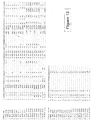
- the present invention is directed to an isolated polynucleotide comprising a sequence that encodes a polypeptide having an amino acid sequence in Table 7 below.
- the invention is directed to an isolated polynucleotide comprising a sequence shown in Table 6 below.
- the invention is further directed to an isolated nucleic acid comprising a sequence at least 80%, 85%, 90%, 95%, 96%, 97%, 98% or 99% identical to a nucleotide sequence shown in Table 6 below.
- the invention is directed to an isolated nucleic acid comprising a sequence that encodes a polypeptide having an amino acid sequence at least 80%, 85%, 90%, 95%, 96%, 97%, 98% or 99% identical to an amino acid sequence in Table 7.
- the invention also encompasses an isolated nucleic acid comprising a sequence that encodes a polypeptide having the amino acid sequence of any of the constructs in Table 7 with conservative amino acid substitutions.
- the therapeutic efficacy of the ABMs of the present invention can be enhanced by producing them in a host ceil that further expresses a polynucleotide encoding a polypeptide having GnTIII activity.
- the polypeptide having GnTIII activity is a fusion polypeptide comprising the Golgi localization domain of a Golgi resident polypeptide.
- the expression of the ABMs of the present invention in a host cell that expresses a polynucleotide encoding a polypeptide having GnTIII activity results in ABMs with increased Fc receptor binding affinity and increased effector function.
- the present invention is directed to a host cell comprising (a) an isolated nucleic acid comprising a sequence encoding a polypeptide having GnTIII activity; and (b) an isolated polynucleotide encoding an ABM of the present invention, such as a chimeric, primatized or humanized antibody that binds human EGFR.
- the polypeptide having GnTIII activity is a fusion polypeptide comprising the catalytic domain of GnTIII and the Golgi localization domain is the localization domain of mannosidase II.
- the chimeric ABM is a chimeric antibody or a fragment thereof, having the binding specificity of the rat ICR62 antibody.
- the chimeric antibody comprises a human Fc.
- the antibody is primatized or humanized.
- the subject invention further provides methods for inhibiting the growth of human tumor cells, treating a tumor in a subject, and treating a proliferative type disease in a subject. These methods comprise administering to the subject an effective amount of the composition of the invention.
- EGFR or EGFR ligand overexpression or amplification may be evaluated using an in vivo diagnostic assay, e.g. by administering a molecule (such as an antibody) which binds the molecule to be detected and is tagged with a detectable label (e.g. a radioactive isotope) and externally scanning the patient for localization of the label.
- a detectable label e.g. a radioactive isotope
- Sustained-release preparations may be prepared. Suitable examples of sustained-release preparations include semipermeable matrices of solid hydrophobic polymers containing the antagonist, which matrices are in the form of shaped articles, e.g., films, or microcapsules. Examples of sustained-release matrices include polyesters, hydrogels (for example, poly(2-hydroxyethyl-methacrylate), or poly(vinylalcohol)), polylactides ( U.S. Pat. No.
- the formulations to be used for in vivo administration must be sterile. This is readily accomplished by filtration through sterile filtration membranes.
- the molecules described herein may be in a variety of dosage forms which include, but are not limited to, liquid solutions or suspensions, tablets, pills, powders, suppositories, polymeric microcapsules or microvesicles, liposomes, and injectable or infusible solutions.
- dosage forms include, but are not limited to, liquid solutions or suspensions, tablets, pills, powders, suppositories, polymeric microcapsules or microvesicles, liposomes, and injectable or infusible solutions.
- the preferred form depends upon the mode of administration and the therapeutic application.
- the present invention provides for a method for treating an EGFR-related disorder comprising predicting a response to anti-EGFR therapy in a human subject in need of treatment by assaying a sample from the human subject prior to therapy with one or a plurality of reagents that detect expression and/or activiation of predictive biomarkers for an EGFR-related disorder such as cancer; determining a pattern of expression and/opr activation of one or more of the predictive biomarkers, wherein the pattern predicts the human subject's response to the anti-EGFR therapy; and administering to a human subject who is predicted to respond positively to anti-EGFR treatment a therapeutically effective amount of a composition comprising an ABM of the present invention.
- a sample means any biological sample from an organism, particularly a human, comprising one or more cells, including single cells of any origin, tissue or biopsy samples which has been removed from organs such as breast, lung, gastrointestinal tract, skin, cervix, ovary, prostate, kidney, brain, head and neck ,or any other other organ or tissue of the body, and other body samples including, but not limited to, smears, sputum, secretions, cerebrospinal fluid, bile, blood, lymph fluid, urine and feces.
- the dose of the present invention may also be any dose within these ranges, including, but not to, 1.0 mg/kg 1.5 mg/kg, 2.0 mg/kg, 2.5 mg/kg, 3.0 mg/kg, 3.5 mg/kg, 4.0 mg/kg, 4.5 mg/kg, 5.0 mg/kg, 5.5 mg/kg, 6.0 mg/kg, 6.5 mg/kg, 7.0 mg/kg, 7.5 mg/kg, 8.0 mg/kg, 8.5 mg/kg, 9.0 mg/kg, 9.5 mg/kg, 10.0 mg/kg, 10.5 mg/kg, 11.0 mg/kg, 11.5 mg/kg, 12.0 mg/kg, 12.5 mg/kg, 13.0 mg/kg, 13.5 mg/kg, 14.0 mg/kg, 14.5 mg/kg, or 15.0 mg/kg.
- one may administer one or more initial dose(s) of the antibody followed by one or more subsequent dose(s), wherein the mg/m 2 dose of the antibody in the subsequent dose(s) exceeds the mg/m 2 dose of the antibody in the initial dose(s).
- the initial dose may be in the range from about 20 mg/m 2 to about 250 mg/m 2 (e.g., from about 50 mg/m 2 to about 200mg/m 2 ) and the subsequent dose may be in the range from about 250 mg/m 2 to about 1000 mg/m 2 .
- the pharmaceutical carrier may be a lipid carrier.
- the lipid carrier may be a phospholipid.
- the lipid carrier may be a fatty acid.
- the lipid carrier may be a detergent.
- a detergent is any substance that alters the surface tension of a liquid, generally lowering it.
- the detergent may be a nonionic detergent.
- nonionic detergents include, but are not limited to, polysorbate 80 (also known as Tween 80 or (polyoxyethylenesorbitan monooleate), Brij, and Triton (for example Triton WR-1339 and Triton A-20).
- the detergent may be an ionic detergent.
- An example of an ionic detergent includes, but is not limited to, alkyltrimethylammonium bromide.
- the precancerous condition or lesion includes, for example, the group consisting of oral leukoplakia, actinic -keratosis (solar keratosis), precancerous polyps of the colon or rectum, gastric epithelial dysplasia, adenomatous dysplasia, hereditary nonpolyposis colon cancer syndrome (HNPCC), Barrett's esophagus, bladder dysplasia, and precancerous cervical conditions.
- oral leukoplakia actinic -keratosis (solar keratosis)
- precancerous polyps of the colon or rectum gastric epithelial dysplasia
- adenomatous dysplasia adenomatous dysplasia
- HNPCC hereditary nonpolyposis colon cancer syndrome
- Barrett's esophagus bladder dysplasia
- precancerous cervical conditions for example, the group consisting of oral leukoplakia,
- said cancer is selected from the group consisting of breast cancer, bladder cancer, head & neck cancer, skin cancer, pancreatic cancer, lung cancer, ovarian cancer, colon cancer, prostate cancer, kidney cancer, and brain cancer.
- said antigen binding molecule is used in a therapeutically effective amount from about 1.0 mg/kg to about 15 mg/kg.
- said antigen binding molecule is used in a therapeutically effective amount of about 1.5 mg/kg.
- said antigen binding molecule is used in a therapeutically effective amount of about 4.5 mg/kg.
- the present invention is directed to method of treating an EGFR-related disorder in a mammal in need of treatment thereof comprising administering to the mammal an ABM of of the present invention, wherein the treatment results in serum concentrations of said ABM between about 1 and about 500 ⁇ g/ml, for a period of at least 4 weeks, and wherein the treatment does not cause a clinically significant level of toxicity in said mammal.
- an article of manufacture containing materials useful for the treatment of the disorders described above comprises a container and a label or package insert on or associated with the container.
- Suitable containers include, for example, bottles, vials, syringes, etc.
- the containers may be formed from a variety of materials such as glass or plastic.
- the container holds a composition which is effective for treating the condition and may have a sterile access port (for example the container may be an intravenous solution bag or a vial having a stopper pierceable by a hypodermic injection needle).
- At least one active agent in the composition is an anti-EGFR antibody.
- the article of manufacture in this embodiment of the invention may further comprises a package insert indicating that the first and second antibody compositions can be used to treat a non-malignant disease or disorder from the list of such diseases or disorders in the definition section above.
- the package insert may instruct the user of the composition (comprising an antibody which binds EGFR and blocks ligand activation of an EGFR receptor) to combine therapy with the antibody and any of the adjunct therapies described in the preceding section (e.g. a chemotherapeutic agent, an EGFR-targeted drug, an anti-angiogenic agent, an immunosuppressive agent, tyrosine kinase inhibitor, an anti-hormonal, compound, a cardioprotectant and/or a cytokine).
- a chemotherapeutic agent e.g. a chemotherapeutic agent, an EGFR-targeted drug, an anti-angiogenic agent, an immunosuppressive agent, tyrosine kinase inhibitor, an anti-hormonal,
- the high homology antibody acceptor framework search was performed by aligning the rat ICR62 protein sequence to a collection of human germ-line sequences and choosing that human sequence that showed the highest sequence identity, while conserving all canonical residues on a functional level.
- sequence 1-e from the VH1 family within the VBase database was chosen as the heavy chain framework acceptor sequence
- A30 sequence from the VK1 family of the VBase database was chosen to be the framework acceptor for the light chain.
- the three complementarity determining regions (CDRs) and/or specificity-determining residues of those CDRs of the rat ICR62 heavy and light variable domains were grafted.
- the framework 4 region is not part of the variable region of the germ line gene, the alignment for that position was performed individually.
- the JH6 region was chosen for the heavy chain, and the JK2 region was chosen for the light chain.
- Molecular modelling of the designed immunoglobulin domain revealed one position outside of the Kabat CDR1 potentially requiring the murine amino acid residues instead of the human ones outside of the CDR. Reintroduction of murine amino acid residues into the human framework would generate so-called "back mutations.”
- the human acceptor amino acid residue at Kabat position 27 (Glycine in 1-e) was back mutated to a tyrosine residue.
- humanized antibody variants were designed that either included or omitted the back mutations.
- the humanized antibody light chain did not require any back mutations.
- framework region 1 (FR1), framework regions 1 (FR1) and 2 (FR2) together, or framework region 3 (FR3) of a functionally humanized antibody could be replaced by human antibody sequences already having donor residues, or amino acid residues that are functionally equivalent to donor residues, at important residue positions in the natural human germline sequence.
- VH frameworks 1, 2 and 3 of the rat ICR62 VH sequence were aligned individually to human germ-line sequences.
- highest sequence identity was not used for choosing acceptor frameworks; instead matching of several critical residues was performed.
- the DNA sequence was generated.
- the DNA sequence data of the individual frame work regions was found in the databases (e.g. IMGT or VBase) for human germ line sequences.
- the DNA sequence information of the CDR regions was taken from the published sequence of the rat ICR62 antibody ( see, e.g., PCT Publication WO 95/20045 ). With these sequences, the whole DNA sequence was virtually assembled. Having this DNA sequence data, diagnostic restriction sites were introduced in the virtual sequence by introducing silent mutations, creating recognition sites for restriction endonucleases. To obtain the physical DNA chain, gene synthesis was performed ( see, e.g., Wheeler et al. 1995).
- human heavy and light chain leader sequences for secretion were added upstream of the variable region DNA sequences. Downstream of the variable regions, the constant regions of IgG1 for the heavy chain were added, and the kappa constant region for the light chain using standard molecular biology techniques.
- the resulting full antibody heavy and light chain DNA sequences were subcloned into mammalian expression vectors (one for the light chain and one for the heavy chain) under the control of the MPSV promoter and upstream of a synthetic polyA site, each vector carrying an EBV OriP sequence.
- a solution of DNA, CaCl3 and water ' was prepared by mixing 47 ⁇ g total plasmid vector DNA divided equally between the light and heavy chain expression vectors, 235 ⁇ l of a 1M CaC12 solution, and adding water to a final volume of 469 ⁇ l.
- 469 ⁇ l of a 50mM HEPES, 280 mM NaCl, 1.5 mM Na2HPO4 solution at pH 7.05 were added, mixed immediately for 10 sec and left to stand at room temperature for 20 sec.
- the suspension was diluted with 12 ml of DMEM supplemented with 2% FCS, and added to the T75 in place of the existing medium.
- the cells were incubated at 37°C, 5% CO2 for about 17 to 20 hours, then medium was replaced with 12 ml DMEM, 10% FCS.
- the conditioned culture medium was harvested 5 to 7 days post-transfection centrifuged for 5 min at 1200 rpm, followed by a second centrifugation for 10 min at 4000 rpm and kept at 4°C.
- Glycoengineered variants of the humanized antibody were produced by cotransfection of the antibody expression vectors together with a GnT-III glycosyitransferase expression vector, or together with a GnT-III expression vector plus a Golgi mannosidase II expression vector.
- Glycoengineered antibodies were purified and formulated as described above for the non-glycoengineered antibodies.
- the oligosaccharides attached to the Fc region of the antibodies were analysed by MALDI/TOF-MS as described below.
- Oligosaccharides were enzymatically released from the antibodies by PNGaseF digestion, with the antibodies being either immobilized on a PVDF membrane or in solution.
- N-linked oligosaccharides were released by addition of 2.5 mU peptide-N-glycosydase F (recombinat N-Glycanase, GLYKO, Novato, CA) and 0.1 mU Sialidase (GLYKO, Novato, CA), to remove any potential charged monosaccharide residues, in a final volume of 25 ⁇ l in 20mM NaHCO 3 , pH7.0). Digestion was performed for 3 hours at 37°C.
- the PNGaseF released oligosaccharides were subsequently digested with Endoglycosidase H (EC 3.2.1.96).
- Endoglycosidase H EC 3.2.1.96
- 15 mU of EndoH (Roche, Switzerland) were added to the PNGaseF digest (antibody in solution method above) to give a final volume of 30 microliters, and the mix was incubated for 3 hours at 37°C.
- EndoH cleaves between the N-acetylglucosamine residues of the chitobiose core of N-linked oligosaccharides.
- the enzyme can only digest oligomannose and most hybrid type glucans, whereas complex type oligosaccharides are not hydrolyzed.
- the enzymatic digests containing the released oligosaccharides were incubated for a further 3 h at room after the addition of acetic acid to a final concentration of 150 mM, and were subsequently passed through 0.6 ml of cation exchange resin (AG50W-X8 resin, hydrogen form, 100-200 mesh, BioRad, Switzerland) packed into a micro-bio-spin chromatography column (BioRad, Switzerland) to remove cations and proteins.
- cation exchange resin AG50W-X8 resin, hydrogen form, 100-200 mesh, BioRad, Switzerland
- micro-bio-spin chromatography column BioRad, Switzerland
- sDHB matrix was prepared by dissolving 2 mg of 2,5-dihydroxybenzoic acid plus 0.1 mg of 5-methoxysalicylic acid in 1 ml of ethanol/10 mM aqueous sodium chloride 1:1 (v/v). The samples were air dried, 0.2 ⁇ l ethanol was applied, and the samples were finally allowed to re-crystallize under air.
- the MALDI-TOF mass spectrometer used to acquire the mass spectra was a Voyager Elite (Perspective Biosystems). The instrument was operated in the linear configuration, with an acceleration of 20kV and 80 ns delay. External calibration using oligosaccharide standards was used for mass assignment of the ions. The spectra from 200 laser shots were summed to obtain the final spectrum.
- the purified, monomeric humanized antibody variants were tested for binding to human epidermal growth factor receptor (EGFR, also referred to in the literature as HER-1 or ErbB1) on the A431 human epidermal cell line, using a flow cytometry-based assay.
- EGFR human epidermal growth factor receptor
- HER-1 or ErbB1 human epidermal growth factor receptor
- 200,000 cells e.g., from human A431 cell line
- FACS buffer PBS containing 2% FCS and 5mM EDTA
- 20 ⁇ l 10 fold concentrated anti-EGFR antibody (primary antibody) samples (1-5000 ng/ml final concentration) or PBS only were added. After gently mixing the samples, the tubes were incubated at 4°C for 30min in the dark.
- PBMC Human peripheral blood mononuclear cells
- the interphase containing the PBMC was collected and washed with PBS (50 ml per cells from two gradients) and harvested by centrifugation at 300 x g for 10 minutes at RT. After resuspension of the pellet with PBS, the PBMC were counted and washed a second time by centrifugation at 200 x g for 10 minutes at RT. The cells were then resuspended in the appropriate medium for the subsequent procedures.
- PBS 50 ml per cells from two gradients
- the effector to target ratio used for the ADCC assays was 25:1 and 10:1 for PBMC and NK cells, respectively.
- the effector cells were prepared in AIM-V medium at the appropriate concentration in order to add 50 ⁇ l per well of round bottom 96 well plates.
- Target cells were human EGFR expressing cells (e.g., A431, EBC-1, or LN229) grown in DMEM containing 10% FCS.
- Target cells were washed in PBS, counted and resuspended in AIM-V at 0.3 million per ml in order to add 30,000 cells in 100 ⁇ l per microwell.
- Vmax values of the color reaction were determined in an ELISA reader at 490 nm for at least 10 min using SOFTmax PRO software (Molecular Devices, Sunnyvale, CA94089, USA).
- Spontaneous LDH release was measured from wells containing only target and effector cells but no antibodies.
- Maximal release was determined from wells containing only target cells and 1% Triton X-100. Percentage of specific antibody-mediated killing was calculated as follows: ((x - SR)/(MR - SR) ⁇ 100, where x is the mean of Vmax at a specific antibody concentration, SR is the mean of Vmax of the spontaneous release and MR is the mean of Vmax of the maximal release.
- I-HLA1, I-HLA2, I-HLA3, I-HLA4, I-HLA5, and I-HLA6 is the involvement of Phe27 in antigen binding, either directly or indirectly, via modifying the loop conformation of CDR1.
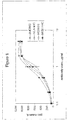
- the I-HLA7 construct was assessed to determine whether the restoration of additional donor residues in the heavy chain CDR1 and CDR2 of the I-HLA6 construct would restore full binding activity as compared to ICR62. As shown in Figure 6 , this was not the case.
- the I-HLA8 construct has the same FR1 sequence as the I-HLA5 and I-HLA6 constructs and therefore has the same non-donor residues (i.e., Va12Met, Ala9Pro, and Ala16Thr), suggesting that the presence of these non-donor residues does not have a negative effect on binding.
- Non-beneficial mutations occurring in the I-HLA5 and 6 arise from the combination of a VH1 FR1 paired with a VH5 FR3, which could potentially be compensated for by having a FR1 and a FR3 of the same VH family.
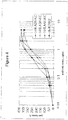
- FIG. 8 Shown in Figure 8 are constructs that contain non-donor residues within the CDRs. Thus, these constructs are even further humanized within the CDRs because the non-donor residues occur in the human framework regions that were chosen for these constructs.
- the I-HHE (His35Ser), I-HHF (Thr58Asn) and I-HHG (Ser57Ala) contructs all have one residue within the CDR1 or CDR2 that is humanized (compared to the I-HHB construct).
- Construct I-HHD (Gly24Ala) was also assayed. I-HHF showed reduced binding indicating the importance of Thr58, In contrast to the Kabat CDR residue 58, amino acid 57 is more tolerant to substitutions, since the Ser57Ala mutation apparently has no influence on binding ( Figure 8 ).
- the FR1, FR2, and FR3 of IGHV5-51 was designed to be used together as an acceptor for loop grafting.
- Figure 9 shows a comparison of the antibody mediated cellular cyotoxicity (ADCC) is shown for the various glycoforms of the chimeric ICR62 antibody, as well as for the humanized variant I-HLA4.
- the different glycoforms are marked by a label that either indicates not-glycoengineered (WT), Glycoform 1 (G1), or Glycoform 2 (G2).
- WT refers to antibodies that were not glycoengineered.
- the light chain for all the humanized constructs is the I-KC variant, and was not labeled explicitly.
- the chimeric, as well as the humanized antibody were improved in their potency and efficacy by the two different glycoengineering approaches.
- the ch-ICR62 construct performed slightly better than I-HLA4 for the wild-type or the glycoforms, respective.
- the ch-ICR62 had a twofold lower EC50 value. This difference in affinity is here reflected in differences in efficacy.
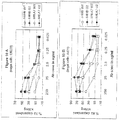
- the percentage of cell killing at maximal antibody concentration for the I-HHB could be shifted from ⁇ 30% to ⁇ 40% by introducing the G2 giycoengineered variant, when using the LN229 target cell line. When using the A431 cell line, this value was apparently unchanged. This behavior was completely different for the I-HLA7 antibody.
- Target cell killing at maximal antibody concentration was shifted from about 10% to about 50%, for the LN229 cells, and from about 40% to about 70% for the A431 cells by introducing the G2 glycoengineering variants. In this case, despite having lower activity in the non glycoengineered antibody for the I-HLA7 relative to I-HHB, the ranking of activity is reversed for the glycoengineered antibodies.
- Figures 11 and 12 also show comparisons of non-glycoengineered forms (WT) and G2 glcyoforms of chimeric ICR62 and the humanized ICR62 antibody constructs I-HHB and I-HLA7.
- This Bioanalytical Analysis describes the measurement of anti-EGFR in samples originating from cynomolgus monkeys following intravenous (bolus) administration of anti-EGFR (recombinant, glycoengineered anti-EGFR antibody produced from transfected mammalian cells in culture with antibody expression vectors harboring the heavy chain I-HHB and the light chain I-KC genes as described above, and purified as described above) as described in the protocol set forth herein below.
- a total of 78 monkey serum samples were stored frozen at about -20°C until use.
- Bioanalytical methods used for the determination of anti-EGFR used an ELISA method to measure serum concentrations of anti-EGFR. Acceptance criteria were set at ⁇ 20% ( ⁇ 25% low QC) for precision and inaccuracy.
- TABLE 17 Tissue Fixation Standard 1 0% Neutral Buffered Formalin. Others Testes and epididymides: Initially in Bouin's fluid. Eyes: Initially in Davidson's fluid. TABLE 18: Histology Processing All animals. Routine staining 4-5 ⁇ m sections stained with haematoxylin and eosin.
- a plate was coated with 100 ⁇ l per well of coating solution (5 ⁇ l sheep anti-human IgG (monkey adsorbed IgG, the Binding Site, UK) added to 11495 ⁇ l bicarbonate buffer (0.05M, pH9.6) and incubated for approximately 2 hours at room temperature.
- the plate was washed 3 times with 400 ⁇ l per well of wash solution (PBS (Sigma Chemical Co., UK) 0.01% (v/v) Triton-X100 (Sigma Chemical Co., UK)) and tapped dry.
- the conjugate solution (6 ⁇ l goat anti-human IgG kappa-HRP conjugate (Bethyl Laboratories Inc., USA) added to 12 ml assay buffer) was added at 100 ⁇ l per well and incubated for approximately 1 hour at room temperature. The plate was washed 3 times with 400 ⁇ l per well of wash solution and tapped dry.
- Trimethylbenzidine (TMB; Europa Bioproducts, Ely, UK) was added at 100 ⁇ l per well. The plate was covered and incubated for approximately 15 minutes at room temperature. 100 ⁇ l of stop solution (0.5M HCl, Fisher, UK) was then added to each well. Absorbances were read at 450 nm (reference filter 630 nm) on a DYNATECH MRX microplate reader (Mettler Instruments, UK).
- the AUC 168 was ca 2.8-fold higher than that predicted by a linear relationship.
- Three groups of one male and one female cynomolgus monkey were administered anti-EGFR by intravenous bolus injection, at dose levels of 1.5, 4.5 and 12 mg/kg/occasion on Days 1, 8, 15 and 22 of a preliminary toxicity study.
- Blood samples were taken from each animal at the following time-points following administration on Day 1: 1, 4, 12, 24, 72 and 120 hours post-dose.
- samples were taken pre-dose and at 1 hour post-dose on Days 8, 15 and 22 and at 672 hours after the first dose on Day 1.
- the separated serum was frozen at ca -20°C prior to analysis of serum concentrations of anti-EGFR by an immunoassay method.
- Anti-EGFR an anti-EGFR antibody Fc-engineered for increased Fc-FcgammaRIII receptor binding affinity and increased ADCC
- Anti-EGFR an anti-EGFR antibody Fc-engineered for increased Fc-FcgammaRIII receptor binding affinity and increased ADCC
- antibody was produced by co-transfection of HEK-293-EBNA cells with plasmid DNA vectors for expression of I-HHB antibody heavy chain, I-KC antibody light chain, GnT-III and ManII.
- a linearly scaled-up version of the transfection method described above was employed, transfecting cell monolayers cultured in roller bottles instead of T-flasks.
- An additional flow-through anion-exchange chromatographic step using Q-sepharose matrix was included in the purification process immediately before the size exclusion chromatographic step described above.
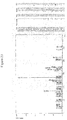
- the glycosylation pattern of the Fc-engineered antibody was analyzed as described above using MALDI/TOF-MS spectrometry of enzymatically released Fc-derived oligosaccharides.
- the oligosaccharide profile is shown in Figure 23 .
- Binding to human EGFR and monkey EGFR was demonstrated by whole-cell binding as described above using A431 and COS-7 cells, respectively, and FACS-based analysis. Binding curves are shown in Figures 24 and 25 respectively.
- Such Fc-engineered antibodies have up to 50-fold increased binding affinity for human FcgammaRIII relative to a standard non-Fc engineered antibody (Equilibrium dissociation constanst of 15 and 150 nM for the 158V and 158F polymorphic variants of the human receptor vs. 750 and 5000 nM for the same receptor variants, respectively, when binding to non-Fc engineered human IgG1 antibodies).
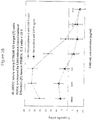
- ADCC was measured as described aboved using two target cell lines: A549 human lung carcinoma cells and CYNOM-K1 cynomolgus monkey keratinocyte cells. Results are shown in Figure 27 and 28 , respectively.
- Pharmacokinetic parameters were calculated using the computer program WinNonlin Pro version 3.3 (Pharsight Corporation, USA).
- AUC AUC 168 + Clast / k
- Clast the predicted serum concentration at the last quantifiable sample point
- k the terminal rate constant
- Terminal half-lives (t 1 ⁇ 2 ) were calculated as ln2/k.
- Total serum clearance (CL) was calculated as Dose / AUC.
- Volume of distribution at steady-state (Vss) was calculated as Dose.AUMC/AUC2.
- Accumulation (R) was assessed as the ratio of the trough concentration following the last dose (Day 22) to the trough concentration following the first dose (Day 1) i.e. serum concentration at 672 hours/ serum concentration at 168 hours (pre-dose on Day 8).
- Blood samples were taken up to 120 hours after dosing on Day 1; at pre-dose and 1 hour post-dose on Days 8, 15 and 22, and at 672 hours post dosing on Day 1 during a toxicity study to assess the systemic exposure of male and female monkeys to anti-EGFR following intravenous bolus administration of anti-EGFR at dose levels of 1.5, 4.5 and 12 mg/kg/occasion on Days 1, 8, 15 and 22 of the study.
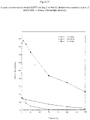
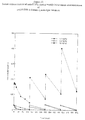
- Serum concentrations of anti-EGFR in samples taken up to 168 hours post-dose are presented in Tables 27-29, and the mean serum concentration-time profiles are illustrated in Figures 18 and 19 .
- T max The times at which the maximum serum concentrations occurred (T max ) were generally 1 hour post-dose (the first sample point) but occurred at 4 hours post-dose (the second sample point) in females 2F462 (4.5 mg/kg) and 3F612 (12 mg/kg). However, for both these females, the concentrations at 4 hours post-dose were very similar to those concentrations at 1 hour post-dose and were probably within the variability of the assay. Therefore the apparent delay in Tmax is unlikely to be of any significance.
- Serum concentrations of anti-EGFR prior to the succeeding dose were quantifiable in all animals except male 2M461 on Day 22 (4.5 mg/kg/occasion dose level) therefore, in general, animals were continuously exposed to quantifiable concentrations of anti-EGFR during a dosing interval.
- AUC 168 The relationships between areas under the serum anti-EGFR concentration-time curves (AUC 168 ) and dose level on Day 1 are presented below: TABLE 25 Dose level Dose level AUC 168 ratio (mg/kg/occasion) ratio Males Females 1.5 1 1 1 4.5 3.0 3.1 3.2 12 8.0 22.0 21.4
- Samples for haematological, peripheral blood analysis were taken from the femoral vein of cynomolgous monkey that had been administered an intravenous bolus injection of GlycoMAB anti-EGFR on days 1, 8, 15, and 22. Samples were taken from, the limb not used for dose administration, following overnight deprivation of food (not decedents). Samples were examined at pretreatment, three days after the second dose, and on termination for the following parameters:
- Pericholangitis inflammation of connective tissue around the bile duct was reported in the female monkey dosed at 12 mg/kg/day, but not in any other female or male monkeys. This finding may be related to treatment with Glyco-mAb (Anti-EGFR), but with such small numbers of animals the significance is uncertain. All other findings were considered to be incidental and of no toxicological significance.
- Kidneys -Cortical Lymphocytic Infiltration,-Slight, Focal Left Saphenous : -Epidermal Hyperplasia,-Minimal Liver: Liver: -Median Cleft Pale Area(S); One, Subcapsular, 3mm.
- NECROPSY HISTOPATHOLOGY Kidneys -Cortical Lymphocytic Infiltration,-Minimal, Focal Liver: -Inflammatory Cell Foci,-Minimal Lungs & Bronchi: Lungs & Bronchi : -Incomplete Collapse; Left Lobes. No Significant Lesion Ovaries: Ovaries : -Raised Area(S); One On Each, Left, 3mm; Right, 2mm.
- NECROPSY HISTOPATHOLOGY Kidneys -Cortical Lymphocytic Infiltration,-Minimal, Focal Liver: Liver: -Median Cleft Pale Area(S); One, Subcapsular, 3mm. -Inflammatory Cell Foci,-Minimal -Bile Duct Proliferation,-Minimal -Cyst(S); Within Cleft, One, Dark Fluid-Filled, Green, 2mm. -Pericholangitis,-Minimal Lungs & Bronchi: Lungs & Bronchi: -Incomplete Collapse; Left Lobes.
- EGFR is not a tumor specific target, since it is present on the surface of various normal tissues including liver, kidney and skin.
- Anti-EGFR antibodies with human IgG1 Fc region have previously been administered to humans and have shown a tolerable side-effect profile ( Vanhoefer, U. et al., Clin. Oncol. 2004 Jan 1;22(1):175-84 ; Needle MN, Semin Oncol. 2002 Oct;29 (5 Suppl 14):55-60 ).
- the present inventors have found that administering such an anti-EGFR antibody, Fc engineered as described above and with up to 1000-fold increased ADCC activity, in vivo to mammals did not lead to significant toxicities.
- the concentrations of antibody were kept above 1 microgram per milliliter for at least 4 weeks (and above 100 micrograms per milliliter for some animals). Such exposure levels are typical for antibody therapy. Maximal ADCC for the antibody of this study is already achieved at concentrations of 1 microgram per milliliter.
- Single dose administrations of doses of 40 and 100 mg of anti-EGFR antibody (the parental rat ICR62 antibody) to human cancer patients have shown specific targeting of tumors in vivo ( Modjtahedi, H. et al., Br J Cancer.
- the invention comprises the following items.
Landscapes
- Health & Medical Sciences (AREA)
- Chemical & Material Sciences (AREA)
- Life Sciences & Earth Sciences (AREA)
- Immunology (AREA)
- Medicinal Chemistry (AREA)
- General Health & Medical Sciences (AREA)
- Engineering & Computer Science (AREA)
- Bioinformatics & Cheminformatics (AREA)
- Organic Chemistry (AREA)
- Animal Behavior & Ethology (AREA)
- Public Health (AREA)
- Veterinary Medicine (AREA)
- Pharmacology & Pharmacy (AREA)
- Proteomics, Peptides & Aminoacids (AREA)
- Molecular Biology (AREA)
- Epidemiology (AREA)
- Genetics & Genomics (AREA)
- Biophysics (AREA)
- Biochemistry (AREA)
- Cell Biology (AREA)
- Gastroenterology & Hepatology (AREA)
- Zoology (AREA)
- Toxicology (AREA)
- Chemical Kinetics & Catalysis (AREA)
- General Chemical & Material Sciences (AREA)
- Nuclear Medicine, Radiotherapy & Molecular Imaging (AREA)
- Microbiology (AREA)
- Mycology (AREA)
- Peptides Or Proteins (AREA)
- Micro-Organisms Or Cultivation Processes Thereof (AREA)
- Preparation Of Compounds By Using Micro-Organisms (AREA)
- Medicines Containing Antibodies Or Antigens For Use As Internal Diagnostic Agents (AREA)
Applications Claiming Priority (3)
| Application Number | Priority Date | Filing Date | Title |
|---|---|---|---|
| US65011505P | 2005-02-07 | 2005-02-07 | |
| PCT/IB2006/000238 WO2006082515A2 (en) | 2005-02-07 | 2006-02-07 | Antigen binding molecules that bind egfr, vectors encoding same, and uses thereof |
| EP06710336.6A EP1871805B1 (en) | 2005-02-07 | 2006-02-07 | Antigen binding molecules that bind egfr, vectors encoding same, and uses thereof |
Related Parent Applications (1)
| Application Number | Title | Priority Date | Filing Date |
|---|---|---|---|
| EP06710336.6A Division EP1871805B1 (en) | 2005-02-07 | 2006-02-07 | Antigen binding molecules that bind egfr, vectors encoding same, and uses thereof |
Publications (1)
| Publication Number | Publication Date |
|---|---|
| EP3660049A1 true EP3660049A1 (en) | 2020-06-03 |
Family
ID=36777599
Family Applications (4)
| Application Number | Title | Priority Date | Filing Date |
|---|---|---|---|
| EP19198853.4A Withdrawn EP3660049A1 (en) | 2005-02-07 | 2006-02-07 | Antigen binding molecules that bind egfr, vectors encoding same, and uses thereof |
| EP11176829A Withdrawn EP2404937A1 (en) | 2005-02-07 | 2006-02-07 | Antigen binding molecules that bind EGFR, vectors encoding same, and uses thereof |
| EP11176828A Withdrawn EP2402374A1 (en) | 2005-02-07 | 2006-02-07 | Antigen binding molecules that bind EGFR, vectors encoding same, and uses thereof |
| EP06710336.6A Expired - Lifetime EP1871805B1 (en) | 2005-02-07 | 2006-02-07 | Antigen binding molecules that bind egfr, vectors encoding same, and uses thereof |
Family Applications After (3)
| Application Number | Title | Priority Date | Filing Date |
|---|---|---|---|
| EP11176829A Withdrawn EP2404937A1 (en) | 2005-02-07 | 2006-02-07 | Antigen binding molecules that bind EGFR, vectors encoding same, and uses thereof |
| EP11176828A Withdrawn EP2402374A1 (en) | 2005-02-07 | 2006-02-07 | Antigen binding molecules that bind EGFR, vectors encoding same, and uses thereof |
| EP06710336.6A Expired - Lifetime EP1871805B1 (en) | 2005-02-07 | 2006-02-07 | Antigen binding molecules that bind egfr, vectors encoding same, and uses thereof |
Country Status (28)
| Country | Link |
|---|---|
| US (8) | US7722867B2 (enExample) |
| EP (4) | EP3660049A1 (enExample) |
| JP (2) | JP5336089B2 (enExample) |
| KR (2) | KR101569300B1 (enExample) |
| CN (2) | CN103981190A (enExample) |
| AR (1) | AR052285A1 (enExample) |
| AU (1) | AU2006211037B2 (enExample) |
| BR (1) | BRPI0607315B1 (enExample) |
| CA (1) | CA2596835C (enExample) |
| CR (2) | CR9236A (enExample) |
| DK (1) | DK1871805T3 (enExample) |
| ES (1) | ES2755976T3 (enExample) |
| HK (1) | HK1199470A1 (enExample) |
| HR (1) | HRP20192134T1 (enExample) |
| IL (1) | IL184498A (enExample) |
| LT (1) | LT1871805T (enExample) |
| MA (1) | MA29279B1 (enExample) |
| MX (1) | MX2007008619A (enExample) |
| NO (1) | NO20073662L (enExample) |
| NZ (1) | NZ556286A (enExample) |
| PL (1) | PL1871805T3 (enExample) |
| PT (1) | PT1871805T (enExample) |
| RS (1) | RS59761B1 (enExample) |
| RU (2) | RU2488597C2 (enExample) |
| SI (1) | SI1871805T1 (enExample) |
| TW (1) | TWI387602B (enExample) |
| UA (1) | UA95068C2 (enExample) |
| WO (1) | WO2006082515A2 (enExample) |
Families Citing this family (207)
| Publication number | Priority date | Publication date | Assignee | Title |
|---|---|---|---|---|
| AU3657899A (en) | 1998-04-20 | 1999-11-08 | James E. Bailey | Glycosylation engineering of antibodies for improving antibody-dependent cellular cytotoxicity |
| NZ581474A (en) | 2001-08-03 | 2011-04-29 | Glycart Biotechnology Ag | Antibody glycosylation variants having increased antibody-dependent cellular cytotoxicity |
| ES2755976T3 (es) | 2005-02-07 | 2020-04-24 | Roche Glycart Ag | Moléculas de unión a antígeno que se unen a EGFR, vectores que las codifican y usos de las mismas |
| AR062223A1 (es) * | 2006-08-09 | 2008-10-22 | Glycart Biotechnology Ag | Moleculas de adhesion al antigeno que se adhieren a egfr, vectores que los codifican, y sus usos de estas |
| US8529901B2 (en) | 2007-06-06 | 2013-09-10 | Hoffmann-La Roche, Inc. | Composition of a first non-labeled monoclonal antibody binding to a tumor antigen and a non-cross reactive second monoclonal antibody labeled with a NIR fluorescence label |
| US9266967B2 (en) | 2007-12-21 | 2016-02-23 | Hoffmann-La Roche, Inc. | Bivalent, bispecific antibodies |
| US20090162359A1 (en) | 2007-12-21 | 2009-06-25 | Christian Klein | Bivalent, bispecific antibodies |
| PE20110926A1 (es) * | 2008-09-26 | 2011-12-29 | Roche Glycart Ag | Anticuerpos biespecificos anti-egfr/anti-igf-1r |
| US20100247484A1 (en) * | 2009-03-31 | 2010-09-30 | Heinrich Barchet | Combination therapy of an afucosylated antibody and one or more of the cytokines gm csf, m csf and/or il3 |
| SG174963A1 (en) * | 2009-03-31 | 2011-11-28 | Roche Glycart Ag | Treatment of cancer with a humanized anti-egfr igg1 antibody and irinotecan |
| BRPI1014089A2 (pt) | 2009-04-02 | 2016-04-19 | Roche Glycart Ag | anticorpos multiespecíficos que compreendem anticorpos de comprimento completo e fragmentos fab de cadeia simples |
| WO2010112194A1 (en) | 2009-04-02 | 2010-10-07 | F. Hoffmann-La Roche Ag | Antigen-binding polypeptides and multispecific antibodies comprising them |
| PT2417156E (pt) | 2009-04-07 | 2015-04-29 | Roche Glycart Ag | Anticorpos trivalentes, biespecíficos |
| AU2010233993A1 (en) * | 2009-04-07 | 2011-09-08 | Roche Glycart Ag | Bispecific anti-ErbB-1/anti-c-Met antibodies |
| US9676845B2 (en) | 2009-06-16 | 2017-06-13 | Hoffmann-La Roche, Inc. | Bispecific antigen binding proteins |
| MX2012003396A (es) | 2009-09-16 | 2012-04-10 | Genentech Inc | Complejos de proteina conteniendo helice super-enrollada y/o enlazador tether y usos de los mismos. |
| CN102686241A (zh) * | 2009-12-29 | 2012-09-19 | 霍夫曼-拉罗奇有限公司 | 抗体配制剂 |
| JP6012473B2 (ja) * | 2010-01-11 | 2016-10-25 | アレクシオン ファーマシューティカルズ, インコーポレイテッド | 抗cd200抗体を用いたヒトの処置における免疫調節効果のバイオマーカー |
| WO2011101328A2 (en) * | 2010-02-18 | 2011-08-25 | Roche Glycart Ag | Treatment with a humanized igg class anti egfr antibody and an antibody against insulin like growth factor 1 receptor |
| TW201138821A (en) * | 2010-03-26 | 2011-11-16 | Roche Glycart Ag | Bispecific antibodies |
| CN101875697B (zh) * | 2010-04-15 | 2014-04-30 | 北京天广实生物技术股份有限公司 | 新型抗egfr人源抗体tgm10的设计及其应用 |
| RU2013110875A (ru) | 2010-08-24 | 2014-09-27 | Ф.Хоффманн-Ля Рош Аг | БИСПЕЦИФИЧЕСКИЕ АНТИТЕЛА, СОДЕРЖАЩИЕ СТАБИЛИЗИРОВАННЫЙ ДИСУЛЬФИДОМ ФРАГМЕНТ Fv |
| TW201302793A (zh) | 2010-09-03 | 2013-01-16 | Glaxo Group Ltd | 新穎之抗原結合蛋白 |
| JP5766296B2 (ja) | 2010-12-23 | 2015-08-19 | エフ.ホフマン−ラ ロシュ アーゲーF. Hoffmann−La Roche Aktiengesellschaft | ポリペプチド−ポリヌクレオチド複合体、およびエフェクター成分の標的化された送達におけるその使用 |
| CN102153647B (zh) * | 2011-01-27 | 2012-07-04 | 中国人民解放军军事医学科学院生物工程研究所 | 一种抗egfr人源化抗体l3-h3及其编码基因与应用 |
| RU2013139267A (ru) | 2011-02-10 | 2015-03-20 | Рош Гликарт Аг | Улучшенная иммунотерапия |
| EP2681239B8 (en) | 2011-02-28 | 2015-09-09 | F. Hoffmann-La Roche AG | Antigen binding proteins |
| AR085403A1 (es) | 2011-02-28 | 2013-09-25 | Hoffmann La Roche | Proteinas monovalentes que se unen a antigenos |
| US9152861B2 (en) * | 2011-03-04 | 2015-10-06 | Nec Corporation | Individual product identification system, individual product identification method, and device and program used by same |
| EP2747781B1 (en) | 2011-08-23 | 2017-11-15 | Roche Glycart AG | Bispecific antibodies specific for t-cell activating antigens and a tumor antigen and methods of use |
| US20130078250A1 (en) | 2011-08-23 | 2013-03-28 | Oliver Ast | Bispecific t cell activating antigen binding molecules |
| EP3321286B1 (en) | 2011-08-23 | 2021-01-06 | Roche Glycart AG | Bispecific t cell activating antigen binding molecules |
| MY171038A (en) | 2011-08-23 | 2019-09-23 | Roche Glycart Ag | Bispecific antigen binding molecules |
| CN103857700A (zh) | 2011-08-26 | 2014-06-11 | 梅里麦克制药股份有限公司 | 串联fc双特异性抗体 |
| EP2758435A1 (en) | 2011-09-23 | 2014-07-30 | Roche Glycart AG | Bispecific anti-egfr/anti igf-1r antibodies |
| WO2013113641A1 (en) | 2012-01-31 | 2013-08-08 | Roche Glycart Ag | Use of nkp46 as a predictive biomarker for cancer treatment with adcc- enhanced antibodies |
| CN104105711B (zh) | 2012-02-10 | 2018-11-30 | 弗·哈夫曼-拉罗切有限公司 | 单链抗体及其他异多聚体 |
| MX2014010379A (es) | 2012-03-02 | 2015-05-15 | Roche Glycart Ag | Biomarcador predictivo para tratamiento de cancer con anticuerpos mejorados en adcc. |
| WO2013147509A1 (ko) * | 2012-03-27 | 2013-10-03 | 주식회사 녹십자 | 표피 성장 인자 수용체 표면 항원상의 에피토프 및 이의 용도 |
| CN104918956A (zh) * | 2012-05-17 | 2015-09-16 | 索伦托治疗有限公司 | 与egfr结合的抗原结合蛋白 |
| EP2867253B1 (en) | 2012-06-27 | 2016-09-14 | F. Hoffmann-La Roche AG | Method for selection and production of tailor-made highly selective and multi-specific targeting entities containing at least two different binding entities and uses thereof |
| MX2014014804A (es) | 2012-06-27 | 2015-02-12 | Hoffmann La Roche | Metodo para la elaboracion de conjugados de la region fc de anticuerpos que comprenden por lo menos una entidad de union que se une especificamente a un objetivo y usos del mismo. |
| AR092044A1 (es) | 2012-08-07 | 2015-03-18 | Roche Glycart Ag | Inmunoterapia mejorada |
| WO2014056783A1 (en) | 2012-10-08 | 2014-04-17 | Roche Glycart Ag | Fc-free antibodies comprising two fab-fragments and methods of use |
| AR094403A1 (es) * | 2013-01-11 | 2015-07-29 | Hoffmann La Roche | Terapia de combinación de anticuerpos anti-her3 |
| WO2014114595A1 (en) | 2013-01-23 | 2014-07-31 | Roche Glycart Ag | Predictive biomarker for cancer treatment with adcc-enhanced antibodies |
| JP6499087B2 (ja) | 2013-02-26 | 2019-04-10 | ロシュ グリクアート アーゲー | 二重特異性t細胞活性化抗原結合分子 |
| WO2014131711A1 (en) | 2013-02-26 | 2014-09-04 | Roche Glycart Ag | Bispecific t cell activating antigen binding molecules |
| WO2014131712A1 (en) | 2013-02-26 | 2014-09-04 | Roche Glycart Ag | Bispecific t cell activating antigen binding molecules |
| CA2902505A1 (en) | 2013-03-06 | 2014-09-12 | Merrimack Pharmaceuticals, Inc. | Anti-c-met tandem fc bispecific antibodies |
| KR20150144804A (ko) * | 2013-04-22 | 2015-12-28 | 글리코토페 게엠베하 | 낮은 푸코실화를 갖는 항egfr 항체를 이용한 항암 치료 |
| RU2016115866A (ru) | 2013-10-11 | 2017-11-16 | Ф. Хоффманн-Ля Рош Аг | Мультиспецифические антитела с обменянными доменами и одинаковыми вариабельными доменами легкой цепи |
| JP2016538283A (ja) | 2013-11-13 | 2016-12-08 | ザイムワークス,インコーポレイテッド | Egfr及び/またはher2を標的にする一価抗原結合性構築物及びその使用 |
| CA3104268A1 (en) * | 2014-04-10 | 2015-10-15 | Obi Pharma Inc. | Antibodies, pharmaceutical compositions and uses thereof |
| RS65573B1 (sr) | 2014-08-04 | 2024-06-28 | Hoffmann La Roche | Bispecifični antigen vezujući molekuli koji aktiviraju t ćelije |
| US9616114B1 (en) | 2014-09-18 | 2017-04-11 | David Gordon Bermudes | Modified bacteria having improved pharmacokinetics and tumor colonization enhancing antitumor activity |
| KR102598068B1 (ko) | 2014-10-23 | 2023-11-06 | 이나뜨 파르마 에스.에이. | 항-nkg2a 제제를 이용하는 암 치료 |
| BR112017010513A2 (pt) | 2014-11-20 | 2018-04-03 | F. Hoffmann-La Roche Ag | ?cadeias leves comuns e métodos de uso? |
| FI4141032T3 (fi) | 2014-11-20 | 2024-07-31 | Hoffmann La Roche | T-solua aktivoivien bispesifisten antigeeniä sitovien molekyylien ja pd-1-akselia sitovien antagonistien yhdistelmähoito |
| EP3221356B1 (en) | 2014-11-20 | 2020-09-02 | F.Hoffmann-La Roche Ag | T cell activating bispecific antigen binding molecules against folr1 and cd3 |
| CN107001482B (zh) | 2014-12-03 | 2021-06-15 | 豪夫迈·罗氏有限公司 | 多特异性抗体 |
| US10676723B2 (en) | 2015-05-11 | 2020-06-09 | David Gordon Bermudes | Chimeric protein toxins for expression by therapeutic bacteria |
| AR106188A1 (es) | 2015-10-01 | 2017-12-20 | Hoffmann La Roche | Anticuerpos anti-cd19 humano humanizados y métodos de utilización |
| WO2017055393A1 (en) | 2015-10-02 | 2017-04-06 | F. Hoffmann-La Roche Ag | Anti-cd3xtim-3 bispecific t cell activating antigen binding molecules |
| KR20180073561A (ko) | 2015-10-02 | 2018-07-02 | 에프. 호프만-라 로슈 아게 | 이중특이적 항-ceaxcd3 t 세포 활성화 항원 결합 분자 |
| CN108026177B (zh) | 2015-10-02 | 2021-11-26 | 豪夫迈·罗氏有限公司 | 双特异性抗cd19xcd3 t细胞活化性抗原结合分子 |
| WO2017055392A1 (en) | 2015-10-02 | 2017-04-06 | F. Hoffmann-La Roche Ag | Anti-cd3xcd44v6 bispecific t cell activating antigen binding molecules |
| WO2017055385A1 (en) | 2015-10-02 | 2017-04-06 | F. Hoffmann-La Roche Ag | Anti-cd3xgd2 bispecific t cell activating antigen binding molecules |
| HK1254967A1 (zh) | 2015-10-02 | 2019-08-02 | 豪夫迈‧罗氏有限公司 | 结合间皮素和cd3的双特异性t细胞活化性抗原结合分子 |
| JP2018533930A (ja) | 2015-10-02 | 2018-11-22 | エフ・ホフマン−ラ・ロシュ・アクチェンゲゼルシャフト | 二重特異性t細胞活性化抗原結合分子 |
| US20180282410A1 (en) | 2015-10-02 | 2018-10-04 | Hoffmann-La Roche Inc. | Anti-cd3xrob04 bispecific t cell activating antigen binding molecules |
| AU2016368469B2 (en) | 2015-12-09 | 2023-11-02 | F. Hoffmann-La Roche Ag | Type II anti-CD20 antibody for reducing formation of anti-drug antibodies |
| AR107303A1 (es) | 2016-01-08 | 2018-04-18 | Hoffmann La Roche | Métodos de tratamiento de cánceres positivos para ace utilizando antagonistas de unión a eje pd-1 y anticuerpos biespecíficos anti-ace / anti-cd3, uso, composición, kit |
| MA43724B1 (fr) | 2016-03-22 | 2023-06-28 | Hoffmann La Roche | Molécules bispécifiques de cellules t activées par une protéase |
| LT3433280T (lt) | 2016-03-22 | 2023-07-10 | F. Hoffmann-La Roche Ag | Proteazės aktyvuojamos t ląstelei bispecifinės molekulės |
| US10753936B2 (en) | 2016-07-22 | 2020-08-25 | Van Andel Research Institute | Method of detecting the level of a glycan |
| US10882918B2 (en) | 2016-09-30 | 2021-01-05 | Hoffmann-La Roche Inc. | Bispecific T cell activating antigen binding molecules |
| US11180535B1 (en) | 2016-12-07 | 2021-11-23 | David Gordon Bermudes | Saccharide binding, tumor penetration, and cytotoxic antitumor chimeric peptides from therapeutic bacteria |
| US11129906B1 (en) | 2016-12-07 | 2021-09-28 | David Gordon Bermudes | Chimeric protein toxins for expression by therapeutic bacteria |
| IL269531B2 (en) | 2017-03-27 | 2024-10-01 | Hoffmann La Roche | Improved antigen binding receptors |
| BR112019017629A2 (pt) | 2017-03-27 | 2020-04-07 | Hoffmann La Roche | receptor de união ao antígeno, polinucleotídeo isolado, vetor, célula t transduzida, métodos para o tratamento de uma doença e para induzir a lise, utilização do receptor e receptor |
| EP4201953A1 (en) | 2017-04-03 | 2023-06-28 | F. Hoffmann-La Roche AG | Immunoconjugates of an anti-pd-1 antibody with a mutant il-2 or with il-15 |
| JP7148539B2 (ja) | 2017-04-03 | 2022-10-05 | エフ・ホフマン-ラ・ロシュ・アクチェンゲゼルシャフト | 免疫抱合体 |
| SG11201909218RA (en) | 2017-04-03 | 2019-11-28 | Hoffmann La Roche | Antibodies binding to steap-1 |
| KR102294136B1 (ko) | 2017-04-05 | 2021-08-26 | 에프. 호프만-라 로슈 아게 | 항-lag3 항체 |
| CA3058279A1 (en) | 2017-04-13 | 2018-10-18 | F.Hoffmann-La Roche Ag | An interleukin-2 immunoconjugate, a cd40 agonist, and optionally a pd-1 axis binding antagonist for use in methods of treating cancer |
| GB201710836D0 (en) * | 2017-07-05 | 2017-08-16 | Ucl Business Plc | ROR1 Car T-Cells |
| CN107881160A (zh) * | 2017-08-11 | 2018-04-06 | 百奥泰生物科技(广州)有限公司 | 一种由基因组被编辑的cho宿主细胞产生的具有独特糖谱的重组抗体及其制备方法 |
| WO2019126133A1 (en) | 2017-12-20 | 2019-06-27 | Alexion Pharmaceuticals, Inc. | Liquid formulations of anti-cd200 antibodies |
| WO2019126536A1 (en) | 2017-12-20 | 2019-06-27 | Alexion Pharmaceuticals Inc. | Humanized anti-cd200 antibodies and uses thereof |
| BR112020011469A2 (pt) | 2017-12-21 | 2020-11-24 | F. Hoffmann-La Roche Ag | anticorpos, molécula de ligação ao antígeno biespecífica, um ou mais polinucleotídeos isolados, um ou mais vetores, célula hospedeira, método para produzir um anticorpo, composição farmacêutica, uso do anticorpo, método de tratamento de uma doença e invenção |
| EP3729080B1 (en) | 2017-12-21 | 2023-04-19 | F. Hoffmann-La Roche AG | Universal reporter cell assay for specificity test of novel antigen binding moieties |
| WO2019129679A1 (en) | 2017-12-29 | 2019-07-04 | F. Hoffmann-La Roche Ag | Method for improving vegf-receptor blocking selectivity of an anti-vegf antibody |
| AR115360A1 (es) | 2018-02-08 | 2021-01-13 | Genentech Inc | Moléculas de unión al antígeno y métodos de uso |
| TWI829667B (zh) | 2018-02-09 | 2024-01-21 | 瑞士商赫孚孟拉羅股份公司 | 結合gprc5d之抗體 |
| JP2021519073A (ja) | 2018-03-29 | 2021-08-10 | ジェネンテック, インコーポレイテッド | 哺乳動物細胞におけるラクトジェニック活性の制御 |
| WO2019232512A1 (en) * | 2018-06-01 | 2019-12-05 | Musc Foundatiion For Research Development | Glycan analysis of proteins and cells |
| MX2021007320A (es) | 2018-12-21 | 2021-07-07 | Hoffmann La Roche | Moleculas agonistas de union al antigeno cd28 que actuan sobre el tumor. |
| CN118271445A (zh) | 2018-12-21 | 2024-07-02 | 豪夫迈·罗氏有限公司 | 与cd3结合的抗体 |
| WO2020127873A1 (en) | 2018-12-21 | 2020-06-25 | F. Hoffmann-La Roche Ag | Antibody that binds to vegf and il-1beta and methods of use |
| US20200223925A1 (en) | 2018-12-21 | 2020-07-16 | Hoffmann-La Roche Inc. | Tumor-targeted superagonistic cd28 antigen binding molecules |
| AU2019414793A1 (en) | 2018-12-26 | 2021-06-24 | Innate Pharma | Compounds and methods for treatment of head and neck cancer |
| CA3141378A1 (en) | 2019-06-26 | 2020-12-30 | F. Hoffmann-La Roche Ag | Fusion of an antibody binding cea and 4-1bbl |
| TW202115115A (zh) | 2019-07-02 | 2021-04-16 | 瑞士商赫孚孟拉羅股份公司 | 免疫結合物 |
| AR119382A1 (es) | 2019-07-12 | 2021-12-15 | Hoffmann La Roche | Anticuerpos de pre-direccionamiento y métodos de uso |
| AR119393A1 (es) | 2019-07-15 | 2021-12-15 | Hoffmann La Roche | Anticuerpos que se unen a nkg2d |
| CN118221825A (zh) | 2019-07-26 | 2024-06-21 | Abl生物公司 | 抗egfr/抗4-1bb双特异性抗体、用途、制备方法及编码多核苷酸 |
| JP2022543551A (ja) | 2019-07-31 | 2022-10-13 | エフ・ホフマン-ラ・ロシュ・アクチェンゲゼルシャフト | Gprc5dに結合する抗体 |
| CN119192386A (zh) | 2019-07-31 | 2024-12-27 | 豪夫迈·罗氏有限公司 | 与gprc5d结合的抗体 |
| US12312414B2 (en) | 2019-09-18 | 2025-05-27 | Genentech, Inc. | Anti-KLK7 antibodies, anti-KLK5 antibodies, multispecific anti-KLK5/KLK7 antibodies, and methods of use |
| JP7296467B2 (ja) | 2019-12-18 | 2023-06-22 | エフ・ホフマン-ラ・ロシュ・アクチェンゲゼルシャフト | Hla-a2/mage-a4に結合する抗体 |
| CN111018990A (zh) * | 2020-02-10 | 2020-04-17 | 张喜田 | 一种新型的重组抗表皮生长因子受体单克隆抗体及其应用 |
| JP2023518841A (ja) | 2020-03-26 | 2023-05-08 | ジェネンテック, インコーポレイテッド | 宿主細胞タンパク質が減少した修飾哺乳動物細胞 |
| MX2022012541A (es) | 2020-04-15 | 2022-11-07 | Hoffmann La Roche | Inmunoconjugados. |
| CA3177288A1 (en) | 2020-05-11 | 2021-11-18 | F.Hoffmann-La Roche Ag | Combination therapy with modified pbmcs and an immunoconjugate |
| MX2022015206A (es) | 2020-06-08 | 2023-01-05 | Hoffmann La Roche | Anticuerpos anti-hbv y metodos de uso. |
| TWI852680B (zh) | 2020-06-19 | 2024-08-11 | 瑞士商赫孚孟拉羅股份公司 | 與 cd3 及 cd19 結合之抗體 |
| AR122658A1 (es) | 2020-06-19 | 2022-09-28 | Hoffmann La Roche | Anticuerpos que se unen a cd3 |
| MX2022015203A (es) | 2020-06-19 | 2023-01-05 | Hoffmann La Roche | Moleculas de union al dominio fc de activacion inmunitaria. |
| CA3177239A1 (en) | 2020-06-19 | 2021-12-23 | F. Hoffmann-La Roche Ag | Protease-activated t cell bispecific antibodies |
| WO2021255146A1 (en) | 2020-06-19 | 2021-12-23 | F. Hoffmann-La Roche Ag | Antibodies binding to cd3 and cea |
| MX2022015887A (es) | 2020-06-19 | 2023-01-24 | Hoffmann La Roche | Anticuerpos que se unen a cd3 y folr1. |
| MX2022015795A (es) | 2020-06-23 | 2023-01-24 | Hoffmann La Roche | Moleculas agonistas de union al antigeno cd28 que se dirigen a her2. |
| WO2021262783A1 (en) | 2020-06-24 | 2021-12-30 | Genentech, Inc. | Apoptosis resistant cell lines |
| EP4172203A1 (en) | 2020-06-25 | 2023-05-03 | F. Hoffmann-La Roche AG | Anti-cd3/anti-cd28 bispecific antigen binding molecules |
| IL298921A (en) | 2020-07-10 | 2023-02-01 | Hoffmann La Roche | Antibodies that bind to cancer cells and direct radionuclides to said cells |
| CA3185122A1 (en) | 2020-07-17 | 2022-01-20 | Cecilia Pui Chi Chiu | Anti-notch2 antibodies and methods of use |
| WO2022029051A1 (en) | 2020-08-03 | 2022-02-10 | F. Hoffmann-La Roche Ag | Improved antigen binding receptors |
| CA3192344A1 (en) | 2020-08-28 | 2022-03-03 | Genentech, Inc. | Crispr/cas9 multiplex knockout of host cell proteins |
| PE20230986A1 (es) | 2020-09-04 | 2023-06-21 | Hoffmann La Roche | Anticuerpo que se une a vegf-a y ang2, y metodos de uso |
| TW202233671A (zh) | 2020-10-20 | 2022-09-01 | 美商建南德克公司 | Peg結合抗mertk抗體及其使用方法 |
| AR124562A1 (es) | 2020-10-28 | 2023-04-12 | Hoffmann La Roche | Receptores de unión al antígeno mejorada |
| WO2022148853A1 (en) | 2021-01-11 | 2022-07-14 | F. Hoffmann-La Roche Ag | Immunoconjugates |
| JP2024504931A (ja) | 2021-01-12 | 2024-02-02 | エフ・ホフマン-ラ・ロシュ・アクチェンゲゼルシャフト | がん細胞に結合し、放射性核種を前記細胞に標的化するスプリット抗体 |
| US20240173442A1 (en) | 2021-01-13 | 2024-05-30 | Hoffmann-La Roche Inc. | Combination therapy |
| WO2022169872A1 (en) | 2021-02-03 | 2022-08-11 | Genentech, Inc. | Multispecific binding protein degrader platform and methods of use |
| CN117062839A (zh) | 2021-03-12 | 2023-11-14 | 基因泰克公司 | 抗klk7抗体、抗klk5抗体、多特异性抗klk5/klk7抗体和使用方法 |
| EP4314032A1 (en) | 2021-03-30 | 2024-02-07 | F. Hoffmann-La Roche AG | Protease-activated polypeptides |
| JP2024514222A (ja) | 2021-04-19 | 2024-03-28 | ジェネンテック, インコーポレイテッド | 改変された哺乳動物細胞 |
| WO2022228705A1 (en) | 2021-04-30 | 2022-11-03 | F. Hoffmann-La Roche Ag | Dosing for combination treatment with anti-cd20/anti-cd3 bispecific antibody and anti-cd79b antibody drug conjugate |
| EP4341385A1 (en) | 2021-05-21 | 2024-03-27 | Genentech, Inc. | Modified cells for the production of a recombinant product of interest |
| AR126009A1 (es) | 2021-06-02 | 2023-08-30 | Hoffmann La Roche | Moléculas agonistas de unión al antígeno cd28 que se dirigen a epcam |
| EP4370545A1 (en) | 2021-07-12 | 2024-05-22 | Genentech, Inc. | Structures for reducing antibody-lipase binding |
| US12240910B2 (en) | 2021-07-14 | 2025-03-04 | Genentech, Inc. | Anti-C-C motif chemokine receptor 8 (CCR8) antibodies and methods of use |
| EP4373859A1 (en) | 2021-07-22 | 2024-05-29 | F. Hoffmann-La Roche AG | Heterodimeric fc domain antibodies |
| US20250215103A1 (en) | 2021-08-03 | 2025-07-03 | Hoffmann-La Roche Inc. | Bispecific antibodies and methods of use |
| CN118139648A (zh) | 2021-10-14 | 2024-06-04 | 豪夫迈·罗氏有限公司 | 用于治疗癌症的替代的PD1-IL7v免疫缀合物 |
| AU2022362681A1 (en) | 2021-10-14 | 2024-04-04 | F. Hoffmann-La Roche Ag | New interleukin-7 immunoconjugates |
| KR20240111753A (ko) | 2021-11-25 | 2024-07-17 | 에프. 호프만-라 로슈 아게 | 개선된 항원 결합 수용체 |
| JP2024543257A (ja) | 2021-11-26 | 2024-11-20 | エフ・ホフマン-ラ・ロシュ・アクチェンゲゼルシャフト | 抗tyrp1/抗cd3二重特異性抗体およびtyrp1特異性抗体の併用療法 |
| AR127887A1 (es) | 2021-12-10 | 2024-03-06 | Hoffmann La Roche | Anticuerpos que se unen a cd3 y plap |
| CN116333117B (zh) * | 2021-12-16 | 2024-04-26 | 徕特康(苏州)生物制药有限公司 | 抗表皮生长因子受体抗体及其制备方法和用途 |
| CN116333116B (zh) * | 2021-12-16 | 2024-03-05 | 徕特康(苏州)生物制药有限公司 | 抗表皮生长因子受体抗体及其制备方法和用途 |
| WO2023141445A1 (en) | 2022-01-19 | 2023-07-27 | Genentech, Inc. | Anti-notch2 antibodies and conjugates and methods of use |
| MX2024009715A (es) | 2022-02-11 | 2024-08-19 | Jiangsu Hengrui Pharmaceuticals Co Ltd | Inmunoconjugado y su uso del mismo. |
| CN119095881A (zh) | 2022-03-25 | 2024-12-06 | 豪夫迈·罗氏有限公司 | 经改善的嵌合受体 |
| AR129268A1 (es) | 2022-05-11 | 2024-08-07 | Hoffmann La Roche | Anticuerpo que se une a vegf-a e il6 y métodos de uso |
| AU2023320333A1 (en) | 2022-08-01 | 2025-01-16 | Flagship Pioneering Innovations Vii, Llc | Immunomodulatory proteins and related methods |
| CN119948048A (zh) | 2022-09-29 | 2025-05-06 | 豪夫迈·罗氏有限公司 | 蛋白酶活化的多肽 |
| AU2023356326A1 (en) | 2022-10-06 | 2025-03-27 | Bicara Therapeutics Inc. | Multispecific proteins and related methods |
| AU2023356218A1 (en) | 2022-10-07 | 2025-04-24 | Genentech, Inc. | Methods of treating cancer with anti-c-c motif chemokine receptor 8 (ccr8) antibodies |
| TW202423969A (zh) | 2022-10-10 | 2024-06-16 | 瑞士商赫孚孟拉羅股份公司 | Gprc5d tcb及蛋白酶體抑制劑之組合療法 |
| TW202430211A (zh) | 2022-10-10 | 2024-08-01 | 瑞士商赫孚孟拉羅股份公司 | Gprc5d tcb及imid之組合療法 |
| TW202423970A (zh) | 2022-10-10 | 2024-06-16 | 瑞士商赫孚孟拉羅股份公司 | Gprc5d tcb及cd38抗體之組合療法 |
| WO2024094741A1 (en) | 2022-11-03 | 2024-05-10 | F. Hoffmann-La Roche Ag | Combination therapy with anti-cd19/anti-cd28 bispecific antibody |
| WO2024100170A1 (en) | 2022-11-11 | 2024-05-16 | F. Hoffmann-La Roche Ag | Antibodies binding to hla-a*02/foxp3 |
| EP4619428A1 (en) | 2022-11-15 | 2025-09-24 | F. Hoffmann-La Roche AG | Antigen binding molecules |
| CN120077072A (zh) | 2022-11-29 | 2025-05-30 | 江苏恒瑞医药股份有限公司 | Cldn18.2/4-1bb结合蛋白及其医药用途 |
| CN119546630A (zh) | 2022-12-08 | 2025-02-28 | 南京诺唯赞生物科技股份有限公司 | 特异性结合rsv的抗体 |
| US20240360229A1 (en) | 2023-01-18 | 2024-10-31 | Genentech, Inc. | Multispecific antibodies and uses thereof |
| EP4651886A1 (en) | 2023-01-20 | 2025-11-26 | F. Hoffmann-La Roche AG | Immunoconjugates |
| CN120569410A (zh) | 2023-01-25 | 2025-08-29 | 豪夫迈·罗氏有限公司 | 与csf1r和cd3结合的抗体 |
| WO2024167885A1 (en) | 2023-02-06 | 2024-08-15 | Flagship Pioneering Innovations Vii, Llc | Immunomodulatory compositions and related methods |
| JP2026510318A (ja) | 2023-03-06 | 2026-04-02 | エフ・ホフマン-ラ・ロシュ・アクチェンゲゼルシャフト | 抗EGFRvIII/抗CD3抗体と腫瘍標的化4-1BBアゴニストの併用療法 |
| EP4676951A1 (en) | 2023-03-10 | 2026-01-14 | Genentech Inc. | Fusions with proteases and uses thereof |
| CN120936626A (zh) | 2023-03-31 | 2025-11-11 | 基因泰克公司 | 抗αvβ8整合素抗体及使用方法 |
| CN120917044A (zh) | 2023-04-03 | 2025-11-07 | 豪夫迈·罗氏有限公司 | 激动性拆分型抗体 |
| WO2024208777A1 (en) | 2023-04-03 | 2024-10-10 | F. Hoffmann-La Roche Ag | All-in-one agonistic antibodies |
| WO2024231320A1 (en) | 2023-05-08 | 2024-11-14 | F. Hoffmann-La Roche Ag | Targeted interferon alpha fusion proteins and methods of use |
| EP4713356A1 (en) | 2023-05-16 | 2026-03-25 | F. Hoffmann-La Roche AG | Pd-1-regulated il-2 immunocytokine and uses thereof |
| WO2024246083A1 (en) | 2023-06-01 | 2024-12-05 | F. Hoffmann-La Roche Ag | Bispecific antibodies targeting bcma and cd28 |
| WO2024246086A1 (en) | 2023-06-01 | 2024-12-05 | F. Hoffmann-La Roche Ag | Immunostimulatory antigen binding molecules that specifically bind to bcma |
| TW202502809A (zh) | 2023-06-22 | 2025-01-16 | 美商建南德克公司 | 抗體及其用途 |
| KR20260044219A (ko) | 2023-07-21 | 2026-04-01 | 매로우 테라퓨틱스, 인크. | 조혈 세포 표적화 접합체 및 관련 방법 |
| CN121712799A (zh) | 2023-07-26 | 2026-03-20 | 豪夫迈·罗氏有限公司 | 与cd3结合的抗体 |
| KR20260054696A (ko) | 2023-08-16 | 2026-04-22 | 상하이 맙젠 바이오텍 리미티드 | 면역접합체를 포함하는 약학적 조성물 및 이의 용도 |
| WO2025040567A1 (en) | 2023-08-18 | 2025-02-27 | F. Hoffmann-La Roche Ag | Protease activatable fc domain binding molecules |
| AR133909A1 (es) | 2023-09-25 | 2025-11-12 | Hoffmann La Roche | ANTICUERPO QUE SE UNE A C3bBb |
| WO2025099120A1 (en) | 2023-11-09 | 2025-05-15 | F. Hoffmann-La Roche Ag | Multispecific antibodies with conditional activity |
| WO2025125118A1 (en) | 2023-12-11 | 2025-06-19 | F. Hoffmann-La Roche Ag | Protease activatable fc domain binding molecules |
| WO2025125386A1 (en) | 2023-12-14 | 2025-06-19 | F. Hoffmann-La Roche Ag | Antibodies that bind to folr1 and methods of use |
| US20260071002A1 (en) | 2023-12-20 | 2026-03-12 | Hoffmann-La Roche Inc. | Antibodies binding to ceacam5 |
| WO2025133290A1 (en) | 2023-12-21 | 2025-06-26 | Temper Bio | Protein for immune regulation |
| WO2025133042A2 (en) | 2023-12-22 | 2025-06-26 | F. Hoffmann-La Roche Ag | Activatable fusion proteins and methods of use |
| WO2025149633A1 (en) | 2024-01-12 | 2025-07-17 | Laigo Bio B.V. | Bispecific antigen binding proteins |
| TW202545974A (zh) | 2024-01-26 | 2025-12-01 | 美商旗艦先鋒創新有限責任(Vii)公司 | 免疫受體抑制蛋白及相關方法 |
| WO2025181189A1 (en) | 2024-03-01 | 2025-09-04 | F. Hoffmann-La Roche Ag | Antibodies binding to cd3 |
| WO2025202147A1 (en) | 2024-03-27 | 2025-10-02 | F. Hoffmann-La Roche Ag | Interleukin-7 immunoconjugates |
| WO2025215060A1 (en) | 2024-04-11 | 2025-10-16 | F. Hoffmann-La Roche Ag | Antibodies that specifically bind modified oligonucleotides |
| WO2025240680A1 (en) | 2024-05-16 | 2025-11-20 | Flagship Pioneering Innovations Vii, Llc | Immunoreceptor inhibitory proteins and related methods |
| WO2025245111A1 (en) | 2024-05-22 | 2025-11-27 | Flagship Pioneering Innovations Vii, Llc | Immunoreceptor targeting proteins and related methods |
| WO2026019692A2 (en) | 2024-07-15 | 2026-01-22 | Flagship Pioneering Innovations Vii, Llc | Immunomodulatory fusion proteins and related methods |
| WO2026041568A1 (en) | 2024-08-20 | 2026-02-26 | F. Hoffmann-La Roche Ag | Antibodies binding to cd3 and dotam |
| WO2026052652A1 (en) | 2024-09-03 | 2026-03-12 | F. Hoffmann-La Roche Ag | Cytokine receptor agonist |
| WO2026052654A1 (en) | 2024-09-03 | 2026-03-12 | F. Hoffmann-La Roche Ag | Cytokine receptor agonist |
| WO2026073840A1 (en) | 2024-10-01 | 2026-04-09 | F. Hoffmann-La Roche Ag | Antibodies that bind to cd3 and uses therefor |
| WO2026082710A1 (en) | 2024-10-16 | 2026-04-23 | F. Hoffmann-La Roche Ag | Small molecule-inducible recombinant receptors |
Citations (38)
| Publication number | Priority date | Publication date | Assignee | Title |
|---|---|---|---|---|
| US2820404A (en) | 1954-11-23 | 1958-01-21 | Kwei Chung Shu | Photoprinting apparatus |
| US3773919A (en) | 1969-10-23 | 1973-11-20 | Du Pont | Polylactide-drug mixtures |
| EP0125023A1 (en) | 1983-04-08 | 1984-11-14 | Genentech, Inc. | Recombinant immunoglobulin preparations, methods for their preparation, DNA sequences, expression vectors and recombinant host cells therefor |
| EP0173494A2 (en) | 1984-08-27 | 1986-03-05 | The Board Of Trustees Of The Leland Stanford Junior University | Chimeric receptors by DNA splicing and expression |
| US5225539A (en) | 1986-03-27 | 1993-07-06 | Medical Research Council | Recombinant altered antibodies and methods of making altered antibodies |
| WO1995020045A1 (en) | 1994-01-21 | 1995-07-27 | The Institute Of Cancer Research: Royal Cancer Hospital | Antibodies to egf receptor and their antitumour effect |
| US5558864A (en) | 1991-03-06 | 1996-09-24 | Merck Patent Gesellschaft Mit Beschrankter Haftung | Humanized and chimeric anti-epidermal growth factor receptor monoclonal antibodies |
| WO1997004801A1 (en) | 1995-07-27 | 1997-02-13 | Genentech, Inc. | Stabile isotonic lyophilized protein formulation |
| US5891996A (en) | 1972-09-17 | 1999-04-06 | Centro De Inmunologia Molecular | Humanized and chimeric monoclonal antibodies that recognize epidermal growth factor receptor (EGF-R); diagnostic and therapeutic use |
| WO1999054342A1 (en) | 1998-04-20 | 1999-10-28 | Pablo Umana | Glycosylation engineering of antibodies for improving antibody-dependent cellular cytotoxicity |
| US6180370B1 (en) | 1988-12-28 | 2001-01-30 | Protein Design Labs, Inc. | Humanized immunoglobulins and methods of making the same |
| US20010049105A1 (en) | 1999-04-30 | 2001-12-06 | Sharat Singh | Methods employing generalized target-binding e-tag probes |
| EP1176195A1 (en) | 1999-04-09 | 2002-01-30 | Kyowa Hakko Kogyo Co., Ltd. | Method for controlling the activity of immunologically functional molecule |
| US20020128448A1 (en) | 2000-10-20 | 2002-09-12 | Idec Pharmaceuticals Corporation | Variant IgG3 Rituxan and therapeutic use thereof |
| US20030039649A1 (en) | 2001-07-12 | 2003-02-27 | Jefferson Foote | Super humanized antibodies |
| US20030040606A1 (en) | 2001-06-27 | 2003-02-27 | Leung Shawn Shui-On | Reducing immunogenicities of immunoglobulins by framework-patching |
| US20030115614A1 (en) | 2000-10-06 | 2003-06-19 | Yutaka Kanda | Antibody composition-producing cell |
| WO2003056914A1 (en) | 2001-12-27 | 2003-07-17 | Glycofi, Inc. | Methods to engineer mammalian-type carbohydrate structures |
| US20030157108A1 (en) | 2001-10-25 | 2003-08-21 | Genentech, Inc. | Glycoprotein compositions |
| US20030175269A1 (en) | 1995-11-07 | 2003-09-18 | Idec Pharmaceuticals Corporation | Humanized antibodies to human gp39, compositions containing and therapeutic use thereof |
| US20030175884A1 (en) | 2001-08-03 | 2003-09-18 | Pablo Umana | Antibody glycosylation variants having increased antibody-dependent cellular cytotoxicity |
| WO2003078614A2 (en) | 2002-03-19 | 2003-09-25 | Plant Research International B.V. | Gntiii (udp-n-acethylglucosamine:beta-d mannoside beta (1,4)-n-acethylglucosaminy ltransferase iii) expression in plants |
| US20030190689A1 (en) | 2002-04-05 | 2003-10-09 | Cell Signaling Technology,Inc. | Molecular profiling of disease and therapeutic response using phospho-specific antibodies |
| US6632927B2 (en) | 1989-12-21 | 2003-10-14 | Celltech Therapeutics Limited | Humanized antibodies |
| WO2003084570A1 (en) | 2002-04-09 | 2003-10-16 | Kyowa Hakko Kogyo Co., Ltd. | DRUG CONTAINING ANTIBODY COMPOSITION APPROPRIATE FOR PATIENT SUFFERING FROM FcϜRIIIa POLYMORPHISM |
| WO2003085119A1 (en) | 2002-04-09 | 2003-10-16 | Kyowa Hakko Kogyo Co., Ltd. | METHOD OF ENHANCING ACTIVITY OF ANTIBODY COMPOSITION OF BINDING TO FcϜ RECEPTOR IIIa |
| WO2004024927A1 (en) | 2002-09-12 | 2004-03-25 | Greenovation Biotech Gmbh | Protein production method |
| US20040093621A1 (en) | 2001-12-25 | 2004-05-13 | Kyowa Hakko Kogyo Co., Ltd | Antibody composition which specifically binds to CD20 |
| US6737056B1 (en) | 1999-01-15 | 2004-05-18 | Genentech, Inc. | Polypeptide variants with altered effector function |
| US20040132140A1 (en) | 2002-04-09 | 2004-07-08 | Kyowa Hakko Kogyo Co., Ltd. | Production process for antibody composition |
| WO2004057002A2 (en) | 2002-12-20 | 2004-07-08 | Greenovation Biotech Gmbh | Production of heterologous glycosylated proteins in bryophyte cells |
| US20040132097A1 (en) | 2002-06-19 | 2004-07-08 | Bacus Sarah S. | Method for predicting response to epidermal growth factor receptor-directed therapy |
| US20040132066A1 (en) | 2002-02-14 | 2004-07-08 | Kalobios, Inc. | Methods for affinity maturation |
| WO2004063351A2 (en) | 2003-01-09 | 2004-07-29 | Macrogenics, Inc. | IDENTIFICATION AND ENGINEERING OF ANTIBODIES WITH VARIANT Fc REGIONS AND METHODS OF USING SAME |
| WO2004065540A2 (en) | 2003-01-22 | 2004-08-05 | Glycart Biotechnology Ag | Fusion constructs and use of same to produce antibodies with increased fc receptor binding affinity and effector function |
| US6815184B2 (en) | 2000-07-31 | 2004-11-09 | Biolex, Inc. | Expression of biologically active polypeptide in duckweed |
| WO2004099249A2 (en) | 2003-05-02 | 2004-11-18 | Xencor, Inc. | Optimized fc variants and methods for their generation |
| US7040405B2 (en) | 2002-12-17 | 2006-05-09 | Halliburton Energy Services, Inc. | Permeable cement composition and method for preparing the same |
Family Cites Families (20)
| Publication number | Priority date | Publication date | Assignee | Title |
|---|---|---|---|---|
| ATE255131T1 (de) | 1991-06-14 | 2003-12-15 | Genentech Inc | Humanisierter heregulin antikörper |
| DE19746874A1 (de) | 1997-10-23 | 1999-04-29 | Qiagen Gmbh | Verfahren zur Isolierung und Reinigung von Nukleinsäuren an hydrophoben Oberflächen - insbesondere unter Verwendung hydrophober Membranen |
| IL145941A (en) * | 1999-04-28 | 2007-08-19 | Univ Texas | Compositions and methods for cancer treatment by selectively inhibiting vegf |
| US7589180B2 (en) * | 2001-05-11 | 2009-09-15 | Abbott Laboratories Inc. | Specific binding proteins and uses thereof |
| WO2002100348A2 (en) * | 2001-06-13 | 2002-12-19 | Genmab A/S | Human monoclonal antibodies to epidermal growth factor receptor (egfr) |
| US7084257B2 (en) | 2001-10-05 | 2006-08-01 | Amgen Inc. | Fully human antibody Fab fragments with human interferon-gamma neutralizing activity |
| AU2003210060B2 (en) | 2002-03-22 | 2010-02-25 | Aprogen, Inc. | Humanized antibody and process for preparing same |
| AU2003217841A1 (en) | 2002-03-28 | 2003-10-13 | Advanced Micro Devices, Inc. | Synchronization data detection unit and method |
| AU2003236020B2 (en) | 2002-04-09 | 2009-03-19 | Kyowa Hakko Kirin Co., Ltd. | Cell with depression or deletion of the activity of protein participating in GDP-fucose transport |
| US20040110704A1 (en) | 2002-04-09 | 2004-06-10 | Kyowa Hakko Kogyo Co., Ltd. | Cells of which genome is modified |
| RU2325186C2 (ru) * | 2002-09-27 | 2008-05-27 | Ксенкор, Инк. | АНТИТЕЛО, СОДЕРЖАЩЕЕ Fc-ВАРИАНТНУЮ ЧАСТЬ (ВАРИАНТЫ), ФАРМАЦЕВТИЧЕСКАЯ КОМПОЗИЦИЯ, СОДЕРЖАЩАЯ АНТИТЕЛО, И СПОСОБ ЛЕЧЕНИЯ МЛЕКОПИТАЮЩЕГО |
| PT1692182E (pt) | 2003-11-05 | 2010-05-13 | Roche Glycart Ag | Anticorpos de cd20 com uma afinidade de ligação acrescida ao receptor fc e uma função efectora acrescida |
| EP1701979A2 (en) * | 2003-12-03 | 2006-09-20 | Xencor, Inc. | Optimized antibodies that target the epidermal growth factor receptor |
| JP2007512846A (ja) | 2003-12-04 | 2007-05-24 | ゼンコー・インコーポレイテッド | 増加した宿主ストリング含有量を有する変異体タンパク質の生成方法およびその組成物 |
| ES2755976T3 (es) * | 2005-02-07 | 2020-04-24 | Roche Glycart Ag | Moléculas de unión a antígeno que se unen a EGFR, vectores que las codifican y usos de las mismas |
| US20100068163A1 (en) * | 2005-07-13 | 2010-03-18 | L'oreal | Keratin Fibre Coating Composition Comprising a Liquid Fatty Phase and a Tackifying Resin |
| RU2482132C2 (ru) | 2005-08-26 | 2013-05-20 | Роше Гликарт Аг | Модифицированные антигенсвязывающие молекулы с измененной клеточной сигнальной активностью |
| AR062223A1 (es) * | 2006-08-09 | 2008-10-22 | Glycart Biotechnology Ag | Moleculas de adhesion al antigeno que se adhieren a egfr, vectores que los codifican, y sus usos de estas |
| US20090017050A1 (en) * | 2007-07-13 | 2009-01-15 | Ventana Medical Systems, Inc. | Egfr antigen-binding molecules and uses thereof |
| PE20110926A1 (es) * | 2008-09-26 | 2011-12-29 | Roche Glycart Ag | Anticuerpos biespecificos anti-egfr/anti-igf-1r |
-
2006
- 2006-02-07 ES ES06710336T patent/ES2755976T3/es not_active Expired - Lifetime
- 2006-02-07 JP JP2007553735A patent/JP5336089B2/ja not_active Expired - Lifetime
- 2006-02-07 WO PCT/IB2006/000238 patent/WO2006082515A2/en not_active Ceased
- 2006-02-07 CA CA2596835A patent/CA2596835C/en not_active Expired - Lifetime
- 2006-02-07 DK DK06710336T patent/DK1871805T3/da active
- 2006-02-07 PT PT67103366T patent/PT1871805T/pt unknown
- 2006-02-07 LT LT06710336T patent/LT1871805T/lt unknown
- 2006-02-07 PL PL06710336T patent/PL1871805T3/pl unknown
- 2006-02-07 SI SI200632361T patent/SI1871805T1/sl unknown
- 2006-02-07 TW TW095104103A patent/TWI387602B/zh not_active IP Right Cessation
- 2006-02-07 EP EP19198853.4A patent/EP3660049A1/en not_active Withdrawn
- 2006-02-07 RS RS20191498A patent/RS59761B1/sr unknown
- 2006-02-07 EP EP11176829A patent/EP2404937A1/en not_active Withdrawn
- 2006-02-07 BR BRPI0607315-8A patent/BRPI0607315B1/pt active IP Right Grant
- 2006-02-07 EP EP11176828A patent/EP2402374A1/en not_active Withdrawn
- 2006-02-07 EP EP06710336.6A patent/EP1871805B1/en not_active Expired - Lifetime
- 2006-02-07 CN CN201410056372.6A patent/CN103981190A/zh active Pending
- 2006-02-07 AR ARP060100439A patent/AR052285A1/es unknown
- 2006-02-07 NZ NZ556286A patent/NZ556286A/en not_active IP Right Cessation
- 2006-02-07 KR KR1020147002356A patent/KR101569300B1/ko not_active Expired - Lifetime
- 2006-02-07 MX MX2007008619A patent/MX2007008619A/es active IP Right Grant
- 2006-02-07 HR HRP20192134TT patent/HRP20192134T1/hr unknown
- 2006-02-07 RU RU2007133439/10A patent/RU2488597C2/ru not_active Application Discontinuation
- 2006-02-07 AU AU2006211037A patent/AU2006211037B2/en not_active Ceased
- 2006-02-07 US US11/348,526 patent/US7722867B2/en active Active
- 2006-02-07 CN CN200680004310.4A patent/CN101115773B/zh not_active Expired - Lifetime
- 2006-02-07 UA UAA200710028A patent/UA95068C2/uk unknown
-
2007
- 2007-07-09 IL IL184498A patent/IL184498A/en active IP Right Grant
- 2007-07-09 CR CR9236A patent/CR9236A/es unknown
- 2007-07-17 NO NO20073662A patent/NO20073662L/no not_active Application Discontinuation
- 2007-08-17 US US11/889,981 patent/US7846432B2/en active Active
- 2007-08-31 MA MA30180A patent/MA29279B1/fr unknown
- 2007-09-07 KR KR1020077020499A patent/KR101467566B1/ko not_active Expired - Lifetime
-
2008
- 2008-05-13 HK HK14112920.4A patent/HK1199470A1/xx unknown
-
2010
- 2010-11-02 US US12/938,180 patent/US8097436B2/en not_active Expired - Lifetime
-
2011
- 2011-12-09 US US13/315,989 patent/US8614065B2/en not_active Expired - Lifetime
-
2012
- 2012-11-19 CR CR20120587A patent/CR20120587A/es unknown
-
2013
- 2013-02-28 JP JP2013038450A patent/JP5763695B2/ja not_active Expired - Lifetime
- 2013-04-26 RU RU2013119417A patent/RU2610688C2/ru active
- 2013-11-19 US US14/084,303 patent/US9309317B2/en not_active Expired - Lifetime
-
2016
- 2016-02-23 US US15/050,821 patent/US9957326B2/en not_active Expired - Lifetime
-
2018
- 2018-04-27 US US15/965,143 patent/US20190106497A1/en not_active Abandoned
-
2019
- 2019-12-02 US US16/700,217 patent/US20200332012A1/en not_active Abandoned
Patent Citations (41)
| Publication number | Priority date | Publication date | Assignee | Title |
|---|---|---|---|---|
| US2820404A (en) | 1954-11-23 | 1958-01-21 | Kwei Chung Shu | Photoprinting apparatus |
| US3773919A (en) | 1969-10-23 | 1973-11-20 | Du Pont | Polylactide-drug mixtures |
| US5891996A (en) | 1972-09-17 | 1999-04-06 | Centro De Inmunologia Molecular | Humanized and chimeric monoclonal antibodies that recognize epidermal growth factor receptor (EGF-R); diagnostic and therapeutic use |
| EP0125023A1 (en) | 1983-04-08 | 1984-11-14 | Genentech, Inc. | Recombinant immunoglobulin preparations, methods for their preparation, DNA sequences, expression vectors and recombinant host cells therefor |
| US4816567A (en) | 1983-04-08 | 1989-03-28 | Genentech, Inc. | Recombinant immunoglobin preparations |
| EP0173494A2 (en) | 1984-08-27 | 1986-03-05 | The Board Of Trustees Of The Leland Stanford Junior University | Chimeric receptors by DNA splicing and expression |
| US5225539A (en) | 1986-03-27 | 1993-07-06 | Medical Research Council | Recombinant altered antibodies and methods of making altered antibodies |
| US6180370B1 (en) | 1988-12-28 | 2001-01-30 | Protein Design Labs, Inc. | Humanized immunoglobulins and methods of making the same |
| US6632927B2 (en) | 1989-12-21 | 2003-10-14 | Celltech Therapeutics Limited | Humanized antibodies |
| US5558864A (en) | 1991-03-06 | 1996-09-24 | Merck Patent Gesellschaft Mit Beschrankter Haftung | Humanized and chimeric anti-epidermal growth factor receptor monoclonal antibodies |
| WO1995020045A1 (en) | 1994-01-21 | 1995-07-27 | The Institute Of Cancer Research: Royal Cancer Hospital | Antibodies to egf receptor and their antitumour effect |
| WO1997004801A1 (en) | 1995-07-27 | 1997-02-13 | Genentech, Inc. | Stabile isotonic lyophilized protein formulation |
| US20030175269A1 (en) | 1995-11-07 | 2003-09-18 | Idec Pharmaceuticals Corporation | Humanized antibodies to human gp39, compositions containing and therapeutic use thereof |
| WO1999054342A1 (en) | 1998-04-20 | 1999-10-28 | Pablo Umana | Glycosylation engineering of antibodies for improving antibody-dependent cellular cytotoxicity |
| US6602684B1 (en) | 1998-04-20 | 2003-08-05 | Glycart Biotechnology Ag | Glycosylation engineering of antibodies for improving antibody-dependent cellular cytotoxicity |
| US6737056B1 (en) | 1999-01-15 | 2004-05-18 | Genentech, Inc. | Polypeptide variants with altered effector function |
| EP1176195A1 (en) | 1999-04-09 | 2002-01-30 | Kyowa Hakko Kogyo Co., Ltd. | Method for controlling the activity of immunologically functional molecule |
| US20010049105A1 (en) | 1999-04-30 | 2001-12-06 | Sharat Singh | Methods employing generalized target-binding e-tag probes |
| US6815184B2 (en) | 2000-07-31 | 2004-11-09 | Biolex, Inc. | Expression of biologically active polypeptide in duckweed |
| US20030115614A1 (en) | 2000-10-06 | 2003-06-19 | Yutaka Kanda | Antibody composition-producing cell |
| US20020128448A1 (en) | 2000-10-20 | 2002-09-12 | Idec Pharmaceuticals Corporation | Variant IgG3 Rituxan and therapeutic use thereof |
| US20030040606A1 (en) | 2001-06-27 | 2003-02-27 | Leung Shawn Shui-On | Reducing immunogenicities of immunoglobulins by framework-patching |
| US20030039649A1 (en) | 2001-07-12 | 2003-02-27 | Jefferson Foote | Super humanized antibodies |
| US20030175884A1 (en) | 2001-08-03 | 2003-09-18 | Pablo Umana | Antibody glycosylation variants having increased antibody-dependent cellular cytotoxicity |
| US20030157108A1 (en) | 2001-10-25 | 2003-08-21 | Genentech, Inc. | Glycoprotein compositions |
| US20040093621A1 (en) | 2001-12-25 | 2004-05-13 | Kyowa Hakko Kogyo Co., Ltd | Antibody composition which specifically binds to CD20 |
| WO2003056914A1 (en) | 2001-12-27 | 2003-07-17 | Glycofi, Inc. | Methods to engineer mammalian-type carbohydrate structures |
| US20040132066A1 (en) | 2002-02-14 | 2004-07-08 | Kalobios, Inc. | Methods for affinity maturation |
| WO2003078614A2 (en) | 2002-03-19 | 2003-09-25 | Plant Research International B.V. | Gntiii (udp-n-acethylglucosamine:beta-d mannoside beta (1,4)-n-acethylglucosaminy ltransferase iii) expression in plants |
| US20030190689A1 (en) | 2002-04-05 | 2003-10-09 | Cell Signaling Technology,Inc. | Molecular profiling of disease and therapeutic response using phospho-specific antibodies |
| WO2003084570A1 (en) | 2002-04-09 | 2003-10-16 | Kyowa Hakko Kogyo Co., Ltd. | DRUG CONTAINING ANTIBODY COMPOSITION APPROPRIATE FOR PATIENT SUFFERING FROM FcϜRIIIa POLYMORPHISM |
| US20040132140A1 (en) | 2002-04-09 | 2004-07-08 | Kyowa Hakko Kogyo Co., Ltd. | Production process for antibody composition |
| WO2003085119A1 (en) | 2002-04-09 | 2003-10-16 | Kyowa Hakko Kogyo Co., Ltd. | METHOD OF ENHANCING ACTIVITY OF ANTIBODY COMPOSITION OF BINDING TO FcϜ RECEPTOR IIIa |
| US20040132097A1 (en) | 2002-06-19 | 2004-07-08 | Bacus Sarah S. | Method for predicting response to epidermal growth factor receptor-directed therapy |
| WO2004024927A1 (en) | 2002-09-12 | 2004-03-25 | Greenovation Biotech Gmbh | Protein production method |
| US7040405B2 (en) | 2002-12-17 | 2006-05-09 | Halliburton Energy Services, Inc. | Permeable cement composition and method for preparing the same |
| WO2004057002A2 (en) | 2002-12-20 | 2004-07-08 | Greenovation Biotech Gmbh | Production of heterologous glycosylated proteins in bryophyte cells |
| WO2004063351A2 (en) | 2003-01-09 | 2004-07-29 | Macrogenics, Inc. | IDENTIFICATION AND ENGINEERING OF ANTIBODIES WITH VARIANT Fc REGIONS AND METHODS OF USING SAME |
| WO2004065540A2 (en) | 2003-01-22 | 2004-08-05 | Glycart Biotechnology Ag | Fusion constructs and use of same to produce antibodies with increased fc receptor binding affinity and effector function |
| US20040241817A1 (en) | 2003-01-22 | 2004-12-02 | Glycart Biotechnology Ag | Fusion constructs and use of same to produce antibodies with increased Fc receptor binding affinity and effector function |
| WO2004099249A2 (en) | 2003-05-02 | 2004-11-18 | Xencor, Inc. | Optimized fc variants and methods for their generation |
Non-Patent Citations (97)
| Title |
|---|
| "Enhancement of the in vitro and in vivo Antitumor Activites of Phosphorylated Mitocycin C and Etoposide Derivatives by Monoclonal Antibody-Alkaline Phosphatase Conjugates", CANCER RESEARCH, vol. 49, 1989, pages 5789 - 5792 |
| "Remington's Pharmaceutical Sciences", 1980 |
| AMON ET AL.: "Monoclonal Antibodies and Cancer Therapy", 1985, ALAN R. LISS, INC., article "Monoclonal Antibodies for Immunotargeting of Drugs in Cancer Therapy", pages: 243 - 56 |
| ANDERSENKRUMMEN, CURR. OP. BIOTECHNOL., vol. 13, 2002, pages 117 - 123 |
| ATALAY ET AL., ANN. ONCOLOGY, vol. 14, 2003, pages 1346 - 1363 |
| BIER ET AL., EUR. ARCH. OTOHINOLARYNGOL., vol. 252, 1995, pages 433 - 9 |
| BORTH ET AL., BIOTECHNOL. BIOEN., vol. 71, no. 4, 2000, pages 266 - 73 |
| BOULIANNA, G. L ET AL., NATURE, vol. 312, December 1984 (1984-12-01), pages 597 |
| BOWIE, J. U. ET AL., SCIENCE, vol. 247, 1990, pages 1306 - 1310 |
| BRUTLAG ET AL., COMP. APP. BIOSCI., vol. 6, 1990, pages 237 - 245 |
| CARTER, PROC. NATL. ACAD. SCI. USA, vol. 89, 1992, pages 4285 |
| CARTRON, G. ET AL., BLOOD, vol. 99, no. 3, February 2002 (2002-02-01), pages 754 - 757 |
| CHADDCHAMOW, CURR. OP. BIOTECHNOL., vol. 12, 2001, pages 450 - 454 |
| CHOTHIA ET AL., I. MOL. BIOL., vol. 196, 1987, pages 901 - 917 |
| CHOTHIA ET AL., J. MOL. BIOL., vol. 196, 1987, pages 901 |
| CLYNES, R. A. ET AL., NATURE MEDICINE, vol. 6, no. 4, 2000, pages 443 - 446 |
| COLBERRE-GARAPIN ET AL., J. MOL. BIOL., vol. 150, 1981, pages 1 |
| CUMMING ET AL., GLYCOBIOLOGY, vol. 1, 1991, pages 115 - 30 |
| DEO ET AL., IMMUNOLOGY TODAY, vol. 18, 1997, pages 127 |
| DICKSON, GENETIC ENGINEERING NEWS, vol. 5, no. 3, March 1985 (1985-03-01) |
| DILLMAN, CANCER BIOTHER. & RADIOPHARM., vol. 12, 1997, pages 223 - 25 |
| FERRARA, C., J BIO! CHEM., 5 December 2005 (2005-12-05) |
| FROST ET AL., CANCER, vol. 80, 1997, pages 317 - 33 |
| GADELLAJOVIN, J. CELL BIOL., vol. 129, 1995, pages 1543 - 58 |
| GOLDENBERG, M. M., CLIN. THER., vol. 21, 1999, pages 309 - 18 |
| GOLDSTEIN ET AL., CLIN. CANCER RES., vol. 1, 1995, pages 1311 - 1318 |
| GRILLO-LOPEZ, A.-J. ET AL., SEMIN. ONCOL., vol. 26, 1999, pages 66 - 73 |
| HARTMANMULLIGAN: "Anti-Tumor Effects of Antibody-alkaline Phosphatase", PROC. NATL. ACAD. SCI. USA, vol. 85, 1988, pages 4842 - 46 |
| HELLSTROM ET AL.: "Controlled Drug Delivery", 1987, MARCEL DEKKER, INC., article "Antibodies For Drug Delivery", pages: 623 - 53 |
| HERBSTSHEN, CANCER, vol. 94, no. 5, pages 1593 - 1611 |
| HERBSTSHIN, CANCER, vol. 94, 2002, pages 1593 - 1611 |
| HUDSONSOURIAU, NATURE MED., vol. 9, 2003, pages 129 - 134 |
| JEFFERIS, R., IMMUNOL REV., vol. 163, 1998, pages 59 - 76 |
| JENKINS ET AL., NATURE BIOTECHNOI., vol. 14, 1996, pages 975 - 81 |
| JENKINS ET AL., NATURE BIOTECHNOL., vol. 14, 1996, pages 975 - 81 |
| JONES ET AL., NATURE, vol. 321, 1986, pages 522 - 525 |
| JONESMORRISON ET AL., PROC. NATL. ACAD. SCI., vol. 81, 1984, pages 6851 - 6855 |
| KABAT ET AL.: "Sequences of Proteins of Immunological Interest", 1983, U.S. DEPT. OF HEALTH AND HUMAN SERVICES |
| KALERGIS, A.M.RAVETCH, J. V., J. EXP. MED., vol. 195, no. 12, June 2002 (2002-06-01), pages 1653 - 1659 |
| LIFELY, M. R. ET AL., GLYCOBIOLOGY, vol. 318, no. 8, 1995, pages 813 - 822 |
| LIVINGSTON, R.J.: "NIEHS ES 15478", 2004, DEPARTMENT OF GENOME SCIENCES, article "NIEHS-SNPs, environmental genome project" |
| LOWY, CELL, vol. 22, 1980, pages 817 |
| LUND ET AL., J. IMMUNOL, vol. 157, 1996, pages 4963 - 69 |
| LUND ET AL., J. IMMUNOL., vol. 157, 1996, pages 4963 - 69 |
| MARX, SCIENCE, vol. 229, August 1985 (1985-08-01), pages 455 |
| MASUI ET AL., CANCER RES., vol. 44, 1984, pages 1002 - 1007 |
| MASUI ET AL., CANCER RES., vol. 46, 1986, pages 5592 - 5598 |
| MENDELSOHNBASELGA, ONCOGENE, vol. 19, 2000, pages 6 - 5,50-6,56-5 |
| MITCHELL, NATURE BIOTECH, vol. 22, 2004, pages 363 - 364 |
| MODJTAHEDI ET AL., BR. J CANCER, vol. 73, 1996, pages 228 - 235 |
| MODJTAHEDI ET AL., BR. J. CANCER, vol. 73, 1996, pages 228 - 235 |
| MODJTAHEDI ET AL., INT. J. CANCER, vol. 75, 1998, pages 310 - 316 |
| MODJTAHEDI H ET AL: "PHASE I TRIAL AND TUMOUR LOCALISATION OF THE ANTI-EGFR MONOCLONAL ANTIBODY ICR62 IN HEAD AND NECK OR LUNG CANCER", BRITISH JOURNAL OF CANCER, LONDON, GB, vol. 73, no. 2, 1 January 1996 (1996-01-01), pages 228 - 235, XP008036744, ISSN: 0007-0920 * |
| MODJTAHEDI, H. ET AL., BR J CANCER., vol. 73, no. 2, January 1996 (1996-01-01), pages 228 - 35 |
| MORRISON, S. L. ET AL., PNAS, vol. 11, November 1984 (1984-11-01), pages 6851 - 6854 |
| MORRISON, SCIENCE, vol. 229, September 1985 (1985-09-01), pages 1202 - 1207 |
| MORRISONOI, ADV. IMMUNOL., vol. 44, 1988, pages 65 - 92 |
| MULLIGANBERG, PROC. NAIL. ACAD. SCI. USA, vol. 78, 1981, pages 2072 |
| MURTHY ET AL., ARCH. BIOCHEM. BIOPHYS., vol. 252, no. 2, 1987, pages 549 - 560 |
| NAGY, CYTOMETRY, vol. 32, 1998, pages 120 - 131 |
| NEEDLE MN, SEMIN ONCOL., vol. 29, no. 14, October 2002 (2002-10-01), pages 55 - 60 |
| NEUBEIGER, M. S. ET AL., NATURE, vol. 314, March 1985 (1985-03-01), pages 268 |
| O'HARE ET AL., PROC. NATL. ACAD. SCI. USA, vol. 78, 1981, pages 1527 |
| PADLAN ET AL., FASEB J., vol. 9, no. 1, 1995, pages 133 - 139 |
| PADLAN, MOLEC. IMMUN., vol. 28, 1991, pages 489 - 498 |
| PADLAN, MOLEC. IMMUN., vol. 31, no. 3, 1994, pages 169 - 217 |
| PRESTA ET AL., J. IMMUNOL., vol. 151, 1993, pages 2623 |
| RAMSAY ET AL.: "Bone Marrow Purging Using Monoclonal Antibodies", J. CLIN. IMMUNOL., vol. 8, no. 2, 1988, pages 81 - 88 |
| RIECHMANN ET AL., NATURE, vol. 332, 1988, pages 323 - 327 |
| SAHAGAN ET AL., J. IMMUNOL., vol. 137, 1986, pages 1066 - 1074 |
| SANTERRE ET AL., GENE, vol. 30, 1984, pages 147 |
| SCHACHTER, BIOCHEM. CELL BIOL., vol. 64, 1986, pages 163 - 81 |
| SCHER ET AL., CLIN. CANCER RESEARCH, vol. 1, 1995, pages 545 - 550 |
| SELVIN, NAT. STRUCT. BIOL., vol. 7, 2000, pages 730 - 34 |
| SENTER: "Activation of Prodrugs by Antibody-Enzyme Conjugates: A New Approach to Cancer Therapy", ASEB J., vol. 4, 1990, pages 188 - 193, XP002036306 |
| SUMITOMO ET AL., CLIN. CANCER RES., vol. 10, 2004, pages 794 - 801 |
| SUN, L. K ET AL., HYBRIDOMA, vol. 5, no. 1, 1986, pages 517 |
| SURFUS ET AL., J. IMMUNOTHER., vol. 19, 1996, pages 184 - 91 |
| SZYBALSKASZYBAISKI, PROC. NAIL. ACAD. SCI. USA, vol. 48, 1962, pages 2026 |
| TAN ET AL., J. IMMUNOL., vol. 135, November 1985 (1985-11-01), pages 8564 |
| THORPE ET AL.: "Antibody Carriers Of Cytotoxic Agents In Cancer Therapy: A Review", MONOCLONAL ANTIBODIES '84: BIOLOGICAL AND CLINICAL APPLICATIONS, 1985, pages 475 - 506 |
| THORPE ET AL.: "The Preparation And Cytotoxic Properties Of Antibody-Toxin Conjugates", IMMUNOL. REV., vol. 62, 1982, pages 119 - 58, XP001179872, doi:10.1111/j.1600-065X.1982.tb00392.x |
| TSAOHERBST, SIGNAL, vol. 4, 2003, pages 4 - 9 |
| ULRICH, A., NATURE, vol. 309, 1984, pages 418 - 425 |
| UMAFIA, P. ET AL., NATURE BIOTECHNOL., vol. 17, 1999, pages 176 - 180 |
| VANHOEFER, U. ET AL., CLIN. ONCOL., vol. 22, no. 1, 1 January 2004 (2004-01-01), pages 175 - 84 |
| VERHOEYEN ET AL., SCIENCE, vol. 239, 1988, pages 1534 - 1536 |
| VITETTA ET AL., SCIENCE, vol. 238, 1987, pages 1098 |
| WERNER, ARZNEIMITTELFORSCHUNG/DRUG RES, vol. 48, no. 8, 1998, pages 870 - 80 |
| WIGLER ET AL., NATL. ACAD. SCI. USA, vol. 77, 1989, pages 3567 |
| WIGLER, CELL, vol. 11, 1977, pages 223 |
| WORMALD ET AL., BIOCHEMISTRY, vol. 36, 1997, pages 130 - 38 |
| WRIGHT, A.MORRISON, S. L., TRENDS BIOTECH, vol. 15, 1997, pages 26 - 31 |
| WRIGHT, A.MORRISON, S. L., TRENDS BIOTECH., vol. 15, 1997, pages 26 - 32 |
| WRIGHT, A.MORRISON, S. L., TRENDS BIOTECHNOI., vol. 15, 1997, pages 26 - 32 |
| YANG ET AL., CRIT. REV. ONCOL./HEMATOL., vol. 38, 2001, pages 17 - 23 |
| ZUCK ET AL., PROC. NATL. ACAD. SCI. USA, vol. 96, no. i, 1999, pages 1122 - 11127 |
Also Published As
Similar Documents
| Publication | Publication Date | Title |
|---|---|---|
| US20200332012A1 (en) | Antigen Binding Molecules That Bind EGFR, Vectors Encoding Same, and Uses Thereof | |
| EP2444422B1 (en) | Antigen binding molecules that bind EGFR, vectors encoding same, and uses thereof | |
| HK1131163B (en) | Antigen binding molecules that bind egfr, vectors encoding same, and uses thereof |
Legal Events
| Date | Code | Title | Description |
|---|---|---|---|
| PUAI | Public reference made under article 153(3) epc to a published international application that has entered the european phase |
Free format text: ORIGINAL CODE: 0009012 |
|
| STAA | Information on the status of an ep patent application or granted ep patent |
Free format text: STATUS: THE APPLICATION HAS BEEN PUBLISHED |
|
| AC | Divisional application: reference to earlier application |
Ref document number: 1871805 Country of ref document: EP Kind code of ref document: P |
|
| AK | Designated contracting states |
Kind code of ref document: A1 Designated state(s): AT BE BG CH CY CZ DE DK EE ES FI FR GB GR HU IE IS IT LI LT LU LV MC NL PL PT RO SE SI SK TR |
|
| AX | Request for extension of the european patent |
Extension state: HR YU |
|
| STAA | Information on the status of an ep patent application or granted ep patent |
Free format text: STATUS: REQUEST FOR EXAMINATION WAS MADE |
|
| 17P | Request for examination filed |
Effective date: 20201202 |
|
| RBV | Designated contracting states (corrected) |
Designated state(s): AT BE BG CH CY CZ DE DK EE ES FI FR GB GR HU IE IS IT LI LT LU LV MC NL PL PT RO SE SI SK TR |
|
| RAX | Requested extension states of the european patent have changed |
Extension state: YU Payment date: 20201203 Extension state: HR Payment date: 20201203 |
|
| STAA | Information on the status of an ep patent application or granted ep patent |
Free format text: STATUS: EXAMINATION IS IN PROGRESS |
|
| 17Q | First examination report despatched |
Effective date: 20230216 |
|
| STAA | Information on the status of an ep patent application or granted ep patent |
Free format text: STATUS: THE APPLICATION IS DEEMED TO BE WITHDRAWN |
|
| 18D | Application deemed to be withdrawn |
Effective date: 20230829 |