EP2750768B1 - Decitabine derivative formulations - Google Patents
Decitabine derivative formulations Download PDFInfo
- Publication number
- EP2750768B1 EP2750768B1 EP12759857.1A EP12759857A EP2750768B1 EP 2750768 B1 EP2750768 B1 EP 2750768B1 EP 12759857 A EP12759857 A EP 12759857A EP 2750768 B1 EP2750768 B1 EP 2750768B1
- Authority
- EP
- European Patent Office
- Prior art keywords
- compound
- formulation
- salt
- kit
- dmso
- Prior art date
- Legal status (The legal status is an assumption and is not a legal conclusion. Google has not performed a legal analysis and makes no representation as to the accuracy of the status listed.)
- Active
Links
Images


Classifications
-
- A—HUMAN NECESSITIES
- A61—MEDICAL OR VETERINARY SCIENCE; HYGIENE
- A61K—PREPARATIONS FOR MEDICAL, DENTAL OR TOILETRY PURPOSES
- A61K31/00—Medicinal preparations containing organic active ingredients
- A61K31/70—Carbohydrates; Sugars; Derivatives thereof
- A61K31/7084—Compounds having two nucleosides or nucleotides, e.g. nicotinamide-adenine dinucleotide, flavine-adenine dinucleotide
-
- A—HUMAN NECESSITIES
- A61—MEDICAL OR VETERINARY SCIENCE; HYGIENE
- A61K—PREPARATIONS FOR MEDICAL, DENTAL OR TOILETRY PURPOSES
- A61K31/00—Medicinal preparations containing organic active ingredients
- A61K31/70—Carbohydrates; Sugars; Derivatives thereof
- A61K31/7042—Compounds having saccharide radicals and heterocyclic rings
- A61K31/7052—Compounds having saccharide radicals and heterocyclic rings having nitrogen as a ring hetero atom, e.g. nucleosides, nucleotides
-
- A—HUMAN NECESSITIES
- A61—MEDICAL OR VETERINARY SCIENCE; HYGIENE
- A61K—PREPARATIONS FOR MEDICAL, DENTAL OR TOILETRY PURPOSES
- A61K31/00—Medicinal preparations containing organic active ingredients
- A61K31/70—Carbohydrates; Sugars; Derivatives thereof
- A61K31/7042—Compounds having saccharide radicals and heterocyclic rings
- A61K31/7052—Compounds having saccharide radicals and heterocyclic rings having nitrogen as a ring hetero atom, e.g. nucleosides, nucleotides
- A61K31/7056—Compounds having saccharide radicals and heterocyclic rings having nitrogen as a ring hetero atom, e.g. nucleosides, nucleotides containing five-membered rings with nitrogen as a ring hetero atom
-
- A—HUMAN NECESSITIES
- A61—MEDICAL OR VETERINARY SCIENCE; HYGIENE
- A61K—PREPARATIONS FOR MEDICAL, DENTAL OR TOILETRY PURPOSES
- A61K31/00—Medicinal preparations containing organic active ingredients
- A61K31/70—Carbohydrates; Sugars; Derivatives thereof
- A61K31/7042—Compounds having saccharide radicals and heterocyclic rings
- A61K31/7052—Compounds having saccharide radicals and heterocyclic rings having nitrogen as a ring hetero atom, e.g. nucleosides, nucleotides
- A61K31/706—Compounds having saccharide radicals and heterocyclic rings having nitrogen as a ring hetero atom, e.g. nucleosides, nucleotides containing six-membered rings with nitrogen as a ring hetero atom
-
- A—HUMAN NECESSITIES
- A61—MEDICAL OR VETERINARY SCIENCE; HYGIENE
- A61K—PREPARATIONS FOR MEDICAL, DENTAL OR TOILETRY PURPOSES
- A61K31/00—Medicinal preparations containing organic active ingredients
- A61K31/70—Carbohydrates; Sugars; Derivatives thereof
- A61K31/7042—Compounds having saccharide radicals and heterocyclic rings
- A61K31/7052—Compounds having saccharide radicals and heterocyclic rings having nitrogen as a ring hetero atom, e.g. nucleosides, nucleotides
- A61K31/706—Compounds having saccharide radicals and heterocyclic rings having nitrogen as a ring hetero atom, e.g. nucleosides, nucleotides containing six-membered rings with nitrogen as a ring hetero atom
- A61K31/7064—Compounds having saccharide radicals and heterocyclic rings having nitrogen as a ring hetero atom, e.g. nucleosides, nucleotides containing six-membered rings with nitrogen as a ring hetero atom containing condensed or non-condensed pyrimidines
-
- A—HUMAN NECESSITIES
- A61—MEDICAL OR VETERINARY SCIENCE; HYGIENE
- A61K—PREPARATIONS FOR MEDICAL, DENTAL OR TOILETRY PURPOSES
- A61K31/00—Medicinal preparations containing organic active ingredients
- A61K31/70—Carbohydrates; Sugars; Derivatives thereof
- A61K31/7042—Compounds having saccharide radicals and heterocyclic rings
- A61K31/7052—Compounds having saccharide radicals and heterocyclic rings having nitrogen as a ring hetero atom, e.g. nucleosides, nucleotides
- A61K31/706—Compounds having saccharide radicals and heterocyclic rings having nitrogen as a ring hetero atom, e.g. nucleosides, nucleotides containing six-membered rings with nitrogen as a ring hetero atom
- A61K31/7064—Compounds having saccharide radicals and heterocyclic rings having nitrogen as a ring hetero atom, e.g. nucleosides, nucleotides containing six-membered rings with nitrogen as a ring hetero atom containing condensed or non-condensed pyrimidines
- A61K31/7068—Compounds having saccharide radicals and heterocyclic rings having nitrogen as a ring hetero atom, e.g. nucleosides, nucleotides containing six-membered rings with nitrogen as a ring hetero atom containing condensed or non-condensed pyrimidines having oxo groups directly attached to the pyrimidine ring, e.g. cytidine, cytidylic acid
-
- A—HUMAN NECESSITIES
- A61—MEDICAL OR VETERINARY SCIENCE; HYGIENE
- A61K—PREPARATIONS FOR MEDICAL, DENTAL OR TOILETRY PURPOSES
- A61K31/00—Medicinal preparations containing organic active ingredients
- A61K31/70—Carbohydrates; Sugars; Derivatives thereof
- A61K31/7042—Compounds having saccharide radicals and heterocyclic rings
- A61K31/7052—Compounds having saccharide radicals and heterocyclic rings having nitrogen as a ring hetero atom, e.g. nucleosides, nucleotides
- A61K31/706—Compounds having saccharide radicals and heterocyclic rings having nitrogen as a ring hetero atom, e.g. nucleosides, nucleotides containing six-membered rings with nitrogen as a ring hetero atom
- A61K31/7064—Compounds having saccharide radicals and heterocyclic rings having nitrogen as a ring hetero atom, e.g. nucleosides, nucleotides containing six-membered rings with nitrogen as a ring hetero atom containing condensed or non-condensed pyrimidines
- A61K31/7076—Compounds having saccharide radicals and heterocyclic rings having nitrogen as a ring hetero atom, e.g. nucleosides, nucleotides containing six-membered rings with nitrogen as a ring hetero atom containing condensed or non-condensed pyrimidines containing purines, e.g. adenosine, adenylic acid
- A61K31/708—Compounds having saccharide radicals and heterocyclic rings having nitrogen as a ring hetero atom, e.g. nucleosides, nucleotides containing six-membered rings with nitrogen as a ring hetero atom containing condensed or non-condensed pyrimidines containing purines, e.g. adenosine, adenylic acid having oxo groups directly attached to the purine ring system, e.g. guanosine, guanylic acid
-
- A—HUMAN NECESSITIES
- A61—MEDICAL OR VETERINARY SCIENCE; HYGIENE
- A61K—PREPARATIONS FOR MEDICAL, DENTAL OR TOILETRY PURPOSES
- A61K47/00—Medicinal preparations characterised by the non-active ingredients used, e.g. carriers or inert additives; Targeting or modifying agents chemically bound to the active ingredient
- A61K47/06—Organic compounds, e.g. natural or synthetic hydrocarbons, polyolefins, mineral oil, petrolatum or ozokerite
- A61K47/08—Organic compounds, e.g. natural or synthetic hydrocarbons, polyolefins, mineral oil, petrolatum or ozokerite containing oxygen, e.g. ethers, acetals, ketones, quinones, aldehydes, peroxides
- A61K47/10—Alcohols; Phenols; Salts thereof, e.g. glycerol; Polyethylene glycols [PEG]; Poloxamers; PEG/POE alkyl ethers
-
- A—HUMAN NECESSITIES
- A61—MEDICAL OR VETERINARY SCIENCE; HYGIENE
- A61K—PREPARATIONS FOR MEDICAL, DENTAL OR TOILETRY PURPOSES
- A61K47/00—Medicinal preparations characterised by the non-active ingredients used, e.g. carriers or inert additives; Targeting or modifying agents chemically bound to the active ingredient
- A61K47/06—Organic compounds, e.g. natural or synthetic hydrocarbons, polyolefins, mineral oil, petrolatum or ozokerite
- A61K47/20—Organic compounds, e.g. natural or synthetic hydrocarbons, polyolefins, mineral oil, petrolatum or ozokerite containing sulfur, e.g. dimethyl sulfoxide [DMSO], docusate, sodium lauryl sulfate or aminosulfonic acids
-
- A—HUMAN NECESSITIES
- A61—MEDICAL OR VETERINARY SCIENCE; HYGIENE
- A61K—PREPARATIONS FOR MEDICAL, DENTAL OR TOILETRY PURPOSES
- A61K9/00—Medicinal preparations characterised by special physical form
-
- A—HUMAN NECESSITIES
- A61—MEDICAL OR VETERINARY SCIENCE; HYGIENE
- A61K—PREPARATIONS FOR MEDICAL, DENTAL OR TOILETRY PURPOSES
- A61K9/00—Medicinal preparations characterised by special physical form
- A61K9/0012—Galenical forms characterised by the site of application
- A61K9/0019—Injectable compositions; Intramuscular, intravenous, arterial, subcutaneous administration; Compositions to be administered through the skin in an invasive manner
-
- A—HUMAN NECESSITIES
- A61—MEDICAL OR VETERINARY SCIENCE; HYGIENE
- A61K—PREPARATIONS FOR MEDICAL, DENTAL OR TOILETRY PURPOSES
- A61K9/00—Medicinal preparations characterised by special physical form
- A61K9/14—Particulate form, e.g. powders, Processes for size reducing of pure drugs or the resulting products, Pure drug nanoparticles
- A61K9/19—Particulate form, e.g. powders, Processes for size reducing of pure drugs or the resulting products, Pure drug nanoparticles lyophilised, i.e. freeze-dried, solutions or dispersions
-
- A—HUMAN NECESSITIES
- A61—MEDICAL OR VETERINARY SCIENCE; HYGIENE
- A61P—SPECIFIC THERAPEUTIC ACTIVITY OF CHEMICAL COMPOUNDS OR MEDICINAL PREPARATIONS
- A61P11/00—Drugs for disorders of the respiratory system
-
- A—HUMAN NECESSITIES
- A61—MEDICAL OR VETERINARY SCIENCE; HYGIENE
- A61P—SPECIFIC THERAPEUTIC ACTIVITY OF CHEMICAL COMPOUNDS OR MEDICINAL PREPARATIONS
- A61P35/00—Antineoplastic agents
-
- A—HUMAN NECESSITIES
- A61—MEDICAL OR VETERINARY SCIENCE; HYGIENE
- A61P—SPECIFIC THERAPEUTIC ACTIVITY OF CHEMICAL COMPOUNDS OR MEDICINAL PREPARATIONS
- A61P35/00—Antineoplastic agents
- A61P35/02—Antineoplastic agents specific for leukemia
-
- A—HUMAN NECESSITIES
- A61—MEDICAL OR VETERINARY SCIENCE; HYGIENE
- A61P—SPECIFIC THERAPEUTIC ACTIVITY OF CHEMICAL COMPOUNDS OR MEDICINAL PREPARATIONS
- A61P43/00—Drugs for specific purposes, not provided for in groups A61P1/00-A61P41/00
-
- A—HUMAN NECESSITIES
- A61—MEDICAL OR VETERINARY SCIENCE; HYGIENE
- A61P—SPECIFIC THERAPEUTIC ACTIVITY OF CHEMICAL COMPOUNDS OR MEDICINAL PREPARATIONS
- A61P7/00—Drugs for disorders of the blood or the extracellular fluid
-
- A—HUMAN NECESSITIES
- A61—MEDICAL OR VETERINARY SCIENCE; HYGIENE
- A61P—SPECIFIC THERAPEUTIC ACTIVITY OF CHEMICAL COMPOUNDS OR MEDICINAL PREPARATIONS
- A61P7/00—Drugs for disorders of the blood or the extracellular fluid
- A61P7/06—Antianaemics
Definitions
- Decitabine is currently being developed as a pharmaceutical for the treatment of chronic myelogenous leukemia (CML), myelodysplastic syndrome (MDS), non-small cell lung (NSCL) cancer, sickle-cell anaemia, and acute myelogenous leukemia (AML).
- CML chronic myelogenous leukemia
- MDS myelodysplastic syndrome
- NSCL non-small cell lung cancer
- AML acute myelogenous leukemia
- Decitabine possesses multiple pharmacological characteristics.
- Decitabine can be incorporated into DNA during the S phase of cell cycle, or can induce cell differentiation and exert haematological toxicity. Despite having a short physiological half-life, decitabine has an excellent tissue distribution.
- decitabine Despite its proven antileukemic effects in CML, MDS, and AML, the potential application of decitabine has been hampered by delayed and prolonged myelosuppression. Lower doses of decitabine, given over a longer period of time, have minimized myelosuppression to manageable levels without compromising its ability to suppress cancer via its hypomethylation effect. At higher doses, the associated toxicity was prohibitive. However, treatment of haematologic and solid tumours at maximally tolerated doses of decitabine has been ineffective. The cause of myelosuppression is not clear.
- decitabine is randomly and extensively incorporated into the DNA of S phase cells, including bone marrow cells that are involved in normal haematopoiesis, the severe DNA damage due to the instability of decitabine leads to necrosis. Since incorporation of decitabine is not restricted to only the CpG-rich sequences, the DNA can break, due to the instability of decitabine, and require repair at numerous sites outside of the CpG islands.
- Decitabine and azacitidine are unstable in aqueous media and undergo hydrolytic degradation in aqueous media. The degradation is slowest at neutral pH.
- Pharmaceutically acceptable formulations of decitabine have been described previously in US 2003/0229047 .
- a formulation comprising: (a) a compound of the formula: or a pharmaceutically-acceptable salt thereof; dissolved in (b) a substantially anhydrous solvent comprising 60% to 70% propylene glycol; 20% to 30% glycerin; and 5% to 15% ethanol (w/w/w).
- substantially anhydrous solvents in the formulations of the invention exhibit increased shelf life stability (see Example 2 herein).
- reconstituted dosage forms having a water content of 0.1% remain stable at 2-8°C for at least 12 months.
- Ethanol is incorporated as a thinning agent.
- said solvent comprises about 65% propylene glycol; about 25% glycerin; and about 10% ethanol, for example being 65% propylene glycol; 25% glycerin; and 10% ethanol.
- said solvent comprises 65% to 70% propylene glycol and 25% to 30% glycerin, any balance being ethanol.
- Embodiments of a pharmaceutically-acceptable salt include any salt described herein.
- said salt is a sodium salt.
- the compound can be present at a concentration of 80 mg/mL to 110 mg/mL, for example about 100 mg/mL.
- the formulation further comprises dimethyl sulfoxide (DMSO), optionally at a DMSO: compound ratio of about 2: about 1; about 1: about 1; about 0.5: about 1; about 0.3: about 1; or 0.2 - 0.3: about 1.
- DMSO dimethyl sulfoxide
- a formulation disclosed herein is suitable for administration by subcutaneous injection.
- the invention provides a kit comprising: (a) a first vessel containing a compound or pharmaceutically-acceptable salt thereof as described herein; and (b) a second vessel containing a substantially anhydrous solvent comprising 60% to 70% propylene glycol; 20% to 30% glycerin; and 5% to 15% ethanol.
- the compound in the kit of the invention is present in the form of a substantially anhydrous powder, for example a lyophilized powder.
- the compound can be present in the first vessel in an amount of 80 mg to 110 mg, for example about 100 mg.
- the kit further comprises instructions for administration by subcutaneous injection.
- the invention provides a process for preparing a pharmaceutical composition, the process comprising dissolving a compound as described herein in a substantially anhydrous solvent.
- a substantially anhydrous solvent include any substantially anhydrous solvent described herein.
- the process further comprises the steps of: dissolving said compound in DMSO to produce a solution of said compound in DMSO; and lyophilizing said solution to provide said compound as a substantially anhydrous powder.
- the invention provides a substantially anhydrous powder consisting essentially of a compound of the formula: or a pharmaceutically-acceptable salt thereof, and DMSO, the DMSO being present in an amount of up to about 200% w/w DMSO/compound of formula I-1.
- the DMSO is present in an amount of up to about 100%, up to about 60%, up to about 50%, up to about 40%, or up to about 30% w/w DMSO/compound of formula I-1.
- the DMSO is present in an amount of about 20 - about 30% w/w DMSO/compound of formula I-1.
- the salt of the powder is a sodium salt.
- the invention provides the formulation or kit for use in treating a cancer, myelodysplastic syndrome, leukemia or solid tumour.
- formulations, kits or uses of the invention find application in the treatment of a wide variety of diseases that are sensitive to the treatment with decitabine, including those described herein as examples.
- the administration is subcutaneous administration.
- Any compound described herein is suitable for use in any formulation or kit described herein.
- decitabine In current clinical treatment with decitabine, to minimize decomposition, decitabine is supplied as a lyophilized powder and reconstituted pre-administration in a cold solution containing at least 40% water (v/v), such as water for injection (WFI).
- v/v water for injection
- This method requires refrigeration of decitabine in solution, but such storage is inconvenient and economically less desirable than storage at ambient temperatures. Due to rapid decomposition of decitabine in aqueous solution, the reconstituted decitabine solution can be infused only within hours of reconstitution. Refrigeration after reconstitution is undesirable because infusion of cold fluid can cause discomfort, pain, and subsequently, non-compliance in the subject.
- the inventions described herein solve these problems by providing formulations of decitabine derivatives in formulations that resist chemical decomposition and provide greater convenience and versatility in a therapeutic regimen.
- the inventions describe formulations of compounds derived from decitabine with improved chemical stability and greater ability to deliver pharmaceutically-active agent to a subject in need or want thereof.
- the compounds incorporate a 5-aza-cytosine group in the form of a 5-aza-2'-deoxycytidine group (decitabine).
- the compounds also incorporate a guanine group in the form of a 2'- deoxyguanidine group.
- the 5-aza-cytosine group and the guanine group are linked by a phosphorus-containing linker.
- the compounds are provided in formulations that preserve the efficacy of the compounds by providing media wherein the compounds exhibit good chemical stability.
- the invention provides a formulation comprising: a) a compound of the formula: or a pharmaceutically-acceptable salt thereof; b) a solvent comprising about 65% propylene glycol; about 25% glycerin; and about 10% ethanol, wherein the solvent is substantially anhydrous; and c) optionally, a pharmaceutically-acceptable excipient.
- kits and formulations comprising pharmaceutically-acceptable salts of the compound described herein.
- Pharmaceutically-acceptable salts include, for example, acid-addition salts and base-addition salts.
- the acid that is added to a compound to form an acid-addition salt can be an organic acid or an inorganic acid.
- a base that is added to a compound to form a base-addition salt can be an organic base or an inorganic base.
- a pharmaceutically-acceptable salt is a metal salt.
- a pharmaceutically- acceptable salt is an ammonium salt.
- Acid addition salts can arise from the addition of an acid to a compound described herein.
- the acid is organic.
- the acid is inorganic.
- suitable acids include hydrochloric acid, hydrobromic acid, hydroiodic acid, nitric acid, nitrous acid, sulfuric acid, sulfurous acid, a phosphoric acid, nicotinic acid, isonicotinic acid, lactic acid, salicylic acid, 4-aminosalicylic acid, tartaric acid, ascorbic acid, gentisinic acid, gluconic acid, glucaronic acid, saccaric acid, formic acid, benzoic acid, glutamic acid, pantothenic acid, acetic acid, propionic acid, butyric acid, fumaric acid, succinic acid, citric acid, oxalic acid, maleic acid, hydroxymaleic acid, methylmaleic acid, glycolic acid, malic acid, cinnamic acid, mandelic acid, 2-phenoxybenzo
- Suitable acid addition salts include a hydrochloride salt, a hydrobromide salt, a hydroiodide salt, a nitrate salt, a nitrite salt, a sulfate salt, a sulfite salt, a phosphate salt, a hydrogen phosphate salt, a dihydrogen phosphate salt, a carbonate salt, a bicarbonate salt, a nicotinate salt, an isonicotinate salt, a lactate salt, a salicylate salt, a 4- aminosalicylate salt, a tartrate salt, an ascorbate salt, a gentisinate salt, a gluconate salt, a glucaronate salt, a saccarate salt, a formate salt, a benzoate salt, a glutamate salt, a pantothenate salt, an acetate salt, a propionate salt, a butyrate salt, a fumarate salt, a succinate salt, a cit
- Metal salts can arise from the addition of an inorganic base to a compound described herein.
- the inorganic base consists of a metal cation paired with a basic counterion, such as, for example, hydroxide, carbonate, bicarbonate, or phosphate.
- the metal can be an alkali metal, alkaline earth metal, transition metal, or main group metal. Examples of suitable metals include lithium, sodium, potassium, cesium, cerium, magnesium, manganese, iron, calcium, strontium, cobalt, titanium, aluminum, copper, cadmium, and zinc.
- suitable metal salts include a lithium salt, a sodium salt, a potassium salt, a cesium salt, a cerium salt, a magnesium salt, a manganese salt, an iron salt, a calcium salt, a strontium salt, a cobalt salt, a titanium salt, an aluminum salt, a copper salt, a cadmium salt, and a zinc salt.
- Ammonium salts can arise from the addition of ammonia or an organic amine to a compound described herein.
- suitable organic amines include triethyl amine, diisopropyl amine, ethanol amine, diethanol amine, triethanol amine, morpholine, N-methylmorpholine, piperidine, N-methylpiperidine, N-ethylpiperidine, dibenzyl amine, piperazine, pyridine, pyrazole, pipyrazole, imidazole, pyrazine, pipyrazine, ethylenediamine, N,N'-dibenzylethylene diamine, procaine, chloroprocaine, choline, dicyclohcxyl amine, and N-methylglucamine.
- ammonium salts include a triethyl amine salt, a diisopropyl amine salt, an ethanol amine salt, a diethanol amine salt, a triethanol amine salt, a morpholine salt, an N-methylmorpholine salt, a piperidine salt, an N-methylpiperidine salt, an N-ethylpiperidine salt, a dibenzyl amine salt, a piperazine salt, a pyridine salt, a pyrazole salt, a pipyrazole salt, an imidazole salt, a pyrazine salt, a pipyrazine salt, an ethylene diamine salt, an N,N'-dibenzylethylene diamine salt, a procaine salt, a chloroprocaine salt, a choline salt, a dicyclohexyl amine salt, and a N-methylglucamine salt.
- Formulations described herein provide pharmaceutically-useful compositions comprising the compound described herein in a form with high solubility, low injection volumes, and good chemical stability and shelf-life. These properties provide formulations that retain a high percentage of the initial efficacy and deliver a therapeutically-effective amount of the compound even after storage at or below room temperature for extended times.
- Formulations can be solutions or suspensions of a compound in a solvent or a mixture of solvents.
- suitable solvents include propylene glycol, glycerin, and ethanol.
- the formulations are substantially anhydrous.
- the solvent contains a percentage of propylene glycol on a mass basis.
- the percentage of propylene glycol is 60% to 70%. In some embodiments, the percentage of propylene glycol can be 60%, 65% or 70%, or about 60%, about 65% or about 70%.
- the solvent contains a percentage of glycerin on a mass basis.
- the percentage of glycerin is 20% to 30%. In some embodiments, the percentage of glycerin can be 20%, 25%, or 30%, or about 20%, about 25%, or about 30%.
- the solvent contains a percentage of ethanol on a mass basis.
- the percentage of ethanol is 5% to 15%.
- the percentage of ethanol can be 5%, 6%, 7%, 8%, 9%, 10%, 11%, 12%, 13%, 14%, or 15%, about 5%, about 6%, about 7%, about 8%, about 9%, about 10%, about 11%, about 12%, about 13%, about 14%, or about 15%.
- the solvent or a mixture of solvents comprises 60% to 70% propylene glycol; 20% to 30% glycerin; and 5% to 15% ethanol.
- a solvent or a mixture of solvents comprises about 60% to about 70% propylene glycol; about 20% to about 30% glycerin; and about 5% to about 15% ethanol.
- a solvent or a mixture of solvents consists essentially of 60% to 70% propylene glycol; 20% to 30% glycerin; and 5% to 15% ethanol.
- a solvent or a mixture of solvents consists essentially of about 60% to about 70% propylene glycol; about 20% to about 30% glycerin; and about 5% to about 15% ethanol.
- a solvent or a mixture of solvents is 60% to 70% propylene glycol; 20% to 30% glycerin; and 5% to 15% ethanol. In some embodiments, a solvent or a mixture of solvents is about 60% to about 70% propylene glycol; about 20% to about 30% glycerin; and about 5% to about 15% ethanol.
- a solvent or a mixture of solvents comprises 65% propylene glycol; 25% glycerin; and 10% ethanol. In some embodiments, a solvent or a mixture of solvents comprises about 65% propylene glycol; about 25% glycerin; and about 10% ethanol. In some embodiments, a solvent or a mixture of solvents consists essentially of 65% propylene glycol; 25% glycerin; and 10% ethanol. In some embodiments, a solvent or a mixture of solvents consists essentially of about 65% propylene glycol; about 25% glycerin; and about 10% ethanol.
- a solvent or a mixture of solvents is 65% propylene glycol; 25% glycerin; and 10% ethanol. In some embodiments, a solvent or a mixture of solvents is about 65% propylene glycol; about 25% glycerin; and about 10% ethanol.
- a formulation can be prepared, stored, transported, and handled in anhydrous or substantially-anhydrous form.
- a solvent can be dried prior to preparing a formulation, and a compound can be dried, for example, by lyophilization.
- a drying agent, or dessicant can be used during preparation, storage, transportation, or handling to regulate water content.
- drying agents include silica gel, calcium sulfate, calcium chloride, calcium phosphate, sodium chloride, sodium bicarbonate, sodium sulfate, sodium phosphate, montmorillonite, molecular sieves (beads or powdered), alumina, titania, zirconia, and sodium pyrophosphate.
- a drying agent can contact a formulation directly, be inserted into the formulation in the form of a packet with a permeable membrane, or be stored with the formulation in a sealed environment, such as a dessicator, such that the drying agent and the formulation are simultaneously exposed to the same controlled atmosphere.
- a drying agent can be removed from a formulation, for example, by filtration or cannulation.
- a formulation can be stored in a sealed container within a controlled atmosphere consisting essentially of, or enriched in, nitrogen or argon.
- Anhydrous or substantially-anhydrous conditions benefit the shelf-life of a formulation disclosed herein at both ambient and reduced temperatures. This benefit reduces the costs associated with the storage, transportation, and spoilage of a formulation, increases the convenience of storage and handling, and avoids the need to administer cold formulations, thereby improving subject tolerance and compliance to a regimen of a formulation of the invention.
- a formulation can further include a pharmaceutically-acceptable excipient.
- excipients include mannitol, sorbitol, lactose, dextrose, and cyclodextrins. Excipients can be added to modulate the density, rheology, uniformity, and viscosity of the formulation.
- a formulation can include acidic or basic excipients to modulate the acidity or basicity of the formulation.
- acids suitable to increase the acidity of a formulation include hydrochloric acid, hydrobromic acid, hydroiodic acid, sulfuric acid, phosphoric acid, nitric acid, ascorbic acid, citric acid, tartaric acid, lactic acid, oxalic acid, formic acid, benzenesulphonic acid, benzoic acid, maleic acid, glutamic acid, succinic acid, aspartic acid, diatrizoic acid, and acetic acid.
- bases suitable to increase the basicity of a formulation include lithium hydroxide, sodium hydroxide, potassium hydroxide, sodium carbonate, sodium bicarbonate, sodium phosphate, potassium phosphate, sodium acetate, sodium benzoate, tetrabutylammonium acetate, tetrabutylammonium benzoate, and trialkyl amines.
- Polyfunctional excipients such as ethylene diamine tetraacetic acid (EDTA), or a salt thereof, can also be used to modulate acidity or basicity.
- the compound disclosed herein can be present in a formulation in any amount.
- the compound is present in a concentration of 1 mg/mL to 130 mg/mL, 10 mg/mL to 130 mg/mL, 40 mg/mL to 120 mg/mL, 80 mg/mL to 110 mg/mL, about 1 mg/mL to about 130 mg/mL, about 10 mg/mL to about 130 mg/mL, about 40 mg/mL to about 120 mg/mL, or about 80 mg/mL to about 110 mg/mL.
- the compound is present in a concentration of 10 mg/mL, 20 mg/mL, 30 mg/mL, 40 mg/mL, 50 mg/mL, 60 mg/mL, 70 mg/mL, 80 mg/mL, 90 mg/mL, 100 mg/mL, 110 mg/mL, 120 mg/mL, 130 mg/mL, 140 mg/mL, 150 mg/mL, 160 mg/mL, 170 mg/mL, 180 mg/mL, 190 mg/mL, 200 mg/mL, about 10 mg/mL, about 20 mg/mL, about 30 mg/mL, about 40 mg/mL, about 50 mg/mL, about 60 mg/mL, about 70 mg/mL, about 80 mg/mL, about 90 mg/mL, about 100 mg/mL, about 110 mg/mL, about 120 mg/mL, about 130 mg/mL, about 140 mg/mL, about 150 mg/mL, about 160 mg/mL, about 170 mg/mL, about 170
- a formulation can be prepared by contacting a compound described herein with a solvent or a mixture of solvents. Alternatively, the compound can be contacted with a single solvent, and other solvents can be added subsequently, as a mixture, or sequentially. When the final formulation is a solution, complete solvation can be achieved at whatever step of the process is practical for manufacturing. Optional excipients can be added to the formulation at whatever step is practical for manufacturing.
- Preparation of the formulation can be optionally promoted by agitation, heating, or extension of the dissolution period.
- agitation include shaking, sonication, mixing, stirring, vortex, and combinations thereof.
- a formulation is optionally sterilized.
- sterilization techniques include filtration, chemical disinfection, irradiation, and heating.
- Formulations of the invention are effective for maintaining the therapeutic compound and retarding decomposition during storage and handling, thereby sustaining the efficacy of the compound and the formulation thereof.
- One example of storage conditions is to store a formulation of the invention at 2-8 °C for a period of time, for example, a day, a week, a month, 1, 2, 3, 4, 5, 6, 7, 8, 9, 10, 11, or 12 months, about a year, or longer than a year.
- the formulation retains about 50%, about 55%, about 60%, about 65%, about 70%, about 75%, about 80%, about 85%, about 90%, about 95%, or about 100% efficacy after storage for 3 months at 2-8 °C.
- One example of storage conditions is to store a formulation of the invention at 25 °C and 60% relative humidity for a period of time, for example, a day, a week, a month, 1, 2, 3, 4, 5, 6, 7, 8, 9, 10, 11, or 12 months, about a year, or longer than a year.
- the formulation retains about 50%, about 55%, about 60%, about 65%, about 70%, about 75%, about 80%, about 85%, about 90%, about 95%, or about 100% efficacy after storage for 3 months at 25°C and 60% relative humidity.
- DMSO Dimethyl sulfoxide
- DMSO as a solvent according to the invention can reduce bulk solution and fill volumes (both bulk and fill volumes can be reduced to 1/5 th of those used with aqueous systems) and to remove time and temperature restrictions on scale-up.
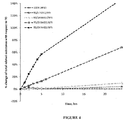
- substantially anhydrous DMSO greatly increases stability: increasing water concentration is correlated with a decrease in stability (as shown in Figure 4 , which shows the % change in total related substances of the sodium salt of a compound of Formula I-1 when stored in DMSO or DMSO/water (water for injection, "WFI") at 25°C/60% RH for 24 hours).
- DMSO DMSO
- the DMSO source is suitable for healthcare and drug delivery applications, for example, conforming to USP or Ph. Eur monographs, or manufactured under cGMP and API guidelines. Grades such as anhydrous, analytical grade, HPLC grade, or Pharma Solvent can be used according to the invention.
- the DMSO for use according to the invention has impurities in low levels, for example ⁇ 0.2% water by KF, ⁇ 0.01% non-volatile residue, and/or ⁇ 0.1% of related compounds.
- the isosteres of DMSO can be used in place of DMSO.
- an isostere of DMSO is one in which one or more atom(s) is(are) replaced by a cognate isotope, for example hydrogen by deuterium.
- the formulation is substantially anhydrous.
- the compound is present in a concentration of about 80 mg/mL to about 110 mg/mL.
- the formulation is a solution.
- the formulation retains about 95% efficacy after storage for 3 months at 2-8 °C, or about 68% efficacy after storage for 3 months at 25 °C and 60% relative humidity.
- the formulation comprises: a) a compound of the formula: or a pharmaceutically-acceptable salt thereof; b) a solvent comprising about 65% propylene glycol; about 25% glycerin; and about 10% ethanol, wherein the solvent is substantially anhydrous; and c) optionally, a pharmaceutically-acceptable excipient.
- the compound exists as a sodium salt.
- the solvent is 65% propylene glycol; 25% glycerin; and 10% ethanol. More preferably, the compound is present in a concentration of about 100 mg/mL.
- One embodiment of the invention relates to a formulation for use in the treatment of one or more myelodysplastic syndromes, leukemia, or solid tumours, the formulation comprising a compound having the formula: or a pharmaceutically-acceptable salt thereof; wherein the compound is provided in a solvent comprising about 65% propylene glycol; about 25% glycerin; and about 10% ethanol, wherein the solvent is substantially anhydrous, and optionally with a pharmaceutically-acceptable excipient.
- the myelodysplastic syndrome is acute myeloid leukemia (AML), acute promyelocytic leukemia (APL), acute lymphoblastic leukemia (ALL), or chronic myelogenous leukemia (CML).
- AML acute myeloid leukemia
- APL acute promyelocytic leukemia
- ALL acute lymphoblastic leukemia
- CML chronic myelogenous leukemia
- the compound exists as a sodium salt.
- the solvent is 65% propylene glycol; 25% glycerin; and 10% ethanol.
- the compound is present in a concentration of about 100 mg/mL.
- the compound provided in the solvent is suitable for subcutaneous administration.
- Doses of formulations of the invention can be administered to a subject by a method known in the art. Examples of methods of administration include subcutaneous injection, intravenous injection, and infusion. In some embodiments, a subject is in need or want of the formulation.
- a dose of a formulation contains an amount that is therapeutically-effective for an indication.
- a subject is in need or want of therapy for the indication.
- a therapeutically-effective amount of a compound of the invention can be expressed as mg of the compound per kg of subject body mass.
- a therapeutically-effective amount is 1-1,000 mg/kg, 1-500 mg/kg, 1-250 mg/kg, 1-100 mg/kg, 1-50 mg/kg, 1-25 mg/kg, or 1-10 mg/kg.
- a therapeutically-effective amount is 5 mg/kg, 10 mg/kg, 25 mg/kg, 50 mg/kg, 75 mg/kg, 100 mg/kg, 150 mg/kg, 200 mg/kg, 250 mg/kg, 300 mg/kg, 400 mg/kg, 500 mg/kg, 600 mg/kg, 700 mg/kg, 800 mg/kg, 900 mg/kg, 1,000 mg/kg, about 5 mg/kg, about 10 mg/kg, about 25 mg/kg, about 50 mg/kg, about 75 mg/kg, about 100 mg/kg, about 150 mg/kg, about 200 mg/kg, about 250 mg/kg, about 300 mg/kg, about 400 mg/kg, about 500 mg/kg, about 600 mg/kg, about 700 mg/kg, about 800 mg/kg, about 900 mg/kg, or about 1,000 mg/kg.
- a therapeutically-effective amount can be administered 1-35 times per week, 1-14 times per week, or 1-7 times per week. In some embodiments, a therapeutically-effective amount can be administered 1-10 times per day, 1-5 times per day, 1 time, 2 times, or 3 times per day.
- the pharmaceutical formulations according to the present invention can be used to treat a wide variety of diseases that are sensitive to treatment with decitabine, including those described herein.
- indications that can be treated using the pharmaceutical formulations of the present invention include those involving undesirable or uncontrolled cell proliferation.
- Such indications include benign tumors, various types of cancers such as primary tumors and tumor metastasis, restenosis (e.g. coronary, carotid, and cerebral lesions), hematological disorders, abnormal stimulation of endothelial cells (atherosclerosis), insults to body tissue due to surgery, abnormal wound healing, abnormal angiogenesis, diseases that produce fibrosis of tissue, repetitive motion disorders, disorders of tissues that are not highly vascularized, and proliferative responses associated with organ transplants.
- benign tumors include benign tumors, various types of cancers such as primary tumors and tumor metastasis, restenosis (e.g. coronary, carotid, and cerebral lesions), hematological disorders, abnormal stimulation of endothelial cells (atherosclerosis), insults to body tissue due to surgery, abnormal wound healing, abnormal angiogenesis, diseases that produce fibrosis of tissue, repetitive motion disorders, disorders of tissues
- a benign tumor is usually localized and nonmetastatic.
- Specific types of benign tumors that can be treated using the present invention include hemangiomas, hepatocellular adenoma, cavernous haemangioma, focal nodular hyperplasia, acoustic neuromas, neurofibroma, bile duct adenoma, bile duct cystanoma, fibroma, lipomas, leiomyomas, mesotheliomas, teratomas, myxomas, nodular regenerative hyperplasia, trachomas and pyogenic granulomas.
- malignant tumors In a malignant tumor cells become undifferentiated, do not respond to the body's growth control signals, and multiply in an uncontrolled manner.
- the malignant tumor is invasive and capable of spreading to distant sites (metastasizing).
- Malignant tumors are generally divided into two categories: primary and secondary. Primary tumors arise directly from the tissue in which they are found.
- a secondary tumor, or metastasis is a tumor which is originated elsewhere in the body but has now spread to a distant organ.
- the common routes for metastasis are direct growth into adjacent structures, spread through the vascular or lymphatic systems, and tracking along tissue planes and body spaces (peritoneal fluid, cerebrospinal fluid, etc.)
- cancers or malignant tumors include breast cancer, skin cancer, bone cancer, prostate cancer, liver cancer, lung cancer, brain cancer, cancer of the larynx, gall bladder, pancreas, rectum, parathyroid, thyroid, adrenal, neural tissue, head and neck, colon, stomach, bronchi, kidneys, basal cell carcinoma, squamous cell carcinoma of both ulcerating and papillary type, metastatic skin carcinoma, osteo sarcoma, Ewing's sarcoma, veticulum cell sarcoma, myeloma, giant cell tumor, small-cell lung tumor, gallstones, islet cell tumor, primary brain tumor, acute and chronic lymphocytic and granulocytic tumors, hairy-cell tumor, adenoma, hyperplasia, medullary carcinoma, pheochromocytoma, mucosal neuromas, intestinal ganglioneuromas, hyperplastic corneal nerve tumor, marfanoid habitus
- Hematologic disorders include abnormal growth of blood cells which can lead to dysplastic changes in blood cells and hematologic malignancies such as various leukemias.
- hematologic disorders include but are not limited to acute myeloid leukemia, acute promyelocytic leukemia, acute lymphoblastic leukemia, chronic myelogenous leukemia, the myelodysplastic syndromes, and sickle cell anemia.
- Treatment of abnormal cell proliferation due to insults to body tissue during surgery can be possible for a variety of surgical procedures, including joint surgery, bowel surgery, and cheloid scarring.
- Diseases that produce fibrotic tissue include emphysema.
- Repetitive motion disorders that can be treated using the present invention include carpal tunnel syndrome.
- An example of cell proliferative disorders that can be treated using the invention is a bone tumor.
- the proliferative responses associated with organ transplantation that can be treated using this invention include those proliferative responses contributing to potential organ rejections or associated complications. Specifically, these proliferative responses can occur during transplantation of the heart, lung, liver, kidney, and other body organs or organ systems.
- Abnormal angiogenesis that can be treated using this invention include those abnormal angiogenesis accompanying rheumatoid arthritis, ischemic-reperfusion related brain edema and injury, cortical ischemia, ovarian hyperplasia and hypervascularity, (polycystic ovary syndrome), endometriosis, psoriasis, diabetic retinopaphy, and other ocular angiogenic diseases such as retinopathy of prematurity (retrolental fibroplastic), muscular degeneration, corneal graft rejection, neuroscular glaucoma and Oster Webber syndrome.
- abnormal angiogenesis accompanying rheumatoid arthritis, ischemic-reperfusion related brain edema and injury, cortical ischemia, ovarian hyperplasia and hypervascularity, (polycystic ovary syndrome), endometriosis, psoriasis, diabetic retinopaphy, and other ocular ang
- corneal angiogenesis involves three phases: a pre-vascular latent period, active neovascularization, and vascular maturation and regression.
- angiogenic factors including elements of the inflammatory response, such as leukocytes, platelets, cytokines, and eicosanoids, or unidentified plasma constituents have yet to be revealed.
- the pharmaceutical formulations of the present invention can be used for treating diseases associated with undesired or abnormal angiogenesis, either alone, or in combination with an anti-neoplastic agent whose activity as an anti-neoplastic agent in vivo is adversely affected by high levels of DNA methylation.
- the particular dosage of these agents required to inhibit angiogenesis and/or angiogenic diseases can depend on the severity of the condition, the route of administration, and related factors that can be decided by the attending physician. Generally, accepted and effective daily doses are the amount sufficient to effectively inhibit angiogenesis and/or angiogenic diseases.
- retinal/choroidal neuvascularization examples include, but are not limited to, Bests diseases, myopia, optic pits, Stargarts diseases, Pagets disease, vein occlusion, artery occlusion, sickle cell anemia, sarcoid, syphilis, pseudoxanthoma elasticum carotid abostructive diseases, chronic uveitis/vitritis, mycobacterial infections, Lyme's disease, systemic lupus erythematosis, retinopathy of prematurity, Eales disease, diabetic retinopathy, macular degeneration, Bechets diseases, infections causing a retinitis or chroiditis, presumed ocular histoplasmosis, pars planitis, chronic retinal detachment, hyperviscosity syndromes, toxoplasm
- corneal neuvascularization examples include, but are not limited to, epidemic keratoconjunctivitis, Vitamin A deficiency, contact lens overwear, atopic keratitis, superior limbic keratitis, pterygium keratitis sicca, sjogrens, acne rosacea, phylectenulosis, diabetic retinopathy, retinopathy of prematurity, corneal graft rejection, Mooren ulcer, Terrien's marginal degeneration, marginal keratolysis, polyarteritis, Wegener sarcoidosis, Scleritis, periphigoid radial keratotomy, neovascular glaucoma and retrolental fibroplasia, syphilis, Mycobacteria infections, lipid degeneration, chemical burns, bacterial ulcers, fungal ulcers, Herpes simplex infections, Herpes zoster infections, protozoan infections and Kaposi sarcoma.
- the pharmaceutical formulations of the present invention can be used for treating chronic inflammatory diseases associated with abnormal angiogenesis, either alone, or in combination with an anti-neoplastic agent whose activity as an anti-neoplastic agent in vivo is adversely affected by high levels of DNA methylation.
- the chronic inflammation depends on continuous formation of capillary sprouts to maintain an influx of inflammatory cells.
- the influx and presence of the inflammatory cells produce granulomas and thus, maintains the chronic inflammatory state.
- Inhibition of angiogenesis using the pharmaceutical formulations of the present invention can prevent the formation of the granulomas, thereby alleviating the disease.
- Examples of chronic inflammatory disease include, but are not limited to, inflammatory bowel diseases such as Crohn's disease and ulcerative colitis, psoriasis, sarcoidosis, and rheumatoid arthritis.
- Inflammatory bowel diseases such as Crohn's disease and ulcerative colitis are characterized by chronic inflammation and angiogenesis at various sites in the gastrointestinal tract.
- Crohn's disease occurs as a chronic transmural inflammatory disease that most commonly affects the distal ileum and colon but can also occur in any part of the gastrointestinal tract from the mouth to the anus and perianal area.
- Patients with Crohn's disease generally have chronic diarrhea associated with abdominal pain, fever, anorexia, weight loss and abdominal swelling.
- Ulcerative colitis is also a chronic, nonspecific, inflammatory and ulcerative disease arising in the colonic mucosa and is characterized by the presence of bloody diarrhea.
- inflammatory bowel diseases are generally caused by chronic granulomatous inflammation throughout the gastrointestinal tract, involving new capillary sprouts surrounded by a cylinder of inflammatory cells. Inhibition of angiogenesis by the pharmaceutical formulations of the present invention should inhibit the formation of the sprouts and prevent the formation of granulomas.
- the inflammatory bowel diseases also exhibit extra intestinal manifectations, such as skin lesions. Such lesions are characterized by inflammation and angiogenesis and can occur at many sites other the gastrointestinal tract. Inhibition of angiogenesis by the pharmaceutical formulations of the present invention should reduce the influx of inflammatory cells and prevent the lesion formation.
- Sarcoidosis another chronic inflammatory disease, is characterized as a multi-system granulomatous disorder.
- the granulomas of this disease can form anywhere in the body and, thus, the symptoms depend on the site of the granulomas and whether the disease is active.
- the granulomas are created by the angiogenic capillary sprouts providing a constant supply of inflammatory cells.
- Psoriasis also a chronic and recurrent inflammatory disease, is characterized by papules and plaques of various sizes. Treatment using the pharmaceutical formulations of the present invention should prevent the formation of new blood vessels necessary to maintain the characteristic lesions and provide the patient relief from the symptoms.
- Rheumatoid arthritis is also a chronic inflammatory disease characterized by non-specific inflammation of the peripheral joints. It is believed that the blood vessels in the synovial lining of the joints undergo angiogenesis. In addition to forming new vascular networks, the endothelial cells release factors and reactive oxygen species that lead to pannus growth and cartilage destruction. The factors involved in angiogenesis can actively contribute to, and help maintain, the chronically inflamed state of rheumatoid arthritis. Treatment using the pharmaceutical formulations of the present invention alone or in conjunction with other anti-RA agents can prevent the formation of new blood vessels necessary to maintain the chronic inflammation and provide the RA patient relief from the symptoms.
- the pharmaceutical formulations of the present invention can be used for treating diseases associated with abnormal hemoglobin synthesis.
- Decitabine containing formulations stimulate fetal hemoglobin synthesis because the mechanism of incorporation into DNA is associated with DNA hypomethylation.
- diseases associated with abnormal hemoglobin synthesis include, but are not limited to, sickle cell anemia and ⁇ -thalassemia.
- the pharmaceutical formulations of the present invention can be used to control intracellular gene expression.
- DNA methylation is associated with the control of gene expression. Specifically, methylation in or near promoters inhibit transcription while demethylation restores expression. Examples of the possible applications of the described mechanisms include therapeutically modulated growth inhibition, induction of apoptosis, and cell differentiation.
- Gene activation facilitated by the pharmaceutical formulations of the present invention can induce differentiation of cells for therapeutic purposes.
- Cellular differentiation is induced through the mechanism of hypomethylation.
- Examples of morphological and functional differentiation include, but are not limited to differentiation towards formation of muscle cells, myotubes, cells of erythroid and lymphoid lineages.
- Myelodysplastic syndromes are heterogeneous clonal hematopoietic stem cell disorders associated with the presence of dysplastic changes in one or more of the hematopoietic lineages, including dysplastic changes in the myeloid, erythroid, and megakaryocytic series. These changes result in cytopenias in one or more of the three lineages.
- Subjects afflicted with MDS typically develop complications related to anemia, neutropenia (infections), or thrombocytopenia (bleeding). Generally, from about 10% to about 70% of subjects with MDS develop acute leukemia.
- Representative myelodysplastic syndromes include acute myeloid leukemia, acute promyelocytic leukemia, acute lymphoblastic leukemia, and chronic myelogenous leukemia.
- AML Acute myeloid leukemia
- Several inherited genetic disorders and immunodeficiency states are associated with an increased risk of AML. These include disorders with defects in DNA stability leading to random chromosomal breakage, such as Bloom's syndrome, Fanconi's anemia, Li-Fraumeni kindreds, ataxia-telangiectasia, and X-linked agammaglobulinemia.
- Acute promyelocytic leukemia represents a distinct subgroup of AML. This subtype is characterized by promyelocytic blasts containing the 15; 17 chromosomal translocation. This translocation leads to the generation of a fusion transcript comprising a retinoic acid receptor sequence and a promyelocytic leukemia sequence.
- ALL Acute lymphoblastic leukemia
- Chronic myelogenous leukemia is a clonal myeloproliferative disorder of a pluripotent stem cell, generally caused by ionizing radiation.
- CML is characterized by a specific chromosomal abnormality involving the translocation of chromosomes 9 and 22, creating the Philadelphia chromosome.
- Formulations described herein can be used to provide therapy for a MDS.
- a formulation can provide therapy for more than one MDS in a single administration.
- the invention provides a formulation comprising: a) a compound of the formula: or a pharmaceutically-acceptable salt thereof; b) a solvent comprising about 65% propylene glycol; about 25% glycerin; and about 10% ethanol, wherein the solvent is substantially anhydrous; and c) optionally, a pharmaceutically-acceptable excipient.
- the compound exists as a sodium salt.
- the solvent is 65% propylene glycol; 25% glycerin; and 10% ethanol.
- the compound is present in a concentration of about 100 mg/mL.
- EXAMPLE 1 Inhibition of DNA Methylation by Compounds of the Invention.
- the demethylating activity of compounds of the invention was tested in a cell-based green fluorescent protein (GFP) assay.
- GFP green fluorescent protein
- the CMV-EE210 cell line containing the epigenetically silenced GFP transgene was used to assay for reactivation of GFP expression by flow cytometry.
- CMV-EE210 was made by transfecting NIH 3T3 cells with the pTR-UF/UFl/UF2 plasmid, which contained pBS(+) (Stratagene, Inc.) with a cytomegalovirus (CMV) promoter driving a humanized GFP gene adapted for expression in mammalian cells. After transfection, high-level GFP expressing cells were initially selected by FACS analysis and sorting using a MoFlo cytometer (Cytomation, Inc.).
- Decitabine a potent inhibitor of mammalian DNMT1 was used as a positive control.
- decitabine (1 ⁇ M) or a test compound (30-50 ⁇ M) was added to complete medium (phenol red free DMEM (Gibco, Life Technologies) supplemented with 10% fetal bovine serum (Hyclone)). Cells were then seeded to 30% confluence ( ⁇ 5000 cell/well) in a 96-well plate containing the test compounds, and grown for three days at 37 °C in 5% C0 2 .
- the plates were examined under a fluorescent microscope using a 450-490 excitation filter (13 filter cube, Leica, Deerfield 111.). Wells were scored gl positive, g2 positive, or g3 if GFP was expressed in 10%, 30%, >75% of viable cells, respectively.
- GFP 50 is the concentration of an inhibitor at which the Green Fluorescent Protein (GFP) expression level is reduced from g3 to gl/2. Table 1 demonstrates that the tested compounds inhibited DNA methylation effectively at low concentrations, resulting in reactivation of GFP gene transcription. TABLE 1. Compound GFP Expression Level GFP 50 (nM) Decitabine g3 500 I-1: g3 400 I-2: g3 700
- EXAMPLE 2 Stability of a Representative Compound in Solvent Formulations.
- the anhydrous propylene glycol / glycerin system provided better stability.
- the final formulation was prepared by substituting small amounts of propylene glycol and glycerin with ethanol, to provide propylene glycol / glycerin / ethanol (65:25:10). This formulation provided a great improvement in the solubility and stability of the compound at both higher and lower temperatures.
- the propylene glycol / glycerin / ethanol (65:25:10) system provided compound 1-1 as a solution, which was smooth, free-flowing, and suitable for passage through a 23-gauge needle without complications or clogging.
- the maximum solubility of the compound in this medium was determined to be about 130-150 mg/mL, which compares favorably to the aqueous solubility of 20 mg/mL.
- the good chemical stability taken together with the excellent solubility identified the glycol / glycerin / ethanol (65:25:10) system as a formulation for use in animal experiments.
- EXAMPLE 3 Animal Studies with the Formulation of EXAMPLE 2.
- the glycol / glycerin / ethanol (65:25:10) formulation of EXAMPLE 2, containing 100 mg/mL free base equivalent of the sodium salt of compound I-1 was administered to live animals.
- An analogous decitabine formulation was used for comparison (50 mg lyophilized decitabine powder vial reconstituted to 10 mg/mL with water for injection and administered as infusions by diluting in infusion bags).
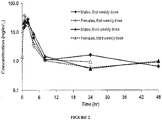
- the formulation was well-tolerated in the species tested. Three regimens were evaluated: a) once daily subcutaneous dose in rats and rabbits for 5 days; b) once weekly subcutaneous dose in rabbits and cynomolgus monkeys for 28 days as tolerated; and c) twice weekly subcutaneous dose in rats for 28 days as tolerated. Rabbits tolerated the 5-day regimen well, up to a dose of 1.5 mg/kg/day, which is equivalent to 18 mg/kg/day in humans, and the weekly regimen up to a dose of 1.5 mg/kg/week for 3 weeks.
- Cynomolgus monkeys tolerated the weekly regimen well, up to a dose of 3.0 mg/kg/week for 3 weeks, which is equivalent to 36 mg/kg/week. Rats tolerated much higher doses: 30 mg/kg/day over 5 days; and 20 mg/kg twice weekly for 4 weeks.
- the CPG solid support containing protected DpG dinucleotide was treated with 20 mL of 50 mM K 2 CO 3 in methanol for 1 hour and 20 minutes.
- the coupled product was oxidized, the protective group was removed, and the resultant compound was washed, filtered, and purified by the ⁇ KTA Explorer 100 HPLC with a Gemini C18 preparative column (Phenomenex), 250x21.2 mm, 10 ⁇ m with guard column (Phenomenex), 50x21.2mm, 10 ⁇ m, with 50 mM triethylammonium acetate (pH 7) in MilliQ water (Mobile Phase A) and 80% acetonitrile in MilliQ water (Mobile Phase B), with 2% to 20/25% Mobile Phase B in column volumes.
- X + sodium
- Vials were lyophilized using the cycle parameters as below. Freezing Primary/Secondary Drying Final Set point (stoppering conditions) Temperature -40° C -5° C 10° C 30° C 60° C 25° C Ramp time (min) 133 117 50 67 100 - Time (min.) 360 1440 1440 1440 1440 hold Vacuum (mTorr) - (note: 100 mT for evacuation at -50°C) 100 100 50 50 50 mT before back fill 2. Upon completion of the lyophilization cycle, the lyophilizer was back filled with nitrogen, and the vials were completely and automatically stoppered. 3.
- Vials were aseptically transferred to an isolator where each of the vials was automatically capped with a blue aluminum flip-off cap. 4. Vials were visually inspected before proceeding with sampling for release testing, and the labeling and packaging operation. Vials were kept at 2-8°C until ready.
- Each vial was labeled per approved content, and packaged individually into a heat-sealed aluminum foil pouch with a desiccant under vacuum.
- the foil pouch was labeled outside with the same label as was used for the product vial. Labeled and packaged vials were stored at 2-8°C until further distribution.
- Second vessel Diluent for reconstitution of the sodium salt of the compound of formula I-1, 3 mL
- At least 3.15 g, equivalent to 3.0 mL, of the filtered bulk solution was filled into each of the 5 cc depyrogenated, clear glass vials followed by automatic stoppering using fluoropolymer coated chlorobutyl rubber closures. 6. Stoppered vials were capped with sterilized white aluminum flip-off caps. 7. Vials were visually inspected prior to sampling for the release testing and labeling operation and were stored at 2-30°C until ready.
- Each diluent vial was labeled per approved content. Labeled vials were stored at 2-30°C until further distribution.
Landscapes
- Health & Medical Sciences (AREA)
- Life Sciences & Earth Sciences (AREA)
- Chemical & Material Sciences (AREA)
- Medicinal Chemistry (AREA)
- Pharmacology & Pharmacy (AREA)
- Animal Behavior & Ethology (AREA)
- General Health & Medical Sciences (AREA)
- Public Health (AREA)
- Veterinary Medicine (AREA)
- Epidemiology (AREA)
- Molecular Biology (AREA)
- Engineering & Computer Science (AREA)
- General Chemical & Material Sciences (AREA)
- Chemical Kinetics & Catalysis (AREA)
- Bioinformatics & Cheminformatics (AREA)
- Oil, Petroleum & Natural Gas (AREA)
- Organic Chemistry (AREA)
- Nuclear Medicine, Radiotherapy & Molecular Imaging (AREA)
- Hematology (AREA)
- Dermatology (AREA)
- Diabetes (AREA)
- Oncology (AREA)
- Pulmonology (AREA)
- Pharmaceuticals Containing Other Organic And Inorganic Compounds (AREA)
- Medicinal Preparation (AREA)
- Saccharide Compounds (AREA)
Priority Applications (2)
| Application Number | Priority Date | Filing Date | Title |
|---|---|---|---|
| PL12759857T PL2750768T3 (pl) | 2011-08-30 | 2012-08-29 | Formulacje pochodnej decytabiny |
| EP18177788.9A EP3431142B1 (en) | 2011-08-30 | 2012-08-29 | Decitabine derivative formulations |
Applications Claiming Priority (2)
| Application Number | Priority Date | Filing Date | Title |
|---|---|---|---|
| US201161529081P | 2011-08-30 | 2011-08-30 | |
| PCT/US2012/052816 WO2013033176A1 (en) | 2011-08-30 | 2012-08-29 | Decitabine derivative formulations |
Related Child Applications (2)
| Application Number | Title | Priority Date | Filing Date |
|---|---|---|---|
| EP18177788.9A Division EP3431142B1 (en) | 2011-08-30 | 2012-08-29 | Decitabine derivative formulations |
| EP18177788.9A Division-Into EP3431142B1 (en) | 2011-08-30 | 2012-08-29 | Decitabine derivative formulations |
Publications (2)
| Publication Number | Publication Date |
|---|---|
| EP2750768A1 EP2750768A1 (en) | 2014-07-09 |
| EP2750768B1 true EP2750768B1 (en) | 2018-10-03 |
Family
ID=46875963
Family Applications (2)
| Application Number | Title | Priority Date | Filing Date |
|---|---|---|---|
| EP12759857.1A Active EP2750768B1 (en) | 2011-08-30 | 2012-08-29 | Decitabine derivative formulations |
| EP18177788.9A Active EP3431142B1 (en) | 2011-08-30 | 2012-08-29 | Decitabine derivative formulations |
Family Applications After (1)
| Application Number | Title | Priority Date | Filing Date |
|---|---|---|---|
| EP18177788.9A Active EP3431142B1 (en) | 2011-08-30 | 2012-08-29 | Decitabine derivative formulations |
Country Status (25)
| Country | Link |
|---|---|
| US (4) | US9381207B2 (enExample) |
| EP (2) | EP2750768B1 (enExample) |
| JP (2) | JP6038921B2 (enExample) |
| KR (1) | KR102004559B1 (enExample) |
| CN (2) | CN108635367B (enExample) |
| AU (2) | AU2012302051B2 (enExample) |
| BR (1) | BR112014004779B1 (enExample) |
| CA (1) | CA2845585C (enExample) |
| CO (1) | CO6950470A2 (enExample) |
| CY (1) | CY1122168T1 (enExample) |
| DK (1) | DK2750768T3 (enExample) |
| ES (1) | ES2702495T3 (enExample) |
| HU (1) | HUE042327T2 (enExample) |
| IL (2) | IL231209A0 (enExample) |
| LT (1) | LT2750768T (enExample) |
| MX (1) | MX359314B (enExample) |
| MY (2) | MY186676A (enExample) |
| PH (2) | PH12014500477A1 (enExample) |
| PL (1) | PL2750768T3 (enExample) |
| PT (1) | PT2750768T (enExample) |
| RU (1) | RU2605289C2 (enExample) |
| SG (1) | SG2014013395A (enExample) |
| UA (1) | UA116528C2 (enExample) |
| WO (1) | WO2013033176A1 (enExample) |
| ZA (1) | ZA201701083B (enExample) |
Families Citing this family (15)
| Publication number | Priority date | Publication date | Assignee | Title |
|---|---|---|---|---|
| US7700567B2 (en) | 2005-09-29 | 2010-04-20 | Supergen, Inc. | Oligonucleotide analogues incorporating 5-aza-cytosine therein |
| US10166142B2 (en) | 2010-01-29 | 2019-01-01 | Forsight Vision4, Inc. | Small molecule delivery with implantable therapeutic device |
| WO2012068549A2 (en) | 2010-11-19 | 2012-05-24 | Forsight Vision4, Inc. | Therapeutic agent formulations for implanted devices |
| HUE042327T2 (hu) | 2011-08-30 | 2019-06-28 | Astex Pharmaceuticals Inc | Decitabin-származék készítmények |
| CN105025884B (zh) * | 2013-03-01 | 2019-08-20 | 阿斯泰克斯制药公司 | 药物组合 |
| EP2968113B8 (en) | 2013-03-14 | 2020-10-28 | Forsight Vision4, Inc. | Systems for sustained intraocular delivery of low solubility compounds from a port delivery system implant |
| KR20170040798A (ko) * | 2014-08-08 | 2017-04-13 | 포사이트 비젼4, 인크. | 수용체 티로신 키나제 억제제의 안정한 가용성 제제 및 그의 제조 방법 |
| WO2017004538A1 (en) * | 2015-07-02 | 2017-01-05 | Otsuka Pharmaceutical Co., Ltd. | Lyophilized pharmaceutical compositions |
| GB201704965D0 (en) | 2017-03-28 | 2017-05-10 | Astex Therapeutics Ltd | Pharmaceutical compounds |
| GB201704966D0 (en) | 2017-03-28 | 2017-05-10 | Astex Therapeutics Ltd | Pharmaceutical compounds |
| BR112020002280A2 (pt) * | 2017-08-03 | 2020-07-28 | Otsuka Pharmaceutical Co., Ltd. | composto farmacológico e métodos purificação do mesmo |
| JP7017638B2 (ja) * | 2018-02-07 | 2022-02-08 | ラブレス バイオメディカル リサーチ インスティテュート | 吸入可能な乾燥粉末シチジン類似体組成物及び癌への治療として使用する方法 |
| JP7089603B2 (ja) | 2018-06-11 | 2022-06-22 | ザ リージェンツ オブ ザ ユニバーシティ オブ カリフォルニア | 眼疾患を治療するための脱メチル化 |
| US12202848B2 (en) * | 2019-10-18 | 2025-01-21 | Fujifilm Wako Pure Chemical Corporation | Phosphoramidite activator |
| US20220096507A1 (en) * | 2020-07-01 | 2022-03-31 | Sandoz Ag | Parenteral Pharmaceutical Composition Comprising Azacitidine or Decitabine in DMSO |
Family Cites Families (112)
| Publication number | Priority date | Publication date | Assignee | Title |
|---|---|---|---|---|
| US3133858A (en) * | 1954-03-24 | 1964-05-19 | Abbott Lab | Stable thiobarbituric acid solution |
| CH527207A (de) | 1968-05-08 | 1972-08-31 | Ceskoslovenska Akademie Ved | Verfahren zur Herstellung von 1-Glycosyl-5-azacytosinen |
| DE2105468A1 (en) | 1970-04-23 | 1971-11-18 | Czeskoslovenska akademie ved, Prag; VtnKarstedt, E., Dipl.-Ing. Dr., Pat-Anw., 4200 Oberhausen | 1-glycosyl-5-aza-cytosines prepn |
| US5157120A (en) | 1980-09-16 | 1992-10-20 | Syntex (U.S.A.) Inc. | Guanine derivatives |
| US4855304A (en) | 1985-01-10 | 1989-08-08 | Repligen Corporation | Dinucleoside pyrophosphates and pyrophosphate homologs as plant antivirals |
| JPS61176523A (ja) | 1985-01-30 | 1986-08-08 | Teruhiko Beppu | 制癌剤 |
| GB8612826D0 (en) | 1986-05-27 | 1986-07-02 | Boots Co Plc | Insecticidal compositions |
| DE3712786A1 (de) | 1987-04-15 | 1988-11-03 | Merck Patent Gmbh | Verfahren und mittel zur bestimmung von nucleinsaeuren |
| CS269077B1 (cs) | 1987-10-01 | 1990-04-11 | Piskala Alois | Způsob přípravy 5-azacytosinů |
| US5736531A (en) | 1987-10-28 | 1998-04-07 | Pro-Neuron, Inc. | Compositions of chemotherapeutic agent or antiviral agent with acylated pyrimidine nucleosides |
| US5968914A (en) | 1987-10-28 | 1999-10-19 | Pro-Neuron, Inc. | Treatment of chemotherapeutic agent and antiviral agent toxicity with acylated pyrimidine nucleosides |
| US4904770A (en) | 1988-03-24 | 1990-02-27 | Bristol-Myers Company | Production of 2',3'-dideoxy-2',3'-didehydronucleosides |
| US5324831A (en) | 1988-04-06 | 1994-06-28 | The United States Of America As Represented By The Secretary Of Health And Human Services | Phosphoramidite reagent for chemical synthesis of modified DNA |
| PT93772A (pt) | 1989-04-17 | 1991-01-08 | Searle & Co | Processo para a preparacao de composicoes para o tratamento de neoplasias, contendo um agente anti-neoplastico, por exemplo doxorubicina e um agente protector para reduzir os efeitos secundarios, por exemplo carbetimer |
| ZA923641B (en) | 1991-05-21 | 1993-02-24 | Iaf Biochem Int | Processes for the diastereoselective synthesis of nucleosides |
| ATE205850T1 (de) | 1991-07-05 | 2001-10-15 | Pro Neuron Inc | Behandlung der toxischen wirkung von chemotherapeutischen und antiviralen wirkstoffen mit acylierten pyrimidinnukleosiden |
| IL103311A0 (en) | 1991-10-07 | 1993-03-15 | Univ Johns Hopkins | Formation of triple helix complexes of single stranded nucleic acids using nucleoside oligomers |
| JPH05219974A (ja) | 1992-02-13 | 1993-08-31 | Mitsui Petrochem Ind Ltd | トロパンアルカロイドの製造方法 |
| JPH05246891A (ja) * | 1992-03-09 | 1993-09-24 | Kobayashi Seiyaku Kogyo Kk | 安定な抗膵炎用注射液 |
| US5607691A (en) | 1992-06-12 | 1997-03-04 | Affymax Technologies N.V. | Compositions and methods for enhanced drug delivery |
| AU6081294A (en) | 1993-05-14 | 1994-12-12 | Pro-Neuron, Inc. | Treatment of chemotherapeutic agent and antiviral agent toxicity with acylated pyrimidine nucleosides |
| GB9311252D0 (en) | 1993-06-01 | 1993-07-21 | Hafslund Nycomed As | Cell growth regualtors |
| DE69417918T2 (de) | 1993-11-30 | 2000-01-05 | Mcgill University, Montreal | Dna methyltransferase inhibierung |
| US6432924B1 (en) | 1993-12-26 | 2002-08-13 | East Carolina University | Method of treating disorders characterized by overexpression of cytidine deaminase or deoxycytidine deaminase |
| US5856090A (en) | 1994-09-09 | 1999-01-05 | The Scripps Research Institute | DNA-methylase linking reaction |
| US20030104576A1 (en) | 1994-10-07 | 2003-06-05 | Jonathan W. Nyce | Dna construct, composition, formulations & methods for making the construct & for modulating expression |
| AU724476B2 (en) | 1995-05-19 | 2000-09-21 | Galileo Pharmaceuticals, Inc. | Manipulation of plant cell and tissue cultures |
| EP0852463B1 (en) | 1995-06-06 | 2008-09-03 | Case Western Reserve University | Myogenic differentiation of human mesenchymal stem cells |
| WO1997023230A1 (en) | 1995-12-22 | 1997-07-03 | East Carolina University | Method of treating disorders characterized by overexpression of cytidine deaminase or deoxycytidine deaminase |
| SK284054B6 (sk) | 1996-10-16 | 2004-08-03 | Icn Pharmaceuticals, Inc. | Substituované triazolové nukleozidy, farmaceutický prostriedok s ich obsahom a ich použitie |
| US6423692B2 (en) | 1997-04-24 | 2002-07-23 | Dana-Farber Cancer Institute, Inc. | Method of enhancing the effectiveness of DCK phosphorylated molecules |
| US6153383A (en) | 1997-12-09 | 2000-11-28 | Verdine; Gregory L. | Synthetic transcriptional modulators and uses thereof |
| BR9907691B1 (pt) | 1998-02-05 | 2011-05-31 | derivado de antìgeno e antìgeno da famìlia mage associado a tumor, seqüência de ácido nucléico, codificando os mesmos, seus usos na preparação de vacina, processo para produção de vacina e vacina. | |
| EP1123111B1 (en) | 1998-10-19 | 2004-09-15 | Methylgene, Inc. | Modulation of dna methyltransferase expression by combination therapy |
| ES2706547T3 (es) | 1998-12-23 | 2019-03-29 | Pfizer | Anticuerpos monoclonales humanos para CTLA-4 |
| AU3469400A (en) | 1999-01-05 | 2000-07-24 | Clarence C. Lee | Pharmaceutical compositions for treatment of diseased tissues |
| AU4347500A (en) | 1999-04-13 | 2000-11-14 | Rutgers, The State University Of New Jersey | Ubiquitin cross-reactive protein as a prognostic marker for tumor cell chemosensitivity |
| CA2377385A1 (en) | 1999-06-03 | 2000-12-14 | Jessie L.S. Au | Methods and compositions for modulating cell proliferation and cell death |
| DE19935303A1 (de) | 1999-07-28 | 2001-02-08 | Aventis Pharma Gmbh | Oligonukleotide zur Inhibierung der Expression von humanem eg5 |
| NZ517202A (en) | 1999-08-24 | 2004-05-28 | Medarex Inc | Human CTLA-4 antibodies and their uses |
| JP2001163776A (ja) * | 1999-09-30 | 2001-06-19 | Nisshin Oil Mills Ltd:The | 安定化された液剤 |
| CA2386476A1 (en) | 1999-10-18 | 2001-04-26 | Emory University | Tms1 compositions and methods of use |
| US20020115117A1 (en) | 2000-03-15 | 2002-08-22 | Shuk-Mei Ho | ERbeta-mediated gene expression |
| EP1315970B1 (en) | 2000-09-08 | 2010-03-17 | Seoul National University Industry Foundation | Nucleic acid sequence and protein involved in cellular senescence |
| JP2004536026A (ja) * | 2000-11-28 | 2004-12-02 | トランスフォーム ファーマシューティカルズ,インコーポレーティッド. | パクリタキセル、その誘導体、および薬剤として許容される塩を含む医薬品製剤 |
| EP1351678A2 (en) | 2001-01-02 | 2003-10-15 | Elizabeth Shanahan-Prendergast | Treatment for inhibiting neoplastic lesions using incensole and/or furanogermacrens |
| MXPA03006514A (es) | 2001-01-22 | 2004-12-02 | Merck & Co Inc | Derivados de nucleosidos como inhibidores de polimerasa de acido ribonucleico viral dependiente de acido ribonucleico. |
| JP2002223753A (ja) | 2001-01-30 | 2002-08-13 | Hitachi Ltd | 薬物応答解析用オリゴヌクレオチドアレイ |
| JP2004527242A (ja) | 2001-02-05 | 2004-09-09 | イノベンタス プロジェクト アクチボラゲット | ヒスチジンリッチ糖タンパク質 |
| US6613753B2 (en) | 2001-02-21 | 2003-09-02 | Supergen, Inc. | Restore cancer-suppressing functions to neoplastic cells through DNA hypomethylation |
| WO2002069903A2 (en) | 2001-03-06 | 2002-09-12 | Biocryst Pharmaceuticals, Inc. | Nucleosides, preparation thereof and use as inhibitors of rna viral polymerases |
| US20060194275A1 (en) | 2001-04-13 | 2006-08-31 | Incyte Corporation | Transporter and ion channels |
| US6905669B2 (en) | 2001-04-24 | 2005-06-14 | Supergen, Inc. | Compositions and methods for reestablishing gene transcription through inhibition of DNA methylation and histone deacetylase |
| BR0209198A (pt) | 2001-04-26 | 2004-06-08 | Control Delivery Sys Inc | Métodos de sìntese de compostos contendo fenol |
| US20030148973A1 (en) | 2001-05-23 | 2003-08-07 | Peter Emtage | MAGE-A1 peptides for treating or preventing cancer |
| US20020197639A1 (en) | 2001-06-08 | 2002-12-26 | Shia Michael A. | Methods and products for analyzing nucleic acids based on methylation status |
| JP2002370939A (ja) | 2001-06-12 | 2002-12-24 | Taisho Pharmaceut Co Ltd | 育毛剤 |
| US20030045497A1 (en) | 2001-07-27 | 2003-03-06 | Geneinvent Bbl Ab | Methylation resistant vectors |
| SE0102627L (sv) | 2001-07-27 | 2002-11-19 | Geneinvent Bbl Ab | Vektorer motståndskraftiga mot metylering |
| WO2003012085A1 (en) | 2001-07-30 | 2003-02-13 | Sigma-Tau Industrie Farmaceutiche Riunite S.P.A. | Antigen presenting cells, method for their preparation and their use for cancer vaccines |
| DE60234708D1 (de) | 2001-09-05 | 2010-01-21 | Chemgenex Pharmaceuticals Ltd | Behandlung von sti571-resistenter oder -intoleranter chronischer myelogener leukemie mittels homoharringtonine alein oder in kombination mit anderen substanzen |
| IN2014DN10834A (enExample) | 2001-09-17 | 2015-09-04 | Psivida Inc | |
| US20030158598A1 (en) | 2001-09-17 | 2003-08-21 | Control Delivery Systems, Inc. | System for sustained-release delivery of anti-inflammatory agents from a coated medical device |
| WO2003026574A2 (en) | 2001-09-24 | 2003-04-03 | Au Jessie L-S | Methods and compositions to determine the chemosensitizing dose of suramin used in combination therapy |
| AU2002342004A1 (en) | 2001-10-05 | 2003-04-22 | Case Western Reserve University | Methods and compositions for detecting colon cancers |
| CN1323163C (zh) | 2001-11-08 | 2007-06-27 | 独立行政法人科学技术振兴机构 | 水稻转座子基因 |
| NZ532882A (en) | 2001-11-23 | 2007-07-27 | Chugai Pharmaceutical Co Ltd | Method for identification of tumor targeting enzymes |
| DE60234115D1 (de) | 2001-11-29 | 2009-12-03 | Dandrit Biotech As | Pharmazeutische zusammensetzung zur auslösung einer immunantwort bei einem menschen oder einem tier |
| AU2002352195A1 (en) | 2001-11-30 | 2003-06-10 | Medigene Aktiengesellschaft | Optimized production of viral vectors derived from paroviruses in packaging and production cells by hsv infection or treatment with dna methylation inhibitors |
| GB0201498D0 (en) | 2002-01-23 | 2002-03-13 | Biotech Res Ventures Pte Ltd | Materials and methods for treating cancer |
| US6998391B2 (en) | 2002-02-07 | 2006-02-14 | Supergen.Inc. | Method for treating diseases associated with abnormal kinase activity |
| US20030147813A1 (en) | 2002-02-07 | 2003-08-07 | John Lyons | Method for treating chronic myelogenous leukemia |
| US20050118600A1 (en) | 2002-03-13 | 2005-06-02 | Yuko Aoki | Method for selecting drug sensitivity-determining factors and method for predicting drug sensitivity using the selected factors |
| JP2003310293A (ja) | 2002-04-26 | 2003-11-05 | Mitsui Chemicals Inc | ヌクレオシド化合物の製造法 |
| BR122019027966B8 (pt) | 2002-05-02 | 2021-07-27 | Wyeth Corp | conjugado monomérico de derivado de caliqueamicina/anti-corpo anti-cd22 e uso dos mesmos |
| US6982253B2 (en) | 2002-06-05 | 2006-01-03 | Supergen, Inc. | Liquid formulation of decitabine and use of the same |
| CA2488382A1 (en) | 2002-06-05 | 2003-12-18 | Case Western Reserve University | Methods and compositions for detecting cancers |
| AU2003286836A1 (en) | 2002-10-31 | 2004-06-07 | Supergen, Inc. | Pharmaceutical formulations targeting specific regions of the gastrointestinal tract |
| US20050037992A1 (en) | 2003-07-22 | 2005-02-17 | John Lyons | Composition and method for treating neurological disorders |
| US20050059682A1 (en) | 2003-09-12 | 2005-03-17 | Supergen, Inc., A Delaware Corporation | Compositions and methods for treatment of cancer |
| WO2005033278A2 (en) | 2003-09-30 | 2005-04-14 | Ludwig Institute For Cancer Research | In vivo efficacy of ny-eso-1 plus iscom |
| US7846436B2 (en) | 2003-11-28 | 2010-12-07 | Chemgenes Corporation | Oligonucleotides and related compounds |
| ES2322172T3 (es) | 2004-05-26 | 2009-06-17 | Biovaxim Limited | Composiciones que comprenden agentes desmetilantes como potenciadores de la inmunoterapia para el tratamiento de infecciones cronicas y enfermedades neoplasicas y metodos para tratar las mismas. |
| US20060014949A1 (en) | 2004-07-13 | 2006-01-19 | Supergen Inc. | Compositions and formulations of decitabine polymorphs and methods of use thereof |
| US20060069060A1 (en) | 2004-09-27 | 2006-03-30 | Sanjeev Redkar | Salts of decitabine |
| US20060063735A1 (en) | 2004-09-17 | 2006-03-23 | Supergen, Inc. | Salts of 5-azacytidine |
| AU2005300315A1 (en) | 2004-11-04 | 2006-05-11 | Pfizer Products Inc. | CTLA-4 antibody and aromatase inhibitor or combination treatment for breast cancer |
| US20060128654A1 (en) | 2004-12-10 | 2006-06-15 | Chunlin Tang | Pharmaceutical formulation of cytidine analogs and derivatives |
| US20060128653A1 (en) | 2004-12-10 | 2006-06-15 | Chunlin Tang | Pharmaceutical formulation of decitabine |
| AU2005321898B2 (en) | 2004-12-29 | 2012-07-19 | Mannkind Corporation | Use of compositions comprising various tumor-associated antigens as anti-cancer vaccines |
| US7250416B2 (en) | 2005-03-11 | 2007-07-31 | Supergen, Inc. | Azacytosine analogs and derivatives |
| JO2787B1 (en) * | 2005-04-27 | 2014-03-15 | امجين إنك, | Alternative amide derivatives and methods of use |
| EP3530736A3 (en) | 2005-05-09 | 2019-11-06 | ONO Pharmaceutical Co., Ltd. | Human monoclonal antibodies to programmed death 1 (pd-1) and methods for treating cancer using anti-pd-1 antibodies alone or in combination with other immunotherapeutics |
| KR101704734B1 (ko) | 2005-07-01 | 2017-02-09 | 이. 알. 스퀴부 앤드 선즈, 엘.엘.씨. | 예정 사멸 리간드 1 (피디-엘1)에 대한 인간 모노클로날 항체 |
| US7700567B2 (en) | 2005-09-29 | 2010-04-20 | Supergen, Inc. | Oligonucleotide analogues incorporating 5-aza-cytosine therein |
| US20070117776A1 (en) | 2005-11-04 | 2007-05-24 | John Lyons | Low Dose Therapy Of DNA Methylation Inhibitors |
| US20070105792A1 (en) | 2005-11-04 | 2007-05-10 | Dimartino Jorge F | Administration Of DNA Methylation Inhibitors For Treating Epigenetic Diseases |
| CN101637444B (zh) * | 2006-03-17 | 2012-08-15 | 山东蓝金生物工程有限公司 | 含吉西他滨的抗癌药物缓释注射剂 |
| US20090142337A1 (en) * | 2006-05-08 | 2009-06-04 | Astex Therapeutics Limited | Pharmaceutical Combinations of Diazole Derivatives for Cancer Treatment |
| US8003324B2 (en) * | 2007-10-18 | 2011-08-23 | U.S. Department Of Veterans Affairs | Modulation of sodium channels by nicotinamide adenine dinucleotide |
| CN101570553B (zh) * | 2008-05-04 | 2012-03-28 | 上海医药工业研究院 | 一种2-脱氧-d-核糖的衍生物及其制备方法和用途 |
| CN101361718B (zh) * | 2008-09-26 | 2013-08-28 | 深圳万乐药业有限公司 | 稳定的地西他滨冻干制剂的制备方法 |
| CN101787046B (zh) * | 2010-02-11 | 2012-12-26 | 福建南方制药股份有限公司 | 地西他滨的中间体化合物的制备方法 |
| GB201006096D0 (en) | 2010-04-13 | 2010-05-26 | Alligator Bioscience Ab | Novel compositions and uses thereof |
| KR20130096731A (ko) | 2010-09-08 | 2013-08-30 | 할로자임, 아이엔씨 | 조건부 활성 치료적 단백질을 평가,확인 또는 진화시키는 방법 |
| CN101966157B (zh) * | 2010-10-14 | 2013-08-14 | 苏州特瑞药业有限公司 | 一种地西他滨缓释微球及其制备方法 |
| RU2623161C2 (ru) | 2011-04-15 | 2017-06-22 | Компуджен Лтд. | Полипептиды и полинуклеотиды и их применение для лечения иммунологических нарушений и рака |
| HUE042327T2 (hu) | 2011-08-30 | 2019-06-28 | Astex Pharmaceuticals Inc | Decitabin-származék készítmények |
| IN2012DE00337A (enExample) | 2012-02-06 | 2015-04-10 | Fresenius Kabi Oncology Ltd | |
| CN105025884B (zh) | 2013-03-01 | 2019-08-20 | 阿斯泰克斯制药公司 | 药物组合 |
| WO2017004538A1 (en) | 2015-07-02 | 2017-01-05 | Otsuka Pharmaceutical Co., Ltd. | Lyophilized pharmaceutical compositions |
| BR112020002280A2 (pt) | 2017-08-03 | 2020-07-28 | Otsuka Pharmaceutical Co., Ltd. | composto farmacológico e métodos purificação do mesmo |
-
2012
- 2012-08-29 HU HUE12759857A patent/HUE042327T2/hu unknown
- 2012-08-29 MY MYPI2017001344A patent/MY186676A/en unknown
- 2012-08-29 PL PL12759857T patent/PL2750768T3/pl unknown
- 2012-08-29 CN CN201810671333.5A patent/CN108635367B/zh not_active Expired - Fee Related
- 2012-08-29 JP JP2014528539A patent/JP6038921B2/ja not_active Expired - Fee Related
- 2012-08-29 MY MYPI2014000485A patent/MY163296A/en unknown
- 2012-08-29 PH PH1/2014/500477A patent/PH12014500477A1/en unknown
- 2012-08-29 LT LTEP12759857.1T patent/LT2750768T/lt unknown
- 2012-08-29 AU AU2012302051A patent/AU2012302051B2/en not_active Ceased
- 2012-08-29 UA UAA201403130A patent/UA116528C2/uk unknown
- 2012-08-29 EP EP12759857.1A patent/EP2750768B1/en active Active
- 2012-08-29 CA CA2845585A patent/CA2845585C/en not_active Expired - Fee Related
- 2012-08-29 DK DK12759857.1T patent/DK2750768T3/en active
- 2012-08-29 KR KR1020147008110A patent/KR102004559B1/ko not_active Expired - Fee Related
- 2012-08-29 ES ES12759857T patent/ES2702495T3/es active Active
- 2012-08-29 PH PH1/2018/501678A patent/PH12018501678B1/en unknown
- 2012-08-29 CN CN201280053249.8A patent/CN103945902B/zh not_active Expired - Fee Related
- 2012-08-29 EP EP18177788.9A patent/EP3431142B1/en active Active
- 2012-08-29 RU RU2014112108/15A patent/RU2605289C2/ru active
- 2012-08-29 PT PT12759857T patent/PT2750768T/pt unknown
- 2012-08-29 SG SG2014013395A patent/SG2014013395A/en unknown
- 2012-08-29 WO PCT/US2012/052816 patent/WO2013033176A1/en not_active Ceased
- 2012-08-29 BR BR112014004779-0A patent/BR112014004779B1/pt not_active IP Right Cessation
- 2012-08-29 US US14/241,635 patent/US9381207B2/en not_active Expired - Fee Related
- 2012-08-29 MX MX2014002433A patent/MX359314B/es active IP Right Grant
-
2014
- 2014-02-18 CO CO14033684A patent/CO6950470A2/es unknown
- 2014-02-27 IL IL231209A patent/IL231209A0/en active IP Right Grant
-
2016
- 2016-06-06 US US15/174,386 patent/US9913856B2/en not_active Expired - Fee Related
- 2016-11-02 JP JP2016214862A patent/JP6257734B2/ja not_active Expired - Fee Related
-
2017
- 2017-02-13 ZA ZA2017/01083A patent/ZA201701083B/en unknown
- 2017-07-03 AU AU2017204536A patent/AU2017204536B2/en not_active Ceased
-
2018
- 2018-01-25 US US15/879,802 patent/US10517886B2/en not_active Expired - Fee Related
- 2018-09-03 IL IL261562A patent/IL261562A/en unknown
- 2018-12-19 CY CY20181101369T patent/CY1122168T1/el unknown
-
2019
- 2019-11-06 US US16/675,785 patent/US11058705B2/en not_active Expired - Fee Related
Non-Patent Citations (1)
| Title |
|---|
| None * |
Also Published As
Similar Documents
| Publication | Publication Date | Title |
|---|---|---|
| US11058705B2 (en) | Drug formulations | |
| US7144873B2 (en) | Kit for delivering decitabine in vivo | |
| EP2961388B1 (en) | Drug combinations | |
| HK1199715B (en) | Decitabine derivative formulations | |
| NZ621322B2 (en) | Decitabine derivative formulations | |
| HK1260004B (en) | Decitabine derivative formulations | |
| HK1260004A1 (en) | Decitabine derivative formulations |
Legal Events
| Date | Code | Title | Description |
|---|---|---|---|
| PUAI | Public reference made under article 153(3) epc to a published international application that has entered the european phase |
Free format text: ORIGINAL CODE: 0009012 |
|
| 17P | Request for examination filed |
Effective date: 20140319 |
|
| AK | Designated contracting states |
Kind code of ref document: A1 Designated state(s): AL AT BE BG CH CY CZ DE DK EE ES FI FR GB GR HR HU IE IS IT LI LT LU LV MC MK MT NL NO PL PT RO RS SE SI SK SM TR |
|
| AX | Request for extension of the european patent |
Extension state: BA ME |
|
| 17Q | First examination report despatched |
Effective date: 20150414 |
|
| RAP1 | Party data changed (applicant data changed or rights of an application transferred) |
Owner name: ASTEX PHARMACEUTICALS, INC. |
|
| REG | Reference to a national code |
Ref country code: HK Ref legal event code: DE Ref document number: 1199715 Country of ref document: HK |
|
| STAA | Information on the status of an ep patent application or granted ep patent |
Free format text: STATUS: EXAMINATION IS IN PROGRESS |
|
| REG | Reference to a national code |
Ref country code: DE Ref legal event code: R079 Ref document number: 602012051775 Country of ref document: DE Free format text: PREVIOUS MAIN CLASS: A61P0035000000 Ipc: A61K0031708000 |
|
| RIC1 | Information provided on ipc code assigned before grant |
Ipc: A61K 31/7056 20060101ALI20180123BHEP Ipc: A61K 47/20 20060101ALI20180123BHEP Ipc: A61K 9/19 20060101ALI20180123BHEP Ipc: A61K 31/7064 20060101ALI20180123BHEP Ipc: A61K 9/00 20060101ALI20180123BHEP Ipc: A61K 47/10 20170101ALI20180123BHEP Ipc: A61K 31/706 20060101ALI20180123BHEP Ipc: A61K 31/708 20060101AFI20180123BHEP Ipc: A61K 31/7084 20060101ALI20180123BHEP Ipc: A61K 31/7052 20060101ALI20180123BHEP |
|
| GRAP | Despatch of communication of intention to grant a patent |
Free format text: ORIGINAL CODE: EPIDOSNIGR1 |
|
| STAA | Information on the status of an ep patent application or granted ep patent |
Free format text: STATUS: GRANT OF PATENT IS INTENDED |
|
| INTG | Intention to grant announced |
Effective date: 20180322 |
|
| GRAS | Grant fee paid |
Free format text: ORIGINAL CODE: EPIDOSNIGR3 |
|
| GRAA | (expected) grant |
Free format text: ORIGINAL CODE: 0009210 |
|
| STAA | Information on the status of an ep patent application or granted ep patent |
Free format text: STATUS: THE PATENT HAS BEEN GRANTED |
|
| AK | Designated contracting states |
Kind code of ref document: B1 Designated state(s): AL AT BE BG CH CY CZ DE DK EE ES FI FR GB GR HR HU IE IS IT LI LT LU LV MC MK MT NL NO PL PT RO RS SE SI SK SM TR |
|
| AX | Request for extension of the european patent |
Extension state: BA ME |
|
| REG | Reference to a national code |
Ref country code: GB Ref legal event code: FG4D |
|
| REG | Reference to a national code |
Ref country code: AT Ref legal event code: REF Ref document number: 1047893 Country of ref document: AT Kind code of ref document: T Effective date: 20181015 Ref country code: CH Ref legal event code: EP |
|
| REG | Reference to a national code |
Ref country code: DE Ref legal event code: R096 Ref document number: 602012051775 Country of ref document: DE Ref country code: IE Ref legal event code: FG4D |
|
| REG | Reference to a national code |
Ref country code: RO Ref legal event code: EPE |
|
| REG | Reference to a national code |
Ref country code: PT Ref legal event code: SC4A Ref document number: 2750768 Country of ref document: PT Date of ref document: 20181219 Kind code of ref document: T Free format text: AVAILABILITY OF NATIONAL TRANSLATION Effective date: 20181212 |
|
| REG | Reference to a national code |
Ref country code: NL Ref legal event code: FP |
|
| REG | Reference to a national code |
Ref country code: DK Ref legal event code: T3 Effective date: 20190108 |
|
| REG | Reference to a national code |
Ref country code: SE Ref legal event code: TRGR |
|
| REG | Reference to a national code |
Ref country code: ES Ref legal event code: FG2A Ref document number: 2702495 Country of ref document: ES Kind code of ref document: T3 Effective date: 20190301 |
|
| REG | Reference to a national code |
Ref country code: EE Ref legal event code: FG4A Ref document number: E016729 Country of ref document: EE Effective date: 20181218 |
|
| REG | Reference to a national code |
Ref country code: GR Ref legal event code: EP Ref document number: 20180403800 Country of ref document: GR Effective date: 20190422 |
|
| PG25 | Lapsed in a contracting state [announced via postgrant information from national office to epo] |
Ref country code: HR Free format text: LAPSE BECAUSE OF FAILURE TO SUBMIT A TRANSLATION OF THE DESCRIPTION OR TO PAY THE FEE WITHIN THE PRESCRIBED TIME-LIMIT Effective date: 20181003 Ref country code: NO Free format text: LAPSE BECAUSE OF FAILURE TO SUBMIT A TRANSLATION OF THE DESCRIPTION OR TO PAY THE FEE WITHIN THE PRESCRIBED TIME-LIMIT Effective date: 20190103 |
|
| PG25 | Lapsed in a contracting state [announced via postgrant information from national office to epo] |
Ref country code: RS Free format text: LAPSE BECAUSE OF FAILURE TO SUBMIT A TRANSLATION OF THE DESCRIPTION OR TO PAY THE FEE WITHIN THE PRESCRIBED TIME-LIMIT Effective date: 20181003 Ref country code: AL Free format text: LAPSE BECAUSE OF FAILURE TO SUBMIT A TRANSLATION OF THE DESCRIPTION OR TO PAY THE FEE WITHIN THE PRESCRIBED TIME-LIMIT Effective date: 20181003 |
|
| REG | Reference to a national code |
Ref country code: HU Ref legal event code: AG4A Ref document number: E042327 Country of ref document: HU |
|
| REG | Reference to a national code |
Ref country code: DE Ref legal event code: R097 Ref document number: 602012051775 Country of ref document: DE |
|
| PLBE | No opposition filed within time limit |
Free format text: ORIGINAL CODE: 0009261 |
|
| STAA | Information on the status of an ep patent application or granted ep patent |
Free format text: STATUS: NO OPPOSITION FILED WITHIN TIME LIMIT |
|
| PG25 | Lapsed in a contracting state [announced via postgrant information from national office to epo] |
Ref country code: SM Free format text: LAPSE BECAUSE OF FAILURE TO SUBMIT A TRANSLATION OF THE DESCRIPTION OR TO PAY THE FEE WITHIN THE PRESCRIBED TIME-LIMIT Effective date: 20181003 Ref country code: SK Free format text: LAPSE BECAUSE OF FAILURE TO SUBMIT A TRANSLATION OF THE DESCRIPTION OR TO PAY THE FEE WITHIN THE PRESCRIBED TIME-LIMIT Effective date: 20181003 |
|
| 26N | No opposition filed |
Effective date: 20190704 |
|
| PG25 | Lapsed in a contracting state [announced via postgrant information from national office to epo] |
Ref country code: SI Free format text: LAPSE BECAUSE OF FAILURE TO SUBMIT A TRANSLATION OF THE DESCRIPTION OR TO PAY THE FEE WITHIN THE PRESCRIBED TIME-LIMIT Effective date: 20181003 |
|
| REG | Reference to a national code |
Ref country code: AT Ref legal event code: UEP Ref document number: 1047893 Country of ref document: AT Kind code of ref document: T Effective date: 20181003 |
|
| PG25 | Lapsed in a contracting state [announced via postgrant information from national office to epo] |
Ref country code: TR Free format text: LAPSE BECAUSE OF FAILURE TO SUBMIT A TRANSLATION OF THE DESCRIPTION OR TO PAY THE FEE WITHIN THE PRESCRIBED TIME-LIMIT Effective date: 20181003 |
|
| PG25 | Lapsed in a contracting state [announced via postgrant information from national office to epo] |
Ref country code: MT Free format text: LAPSE BECAUSE OF FAILURE TO SUBMIT A TRANSLATION OF THE DESCRIPTION OR TO PAY THE FEE WITHIN THE PRESCRIBED TIME-LIMIT Effective date: 20181003 |
|
| PGFP | Annual fee paid to national office [announced via postgrant information from national office to epo] |
Ref country code: NL Payment date: 20210826 Year of fee payment: 10 Ref country code: LU Payment date: 20210827 Year of fee payment: 10 |
|
| PGFP | Annual fee paid to national office [announced via postgrant information from national office to epo] |
Ref country code: MC Payment date: 20210820 Year of fee payment: 10 Ref country code: LT Payment date: 20210818 Year of fee payment: 10 Ref country code: FI Payment date: 20210827 Year of fee payment: 10 Ref country code: CH Payment date: 20210902 Year of fee payment: 10 Ref country code: BG Payment date: 20210825 Year of fee payment: 10 Ref country code: AT Payment date: 20210819 Year of fee payment: 10 Ref country code: EE Payment date: 20210818 Year of fee payment: 10 Ref country code: CZ Payment date: 20210819 Year of fee payment: 10 Ref country code: IE Payment date: 20210827 Year of fee payment: 10 Ref country code: IT Payment date: 20210820 Year of fee payment: 10 Ref country code: FR Payment date: 20210825 Year of fee payment: 10 |
|
| PGFP | Annual fee paid to national office [announced via postgrant information from national office to epo] |
Ref country code: ES Payment date: 20210901 Year of fee payment: 10 Ref country code: DK Payment date: 20210827 Year of fee payment: 10 Ref country code: GB Payment date: 20210827 Year of fee payment: 10 Ref country code: RO Payment date: 20210823 Year of fee payment: 10 Ref country code: LV Payment date: 20210819 Year of fee payment: 10 Ref country code: IS Payment date: 20210818 Year of fee payment: 10 Ref country code: HU Payment date: 20210830 Year of fee payment: 10 Ref country code: GR Payment date: 20210827 Year of fee payment: 10 Ref country code: PL Payment date: 20210819 Year of fee payment: 10 Ref country code: DE Payment date: 20210827 Year of fee payment: 10 Ref country code: SE Payment date: 20210827 Year of fee payment: 10 Ref country code: BE Payment date: 20210827 Year of fee payment: 10 |
|
| PGFP | Annual fee paid to national office [announced via postgrant information from national office to epo] |
Ref country code: PT Payment date: 20210819 Year of fee payment: 10 |
|
| PGFP | Annual fee paid to national office [announced via postgrant information from national office to epo] |
Ref country code: CY Payment date: 20210820 Year of fee payment: 10 |
|
| PG25 | Lapsed in a contracting state [announced via postgrant information from national office to epo] |
Ref country code: MK Free format text: LAPSE BECAUSE OF FAILURE TO SUBMIT A TRANSLATION OF THE DESCRIPTION OR TO PAY THE FEE WITHIN THE PRESCRIBED TIME-LIMIT Effective date: 20181003 |
|
| REG | Reference to a national code |
Ref country code: DE Ref legal event code: R119 Ref document number: 602012051775 Country of ref document: DE |
|
| REG | Reference to a national code |
Ref country code: EE Ref legal event code: MM4A Ref document number: E016729 Country of ref document: EE Effective date: 20220831 |
|
| REG | Reference to a national code |
Ref country code: LT Ref legal event code: MM4D Effective date: 20220829 Ref country code: DK Ref legal event code: EBP Effective date: 20220831 |
|
| REG | Reference to a national code |
Ref country code: SE Ref legal event code: EUG |
|
| PG25 | Lapsed in a contracting state [announced via postgrant information from national office to epo] |
Ref country code: MC Free format text: LAPSE BECAUSE OF NON-PAYMENT OF DUE FEES Effective date: 20220831 |
|
| REG | Reference to a national code |
Ref country code: CH Ref legal event code: PL |
|
| REG | Reference to a national code |
Ref country code: NL Ref legal event code: MM Effective date: 20220901 |
|
| REG | Reference to a national code |
Ref country code: AT Ref legal event code: MM01 Ref document number: 1047893 Country of ref document: AT Kind code of ref document: T Effective date: 20220829 |
|
| GBPC | Gb: european patent ceased through non-payment of renewal fee |
Effective date: 20220829 |
|
| PG25 | Lapsed in a contracting state [announced via postgrant information from national office to epo] |
Ref country code: SE Free format text: LAPSE BECAUSE OF NON-PAYMENT OF DUE FEES Effective date: 20220830 Ref country code: RO Free format text: LAPSE BECAUSE OF NON-PAYMENT OF DUE FEES Effective date: 20220829 Ref country code: PT Free format text: LAPSE BECAUSE OF NON-PAYMENT OF DUE FEES Effective date: 20230228 Ref country code: LU Free format text: LAPSE BECAUSE OF NON-PAYMENT OF DUE FEES Effective date: 20220829 Ref country code: LT Free format text: LAPSE BECAUSE OF NON-PAYMENT OF DUE FEES Effective date: 20220829 Ref country code: LI Free format text: LAPSE BECAUSE OF NON-PAYMENT OF DUE FEES Effective date: 20220831 Ref country code: CZ Free format text: LAPSE BECAUSE OF NON-PAYMENT OF DUE FEES Effective date: 20220829 Ref country code: CH Free format text: LAPSE BECAUSE OF NON-PAYMENT OF DUE FEES Effective date: 20220831 Ref country code: AT Free format text: LAPSE BECAUSE OF NON-PAYMENT OF DUE FEES Effective date: 20220829 Ref country code: FI Free format text: LAPSE BECAUSE OF NON-PAYMENT OF DUE FEES Effective date: 20220829 |
|
| REG | Reference to a national code |
Ref country code: BE Ref legal event code: MM Effective date: 20220831 |
|
| PG25 | Lapsed in a contracting state [announced via postgrant information from national office to epo] |
Ref country code: LV Free format text: LAPSE BECAUSE OF NON-PAYMENT OF DUE FEES Effective date: 20220829 Ref country code: HU Free format text: LAPSE BECAUSE OF NON-PAYMENT OF DUE FEES Effective date: 20220830 Ref country code: GR Free format text: LAPSE BECAUSE OF NON-PAYMENT OF DUE FEES Effective date: 20230306 Ref country code: EE Free format text: LAPSE BECAUSE OF NON-PAYMENT OF DUE FEES Effective date: 20220831 Ref country code: CY Free format text: LAPSE BECAUSE OF NON-PAYMENT OF DUE FEES Effective date: 20220829 |
|
| PG25 | Lapsed in a contracting state [announced via postgrant information from national office to epo] |
Ref country code: NL Free format text: LAPSE BECAUSE OF NON-PAYMENT OF DUE FEES Effective date: 20220901 |
|
| REG | Reference to a national code |
Ref country code: EE Ref legal event code: HC1A Ref document number: E016729 Country of ref document: EE |
|
| PG25 | Lapsed in a contracting state [announced via postgrant information from national office to epo] |
Ref country code: IT Free format text: LAPSE BECAUSE OF NON-PAYMENT OF DUE FEES Effective date: 20220829 Ref country code: IE Free format text: LAPSE BECAUSE OF NON-PAYMENT OF DUE FEES Effective date: 20220829 Ref country code: FR Free format text: LAPSE BECAUSE OF NON-PAYMENT OF DUE FEES Effective date: 20220831 Ref country code: DK Free format text: LAPSE BECAUSE OF NON-PAYMENT OF DUE FEES Effective date: 20220831 Ref country code: DE Free format text: LAPSE BECAUSE OF NON-PAYMENT OF DUE FEES Effective date: 20230301 |
|
| PG25 | Lapsed in a contracting state [announced via postgrant information from national office to epo] |
Ref country code: BE Free format text: LAPSE BECAUSE OF NON-PAYMENT OF DUE FEES Effective date: 20220831 |
|
| REG | Reference to a national code |
Ref country code: ES Ref legal event code: FD2A Effective date: 20231003 |
|
| PG25 | Lapsed in a contracting state [announced via postgrant information from national office to epo] |
Ref country code: GB Free format text: LAPSE BECAUSE OF NON-PAYMENT OF DUE FEES Effective date: 20220829 Ref country code: ES Free format text: LAPSE BECAUSE OF NON-PAYMENT OF DUE FEES Effective date: 20220830 |
|
| PG25 | Lapsed in a contracting state [announced via postgrant information from national office to epo] |
Ref country code: PL Free format text: LAPSE BECAUSE OF NON-PAYMENT OF DUE FEES Effective date: 20220829 |
|
| PG25 | Lapsed in a contracting state [announced via postgrant information from national office to epo] |
Ref country code: BG Free format text: LAPSE BECAUSE OF NON-PAYMENT OF DUE FEES Effective date: 20220829 |
|
| PG25 | Lapsed in a contracting state [announced via postgrant information from national office to epo] |
Ref country code: IS Free format text: LAPSE BECAUSE OF NON-PAYMENT OF DUE FEES Effective date: 20230306 |