EP2666787B1 - STABLE IgG4 ANTIBODIES - Google Patents
STABLE IgG4 ANTIBODIES Download PDFInfo
- Publication number
- EP2666787B1 EP2666787B1 EP13181032.7A EP13181032A EP2666787B1 EP 2666787 B1 EP2666787 B1 EP 2666787B1 EP 13181032 A EP13181032 A EP 13181032A EP 2666787 B1 EP2666787 B1 EP 2666787B1
- Authority
- EP
- European Patent Office
- Prior art keywords
- antibody
- igg4
- ala
- igg1
- antibodies
- Prior art date
- Legal status (The legal status is an assumption and is not a legal conclusion. Google has not performed a legal analysis and makes no representation as to the accuracy of the status listed.)
- Active
Links
Images




Classifications
-
- A—HUMAN NECESSITIES
- A61—MEDICAL OR VETERINARY SCIENCE; HYGIENE
- A61K—PREPARATIONS FOR MEDICAL, DENTAL OR TOILETRY PURPOSES
- A61K51/00—Preparations containing radioactive substances for use in therapy or testing in vivo
- A61K51/02—Preparations containing radioactive substances for use in therapy or testing in vivo characterised by the carrier, i.e. characterised by the agent or material covalently linked or complexing the radioactive nucleus
- A61K51/04—Organic compounds
- A61K51/08—Peptides, e.g. proteins, carriers being peptides, polyamino acids, proteins
- A61K51/10—Antibodies or immunoglobulins; Fragments thereof, the carrier being an antibody, an immunoglobulin or a fragment thereof, e.g. a camelised human single domain antibody or the Fc fragment of an antibody
-
- A—HUMAN NECESSITIES
- A61—MEDICAL OR VETERINARY SCIENCE; HYGIENE
- A61K—PREPARATIONS FOR MEDICAL, DENTAL OR TOILETRY PURPOSES
- A61K47/00—Medicinal preparations characterised by the non-active ingredients used, e.g. carriers or inert additives; Targeting or modifying agents chemically bound to the active ingredient
- A61K47/50—Medicinal preparations characterised by the non-active ingredients used, e.g. carriers or inert additives; Targeting or modifying agents chemically bound to the active ingredient the non-active ingredient being chemically bound to the active ingredient, e.g. polymer-drug conjugates
- A61K47/51—Medicinal preparations characterised by the non-active ingredients used, e.g. carriers or inert additives; Targeting or modifying agents chemically bound to the active ingredient the non-active ingredient being chemically bound to the active ingredient, e.g. polymer-drug conjugates the non-active ingredient being a modifying agent
- A61K47/68—Medicinal preparations characterised by the non-active ingredients used, e.g. carriers or inert additives; Targeting or modifying agents chemically bound to the active ingredient the non-active ingredient being chemically bound to the active ingredient, e.g. polymer-drug conjugates the non-active ingredient being a modifying agent the modifying agent being an antibody, an immunoglobulin or a fragment thereof, e.g. an Fc-fragment
- A61K47/6801—Drug-antibody or immunoglobulin conjugates defined by the pharmacologically or therapeutically active agent
- A61K47/6803—Drugs conjugated to an antibody or immunoglobulin, e.g. cisplatin-antibody conjugates
-
- A—HUMAN NECESSITIES
- A61—MEDICAL OR VETERINARY SCIENCE; HYGIENE
- A61K—PREPARATIONS FOR MEDICAL, DENTAL OR TOILETRY PURPOSES
- A61K47/00—Medicinal preparations characterised by the non-active ingredients used, e.g. carriers or inert additives; Targeting or modifying agents chemically bound to the active ingredient
- A61K47/50—Medicinal preparations characterised by the non-active ingredients used, e.g. carriers or inert additives; Targeting or modifying agents chemically bound to the active ingredient the non-active ingredient being chemically bound to the active ingredient, e.g. polymer-drug conjugates
- A61K47/51—Medicinal preparations characterised by the non-active ingredients used, e.g. carriers or inert additives; Targeting or modifying agents chemically bound to the active ingredient the non-active ingredient being chemically bound to the active ingredient, e.g. polymer-drug conjugates the non-active ingredient being a modifying agent
- A61K47/68—Medicinal preparations characterised by the non-active ingredients used, e.g. carriers or inert additives; Targeting or modifying agents chemically bound to the active ingredient the non-active ingredient being chemically bound to the active ingredient, e.g. polymer-drug conjugates the non-active ingredient being a modifying agent the modifying agent being an antibody, an immunoglobulin or a fragment thereof, e.g. an Fc-fragment
- A61K47/6801—Drug-antibody or immunoglobulin conjugates defined by the pharmacologically or therapeutically active agent
- A61K47/6803—Drugs conjugated to an antibody or immunoglobulin, e.g. cisplatin-antibody conjugates
- A61K47/6811—Drugs conjugated to an antibody or immunoglobulin, e.g. cisplatin-antibody conjugates the drug being a protein or peptide, e.g. transferrin or bleomycin
- A61K47/6813—Drugs conjugated to an antibody or immunoglobulin, e.g. cisplatin-antibody conjugates the drug being a protein or peptide, e.g. transferrin or bleomycin the drug being a peptidic cytokine, e.g. an interleukin or interferon
-
- A—HUMAN NECESSITIES
- A61—MEDICAL OR VETERINARY SCIENCE; HYGIENE
- A61K—PREPARATIONS FOR MEDICAL, DENTAL OR TOILETRY PURPOSES
- A61K47/00—Medicinal preparations characterised by the non-active ingredients used, e.g. carriers or inert additives; Targeting or modifying agents chemically bound to the active ingredient
- A61K47/50—Medicinal preparations characterised by the non-active ingredients used, e.g. carriers or inert additives; Targeting or modifying agents chemically bound to the active ingredient the non-active ingredient being chemically bound to the active ingredient, e.g. polymer-drug conjugates
- A61K47/51—Medicinal preparations characterised by the non-active ingredients used, e.g. carriers or inert additives; Targeting or modifying agents chemically bound to the active ingredient the non-active ingredient being chemically bound to the active ingredient, e.g. polymer-drug conjugates the non-active ingredient being a modifying agent
- A61K47/68—Medicinal preparations characterised by the non-active ingredients used, e.g. carriers or inert additives; Targeting or modifying agents chemically bound to the active ingredient the non-active ingredient being chemically bound to the active ingredient, e.g. polymer-drug conjugates the non-active ingredient being a modifying agent the modifying agent being an antibody, an immunoglobulin or a fragment thereof, e.g. an Fc-fragment
- A61K47/6835—Medicinal preparations characterised by the non-active ingredients used, e.g. carriers or inert additives; Targeting or modifying agents chemically bound to the active ingredient the non-active ingredient being chemically bound to the active ingredient, e.g. polymer-drug conjugates the non-active ingredient being a modifying agent the modifying agent being an antibody, an immunoglobulin or a fragment thereof, e.g. an Fc-fragment the modifying agent being an antibody or an immunoglobulin bearing at least one antigen-binding site
-
- A—HUMAN NECESSITIES
- A61—MEDICAL OR VETERINARY SCIENCE; HYGIENE
- A61K—PREPARATIONS FOR MEDICAL, DENTAL OR TOILETRY PURPOSES
- A61K47/00—Medicinal preparations characterised by the non-active ingredients used, e.g. carriers or inert additives; Targeting or modifying agents chemically bound to the active ingredient
- A61K47/50—Medicinal preparations characterised by the non-active ingredients used, e.g. carriers or inert additives; Targeting or modifying agents chemically bound to the active ingredient the non-active ingredient being chemically bound to the active ingredient, e.g. polymer-drug conjugates
- A61K47/51—Medicinal preparations characterised by the non-active ingredients used, e.g. carriers or inert additives; Targeting or modifying agents chemically bound to the active ingredient the non-active ingredient being chemically bound to the active ingredient, e.g. polymer-drug conjugates the non-active ingredient being a modifying agent
- A61K47/68—Medicinal preparations characterised by the non-active ingredients used, e.g. carriers or inert additives; Targeting or modifying agents chemically bound to the active ingredient the non-active ingredient being chemically bound to the active ingredient, e.g. polymer-drug conjugates the non-active ingredient being a modifying agent the modifying agent being an antibody, an immunoglobulin or a fragment thereof, e.g. an Fc-fragment
- A61K47/6835—Medicinal preparations characterised by the non-active ingredients used, e.g. carriers or inert additives; Targeting or modifying agents chemically bound to the active ingredient the non-active ingredient being chemically bound to the active ingredient, e.g. polymer-drug conjugates the non-active ingredient being a modifying agent the modifying agent being an antibody, an immunoglobulin or a fragment thereof, e.g. an Fc-fragment the modifying agent being an antibody or an immunoglobulin bearing at least one antigen-binding site
- A61K47/6839—Medicinal preparations characterised by the non-active ingredients used, e.g. carriers or inert additives; Targeting or modifying agents chemically bound to the active ingredient the non-active ingredient being chemically bound to the active ingredient, e.g. polymer-drug conjugates the non-active ingredient being a modifying agent the modifying agent being an antibody, an immunoglobulin or a fragment thereof, e.g. an Fc-fragment the modifying agent being an antibody or an immunoglobulin bearing at least one antigen-binding site the antibody targeting material from viruses
-
- A—HUMAN NECESSITIES
- A61—MEDICAL OR VETERINARY SCIENCE; HYGIENE
- A61K—PREPARATIONS FOR MEDICAL, DENTAL OR TOILETRY PURPOSES
- A61K47/00—Medicinal preparations characterised by the non-active ingredients used, e.g. carriers or inert additives; Targeting or modifying agents chemically bound to the active ingredient
- A61K47/50—Medicinal preparations characterised by the non-active ingredients used, e.g. carriers or inert additives; Targeting or modifying agents chemically bound to the active ingredient the non-active ingredient being chemically bound to the active ingredient, e.g. polymer-drug conjugates
- A61K47/51—Medicinal preparations characterised by the non-active ingredients used, e.g. carriers or inert additives; Targeting or modifying agents chemically bound to the active ingredient the non-active ingredient being chemically bound to the active ingredient, e.g. polymer-drug conjugates the non-active ingredient being a modifying agent
- A61K47/68—Medicinal preparations characterised by the non-active ingredients used, e.g. carriers or inert additives; Targeting or modifying agents chemically bound to the active ingredient the non-active ingredient being chemically bound to the active ingredient, e.g. polymer-drug conjugates the non-active ingredient being a modifying agent the modifying agent being an antibody, an immunoglobulin or a fragment thereof, e.g. an Fc-fragment
- A61K47/6835—Medicinal preparations characterised by the non-active ingredients used, e.g. carriers or inert additives; Targeting or modifying agents chemically bound to the active ingredient the non-active ingredient being chemically bound to the active ingredient, e.g. polymer-drug conjugates the non-active ingredient being a modifying agent the modifying agent being an antibody, an immunoglobulin or a fragment thereof, e.g. an Fc-fragment the modifying agent being an antibody or an immunoglobulin bearing at least one antigen-binding site
- A61K47/6845—Medicinal preparations characterised by the non-active ingredients used, e.g. carriers or inert additives; Targeting or modifying agents chemically bound to the active ingredient the non-active ingredient being chemically bound to the active ingredient, e.g. polymer-drug conjugates the non-active ingredient being a modifying agent the modifying agent being an antibody, an immunoglobulin or a fragment thereof, e.g. an Fc-fragment the modifying agent being an antibody or an immunoglobulin bearing at least one antigen-binding site the antibody targeting a cytokine, e.g. growth factors, VEGF, TNF, a lymphokine or an interferon
-
- A—HUMAN NECESSITIES
- A61—MEDICAL OR VETERINARY SCIENCE; HYGIENE
- A61K—PREPARATIONS FOR MEDICAL, DENTAL OR TOILETRY PURPOSES
- A61K47/00—Medicinal preparations characterised by the non-active ingredients used, e.g. carriers or inert additives; Targeting or modifying agents chemically bound to the active ingredient
- A61K47/50—Medicinal preparations characterised by the non-active ingredients used, e.g. carriers or inert additives; Targeting or modifying agents chemically bound to the active ingredient the non-active ingredient being chemically bound to the active ingredient, e.g. polymer-drug conjugates
- A61K47/51—Medicinal preparations characterised by the non-active ingredients used, e.g. carriers or inert additives; Targeting or modifying agents chemically bound to the active ingredient the non-active ingredient being chemically bound to the active ingredient, e.g. polymer-drug conjugates the non-active ingredient being a modifying agent
- A61K47/68—Medicinal preparations characterised by the non-active ingredients used, e.g. carriers or inert additives; Targeting or modifying agents chemically bound to the active ingredient the non-active ingredient being chemically bound to the active ingredient, e.g. polymer-drug conjugates the non-active ingredient being a modifying agent the modifying agent being an antibody, an immunoglobulin or a fragment thereof, e.g. an Fc-fragment
- A61K47/6835—Medicinal preparations characterised by the non-active ingredients used, e.g. carriers or inert additives; Targeting or modifying agents chemically bound to the active ingredient the non-active ingredient being chemically bound to the active ingredient, e.g. polymer-drug conjugates the non-active ingredient being a modifying agent the modifying agent being an antibody, an immunoglobulin or a fragment thereof, e.g. an Fc-fragment the modifying agent being an antibody or an immunoglobulin bearing at least one antigen-binding site
- A61K47/6849—Medicinal preparations characterised by the non-active ingredients used, e.g. carriers or inert additives; Targeting or modifying agents chemically bound to the active ingredient the non-active ingredient being chemically bound to the active ingredient, e.g. polymer-drug conjugates the non-active ingredient being a modifying agent the modifying agent being an antibody, an immunoglobulin or a fragment thereof, e.g. an Fc-fragment the modifying agent being an antibody or an immunoglobulin bearing at least one antigen-binding site the antibody targeting a receptor, a cell surface antigen or a cell surface determinant
-
- A—HUMAN NECESSITIES
- A61—MEDICAL OR VETERINARY SCIENCE; HYGIENE
- A61K—PREPARATIONS FOR MEDICAL, DENTAL OR TOILETRY PURPOSES
- A61K51/00—Preparations containing radioactive substances for use in therapy or testing in vivo
- A61K51/02—Preparations containing radioactive substances for use in therapy or testing in vivo characterised by the carrier, i.e. characterised by the agent or material covalently linked or complexing the radioactive nucleus
- A61K51/04—Organic compounds
- A61K51/08—Peptides, e.g. proteins, carriers being peptides, polyamino acids, proteins
- A61K51/10—Antibodies or immunoglobulins; Fragments thereof, the carrier being an antibody, an immunoglobulin or a fragment thereof, e.g. a camelised human single domain antibody or the Fc fragment of an antibody
- A61K51/1006—Antibodies or immunoglobulins; Fragments thereof, the carrier being an antibody, an immunoglobulin or a fragment thereof, e.g. a camelised human single domain antibody or the Fc fragment of an antibody the antibody being against or targeting material from viruses
-
- A—HUMAN NECESSITIES
- A61—MEDICAL OR VETERINARY SCIENCE; HYGIENE
- A61K—PREPARATIONS FOR MEDICAL, DENTAL OR TOILETRY PURPOSES
- A61K51/00—Preparations containing radioactive substances for use in therapy or testing in vivo
- A61K51/02—Preparations containing radioactive substances for use in therapy or testing in vivo characterised by the carrier, i.e. characterised by the agent or material covalently linked or complexing the radioactive nucleus
- A61K51/04—Organic compounds
- A61K51/08—Peptides, e.g. proteins, carriers being peptides, polyamino acids, proteins
- A61K51/10—Antibodies or immunoglobulins; Fragments thereof, the carrier being an antibody, an immunoglobulin or a fragment thereof, e.g. a camelised human single domain antibody or the Fc fragment of an antibody
- A61K51/1021—Antibodies or immunoglobulins; Fragments thereof, the carrier being an antibody, an immunoglobulin or a fragment thereof, e.g. a camelised human single domain antibody or the Fc fragment of an antibody against cytokines, e.g. growth factors, VEGF, TNF, lymphokines or interferons
-
- A—HUMAN NECESSITIES
- A61—MEDICAL OR VETERINARY SCIENCE; HYGIENE
- A61K—PREPARATIONS FOR MEDICAL, DENTAL OR TOILETRY PURPOSES
- A61K51/00—Preparations containing radioactive substances for use in therapy or testing in vivo
- A61K51/02—Preparations containing radioactive substances for use in therapy or testing in vivo characterised by the carrier, i.e. characterised by the agent or material covalently linked or complexing the radioactive nucleus
- A61K51/04—Organic compounds
- A61K51/08—Peptides, e.g. proteins, carriers being peptides, polyamino acids, proteins
- A61K51/10—Antibodies or immunoglobulins; Fragments thereof, the carrier being an antibody, an immunoglobulin or a fragment thereof, e.g. a camelised human single domain antibody or the Fc fragment of an antibody
- A61K51/1027—Antibodies or immunoglobulins; Fragments thereof, the carrier being an antibody, an immunoglobulin or a fragment thereof, e.g. a camelised human single domain antibody or the Fc fragment of an antibody against receptors, cell-surface antigens or cell-surface determinants
-
- A—HUMAN NECESSITIES
- A61—MEDICAL OR VETERINARY SCIENCE; HYGIENE
- A61K—PREPARATIONS FOR MEDICAL, DENTAL OR TOILETRY PURPOSES
- A61K51/00—Preparations containing radioactive substances for use in therapy or testing in vivo
- A61K51/02—Preparations containing radioactive substances for use in therapy or testing in vivo characterised by the carrier, i.e. characterised by the agent or material covalently linked or complexing the radioactive nucleus
- A61K51/04—Organic compounds
- A61K51/08—Peptides, e.g. proteins, carriers being peptides, polyamino acids, proteins
- A61K51/10—Antibodies or immunoglobulins; Fragments thereof, the carrier being an antibody, an immunoglobulin or a fragment thereof, e.g. a camelised human single domain antibody or the Fc fragment of an antibody
- A61K51/1027—Antibodies or immunoglobulins; Fragments thereof, the carrier being an antibody, an immunoglobulin or a fragment thereof, e.g. a camelised human single domain antibody or the Fc fragment of an antibody against receptors, cell-surface antigens or cell-surface determinants
- A61K51/103—Antibodies or immunoglobulins; Fragments thereof, the carrier being an antibody, an immunoglobulin or a fragment thereof, e.g. a camelised human single domain antibody or the Fc fragment of an antibody against receptors, cell-surface antigens or cell-surface determinants against receptors for growth factors or receptors for growth regulators
-
- A—HUMAN NECESSITIES
- A61—MEDICAL OR VETERINARY SCIENCE; HYGIENE
- A61K—PREPARATIONS FOR MEDICAL, DENTAL OR TOILETRY PURPOSES
- A61K51/00—Preparations containing radioactive substances for use in therapy or testing in vivo
- A61K51/02—Preparations containing radioactive substances for use in therapy or testing in vivo characterised by the carrier, i.e. characterised by the agent or material covalently linked or complexing the radioactive nucleus
- A61K51/04—Organic compounds
- A61K51/08—Peptides, e.g. proteins, carriers being peptides, polyamino acids, proteins
- A61K51/10—Antibodies or immunoglobulins; Fragments thereof, the carrier being an antibody, an immunoglobulin or a fragment thereof, e.g. a camelised human single domain antibody or the Fc fragment of an antibody
- A61K51/1027—Antibodies or immunoglobulins; Fragments thereof, the carrier being an antibody, an immunoglobulin or a fragment thereof, e.g. a camelised human single domain antibody or the Fc fragment of an antibody against receptors, cell-surface antigens or cell-surface determinants
- A61K51/1039—Antibodies or immunoglobulins; Fragments thereof, the carrier being an antibody, an immunoglobulin or a fragment thereof, e.g. a camelised human single domain antibody or the Fc fragment of an antibody against receptors, cell-surface antigens or cell-surface determinants against T-cell receptors
-
- A—HUMAN NECESSITIES
- A61—MEDICAL OR VETERINARY SCIENCE; HYGIENE
- A61P—SPECIFIC THERAPEUTIC ACTIVITY OF CHEMICAL COMPOUNDS OR MEDICINAL PREPARATIONS
- A61P1/00—Drugs for disorders of the alimentary tract or the digestive system
- A61P1/02—Stomatological preparations, e.g. drugs for caries, aphtae, periodontitis
-
- A—HUMAN NECESSITIES
- A61—MEDICAL OR VETERINARY SCIENCE; HYGIENE
- A61P—SPECIFIC THERAPEUTIC ACTIVITY OF CHEMICAL COMPOUNDS OR MEDICINAL PREPARATIONS
- A61P1/00—Drugs for disorders of the alimentary tract or the digestive system
- A61P1/04—Drugs for disorders of the alimentary tract or the digestive system for ulcers, gastritis or reflux esophagitis, e.g. antacids, inhibitors of acid secretion, mucosal protectants
-
- A—HUMAN NECESSITIES
- A61—MEDICAL OR VETERINARY SCIENCE; HYGIENE
- A61P—SPECIFIC THERAPEUTIC ACTIVITY OF CHEMICAL COMPOUNDS OR MEDICINAL PREPARATIONS
- A61P1/00—Drugs for disorders of the alimentary tract or the digestive system
- A61P1/16—Drugs for disorders of the alimentary tract or the digestive system for liver or gallbladder disorders, e.g. hepatoprotective agents, cholagogues, litholytics
-
- A—HUMAN NECESSITIES
- A61—MEDICAL OR VETERINARY SCIENCE; HYGIENE
- A61P—SPECIFIC THERAPEUTIC ACTIVITY OF CHEMICAL COMPOUNDS OR MEDICINAL PREPARATIONS
- A61P1/00—Drugs for disorders of the alimentary tract or the digestive system
- A61P1/18—Drugs for disorders of the alimentary tract or the digestive system for pancreatic disorders, e.g. pancreatic enzymes
-
- A—HUMAN NECESSITIES
- A61—MEDICAL OR VETERINARY SCIENCE; HYGIENE
- A61P—SPECIFIC THERAPEUTIC ACTIVITY OF CHEMICAL COMPOUNDS OR MEDICINAL PREPARATIONS
- A61P11/00—Drugs for disorders of the respiratory system
-
- A—HUMAN NECESSITIES
- A61—MEDICAL OR VETERINARY SCIENCE; HYGIENE
- A61P—SPECIFIC THERAPEUTIC ACTIVITY OF CHEMICAL COMPOUNDS OR MEDICINAL PREPARATIONS
- A61P11/00—Drugs for disorders of the respiratory system
- A61P11/02—Nasal agents, e.g. decongestants
-
- A—HUMAN NECESSITIES
- A61—MEDICAL OR VETERINARY SCIENCE; HYGIENE
- A61P—SPECIFIC THERAPEUTIC ACTIVITY OF CHEMICAL COMPOUNDS OR MEDICINAL PREPARATIONS
- A61P11/00—Drugs for disorders of the respiratory system
- A61P11/06—Antiasthmatics
-
- A—HUMAN NECESSITIES
- A61—MEDICAL OR VETERINARY SCIENCE; HYGIENE
- A61P—SPECIFIC THERAPEUTIC ACTIVITY OF CHEMICAL COMPOUNDS OR MEDICINAL PREPARATIONS
- A61P13/00—Drugs for disorders of the urinary system
- A61P13/02—Drugs for disorders of the urinary system of urine or of the urinary tract, e.g. urine acidifiers
-
- A—HUMAN NECESSITIES
- A61—MEDICAL OR VETERINARY SCIENCE; HYGIENE
- A61P—SPECIFIC THERAPEUTIC ACTIVITY OF CHEMICAL COMPOUNDS OR MEDICINAL PREPARATIONS
- A61P13/00—Drugs for disorders of the urinary system
- A61P13/08—Drugs for disorders of the urinary system of the prostate
-
- A—HUMAN NECESSITIES
- A61—MEDICAL OR VETERINARY SCIENCE; HYGIENE
- A61P—SPECIFIC THERAPEUTIC ACTIVITY OF CHEMICAL COMPOUNDS OR MEDICINAL PREPARATIONS
- A61P13/00—Drugs for disorders of the urinary system
- A61P13/10—Drugs for disorders of the urinary system of the bladder
-
- A—HUMAN NECESSITIES
- A61—MEDICAL OR VETERINARY SCIENCE; HYGIENE
- A61P—SPECIFIC THERAPEUTIC ACTIVITY OF CHEMICAL COMPOUNDS OR MEDICINAL PREPARATIONS
- A61P13/00—Drugs for disorders of the urinary system
- A61P13/12—Drugs for disorders of the urinary system of the kidneys
-
- A—HUMAN NECESSITIES
- A61—MEDICAL OR VETERINARY SCIENCE; HYGIENE
- A61P—SPECIFIC THERAPEUTIC ACTIVITY OF CHEMICAL COMPOUNDS OR MEDICINAL PREPARATIONS
- A61P15/00—Drugs for genital or sexual disorders; Contraceptives
-
- A—HUMAN NECESSITIES
- A61—MEDICAL OR VETERINARY SCIENCE; HYGIENE
- A61P—SPECIFIC THERAPEUTIC ACTIVITY OF CHEMICAL COMPOUNDS OR MEDICINAL PREPARATIONS
- A61P15/00—Drugs for genital or sexual disorders; Contraceptives
- A61P15/10—Drugs for genital or sexual disorders; Contraceptives for impotence
-
- A—HUMAN NECESSITIES
- A61—MEDICAL OR VETERINARY SCIENCE; HYGIENE
- A61P—SPECIFIC THERAPEUTIC ACTIVITY OF CHEMICAL COMPOUNDS OR MEDICINAL PREPARATIONS
- A61P17/00—Drugs for dermatological disorders
-
- A—HUMAN NECESSITIES
- A61—MEDICAL OR VETERINARY SCIENCE; HYGIENE
- A61P—SPECIFIC THERAPEUTIC ACTIVITY OF CHEMICAL COMPOUNDS OR MEDICINAL PREPARATIONS
- A61P17/00—Drugs for dermatological disorders
- A61P17/02—Drugs for dermatological disorders for treating wounds, ulcers, burns, scars, keloids, or the like
-
- A—HUMAN NECESSITIES
- A61—MEDICAL OR VETERINARY SCIENCE; HYGIENE
- A61P—SPECIFIC THERAPEUTIC ACTIVITY OF CHEMICAL COMPOUNDS OR MEDICINAL PREPARATIONS
- A61P17/00—Drugs for dermatological disorders
- A61P17/06—Antipsoriatics
-
- A—HUMAN NECESSITIES
- A61—MEDICAL OR VETERINARY SCIENCE; HYGIENE
- A61P—SPECIFIC THERAPEUTIC ACTIVITY OF CHEMICAL COMPOUNDS OR MEDICINAL PREPARATIONS
- A61P17/00—Drugs for dermatological disorders
- A61P17/08—Antiseborrheics
-
- A—HUMAN NECESSITIES
- A61—MEDICAL OR VETERINARY SCIENCE; HYGIENE
- A61P—SPECIFIC THERAPEUTIC ACTIVITY OF CHEMICAL COMPOUNDS OR MEDICINAL PREPARATIONS
- A61P19/00—Drugs for skeletal disorders
-
- A—HUMAN NECESSITIES
- A61—MEDICAL OR VETERINARY SCIENCE; HYGIENE
- A61P—SPECIFIC THERAPEUTIC ACTIVITY OF CHEMICAL COMPOUNDS OR MEDICINAL PREPARATIONS
- A61P19/00—Drugs for skeletal disorders
- A61P19/02—Drugs for skeletal disorders for joint disorders, e.g. arthritis, arthrosis
-
- A—HUMAN NECESSITIES
- A61—MEDICAL OR VETERINARY SCIENCE; HYGIENE
- A61P—SPECIFIC THERAPEUTIC ACTIVITY OF CHEMICAL COMPOUNDS OR MEDICINAL PREPARATIONS
- A61P19/00—Drugs for skeletal disorders
- A61P19/06—Antigout agents, e.g. antihyperuricemic or uricosuric agents
-
- A—HUMAN NECESSITIES
- A61—MEDICAL OR VETERINARY SCIENCE; HYGIENE
- A61P—SPECIFIC THERAPEUTIC ACTIVITY OF CHEMICAL COMPOUNDS OR MEDICINAL PREPARATIONS
- A61P19/00—Drugs for skeletal disorders
- A61P19/08—Drugs for skeletal disorders for bone diseases, e.g. rachitism, Paget's disease
-
- A—HUMAN NECESSITIES
- A61—MEDICAL OR VETERINARY SCIENCE; HYGIENE
- A61P—SPECIFIC THERAPEUTIC ACTIVITY OF CHEMICAL COMPOUNDS OR MEDICINAL PREPARATIONS
- A61P21/00—Drugs for disorders of the muscular or neuromuscular system
-
- A—HUMAN NECESSITIES
- A61—MEDICAL OR VETERINARY SCIENCE; HYGIENE
- A61P—SPECIFIC THERAPEUTIC ACTIVITY OF CHEMICAL COMPOUNDS OR MEDICINAL PREPARATIONS
- A61P25/00—Drugs for disorders of the nervous system
-
- A—HUMAN NECESSITIES
- A61—MEDICAL OR VETERINARY SCIENCE; HYGIENE
- A61P—SPECIFIC THERAPEUTIC ACTIVITY OF CHEMICAL COMPOUNDS OR MEDICINAL PREPARATIONS
- A61P25/00—Drugs for disorders of the nervous system
- A61P25/14—Drugs for disorders of the nervous system for treating abnormal movements, e.g. chorea, dyskinesia
- A61P25/16—Anti-Parkinson drugs
-
- A—HUMAN NECESSITIES
- A61—MEDICAL OR VETERINARY SCIENCE; HYGIENE
- A61P—SPECIFIC THERAPEUTIC ACTIVITY OF CHEMICAL COMPOUNDS OR MEDICINAL PREPARATIONS
- A61P25/00—Drugs for disorders of the nervous system
- A61P25/28—Drugs for disorders of the nervous system for treating neurodegenerative disorders of the central nervous system, e.g. nootropic agents, cognition enhancers, drugs for treating Alzheimer's disease or other forms of dementia
-
- A—HUMAN NECESSITIES
- A61—MEDICAL OR VETERINARY SCIENCE; HYGIENE
- A61P—SPECIFIC THERAPEUTIC ACTIVITY OF CHEMICAL COMPOUNDS OR MEDICINAL PREPARATIONS
- A61P27/00—Drugs for disorders of the senses
- A61P27/02—Ophthalmic agents
-
- A—HUMAN NECESSITIES
- A61—MEDICAL OR VETERINARY SCIENCE; HYGIENE
- A61P—SPECIFIC THERAPEUTIC ACTIVITY OF CHEMICAL COMPOUNDS OR MEDICINAL PREPARATIONS
- A61P27/00—Drugs for disorders of the senses
- A61P27/16—Otologicals
-
- A—HUMAN NECESSITIES
- A61—MEDICAL OR VETERINARY SCIENCE; HYGIENE
- A61P—SPECIFIC THERAPEUTIC ACTIVITY OF CHEMICAL COMPOUNDS OR MEDICINAL PREPARATIONS
- A61P29/00—Non-central analgesic, antipyretic or antiinflammatory agents, e.g. antirheumatic agents; Non-steroidal antiinflammatory drugs [NSAID]
-
- A—HUMAN NECESSITIES
- A61—MEDICAL OR VETERINARY SCIENCE; HYGIENE
- A61P—SPECIFIC THERAPEUTIC ACTIVITY OF CHEMICAL COMPOUNDS OR MEDICINAL PREPARATIONS
- A61P3/00—Drugs for disorders of the metabolism
-
- A—HUMAN NECESSITIES
- A61—MEDICAL OR VETERINARY SCIENCE; HYGIENE
- A61P—SPECIFIC THERAPEUTIC ACTIVITY OF CHEMICAL COMPOUNDS OR MEDICINAL PREPARATIONS
- A61P3/00—Drugs for disorders of the metabolism
- A61P3/08—Drugs for disorders of the metabolism for glucose homeostasis
- A61P3/10—Drugs for disorders of the metabolism for glucose homeostasis for hyperglycaemia, e.g. antidiabetics
-
- A—HUMAN NECESSITIES
- A61—MEDICAL OR VETERINARY SCIENCE; HYGIENE
- A61P—SPECIFIC THERAPEUTIC ACTIVITY OF CHEMICAL COMPOUNDS OR MEDICINAL PREPARATIONS
- A61P31/00—Antiinfectives, i.e. antibiotics, antiseptics, chemotherapeutics
-
- A—HUMAN NECESSITIES
- A61—MEDICAL OR VETERINARY SCIENCE; HYGIENE
- A61P—SPECIFIC THERAPEUTIC ACTIVITY OF CHEMICAL COMPOUNDS OR MEDICINAL PREPARATIONS
- A61P31/00—Antiinfectives, i.e. antibiotics, antiseptics, chemotherapeutics
- A61P31/04—Antibacterial agents
-
- A—HUMAN NECESSITIES
- A61—MEDICAL OR VETERINARY SCIENCE; HYGIENE
- A61P—SPECIFIC THERAPEUTIC ACTIVITY OF CHEMICAL COMPOUNDS OR MEDICINAL PREPARATIONS
- A61P31/00—Antiinfectives, i.e. antibiotics, antiseptics, chemotherapeutics
- A61P31/12—Antivirals
-
- A—HUMAN NECESSITIES
- A61—MEDICAL OR VETERINARY SCIENCE; HYGIENE
- A61P—SPECIFIC THERAPEUTIC ACTIVITY OF CHEMICAL COMPOUNDS OR MEDICINAL PREPARATIONS
- A61P31/00—Antiinfectives, i.e. antibiotics, antiseptics, chemotherapeutics
- A61P31/12—Antivirals
- A61P31/14—Antivirals for RNA viruses
- A61P31/18—Antivirals for RNA viruses for HIV
-
- A—HUMAN NECESSITIES
- A61—MEDICAL OR VETERINARY SCIENCE; HYGIENE
- A61P—SPECIFIC THERAPEUTIC ACTIVITY OF CHEMICAL COMPOUNDS OR MEDICINAL PREPARATIONS
- A61P35/00—Antineoplastic agents
-
- A—HUMAN NECESSITIES
- A61—MEDICAL OR VETERINARY SCIENCE; HYGIENE
- A61P—SPECIFIC THERAPEUTIC ACTIVITY OF CHEMICAL COMPOUNDS OR MEDICINAL PREPARATIONS
- A61P35/00—Antineoplastic agents
- A61P35/02—Antineoplastic agents specific for leukemia
-
- A—HUMAN NECESSITIES
- A61—MEDICAL OR VETERINARY SCIENCE; HYGIENE
- A61P—SPECIFIC THERAPEUTIC ACTIVITY OF CHEMICAL COMPOUNDS OR MEDICINAL PREPARATIONS
- A61P35/00—Antineoplastic agents
- A61P35/04—Antineoplastic agents specific for metastasis
-
- A—HUMAN NECESSITIES
- A61—MEDICAL OR VETERINARY SCIENCE; HYGIENE
- A61P—SPECIFIC THERAPEUTIC ACTIVITY OF CHEMICAL COMPOUNDS OR MEDICINAL PREPARATIONS
- A61P37/00—Drugs for immunological or allergic disorders
- A61P37/02—Immunomodulators
-
- A—HUMAN NECESSITIES
- A61—MEDICAL OR VETERINARY SCIENCE; HYGIENE
- A61P—SPECIFIC THERAPEUTIC ACTIVITY OF CHEMICAL COMPOUNDS OR MEDICINAL PREPARATIONS
- A61P37/00—Drugs for immunological or allergic disorders
- A61P37/02—Immunomodulators
- A61P37/06—Immunosuppressants, e.g. drugs for graft rejection
-
- A—HUMAN NECESSITIES
- A61—MEDICAL OR VETERINARY SCIENCE; HYGIENE
- A61P—SPECIFIC THERAPEUTIC ACTIVITY OF CHEMICAL COMPOUNDS OR MEDICINAL PREPARATIONS
- A61P37/00—Drugs for immunological or allergic disorders
- A61P37/08—Antiallergic agents
-
- A—HUMAN NECESSITIES
- A61—MEDICAL OR VETERINARY SCIENCE; HYGIENE
- A61P—SPECIFIC THERAPEUTIC ACTIVITY OF CHEMICAL COMPOUNDS OR MEDICINAL PREPARATIONS
- A61P43/00—Drugs for specific purposes, not provided for in groups A61P1/00-A61P41/00
-
- A—HUMAN NECESSITIES
- A61—MEDICAL OR VETERINARY SCIENCE; HYGIENE
- A61P—SPECIFIC THERAPEUTIC ACTIVITY OF CHEMICAL COMPOUNDS OR MEDICINAL PREPARATIONS
- A61P5/00—Drugs for disorders of the endocrine system
-
- A—HUMAN NECESSITIES
- A61—MEDICAL OR VETERINARY SCIENCE; HYGIENE
- A61P—SPECIFIC THERAPEUTIC ACTIVITY OF CHEMICAL COMPOUNDS OR MEDICINAL PREPARATIONS
- A61P7/00—Drugs for disorders of the blood or the extracellular fluid
-
- A—HUMAN NECESSITIES
- A61—MEDICAL OR VETERINARY SCIENCE; HYGIENE
- A61P—SPECIFIC THERAPEUTIC ACTIVITY OF CHEMICAL COMPOUNDS OR MEDICINAL PREPARATIONS
- A61P7/00—Drugs for disorders of the blood or the extracellular fluid
- A61P7/06—Antianaemics
-
- A—HUMAN NECESSITIES
- A61—MEDICAL OR VETERINARY SCIENCE; HYGIENE
- A61P—SPECIFIC THERAPEUTIC ACTIVITY OF CHEMICAL COMPOUNDS OR MEDICINAL PREPARATIONS
- A61P9/00—Drugs for disorders of the cardiovascular system
-
- A—HUMAN NECESSITIES
- A61—MEDICAL OR VETERINARY SCIENCE; HYGIENE
- A61P—SPECIFIC THERAPEUTIC ACTIVITY OF CHEMICAL COMPOUNDS OR MEDICINAL PREPARATIONS
- A61P9/00—Drugs for disorders of the cardiovascular system
- A61P9/10—Drugs for disorders of the cardiovascular system for treating ischaemic or atherosclerotic diseases, e.g. antianginal drugs, coronary vasodilators, drugs for myocardial infarction, retinopathy, cerebrovascula insufficiency, renal arteriosclerosis
-
- C—CHEMISTRY; METALLURGY
- C07—ORGANIC CHEMISTRY
- C07K—PEPTIDES
- C07K16/00—Immunoglobulins [IGs], e.g. monoclonal or polyclonal antibodies
-
- C—CHEMISTRY; METALLURGY
- C07—ORGANIC CHEMISTRY
- C07K—PEPTIDES
- C07K16/00—Immunoglobulins [IGs], e.g. monoclonal or polyclonal antibodies
- C07K16/16—Immunoglobulins [IGs], e.g. monoclonal or polyclonal antibodies against material from plants
-
- C—CHEMISTRY; METALLURGY
- C07—ORGANIC CHEMISTRY
- C07K—PEPTIDES
- C07K16/00—Immunoglobulins [IGs], e.g. monoclonal or polyclonal antibodies
- C07K16/18—Immunoglobulins [IGs], e.g. monoclonal or polyclonal antibodies against material from animals or humans
-
- C—CHEMISTRY; METALLURGY
- C07—ORGANIC CHEMISTRY
- C07K—PEPTIDES
- C07K16/00—Immunoglobulins [IGs], e.g. monoclonal or polyclonal antibodies
- C07K16/18—Immunoglobulins [IGs], e.g. monoclonal or polyclonal antibodies against material from animals or humans
- C07K16/28—Immunoglobulins [IGs], e.g. monoclonal or polyclonal antibodies against material from animals or humans against receptors, cell surface antigens or cell surface determinants
-
- C—CHEMISTRY; METALLURGY
- C07—ORGANIC CHEMISTRY
- C07K—PEPTIDES
- C07K16/00—Immunoglobulins [IGs], e.g. monoclonal or polyclonal antibodies
- C07K16/18—Immunoglobulins [IGs], e.g. monoclonal or polyclonal antibodies against material from animals or humans
- C07K16/28—Immunoglobulins [IGs], e.g. monoclonal or polyclonal antibodies against material from animals or humans against receptors, cell surface antigens or cell surface determinants
- C07K16/2863—Immunoglobulins [IGs], e.g. monoclonal or polyclonal antibodies against material from animals or humans against receptors, cell surface antigens or cell surface determinants against receptors for growth factors, growth regulators
-
- C—CHEMISTRY; METALLURGY
- C07—ORGANIC CHEMISTRY
- C07K—PEPTIDES
- C07K16/00—Immunoglobulins [IGs], e.g. monoclonal or polyclonal antibodies
- C07K16/18—Immunoglobulins [IGs], e.g. monoclonal or polyclonal antibodies against material from animals or humans
- C07K16/28—Immunoglobulins [IGs], e.g. monoclonal or polyclonal antibodies against material from animals or humans against receptors, cell surface antigens or cell surface determinants
- C07K16/2887—Immunoglobulins [IGs], e.g. monoclonal or polyclonal antibodies against material from animals or humans against receptors, cell surface antigens or cell surface determinants against CD20
-
- A—HUMAN NECESSITIES
- A61—MEDICAL OR VETERINARY SCIENCE; HYGIENE
- A61K—PREPARATIONS FOR MEDICAL, DENTAL OR TOILETRY PURPOSES
- A61K39/00—Medicinal preparations containing antigens or antibodies
- A61K2039/505—Medicinal preparations containing antigens or antibodies comprising antibodies
-
- C—CHEMISTRY; METALLURGY
- C07—ORGANIC CHEMISTRY
- C07K—PEPTIDES
- C07K2317/00—Immunoglobulins specific features
- C07K2317/20—Immunoglobulins specific features characterized by taxonomic origin
- C07K2317/21—Immunoglobulins specific features characterized by taxonomic origin from primates, e.g. man
-
- C—CHEMISTRY; METALLURGY
- C07—ORGANIC CHEMISTRY
- C07K—PEPTIDES
- C07K2317/00—Immunoglobulins specific features
- C07K2317/20—Immunoglobulins specific features characterized by taxonomic origin
- C07K2317/24—Immunoglobulins specific features characterized by taxonomic origin containing regions, domains or residues from different species, e.g. chimeric, humanized or veneered
-
- C—CHEMISTRY; METALLURGY
- C07—ORGANIC CHEMISTRY
- C07K—PEPTIDES
- C07K2317/00—Immunoglobulins specific features
- C07K2317/30—Immunoglobulins specific features characterized by aspects of specificity or valency
- C07K2317/31—Immunoglobulins specific features characterized by aspects of specificity or valency multispecific
-
- C—CHEMISTRY; METALLURGY
- C07—ORGANIC CHEMISTRY
- C07K—PEPTIDES
- C07K2317/00—Immunoglobulins specific features
- C07K2317/50—Immunoglobulins specific features characterized by immunoglobulin fragments
- C07K2317/52—Constant or Fc region; Isotype
- C07K2317/526—CH3 domain
-
- C—CHEMISTRY; METALLURGY
- C07—ORGANIC CHEMISTRY
- C07K—PEPTIDES
- C07K2317/00—Immunoglobulins specific features
- C07K2317/50—Immunoglobulins specific features characterized by immunoglobulin fragments
- C07K2317/52—Constant or Fc region; Isotype
- C07K2317/53—Hinge
-
- C—CHEMISTRY; METALLURGY
- C07—ORGANIC CHEMISTRY
- C07K—PEPTIDES
- C07K2317/00—Immunoglobulins specific features
- C07K2317/50—Immunoglobulins specific features characterized by immunoglobulin fragments
- C07K2317/55—Fab or Fab'
-
- C—CHEMISTRY; METALLURGY
- C07—ORGANIC CHEMISTRY
- C07K—PEPTIDES
- C07K2317/00—Immunoglobulins specific features
- C07K2317/90—Immunoglobulins specific features characterized by (pharmaco)kinetic aspects or by stability of the immunoglobulin
- C07K2317/94—Stability, e.g. half-life, pH, temperature or enzyme-resistance
Definitions
- the present invention relates to novel stabilized IgG4 antibodies, to methods of producing such antibodies and to uses of such antibodies as a medicament.
- Antibodies are being used as therapeutic agents for a number of diseases and disorders, including cancer and autoimmune diseases.
- Antibodies are immunoglobulins that recognize specific antigens and mediate their effects via several mechanisms, including inhibition of ligand-receptor interactions, inhibition of receptor activation, mediation of receptor internalization and activation of effector functions, such as complement-dependent cytotoxicity (CDC) and antibody-dependent cellular cytotoxicity (ADCC).
- CDC complement-dependent cytotoxicity
- ADCC antibody-dependent cellular cytotoxicity
- the IgG class is further divided into subclasses IgG1, IgG2, IgG3 and IgG4.
- IgG4 molecules are heterogeneous and exist in various molecular forms, which differ by the absence or presence of inter-heavy chain disulphide bonds located in the hinge region.
- IgG4 molecules exist in forms in which either both or none of the inter-heavy chain disulphide bonds have been formed, a process which is in equilibrium ( Schuurman et al. (2001) Mol Immunol 38:1 ; Bloom et al (1997) Protein Sci 6:407 .).
- the form lacking inter-heavy chain disulphide bonds consists of one heavy chain and one light chain, and is termed "half-molecule" or "Fab arm" herein.
- the heterogeneity of IgG4s is believed to be related to the core sequence of the IgG4 hinge region which, instead of Cys-Pro-Pro-Cys, as in IgG1 and IgG2, consists of Cys-Pro-Ser-Cys, which is believed to be a more flexible structure.
- Data that support the role of the core hinge sequence in this heterogeneity of IgG4 have been reported by Angal et al. (1993) Mol Immunol 30:105 .
- IgG4 antibodies unlike other IgG subclasses, behave as monovalent molecules in interactions with antigen. It was found that serum-derived human IgG4 cannot precipitate purified antigen, because it cannot crosslink. While such serum-derived IgG4 is functionally monovalent ( Aalberse et al. (1983) J Immunol 130:722 ; van der Zee et al.
- IgG4 recombinantly produced, isolated IgG4, in contrast, is behaving bivalently in interactions with antigens
- Schuurman et al (1999) Immunology 97:693 recombinantly produced, isolated IgG4 antibodies with bispecific reactivity were shown to exist in sera from allergic patients expressing large amounts of IgG4 antibodies against two different antigens ( Schuurman et al (1999) Immunology 97:693 ; Aalberse and Schuurman (2002) Immunology 105:9 ; Aalberse et al (1999) Int Arch Allergy Immunol 118:187 ).
- IgG4 antibodies can exchange 'half-molecules', an activity termed Fab arm exchange herein.
- IgG4 antibodies have a poor ability to induce complement and cell activation because of a low affinity for C1q and Fc-receptors. This makes IgG4 the preferred isotype for development of immunotherapies in which recruitment of host effector functions is not desired.
- IgG4 antibodies having different antigen-binding specificities administration of two recombinant monoclonal IgG4 antibodies having different antigen-binding specificities to a mouse leads to in vivo formation of bispecific antibodies.
- the phenomenon can be reproduced in vitro by incubating IgG4 antibodies with cells or under reducing conditions. It was shown that IgG4 antibodies having different antigen-binding specificities engage in Fab arm exchange which is stochastic and in which all IgG4 molecules seem to participate. Thus IgG4 antibodies form bispecific antibodies without concomitant formation of aggregates.
- IgG4 antibodies therefore have unusual properties which are undesirable in vivo: IgG4 antibodies are unstable, dynamic, molecules which engage in Fab arm exchange. An administered therapeutic IgG4 antibody may exchange with endogenous IgG4 antibodies with undesired specificities. The random nature of this process introduces unpredictability which is highly undesirable for human immunotherapy.
- the present invention relates to stabilized forms of IgG4 antibodies that have a reduced ability to undergo Fab-arm exchange. It has surprisingly been found that substitution of the Arg residue at position 409 or the Phe residue at position 405 in human IgG4 can prevent Fab arm exchange, and thus stabilize IgG4, even in the absence of a mutation of the core hinge region sequence to Cys-Pro-Pro-Cys. This was unexpected, because it was believed that elimination of the flexibility of the hinge region via a change of the core hinge sequence to Cys-Pro-Pro-Cys was a requirement for prevention of half-molecule exchange.
- the invention relates to a stabilized IgG4 antibody for use as a medicament, comprising a heavy chain and a light chain, wherein
- the present disclosure also relates to an isolated stabilized IgG4 antibody for use as a medicament, comprising a heavy chain and a light chain, wherein said heavy chain comprises a human IgG4 constant region having a residue selected from the group consisting of: Lys, Ala, Thr, Met and Leu at the position corresponding to 409 and/or a residue selected from the group consisting of: Ala, Val, Gly, Ile and Leu at the position corresponding to 405, and wherein said antibody optionally comprises one or more further substitutions, deletions and/or insertions, but does not comprise a Cys-Pro-Pro-Cys sequence in the hinge region.
- the antibodies used in the invention have the advantage that they contain a minimal number of sequence changes in the constant region as compared to naturally occurring IgG4. This reduces the risk of immunogenicity when the antibody is used for human therapy.
- immunoglobulin refers to a class of structurally related glycoproteins consisting of two pairs of polypeptide chains, one pair of light (L) low molecular weight chains and one pair of heavy (H) chains, all four inter-connected by disulfide bonds.
- L light
- H heavy
- each heavy chain typically is comprised of a heavy chain variable region (abbreviated herein as V H or VH) and a heavy chain constant region.
- the heavy chain constant region typically is comprised of three domains, C H 1, C H 2, and C H 3.
- Each light chain typically is comprised of a light chain variable region (abbreviated herein as V L or VL) and a light chain constant region.
- the light chain constant region typically is comprised of one domain, C L .
- the V H and V L regions may be further subdivided into regions of hypervariability (or hypervariable regions which may be hypervariable in sequence and/or form of structurally defined loops), also termed complementarity determining regions (CDRs), interspersed with regions that are more conserved, termed framework regions (FRs).
- CDRs complementarity determining regions
- Each V H and V L is typically composed of three CDRs and four FRs, arranged from amino-terminus to carboxy-terminus in the following order: FR1, CDR1, FR2, CDR2, FR3, CDR3, FR4 (see also Chothia and Lesk J. Mol. Biol. 196, 901-917 (1987 )).
- a heavy chain variable domain may include a single amino acid insert (residue 52a according to Kabat) after residue 52 of V H CDR2 and inserted residues (for instance residues 82a, 82b, and 82c, etc. according to Kabat) after heavy chain FR residue 82.
- the Kabat numbering of residues may be determined for a given antibody by alignment at regions of homology of the sequence of the antibody with a "standard" Kabat numbered sequence.
- the numbering of amino acid residues is performed by the EU-index also described in Kabat et al., Sequences of Proteins of Immunological Interest, 5th Ed. Public Health Service, National Institutes of Health, Bethesda, MD. (1991 ). This numbering is often used in literature dealing with the Fc part of human immunoglobulin G molecules and is also used throughout this application.
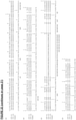
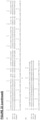
- Figure 22 gives an overview of both numbering methods and shows an alignment of different antibody isotypes based on anti-EGFR antibody 2F8.
- antibody in the context of the present invention refers to an immunoglobulin molecule, a fragment of an immunoglobulin molecule, or a derivative of either thereof, which has the ability to specifically bind to an antigen under typical physiological conditions with a half life of significant periods of time, such as at least about 30 minutes, at least about 45 minutes, at least about one hour, at least about two hours, at least about four hours, at least about 8 hours, at least about 12 hours, about 24 hours or more, about 48 hours or more, about 3, 4, 5, 6, 7 or more days, etc., or any other relevant functionally-defined period (such as a time sufficient to induce, promote, enhance, and/or modulate a physiological response associated with antibody binding to the antigen and/or time sufficient for the antibody to recruit an Fc-mediated effector activity).
- variable regions of the heavy and light chains of the immunoglobulin molecule contain a binding domain that interacts with an antigen.
- the constant regions of the antibodies (Abs) may mediate the binding of the immunoglobulin to host tissues or factors, including various cells of the immune system (such as effector cells) and components of the complement system such as C1q, the first component in the classical pathway of complement activation.
- the term antibody herein unless otherwise stated or clearly contradicted by context, includes fragments of an antibody that comprise a mutated or wildtype core hinge region and retain the ability to specifically bind to the antigen.
- antibody may be performed by fragments of a full-length antibody. Although such fragments are generally included within the meaning of antibody, they collectively and each independently are unique features of the present invention, exhibiting different biological properties and utility.
- antibody also includes polyclonal antibodies, monoclonal antibodies (mAbs), antibody-like polypeptides, such as chimeric antibodies and humanized antibodies, and antibody fragments retaining the ability to specifically bind to the antigen (antigen-binding fragments) provided by any known technique, such as enzymatic cleavage, peptide synthesis, and recombinant techniques.
- human antibody is intended to include antibodies having variable and constant regions derived from human germline immunoglobulin sequences.
- the human antibodies of the invention may include amino acid residues not encoded by human germline immunoglobulin sequences (e.g., mutations introduced by random or site-specific mutagenesis in vitro or by somatic mutation in vivo ).
- the term “human antibody”, as used herein is not intended to include antibodies in which CDR sequences derived from the germline of another mammalian species, such as a mouse, have been grafted onto human framework sequences.
- chimeric antibody refers to an antibody that contains one or more regions from one antibody and one or more regions from one or more other antibodies.
- the term “chimeric antibody” includes divalent and polyvalent antibodies. Chimeric antibodies are produced by recombinant processes well known in the art (see for instance Cabilly et al., PNAS USA 81, 3273-3277 (1984 ), Morrison et al., PNAS USA 81, 6851-6855 (1984 ), Boulianne et al., Nature 312, 643-646 (1984 ), EP125023 , Neuberger et al., Nature 314, 268-270 (1985 ), EP171496 , EP173494 , WO86/01533 , EP184187 , Sahagan et al., J.
- a “humanized antibody” is an antibody that is derived from a non-human species, in which certain amino acids in the framework and constant domains of the heavy and light chains have been mutated so as to avoid or abrogate an immune response in humans.
- Humanized forms of non-human (for instance murine) antibodies are chimeric antibodies which contain minimal sequence derived from non-human immunoglobulin.
- humanized antibodies are human immunoglobulins (recipient antibody) in which residues from a hypervariable region of the recipient are replaced by residues from a hypervariable region of a non-human species (donor antibody) such as mouse, rat, rabbit or nonhuman primate having the desired specificity, affinity, and capacity.
- Fv framework region (FR) residues of the human immunoglobulin are replaced by corresponding non-human residues.
- humanized antibodies may comprise residues which are not found in the recipient antibody or in the donor antibody. These modifications are made to further refine antibody performance.
- a humanized antibody will comprise substantially all of at least one, and typically two, variable domains, in which all or substantially all of the hypervariable loops correspond to those of a non-human immunoglobulin and all or substantially all of the FR regions are those of a human immunoglobulin sequence.
- a humanized antibody typically also will comprise at least a portion of an immunoglobulin constant region (Fc), typically that of a human immunoglobulin.
- an "isolated antibody” as used herein is intended to refer to an antibody which is substantially free of other antibodies having different antigenic specificities.
- An isolated antibody that specifically binds to an epitope, isoform or variant of a particular human target antigen may, however, have cross-reactivity to other related antigens, for instance from other species (such as species homologs).
- an isolated antibody may be substantially free of other cellular material and/or chemicals.
- monoclonal antibody or “monoclonal antibody composition” as used herein refer to a preparation of antibody molecules of single molecular composition.
- a monoclonal antibody composition displays a single binding specificity and affinity for a particular epitope.
- human monoclonal antibody refers to antibodies displaying a single binding specificity which have variable and constant regions derived from human germline immunoglobulin sequences.
- the human monoclonal antibodies may be generated by a hybridoma which includes a B cell obtained from a transgenic or transchromosomal nonhuman animal, such as a transgenic mouse, having a genome comprising a human heavy chain transgene and a light chain transgene, fused to an immortalized cell.
- binding in the context of the binding of an antibody to a predetermined antigen typically is a binding with an affinity corresponding to a K D of about 10 -7 M or less, such as about 10 -8 M or less, such as about 10 -9 M or less, about 10 -10 M or less, or about 10 -11 M or even less when determined by for instance surface plasmon resonance (SPR) technology in a BIAcore 3000 instrument using the antigen as the ligand and the antibody as the analyte, and binds to the predetermined antigen with an affinity corresponding to a K D that is at least ten-fold lower, such as at least 100 fold lower, for instance at least 1000 fold lower, such as at least 10,000 fold lower, for instance at least 100,000 fold lower than its affinity for binding to a non-specific antigen (e.g., BSA, casein) other than the predetermined antigen or a closely-related antigen.
- a non-specific antigen e.g., BSA, casein
- the amount with which the affinity is lower is dependent on the K D of the antibody, so that when the K D of the antibody is very low (that is, the antibody is highly specific), then the amount with which the affinity for the antigen is lower than the affinity for a non-specific antigen may be at least 10,000 fold.
- k d (sec -1 ), as used herein, refers to the dissociation rate constant of a particular antibody-antigen interaction. Said value is also referred to as the k off value.
- k a (M -1 ⁇ sec -1 ), as used herein, refers to the association rate constant of a particular antibody-antigen interaction.
- K D (M), as used herein, refers to the dissociation equilibrium constant of a particular antibody-antigen interaction.
- K A (M -1 ), as used herein, refers to the association equilibrium constant of a particular antibody-antigen interaction and is obtained by dividing the k a by the k d .
- isotype refers to the immunoglobulin (sub)class, for instance IgG1, IgG2, IgG3, IgG4, IgD, IgA, IgE, or IgM, that is encoded by heavy chain constant region genes.
- a human antibody is "derived from" a particular germline sequence if the antibody is obtained from a system using human immunoglobulin sequences, for instance by immunizing a transgenic mouse carrying human immunoglobulin genes or by screening a human immunoglobulin gene library, and wherein the selected human antibody is at least 90%, such as at least 95%, for instance at least 96%, such as at least 97%, for instance at least 98%, or such as at least 99% identical in amino acid sequence to the amino acid sequence encoded by the germline immunoglobulin gene.
- a human antibody derived from a particular human germline sequence will display no more than 20 amino acid differences, e.g. no more than 10 amino acid differences, such as no more than 5, for instance no more than 4, 3, 2, or 1 amino acid difference from the amino acid sequence encoded by the germline immunoglobulin gene.
- bispecific antibody is intended to include any antibody, which has two different binding specificities, i.e. the antibody binds two different epitopes, which may be located on the same target antigen or, more commonly, on different target antigens.
- effector cell refers to an immune cell which is involved in the effector phase of an immune response, as opposed to the cognitive and activation phases of an immune response.
- exemplary immune cells include a cell of a myeloid or lymphoid origin, for instance lymphocytes (such as B cells and T cells including cytolytic T cells (CTLs)), killer cells, natural killer cells, macrophages, monocytes, eosinophils, polymorphonuclear cells, such as neutrophils, granulocytes, mast cells, and basophils.
- lymphocytes such as B cells and T cells including cytolytic T cells (CTLs)
- killer cells such as B cells and T cells including cytolytic T cells (CTLs)
- killer cells such as B cells and T cells including cytolytic T cells (CTLs)
- killer cells such as B cells and T cells including cytolytic T cells (CTLs)
- killer cells such as B cells and T cells including cytolytic T cells (CTLs)
- killer cells such as B
- an effector cell is capable of inducing antibody-dependent cellular cytotoxicity (ADCC), such as a natural killer cell, capable of inducing ADCC.
- ADCC antibody-dependent cellular cytotoxicity
- monocytes, macrophages, which express FcR are involved in specific killing of target cells and presenting antigens to other components of the immune system, or binding to cells that present antigens.
- an effector cell may phagocytose a target antigen or target cell.
- the expression of a particular FcR on an effector cell may be regulated by humoral factors such as cytokines.
- expression of FcyRI has been found to be up-regulated by interferon ⁇ (IFN- ⁇ ) and/or G-CSF. This enhanced expression increases the cytotoxic activity of FcyRI-bearing cells against targets.
- An effector cell can phagocytose or lyse a target antigen or a target cell.
- Treatment refers to the administration of an effective amount of a therapeutically active compound of the present invention with the purpose of easing, ameliorating, arresting or eradicating (curing) symptoms or disease states.
- an “effective amount” refers to an amount effective, at dosages and for periods of time necessary, to achieve a desired therapeutic result.
- a therapeutically effective amount of an antibody may vary according to factors such as the disease state, age, sex, and weight of the individual, and the ability of the antibody to elicit a desired response in the individual.
- a therapeutically effective amount is also one in which any toxic or detrimental effects of the antibody or antibody portion are outweighed by the therapeutically beneficial effects.
- half-molecule exchange and "Fab arm exchange” are used interchangeably herein and refer to a type of protein modification for human IgG4, in which an IgG4 heavy chain and attached light chain (half-molecule) is swapped for a heavy-light chain pair from another IgG4 molecule.
- IgG4 molecules may acquire two distinct Fab arms recognizing two distinct antigens (resulting in bispecific molecules) while their Fc domain structure remains unchanged.
- Fab arm exchange occurs naturally in vivo and can be induced in vitro by purified blood cells or reducing agents such as reduced glutathione.
- the invention relates to a stabilized IgG4 antibody for use as a medicament, comprising a heavy chain and a light chain, wherein
- the antibody of the present disclosure may comprise a heavy chain and a light chain, wherein said heavy chain comprises a human IgG4 constant region having a residue selected from the group consisting of: Lys, Ala, Thr, Met and Leu at the position corresponding to 409 and/or a residue selected from the group consisting of: Ala, Val, Gly, Ile and Leu at the position corresponding to 405, and wherein said antibody optionally comprises one or more further substitutions, deletions and/or insertions, but does not comprise a Cys-Pro-Pro-Cys sequence in the hinge region.
- said heavy chain comprises a human IgG4 constant region having a residue selected from the group consisting of: Lys, Ala, Thr, Met and Leu at the position corresponding to 409 and/or a residue selected from the group consisting of: Ala, Val, Gly, Ile and Leu at the position corresponding to 405, and wherein said antibody optionally comprises one or more further substitutions, deletions and/or insertions,
- the numbers 405 and 409 refer to the Phe and Lys residues at positions 405 and 409, respectively, using the numbering according to the EU index, see also Example 38 and figure 22 .
- the invention relates to an isolated stabilized IgG4 antibody, comprising a heavy chain and a light chain, wherein
- said antibody comprises a Lys, Thr, Met or Leu residue at the position corresponding to 409.
- said antibody comprises a Lys, Met or Leu residue at the position corresponding to 409.
- the CH3 region of the antibody may have been replaced by the CH3 region of human IgG1, of human IgG2 or of human IgG3.
- the stabilized IgG4 antibody of the invention may be an antibody that does not comprise a substitution of the Leu residue at the position corresponding to 235 by a Glu.
- the present disclosure also provides an antibody that does comprise a substitution of the Leu residue at the position corresponding to 235 by a Glu.
- the antibody of the invention may have been further modified to even further reduce effector functions.
- the antibody of the disclosure may comprise one or more of the following substitutions: an Ala at position 234, an Ala at position 236, an Ala at position 237, an Ala at position 297, an Ala or Val at position 318, an Ala at position 320, an Ala or Gin at position 322.
- the stabilized IgG4 antibody of the disclosure may be an antibody that does not comprise a Cys-Pro-Pro-Cys sequence in the hinge region.
- the stabilized IgG4 antibody of the invention comprises a CXPC or CPXC sequence in the hinge region, wherein X can be any amino acid except for proline.
- the antibody of the invention may be an antibody that does not comprise a CPRC sequence in the core hinge region. Also disclosed are antibodies which do not comprise an extended IgG3-like hinge region, such as the extended hinge region as set forth in figure 22 (between positions 228 and 229 in IgG3).
- the stabilized IgG4 antibody of the invention comprises a CPSC sequence in the hinge region.
- the antibody may contain further modifications.
- the stabilized IgG4 antibody disclosed herein may comprise a constant heavy chain region comprising an amino acid sequence selected from the group consisting of: SEQ ID NO:39, 40 and 41 or a variant of said amino acid sequence having less than 25, such as less than 10, e.g. less than 9, 8, 7, 6, 5, 4, 3, or 2 substitutions, deletions and/or insertions compared to said amino acid sequence.
- the stabilized IgG4 antibody of the invention has a lower ability to activate effector functions as compared to IgG1 and IgG3, Thus, the antibody may be less efficient in mediating CDC and/or ADCC than a corresponding IgG1 or IgG3 antibody having the same variable regions.
- Assays for measuring CDC or ADCC activity are well known in the art.
- the stabilized IgG4 antibody of the present disclosure may comprise a constant heavy chain region comprising the amino acid sequence set forth in SEQ ID NO:40.
- the stabilized IgG4 antibody may be selected from the group consisting of: a human antibody, a humanized antibody and a chimeric antibody.
- the antibody of the invention may comprise a human kappa light chain.
- said antibody may comprise a human lambda light chain.
- the stabilized IgG4 antibody of the invention is a bivalent antibody, for example an antibody which is bivalent even in the presence of excess of irrelevant antibodies, as explained in Example 38.
- the stabilized IgG4 antibody of the invention may be a full-length antibody, i.e. not a fragment.
- antibodies of the invention are monoclonal antibodies.
- Monoclonal antibodies may e.g. be produced by the hybridoma method first described by Kohler et al., Nature 256, 495 (1975 ), or may be produced by recombinant DNA methods.
- Monoclonal antibodies may also be isolated from phage antibody libraries using the techniques described in, for example, Clackson et al., Nature 352, 624-628 (1991 ) and Marks et al., J. Mol. Biol. 222, 581-597 (1991 ).
- Monoclonal antibodies may be obtained from any suitable source.
- monoclonal antibodies may be obtained from hybridomas prepared from murine splenic B cells obtained from mice immunized with an antigen of interest, for instance in form of cells expressing the antigen on the surface, or a nucleic acid encoding an antigen of interest.
- Monoclonal antibodies may also be obtained from hybridomas derived from antibody-expressing cells of immunized humans or non-human mammals such as rats, dogs, primates, etc.
- the antibody of the invention may be a human antibody.
- Human monoclonal antibodies directed may be generated using transgenic or transchromosomal mice carrying parts of the human immune system rather than the mouse system.
- transgenic and transchromosomic mice include mice referred to herein as HuMAb mice and KM mice, respectively, and are collectively referred to herein as "transgenic mice”.
- the HuMAb mouse contains a human immunoglobulin gene miniloci that encodes unrearranged human heavy ( ⁇ and ⁇ ) and ⁇ light chain immunoglobulin sequences, together with targeted mutations that inactivate the endogenous ⁇ and ⁇ chain loci ( Lonberg, N. et al., Nature 368, 856-859 (1994 )). Accordingly, the mice exhibit reduced expression of mouse IgM or ⁇ and in response to immunization, the introduced human heavy and light chain transgenes, undergo class switching and somatic mutation to generate high affinity human IgG, ⁇ monoclonal antibodies (Lonberg, N. et al. (1994), supra; reviewed in Lonberg, N.
- HuMAb mice The preparation of HuMAb mice is described in detail in Taylor, L. et al., Nucleic Acids Research 20, 6287-6295 (1992 ), Chen, J. et al., International Immunology 5, 647-656 (1993 ), Tuaillon et al., J. Immunol. 152, 2912-2920 (1994 ), Taylor, L.
- the HCo7 mice have a JKD disruption in their endogenous light chain (kappa) genes (as described in Chen et al., EMBO J. 12, 821-830 (1993 )), a CMD disruption in their endogenous heavy chain genes (as described in Example 1 of WO 01/14424 ), a KCo5 human kappa light chain transgene (as described in Fishwild et al., Nature Biotechnology 14, 845-851 (1996 )), and a HCo7 human heavy chain transgene (as described in US 5,770,429 ).
- the HCo12 mice have a JKD disruption in their endogenous light chain (kappa) genes (as described in Chen et al., EMBO J. 12, 821-830 (1993 )), a CMD disruption in their endogenous heavy chain genes (as described in Example 1 of WO 01/14424 ), a KCo5 human kappa light chain transgene (as described in Fishwild et al., Nature Biotechnology 14, 845-851 (1996 )), and a HCo12 human heavy chain transgene (as described in Example 2 of WO 01/14424 ).
- the endogenous mouse kappa light chain gene has been homozygously disrupted as described in Chen et al., EMBO J. 12, 811-820 (1993 ) and the endogenous mouse heavy chain gene has been homozygously disrupted as described in Example 1 of WO 01/09187 .
- This mouse strain carries a human kappa light chain transgene, KCo5, as described in Fishwild et al., Nature Biotechnology 14, 845-851 (1996 ).
- This mouse strain also carries a human heavy chain transchromosome composed of chromosome 14 fragment hCF (SC20) as described in WO 02/43478 .
- Splenocytes from these transgenic mice may be used to generate hybridomas that secrete human monoclonal antibodies according to well known techniques.
- Such transgenic non-human animals, non-human animals comprising an operable nucleic acid sequence coding for expression of antibody used in the invention, non-human animals stably transfected with one or more target-encoding nucleic acid sequences, and the like, are additional features of the present invention.
- Human monoclonal or polyclonal antibodies to be used in the present invention, or antibodies used in the present invention originating from other species may also be generated transgenically through the generation of another non-human mammal or plant that is transgenic for the immunoglobulin heavy and light chain sequences of interest and production of the antibody in a recoverable form therefrom.
- antibodies may be produced in, and recovered from, the milk of goats, cows, or other mammals. See for instance US 5,827,690 , US 5,756,687 , US 5,750,172 and US 5,741,957 .
- human or other antibodies to be used in the present invention may be generated through display-type technologies, including, without limitation, phage display, retroviral display, ribosomal display, and other techniques, using techniques well known in the art and the resulting molecules may be subjected to additional maturation, such as affinity maturation, as such techniques are well known in the art (see for instance Hoogenboom et al., J. Mol. Biol.
- the invention relates to a method for producing a stabilized IgG4 antibody of the invention, said method comprising expressing a nucleic acid construct encoding said antibody in a host cell and optionally purifying said antibody.
- the antibody of the invention is linked to a compound selected from the group consisting of: a cytotoxic agent; a radioisotope; a prodrug or drug, such as a taxane; a cytokine; and a chemokine.
- a compound selected from the group consisting of: a cytotoxic agent; a radioisotope; a prodrug or drug, such as a taxane; a cytokine; and a chemokine are well-known in the art. References to suitable methods have been given in WO 2004/056847 (Genmab ).
- the invention relates to a pharmaceutical composition
- a pharmaceutical composition comprising a stabilized IgG4 antibody as defined herein above.
- the pharmaceutical compositions may be formulated with pharmaceutically acceptable carriers or diluents as well as any other known adjuvants and excipients in accordance with conventional techniques, such as those disclosed in Remington: The Science and Practice of Pharmacy, 19th Edition, Gennaro, Ed., Mack Publishing Co., Easton, PA, 1995 .
- the pharmaceutically acceptable carriers or diluents as well as any other known adjuvants and excipients should be suitable for the chosen compound of the present invention and the chosen mode of administration. Suitability for carriers and other components of pharmaceutical compositions is determined based on the lack of significant negative impact on the desired biological properties of the chosen compound or pharmaceutical composition of the present invention (e.g., less than a substantial impact (10% or less relative inhibition, 5% or less relative inhibition, etc.) on antigen binding.
- a pharmaceutical composition of the present invention may also include diluents, fillers, salts, buffers, detergents (e. g., a nonionic detergent, such as Tween-80), stabilizers, stabilizers (e. g., sugars or protein-free amino acids), preservatives, tissue fixatives, solubilizers, and/or other materials suitable for inclusion in a pharmaceutical composition.
- detergents e. g., a nonionic detergent, such as Tween-80
- stabilizers e. g., sugars or protein-free amino acids
- preservatives e. g., tissue fixatives, solubilizers, and/or other materials suitable for inclusion in a pharmaceutical composition.
- Actual dosage levels of the active ingredients in the pharmaceutical compositions of the present invention may be varied so as to obtain an amount of the active ingredient which is effective to achieve the desired therapeutic response for a particular patient, composition, and mode of administration, without being toxic to the patient.
- the selected dosage level will depend upon a variety of pharmacokinetic factors including the activity of the particular compositions of the present invention employed, or the ester, salt or amide thereof, the route of administration, the time of administration, the rate of excretion of the particular compound being employed, the duration of the treatment, other drugs, compounds and/or materials used in combination with the particular compositions employed, the age, sex, weight, condition, general health and prior medical history of the patient being treated, and like factors well known in the medical arts.
- a physician or veterinarian having ordinary skill in the art can readily determine and prescribe the effective amount of the pharmaceutical composition required.
- the physician or veterinarian could start doses of the compounds of the invention employed in the pharmaceutical composition at levels lower than that required in order to achieve the desired therapeutic effect and gradually increase the dosage until the desired effect is achieved.
- a suitable daily dose of a composition of the invention will be that amount of the compound which is the lowest dose effective to produce a therapeutic effect.
- Such an effective dose will generally depend upon the factors described above. It is preferred that administration be intravenous, intramuscular, intraperitoneal, by inhalation or subcutaneous.
- the effective daily dose of a therapeutic composition may be administered as two, three, four, five, six or more sub-doses administered separately at appropriate intervals throughout the day, optionally, in unit dosage forms.
- the pharmaceutical composition of the present invention may be administered parenterally.
- parenteral administration and “administered parenterally” as used herein means modes of administration other than enteral and topical administration, usually by injection, and include epidermal, intravenous, intramuscular, intraarterial, intrathecal, intracapsular, intraorbital, intracardiac, intradermal, intraperitoneal, intratendinous, transtracheal, subcutaneous, subcuticular, intraarticular, subcapsular, subarachnoid, intraspinal, intracranial, intrathoracic, epidural and intrasternal injection and infusion.
- Stabilized IgG4 antibodies of the invention can be used in the treatment and/or prevention of a number of diseases, and be directed to an antigen selected from a broad variety of suitable target molecules.
- the antibody may bind an antigen selected from the group consisting of: erythropoietin, beta-amyloid, thrombopoietin, interferon-alpha (2a and 2b), interferon-beta (1b), interferon-gamma, TNFR I (CD120a), TNFR II (CD120b), IL-1R type 1 (CD121a), IL-1R type 2 (CD121b), IL-2, IL2R (CD25), IL-2R-beta (CD123), IL-3, IL-4, IL-3R (CD123), IL-4R (CD124), IL-5R (CD125), IL-6R-alpha (CD126), -beta (CD130), IL-8, IL-10, IL-11, IL-15, IL
- the antibody may bind an alpha-4 integrin and be for use in the treatment of inflammatory and autoimmune diseases, such as rheumatoid arthritis, multiple sclerosis, inflammatory bowel disease, asthma and sepsis.
- inflammatory and autoimmune diseases such as rheumatoid arthritis, multiple sclerosis, inflammatory bowel disease, asthma and sepsis.
- the antibody may bind VLA-1, 2, 3, or 4 and be for use in the treatment of inflammatory and autoimmune diseases, such as rheumatoid arthritis, multiple sclerosis, inflammatory bowel disease, asthma, type-1 diabetes, SLE, psoriasis, atopic dermatitis, COPD and sepsis.
- inflammatory and autoimmune diseases such as rheumatoid arthritis, multiple sclerosis, inflammatory bowel disease, asthma, type-1 diabetes, SLE, psoriasis, atopic dermatitis, COPD and sepsis.
- the antibody may bind a molecule selected from the group consisting of: LFA-1, MAC-1, I-selectin and PSGL-1 and be for use in the treatment of inflammatory and autoimmune diseases, such as rheumatoid arthritis, multiple sclerosis, inflammatory bowel disease, asthma, type-1 diabetes, SLE, psoriasis, atopic dermatitis, and COPD.
- inflammatory and autoimmune diseases such as rheumatoid arthritis, multiple sclerosis, inflammatory bowel disease, asthma, type-1 diabetes, SLE, psoriasis, atopic dermatitis, and COPD.
- the antibody may bind a molecule selected from the group consisting of: LFA-1, MAC-1, I-selectin and PSGL-1 and be for use in the treatment of a disease selected from the group consisting of ischemia-reperfusion injury, cytic fibrosis, osteomyelitis, glomerulonepritis, gout and sepsis.
- the antibody may bind CD18 and be for use in the treatment of inflammatory and autoimmune diseases, such as rheumatoid arthritis, multiple sclerosis, inflammatory bowel disease, asthma, type-1 diabetes, SLE, psoriasis, atopic dermatitis and COPD.
- inflammatory and autoimmune diseases such as rheumatoid arthritis, multiple sclerosis, inflammatory bowel disease, asthma, type-1 diabetes, SLE, psoriasis, atopic dermatitis and COPD.
- the antibody binds Cd11a and be for use in the treatment of inflammatory and autoimmune diseases, such as rheumatoid arthritis, multiple sclerosis, inflammatory bowel disease, asthma, type-1 diabetes, SLE, psoriasis, atopic dermatitis and COPD.
- inflammatory and autoimmune diseases such as rheumatoid arthritis, multiple sclerosis, inflammatory bowel disease, asthma, type-1 diabetes, SLE, psoriasis, atopic dermatitis and COPD.
- the antibody may bind ICAM-1 and be for use in the treatment of inflammatory and autoimmune diseases, such as rheumatoid arthritis, multiple sclerosis, inflammatory bowel disease, asthma, type-1 diabetes, SLE, psoriasis, atopic dermatitis and COPD.
- inflammatory and autoimmune diseases such as rheumatoid arthritis, multiple sclerosis, inflammatory bowel disease, asthma, type-1 diabetes, SLE, psoriasis, atopic dermatitis and COPD.
- the antibody may bind P-selectin and be for use in the treatment of cardiovascular diseases, post-thrombotic vein wall fibrosis, ischemia reperfusion injury, inflammatory diseases or sepsis.
- the antibody may bind periostin and be for use in the treatment of malignant diseases and/or metastising diseases, such as ovary cancer, endometrial cancer, NSCLC, glioblastoma, brain-related tumors, breast cancer, OSCC, colon cancer, pancreatic cancer, HNSCC, kidney cancer, thymoma, lung cancer, skin cancer, larynx cancer, liver cancer, parotid tumors, gastric cancer, esophagus cancer, prostate cancer, bladder cancer and cancer of the testis.
- malignant diseases and/or metastising diseases such as ovary cancer, endometrial cancer, NSCLC, glioblastoma, brain-related tumors, breast cancer, OSCC, colon cancer, pancreatic cancer, HNSCC, kidney cancer, thymoma, lung cancer, skin cancer, larynx cancer, liver cancer, parotid tumors, gastric cancer, esophagus cancer, prostate cancer, bladder cancer and cancer of the test
- the antibody may bind CD33 (Siglec 3), optionally be coupled to a toxin, cytotoxic or cytostatic drug, and be for use in the treatment of tumors expressing CD33 or acute myeloid leukemia.
- the antibody may bind Siglec 8 and be for use in the treatment of: asthma, inflammatory or autoimmune diseases, such as rheumatoid arthritis, multiple sclerosis, inflammatory bowel disease, asthma, type-1 diabetes, SLE, psoriasis, atopic dermatitis and COPD.
- inflammatory or autoimmune diseases such as rheumatoid arthritis, multiple sclerosis, inflammatory bowel disease, asthma, type-1 diabetes, SLE, psoriasis, atopic dermatitis and COPD.
- the antibody may bind nucleolin and be for use in the treatment of malignant diseases and/or metastising diseases, such as ovary cancer, cervical cancer, endometrial cancer, NSCLC, glioblastoma, brain-related tumors, breast cancer, OSCC, colon cancer, pancreatic cancer, HNSCC, kidney cancer, thymoma, lung cancer, skin cancer, larynx cancer, liver cancer, parotid tumors, gastric cancer, oesophagus cancer, prostate cancer, bladder cancer, cancer of the testis and lymphomas.
- malignant diseases and/or metastising diseases such as ovary cancer, cervical cancer, endometrial cancer, NSCLC, glioblastoma, brain-related tumors, breast cancer, OSCC, colon cancer, pancreatic cancer, HNSCC, kidney cancer, thymoma, lung cancer, skin cancer, larynx cancer, liver cancer, parotid tumors, gastric cancer, oesophagus cancer
- the antibody may bind TNF and be for use in the treatment of: inflammatory and autoimmune diseases, such as rheumatoid arthritis, multiple sclerosis, inflammatory bowel disease, asthma, type-1 diabetes, SLE, psoriasis, atopic dermatitis, COPD and sepsis.
- inflammatory and autoimmune diseases such as rheumatoid arthritis, multiple sclerosis, inflammatory bowel disease, asthma, type-1 diabetes, SLE, psoriasis, atopic dermatitis, COPD and sepsis.
- the antibody may bind CCL1, CCL2, CCL3, CCL4, CCL5, CCL11, CCL13, CCL17, CCL18, CCL20, CCL22, CCL26, CCL27 or CX3CL1 and be for use in the treatment of:: atopic dermatitis, inflammatory and autoimmune diseases, such as rheumatoid arthritis, multiple sclerosis, inflammatory bowel disease, asthma, type-1 diabetes, SLE, psoriasis, COPD and sepsis.
- atopic dermatitis such as rheumatoid arthritis, multiple sclerosis, inflammatory bowel disease, asthma, type-1 diabetes, SLE, psoriasis, COPD and sepsis.
- the antibody may bind PD-1 and be for use in restoring T cell function in HIV-1 infection and therapy of AIDS.
- the antibody binds LIGHT and be for use in the treatment of a disease selected from the group consisting of: hepatitis, inflammatory bowel disease, graft-versus-host disease (GVHD) and inflammation.
- a disease selected from the group consisting of: hepatitis, inflammatory bowel disease, graft-versus-host disease (GVHD) and inflammation.
- GVHD graft-versus-host disease
- the antibody binds EGF, VEGF, TGFalpha or HGF and be for use in the treatment of: malignant diseases, such as solid cancers.
- the antibody may bind PDGF and be for use in the treatment of: diseases in which abnormal cell proliferation cell migration and/or angiogenesis occurs, such as atherosclerosis, fibrosis, and malignant diseases.
- the antibody may bind NGF and be for use in the treatment of: neurological diseases, neurodegenerative diseases, such as Alzheimer's disease and Parkinson's disease, or cancer, such as prostate cancer.
- the antibody may bind complement or a related components such as: C1q, C4, C2, C3, C5, C6, C7, C8, C9, MBL, or factor B and be for use in: diseases in which complement and related components play a detrimental role, such as organ transplant rejection, multiple sclerosis, Guillain-Barré syndrome, hemolytic anemia, Paroxysmal Nocturnal Hemoglobinuria, stroke, heart attacks, burn injuries, age-related macular degeneration, asthma, lupus, arthritis, myasthenia gravis, anti-phospholipid syndrome, sepsis and ischemia reperfusion injury.
- diseases in which complement and related components play a detrimental role such as organ transplant rejection, multiple sclerosis, Guillain-Barré syndrome, hemolytic anemia, Paroxysmal Nocturnal Hemoglobinuria, stroke, heart attacks, burn injuries, age-related macular degeneration, asthma, lupus, arthritis, myasthenia gravis, anti-phospholipid syndrome, sepsis and
- the antibody may bind a Matrix Metallo Protease such as any of MMP1 to MMP28 and be for use in the treatment of: inflammatory and autoimmune diseases, cancer, including metastatic cancer; arthritis, inflammation, cardiovascular diseases, cerebrovascular diseases such as stroke or cerebral aneurysms, pulmonary diseases such as asthma, ocular diseases such as corneal wound healing or degenerative genetic eye diseases, gastrointestinal diseases such as inflammatory bowel disease or ulcers, oral diseases such as dental caries, oral cancer or periodontitis, ischemia reperfusion injury or sepsis.
- inflammatory and autoimmune diseases cancer, including metastatic cancer
- arthritis inflammation
- cardiovascular diseases cerebrovascular diseases such as stroke or cerebral aneurysms
- pulmonary diseases such as asthma
- ocular diseases such as corneal wound healing or degenerative genetic eye diseases
- gastrointestinal diseases such as inflammatory bowel disease or ulcers
- oral diseases such as dental caries, oral cancer or periodontitis, ischemia reperfusion injury or sepsis.
- the antibody may bind CD32b and be for use in enhancement of T-cell responses to tumor antigens and ADCC/ phagocytosis by macrophages, in combination with another therapeutic antibody; vaccination, immunotherapy of B-cell lymphoma's, asthma or allergy.
- the antibody may bind CD200 or CD200R and be for use in the treatment of: asthma, rheumatoid arthritis, GVHD, other autoimmune diseases, or cancer, such as solid tumors or lymphomas.
- the antibody may bind Killer Immunoglobulin-Like Receptors (KIRs), NKG2D or related molecules, leukocyte-associated immunoglobulin-like receptors (LAIRs), or ly49 and be for use in the treatment of: cancer, such as solid tumors or lymphomas; asthma, rheumatoid arthritis, GVHD or other autoimmune diseases.
- KIRs Killer Immunoglobulin-Like Receptors
- NKG2D or related molecules such as leukocyte-associated immunoglobulin-like receptors (LAIRs), or ly49
- LAIRs leukocyte-associated immunoglobulin-like receptors
- the antibody may bind PD-L2 and be for use in the treatment of: cancer, asthma, or for use in vaccine enhancement.
- the antibody may bind CD26 and be for use in the treatment of: atherosclerosis, GVHD, or auto-immune diseases.
- the antibody may bind BST-2 and be for use in the treatment of: asthma, atherosclerosis, rheumatoid arthritis, psoriasis, Crohn's disease, ulcerative cholitis, atopic dermatitis, sepsis or inflammation.
- the antibody may bind ML-IAP (melanoma inhibitor of apoptosis protein) and is for use in the treatment of melanoma.
- ML-IAP melanoma inhibitor of apoptosis protein
- the antibody may bind cathepsin D and is for use in the treatment of: malignant diseases such as breast cancer, ovarian cancer, glioma, NSCLC, bladder cancer, endometrial cancer, liver cancer, sarcoma, gastric cancer, SCCHN, prostate cancer or colorectal cancer.
- malignant diseases such as breast cancer, ovarian cancer, glioma, NSCLC, bladder cancer, endometrial cancer, liver cancer, sarcoma, gastric cancer, SCCHN, prostate cancer or colorectal cancer.
- the antibody may bind CD40 or CD40R and be for use in the treatment of: cancer, in particular B-cell lymphomas, B-cell-related or -mediated diseases, autoimmune diseases such as psoriatic arthritis, rheumatoid arthritis, multiple sclerosis, psoriasis, Crohn's disease or ulcerative cholitis.
- cancer in particular B-cell lymphomas, B-cell-related or -mediated diseases, autoimmune diseases such as psoriatic arthritis, rheumatoid arthritis, multiple sclerosis, psoriasis, Crohn's disease or ulcerative cholitis.
- the antibody may bind CD86 and be for use in conjunction with organ transplantation.
- the antibody may bind a B cell receptor and be for use in the treatment of: B-cell-related or -mediated diseases, such as B cell lymphoma's, leukemia, autoimmune diseases, inflammation or allergy.
- B-cell-related or -mediated diseases such as B cell lymphoma's, leukemia, autoimmune diseases, inflammation or allergy.
- the antibody may bind CD79 and be for use in the treatment of B-cell-related or - mediated diseases, such as B-cell lymphomas, leukemia, autoimmune diseases, inflammation or allergy.
- B-cell-related or - mediated diseases such as B-cell lymphomas, leukemia, autoimmune diseases, inflammation or allergy.
- the antibody may bind a T cell receptor and be for use in the treatment of T-cell-related or -mediated diseases, such as T-cell lymphomas, leukemia, autoimmune diseases, inflammation or allergy.
- T-cell-related or -mediated diseases such as T-cell lymphomas, leukemia, autoimmune diseases, inflammation or allergy.
- the antibody may bind FcalphaRI and be for use in the treatment of a disease or disorder selected from: allergic asthma or other allergic diseases such as allergic rhinitis, seasonal/perennial allergies, hay fever, nasal allergies, atopic dermatitis, eczema, hives, urticaria, contact allergies, allergic conjunctivitis, ocular allergies, food and drug allergies, latex allergies, or insect allergies, or IgA nephropathy, such as IgA pemphigus.
- allergic asthma or other allergic diseases such as allergic rhinitis, seasonal/perennial allergies, hay fever, nasal allergies, atopic dermatitis, eczema, hives, urticaria, contact allergies, allergic conjunctivitis, ocular allergies, food and drug allergies, latex allergies, or insect allergies, or IgA nephropathy, such as IgA pemphigus.
- the antibody may bind CD25 and be for use in the treatment of a disease or disorder selected from the group consisting of: transplant rejection, graft-versus-host disease, inflammatory, immune or autoimmune diseases, inflammatory or hyperproliferative skin disorders, lymphoid neoplasms, malignancies, hematological disorders, skin disorders, hepato-gastrointestinal disorders, cardiac disorders, vascular disorders, renal disorders, pulmonary disorders, neurological disorders, connective tissue disorders, endocrinological disorders, viral infections.
- a disease or disorder selected from the group consisting of: transplant rejection, graft-versus-host disease, inflammatory, immune or autoimmune diseases, inflammatory or hyperproliferative skin disorders, lymphoid neoplasms, malignancies, hematological disorders, skin disorders, hepato-gastrointestinal disorders, cardiac disorders, vascular disorders, renal disorders, pulmonary disorders, neurological disorders, connective tissue disorders, endocrinological disorders, viral infections.
- the antibody may bind IL-15 or the IL15 receptor and may be for use in the treatment of a disease or disorder selected from the group consisting of: arthritides, gout, connective disorders, neurological disorders, gastrointestinal disorders, hepatic disorders, allergic disorders, hematological disorders, skin disorders, pulmonary disorders, malignant disorders, endocrinological disorders, vascular disorders, infectious disorders, kidney disorders, cardiac disorders, circulatory disorders, metabolic disorders, bone, disorders and muscle disorders.
- a disease or disorder selected from the group consisting of: arthritides, gout, connective disorders, neurological disorders, gastrointestinal disorders, hepatic disorders, allergic disorders, hematological disorders, skin disorders, pulmonary disorders, malignant disorders, endocrinological disorders, vascular disorders, infectious disorders, kidney disorders, cardiac disorders, circulatory disorders, metabolic disorders, bone, disorders and muscle disorders.
- the antibody may bind IL-8 and be for use in the treatment of a disease or disorder selected from the group consisting of: palmoplantar pustulosis (PPP), psoriasis, or other skin diseases, inflammatory, autoimmune and immune disorders, alcoholic hepatitis and acute pancreatitis, diseases involving IL-8 mediated angiogenesis.
- a disease or disorder selected from the group consisting of: palmoplantar pustulosis (PPP), psoriasis, or other skin diseases, inflammatory, autoimmune and immune disorders, alcoholic hepatitis and acute pancreatitis, diseases involving IL-8 mediated angiogenesis.
- the antibody may bind CD20 and be for use in the treatment of a disease or disorder selected from the group consisting of: rheumatoid arthritis, (auto)immune and inflammatory disorders, non-Hodgkin's lymphoma, B-CLL, lymphoid neoplasms, malignancies and hematological disorders, infectious diseases and connective disorders, neurological disorders, gastrointestinal disorders, hepatic disorders, allergic disorders, hematological disorders, skin disorders, pulmonary disorders, malignant disorders, endocrinological disorders, vascular disorders, infectious disorders, kidney disorders, cardiac disorders, circulatory disorders, metabolic disorders, bone and muscle disorders, and immune mediated cytopenia.
- a disease or disorder selected from the group consisting of: rheumatoid arthritis, (auto)immune and inflammatory disorders, non-Hodgkin's lymphoma, B-CLL, lymphoid neoplasms, malignancies and hematological disorders, infectious diseases and connective disorders, neurological disorders,
- the antibody may bind CD38 and be for use in the treatment of a disease or disorder selected from the group consisting of: tumorigenic disorders, immune disorders in which CD38 expressing B cells, plasma cells, monocytes and T cells are involved, acute respiratory distress syndrome and choreoretinitis, rheumatoid arthritis, inflammatory, immune and/or autoimmune disorders in which autoantibodies and/or excessive B and T lymphocyte activity are prominent, skin disorders, immune-mediated cytopenias, connective tissue disorders, arthritides, hematological disorders, endocrinopathies, hepato-gastrointestinal disorders, nephropathies, neurological disorders, cardiac and pulmonary disorders, allergic disorders, ophthalmologic disorders, infectious diseases, gynecological-obstetrical disorders, male reproductive disorders, transplantation-derived disorders,
- a disease or disorder selected from the group consisting of: tumorigenic disorders, immune disorders in which CD38 expressing B cells, plasma cells, monocytes and T cells are involved, acute respiratory distress syndrome and choreoreti
- the antibody may bind EGFr and be for use in the treatment of a disease or disorder selected from the group consisting of: cancers (over)expressing EGFr and other EGFr related diseases, such as autoimmune diseases, psoriasis, inflammatory arthritis.
- the antibody may bind CD4 and be for use in the treatment of a disease or disorder selected from the group consisting of: rheumatoid arthritis, (auto)immune and inflammatory disorders, cutaneous T cell lymphomas, non-cutaneous T cell lymphomas, lymphoid neoplasms, malignancies and hematological disorders, infectious diseases, and connective disorders, neurological disorders, gastrointestinal disorders, hepatic disorders, allergic disorders, hematologic disorders, skin disorders, pulmonary disorders, malignant disorders, endocrinological disorders, vascular disorders, infectious disorders, kidney disorders, cardiac disorders, circulatory disorders, metabolic disorders, bone disorders, muscle disorders, immune mediated cytopenia, and HIV infection/AIDS.
- a disease or disorder selected from the group consisting of: rheumatoid arthritis, (auto)immune and inflammatory disorders, cutaneous T cell lymphomas, non-cutaneous T cell lymphomas, lymphoid neoplasms, malignancies and hematological disorders, infectious diseases, and connect
- the antibody may bind CD28 and be for use in the treatment of a disease or disorder selected from the group consisting of: an inflammatory disease, autoimmune disease and immune disorder.
- the antibody may bind tissue factor, or a complex of Factor VII and tissue factor and is for use in the treatment of a disease or disorder selected from the group consisting of: vascular diseases, such as myocardial vascular disease, cerebral vascular disease, retinopathy and macular degeneration, and inflammatory disorders.
- vascular diseases such as myocardial vascular disease, cerebral vascular disease, retinopathy and macular degeneration, and inflammatory disorders.
- the present disclosure further relates to the use of a stabilized IgG4 antibody that binds any of the antigen mentioned herein above for the preparation of a medicament for the treatment of a disease or disorder as mentioned herein above in connection with said target antigen.
- Example 1 Oligonucleotide primers and PCR amplification
- Oligonucleotide primers were synthesized and quantified by Isogen Bioscience (Maarssen, The Netherlands). Primers were dissolved in H 2 O to 100 pmol/ ⁇ l and stored at -20°C. A summary of all PCR and sequencing primers is given below. For PCR, PfuTurbo ® Hotstart DNA polymerase (Stratagene, Amsterdam, The Netherlands) was used according to the manufacturer's instructions.
- Each reaction mix contained 200 ⁇ M mixed dNTPs (Roche Diagnostics, Almere, The Netherlands), 6.7 pmol of both the forward and reverse primer, 100 ng of genomic DNA or 1 ng of plasmid DNA and 1 unit of PfuTurbo ® Hotstart DNA polymerase in PCR reaction buffer (supplied with polymerase) in a total volume of 20 ⁇ l.
- PCR reactions were carried out with a TGradient Thermocycler 96 (Whatman Biometra, Goettingen, Germany) using a 32-cycle program: denaturing at 95°C for 2 min; 30 cycles of 95°C for 30 sec, a 60-70°C gradient (or another specific annealing temperature) for 30 sec, and 72°C for 3 min; final extension at 72°C for 10 min. If appropriate, the PCR mixtures were stored at 4°C until further analysis or processing.
- Example 3 Analysis and purification of PCR products and enzymatic digestion
- PCR or digestion products were separated by agarose gel electrophoresis (e.g. when multiple fragments were present) using a 1% Tris Acetate EDTA agarose gel.
- the desired fragment was excised from the gel and recovered using the QIAEX II Gel Extraction Kit (Qiagen; product# 20051), according to the manufacturer's instructions.
- DNA 100 ng was digested with 5 units of enzyme(s) in the appropriate buffer in a final volume of 10 ⁇ l (reaction volumes were scaled up as appropriate). Digestions were incubated at the recommended temperature for a minimum of 60 min. For fragments requiring double digestions with restriction enzymes which involve incompatible buffers or temperature requirements, digestions were performed sequentially. If necessary digestion products were purified by agarose gel electrophoresis and gel extraction.
- Ligations of DNA fragments were performed with the Quick Ligation Kit (New England Biolabs) according to the manufacturer's instructions. For each ligation, vector DNA was mixed with approximately three-fold molar excess of insert DNA.
- Plasmid DNA (1-5 ⁇ l of DNA solution, typically 2 ⁇ l of DNA ligation mix) was transformed into One Shot DH5 ⁇ -T1 R or MACH-1 T1 R competent E. coli cells (Invitrogen, Breda, The Netherlands; product# 12297-016) using the heat-shock method, according to the manufacturer's instructions. Next, cells were plated on Luria-Bertani (LB) agar plates containing 50 ⁇ g/ml ampicillin. Plates were incubated for 16-18 h at 37°C until bacterial colonies became evident.
- LB Luria-Bertani
- Example 8 Screening of bacterial colonies by PCR
- Bacterial colonies were screened for the presence of vectors containing the desired sequences via colony PCR using the HotStarTaq Master Mix Kit (Qiagen; product# 203445) and the appropriate forward and reverse primers. Selected colonies were lightly touched with a 20 ⁇ l pipette tip and touched briefly in 2 ml LB for small scale culture, and then resuspended in the PCR mix. PCR was performed with a TGradient Thermocycler 96 using a 35-cycle program: denaturation at 95°C for 15 min; 35 cycles of 94°C for 30 sec, 55°C for 30 sec and 72°C for 2 min; followed by a final extension step of 10 min at 72°C. If appropriate, the PCR mixtures were stored at 4°C until analysis by agarose gel electrophoresis.
- Example 9 Plasmid DNA isolation from E. coli culture
- Plasmid DNA was isolated from E. coli cultures using the following kits from Qiagen (via Westburg, Leusden, The Netherlands), according to the manufacturer's instructions.
- Qiagen via Westburg, Leusden, The Netherlands
- For bulk plasmid preparation 50-150 ml culture, either a HiSpeed Plasmid Maxi Kit (product# 12663) or a HiSpeed Plasmid Midi Kit (product# 12643) was used.
- For small scale plasmid preparation ( ⁇ 2 ml culture) a Qiaprep Spin Miniprep Kit (product# 27106) was used and DNA was eluted in 50 ⁇ l elution buffer (supplied with kit).
- Plasmid DNA was sequenced using standard procedures known in the art. Sequences were analyzed using Vector NTI software (Informax, Oxford, UK).
- Example 11 Transient expression in HEK-293F cells
- Freestyle TM 293-F (a HEK-293 subclone adapted to suspension growth and chemically defined Freestyle medium, e. g. HEK-293F) cells were obtained from Invitrogen and transfected according to the manufacturer's protocol using 293fectin (Invitrogen).
- Example 12 Construction of pTomG4; A vector for the expression of variable heavy chain regions with the constant region of human IgG4
- Genomic DNA was isolated from a blood sample of a volunteer and used as a template in a PCR with primers IGG4gene2f and IGG4gene2r (see table below), amplifying the complete genomic constant region of the heavy chain of IgG4 and introducing suitable restriction sites for cloning into the mammalian expression vector pEE6.4 (Lonza Biologics).
- the PCR fragment was purified and cloned into pEE6.4. For this the PCR product was digested with HindIII and EcoRI, followed by heat inactivation of the restriction enzymes.
- the pEE6.4 vector was digested HindIII and EcoRI, followed by heat inactivation of the restriction enzymes and dephosphorylation of the vector fragment with shrimp alkaline phosphatase, followed by heat inactivation of the phosphatase.
- the IgG4 fragment and the pEE6.4HindIII/EcoRI dephosphorylated vector were ligated and transformed into competent MACH1-T1 R cells (Invitrogen). Three clones were grown in LB and plasmid DNA was isolated from a small culture (1.5 mL). Restriction digestion revealed a pattern consistent with the cloning of the IgG4 fragment in the pEE6.4 vector. Plasmid DNA from two clones was transformed in DH5 ⁇ -T1 R E.
- coli and plasmid DNA was isolated and the constructs were checked by sequence analysis of the insert and one clone was found to be identical to a genomic IgG4 clone from the Genbank database, apart from some minor differences in introns. These differences are presumably either polymorphisms or sequence faults in the Genbank sequence.
- the plasmid was named pTomG4.
- RNA 5'-RACE-Complementary DNA (cDNA) of RNA was prepared from approximately 100 ng total RNA, using the SMART RACE cDNA Amplification kit (BD Biosciences Clontech, Mountain View, CA, USA), following the manufacturer's protocol. The VL and VH regions of the Betv1 and Feld1 antibody were amplified by PCR. For this PfuTurbo ® Hotstart DNA polymerase (Stratagene) was used according to the manufacturer's instructions.
- Each reaction mix contained 200 ⁇ M mixed dNTPs (Roche Diagnostics), 12 pmol of the reverse primer (RACEG1mm1 for the VH region and RACEKmm1 for the VL region), 7.2 pmol UPM-Mix (UPM-Mix: 2 ⁇ M ShortUPMH3 and 0.4 ⁇ M LongUPMH3 oligonucleotide), 0.6 ⁇ l of the 5'RACE cDNA template as described above, and 1.5 unit of PfuTurbo ® Hotstart DNA polymerase in PCR reaction buffer (supplied with polymerase) in a total volume of 30 ⁇ l.
- PCR reactions were carried out with a TGradient Thermocycler 96 (Whatman Biometra) using a 35-cycle program: denaturing at 95°C for 2 min; 35 cycles of 95°C for 30 sec, a 55°C for 30 sec, and 72°C for 1.5 min; final extension at 72°C for 10 min.
- the reaction products were separated by agarose gel electrophoresis on a 1 % TAE agarose gel and stained with ethidium bromide. Bands of the correct size were cut from the gels and the DNA was isolated from the agarose using the QiaexII gel extraction kit (Qiagen).
- VH sequence Betv1 (SEQ ID NO:15):
- VL sequence Betv1 (SEQ ID NO:16):
- VH sequence Feld1 (SEQ ID NO:17):
- VL sequence Feld1 (SEQ ID NO:18):
- Example 14 Construction of pConG1fBetV1: A vector for the production of the heavy chain of Betv1-IgG1
- the V H coding region of mouse anti-BetVl antibody was amplified by PCR from a plasmid containing this region (example 13) using the primers VHexbetvlfor and VHexbetvlrev, introducing suitable restriction sites for cloning into pConG1f0.4 and an ideal Kozak sequence.
- the VH fragment was gel purified and cloned into pConG1f0.4.
- the PCR product and the pConKappa0.4 vector were digested with HindIII and ApaI and purified.
- the V H fragment and the pConG1f0.4HindIII-ApaI digested vector were ligated and transformed into competent DH5 ⁇ -T1 R cells. A clone was selected containing the correct insert size and the correct sequence was confirmed.
- This plasmid was named pConG1fBetv1.
- Example 15 Construction of pConKBetv1: A vector for the production of the light chain of Betv1
- the V L coding region mouse anti-BetVl antibody was amplified from a plasmid containing this region (example 13) using the primers VLexbetvlfor and VLexbetvlrev, introducing suitable restriction sites for cloning into pConK0.4 and an ideal Kozak sequence.
- the PCR product and the pConKappa0.4 vector were digested with HindIII and BsiWI and purified.
- the V L fragment and the pConKappa0.4HindIII-BsiWI digested vector were ligated and transformed into competent DH5 ⁇ T1 R E. coli. A clone was selected containing the correct insert size and the sequence was confirmed. This plasmid was named pConKBetv1.
- Example 16 Construction of pTomG4Betvl: A vector for the production of the heavy chain of Betv1-IgG4
- pTomG4 and pConG1fBetv1 were digested with HindIII and ApaI and the relevant fragments were isolated.
- the Betv1 V H fragment and the pTomG4HindIII-ApaI digested vector were ligated and transformed into competent DH5 ⁇ -T1 R cells. A clone was selected containing the correct insert size and the sequence was confirmed. This plasmid was named pTomG4Betv1.
- Example 17 Construction of pConG1fFeld1: A vector for the production of the heavy chain of Feld1-IgG1
- the V H coding region of mouse anti-Feldl antibody was amplified by PCR from a plasmid containing this region (example 13) using the primers VHexfeldlfor and VHexfeldlrev, introducing suitable restriction sites for cloning into pConG1f0.4 and an ideal Kozak sequence.
- the VH fragment was gel purified and cloned into pConG1f0.4.
- the PCR product and the pConKappa0.4 vector were digested with HindIII and ApaI and purified.
- the V H fragment and the pConG1f0.4HindIII-ApaI digested vector were ligated and transformed into competent DH5 ⁇ -T1 R cells. A clone was selected containing the correct insert size and the correct sequence was confirmed.
- This plasmid was named pConG1fFeld1.
- Example 18 Construction of pConKFeld1: A vector for the production of the light chain of Feld1
- the V L coding region mouse anti-' Feld1 antibody was amplified from a plasmid containing this region (example 13) using the primers VLexfeldlfor and VLexfeldlrev, introducing suitable restriction sites for cloning into pConK0.4 and an ideal Kozak sequence.
- the PCR product and the pConKappa0.4 vector were digested with HindIII and BsiWI and purified.
- the V L fragment and the pConKappa0.4HindIII-BsiWI digested vector were ligated and transformed into competent DH5 ⁇ T1 R E. coli. A clone was selected containing the correct insert size and the sequence was confirmed. This plasmid was named pConKFeld1.
- Example 19 Construction of pTomG4Feldl: A vector for the production of the heavy chain of Feld1-IgG4
- pTomG4 and pConGlf Feld1 were digested with HindIII and ApaI and the relevant fragments were isolated.
- the Feld1 V H fragment and the pTomG4HindIII-ApaI digested vector were ligated and transformed into competent DH5 ⁇ -T1 R cells.
- a clone was selected containing the correct insert size and the sequence was confirmed. This plasmid was named pTomG4Feld1.
- Example 20 Construction of antibody expression vectors for the expression of 2F8-IgG4 and 7D8-IgG4
- HuMab 2F8 IgG1-EGFR
- HuMab 7D8 IgG1-CD20
- the VH and VL coding regions of HuMab 2F8 WO 02/100348
- HuMab 7D8 WO 04/035607
- pConGlf Longza Biologics
- VH regions of pConG1f2F8 and pConG1f7D8 were removed from these vectors by a HindIII/ApaI digestion and inserted into a HindIII/ApaI digested pTomG4 vector, resulting in pTomG42F8 and pTomG47D8 respectively.
- Example 21 Production of Betv1-IgG1, Betv1-IgG4, Feld1-IgG1 and Feld1-IgG4 by transient expression in HEK-293F cells
- Antibodies were produced from all constructs by cotransfecting the relevant heavy and light chain vectors in HEK-293F cells using 293fectin according to the manufacturer's instructions.
- Betv1-IgG1 pConG1Betv1 and pConKBetv1 were coexpressed.
- Betv1-IgG4, pTomG4Betv1 and pConKBetv1 were coexpressed.
- Feld1-IgG1 pConG1Feld1 and pConKFeld1 were coexpressed.
- pTomG4Feld1 and pConKFeld1 were coexpressed.
- IgG1-EGFr For IgG1-EGFr, pConG1f2F8 and pConKappa2F8 were coexpressed. For IgG4-EGFr, pTomG42F8 and pConKappa2F8 were coexpressed. For IgG1-CD20, pConG1f7D8 and pConKappa7D8 were coexpressed. For IgG4-CD20, pTomG47D8 and pConkappa7D8 were coexpressed.
- IgG1 and IgG4 antibodies were purified by protein A affinity chromatography.
- the cell culture supernatants were filtered over a 0.20 ⁇ M dead-end filter, followed by loading on a 5 ml Protein A column (rProtein A FF, GE Healthvcare) and elution of the IgG with 0.1 M citric acid-NaOH, pH 3.
- the eluate was immediately neutralized with 2 M Tris-HCI, pH 9 and dialyzed overnight to 12.6 mM sodium phosphate, 140 mM NaCl, pH 7.4 (B. Braun, Oss, The Netherlands).
- samples were sterile filtered over a 0.20 ⁇ M dead-end filter. Concentration of the purified IgGs was determined by nephelometry and absorbance at 280 nm. Purified proteins were analyzed by SDS-PAGE, IEF, Mass spectrometry and Glycoanalysis.
- the Betv1 and Feld1, IgG1 and IgG4 antibodies were analyzed on non-reducing SDS-PAGE.
- the Bis-Tris electrophoresis method used is a modification of the Laemmli method ( Laemmli 1970 Nature 227(5259): 680-5 ), where the samples were run at neutral pH.
- the SDS-PAGE gels were stained with Coomassie and digitally imaged using the GeneGenius (Synoptics, Cambridge, UK).
- Betv1 and Feld1 IgG1 showed 1 major band representing the full length tetrameric (2 heavy and two light chains) Feld1 and Betv1 IgG1 molecules.
- Betv1 and Feld1 IgG4 showed to have, besides the major band representing the tetrameric IgG4 molecule, substantial amounts of half-molecules (i.e. one heavy band one light chain).
- mice Five nu/nu Balb/c mice 6-8 weeks of age were used to follow the exchange of IgG4 half molecules.
- the mice were housed in a barrier unit of the Central Laboratory Animal Facility (Utrecht, The Netherlands) and kept in filter-top cages with water and food provided ad libitum. All experiments were approved by the Utrecht University animal ethics committee.
- Chimeric antibodies were administered intraperitoneally. Blood samples (75-100 ⁇ l) were drawn at 4.25 hours, 24 hours, 48 hours and 72 hours after administration. Blood was collected in heparin-containing vials and centrifuged for 5 minutes at 10.000g to separate plasma from cells. Plasma was stored at -20°C for determination of antigen specific antibody and bispecific antibody levels.
- Plasma concentrations of Bet v 1 or Fel d 1 binding antibodies were measured in the antigen binding test. To this end, plasma samples were incubated with 0.75 mg of protein G Sepharose (Amersham Biosciences, Uppsala, Sweden) in 750 ⁇ l PBS-IAT (PBS supplemented with 1 ⁇ g/ml IVIg, 0.3% bovine serum albumin, 0.1% Tween-20 and 0.05% (w/v) NaN 3 ) in the presence of 125 I-labeled Bet v 1 or 125 I-labeled Fel d 1 for 24h.
- protein G Sepharose Amin G Sepharose
- PBS-IAT PBS supplemented with 1 ⁇ g/ml IVIg, 0.3% bovine serum albumin, 0.1% Tween-20 and 0.05% (w/v) NaN 3
- the Sepharose was washed with PBS-T (PBS supplemented with 0.1% Tween-20 and 0.05% (w/v) NaN 3 ) and the amount of radioactivity bound relative to the amount of radioactivity added was measured.
- the concentration of Bet v 1 or Fel d 1 specific IgG was calculated using purified Bet v 1 specific antibodies or Fel d 1 specific antibodies as a standard (range 0-200 ng per test as determined by nephelometer).
- the concentration of bispecific IgG was measured in two variants of the heterologous cross-linking assay. In the first assay, plasma was incubated for 24h with Sepharose-coupled Bet v 1 (0.5 mg) in a total volume of 300 ⁇ l in PBS-IAT.
- the Sepharose was washed with PBS-T and incubated for 24h with 125 I-labeled Fel d 1, after which the Sepharose was washed with PBS-T and the amount of radioactivity bound relative to the amount of radioactivity added was measured.
- the concentration of bispecific IgG (Bet v 1-Fel d 1) was calculated using the calibration curve of the Fel d 1 binding test, which was obtained from purified Fel d 1 binding rIgG.
- Fel d 1-Bet v 1 cross-linking activity was measured in a similar procedure using Sepharose-coupled rFel d 1 (0.5 mg) and 125 I-labeled Bet v 1.
- the concentration of bispecific IgG (Fel d 1-Bet v 1) was calculated using purified Bet v 1 specific rIgG as a standard (same curve as in Bet v 1 binding test).
- Chimeric antibodies were mixed and subsequently incubated with whole blood, blood cells, plasma or serum to investigate the exchange activity of whole blood (components).
- Serum was obtained by incubating whole blood in a glass vacutainer with clot activator for 30 min at 37°C, after which the clotted blood was spinned down.
- the exchange of IgG4 half molecules was evaluated and compared to the exchange of IgG1 half molecules.
- As a control the blood samples were also incubated in the absence of chimeric antibodies.
- the following antibodies mixtures were prepared in PBS:
- Bispecific activity i.e. Fel d 1-Bet v 1 cross-linking activity
- a sample was incubated for 24h with 0.5 mg Sepharose-coupled recombinant Fel d 1 in a total volume of 300 ⁇ l in PBS-IAT (PBS-AT supplemented with 1 ⁇ g/ml IVIg).
- PBS-IAT PBS-AT supplemented with 1 ⁇ g/ml IVIg
- the Sepharose was washed with PBS-T and incubated for 24h with 125 I-labeled Bet v 1, after which the Sepharose was washed with PBS-T and the amount of radioactivity bound relative to the amount of radioactivity added was measured.
- bispecific activity is represented as percentage bound 125 I-labeled Bet v 1, which was determined in the heterologous cross-linking assay.
- Bispecific activity is a measure for the exchange of IgG4 half molecules, which was primarily observed in whole blood and the cellular fraction of whole blood ( Fig 5a ). Bispecific levels in the cellular fraction were even higher than in whole blood. This is most likely explained by the fact that in the cellular fraction endogenous IgG4, which can also be exchanged with the added chimeric IgG4 antibodies, is no longer present.
- Some bispecific activity was also observed in plasma and serum, but this activity was much lower than observed in whole blood and only slightly higher than background level, being 1.7%, which was obtained by incubating the IgG4 mixture in Optimem.
- Fel d 1 binding antibodies eluted in one peak with a retention volume of ⁇ 12.9 ml, which corresponds to the retention volume of monomeric IgG.
- the heterologous Bet v 1-Fel d 1 cross-linking activity was detected in the same fractions indicating that bispecific activity was associated with monomeric IgG (data not shown).
- Example 26 Evaluation of blood cell mediated IgG4 Fab arm exchange activity
- Chimeric antibodies were mixed and subsequently incubated with three different types of human blood cells (i.e. mononuclear cells (MNC), erythrocytes and platelets) to investigate IgG4 exchange activity.
- MNC mononuclear cells
- erythrocytes erythrocytes and platelets
- the exchange of IgG4 half molecules was evaluated and compared to the exchange of IgG1 half molecules.
- the following antibodies mixtures were prepared in PBS:
- Bispecific activity i.e. Fel d 1-Bet v 1 cross-linking activity
- a sample was incubated for 24h with 0.5 mg Sepharose-coupled recombinant Fel d 1 in a total volume of 300 ⁇ l in PBS-IAT (PBS-AT supplemented with 1 ⁇ g/ml IVIg).
- PBS-IAT PBS-AT supplemented with 1 ⁇ g/ml IVIg
- the Sepharose was washed with PBS-T and incubated for 24h with 125 I-labeled Bet v 1, after which the Sepharose was washed with PBS-T and the amount of radioactivity bound relative to the amount of radioactivity added was measured.
- bispecific activity is shown as percentage bound 125 I-labeled Bet v 1, which was determined in the heterologous cross-linking assay. All three cell types were able to induce bispecific activity. Some bispecific activity was also observed in Optimem serum free medium, but this activity was much lower than observed in the presence of blood cells. None of the tested cells was able to exchange IgG1 half molecules.
- Example 27 Evaluation of IgG4 Fab arm exchange by human and murine cell lines
- Chimeric IgG4 antibodies were mixed and subsequently incubated with three different cell lines (i.e. Human Embryo Kidney (HEK) cells, murine B cells or hybridomas) to investigate IgG4 exchange activity.
- HEK Human Embryo Kidney
- Cell line J558 (provided by the Antigen Presentation Research Group of Sanquin) was chosen as a source of murine B cells.
- Hybridomas which produce an anti-Cl esterase inhibitor, were obtained from the Autoimmune Research Group of Sanquin.
- Suspension HEK (293F) cells were from Invitrogen, Breda, The Netherlands. All cells were washed three times with PBS, after which the cells were resuspended in PBS.
- IgG4 half molecules The exchange of IgG4 half molecules was evaluated by incubating an IgG4 antibody mixture consisting of Bet v 1 specific IgG4 (2 ⁇ g) and Fel d 1 specific IgG4 (2 ⁇ g) with the aforementioned cells.
- the antibody mixture was incubated with 24 ⁇ 10 5 HEK cells, 25 ⁇ 10 5 murine B cells or 21 ⁇ 10 5 hybridomas in a total volume of 50 ⁇ l (final concentration for each antibody was 80 ⁇ g/ml) on a horizontal orbital shaker (125 rpm) at 37°C.
- Bispecific activity i.e. Fel d 1-Bet v 1 cross-linking activity
- sample dilutions were incubated for 24h with 0.5 mg Sepharose-coupled recombinant Fel d 1 in a total volume of 300 ⁇ l in PBS-IAT (PBS-AT supplemented with 1 ⁇ g/ml IVIg).
- PBS-IAT PBS-AT supplemented with 1 ⁇ g/ml IVIg
- the Sepharose was washed with PBS-T and incubated for 24h with 125 I-labeled Bet v 1, after which the Sepharose was washed with PBS-T and the amount of radioactivity bound relative to the amount of radioactivity added was measured.
- bispecific activity is shown as percentage bound 125 I-labeled Bet v 1, which was determined in the heterologous cross-linking assay. All three cell types were able to exchange IgG4 half molecules.
- Example 28 Evaluation of IgG4 Fab arm exchange by erythrocytes.
- Chimeric antibodies were mixed and subsequently incubated with human erythrocytes to investigate the exchange of IgG4 half molecules.
- Erythrocytes were purified from a single donor and stored at 4°C in SAGM (Saline Adenine Glucose Mannitol) buffer. Before use the cells were washed three times with PBS.
- SAGM Seline Adenine Glucose Mannitol
- the concentration of Bet v 1 specific IgG was calculated using purified Bet v 1 specific antibodies as a standard (range 0-200 ng per test as determined by nephelometer). Bispecific activity in experiments using Fel d 1 and Bet v 1 specific antibodies was measured in the Feld1-Betv1 cross-linking assay. In this assay, IgG containing sample was incubated for 24h with Sepharose-coupled cat extract (0.5 mg) in a total volume of 300 ⁇ l in PBS-AT.
- the Sepharose was washed with PBS-T and incubated for 24h with 125 I-labeled Bet v 1, after which the Sepharose was washed with PBS-T and the amount of radioactivity bound relative to the amount of radioactivity added was measured.
- the concentration of bispecific IgG (Feld1-Betv1) was calculated using purified IgG1-Betv1 as a standard (obtained in Bet v 1 binding test using Prot G sepharose).
- Size-exclusion chromatography was performed to exclude the possibility that bispecific activity observed in the IgG4 mix was the result of IgG aggregation.
- Fel d 1 binding antibodies eluted in one peak with a retention volume of ⁇ 12.9 ml, which corresponds to the retention volume of monomeric IgG.
- the heterologous Bet v 1-Fel d 1 cross-linking activity was detected in the same fractions indicating that bispecific activity was associated with monomeric IgG (data not shown).
- Example 29 Evaluation of IgG4 Fab arm exchange by erythrocyte lysate
- Chimeric IgG4 antibodies were mixed and subsequently incubated with increasing dilutions of erythrocyte lysate.
- Erythrocytes were isolated from a healthy donor and stored at 4°C in SAGM (Saline Adenine Glucose Mannitol) buffer with a hematocrit of 60.7%.
- SAGM Seline Adenine Glucose Mannitol
- hematocrit 60.7%.
- PBS-Azide PBS supplemented with 0.05% (w/v) NaN 3
- undiluted erythrocyte lysate was equivalent to a hematocrit of 30%.
- IgG4 half molecules The exchange of IgG4 half molecules was evaluated by incubating an IgG4 antibody mixture consisting of Bet v 1 specific IgG4 (1 ⁇ g) and Fel d 1 specific IgG4 (1 ⁇ g) with 50 ⁇ l of freshly prepared lysate (supplemented with PBS/Azide to a total volume of 100 ⁇ l) at 37°C. Final concentration of each antibody was 10 ⁇ g/ml. At indicated time points a sample was drawn from the incubation mix in PBS-AT (PBS supplemented with 0.3% bovine serum albumin, 0.1% Tween-20 and 0.05% (w/v) NaN 3 ) to measure bispecific activity. Samples were stored, if necessary, at 4°C.
- PBS-AT PBS supplemented with 0.3% bovine serum albumin, 0.1% Tween-20 and 0.05% (w/v) NaN 3
- Bispecific activity (i.e. Bet v 1-Fel d 1 cross-linking activity) was measured in the heterologous cross-linking assay.
- sample dilutions were incubated for 24h with 0.5 mg Sepharose-coupled birch extract in a total volume of 300 ⁇ l in PBS-IAT (PBS-AT supplemented with 1 ⁇ g/ml IVIg).
- PBS-IAT PBS-AT supplemented with 1 ⁇ g/ml IVIg
- the Sepharose was washed with PBS-T and incubated for 24h with 125 I-labeled Fel d 1, after which the Sepharose was washed with PBS-T and the amount of radioactivity bound relative to the amount of radioactivity added was measured.
- the concentration of bispecific IgG (Bet v 1-Fel d 1) was calculated using the calibration curve of the Fel d 1 binding test, which was obtained from purified Fel d 1 binding rIgG.
- Size-exclusion chromatography was performed to exclude the possibility that bispecific activity induced by erythrocyte lysate was the result of IgG aggregation ( Figure 11 ).
- an incubation mixture was prepared consisting of 10 ⁇ g Bet v 1 binding IgG4, 10 ⁇ g Fel d 1 binding IgG4 and 50 ⁇ l erythrocyte lysate, which was supplemented with PBS/Azide to final volume of 100 ⁇ l. This mixture was incubated at 37°C for 24h, after which 70 ⁇ l was fractionated on a Superdex200 column. In the fractions Bet v 1 binding IgG and Fel d 1-Bet v 1 cross-linking IgG were measured.
- the concentration of Bet v 1 specific IgG was calculated using purified Bet v 1 specific antibodies as a standard (range 0-200 ng per test as determined by nephelometer).
- the concentration of bispecific IgG i.e. Fel d 1-Bet v 1 cross-linking activity
- a sample was incubated for 24h with 0.5 mg Sepharose-coupled cat extract, in which Fel d 1 antigen is present, in a total volume of 300 ⁇ l in PBS-IAT.
- the Sepharose was washed with PBS-T and incubated for 24h with 125 I-labeled Bet v 1, after which the Sepharose was washed with PBS-T and the amount of radioactivity bound relative to the amount of radioactivity added was measured.
- the concentration of bispecific IgG (Fel d 1-Bet v 1) was calculated using the same calibration curve as used in the Bet v 1 binding test, which was obtained from purified Bet v 1 binding rIgG.
- Bet v 1 binding antibodies eluted in one peak with a retention volume of ⁇ 12.6 ml, which corresponds to the retention volume of monomeric IgG ( Fig 11 ).
- the heterologous Fel d 1-Bet v 1 cross-linking activity was detected in the same fractions indicating that bispecific activity was associated with monomeric IgG.
- Example 30 Evaluation of IgG4 Fab arm exchange activity in dialyzed erythrocyte lysate
- Erythrocytes were isolated from a healthy donor and stored at 4°C in SAGM (Saline Adenine Glucose Mannitol) buffer with a hematocrit of 60.7%. To obtain lysate the cells were washed three times with PBS-Azide (PBS supplemented with 0.05% (w/v) NaN 3 ) and resuspended in water with a volume that was two-fold higher than the volume of the storage buffer. Therefore, undiluted erythrocyte lysate was equivalent to a hematocrit of 30%. Part of the lysate was dialyzed against PBS-Azide using a dialysis membrane cassette from Pierce (3.5 kD cut-off). Ultrafiltrate was obtained by centrifugation of non-dialyzed lysate in an Amicon filter (3.5 kD cut-off).
- IgG4 half molecules The exchange of IgG4 half molecules was evaluated by incubating an IgG4 antibody mixture (Bet v 1 specific IgG4 (0.5 ⁇ g) and Fel d 1 specific IgG4 (0.5 ⁇ g) with freshly prepared erythrocyte lysate (25 ⁇ l) or dialyzed lysate (25 ⁇ l) at 37°C. Total volume of each incubation was 50 ⁇ l resulting in a final concentration of 10 ⁇ g/ml for each antibody.
- the following supplements were used: reduced glutathione (GSH) from Sigma, Glucose-6-phospate (G-6-P) and NADPH (both from Roche). These compounds were dissolved in water before use.
- Bispecific activity i.e. Fel d 1-Bet v 1 cross-linking activity
- sample dilutions were incubated for 24h with 0.5 mg Sepharose-coupled cat extract in a total volume of 300 ⁇ l in PBS-IAT (PBS-AT supplemented with 1 ⁇ g/ml IVIg).
- PBS-IAT PBS-AT supplemented with 1 ⁇ g/ml IVIg.
- the Sepharose was washed with PBS-T and incubated for 24h with 125 I-labeled Bet v 1, after which the Sepharose was washed with PBS-T and the amount of radioactivity bound relative to the amount of radioactivity added was measured.
- IgG4 half molecules was evaluated by incubating an IgG4 antibody mixture consisting of Bet v 1 specific IgG4 (1 ⁇ g) and Fel d 1 specific IgG4 (1 ⁇ g) in PBS/Azide containing GSH at 37°C. Total incubation volume was 100 ⁇ l resulting in a final concentration of 10 ⁇ g/ml for each antibody. At indicated time points a sample was drawn from the incubation mixture in PBS-AT (PBS supplemented with 0.3% bovine serum albumin, 0.1% Tween-20 and 0.05% (w/v) NaN 3 ). Samples were stored at 4°C for measuring of antigen binding and bispecific activity
- the concentration of Bet v 1 specific IgG was calculated using purified Bet v 1 specific antibodies as a standard (range 0-200 ng per test as determined by nephelometer).
- the concentration of bispecific IgG i.e. Fel d 1-Bet v 1 cross-linking activity
- a sample was incubated for 24h with 0.5 mg Sepharose-coupled cat extract, in which Fel d 1 antigen is present, in a total volume of 300 ⁇ l in PBS-IAT.
- the Sepharose was washed with PBS-T and incubated for 24h with 125 I-labeled Bet v 1, after which the Sepharose was washed with PBS-T and the amount of radioactivity bound relative to the amount of radioactivity added was measured.
- the concentration of bispecific IgG (Fel d 1-Bet v 1) was calculated using the same calibration curve as used in the Bet v 1 binding test, which was obtained from purified Bet v 1 binding IgG.
- Size-exclusion chromatography was performed to exclude the possibility that bispecific activity observed after GSH mediated exchange of IgG4 was the result of IgG aggregation ( Fig. 13 ).
- a mixture of Bet v 1 binding IgG4 and Fel d 1 binding IgG4 (10 ⁇ g of each antibody) was incubated with 0.5 mM GSH in PBS/Azide. This mixture (final volume 100 ⁇ l) was incubated at 37°C for 24h, after which 70 ⁇ l was fractionated on a Superdex200 column. In the fractions Bet v 1 binding IgG and Fel d 1-Bet v 1 cross-linking IgG were measured.
- Bet v 1 binding antibodies eluted in one peak with a retention volume of ⁇ 12.6 ml, which corresponds to the retention volume of monomeric IgG.
- the heterologous Fel d 1-Bet v 1 cross-linking activity was detected in the same fractions indicating that bispecific activity was associated with monomeric IgG.
- the generation of bispecific IgG4 molecules in the presence of GSH was found to be temperature dependent, as exchange occurred more efficiently at 37°C than at 4°C ( Fig 14 ).
- Example 32 Generation of bispecific IgG in the presence of other agents.
- IgG1-Betv1 and IgG1-Feld1 or IgG4-Betv1 and IgG4-Feld1 were mixed at a final concentration of 10 ⁇ g/ml for antibody and incubated with reducing agents in a total volume of 50 ⁇ l.
- reducing agents in a total volume of 50 ⁇ l.
- L-cysteine was from Sigma (100 ⁇ M)
- dithiothreitol (DTT) was from Biorad (50 ⁇ M)
- ⁇ -mercapto-ethanol (BME) was from Biorad (100 ⁇ M)
- oxidized glutathione GSSG, note that of the panel of agents this agent is not reducing, while all others are
- Example 33 Exchange of fully human IgG4 antibodies using GSH.
- IgG1-CD20, IgG4-CD20, IgG1-EGFr and IgG4-EGFr were mixed and incubated with GSH in a total volume of 1 ml. Final concentration of each antibody was 50 ⁇ g/ml; the final concentration of GSH was 0.5 mM. The mixtures were incubated at 37°C for 24h and samples were drawn in PBS-AT, in which the (bi)specific IgG concentrations were measured.
- Bispecific activity was determined using a sandwich ELISA.
- an ELISA plate (Greiner bio-one, Frickenhausen, Germany) was coated overnight with 1 ⁇ g/ml (100 ⁇ l/well) of recombinant extracellular domain of EGFR in PBS at 4 °C. The plate was washed 3 times with PBS/0.05 % Tween 20 (PBT). Samples were diluted in PBT/0.2 % BSA (PBTB) and transferred to the ELISA plate (100 ⁇ l/well). After incubation on a plate shaker (300 rpm) for 90 minutes at room temperature (RT), samples were discarded and the plate was washed 3 times with PBT.
- PBT PBS/0.05 % Tween 20
- mice anti-idiotypic monoclonal antibody 2F2 SAB1.1 (directed against the anti-CD20 antibody 7D8; Genmab) at 2 ⁇ g/ml in PBTB was added and incubated at RT for 90 minutes at a plate shaker (300 rpm).
- the anti-idiotypic antibody was discarded and the plate was washed 3 times with PBT, followed by the addition of 100 ⁇ l/well of a HRP conjugated goat antimouse IgG (Jackson ImmunoResearch Laboratories, Westgrove, PA, USA) at a 1000x dilution in PBTB and incubation at RT for 90 minutes at a plate shaker (300 rpm).
- the detection antibody was discarded and the plate was washed 3 times with PBT.
- a 50 mg ABTS tablet (Roche Diagnostics GmbH, Mannheim, Germany) was dissolved in ABTS buffer (Roche) and added to the ELISA plate (100 ⁇ l/well).
- the ELISA plate was incubated for 30 min (or longer if desired) at RT on a plate shaker (300 rpm) covered with aluminum foil and the reaction was stopped with 100 ⁇ l oxalic acid (Riedel de Haen Seelze, Germany) per well.
- the ELISA plate was left at RT for 10 minutes before reading absorbance at 405 nm in an ELISA plate reader.
- Figure 16A shows that bispecific anti-EGFR/CD20 antibodies formed in time upon incubation of the mixture of IgG4-EGFr and IgG4-CD20 in the presence, but not in the absence, of GSH.
- Fab arm exchange did not occur in a mixture of IgG1 antibodies, neither in the presence or absence of GSH.
- FIG 16B shows a clear GSH-dose dependence of IgG4 half molecule exchange.
- exchange was tested in PBS and serum- and protein free, chemically defined medium (FreeStyle 293 expression medium, GIBCO/Invitrogen Corporation). It was found that in this tissue culture medium, GSH-mediated exchange occurs at lower GSH-concentrations ( Figure 16C ). It was also found that there is an optimum in GSH-mediated IgG4 half molecule exchange, as incubation with 5 mM GSH clearly resulted in lower exchange that with 0.5 mM ( Figure 16D ).
- IgG4-EGFr and IgG4-CD20 were incubated for 24 h in the absence or presence of GSH and evaluated by mass spectrometry (ESI-TOF MS).
- Fifty ⁇ l samples containing 200 ⁇ g/ml of each antibody were deglycosylated overnight with 1 ⁇ l N-glycosidase F (Roche Diagnostics NL BV, Almere, The Netherlands).
- Samples were desalted on an Acquity UPLC TM (Waters, Milford, USA) with a BEH C8, 1.7 ⁇ m, 2.1x 50 mm column at 60 °C. Five ⁇ l was injected and eluted with a gradient from 5% to 95% eluent B.
- Eluent A was MilliQ water (Millipore Synthesis A10 apparatus) and eluent B was LC-MS grade acetonitrile (Biosolve, Valkenswaard, The Netherlands). Both eluents contained 0.05% formic acid as organic modifier (Fluka Riedel-de Ha ⁇ n, Buchs, Germany). Time-of-flight electrospray ionization mass spectra were recorded on-line on a micrOTOF TM mass spectrometer (Bruker, Bremen, Germany) operating in the positive ion mode. In each analysis, a 500-5000 m/z scale was internally calibrated with ES tuning mix (Agilent Technologies, Santa Clara, USA). Mass spectra were deconvoluted by using the Maximum Entropy algorithm, which is provided with DataAnalysis TM software v. 3.3 (Bruker).
- Figure 16E shows that the molecular weights of IgG4-CD20 (145.5 kD) and IgG4-EGFR (145.9 kD) remained unchanged in the absence of GSH. In the presence of GSH ( Fig. 16F ), however, a new peak with a mass corresponding to a Fab arm exchanged molecule appeared (145.7 kD). The novel mass corresponded to the expected mass of the bispecific anti-EGFR/CD20 antibody. Moreover, from the peak heights of the MS spectra it could be estimated that the bispecific antibody represented 50% of the total antibody mass in the mixture indicating a random exchange which reached equilibrium within 24 hours.
- Example 34 Rhesus monkey IVIg participates in Fab arm exchange of recombinant human IgG4 antibodies.
- Figure 17 shows that monkey polyclonal IVIg compares to human polyclonal IVIg in its ability to inhibit the exchange of Fab arms of the recombinant antibodies in vitro in the presence of reduced glutathione.
- a component of rhesus IVIg, rhesus immunoglobulin participates in Fab arm exchange.
- Rhesus immunoglobulin presumably rhesus IgG4, can exchange Fab arm with recombinant human IgG4.
- IgG1 mutants were made: an IgG1 with an IgG4 core-hinge (IgG1-CPSC) and two CH3 domain swap mutants (IgG1-CH3(IgG4) and IgG1-CPSC-CH3(IgG4).
- PCR polymerase chain reaction
- DNA digesting and ligation was used to create CH3 domain swap mutant constructs IgG1-CH3(IgG4) and IgG1-CPSC-CH3(IgG4).
- Digestion reactions to obtain CH3 domains and vectors without CH3 domains were as follows: ⁇ 1500 ng DNA (pEE-G1-betv1, pEE-G1-CPSC and pEE-G4-betv1), 2 ⁇ l BSA, 2 ⁇ l Neb3 buffer, 1 ⁇ l Sail and H 2 O added to a volume of 20 ⁇ l. Incubation at 37°C for 30'.
- DNA was purified and eluted with 30 ⁇ l H 2 O before 1 ⁇ l SanDI and 3 ⁇ l universal buffer was added and incubated at 37°C for 30'. Fragments were subjected to gel electrophoresis on 1% agarose gels with ethidium bromide. Fragments were cut from the gel under ultraviolet light and dissolved using a DNA purification kit (Amersham).
- the pEE-G4-wt SalI/SanDI (which contained IgG4 CH3 domain) fragment was ligated into pEE-G1-wt and pEE-G1-CPSC using following procedure: 1 ⁇ l template DNA (SaII/SanDI digested pEE-G1-wt and pEE-G1-CPSC), 5 ⁇ l SalI/SanDI insert, 4 ⁇ l Ligate-it buffer, 9 ⁇ l H2O and 1 ⁇ l ligase in a total volume of 20 ⁇ l. Ligation was stopped after 5'.
- IgG4-S228Pnew was made: IgG4-S228Pnew.
- the hinge is stabilized by replacing serine at position 228 for a proline (IgG1 core hinge).
- Site-directed mutagenesis was performed using the QuickChange II XL Site-Directed Mutagenesis Kit (Stratagene, Amsterdam, The Netherlands) according to the manufacturer's instructions. This method included the introduction of a silent extra Xma I site to screen for successful mutagenesis.
- PCR mixtures were stored at 4°C until further processing.
- PCR mixtures were incubated with 1 ⁇ l Dpn I for 60 min at 37°C to digest the pTomG42F8HG vector and stored at 4°C until further processing.
- the reaction mixture was precipitated with 5 ⁇ l 3 M NaAc and 125 ⁇ l Ethanol, incubated for 20 minutes at -20°C and spun down for 20 minutes at 4°C at 14000xg.
- the DNA pellet was washed with 70% ethanol, dried and dissolved in 4 ⁇ l water.
- the total 4 ⁇ l reaction volume was transformed in One Shot DNH5 ⁇ T1 R competent E. coli cells (Invitrogen, Breda, The Netherlands) according to the manufacturer's instructions (Invitrogen).
- cells were plated on Luria-Bertani (LB) agar plates containing 50 ⁇ g/ml ampicillin. Plates were incubated for 16-18 hours at 37°C until bacterial colonies became evident.
- Recombinant antibodies from these constructs were transiently expressed in HEK 293 cells in 3 ml, 6-wells plates (NUNC) or in 125 ml erlenmeyers (Corning) with 293 Fectin (Invitrogen) as transfection reagent.
- Size-exclusion chromatography was performed to exclude the possibility that bispecific activity observed after GSH mediated exchange of the appropriate IgG1 mutants was the result of IgG aggregation as described in previous examples.
- the heterologous Fel d 1-Bet v 1 cross-linking activity was detected in the fractions corresponding to the retention volume of monomeric IgG.
- Example 36 Generation of IgG1 and IgG4 antibodies with hinge region and/or CH3 domain mutations
- IgG1 mutants Five IgG1 mutants were made: an IgG1 with an IgG4 core-hinge (IgG1-P228S), two CH3 domain swap mutants (IgG1-CH3( ⁇ 4) and IgG1-P228S-CH3( ⁇ 4)), one CH3 point mutant in which lysine present at position 409 of IgG1 (within the CH3 domain) is replaced for arginine (IgG1-K409R), and one IgG1 with an IgG4 core hinge and K409R mutation (IgG1-P228S-K409R) ( Figure 19 ). These mutants were made with either Bet v 1 or Fel d 1 specificity.
- IgG4 mutants Two IgG4 mutants were made: one CH3 point mutant in which arginine present at position 409 of IgG4 (within the CH3 domain) is replaced for lysine (IgG4-R409K), and one CH3 swap mutant (IgG4-CH3( ⁇ 1)) ( Figure 19 ). These mutants were also made with either Bet v 1 or Fel d 1 specificity.
- PCR polymerase chain reaction
- DNA digesting and ligation was used to create CH3 domain swap mutant constructs IgG1-CH3( ⁇ 4) and IgG1-P228S-CH3( ⁇ 4).
- Digestion reactions to obtain CH3 domains and vectors without CH3 domains were as follows: ⁇ 1500 ng DNA (pEE-G1-betv1, pEE-G1-CPSC and pEE-G4-betv1), 2 ⁇ l BSA, 2 ⁇ l Neb3 buffer, 1 ⁇ l Sail and H 2 O added to a volume of 20 ⁇ l. Incubation at 37°C for 30'.
- DNA was purified and eluted with 30 ⁇ l H 2 O before 1 ⁇ l SanDI and 3 ⁇ l universal buffer was added and incubated at 37°C for 30'. Fragments were subjected to gel electrophoresis on 1% agarose gels with ethidium bromide. Fragments were cut from the gel under ultraviolet light and dissolved using a DNA purification kit (Amersham).
- the pEE-G4-wt SalI/SanDI (which contained IgG4 CH3 domain) fragment was ligated into pEE-G1-wt and pEE-G1-CPSC using following procedure: 1 ⁇ l template DNA (SalI/SanDI digested pEE-G1-wt and pEE-G1-CPSC), 5 ⁇ l SalI/SanDI insert, 4 ⁇ l Ligate-it buffer, 9 ⁇ l H2O and 1 ⁇ l ligase in a total volume of 20 ⁇ l. Ligation was stopped after 5'.
- Site-directed mutagenesis was used to introduce point mutations (K409R or R409K) into the pEE- ⁇ 4 wt, pEE- ⁇ 1 and PEE- ⁇ 1-P228S constructs. Mutagenic primers, forward and reverse, were designed with Vector NTI Advance 10:
- Site-directed mutagenesis was performed using the QuickChange II XL Site-Directed Mutagenesis Kit (Stratagene, Amsterdam, The Netherlands) according to the manufacturer's instructions, with changes as indicated below to increase mutagenic efficiency. This method included the introduction of a silent extra AccI site to screen for successful mutagenesis.
- a prePCR mix was used containing 3 ⁇ l 10x pfu reaction buffer, 1 ⁇ l dNTP mix (10 mM), 275 ng forward or reverse primer, 50 ng template DNA and 0.75 ⁇ l Pfu turbo hotstart polymerase.
- a prePCR was run using a GeneAmp PCR system 9700 (Applied Biosystems): initial denaturation at 94°C for 5 min; 4 cycles of 94°C for 30 sec, 50 °C for 1 min and 68 °C for 14 min. 25 ⁇ l of forward primer containing prePCR mix was added to 25 ⁇ l of reverse primer containing prePCR mix. 0.5 ⁇ l Pfu turbo hotstart was added and amplification was performed: denaturing at 94 °C for 1 min; 14 cycles of 94 °C for 1 min, 50 °C for 1 min and 68 °C for 8 min; 12 cycles of 94 °C for 30 sec, 55 °C for 1 min and 68 °C for 8 min.
- PCR mixtures were stored at 4°C until further processing.
- PCR mixtures were incubated with 1 ⁇ l DpnI for 60 min at 37°C and stored at 4°C until further processing.
- 2 ⁇ l of the digested PCR products was transformed in One Shot DNH5a T1 R competent E. coli cells (Invitrogen, Breda, The Netherlands) according to the manufacturer's instructions (Invitrogen).
- cells were plated on Luria-Bertani (LB) agar plates containing 50 ⁇ g/ml ampicillin. Plates were incubated for 16-18 hours at 37°C until bacterial colonies became evident.
- plasmid was isolated from the bacteria and the mutation was confirmed by DNA sequencing. To check if no unwanted extra mutations were introduced the whole HC coding region was sequenced and did not contain any additional mutations.
- Recombinant antibodies from these constructs were transiently expressed in HEK 293 cells in 3 ml, 6-wells plates (NUNC) or in 125 or 250 erlenmeyers (Corning) with 293 Fectin (Invitrogen) as transfection reagent.
- Example 37 Fab arm exchange of IgG1 and IgG4 hinge region or CH3 domain mutants
- GSH reduced glutathione
- the concentration of bispecific IgG was measured in the heterologous cross-linking assay.
- a sample was incubated for 24h with 0.5 mg Sepharose-coupled cat extract, in which Fel d 1 antigen is present, in a total volume of 300 ⁇ l in PBS-IAT.
- the Sepharose was washed with PBS-T and incubated for 24h with 125 I-labeled Bet v 1, after which the Sepharose was washed with PBS-T and the amount of radioactivity bound relative to the amount of radioactivity added was measured.
- the concentration of bispecific IgG (Fel d 1-Bet v 1) was calculated using the same calibration curve as used in the Bet v 1 binding test, which was obtained from purified Bet v 1 binding IgG. Tests were performed using antibody-containing supernatants in FreeStyle 293 expression medium, GIBCO/Invitrogen Corporation.
- Example 38 Additional CH3 mutations to stabilize dimerization of hingeless IgG4 antibody molecules in the absence of IVIG
- Hingeless IgG4 antibody (HG) molecules form dimers by low affinity non-covalent interactions.
- WO/2007/059782 describes that this dimerization process can be inhibited by using HG IgG4 molecules in the presence of an excess of irrelevant antibodies.
- WO/2007/059782 describes a hingeless IgG4 anti-EGFR antibody 2F8-HG.
- pHG-2F8 A vector for the expression of the heavy chain of 2F8-HG: The heavy chain cDNA encoding region of 2F8-HG was codon optimized and cloned in the pEE6.4 vector (Lonza Biologics, Slough, UK). The resulting vector was named pHG-2F8.
- pKappa2F8 A vector for the production of the light chain of 2F8 antibodies: The VL region encoding antibody 2F8 was codon optimized and cloned in the pKappa2F2 vector (a vector encoding the codon optimized cDNA region of antibody 2F2 (described in WO2004035607 ) in vector pEE12.4 (Lonza)), replacing the 2F2 VL region with the 2F8 VL region. The resulting vector was named pKappa-2F8.
- Hingeless IgG4 anti-EGFR antibody 2F8-HG has been described in WO/2007/059782 .
- the additional mutations given in the Table below were introduced into the CH3 region of hingeless IgG4 antibody 2F8-HG by site-directed mutagenesis.
- KABAT indicates amino acid numbering according to Kabat ( Kabat et al., Sequences of Proteins of Immunological Interest, 5th Ed. Public Health Service, National Institutes of Health, Bethesda, MD. (1991 )
- EU index indicates amino acid numbering according to EU index as outlined in Kabat et al., Sequences of Proteins of Immunological Interest, 5th Ed. Public Health Service, National Institutes of Health, Bethesda, MD. (1991 ))
- SEQ ID NO:39, 40, 41 indicates amino acid numbering as indicated in SEQ ID NO:39, 40 and 41 of this document.
- HGF417Af 48 CCAGTGCTGGACAGCGACGGAAGCTTCGCCCTGTACAGCAGGCTGACC
- HGF417Ar 48 GGTCAGCCTGCTGTACAGGGCGAAGCTTCCGTCGCTGTCCAGCACTGG
- HGF417Lf 51 CCAGTGCTGGACAGCGACGGATCCTTCTTACTGTACAGCAGGCTGACCGTG
- HGF417Lr 51 CACGGTCAGCCTGCTGTACAGTAAGAAGGATCCGTCGCTGTCCAGCACTGG
- HGR421Af 46 GCTCCTTCTTCCTGTACAGCGCGTTAACCGTGGACAAGTCCAGGTG (SEQ ID NO:46) HGR421Ar 46 CACCTGGACTTG
- constructs were expressed transiently in HEK-293F cells by cotransfecting the heavy-chain- and light-chain-encoding plasmids and binding to purified EGFr was determined in the absence and presence of 200 ⁇ g/ml polyclonal human IgG (Intravenous Immunoglobulin, IVIG, Sanquin Netherlands).
- Binding affinities were determined using an ELISA in which purified EGFr (Sigma, St Louis, MO) was coated to 96-well Microlon ELISA plates (Greiner, Germany), 50 ng/well. Plates were blocked with PBS supplemented with 0.05% Tween 20 and 2% chicken serum. Subsequently, samples, serially diluted in a buffer containing 100 ⁇ g/ml polyclonal human IgG (Intravenous Immunoglobulin, IVIG, Sanquin Netherlands) were added and incubated for 1 h at room temperature (RT).
- Plates were subsequently incubated with peroxidase-conjugated rabbit-anti-human kappa light chain (DAKO, Glostrup, Denmark) as detecting antibody and developed with 2,2'-azino-bis (3-ethylbenzthiazoline-6-sulfonic acid) (ABTS; Roche, Mannheim, Germany). Absorbance was measured in a microplate reader (Biotek, Winooski, VT) at 405 nm.
- DAKO peroxidase-conjugated rabbit-anti-human kappa light chain
- ABTS 2,2'-azino-bis (3-ethylbenzthiazoline-6-sulfonic acid)
- Figure 21 shows that the binding curve of 2F8-HG in the presence of IVIG (thick dotted line with closed boxes) clearly right-shifts with respect to the binding curve of 2F8-HG without IVIG (thick closed line with open boxes).
- This difference in avidity for the EGFr coat is consistent with the idea that, in the presence of IVIG, 2F8-HG binds monovalently.
- the binding curves of the tested mutations, 2F8-HG-F405L, 2F8-HG-F405A, 2F8-HG-R409A and 2F8-HG-R409KA become insensitive to the addition of IVIG and were super-imposable on the bivalent binding curve of 2F8-HG in the absence of IVIG.
- Example 39 Additional CH3 domain mutations to stabilize dimerization of human IgG4 antibodies
- KABAT indicates amino acid numbering according to Kabat ( Kabat et al., Sequences of Proteins of Immunological Interest, 5th Ed. Public Health Service, National Institutes of Health, Bethesda, MD. (1991 )
- EU index indicates amino acid numbering according to EU index as outlined in Kabat et al., Sequences of Proteins of Immunological Interest, 5th Ed. Public Health Service, National Institutes of Health, Bethesda, MD. (1991 ))
- SEQ ID NO:39, 40, 41 indicates amino acid numbering as indicated in SEQ ID NO:39, 40 and 41 of this document.
- IgG1-CD20 and IgG1-EGFr, IgG4-CD20 and IgG4-EGFr, or IgG4-CH3mutant-CD20 and IgG4-CH3mutant-EGFr were mixed and incubated with 0.5 mM GSH as described above.
- Bispecific activity was determined as described in Example 33.
- FIG. 23 shows that bispecific anti-EGFr/CD20 antibodies were formed in mixtures of IgG4 antibodies as well as in mixtures of CH3 domain mutants Q355R, E419Q, L445P and R409A. No bispecific activity was measured in mixtures of CH3 domain mutants R409K, R409M, R409L and K370T, indicating that these mutations stabilized dimerization of human IgG4 antibodies. CH3 domain mutant R409T, F405A and F405L partially stabilized dimerization of human IgG4 antibodies.
Landscapes
- Health & Medical Sciences (AREA)
- Life Sciences & Earth Sciences (AREA)
- Chemical & Material Sciences (AREA)
- Medicinal Chemistry (AREA)
- General Health & Medical Sciences (AREA)
- Animal Behavior & Ethology (AREA)
- Veterinary Medicine (AREA)
- Public Health (AREA)
- Pharmacology & Pharmacy (AREA)
- Bioinformatics & Cheminformatics (AREA)
- Engineering & Computer Science (AREA)
- Organic Chemistry (AREA)
- Nuclear Medicine, Radiotherapy & Molecular Imaging (AREA)
- General Chemical & Material Sciences (AREA)
- Chemical Kinetics & Catalysis (AREA)
- Immunology (AREA)
- Proteomics, Peptides & Aminoacids (AREA)
- Epidemiology (AREA)
- Molecular Biology (AREA)
- Optics & Photonics (AREA)
- Physics & Mathematics (AREA)
- Genetics & Genomics (AREA)
- Biochemistry (AREA)
- Biophysics (AREA)
- Virology (AREA)
- Diabetes (AREA)
- Physical Education & Sports Medicine (AREA)
- Oncology (AREA)
- Neurology (AREA)
- Biomedical Technology (AREA)
- Urology & Nephrology (AREA)
- Neurosurgery (AREA)
- Pulmonology (AREA)
- Hematology (AREA)
- Rheumatology (AREA)
- Communicable Diseases (AREA)
- Endocrinology (AREA)
- Dermatology (AREA)
- Orthopedic Medicine & Surgery (AREA)
- Cell Biology (AREA)
Priority Applications (1)
| Application Number | Priority Date | Filing Date | Title |
|---|---|---|---|
| EP22155736.6A EP4119579A1 (en) | 2007-05-31 | 2008-05-30 | Stable igg4 antibodies |
Applications Claiming Priority (5)
| Application Number | Priority Date | Filing Date | Title |
|---|---|---|---|
| DKPA200700793 | 2007-05-31 | ||
| DKPA200700792 | 2007-05-31 | ||
| DKPA200701002 | 2007-07-06 | ||
| EP08748828.4A EP2164873B2 (en) | 2007-05-31 | 2008-05-30 | Stable igg4 antibodies |
| PCT/DK2008/050129 WO2008145142A1 (en) | 2007-05-31 | 2008-05-30 | Stable igg4 antibodies |
Related Parent Applications (3)
| Application Number | Title | Priority Date | Filing Date |
|---|---|---|---|
| EP08748828.4A Division-Into EP2164873B2 (en) | 2007-05-31 | 2008-05-30 | Stable igg4 antibodies |
| EP08748828.4A Division EP2164873B2 (en) | 2007-05-31 | 2008-05-30 | Stable igg4 antibodies |
| EP08748828.4 Division | 2008-05-30 |
Related Child Applications (1)
| Application Number | Title | Priority Date | Filing Date |
|---|---|---|---|
| EP22155736.6A Division EP4119579A1 (en) | 2007-05-31 | 2008-05-30 | Stable igg4 antibodies |
Publications (2)
| Publication Number | Publication Date |
|---|---|
| EP2666787A1 EP2666787A1 (en) | 2013-11-27 |
| EP2666787B1 true EP2666787B1 (en) | 2022-02-09 |
Family
ID=39831865
Family Applications (3)
| Application Number | Title | Priority Date | Filing Date |
|---|---|---|---|
| EP13181032.7A Active EP2666787B1 (en) | 2007-05-31 | 2008-05-30 | STABLE IgG4 ANTIBODIES |
| EP08748828.4A Active EP2164873B2 (en) | 2007-05-31 | 2008-05-30 | Stable igg4 antibodies |
| EP22155736.6A Pending EP4119579A1 (en) | 2007-05-31 | 2008-05-30 | Stable igg4 antibodies |
Family Applications After (2)
| Application Number | Title | Priority Date | Filing Date |
|---|---|---|---|
| EP08748828.4A Active EP2164873B2 (en) | 2007-05-31 | 2008-05-30 | Stable igg4 antibodies |
| EP22155736.6A Pending EP4119579A1 (en) | 2007-05-31 | 2008-05-30 | Stable igg4 antibodies |
Country Status (6)
| Country | Link |
|---|---|
| US (4) | US20100267934A1 (enExample) |
| EP (3) | EP2666787B1 (enExample) |
| JP (3) | JP6071165B2 (enExample) |
| AU (1) | AU2008255352B2 (enExample) |
| CA (1) | CA2688275A1 (enExample) |
| WO (1) | WO2008145142A1 (enExample) |
Families Citing this family (181)
| Publication number | Priority date | Publication date | Assignee | Title |
|---|---|---|---|---|
| ITRM20030601A1 (it) | 2003-12-24 | 2005-06-25 | Lay Line Genomics Spa | Metodo per l'umanizzazione di anticorpi e anticorpi umanizzati con esso ottenuti. |
| JP5620626B2 (ja) | 2005-03-31 | 2014-11-05 | 中外製薬株式会社 | 会合制御によるポリペプチド製造方法 |
| ITRM20050290A1 (it) | 2005-06-07 | 2006-12-08 | Lay Line Genomics Spa | Uso di molecole in grado di inibire il legame tra ngf e il suo recettore trka come analgesici ad effetto prolungato. |
| DK2006381T3 (en) | 2006-03-31 | 2016-02-22 | Chugai Pharmaceutical Co Ltd | PROCEDURE FOR REGULATING ANTIBODIES BLOOD PHARMACOKINETICS |
| EP2009101B1 (en) | 2006-03-31 | 2017-10-25 | Chugai Seiyaku Kabushiki Kaisha | Antibody modification method for purifying bispecific antibody |
| US8080248B2 (en) | 2006-06-02 | 2011-12-20 | Regeneron Pharmaceuticals, Inc. | Method of treating rheumatoid arthritis with an IL-6R antibody |
| CA2652976C (en) | 2006-06-02 | 2015-08-11 | Regeneron Pharmaceuticals, Inc. | High affinity antibodies to human il-6 receptor |
| AU2008234248C1 (en) | 2007-03-29 | 2015-01-22 | Genmab A/S | Bispecific antibodies and methods for production thereof |
| EP2167669A2 (en) | 2007-05-31 | 2010-03-31 | Genmab A/S | Transgenic animals producing monovalent human antibodies and antibodies obtainable from these animals |
| DK2202245T3 (en) | 2007-09-26 | 2016-11-21 | Chugai Pharmaceutical Co Ltd | A method of modifying an antibody isoelectric point VIA amino acid substitution in CDR |
| ES2687808T3 (es) | 2007-09-26 | 2018-10-29 | Chugai Seiyaku Kabushiki Kaisha | Región constante de anticuerpo modificado |
| US20110086366A1 (en) * | 2008-02-22 | 2011-04-14 | Genmab A/S | Methods for assessing the risk of adverse events upon treatment with igg4 antibodies |
| EP3153524B1 (en) * | 2008-12-03 | 2025-04-23 | Genmab A/S | Antibody variants having modifications in the constant region |
| AU2010206681A1 (en) * | 2009-01-23 | 2011-09-01 | Biogen Idec Ma Inc. | Stabilized Fc polypeptides with reduced effector function and methods of use |
| US8435523B2 (en) | 2009-05-04 | 2013-05-07 | Abbott Research B.V. | Antibodies against nerve growth factor (NGF) with enhanced in vivo stability |
| US9493578B2 (en) | 2009-09-02 | 2016-11-15 | Xencor, Inc. | Compositions and methods for simultaneous bivalent and monovalent co-engagement of antigens |
| JO3417B1 (ar) | 2010-01-08 | 2019-10-20 | Regeneron Pharma | الصيغ المستقرة التي تحتوي على الأجسام المضادة لمضاد مستقبل( interleukin-6 (il-6r |
| MX2012009321A (es) | 2010-02-11 | 2012-11-21 | Alexion Pharma Inc | Metodos terapeuticos que utilizan anticuerpos anti-cd200. |
| CN102782131B (zh) | 2010-03-02 | 2015-08-05 | 协和发酵麒麟株式会社 | 修饰抗体组合物 |
| EP2543730B1 (en) | 2010-03-04 | 2018-10-31 | Chugai Seiyaku Kabushiki Kaisha | Antibody constant region variant |
| RS66008B1 (sr) | 2010-03-10 | 2024-10-31 | Genmab As | Monoklonska antitela protiv c-met |
| EP2547365A1 (en) | 2010-03-17 | 2013-01-23 | Abbott Research B.V. | Anti-nerve growth factor (ngf) antibody compositions |
| CN110066339A (zh) * | 2010-04-20 | 2019-07-30 | 根马布股份公司 | 含异二聚体抗体fc的蛋白及其制备方法 |
| US9717777B2 (en) | 2010-05-05 | 2017-08-01 | Rappaport Family Institute For Research In The Medical Sciences | Use of CCL1 in therapy |
| WO2011138785A2 (en) * | 2010-05-05 | 2011-11-10 | Rappaport Family Institute For Research In The Medical Sciences | Use of ccl1 in therapy |
| EP2575880B1 (en) | 2010-05-27 | 2019-01-16 | Genmab A/S | Monoclonal antibodies against her2 epitope |
| CA3051311A1 (en) | 2010-05-27 | 2011-12-01 | Genmab A/S | Monoclonal antibodies against her2 |
| SMT201700547T1 (it) | 2010-06-15 | 2018-01-11 | Genmab As | Coniugati di farmaco anticorpo umano contro il fattore tissutale |
| CA2806252C (en) | 2010-07-29 | 2019-05-14 | Xencor, Inc. | Antibodies with modified isoelectric points |
| GB201014033D0 (en) | 2010-08-20 | 2010-10-06 | Ucb Pharma Sa | Biological products |
| TR201802772T4 (tr) | 2010-11-17 | 2018-03-21 | Chugai Pharmaceutical Co Ltd | Kan pıhtılaşma faktörü VIII in işlevi için alternatif işleve sahip multi-spesifik antijen bağlayıcı molekül. |
| US9884909B2 (en) | 2010-12-01 | 2018-02-06 | Alderbio Holdings Llc | Anti-NGF compositions and use thereof |
| WO2012075340A2 (en) | 2010-12-01 | 2012-06-07 | Alderbio Holdings Llc | Anti-ngf compositions and use thereof |
| US9539324B2 (en) | 2010-12-01 | 2017-01-10 | Alderbio Holdings, Llc | Methods of preventing inflammation and treating pain using anti-NGF compositions |
| US9067988B2 (en) | 2010-12-01 | 2015-06-30 | Alderbio Holdings Llc | Methods of preventing or treating pain using anti-NGF antibodies |
| US9078878B2 (en) | 2010-12-01 | 2015-07-14 | Alderbio Holdings Llc | Anti-NGF antibodies that selectively inhibit the association of NGF with TrkA, without affecting the association of NGF with p75 |
| US11214610B2 (en) | 2010-12-01 | 2022-01-04 | H. Lundbeck A/S | High-purity production of multi-subunit proteins such as antibodies in transformed microbes such as Pichia pastoris |
| MX348071B (es) | 2011-03-16 | 2017-05-26 | Amgen Inc | Variantes de fc. |
| JP2014514314A (ja) | 2011-04-20 | 2014-06-19 | ゲンマブ エー/エス | Her2およびcd3に対する二重特異性抗体 |
| JP6177231B2 (ja) | 2011-04-20 | 2017-08-09 | ゲンマブ エー/エス | Her2に対する二重特異性抗体 |
| EP4520771A3 (en) | 2011-04-20 | 2025-07-16 | Genmab A/S | Bispecifc antibodies against her2 |
| CN116063522A (zh) * | 2011-06-13 | 2023-05-05 | 美国全心医药生技股份有限公司 | 抗psgl-1抗体及其用途 |
| US10851178B2 (en) | 2011-10-10 | 2020-12-01 | Xencor, Inc. | Heterodimeric human IgG1 polypeptides with isoelectric point modifications |
| US12466897B2 (en) | 2011-10-10 | 2025-11-11 | Xencor, Inc. | Heterodimeric human IgG1 polypeptides with isoelectric point modifications |
| ES2971444T3 (es) | 2011-10-11 | 2024-06-05 | F Hoffmann Lar Roche Ag | Ensamblaje mejorado de anticuerpos biespecíficos |
| TWI589299B (zh) | 2011-10-11 | 2017-07-01 | 再生元醫藥公司 | 用於治療類風濕性關節炎之組成物及其使用方法 |
| SG11201401422VA (en) | 2011-10-27 | 2014-09-26 | Genmab As | Production of heterodimeric proteins |
| US11851476B2 (en) | 2011-10-31 | 2023-12-26 | Chugai Seiyaku Kabushiki Kaisha | Antigen-binding molecule having regulated conjugation between heavy-chain and light-chain |
| GB201203051D0 (en) | 2012-02-22 | 2012-04-04 | Ucb Pharma Sa | Biological products |
| GB201203071D0 (en) | 2012-02-22 | 2012-04-04 | Ucb Pharma Sa | Biological products |
| JO3820B1 (ar) * | 2012-05-03 | 2021-01-31 | Regeneron Pharma | أجسام مضادة بشرية لـ fel d1وطرق لاستخدامها |
| HRP20191865T1 (hr) | 2013-01-14 | 2020-01-10 | Xencor, Inc. | Novi heterodimerni proteini |
| US10131710B2 (en) | 2013-01-14 | 2018-11-20 | Xencor, Inc. | Optimized antibody variable regions |
| US10487155B2 (en) | 2013-01-14 | 2019-11-26 | Xencor, Inc. | Heterodimeric proteins |
| US10968276B2 (en) | 2013-03-12 | 2021-04-06 | Xencor, Inc. | Optimized anti-CD3 variable regions |
| US9605084B2 (en) | 2013-03-15 | 2017-03-28 | Xencor, Inc. | Heterodimeric proteins |
| US11053316B2 (en) | 2013-01-14 | 2021-07-06 | Xencor, Inc. | Optimized antibody variable regions |
| US9701759B2 (en) | 2013-01-14 | 2017-07-11 | Xencor, Inc. | Heterodimeric proteins |
| WO2014113510A1 (en) | 2013-01-15 | 2014-07-24 | Xencor, Inc. | Rapid clearance of antigen complexes using novel antibodies |
| AU2014213147B2 (en) | 2013-01-31 | 2019-01-17 | lmmunAbs Inc. | C5 antibody and method for preventing and treating complement-related diseases |
| TWI635098B (zh) | 2013-02-01 | 2018-09-11 | 再生元醫藥公司 | 含嵌合恆定區之抗體 |
| US10858417B2 (en) | 2013-03-15 | 2020-12-08 | Xencor, Inc. | Heterodimeric proteins |
| US10106624B2 (en) | 2013-03-15 | 2018-10-23 | Xencor, Inc. | Heterodimeric proteins |
| CA3093606A1 (en) | 2013-03-15 | 2014-09-18 | Xencor, Inc. | Heterodimeric proteins for induction of t cells |
| US10519242B2 (en) | 2013-03-15 | 2019-12-31 | Xencor, Inc. | Targeting regulatory T cells with heterodimeric proteins |
| CN103193882B (zh) * | 2013-03-29 | 2014-11-05 | 浙江大学 | 胚胎干细胞特异性标志物GM-CSFRα及其应用 |
| WO2015027154A2 (en) | 2013-08-23 | 2015-02-26 | Regeneron Pharmaceuticals, Inc. | Diagnostic tests and methods for assessing safety, efficacy or outcome of allergen-specific immunotherapy (sit) |
| ES2792183T3 (es) | 2013-09-13 | 2020-11-10 | Beigene Switzerland Gmbh | Anticuerpos anti-PD1 y su uso como productos terapéuticos y de diagnóstico |
| ES2881306T3 (es) | 2013-09-27 | 2021-11-29 | Chugai Pharmaceutical Co Ltd | Método para la producción de heteromultímeros de polipéptidos |
| PE20160953A1 (es) | 2013-12-12 | 2016-09-26 | Shanghai hengrui pharmaceutical co ltd | Anticuerpo pd-1, fragmento de union al antigeno de este y uso medico de este |
| EP4014995A1 (en) | 2014-02-28 | 2022-06-22 | Allakos Inc. | Methods and compositions for treating siglec-8 associated diseases |
| ES3040431T3 (en) * | 2014-03-12 | 2025-10-31 | Yeda Res & Dev | Reducing systemic regulatory t cell levels or activity for treatment of disease and injury of the cns |
| TWI701042B (zh) | 2014-03-19 | 2020-08-11 | 美商再生元醫藥公司 | 用於腫瘤治療之方法及抗體組成物 |
| EP3954713A3 (en) | 2014-03-28 | 2022-03-30 | Xencor, Inc. | Bispecific antibodies that bind to cd38 and cd3 |
| NZ726520A (en) | 2014-05-29 | 2018-12-21 | Macrogenics Inc | Tri-specific binding molecules that specifically bind to multiple cancer antigens and methods of use thereof |
| BR112016027845A2 (pt) | 2014-05-29 | 2017-10-31 | Medimmune Llc | proteínas de fusão de ox40l e usos das mesmas |
| EP3155013B1 (en) * | 2014-06-12 | 2019-03-27 | F. Hoffmann-La Roche AG | Method for selecting antibodies with modified fcrn interaction |
| CN106604742B (zh) | 2014-07-03 | 2019-01-11 | 百济神州有限公司 | 抗pd-l1抗体及其作为治疗剂及诊断剂的用途 |
| SG11201700496WA (en) | 2014-07-22 | 2017-02-27 | Cb Therapeutics Inc | Anti-pd-1 antibodies |
| SG10201901057UA (en) | 2014-08-05 | 2019-03-28 | Cb Therapeutics Inc | Anti-pd-l1 antibodies |
| MA40764A (fr) | 2014-09-26 | 2017-08-01 | Chugai Pharmaceutical Co Ltd | Agent thérapeutique induisant une cytotoxicité |
| TWI566780B (zh) * | 2014-10-24 | 2017-01-21 | 國立陽明大學 | 巨噬細胞發炎蛋白-1β(MIP-1β)抑制劑用於促進血管新生以改善組織缺血及糖尿病血管病變的用途 |
| SI3221359T1 (sl) | 2014-11-17 | 2020-08-31 | Regeneron Pharmaceuticals, Inc. | Metode zravljenja tumorja z uporabo bispecifičnega protitelesa CD3XCD20 |
| EP3223907A2 (en) | 2014-11-26 | 2017-10-04 | Xencor, Inc. | Heterodimeric antibodies that bind cd3 and cd38 |
| US10259887B2 (en) | 2014-11-26 | 2019-04-16 | Xencor, Inc. | Heterodimeric antibodies that bind CD3 and tumor antigens |
| CN116333153A (zh) | 2014-11-26 | 2023-06-27 | 森科股份有限公司 | 结合cd3和肿瘤抗原的异二聚体抗体 |
| ES2764299T3 (es) | 2014-12-09 | 2020-06-02 | Inst Nat Sante Rech Med | Anticuerpos monoclonales humanos contra AXL |
| DK3233907T3 (da) | 2014-12-19 | 2021-06-07 | Genmab As | Bispecifikke heterodimeriske proteiner hos gnavere |
| WO2016105450A2 (en) | 2014-12-22 | 2016-06-30 | Xencor, Inc. | Trispecific antibodies |
| AU2015380455A1 (en) | 2015-01-26 | 2017-08-03 | Macrogenics, Inc. | Multivalent molecules comprising DR5-binding domains |
| WO2016135041A1 (en) | 2015-02-26 | 2016-09-01 | INSERM (Institut National de la Santé et de la Recherche Médicale) | Fusion proteins and antibodies comprising thereof for promoting apoptosis |
| US10227411B2 (en) | 2015-03-05 | 2019-03-12 | Xencor, Inc. | Modulation of T cells with bispecific antibodies and FC fusions |
| EP3277725B1 (en) | 2015-03-30 | 2020-11-25 | Regeneron Pharmaceuticals, Inc. | Heavy chain constant regions with reduced binding to fc gamma receptors |
| WO2016159213A1 (ja) | 2015-04-01 | 2016-10-06 | 中外製薬株式会社 | ポリペプチド異種多量体の製造方法 |
| WO2016193380A1 (en) | 2015-06-02 | 2016-12-08 | Novo Nordisk A/S | Insulins with polar recombinant extensions |
| TWI773646B (zh) | 2015-06-08 | 2022-08-11 | 美商宏觀基因股份有限公司 | 結合lag-3的分子和其使用方法 |
| TWI870335B (zh) | 2015-06-12 | 2025-01-21 | 美商宏觀基因股份有限公司 | 變異的嵌合4d5抗體及其與抗pd-1抗體聯合用於治療癌症的應用 |
| US10774145B2 (en) * | 2015-06-17 | 2020-09-15 | Allakos Inc. | Methods and compositions for treating fibrotic diseases |
| CN116333138A (zh) | 2015-07-30 | 2023-06-27 | 宏观基因有限公司 | Pd-1结合分子和其使用方法 |
| AU2016332725A1 (en) | 2015-09-29 | 2018-03-22 | Celgene Corporation | PD-1 binding proteins and methods of use thereof |
| MA43348A (fr) | 2015-10-01 | 2018-08-08 | Novo Nordisk As | Conjugués de protéines |
| IL258521B2 (en) | 2015-10-08 | 2024-01-01 | Macrogenics Inc | Combination therapy for the treatment of cancer |
| US10604577B2 (en) | 2015-10-22 | 2020-03-31 | Allakos Inc. | Methods and compositions for treating systemic mastocytosis |
| KR20180085800A (ko) | 2015-12-07 | 2018-07-27 | 젠코어 인코포레이티드 | Cd3 및 psma에 결합하는 이종이합체성 항체 |
| TW202208440A (zh) | 2015-12-14 | 2022-03-01 | 美商宏觀基因股份有限公司 | 對於pd-1和ctla-4具有免疫反應性的雙特異性分子及其使用方法 |
| JP7219005B2 (ja) | 2015-12-28 | 2023-02-07 | 中外製薬株式会社 | Fc領域含有ポリペプチドの精製を効率化するための方法 |
| WO2017144668A1 (en) | 2016-02-26 | 2017-08-31 | INSERM (Institut National de la Santé et de la Recherche Médicale) | Antibodies having specificity for btla and uses thereof |
| EP3431102A4 (en) | 2016-03-14 | 2019-09-25 | Chugai Seiyaku Kabushiki Kaisha | CELL DAMAGING THERAPEUTIC MEDICAMENT FOR USE IN CANCER THERAPY |
| WO2017162678A1 (en) | 2016-03-22 | 2017-09-28 | INSERM (Institut National de la Santé et de la Recherche Médicale) | Humanized anti-claudin-1 antibodies and uses thereof |
| WO2017176525A1 (en) * | 2016-04-04 | 2017-10-12 | Promab Biotechnologies, Inc. | Car having replicated binding motifs in a co-stimulatory domain |
| JP7320943B2 (ja) | 2016-04-28 | 2023-08-04 | 中外製薬株式会社 | 抗体含有製剤 |
| EP3452092B1 (en) | 2016-05-06 | 2020-08-26 | INSERM (Institut National de la Santé et de la Recherche Médicale) | Pharmaceutical compositions for the treatment of chemoresistant acute myeloid leukemia (aml) |
| CA3025162A1 (en) | 2016-05-26 | 2017-11-30 | Qilu Puget Sound Biotherapeutics Corporation | Mixtures of antibodies |
| IL263542B2 (en) | 2016-06-14 | 2024-10-01 | Xencor Inc | Bispecific antibodies inhibit immunological checkpoint |
| KR20190020341A (ko) | 2016-06-28 | 2019-02-28 | 젠코어 인코포레이티드 | 소마토스타틴 수용체 2에 결합하는 이종이량체 항체 |
| CN109475536B (zh) | 2016-07-05 | 2022-05-27 | 百济神州有限公司 | 用于治疗癌症的PD-l拮抗剂和RAF抑制剂的组合 |
| PT3500299T (pt) | 2016-08-19 | 2024-02-21 | Beigene Switzerland Gmbh | Combinação de zanubrutinib com um anticorpo anti-cd20 ou anti-pd-1 para utilização no tratamento do cancro |
| US10793632B2 (en) | 2016-08-30 | 2020-10-06 | Xencor, Inc. | Bispecific immunomodulatory antibodies that bind costimulatory and checkpoint receptors |
| JP2019534859A (ja) | 2016-09-19 | 2019-12-05 | セルジーン コーポレイション | Pd−1結合タンパク質を使用して白斑を治療する方法 |
| US10751414B2 (en) | 2016-09-19 | 2020-08-25 | Celgene Corporation | Methods of treating psoriasis using PD-1 binding antibodies |
| CN110214148A (zh) | 2016-10-14 | 2019-09-06 | Xencor股份有限公司 | 含有IL-15/IL-15Rα Fc融合蛋白和PD-1抗体片段的双特异性异源二聚体融合蛋白 |
| EP3558347A1 (en) | 2016-12-22 | 2019-10-30 | Regeneron Pharmaceuticals, Inc. | Method of treating an allergy with allergen-specific monoclonal antibodies |
| TW202506185A (zh) | 2017-01-20 | 2025-02-16 | 法商賽諾菲公司 | 抗TGF-β抗體及其用途 |
| AR110755A1 (es) | 2017-01-20 | 2019-05-02 | Genzyme Corp | Anticuerpos dirigidos a hueso |
| GB201701194D0 (en) | 2017-01-24 | 2017-03-08 | Capella Bioscience Ltd | Antigen binding molecules that bind light |
| CN110461847B (zh) | 2017-01-25 | 2022-06-07 | 百济神州有限公司 | (S)-7-(1-(丁-2-炔酰基)哌啶-4-基)-2-(4-苯氧基苯基)-4,5,6,7-四氢吡唑并[1,5-a]嘧啶-3-甲酰胺的结晶形式、其制备及用途 |
| ES3014984T3 (en) * | 2017-03-14 | 2025-04-28 | Sunshine Lake Pharma Co Ltd | Dual-target fusion proteins comprising the fc portion of an immunoglobulin |
| WO2018185131A2 (en) | 2017-04-05 | 2018-10-11 | Novo Nordisk A/S | Oligomer extended insulin-fc conjugates |
| EP3606952A1 (en) | 2017-04-07 | 2020-02-12 | Miltenyi Biotec GmbH | POLYPEPTIDES WITH MUTANT HUMAN IgG4 |
| EA201992626A1 (ru) | 2017-05-05 | 2020-04-24 | Аллакос Инк. | Способы и композиции для лечения аллергических заболеваний глаз |
| SG10202112259VA (en) * | 2017-05-05 | 2021-12-30 | Allakos Inc | Methods and compositions for treating inflammatory gastrointestinal disorders |
| TW202515616A (zh) | 2017-06-26 | 2025-04-16 | 英屬開曼群島商百濟神州有限公司 | 抗pd-1抗體或其抗原結合片段在製備治療用於患有肝細胞癌(hcc)之藥物的用途 |
| AU2018291497A1 (en) | 2017-06-30 | 2020-01-16 | Xencor, Inc. | Targeted heterodimeric Fc fusion proteins containing IL-15/IL-15Ra and antigen binding domains |
| RU2646807C1 (ru) * | 2017-08-08 | 2018-03-07 | Федеральное государственное бюджетное научное учреждение "Научно-исследовательский институт фундаментальной и клинической иммунологии" | Способ выделения аутоантител подклассов иммуноглобулина G к иммунорегуляторному цитокину фактору некроза опухоли |
| EP3684795A1 (en) | 2017-09-21 | 2020-07-29 | Imcheck Therapeutics SAS | Antibodies having specificity for btn2 and uses thereof |
| AU2018361430B2 (en) | 2017-11-01 | 2025-08-14 | Chugai Seiyaku Kabushiki Kaisha | Antibody variant and isoform with lowered biological activity |
| US10981992B2 (en) | 2017-11-08 | 2021-04-20 | Xencor, Inc. | Bispecific immunomodulatory antibodies that bind costimulatory and checkpoint receptors |
| AU2018366199A1 (en) | 2017-11-08 | 2020-05-28 | Xencor, Inc. | Bispecific and monospecific antibodies using novel anti-PD-1 sequences |
| WO2019108795A1 (en) | 2017-11-29 | 2019-06-06 | Beigene Switzerland Gmbh | Treatment of indolent or aggressive b-cell lymphomas using a combination comprising btk inhibitors |
| MX2020006322A (es) | 2017-12-19 | 2020-09-18 | Xencor Inc | Proteinas de fusion il-2 fc modificadas. |
| US11312781B2 (en) | 2018-01-24 | 2022-04-26 | Capella Bioscience Ltd. | Antigen binding molecules that bind LIGHT |
| CN112469477A (zh) | 2018-04-04 | 2021-03-09 | Xencor股份有限公司 | 与成纤维细胞活化蛋白结合的异源二聚体抗体 |
| EP3781598A1 (en) | 2018-04-18 | 2021-02-24 | Xencor, Inc. | Tim-3 targeted heterodimeric fusion proteins containing il-15/il-15ra fc-fusion proteins and tim-3 antigen binding domains |
| AU2019256539A1 (en) | 2018-04-18 | 2020-11-26 | Xencor, Inc. | PD-1 targeted heterodimeric fusion proteins containing IL-15/IL-15Ra Fc-fusion proteins and PD-1 antigen binding domains and uses thereof |
| CA3097625A1 (en) | 2018-04-18 | 2019-10-24 | Xencor, Inc. | Il-15/il-15ra heterodimeric fc fusion proteins and uses thereof |
| RS66543B1 (sr) | 2018-08-31 | 2025-03-31 | Regeneron Pharma | Strategija doziranja koja ublažava sindrom oslobađanja citokina za cd3/cd20 bispecifična antitela |
| JP6800191B2 (ja) * | 2018-09-21 | 2020-12-16 | ベイジーン スウィッツァーランド ゲーエムベーハー | 抗pd−1抗体並びにその治療及び診断のための使用 |
| SG11202103192RA (en) | 2018-10-03 | 2021-04-29 | Xencor Inc | Il-12 heterodimeric fc-fusion proteins |
| CR20210239A (es) | 2018-10-12 | 2021-12-15 | Xencor Inc | Proteínas de fusión de il-15/il-15ralfa-fc dirigidas a pd-1 y usos de las mismas en terapias combinadas |
| TWI874341B (zh) | 2018-12-18 | 2025-03-01 | 美商健生生物科技公司 | 產生異二聚體抗體之方法 |
| US11618776B2 (en) | 2018-12-20 | 2023-04-04 | Xencor, Inc. | Targeted heterodimeric Fc fusion proteins containing IL-15/IL-15RA and NKG2D antigen binding domains |
| WO2020148207A1 (en) | 2019-01-14 | 2020-07-23 | INSERM (Institut National de la Santé et de la Recherche Médicale) | Human monoclonal antibodies binding to hla-a2 |
| EP3917618A1 (en) | 2019-01-31 | 2021-12-08 | Sanofi Biotechnology | Anti-il-6 receptor antibody for treating juvenile idiopathic arthritis |
| AU2020232605A1 (en) | 2019-03-01 | 2021-10-21 | Xencor, Inc. | Heterodimeric antibodies that bind ENPP3 and CD3 |
| EP3941940A1 (en) | 2019-03-20 | 2022-01-26 | Imcheck Therapeutics SAS | Antibodies having specificity for btn2 and uses thereof |
| EP3959240A1 (en) | 2019-04-24 | 2022-03-02 | Sanofi Biotechnology | Methods of diagnosis and treatment of rheumatoid arthritis |
| AU2020288561A1 (en) | 2019-06-04 | 2021-12-23 | Regeneron Pharmaceuticals, Inc. | Compositions and methods for treating pain in subjects with rheumatoid arthritis |
| WO2021009263A1 (en) | 2019-07-16 | 2021-01-21 | INSERM (Institut National de la Santé et de la Recherche Médicale) | Antibodies having specificity for cd38 and uses thereof |
| FI4001303T3 (fi) * | 2019-07-18 | 2025-07-16 | Hanmi Pharmaceutical Co Ltd | Menetelmä pitkävaikutteisen lääkekonjugaatin valmistamiseksi valmistamalla uudenlainen välituote |
| WO2021058763A1 (en) | 2019-09-27 | 2021-04-01 | INSERM (Institut National de la Santé et de la Recherche Médicale) | Anti-müllerian inhibiting substance antibodies and uses thereof |
| TW202128757A (zh) | 2019-10-11 | 2021-08-01 | 美商建南德克公司 | 具有改善之特性的 PD-1 標靶 IL-15/IL-15Rα FC 融合蛋白 |
| CN114599676A (zh) * | 2019-10-24 | 2022-06-07 | 诺华康制药股份公司 | 新型抗-Nogo-A抗体 |
| WO2021175954A1 (en) | 2020-03-04 | 2021-09-10 | Imcheck Therapeutics Sas | Antibodies having specificity for btnl8 and uses thereof |
| WO2021231976A1 (en) | 2020-05-14 | 2021-11-18 | Xencor, Inc. | Heterodimeric antibodies that bind prostate specific membrane antigen (psma) and cd3 |
| GB2595299B (en) | 2020-05-21 | 2022-08-03 | Mabsolve Ltd | Modified immunoglobulin FC regions |
| KR102607909B1 (ko) | 2020-08-19 | 2023-12-01 | 젠코어 인코포레이티드 | 항-cd28 조성물 |
| WO2022079199A1 (en) | 2020-10-15 | 2022-04-21 | UCB Biopharma SRL | Binding molecules that multimerise cd45 |
| JP2024511319A (ja) | 2021-03-09 | 2024-03-13 | ゼンコア インコーポレイテッド | Cd3及びcldn6に結合するヘテロ二量体抗体 |
| JP2024509274A (ja) | 2021-03-10 | 2024-02-29 | ゼンコア インコーポレイテッド | Cd3及びgpc3に結合するヘテロ二量体抗体 |
| KR20230148956A (ko) * | 2022-04-19 | 2023-10-26 | 전남대학교산학협력단 | 플라젤린 및 면역글로불린 Fc 융합 단백질을 포함하는 간 질환 또는 대사증후군 치료용 조성물 |
| KR20230148959A (ko) * | 2022-04-19 | 2023-10-26 | 전남대학교산학협력단 | 플라젤린 및 면역글로불린 Fc 융합 단백질을 포함하는 대장염 치료용 조성물 |
| KR20250018382A (ko) | 2022-05-30 | 2025-02-05 | 한올바이오파마주식회사 | 안정성이 향상된 항-FcRn 항체 또는 이의 항원 결합 단편 |
| WO2024115935A1 (en) | 2022-11-29 | 2024-06-06 | Inserm | Methods for the treatment of b-cell lymphoma using cd39 inhibitors |
| WO2024146458A1 (zh) * | 2023-01-06 | 2024-07-11 | 广东东阳光药业股份有限公司 | 抗il-11细胞因子人源化抗体 |
| WO2024170543A1 (en) | 2023-02-14 | 2024-08-22 | Institut National de la Santé et de la Recherche Médicale | Anti-cd44 antibodies and uses thereof |
| WO2024175760A1 (en) | 2023-02-24 | 2024-08-29 | Institut National de la Santé et de la Recherche Médicale | Methods for the treatment of endometriosis |
| AU2024282654A1 (en) | 2023-05-30 | 2025-12-04 | Paragon Therapeutics, Inc. | Alpha4beta7 integrin antibody compositions and methods of use |
| WO2024261239A1 (en) | 2023-06-23 | 2024-12-26 | Imcheck Therapeutics | Bispecific antibodies targeting btn3a and the pd-1/pd-l1 inhibitory axis |
| WO2025120015A1 (en) | 2023-12-06 | 2025-06-12 | Institut National de la Santé et de la Recherche Médicale | Cd5 targeting antibodies with depleting and t or b-cell activation effects |
| GB202318820D0 (en) | 2023-12-08 | 2024-01-24 | UCB Biopharma SRL | Antibodies |
| WO2025162964A1 (en) | 2024-01-30 | 2025-08-07 | Institut National de la Santé et de la Recherche Médicale | Methods for the treatment of endometriosis |
Citations (1)
| Publication number | Priority date | Publication date | Assignee | Title |
|---|---|---|---|---|
| US5624821A (en) * | 1987-03-18 | 1997-04-29 | Scotgen Biopharmaceuticals Incorporated | Antibodies with altered effector functions |
Family Cites Families (45)
| Publication number | Priority date | Publication date | Assignee | Title |
|---|---|---|---|---|
| US4816567A (en) | 1983-04-08 | 1989-03-28 | Genentech, Inc. | Recombinant immunoglobin preparations |
| JPS6147500A (ja) | 1984-08-15 | 1986-03-07 | Res Dev Corp Of Japan | キメラモノクロ−ナル抗体及びその製造法 |
| EP0173494A3 (en) | 1984-08-27 | 1987-11-25 | The Board Of Trustees Of The Leland Stanford Junior University | Chimeric receptors by dna splicing and expression |
| GB8422238D0 (en) | 1984-09-03 | 1984-10-10 | Neuberger M S | Chimeric proteins |
| JPS61134325A (ja) | 1984-12-04 | 1986-06-21 | Teijin Ltd | ハイブリツド抗体遺伝子の発現方法 |
| WO1987002671A1 (en) | 1985-11-01 | 1987-05-07 | International Genetic Engineering, Inc. | Modular assembly of antibody genes, antibodies prepared thereby and use |
| US5750172A (en) | 1987-06-23 | 1998-05-12 | Pharming B.V. | Transgenic non human mammal milk |
| GB8823869D0 (en) | 1988-10-12 | 1988-11-16 | Medical Res Council | Production of antibodies |
| US5633076A (en) | 1989-12-01 | 1997-05-27 | Pharming Bv | Method of producing a transgenic bovine or transgenic bovine embryo |
| US6300129B1 (en) | 1990-08-29 | 2001-10-09 | Genpharm International | Transgenic non-human animals for producing heterologous antibodies |
| US5633425A (en) | 1990-08-29 | 1997-05-27 | Genpharm International, Inc. | Transgenic non-human animals capable of producing heterologous antibodies |
| US5874299A (en) | 1990-08-29 | 1999-02-23 | Genpharm International, Inc. | Transgenic non-human animals capable of producing heterologous antibodies |
| KR100272077B1 (ko) | 1990-08-29 | 2000-11-15 | 젠팜인터내셔날,인코포레이티드 | 이종 항체를 생산할 수 있는 전이유전자를 가진 인간이외의 동물 |
| US5814318A (en) | 1990-08-29 | 1998-09-29 | Genpharm International Inc. | Transgenic non-human animals for producing heterologous antibodies |
| US5789650A (en) | 1990-08-29 | 1998-08-04 | Genpharm International, Inc. | Transgenic non-human animals for producing heterologous antibodies |
| US5661016A (en) | 1990-08-29 | 1997-08-26 | Genpharm International Inc. | Transgenic non-human animals capable of producing heterologous antibodies of various isotypes |
| US5877397A (en) | 1990-08-29 | 1999-03-02 | Genpharm International Inc. | Transgenic non-human animals capable of producing heterologous antibodies of various isotypes |
| US5625126A (en) | 1990-08-29 | 1997-04-29 | Genpharm International, Inc. | Transgenic non-human animals for producing heterologous antibodies |
| US5770429A (en) | 1990-08-29 | 1998-06-23 | Genpharm International, Inc. | Transgenic non-human animals capable of producing heterologous antibodies |
| US5545806A (en) | 1990-08-29 | 1996-08-13 | Genpharm International, Inc. | Ransgenic non-human animals for producing heterologous antibodies |
| WO1992022645A1 (en) | 1991-06-14 | 1992-12-23 | Genpharm International, Inc. | Transgenic immunodeficient non-human animals |
| JPH06508880A (ja) | 1991-07-08 | 1994-10-06 | ユニバーシティ オブ マサチューセッツ アット アムハースト | サーモトロピック液晶セグメント化ブロックコポリマー |
| US5733743A (en) | 1992-03-24 | 1998-03-31 | Cambridge Antibody Technology Limited | Methods for producing members of specific binding pairs |
| ATE193301T1 (de) | 1993-03-09 | 2000-06-15 | Genzyme Corp | Verfahren zur isolierung von proteinen aus milch |
| AU6819494A (en) | 1993-04-26 | 1994-11-21 | Genpharm International, Inc. | Transgenic non-human animals capable of producing heterologous antibodies |
| US5827690A (en) | 1993-12-20 | 1998-10-27 | Genzyme Transgenics Corporatiion | Transgenic production of antibodies in milk |
| WO1999055369A1 (en) | 1998-04-28 | 1999-11-04 | Smithkline Beecham Corporation | Monoclonal antibodies with reduced immunogenicity |
| BR0008758A (pt) * | 1999-01-15 | 2001-12-04 | Genentech Inc | Variantes de polipeptìdeos parentais com funçãoefetora alterada, polipeptìdeos, composição ácidonucleico isolado, vetor, célula hospedeira,método para produzir uma variante depolipeptìdeo, método para o tratamento de umadesordem em mamìferos e método para produziruma região fc variante |
| US6737056B1 (en) | 1999-01-15 | 2004-05-18 | Genentech, Inc. | Polypeptide variants with altered effector function |
| HK1049014A1 (zh) | 1999-07-29 | 2003-04-25 | Medarex, Inc. | 抗her2/neu的人类单克隆抗体 |
| EP1212422B1 (en) | 1999-08-24 | 2007-02-21 | Medarex, Inc. | Human ctla-4 antibodies and their uses |
| DE10015711A1 (de) * | 2000-03-29 | 2001-10-04 | Nbt Gmbh | Alkalischer Akkumulator |
| DK1354034T3 (da) | 2000-11-30 | 2008-03-25 | Medarex Inc | Transgene transchromosomale gnavere til fremstilling af humane antistoffer |
| WO2002086186A1 (en) | 2001-04-24 | 2002-10-31 | Tosoh Smd, Inc. | Target and method of optimizing target profile |
| CZ200438A3 (cs) | 2001-06-13 | 2004-06-16 | Genmab A/S | Název neuveden |
| US7595378B2 (en) | 2001-06-13 | 2009-09-29 | Genmab A/S | Human monoclonal antibodies to epidermal growth factor receptor (EGFR) |
| WO2003074679A2 (en) * | 2002-03-01 | 2003-09-12 | Xencor | Antibody optimization |
| WO2004035607A2 (en) | 2002-10-17 | 2004-04-29 | Genmab A/S | Human monoclonal antibodies against cd20 |
| WO2005063816A2 (en) * | 2003-12-19 | 2005-07-14 | Genentech, Inc. | Monovalent antibody fragments useful as therapeutics |
| US20060074225A1 (en) * | 2004-09-14 | 2006-04-06 | Xencor, Inc. | Monomeric immunoglobulin Fc domains |
| EP1810979B1 (en) * | 2004-09-22 | 2012-06-20 | Kyowa Hakko Kirin Co., Ltd. | STABILIZED HUMAN IgG4 ANTIBODIES |
| JP5620626B2 (ja) * | 2005-03-31 | 2014-11-05 | 中外製薬株式会社 | 会合制御によるポリペプチド製造方法 |
| AR056142A1 (es) * | 2005-10-21 | 2007-09-19 | Amgen Inc | Metodos para generar el anticuerpo igg monovalente |
| US10155816B2 (en) | 2005-11-28 | 2018-12-18 | Genmab A/S | Recombinant monovalent antibodies and methods for production thereof |
| CN110066339A (zh) * | 2010-04-20 | 2019-07-30 | 根马布股份公司 | 含异二聚体抗体fc的蛋白及其制备方法 |
-
2008
- 2008-05-30 WO PCT/DK2008/050129 patent/WO2008145142A1/en not_active Ceased
- 2008-05-30 EP EP13181032.7A patent/EP2666787B1/en active Active
- 2008-05-30 CA CA002688275A patent/CA2688275A1/en active Pending
- 2008-05-30 US US12/602,439 patent/US20100267934A1/en not_active Abandoned
- 2008-05-30 AU AU2008255352A patent/AU2008255352B2/en active Active
- 2008-05-30 EP EP08748828.4A patent/EP2164873B2/en active Active
- 2008-05-30 JP JP2010509682A patent/JP6071165B2/ja active Active
- 2008-05-30 EP EP22155736.6A patent/EP4119579A1/en active Pending
-
2013
- 2013-06-07 US US13/912,581 patent/US20130345406A1/en not_active Abandoned
-
2014
- 2014-01-31 JP JP2014016803A patent/JP6034315B2/ja active Active
-
2016
- 2016-06-29 US US15/197,496 patent/US10752695B2/en active Active
- 2016-10-27 JP JP2016210550A patent/JP6412083B2/ja active Active
-
2020
- 2020-07-15 US US16/947,021 patent/US20210061919A1/en not_active Abandoned
Patent Citations (1)
| Publication number | Priority date | Publication date | Assignee | Title |
|---|---|---|---|---|
| US5624821A (en) * | 1987-03-18 | 1997-04-29 | Scotgen Biopharmaceuticals Incorporated | Antibodies with altered effector functions |
Non-Patent Citations (4)
| Title |
|---|
| DUNCAN A R ET AL: "THE BINDING SITE FOR CLQ ON IGG", NATURE, MACMILLAN JOURNALS LTD., ETC.|, LONDON, vol. 332, no. 6166, 21 April 1988 (1988-04-21), pages 738 - 740, XP002031138, ISSN: 0028-0836, DOI: 10.1038/332738A0 * |
| KEVIN O. SAUNDERS ET AL: "Conceptual Approaches to Modulating Antibody Effector Functions and Circulation Half-Life", FRONTIERS IN IMMUNOLOGY, vol. 10, 1 January 2019 (2019-01-01), pages 1296, XP055654839, DOI: 10.3389/fimmu.2019.01296 * |
| M. HEZAREH ET AL: "Effector Function Activities of a Panel of Mutants of a Broadly Neutralizing Antibody against Human Immunodeficiency Virus Type 1", JOURNAL OF VIROLOGY., vol. 75, no. 24, 15 December 2001 (2001-12-15), US, pages 12161 - 12168, XP055559941, ISSN: 0022-538X, DOI: 10.1128/JVI.75.24.12161-12168.2001 * |
| VIDARSSON G ET AL: "IgG subclasses and allotypes", FRONTIERS IN IMMUNOLOGY, vol. 5, October 2014 (2014-10-01), pages 1 - 17 * |
Also Published As
| Publication number | Publication date |
|---|---|
| JP2014122226A (ja) | 2014-07-03 |
| EP2164873B1 (en) | 2015-09-30 |
| JP2010528993A (ja) | 2010-08-26 |
| US20130345406A1 (en) | 2013-12-26 |
| AU2008255352A1 (en) | 2008-12-04 |
| JP6412083B2 (ja) | 2018-10-24 |
| JP6034315B2 (ja) | 2016-11-30 |
| EP2666787A1 (en) | 2013-11-27 |
| WO2008145142A1 (en) | 2008-12-04 |
| US20170029521A1 (en) | 2017-02-02 |
| EP4119579A1 (en) | 2023-01-18 |
| JP6071165B2 (ja) | 2017-02-01 |
| CA2688275A1 (en) | 2008-12-04 |
| AU2008255352B2 (en) | 2014-05-22 |
| US20210061919A1 (en) | 2021-03-04 |
| EP2164873B2 (en) | 2018-09-12 |
| US10752695B2 (en) | 2020-08-25 |
| US20100267934A1 (en) | 2010-10-21 |
| EP2164873A1 (en) | 2010-03-24 |
| JP2017071606A (ja) | 2017-04-13 |
Similar Documents
| Publication | Publication Date | Title |
|---|---|---|
| EP2666787B1 (en) | STABLE IgG4 ANTIBODIES | |
| US10906991B2 (en) | Bispecific antibodies and methods for production thereof | |
| EP3153524A1 (en) | Antibody variants having modifications in the constant region | |
| EP2006380A1 (en) | Agonistic antibody directed against human thrombopoietin receptor | |
| JP7432650B2 (ja) | 改善されたバイオアナリシス特性およびバイオプロセシング特性のための、治療用免疫グロブリンg4の設計 | |
| HK1188226A (en) | Bispecific antibodies and methods for production thereof |
Legal Events
| Date | Code | Title | Description |
|---|---|---|---|
| PUAI | Public reference made under article 153(3) epc to a published international application that has entered the european phase |
Free format text: ORIGINAL CODE: 0009012 |
|
| AC | Divisional application: reference to earlier application |
Ref document number: 2164873 Country of ref document: EP Kind code of ref document: P |
|
| AK | Designated contracting states |
Kind code of ref document: A1 Designated state(s): AT BE BG CH CY CZ DE DK EE ES FI FR GB GR HR HU IE IS IT LI LT LU LV MC MT NL NO PL PT RO SE SI SK TR |
|
| AX | Request for extension of the european patent |
Extension state: AL BA MK RS |
|
| 17P | Request for examination filed |
Effective date: 20140515 |
|
| RAX | Requested extension states of the european patent have changed |
Extension state: RS Payment date: 20140515 Extension state: BA Payment date: 20140515 Extension state: AL Payment date: 20140515 Extension state: MK Payment date: 20140515 |
|
| RBV | Designated contracting states (corrected) |
Designated state(s): AT BE BG CH CY CZ DE DK EE ES FI FR GB GR HR HU IE IS IT LI LT LU LV MC MT NL NO PL PT RO SE SI SK TR |
|
| 17Q | First examination report despatched |
Effective date: 20151215 |
|
| STAA | Information on the status of an ep patent application or granted ep patent |
Free format text: STATUS: EXAMINATION IS IN PROGRESS |
|
| RAP1 | Party data changed (applicant data changed or rights of an application transferred) |
Owner name: GENMAB A/S |
|
| GRAP | Despatch of communication of intention to grant a patent |
Free format text: ORIGINAL CODE: EPIDOSNIGR1 |
|
| STAA | Information on the status of an ep patent application or granted ep patent |
Free format text: STATUS: GRANT OF PATENT IS INTENDED |
|
| RIC1 | Information provided on ipc code assigned before grant |
Ipc: C07K 16/28 20060101AFI20200116BHEP Ipc: C07K 16/00 20060101ALI20200116BHEP Ipc: A61K 51/10 20060101ALI20200116BHEP Ipc: A61K 47/68 20170101ALI20200116BHEP |
|
| INTG | Intention to grant announced |
Effective date: 20200207 |
|
| GRAJ | Information related to disapproval of communication of intention to grant by the applicant or resumption of examination proceedings by the epo deleted |
Free format text: ORIGINAL CODE: EPIDOSDIGR1 |
|
| STAA | Information on the status of an ep patent application or granted ep patent |
Free format text: STATUS: EXAMINATION IS IN PROGRESS |
|
| REG | Reference to a national code |
Ref country code: DE Ref legal event code: R079 Ref document number: 602008064392 Country of ref document: DE Free format text: PREVIOUS MAIN CLASS: C07K0016280000 Ipc: A61P0035020000 |
|
| INTC | Intention to grant announced (deleted) | ||
| GRAP | Despatch of communication of intention to grant a patent |
Free format text: ORIGINAL CODE: EPIDOSNIGR1 |
|
| STAA | Information on the status of an ep patent application or granted ep patent |
Free format text: STATUS: GRANT OF PATENT IS INTENDED |
|
| RIC1 | Information provided on ipc code assigned before grant |
Ipc: A61P 37/02 20060101ALI20200625BHEP Ipc: A61K 47/68 20170101ALI20200625BHEP Ipc: A61P 17/00 20060101ALI20200625BHEP Ipc: A61P 5/00 20060101ALI20200625BHEP Ipc: A61P 9/00 20060101ALI20200625BHEP Ipc: A61P 35/02 20060101AFI20200625BHEP Ipc: A61P 37/06 20060101ALI20200625BHEP Ipc: A61P 35/04 20060101ALI20200625BHEP Ipc: A61P 15/00 20060101ALI20200625BHEP Ipc: A61K 51/10 20060101ALI20200625BHEP Ipc: A61P 19/00 20060101ALI20200625BHEP Ipc: A61P 35/00 20060101ALI20200625BHEP Ipc: A61P 1/02 20060101ALI20200625BHEP Ipc: A61P 37/08 20060101ALI20200625BHEP Ipc: C07K 16/00 20060101ALI20200625BHEP Ipc: A61P 3/00 20060101ALI20200625BHEP Ipc: C07K 16/28 20060101ALI20200625BHEP Ipc: A61P 13/02 20060101ALI20200625BHEP Ipc: A61P 7/00 20060101ALI20200625BHEP Ipc: A61P 11/00 20060101ALI20200625BHEP |
|
| INTG | Intention to grant announced |
Effective date: 20200727 |
|
| GRAJ | Information related to disapproval of communication of intention to grant by the applicant or resumption of examination proceedings by the epo deleted |
Free format text: ORIGINAL CODE: EPIDOSDIGR1 |
|
| STAA | Information on the status of an ep patent application or granted ep patent |
Free format text: STATUS: EXAMINATION IS IN PROGRESS |
|
| GRAP | Despatch of communication of intention to grant a patent |
Free format text: ORIGINAL CODE: EPIDOSNIGR1 |
|
| STAA | Information on the status of an ep patent application or granted ep patent |
Free format text: STATUS: GRANT OF PATENT IS INTENDED |
|
| INTC | Intention to grant announced (deleted) | ||
| INTG | Intention to grant announced |
Effective date: 20210422 |
|
| GRAS | Grant fee paid |
Free format text: ORIGINAL CODE: EPIDOSNIGR3 |
|
| GRAA | (expected) grant |
Free format text: ORIGINAL CODE: 0009210 |
|
| STAA | Information on the status of an ep patent application or granted ep patent |
Free format text: STATUS: THE PATENT HAS BEEN GRANTED |
|
| RIN1 | Information on inventor provided before grant (corrected) |
Inventor name: VAN DER NEUT KOLFSCHOTEN, MARIJN Inventor name: AALBERSE, ROB Inventor name: PARREN, PAUL Inventor name: SCHUURMAN, JANINE Inventor name: VINK, TOM Inventor name: VAN DE WINKEL, JAN |
|
| AC | Divisional application: reference to earlier application |
Ref document number: 2164873 Country of ref document: EP Kind code of ref document: P |
|
| AK | Designated contracting states |
Kind code of ref document: B1 Designated state(s): AT BE BG CH CY CZ DE DK EE ES FI FR GB GR HR HU IE IS IT LI LT LU LV MC MT NL NO PL PT RO SE SI SK TR |
|
| REG | Reference to a national code |
Ref country code: GB Ref legal event code: FG4D |
|
| REG | Reference to a national code |
Ref country code: CH Ref legal event code: EP Ref country code: AT Ref legal event code: REF Ref document number: 1467138 Country of ref document: AT Kind code of ref document: T Effective date: 20220215 |
|
| REG | Reference to a national code |
Ref country code: IE Ref legal event code: FG4D |
|
| REG | Reference to a national code |
Ref country code: DE Ref legal event code: R096 Ref document number: 602008064392 Country of ref document: DE |
|
| REG | Reference to a national code |
Ref country code: LT Ref legal event code: MG9D |
|
| REG | Reference to a national code |
Ref country code: NL Ref legal event code: MP Effective date: 20220209 |
|
| REG | Reference to a national code |
Ref country code: AT Ref legal event code: MK05 Ref document number: 1467138 Country of ref document: AT Kind code of ref document: T Effective date: 20220209 |
|
| PG25 | Lapsed in a contracting state [announced via postgrant information from national office to epo] |
Ref country code: SE Free format text: LAPSE BECAUSE OF FAILURE TO SUBMIT A TRANSLATION OF THE DESCRIPTION OR TO PAY THE FEE WITHIN THE PRESCRIBED TIME-LIMIT Effective date: 20220209 Ref country code: PT Free format text: LAPSE BECAUSE OF FAILURE TO SUBMIT A TRANSLATION OF THE DESCRIPTION OR TO PAY THE FEE WITHIN THE PRESCRIBED TIME-LIMIT Effective date: 20220609 Ref country code: NO Free format text: LAPSE BECAUSE OF FAILURE TO SUBMIT A TRANSLATION OF THE DESCRIPTION OR TO PAY THE FEE WITHIN THE PRESCRIBED TIME-LIMIT Effective date: 20220509 Ref country code: NL Free format text: LAPSE BECAUSE OF FAILURE TO SUBMIT A TRANSLATION OF THE DESCRIPTION OR TO PAY THE FEE WITHIN THE PRESCRIBED TIME-LIMIT Effective date: 20220209 Ref country code: LT Free format text: LAPSE BECAUSE OF FAILURE TO SUBMIT A TRANSLATION OF THE DESCRIPTION OR TO PAY THE FEE WITHIN THE PRESCRIBED TIME-LIMIT Effective date: 20220209 Ref country code: HR Free format text: LAPSE BECAUSE OF FAILURE TO SUBMIT A TRANSLATION OF THE DESCRIPTION OR TO PAY THE FEE WITHIN THE PRESCRIBED TIME-LIMIT Effective date: 20220209 Ref country code: ES Free format text: LAPSE BECAUSE OF FAILURE TO SUBMIT A TRANSLATION OF THE DESCRIPTION OR TO PAY THE FEE WITHIN THE PRESCRIBED TIME-LIMIT Effective date: 20220209 Ref country code: BG Free format text: LAPSE BECAUSE OF FAILURE TO SUBMIT A TRANSLATION OF THE DESCRIPTION OR TO PAY THE FEE WITHIN THE PRESCRIBED TIME-LIMIT Effective date: 20220509 |
|
| PG25 | Lapsed in a contracting state [announced via postgrant information from national office to epo] |
Ref country code: PL Free format text: LAPSE BECAUSE OF FAILURE TO SUBMIT A TRANSLATION OF THE DESCRIPTION OR TO PAY THE FEE WITHIN THE PRESCRIBED TIME-LIMIT Effective date: 20220209 Ref country code: LV Free format text: LAPSE BECAUSE OF FAILURE TO SUBMIT A TRANSLATION OF THE DESCRIPTION OR TO PAY THE FEE WITHIN THE PRESCRIBED TIME-LIMIT Effective date: 20220209 Ref country code: GR Free format text: LAPSE BECAUSE OF FAILURE TO SUBMIT A TRANSLATION OF THE DESCRIPTION OR TO PAY THE FEE WITHIN THE PRESCRIBED TIME-LIMIT Effective date: 20220510 Ref country code: FI Free format text: LAPSE BECAUSE OF FAILURE TO SUBMIT A TRANSLATION OF THE DESCRIPTION OR TO PAY THE FEE WITHIN THE PRESCRIBED TIME-LIMIT Effective date: 20220209 Ref country code: AT Free format text: LAPSE BECAUSE OF FAILURE TO SUBMIT A TRANSLATION OF THE DESCRIPTION OR TO PAY THE FEE WITHIN THE PRESCRIBED TIME-LIMIT Effective date: 20220209 |
|
| PG25 | Lapsed in a contracting state [announced via postgrant information from national office to epo] |
Ref country code: IS Free format text: LAPSE BECAUSE OF FAILURE TO SUBMIT A TRANSLATION OF THE DESCRIPTION OR TO PAY THE FEE WITHIN THE PRESCRIBED TIME-LIMIT Effective date: 20220609 |
|
| PG25 | Lapsed in a contracting state [announced via postgrant information from national office to epo] |
Ref country code: SK Free format text: LAPSE BECAUSE OF FAILURE TO SUBMIT A TRANSLATION OF THE DESCRIPTION OR TO PAY THE FEE WITHIN THE PRESCRIBED TIME-LIMIT Effective date: 20220209 Ref country code: RO Free format text: LAPSE BECAUSE OF FAILURE TO SUBMIT A TRANSLATION OF THE DESCRIPTION OR TO PAY THE FEE WITHIN THE PRESCRIBED TIME-LIMIT Effective date: 20220209 Ref country code: EE Free format text: LAPSE BECAUSE OF FAILURE TO SUBMIT A TRANSLATION OF THE DESCRIPTION OR TO PAY THE FEE WITHIN THE PRESCRIBED TIME-LIMIT Effective date: 20220209 Ref country code: DK Free format text: LAPSE BECAUSE OF FAILURE TO SUBMIT A TRANSLATION OF THE DESCRIPTION OR TO PAY THE FEE WITHIN THE PRESCRIBED TIME-LIMIT Effective date: 20220209 Ref country code: CZ Free format text: LAPSE BECAUSE OF FAILURE TO SUBMIT A TRANSLATION OF THE DESCRIPTION OR TO PAY THE FEE WITHIN THE PRESCRIBED TIME-LIMIT Effective date: 20220209 |
|
| REG | Reference to a national code |
Ref country code: DE Ref legal event code: R097 Ref document number: 602008064392 Country of ref document: DE |
|
| PLBE | No opposition filed within time limit |
Free format text: ORIGINAL CODE: 0009261 |
|
| STAA | Information on the status of an ep patent application or granted ep patent |
Free format text: STATUS: NO OPPOSITION FILED WITHIN TIME LIMIT |
|
| REG | Reference to a national code |
Ref country code: CH Ref legal event code: PL |
|
| 26N | No opposition filed |
Effective date: 20221110 |
|
| REG | Reference to a national code |
Ref country code: BE Ref legal event code: MM Effective date: 20220531 |
|
| PG25 | Lapsed in a contracting state [announced via postgrant information from national office to epo] |
Ref country code: MC Free format text: LAPSE BECAUSE OF FAILURE TO SUBMIT A TRANSLATION OF THE DESCRIPTION OR TO PAY THE FEE WITHIN THE PRESCRIBED TIME-LIMIT Effective date: 20220209 Ref country code: LU Free format text: LAPSE BECAUSE OF NON-PAYMENT OF DUE FEES Effective date: 20220530 Ref country code: LI Free format text: LAPSE BECAUSE OF NON-PAYMENT OF DUE FEES Effective date: 20220531 Ref country code: CH Free format text: LAPSE BECAUSE OF NON-PAYMENT OF DUE FEES Effective date: 20220531 |
|
| PG25 | Lapsed in a contracting state [announced via postgrant information from national office to epo] |
Ref country code: SI Free format text: LAPSE BECAUSE OF FAILURE TO SUBMIT A TRANSLATION OF THE DESCRIPTION OR TO PAY THE FEE WITHIN THE PRESCRIBED TIME-LIMIT Effective date: 20220209 |
|
| REG | Reference to a national code |
Ref country code: FR Ref legal event code: PLFP Year of fee payment: 16 |
|
| PG25 | Lapsed in a contracting state [announced via postgrant information from national office to epo] |
Ref country code: IE Free format text: LAPSE BECAUSE OF NON-PAYMENT OF DUE FEES Effective date: 20220530 |
|
| PG25 | Lapsed in a contracting state [announced via postgrant information from national office to epo] |
Ref country code: BE Free format text: LAPSE BECAUSE OF NON-PAYMENT OF DUE FEES Effective date: 20220531 |
|
| P01 | Opt-out of the competence of the unified patent court (upc) registered |
Effective date: 20230512 |
|
| PG25 | Lapsed in a contracting state [announced via postgrant information from national office to epo] |
Ref country code: IT Free format text: LAPSE BECAUSE OF FAILURE TO SUBMIT A TRANSLATION OF THE DESCRIPTION OR TO PAY THE FEE WITHIN THE PRESCRIBED TIME-LIMIT Effective date: 20220209 |
|
| PG25 | Lapsed in a contracting state [announced via postgrant information from national office to epo] |
Ref country code: HU Free format text: LAPSE BECAUSE OF FAILURE TO SUBMIT A TRANSLATION OF THE DESCRIPTION OR TO PAY THE FEE WITHIN THE PRESCRIBED TIME-LIMIT; INVALID AB INITIO Effective date: 20080530 |
|
| PG25 | Lapsed in a contracting state [announced via postgrant information from national office to epo] |
Ref country code: CY Free format text: LAPSE BECAUSE OF FAILURE TO SUBMIT A TRANSLATION OF THE DESCRIPTION OR TO PAY THE FEE WITHIN THE PRESCRIBED TIME-LIMIT Effective date: 20220209 |
|
| PG25 | Lapsed in a contracting state [announced via postgrant information from national office to epo] |
Ref country code: MT Free format text: LAPSE BECAUSE OF FAILURE TO SUBMIT A TRANSLATION OF THE DESCRIPTION OR TO PAY THE FEE WITHIN THE PRESCRIBED TIME-LIMIT Effective date: 20220209 |
|
| PGFP | Annual fee paid to national office [announced via postgrant information from national office to epo] |
Ref country code: DE Payment date: 20250402 Year of fee payment: 18 |
|
| PGFP | Annual fee paid to national office [announced via postgrant information from national office to epo] |
Ref country code: GB Payment date: 20250401 Year of fee payment: 18 |
|
| PGFP | Annual fee paid to national office [announced via postgrant information from national office to epo] |
Ref country code: FR Payment date: 20250401 Year of fee payment: 18 |
|
| PG25 | Lapsed in a contracting state [announced via postgrant information from national office to epo] |
Ref country code: TR Free format text: LAPSE BECAUSE OF FAILURE TO SUBMIT A TRANSLATION OF THE DESCRIPTION OR TO PAY THE FEE WITHIN THE PRESCRIBED TIME-LIMIT Effective date: 20220209 |