EP1570887A1 - Method for online game matchmaking using play style information - Google Patents
Method for online game matchmaking using play style information Download PDFInfo
- Publication number
- EP1570887A1 EP1570887A1 EP05101184A EP05101184A EP1570887A1 EP 1570887 A1 EP1570887 A1 EP 1570887A1 EP 05101184 A EP05101184 A EP 05101184A EP 05101184 A EP05101184 A EP 05101184A EP 1570887 A1 EP1570887 A1 EP 1570887A1
- Authority
- EP
- European Patent Office
- Prior art keywords
- parameter
- user
- requesting user
- player
- play style
- Prior art date
- Legal status (The legal status is an assumption and is not a legal conclusion. Google has not performed a legal analysis and makes no representation as to the accuracy of the status listed.)
- Withdrawn
Links
Images



Classifications
-
- G—PHYSICS
- G06—COMPUTING OR CALCULATING; COUNTING
- G06Q—INFORMATION AND COMMUNICATION TECHNOLOGY [ICT] SPECIALLY ADAPTED FOR ADMINISTRATIVE, COMMERCIAL, FINANCIAL, MANAGERIAL OR SUPERVISORY PURPOSES; SYSTEMS OR METHODS SPECIALLY ADAPTED FOR ADMINISTRATIVE, COMMERCIAL, FINANCIAL, MANAGERIAL OR SUPERVISORY PURPOSES, NOT OTHERWISE PROVIDED FOR
- G06Q50/00—Information and communication technology [ICT] specially adapted for implementation of business processes of specific business sectors, e.g. utilities or tourism
- G06Q50/10—Services
-
- A—HUMAN NECESSITIES
- A63—SPORTS; GAMES; AMUSEMENTS
- A63F—CARD, BOARD, OR ROULETTE GAMES; INDOOR GAMES USING SMALL MOVING PLAYING BODIES; VIDEO GAMES; GAMES NOT OTHERWISE PROVIDED FOR
- A63F13/00—Video games, i.e. games using an electronically generated display having two or more dimensions
- A63F13/30—Interconnection arrangements between game servers and game devices; Interconnection arrangements between game devices; Interconnection arrangements between game servers
- A63F13/33—Interconnection arrangements between game servers and game devices; Interconnection arrangements between game devices; Interconnection arrangements between game servers using wide area network [WAN] connections
- A63F13/335—Interconnection arrangements between game servers and game devices; Interconnection arrangements between game devices; Interconnection arrangements between game servers using wide area network [WAN] connections using Internet
-
- A—HUMAN NECESSITIES
- A63—SPORTS; GAMES; AMUSEMENTS
- A63F—CARD, BOARD, OR ROULETTE GAMES; INDOOR GAMES USING SMALL MOVING PLAYING BODIES; VIDEO GAMES; GAMES NOT OTHERWISE PROVIDED FOR
- A63F13/00—Video games, i.e. games using an electronically generated display having two or more dimensions
- A63F13/30—Interconnection arrangements between game servers and game devices; Interconnection arrangements between game devices; Interconnection arrangements between game servers
- A63F13/35—Details of game servers
-
- A—HUMAN NECESSITIES
- A63—SPORTS; GAMES; AMUSEMENTS
- A63F—CARD, BOARD, OR ROULETTE GAMES; INDOOR GAMES USING SMALL MOVING PLAYING BODIES; VIDEO GAMES; GAMES NOT OTHERWISE PROVIDED FOR
- A63F13/00—Video games, i.e. games using an electronically generated display having two or more dimensions
- A63F13/70—Game security or game management aspects
- A63F13/79—Game security or game management aspects involving player-related data, e.g. identities, accounts, preferences or play histories
- A63F13/795—Game security or game management aspects involving player-related data, e.g. identities, accounts, preferences or play histories for finding other players; for building a team; for providing a buddy list
-
- A—HUMAN NECESSITIES
- A63—SPORTS; GAMES; AMUSEMENTS
- A63F—CARD, BOARD, OR ROULETTE GAMES; INDOOR GAMES USING SMALL MOVING PLAYING BODIES; VIDEO GAMES; GAMES NOT OTHERWISE PROVIDED FOR
- A63F2300/00—Features of games using an electronically generated display having two or more dimensions, e.g. on a television screen, showing representations related to the game
- A63F2300/40—Features of games using an electronically generated display having two or more dimensions, e.g. on a television screen, showing representations related to the game characterised by details of platform network
- A63F2300/407—Data transfer via internet
-
- A—HUMAN NECESSITIES
- A63—SPORTS; GAMES; AMUSEMENTS
- A63F—CARD, BOARD, OR ROULETTE GAMES; INDOOR GAMES USING SMALL MOVING PLAYING BODIES; VIDEO GAMES; GAMES NOT OTHERWISE PROVIDED FOR
- A63F2300/00—Features of games using an electronically generated display having two or more dimensions, e.g. on a television screen, showing representations related to the game
- A63F2300/50—Features of games using an electronically generated display having two or more dimensions, e.g. on a television screen, showing representations related to the game characterized by details of game servers
-
- A—HUMAN NECESSITIES
- A63—SPORTS; GAMES; AMUSEMENTS
- A63F—CARD, BOARD, OR ROULETTE GAMES; INDOOR GAMES USING SMALL MOVING PLAYING BODIES; VIDEO GAMES; GAMES NOT OTHERWISE PROVIDED FOR
- A63F2300/00—Features of games using an electronically generated display having two or more dimensions, e.g. on a television screen, showing representations related to the game
- A63F2300/50—Features of games using an electronically generated display having two or more dimensions, e.g. on a television screen, showing representations related to the game characterized by details of game servers
- A63F2300/55—Details of game data or player data management
- A63F2300/5546—Details of game data or player data management using player registration data, e.g. identification, account, preferences, game history
-
- A—HUMAN NECESSITIES
- A63—SPORTS; GAMES; AMUSEMENTS
- A63F—CARD, BOARD, OR ROULETTE GAMES; INDOOR GAMES USING SMALL MOVING PLAYING BODIES; VIDEO GAMES; GAMES NOT OTHERWISE PROVIDED FOR
- A63F2300/00—Features of games using an electronically generated display having two or more dimensions, e.g. on a television screen, showing representations related to the game
- A63F2300/50—Features of games using an electronically generated display having two or more dimensions, e.g. on a television screen, showing representations related to the game characterized by details of game servers
- A63F2300/55—Details of game data or player data management
- A63F2300/5546—Details of game data or player data management using player registration data, e.g. identification, account, preferences, game history
- A63F2300/5566—Details of game data or player data management using player registration data, e.g. identification, account, preferences, game history by matching opponents or finding partners to build a team, e.g. by skill level, geographical area, background, play style
Definitions
- aspects of the present invention are directed generally to methods and systems for matching users in an online gaming environment. More particularly, aspects of the present invention are directed to methods and systems for matching suitable users in an interactive online environment by matching users based upon parameters of a user.
- online gaming has been the purview of more technologically experienced users who could deal with the difficulty of properly configuring their computer for online gaming play. Because of the complexity of technical skill required to allow for online gaming competition, initial users generally were more hard-core players who enjoyed the competitiveness of multiplayer gaming. Consequently, developers of games and gaming services historically have built online matchmaking services for gaming environments that are only based on one of two criteria, technical criteria (such as the connection speed of the computer in use, operational speed of the computer in use, or the language preference of a user) or the general skill level of the user.
- technical criteria such as the connection speed of the computer in use, operational speed of the computer in use, or the language preference of a user
- XBOX Live® allows users to interact with each other beyond mere game play. For example, a user can talk to another user during the game, such as to "trash talk", e.g., taunt, the other player or to constructively collaborate with another player to make a plan or strategy.
- trash talk e.g., taunt
- Such advances have helped to increase the number of online players by including more human interaction in the process.
- the growing population of users is more diverse compared to earlier generations of users. As a result of the increase in users of all different abilities, users are introduced to a wide variety of different opponents and online experiences. Still, gaming systems and services today match users based on technical criteria and/or general skill level criteria only.
- Skill level can be defined by many different and unique criteria, such as number of wins or number of losses. Such criteria help a novice player that is unfamiliar with many of the different facets of a particular game and/or game type to be matched with other novice players similarly unfamiliar. Additionally, highly skilled players can be matched with similarly highly skilled players immediately, thereby conveniently and quickly allowing a hard-core player to compete against other hard-core players.
- a user desires to be matched with another competitor for a particular game and/or game type, the user must select a "Room" (or “Lobby") with the goal of beginning a new session instance, such as a game.
- a Room or "Lobby”
- the user Once in a Room, the user must decide to create a new session instance, or find a session instance that is already created, but is not full. The user then waits until the selected session instance has enough players present to begin.
- novice players can choose to be matched with similarly skilled opponents, but the novice player cannot choose to be matched with similar novice players from a certain geographic region, from a similar economic background, based upon a preferred hobby, or based upon the physical appearance of another player.
- One aspect of the invention provides a matchmaking system that matches players based upon a play style of the players.
- the system matches players who are looking for games and/or game types with players who prefer similar play styles.
- a play style may include the aggressiveness or competitiveness a player has for a particular game and/or in general.
- the system can match players based upon what a player may consider to be appropriate online behavior. For example, a player can choose to refrain from competing against other players that "trash talk" and/or indicate that they use profanity during game play.
- Such a system can be built into existing general skill level and technical capabilities based matchmaking systems to provide more user desired matchmaking parameters, allowing a user to choose based upon play style, general skill level, and/or technical capabilities.
- Another aspect of the invention allows for implicit play style and/or personal attribute matchmaking or explicit play style and/or personal attribute matchmaking.
- Still another aspect of the invention provides a system and method for accumulating the necessary data to match players based upon a player's play style. Such a system and method can include collaborative filtering methods to more accurately match players with desired opponents and/or teammates.
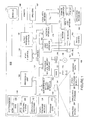
- Figure 1 illustrates a schematic diagram of a general-purpose digital computing environment in which certain aspects of the present invention may be implemented
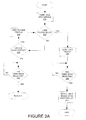
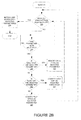
- Figures 2A and 2B show a flow chart of an illustrative method for matching users to other users in an online gaming environment in accordance with one aspect of the present invention
- Figure 3 is a flow chart of an illustrative method for creation and/or modification of profile of a user for matching in an online gaming environment in accordance with at least one aspect of the present invention
- Figure 4 is a flow chart of an illustrative method for matching guests to a host game in an online gaming environment in accordance with at least one aspect of the present invention
- Figure 5 is an exemplary schematic block diagram of a network layout utilizing matchmaking in accordance with at least one aspect of the present invention
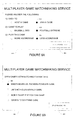
- Figures 6A and 6B are example graphical user interfaces for matching players in an online gaming environment in accordance with at least one aspect of the present invention
- Figures 7A and 7B are example graphical user interfaces for matching players in an online gaming environment in accordance with at least one aspect of the present invention.
- Figures 8A and 8B are example graphical user interfaces for accumulating data from players in an online gaming environment in accordance with at least one aspect of the present invention.
- Figure 9 is a diagram of an illustrative example of a relationship between a Player A and other Players in an online gaming matchmaking system in accordance with at least one aspect of the present invention.
- Game category a division within a system of classification of games including multiple game types.
- a game category includes sports-based games, football-based games, first person shooter-based games.
- Game type a particular manufacturer's game.
- a game type includes HaloTM by Microsoft® Corporation of Redmond, Washington, Unreal® Championship by Epic Games, Inc. of Raleigh, North Carolina, and SEGA GT 2002TM by SEGA of America, Inc, of San Francisco, California.
- Game - a particular game in which to participate.
- a game includes a four player HaloTM game hosted by Robert Jenkins in which the objective is capture the flag.
- Parameter - an identifier that can be utilized by a matchmaking system to match a user to a game category, game type, and/or a user.
- Parameters include play style parameters, personal attribute parameters, general skill level parameters, and technical capability parameters.
- Play style parameter - an identifier representative of a style of play of a user.
- a play style parameter may be specific to a particular game category, game type, game, and/or it may be general to the player.
- Play style parameters include a competitiveness parameter, an honestyltrustworthy parameter, an aggressiveness parameter, a trash talking parameter, and a profanity parameter.
- Personal attribute parameter - an identifier representative of an attribute of a player's life.
- Personal attribute parameters include income, age, gender, characteristics of physical appearance (eye color, body type, hair color), occupation, and educational background.
- General skill level parameter - an identifier representative of the expertise of a player for a game category, game type, and/or game.
- General skill levels include novice, advanced, expert, and win/lose ratio.
- Technical capability parameter- an identifier representative of the technical characteristics of the electronic equipment associated with the player.
- Technical capability parameters include network connection speed and operation speed of the player's computer.
- Figure 1 illustrates an example of a suitable computing system environment 100 on which the invention may be implemented.
- the computing system environment 100 is only one example of a suitable computing environment and is not intended to suggest any limitation as to the scope of use or functionality of the invention. Neither should the computing system environment 100 be interpreted as having any dependency or requirement relating to any one or combination of components illustrated in the exemplary computing system environment 100.
- the invention is operational with numerous other general purpose or special purpose computing system environments or configurations.
- Examples of well known computing systems, environments, and/or configurations that may be suitable for use with the invention include, but are not limited to, personal computers, server computers, hand-held or laptop devices, multiprocessor systems, microprocessor-based systems, set top boxes, programmable consumer electronics, network PCs, minicomputers, mainframe computers, distributed computing environments that include any of the above systems or devices, and the like.
- the invention may be described in the general context of computer-executable instructions, such as program modules, being executed by a computer.
- program modules include routines, programs, objects, components, data structures, etc. that perform particular tasks or implement particular abstract data types.
- the invention may also be practiced in distributed computing environments where tasks are performed by remote processing devices that are linked through a communications network.
- program modules may be located in both local and remote computer storage media including memory storage devices.
- an exemplary system for implementing the invention includes a general-purpose computing device in the form of a computer 110.
- Components of computer 110 may include, but are not limited to, a processing unit 120, a system memory 130, and a system bus 121 that couples various system components including the system memory to the processing unit 120.
- the system bus 121 may be any of several types of bus structures including a memory bus or memory controller, a peripheral bus, and a local bus using any of a variety of bus architectures.
- such architectures include Industry Standard Architecture (ISA) bus, Micro Channel Architecture (MCA) bus, Enhanced ISA (EISA) bus, Video Electronics Standards Association (VESA) local bus, and Peripheral Component Interconnect (PCI) bus also known as Mezzanine bus.
- ISA Industry Standard Architecture
- MCA Micro Channel Architecture
- EISA Enhanced ISA
- VESA Video Electronics Standards Association
- PCI Peripheral Component Interconnect
- Computer 110 typically includes a variety of computer readable media.
- Computer readable media can be any available media that can be accessed by computer 110 and includes both volatile and nonvolatile media, removable and non-removable media.
- Computer readable media may comprise computer storage media and communication media.
- Computer storage media includes volatile and nonvolatile, removable and non-removable media implemented in any method or technology for storage of information such as computer readable instructions, data structures, program modules or other data.
- Computer storage media includes, but is not limited to, random access memory (RAM), read only memory (ROM), electronically erasable programmable read only memory (EEPROM), flash memory or other memory technology, CD-ROM, digital versatile disks (DVD) or other optical disk storage, magnetic cassettes, magnetic tape, magnetic disk storage or other magnetic storage devices, or any other medium which can be used to store the desired information and which can accessed by computer 110.
- Communication media typically embodies computer readable instructions, data structures, program modules or other data in a modulated data signal such as a carrier wave or other transport mechanism and includes any information delivery media.
- modulated data signal means a signal that has one or more of its characteristics set or changed in such a manner as to encode information in the signal.
- communication media includes wired media such as a wired network or direct-wired connection, and wireless media such as acoustic, RF, infrared and other wireless media. Combinations of the any of the above should also be included within the scope of computer readable media.
- the system memory 130 includes computer storage media in the form of volatile and/or nonvolatile memory such as ROM 131 and RAM 132.
- a basic input/output system 133 (BIOS), containing the basic routines that help to transfer information between elements within computer 110, such as during start-up, is typically stored in ROM 131.
- RAM 132 typically contains data and/or program modules that are immediately accessible to and/or presently being operated on by processing unit 120.
- Figure 1 illustrates operating system 134, application programs 135, other program modules 136, and program data 137.
- the computer 110 may also include other removable/non-removable, volatile/nonvolatile computer storage media.
- Figure 1 illustrates a hard disk drive 141 that reads from or writes to non-removable, nonvolatile magnetic media, a magnetic disk drive 151 that reads from or writes to a removable, nonvolatile magnetic disk 152, and an optical disc drive 155 that reads from or writes to a removable, nonvolatile optical disc 156 such as a CD ROM or other optical media.
- removable/non-removable, volatile/nonvolatile computer storage media that can be used in the exemplary operating environment include, but are not limited to, magnetic tape cassettes, flash memory cards, digital versatile disks, digital video tape, solid state RAM, solid state ROM, and the like.
- the hard disk drive 141 is typically connected to the system bus 121 through a non-removable memory interface such as interface 140, and magnetic disk drive 151 and optical disc drive 155 are typically connected to the system bus 121 by a removable memory interface, such as interface 150.
- hard disk drive 141 is illustrated as storing operating system 144, application programs 145, other program modules 146, and program data 147. Note that these components can either be the same as or different from operating system 134, application programs 135, other program modules 136, and program data 137. Operating system 144, application programs 145, other program modules 146, and program data 147 are given different numbers here to illustrate that, at a minimum, they are different copies.
- a user may enter commands and information into the computer 110 through input devices such as a digital camera 163, a keyboard 162, and pointing device 161, commonly referred to as a mouse, trackball or touch pad.
- Other input devices may include a microphone, joystick, game pad, satellite dish, scanner, or the like.
- These and other input devices are often connected to the processing unit 120 through a user input interface 160 that is coupled to the system bus 121, but may be connected by other interface and bus structures, such as a parallel port, game port or a universal serial bus (USB).
- a monitor 191 or other type of display device is also connected to the system bus 121 via an interface, such as a video interface 190.
- computers may also include other peripheral output devices such as speakers 197 and printer 196, which may be connected through an output peripheral interface 195.
- the computer 110 may operate in a networked environment using logical connections to one or more remote computers, such as a remote computer 180.
- the remote computer 180 may be a personal computer, a server, a router, a network PC, a peer device or other common network node, and typically includes many or all of the elements described above relative to the computer 110, although only a memory storage device 181 has been illustrated in Figure 1.
- the logical connections depicted in Figure 1 include a local area network (LAN) 171 and a wide area network (WAN) 173, but may also include other networks.
- LAN local area network
- WAN wide area network
- Such networking environments are commonplace in offices, enterprise-wide computer networks, intranets and the Internet.
- the computer 110 When used in a LAN networking environment, the computer 110 is connected to the LAN 171 through a network interface or adapter 170. When used in a WAN networking environment, the computer 110 typically includes a modem 172 or other means for establishing communications over the WAN 173, such as the Internet.
- the modem 172 which may be interttal or external, may be connected to the system bus 121 via the user input interface 160, or other appropriate mechanism.
- program modules depicted relative to the computer 110, or portions thereof may be stored in the remote memory storage device.
- Figure 1 illustrates remote application programs 185 as residing on memory device 181. It will be appreciated that the network connections shown are exemplary and other means of establishing a communications link between the computers may be used.
- network connections shown are exemplary and other means of establishing a communications link between the computers can be used.
- the existence of any of various well-known protocols such as TCP/IP, Ethernet, FTP, HTTP and the like is presumed, and the system can be operated in a client-server configuration to permit a user to retrieve web pages from a web-based server.
- Any of various conventional web browsers can be used to display and manipulate data on web pages.
- program modules include routines, programs, objects, components, data structures, etc. that perform particular tasks or implement particular abstract data types.
- program modules include routines, programs, objects, components, data structures, etc. that perform particular tasks or implement particular abstract data types.
- program modules may be located in both local and remote memory storage devices.
- Figures 2A and 2B show a flow chart of an illustrative method for matching users to other users in an online gaming environment in accordance with one aspect of the present invention.
- the exemplary method begins in Figure 2A when a user/player logs into a matchmaking service provider for an online gaming experience at step 202.
- a user may connect to an online service for matching purposes, including dialing into the service via a modem and telephone line and/or connecting via a high speed Ethernet connection.
- the matchmaking service may require the user to enter a valid name or identification and associated password. The user may be required to have a valid account with the matchmaking service provider.
- a profile for a user can be any type of a number of different parameters associated with the user.
- the profile may contain technical capabilities of the user (such as computer speed and connection speed), general skill level information of the user (such as novice in one game while expert in another), play style information of the user (such as competitiveness, aggressiveness, profanity), and/or personal attributes of the player (such as age, income, educational background, occupation, home state). Further examples of play style information and personal attributes are described below.
- the profile is loaded at step 206.
- classifications may be utilized within the matchmaking process and that the present invention is not limited to game categories, game types, and games as defined herein. Any classification could have a sub-classification.
- a game category may be sports-based games
- a sub game category may include football based games and baseball based games.
- an additional sub category under the football based sub category may include professional team based games, collegiate team based games, and street based games.
- sub game types may include different versions of the same manufactured game, such as "FOOTBALL EXTREME” and "FOOTBALL EXTREME SPECIAL EDITION". Any number of different classification systems may be utilized in accordance with the present invention.
- step 230 a determination is made as to whether all parameter(s) have been selected by the user and/or whether all parameter(s) required by the system have been selected. If all parameter(s) have been selected, the process proceeds to step 232 where the user is matched to other users/players to play a game based at least in part upon the selected parameter(s). If all parameter(s) have not been selected at step 230, the process proceeds to step 240 where a determination is made as to whether a parameter has been selected. If a parameter has been selected at step 240, the process proceeds to step 242 where a determination is made as to whether the selected parameter is a skill level parameter of the user.
- step 244 the method identifies the skill level as the selected parameter at step 244 and then the process returns to step 230. If skill level is not the selected parameter in step 240, the process proceeds to step 252 where a determination is made as to whether the selected parameter is a technical capability of the user's computer and/or connection speed. If the answer is yes, the method identifies the technical capability as the selected parameter in step 254 and them the process returns to step 230. If technical capability is not the selected parameter at step 252, the process proceeds to step 262 where the method identifies play style as the selected parameter and the process returns to step 230.
- a user/player can be matched in a game with other users/players based upon conventional parameters such as general skill level and technical capabilities as well as play style information associated with and/or chosen by the user/player.
- a user may be connected by personal attribute parameters in the alternative or as well.
- FIG. 3 is a flow chart of an illustrative method for creation and/or modification of a profile of a user/player for matching with other users/players in an online gaming environment in accordance with at least one aspect of the present invention.
- the process starts at step 302 where a matchmaking system receives the name of the user/player and proceeds to step 304 where the system receives a preferred controller configuration for gaming purposes.
- a preferred controller configuration for gaming purposes includes a predefined setting on the controller for the buttons and operations of inputs, such as in flight simulation games, pushing up on a joystick will lower the nose of the plane compared to a different configuration where pushing up on the joystick will lift the nose of the plane.
- An example matchmaking service may request and/or receive the general skill level parameter of the user, whether for a particular game and/or for anything.
- a determination is made as to whether all parameter(s) have been selected by the user and/or all parameter(s) required by the system have been selected.
- the matchmaking system may be configured to allow for a user to be matched based upon a play style parameter, a user may want to immediately to be connected to a game with no more than the general skill level as the filtering parameter. If all parameter(s) have been selected at step 308, the process proceeds to step 310 where the parameter(s) are stored in a profile of the user.
- step 320 the process proceeds to steps 320-360.
- the system receives the corresponding play style or personal attribute parameter and the process returns to step 308.
- the system receives the level of online aggressiveness parameter, and returns to step 308.
- Level of online aggressiveness may be an indicator of the amount of risk that a player will take during a game.
- the level of online aggressiveness parameter may be the level that the user would like to play with/against or it may be the level of the user herself, e.g., whether the user herself is very aggressive.
- the system Responsive to the user and/or system selecting a level and/or allowance of trash talking, at step 325, the system receives the trash talking parameter and returns to step 308.
- the level and/or allowance of trash talking parameter may be the level and/or allowance that the user would like to play with/against or it may be the level and/or allowance of the user herself, e.g., whether the user herself trash talks.
- Responsive to the user and/or system selecting a level and/or allowance of profanity at step 330, the system receives the profanity parameter and returns to step 308.
- the level and/or allowance of profanity parameter may be the level and/or allowance that the user would like to play with/against or it may be the level and/or allowance of the user herself, e.g., whether the user herself uses profanity. Responsive to the user and/or system selecting a playing likeability factor for another player and/or the playing likeability factor of the user herself, at step 335, the system receives the playing likeability parameter and returns to step 308.
- play style parameters not shown may include a competitiveness parameter, e.g., whether the player plays to win or plays for fun, a role play parameter, e.g., how much the player assumes the role of the character during the game, and a honesty/trustworthy parameter, e.g., whether a player tends to deceive others during the game.
- a competitiveness parameter e.g., whether the player plays to win or plays for fun
- a role play parameter e.g., how much the player assumes the role of the character during the game
- a honesty/trustworthy parameter e.g., whether a player tends to deceive others during the game.
- the system Responsive to the user and/or system selecting a desired age of another player and/or the age of the user herself, at step 340, the system receives the age parameter and returns to step 308. Responsive to the user and/or system selecting a desired gender of another player and/or the gender of the user herself, at step 345, the system receives the gender parameter and returns to step 308. Responsive to the user and/or system selecting a desired occupation of another player and/or the occupation of the user herself, at step 350, the system receives the occupation parameter and returns to step 308.
- the system Responsive to the user and/or system selecting a level and/or minimum/maximum amount of education for another player and/or for the user herself, at step 355, the system receives the education parameter and returns to step 308. Responsive to the user and/or system selecting a level and/or allowance of income of another player and/or the income of the user herself, at step 360, the system receives the income parameter and returns to step 308.
- Other personal attribute parameters not shown may include a home state parameter, a physical appearance characteristic parameter (such as eye color, hair color, body shape), and a leisure activity parameter, e.g., whether a player participates in a certain type of leisure activity.
- Play style parameters may be associated with a particular game as well.
- a user may have a more aggressive play style parameter for a first game, but then also have a less aggressive play style parameter for a second game.
- a play style parameter for a particular game may include whether the user prefers to play the game to win or play the game for fun, e.g., a competitiveness parameter.
- a play style parameter may be associated with a characteristic of the user for a particular game only, such as being a team player for one game while being a saboteur or trash talking for another. Examples of play style parameters include, but are not limited to whether the user: is honesty/trustworthy, is a team player, is a committed gamer, plays to win vs.
- Play style parameters can be determined based upon data received from other players and/or the user, such as the playing likeability, trash talking, and honesty/trustworthy parameters. It should be understood by those skilled in the art that play style parameters may be determined by the user herself and/or by the matchmaking system, such as by use of a collaborative filtering method described below.
- a personal attribute parameter may be associated with a characteristic of the user that is not game specific, such as the age, income, educational background, occupation, family status (such as mother, grandmother, oldest sibling, divorcee) of the player.
- a personal attribute parameter may also be a voice recording of the user. Examples of personal attribute parameters include, but are not limited to whether the user: meets an educational background requirement, meets an income requirement, meets a physical appearance requirement, meets a friendliness requirement, is humorous, meets an age requirement, meets a gender requirement, meets a home state requirement, meets an occupation requirement, and meets a leisure activity requirement.
- Personal attribute parameters can be determined based upon data received from other players and/or the user.
- FIG. 4 is a flow chart of an illustrative method for matching guests to a host game in an online gaming environment in accordance with at least one aspect of the present invention.
- a user initiates a host game.
- the user identifies and/or selects play style and/or personal attribute parameters for the host game. In this step, the user may choose that only people willing to hear trash talk are allowed to participate and/or only people that live in the New England area, that are female, and that are college educated are allowed to participate.
- the user could also choose other parameters, such as technical capabilities of another player and/or general skill level of another player.
- the user may have to allow for trash talking and/or be a college educated female that resides in the New England area.
- a guest selects entry into the host game of the user.
- a determination is made as to whether the guest profile matches the play style and/or personal attribute parameters required to participate in the host game. For example, a guest profile might be required to show that the guest is from the New England area, that she is female, and that she is college educated. If the guest profile does not match the play style and/or personal attribute parameters required to participate in the host game, the guest cannot be matched to participate in the host game and the process concludes.
- the process proceeds to step 410 where the guest is entered into the host game.
- the process proceeds to step 412 where a determination is made as to whether all player spots have been filled for the multiplayer host game. If yes, the process is concluded. If no, the process returns to step 406 to await more guests to participate.
- the host game of the matchmaking system also may require that the guest profile match a general skill level parameter and/or a technical capability parameter.
- FIG. 5 is an exemplary schematic block diagram of a network layout 500 utilizing matchmaking in accordance with at least one aspect of the present invention.
- online game matchmaking environment 500 includes a communication medium, such as the Internet 510, a matchmaking server 520, and player computers 531 -540.
- a user can connect via player computer 531 to the matchmaking server 520 via the Internet 510.
- the Internet 510 is but one method for online gaming capabilities over a network. Other similar modes for data transmission can be utilized in its place.
- the matchmaking server 520 the user can request to be matched to a particular game in accordance with a profile of the user and/or answering questions to filter the process. Examples of such are described above with reference to Figure 2A to Figure 4.
- a user at player computer 538 also connected through the Internet 510, may have a host game awaiting other players to join.
- Matchmaking server 520 can compare the profile of the user at player computer 531 to see if it meets the requirements for the host game of the user at player computer 538. If so, matchmaking server 520 can match the user at player computer 531 to the host game of the user at player computer 538.
- Figures 6A and 6B are example graphical user interfaces for matching users/players in an online gaming environment in accordance with at least one aspect of the present invention.
- Figure 6A shown an example screen 600 that may be displayed to a user having logged into the matchmaking service.
- a question or set of questions can be displayed for the user to respond answer.
- the system requests three answers.
- the system asks whether the user wishes to host a game or join a game type.
- the user has selected to join a game type by clicking the check box 615 beside that entry.
- the system asks the user which available game type the user wishes to join. In this example, there are two available games, "BASEBALL 3000" and "FOOTBALL EXTREME".
- the user has selected "FOOTBALL EXTREME" as shown by checked box 625. Finally, the system asks a play style question, whether the user plays more aggressive or less aggressive. The user has selected less aggressive as shown by checked box 635. If desired, although not shown, a user could choose the other parameters? button 690 to allow the user to select other parameters for matchmaking purposes.
- the other parameters can be play style parameters, personal attribute parameters, general skill level parameters, and/or technical capability parameters.
- Figure 6B shows another graphical user interface after the user has answered all of the questions presented in Figure 6A.
- example screen 605 displays the results.
- the matchmaking system has found four current open games that the user can join because the play style and/or personal attribute parameters within the user's profile match the requirements of the host game and/or because the play style and/or personal attribute parameters of all of the other participants in the open games or the open game play style and/or personal attribute parameters match the requirements/desires of the user.
- each game shown on screen 605 may require a user that plays the game less aggressively as a play style parameter.
- every open game may be a less aggressive game as desired by the user. The user can select to filter the number of open game choices by choosing the other parameters?
- button 695 to filter by more parameters, whether play style parameters, personal attribute parameters, general skill level parameters, and/or technical capabilities parameters.
- the user has selected the game entitled, "MIKE'S BEARS VS. PACKERS FOREVER GAME" as shown by checked box 660.
- the user has completed the matchmaking process to be connected to a particular game based upon a play style and/or personal attribute.
- Figures 7A and 7B are example graphical user interfaces for matching players in an online gaming environment in accordance with at least one aspect of the present invention.
- Figures 7A and 7B may be screens 700 and 705 respectively displayed to a user if the user decides to further filter the matchmaking process by other parameters. Such a case may occur when the user presses the other parameters? button 690 or 695.
- the user is given a list of possible additional parameters that may be used to further filter the matchmaking process.
- the user can check a box or boxes that correspond to the desired parameter.
- multiple play style and personal attribute parameters are shown on screen 700 for basing a match with the user, including income, age, home state of the other player, whether trash talking is allowed/accepted by the user, and even a physical appearance characteristic of the other player.
- the user has checked the physical appearance characteristic box 715 indicating that she wishes to be matched to another user in for an online gaming experience based upon some characteristic of the physical appearance of the other player.
- a characteristic of the physical appearance of the other player may be a picture, a video segment, and/or textual information, such as hair color, eye color, and/or height.
- screen 705 may be displayed when the user has checked the physical appearance characteristic box 715 shown on Figure 7A.
- Screen 7B shows a picture of four available other players that the user can choose between to be matched up for an online gaming experience. Because players can interact direct by two way audio in some online gaming systems, and further because many individuals are playing online games for social rather than mere competitive reasons, a user may want to be playing with/against someone based upon a characteristic of his/her physical appearance.
- the user has selected the individual picture shown in the lower right corner by checking box 765. As such, the user may be matched with the individual associated with the picture shown to an online gaming experience. Still further, at any point in this process, the user can select the still other parameters?
- a user may desire to be matched with a user for an online gaming experience based at least in part on a physical appearance characteristic of another player for certain game categories, game types, or games.
- a player may wish to participate in an interactive social lifestyle game type such as the SIMSTTM series of games developed by Electronic ArtsTM, Inc. of Redwood City, California.
- an interactive social lifestyle game type such as the SIMSTTM series of games developed by Electronic ArtsTM, Inc. of Redwood City, California.
- a user may be able to place an image of a physical appearance characteristic of a real life person onto a body of a character within the game to interact with.
- the physical appearance characteristic of a person may be a desired parameter to choose from.
- Figures 8A and 8B are example graphical user interfaces for accumulating data from players in an online gaming environment in accordance with at least one aspect of the present invention.
- Profile information for a user can be generated by the user herself and/or by accumulation of data based upon information received from and/or about the user.
- Collaborative filtering methods can be used to accumulate the data necessary for matchmaking purposes based upon play style personal attribute, technical capability, and/or general skill level parameters and for matching players to game categories, game types, and/or games. For example, playing likeability, competitive, and honesty/trustworthy play style parameters may be determined either partially or entirely through collaborative filtering methods.
- personal attribute parameters can be used by a collaborative filtering method to match users.
- Collaborative filtering is the process of aiding a person in the selection of an item based upon the evaluations made by others and/or the person and others.
- Collaborative filtering methods help to reduce the information overload that the person may encounter in a matchmaking environment system.
- Collaborative filtering methods employ and/or produce ratings, e.g., an evaluation of an individual, a game, and/or an experience.
- Collaborative filtering may be based on computation of various types of information, such as responses received from a user after a game has been played. Based upon the information received by means of collaborative filtering methods, a player can be matched to a certain game and/or recommended game.
- Collaborative filtering methods for document retrieval, product purchases, and/or product recommendations are well known in their respective arts.
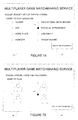
- FIGs 8A and 8B respectively illustrate example screens that may be displayed to the user upon completion and/or ending of an online game experience.
- Figures 8A and 8B illustrate an example multiplayer game in which four individuals participated.
- the system asks the user to answer a few questions. The responses to these questions may be used to assign play style parameters to a user and/or other people.
- the system asks the user to answer whether she enjoyed the game itself, e.g., whether the selected game, "FOOTBALL EXTREME", was enjoyable. The user has responded by checking the no box 815.
- the question may be how much the user enjoyed the game on a scale of 1-10.
- the system asks the user whether she enjoyed playing with the people in the multiplayer game, Bob, Mike, and Jim. As shown, the user has checked the yes box 825. Then the system asks the user to state who her favorite person was to play with/compete against. The user has selected Bob by checking box 835. Finally, the system asks the user to select the person that she did not like to play with/compete against and/or the least favorite person that she played with/competed against. In this example, the user has selected Mike by checking box 845. If the user so desires, she may answer further questions and/or provide comments or other data by pressing the other questions? button 890.
- Figure 8B may be displayed to the user responsive to the answers she submitted in Figure 8A.
- the first questions presented may be in response to how she answered the first question in Figure 8A.
- the system asks the user to indicate specific information about the game just played.
- the user has checked the boxes indicating that the game, "FOOTBALL EXTREME", was too violent 865 and too difficult 867 for the user.
- the system next asks the user to evaluate player Bob. Because the user indicated that Bob was her favorite player to play with in the game as shown in Figure 8A, the system can configure the choices for the user to choose from based upon previous responses received.
- the user has selected the checked box 785 indicating that she felt that Bob was friendly to participate with in the game, but that he was not very good at the game itself.
- the system asks the user to evaluate player Mike. Because the user indicated that Mike was her least favorite player to play with in the game as shown in Figure 8A, the system can configure the choices for the user to choose from based upon the previous responses received.
- the user has selected the checked box 885 indicating that she felt that Mike was good at the game itself, but not very friendly to participate with in the game. Again, if the user so desires, she may answer further questions and/or provide comments or other data by pressing the other questions? button 895.
- the matchmaking system can set certain play style and/or personal attribute parameters of an individual in the individual's profile. For example, if three of the four participants indicated that Mike was not friendly to participate with in the game, the personal attribute parameter associated with friendliness for Mike may be modified in response. Any of a number of other methods may be used to modify a profile of an individual. Such methods may be used in conjunction with a collaborative filtering method for future matchmaking. For example, if an individual, such as Mike, has been identified by a number of gamers as a person that should not be matched with those gamers, the play style parameter "playing likeability" may be changed for Mike's profile to indicate that Mike has a low playing likeability rating.
- Collaborative filtering allows the matchmaking system to match a user to a particular game and/or player based upon the response received from others and the user that are associated with the user. For example, if user 1 has indicated in the past that she like to participate in sports games with Mike, and user 2 has indicated in the past that she likes to participate in sports games with user 1, the matchmaking system, by collaborative filtering, can match user 2 into a sports game with Mike based upon the associated connection with user 1.
- This is but one example of a relatively simple collaborative filtering method. In actual practice, there may be thousands of users and associations with different degrees of relevance and/or factoring. Under another collaborative filtering method the determination to match a user may be based upon the desires of the user herself as well as other players.
- a two way collaborative filtering method may include a two way analysis to consider the weighted likelihood of enjoyment for both user 1 and player 2. In response, the matchmaking system with a two way collaborative filtering method may not match user 1 with player 2.
- U.S. Patent Nos. 6,353,813 and 6,092,049 describe collaborative filtering methods that may be used with the present application.
- U.S. Patent Nos. 6,353,813 and 6,092,U49 are herein incorporated by reference.
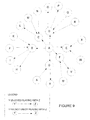
- a collaborative filtering method may be used as follows with reference to Figure 9.
- CHECKERS EXTREME if Player A enjoyed playing with Players B, C, and D, but did not enjoy playing with Players E, F, and G, in a future matchmaking occurrence, the system may decide to match Player A with players that Players B, C, and/or D enjoyed playing (such as Players H, L, and P) and with players that enjoyed playing with Players B, C, and/or D (such as Players J, M, and R).
- the matchmaking system may decide to not match Player A with players that B, C, and/or D did not enjoy playing (such as Players I and O) and with players that did not enjoy playing with Players B, C, and/or D (such as Players K, N, and Q). Further, the matchmaking system may decide to not match Player A with players that enjoyed playing with Players E, F, and/or G (such as Players S, U, and W) and with players that Players E, F, and/or G enjoyed playing (such as Players T and V). However, the matchmaking system may decide to match Player A with players that did not enjoy playing with Players E, F, and/or G (such as Player X).
- the matchmaking system can determine a likelihood of whether one player is a good match for another player (such the likelihood that Player A is a good match for Player H, but is not likely to be a good match for Player S).
- the determining of likelihood data can be maintained within a database included within and/or separate to the matchmaking system.
- the data associated with the likelihood of being a good match may be based on a scale, such as 1-10 and/or some other of a number of different ranking systems.
- the matchmaking system may also take into account a player's behavior across games.
- Player A enjoyed playing team oriented games with Players B, C, and D, enjoyed playing sports games with Players B and C, but did not enjoy playing a team game on the same team with Players B and D, in a matchmaking process
- Player A may be matched with Players B, C, and D in a team oriented sports game in which Player A is on the same team as Player C, while Players B and D are on the opposite team.
- FIG. 5 is an exemplary schematic block diagram of a network layout 500 utilizing matchmaking in accordance with at least one aspect of the present invention.
- Network layout 500 may include a database 920 coupled to the matchmaking server 520.
- a user can connect via player computer 531 to the matchmaking server 520 via the Internet 510.
- the matchmaking server 520 Once connected to the matchmaking server 520, the user can request to be matched to a particular game in accordance with a profile of the user and/or answering questions to filter the process.
- the profile of the user may be stored at database 920 and/or another location.
- a user at player computer 538 may have a host game awaiting other players to join.
- Matchmaking server 520 can compare the profile of the user at player computer 531 to see if it meets the requirements for the host game of the user at player computer 538.
- a profile of a player can be stored locally at the player computer, at database 920 of the matchmaking server 520, and/or at another external database. If the profile matches the requirements, matchmaking server 520 can match the user at player computer 531 to the host game of the user at player computer 538.
- the user at player computer 531 can provide data that can be stored in database 920 and/or processed by the matchmaking server 520 and then stored in database 920. It should be understood by one skilled in the art that the data may be processed in a computer external to the matchmaking server 520 and/or the database 920. The data may allow the matchmaking server 520 to more accurately match users into games fitting their desired requirements.
- a user may want to participate in a four player sports game in which trash talking and profanity are allowed. Further, the user may want to participate against someone of the same sex, age, occupation, and skill level (such as novice) for the game.
- the user can log onto the matchmaking service provider for online gaming. The user may enter her identification and password for authentication. The user may then choose to see available game categories. Since she wants to try a sports game, she chooses a sports game category. The system then may provide a listing of game types under the sports game category. The user then chooses a particular game category, such as "FOOTBALL EXTREME". In response, the matchmaking system may provide a listing of parameters with which the user may choose to filter the matchmaking process.
- the matchmaking system may access the profile of the user to determine the parameters for matching.
- the user chooses a four player game in which trash talking and profanity are allowed as well as limiting to game with players who are female, of the same age and occupation as the user, and whose skill level is novice.
- the system provides a list of available open games that meet the criteria of the user.
- the system may automatically match the user based at least in part on the selected parameters. Once the user chooses a particular game from the list, the system connects the user to the game. Once complete, the matchmaking system can use responses received from the user for evaluation of the game and/or other participants to be used for future matchmaking processes for the user and/or others.
Landscapes
- Engineering & Computer Science (AREA)
- Multimedia (AREA)
- Business, Economics & Management (AREA)
- General Business, Economics & Management (AREA)
- Computer Security & Cryptography (AREA)
- Tourism & Hospitality (AREA)
- General Health & Medical Sciences (AREA)
- Economics (AREA)
- Health & Medical Sciences (AREA)
- Human Resources & Organizations (AREA)
- Marketing (AREA)
- Primary Health Care (AREA)
- Strategic Management (AREA)
- Physics & Mathematics (AREA)
- General Physics & Mathematics (AREA)
- Theoretical Computer Science (AREA)
- Management, Administration, Business Operations System, And Electronic Commerce (AREA)
Applications Claiming Priority (2)
| Application Number | Priority Date | Filing Date | Title |
|---|---|---|---|
| US788408 | 2004-03-01 | ||
| US10/788,408 US7614955B2 (en) | 2004-03-01 | 2004-03-01 | Method for online game matchmaking using play style information |
Publications (1)
| Publication Number | Publication Date |
|---|---|
| EP1570887A1 true EP1570887A1 (en) | 2005-09-07 |
Family
ID=34750528
Family Applications (1)
| Application Number | Title | Priority Date | Filing Date |
|---|---|---|---|
| EP05101184A Withdrawn EP1570887A1 (en) | 2004-03-01 | 2005-02-17 | Method for online game matchmaking using play style information |
Country Status (4)
| Country | Link |
|---|---|
| US (1) | US7614955B2 (enExample) |
| EP (1) | EP1570887A1 (enExample) |
| JP (1) | JP2005270649A (enExample) |
| KR (1) | KR100994613B1 (enExample) |
Cited By (15)
| Publication number | Priority date | Publication date | Assignee | Title |
|---|---|---|---|---|
| EP1844827A1 (en) * | 2006-04-11 | 2007-10-17 | Palo Alto Research Center Incorporated | Method, device, and program product to monitor the social health of a persistent virtual environment |
| EP2008698A1 (en) * | 2007-06-29 | 2008-12-31 | Kabushiki Kaisha Square Enix (also trading as Square Enix Co., Ltd.) | Server apparatus, cellular phone, opponent selection system and method, program, and recording medium |
| EP2008696A4 (en) * | 2005-11-24 | 2009-12-23 | Sega Corp | RANK SETTING SYSTEM, RANK SETTING PROGRAM AND RECORDING PROCEDURE FOR STORING THE PROGRAM |
| EP2044986A3 (en) * | 2007-10-03 | 2010-08-25 | Nintendo Co., Ltd. | Data management apparatus and data distribution system |
| WO2010141259A1 (en) | 2009-06-01 | 2010-12-09 | Sony Computer Entertainment America Inc. | Method and apparatus for matching users in multi-user computer simulations |
| EP1948335A4 (en) * | 2005-10-11 | 2011-02-09 | Thq Wireless Inc | METHOD AND DEVICE FOR DETECTING DESIRED MULTIPLAYER GAMES FOR PLAYERS |
| US20110098117A1 (en) * | 2007-08-08 | 2011-04-28 | Konami Digital Entertainment Co., Ltd. | Network game system, method for controlling network game system, program, and information storage medium |
| EP1977382A4 (en) * | 2006-01-20 | 2012-07-18 | Microsoft Corp | CONNECTION PROGRESS ONLINE GAME SESSION |
| EP2591833A1 (en) * | 2011-10-20 | 2013-05-15 | Nintendo Co., Ltd. | Matching system, information processing apparatus, server, matching method, and matching program |
| US8825802B2 (en) | 2007-09-04 | 2014-09-02 | Sony Computer Entertainment America Llc | System and method for identifying compatible users |
| EP2001568B1 (en) * | 2006-03-31 | 2015-06-24 | Alcatel Lucent | Methods and devices for quickly launching applications |
| WO2017115002A1 (en) * | 2015-12-28 | 2017-07-06 | Supercell Oy | Method and system for managing multiplayer game sessions |
| US10130872B2 (en) | 2012-03-21 | 2018-11-20 | Sony Interactive Entertainment LLC | Apparatus and method for matching groups to users for online communities and computer simulations |
| US10186002B2 (en) | 2012-03-21 | 2019-01-22 | Sony Interactive Entertainment LLC | Apparatus and method for matching users to groups for online communities and computer simulations |
| WO2019032172A1 (en) * | 2017-08-10 | 2019-02-14 | Microsoft Technology Licensing, Llc | PROTECTION AGAINST PERSONALIZED TOXICITY FOR MULTI-USER VIRTUAL ENVIRONMENTS |
Families Citing this family (164)
| Publication number | Priority date | Publication date | Assignee | Title |
|---|---|---|---|---|
| US20040097287A1 (en) * | 2002-11-14 | 2004-05-20 | Richard Postrel | Method and system for gaming over a computer network |
| JP3844243B2 (ja) * | 2003-05-07 | 2006-11-08 | ソニー株式会社 | ゲーム装置および対戦型ゲームにおけるチーム分け方法 |
| KR100475881B1 (ko) * | 2004-04-08 | 2005-03-14 | 엔에이치엔(주) | 사용자별 행태에 따라 게임 채널을 랜덤하게 할당하는인터넷 게임 서비스 시스템 및 그 방법 |
| JP3811755B2 (ja) * | 2004-11-25 | 2006-08-23 | 株式会社コナミデジタルエンタテインメント | ゲームシステム |
| US7887419B2 (en) | 2004-12-07 | 2011-02-15 | Microsoft Corporation | Game achievements system |
| US8876606B2 (en) * | 2004-12-07 | 2014-11-04 | Microsoft Corporation | User-centric method of aggregating information sources to reinforce digital identity |
| US8425331B2 (en) * | 2004-12-07 | 2013-04-23 | Microsoft Corporation | User interface for viewing aggregated game, system and personal information |
| US7621813B2 (en) | 2004-12-07 | 2009-11-24 | Microsoft Corporation | Ubiquitous unified player tracking system |
| US7677970B2 (en) | 2004-12-08 | 2010-03-16 | Microsoft Corporation | System and method for social matching of game players on-line |
| US7846024B2 (en) * | 2005-01-24 | 2010-12-07 | Micorsoft Corporation | Team matching |
| US8175726B2 (en) | 2005-01-24 | 2012-05-08 | Microsoft Corporation | Seeding in a skill scoring framework |
| US8066568B2 (en) * | 2005-04-19 | 2011-11-29 | Microsoft Corporation | System and method for providing feedback on game players and enhancing social matchmaking |
| US8221238B1 (en) * | 2005-04-19 | 2012-07-17 | Microsoft Corporation | Determination of a reputation of an on-line game player |
| US8038535B2 (en) | 2005-05-17 | 2011-10-18 | Electronic Arts Inc. | Collaborative online gaming system and method |
| JP3899107B2 (ja) * | 2005-05-23 | 2007-03-28 | 株式会社コナミデジタルエンタテインメント | ゲームシステム及びゲームに関する情報制御方法 |
| US8241129B2 (en) * | 2005-06-20 | 2012-08-14 | Microsoft Corporation | Setting up on-line game sessions out of a game context |
| US20070015562A1 (en) * | 2005-07-14 | 2007-01-18 | Xpert Enterprises, Inc. | Fantasy football poker |
| EP1862955A1 (en) * | 2006-02-10 | 2007-12-05 | Microsoft Corporation | Determining relative skills of players |
| US8226472B2 (en) * | 2010-06-08 | 2012-07-24 | Leviathan Entertainment, Llc | Video game capable of providing offers to players |
| JP4953679B2 (ja) * | 2006-03-30 | 2012-06-13 | 株式会社コナミデジタルエンタテインメント | ゲーム機 |
| WO2008014006A2 (en) * | 2006-07-28 | 2008-01-31 | Ujogo, Inc. | Interactive gaming system with attribute indicators, such as online poker rooms with attribute indicators |
| US9630104B2 (en) * | 2006-10-23 | 2017-04-25 | Konrad V. Sherinian | Systems, methods, and apparatus for transmitting virtual world content from a server system to a client |
| US20080119277A1 (en) * | 2006-11-21 | 2008-05-22 | Big Fish Games, Inc. | Common Interests Affiliation Network Architecture |
| US8333641B2 (en) * | 2006-12-14 | 2012-12-18 | Sullivan C Bart | Wireless video game system and method |
| US20080182660A1 (en) * | 2007-01-30 | 2008-07-31 | Microsoft Corporation | Decreasing Bad Behavior With Player-Managed Online Gaming |
| JP2010519970A (ja) * | 2007-03-01 | 2010-06-10 | シーエフピーエイチ, エル.エル.シー. | 運の要素又はイベント・シミュレーションを用いるゲーム |
| US10026259B2 (en) | 2007-03-01 | 2018-07-17 | Cfph, Llc | Game simulation |
| US8932131B2 (en) | 2007-10-09 | 2015-01-13 | Cfph, Llc | Game with chance element or event simulation |
| US8672764B2 (en) * | 2007-03-29 | 2014-03-18 | Microsoft Corporation | Adaptive matchmaking for games |
| US8137112B2 (en) * | 2007-04-12 | 2012-03-20 | Microsoft Corporation | Scaffolding support for learning application programs in a computerized learning environment |
| US7849043B2 (en) * | 2007-04-12 | 2010-12-07 | Microsoft Corporation | Matching educational game players in a computerized learning environment |
| US8251704B2 (en) | 2007-04-12 | 2012-08-28 | Microsoft Corporation | Instrumentation and schematization of learning application programs in a computerized learning environment |
| US8221221B2 (en) | 2008-09-15 | 2012-07-17 | Sony Computer Entertainment America Llc | Metrics-based gaming operations |
| US20090093287A1 (en) * | 2007-10-09 | 2009-04-09 | Microsoft Corporation | Determining Relative Player Skills and Draw Margins |
| US8449363B2 (en) | 2007-11-08 | 2013-05-28 | Igt | Gaming system, gaming device, and method providing poker game with awards based on odds of winning |
| CA2705400A1 (en) * | 2007-12-07 | 2009-07-02 | France Telecom | Method of managing user representations, corresponding managing entity, terminal and computer program |
| US12105941B2 (en) * | 2007-12-19 | 2024-10-01 | Match Group, Llc | Matching process system and method |
| US20090197681A1 (en) * | 2008-01-31 | 2009-08-06 | Microsoft Corporation | System and method for targeted recommendations using social gaming networks |
| KR20090100628A (ko) * | 2008-03-20 | 2009-09-24 | 삼성전자주식회사 | 게임 매치 방법 및 그 방법을 이용하는 전자 장치 |
| EP2107761A1 (en) * | 2008-03-31 | 2009-10-07 | Sony Corporation | Method to determine a subgroup of users |
| US20090325712A1 (en) * | 2008-06-28 | 2009-12-31 | Microsoft Corporation | Player character matchmaking with distributed peer-to-peer functionality |
| US8157653B2 (en) * | 2009-01-08 | 2012-04-17 | Sony Computer Entertainment America Inc. | Automatic player information generation for interactive entertainment |
| US20110106885A1 (en) * | 2009-10-29 | 2011-05-05 | Cisco Technology, Inc. | Methods and apparatus for supporting multiple party login into a single session |
| KR100964455B1 (ko) * | 2009-11-03 | 2010-06-16 | 김영준 | 일괄식 진행에 의한 토너먼트 온라인 게임 시스템 |
| JP5478198B2 (ja) * | 2009-11-04 | 2014-04-23 | 任天堂株式会社 | ゲームシステムおよびゲームプログラム |
| US7955175B1 (en) * | 2009-12-17 | 2011-06-07 | Face It Applications LLC | Role based game play on a social network |
| KR101380565B1 (ko) * | 2009-12-21 | 2014-04-02 | 한국전자통신연구원 | 실시간 게임 사용자 특성 분석 장치 및 그 제어 방법 |
| US8864581B2 (en) * | 2010-01-29 | 2014-10-21 | Microsoft Corporation | Visual based identitiy tracking |
| US20110306426A1 (en) * | 2010-06-10 | 2011-12-15 | Microsoft Corporation | Activity Participation Based On User Intent |
| US9764240B2 (en) * | 2010-10-13 | 2017-09-19 | Sony Interactive Entertainment America Llc | Online process for recommending friends based on game playing habits |
| US9044675B2 (en) * | 2010-11-17 | 2015-06-02 | Sony Computer Entertainment Inc. | Automated video game rating |
| US20120142429A1 (en) * | 2010-12-03 | 2012-06-07 | Muller Marcus S | Collaborative electronic game play employing player classification and aggregation |
| US20120150772A1 (en) * | 2010-12-10 | 2012-06-14 | Microsoft Corporation | Social Newsfeed Triage |
| US10449457B2 (en) * | 2011-04-20 | 2019-10-22 | Disney Enterprises, Inc. | System and method for dynamic matchmaking population herding |
| US8696461B2 (en) * | 2011-06-01 | 2014-04-15 | Microsoft Corporation | Automated sensor driven match-making |
| US8317623B1 (en) | 2011-06-06 | 2012-11-27 | Microsoft Corporation | Physical characteristics based user identification for matchmaking |
| US20130007013A1 (en) * | 2011-06-30 | 2013-01-03 | Microsoft Corporation | Matching users over a network |
| US9361625B2 (en) * | 2011-07-12 | 2016-06-07 | Cbs Interactive Inc. | Game navigation interface for electronic content |
| US9289686B2 (en) | 2011-07-28 | 2016-03-22 | Zynga Inc. | Method and system for matchmaking connections within a gaming social network |
| US8556715B2 (en) | 2011-09-27 | 2013-10-15 | U4iA GAMES INC. | Personalized client-side visualization in a multiplayer network video game |
| KR101280924B1 (ko) | 2011-12-21 | 2013-07-22 | 엔에이치엔(주) | 도전 상대 연결을 통한 게임 제공 방법, 시스템 및 컴퓨터 판독 가능한 기록 매체 |
| JP2015511834A (ja) * | 2012-02-06 | 2015-04-23 | ホットヘッド ゲームズ インコーポレイテッド | 仮想競争グループ管理システム及び方法 |
| KR101725073B1 (ko) | 2012-02-06 | 2017-04-11 | 핫헤드 게임즈 인크. | 카드 상자 및 팩의 가상 개봉 |
| KR101463323B1 (ko) * | 2012-02-14 | 2014-11-19 | 엠파이어 테크놀로지 디벨롭먼트 엘엘씨 | 게임 시스템에서의 플레이어 매칭 |
| US10552446B2 (en) * | 2012-03-01 | 2020-02-04 | Zynga Inc. | Leveraging social graphs with game play auto-neighboring |
| US9083728B1 (en) | 2012-03-06 | 2015-07-14 | Tal Lavian | Systems and methods to support sharing and exchanging in a network |
| US9044683B2 (en) | 2012-04-26 | 2015-06-02 | Steelseries Aps | Method and apparatus for presenting gamer performance at a social network |
| US9811978B2 (en) * | 2012-05-04 | 2017-11-07 | Cfph, Llc | Indexing methods and apparatus with competitive performance parameters |
| US8425330B1 (en) | 2012-05-16 | 2013-04-23 | Wargaming.net, LLC | Dynamic battle session matchmaking in a multiplayer game |
| US8870644B2 (en) | 2012-05-16 | 2014-10-28 | Wargaming.Net Llp | Dynamic battle session matchmaking |
| JP6162929B2 (ja) * | 2012-06-01 | 2017-07-12 | 任天堂株式会社 | 投稿情報共有システム |
| US20130344968A1 (en) * | 2012-06-05 | 2013-12-26 | Knack.It Corp. | System and method for extracting value from game play data |
| WO2013183839A1 (ko) * | 2012-06-08 | 2013-12-12 | 인텔렉추얼디스커버리 주식회사 | 아이템 조합 방법 및 서버 |
| KR101210009B1 (ko) * | 2012-06-29 | 2012-12-07 | (주)네오위즈게임즈 | 플레이 스타일에 대한 캐릭터 능력치 보상 방법 및 서버 |
| US8832195B2 (en) * | 2012-06-29 | 2014-09-09 | Zynga Inc. | Social network data analysis to generate incentives for online gaming |
| AU2013206649A1 (en) | 2012-07-05 | 2014-01-23 | Aristocrat Technologies Australia Pty Limited | A gaming system and a method of gaming |
| JP6224591B2 (ja) | 2012-08-06 | 2017-11-01 | グリー株式会社 | 表示システム、同システムにおける表示方法及び表示プログラム |
| US8788074B1 (en) * | 2012-10-23 | 2014-07-22 | Google Inc. | Estimating player skill in games |
| US9258353B2 (en) | 2012-10-23 | 2016-02-09 | Microsoft Technology Licensing, Llc | Multiple buffering orders for digital content item |
| US9300742B2 (en) | 2012-10-23 | 2016-03-29 | Microsoft Technology Licensing, Inc. | Buffer ordering based on content access tracking |
| US9155965B2 (en) * | 2012-11-06 | 2015-10-13 | Zynga Inc. | Poker communities |
| JP5960623B2 (ja) * | 2013-02-20 | 2016-08-02 | 株式会社スクウェア・エニックス | ゲームシステム、制御方法、プログラム、及び記録媒体 |
| US9120020B2 (en) * | 2013-03-13 | 2015-09-01 | Microsoft Technology Licensing, Llc | Matchmaking in multiplayer gaming |
| US20140274362A1 (en) * | 2013-03-15 | 2014-09-18 | Anshul Dhawan | Player Recommendation For Playing Online Game |
| US8944908B1 (en) | 2013-04-29 | 2015-02-03 | Kabam, Inc. | Dynamic adjustment of difficulty in an online game based on hardware or network configuration |
| US20140358520A1 (en) * | 2013-05-31 | 2014-12-04 | Thomson Licensing | Real-time online audio filtering |
| US9403093B2 (en) | 2013-06-27 | 2016-08-02 | Kabam, Inc. | System and method for dynamically adjusting prizes or awards based on a platform |
| US9555324B1 (en) | 2013-07-02 | 2017-01-31 | Kabam, Inc. | Dynamic effectiveness for virtual items |
| US9526993B2 (en) * | 2013-08-02 | 2016-12-27 | Steelseries Aps | Systems and methods for associating players of electronic games |
| US9463383B2 (en) * | 2013-08-22 | 2016-10-11 | Pf Loop Inc. | Computer system and method for generating, exchanging, and valuing social currency |
| US9687745B2 (en) * | 2013-08-22 | 2017-06-27 | Riot Games, Inc. | Systems and methods that enable customizable teams for multi-player online games |
| KR101607534B1 (ko) * | 2013-08-28 | 2016-04-01 | 엔에이치엔엔터테인먼트 주식회사 | 사용자 매칭 방법 및 시스템 |
| US20150066554A1 (en) * | 2013-09-04 | 2015-03-05 | Brigham Young University | Optimizing organization and management of teams |
| JP5499211B1 (ja) * | 2013-10-18 | 2014-05-21 | 株式会社 ディー・エヌ・エー | サーバー装置、及び、ゲームプログラム |
| JP6138072B2 (ja) * | 2014-02-27 | 2017-05-31 | 株式会社 ディー・エヌ・エー | 情報処理装置、及び、ゲームプログラム |
| US9352234B2 (en) | 2014-03-14 | 2016-05-31 | Google Inc. | Player rankings based on long term opponent activity |
| JP5712444B1 (ja) * | 2014-04-10 | 2015-05-07 | 株式会社gloops | ゲームサーバ、ゲーム制御方法、ゲームプログラム、ゲームプログラム記録媒体及びゲームシステム |
| US9776091B1 (en) | 2014-05-16 | 2017-10-03 | Electronic Arts Inc. | Systems and methods for hardware-based matchmaking |
| JP5848399B2 (ja) * | 2014-06-05 | 2016-01-27 | 株式会社バンダイナムコエンターテインメント | プログラム及びゲームシステム |
| US10322351B2 (en) | 2014-07-03 | 2019-06-18 | Activision Publishing, Inc. | Matchmaking system and method for multiplayer video games |
| US10361979B2 (en) | 2014-08-08 | 2019-07-23 | Pf Loop Inc. | Computer system and method for adding attributes to an electronic message on behalf of the message's sender |
| US10118099B2 (en) | 2014-12-16 | 2018-11-06 | Activision Publishing, Inc. | System and method for transparently styling non-player characters in a multiplayer video game |
| US10315113B2 (en) | 2015-05-14 | 2019-06-11 | Activision Publishing, Inc. | System and method for simulating gameplay of nonplayer characters distributed across networked end user devices |
| WO2016203765A1 (ja) * | 2015-06-15 | 2016-12-22 | 株式会社スクウェア・エニックス | ビデオゲーム処理プログラム及びビデオゲーム処理システム |
| JP5923201B1 (ja) * | 2015-06-19 | 2016-05-24 | 株式会社 ディー・エヌ・エー | 情報処理装置、及び、ゲームプログラム |
| WO2017039621A1 (en) * | 2015-08-31 | 2017-03-09 | Hewlett Packard Enterprise Development Lp | Message based information technology service management |
| JP6843499B2 (ja) * | 2015-10-21 | 2021-03-17 | 任天堂株式会社 | 情報処理システム、情報処理システムの制御方法、サーバ、サーバのプログラム、情報処理装置および情報処理装置のプログラム |
| US10398986B1 (en) * | 2015-12-22 | 2019-09-03 | Colton Henroid | System for multiplayer game searching and matching and methods therefor |
| US10096204B1 (en) | 2016-02-19 | 2018-10-09 | Electronic Arts Inc. | Systems and methods for determining and implementing platform specific online game customizations |
| US10134227B1 (en) | 2016-02-19 | 2018-11-20 | Electronic Arts Inc. | Systems and methods for making game content from a single online game accessible to users via multiple platforms |
| US9919218B1 (en) | 2016-02-19 | 2018-03-20 | Aftershock Services, Inc. | Systems and methods for providing virtual reality content in an online game |
| US9901818B1 (en) | 2016-02-19 | 2018-02-27 | Aftershock Services, Inc. | Systems and methods for regulating access to game content of an online game |
| US10576379B1 (en) | 2016-02-19 | 2020-03-03 | Electronic Arts Inc. | Systems and methods for adjusting online game content and access for multiple platforms |
| US10035068B1 (en) | 2016-02-19 | 2018-07-31 | Electronic Arts Inc. | Systems and methods for making progress of a user character obtained in an online game via a non-virtual reality interface available in a virtual reality interface |
| US9993735B2 (en) | 2016-03-08 | 2018-06-12 | Electronic Arts Inc. | Multiplayer video game matchmaking optimization |
| US10729975B1 (en) | 2016-03-30 | 2020-08-04 | Electronic Arts Inc. | Network connection selection processing system |
| US9919213B2 (en) | 2016-05-03 | 2018-03-20 | Hothead Games Inc. | Zoom controls for virtual environment user interfaces |
| US10004991B2 (en) | 2016-06-28 | 2018-06-26 | Hothead Games Inc. | Systems and methods for customized camera views in virtualized environments |
| US10010791B2 (en) | 2016-06-28 | 2018-07-03 | Hothead Games Inc. | Systems and methods for customized camera views and customizable objects in virtualized environments |
| US10286327B2 (en) | 2016-10-21 | 2019-05-14 | Electronic Arts Inc. | Multiplayer video game matchmaking system and methods |
| US10500498B2 (en) | 2016-11-29 | 2019-12-10 | Activision Publishing, Inc. | System and method for optimizing virtual games |
| US10091281B1 (en) | 2016-12-01 | 2018-10-02 | Electronics Arts Inc. | Multi-user application host-system selection system |
| US10603594B2 (en) | 2016-12-07 | 2020-03-31 | Microsoft Technology Licensing, Llc | Online ecosystem-based resource recommendations |
| US11317135B2 (en) * | 2016-12-27 | 2022-04-26 | Koninklike Kpn N.V. | Identifying user devices for interactive media broadcast participation |
| US10449458B2 (en) | 2016-12-30 | 2019-10-22 | Microsoft Technology Licensing, Llc | Skill matching for a multiplayer session |
| JP6867917B2 (ja) * | 2017-09-07 | 2021-05-12 | 任天堂株式会社 | ゲームプログラム、情報処理装置、情報処理システム、および、ゲーム処理方法 |
| US10974150B2 (en) | 2017-09-27 | 2021-04-13 | Activision Publishing, Inc. | Methods and systems for improved content customization in multiplayer gaming environments |
| US20190091581A1 (en) * | 2017-09-27 | 2019-03-28 | Activision Publishing, Inc. | Methods and Systems for Improved Player Matching in Multiplayer Gaming Environments |
| US11040286B2 (en) | 2017-09-27 | 2021-06-22 | Activision Publishing, Inc. | Methods and systems for improved content generation in multiplayer gaming environments |
| US10561945B2 (en) | 2017-09-27 | 2020-02-18 | Activision Publishing, Inc. | Methods and systems for incentivizing team cooperation in multiplayer gaming environments |
| US10807006B1 (en) * | 2017-12-06 | 2020-10-20 | Amazon Technologies, Inc. | Behavior-aware player selection for multiplayer electronic games |
| US11278813B2 (en) | 2017-12-22 | 2022-03-22 | Activision Publishing, Inc. | Systems and methods for enabling audience participation in bonus game play sessions |
| US10864443B2 (en) | 2017-12-22 | 2020-12-15 | Activision Publishing, Inc. | Video game content aggregation, normalization, and publication systems and methods |
| US10596471B2 (en) | 2017-12-22 | 2020-03-24 | Activision Publishing, Inc. | Systems and methods for enabling audience participation in multi-player video game play sessions |
| GB2571548A (en) * | 2018-03-01 | 2019-09-04 | Sony Interactive Entertainment Inc | User interaction monitoring |
| US11216786B2 (en) * | 2018-07-17 | 2022-01-04 | Kavita Ramchandani Snyder | System and method for dispatching intelligent invitations to users within a network |
| US10987593B2 (en) | 2018-09-19 | 2021-04-27 | Sony Interactive Entertainment LLC | Dynamic interfaces for launching direct gameplay |
| US11249623B2 (en) | 2018-09-21 | 2022-02-15 | Sony Interactive Entertainment LLC | Integrated interfaces for dynamic user experiences |
| US10765952B2 (en) * | 2018-09-21 | 2020-09-08 | Sony Interactive Entertainment LLC | System-level multiplayer matchmaking |
| US10695671B2 (en) | 2018-09-28 | 2020-06-30 | Sony Interactive Entertainment LLC | Establishing and managing multiplayer sessions |
| WO2020116684A1 (ko) * | 2018-12-06 | 2020-06-11 | 이선웅 | 온라인 게임에서의 협업을 위한 서비스 제공 방법, 및 장치 |
| US10770072B2 (en) | 2018-12-10 | 2020-09-08 | International Business Machines Corporation | Cognitive triggering of human interaction strategies to facilitate collaboration, productivity, and learning |
| US11679330B2 (en) | 2018-12-18 | 2023-06-20 | Activision Publishing, Inc. | Systems and methods for generating improved non-player characters |
| JP6648327B1 (ja) | 2019-02-07 | 2020-02-14 | 任天堂株式会社 | ゲームプログラム、ゲーム装置、ゲームシステム、およびゲーム処理制御方法 |
| JP7335174B2 (ja) * | 2019-02-07 | 2023-08-29 | 任天堂株式会社 | ゲームプログラム、ゲーム装置、ゲームシステム、およびゲーム処理制御方法 |
| US11457277B2 (en) | 2019-08-28 | 2022-09-27 | Sony Interactive Entertainment Inc. | Context-based action suggestions |
| US11115442B2 (en) * | 2019-08-28 | 2021-09-07 | Sony Interactive Entertainment Inc. | Initiating multiuser sessions |
| US11097193B2 (en) | 2019-09-11 | 2021-08-24 | Activision Publishing, Inc. | Methods and systems for increasing player engagement in multiplayer gaming environments |
| US11712627B2 (en) | 2019-11-08 | 2023-08-01 | Activision Publishing, Inc. | System and method for providing conditional access to virtual gaming items |
| KR102649304B1 (ko) | 2019-12-31 | 2024-03-19 | 한국전자통신연구원 | 대전형 게임 에이전트의 스타일 생성 방법 및 장치, 그리고 이를 이용한 게임 시스템 |
| JP2020127711A (ja) * | 2020-01-15 | 2020-08-27 | 任天堂株式会社 | ゲームプログラム、ゲーム装置、ゲームシステム、およびゲーム処理制御方法 |
| US11529562B2 (en) * | 2020-03-25 | 2022-12-20 | Electronic Arts Inc. | Friend recommendations for online video game players |
| CN111522722B (zh) * | 2020-04-02 | 2023-11-21 | 咪咕互动娱乐有限公司 | 一种数据分析方法、电子设备及存储介质 |
| US11351459B2 (en) | 2020-08-18 | 2022-06-07 | Activision Publishing, Inc. | Multiplayer video games with virtual characters having dynamically generated attribute profiles unconstrained by predefined discrete values |
| US11524234B2 (en) | 2020-08-18 | 2022-12-13 | Activision Publishing, Inc. | Multiplayer video games with virtual characters having dynamically modified fields of view |
| JP7184859B2 (ja) * | 2020-09-23 | 2022-12-06 | スーパーセル オーワイ | マルチプレイヤーゲームのセッションの管理方法及び管理システム |
| US11478716B1 (en) | 2020-11-05 | 2022-10-25 | Electronic Arts Inc. | Deep learning for data-driven skill estimation |
| US12168182B2 (en) | 2021-08-13 | 2024-12-17 | Electronic Arts Inc. | Interaction based skill measurement for players of a video game |
| CN113750540B (zh) * | 2021-09-17 | 2023-08-18 | 腾讯科技(成都)有限公司 | 游戏匹配方法、装置、存储介质及计算机程序产品 |
| JP7553507B2 (ja) * | 2022-06-13 | 2024-09-18 | 株式会社ソニー・インタラクティブエンタテインメント | サーバ装置、情報処理装置、プレイ動画提供方法および情報提供方法 |
| CN116392821A (zh) * | 2023-04-13 | 2023-07-07 | 北京思明启创科技有限公司 | 一种游戏玩家匹配方法、装置、设备和存储介质 |
| CN116650975B (zh) * | 2023-05-19 | 2026-07-17 | 广州博冠信息科技有限公司 | 游戏玩家匹配方法、装置、存储介质与电子设备 |
| CN116603248A (zh) * | 2023-05-22 | 2023-08-18 | 广州博冠信息科技有限公司 | 足球游戏的匹配方法、装置、存储介质及计算机设备 |
| US12605637B2 (en) * | 2023-06-27 | 2026-04-21 | Sony Interactive Entertainment Inc. | Systems and methods for detecting socialization preferences and controlling multiplayer selection |
Citations (2)
| Publication number | Priority date | Publication date | Assignee | Title |
|---|---|---|---|---|
| EP1146458A2 (en) * | 2000-03-30 | 2001-10-17 | Sega Corporation | Online organizing method |
| US6345297B1 (en) * | 1996-03-21 | 2002-02-05 | Hearme | Network match maker |
Family Cites Families (36)
| Publication number | Priority date | Publication date | Assignee | Title |
|---|---|---|---|---|
| US5600829A (en) * | 1994-09-02 | 1997-02-04 | Wisconsin Alumni Research Foundation | Computer database matching a user query to queries indicating the contents of individual database tables |
| US6134590A (en) * | 1996-04-16 | 2000-10-17 | Webtv Networks, Inc. | Method and apparatus for automatically connecting devices to a local network |
| US5914714A (en) * | 1997-04-01 | 1999-06-22 | Microsoft Corporation | System and method for changing the characteristics of a button by direct manipulation |
| US6023729A (en) * | 1997-05-05 | 2000-02-08 | Mpath Interactive, Inc. | Method and apparatus for match making |
| JPH1157215A (ja) * | 1997-08-20 | 1999-03-02 | Fuji Xerox Co Ltd | ネットワークゲームシステム、ネットワークゲームサーバ装置、ネットワークゲームクライアント装置、対局者選定プログラムを記録した媒体及び対局者情報取得プログラムを記録した媒体 |
| JPH11253657A (ja) * | 1998-03-13 | 1999-09-21 | Fuji Xerox Co Ltd | ネットワークゲームシステム、ネットワークゲームサーバ装置及び対局者選定プログラムを記録したコンピュータ読み取り可能な記録媒体 |
| US6216112B1 (en) * | 1998-05-27 | 2001-04-10 | William H. Fuller | Method for software distribution and compensation with replenishable advertisements |
| US7228437B2 (en) * | 1998-08-13 | 2007-06-05 | International Business Machines Corporation | Method and system for securing local database file of local content stored on end-user system |
| WO2000016209A1 (en) * | 1998-09-15 | 2000-03-23 | Local2Me.Com, Inc. | Dynamic matchingtm of users for group communication |
| JP4097240B2 (ja) * | 1998-10-26 | 2008-06-11 | 株式会社バンダイナムコゲームス | ゲームシステム及び情報記憶媒体 |
| JP4877639B2 (ja) * | 1999-01-28 | 2012-02-15 | 株式会社セガ | ネットワークゲームシステム及びコンピュータ読み取り可能な記憶媒体 |
| US6352479B1 (en) * | 1999-08-31 | 2002-03-05 | Nvidia U.S. Investment Company | Interactive gaming server and online community forum |
| JP2001216403A (ja) * | 2000-02-04 | 2001-08-10 | Hiroshi Shirakawa | オークションシステム及びオークション方法 |
| US6866586B2 (en) * | 2000-04-28 | 2005-03-15 | Igt | Cashless transaction clearinghouse |
| US20020083179A1 (en) * | 2000-05-12 | 2002-06-27 | Shaw Venson M . | System and method of personalizing communication sessions based on user behavior |
| JP2001347072A (ja) * | 2000-06-08 | 2001-12-18 | Nec Software Chugoku Ltd | ゲームシステム、ゲーム方法、およびゲーム環境設定情報管理制御プログラムを記録した記録媒体 |
| KR20020007092A (ko) * | 2000-07-15 | 2002-01-26 | 양호철 | 인터넷을 이용한 자동 게임매칭 및 승패인식 기능을 갖는네트웍 게임대회 운영 시스템 및 그의 운영방법 |
| US20020165792A1 (en) * | 2000-10-10 | 2002-11-07 | Calvin Morrell | Systems and methods for distributing goods, services and benefits according to grouped member matrices |
| US7168089B2 (en) * | 2000-12-07 | 2007-01-23 | Igt | Secured virtual network in a gaming environment |
| US20020107726A1 (en) * | 2000-12-22 | 2002-08-08 | Torrance Andrew W. | Collecting user responses over a network |
| US20020105144A1 (en) * | 2001-02-08 | 2002-08-08 | Tait Richard J. | Game device and method |
| US20020115488A1 (en) * | 2001-02-22 | 2002-08-22 | Nicholas Berry | System and method for conducting an online competition |
| JP2002273045A (ja) * | 2001-03-14 | 2002-09-24 | Atlus Co Ltd | 思考捕捉型ゲーム装置 |
| US20020143652A1 (en) * | 2001-03-27 | 2002-10-03 | Beckett Justin F. | Method of doing business using on-line skill-based gaming |
| US7722453B2 (en) * | 2001-03-27 | 2010-05-25 | Igt | Interactive game playing preferences |
| JP2002297509A (ja) * | 2001-03-29 | 2002-10-11 | Sony Corp | 情報処理装置および方法、記録媒体、並びにプログラム |
| JP5017757B2 (ja) * | 2001-08-22 | 2012-09-05 | ソニー株式会社 | ネットワークゲームシステム及び方法、並びに管理装置、管理方法及び管理プログラム |
| US20030228895A1 (en) * | 2001-10-05 | 2003-12-11 | Edelson Noel M | Turn-based strategy game |
| JP3443417B2 (ja) * | 2001-10-18 | 2003-09-02 | コナミ株式会社 | ビデオゲームシステム、ビデオゲーム装置及びビデオゲーム実行制御方法 |
| JP3443418B2 (ja) * | 2001-11-30 | 2003-09-02 | コナミ株式会社 | ゲーム用サーバ装置、ゲーム管理方法及びゲーム管理用プログラム |
| GB2388493A (en) * | 2002-05-08 | 2003-11-12 | Charles Peter William Hornsby | Location based matchmaking using mobile access devices |
| US7881944B2 (en) * | 2002-05-20 | 2011-02-01 | Microsoft Corporation | Automatic feedback and player denial |
| US20030220143A1 (en) * | 2002-05-24 | 2003-11-27 | Koninklijke Philips Electronics N.V. | On-line gaming spectator |
| JP3977162B2 (ja) * | 2002-06-21 | 2007-09-19 | 株式会社バンダイナムコゲームス | キャラクタ情報管理装置、プログラム及び情報記憶媒体 |
| US20050181347A1 (en) * | 2004-01-16 | 2005-08-18 | Barnes Phineas A. | Instructional gaming methods and apparatus |
| US7707122B2 (en) * | 2004-01-29 | 2010-04-27 | Yahoo ! Inc. | System and method of information filtering using measures of affinity of a relationship |
-
2004
- 2004-03-01 US US10/788,408 patent/US7614955B2/en not_active Expired - Lifetime
-
2005
- 2005-02-17 EP EP05101184A patent/EP1570887A1/en not_active Withdrawn
- 2005-03-01 JP JP2005056519A patent/JP2005270649A/ja active Pending
- 2005-03-02 KR KR1020050017328A patent/KR100994613B1/ko not_active Expired - Fee Related
Patent Citations (2)
| Publication number | Priority date | Publication date | Assignee | Title |
|---|---|---|---|---|
| US6345297B1 (en) * | 1996-03-21 | 2002-02-05 | Hearme | Network match maker |
| EP1146458A2 (en) * | 2000-03-30 | 2001-10-17 | Sega Corporation | Online organizing method |
Cited By (26)
| Publication number | Priority date | Publication date | Assignee | Title |
|---|---|---|---|---|
| EP1948335A4 (en) * | 2005-10-11 | 2011-02-09 | Thq Wireless Inc | METHOD AND DEVICE FOR DETECTING DESIRED MULTIPLAYER GAMES FOR PLAYERS |
| EP2008696A4 (en) * | 2005-11-24 | 2009-12-23 | Sega Corp | RANK SETTING SYSTEM, RANK SETTING PROGRAM AND RECORDING PROCEDURE FOR STORING THE PROGRAM |
| US8075407B2 (en) | 2005-11-24 | 2011-12-13 | Sega Corporation | Ranking determination system and program, and recording medium storing the program |
| EP1977382A4 (en) * | 2006-01-20 | 2012-07-18 | Microsoft Corp | CONNECTION PROGRESS ONLINE GAME SESSION |
| EP2001568B1 (en) * | 2006-03-31 | 2015-06-24 | Alcatel Lucent | Methods and devices for quickly launching applications |
| EP1844827A1 (en) * | 2006-04-11 | 2007-10-17 | Palo Alto Research Center Incorporated | Method, device, and program product to monitor the social health of a persistent virtual environment |
| EP2008698A1 (en) * | 2007-06-29 | 2008-12-31 | Kabushiki Kaisha Square Enix (also trading as Square Enix Co., Ltd.) | Server apparatus, cellular phone, opponent selection system and method, program, and recording medium |
| US20110098117A1 (en) * | 2007-08-08 | 2011-04-28 | Konami Digital Entertainment Co., Ltd. | Network game system, method for controlling network game system, program, and information storage medium |
| US8825802B2 (en) | 2007-09-04 | 2014-09-02 | Sony Computer Entertainment America Llc | System and method for identifying compatible users |
| US9827488B2 (en) | 2007-09-04 | 2017-11-28 | Sony Interactive Entertainment America Llc | System and method for identifying compatible users |
| US10369476B2 (en) | 2007-09-04 | 2019-08-06 | Sony Interactive Entertainment America Llc | System and method for identifying compatible users |
| US8527553B2 (en) | 2007-10-03 | 2013-09-03 | Nintendo Co., Ltd. | Data management apparatus and data distribution system |
| EP2044986A3 (en) * | 2007-10-03 | 2010-08-25 | Nintendo Co., Ltd. | Data management apparatus and data distribution system |
| US8103700B2 (en) | 2007-10-03 | 2012-01-24 | Nintendo Co., Ltd. | Data management apparatus and data distribution system |
| WO2010141259A1 (en) | 2009-06-01 | 2010-12-09 | Sony Computer Entertainment America Inc. | Method and apparatus for matching users in multi-user computer simulations |
| EP2438524A4 (en) * | 2009-06-01 | 2016-06-08 | Sony Comp Entertainment Us | METHOD AND DEVICE FOR USER ADAPTATION IN MULTI-USER-COMPUTER SIMULATIONS |
| US10080969B2 (en) | 2011-10-20 | 2018-09-25 | Nintendo Co., Ltd. | Matching system, information processing apparatus, server, matching method, and storage medium storing matching program |
| EP2591833A1 (en) * | 2011-10-20 | 2013-05-15 | Nintendo Co., Ltd. | Matching system, information processing apparatus, server, matching method, and matching program |
| US10130872B2 (en) | 2012-03-21 | 2018-11-20 | Sony Interactive Entertainment LLC | Apparatus and method for matching groups to users for online communities and computer simulations |
| US10186002B2 (en) | 2012-03-21 | 2019-01-22 | Sony Interactive Entertainment LLC | Apparatus and method for matching users to groups for online communities and computer simulations |
| US10835816B2 (en) | 2012-03-21 | 2020-11-17 | Sony Interactive Entertainment LLC | Apparatus and method for matching groups to users for online communities and computer simulations |
| US11285383B2 (en) | 2012-03-21 | 2022-03-29 | Sony Interactive Entertainment LLC | Apparatus and method for matching groups to users for online communities and computer simulations |
| WO2017115002A1 (en) * | 2015-12-28 | 2017-07-06 | Supercell Oy | Method and system for managing multiplayer game sessions |
| US10350500B2 (en) | 2015-12-28 | 2019-07-16 | Supercell Oy | Method and system for managing multiplayer game sessions |
| US11241627B2 (en) | 2015-12-28 | 2022-02-08 | Supercell Oy | Method and system for managing multiplayer game sessions |
| WO2019032172A1 (en) * | 2017-08-10 | 2019-02-14 | Microsoft Technology Licensing, Llc | PROTECTION AGAINST PERSONALIZED TOXICITY FOR MULTI-USER VIRTUAL ENVIRONMENTS |
Also Published As
| Publication number | Publication date |
|---|---|
| US7614955B2 (en) | 2009-11-10 |
| KR100994613B1 (ko) | 2010-11-15 |
| KR20060043334A (ko) | 2006-05-15 |
| JP2005270649A (ja) | 2005-10-06 |
| US20050192097A1 (en) | 2005-09-01 |
Similar Documents
| Publication | Publication Date | Title |
|---|---|---|
| US7614955B2 (en) | Method for online game matchmaking using play style information | |
| Elson et al. | More than stories with buttons: Narrative, mechanics, and context as determinants of player experience in digital games | |
| US9227140B2 (en) | Collaborative electronic game play employing player classification and aggregation | |
| Zammitto | Gamers' personality and their gaming preferences | |
| US8221238B1 (en) | Determination of a reputation of an on-line game player | |
| Stein et al. | Who are sports gamers? A large scale study of sports video game players | |
| US20030220143A1 (en) | On-line gaming spectator | |
| JP6901142B2 (ja) | 相性度が高いユーザのプレイ動画を出力する、動画情報出力方法、プログラム、および動画情報出力装置 | |
| US12585717B2 (en) | System and method for recommending users based on shared digital experiences | |
| JP2002239251A (ja) | ネットワークゲームシステム、これに使用される端末装置及び記憶媒体 | |
| Yuksel et al. | The paradoxical relationship between fantasy football and NFL consumption: Conflict development and consumer coping mechanisms | |
| Anderson-Coto et al. | Fandom culture and identity in esports | |
| JP6885638B2 (ja) | 相性度が高いユーザのプレイ動画を出力する、動画情報出力方法、プログラム、および動画情報出力装置 | |
| TIAN | The motivational factors that affect online gaming community to participate esports in Malaysia | |
| KR102146166B1 (ko) | 실시간 PVP(Player VS Player) 방송 콘텐츠 제공 서버, 사용자 단말 및 실시간 PVP(Player VS Player) 방송 콘텐츠 제공 방법 | |
| Ferrante | D&D&U&G: Uses and Gratifications Theory and Dungeons & Dragons | |
| Spinda | Simulations as fantasy sports | |
| KR102349046B1 (ko) | 온라인 대결 플랫폼 제공 방법 및 장치 | |
| Ruihley et al. | WOMEN SPORT FANS'OPINIONS OF FANTASY SPORT ACTIVITY. | |
| Arruda-Filho et al. | Before game over: a study on the experiences, prediction and values of consumption of players of seventh-generation videogame consoles | |
| Brown | Game Genre, Gender, and Sense of Community in Online Gaming | |
| KR100663929B1 (ko) | 인터넷을 이용한 피자몬 채팅 서비스 방법 및 시스템 | |
| KR101232351B1 (ko) | 온라인 게임 시스템 및 방법 | |
| McEwan | Virtual community in online multiplayer board and card game sites | |
| Lavelle | A CLUSTER CRITICISM OF JUSTIFICATIONS OF FANTASY SPORTS FOR WOMEN |
Legal Events
| Date | Code | Title | Description |
|---|---|---|---|
| PUAI | Public reference made under article 153(3) epc to a published international application that has entered the european phase |
Free format text: ORIGINAL CODE: 0009012 |
|
| AK | Designated contracting states |
Kind code of ref document: A1 Designated state(s): AT BE BG CH CY CZ DE DK EE ES FI FR GB GR HU IE IS IT LI LT LU MC NL PL PT RO SE SI SK TR |
|
| AX | Request for extension of the european patent |
Extension state: AL BA HR LV MK YU |
|
| 17P | Request for examination filed |
Effective date: 20060209 |
|
| AKX | Designation fees paid |
Designated state(s): AT BE BG CH CY CZ DE DK EE ES FI FR GB GR HU IE IS IT LI LT LU MC NL PL PT RO SE SI SK TR |
|
| 17Q | First examination report despatched |
Effective date: 20061109 |
|
| RAP1 | Party data changed (applicant data changed or rights of an application transferred) |
Owner name: MICROSOFT TECHNOLOGY LICENSING, LLC |
|
| STAA | Information on the status of an ep patent application or granted ep patent |
Free format text: STATUS: THE APPLICATION IS DEEMED TO BE WITHDRAWN |
|
| 18D | Application deemed to be withdrawn |
Effective date: 20160901 |