EP0074014A1 - 2-(2'-Hydroxy-3'-(1,1-dimethylpropylamino)-propoxy)-beta-phenylpropiophenon, seine Säureadditionssalze, Verfahren zu seiner Herstellung und Arzneimittel - Google Patents
2-(2'-Hydroxy-3'-(1,1-dimethylpropylamino)-propoxy)-beta-phenylpropiophenon, seine Säureadditionssalze, Verfahren zu seiner Herstellung und Arzneimittel Download PDFInfo
- Publication number
- EP0074014A1 EP0074014A1 EP82107750A EP82107750A EP0074014A1 EP 0074014 A1 EP0074014 A1 EP 0074014A1 EP 82107750 A EP82107750 A EP 82107750A EP 82107750 A EP82107750 A EP 82107750A EP 0074014 A1 EP0074014 A1 EP 0074014A1
- Authority
- EP
- European Patent Office
- Prior art keywords
- hydroxy
- acid
- formula
- propoxy
- acid addition
- Prior art date
- Legal status (The legal status is an assumption and is not a legal conclusion. Google has not performed a legal analysis and makes no representation as to the accuracy of the status listed.)
- Granted
Links
- 150000003839 salts Chemical class 0.000 title claims abstract description 33
- 238000002360 preparation method Methods 0.000 title claims abstract description 17
- 239000003814 drug Substances 0.000 title claims description 17
- 238000000034 method Methods 0.000 title claims description 12
- KRIOVPPHQSLHCZ-UHFFFAOYSA-N propiophenone Chemical compound CCC(=O)C1=CC=CC=C1 KRIOVPPHQSLHCZ-UHFFFAOYSA-N 0.000 title 1
- 150000001875 compounds Chemical class 0.000 claims abstract description 36
- 239000002253 acid Substances 0.000 claims abstract description 35
- 238000006243 chemical reaction Methods 0.000 claims description 18
- 206010003119 arrhythmia Diseases 0.000 claims description 13
- GELMWIVBBPAMIO-UHFFFAOYSA-N 2-methylbutan-2-amine Chemical compound CCC(C)(C)N GELMWIVBBPAMIO-UHFFFAOYSA-N 0.000 claims description 4
- LRMHFDNWKCSEQU-UHFFFAOYSA-N ethoxyethane;phenol Chemical compound CCOCC.OC1=CC=CC=C1 LRMHFDNWKCSEQU-UHFFFAOYSA-N 0.000 claims description 4
- 230000000694 effects Effects 0.000 abstract description 6
- 230000033764 rhythmic process Effects 0.000 abstract description 4
- OSVOQDOCGKKCPJ-UHFFFAOYSA-N 2-[2-hydroxy-3-(2-methylbutan-2-ylamino)propoxy]-1,3-diphenylpropan-1-one Chemical compound C=1C=CC=CC=1C(=O)C(OCC(O)CNC(C)(C)CC)CC1=CC=CC=C1 OSVOQDOCGKKCPJ-UHFFFAOYSA-N 0.000 abstract 1
- 239000003826 tablet Substances 0.000 description 24
- LFQSCWFLJHTTHZ-UHFFFAOYSA-N Ethanol Chemical compound CCO LFQSCWFLJHTTHZ-UHFFFAOYSA-N 0.000 description 21
- OKKJLVBELUTLKV-UHFFFAOYSA-N Methanol Chemical compound OC OKKJLVBELUTLKV-UHFFFAOYSA-N 0.000 description 15
- 238000004519 manufacturing process Methods 0.000 description 15
- 239000000243 solution Substances 0.000 description 15
- RTZKZFJDLAIYFH-UHFFFAOYSA-N Diethyl ether Chemical compound CCOCC RTZKZFJDLAIYFH-UHFFFAOYSA-N 0.000 description 13
- VEXZGXHMUGYJMC-UHFFFAOYSA-N Hydrochloric acid Chemical compound Cl VEXZGXHMUGYJMC-UHFFFAOYSA-N 0.000 description 12
- KFZMGEQAYNKOFK-UHFFFAOYSA-N Isopropanol Chemical compound CC(C)O KFZMGEQAYNKOFK-UHFFFAOYSA-N 0.000 description 12
- 239000000203 mixture Substances 0.000 description 12
- JWHAUXFOSRPERK-UHFFFAOYSA-N propafenone Chemical compound CCCNCC(O)COC1=CC=CC=C1C(=O)CCC1=CC=CC=C1 JWHAUXFOSRPERK-UHFFFAOYSA-N 0.000 description 12
- 229960000203 propafenone Drugs 0.000 description 12
- 239000004480 active ingredient Substances 0.000 description 11
- 230000003288 anthiarrhythmic effect Effects 0.000 description 10
- 239000002904 solvent Substances 0.000 description 10
- 239000002585 base Substances 0.000 description 9
- 229940079593 drug Drugs 0.000 description 9
- IAZDPXIOMUYVGZ-UHFFFAOYSA-N Dimethylsulphoxide Chemical compound CS(C)=O IAZDPXIOMUYVGZ-UHFFFAOYSA-N 0.000 description 8
- WYURNTSHIVDZCO-UHFFFAOYSA-N Tetrahydrofuran Chemical compound C1CCOC1 WYURNTSHIVDZCO-UHFFFAOYSA-N 0.000 description 8
- 230000006793 arrhythmia Effects 0.000 description 8
- 239000002775 capsule Substances 0.000 description 8
- 239000000829 suppository Substances 0.000 description 8
- 239000003416 antiarrhythmic agent Substances 0.000 description 7
- 239000011248 coating agent Substances 0.000 description 7
- 238000000576 coating method Methods 0.000 description 7
- 238000002156 mixing Methods 0.000 description 7
- ZWEHNKRNPOVVGH-UHFFFAOYSA-N 2-Butanone Chemical compound CCC(C)=O ZWEHNKRNPOVVGH-UHFFFAOYSA-N 0.000 description 6
- CSCPPACGZOOCGX-UHFFFAOYSA-N Acetone Chemical compound CC(C)=O CSCPPACGZOOCGX-UHFFFAOYSA-N 0.000 description 6
- 241000282472 Canis lupus familiaris Species 0.000 description 6
- ZMXDDKWLCZADIW-UHFFFAOYSA-N N,N-Dimethylformamide Chemical compound CN(C)C=O ZMXDDKWLCZADIW-UHFFFAOYSA-N 0.000 description 6
- ZMANZCXQSJIPKH-UHFFFAOYSA-N Triethylamine Chemical compound CCN(CC)CC ZMANZCXQSJIPKH-UHFFFAOYSA-N 0.000 description 6
- 239000003085 diluting agent Substances 0.000 description 6
- VDKMYSMWQCFYBQ-UHFFFAOYSA-N diprafenone Chemical compound CCC(C)(C)NCC(O)COC1=CC=CC=C1C(=O)CCC1=CC=CC=C1 VDKMYSMWQCFYBQ-UHFFFAOYSA-N 0.000 description 6
- 229950002948 diprafenone Drugs 0.000 description 6
- 238000011049 filling Methods 0.000 description 6
- 238000001990 intravenous administration Methods 0.000 description 6
- HQKMJHAJHXVSDF-UHFFFAOYSA-L magnesium stearate Chemical compound [Mg+2].CCCCCCCCCCCCCCCCCC([O-])=O.CCCCCCCCCCCCCCCCCC([O-])=O HQKMJHAJHXVSDF-UHFFFAOYSA-L 0.000 description 6
- -1 n-propylamino compound Chemical class 0.000 description 6
- 239000000725 suspension Substances 0.000 description 6
- XLYOFNOQVPJJNP-UHFFFAOYSA-N water Substances O XLYOFNOQVPJJNP-UHFFFAOYSA-N 0.000 description 6
- 239000012458 free base Substances 0.000 description 5
- 239000008187 granular material Substances 0.000 description 5
- UHOVQNZJYSORNB-UHFFFAOYSA-N monobenzene Natural products C1=CC=CC=C1 UHOVQNZJYSORNB-UHFFFAOYSA-N 0.000 description 5
- 239000011541 reaction mixture Substances 0.000 description 5
- 238000011160 research Methods 0.000 description 5
- RYHBNJHYFVUHQT-UHFFFAOYSA-N 1,4-Dioxane Chemical compound C1COCCO1 RYHBNJHYFVUHQT-UHFFFAOYSA-N 0.000 description 4
- HEDRZPFGACZZDS-UHFFFAOYSA-N Chloroform Chemical compound ClC(Cl)Cl HEDRZPFGACZZDS-UHFFFAOYSA-N 0.000 description 4
- BRLQWZUYTZBJKN-UHFFFAOYSA-N Epichlorohydrin Chemical compound ClCC1CO1 BRLQWZUYTZBJKN-UHFFFAOYSA-N 0.000 description 4
- JUJWROOIHBZHMG-UHFFFAOYSA-N Pyridine Chemical compound C1=CC=NC=C1 JUJWROOIHBZHMG-UHFFFAOYSA-N 0.000 description 4
- UCTWMZQNUQWSLP-UHFFFAOYSA-N adrenaline Chemical compound CNCC(O)C1=CC=C(O)C(O)=C1 UCTWMZQNUQWSLP-UHFFFAOYSA-N 0.000 description 4
- 239000011230 binding agent Substances 0.000 description 4
- 239000007941 film coated tablet Substances 0.000 description 4
- 238000001802 infusion Methods 0.000 description 4
- BDERNNFJNOPAEC-UHFFFAOYSA-N propan-1-ol Chemical compound CCCO BDERNNFJNOPAEC-UHFFFAOYSA-N 0.000 description 4
- 239000007858 starting material Substances 0.000 description 4
- 239000000126 substance Substances 0.000 description 4
- YLQBMQCUIZJEEH-UHFFFAOYSA-N tetrahydrofuran Natural products C=1C=COC=1 YLQBMQCUIZJEEH-UHFFFAOYSA-N 0.000 description 4
- JCPGMXJLFWGRMZ-UHFFFAOYSA-N 2-hydroxy-beta-phenylpropiophenone Natural products OC1=CC=CC=C1C(=O)CCC1=CC=CC=C1 JCPGMXJLFWGRMZ-UHFFFAOYSA-N 0.000 description 3
- DGAQECJNVWCQMB-PUAWFVPOSA-M Ilexoside XXIX Chemical compound C[C@@H]1CC[C@@]2(CC[C@@]3(C(=CC[C@H]4[C@]3(CC[C@@H]5[C@@]4(CC[C@@H](C5(C)C)OS(=O)(=O)[O-])C)C)[C@@H]2[C@]1(C)O)C)C(=O)O[C@H]6[C@@H]([C@H]([C@@H]([C@H](O6)CO)O)O)O.[Na+] DGAQECJNVWCQMB-PUAWFVPOSA-M 0.000 description 3
- MUBZPKHOEPUJKR-UHFFFAOYSA-N Oxalic acid Chemical compound OC(=O)C(O)=O MUBZPKHOEPUJKR-UHFFFAOYSA-N 0.000 description 3
- YXFVVABEGXRONW-UHFFFAOYSA-N Toluene Chemical compound CC1=CC=CC=C1 YXFVVABEGXRONW-UHFFFAOYSA-N 0.000 description 3
- 125000001931 aliphatic group Chemical group 0.000 description 3
- 229940100198 alkylating agent Drugs 0.000 description 3
- 239000002168 alkylating agent Substances 0.000 description 3
- 150000001412 amines Chemical class 0.000 description 3
- 125000004432 carbon atom Chemical group C* 0.000 description 3
- 239000003795 chemical substances by application Substances 0.000 description 3
- KRKNYBCHXYNGOX-UHFFFAOYSA-N citric acid Chemical compound OC(=O)CC(O)(C(O)=O)CC(O)=O KRKNYBCHXYNGOX-UHFFFAOYSA-N 0.000 description 3
- 239000008298 dragée Substances 0.000 description 3
- 238000001035 drying Methods 0.000 description 3
- 238000009501 film coating Methods 0.000 description 3
- 239000007888 film coating Substances 0.000 description 3
- 239000007903 gelatin capsule Substances 0.000 description 3
- 235000019359 magnesium stearate Nutrition 0.000 description 3
- 239000000155 melt Substances 0.000 description 3
- VLKZOEOYAKHREP-UHFFFAOYSA-N n-Hexane Chemical compound CCCCCC VLKZOEOYAKHREP-UHFFFAOYSA-N 0.000 description 3
- NLKNQRATVPKPDG-UHFFFAOYSA-M potassium iodide Chemical compound [K+].[I-] NLKNQRATVPKPDG-UHFFFAOYSA-M 0.000 description 3
- 238000010992 reflux Methods 0.000 description 3
- 238000003756 stirring Methods 0.000 description 3
- 235000000346 sugar Nutrition 0.000 description 3
- GETQZCLCWQTVFV-UHFFFAOYSA-N trimethylamine Chemical compound CN(C)C GETQZCLCWQTVFV-UHFFFAOYSA-N 0.000 description 3
- OUVWMZDLQIOCRU-UHFFFAOYSA-N 2-methylbutan-2-amine Chemical compound CC(C)(CC)N.CC(CC)(C)N OUVWMZDLQIOCRU-UHFFFAOYSA-N 0.000 description 2
- BVKZGUZCCUSVTD-UHFFFAOYSA-M Bicarbonate Chemical class OC([O-])=O BVKZGUZCCUSVTD-UHFFFAOYSA-M 0.000 description 2
- FBPFZTCFMRRESA-FSIIMWSLSA-N D-Glucitol Natural products OC[C@H](O)[C@H](O)[C@@H](O)[C@H](O)CO FBPFZTCFMRRESA-FSIIMWSLSA-N 0.000 description 2
- FBPFZTCFMRRESA-JGWLITMVSA-N D-glucitol Chemical compound OC[C@H](O)[C@@H](O)[C@H](O)[C@H](O)CO FBPFZTCFMRRESA-JGWLITMVSA-N 0.000 description 2
- XTHFKEDIFFGKHM-UHFFFAOYSA-N Dimethoxyethane Chemical compound COCCOC XTHFKEDIFFGKHM-UHFFFAOYSA-N 0.000 description 2
- VZCYOOQTPOCHFL-OWOJBTEDSA-N Fumaric acid Chemical compound OC(=O)\C=C\C(O)=O VZCYOOQTPOCHFL-OWOJBTEDSA-N 0.000 description 2
- GUBGYTABKSRVRQ-QKKXKWKRSA-N Lactose Chemical compound OC[C@H]1O[C@@H](O[C@H]2[C@H](O)[C@@H](O)C(O)O[C@@H]2CO)[C@H](O)[C@@H](O)[C@H]1O GUBGYTABKSRVRQ-QKKXKWKRSA-N 0.000 description 2
- 241001465754 Metazoa Species 0.000 description 2
- NTIZESTWPVYFNL-UHFFFAOYSA-N Methyl isobutyl ketone Chemical compound CC(C)CC(C)=O NTIZESTWPVYFNL-UHFFFAOYSA-N 0.000 description 2
- UIHCLUNTQKBZGK-UHFFFAOYSA-N Methyl isobutyl ketone Natural products CCC(C)C(C)=O UIHCLUNTQKBZGK-UHFFFAOYSA-N 0.000 description 2
- LRHPLDYGYMQRHN-UHFFFAOYSA-N N-Butanol Chemical compound CCCCO LRHPLDYGYMQRHN-UHFFFAOYSA-N 0.000 description 2
- IMNFDUFMRHMDMM-UHFFFAOYSA-N N-Heptane Chemical compound CCCCCCC IMNFDUFMRHMDMM-UHFFFAOYSA-N 0.000 description 2
- NBIIXXVUZAFLBC-UHFFFAOYSA-N Phosphoric acid Chemical compound OP(O)(O)=O NBIIXXVUZAFLBC-UHFFFAOYSA-N 0.000 description 2
- NQRYJNQNLNOLGT-UHFFFAOYSA-N Piperidine Chemical compound C1CCNCC1 NQRYJNQNLNOLGT-UHFFFAOYSA-N 0.000 description 2
- ZLMJMSJWJFRBEC-UHFFFAOYSA-N Potassium Chemical compound [K] ZLMJMSJWJFRBEC-UHFFFAOYSA-N 0.000 description 2
- WCUXLLCKKVVCTQ-UHFFFAOYSA-M Potassium chloride Chemical compound [Cl-].[K+] WCUXLLCKKVVCTQ-UHFFFAOYSA-M 0.000 description 2
- 208000000418 Premature Cardiac Complexes Diseases 0.000 description 2
- CDBYLPFSWZWCQE-UHFFFAOYSA-L Sodium Carbonate Chemical compound [Na+].[Na+].[O-]C([O-])=O CDBYLPFSWZWCQE-UHFFFAOYSA-L 0.000 description 2
- QAOWNCQODCNURD-UHFFFAOYSA-N Sulfuric acid Chemical compound OS(O)(=O)=O QAOWNCQODCNURD-UHFFFAOYSA-N 0.000 description 2
- FEWJPZIEWOKRBE-UHFFFAOYSA-N Tartaric acid Natural products [H+].[H+].[O-]C(=O)C(O)C(O)C([O-])=O FEWJPZIEWOKRBE-UHFFFAOYSA-N 0.000 description 2
- GWEVSGVZZGPLCZ-UHFFFAOYSA-N Titan oxide Chemical compound O=[Ti]=O GWEVSGVZZGPLCZ-UHFFFAOYSA-N 0.000 description 2
- 150000007513 acids Chemical class 0.000 description 2
- 239000013543 active substance Substances 0.000 description 2
- WNLRTRBMVRJNCN-UHFFFAOYSA-N adipic acid Chemical compound OC(=O)CCCCC(O)=O WNLRTRBMVRJNCN-UHFFFAOYSA-N 0.000 description 2
- 239000007864 aqueous solution Substances 0.000 description 2
- WPYMKLBDIGXBTP-UHFFFAOYSA-N benzoic acid Chemical compound OC(=O)C1=CC=CC=C1 WPYMKLBDIGXBTP-UHFFFAOYSA-N 0.000 description 2
- GDTBXPJZTBHREO-UHFFFAOYSA-N bromine Chemical compound BrBr GDTBXPJZTBHREO-UHFFFAOYSA-N 0.000 description 2
- 229910052799 carbon Inorganic materials 0.000 description 2
- 239000001768 carboxy methyl cellulose Substances 0.000 description 2
- 230000003197 catalytic effect Effects 0.000 description 2
- 210000004351 coronary vessel Anatomy 0.000 description 2
- 150000004292 cyclic ethers Chemical class 0.000 description 2
- 239000002552 dosage form Substances 0.000 description 2
- GKIPXFAANLTWBM-UHFFFAOYSA-N epibromohydrin Chemical compound BrCC1CO1 GKIPXFAANLTWBM-UHFFFAOYSA-N 0.000 description 2
- 238000002474 experimental method Methods 0.000 description 2
- 239000011521 glass Substances 0.000 description 2
- 238000010438 heat treatment Methods 0.000 description 2
- 239000003701 inert diluent Substances 0.000 description 2
- 229910052740 iodine Inorganic materials 0.000 description 2
- JVTAAEKCZFNVCJ-UHFFFAOYSA-N lactic acid Chemical compound CC(O)C(O)=O JVTAAEKCZFNVCJ-UHFFFAOYSA-N 0.000 description 2
- 239000007788 liquid Substances 0.000 description 2
- 238000002844 melting Methods 0.000 description 2
- 230000008018 melting Effects 0.000 description 2
- 150000007522 mineralic acids Chemical class 0.000 description 2
- 125000004108 n-butyl group Chemical group [H]C([H])([H])C([H])([H])C([H])([H])C([H])([H])* 0.000 description 2
- 238000010534 nucleophilic substitution reaction Methods 0.000 description 2
- 150000007524 organic acids Chemical class 0.000 description 2
- 235000005985 organic acids Nutrition 0.000 description 2
- FJKROLUGYXJWQN-UHFFFAOYSA-N papa-hydroxy-benzoic acid Natural products OC(=O)C1=CC=C(O)C=C1 FJKROLUGYXJWQN-UHFFFAOYSA-N 0.000 description 2
- 239000001267 polyvinylpyrrolidone Substances 0.000 description 2
- 229920000036 polyvinylpyrrolidone Polymers 0.000 description 2
- 235000013855 polyvinylpyrrolidone Nutrition 0.000 description 2
- 229910052700 potassium Inorganic materials 0.000 description 2
- 239000011591 potassium Substances 0.000 description 2
- BWHMMNNQKKPAPP-UHFFFAOYSA-L potassium carbonate Chemical compound [K+].[K+].[O-]C([O-])=O BWHMMNNQKKPAPP-UHFFFAOYSA-L 0.000 description 2
- 238000003825 pressing Methods 0.000 description 2
- UMJSCPRVCHMLSP-UHFFFAOYSA-N pyridine Natural products COC1=CC=CN=C1 UMJSCPRVCHMLSP-UHFFFAOYSA-N 0.000 description 2
- 238000001953 recrystallisation Methods 0.000 description 2
- YGSDEFSMJLZEOE-UHFFFAOYSA-N salicylic acid Chemical compound OC(=O)C1=CC=CC=C1O YGSDEFSMJLZEOE-UHFFFAOYSA-N 0.000 description 2
- 125000002914 sec-butyl group Chemical group [H]C([H])([H])C([H])([H])C([H])(*)C([H])([H])[H] 0.000 description 2
- 229910052708 sodium Inorganic materials 0.000 description 2
- 239000011734 sodium Substances 0.000 description 2
- FVAUCKIRQBBSSJ-UHFFFAOYSA-M sodium iodide Inorganic materials [Na+].[I-] FVAUCKIRQBBSSJ-UHFFFAOYSA-M 0.000 description 2
- 239000000600 sorbitol Substances 0.000 description 2
- 235000010356 sorbitol Nutrition 0.000 description 2
- 239000000454 talc Substances 0.000 description 2
- 235000012222 talc Nutrition 0.000 description 2
- 229910052623 talc Inorganic materials 0.000 description 2
- 239000011975 tartaric acid Substances 0.000 description 2
- 235000002906 tartaric acid Nutrition 0.000 description 2
- 238000002560 therapeutic procedure Methods 0.000 description 2
- JOXIMZWYDAKGHI-UHFFFAOYSA-N toluene-4-sulfonic acid Chemical compound CC1=CC=C(S(O)(=O)=O)C=C1 JOXIMZWYDAKGHI-UHFFFAOYSA-N 0.000 description 2
- 231100000419 toxicity Toxicity 0.000 description 2
- 230000001988 toxicity Effects 0.000 description 2
- VZCYOOQTPOCHFL-UHFFFAOYSA-N trans-butenedioic acid Natural products OC(=O)C=CC(O)=O VZCYOOQTPOCHFL-UHFFFAOYSA-N 0.000 description 2
- 125000005270 trialkylamine group Chemical group 0.000 description 2
- MIOPJNTWMNEORI-GMSGAONNSA-N (S)-camphorsulfonic acid Chemical compound C1C[C@@]2(CS(O)(=O)=O)C(=O)C[C@@H]1C2(C)C MIOPJNTWMNEORI-GMSGAONNSA-N 0.000 description 1
- BJEPYKJPYRNKOW-REOHCLBHSA-N (S)-malic acid Chemical compound OC(=O)[C@@H](O)CC(O)=O BJEPYKJPYRNKOW-REOHCLBHSA-N 0.000 description 1
- 125000004900 1,1-dimethylpropylamino group Chemical group CC(CC)(C)N* 0.000 description 1
- KIHQZLPHVZKELA-UHFFFAOYSA-N 1,3-dibromopropan-2-ol Chemical compound BrCC(O)CBr KIHQZLPHVZKELA-UHFFFAOYSA-N 0.000 description 1
- 229940051269 1,3-dichloro-2-propanol Drugs 0.000 description 1
- DEWLEGDTCGBNGU-UHFFFAOYSA-N 1,3-dichloropropan-2-ol Chemical compound ClCC(O)CCl DEWLEGDTCGBNGU-UHFFFAOYSA-N 0.000 description 1
- 125000004891 1-methylpropylamino group Chemical group CC(CC)N* 0.000 description 1
- XFSBVAOIAHNAPC-XTHSEXKGSA-N 16-Ethyl-1alpha,6alpha,19beta-trimethoxy-4-(methoxymethyl)-aconitane-3alpha,8,10alpha,11,18alpha-pentol, 8-acetate 10-benzoate Chemical compound O([C@H]1[C@]2(O)C[C@H]3[C@@]45C6[C@@H]([C@@]([C@H]31)(OC(C)=O)[C@@H](O)[C@@H]2OC)[C@H](OC)[C@@H]4[C@]([C@@H](C[C@@H]5OC)O)(COC)CN6CC)C(=O)C1=CC=CC=C1 XFSBVAOIAHNAPC-XTHSEXKGSA-N 0.000 description 1
- AGIBHMPYXXPGAX-UHFFFAOYSA-N 2-(iodomethyl)oxirane Chemical compound ICC1CO1 AGIBHMPYXXPGAX-UHFFFAOYSA-N 0.000 description 1
- OOKSMYZBWRKRGU-UHFFFAOYSA-N 2-benzoyl-2,3-dihydroxybutanedioic acid Chemical compound OC(=O)C(O)C(O)(C(O)=O)C(=O)C1=CC=CC=C1 OOKSMYZBWRKRGU-UHFFFAOYSA-N 0.000 description 1
- XTJIDQBILYRXBC-UHFFFAOYSA-N 2-hydroxy-1,3-diphenylpropan-1-one Chemical compound C=1C=CC=CC=1C(=O)C(O)CC1=CC=CC=C1 XTJIDQBILYRXBC-UHFFFAOYSA-N 0.000 description 1
- BMYNFMYTOJXKLE-UHFFFAOYSA-N 3-azaniumyl-2-hydroxypropanoate Chemical compound NCC(O)C(O)=O BMYNFMYTOJXKLE-UHFFFAOYSA-N 0.000 description 1
- PXACTUVBBMDKRW-UHFFFAOYSA-N 4-bromobenzenesulfonic acid Chemical compound OS(=O)(=O)C1=CC=C(Br)C=C1 PXACTUVBBMDKRW-UHFFFAOYSA-N 0.000 description 1
- ZCYVEMRRCGMTRW-UHFFFAOYSA-N 7553-56-2 Chemical group [I] ZCYVEMRRCGMTRW-UHFFFAOYSA-N 0.000 description 1
- 244000215068 Acacia senegal Species 0.000 description 1
- XFSBVAOIAHNAPC-UHFFFAOYSA-N Aconitin Natural products CCN1CC(C(CC2OC)O)(COC)C3C(OC)C(C(C45)(OC(C)=O)C(O)C6OC)C1C32C4CC6(O)C5OC(=O)C1=CC=CC=C1 XFSBVAOIAHNAPC-UHFFFAOYSA-N 0.000 description 1
- NIXOWILDQLNWCW-UHFFFAOYSA-N Acrylic acid Chemical group OC(=O)C=C NIXOWILDQLNWCW-UHFFFAOYSA-N 0.000 description 1
- 239000005711 Benzoic acid Substances 0.000 description 1
- UXVMQQNJUSDDNG-UHFFFAOYSA-L Calcium chloride Chemical compound [Cl-].[Cl-].[Ca+2] UXVMQQNJUSDDNG-UHFFFAOYSA-L 0.000 description 1
- 239000004215 Carbon black (E152) Substances 0.000 description 1
- 229920002134 Carboxymethyl cellulose Polymers 0.000 description 1
- 241000700199 Cavia porcellus Species 0.000 description 1
- 229920000623 Cellulose acetate phthalate Polymers 0.000 description 1
- KZBUYRJDOAKODT-UHFFFAOYSA-N Chlorine Chemical compound ClCl KZBUYRJDOAKODT-UHFFFAOYSA-N 0.000 description 1
- 229920002261 Corn starch Polymers 0.000 description 1
- FBPFZTCFMRRESA-KVTDHHQDSA-N D-Mannitol Chemical compound OC[C@@H](O)[C@@H](O)[C@H](O)[C@H](O)CO FBPFZTCFMRRESA-KVTDHHQDSA-N 0.000 description 1
- FEWJPZIEWOKRBE-JCYAYHJZSA-N Dextrotartaric acid Chemical compound OC(=O)[C@H](O)[C@@H](O)C(O)=O FEWJPZIEWOKRBE-JCYAYHJZSA-N 0.000 description 1
- LTMHDMANZUZIPE-AMTYYWEZSA-N Digoxin Natural products O([C@H]1[C@H](C)O[C@H](O[C@@H]2C[C@@H]3[C@@](C)([C@@H]4[C@H]([C@]5(O)[C@](C)([C@H](O)C4)[C@H](C4=CC(=O)OC4)CC5)CC3)CC2)C[C@@H]1O)[C@H]1O[C@H](C)[C@@H](O[C@H]2O[C@@H](C)[C@H](O)[C@@H](O)C2)[C@@H](O)C1 LTMHDMANZUZIPE-AMTYYWEZSA-N 0.000 description 1
- 239000004129 EU approved improving agent Substances 0.000 description 1
- 206010015856 Extrasystoles Diseases 0.000 description 1
- 241000282326 Felis catus Species 0.000 description 1
- 108010010803 Gelatin Proteins 0.000 description 1
- WQZGKKKJIJFFOK-GASJEMHNSA-N Glucose Natural products OC[C@H]1OC(O)[C@H](O)[C@@H](O)[C@@H]1O WQZGKKKJIJFFOK-GASJEMHNSA-N 0.000 description 1
- 229920000084 Gum arabic Polymers 0.000 description 1
- 241000282412 Homo Species 0.000 description 1
- 208000001953 Hypotension Diseases 0.000 description 1
- 229930195725 Mannitol Natural products 0.000 description 1
- AFVFQIVMOAPDHO-UHFFFAOYSA-N Methanesulfonic acid Chemical group CS(O)(=O)=O AFVFQIVMOAPDHO-UHFFFAOYSA-N 0.000 description 1
- 229920000168 Microcrystalline cellulose Polymers 0.000 description 1
- SUAKHGWARZSWIH-UHFFFAOYSA-N N,N‐diethylformamide Chemical compound CCN(CC)C=O SUAKHGWARZSWIH-UHFFFAOYSA-N 0.000 description 1
- CTQNGGLPUBDAKN-UHFFFAOYSA-N O-Xylene Chemical compound CC1=CC=CC=C1C CTQNGGLPUBDAKN-UHFFFAOYSA-N 0.000 description 1
- 241000283973 Oryctolagus cuniculus Species 0.000 description 1
- 239000002202 Polyethylene glycol Substances 0.000 description 1
- OFOBLEOULBTSOW-UHFFFAOYSA-N Propanedioic acid Natural products OC(=O)CC(O)=O OFOBLEOULBTSOW-UHFFFAOYSA-N 0.000 description 1
- 241000700159 Rattus Species 0.000 description 1
- 229920001800 Shellac Polymers 0.000 description 1
- KEAYESYHFKHZAL-UHFFFAOYSA-N Sodium Chemical compound [Na] KEAYESYHFKHZAL-UHFFFAOYSA-N 0.000 description 1
- 229920002472 Starch Polymers 0.000 description 1
- 208000009729 Ventricular Premature Complexes Diseases 0.000 description 1
- 206010047289 Ventricular extrasystoles Diseases 0.000 description 1
- 239000000205 acacia gum Substances 0.000 description 1
- 235000010489 acacia gum Nutrition 0.000 description 1
- DPXJVFZANSGRMM-UHFFFAOYSA-N acetic acid;2,3,4,5,6-pentahydroxyhexanal;sodium Chemical compound [Na].CC(O)=O.OCC(O)C(O)C(O)C(O)C=O DPXJVFZANSGRMM-UHFFFAOYSA-N 0.000 description 1
- 229940039750 aconitine Drugs 0.000 description 1
- STDXGNLCJACLFY-UHFFFAOYSA-N aconitine Natural products CCN1CC2(COC)C(O)CC(O)C34C5CC6(O)C(OC)C(O)C(OC(=O)C)(C5C6OC(=O)c7ccccc7)C(C(OC)C23)C14 STDXGNLCJACLFY-UHFFFAOYSA-N 0.000 description 1
- 239000001361 adipic acid Substances 0.000 description 1
- 235000011037 adipic acid Nutrition 0.000 description 1
- 150000001298 alcohols Chemical class 0.000 description 1
- 239000000783 alginic acid Substances 0.000 description 1
- 235000010443 alginic acid Nutrition 0.000 description 1
- 229920000615 alginic acid Polymers 0.000 description 1
- 229960001126 alginic acid Drugs 0.000 description 1
- 150000004781 alginic acids Chemical class 0.000 description 1
- 150000001338 aliphatic hydrocarbons Chemical class 0.000 description 1
- 239000003513 alkali Substances 0.000 description 1
- 229910000288 alkali metal carbonate Inorganic materials 0.000 description 1
- 150000008041 alkali metal carbonates Chemical class 0.000 description 1
- 150000008044 alkali metal hydroxides Chemical class 0.000 description 1
- 150000004996 alkyl benzenes Chemical class 0.000 description 1
- 230000029936 alkylation Effects 0.000 description 1
- 238000005804 alkylation reaction Methods 0.000 description 1
- BJEPYKJPYRNKOW-UHFFFAOYSA-N alpha-hydroxysuccinic acid Natural products OC(=O)C(O)CC(O)=O BJEPYKJPYRNKOW-UHFFFAOYSA-N 0.000 description 1
- 229910000147 aluminium phosphate Inorganic materials 0.000 description 1
- 239000000010 aprotic solvent Substances 0.000 description 1
- 239000011260 aqueous acid Substances 0.000 description 1
- 125000003118 aryl group Chemical group 0.000 description 1
- 235000010233 benzoic acid Nutrition 0.000 description 1
- 230000017531 blood circulation Effects 0.000 description 1
- 229910052794 bromium Inorganic materials 0.000 description 1
- 239000001110 calcium chloride Substances 0.000 description 1
- 229910001628 calcium chloride Inorganic materials 0.000 description 1
- 229960002713 calcium chloride Drugs 0.000 description 1
- BRPQOXSCLDDYGP-UHFFFAOYSA-N calcium oxide Chemical compound [O-2].[Ca+2] BRPQOXSCLDDYGP-UHFFFAOYSA-N 0.000 description 1
- 239000000292 calcium oxide Substances 0.000 description 1
- ODINCKMPIJJUCX-UHFFFAOYSA-N calcium oxide Inorganic materials [Ca]=O ODINCKMPIJJUCX-UHFFFAOYSA-N 0.000 description 1
- 150000004649 carbonic acid derivatives Chemical class 0.000 description 1
- 235000010948 carboxy methyl cellulose Nutrition 0.000 description 1
- 239000008112 carboxymethyl-cellulose Substances 0.000 description 1
- 229940105329 carboxymethylcellulose Drugs 0.000 description 1
- 229940096529 carboxypolymethylene Drugs 0.000 description 1
- 239000000969 carrier Substances 0.000 description 1
- 229940081734 cellulose acetate phthalate Drugs 0.000 description 1
- 239000007795 chemical reaction product Substances 0.000 description 1
- 229910052801 chlorine Inorganic materials 0.000 description 1
- 239000000460 chlorine Substances 0.000 description 1
- 235000015165 citric acid Nutrition 0.000 description 1
- 238000004440 column chromatography Methods 0.000 description 1
- 230000000052 comparative effect Effects 0.000 description 1
- 239000012050 conventional carrier Substances 0.000 description 1
- 238000001816 cooling Methods 0.000 description 1
- 239000008120 corn starch Substances 0.000 description 1
- 239000012043 crude product Substances 0.000 description 1
- 239000013078 crystal Substances 0.000 description 1
- 229940109275 cyclamate Drugs 0.000 description 1
- 125000004122 cyclic group Chemical group 0.000 description 1
- HCAJEUSONLESMK-UHFFFAOYSA-N cyclohexylsulfamic acid Chemical compound OS(=O)(=O)NC1CCCCC1 HCAJEUSONLESMK-UHFFFAOYSA-N 0.000 description 1
- 230000008021 deposition Effects 0.000 description 1
- 239000008121 dextrose Substances 0.000 description 1
- 150000001983 dialkylethers Chemical class 0.000 description 1
- YDVNLQGCLLPHAH-UHFFFAOYSA-N dichloromethane;hydrate Chemical compound O.ClCCl YDVNLQGCLLPHAH-UHFFFAOYSA-N 0.000 description 1
- BLEBFDYUDVZRFG-UHFFFAOYSA-N dichloromethane;propan-2-ol Chemical compound ClCCl.CC(C)O BLEBFDYUDVZRFG-UHFFFAOYSA-N 0.000 description 1
- MTHSVFCYNBDYFN-UHFFFAOYSA-N diethylene glycol Chemical compound OCCOCCO MTHSVFCYNBDYFN-UHFFFAOYSA-N 0.000 description 1
- LTMHDMANZUZIPE-PUGKRICDSA-N digoxin Chemical compound C1[C@H](O)[C@H](O)[C@@H](C)O[C@H]1O[C@@H]1[C@@H](C)O[C@@H](O[C@@H]2[C@H](O[C@@H](O[C@@H]3C[C@@H]4[C@]([C@@H]5[C@H]([C@]6(CC[C@@H]([C@@]6(C)[C@H](O)C5)C=5COC(=O)C=5)O)CC4)(C)CC3)C[C@@H]2O)C)C[C@@H]1O LTMHDMANZUZIPE-PUGKRICDSA-N 0.000 description 1
- 229960005156 digoxin Drugs 0.000 description 1
- LTMHDMANZUZIPE-UHFFFAOYSA-N digoxine Natural products C1C(O)C(O)C(C)OC1OC1C(C)OC(OC2C(OC(OC3CC4C(C5C(C6(CCC(C6(C)C(O)C5)C=5COC(=O)C=5)O)CC4)(C)CC3)CC2O)C)CC1O LTMHDMANZUZIPE-UHFFFAOYSA-N 0.000 description 1
- RXKJFZQQPQGTFL-UHFFFAOYSA-N dihydroxyacetone Chemical compound OCC(=O)CO RXKJFZQQPQGTFL-UHFFFAOYSA-N 0.000 description 1
- 208000037265 diseases, disorders, signs and symptoms Diseases 0.000 description 1
- 239000007884 disintegrant Substances 0.000 description 1
- 208000035475 disorder Diseases 0.000 description 1
- 238000004821 distillation Methods 0.000 description 1
- 230000002526 effect on cardiovascular system Effects 0.000 description 1
- 239000003925 fat Substances 0.000 description 1
- 239000000706 filtrate Substances 0.000 description 1
- 238000001914 filtration Methods 0.000 description 1
- 239000001530 fumaric acid Substances 0.000 description 1
- 235000011087 fumaric acid Nutrition 0.000 description 1
- 229920000159 gelatin Polymers 0.000 description 1
- 239000008273 gelatin Substances 0.000 description 1
- 235000019322 gelatine Nutrition 0.000 description 1
- 235000011852 gelatine desserts Nutrition 0.000 description 1
- 125000005843 halogen group Chemical group 0.000 description 1
- 150000003944 halohydrins Chemical class 0.000 description 1
- 229940116364 hard fat Drugs 0.000 description 1
- 230000000004 hemodynamic effect Effects 0.000 description 1
- GNOIPBMMFNIUFM-UHFFFAOYSA-N hexamethylphosphoric triamide Chemical compound CN(C)P(=O)(N(C)C)N(C)C GNOIPBMMFNIUFM-UHFFFAOYSA-N 0.000 description 1
- 238000004128 high performance liquid chromatography Methods 0.000 description 1
- 150000004678 hydrides Chemical class 0.000 description 1
- 229930195733 hydrocarbon Natural products 0.000 description 1
- 150000004679 hydroxides Chemical class 0.000 description 1
- 208000021822 hypotensive Diseases 0.000 description 1
- 230000001077 hypotensive effect Effects 0.000 description 1
- 239000012442 inert solvent Substances 0.000 description 1
- 238000002347 injection Methods 0.000 description 1
- 239000007924 injection Substances 0.000 description 1
- 230000000297 inotrophic effect Effects 0.000 description 1
- 238000007918 intramuscular administration Methods 0.000 description 1
- 150000002500 ions Chemical class 0.000 description 1
- 150000002576 ketones Chemical class 0.000 description 1
- 239000004310 lactic acid Substances 0.000 description 1
- 235000014655 lactic acid Nutrition 0.000 description 1
- 230000002045 lasting effect Effects 0.000 description 1
- 239000003589 local anesthetic agent Substances 0.000 description 1
- 239000000314 lubricant Substances 0.000 description 1
- VZCYOOQTPOCHFL-UPHRSURJSA-N maleic acid Chemical compound OC(=O)\C=C/C(O)=O VZCYOOQTPOCHFL-UPHRSURJSA-N 0.000 description 1
- 239000011976 maleic acid Substances 0.000 description 1
- 239000001630 malic acid Substances 0.000 description 1
- 235000011090 malic acid Nutrition 0.000 description 1
- 239000000594 mannitol Substances 0.000 description 1
- 235000010355 mannitol Nutrition 0.000 description 1
- 229940016286 microcrystalline cellulose Drugs 0.000 description 1
- 235000019813 microcrystalline cellulose Nutrition 0.000 description 1
- 239000008108 microcrystalline cellulose Substances 0.000 description 1
- 125000002004 n-butylamino group Chemical group [H]N(*)C([H])([H])C([H])([H])C([H])([H])C([H])([H])[H] 0.000 description 1
- 125000004123 n-propyl group Chemical group [H]C([H])([H])C([H])([H])C([H])([H])* 0.000 description 1
- 230000007935 neutral effect Effects 0.000 description 1
- TVMXDCGIABBOFY-UHFFFAOYSA-N octane Chemical compound CCCCCCCC TVMXDCGIABBOFY-UHFFFAOYSA-N 0.000 description 1
- 239000003960 organic solvent Substances 0.000 description 1
- 235000006408 oxalic acid Nutrition 0.000 description 1
- 150000002924 oxiranes Chemical class 0.000 description 1
- TWNQGVIAIRXVLR-UHFFFAOYSA-N oxo(oxoalumanyloxy)alumane Chemical compound O=[Al]O[Al]=O TWNQGVIAIRXVLR-UHFFFAOYSA-N 0.000 description 1
- RZTDESRVPFKCBH-UHFFFAOYSA-N p-Tol-Tol-p Natural products C1=CC(C)=CC=C1C1=CC=C(C)C=C1 RZTDESRVPFKCBH-UHFFFAOYSA-N 0.000 description 1
- 230000002093 peripheral effect Effects 0.000 description 1
- 230000000144 pharmacologic effect Effects 0.000 description 1
- 229940075930 picrate Drugs 0.000 description 1
- OXNIZHLAWKMVMX-UHFFFAOYSA-M picrate anion Chemical compound [O-]C1=C([N+]([O-])=O)C=C([N+]([O-])=O)C=C1[N+]([O-])=O OXNIZHLAWKMVMX-UHFFFAOYSA-M 0.000 description 1
- 239000006187 pill Substances 0.000 description 1
- 239000004014 plasticizer Substances 0.000 description 1
- 229920001223 polyethylene glycol Polymers 0.000 description 1
- 229920002689 polyvinyl acetate Polymers 0.000 description 1
- 239000011118 polyvinyl acetate Substances 0.000 description 1
- 229940075065 polyvinyl acetate Drugs 0.000 description 1
- 229910000027 potassium carbonate Inorganic materials 0.000 description 1
- 239000001103 potassium chloride Substances 0.000 description 1
- 235000011164 potassium chloride Nutrition 0.000 description 1
- 239000000843 powder Substances 0.000 description 1
- 239000003755 preservative agent Substances 0.000 description 1
- 239000000047 product Substances 0.000 description 1
- 125000002572 propoxy group Chemical group [*]OC([H])([H])C(C([H])([H])[H])([H])[H] 0.000 description 1
- 239000002994 raw material Substances 0.000 description 1
- CVHZOJJKTDOEJC-UHFFFAOYSA-N saccharin Chemical compound C1=CC=C2C(=O)NS(=O)(=O)C2=C1 CVHZOJJKTDOEJC-UHFFFAOYSA-N 0.000 description 1
- 229940081974 saccharin Drugs 0.000 description 1
- 235000019204 saccharin Nutrition 0.000 description 1
- 239000000901 saccharin and its Na,K and Ca salt Substances 0.000 description 1
- 229960004889 salicylic acid Drugs 0.000 description 1
- 229920006395 saturated elastomer Polymers 0.000 description 1
- 239000004208 shellac Substances 0.000 description 1
- 235000013874 shellac Nutrition 0.000 description 1
- ZLGIYFNHBLSMPS-ATJNOEHPSA-N shellac Chemical compound OCCCCCC(O)C(O)CCCCCCCC(O)=O.C1C23[C@H](C(O)=O)CCC2[C@](C)(CO)[C@@H]1C(C(O)=O)=C[C@@H]3O ZLGIYFNHBLSMPS-ATJNOEHPSA-N 0.000 description 1
- 229940113147 shellac Drugs 0.000 description 1
- 229910000029 sodium carbonate Inorganic materials 0.000 description 1
- 235000019812 sodium carboxymethyl cellulose Nutrition 0.000 description 1
- 229920001027 sodium carboxymethylcellulose Polymers 0.000 description 1
- 239000012312 sodium hydride Substances 0.000 description 1
- 229910000104 sodium hydride Inorganic materials 0.000 description 1
- 235000009518 sodium iodide Nutrition 0.000 description 1
- 239000007787 solid Substances 0.000 description 1
- 239000008107 starch Substances 0.000 description 1
- 235000019698 starch Nutrition 0.000 description 1
- 230000001954 sterilising effect Effects 0.000 description 1
- 238000004659 sterilization and disinfection Methods 0.000 description 1
- 239000000375 suspending agent Substances 0.000 description 1
- 238000009492 tablet coating Methods 0.000 description 1
- 239000002700 tablet coating Substances 0.000 description 1
- 230000000213 tachycardiac effect Effects 0.000 description 1
- 125000000999 tert-butyl group Chemical group [H]C([H])([H])C(*)(C([H])([H])[H])C([H])([H])[H] 0.000 description 1
- 150000003512 tertiary amines Chemical class 0.000 description 1
- 238000012360 testing method Methods 0.000 description 1
- 230000001225 therapeutic effect Effects 0.000 description 1
- 239000004408 titanium dioxide Substances 0.000 description 1
- 235000010215 titanium dioxide Nutrition 0.000 description 1
- 231100000331 toxic Toxicity 0.000 description 1
- 230000002588 toxic effect Effects 0.000 description 1
- 238000012546 transfer Methods 0.000 description 1
- 230000001960 triggered effect Effects 0.000 description 1
- 235000012141 vanillin Nutrition 0.000 description 1
- MWOOGOJBHIARFG-UHFFFAOYSA-N vanillin Chemical group COC1=CC(C=O)=CC=C1O MWOOGOJBHIARFG-UHFFFAOYSA-N 0.000 description 1
- FGQOOHJZONJGDT-UHFFFAOYSA-N vanillin Natural products COC1=CC(O)=CC(C=O)=C1 FGQOOHJZONJGDT-UHFFFAOYSA-N 0.000 description 1
- 239000008096 xylene Substances 0.000 description 1
Classifications
-
- C—CHEMISTRY; METALLURGY
- C07—ORGANIC CHEMISTRY
- C07C—ACYCLIC OR CARBOCYCLIC COMPOUNDS
- C07C215/00—Compounds containing amino and hydroxy groups bound to the same carbon skeleton
-
- C—CHEMISTRY; METALLURGY
- C07—ORGANIC CHEMISTRY
- C07C—ACYCLIC OR CARBOCYCLIC COMPOUNDS
- C07C217/00—Compounds containing amino and etherified hydroxy groups bound to the same carbon skeleton
- C07C217/02—Compounds containing amino and etherified hydroxy groups bound to the same carbon skeleton having etherified hydroxy groups and amino groups bound to acyclic carbon atoms of the same carbon skeleton
- C07C217/04—Compounds containing amino and etherified hydroxy groups bound to the same carbon skeleton having etherified hydroxy groups and amino groups bound to acyclic carbon atoms of the same carbon skeleton the carbon skeleton being acyclic and saturated
- C07C217/28—Compounds containing amino and etherified hydroxy groups bound to the same carbon skeleton having etherified hydroxy groups and amino groups bound to acyclic carbon atoms of the same carbon skeleton the carbon skeleton being acyclic and saturated having one amino group and at least two singly-bound oxygen atoms, with at least one being part of an etherified hydroxy group, bound to the carbon skeleton, e.g. ethers of polyhydroxy amines
- C07C217/30—Compounds containing amino and etherified hydroxy groups bound to the same carbon skeleton having etherified hydroxy groups and amino groups bound to acyclic carbon atoms of the same carbon skeleton the carbon skeleton being acyclic and saturated having one amino group and at least two singly-bound oxygen atoms, with at least one being part of an etherified hydroxy group, bound to the carbon skeleton, e.g. ethers of polyhydroxy amines having the oxygen atom of at least one of the etherified hydroxy groups further bound to a carbon atom of a six-membered aromatic ring
- C07C217/32—Compounds containing amino and etherified hydroxy groups bound to the same carbon skeleton having etherified hydroxy groups and amino groups bound to acyclic carbon atoms of the same carbon skeleton the carbon skeleton being acyclic and saturated having one amino group and at least two singly-bound oxygen atoms, with at least one being part of an etherified hydroxy group, bound to the carbon skeleton, e.g. ethers of polyhydroxy amines having the oxygen atom of at least one of the etherified hydroxy groups further bound to a carbon atom of a six-membered aromatic ring the six-membered aromatic ring or condensed ring system containing that ring being further substituted
- C07C217/36—Compounds containing amino and etherified hydroxy groups bound to the same carbon skeleton having etherified hydroxy groups and amino groups bound to acyclic carbon atoms of the same carbon skeleton the carbon skeleton being acyclic and saturated having one amino group and at least two singly-bound oxygen atoms, with at least one being part of an etherified hydroxy group, bound to the carbon skeleton, e.g. ethers of polyhydroxy amines having the oxygen atom of at least one of the etherified hydroxy groups further bound to a carbon atom of a six-membered aromatic ring the six-membered aromatic ring or condensed ring system containing that ring being further substituted by carbon atoms having at least two bonds to oxygen atoms
-
- A—HUMAN NECESSITIES
- A61—MEDICAL OR VETERINARY SCIENCE; HYGIENE
- A61P—SPECIFIC THERAPEUTIC ACTIVITY OF CHEMICAL COMPOUNDS OR MEDICINAL PREPARATIONS
- A61P9/00—Drugs for disorders of the cardiovascular system
- A61P9/06—Antiarrhythmics
Definitions
- the invention relates to the new 2- [2'-hydroxy-3 '- (1,1-dimethylpropylamino) propoxy] -ß-phenylpropiophenone of the formula and its acid addition salts and a process for its preparation.
- the invention further relates to medicaments which contain the compound of the formula I or its acid addition salt, preferably a physiologically tolerable acid addition salt.
- the connection is also referred to below as Diprafencn.
- the radical R in this formula means the n-propyl group (-CH 2 -CH 2 -CH 3 ), the n-butyl group (-CH 2 -CH 2 -CH 2 -CH 3 ), the 1-methylpropyl group (-CH ( CH 3 ) -CH 2 -CH 3 ) or the tert-butyl group (-C (CH 3 ) 3 ).
- This patent also describes a process for the preparation of these compounds.
- These known compounds and their salts are drugs.
- Studies on the isolated guinea pig heart (Langendorff method) have shown that these compounds cause a significant increase in the coronary flow.
- the antiarrhythmic effect of propafenone in animal experiments (dogs, cats and rabbits) with model arrhythmias is shown after intravenous ( 1 mg / kg) and oral (2-10 mg / kg) application; see. H.-J. Hapke and E. Prigge, drug research. (Drug Res.) 26, 10, 1849-1857 (1976).
- the model arrhythmias were triggered by the following measures: infusion of adrenaline plus chloroform inhalation or infusion of digoxin, calcium chloride or aconitine, and by occlusion of the left coronary artery.
- infusion of adrenaline plus chloroform inhalation or infusion of digoxin, calcium chloride or aconitine and by occlusion of the left coronary artery.
- propafenone In moderate (1-3 mg / kg) and higher (5 mg / kg) intravenous doses, propafenone has a hypotensive, negative inotropic and coronary effect. The heart rate is not significantly changed in antiarrhythmic doses.
- propafenone is used in human medicine as an antiarrhythmic agent with local anesthetic, quinidine-like, but also ß-receptor-blocking action for the therapy of cardiac arrhythmias; see. e.g. W. Baedeker, G. Klein and G. Ertl, Cardiovascular, Journal of Cardiology and Angiology, Vol. 11, 330 (1979).
- the invention has for its object to provide a new 2- (2'-hydroxy-3'-alkylaminopropoxy) -B-phenylpropiophenone and its acid addition salts, which is characterized by a much stronger antiarrhythmic, but no significantly higher toxic effect than the propafenone.
- Another object of the invention is to provide a process for the preparation of this compound and its acid addition salts.
- medicaments for the treatment of cardiac arrhythmias which contain this compound or its acid addition salt, preferably a physiologically tolerable acid addition salt.
- the invention thus relates to the 2- / 2'-hydroxy-3 '- (' 1,1-dimethylpropylamino) propoxy] -ß-phenylpropiophenone (diprafenone) of the above formula I and its acid addition salts.
- the invention further relates to a process for the preparation of the compound of formula I and its acid addition salts.
- the 1,1-dimethylpropylamino compound obtained is converted into an acid addition salt with an acid.
- the reaction can be carried out, for example, by the processes described in DE-PS 2 001 431 and DE-OS 20 07 751.
- the leaving group B preferably represents a halogen atom, in particular a chlorine, bromine or iodine atom.
- Aromatic or aliphatic sulfonic acid residues such as the p-toluenesulfonic acid, the p-bromobenzenesulfonic acid or the methanesulfonic acid residue, are also suitable.
- the reaction is carried out at temperatures from 10 to 120 ° C, i.e. at room temperature or at higher temperatures, suitably at temperatures from 50 to 120 ° C, under atmospheric pressure or in a closed vessel under elevated pressure.
- the starting compounds of the formulas II and III can be reacted without diluents or solvents.
- the reactions are expediently carried out in the presence of an inert diluent or solvent, for example a lower alcohol having 1 to 4 carbon atoms, such as methanol, ethanol or propanol, preferably isopropanol or ethanol, a lower saturated dialkyl ether, dialkyl glycol ether or cyclic ether, such as diethyl ether, 1,2-dimethoxyethane, tetrahydrofuran or dioxane, a benzene hydrocarbon such as benzene itself or an alkylbenzene, in particular toluene or xylene, or an aliphatic hydrocarbon such as hexane , Heptane or octane, dimethyl sulfoxide or in the presence of water or mixtures of the solvents mentioned.
- an inert diluent or solvent for example
- the 1,1-dimethylpropylamine (2-methyl-2-aminobutane) used in excess is also suitable as a diluent or solvent.
- Preferred solvents for reactions of compounds of formula II, wherein A is the rest means, with the amine of formula III are lower alcohols, especially ethanol or isopropanol, the reaction being preferably carried out at temperatures from 50 to 1200C. If necessary, the reaction can be carried out in a closed vessel under pressure.
- a cyclic aliphatic ether in particular tetrahydrofuran or dioxane, or dimethyl sulfoxide, and temperatures of 90 to 120 ° C. are preferred as solvents.
- the reaction is optionally carried out in the presence of a catalytic amount of sodium or potassium iodide.
- the phenol ether of the general formula II can optionally also be in the form of a mixture of an epoxide with a Halohydrin can be used, since mixtures of this type can possibly arise during the industrial preparation of the starting compounds.
- the reaction is carried out in the presence of a base as an acid-binding agent.
- bases are alkali metal hydroxides, carbonates, bicarbonates, alcoholates, especially methylates and ethylates, or a tertiary amine, such as pyridine, or a trialkylamine, such as trimethylamine or triethylamine.
- a base is particularly suitable.
- the base is used in a stoichiometric amount or in a slight excess.
- the amine used for the reaction can also be used in excess as an acid-binding agent.
- the complete reaction depends on the reaction temperature and is generally completed within 2 to 15 hours.
- the reaction product can be obtained in a conventional manner, e.g. by filtration or distillation of the diluent from the reaction mixture.
- the compound obtained is purified in a customary manner, for example by recrystallization from a solvent, transfer to an acid addition salt or by column chromatography.
- the phenol ether of the general formula II can by alkylation of 2-hydroxy-ß-phenylpropiophenon of the formula IV can be obtained with an epihalohydrin or an ⁇ , ⁇ -dihalogen-2-propanol.
- Epichlorohydrin, epibromohydrin and epiiodohydrin are suitable as epihalohydrins, and 1,3-dichloro-2-propanol and 1,3-dibromo-2-propanol are particularly suitable as ⁇ , ⁇ -dihalogen-2-propanol.
- the reaction of the compounds IV for the preparation of the starting compounds of the formula II is advantageously carried out at temperatures from 0 to 120 ° C. and under normal pressure or in a closed vessel under elevated pressure.
- a lower aliphatic ketone such as acetone, methyl ethyl ketone or methyl isobutyl ketone, a lower alcohol having 1 to 4 carbon atoms, such as methanol, ethanol, propanol or butanol, a lower aliphatic or cyclic ether, such as diethyl ether, are expediently used as solvents or diluents , Tetrahydrofuran or dioxane, a dialkylformamide, such as dimethylformamide or diethylformamide, or dimethyl sulfoxide or hexamethylphosphoric triamide or excess alkylating agent.
- the reactions are preferably carried out in the presence of a base as an acid-binding agent.
- Suitable bases are alkali metal carbonates, bicarbonates, hydroxides, hydrides or alcoholates, in particular sodium and potassium, basic oxides such as aluminum oxide or calcium oxide, organic tertiary bases such as pyridine, lower trialkylamines such as trimethyl or triethylamine, or Piperidine.
- the bases can be used in relation to the alkylating agent used in a catalytic amount or in a stoichiometric amount or in a slight excess.
- the starting compound of formula IV i.e. 2-hydroxy-ß-phenylpropiophenone, and its preparation is known.
- the compound of formula I has a chiral center on the carbon atom in the 2-position of the aliphatic side chain.
- it is obtained as a racemate by known methods, for example by forming diastereomeric salts with optically active auxiliary acids, such as di benzoyl tartaric acid, camphor-10-sulfonic acid, ditoluyl tartaric acid or 3-bromo-oampher-8-sulfonic acid, into the optically active antipodes can be split.
- optically active auxiliary acids such as di benzoyl tartaric acid, camphor-10-sulfonic acid, ditoluyl tartaric acid or 3-bromo-oampher-8-sulfonic acid
- the compound of the formula I obtained according to the invention is converted into an acid addition salt, preferably into a salt of a physiologically tolerable acid.
- Typical physiologically compatible inorganic and organic acids are, for example, hydrochloric acid, hydrobromic acid, phosphoric acid, sulfuric acid, oxalic acid, maleic acid, fumaric acid, lactic acid, tartaric acid, malic acid, citric acid, salicylic acid, adipic acid and benzoic acid. Further usable acids are described e.g. in Progress in Pharmaceutical Research, vol. 10, pages 224-225, Birkhäuser Verlag, Basel and Stuttgart, 1966, and Journal of Pharmaceutical Sciences, vol. 66, pages 1-5 (1977). Hydrochloric acid is preferred.
- the acid addition salts are generally in a manner known per se by mixing the free base or its solutions with the corresponding acid or their solutions in an organic solvent, for example a lower alcohol, such as methanol, ethanol, n-propanol or isopropanol, or a lower one Ketone, such as acetone, methyl ethyl ketone or methyl isobutyl ketone, or an ether, such as diethyl ether, tetrahydrofuran or dioxane. Mixtures of the solvents mentioned can also be used for better crystal deposition.
- pharmaceutically acceptable aqueous solutions of acid addition compounds of the compound of formula I are prepared in an aqueous acid solution.
- the acid addition salts of the compound of formula I can be used in a manner known per se, e.g. with alkalis or ion exchangers, are converted into the free base. Additional salts can be obtained from the free base by reaction with inorganic or organic acids, in particular those which are suitable for forming therapeutically usable salts. These or other salts of the new compound, e.g. the picrate, can also be used to purify the free base by converting the free base into a salt, separating it and releasing the base from the salt.
- the present invention also relates to pharmaceuticals for oral, rectal, intravenous or intramuscular application which, in addition to conventional carriers and diluents, contain the compound of the formula I or its acid addition salt as active ingredient, and the use of the new compound and its physiologically tolerable salts in the treatment of arrhythmia.
- the medicaments of the invention are produced in a known manner with the customary solid or liquid carriers or diluents and the commonly used pharmaceutical-technical auxiliaries in accordance with the desired type of application with a suitable dosage.
- the preferred preparations are in a dosage form which is suitable for oral application. Dosage forms of this type are, for example, tablets, film-coated tablets, coated tablets, capsules, pills, powders, solutions or suspensions or depot forms.
- parenteral preparations such as injection solutions are also suitable. Suppositories may also be mentioned as preparations.
- Corresponding tablets can be obtained, for example, by mixing the active ingredient with known auxiliaries, for example inert diluents such as dextrose, sugar, sorbitol, mannitol, polyvinylpyrrolidone, disintegrants such as corn starch or alginic acid, binders such as starch or gelatin, lubricants such as magnesium stearate or talc and / or agents to achieve one Depot effects such as carboxypolymethylene, carboxymethyl cellulose, cellulose acetate phthalate or polyvinyl acetate can be obtained.
- auxiliaries for example inert diluents such as dextrose, sugar, sorbitol, mannitol, polyvinylpyrrolidone, disintegrants such as corn starch or alginic acid, binders such as starch or gelatin, lubricants such as magnesium stearate or talc and / or agents to achieve one Depot effects such as carboxypoly
- Coated tablets can accordingly be produced by coating cores produced analogously to the tablets with agents conventionally used in tablet coatings, for example polyvinylpyrrolidone or shellac, gum arabic, talc, titanium dioxide or sugar.
- the coated tablet can also consist of several layers, wherein the auxiliaries mentioned above for the tablets can be used.
- Solutions or suspensions with the active ingredient according to the invention can additionally taste-improving agents such as saccharin, cyclamate or sugar and e.g. Flavorings such as vanillin or orange extract. They can also contain suspending agents such as sodium carboxymethyl cellulose or preservatives such as p-hydroxybenzoates.
- Capsules containing active ingredients can be produced, for example, by mixing the active ingredient with an inert carrier, such as milk sugar or sorbitol, and encapsulating it in gelatin capsules.
- Suitable suppositories can be produced, for example, by mixing them with carrier agents such as neutral fats or polyethylene glycol or their derivatives.
- the compound of formula I i.e. the 2- [2'-hydroxy-3 '- (1,1-dimethylpropylamino) propoxy] -ß-phenylpropiophenone (diprafenone) among those previously described by H.-J. Hapke and E. Prigge, drug research. (Drug Res.), Op. Cit. conditions described for model arrhythmias an antiarrhythmic effectiveness already at 0.05 mg / kg with intravenous application, i.e. that is, at one twentieth of the required dose of the comparative substance propafenone.
- the antiarrhythmic activity of the compound of the formula I was determined in dogs according to H.-J. Hapke and E. Prigge, drug research. (Drug Res.), Op. With the help of a chloroform infusion and adrenaline infusion, a model arrhythmia was generated, which is essentially characterized by ventricular extrasystoles with absolute arrhythmia was not. Immediately after the occurrence of these rhythm disorders, the compound according to the invention was injected intravenously as an aqueous solution of the hydrochloride.
- the excellent antiarrhythmic efficacy was also found in dogs after oral administration. Rhythm disturbances were caused by occlusion of a branch of the coronary arteries. Intragastric administration of the compound according to the invention in the form of the hydrochloride took place the next day. An extrasystole was still detectable 10 minutes after the application of 10 mg / kg. No extrasystoles were found 30 minutes after administration. A normal ECG lasting up to 24 hours was observed.
- Table II summarizes further results of pharmacological studies on dogs with the compound of the invention as the hydrochloride and with propafenone-HCl.
- experimental methodology cf. H.-J. Hapke and E. Prigge, drug research; (Drug Res.), Op. Cit.
- the compound of the invention already at a dose of 0.5 mg / kg i.v. causes a decrease in heart rate. This is desirable for tachycardiac arrhythmias.
- Example 2 is repeated with 2- (2'-hydroxy-3'-chloropropoxy) -ß-phenylpropiophenone.
- the diprefenone hydrochloride of F. 130-131 ° C is obtained.
- the diprafenone HCl is sieved if necessary, then all raw materials except magnesium stearate are mixed in a mixer and also moistened in the mixer with a suitable amount of a granulating liquid (e.g. water or isopropanol-dichloromethane 1: 1).
- a suitable amount of a granulating liquid e.g. water or isopropanol-dichloromethane 1: 1).
- the moist mixture is sieved using a suitable sieve, dried in a drying cabinet and sieved again.
- the dry granulate is mixed with the magnesium stearate in the mixer.
- the dragee cores are first moistened with the coating solution in the rotating kettle and then powdered with sufficient cover mixture until they roll freely again. After the cores have dried, this process is repeated. The cores are then dried in the drying cabinet. Then the kernels with the coating suspension Coated in layers until the desired final weight is reached. The cores must be dried after each application of a layer.
- Tablets with a weight between 40 and 400 mg are pressed from the mixture prepared according to a) in a tablet press.
- the pressing force and the tablet diameter are chosen so that the disintegration time in the test device according to Ph. Eur. Is less than 15 minutes and the tablets are mechanically stable enough.
- the components of the film coating are dissolved in a suitable solvent (e.g. water or ethanol / water 70:30).
- a suitable solvent e.g. water or ethanol / water 70:30.
- the tablets are sprayed with the solution of the film former and the plasticizer in a film coating system and dried in a hot air stream.
- the film-coated tablets are dried in the drying cabinet.
- composition of the coating solution, cover mix and coating suspension used
- the granules are filled into size 3, 2, 1 or 0 hard gelatin capsules using a capsule filling machine.
- the filling quantity per capsule depends on the desired dosage of the active ingredient.
- the total weight of active substance and microcrystalline cellulose should always be 91.25 g.
- the amount of active ingredient is a thousand times the individual dose.
- 100 mg of granules are filled into size 3 or 2 hard gelatin capsules using a capsule filling machine.
- the finished solution is filled into glass ampoules, the amount of which depends on the desired dosage.
- the glass ampoules are then sealed.
- the ampoules are steam sterilized at 120 ° C for 20 minutes.
- the amount of hard fat required for a certain number of suppositories is melted at 40 ° C in a water bath.
- the active ingredient is pressed through a 0.8 mm sieve and stirred into the melt, so that a suspension is formed.
- the melt is allowed to cool to 37-38 ° C. and filled into suppository forms with constant stirring so that the weight of a suppository is 2000 mg.
- the suppository shape is closed after the melt solidifies.
Landscapes
- Organic Chemistry (AREA)
- Chemical & Material Sciences (AREA)
- Health & Medical Sciences (AREA)
- Engineering & Computer Science (AREA)
- Bioinformatics & Cheminformatics (AREA)
- Cardiology (AREA)
- Chemical Kinetics & Catalysis (AREA)
- General Chemical & Material Sciences (AREA)
- Nuclear Medicine, Radiotherapy & Molecular Imaging (AREA)
- Medicinal Chemistry (AREA)
- Life Sciences & Earth Sciences (AREA)
- Pharmacology & Pharmacy (AREA)
- Heart & Thoracic Surgery (AREA)
- Animal Behavior & Ethology (AREA)
- General Health & Medical Sciences (AREA)
- Public Health (AREA)
- Veterinary Medicine (AREA)
- Acyclic And Carbocyclic Compounds In Medicinal Compositions (AREA)
- Organic Low-Molecular-Weight Compounds And Preparation Thereof (AREA)
- Peptides Or Proteins (AREA)
Abstract
Description
- Die Erfindung betrifft das neue 2-[2'-Hydroxy-3'-(1,1-dimethylpropylamino)-propoxy]-ß-phenylpropiophenon der Formel

- Aus der DE-PS 2 001 431 sind 2-(2'-Hydroxy-3'-alkylamino- propoxy)-ß-phenylpropiophenone der allgemeinen Formel

- In dieser Patentschrift ist auch ein Verfahren zur Herstellung dieser Verbindungen beschrieben. Diese bekannten Verbindungen und ihre Salze sind Arzneistoffe. Untersuchungen am isolierten Meerschweinchenherzen (Methode nach Langendorff) haben gezeigt, daß diese Verbindungen eine signifikante Erhöhung des Koronarflusses bewirken. Ferner zeigt als einzige der beschriebenen Verbindungen die n-Propylaminoverbindung (R=n-C3H7; nachstehend mit Propafenon bezeichnet) zusätzlich eine antiarrhythmische Wirksamkeit, Die antiarrhythmische Wirkung des Propafenons in Tierversuchen (Hunde, Katzen und Kaninchen) mit Modellarrhythmien zeigt sich nach intravenöser (1 mg/kg) und oraler(2-10 mg/kg) Applikation; vgl. H.-J. Hapke und E. Prigge, Arzneim.-Forsch. (Drug Res.) 26, 10, 1849-1857 (1976).
- Die Modellarrhythmien wurden durch folgende Maßnahmen ausgelöst: Infusion von Adrenalin plus Chloroform-Inhalation oder Infusion von Digoxin, Calciumchlorid oder Aconitin, und durch Okklusion der linken Koronararterie. In mittleren (1-3 mg/kg) und höheren (5 mg/kg) intravenösen Dosen wirkt Propafenon blutdrucksenkend, negativ inotrop und koronarerweiternd. Die Herzfrequenz wird in antiarrhythmisch wirkenden Dosen nicht wesentlich geändert.
- Propafenon wird inzwischen in der Humanmedizin als Antiarrhythmikum mit lokalanästhetischer, chinidinartiger, aber auch ß-Rezeptoren-blockierender Wirkung zur Therapie von Herzrhythmusstörungen eingesetzt; vgl. z.B. W. Baedeker, G. Klein und G. Ertl, Herz-Kreislauf, Zeitschrift für Kardiologie und Angiologie, Bd. 11, 330 (1979).
- Untersuchungen an den drei anderen, aus der deutschen Patentschrift 2 001 431 bekannten 2-(2'-Hydroxy-3'-alkylamino- propoxy)-B-phenylpropiophenon-Verbindungen, nämlich der n-Butylamino-, der 1-Methylpropylamino- und der tert.-Butylamino-Verbindung, haben ergeben, daß diese Verbindungen bei mittleren (1-3 mg/kg) intravenösen Dosen praktisch keine antiarrhythmische Wirkung in Tierversuchen mit Modellarrhythmien zeigen.
- Der Erfindung liegt die Aufgabe zugrunde, ein neues 2-(2'-Hydroxy-3'-alkylaminopropoxy)-B-phenylpropiophenon und dessen Säureadditionssalze zur Verfügung zu stellen, das sich durch eine wesentlich stärkere antiarrhythmische,aber keine wesentlich höhere toxische Wirkung auszeichnet als das Propafenon. Eine weitere Aufgabe der Erfindung ist es, ein Verfahren zur Herstellung dieser Verbindung und ihrer Säureadditionssalze zur Verfügung zu stellen. Schließlich ist es eine Aufgabe der Erfindung, Arzneimittel zur Therapie von Herzrhythmusstörungen zur Verfügung zu stellen, welche diese Verbindung oder ihr Säureadditionssalz, vorzugsweise ein physiologisch verträgliches Säureadditionssalz, enthalten.
- Die Erfindung betrifft somit das 2-/2'-Hydroxy-3'-('1,1-dimethylpropylamino)-propoxy]-ß-phenylpropiophenon (Diprafenon) der vorstehend angegebenen Formel I und seine Säureadditionssalze.
- Die Erfindung betrifft ferner ein Verfahren zur Herstellung der Verbindung der Formel I und ihrer Säureadditionssalze.
- Die Verbindung der Formel I kann nach den folgenden Verfahren hergestellt werden:
- Durch Umsetzung eines Phenoläthers der allgemeinen Formel II


- .Gegebenenfalls wird die erhaltene 1,1-Dimethylpropylamino-Verbindung mit einer Säure in ein Säureadditionssalz .überführt. Die Umsetzung kann beispielsweise nach den in der DE-PS 2 001 431 und DE-OS 20 07 751 beschriebenen Verfahren erfolgen.
- Die Abgangsgruppe B stellt bevorzugt ein Halogenatom, insbesondere ein Chlor-, Brom- oder Jodatom, dar. Weiterhin kommen aromatische oder aliphatische Sulfonsäurereste in Betracht, wie der p-Toluolsulfonsäure-, der p-Brombenzolsulfonsäure- oder der Methansulfonsäurerest.
- Die Umsetzung wird bei Temperaturen von 10 bis 120°C, d.h. bei Raumtemperatur oder bei höheren Temperaturen, zweckmäßig bei Temperaturen von 50 bis 120°C, unter Atmosphärendruck oder in einem geschlossenen Gefäß unter erhöhtem Druck durchgeführt.
- Die Ausgangsverbindungen der Formel II und III können ohne Verdünnungs- oder Lösungsmittel umgesetzt werden. Zweckmäßigerweise werden die Umsetzungen jedoch durchgeführt in Gegenwart eines inerten Verdünnungs- oder Lösungsmittels, beispielsweise eines niederen Alkohols mit 1 bis 4 C-Atomen, wie Methanol, Äthanol oder Propanol, vorzugsweise Isopropanol oder Äthanol, eines niederen gesättigten Dialkyläthers, Dialkylglykoläthers oder cyclischen Äthers, wie Diäthyl- äther, 1,2-Dimethoxyäthan, Tetrahydrofuran oder Dioxan, eines Benzolkohlenwasserstoffs, wie Benzol selbst oder eines Alkylbenzols, insbesondere Toluol oder Xylol, oder eines aliphatischen Kohlenwasserstoffs, wie Hexan, Heptan oder Octan, Dimethylsulfoxid oder in Gegenwart von Wasser oder Mischungen der genannten Lösungsmittel.
- Auch ist das in überschüssiger Menge verwendete 1,1-Dimethylpropylamin (2-Methyl-2-aminobutan) gegebenenfalls als Verdünnungs- oder Lösungsmittel geeignet.
- Bevorzugte Lösungsmittel bei Umsetzungen von Verbindungen der Formel II, worin A den Rest

- Bei der nucleophilen Substitution des Restes B sind als Lösungsmittel ein cyclischer aliphatischer Äther, insbesondere Tetrahydrofuran oder Dioxan, oder Dimethylsulfoxid, und Temperaturen von 90 bis 120°C bevorzugt. Gegebenenfalls wird die Reaktion in Gegenwart einer katalytischen Menge Natrium- oder Kaliumjodid durchgeführt.
- Der Phenoläther der allgemeinen Formel II kann gegebenenfalls auch in Form einer Mischung eines Epoxids mit einem Halogenhydrin verwendet werden, da bei der technischen Herstellung der Ausgangsverbindungen unter Umständen derartige Gemische entstehen können.
- Bei einer zweckmäßigen Ausführungsform zur nucleophilen Substitution des Restes B durch das Amin der Formel III wird die Umsetzung in Gegenwart eines Base als säurebindendes Mittel durchgeführt. Bevorzugte Basen sind Alkalimetallhydroxide, -carbonate, -hydrogencarbonate, -alkoholate, insbesondere Methylate und Äthylate, oder ein tertiäres Amin, wie Pyridin, oder ein Trialkylamin, wie Trimethylamin oder Triäthylamin. Von den Alkaliverbindungen kommen insbesondere die des Natriums und Kaliums in Betracht. Dabei wird die Base in stöchiometrischer Menge oder in geringem Überschuß verwendet.
- Gegebenenfalls kann.das zur Umsetzung verwendete Amin im Überschuß gleichzeitig als säurebindendes Mittel verwendet werden.
- Die vollständige Umsetzung hängt von der Reaktionstemperatur ab und ist im allgemeinen innerhalb von 2 bis 15 Stunden beendet. Das Reaktionsprodukt kann in an sich üblicher Weise gewonnen werden, z.B. durch Filtration oder Abdestillieren des Verdünnungsmittels aus dem Reaktionsgemisch. Eine Reinigung der erhaltenen Verbindung erfolgt in üblicher Weise, beispielsweise durch Umkristallisation aus einem Lösungsmittel, Überführen in ein Säureadditionssalz oder durch Säulenchromatographie.
- Der Phenoläther der allgemeinen Formel II kann durch Alkylierung von 2-Hydroxy-ß-phenylpropiophenon der Formel IV

- Die Umsetzung der Verbindungen IV zur Herstellung der Ausgangsverbindungen der Formel II wird zweckmäßig bei Temperaturen von 0 bis 1200C und unter Normaldruck oder in einem geschlossenen Gefäß unter erhöhtem Druck durchgeführt. Als Lösungs- oder Verdünnungsmittel werden zweckmäßig ein niederes aliphatisches Keton, wie Aceton, Methyläthylketon oder Methylisobutylketon, ein niederer Alkohol mit 1 bis 4 C-Atomen, wie Methanol, Äthanol, Propanol oder Butanol, ein niederer aliphatischer oder cyclischer Äther, wie Diäthyl- äther, Tetrahydrofuran oder Dioxan, ein Dialkylformamid, wie Dimethylformamid oder Diäthylformamid, oder Dimethylsulfoxid oder Hexamethylphosphorsäuretriamid oder überschüssiges Alkylierungsmittel verwendet.
- Bevorzugt werden die Umsetzungen in Gegenwart einer Base als säurebindendes Mittel durchgeführt. Geeignete Basen sind Alkalimetallcarbonate, -hydrogencarbonate, -hydroxide, -hydride oder -alkoholate, insbesondere des Natriums und Kaliums,bas.ische Oxide, wie Aluminiumoxid oder Calciumoxid, organische tertiäre Basen, wie Pyridin, niedere Trialkylamine, wie Trimethyl- oder Triäthylamin, oder Piperidin. Dabei können die Basen im Verhältnis zum eingesetzten Alkylierungsmittel in katalytischer Menge oder in stöchiometrischer Menge bzw. in geringem Überschuß verwendet werden.
- Bevorzugt wird 2-Hydroxy-ß-phenylpropiophenon mit Epichlorhydrin, Epibromhydrin oder 1,3-Dibrompropanol-2 in einem polaren, aprotischen Lösungsmittel, insbesondere Dimethylsulfoxid, in Gegenwart von mindestens einem Moläquivalent Base, insbesondere Natriumhydrid, bezogen auf das Alkylierungsmittel, bei Temperaturen von 0 bis 50°C umgesetzt.
- Die Ausgangsverbindung der Formel IV, d.h. das 2-Hydroxy-ß-phenylpropiophenon, und seine Herstellung ist bekannt.
- Die Verbindung der Formel I weist am Kohlenstoffatom in der 2-Stellung der aliphatischen Seitenkette ein Chiralitätszentrum auf. Im allgemeinen wird sie als Racemat erhalten, das durch bekannte Methoden, beispielsweise durch Bildung diastereomerer Salze mit optisch aktiven Hilfssäuren, wie Di benzoylweinsäure, Campher-10-sulfonsäure, Ditoluylweinsäure oder 3-Brom-oampher-8-sulfonsäure, in die optisch aktive Antipoden gespalten werden kann.
- Gegebenenfalls wird die erhaltene erfindungsgemäße Verbindung der Formel I in ein Säureadditionssalz, vorzugsweise in ein Salz einer physiologisch verträglichen Säure überführt. Übliche physiologisch verträgliche anorganische und organische Säuren sind beispielsweise Salzsäure, Bromwasserstoffsäure, Phosphorsäure, Schwefelsäure, Oxalsäure, Maleinsäure, Fumarsäure, Milchsäure, Weinsäure, Äpfelsäure, Citronensäure, Salicylsäure, Adipinsäure und Benzoesäure. Weitere verwendbare Säuren sind beschrieben z.B. in Fortschritte der Arzneimittelforschung, Bd. 10, Seiten 224-225, Birkhäuser Verlag, Basel und Stuttgart, 1966, und Journal of Pharmaceutical Sciences, Bd. 66, Seiten 1-5 (1977). Bevorzugt ist Salzsäure.
- Die Säureadditionssalze werden in der Regel in an sich bekannter Weise durch Mischen der freien Base oder deren Lösungen mit der entsprechenden Säure oder deren Lösungen in einem organischen Lösungsmittel, beispielsweise einem niederen Alkohol,wie Methanol,Äthanol,n-Propanol oder Isopropanol, oder einem niederen Keton, wie Aceton, Methyläthylketon oder Methyl-isobutylketon, oder einem Äther, wie Diäthyl- äther, Tetrahydrofuran oder Dioxan, erhalten. Zur besseren Kristallabscheidung können auch Mischungen der genannten Lösungsmittel verwendet werden. Darüber hinaus können pharmazeutisch vertretbare wäßrige Lösungen von Säureadditionsverbindungen der Verbindung der Formel I in einer wäßrigen Säurelösung hergestellt werden.
- Die Säureadditionssalze der Verbindung der Formel I können in an sich bekannter Weise, z.B. mit Alkalien oder Ionenaustauschern, in die freie Base übergeführt werden. Von der freien Base lassen sich durch Umsetzung mit anorganischen oder organischen Säuren, insbesondere solchen, die zur Bildung von therapeutisch verwendbaren Salzen geeignet sind, weitere Salze gewinnen. Diese oder auch andere Salze der neuen Verbindung, wie z.B. das Pikrat, können auch zur Reinigung der freien Base dienen, indem man die freie Base in ein Salz überführt, dieses abtrennt und aus dem Salz wiederum die Base freisetzt.
- Gegenstand der vorliegenden Erfindung sind auch Arzneimittel zur oralen, rektalen, intravenösen oder intramuskulären Applikation, die neben üblichen Träger- und Verdünnungsmitteln die Verbindung der Formel I oder deren Säureadditionssalz als Wirkstoff enthalten, sowie die Verwendung der neuen Verbindung und ihrer physiologisch verträglichen Salze bei der Behandlung von Herzrhythmusstörungen.
- Die Arzneimittel der Erfindung werden mit den üblichen festen oder flüssigen Trägerstoffen oder Verdünnungsmitteln und den üblicherweise verwendeten pharmazeutisch-technischen Hilfsstoffen entsprechend der gewünschten Applikationsart mit einer geeigneten Dosierung in bekannter Weise hergestellt. Die bevorzugten Zubereitungen bestehen in einer Darreichungsform, die zur oralen Applikatian geeignet ist. Solche Darreichungsformen sind beispielsweise Tabletten, Filmtabletten, Dragees, Kapseln, Pillen, Pulver, Lösungen oder Suspensionen oder Depotformen.
- Selbstverständlich kommen auch parenterale Zubereitungen, wie Injektionslösungen, in Betracht. Weiterhin seien als Zubereitungen beispielsweise auch Suppositorien genannt.
- Entsprechende Tabletten können beispielsweise durch Mischen des Wirkstoffs mit bekannten Hilfsstoffen, beispielsweise inerten Verdünnungsmitteln wie Dextrose, Zucker, Sorbit, Mannit, Polyvinylpyrrolidon, Sprengmittel wie Maisstärke oder Alginsäure, Bindemitteln wie Stärke oder Gelatine, Gleitmitteln wie Magnesiumstearat oder Talk und/oder Mitteln zur Erzielung eines Depoteffektes wie Carboxypolymethylen, Carboxymethylcellulose, Celluloseacetatphthalat oder Polyvinylacetat, erhalten werden. Die Tabletten können auch aus mehreren Schichten bestehen.
- Entsprechend können Dragees durch Überziehen von analog den Tabletten hergestellten Kernen mit üblicherweise in Drageeüberzügen verwendeten Mitteln, beispielsweise Polyvinylpyrrolidon oder Schellack, Gummiarabicum, Talk,Titandioxid oder Zucker, hergestellt werden. Dabei kann auch die Drageehülle aus mehreren Schichten bestehen, wobei die oben bei den Tabletten erwähnten Hilfsstoffe verwendet werden können.
- Lösungen oder Suspensionen mit dem erfindungsgemäßen Wirkstoff können zusätzlich geschmacksverbessernde Mittel wie Saccharin, Cyclamat oder Zucker sowie z.B. Aromastoffe wie Vanillin oder Orangenextrakt, enthalten. Sie können außerdem Suspendierhilfsstoffe wie Natriumcarboxymethylcellulose oder Konservierungsstoffe wie p-Hydroxybenzoate, enthalten. Wirkstoffe enthaltende Kapseln können beispielsweise hergestellt werden, indem man den Wirkstoff mit einem inerten Träger, wie Milchzucker oder Sorbit, mischt und in Gelatinekapseln einkapselt.
- Geeignete Suppositorien lassen sich beispielsweise durch Vermischen mit dafür vorgesehenen Trägermitteln wie Neutralfetten oder Polyäthylenglykol bzw. deren Derivaten, herstellen.
- Die Einzeldosierung liegt beim Menschen
- für die orale Anwendung zwischen 0,5 - 5 mg/kg
- für die i.v. Anwendung zwischen 0,05 - 2 mg/kg
- für die i.m. Anwendung zwischen 0,1 - 3 mg/kg
- für die rektale Anwendung zwischen 0,5 - 10 mg/kg.
- Überraschenderweise hat die Verbindung der Formel I, d.h. das 2-[2'-Hydroxy-3'-(1,1-dimethylpropylamino)-propoxy]-ß-phenylpropiophenon (Diprafenon) unter den vorstehend von H.-J. Hapke und E. Prigge, Arzneim.-Forsch. (Drug Res.), a.a.0. beschriebenen Bedingungen bei Modellarrhythmien eine antiarrhythmische Wirksamkeit bereits bei 0,05 mg/kg bei intravenöser Applikation, d.h. also bei einem Zwanzigstel der erförderlichen Dosis der Vergleichssubstanz Propafenon.
- Diese überraschend hohe antiarrhythmische Wirksamkeit ist nicht begleitet von einer ebenso großen Toxizitätssteigerung. Dies ergibt sich aus einem Vergleich der LD 50-Werte bei Ratte und Hund, die in Tabelle I zusammengefaßt sind.

- Hieraus resultiert dementsprechend eine Erweiterung des therapeutischen Quotienten um das Zehn- bis Zwanzigfache bei Diprafenon gegenüber Propafenon.
- Die antiarrhythmische Wirksamkeit der Verbindung der Formel I wurde an Hunden nach H.-J. Hapke und E. Prigge, Arzneim.-Forsch. (Drug Res.), a.a.O. geprüft. Es wurde mit Hilfe einer Chloroform-Infusion und Adrenalin-Infusion eine Modellarrhythmie erzeugt, die im wesentlichen durch ventrikuläre Extrasystolen bei absoluter Arrhythmie gekennzeichnet war. Unmittelbar nach Eintreten dieser Rhythmusstörungen wurde die erfindungsgemäße Verbindung als wäßrige Lösung des Hydrochlorids intravenös injiziert.
- Bereits eine intravenöse Dosis von 0,05 mg/kg war bei allen damit behandelten Hunden innerhalb von 45 Sekunden voll wirksam, d.h. es stellte sich im Elektrokardiogramm (EKG) ein normaler Sinusrhythmus ein.
- Ebenfalls an Hunden konnte auch nach oraler Gabe die ausgezeichnete antiarrhythmische Wirksamkeit festgestellt werden. Durch Okklusion eines Astes der Herzkranzgefäße wurden Rhythmusstörungen erzeugt. Eine intragastrale Applikation der erfindungsgemäßen Verbindung in Form des Hydrochlorids erfolgte am nächsten Tag. 10 Minuten nach der Applikation von 10 mg/kg war unverändert eine Extrasystole nachweisbar. 30 Minuten nach der Gabe wurden keine Extrasystolen mehr festgestellt. Es wurde ein normales EKG bis zur Dauer von 24 Stunden beobachtet.
- In Tabelle II sind weitere Ergebnisse pharmakologischer Untersuchungen an Hunden mit der Verbindung der Erfindung als Hydrochlorid und mit Propafenon-HCl zusammengestellt. Zur Versuchsmethodik vgl. H.-J. Hapke und E. Prigge, Arzneim.-Forsch; (Drug Res.), a.a.0.
- Alle diese aufgeführten Versuchsergebnisse lassen erwarten, daß sich auch in der Humanmedizin die Verbindung der Formel I (Diprafenon) in derselben Weise wie Propafenon als Antiarrhythmikum einsetzen läßt, jedoch mit wesentlich geringerer Dosierung und damit geringerer Toxizität.

- Es ist überraschend und war nicht zu erwarten, daß die erfindungsgemäße Verbindung trotz ihrer großen Ähnlichkeit mit den bekannten 2-(2'-Hydroxy-3'-alkylaminopropoxy)-ß-phenylpropiophenon-Verbindungen in vergleichbaren Dosen keine Wirkung auf die periphere und koronare Durchblutung hat und trotz etwa gleichartiger hämodynamischer Wirkungen eine etwa zwanzigfach stärkere Wirkung bei.Herzrhythmusstörungen aufweist als Propafenon. Die Verbindung der Formel I kann deshalb in erheblich geringerer Dosierung als Propafenon eingesetzt werden. Dies hat in der Therapie der Herzrhythmusstörungen eine wesentliche Verminderung von Nebenwirkungen zur Folge.
- Bemerkenswert ist ferner, daß im Gegensatz zu Propafenon die Verbindung der Erfindung schon bei einer Dosis von 0,5 mg/kg i.v. eine Verminderung der Herzschlagfrequenz bewirkt. Dies ist bei tachykarden Herzrhythmusstörungen erwünscht.
- Die Beispiele erläutern die Erfindung.
- 22,6 g (0,1 Mol) 2-Hydroxy-ß-phenylpropiophenon werden mit 150 ml 1-Chlor-2,3-epoxypropan in Lösung gebracht. Nach Zusatz von 12 g Kaliumcarbonat wird das Reaktionsgemisch unter Rühren und Rückflußkühlung solange erhitzt, bis mit Hilfe der Hochdruckflüssigkeitschromatographie eine komplette Umsetzung nachgewiesen ist. Dann wird das Reaktionsgemisch abkühlen gelassen. Anschließend wird das entstandene Kaliumchlorid abfiltriert. Das Filtrat wird unter vermindertem Druck eingedampft. Dabei wird das überschüssige 1-Chlor-2,3-epoxypropan vom entstandenen 2-(2',3'-Epoxy- propoxy)-ß -phenylpropiophenon abdestilliert. Das Rohpro- längerem Stehen bei Raumtemperatur erstarrt (Ausbeute 28 g; 98 % d.Th.). Eine Reinigung des Produktes für die nächste Stufe ist nicht erforderlich. Die reine Substanz, die durch Umkristallisieren aus der 4fachen Menge Methanol erhalten wird, hat einen Schmelzpunkt von 56°C.

- 28 g (0,1 Mol) der nach Beispiel 1 a) erhaltenen Verbindung werden in 100 ml Methanol gelöst und mit 26 g 1,1-Dimethylpropylamin (2-Methyl-2-aminobutan) versetzt. Anschließend wird das Gemisch 4 Stunden unter Rühren und Rückflußkühlung erhitzt. Danach wird das Reaktionsgemisch in einem Rotationsverdampfer eingedampft. Der erhaltene Rückstand wird unter Erwärmen in 100 ml Isopropanol gelöst und mit/ 36 %iger Salzsäure auf pH 1 eingestellt. Das Gemisch wird bei Raumtemperatur stehen/gelassen. Dabei kristallisiert das Hydrochlorid aus. Das erhaltene Rohprodukt (ca. 36 g) wird aus der gleichen Volumenmenge Isopropanol umkristallisiert. Man erhält etwa 33,0 g (81,3% d.Th.) des Hydrochlorids als weiße kristalline Substanz vom Schmelzpunkt 130-131°C. Die Analysenwerte der reinen Substanz entsprechen der Theorie.

- Bei der Umsetzung von 2-(2'-Hydroxy-3'-brompropoxy)-B-phenylpropiophenon mit einer äquivalenten Menge 2-Methyl-2-aminobutan in Gegenwart von Dimethylformamid als Lösungsmittel und Natriumcarbonat als Säureakzeptor durch mehrstündiges Rückflußkochen wird nach dem Aufarbeiten des Reaktionsgemisches gemäß Beispiel 1 b) das Diprafenon-hydro chlorid erhalten. F. 130°C.
- Beispiel 2 wird mit 2-(2'-Hydroxy-3'-chlorpropoxy)-ß-phenylpropiophenon wiederholt. Es wird das Diprefenon-hydro chlorid vom F. 130-131°C erhalten.
- Herstellungsvorschrift für Tabletten
-


- Das Diprafenon-HCl wird bei Bedarf gesiebt, dann werden alle Rohstoffe außer Magnesiumstearat in einem Mischer gemischt und ebenfalls im Mischer mit einer geeigneten Menge einer Granulierflüssigkeit (z.B. Wasser oder Isopropanol-Dichlormethan 1:1) befeuchtet. Die feuchte Mischung wird mit einem geeigneten Sieb gesiebt, im Trockenschrank getrocknet und nochmals gesiebt. Das trockene Granulat wird mit dem Magnesiumstearat im Mischer vermengt.
-

-

- Die Drageekerne werden zunächst im rotierenden Kessel mit der Dragierlösung angefeuchtet und dann mit soviel Andeckmischung abgepudert bis sie wieder frei rollen. Nach dem Trocknen der Kerne wird dieser Vorgang wiederholt. Dann werden die Kerne im Trockenschrank nachgetrocknet. Danach werden die Kerne mit der Dragiersuspension schichtweise überzogen, bis das gewünschte Endgewicht erreicht ist. Jeweils nach dem Auftrag einer Schicht müssen die Kerne getrocknet werden.
- Aus der nach a) hergestellten Mischung werden in einer Tablettenpresse Tabletten mit einem Gewicht zwischen 40 und 400 mg gepreßt. Die Preßkraft und der Tablettendurchmesser werden so gewählt, daß die Zerfallzeit im Testgerät nach Ph. Eur. unter 15 Minuten liegt und die Tabletten mechanisch genügend stabil sind.
- Herstellungsvorschrift für Filmtabletten
- (siehe Herstellungsvorschrift für Tabletten, Beispiel 4).
- Gesamtauftragsmenge 5-20 % des Tablettengewichts davon:

- (siehe Herstellungsvorschrift für Tabletten,Beispiel 4).
- Die Bestandteile des Filmüberzugs werden in einem geeigneten Lösungsmittel (z.B. Wasser oder Äthanol/Wasser 70:30) gelöst. Die Tabletten werden in einer Filmcoating-Anlage mit der Lösung des Filmbildners und des Weichmachers besprüht und im Heißluftstrom getrocknet. Die Filmtabletten werden im'Trockenschrank nachgetrocknet.
- Herstellungsvorschrift für Dragees
- (siehe Herstellungsvorschrift für Tabletten)
- Gesamtauftragsmenge 25-100 % des Kerngewichts davon:

- Herstellung der Drageekerne
- (siehe Herstellungsvorschrift für Tabletten)
- Herstellung der Dragees
- Zusammensetzung der verwendeten Dragierlösung, Andeckmischung und Dragiersuspension
-

- Herstellungsvorschrift für Kapseln
-

- Das Granulat wird mit Hilfe einer Kapselfüllmaschine in Hartgelatinekapseln der Größe 3, 2, 1 oder 0 abgefüllt. Die Füllmenge pro Kapsel richtet sich dabei nach der gewünschten Dosierung des Wirkstoffes.
-

- Je 100 mg Granulat werden mit Hilfe einer Kapselfüllmaschine in Hartgelatinekapseln der Größe 3 oder 2 abgefüllt.
- Herstellungsvorschrift für Ampullen
-

- 90 % des für die gewählte Ansatzgröße benötigten Wassers werden vorgelegt; der Wirkstoff wird unter Erwärmen darin gelöst. Die Lösung wird nach dem Abkühlen auf das Endvolumen aufgefüllt.
- Die fertige Lösung wird in Glasampullen, deren Füllmenge sich nach der gewünschten Dosierung richtet, abgefüllt. Sodann werden die Glasampullen zugeschmolzen.
- Die Ampullen werden 20 Minuten bei 120°C im Dampf sterilisiert.
- Herstellungsvorschrift für Suppositorien
-

- Die für eine bestimmte Anzahl Suppositorien benötigte Menge Hartfett wird bei 40°C im Wasserbad geschmolzen.
- Der Wirkstoff wird durch ein 0,8 mm Sieb gedrückt und in die Schmelze eingerührt, so daß eine Suspension entsteht.
- Die Schmelze wird auf 37-38°C abkühlen gelassen und unter ständigem Rühren in Zäpfchenformen so abgefüllt, daß das Gewicht eines Suppositoriums 2000 mg beträgt.
- Die Zäpfchenform wird nach dem Erstarren der Schmelze verschlossen.
Claims (4)


einen Phenoläther der allgemeinen Formel II

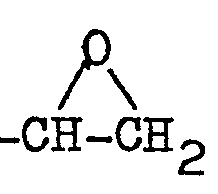

Priority Applications (1)
| Application Number | Priority Date | Filing Date | Title |
|---|---|---|---|
| AT82107750T ATE8129T1 (de) | 1981-08-25 | 1982-08-24 | 2-(2'-hydroxy-3'-(1,1-dimethylpropylamino)propoxy)-beta-phenylpropiophenon, seine saeureadditionssalze, verfahren zu seiner herstellung und arzneimittel. |
Applications Claiming Priority (2)
| Application Number | Priority Date | Filing Date | Title |
|---|---|---|---|
| DE3133814 | 1981-08-25 | ||
| DE3133814A DE3133814C2 (de) | 1981-08-25 | 1981-08-25 | 2-[2'-Hydroxy-3'-(1,1-dimethylpropylamino)-propoxy]-β-phenylpropiophenon, seine Säureadditionssalze und Arzneimittel |
Publications (2)
| Publication Number | Publication Date |
|---|---|
| EP0074014A1 true EP0074014A1 (de) | 1983-03-16 |
| EP0074014B1 EP0074014B1 (de) | 1984-06-27 |
Family
ID=6140190
Family Applications (1)
| Application Number | Title | Priority Date | Filing Date |
|---|---|---|---|
| EP82107750A Expired EP0074014B1 (de) | 1981-08-25 | 1982-08-24 | 2-(2'-Hydroxy-3'-(1,1-dimethylpropylamino)-propoxy)-beta-phenylpropiophenon, seine Säureadditionssalze, Verfahren zu seiner Herstellung und Arzneimittel |
Country Status (24)
| Country | Link |
|---|---|
| US (1) | US4460605A (de) |
| EP (1) | EP0074014B1 (de) |
| JP (1) | JPS58501324A (de) |
| KR (1) | KR870000957B1 (de) |
| AT (1) | ATE8129T1 (de) |
| AU (1) | AU555818B2 (de) |
| CA (1) | CA1192224A (de) |
| CS (1) | CS241511B2 (de) |
| DD (1) | DD211783A5 (de) |
| DE (2) | DE3133814C2 (de) |
| DK (1) | DK156430C (de) |
| ES (1) | ES515222A0 (de) |
| FI (1) | FI71123C (de) |
| GR (1) | GR77591B (de) |
| HU (1) | HU193523B (de) |
| IL (1) | IL66518A (de) |
| NO (1) | NO155880C (de) |
| PL (1) | PL135591B1 (de) |
| PT (1) | PT75460B (de) |
| RO (1) | RO87061B (de) |
| SU (1) | SU1331424A3 (de) |
| WO (1) | WO1983000688A1 (de) |
| YU (1) | YU42792B (de) |
| ZA (1) | ZA826025B (de) |
Cited By (5)
| Publication number | Priority date | Publication date | Assignee | Title |
|---|---|---|---|---|
| EP0075207A3 (en) * | 1981-09-18 | 1984-05-16 | Basf Aktiengesellschaft | Aminopropanol derivatives of 2-hydroxy-beta-phenyl propiophenones, processes for their preparation and therapeutic agents containing them |
| WO1990010628A1 (de) * | 1989-03-08 | 1990-09-20 | Laevosan-Gesellschaft Mbh | Neue aryloxy-alkylamine, deren herstellung und diese enthaltende arzneimittel |
| WO1991009834A1 (de) * | 1990-01-05 | 1991-07-11 | Helopharm W. Petrik Gmbh & Co. Kg | o-HYDROXY-β-(1-NAPHTHYL)-PROPIOPHENONDERIVATE, VERFAHREN ZU IHRER HERSTELLUNG UND DIESE VERBINDUNGEN ENTHALTENDE ARZNEIMITTEL |
| USRE42758E1 (en) | 1998-05-04 | 2011-09-27 | Micrus Corporation | Expandable curvilinear strut arrangement for deployment with a catheter to repair an aneurysm |
| US10322946B2 (en) | 2011-07-11 | 2019-06-18 | Omya International Ag | Hydrophobised calcium carbonate particles |
Families Citing this family (9)
| Publication number | Priority date | Publication date | Assignee | Title |
|---|---|---|---|---|
| DE3309595A1 (de) * | 1983-03-17 | 1984-09-20 | Basf Ag, 6700 Ludwigshafen | Neue aminopropanolderivate von 1-(2-hydroxy-phenyl)-3-phenyl-propanolen, verfahren zu ihrer herstellung und diese enthaltende therapeutische mittel |
| DE3348170C2 (de) * | 1983-07-21 | 1993-03-11 | Helopharm W. Petrik Gmbh & Co Kg, 1000 Berlin, De | |
| DE3328376A1 (de) | 1983-07-21 | 1985-01-31 | Helopharm W. Petrik & Co Kg, 1000 Berlin | Aminopropanolderivate von 2-hydroxy-ss-phenyl-propiophenonen, verfahren zu ihrer herstellung und diese enthaltende arzneimittel |
| DE3343671A1 (de) * | 1983-12-02 | 1985-06-20 | Basf Ag, 6700 Ludwigshafen | Aminopropanolderivate von substituierten 2-hydroxy-propiophenonen, verfahren zu ihrer herstellung und diese enthaltende therapeutische mittel |
| US5095151A (en) * | 1985-05-21 | 1992-03-10 | American Home Products Corporation | Preparation of propranolol hydrochloride macrocrystals |
| DE3725273A1 (de) * | 1987-07-30 | 1989-02-09 | Basf Ag | Verfahren zur synthese von enantiomeren des propafenons sowie diese enthaltende therapeutische mittel |
| US4954347A (en) * | 1988-05-03 | 1990-09-04 | Basf K & F Corp. | Long lasting composition of propafenone and quinidine for treatment of cardiac conditions |
| DE3911069A1 (de) * | 1989-04-06 | 1990-10-11 | Knoll Ag | Einkristalle von ss-phenylpropiophenonen |
| CN104262178A (zh) * | 2014-09-28 | 2015-01-07 | 常州瑞明药业有限公司 | 盐酸普罗帕酮的合成方法 |
Citations (1)
| Publication number | Priority date | Publication date | Assignee | Title |
|---|---|---|---|---|
| DE2001431A1 (de) * | 1970-01-06 | 1971-07-15 | Helopharm Petrik Co Kg | Verfahren zur Herstellung neuer,therapeutisch wertvoller Derivate des 2'-Hydroxy-3-phenylpropionphenons und deren Salze |
-
1981
- 1981-08-25 DE DE3133814A patent/DE3133814C2/de not_active Expired
-
1982
- 1982-08-11 IL IL66518A patent/IL66518A/xx not_active IP Right Cessation
- 1982-08-12 AU AU87113/82A patent/AU555818B2/en not_active Ceased
- 1982-08-18 KR KR8203707A patent/KR870000957B1/ko not_active Expired
- 1982-08-19 ZA ZA826025A patent/ZA826025B/xx unknown
- 1982-08-23 PL PL1982238012A patent/PL135591B1/pl unknown
- 1982-08-23 DD DD82250311A patent/DD211783A5/de unknown
- 1982-08-24 HU HU823093A patent/HU193523B/hu not_active IP Right Cessation
- 1982-08-24 CS CS826167A patent/CS241511B2/cs unknown
- 1982-08-24 GR GR69096A patent/GR77591B/el unknown
- 1982-08-24 PT PT75460A patent/PT75460B/pt not_active IP Right Cessation
- 1982-08-24 YU YU1907/82A patent/YU42792B/xx unknown
- 1982-08-24 JP JP57502643A patent/JPS58501324A/ja active Granted
- 1982-08-24 ES ES515222A patent/ES515222A0/es active Granted
- 1982-08-24 WO PCT/EP1982/000180 patent/WO1983000688A1/en not_active Ceased
- 1982-08-24 US US06/410,933 patent/US4460605A/en not_active Expired - Lifetime
- 1982-08-24 EP EP82107750A patent/EP0074014B1/de not_active Expired
- 1982-08-24 AT AT82107750T patent/ATE8129T1/de not_active IP Right Cessation
- 1982-08-24 DE DE8282107750T patent/DE3260301D1/de not_active Expired
- 1982-08-25 CA CA000410054A patent/CA1192224A/en not_active Expired
-
1983
- 1983-04-15 NO NO83831339A patent/NO155880C/no unknown
- 1983-04-21 RO RO110735A patent/RO87061B/ro unknown
- 1983-04-22 DK DK178883A patent/DK156430C/da not_active IP Right Cessation
- 1983-04-22 FI FI831388A patent/FI71123C/fi not_active IP Right Cessation
- 1983-04-22 SU SU833583671A patent/SU1331424A3/ru active
Patent Citations (1)
| Publication number | Priority date | Publication date | Assignee | Title |
|---|---|---|---|---|
| DE2001431A1 (de) * | 1970-01-06 | 1971-07-15 | Helopharm Petrik Co Kg | Verfahren zur Herstellung neuer,therapeutisch wertvoller Derivate des 2'-Hydroxy-3-phenylpropionphenons und deren Salze |
Cited By (6)
| Publication number | Priority date | Publication date | Assignee | Title |
|---|---|---|---|---|
| EP0075207A3 (en) * | 1981-09-18 | 1984-05-16 | Basf Aktiengesellschaft | Aminopropanol derivatives of 2-hydroxy-beta-phenyl propiophenones, processes for their preparation and therapeutic agents containing them |
| WO1990010628A1 (de) * | 1989-03-08 | 1990-09-20 | Laevosan-Gesellschaft Mbh | Neue aryloxy-alkylamine, deren herstellung und diese enthaltende arzneimittel |
| US5334602A (en) * | 1989-03-08 | 1994-08-02 | Laevosan-Gesellschaft Gmbh | Aryloxalkylamine derivatives and uses thereof |
| WO1991009834A1 (de) * | 1990-01-05 | 1991-07-11 | Helopharm W. Petrik Gmbh & Co. Kg | o-HYDROXY-β-(1-NAPHTHYL)-PROPIOPHENONDERIVATE, VERFAHREN ZU IHRER HERSTELLUNG UND DIESE VERBINDUNGEN ENTHALTENDE ARZNEIMITTEL |
| USRE42758E1 (en) | 1998-05-04 | 2011-09-27 | Micrus Corporation | Expandable curvilinear strut arrangement for deployment with a catheter to repair an aneurysm |
| US10322946B2 (en) | 2011-07-11 | 2019-06-18 | Omya International Ag | Hydrophobised calcium carbonate particles |
Also Published As
Similar Documents
| Publication | Publication Date | Title |
|---|---|---|
| DE2434911C2 (de) | Phenyläthylamin-Derivate und pharmazeutische Zusammensetzungen | |
| EP0074014B1 (de) | 2-(2'-Hydroxy-3'-(1,1-dimethylpropylamino)-propoxy)-beta-phenylpropiophenon, seine Säureadditionssalze, Verfahren zu seiner Herstellung und Arzneimittel | |
| DE2020864B2 (de) | p-Substituierte 1-Phenoxy-3-alkylaminopropan-2-ole, Herstellungsverfahren und Arzneimittel | |
| DE1815808B2 (de) | 1 -(Alkanoylamiitophenoxy)-3-alkylamino-2-propanole deren Herstellungsverfahren und pharmazeutische Zusammensetzungen auf deren Basis | |
| EP0027928B1 (de) | Piperidinderivate von 4,5-Dialkyl-3-hydroxy-pyrrol-2-carbonsäureestern, ihre Herstellung und diese enthaltende pharmazeutische Zubereitungen | |
| DE2517020C3 (de) | N- [l-(3-Trifluormethyl-phenyl)-prop-2-yl] -glycinester, Verfahren zu ihrer' Herstellung und diese Ester enthaltende Arzneimittel | |
| DE2632118B2 (de) | Apovincaminolester und Verfahren zu deren Herstellung und Arzneimittel | |
| EP0225543B1 (de) | Basisch substituierte Phenylacetaldehyde, ihre Herstellung und diese enthaltende Arzneimittel | |
| DE3316155C2 (de) | ||
| DE3410380A1 (de) | S(-)-celiprolol, dessen pharmazeutisch vertraegliche salze, verfahren zu dessen herstellung, verwendung in der therapie und pharmazeutische zubereitungen | |
| EP0030688B1 (de) | Piperidinderivate von 3-Hydroxy-thiophen-2-carbonsäureestern, ihre Herstellung und diese enthaltende pharmazeutische Zubereitungen | |
| EP0297435B1 (de) | Aminopropanolderivate von 3-(3'-Hydroxyphenyl)-1-propanon-Verbindungen, Verfahren zu ihrer Herstellung und diese Verbindungen enthaltende Arzneimittel | |
| EP0296592B1 (de) | Aminopropanolderivate von 3-(2-Hydroxyphenyl)-1-propanon-Verbindungen, Verfahren zu ihrer Herstellung und diese Verbindungen enthaltende Arzneimittel | |
| DE2003353C3 (de) | Phenylisopropylaminoäthanol-Derivate, deren Herstellungsverfahren und Arzneimittel auf deren Basis | |
| EP0152556A1 (de) | Aminopropanolderivate von substituierten 2-Hydroxy-propiophenonen, Verfahren zu ihrer Herstellung und diese enthaltende therapeutische Mittel | |
| WO1991009834A1 (de) | o-HYDROXY-β-(1-NAPHTHYL)-PROPIOPHENONDERIVATE, VERFAHREN ZU IHRER HERSTELLUNG UND DIESE VERBINDUNGEN ENTHALTENDE ARZNEIMITTEL | |
| EP0043971B1 (de) | Indanon-oxyalkyl-piperazinderivate, ihre Herstellung und diese enthaltende pharmazeutische Zubereitungen | |
| EP0006971B1 (de) | Aminoderivate des 2-Methyl-5-(2-hydroxystyryl)-1,3,4-thiadiazols, Verfahren zu ihrer Herstellung und diese enthaltende therapeutische Mittel | |
| EP0462150B1 (de) | Neue aryloxy-alkylamine, deren herstellung und diese enthaltende arzneimittel | |
| EP0296264A1 (de) | Aminopropanolderivate von 3-(2-Hydroxyphenyl)-1-propanonderivaten, Verfahren zu ihrer Herstellung und diese Verbindungen enthaltende Arzneimittel | |
| CH643536A5 (de) | Alkanolaminderivate. | |
| AT295526B (de) | Verfahren zur Herstellung von neuen 1,2,5-Thiadiazolderivaten und ihren Salzen | |
| DE3348170C2 (de) | ||
| DE2843328A1 (de) | Phenylacetamidverbindungen und sie enthaltende zusammensetzung | |
| AT368124B (de) | Verfahren zur herstellung von neuen 1,1'-biphenyl-2-yl-alkylamin-derivaten und deren salzen und quaternaeren ammoniumverbindungen |
Legal Events
| Date | Code | Title | Description |
|---|---|---|---|
| PUAI | Public reference made under article 153(3) epc to a published international application that has entered the european phase |
Free format text: ORIGINAL CODE: 0009012 |
|
| AK | Designated contracting states |
Designated state(s): AT BE CH DE FR GB IT LI LU NL SE |
|
| 17P | Request for examination filed |
Effective date: 19830209 |
|
| ITF | It: translation for a ep patent filed | ||
| GRAA | (expected) grant |
Free format text: ORIGINAL CODE: 0009210 |
|
| AK | Designated contracting states |
Designated state(s): AT BE CH DE FR GB IT LI LU NL SE |
|
| REF | Corresponds to: |
Ref document number: 8129 Country of ref document: AT Date of ref document: 19840715 Kind code of ref document: T |
|
| REF | Corresponds to: |
Ref document number: 3260301 Country of ref document: DE Date of ref document: 19840802 |
|
| ET | Fr: translation filed | ||
| PLBE | No opposition filed within time limit |
Free format text: ORIGINAL CODE: 0009261 |
|
| STAA | Information on the status of an ep patent application or granted ep patent |
Free format text: STATUS: NO OPPOSITION FILED WITHIN TIME LIMIT |
|
| 26N | No opposition filed | ||
| REG | Reference to a national code |
Ref country code: CH Ref legal event code: PUE Owner name: HELOPHARM W. PETRIK GMBH & CO. KG |
|
| ITPR | It: changes in ownership of a european patent |
Owner name: CAMBIO RAGIONE SOCIALE;HELOPHARM W. PETRIK GMBH & |
|
| NLT1 | Nl: modifications of names registered in virtue of documents presented to the patent office pursuant to art. 16 a, paragraph 1 |
Owner name: HELOPHARM W. PETRIK GMBH & CO. KG TE BERLIJN, BOND |
|
| REG | Reference to a national code |
Ref country code: FR Ref legal event code: CD |
|
| ITTA | It: last paid annual fee | ||
| EPTA | Lu: last paid annual fee | ||
| EAL | Se: european patent in force in sweden |
Ref document number: 82107750.0 |
|
| PGFP | Annual fee paid to national office [announced via postgrant information from national office to epo] |
Ref country code: NL Payment date: 19970925 Year of fee payment: 16 |
|
| PGFP | Annual fee paid to national office [announced via postgrant information from national office to epo] |
Ref country code: GB Payment date: 19971006 Year of fee payment: 16 |
|
| PGFP | Annual fee paid to national office [announced via postgrant information from national office to epo] |
Ref country code: FR Payment date: 19971016 Year of fee payment: 16 |
|
| PGFP | Annual fee paid to national office [announced via postgrant information from national office to epo] |
Ref country code: SE Payment date: 19971021 Year of fee payment: 16 Ref country code: BE Payment date: 19971021 Year of fee payment: 16 Ref country code: AT Payment date: 19971021 Year of fee payment: 16 |
|
| PGFP | Annual fee paid to national office [announced via postgrant information from national office to epo] |
Ref country code: CH Payment date: 19971022 Year of fee payment: 16 |
|
| PGFP | Annual fee paid to national office [announced via postgrant information from national office to epo] |
Ref country code: DE Payment date: 19971030 Year of fee payment: 16 |
|
| PGFP | Annual fee paid to national office [announced via postgrant information from national office to epo] |
Ref country code: LU Payment date: 19980210 Year of fee payment: 16 |
|
| PG25 | Lapsed in a contracting state [announced via postgrant information from national office to epo] |
Ref country code: LU Free format text: LAPSE BECAUSE OF NON-PAYMENT OF DUE FEES Effective date: 19980824 Ref country code: GB Free format text: LAPSE BECAUSE OF NON-PAYMENT OF DUE FEES Effective date: 19980824 Ref country code: AT Free format text: LAPSE BECAUSE OF NON-PAYMENT OF DUE FEES Effective date: 19980824 |
|
| PG25 | Lapsed in a contracting state [announced via postgrant information from national office to epo] |
Ref country code: SE Free format text: LAPSE BECAUSE OF NON-PAYMENT OF DUE FEES Effective date: 19980825 |
|
| PG25 | Lapsed in a contracting state [announced via postgrant information from national office to epo] |
Ref country code: LI Free format text: LAPSE BECAUSE OF NON-PAYMENT OF DUE FEES Effective date: 19980831 Ref country code: CH Free format text: LAPSE BECAUSE OF NON-PAYMENT OF DUE FEES Effective date: 19980831 Ref country code: BE Free format text: LAPSE BECAUSE OF NON-PAYMENT OF DUE FEES Effective date: 19980831 |
|
| BERE | Be: lapsed |
Owner name: HELOPHARM W. PETRIK G.M.B.H. & CO. K.G. Effective date: 19980831 |
|
| PG25 | Lapsed in a contracting state [announced via postgrant information from national office to epo] |
Ref country code: NL Free format text: LAPSE BECAUSE OF NON-PAYMENT OF DUE FEES Effective date: 19990301 |
|
| GBPC | Gb: european patent ceased through non-payment of renewal fee |
Effective date: 19980824 |
|
| REG | Reference to a national code |
Ref country code: CH Ref legal event code: PL |
|
| PG25 | Lapsed in a contracting state [announced via postgrant information from national office to epo] |
Ref country code: FR Free format text: LAPSE BECAUSE OF NON-PAYMENT OF DUE FEES Effective date: 19990430 |
|
| EUG | Se: european patent has lapsed |
Ref document number: 82107750.0 |
|
| NLV4 | Nl: lapsed or anulled due to non-payment of the annual fee |
Effective date: 19990301 |
|
| PG25 | Lapsed in a contracting state [announced via postgrant information from national office to epo] |
Ref country code: DE Free format text: LAPSE BECAUSE OF NON-PAYMENT OF DUE FEES Effective date: 19990601 |
|
| REG | Reference to a national code |
Ref country code: FR Ref legal event code: ST |