WO2012099031A1 - 米飯品質改良剤 - Google Patents
米飯品質改良剤 Download PDFInfo
- Publication number
- WO2012099031A1 WO2012099031A1 PCT/JP2012/050664 JP2012050664W WO2012099031A1 WO 2012099031 A1 WO2012099031 A1 WO 2012099031A1 JP 2012050664 W JP2012050664 W JP 2012050664W WO 2012099031 A1 WO2012099031 A1 WO 2012099031A1
- Authority
- WO
- WIPO (PCT)
- Prior art keywords
- rice
- cooked rice
- water
- cooked
- cooking
- Prior art date
- Legal status (The legal status is an assumption and is not a legal conclusion. Google has not performed a legal analysis and makes no representation as to the accuracy of the status listed.)
- Ceased
Links
Classifications
-
- A—HUMAN NECESSITIES
- A23—FOODS OR FOODSTUFFS; TREATMENT THEREOF, NOT COVERED BY OTHER CLASSES
- A23L—FOODS, FOODSTUFFS OR NON-ALCOHOLIC BEVERAGES, NOT OTHERWISE PROVIDED FOR; PREPARATION OR TREATMENT THEREOF
- A23L7/00—Cereal-derived products; Malt products; Preparation or treatment thereof
- A23L7/10—Cereal-derived products
- A23L7/196—Products in which the original granular shape is maintained, e.g. parboiled rice
Definitions
- the present invention relates to a cooked rice quality improver comprising water-soluble soybean polysaccharide and kelp extract as active ingredients, and cooked rice or cooked rice food to which the improver is added.
- processed rice foods (hereinafter referred to as “boiled rice”) are processed and cooked in large quantities and sold at convenience stores, supermarkets, etc., and are eaten by many consumers.
- cooked rice In the rice that is distributed and marketed, the convenience of processing and the physical properties at the time of eating are major issues.
- cooked rice has starch problems that flow out onto the surface of the cooked rice, causing the foods to bind together, resulting in dumplings or crushing during processing.
- Arise For example, in the case of cooked rice products, quality fluctuations due to the fact that the whole rice is not fried evenly, rice balls are crushed by a rice ball molding machine, defective products are produced, and yield is reduced. Occur. Such problems lead to a decrease in production efficiency and an increase in cost. Further, the finished food also exhibits physical properties that are difficult to eat at the time of eating, which leads to a result that it is not delicious.
- Patent Document 1 As a conventional method for improving the looseness against such a problem of binding properties between cooked rice, a method of mixing oil or emulsified oil (Patent Document 1), a method of adding a sucrose fatty acid ester having a high HLB (Patent Document 2), a method using water-soluble hemicellulose (Patent Document 3), and the like.
- Patent Document 4 kelp extract is positively used as an umami enhancer in the production of cooked rice.
- kelp extract is positively used as an umami enhancer in the production of cooked rice.
- the present invention aims to prevent the binding of cooked rice and to impart a good stickiness to the cooked rice.
- the inventors of the present application have prevented the binding of cooked rice by cooking with a quality improver comprising water-soluble soybean polysaccharide and kelp extract as active ingredients.
- the present invention has been completed by finding that it is easy to eat and that tasty cooked rice can be prepared.
- the present invention (1) A cooked rice quality improver comprising water-soluble soybean polysaccharide and kelp extract as active ingredients. (2) A method for producing cooked rice or cooked rice food, comprising adding 1.0 to 1.5 times the weight of water and the cooked rice quality improver of (1) to the amount of water added during normal cooking. (3) A cooked rice or cooked rice food containing 0.0021 wt% (21 ppm) to 0.052 wt% (520 ppm) of glutamic acid and water-soluble soybean polysaccharide based on the weight of cooked rice after cooking. It is.
- cooked rice that is easy to loosen and has a good stickiness is obtained.
- the cooked rice which is the object of the present invention is a rice cooked or steamed after rice such as glutinous rice or glutinous rice is polished into brown rice or polished rice.
- cooked rice processed foods are processed from raw rice or cooked rice with other ingredients added and mixed, cooked, cooked, cooked, etc. heated, molded, etc., cooked rice, mixed Examples include rice, red rice, fried rice, pilaf, rice balls, and sushi. This invention can be used for these cooked rice or cooked rice processed foods.
- water-soluble soybean polysaccharide As the water-soluble soybean polysaccharide in the present invention, water-soluble soybean polysaccharide obtained by various methods can be used. For example, a water-soluble soybean polysaccharide as described in (Patent No. 2599477) is used. Can do. If an example of manufacture is shown, 2 times weight part water will be added to the raw okara obtained by the manufacturing process of isolation
- the polysaccharide solution is precipitated by adding 95% ethanol so that the final solution becomes 60% by weight ethanol, the collected precipitate is washed with 90% by weight hydrous ethanol, and the resulting precipitate is air-dried to obtain a water-soluble soybean polysaccharide. Sugars can be obtained.
- the blending amount of the water-soluble soybean polysaccharide in the cooked rice quality improving agent in the present invention is 0.01 to 10% by weight, preferably 0.05 to 5% by weight as the amount of the water-soluble soybean polysaccharide added to the raw rice before soaking. More preferably, it is blended so as to be 0.1 to 1% by weight. If it is less than 0.01% by weight, the binding preventing effect is insufficient, and if it exceeds 10% by weight, the texture of cooked rice may be adversely affected.
- the kelp in the present invention is a seaweed belonging to the order of the family Coleoptera, and specifically includes macabu, honey comb, resilib, and Nagacomb.
- the kelp extract in the present invention is a component generally extracted from the above-described kelp with water or hot water for the purpose of imparting umami to foods. Since it does not substantially contain alginic acid (uronic acids), the viscosity of the kelp extract itself is low and a thickening effect can hardly be expected.
- the kelp extract contains the concentrate of the above extract and a dry powder.
- kombu extract marketed as a seasoning examples include: “Konbu extract F No.500” (manufactured by Yaizu Suisan Chemical Co., Ltd.), “Powdered kelp extract HA-202” (Sato Food Industries, Ltd.) ), “Konbu Concentrate B-40” (manufactured by Izumi Foods Co., Ltd.), “Hi Cook Kombu Extract G-2S”, “Hi Cook Kombu Extract HF”, “Hi Cook Shinkombu Extract 100” (Kirin Kyowa Foods Co., Ltd.) ), “Thick Kombu Dashi” (Fuji Food Industry Co., Ltd.), “Dashi Shirube L-HW” (Takara Shuzo Co., Ltd.), “Konbu Extract G”, “Konbu Dashi (Kombu)” ( (Maruhachi Muramatsu Co., Ltd.) can be used.
- the active ingredient is not specified for the kelp extract used for this invention. Therefore, as for the amount used, free glut
- the amount of kelp extract in the cooked rice quality improving agent in the present invention is 0.0001% by weight (1 ppm) to 0.05% by weight (500 ppm), preferably 0.00025% by weight (2.5 ppm) as the amount of free glutamic acid based on the weight of cooked rice after cooking. ) To 0.025 wt% (250 ppm), more preferably 0.0005 wt% (5 ppm) to 0.01 wt% (100 ppm). If it is 0.045% by weight (450ppm) or more, it may affect the flavor of cooked rice, which may not be preferable depending on the quality of cooked rice.
- the cooked rice contains 21 to 520 ppm, preferably 22.5 to 270 ppm, more preferably 25 to 120 ppm of free glutamic acid in the cooked rice.
- the present invention which is easily loosened and has a good stickiness, it is preferably cooked in an appropriate amount of water as described later, and the water content of the cooked rice is preferably 55 to 68% by weight.
- a quality improver consisting of water-soluble soybean polysaccharide and kelp extract may be used as a mixture, or each of water-soluble soybean polysaccharide and kelp extract may be added simultaneously, before and after soaking and before and after cooking rice.
- the water-soluble soybean polysaccharide and the kelp extract may be added at different times at different times.
- the kelp extract is preferably added as free glutamic acid in an amount of 0.0005 parts to 0.1 parts, more preferably 0.001 parts to 0.05 parts, based on 1 part of the water-soluble soybean polysaccharide.
- the amount of water in the present invention refers to the sum of the immersion water absorbed when raw rice is immersed and the water added during cooking. Since the amount of water varies depending on the type of rice, the old and new rice, and the target quality of the cooked rice, it cannot be specified unconditionally. The rice grains will be crushed or the surface of the rice grains will be sticky. In addition, the stickiness on the surface of cooked rice grains and the stickiness which is the object of the present invention have essentially different meanings. In this invention, it is set as the amount of water at the time of normal rice cooking with the optimal amount which is less than the amount of water which a rice grain crushes or becomes sticky. As described in Japanese Patent No.
- the amount of water added not only the effect of the present quality improving agent is increased, but also the yield can be improved.
- the amount is usually less than 1.0 with respect to the amount of water added, the cooked rice tends to harden.
- the amount exceeds 1.5 even if this quality improver is added, stickiness or crushing of the cooked rice grains may occur.
- the quality improver of the present invention must contain water-soluble soybean polysaccharide and kombu extract, but in the range that does not inhibit the anti-binding effect, stickiness-imparting effect, and anti-aging effect of the improver, these
- other materials may be appropriately used together.
- Other materials include emulsifiers such as lecithin, glycerin fatty acid ester, sucrose fatty acid ester and sorbitan fatty acid ester, or fat-soluble substances such as general animal and vegetable oils and fats, and fat-soluble vitamins such as tocopherol, sucrose, sugar, maltose and trehalo.
- Carbohydrates and sugar alcohols such as sugar, sorbitol, xylitol, maltitol, dextrin, cloth nori, agar, carrageenan, far selelain, tamarind seed polysaccharide, tara gum, caraya gum, pectin, xanthan gum, sodium alginate, tragacanth gum, guar gum, locust
- Various polysaccharides and starches such as bean gum, pullulan, gellan gum, gum arabic, hyaluronic acid, cyclodextrin, carboxymethylcellulose (CMC), propylene glycol alginate, modified starch And hydrolysates of these, albumins such as gelatin and whey, sodium caseinate, soluble collagen, egg white, egg yolk powder, soy protein, etc., salts such as calcium fortifiers, organic acids such as acetic acid and sodium acetate And its salts, preservatives such as benzoic acid, sorb
- Comparative example 2 Rice cooked with water (water addition ratio 1.25 times)
- rice was cooked in the same manner except that the amount of water added during cooking was 600 g (150% by weight of fresh rice; 1.25 times the rate of hydrolysis).
- Comparative Example 4 Addition of kelp extract only In Comparative Example 2, except that kelp extract ("Konbu extract F No.500”) 3.2g (0.8% by weight of fresh rice) was added to the water during cooking and cooked And cooked rice.
- Example 1 Watering ratio 1.00 times
- 1.2 g of water-soluble soybean polysaccharide (0.3% by weight of fresh rice
- 3.2 g of kombu extract (“Konbu extract F No.500”) (0.8% by weight of fresh rice) were added to the water during cooking.
- the rice was cooked in the same manner except that it was cooked.
- Example 2 Additional ratio of water 1.25 times
- rice was cooked in the same manner except that the amount of water added at the time of cooking was 600 g (150% by weight of fresh rice; hydration ratio 1.25 times).
- Example 3 (hydration ratio 1.40 times)
- rice was cooked in the same manner except that the amount of water added at the time of cooking was 672 g (168% by weight of fresh rice; 1.40 times the rate of hydrolysis).
- Example 4 Examination of kombu extract species (Examples 4 to 9) (hydration ratio 1.25 times)
- Example 4 rice was cooked in the same manner except that 5.2 g of kelp extract F No.500 (1.3% by weight of fresh rice) was added to water and cooked as kelp extract.
- Example 5 rice was cooked in the same manner except that 5.2 g (1.3% by weight of fresh rice) was added to water and cooked as kelp extract.
- Example 6 rice was cooked in the same manner except that 6.0 g of “Konbu concentrate B-40” (1.5% by weight of fresh rice) was added to water and cooked as a kelp extract.
- Example 7 rice was cooked in the same manner except that 4.0 g of kelp extract G (1.0% by weight of fresh rice) was added to water and cooked as kelp extract.
- Example 8 rice was cooked in the same manner except that 16.0 g (concentrated rice) (4.0% by weight of fresh rice) was added to water and cooked as kelp extract.
- Example 9 rice was cooked in the same manner except that 2.0 g (powdered rice weight 0.5 wt%) of “powder kelp extract HA-202” was added to water and cooked as kelp extract.
- Example 5 ⁇ Examination with high water content (water addition ratio 1.60 times) (Comparative Example 5)
- rice was cooked in the same manner except that the amount of water added at the time of rice cooking was 768 g (192% by weight of fresh rice; hydrolysis rate: 1.60 times).
- Example 7 Examination of sodium alginate In Example 2, instead of kelp extract, sodium alginate (Sodium Alginate / manufactured by Wako Pure Chemical Industries, Ltd.) 1.2 g (0.3% by weight of raw rice) was added to water for cooking. The rice was cooked in the same manner except that.
- sodium alginate Sodium Alginate / manufactured by Wako Pure Chemical Industries, Ltd.
- 1.2 g (0.3% by weight of raw rice
- the uronic acid in the kelp extract was measured by the Blumen-krants method. Specifically, in the Blumen-krants method, 0.2 ml of a kelp extract diluted 10 times with distilled water was added to a sulfuric acid-boric acid reagent (described as solution B; concentrated boric acid so that sodium borate had a concentration of 0.0125M). 1.2 ml of a solution dissolved in (specific gravity 1.84) was added and cooled in ice water. Next, the mixture was stirred well, heated in a boiling bath for 5 minutes, and then rapidly cooled in an ice bath.
- solution B sulfuric acid-boric acid reagent
- solution A a meta-hydroxydiphenyl solution
- solution A a solution in which metahydroxydiphenyl was dissolved in 0.5% sodium hydroxide to a concentration of 0.15%
- solution A a solution in which metahydroxydiphenyl was dissolved in 0.5% sodium hydroxide to a concentration of 0.15%
- the calibration curve was prepared with galacturonic acid, and the amount of uronic acid was determined from the calibration curve and the absorbance value of the sample.
- the amount of uronic acid of “Konbu extract F No.500” was quantified by this method, but it was below the detection limit.
- the free glutamic acid in the kelp extract and the cooked rice after cooking was measured by the following method. That is, prepare 1% or 10% solution of each kelp extract, mix each solution with 6% sulfosalicylic acid in equal volume, remove impurities with 0.2 ⁇ m filter, and use 100nmol / ml glutamic acid solution as standard solution. As an amino acid analyzer (AminoTac; manufactured by JEOL Ltd.). Further, the amount of free glutamic acid in each solution was determined based on the glutamic acid peak. For cooked rice, add 1.5 times 80% ethanol to the cooked rice and grind for 5 minutes.
- the cooked rice was evaluated as follows. That is, sensory evaluation was performed by 10 panelists on the looseness, stickiness, and aging degree of cooked rice cooled to 20 ° C. after cooking and cooked rice stored at 20 ° C. for 48 hours.
- the evaluation method is 0 in Comparative Example 1 (no additive), -4 points (not unraveled) to 4 points (unraveled) in terms of looseness, -4 points (no stickiness) to 4 points (stickiness)
- the degree of aging was expressed as -4 points (aging) to 4 points (not aging).
- save it evaluated by x (defect), (DELTA) (slightly bad), (circle) (good), and (very good) as comprehensive evaluation.
- Table 1 shows the amount of free glutamic acid derived from each blended and added kelp extract, the water content and sensory evaluation of the cooked rice after cooking.
- Table 2 shows the measured viscosity values. As shown in Table 2, the aqueous solutions of the carrageenan and alginic acid materials used in Comparative Examples 6 and 7 showed a much higher viscosity than the kelp extract aqueous solution. On the other hand, no stickiness was felt in the cooked rice obtained by adding these thickening polysaccharides and cooking. These materials are materials that impart viscosity to the aqueous solution, but the viscosity of the aqueous solution does not impart stickiness to the cooked rice, and it can be understood that the kelp extract was able to specifically impart stickiness to the cooked rice.
- the rice quality improver mainly composed of water-soluble soybean polysaccharide and kelp extract, it suppresses the binding of cooked rice and imparts good stickiness to cooked rice. I was able to improve.
Landscapes
- Health & Medical Sciences (AREA)
- Nutrition Science (AREA)
- Life Sciences & Earth Sciences (AREA)
- Chemical & Material Sciences (AREA)
- Engineering & Computer Science (AREA)
- Food Science & Technology (AREA)
- Polymers & Plastics (AREA)
- Cereal-Derived Products (AREA)
Abstract
米飯の結着を防止するとともに、米飯に良好な粘りを付与する。水溶性大豆多糖類と昆布エキスを有効成分とした米飯品質改良剤を用いて炊飯することで、米飯同士の結着を防止し、食べ易くまた粘りのある美味しい米飯が調製できる。この際に通常炊飯時の加水量に対し、1.0~1.5倍重量の水を用いて炊飯することで、更に良好な米飯が得られる。米飯品質改良剤は炊飯後米飯に対して遊離グルタミン酸として1~500ppm含むように添加することが好ましい。
Description
本願発明は、水溶性大豆多糖類及び昆布エキスを有効成分とする米飯品質改良剤並びにその改良剤を添加した米飯または米飯加工食品に関する。
近年、食の多様化により、加工食品のニーズが増大している。特に米飯加工食品(以下、米飯と記す)は、大量に加工・調理された製品が、コンビニエンスストア、スーパーマーケットなどで販売され、多くの消費者に食されるようになっている。これら流通・市販される米飯において、加工の利便性と喫食時の物性は大きな課題である。
加工の利便性および喫食時の物性の課題として、米飯の結着が挙げられる。詳細には米飯は加工・調理の際に、米飯表面に澱粉質が流出して食品同士が結着し、その結果として加工時に団子状になったり、潰れてしまったりと、加工適性に問題を生じる。具体的に例をあげると、米飯製品の場合、チャーハンで全体が均一に炒められないことによる品質のブレや、おにぎりの成型機で飯粒が潰れてしまうことによる不良品の発生、歩留まりの低下が起こる。こういった問題は、生産効率の低下、コストアップを招き、さらに、できあがった食品も喫食時に食べ難い物性を示し、美味しくないという結果を招く。
このような米飯同士の結着性の課題に対し、ほぐれ性を改善する従来の方法としては、油脂または乳化油脂を混合する方法(特許文献1) 、HLBの高いショ糖脂肪酸エステルを添加する方法(特許文献2)、水溶性ヘミセルロースを使用する方法(特許文献3)などが挙げられる。
しかし油脂や乳化油脂を米飯に使用した場合、炒飯用としてはともかく、風味や食感の面で、和風の食品には使用しにくいという欠点があった。また水溶性大豆多糖類は良好な結着防止効果を発揮するものの、炊飯処方によっては水溶性大豆多糖類を用いることで粘りに欠けた食感になる場合があったり、時間の経過による品質劣化つまり澱粉の老化抑制効果が必ずしも満足する効果ではないなど、これらの点については、改善の余地があった。
特許文献4では、米飯の製造に於いて、旨味増強剤として積極的に昆布エキスを用いている。しかし、本願発明の様に、米飯に対して積極的に物性を改良する機能についての記載は無い。
本願発明は、米飯の結着を防止するとともに、米飯に良好な粘りを付与することを目的とした。
本願発明者らは、上記の課題に対して鋭意研究を重ねた結果、水溶性大豆多糖類と昆布エキスを有効成分とした品質改良剤を用いて炊飯することで、米飯同士の結着を防止し、食べ易くまた粘りのある美味しい米飯が調製できることを見出し、本願発明を完成させた。
即ち、本願発明は、
(1)水溶性大豆多糖類と昆布エキスを有効成分とする米飯品質改良剤。
(2)通常炊飯時の加水量に対し、1.0~1.5倍重量の水及び(1)の米飯品質改良剤を加えて炊飯する、米飯または米飯加工食品の製造方法。
(3)炊飯後米飯重量に対してグルタミン酸を0.0021重量%(21ppm)~0.052重量%(520ppm)および水溶性大豆多糖類を含む、米飯または米飯加工食品。
である。
(1)水溶性大豆多糖類と昆布エキスを有効成分とする米飯品質改良剤。
(2)通常炊飯時の加水量に対し、1.0~1.5倍重量の水及び(1)の米飯品質改良剤を加えて炊飯する、米飯または米飯加工食品の製造方法。
(3)炊飯後米飯重量に対してグルタミン酸を0.0021重量%(21ppm)~0.052重量%(520ppm)および水溶性大豆多糖類を含む、米飯または米飯加工食品。
である。
本願発明により、ほぐれ易く、良好な粘りを有した食味の優れた米飯が得られる。
以下、本願発明を具体的に説明する。
(米飯または米飯加工食品)
本願発明の対象である米飯とは、うるち米,もち米等の米を、玄米または精白米に精米した後、炊飯または蒸煮したものである。また米飯加工食品とは、生米や米飯を原料に、他の具材を加え混合する加工、炊飯,蒸煮,焼成等の加熱加工、成型等の加工を行ったものであり、炊き込みご飯,混ぜご飯,赤飯,チャーハン,ピラフ,おにぎり,寿司等が例示される。本願発明は、これら米飯または米飯加工食品に使用することができる。
(米飯または米飯加工食品)
本願発明の対象である米飯とは、うるち米,もち米等の米を、玄米または精白米に精米した後、炊飯または蒸煮したものである。また米飯加工食品とは、生米や米飯を原料に、他の具材を加え混合する加工、炊飯,蒸煮,焼成等の加熱加工、成型等の加工を行ったものであり、炊き込みご飯,混ぜご飯,赤飯,チャーハン,ピラフ,おにぎり,寿司等が例示される。本願発明は、これら米飯または米飯加工食品に使用することができる。
(水溶性大豆多糖類)
本願発明における水溶性大豆多糖類とは、種々の方法で得られる水溶性大豆多糖類を用いることができるが、例えば(特許第2599477号)に記載された様な水溶性大豆多糖類を用いることができる。製造の一例を示せば、分離大豆蛋白質の製造工程で得られた生オカラに2倍重量部の水を加え、塩酸を用いてpHを4.5に調整する。120℃で90分間加圧加熱処理を行ない、冷却後に遠心分離(10,000×g,20分間)により不溶性成分を分離して水溶性大豆多糖類溶液を得る。同多糖類溶液を最終60重量%エタノールになるよう、95%エタノールを添加して沈殿させ、回収した沈殿を90重量%の含水エタノールで洗浄し、得られた沈殿を風乾して水溶性大豆多糖類を得ることが出来る。
本願発明における水溶性大豆多糖類とは、種々の方法で得られる水溶性大豆多糖類を用いることができるが、例えば(特許第2599477号)に記載された様な水溶性大豆多糖類を用いることができる。製造の一例を示せば、分離大豆蛋白質の製造工程で得られた生オカラに2倍重量部の水を加え、塩酸を用いてpHを4.5に調整する。120℃で90分間加圧加熱処理を行ない、冷却後に遠心分離(10,000×g,20分間)により不溶性成分を分離して水溶性大豆多糖類溶液を得る。同多糖類溶液を最終60重量%エタノールになるよう、95%エタノールを添加して沈殿させ、回収した沈殿を90重量%の含水エタノールで洗浄し、得られた沈殿を風乾して水溶性大豆多糖類を得ることが出来る。
本願発明における米飯品質改良剤中の水溶性大豆多糖類の配合量は、浸漬前の生米に対して、水溶性大豆多糖類の添加量として0.01~10重量%、好ましくは0.05~5重量%、より好ましくは0.1~1重量%となるように配合するのが好ましい。0.01重量%未満では結着防止効果が不十分であり、逆に10重量%を超えると米飯食感に影響し好ましくない場合がある。
(昆布エキス)
本願発明における昆布とは、コンブ目コンブ科に属する海藻であり、具体的にはマコンブ、ミツイシコンブ、リシリコンブ、ナガコンブなどが挙げられる。本願発明における昆布エキスとは、前述した昆布から、食品に旨味を付与する目的で、一般には水またはお湯等で抽出される成分である。実質的にアルギン酸(ウロン酸類)を含有していないことから、昆布エキス自体の粘度は低く、増粘効果は殆ど期待できない。また昆布エキスには、上記抽出物の濃縮物や乾燥粉末を含む。
本願発明における昆布とは、コンブ目コンブ科に属する海藻であり、具体的にはマコンブ、ミツイシコンブ、リシリコンブ、ナガコンブなどが挙げられる。本願発明における昆布エキスとは、前述した昆布から、食品に旨味を付与する目的で、一般には水またはお湯等で抽出される成分である。実質的にアルギン酸(ウロン酸類)を含有していないことから、昆布エキス自体の粘度は低く、増粘効果は殆ど期待できない。また昆布エキスには、上記抽出物の濃縮物や乾燥粉末を含む。
調味料として市販されている昆布エキスを具体的に例示すると、「昆布エキスF No.500」(焼津水産化学工業(株)製)、「粉末昆布エキスHA-202」(佐藤食品工業(株)製)、「こんぶ濃縮液B-40」(イズミ食品(株)製)、「ハイクックこんぶエキスG-2S」、「ハイクックこんぶエキスHF」、「ハイクック真昆布エキス100」(キリン協和フーズ(株)製)、「厚味こんぶだし」(富士食品工業(株)製)、「だししるべL-HW」(宝酒造(株)製)、「昆布エキスG」、「濃厚だし(こんぶ)」((株)マルハチ村松製)、など、いずれも用いることが出来る。尚、本願発明に用いる昆布エキスは、その有効成分が特定されていない。そこでその使用量については、エキス中に含まれる遊離グルタミン酸を目安にすることができる。
(品質改良剤の使用方法)
本願発明における米飯品質改良剤中の昆布エキスの配合量は、炊飯後の米飯重量に対して遊離グルタミン酸量として0.0001重量%(1ppm)~0.05重量%(500ppm)、好ましくは0.00025重量%(2.5ppm)~0.025重量%(250ppm)、更に好ましくは0.0005重量%(5ppm)~0.01重量%(100ppm)となるように配合すれば良い。0.045重量%(450ppm)以上では、米飯の風味に影響する為、求める米飯品質によっては好ましくない場合がある。また、0.0001重量%(1ppm)未満では、求める効果が得られない場合がある。本願発明の品質改良剤を添加する時期については特に制限はなく、水洗した米と水を混ぜ、その水に予め溶解しておいてもよく、炊飯直前に添加しても良い。
本願発明における米飯品質改良剤中の昆布エキスの配合量は、炊飯後の米飯重量に対して遊離グルタミン酸量として0.0001重量%(1ppm)~0.05重量%(500ppm)、好ましくは0.00025重量%(2.5ppm)~0.025重量%(250ppm)、更に好ましくは0.0005重量%(5ppm)~0.01重量%(100ppm)となるように配合すれば良い。0.045重量%(450ppm)以上では、米飯の風味に影響する為、求める米飯品質によっては好ましくない場合がある。また、0.0001重量%(1ppm)未満では、求める効果が得られない場合がある。本願発明の品質改良剤を添加する時期については特に制限はなく、水洗した米と水を混ぜ、その水に予め溶解しておいてもよく、炊飯直前に添加しても良い。
また、精白米を用いた炊飯後米飯には元々遊離グルタミン酸が10~20ppm程度存在している。そこで本願発明品である米飯品質改良剤を使用した米飯やその加工品中には、精白米に由来する遊離グルタミン酸20ppm(炊飯後米飯中)に加え、上記の品質改良剤に由来する遊離グルタミン酸を含むことになるため、炊飯後米飯中に21ppm~520ppm、好ましくは22.5ppm~270ppm、更に好ましくは25ppm~120ppmの遊離グルタミン酸を含むものである。ほぐれ易く良好な粘りを持つ本願発明は、後述する加水量が適切な範囲で炊飯されたものが好ましく、炊飯後米飯の水分として55~68重量%が好ましい。
水溶性大豆多糖類と昆布エキスからなる品質改良剤は、混合物として使用しても良いし、水溶性大豆多糖類と昆布エキスの個々を同時に添加しても良いし、浸漬の前後や炊飯の前後等の異なる時期に、水溶性大豆多糖類と昆布エキスの個々について、時間をずらして添加しても良い。品質改良剤を混合物とする場合は、水溶性大豆多糖類1部に対し、昆布エキスは遊離グルタミン酸として0.0005部~0.1部添加することが好ましく、0.001部~0.05部添加することがより好ましい。
(通常炊飯時の加水量)
本願発明における加水量とは、生米を浸漬した際に吸水した浸漬水と炊飯時に加える水を合計したものを指す。加水量は米の種類、米の新旧、米飯の目標品質により異なる為、一概に規定できないが、通常は生米に対し100~130重量%程度の水を添加し、これを超えて加水を行うと米飯粒が潰れたり米飯粒表面がべた付いてしまう。尚、米飯粒表面のべた付きと本願発明の目的である粘りとは、本質的に意味が異なる。本願発明では、米飯粒が潰れたりべた付いてしまう加水量に満たない最適な量をもって、通常炊飯時の加水量とする。特許第3817370号に記載してある様に、水溶性大豆多糖類を添加し炊飯することで、その効果により米飯表面のべた付きを抑制し、良好な粒感を付与できる為、通常炊飯時より多く加水したとしても良好な食感の米飯を得ることが出来る。
また、加水量を増量することで、本品質改良剤による食味の向上効果つまり米飯の粘りが増加し、澱粉の経時的な老化抑制効果が向上する。本願発明において具体的には通常の加水量に対して、1.0~1.5倍の加水をすることが好ましく、1.05~1.3倍の加水をすることがさらに好ましい。また加水量を増量することで、本品質改良剤の効果を増大させるだけではなく、歩留まり向上も可能になる。通常加水量に対して1.0未満だと米飯が固くなる傾向があり、1.5を超えると、本品質改良剤を添加しても、米飯粒のべた付きや潰れが発生することがある。
本願発明における加水量とは、生米を浸漬した際に吸水した浸漬水と炊飯時に加える水を合計したものを指す。加水量は米の種類、米の新旧、米飯の目標品質により異なる為、一概に規定できないが、通常は生米に対し100~130重量%程度の水を添加し、これを超えて加水を行うと米飯粒が潰れたり米飯粒表面がべた付いてしまう。尚、米飯粒表面のべた付きと本願発明の目的である粘りとは、本質的に意味が異なる。本願発明では、米飯粒が潰れたりべた付いてしまう加水量に満たない最適な量をもって、通常炊飯時の加水量とする。特許第3817370号に記載してある様に、水溶性大豆多糖類を添加し炊飯することで、その効果により米飯表面のべた付きを抑制し、良好な粒感を付与できる為、通常炊飯時より多く加水したとしても良好な食感の米飯を得ることが出来る。
また、加水量を増量することで、本品質改良剤による食味の向上効果つまり米飯の粘りが増加し、澱粉の経時的な老化抑制効果が向上する。本願発明において具体的には通常の加水量に対して、1.0~1.5倍の加水をすることが好ましく、1.05~1.3倍の加水をすることがさらに好ましい。また加水量を増量することで、本品質改良剤の効果を増大させるだけではなく、歩留まり向上も可能になる。通常加水量に対して1.0未満だと米飯が固くなる傾向があり、1.5を超えると、本品質改良剤を添加しても、米飯粒のべた付きや潰れが発生することがある。
(他の添加剤)
本願発明の品質改良剤は、水溶性大豆多糖類と昆布エキスを配合することが必須であるが、改良剤の結着防止効果や粘り付与効果、老化抑制効果を阻害しない範囲で、更にこれらの機能向上もしくは他の機能を付与する為に、適宜他の素材を併用しても良い。他の素材としては、レシチンやグリセリン脂肪酸エステル,ショ糖脂肪酸エステル,ソルビタン脂肪酸エステル等の乳化剤、或いは一般の動植物性油脂や脂溶性ビタミンであるトコフェロール等の脂溶性物質、蔗糖,砂糖,マルトース,トレハロ─ ス,ソルビトール,キシリトール,マルチトール等の糖質及び糖アルコ─ ル、デキストリン,布海苔,寒天,カラギーナン,ファーセレラン,タマリンド種子多糖類,タラガム,カラヤガム,ペクチン,キサンタンガム,アルギン酸ナトリウム,トラガントガム,グァーガム,ローカストビーンガム,プルラン,ジェランガム,アラビアガム,ヒアルロン酸,シクロデキストリン,カルボキシメチルセルロース(CMC),アルギン酸プロピレングリコールエステル,加工澱粉など各種多糖類や澱粉類やこれらの加水分解物、ゼラチン,ホエー等のアルブミン、カゼインナトリウム,可溶性コラーゲン,卵白,卵黄末,大豆蛋白等の蛋白性物質や、カルシウム強化剤等の塩類、酢酸,酢酸ナトリウム等の有機酸やその塩、安息香酸,ソルビン酸,しらこ蛋白,グリシン等の保存料,エタノール,グリセリン,エチレングリコール,プロピレングリコールなどのアルコール類などが挙げられる。
本願発明の品質改良剤は、水溶性大豆多糖類と昆布エキスを配合することが必須であるが、改良剤の結着防止効果や粘り付与効果、老化抑制効果を阻害しない範囲で、更にこれらの機能向上もしくは他の機能を付与する為に、適宜他の素材を併用しても良い。他の素材としては、レシチンやグリセリン脂肪酸エステル,ショ糖脂肪酸エステル,ソルビタン脂肪酸エステル等の乳化剤、或いは一般の動植物性油脂や脂溶性ビタミンであるトコフェロール等の脂溶性物質、蔗糖,砂糖,マルトース,トレハロ─ ス,ソルビトール,キシリトール,マルチトール等の糖質及び糖アルコ─ ル、デキストリン,布海苔,寒天,カラギーナン,ファーセレラン,タマリンド種子多糖類,タラガム,カラヤガム,ペクチン,キサンタンガム,アルギン酸ナトリウム,トラガントガム,グァーガム,ローカストビーンガム,プルラン,ジェランガム,アラビアガム,ヒアルロン酸,シクロデキストリン,カルボキシメチルセルロース(CMC),アルギン酸プロピレングリコールエステル,加工澱粉など各種多糖類や澱粉類やこれらの加水分解物、ゼラチン,ホエー等のアルブミン、カゼインナトリウム,可溶性コラーゲン,卵白,卵黄末,大豆蛋白等の蛋白性物質や、カルシウム強化剤等の塩類、酢酸,酢酸ナトリウム等の有機酸やその塩、安息香酸,ソルビン酸,しらこ蛋白,グリシン等の保存料,エタノール,グリセリン,エチレングリコール,プロピレングリコールなどのアルコール類などが挙げられる。
以下に本願発明の実施態様を説明するが、本願発明はこれらの例示によって制限されるものではない。なお、例中の部および%は何れも重量基準を意味する。
○通常炊飯と加水倍率の検討(比較例1~2)
(比較例1)通常炊飯(加水倍率1.00倍)
あきたこまち400gに水480g(対生米重量120 %)を添加し、家庭用炊飯器(三洋電機(株)製、マイコンジャー炊飯器 ECJ-EA18)を用いて炊飯した。この、対生米重量120%の加水量を以降に行う本実施例を通じた通常炊飯時加水量とした。
(比較例1)通常炊飯(加水倍率1.00倍)
あきたこまち400gに水480g(対生米重量120 %)を添加し、家庭用炊飯器(三洋電機(株)製、マイコンジャー炊飯器 ECJ-EA18)を用いて炊飯した。この、対生米重量120%の加水量を以降に行う本実施例を通じた通常炊飯時加水量とした。
(比較例2)加水炊飯(加水倍率1.25倍)
比較例1において、炊飯時に添加する水の量を600g(対生米150重量%;加水倍率1.25倍)にした以外は、同様にして炊飯した。
比較例1において、炊飯時に添加する水の量を600g(対生米150重量%;加水倍率1.25倍)にした以外は、同様にして炊飯した。
○水溶性多糖類,昆布エキスの単独使用の検討(加水倍率1.25倍)(比較例3~4)
(比較例3)水溶性大豆多糖類のみ添加
比較例2において、炊飯時の水に対し、水溶性大豆多糖類(不二製油(株)製「ソヤファイブ-S」)1.2g(対生米0.3重量%)を炊飯時の水に添加して炊飯した以外は、同様にして炊飯した。
(比較例3)水溶性大豆多糖類のみ添加
比較例2において、炊飯時の水に対し、水溶性大豆多糖類(不二製油(株)製「ソヤファイブ-S」)1.2g(対生米0.3重量%)を炊飯時の水に添加して炊飯した以外は、同様にして炊飯した。
(比較例4)昆布エキスのみ添加
比較例2において、昆布エキス(「昆布エキスF No.500」)3.2g(対生米0.8重量%)を炊飯時の水に添加して炊飯した以外は、同様にして炊飯した。
(実施例1)(加水倍率1.00倍)
比較例1において、水溶性大豆多糖類1.2g(対生米0.3重量%)及び昆布エキス(「こんぶエキスF No.500」)3.2g(対生米0.8重量%)を炊飯時の水に添加して炊飯した以外は、同様にして炊飯した。
比較例2において、昆布エキス(「昆布エキスF No.500」)3.2g(対生米0.8重量%)を炊飯時の水に添加して炊飯した以外は、同様にして炊飯した。
(実施例1)(加水倍率1.00倍)
比較例1において、水溶性大豆多糖類1.2g(対生米0.3重量%)及び昆布エキス(「こんぶエキスF No.500」)3.2g(対生米0.8重量%)を炊飯時の水に添加して炊飯した以外は、同様にして炊飯した。
(実施例2)(加水倍率1.25倍)
実施例1において炊飯時に添加する水の量を600g(対生米150重量%;加水倍率1.25倍)にした以外は、同様にして炊飯した。
実施例1において炊飯時に添加する水の量を600g(対生米150重量%;加水倍率1.25倍)にした以外は、同様にして炊飯した。
(実施例3)(加水倍率1.40倍)
実施例1において炊飯時に添加する水の量を672g(対生米168重量%;加水倍率1.40倍)にした以外は、同様にして炊飯した。
実施例1において炊飯時に添加する水の量を672g(対生米168重量%;加水倍率1.40倍)にした以外は、同様にして炊飯した。
○昆布エキス種の検討(実施例4~9)(加水倍率1.25倍)
(実施例4)
実施例2において、昆布エキスとして「昆布エキスF No.500」5.2g(対生米1.3重量%)を水に添加して炊飯した以外は、同様にして炊飯した
(実施例4)
実施例2において、昆布エキスとして「昆布エキスF No.500」5.2g(対生米1.3重量%)を水に添加して炊飯した以外は、同様にして炊飯した
(実施例5)
実施例2において、昆布エキスとして「ハイクックこんぶエキスHF」5.2g(対生米1.3重量%)を水に添加して炊飯した以外は、同様にして炊飯した
実施例2において、昆布エキスとして「ハイクックこんぶエキスHF」5.2g(対生米1.3重量%)を水に添加して炊飯した以外は、同様にして炊飯した
(実施例6)
実施例2において、昆布エキスとして「こんぶ濃縮液B-40」6.0g(対生米1.5重量%)を水に添加して炊飯した以外は、同様にして炊飯した。
実施例2において、昆布エキスとして「こんぶ濃縮液B-40」6.0g(対生米1.5重量%)を水に添加して炊飯した以外は、同様にして炊飯した。
(実施例7)
実施例2において、昆布エキスとして「昆布エキスG」4.0g(対生米1.0重量%)を水に添加して炊飯した以外は、同様にして炊飯した。
実施例2において、昆布エキスとして「昆布エキスG」4.0g(対生米1.0重量%)を水に添加して炊飯した以外は、同様にして炊飯した。
(実施例8)
実施例2において、昆布エキスとして「濃厚だし(こんぶ)」16.0g(対生米4.0重量%)を水に添加して炊飯した以外は、同様にして炊飯した。
実施例2において、昆布エキスとして「濃厚だし(こんぶ)」16.0g(対生米4.0重量%)を水に添加して炊飯した以外は、同様にして炊飯した。
(実施例9)
実施例2において、昆布エキスとして「粉末昆布エキスHA-202」2.0g(対生米重量0.5重量%)を水に添加して炊飯した以外は、同様にして炊飯した。
実施例2において、昆布エキスとして「粉末昆布エキスHA-202」2.0g(対生米重量0.5重量%)を水に添加して炊飯した以外は、同様にして炊飯した。
○高加水での検討(加水倍率1.60倍)
(比較例5)
実施例4において、炊飯時に添加する水の量を768g(対生米192重量%;加水倍率1.60倍)にした以外は、同様にして炊飯した。
(比較例5)
実施例4において、炊飯時に添加する水の量を768g(対生米192重量%;加水倍率1.60倍)にした以外は、同様にして炊飯した。
○他の増粘性多糖類の効果の検討(比較例6~7)
(比較例6)カラギーナンの検討
実施例2において、昆布エキスの代わりにカッパ-カラギーナン(κ-Carrageenan/和光純薬工業(株)製)1.2g(対生米0.3重量%)を水に添加して炊飯した以外は、同様にして炊飯した。
(比較例6)カラギーナンの検討
実施例2において、昆布エキスの代わりにカッパ-カラギーナン(κ-Carrageenan/和光純薬工業(株)製)1.2g(対生米0.3重量%)を水に添加して炊飯した以外は、同様にして炊飯した。
(比較例7)アルギン酸ナトリウムの検討
実施例2において、昆布エキスの代わりにアルギン酸ナトリウム(Sodium Alginate/和光純薬工業(株)製) 1.2g(対生米0.3重量%)を水に添加して炊飯した以外は、同様にして炊飯した。
実施例2において、昆布エキスの代わりにアルギン酸ナトリウム(Sodium Alginate/和光純薬工業(株)製) 1.2g(対生米0.3重量%)を水に添加して炊飯した以外は、同様にして炊飯した。
(ウロン酸定量方法)
昆布エキス中のウロン酸はBlumen-krants法で測定した。Blumen-krants法は具体的には、昆布エキスを蒸留水で10倍に希釈した液0.2mlに硫酸-ホウ酸試薬(B液と記載;ホウ酸ナトリウムを0.0125Mの濃度になるように濃硫酸(比重1.84)に溶かした溶液)1.2mlを加えて、氷水中で冷却した。次いで、混合液をよく攪拌し、沸騰浴中で5分間加熱後、氷浴中で急冷した。この溶液にメタ・ヒドロキシジフェニール液(A液と記載;メタヒドロキシジフェニールを0.5%水酸化ナトリウムに0.15%となるように溶かした溶液)を20μl加えて攪拌し、5分以内に520nmで吸光度を測定した。またブランクとしてサンプルの加熱溶液にA液の代わりに水酸化ナトリウム20μl加えたものを用いた。尚、検量線はガラクツロン酸で作成し、検量線とサンプルの吸光値からウロン酸量を求めた。
この手法にて「昆布エキスF No.500」のウロン酸量を定量したが、検出限界以下であった。
昆布エキス中のウロン酸はBlumen-krants法で測定した。Blumen-krants法は具体的には、昆布エキスを蒸留水で10倍に希釈した液0.2mlに硫酸-ホウ酸試薬(B液と記載;ホウ酸ナトリウムを0.0125Mの濃度になるように濃硫酸(比重1.84)に溶かした溶液)1.2mlを加えて、氷水中で冷却した。次いで、混合液をよく攪拌し、沸騰浴中で5分間加熱後、氷浴中で急冷した。この溶液にメタ・ヒドロキシジフェニール液(A液と記載;メタヒドロキシジフェニールを0.5%水酸化ナトリウムに0.15%となるように溶かした溶液)を20μl加えて攪拌し、5分以内に520nmで吸光度を測定した。またブランクとしてサンプルの加熱溶液にA液の代わりに水酸化ナトリウム20μl加えたものを用いた。尚、検量線はガラクツロン酸で作成し、検量線とサンプルの吸光値からウロン酸量を求めた。
この手法にて「昆布エキスF No.500」のウロン酸量を定量したが、検出限界以下であった。
(遊離グルタミン酸定量方法)
昆布エキス中および炊飯後米飯中の遊離グルタミン酸は、以下の方法により測定した。すなわち、各昆布エキスの1%または10 %溶液を作成し、各溶液と6%スルフォサリチル酸を等量で混合し、0.2μmのフィルターで不純物を除去し、100nmol/mlのグルタミン酸溶液を標準溶液として、アミノ酸分析器(AminoTac;日本電子(株)製)で測定した。更にグルタミン酸ピークを元に各溶液の遊離グルタミン酸量を求めた。また炊飯後米飯については、米飯に1.5倍量の80%エタノールを加え5分間磨砕し、更に99.5%エタノールを加え終濃度80%とし、沸騰湯浴上で20分間還流し、濾液を回収した。濾過残渣に同様の処理を行い濾液を回収し、合わせた濾液を減圧濃縮した。水で希釈後に0.2μmのフィルターで不純物を除去し、上記昆布エキスと同様に測定した。
昆布エキス中および炊飯後米飯中の遊離グルタミン酸は、以下の方法により測定した。すなわち、各昆布エキスの1%または10 %溶液を作成し、各溶液と6%スルフォサリチル酸を等量で混合し、0.2μmのフィルターで不純物を除去し、100nmol/mlのグルタミン酸溶液を標準溶液として、アミノ酸分析器(AminoTac;日本電子(株)製)で測定した。更にグルタミン酸ピークを元に各溶液の遊離グルタミン酸量を求めた。また炊飯後米飯については、米飯に1.5倍量の80%エタノールを加え5分間磨砕し、更に99.5%エタノールを加え終濃度80%とし、沸騰湯浴上で20分間還流し、濾液を回収した。濾過残渣に同様の処理を行い濾液を回収し、合わせた濾液を減圧濃縮した。水で希釈後に0.2μmのフィルターで不純物を除去し、上記昆布エキスと同様に測定した。
(粘度測定方法)
昆布エキス「こんぶエキスF No.500」、κ-カラギーナン、アルギン酸ナトリウムについて、各0.5重量%水溶液を調製し、200mlのトールビーカーを用いて、B型粘度計(東機産業(株)製)にて、20℃の粘度を測定した。
昆布エキス「こんぶエキスF No.500」、κ-カラギーナン、アルギン酸ナトリウムについて、各0.5重量%水溶液を調製し、200mlのトールビーカーを用いて、B型粘度計(東機産業(株)製)にて、20℃の粘度を測定した。
(米飯の評価)
炊飯した米飯は、以下の評価を行った。すなわち、炊飯後20℃まで冷却した米飯と、20℃で48時間保存後の米飯について、ほぐれ性,粘り,老化度についてパネラー10名で官能評価を行った。評価方法は比較例1(無添加)を0点として、ほぐれ性においては-4点(ほぐれない)~4点(ほぐれる)、粘りについては-4点(粘りが無い)~4点(粘る)、老化度については-4点(老化している)~4点(老化していない)で表した。また48時間保存後の米飯については、総合評価として×(不良)、△(やや不良)、○(良好)、◎(非常に良好)で評価した。
炊飯した米飯は、以下の評価を行った。すなわち、炊飯後20℃まで冷却した米飯と、20℃で48時間保存後の米飯について、ほぐれ性,粘り,老化度についてパネラー10名で官能評価を行った。評価方法は比較例1(無添加)を0点として、ほぐれ性においては-4点(ほぐれない)~4点(ほぐれる)、粘りについては-4点(粘りが無い)~4点(粘る)、老化度については-4点(老化している)~4点(老化していない)で表した。また48時間保存後の米飯については、総合評価として×(不良)、△(やや不良)、○(良好)、◎(非常に良好)で評価した。
(表1)各米飯品質改良剤の配合と米飯評価

(表2)各増粘性多糖類の粘度測定値
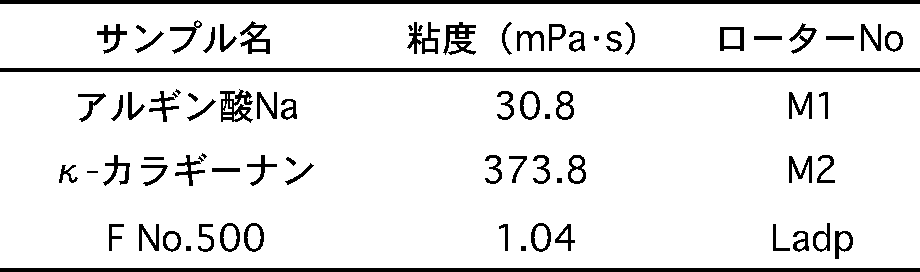
表1に各配合、添加した昆布エキスに由来する遊離グルタミン酸量、炊飯後の米飯の水分および官能評価を記載した。比較例2の1.25倍に加水した米飯は、米飯粒がべた付き、あるいは潰れ、明らかに加水が過剰な状態であった。また比較例3(水溶性大豆多糖類のみ)、比較例4(昆布エキスのみ)は、それぞれ粘りに欠け、あるいはほぐれ性に欠け、米飯の品質として改善の余地があった。比較例6および7の増粘性多糖類を加えた場合、粘りの付与には至らず、課題は解決されなかった。
対して、実施例1~3はほぐれ性,粘りが共に良好であり、加水倍率が上がるに従い、その効果は高くなった。しかし加水倍率が1.5を超え、炊飯後の水分も68重量%を超える比較例5では米飯粒のべた付きや潰れが散見され、効果も低かった。
実施例4~9は、種々の昆布エキスを用いたが、全てに於いて良好な効果を示した。この際の昆布エキスに由来する遊離グルタミン酸量は、生米当たり5~50ppm程度であった。
表2に粘度の測定値を示した。比較例6及び7で用いたカラギーナンおよびアルギン酸の各素材の水溶液は、表2に記載の通り、昆布エキス水溶液よりも遥かに高い粘度を示していた。一方、これら増粘性多糖類を加えて炊飯し得られた米飯では粘りが感じられなかった。これらの素材は水溶液に粘性を付与する素材であるが、その水溶液の粘性が、米飯に粘りを付与するわけではなく、昆布エキスが特異的に米飯に粘りを付与出来たことが理解できる。
以上のように、水溶性大豆多糖類と昆布エキスを主成分とする米飯品質改良剤を用いることで、米飯の結着を抑制するとともに米飯に良好な粘りを付与し、米飯の品質を格段に改善出来た。
Claims (6)
- 水溶性大豆多糖類と昆布エキスを有効成分とする米飯品質改良剤。
- 水溶性大豆多糖類および昆布エキスの、米飯品質改良剤への使用。
- 水溶性大豆多糖類および昆布エキスを用いる、米飯の品質改良方法。
- 通常炊飯時の加水量に対し、1.0~1.5倍重量の水及び請求項1の米飯品質改良剤を加えて炊飯する、米飯または米飯加工食品の製造方法。
- 請求項1記載の品質改良剤を、炊飯後米飯重量に対してグルタミン酸として0.0021重量%(21ppm)~0.052重量%(520ppm)含む、米飯または米飯加工食品。
- 炊飯後米飯重量に対してグルタミン酸を0.0021重量%(21ppm)~0.052重量%(520ppm)および水溶性大豆多糖類を含む、米飯または米飯加工食品。
Priority Applications (1)
| Application Number | Priority Date | Filing Date | Title |
|---|---|---|---|
| JP2012553692A JP5974900B2 (ja) | 2011-01-17 | 2012-01-16 | 米飯品質改良剤 |
Applications Claiming Priority (2)
| Application Number | Priority Date | Filing Date | Title |
|---|---|---|---|
| JP2011007103 | 2011-01-17 | ||
| JP2011-007103 | 2011-03-29 |
Publications (1)
| Publication Number | Publication Date |
|---|---|
| WO2012099031A1 true WO2012099031A1 (ja) | 2012-07-26 |
Family
ID=46515658
Family Applications (1)
| Application Number | Title | Priority Date | Filing Date |
|---|---|---|---|
| PCT/JP2012/050664 Ceased WO2012099031A1 (ja) | 2011-01-17 | 2012-01-16 | 米飯品質改良剤 |
Country Status (2)
| Country | Link |
|---|---|
| JP (1) | JP5974900B2 (ja) |
| WO (1) | WO2012099031A1 (ja) |
Cited By (3)
| Publication number | Priority date | Publication date | Assignee | Title |
|---|---|---|---|---|
| WO2016136581A1 (ja) * | 2015-02-25 | 2016-09-01 | 不二製油グループ本社株式会社 | 穀類加工食品用ほぐれ改良剤 |
| WO2018037759A1 (ja) * | 2016-08-24 | 2018-03-01 | 不二製油グループ本社株式会社 | 澱粉含有食品用ほぐれ改良剤 |
| CN110089682A (zh) * | 2018-01-31 | 2019-08-06 | 北京呀咪呀咪营养快餐有限公司 | 一种抗老化即食方便米饭及其蒸制方法 |
Citations (8)
| Publication number | Priority date | Publication date | Assignee | Title |
|---|---|---|---|---|
| JPH0279943A (ja) * | 1988-09-14 | 1990-03-20 | Satake Eng Co Ltd | 米粒用添加剤及びその使用方法 |
| JPH04148660A (ja) * | 1990-10-12 | 1992-05-21 | Shoji Shiina | だしの素 |
| JPH0970265A (ja) * | 1995-09-05 | 1997-03-18 | Q P Corp | レトルト雑炊 |
| JPH11346682A (ja) * | 1998-06-09 | 1999-12-21 | Lion Corp | 炊飯シート及びそのシートを用いた炊飯方法 |
| JP2003199514A (ja) * | 2002-01-09 | 2003-07-15 | House Foods Corp | 容器入り混ぜご飯の素 |
| JP2004073052A (ja) * | 2002-08-14 | 2004-03-11 | Taiyo Kagaku Co Ltd | 米飯用食味改質剤及び米飯の製造方法 |
| WO2005051096A1 (ja) * | 2003-11-25 | 2005-06-09 | Fuji Oil Company, Limited | 低温での保存性の良い米飯類およびその製造方法 |
| JP2010136638A (ja) * | 2008-12-10 | 2010-06-24 | Fuji Oil Co Ltd | 食品用物性改良剤 |
Family Cites Families (6)
| Publication number | Priority date | Publication date | Assignee | Title |
|---|---|---|---|---|
| JP2824144B2 (ja) * | 1990-10-09 | 1998-11-11 | 株式会社佐竹製作所 | 米粒用添加剤、食味改良米及び米飯の食味改良方法 |
| JP3629794B2 (ja) * | 1996-02-01 | 2005-03-16 | 味の素株式会社 | 粘りの付与された炊飯米の製造法 |
| JP3817370B2 (ja) * | 1997-11-13 | 2006-09-06 | 不二製油株式会社 | 米飯用歩留り向上剤及び米飯の製造法 |
| JP3377992B2 (ja) * | 2001-05-07 | 2003-02-17 | 三栄源エフ・エフ・アイ株式会社 | 穀類加工食品 |
| JP2003061599A (ja) * | 2001-08-29 | 2003-03-04 | Ina Food Ind Co Ltd | 味付け飯、その味付け飯の製造方法及び味付け飯の素 |
| JP4281364B2 (ja) * | 2003-01-21 | 2009-06-17 | 不二製油株式会社 | 穀類加工食品の品質改良 |
-
2012
- 2012-01-16 JP JP2012553692A patent/JP5974900B2/ja active Active
- 2012-01-16 WO PCT/JP2012/050664 patent/WO2012099031A1/ja not_active Ceased
Patent Citations (8)
| Publication number | Priority date | Publication date | Assignee | Title |
|---|---|---|---|---|
| JPH0279943A (ja) * | 1988-09-14 | 1990-03-20 | Satake Eng Co Ltd | 米粒用添加剤及びその使用方法 |
| JPH04148660A (ja) * | 1990-10-12 | 1992-05-21 | Shoji Shiina | だしの素 |
| JPH0970265A (ja) * | 1995-09-05 | 1997-03-18 | Q P Corp | レトルト雑炊 |
| JPH11346682A (ja) * | 1998-06-09 | 1999-12-21 | Lion Corp | 炊飯シート及びそのシートを用いた炊飯方法 |
| JP2003199514A (ja) * | 2002-01-09 | 2003-07-15 | House Foods Corp | 容器入り混ぜご飯の素 |
| JP2004073052A (ja) * | 2002-08-14 | 2004-03-11 | Taiyo Kagaku Co Ltd | 米飯用食味改質剤及び米飯の製造方法 |
| WO2005051096A1 (ja) * | 2003-11-25 | 2005-06-09 | Fuji Oil Company, Limited | 低温での保存性の良い米飯類およびその製造方法 |
| JP2010136638A (ja) * | 2008-12-10 | 2010-06-24 | Fuji Oil Co Ltd | 食品用物性改良剤 |
Non-Patent Citations (1)
| Title |
|---|
| HITOSHI YOSHIDA: "Shokuhin Inryo Bun'ya ni Okeru Daizu Tatorui no Riyo", GEKKAN FOOD CHEMICAL, vol. 22, no. 7, 2006, pages 44 - 48 * |
Cited By (7)
| Publication number | Priority date | Publication date | Assignee | Title |
|---|---|---|---|---|
| WO2016136581A1 (ja) * | 2015-02-25 | 2016-09-01 | 不二製油グループ本社株式会社 | 穀類加工食品用ほぐれ改良剤 |
| JPWO2016136581A1 (ja) * | 2015-02-25 | 2017-11-30 | 不二製油株式会社 | 穀類加工食品用ほぐれ改良剤 |
| WO2018037759A1 (ja) * | 2016-08-24 | 2018-03-01 | 不二製油グループ本社株式会社 | 澱粉含有食品用ほぐれ改良剤 |
| CN109640696A (zh) * | 2016-08-24 | 2019-04-16 | 不二制油集团控股株式会社 | 含有淀粉食品用的松动改良剂 |
| JPWO2018037759A1 (ja) * | 2016-08-24 | 2019-06-20 | 不二製油株式会社 | 澱粉含有食品用ほぐれ改良剤 |
| JP7001057B2 (ja) | 2016-08-24 | 2022-02-03 | 不二製油株式会社 | 澱粉含有食品用ほぐれ改良剤 |
| CN110089682A (zh) * | 2018-01-31 | 2019-08-06 | 北京呀咪呀咪营养快餐有限公司 | 一种抗老化即食方便米饭及其蒸制方法 |
Also Published As
| Publication number | Publication date |
|---|---|
| JPWO2012099031A1 (ja) | 2014-06-30 |
| JP5974900B2 (ja) | 2016-08-23 |
Similar Documents
| Publication | Publication Date | Title |
|---|---|---|
| CN105581346B (zh) | 一种大豆蛋白素烤肠及其制备方法 | |
| CA2692631C (en) | Dispersion improver for gluten, and dispersion solution of gluten | |
| KR101617380B1 (ko) | 전자레인지 조리가 가능한 찰떡용 프리믹스, 이를 이용하여 제조되는 찰떡 및 이의 제조방법 | |
| WO2019059145A1 (ja) | 低糖質麺類及びその製造方法 | |
| CN1133378C (zh) | 蒸煮大米的方法 | |
| TWI730131B (zh) | 含有澱粉食品用的鬆動改良劑、含有澱粉食品以及含有澱粉食品的製造方法 | |
| JP5974900B2 (ja) | 米飯品質改良剤 | |
| JP2008278788A (ja) | 即席油揚げ麺類の製造方法 | |
| JP5713601B2 (ja) | 粒状大豆たん白加工食品の製造方法 | |
| JP6024868B2 (ja) | 穀類加工食品のほぐれ改良剤 | |
| CN107594493A (zh) | 一种香菇速溶粉的制备方法 | |
| KR102321371B1 (ko) | 홍삼추출액을 함유한 당면 및 이의 제조방법 | |
| JP6796599B2 (ja) | ビーフン様米粉麺類の製造方法 | |
| CN111990621B (zh) | 一种含柑橘纤维的芝士牛油果酱及其制备方法 | |
| JP6915534B2 (ja) | 穀類加工食品用ほぐれ改良剤 | |
| JP6094045B2 (ja) | 穀類加工食品のほぐれ改良剤 | |
| CN112450424A (zh) | 一种薯类方便火锅及其加工工艺 | |
| JP4725333B2 (ja) | 米糠由来の水溶性多糖類からなる食品機能剤 | |
| KR101834799B1 (ko) | 현미를 이용한 결착력이 증대된 돈가스용 베터믹스 제조 | |
| KR20140146066A (ko) | 전분 가공품의 개질방법 | |
| CN112914043A (zh) | 含有酵母可溶β-葡聚糖-花生分离蛋白复合物的香肠 | |
| CN106819921B (zh) | 一种霞糕及其制备方法 | |
| RU2770802C1 (ru) | Смесь для получения киселя | |
| JP6885742B2 (ja) | 麺類用結着防止剤及びその製造方法 | |
| CN120092944A (zh) | 含淀粉食品用松散改良剂 |
Legal Events
| Date | Code | Title | Description |
|---|---|---|---|
| 121 | Ep: the epo has been informed by wipo that ep was designated in this application |
Ref document number: 12736815 Country of ref document: EP Kind code of ref document: A1 |
|
| ENP | Entry into the national phase |
Ref document number: 2012553692 Country of ref document: JP Kind code of ref document: A |
|
| NENP | Non-entry into the national phase |
Ref country code: DE |
|
| 122 | Ep: pct application non-entry in european phase |
Ref document number: 12736815 Country of ref document: EP Kind code of ref document: A1 |