EP3559227B1 - Proteasevarianten und verwendungen davon - Google Patents
Proteasevarianten und verwendungen davon Download PDFInfo
- Publication number
- EP3559227B1 EP3559227B1 EP17832644.3A EP17832644A EP3559227B1 EP 3559227 B1 EP3559227 B1 EP 3559227B1 EP 17832644 A EP17832644 A EP 17832644A EP 3559227 B1 EP3559227 B1 EP 3559227B1
- Authority
- EP
- European Patent Office
- Prior art keywords
- composition
- cleaning
- subtilisin
- variant
- amino acid
- Prior art date
- Legal status (The legal status is an assumption and is not a legal conclusion. Google has not performed a legal analysis and makes no representation as to the accuracy of the status listed.)
- Active
Links
Images
Classifications
-
- C—CHEMISTRY; METALLURGY
- C12—BIOCHEMISTRY; BEER; SPIRITS; WINE; VINEGAR; MICROBIOLOGY; ENZYMOLOGY; MUTATION OR GENETIC ENGINEERING
- C12N—MICROORGANISMS OR ENZYMES; COMPOSITIONS THEREOF; PROPAGATING, PRESERVING, OR MAINTAINING MICROORGANISMS; MUTATION OR GENETIC ENGINEERING; CULTURE MEDIA
- C12N9/00—Enzymes; Proenzymes; Compositions thereof; Processes for preparing, activating, inhibiting, separating or purifying enzymes
- C12N9/14—Hydrolases (3)
- C12N9/48—Hydrolases (3) acting on peptide bonds (3.4)
- C12N9/50—Proteinases, e.g. Endopeptidases (3.4.21-3.4.25)
- C12N9/52—Proteinases, e.g. Endopeptidases (3.4.21-3.4.25) derived from bacteria or Archaea
- C12N9/54—Proteinases, e.g. Endopeptidases (3.4.21-3.4.25) derived from bacteria or Archaea bacteria being Bacillus
-
- C—CHEMISTRY; METALLURGY
- C11—ANIMAL OR VEGETABLE OILS, FATS, FATTY SUBSTANCES OR WAXES; FATTY ACIDS THEREFROM; DETERGENTS; CANDLES
- C11D—DETERGENT COMPOSITIONS; USE OF SINGLE SUBSTANCES AS DETERGENTS; SOAP OR SOAP-MAKING; RESIN SOAPS; RECOVERY OF GLYCEROL
- C11D3/00—Other compounding ingredients of detergent compositions covered in group C11D1/00
- C11D3/16—Organic compounds
- C11D3/38—Products with no well-defined composition, e.g. natural products
- C11D3/386—Preparations containing enzymes, e.g. protease or amylase
-
- C—CHEMISTRY; METALLURGY
- C12—BIOCHEMISTRY; BEER; SPIRITS; WINE; VINEGAR; MICROBIOLOGY; ENZYMOLOGY; MUTATION OR GENETIC ENGINEERING
- C12N—MICROORGANISMS OR ENZYMES; COMPOSITIONS THEREOF; PROPAGATING, PRESERVING, OR MAINTAINING MICROORGANISMS; MUTATION OR GENETIC ENGINEERING; CULTURE MEDIA
- C12N9/00—Enzymes; Proenzymes; Compositions thereof; Processes for preparing, activating, inhibiting, separating or purifying enzymes
- C12N9/14—Hydrolases (3)
- C12N9/48—Hydrolases (3) acting on peptide bonds (3.4)
- C12N9/50—Proteinases, e.g. Endopeptidases (3.4.21-3.4.25)
- C12N9/64—Proteinases, e.g. Endopeptidases (3.4.21-3.4.25) derived from animal tissue
-
- C—CHEMISTRY; METALLURGY
- C12—BIOCHEMISTRY; BEER; SPIRITS; WINE; VINEGAR; MICROBIOLOGY; ENZYMOLOGY; MUTATION OR GENETIC ENGINEERING
- C12Y—ENZYMES
- C12Y304/00—Hydrolases acting on peptide bonds, i.e. peptidases (3.4)
- C12Y304/21—Serine endopeptidases (3.4.21)
- C12Y304/21062—Subtilisin (3.4.21.62)
Definitions
- subtilisin variant Disclosed herein is one or more subtilisin variant, nucleic acid encoding same, and compositions and methods related to the production and use thereof, including one or more subtilisin variant that has improved stability and/or soil removal compared to one or more reference subtilisin.
- a protease (also known as a proteinase) is an enzyme protein that has the ability to break down other proteins.
- a protease has the ability to conduct proteolysis, which begins protein catabolism by hydrolysis of peptide bonds that link amino acids together in a peptide or polypeptide chain forming the protein.
- proteolytic activity This activity of a protease as a protein-digesting enzyme is termed a proteolytic activity.
- Many well-known procedures exist for measuring proteolytic activity Kalisz, "Microbial Proteinases," In: Fiechter (ed.), Advances in Biochemical Engineering/Biotechnology, (1988 )).
- proteolytic activity may be ascertained by comparative assays which analyze the respective protease's ability to hydrolyze a commercial substrate.
- Exemplary substrates useful in the analysis of protease or proteolytic activity include, but are not limited to, di-methyl casein (Sigma C-9801), bovine collagen (Sigma C-9879), bovine elastin (Sigma E-1625), and bovine keratin (ICN Biomedical 902111). Colorimetric assays utilizing these substrates are well known in the art (see, e.g., WO 99/34011 and U.S. Pat. No. 6,376,450 ).
- Serine proteases are enzymes (EC No. 3.4.21) possessing an active site serine that initiates hydrolysis of peptide bonds of proteins. Serine proteases comprise a diverse class of enzymes having a wide range of specificities and biological functions that are further divided based on their structure into chymotrypsin-like (trypsin-like) and subtilisin-like. The prototypical subtilisin (EC No. 3.4.21.62) was initially obtained from Bacillus subtilis. Subtilisins and their homologues are members of the S8 peptidase family of the MEROPS classification scheme ( Rawlings, N.D. et al (2016) Twenty years of the MEROPS database of proteolytic enzymes, their substrates and inhibitors.
- WO 2016/001450 A2 describes subtilisin variants with protease activity comprising the substitution N76D as well as additional substitutions.
- WO 88/08165 A1 describes a computer-based method for selecting sites for the substitution of cysteine residues for forming disulfide bridges.
- WO 2016/205755 A1 discloses isolated subtilisin variants comprising amino acid sequences having specified variations in sequences derived from Bacillus gibsonii.
- WO 2016/001449 A1 WO 2011/072117 , US 2004/197894 A1 , WO 2007/019858 A2 , WO 94/02618 A1 , WO 2016/069563 A1 , WO 2011/072099 A2 , and WO 2015/089447 describe subtilisin variants with improved cleaning properties, and detergent compositions comprising said subtilisin variants.
- the invention is as described in the appended claims.
- the invention is directed to a subtilisin variant comprising an amino acid sequence comprising the amino acid substitution 130G, wherein the amino acid positions of the variant are numbered by correspondence with the amino acid sequence of SEQ ID NO:17, and wherein said variant comprises an amino acid sequence with 80%, 85%, 86%, 87%, 88%, 89%, 90%, 91%, 92%, 93%, 94%, 95%, 96%, 97%, 98%, or 99% sequence identity to the amino acid sequence of SEQ ID NO:11; wherein said variant has one or more improved property when compared to a parent or reference subtilisin; wherein the improved property is selected from improved cleaning performance in detergent, improved stability; and combinations thereof.
- the parent or reference polypeptide has 80%, 85%, 86%, 87%, 88%, 89%, 90%, 91%, 92%, 93%, 94%, 95%, 96%, 97%, 98%, 99% or 100% amino acid sequence identity to the amino acid sequence of SEQ ID NO:11 or 13; e.g. 100% amino acid sequence identity to the amino acid sequence of SEQ ID NO:11 or 13.
- the (i) cleaning performance in detergent is measured in accordance with the cleaning performance in laundry (HDL) and ADW detergents assay of Example 1 and/or the (ii) stability is measured in accordance with the stability assay of Example 1.
- the improved property is (i) improved cleaning performance in detergent, wherein said variant has a BMI, crèmepurée and/or egg stain cleaning PI > 1 and/or (ii) the improved stability, wherein said variant has a stability PI > I or >50% residual activity when measured in accordance with the stability assay of Example 1.
- compositions comprising a subtilisin variant according to the claims.
- the composition is selected from an enzyme composition and a detergent composition.
- the detergent composition is selected from a laundry detergent, a fabric softening detergent, a dishwashing detergent, and a hard-surface cleaning detergent.
- the composition is a disinfectant, medical instrument cleaning, animal feed, contact lens cleaning, wound cleaning, or textile, leather or feather processing composition.
- the composition according to the invention further comprises (i) one or more other enzymes selected acyl transferases, amylases, alpha-amylases, beta-amylases, alpha-galactosidases, arabinases, arabinosidases, aryl esterases, beta-galactosidases, beta-glucanases, carrageenases, catalases, chondroitinases, cutinases, endo-beta-mannanases, exo-beta-mannanases, esterases, exo-mannanases, galactanases, glucoamylases, hemicellulases, hyaluronidases, keratinases, laccases, lactases, ligninases, lipases, lipolytic enzymes, lipoxygenases, mannanases, metalloproteases, nucleases, oxidases, oxidor
- the composition according to the invention is phosphate-free or contains phosphate and/or is boron free or contains boron. In some embodiments, the composition according to the invention is a granular, powder, solid, bar, liquid, tablet, gel, paste and/or unit dose composition.
- Further embodiments are directed to a method of cleaning comprising contacting a surface or an item in need of cleaning with an effective amount of a subtilisin variant according to the claims or a composition according to the claims.
- the method of cleaning further comprises a step of rinsing said surface or item after contacting said surface or item with said variant or composition.
- said item is dishware or fabric.
- the method of cleaning is a method of cleaning a crèmekosée stain.
- the variant has a crèmeyakée stain, blood/milk/ink (BMI) stain, or egg stain cleaning PI > 1 when compared to SEQ ID NO:1, 11, 13, 15 and/or 17.
- the crèmeyakée stain, BMI stain, or egg stain cleaning performance of said variant is measured in accordance with the crèmelessness, BMI stain, or egg stain assay described in Example 1.
- Still further embodiments are directed to a polynucleotide comprising a nucleic acid sequence encoding a subtilisin variant according to the claims, wherein the polynucleotide is optionally isolated.
- the nucleic acid sequence is operably linked to a promoter.
- Further embodiments are directed to an expression vector or cassette comprising the polynucleotide. Further embodiments are directed to a recombinant host cell comprising the polynucleotide, vector or cassette.
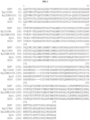
- Figure 1 provides a CLUSTALW alignment of the mature amino acid sequence of B. amyloliquefaciens subtilisin BPN' (SEQ ID NO:17) with the mature amino acid sequences of: B. lentus subtilisin GG36 (SEQ ID NO:1), B. licheniformis subtilisin AprL (SEQ ID NO:15), B. gibsonii subtilisin Bgi02446 (SEQ ID NO:11), and B. gibsonii subtilisin BgiDSM14391 (SEQ ID NO:13).
- subtilisin variant described herein can be made and used via conventional techniques commonly used in molecular biology, microbiology, protein purification, protein engineering, protein and DNA sequencing, recombinant DNA fields, and industrial enzyme use and development.
- Terms and abbreviations not defined should be accorded their ordinary meaning as used in the art. Unless defined otherwise herein, all technical and scientific terms used herein have the same meaning as commonly understood by one of ordinary skill in the art. Any definitions provided herein are to be interpreted in the context of the specification as a whole. As used herein, the singular “a,” “an” and “the” includes the plural unless the context clearly indicates otherwise.
- nucleic acid sequences are written left to right in 5' to 3' orientation; and amino acid sequences are written left to right in amino to carboxy orientation.
- Each numerical range used herein includes every narrower numerical range that falls within such broader numerical range, as if such narrower numerical ranges were all expressly written herein.
- the term “about” refers to a range of +/- 0.5 of the numerical value, unless the term is otherwise specifically defined in context.
- the phrase a "pH value of about 6" refers to pH values of from 5.5 to 6.5, unless the pH value is specifically defined otherwise.
- the nomenclature of the amino acid substitutions of the one or more subtilisin variants described herein uses one or more of the following: position; position:amino acid substitution(s); or starting amino acid(s):position:amino acid substitution(s).
- Reference to a "position” i.e. 5, 8, 17, 22, etc) encompasses any starting amino acid that may be present at such position, and any substitution that may be present at such position.
- Reference to a "position: amino acid substitution(s)” i.e. 1S/T/G, 3G, 17T, etc) encompasses any starting amino acid that may be present at such position and the one or more amino acid(s) with which such starting amino acid may be substituted.
- Reference to a position can be recited several forms, for example, position 003 can also be referred to as position 3.
- Reference to a starting or substituted amino acid may be further expressed as several starting, or substituted amino acids separated by a foreslash ("/").
- D275S/K indicates position 275 is substituted with serine (S) or lysine (K)
- P/S197K indicates that starting amino acid proline (P) or serine (S) at position 197 is substituted with lysine (K).
- Reference to an X as the amino acid in a position refers to any amino acid at the recited position.
- the position of an amino acid residue in a given amino acid sequence is numbered by correspondence with the amino acid sequence of SEQ ID NO:17. That is, the amino acid sequence of BPN' shown in SEQ ID NO:17 serves as a reference sequence.
- the amino acid sequence of one or more subtilisin variant described herein is aligned with the amino acid sequence of SEQ ID NO:17 in accordance with Figure 1 using an alignment algorithm as described herein, and each amino acid residue in the given amino acid sequence that aligns (preferably optimally aligns) with an amino acid residue in SEQ ID NO:17 is conveniently numbered by reference to the numerical position of that corresponding amino acid residue.
- Sequence alignment algorithms such as, for example, described herein will identify the location where insertions or deletions occur in a subject sequence when compared to a query sequence.
- protease refers to an enzyme that has the ability to break down proteins and peptides.
- a protease has the ability to conduct “proteolysis,” by hydrolysis of peptide bonds that link amino acids together in a peptide or polypeptide chain forming the protein.
- proteolytic activity This activity of a protease as a protein-digesting enzyme is referred to as "proteolytic activity.”
- proteolytic activity may be ascertained by comparative assays that analyze the respective protease's ability to hydrolyze a suitable substrate.
- Exemplary substrates useful in the analysis of protease or proteolytic activity include, but are not limited to, di-methyl casein (Sigma C-9801), bovine collagen (Sigma C-9879), bovine elastin (Sigma E-1625), and bovine keratin (ICN Biomedical 902111). Colorimetric assays utilizing these substrates are well known in the art (See e.g., WO99/34011 and US 6,376,450 ). The pNA peptidyl assay (See e.g., Del Mar et al., Anal Biochem, 99:316-320, 1979 ) also finds use in determining the active enzyme concentration.
- This assay measures the rate at which p-nitroaniline is released as the enzyme hydrolyzes a soluble synthetic substrate, such as succinyl-alanine-alanine-proline-phenylalanine-p-nitroanilide (suc-AAPF-pNA).
- a soluble synthetic substrate such as succinyl-alanine-alanine-proline-phenylalanine-p-nitroanilide (suc-AAPF-pNA).
- the rate of production of yellow color from the hydrolysis reaction is measured at 410 nm on a spectrophotometer and is proportional to the active enzyme concentration.
- absorbance measurements at 280 nanometers (nm) can be used to determine the total protein concentration in a sample of purified protein. The activity on substrate divided by protein concentration gives the enzyme specific activity.
- composition(s) substantially-free of boron or “detergent(s) substantially-free of boron” refers to composition(s) or detergent(s), respectively, that contain trace amounts of boron, for example, less than about 1000 ppm (1mg/kg or liter equals 1 ppm), less than about 100 ppm, less than about 50 ppm, less than about 10 ppm, or less than about 5 ppm, or less than about 1 ppm, perhaps from other compositions or detergent constituents.
- the genus Bacillus includes all species within the genus “Bacillus,” as known to those of skill in the art, including but not limited to B. subtilis, B. licheniformis, B. lentus, B. brevis, B. stearothermophilus, B. alkalophilus, B. amyloliquefaciens, B. clausii, B. halodurans, B. megaterium, B. coagulans, B. circulans, B. gibsonii, and B. thuringiensis. It is recognized that the genus Bacillus continues to undergo taxonomical reorganization.
- the genus include species that have been reclassified, including but not limited to such organisms as B. stearothermophilus, which is now named “Geobacillus stearothermophilus”, or B. polymyxa, which is now “Paenibacillus polymyxa”.
- vector refers to a nucleic acid construct used to introduce or transfer nucleic acid(s) into a target cell or tissue.
- a vector is typically used to introduce foreign DNA into a cell or tissue.
- Vectors include plasmids, cloning vectors, bacteriophages, viruses (e.g., viral vector), cosmids, expression vectors, shuttle vectors, and the like.
- a vector typically includes an origin of replication, a multicloning site, and a selectable marker. The process of inserting a vector into a target cell is typically referred to as transformation.
- the present invention includes, in some embodiments, a vector that comprises a DNA sequence encoding a serine protease polypeptide (e.g., precursor or mature serine protease polypeptide) that is operably linked to a suitable prosequence (e.g., secretory, signal peptide sequence, etc.) capable of effecting the expression of the DNA sequence in a suitable host, and the folding and translocation of the recombinant polypeptide chain.
- a serine protease polypeptide e.g., precursor or mature serine protease polypeptide
- a suitable prosequence e.g., secretory, signal peptide sequence, etc.
- the term "introduced” refers to any method suitable for transferring the nucleic acid sequence into the cell. Such methods for introduction include but are not limited to protoplast fusion, transfection, transformation, electroporation, conjugation, and transduction. Transformation refers to the genetic alteration of a cell which results from the uptake, optional genomic incorporation, and expression of genetic material (e.g., DNA).
- expression refers to the transcription and stable accumulation of sense (mRNA) or anti-sense RNA, derived from a nucleic acid molecule of the disclosure. Expression may also refer to translation of mRNA into a polypeptide. Thus, the term “expression” includes any step involved in the "production of the polypeptide” including, but not limited to, transcription, post-transcriptional modifications, translation, post-translational modifications, secretion and the like.
- expression cassette refers to a nucleic acid construct or vector generated recombinantly or synthetically for the expression of a nucleic acid of interest (e.g., a foreign nucleic acid or transgene) in a target cell.
- the nucleic acid of interest typically expresses a protein of interest.
- An expression vector or expression cassette typically comprises a promoter nucleotide sequence that drives or promotes expression of the foreign nucleic acid.
- the expression vector or cassette also typically includes other specified nucleic acid elements that permit transcription of a particular nucleic acid in a target cell.
- a recombinant expression cassette can be incorporated into a plasmid, chromosome, mitochondrial DNA, plastid DNA, virus, or nucleic acid fragment.
- Some expression vectors have the ability to incorporate and express heterologous DNA fragments in a host cell or genome of the host cell.
- Many prokaryotic and eukaryotic expression vectors are commercially available. Selection of appropriate expression vectors for expression of a protein from a nucleic acid sequence incorporated into the expression vector is within the knowledge of those of skill in the art.
- a nucleic acid is "operably linked" with another nucleic acid sequence when it is placed into a functional relationship with another nucleic acid sequence.
- a promoter or enhancer is operably linked to a nucleotide coding sequence if the promoter affects the transcription of the coding sequence.
- a ribosome binding site may be operably linked to a coding sequence if it is positioned so as to facilitate translation of the coding sequence.
- "operably linked" DNA sequences are contiguous. However, enhancers do not have to be contiguous. Linking is accomplished by ligation at convenient restriction sites. If such sites do not exist, synthetic oligonucleotide adaptors or linkers may be used in accordance with conventional practice.
- gene refers to a polynucleotide (e.g., a DNA segment), that encodes a polypeptide and includes regions preceding and following the coding regions. In some instances a gene includes intervening sequences (introns) between individual coding segments (exons).
- a recombinant when used with reference to a cell typically indicates that the cell has been modified by the introduction of a foreign nucleic acid sequence or that the cell is derived from a cell so modified.
- a recombinant cell may comprise a gene not found in identical form within the native (non-recombinant) form of the cell, or a recombinant cell may comprise a native gene (found in the native form of the cell) that has been modified and re-introduced into the cell.
- a recombinant cell may comprise a nucleic acid endogenous to the cell that has been modified without removing the nucleic acid from the cell; such modifications include those obtained by gene replacement, site-specific mutation, and related techniques known to those of ordinary skill in the art.
- Recombinant DNA technology includes techniques for the production of recombinant DNA in vitro and transfer of the recombinant DNA into cells where it may be expressed or propagated, thereby producing a recombinant polypeptide.
- "Recombination" and "recombining" of polynucleotides or nucleic acids refer generally to the assembly or combining of two or more nucleic acid or polynucleotide strands or fragments to generate a new polynucleotide or nucleic acid.
- a nucleic acid or polynucleotide is said to "encode" a polypeptide if, in its native state or when manipulated by methods known to those of skill in the art, it can be transcribed and/or translated to produce the polypeptide or a fragment thereof.
- the anti-sense strand of such a nucleic acid is also said to encode the sequence.
- host strain and "host cell” refer to a suitable host for an expression vector comprising a DNA sequence of interest.
- a “protein” or “polypeptide” comprises a polymeric sequence of amino acid residues.
- the terms “protein” and “polypeptide” are used interchangeably herein.
- the single and 3-letter code for amino acids as defined in conformity with the IUPAC-IUB Joint Commission on Biochemical Nomenclature (JCBN) is used throughout this disclosure.
- the single letter X refers to any of the twenty amino acids. It is also understood that a polypeptide may be coded for by more than one nucleotide sequence due to the degeneracy of the genetic code.
- prosequence or “propeptide sequence” refer to an amino acid sequence between the signal peptide sequence and mature protease sequence that is necessary for the proper folding and secretion of the protease; they are sometimes referred to as intramolecular chaperones. Cleavage of the prosequence or propeptide sequence results in a mature active protease. Bacterial serine proteases are often expressed as pro-enzymes. Examples of modified propeptides are provided, for example, in WO 2016/205710 .
- signal sequence and “signal peptide” refer to a sequence of amino acid residues that may participate in the secretion or direct transport of the mature or precursor form of a protein.
- the signal sequence is typically located N-terminal to the precursor or mature protein sequence.
- the signal sequence may be endogenous or exogenous.
- a signal sequence is normally absent from the mature protein.
- a signal sequence is typically cleaved from the protein by a signal peptidase after the protein is transported.
- mature form of a protein, polypeptide, or peptide refers to the functional form of the protein, polypeptide, or peptide without the signal peptide sequence and propeptide sequence.
- precursor form of a protein or peptide refers to a mature form of the protein having a prosequence operably linked to the amino or carbonyl terminus of the protein.
- the precursor may also have a "signal" sequence operably linked to the amino terminus of the prosequence.
- the precursor may also have additional polypeptides that are involved in post-translational activity (e.g., polypeptides cleaved therefrom to leave the mature form of a protein or peptide).
- wild-type or parent refer to a naturally-occurring polypeptide that does not include a man-made substitution, insertion, or deletion at one or more amino acid positions.
- wild-type or parent refer to a naturally-occurring polynucleotide that does not include a man-made substitution, insertion, or deletion at one or more nucleosides.
- a polynucleotide encoding a wild-type or parental polypeptide is, however, not limited to a naturally-occurring polynucleotide, and encompasses any polynucleotide encoding the wild-type or parental polypeptide.
- naturally-occurring refers to, for example, a sequence and residues contained therein (e.g., polypeptide sequence and amino acids contained therein or nucleic acid sequence and nucleic acids contained therein) that are found in nature.
- non-naturally occurring refers to, for example, a sequence and residues contained therein (e.g., polypeptide sequences and amino acids contained therein or nucleic acid sequence and nucleic acids contained therein) that are not found in nature.
- corresponding to or “corresponds to” or “corresponds” refers to an amino acid residue at the enumerated position in a protein or peptide, or an amino acid residue that is analogous, homologous, or equivalent to an enumerated residue in a protein or peptide.
- corresponding region generally refers to an analogous position in a related protein or a reference protein.
- derived from and “obtained from” refer to not only a protein produced or producible by a strain of the organism in question, but also a protein encoded by a DNA sequence isolated from such strain and produced in a host organism containing such DNA sequence. Additionally, the term refers to a protein which is encoded by a DNA sequence of synthetic and/or cDNA origin and which has the identifying characteristics of the protein in question.
- proteases derived from Bacillus refers to those enzymes having proteolytic activity that are naturally produced by Bacillus, as well as to serine proteases like those produced by Bacillus sources but which through the use of genetic engineering techniques are produced by other host cells transformed with a nucleic acid encoding the serine proteases.
- nucleic acids or amino acids in the two sequences refers to the nucleic acids or amino acids in the two sequences that are the same when aligned for maximum correspondence, as measured using sequence comparison or analysis algorithms described below and known in the art.
- % identity or percent identity or "PID” refers to protein sequence identity. Percent identity may be determined using standard techniques known in the art. The percent amino acid identity shared by sequences of interest can be determined by aligning the sequences to directly compare the sequence information, e.g., by using a program such as BLAST, MUSCLE, or CLUSTAL.
- the BLAST algorithm is described, for example, in Altschul et al., J Mol Biol, 215:403-410 (1990 ) and Karlin et al., Proc Natl Acad Sci USA, 90:5873-5787 (1993 ).
- a percent (%) amino acid sequence identity value is determined by the number of matching identical residues divided by the total number of residues of the "reference” sequence including any gaps created by the program for optimal/maximum alignment.
- BLAST algorithms refer to the "reference” sequence as the "query” sequence.
- homologous proteins or “homologous proteases” refers to proteins that have distinct similarity in primary, secondary, and/or tertiary structure. Protein homology can refer to the similarity in linear amino acid sequence when proteins are aligned. Homology can be determined by amino acid sequence alignment, e.g., using a program such as BLAST, MUSCLE, or CLUSTAL. Homologous search of protein sequences can be done using BLASTP and PSI-BLAST from NCBI BLAST with threshold (E-value cut-off) at 0.001.
- Amino acid sequences can be entered in a program such as the Vector NTI Advance suite and a Guide Tree can be created using the Neighbor Joining (NJ) method ( Saitou and Nei, Mol Biol Evol, 4:406-425, 1987 ).
- NJ Neighbor Joining
- the tree construction can be calculated using Kimura's correction for sequence distance and ignoring positions with gaps.
- a program such as AlignX can display the calculated distance values in parenthesis following the molecule name displayed on the phylogenetic tree.
- homology can reveal the evolutionary history of the molecules as well as information about their function; if a newly sequenced protein is homologous to an already characterized protein, there is a strong indication of the new protein's biochemical function.
- the most fundamental relationship between two entities is homology; two molecules are said to be homologous if they have been derived from a common ancestor.
- Homologous molecules, or homologs can be divided into two classes, paralogs and orthologs.
- Paralogs are homologs that are present within one species. Paralogs often differ in their detailed biochemical functions.
- Orthologs are homologs that are present within different species and have very similar or identical functions.
- a protein superfamily is the largest grouping (clade) of proteins for which common ancestry can be inferred. Usually this common ancestry is based on sequence alignment and mechanistic similarity. Superfamilies typically contain several protein families which show sequence similarity within the family.
- the term "protein clan” is commonly used for protease superfamilies based on the MEROPS protease classification system.
- the term "subtilisin” includes any member of the S8 serine protease family as described in MEROPS - The Peptidase Data base ( Rawlings, N.D., et al (2016) Twenty years of the MEROPS database of proteolytic enzymes, their substrates and inhibitors. Nucleic Acids Res 44, D343-D350 ).
- the CLUSTAL W algorithm is another example of a sequence alignment algorithm (See, Thompson et al., Nucleic Acids Res, 22:4673-4680, 1994 ).
- deletions occurring at either terminus are included.
- a variant with a five amino acid deletion at either terminus (or within the polypeptide) of a polypeptide of 500 amino acids would have a percent sequence identity of 99% (495/500 identical residues ⁇ 100) relative to the "reference" polypeptide.
- Such a variant would be encompassed by a variant having "at least 99% sequence identity" to the polypeptide.
- a nucleic acid or polynucleotide is “isolated” when it is at least partially or completely separated from other components, including but not limited to for example, other proteins, nucleic acids, cells, etc.
- a polypeptide, protein or peptide is “isolated” when it is at least partially or completely separated from other components, including but not limited to for example, other proteins, nucleic acids, cells, etc.
- an isolated species is more abundant than are other species in a composition.
- an isolated species may comprise at least about 60%, about 65%, about 70%, about 75%, about 80%, about 85%, about 90%, about 91%, about 92%, about 93%, about 94%, about 95%, about 96%, about 97%, about 98%, about 99%, or about 100% (on a molar basis) of all macromolecular species present.
- the species of interest is purified to essential homogeneity (i.e., contaminant species cannot be detected in the composition by conventional detection methods). Purity and homogeneity can be determined using a number of techniques well known in the art, such as agarose or polyacrylamide gel electrophoresis of a nucleic acid or a protein sample, respectively, followed by visualization upon staining. If desired, a high-resolution technique, such as high performance liquid chromatography (HPLC) or a similar means can be utilized for purification of the material.
- HPLC high performance liquid chromatography
- purified as applied to nucleic acids or polypeptides generally denotes a nucleic acid or polypeptide that is essentially free from other components as determined by analytical techniques well known in the art (e.g., a purified polypeptide or polynucleotide forms a discrete band in an electrophoretic gel, chromatographic eluate, and/or a media subjected to density gradient centrifugation).
- a nucleic acid or polypeptide that gives rise to essentially one band in an electrophoretic gel is "purified.”
- a purified nucleic acid or polypeptide is at least about 50% pure, usually at least about 60%, about 65%, about 70%, about 75%, about 80%, about 85%, about 90%, about 91%, about 92%, about 93%, about 94%, about 95%, about 96%, about 97%, about 98%, about 99%, about 99.5%, about 99.6%, about 99.7%, about 99.8% or more pure (e.g., percent by weight on a molar basis).
- a composition is enriched for a molecule when there is a substantial increase in the concentration of the molecule after application of a purification or enrichment technique.
- enriched refers to a compound, polypeptide, cell, nucleic acid, amino acid, or other specified material or component that is present in a composition at a relative or absolute concentration that is higher than a starting composition.
- cleaning activity refers to a cleaning performance achieved by a serine protease polypeptide or reference subtilisin under conditions prevailing during the proteolytic, hydrolyzing, cleaning, or other process of the disclosure.
- cleaning performance of a serine protease or reference subtilisin may be determined by using various assays for cleaning one or more enzyme sensitive stain on an item or surface (e.g., a stain resulting from food, grass, blood, ink, milk, oil, and/or egg protein).
- Cleaning performance of one or more subtilisin variant described herein or reference subtilisin can be determined by subjecting the stain on the item or surface to standard wash condition(s) and assessing the degree to which the stain is removed by using various chromatographic, spectrophotometric, or other quantitative methodologies.
- Exemplary cleaning assays and methods are known in the art and include, but are not limited to those described in WO99/34011 and US 6,605,458 , as well as those cleaning assays and methods included in the Examples provided below.
- an effective amount of one or more subtilisin variant described herein or reference subtilisin refers to the amount of protease that achieves a desired level of enzymatic activity in a specific cleaning composition. Such effective amounts are readily ascertained by one of ordinary skill in the art and are based on many factors, such as the particular protease used, the cleaning application, the specific composition of the cleaning composition, and whether a liquid or dry (e.g., granular, tablet, bar) composition is required, etc.
- the cleaning compositions of the present disclosure include one or more cleaning adjunct materials.
- Each cleaning adjunct material is typically selected depending on the particular type and form of cleaning composition (e.g., liquid, granule, powder, bar, paste, spray, tablet, gel, foam, or other composition).
- each cleaning adjunct material is compatible with the protease enzyme used in the composition.
- Cleaning compositions and cleaning formulations include any composition that is suited for cleaning, bleaching, disinfecting, and/or sterilizing any object, item, and/or surface.
- Such compositions and formulations include, but are not limited to for example, liquid and/or solid compositions, including cleaning or detergent compositions (e.g., liquid, tablet, gel, bar, granule, and/or solid laundry cleaning or detergent compositions and fine fabric detergent compositions; hard surface cleaning compositions and formulations, such as for glass, wood, ceramic and metal counter tops and windows; carpet cleaners; oven cleaners; fabric fresheners; fabric softeners; and textile, laundry booster cleaning or detergent compositions, laundry additive cleaning compositions, and laundry pre-spotter cleaning compositions; dishwashing compositions, including hand or manual dishwashing compositions (e.g., "hand” or “manual” dishwashing detergents) and automatic dishwashing compositions (e.g., "automatic dishwashing detergents”).
- Single dosage unit forms also find use with the present invention, including but not limited to
- Cleaning composition or cleaning formulations include, unless otherwise indicated, granular or powder-form all-purpose or heavy-duty washing agents, especially cleaning detergents; liquid, granular, gel, solid, tablet, paste, or unit dosage form all-purpose washing agents, especially the so-called heavy-duty liquid (HDL) detergent or heavy-duty dry (HDD) detergent types; liquid fine-fabric detergents; hand or manual dishwashing agents, including those of the high-foaming type; hand or manual dishwashing, automatic dishwashing, or dishware or tableware washing agents, including the various tablet, powder, solid, granular, liquid, gel, and rinse-aid types for household and institutional use; liquid cleaning and disinfecting agents, including antibacterial hand-wash types, cleaning bars, mouthwashes, denture cleaners, car shampoos, carpet shampoos, bathroom cleaners; hair shampoos and/or hair-rinses for humans and other animals; shower gels and foam baths and metal cleaners; as well as cleaning auxiliaries, such as bleach additives and "stain-
- detergent composition or “detergent formulation” is used in reference to a composition intended for use in a wash medium for the cleaning of soiled or dirty objects, including particular fabric and/or non-fabric objects or items.
- the detergents of the disclosure comprise a subtilisin variant according to the claims and, in addition, one or more surfactants, transferase(s), hydrolytic enzymes, oxido reductases, builders (e.g., a builder salt), bleaching agents, bleach activators, bluing agents, fluorescent dyes, caking inhibitors, masking agents, enzyme stabilizers, calcium, enzyme activators, antioxidants, and/or solubilizers.
- a builder salt is a mixture of a silicate salt and a phosphate salt, preferably with more silicate (e.g., sodium metasilicate) than phosphate (e.g., sodium tripolyphosphate).
- silicate e.g., sodium metasilicate
- phosphate e.g., sodium tripolyphosphate
- Some embodiments are directed to cleaning compositions or detergent compositions that do not contain any phosphate (e.g., phosphate salt or phosphate builder).
- bleaching refers to the treatment of a material (e.g., fabric, laundry, pulp, etc.) or surface for a sufficient length of time and/or under appropriate pH and/or temperature conditions to effect a brightening (i.e., whitening) and/or cleaning of the material.
- chemicals suitable for bleaching include, but are not limited to, for example, ClO 2 , H 2 O 2 , peracids, NO 2 , etc.
- Bleaching agents also include enzymatic bleaching agents such as perhydrolase and arylesterases.
- Another embodiment is directed to a composition comprising a subtilisin variant according to the claims, and one or more perhydrolase, such as, for example, is described in WO2005/056782 , WO2007/106293 , WO 2008/063400 , WO2008/106214 , and WO2008/106215 .
- wash performance of a protease refers to the contribution of one or more subtilisin variant described herein to washing that provides additional cleaning performance to the detergent as compared to the detergent without the addition of the one or more subtilisin variant described herein to the composition. Wash performance is compared under relevant washing conditions.
- condition(s) typical for household application in a certain market segment e.g., hand or manual dishwashing, automatic dishwashing, dishware cleaning, tableware cleaning, fabric cleaning, etc.
- condition(s) typical for household application in a certain market segment e.g., hand or manual dishwashing, automatic dishwashing, dishware cleaning, tableware cleaning, fabric cleaning, etc.
- relevant washing conditions is used herein to indicate the conditions, particularly washing temperature, time, washing mechanics, sud concentration, type of detergent and water hardness, actually used in households in a hand dishwashing, automatic dishwashing, or laundry detergent market segment.
- fecting refers to the removal of contaminants from the surfaces, as well as the inhibition or killing of microbes on the surfaces of items.
- inorganic filler salts are conventional ingredients of detergent compositions in powder form.
- the filler salts are present in substantial amounts, typically about 17 to about 35% by weight of the total composition.
- the filler salt is present in amounts not exceeding about 15% of the total composition.
- the filler salt is present in amounts that do not exceed about 10%, or more preferably, about 5%, by weight of the composition.
- the inorganic filler salts are selected from the alkali and alkaline-earth-metal salts of sulfates and chlorides.
- the filler salt is sodium sulfate.
- subtilisin variant useful for cleaning applications and in methods of cleaning, as well as in a variety of industrial applications.
- one or more isolated, recombinant, substantially pure, or non-naturally occurring subtilisin variant Disclosed herein is one or more isolated, recombinant, substantially pure, or non-naturally occurring subtilisin variant.
- a subtilisin variant according to the claims is useful in cleaning applications and can be incorporated into cleaning compositions that are useful in methods of cleaning an item or a surface in need thereof.
- the invention is directed to a subtilisin variant comprising an amino acid sequence comprising the amino acid substitution 130G, wherein the amino acid positions of the variant are numbered by correspondence with the amino acid sequence of SEQ ID NO:17 wherein the variant comprises an amino acid sequence with 80%, 85%, 86%, 87%, 88%, 89%, 90%, 91%, 92%, 93%, 94%, 95%, 96%, 97%, 98%, or 99% sequence identity to the amino acid sequence of SEQ ID NO:11; wherein the variant has one or more improved property when compared to a parent or reference subtilisin; wherein the improved property is selected from improved cleaning performance in detergent, improved stability; and combinations thereof.
- the subtilisin variant provided herein comprises one or more additional substitutions, deletions, or insertions, or combinations thereof.
- the additional substitution that can be combined with the substitutions provided herein is selected from the group consisting of a variant having at least 90% identity with the amino acid sequence of SEQ ID NO:11 and said variant comprising at least one substitution (using the SEQ ID NO:17 numbering) selected from the group consisting of T3V, T9R, A15T, V68A, N76D, N99A/D/G/S, S101G/M, V104E/I, N118V/R, S128F, D129Q, G159S, Y167A, R170S, T194P, V205I, Q206C/E/I/K/T/V/W/L, Y209W, M217C, N218D, M222S/F, Q245R and T255R.
- Still yet another embodiment is directed to a subtilisin variant according to the claims, wherein said variant is derived from a parent or reference polypeptide with 80%, 85%, 86%, 87%, 88%, 89%, 90%, 91%, 92%, 93%, 94%, 95%, 96%, 97%, 98%, 99%, or 100% amino acid sequence identity to the amino acid sequence of SEQ ID NO:11 or 13; e.g. 100% amino acid sequence identity to the amino acid sequence of SEQ ID NO:11 or 13.
- the parent comprises the amino acid sequence of SEQ ID NO: 11 or 13.
- the improved property is (i) improved cleaning performance in detergent, wherein said variant has a BMI, crèmepurée and/or egg stain cleaning PI >1; and/or (ii) improved stability, wherein said variant has a stability PI > 1.
- the cleaning performance in detergent is measured in accordance with the cleaning performance in laundry (HDL) and ADW detergents assay of Example 1; and/or the stability is measured in accordance with the stability assay of Example 1.
- enhanced stability or “improved stability” in the context of an oxidation, chelator, denaturant, surfactant, thermal and/or pH stable protease refers to a higher retained proteolytic activity over time as compared to a reference protease, for example, a wild-type protease or parent protease.
- Autolysis has been identified as one mode of subtilisin activity loss in liquid detergents. ( Stoner et al., 2004 Protease autolysis in heavy-duty liquid detergent formulations: effects of thermodynamic stabilizers and protease inhibitors, Enzyme and Microbial Technology 34:114-125 .).
- thermoally stable and “thermostable” and “thermostability” with regard to a protease variant refers to a protease that retains a specified amount of enzymatic activity after exposure to identified temperatures over a given period of time under conditions (or “stress conditions") prevailing during proteolytic, hydrolysing, cleaning or other process, while being exposed to altered temperatures. "Altered temperatures” encompass increased or decreased temperatures.
- the variant proteases provided herein retain at least about 40%, about 50%, about 60%, about 70%, about 80%, about 85%, about 90%, about 92%, about 95%, about 96%, about 97%, about 98%, or about 99% proteolytic activity after exposure to temperatures of 50°C, 51°C, 52°C, 53°C, 54°C, 55°C, 56°C, 57°C, 58°C, 58°C, 59°C, or 60°C over a given time period, for example, at least about 20 minutes, at least about 60 minutes, about 90 minutes, about 120 minutes, about 180 minutes, about 240 minutes, about 300 minutes, about 360 minutes, about 420 minutes, about 480 minutes, about 540 minutes, about 600 minutes, about 660 minutes, about 720 minutes, about 780 minutes, about 840 minutes, about 900 minutes, about 960 minutes, about 1020 minutes, about 1080 minutes, about 1140 minutes, or about 1200 minutes.
- a further embodiment is directed a method of cleaning a crème Purée stain comprising contacting a surface or an item in need of cleaning with an effective amount of a subtilisin variant or composition containing a subtilisin variant according to the claims.
- the subtilisin variant used in the method of cleaning a crèmekosée stain described herein may have a crèmekosée stain cleaning PI >1 when compared to SEQ ID NO:1, 11, 13, 15, 17 and/or Bgi02446-S39E.
- the subtilisin variant used in the method of cleaning a crèmekosée stain described herein has a crèmekosée stain cleaning PI >1 when compared to SEQ ID NO:1, 11, 13, 15, and/or 17, wherein the crèmekosée stain cleaning performance of said variant is measured in accordance with the crèmecottée assay described in Example 1.
- the subtilisin variant used in the method of cleaning an egg yolk stain described herein may have an egg yolk stain cleaning PI >1 when compared to Bgi02446-S39E.
- the subtilisin variant used in the method of cleaning an egg yolk stain described herein may have an egg yolk stain cleaning PI >1 when compared to Bgi02446-S39E, where the egg yolk stain cleaning performance of the variant is measured in accordance with the egg yolk assay described in Example 1.
- the subtilisin variant used in the method of cleaning blood-milk-ink (BMI) stain described herein may have a BMI stain cleaning PI >1 when compared to Bgi02446-S39E.
- the subtilisin variant used in the method of cleaning a BMI stain described herein may have a BMI stain cleaning PI >1 when compared to Bgi02446-S39E, where the BMI stain cleaning performance of the variant is measured in accordance with the BMI assay described in Example 1.
- One or more subtilisin variant described herein can be subject to various changes, such as one or more amino acid insertion, deletion, and/or substitution, either conservative or non-conservative, including where such changes do not substantially alter the enzymatic activity of the variant.
- a nucleic acid of the invention can also be subject to various changes, such as one or more substitution of one or more nucleotide in one or more codon such that a particular codon encodes the same or a different amino acid, resulting in either a silent variation (e.g., when the encoded amino acid is not altered by the nucleotide mutation) or non-silent variation; one or more deletion of one or more nucleic acids (or codon) in the sequence; one or more addition or insertion of one or more nucleic acids (or codon) in the sequence; and/or cleavage of, or one or more truncation, of one or more nucleic acid (or codon) in the sequence.
- nucleic acid sequence described herein can also be modified to include one or more codon that provides for optimum expression in an expression system (e.g., bacterial expression system), while, if desired, said one or more codon still encodes the same amino acid(s).
- an expression system e.g., bacterial expression system
- Described herein is one or more isolated, non-naturally occurring, or recombinant polynucleotide comprising a nucleic acid sequence that encodes one or more subtilisin variant described herein, or recombinant polypeptide or active fragment thereof.
- One or more nucleic acid sequence described herein is useful in recombinant production (e.g., expression) of one or more subtilisin variant described herein, typically through expression of a plasmid expression vector comprising a sequence encoding the one or more subtilisin variant described herein or fragment thereof.
- One embodiment provides nucleic acids encoding a subtilisin variant according to the claims, wherein the variant is a mature form having proteolytic activity.
- subtilisin variant according to the claims is expressed recombinantly with a homologous pro-peptide sequence. In other embodiments, the subtilisin variant according to the claims is expressed recombinantly with a heterologous pro-peptide sequence (e.g., GG36 pro-peptide sequence).
- One or more nucleic acid sequence described herein can be generated by using any suitable synthesis, manipulation, and/or isolation techniques, or combinations thereof.
- one or more polynucleotide described herein may be produced using standard nucleic acid synthesis techniques, such as solid-phase synthesis techniques that are well-known to those skilled in the art. In such techniques, fragments of up to 50 or more nucleotide bases are typically synthesized, then joined (e.g., by enzymatic or chemical ligation methods) to form essentially any desired continuous nucleic acid sequence.
- the synthesis of the one or more polynucleotide described herein can be also facilitated by any suitable method known in the art, including but not limited to chemical synthesis using the classical phosphoramidite method (See e.g., Beaucage et al. Tetrahedron Letters 22:1859-69
- One or more polynucleotide described herein can also be produced by using an automatic DNA synthesizer.
- Customized nucleic acids can be ordered from a variety of commercial sources (e.g., Midland Certified Reagent Company, Great American Gene Company, Operon Technologies Inc., and DNA 2.0). Other techniques for synthesizing nucleic acids and related principles are described by, for example, Itakura et al., Ann. Rev. Biochem. 53:323 (1984 ) and Itakura et al., Science 198:1056 (1984 ).
- Recombinant DNA techniques useful in modification of nucleic acids are well known in the art, such as, for example, restriction endonuclease digestion, ligation, reverse transcription and cDNA production, and polymerase chain reaction (e.g., PCR).
- One or more polynucleotide described herein may also be obtained by screening cDNA libraries using one or more oligonucleotide probes that can hybridize to or PCR-amplify polynucleotides which encode one or more subtilisin variant described herein, or recombinant polypeptide or active fragment thereof.
- Procedures for screening and isolating cDNA clones and PCR amplification procedures are well known to those of skill in the art and described in standard references known to those skilled in the art.
- One or more polynucleotide described herein can be obtained by altering a naturally occurring polynucleotide backbone (e.g., that encodes one or more subtilisin variant described herein or reference subtilisin) by, for example, a known mutagenesis procedure (e.g., site-directed mutagenesis, site saturation mutagenesis, and in vitro recombination).
- a naturally occurring polynucleotide backbone e.g., that encodes one or more subtilisin variant described herein or reference subtilisin
- a known mutagenesis procedure e.g., site-directed mutagenesis, site saturation mutagenesis, and in vitro recombination.
- a variety of methods are known in the art that are suitable for generating modified polynucleotides described herein that encode one or more subtilisin variant described herein, including, but not limited to, for example, site-saturation mutagenesis, scanning mutagenesis, insertional mutagenesis, deletion mutagenesis, random mutagenesis, site-directed mutagenesis, and directed-evolution, as well as various other recombinatorial approaches.
- a further embodiment is directed to one or more vector comprising the subtilisin variant according to the claims (e.g., a polynucleotide encoding the subtilisin variant according to the claims); expression vectors or expression cassettes comprising one or more nucleic acid or polynucleotide sequence described herein; isolated, substantially pure, or recombinant DNA constructs comprising one or more nucleic acid or polynucleotide sequence described herein; isolated or recombinant cells comprising one or more polynucleotide sequence described herein; and compositions comprising one or more such vector, nucleic acid, expression vector, expression cassette, DNA construct, cell, cell culture, or any combination or mixtures thereof.
- Some embodiments are directed to one or more recombinant cell comprising one or more vector (e.g., expression vector or DNA construct) described herein which comprises one or more nucleic acid or polynucleotide sequence described herein.
- Some such recombinant cells are transformed or transfected with such at least one vector, although other methods are available and known in the art.
- Such cells are typically referred to as host cells.
- Some such cells comprise bacterial cells, including, but not limited to Bacillus sp. cells, such as B. subtilis cells.
- Other embodiments are directed to recombinant cells (e.g., recombinant host cells) comprising the subtilisin of the claims.
- One or more vector described herein may be an expression vector or expression cassette comprising one or more polynucleotide sequence described herein operably linked to one or more additional nucleic acid segments required for efficient gene expression (e.g., a promoter operably linked to one or more polynucleotide sequence described herein).
- a vector may include a transcription terminator and/or a selection gene (e.g., an antibiotic resistant gene) that enables continuous cultural maintenance of plasmid-infected host cells by growth in antimicrobial-containing media.
- An expression vector may be derived from plasmid or viral DNA, or in alternative embodiments, contains elements of both.
- Exemplary vectors include, but are not limited to pC194, pJH101, pE194, pHP13 (See, Harwood and Cutting [eds.], Chapter 3, Molecular Biological Methods for Bacillus, John Wiley & Sons (1990 ); suitable replicating plasmids for B. subtilis include those listed on p. 92).
- one or more expression vector comprising one or more copy of a polynucleotide encoding one or more subtilisin variant described herein, and in some instances comprising multiple copies, is transformed into the cell under conditions suitable for expression of the variant.
- a polynucleotide sequence encoding one or more subtilisin variant described herein (as well as other sequences included in the vector) may be integrated into the genome of the host cell, alternatively, a plasmid vector comprising a polynucleotide sequence encoding one or more subtilisin variant described herein may remain as autonomous extra-chromosomal element within the cell.
- Both extrachromosomal nucleic acid elements as well as incoming nucleotide sequences may be integrated into the host cell genome.
- the vectors described herein are useful for production of the one or more subtilisin variant described herein.
- a polynucleotide construct encoding one or more subtilisin variant described herein may be present on an integrating vector that enables the integration and optionally the amplification of the polynucleotide encoding the variant into the host chromosome. Examples of sites for integration are well known to those skilled in the art. Transcription of a polynucleotide encoding one or more subtilisin variant described herein may be effectuated by a promoter that is the wild-type promoter for the parent subtilisin.
- the promoter may be heterologous to the one or more subtilisin variant described herein, but is functional in the host cell.
- Exemplary promoters for use in bacterial host cells include, but are not limited to the amyE, amyQ, amyL, pstS, sacB, pSPAC, pAprE, pVeg, pHpaII promoters; the promoter of the B. stearothermophilus maltogenic amylase gene; the B. amyloliquefaciens (BAN) amylase gene; the B. subtilis alkaline protease gene; the B. clausii alkaline protease gene; the B. pumilis xylosidase gene; the B.
- Additional promoters include, but are not limited to the A4 promoter, as well as phage Lambda PR or PL promoters and the E. coli lac, trp or tac promoters.
- subtilisin variant described herein can be produced in host cells of any suitable microorganism, including bacteria and fungi.
- One or more subtilisin variant described herein can be produced in Gram-positive bacteria.
- the host cells may be Bacillus spp., Streptomyces spp., Escherichia spp., Aspergillus spp., Trichoderma spp., Pseudomonas spp., Corynebacterium spp., Saccharomyces spp., or Pichia spp.
- One or more subtilisin variant described herein may be produced by Bacillus sp. host cells. Examples of Bacillus sp.
- subtilisB. subtilis host cells that find use in the production of the one or more subtilisin variant described herein include, but are not limited to B. licheniformis, B. lentus, B. subtilis, B. amyloliquefaciens, B. lentus, B. brevis, B. stearothermophilus, B. alkalophilus, B. coagulans, B. circulans, B. pumilis, B. thuringiensis, B. clausii, and B. megaterium, as well as other organisms within the genus BacillusB. subtilis host cells may be used to produce the variants described herein.
- USPNs 5,264,366 and 4,760,025 describe various Bacillus host strains that can be used to produce one or more subtilisin variant described herein, although other suitable strains can be used.
- subtilisin variants described herein include non-recombinant (i.e., wild-type) Bacillus sp. strains, as well as variants of naturally-occurring strains and/or recombinant strains.
- the host strain may be a recombinant strain, wherein a polynucleotide encoding one or more subtilisin variant described herein has been introduced into the host.
- the host strain may be a B. subtilis host strain and particularly a recombinant B. subtilis host strain. Numerous B.
- subtilis strains are known, including, but not limited to for example, 1A6 (ATCC 39085), 168 (1A01), SB19, W23, Ts85, B637, PB1753 through PB1758, PB3360, JH642, 1A243 (ATCC 39,087), ATCC 21332, ATCC 6051, MI113, DE100 (ATCC 39,094), GX4931, PBT 110, and PEP 211strain (See e.g., Hoch et al., Genetics 73:215-228 (1973 ); See also, US 4,450,235 ; US 4,302,544 ; and EP 0134048 ). The use of B.
- subtilis as an expression host cell is well known in the art (See e.g., Palva et al., Gene 19:81-87 (1982 ); Fahnestock and Fischer, J. Bacteriol., 165:796-804 (1986 ); and Wang et al., Gene 69:39-47 (1988 )).
- the Bacillus host cell may be a Bacillus sp. that includes a mutation or deletion in at least one of the following genes: degU, degS, degR and degQ.
- the mutation may be in a degU gene, and the mutation may be degU(Hy)32 (See e.g., Msadek et al., J. Bacteriol. 172:824-834 (1990 ); and Olmos et al., Mol. Gen. Genet. 253:562-567 (1997 )).
- the Bacillus host may comprise a mutation or deletion in scoC4 (See e.g., Caldwell et al., J. Bacteriol.
- spoIIE See e.g., Arigoni et al., Mol. Microbiol. 31:1407-1415 (1999 )
- oppA or other genes of the opp operon See e.g., Perego et al., Mol. Microbiol. 5:173-185 (1991 )).
- any mutation in the opp operon that causes the same phenotype as a mutation in the oppA gene will find use in some examples of the altered Bacillus strain described herein. These mutations may occur alone, alternatively, combinations of mutations are present.
- Bacillus host cell strain that can be used to produce one or more subtilisin variant described herein may be a Bacillus host strain that already includes a mutation in one or more of the above-mentioned genes.
- Bacillus sp. host cells that comprise mutation(s) and/or deletion(s) of endogenous protease genes find use.
- the Bacillus host cell may comprise a deletion of the aprE and the nprE genes.
- the Bacillus sp. host cell may comprise a deletion of 5 protease genes, alternatively, the Bacillus sp. host cell comprises a deletion of 9 protease genes (See e.g., US 2005/0202535 ).
- Host cells are transformed with one or more nucleic acid sequence encoding one or more subtilisin variant described herein using any suitable method known in the art.
- Methods for introducing a nucleic acid (e.g., DNA) into Bacillus cells or E. coli cells utilizing plasmid DNA constructs or vectors and transforming such plasmid DNA constructs or vectors into such cells are well known.
- the plasmids may subsequently isolated from E. coli cells and transformed into Bacillus cells. However, it is not essential to use intervening microorganisms such as E. coli, and, a DNA construct or vector may directly introduced into a Bacillus host.
- Exemplary methods for introducing one or more nucleic acid sequence described herein into Bacillus cells are described in, for example, Ferrari et al., "Genetics,” in Harwood et al. [eds.], Bacillus, Plenum Publishing Corp. (1989), pp. 57-72 ; Saunders et al., J. Bacteriol. 157:718-726 (1984 ); Hoch et al., J. Bacteriol. 93:1925-1937 (1967 ); Mann et al., Current Microbiol. 13:131-135 (1986 ); Holubova, Folia Microbiol. 30:97 (1985 ); Chang et al., Mol. Gen. Genet.
- Methods known in the art to transform Bacillus cells include such methods as plasmid marker rescue transformation, which involves the uptake of a donor plasmid by competent cells carrying a partially homologous resident plasmid (See, Contente et al., Plasmid 2:555-571 (1979 ); Haima et al., Mol. Gen. Genet. 223:185-191 (1990 ); Weinrauch et al., J. Bacteriol. 154:1077-1087 (1983 ); and Weinrauch et al., J. Bacteriol. 169:1205-1211 (1987 )).
- the incoming donor plasmid recombines with the homologous region of the resident "helper" plasmid in a process that mimics chromosomal transformation.
- host cells may be directly transformed with a DNA construct or vector comprising a nucleic acid encoding one or more subtilisin variant described herein (i.e., an intermediate cell is not used to amplify, or otherwise process, the DNA construct or vector prior to introduction into the host cell).
- Introduction of a DNA construct or vector described herein into the host cell includes those physical and chemical methods known in the art to introduce a nucleic acid sequence (e.g., DNA sequence) into a host cell without insertion into the host genome. Such methods include, but are not limited to calcium chloride precipitation, electroporation, naked DNA, and liposomes.
- DNA constructs or vector may be co-transformed with a plasmid, without being inserted into the plasmid.
- a selective marker may be deleted from the altered Bacillus strain by methods known in the art (See, Stahl et al., J. Bacteriol. 158:411-418 (1984 ); and Palmeros et al., Gene 247:255 -264 (2000 )).
- the transformed cells may be cultured in conventional nutrient media.
- suitable specific culture conditions such as temperature, pH and the like are known to those skilled in the art and are well described in the scientific literature.
- a culture e.g., cell culture
- subtilisin variant or nucleic acid sequence described herein comprising one or more subtilisin variant or nucleic acid sequence described herein.
- Host cells transformed with one or more polynucleotide sequence encoding one or more subtilisin variant described herein may be cultured in a suitable nutrient medium under conditions permitting the expression of the variant, after which the resulting variant is recovered from the culture.
- the variant produced by the cells may be recovered from the culture medium by conventional procedures, including, but not limited to, for example, separating the host cells from the medium by centrifugation or filtration, precipitating the proteinaceous components of the supernatant or filtrate by means of a salt (e.g., ammonium sulfate), and chromatographic purification (e.g., ion exchange, gel filtration, affinity, etc.).
- a salt e.g., ammonium sulfate
- chromatographic purification e.g., ion exchange, gel filtration, affinity, etc.
- One or more subtilisin variant produced by a recombinant host cell may be secreted into the culture medium.
- a nucleic acid sequence that encodes a purification facilitating domain may be used to facilitate purification of the variant.
- a vector or DNA construct comprising a polynucleotide sequence encoding one or more subtilisin variant described herein may further comprise a nucleic acid sequence encoding a purification facilitating domain to facilitate purification of the variant (See e.g., Kroll et al., DNA Cell Biol. 12:441-53 (1993 )).
- Such purification facilitating domains include, but are not limited to, for example, metal chelating peptides such as histidine-tryptophan modules that allow purification on immobilized metals (See, Porath, Protein Expr. Purif. 3:263-281 [1992] ), protein A domains that allow purification on immobilized immunoglobulin, and the domain utilized in the FLAGS extension/affinity purification system.
- metal chelating peptides such as histidine-tryptophan modules that allow purification on immobilized metals (See, Porath, Protein Expr. Purif. 3:263-281 [1992]
- protein A domains that allow purification on immobilized immunoglobulin
- the domain utilized in the FLAGS extension/affinity purification system The inclusion of a cleavable linker sequence such as Factor XA or enterokinase (e.g., sequences available from Invitrogen, San Diego, CA) between the purification domain and the heterologous
- a variety of methods can be used to determine the level of production of one or more mature subtilisin variant described herein in a host cell. Such methods include, but are not limited to, for example, methods that utilize either polyclonal or monoclonal antibodies specific for the protease. Exemplary methods include, but are not limited to enzyme-linked immunosorbent assays (ELISA), radioimmunoassays (RIA), fluorescent immunoassays (FIA), and fluorescent activated cell sorting (FACS). These and other assays are well known in the art (See e.g., Maddox et al., J. Exp. Med. 158:1211 (1983 )).
- a mature subtilisin variant does not include a signal peptide or a propeptide sequence.
- Some methods comprise making or producing one or more subtilisin variant described herein in a recombinant bacterial host cell, such as for example, a Bacillus sp. cell (e.g., a B . subtilis cell).
- a method of producing one or more subtilisin variant described herein wherein the method comprises cultivating a recombinant host cell comprising a recombinant expression vector comprising a nucleic acid sequence encoding one or more subtilisin variant described herein under conditions conducive to the production of the variant.
- Some such methods further comprise recovering the variant from the culture.
- a population of cells e.g., bacterial cells, such as B. subtilis cells
- Some such methods further comprise: (c) isolating the variant from the cells or from the culture medium.
- compositions described herein include cleaning compositions, such as detergent compositions.
- the enzyme levels are expressed by pure enzyme by weight of the total composition and unless otherwise specified, the detergent ingredients are expressed by weight of the total compositions.
- subtilisin variant according to the claims is useful in cleaning applications, such as, for example, but not limited to, cleaning dishware or tableware items, fabrics, medical instruments and items having hard surfaces (e.g., the hard surface of a table, table top, wall, furniture item, floor, and ceiling).
- cleaning applications such as, for example, but not limited to, cleaning dishware or tableware items, fabrics, medical instruments and items having hard surfaces (e.g., the hard surface of a table, table top, wall, furniture item, floor, and ceiling).
- the subtilisin variant according to the claims is useful in disinfecting applications, such as, for example, but not limited to, disinfecting an automatic dishwashing or laundry machine.
- compositions comprising the subtilisin variant according to the claims.
- the composition is a cleaning composition.
- the composition is a detergent composition.
- the composition is selected from a laundry detergent composition, an automatic dishwashing (ADW) composition, a hand (manual) dishwashing detergent composition, a hard surface cleaning composition, an eyeglass cleaning composition, a medical instrument cleaning composition, a disinfectant (e.g., malodor or microbial) composition, and a personal care cleaning composition.
- the composition is a laundry detergent composition, an ADW composition, or a hand (manual) dishwashing detergent composition.
- the cleaning composition is boron-free. In other embodiments, the cleaning composition is phosphate-free. In still other embodiments, the composition comprises a subtilisin variant according to the claims and one or more of an excipient, adjunct material, and/or additional enzyme.
- the composition described herein contains phosphate, is phosphate-free, contains boron, is boron-free, or combinations thereof.
- the composition is a boron-free composition.
- a boron-free composition is a composition to which a borate stabilizer has not been added.
- a boron-free composition is a composition that contains less than 5.5% boron.
- a boron-free composition is a composition that contains less than 4.5% boron.
- a boron-free composition is a composition that contains less than 3.5% boron.
- a boron-free composition is a composition that contains less than 2.5% boron. In even further embodiments, a boron-free composition is a composition that contains less than 1.5% boron. In another embodiment, a boron-free composition is a composition that contains less than 1.0% boron. In still further embodiments, a boron-free composition is a composition that contains less than 0.5% boron. In other embodiments, the composition is a composition free or substantially-free of enzyme stabilizers or peptide inhibitors.
- one or more composition described herein is in a form selected from gel, tablet, powder, granular, solid, liquid, unit dose, and combinations thereof.
- one or more composition described herein is in a form selected from a low water compact formula, low water HDL or Unit Dose (UD), or high water formula or HDL.
- the cleaning composition described herein is in a unit dose form.
- the unit does form is selected from pills, tablets, capsules, gelcaps, sachets, pouches, multi-compartment pouches, and pre-measured powders or liquids.
- the unit dose format is designed to provide controlled release of the ingredients within a multi-compartment pouch (or other unit dose format).
- Suitable unit dose and controlled release formats are described, for example, in EP 2100949 ; WO 02/102955 ; US 4,765,916 ; US 4,972,017 ; and WO 04/111178 .
- the unit dose form is a tablet or powder contained in a water-soluble film or pouch.
- Exemplary laundry detergent compositions include, but are not limited to, for example, liquid and powder laundry detergent compositions.
- Exemplary hard surface cleaning compositions include, but not limited to, for example, compositions used to clean the hard surface of a non-dishware item, non-tableware item, table, table top, furniture item, wall, floor, and ceiling.
- Exemplary hard surface cleaning compositions are described, for example, in USPNs 6,610,642 , 6,376,450 , and 6,376,450 .
- Exemplary personal care compositions include, but are not limited to, compositions used to clean dentures, teeth, hair, contact lenses, and skin.
- Exemplary components of such oral care composition include those described in, for example, US 6,376,450 .
- a subtilisin variant according to the claims cleans at low temperatures.
- one or more composition described herein cleans at low temperatures.
- one or more composition described herein comprises an effective amount of a subtilisin variant according to the claims as useful or effective for cleaning a surface in need of proteinaceous stain removal
- adjunct materials are incorporated, for example, to assist or enhance cleaning performance; for treatment of the substrate to be cleaned; or to modify the aesthetics of the cleaning composition as is the case with perfumes, colorants, dyes or the like.
- One embodiment is directed to a composition comprising one or more adjunct material and a subtilisin variant according to the claims.
- adjunct material is selected from a bleach catalyst, an additional enzyme, an enzyme stabilizer (including, for example, an enzyme stabilizing system), a chelant, an optical brightener, a soil release polymer, a dye transfer agent, a dispersants, a suds suppressor, a dye, a perfume, a colorant, a filler, a photoactivator, a fluorescer, a fabric conditioner, a hydrolyzable surfactant, a preservative, an anti-oxidant, an anti-shrinkage agent, an anti-wrinkle agent, a germicide, a fungicide, a color speckle, a silvercare agent, an anti-tarnish agent, an anti-corrosion agent, an alkalinity source, a solubilizing agent, a carrier, a processing aid, a pigment, a pH control agent, a surfactant, a builder,
- an enzyme stabilizer including, for example, an enzyme stabilizing system
- a chelant including, for example, an
- adjunct materials and levels of use are found in USPNs 5,576,282 ; 6,306,812 ; 6,326,348 ; 6,610,642 ; 6,605,458 ; 5,705,464 ; 5,710,115 ; 5,698,504 ; 5,695,679 ; 5,686,014 and 5,646,101 .
- methods are employed to keep the adjunct material and variant(s) separated (i.e., not in contact with each other) until combination of the two components is appropriate.
- separation methods include any suitable method known in the art (e.g., gelcaps, encapsulation, tablets, physical separation, etc.).
- Some embodiments are directed to cleaning additive products comprising a subtilisin variant according to the claims.
- the additive is packaged in a dosage form for addition to a cleaning process.
- the additive is packaged in a dosage form for addition to a cleaning process where a source of peroxygen is employed and increased bleaching effectiveness is desired.
- Exemplary fillers or carriers for granular compositions include, but are not limited to, for example, various salts of sulfate, carbonate and silicate; talc; and clay.
- Exemplary fillers or carriers for liquid compositions include, but are not limited to, for example, water or low molecular weight primary and secondary alcohols including polyols and diols (e.g., methanol, ethanol, propanol and isopropanol). In some embodiments, the compositions contain from about 5% to about 90% of such filler or carrier. Acidic fillers may be included in such compositions to reduce the pH of the resulting solution in the cleaning method or application.
- one or more cleaning composition described herein comprises an effective amount of a subtilisin variant according to the claims, alone or in combination with one or more additional enzyme.
- a cleaning composition comprises at least about 0.0001 to about 20 wt %, from about 0.0001 to about 10 wt %, from about 0.0001 to about 1 wt %, from about 0.001 to about 1 wt %, or from about 0.01 to about 0.1 wt % of one or more protease.
- one or more cleaning composition described herein comprises from about 0.01 to about 10 mg, about 0.01 to about 5 mg, about 0.01 to about 2 mg, about 0.01 to about 1 mg, about 0.05 to about 1 mg, about 0.5 to about 10 mg, about 0.5 to about 5 mg, about 0.5 to about 4 mg, about 0.5 to about 4 mg, about 0.5 to about 3 mg, about 0.5 to about 2 mg, about 0.5 to about 1 mg, about 0.1 to about 10 mg, about 0.1 to about 5 mg, about 0.1 to about 4 mg, about 0.1 to about 3 mg, about 0.1 to about 2 mg, about 0.1 to about 2 mg, about 0.1 to about 1 mg, or about 0.1 to about 0.5 mg of one or more protease per gram of composition.
- the cleaning compositions described herein are typically formulated such that during use in aqueous cleaning operations, the wash water will have a pH of from about 4.0 to about 11.5, or even from about 5.0 to about 11.5, or even from about 5.0 to about 8.0, or even from about 7.5 to about 10.5.
- Liquid product formulations are typically formulated to have a pH from about 3.0 to about 9.0 or even from about 3 to about 5.
- Granular laundry products are typically formulated to have a pH from about 8 to about 11.
- the cleaning compositions of the present invention can be formulated to have an alkaline pH under wash conditions, such as a pH of from about 8.0 to about 12.0, or from about 8.5 to about 11.0, or from about 9.0 to about 11.0.
- the cleaning compositions of the present invention can be formulated to have a neutral pH under wash conditions, such as a pH of from about 5.0 to about 8.0, or from about 5.5 to about 8.0, or from about 6.0 to about 8.0, or from about 6.0 to about 7.5.
- the neutral pH conditions can be measured when the cleaning composition is dissolved 1:100 (wt:wt) in de-ionised water at 20°C, measured using a conventional pH meter.
- Techniques for controlling pH at recommended usage levels include the use of buffers, alkalis, acids, etc., and are well known to those skilled in the art.
- a subtilisin variant according to the claims is encapsulated to protect it during storage from the other components in the composition and/or control the availability of the variant during cleaning.
- encapsulation enhances the performance of the variant and/or additional enzyme.
- the encapsulating material typically encapsulates at least part of the subtilisin variant of the claims.
- the encapsulating material is water-soluble and/or water-dispersible.
- the encapsulating material has a glass transition temperature (Tg) of 0°C or higher.
- Exemplary encapsulating materials include, but are not limited to, carbohydrates, natural or synthetic gums, chitin, chitosan, cellulose and cellulose derivatives, silicates, phosphates, borates, polyvinyl alcohol, polyethylene glycol, paraffin waxes, and combinations thereof.
- the encapsulating material is a carbohydrate, it is typically selected from monosaccharides, oligosaccharides, polysaccharides, and combinations thereof.
- the encapsulating material is a starch (See e.g., EP0922499 , US 4,977,252 , US 5,354,559 , and US 5,935,826 ).
- the encapsulating material is a microsphere made from plastic such as thermoplastics, acrylonitrile, methacrylonitrile, polyacrylonitrile, polymethacrylonitrile and mixtures thereof.
- plastic such as thermoplastics, acrylonitrile, methacrylonitrile, polyacrylonitrile, polymethacrylonitrile and mixtures thereof.
- Exemplary commercial microspheres include, but are not limited to EXPANCEL ® (Stockviksverken, Sweden); and PM 6545, PM 6550, PM 7220, PM 7228, EXTENDOSPHERES ® , LUXSIL ® , Q-CEL ® , and SPHERICEL ® (PQ Corp., Valley Forge, PA).
- wash conditions including varying detergent formulations, wash water volumes, wash water temperatures, and lengths of wash time to which one or more subtilisin variant described herein may be exposed.
- a low detergent concentration system is directed to wash water containing less than about 800 ppm detergent components.
- a medium detergent concentration system is directed to wash containing between about 800 ppm and about 2000 ppm detergent components.
- a high detergent concentration system is directed to wash water containing greater than about 2000 ppm detergent components.
- the "cold water washing” of the present invention utilizes “cold water detergent” suitable for washing at temperatures from about 10°C to about 40°C, from about 20°C to about 30°C, or from about 15°C to about 25°C, as well as all other combinations within the range of about 15°C to about 35°C or 10°C to 40°C.
- Hardness is a measure of the amount of calcium (Ca 2+ ) and magnesium (Mg 2+ ) in the water. Water hardness is usually described in terms of the grains per gallon (gpg) mixed Ca 2+ /Mg 2+ . Most water in the United States is hard, but the degree of hardness varies. Moderately hard (60-120 ppm) to hard (121-181 ppm) water has 60 to 181 ppm (ppm can be converted to grains per U.S. gallon by dividing ppm by 17.1) of hardness minerals. Water Grains per gallon Parts per million Soft less than 1.0 less than 17 Slightly hard 1.0 to 3.5 17 to 60 Moderately hard 3.5 to 7.0 60 to 120 Hard 7.0 to 10.5 120 to 180 Very hard greater than 10.5 greater than 180
- cleaning composition comprising from about 0.00001 % to about 10% by weight composition of a subtilisin variant according to the claims and from about 99.999% to about 90.0% by weight composition of one or more adjunct material.
- the cleaning composition comprises from about 0.0001 % to about 10%, about 0.001% to about 5%, about 0.001% to about 2%, or about 0.005% to about 0.5% by weight composition of a subtilisin variant and from about 99.9999% to about 90.0%, about 99.999 % to about 98%, about 99.995% to about 99.5% by weight composition of one or more adjunct material.
- the composition described herein comprises a subtilisin variant according to the claims and one or more additional enzyme.
- the one or more additional enzyme is selected from acyl transferases, alpha-amylases, beta-amylases, alpha-galactosidases, arabinosidases, aryl esterases, beta-galactosidases, carrageenases, catalases, cellobiohydrolases, cellulases, chondroitinases, cutinases, endo-beta-1, 4-glucanases, endo-beta-mannanases, esterases, exo-mannanases, galactanases, glucoamylases, hemicellulases, hyaluronidases, keratinases, laccases, lactases, ligninases, lipases, lipoxygenases, , mannanases, metalloproteases, nucleases,
- Some embodiments are directed to a combination of enzymes (i.e., a "cocktail") comprising conventional enzymes like amylase, lipase, cutinase, mannanase and/or cellulase in conjunction with one or more subtilisin variant described herein and/or one or more additional protease.
- a "cocktail” comprising conventional enzymes like amylase, lipase, cutinase, mannanase and/or cellulase in conjunction with one or more subtilisin variant described herein and/or one or more additional protease.
- one or more composition described herein comprises a subtilisin variant according to the claims and one or more additional protease.
- the additional protease is a serine protease.
- the additional protease is a metalloprotease, a fungal subtilisin, or an alkaline microbial protease or a trypsin-like protease.
- Suitable additional proteases include those of animal, vegetable or microbial origin.
- the additional protease is a microbial protease.
- the additional protease is a chemically or genetically modified mutant.
- the additional protease is an alkaline microbial protease or a trypsin-like protease.
- alkaline proteases include subtilisins derived from, for example, Bacillus (e.g., subtilisin, lentus, amyloliquefaciens, subtilisin Carlsberg, subtilisin 309, subtilisin 147 and subtilisin 168).
- Exemplary additional proteases include but are not limited to those described in WO92/21760 , WO95/23221 , WO2008/010925 , WO09/149200 , WO09/149144 , WO09/149145 , WO 10/056640 , WO10/056653 , WO2010/0566356 , WO11/072099 , WO2011/13022 , WO11/140364 , WO 12/151534 , WO2015/038792 , WO2015/089447 , WO2015/089441 , US Publ. No.
- PCT/US2015/021813 PCT/US2015/055900 , PCT/US2015/057497 , PCT/US2015/057492 , PCT/US2015/057512 , PCT/US2015/057526 , PCT/US2015/057520 , PCT/US2015/057502 , PCT/US2016/022282 , and PCT/US16/32514 , as well as metalloproteases described in WO1999014341 , WO1999033960 , WO1999014342 , WO1999034003 , WO2007044993 , WO2009058303 , WO 2009058661 , WO2014071410 , WO2014194032 , WO2014194034 , WO 2014194054 , and WO 2014/194117 .
- Exemplary additional proteases include, but are not limited to trypsin (e.g., of porcine or bovine origin) and the Fusarium protease described in WO89/06270 .
- Exemplary commercial proteases include, but are not limited to MAXATASE ® , MAXACAL TM , MAXAPEM TM , OPTICLEAN ® , OPTIMASE ® , PROPERASE ® , PURAFECT ® , PURAFECT ® OXP, PURAMAX TM , EXCELLASE TM , PREFERENZ TM proteases (e.g. P100, P110, P280), EFFECTENZ TM proteases (e.g.
- compositions comprising a subtilisin variant according to the claims and one or more lipase.
- the composition comprises from about 0.00001 % to about 10%, about 0.0001 % to about 10%, about 0.001% to about 5%, about 0.001% to about 2%, or about 0.005% to about 0.5% lipase by weight composition.
- An exemplary lipase can be a chemically or genetically modified mutant.
- Exemplary lipases include, but are not limited to, e.g., those of bacterial or fungal origin, such as, e.g., H. lanuginosa lipase (see, e.g., EP 258068 and EP 305216 ), T.
- lanuginosa lipase see, e.g., WO 2014/059360 and WO2015/010009
- Rhizomucor miehei lipase see, e.g., EP 238023
- Candida lipase such as C. antarctica lipase (e.g., C. antarctica lipase A or B) ( see, e.g., EP 214761 ), Pseudomonas lipases such as P. alcaligenes and P. pseudoalcaligenes lipase (see, e.g., EP 218272 ), P. cepacia lipase (see, e.g., EP 331376 ), P.
- C. antarctica lipase e.g., C. antarctica lipase A or B
- Pseudomonas lipases such as P. alcaligenes and P. pseudoalcaligenes lipase
- stutzeri lipase see, e.g., GB 1,372,034 ), P. fluorescens lipase, Bacillus lipase (e.g., B. subtilis lipase ( Dartois et al., Biochem. Biophys. Acta 1131:253-260 (1993 )), B. stearothermophilus lipase ( see, e.g., JP 64/744992 ), and B. pumilus lipase ( see , e.g., WO 91/16422 )).
- Bacillus lipase e.g., B. subtilis lipase ( Dartois et al., Biochem. Biophys. Acta 1131:253-260 (1993 )
- B. stearothermophilus lipase see, e.g., JP 64/744992
- B. pumilus lipase see , e.g.,
- Exemplary cloned lipases include, but are not limited to Penicillium camembertii lipase (See, Yamaguchi et al., Gene 103:61-67 (1991 )), Geotricum candidum lipase (See, Schimada et al., J. Biochem., 106:383-388 (1989 )), and various Rhizopus lipases, such as, R. delemar lipase ( See, Hass et al., Gene 109:117-113 (1991 )), R. niveus lipase ( Kugimiya et al., Biosci. Biotech. Biochem. 56:716-719 (1992 )) and R. oryzae lipase.
- Penicillium camembertii lipase See, Yamaguchi et al., Gene 103:61-67 (1991 )
- Geotricum candidum lipase See, Schimada et al., J. Bio
- lipolytic enzymes such as cutinases
- Exemplary commercial lipases include, but are not limited to M1 LIPASE TM , LUMA FAST TM , and LIPOMAX TM (DuPont); LIPEX ® , LIPOCLEAN ® , LIPOLASE ® and LIPOLASE ® ULTRA (Novozymes); and LIPASE P TM (Amano Pharmaceutical Co. Ltd).
- a still further embodiment is directed to a composition comprising a subtilisin variant according to the claims and one or more amylase.
- the composition comprises from about 0.00001 % to about 10%, about 0.0001 % to about 10%, about 0.001% to about 5%, about 0.001% to about 2%, or about 0.005% to about 0.5% amylase by weight composition.
- Any amylase e.g., alpha and/or beta
- suitable for use in alkaline solutions may be useful to include in such composition.
- An exemplary amylase can be a chemically or genetically modified mutant.
- amylases include, but are not limited to those of bacterial or fungal origin, such as, for example, amylases described in GB 1,296,839 , WO9100353 , WO9402597 , WO94183314 , WO9510603 , WO9526397 , WO9535382 , WO9605295 , WO9623873 , WO9623874 , WO 9630481 , WO9710342 , WO9741213 , WO9743424 , WO9813481 , WO 9826078 , WO9902702 , WO 9909183 , WO9919467 , WO9923211 , WO9929876 , WO9942567 , WO 9943793 , WO9943794 , WO 9946399 , WO0029560 , WO0060058 , WO0060059 , WO0060060
- Exemplary commercial amylases include, but are not limited to AMPLIFY ® , DURAMYL ® , TERMAMYL ® , FUNGAMYL ® , STAINZYME ® , STAINZYME PLUS ® , STAINZYME PLUS ® , STAINZYME ULTRA ® EVITY ® , and BAN TM (Novozymes); EFFECTENZ TM S 1000, POWERASE TM , PREFERENZ TM S 100, PREFERENZ TM S 110, EXCELLENZ TM S 2000, RAPIDASE ® and MAXAMYL ® P (DuPont).
- compositions comprising a subtilisin variant according to the claims and one or more cellulase.
- the composition comprises from about 0.00001 % to about 10%, 0.0001 % to about 10%, about 0.001% to about 5%, about 0.001% to about 2%, or about 0.005% to about 0.5% cellulase by weight of composition.
- Any suitable cellulase may find use in a composition described herein.
- An exemplary cellulase can be a chemically or genetically modified mutant.
- Exemplary cellulases include but are not limited, to those of bacterial or fungal origin, such as, for example, those described in WO2005054475 , WO2005056787 , US 7,449,318 , US 7,833,773 , US 4,435,307 ; EP 0495257 ; and US Provisional Appl. No. 62/296,678 .
- Exemplary commercial cellulases include, but are not limited to, CELLUCLEAN ® , CELLUZYME ® , CAREZYME ® , ENDOLASE ® , RENOZYME ® , and CAREZYME ® PREMIUM (Novozymes); REVITALENZ TM 100, REVITALENZ TM 200/220, and REVITALENZ ® 2000 (DuPont); and KAC-500(B) TM (Kao Corporation).
- cellulases are incorporated as portions or fragments of mature wild-type or variant cellulases, wherein a portion of the N-terminus is deleted (see, e.g., US 5,874,276 ).
- An even still further embodiment is directed to a composition comprising a subtilisin variant according to the claims and one or more mannanase.
- the composition comprises from about 0.00001 % to about 10%, about 0.0001 % to about 10%, about 0.001% to about 5%, about 0.001% to about 2%, or about 0.005% to about 0.5% mannanase by weight composition.
- An exemplary mannanase can be a chemically or genetically modified mutant.
- Exemplary mannanases include, but are not limited to, those of bacterial or fungal origin, such as, for example, those described in WO 2016/007929 ; USPNs 6,566,114 ; 6,602,842 ; and 6,440,991 : and US Provisional Appl. Nos. 62/251516 , 62/278383 , and 62/278387 .
- Exemplary commercial mannanases include, but are not limited to MANNAWAY ® (Novozymes) and EFFECTENZ TM M 1000, EFFECTENZ TM M 2000, PREFERENZ ® M 100, MANNASTAR ® , and PURABRITE TM (DuPont).
- a yet even still further embodiment is directed to a composition
- a composition comprising a subtilisin variant according to the claims and one or more peroxidase and/or oxidase enzyme.
- the composition comprises from about 0.00001 % to about 10%, about 0.0001 % to about 10%, about 0.001% to about 5%, about 0.001% to about 2%, or about 0.005% to about 0.5% peroxidase or oxidase by weight composition.
- a peroxidase may be used in combination with hydrogen peroxide or a source thereof (e.g., a percarbonate, perborate or persulfate) and an oxidase may be used in combination with oxygen.
- Peroxidases and oxidases are used for "solution bleaching" (i.e., to prevent transfer of a textile dye from a dyed fabric to another fabric when the fabrics are washed together in a wash liquor), alone or in combination with an enhancing agent (see, e.g., WO94/12621 and WO95/01426 ).
- An exemplary peroxidase and/or oxidase can be a chemically or genetically modified mutant.
- Exemplary peroxidases/oxidases include, but are not limited to those of plant, bacterial, or fungal origin.
- Another embodiment is directed to a composition comprising a subtilisin variant according to the claims, and one or more perhydrolase, such as, for example, is described in WO2005/056782 , WO2007/106293 , WO 2008/063400 , WO2008/106214 , and WO2008/106215 .
- subtilisin variant of the claims and one or more additional enzyme contained in one or more composition described herein may each independently range to about 10% by weight composition, wherein the balance of the cleaning composition is one or more adjunct material.
- one or more composition described herein finds use as a detergent additive, wherein said additive is in a solid or liquid form.
- Such additive products are intended to supplement and/or boost the performance of conventional detergent compositions and can be added at any stage of the cleaning process.
- the density of the laundry detergent composition ranges from about 400 to about 1200 g/liter, while in other embodiments it ranges from about 500 to about 950 g/liter of composition measured at 20°C.
- Some embodiments are directed to a laundry detergent composition
- a laundry detergent composition comprising a subtilisin variant according to the claims and one or more adjunct material selected from surfactants, enzyme stabilizers, builder compounds, polymeric compounds, bleaching agents, additional enzymes, suds suppressors, dispersants, lime-soap dispersants, soil suspension agents, anti-redeposition agents, corrosion inhibitors, and combinations thereof.
- the laundry compositions also contain softening agents.
- compositions described herein are directed to one or more composition described herein, wherein said composition is a compact granular fabric cleaning composition that finds use in laundering colored fabrics or provides softening through the wash capacity, or is a heavy duty liquid (HDL) fabric cleaning composition.
- HDL heavy duty liquid
- Exemplary fabric cleaning compositions and/or processes for making are described in USPNs 6,610,642 and 6,376,450.
- the cleaning compositions comprise an acidifying particle or an amino carboxylic builder.
- an amino carboxylic builder include aminocarboxylic acids, salts and derivatives thereof.
- the amino carboxylic builder is an aminopolycarboxylic builder, such as glycine-N,N-diacetic acid or derivative of general formula MOOC-CHR-N(CH 2 COOM) 2 where R is C 1-12 alkyl and M is alkali metal.
- the amino carboxylic builder can be methylglycine diacetic acid (MGDA), GLDA (glutamic-N,N-diacetic acid), iminodisuccinic acid (IDS), carboxymethyl inulin and salts and derivatives thereof, aspartic acid-N-monoacetic acid (ASMA), aspartic acid-N,N-diacetic acid (ASDA), aspartic acid-N-monopropionic acid (ASMP), iminodisuccinic acid (IDA), N-(2-sulfomethyl) aspartic acid (SMAS), N-(2-sulfoethyl)aspartic acid (SEAS), N-(2-sulfomethyl)glutamic acid (SMGL), N-(2-sulfoethyl) glutamic acid (SEGL), IDS (iminodiacetic acid) and salts and derivatives thereof such as N-methyliminodiacetic acid (MIDA) , alpha-alanine-
- ASMA
- the acidifying particle can comprise any acid, including organic acids and mineral acids.
- Organic acids can have one or two carboxyls and in some instances up to 15 carbons, especially up to 10 carbons, such as formic, acetic, propionic, capric, oxalic, succinic, adipic, maleic, fumaric, sebacic, malic, lactic, glycolic, tartaric and glyoxylic acids.
- the acid is citric acid.
- Mineral acids include hydrochloric and sulphuric acid.
- the acidifying particle is a highly active particle comprising a high level of amino carboxylic builder. Sulphuric acid has also been found to further contribute to the stability of the final particle.
- Additional embodiments are directed to a cleaning composition comprising a subtilisin variant according to the claims and one or more surfactant and/or surfactant system, wherein the surfactant is selected from nonionic surfactants, anionic surfactants, cationic surfactants, ampholytic surfactants, zwitterionic surfactants, semi-polar nonionic surfactants, and mixtures thereof.
- the surfactant is present at a level of from about 0.1 to about 60%, while in alternative embodiments the level is from about 1 to about 50%, while in still further embodiments the level is from about 5 to about 40%, by weight of the cleaning composition.
- one or more composition described herein comprises one or more detergent builders or builder systems.
- the composition comprises from about 1%, from about 0.1% to about 80%, from about 3% to about 60%, from about 5% to about 40%, or from about 10% to about 50% builder by weight composition.
- Exemplary builders include, but are not limited to alkali metal; ammonium and alkanolammonium salts of polyphosphates; alkali metal silicates; alkaline earth and alkali metal carbonates; aluminosilicates; polycarboxylate compounds; ether hydroxypolycarboxylates; copolymers of maleic anhydride with ethylene or vinyl methyl ether, 1, 3, 5-trihydroxy benzene-2, 4, 6-trisulphonic acid, and carboxymethyloxysuccinic acid; ammonium and substituted ammonium salts of polyacetic acids such as ethylenediamine tetraacetic acid and nitrilotriacetic acid; polycarboxylates such as mellitic acid, succinic acid, citric acid, oxydisuccinic acid, polymaleic acid, benzene 1,3,5-tricarboxylic acid, carboxymethyloxysuccinic acid; and soluble salts thereof.
- the builders form water-soluble hardness ion complexes (e.g., sequestering builders), such as citrates and polyphosphates, e.g., sodium tripolyphosphate, sodium tripolyphospate hexahydrate, potassium tripolyphosphate, and mixed sodium and potassium tripolyphosphate.
- water-soluble hardness ion complexes e.g., sequestering builders
- polyphosphates e.g., sodium tripolyphosphate, sodium tripolyphospate hexahydrate, potassium tripolyphosphate, and mixed sodium and potassium tripolyphosphate.
- Exemplary builders are described in, e.g., EP 2100949 .
- the builders include phosphate builders and non-phosphate builders.
- the builder is a phosphate builder.
- the builder is a non-phosphate builder.
- the builder comprises a mixture of phosphate and non-phosphate builders.
- Exemplary phosphate builders include, but are not limited to mono-phosphates, di-phosphates, tri-polyphosphates or oligomeric-poylphosphates, including the alkali metal salts of these compounds, including the sodium salts.
- a builder can be sodium tripolyphosphate (STPP).
- the composition can comprise carbonate and/or citrate.
- Other suitable non-phosphate builders include homopolymers and copolymers of polycarboxylic acids and their partially or completely neutralized salts, monomeric polycarboxylic acids and hydroxycarboxylic acids and their salts.
- salts of the above mentioned compounds include the ammonium and/or alkali metal salts, i.e.
- Suitable polycarboxylic acids include acyclic, alicyclic, hetero-cyclic and aromatic carboxylic acids, wherein in some embodiments, they can contain at least two carboxyl groups which are in each case separated from one another by, in some instances, no more than two carbon atoms.
- one or more composition described herein comprises one or more chelating agent.
- the composition comprises from about 0.1% to about 15% or about 3% to about 10% chelating agent by weight composition.
- Exemplary chelating agents include, but are not limited to, e.g., copper, iron, manganese, and mixtures thereof.
- one or more composition described herein comprises one or more deposition aid.
- deposition aids include, but are not limited to, e.g., polyethylene glycol; polypropylene glycol; polycarboxylate; soil release polymers, such as, e.g., polytelephthalic acid; clays such as, e.g., kaolinite, montmorillonite, attapulgite, illite, bentonite, and halloysite; and mixtures thereof.
- one or more composition described herein comprises one or more anti-redeposition agent or non-ionic surfactant (which can prevent the re-deposition of soils) (see, e.g., EP 2100949 ).
- non-ionic surfactants find use for surface modification purposes, in particular for sheeting, to avoid filming and spotting and to improve shine. These non-ionic surfactants also find use in preventing the re-deposition of soils.
- the non-ionic surfactant can be ethoxylated nonionic surfactants, epoxy-capped poly(oxyalkylated) alcohols and amine oxides surfactants.
- one or more composition described herein comprises one or more dye transfer inhibiting agent.
- exemplary polymeric dye transfer inhibiting agents include, but are not limited to, polyvinylpyrrolidone polymers, polyamine N-oxide polymers, copolymers of N-vinylpyrrolidone and N-vinylimidazole, polyvinyloxazolidones, polyvinylimidazoles, and mixtures thereof.
- the composition comprises from about 0.0001% to about 10%, about 0.01% to about 5%, or about 0.1% to about 3% dye transfer inhibiting agent by weight composition.
- one or more composition described herein comprises one or more silicate.
- silicates include, but are not limited to, sodium silicates, e.g., sodium disilicate, sodium metasilicate, and crystalline phyllosilicates.
- silicates are present at a level of from about 1% to about 20% or about 5% to about 15% by weight of the composition.
- one or more composition described herein comprises one or more dispersant.
- exemplary water-soluble organic materials include, but are not limited to, e.g., homo- or co-polymeric acids or their salts, in which the polycarboxylic acid comprises at least two carboxyl radicals separated from each other by not more than two carbon atoms.
- one or more composition described herein comprises one or more enzyme stabilizer.
- the enzyme stabilizer is water-soluble sources of calcium and/or magnesium ions.
- the enzyme stabilizers include oligosaccharides, polysaccharides, and inorganic divalent metal salts, including alkaline earth metals, such as calcium salts.
- the enzymes employed herein are stabilized by the presence of water-soluble sources of zinc (II), calcium (II) and/or magnesium (II) ions in the finished compositions that provide such ions to the enzymes, as well as other metal ions (e.g., barium (II), scandium (II), iron (II), manganese (II), aluminum (III), tin (II), cobalt (II), copper (II), nickel (II), and oxovanadium (IV)). Chlorides and sulfates also find use in some embodiments.
- water-soluble sources of zinc (II), calcium (II) and/or magnesium (II) ions in the finished compositions that provide such ions to the enzymes, as well as other metal ions (e.g., barium (II), scandium (II), iron (II), manganese (II), aluminum (III), tin (II), cobalt (II), copper (II), nickel (II),
- oligosaccharides and polysaccharides are described, for example, in WO 07/145964 .
- reversible protease inhibitors also find use, such as boron-containing compounds (e.g., borate, 4-formyl phenyl boronic acid, and phenyl-boronic acid derivatives (such as for example, those described in WO96/41859 ) and/or a peptide aldehyde, such as, for example, is further described in WO2009/118375 and WO2013004636 .
- Peptide aldehydes may be used as protease stabilizers in detergent formulations as previously described ( WO199813458 , WO2011036153 , US20140228274 ).
- Examples of peptide aldehyde stabilizers are peptide aldehydes, ketones, or halomethyl ketones and might be 'N-capped' with for instance a ureido, a carbamate, or a urea moiety, or 'doubly N-capped' with for instance a carbonyl, a ureido, an oxiamide, a thioureido, a dithiooxamide, or a thiooxamide moiety ( EP2358857B1 ).
- the molar ratio of these inhibitors to the protease may be 0.1:1 to 100:1, e.g. 0.5:1-50:1, 1:1-25:1 or 2:1-10:1.
- Other examples of protease stabilizers are benzophenone or benzoic acid anilide derivatives, which might contain carboxyl groups ( US 7,968,508 B2 ).
- the molar ratio of these stabilizers to protease is preferably in the range of 1:1 to 1000:1 in particular 1:1 to 500:1 especially preferably from 1:1 to 100:1, most especially preferably from 1:1 to 20:1.
- one or more composition described herein comprises one or more bleach, bleach activator, and/or bleach catalyst.
- one or more composition described herein comprises one or more inorganic and/or organic bleaching compound.
- Exemplary inorganic bleaches include, but are not limited to perhydrate salts, e.g., perborate, percarbonate, perphosphate, persulfate, and persilicate salts.
- inorganic perhydrate salts are alkali metal salts.
- inorganic perhydrate salts are included as the crystalline solid, without additional protection, although in some other embodiments, the salt is coated.
- Bleach activators are typically organic peracid precursors that enhance the bleaching action in the course of cleaning at temperatures of 60°C and below.
- Exemplary bleach activators include compounds which, under perhydrolysis conditions, give aliphatic peroxoycarboxylic acids having from about 1 to about 10 carbon atoms or about 2 to about 4 carbon atoms, and/or optionally substituted perbenzoic acid.
- Exemplary bleach activators ae described, for example, in EP 2100949 .
- Exemplary bleach catalysts include, but are not limited to, manganese triazacyclononane and related complexes, as well as cobalt, copper, manganese, and iron complexes. Additional exemplary bleach catalysts are described, for example, in US 4,246,612 ; US 5,227,084 ; US 4,810,410 ; WO 99/06521 ; and EP 2100949 .
- one or more composition described herein comprises one or more catalytic metal complexes.
- a metal-containing bleach catalyst finds use.
- the metal bleach catalyst comprises a catalyst system comprising a transition metal cation of defined bleach catalytic activity (e.g., copper, iron, titanium, ruthenium, tungsten, molybdenum, or manganese cations), an auxiliary metal cation having little or no bleach catalytic activity (e.g., zinc or aluminum cations), and a sequestrate having defined stability constants for the catalytic and auxiliary metal cations, particularly ethylenediaminetetraacetic acid, ethylenediaminetetra (methylenephosphonic acid) and water-soluble salts thereof (see, e.g., US 4,430,243 ).
- a transition metal cation of defined bleach catalytic activity e.g., copper, iron, titanium, ruthenium, tungsten, molybdenum, or manganese cations
- one or more composition described herein is catalyzed by means of a manganese compound.
- a manganese compound Such compounds and levels of use are described, for example, in US 5,576,282 .
- cobalt bleach catalysts find use and are included in one or more composition described herein.
- Various cobalt bleach catalysts are described, for example, in USPNs 5,597,936 and 5,595,967 .
- one or more composition described herein includes a transition metal complex of a macropolycyclic rigid ligand (MRL).
- MRL macropolycyclic rigid ligand
- the compositions and cleaning processes described herein are adjusted to provide on the order of at least one part per hundred million, from about 0.005 ppm to about 25 ppm, about 0.05 ppm to about 10 ppm, or about 0.1 ppm to about 5 ppm of active MRL in the wash liquor.
- Exemplary MRLs include, but are not limited to special ultra-rigid ligands that are cross-bridged, such as, e.g., 5,12-diethyl-1,5,8,12-tetraazabicyclo(6.6.2)hexadecane.
- Exemplary metal MRLs are described, for example, in WO 2000/32601 and US 6,225,464 .
- one or more composition described herein comprises one or more metal care agent.
- the composition comprises from about 0.1% to about 5% metal care agent by weight composition.
- Exemplary metal care agents include, for example, aluminum, stainless steel, and non-ferrous metals (e.g., silver and copper). Additional exemplary metal care agents are described, for example, in EP 2100949 , WO 94/26860 , and WO 94/26859 .
- the metal care agent is a zinc salt.
- the cleaning composition is a heavy duty liquid (HDL) composition comprising a subtilisin variant according to the claims.
- the HDL liquid laundry detergent can comprise a detersive surfactant (10-40%) comprising anionic detersive surfactant selected from a group of linear or branched or random chain, substituted or unsubstituted alkyl sulphates, alkyl sulphonates, alkyl alkoxylated sulphate, alkyl phosphates, alkyl phosphonates, alkyl carboxylates, and/or mixtures thereof; and optionally non-ionic surfactant selected from a group of linear or branched or random chain, substituted or unsubstituted alkyl alkoxylated alcohol, for example, a C 8 -C 18 alkyl ethoxylated alcohol and/or C 6 -C 12 alkyl phenol alkoxylates, optionally wherein the weight ratio of anionic detersive surfactant (with a hydrophilic index
- Suitable detersive surfactants also include cationic detersive surfactants (selected from alkyl pyridinium compounds, alkyl quarternary ammonium compounds, alkyl quarternary phosphonium compounds, alkyl ternary sulphonium compounds, and/or mixtures thereof); zwitterionic and/or amphoteric detersive surfactants (selected from alkanolamine sulpho-betaines); ampholytic surfactants; semi-polar non-ionic surfactants; and mixtures thereof.
- cationic detersive surfactants selected from alkyl pyridinium compounds, alkyl quarternary ammonium compounds, alkyl quarternary phosphonium compounds, alkyl ternary sulphonium compounds, and/or mixtures thereof
- zwitterionic and/or amphoteric detersive surfactants selected from alkanolamine sulpho-betaines
- ampholytic surfactants selected from semi-polar non-ionic surfact
- the cleaning composition is a liquid or gel detergent, which is not unit dosed, that may be aqueous, typically containing at least 20% and up to 95% water by weight, such as up to about 70% water by weight, up to about 65% water by weight, up to about 55% water by weight, up to about 45% water by weight, or up to about 35% water by weight.
- aqueous liquid or gel detergent may contain from 0-30% organic solvent.
- a liquid or gel detergent may be non-aqueous.
- the composition can comprise optionally, a surfactancy boosting polymer consisting of amphiphilic alkoxylated grease cleaning polymers selected from a group of alkoxylated polymers having branched hydrophilic and hydrophobic properties, such as alkoxylated polyalkylenimines in the range of 0.05wt%-10wt% and/or random graft polymers typically comprising a hydrophilic backbone comprising monomers selected from the group consisting of: unsaturated C 1 -C 6 carboxylic acids, ethers, alcohols, aldehydes, ketones, esters, sugar units, alkoxy units, maleic anhydride, saturated polyalcohols such as glycerol, and mixtures thereof; and hydrophobic side chain(s) selected from the group consisting of: C 4 -C 25 alkyl group, polypropylene, polybutylene, vinyl ester of a saturated C 2 -C 6 monocarboxylic acid, C 1 -C 6 alkyl ester of acrylic or me
- the composition can comprise additional polymers such as soil release polymers including, for example, anionically end-capped polyesters, for example SRP1; polymers comprising at least one monomer unit selected from saccharide, dicarboxylic acid, polyol and combinations thereof, in random or block configuration; ethylene terephthalate-based polymers and co-polymers thereof in random or block configuration, for example, Repel-o-tex SF, SF-2 and SRP6, Texcare SRA100, SRA300, SRN100, SRN170, SRN240, SRN300 and SRN325, Marloquest SL; anti-redeposition polymers (0.1 wt% to 10wt%, including, for example, carboxylate polymers, such as polymers comprising at least one monomer selected from acrylic acid, maleic acid (or maleic anhydride), fumaric acid, itaconic acid, aconitic acid, mesaconic acid, citraconic acid, methylenemalonic acid, and any mixture thereof; vinylpyrroli
- the composition can further comprise saturated or unsaturated fatty acid, preferably saturated or unsaturated C 12 -C 24 fatty acid (0-10 wt%); deposition aids (including, for example, polysaccharides, cellulosic polymers, polydiallyl dimethyl ammonium halides (DADMAC), and co-polymers of DADMAC with vinyl pyrrolidone, acrylamides, imidazoles, imidazolinium halides, and mixtures thereof, in random or block configuration; cationic guar gum; cationic cellulose such as cationic hydoxyethyl cellulose; cationic starch; cationic polyacylamides; and mixtures thereof.
- deposition aids including, for example, polysaccharides, cellulosic polymers, polydiallyl dimethyl ammonium halides (DADMAC), and co-polymers of DADMAC with vinyl pyrrolidone, acrylamides, imidazoles, imidazolinium
- the composition can further comprise dye transfer inhibiting agents examples of which include manganese phthalocyanine, peroxidases, polyvinylpyrrolidone polymers, polyamine N-oxide polymers, copolymers of N-vinylpyrrolidone and N-vinylimidazole, polyvinyloxazolidones and polyvinylimidazoles and/or mixtures thereof; chelating agents examples of which include ethylene-diamine-tetraacetic acid (EDTA); diethylene triamine penta methylene phosphonic acid (DTPMP); hydroxy-ethane diphosphonic acid (HEDP); ethylenediamine N,N'-disuccinic acid (EDDS); methyl glycine diacetic acid (MGDA); diethylene triamine penta acetic acid (DTPA); propylene diamine tetracetic acid (PDT A); 2-hydroxypyridine-N-oxide (HPNO); or methyl glycine diacetic acid (MGDA); glutamic acid
- the composition can further comprise silicone or fatty-acid based suds suppressors; an enzyme stabilizer; hueing dyes, calcium and magnesium cations, visual signaling ingredients, anti-foam (0.001 to about 4.0 wt%), and/or structurant/thickener (0.01-5 wt%) selected from the group consisting of diglycerides, triglycerides, ethylene glycol distearate, microcrystalline cellulose, cellulose based materials, microfiber cellulose, biopolymers, xanthan gum, gellan gum, and mixtures thereof.
- the cleaning composition is a heavy duty powder (HDD) composition comprising a subtilisin variant according to the claims.
- the HDD powder laundry detergent can comprise a detersive surfactant including anionic detersive surfactants (selected from linear or branched or random chain, substituted or unsubstituted alkyl sulphates, alkyl sulphonates, alkyl alkoxylated sulphate, alkyl phosphates, alkyl phosphonates, alkyl carboxylates and/or mixtures thereof), non-ionic detersive surfactant (selected from l linear or branched or random chain, substituted or unsubstituted C 8 -C 18 alkyl ethoxylates, and/or C 6 -C 12 alkyl phenol alkoxylates), cationic detersive surfactants (selected from alkyl pyridinium compounds, alkyl quaternary ammonium compounds, alkyl quaternary phosphonium
- composition can further comprise additional detergent ingredients including perfume microcapsules, starch encapsulated perfume accord, an enzyme stabilizer, hueing agents, additional polymers including fabric integrity and cationic polymers, dye lock ingredients, fabric-softening agents, brighteners (for example C.I. Fluorescent brighteners), flocculating agents, chelating agents, alkoxylated polyamines, fabric deposition aids, and/or cyclodextrin.
- additional detergent ingredients including perfume microcapsules, starch encapsulated perfume accord, an enzyme stabilizer, hueing agents, additional polymers including fabric integrity and cationic polymers, dye lock ingredients, fabric-softening agents, brighteners (for example C.I. Fluorescent brighteners), flocculating agents, chelating agents, alkoxylated polyamines, fabric deposition aids, and/or cyclodextrin.
- the cleaning composition is an ADW detergent composition comprising a subtilisin variant according to the claims.
- the ADW detergent composition can comprise two or more non-ionic surfactants selected from ethoxylated non-ionic surfactants, alcohol alkoxylated surfactants, epoxy-capped poly(oxyalkylated) alcohols, and amine oxide surfactants present in amounts from 0-10% by wt; builders in the range of 5-60%by wt.
- phosphate mono-phosphates, di-phosphates, tri-polyphosphates or oligomeric-poylphosphates
- sodium tripolyphosphate-STPP or phosphate-free builders
- amino acid based compounds e.g., MGDA (methyl-glycine-diacetic acid) and salts and derivatives thereof, GLDA (glutamic-N,Ndiacetic acid) and salts and derivatives thereof, IDS (iminodisuccinic acid) and salts and derivatives thereof, carboxy methyl inulin and salts and derivatives thereof and mixtures thereof
- NTA nitrilotriacetic acid
- DTPA diethylene triamine penta acetic acid
- B-ADA B-alaninediacetic acid
- More embodiments are directed to compositions and methods of treating fabrics (e.g., to desize a textile) using a subtilisin variant according to the claims.
- Fabric-treating methods are well known in the art (see, e.g., US 6,077,316 ).
- the feel and appearance of a fabric can be improved by a method comprising contacting the fabric with a variant described herein in a solution.
- the fabric can be treated with the solution under pressure.
- One or more subtilisin variant described herein can be applied during or after weaving a textile, during the desizing stage, or one or more additional fabric processing steps. During the weaving of textiles, the threads are exposed to considerable mechanical strain. Prior to weaving on mechanical looms, warp yarns are often coated with sizing starch or starch derivatives to increase their tensile strength and to prevent breaking. One or more subtilisin variant described herein can be applied during or after weaving to remove the sizing starch or starch derivatives. After weaving, the variant can be used to remove the size coating before further processing the fabric to ensure a homogeneous and wash-proof result.
- subtilisin variant described herein can be used alone or with other desizing chemical reagents and/or desizing enzymes to desize fabrics, including cotton-containing fabrics, as detergent additives, e.g ., in aqueous compositions.
- An amylase also can be used in compositions and methods for producing a stonewashed look on indigo-dyed denim fabric and garments.
- the fabric can be cut and sewn into clothes or garments, which are afterwards finished.
- different enzymatic finishing methods have been developed.
- the finishing of denim garment normally is initiated with an enzymatic desizing step, during which garments are subjected to the action of proteolytic enzymes to provide softness to the fabric and make the cotton more accessible to the subsequent enzymatic finishing steps.
- One or more subtilisin variant described herein can be used in methods of finishing denim garments (e.g ., a "bio-stoning process"), enzymatic desizing and providing softness to fabrics, and/or finishing process.
- subtilisin variant described herein can be used to remove proteins from animals and their subsequent degradation or disposal, such as, e.g., feathers, skin, hair, and hide.
- immersion of the animal carcass in a solution comprising one or more subtilisin variant described herein can act to protect the skin from damage in comparison to the traditional immersion in scalding water or the defeathering process.
- feathers can be sprayed with a subtilisin variant according to the claims under conditions suitable for digesting or initiating degradation of the plumage.
- the variant can be used in combination with an oxidizing agent.
- the removal of the oil or fat associated with raw feathers can be assisted by the subtilisin variant of the claims.
- the subtilisin variant of the claims is used in compositions for cleaning the feathers as well as to sanitize and partially dehydrate the fibers.
- the subtilisin variant of the claims finds use in recovering protein from plumage.
- the subtilisin variant of the claims is applied in a wash solution in combination with 95% ethanol or other polar organic solvent with or without a surfactant at about 0.5% (v/v).
- subtilisin variant of the claims may be used alone or in combination in suitable feather processing and proteolytic methods, such as those disclosed in PCT/EP2013/065362 , PCT/EP2013/065363 , and PCT/EP2013/065364 .
- the recovered protein can be subsequently used in animal or fish feed.
- one or more animal feed composition, animal feed additive and/or pet food comprises a subtilisin variant according to the claims.
- Other embodiments are directed to methods for preparing such an animal feed composition, animal feed additive composition and/or pet food comprising mixing thee subtilisin variant according to the claims with one or more animal feed ingredients and/or animal feed additive ingredients and/or pet food ingredients.
- animal includes all non-ruminant and ruminant animals.
- the animal is a non-ruminant animal, such as a horse and a mono-gastric animal.
- mono-gastric animals include, but are not limited to, pigs and swine, such as piglets, growing pigs, sows; poultry such as turkeys, ducks, chicken, broiler chicks, layers; fish such as salmon, trout, tilapia, catfish and carps; and crustaceans such as shrimps and prawns.
- the animal is a ruminant animal including, but not limited to, cattle, young calves, goats, sheep, giraffes, bison, moose, elk, yaks, water buffalo, deer, camels, alpacas, llamas, antelope, pronghorn and nilgai.
- pet food is understood to mean a food for a household animal such as, but not limited to, dogs, cats, gerbils, hamsters, chinchillas, fancy rats, guinea pigs; avian pets, such as canaries, parakeets, and parrots; reptile pets, such as turtles, lizards and snakes; and aquatic pets, such as tropical fish and frogs.
- animal feed composition can comprise one or more feed materials selected from a) cereals, such as small grains (e.g., wheat, barley, rye, oats and combinations thereof) and/or large grains such as maize or sorghum; b) by products from cereals, such as corn gluten meal, Distillers Dried Grain Solubles (DDGS) (particularly corn based Distillers Dried Grain Solubles (cDDGS), wheat bran, wheat middlings, wheat shorts, rice bran, rice hulls, oat hulls, palm kernel, and citrus pulp; c) protein obtained from sources such as soya, sunflower, peanut, lupin, peas, fava beans, cotton, canola, fish meal, dried plasma protein, meat and bone meal, potato protein, whey, copra, sesame; d) oils and fats obtained from vegetable and animal sources; and e) minerals and vitamins.
- cereals such as small grains (e.g., wheat, barley, rye,
- subtilisin variant described herein finds further use in the enzyme aided bleaching of paper pulps such as chemical pulps, semi-chemical pulps, kraft pulps, mechanical pulps or pulps prepared by the sulfite method.
- paper pulps are incubated with one or more subtilisin variant described herein under conditions suitable for bleaching the paper pulp.
- the pulps are chlorine free pulps bleached with oxygen, ozone, peroxide or peroxyacids.
- the subtilisin variant of the claims is used in enzyme aided bleaching of pulps produced by modified or continuous pulping methods that exhibit low lignin contents.
- the subtilisin variant of the claims is applied alone or preferably in combination with xylanase and/or endoglucanase and/or alpha-galactosidase and/or cellobiohydrolase enzymes.
- subtilisin variant of the claims finds further use in the enzyme aided debridement of tissue. This involves the removal of dead or damaged tissue, for example, removal from wounds to aid in healing.
- subtilisin variant according to the claims finds further use in tissue culture.
- one or more subtilisin variant described herein can be used to suspend or resuspend cells adherent to a cell culture wall, such as during the process of harvesting cells.
- the subtilisin variant according to the claims can be used to cleave protein bonds between cultured cells and the dish, allowing cells to become suspended in solution.
- subtilisin variant according to the claims finds further use as a food additive, a digestive aide, and/or a food processing aid.
- subtilisin variant according to the claims finds further use in leather processing by removing hair from animal hides, soaking, degreasing, or bating, which is a process involving degradation of non-structural proteins during leather making.
- the concentration of the sample proteases in culture supernatant was determined by UHPLC using a Zorbax 300 SB-C3 column and linear gradient of 0.1% Trifluoroacetic acid (Buffer A) and 0.07% Trifluoroacetic acid in Acetonitrile (Buffer B) and detection at 220nm. Culture supernatants were diluted in 10 mM NaCl, 0.1mM CaCl 2 , 0.005% Tween80 for loading onto column. The protein concentration of the samples was calculated using a standard curve of the purified parent enzyme.
- the melamine tiles were used as a lid and tightly pressed onto a microtiter plate (MTP).
- MTP microtiter plate
- 3 g/L of GSMB or MGDA detergent (Tables 1 and 2, respectively) adjusted to 374ppm water hardness and each enzyme sample were added to the MTP prior to attaching the melamine tile lid to the MTP.
- the volume capacity of the MTP, and therefore the volume of solution added thereto, may vary, wherein a minimal volume of solution that enables contact between solution and stain surface should be added to the MTP.
- a volume of 300 ⁇ L of detergent containing enzyme was added to each well of an aluminum 96-well MTP.
- the MTPs were incubated in an Infors thermal shaker for 45 min at 40°C at 250 rpm. After incubation, the tiles were removed from the MTP and air-dried.
- stain removal was quantified using red, green and blue (RGB) measurements taken with a scanner (MiCrotek Scan Maker 900). Images were imported into Photoshop CSII to extract the RGB values from the stain areas using IPTK 5.0 software from Reindeer Graphics. In other instances, stain removal was quantified by photographing the plates and measuring the RGB values from each stain area using custom software.
- RGB red, green and blue
- %SRI Percent Soil removal
- Cleaning performance was obtained by subtracting the value of a blank control (no enzyme) from each sample value (hereinafter "blank subtracted cleaning").
- blade subtracted cleaning a performance index (PI) was calculated by dividing the blank subtracted cleaning by that of the parent protease at the same concentration.
- the value for the parent protease PI was determined from a standard curve of the parent protease which was included in the test and which was fitted to a Langmuir fit or Hill Sigmoidal fit.
- the automatic dishwashing (ADW) cleaning performance of the subtilisin variants described herein was tested relative to parent using GSM-B detergent (see Table 1), pH 10.5 and egg yolk microswatches (PAS-38, Center for Testmaterials BV, Vlaardingen, Netherlands). Pre-punched (to fit a MTP), rinsed and unrinsed, PAS-38 swatches were used in this assay. Rinsed PAS38 swatches were prepared by adding 180 ⁇ L 10mM CAPS buffer, pH 11, to MTPs containing the PAS38 microswatches. The MTPs were sealed and incubated in an iEMS incubator for 30 min at 60°C and 1100 rpm shaking.
- the buffer was removed, the swatches rinsed with deionized water to remove any residual buffer, and the MTPs air dried prior to use in the assay.
- the microswatch plates were filled prior to enzyme addition with 3 g/l GSM-B detergent adjusted to 374ppm water hardness.
- HDL heavy duty liquid laundry
- HDD heavy duty powder laundry
- the microswatch plates were filled prior to enzyme addition with 2.7 g/l Persil Non-Bio (Unilever) HDL detergent adjusted to 250ppm water hardness, 0.95 g/l heat inactivated Tide (Procter and Gamble) HDL adjusted to 250ppm water hardness, or 6.5 g/l ECE-2 HDD adjusted to 250ppm water hardness.
- Persil Non-Bio which was purchased for use in this test in the United Kingdom in 2014, does not contain boron or enzymes.
- Tide liquid laundry detergent which was purchased in the United State in 2014, contained enzymes that were heat-inactivated by heating the liquid detergent in a water bath at 95°C for 16 hours. ECE-2 detergent from wfk Testgewebe is more fully described in Table 3 set forth hereinbelow.
- the protease activity of parent and subtilisin variants thereof was tested by measuring hydrolysis of N-suc-AAPF-pNA.
- the reagent solutions used for the AAPF hydrolysis assay were: 100 mM Tris/HCl pH 8.6, containing 0.005% TWEEN ® -80 (Tris dilution buffer); 100 mM Tris buffer pH 8.6, containing 10 mM CaCl 2 and 0.005% TWEEN ® -80 (Tris/Ca buffer); and 160 mM suc-AAPF-pNA in DMSO (suc-AAPF-pNA stock solution) (Sigma: S-7388).
- a substrate working solution was prepared by adding 1 mL suc-AAPF-pNA stock solution to 100 mL Tris/Ca buffer and mixed well.
- An enzyme sample was added to a MTP (Greiner 781101) containing 1 mg/suc-AAPF-pNA working solution and assayed for activity at 405 nm over 3 min with a SpectraMax plate reader in kinetic mode at room temperature (RT). The absorbance of a blank containing no protease was subtracted from each sample reading. The protease activity was expressed as mOD ⁇ min -1 .
- the stability of the subtilisin variants described herein was measured by diluting the variants in stress buffer and measuring the proteolytic activity of the variants before and after a heat incubation step using the AAPF assay described above. The temperature and duration of the heat incubation step were chosen such that the reference protease showed ⁇ 30% residual activity. Stability was measured in Tris-EDTA (50mM Tris pH 9; 1-5 mM EDTA; 0.005% Tween) buffered condition. Percent residual activities were calculated by taking a ratio of the stressed to unstressed activity and multiplying by 100. Stability PIs were obtained by dividing the residual activity of subtilisin variant by that of the parent protease.
- Table 1 GSM-B pH 10.5 Phosphate-Free ADW Detergent Ingredients Component Weight % Sodium citrate dehydrate 30.0 Maleic acid/acrylic acid copolymer sodium salt (SOKALAN ® CP5; BASF) 12.0 Sodium perborate monohydrate 5.0 TAED 2.0 Sodium disilicate: Protil A (Cognis) 25.0 Linear fatty alcohol ethoxylate 2.0 Sodium carbonate anhydrous add to 100 Table 2: MGDA pH 10.5 ADW Detergent Ingredients Component Weight % MGDA 64.6 Plurafac SLF 18-45D 4.4 Bismuthcitrate 0.4 Phosphonates (Bayhibit S) 0.4 Acusol 420 / Acosul 587 1.6 PEG6000 2.4 PEG1500 5.9 Sodium percarbonate 16.1 TAED 4.1 Table 3.
- subtilisins and variants thereof were carried out using conventional molecular biology techniques (see, e.g., Sambrook et al, Molecular Cloning: Cold Spring Harbor Laboratory Press ). A series of artificial DNA sequences were generated that code for mature subtilisin variant sequences with amino acid modifications introduced into the sequence of the parent subtilisin. All subtilisins were expressed and recovered as described hereinbelow. Protease samples for the studies described herein were generated by culturing cells in selective growth medium in a 96-well MTP at 31°C for 68 hours. Culture supernatant was prepared by centrifugation and filtration.
- B. lentus P29600 parent subtilisin (UnitProtKB_SUBS_BACL) (GG36) (SEQ ID NO:1) and variants thereof were expressed by using a DNA fragment comprising: a 5'AprE flanking region that contains the B. subtilis P1 rrnI promoter sequence (SEQ ID NO:2)(the B. subtilis P1 rrnI promoter is more fully described in US-2014-0329309 ), the aprE signal peptide sequence (SEQ ID NO:3), the pro sequence from B. lentus (SEQ ID NO:4), the sequence corresponding to the gene for the B.
- the amino acid sequence of the B. subtilis aprE signal peptide encoded by SEQ ID NO:3 is set forth as SEQ ID NO:9.
- the amino acid sequence of the pro sequence encoded by SEQ ID NO:4 is set forth as SEQ ID NO:10.
- lentus P29600 subtilisin gene is set forth as SEQ ID NO:1.
- This linear B. lentus P29600 expression cassette was used to transform 200uL of competent B. subtilis cells of a suitable strain. The transformed cells were incubated at 37°C for 1 hour while shaking at 250 rpm. The transformation mixture was plated onto LA plates containing 1.6% skim milk and 5 ppm chloramphenicol (CMP) and incubated overnight at 37°C. Single colonies were picked and grown in Luria broth + 5ppm CMP at 37°C. Strain samples were frozen at -80°C with 20% glycerol for storage.
- Genomic DNA of the B. subtilis strain expressing the B. lentus P29600 subtilisin was isolated and used as a template to generate variants of the B. lentus P29600 mature protease region. Variants containing single site amino acid substitutions were created using a polymerase chain reaction with appropriate primer pairs, DNA template, and Q5 polymerase (New England Biolabs). These assembled fragments were used to transform competent B . subtilis cells and the transformants were handled as described above.
- the B. lentus P29600 variants that were generated are listed below in Table 7 with the positions of the amino acid substitutions described relative to both BPN' wild-type and the B. lentus P29600 parent.
- the sequence of each subtilsin variant set forth in Table 7 was confirmed by DNA sequence analysis.
- B. gibsonii-clade Bgi02446 parent subtilisin (Bgi02446) (UnitProtKB-S5VEF0) (SEQ ID NO:11) and variants thereof were expressed by using a DNA fragment comprising: a 5'AprE flanking region that contains the B. subtilis P1 rrnI promoter sequence (SEQ ID NO:2) (the B. subtilis P1 rrnI promoter is more fully described in US-2014-0329309 ), the aprE signal peptide sequence (SEQ ID NO:3), the pro sequence from B. lentus (SEQ ID NO:4), the sequence corresponding to the gene for the B.
- the amino acid sequence of the B. subtilis aprE signal peptide encoded by SEQ ID NO:3 is set forth as SEQ ID NO:9.
- the amino acid sequence of the pro sequence encoded by SEQ ID NO:4 is set forth as SEQ ID NO:10.
- gibsonii- clade Bgi02446 subtilisin gene is set forth as SEQ ID NO:11.
- This linear B. gibsonii- clade Bgi02446 expression cassette was used to transform 200uL of competent B. subtilis cells of a suitable strain. The transformed cells were incubated at 37°C for 1 hour while shaking at 250 rpm. The transformation mixture was plated onto LA plates containing 1.6% skim milk and 5 ppm chloramphenicol (CMP) and incubated overnight at 37°C. Single colonies were picked and grown in Luria broth + 5ppm CMP at 37°C. Strain samples were frozen at -80°C with 20% glycerol for storage.
- Genomic DNA of the B. subtilis strain expressing the B. gibsonii- clade Bgi02446 subtilisin was isolated and used as a template to generate variants of the B. gibsonii- clade Bgi02446 mature protease region.
- Variants containing single site amino acid substitutions were created using a polymerase chain reaction with appropriate primer pairs, DNA template, and Q5 polymerase (New England Biolabs). These assembled fragments were used to transform competent B. subtilis cells and the transformants were handled as described above.
- the B. gibsonii- clade Bgi02446 subtilisin variants that were generated are listed below in Tables 4, 5, 6, and 7 with the positions of the amino acid substitutions described relative to both BPN' wild-type and the B. gibsonii- clade Bgi02446 subtilisin parent.
- the sequence of each subtilsin variant set forth in Tables 4, 5, 6, and 7 was confirmed by DNA sequence analysis.
- B. gibsonii- clade DSM14391 parent subtilisin (BgiDSM 14391) (SEQ ID NO:13) and variants thereof were expressed by using a DNA fragment comprising: a 5'AprE flanking region that contains the B. subtilis P1 rrnI promoter sequence (SEQ ID NO:2) (the B. subtilis P1 rrnI promoter is more fully described in US-2014-0329309 ), the aprE signal peptide sequence (SEQ ID NO:3), the pro sequence from B. lentus (SEQ ID NO:4), the sequence corresponding to the gene for the B.
- the amino acid sequence of the B. subtilis aprE signal peptide encoded by SEQ ID NO:3 is set forth as SEQ ID NO:9.
- the amino acid sequence of the pro sequence encoded by SEQ ID NO:4 is set forth as SEQ ID NO:10.
- gibsonii- clade DSM14391 subtilisin gene is set forth as SEQ ID NO:13.
- This linear B. gibsonii- clade DSM14391 expression cassette was used to transform 200uL of competent B. subtilis cells of a suitable strain. The transformed cells were incubated at 37°C for 1 hour while shaking at 250 rpm. The transformation mixture was plated onto LA plates containing 1.6% skim milk and 5 ppm chloramphenicol (CMP) and incubated overnight at 37°C. Single colonies were picked and grown in Luria broth + 5ppm CMP at 37°C. Strain samples were frozen at -80°C with 20% glycerol for storage.
- Genomic DNA of the B. subtilis strain expressing the B. gibsonii-clade DSM14391 subtilisin was isolated and used as a template to generate variants of the B . gibsonii- clade DSM14391 mature protease region.
- Variants containing single site amino acid substitutions were created using a polymerase chain reaction with appropriate primer pairs, DNA template, and Q5 polymerase (New England Biolabs). These assembled fragments were used to transform competent B. subtilis cells and the transformants were handled as described above.
- the B. gibsonii- clade DSM14391 subtilisin variants that were generated are listed below in Tables 4, 5, 6, and 7 with the positions of the amino acid substitutions described relative to both BPN' wild-type and the B. gibsonii- clade DSM 14391 subtilisin parent.
- the sequence of each subtilisin variant set forth in Tables 4, 5, 6, and 7 was confirmed by DNA sequence analysis.
- B. licheniformis AprL subtilisin Carlsberg
- parent subtilisin SEQ ID NO: 15
- variants thereof were expressed by using a DNA fragment comprising: a 5'AprE flanking region that contains the B. subtilis P1 rrnI promoter sequence (SEQ ID NO:2) (the B. subtilis P1 rrnI promoter is more fully described in US-2014-0329309 ), the aprE signal peptide sequence (SEQ ID NO:3), the pro sequence from B. licheniformis AprL(SEQ ID NO:19), the sequence corresponding to the gene for the B.
- the amino acid sequence of the B. subtilis aprE signal peptide encoded by SEQ ID NO:3 is set forth as SEQ ID NO:9.
- the amino acid sequence of the pro sequence encoded by SEQ ID NO: 19 is set forth as SEQ ID NO:20.
- This linear B. licheniformis AprL subtilisin gene is set forth as SEQ ID NO:15.
- This linear B. licheniformis AprL expression cassette was used to transform 200uL of competent B. subtilis cells of a suitable strain. The transformed cells were incubated at 37°C for 1 hour while shaking at 250 rpm. The transformation mixture was plated onto LA plates containing 1.6% skim milk and 5 ppm chloramphenicol (CMP) and incubated overnight at 37°C. Single colonies were picked and grown in Luria broth + 5ppm CMP at 37°C. Strain samples were frozen at -80°C with 20% glycerol for storage.
- Genomic DNA of the B. subtilis strain expressing the B. licheniformis AprL subtilisin was isolated and used as a template to generate variants of the B. licheniformis AprL mature protease region.
- Variants containing single site amino acid substitutions were created using a polymerase chain reaction with appropriate primer pairs, DNA template, and Q5 polymerase (New England Biolabs). These assembled fragments were used to transform competent B. subtilis cells and the transformants were handled as described above.
- the B. licheniformis AprL subtilisin variants that were generated are listed below in Table 7 with positions of the amino acid substitutions described relative to both BPN' wild-type and the B. licheniformis AprL subtilisin parent.
- the sequence of each subtilsin variant set forth in Table 7 was confirmed by DNA sequence analysis.
- BPN' amyloliquefaciens Parent Subtilisin
- B. amyloliquefaciens parent subtilisin (BPN')(SEQ ID NO: 17) and variants thereof were expressed by using a DNA fragment comprising: a 5'AprE flanking region that contains the B. subtilis P1 rrnI promoter sequence (SEQ ID NO:2) (the B.
- subtilis P1 rrnI promoter is more fully described in US-2014-0329309 ), the aprE signal peptide sequence (SEQ ID NO:3), the pro sequence from BPN' (SEQ ID NO:21), the sequence corresponding to the gene for the BPN' subtilisin (SEQ ID NO:18), the BPN' terminator (SEQ ID NO:6), the chloramphenicol acetyl transferase (CAT) gene expression cassette from S. aureus (SEQ ID NO:7), and the 3'AprE flanking sequence (SEQ ID NO:8), in consecutive order was assembled using standard molecular techniques.
- subtilis aprE signal peptide encoded by SEQ ID NO:3 is set forth as SEQ ID NO:9.
- the amino acid sequence of the pro sequence encoded by SEQ ID NO:21 is set forth as SEQ ID NO:22.
- the amino acid sequence of the protein encoded by the BPN' gene is set forth as SEQ ID NO:17.
- This linear BPN' expression cassette was used to transform 200uL of competent B. subtilis cells of a suitable strain. The transformed cells were incubated at 37°C for 1 hour while shaking at 250 rpm. The transformation mixture was plated onto LA plates containing 1.6% skim milk and 5 ppm chloramphenicol (CMP) and incubated overnight at 37°C. Single colonies were picked and grown in Luria broth + 5ppm CMP at 37°C. Strain samples were frozen at -80°C with 20% glycerol for storage.
- CMP chloramphenicol
- Genomic DNA of the B. subtilis strain expressing the BPN' subtilisin was isolated and used as a template to generate variants of the BPN' mature protease region. Variants containing single site amino acid substitutions were created using a polymerase chain reaction with appropriate primer pairs, DNA template, and Q5 polymerase (New England Biolabs). These assembled fragments were used to transform competent B. subtilis cells and the transformants were handled as described above.
- BPN' subtilisin variants that were generated are listed below in Table 7 with the positions of the amino acid substitutions described relative to BPN' wild-type subtilisin parent.
- the sequence of each subtilsin variant set forth in Table 7 was confirmed by DNA sequence analysis.
- the cleaning performance of the B. gibsonii-clade subtilisins (Bgi02446 and BgiDSM14391) and variants thereof made in accordance with Example 2 were evaluated in the egg-yolk and BMI assays described in Example 1.
- the stability of the B. gibsonii-clade subtilisins (Bgi02446 and BgiDSM14391) and variants thereof made in accordance with Example 2 were evaluated in the stability assay described in Example 1.
- the heat incubation step was conducted for 5 mins at a temperature at which the wild-type subtilisin had approximately 30% residual activity.
- the heat incubation step was conducted for 5 mins at a temperature at which the wild-type subtilisin had approximately 30% residual activity.
- the egg-yolk cleaning performance of the B. gibsonii- clade subtilisins and variants thereof is set forth in Table 4, expressed as PI values versus parent subtilisin.
- the BMI cleaning performance of the B. gibsonii- clade subtilisins and variants thereof is set forth in Tables 5, expressed as PI values versus parent subtilisin.
- the stability of the B. gibsonii- clade subtilisins and variants thereof is set forth in Table 6, expressed as PI values versus parent subtilisin.
- the PI values were calculated as described above in Example 2, where the parent of the Bgi02446 variants is the wild-type Bgi02446 subtilisin (SEQ ID NO:11), and the parent of the BgiDSM14391 variants is the wild-type BgiDSM14391 subtilisin (SEQ ID NO:13). Dashes on Tables 4, 5, and 6 indicate samples where results were not determined. Tables 4, 5 and 6 show the corresponding residue in the BPN' sequence (SEQ ID NO:17) for each Bgi02446 residue according to the alignment shown on Figure 1 .
- the crèmelessness cleaning performance of the subtilisins made in accordance with Example 2 was evaluated in the crèmepurée assay described in Example 1.
- the crèmepurée cleaning performance of the subtilisin variants is set forth in Table 7, expressed as PI values versus parent subtilisin.
- the PI values were calculated as described above in Example 2, where the parent of the BPN' variants is the wild-type BPN' subtilisin (SEQ ID NO:17), the parent of the GG36 variants is the wild-type GG36 subtilisin (SEQ ID NO:1), the parent of the AprL variants is the wild-type AprL subtilisin (SEQ ID NO:15), the parent of the Bgi02446 variants is the wild-type Bgi02446 subtilisin (SEQ ID NO:11), and the parent of the BgiDSM14391 variants is the wild-type BgiDSM14391 subtilisin (SEQ ID NO:13). Dashes denote instances where results were not determined. Table 7 shows the corresponding residue in the B
- the Bgi02446-S39E subtilisin (the designation S39E indicates a substitution of serine (S) at position 39 of the mature protein to glutamic acid (E)) and variants thereof described in this example were made in accordance with Example 2.
- the Bgi02446-S39E subtilisin and variants therof were studied using methods described in Example 1. Stability, laundry and automatic dish (ADW) cleaning performance were measured in accordance to methods described in Example 1 and results are shown on Table 8 as compared to the parent Bgi02446-S39E. ND indicates instances where results were Not Determined.
- Table 8 shows the corresponding residue in the BPN' sequence (SEQ ID NO: 17) for each Bgi02446-S39E residue according to the alignment shown on Figure 1 .
- the stability of the Bgi02446-S39E subtilisin variants was evaluated using the stability assay described in Example 1, where the heat incubation step was conducted for 5 mins in Tris buffer pH 9 containing 5 mM EDTA at a temperature at which the parent Bgi02446-S39E subtilisin had approximately 45% residual activity.
- the stability is expressed as percent residual activity (Residual activity in EDTA (%)) as compared to the parent Bgi02446-S39E.
- the laundry cleaning performance of the Bgi02446-S39E subtilisin and variants thereof was evaluated on egg-yolk (PAS-38 stain) and BMI assays as described in Example 1.
- the BMI cleaning performance of the Bgi02446-S39E variants, tested using Persil Non-Bio HDL detergent and ECE-2 HDD detergent is set forth in Table 8, expressed as PI values versus parent subtilisin.
- the egg-yolk cleaning performance of the Bgi02446-S39E subtilisin variants tested using GSM-B detergent in unrinsed or rinsed PAS-38 swatches is set forth in Table 8, expressed as PI values versus parent subtilisin.
- the PI values were calculated as described above in Example 1, where the parent is the Bgi02446-S39E subtilisin.
- the ADW crèmepurée cleaning performance of the subtilisins made in accordance with Example 2 was evaluated in the crèmepurée assay described in Example 1.
- the crèmekosée cleaning performance of the subtilisin variants tested on DM10 tiles using either GSM-B or MGDA detergents is set forth in Table 8, expressed as PI values versus parent subtilisin.
- the PI values were calculated as described above in Example 1, where the parent is the Bgi02446-S39E subtilisin.
Landscapes
- Chemical & Material Sciences (AREA)
- Life Sciences & Earth Sciences (AREA)
- Health & Medical Sciences (AREA)
- Organic Chemistry (AREA)
- Engineering & Computer Science (AREA)
- Wood Science & Technology (AREA)
- Bioinformatics & Cheminformatics (AREA)
- Genetics & Genomics (AREA)
- Zoology (AREA)
- Biochemistry (AREA)
- General Health & Medical Sciences (AREA)
- General Engineering & Computer Science (AREA)
- Biomedical Technology (AREA)
- Medicinal Chemistry (AREA)
- Microbiology (AREA)
- Biotechnology (AREA)
- Molecular Biology (AREA)
- Chemical Kinetics & Catalysis (AREA)
- Oil, Petroleum & Natural Gas (AREA)
- Micro-Organisms Or Cultivation Processes Thereof (AREA)
- Enzymes And Modification Thereof (AREA)
- Detergent Compositions (AREA)
- Medicines That Contain Protein Lipid Enzymes And Other Medicines (AREA)
Claims (14)
- Subtilisin-Variante, umfassend eine Aminosäuresequenz, die die Aminosäuresubstitution 130G umfasst, wobei die Aminosäurepositionen der Variante in Übereinstimmung mit der Aminosäuresequenz unter SEQ ID NO:17 nummeriert sind undwobei die Variante eine Aminosäuresequenz mit einer Sequenzidentität von 80 %, 85 %, 86 %, 87 %, 88 %, 89 %, 90 %, 91 %, 92 %, 93 %, 94 %, 95 %, 96 %, 97 %, 98 % oder 99 % mit der Aminosäuresequenz unter SEQ ID NO:11 aufweist;wobei die Variante eine oder mehrere verbesserte Eigenschaften im Vergleich zu einem Ausgangs- oder Referenzsubtilisin aufweist; wobei die verbesserte Eigenschaft aus verbesserter Reinigungsleistung in Waschmittel, verbesserter Stabilität und Kombinationen davon ausgewählt ist.
- Subtilisin-Variante nach Anspruch 1, wobei das Ausgangs- oder Referenzpolypeptid eine Aminosäuresequenzidentität von 80 %, 85 %, 86 %, 87 %, 88 %, 89 %, 90 %, 91 %, 92 %, 93 %, 94 %, 95 %, 96 %, 97 %, 98 %, 99 % oder 100 % mit der Aminosäuresequenz unter SEQ ID NO:11 oder 13, z. B. 100 % Aminosäuresequenzidentität mit der Aminosäuresequenz unter SEQ ID NO:11 oder 13, aufweist.
- Subtilisin-Variante gemäß Anspruch 1 oder Anspruch 2, wobei(a) die (i) Reinigungsleistung in Waschmittel entsprechend dem Test für Reinigungsleistung in Wäsche-(HDL-) und ADW-Waschmitteln in Beispiel 1 und/oder (ii) Stabilität entsprechend dem Stabilitätstest in Beispiel 1 gemessen wird oder(b) es sich bei der verbesserten Eigenschaft um (i) verbesserte Reinigungsleistung in Waschmittel handelt, wobei die Variante einen PI >1 für die Reinigung von BMI-, Creme-brulee- und/oder Ei-Flecken aufweist, und/oder (ii) verbesserte Stabilität handelt, wobei die Variante einen Stabilität-PI >1 oder >50 % Restaktivität bei Messung entsprechend dem Stabilitätstest in Beispiel 1 aufweist.
- Zusammensetzung, umfassend eine oder mehrere Subtilisin-Varianten nach einem vorhergehenden Anspruch.
- Zusammensetzung nach Anspruch 4, wobei die Zusammensetzung aus einer Enzymzusammensetzung und einer Waschmittelzusammensetzung ausgewählt ist.
- Zusammensetzung nach Anspruch 5, wobei es sich bei der Zusammensetzung um eine Waschmittelzusammensetzung handelt, die aus einem Wäschewaschmittel, einem Weichspüler, einem Geschirrspülmittel und einem Reiniger für harte Oberflächen ausgewählt ist.
- Zusammensetzung nach einem der Ansprüche 4-6, wobei die Zusammensetzung:(a) ferner (i) ein oder mehrere andere Enzyme, die aus Acyltransferasen, Amylasen, Alpha-Amylasen, Beta-Amylasen, Alpha-Galactosidasen, Arabinasen, Arabinosidasen, Arylesterasen, Beta-Galactosidasen, Beta-Glucanasen, Carrageenasen, Katalasen, Chondroitinasen, Cutinasen, Endo-beta-Mannanasen, Exo-beta-Mannanasen, Esterasen, Exo-Mannanasen, Galactanasen, Glucoamylasen, Hemicellulasen, Hyaluronidasen, Keratinasen, Laccasen, Lactasen, Ligninasen, Lipasen, lipolytischen Enzymen, Lipoxygenasen, Mannanasen, Metalloproteasen, Nukleasen, Oxidasen, Oxidoreduktasen, Pektatlyasen, Pektinacetylesterasen, Pektinasen, Pentosanasen, Perhydrolasen, Peroxidasen, Phenoloxidasen, Phosphatasen, Phospholipasen, Phytasen, Polyesterasen, Polygalacturonasen, zusätzlichen Proteasen, Pullulanasen, Reduktasen, Rhamnogalacturonasen, Cellulasen, Beta-Glucanasen, Tannasen, Transglutaminasen, Xylan-Acetylesterasen, Xylanasen und Xylosidasen ausgewählt sind, (ii) ein oder meherere Tenside, (iii) ein oder mehrere Ionen, die aus Calcium und Zink ausgewählt sind, (iv) einen oder mehrere Zusatzstoffe, (v) einen oder mehrere Stabilisatoren, (vi) etwa 0,001 % bis etwa 1,0 Gew.-% der Variante gemäß einem der Ansprüche 1-9, (vii) ein oder mehrere Bleichmittel und/oder (viii) Kombinationen davon umfasst; und/oder(b) phosphatfrei ist oder Phosphat enthält und/oder borfrei ist oder Bor enthält; und/oder(c) eine Granulat-, Pulver-, Feststoff-, Stück-, Flüssigkeits-, Tabletten-, Gel-, Pasten- und/oder Einheitsdosiszusammensetzung ist.
- Zusammensetzung nach Anspruch 4, wobei es sich bei der Zusammensetzung um eine Desinfektionsmittelzusammensetzung, Reinigungszusammensetzung für medizinische Instrumente, Tierfutterzusammensetzung, Reinigungszusammensetzung für Kontaktlinsen, Wundheilungszusammensetzung oder Zusammensetzung zur Verarbeitung von Textilien, Leder oder Federn handelt.
- Reinigungsverfahren, umfassend In-Kontakt-Bringen einer zu reinigenden Oberfläche oder eines zu reinigenden Gegenstands mit einer wirksamen Menge einer Variante gemäß einem der Ansprüche 1-3 oder der Zusammensetzung gemäß einem der Ansprüche 4-7 und gegebenenfalls ferner umfassend den Schritt, bei dem die Oberfläche bzw. der Gegenstand nach deren bzw. dessen In-Kontakt-Bringen mit der Variante oder Zusammensetzung gespült wird, wobei es sich gegebenenfalls bei dem Gegenstand um Geschirr oder Stoff handelt.
- Verfahren nach Anspruch 9, wobei es sich bei dem Verfahren um ein Reinigungsverfahren für einen Creme-brulee-Fleck handelt.
- Verfahren nach Anspruch 10, wobei die Variante einen PI >1 für die Reinigung von Creme-brulee-Flecken, Blut/Milch/Tinte(Blood/Milk/Ink, BMI)-Flecken oder Ei-Flecken im Vergleich zu SEQ ID NO:1, 11, 13, 15 und/oder 17 aufweist, wobei die Reinigungsleistung der Variante bei Creme-brulee-Flecken, BMI-Flecken oder Ei-Flecken gegebenenfalls entsprechend dem in Beispiel 1 beschriebenen Test für Creme-brulee-, BMI-Flecken oder Ei-Flecken gemessen wird.
- Polynukleotid, umfassend eine Nukleinsäuresequenz, die eine Variante gemäß einem der Ansprüche 1-3 codiert, wobei das Polynukleotid gegebenenfalls isoliert wird und gegebenenfalls die Nukleinsäuresequenz in operativer Verknüpfung mit einem Promotor steht.
- Expressionsvektor oder -kassette, umfassend das Polynukleotid gemäß Anspruch 12.
- Rekombinante Wirtszelle, umfassend das Polynukleotid gemäß Anspruch 12 oder den Vektor bzw. die Kassette gemäß Anspruch 13.
Priority Applications (1)
| Application Number | Priority Date | Filing Date | Title |
|---|---|---|---|
| EP25151326.3A EP4520820A3 (de) | 2016-12-21 | 2017-12-19 | Proteasevarianten und verwendungen davon |
Applications Claiming Priority (2)
| Application Number | Priority Date | Filing Date | Title |
|---|---|---|---|
| US201662437171P | 2016-12-21 | 2016-12-21 | |
| PCT/US2017/067312 WO2018118917A1 (en) | 2016-12-21 | 2017-12-19 | Protease variants and uses thereof |
Related Child Applications (2)
| Application Number | Title | Priority Date | Filing Date |
|---|---|---|---|
| EP25151326.3A Division EP4520820A3 (de) | 2016-12-21 | 2017-12-19 | Proteasevarianten und verwendungen davon |
| EP25151326.3A Division-Into EP4520820A3 (de) | 2016-12-21 | 2017-12-19 | Proteasevarianten und verwendungen davon |
Publications (2)
| Publication Number | Publication Date |
|---|---|
| EP3559227A1 EP3559227A1 (de) | 2019-10-30 |
| EP3559227B1 true EP3559227B1 (de) | 2025-02-19 |
Family
ID=61007800
Family Applications (2)
| Application Number | Title | Priority Date | Filing Date |
|---|---|---|---|
| EP17832644.3A Active EP3559227B1 (de) | 2016-12-21 | 2017-12-19 | Proteasevarianten und verwendungen davon |
| EP25151326.3A Pending EP4520820A3 (de) | 2016-12-21 | 2017-12-19 | Proteasevarianten und verwendungen davon |
Family Applications After (1)
| Application Number | Title | Priority Date | Filing Date |
|---|---|---|---|
| EP25151326.3A Pending EP4520820A3 (de) | 2016-12-21 | 2017-12-19 | Proteasevarianten und verwendungen davon |
Country Status (5)
| Country | Link |
|---|---|
| US (2) | US20200392477A1 (de) |
| EP (2) | EP3559227B1 (de) |
| CN (1) | CN110312795B (de) |
| DK (1) | DK3559227T3 (de) |
| WO (1) | WO2018118917A1 (de) |
Families Citing this family (19)
| Publication number | Priority date | Publication date | Assignee | Title |
|---|---|---|---|---|
| WO2018118950A1 (en) * | 2016-12-21 | 2018-06-28 | Danisco Us Inc. | Bacillus gibsonii-clade serine proteases |
| WO2019108599A1 (en) | 2017-11-29 | 2019-06-06 | Danisco Us Inc | Subtilisin variants having improved stability |
| WO2019245838A1 (en) * | 2018-06-19 | 2019-12-26 | The Procter & Gamble Company | Automatic dishwashing detergent composition |
| EP3799601A1 (de) * | 2018-06-19 | 2021-04-07 | Danisco US Inc. | Subtilisinvarianten |
| CN112204138A (zh) | 2018-06-19 | 2021-01-08 | 宝洁公司 | 自动盘碟洗涤剂组合物 |
| EP3810658A1 (de) | 2018-06-20 | 2021-04-28 | The Procter & Gamble Company | Produkt mit polysaccharidderivaten |
| EP3887515A1 (de) | 2018-11-28 | 2021-10-06 | Danisco US Inc. | Subtilisin-varianten mit verbesserter stabilität |
| BR112021020425A2 (pt) | 2019-04-12 | 2021-12-14 | Ecolab Usa Inc | Composições de limpeza multiuso concentrada e pronta para uso, e, métodos para limpar uma superfície e de fabricação da composição de limpeza multiuso |
| EP3976775A1 (de) * | 2019-05-24 | 2022-04-06 | The Procter & Gamble Company | Spülmittelzusammensetzung für geschirrspülautomat |
| US20220220419A1 (en) * | 2019-05-24 | 2022-07-14 | Danisco Us Inc | Subtilisin variants and methods of use |
| EP4048683A2 (de) | 2019-10-24 | 2022-08-31 | Danisco US Inc | Variante maltopentaose-/maltohexasis-bildende alpha-amylasen |
| CN110846299B (zh) * | 2019-11-22 | 2021-09-24 | 江南大学 | 一种前导肽突变体及其在角蛋白酶生产中的应用 |
| CA3241094A1 (en) | 2021-12-16 | 2023-06-22 | Jonathan LASSILA | Variant maltopentaose/maltohexaose-forming alpha-amylases |
| EP4525615A2 (de) | 2022-05-14 | 2025-03-26 | Novozymes A/S | Zusammensetzungen und verfahren zur prävention, behandlung, unterdrückung und/oder beseitigung von phytopathogenen befällen und infektionen |
| JP2025529133A (ja) | 2022-09-02 | 2025-09-04 | ダニスコ・ユーエス・インク | サブチリシン変異体及びそれに関連する方法 |
| CA3265943A1 (en) | 2022-09-02 | 2024-03-07 | Danisco Us Inc. | DETERGENT COMPOSITIONS AND ASSOCIATED PROCESSES |
| CN120677237A (zh) | 2023-02-01 | 2025-09-19 | 丹尼斯科美国公司 | 枯草杆菌蛋白酶变体和使用方法 |
| US20240263162A1 (en) | 2023-02-01 | 2024-08-08 | The Procter & Gamble Company | Detergent compositions containing enzymes |
| CN116732818B (zh) * | 2023-06-09 | 2025-06-13 | 陕西科技大学 | 一种短碳纤维增强木质-环氧树脂型纸基摩擦片及其制备方法 |
Citations (3)
| Publication number | Priority date | Publication date | Assignee | Title |
|---|---|---|---|---|
| WO1988008165A1 (en) * | 1987-04-06 | 1988-10-20 | Genex Corporation | Computer based method for protein engineering |
| WO2016001450A2 (en) * | 2014-07-04 | 2016-01-07 | Novozymes A/S | Subtilase variants and polynucleotides encoding same |
| WO2016205755A1 (en) * | 2015-06-17 | 2016-12-22 | Danisco Us Inc. | Bacillus gibsonii-clade serine proteases |
Family Cites Families (196)
| Publication number | Priority date | Publication date | Assignee | Title |
|---|---|---|---|---|
| GB1296839A (de) | 1969-05-29 | 1972-11-22 | ||
| GB1372034A (en) | 1970-12-31 | 1974-10-30 | Unilever Ltd | Detergent compositions |
| GB2048606B (en) | 1979-02-28 | 1983-03-16 | Barr & Stroud Ltd | Optical scanning system |
| US4302544A (en) | 1979-10-15 | 1981-11-24 | University Of Rochester | Asporogenous mutant of B. subtilis for use as host component of HV1 system |
| DK187280A (da) | 1980-04-30 | 1981-10-31 | Novo Industri As | Ruhedsreducerende middel til et fuldvaskemiddel fuldvaskemiddel og fuldvaskemetode |
| GR76237B (de) | 1981-08-08 | 1984-08-04 | Procter & Gamble | |
| US4450235A (en) | 1982-04-21 | 1984-05-22 | Cpc International Inc. | Asporogenic mutant of bacillus subtilis useful as a host in a host-vector system |
| US4760025A (en) | 1984-05-29 | 1988-07-26 | Genencor, Inc. | Modified enzymes and methods for making same |
| IE58014B1 (en) | 1983-07-06 | 1993-06-16 | Gist Brocades Nv | Molecular cloning and expression in industrial microorganism species |
| JPS60165486A (ja) | 1984-02-08 | 1985-08-28 | 三洋電機株式会社 | 断熱箱体 |
| US5972682A (en) | 1984-05-29 | 1999-10-26 | Genencor International, Inc. | Enzymatically active modified subtilisins |
| US5801038A (en) | 1984-05-29 | 1998-09-01 | Genencor International Inc. | Modified subtilisins having amino acid alterations |
| DK154572C (da) | 1985-08-07 | 1989-04-24 | Novo Industri As | Enzymatisk detergentadditiv, detergent og fremgangsmaade til vask af tekstiler |
| US4933287A (en) | 1985-08-09 | 1990-06-12 | Gist-Brocades N.V. | Novel lipolytic enzymes and their use in detergent compositions |
| DK122686D0 (da) | 1986-03-17 | 1986-03-17 | Novo Industri As | Fremstilling af proteiner |
| ATE110768T1 (de) | 1986-08-29 | 1994-09-15 | Novo Nordisk As | Enzymhaltiger reinigungsmittelzusatz. |
| GB8629837D0 (en) | 1986-12-13 | 1987-01-21 | Interox Chemicals Ltd | Bleach activation |
| US4972017A (en) | 1987-03-24 | 1990-11-20 | The Clorox Company | Rinse soluble polymer film composition for wash additives |
| US4765916A (en) | 1987-03-24 | 1988-08-23 | The Clorox Company | Polymer film composition for rinse release of wash additives |
| WO1988009367A1 (en) | 1987-05-29 | 1988-12-01 | Genencor, Inc. | Cutinase cleaning composition |
| DE3854249T2 (de) | 1987-08-28 | 1996-02-29 | Novonordisk As | Rekombinante Humicola-Lipase und Verfahren zur Herstellung von rekombinanten Humicola-Lipasen. |
| JPS6474992A (en) | 1987-09-16 | 1989-03-20 | Fuji Oil Co Ltd | Dna sequence, plasmid and production of lipase |
| DE68924654T2 (de) | 1988-01-07 | 1996-04-04 | Novonordisk As | Spezifische Protease. |
| JP3079276B2 (ja) | 1988-02-28 | 2000-08-21 | 天野製薬株式会社 | 組換え体dna、それを含むシュードモナス属菌及びそれを用いたリパーゼの製造法 |
| US4977252A (en) | 1988-03-11 | 1990-12-11 | National Starch And Chemical Investment Holding Corporation | Modified starch emulsifier characterized by shelf stability |
| WO1990009446A1 (en) | 1989-02-17 | 1990-08-23 | Plant Genetic Systems N.V. | Cutinase |
| WO1991000353A2 (en) | 1989-06-29 | 1991-01-10 | Gist-Brocades N.V. | MUTANT MICROBIAL α-AMYLASES WITH INCREASED THERMAL, ACID AND/OR ALKALINE STABILITY |
| DE4111321A1 (de) | 1990-04-14 | 1991-10-17 | Kali Chemie Ag | Alkalische bacillus-lipasen, hierfuer codierende dna-sequenzen sowie bacilli, die diese lipasen produzieren |
| US5354559A (en) | 1990-05-29 | 1994-10-11 | Grain Processing Corporation | Encapsulation with starch hydrolyzate acid esters |
| ATE219136T1 (de) | 1991-01-16 | 2002-06-15 | Procter & Gamble | Kompakte waschmittelzusammensetzungen mit hochaktiven cellulasen |
| GB9108136D0 (en) | 1991-04-17 | 1991-06-05 | Unilever Plc | Concentrated detergent powder compositions |
| US5340735A (en) | 1991-05-29 | 1994-08-23 | Cognis, Inc. | Bacillus lentus alkaline protease variants with increased stability |
| AU682314B2 (en) * | 1992-07-17 | 1997-10-02 | Genencor International, Inc. | High alkaline serine proteases |
| EP0651794B1 (de) | 1992-07-23 | 2009-09-30 | Novozymes A/S | MUTIERTE -g(a)-AMYLASE, WASCHMITTEL UND GESCHIRRSPÜLMITTEL |
| ATE237681T1 (de) | 1992-12-01 | 2003-05-15 | Novozymes As | Beschleunigung von enzymreaktionen |
| JPH08506491A (ja) | 1993-02-11 | 1996-07-16 | ジェネンカー インターナショナル,インコーポレイティド | 酸化安定性アルファ−アミラーゼ |
| CZ287850B6 (en) | 1993-05-08 | 2001-02-14 | Henkel Kgaa | Use of organic redox-active substances in dishwashing preparations and slightly alkaline preparation for machine washing of dishes |
| JPH08509777A (ja) | 1993-05-08 | 1996-10-15 | ヘンケル・コマンディットゲゼルシャフト・アウフ・アクチェン | 銀腐食保護剤(▲i▼) |
| DK77393D0 (da) | 1993-06-29 | 1993-06-29 | Novo Nordisk As | Aktivering af enzymer |
| WO1995010603A1 (en) | 1993-10-08 | 1995-04-20 | Novo Nordisk A/S | Amylase variants |
| DE4342680A1 (de) | 1993-12-15 | 1995-06-22 | Pfeiffer Erich Gmbh & Co Kg | Austragvorrichtung für Medien |
| US5861271A (en) | 1993-12-17 | 1999-01-19 | Fowler; Timothy | Cellulase enzymes and systems for their expressions |
| US5691295A (en) | 1995-01-17 | 1997-11-25 | Cognis Gesellschaft Fuer Biotechnologie Mbh | Detergent compositions |
| EP0701605B2 (de) | 1994-02-24 | 2017-02-22 | Basf Se | Verbesserte enzyme und diese enthaltene detergentien |
| ES2364776T3 (es) | 1994-02-24 | 2011-09-14 | HENKEL AG & CO. KGAA | Enzimas mejoradas y detergentes que las contienen. |
| ATE510010T1 (de) | 1994-03-29 | 2011-06-15 | Novozymes As | Alkaline amylase aus bacillus |
| CA2194571C (en) | 1994-06-17 | 2009-02-24 | Jan Metske Van Der Laan | Novel amylolytic enzymes derived from the b. licheniformis .alpha.-amylase, having improved characteristics |
| AU704022B2 (en) | 1994-06-17 | 1999-04-15 | Genencor International, Inc. | Cleaning compositions containing plant cell wall degrading enzymes and their use in cleaning methods |
| WO1996005295A2 (en) | 1994-08-11 | 1996-02-22 | Genencor International, Inc. | An improved cleaning composition |
| US5534179A (en) | 1995-02-03 | 1996-07-09 | Procter & Gamble | Detergent compositions comprising multiperacid-forming bleach activators |
| AR000862A1 (es) | 1995-02-03 | 1997-08-06 | Novozymes As | Variantes de una ó-amilasa madre, un metodo para producir la misma, una estructura de adn y un vector de expresion, una celula transformada por dichaestructura de adn y vector, un aditivo para detergente, composicion detergente, una composicion para lavado de ropa y una composicion para la eliminacion del |
| BR9607013B1 (pt) | 1995-02-03 | 2011-03-09 | processo de construção de uma variante de uma alfa-amilase de bacillus original derivada de uma cepa de b. licheniformis, de b. amyloliquefaciens, de b. stearothermophilus ou de um bacillus sp. alcalofìlico. | |
| AU718509B2 (en) | 1995-03-24 | 2000-04-13 | Genencor International, Inc. | An improved laundry detergent composition comprising amylase |
| AU6188096A (en) | 1995-06-13 | 1997-01-09 | Novo Nordisk A/S | 4-substituted-phenyl-boronic acids as enzyme stabilizers |
| US5597936A (en) | 1995-06-16 | 1997-01-28 | The Procter & Gamble Company | Method for manufacturing cobalt catalysts |
| WO1997004160A1 (en) | 1995-07-19 | 1997-02-06 | Novo Nordisk A/S | Treatment of fabrics |
| US5576282A (en) | 1995-09-11 | 1996-11-19 | The Procter & Gamble Company | Color-safe bleach boosters, compositions and laundry methods employing same |
| CN1199424A (zh) | 1995-09-13 | 1998-11-18 | 金克克国际有限公司 | 嗜碱和嗜热微生物及由其所获得的酶 |
| BR9708887B1 (pt) | 1996-04-30 | 2014-10-29 | Novozymes As | "variante de uma alfa-amilase, uso da mesma, construção de dna, vetor de expressão recombinante, célula de bactéria ou fungo, aditivo e composição detergente". |
| US5763385A (en) | 1996-05-14 | 1998-06-09 | Genencor International, Inc. | Modified α-amylases having altered calcium binding properties |
| US6211134B1 (en) | 1996-05-14 | 2001-04-03 | Genecor International, Inc. | Mutant α-amylase |
| JP2000503340A (ja) | 1996-09-24 | 2000-03-21 | ザ、プロクター、エンド、ギャンブル、カンパニー | タンパク質分解酵素とプロテアーゼインヒビターを含有した液体洗剤 |
| EP0939801A1 (de) | 1996-09-26 | 1999-09-08 | Novo Nordisk A/S | Enzym mit amylase-aktivität |
| DE69634640T2 (de) | 1996-12-09 | 2006-01-19 | Genencor International, Inc., Palo Alto | Mutierte alpha-amylase enzyme mit erhöhter stabilität |
| DE69830574T2 (de) | 1997-03-07 | 2006-05-04 | The Procter & Gamble Company, Cincinnati | Verbesserte verfahren zur herstellung von vernetzt verbrückten macropolycyclen |
| DE19882201T1 (de) | 1997-03-18 | 2000-01-27 | Seagate Technology | Verbesserter Magnetowiderstandslesesensor und Verfahren zur Herstellung eines Magnetowiderstandslesesensors |
| US6008026A (en) | 1997-07-11 | 1999-12-28 | Genencor International, Inc. | Mutant α-amylase having introduced therein a disulfide bond |
| GB2327947A (en) | 1997-08-02 | 1999-02-10 | Procter & Gamble | Detergent tablet |
| US6080568A (en) | 1997-08-19 | 2000-06-27 | Genencor International, Inc. | Mutant α-amylase comprising modification at residues corresponding to A210, H405 and/or T412 in Bacillus licheniformis |
| GB9719636D0 (en) | 1997-09-15 | 1997-11-19 | Genencor Int Bv | Proteases from gram-positive organisms |
| GB9719637D0 (en) | 1997-09-15 | 1997-11-19 | Genencor Int Bv | Proteases from gram-positive organisms |
| CA2305191C (en) | 1997-10-13 | 2011-09-27 | Novo Nordisk A/S | .alpha.-amylase mutants |
| AR015977A1 (es) * | 1997-10-23 | 2001-05-30 | Genencor Int | Variantes de proteasa multiplemente substituida con carga neta alterada para su empleo en detergentes |
| US6204232B1 (en) | 1997-10-30 | 2001-03-20 | Novo Nordisk A/S | α-amlase mutants |
| US5935826A (en) | 1997-10-31 | 1999-08-10 | National Starch And Chemical Investment Holding Corporation | Glucoamylase converted starch derivatives and their use as emulsifying and encapsulating agents |
| KR100762164B1 (ko) | 1997-11-21 | 2007-10-01 | 노보자임스 에이/에스 | 프로테아제 변이체 및 조성물 |
| WO1999034011A2 (en) | 1997-12-24 | 1999-07-08 | Genencor International, Inc. | Method of assaying for a preferred enzyme and/or detergent |
| GB9727471D0 (en) | 1997-12-30 | 1998-02-25 | Genencor Int Bv | Proteases from gram positive organisms |
| GB9727464D0 (en) | 1997-12-30 | 1998-02-25 | Genencor Int Bv | Proteases from gram positive organisms |
| KR20010040517A (ko) | 1998-02-18 | 2001-05-15 | 피아 스타르 | 알칼리성 bacillus 아밀라제 |
| AU761751B2 (en) | 1998-02-27 | 2003-06-12 | Novozymes A/S | Amylolytic enzyme variants |
| CA2759907A1 (en) | 1998-02-27 | 1999-09-02 | Novozymes A/S | Maltogenic alpha-amylase variants |
| JP2002505885A (ja) | 1998-03-09 | 2002-02-26 | ノボザイムス アクティーゼルスカブ | デンプンからのグルコースシロップの酵素的調製 |
| CN101024826B (zh) | 1998-06-10 | 2014-09-03 | 诺沃奇梅兹有限公司 | 新的甘露聚糖酶 |
| US6376450B1 (en) | 1998-10-23 | 2002-04-23 | Chanchal Kumar Ghosh | Cleaning compositions containing multiply-substituted protease variants |
| US6197565B1 (en) | 1998-11-16 | 2001-03-06 | Novo-Nordisk A/S | α-Amylase variants |
| CA2348893A1 (en) | 1998-11-30 | 2000-06-08 | The Procter & Gamble Company | Process for preparing cross-bridged tetraaza macrocycles |
| JP4611531B2 (ja) * | 1998-12-18 | 2011-01-12 | ノボザイムス アクティーゼルスカブ | 活性部位ループ領域中に追加のアミノ酸残基を有するサブチラーゼ酵素サブグループi−s1及びi−s2 |
| WO2000060059A2 (en) | 1999-03-30 | 2000-10-12 | NovozymesA/S | Alpha-amylase variants |
| CN100523181C (zh) | 1999-03-31 | 2009-08-05 | 诺维信公司 | 具有碱性α-淀粉酶活性的多肽及其编码核酸 |
| AU781258B2 (en) | 1999-03-31 | 2005-05-12 | Novozymes A/S | Polypeptides having alkaline alpha-amylase activity and nucleic acids encoding same |
| AU6686200A (en) | 1999-08-20 | 2001-03-19 | Novozymes A/S | Alkaline bacillus amylase |
| CN1390252A (zh) | 1999-11-10 | 2003-01-08 | 诺维信公司 | Fungamyl样α-淀粉酶变体 |
| AU3724801A (en) | 2000-03-03 | 2001-09-12 | Novozymes A/S | Polypeptides having alkaline alpha-amylase activity and nucleic acids encoding same |
| CN101532001A (zh) | 2000-03-08 | 2009-09-16 | 诺维信公司 | 具有改变的特性的变体 |
| WO2001088107A2 (en) | 2000-05-12 | 2001-11-22 | Novozymes A/S | Alpha-amylase variants with altered 1,6-activity |
| AU2001273880A1 (en) | 2000-06-14 | 2001-12-24 | Novozymes A/S | Pre-oxidized alpha-amylase |
| CA2416967C (en) | 2000-08-01 | 2014-02-18 | Novozymes A/S | Alpha-amylase mutants with altered properties |
| US6440991B1 (en) | 2000-10-02 | 2002-08-27 | Wyeth | Ethers of 7-desmethlrapamycin |
| WO2002031124A2 (en) | 2000-10-13 | 2002-04-18 | Novozymes A/S | Alpha-amylase variant with altered properties |
| AU2002254876A1 (en) | 2001-05-15 | 2002-11-25 | Novozymes A/S | Alpha-amylase variant with altered properties |
| GB0114847D0 (en) | 2001-06-18 | 2001-08-08 | Unilever Plc | Water soluble package and liquid contents thereof |
| DK200101090A (da) * | 2001-07-12 | 2001-08-16 | Novozymes As | Subtilase variants |
| EP1576152B1 (de) | 2002-12-17 | 2006-12-06 | Novozymes A/S | Thermostabile alpha-amylase |
| CN1768137A (zh) * | 2003-01-30 | 2006-05-03 | 诺和酶股份有限公司 | 枯草杆菌酶 |
| CA2523764C (en) | 2003-04-30 | 2016-02-09 | Brian E. Jones | Isolated bacillus mhkcel cellulase |
| DE60319347T2 (de) | 2003-05-23 | 2009-02-19 | The Procter & Gamble Company, Cincinnati | Waschmittelzusammensetzung zum Gebrauch in einer Textilwasch- oder Geschirrspülmaschine |
| ES2425351T3 (es) | 2003-06-25 | 2013-10-14 | Novozymes A/S | Polipéptidos que tienen actividad de alfa-amilasa y polinucleótidos que codifican los mismos |
| EP1675941B1 (de) | 2003-06-25 | 2013-05-22 | Novozymes A/S | Polypeptide mit alpha-amylase-aktivität und für diese codierende polynukleotide |
| EP1648996B1 (de) | 2003-06-25 | 2012-03-14 | Novozymes A/S | Enzyme zur stärkeverarbeitung |
| AU2004267142B2 (en) | 2003-08-22 | 2010-07-22 | Novozymes A/S | Fungal alpha-amylase variants |
| WO2005018336A1 (en) | 2003-08-22 | 2005-03-03 | Novozymes A/S | Process for preparing a dough comprising a starch-degrading glucogenic exo-amylase of family 13 |
| US20080113917A1 (en) | 2003-11-06 | 2008-05-15 | Day Anthony G | Tgfbeta Supported and Binding Peptides |
| WO2005054475A1 (ja) | 2003-12-03 | 2005-06-16 | Meiji Seika Kaisha, Ltd. | エンドグルカナーゼstceおよびそれを含むセルラーゼ調製物 |
| CN1981035B (zh) | 2003-12-03 | 2011-06-08 | 金克克国际有限公司 | 过水解酶 |
| US7754460B2 (en) | 2003-12-03 | 2010-07-13 | Danisco Us Inc. | Enzyme for the production of long chain peracid |
| WO2005056787A1 (ja) | 2003-12-08 | 2005-06-23 | Meiji Seika Kaisha, Ltd. | 界面活性剤に耐性なセルラーゼ及びその変換方法 |
| CA2552729C (en) | 2004-01-08 | 2013-07-16 | Novozymes A/S | Amylase |
| EP3000887B1 (de) | 2004-07-05 | 2019-10-02 | Novozymes A/S | Alpha-amylase-variante mit veränderten eigenschaften |
| WO2006012899A1 (en) | 2004-08-02 | 2006-02-09 | Novozymes A/S | Maltogenic alpha-amylase variants |
| EP1781779A2 (de) | 2004-08-02 | 2007-05-09 | Novozymes A/S | Erzeugung von diversität in polypeptiden |
| CN102919273B (zh) | 2004-09-10 | 2016-03-16 | 诺维信北美公司 | 防止、去除、减少或破坏生物膜的方法 |
| US7659101B2 (en) | 2004-12-15 | 2010-02-09 | Novozymes A/S | Alkaline Bacillus amylase |
| WO2006066596A2 (en) | 2004-12-22 | 2006-06-29 | Novozymes A/S | Hybrid enzymes consisting of an endo-amylase first amino acid sequence and a carbohydrate -binding module as second amino acid sequence |
| CA2593920A1 (en) | 2004-12-23 | 2006-06-29 | Novozymes A/S | Alpha-amylase variants |
| BRPI0611932A2 (pt) | 2005-06-24 | 2011-01-04 | Novozymes As | amilase, uso da mesma, composição farmacêutica, e, método para o tratamento de uma doença |
| JP5329958B2 (ja) * | 2005-08-16 | 2013-10-30 | ノボザイムス アクティーゼルスカブ | サブチラーゼ |
| DK1934340T3 (da) | 2005-10-12 | 2014-06-16 | Danisco Us Inc | Anvendelse og fremstilling af en opbevaringsstabil neutral metalloprotease |
| US20090325227A1 (en) * | 2005-10-21 | 2009-12-31 | Shimadzu Corporation | C-terminus modification method, c-terminus immobilization method and analysis method for protein or peptide |
| JP5486810B2 (ja) | 2006-03-02 | 2014-05-07 | ザ プロクター アンド ギャンブル カンパニー | 表面活性漂白剤及び動的pH |
| CA2652678A1 (en) | 2006-06-05 | 2007-12-21 | The Procter & Gamble Company | Detergent compositions comprising polysaccharides as enzyme stabilizers |
| CA2655737A1 (en) | 2006-06-30 | 2008-01-03 | Novozymes A/S | Bacterial alpha-amylase variants |
| CN101511998A (zh) | 2006-07-18 | 2009-08-19 | 丹尼斯科美国公司 | 在宽温度范围内具有活性的蛋白酶变体 |
| MX2009005655A (es) | 2006-12-21 | 2009-10-21 | Danisco Us Inc Genencor Div | Composiciones y usos de un polipeptido alfa-amilasa del bacilo de la especie 195. |
| US20100112637A1 (en) | 2007-02-01 | 2010-05-06 | Novozymes A/S | Polypeptides Having Alpha-Amylase Activity and Polynucleotides Encoding Same |
| US8021863B2 (en) | 2007-02-19 | 2011-09-20 | Novozymes A/S | Polypeptides with starch debranching activity |
| KR101443410B1 (ko) | 2007-02-27 | 2014-09-25 | 다니스코 유에스 인크. | 세정 효소 및 방향제 제조 |
| DK2115114T3 (da) | 2007-02-27 | 2014-04-07 | Danisco Us Inc | Rengøringsenzymer og forebyggelse af ildelugt |
| DE102007011236A1 (de) | 2007-03-06 | 2008-09-11 | Henkel Ag & Co. Kgaa | Carboxylgruppen tragende Benzophenon-oderBenzoesäureanilid-Derivate als Enzymstabilisatoren |
| JP2010520767A (ja) | 2007-03-09 | 2010-06-17 | ダニスコ・ユーエス・インク、ジェネンコー・ディビジョン | アルカリ性バシルス種(Bacillussp.)アルファ‐アミラーゼ変異体、アルファ‐アミラーゼ変異体を含む組成物及び使用方法。 |
| BRPI0818788A2 (pt) | 2007-10-31 | 2016-10-25 | Danisco Us Inc | uso e produção de metaloproteases neutras, estáveis, em citrato. |
| EP2205732A2 (de) | 2007-11-01 | 2010-07-14 | Danisco US Inc. | Herstellung von thermolysin und varianten davon sowie deren verwendung in flüssigreinigungsmitteln |
| US7541026B2 (en) | 2007-11-05 | 2009-06-02 | Danisco Us Inc., Genencor Division | Alpha-amylase variants with altered properties |
| CA2704791A1 (en) | 2007-11-05 | 2009-05-14 | Danisco Us Inc. | Variants of bacillus sp. ts-23 alpha-amylase with altered properties |
| US8236545B2 (en) | 2008-02-04 | 2012-08-07 | Danisco Us Inc., Genencor Division | TS23 alpha-amylase variants with altered properties |
| US20090209447A1 (en) * | 2008-02-15 | 2009-08-20 | Michelle Meek | Cleaning compositions |
| EP2100947A1 (de) | 2008-03-14 | 2009-09-16 | The Procter and Gamble Company | Waschmittelzusammensetzung für Spülmaschinen |
| WO2009118375A2 (en) | 2008-03-26 | 2009-10-01 | Novozymes A/S | Stabilized liquid enzyme compositions |
| CN102027004A (zh) | 2008-05-16 | 2011-04-20 | 诺维信公司 | 具有α-淀粉酶活性的多肽和编码该多肽的多核苷酸 |
| US8323945B2 (en) | 2008-06-06 | 2012-12-04 | Danisco Us Inc. | Variant alpha-amylases from Bacillus subtilis and methods of uses, thereof |
| EP2297315A2 (de) | 2008-06-06 | 2011-03-23 | Danisco US Inc. | Zusammensetzungen und verfahren mit mikrobiellen proteasevarianten |
| EP2362896A2 (de) | 2008-11-11 | 2011-09-07 | Danisco US Inc. | Bacillus subtilisin mit mindestens einer kombinierbaren mutation |
| EP2362897A2 (de) | 2008-11-11 | 2011-09-07 | Danisco US Inc. | Zusammensetzungen und verfahren mit serinproteasevarianten |
| BRPI0920925A2 (pt) | 2008-11-11 | 2015-08-18 | Danisco Us Inc | Composições e métodos compreendendo uma variante de subtilisina |
| WO2010055052A1 (en) | 2008-11-13 | 2010-05-20 | Novozymes A/S | Detergent composition |
| US20100122864A1 (en) | 2008-11-17 | 2010-05-20 | Allan Rosman | Hybrid hydraulic drive system for all terrestrial vehicles, with the hydraulic accumulator as the vehicle chassis |
| ES2526867T3 (es) | 2008-11-20 | 2015-01-16 | Novozymes Inc. | Polipéptido que tiene actividad potenciadora amilolítica y polinucleótidos que codifican el mismo |
| WO2010088447A1 (en) | 2009-01-30 | 2010-08-05 | Novozymes A/S | Polypeptides having alpha-amylase activity and polynucleotides encoding same |
| WO2010091221A1 (en) | 2009-02-06 | 2010-08-12 | Novozymes A/S | Polypeptides having alpha-amylase activity and polynucleotides encoding same |
| BRPI1009263A2 (pt) | 2009-03-10 | 2015-10-06 | Danisco Us Inc | alfa-amilases relacionadas com cepa de bacillus megaterium dsm90 e métodos de uso das mesmas. |
| JP5651682B2 (ja) | 2009-04-01 | 2015-01-14 | ダニスコ・ユーエス・インク | 変化した特性を有するα−アミラーゼ変異体を含む組成物及び方法 |
| WO2010117511A1 (en) | 2009-04-08 | 2010-10-14 | Danisco Us Inc. | Halomonas strain wdg195-related alpha-amylases, and methods of use, thereof |
| EP2279804A1 (de) | 2009-07-28 | 2011-02-02 | Koninklijke Philips Electronics N.V. | Wasch- und Sterilisationseinheit |
| JP2013506021A (ja) | 2009-09-25 | 2013-02-21 | ノボザイムス アクティーゼルスカブ | 洗浄剤組成物 |
| CN105368809A (zh) | 2009-12-09 | 2016-03-02 | 丹尼斯科美国公司 | 包含蛋白酶变体的组合物和方法 |
| CN102652175B (zh) * | 2009-12-09 | 2016-02-10 | 宝洁公司 | 织物和家居护理产品 |
| WO2011076123A1 (en) | 2009-12-22 | 2011-06-30 | Novozymes A/S | Compositions comprising boosting polypeptide and starch degrading enzyme and uses thereof |
| WO2011076897A1 (en) | 2009-12-22 | 2011-06-30 | Novozymes A/S | Use of amylase variants at low temperature |
| EP2521771A1 (de) | 2010-01-04 | 2012-11-14 | Novozymes A/S | Stabilisierung von alpha-amylasen gegen kalziumabbau und sauren ph-wert |
| EP3892709A3 (de) | 2010-02-10 | 2022-01-19 | Novozymes A/S | Varianten und zusammensetzungen mit varianten mit hoher stabilität in gegenwart eines chelatwirkstoffs |
| BR112012028467B1 (pt) | 2010-05-06 | 2021-02-17 | Danisco Us Inc. | variantes de subtilisina, seu método de produção, ácido nucleico, e método de limpeza |
| CA3194062A1 (en) | 2011-05-05 | 2012-11-08 | Danisco Us Inc. | Compositions and methods comprising serine protease variants |
| BR112013028440A2 (pt) * | 2011-05-05 | 2016-11-29 | Procter & Gamble | composições e métodos que compreendem variantes de serina protease |
| IN2014CN00700A (de) | 2011-07-01 | 2015-04-03 | Novozymes As | |
| US20140228274A1 (en) | 2011-07-01 | 2014-08-14 | Novozymes A/S | Liquid Detergent Composition |
| EP2771458B1 (de) | 2011-10-28 | 2016-12-21 | Danisco US Inc. | Maltohexaosevariante bildende alpha-amylase-varianten |
| DK2788491T3 (en) | 2011-12-09 | 2019-04-01 | Danisco Us Inc | RIBOSOMAL PROMOTERS FROM B. SUBTILIS FOR PROTEIN PRODUCTION IN MICRO-ORGANISMS |
| WO2013120948A1 (en) * | 2012-02-17 | 2013-08-22 | Novozymes A/S | Subtilisin variants and polynucleotides encoding same |
| CN104379737B (zh) | 2012-06-08 | 2018-10-23 | 丹尼斯科美国公司 | 对淀粉聚合物具有增强的活性的变体α淀粉酶 |
| MX361862B (es) | 2012-10-12 | 2018-12-18 | Danisco Us Inc | Composiciones y métodos que comprenden variante de enzima lipolítica. |
| CN104781400A (zh) | 2012-11-05 | 2015-07-15 | 丹尼斯科美国公司 | 包含嗜热菌蛋白酶变体的组合物和方法 |
| DK2935575T3 (en) | 2012-12-21 | 2018-07-23 | Danisco Us Inc | ALPHA-amylase variants |
| DK2970931T3 (en) | 2013-03-11 | 2018-01-22 | Danisco Us Inc | COMBINATORY ALPHA AMYLASE VARIATIONS |
| WO2014194034A2 (en) | 2013-05-29 | 2014-12-04 | Danisco Us Inc. | Novel metalloproteases |
| JP6367930B2 (ja) | 2013-05-29 | 2018-08-01 | ダニスコ・ユーエス・インク | 新規メタロプロテアーゼ |
| US20160160202A1 (en) | 2013-05-29 | 2016-06-09 | Danisco Us Inc. | Novel metalloproteases |
| EP3004341B1 (de) | 2013-05-29 | 2017-08-30 | Danisco US Inc. | Neuartige metalloproteasen |
| US20160160197A1 (en) | 2013-07-19 | 2016-06-09 | Danisco Us Inc. | Compositions and Methods Comprising a Lipolytic Enzyme Variant |
| DK3044313T3 (da) | 2013-09-12 | 2020-02-17 | Danisco Us Inc | Sammensætninger og fremgangsmåder omfattende lg12-clade- proteasevarianter |
| EP3071691B1 (de) | 2013-11-20 | 2019-10-23 | Danisco US Inc. | Variante alpha-amylasen mit verringerter suszeptibilität gegenüber proteasespaltung und verfahren zur verwendung davon |
| WO2015089447A1 (en) | 2013-12-13 | 2015-06-18 | Danisco Us Inc. | Serine proteases of the bacillus gibsonii-clade |
| DK3080262T3 (da) | 2013-12-13 | 2019-05-06 | Danisco Us Inc | Serinproteaser af bacillus-arter |
| EP3327122B1 (de) * | 2014-07-04 | 2021-02-17 | Novozymes A/S | Subtilasevarianten und polynukleotide zur codierung davon |
| US20170159036A1 (en) | 2014-07-11 | 2017-06-08 | Danisco Us Inc. | Paenibacillus and bacillus spp. mannanases |
| US20180002642A1 (en) * | 2014-10-27 | 2018-01-04 | Danisco Us Inc. | Serine proteases |
| CA2989667A1 (en) | 2015-06-17 | 2016-12-22 | Danisco Us Inc. | Proteases with modified propeptide regions |
-
2017
- 2017-12-19 EP EP17832644.3A patent/EP3559227B1/de active Active
- 2017-12-19 EP EP25151326.3A patent/EP4520820A3/de active Pending
- 2017-12-19 CN CN201780086905.7A patent/CN110312795B/zh active Active
- 2017-12-19 WO PCT/US2017/067312 patent/WO2018118917A1/en not_active Ceased
- 2017-12-19 DK DK17832644.3T patent/DK3559227T3/da active
- 2017-12-19 US US16/471,380 patent/US20200392477A1/en not_active Abandoned
-
2023
- 2023-02-09 US US18/166,707 patent/US20230257728A1/en active Pending
Patent Citations (3)
| Publication number | Priority date | Publication date | Assignee | Title |
|---|---|---|---|---|
| WO1988008165A1 (en) * | 1987-04-06 | 1988-10-20 | Genex Corporation | Computer based method for protein engineering |
| WO2016001450A2 (en) * | 2014-07-04 | 2016-01-07 | Novozymes A/S | Subtilase variants and polynucleotides encoding same |
| WO2016205755A1 (en) * | 2015-06-17 | 2016-12-22 | Danisco Us Inc. | Bacillus gibsonii-clade serine proteases |
Non-Patent Citations (1)
| Title |
|---|
| DATABASE CAS registry [online] 20 October 1988 (1988-10-20), PANTOLIANO MICHAEL: "Subtilisin (Bacillus amyloliquefaciens strain ATCC 23844), 22-L-cysteine-87-L-cysteine", XP055837681, Database accession no. 121479729 * |
Also Published As
| Publication number | Publication date |
|---|---|
| US20230257728A1 (en) | 2023-08-17 |
| DK3559227T3 (da) | 2025-05-05 |
| CN110312795B (zh) | 2024-07-23 |
| EP3559227A1 (de) | 2019-10-30 |
| CN110312795A (zh) | 2019-10-08 |
| EP4520820A3 (de) | 2025-04-16 |
| EP4520820A2 (de) | 2025-03-12 |
| WO2018118917A1 (en) | 2018-06-28 |
| US20200392477A1 (en) | 2020-12-17 |
Similar Documents
| Publication | Publication Date | Title |
|---|---|---|
| US12146122B2 (en) | Protease variants and uses thereof | |
| US12421508B2 (en) | Serine proteases | |
| US20230257728A1 (en) | Protease variants and uses thereof | |
| EP3559226B1 (de) | Bacillus-gibboni-clade-serin-proteasen | |
| EP3310911B1 (de) | Bacillus-gibboni-clade-serin-proteasen | |
| US20200239814A1 (en) | Serine proteases of bacillus species | |
| EP3212780B1 (de) | Serinprotease | |
| EP3212781B1 (de) | Serinproteasen | |
| US20240182880A1 (en) | Protease variants and uses thereof | |
| US20210087546A1 (en) | Protease variants and uses thereof |
Legal Events
| Date | Code | Title | Description |
|---|---|---|---|
| STAA | Information on the status of an ep patent application or granted ep patent |
Free format text: STATUS: UNKNOWN |
|
| STAA | Information on the status of an ep patent application or granted ep patent |
Free format text: STATUS: THE INTERNATIONAL PUBLICATION HAS BEEN MADE |
|
| PUAI | Public reference made under article 153(3) epc to a published international application that has entered the european phase |
Free format text: ORIGINAL CODE: 0009012 |
|
| STAA | Information on the status of an ep patent application or granted ep patent |
Free format text: STATUS: REQUEST FOR EXAMINATION WAS MADE |
|
| 17P | Request for examination filed |
Effective date: 20190627 |
|
| AK | Designated contracting states |
Kind code of ref document: A1 Designated state(s): AL AT BE BG CH CY CZ DE DK EE ES FI FR GB GR HR HU IE IS IT LI LT LU LV MC MK MT NL NO PL PT RO RS SE SI SK SM TR |
|
| AX | Request for extension of the european patent |
Extension state: BA ME |
|
| DAV | Request for validation of the european patent (deleted) | ||
| DAX | Request for extension of the european patent (deleted) | ||
| PUAG | Search results despatched under rule 164(2) epc together with communication from examining division |
Free format text: ORIGINAL CODE: 0009017 |
|
| STAA | Information on the status of an ep patent application or granted ep patent |
Free format text: STATUS: EXAMINATION IS IN PROGRESS |
|
| 17Q | First examination report despatched |
Effective date: 20210923 |
|
| B565 | Issuance of search results under rule 164(2) epc |
Effective date: 20210923 |
|
| RIC1 | Information provided on ipc code assigned before grant |
Ipc: C12N 9/54 20060101ALI20210920BHEP Ipc: C12N 9/64 20060101AFI20210920BHEP |
|
| P01 | Opt-out of the competence of the unified patent court (upc) registered |
Effective date: 20230530 |
|
| RAP3 | Party data changed (applicant data changed or rights of an application transferred) |
Owner name: DANISCO US INC. |
|
| GRAP | Despatch of communication of intention to grant a patent |
Free format text: ORIGINAL CODE: EPIDOSNIGR1 |
|
| STAA | Information on the status of an ep patent application or granted ep patent |
Free format text: STATUS: GRANT OF PATENT IS INTENDED |
|
| INTG | Intention to grant announced |
Effective date: 20240913 |
|
| GRAS | Grant fee paid |
Free format text: ORIGINAL CODE: EPIDOSNIGR3 |
|
| GRAA | (expected) grant |
Free format text: ORIGINAL CODE: 0009210 |
|
| STAA | Information on the status of an ep patent application or granted ep patent |
Free format text: STATUS: THE PATENT HAS BEEN GRANTED |
|
| AK | Designated contracting states |
Kind code of ref document: B1 Designated state(s): AL AT BE BG CH CY CZ DE DK EE ES FI FR GB GR HR HU IE IS IT LI LT LU LV MC MK MT NL NO PL PT RO RS SE SI SK SM TR |
|
| REG | Reference to a national code |
Ref country code: GB Ref legal event code: FG4D |
|
| REG | Reference to a national code |
Ref country code: CH Ref legal event code: EP |
|
| REG | Reference to a national code |
Ref country code: DE Ref legal event code: R096 Ref document number: 602017087900 Country of ref document: DE |
|
| REG | Reference to a national code |
Ref country code: IE Ref legal event code: FG4D |
|
| REG | Reference to a national code |
Ref country code: DK Ref legal event code: T3 Effective date: 20250429 |
|
| REG | Reference to a national code |
Ref country code: NL Ref legal event code: MP Effective date: 20250219 |
|
| PG25 | Lapsed in a contracting state [announced via postgrant information from national office to epo] |
Ref country code: RS Free format text: LAPSE BECAUSE OF FAILURE TO SUBMIT A TRANSLATION OF THE DESCRIPTION OR TO PAY THE FEE WITHIN THE PRESCRIBED TIME-LIMIT Effective date: 20250519 |
|
| PG25 | Lapsed in a contracting state [announced via postgrant information from national office to epo] |
Ref country code: FI Free format text: LAPSE BECAUSE OF FAILURE TO SUBMIT A TRANSLATION OF THE DESCRIPTION OR TO PAY THE FEE WITHIN THE PRESCRIBED TIME-LIMIT Effective date: 20250219 |
|
| PG25 | Lapsed in a contracting state [announced via postgrant information from national office to epo] |
Ref country code: PL Free format text: LAPSE BECAUSE OF FAILURE TO SUBMIT A TRANSLATION OF THE DESCRIPTION OR TO PAY THE FEE WITHIN THE PRESCRIBED TIME-LIMIT Effective date: 20250219 |
|
| PG25 | Lapsed in a contracting state [announced via postgrant information from national office to epo] |
Ref country code: ES Free format text: LAPSE BECAUSE OF FAILURE TO SUBMIT A TRANSLATION OF THE DESCRIPTION OR TO PAY THE FEE WITHIN THE PRESCRIBED TIME-LIMIT Effective date: 20250219 |
|
| REG | Reference to a national code |
Ref country code: LT Ref legal event code: MG9D |
|
| PG25 | Lapsed in a contracting state [announced via postgrant information from national office to epo] |
Ref country code: IS Free format text: LAPSE BECAUSE OF FAILURE TO SUBMIT A TRANSLATION OF THE DESCRIPTION OR TO PAY THE FEE WITHIN THE PRESCRIBED TIME-LIMIT Effective date: 20250619 Ref country code: NO Free format text: LAPSE BECAUSE OF FAILURE TO SUBMIT A TRANSLATION OF THE DESCRIPTION OR TO PAY THE FEE WITHIN THE PRESCRIBED TIME-LIMIT Effective date: 20250519 |
|
| PG25 | Lapsed in a contracting state [announced via postgrant information from national office to epo] |
Ref country code: NL Free format text: LAPSE BECAUSE OF FAILURE TO SUBMIT A TRANSLATION OF THE DESCRIPTION OR TO PAY THE FEE WITHIN THE PRESCRIBED TIME-LIMIT Effective date: 20250219 |
|
| PG25 | Lapsed in a contracting state [announced via postgrant information from national office to epo] |
Ref country code: HR Free format text: LAPSE BECAUSE OF FAILURE TO SUBMIT A TRANSLATION OF THE DESCRIPTION OR TO PAY THE FEE WITHIN THE PRESCRIBED TIME-LIMIT Effective date: 20250219 |
|
| PG25 | Lapsed in a contracting state [announced via postgrant information from national office to epo] |
Ref country code: LV Free format text: LAPSE BECAUSE OF FAILURE TO SUBMIT A TRANSLATION OF THE DESCRIPTION OR TO PAY THE FEE WITHIN THE PRESCRIBED TIME-LIMIT Effective date: 20250219 Ref country code: PT Free format text: LAPSE BECAUSE OF FAILURE TO SUBMIT A TRANSLATION OF THE DESCRIPTION OR TO PAY THE FEE WITHIN THE PRESCRIBED TIME-LIMIT Effective date: 20250620 |
|
| PG25 | Lapsed in a contracting state [announced via postgrant information from national office to epo] |
Ref country code: GR Free format text: LAPSE BECAUSE OF FAILURE TO SUBMIT A TRANSLATION OF THE DESCRIPTION OR TO PAY THE FEE WITHIN THE PRESCRIBED TIME-LIMIT Effective date: 20250520 Ref country code: BG Free format text: LAPSE BECAUSE OF FAILURE TO SUBMIT A TRANSLATION OF THE DESCRIPTION OR TO PAY THE FEE WITHIN THE PRESCRIBED TIME-LIMIT Effective date: 20250219 |
|
| REG | Reference to a national code |
Ref country code: AT Ref legal event code: MK05 Ref document number: 1768314 Country of ref document: AT Kind code of ref document: T Effective date: 20250219 |
|
| PG25 | Lapsed in a contracting state [announced via postgrant information from national office to epo] |
Ref country code: SE Free format text: LAPSE BECAUSE OF FAILURE TO SUBMIT A TRANSLATION OF THE DESCRIPTION OR TO PAY THE FEE WITHIN THE PRESCRIBED TIME-LIMIT Effective date: 20250219 |
|
| PG25 | Lapsed in a contracting state [announced via postgrant information from national office to epo] |
Ref country code: SM Free format text: LAPSE BECAUSE OF FAILURE TO SUBMIT A TRANSLATION OF THE DESCRIPTION OR TO PAY THE FEE WITHIN THE PRESCRIBED TIME-LIMIT Effective date: 20250219 |
|
| PG25 | Lapsed in a contracting state [announced via postgrant information from national office to epo] |
Ref country code: IT Free format text: LAPSE BECAUSE OF FAILURE TO SUBMIT A TRANSLATION OF THE DESCRIPTION OR TO PAY THE FEE WITHIN THE PRESCRIBED TIME-LIMIT Effective date: 20250219 |
|
| PG25 | Lapsed in a contracting state [announced via postgrant information from national office to epo] |
Ref country code: AT Free format text: LAPSE BECAUSE OF FAILURE TO SUBMIT A TRANSLATION OF THE DESCRIPTION OR TO PAY THE FEE WITHIN THE PRESCRIBED TIME-LIMIT Effective date: 20250219 |
|
| PG25 | Lapsed in a contracting state [announced via postgrant information from national office to epo] |
Ref country code: EE Free format text: LAPSE BECAUSE OF FAILURE TO SUBMIT A TRANSLATION OF THE DESCRIPTION OR TO PAY THE FEE WITHIN THE PRESCRIBED TIME-LIMIT Effective date: 20250219 Ref country code: CZ Free format text: LAPSE BECAUSE OF FAILURE TO SUBMIT A TRANSLATION OF THE DESCRIPTION OR TO PAY THE FEE WITHIN THE PRESCRIBED TIME-LIMIT Effective date: 20250219 |
|
| PG25 | Lapsed in a contracting state [announced via postgrant information from national office to epo] |
Ref country code: RO Free format text: LAPSE BECAUSE OF FAILURE TO SUBMIT A TRANSLATION OF THE DESCRIPTION OR TO PAY THE FEE WITHIN THE PRESCRIBED TIME-LIMIT Effective date: 20250219 |
|
| PG25 | Lapsed in a contracting state [announced via postgrant information from national office to epo] |
Ref country code: SK Free format text: LAPSE BECAUSE OF FAILURE TO SUBMIT A TRANSLATION OF THE DESCRIPTION OR TO PAY THE FEE WITHIN THE PRESCRIBED TIME-LIMIT Effective date: 20250219 |