EP3078738B1 - Wnt pathway stimulation in reprogramming somatic cells - Google Patents
Wnt pathway stimulation in reprogramming somatic cells Download PDFInfo
- Publication number
- EP3078738B1 EP3078738B1 EP16171245.0A EP16171245A EP3078738B1 EP 3078738 B1 EP3078738 B1 EP 3078738B1 EP 16171245 A EP16171245 A EP 16171245A EP 3078738 B1 EP3078738 B1 EP 3078738B1
- Authority
- EP
- European Patent Office
- Prior art keywords
- cells
- cell
- wnt
- reprogramming
- reprogrammed
- Prior art date
- Legal status (The legal status is an assumption and is not a legal conclusion. Google has not performed a legal analysis and makes no representation as to the accuracy of the status listed.)
- Active
Links
Images

Classifications
-
- C—CHEMISTRY; METALLURGY
- C12—BIOCHEMISTRY; BEER; SPIRITS; WINE; VINEGAR; MICROBIOLOGY; ENZYMOLOGY; MUTATION OR GENETIC ENGINEERING
- C12N—MICROORGANISMS OR ENZYMES; COMPOSITIONS THEREOF; PROPAGATING, PRESERVING, OR MAINTAINING MICROORGANISMS; MUTATION OR GENETIC ENGINEERING; CULTURE MEDIA
- C12N5/00—Undifferentiated human, animal or plant cells, e.g. cell lines; Tissues; Cultivation or maintenance thereof; Culture media therefor
- C12N5/06—Animal cells or tissues; Human cells or tissues
- C12N5/0602—Vertebrate cells
- C12N5/0696—Artificially induced pluripotent stem cells, e.g. iPS
-
- A—HUMAN NECESSITIES
- A61—MEDICAL OR VETERINARY SCIENCE; HYGIENE
- A61K—PREPARATIONS FOR MEDICAL, DENTAL OR TOILETRY PURPOSES
- A61K35/00—Medicinal preparations containing materials or reaction products thereof with undetermined constitution
- A61K35/12—Materials from mammals; Compositions comprising non-specified tissues or cells; Compositions comprising non-embryonic stem cells; Genetically modified cells
- A61K35/48—Reproductive organs
- A61K35/54—Ovaries; Ova; Ovules; Embryos; Foetal cells; Germ cells
- A61K35/545—Embryonic stem cells; Pluripotent stem cells; Induced pluripotent stem cells; Uncharacterised stem cells
-
- A—HUMAN NECESSITIES
- A61—MEDICAL OR VETERINARY SCIENCE; HYGIENE
- A61P—SPECIFIC THERAPEUTIC ACTIVITY OF CHEMICAL COMPOUNDS OR MEDICINAL PREPARATIONS
- A61P17/00—Drugs for dermatological disorders
- A61P17/02—Drugs for dermatological disorders for treating wounds, ulcers, burns, scars, keloids, or the like
-
- A—HUMAN NECESSITIES
- A61—MEDICAL OR VETERINARY SCIENCE; HYGIENE
- A61P—SPECIFIC THERAPEUTIC ACTIVITY OF CHEMICAL COMPOUNDS OR MEDICINAL PREPARATIONS
- A61P21/00—Drugs for disorders of the muscular or neuromuscular system
- A61P21/02—Muscle relaxants, e.g. for tetanus or cramps
-
- A—HUMAN NECESSITIES
- A61—MEDICAL OR VETERINARY SCIENCE; HYGIENE
- A61P—SPECIFIC THERAPEUTIC ACTIVITY OF CHEMICAL COMPOUNDS OR MEDICINAL PREPARATIONS
- A61P25/00—Drugs for disorders of the nervous system
-
- A—HUMAN NECESSITIES
- A61—MEDICAL OR VETERINARY SCIENCE; HYGIENE
- A61P—SPECIFIC THERAPEUTIC ACTIVITY OF CHEMICAL COMPOUNDS OR MEDICINAL PREPARATIONS
- A61P25/00—Drugs for disorders of the nervous system
- A61P25/14—Drugs for disorders of the nervous system for treating abnormal movements, e.g. chorea, dyskinesia
-
- A—HUMAN NECESSITIES
- A61—MEDICAL OR VETERINARY SCIENCE; HYGIENE
- A61P—SPECIFIC THERAPEUTIC ACTIVITY OF CHEMICAL COMPOUNDS OR MEDICINAL PREPARATIONS
- A61P25/00—Drugs for disorders of the nervous system
- A61P25/14—Drugs for disorders of the nervous system for treating abnormal movements, e.g. chorea, dyskinesia
- A61P25/16—Anti-Parkinson drugs
-
- A—HUMAN NECESSITIES
- A61—MEDICAL OR VETERINARY SCIENCE; HYGIENE
- A61P—SPECIFIC THERAPEUTIC ACTIVITY OF CHEMICAL COMPOUNDS OR MEDICINAL PREPARATIONS
- A61P25/00—Drugs for disorders of the nervous system
- A61P25/28—Drugs for disorders of the nervous system for treating neurodegenerative disorders of the central nervous system, e.g. nootropic agents, cognition enhancers, drugs for treating Alzheimer's disease or other forms of dementia
-
- A—HUMAN NECESSITIES
- A61—MEDICAL OR VETERINARY SCIENCE; HYGIENE
- A61P—SPECIFIC THERAPEUTIC ACTIVITY OF CHEMICAL COMPOUNDS OR MEDICINAL PREPARATIONS
- A61P31/00—Antiinfectives, i.e. antibiotics, antiseptics, chemotherapeutics
- A61P31/12—Antivirals
- A61P31/14—Antivirals for RNA viruses
- A61P31/18—Antivirals for RNA viruses for HIV
-
- A—HUMAN NECESSITIES
- A61—MEDICAL OR VETERINARY SCIENCE; HYGIENE
- A61P—SPECIFIC THERAPEUTIC ACTIVITY OF CHEMICAL COMPOUNDS OR MEDICINAL PREPARATIONS
- A61P35/00—Antineoplastic agents
-
- A—HUMAN NECESSITIES
- A61—MEDICAL OR VETERINARY SCIENCE; HYGIENE
- A61P—SPECIFIC THERAPEUTIC ACTIVITY OF CHEMICAL COMPOUNDS OR MEDICINAL PREPARATIONS
- A61P35/00—Antineoplastic agents
- A61P35/02—Antineoplastic agents specific for leukemia
-
- A—HUMAN NECESSITIES
- A61—MEDICAL OR VETERINARY SCIENCE; HYGIENE
- A61P—SPECIFIC THERAPEUTIC ACTIVITY OF CHEMICAL COMPOUNDS OR MEDICINAL PREPARATIONS
- A61P37/00—Drugs for immunological or allergic disorders
- A61P37/02—Immunomodulators
-
- A—HUMAN NECESSITIES
- A61—MEDICAL OR VETERINARY SCIENCE; HYGIENE
- A61P—SPECIFIC THERAPEUTIC ACTIVITY OF CHEMICAL COMPOUNDS OR MEDICINAL PREPARATIONS
- A61P43/00—Drugs for specific purposes, not provided for in groups A61P1/00-A61P41/00
-
- A—HUMAN NECESSITIES
- A61—MEDICAL OR VETERINARY SCIENCE; HYGIENE
- A61P—SPECIFIC THERAPEUTIC ACTIVITY OF CHEMICAL COMPOUNDS OR MEDICINAL PREPARATIONS
- A61P5/00—Drugs for disorders of the endocrine system
-
- A—HUMAN NECESSITIES
- A61—MEDICAL OR VETERINARY SCIENCE; HYGIENE
- A61P—SPECIFIC THERAPEUTIC ACTIVITY OF CHEMICAL COMPOUNDS OR MEDICINAL PREPARATIONS
- A61P7/00—Drugs for disorders of the blood or the extracellular fluid
- A61P7/06—Antianaemics
-
- C—CHEMISTRY; METALLURGY
- C12—BIOCHEMISTRY; BEER; SPIRITS; WINE; VINEGAR; MICROBIOLOGY; ENZYMOLOGY; MUTATION OR GENETIC ENGINEERING
- C12N—MICROORGANISMS OR ENZYMES; COMPOSITIONS THEREOF; PROPAGATING, PRESERVING, OR MAINTAINING MICROORGANISMS; MUTATION OR GENETIC ENGINEERING; CULTURE MEDIA
- C12N2501/00—Active agents used in cell culture processes, e.g. differentation
- C12N2501/40—Regulators of development
- C12N2501/415—Wnt; Frizzeled
-
- C—CHEMISTRY; METALLURGY
- C12—BIOCHEMISTRY; BEER; SPIRITS; WINE; VINEGAR; MICROBIOLOGY; ENZYMOLOGY; MUTATION OR GENETIC ENGINEERING
- C12N—MICROORGANISMS OR ENZYMES; COMPOSITIONS THEREOF; PROPAGATING, PRESERVING, OR MAINTAINING MICROORGANISMS; MUTATION OR GENETIC ENGINEERING; CULTURE MEDIA
- C12N2501/00—Active agents used in cell culture processes, e.g. differentation
- C12N2501/60—Transcription factors
- C12N2501/602—Sox-2
-
- C—CHEMISTRY; METALLURGY
- C12—BIOCHEMISTRY; BEER; SPIRITS; WINE; VINEGAR; MICROBIOLOGY; ENZYMOLOGY; MUTATION OR GENETIC ENGINEERING
- C12N—MICROORGANISMS OR ENZYMES; COMPOSITIONS THEREOF; PROPAGATING, PRESERVING, OR MAINTAINING MICROORGANISMS; MUTATION OR GENETIC ENGINEERING; CULTURE MEDIA
- C12N2501/00—Active agents used in cell culture processes, e.g. differentation
- C12N2501/60—Transcription factors
- C12N2501/603—Oct-3/4
-
- C—CHEMISTRY; METALLURGY
- C12—BIOCHEMISTRY; BEER; SPIRITS; WINE; VINEGAR; MICROBIOLOGY; ENZYMOLOGY; MUTATION OR GENETIC ENGINEERING
- C12N—MICROORGANISMS OR ENZYMES; COMPOSITIONS THEREOF; PROPAGATING, PRESERVING, OR MAINTAINING MICROORGANISMS; MUTATION OR GENETIC ENGINEERING; CULTURE MEDIA
- C12N2501/00—Active agents used in cell culture processes, e.g. differentation
- C12N2501/60—Transcription factors
- C12N2501/604—Klf-4
-
- C—CHEMISTRY; METALLURGY
- C12—BIOCHEMISTRY; BEER; SPIRITS; WINE; VINEGAR; MICROBIOLOGY; ENZYMOLOGY; MUTATION OR GENETIC ENGINEERING
- C12N—MICROORGANISMS OR ENZYMES; COMPOSITIONS THEREOF; PROPAGATING, PRESERVING, OR MAINTAINING MICROORGANISMS; MUTATION OR GENETIC ENGINEERING; CULTURE MEDIA
- C12N2502/00—Coculture with; Conditioned medium produced by
- C12N2502/45—Artificially induced pluripotent stem cells
-
- C—CHEMISTRY; METALLURGY
- C12—BIOCHEMISTRY; BEER; SPIRITS; WINE; VINEGAR; MICROBIOLOGY; ENZYMOLOGY; MUTATION OR GENETIC ENGINEERING
- C12N—MICROORGANISMS OR ENZYMES; COMPOSITIONS THEREOF; PROPAGATING, PRESERVING, OR MAINTAINING MICROORGANISMS; MUTATION OR GENETIC ENGINEERING; CULTURE MEDIA
- C12N2502/00—Coculture with; Conditioned medium produced by
- C12N2502/99—Coculture with; Conditioned medium produced by genetically modified cells
-
- C—CHEMISTRY; METALLURGY
- C12—BIOCHEMISTRY; BEER; SPIRITS; WINE; VINEGAR; MICROBIOLOGY; ENZYMOLOGY; MUTATION OR GENETIC ENGINEERING
- C12N—MICROORGANISMS OR ENZYMES; COMPOSITIONS THEREOF; PROPAGATING, PRESERVING, OR MAINTAINING MICROORGANISMS; MUTATION OR GENETIC ENGINEERING; CULTURE MEDIA
- C12N2510/00—Genetically modified cells
Definitions
- compositions and methods for reprogramming mammalian somatic cells to a less differentiated state In certain embodiments the compositions and methods permit reprogramming of somatic cells to pluripotent, embryonic stem cell-like cells ("ES-like cells").
- ES-like cells pluripotent, embryonic stem cell-like cells
- the invention provides a composition comprising:
- the somatic cells obtained from the individual may be engineered to express one or more genes following their removal from the individual.
- the cells may be engineered by introducing a gene or expression cassette comprising a gene into the cells.
- the introduced gene may be one that is useful for purposes of identifying, selecting, and/or generating a reprogrammed cell.
- the introduced gene(s) may contribute to initiating and/or maintaining the reprogrammed state.
- the expression product(s) of the introduced gene(s) may contribute to producing the reprogrammed state but are dispensable for maintaining the reprogrammed state.
- the Wnt pathway modulator may be identified as being useful for increasing the speed or efficiency of reprogramming cells to an ES-like state if, after a suitable time period, cells having one or more characteristics of ES cells are present in numbers greater than would be expected had the medium not contained the Wnt pathway modulator.
- a cell culture composition comprising: (a) cell culture medium containing a Wnt pathway modulator; and (b) a plurality of mammalian somatic cells, wherein (i) the cells are genetically modified or transiently transfected to express one or more reprogramming factors; (ii) the cells are genetically modified to contain a nucleic acid sequence encoding a selectable marker, operably linked to a promoter for an endogenous pluripotency gene, thereby allowing selection of cells that have been reprogrammed to pluripotency; or (iii) the cell culture medium contains one or more small molecules, nucleic acids, or polypeptides that substitute for a reprogramming factor other than c-Myc.
- the one or more reprogramming factors may be selected from: Oct4, Nanog, Sox2, Lin28, and Klf4.Also disclosed is a composition comprising: an iPS cell and an agent that modulates, e.g., activates, the Wnt pathway.
- the agent that activates the Wnt pathway may be Wnt3a protein.
- the agent that activates the Wnt pathway may be a small molecule.
- the present invention provides the recognition that activating the Wnt pathway is of use to reprogram somatic cells.
- the invention provides the additional recognition that activating the Wnt pathway increases the efficiency of reprogramming of somatic cells, e.g., when such cells are subjected to a treatment that would result in reprogramming of at least some cells.
- "Increase the efficiency of reprogramming" means to cause an increase in the percentage of cells that undergo reprogramming when a population of cells is subjected to a reprogramming treatment, typically resulting in a greater number of individual colonies of reprogrammed cells after a given time period.
- Reprogramming methods disclosed herein may comprise contacting a cell with an agent that modulates, e.g., increases, the activity of a Wnt pathway.
- Increasing the Wnt pathway may induce the cell to become pluripotent and possess features characteristic of ES cells.
- the methods are thus of use to generate pluripotent, ES-like cells (iPS cells).
- a treatment that causes increased activity of a Wnt pathway is one that results in increased intracellular levels of ⁇ -catenin.
- a treatment that causes increased activity of a Wnt pathway is one that results in increased nuclear translocation of ⁇ -catenin.
- Somatic cells that have been reprogrammed to a pluripotent state in vitro using these methods or other methods (e.g., involving application of small molecules) are referred to herein consistently with usage in the art as "induced pluripotent stem” (iPS) cells. Subsequently, it was shown that human somatic cells can also be reprogrammed to pluripotency using these factors.
- iPS induced pluripotent stem
- One aspect of the invention is that the faster timing of reprogramming achieved using the methods of the invention will facilitate the use of transient means of overexpression of pluripotency inducing factors for iPS formation (for example, transient transfection) and/or reprogramming by treating somatic cells with reprogramming agents such as proteins, small molecules, etc., instead of viral infection.
- reprogramming agents such as proteins, small molecules, etc., instead of viral infection.
- Applicants propose that increased efficiency of iPS formation using the methods of the invention could be of particular use in reprogramming human cells, either with or without Myc overexpression.
- the cells may be treated (e.g., genetically engineered) so that they express Sox2, Klf4, Oct4, and c-Myc at levels greater than would be the case in the absence of such treatment.
- the cells may be treated so that they overexpress Sox2, Klf4, and Oct4 at levels greater than would be the case in the absence of such treatment, but are not genetically engineered to overexpress c-Myc.
- viruses e.g., retrovirus, lentivirus
- viral vectors e.g., retroviral, lentiviral
- Wnts have similar biological activities to Wnt3a and/or are closely related in sequence to Wnt3a.
- Conditioned media prepared using cells that produce such Wnts are used in certain embodiments of the invention.
- Exemplary serum-containing ES medium is made with 80% DMEM (typically KO DMEM), 20% defined fetal bovine serum (FBS) not heat inactivated, 1% non-essential amino acids, 1 mM L-glutamine, and 0.1 mM ⁇ -mercaptoethanol. The medium is filtered and stored at 4°C for no longer than 2 weeks.
- Serum-free ES medium may be prepared with 80% KO DMEM, 20% serum replacement, 1% non-essential amino acids, 1 mM L-glutamine, and 0.1 mM ⁇ -mercaptoethanol and a serum replacement such as Invitrogen Cat. No. 10828-028. The medium is filtered and stored at 4°C.
- human bFGF Before combining with the cells used for conditioning, human bFGF can be added to a final concentration of 4 ng/mL.
- StemPro® hESC SFM Invitrogen Cat. No. A1000701
- SFM serum- and feeder-free medium
- the conditioned medium may be used immediately after being harvested from the cells used to produce it or may be stored (e.g., at about 4°C or frozen) prior to use.
- the medium may be stored under conditions and for a time period consistent with maintaining the ability of the conditioned medium to support reprogramming in the methods of the invention. Without limitation, such conditions and time may be consistent with maintaining at least 20% of the original biological activity of secreted Wnt present in the medium, which may be assessed using methods mentioned above.
- the conditioned medium may be concentrated or otherwise processed, e.g., using standard methods, provided such concentration or processing is consistent with maintaining the ability of the concentrate to support reprogramming when added to unconditioned medium.
- the Wnt protein is co- or post-translationally modified as occurs when the Wnt protein is produced in a host cell that naturally expresses the Wnt protein. In other embodiments the Wnt protein is not co- or post-translationally modified as in nature.
- the soluble, biologically active Wnt protein is modified with a lipid moiety such as palmitate. The lipid moiety may be attached to a conserved cysteine. For example, in certain embodiments the Wnt protein is palmitoylated on a conserved cysteine as known in the art.
- AR-A014418 N-(4-Methoxybenzyl)-N'-(5-nitro-1,3-thiazol-2-yl)urea.
- AR-A014418 does not significantly inhibit cdk2 or cdk5 (IC50 > 100 ⁇ M) or 26 other kinases, demonstrating high specificity for GSK3 ( Bhat, R., et al., J. Biol. Chem. 278, 45937-45945, 2003 ).
- the exogenously introduced gene may be expressed from an inducible or repressible regulatory sequence such that its expression can be regulated.
- inducible regulatory sequence refers to a regulatory sequence that, in the absence of an inducer (such as a chemical and/or biological agent) or combination of inducers, does not direct expression, or directs low levels of expression of an operably linked nucleic acid sequence such as a cDNA, and, in response to an inducer, its ability to direct expression is enhanced.
- inducer such as a chemical and/or biological agent
- Exemplary inducible promoters include, for example, promoters that respond to heavy metals ( CRC Boca Raton, Fla. (1991), 167-220 ; Brinster et al.
- a tetracycline-inducible promoter is an example of an inducible promoter that responds to an antibiotic. See Gossen, M. and Bujard, H., Annu Rev Genet. Vol. 36: 153-173 2002 and references therein.
- the tetracycline-inducible promoter comprises a minimal promoter linked operably to one or more tetracycline operator(s). The presence of tetracycline or one of its analogues leads to the binding of a transcription activator to the tetracycline operator sequences, which activates the minimal promoter and hence the transcription of the associated cDNA.
- Tetracycline analog includes any compound that displays structural similarity with tetracycline and is capable of activating a tetracycline-inducible promoter.
- exemplary tetracycline analogs include, for example, doxycycline, chlorotetracycline and anhydrotetracycline.
- TRA-1-60, TRA-1-81, GCTM2 and GCT343, and the protein antigens CD9, Thy1 (also known as CD90), class 1 HLA, NANOG, TDGF1, DNMT3B, GABRB3 and GDF3, REX-1, TERT, UTF-1, TRF-1, TRF-2, connexin43, connexin45, Foxd3, FGFR-4, ABCG-2, and Glut-1 are of use.
- Somatic cells may be reprogrammed to gain either a complete set of the pluripotency characteristics. Alternatively, somatic cells may be reprogrammed to gain only a subset of the pluripotency characteristics.
- a candidate agent can be any molecule or supramolecular complex, e.g. a polypeptide, peptide (which is used herein to refer to a polypeptide containing 60 amino acids or less), small organic or inorganic molecule (i.e., molecules having a molecular weight less than 1,500 Da, 1000Da, or 500 Da), polysaccharide, polynucleotide, etc. which is to be tested for ability to reprogram cells.
- the candidate agents may be organic molecules, particularly small organic molecules, comprising functional groups that mediate structural interactions with proteins, e.g., hydrogen bonding, and typically include at least an amine, carbonyl, hydroxyl or carboxyl group, and optionally at least two of the functional chemical groups.
- the candidate agents may comprise cyclic carbon or heterocyclic structures and/or aromatic or polyaromatic structures substituted with one or more chemical functional groups and/or heteroatoms.
- libraries are commercially available, e.g., from AnalytiCon USA Inc., P.O. Box 5926, Kingwood, Tex. 77325; 3-Dimensional Pharmaceuticals, Inc., 665 Stockton Drive, Suite 104, Exton, Pa. 19341-1151; Tripos, Inc., 1699 Hanley Rd., St. Louis, Mo., 63144-2913, etc.
- libraries based on quinic acid and shikimic acid, hydroxyproline, santonine, dianhydro-D-glucitol, hydroxypipecolinic acid, andrographolide, piperazine-2-carboxylic acid based library, cytosine, etc. are commercially available.
- a useful reprogramming agent or other form of reprogramming treatment need not be capable of reprogramming all types of somatic cells and need not be capable of reprogramming all somatic cells of a given cell type.
- a candidate agent that results in a population that is enriched for reprogrammed cells by a factor of 2, 5, 10, 50, 100 or more i.e., the fraction of reprogrammed cells in the population is 2, 5, 10, 50, or 100 times more than present in a starting population of cells treated in the same way but without being contacted with the candidate agent is of use.
- the screening method disclosed herein may be used to identify an agent or combination of agents that substitutes for Klf4 in reprogramming cells to an ES-like state.
- the method may be practiced using somatic cells engineered to express Sox2 and Oct4 and contacted with a Wnt pathway activator.
- the method may be used to identify an agent that substitutes for Sox2 in reprogramming cells to an ES-like state.
- the method may be practiced using somatic cells engineered to express Klf4 and Oct4 and contacted with a Wnt pathway activator.
- the method may be used to identify an agent that substitutes for Oct4 in reprogramming cells to an ES-like state.
- Certain methods disclosed herein encompass testing Wnt pathway modulators, e.g., libraries of small molecules known or suspected to modulate the Wnt pathway, to identify those that are effective in enhancing reprogramming and/or have superior ability to enhance reprogramming somatic cells to pluripotency, e.g., relative to other compounds tested. At least 10, at least 20, at least 50, at least 100, or at least 1,000 small molecules, e.g., structurally related molecules, at least some of which are known or believed to modulate Wnt pathway activity, may be tested.
- a Wnt inhibitor may be used to confirm that a compound that enhances reprogramming and is suspected of doing so by modulating Wnt pathway activity does in fact act via the Wnt pathway. For example, if the Wnt pathway inhibitor blocks the effect of a test compound on reprogramming, it may be concluded that the test compound acts via the Wnt pathway.
- the methods and compositions may be used together with methods and compositions disclosed in PCT/US2008/004516 .
- Such secondary somatic cells are used in embodiments of the present invention and/or secondary somatic cells are generated without use of c-Myc virus by employing Wnt pathway stimulation as described herein.
- the instant invention contemplates use of Wnt pathway modulation in compositions and methods relating to secondary somatic cells.
- the somatic cells contain a nucleic acid sequence encoding a selectable marker, operably linked to a promoter of an endogenous pluripotency gene, e.g., Oct4 or Nanog.
- the sequence encoding the marker may be integrated into the genome at the endogenous locus.
- the selectable marker may be, e.g., a readily detectable protein such as a fluorescent protein, e.g., GFP or a derivative thereof. Expression of the marker is indicative of reprogramming and can thus be used to identify or select reprogrammed cells, quantify reprogramming efficiency, and/or to identify, characterize, or use agents that enhance reprogramming and/or are being tested for their ability to enhance reprogramming.
- RSCs reprogrammed somatic cells
- iPS cells induced pluripotent stem cells
- the condition may be any condition in which cell or organ function is abnormal and/or reduced below normal levels.
- obtaining somatic cells from an individual in need of cell therapy reprogramming the cells by a process that comprises activating a Wnt pathway and/or culturing the cells in Wnt conditioned medium, optionally differentiating reprogrammed somatic cells them to generate cells of one or more desired cell types, and introducing the cells into the individual is disclosed herein.
- An individual in need of cell therapy may suffer from any condition, wherein the condition or one or more symptoms of the condition can be alleviated by administering cells to the donor and/or in which the progression of the condition can be slowed by administering cells to the individual.
- the method may include a step of identifying or selecting reprogrammed somatic cells and separating them from cells that are not reprogrammed.
- the RSCs may be ES-like cells, also referred to as iPS cells, and thus may be induced to differentiate to obtain the desired cell types according to known methods to differentiate ES cells.
- the iPS cells may be induced to differentiate into hematopoietic stem cells, muscle cells, cardiac muscle cells, liver cells, pancreatic cells, cartilage cells, epithelial cells, urinary tract cells, nervous system cells (e.g., neurons) etc., by culturing such cells in differentiation medium and under conditions which provide for cell differentiation.
- Medium and methods which result in the differentiation of embryonic stem cells obtained using traditional methods are known in the art, as are suitable culturing conditions. Such methods and culture conditions may be applied to the iPS cells obtained according to the present invention.
- one skilled in the art may culture the reprogrammed pluripotent cells to obtain desired differentiated cell types, e.g., neural cells, muscle cells, hematopoietic cells, etc.
- the subject cells may be used to obtain any desired differentiated cell type.
- differentiated human cells afford a multitude of therapeutic opportunities.
- human hematopoietic stem cells derived from cells reprogrammed according to the present invention may be used in medical treatments requiring bone marrow transplantation. Such procedures are used to treat many diseases, e.g., late stage cancers and malignancies such as leukemia. Such cells are also of use to treat anemia, diseases that compromise the immune system such as AIDS, etc.
- the methods disclosed herein can also be used to treat, prevent, or stabilize a neurological disease such as Alzheimer's disease, Parkinson's disease, Huntington's disease, or ALS, lysosomal storage diseases, multiple sclerosis, or a spinal cord injury.
- a neurological disease such as Alzheimer's disease, Parkinson's disease, Huntington's disease, or ALS, lysosomal storage diseases, multiple sclerosis, or a spinal cord injury.
- somatic cells may be obtained from the individual in need of treatment, and reprogrammed to gain pluripotency, and cultured to derive neurectoderm cells that may be used to replace or assist the normal function of diseased or damaged tissue.
- Reprogrammed cells that produce a growth factor or hormone such as insulin, etc. may be administered to a mammal for the treatment or prevention of endocrine disorders.
- Reprogrammed epithelial cells may be administered to repair damage to the lining of a body cavity or organ, such as a lung, gut, exocrine gland, or urogenital tract.
- reprogrammed cells may be administered to a mammal to treat damage or deficiency of cells in an organ such as the bladder, brain, esophagus, fallopian tube, heart, intestines, gallbladder, kidney, liver, lung, ovaries, pancreas, prostate, spinal cord, spleen, stomach, testes, thymus, thyroid, trachea, ureter, urethra, or uterus.
- an organ such as the bladder, brain, esophagus, fallopian tube, heart, intestines, gallbladder, kidney, liver, lung, ovaries, pancreas, prostate, spinal cord, spleen, stomach, testes, thymus, thyroid, trachea, ureter, urethra, or uterus.
- the present invention has the potential to provide an essentially unlimited supply of genetically matched cells suitable for transplantation. Such a supply would address the significant problem associated with current transplantation methods, i.e., rejection of the transplanted tissue which may occur because of host versus graft or graft versus host rejection.
- RSCs may also be combined with a matrix to form a tissue or organ in vitro or in vivo that may be used to repair or replace a tissue or organ in a recipient mammal.
- RSCs may be cultured in vitro in the presence of a matrix to produce a tissue or organ of the urogenital, cardiovascular, or musculoskeletal system.
- Genes which may be introduced into the RSCs include, for example, epidermal growth factor, basic fibroblast growth factor, glial derived neurotrophic growth factor, insulin-like growth factor (I and II), neurotrophin3, neurotrophin-4/5, ciliary neurotrophic factor, AFT- 1, cytokine genes (interleukins, interferons, colony stimulating factors, tumor necrosis factors (alpha and beta), etc.), genes encoding therapeutic enzymes, collagen, human serum albumin, etc.
- expression can be induced under appropriate conditions, e.g., (i) by administering an appropriate inducing agent to a cell or organism or (ii) if a particular gene (e.g., an oncogene, a gene involved in the cell division cycle, or a gene indicative of dedifferentiation or loss of differentiation) is expressed in the cells, or (iii) if expression of a gene such as a cell cycle control gene or a gene indicative of differentiation is lost. See, e.g., U.S. Pat. No. 6,761,884 .
- the gene may only be expressed following a recombination event mediated by a site-specific recombinase.
- the administration of RSCs to a mammal is not limited to a particular mode of administration, dosage, or frequency of dosing; the present invention contemplates all modes of administration, including intramuscular, intravenous, intraarticular, intralesional, subcutaneous, or any other route sufficient to provide a dose adequate to prevent or treat a disease.
- the RSCs may be administered to the mammal in a single dose or multiple doses. When multiple doses are administered, the doses may be separated from one another by, for example, one week, one month, one year, or ten years.
- One or more growth factors, hormones, interleukins, cytokines, or other cells may also be administered before, during, or after administration of the cells to further bias them towards a particular cell type.
- the RSCs disclosed herein may be used as an in vitro model of differentiation, in particular for the study of genes which are involved in the regulation of early development. Differentiated cell tissues and organs generated using the reprogrammed cells may be used to study effects of drugs and/or identify potentially useful pharmaceutical agents.
- the reprogramming methods disclosed herein may be used to generate RSCs, e.g., iPS cells, for a variety of animal species.
- the RSCs generated can be useful to produce desired animals.
- Animals include, for example, avians and mammals as well as any animal that is an endangered species.
- Exemplary birds include domesticated birds (e.g., quail, chickens, ducks, geese, turkeys, and guinea hens).
- Exemplary mammals include murine, caprine, ovine, bovine, porcine, canine, feline and non-human primate.
- preferred members include domesticated animals, including, for examples, cattle, pigs, horses, cows, rabbits, guinea pigs, sheep, and goats.
- One method comprises: (i) activating the Wnt pathway in somatic cells; (ii) reducing expression of a candidate gene by RNAi; (iii) determining whether reducing expression of the candidate gene results in increased efficiency of reprogramming and, if so, identifying the candidate gene as one whose expression inhibits reprogramming of somatic cells.
- One method comprises: (i) culturing somatic cells in Wnt conditioned medium; (ii) reducing expression of a candidate gene by RNAi; (iii) determining whether reducing expression of the candidate gene results in increased efficiency of reprogramming and, if so, identifying the candidate gene as one whose expression inhibits reprogramming of somatic cells.
- the somatic cells are engineered to express at least one gene selected from: Oct4, Sox2, Nanog, Lin28, and Klf4.
- the cells are contacted with Wnt pathway modulator. Libraries of shRNA or siRNA of use in the method are commercially available.
- the identified gene is a target for inhibition in order to enhance cellular reprogramming.
- Agents that inhibit the gene are of use to reprogram somatic cells, e.g., in conjunction with a Wnt activator.
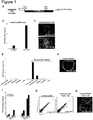
- Example 1 Generation of ES-like Cells Using Wnt3a Conditioned Media
- Infected cells were then split at ratios from 1:5 to 1:12 onto gelatin-coated 10cm dishes.
- ES media was supplemented with 2ug/ml DOX and, in the appropriate dishes, conditioned media and/or chemical inhibitor.
- conditioned medium from control fibroblasts lacking Wnt3a over-expression also caused a moderate increase in the number of G418-resistant colonies relative to standard ES medium, suggesting that normal fibroblasts may secrete factors, perhaps including Wnt3a, that promote reprogramming.
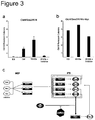
- Tcf3 occupies the c-Myc promoter, and Wnt3a positively contributes to expression of the gene (Cole et al., 2008).
- the fact that enforced over-expression of c-Myc counteracts the negative effect of the Wnt inhibitor ICG-001 on the reprogramming process suggests that Wnt stimulation could be acting upstream of the endogenous Myc.
- Wnt-induced effects on cell proliferation, mediated by c-Myc or other endogenous proliferation factors, could help to accelerate the sequence of events that lead to the generation of Myc[-] iPS colonies.
Landscapes
- Health & Medical Sciences (AREA)
- Life Sciences & Earth Sciences (AREA)
- Engineering & Computer Science (AREA)
- Chemical & Material Sciences (AREA)
- Organic Chemistry (AREA)
- Bioinformatics & Cheminformatics (AREA)
- General Health & Medical Sciences (AREA)
- Animal Behavior & Ethology (AREA)
- Public Health (AREA)
- Veterinary Medicine (AREA)
- Medicinal Chemistry (AREA)
- Pharmacology & Pharmacy (AREA)
- Biomedical Technology (AREA)
- General Chemical & Material Sciences (AREA)
- Nuclear Medicine, Radiotherapy & Molecular Imaging (AREA)
- Chemical Kinetics & Catalysis (AREA)
- Neurology (AREA)
- Neurosurgery (AREA)
- Biotechnology (AREA)
- Zoology (AREA)
- Developmental Biology & Embryology (AREA)
- Cell Biology (AREA)
- Wood Science & Technology (AREA)
- Genetics & Genomics (AREA)
- Immunology (AREA)
- Virology (AREA)
- Microbiology (AREA)
- Transplantation (AREA)
- Biochemistry (AREA)
- General Engineering & Computer Science (AREA)
- Reproductive Health (AREA)
- Diabetes (AREA)
- Oncology (AREA)
- Psychology (AREA)
- Hematology (AREA)
- Epidemiology (AREA)
- Gynecology & Obstetrics (AREA)
- AIDS & HIV (AREA)
- Orthopedic Medicine & Surgery (AREA)
- Molecular Biology (AREA)
Applications Claiming Priority (4)
| Application Number | Priority Date | Filing Date | Title |
|---|---|---|---|
| US96702807P | 2007-08-31 | 2007-08-31 | |
| US18819008P | 2008-08-06 | 2008-08-06 | |
| PCT/US2008/010249 WO2009032194A1 (en) | 2007-08-31 | 2008-08-29 | Wnt pathway stimulation in reprogramming somatic cells |
| EP08795697.5A EP2198011B1 (en) | 2007-08-31 | 2008-08-29 | Wnt pathway stimulation in reprogramming somatic cells |
Related Parent Applications (1)
| Application Number | Title | Priority Date | Filing Date |
|---|---|---|---|
| EP08795697.5A Division EP2198011B1 (en) | 2007-08-31 | 2008-08-29 | Wnt pathway stimulation in reprogramming somatic cells |
Publications (2)
| Publication Number | Publication Date |
|---|---|
| EP3078738A1 EP3078738A1 (en) | 2016-10-12 |
| EP3078738B1 true EP3078738B1 (en) | 2020-05-20 |
Family
ID=40429192
Family Applications (2)
| Application Number | Title | Priority Date | Filing Date |
|---|---|---|---|
| EP16171245.0A Active EP3078738B1 (en) | 2007-08-31 | 2008-08-29 | Wnt pathway stimulation in reprogramming somatic cells |
| EP08795697.5A Active EP2198011B1 (en) | 2007-08-31 | 2008-08-29 | Wnt pathway stimulation in reprogramming somatic cells |
Family Applications After (1)
| Application Number | Title | Priority Date | Filing Date |
|---|---|---|---|
| EP08795697.5A Active EP2198011B1 (en) | 2007-08-31 | 2008-08-29 | Wnt pathway stimulation in reprogramming somatic cells |
Country Status (10)
| Country | Link |
|---|---|
| US (6) | US9102919B2 (enExample) |
| EP (2) | EP3078738B1 (enExample) |
| JP (8) | JP6151879B2 (enExample) |
| CN (1) | CN101855338B (enExample) |
| AU (5) | AU2008297011B2 (enExample) |
| CA (2) | CA2698091C (enExample) |
| ES (2) | ES2589122T3 (enExample) |
| MX (1) | MX2010002242A (enExample) |
| RU (1) | RU2492232C2 (enExample) |
| WO (1) | WO2009032194A1 (enExample) |
Families Citing this family (110)
| Publication number | Priority date | Publication date | Assignee | Title |
|---|---|---|---|---|
| US7682828B2 (en) | 2003-11-26 | 2010-03-23 | Whitehead Institute For Biomedical Research | Methods for reprogramming somatic cells |
| US20090227032A1 (en) | 2005-12-13 | 2009-09-10 | Kyoto University | Nuclear reprogramming factor and induced pluripotent stem cells |
| US8129187B2 (en) | 2005-12-13 | 2012-03-06 | Kyoto University | Somatic cell reprogramming by retroviral vectors encoding Oct3/4. Klf4, c-Myc and Sox2 |
| US8278104B2 (en) | 2005-12-13 | 2012-10-02 | Kyoto University | Induced pluripotent stem cells produced with Oct3/4, Klf4 and Sox2 |
| KR101420740B1 (ko) | 2005-12-13 | 2014-07-17 | 교또 다이가꾸 | 핵초기화 인자 |
| EP2137296A2 (en) | 2007-03-23 | 2009-12-30 | Wisconsin Alumni Research Foundation | Somatic cell reprogramming |
| CN105861443A (zh) * | 2007-04-07 | 2016-08-17 | 怀特黑德生物医学研究所 | 体细胞重编程 |
| US9213999B2 (en) | 2007-06-15 | 2015-12-15 | Kyoto University | Providing iPSCs to a customer |
| JP2008307007A (ja) * | 2007-06-15 | 2008-12-25 | Bayer Schering Pharma Ag | 出生後のヒト組織由来未分化幹細胞から誘導したヒト多能性幹細胞 |
| EP3078738B1 (en) | 2007-08-31 | 2020-05-20 | Whitehead Institute for Biomedical Research | Wnt pathway stimulation in reprogramming somatic cells |
| EP2090649A1 (en) * | 2008-02-13 | 2009-08-19 | Fondazione Telethon | Method for reprogramming differentiated cells |
| WO2009102983A2 (en) * | 2008-02-15 | 2009-08-20 | President And Fellows Of Harvard College | Efficient induction of pluripotent stem cells using small molecule compounds |
| ES2690554T3 (es) * | 2008-03-17 | 2018-11-21 | The Scripps Research Institute | Enfoques químicos y genéticos combinados para la generación de células madre pluripotentes inducidas |
| ES2722198T3 (es) | 2008-05-02 | 2019-08-08 | Univ Kyoto | Método de reprogramación nuclear |
| EP3447128A1 (en) | 2008-06-04 | 2019-02-27 | FUJIFILM Cellular Dynamics, Inc. | Methods for the production of ips cells using non-viral approach |
| CN105671065A (zh) * | 2008-06-13 | 2016-06-15 | 怀特黑德生物医学研究所 | 细胞编程和重编程 |
| CN102171348A (zh) | 2008-08-12 | 2011-08-31 | 细胞动力国际有限公司 | 产生ips细胞的方法 |
| EP2376626A4 (en) * | 2008-12-13 | 2012-10-17 | Dna Microarray | MICRO-ENVIRONMENTAL NICHE ASSAY FOR SCREENING OF INDUCED PLURIPOTENT STEM CELLS (CIPS) |
| ES2645869T3 (es) | 2008-12-17 | 2017-12-11 | The Scripps Research Institute | Generación y mantenimiento de células madre |
| ES2664590T3 (es) * | 2009-05-18 | 2018-04-20 | Curna, Inc. | Tratamiento de enfermedades relacionadas con factores de reprogramación por inhibición del tránscrito antisentido natural a un factor de reprogramación |
| CN103087991B (zh) * | 2009-06-05 | 2018-06-12 | 富士胶片细胞动力公司 | 重编程t细胞和造血细胞的方法 |
| JP2011004674A (ja) * | 2009-06-26 | 2011-01-13 | Fujitsu Ltd | 誘導多能性幹細胞(iPS細胞)の製造方法 |
| US9175265B2 (en) | 2009-07-08 | 2015-11-03 | Institut National De La Sante Et De La Recherche Medicale (Inserm) | Method for inducing extended self-renewal of functionally differentiated somatic cells |
| EP2451982B1 (en) | 2009-07-09 | 2014-11-12 | Whitehead Institute For Biomedical Research | Compositions and methods for mammalian genetics and uses thereof |
| JP5751548B2 (ja) * | 2009-08-07 | 2015-07-22 | 国立大学法人京都大学 | イヌiPS細胞及びその製造方法 |
| ES2638464T3 (es) | 2009-10-16 | 2017-10-20 | The Scripps Research Institute | Inducción de células pluripotentes |
| US9453205B2 (en) | 2009-10-31 | 2016-09-27 | Genesis Technologies Limited | Methods for reprogramming cells and uses thereof |
| AU2010312240B2 (en) * | 2009-10-31 | 2016-12-15 | Genesis Technologies Limited | Methods for reprogramming cells and uses thereof |
| US20140038291A1 (en) | 2009-10-31 | 2014-02-06 | New World Laboratories Inc. | Methods for reprogramming cells and uses thereof |
| ES2539487T3 (es) * | 2009-11-04 | 2015-07-01 | Cellular Dynamics International, Inc. | Reprogramación episómica con compuestos químicos |
| EP2499237A1 (en) * | 2009-11-13 | 2012-09-19 | INSERM (Institut National de la Santé et de la Recherche Médicale) | Reprogrammation of eukaryotic cells with engineered microvesicles |
| AU2011235212B2 (en) | 2010-03-31 | 2014-07-31 | The Scripps Research Institute | Reprogramming cells |
| EP3399026B1 (en) | 2010-06-14 | 2024-06-26 | The Scripps Research Institute | Reprogramming of cells to a new fate |
| JPWO2011158852A1 (ja) * | 2010-06-15 | 2013-08-19 | 国立大学法人 東京大学 | 誘導型多能性幹細胞の製造方法 |
| CN106893692B (zh) | 2010-12-22 | 2021-11-26 | 菲特治疗公司 | 用于单细胞分选与增强ipsc重新编程的细胞培养平台 |
| ES2575605T3 (es) * | 2010-12-31 | 2016-06-29 | Universität Für Bodenkultur Wien | Método de generación de células madre pluripotentes inducidas y células diferenciadas |
| CN107988381B (zh) | 2011-07-25 | 2021-05-28 | 国立大学法人京都大学 | 筛选诱导的多能干细胞的方法 |
| JP6208667B2 (ja) * | 2011-10-03 | 2017-10-04 | ユニベルシテ リブレ デ ブリュッセル | 持続的hiv感染症を処置するためのhiv−1遺伝子発現の再活性化 |
| JP6162604B2 (ja) | 2011-10-21 | 2017-07-12 | 国立大学法人京都大学 | 層流による多能性維持単一分散細胞培養法 |
| WO2013077423A1 (ja) | 2011-11-25 | 2013-05-30 | 国立大学法人京都大学 | 多能性幹細胞の培養方法 |
| RU2477314C1 (ru) * | 2011-12-07 | 2013-03-10 | Федеральное государственное бюджетное учреждение "Новосибирский научно-исследовательский институт патологии кровообращения имени академика Е.Н. Мешалкина" Минздравсоцразвития РФ, (ФГБУ "ННИИПК им. акад. Е.Н. Мешалкина" Минздравсоцразвития России) | РЕКОМБИНАНТНАЯ ПЛАЗМИДА pSM-ZsGreen, КОДИРУЮЩАЯ БЕЛКИ SOX2 И С-MYC ЧЕЛОВЕКА И ФЛУОРЕСЦЕНТНЫЙ БЕЛОК ZsGreen, ПРЕДНАЗНАЧЕННАЯ ДЛЯ ПОЛУЧЕНИЯ ИНДУЦИРОВАННЫХ ПЛЮРИПОТЕНТНЫХ СТВОЛОВЫХ КЛЕТОК ЧЕЛОВЕКА |
| WO2013159103A1 (en) * | 2012-04-20 | 2013-10-24 | Whitehead Institute For Biomedical Research | Programming and reprogramming of cells |
| SG11201503167XA (en) * | 2012-10-23 | 2015-05-28 | Univ Kyoto | Method of efficiently establishing induced pluripotent stem cells |
| JP6495658B2 (ja) | 2013-02-08 | 2019-04-03 | 国立大学法人京都大学 | 巨核球及び血小板の製造方法 |
| WO2014136581A1 (ja) | 2013-03-06 | 2014-09-12 | 国立大学法人京都大学 | 多能性幹細胞の培養システム及び多能性幹細胞の継代方法 |
| HK1220232A1 (zh) | 2013-03-15 | 2017-04-28 | 怀特黑德生物医学研究院 | 用於神经变性疾病的细胞性发现平台 |
| EP2977449B1 (en) | 2013-03-21 | 2020-02-26 | Kyoto University | Pluripotent stem cell for neuronal differentiation induction |
| WO2014157257A1 (ja) | 2013-03-25 | 2014-10-02 | 公益財団法人先端医療振興財団 | 細胞の選別方法 |
| JP6461787B2 (ja) | 2013-04-12 | 2019-01-30 | 国立大学法人京都大学 | 肺胞上皮前駆細胞の誘導方法 |
| JP6429280B2 (ja) | 2013-05-14 | 2018-11-28 | 国立大学法人京都大学 | 効率的な心筋細胞の誘導方法 |
| CN105247041B (zh) | 2013-05-31 | 2018-04-20 | 爱心细胞有限公司 | 组入有水凝胶的层叠细胞膜片 |
| EP3020803B1 (en) | 2013-06-11 | 2020-03-11 | Kyoto University | Method for producing renal precursor cells |
| US9796962B2 (en) | 2013-08-07 | 2017-10-24 | Kyoto University | Method for generating pancreatic hormone-producing cells |
| SG11201601720RA (en) | 2013-09-05 | 2016-04-28 | Univ Kyoto | New method for inducing dopamine-producing neural precursor cells |
| JP6635505B2 (ja) | 2013-11-01 | 2020-01-29 | 国立大学法人京都大学 | 新規軟骨細胞誘導方法 |
| SG10201807292YA (en) | 2014-03-04 | 2018-09-27 | Fate Therapeutics Inc | Improved reprogramming methods and cell culture platforms |
| US11066649B2 (en) | 2014-03-19 | 2021-07-20 | Institut National De La Sante Et De La Recherche Medicale (Inserm) | Method for inducing human cholangiocyte differentiation |
| EP3929302A1 (en) | 2014-07-14 | 2021-12-29 | Chugai Seiyaku Kabushiki Kaisha | Method for identifying epitope on protein |
| US12241089B2 (en) | 2014-07-18 | 2025-03-04 | Kyoto University | Method for inducing t cells for cell-based immunotherapy from pluripotent stem cells |
| US11261453B2 (en) | 2014-09-12 | 2022-03-01 | Whitehead Institute For Biomedical Research | Cells expressing apolipoprotein E and uses thereof |
| WO2016104717A1 (ja) | 2014-12-26 | 2016-06-30 | 国立大学法人京都大学 | 肝細胞誘導方法 |
| JP2018504122A (ja) | 2015-01-26 | 2018-02-15 | フェイト セラピューティクス,インコーポレイテッド | 免疫調節特性が増加した細胞ならびにその使用および製造のための方法 |
| HK1248270A1 (zh) | 2015-02-17 | 2018-10-12 | 大学健康网路 | 制备和使用窦房结样起搏器心肌细胞和心室样心肌细胞的方法 |
| EP3081638A1 (en) | 2015-04-16 | 2016-10-19 | Kyoto University | Method for producing pseudo-islets |
| RU2621547C2 (ru) * | 2015-06-26 | 2017-06-06 | Андрей Степанович БРЮХОВЕЦКИЙ | Способ дистанционной мультиволновой электромагнитной радионейроинженерии головного мозга человека |
| BR112018001232A2 (pt) | 2015-07-21 | 2018-09-25 | The Children's Medical Center Corporation | pd-l1 que expressa células-tronco hematopoéticas e usos |
| AU2016338680B2 (en) | 2015-10-16 | 2022-11-17 | Fate Therapeutics, Inc. | Platform for the induction and maintenance of ground state pluripotency |
| PL3444334T3 (pl) | 2016-04-15 | 2022-01-10 | Kyoto University | Sposób indukowania limfocytów t cd8-dodatnich swoistych wobec antygenu |
| US11898163B2 (en) | 2016-04-22 | 2024-02-13 | Kyoto University | Method for producing dopaminergic neuron progenitor cell |
| WO2017196175A1 (en) | 2016-05-12 | 2017-11-16 | Erasmus University Medical Center Rotterdam | A method for culturing myogenic cells, cultures obtained therefrom, screening methods, and cell culture medium. |
| WO2018064460A1 (en) * | 2016-09-30 | 2018-04-05 | Mayo Foundation For Medical Education And Research | Viral vectors for nuclear reprogramming |
| WO2018124118A1 (ja) | 2016-12-27 | 2018-07-05 | 住友化学株式会社 | 人工多能性幹細胞の評価方法及び選抜方法、並びに人工多能性幹細胞の製造方法 |
| EP4053268B1 (en) | 2017-01-20 | 2025-10-08 | Kyoto University | Method for producing cd8alpha+beta+cytotoxic t cells |
| US20210130785A1 (en) | 2017-01-26 | 2021-05-06 | Osaka University | Medium for inducing differentiation of stem cells into mesodermal cells and method for producing mesodermal cells |
| JP7171055B2 (ja) | 2017-03-14 | 2022-11-15 | 国立大学法人京都大学 | 多能性幹細胞からヘルパーt細胞を製造する方法 |
| KR102761727B1 (ko) | 2017-05-25 | 2025-02-03 | 고쿠리츠 다이가쿠 호진 교토 다이가쿠 | 중간 중배엽 세포로부터 신장 전구 세포로의 분화 유도 방법 및 다능성 줄기세포로부터 신장 전구 세포로의 분화 유도 방법 |
| EP3643780A4 (en) | 2017-06-19 | 2021-04-07 | Foundation for Biomedical Research and Innovation at Kobe | METHOD FOR PREDICTING THE DIFFERENTIATION CAPACITY OF PLURIPOTENT STEM CELLS, AND ASSOCIATED REAGENT |
| JP6758631B2 (ja) | 2017-06-19 | 2020-09-23 | 国立大学法人大阪大学 | 角膜内皮細胞マーカー及びその利用 |
| NL2019517B1 (en) | 2017-09-08 | 2019-03-19 | Univ Erasmus Med Ct Rotterdam | New therapy for Pompe disease |
| WO2019060708A1 (en) | 2017-09-22 | 2019-03-28 | The Children's Medical Center Corporation | TREATMENT OF TYPE 1 DIABETES AND AUTOIMMUNE DISEASES OR DISORDERS |
| EP3699267A4 (en) | 2017-10-17 | 2021-10-27 | Kyoto University | PROCESS FOR OBTAINING AN ARTIFICIAL NEUROMUSCULAR JUNCTION FROM PLURIPOTENT STEM CELLS |
| BR112021000437A2 (pt) | 2018-07-13 | 2021-04-06 | Kyoto University | Métodos para produzir uma célula t gama delta e para prevenir ou tratar tumor, célula t gama delta, população de célula, medicamento, agente de extermínio para uma célula, e, uso da célula |
| EP3824912A4 (en) | 2018-07-19 | 2022-04-20 | Kyoto University | PLATEFORM CARTILAGE DERIVED FROM PLURIPOTENTS STEM CELLS AND METHODS FOR PRODUCTION OF PLATEFORM CARTILAGE |
| US20210332329A1 (en) | 2018-07-23 | 2021-10-28 | Kyoto University | Novel renal progenitor cell marker and method for concentrating renal progenitor cells using same |
| US12168781B2 (en) | 2018-12-06 | 2024-12-17 | Kirin Holdings Kabushiki Kaisha | Production method for T cells or NK cells, medium for culturing T cells or NK cells, method for culturing T cells or NK cells, method for maintaining undifferentiated state of undifferentiated T cells, and growth-accelerating agent for T cells or NK cells |
| EP3900787A4 (en) | 2018-12-21 | 2022-02-23 | Kyoto University | LUBRICIN-LOCALIZED CARTILE-LIKE TISSUE, METHOD OF MANUFACTURE THEREOF AND COMPOSITION THEREOF FOR TREATMENT OF ARTICULATE-CARTILAGE DEFECTS |
| CN113226475A (zh) | 2018-12-26 | 2021-08-06 | 麒麟控股株式会社 | 改造tcr及其制造方法 |
| EP3969571A4 (en) | 2019-05-14 | 2023-05-24 | Aleph Farms Ltd. | AGGREGATES OF PLURIPOTENT CELLS AND THEIR USE |
| EP3974519A4 (en) | 2019-05-20 | 2023-07-12 | Ajinomoto Co., Inc. | EXPANSION CULTURE METHOD FOR CARTILAGE OR BONE PRECURSOR CELLS |
| US20220403337A1 (en) * | 2019-11-14 | 2022-12-22 | Takeo SHIMASAKI | Cell reprogramming method |
| EP4074321A4 (en) | 2019-12-12 | 2024-01-03 | National University Corporation Chiba University | Freeze-dried preparation containing megakaryocytes and platelets |
| AU2021225952A1 (en) | 2020-02-28 | 2022-10-20 | Takeda Pharmaceutical Company Limited | Method for producing natural killer cells from pluripotent stem cells |
| EP3922431A1 (en) | 2020-06-08 | 2021-12-15 | Erasmus University Medical Center Rotterdam | Method of manufacturing microdevices for lab-on-chip applications |
| JPWO2021256522A1 (enExample) | 2020-06-17 | 2021-12-23 | ||
| EP4180516A4 (en) | 2020-07-13 | 2024-01-17 | Kyoto University | SKELETON MUSCLE PRECURSOR CELLS AND METHOD FOR PURIFICATION THEREOF, COMPOSITION FOR THE TREATMENT OF MYOGENIC DISEASES AND METHOD FOR PRODUCING SKELETON MUSCLE PRECURSOR CELLS CONTAINING CELL GROUPS |
| JPWO2022019152A1 (enExample) | 2020-07-20 | 2022-01-27 | ||
| US20240271088A1 (en) | 2020-08-18 | 2024-08-15 | Kyoto University | Method for maintaining and amplifying human primordial germ cells / human primordial germ cell-like cells |
| WO2022115492A1 (en) | 2020-11-24 | 2022-06-02 | Lyell Immunopharma, Inc. | Methods for making, compositions comprising, and methods of using rejuvenated t cells |
| US20240182858A1 (en) | 2021-03-17 | 2024-06-06 | Astellas Pharma Inc. | Pericyte having basic fibroblast growth factor (bfgf) gene introduced therein |
| WO2022230977A1 (ja) | 2021-04-30 | 2022-11-03 | 国立研究開発法人理化学研究所 | 網膜色素上皮細胞のひも状凝集体、それを製造するためのデバイスおよび製造方法、ならびに該ひも状凝集体を含有する治療薬 |
| US20240254441A1 (en) | 2021-06-04 | 2024-08-01 | Kirin Holdings Kabushiki Kaisha | Cell composition, method for producing cell composition, and pharmaceutical composition containing cell composition |
| WO2022259721A1 (ja) | 2021-06-10 | 2022-12-15 | 味の素株式会社 | 間葉系幹細胞の製造方法 |
| CN117813374A (zh) | 2021-06-15 | 2024-04-02 | 武田药品工业株式会社 | 从多能干细胞产生自然杀伤细胞的方法 |
| WO2023286834A1 (ja) | 2021-07-15 | 2023-01-19 | アステラス製薬株式会社 | 血管内皮増殖因子(vegf)高発現ペリサイト様細胞 |
| JPWO2023286832A1 (enExample) | 2021-07-15 | 2023-01-19 | ||
| JPWO2023017848A1 (enExample) | 2021-08-11 | 2023-02-16 | ||
| US20250041418A1 (en) | 2021-11-11 | 2025-02-06 | Healios K.K. | Gene-modified pluripotent stem cell, immunocompetent cell derived therefrom, method for producing said cells, and use thereof |
| JPWO2023153464A1 (enExample) | 2022-02-09 | 2023-08-17 | ||
| US20250290076A1 (en) | 2022-04-27 | 2025-09-18 | Kyoto University | Epicardial cell regeneration promoter and method for promoting epicardial cell regeneration |
| US20250376727A1 (en) | 2022-06-10 | 2025-12-11 | Kyoto University | Detection method and detection reagent for undifferentiated pluripotent stem cells |
Family Cites Families (40)
| Publication number | Priority date | Publication date | Assignee | Title |
|---|---|---|---|---|
| WO1993010218A1 (en) | 1991-11-14 | 1993-05-27 | The United States Government As Represented By The Secretary Of The Department Of Health And Human Services | Vectors including foreign genes and negative selective markers |
| US5698446A (en) | 1994-09-07 | 1997-12-16 | Chiron Corporation | Methods and compositions for inhibiting production of replication competent virus |
| US5712171A (en) | 1995-01-20 | 1998-01-27 | Arqule, Inc. | Method of generating a plurality of chemical compounds in a spatially arranged array |
| US5843780A (en) | 1995-01-20 | 1998-12-01 | Wisconsin Alumni Research Foundation | Primate embryonic stem cells |
| US6057117A (en) | 1996-04-04 | 2000-05-02 | Chiron Corporation | Identification and use of selective inhibitors of glycogen synthase kinase 3 |
| US20010012513A1 (en) | 1996-08-19 | 2001-08-09 | University Of Massachusetts | Embryonic or stem-like cell lines produced by cross species nuclear transplantation |
| DE69916302T2 (de) | 1998-11-11 | 2005-05-04 | Emory University | Verwendung von dendritischen zellen-depletierten zusammensetzungen zur verbesserung der transplantation von allogenen hämatopoietischen zellen |
| IL129966A (en) | 1999-05-14 | 2009-12-24 | Technion Res & Dev Foundation | ISOLATED HUMAN EMBRYOID BODIES (hEB) DERIVED FROM HUMAN EMBRYONIC STEM CELLS |
| ATE253918T1 (de) | 1999-12-08 | 2003-11-15 | Centre Nat Rech Scient | Verwendung von hymenialdisin und dessen derivaten zur herstellung therapeutischer mittel |
| ATE384704T1 (de) | 1999-12-17 | 2008-02-15 | Novartis Vaccines & Diagnostic | Pyrazin-basierte hemmer der glycogen-synthase- kinase 3 |
| FR2804959B1 (fr) | 2000-02-15 | 2006-04-28 | Centre Nat Rech Scient | Utilisation de derives de paullones pour la fabrication de medicaments |
| US20040087016A1 (en) * | 2000-05-12 | 2004-05-06 | University Of Utah Research Foundation | Compositions and methods for cell dedifferentiation and tissue regeneration |
| US20030096813A1 (en) | 2001-04-20 | 2003-05-22 | Jingrong Cao | Compositions useful as inhibitors of GSK-3 |
| EP1406561A4 (en) * | 2001-07-16 | 2008-03-12 | Edwards Lifesciences Corp | FABRIC MADE OF FABRIC |
| US6916798B2 (en) | 2001-08-03 | 2005-07-12 | Vertex Pharmaceuticals Incorporated | Inhibitors of GSK-3 and uses thereof |
| MXPA04005510A (es) | 2001-12-07 | 2006-02-24 | Vertex Pharma | Compuestos basados en pirimidina utiles como inhibidores de gsk-3. |
| CA2476214A1 (en) * | 2002-02-08 | 2003-08-14 | University Of South Florida | Proliferated cell lines and uses thereof |
| US6835810B2 (en) | 2002-05-13 | 2004-12-28 | Geneshuttle Biopharma, Inc. | Fusion protein for use as vector |
| BR0313743A (pt) | 2002-08-23 | 2005-07-05 | Chiron Corp | Benzimidazol quinolinonas e usos destas |
| US7119200B2 (en) | 2002-09-04 | 2006-10-10 | Schering Corporation | Pyrazolopyrimidines as cyclin dependent kinase inhibitors |
| US7153832B2 (en) | 2003-04-07 | 2006-12-26 | The Board Of Trustees Of The Leland Stanford Junior University | Compositions of active Wnt protein |
| KR20060056377A (ko) | 2003-08-13 | 2006-05-24 | 카이론 코포레이션 | Gsk-3 억제제 및 그것의 사용 |
| US7682828B2 (en) | 2003-11-26 | 2010-03-23 | Whitehead Institute For Biomedical Research | Methods for reprogramming somatic cells |
| US20060030042A1 (en) * | 2003-12-19 | 2006-02-09 | Ali Brivanlou | Maintenance of embryonic stem cells by the GSK-3 inhibitor 6-bromoindirubin-3'-oxime |
| US7964401B2 (en) * | 2004-02-19 | 2011-06-21 | Kyoto University | Screening method for somatic cell nuclear reprogramming substance affecting ECAT2 and ECAT3 |
| EP1574499A1 (en) | 2004-03-08 | 2005-09-14 | DKFZ Deutsches Krebsforschungszentrum | Inhibitors of DNA methylation in tumor cells |
| US7850960B2 (en) | 2004-12-30 | 2010-12-14 | University Of Washington | Methods for regulation of stem cells |
| WO2006091737A1 (en) | 2005-02-24 | 2006-08-31 | Kemia, Inc. | Modulators of gsk-3 activity |
| WO2007007054A1 (en) | 2005-07-08 | 2007-01-18 | Cancer Research Technology Limited | Phthalamides, succinimides and related compounds and their use as pharmaceuticals |
| US20070128669A1 (en) | 2005-11-28 | 2007-06-07 | Institute For Chemical Genomics | Serum-free expansion of cells in culture |
| KR101420740B1 (ko) | 2005-12-13 | 2014-07-17 | 교또 다이가꾸 | 핵초기화 인자 |
| US8278104B2 (en) * | 2005-12-13 | 2012-10-02 | Kyoto University | Induced pluripotent stem cells produced with Oct3/4, Klf4 and Sox2 |
| US9074180B2 (en) | 2006-03-30 | 2015-07-07 | The University Court Of The University Of Edinburgh | Culture medium containing kinase inhibitors, and uses thereof |
| GB0615327D0 (en) | 2006-03-30 | 2006-09-13 | Univ Edinburgh | Culture medium containing kinase inhibitors and uses thereof |
| CN105861443A (zh) | 2007-04-07 | 2016-08-17 | 怀特黑德生物医学研究所 | 体细胞重编程 |
| EP3078738B1 (en) * | 2007-08-31 | 2020-05-20 | Whitehead Institute for Biomedical Research | Wnt pathway stimulation in reprogramming somatic cells |
| EP2250252A2 (en) | 2008-02-11 | 2010-11-17 | Cambridge Enterprise Limited | Improved reprogramming of mammalian cells, and the cells obtained |
| CN105671065A (zh) | 2008-06-13 | 2016-06-15 | 怀特黑德生物医学研究所 | 细胞编程和重编程 |
| WO2010033920A2 (en) | 2008-09-19 | 2010-03-25 | Whitehead Institute For Biomedical Research | Compositions and methods for enhancing cell reprogramming |
| US20110088107A1 (en) | 2009-04-24 | 2011-04-14 | Yaqub Hanna | Compositions and methods for deriving or culturing pluripotent cells |
-
2008
- 2008-08-29 EP EP16171245.0A patent/EP3078738B1/en active Active
- 2008-08-29 CA CA2698091A patent/CA2698091C/en active Active
- 2008-08-29 ES ES08795697.5T patent/ES2589122T3/es active Active
- 2008-08-29 MX MX2010002242A patent/MX2010002242A/es active IP Right Grant
- 2008-08-29 AU AU2008297011A patent/AU2008297011B2/en active Active
- 2008-08-29 JP JP2010522965A patent/JP6151879B2/ja active Active
- 2008-08-29 WO PCT/US2008/010249 patent/WO2009032194A1/en not_active Ceased
- 2008-08-29 RU RU2010112393/10A patent/RU2492232C2/ru active
- 2008-08-29 CA CA3006367A patent/CA3006367A1/en not_active Abandoned
- 2008-08-29 ES ES16171245T patent/ES2799897T3/es active Active
- 2008-08-29 CN CN2008801129864A patent/CN101855338B/zh active Active
- 2008-08-29 US US12/675,681 patent/US9102919B2/en active Active
- 2008-08-29 EP EP08795697.5A patent/EP2198011B1/en active Active
-
2014
- 2014-02-06 JP JP2014020995A patent/JP2014087373A/ja active Pending
- 2014-09-12 AU AU2014224119A patent/AU2014224119B2/en active Active
-
2015
- 2015-08-10 US US14/822,653 patent/US9593311B2/en not_active Ceased
-
2016
- 2016-06-30 JP JP2016129722A patent/JP6470233B2/ja active Active
-
2017
- 2017-02-09 US US15/429,114 patent/US20170218341A1/en not_active Abandoned
- 2017-05-26 JP JP2017104383A patent/JP2017140054A/ja not_active Withdrawn
- 2017-10-06 AU AU2017239605A patent/AU2017239605B2/en active Active
-
2019
- 2019-02-19 US US16/279,991 patent/US20190284537A1/en not_active Abandoned
- 2019-04-17 JP JP2019078537A patent/JP2019115358A/ja not_active Withdrawn
- 2019-12-13 US US16/713,457 patent/USRE49281E1/en active Active
-
2020
- 2020-02-05 AU AU2020200825A patent/AU2020200825B2/en active Active
-
2022
- 2022-04-15 JP JP2022067614A patent/JP2022087314A/ja active Pending
- 2022-04-15 JP JP2022067613A patent/JP7377309B2/ja active Active
- 2022-12-23 AU AU2022291621A patent/AU2022291621A1/en active Pending
- 2022-12-30 US US18/091,888 patent/US20230279359A1/en active Pending
-
2024
- 2024-05-16 JP JP2024080055A patent/JP2024100852A/ja active Pending
Non-Patent Citations (1)
| Title |
|---|
| None * |
Also Published As
Similar Documents
| Publication | Publication Date | Title |
|---|---|---|
| US20230279359A1 (en) | Wnt pathway stimulation in reprogramming somatic cells with nuclear reprogramming factors | |
| US20120034192A1 (en) | Compositions and methods for enhancing cell reprogramming | |
| US8709805B2 (en) | Canine iPS cells and method of producing same | |
| SG176222A1 (en) | Generation of genetically corrected disease-free induced pluripotent stem cells | |
| HK1230237B (en) | Wnt pathway stimulation in reprogramming somatic cells | |
| HK1230237A1 (en) | Wnt pathway stimulation in reprogramming somatic cells |
Legal Events
| Date | Code | Title | Description |
|---|---|---|---|
| PUAI | Public reference made under article 153(3) epc to a published international application that has entered the european phase |
Free format text: ORIGINAL CODE: 0009012 |
|
| AC | Divisional application: reference to earlier application |
Ref document number: 2198011 Country of ref document: EP Kind code of ref document: P |
|
| AK | Designated contracting states |
Kind code of ref document: A1 Designated state(s): AT BE BG CH CY CZ DE DK EE ES FI FR GB GR HR HU IE IS IT LI LT LU LV MC MT NL NO PL PT RO SE SI SK TR |
|
| RAP1 | Party data changed (applicant data changed or rights of an application transferred) |
Owner name: WHITEHEAD INSTITUTE FOR BIOMEDICAL RESEARCH |
|
| STAA | Information on the status of an ep patent application or granted ep patent |
Free format text: STATUS: REQUEST FOR EXAMINATION WAS MADE |
|
| 17P | Request for examination filed |
Effective date: 20170412 |
|
| RBV | Designated contracting states (corrected) |
Designated state(s): AT BE BG CH CY CZ DE DK EE ES FI FR GB GR HR HU IE IS IT LI LT LU LV MC MT NL NO PL PT RO SE SI SK TR |
|
| STAA | Information on the status of an ep patent application or granted ep patent |
Free format text: STATUS: EXAMINATION IS IN PROGRESS |
|
| RAP1 | Party data changed (applicant data changed or rights of an application transferred) |
Owner name: WHITEHEAD INSTITUTE FOR BIOMEDICAL RESEARCH |
|
| 17Q | First examination report despatched |
Effective date: 20170612 |
|
| REG | Reference to a national code |
Ref country code: HK Ref legal event code: DE Ref document number: 1230237 Country of ref document: HK |
|
| GRAP | Despatch of communication of intention to grant a patent |
Free format text: ORIGINAL CODE: EPIDOSNIGR1 |
|
| STAA | Information on the status of an ep patent application or granted ep patent |
Free format text: STATUS: GRANT OF PATENT IS INTENDED |
|
| INTG | Intention to grant announced |
Effective date: 20191210 |
|
| GRAS | Grant fee paid |
Free format text: ORIGINAL CODE: EPIDOSNIGR3 |
|
| GRAA | (expected) grant |
Free format text: ORIGINAL CODE: 0009210 |
|
| STAA | Information on the status of an ep patent application or granted ep patent |
Free format text: STATUS: THE PATENT HAS BEEN GRANTED |
|
| AC | Divisional application: reference to earlier application |
Ref document number: 2198011 Country of ref document: EP Kind code of ref document: P |
|
| AK | Designated contracting states |
Kind code of ref document: B1 Designated state(s): AT BE BG CH CY CZ DE DK EE ES FI FR GB GR HR HU IE IS IT LI LT LU LV MC MT NL NO PL PT RO SE SI SK TR |
|
| REG | Reference to a national code |
Ref country code: GB Ref legal event code: FG4D |
|
| REG | Reference to a national code |
Ref country code: CH Ref legal event code: EP |
|
| REG | Reference to a national code |
Ref country code: DE Ref legal event code: R096 Ref document number: 602008062754 Country of ref document: DE |
|
| REG | Reference to a national code |
Ref country code: AT Ref legal event code: REF Ref document number: 1272617 Country of ref document: AT Kind code of ref document: T Effective date: 20200615 |
|
| REG | Reference to a national code |
Ref country code: LT Ref legal event code: MG4D |
|
| REG | Reference to a national code |
Ref country code: NL Ref legal event code: MP Effective date: 20200520 |
|
| PG25 | Lapsed in a contracting state [announced via postgrant information from national office to epo] |
Ref country code: LT Free format text: LAPSE BECAUSE OF FAILURE TO SUBMIT A TRANSLATION OF THE DESCRIPTION OR TO PAY THE FEE WITHIN THE PRESCRIBED TIME-LIMIT Effective date: 20200520 Ref country code: GR Free format text: LAPSE BECAUSE OF FAILURE TO SUBMIT A TRANSLATION OF THE DESCRIPTION OR TO PAY THE FEE WITHIN THE PRESCRIBED TIME-LIMIT Effective date: 20200821 Ref country code: FI Free format text: LAPSE BECAUSE OF FAILURE TO SUBMIT A TRANSLATION OF THE DESCRIPTION OR TO PAY THE FEE WITHIN THE PRESCRIBED TIME-LIMIT Effective date: 20200520 Ref country code: NO Free format text: LAPSE BECAUSE OF FAILURE TO SUBMIT A TRANSLATION OF THE DESCRIPTION OR TO PAY THE FEE WITHIN THE PRESCRIBED TIME-LIMIT Effective date: 20200820 Ref country code: IS Free format text: LAPSE BECAUSE OF FAILURE TO SUBMIT A TRANSLATION OF THE DESCRIPTION OR TO PAY THE FEE WITHIN THE PRESCRIBED TIME-LIMIT Effective date: 20200920 Ref country code: SE Free format text: LAPSE BECAUSE OF FAILURE TO SUBMIT A TRANSLATION OF THE DESCRIPTION OR TO PAY THE FEE WITHIN THE PRESCRIBED TIME-LIMIT Effective date: 20200520 Ref country code: PT Free format text: LAPSE BECAUSE OF FAILURE TO SUBMIT A TRANSLATION OF THE DESCRIPTION OR TO PAY THE FEE WITHIN THE PRESCRIBED TIME-LIMIT Effective date: 20200921 |
|
| PG25 | Lapsed in a contracting state [announced via postgrant information from national office to epo] |
Ref country code: HR Free format text: LAPSE BECAUSE OF FAILURE TO SUBMIT A TRANSLATION OF THE DESCRIPTION OR TO PAY THE FEE WITHIN THE PRESCRIBED TIME-LIMIT Effective date: 20200520 Ref country code: BG Free format text: LAPSE BECAUSE OF FAILURE TO SUBMIT A TRANSLATION OF THE DESCRIPTION OR TO PAY THE FEE WITHIN THE PRESCRIBED TIME-LIMIT Effective date: 20200820 Ref country code: LV Free format text: LAPSE BECAUSE OF FAILURE TO SUBMIT A TRANSLATION OF THE DESCRIPTION OR TO PAY THE FEE WITHIN THE PRESCRIBED TIME-LIMIT Effective date: 20200520 |
|
| REG | Reference to a national code |
Ref country code: AT Ref legal event code: MK05 Ref document number: 1272617 Country of ref document: AT Kind code of ref document: T Effective date: 20200520 |
|
| REG | Reference to a national code |
Ref country code: ES Ref legal event code: FG2A Ref document number: 2799897 Country of ref document: ES Kind code of ref document: T3 Effective date: 20201222 |
|
| PG25 | Lapsed in a contracting state [announced via postgrant information from national office to epo] |
Ref country code: NL Free format text: LAPSE BECAUSE OF FAILURE TO SUBMIT A TRANSLATION OF THE DESCRIPTION OR TO PAY THE FEE WITHIN THE PRESCRIBED TIME-LIMIT Effective date: 20200520 |
|
| PG25 | Lapsed in a contracting state [announced via postgrant information from national office to epo] |
Ref country code: DK Free format text: LAPSE BECAUSE OF FAILURE TO SUBMIT A TRANSLATION OF THE DESCRIPTION OR TO PAY THE FEE WITHIN THE PRESCRIBED TIME-LIMIT Effective date: 20200520 Ref country code: EE Free format text: LAPSE BECAUSE OF FAILURE TO SUBMIT A TRANSLATION OF THE DESCRIPTION OR TO PAY THE FEE WITHIN THE PRESCRIBED TIME-LIMIT Effective date: 20200520 Ref country code: AT Free format text: LAPSE BECAUSE OF FAILURE TO SUBMIT A TRANSLATION OF THE DESCRIPTION OR TO PAY THE FEE WITHIN THE PRESCRIBED TIME-LIMIT Effective date: 20200520 Ref country code: RO Free format text: LAPSE BECAUSE OF FAILURE TO SUBMIT A TRANSLATION OF THE DESCRIPTION OR TO PAY THE FEE WITHIN THE PRESCRIBED TIME-LIMIT Effective date: 20200520 Ref country code: CZ Free format text: LAPSE BECAUSE OF FAILURE TO SUBMIT A TRANSLATION OF THE DESCRIPTION OR TO PAY THE FEE WITHIN THE PRESCRIBED TIME-LIMIT Effective date: 20200520 |
|
| REG | Reference to a national code |
Ref country code: DE Ref legal event code: R097 Ref document number: 602008062754 Country of ref document: DE |
|
| PG25 | Lapsed in a contracting state [announced via postgrant information from national office to epo] |
Ref country code: PL Free format text: LAPSE BECAUSE OF FAILURE TO SUBMIT A TRANSLATION OF THE DESCRIPTION OR TO PAY THE FEE WITHIN THE PRESCRIBED TIME-LIMIT Effective date: 20200520 Ref country code: SK Free format text: LAPSE BECAUSE OF FAILURE TO SUBMIT A TRANSLATION OF THE DESCRIPTION OR TO PAY THE FEE WITHIN THE PRESCRIBED TIME-LIMIT Effective date: 20200520 |
|
| PLBE | No opposition filed within time limit |
Free format text: ORIGINAL CODE: 0009261 |
|
| STAA | Information on the status of an ep patent application or granted ep patent |
Free format text: STATUS: NO OPPOSITION FILED WITHIN TIME LIMIT |
|
| PG25 | Lapsed in a contracting state [announced via postgrant information from national office to epo] |
Ref country code: MC Free format text: LAPSE BECAUSE OF FAILURE TO SUBMIT A TRANSLATION OF THE DESCRIPTION OR TO PAY THE FEE WITHIN THE PRESCRIBED TIME-LIMIT Effective date: 20200520 |
|
| REG | Reference to a national code |
Ref country code: CH Ref legal event code: PL |
|
| 26N | No opposition filed |
Effective date: 20210223 |
|
| PG25 | Lapsed in a contracting state [announced via postgrant information from national office to epo] |
Ref country code: LU Free format text: LAPSE BECAUSE OF NON-PAYMENT OF DUE FEES Effective date: 20200829 Ref country code: LI Free format text: LAPSE BECAUSE OF NON-PAYMENT OF DUE FEES Effective date: 20200831 Ref country code: CH Free format text: LAPSE BECAUSE OF NON-PAYMENT OF DUE FEES Effective date: 20200831 |
|
| REG | Reference to a national code |
Ref country code: BE Ref legal event code: MM Effective date: 20200831 |
|
| PG25 | Lapsed in a contracting state [announced via postgrant information from national office to epo] |
Ref country code: SI Free format text: LAPSE BECAUSE OF FAILURE TO SUBMIT A TRANSLATION OF THE DESCRIPTION OR TO PAY THE FEE WITHIN THE PRESCRIBED TIME-LIMIT Effective date: 20200520 |
|
| PG25 | Lapsed in a contracting state [announced via postgrant information from national office to epo] |
Ref country code: IE Free format text: LAPSE BECAUSE OF NON-PAYMENT OF DUE FEES Effective date: 20200829 Ref country code: BE Free format text: LAPSE BECAUSE OF NON-PAYMENT OF DUE FEES Effective date: 20200831 |
|
| PG25 | Lapsed in a contracting state [announced via postgrant information from national office to epo] |
Ref country code: TR Free format text: LAPSE BECAUSE OF FAILURE TO SUBMIT A TRANSLATION OF THE DESCRIPTION OR TO PAY THE FEE WITHIN THE PRESCRIBED TIME-LIMIT Effective date: 20200520 Ref country code: MT Free format text: LAPSE BECAUSE OF FAILURE TO SUBMIT A TRANSLATION OF THE DESCRIPTION OR TO PAY THE FEE WITHIN THE PRESCRIBED TIME-LIMIT Effective date: 20200520 Ref country code: CY Free format text: LAPSE BECAUSE OF FAILURE TO SUBMIT A TRANSLATION OF THE DESCRIPTION OR TO PAY THE FEE WITHIN THE PRESCRIBED TIME-LIMIT Effective date: 20200520 |
|
| P01 | Opt-out of the competence of the unified patent court (upc) registered |
Effective date: 20230601 |
|
| PGFP | Annual fee paid to national office [announced via postgrant information from national office to epo] |
Ref country code: ES Payment date: 20250901 Year of fee payment: 18 |
|
| PGFP | Annual fee paid to national office [announced via postgrant information from national office to epo] |
Ref country code: DE Payment date: 20250827 Year of fee payment: 18 |
|
| PGFP | Annual fee paid to national office [announced via postgrant information from national office to epo] |
Ref country code: IT Payment date: 20250820 Year of fee payment: 18 |
|
| PGFP | Annual fee paid to national office [announced via postgrant information from national office to epo] |
Ref country code: GB Payment date: 20250827 Year of fee payment: 18 |
|
| PGFP | Annual fee paid to national office [announced via postgrant information from national office to epo] |
Ref country code: FR Payment date: 20250825 Year of fee payment: 18 |