EP2617704B1 - Phenyl substituted cycloalkylamines as monoamine reuptake inhibitors - Google Patents
Phenyl substituted cycloalkylamines as monoamine reuptake inhibitors Download PDFInfo
- Publication number
- EP2617704B1 EP2617704B1 EP13150247.8A EP13150247A EP2617704B1 EP 2617704 B1 EP2617704 B1 EP 2617704B1 EP 13150247 A EP13150247 A EP 13150247A EP 2617704 B1 EP2617704 B1 EP 2617704B1
- Authority
- EP
- European Patent Office
- Prior art keywords
- compound
- pharmaceutically acceptable
- disorder
- acceptable salt
- pain
- Prior art date
- Legal status (The legal status is an assumption and is not a legal conclusion. Google has not performed a legal analysis and makes no representation as to the accuracy of the status listed.)
- Active
Links
- 0 CN(*)C[C@](CCCC1)[C@@]1(c(cc1*)ccc1Cl)O Chemical compound CN(*)C[C@](CCCC1)[C@@]1(c(cc1*)ccc1Cl)O 0.000 description 5
- VGPQKHDJGJDSDM-DOMZBBRYSA-N CN(C)C[C@@H](CCCC1)[C@]1(c(cc1)cc(Cl)c1Cl)O Chemical compound CN(C)C[C@@H](CCCC1)[C@]1(c(cc1)cc(Cl)c1Cl)O VGPQKHDJGJDSDM-DOMZBBRYSA-N 0.000 description 1
- KUDQBFIGKWNCTL-LSDHHAIUSA-N C[C@@](CNC)(CCCC1)[C@@]1(c(cc1Cl)ccc1Cl)O Chemical compound C[C@@](CNC)(CCCC1)[C@@]1(c(cc1Cl)ccc1Cl)O KUDQBFIGKWNCTL-LSDHHAIUSA-N 0.000 description 1
- QPLWVHGXJLZLMB-MFKMUULPSA-N NC[C@@H](CCCC1)[C@]1(c(cc1)cc(Cl)c1Cl)O Chemical compound NC[C@@H](CCCC1)[C@]1(c(cc1)cc(Cl)c1Cl)O QPLWVHGXJLZLMB-MFKMUULPSA-N 0.000 description 1
Images





Classifications
-
- C—CHEMISTRY; METALLURGY
- C07—ORGANIC CHEMISTRY
- C07C—ACYCLIC OR CARBOCYCLIC COMPOUNDS
- C07C215/00—Compounds containing amino and hydroxy groups bound to the same carbon skeleton
- C07C215/42—Compounds containing amino and hydroxy groups bound to the same carbon skeleton having amino groups or hydroxy groups bound to carbon atoms of rings other than six-membered aromatic rings of the same carbon skeleton
-
- A—HUMAN NECESSITIES
- A61—MEDICAL OR VETERINARY SCIENCE; HYGIENE
- A61K—PREPARATIONS FOR MEDICAL, DENTAL OR TOILETRY PURPOSES
- A61K31/00—Medicinal preparations containing organic active ingredients
- A61K31/13—Amines
- A61K31/135—Amines having aromatic rings, e.g. ketamine, nortriptyline
-
- A—HUMAN NECESSITIES
- A61—MEDICAL OR VETERINARY SCIENCE; HYGIENE
- A61P—SPECIFIC THERAPEUTIC ACTIVITY OF CHEMICAL COMPOUNDS OR MEDICINAL PREPARATIONS
- A61P25/00—Drugs for disorders of the nervous system
- A61P25/24—Antidepressants
-
- A—HUMAN NECESSITIES
- A61—MEDICAL OR VETERINARY SCIENCE; HYGIENE
- A61P—SPECIFIC THERAPEUTIC ACTIVITY OF CHEMICAL COMPOUNDS OR MEDICINAL PREPARATIONS
- A61P25/00—Drugs for disorders of the nervous system
- A61P25/28—Drugs for disorders of the nervous system for treating neurodegenerative disorders of the central nervous system, e.g. nootropic agents, cognition enhancers, drugs for treating Alzheimer's disease or other forms of dementia
-
- C—CHEMISTRY; METALLURGY
- C07—ORGANIC CHEMISTRY
- C07C—ACYCLIC OR CARBOCYCLIC COMPOUNDS
- C07C217/00—Compounds containing amino and etherified hydroxy groups bound to the same carbon skeleton
- C07C217/52—Compounds containing amino and etherified hydroxy groups bound to the same carbon skeleton having etherified hydroxy groups or amino groups bound to carbon atoms of rings other than six-membered aromatic rings of the same carbon skeleton
-
- C—CHEMISTRY; METALLURGY
- C07—ORGANIC CHEMISTRY
- C07C—ACYCLIC OR CARBOCYCLIC COMPOUNDS
- C07C217/00—Compounds containing amino and etherified hydroxy groups bound to the same carbon skeleton
- C07C217/76—Compounds containing amino and etherified hydroxy groups bound to the same carbon skeleton having amino groups bound to carbon atoms of six-membered aromatic rings and etherified hydroxy groups bound to acyclic carbon atoms or to carbon atoms of rings other than six-membered aromatic rings of the same carbon skeleton
-
- C—CHEMISTRY; METALLURGY
- C07—ORGANIC CHEMISTRY
- C07B—GENERAL METHODS OF ORGANIC CHEMISTRY; APPARATUS THEREFOR
- C07B2200/00—Indexing scheme relating to specific properties of organic compounds
- C07B2200/07—Optical isomers
-
- C—CHEMISTRY; METALLURGY
- C07—ORGANIC CHEMISTRY
- C07C—ACYCLIC OR CARBOCYCLIC COMPOUNDS
- C07C2601/00—Systems containing only non-condensed rings
- C07C2601/12—Systems containing only non-condensed rings with a six-membered ring
- C07C2601/14—The ring being saturated
Definitions
- the invention relates to compounds and compositions for the treatment of neurological disorders.
- Psychiatric disorders are pathological conditions of the brain characterized by identifiable symptoms that result in abnormalities in cognition, emotion, mood, or affect. These disorders may vary in severity of symptoms, duration, and functional impairment. Psychiatric disorders afflict millions of people worldwide resulting in tremendous human suffering and economic burden due to lost productivity and dependent care.
- Depression is an affective disorder, the pathogenesis of which cannot be explained by any single cause or theory. It is characterized by a persistently low mood or diminished interests in one's surroundings, accompanied by at least one of the following symptoms: reduced energy and motivation, difficulty concentrating, altered sleep and appetite, and at times, suicidal ideation ( American Psychiatric Association: Diagnostic and Statistical Manual of Mental Disorders, ed. 4. Washington, American Psychiatric Association, 1994 ). Major depression is associated with high rates of morbidity and mortality, with suicide rates of 10-25% ( Kaplan H I, Sadock B J (eds): Synopsis of Psychiatry. Baltimore, Williams & Wilkins, 1998, p. 866 ).
- Dual reuptake inhibitors may also be used to reduce fatigue commonly associated with depression (see, for example, " Bupropion augmentation in the treatment of chronic fatigue syndrome with coexistent major depression episode” Schonfeldt-Lecuona et al., Pharmacopsychiatry 39(4):152-4, 2006 ; " Dysthymia: clinical picture, extent of overlap with chronic fatigue syndrome, neuropharmacological considerations, and new therapeutic vistas" Brunello et al., J. Affect. Disord. 52(1-3):275-90, 1999 ; " Chronic fatigue syndrome and seasonal affective disorder: comorbidity, diagnostic overlap, and implications for treatment” Terman et al., Am. J. Med. 105(3A):115S-124S, 1998 .).
- Depression is believed to result from dysfunction in the noradrenergic or serotonergic systems, more specifically, from a deficiency of certain neurotransmitters (NTs) at functionally important adrenergic or serotonergic receptors.
- NTs neurotransmitters
- Neurotransmitters produce their effects as a consequence of interactions with specific receptors.
- Neurotransmitters including norepinephrine (NE) and/or serotonin (5-hydroxytryptaminc, or 5-HT), arc synthesized in brain neurons and stored in vesicles.
- NE norepinephrine
- 5-HT serotonin
- NTs Upon a nerve impulse, NTs are released into the synaptic cleft, where they interact with various postsynaptic receptors.
- Regional deficiencies in the synaptic levels of 5-HT and/or NE are believed to be involved in the etiology of depression, wakefulness, and attention.
- Norepinephrine is involved in regulating arousal, dreaming, and moods. Norepinephrine can also contribute to the regulation of blood pressure, by constricting blood vessels and increasing heart rate.
- Serotonin (5-HT) is implicated in the etiology or treatment of various disorders.
- the most widely studied effects of 5-HT are those on the CNS.
- the functions of 5-HT are numerous and include control of appetite, sleep, memory and learning, temperature regulation, mood, behavior (including sexual and hallucinogenic behavior), cardiovascular function, smooth muscle contraction, and endocrine regulation.
- 5-HT appears to play a major role in platelet homeostasis and motility of the GI tract.
- the actions of 5-HT are terminated by three major mechanisms: diffusion; metabolism; and reuptake.
- the major mechanism by which the action of 5-HT is terminated is by reuptake through presynaptic membranes.
- 5-HT acts on its various postsynaptic receptors, it is removed from the synaptic cleft back into the nerve terminal through an uptake mechanism involving a specific membrane transporter in a manner similar to that of other biogenic amines.
- Agents that selectively inhibit this uptake increase the concentration of 5-HT at the postsynaptic receptors and have been found to be useful in treating various psychiatric disorders, particularly depression.
- NE and 5-HT agents that increase the levels of NE and 5-HT, either by inhibiting their metabolism (e.g., monoamine oxidase inhibitors) or reuptake (e.g., tricyclic antidepressants or selective serotonin reuptake inhibitors (SSRIs)).
- monoamine oxidase inhibitors e.g., monoamine oxidase inhibitors
- reuptake e.g., tricyclic antidepressants or selective serotonin reuptake inhibitors (SSRIs)
- TCAs tricyclic antidepressants
- Fluoxetine PROZAC ®
- sertraline ZOLOFT ®
- paroxetine PAXIL ®
- SSRIs are three examples of SSRIs currently on the U.S. market. These agents do not appear to possess greater efficacy than the TCAs, nor do they generally possess a faster onset of action; however, they do have the advantage of causing less side-effects.
- paroxetine is the most potent inhibitor of 5-HT uptake, fluoxetine the least.
- Sertaline is the most selective for 5-HT versus NE uptake, fluoxetine the least selective.
- Fluoxetine and sertraline produce active metabolites, while paroxetine is metabolized to inactive metabolites.
- the SSRIs in general, affect only the uptake of serotonin and display little or no affinity for various receptor systems including muscarinic, adrenergic, dopamine, and histamine receptors.
- SSRTs In addition to treating depression, several other potential therapeutic applications for SSRTs have been investigated. They include treatment of Alzheimer's disease, aggressive behavior premenstrual syndrome, diabetic neuropathy, chronic pain, fibromyalgia, and alcohol abuse.
- Fluoxetine is approved for the treatment of obsessive-compulsive disorder (OCD).
- OCD obsessive-compulsive disorder
- 5-HT reduces food consumption by increasing meal-induced satiety and reducing hunger, without producing the behavioral effects of abuse fiability associated with amphetamine-like drugs.
- Venlafaxine (EFFEXOR ® ) is a dual-reuptake antidepressant that differs from the classical TCAs and the SSRIs chemically and pharmacologically in that it acts as a potent inhibitor of both 5-HT and NE uptake. Neither venlafaxine nor its major metabolite have a significant affinity for adrenergic alpha-1 receptors. Venlafaxine possesses an efficacy equivalent to that of the TCAs, and a benign side effect profile similar to those of the SSRIs.
- Dopamine is hypothesized to play a major role in psychosis and certain neurodegenerative diseases, such as Parkinson's disease, where a deficiency in dopaminergic neurons is believed to be the underlying pathology.
- Dopamine affects brain processes that control movement, emotional response, and ability to experience pleasure and pain. Regulation of DA plays a crucial role in our mental and physical health. Certain drugs increase DA concentrations by presenting DA reuptake, leaving more DA in the synapse. An example is methylphenidate (RITALIN ® ), used therapeutically to threat childhood hyperkinesias and symptoms of schizophrenia.
- Dopamine abnormalities are believed to underline some of the core attentional abnormalities seen in acute schizophrenics.
- a therapeutic lag is associated with the use of these drugs. Patients must take a drug for at least three (3) weeks before achieving clinically meaningful symptom relief. Furthermore, a significant number of patients do not respond to current therapies at all. For example, it is currently estimated that up to thirty percent (30%) of clinically diagnosed cases of depression are resistant to all forms of current drug therapy.
- US 2005/0182131 relates to metabolites of [2-(3-methoxyphenyl)-cyclohexylmethyl]-dimethylamine as free bases and/or in the form of physiologically acceptable salts, corresponding medicaments, the use of [2-(3-methoxyphenyl)-cyclohexylmethyl]-dimethylamine and the metabolites thereof for producing a medicament used for treating depression, and related methods of treating depression.
- US 2003/0171440 discloses compounds which are effective in treating disorders modulated by opiate receptor activity and/or monoamine activity.
- the present invention relates to novel cycloalkylamines represented by the formulae depicted below, and salts thereof. It also relates to novel pharmaceutical compositions, and their use in the treatment of disorders and conditions.
- Exemplary indications for the compounds of the invention include neurological disorders such as depression (e.g., major depressive disorder, bipolar disorder), fibromyalgia, pain (e.g., neuropathic pain), sleep apnea, attention deficit disorder (ADD), attention deficit hyperactivity disorders (ADHD), restless leg syndrome, schizophrenia, anxiety, obsessive compulsive disorder, posttraumatic stress disorders, seasonal affective disorder (SAD), premenstrual dysphoria as well as neurodegenerative disease (e.g., Parkinson's disease, Alzheimer's disease).
- the compounds of the invention are also of use to treat or prevent obesity or to treat substance abuse, dependency or addiction, including hut not limited to nicotine and cocaine abuse, dependency or addition.
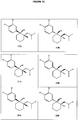
- An aspect of the invention provides a compound or a pharmaceutically acceptable salt thereof, having a structure of Formula (Ve) or Formula (Vf): wherein R 4 is H or CH 3 .
- An aspect of the invention provides a compound, or a pharmaceutically acceptable salt thereof, wherein the compound is selected from the group consisting of:
- An aspect of the invention provides a compound, or a pharmaceutically acceptable salt thereof, wherein the compound is selected from the group consisting of:
- An aspect of the invention provides a compound, or a pharmaceutically acceptable salt thereof, wherein the compound is selected from the group consisting of:
- An aspect of the invention provides a compound, or a pharmaceutically acceptable salt thereof, wherein the compound is selected from the group consisting of:
- An aspect of the invention provides a compound, or a pharmaceutically acceptable salt thereof, wherein the compound is selected from the group consisting of:
- An aspect of the invention provides a compound of the invention, or a pharmaceutically acceptable salt thereof, for use in treating an eating disorder or for use in treating obesity.
- An aspect of the invention provides a compound of the invention, or a pharmaceutically acceptable salt thereof, for use in treating a condition treatable by modulating one or more monoamine transporter(s) in a mammalian subject.
- the invention provides a pharmaceutical composition including a compound of the invention or a pharmaceutically acceptable salt or solvate thereof, and a pharmaceutically acceptable carrier.
- the disclosure also provides a method of inhibiting binding of a monoamine transporter ligand to a monoamine transporter, such as serotonin transporter, dopamine transporter and norepinephrine transporter.
- the method includes contacting the monoamine transporter and a compound of the invention.
- the monoamine transporter ligand may be a monoamine, such as serotonin, dopamine and norepinephrine.
- the disclosure also provides a method of inhibiting the activity of at least one monoamine transporter, such as serotonin transporter, dopamine transporter and norepinephrine transporter.
- the method includes contacting the monoamine transporter and a compound of the invention.
- the invention provides a compound of the invention for use in treating a condition treatable by inhibiting uptake of at least one monoamine, such as serotonin, dopamine and norepinephrine, by a cell.
- the cell is a brain cell, such as a neuronal cell or glial cell.
- the invention provides a compound of the invention for use in treating depression by inhibiting the activity at least one monoamine transporter.
- the compound of the invention inhibits the activity of at least two different monoamine transporters.
- the invention provides a compound of the invention for use in treating a neurological disorder.
- alkyl by itself or as part of another substituent, means, unless otherwise stated, a straight or branched chain, or cyclic hydrocarbon radical, or combination thereof, which may be fully saturated, unsaturated, e.g., mono- or polyunsaturated and can include di-and multivalent radicals.
- Alkyl radicals are optionally designated as having a number of carbons within a stated range-i.e., C 1 -C 10 means a substituted or unsubstituted alkyl moiety having from one to ten carbons.
- saturated hydrocarbon radicals include, but are not limited to, groups such as methyl, ethyl, n-propyl, isopropyl, n-butyl, t-butyl, isobutyl, see-butyl, homologs and isomers of, for examples, n-pentyl, n-hexyl, n-heptyl, n-octyl; cyclic alkyl, e.g., cyclohexyl, (cyclohexyl)methyl, cyclopropylmethyl, fused ring species including, e.g., fused cycloalkyl, (e.g., decalin) and the like.
- An unsaturated alkyl group is one having once or more double bonds or triple bonds, e.g., "alkenyl” and "alkynyl)".
- unsaturated alkyl groups include, but are not limited to, vinyl, 2-propenyl, crotyl, 2-isopentenyl, 2-(butadienyl), 2,4-pentadienyl, 3-(1,4-pentadienyl), ethynyl, 1- and 3-propynyl, 3-butynyl, and the higher homologs and isomers.
- alkyl unless otherwise noted, is also meant to include those derivatives of alkyl defined in more detail below, such as “heteroalkyl.” Alkyl groups that are limited to hydrocarbon groups are termed “homoalkyl”. Exemplary substituents found on "substituted alkyl" moieties are set forth below.
- alkylene by itself or as part of another substituent means a divalent radical derived from an alkane, as exemplified, but not limited, by -CH 2 CH 2 CH 2 CH 2 -, and further includes those groups described below as “heteroalkylene.”
- an alkyl (or alkylene) group will have from 1 to 24 carbon atoms, with those groups having 10 or fewer carbon atoms being preferred in the present invention.
- a “lower alkyl” or “lower alkylene” is a shorter chain alkyl or alkylene group, generally having eight or fewer carbon atoms.
- alkoxy alkylamino and “alkylthio” (or thioalkoxy) are used in their conventional sense, and refer to those alkyl groups attached to the remainder of the molecule via an oxygen atom, an amino group, or a sulfur atom, respectively.
- heteroalkyl by itself or in combination with another term, means, unless otherwise stated, is a subgenus of "alkyl” as set forth above, a straight or branched chain, or cyclic alkyl radical, or combinations thereof, saturated or unsaturated alkyl radical consisting of a number of carbon atoms (optionally stated) and at least one heteroatom, preferably selected from B, O, N, P, Si and S, and wherein the nitrogen and sulfur atoms may optionally be oxidized and the nitrogen heteroatom may optionally be quaternized.
- the heteroatom(s) B, O, N, P, Si and S may be at any internal position of the heteroalkyl group or at the position at which the heteroalkyl group is attached to the remainder of the molecule, or at the antipodal terminus thereof.
- heteroalkylene by itself or as part of another substituent means a divalent radical derived from heteroalkyl, as exemplified, but not limited by, -CH 2 -CH 2 -S-CH 2 -CH 2 - and -CH 2 -S-CH 2 -CH 2 -NH-CH 2 -.
- heteroatoms can also occupy either or both of the chain termini (e.g., alkyleneoxy, alkylenedioxy, alkyleneamino, alkylenediamino, and the like). Still further, for alkylene and heteroalkylene linking groups, no orientation of the linking group is implied by the direction in which the formula of the linking group is written. For example, the formula -CO 2 R'-optionally represents both -C(O)OR' and -OC(O)R'.
- cycloalkyl and “heterocycloalkyl”, by themselves or in combination with other terms, represent, unless otherwise stated, cyclic versions of “alkyl” and “heteroalkyl”, respectively. Additionally, for heterocycloalkyl, a heteroatom can occupy the position at which the heterocycle is attached to the remainder of the molecule. Examples of cycloalkyl include, but are not limited to, cyclopentyl, cyclohexyl, 1-cyclohexenyl, 3-cyclohexenyl, cycloheptyl, and the like.
- heterocycloalkyl examples include, but are not limited to, 1-(1,2,5,6-tetrahydropyridyl), 1-piperidinyl, 2-piperidinyl, 3-piperidinyl, 4-morpholinyl, 3-morpholinyl, tetrahydrofuran-2-yl, tetrahydrofuran-3-yl, tetrahydrothien-2-yl, tetrahydrothien-3-yl, 1 -piperazinyl, 2-piperazinyl, and the like.
- halo or halogen
- haloalkyl by themselves or as part of another substituent, mean, unless otherwise stated, a fluorine, chlorine, bromine, or iodine atom.
- terms such as “haloalkyl,” arc meant to include monohaloalkyl and polyhaloalkyl.
- halo(C 1 -C 4 )alkyl is mean to include, but not be limited to, trifluoromethyl, 2,2,2-trifluoroethyl, 4-chlorobutyl, 3-bromopropyl, and the like.
- aryl means, unless otherwise stated, a polyunsaturated, aromatic, substituent that can be a single ring or multiple rings (preferably from 1 to 3 rings), which are fused together or linked covalently.
- Aryl species include structures that include aryl rings fused with cycloalkyl, heterocycloalkyl and hctcroaryl rings.
- heteroaryl is subgeneric to "aryl” and refers to aryl groups that contain from one to four heteroatoms, preferably selected from B, O, N, P, Si and S, wherein the nitrogen and sulfur atoms are optionally oxidized, and the nitrogen atom(s) are optionally quaternized.
- a heteroaryl group can be attached to the remainder of the molecule through a heteroatom.
- aryl and heteroaryl groups include phenyl, 1-naphthyl, 2-naphthyl, 4-biphenyl, 1-pyrrolyl, 2-pyrrolyl, 3-pyrrolyl, 3-pyrazolyl, 2-imidazolyl, 4-imidazolyl, pyrazinyl, 2-oxazolyl, 4-oxazolyl, 2-phcnyl-4-oxazolyl, 5-oxazolyl, 3-isoxazolyl, 4-isoxazolyl, 5-isoxazolyl, 2-thiazolyl, 4-thiazolyl, 5-thiazolyl, 2-furyl, 3-furyl, 2-thienyl, 3-thienyl, 2-pyridyl, 3-pyridyl, 4-pyridyl, 2-pyrimidyl, 4-pyrimidyl, 5-benzothiazolyl, purin
- aryl when used to define a substituent (e.g., aryloxy, arylthioxy, arylalkyl) optionally includes both aryl and heteroaryl rings as defined above.
- arylalkyl is meant to include those radicals in which an aryl group is attached to an alkyl group (e.g., benzyl, phenethyl, pyridylmethyl and the like) including those alkyl groups in which a carbon atom (e.g., a methylene group) has been replaced by, for example, an oxygen atom (e.g., phenoxymethyl, 2-pyridyloxymethyl, 3-(1-naphthyloxy)propyl, and the like).
- alkyl e.g., "alkyl,” “heteroalkyl,” “aryl” and “heteroaryl” are meant to include both substituted and unsubstituted forms of the indicated radical.
- Preferred substituents for each type of radical are provided below.
- alkyl and heteroalkyl radicals including those groups often referred to as alkylene, alkenyl, heteroalkylene, heteroalkenyl, alkynyl, cycloalkyl, heterocycloalkyl, cycloalkenyl, and heterocycloalkenyl
- R', R", R'" and R" each preferably independently refer to hydrogen, substituted or unsubstituted heteroalkyl, substituted or unsubstituted aryl, e.g., aryl substituted with 1-3 halogens, substituted or unsubstituted alkyl, alkoxy or thioalkoxy groups, or arylalkyl groups.
- each of the R groups is independently selected as are each R', R", R'" and R"" groups when more than one of these groups is present.
- R' and R" arc attached to the same nitrogen atom, they can be combined with the nitrogen atom to form a 5-, 6-, or 7-membered ring.
- - NR'R is meant to include, but not be limited to, 1-pyrrolidinyl and 4-morpholinyl.
- alkyl is meant to include groups including carbon atoms bound to groups other than hydrogen groups, such as haloalkyl (e.g., -CF 3 and -CH 2 CF 3 ) and acyl ( e.g., -C(O)CH 3 , -C(O)CF 3 ,-C(O)CH 2 OCH 3 , and the like).
- haloalkyl e.g., -CF 3 and -CH 2 CF 3
- acyl e.g., -C(O)CH 3 , -C(O)CF 3 ,-C(O)CH 2 OCH 3 , and the like.
- substituents for the aryl and heteroaryl groups are generically referred to as "aryl group substituents.”
- Two of the substituents on adjacent atoms of the aryl or heteroaryl ring may optionally be replaced with a substituent of the formula -T-C(O)-(CRR') q -U-, wherein T and U are independently -NR-, -O-, -CRR'- or a single bond, and q is an integer of from 0 to 3.
- two of the substituents on adjacent atoms of the aryl or heteroaryl ring may optionally be replaced with a substituent of the formula -A-(CH 2 ) r -D-, wherein A and D are independently -CRR'-, -O-, -NR-, -S-, -S(O)-, -S(O) 2 -, -S(O) 2 NR'- or a single bond, and r is an integer of from 1 to 4.
- One of the single bonds of the new ring so formed may optionally be replaced with a double bond.
- two of the substituents on adjacent atoms of the aryl or heteroaryl ring may optionally be replaced with a substituent of the formula - (CRR') s -X"-(CR"R"') d -, where s and d are independently integers of from 0 to 3, and X" is -O-, -NR'-, -S-, -S(O)-, -S(O) 2 -, or -S(O) 2 NR'-.
- the substituents R, R', R" and R'" arc preferably independently selected from hydrogen or substituted or unsubstituted (C 1 -C 6 )alkyl.
- acyl describes a substituent containing a carbonyl residue, C(O)R.
- R exemplary species for R include H, halogen, substituted or unsubstituted alkyl, substituted or unsubstituted aryl, substituted or unsubstituted heteroaryl, and substituted or unsubstituted heterocycloalkyl.
- fused ring system means at least two rings, wherein each ring has at least 2 atoms in common with another ring.
- “Fused ring systems may include aromatic (i.e., aryl or heteroaryl) as well as saturated or unsaturated non aromatic rings (i.e., cycloalkyl, heterocycloalkyl). Examples of “fused ring systems” are naphthalenes, indoles, quinolines, chromenes, decalin and the like.
- heteroatom includes oxygen (O), nitrogen (N), sulfur (S), silicon (Si), boron (B), and phosphorous (P).
- R is a general abbreviation that represents an "alkyl group substituent” or "aryl group substituent” (e.g., a substituent group that is selected from substituted or unsubstituted alkyl, substituted or unsubstituted heteroalkyl, substituted or unsubstituted aryl, substituted or unsubstituted heteroaryl, and substituted or unsubstituted heterocycloalkyl groups).
- alkyl group substituent e.g., a substituent group that is selected from substituted or unsubstituted alkyl, substituted or unsubstituted heteroalkyl, substituted or unsubstituted aryl, substituted or unsubstituted heteroaryl, and substituted or unsubstituted heterocycloalkyl groups.
- terapéuticaally effective amount means that amount of a compound, or composition comprising a compound of the present invention which is effective for producing some desired therapeutic effect (e.g., by inhibiting uptake of a monoamine from the synaptic cleft of a mammal, thereby modulating the biological consequences of that pathway in the treated organism) at a reasonable benefit/risk ratio applicable to any medical treatment.
- phrases "pharmaceutically acceptable” is employed herein to refer to those compounds, materials, compositions, and/or dosage forms which are, within the scope of sound medical judgment, suitable for use in human beings and animals without excessive toxicity, irritation, allergic response, or other problem or complication, commensurate with a reasonable benefit/risk ratio.
- pharmaceutically acceptable carrier means any pharmaceutically acceptable material, which may be liquid or solid.
- exemplary carriers include vehicles, diluents, additives, liquid and solid fillers, excipients, solvents, solvent encapsulating materials.
- Each carrier must be “acceptable” in the sense of being compatible with the other ingredients of the formulation and not injurious to the patient.
- materials which can serve as pharmaceutically-acceptable carriers include: (1) sugars, such as lactose, glucose and sucrose; (2) starches, such as corn starch and potato starch; (3) cellulose, and its derivatives, such as sodium carboxymethyl cellulose, ethyl cellulose and cellulose acetate; (4) powdered tragacanth; (5) malt; (6) gelatin; (7) talc; (8) excipients, such as cocoa butter and suppository waxes; (9) oils, such as peanut oil, cottonseed oil, safflower oil, sesame oil, olive oil, corn oil and soybean oil; (10) glycols, such as propylene glycol; (11) polyols, such as glycerin, sorbitol, mannitol and polyethylene glycol; (12) esters, such as ethyl oleate and ethyl laurate; (13) agar; (14) buffering agents, such as magnesium hydroxide and aluminum hydrox
- Present compounds contain a basic functional group and are, thus, capable of forming pharmaceutically acceptable salts with pharmaceutically acceptable acids.
- pharmaceutically acceptable salts refers to the relatively non-toxic, inorganic and organic acid addition salts of compounds of the present invention. These salts can be prepared in situ in the administration vehicle or the dosage form manufacturing process, or by separately reacting a purified compound of the invention in its free base form with a suitable organic or inorganic acid, and isolating the salt thus formed during subsequent purification.
- Representative salts include the hydrobromide, hydrochloride, sulfate, sulfamate, bisulfate, phosphate, nitrate, acetate, valerate, oleate, palmitate, stearate, laurate, benzoate, lactate, tosylate, citrate, maleate, ascorbate, palmitate, fumarate, succinate, tartrate, napthylate, mesylate, hydroxymaleate, phenylacetate, glutamate, glucoheptonate, salicyclate, sulfanilate, 2-acetoxybenzoate, methanesulfonate, ethane disulfonate, oxalate, isothionate, lactobionate, and laurylsulphonate salts and the like. See, for example, Berge et al. (1977) "Pharmaceutical Salts", J. Pharm. Sci. 66:1-19 .
- pharmaceutically acceptable salts includes salts of the active compounds which arc prepared with relatively nontoxic acids or bases, depending on the particular substituents found on the compounds described herein.
- base addition salts can be obtained by contacting the neutral form of such compounds with a sufficient amount of the desired base, either neat or in a suitable inert solvent.
- pharmaceutically acceptable base addition salts include sodium, potassium, calcium, ammonium, organic amino, or magnesium salt, or a similar salt.
- acid addition salts can be obtained by contacting the neutral form of such compounds with a sufficient amount of the desired acid, either neat or in a suitable inert solvent.
- Examples of pharmaceutically acceptable acid addition salts include those derived from inorganic acids like hydrochloric, hydrobromic, nitric, carbonic, monohydrogencarbonic, phosphoric, monohydrogenphosphoric, dihydrogenphosphoric, sulfuric, monohydrogensulfuric, hydriodic, or phosphorous acids and the like, as well as the salts derived from relatively nontoxic organic acids like acetic, propionic, isobutyric, maleic, malonic, benzoic, succinic, suberic, fumaric, lactic, mandelic, phthalic, benzenesulfonic, p-tolylsulfonic, citric, tartaric, methanesulfonic, and the like.
- inorganic acids like hydrochloric, hydrobromic, nitric, carbonic, monohydrogencarbonic, phosphoric, monohydrogenphosphoric, dihydrogenphosphoric, sulfuric, monohydrogensulfuric, hydriodic, or phosphorous acids and
- salts of amino acids such as arginate and the like, and salts of organic acids like glucuronic or galactunoric acids and the like (see, for example, Berge et al., Journal of Pharmaceutical Science, 66: 1-19 (1977 )).
- Certain specific compounds of the present invention contain both basic and acidic functionalities that allow the compounds to be converted into either base or acid addition salts.
- the neutral forms of the compounds are preferably regenerated by contacting the salt with a base or acid and isolating the parent compound in the conventional manner.
- the parent form of the compound differs from the various salt forms in certain physical properties, such as solubility in polar solvents, but otherwise the salts are equivalent to the parent form of the compound for the purposes of the present invention.
- the present invention provides compounds, which arc in a prodrug form.
- Prodrugs of the compounds described herein are those compounds that readily undergo chemical changes under physiological conditions to provide the compounds of the present invention.
- prodrugs can be converted to the compounds of the present invention by chemical or biochemical methods in an ex vivo environment. For example, prodrugs can be slowly converted to the compounds of the present invention when placed in a transdermal patch reservoir with a suitable enzyme or chemical reagent.
- Certain compounds of the present invention can exist in unsolvated forms as well as solvated forms, including hydrated forms. In general, the solvated forms are equivalent to unsolvated forms and are encompassed within the scope of the present invention. Certain compounds of the present invention may exist in multiple crystalline or amorphous forms. In general, all physical forms are equivalent for the uses contemplated by the present invention and are intended to be within the scope of the present invention.
- “Compound or a pharmaceutically acceptable salt or solvate of a compound” intends the inclusive meaning of "or”, in that a material that is both a salt and a solvate is encompassed.
- Certain compounds of the present invention possess asymmetric carbon atoms (optical centers) or double bonds; the racemates, diastereomers, geometric isomers and individual isomers are encompassed within the scope of the present invention.
- Optically active (R)- and (S)-isomers may be prepared using chiral synthons or chiral reagents, or resolved using conventional techniques.
- R optical centers
- S chiral reagents
- enantiomeric excess and “diastereomeric excess” are used interchangeably herein.
- Compounds with a single stereocenter are referred to as being present in “enantiomeric excess,” those with at least two stcrcoccntcrs arc referred to as being present in “diastereomeric excess.”
- the compounds of the present invention may also contain unnatural proportions of atomic isotopes at one or more of the atoms that constitute such compounds.
- the compounds may be radiolabeled with radioactive isotopes, such as for example tritium ( 3 H), iodine-125 ( 125 I) or carbon-14 ( 14 C). All isotopic variations of the compounds of the present invention, whether radioactive or not, arc intended to be encompassed within the scope of the present invention.
- monoamine transporter ligand refers to any compound, which binds to a monoamine transporter.
- Ligands include endogenous monoamines, which are the natural ligands for a given monoamine transporter as well as drug molecules and other compounds, such as synthetic molecules known to bind to a particular monoamine transporter.
- the ligand includes a radioisotope, such as tritium or is otherwise (e.g., fluorescently) labeled. It is within the abilities of the skilled person to select an appropriate ligand for a given monoamine transporter.
- known ligands for the dopamine transporter include dopamine and WIN35428, known ligands for the serotonin transporter include 5-hydroxytryptamine (serotonin) and citalopram, and ligands for the norepinephrine transporter include norepinephrine and nisoxetine.
- eating disorder refers to abnormal compulsions to avoid eating or uncontrollable impulses to consume abnormally large amounts of food. These disorders affect not only the social well-being, but also the physical well-being of sufferers. Examples of eating disorders include anorexia nervosa, bulimia, and binge eating.
- neurodegenerative diseases e.g., Alzheimer's disease, Parkinson's disease and amyotrophic lateral sclerosis
- ncuropsychiatric diseases e.g. schizophrenia and anxieties, such as general anxiety disorder
- exemplary neurological disorders include MLS (cerebellar ataxia), Huntington's disease, Down syndrome, multi-infarct dementia, status epilecticus, contusive injuries (e.g. spinal cord injury and head injury), viral infection induced neurodegeneration, (e.g.
- Neurodegenerative disorder also includes any condition associated with the disorder.
- a method of treating a neurodegenerative disorder includes methods of treating loss of memory and/or loss of cognition associated with a neurodegenerative disorder.
- An exemplary method would also include treating or preventing loss of neuronal function characteristic of neurodegenerative disorder.
- Neurological disorder also includes any disease or condition that is implicated, at least in part, in monoamine (e.g., norepinephrine) signaling pathways (e.g., cardiovascular disease).
- Pain is an unpleasant sensory and emotional experience. Pain classifications have been based on duration, etiology or pathophysiology, mechanism, intensity, and symptoms.
- the term "pain” as used herein refers to all categories of pain, including pain that is described in terms of stimulus or nerve response, e.g., somatic pain (normal nerve response to a noxious stimulus) and neuropathic pain (abnormal response of a injured or altered sensory pathway, often without clear noxious input); pain that is categorized temporally, e.g., chronic pain and acute pain; pain that is categorized in terms of its severity, e.g., mild, moderate, or severe; and pain that is a symptom or a result of a disease state or syndrome, e.g., inflammatory pain, cancer pain, AIDS pain, arthropathy, migraine, trigeminal neuralgia, cardiac ischaemia, and diabetic peripheral neuropathic pain (see, e.g., Harrison's Principles of Internal Medicine, pp.
- Pain is also meant to include mixed etiology pain, dual mechanism pain, allodynia, causalgia, central pain, hyperesthesia, hyperpathia, dysesthesia, and hyperalgesia.
- Somatic pain refers to a normal nerve response to a noxious stimulus such as injury or illness, e.g., trauma, burn, infection, inflammation, or disease process such as cancer, and includes both cutaneous pain (e.g., skin, muscle or joint derived) and visceral pain (e.g., organ derived).
- a noxious stimulus such as injury or illness, e.g., trauma, burn, infection, inflammation, or disease process such as cancer
- cutaneous pain e.g., skin, muscle or joint derived
- visceral pain e.g., organ derived
- Neuroneuropathic pain is a heterogeneous group of neurological conditions that result from damage to the nervous system.
- Neuroopathic pain refers to pain resulting from injury to or dysfunctions of peripheral and/or central sensory pathways, and from dysfunctions of the nervous system, where the pain often occurs or persists without an obvious noxious input. This includes pain related to peripheral neuropathies as well as central neuropathic pain.
- Common types of peripheral neuropathic pain include diabetic neuropathy (also called diabetic peripheral neuropathic pain, or DN, DPN, or DPNP), post-hcrpctic neuralgia (PHN), and trigeminal neuralgia (TGN).
- Central neuropathic pain involving damage to the brain or spinal cord, can occur following stroke, spinal cord injury, and as a result of multiple sclerosis.
- Other types of pain that are meant to be included in the definition of neuropathic pain include pain from neuropathic cancer pain, HIV/AIDS induced pain, phantom limb pain, and complex regional pain syndrome.
- the compounds of the invention are of use for treating neuropathic pain.
- neuropathic pain Common clinical features of neuropathic pain include sensory loss, allodynia (non-noxious stimuli produce pain), hyperalgesia and hyperpathia (delayed perception, summation, and painful aftersensation). Pain is often a combination of nociceptive and neuropathic types, for example, mechanical spinal pain and radiculopathy or myelopathy.
- Acute pain is the normal, predicted physiological response to a noxious chemical, thermal or mechanical stimulus typically associated with invasive procedures, trauma and disease. It is generally time-limited, and may be viewed as an appropriate response to a stimulus that threatens and/or produces tissue injury. "Acute pain”, as described above, refers to pain which is marked by short duration or sudden onset.
- Chronic pain occurs in a wide range of disorders, for example, trauma, malignancies and chronic inflammatory diseases such as rheumatoid arthritis. Chronic pain usually lasts more than about six months. In addition, the intensity of chronic pain may be disproportionate to the intensity of the noxious stimulus or underlying process. “Chronic pain”, as described above, refers to pain associated with a chronic disorder, or pain that persists beyond resolution of an underlying disorder or healing of an injury, and that is often more intense than the underlying process would predict. It may be subject to frequent recurrence.
- Inflammatory pain is pain in response to tissue injury and the resulting inflammatory process. Inflammatory pain is adaptive in that it elicits physiologic responses that promote healing. However, inflammation may also affect neuronal function. Inflammatory mediators, including PGE 2 induced by the COX2 enzyme, bradykinins, and other substances, bind to receptors on pain-transmitting neurons and alter their function, increasing their excitability and thus increasing pain sensation. Much chronic pain has an inflammatory component. "Inflammatory pain”, as described above, refers to pain which is produced as a symptom or a result of inflammation or an immune system disorder.
- Vehicle pain refers to pain which is located in an internal organ.
- Mated etiology pain refers to pain that contains both inflammatory and neuropathic components.
- “Dual mechanism” pain refers to pain that is amplified and maintained by both peripheral and central sensitization.
- Chronicgia refers to a syndrome of sustained burning, allodynia, and hyperpathia after a traumatic nerve lesion, often combined with vasomotor and sudomotor dysfunction and later trophic changes.
- Central pain refers to pain initiated by a primary lesion or dysfunction in the central nervous system.
- Hypcrcsthcsia refers to increased sensitivity to stimulation, excluding the special senses.
- “Hyperpathia”, as described above, refers to a painful syndrome characterized by an abnormally painful reaction to a stimulus, especially a repetitive stimulus, as well as an increased threshold. It may occur with allodynia, hyperesthesia, hyperalgesia, or dysesthesia.
- Dysesthesia refers to an unpleasant abnormal sensation, whether spontaneous or evoked. Special cases of dysesthesia include hyperalgesia and allodynia,
- “Hyperalgesia”, as described above, refers to an increased response to a stimulus that is normally painful. It reflects increased pain on suprathreshold stimulation.
- Allodynia refers to pain due to a stimulus that does not normally provoke pain.
- pain includes pain resulting from dysfunction of the nervous system: organic pain states that share clinical features of neuropathic pain and possible common pathophysiology mechanisms, but are not initiated by an identifiable lesion in any part of the nervous system.
- DPNP Diabetic Peripheral Neuropathic Pain
- DN diabetic peripheral neuropathy
- DN diabetic peripheral neuropathy
- DN diabetic peripheral neuropathy
- DN diabetic peripheral neuropathy
- DN diabetic peripheral neuropathy
- the classic presentation of DPNP is pain or tingling in the feet that can be described not only as “burning” or “shooting” but also as severe aching pain. Less commonly, patients may describe the pain as itching, tearing, or like a toothache. The pain may be accompanied by allodynia and hyperalgesia and an absence of symptoms, such as numbness.
- Post-Herpetic Neuralgia also called “Postherpetic Neuralgia” (PHN)
- PPN Postherpetic Neuralgia
- VZV varicella zoster virus
- neurodegeneration pain refers to peripheral neuropathic pain as a result of cancer, and can be caused directly by infiltration or compression of a nerve by a tumor, or indirectly by cancer treatments such as radiation therapy and chemotherapy (chemotherapy-induced neuropathy).
- HIV/AIDS peripheral neuropathy or "HIV/AIDS related neuropathy” refers to peripheral neuropathy caused by HIV/AIDS, such as acute or chronic inflammatory demyelinating neuropathy (AIDP and CIDP, respectively), as well as peripheral neuropathy resulting as a side effect of drugs used to treat HIV/AIDS.
- HIV/AIDS peripheral neuropathy caused by HIV/AIDS, such as acute or chronic inflammatory demyelinating neuropathy (AIDP and CIDP, respectively), as well as peripheral neuropathy resulting as a side effect of drugs used to treat HIV/AIDS.
- Phantom Limb Pain refers to pain appearing to come from where an amputated limb used to be. Phantom limb pain can also occur in limbs following paralysis (e.g., following spinal cord injury). "Phantom Limb Pain” is usually chronic in nature.
- TN Trigeminal Neuralgia
- TN Trigeminal Neuralgia
- CRPS Combin Regional Pain Syndrome
- RSD Reflex Sympathetic Dystrophy
- Fibromyalgia refers to a chronic condition characterized by diffuse or specific muscle, joint, or bone pain, along with fatigue and a range of other symptoms. Previously, fibromyalgia was known by other names such as fibrositis, chronic muscle pain syndrome, psychogenic rheumatism and tension myalgias.
- convulsion refers to a neurological disorder and is used interchangeably with “seizure,” although there are many types of seizure, some of which have subtle or mild symptoms instead of convulsions. Seizures of all types may be caused by disorganized and sudden electrical activity in the brain. Convulsions are a rapid and uncontrollable shaking. During convulsions, the muscles contract and relax repeatedly.
- depression includes all forms of depression, which include major depressive disorder (MDD), bipolar disorder, seasonal affective disorder (SAD) and dysthymia.
- MDD major depressive disorder
- SAD seasonal affective disorder
- Dythymia dysthymia.
- Major depressive disorder is used herein interchangeably with “unipolar depression” and “major depression.
- “Depression” also includes any condition commonly associated with depression, such as all forms of fatigue (e.g., chronic fatigue syndrom) and cognitive deficits.
- One strategy to develop effective therapies for neurological disorders is the use of broad spectrum antidepressants that simultaneously inhibit the reuptake of more than one biogenic amine, such as serotonin (5-HT), norepinephrine (NE) and dopamine (DA).
- biogenic amine such as serotonin (5-HT), norepinephrine (NE) and dopamine (DA).
- 5-HT serotonin
- NE norepinephrine
- DA dopamine
- the rationale for this approach is based upon clinical and preclinical evidence showing that deficiencies in dopaminergic function can be correlated with anhedonia, which is a core symptom of depression.
- Baldessarini, R.J. "Drugs and the Treatment of Psychiatric Disorders: Depression and Mania, in Goodman and Gilman's The Pharmacological Basis of Therapeutics 431-459 (9th ed 1996) Hardman et al. eds .
- An advantage of exemplary compounds and compositions of the present invention is their ability to increase availability of at least two neurotransmitters (e.g., NE, 5-HT and DA) by inhibiting their dual (re)uptake, e.g., from the synaptic cleft.
- NE, 5-HT and DA neurotransmitters
- Skolnick and coworkers report on a body of preclinical evidence suggesting that the therapeutic profile of an antidepressant concurrently increasing the synaptic availability of DA, NE and 5-HT will differ from a compound inhibiting only NE and/or 5-HT.
- Skolnick, P. et al. "Antidepressant-like actions of DOV-21,947: a "triple” reuptake inhibitor," Eur. J. Pharm. 2003, 461, 103 .
- DOV 21,947 reduces the duration of immobility in the forced swim test (in rats) and also produces a dose-dependent reduction in immobility in the tail suspension test. Additional evidence can be found in preclinical data for new triple reuptake inhibitors such as DOV 21,947 in, e.g., U.S. Patent No. 6,372,919 , wherein DOV 21,947 was disclosed as having a significantly greater affinity for the norepinephrine and serotonin uptake sites than the racemic compound, ( ⁇ )-1-(3,4-dichlorophenyl)-3-azabicyclo[3.1.0]hexane.
- the compound of the invention can include one or more stereocenter and may exist in particular geometric or stereoisomeric forms.
- Compounds can be chiral, racemic or be present in a composition including one or more stereoisomer.
- the current invention encompasses enantiomers, diastereomers, racemic mixtures, enantiomerically enriched mixtures, and diastereomerically enriched mixture. Additional asymmetric carbon atoms may be present in a substituent such as an alkyl group. All such isomers, as well as mixtures thereof, are intended to be included in this invention.
- a particular enantiomer of a compound of the present invention may be prepared by asymmetric synthesis, or by derivatization with a chiral auxiliary, where the resulting diastereomeric mixture is separated and the auxiliary group cleaved to provide the pure desired enantiomers.
- diastereomeric salts may be formed with an appropriate optically active acid or base, followed by resolution of the diastereomers thus formed by fractional crystallization or chromatographic means known in the art, and subsequent recovery of the pure enantiomers.
- separation of enantiomers and diastereomers is frequently accomplished using chromatography employing chiral, stationary phases, optionally in combination with chemical derivatization (e.g., formation of carbamates from amines).
- enantiomerically enriched or “diastereomerically enriched” refers to a compound having an enantiomeric excess (ee) or a diastereomeric excess (de) greater than about 50%, preferably greater than about 70% and more preferably greater than about 90%. In general, higher than about 90% enantiomeric or diastereomeric purity is particularly preferred, e.g., those compositions with greater than about 95%, greater than about 97% and greater than about 99% ee or de.
- enantiomeric excess and “diastereomeric excess” are used interchangeably herein.
- Compounds with a single stereocenter are referred to as being present in “enantiomeric excess”; those with at least two stereocenters are referred to as being present in “diastereomeric excess”.
- e e a conc . of a ⁇ conc . of b conc . of a + conc . of b ⁇ 100
- enantiomeric excess is related to the older term “optical purity” in that both are measures of the same phenomenon.
- the value of ee will be a number from 0 to 100, zero being racemic and 100 being enantiomerically pure.
- a compound which in the past might have been called 98% optically pure is now more precisely characterized by 96% ee.
- a 90% ee reflects the presence of 95% of one enantiomer and 5% of the other(s) in the material in question.
- the invention provides a composition including a first stereoisomer and at least one additional stereoisomer of a compound of the invention.
- the first stereoisomer may be present in a diastereomeric or enantiomeric excess of at least about 80%, preferably at least about 90% and more preferably at least about 95%.
- the first stereoisomer is present in a diastereomeric or enantiomeric excess of at least about 96%, at least about 97%, at least about 98%, at least about 99% or at least about 99.5%.
- Enantiomeric or diastereomeric excess may be determined relative to exactly one other stereoisomer, or may be determined relative to the sum of at least two other stereoisomers.
- enantiomeric or diastereomeric excess is determined relative to all other detectable stereoisomers, which are present in the mixture.
- Stereoisomers are detectable if a concentration of such stereoisomer in the analyzed mixture can be determined using common analytical methods, such as chiral HPLC.
- Stereoisomers may be separated at an appropriate synthetic stage, for example, by chiral column chromatography, such as HPLC to give enantiomerically/diastereomerically enriched or enantiomerically or diastereomerically pure forms of the respective stereoisomers.
- Stereochemical assignments may be made on the basis of NMR coupling patterns optionally in conjunction with literature values. Absolute configurations can be determined by synthesis from chiral precursor of known configuration, or by X-ray crystallographic determination using crystallized materials.
- Stereochemical-configurations are defined according to the relative configuration of the amine-bearing side chain and the substituent on the cycloalkyl ring. When more than one substituent is present, the higher order (IUPAC) substituent is used for the determination of stereochemical-configuration.
- the compounds of the invention were synthesized from the corresponding amino ketone a as shown in Scheme 1, below.
- R y and R z are members independently selected from subsituted or unsubstituted alkyl, Cl, Br, F, NR 10 R 11 , OR 9 , SR 9 and subsituted or unsubstituted aryl.
- the invention provides a pharmaceutical composition including a compound described herein or a pharmaceutically acceptable salt or solvate thereof, and at least one pharmaceutically acceptable carrier.
- the compounds is a cis isomer.
- the compound has a structure which is a member selected from Formulae (Ve) and (Vf).
- the pharmaceutical compositions of the present invention may be especially formulated for administration in solid or liquid form, including those adapted for oral administration, e.g., tablets, drenches (aqueous or non-aqueous solutions or suspensions), parenteral administration (including intravenous and intramuscular), or epidural injection as, for example, a sterile solution or suspension, or sustained release formulation.
- oral administration e.g., tablets, drenches (aqueous or non-aqueous solutions or suspensions), parenteral administration (including intravenous and intramuscular), or epidural injection as, for example, a sterile solution or suspension, or sustained release formulation.
- the pharmaceutical compositions of the present invention may also be specifically formulated for administration transdermally.
- compositions of the invention may be administered orally, parenterally, subcutaneously, transdermally, nasally, or by anal suppository.
- the pharmaceutical compositions of the invention may also be administered using controlled delivery devices.
- Formulations of the present invention include those suitable for oral and parenteral administration, particularly intramuscular, intravenous and subcutaneous administration.
- the formulations may conveniently be presented in unit dosage form and may be prepared by any methods well known in the art of pharmacy.
- the amount of active ingredient which can be combined with a carrier material to produce a single dosage form will vary depending upon the host being treated and the particular mode of administration.
- the amount of active ingredient which can be combined with a carrier material to produce a single dosage form will generally be that amount of the compound which produces a therapeutic effect, without being toxic to the patient. Generally, out of one hundred percent, this amount will range from about 1 percent to about ninety-nine percent of active ingredient.
- Exemplary unit dosage formulations are those containing an effective dose, or an appropriate fraction thereof, of the active ingredient, or a pharmaceutically acceptable salt thereof.
- the magnitude of a prophylactic or therapeutic dose typically varies with the nature and severity of the condition to be treated and the route of administration. The dose, and perhaps the dose frequency, will also vary according to the age, body weight and response of the individual patient.
- the total daily dose ranges from about 1 mg per day to about 7000 mg per day, preferably about 1 mg per day to about 100 mg per day, and more preferably, from about 10 mg per day to about 100 mg per day, and even more preferably from about 20 mg to about 100 mg, to about 80 mg or to about 60 mg.
- the total daily dose may range from about 50 mg to about 500 mg per day, and preferably, about 100 mg to about 500 mg per day. It is further recommended that children, patients over 65 years old, and those with impaired renal or hepatic function, initially receive low doses and that the dosage be titrated based on individual responses and/or blood levels. It may be necessary to use dosages outside these ranges in some cases, as will be apparent to those in the art. Further, it is noted that the clinician or treating physician knows how and when to interrupt, adjust or terminate therapy in conjunction with individual patient's response.
- a formulation of the present invention comprises an excipient selected from the group consisting of cyclodextrins, liposomes, micelle forming agents, e.g., bile acids, and polymeric carriers, e.g., polyesters and polyanhydrides; and a compound of the present invention.
- an aforementioned formulation renders orally bioavailable a compound of the present invention.
- Methods of preparing these formulations or compositions include the step of bringing into association a compound of the present invention with the carrier and, optionally, one or more accessory ingredients.
- the formulations arc prepared by uniformly and intimately bringing into association a compound of the present invention with liquid carriers, or finely divided solid carriers, or both, and then, if necessary, shaping the product.
- Formulations of the invention suitable for oral administration may be in the form of capsules, cachets, pills, tablets, caplets, lozenges (using a flavored basis, usually sucrose and acacia or tragacanth), powders, granules, or as a solution or a suspension in an aqueous or non-aqueous liquid, or as an oil-in-water or water-in-oil liquid emulsion, or as an elixir or syrup, or as pastilles (using an inert base, such as gelatin and glycerin, or sucrose and acacia), each containing a predetermined amount of a compound of the present invention as an active ingredient.
- a compound of the present invention may also be administered as a bolus, electuary or paste.
- the active ingredient is mixed with one or more pharmaceutically acceptable carriers, such as sodium citrate or dicalcium phosphate, and/or any of the following: (1) fillers or extenders, such as starches, lactose, sucrose, glucose, mannitol, sialic acid and/or silicic acid; (2) binders, such as, for example, carboxymethylcellulose, alginates, gelatin, polyvinyl pyrrolidone, sucrose and/or acacia; (3) humectants, such as glycerol; (4) disintegrating agents, such as agar-agar, calcium carbonate, potato or tapioca starch, alginic acid, certain silicates, and sodium carbonate; (5) solution retarding agents, such as paraffin; (6) absorption accelerators, such as quaternary ammonium compounds; (7) wetting agents, such as
- compositions may also comprise buffering agents.
- Solid compositions of a similar type may also be employed as fillers in soft and hard-shelled gelatin capsules using such excipients as lactose or milk sugars, as well as high molecular weight polyethylene glycols and the like.
- a tablet may be made by compression or molding, optionally, with one or more accessory ingredients.
- Compressed tablets may be prepared using binder (for example, gelatin or hydroxypropylmethyl cellulose), lubricant, inert diluent, preservative, disintegrant (for example, sodium starch glycolatc or cross-linked sodium carboxymethyl cellulose), surface-active or dispersing agent.
- Molded tablets may be made by molding in a suitable machine a mixture of the powdered compound moistened with an inert liquid diluent.
- the tablets, and other solid dosage forms of the pharmaceutical compositions of the present invention may optionally be scored or prepared with coatings and shells, such as enteric coatings and other coatings well known in the pharmaceutical-formulating art. They may also be formulated so as to provide slow or controlled release of the active ingredient therein using, for example, hydroxypropylmethyl cellulose in varying proportions to provide the desired release profile, other polymer matrices, liposomes and/or microspheres. They may be formulated for rapid release, e.g., freeze-dried.
- compositions may be sterilized by, for example, filtration through a bacteria-retaining filter, or by incorporating sterilizing agents in the form of sterile solid compositions which can be dissolved in sterile water, or some other sterile injectable medium immediately before use.
- These compositions may also optionally contain opacifying agents and may release the active ingredient(s) only, or preferentially, in a certain portion of the gastrointestinal tract, optionally, in a delayed manner.
- embedding compositions which can be used include polymeric substances and waxes.
- the active ingredient can also be in micro-encapsulated form, if appropriate, with one or more of the above-described excipients.
- Liquid dosage forms for oral administration of the compounds of the invention include pharmaceutically acceptable emulsions, microemulsions, solutions, suspensions, syrups and elixirs.
- the liquid dosage forms may contain inert diluents commonly used in the art, such as, for example, water or other solvents, solubilizing agents and emulsifiers, such as ethyl alcohol, isopropyl alcohol, ethyl carbonate, ethyl acetate, benzyl alcohol, benzyl benzoate, propylene glycol, 1,3-butylene glycol, oils (in particular, cottonseed, groundnut, corn, germ, olive, castor and sesame oils), glycerol, tetrahydrofuryl alcohol, polyethylene glycols and fatty acid esters of sorbitan, and mixtures thereof.
- inert diluents commonly used in the art, such as, for example, water or other solvents, solubilizing agents and
- the oral compositions can also include adjuvants such as wetting agents, emulsifying and suspending agents, sweetening, flavoring, coloring, perfuming and preservative agents.
- adjuvants such as wetting agents, emulsifying and suspending agents, sweetening, flavoring, coloring, perfuming and preservative agents.
- Suspensions in addition to the active compounds, may contain suspending agents as, for example, cthoxylatcd isostcaryl alcohols, polyoxycthylcnc sorbitol and sorbitan esters, microcrystalline cellulose, aluminum metahydroxide, bentonite, agar-agar and tragacanth, and mixtures thereof.
- suspending agents as, for example, cthoxylatcd isostcaryl alcohols, polyoxycthylcnc sorbitol and sorbitan esters, microcrystalline cellulose, aluminum metahydroxide, bentonite, agar-agar and tragacanth, and mixtures thereof.
- compositions of this invention suitable for parenteral administration comprise one or more compounds of the invention in combination with one or more pharmaceutically-acceptable sterile isotonic aqueous or nonaqueous solutions, dispersions, suspensions or emulsions, or sterile powders which may be reconstituted into sterile injectable solutions or dispersions just prior to use, which may contain sugars, alcohols, antioxidants, buffers, bacteriostats, solutes which render the formulation isotonic with the blood of the intended recipient or suspending or thickening agents.
- aqueous and nonaqueous carriers examples include water, ethanol, polyols (such as glycerol, propylene glycol, polyethylene glycol, and the like), and suitable mixtures thereof, vegetable oils, such as olive oil, and injectable organic esters, such as ethyl oleate.
- polyols such as glycerol, propylene glycol, polyethylene glycol, and the like
- vegetable oils such as olive oil
- injectable organic esters such as ethyl oleate.
- Proper fluidity can be maintained, for example, by the use of coating materials, such as lecithin, by the maintenance of the required particle size in the case of dispersions, and by the use of surfactants.
- compositions may also contain adjuvants such as preservatives, wetting agents, emulsifying agents and dispersing agents. Prevention of the action of microorganisms upon the subject compounds may be ensured by the inclusion of various antibacterial and antifungal agents, for example, paraben, chlorobutanol, phenol sorbic acid, and the like. It may also be desirable to include isotonic agents, such as sugars, sodium chloride, and the like into the compositions. In addition, prolonged absorption of the injectable pharmaceutical form may be brought about by the inclusion of agents which delay absorption such as aluminum monostearate and gelatin.
- the absorption of the drug in order to prolong the effect of a drug, it is desirable to slow the absorption of the drug from subcutaneous or intramuscular injection. This may be accomplished by the use of a liquid suspension of crystalline or amorphous material having poor water solubility. The rate of absorption of the drug then depends upon its rate of dissolution which, in turn, may depend upon crystal size and crystalline form. Alternatively, delayed absorption of a parenterally-administered drug form is accomplished by dissolving or suspending the drug in an oil vehicle.
- Injectable depot forms are made by forming microencapsule matrices of the subject compounds in biodegradable polymers such as polylactide-polyglycolide. Depending on the ratio of drug to polymer, and the nature of the particular polymer employed, the rate of drug release can be controlled. Examples of other biodegradable polymers include poly(orthoesters) and poly(anhydrides). Depot injectable formulations are also prepared by entrapping the drug in liposomes or microemulsions which are compatible with body tissue.
- Pharmaceutical compositions or unit dosage forms of the present invention in the form of prolonged-action tablets may comprise compressed tablets formulated to release the drug substance in a manner to provide medication over a period of time.
- Compounds of the invention can be also administered by controlled release means or by delivery devices that are well known to those of ordinary skill in the art. Examples include, but are not limited to, those described in U.S. Patent Nos.: 3,845,770 ; 3,916,899 ; 3,536,809 ; 3,598,123 ; and 4,008,719 , 5,674,533 , 5,059,595 , 5,591,767 , 5,120,548 , 5,073,543 , 5,639,476 , 5,354,556 , and 5,733,566 .
- Such dosage forms can be used to provide slow or controlled-release of one or more active ingredients using, for example, hydroxypropylmethyl cellulose, other polymer matrices, gels, permeable membranes, osmotic systems, multilayer coatings, microparticles, liposomes, microspheres, or a combination thereof to provide the desired release profile in varying proportions.
- Suitable controlled-release formulations known to those of ordinary skill in the art, including those described herein, can be readily selected for use with the compounds of this invention.
- the invention thus encompasses single unit dosage forms suitable for oral administration such as, but not limited to, tablets, capsules, gelcaps, and caplets that are adapted for controlled-release.
- controlled-release pharmaceutical products have a common goal of improving drug therapy over that achieved by their non-controlled counterparts.
- the use of an optimally designed controlled-release preparation in medical treatment is characterized by a minimum of drug substance being employed to cure or control the condition in a minimum amount of time.
- Advantages of controlled-release formulations include extended activity of the drug, reduced dosage frequency, and increased patient compliance.
- controlled-release formulations can be used to affect the time of onset of action or other characteristics, such as blood levels of the drug, and can thus affect the occurrence of side ( e.g., adverse) effects.
- Controlled-release formulations are designed to initially release an amount of drug (active ingredient) that promptly produces the desired therapeutic effect, and gradually and continually release other amounts of drug to maintain this level of therapeutic or prophylactic effect over an extended period of time. In order to maintain this constant level of drug in the body, the drug must be released from the dosage form at a rate that will replace the amount of drug being metabolized and excreted from the body.
- Controlled-release of an active ingredient can be stimulated by various conditions including, but not limited to, pH, temperature, enzymes, water, or other physiological conditions or compounds.
- Transdermal dosage forms include, but are not limited to, ophthalmic solutions, sprays, aerosols, creams, lotions, ointments, gels, solutions, emulsions, suspensions, or other forms known to one of skill in the art. See, e.g., Remington's Pharmaceutical Sciences, 16th and 18th eds., Mack Publishing, Easton PA (1980 & 1990 ); and Introduction to Pharmaceutical Dosage Forms, 4th cd., Lea & Febiger, Philadelphia (1985 ).
- Transdermal dosage forms include "reservoir type” or "matrix type” patches, which can be applied to the skin and worn for a specific period of time to permit the penetration of a desired amount of active ingredients.
- Suitable excipients e.g., carriers and diluents
- other materials that can be used to provide transdermal, topical, and mucosal dosage forms encompassed by this invention are well known to those skilled in the pharmaceutical arts, and depend on the particular tissue to which a given pharmaceutical composition or dosage form will be applied.
- additional components may be used prior to, in conjunction with, or subsequent to treatment with active ingredients of the invention.
- penetration enhancers can be used to assist in delivering the active ingredients to the tissue.
- the pH of a pharmaceutical composition or dosage form, or of the tissue to which the pharmaceutical composition or dosage form is applied may also be adjusted to improve delivery of one or more active ingredients.
- the polarity of a solvent carrier, its ionic strength, or tonicity can be adjusted to improve delivery.
- Compounds such as stearates can also be added to pharmaceutical compositions or dosage forms to advantageously alter the hydrophilicity or lipophilicity of one or more active ingredients so as to improve delivery.
- stearates can serve as a lipid vehicle for the formulation, as an emulsifying agent or surfactant, and as a delivery-enhancing or penetration-enhancing agent.
- Different salts, hydrates or solvates of the active ingredients can be used to further adjust the properties of the resulting composition.
- the compounds of the present invention are administered as pharmaceuticals, to humans and animals, they can be given per se or as a pharmaceutical composition containing, for example, 0.1 to 99.5% of active ingredient in combination with a pharmaceutically acceptable carrier.
- the preparations of the present invention may be given orally and parenterally. They are of course given in forms suitable for each administration route. For example, they are administered in tablets or capsule form, by injection, and by intravenous administration. In one embodiment, oral administrations are preferred.
- parenteral administration and “administered parenterally” as used herein means modes of administration other than enteral and topical administration, usually by injection, and includes, without limitation, intravenous, intramuscular, intraarterial, intrathecal, intracapsular, intraorbital, intracardiac, intradermal, intraperitoneal, transtracheal, subcutaneous, subcuticular, intraarticulare, subcapsular, subarachnoid, intraspinal and intrastemal injection and infusion.
- the selected dosage level will depend upon a variety of factors including the activity of the particular compound of the present invention employed, or the ester, salt or amide thereof, the route of administration, the time of administration, the rate of excretion or metabolism of the particular compound being employed, the duration of the treatment, other drugs, compounds and/or materials used in combination with the particular compound employed, the age, sex, weight, condition, general health and prior medical history of the patient being treated, and like factors well known in the medical arts.
- a physician or veterinarian having ordinary skill in the art can readily determine and prescribe the effective amount of the pharmaceutical composition required.
- the physician or veterinarian could start doses of the compounds of the invention employed in the pharmaceutical composition at levels lower than that required in order to achieve the desired therapeutic effect and gradually increase the dosage until the desired effect is achieved.
- a suitable daily dose of a compound of the invention will be that amount of the compound which is the lowest dose effective to produce a therapeutic effect. Such an effective dose will generally depend upon the factors described above.
- oral, intravenous, intracerebroventricular and subcutaneous doses of the compounds of this invention for a patient will range from about 0.005 mg per kilogram to about 5 mg per kilogram of body weight per day.
- the oral dose of a compound of the invention will range from about 10 mg to about 300 mg per day.
- the oral dose of a compound of the invention will range from about 20 mg to about 250 mg per day.
- the oral dose of a compound of the invention will range from about 100 mg to about 300 mg per day.
- the oral dose of a compound of the invention will range from about 10 mg to about 100 mg per day. In an exemplary embodiment, the oral dose of a compound of the invention will range from about 25 mg to about 50 mg per day. In an exemplary embodiment, the oral dose of a compound of the invention will range from about 50 mg to about 200 mg per day.
- Each of the above-recited dosage ranges may be formulated as a unit dosage formulation.
- treatment or “treating” is intended to encompass therapy, preventing relapse, and amelioration of acute symptoms.
- “treating” refers to either or both of the amelioration of symptoms and the resolution of the underlying condition.
- the administration of a compound or composition of the invention may act not directly on the disease state, but rather on some pernicious symptom, and the improvement of that symptom leads to a general and desirable amelioration of the disease state.
- the compounds of the invention can also be used to prevent a disease (prophylaxis).
- the patient receiving this treatment is any animal in need, including primates, in particular humans, and other mammals such as equines, cattle, swine and sheep, as well as poultry and pets in general.
- compositions of the invention can be administered in conjunction with other pharmaceutical agents, for instance antimicrobial agents, such as penicillins, cephalosporins, aminoglycosides and glycopeptides.
- Conjunctive therapy thus includes sequential, simultaneous and separate administration of the active compound in a way that the therapeutic effects of the first administered agent have not entirely disappeared when the subsequent agent is administered.
- the subject exhibiting an indication for which a compound of the invention is therapeutically efficacious is not otherwise in need of treatment with a compound of the invention or a compound falling within the structural genus encompassing the compounds of the invention.
- the disclosure provides a method of binding a compound of the invention to a monoamine transporter.
- the method includes contacting the monoamine transporter and a compound of the invention.
- the disclosure further provides a method of inhibiting binding of a monoamine transporter ligand to a monoamine transporter (such as serotonin transporter, dopamine transporter and norepinephrine transporter).
- the method includes contacting the monoamine transporter and a compound of the invention.
- the monoamine transporter ligand may be an endogenous monoamine, such as serotonin, dopamine or norepinephrine.
- the ligand may be a drug molecule or another small molecule known to have binding affinity to a monoamine transporter.
- the monoamine transporter ligand may be a radioactively labelled compound, known to bind to the monoamine transporter.
- Inhibition of ligand binding can be shown using an ex vivo binding assay, such as those described herein.
- the compound of the invention can inhibit mean binding by between about 1% and about 100%, preferably by between about 10% and about 100%, more preferably by between about 20% and about 90% when compared to vehicle. Inhibition of mean binding is preferably dose dependent.
- the invention provides a compound for use in treating a condition treatable by modulating (e.g., inhibiting, augmenting) the activity of at least one monoamine transporter, such as serotonin transporter, dopamine transporter and norepinephrine transporter.
- the monoamine transporter is contacted with a compound of the invention by administering a subject a therapeutically effective amount of the compound of the invention, or a pharmaceutically acceptable salt or solvate thereof.
- the subject can be a human.
- the monoamine transporter is dopamine transporter (DAT), serotonin transporter (SERT) or norepinephrine transporter (NET).
- the compound of the invention inhibits the activity of at least two different monoamine transporters. Inhibition of monoamine transporter activity may be measured using assays known in the art. Exemplary assay formats include in vitro functional uptake assays. In an exemplary embodiment, the functional uptake assay utilizes an appropriate cell-line expressing a desired monoamine transporter. In various exemplary embodiments, the functional uptake assay utilizes synaptosomes isolated from brain tissue of an appropriate organism. Alternatively, inhibition of monoamine transporter activity may be assessed using receptor binding experiments known in the art, e.g., utilizing appropriate membrane preparations. An exemplary assay involves treatment of a test subject (e.g., a rat) with a compound of the invention as well as a reference compound, followed by isolation of brain tissue and ex vivo analysis of receptor occupancy, as described herein.
- a test subject e.g., a rat
- a compound of the invention as well as a reference compound
- the invention provides a compound for use in treating a condition treatable by inhibiting uptake of at least one monoamine (e.g., dopamine, serotonin, norepinephrine) by a cell.
- the cell is a brain cell, such as a neuron or a glial cell.
- inhibition of monoamine uptake occurs in vivo.
- neuronal uptake also termed reuptake
- the neuronal cell is in contact with a synaptic cleft of a mammal.
- inhibition of monoamine uptake occurs in vitro.
- the cell may a brain cell, such as a neuronal cell or a cell-type, which expresses a recombinant monoamine transporter.
- the compound inhibits uptake of at least two different monoamines.
- This can, for example, be shown by performing various in vitro functional uptake assays utilizing a cell-type, which simultaneously expresses multiple different monoamine transporters (such as isolated synaptosomes), or may be shown by using two different cell types, each expressing a different monoamine transporter, such as a recombinant dopamine transporter, together with an appropriate, labeled monoamine.
- the inhibitor e.g., a compound of the invention
- the inhibitor has an IC 50 of between about 0.1 nM and about 10 ⁇ M, preferably between about 1 nM and about 1 ⁇ M, more preferably between about 1 nM and about 500 nM, and even more preferably between about 1 nM and about 100 nM in a functional monoamine uptake assay, such as those described herein below.
- the invention provides a compound for use in treating a neurological disorder by inhibiting the activity at least one monoamine transporter.
- the mammalian subject is a human.
- the compound of the invention inhibits the activity of at least two different monoamine transporters.
- the compound of the invention inhibits the activity of at least two of serotonin transporter, dopamine transporter and norepinephrine transporter. Inhibition of monoamine transporter activity may be shown by functional monoamine uptake assays as described herein below.
- Demonstration of compound activity can be performed in various art-recognized animal models.
- anti-depressant activity of a compound of the invention may be shown by utilizing an appropriate animal model of depression, such as the Rat Forced Swim Test, the Mouse Tail Suspension Test and Rat Locomotor Activity Analyses.
- the Rat Forced Swim Test is also suitable for the analysis of compounds having activities against more than one monoamine transporter (mixed monoamine transporter activity). For example, an increase in swimming activity is indicative of serotonin reuptake inhibition, while an increase in climbing activity is indicative of norepinephrine reuptake inhibition.
- the compounds of the invention are active in at least one animal model, which can be used to measure the activity of the compounds and estimate their efficacy in treating a neuroligal disorder.
- the animal model is for depression (e.g., mean immobility)
- the compounds of the invention arc active when they inhibit mean immobility by between about 5% and about 90%, preferably between about 10% and about 70 % more preferably between about 10% and about 50%, more preferably between about 15% and about 50% in at least one animal model, when compared to vehicle.
- the compounds of the invention produce a similar disparity in measured endpoint between treated animals and animals administered vehicle.
- the invention provides a compound for use in effecting an anti-depressant-like effect.
- Anti-depressant-like effects may be measured using an animal model of disease, such as those described herein.
- the neurological disorder is a member selected from the group consisting of depression (e.g., major depressive disorder, bipolar disorder, unipolar disorder, dysthymia and seasonal affective disorder), cognitive deficits, fibromyalgia, pain (e.g., neuropathic pain), sleep related disorders (e.g., sleep apnea, insomnia, narcolepsy, cataplexy) including those sleep disorders, which arc produced by psychiatric conditions, chronic fatigue syndrome, attention deficit disorder (ADD), attention deficit hyperactivity disorder (ADHD), restless leg syndrome schizophrenia, anxieties (e.g., ADD), attention deficit hyperactivity disorder (ADHD), restless leg syndrome schizophrenia, anxieties (e.g.
- depression e.g., major depressive disorder, bipolar disorder, unipolar disorder, dysthymia and seasonal affective disorder
- cognitive deficits e.g., fibromyalgia
- pain e.g., neuropathic pain
- sleep related disorders e.g.
- the neurological disorder is depression, such as major depressive disorder.
- the compounds of the invention are useful to treat two conditions/disorders, which are comorbid, such as cognitive deficit and depression.
- Neurological disorder includes cerebral function disorders, including without limitation, senile dementia, Alzheimer's type dementia, cognition, memory loss, amnesia/amnestic syndrome, epilepsy, disturbances of consciousness, coma, lowering of attention, speech disorders, Lennox syndrome, autism, and hyperkinetic syndrome.
- Neuropathic pain includes without limitation post herpetic (or post-shingles) neuralgia, reflex sympathetic dystrophy/causalgia or nerve trauma, phantom limb pain, carpal tunnel syndrome, and peripheral neuropathy (such as diabetic neuropathy or neuropathy arising from chronic alcohol use).
- exemplary diseases and conditions that may be treated using the compounds of the invention include obesity; migraine or migraine headache; urinary incontinence, including without limitation involuntary voiding of urine, dribbling or leakage of urine, stress urinary incontinence (SUI), urge incontinence, urinary exertional incontinence, reflex incontinence, passive incontinence, and overflow incontinence; as well as sexual dysfunction, in men or women, including without limitation sexual dysfunction caused by psychological and/or physiological factors, erectile dysfunction, premature ejaculation ,vaginal dryness, lack of sexual excitement, inability to obtain orgasm, and psycho-sexual dysfunction, including without limitation, inhibited sexual desire, inhibited sexual excitement, inhibited female orgasm, inhibited male orgasm, functional dyspareunia, functional vaginismus, and atypical psychosexual dysfunction.
- SUVI stress urinary incontinence
- urge incontinence urinary exertional incontinence
- reflex incontinence reflex incontine
- the neurological disorder is obesity
- the therapeutically effective amount of compound to supply to a patient is enough so that said patient feels satiated.
- the compounds described herein treat/prevent a central nervous disorder, without causing addiction to said compounds.
- Analytical HPLC was performed on a Hewlett Packard Series 1100 pump connected to an Agilent Zorbax RX-C18 5 ⁇ m, 4.6 X 250 mm column, with detection on a Hewlett Packard Series 1100 UV/Vis detector monitoring at 214 and 254 nm.
- Typical flow rate 1 ml/min.
- Three different HPLC columns and various elution protocols were used. For example, (1) Agilent Zorbax RX-C18 5 ⁇ m, 4.6 X 250 mm column running a linear gradient.
- Solvent A H 2 O w/0.05% TFA
- Solvent B MeCN w/0.05 % TFA.
- Reverse phase HPLC purification was performed on a Gilson system using a Phenomenex 3 ⁇ C18 (50 X 21.2 mm) column.
- the standard separation method was: 10 minute gradient of 10 ⁇ 100% B (acetonitrile/0.1% formic acid) in solvent A (water/0.1% formic acid). Crude samples were typically dissolved in MeOH. Fractions were concentrated by Genovac (centrifugation at low pressure).
- the crude salt (e.g., HCl salt) was loaded into a microwave vessel with a stir bar.
- the recrystallization solvent was added and the vessel was heated at the target temperature for a given time.
- the vessel was cooled to 50 °C in the reactor, was then removed and allowed to slowly cool to RT.
- N,N- dimethyl amines were typically recrystallized in EtOAc or EtOAc:CH 3 CN (2:1).
- N- Me or primary amines were typically recrystallized in CH 3 CN.
- Compound 9 was converted to 2 via reductive amination with formaldehyde.
- mice The behavior of the animal was recorded automatically for 5 minutes using a computerized device (Med-Associates Inc.) similar to that developed by Stéru et al (Prog. Neuropsychopharmacol. Exp. Psychiatry 11: 659-671 (1987 )). Ten to twelve mice were tested in each group. Compounds were typically evaluated at 3 doses (1-30 mg/kg), administered orally one time: 30-60 minutes before the test, and compared with a vehicle control group. Desipramine (100 mg/kg), administered under the same experimental conditions, was used as the positive reference substance.
- Data were analyzed by one way analysis of variance (ANOVA) followed by post-hoc comparisons where appropriate. An effect was considered significant if p ⁇ 0.05. Data are represented as the mean and standard error to the mean (s.e.m).
- locomotor activity was assessed using photocell monitored cages (Med-Associates Inc.). Each test chamber was equipped with infrared photocell beams to measure movement of the animals. Horizontal and vertical activity were measured.
- Rats or mice were pretreated with vehicle or test compounds and placed back in home cage, following which they were individually placed in locomotor cages and activity was monitored in 1-5 minute intervals for intervals up to 60 min.
- Data were analyzed by one way analysis of variance (ANOVA) followed by post-hoc comparisons where appropriate. An effect was considered significant if p ⁇ 0.05. Data are represented as the mean and standard error to the mean (s.e.m).
- brain and plasma samples were collected from 4 representative mice from each treatment group for analysis of 2 and 4 exposure levels in these tissues. 2 exhibited a dose-dependent decrease in immobility in this test (see above). Significant levels of the 4 metabolite were found in plasma and brain levels subsequent to oral 2 administration.
- Rat Forced Swim and Locomotor Activity Results Treatment Dose (mg/kg, PO) Rat Forced Swim (Means ⁇ S.E.M.) Rat Locomotor Activity Immobility swimming Climbing Total Distance Traveled ⁇ S.E.M.
- Receptor occupancy of central noradrenaline (NA), 5-HT and dopamine (DA) transporter sites following peripheral administration of compounds was determined using [ 3 H] nisoxetine, [ 3 H] citalopram and [ 3 H] WIN 35428 binding, respectively. Liquid scintillation counting was used to quantify the radioactivity.
- C57BL/6 mice (25-30 g) were dosed orally with either vehicle or compound at 4 dose levels. Mice were sacrificed 60 minutes after treatment. Whole brains were removed and cortex and striata dissected out before being frozen on dry ice. The brain tissue was stored at -20°C until the day of the assay. The cortex from each hemisphere was frozen separately. One was used to determine occupancy of NA transporter sites and the other occupancy of 5-HT transporter sites. Striatum was used to determine occupancy of DA transporter sites.
- Frontal cortex from each hemisphere or striata was homogenized individually in ice-cold assay buffer using a tight fitting glass/Teflon homogenizer and used immediately in the binding assay.
- Cortical membranes 400 ⁇ L; equivalent to 1.25 mg wet weight of tissue/tube were incubated with 50 ⁇ l of [ 3 H] citalopram at a single concentration of 1.3 nM and either 50 ⁇ l of buffer (total binding) or 50 ⁇ l of paroxetine (0.5 ⁇ M; non-specific binding) for 1 h at 27°C.
- 50 ⁇ l of buffer total binding
- 50 ⁇ l of paroxetine 0.5 ⁇ M; non-specific binding
- Cortical membranes 400 ⁇ L; equivalent to 6.0 mg wet weight of tissue/tube were incubated with 50 ⁇ L of [ 3 H] nisoxetine at a single concentration of 0.6 nM and either 50 ⁇ L of buffer (total binding) or 50 ⁇ L of mazindol (1 ⁇ M; non-specific binding) for 4 h at 4°C.
- 50 ⁇ L of buffer (total binding) or 50 ⁇ L of mazindol (1 ⁇ M; non-specific binding) for 4 h at 4°C.
- three tubes were used for the determination of total binding and three tubes were used for the determination of non-specific binding.
- Striatal membranes (200 ⁇ L; equivalent to 2 mg wet weight of tissue/tube) were incubated with 25 ⁇ L of [ 3 H] WIN 35428 at a single concentration of 24 nM and either 25 ⁇ L of buffer (total binding) or 25 ⁇ L of GBR12935 (1 ⁇ M; non-specific binding) for 2 h at 4°C.
- 25 ⁇ L of [ 3 H] WIN 35428 at a single concentration of 24 nM and either 25 ⁇ L of buffer (total binding) or 25 ⁇ L of GBR12935 (1 ⁇ M; non-specific binding) for 2 h at 4°C.
- two tubes were used for the determination of total binding and two tubes for the determination of non-specific binding.
- Membrane bound radioactivity was recovered by filtration under vacuum through Skatron 11731 filters, presoaked in 0.5% PEI, using a Skatron cell harvester. Filters were rapidly washed with ice-cold phosphate buffer and radioactivity (dpm) was determined by liquid scintillation counting (1 mL Packard MV Gold scintillator).
- a value for specific binding was generated by the subtraction of mean non-specific binding (dpm) from mean total binding (dpm) for each animal. Data are presented as mean specific binding (dpm) and as a percentage of the vehicle-treated control taken as 100%.
- Accelerating Rotarod Performance on an accelerating rotarod was assessed using a 4-station rat rotarod (MedAssociates, USA). The speed of rotation of the rotarod was increased from 3.5 to 35 rpm over 5 minutes and the time for which the animal remained on the rod determined as the mean of three trials.
- Open Field Activity in an open field arena was assessed using automated activity monitors (Linton Instrumentation, UK). Rats were placed in the activity boxes and locomotor activity was recorded over a 240 minute period.
- Results showed that compound 4 (3-30 mg/kg, PO) alone dose-dependently improved performance in a variety of behavioral tests (baseline locomotor activity, FIG. 2 , rotarod, FIG. 3 , and catalepsy, FIG. 4 ). Depending upon the behavioral test, effects of compound 4 were similar or smaller than those observed with L-DOPA (80 mg/kg). In the combination experiment, the combination of compound 4 (10 mg/kg, PO) and low dose L-DOPA (30 mg/kg) showed effects that were equal in magnitude and of longer duration than those provided by a higher dose of L-DOPA dose (80 mg/kg), FIG. 5 .
- Rats Prior to surgery, rats were administered pargyline (5 mg/kg, ip) and desipramine (25 mg/kg ip) to optimize subsequent 6-OHDA availability and increase specificity for toxicity to dopaminergic neurons. Rats were then anesthetized with isoflurane and placed in a stereotaxic frame. After exposure of Bregma, a burr hole was drilled in the skull above the right median forebrain bundle at co-ordinates: 2.8 mm posterior and 2 mm lateral to Bregma (according to the atlas of Paxinos and Watson, 1986). A 28G Hamilton needle was then lowered 9 mm below the skull.
- Paw Placing Test The paw placing test assesses correct placing of each forepaw in response to a sensory stimulus. Rats were gently held by their torsos and each forepaw was restrained between thumb and forefinger whilst allowing the opposite paw to hang free. The rat was then held parallel to the edge of a table with the free forelimb placed adjacent to the edge. The animal was then moved towards the table and the vibrissae brushed against the table edge to elicit a forelimb placing response from the free limb. A total of ten trials were conducted in quick succession before repeating the procedure for the other paw. The test was quantified as the percentage of successful placing responses of the limb contralateral to the side of the 6-OHDA lesion. Placement of the limb ipsilateral to the side of the lesion was successful in 100% of cases in all animals.
Landscapes
- Health & Medical Sciences (AREA)
- Chemical & Material Sciences (AREA)
- Organic Chemistry (AREA)
- Animal Behavior & Ethology (AREA)
- Life Sciences & Earth Sciences (AREA)
- General Health & Medical Sciences (AREA)
- Public Health (AREA)
- Veterinary Medicine (AREA)
- Pharmacology & Pharmacy (AREA)
- Medicinal Chemistry (AREA)
- Neurosurgery (AREA)
- Biomedical Technology (AREA)
- Neurology (AREA)
- Engineering & Computer Science (AREA)
- Bioinformatics & Cheminformatics (AREA)
- Psychiatry (AREA)
- Chemical Kinetics & Catalysis (AREA)
- General Chemical & Material Sciences (AREA)
- Nuclear Medicine, Radiotherapy & Molecular Imaging (AREA)
- Epidemiology (AREA)
- Pain & Pain Management (AREA)
- Hospice & Palliative Care (AREA)
- Pharmaceuticals Containing Other Organic And Inorganic Compounds (AREA)
- Acyclic And Carbocyclic Compounds In Medicinal Compositions (AREA)
- Organic Low-Molecular-Weight Compounds And Preparation Thereof (AREA)
Priority Applications (1)
| Application Number | Priority Date | Filing Date | Title |
|---|---|---|---|
| EP17178036.4A EP3296289A3 (en) | 2007-05-31 | 2008-06-02 | Phenyl substituted cycloalkylamines as monoamine reuptake inhibitors |
Applications Claiming Priority (2)
| Application Number | Priority Date | Filing Date | Title |
|---|---|---|---|
| US94124207P | 2007-05-31 | 2007-05-31 | |
| EP08756635A EP2154962A4 (en) | 2007-05-31 | 2008-06-02 | PHENYL-SUBSTITUTED CYCLOALKYLAMINE AS A MONOAMINE RECOVERY INHIBITOR |
Related Parent Applications (2)
| Application Number | Title | Priority Date | Filing Date |
|---|---|---|---|
| EP08756635A Division EP2154962A4 (en) | 2007-05-31 | 2008-06-02 | PHENYL-SUBSTITUTED CYCLOALKYLAMINE AS A MONOAMINE RECOVERY INHIBITOR |
| EP08756635.2 Division | 2008-06-02 |
Related Child Applications (1)
| Application Number | Title | Priority Date | Filing Date |
|---|---|---|---|
| EP17178036.4A Division EP3296289A3 (en) | 2007-05-31 | 2008-06-02 | Phenyl substituted cycloalkylamines as monoamine reuptake inhibitors |
Publications (2)
| Publication Number | Publication Date |
|---|---|
| EP2617704A1 EP2617704A1 (en) | 2013-07-24 |
| EP2617704B1 true EP2617704B1 (en) | 2017-06-28 |
Family
ID=40094167
Family Applications (3)
| Application Number | Title | Priority Date | Filing Date |
|---|---|---|---|
| EP13150247.8A Active EP2617704B1 (en) | 2007-05-31 | 2008-06-02 | Phenyl substituted cycloalkylamines as monoamine reuptake inhibitors |
| EP08756635A Withdrawn EP2154962A4 (en) | 2007-05-31 | 2008-06-02 | PHENYL-SUBSTITUTED CYCLOALKYLAMINE AS A MONOAMINE RECOVERY INHIBITOR |
| EP17178036.4A Withdrawn EP3296289A3 (en) | 2007-05-31 | 2008-06-02 | Phenyl substituted cycloalkylamines as monoamine reuptake inhibitors |
Family Applications After (2)
| Application Number | Title | Priority Date | Filing Date |
|---|---|---|---|
| EP08756635A Withdrawn EP2154962A4 (en) | 2007-05-31 | 2008-06-02 | PHENYL-SUBSTITUTED CYCLOALKYLAMINE AS A MONOAMINE RECOVERY INHIBITOR |
| EP17178036.4A Withdrawn EP3296289A3 (en) | 2007-05-31 | 2008-06-02 | Phenyl substituted cycloalkylamines as monoamine reuptake inhibitors |
Country Status (14)
| Country | Link |
|---|---|
| US (3) | US8669291B2 (enExample) |
| EP (3) | EP2617704B1 (enExample) |
| JP (3) | JP5420534B2 (enExample) |
| KR (1) | KR101581289B1 (enExample) |
| CN (3) | CN101686672A (enExample) |
| AU (1) | AU2008259841B2 (enExample) |
| BR (1) | BRPI0811639A2 (enExample) |
| CA (1) | CA2688493C (enExample) |
| IL (1) | IL202405A (enExample) |
| MX (1) | MX2009012685A (enExample) |
| NZ (1) | NZ580429A (enExample) |
| RU (1) | RU2470011C2 (enExample) |
| WO (1) | WO2008151156A1 (enExample) |
| ZA (1) | ZA200907171B (enExample) |
Families Citing this family (26)
| Publication number | Priority date | Publication date | Assignee | Title |
|---|---|---|---|---|
| NZ548212A (en) * | 2003-12-29 | 2010-07-30 | Sepracor Inc | Pyrrole and pyrazole DAAO inhibitors |
| WO2007006003A2 (en) | 2005-07-06 | 2007-01-11 | Sepracor Inc. | Combinations of eszopiclone and trans 4-(3,4-dichlorophenyl)-1,2,3,4-tetrahydro-n-methyl-1-napthalenamine or trans 4-(3,4-dichlorophenyl)-1,2,3,4-tetrahydro-1-napthalenamine, and methods of treatment of menopause and mood, anxiety, and cognitive disorders |
| US8053603B2 (en) * | 2006-01-06 | 2011-11-08 | Sunovion Pharmaceuticals Inc. | Tetralone-based monoamine reuptake inhibitors |
| KR101294014B1 (ko) | 2006-01-06 | 2013-08-09 | 선오비온 파마슈티컬스 인코포레이티드 | 모노아민 재흡수 저해제로서의 시클로알킬아민 |
| DK2816024T3 (en) | 2006-03-31 | 2017-10-30 | Sunovion Pharmaceuticals Inc | CHIRALE AMINER |
| US9108948B2 (en) | 2006-06-23 | 2015-08-18 | Abbvie Inc. | Cyclopropyl amine derivatives |
| CA2655604C (en) | 2006-06-23 | 2016-08-09 | Abbott Laboratories | Cyclopropyl amine derivatives |
| US7884124B2 (en) | 2006-06-30 | 2011-02-08 | Sepracor Inc. | Fluoro-substituted inhibitors of D-amino acid oxidase |
| US7579370B2 (en) * | 2006-06-30 | 2009-08-25 | Sepracor Inc. | Fused heterocycles |
| US20080082066A1 (en) * | 2006-10-02 | 2008-04-03 | Weyerhaeuser Co. | Crosslinked carboxyalkyl cellulose fibers having non-permanent and temporary crosslinks |
| US7902252B2 (en) | 2007-01-18 | 2011-03-08 | Sepracor, Inc. | Inhibitors of D-amino acid oxidase |
| MX2009012685A (es) * | 2007-05-31 | 2009-12-14 | Sepracor Inc | Cicloalquilaminas sustituidas con fenilo como inhibidores de la reabsorcion de monoamina. |
| WO2010017418A1 (en) * | 2008-08-07 | 2010-02-11 | Sepracor Inc. | Prodrugs of fused heterocyclic inhibitors of d-amino acid oxidase |
| US9186353B2 (en) | 2009-04-27 | 2015-11-17 | Abbvie Inc. | Treatment of osteoarthritis pain |
| WO2011017634A2 (en) * | 2009-08-07 | 2011-02-10 | Sepracore Inc. | Prodrugs of fused heterocyclic inhibitors of d-amino acid oxidase |
| US8853390B2 (en) | 2010-09-16 | 2014-10-07 | Abbvie Inc. | Processes for preparing 1,2-substituted cyclopropyl derivatives |
| WO2014018563A2 (en) * | 2012-07-23 | 2014-01-30 | The Board Of Trustees Of The Leland Stanford Junior University | Methods for the treatment of cancer |
| US9283196B1 (en) * | 2013-01-30 | 2016-03-15 | MediSynergics, LLC | Cycloalkyl-diamines for CNS disorders |
| US9381170B2 (en) * | 2013-01-30 | 2016-07-05 | MediSynergics, LLC | Cycloalkyl-diamines for neurodegenerative disorders |
| US9126891B2 (en) * | 2014-01-29 | 2015-09-08 | MediSynergics, LLC | Cycloalkyl-diamines |
| JP2017523967A (ja) * | 2014-07-18 | 2017-08-24 | バイエル・クロップサイエンス・アクチェンゲゼルシャフト | 植物の非生物的なストレスに対する活性剤としての置換されているビニルシアノシクロアルカノール類、アルキニルシアノシクロアルカノール類、ビニルシアノヘテロシクロアルカノール類及びアルキニルシアノヘテロシクロアルカノール類 |
| MX385064B (es) * | 2016-05-12 | 2025-03-11 | Res Triangle Inst | Fenitelaminas vinílogas como liberadores de neurotransmisores. |
| EP4159726A4 (en) | 2020-05-29 | 2023-11-15 | Daegu-Gyeongbuk Medical Innovation Foundation | 5-membered heteroaryl derivative containing at least one n, and pharmaceutical composition for preventing or treating mental disorders, containing same as active ingredient |
| WO2021241875A1 (ko) | 2020-05-29 | 2021-12-02 | 재단법인 대구경북첨단의료산업진흥재단 | 설폰아미드 유도체 및 이를 유효성분으로 함유하는 정신질환의 예방 또는 치료용 약학적 조성물 |
| WO2021241876A1 (ko) | 2020-05-29 | 2021-12-02 | 재단법인 대구경북첨단의료산업진흥재단 | 카복사미드 유도체 및 이를 유효성분으로 함유하는 정신질환의 예방 또는 치료용 약학적 조성물 |
| WO2025232878A1 (zh) * | 2024-05-09 | 2025-11-13 | 苏州旺山旺水生物医药股份有限公司 | 一类含取代的苯基的胺类化合物、其制备方法和用途 |
Family Cites Families (160)
| Publication number | Priority date | Publication date | Assignee | Title |
|---|---|---|---|---|
| BE616646A (enExample) | ||||
| DE1124485B (de) | 1960-02-12 | 1962-03-01 | Hoechst Ag | Verfahren zur Herstellung von analeptisch wirksamen Phenylcycloalkylmethylaminen |
| US3496181A (en) * | 1966-10-24 | 1970-02-17 | Upjohn Co | 2 - aminocycloalkyl hydroquinones,esters,ethers and n-oxides thereof,and a process for preparing the same |
| GB1207731A (en) * | 1968-05-14 | 1970-10-07 | Reckitt & Sons Ltd | Derivatives of pyrrolidine |
| US3536809A (en) | 1969-02-17 | 1970-10-27 | Alza Corp | Medication method |
| US3598123A (en) | 1969-04-01 | 1971-08-10 | Alza Corp | Bandage for administering drugs |
| US3845770A (en) | 1972-06-05 | 1974-11-05 | Alza Corp | Osmatic dispensing device for releasing beneficial agent |
| US3916899A (en) | 1973-04-25 | 1975-11-04 | Alza Corp | Osmotic dispensing device with maximum and minimum sizes for the passageway |
| US3974157A (en) | 1974-03-04 | 1976-08-10 | Pennwalt Corporation | 1-(Amino-alkyl)-2-aryl-cyclohexane alcohols and esters |
| US4008719A (en) | 1976-02-02 | 1977-02-22 | Alza Corporation | Osmotic system having laminar arrangement for programming delivery of active agent |
| US4287212A (en) * | 1976-04-30 | 1981-09-01 | American Hoechst Corporation | 2-Aryl-1,2-dialkylcycloalkylamines |
| JPS6033106B2 (ja) | 1977-10-07 | 1985-08-01 | 住友化学工業株式会社 | カルボン酸エステル、その製造法およびそれを有効成分とする殺虫、殺ダニ剤 |
| ZA817261B (en) | 1980-10-23 | 1982-09-29 | Schering Corp | Carboxyalkyl dipeptides,processes for their production and pharmaceutical compositions containing them |
| US4540690A (en) * | 1982-02-09 | 1985-09-10 | The Upjohn Company | 2-(Phenylmethylene)cycloalkylamines and -azetidines |
| KR840002817A (ko) * | 1982-02-09 | 1984-07-21 | 케네스 엠 사이러스 | 2-(페닐메틸렌)사이클로알킬아민 및 -아제티딘화합물의 제조방법 |
| JPS58177915A (ja) | 1982-04-12 | 1983-10-18 | Green Cross Corp:The | 抗血栓剤 |
| DE3565769D1 (en) | 1984-02-03 | 1988-12-01 | Olympus Optical Co | Calculus crushing apparatus |
| JPS60172970A (ja) * | 1984-02-15 | 1985-09-06 | Shionogi & Co Ltd | シス−アゾリルシクロアルカノ−ル誘導体およびその製造法ならびに農業用殺菌剤 |
| JPS61502818A (ja) | 1984-07-30 | 1986-12-04 | シェリング・コ−ポレ−ション | シス、エンド−オクタヒドロシクロペンタ〔b〕ピロ−ル−2−カルボキシレ−トの新規製造方法 |
| DE3431541A1 (de) | 1984-08-28 | 1986-03-06 | Hoechst Ag, 6230 Frankfurt | Cis,endo-2-azabicycloalkan-3-carbonsaeure-derivate, verfahren zu deren herstellung, deren verwendung sowie zwischenprodukte bei deren herstellung |
| IE58110B1 (en) | 1984-10-30 | 1993-07-14 | Elan Corp Plc | Controlled release powder and process for its preparation |
| US4738709A (en) | 1985-01-10 | 1988-04-19 | Ppg Industries, Inc. | Herbicidally active substituted benzisoxazoles |
| US4751231A (en) | 1987-09-16 | 1988-06-14 | Merck & Co., Inc. | Substituted thieno[2,3-b]pyrrole-5-sulfonamides as antiglaucoma agents |
| JPH01172388A (ja) | 1987-12-25 | 1989-07-07 | Sumitomo Chem Co Ltd | チエノ〔3,2−b〕ピロロ〔2,3−d〕ピロール類およびその製法 |
| US5073543A (en) | 1988-07-21 | 1991-12-17 | G. D. Searle & Co. | Controlled release formulations of trophic factors in ganglioside-lipsome vehicle |
| US4981870A (en) | 1989-03-07 | 1991-01-01 | Pfizer Inc. | Use of 4-phenyl-1,2,3,4-tetrahydro-1-naphthalenamine derivatives in the treatment of psychosis, inflammation and as immunosuppressants |
| IT1229203B (it) | 1989-03-22 | 1991-07-25 | Bioresearch Spa | Impiego di acido 5 metiltetraidrofolico, di acido 5 formiltetraidrofolico e dei loro sali farmaceuticamente accettabili per la preparazione di composizioni farmaceutiche in forma a rilascio controllato attive nella terapia dei disturbi mentali organici e composizioni farmaceutiche relative. |
| PT93943A (pt) | 1989-05-05 | 1991-02-08 | Searle & Co | Processo para a preparacao de composicoes contendo compostos indole-2-carboxilato para tratamento de perturbacoes do snc |
| JP2785879B2 (ja) | 1989-05-31 | 1998-08-13 | ジ・アップジョン・カンパニー | 治療学的に有用な2―アミノテトラリン誘導体 |
| US5120548A (en) | 1989-11-07 | 1992-06-09 | Merck & Co., Inc. | Swelling modulated polymeric drug delivery device |
| FI923458A0 (fi) | 1990-02-02 | 1992-07-31 | Schering Corp | 4,5-cykloalkano-3-benzazepin-7-ol- derivat och deras anvaendning. |
| US5733566A (en) | 1990-05-15 | 1998-03-31 | Alkermes Controlled Therapeutics Inc. Ii | Controlled release of antiparasitic agents in animals |
| JPH0477476A (ja) | 1990-07-19 | 1992-03-11 | Sankyo Co Ltd | 抗潰瘍剤 |
| US5086054A (en) | 1990-07-31 | 1992-02-04 | Sri International | Novel arylcycloalkanepolyalkylamines |
| JP3007138B2 (ja) | 1990-11-27 | 2000-02-07 | ファイザー製薬株式会社 | 新規なヒドロキサム酸とn―ヒドロキシ尿素誘導体およびそれらの組成物 |
| US5580578A (en) | 1992-01-27 | 1996-12-03 | Euro-Celtique, S.A. | Controlled release formulations coated with aqueous dispersions of acrylic polymers |
| GB9208492D0 (en) | 1992-04-16 | 1992-06-03 | Glaxo Spa | Heterocyclic compounds |
| CA2146755A1 (en) | 1992-10-28 | 1994-05-11 | Kenji Takeda | Novel 1,2-benzoisoxazole derivative or its salt and brain-protecting agent comprising the same |
| US5591767A (en) | 1993-01-25 | 1997-01-07 | Pharmetrix Corporation | Liquid reservoir transdermal patch for the administration of ketorolac |
| GB9304500D0 (en) | 1993-03-05 | 1993-04-21 | Glaxo Spa | Heterocyclic compounds |
| ES2081747B1 (es) | 1993-09-07 | 1997-01-16 | Esteve Labor Dr | Amidas derivadas de tienopirroles, su preparacion y su aplicacion como medicamentos. |
| GB9321221D0 (en) | 1993-10-14 | 1993-12-01 | Glaxo Spa | Heterocyclic compounds |
| GB9326284D0 (en) | 1993-12-23 | 1994-02-23 | Erba Carlo Spa | Pyrrolydenemethyl-derivatives and process for their preparation |
| IT1270594B (it) | 1994-07-07 | 1997-05-07 | Recordati Chem Pharm | Composizione farmaceutica a rilascio controllato di moguisteina in sospensione liquida |
| CN1047384C (zh) | 1994-07-28 | 1999-12-15 | 北京大学 | 雷米普利的合成方法 |
| NZ291508A (en) | 1994-08-30 | 1999-07-29 | Sankyo Co | Isoxazoles; preparation and medicaments |
| US5484763A (en) | 1995-02-10 | 1996-01-16 | American Cyanamid Company | Substituted benzisoxazole and benzisothiazole herbicidal agents |
| US5620997A (en) | 1995-05-31 | 1997-04-15 | Warner-Lambert Company | Isothiazolones |
| US5859042A (en) | 1995-09-27 | 1999-01-12 | Ono Pharmaceutical Co., Ltd. | Five membered heterocyclic compounds |
| CZ126598A3 (cs) | 1995-10-26 | 1998-09-16 | Mitsubishi-Tokyo Pharmaceuticals, Inc. | Fenylethanolaminové sloučeniny, způsob jejich výroby a farmaceutické prostředky s jejich obsahem |
| EE03523B1 (et) * | 1996-01-31 | 2001-10-15 | Byk Gulden Lomberg Chemische Fabrik Gmbh | Fenantridiinid, neid sisaldavad ravimid ja nende kasutamine |
| DE19711785A1 (de) | 1997-03-21 | 1998-09-24 | Merck Patent Gmbh | Endothelin-Rezeptor-Antagonisten |
| US6503582B1 (en) | 1997-08-19 | 2003-01-07 | Mattel, Inc. | Fluid-swellable composition, device and method for using the same |
| GB9717804D0 (en) | 1997-08-22 | 1997-10-29 | Zeneca Ltd | Chemical compounds |
| AU9275498A (en) | 1997-10-03 | 1999-04-27 | Chirotech Technology Limited | Chiral amines |
| GB9803226D0 (en) | 1998-02-17 | 1998-04-08 | Zeneca Ltd | Chemical compounds |
| GB9803228D0 (en) | 1998-02-17 | 1998-04-08 | Zeneca Ltd | Chemical compounds |
| WO1999048868A2 (en) | 1998-03-26 | 1999-09-30 | Sugen, Inc. | Heterocyclic classes of compounds for the modulating tyrosine protein kinase |
| US6476078B2 (en) | 1999-08-11 | 2002-11-05 | Sepracor, Inc. | Methods of using sibutramine metabolites in combination with a phosphodiesterase inhibitor to treat sexual dysfunction |
| US6632836B1 (en) | 1998-10-30 | 2003-10-14 | Merck & Co., Inc. | Carbocyclic potassium channel inhibitors |
| IL142778A0 (en) * | 1998-12-02 | 2002-03-10 | Darwin Discovery Ltd | Therapeutic product and its use |
| US6828460B2 (en) * | 1999-03-22 | 2004-12-07 | Pfizer Inc. | Resorcinol derivatives |
| DE19915601A1 (de) | 1999-04-07 | 2000-10-19 | Gruenenthal Gmbh | 3-Amino-3-arylpropan-1-ol-Derivate, deren Herstellung und Verwendung |
| FR2795733B1 (fr) | 1999-06-30 | 2001-09-07 | Aventis Pharma Sa | Derives de streptogramines, leur preparation et les compositions qui les contiennent |
| EP1391460A1 (en) | 1999-09-30 | 2004-02-25 | Pfizer Products Inc. | Tricyclic pyrrolyl amides as glycogen phosphorylase inhibitors |
| PT1088824E (pt) | 1999-09-30 | 2004-04-30 | Pfizer Prod Inc | Pirrolil-amidas biciclicas como inibidores de glicogenio-fosforilase |
| ES2231275T3 (es) | 1999-10-08 | 2005-05-16 | Affinium Pharmaceuticals, Inc. | Inhibidores de fab i. |
| EP1246797B1 (en) * | 1999-12-08 | 2008-07-23 | Eli Lilly And Company | Cyclopentyl sulfonamide derivatives |
| DE19960917A1 (de) | 1999-12-17 | 2001-06-21 | Bayer Ag | Neue 3-Oxo-2,1-benzisoxazol-1(3H)-carboxamide zur Behandlung von ZNS-Erkrankungen |
| DE10000312A1 (de) * | 2000-01-05 | 2001-07-12 | Gruenenthal Gmbh | Substituierte Aminomethyl-Phenyl-Cyclohexanderivate |
| JP2001247462A (ja) | 2000-03-07 | 2001-09-11 | Otsuka Pharmaceut Co Ltd | ウレアーゼ阻害剤 |
| US6632417B2 (en) | 2000-03-07 | 2003-10-14 | Chevron U.S.A. Inc. | Process for preparing zeolites |
| EP1136071A3 (en) | 2000-03-22 | 2003-03-26 | Pfizer Products Inc. | Use of glycogen phosphorylase inhibitors |
| DE60103959T2 (de) | 2000-04-19 | 2005-07-07 | Kaneka Corp. | Neue azetidin-derivate und ein verfahren zur herstellung derselben |
| GB0012214D0 (en) | 2000-05-19 | 2000-07-12 | Merck Sharp & Dohme | Therapeutic agents |
| JP2004505982A (ja) | 2000-08-04 | 2004-02-26 | イーライ・リリー・アンド・カンパニー | 新規なsPLA2インヒビター |
| GB0021831D0 (en) | 2000-09-06 | 2000-10-18 | Astrazeneca Ab | Chemical compounds |
| DE10049481A1 (de) | 2000-09-29 | 2002-05-02 | Gruenenthal Gmbh | Substituierte C-Cyclohexylmethylamin-Derivate |
| DE10049483A1 (de) * | 2000-09-29 | 2002-05-02 | Gruenenthal Gmbh | Substituierte 1-Aminobutan-3-ol-Derivate |
| AU2000277557A1 (en) | 2000-10-06 | 2002-04-22 | Smith Kline Beecham Corporation | Methods of agonizing and antagonizing fabk |
| AU2002212959A1 (en) * | 2000-10-13 | 2002-04-29 | Eli Lilly And Company | Cycloalkylfluorosulfonamide derivatives |
| SE0003810D0 (sv) | 2000-10-20 | 2000-10-20 | Pharmacia Ab | Novel compounds their use and preparations |
| TWI283575B (en) | 2000-10-31 | 2007-07-11 | Eisai Co Ltd | Medicinal compositions for concomitant use as anticancer agent |
| DE10063992A1 (de) | 2000-12-21 | 2002-07-04 | Max Planck Gesellschaft | Tryptophan-Analoga in Proteinen, Peptiden und peptidischen Leitstrukturen |
| US6372919B1 (en) | 2001-01-11 | 2002-04-16 | Dov Pharmaceutical, Inc. | (+)-1-(3,4-dichlorophenyl)-3-azabicyclo[3.1.0]hexane, compositions thereof, and uses as an anti-depressant agent |
| US20020123490A1 (en) | 2001-03-01 | 2002-09-05 | Pfizer Inc. | Combination treatment for anxiety, depression, obsessive compulsive disorder and psychosis |
| WO2003000657A1 (en) | 2001-06-20 | 2003-01-03 | Daiichi Pharmaceutical Co., Ltd. | Diamine derivatives |
| GB0115602D0 (en) | 2001-06-26 | 2001-08-15 | Syngenta Participations Ag | Organic compounds |
| DE10132747A1 (de) * | 2001-07-05 | 2003-01-23 | Gruenenthal Gmbh | Substituierte 1-Aryl-but-3-enylamin- und 1-Aryl-but-2-enylaminverbindungen |
| US6603000B2 (en) | 2001-07-11 | 2003-08-05 | Boehringer Ingelheim Pharmaceuticals, Inc. | Synthesis for heteroarylamine compounds |
| EP1415992B1 (en) | 2001-08-09 | 2012-05-02 | Daiichi Sankyo Company, Limited | Diamine derivatives |
| US7045543B2 (en) | 2001-11-05 | 2006-05-16 | Enzrel Inc. | Covalent conjugates of biologically-active compounds with amino acids and amino acid derivatives for targeting to physiologically-protected sites |
| WO2003039540A2 (en) | 2001-11-09 | 2003-05-15 | Sepracor Inc. | D-amino acid oxidase inhibitors for learning and memory |
| AU2002364517A1 (en) * | 2001-11-30 | 2003-06-17 | Sepracor Inc. | Tramadol analogs and uses thereof |
| DE10161809A1 (de) | 2001-12-14 | 2003-06-26 | Gruenenthal Gmbh | Arzneimittel enthaltend N,N'-disubstituierte Piperazin-Verbindungen |
| DE10164581A1 (de) * | 2001-12-14 | 2003-06-26 | Gruenenthal Gmbh | Substituierte Aminoalkohole |
| TW200307539A (en) | 2002-02-01 | 2003-12-16 | Bristol Myers Squibb Co | Cycloalkyl inhibitors of potassium channel function |
| EP1483362B2 (en) * | 2002-02-11 | 2012-12-26 | Rhodia Chimie | Dishwashing detergent composition comprising a block copolymer |
| GB0205165D0 (en) | 2002-03-06 | 2002-04-17 | Astrazeneca Ab | Chemical compounds |
| GB0205170D0 (en) | 2002-03-06 | 2002-04-17 | Astrazeneca Ab | Chemical compounds |
| US6995144B2 (en) | 2002-03-14 | 2006-02-07 | Eisai Co., Ltd. | Nitrogen containing heterocyclic compounds and medicines containing the same |
| AU2003227360A1 (en) | 2002-04-25 | 2003-11-10 | Yamanouchi Pharmaceutical Co., Ltd. | Novel amide derivatives or salts thereof |
| EP1501800A1 (en) | 2002-05-03 | 2005-02-02 | Warner-Lambert Company LLC | Bombesin antagonists |
| FR2841487B1 (fr) | 2002-06-26 | 2004-08-20 | Solystic | Procede de detection de plis simples et de plis en prise multiple dans une installation de tri postal |
| US20050182131A1 (en) * | 2002-07-19 | 2005-08-18 | Gruenenthal Gmbh | 1-Phenyl-2-dimethylaminomethyl cyclohexane compounds and therapies for depressive symptoms, pain and incontinence |
| DE10233048A1 (de) | 2002-07-19 | 2004-01-29 | Grünenthal GmbH | Verwendung von 1-Phenyl-3dimethylamino-propanverbindungen zur Therapie von depressiven Symptomatiken |
| US7576204B2 (en) | 2002-07-31 | 2009-08-18 | Mercian Corporation | Heterocyclic macrolide pharmaceutical agent, a method of producing the same and use of the same |
| US7537891B2 (en) | 2002-08-27 | 2009-05-26 | Bristol-Myers Squibb Company | Identification of polynucleotides for predicting activity of compounds that interact with and/or modulate protein tyrosine kinases and/or protein tyrosine kinase pathways in breast cells |
| AU2003272285A1 (en) | 2002-09-06 | 2004-03-29 | Janssen Pharmaceutica, N.V. | Thienopyrrolyl and furanopyrrolyl compounds and their use as histamine h4 receptor ligands |
| JP2006504693A (ja) | 2002-09-16 | 2006-02-09 | セプラコア インコーポレーテッド | トランス4−(3,4−ジクロロフェニル)−1,2,3,4−テトラヒドロ−n−メチル−1−ナフタレンアミンによるcns障害の治療 |
| EP1542961B1 (en) | 2002-09-16 | 2013-09-11 | Sepracor, Inc. | Trans 4-(3,4-dichlorophenyl)-1,2,3,4-tetrahydro-1-napthalenamine for use in treatment of cns disorders |
| TW200418838A (en) * | 2002-09-18 | 2004-10-01 | Bristol Myers Squibb Co | Compounds for the treatment of premature ejaculation |
| JP2006504795A (ja) | 2002-10-03 | 2006-02-09 | サイプレス バイオサイエンス, インコーポレイテッド | 神経学的障害を処置するための抗うつ剤の投薬量の段階的な漸増ならびに毎日の分割した投薬 |
| GB0222912D0 (en) | 2002-10-03 | 2002-11-13 | Astrazeneca Ab | Novel process and intermediates |
| GB0222909D0 (en) | 2002-10-03 | 2002-11-13 | Astrazeneca Ab | Novel process and intermediates |
| US20040097554A1 (en) | 2002-10-30 | 2004-05-20 | Pfizer Inc | Heteroaryl-hexanoic acid amide derivatives as immonomodulatory agents |
| AU2003274462A1 (en) | 2002-11-07 | 2004-06-07 | Pfizer Products Inc. | N-(indole-2-carbonyl) amides as anti-diabetic agents |
| AU2004207731B2 (en) | 2003-01-31 | 2009-08-13 | Sanwa Kagaku Kenkyusho Co., Ltd. | Compound inhibiting dipeptidyl peptidase iv |
| DE602004027171D1 (de) | 2003-04-11 | 2010-06-24 | High Point Pharmaceuticals Llc | Verbindungen mit Aktivität an der 11Beta-Hydroxasteroiddehydrogenase |
| WO2004096768A1 (en) | 2003-04-30 | 2004-11-11 | Pfizer Products Inc. | Anti-diabetic agents |
| WO2004113345A1 (ja) | 2003-06-20 | 2004-12-29 | Japan Tobacco Inc. | 縮合ピロール化合物及びその医薬用途 |
| EP1362864B1 (fr) | 2003-06-30 | 2007-04-25 | Les Laboratoires Servier | Nouveau procédé de synthèse du perindopril et de ses sels pharmaceutiquement acceptables |
| KR20060033780A (ko) | 2003-07-07 | 2006-04-19 | 시바 스페셜티 케미칼스 홀딩 인크. | 푸로피롤의 제조방법 |
| JP2007510621A (ja) | 2003-07-29 | 2007-04-26 | シグニチャー アールアンドディー ホールディングス,エルエルシー. | アミノ酸プロドラッグ |
| GB0318463D0 (en) | 2003-08-07 | 2003-09-10 | Astrazeneca Ab | Chemical compounds |
| GB0319759D0 (en) | 2003-08-22 | 2003-09-24 | Astrazeneca Ab | Chemical compounds |
| WO2005020986A1 (en) | 2003-08-29 | 2005-03-10 | Astrazeneca Ab | Heterocyclic amide derivatives which posses glycogen phosphorylase inhibitory activity |
| GB0320422D0 (en) | 2003-08-30 | 2003-10-01 | Astrazeneca Ab | Chemical compounds |
| US7396940B2 (en) | 2003-10-23 | 2008-07-08 | Hoffmann-La Roche Inc. | Combinatorial library of 3-aryl-1H-indole-2-carboxylic acid |
| RU2006117368A (ru) | 2003-10-23 | 2007-12-10 | Ф.Хоффманн-Ля Рош Аг (Ch) | Производные триазаспиропипередина, предназначенные для применения в качестве ингибиторов glyt-1 при лечении неврологических и психоневрологических нарушений |
| PT1420028E (pt) | 2003-11-19 | 2007-05-31 | Servier Lab | Processo de síntese do perindopril e dos seus sais farmacêuticamente aceitáveis. |
| NZ548212A (en) | 2003-12-29 | 2010-07-30 | Sepracor Inc | Pyrrole and pyrazole DAAO inhibitors |
| ZA200605384B (en) | 2003-12-29 | 2007-10-31 | Sepracor Inc | Benzo[D]isoxazol-3-OL DAAO inhibitors |
| WO2005089753A2 (en) | 2004-03-16 | 2005-09-29 | Janssen Pharmaceutica N.V. | Daao inhibiting bξnzisoxazoles and their use for the treatment of mental disorders |
| AP2353A (en) | 2004-05-07 | 2012-02-16 | Warner Lambert Co | 3- or 4-monosubstituted phenol and thiophenol derivatives useful as H3 ligands. |
| MXPA06013270A (es) * | 2004-05-14 | 2007-04-23 | Johnson & Johnson | Compuestos de opioide carboxamido. |
| EP1753740A2 (en) * | 2004-05-21 | 2007-02-21 | Merck & Co., Inc. | Amino cyclopentyl heterocyclic and carbocyclic modulators of chemokine receptor activity |
| EP2261218B1 (en) | 2004-05-26 | 2013-04-03 | Eisai R&D Management Co., Ltd. | Imidazole compound for use as an intermediate in the production of cinnamide compounds |
| WO2005123677A1 (en) | 2004-06-16 | 2005-12-29 | Actelion Pharmaceuticals Ltd | 4-carbonyl substituted 1,1,2-trimethyl-1a,4,5,5a-tetrahydro-1h-4-aza-cyclopropa'a!pentalene derivatives as agonists for the g-protein-coupled receptor s1p1/edg1 and immunosuppressive agents |
| DK2433943T3 (da) | 2004-07-01 | 2013-12-16 | Daiichi Sankyo Co Ltd | Mellemprodukter til thienopyrazol-derivater med PDE7-inhibitorisk aktivitet |
| US7276631B2 (en) | 2004-07-20 | 2007-10-02 | Bristol-Myers Squibb Company | Cyclopentylamine and cyclohexylamine derivatives as NK-1/SSRI antagonists |
| JO2629B1 (en) | 2004-08-19 | 2012-06-24 | افينتيس فارما سوتيكالز انك | Branched carboxylic acid amides containing thienobirol, carboxylic acid amides containing pyrolithiazole, and the like as kinase inhibitors casein epsilon |
| US7411093B2 (en) | 2004-12-20 | 2008-08-12 | Hoffman-La Roche Inc. | Aminocycloalkanes as DPP-IV inhibitors |
| CA2594665A1 (en) | 2005-01-19 | 2006-07-27 | Biolipox Ab | Thienopyrroles useful in the treatment of inflammation |
| CN100391945C (zh) | 2005-05-31 | 2008-06-04 | 浙江大学 | 一种s-(-)-吲哚啉-2-羧酸的合成方法 |
| US20090306169A1 (en) | 2005-10-06 | 2009-12-10 | Brandish Philip E | Use of Fused Pyrrole Carboxylic Acids for the Treatment of Neurodegenerative and Psychiatric Diseases and D-Amino Acid Oxidase Inhibitors |
| UA95788C2 (en) | 2005-12-15 | 2011-09-12 | Ф. Хоффманн-Ля Рош Аг | Fused pyrrole derivatives |
| KR101294014B1 (ko) | 2006-01-06 | 2013-08-09 | 선오비온 파마슈티컬스 인코포레이티드 | 모노아민 재흡수 저해제로서의 시클로알킬아민 |
| US8053603B2 (en) | 2006-01-06 | 2011-11-08 | Sunovion Pharmaceuticals Inc. | Tetralone-based monoamine reuptake inhibitors |
| DK2816024T3 (en) | 2006-03-31 | 2017-10-30 | Sunovion Pharmaceuticals Inc | CHIRALE AMINER |
| US7579370B2 (en) | 2006-06-30 | 2009-08-25 | Sepracor Inc. | Fused heterocycles |
| US7884124B2 (en) | 2006-06-30 | 2011-02-08 | Sepracor Inc. | Fluoro-substituted inhibitors of D-amino acid oxidase |
| US20080058395A1 (en) | 2006-06-30 | 2008-03-06 | Sepracor Inc. | Fused heterocyclic inhibitors of D-amino acid oxidase |
| KR20090024823A (ko) | 2006-06-30 | 2009-03-09 | 세프라코 아이엔시. | D-아미노산 옥시다제의 융합된 헤테로사이클 억제제 |
| CN1962656A (zh) | 2006-11-29 | 2007-05-16 | 沈阳药科大学 | 吲哚美辛5-氟尿嘧啶甲酯药用化合物及其制剂和制备方法 |
| BRPI0720478A2 (pt) * | 2006-12-21 | 2014-01-14 | Abbott Laboratoires | Compostos agonistas e antagonistas do receptor esfingosina-1-fosfato |
| US20090099248A1 (en) | 2007-01-18 | 2009-04-16 | Sepracor Inc. | Inhibitors of d-amino acid oxidase |
| US7902252B2 (en) | 2007-01-18 | 2011-03-08 | Sepracor, Inc. | Inhibitors of D-amino acid oxidase |
| MX2009012685A (es) * | 2007-05-31 | 2009-12-14 | Sepracor Inc | Cicloalquilaminas sustituidas con fenilo como inhibidores de la reabsorcion de monoamina. |
| WO2010017418A1 (en) | 2008-08-07 | 2010-02-11 | Sepracor Inc. | Prodrugs of fused heterocyclic inhibitors of d-amino acid oxidase |
-
2008
- 2008-06-02 MX MX2009012685A patent/MX2009012685A/es active IP Right Grant
- 2008-06-02 AU AU2008259841A patent/AU2008259841B2/en not_active Ceased
- 2008-06-02 JP JP2010510560A patent/JP5420534B2/ja not_active Expired - Fee Related
- 2008-06-02 EP EP13150247.8A patent/EP2617704B1/en active Active
- 2008-06-02 BR BRPI0811639-3A2A patent/BRPI0811639A2/pt not_active IP Right Cessation
- 2008-06-02 RU RU2009149292/04A patent/RU2470011C2/ru active
- 2008-06-02 CN CN200880018324A patent/CN101686672A/zh active Pending
- 2008-06-02 WO PCT/US2008/065571 patent/WO2008151156A1/en not_active Ceased
- 2008-06-02 EP EP08756635A patent/EP2154962A4/en not_active Withdrawn
- 2008-06-02 CN CN201410016299.XA patent/CN103936605B/zh not_active Expired - Fee Related
- 2008-06-02 US US12/131,845 patent/US8669291B2/en not_active Expired - Fee Related
- 2008-06-02 KR KR1020097024132A patent/KR101581289B1/ko not_active Expired - Fee Related
- 2008-06-02 CA CA2688493A patent/CA2688493C/en active Active
- 2008-06-02 NZ NZ580429A patent/NZ580429A/en not_active IP Right Cessation
- 2008-06-02 CN CN201710885364.6A patent/CN108178733A/zh active Pending
- 2008-06-02 EP EP17178036.4A patent/EP3296289A3/en not_active Withdrawn
-
2009
- 2009-10-14 ZA ZA2009/07171A patent/ZA200907171B/en unknown
- 2009-11-29 IL IL202405A patent/IL202405A/en active IP Right Grant
-
2013
- 2013-11-20 JP JP2013239442A patent/JP2014062108A/ja not_active Withdrawn
-
2014
- 2014-01-07 US US14/149,492 patent/US9586888B2/en not_active Expired - Fee Related
-
2015
- 2015-11-18 JP JP2015225509A patent/JP2016065085A/ja active Pending
-
2017
- 2017-01-30 US US15/418,986 patent/US20170204050A1/en not_active Abandoned
Non-Patent Citations (1)
| Title |
|---|
| None * |
Also Published As
Similar Documents
| Publication | Publication Date | Title |
|---|---|---|
| US8669291B2 (en) | Phenyl substituted cycloalkylamines as monoamine reuptake inhibitors | |
| US9505716B2 (en) | Pyrrolidine triple reuptake inhibitors | |
| AU2015202379B2 (en) | Phenyl substituted cycloalkylamines as monoamine reuptake inhibitors | |
| HK1200438B (en) | Phenyl substituted cycloalkylamines as monoamine reuptake inhibitors | |
| HK1139559A (en) | Phenyl substituted cycloalkylamines as monoamine reuptake inhibitors | |
| HK1163451B (en) | Pyrrolidine triple reuptake inhibitors |
Legal Events
| Date | Code | Title | Description |
|---|---|---|---|
| PUAI | Public reference made under article 153(3) epc to a published international application that has entered the european phase |
Free format text: ORIGINAL CODE: 0009012 |
|
| AC | Divisional application: reference to earlier application |
Ref document number: 2154962 Country of ref document: EP Kind code of ref document: P |
|
| AK | Designated contracting states |
Kind code of ref document: A1 Designated state(s): AT BE BG CH CY CZ DE DK EE ES FI FR GB GR HR HU IE IS IT LI LT LU LV MC MT NL NO PL PT RO SE SI SK TR |
|
| 17P | Request for examination filed |
Effective date: 20140103 |
|
| RBV | Designated contracting states (corrected) |
Designated state(s): AT BE BG CH CY CZ DE DK EE ES FI FR GB GR HR HU IE IS IT LI LT LU LV MC MT NL NO PL PT RO SE SI SK TR |
|
| RAP1 | Party data changed (applicant data changed or rights of an application transferred) |
Owner name: SUNOVION PHARMACEUTICALS INC. |
|
| 17Q | First examination report despatched |
Effective date: 20140804 |
|
| GRAP | Despatch of communication of intention to grant a patent |
Free format text: ORIGINAL CODE: EPIDOSNIGR1 |
|
| STAA | Information on the status of an ep patent application or granted ep patent |
Free format text: STATUS: GRANT OF PATENT IS INTENDED |
|
| INTG | Intention to grant announced |
Effective date: 20170308 |
|
| GRAS | Grant fee paid |
Free format text: ORIGINAL CODE: EPIDOSNIGR3 |
|
| GRAA | (expected) grant |
Free format text: ORIGINAL CODE: 0009210 |
|
| STAA | Information on the status of an ep patent application or granted ep patent |
Free format text: STATUS: THE PATENT HAS BEEN GRANTED |
|
| AC | Divisional application: reference to earlier application |
Ref document number: 2154962 Country of ref document: EP Kind code of ref document: P |
|
| AK | Designated contracting states |
Kind code of ref document: B1 Designated state(s): AT BE BG CH CY CZ DE DK EE ES FI FR GB GR HR HU IE IS IT LI LT LU LV MC MT NL NO PL PT RO SE SI SK TR |
|
| REG | Reference to a national code |
Ref country code: GB Ref legal event code: FG4D |
|
| REG | Reference to a national code |
Ref country code: CH Ref legal event code: EP |
|
| REG | Reference to a national code |
Ref country code: AT Ref legal event code: REF Ref document number: 904700 Country of ref document: AT Kind code of ref document: T Effective date: 20170715 |
|
| REG | Reference to a national code |
Ref country code: IE Ref legal event code: FG4D |
|
| REG | Reference to a national code |
Ref country code: DE Ref legal event code: R096 Ref document number: 602008050920 Country of ref document: DE |
|
| PG25 | Lapsed in a contracting state [announced via postgrant information from national office to epo] |
Ref country code: HR Free format text: LAPSE BECAUSE OF FAILURE TO SUBMIT A TRANSLATION OF THE DESCRIPTION OR TO PAY THE FEE WITHIN THE PRESCRIBED TIME-LIMIT Effective date: 20170628 Ref country code: NO Free format text: LAPSE BECAUSE OF FAILURE TO SUBMIT A TRANSLATION OF THE DESCRIPTION OR TO PAY THE FEE WITHIN THE PRESCRIBED TIME-LIMIT Effective date: 20170928 Ref country code: GR Free format text: LAPSE BECAUSE OF FAILURE TO SUBMIT A TRANSLATION OF THE DESCRIPTION OR TO PAY THE FEE WITHIN THE PRESCRIBED TIME-LIMIT Effective date: 20170929 Ref country code: FI Free format text: LAPSE BECAUSE OF FAILURE TO SUBMIT A TRANSLATION OF THE DESCRIPTION OR TO PAY THE FEE WITHIN THE PRESCRIBED TIME-LIMIT Effective date: 20170628 Ref country code: LT Free format text: LAPSE BECAUSE OF FAILURE TO SUBMIT A TRANSLATION OF THE DESCRIPTION OR TO PAY THE FEE WITHIN THE PRESCRIBED TIME-LIMIT Effective date: 20170628 |
|
| REG | Reference to a national code |
Ref country code: CH Ref legal event code: NV Representative=s name: MICHELI AND CIE SA, CH |
|
| REG | Reference to a national code |
Ref country code: NL Ref legal event code: MP Effective date: 20170628 |
|
| REG | Reference to a national code |
Ref country code: LT Ref legal event code: MG4D |
|
| REG | Reference to a national code |
Ref country code: AT Ref legal event code: MK05 Ref document number: 904700 Country of ref document: AT Kind code of ref document: T Effective date: 20170628 |
|
| PG25 | Lapsed in a contracting state [announced via postgrant information from national office to epo] |
Ref country code: LV Free format text: LAPSE BECAUSE OF FAILURE TO SUBMIT A TRANSLATION OF THE DESCRIPTION OR TO PAY THE FEE WITHIN THE PRESCRIBED TIME-LIMIT Effective date: 20170628 Ref country code: SE Free format text: LAPSE BECAUSE OF FAILURE TO SUBMIT A TRANSLATION OF THE DESCRIPTION OR TO PAY THE FEE WITHIN THE PRESCRIBED TIME-LIMIT Effective date: 20170628 Ref country code: BG Free format text: LAPSE BECAUSE OF FAILURE TO SUBMIT A TRANSLATION OF THE DESCRIPTION OR TO PAY THE FEE WITHIN THE PRESCRIBED TIME-LIMIT Effective date: 20170928 Ref country code: NL Free format text: LAPSE BECAUSE OF FAILURE TO SUBMIT A TRANSLATION OF THE DESCRIPTION OR TO PAY THE FEE WITHIN THE PRESCRIBED TIME-LIMIT Effective date: 20170628 |
|
| PG25 | Lapsed in a contracting state [announced via postgrant information from national office to epo] |
Ref country code: EE Free format text: LAPSE BECAUSE OF FAILURE TO SUBMIT A TRANSLATION OF THE DESCRIPTION OR TO PAY THE FEE WITHIN THE PRESCRIBED TIME-LIMIT Effective date: 20170628 Ref country code: SK Free format text: LAPSE BECAUSE OF FAILURE TO SUBMIT A TRANSLATION OF THE DESCRIPTION OR TO PAY THE FEE WITHIN THE PRESCRIBED TIME-LIMIT Effective date: 20170628 Ref country code: RO Free format text: LAPSE BECAUSE OF FAILURE TO SUBMIT A TRANSLATION OF THE DESCRIPTION OR TO PAY THE FEE WITHIN THE PRESCRIBED TIME-LIMIT Effective date: 20170628 Ref country code: AT Free format text: LAPSE BECAUSE OF FAILURE TO SUBMIT A TRANSLATION OF THE DESCRIPTION OR TO PAY THE FEE WITHIN THE PRESCRIBED TIME-LIMIT Effective date: 20170628 Ref country code: CZ Free format text: LAPSE BECAUSE OF FAILURE TO SUBMIT A TRANSLATION OF THE DESCRIPTION OR TO PAY THE FEE WITHIN THE PRESCRIBED TIME-LIMIT Effective date: 20170628 |
|
| PG25 | Lapsed in a contracting state [announced via postgrant information from national office to epo] |
Ref country code: IS Free format text: LAPSE BECAUSE OF FAILURE TO SUBMIT A TRANSLATION OF THE DESCRIPTION OR TO PAY THE FEE WITHIN THE PRESCRIBED TIME-LIMIT Effective date: 20171028 Ref country code: ES Free format text: LAPSE BECAUSE OF FAILURE TO SUBMIT A TRANSLATION OF THE DESCRIPTION OR TO PAY THE FEE WITHIN THE PRESCRIBED TIME-LIMIT Effective date: 20170628 Ref country code: IT Free format text: LAPSE BECAUSE OF FAILURE TO SUBMIT A TRANSLATION OF THE DESCRIPTION OR TO PAY THE FEE WITHIN THE PRESCRIBED TIME-LIMIT Effective date: 20170628 Ref country code: PL Free format text: LAPSE BECAUSE OF FAILURE TO SUBMIT A TRANSLATION OF THE DESCRIPTION OR TO PAY THE FEE WITHIN THE PRESCRIBED TIME-LIMIT Effective date: 20170628 |
|
| REG | Reference to a national code |
Ref country code: DE Ref legal event code: R097 Ref document number: 602008050920 Country of ref document: DE |
|
| PG25 | Lapsed in a contracting state [announced via postgrant information from national office to epo] |
Ref country code: DK Free format text: LAPSE BECAUSE OF FAILURE TO SUBMIT A TRANSLATION OF THE DESCRIPTION OR TO PAY THE FEE WITHIN THE PRESCRIBED TIME-LIMIT Effective date: 20170628 |
|
| PLBE | No opposition filed within time limit |
Free format text: ORIGINAL CODE: 0009261 |
|
| 26N | No opposition filed |
Effective date: 20180329 |
|
| REG | Reference to a national code |
Ref country code: FR Ref legal event code: PLFP Year of fee payment: 11 |
|
| PG25 | Lapsed in a contracting state [announced via postgrant information from national office to epo] |
Ref country code: SI Free format text: LAPSE BECAUSE OF FAILURE TO SUBMIT A TRANSLATION OF THE DESCRIPTION OR TO PAY THE FEE WITHIN THE PRESCRIBED TIME-LIMIT Effective date: 20170628 |
|
| REG | Reference to a national code |
Ref country code: BE Ref legal event code: MM Effective date: 20180630 |
|
| PG25 | Lapsed in a contracting state [announced via postgrant information from national office to epo] |
Ref country code: BE Free format text: LAPSE BECAUSE OF NON-PAYMENT OF DUE FEES Effective date: 20180630 |
|
| PG25 | Lapsed in a contracting state [announced via postgrant information from national office to epo] |
Ref country code: MT Free format text: LAPSE BECAUSE OF NON-PAYMENT OF DUE FEES Effective date: 20180602 |
|
| PG25 | Lapsed in a contracting state [announced via postgrant information from national office to epo] |
Ref country code: TR Free format text: LAPSE BECAUSE OF FAILURE TO SUBMIT A TRANSLATION OF THE DESCRIPTION OR TO PAY THE FEE WITHIN THE PRESCRIBED TIME-LIMIT Effective date: 20170628 |
|
| PG25 | Lapsed in a contracting state [announced via postgrant information from national office to epo] |
Ref country code: PT Free format text: LAPSE BECAUSE OF FAILURE TO SUBMIT A TRANSLATION OF THE DESCRIPTION OR TO PAY THE FEE WITHIN THE PRESCRIBED TIME-LIMIT Effective date: 20170628 Ref country code: HU Free format text: LAPSE BECAUSE OF FAILURE TO SUBMIT A TRANSLATION OF THE DESCRIPTION OR TO PAY THE FEE WITHIN THE PRESCRIBED TIME-LIMIT; INVALID AB INITIO Effective date: 20080602 |
|
| PG25 | Lapsed in a contracting state [announced via postgrant information from national office to epo] |
Ref country code: CY Free format text: LAPSE BECAUSE OF FAILURE TO SUBMIT A TRANSLATION OF THE DESCRIPTION OR TO PAY THE FEE WITHIN THE PRESCRIBED TIME-LIMIT Effective date: 20170628 |
|
| STAA | Information on the status of an ep patent application or granted ep patent |
Free format text: STATUS: NO OPPOSITION FILED WITHIN TIME LIMIT |
|
| PGFP | Annual fee paid to national office [announced via postgrant information from national office to epo] |
Ref country code: MC Payment date: 20220520 Year of fee payment: 15 Ref country code: LU Payment date: 20220627 Year of fee payment: 15 Ref country code: IE Payment date: 20220627 Year of fee payment: 15 Ref country code: GB Payment date: 20220628 Year of fee payment: 15 |
|
| PGFP | Annual fee paid to national office [announced via postgrant information from national office to epo] |
Ref country code: FR Payment date: 20220627 Year of fee payment: 15 |
|
| PGFP | Annual fee paid to national office [announced via postgrant information from national office to epo] |
Ref country code: DE Payment date: 20220629 Year of fee payment: 15 |
|
| PGFP | Annual fee paid to national office [announced via postgrant information from national office to epo] |
Ref country code: CH Payment date: 20220706 Year of fee payment: 15 |
|
| REG | Reference to a national code |
Ref country code: DE Ref legal event code: R119 Ref document number: 602008050920 Country of ref document: DE |
|
| PG25 | Lapsed in a contracting state [announced via postgrant information from national office to epo] |
Ref country code: MC Free format text: LAPSE BECAUSE OF NON-PAYMENT OF DUE FEES Effective date: 20230630 |
|
| PG25 | Lapsed in a contracting state [announced via postgrant information from national office to epo] |
Ref country code: MC Free format text: LAPSE BECAUSE OF NON-PAYMENT OF DUE FEES Effective date: 20230630 |
|
| REG | Reference to a national code |
Ref country code: CH Ref legal event code: PL |
|
| GBPC | Gb: european patent ceased through non-payment of renewal fee |
Effective date: 20230602 |
|
| PG25 | Lapsed in a contracting state [announced via postgrant information from national office to epo] |
Ref country code: LU Free format text: LAPSE BECAUSE OF NON-PAYMENT OF DUE FEES Effective date: 20230602 |
|
| REG | Reference to a national code |
Ref country code: IE Ref legal event code: MM4A |
|
| PG25 | Lapsed in a contracting state [announced via postgrant information from national office to epo] |
Ref country code: LU Free format text: LAPSE BECAUSE OF NON-PAYMENT OF DUE FEES Effective date: 20230602 |
|
| PG25 | Lapsed in a contracting state [announced via postgrant information from national office to epo] |
Ref country code: IE Free format text: LAPSE BECAUSE OF NON-PAYMENT OF DUE FEES Effective date: 20230602 |
|
| PG25 | Lapsed in a contracting state [announced via postgrant information from national office to epo] |
Ref country code: IE Free format text: LAPSE BECAUSE OF NON-PAYMENT OF DUE FEES Effective date: 20230602 Ref country code: DE Free format text: LAPSE BECAUSE OF NON-PAYMENT OF DUE FEES Effective date: 20240103 Ref country code: GB Free format text: LAPSE BECAUSE OF NON-PAYMENT OF DUE FEES Effective date: 20230602 Ref country code: CH Free format text: LAPSE BECAUSE OF NON-PAYMENT OF DUE FEES Effective date: 20230630 |
|
| PG25 | Lapsed in a contracting state [announced via postgrant information from national office to epo] |
Ref country code: FR Free format text: LAPSE BECAUSE OF NON-PAYMENT OF DUE FEES Effective date: 20230630 |