EP2264800A2 - Keramisches Vielschicht-Bauelement - Google Patents
Keramisches Vielschicht-Bauelement Download PDFInfo
- Publication number
- EP2264800A2 EP2264800A2 EP10184225A EP10184225A EP2264800A2 EP 2264800 A2 EP2264800 A2 EP 2264800A2 EP 10184225 A EP10184225 A EP 10184225A EP 10184225 A EP10184225 A EP 10184225A EP 2264800 A2 EP2264800 A2 EP 2264800A2
- Authority
- EP
- European Patent Office
- Prior art keywords
- ceramic
- component
- component according
- external contacts
- internal electrodes
- Prior art date
- Legal status (The legal status is an assumption and is not a legal conclusion. Google has not performed a legal analysis and makes no representation as to the accuracy of the status listed.)
- Granted
Links
Images
Classifications
-
- B—PERFORMING OPERATIONS; TRANSPORTING
- B32—LAYERED PRODUCTS
- B32B—LAYERED PRODUCTS, i.e. PRODUCTS BUILT-UP OF STRATA OF FLAT OR NON-FLAT, e.g. CELLULAR OR HONEYCOMB, FORM
- B32B18/00—Layered products essentially comprising ceramics, e.g. refractory products
-
- C—CHEMISTRY; METALLURGY
- C04—CEMENTS; CONCRETE; ARTIFICIAL STONE; CERAMICS; REFRACTORIES
- C04B—LIME, MAGNESIA; SLAG; CEMENTS; COMPOSITIONS THEREOF, e.g. MORTARS, CONCRETE OR LIKE BUILDING MATERIALS; ARTIFICIAL STONE; CERAMICS; REFRACTORIES; TREATMENT OF NATURAL STONE
- C04B35/00—Shaped ceramic products characterised by their composition; Ceramics compositions; Processing powders of inorganic compounds preparatory to the manufacturing of ceramic products
- C04B35/01—Shaped ceramic products characterised by their composition; Ceramics compositions; Processing powders of inorganic compounds preparatory to the manufacturing of ceramic products based on oxide ceramics
- C04B35/46—Shaped ceramic products characterised by their composition; Ceramics compositions; Processing powders of inorganic compounds preparatory to the manufacturing of ceramic products based on oxide ceramics based on titanium oxides or titanates
- C04B35/462—Shaped ceramic products characterised by their composition; Ceramics compositions; Processing powders of inorganic compounds preparatory to the manufacturing of ceramic products based on oxide ceramics based on titanium oxides or titanates based on titanates
- C04B35/465—Shaped ceramic products characterised by their composition; Ceramics compositions; Processing powders of inorganic compounds preparatory to the manufacturing of ceramic products based on oxide ceramics based on titanium oxides or titanates based on titanates based on alkaline earth metal titanates
- C04B35/468—Shaped ceramic products characterised by their composition; Ceramics compositions; Processing powders of inorganic compounds preparatory to the manufacturing of ceramic products based on oxide ceramics based on titanium oxides or titanates based on titanates based on alkaline earth metal titanates based on barium titanates
- C04B35/4682—Shaped ceramic products characterised by their composition; Ceramics compositions; Processing powders of inorganic compounds preparatory to the manufacturing of ceramic products based on oxide ceramics based on titanium oxides or titanates based on titanates based on alkaline earth metal titanates based on barium titanates based on BaTiO3 perovskite phase
-
- C—CHEMISTRY; METALLURGY
- C04—CEMENTS; CONCRETE; ARTIFICIAL STONE; CERAMICS; REFRACTORIES
- C04B—LIME, MAGNESIA; SLAG; CEMENTS; COMPOSITIONS THEREOF, e.g. MORTARS, CONCRETE OR LIKE BUILDING MATERIALS; ARTIFICIAL STONE; CERAMICS; REFRACTORIES; TREATMENT OF NATURAL STONE
- C04B35/00—Shaped ceramic products characterised by their composition; Ceramics compositions; Processing powders of inorganic compounds preparatory to the manufacturing of ceramic products
- C04B35/622—Forming processes; Processing powders of inorganic compounds preparatory to the manufacturing of ceramic products
- C04B35/626—Preparing or treating the powders individually or as batches ; preparing or treating macroscopic reinforcing agents for ceramic products, e.g. fibres; mechanical aspects section B
- C04B35/63—Preparing or treating the powders individually or as batches ; preparing or treating macroscopic reinforcing agents for ceramic products, e.g. fibres; mechanical aspects section B using additives specially adapted for forming the products, e.g.. binder binders
- C04B35/638—Removal thereof
-
- H—ELECTRICITY
- H10—SEMICONDUCTOR DEVICES; ELECTRIC SOLID-STATE DEVICES NOT OTHERWISE PROVIDED FOR
- H10N—ELECTRIC SOLID-STATE DEVICES NOT OTHERWISE PROVIDED FOR
- H10N30/00—Piezoelectric or electrostrictive devices
- H10N30/01—Manufacture or treatment
- H10N30/05—Manufacture of multilayered piezoelectric or electrostrictive devices, or parts thereof, e.g. by stacking piezoelectric bodies and electrodes
- H10N30/053—Manufacture of multilayered piezoelectric or electrostrictive devices, or parts thereof, e.g. by stacking piezoelectric bodies and electrodes by integrally sintering piezoelectric or electrostrictive bodies and electrodes
-
- H—ELECTRICITY
- H10—SEMICONDUCTOR DEVICES; ELECTRIC SOLID-STATE DEVICES NOT OTHERWISE PROVIDED FOR
- H10N—ELECTRIC SOLID-STATE DEVICES NOT OTHERWISE PROVIDED FOR
- H10N30/00—Piezoelectric or electrostrictive devices
- H10N30/01—Manufacture or treatment
- H10N30/06—Forming electrodes or interconnections, e.g. leads or terminals
- H10N30/063—Forming interconnections, e.g. connection electrodes of multilayered piezoelectric or electrostrictive parts
-
- H—ELECTRICITY
- H10—SEMICONDUCTOR DEVICES; ELECTRIC SOLID-STATE DEVICES NOT OTHERWISE PROVIDED FOR
- H10N—ELECTRIC SOLID-STATE DEVICES NOT OTHERWISE PROVIDED FOR
- H10N30/00—Piezoelectric or electrostrictive devices
- H10N30/80—Constructional details
- H10N30/87—Electrodes or interconnections, e.g. leads or terminals
- H10N30/872—Interconnections, e.g. connection electrodes of multilayer piezoelectric or electrostrictive devices
-
- H—ELECTRICITY
- H10—SEMICONDUCTOR DEVICES; ELECTRIC SOLID-STATE DEVICES NOT OTHERWISE PROVIDED FOR
- H10N—ELECTRIC SOLID-STATE DEVICES NOT OTHERWISE PROVIDED FOR
- H10N30/00—Piezoelectric or electrostrictive devices
- H10N30/80—Constructional details
- H10N30/87—Electrodes or interconnections, e.g. leads or terminals
- H10N30/877—Conductive materials
-
- B—PERFORMING OPERATIONS; TRANSPORTING
- B32—LAYERED PRODUCTS
- B32B—LAYERED PRODUCTS, i.e. PRODUCTS BUILT-UP OF STRATA OF FLAT OR NON-FLAT, e.g. CELLULAR OR HONEYCOMB, FORM
- B32B2311/00—Metals, their alloys or their compounds
- B32B2311/12—Copper
-
- C—CHEMISTRY; METALLURGY
- C04—CEMENTS; CONCRETE; ARTIFICIAL STONE; CERAMICS; REFRACTORIES
- C04B—LIME, MAGNESIA; SLAG; CEMENTS; COMPOSITIONS THEREOF, e.g. MORTARS, CONCRETE OR LIKE BUILDING MATERIALS; ARTIFICIAL STONE; CERAMICS; REFRACTORIES; TREATMENT OF NATURAL STONE
- C04B2235/00—Aspects relating to ceramic starting mixtures or sintered ceramic products
- C04B2235/65—Aspects relating to heat treatments of ceramic bodies such as green ceramics or pre-sintered ceramics, e.g. burning, sintering or melting processes
- C04B2235/656—Aspects relating to heat treatments of ceramic bodies such as green ceramics or pre-sintered ceramics, e.g. burning, sintering or melting processes characterised by specific heating conditions during heat treatment
-
- C—CHEMISTRY; METALLURGY
- C04—CEMENTS; CONCRETE; ARTIFICIAL STONE; CERAMICS; REFRACTORIES
- C04B—LIME, MAGNESIA; SLAG; CEMENTS; COMPOSITIONS THEREOF, e.g. MORTARS, CONCRETE OR LIKE BUILDING MATERIALS; ARTIFICIAL STONE; CERAMICS; REFRACTORIES; TREATMENT OF NATURAL STONE
- C04B2235/00—Aspects relating to ceramic starting mixtures or sintered ceramic products
- C04B2235/65—Aspects relating to heat treatments of ceramic bodies such as green ceramics or pre-sintered ceramics, e.g. burning, sintering or melting processes
- C04B2235/658—Atmosphere during thermal treatment
-
- C—CHEMISTRY; METALLURGY
- C04—CEMENTS; CONCRETE; ARTIFICIAL STONE; CERAMICS; REFRACTORIES
- C04B—LIME, MAGNESIA; SLAG; CEMENTS; COMPOSITIONS THEREOF, e.g. MORTARS, CONCRETE OR LIKE BUILDING MATERIALS; ARTIFICIAL STONE; CERAMICS; REFRACTORIES; TREATMENT OF NATURAL STONE
- C04B2235/00—Aspects relating to ceramic starting mixtures or sintered ceramic products
- C04B2235/65—Aspects relating to heat treatments of ceramic bodies such as green ceramics or pre-sintered ceramics, e.g. burning, sintering or melting processes
- C04B2235/658—Atmosphere during thermal treatment
- C04B2235/6583—Oxygen containing atmosphere, e.g. with changing oxygen pressures
- C04B2235/6584—Oxygen containing atmosphere, e.g. with changing oxygen pressures at an oxygen percentage below that of air
-
- C—CHEMISTRY; METALLURGY
- C04—CEMENTS; CONCRETE; ARTIFICIAL STONE; CERAMICS; REFRACTORIES
- C04B—LIME, MAGNESIA; SLAG; CEMENTS; COMPOSITIONS THEREOF, e.g. MORTARS, CONCRETE OR LIKE BUILDING MATERIALS; ARTIFICIAL STONE; CERAMICS; REFRACTORIES; TREATMENT OF NATURAL STONE
- C04B2235/00—Aspects relating to ceramic starting mixtures or sintered ceramic products
- C04B2235/65—Aspects relating to heat treatments of ceramic bodies such as green ceramics or pre-sintered ceramics, e.g. burning, sintering or melting processes
- C04B2235/658—Atmosphere during thermal treatment
- C04B2235/6588—Water vapor containing atmospheres
-
- C—CHEMISTRY; METALLURGY
- C04—CEMENTS; CONCRETE; ARTIFICIAL STONE; CERAMICS; REFRACTORIES
- C04B—LIME, MAGNESIA; SLAG; CEMENTS; COMPOSITIONS THEREOF, e.g. MORTARS, CONCRETE OR LIKE BUILDING MATERIALS; ARTIFICIAL STONE; CERAMICS; REFRACTORIES; TREATMENT OF NATURAL STONE
- C04B2237/00—Aspects relating to ceramic laminates or to joining of ceramic articles with other articles by heating
- C04B2237/30—Composition of layers of ceramic laminates or of ceramic or metallic articles to be joined by heating, e.g. Si substrates
- C04B2237/32—Ceramic
-
- C—CHEMISTRY; METALLURGY
- C04—CEMENTS; CONCRETE; ARTIFICIAL STONE; CERAMICS; REFRACTORIES
- C04B—LIME, MAGNESIA; SLAG; CEMENTS; COMPOSITIONS THEREOF, e.g. MORTARS, CONCRETE OR LIKE BUILDING MATERIALS; ARTIFICIAL STONE; CERAMICS; REFRACTORIES; TREATMENT OF NATURAL STONE
- C04B2237/00—Aspects relating to ceramic laminates or to joining of ceramic articles with other articles by heating
- C04B2237/30—Composition of layers of ceramic laminates or of ceramic or metallic articles to be joined by heating, e.g. Si substrates
- C04B2237/32—Ceramic
- C04B2237/34—Oxidic
- C04B2237/345—Refractory metal oxides
- C04B2237/346—Titania or titanates
-
- C—CHEMISTRY; METALLURGY
- C04—CEMENTS; CONCRETE; ARTIFICIAL STONE; CERAMICS; REFRACTORIES
- C04B—LIME, MAGNESIA; SLAG; CEMENTS; COMPOSITIONS THEREOF, e.g. MORTARS, CONCRETE OR LIKE BUILDING MATERIALS; ARTIFICIAL STONE; CERAMICS; REFRACTORIES; TREATMENT OF NATURAL STONE
- C04B2237/00—Aspects relating to ceramic laminates or to joining of ceramic articles with other articles by heating
- C04B2237/30—Composition of layers of ceramic laminates or of ceramic or metallic articles to be joined by heating, e.g. Si substrates
- C04B2237/32—Ceramic
- C04B2237/34—Oxidic
- C04B2237/345—Refractory metal oxides
- C04B2237/348—Zirconia, hafnia, zirconates or hafnates
-
- C—CHEMISTRY; METALLURGY
- C04—CEMENTS; CONCRETE; ARTIFICIAL STONE; CERAMICS; REFRACTORIES
- C04B—LIME, MAGNESIA; SLAG; CEMENTS; COMPOSITIONS THEREOF, e.g. MORTARS, CONCRETE OR LIKE BUILDING MATERIALS; ARTIFICIAL STONE; CERAMICS; REFRACTORIES; TREATMENT OF NATURAL STONE
- C04B2237/00—Aspects relating to ceramic laminates or to joining of ceramic articles with other articles by heating
- C04B2237/50—Processing aspects relating to ceramic laminates or to the joining of ceramic articles with other articles by heating
- C04B2237/68—Forming laminates or joining articles wherein at least one substrate contains at least two different parts of macro-size, e.g. one ceramic substrate layer containing an embedded conductor or electrode
-
- Y—GENERAL TAGGING OF NEW TECHNOLOGICAL DEVELOPMENTS; GENERAL TAGGING OF CROSS-SECTIONAL TECHNOLOGIES SPANNING OVER SEVERAL SECTIONS OF THE IPC; TECHNICAL SUBJECTS COVERED BY FORMER USPC CROSS-REFERENCE ART COLLECTIONS [XRACs] AND DIGESTS
- Y10—TECHNICAL SUBJECTS COVERED BY FORMER USPC
- Y10T—TECHNICAL SUBJECTS COVERED BY FORMER US CLASSIFICATION
- Y10T29/00—Metal working
- Y10T29/42—Piezoelectric device making
-
- Y—GENERAL TAGGING OF NEW TECHNOLOGICAL DEVELOPMENTS; GENERAL TAGGING OF CROSS-SECTIONAL TECHNOLOGIES SPANNING OVER SEVERAL SECTIONS OF THE IPC; TECHNICAL SUBJECTS COVERED BY FORMER USPC CROSS-REFERENCE ART COLLECTIONS [XRACs] AND DIGESTS
- Y10—TECHNICAL SUBJECTS COVERED BY FORMER USPC
- Y10T—TECHNICAL SUBJECTS COVERED BY FORMER US CLASSIFICATION
- Y10T29/00—Metal working
- Y10T29/49—Method of mechanical manufacture
- Y10T29/49002—Electrical device making
- Y10T29/49117—Conductor or circuit manufacturing
- Y10T29/49124—On flat or curved insulated base, e.g., printed circuit, etc.
-
- Y—GENERAL TAGGING OF NEW TECHNOLOGICAL DEVELOPMENTS; GENERAL TAGGING OF CROSS-SECTIONAL TECHNOLOGIES SPANNING OVER SEVERAL SECTIONS OF THE IPC; TECHNICAL SUBJECTS COVERED BY FORMER USPC CROSS-REFERENCE ART COLLECTIONS [XRACs] AND DIGESTS
- Y10—TECHNICAL SUBJECTS COVERED BY FORMER USPC
- Y10T—TECHNICAL SUBJECTS COVERED BY FORMER US CLASSIFICATION
- Y10T29/00—Metal working
- Y10T29/49—Method of mechanical manufacture
- Y10T29/49002—Electrical device making
- Y10T29/49117—Conductor or circuit manufacturing
- Y10T29/49124—On flat or curved insulated base, e.g., printed circuit, etc.
- Y10T29/49126—Assembling bases
-
- Y—GENERAL TAGGING OF NEW TECHNOLOGICAL DEVELOPMENTS; GENERAL TAGGING OF CROSS-SECTIONAL TECHNOLOGIES SPANNING OVER SEVERAL SECTIONS OF THE IPC; TECHNICAL SUBJECTS COVERED BY FORMER USPC CROSS-REFERENCE ART COLLECTIONS [XRACs] AND DIGESTS
- Y10—TECHNICAL SUBJECTS COVERED BY FORMER USPC
- Y10T—TECHNICAL SUBJECTS COVERED BY FORMER US CLASSIFICATION
- Y10T29/00—Metal working
- Y10T29/49—Method of mechanical manufacture
- Y10T29/49002—Electrical device making
- Y10T29/49117—Conductor or circuit manufacturing
- Y10T29/49124—On flat or curved insulated base, e.g., printed circuit, etc.
- Y10T29/49147—Assembling terminal to base
-
- Y—GENERAL TAGGING OF NEW TECHNOLOGICAL DEVELOPMENTS; GENERAL TAGGING OF CROSS-SECTIONAL TECHNOLOGIES SPANNING OVER SEVERAL SECTIONS OF THE IPC; TECHNICAL SUBJECTS COVERED BY FORMER USPC CROSS-REFERENCE ART COLLECTIONS [XRACs] AND DIGESTS
- Y10—TECHNICAL SUBJECTS COVERED BY FORMER USPC
- Y10T—TECHNICAL SUBJECTS COVERED BY FORMER US CLASSIFICATION
- Y10T29/00—Metal working
- Y10T29/49—Method of mechanical manufacture
- Y10T29/49002—Electrical device making
- Y10T29/49117—Conductor or circuit manufacturing
- Y10T29/49124—On flat or curved insulated base, e.g., printed circuit, etc.
- Y10T29/49155—Manufacturing circuit on or in base
Definitions
- the invention relates to a ceramic multilayer component with a stack of alternating ceramic layers and copper-containing, serving as internal electrodes electrode layers, wherein the internal electrodes are connected to external contacts which are arranged on opposite outer sides of the stack perpendicular to the layer arrangement, wherein the internal electrodes connected to different external contacts mesh.
- a ceramic multilayer component with a stack of alternating ceramic layers and copper-containing, serving as internal electrodes electrode layers, wherein the internal electrodes are connected to external contacts which are arranged on opposite outer sides of the stack perpendicular to the layer arrangement, wherein the internal electrodes connected to different external contacts mesh.
- the invention relates to a method for producing said multilayer component.
- the material or the method for baking the external electrodes contacted to the internal electrodes should, in principle, be chosen such that, on the one hand, the electrode metal is not oxidized and, on the other hand, the ceramic is not reduced. Therefore, a noble metal or a noble metal alloy is usually used as the electrode material.
- Example a method for producing external electrodes in piezoceramic devices based on the PZT ceramic and the Ag / Pd internal electrodes described.
- the contacting of the Ag / Pd internal electrodes is carried out with a metal paste with a Silver content of> 65% and an organic binder, which is baked at about 700 ° C.
- the firing of the metal paste is carried out in the air atmosphere, since aromatic compounds contained in the organic paste binder can not be completely decomposed under reducing conditions.
- this method is not suitable for a multilayer component with PZT ceramic and copper-containing internal electrodes, since at the usual debindering or firing temperatures only under a certain very low oxygen partial pressure of ⁇ 10 -2 Pa, on the one hand, the PZT ceramic is not reduced and, on the other hand Metallic copper is not oxidized at the same time. Therefore, the Ag / Pd outer electrodes can not be used in a multilayer ceramic device having copper-containing internal electrodes.
- the object of the invention is to provide a ceramic multilayer component with internal electrodes and external contacts for contacting the internal electrodes, in which the adhesive strength of the external contacts is sufficiently high, and methods for its production in which the ceramic is not reduced and in which neither interior - still oxidise external electrodes.
- the object of the invention is achieved by the method according to claim 1.
- the invention provides a ceramic multilayer component with a stack of alternating ceramic layers and as Internal electrodes serving copper-containing electrode layers, wherein the internal electrodes are connected to external contacts.
- the external contacts are arranged on opposite outer sides of the stack perpendicular to the layer arrangement, wherein the internal electrodes connected to different external contacts intermesh.
- the multilayer component is characterized in that the external contacts contain metallic copper, wherein the adhesion of the external contacts to the stack is at least 50 N.
- the ceramic layers are preferably made of ceramic green sheets containing a thermohydrolytically degradable binder and may comprise a perovskite ferroelectric ceramic having the general composition ABO 3 , in particular PZT type Pb (Zr x Ti 1-X ) O 3 .
- the invention further provides a method for producing a device according to the invention, in which the debindering at a temperature ⁇ 300 ° C is performed or completely completed.
- the binder removal is carried out in a stream of nitrogen with the addition of water vapor, wherein the partial pressure of water vapor is adjusted so that its corresponding oxygen partial pressure at the given temperature between the equilibrium points of Cu / Cu 2 O and PbTiO 3 / Pb.
- the equilibrium point corresponds to such an oxygen partial pressure at which both a reduced metal and a metal compound corresponding to this metal are thermodynamically stable and able to coexist without merging.
- the paste binder in a reduced atmosphere of z. B. ⁇ 10 -2 Pa completely split at a relatively low temperature ⁇ 300 ° C, since at higher debindering the oxygen contained for the combustion of the carbon contained in the organic binder in part pulled out of the lattice structure of the ceramic which affects the properties of the ceramic layers.
- a complete cleavage of organic fractions is made possible in accordance with the invention in that the debindering in the nitrogen stream is carried out with the addition of steam, a hydrolytic cleavage being achieved.
- the addition of the water vapor causes the oxygen partial pressure to drop thermodynamically, but the oxygen partial pressure does not fall below a certain value at which the ceramic begins to reductively degrade.
- the oxygen partial pressure does not exceed a certain value at which the metallic copper begins to oxidize at the given temperature.
- the oxygen partial pressure is chosen so low that the reduction processes in the ceramic are still sufficiently inhibited and at the same time no longer oxidize the copper contained in the metal paste.
- the copper content in the metal paste is preferably> 70%.
- acrylic resin binder is preferably used as the organic paste binder.
- the invention enables the use of a (copper-containing) metal paste with an organic paste binder for the production of external contacts in a piezoceramic component with copper-containing internal electrodes.
- acrylic resin binder used as acrylic resin binder used.
- the glass flow preferably consists essentially of PbO and SiO 2 , but may also contain other ingredients, for. B. Na 2 O, Al 2 O 3 and BaO have.
- the proportion of the glass flux in the metal paste is preferably less than 5 m%. The composition and the proportion of the glass flux are chosen so that the glass frit contained in the metal paste of the external contacts partially diffuses into the ceramic and thereby increases the adhesive strength of the external contacts on the stack sides.
- a stack of superimposed electrode layers which correspond to the internal electrodes in a finished component, and layers of a ceramic material are produced.
- the electrode layers consist of a copper-containing metal paste and can, for. B. be applied in a screen printing process on the layers of a ceramic material.
- the copper-containing metal paste is further z. B. applied in a screen printing process on opposite sides of the stack of superimposed internal electrodes and ceramic layers.
- the metal paste is debindered in a humid nitrogen atmosphere in a gas-tight oven at a temperature ⁇ 300 ° C and then sintered at a higher temperature.
- the firing of the copper-containing metal paste is preferably carried out between 700 and 860 ° C.
- Another aspect relates to a method according to the preceding aspect, wherein as the chemically active additive, a chemically active ceramic powder is used.
- Another aspect relates to a method according to any one of the preceding aspects, wherein the component of the environment is selected from the oxygen, at least one constituent of the ceramic mass and a binder or solvent contained in the metal paste or the ceramic mass.
- a further aspect relates to a method according to any one of the preceding aspects, wherein lead-containing ceramic composition is used, in which released as a result of a chemical reaction between the chemically active additive and its environment oxygen and / or Pb and / or Cu is bound.
- a further aspect relates to a method according to one of the preceding aspects, wherein at least one additive selected from (Zr, Ti) O 2 , MgO and BaO 2 is used as the chemically active additive.
- Another aspect relates to a method according to one of the preceding aspects, in which a base metal is used in the metal paste as a metal component.
- Another aspect relates to a method according to the preceding aspect, is used as the metal portion of the metal paste Cu or Ni.
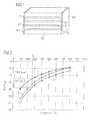
- FIG. 1 is a ceramic component according to the invention with copper-containing outer contacts AK1 and AK2 shown schematically.
- First copper-containing internal electrodes IE1 are connected to the first external contact AK1.
- second copper-containing internal electrodes IE2 are connected.
- the internal electrodes are separated from each other by ceramic layers KS.
- the ceramic layers KS preferably have piezoelectric properties and are z. For example, based on the PZT-type ceramic.
- the illustrated component realizes in particular a piezoelectric actuator.
- the stacked electrode layers and ceramic layers are referred to as piezo stack.
- the burned external contacts AK1, AK2 are preferably between 10 and 20 microns, z. B. 15 microns thick. But it can also be a different thickness of the external contacts are selected.
- the ceramic component has ceramic particles with a certain grain size, z. B. with an average particle size between 0.2 and 0.6 microns.
- the ceramic component in the metal paste prevents in particular cracking and lifting of the external contact of the piezo stack, which result from different expansion properties of the ceramic material and the metallic copper.
- the coefficient of thermal expansion of the PZT-type ceramic is approximately 1.5-2.0 ppm / K in the temperature range between the room temperature and the Curie temperature, while in the corresponding temperature range metallic copper has a significantly higher thermal expansion coefficient of approximately 19 ppm. K has.
- thermal expansion coefficients is preferably a glass frit with a high SiO 2 content of z. B. 39 m%, since SiO 2 has a high affinity for the PZT-type ceramic.
- the preparation of the copper-containing metal paste is first a ceramic powder having a mean grain size of z. B. 0.4 microns completed in a dispersion with a solvent. Subsequently, the ceramic powder dispersion is stirred into the copper-containing metal paste of the above-mentioned composition and homogenized using a three-roll mill.
- the viscosity of the metal paste is preferably between 10 and 20 Pas. After application of the finished metal paste on the side surfaces of the piezostack the paste is dried at about 80 to 140 ° C in the air atmosphere.
- binder removal and sintering are carried out under conditions set according to the invention, whereby on the one hand the oxidation of the metallic copper and on the other hand the reduction of the PbO or PbTiO 3 are prevented. Care is taken here, in particular with regard to the selection of the binder removal temperature and the duration of the debindering, that not only the binder components but also the solvent residues are completely burned out during the binder removal process from the metal paste.
- the sintering temperature is chosen so low (eg 765 ° C.) that the penetration of the glass additive only in the region of the internal electrodes takes place.
- Microscopic investigations prove that at a sintering temperature selected in this way, glass components, in particular silicon oxide, can only be detected in a narrow region of the ceramic layers adjacent to the external contacts.
- the external contacts are firmly attached and can only be detached from the piezo stack by applying a large force of more than 50 N. At the violent separation of the external contacts Parts of the ceramic material broken out, which speaks for a high adhesion of the external contacts on the piezo stack.
- the ceramic content is preferably 40 m%, based on the solids content of the metal paste.
- This metal paste can in principle also be used for internal electrode layers.
- a preferably chemically active ceramic powder (or else another chemically active additive), also referred to as ceramic additive hereinafter, which under certain conditions chemically with the electrode metal, the organic binder, the ceramic and / or a reaction product can react or chemically bind certain components.
- the ceramic additive may react with the process atmosphere, e.g. B. deliver the oxygen to the process atmosphere or vice versa, whereby at least locally or temporarily the oxygen partial pressure is stabilized. With a stable oxygen partial pressure, it is possible in particular to protect the inner electrode layers or the outer contacts from oxidation and the ceramic layers from reduction.
- the ceramic powder additive ensures that a metal oxide formed by process instabilities in the electrode metallization is bonded, thereby avoiding unwanted in-diffusion of this metal oxide into the ceramic layers.
- the ceramic powder is used as a functional additive which is chemically active and can react chemically with its environment.
- the chemical activity may, for. B. on the binding of Pb, which is released during the sintering of the lead-containing ceramic material to be directed.
- the chemically active ceramic powder is another component of Ceramic composition binds especially during sintering or release of certain components such. As oxygen from the ceramic mass or from the binder contained in the ceramic mass or in the metal paste serves. However, the prerequisite is that the ceramic powder does not react chemically with the metal portion of the metal paste.
- glass additives are preferably not used in the metal paste suitable for the internal electrode layers.
- a chemically active ceramic powder in particular (Zr, Ti) O 2 is suitable.
- the metal paste may instead of a chemically active ceramic powder also contain another chemically active additive or in addition to the chemically active ceramic powder shares of other substances, eg. B. BaO 2 and / or MgO.
- the addition of a ceramic powder in the inner electrodes also ensures better adhesion between the inner electrode and the surrounding ceramic layers, which is prevented by a fine distribution of the ceramic particles between the metal particles in particular the sintering neck.
- the sintering necks represent a local interruption of the inner electrode, wherein the metallization dissolves from the ceramic layer and / or - especially in the edge region - is retracted, so that the inner electrode assumes a reticulated structure whose structure is not reproducible from component to component. It is known that a homogeneous inner electrode structure can also be achieved by the addition of a noble metal or a precious metal alloy.
- the addition of the ceramic powder according to the invention has a large cost advantage.
- FIG. 2 is in semi-logarithmic representation of a function of the temperature - according to the invention with the addition of water vapor - to be set oxygen partial pressure p O2 , for example given by the curve 3, the numerically calculated equilibrium curve 1 of Cu and Cu 2 O and the numerically calculated equilibrium curve 2 of Pb and PbTiO 3 are shown.
- the equilibrium curve 1 indicates, at the selected temperature, the partial pressure of O 2 at which metallic Cu and Cu 2 O can exist simultaneously.
- Metallic copper exists only at an oxygen partial pressure p O2 which does not exceed the equilibrium value, ie below the equilibrium curve 1. Since above Cu 1 only Cu 2 O is stable, an undesirable oxygen partial pressure exceeding the equilibrium value at the selected temperature occurs Oxidation of metallic copper.
- the equilibrium curve 2 indicates the partial pressure of O 2 at the selected temperature, at which metallic Pb and PbTiO 3 may exist simultaneously. PbTiO 3 exists only above the curve 2. At an oxygen partial pressure p O2 , which falls below the equilibrium value at the selected temperature, the PbTiO 3 contained in the ceramic is reduced to Pb.
- the oxygen partial pressure p O2 is adjusted with the addition of steam in such a way that it does not exceed the maximum value p max defined by the curve 1 at which metallic copper is still stable , and on the other hand, does not fall below the minimum value p min given by the curve 2 at which lead titanate is not yet reduced, ie p min ⁇ p O 2 ⁇ p max at the given debindering temperature T E.
- the permissible range for adjusting the oxygen partial pressure is thus between curves 1 and 2.
- Curve 3 describes an optimum partial pressure of oxygen to be set according to the invention in accordance with the temperature and in a humid atmosphere.
- the amount The water vapor to be added can be calculated in principle from curve 3. It is also possible to manually or automatically control the drop in the oxygen partial pressure with the addition of steam so that the prescribed limits are not violated.
Landscapes
- Engineering & Computer Science (AREA)
- Chemical & Material Sciences (AREA)
- Manufacturing & Machinery (AREA)
- Ceramic Engineering (AREA)
- Materials Engineering (AREA)
- Structural Engineering (AREA)
- Organic Chemistry (AREA)
- Inorganic Chemistry (AREA)
- Ceramic Capacitors (AREA)
- Fixed Capacitors And Capacitor Manufacturing Machines (AREA)
- Compositions Of Oxide Ceramics (AREA)
Abstract
Description
- Die Erfindung betrifft ein keramisches Vielschicht-Bauelement mit einem Stapel alternierender Keramikschichten und kupferhaltiger, als Innenelektroden dienender Elektrodenschichten, wobei die Innenelektroden an Außenkontakte angeschlossen sind, welche an einander gegenüberliegenden Außenseiten des Stapels senkrecht zu der Schichtanordnung angeordnet sind, wobei die an verschiedenen Außenkontakten angeschlossenen Innenelektroden ineinander greifen. Ein solches Bauelement bzw. Verfahren zu dessen Herstellung ist z. B. aus der Druckschrift
DE 20023051.4 bekannt. - Des Weiteren betrifft die Erfindung ein Verfahren zur Herstellung des genannten Vielschicht-Bauelements.
- Aus der Druckschrift
DE 9700463 ist ein Verfahren zur Herstellung von Grünfolien für piezokeramische Vielschichtbauelemente mit Ag/Pd-Innenelektroden bekannt, bei dem ein Piezokeramikpulver vom Typ PZT (PZT = Bleizirkonattitanat) eingesetzt wird. - Das Material bzw. das Verfahren zum Einbrennen der an die Innenelektroden kontaktierten Außenelektroden sollte im Prinzip so gewählt werden, daß einerseits das Elektrodenmetall nicht oxidiert und andererseits die Keramik nicht reduziert wird. Daher wird in der Regel ein Edelmetall bzw. eine Edelmetallegierung als Elektrodenmaterial verwendet.
- In der Druckschrift
DE 19945933 ist z. B. ein Verfahren zur Herstellung von Außenelektroden bei piezokeramischen Bauelementen auf der Basis der PZT-Keramik und der Ag/Pd-Innenelektroden beschrieben. Die Kontaktierung der Ag/Pd-Innenelektroden erfolgt mit einer Metallpaste mit einem Silbergehalt von > 65 % und einem organischen Binder, die bei ca. 700°C eingebrannt wird. Der Einbrand der Metallpaste wird in der Luftatmosphäre durchgeführt, da in dem organischen Pastenbinder enthaltene aromatische Verbindungen unter reduzierenden Bedingungen nicht vollständig zersetzt werden können. Dieses Verfahren ist jedoch für ein Vielschicht-Bauelement mit PZT-Keramik und kupferhaltigen Innenelektroden nicht geeignet, da bei den üblichen Entbinderungs- bzw. Einbrandtemperaturen nur unter einem bestimmten sehr niedrigen Sauerstoffpartialdruck von < 10-2 Pa einerseits die PZT-Keramik nicht reduziert und andererseits metallisches Kupfer zugleich nicht oxidiert wird. Daher können die Ag/Pd-Außenelektroden in einem keramischen Vielschicht-Bauelement mit kupferhaltigen Innenelektroden nicht verwendet werden. - Mit einem aus der Druckschrift
DE 20023051 U1 bekannten Bauelement gelingt es, den Nachteil der Kostenbelastung bei piezokeramischen Vielschichtbauelementen auf der Basis einer PZT-Keramik und Ag/Pd-Innenelektroden zu vermeiden, indem anstelle der teuren Ag/Pd-Innenelektroden kupferhaltige Innenelektroden verwendet werden. In dieser Druckschrift ist jedoch nicht erwähnt, welches Material zum Einbrennen von Außenelektroden in einem piezokeramischen Bauelement mit kupferhaltigen Innenelektroden geeignet ist. - Die Aufgabe der Erfindung ist es, ein keramisches Vielschicht-Bauelement mit Innenelektroden und Außenkontakten zur Kontaktierung der Innenelektroden anzugeben, in dem die Haftfestigkeit der Außenkontakte ausreichend hoch ist, sowie Verfahren zu dessen Herstellung, bei dem die Keramik nicht reduziert wird und bei dem weder Innen- noch Außenelektroden oxidieren.
- Die Aufgabe der Erfindung wird durch das Verfahren gemäß Anspruch 1 gelöst.
- Die Erfindung gibt ein keramisches Vielschicht-Bauelement mit einem Stapel alternierender Keramikschichten und als Innenelektroden dienender kupferhaltiger Elektrodenschichten, wobei die Innenelektroden an Außenkontakte angeschlossen sind. Die Außenkontakte sind an einander gegenüberliegenden Außenseiten des Stapels senkrecht zu der Schichtanordnung angeordnet, wobei die zu verschiedenen Außenkontakten angeschlossenen Innenelektroden ineinander greifen. Das Vielschicht-Bauelement ist dadurch gekennzeichnet, daß die Außenkontakte metallisches Kupfer enthalten, wobei die Haftfestigkeit der Außenkontakte am Stapel mindestens 50 N beträgt.
- Die Keramikschichten werden vorzugsweise aus keramischen Grünfolien hergestellt, die einen thermohydrolytisch abbaubaren Binder enthalten, und können eine ferroelektrische Perowskitkeramik mit der allgemeinen Zusammensetzung ABO3, insbesondere vom PZT-Typ Pb(ZrxTi1-X)O3, umfassen.
- Die Erfindung gibt ferner ein Verfahren zur Herstellung eines erfindungsgemäßen Bauelements an, bei dem die Entbinderung bei einer Temperatur ≤ 300°C durchgeführt bzw. komplett abgeschlossen wird. Die Entbinderung erfolgt im Stickstoffstrom unter Zudosierung von Wasserdampf, wobei der Wasserdampfpartialdruck so eingestellt wird, daß der ihm entsprechende Sauerstoffpartialdruck bei der gegebenen Temperatur zwischen den Gleichgewichtspunkten von Cu/Cu2O und PbTiO3/Pb liegt. Der Gleichgewichtspunkt entspricht einem solchen Sauerstoffpartialdruck, bei dem sowohl ein reduziertes Metall als auch eine diesem Metall entsprechende Metallverbindung thermodynamisch stabil sind und koexisitieren können, ohne ineinander zu übergehen.
- Erfindungsgemäß wird der Pastenbinder in einer reduzierten Atmosphäre von z. B. < 10-2 Pa bei einer vergleichsweise niedrigen Temperatur ≤ 300°C vollständig gespaltet, da bei höheren Entbinderungstemperaturen der für die Verbrennung des im organischen Binder enthaltenen Kohlenstoffs unzureichende Sauerstoff zum Teil aus der Gitterstruktur der Keramik herausgezogen wird, was die Eigenschaften der Keramikschichten beeinträchtigt.
- Eine vollständige Spaltung organischer Anteile wird erfindungsgemäß dadurch ermöglicht, daß die Entbinderung im Stickstoffstrom unter Zudosierung von Wasserdampf durchgeführt wird, wobei eine hydrolytische Spaltung zustande kommt. Der Zusatz des Wasserdampfs bewirkt, daß der Sauerstoffpartialdruck thermodynamisch bedingt absinkt, wobei der Sauerstoffpartialdruck einen gewissen Wert jedoch nicht unterschreitet, bei dem die Keramik reduktiv zu degradieren anfängt.
- Andererseits überschreitet der Sauerstoffpartialdruck auch nicht einen bestimmten Wert, bei dem bei der gegebenen Temperatur das metallische Kupfer anfängt zu oxidieren.
- Der Sauerstoffpartialdruck wird also so niedrig gewählt, daß die Reduktionsprozesse in der Keramik noch hinreichend gehemmt sind und gleichzeitig das in der Metallpaste enthaltene Kupfer nicht mehr oxidiert.
- Der Sauerstoffpartialdruck wird nicht nur beim Entbinderungsprozeß, sondern auch beim Einbrand der Metallpaste so gehalten bzw. zu jedem Zeitpunkt entsprechend der Temperatur derart angepaßt, daß er im p(T)-Diagramm bei jeder Prozeßtemperatur zwischen den Gleichgewichtspunkten von Cu/Cu2O und Pb/PbO liegt.
- Der Kupferanteil in der Metallpaste ist vorzugsweise > 70%. Als organischer Pastenbinder wird vorzugsweise Acrylharzbinder verwendet.
- Die Erfindung ermöglicht die Verwendung einer (kupferhaltigen) Metallpaste mit einem organischen Pastenbinder zur Herstellung von Außenkontakten in einem piezokeramischen Bauelement mit kupferhaltigen Innenelektroden.
- Zur Herstellung von Außenkontakten wird vorzugsweise eine kupferhaltige Metallpaste mit Kupfergehalt von > 70 m%, z. B. 78 m%, einem Glasfluß und einem organischen Binder, z. B. Acrylharzbinder, verwendet.
- Der Glasfluß (Glasfritte) besteht vorzugsweise im Wesentlichen aus PbO und SiO2, kann jedoch auch weitere Bestandteile, z. B. Na2O, Al2O3 und BaO aufweisen. Der Anteil des Glasflusses in der Metallpaste ist vorzugsweise kleiner als 5 m%. Die Zusammensetzung und der Anteil des Glasflusses werden so gewählt, daß die in der Metallpaste der Außenkontakte enthaltene Glasfritte teilweise in die Keramik eindiffundiert und dadurch die Haftfestigkeit der Außenkontakte an den Stapelseiten erhöht.
- Zunächst wird in einem an sich bekannten Verfahren ein Stapel übereinander liegender Elektrodenschichten, die in einem fertigen Bauteil den Innenelektroden entsprechen, und Schichten aus einem Keramikmaterial erzeugt. Die Elektrodenschichten bestehen aus einer kupferhaltigen Metallpaste und können z. B. in einem Siebdruckverfahren auf die Schichten aus einem Keramikmaterial aufgetragen werden.
- Die kupferhaltige Metallpaste wird ferner z. B. in einem Siebdruckverfahren auf einander gegenüberliegende Seiten des Stapels der übereinander liegenden Innenelektroden und Keramikschichten aufgebracht.
- Die Metallpaste wird in einer feuchten Stickstoffatmosphäre in einem gasdichten Ofen bei einer Temperatur < 300°C entbindert und anschließend bei einer höheren Temperatur gesintert.
- Das Einbrennen der kupferhaltigen Metallpaste wird vorzugsweise zwischen 700 und 860°C durchgeführt.
- Um Reduktion des in der Keramik enthaltenen Kupferoxids zu verhindern, können bei der Herstellung eines erfindungsgemäßen Bauelements Gitterunterlagen aus metallischem Kupfer verwendet werden, die gleichzeitig als Gettermaterial dienen.
- Im Folgenden werden einige Aspekte der Erfindung genannt:
- Ein Aspekt betrifft ein Verfahren zur Herstellung eines keramischen Vielschicht-Bauelements mit Keramikschichten und dazwischen liegenden Innenelektroden-Schichten, bei dem zur Erzeugung der Keramikschichten eine Keramikmasse verwendet wird, bei dem zur Erzeugung der Innenelektroden-Schichten eine Metallpaste mit einem Anteil eines chemisch aktiven Zusatzstoffs verwendet wird, wobei der chemisch aktive Zusatzstoff zumindest mit einer Komponente seiner Umgebung außer dem Metallanteil der Metallpaste chemisch reagiert.
- Ein weiterer Aspekt betrifft ein Verfahren nach gemäß dem vorhergehenden Aspekt, bei dem als der chemisch aktive Zusatzstoff ein chemisch aktives Keramikpulver verwendet wird.
- Ein weiterer Aspekt betrifft ein Verfahren nach gemäß einem der vorhergehenden Aspekte, bei dem die Komponente der Umgebung ausgewählt ist aus dem Sauerstoff, zumindest einem Bestandteil der Keramikmasse und einem in der Metallpaste oder der Keramikmasse enthaltenen Binder oder Lösungsmittel.
- Ein weiterer Aspekt betrifft ein Verfahren nach einem der vorhergehenden Aspekte, bei dem bleihaltige Keramikmasse verwendet wird, bei dem infolge einer chemischen Reaktion zwischen dem chemisch aktiven Zusatzstoff und seiner Umgebung Sauerstoff freigesetzt und/oder Pb und/oder Cu gebunden wird.
- Ein weiterer Aspekt betrifft ein Verfahren nach einem der vorhergehenden Aspekte, bei dem als chemisch aktiver Zusatzstoff zumindest ein Zusatzstoff verwendet wird, ausgewählt aus (Zr, Ti)O2, MgO und BaO2.
- Ein weiterer Aspekt betrifft ein Verfahren nach einem der vorhergehenden Aspekte, bei dem in der Metallpaste als Metallanteil ein unedles Metall verwendet wird.
- Ein weiterer Aspekt betrifft ein Verfahren nach dem vorhergehenden Aspekt, bei dem als Metallanteil der Metallpaste Cu oder Ni verwendet wird.
- Im Folgenden wird die Erfindung anhand von Ausführungsbeispielen und der dazugehörigen Figuren näher erläutert. Die Figuren zeigen anhand schematischer und nicht maßstabsgetreuer Darstellungen verschiedene Ausführungsbeispiele der Erfindung. Gleiche oder gleich wirkende Teile sind mit gleichen Bezugszeichen bezeichnet. Es zeigen
- Figur 1
- den Aufbau eines erfindungsgemäßen Bauelements in perspektivischer Darstellung
- Figur 2
- in halb-logarithmischer Darstellung die Abhängigkeit des unter der Zudosierung des Wasserdampfes einzustellenden Sauerstoffpartial- druckes von der Temperatur und die Gleichgewichtskurven von Cu/Cu2O und Pb/PbTiO3
- In
Figur 1 ist ein keramisches Bauelement mit erfindungsgemäß kupferhaltigen Außenkontakten AK1 und AK2 schematisch gezeigt. An den ersten Außenkontakt AK1 sind erste kupferhaltige Innenelektroden IE1 angeschlossen. An den zweiten Außenkontakt AK2 sind zweite kupferhaltige Innenelektroden IE2 angeschlossen. Die Innenelektroden sind voneinander durch Keramikschichten KS getrennt. - Die Keramikschichten KS weisen vorzugsweise piezoelektrische Eigenschaften auf und sind z. B. auf der Basis der Keramik des PZT-Typs hergestellt.
- Das dargestellte Bauelement realisiert insbesondere einen Piezoaktor. Die übereinander gestapelten Elektrodenschichten und Keramikschichten werden als Piezostack bezeichnet.
- Die eingebrannten Außenkontakte AK1, AK2 sind vorzugsweise zwischen 10 und 20 µm, z. B. 15 µm dick. Es kann aber auch eine andere Dicke der Außenkontakte gewählt werden.
- Die Außenkontakte und/oder Innenelektroden weisen vorzugsweise einen bestimmten Keramik-Anteil, der vorzugsweise kleiner als 50 m% (m% = Masseprozent) ist, in einer bevorzugten Variante der Erfindung zwischen 10 und 50 m% liegt und insbesondere 40 m% beträgt, auf. Der Keramik-Anteil weist dabei Keramikpartikel mit einer bestimmten Korngröße, z. B. mit einer mittleren Korngröße zwischen 0,2 und 0,6 µm auf.
- Der Keramik-Anteil in der Metallpaste verhindert insbesondere Rißbildung und Abhebung des Außenkontakts vom Piezostack, welche sich aufgrund unterschiedlicher Ausdehnungseigenschaften des Keramikmaterials und des metallischen Kupfers ergeben.
- Der thermische Ausdehnungskoeffizient der Keramik des PZT-Typs beträgt im Temperaturbereich zwischen der Raumtemperatur und der Curie-Temperatur ca. 1,5 - 2,0 ppm/K, während metallisches Kupfer im entsprechenden Temperaturbereich einen wesentlich höheren thermischen Ausdehnungskoeffizienten von ca. 19 ppm/K aufweist. Durch Zumischung des Keramikmaterials in die Metallpaste wird das Ausdehnungsverhalten des Außenkontakts an das Ausdehnungsverhalten des Keramikstapels sowohl während der Prozessierung des Bauteils als auch für dessen spätere Anwendungen im spezifizierten Temperaturbereich von z. B. -50°C bis +150°C, wobei z. B. durch Anlegen eines elektrischen Feldes eine Deformation des Bauelements entsteht, angepaßt.
- Zur Anpassung der thermischen Ausdehnungskoeffizienten wird vorzugsweise eine Glasfritte mit einem hohen SiO2-Anteil von z. B. 39 m% verwendet, da SiO2 eine hohe Affinität zur Keramik des PZT-Typs aufweist.
- Bei der Zubereitung der kupferhaltigen Metallpaste wird zunächst ein Keramikpulver mit einer mittleren Korngröße von z. B. 0,4 µm in einer Dispersion mit einem Lösungsmittel fertiggestellt. Anschließend wird die Keramikpulver-Dispersion in die kupferhaltige Metallpaste der oben schon angegebenen Zusammensetzung eingerührt und mit Hilfe eines Dreiwalzenwerkes homogenisiert. Die Viskosität der Metallpaste beträgt vorzugsweise zwischen 10 und 20 Pas. Nach dem Aufbringen der fertigen Metallpaste auf die Seitenflächen des Piezostacks wird die Paste bei ca. 80 bis 140°C in der Luftatmosphäre getrocknet. Ferner erfolgt Entbinderung und Sintern unter erfindungsgemäß eingestellten Bedingungen, wobei einerseits die Oxidation des metallischen Kupfers und andererseits die Reduktion des PbO oder PbTiO3 verhindert werden. Dabei wird insbesondere im Hinblick auf die Auswahl der Entbinderungstemperatur und die Dauer der Entbinderung darauf geachtet, daß während des Entbinderungsprozesses aus der Metallpaste nicht nur die Binderanteile, sondern auch die Lösungsmittelreste vollständig ausgebrannt werden.
- Da die in der Metallpaste enthaltene Glasfritte zum Teil sehr stark in die Keramik eindiffundiert und dabei in den gesinterten Keramikschichten Hohlräume hinterläßt, wird die Sintertemperatur so niedrig (z. B. 765°C) gewählt, daß das Eindringen des Glaszusatzes nur im Bereich der Innenelektroden stattfindet. Mikroskopische Untersuchungen belegen, daß bei einer derart gewählten Sintertemperatur Glasanteile, vor allem Siliziumoxid, nur in einem an die Außenkontakte angrenzenden engen Bereich der Keramikschichten feststellbar sind. Die Außenkontakte haften fest und lassen sich nur unter Anwendung einer großen Kraft von über 50 N vom Piezostack ablösen. Bei der gewaltsamen Ablösung der Außenkontakte werden Teile des Keramikmaterials herausgebrochen, was für eine hohe Haftfestigkeit der Außenkontakte am Piezostack spricht.
- Der Keramik-Anteil beträgt vorzugsweise 40 m% bezogen auf den Feststoffgehalt der Metallpaste. Diese Metallpaste kann im Prinzip auch für innen liegende Elektrodenschichten verwendet werden.
- Im Rahmen der Erfindung liegt es auch, in der Elektrodenmetallisierung ein vorzugsweise chemisch aktives Keramikpulver (oder auch einen anderen chemisch aktiven Zusatzstoff), im Folgenden auch Keramikzusatz genannt, vorzusehen, das unter bestimmten Bedingungen chemisch mit dem Elektrodenmetall, dem organischen Binder, der Keramik und/oder einem Reaktionsprodukt dieser reagieren bzw. bestimmte Komponenten chemisch binden kann. Ferner kann der Keramikzusatz mit der Prozeßatmosphäre reagieren, z. B. den Sauerstoff an die Prozeßatmosphäre abgeben oder umgekehrt aufnehmen, wodurch zumindest lokal bzw. vorübergehend der Sauerstoffpartialdruck stabilisiert wird. Mit einem stabilen Sauerstoffpartialdruck gelingt es insbesondere, die innen liegenden Elektrodenschichten bzw. die Außenkontakte vor Oxidation und die Keramikschichten vor Reduktion zu schützen. Der Keramikpulver-Zusatz sorgt dafür, daß ein durch Prozeßinstabilitäten in der Elektrodenmetallisierung entstandenes Metalloxid gebunden wird, wodurch ein unerwünschtes Eindiffundieren dieses Metalloxids in die Keramikschichten vermieden wird.
- Die Verwendung eines chemisch inerten Keramikpulvers in einer Metallpaste z. B. zur Verzögerung der Sinterung des Metalls ist an sich bekannt. Erfindungsgemäß wird das Keramikpulver jedoch als funktionelles Additiv verwendet, das chemisch aktiv ist und mit seiner Umgebung chemisch reagieren kann. Die chemische Aktivität kann z. B. auf die Bindung von Pb, das bei der Sinterung aus der bleihaltigen Keramikmasse freigesetzt wird, gerichtet sein. Möglich ist es auch, daß das chemisch aktive Keramikpulver eine andere Komponente der Keramikmasse insbesondere bei der Sinterung bindet oder zur Freisetzung von bestimmten Komponenten wie z. B. Sauerstoff aus der Keramikmasse oder aus dem in der Keramikmasse oder in der Metallpaste enthaltenen Binder dient. Voraussetzung ist jedoch, daß das Keramikpulver mit dem Metallanteil der Metallpaste nicht chemisch reagiert.
- Im Gegensatz zu der Metallpaste, die bei den Außenelektroden verwendet wird, werden in der für die Innenelektroden-Schichten geeigneten Metallpaste vorzugsweise keine Glaszusätze verwendet. Als chemisch aktives Keramikpulver ist insbesondere (Zr,Ti)O2 geeignet. Die Metallpaste kann anstelle eines chemisch aktiven Keramikpulver auch einen anderen chemisch aktiven Zusatzstoff oder zusätzlich zu dem chemisch aktiven Keramikpulver Anteile von weiteren Stoffen enthalten, z. B. BaO2 und/oder MgO.
- Der Zusatz eines Keramikpulvers bei den Innenelektroden sorgt außerdem für eine bessere Haftung zwischen der Innenelektrode und den diese umgebenden Keramikschichten, wobei durch eine feine Verteilung der Keramikpartikel zwischen den Metallpartikeln insbesondere die Sinterhalsbildung verhindert wird. Die Sinterhälse stellen eine lokale Unterbrechung der Innenelektrode dar, wobei sich die Metallisierung von der Keramikschicht löst und/oder - vor allem im Randbereich - zurückgezogen wird, so daß die Innenelektrode eine netzförmige Struktur annimmt, deren Struktur von Bauteil zu Bauteil nicht reproduzierbar ist. Es ist bekannt, daß eine homogene Innenelektrodenstruktur auch durch den Zusatz eines Edelmetalls oder einer Edelmetallegierung erreicht werden kann. Der erfindungsgemäße Zusatz des Keramikpulvers hat demgegenüber aber einen großen Kostenvorteil.
- In der
Figur 2 ist in halb-logarithmischer Darstellung ein in Abhängigkeit von der Temperatur - erfindungsgemäß unter Zudosierung des Wasserdampfes - einzustellender Sauerstoffpartialdruck pO2, beispielsweise gegeben durch die Kurve 3, die numerisch berechnete Gleichgewichtskurve 1 von Cu und Cu2O und die numerisch berechnete Gleichgewichtskurve 2 von Pb und PbTiO3 gezeigt. - Die Gleichgewichtskurve 1 gibt bei der ausgewählten Temperatur den Partialdruck von O2 an, bei dem metallisches Cu und Cu2O gleichzeitig existieren können. Metallisches Kupfer existiert nur bei einem Sauerstoffpartialdruck pO2, der den Gleichgewichtswert nicht übersteigt, d. h. unterhalb der Gleichgewichtskurve 1. Da oberhalb der Kurve 1 nur Cu2O stabil ist, erfolgt bei einem Sauerstoffpartialdruck, der den Gleichgewichtswert bei der ausgewählten Temperatur übersteigt, eine unerwünschte Oxidation des metallischen Kupfers.
- Die Gleichgewichtskurve 2 gibt bei der ausgewählten Temperatur den Partialdruck von O2 an, bei dem metallisches Pb und PbTiO3 gleichzeitig existieren können. PbTiO3 existiert nur oberhalb der Kurve 2. Bei einem Sauerstoffpartialdruck pO2, der den Gleichgewichtswert bei der ausgewählten Temperatur unterschreitet, wird das in der Keramik enthaltene PbTiO3 zu Pb reduziert.
- Daher wird zumindest in der Entbinderungsphase eines erfindungsgemäßen Verfahrens zur Herstellung eines keramischen Vielschicht-Bauelements der Sauerstoffpartialdruck pO2 unter Zudosierung von Wasserdampf so eingestellt, daß er einerseits den durch die Kurve 1 definierten Maximalwert pmax, bei dem metallisches Kupfer noch stabil ist, nicht übersteigt, und anderseits den durch die Kurve 2 gegebenen Minimalwert pmin, bei dem Bleititanat noch nicht reduziert wird, nicht unterschreitet, d. h. pmin < pO2 < pmax bei der gegebenen Entbinderungstemperatur TE. Der zulässige Bereich zur Einstellung des Sauerstoffpartialdruckes liegt also zwischen den Kurven 1 und 2.
- Die Kurve 3 beschreibt einen je nach Temperatur und in einer feuchten Atmosphäre einzustellenden, erfindungsgemäß aufgefundenen, optimalen Sauerstoffpartialdruck. Die Menge des hinzuzufügenden Wasserdampfes kann im Prinzip aus der Kurve 3 berechnet werden. Möglich ist es auch, den Abfall des Sauerstoffpartialdrucks unter Zudosierung von Wasserdampf manuell oder automatisch so zu steuern, daß die vorgegebenen Grenzwerte nicht verletzt werden.
-
- 1
- Kennlinie des Gleichgewichts von Cu und Cu2O im Diagramm log{p(O2)} gegen Temperatur
- 2
- Kennlinie des Gleichgewichts von Pb und PbTiO3 im Diagramm log{p(O2)} gegen Temperatur
- 3
- Kennlinie des unter Zudosierung von Wasserdampf einzustellenden Sauerstoffpartialdrucks in Abhängigkeit von Temperatur
- AK1, AK2
- Außenkontakt
- KS
- Keramikschicht
- IE1
- an den Außenkontakt AK1 angeschlossene Innenelektroden
- IE2
- an den Außenkontakt AK2 angeschlossene Innenelektroden
- pO2
- Sauerstoffpartialdruck
- pmin
- minimaler zulässiger Sauerstoffpartialdruck
- pmax
- maximaler zulässiger Sauerstoffpartialdruck
- TE
- Entbinderungstemperatur
Claims (10)
- Keramisches Vielschicht-Bauelement mit einem Stapel alternierender Keramikschichten (KS) und als Innenelektroden dienender Elektrodenschichten,
wobei die Innenelektroden (IE1, IE2) an Außenkontakte (AK1, AK2) angeschlossen sind, welche an einander gegenüberliegenden Außenseiten des Stapels senkrecht zu der Schichtanordnung angeordnet sind, wobei die an verschiedenen Außenkontakten angeschlossenen Innenelektroden ineinander greifen,
wobei die Elektrodenschichten kupferhaltig sind, dadurch gekennzeichnet, dass
die Außenkontakte (AK1, AK2) metallisches Kupfer enthalten,
wobei die Haftfestigkeit der Außenkontakte am Stapel 50 N übersteigt. - Bauelement nach Anspruch 1,
bei dem die Außenkontakte (AK1, AK2) einen Keramik-Anteil aufweisen. - Bauelement nach Anspruch 1 oder 2,
bei dem die Innenelektroden einen Keramik-Anteil aufweisen. - Bauelement nach Anspruch 2 oder 3,
bei dem der Keramik-Anteil ≤ 50 m% ist. - Bauelement nach Anspruch 4,
bei dem der Keramik-Anteil zwischen 10 und 50 m% liegt. - Bauelement nach einem der Ansprüche 2 bis 5,
bei dem der Keramik-Anteil Keramikpartikel mit einer mittleren Korngröße zwischen 0,2 und 0,6 µm aufweist. - Bauelement nach einem der Ansprüche 1 bis 6,
das aus keramischen Grünfolien hergestellt ist, welche einen thermohydrolytisch abbaubaren Binder enthalten. - Bauelement nach einem der Ansprüche 1 bis 7,
bei dem die Keramikschichten eine ferroelektrische Perowskitkeramik mit der allgemeinen Zusammensetzung ABO3 umfassen. - Bauelement nach Anspruch 8,
bei dem die Perowskit-Keramik vom PZT-Typ Pb(ZrxTi1-X)O3 mit 1 ≥ x ≥ 0 ist. - Bauelement nach einem der Ansprüche 1 bis 9,
bei dem die Dicke der Außenkontakte zwischen 10 bis 20 µm liegt.
Applications Claiming Priority (3)
| Application Number | Priority Date | Filing Date | Title |
|---|---|---|---|
| DE10345500.0A DE10345500B4 (de) | 2003-09-30 | 2003-09-30 | Keramisches Vielschicht-Bauelement |
| EP07017605A EP1863104B1 (de) | 2003-09-30 | 2004-09-29 | Verfahren zur Herstellung eines keramischen Vielschicht-Bauelements |
| EP04786879A EP1668714B1 (de) | 2003-09-30 | 2004-09-29 | Verfahren zur Herstellung eines keramischen Vielschicht-Bauelements |
Related Parent Applications (4)
| Application Number | Title | Priority Date | Filing Date |
|---|---|---|---|
| EP04786879A Division EP1668714B1 (de) | 2003-09-30 | 2004-09-29 | Verfahren zur Herstellung eines keramischen Vielschicht-Bauelements |
| EP07017605A Division EP1863104B1 (de) | 2003-09-30 | 2004-09-29 | Verfahren zur Herstellung eines keramischen Vielschicht-Bauelements |
| EP04786879.9 Division | 2004-09-29 | ||
| EP07017605.2 Division | 2007-09-07 |
Publications (3)
| Publication Number | Publication Date |
|---|---|
| EP2264800A2 true EP2264800A2 (de) | 2010-12-22 |
| EP2264800A3 EP2264800A3 (de) | 2011-01-12 |
| EP2264800B1 EP2264800B1 (de) | 2014-05-07 |
Family
ID=34399107
Family Applications (3)
| Application Number | Title | Priority Date | Filing Date |
|---|---|---|---|
| EP04786879A Expired - Lifetime EP1668714B1 (de) | 2003-09-30 | 2004-09-29 | Verfahren zur Herstellung eines keramischen Vielschicht-Bauelements |
| EP10184225.0A Expired - Lifetime EP2264800B1 (de) | 2003-09-30 | 2004-09-29 | Keramisches Vielschicht-Bauelement |
| EP07017605A Expired - Lifetime EP1863104B1 (de) | 2003-09-30 | 2004-09-29 | Verfahren zur Herstellung eines keramischen Vielschicht-Bauelements |
Family Applications Before (1)
| Application Number | Title | Priority Date | Filing Date |
|---|---|---|---|
| EP04786879A Expired - Lifetime EP1668714B1 (de) | 2003-09-30 | 2004-09-29 | Verfahren zur Herstellung eines keramischen Vielschicht-Bauelements |
Family Applications After (1)
| Application Number | Title | Priority Date | Filing Date |
|---|---|---|---|
| EP07017605A Expired - Lifetime EP1863104B1 (de) | 2003-09-30 | 2004-09-29 | Verfahren zur Herstellung eines keramischen Vielschicht-Bauelements |
Country Status (5)
| Country | Link |
|---|---|
| US (3) | US7525241B2 (de) |
| EP (3) | EP1668714B1 (de) |
| JP (3) | JP2007507865A (de) |
| DE (2) | DE10345500B4 (de) |
| WO (1) | WO2005034255A2 (de) |
Families Citing this family (15)
| Publication number | Priority date | Publication date | Assignee | Title |
|---|---|---|---|---|
| EP2365553A1 (de) * | 2003-07-28 | 2011-09-14 | Kyocera Corporation | Mehrschichtiges piezoelektrisches Element |
| DE10345500B4 (de) * | 2003-09-30 | 2015-02-12 | Epcos Ag | Keramisches Vielschicht-Bauelement |
| JP4028508B2 (ja) * | 2004-03-26 | 2007-12-26 | Tdk株式会社 | 積層セラミック素子の製造方法 |
| DE102005017108A1 (de) * | 2005-01-26 | 2006-07-27 | Epcos Ag | Piezoelektrisches Bauelement |
| DE102005034701A1 (de) * | 2005-07-26 | 2007-02-01 | Robert Bosch Gmbh | Piezokeramischer Aktor |
| DE102006031085A1 (de) | 2006-03-16 | 2007-09-20 | Epcos Ag | Elektrisches Vielschichtbauelement |
| DE102006060432A1 (de) * | 2006-12-20 | 2008-06-26 | Epcos Ag | Elektrisches Bauelement sowie Außenkontakt eines elektrischen Bauelements |
| CN101946405A (zh) * | 2008-02-18 | 2011-01-12 | 精工电子有限公司 | 压电振动器的制造方法、压电振动器、振荡器、电子设备及电波钟 |
| DE102008002504A1 (de) * | 2008-06-18 | 2009-12-24 | Robert Bosch Gmbh | Verfahren zum Herstellen eines gestapelten Piezoaktors sowie Piezoaktor |
| US8991723B2 (en) * | 2009-05-26 | 2015-03-31 | Kyocera Corporation | Multi-layer piezoelectric element, and injection device and fuel injection system incorporating the multi-layer piezoelectric element |
| DE102012101351A1 (de) | 2012-02-20 | 2013-08-22 | Epcos Ag | Vielschichtbauelement und Verfahren zum Herstellen eines Vielschichtbauelements |
| DE102012104033B9 (de) | 2012-05-08 | 2025-02-06 | Tdk Electronics Ag | Keramischer Vielschichtkondensator |
| DE102012105059A1 (de) * | 2012-06-12 | 2013-12-12 | Epcos Ag | Verfahren zur Herstellung eines Vielschichtbauelements und Vielschichtbauelement |
| DE102012105517B4 (de) * | 2012-06-25 | 2020-06-18 | Tdk Electronics Ag | Vielschichtbauelement mit einer Außenkontaktierung und Verfahren zur Herstellung eines Vielschichtbauelements mit einer Außenkontaktierung |
| US11661379B2 (en) | 2017-07-21 | 2023-05-30 | Corning Incorporated | Methods of extracting volatiles from ceramic green bodies |
Citations (3)
| Publication number | Priority date | Publication date | Assignee | Title |
|---|---|---|---|---|
| DE970463C (de) | 1953-02-22 | 1958-09-25 | Bayer Ag | Verfahren zur Herstellung von Kondensationsprodukten |
| DE19945933C1 (de) | 1999-09-24 | 2001-05-17 | Epcos Ag | Piezoaktor mit isolationszonenfreier elektrischer Kontaktierung und Verfahren zu dessen Herstellung |
| DE20023051U1 (de) | 1999-12-16 | 2003-01-09 | EPCOS AG, 81669 München | Piezoelektrisches Bauelement |
Family Cites Families (45)
| Publication number | Priority date | Publication date | Assignee | Title |
|---|---|---|---|---|
| NL6616433A (de) | 1965-11-29 | 1967-05-30 | ||
| DE3015356A1 (de) * | 1980-04-22 | 1981-10-29 | Robert Bosch Gmbh, 7000 Stuttgart | Freitragende schichten sowie verfahren zur herstellung freitragender schichten, insbesondere fuer sensoren fuer brennkraftmaschinen |
| DE3128738A1 (de) * | 1981-07-21 | 1983-02-10 | Bbc Brown Boveri & Cie | "elektrochemische messzelle" |
| JPS59184511A (ja) * | 1983-04-04 | 1984-10-19 | 株式会社村田製作所 | セラミツク積層コンデンサ |
| JPS6452672A (en) | 1987-08-25 | 1989-02-28 | Ube Industries | Baking of piezoelectric ceramic |
| JP2707586B2 (ja) | 1988-04-15 | 1998-01-28 | 株式会社日本自動車部品総合研究所 | 一体型ピエゾスタック |
| JPH02205372A (ja) | 1989-02-03 | 1990-08-15 | Toyota Motor Corp | 電歪効果素子 |
| US5163209A (en) * | 1989-04-26 | 1992-11-17 | Hitachi, Ltd. | Method of manufacturing a stack-type piezoelectric element |
| JPH04299588A (ja) * | 1991-03-28 | 1992-10-22 | Nec Corp | 電歪効果素子 |
| JPH05190375A (ja) * | 1992-01-09 | 1993-07-30 | Murata Mfg Co Ltd | 銅多層セラミック基板の製造方法及びそれに用いる銅ペースト |
| JPH06232466A (ja) * | 1993-02-03 | 1994-08-19 | Toyota Motor Corp | 圧電積層体 |
| JP3018866B2 (ja) * | 1993-10-07 | 2000-03-13 | 株式会社村田製作所 | 積層電子部品の外部電極用卑金属組成物 |
| JPH07230714A (ja) | 1994-02-16 | 1995-08-29 | Murata Mfg Co Ltd | 銅導電性ペースト |
| JP3230394B2 (ja) * | 1994-06-01 | 2001-11-19 | 株式会社村田製作所 | 磁器コンデンサ |
| JPH07336053A (ja) * | 1994-06-14 | 1995-12-22 | Sumitomo Kinzoku Ceramics:Kk | セラミック多層配線基板 |
| JPH0982134A (ja) * | 1995-09-11 | 1997-03-28 | Murata Mfg Co Ltd | 導電ペースト及びそれを用いた圧電セラミック素子 |
| DE19615695C1 (de) * | 1996-04-19 | 1997-07-03 | Siemens Ag | Verfahren zur Herstellung eines Piezoaktors monolithischer Vielschichtbauweise |
| JP3209089B2 (ja) * | 1996-05-09 | 2001-09-17 | 昭栄化学工業株式会社 | 導電性ペースト |
| JPH10133597A (ja) * | 1996-07-26 | 1998-05-22 | Canon Inc | 配線基板、該配線基板の製造方法、該配線基板を備えた液晶素子及び該液晶素子の製造方法 |
| JP3472087B2 (ja) | 1997-06-30 | 2003-12-02 | Tdk株式会社 | 膜構造体、電子デバイス、記録媒体および酸化物導電性薄膜の製造方法 |
| JPH11135357A (ja) | 1997-10-30 | 1999-05-21 | Kyocera Corp | 積層セラミックコンデンサ |
| JP2000277370A (ja) * | 1999-03-29 | 2000-10-06 | Taiyo Yuden Co Ltd | 積層セラミック電子部品 |
| JP2000299243A (ja) * | 1999-04-16 | 2000-10-24 | Tdk Corp | 積層チップ型電子部品 |
| JP2001069771A (ja) * | 1999-08-31 | 2001-03-16 | Kyocera Corp | 積層型圧電アクチュエータ |
| US6414417B1 (en) * | 1999-08-31 | 2002-07-02 | Kyocera Corporation | Laminated piezoelectric actuator |
| DE19945934C1 (de) * | 1999-09-24 | 2001-03-22 | Epcos Ag | Verfahren zur Herstellung einer Außenkontaktierung eines elektrokeramischen Bauelementes, insbesondere eines Piezoaktors |
| JP2001126946A (ja) * | 1999-10-28 | 2001-05-11 | Murata Mfg Co Ltd | 積層セラミック電子部品及びその製造方法 |
| JP3734662B2 (ja) | 2000-02-16 | 2006-01-11 | 太陽誘電株式会社 | 積層セラミックコンデンサとその製造方法 |
| JP4356268B2 (ja) * | 2000-06-26 | 2009-11-04 | 株式会社デンソー | 燃料噴射装置 |
| DE10035172B4 (de) * | 2000-07-19 | 2004-09-16 | Epcos Ag | Keramikmasse und Kondensator mit der Keramikmasse |
| JP2002203999A (ja) * | 2000-11-06 | 2002-07-19 | Denso Corp | 積層型圧電体素子とその製造方法 |
| JP2002261343A (ja) * | 2000-12-28 | 2002-09-13 | Denso Corp | 積層一体焼成型の電気機械変換素子 |
| JP2002261346A (ja) * | 2000-12-28 | 2002-09-13 | Denso Corp | 積層一体焼成型の電気機械変換素子 |
| JP2002260951A (ja) | 2000-12-28 | 2002-09-13 | Denso Corp | 積層型誘電素子及びその製造方法,並びに電極用ペースト材料 |
| JP3802353B2 (ja) * | 2001-01-29 | 2006-07-26 | Tdk株式会社 | 電圧非直線性抵抗体素子及びその製造方法 |
| JP3864114B2 (ja) * | 2001-08-02 | 2006-12-27 | 株式会社日本自動車部品総合研究所 | 積層型誘電体の製造方法 |
| JP2003059758A (ja) * | 2001-08-10 | 2003-02-28 | Nec Tokin Corp | 積層セラミックコンデンサの製造方法 |
| JP3743406B2 (ja) * | 2001-10-05 | 2006-02-08 | 株式会社村田製作所 | 導電性ペースト、積層セラミック電子部品の製造方法および積層セラミック電子部品 |
| JP4300786B2 (ja) * | 2001-12-21 | 2009-07-22 | 昭栄化学工業株式会社 | ガラスおよびこれを用いた導体ペースト |
| JP3860746B2 (ja) | 2001-12-26 | 2006-12-20 | 京セラ株式会社 | 積層型圧電素子及び噴射装置 |
| DE10205877A1 (de) * | 2002-02-13 | 2003-09-04 | Epcos Ag | Keramisches Vielschichtbauelement, Verfahren zu dessen Herstellung und Haltevorrichtung |
| DE10207530A1 (de) * | 2002-02-22 | 2003-09-11 | Epcos Ag | Piezoaktor mit strukturierter Außenelektrode |
| JP4434016B2 (ja) | 2002-08-02 | 2010-03-17 | 日本碍子株式会社 | 圧電/電歪膜型素子の製造方法 |
| DE10345500B4 (de) | 2003-09-30 | 2015-02-12 | Epcos Ag | Keramisches Vielschicht-Bauelement |
| US8691867B2 (en) | 2005-12-19 | 2014-04-08 | Janssen Pharmaceutica Nv | Use of benzo-fused heterocycle sulfamide derivatives for the treatment of substance abuse and addiction |
-
2003
- 2003-09-30 DE DE10345500.0A patent/DE10345500B4/de not_active Expired - Lifetime
-
2004
- 2004-09-29 WO PCT/DE2004/002167 patent/WO2005034255A2/de not_active Ceased
- 2004-09-29 JP JP2006529619A patent/JP2007507865A/ja active Pending
- 2004-09-29 EP EP04786879A patent/EP1668714B1/de not_active Expired - Lifetime
- 2004-09-29 EP EP10184225.0A patent/EP2264800B1/de not_active Expired - Lifetime
- 2004-09-29 DE DE502004006205T patent/DE502004006205D1/de not_active Expired - Lifetime
- 2004-09-29 EP EP07017605A patent/EP1863104B1/de not_active Expired - Lifetime
- 2004-09-29 US US10/574,192 patent/US7525241B2/en not_active Expired - Lifetime
-
2009
- 2009-03-31 US US12/415,371 patent/US8776364B2/en active Active
-
2011
- 2011-10-25 JP JP2011234127A patent/JP5709724B2/ja not_active Expired - Lifetime
-
2012
- 2012-03-27 US US13/430,932 patent/US9186870B2/en not_active Expired - Lifetime
-
2013
- 2013-06-21 JP JP2013130594A patent/JP5726237B2/ja not_active Expired - Lifetime
Patent Citations (3)
| Publication number | Priority date | Publication date | Assignee | Title |
|---|---|---|---|---|
| DE970463C (de) | 1953-02-22 | 1958-09-25 | Bayer Ag | Verfahren zur Herstellung von Kondensationsprodukten |
| DE19945933C1 (de) | 1999-09-24 | 2001-05-17 | Epcos Ag | Piezoaktor mit isolationszonenfreier elektrischer Kontaktierung und Verfahren zu dessen Herstellung |
| DE20023051U1 (de) | 1999-12-16 | 2003-01-09 | EPCOS AG, 81669 München | Piezoelektrisches Bauelement |
Also Published As
| Publication number | Publication date |
|---|---|
| DE10345500A1 (de) | 2005-04-28 |
| JP2007507865A (ja) | 2007-03-29 |
| EP1863104A3 (de) | 2007-12-12 |
| US7525241B2 (en) | 2009-04-28 |
| EP2264800B1 (de) | 2014-05-07 |
| US20070206341A1 (en) | 2007-09-06 |
| EP1863104B1 (de) | 2012-01-25 |
| JP2012019245A (ja) | 2012-01-26 |
| JP5709724B2 (ja) | 2015-04-30 |
| EP1668714B1 (de) | 2008-02-13 |
| EP1863104A2 (de) | 2007-12-05 |
| US8776364B2 (en) | 2014-07-15 |
| JP5726237B2 (ja) | 2015-05-27 |
| EP1668714A2 (de) | 2006-06-14 |
| EP2264800A3 (de) | 2011-01-12 |
| US9186870B2 (en) | 2015-11-17 |
| DE10345500B4 (de) | 2015-02-12 |
| WO2005034255A3 (de) | 2006-05-04 |
| WO2005034255A2 (de) | 2005-04-14 |
| US20120180310A1 (en) | 2012-07-19 |
| US20090193636A1 (en) | 2009-08-06 |
| JP2013214764A (ja) | 2013-10-17 |
| DE502004006205D1 (de) | 2008-03-27 |
Similar Documents
| Publication | Publication Date | Title |
|---|---|---|
| EP1597780B1 (de) | Elektrisches vielschichtbauelement und schichtstapel | |
| EP1240675B1 (de) | Zwischenprodukt für ein piezoelektrisches bauelement | |
| EP1863104B1 (de) | Verfahren zur Herstellung eines keramischen Vielschicht-Bauelements | |
| EP0894341B1 (de) | Monolithischer vielschicht-piezoaktor und verfahren zur herstellung | |
| EP3238218B1 (de) | Keramisches vielschichtbauelement und verfahren zur herstellung eines keramisches vielschichtbauelements | |
| DE10101188A1 (de) | Piezoelektrisches keramisches Material, Verfahren zu dessen Herstellung und elektrokeramisches Mehrlagenbauteil | |
| EP1124265A2 (de) | Piezoelektrischer Keramikkörper mit silberhaltigen Innenelektroden | |
| EP2207758B1 (de) | Piezokeramisches vielschichtelement | |
| EP1386335A2 (de) | Elektrisches vielschichtbauelement und verfahren zu dessen herstellung | |
| EP2529423B1 (de) | Piezoelektrisches bauelement | |
| EP2232599B1 (de) | Piezoelektrisches vielschichtbauelement | |
| EP1497838B1 (de) | Verfahren zur herstellung eines ptc-bauelements | |
| EP2847805B1 (de) | Verfahren zur herstellung eines vielschichtbauelements und durch das verfahren hergestellte vielschichtbauelement | |
| EP3959752B1 (de) | Elektromechanischer aktor mit keramischer isolierung und verfahren zu dessen herstellung | |
| EP2568246B1 (de) | Haltevorrichtung für keramisches Vielschichtbauelement | |
| DE102011109008A1 (de) | Verfahren zur Herstellung eines piezoelektrischen Vielschichtbauelements | |
| DE102015101311B4 (de) | Verfahren zur Herstellung von piezoelektrischen Vielschichtbauelementen | |
| WO2002004379A2 (de) | Gesinterter, elektrisch leitfähiger werkstoff, keramisches mehrlagenbauteil mit diesem werkstoff, und verfahren zu dessen herstellung | |
| DE10325008A1 (de) | Elektrisches Bauelement und dessen Herstellung |
Legal Events
| Date | Code | Title | Description |
|---|---|---|---|
| PUAI | Public reference made under article 153(3) epc to a published international application that has entered the european phase |
Free format text: ORIGINAL CODE: 0009012 |
|
| PUAL | Search report despatched |
Free format text: ORIGINAL CODE: 0009013 |
|
| AC | Divisional application: reference to earlier application |
Ref document number: 1668714 Country of ref document: EP Kind code of ref document: P Ref document number: 1863104 Country of ref document: EP Kind code of ref document: P |
|
| AK | Designated contracting states |
Kind code of ref document: A2 Designated state(s): DE FR GB |
|
| AK | Designated contracting states |
Kind code of ref document: A3 Designated state(s): DE FR GB |
|
| 17P | Request for examination filed |
Effective date: 20110712 |
|
| 17Q | First examination report despatched |
Effective date: 20110914 |
|
| GRAP | Despatch of communication of intention to grant a patent |
Free format text: ORIGINAL CODE: EPIDOSNIGR1 |
|
| INTG | Intention to grant announced |
Effective date: 20131210 |
|
| RIN1 | Information on inventor provided before grant (corrected) |
Inventor name: SEDLMAIER, PETER Inventor name: OTTLINGER, MARION Inventor name: FLORIAN, HEINZ |
|
| GRAS | Grant fee paid |
Free format text: ORIGINAL CODE: EPIDOSNIGR3 |
|
| GRAA | (expected) grant |
Free format text: ORIGINAL CODE: 0009210 |
|
| AC | Divisional application: reference to earlier application |
Ref document number: 1668714 Country of ref document: EP Kind code of ref document: P Ref document number: 1863104 Country of ref document: EP Kind code of ref document: P |
|
| AK | Designated contracting states |
Kind code of ref document: B1 Designated state(s): DE FR GB |
|
| REG | Reference to a national code |
Ref country code: GB Ref legal event code: FG4D Free format text: NOT ENGLISH |
|
| REG | Reference to a national code |
Ref country code: DE Ref legal event code: R096 Ref document number: 502004014614 Country of ref document: DE Effective date: 20140612 |
|
| REG | Reference to a national code |
Ref country code: DE Ref legal event code: R097 Ref document number: 502004014614 Country of ref document: DE |
|
| PLBE | No opposition filed within time limit |
Free format text: ORIGINAL CODE: 0009261 |
|
| STAA | Information on the status of an ep patent application or granted ep patent |
Free format text: STATUS: NO OPPOSITION FILED WITHIN TIME LIMIT |
|
| 26N | No opposition filed |
Effective date: 20150210 |
|
| REG | Reference to a national code |
Ref country code: DE Ref legal event code: R097 Ref document number: 502004014614 Country of ref document: DE Effective date: 20150210 |
|
| REG | Reference to a national code |
Ref country code: FR Ref legal event code: PLFP Year of fee payment: 13 |
|
| REG | Reference to a national code |
Ref country code: FR Ref legal event code: PLFP Year of fee payment: 14 |
|
| REG | Reference to a national code |
Ref country code: FR Ref legal event code: PLFP Year of fee payment: 15 |
|
| REG | Reference to a national code |
Ref country code: DE Ref legal event code: R082 Ref document number: 502004014614 Country of ref document: DE Representative=s name: EPPING HERMANN FISCHER PATENTANWALTSGESELLSCHA, DE Ref country code: DE Ref legal event code: R081 Ref document number: 502004014614 Country of ref document: DE Owner name: TDK ELECTRONICS AG, DE Free format text: FORMER OWNER: EPCOS AG, 81669 MUENCHEN, DE |
|
| REG | Reference to a national code |
Ref country code: DE Ref legal event code: R079 Ref document number: 502004014614 Country of ref document: DE Free format text: PREVIOUS MAIN CLASS: H01L0041047000 Ipc: H10N0030870000 |
|
| P01 | Opt-out of the competence of the unified patent court (upc) registered |
Effective date: 20230521 |
|
| PGFP | Annual fee paid to national office [announced via postgrant information from national office to epo] |
Ref country code: GB Payment date: 20230921 Year of fee payment: 20 |
|
| PGFP | Annual fee paid to national office [announced via postgrant information from national office to epo] |
Ref country code: FR Payment date: 20230918 Year of fee payment: 20 Ref country code: DE Payment date: 20230920 Year of fee payment: 20 |
|
| REG | Reference to a national code |
Ref country code: DE Ref legal event code: R071 Ref document number: 502004014614 Country of ref document: DE |
|
| PG25 | Lapsed in a contracting state [announced via postgrant information from national office to epo] |
Ref country code: GB Free format text: LAPSE BECAUSE OF EXPIRATION OF PROTECTION Effective date: 20240928 |
|
| REG | Reference to a national code |
Ref country code: GB Ref legal event code: PE20 Expiry date: 20240928 |
|
| PG25 | Lapsed in a contracting state [announced via postgrant information from national office to epo] |
Ref country code: GB Free format text: LAPSE BECAUSE OF EXPIRATION OF PROTECTION Effective date: 20240928 |