EP2243745A2 - Verfahren zur Herstellung von Chlorsilan - Google Patents
Verfahren zur Herstellung von Chlorsilan Download PDFInfo
- Publication number
- EP2243745A2 EP2243745A2 EP10159887A EP10159887A EP2243745A2 EP 2243745 A2 EP2243745 A2 EP 2243745A2 EP 10159887 A EP10159887 A EP 10159887A EP 10159887 A EP10159887 A EP 10159887A EP 2243745 A2 EP2243745 A2 EP 2243745A2
- Authority
- EP
- European Patent Office
- Prior art keywords
- catalyst
- silane
- monochlorosilane
- molecular sieve
- mol
- Prior art date
- Legal status (The legal status is an assumption and is not a legal conclusion. Google has not performed a legal analysis and makes no representation as to the accuracy of the status listed.)
- Granted
Links
Images
Classifications
-
- C—CHEMISTRY; METALLURGY
- C01—INORGANIC CHEMISTRY
- C01B—NON-METALLIC ELEMENTS; COMPOUNDS THEREOF; METALLOIDS OR COMPOUNDS THEREOF NOT COVERED BY SUBCLASS C01C
- C01B33/00—Silicon; Compounds thereof
- C01B33/08—Compounds containing halogen
- C01B33/107—Halogenated silanes
- C01B33/1071—Tetrachloride, trichlorosilane or silicochloroform, dichlorosilane, monochlorosilane or mixtures thereof
- C01B33/10742—Tetrachloride, trichlorosilane or silicochloroform, dichlorosilane, monochlorosilane or mixtures thereof prepared by hydrochlorination of silicon or of a silicon-containing material
-
- C—CHEMISTRY; METALLURGY
- C01—INORGANIC CHEMISTRY
- C01B—NON-METALLIC ELEMENTS; COMPOUNDS THEREOF; METALLOIDS OR COMPOUNDS THEREOF NOT COVERED BY SUBCLASS C01C
- C01B33/00—Silicon; Compounds thereof
- C01B33/08—Compounds containing halogen
- C01B33/107—Halogenated silanes
- C01B33/1071—Tetrachloride, trichlorosilane or silicochloroform, dichlorosilane, monochlorosilane or mixtures thereof
-
- B—PERFORMING OPERATIONS; TRANSPORTING
- B01—PHYSICAL OR CHEMICAL PROCESSES OR APPARATUS IN GENERAL
- B01J—CHEMICAL OR PHYSICAL PROCESSES, e.g. CATALYSIS OR COLLOID CHEMISTRY; THEIR RELEVANT APPARATUS
- B01J27/00—Catalysts comprising the elements or compounds of halogens, sulfur, selenium, tellurium, phosphorus or nitrogen; Catalysts comprising carbon compounds
- B01J27/06—Halogens; Compounds thereof
- B01J27/125—Halogens; Compounds thereof with scandium, yttrium, aluminium, gallium, indium or thallium
-
- B—PERFORMING OPERATIONS; TRANSPORTING
- B01—PHYSICAL OR CHEMICAL PROCESSES OR APPARATUS IN GENERAL
- B01J—CHEMICAL OR PHYSICAL PROCESSES, e.g. CATALYSIS OR COLLOID CHEMISTRY; THEIR RELEVANT APPARATUS
- B01J29/00—Catalysts comprising molecular sieves
- B01J29/04—Catalysts comprising molecular sieves having base-exchange properties, e.g. crystalline zeolites
- B01J29/06—Crystalline aluminosilicate zeolites; Isomorphous compounds thereof
- B01J29/40—Crystalline aluminosilicate zeolites; Isomorphous compounds thereof of the pentasil type, e.g. types ZSM-5, ZSM-8 or ZSM-11, as exemplified by patent documents US3702886, GB1334243 and US3709979, respectively
-
- B—PERFORMING OPERATIONS; TRANSPORTING
- B01—PHYSICAL OR CHEMICAL PROCESSES OR APPARATUS IN GENERAL
- B01J—CHEMICAL OR PHYSICAL PROCESSES, e.g. CATALYSIS OR COLLOID CHEMISTRY; THEIR RELEVANT APPARATUS
- B01J31/00—Catalysts comprising hydrides, coordination complexes or organic compounds
- B01J31/02—Catalysts comprising hydrides, coordination complexes or organic compounds containing organic compounds or metal hydrides
- B01J31/0277—Catalysts comprising hydrides, coordination complexes or organic compounds containing organic compounds or metal hydrides comprising ionic liquids, as components in catalyst systems or catalysts per se, the ionic liquid compounds being used in the molten state at the respective reaction temperature
- B01J31/0278—Catalysts comprising hydrides, coordination complexes or organic compounds containing organic compounds or metal hydrides comprising ionic liquids, as components in catalyst systems or catalysts per se, the ionic liquid compounds being used in the molten state at the respective reaction temperature containing nitrogen as cationic centre
-
- Y—GENERAL TAGGING OF NEW TECHNOLOGICAL DEVELOPMENTS; GENERAL TAGGING OF CROSS-SECTIONAL TECHNOLOGIES SPANNING OVER SEVERAL SECTIONS OF THE IPC; TECHNICAL SUBJECTS COVERED BY FORMER USPC CROSS-REFERENCE ART COLLECTIONS [XRACs] AND DIGESTS
- Y10—TECHNICAL SUBJECTS COVERED BY FORMER USPC
- Y10T—TECHNICAL SUBJECTS COVERED BY FORMER US CLASSIFICATION
- Y10T29/00—Metal working
- Y10T29/49—Method of mechanical manufacture
- Y10T29/49345—Catalytic device making
Definitions
- Described herein are methods for making a chlorinated silane or chlorosilane such as, for example, monochlorosilane or dichlorosilane.
- Silanes with low chlorine content are desirable precursors for the production of functionalized silanes containing the -SiH 3 or -SiH 2 - moieties.
- the properties of the functionalized silanes have proven to be highly tunable by variation of their substituents and have found growing application in the deposition of, for example, thin silicon dioxide or silicon nitride films which can be used in the manufacture of microelectronic devices.
- chlorinated silane monochlorosilane is produced on a large scale as an intermediate in the industrial synthesis of silane by disproportionation of trichlorosilane (Equations 1, 2), it is seldom isolated due to the highly-integrated nature of silane production, and the high commercial demand for silane relative to monochlorosilane.
- monochlorosilane can be prepared by disproportionation of dichlorosilane, or conproportionation of silane and a higher chlorosilane (e.g., SiCl 4 , SiHCl 3 , SiH 2 Cl 2 ), it is well established that the equilibrium constants for these reactions do not favor monochlorosilane, and that extensive byproduct recycling akin to that used for silane production would be necessary to efficiently produce monochlorosilane by this method.
- a higher chlorosilane e.g., SiCl 4 , SiHCl 3 , SiH 2 Cl 2
- a method for preparing an end product comprising at least one chosen from monochlorosilane, dichlorosilane, and combinations thereof comprising: providing a reaction mixture of silane and a hydrogen chloride; and contacting the reaction mixture with a catalyst at a temperature and at a time to provide the end product wherein the catalyst comprises at least one chosen from a molecular sieve, a silica supported AlCl 3 , an ionic liquid comprising Al n Cl (3n+1) - wherein n ⁇ 1 and combinations thereof.
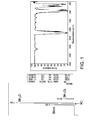
- Figure 1 provides the FTIR and GC-TCD plots of the end-product stream from the reaction of silane and HCl in the presence of the molecular sieve catalyst comprising Na-ZSM-5(12.5) of Example 1.
- the methods described herein overcome the absence of scalable methods for selectively preparing chlorinated silanes such as monochlorosilane, dichlorosilane, or combinations of monochlorosilane and dichlorosilane in yields of 50 mol% or greater, 55 mol% or greater, 60 mol% or greater, 65 mol% or greater, 70 mol% or greater, 75 mol% or greater, 80 mol% or greater (based on silane usage) by reaction of silane and hydrogen chloride over a select catalyst.
- chlorinated silanes such as monochlorosilane, dichlorosilane, or combinations of monochlorosilane and dichlorosilane in yields of 50 mol% or greater, 55 mol% or greater, 60 mol% or greater, 65 mol% or greater, 70 mol% or greater, 75 mol% or greater, 80 mol% or greater (based on silane usage) by reaction of silane and hydrogen chloride over a select catalyst.
- the catalyst is comprised of a molecular sieve such as, but not limited to structure catalysts; silica supported AlCl 3 ; ionic liquids with the anion form Al n Cl (3n+1) - and combinations thereof.
- Catalyst selection, precursor composition, catalyst contact time, temperature, pressure, and combinations thereof are used in the method described herein to selectively form one chlorosilane over another, and to favorably adapt the byproduct concentrations to down stream processing operations (i.e. purification).
- the method described herein therefore allows for the direct syntheses of monochlorosilane, dichlorosilane, or combinations thereof from commodity chemicals at scales appropriate to the industry without the complexity and disadvantages presented by the methods currently used for the industrial production of silane.
- the method described herein uses a catalyst, such as but not limited to, a molecular sieve such as, for example, structured zeolite; a silica support comprising AlCl 3 ; an ionic liquid comprising Al n Cl (3n+1) - , and combinations thereof.
- a catalyst such as but not limited to, a molecular sieve such as, for example, structured zeolite; a silica support comprising AlCl 3 ; an ionic liquid comprising Al n Cl (3n+1) - , and combinations thereof.
- a catalyst such as but not limited to, a molecular sieve such as, for example, structured zeolite; a silica support comprising AlCl 3 ; an ionic liquid comprising Al n Cl (3n+1) - , and combinations thereof.
- the method described herein offers improved yield, selectivity of the desired end-product, and/or scalability.
- the method described herein also overcomes the absence of a scalable
- the end-product monochlorosilane or dichlorosilane can be produced through the contact of a reaction mixture comprising silane and anhydrous hydrogen chloride with an acid catalyst according to Equations 3 and 4.
- the method described herein can be run continuously with high selectivity and yield by optimizing the contact time between the reactant gas mixture and the catalyst in a flow system to maximize precursor consumption while minimizing byproduct formation.
- the end product composition and yield can be optimized to meet the user's needs by varying one or more of the following conditions: HCl:silane feed ratio, gas catalyst contact time, catalyst composition (including size, porosity, support, and pretreatment procedure), temperature, and pressure.
- the reaction is performed in a packed bed reactor and the catalyst is a solid acid.
- the solid acid catalyst may be comprised of a molecular sieve or an AlCl 3 on a silica support.
- suitable molecular sieved-based catalysts include, but are not limited to structured zeolites, such as Y-type (FAU), mordenite (MOR), ZSM-5 (MFI), ZSM-11 (MEL), ZSM-12 (MTW, MCM-22 (MWW), etc.), those having defined Si/AI ratio (e.g., non-amorphous alumina-silicates) and combinations thereof.
- Other molecular sieves that comprise alternative framework compositions such as those possessing mild Brönsted acidity may also be used.
- Examples of these alternative framework compositions include but are not limited to mild acid catalysts such as, but not limited to, SAPO-37 (FAU), SAPO-40 (AFR).
- SAPO-37 FAU
- SAPO-40 AFR
- the structure codes provided herein in parentheses are the well accepted designations used to define the unique arrangement of framework atoms in the structure (see, for example, Atlas of Zeolite Framework Types - Fifth Revised Edition, edited by C. Baerlocher, W. M. Meier and D. H. Olson).
- the cation associated with the molecular sieve catalysts include, but are not limited to, protons, alkali metal cations, alkaline metal cations, trivalent metal cations and complex cations (eg., NH 4 + ).
- Enhancement of the catalyst's performance, in terms of activity, selectivity and/or longevity may also be made in certain embodiments by the incorporation of one or more additional catalytic centers in the catalyst.
- additional catalytic centers in these or other embodiments, the inclusion of metals such as, but not limited to, platinum, palladium or iron, may be used.
- the reaction occurs at one or more temperatures ranging from 20°C to 200°C.
- Exemplary temperatures for the reaction include ranges having any one or more of the following endpoints: 20, 30, 40, 50, 60, 70, 80, 90, 100, 110, 120, 130, 140, 150, 160, 170, 180, 190, or 200°C.
- Examples of particular reactor temperature ranges include but are not limited to, 20°C to 200°C or from 70°C to 160°C.
- the pressure of the reaction may range from 0.1 to 115 psia (1 to 800 kPa) or from 10 to 45 psia (70 to 310 kPa). In one particular embodiment, the reaction is run at a pressure ranging from 10 to 45 psia (70 to 310 kPa).
- the reagents in the reaction mixture are gaseous.
- the contact of the catalyst with reaction mixture may be defined in terms of defined by the bulk reactor volume displaced by the catalyst ⁇ reactant (e.g., silane and HCl) gas flow rate.
- the gas-catalyst contact time may range from 5 to 200 seconds.
- Exemplary times for the contact of the reactive mixture with the catalyst include ranges having any one or more of the following endpoints: 5, 10, 20, 30, 40, 50, 60, 70, 80, 90, 100, 110, 120, 130, 140, 150, 160, 170, 180, 190, or 200 seconds. Examples of particular contact time ranges include but are not limited to, 20 to 100 or from 10 to 40 seconds.
- the HCl:silane feed ratio within the reaction mixture may be selected from a range of 0.5 to 3.5, especially 0.5 to 3.0, with lower values generally favoring monochlorosilane product and higher values favoring dichlorosilane product.
- the Si:Al ratio in the zeolitic components of the catalyst has a preferred range from 10 to 100, especially 12.5 to 100.
- other embodiments of the method described herein may use molecular sieves with Si:Al ratios, of for example 10 to 400, outside of this range.
- the catalyst comprises a non-amorphous alumina-silicate based zeolite having a pore size that ranges from 5.3 to 7.5 A (0.53 to 0.75 nm).
- a particular end-product of chlorinated silane may be favored over more highly chlorinated products.
- the acid catalyst packed bed reactor is used to prepare monochlorosilane in high yield from silane and hydrogen chloride, and in high selectivity with respect to dichlorosilane byproduct.
- a preferred catalyst is H-ZSM-5•NaCl with a Si:Al ratio of 12.5, prepared in situ by pretreatment of the parent Na-ZSM-5(12.5) catalyst with anhydrous hydrogen chloride.
- the packed bed reactor is used to prepare dichlorosilane in unexpectedly high yield and selectivity with respect to other chlorosilanes by use of native H-ZSM-5(12.5), i.e., not prepared in situ from the Na + form.
- the origin of the appropriate acid strength to accomplish the formation of monochlorosilane could arise from Brönsted acidity inside the zeolite pores or it could be associated with a non zeolitic component in the catalyst particle.
- the catalysts evaluated to date have been formed catalyst particles containing a clay or silica binder. Medium to high conversion (60 to 90%) to the monochlorosilane at the low temperatures of reaction occurs on catalyst compositions that contain a clay binder. Different ZSM-5 catalysts having higher Si:Al ratios that have a silica binder are less reactive and at similar conditions show conversion of less than 40%.
- Important features of the chlorination of silane are the presence of a weak Brönsted acid and active zeolite or other molecular sieve component that has pore geometry suitable to control the product distribution.
- the chlorinated silane can be prepared by contacting the reaction mixture with a silica support comprising AlCl 3 catalyst.
- a silica support comprising AlCl 3 catalyst method described herein may be advantageous -in certain embodiments- over other AlCl 3 catalyst systems, such as neat AlCl 3 and high temperature molten salts, because the aluminum trichloride is chemically bound to the silica support, and is therefore not lost by sublimation. Retention of the active catalyst sites is favorable for prolonged and repeated reaction periods required for bulk syntheses of these chlorosilanes.
- monochlorosilane or dichlorosilane may be prepared in high yield by reaction a hydrogen chloride and silane precursor in the presence of an acid catalyst in the form of an ionic liquid.
- the reaction occurs in a stirred tank or a bubble column.
- the preferred counter ion is an alkylimidazolium cation (e.g., 1-butyl-3-methylimidazolium), but may alternatively be any cation that is stable in the presence of a composite reaction mixture and when in combination with the chosen anion forms a low melting point salt (i.e. melting point of less than 100°C).
- a low melting point salt i.e. melting point of less than 100°C.
- Refinement of the catalyst composition may be used to modify the physical properties of the ionic liquid, including but not limited to viscosity and phase behavior, and materials compatibility to facilitate stable continuous production of the desired chlorosilane.
- the reaction may be run in a continuously operated stirred tank reactor with a subsurface silane + hydrogen chloride precursor gas feed.
- the reaction may be run in a bubble column that may allow adequate gas-catalyst contact.
- the gas-catalyst residence time may range from 5 to 100 seconds; however, contact times outside of this range may be acceptable depending on the catalyst, other reaction conditions and desired product composition.
- reaction temperatures may range from 20 to 100°C; however, higher temperatures can be used to attain high catalyst activity.
- the hydrogen chloride:silane ratio in this embodiment may range from 0.8 to 2.0; however, ratios outside of this range may be advantageous depending on the composition of the desired product.
- the gas feed pressure of the reaction mixture may range from 10 to 45 psia (70 to 310 kPa); however, pressures outside of this range may be used.
- gas chromatography FT-IR spectroscopy
- GC-TCD gas chromatography
- FT-IR spectroscopy was used to analyze the gas-phase products to determine the HCl and silane conversion, product selectivities, and yields.
- Gas chromatographic analyses were carried out on the product effluent using a TCD equipped HP-5890 Series II GC and a 0.53mm diameter ⁇ 30m Supleco column containing 3 ⁇ m thick SPB-5 media.
- a Nicolet Avatar 360 FT-IR spectrometer equipped with a 1 cm long KBr gas cell was used to unambiguously identify the products in the reactor effluent gas and when necessary to qualitatively assess the product's composition.
- the entrained salt appears to be a one factor in determining the product selectivity of ZSM-5(12.5) as the in situ generated H[NaCl]-ZSM-5(12.5) exhibits high monochlorosilane selectivity, whereas, virgin H-ZSM-5(12.5) exhibits high dichlorosilane selectivity (see Examples 2 and 3)
- the preferred catalyst applicable for the production of monochlorosilane contains an active catalyst phase with a pore size that allows the monochlorosilane to exit the catalyst pore structure and a suitable acid strength to allow for a high conversion of the silane feed under the mild temperature conditions where the silane is stable.
- the feed rates and reactor effluent analysis were used to arrive at the following crude product composition: 2 mol% SiH 4 , 65 mol% H 2 , 2 mol% SiH 3 Cl and 31 mol% SiH 2 Cl 2 .
- the end product mixture indicates both high silane chlorination efficiency (95%) and selectivity for dichlorosilane (93%) over monochlorosilane or trichlorosilane.
- Aluminum trichloride supported on silica (9g) was loaded into a 1 ⁇ 2-in (1.25 cm) stainless steel tube reactor. Without further pretreatment, an equimolar co-feed of HCl-silane (29mL/min) was established through the packed catalyst bed at 50°C.
- the product stream was analyzed by gas chromatography and infrared spectroscopy. The feed rates and reactor effluent analysis were used to arrive at the following crude product composition: 24 mol% SiH 4 , 23 mol% HCl, 27 mol% H 2 , 25 mol% SiH 3 Cl and 1 mol% SiH 2 Cl 2.
- Example 5 Continuous Syntheses of Chlorinated Silanes with Low Degrees of Chlorination Using the lonic Liquid BMIM-Al 2 Cl 7 as a Catalyst
- BMIM-AlCl 4 butylmethylimidazolium aluminum tetrachloride ionic liquid catalyst was loaded into a glass 3 ⁇ 4-in (1.9 cm) diameter by 7-in (18 cm) deep bubble column.
Landscapes
- Chemical & Material Sciences (AREA)
- Organic Chemistry (AREA)
- Inorganic Chemistry (AREA)
- Catalysts (AREA)
- Silicon Compounds (AREA)
- Organic Low-Molecular-Weight Compounds And Preparation Thereof (AREA)
- Low-Molecular Organic Synthesis Reactions Using Catalysts (AREA)
Applications Claiming Priority (2)
| Application Number | Priority Date | Filing Date | Title |
|---|---|---|---|
| US16941409P | 2009-04-15 | 2009-04-15 | |
| US12/754,909 US8206676B2 (en) | 2009-04-15 | 2010-04-06 | Method for making a chlorosilane |
Publications (3)
| Publication Number | Publication Date |
|---|---|
| EP2243745A2 true EP2243745A2 (de) | 2010-10-27 |
| EP2243745A3 EP2243745A3 (de) | 2013-06-19 |
| EP2243745B1 EP2243745B1 (de) | 2019-06-19 |
Family
ID=42730957
Family Applications (1)
| Application Number | Title | Priority Date | Filing Date |
|---|---|---|---|
| EP10159887.8A Active EP2243745B1 (de) | 2009-04-15 | 2010-04-14 | Verfahren zur Herstellung von Chlorsilan |
Country Status (6)
| Country | Link |
|---|---|
| US (1) | US8206676B2 (de) |
| EP (1) | EP2243745B1 (de) |
| JP (1) | JP5199304B2 (de) |
| KR (1) | KR101151033B1 (de) |
| CN (1) | CN101863477B (de) |
| TW (1) | TWI492898B (de) |
Cited By (2)
| Publication number | Priority date | Publication date | Assignee | Title |
|---|---|---|---|---|
| WO2015000696A1 (de) * | 2013-07-02 | 2015-01-08 | Wacker Chemie Ag | Analyse der zusammensetzung eines gases oder eines gasstromes in einem chemischen reaktor und ein verfahren zur herstellung von chlorsilanen in einem wirbelschichtreaktor |
| WO2016205196A3 (en) * | 2015-06-16 | 2017-03-09 | Air Products And Chemicals, Inc. | Halidosilane compounds and compositions and processes for depositing silicon-containing films using same |
Families Citing this family (15)
| Publication number | Priority date | Publication date | Assignee | Title |
|---|---|---|---|---|
| DE102011004058A1 (de) | 2011-02-14 | 2012-08-16 | Evonik Degussa Gmbh | Monochlorsilan, Verfahren und Vorrichtung zu dessen Herstellung |
| JP5560239B2 (ja) * | 2011-07-04 | 2014-07-23 | 信越化学工業株式会社 | シラン・クロロシラン類のガスクロマトグラフ分離方法およびガスクロマトグラフィ用カラム |
| WO2013074425A1 (en) | 2011-11-14 | 2013-05-23 | Centrotherm Photovoltaics Usa, Inc. | Processes and systems for non-equilibrium trichlorosilane production |
| CN102633827B (zh) * | 2012-04-26 | 2015-01-07 | 江苏大学 | 离子液体催化制备多氯代苯基三氯硅烷的方法 |
| JP5972694B2 (ja) * | 2012-07-18 | 2016-08-17 | ユニゼオ株式会社 | Fe(II)置換MEL型ゼオライト、それを含むガス吸着剤及びその製造方法、並びに一酸化窒素及びハイドロカーボンの除去方法 |
| CN102976338B (zh) * | 2012-12-24 | 2015-02-18 | 宁夏胜蓝化工环保科技有限公司 | 二氯二氢硅气相氯化方法 |
| WO2015006173A1 (en) * | 2013-07-12 | 2015-01-15 | Centrotherm Photovoltaics Usa, Inc. | Chlorosilane recovery from gas streams |
| WO2015111886A1 (ko) * | 2014-01-24 | 2015-07-30 | 한화케미칼 주식회사 | 폐가스의 정제방법 및 정제장치 |
| EP3659964A1 (de) | 2018-11-28 | 2020-06-03 | Hysilabs, SAS | Katalysiertes verfahren zur herstellung von wasserstoff aus silylierten derivaten als wasserstoffträgerverbindungen |
| CN113387361B (zh) * | 2021-05-08 | 2023-03-28 | 内蒙古新特硅材料有限公司 | 制备三氯氢硅的方法及系统 |
| CN113912066A (zh) * | 2021-09-09 | 2022-01-11 | 全椒亚格泰电子新材料科技有限公司 | 一种制备氯代硅烷的方法 |
| CN113893850B (zh) * | 2021-10-27 | 2023-08-25 | 北京国化新材料技术中心(有限合伙) | 用于净化二甲基二氯硅烷的催化剂及其制备方法和应用 |
| CN114715901A (zh) * | 2022-03-28 | 2022-07-08 | 全椒亚格泰电子新材料科技有限公司 | 一种催化合成制备多氯硅烷的装置及其方法 |
| CN115650240A (zh) * | 2022-09-08 | 2023-01-31 | 洛阳中硅高科技有限公司 | 一氯硅烷的制备方法 |
| CN117208913B (zh) * | 2023-09-04 | 2024-03-08 | 全椒亚格泰电子新材料科技有限公司 | 一种催化合成制备多氯硅烷的方法及合成设备 |
Family Cites Families (29)
| Publication number | Priority date | Publication date | Assignee | Title |
|---|---|---|---|---|
| US3147071A (en) | 1964-09-01 | Process of manufacturing dichloro- | ||
| US2900225A (en) * | 1956-06-25 | 1959-08-18 | Siemens Ag | Process for the production of sih2cl2 |
| DE1092890B (de) | 1959-07-07 | 1960-11-17 | Wacker Chemie Gmbh | Verfahren zur Herstellung von Hydriden und/oder halogenierten Hydriden der Elemente Silicium und Bor |
| US3384652A (en) * | 1964-06-08 | 1968-05-21 | Mobil Oil Comporation | Method of reacting substituted silanes employing aluminosilicate catalyst |
| GB1254785A (en) * | 1968-03-28 | 1971-11-24 | Degussa | A process for the production of silicon tetrahalides |
| DE2546919A1 (de) | 1975-10-20 | 1977-04-28 | Consortium Elektrochem Ind | Verfahren zum herstellen von methylchlorsilanen |
| US4384159A (en) * | 1982-03-12 | 1983-05-17 | The Dow Chemical Company | Catalytic dehydrohalogenation process |
| JPS5969416A (ja) | 1982-10-08 | 1984-04-19 | Chisso Corp | ジクロロシランの製造方法 |
| JPS6060919A (ja) | 1983-09-08 | 1985-04-08 | Tokuyama Soda Co Ltd | 低ハロゲン化シランの製造方法 |
| JPS6060915A (ja) | 1983-09-12 | 1985-04-08 | Tokuyama Soda Co Ltd | 低ハロゲン化シランまたはモノシランの製造方法 |
| JPS6060916A (ja) | 1983-09-14 | 1985-04-08 | Tokuyama Soda Co Ltd | 低ハロゲン化シランまたはモノシランの製造方法 |
| JPS6060918A (ja) | 1983-09-14 | 1985-04-08 | Tokuyama Soda Co Ltd | 低ハロゲン化シランまたはモノシランの製造方法 |
| JPS6071513A (ja) | 1983-09-26 | 1985-04-23 | Tokuyama Soda Co Ltd | 低ハロゲン化シランまたはモノシランの製造方法 |
| JPS6077119A (ja) | 1983-09-30 | 1985-05-01 | Tokuyama Soda Co Ltd | 低ハロゲン化シランまたはモノシランの製造方法 |
| AU2976784A (en) | 1983-12-22 | 1985-06-27 | Carb-A-Drink International | Beverage dispenser |
| US4701430A (en) * | 1984-05-17 | 1987-10-20 | Korea Advance Institute Of Science & Technology | Hydrogenation catalyst and methods for its preparation and use to convert silicon tetrachloride to chlorosilane and silane |
| CA1320035C (en) * | 1986-08-20 | 1993-07-13 | William Terry Strange | Process for preparing halosilanes |
| JPH0829929B2 (ja) | 1987-06-01 | 1996-03-27 | 三井東圧化学株式会社 | ハロゲン化水素化シランの製造方法 |
| DE4208152A1 (de) * | 1992-03-13 | 1993-09-16 | Wacker Chemie Gmbh | Verfahren zur herstellung von dimethylchlorsilan |
| US5292909A (en) * | 1993-07-14 | 1994-03-08 | Dow Corning Corporation | Catalytic conversion of direct process high-boiling component to chlorosilane monomers in the presence of hydrogen chloride and hydrogen |
| US5401872A (en) * | 1994-03-07 | 1995-03-28 | Hemlock Semiconductor | Treatment of vent gas to remove hydrogen chloride |
| CA2206729A1 (en) * | 1996-06-13 | 1997-12-13 | Nitinol Devices & Components, Inc. | A stent |
| US5869017A (en) | 1997-05-12 | 1999-02-09 | Tokuyama Corporation | Method of producing trichlorosilane having a reduced content of dichlorosilane |
| JP3990029B2 (ja) * | 1997-05-12 | 2007-10-10 | 株式会社トクヤマ | ジクロロシラン含量の減少したトリクロロシランの製造方法 |
| JP4256998B2 (ja) * | 1999-10-27 | 2009-04-22 | 株式会社トクヤマ | シラン化合物の不均化反応生成物の製造方法 |
| DE10157198C2 (de) * | 2001-11-22 | 2002-11-14 | Wacker Chemie Gmbh | Ligandentausch an Organochlorsilanen in ionischen Flüssigkeiten |
| CN1646425A (zh) | 2002-02-27 | 2005-07-27 | 霍尼韦尔国际公司 | 混合卤素卤代硅烷的制备方法 |
| WO2004016571A2 (en) | 2002-08-16 | 2004-02-26 | Sachem, Inc. | Lewis acid ionic liquids |
| TWI404676B (zh) * | 2006-09-27 | 2013-08-11 | Denki Kagaku Kogyo Kk | Single Silane Continuous Manufacturing Method |
-
2010
- 2010-04-06 US US12/754,909 patent/US8206676B2/en active Active
- 2010-04-12 TW TW099111322A patent/TWI492898B/zh active
- 2010-04-14 JP JP2010093275A patent/JP5199304B2/ja active Active
- 2010-04-14 EP EP10159887.8A patent/EP2243745B1/de active Active
- 2010-04-15 KR KR1020100034731A patent/KR101151033B1/ko active Active
- 2010-04-15 CN CN2010101620501A patent/CN101863477B/zh active Active
Non-Patent Citations (1)
| Title |
|---|
| None |
Cited By (6)
| Publication number | Priority date | Publication date | Assignee | Title |
|---|---|---|---|---|
| WO2015000696A1 (de) * | 2013-07-02 | 2015-01-08 | Wacker Chemie Ag | Analyse der zusammensetzung eines gases oder eines gasstromes in einem chemischen reaktor und ein verfahren zur herstellung von chlorsilanen in einem wirbelschichtreaktor |
| US10031082B2 (en) | 2013-07-02 | 2018-07-24 | Wacker Chemie Ag | Compositional analysis of a gas or gas stream in a chemical reactor and method for preparing chlorosilanes in a fluidized bed reactor |
| WO2016205196A3 (en) * | 2015-06-16 | 2017-03-09 | Air Products And Chemicals, Inc. | Halidosilane compounds and compositions and processes for depositing silicon-containing films using same |
| TWI663281B (zh) * | 2015-06-16 | 2019-06-21 | Versum Materials Us, Llc | 鹵代矽烷化合物的製備方法、組合物及含有其的容器 |
| US11268190B2 (en) | 2015-06-16 | 2022-03-08 | Versum Materials Us, Llc | Processes for depositing silicon-containing films using halidosilane compounds |
| US11913112B2 (en) | 2015-06-16 | 2024-02-27 | Versum Materials Us, Llc | Processes for depositing silicon-containing films using halidosilane compounds and compositions |
Also Published As
| Publication number | Publication date |
|---|---|
| JP5199304B2 (ja) | 2013-05-15 |
| TW201036917A (en) | 2010-10-16 |
| EP2243745B1 (de) | 2019-06-19 |
| US8206676B2 (en) | 2012-06-26 |
| KR20100114481A (ko) | 2010-10-25 |
| TWI492898B (zh) | 2015-07-21 |
| JP2010248067A (ja) | 2010-11-04 |
| CN101863477A (zh) | 2010-10-20 |
| US20110113628A1 (en) | 2011-05-19 |
| KR101151033B1 (ko) | 2012-05-30 |
| EP2243745A3 (de) | 2013-06-19 |
| CN101863477B (zh) | 2013-02-13 |
Similar Documents
| Publication | Publication Date | Title |
|---|---|---|
| US8206676B2 (en) | Method for making a chlorosilane | |
| US8956588B2 (en) | Selective dealumination of MOR type zeolites | |
| RU2478609C2 (ru) | Способ карбонилирования диметилового эфира | |
| CN105339084B (zh) | 羰基化方法 | |
| RU2473535C2 (ru) | Способ карбонилирования диметилового эфира | |
| CN1950321B (zh) | 制备羧酸及其衍生物的工艺 | |
| JP6082035B2 (ja) | 酢酸とジメチルエーテルを製造するプロセス | |
| HUP0203610A2 (hu) | Immobilizált ionos folyadékok | |
| JPH08502025A (ja) | 酸素化物から炭化水素への転化におけるゼオライトの使用 | |
| KR102532822B1 (ko) | 금속 함침된 zsm-5와 메조다공성 모더나이트 제올라이트 복합체 촉매 위에서 btx로 중질 리포메이트를 전환시키는 방법 | |
| CN102438747A (zh) | 羰基化方法 | |
| US4717770A (en) | Process for producing epsilon-caprolactam | |
| CA2094947C (en) | Selective surface dealumination of zeolites and use of the surface-dealuminated zeolites | |
| ZA200506468B (en) | Process for producing para-xylene | |
| US7872166B2 (en) | Process for isomerizing aromatic C8 compounds in the presence of a catalyst comprising a modified EUO zeolite | |
| KR20150108408A (ko) | 제올라이트 촉매 처리 방법 | |
| Sonnemans | Hydration of propene over acidic zeolites | |
| US20090221859A1 (en) | Production of Difluoroethanol | |
| EP2177499A1 (de) | Carbonylierungsverfahren | |
| Nakasaka et al. | Synthesis of light olefins from oxygenated organic compounds over metallosilicates with MFI and MTW-type zeolite structures | |
| EP0818238A1 (de) | Katalysator zur herstellung von alkylbenzol und entsprechende herstellunsgmethode | |
| WO2025182551A1 (ja) | 高級シランの製造方法 | |
| WO2025182552A1 (ja) | 高級シランの製造方法および高級シランの製造触媒 | |
| Kareem et al. | Ion-exchanged ZSM-5 zeolites as catalysts for toluene disproportionation reaction | |
| JPH10168013A (ja) | (ポリ)アルキレングリコールジ高級アルキルエーテルの製造方法およびそれに用いる触媒 |
Legal Events
| Date | Code | Title | Description |
|---|---|---|---|
| PUAI | Public reference made under article 153(3) epc to a published international application that has entered the european phase |
Free format text: ORIGINAL CODE: 0009012 |
|
| AK | Designated contracting states |
Kind code of ref document: A2 Designated state(s): AT BE BG CH CY CZ DE DK EE ES FI FR GB GR HR HU IE IS IT LI LT LU LV MC MK MT NL NO PL PT RO SE SI SK SM TR |
|
| AX | Request for extension of the european patent |
Extension state: AL BA ME RS |
|
| RIC1 | Information provided on ipc code assigned before grant |
Ipc: C01B 33/107 20060101AFI20121025BHEP |
|
| PUAL | Search report despatched |
Free format text: ORIGINAL CODE: 0009013 |
|
| AK | Designated contracting states |
Kind code of ref document: A3 Designated state(s): AT BE BG CH CY CZ DE DK EE ES FI FR GB GR HR HU IE IS IT LI LT LU LV MC MK MT NL NO PL PT RO SE SI SK SM TR |
|
| AX | Request for extension of the european patent |
Extension state: AL BA ME RS |
|
| RIC1 | Information provided on ipc code assigned before grant |
Ipc: B01J 29/40 20060101ALI20130513BHEP Ipc: C01B 33/107 20060101AFI20130513BHEP Ipc: B01J 31/02 20060101ALI20130513BHEP Ipc: B01J 27/125 20060101ALI20130513BHEP |
|
| 17P | Request for examination filed |
Effective date: 20131219 |
|
| RBV | Designated contracting states (corrected) |
Designated state(s): AT BE BG CH CY CZ DE DK EE ES FI FR GB GR HR HU IE IS IT LI LT LU LV MC MK MT NL NO PL PT RO SE SI SK SM TR |
|
| STAA | Information on the status of an ep patent application or granted ep patent |
Free format text: STATUS: EXAMINATION IS IN PROGRESS |
|
| 17Q | First examination report despatched |
Effective date: 20170113 |
|
| RAP1 | Party data changed (applicant data changed or rights of an application transferred) |
Owner name: VERSUM MATERIALS US, LLC |
|
| GRAP | Despatch of communication of intention to grant a patent |
Free format text: ORIGINAL CODE: EPIDOSNIGR1 |
|
| STAA | Information on the status of an ep patent application or granted ep patent |
Free format text: STATUS: GRANT OF PATENT IS INTENDED |
|
| INTG | Intention to grant announced |
Effective date: 20190103 |
|
| GRAS | Grant fee paid |
Free format text: ORIGINAL CODE: EPIDOSNIGR3 |
|
| GRAA | (expected) grant |
Free format text: ORIGINAL CODE: 0009210 |
|
| STAA | Information on the status of an ep patent application or granted ep patent |
Free format text: STATUS: THE PATENT HAS BEEN GRANTED |
|
| AK | Designated contracting states |
Kind code of ref document: B1 Designated state(s): AT BE BG CH CY CZ DE DK EE ES FI FR GB GR HR HU IE IS IT LI LT LU LV MC MK MT NL NO PL PT RO SE SI SK SM TR |
|
| REG | Reference to a national code |
Ref country code: GB Ref legal event code: FG4D |
|
| REG | Reference to a national code |
Ref country code: CH Ref legal event code: EP |
|
| REG | Reference to a national code |
Ref country code: IE Ref legal event code: FG4D |
|
| REG | Reference to a national code |
Ref country code: DE Ref legal event code: R096 Ref document number: 602010059502 Country of ref document: DE |
|
| REG | Reference to a national code |
Ref country code: AT Ref legal event code: REF Ref document number: 1145272 Country of ref document: AT Kind code of ref document: T Effective date: 20190715 |
|
| REG | Reference to a national code |
Ref country code: NL Ref legal event code: MP Effective date: 20190619 |
|
| PG25 | Lapsed in a contracting state [announced via postgrant information from national office to epo] |
Ref country code: SE Free format text: LAPSE BECAUSE OF FAILURE TO SUBMIT A TRANSLATION OF THE DESCRIPTION OR TO PAY THE FEE WITHIN THE PRESCRIBED TIME-LIMIT Effective date: 20190619 Ref country code: FI Free format text: LAPSE BECAUSE OF FAILURE TO SUBMIT A TRANSLATION OF THE DESCRIPTION OR TO PAY THE FEE WITHIN THE PRESCRIBED TIME-LIMIT Effective date: 20190619 Ref country code: NO Free format text: LAPSE BECAUSE OF FAILURE TO SUBMIT A TRANSLATION OF THE DESCRIPTION OR TO PAY THE FEE WITHIN THE PRESCRIBED TIME-LIMIT Effective date: 20190919 Ref country code: LT Free format text: LAPSE BECAUSE OF FAILURE TO SUBMIT A TRANSLATION OF THE DESCRIPTION OR TO PAY THE FEE WITHIN THE PRESCRIBED TIME-LIMIT Effective date: 20190619 Ref country code: HR Free format text: LAPSE BECAUSE OF FAILURE TO SUBMIT A TRANSLATION OF THE DESCRIPTION OR TO PAY THE FEE WITHIN THE PRESCRIBED TIME-LIMIT Effective date: 20190619 |
|
| REG | Reference to a national code |
Ref country code: LT Ref legal event code: MG4D |
|
| PG25 | Lapsed in a contracting state [announced via postgrant information from national office to epo] |
Ref country code: GR Free format text: LAPSE BECAUSE OF FAILURE TO SUBMIT A TRANSLATION OF THE DESCRIPTION OR TO PAY THE FEE WITHIN THE PRESCRIBED TIME-LIMIT Effective date: 20190920 Ref country code: BG Free format text: LAPSE BECAUSE OF FAILURE TO SUBMIT A TRANSLATION OF THE DESCRIPTION OR TO PAY THE FEE WITHIN THE PRESCRIBED TIME-LIMIT Effective date: 20190919 Ref country code: LV Free format text: LAPSE BECAUSE OF FAILURE TO SUBMIT A TRANSLATION OF THE DESCRIPTION OR TO PAY THE FEE WITHIN THE PRESCRIBED TIME-LIMIT Effective date: 20190619 |
|
| REG | Reference to a national code |
Ref country code: AT Ref legal event code: MK05 Ref document number: 1145272 Country of ref document: AT Kind code of ref document: T Effective date: 20190619 |
|
| PG25 | Lapsed in a contracting state [announced via postgrant information from national office to epo] |
Ref country code: AT Free format text: LAPSE BECAUSE OF FAILURE TO SUBMIT A TRANSLATION OF THE DESCRIPTION OR TO PAY THE FEE WITHIN THE PRESCRIBED TIME-LIMIT Effective date: 20190619 Ref country code: EE Free format text: LAPSE BECAUSE OF FAILURE TO SUBMIT A TRANSLATION OF THE DESCRIPTION OR TO PAY THE FEE WITHIN THE PRESCRIBED TIME-LIMIT Effective date: 20190619 Ref country code: NL Free format text: LAPSE BECAUSE OF FAILURE TO SUBMIT A TRANSLATION OF THE DESCRIPTION OR TO PAY THE FEE WITHIN THE PRESCRIBED TIME-LIMIT Effective date: 20190619 Ref country code: CZ Free format text: LAPSE BECAUSE OF FAILURE TO SUBMIT A TRANSLATION OF THE DESCRIPTION OR TO PAY THE FEE WITHIN THE PRESCRIBED TIME-LIMIT Effective date: 20190619 Ref country code: RO Free format text: LAPSE BECAUSE OF FAILURE TO SUBMIT A TRANSLATION OF THE DESCRIPTION OR TO PAY THE FEE WITHIN THE PRESCRIBED TIME-LIMIT Effective date: 20190619 Ref country code: SK Free format text: LAPSE BECAUSE OF FAILURE TO SUBMIT A TRANSLATION OF THE DESCRIPTION OR TO PAY THE FEE WITHIN THE PRESCRIBED TIME-LIMIT Effective date: 20190619 Ref country code: PT Free format text: LAPSE BECAUSE OF FAILURE TO SUBMIT A TRANSLATION OF THE DESCRIPTION OR TO PAY THE FEE WITHIN THE PRESCRIBED TIME-LIMIT Effective date: 20191021 |
|
| PG25 | Lapsed in a contracting state [announced via postgrant information from national office to epo] |
Ref country code: ES Free format text: LAPSE BECAUSE OF FAILURE TO SUBMIT A TRANSLATION OF THE DESCRIPTION OR TO PAY THE FEE WITHIN THE PRESCRIBED TIME-LIMIT Effective date: 20190619 Ref country code: IT Free format text: LAPSE BECAUSE OF FAILURE TO SUBMIT A TRANSLATION OF THE DESCRIPTION OR TO PAY THE FEE WITHIN THE PRESCRIBED TIME-LIMIT Effective date: 20190619 Ref country code: IS Free format text: LAPSE BECAUSE OF FAILURE TO SUBMIT A TRANSLATION OF THE DESCRIPTION OR TO PAY THE FEE WITHIN THE PRESCRIBED TIME-LIMIT Effective date: 20191019 Ref country code: SM Free format text: LAPSE BECAUSE OF FAILURE TO SUBMIT A TRANSLATION OF THE DESCRIPTION OR TO PAY THE FEE WITHIN THE PRESCRIBED TIME-LIMIT Effective date: 20190619 |
|
| PG25 | Lapsed in a contracting state [announced via postgrant information from national office to epo] |
Ref country code: TR Free format text: LAPSE BECAUSE OF FAILURE TO SUBMIT A TRANSLATION OF THE DESCRIPTION OR TO PAY THE FEE WITHIN THE PRESCRIBED TIME-LIMIT Effective date: 20190619 |
|
| PG25 | Lapsed in a contracting state [announced via postgrant information from national office to epo] |
Ref country code: DK Free format text: LAPSE BECAUSE OF FAILURE TO SUBMIT A TRANSLATION OF THE DESCRIPTION OR TO PAY THE FEE WITHIN THE PRESCRIBED TIME-LIMIT Effective date: 20190619 Ref country code: PL Free format text: LAPSE BECAUSE OF FAILURE TO SUBMIT A TRANSLATION OF THE DESCRIPTION OR TO PAY THE FEE WITHIN THE PRESCRIBED TIME-LIMIT Effective date: 20190619 |
|
| PG25 | Lapsed in a contracting state [announced via postgrant information from national office to epo] |
Ref country code: IS Free format text: LAPSE BECAUSE OF FAILURE TO SUBMIT A TRANSLATION OF THE DESCRIPTION OR TO PAY THE FEE WITHIN THE PRESCRIBED TIME-LIMIT Effective date: 20200224 |
|
| REG | Reference to a national code |
Ref country code: DE Ref legal event code: R097 Ref document number: 602010059502 Country of ref document: DE |
|
| PLBE | No opposition filed within time limit |
Free format text: ORIGINAL CODE: 0009261 |
|
| STAA | Information on the status of an ep patent application or granted ep patent |
Free format text: STATUS: NO OPPOSITION FILED WITHIN TIME LIMIT |
|
| PG2D | Information on lapse in contracting state deleted |
Ref country code: IS |
|
| 26N | No opposition filed |
Effective date: 20200603 |
|
| PG25 | Lapsed in a contracting state [announced via postgrant information from national office to epo] |
Ref country code: SI Free format text: LAPSE BECAUSE OF FAILURE TO SUBMIT A TRANSLATION OF THE DESCRIPTION OR TO PAY THE FEE WITHIN THE PRESCRIBED TIME-LIMIT Effective date: 20190619 |
|
| PG25 | Lapsed in a contracting state [announced via postgrant information from national office to epo] |
Ref country code: MC Free format text: LAPSE BECAUSE OF FAILURE TO SUBMIT A TRANSLATION OF THE DESCRIPTION OR TO PAY THE FEE WITHIN THE PRESCRIBED TIME-LIMIT Effective date: 20190619 |
|
| REG | Reference to a national code |
Ref country code: CH Ref legal event code: PL |
|
| PG25 | Lapsed in a contracting state [announced via postgrant information from national office to epo] |
Ref country code: LU Free format text: LAPSE BECAUSE OF NON-PAYMENT OF DUE FEES Effective date: 20200414 Ref country code: LI Free format text: LAPSE BECAUSE OF NON-PAYMENT OF DUE FEES Effective date: 20200430 Ref country code: CH Free format text: LAPSE BECAUSE OF NON-PAYMENT OF DUE FEES Effective date: 20200430 |
|
| REG | Reference to a national code |
Ref country code: BE Ref legal event code: MM Effective date: 20200430 |
|
| PG25 | Lapsed in a contracting state [announced via postgrant information from national office to epo] |
Ref country code: BE Free format text: LAPSE BECAUSE OF NON-PAYMENT OF DUE FEES Effective date: 20200430 |
|
| GBPC | Gb: european patent ceased through non-payment of renewal fee |
Effective date: 20200414 |
|
| PG25 | Lapsed in a contracting state [announced via postgrant information from national office to epo] |
Ref country code: GB Free format text: LAPSE BECAUSE OF NON-PAYMENT OF DUE FEES Effective date: 20200414 |
|
| PG25 | Lapsed in a contracting state [announced via postgrant information from national office to epo] |
Ref country code: MT Free format text: LAPSE BECAUSE OF FAILURE TO SUBMIT A TRANSLATION OF THE DESCRIPTION OR TO PAY THE FEE WITHIN THE PRESCRIBED TIME-LIMIT Effective date: 20190619 Ref country code: CY Free format text: LAPSE BECAUSE OF FAILURE TO SUBMIT A TRANSLATION OF THE DESCRIPTION OR TO PAY THE FEE WITHIN THE PRESCRIBED TIME-LIMIT Effective date: 20190619 |
|
| PG25 | Lapsed in a contracting state [announced via postgrant information from national office to epo] |
Ref country code: MK Free format text: LAPSE BECAUSE OF FAILURE TO SUBMIT A TRANSLATION OF THE DESCRIPTION OR TO PAY THE FEE WITHIN THE PRESCRIBED TIME-LIMIT Effective date: 20190619 |
|
| P01 | Opt-out of the competence of the unified patent court (upc) registered |
Effective date: 20230602 |
|
| PGFP | Annual fee paid to national office [announced via postgrant information from national office to epo] |
Ref country code: DE Payment date: 20250319 Year of fee payment: 16 |
|
| PGFP | Annual fee paid to national office [announced via postgrant information from national office to epo] |
Ref country code: IE Payment date: 20260320 Year of fee payment: 17 |
|
| PGFP | Annual fee paid to national office [announced via postgrant information from national office to epo] |
Ref country code: FR Payment date: 20260319 Year of fee payment: 17 |