EP4461308B1 - Toxicity management for anti-tumor activity of cars - Google Patents
Toxicity management for anti-tumor activity of cars Download PDFInfo
- Publication number
- EP4461308B1 EP4461308B1 EP24202493.3A EP24202493A EP4461308B1 EP 4461308 B1 EP4461308 B1 EP 4461308B1 EP 24202493 A EP24202493 A EP 24202493A EP 4461308 B1 EP4461308 B1 EP 4461308B1
- Authority
- EP
- European Patent Office
- Prior art keywords
- cell
- car
- cells
- inhibitor
- patient
- Prior art date
- Legal status (The legal status is an assumption and is not a legal conclusion. Google has not performed a legal analysis and makes no representation as to the accuracy of the status listed.)
- Active
Links
Images





Classifications
-
- A—HUMAN NECESSITIES
- A61—MEDICAL OR VETERINARY SCIENCE; HYGIENE
- A61K—PREPARATIONS FOR MEDICAL, DENTAL OR TOILETRY PURPOSES
- A61K35/00—Medicinal preparations containing materials or reaction products thereof with undetermined constitution
- A61K35/12—Materials from mammals; Compositions comprising non-specified tissues or cells; Compositions comprising non-embryonic stem cells; Genetically modified cells
- A61K35/14—Blood; Artificial blood
- A61K35/17—Lymphocytes; B-cells; T-cells; Natural killer cells; Interferon-activated or cytokine-activated lymphocytes
-
- A—HUMAN NECESSITIES
- A61—MEDICAL OR VETERINARY SCIENCE; HYGIENE
- A61K—PREPARATIONS FOR MEDICAL, DENTAL OR TOILETRY PURPOSES
- A61K31/00—Medicinal preparations containing organic active ingredients
- A61K31/70—Carbohydrates; Sugars; Derivatives thereof
- A61K31/7088—Compounds having three or more nucleosides or nucleotides
-
- A—HUMAN NECESSITIES
- A61—MEDICAL OR VETERINARY SCIENCE; HYGIENE
- A61K—PREPARATIONS FOR MEDICAL, DENTAL OR TOILETRY PURPOSES
- A61K31/00—Medicinal preparations containing organic active ingredients
- A61K31/70—Carbohydrates; Sugars; Derivatives thereof
- A61K31/7088—Compounds having three or more nucleosides or nucleotides
- A61K31/713—Double-stranded nucleic acids or oligonucleotides
-
- A—HUMAN NECESSITIES
- A61—MEDICAL OR VETERINARY SCIENCE; HYGIENE
- A61K—PREPARATIONS FOR MEDICAL, DENTAL OR TOILETRY PURPOSES
- A61K35/00—Medicinal preparations containing materials or reaction products thereof with undetermined constitution
-
- A—HUMAN NECESSITIES
- A61—MEDICAL OR VETERINARY SCIENCE; HYGIENE
- A61K—PREPARATIONS FOR MEDICAL, DENTAL OR TOILETRY PURPOSES
- A61K39/00—Medicinal preparations containing antigens or antibodies
- A61K39/395—Antibodies; Immunoglobulins; Immune serum, e.g. antilymphocytic serum
- A61K39/39533—Antibodies; Immunoglobulins; Immune serum, e.g. antilymphocytic serum against materials from animals
- A61K39/3955—Antibodies; Immunoglobulins; Immune serum, e.g. antilymphocytic serum against materials from animals against proteinaceous materials, e.g. enzymes, hormones, lymphokines
-
- A—HUMAN NECESSITIES
- A61—MEDICAL OR VETERINARY SCIENCE; HYGIENE
- A61K—PREPARATIONS FOR MEDICAL, DENTAL OR TOILETRY PURPOSES
- A61K40/00—Cellular immunotherapy
- A61K40/10—Cellular immunotherapy characterised by the cell type used
- A61K40/11—T-cells, e.g. tumour infiltrating lymphocytes [TIL] or regulatory T [Treg] cells; Lymphokine-activated killer [LAK] cells
-
- A—HUMAN NECESSITIES
- A61—MEDICAL OR VETERINARY SCIENCE; HYGIENE
- A61K—PREPARATIONS FOR MEDICAL, DENTAL OR TOILETRY PURPOSES
- A61K40/00—Cellular immunotherapy
- A61K40/30—Cellular immunotherapy characterised by the recombinant expression of specific molecules in the cells of the immune system
- A61K40/31—Chimeric antigen receptors [CAR]
-
- A—HUMAN NECESSITIES
- A61—MEDICAL OR VETERINARY SCIENCE; HYGIENE
- A61K—PREPARATIONS FOR MEDICAL, DENTAL OR TOILETRY PURPOSES
- A61K40/00—Cellular immunotherapy
- A61K40/40—Cellular immunotherapy characterised by antigens that are targeted or presented by cells of the immune system
- A61K40/41—Vertebrate antigens
- A61K40/42—Cancer antigens
- A61K40/4202—Receptors, cell surface antigens or cell surface determinants
- A61K40/421—Immunoglobulin superfamily
- A61K40/4211—CD19 or B4
-
- A—HUMAN NECESSITIES
- A61—MEDICAL OR VETERINARY SCIENCE; HYGIENE
- A61K—PREPARATIONS FOR MEDICAL, DENTAL OR TOILETRY PURPOSES
- A61K45/00—Medicinal preparations containing active ingredients not provided for in groups A61K31/00 - A61K41/00
- A61K45/06—Mixtures of active ingredients without chemical characterisation, e.g. antiphlogistics and cardiaca
-
- A—HUMAN NECESSITIES
- A61—MEDICAL OR VETERINARY SCIENCE; HYGIENE
- A61K—PREPARATIONS FOR MEDICAL, DENTAL OR TOILETRY PURPOSES
- A61K48/00—Medicinal preparations containing genetic material which is inserted into cells of the living body to treat genetic diseases; Gene therapy
- A61K48/0083—Medicinal preparations containing genetic material which is inserted into cells of the living body to treat genetic diseases; Gene therapy characterised by an aspect of the administration regime
-
- A—HUMAN NECESSITIES
- A61—MEDICAL OR VETERINARY SCIENCE; HYGIENE
- A61P—SPECIFIC THERAPEUTIC ACTIVITY OF CHEMICAL COMPOUNDS OR MEDICINAL PREPARATIONS
- A61P35/00—Antineoplastic agents
- A61P35/02—Antineoplastic agents specific for leukemia
-
- A—HUMAN NECESSITIES
- A61—MEDICAL OR VETERINARY SCIENCE; HYGIENE
- A61P—SPECIFIC THERAPEUTIC ACTIVITY OF CHEMICAL COMPOUNDS OR MEDICINAL PREPARATIONS
- A61P37/00—Drugs for immunological or allergic disorders
- A61P37/02—Immunomodulators
- A61P37/06—Immunosuppressants, e.g. drugs for graft rejection
-
- A—HUMAN NECESSITIES
- A61—MEDICAL OR VETERINARY SCIENCE; HYGIENE
- A61P—SPECIFIC THERAPEUTIC ACTIVITY OF CHEMICAL COMPOUNDS OR MEDICINAL PREPARATIONS
- A61P39/00—General protective or antinoxious agents
- A61P39/02—Antidotes
-
- C—CHEMISTRY; METALLURGY
- C12—BIOCHEMISTRY; BEER; SPIRITS; WINE; VINEGAR; MICROBIOLOGY; ENZYMOLOGY; MUTATION OR GENETIC ENGINEERING
- C12Q—MEASURING OR TESTING PROCESSES INVOLVING ENZYMES, NUCLEIC ACIDS OR MICROORGANISMS; COMPOSITIONS OR TEST PAPERS THEREFOR; PROCESSES OF PREPARING SUCH COMPOSITIONS; CONDITION-RESPONSIVE CONTROL IN MICROBIOLOGICAL OR ENZYMOLOGICAL PROCESSES
- C12Q1/00—Measuring or testing processes involving enzymes, nucleic acids or microorganisms; Compositions therefor; Processes of preparing such compositions
- C12Q1/68—Measuring or testing processes involving enzymes, nucleic acids or microorganisms; Compositions therefor; Processes of preparing such compositions involving nucleic acids
- C12Q1/6876—Nucleic acid products used in the analysis of nucleic acids, e.g. primers or probes
- C12Q1/6883—Nucleic acid products used in the analysis of nucleic acids, e.g. primers or probes for diseases caused by alterations of genetic material
- C12Q1/6886—Nucleic acid products used in the analysis of nucleic acids, e.g. primers or probes for diseases caused by alterations of genetic material for cancer
-
- G—PHYSICS
- G01—MEASURING; TESTING
- G01N—INVESTIGATING OR ANALYSING MATERIALS BY DETERMINING THEIR CHEMICAL OR PHYSICAL PROPERTIES
- G01N33/00—Investigating or analysing materials by specific methods not covered by groups G01N1/00 - G01N31/00
- G01N33/48—Biological material, e.g. blood, urine; Haemocytometers
- G01N33/50—Chemical analysis of biological material, e.g. blood, urine; Testing involving biospecific ligand binding methods; Immunological testing
- G01N33/68—Chemical analysis of biological material, e.g. blood, urine; Testing involving biospecific ligand binding methods; Immunological testing involving proteins, peptides or amino acids
- G01N33/6803—General methods of protein analysis not limited to specific proteins or families of proteins
-
- A—HUMAN NECESSITIES
- A61—MEDICAL OR VETERINARY SCIENCE; HYGIENE
- A61K—PREPARATIONS FOR MEDICAL, DENTAL OR TOILETRY PURPOSES
- A61K39/00—Medicinal preparations containing antigens or antibodies
- A61K2039/505—Medicinal preparations containing antigens or antibodies comprising antibodies
-
- A—HUMAN NECESSITIES
- A61—MEDICAL OR VETERINARY SCIENCE; HYGIENE
- A61K—PREPARATIONS FOR MEDICAL, DENTAL OR TOILETRY PURPOSES
- A61K39/00—Medicinal preparations containing antigens or antibodies
- A61K2039/51—Medicinal preparations containing antigens or antibodies comprising whole cells, viruses or DNA/RNA
- A61K2039/515—Animal cells
-
- A—HUMAN NECESSITIES
- A61—MEDICAL OR VETERINARY SCIENCE; HYGIENE
- A61K—PREPARATIONS FOR MEDICAL, DENTAL OR TOILETRY PURPOSES
- A61K2239/00—Indexing codes associated with cellular immunotherapy of group A61K40/00
- A61K2239/38—Indexing codes associated with cellular immunotherapy of group A61K40/00 characterised by the dose, timing or administration schedule
-
- A—HUMAN NECESSITIES
- A61—MEDICAL OR VETERINARY SCIENCE; HYGIENE
- A61K—PREPARATIONS FOR MEDICAL, DENTAL OR TOILETRY PURPOSES
- A61K2239/00—Indexing codes associated with cellular immunotherapy of group A61K40/00
- A61K2239/46—Indexing codes associated with cellular immunotherapy of group A61K40/00 characterised by the cancer treated
- A61K2239/48—Blood cells, e.g. leukemia or lymphoma
-
- G—PHYSICS
- G01—MEASURING; TESTING
- G01N—INVESTIGATING OR ANALYSING MATERIALS BY DETERMINING THEIR CHEMICAL OR PHYSICAL PROPERTIES
- G01N2333/00—Assays involving biological materials from specific organisms or of a specific nature
- G01N2333/435—Assays involving biological materials from specific organisms or of a specific nature from animals; from humans
- G01N2333/52—Assays involving cytokines
-
- G—PHYSICS
- G01—MEASURING; TESTING
- G01N—INVESTIGATING OR ANALYSING MATERIALS BY DETERMINING THEIR CHEMICAL OR PHYSICAL PROPERTIES
- G01N2800/00—Detection or diagnosis of diseases
- G01N2800/52—Predicting or monitoring the response to treatment, e.g. for selection of therapy based on assay results in personalised medicine; Prognosis
-
- G—PHYSICS
- G01—MEASURING; TESTING
- G01N—INVESTIGATING OR ANALYSING MATERIALS BY DETERMINING THEIR CHEMICAL OR PHYSICAL PROPERTIES
- G01N33/00—Investigating or analysing materials by specific methods not covered by groups G01N1/00 - G01N31/00
- G01N33/48—Biological material, e.g. blood, urine; Haemocytometers
- G01N33/50—Chemical analysis of biological material, e.g. blood, urine; Testing involving biospecific ligand binding methods; Immunological testing
- G01N33/68—Chemical analysis of biological material, e.g. blood, urine; Testing involving biospecific ligand binding methods; Immunological testing involving proteins, peptides or amino acids
- G01N33/6863—Cytokines, i.e. immune system proteins modifying a biological response such as cell growth proliferation or differentiation, e.g. TNF, CNF, GM-CSF, lymphotoxin, MIF or their receptors
Definitions
- the invention relates to treating a patient having a disease, disorder or condition associated with an elevated expression of a tumor antigen, comprising administering a first-line therapy and a second-line therapy to a patient in need thereof, wherein the first line therapy comprises administering to the patient an effective amount of a cell genetically modified to express a CAR, wherein the CAR comprises an antigen binding domain, a transmembrane domain, and an intracellular signaling domain.
- the disease, disorder or condition is cancer
- the cell is a T cell
- the CAR T cell is administered by infusion.
- cytokine levels in the patient are monitored to determine the appropriate type of second-line therapy to be administered to the patient and the appropriate second-line therapy is administered to the patient in need thereof.
- An increase in the level of a cytokine identifies a type of cytokine inhibitory therapy to be administered to the patient in need thereof.
- an increase in the level of IL-6 is detected thereby identifying an IL-6 inhibitor as the appropriate type of second-line therapy, and said IL-6 inhibitor is administered to the patient.
- the cytokine levels are monitored by detecting the protein level of the cytokine in a biological sample from the patient.
- the cytokine levels are monitored by detecting the nucleic acid level of the cytokine in a biological sample from the patient.
- cytokines can be selected from the group consisting of IL-1 ⁇ , IL-2, IL-4, IL-5, IL-8, IL-10, IL-12, IL-13, IL-15, IL-17, IL-1Ra, IL-2R, IFN- ⁇ , IFN-y, MIP-1 ⁇ , MIP-1 ⁇ , MCP-1, TNF ⁇ , GM-CSF, G-CSF, CXCL9, CXCL10, CXCR factors, VEGF, RANTES, EOTAXIN, EGF, HGF, FGF- ⁇ , CD40, CD40L, ferritin, and any combination thereof.
- the present invention relates to a strategy of adoptive cell transfer of T cells transduced to express a chimeric antigen receptor (CAR) in combination with toxicity management, where a profile of soluble factors from a post T cell infusion patient is generated and a therapy directed against the elevated soluble factor is carried out in order to treat the cancer. For example, generating a real time soluble factor profile allows for intervention of the elevated soluble factors with the appropriate inhibitor in order to bring the levels down to normal levels.
- an increase in the level of IL-6 is detected and an IL-6 inhibitor is administered to the patient.
- the CAR used in the invention comprises an extracellular domain having an antigen recognition domain that targets a desired antigen, a transmembrane domain, and a cytoplasmic domain.
- the invention is not limited to a specific CAR. Rather, any CAR that targets a desired antigen can be used in the present invention. Compositions and methods of making CARs have been described in WO 2012/079000 .
- Xenogeneic refers to a graft derived from an animal of a different species.
- cancer as used herein is defined as disease characterized by the rapid and uncontrolled growth of aberrant cells. Cancer cells can spread locally or through the bloodstream and lymphatic system to other parts of the body. Examples of various cancers include but are not limited to, breast cancer, prostate cancer, ovarian cancer, cervical cancer, skin cancer, pancreatic cancer, colorectal cancer, renal cancer, liver cancer, brain cancer, lymphoma, leukemia, lung cancer and the like.
- Co-stimulatory ligand includes a molecule on an antigen presenting cell (e.g., an aAPC, dendritic cell, B cell, and the like) that specifically binds a cognate co-stimulatory molecule on a T cell, thereby providing a signal which, in addition to the primary signal provided by, for instance, binding of a TCR/CD3 complex with an MHC molecule loaded with peptide, mediates a T cell response, including, but not limited to, proliferation, activation, differentiation, and the like.
- an antigen presenting cell e.g., an aAPC, dendritic cell, B cell, and the like
- a “co-stimulatory signal,” as used herein, refers to a signal, which in combination with a primary signal, such as TCR/CD3 ligation, leads to T cell proliferation and/or upregulation or downregulation of key molecules.
- a “disease” is a state of health of an animal wherein the animal cannot maintain homeostasis, and wherein if the disease is not ameliorated then the animal's health continues to deteriorate.
- a “disorder” in an animal is a state of health in which the animal is able to maintain homeostasis, but in which the animal's state of health is less favorable than it would be in the absence of the disorder. Left untreated, a disorder does not necessarily cause a further decrease in the animal's state of health.
- “Homologous” refers to the sequence similarity or sequence identity between two polypeptides or between two nucleic acid molecules. When a position in both of the two compared sequences is occupied by the same base or amino acid monomer subunit, e.g., if a position in each of two DNA molecules is occupied by adenine, then the molecules are homologous at that position.
- the percent of homology between two sequences is a function of the number of matching or homologous positions shared by the two sequences divided by the number of positions compared X 100. For example, if 6 of 10 of the positions in two sequences are matched or homologous then the two sequences are 60% homologous.
- the DNA sequences ATTGCC and TATGGC share 50% homology. Generally, a comparison is made when two sequences are aligned to give maximum homology.
- Immune cells involved in the immune response include lymphocytes, such as B cells and T cells (CD4+, CD8+, Th1 and Th2 cells); antigen presenting cells (e.g., professional antigen presenting cells such as dendritic cells, macrophages, B lymphocytes, Langerhans cells, and non-professional antigen presenting cells such as keratinocytes, endothelial cells, astrocytes, fibroblasts, oligodendrocytes); natural killer cells; myeloid cells, such as macrophages, eosinophils, mast cells, basophils, and granulocytes.
- B cells and T cells CD4+, CD8+, Th1 and Th2 cells
- antigen presenting cells e.g., professional antigen presenting cells such as dendritic cells, macrophages, B lymphocytes, Langerhans cells, and non-professional antigen presenting cells such as keratinocytes, endothelial cells, astrocytes,
- isolated means altered or removed from the natural state.
- a nucleic acid or a peptide naturally present in a living animal is not “isolated,” but the same nucleic acid or peptide partially or completely separated from the coexisting materials of its natural state is “isolated.”
- An isolated nucleic acid or protein can exist in substantially purified form, or can exist in a non-native environment such as, for example, a host cell.
- a "lentivirus” as used herein refers to a genus of the Retroviridae family. Lentiviruses are unique among the retroviruses in being able to infect non-dividing cells; they can deliver a significant amount of genetic information into the DNA of the host cell, so they are one of the most efficient methods of a gene delivery vector. HIV, SIV, and FIV are all examples of lentiviruses. Vectors derived from lentiviruses offer the means to achieve significant levels of gene transfer in vivo.
- level of a soluble factor in a biological sample typically refers to the amount of protein, protein fragment or peptide levels of the soluble factor that is present in a biological sample.
- a "level of a soluble factor” need not be quantified, but can simply be detected, e.g., a subjective, visual detection by a human, with or without comparison to a level from a control sample or a level expected of a control sample.
- parenteral administration of an immunogenic composition includes, e.g., subcutaneous (s.c.), intravenous (i.v.), intramuscular (i.m.), or intrasternal injection, or infusion techniques.
- an antibody which recognizes a specific antigen, but does not substantially recognize or bind other molecules in a sample.
- an antibody that specifically binds to an antigen from one species may also bind to that antigen from one or more species. But, such cross-species reactivity does not itself alter the classification of an antibody as specific.
- an antibody that specifically binds to an antigen may also bind to different allelic forms of the antigen. However, such cross reactivity does not itself alter the classification of an antibody as specific.
- a "stimulatory molecule,” as the term is used herein, means a molecule on a T cell that specifically binds with a cognate stimulatory ligand present on an antigen presenting cell.
- substantially purified cell is a cell that is essentially free of other cell types.
- a substantially purified cell also refers to a cell which has been separated from other cell types with which it is normally associated in its naturally occurring state.
- a population of substantially purified cells refers to a homogenous population of cells. In other instances, this term refers simply to cells that have been separated from the cells with which they are naturally associated in their natural state.
- the cells are cultured in vitro. In other embodiments, the cells are not cultured in vitro.
- therapeutically effective amount refers to the amount of the subject compound that will elicit the biological or medical response of a tissue, system, or subject that is being sought by the researcher, veterinarian, medical doctor or other clinician.
- therapeutically effective amount includes that amount of a compound that, when administered, is sufficient to prevent development of, or alleviate to some extent, one or more of the signs or symptoms of the disorder or disease being treated.
- the therapeutically effective amount will vary depending on the compound, the disease and its severity and the age, weight, etc., of the subject to be treated.
- a "transplant,” as used herein, refers to cells, tissue, or an organ that is introduced into an individual.
- the source of the transplanted material can be cultured cells, cells from another individual, or cells from the same individual (e.g., after the cells are cultured in vitro).
- Exemplary organ transplants are kidney, liver, heart, lung, and pancreas.
- the treatment method comprises a first-line of therapy comprising administering the CAR as defined in the claims into the patient to induce an anti-tumor immune response and monitoring the levels of soluble factors in the patient post T cell infusion to determine the type of second-line of therapy appropriate to treat the patient as a consequence of the first-line of therapy.
- the CAR for use in the invention can be engineered to comprise an extracellular domain having an antigen binding domain that targets tumor antigen fused to an intracellular signaling domain of the T cell antigen receptor complex zeta chain (e.g., CD3 zeta).
- An exemplary tumor antigen B cell antigen is CD19 because this antigen is expressed on malignant B cells.
- the invention is not limited to targeting CD19. Rather, the invention includes any tumor antigen binding moiety.
- the antigen binding moiety is preferably fused with an intracellular domain from one or more of a costimulatory molecule and a zeta chain.
- the antigen binding moiety is fused with one or more intracellular domains selected from the group of a CD137 (4-1BB) signaling domain, a CD28 signaling domain, a CD3zeta signal domain, and any combination thereof.
- the CAR for use in the invention comprises a CD137 (4-1BB) signaling domain.
- CD137 (4-1BB) signaling domain is partly based on the discovery that CAR-mediated T-cell responses can be further enhanced with the addition of costimulatory domains.
- inclusion of the CD137 (4-1BB) signaling domain significantly increased CAR mediated activity and in vivo persistence of CAR T cells compared to an otherwise identical CAR T cell not engineered to express CD137 (4-lBB).
- the invention is not limited to a specific CAR. Rather, any CAR that targets a tumor antigen can be used in the present invention. Compositions and methods of making and using CARs have been described in WO 2012/079000 .
- the invention encompasses a first-line and a second-line therapy, wherein the first-line therapy comprises administering a CAR T cell as defined in the claims to the patient in need thereof.
- the treatment regimen of the invention allows for the management of the cancer and treatment thereof by evaluating the soluble factor profile in patients post T cell infusion.
- An appropriate second-line therapy comprises administering an appropriate soluble factor inhibitor to the patient in order to reduce the elevated levels of the soluble factor resulting from the first-line therapy.
- an IL-6 inhibitor is identified as the appropriate type of second-line therapy.
- differential levels are over expression (high expression) or under expression (low expression) as compared to the expression level of a normal or control cell, a given patient population, or with an internal control. In some embodiments, levels are compared between the patient and a normal individual, between the patient post T cell infusion and pre T cell infusion, or between the patient post T cell infusion at a first time point and a second time point.
- the invention includes evaluating differential levels of one or more cytokines to generate a cytokine profile in a patient post T cell infusion in order to determine the type of cytokine therapy to be applied to the patient for the purpose of regulating the cytokine level back to normal levels.
- the invention may therefore be applied to identify cytokine levels elevated as a result of the presence of the CAR T cells of the invention in the patient, which allows the specialized treatment of the patient with cytokine inhibitors to decrease the elevated levels of the cytokine.
- an increase in the level of IL-6 is detected thereby identifying an IL-6 inhibitor as the appropriate type of second-line therapy, and said IL-6 inhibitor is administered to the patient.
- cytokines levels that are also elevated as a result of receiving a CAR T cell infusion include but are not limited to IL-1 ⁇ , IL-2, IL-4, IL-5, IL-8, IL-10, IL-12, IL-13, IL-15, IL-17, IL-1Ra, IL-2R, IFN- ⁇ , IFN-y, MIP-1 ⁇ , MIP-1 ⁇ , MCP-1, TNF ⁇ , GM-CSF, G-CSF, CXCL9, CXCL10, CXCR factors, VEGF, RANTES, EOTAXIN, EGF, HGF, FGF- ⁇ , CD40, CD40L, ferritin, and the like.
- the invention should not be limited to these listed cytokines. Rather, the invention includes any further cytokine identified to be elevated in a patient as a result of receiving a CAR T cell infusion.
- the invention includes methods of detecting levels of a cytokine in a patient that has received infusion of a CAR T cell for use in the invention.
- the presence or level of a cytokine is used to select a candidate treatment.
- the presence or levels of the cytokine can be used to determine the success during the course of or after treatment of the first-line, second-line, or both the first and second-line of therapy.
- an increase in the level of IL-6 is detected thereby identifying an IL-6 inhibitor as the appropriate type of second-line therapy.
- Immunoassays can be used to qualitatively or quantitatively analyze the cytokine levels in a biological sample.
- a general overview of the applicable technology can be found in a number of readily available manuals, e.g., Harlow & Lane, Cold Spring Harbor Laboratory Press, Using Antibodies: A Laboratory Manual (1999 ).
- cytokine expression and levels can be made based on the level of gene expression of the particular cytokines.
- RNA hybridization techniques for determining the presence and/or level of mRNA expression are well known to those of skill in the art and can be used to assess the presence or level of gene expression of the cytokine of interest.
- the present invention utilizes selective binding partners of the cytokine to identify the presence or determine the levels of the cytokine in a biological sample.
- the selective binding partner to be used with the present invention can be, for instance, an antibody.
- monoclonal antibodies to the particular cytokine can be used.
- polyclonal antibodies to the particular cytokine can be employed to practice the present invention.
- cytokine Commercial antibodies to the cytokine are available and can be used with the present invention. It is well known to those of skill in the art that the type, source and other aspects of an antibody to be used is a consideration to be made in light of the assay in which the antibody is used. In some instances, antibodies that will recognize its antigen target on a Western blot might not applicable to an ELISA or ELISpot assay and vice versa.
- the antibodies to be used for the assays can be produced using techniques for producing monoclonal or polyclonal antibodies that are well known in the art (see, e.g., Coligan, Current Protocols in Immunology (1991 ); Harlow & Lane, supra; Goding, Monoclonal Antibodies: Principles and Practice (2d ed. 1986 ); and Kohler & Milstein, Nature 256:495-497 (1975 ).
- Detection methods employing immunoassays are particularly suitable for practice at the point of patient care. Such methods allow for immediate diagnosis and/or prognostic evaluation of the patient.
- Point of care diagnostic systems are described, e.g., in U.S. Pat. No. 6,267,722 .
- Other immunoassay formats are also available such that an evaluation of the biological sample can be performed without having to send the sample to a laboratory for evaluation.
- these assays are formatted as solid assays where a reagent, e.g., an antibody is used to detect the cytokine.
- Exemplary test devices suitable for use with immunoassays such as assays of the present invention are described, for example, in U.S. Pat. Nos. 7,189,522 ; 6,818,455 and 6,656,745 .
- the present invention utilises methods for detection of polynucleotide sequences which code for the cytokine in a biological sample.
- a biological sample refers to a cell or population of cells or a quantity of tissue or fluid from a patient. Most often, the sample has been removed from a patient, but the term “biological sample” can also refer to cells or tissue analyzed in vivo, i.e., without removal from the patient. Typically, a “biological sample” will contain cells from the patient, but the term can also refer to noncellular biological material.
- RT-PCR methods are well known to those of skill (see, e.g., Ausubel et al., supra).
- quantitative RT-PCR e.g., a TaqMan TM assay, is used, thereby allowing the comparison of the level of mRNA in a sample with a control sample or value.
- the known nucleic acid sequences for a desired cytokine are sufficient to enable one of skill to routinely select primers to amplify any portion of the gene.
- Suitable primers for amplification of specific sequences can be designed using principles well known in the art (see, e.g., Dieffenfach & Dveksler, PCR Primer: A Laboratory Manual (1995 )).
- the amount of a cytokine polynucleotide or polypeptide detected in the biological sample indicates the presence of a cytokine to generate a cytokine profile for the purpose of classifying the patient for the appropriate cytokine treatment.
- a skilled artisan can elect to administer to the patient in need of such management an effective amount of a cytokine inhibitory compound.
- cytokine profile indicates a decrease in a particular cytokine post T cell infusion compared to control (e.g., pre T cell infusion)
- control e.g., pre T cell infusion
- a skilled artisan can elect to administer to the patient in need of such management an effective amount of a cytokine activator compound.
- a treatment regimen can be based on neutralizing the elevated cytokine.
- antagonists of a cytokine can be selected for treatment.
- Antibodies are an example of a suitable antagonist and include mouse antibodies, chimeric antibodies, humanized antibodies, and human antibodies or fragments thereof.
- Chimeric antibodies are antibodies whose light and heavy chain genes have been constructed, typically by genetic engineering, from immunoglobulin gene segments belonging to different species (see, e.g., Boyce et al., Annals of Oncology 14:520-535 (2003 )).
- the variable (V) segments of the genes from a mouse monoclonal antibody may be joined to human constant (C) segments.
- Antibodies can be obtained by conventional hybridoma approaches, phage display (see, e.g., Dower et al., WO 91/17271 and McCafferty et al., WO 92/01047 ), use of transgenic mice with human immune systems ( Lonberg et al., WO93/12227 (1993 )), among other sources.
- Nucleic acids encoding immunoglobulin chains can be obtained from hybridomas or cell lines producing antibodies, or based on immunoglobulin nucleic acid or amino acid sequences in the published literature.
- an IL-6 antagonist is an anti-IL-6 antibody that specifically binds to IL-6.
- a specific antibody has the ability to inhibit or antagonize the action of IL-6 systemically.
- the antibody binds IL-6 and prevents it from interacting with or activating its receptors (e.g. IL-6R ⁇ or IL-6R ⁇ ).
- the activity of IL-6 can be antagonized by using an antagonist to the interleukin-6 receptors (IL-6R).
- U.S. Application number 2006251653 describes methods for treating interleukin-6 related disease and discloses a number of interleukin-6 antagonists including, for example, humanized anti-IL-6R antibodies and chimeric anti-IL-6R antibodies.
- an IL-6 or IL-6R derivative can be used to block and antagonize the interaction between IL-6/IL-6R.
- the invention provides the use of a CAR to redirect the specificity of a primary T cell to a tumor antigen.
- the present invention also provides for stimulating a T cell-mediated immune response to a target cell population or tissue in a mammal comprising the step of administering to the mammal a T cell that expresses a CAR, wherein the CAR comprises a binding moiety that specifically interacts with a predetermined target, a zeta chain portion comprising for example the intracellular domain of human CD3zeta, and a costimulatory signaling region.
- the present invention includes a type of cellular therapy where T cells are genetically modified to express a CAR and the CAR T cell is infused to a recipient in need thereof. The infused cell is able to kill tumor cells in the recipient.
- CAR T cells are able to replicate in vivo resulting in long-term persistence that can lead to sustained tumor control.
- the anti-tumor immunity response elicited by the CAR-modified T cells may be an active or a passive immune response.
- the CAR mediated immune response may be part of an adoptive immunotherapy approach in which CAR-modified T cells induce an immune response specific to the antigen binding moiety in the CAR.
- a CART19 cells elicits an immune response specific against cells expressing CD19.
- the invention should be construed to include any number of variations for each of the components of the construct as described elsewhere herein. That is, the invention includes the use of any antigen binding moiety in the CAR to generate a CAR-mediated T-cell response specific to the antigen binding moiety.
- the antigen binding moiety in the CAR can target a tumor antigen for the purposes of treating cancer.
- Solid tumors are abnormal masses of tissue that usually do not contain cysts or liquid areas. Solid tumors can be benign or malignant. Different types of solid tumors are named for the type of cells that form them (such as sarcomas, carcinomas, and lymphomas). Examples of solid tumors, such as sarcomas and carcinomas, include fibrosarcoma, myxosarcoma, liposarcoma, chondrosarcoma, osteosarcoma, and other sarcomas, synovioma, mesothelioma, Ewing's tumor, leiomyosarcoma, rhabdomyosarcoma, colon carcinoma, lymphoid malignancy, pancreatic cancer, breast cancer, lung cancers, ovarian cancer, prostate cancer, hepatocellular carcinoma, squamous cell carcinoma, basal cell carcinoma, adenocarcinoma, sweat gland carcinoma, medullary thyroid carcinoma, papillary thyroid carcinoma, pheochromocytomas se
- the CAR can be designed to target CD22 to treat diffuse large B-cell lymphoma.
- the CAR can be designed to target mesothelin to treat mesothelioma, pancreatic cancer, ovarian cancer, and the like.
- the CAR can be designed to target CD33/IL3Ra to treat acute myelogenous leukemia and the like.
- the CAR can be designed to target c-Met to treat triple negative breast cancer, non-small cell lung cancer, and the like.
- the CAR can be designed to target EGFRvIII to treat gliobastoma and the like.
- the CAR can be designed to target GD-2 to treat neuroblastoma, melanoma, and the like.
- the CAR can be designed to target MAGE A3 TCR to treat myeloma, sarcoma, melanoma, and the like.
- the invention should not be construed to be limited solely to the antigen targets and diseases disclosed herein. Rather, the invention should be construed to include any antigenic target that is associated with a disease where a CAR can be used to treat the disease.
- the CAR-modified T cells used in the invention may also serve as a type of vaccine for ex vivo immunization and/or in vivo therapy in a mammal.
- the mammal is a human.
- cells are isolated from a mammal (preferably a human) and genetically modified (i.e., transduced or transfected in vitro) with a vector expressing a CAR disclosed herein.
- the CAR-modified cell can be administered to a mammalian recipient to provide a therapeutic benefit.
- the mammalian recipient may be a human and the CAR-modified cell can be autologous with respect to the recipient.
- the cells can be allogeneic, syngeneic or xenogeneic with respect to the recipient.
- ex vivo culture and expansion of T cells comprises: (1) collecting CD34+ hematopoietic stem and progenitor cells from a mammal from peripheral blood harvest or bone marrow explants; and (2) expanding such cells ex vivo.
- other factors such as flt3-L, IL-1, IL-3 and c-kit ligand, can be used for culturing and expansion of the cells.
- compositions and methods for in vivo immunization to elicit an immune response directed against an antigen in a patient In addition to using a cell-based vaccine in terms of ex vivo immunization, the present disclosure also provides compositions and methods for in vivo immunization to elicit an immune response directed against an antigen in a patient.
- the cells activated and expanded as described herein may be utilized in the treatment and prevention of diseases that arise in individuals who are immunocompromised.
- the CAR-modified T cells used in the invention are used in the treatment of CCL.
- the cells used in the invention are used in the treatment of patients at risk for developing CCL.
- the present invention provides for the treatment or prevention of CCL comprising administering to a subject in need thereof, a therapeutically effective amount of the CAR-modified T cells .
- the CAR-modified T cells used in the present invention may be administered either alone, or as a pharmaceutical composition in combination with diluents and/or with other components such as IL-2 or other cytokines or cell populations.
- pharmaceutical compositions used in the present invention may comprise a target cell population as described herein, in combination with one or more pharmaceutically or physiologically acceptable carriers, diluents or excipients.
- compositions may comprise buffers such as neutral buffered saline, phosphate buffered saline and the like; carbohydrates such as glucose, mannose, sucrose or dextrans, mannitol; proteins; polypeptides or amino acids such as glycine; antioxidants; chelating agents such as EDTA or glutathione; adjuvants ( e.g ., aluminum hydroxide); and preservatives.
- buffers such as neutral buffered saline, phosphate buffered saline and the like
- carbohydrates such as glucose, mannose, sucrose or dextrans, mannitol
- proteins such as glucose, mannose, sucrose or dextrans, mannitol
- proteins such as glucose, mannose, sucrose or dextrans, mannitol
- proteins such as glucose, mannose, sucrose or dextrans, mannitol
- proteins such as glucose, mannose, sucrose or dextrans, mannitol
- proteins such as glucose,
- compositions used in the present invention may be administered in a manner appropriate to the disease to be treated (or prevented).
- the quantity and frequency of administration will be determined by such factors as the condition of the patient, and the type and severity of the patient's disease, although appropriate dosages may be determined by clinical trials.
- an immunologically effective amount When “an immunologically effective amount”, “an anti-tumor effective amount”, “an tumor-inhibiting effective amount”, or “therapeutic amount” is indicated, the precise amount of the compositions of the present invention to be administered can be determined by a physician with consideration of individual differences in age, weight, tumor size, extent of infection or metastasis, and condition of the patient (subject). It can generally be stated that a pharmaceutical composition comprising the T cells described herein may be administered at a dosage of 10 4 to 10 9 cells/kg body weight, preferably 10 5 to 10 6 cells/kg body weight, including all integer values within those ranges. T cell compositions may also be administered multiple times at these dosages. The cells can be administered by using infusion techniques that are commonly known in immunotherapy (see, e.g.
- the optimal dosage and treatment regime for a particular patient can readily be determined by one skilled in the art of medicine by monitoring the patient for signs of disease and adjusting the treatment accordingly.
- the T cells used in the invention may be used in combination with chemotherapy, radiation, immunosuppressive agents, such as cyclosporin, azathioprine, methotrexate, mycophenolate, and FK506, antibodies, or other immunoablative agents such as CAM PATH, anti-CD3 antibodies or other antibody therapies, cytoxin, fludaribine, cyclosporin, FK506, rapamycin, mycophenolic acid, steroids, FR901228, cytokines, and irradiation.
- immunosuppressive agents such as cyclosporin, azathioprine, methotrexate, mycophenolate, and FK506, antibodies
- other immunoablative agents such as CAM PATH, anti-CD3 antibodies or other antibody therapies, cytoxin, fludaribine, cyclosporin, FK506, rapamycin, mycophenolic acid, steroids, FR901228, cytokines, and irradiation.
- the cell compositions used in the present invention are administered to a patient in conjunction with ( e.g ., before, simultaneously or following) bone marrow transplantation, T cell ablative therapy using either chemotherapy agents such as, fludarabine, external-beam radiation therapy (XRT), cyclophosphamide, or antibodies such as OKT3 or CAMPATH.
- the cell compositions used in the present invention are administered following B-cell ablative therapy such as agents that react with CD20, e.g. , Rituxan.
- subjects may undergo standard treatment with high dose chemotherapy followed by peripheral blood stem cell transplantation.
- subjects receive an infusion of the expanded immune cells.
- expanded cells are administered before or following surgery.
- Anakinra is an IL-1Ra recombinant protein which binds to the IL1 receptors and blocks both IL-1 alpha and beta signaling. Anakinra has a short 1/2 life. There is an advantage to use Anakinra to start treating patients since both IL-1 alpha and beta would be blocked, and also relieve the cytokine storm and keep the anti-tumor effect.
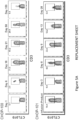
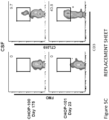
- cytokine blockade To model the timing of cytokine blockade, xenografts using bioluminescent primary pediatric ALL were established and then treated with extra cells from the clinical manufacture. The CART19 cells proliferated and resulted in prolonged survival. Cytokine blockade prior to T cell infusion with toc and/or etanercept abrogated disease control with less in vivo proliferation of infused CART19 cells, confirming the result seen in the one patient given early toc (D3).
- CRS cytokine release syndrome
- B cell aplasia Both patients developed a cytokine release syndrome (CRS) and B cell aplasia.
- CRS cytokine release syndrome
- the CRS was severe and cytokine blockade with etanercept and tocilizumab was effective in reversing the syndrome, and yet did not prevent CAR T cell expansion and anti-leukemic efficacy.
- Complete remission was observed in both patients, and is ongoing in one patient at 9 months after treatment. The other patient relapsed with blast cells that no longer express CD19 approximately 2 months after treatment.
- CAR modified T cells are capable of killing even aggressive treatment refractory acute leukemia cells in vivo.
- the emergence of tumor cells that no longer express the target indicates a need to target other molecules in addition to CD19 in some patients with ALL.
- CTL019 CART19
- CTL019 is a CAR that includes a CD137 (4-1BB) signaling domain and is expressed using lentiviral vector technology ( Milone et al., 1009, Mol Ther 17:1453-64 ).
- the results presented herein demonstrate the use of CTL019 in 2 pediatric patients with refractory and relapsed ALL.
- CTL019 (CART19) production has been previously reported ( Porter et al., 2011, N Engl J Med 365:725-33 ; Kalos et al., 2011, Science Translational Medicine 3:95ra73 ).
- CTL019 was detected and quantified in patient specimens as previously reported ( Porter et al., 2011, N Engl J Med 365:725-33 ; Kalos et al., 2011, Science Translational Medicine 3:95ra73 ).
- Samples peripheral blood, bone marrow were collected in lavender top (K2EDTA,) or red top (no additive) vacutainer tubes (Becton Dickinson). Lavender top tubes were delivered to the laboratory within 2 hours of draw, or shipped overnight at room temperature in insulated containers essentially as described ( Olson et al., 2011, J Transl Med 9:26 ) prior to processing. Samples were processed within 30 minutes of receipt according to established laboratory SOP. Peripheral blood and marrow mononuclear cells were purified, processed, and stored in liquid nitrogen as described ( Kalos et al., 2011, Science Translational Medicine 3:95ra73 ).
- Red top tubes were processed within 2 hours of draw including coagulation time; serum isolated by centrifugation, aliquoted in single use 100 ⁇ L aliquots and stored at -80° C. CSF was delivered to the laboratory within 30 minutes of aspiration and cells in CSF were collected by centrifugation of CSF fluid and processed for DNA and flow cytometry.
- an 8-point standard curve was generated consisting of 5 to 10 6 copies CTL019 lentivirus plasmid spiked into 100 ng non-transduced control genomic DNA. Each data-point (sample, standard curve) was evaluated in triplicate with a positive Ct value in 3/3 replicates with % CV less than 0.95% for all quantifiable values.
- a parallel amplification reaction to control for the quality of interrogated DNA was performed using 20 ng input genomic DNA from peripheral blood and marrow (2-4.3 ng for CSF samples), and a primer/probe combination specific for non-transcribed genomic sequence upstream of the CDKN1A gene as described ( Kalos et al., 2011, Science Translational Medicine 3:95ra73 ).
- amplification reactions generated a correction factor (CF) to correct for calculated versus actual DNA input.
- Copies of transgene per microgram DNA were calculated according to the formula: copies calculated from CTL019 standard curve per input DNA (ng) x CF x 1000 ng. Accuracy of this assay was determined by the ability to quantify marking of the infused cell product by Q-PCR. These blinded determinations generated Q-PCR and flow marking values of 11.1% and 11.6%, respectively, for the CHOP-100 and 20.0% and 14.4%, respectively, marking for the CHOP-101 infusion products.
- CTL019 The vigorous in vivo expansion of CTL019, persistent B-cell aplasia and prominent anti-leukemia activity imply substantial and sustained effector functions of the CTL019 cells in pediatric patients with advanced ALL.
- the high efficiency of trafficking of CAR T cells to the CNS is encouraging as a mechanism for surveillance to prevent relapse in a sanctuary site such as the CNS ( Pullen et al., 1993, J Clin Oncol 11(5):839-49 ), and supports the testing of CAR T-cell-directed therapies for CNS lymphomas and primary CNS malignancies.
- Various markers were measured in patients receiving CAR T cells.
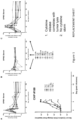
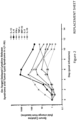
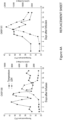
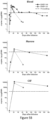
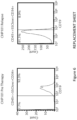
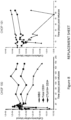
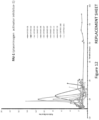
- Ferritin, Myoglobin, and plasminogen activator inhibitor-1 (PAI-1) were measure; see Figures 10 , 11 and 12 , respectively. Elevated levels of these markers correlated with outcome.
- Patients designated as -01, -03, -09, -100 and -101 were classified as complete responders.
- Patients designated as -02, -05, -10 (second infusion and response around D70) and -12 were classified as partial responders.
- Patient designated as -06, -07 and -14 were classified as non-responders.
Landscapes
- Health & Medical Sciences (AREA)
- Life Sciences & Earth Sciences (AREA)
- Chemical & Material Sciences (AREA)
- General Health & Medical Sciences (AREA)
- Veterinary Medicine (AREA)
- Public Health (AREA)
- Animal Behavior & Ethology (AREA)
- Medicinal Chemistry (AREA)
- Engineering & Computer Science (AREA)
- Epidemiology (AREA)
- Pharmacology & Pharmacy (AREA)
- Immunology (AREA)
- Molecular Biology (AREA)
- Organic Chemistry (AREA)
- Bioinformatics & Cheminformatics (AREA)
- Proteomics, Peptides & Aminoacids (AREA)
- Biotechnology (AREA)
- Hematology (AREA)
- Biochemistry (AREA)
- Microbiology (AREA)
- Pathology (AREA)
- Genetics & Genomics (AREA)
- Analytical Chemistry (AREA)
- Physics & Mathematics (AREA)
- Biomedical Technology (AREA)
- Urology & Nephrology (AREA)
- Cell Biology (AREA)
- Nuclear Medicine, Radiotherapy & Molecular Imaging (AREA)
- Chemical Kinetics & Catalysis (AREA)
- General Chemical & Material Sciences (AREA)
- Zoology (AREA)
- Wood Science & Technology (AREA)
- Biophysics (AREA)
- Oncology (AREA)
- Food Science & Technology (AREA)
- General Physics & Mathematics (AREA)
- Mycology (AREA)
- Endocrinology (AREA)
- Hospice & Palliative Care (AREA)
- Bioinformatics & Computational Biology (AREA)
Priority Applications (2)
| Application Number | Priority Date | Filing Date | Title |
|---|---|---|---|
| HRP20250822TT HRP20250822T1 (hr) | 2012-07-13 | 2013-07-12 | UPRAVLJANJE TOKSIČNOŠĆU ZA PROTUTUMORSKO DJELOVANJE CAR-a |
| SI201332104T SI4461308T1 (sl) | 2012-07-13 | 2013-07-12 | Obvladovanje toksičnosti za protitumorsko delovanje car-jev |
Applications Claiming Priority (5)
| Application Number | Priority Date | Filing Date | Title |
|---|---|---|---|
| US201261671482P | 2012-07-13 | 2012-07-13 | |
| US201361782982P | 2013-03-14 | 2013-03-14 | |
| EP13817210.1A EP2872171B1 (en) | 2012-07-13 | 2013-07-12 | Toxicity management for anti-tumor activity of cars |
| PCT/US2013/050267 WO2014011984A1 (en) | 2012-07-13 | 2013-07-12 | Toxicity management for anti-tumor activity of cars |
| EP20158930.6A EP3721901A1 (en) | 2012-07-13 | 2013-07-12 | Toxicity management for anti-tumor activity of cars |
Related Parent Applications (2)
| Application Number | Title | Priority Date | Filing Date |
|---|---|---|---|
| EP20158930.6A Division EP3721901A1 (en) | 2012-07-13 | 2013-07-12 | Toxicity management for anti-tumor activity of cars |
| EP13817210.1A Division EP2872171B1 (en) | 2012-07-13 | 2013-07-12 | Toxicity management for anti-tumor activity of cars |
Publications (3)
| Publication Number | Publication Date |
|---|---|
| EP4461308A2 EP4461308A2 (en) | 2024-11-13 |
| EP4461308A3 EP4461308A3 (en) | 2024-12-11 |
| EP4461308B1 true EP4461308B1 (en) | 2025-04-16 |
Family
ID=49916566
Family Applications (5)
| Application Number | Title | Priority Date | Filing Date |
|---|---|---|---|
| EP24202493.3A Active EP4461308B1 (en) | 2012-07-13 | 2013-07-12 | Toxicity management for anti-tumor activity of cars |
| EP20158930.6A Withdrawn EP3721901A1 (en) | 2012-07-13 | 2013-07-12 | Toxicity management for anti-tumor activity of cars |
| EP18154090.7A Revoked EP3338794B1 (en) | 2012-07-13 | 2013-07-12 | Toxicity management for anti-tumor activity of cars |
| EP13817210.1A Active EP2872171B1 (en) | 2012-07-13 | 2013-07-12 | Toxicity management for anti-tumor activity of cars |
| EP21215762.2A Active EP4019041B1 (en) | 2012-07-13 | 2013-07-12 | Toxicity management for anti-tumor activity of cars |
Family Applications After (4)
| Application Number | Title | Priority Date | Filing Date |
|---|---|---|---|
| EP20158930.6A Withdrawn EP3721901A1 (en) | 2012-07-13 | 2013-07-12 | Toxicity management for anti-tumor activity of cars |
| EP18154090.7A Revoked EP3338794B1 (en) | 2012-07-13 | 2013-07-12 | Toxicity management for anti-tumor activity of cars |
| EP13817210.1A Active EP2872171B1 (en) | 2012-07-13 | 2013-07-12 | Toxicity management for anti-tumor activity of cars |
| EP21215762.2A Active EP4019041B1 (en) | 2012-07-13 | 2013-07-12 | Toxicity management for anti-tumor activity of cars |
Country Status (21)
| Country | Link |
|---|---|
| US (5) | US20150202286A1 (enExample) |
| EP (5) | EP4461308B1 (enExample) |
| JP (6) | JP6382191B2 (enExample) |
| KR (1) | KR102204029B1 (enExample) |
| CN (4) | CN108379586A (enExample) |
| AU (2) | AU2013289967B2 (enExample) |
| BR (1) | BR112015000660A8 (enExample) |
| CA (1) | CA2878928C (enExample) |
| DK (4) | DK4461308T3 (enExample) |
| EA (1) | EA201590210A1 (enExample) |
| ES (4) | ES3032321T3 (enExample) |
| FI (2) | FI4461308T3 (enExample) |
| HR (2) | HRP20230297T1 (enExample) |
| HU (4) | HUE072215T2 (enExample) |
| IN (1) | IN2014DN11155A (enExample) |
| LT (4) | LT3338794T (enExample) |
| MX (2) | MX2015000438A (enExample) |
| PL (3) | PL4461308T3 (enExample) |
| PT (4) | PT3338794T (enExample) |
| SI (2) | SI4461308T1 (enExample) |
| WO (1) | WO2014011984A1 (enExample) |
Families Citing this family (122)
| Publication number | Priority date | Publication date | Assignee | Title |
|---|---|---|---|---|
| LT3338794T (lt) | 2012-07-13 | 2020-05-25 | The Trustees Of The University Of Pennsylvania | Car priešnavikinio aktyvumo toksiškumo reguliavimas |
| EP4282419A1 (en) | 2012-12-20 | 2023-11-29 | Purdue Research Foundation | Chimeric antigen receptor-expressing t cells as anti-cancer therapeutics |
| LT2958943T (lt) | 2013-02-20 | 2020-01-27 | The Trustees Of The University Of Pennsylvania | Vėžio gydymas, naudojant humanizuotą anti-egfrviii chimerinio antigeno receptorių |
| US9573988B2 (en) | 2013-02-20 | 2017-02-21 | Novartis Ag | Effective targeting of primary human leukemia using anti-CD123 chimeric antigen receptor engineered T cells |
| EP2970426B1 (en) | 2013-03-15 | 2019-08-28 | Michael C. Milone | Targeting cytotoxic cells with chimeric receptors for adoptive immunotherapy |
| TWI654206B (zh) | 2013-03-16 | 2019-03-21 | 諾華公司 | 使用人類化抗-cd19嵌合抗原受體治療癌症 |
| CA2931684C (en) | 2013-12-19 | 2024-02-20 | Novartis Ag | Human mesothelin chimeric antigen receptors and uses thereof |
| EP3087101B1 (en) | 2013-12-20 | 2024-06-05 | Novartis AG | Regulatable chimeric antigen receptor |
| WO2015112626A1 (en) | 2014-01-21 | 2015-07-30 | June Carl H | Enhanced antigen presenting ability of car t cells by co-introduction of costimulatory molecules |
| IL322264A (en) | 2014-04-07 | 2025-09-01 | Novartis Ag | Cancer treatment using chimeric antigen receptor (CAR) against CD19 |
| CA2946511C (en) | 2014-04-21 | 2023-08-22 | The Childen's Hospital Of Philadelphia | Compositions and methods for treating cytokine-related disorders |
| US11542488B2 (en) | 2014-07-21 | 2023-01-03 | Novartis Ag | Sortase synthesized chimeric antigen receptors |
| US9777061B2 (en) | 2014-07-21 | 2017-10-03 | Novartis Ag | Treatment of cancer using a CD33 chimeric antigen receptor |
| MY181834A (en) | 2014-07-21 | 2021-01-08 | Novartis Ag | Treatment of cancer using humanized anti-bcma chimeric antigen receptor |
| JP6736540B2 (ja) | 2014-07-21 | 2020-08-05 | ノバルティス アーゲー | Cll−1キメラ抗原受容体を使用した癌の処置 |
| SG11201700770PA (en) | 2014-08-19 | 2017-03-30 | Novartis Ag | Anti-cd123 chimeric antigen receptor (car) for use in cancer treatment |
| ES2891332T3 (es) | 2014-09-17 | 2022-01-27 | Novartis Ag | Direccionamiento a células citotóxicas con receptores quiméricos para la inmunoterapia adoptiva |
| AU2015330898B2 (en) * | 2014-10-08 | 2022-03-10 | Novartis Ag | Biomarkers predictive of therapeutic responsiveness to chimeric antigen receptor therapy and uses thereof |
| CN107567461A (zh) | 2014-12-29 | 2018-01-09 | 诺华股份有限公司 | 制备嵌合抗原受体表达细胞的方法 |
| US11459390B2 (en) | 2015-01-16 | 2022-10-04 | Novartis Ag | Phosphoglycerate kinase 1 (PGK) promoters and methods of use for expressing chimeric antigen receptor |
| US11161907B2 (en) | 2015-02-02 | 2021-11-02 | Novartis Ag | Car-expressing cells against multiple tumor antigens and uses thereof |
| US10765699B2 (en) | 2015-02-06 | 2020-09-08 | National University Of Singapore | Methods for enhancing efficacy of therapeutic immune cells |
| US11596652B2 (en) | 2015-02-18 | 2023-03-07 | Enlivex Therapeutics R&D Ltd | Early apoptotic cells for use in treating sepsis |
| CN107530376A (zh) | 2015-02-18 | 2018-01-02 | 恩立夫克治疗有限责任公司 | 用于癌症治疗的联合免疫疗法和细胞因子控制疗法 |
| US11304976B2 (en) | 2015-02-18 | 2022-04-19 | Enlivex Therapeutics Ltd | Combination immune therapy and cytokine control therapy for cancer treatment |
| US11000548B2 (en) | 2015-02-18 | 2021-05-11 | Enlivex Therapeutics Ltd | Combination immune therapy and cytokine control therapy for cancer treatment |
| US11497767B2 (en) | 2015-02-18 | 2022-11-15 | Enlivex Therapeutics R&D Ltd | Combination immune therapy and cytokine control therapy for cancer treatment |
| US11318163B2 (en) | 2015-02-18 | 2022-05-03 | Enlivex Therapeutics Ltd | Combination immune therapy and cytokine control therapy for cancer treatment |
| MX2017012939A (es) | 2015-04-08 | 2018-05-22 | Novartis Ag | Terapias cd20, terapias cd22 y terapias de combinacion con una celula que expresa un receptor quimerico de antigeno (car) de cd19. |
| AU2016249005B2 (en) | 2015-04-17 | 2022-06-16 | Novartis Ag | Methods for improving the efficacy and expansion of chimeric antigen receptor-expressing cells |
| IL287500B2 (en) | 2015-04-21 | 2023-12-01 | Enlivex Therapeutics Rdo Ltd | Therapeutic pooled blood apoptotic cell preparations and uses thereof |
| EP3286211A1 (en) | 2015-04-23 | 2018-02-28 | Novartis AG | Treatment of cancer using chimeric antigen receptor and protein kinase a blocker |
| WO2017015427A1 (en) | 2015-07-21 | 2017-01-26 | Novartis Ag | Methods for improving the efficacy and expansion of immune cells |
| US11667691B2 (en) | 2015-08-07 | 2023-06-06 | Novartis Ag | Treatment of cancer using chimeric CD3 receptor proteins |
| CN116334205A (zh) | 2015-09-03 | 2023-06-27 | 诺华股份有限公司 | 预测细胞因子释放综合征的生物标志物 |
| ES2980794T3 (es) | 2015-09-15 | 2024-10-03 | Acerta Pharma Bv | Combinaciones terapéuticas de un inhibidor de CD19 y un inhibidor de BTK |
| ES2862907T3 (es) | 2015-11-27 | 2021-10-08 | Cartherics Pty Ltd | Células genéticamente modificadas y usos de las mismas |
| MA43377A (fr) | 2015-12-04 | 2021-05-19 | Hutchinson Fred Cancer Res | Méthodes et compositions liées à la toxicité associée à la thérapie cellulaire |
| CN108699557B (zh) | 2015-12-04 | 2025-08-15 | 诺华股份有限公司 | 用于免疫肿瘤学的组合物和方法 |
| PT3393504T (pt) | 2015-12-22 | 2025-12-30 | Novartis Ag | Recetor de antigénio quimérico (car) de mesotelina e anticorpo contra o inibidor de pd-l1 para utilização combinada em terapia anticancerígena |
| JP6853514B2 (ja) * | 2015-12-27 | 2021-03-31 | 国立大学法人東海国立大学機構 | 炎症性サイトカインの産生が抑制されるキメラ抗原受容体遺伝子改変リンパ球 |
| CA3014885A1 (en) * | 2016-02-18 | 2017-08-24 | Enlivex Therapeutics Ltd. | Combination immune therapy and cytokine control therapy for cancer treatment |
| US12590321B2 (en) | 2016-03-19 | 2026-03-31 | Exuma Biotech Corp. | Methods and compositions for genetically modifying and expanding lymphocytes and regulating the activity thereof |
| US11111505B2 (en) | 2016-03-19 | 2021-09-07 | Exuma Biotech, Corp. | Methods and compositions for transducing lymphocytes and regulating the activity thereof |
| US11325948B2 (en) | 2016-03-19 | 2022-05-10 | Exuma Biotech Corp. | Methods and compositions for genetically modifying lymphocytes to express polypeptides comprising the intracellular domain of MPL |
| RU2018136877A (ru) * | 2016-03-22 | 2020-04-22 | СИЭТЛ ЧИЛДРЕН'С ХОСПИТАЛ (ДиБиЭй СИЭТЛ ЧИЛДРЕН'С РИСЕРЧ ИНСТИТЬЮТ) | Способы раннего вмешательства для профилактики или улучшения состояния токсичности |
| US11549099B2 (en) | 2016-03-23 | 2023-01-10 | Novartis Ag | Cell secreted minibodies and uses thereof |
| US12144850B2 (en) | 2016-04-08 | 2024-11-19 | Purdue Research Foundation | Methods and compositions for car T cell therapy |
| CN121731464A (zh) | 2016-04-22 | 2026-03-27 | 克莱格医学有限公司 | 用于细胞免疫疗法的组合物和方法 |
| US11326182B2 (en) | 2016-04-29 | 2022-05-10 | Voyager Therapeutics, Inc. | Compositions for the treatment of disease |
| WO2017189964A2 (en) | 2016-04-29 | 2017-11-02 | Voyager Therapeutics, Inc. | Compositions for the treatment of disease |
| MX2018014911A (es) * | 2016-06-06 | 2019-08-12 | Juno Therapeutics Inc | Metodos para el tratamiento de afecciones malignas de celulas t usando terapia de celulas adoptivas. |
| AU2017292936C1 (en) * | 2016-07-08 | 2024-05-02 | Exuma Biotech, Corp. | Methods and compositions for transducing lymphocytes and regulating the activity thereof |
| SG11201900344YA (en) | 2016-07-15 | 2019-02-27 | Novartis Ag | Treatment and prevention of cytokine release syndrome using a chimeric antigen receptor in combination with a kinase inhibitor |
| EP3490590A2 (en) * | 2016-08-01 | 2019-06-05 | Novartis AG | Treatment of cancer using a chimeric antigen receptor in combination with an inhibitor of a pro-m2 macrophage molecule |
| WO2018067992A1 (en) | 2016-10-07 | 2018-04-12 | Novartis Ag | Chimeric antigen receptors for the treatment of cancer |
| CN106636090B (zh) * | 2016-10-11 | 2019-08-09 | 上海优卡迪生物医药科技有限公司 | 人源白细胞介素6的siRNA、重组表达CAR-T载体及其构建方法和应用 |
| MA46995A (fr) | 2016-12-03 | 2019-10-09 | Acerta Pharma Bv | Méthodes et compositions pour l'utilisation de lymphocytes t thérapeutiques en association avec des inhibiteurs de kinase |
| US20200078400A1 (en) * | 2016-12-03 | 2020-03-12 | Juno Therapeutics, Inc. | Methods for determining car-t cells dosing |
| CN108148863B (zh) * | 2016-12-05 | 2019-12-17 | 上海优卡迪生物医药科技有限公司 | 一种封闭il6r的用于缓解crs的car-t转基因载体及其构建方法和应用 |
| CN108250301A (zh) * | 2016-12-29 | 2018-07-06 | 天津天锐生物科技有限公司 | 一种多靶点嵌合抗原受体 |
| EP3574005B1 (en) | 2017-01-26 | 2021-12-15 | Novartis AG | Cd28 compositions and methods for chimeric antigen receptor therapy |
| AU2018219226B2 (en) | 2017-02-07 | 2024-12-19 | Seattle Children's Hospital (dba Seattle Children's Research Institute) | Phospholipid ether (PLE) CAR T cell tumor targeting (CTCT) agents |
| CA3053539A1 (en) * | 2017-02-27 | 2018-08-30 | Juno Therapeutics, Inc. | Compositions, articles of manufacture and methods related to dosing in cell therapy |
| ES3010559T3 (en) | 2017-02-28 | 2025-04-03 | Endocyte Inc | Compositions and methods for car t cell therapy |
| KR20190130608A (ko) | 2017-03-22 | 2019-11-22 | 노파르티스 아게 | 면역종양학을 위한 조성물 및 방법 |
| AR111651A1 (es) | 2017-04-28 | 2019-08-07 | Novartis Ag | Conjugados de anticuerpos que comprenden agonistas del receptor de tipo toll y terapias de combinación |
| WO2018204413A1 (en) * | 2017-05-01 | 2018-11-08 | H. Lee Moffitt Cancer Center And Research Institute, Inc. | Targeted cytokine blockades for car-t therapy |
| CN111225675B (zh) | 2017-06-02 | 2024-05-03 | 朱诺治疗学股份有限公司 | 使用过继细胞疗法治疗的制品和方法 |
| EP3612192A4 (en) * | 2017-06-08 | 2020-05-27 | Enlivex Therapeutics Ltd. | THERAPEUTIC APOPTOTIC CELLS FOR CANCER THERAPY |
| CN111247241A (zh) | 2017-08-10 | 2020-06-05 | 新加坡国立大学 | T细胞受体缺陷型嵌合抗原受体t细胞和其使用方法 |
| US10870703B2 (en) * | 2017-10-02 | 2020-12-22 | Humanigen, Inc. | Methods of treating immunotherapy-related toxicity using a GM-CSF antagonist |
| KR20200086278A (ko) | 2017-10-18 | 2020-07-16 | 노파르티스 아게 | 선택적 단백질 분해를 위한 조성물 및 방법 |
| KR20230011487A (ko) * | 2017-10-18 | 2023-01-20 | 카이트 파마 인코포레이티드 | 키메라 항원 수용체 면역요법제를 투여하는 방법 |
| US12031975B2 (en) | 2017-11-01 | 2024-07-09 | Juno Therapeutics, Inc. | Methods of assessing or monitoring a response to a cell therapy |
| MA50855A (fr) | 2017-11-01 | 2020-09-09 | Juno Therapeutics Inc | Procédé de génération de compositions thérapeutiques de cellules modifiées |
| WO2019089848A1 (en) | 2017-11-01 | 2019-05-09 | Juno Therapeutics, Inc. | Methods associated with tumor burden for assessing response to a cell therapy |
| CN112218651A (zh) | 2018-01-08 | 2021-01-12 | 诺华公司 | 用于与嵌合抗原受体疗法组合的免疫增强rna |
| US11311576B2 (en) | 2018-01-22 | 2022-04-26 | Seattle Children's Hospital | Methods of use for CAR T cells |
| WO2019156795A1 (en) | 2018-02-06 | 2019-08-15 | Seattle Children's Hospital (dba Seattle Children's Research Institute) | Fluorescein-specific cars exhibiting optimal t cell function against fl-ple labelled tumors |
| CN108300807A (zh) * | 2018-02-07 | 2018-07-20 | 安徽古生物科技有限公司 | 针对第四代嵌合抗原受体car载体pcr鉴定的方法 |
| CA3091674A1 (en) | 2018-02-23 | 2019-08-29 | Endocyte, Inc. | Sequencing method for car t cell therapy |
| US20210046159A1 (en) * | 2018-03-09 | 2021-02-18 | Ospedale San Raffaele S.R.L. | Il-1 antagonist and toxicity induced by cell therapy |
| US11965176B2 (en) | 2018-03-14 | 2024-04-23 | Hunan Siweikang Therapeutics Co. Ltd | Modification of immune cells for reducing toxicity and uses thereof in adoptive cell therapy |
| WO2019178420A1 (en) | 2018-03-15 | 2019-09-19 | KSQ Therapeutics, Inc. | Gene-regulating compositions and methods for improved immunotherapy |
| US10869888B2 (en) | 2018-04-17 | 2020-12-22 | Innovative Cellular Therapeutics CO., LTD. | Modified cell expansion and uses thereof |
| EP3788369A1 (en) | 2018-05-01 | 2021-03-10 | Novartis Ag | Biomarkers for evaluating car-t cells to predict clinical outcome |
| EP3784776A4 (en) | 2018-05-23 | 2022-01-26 | National University of Singapore | Blockade of cd2 surface expression and expression of chimeric antigen receptors for immunotherapy of t-cell malignancies |
| WO2019227003A1 (en) | 2018-05-25 | 2019-11-28 | Novartis Ag | Combination therapy with chimeric antigen receptor (car) therapies |
| MX2020013017A (es) | 2018-06-01 | 2021-03-02 | Mayo Found Medical Education & Res | Materiales y metodos para tratar cancer. |
| US20200054675A1 (en) | 2018-06-01 | 2020-02-20 | Washington University | Suppression of cytokine release syndrome in chimeric antigen receptor cell therapy |
| AU2019284911B2 (en) | 2018-06-13 | 2026-04-09 | Novartis Ag | BCMA chimeric antigen receptors and uses thereof |
| CN108949759B (zh) * | 2018-07-23 | 2021-06-01 | 合肥一兮生物科技有限公司 | 敲减人IL-15的siRNA、CD19 CAR表达载体、CAR-T细胞及构建方法和应用 |
| CN112739340B (zh) | 2018-07-23 | 2025-05-13 | 海德堡医药研究有限责任公司 | 抗cd5抗体药物缀合物(adc)在同种异体细胞疗法中的用途 |
| KR102842215B1 (ko) * | 2018-08-10 | 2025-08-05 | 주식회사 유틸렉스 | Hla-dr에 결합하는 키메라 항원 수용체 및 car-t 세포 |
| US12240915B2 (en) | 2018-08-30 | 2025-03-04 | Innovative Cellular Therapeutics Holdings, Ltd. | Chimeric antigen receptor cells for treating solid tumor |
| AU2019340662A1 (en) * | 2018-09-10 | 2021-05-06 | Humanigen, Inc. | Methods of treating immunotherapy-related toxicity using a GM-CSF antagonist |
| CA3116412A1 (en) * | 2018-10-31 | 2020-05-07 | Humanigen, Inc. | Materials and methods for treating cancer |
| EP3880238A1 (en) * | 2018-11-16 | 2021-09-22 | Juno Therapeutics, Inc. | Methods of dosing engineered t cells for the treatment of b cell malignancies |
| US10918667B2 (en) | 2018-11-20 | 2021-02-16 | Innovative Cellular Therapeutics CO., LTD. | Modified cell expressing therapeutic agent and uses thereof |
| US11793834B2 (en) | 2018-12-12 | 2023-10-24 | Kite Pharma, Inc. | Chimeric antigen and T cell receptors and methods of use |
| EP3908613A4 (en) * | 2019-01-07 | 2022-10-19 | Celluris Participações Ltda. | BISPECIFIC IN-TANDEM RECEPTOR CAR AND METHODS FOR MODULATION OF THE TUMOR MICROAREA |
| CN112430579A (zh) * | 2019-08-26 | 2021-03-02 | 深圳宾德生物技术有限公司 | 靶向Her2并干扰IL-6表达的嵌合抗原受体T细胞及其制备方法和应用 |
| KR20220104217A (ko) | 2019-11-26 | 2022-07-26 | 노파르티스 아게 | Cd19 및 cd22 키메라 항원 수용체 및 이의 용도 |
| EP4065158A2 (en) | 2019-11-26 | 2022-10-05 | Novartis AG | Chimeric antigen receptors binding bcma and cd19 and uses thereof |
| KR20220163940A (ko) | 2020-02-04 | 2022-12-12 | 시애틀 칠드런즈 호스피탈 디/비/에이 시애틀 칠드런즈 리서치 인스티튜트 | 항-디니트로페놀 키메라 항원 수용체 |
| US12076343B2 (en) | 2020-02-19 | 2024-09-03 | Innovative Cellular Therapeutics Holdings, Ltd. | Engineered safety in cell therapy |
| TW202144400A (zh) * | 2020-02-20 | 2021-12-01 | 美商凱特製藥公司 | 嵌合抗原受體t細胞療法 |
| US12043654B2 (en) | 2020-06-02 | 2024-07-23 | Innovative Cellular Therapeutics Holdings, Ltd. | Anti-GCC antibody and CAR thereof for treating digestive system cancer |
| EP3988116A1 (en) * | 2020-10-23 | 2022-04-27 | Consejo Superior De Investigaciones Científicas (CSIC) | Methods and compositions for the treatment of hematologic malignancies |
| US11661459B2 (en) | 2020-12-03 | 2023-05-30 | Century Therapeutics, Inc. | Artificial cell death polypeptide for chimeric antigen receptor and uses thereof |
| TW202237827A (zh) | 2020-12-03 | 2022-10-01 | 美商世紀治療股份有限公司 | 經基因工程改造之細胞及其用途 |
| TW202237638A (zh) | 2020-12-09 | 2022-10-01 | 日商武田藥品工業股份有限公司 | 烏苷酸環化酶c(gcc)抗原結合劑之組成物及其使用方法 |
| JP2024500847A (ja) | 2020-12-18 | 2024-01-10 | センチュリー セラピューティクス,インコーポレイテッド | 適合可能な受容体特異性を有するキメラ抗原受容体システム |
| RS66868B1 (sr) | 2021-01-28 | 2025-06-30 | Regeneron Pharma | Kompozicije i postupci za lečenje sindroma oslobađanja citokina |
| CA3172530A1 (en) | 2021-02-25 | 2022-09-01 | Spencer PARK | Ror1 targeting chimeric antigen receptor |
| WO2023004055A1 (en) * | 2021-07-21 | 2023-01-26 | The Cleveland Clinic Foundation | Metabolic and inflammatory markers for car-t cell therapy |
| CA3236115A1 (en) * | 2021-10-27 | 2023-05-04 | Sumant Singh CHUGH | Methods of treating the effects of cytokine storms |
| US20230296610A1 (en) * | 2022-02-15 | 2023-09-21 | Kite Pharma, Inc. | Predicting adverse events from immunotherapy |
| CN120712097A (zh) * | 2022-10-20 | 2025-09-26 | 微克立思尔私人有限公司 | 免疫疗法中细胞因子释放综合征的减轻 |
| WO2024084520A1 (en) * | 2022-10-20 | 2024-04-25 | Microcrispr Pvt Ltd. | Attenuation of cytokine release syndrome in immunotherapy |
| WO2024084519A1 (en) * | 2022-10-20 | 2024-04-25 | Microcrispr Pvt Ltd. | Attenuation of cytokine release syndrome in immunotherapy |
Citations (2)
| Publication number | Priority date | Publication date | Assignee | Title |
|---|---|---|---|---|
| WO2012079000A1 (en) | 2010-12-09 | 2012-06-14 | The Trustees Of The University Of Pennsylvania | Use of chimeric antigen receptor-modified t cells to treat cancer |
| WO2014011984A1 (en) | 2012-07-13 | 2014-01-16 | The Trustees Of The University Of Pennsylvania | Toxicity management for anti-tumor activity of cars |
Family Cites Families (25)
| Publication number | Priority date | Publication date | Assignee | Title |
|---|---|---|---|---|
| FR901228A (fr) | 1943-01-16 | 1945-07-20 | Deutsche Edelstahlwerke Ag | Système d'aimant à entrefer annulaire |
| US5225539A (en) | 1986-03-27 | 1993-07-06 | Medical Research Council | Recombinant altered antibodies and methods of making altered antibodies |
| ES2150428T3 (es) | 1987-04-27 | 2000-12-01 | Unilever Nv | Ensayos de union especifica. |
| IL162181A (en) | 1988-12-28 | 2006-04-10 | Pdl Biopharma Inc | A method of producing humanized immunoglubulin, and polynucleotides encoding the same |
| US5530101A (en) | 1988-12-28 | 1996-06-25 | Protein Design Labs, Inc. | Humanized immunoglobulins |
| US5427908A (en) | 1990-05-01 | 1995-06-27 | Affymax Technologies N.V. | Recombinant library screening methods |
| GB9015198D0 (en) | 1990-07-10 | 1990-08-29 | Brien Caroline J O | Binding substance |
| US5199942A (en) | 1991-06-07 | 1993-04-06 | Immunex Corporation | Method for improving autologous transplantation |
| GB9125768D0 (en) | 1991-12-04 | 1992-02-05 | Hale Geoffrey | Therapeutic method |
| AU3328493A (en) | 1991-12-17 | 1993-07-19 | Genpharm International, Inc. | Transgenic non-human animals capable of producing heterologous antibodies |
| US6267722B1 (en) | 1998-02-03 | 2001-07-31 | Adeza Biomedical Corporation | Point of care diagnostic systems |
| US6656745B1 (en) | 2000-06-02 | 2003-12-02 | Francis X. Cole | Devices and methods for a multi-level, semi-quantitative immunodiffusion assay |
| AU2008207646A1 (en) * | 2001-10-04 | 2008-09-25 | Genetics Institute, Llc | Methods and compositions for modulating interleukin-21 receptor activity |
| GB2401040A (en) | 2003-04-28 | 2004-11-03 | Chugai Pharmaceutical Co Ltd | Method for treating interleukin-6 related diseases |
| MXPA06002853A (es) * | 2003-09-11 | 2006-06-14 | Kemia Inc | Inhibidores citoquina. |
| US20060094056A1 (en) * | 2003-09-15 | 2006-05-04 | Oklahoma Medical Research Foundation | Method of using cytokine assays to diagnose treat, and evaluate inflammatory and autoimmune diseases |
| US7189522B2 (en) | 2005-03-11 | 2007-03-13 | Chembio Diagnostic Systems, Inc. | Dual path immunoassay device |
| CN101754772B (zh) | 2007-05-21 | 2015-08-19 | 奥尔德生物控股有限责任公司 | 针对il-6的抗体及其用途 |
| WO2008157282A1 (en) * | 2007-06-18 | 2008-12-24 | Genentech, Inc. | Biological markers predictive of rheumatoid arthritis response to b-cell antagonists |
| US9452227B2 (en) * | 2008-11-25 | 2016-09-27 | Alderbio Holdings Llc | Methods of treating or diagnosing conditions associated with elevated IL-6 using anti-IL-6 antibodies or fragments |
| MX2011005411A (es) | 2008-11-25 | 2011-06-16 | Alder Biopharmaceuticals Inc | Anticuerpos de il-6 y uso de los mismos. |
| WO2010075249A2 (en) * | 2008-12-22 | 2010-07-01 | Genentech, Inc. | A method for treating rheumatoid arthritis with b-cell antagonists |
| EP2504032A4 (en) | 2009-11-24 | 2013-06-19 | Alderbio Holdings Llc | IL-6 ANTAGONISTS FOR PREVENTING OR TREATING THROMBOSIS |
| US9833476B2 (en) | 2011-08-31 | 2017-12-05 | The Trustees Of Dartmouth College | NKP30 receptor targeted therapeutics |
| EA026436B9 (ru) | 2012-07-04 | 2017-07-31 | Ин Энд Тек С.Р.Л. | Шарнирная петля для вращательного движения двери, в частности армированной двери |
-
2013
- 2013-07-12 LT LTEP18154090.7T patent/LT3338794T/lt unknown
- 2013-07-12 LT LTEP24202493.3T patent/LT4461308T/lt unknown
- 2013-07-12 ES ES24202493T patent/ES3032321T3/es active Active
- 2013-07-12 HR HRP20230297TT patent/HRP20230297T1/hr unknown
- 2013-07-12 FI FIEP24202493.3T patent/FI4461308T3/fi active
- 2013-07-12 SI SI201332104T patent/SI4461308T1/sl unknown
- 2013-07-12 LT LTEP21215762.2T patent/LT4019041T/lt unknown
- 2013-07-12 SI SI201332036T patent/SI4019041T1/sl unknown
- 2013-07-12 EP EP24202493.3A patent/EP4461308B1/en active Active
- 2013-07-12 EA EA201590210A patent/EA201590210A1/ru unknown
- 2013-07-12 PL PL24202493.3T patent/PL4461308T3/pl unknown
- 2013-07-12 HU HUE24202493A patent/HUE072215T2/hu unknown
- 2013-07-12 PT PT181540907T patent/PT3338794T/pt unknown
- 2013-07-12 FI FIEP21215762.2T patent/FI4019041T3/fi active
- 2013-07-12 HU HUE21215762A patent/HUE061555T2/hu unknown
- 2013-07-12 PT PT242024933T patent/PT4461308T/pt unknown
- 2013-07-12 HU HUE18154090A patent/HUE048947T2/hu unknown
- 2013-07-12 PL PL21215762.2T patent/PL4019041T3/pl unknown
- 2013-07-12 CN CN201810348463.5A patent/CN108379586A/zh active Pending
- 2013-07-12 CN CN201380037301.5A patent/CN104427997B/zh active Active
- 2013-07-12 PT PT138172101T patent/PT2872171T/pt unknown
- 2013-07-12 US US14/410,659 patent/US20150202286A1/en not_active Abandoned
- 2013-07-12 WO PCT/US2013/050267 patent/WO2014011984A1/en not_active Ceased
- 2013-07-12 DK DK24202493.3T patent/DK4461308T3/da active
- 2013-07-12 DK DK18154090.7T patent/DK3338794T3/da active
- 2013-07-12 HR HRP20250822TT patent/HRP20250822T1/hr unknown
- 2013-07-12 PL PL13817210T patent/PL2872171T3/pl unknown
- 2013-07-12 DK DK21215762.2T patent/DK4019041T3/da active
- 2013-07-12 HU HUE13817210A patent/HUE053556T2/hu unknown
- 2013-07-12 AU AU2013289967A patent/AU2013289967B2/en active Active
- 2013-07-12 BR BR112015000660A patent/BR112015000660A8/pt not_active Application Discontinuation
- 2013-07-12 CN CN202010124303.XA patent/CN111481667A/zh active Pending
- 2013-07-12 ES ES18154090T patent/ES2778701T3/es active Active
- 2013-07-12 ES ES21215762T patent/ES2941370T3/es active Active
- 2013-07-12 JP JP2015521838A patent/JP6382191B2/ja active Active
- 2013-07-12 CN CN202010124264.3A patent/CN111467494B/zh active Active
- 2013-07-12 KR KR1020157003078A patent/KR102204029B1/ko active Active
- 2013-07-12 MX MX2015000438A patent/MX2015000438A/es active IP Right Grant
- 2013-07-12 EP EP20158930.6A patent/EP3721901A1/en not_active Withdrawn
- 2013-07-12 EP EP18154090.7A patent/EP3338794B1/en not_active Revoked
- 2013-07-12 CA CA2878928A patent/CA2878928C/en active Active
- 2013-07-12 IN IN11155DEN2014 patent/IN2014DN11155A/en unknown
- 2013-07-12 EP EP13817210.1A patent/EP2872171B1/en active Active
- 2013-07-12 LT LTEP13817210.1T patent/LT2872171T/lt unknown
- 2013-07-12 DK DK13817210.1T patent/DK2872171T3/da active
- 2013-07-12 ES ES13817210T patent/ES2859522T3/es active Active
- 2013-07-12 EP EP21215762.2A patent/EP4019041B1/en active Active
- 2013-07-12 PT PT212157622T patent/PT4019041T/pt unknown
-
2015
- 2015-01-09 MX MX2019014761A patent/MX2019014761A/es unknown
-
2018
- 2018-04-26 JP JP2018085102A patent/JP6563554B2/ja active Active
- 2018-04-26 US US15/963,728 patent/US11273219B2/en active Active
- 2018-05-07 US US15/972,972 patent/US10603378B2/en active Active
- 2018-06-04 AU AU2018203924A patent/AU2018203924B2/en active Active
- 2018-08-09 JP JP2018150287A patent/JP2019006782A/ja not_active Withdrawn
-
2019
- 2019-07-24 JP JP2019136179A patent/JP7034125B2/ja active Active
-
2022
- 2022-02-22 US US17/677,208 patent/US20230013642A1/en not_active Abandoned
- 2022-03-01 JP JP2022030740A patent/JP7682820B2/ja active Active
-
2024
- 2024-11-06 JP JP2024194132A patent/JP2025013518A/ja active Pending
-
2025
- 2025-12-09 US US19/413,358 patent/US20260115284A1/en active Pending
Patent Citations (3)
| Publication number | Priority date | Publication date | Assignee | Title |
|---|---|---|---|---|
| WO2012079000A1 (en) | 2010-12-09 | 2012-06-14 | The Trustees Of The University Of Pennsylvania | Use of chimeric antigen receptor-modified t cells to treat cancer |
| WO2014011984A1 (en) | 2012-07-13 | 2014-01-16 | The Trustees Of The University Of Pennsylvania | Toxicity management for anti-tumor activity of cars |
| EP4461308A2 (en) | 2012-07-13 | 2024-11-13 | The Trustees of The University of Pennsylvania | Toxicity management for anti-tumor activity of cars |
Non-Patent Citations (65)
| Title |
|---|
| ALEXANDER KRüTTGEN, STEFAN ROSE-JOHN: "Interleukin-6 in Sepsis and Capillary Leakage Syndrome", JOURNAL OF INTERFERON & CYTOKINE RESEARCH, MARY ANN LIEBERT, NEW YORK, NY., US, vol. 32, no. 2, 1 February 2012 (2012-02-01), US , pages 60 - 65, XP055763364, ISSN: 1079-9907, DOI: 10.1089/jir.2011.0062 |
| ANONYMOUS: "Common Terminology Criteria for Adverse Events (CTCAE) Version 4.0 (v4.03)", U.S.DEPARTMENT OF HEALTH AND HUMAN SERVICES, 14 June 2010 (2010-06-14), XP055307936 |
| ASGCT: "Gene and Cell-Based Immunotherapy for Cancer", 20 June 2012 (2012-06-20), XP093362576, Retrieved from the Internet <URL:https://www.youtube.com/watch?v=VKXk6iqqMt8> |
| BRESLIN S.: "Cytokine-release syndrome: overview and nursing implications", CLINICAL JOURNAL OF ONCOLOGY NURSING, vol. 11, no. 1 Suppl, 1 January 2007 (2007-01-01), pages 37 - 42, XP055440000, DOI: 10.1188/07,CJmJ.S1.37-42 |
| CHOY ERNEST H.; DE BENEDETTI FABRIZIO; TAKEUCHI TSUTOMU; HASHIZUME MISATO; JOHN MARKUS R.; KISHIMOTO TADAMITSU: "Translating IL-6 biology into effective treatments", NATURE REVIEWS RHEUMATOLOGY, NATURE PUBLISHING GROUP, GB, vol. 16, no. 6, 23 April 2020 (2020-04-23), GB , pages 335 - 345, XP037147937, ISSN: 1759-4790, DOI: 10.1038/s41584-020-0419-z |
| D1 - Patentee’s reply to the notices of opposition in relation to the parent patent (EP 2872171) |
| D16 - OD decision to revoke EP3338794 |
| D17 - OD decision concerning EP2872171 |
| D24 - 1st Declaration of Dr Maher – Interpretation of P1 |
| D25 - Patentee’s reply to the notice of oppositions against EP3338794 |
| D25 - REPLY OF PATENT PROPRIETOR TO NOTICES OF OPPOSITION, EP 3 338 794 |
| D33a - Supplementary materials of D33. Epub 25 March 2013 |
| D33b - ICMJE Form for Disclosure of Potential Conflicts of Interest for D33. Epub 25 March 2013 |
| D34a - Supplemental material of D34 |
| D40 - Centre Daily Times newspaper published 31 May 2012 – front page and pages A7 and A9 |
| D40a - New England Journal of Medicine Issue Index for articles published in August 2011, as referred to in D40 2nd column |
| D41a - Screenshots and transcript of D41 |
| D42 - 2nd Declaration of Dr Maher - Interpretation of Centre Daily Times article (D40) |
| D52 - PATENTEES’ LETTER TO THE EPO DATED 25 SEPTEMBER 2024 DURING THE EXAMINATION OF THE APPLICATION |
| D53 - PATENTEES’ RESPONSE OF 21 MAY 2024 TO THE OPPOSITIONS TO EP 4019041 |
| D58 - ACTEMRA (TOCILIZUMAB) PRESCRIBING INFORMATION, FDA – AVAILABLE ONLINE FROM: HTTPS://WEB.ARCHIVE.ORG/WEB/20111017141833/HTTP://WWW.ACCESSDATA.FDA.GOV/DRUGSATFDA_DOCS/LABEL/201 0/125276LBL.PDF 17 OCTOBER 2011 (AVAILABLE ONLINE) |
| D61 - Summons to Oral Proceedings 12-14 Nov 2025 in opposition proceedings for EP4019041 |
| DAVID L PORTER , STEPHAN A. GRUPP , MICHAEL KALOS , ALISON W. LOREN , LESTER LLEDO CRNP, JOAN GILMORE , MICHAEL C MILONE , ANNE CH: "717: Chimeric Antigen Receptor T Cells Directed Against CD19 Induce Durable Responses and Transient Cytokine Release Syndrome in Relapsed, Refractory CLL and ALL", BLOOD, AMSTERDAM, NL, vol. 120, no. 21, 16 November 2012 (2012-11-16) - 11 December 2012 (2012-12-11), AMSTERDAM, NL, pages 1 - 3, XP009511066, DOI: 10.1182/blood.V120.21.717.717 |
| DAVID L PORTER, MICHAEL KALOS, ZHAOHUI ZHENG, BRUCE LEVINE, CARL JUNE: "Chimeric Antigen Receptor Therapy for B-cell Malignancies", JOURNAL OF CANCER, IVYSPRING INTERNATIONAL PUBLISHER, vol. 2042127, 1 January 2011 (2011-01-01), pages 331, XP055118200, ISSN: 18379664, DOI: 10.7150/jca.2.331 |
| DAVID L. PORTER, BRUCE L. LEVINE, MICHAEL KALOS, ADAM BAGG, CARL H. JUNE: "Chimeric antigen receptor-modified T cells in chronic lymphoid leukemia", THE NEW ENGLAND JOURNAL OF MEDICINE, ELI LILY AND COMPANY, USA, vol. 365, no. 8, 25 August 2011 (2011-08-25), USA, pages 725 - 733, XP002732435, DOI: 10.1056/NEJMoa1103849 |
| DENISE GRADY: "In Girl's Last Hope, Altered Immune Cells Beat Leukemia", THE NEW YORK TIMES, 9 December 2012 (2012-12-09), XP055760303, Retrieved from the Internet <URL:https://www.nytimes.com/2012/12/10/health/a-breakthrough-against-leukemia-using-altered-t-cells.html> |
| DOMINGUEZ HELENA, STORGAARD HEIDI, RASK-MADSEN CHRISTIAN, STEFFEN HERMANN THOMAS, IHLEMANN NIKOLAJ, BAUNBJERG NIELSEN DORTHE, SPOH: "Metabolic and Vascular Effects of Tumor Necrosis Factor-α Blockade with Etanercept in Obese Patients with Type 2 Diabetes", JOURNAL OF VASCULAR RESEARCH., KARGER, BASEL., CH, vol. 42, no. 6, 1 January 2005 (2005-01-01), CH , pages 517 - 525, XP093136794, ISSN: 1018-1172, DOI: 10.1159/000088261 |
| EMEA: "EMA Assessment Report for RoActemra", EMEA/26276/2009, 1 February 2009 (2009-02-01), pages 1 - 55, XP055760290, Retrieved from the Internet <URL:https://www.ema.europa.eu/en/documents/assessment-report/roactemra-epar-public-assessment-report_en.pdf> |
| GRUPP SA. PORTER DL. TEACHEY DT, BARRETT DM, CHEW A. SUPPA E. LEVINE BL KALOS M, JUNE CH: "CD19-Redirected Chimeric Antigen Receptor T(CART19) Cells Induce a Cytokine Release Syndrome (CRS) and Induction of Treatable Macrophage Activation Syndrome (MAS) That Can Be Managed by the IL-6 Antagonist Tocilizumab", BLOOD, AMSTERDAM, NL, vol. 120, no. 21, 1 January 2012 (2012-01-01), AMSTERDAM, NL, pages 2604, XP009521968, DOI: 10.1182/blood.V120.21.2604.2604 |
| HAROLD S. NELSON, DONALD Y.M. LEUNG, JOHN W. BLOOM: "Update on glucocorticoid action and resistance", JOURNAL OF ALLERGY AND CLINICAL IMMUNOLOGY, MOSBY, vol. 111, no. 1, 1 January 2003 (2003-01-01), pages 3 - 22, XP055066589, ISSN: 00916749, DOI: 10.1067/mai.2003.97 |
| ISAO TAWARA, MOTOKO KOYAMA, CHEN LIU, TOMOMI TOUBAI, DAFYDD THOMAS, REBECCA EVERS, PETER CHOCKLEY, EVELYN NIEVES, YAPING SUN, KATH: "Interleukin-6 Modulates Graft-versus-Host Responses after Experimental Allogeneic Bone Marrow Transplantation", CLINICAL CANCER RESEARCH, AMERICAN ASSOCIATION FOR CANCER RESEARCH INC, vol. 17, no. 1, 1 January 2011 (2011-01-01), pages 77 - 88, XP055763021, ISSN: 1078-0432, DOI: 10.1158/1078-0432.CCR-10-1198 |
| IVAN NESTOROV; RALPH ZITNIK; TODD DEVRIES; ARLINE M. NAKANISHI; ANDREA WANG; CHRISTOPHER BANFIELD: "Pharmacokinetics of subcutaneously administered etanercept in subjects with psoriasis", BRITISH JOURNAL OF CLINICAL PHARMACOLOGY, BLACKWELL SCIENTIFIC PUBL., GB, vol. 62, no. 4, 14 February 2006 (2006-02-14), GB , pages 435 - 445, XP071599405, ISSN: 0306-5251, DOI: 10.1111/j.1365-2125.2006.02581.x |
| J. N. KOCHENDERFER, M. E. DUDLEY, S. H. KASSIM, R. P. T. SOMERVILLE, R. O. CARPENTER, M. STETLER-STEVENSON, J. C. YANG, G. Q. PHAN: "Chemotherapy-Refractory Diffuse Large B-Cell Lymphoma and Indolent B-Cell Malignancies Can Be Effectively Treated With Autologous T Cells Expressing an Anti-CD19 Chimeric Antigen Receptor", JOURNAL OF CLINICAL ONCOLOGY, vol. 33, no. 6, 20 February 2015 (2015-02-20), pages 540 - 549, XP055193969, ISSN: 0732183X, DOI: 10.1200/JCO.2014.56.2025 |
| J. R. TISONCIK, M. J. KORTH, C. P. SIMMONS, J. FARRAR, T. R. MARTIN, M. G. KATZE: "Into the Eye of the Cytokine Storm", MICROBIOLOGY AND MOLECULAR BIOLOGY REVIEWS, AMERICAN SOCIETY FOR MICROBIOLOGY (ASM), vol. 76, no. 1, 1 March 2012 (2012-03-01), pages 16 - 32, XP055183762, ISSN: 10922172, DOI: 10.1128/MMBR.05015-11 |
| JIANSHU WEI ET AL: "The model of cytokine release syndrome in CAR T-cell treatment for B-cell non-Hodgkin lymphoma", SIGNAL TRANSDUCTION AND TARGETED THERAPY, vol. 5, no. 1, 1 December 2020 (2020-12-01), XP055761280, DOI: 10.1038/s41392-020-00256-x |
| JULIANE GUST ET AL: "Endothelial Activation and Blood–Brain Barrier Disruption in Neurotoxicity after Adoptive Immunotherapy with CD19 CAR-T Cells", CANCER DISCOVERY, AMERICAN ASSOCIATION FOR CANCER RESEARCH, US, vol. 7, no. 12, 26 March 2018 (2018-03-26), US , pages 1404 - 1419, XP055462614, ISSN: 2159-8274, DOI: 10.1158/2159-8290.CD-17-0698 |
| KALOS M; LEVINE B L; PORTER D L; KATZ S; GRUPP S A; BAGG A; JUNE C H: "T Cells with Chimeric Antigen Receptors Have Potent Antitumor Effects and Can Establish Memory in Patients with Advanced Leukemia", SCIENCE TRANSLATIONAL MEDICINE, AMERICAN ASSOCIATION FOR THE ADVANCEMENT OF SCIENCE, vol. 3, no. 95, 10 August 2011 (2011-08-10), pages 95ra73.1 - 95ra73.11, XP002667262, ISSN: 1946-6234, DOI: 10.1126/scitranslmed.3002842 |
| LIPOWSKA-BHALLA G, GILHAM D E, HAWKINS R E, ROTHWELL D G.: "Targeted immunotherapy of cancer with CAR T cells: achievements and challenges", CANCER IMMUNOLOGY IMMUNOTHERAPY, vol. 61, no. 7, 1 July 2012 (2012-07-01), pages 953 - 962, XP002762471, DOI: 10.1007/s00262-012-1254-0 |
| LOCKE FREDERICK L.; NEELAPU SATTVA S.; BARTLETT NANCY L.; LEKAKIS LAZAROS J.; JACOBSON CARON A.; BRAUNSCHWEIG IRA; OLUWOLE OLALEKA: "Preliminary Results of Prophylactic Tocilizumab after Axicabtageneciloleucel (axi-cel; KTE-C19) Treatment for Patients with Refractory,Aggressive Non-Hodgkin Lymphoma (NHL)", BLOOD, AMSTERDAM, NL, vol. 130, 8 December 2017 (2017-12-08), AMSTERDAM, NL, pages 1547, XP086631172, DOI: 10.1182/blood.V130.Suppl_1.1547.1547 |
| MADHUSUDAN SRINIVASAN, FOSTER MARTIN, MUTHURAMALINGAM SETHUPATHI R., BRAYBROOKE JEREMY P., WILNER SUSAN, KAUR KULWINDER, HAN CHENG: "A Phase II Study of Etanercept (Enbrel), a Tumor Necrosis Factor α Inhibitor in Patients with Metastatic Breast Cancer", CLINICAL CANCER RESEARCH, AMERICAN ASSOCIATION FOR CANCER RESEARCH INC, vol. 10, no. 19, 1 October 2004 (2004-10-01), pages 6528 - 6534, XP093136790, ISSN: 1078-0432, DOI: 10.1158/1078-0432.CCR-04-0730 |
| MARC CARTELLIERI, MICHAEL BACHMANN, ANJA FELDMANN, CLAUDIA BIPPES, SLAVA STAMOVA, REBEKKA WEHNER, ACHIM TEMME, MARC SCHMITZ: "Chimeric antigen receptor-engineered T cells for immunotherapy of cancer.", JOURNAL OF BIOMEDICINE AND BIOTECHNOLOGY, HINDAWI PUB. CORP., vol. 2010, no. 956304, 1 January 2010 (2010-01-01), pages 1 - 13, XP002673541, ISSN: 1110-7243, DOI: 10.1155/2010/956304 |
| MARCO L. DAVILA, KLOSS CHRISTOPHER, GUNSET GERTRUDE, SADELAIN MICHEL, TEAGUE RYAN: "CD19 CAR-Targeted T Cells Induce Long-Term Remission and B Cell Aplasia in an Immunocompetent Mouse Model of B Cell Acute Lymphoblastic Leukemia", PLOS ONE, PUBLIC LIBRARY OF SCIENCE, vol. 8, no. 4, 9 April 2013 (2013-04-09), pages e61338, XP055234508, DOI: 10.1371/journal.pone.0061338 |
| MEIER FLORIAN MP, FRERIX MARC, HERMANN WALTER, MÜLLER-LADNER ULF: "Current immunotherapy in rheumatoid arthritis", IMMUNOTHERAPY, FUTURE MEDICINE, LONDON, vol. 5, no. 9, 1 September 2013 (2013-09-01), pages 955 - 974, XP093147894, ISSN: 1750-743X, DOI: 10.2217/imt.13.94 |
| MICHAEL KALOS: "Biomarkers in T cell therapy clinical trials", JOURNAL OF TRANSLATIONAL MEDICINE, BIOMED CENTRAL, vol. 9, no. 1, 19 August 2011 (2011-08-19), pages 138, XP021092216, ISSN: 1479-5876, DOI: 10.1186/1479-5876-9-138 |
| MIHARA M, ET AL: "The therapy of autoimmune diseases by anti- interleukin-6 receptor antibody.", EXPERT OPIN, vol. 5, no. 5, 1 January 2005 (2005-01-01), pages 683 - 690, XP055382510, DOI: 10.1517/14712598.5.5.683 |
| MORRIS EMMA C.; NEELAPU SATTVA S.; GIAVRIDIS THEODOROS; SADELAIN MICHEL: "Cytokine release syndrome and associated neurotoxicity in cancer immunotherapy", NATURE REVIEWS IMMUNOLOGY, NATURE PUBLISHING GROUP UK, LONDON, vol. 22, no. 2, 17 May 2021 (2021-05-17), London, pages 85 - 96, XP037682431, ISSN: 1474-1733, DOI: 10.1038/s41577-021-00547-6 |
| N. NISHIMOTO, K. TERAO, T. MIMA, H. NAKAHARA, N. TAKAGI, T. KAKEHI: "Mechanisms and pathologic significances in increase in serum interleukin-6 (IL-6) and soluble IL-6 receptor after administration of an anti-IL-6 receptor antibody, tocilizumab, in patients with rheumatoid arthritis and Castleman disease", BLOOD, vol. 112, no. 10, 15 November 2008 (2008-11-15), pages 3959 - 3964, XP055046024, ISSN: 00064971, DOI: 10.1182/blood-2008-05-155846 |
| NELLAN ANANDANI, CYNTHIA M. LESTER MCCULLY RAFAEL CRUZ GARCIA, NALINI JAYAPRAKASH, BRIGITTE C. WIDEMANN, DANIEL W. LEE, KATHERINE : "Improved CNS exposure to tocilizumab after cerebrospinal fluid compared to intravenous administration in rhesus macaques", BLOOD, AMSTERDAM, NL, vol. 132, no. 6, 9 August 2018 (2018-08-09), AMSTERDAM, NL, pages 662 - 666, XP093136784, DOI: 10.1182/blood-2017-12-824433 |
| NICHOLAS P. RESTIFO, MARK E. DUDLEY, STEVEN A. ROSENBERG: "Adoptive immunotherapy for cancer: harnessing the T cell response", NATURE REVIEWS IMMUNOLOGY, NATURE PUB. GROUP, vol. 12, no. 4, 1 April 2012 (2012-04-01), pages 269 - 281, XP055034896, ISSN: 14741733, DOI: 10.1038/nri3191 |
| P. J. BARNES: "Corticosteroid effects on cell signalling", EUROPEAN RESPIRATORY JOURNAL, EUROPEAN RESPIRATORY SOCIETY, vol. 27, no. 2, 1 February 2006 (2006-02-01), pages 413 - 426, XP093165856, ISSN: 0903-1936, DOI: 10.1183/09031936.06.00125404 |
| PRIETO-MOURE BEATRIZ, LLORIS-CARSÍ JOSÉ M., BELDA-ANTOLÍ MARIOLA, TOLEDO-PEREYRA LUIS H., CEJALVO-LAPEÑA DOLORES: "Allopurinol Protective Effect of Renal Ischemia by Downregulating TNF-α, IL-1β, and IL-6 Response", JOURNAL OF INVESTIGATIVE SURGERY, TAYLOR & FRANCIS, UNITED STATES, vol. 30, no. 3, 4 May 2017 (2017-05-04), United States, pages 143 - 151, XP093136779, ISSN: 0894-1939, DOI: 10.1080/08941939.2016.1230658 |
| PROSTATE CANCER FOUNDATION: "Carl H. June, MD - Celebration of Science", 6 November 2012 (2012-11-06), XP093362518, Retrieved from the Internet <URL:https://www.youtube.com/watch?v=jQ4pFMpAdO0&t=934s> |
| RAFAEL PONCE: "Adverse Consequences of Immunostimulation", JOURNAL OF IMMUNOTOXICOLOGY, TAYLOR AND FRANCIS GROUP, US, vol. 5, no. 1, 1 January 2008 (2008-01-01), US , pages 33 - 41, XP093165851, ISSN: 1547-691X, DOI: 10.1080/15476910801897920 |
| RICHARD A MORGAN ET AL: "Case Report of a Serious Adverse Event Following the Administration of T Cells Transduced With a Chimeric Antigen Receptor Recognizing ERBB2", MOLECULAR THERAPY, ELSEVIER INC, UNITED STATES, vol. 18, no. 4, 1 April 2010 (2010-04-01), United States, pages 843 - 851, XP055023624, ISSN: 1525-0016, DOI: 10.1038/mt.2010.24 |
| SIEGLER ELIZABETH L., KENDERIAN SAAD S.: "Neurotoxicity and Cytokine Release Syndrome After Chimeric Antigen Receptor T Cell Therapy: Insights Into Mechanisms and Novel Therapies", FRONTIERS IN IMMUNOLOGY, FRONTIERS MEDIA, LAUSANNE, CH, vol. 11, 28 August 2020 (2020-08-28), Lausanne, CH , XP093362515, ISSN: 1664-3224, DOI: 10.3389/fimmu.2020.01973 |
| SIMON A. JONES, JÜRGEN SCHELLER, STEFAN ROSE-JOHN: "Therapeutic strategies for the clinical blockade of IL-6/gp130 signaling", THE JOURNAL OF CLINICAL INVESTIGATION, B M J GROUP, vol. 121, no. 9, 1 September 2011 (2011-09-01), pages 3375 - 3383, XP055265579, DOI: 10.1172/JCI57158 |
| STEPHAN A. GRUPP ET AL: "Chimeric Antigen Receptor–Modified T Cells for Acute Lymphoid Leukemia", THE NEW ENGLAND JOURNAL OF MEDICINE, ELI LILY AND COMPANY, USA, vol. 368, no. 16, 18 April 2013 (2013-04-18), USA, pages 1509 - 1518, XP055169041, DOI: 10.1056/NEJMoa1215134 |
| TOSHIO TANAKA; MASASHI NARAZAKI; TADAMITSU KISHIMOTO;: "Anti-interleukin-6 receptor antibody, tocilizumab, for the treatment of autoimmune diseases", FEBS LETTERS, ELSEVIER, AMSTERDAM., NL, vol. 585, no. 23, 10 March 2011 (2011-03-10), NL , pages 3699 - 3709, XP028118458, ISSN: 0014-5793, DOI: 10.1016/j.febslet.2011.03.023 |
| TREVOR T. HANSEL, HARALD KROPSHOFER, THOMAS SINGER, JANE A. MITCHELL, ANDREW J. T. GEORGE: "The safety and side effects of monoclonal antibodies", NATURE REVIEWS DRUG DISCOVERY, NATURE PUB. GROUP, vol. 9, no. 4, 1 April 2010 (2010-04-01), pages 325 - 338, XP055066171, ISSN: 14741776, DOI: 10.1038/nrd3003 |
| USANARAT ANURATHAPAN, ANN M. LEEN, MALCOLM K. BRENNER, JUAN F. VERA: "Engineered T cells for cancer treatment", CYTOTHERAPY, ISIS MEDICAL MEDIA, OXFORD,, GB, vol. 16, no. 6, 1 June 2014 (2014-06-01), GB , pages 713 - 733, XP055465916, ISSN: 1465-3249, DOI: 10.1016/j.jcyt.2013.10.002 |
| VADHAN-RAJ SAROJ; FAYAD LUIS; FANALE MICHELLE; PRO BARBARA; RODRIGUEZ ALMA; HAGEMEISTER FREDERICK; AMES KANDICE; BUESO-RAMOS CARLO: "Randomized Clinical Trial of Rasburicase Administered as a Standard Fixed Five Days Dosing Vs a Single Dose Followed by as Needed Dosing in Adult Patients with Hematologic Malignancies at Risk for Developing Tumor Lysis Syndrome.", BLOOD, AMSTERDAM, NL, vol. 114, no. 22, 20 November 2009 (2009-11-20), AMSTERDAM, NL, pages 105, XP086688969, DOI: 10.1182/blood.V114.22.105.105 |
| WHITESIDE THERESA L: "Cytokines and cytokine measurements in a clinical laboratory", CLINICAL AND VACCINE IMMUNOLOGY, AMERICAN SOCIETY FOR MICROBIOLOGY., US, vol. 1, no. 3, 1 May 1994 (1994-05-01), US , pages 257 - 260, XP093362510, ISSN: 1071-412X, DOI: 10.1128/cdli.1.3.257-260.1994 |
| WILLIAM R. DROBYSKI; MARCELO PASQUINI; KATHY KOVATOVIC; JEANNE PALMER; J. DOUGLAS RIZZO; AYMAN SAAD; WAEL SABER; PARAMESWARAN HARI: "Tocilizumab for the Treatment of Steroid Refractory Graft-versus-Host Disease", BIOLOGY OF BLOOD AND MARROW TRANSPLANTATION, KLUGE CARDEN JENNINGS PUBLISHING, CHARLOTTESVILLE, VA, US, vol. 17, no. 12, 5 July 2011 (2011-07-05), US , pages 1862 - 1868, XP028112518, ISSN: 1083-8791, DOI: 10.1016/j.bbmt.2011.07.001 |
| X. CHEN, DAS R., KOMOROWSKI R., BERES A., HESSNER M. J., MIHARA M., DROBYSKI W. R.: "Blockade of interleukin-6 signaling augments regulatory T-cell reconstitution and attenuates the severity of graft-versus-host disease", BLOOD, vol. 114, no. 4, 23 July 2009 (2009-07-23), pages 891 - 900, XP055010820, ISSN: 00064971, DOI: 10.1182/blood-2009-01-197178 |
| YASUAKI OKUDA: "Review of tocilizumab in the treatment of rheumatoid arthritis", BIOLOGICS: TARGETS & THERAPY, vol. 2, 1 March 2008 (2008-03-01), pages 75 - 82, XP055414628, DOI: 10.2147/BTT.S1828 |
Also Published As
Similar Documents
| Publication | Publication Date | Title |
|---|---|---|
| US20260115284A1 (en) | Toxicity management for anti-tumor activity of cars | |
| HK40116181B (en) | Toxicity management for anti-tumor activity of cars | |
| HK40116181A (en) | Toxicity management for anti-tumor activity of cars | |
| HK40069741A (en) | Toxicity management for anti-tumor activity of cars | |
| HK40069741B (en) | Toxicity management for anti-tumor activity of cars | |
| HK40039113A (en) | Toxicity management for anti-tumor activity of cars | |
| HK1253365B (en) | Toxicity management for anti-tumor activity of cars | |
| EA041322B1 (ru) | Контроль над токсичностью в случае противоопухолевой активности химерных антигенных рецепторов (car) |
Legal Events
| Date | Code | Title | Description |
|---|---|---|---|
| REG | Reference to a national code |
Ref country code: HR Ref legal event code: TUEP Ref document number: P20250822T Country of ref document: HR |
|
| PUAI | Public reference made under article 153(3) epc to a published international application that has entered the european phase |
Free format text: ORIGINAL CODE: 0009012 |
|
| STAA | Information on the status of an ep patent application or granted ep patent |
Free format text: STATUS: REQUEST FOR EXAMINATION WAS MADE |
|
| PUAL | Search report despatched |
Free format text: ORIGINAL CODE: 0009013 |
|
| 17P | Request for examination filed |
Effective date: 20240925 |
|
| AC | Divisional application: reference to earlier application |
Ref document number: 2872171 Country of ref document: EP Kind code of ref document: P Ref document number: 3721901 Country of ref document: EP Kind code of ref document: P |
|
| AK | Designated contracting states |
Kind code of ref document: A2 Designated state(s): AL AT BE BG CH CY CZ DE DK EE ES FI FR GB GR HR HU IE IS IT LI LT LU LV MC MK MT NL NO PL PT RO RS SE SI SK SM TR |
|
| AK | Designated contracting states |
Kind code of ref document: A3 Designated state(s): AL AT BE BG CH CY CZ DE DK EE ES FI FR GB GR HR HU IE IS IT LI LT LU LV MC MK MT NL NO PL PT RO RS SE SI SK SM TR |
|
| RIC1 | Information provided on ipc code assigned before grant |
Ipc: A61K 39/00 20060101AFI20241105BHEP |
|
| GRAP | Despatch of communication of intention to grant a patent |
Free format text: ORIGINAL CODE: EPIDOSNIGR1 |
|
| STAA | Information on the status of an ep patent application or granted ep patent |
Free format text: STATUS: GRANT OF PATENT IS INTENDED |
|
| GRAS | Grant fee paid |
Free format text: ORIGINAL CODE: EPIDOSNIGR3 |
|
| GRAA | (expected) grant |
Free format text: ORIGINAL CODE: 0009210 |
|
| STAA | Information on the status of an ep patent application or granted ep patent |
Free format text: STATUS: THE PATENT HAS BEEN GRANTED |
|
| INTG | Intention to grant announced |
Effective date: 20250224 |
|
| REG | Reference to a national code |
Ref country code: DE Ref legal event code: R081 Ref document number: 602013086693 Country of ref document: DE Owner name: THE CHILDREN'S HOSPITAL OF PHILADELPHIA, PHILA, US Free format text: FORMER OWNERS: THE CHILDREN'S HOSPITAL OF PHILADELPHIA, PHILADELPHIA, PA, US; THE TRUSTEES OF THE UNIVERSITY OF PENNSYLVANIA, PHILADELPHIA, PA, US |
|
| AC | Divisional application: reference to earlier application |
Ref document number: 2872171 Country of ref document: EP Kind code of ref document: P Ref document number: 3721901 Country of ref document: EP Kind code of ref document: P |
|
| AK | Designated contracting states |
Kind code of ref document: B1 Designated state(s): AL AT BE BG CH CY CZ DE DK EE ES FI FR GB GR HR HU IE IS IT LI LT LU LV MC MK MT NL NO PL PT RO RS SE SI SK SM TR |
|
| REG | Reference to a national code |
Ref country code: GB Ref legal event code: FG4D |
|
| REG | Reference to a national code |
Ref country code: HK Ref legal event code: DE Ref document number: 40116181 Country of ref document: HK |
|
| P01 | Opt-out of the competence of the unified patent court (upc) registered |
Free format text: CASE NUMBER: APP_14518/2025 Effective date: 20250325 |
|
| REG | Reference to a national code |
Ref country code: CH Ref legal event code: EP |
|
| RAP4 | Party data changed (patent owner data changed or rights of a patent transferred) |
Owner name: THE CHILDREN'S HOSPITAL OF PHILADELPHIA Owner name: THE TRUSTEES OF THE UNIVERSITY OF PENNSYLVANIA |
|
| REG | Reference to a national code |
Ref country code: IE Ref legal event code: FG4D |
|
| REG | Reference to a national code |
Ref country code: DE Ref legal event code: R096 Ref document number: 602013086693 Country of ref document: DE |
|
| REG | Reference to a national code |
Ref country code: NL Ref legal event code: FP |
|
| REG | Reference to a national code |
Ref country code: DK Ref legal event code: T3 Effective date: 20250617 |
|
| REG | Reference to a national code |
Ref country code: FI Ref legal event code: FGE |
|
| PGFP | Annual fee paid to national office [announced via postgrant information from national office to epo] |
Ref country code: GB Payment date: 20250530 Year of fee payment: 13 |
|
| PGFP | Annual fee paid to national office [announced via postgrant information from national office to epo] |
Ref country code: LT Payment date: 20250626 Year of fee payment: 13 |
|
| REG | Reference to a national code |
Ref country code: PT Ref legal event code: SC4A Ref document number: 4461308 Country of ref document: PT Date of ref document: 20250711 Kind code of ref document: T Free format text: AVAILABILITY OF NATIONAL TRANSLATION Effective date: 20250707 |
|
| REG | Reference to a national code |
Ref country code: SE Ref legal event code: TRGR |
|
| REG | Reference to a national code |
Ref country code: ES Ref legal event code: FG2A Ref document number: 3032321 Country of ref document: ES Kind code of ref document: T3 Effective date: 20250717 |
|
| PGFP | Annual fee paid to national office [announced via postgrant information from national office to epo] |
Ref country code: NL Payment date: 20250724 Year of fee payment: 13 Ref country code: LU Payment date: 20250724 Year of fee payment: 13 |
|
| REG | Reference to a national code |
Ref country code: GR Ref legal event code: EP Ref document number: 20250401369 Country of ref document: GR Effective date: 20250808 Ref country code: SK Ref legal event code: T3 Ref document number: E 46659 Country of ref document: SK |
|
| REG | Reference to a national code |
Ref country code: HR Ref legal event code: ODRP Ref document number: P20250822T Country of ref document: HR Payment date: 20250721 Year of fee payment: 13 |
|
| REG | Reference to a national code |
Ref country code: EE Ref legal event code: FG4A Ref document number: E025153 Country of ref document: EE Effective date: 20250603 |
|
| PGFP | Annual fee paid to national office [announced via postgrant information from national office to epo] |
Ref country code: HU Payment date: 20250702 Year of fee payment: 13 |
|
| REG | Reference to a national code |
Ref country code: HR Ref legal event code: T1PR Ref document number: P20250822 Country of ref document: HR |
|
| PGFP | Annual fee paid to national office [announced via postgrant information from national office to epo] |
Ref country code: FI Payment date: 20250724 Year of fee payment: 13 Ref country code: ES Payment date: 20250821 Year of fee payment: 13 Ref country code: PT Payment date: 20250709 Year of fee payment: 13 |
|
| PGFP | Annual fee paid to national office [announced via postgrant information from national office to epo] |
Ref country code: DE Payment date: 20250728 Year of fee payment: 13 Ref country code: DK Payment date: 20250725 Year of fee payment: 13 |
|
| PGFP | Annual fee paid to national office [announced via postgrant information from national office to epo] |
Ref country code: GR Payment date: 20250722 Year of fee payment: 13 Ref country code: NO Payment date: 20250718 Year of fee payment: 13 |
|
| PGFP | Annual fee paid to national office [announced via postgrant information from national office to epo] |
Ref country code: TR Payment date: 20250711 Year of fee payment: 13 Ref country code: PL Payment date: 20250624 Year of fee payment: 13 Ref country code: IT Payment date: 20250722 Year of fee payment: 13 |
|
| PGFP | Annual fee paid to national office [announced via postgrant information from national office to epo] |
Ref country code: BG Payment date: 20250728 Year of fee payment: 13 Ref country code: BE Payment date: 20250724 Year of fee payment: 13 |
|
| PGFP | Annual fee paid to national office [announced via postgrant information from national office to epo] |
Ref country code: HR Payment date: 20250721 Year of fee payment: 13 |
|
| PGFP | Annual fee paid to national office [announced via postgrant information from national office to epo] |
Ref country code: AT Payment date: 20250718 Year of fee payment: 13 Ref country code: FR Payment date: 20250723 Year of fee payment: 13 |
|
| PGFP | Annual fee paid to national office [announced via postgrant information from national office to epo] |
Ref country code: CH Payment date: 20250801 Year of fee payment: 13 Ref country code: SE Payment date: 20250725 Year of fee payment: 13 |
|
| PG25 | Lapsed in a contracting state [announced via postgrant information from national office to epo] |
Ref country code: RS Free format text: LAPSE BECAUSE OF FAILURE TO SUBMIT A TRANSLATION OF THE DESCRIPTION OR TO PAY THE FEE WITHIN THE PRESCRIBED TIME-LIMIT Effective date: 20250716 |
|
| PGFP | Annual fee paid to national office [announced via postgrant information from national office to epo] |
Ref country code: IE Payment date: 20250718 Year of fee payment: 13 Ref country code: EE Payment date: 20250806 Year of fee payment: 13 Ref country code: CZ Payment date: 20250626 Year of fee payment: 13 |
|
| PGFP | Annual fee paid to national office [announced via postgrant information from national office to epo] |
Ref country code: RO Payment date: 20250630 Year of fee payment: 13 |
|
| PGFP | Annual fee paid to national office [announced via postgrant information from national office to epo] |
Ref country code: SK Payment date: 20250610 Year of fee payment: 13 |
|
| PG25 | Lapsed in a contracting state [announced via postgrant information from national office to epo] |
Ref country code: IS Free format text: LAPSE BECAUSE OF FAILURE TO SUBMIT A TRANSLATION OF THE DESCRIPTION OR TO PAY THE FEE WITHIN THE PRESCRIBED TIME-LIMIT Effective date: 20250816 |
|
| REG | Reference to a national code |
Ref country code: HU Ref legal event code: AG4A Ref document number: E072215 Country of ref document: HU |
|
| PGFP | Annual fee paid to national office [announced via postgrant information from national office to epo] |
Ref country code: LV Payment date: 20250725 Year of fee payment: 13 |
|
| PGFP | Annual fee paid to national office [announced via postgrant information from national office to epo] |
Ref country code: SI Payment date: 20250707 Year of fee payment: 13 |
|
| PG25 | Lapsed in a contracting state [announced via postgrant information from national office to epo] |
Ref country code: SM Free format text: LAPSE BECAUSE OF FAILURE TO SUBMIT A TRANSLATION OF THE DESCRIPTION OR TO PAY THE FEE WITHIN THE PRESCRIBED TIME-LIMIT Effective date: 20250416 |
|
| REG | Reference to a national code |
Ref country code: DE Ref legal event code: R026 Ref document number: 602013086693 Country of ref document: DE |
|
| PLBI | Opposition filed |
Free format text: ORIGINAL CODE: 0009260 |
|
| REG | Reference to a national code |
Ref country code: CH Ref legal event code: L11 Free format text: ST27 STATUS EVENT CODE: U-0-0-L10-L11 (AS PROVIDED BY THE NATIONAL OFFICE) Effective date: 20260121 |
|
| PLAB | Opposition data, opponent's data or that of the opponent's representative modified |
Free format text: ORIGINAL CODE: 0009299OPPO |
|
| PLBI | Opposition filed |
Free format text: ORIGINAL CODE: 0009260 |
|
| PLAX | Notice of opposition and request to file observation + time limit sent |
Free format text: ORIGINAL CODE: EPIDOSNOBS2 |
|
| REG | Reference to a national code |
Ref country code: CH Ref legal event code: L10 Free format text: ST27 STATUS EVENT CODE: U-0-0-L10-L00 (AS PROVIDED BY THE NATIONAL OFFICE) Effective date: 20260128 |
|
| 26 | Opposition filed |
Opponent name: BOULT WADE TENNANT LLP Effective date: 20260113 |
|
| 26 | Opposition filed |
Opponent name: PATENT BOUTIQUE LLP Effective date: 20260116 |
|
| R26 | Opposition filed (corrected) |
Opponent name: BOULT WADE TENNANT LLP Effective date: 20260113 |
|
| PLAF | Information modified related to communication of a notice of opposition and request to file observations + time limit |
Free format text: ORIGINAL CODE: EPIDOSCOBS2 |