EP3848026A1 - Combinations and methods comprising a capsid assembly inhibitor - Google Patents
Combinations and methods comprising a capsid assembly inhibitor Download PDFInfo
- Publication number
- EP3848026A1 EP3848026A1 EP20211452.6A EP20211452A EP3848026A1 EP 3848026 A1 EP3848026 A1 EP 3848026A1 EP 20211452 A EP20211452 A EP 20211452A EP 3848026 A1 EP3848026 A1 EP 3848026A1
- Authority
- EP
- European Patent Office
- Prior art keywords
- compound
- pharmaceutically acceptable
- formula
- patient
- reverse transcriptase
- Prior art date
- Legal status (The legal status is an assumption and is not a legal conclusion. Google has not performed a legal analysis and makes no representation as to the accuracy of the status listed.)
- Withdrawn
Links
- 239000003112 inhibitor Substances 0.000 title claims abstract description 16
- 238000000034 method Methods 0.000 title abstract description 118
- 210000000234 capsid Anatomy 0.000 title abstract description 37
- 238000011282 treatment Methods 0.000 claims abstract description 73
- 239000000203 mixture Substances 0.000 claims abstract description 61
- 239000003419 rna directed dna polymerase inhibitor Substances 0.000 claims description 239
- 150000001875 compounds Chemical class 0.000 claims description 221
- 150000003839 salts Chemical class 0.000 claims description 191
- VCMJCVGFSROFHV-WZGZYPNHSA-N tenofovir disoproxil fumarate Chemical compound OC(=O)\C=C\C(O)=O.N1=CN=C2N(C[C@@H](C)OCP(=O)(OCOC(=O)OC(C)C)OCOC(=O)OC(C)C)C=NC2=C1N VCMJCVGFSROFHV-WZGZYPNHSA-N 0.000 claims description 166
- 208000015181 infectious disease Diseases 0.000 claims description 150
- 229960004556 tenofovir Drugs 0.000 claims description 139
- 229960000980 entecavir Drugs 0.000 claims description 134
- YXPVEXCTPGULBZ-WQYNNSOESA-N entecavir hydrate Chemical compound O.C1=NC=2C(=O)NC(N)=NC=2N1[C@H]1C[C@H](O)[C@@H](CO)C1=C YXPVEXCTPGULBZ-WQYNNSOESA-N 0.000 claims description 134
- 239000012453 solvate Substances 0.000 claims description 110
- 239000000651 prodrug Substances 0.000 claims description 67
- 229940002612 prodrug Drugs 0.000 claims description 67
- 239000002777 nucleoside Substances 0.000 claims description 60
- 150000003833 nucleoside derivatives Chemical class 0.000 claims description 59
- 238000009472 formulation Methods 0.000 claims description 45
- 229960004693 tenofovir disoproxil fumarate Drugs 0.000 claims description 27
- 239000003814 drug Substances 0.000 claims description 22
- 239000003795 chemical substances by application Substances 0.000 claims description 21
- 229960003560 tenofovir alafenamide fumarate Drugs 0.000 claims description 19
- SVUJNSGGPUCLQZ-FQQAACOVSA-N tenofovir alafenamide fumarate Chemical compound OC(=O)\C=C\C(O)=O.O([P@@](=O)(CO[C@H](C)CN1C2=NC=NC(N)=C2N=C1)N[C@@H](C)C(=O)OC(C)C)C1=CC=CC=C1.O([P@@](=O)(CO[C@H](C)CN1C2=NC=NC(N)=C2N=C1)N[C@@H](C)C(=O)OC(C)C)C1=CC=CC=C1 SVUJNSGGPUCLQZ-FQQAACOVSA-N 0.000 claims description 19
- 239000003443 antiviral agent Substances 0.000 claims description 12
- 229940124597 therapeutic agent Drugs 0.000 claims description 11
- 102000014150 Interferons Human genes 0.000 claims description 8
- 108010050904 Interferons Proteins 0.000 claims description 8
- 229940079322 interferon Drugs 0.000 claims description 7
- 229960004946 tenofovir alafenamide Drugs 0.000 claims description 2
- LDEKQSIMHVQZJK-CAQYMETFSA-N tenofovir alafenamide Chemical compound O([P@@](=O)(CO[C@H](C)CN1C2=NC=NC(N)=C2N=C1)N[C@@H](C)C(=O)OC(C)C)C1=CC=CC=C1 LDEKQSIMHVQZJK-CAQYMETFSA-N 0.000 claims description 2
- 229960001355 tenofovir disoproxil Drugs 0.000 claims description 2
- JFVZFKDSXNQEJW-CQSZACIVSA-N tenofovir disoproxil Chemical group N1=CN=C2N(C[C@@H](C)OCP(=O)(OCOC(=O)OC(C)C)OCOC(=O)OC(C)C)C=NC2=C1N JFVZFKDSXNQEJW-CQSZACIVSA-N 0.000 claims description 2
- 102000004163 DNA-directed RNA polymerases Human genes 0.000 claims 3
- 108090000626 DNA-directed RNA polymerases Proteins 0.000 claims 3
- 208000002672 hepatitis B Diseases 0.000 abstract description 15
- 241000700721 Hepatitis B virus Species 0.000 description 264
- 229940125904 compound 1 Drugs 0.000 description 170
- 239000013066 combination product Substances 0.000 description 135
- 229940127555 combination product Drugs 0.000 description 135
- 229940125782 compound 2 Drugs 0.000 description 116
- 229940126214 compound 3 Drugs 0.000 description 105
- JTEGQNOMFQHVDC-NKWVEPMBSA-N lamivudine Chemical compound O=C1N=C(N)C=CN1[C@H]1O[C@@H](CO)SC1 JTEGQNOMFQHVDC-NKWVEPMBSA-N 0.000 description 86
- 229960001627 lamivudine Drugs 0.000 description 77
- 125000004169 (C1-C6) alkyl group Chemical group 0.000 description 57
- 210000004027 cell Anatomy 0.000 description 54
- 239000008194 pharmaceutical composition Substances 0.000 description 52
- -1 AGX-1009 Chemical compound 0.000 description 47
- 230000000694 effects Effects 0.000 description 41
- 101710132601 Capsid protein Proteins 0.000 description 40
- 229940125516 allosteric modulator Drugs 0.000 description 36
- 150000004677 hydrates Chemical class 0.000 description 34
- 229910052736 halogen Inorganic materials 0.000 description 33
- 150000002367 halogens Chemical class 0.000 description 33
- UXDWYQAXEGVSPS-GFUIURDCSA-N (4s)-6-chloro-4-[(e)-2-cyclopropylethenyl]-4-(trifluoromethyl)-1,3-dihydroquinazolin-2-one Chemical compound C(/[C@]1(C2=CC(Cl)=CC=C2NC(=O)N1)C(F)(F)F)=C\C1CC1 UXDWYQAXEGVSPS-GFUIURDCSA-N 0.000 description 30
- WHBIGIKBNXZKFE-UHFFFAOYSA-N delavirdine Chemical compound CC(C)NC1=CC=CN=C1N1CCN(C(=O)C=2NC3=CC=C(NS(C)(=O)=O)C=C3C=2)CC1 WHBIGIKBNXZKFE-UHFFFAOYSA-N 0.000 description 30
- NQDJXKOVJZTUJA-UHFFFAOYSA-N nevirapine Chemical compound C12=NC=CC=C2C(=O)NC=2C(C)=CC=NC=2N1C1CC1 NQDJXKOVJZTUJA-UHFFFAOYSA-N 0.000 description 30
- 210000003494 hepatocyte Anatomy 0.000 description 29
- IAZDPXIOMUYVGZ-UHFFFAOYSA-N Dimethylsulphoxide Chemical compound CS(C)=O IAZDPXIOMUYVGZ-UHFFFAOYSA-N 0.000 description 26
- 230000005764 inhibitory process Effects 0.000 description 26
- 125000004191 (C1-C6) alkoxy group Chemical group 0.000 description 23
- 230000003833 cell viability Effects 0.000 description 21
- 239000003937 drug carrier Substances 0.000 description 20
- 238000002474 experimental method Methods 0.000 description 20
- 108020004414 DNA Proteins 0.000 description 19
- 230000000996 additive effect Effects 0.000 description 19
- 230000008485 antagonism Effects 0.000 description 17
- 230000010076 replication Effects 0.000 description 17
- 230000008859 change Effects 0.000 description 16
- NIDRYBLTWYFCFV-FMTVUPSXSA-N (+)-calanolide A Chemical compound C1=CC(C)(C)OC2=C1C(O[C@H](C)[C@@H](C)[C@@H]1O)=C1C1=C2C(CCC)=CC(=O)O1 NIDRYBLTWYFCFV-FMTVUPSXSA-N 0.000 description 15
- HSBKFSPNDWWPSL-CAHLUQPWSA-N 4-amino-5-fluoro-1-[(2r,5s)-5-(hydroxymethyl)-2,5-dihydrofuran-2-yl]pyrimidin-2-one Chemical compound C1=C(F)C(N)=NC(=O)N1[C@H]1C=C[C@@H](CO)O1 HSBKFSPNDWWPSL-CAHLUQPWSA-N 0.000 description 15
- HSBKFSPNDWWPSL-VDTYLAMSSA-N 4-amino-5-fluoro-1-[(2s,5r)-5-(hydroxymethyl)-2,5-dihydrofuran-2-yl]pyrimidin-2-one Chemical compound C1=C(F)C(N)=NC(=O)N1[C@@H]1C=C[C@H](CO)O1 HSBKFSPNDWWPSL-VDTYLAMSSA-N 0.000 description 15
- UXCAQJAQSWSNPQ-XLPZGREQSA-N Alovudine Chemical compound O=C1NC(=O)C(C)=CN1[C@@H]1O[C@H](CO)[C@@H](F)C1 UXCAQJAQSWSNPQ-XLPZGREQSA-N 0.000 description 15
- NIDRYBLTWYFCFV-IUUKEHGRSA-N Calanolide A Natural products C1=CC(C)(C)OC2=C1C(O[C@H](C)[C@H](C)[C@@H]1O)=C1C1=C2C(CCC)=CC(=O)O1 NIDRYBLTWYFCFV-IUUKEHGRSA-N 0.000 description 15
- BXZVVICBKDXVGW-NKWVEPMBSA-N Didanosine Chemical compound O1[C@H](CO)CC[C@@H]1N1C(NC=NC2=O)=C2N=C1 BXZVVICBKDXVGW-NKWVEPMBSA-N 0.000 description 15
- XPOQHMRABVBWPR-UHFFFAOYSA-N Efavirenz Natural products O1C(=O)NC2=CC=C(Cl)C=C2C1(C(F)(F)F)C#CC1CC1 XPOQHMRABVBWPR-UHFFFAOYSA-N 0.000 description 15
- XQSPYNMVSIKCOC-NTSWFWBYSA-N Emtricitabine Chemical compound C1=C(F)C(N)=NC(=O)N1[C@H]1O[C@@H](CO)SC1 XQSPYNMVSIKCOC-NTSWFWBYSA-N 0.000 description 15
- XNKLLVCARDGLGL-JGVFFNPUSA-N Stavudine Chemical compound O=C1NC(=O)C(C)=CN1[C@H]1C=C[C@@H](CO)O1 XNKLLVCARDGLGL-JGVFFNPUSA-N 0.000 description 15
- WREGKURFCTUGRC-POYBYMJQSA-N Zalcitabine Chemical compound O=C1N=C(N)C=CN1[C@@H]1O[C@H](CO)CC1 WREGKURFCTUGRC-POYBYMJQSA-N 0.000 description 15
- SCTJKHUUZLXJIP-RUZDIDTESA-N [(2r)-1-(6-aminopurin-9-yl)propan-2-yl]oxymethyl-(3-hexadecoxypropoxy)phosphinic acid Chemical compound N1=CN=C2N(C[C@@H](C)OCP(O)(=O)OCCCOCCCCCCCCCCCCCCCC)C=NC2=C1N SCTJKHUUZLXJIP-RUZDIDTESA-N 0.000 description 15
- RLAHNGKRJJEIJL-RFZPGFLSSA-N [(2r,4r)-4-(2,6-diaminopurin-9-yl)-1,3-dioxolan-2-yl]methanol Chemical compound C12=NC(N)=NC(N)=C2N=CN1[C@H]1CO[C@@H](CO)O1 RLAHNGKRJJEIJL-RFZPGFLSSA-N 0.000 description 15
- 229960004748 abacavir Drugs 0.000 description 15
- MCGSCOLBFJQGHM-SCZZXKLOSA-N abacavir Chemical compound C=12N=CN([C@H]3C=C[C@@H](CO)C3)C2=NC(N)=NC=1NC1CC1 MCGSCOLBFJQGHM-SCZZXKLOSA-N 0.000 description 15
- 229960001997 adefovir Drugs 0.000 description 15
- WOZSCQDILHKSGG-UHFFFAOYSA-N adefovir depivoxil Chemical compound N1=CN=C2N(CCOCP(=O)(OCOC(=O)C(C)(C)C)OCOC(=O)C(C)(C)C)C=NC2=C1N WOZSCQDILHKSGG-UHFFFAOYSA-N 0.000 description 15
- 229950004424 alovudine Drugs 0.000 description 15
- 229950005846 amdoxovir Drugs 0.000 description 15
- IQFYYKKMVGJFEH-UHFFFAOYSA-N beta-L-thymidine Natural products O=C1NC(=O)C(C)=CN1C1OC(CO)C(O)C1 IQFYYKKMVGJFEH-UHFFFAOYSA-N 0.000 description 15
- NIDRYBLTWYFCFV-UHFFFAOYSA-N calanolide F Natural products C1=CC(C)(C)OC2=C1C(OC(C)C(C)C1O)=C1C1=C2C(CCC)=CC(=O)O1 NIDRYBLTWYFCFV-UHFFFAOYSA-N 0.000 description 15
- YQXCVAGCMNFUMQ-UHFFFAOYSA-N capravirine Chemical compound C=1C(Cl)=CC(Cl)=CC=1SC1=C(C(C)C)N=C(COC(N)=O)N1CC1=CC=NC=C1 YQXCVAGCMNFUMQ-UHFFFAOYSA-N 0.000 description 15
- 229950008230 capravirine Drugs 0.000 description 15
- 229960005338 clevudine Drugs 0.000 description 15
- GBBJCSTXCAQSSJ-XQXXSGGOSA-N clevudine Chemical compound O=C1NC(=O)C(C)=CN1[C@@H]1[C@H](F)[C@@H](O)[C@H](CO)O1 GBBJCSTXCAQSSJ-XQXXSGGOSA-N 0.000 description 15
- 125000004093 cyano group Chemical group *C#N 0.000 description 15
- 229960005319 delavirdine Drugs 0.000 description 15
- 229960002656 didanosine Drugs 0.000 description 15
- 229960003804 efavirenz Drugs 0.000 description 15
- XPOQHMRABVBWPR-ZDUSSCGKSA-N efavirenz Chemical compound C([C@]1(C2=CC(Cl)=CC=C2NC(=O)O1)C(F)(F)F)#CC1CC1 XPOQHMRABVBWPR-ZDUSSCGKSA-N 0.000 description 15
- 229950006528 elvucitabine Drugs 0.000 description 15
- 229960000366 emtricitabine Drugs 0.000 description 15
- 229960000689 nevirapine Drugs 0.000 description 15
- 238000000634 powder X-ray diffraction Methods 0.000 description 15
- YIBOMRUWOWDFLG-ONEGZZNKSA-N rilpivirine Chemical compound CC1=CC(\C=C\C#N)=CC(C)=C1NC1=CC=NC(NC=2C=CC(=CC=2)C#N)=N1 YIBOMRUWOWDFLG-ONEGZZNKSA-N 0.000 description 15
- 229960001203 stavudine Drugs 0.000 description 15
- 229960005311 telbivudine Drugs 0.000 description 15
- IQFYYKKMVGJFEH-CSMHCCOUSA-N telbivudine Chemical compound O=C1NC(=O)C(C)=CN1[C@H]1O[C@@H](CO)[C@H](O)C1 IQFYYKKMVGJFEH-CSMHCCOUSA-N 0.000 description 15
- 229960000523 zalcitabine Drugs 0.000 description 15
- 229960002555 zidovudine Drugs 0.000 description 15
- HBOMLICNUCNMMY-XLPZGREQSA-N zidovudine Chemical compound O=C1NC(=O)C(C)=CN1[C@@H]1O[C@H](CO)[C@@H](N=[N+]=[N-])C1 HBOMLICNUCNMMY-XLPZGREQSA-N 0.000 description 15
- KDCGOANMDULRCW-UHFFFAOYSA-N Purine Natural products N1=CNC2=NC=NC2=C1 KDCGOANMDULRCW-UHFFFAOYSA-N 0.000 description 14
- 230000000840 anti-viral effect Effects 0.000 description 14
- 125000003118 aryl group Chemical group 0.000 description 14
- 230000002195 synergetic effect Effects 0.000 description 14
- 125000004043 oxo group Chemical group O=* 0.000 description 13
- LMBFAGIMSUYTBN-MPZNNTNKSA-N teixobactin Chemical group C([C@H](C(=O)N[C@@H]([C@@H](C)CC)C(=O)N[C@@H](CO)C(=O)N[C@H](CCC(N)=O)C(=O)N[C@H]([C@@H](C)CC)C(=O)N[C@@H]([C@@H](C)CC)C(=O)N[C@@H](CO)C(=O)N[C@H]1C(N[C@@H](C)C(=O)N[C@@H](C[C@@H]2NC(=N)NC2)C(=O)N[C@H](C(=O)O[C@H]1C)[C@@H](C)CC)=O)NC)C1=CC=CC=C1 LMBFAGIMSUYTBN-MPZNNTNKSA-N 0.000 description 13
- 230000003612 virological effect Effects 0.000 description 13
- 238000002560 therapeutic procedure Methods 0.000 description 12
- 239000000654 additive Substances 0.000 description 11
- 238000002648 combination therapy Methods 0.000 description 11
- 229940079593 drug Drugs 0.000 description 11
- 239000013612 plasmid Substances 0.000 description 11
- 125000006727 (C1-C6) alkenyl group Chemical group 0.000 description 10
- 125000006728 (C1-C6) alkynyl group Chemical group 0.000 description 10
- 230000001594 aberrant effect Effects 0.000 description 10
- 125000005843 halogen group Chemical group 0.000 description 10
- 125000001072 heteroaryl group Chemical group 0.000 description 10
- 125000000592 heterocycloalkyl group Chemical group 0.000 description 10
- 150000001413 amino acids Chemical class 0.000 description 9
- 238000003556 assay Methods 0.000 description 9
- 231100000673 dose–response relationship Toxicity 0.000 description 9
- 239000000463 material Substances 0.000 description 9
- 125000004178 (C1-C4) alkyl group Chemical group 0.000 description 8
- 230000002950 deficient Effects 0.000 description 8
- 125000004076 pyridyl group Chemical group 0.000 description 8
- 125000001424 substituent group Chemical group 0.000 description 8
- 230000035899 viability Effects 0.000 description 8
- 230000001684 chronic effect Effects 0.000 description 7
- 125000000753 cycloalkyl group Chemical group 0.000 description 7
- 239000003085 diluting agent Substances 0.000 description 7
- 238000005516 engineering process Methods 0.000 description 7
- 230000003834 intracellular effect Effects 0.000 description 7
- 239000002609 medium Substances 0.000 description 7
- 230000035772 mutation Effects 0.000 description 7
- 125000001997 phenyl group Chemical group [H]C1=C([H])C([H])=C(*)C([H])=C1[H] 0.000 description 7
- 125000000561 purinyl group Chemical group N1=C(N=C2N=CNC2=C1)* 0.000 description 7
- 238000012360 testing method Methods 0.000 description 7
- 208000000419 Chronic Hepatitis B Diseases 0.000 description 6
- 230000002401 inhibitory effect Effects 0.000 description 6
- AICOOMRHRUFYCM-ZRRPKQBOSA-N oxazine, 1 Chemical compound C([C@@H]1[C@H](C(C[C@]2(C)[C@@H]([C@H](C)N(C)C)[C@H](O)C[C@]21C)=O)CC1=CC2)C[C@H]1[C@@]1(C)[C@H]2N=C(C(C)C)OC1 AICOOMRHRUFYCM-ZRRPKQBOSA-N 0.000 description 6
- 230000009467 reduction Effects 0.000 description 6
- 238000011160 research Methods 0.000 description 6
- 238000001890 transfection Methods 0.000 description 6
- 125000006273 (C1-C3) alkyl group Chemical group 0.000 description 5
- LFQSCWFLJHTTHZ-UHFFFAOYSA-N Ethanol Chemical compound CCO LFQSCWFLJHTTHZ-UHFFFAOYSA-N 0.000 description 5
- 102100034343 Integrase Human genes 0.000 description 5
- 108010092799 RNA-directed DNA polymerase Proteins 0.000 description 5
- 238000004458 analytical method Methods 0.000 description 5
- 125000004429 atom Chemical group 0.000 description 5
- 238000004364 calculation method Methods 0.000 description 5
- 238000004113 cell culture Methods 0.000 description 5
- 239000004615 ingredient Substances 0.000 description 5
- 239000000126 substance Substances 0.000 description 5
- 229940126062 Compound A Drugs 0.000 description 4
- NLDMNSXOCDLTTB-UHFFFAOYSA-N Heterophylliin A Natural products O1C2COC(=O)C3=CC(O)=C(O)C(O)=C3C3=C(O)C(O)=C(O)C=C3C(=O)OC2C(OC(=O)C=2C=C(O)C(O)=C(O)C=2)C(O)C1OC(=O)C1=CC(O)=C(O)C(O)=C1 NLDMNSXOCDLTTB-UHFFFAOYSA-N 0.000 description 4
- 206010034133 Pathogen resistance Diseases 0.000 description 4
- 125000004432 carbon atom Chemical group C* 0.000 description 4
- 208000037265 diseases, disorders, signs and symptoms Diseases 0.000 description 4
- 229910052757 nitrogen Inorganic materials 0.000 description 4
- 231100000252 nontoxic Toxicity 0.000 description 4
- 230000003000 nontoxic effect Effects 0.000 description 4
- 239000002773 nucleotide Substances 0.000 description 4
- 125000003729 nucleotide group Chemical group 0.000 description 4
- 125000006570 (C5-C6) heteroaryl group Chemical group 0.000 description 3
- IMOLAGKJZFODRK-UHFFFAOYSA-N 2-phenylprop-2-enamide Chemical compound NC(=O)C(=C)C1=CC=CC=C1 IMOLAGKJZFODRK-UHFFFAOYSA-N 0.000 description 3
- CSCPPACGZOOCGX-UHFFFAOYSA-N Acetone Chemical compound CC(C)=O CSCPPACGZOOCGX-UHFFFAOYSA-N 0.000 description 3
- WEVYAHXRMPXWCK-UHFFFAOYSA-N Acetonitrile Chemical compound CC#N WEVYAHXRMPXWCK-UHFFFAOYSA-N 0.000 description 3
- 108091003079 Bovine Serum Albumin Proteins 0.000 description 3
- 102000016911 Deoxyribonucleases Human genes 0.000 description 3
- 108010053770 Deoxyribonucleases Proteins 0.000 description 3
- XEKOWRVHYACXOJ-UHFFFAOYSA-N Ethyl acetate Chemical compound CCOC(C)=O XEKOWRVHYACXOJ-UHFFFAOYSA-N 0.000 description 3
- 241000963438 Gaussia <copepod> Species 0.000 description 3
- 108700024845 Hepatitis B virus P Proteins 0.000 description 3
- 108060001084 Luciferase Proteins 0.000 description 3
- 239000005089 Luciferase Substances 0.000 description 3
- DNIAPMSPPWPWGF-UHFFFAOYSA-N Propylene glycol Chemical compound CC(O)CO DNIAPMSPPWPWGF-UHFFFAOYSA-N 0.000 description 3
- 238000011529 RT qPCR Methods 0.000 description 3
- HEMHJVSKTPXQMS-UHFFFAOYSA-M Sodium hydroxide Chemical compound [OH-].[Na+] HEMHJVSKTPXQMS-UHFFFAOYSA-M 0.000 description 3
- 239000002253 acid Substances 0.000 description 3
- 239000004480 active ingredient Substances 0.000 description 3
- 125000000217 alkyl group Chemical group 0.000 description 3
- 238000002832 anti-viral assay Methods 0.000 description 3
- 239000002585 base Substances 0.000 description 3
- 230000004071 biological effect Effects 0.000 description 3
- 230000015572 biosynthetic process Effects 0.000 description 3
- GDTBXPJZTBHREO-UHFFFAOYSA-N bromine Chemical compound BrBr GDTBXPJZTBHREO-UHFFFAOYSA-N 0.000 description 3
- 229910052801 chlorine Inorganic materials 0.000 description 3
- 239000000460 chlorine Substances 0.000 description 3
- 239000013078 crystal Substances 0.000 description 3
- 238000011161 development Methods 0.000 description 3
- 239000013613 expression plasmid Substances 0.000 description 3
- 239000012091 fetal bovine serum Substances 0.000 description 3
- 229910052731 fluorine Inorganic materials 0.000 description 3
- 239000011737 fluorine Substances 0.000 description 3
- 238000003205 genotyping method Methods 0.000 description 3
- 208000006454 hepatitis Diseases 0.000 description 3
- 210000004185 liver Anatomy 0.000 description 3
- 208000018191 liver inflammation Diseases 0.000 description 3
- 125000002496 methyl group Chemical group [H]C([H])([H])* 0.000 description 3
- 125000002950 monocyclic group Chemical group 0.000 description 3
- 229910052760 oxygen Inorganic materials 0.000 description 3
- 239000000825 pharmaceutical preparation Substances 0.000 description 3
- 229940127557 pharmaceutical product Drugs 0.000 description 3
- 239000000047 product Substances 0.000 description 3
- 239000000523 sample Substances 0.000 description 3
- 210000002966 serum Anatomy 0.000 description 3
- 208000024891 symptom Diseases 0.000 description 3
- 238000003786 synthesis reaction Methods 0.000 description 3
- XLYOFNOQVPJJNP-UHFFFAOYSA-N water Substances O XLYOFNOQVPJJNP-UHFFFAOYSA-N 0.000 description 3
- KKMFSVNFPUPGCA-UHFFFAOYSA-N 4-fluoro-3-(4-hydroxypiperidin-1-yl)sulfonyl-n-(3,4,5-trifluorophenyl)benzamide Chemical compound C1CC(O)CCN1S(=O)(=O)C1=CC(C(=O)NC=2C=C(F)C(F)=C(F)C=2)=CC=C1F KKMFSVNFPUPGCA-UHFFFAOYSA-N 0.000 description 2
- IROZBYYNDDPSLH-SSDOTTSWSA-N C[C@H](C(F)(F)F)NS(c1c[n](C)c(C(Nc2cc(Cl)ncc2)=O)c1F)(=O)=O Chemical compound C[C@H](C(F)(F)F)NS(c1c[n](C)c(C(Nc2cc(Cl)ncc2)=O)c1F)(=O)=O IROZBYYNDDPSLH-SSDOTTSWSA-N 0.000 description 2
- 239000004215 Carbon black (E152) Substances 0.000 description 2
- ZAMOUSCENKQFHK-UHFFFAOYSA-N Chlorine atom Chemical compound [Cl] ZAMOUSCENKQFHK-UHFFFAOYSA-N 0.000 description 2
- 108091026890 Coding region Proteins 0.000 description 2
- 230000004543 DNA replication Effects 0.000 description 2
- RTZKZFJDLAIYFH-UHFFFAOYSA-N Diethyl ether Chemical compound CCOCC RTZKZFJDLAIYFH-UHFFFAOYSA-N 0.000 description 2
- 239000006144 Dulbecco’s modified Eagle's medium Substances 0.000 description 2
- 102000004190 Enzymes Human genes 0.000 description 2
- 108090000790 Enzymes Proteins 0.000 description 2
- YCKRFDGAMUMZLT-UHFFFAOYSA-N Fluorine atom Chemical compound [F] YCKRFDGAMUMZLT-UHFFFAOYSA-N 0.000 description 2
- PEDCQBHIVMGVHV-UHFFFAOYSA-N Glycerine Chemical compound OCC(O)CO PEDCQBHIVMGVHV-UHFFFAOYSA-N 0.000 description 2
- KFZMGEQAYNKOFK-UHFFFAOYSA-N Isopropanol Chemical compound CC(C)O KFZMGEQAYNKOFK-UHFFFAOYSA-N 0.000 description 2
- 101710163270 Nuclease Proteins 0.000 description 2
- 230000002378 acidificating effect Effects 0.000 description 2
- 125000003342 alkenyl group Chemical group 0.000 description 2
- 125000003545 alkoxy group Chemical group 0.000 description 2
- 125000000304 alkynyl group Chemical group 0.000 description 2
- 239000000427 antigen Substances 0.000 description 2
- 102000036639 antigens Human genes 0.000 description 2
- 108091007433 antigens Proteins 0.000 description 2
- 230000008901 benefit Effects 0.000 description 2
- 125000002619 bicyclic group Chemical group 0.000 description 2
- 230000037396 body weight Effects 0.000 description 2
- 229910052794 bromium Inorganic materials 0.000 description 2
- 239000000872 buffer Substances 0.000 description 2
- 239000011203 carbon fibre reinforced carbon Substances 0.000 description 2
- 238000012054 celltiter-glo Methods 0.000 description 2
- 238000005119 centrifugation Methods 0.000 description 2
- 239000012228 culture supernatant Substances 0.000 description 2
- 231100000135 cytotoxicity Toxicity 0.000 description 2
- 230000003013 cytotoxicity Effects 0.000 description 2
- 238000007865 diluting Methods 0.000 description 2
- 201000010099 disease Diseases 0.000 description 2
- 208000035475 disorder Diseases 0.000 description 2
- 235000019441 ethanol Nutrition 0.000 description 2
- 125000001495 ethyl group Chemical group [H]C([H])([H])C([H])([H])* 0.000 description 2
- MMXKVMNBHPAILY-UHFFFAOYSA-N ethyl laurate Chemical compound CCCCCCCCCCCC(=O)OCC MMXKVMNBHPAILY-UHFFFAOYSA-N 0.000 description 2
- 230000006870 function Effects 0.000 description 2
- 239000001963 growth medium Substances 0.000 description 2
- 230000036541 health Effects 0.000 description 2
- 125000005842 heteroatom Chemical group 0.000 description 2
- 125000000623 heterocyclic group Chemical group 0.000 description 2
- 229930195733 hydrocarbon Natural products 0.000 description 2
- 229940047124 interferons Drugs 0.000 description 2
- 238000001990 intravenous administration Methods 0.000 description 2
- 229910052740 iodine Inorganic materials 0.000 description 2
- 125000000959 isobutyl group Chemical group [H]C([H])([H])C([H])(C([H])([H])[H])C([H])([H])* 0.000 description 2
- 125000001449 isopropyl group Chemical group [H]C([H])([H])C([H])(*)C([H])([H])[H] 0.000 description 2
- 150000007522 mineralic acids Chemical class 0.000 description 2
- 238000012986 modification Methods 0.000 description 2
- 230000004048 modification Effects 0.000 description 2
- 125000004433 nitrogen atom Chemical group N* 0.000 description 2
- 229940127073 nucleoside analogue Drugs 0.000 description 2
- 210000000056 organ Anatomy 0.000 description 2
- 238000004806 packaging method and process Methods 0.000 description 2
- 230000002085 persistent effect Effects 0.000 description 2
- 239000000546 pharmaceutical excipient Substances 0.000 description 2
- 239000000902 placebo Substances 0.000 description 2
- 229940068196 placebo Drugs 0.000 description 2
- 229920000642 polymer Polymers 0.000 description 2
- 229920006375 polyphtalamide Polymers 0.000 description 2
- 108090000623 proteins and genes Proteins 0.000 description 2
- 230000002829 reductive effect Effects 0.000 description 2
- 230000004044 response Effects 0.000 description 2
- 229920006395 saturated elastomer Polymers 0.000 description 2
- 238000012163 sequencing technique Methods 0.000 description 2
- 239000000243 solution Substances 0.000 description 2
- UCSJYZPVAKXKNQ-HZYVHMACSA-N streptomycin Chemical compound CN[C@H]1[C@H](O)[C@@H](O)[C@H](CO)O[C@H]1O[C@@H]1[C@](C=O)(O)[C@H](C)O[C@H]1O[C@@H]1[C@@H](NC(N)=N)[C@H](O)[C@@H](NC(N)=N)[C@H](O)[C@H]1O UCSJYZPVAKXKNQ-HZYVHMACSA-N 0.000 description 2
- 229910052717 sulfur Inorganic materials 0.000 description 2
- 239000006228 supernatant Substances 0.000 description 2
- 230000001629 suppression Effects 0.000 description 2
- 125000001412 tetrahydropyranyl group Chemical group 0.000 description 2
- 230000001225 therapeutic effect Effects 0.000 description 2
- 125000001544 thienyl group Chemical group 0.000 description 2
- 238000011269 treatment regimen Methods 0.000 description 2
- 0 *N(S(C1=CC=CC=CC=CC=C/C=C1)(=O)=O)I Chemical compound *N(S(C1=CC=CC=CC=CC=C/C=C1)(=O)=O)I 0.000 description 1
- 125000006408 1,3-thiazinanyl group Chemical group 0.000 description 1
- 125000004972 1-butynyl group Chemical group [H]C([H])([H])C([H])([H])C#C* 0.000 description 1
- 125000000530 1-propynyl group Chemical group [H]C([H])([H])C#C* 0.000 description 1
- JKMHFZQWWAIEOD-UHFFFAOYSA-N 2-[4-(2-hydroxyethyl)piperazin-1-yl]ethanesulfonic acid Chemical compound OCC[NH+]1CCN(CCS([O-])(=O)=O)CC1 JKMHFZQWWAIEOD-UHFFFAOYSA-N 0.000 description 1
- 125000004606 5,6,7,8-tetrahydroisoquinolinyl group Chemical group C1(=NC=CC=2CCCCC12)* 0.000 description 1
- 125000004608 5,6,7,8-tetrahydroquinolinyl group Chemical group N1=C(C=CC=2CCCCC12)* 0.000 description 1
- ZCYVEMRRCGMTRW-UHFFFAOYSA-N 7553-56-2 Chemical group [I] ZCYVEMRRCGMTRW-UHFFFAOYSA-N 0.000 description 1
- 229920001817 Agar Polymers 0.000 description 1
- GUBGYTABKSRVRQ-XLOQQCSPSA-N Alpha-Lactose Chemical compound O[C@@H]1[C@@H](O)[C@@H](O)[C@@H](CO)O[C@H]1O[C@@H]1[C@@H](CO)O[C@H](O)[C@H](O)[C@H]1O GUBGYTABKSRVRQ-XLOQQCSPSA-N 0.000 description 1
- 241000416162 Astragalus gummifer Species 0.000 description 1
- 241000283690 Bos taurus Species 0.000 description 1
- WKBOTKDWSSQWDR-UHFFFAOYSA-N Bromine atom Chemical compound [Br] WKBOTKDWSSQWDR-UHFFFAOYSA-N 0.000 description 1
- 125000004648 C2-C8 alkenyl group Chemical group 0.000 description 1
- DRSHXJFUUPIBHX-UHFFFAOYSA-N COc1ccc(cc1)N1N=CC2C=NC(Nc3cc(OC)c(OC)c(OCCCN4CCN(C)CC4)c3)=NC12 Chemical compound COc1ccc(cc1)N1N=CC2C=NC(Nc3cc(OC)c(OC)c(OCCCN4CCN(C)CC4)c3)=NC12 DRSHXJFUUPIBHX-UHFFFAOYSA-N 0.000 description 1
- UXVMQQNJUSDDNG-UHFFFAOYSA-L Calcium chloride Chemical compound [Cl-].[Cl-].[Ca+2] UXVMQQNJUSDDNG-UHFFFAOYSA-L 0.000 description 1
- 241000282465 Canis Species 0.000 description 1
- KZBUYRJDOAKODT-UHFFFAOYSA-N Chlorine Chemical compound ClCl KZBUYRJDOAKODT-UHFFFAOYSA-N 0.000 description 1
- 102000008186 Collagen Human genes 0.000 description 1
- 108010035532 Collagen Proteins 0.000 description 1
- 102000012422 Collagen Type I Human genes 0.000 description 1
- 108010022452 Collagen Type I Proteins 0.000 description 1
- 229920002261 Corn starch Polymers 0.000 description 1
- FBPFZTCFMRRESA-FSIIMWSLSA-N D-Glucitol Natural products OC[C@H](O)[C@H](O)[C@@H](O)[C@H](O)CO FBPFZTCFMRRESA-FSIIMWSLSA-N 0.000 description 1
- FBPFZTCFMRRESA-KVTDHHQDSA-N D-Mannitol Chemical compound OC[C@@H](O)[C@@H](O)[C@H](O)[C@H](O)CO FBPFZTCFMRRESA-KVTDHHQDSA-N 0.000 description 1
- FBPFZTCFMRRESA-JGWLITMVSA-N D-glucitol Chemical compound OC[C@H](O)[C@@H](O)[C@H](O)[C@H](O)CO FBPFZTCFMRRESA-JGWLITMVSA-N 0.000 description 1
- 238000007400 DNA extraction Methods 0.000 description 1
- 239000003298 DNA probe Substances 0.000 description 1
- 239000012591 Dulbecco’s Phosphate Buffered Saline Substances 0.000 description 1
- LVGKNOAMLMIIKO-UHFFFAOYSA-N Elaidinsaeure-aethylester Natural products CCCCCCCCC=CCCCCCCCC(=O)OCC LVGKNOAMLMIIKO-UHFFFAOYSA-N 0.000 description 1
- 108010067770 Endopeptidase K Proteins 0.000 description 1
- 239000001856 Ethyl cellulose Substances 0.000 description 1
- ZZSNKZQZMQGXPY-UHFFFAOYSA-N Ethyl cellulose Chemical compound CCOCC1OC(OC)C(OCC)C(OCC)C1OC1C(O)C(O)C(OC)C(CO)O1 ZZSNKZQZMQGXPY-UHFFFAOYSA-N 0.000 description 1
- 241000282324 Felis Species 0.000 description 1
- PXGOKWXKJXAPGV-UHFFFAOYSA-N Fluorine Chemical compound FF PXGOKWXKJXAPGV-UHFFFAOYSA-N 0.000 description 1
- 108010010803 Gelatin Proteins 0.000 description 1
- WQZGKKKJIJFFOK-GASJEMHNSA-N Glucose Natural products OC[C@H]1OC(O)[C@H](O)[C@@H](O)[C@@H]1O WQZGKKKJIJFFOK-GASJEMHNSA-N 0.000 description 1
- 241000285387 HBV genotype A Species 0.000 description 1
- 241000285452 HBV genotype B Species 0.000 description 1
- 241000285424 HBV genotype C Species 0.000 description 1
- 239000007995 HEPES buffer Substances 0.000 description 1
- UFHFLCQGNIYNRP-UHFFFAOYSA-N Hydrogen Chemical compound [H][H] UFHFLCQGNIYNRP-UHFFFAOYSA-N 0.000 description 1
- GUBGYTABKSRVRQ-QKKXKWKRSA-N Lactose Natural products OC[C@H]1O[C@@H](O[C@H]2[C@H](O)[C@@H](O)C(O)O[C@@H]2CO)[C@H](O)[C@@H](O)[C@H]1O GUBGYTABKSRVRQ-QKKXKWKRSA-N 0.000 description 1
- 241000124008 Mammalia Species 0.000 description 1
- 229930195725 Mannitol Natural products 0.000 description 1
- 241001465754 Metazoa Species 0.000 description 1
- 241001529936 Murinae Species 0.000 description 1
- FCNYCRZLTGDUMY-MRVPVSSYSA-N N-(2-chloropyridin-4-yl)-1-methyl-4-[[(2R)-1,1,1-trifluoropropan-2-yl]sulfamoyl]pyrrole-2-carboxamide Chemical compound ClC1=NC=CC(=C1)NC(=O)C=1N(C=C(C=1)S(N[C@@H](C(F)(F)F)C)(=O)=O)C FCNYCRZLTGDUMY-MRVPVSSYSA-N 0.000 description 1
- SBVBIDUKSBJYEF-VIFPVBQESA-N N-(3-cyano-4-fluorophenyl)-1-methyl-4-[[(2S)-1,1,1-trifluoropropan-2-yl]sulfamoyl]pyrrole-2-carboxamide Chemical compound C(#N)C=1C=C(C=CC=1F)NC(=O)C=1N(C=C(C=1)S(N[C@H](C(F)(F)F)C)(=O)=O)C SBVBIDUKSBJYEF-VIFPVBQESA-N 0.000 description 1
- GXCLVBGFBYZDAG-UHFFFAOYSA-N N-[2-(1H-indol-3-yl)ethyl]-N-methylprop-2-en-1-amine Chemical compound CN(CCC1=CNC2=C1C=CC=C2)CC=C GXCLVBGFBYZDAG-UHFFFAOYSA-N 0.000 description 1
- SIFYDFCUCWPYLP-UHFFFAOYSA-N OC(c(cc1S(N(CC2)CCC2O)(=O)=O)ccc1F)Nc(cc1F)cc(F)c1F Chemical compound OC(c(cc1S(N(CC2)CCC2O)(=O)=O)ccc1F)Nc(cc1F)cc(F)c1F SIFYDFCUCWPYLP-UHFFFAOYSA-N 0.000 description 1
- 241000282320 Panthera leo Species 0.000 description 1
- 235000019483 Peanut oil Nutrition 0.000 description 1
- 229930182555 Penicillin Natural products 0.000 description 1
- JGSARLDLIJGVTE-MBNYWOFBSA-N Penicillin G Chemical compound N([C@H]1[C@H]2SC([C@@H](N2C1=O)C(O)=O)(C)C)C(=O)CC1=CC=CC=C1 JGSARLDLIJGVTE-MBNYWOFBSA-N 0.000 description 1
- 239000002202 Polyethylene glycol Substances 0.000 description 1
- 239000012980 RPMI-1640 medium Substances 0.000 description 1
- 235000019485 Safflower oil Nutrition 0.000 description 1
- FAPWRFPIFSIZLT-UHFFFAOYSA-M Sodium chloride Chemical compound [Na+].[Cl-] FAPWRFPIFSIZLT-UHFFFAOYSA-M 0.000 description 1
- 229920002472 Starch Polymers 0.000 description 1
- CZMRCDWAGMRECN-UGDNZRGBSA-N Sucrose Chemical compound O[C@H]1[C@H](O)[C@@H](CO)O[C@@]1(CO)O[C@@H]1[C@H](O)[C@@H](O)[C@H](O)[C@@H](CO)O1 CZMRCDWAGMRECN-UGDNZRGBSA-N 0.000 description 1
- 229930006000 Sucrose Natural products 0.000 description 1
- 229920001615 Tragacanth Polymers 0.000 description 1
- 108020000999 Viral RNA Proteins 0.000 description 1
- 239000003070 absorption delaying agent Substances 0.000 description 1
- DPXJVFZANSGRMM-UHFFFAOYSA-N acetic acid;2,3,4,5,6-pentahydroxyhexanal;sodium Chemical compound [Na].CC(O)=O.OCC(O)C(O)C(O)C(O)C=O DPXJVFZANSGRMM-UHFFFAOYSA-N 0.000 description 1
- 230000009471 action Effects 0.000 description 1
- 239000000443 aerosol Substances 0.000 description 1
- 239000008272 agar Substances 0.000 description 1
- 239000000783 alginic acid Substances 0.000 description 1
- 235000010443 alginic acid Nutrition 0.000 description 1
- 229920000615 alginic acid Polymers 0.000 description 1
- 229960001126 alginic acid Drugs 0.000 description 1
- 150000004781 alginic acids Chemical class 0.000 description 1
- 239000003513 alkali Substances 0.000 description 1
- HSFWRNGVRCDJHI-UHFFFAOYSA-N alpha-acetylene Natural products C#C HSFWRNGVRCDJHI-UHFFFAOYSA-N 0.000 description 1
- WNROFYMDJYEPJX-UHFFFAOYSA-K aluminium hydroxide Chemical compound [OH-].[OH-].[OH-].[Al+3] WNROFYMDJYEPJX-UHFFFAOYSA-K 0.000 description 1
- 150000001412 amines Chemical class 0.000 description 1
- APKFDSVGJQXUKY-INPOYWNPSA-N amphotericin B Chemical compound O[C@H]1[C@@H](N)[C@H](O)[C@@H](C)O[C@H]1O[C@H]1/C=C/C=C/C=C/C=C/C=C/C=C/C=C/[C@H](C)[C@@H](O)[C@@H](C)[C@H](C)OC(=O)C[C@H](O)C[C@H](O)CC[C@@H](O)[C@H](O)C[C@H](O)C[C@](O)(C[C@H](O)[C@H]2C(O)=O)O[C@H]2C1 APKFDSVGJQXUKY-INPOYWNPSA-N 0.000 description 1
- 230000003321 amplification Effects 0.000 description 1
- 239000003242 anti bacterial agent Substances 0.000 description 1
- 230000000844 anti-bacterial effect Effects 0.000 description 1
- 230000000692 anti-sense effect Effects 0.000 description 1
- 229940121375 antifungal agent Drugs 0.000 description 1
- 239000003429 antifungal agent Substances 0.000 description 1
- 238000003149 assay kit Methods 0.000 description 1
- 125000002393 azetidinyl group Chemical group 0.000 description 1
- 125000004069 aziridinyl group Chemical group 0.000 description 1
- 230000009286 beneficial effect Effects 0.000 description 1
- WQZGKKKJIJFFOK-VFUOTHLCSA-N beta-D-glucose Chemical compound OC[C@H]1O[C@@H](O)[C@H](O)[C@@H](O)[C@@H]1O WQZGKKKJIJFFOK-VFUOTHLCSA-N 0.000 description 1
- 230000000903 blocking effect Effects 0.000 description 1
- 239000006172 buffering agent Substances 0.000 description 1
- 125000004369 butenyl group Chemical group C(=CCC)* 0.000 description 1
- 125000000484 butyl group Chemical group [H]C([*])([H])C([H])([H])C([H])([H])C([H])([H])[H] 0.000 description 1
- 239000001110 calcium chloride Substances 0.000 description 1
- 229910001628 calcium chloride Inorganic materials 0.000 description 1
- 239000002775 capsule Substances 0.000 description 1
- 150000001721 carbon Chemical group 0.000 description 1
- 229910052799 carbon Inorganic materials 0.000 description 1
- 239000001768 carboxy methyl cellulose Substances 0.000 description 1
- 150000001735 carboxylic acids Chemical class 0.000 description 1
- 238000003570 cell viability assay Methods 0.000 description 1
- 239000012094 cell viability reagent Substances 0.000 description 1
- 230000001413 cellular effect Effects 0.000 description 1
- 239000001913 cellulose Substances 0.000 description 1
- 229920002678 cellulose Polymers 0.000 description 1
- 229920002301 cellulose acetate Polymers 0.000 description 1
- 208000016350 chronic hepatitis B virus infection Diseases 0.000 description 1
- 238000011260 co-administration Methods 0.000 description 1
- 238000000576 coating method Methods 0.000 description 1
- 229940110456 cocoa butter Drugs 0.000 description 1
- 235000019868 cocoa butter Nutrition 0.000 description 1
- 229920001436 collagen Polymers 0.000 description 1
- 229940096422 collagen type i Drugs 0.000 description 1
- 230000002301 combined effect Effects 0.000 description 1
- 230000000295 complement effect Effects 0.000 description 1
- 238000012790 confirmation Methods 0.000 description 1
- 235000005687 corn oil Nutrition 0.000 description 1
- 239000002285 corn oil Substances 0.000 description 1
- 239000008120 corn starch Substances 0.000 description 1
- 235000012343 cottonseed oil Nutrition 0.000 description 1
- 239000002385 cottonseed oil Substances 0.000 description 1
- 150000003950 cyclic amides Chemical class 0.000 description 1
- 125000004122 cyclic group Chemical group 0.000 description 1
- 125000001995 cyclobutyl group Chemical group [H]C1([H])C([H])([H])C([H])(*)C1([H])[H] 0.000 description 1
- 125000000113 cyclohexyl group Chemical group [H]C1([H])C([H])([H])C([H])([H])C([H])(*)C([H])([H])C1([H])[H] 0.000 description 1
- 125000001511 cyclopentyl group Chemical group [H]C1([H])C([H])([H])C([H])([H])C([H])(*)C1([H])[H] 0.000 description 1
- 125000001559 cyclopropyl group Chemical group [H]C1([H])C([H])([H])C1([H])* 0.000 description 1
- 238000002784 cytotoxicity assay Methods 0.000 description 1
- 231100000263 cytotoxicity test Toxicity 0.000 description 1
- 230000002939 deleterious effect Effects 0.000 description 1
- 230000001419 dependent effect Effects 0.000 description 1
- 238000001514 detection method Methods 0.000 description 1
- 238000003745 diagnosis Methods 0.000 description 1
- 125000000532 dioxanyl group Chemical group 0.000 description 1
- 239000002270 dispersing agent Substances 0.000 description 1
- 239000000890 drug combination Substances 0.000 description 1
- 230000008406 drug-drug interaction Effects 0.000 description 1
- 150000002148 esters Chemical class 0.000 description 1
- NLFBCYMMUAKCPC-KQQUZDAGSA-N ethyl (e)-3-[3-amino-2-cyano-1-[(e)-3-ethoxy-3-oxoprop-1-enyl]sulfanyl-3-oxoprop-1-enyl]sulfanylprop-2-enoate Chemical compound CCOC(=O)\C=C\SC(=C(C#N)C(N)=O)S\C=C\C(=O)OCC NLFBCYMMUAKCPC-KQQUZDAGSA-N 0.000 description 1
- 235000019325 ethyl cellulose Nutrition 0.000 description 1
- 229920001249 ethyl cellulose Polymers 0.000 description 1
- LVGKNOAMLMIIKO-QXMHVHEDSA-N ethyl oleate Chemical compound CCCCCCCC\C=C/CCCCCCCC(=O)OCC LVGKNOAMLMIIKO-QXMHVHEDSA-N 0.000 description 1
- 229940093471 ethyl oleate Drugs 0.000 description 1
- 125000002534 ethynyl group Chemical group [H]C#C* 0.000 description 1
- 238000013401 experimental design Methods 0.000 description 1
- 239000000945 filler Substances 0.000 description 1
- 238000001914 filtration Methods 0.000 description 1
- 239000012737 fresh medium Substances 0.000 description 1
- 125000002541 furyl group Chemical group 0.000 description 1
- 239000008273 gelatin Substances 0.000 description 1
- 229920000159 gelatin Polymers 0.000 description 1
- 235000019322 gelatine Nutrition 0.000 description 1
- 235000011852 gelatine desserts Nutrition 0.000 description 1
- 239000008103 glucose Substances 0.000 description 1
- 235000011187 glycerol Nutrition 0.000 description 1
- 150000002334 glycols Chemical class 0.000 description 1
- 125000004051 hexyl group Chemical group [H]C([H])([H])C([H])([H])C([H])([H])C([H])([H])C([H])([H])C([H])([H])* 0.000 description 1
- 150000002430 hydrocarbons Chemical class 0.000 description 1
- 125000001183 hydrocarbyl group Chemical group 0.000 description 1
- 229910052739 hydrogen Inorganic materials 0.000 description 1
- 239000001257 hydrogen Substances 0.000 description 1
- 125000002883 imidazolyl group Chemical group 0.000 description 1
- 230000002779 inactivation Effects 0.000 description 1
- 125000003392 indanyl group Chemical group C1(CCC2=CC=CC=C12)* 0.000 description 1
- 230000000266 injurious effect Effects 0.000 description 1
- 229910052500 inorganic mineral Inorganic materials 0.000 description 1
- 125000000555 isopropenyl group Chemical group [H]\C([H])=C(\*)C([H])([H])[H] 0.000 description 1
- 125000001786 isothiazolyl group Chemical group 0.000 description 1
- 125000000842 isoxazolyl group Chemical group 0.000 description 1
- 150000003951 lactams Chemical class 0.000 description 1
- 150000002596 lactones Chemical class 0.000 description 1
- 239000008101 lactose Substances 0.000 description 1
- 239000007788 liquid Substances 0.000 description 1
- 210000005229 liver cell Anatomy 0.000 description 1
- 208000019423 liver disease Diseases 0.000 description 1
- 244000144972 livestock Species 0.000 description 1
- 238000003670 luciferase enzyme activity assay Methods 0.000 description 1
- 239000012139 lysis buffer Substances 0.000 description 1
- VTHJTEIRLNZDEV-UHFFFAOYSA-L magnesium dihydroxide Chemical compound [OH-].[OH-].[Mg+2] VTHJTEIRLNZDEV-UHFFFAOYSA-L 0.000 description 1
- 239000000347 magnesium hydroxide Substances 0.000 description 1
- 229910001862 magnesium hydroxide Inorganic materials 0.000 description 1
- 239000000594 mannitol Substances 0.000 description 1
- 235000010355 mannitol Nutrition 0.000 description 1
- 239000003550 marker Substances 0.000 description 1
- 238000005259 measurement Methods 0.000 description 1
- 239000011707 mineral Substances 0.000 description 1
- 239000003607 modifier Substances 0.000 description 1
- 125000002757 morpholinyl group Chemical group 0.000 description 1
- 125000001280 n-hexyl group Chemical group C(CCCCC)* 0.000 description 1
- 125000000740 n-pentyl group Chemical group [H]C([H])([H])C([H])([H])C([H])([H])C([H])([H])C([H])([H])* 0.000 description 1
- 125000001624 naphthyl group Chemical group 0.000 description 1
- 230000003041 necroinflammatory effect Effects 0.000 description 1
- 125000001971 neopentyl group Chemical group [H]C([*])([H])C(C([H])([H])[H])(C([H])([H])[H])C([H])([H])[H] 0.000 description 1
- 239000012457 nonaqueous media Substances 0.000 description 1
- 238000010606 normalization Methods 0.000 description 1
- 238000010899 nucleation Methods 0.000 description 1
- 238000003199 nucleic acid amplification method Methods 0.000 description 1
- 125000003835 nucleoside group Chemical group 0.000 description 1
- 125000004365 octenyl group Chemical group C(=CCCCCCC)* 0.000 description 1
- 239000003921 oil Substances 0.000 description 1
- 235000019198 oils Nutrition 0.000 description 1
- 239000004006 olive oil Substances 0.000 description 1
- 235000008390 olive oil Nutrition 0.000 description 1
- 150000007524 organic acids Chemical class 0.000 description 1
- 235000005985 organic acids Nutrition 0.000 description 1
- 239000003960 organic solvent Substances 0.000 description 1
- 230000008520 organization Effects 0.000 description 1
- 125000001715 oxadiazolyl group Chemical group 0.000 description 1
- 125000000160 oxazolidinyl group Chemical group 0.000 description 1
- 125000002971 oxazolyl group Chemical group 0.000 description 1
- 125000003566 oxetanyl group Chemical group 0.000 description 1
- 125000004430 oxygen atom Chemical group O* 0.000 description 1
- 239000000312 peanut oil Substances 0.000 description 1
- 229940049954 penicillin Drugs 0.000 description 1
- 125000001147 pentyl group Chemical group C(CCCC)* 0.000 description 1
- 230000002688 persistence Effects 0.000 description 1
- 239000008177 pharmaceutical agent Substances 0.000 description 1
- 230000002974 pharmacogenomic effect Effects 0.000 description 1
- 239000008363 phosphate buffer Substances 0.000 description 1
- 239000002953 phosphate buffered saline Substances 0.000 description 1
- 125000004193 piperazinyl group Chemical group 0.000 description 1
- 125000003386 piperidinyl group Chemical group 0.000 description 1
- 238000007747 plating Methods 0.000 description 1
- 229920001223 polyethylene glycol Polymers 0.000 description 1
- 229920005862 polyol Polymers 0.000 description 1
- 150000003077 polyols Chemical class 0.000 description 1
- 229920001592 potato starch Polymers 0.000 description 1
- 230000003389 potentiating effect Effects 0.000 description 1
- 230000008569 process Effects 0.000 description 1
- 230000000750 progressive effect Effects 0.000 description 1
- 230000002035 prolonged effect Effects 0.000 description 1
- 125000004368 propenyl group Chemical group C(=CC)* 0.000 description 1
- 125000001436 propyl group Chemical group [H]C([*])([H])C([H])([H])C([H])([H])[H] 0.000 description 1
- 102000004169 proteins and genes Human genes 0.000 description 1
- 230000002685 pulmonary effect Effects 0.000 description 1
- 125000004309 pyranyl group Chemical group O1C(C=CC=C1)* 0.000 description 1
- 125000003373 pyrazinyl group Chemical group 0.000 description 1
- 125000003226 pyrazolyl group Chemical group 0.000 description 1
- 125000002098 pyridazinyl group Chemical group 0.000 description 1
- 125000000714 pyrimidinyl group Chemical group 0.000 description 1
- 125000000719 pyrrolidinyl group Chemical group 0.000 description 1
- 238000003753 real-time PCR Methods 0.000 description 1
- 230000002441 reversible effect Effects 0.000 description 1
- 238000012552 review Methods 0.000 description 1
- 125000006413 ring segment Chemical group 0.000 description 1
- 235000005713 safflower oil Nutrition 0.000 description 1
- 239000003813 safflower oil Substances 0.000 description 1
- 239000008159 sesame oil Substances 0.000 description 1
- 235000011803 sesame oil Nutrition 0.000 description 1
- 238000002741 site-directed mutagenesis Methods 0.000 description 1
- 235000019812 sodium carboxymethyl cellulose Nutrition 0.000 description 1
- 229920001027 sodium carboxymethylcellulose Polymers 0.000 description 1
- 239000007787 solid Substances 0.000 description 1
- 239000002904 solvent Substances 0.000 description 1
- 239000000600 sorbitol Substances 0.000 description 1
- 235000010356 sorbitol Nutrition 0.000 description 1
- 239000003549 soybean oil Substances 0.000 description 1
- 235000012424 soybean oil Nutrition 0.000 description 1
- 239000003381 stabilizer Substances 0.000 description 1
- 235000019698 starch Nutrition 0.000 description 1
- 229960005322 streptomycin Drugs 0.000 description 1
- 239000005720 sucrose Substances 0.000 description 1
- 235000000346 sugar Nutrition 0.000 description 1
- 150000008163 sugars Chemical class 0.000 description 1
- 125000004434 sulfur atom Chemical group 0.000 description 1
- 239000000829 suppository Substances 0.000 description 1
- 239000004094 surface-active agent Substances 0.000 description 1
- 239000000375 suspending agent Substances 0.000 description 1
- 230000002459 sustained effect Effects 0.000 description 1
- 230000009897 systematic effect Effects 0.000 description 1
- 239000000454 talc Substances 0.000 description 1
- 229910052623 talc Inorganic materials 0.000 description 1
- 125000000999 tert-butyl group Chemical group [H]C([H])([H])C(*)(C([H])([H])[H])C([H])([H])[H] 0.000 description 1
- 125000003718 tetrahydrofuranyl group Chemical group 0.000 description 1
- ABZLKHKQJHEPAX-UHFFFAOYSA-N tetramethylrhodamine Chemical compound C=12C=CC(N(C)C)=CC2=[O+]C2=CC(N(C)C)=CC=C2C=1C1=CC=CC=C1C([O-])=O ABZLKHKQJHEPAX-UHFFFAOYSA-N 0.000 description 1
- 125000003831 tetrazolyl group Chemical group 0.000 description 1
- 238000010257 thawing Methods 0.000 description 1
- 125000001113 thiadiazolyl group Chemical group 0.000 description 1
- 125000001984 thiazolidinyl group Chemical group 0.000 description 1
- 125000000335 thiazolyl group Chemical group 0.000 description 1
- 239000002562 thickening agent Substances 0.000 description 1
- 125000004568 thiomorpholinyl group Chemical group 0.000 description 1
- 238000011200 topical administration Methods 0.000 description 1
- 231100000419 toxicity Toxicity 0.000 description 1
- 230000001988 toxicity Effects 0.000 description 1
- 239000000196 tragacanth Substances 0.000 description 1
- 235000010487 tragacanth Nutrition 0.000 description 1
- 229940116362 tragacanth Drugs 0.000 description 1
- 239000012096 transfection reagent Substances 0.000 description 1
- 238000003146 transient transfection Methods 0.000 description 1
- 125000001425 triazolyl group Chemical group 0.000 description 1
- 125000000391 vinyl group Chemical group [H]C([*])=C([H])[H] 0.000 description 1
- 239000001993 wax Substances 0.000 description 1
Images




Classifications
-
- A—HUMAN NECESSITIES
- A61—MEDICAL OR VETERINARY SCIENCE; HYGIENE
- A61K—PREPARATIONS FOR MEDICAL, DENTAL OR TOILETRY PURPOSES
- A61K31/00—Medicinal preparations containing organic active ingredients
- A61K31/33—Heterocyclic compounds
- A61K31/395—Heterocyclic compounds having nitrogen as a ring hetero atom, e.g. guanethidine or rifamycins
- A61K31/495—Heterocyclic compounds having nitrogen as a ring hetero atom, e.g. guanethidine or rifamycins having six-membered rings with two or more nitrogen atoms as the only ring heteroatoms, e.g. piperazine or tetrazines
- A61K31/505—Pyrimidines; Hydrogenated pyrimidines, e.g. trimethoprim
- A61K31/519—Pyrimidines; Hydrogenated pyrimidines, e.g. trimethoprim ortho- or peri-condensed with heterocyclic rings
- A61K31/52—Purines, e.g. adenine
-
- A—HUMAN NECESSITIES
- A61—MEDICAL OR VETERINARY SCIENCE; HYGIENE
- A61K—PREPARATIONS FOR MEDICAL, DENTAL OR TOILETRY PURPOSES
- A61K31/00—Medicinal preparations containing organic active ingredients
- A61K31/02—Halogenated hydrocarbons
- A61K31/025—Halogenated hydrocarbons carbocyclic
- A61K31/03—Halogenated hydrocarbons carbocyclic aromatic
-
- A—HUMAN NECESSITIES
- A61—MEDICAL OR VETERINARY SCIENCE; HYGIENE
- A61K—PREPARATIONS FOR MEDICAL, DENTAL OR TOILETRY PURPOSES
- A61K31/00—Medicinal preparations containing organic active ingredients
- A61K31/095—Sulfur, selenium, or tellurium compounds, e.g. thiols
-
- A—HUMAN NECESSITIES
- A61—MEDICAL OR VETERINARY SCIENCE; HYGIENE
- A61K—PREPARATIONS FOR MEDICAL, DENTAL OR TOILETRY PURPOSES
- A61K31/00—Medicinal preparations containing organic active ingredients
- A61K31/16—Amides, e.g. hydroxamic acids
- A61K31/18—Sulfonamides
-
- A—HUMAN NECESSITIES
- A61—MEDICAL OR VETERINARY SCIENCE; HYGIENE
- A61K—PREPARATIONS FOR MEDICAL, DENTAL OR TOILETRY PURPOSES
- A61K31/00—Medicinal preparations containing organic active ingredients
- A61K31/33—Heterocyclic compounds
- A61K31/395—Heterocyclic compounds having nitrogen as a ring hetero atom, e.g. guanethidine or rifamycins
- A61K31/40—Heterocyclic compounds having nitrogen as a ring hetero atom, e.g. guanethidine or rifamycins having five-membered rings with one nitrogen as the only ring hetero atom, e.g. sulpiride, succinimide, tolmetin, buflomedil
-
- A—HUMAN NECESSITIES
- A61—MEDICAL OR VETERINARY SCIENCE; HYGIENE
- A61K—PREPARATIONS FOR MEDICAL, DENTAL OR TOILETRY PURPOSES
- A61K31/00—Medicinal preparations containing organic active ingredients
- A61K31/33—Heterocyclic compounds
- A61K31/395—Heterocyclic compounds having nitrogen as a ring hetero atom, e.g. guanethidine or rifamycins
- A61K31/435—Heterocyclic compounds having nitrogen as a ring hetero atom, e.g. guanethidine or rifamycins having six-membered rings with one nitrogen as the only ring hetero atom
- A61K31/44—Non condensed pyridines; Hydrogenated derivatives thereof
- A61K31/445—Non condensed piperidines, e.g. piperocaine
-
- A—HUMAN NECESSITIES
- A61—MEDICAL OR VETERINARY SCIENCE; HYGIENE
- A61K—PREPARATIONS FOR MEDICAL, DENTAL OR TOILETRY PURPOSES
- A61K31/00—Medicinal preparations containing organic active ingredients
- A61K31/33—Heterocyclic compounds
- A61K31/395—Heterocyclic compounds having nitrogen as a ring hetero atom, e.g. guanethidine or rifamycins
- A61K31/495—Heterocyclic compounds having nitrogen as a ring hetero atom, e.g. guanethidine or rifamycins having six-membered rings with two or more nitrogen atoms as the only ring heteroatoms, e.g. piperazine or tetrazines
- A61K31/505—Pyrimidines; Hydrogenated pyrimidines, e.g. trimethoprim
- A61K31/519—Pyrimidines; Hydrogenated pyrimidines, e.g. trimethoprim ortho- or peri-condensed with heterocyclic rings
- A61K31/52—Purines, e.g. adenine
- A61K31/522—Purines, e.g. adenine having oxo groups directly attached to the heterocyclic ring, e.g. hypoxanthine, guanine, acyclovir
-
- A—HUMAN NECESSITIES
- A61—MEDICAL OR VETERINARY SCIENCE; HYGIENE
- A61K—PREPARATIONS FOR MEDICAL, DENTAL OR TOILETRY PURPOSES
- A61K31/00—Medicinal preparations containing organic active ingredients
- A61K31/66—Phosphorus compounds
- A61K31/675—Phosphorus compounds having nitrogen as a ring hetero atom, e.g. pyridoxal phosphate
-
- A—HUMAN NECESSITIES
- A61—MEDICAL OR VETERINARY SCIENCE; HYGIENE
- A61K—PREPARATIONS FOR MEDICAL, DENTAL OR TOILETRY PURPOSES
- A61K31/00—Medicinal preparations containing organic active ingredients
- A61K31/70—Carbohydrates; Sugars; Derivatives thereof
- A61K31/7042—Compounds having saccharide radicals and heterocyclic rings
- A61K31/7052—Compounds having saccharide radicals and heterocyclic rings having nitrogen as a ring hetero atom, e.g. nucleosides, nucleotides
- A61K31/706—Compounds having saccharide radicals and heterocyclic rings having nitrogen as a ring hetero atom, e.g. nucleosides, nucleotides containing six-membered rings with nitrogen as a ring hetero atom
- A61K31/7064—Compounds having saccharide radicals and heterocyclic rings having nitrogen as a ring hetero atom, e.g. nucleosides, nucleotides containing six-membered rings with nitrogen as a ring hetero atom containing condensed or non-condensed pyrimidines
- A61K31/7068—Compounds having saccharide radicals and heterocyclic rings having nitrogen as a ring hetero atom, e.g. nucleosides, nucleotides containing six-membered rings with nitrogen as a ring hetero atom containing condensed or non-condensed pyrimidines having oxo groups directly attached to the pyrimidine ring, e.g. cytidine, cytidylic acid
- A61K31/7072—Compounds having saccharide radicals and heterocyclic rings having nitrogen as a ring hetero atom, e.g. nucleosides, nucleotides containing six-membered rings with nitrogen as a ring hetero atom containing condensed or non-condensed pyrimidines having oxo groups directly attached to the pyrimidine ring, e.g. cytidine, cytidylic acid having two oxo groups directly attached to the pyrimidine ring, e.g. uridine, uridylic acid, thymidine, zidovudine
-
- A—HUMAN NECESSITIES
- A61—MEDICAL OR VETERINARY SCIENCE; HYGIENE
- A61P—SPECIFIC THERAPEUTIC ACTIVITY OF CHEMICAL COMPOUNDS OR MEDICINAL PREPARATIONS
- A61P31/00—Antiinfectives, i.e. antibiotics, antiseptics, chemotherapeutics
- A61P31/12—Antivirals
-
- A—HUMAN NECESSITIES
- A61—MEDICAL OR VETERINARY SCIENCE; HYGIENE
- A61P—SPECIFIC THERAPEUTIC ACTIVITY OF CHEMICAL COMPOUNDS OR MEDICINAL PREPARATIONS
- A61P31/00—Antiinfectives, i.e. antibiotics, antiseptics, chemotherapeutics
- A61P31/12—Antivirals
- A61P31/14—Antivirals for RNA viruses
-
- A—HUMAN NECESSITIES
- A61—MEDICAL OR VETERINARY SCIENCE; HYGIENE
- A61P—SPECIFIC THERAPEUTIC ACTIVITY OF CHEMICAL COMPOUNDS OR MEDICINAL PREPARATIONS
- A61P31/00—Antiinfectives, i.e. antibiotics, antiseptics, chemotherapeutics
- A61P31/12—Antivirals
- A61P31/20—Antivirals for DNA viruses
-
- A—HUMAN NECESSITIES
- A61—MEDICAL OR VETERINARY SCIENCE; HYGIENE
- A61P—SPECIFIC THERAPEUTIC ACTIVITY OF CHEMICAL COMPOUNDS OR MEDICINAL PREPARATIONS
- A61P43/00—Drugs for specific purposes, not provided for in groups A61P1/00-A61P41/00
-
- A—HUMAN NECESSITIES
- A61—MEDICAL OR VETERINARY SCIENCE; HYGIENE
- A61K—PREPARATIONS FOR MEDICAL, DENTAL OR TOILETRY PURPOSES
- A61K31/00—Medicinal preparations containing organic active ingredients
- A61K31/70—Carbohydrates; Sugars; Derivatives thereof
- A61K31/7042—Compounds having saccharide radicals and heterocyclic rings
- A61K31/7052—Compounds having saccharide radicals and heterocyclic rings having nitrogen as a ring hetero atom, e.g. nucleosides, nucleotides
- A61K31/706—Compounds having saccharide radicals and heterocyclic rings having nitrogen as a ring hetero atom, e.g. nucleosides, nucleotides containing six-membered rings with nitrogen as a ring hetero atom
-
- C—CHEMISTRY; METALLURGY
- C12—BIOCHEMISTRY; BEER; SPIRITS; WINE; VINEGAR; MICROBIOLOGY; ENZYMOLOGY; MUTATION OR GENETIC ENGINEERING
- C12N—MICROORGANISMS OR ENZYMES; COMPOSITIONS THEREOF; PROPAGATING, PRESERVING, OR MAINTAINING MICROORGANISMS; MUTATION OR GENETIC ENGINEERING; CULTURE MEDIA
- C12N7/00—Viruses; Bacteriophages; Compositions thereof; Preparation or purification thereof
- C12N7/04—Inactivation or attenuation; Producing viral sub-units
- C12N7/06—Inactivation or attenuation by chemical treatment
Definitions
- the present disclosure relates to methods of using a capsid assembly inhibitor for the treatment of hepatitis B virus infection.
- Chronic hepatitis B virus (HBV) infection is a persistent, potentially progressive necroinflammatory liver disease associated with chronic HBV infection.
- HBV infection is a major global cause of severe liver morbidity and liver-related mortality (Hepatitis B Factsheet, World Health Organization, 2013; Hoofnagle JH, et al., Management of Hepatitis B: Summary of a Clinical Research Workshop, Hepatology, 2007, 45(4):1056-1075 ; EASL Clinical Practice Guidelines: Management of chronic hepatitis B virus infection, J. Hepatology, 2012, 57:167-185 (EASL 2012); Lesmana LA, et al.
- Hepatitis B overview of the burden of disease in the Asia-Pacific region, Liver International, 2006, 26:3-10 ; Lok ASF and McMahon BJ, Chronic Hepatitis B: Update 2009, Hepatology, September 2009:1-36 (Lok 2009 )).
- hepatitis B surface antigen (HBsAg) in subject serum for 6 months or more.
- the U.S. Center for Disease Control (CDC) considers a serologic profile consistent with chronic HBV infection to be: HBsAg-positive and HBsAb-negative, with detectable IgG antibody to heptatits B core antigen (IgG HBcAb) and non-detectable IgM antibody to heptatits B core antigen (IgM HBcAb).
- serum hepatitis B e antigen (HBeAg) can be detectable or non-detectable and is more likely to be detectable at later stages of chronic HBV infection.
- HBV Pol-RT HBV polymerase/reverse transcriptase
- HBV antiviral therapies that can achieve sustained viral response during and after treatment.
- a method of treating an HBV infection in a patient in need thereof comprising administering to the patient a therapeutically effective amount of a core protein allosteric modulator (CpAM) and a reverse transcriptase inhibitor.
- CpAM is a core protein allosteric modulator that causes aberrant, defective or incomplete assembly of HBV capsids.
- the CpAM is a core protein allosteric modulator that causes assembly of capsids that are essentially empty with respect to their viral contents.
- a method of treating an HBV infection in a patient in need thereof comprising administering to the patient a therapeutically effective amount of a compound of Formula I
- the compound of Formula I is a compound of Formula IA or a pharmaceutically acceptable salt thereof, hydrate thereof, solvate thereof, or crystalline form thereof.
- the compound of Formula I is a compound of Formula IB or a pharmaceutically acceptable salt thereof, hydrate thereof, solvate thereof, or crystalline form thereof.
- the compound of Formula I or Formula IB is a compound of Formula II or a pharmaceutically acceptable salt thereof, hydrate thereof, solvate thereof, or crystalline form thereof.
- the compound of Formula I or Formula IB is a compound of Formula IIIA or a pharmaceutically acceptable salt thereof, hydrate thereof, solvate thereof, or crystalline form thereof.
- the compound of Formula I or Formula IB is a compound of Formula IIIB or a pharmaceutically acceptable salt thereof, hydrate thereof, solvate thereof, or crystalline form thereof.
- a method of treating an HBV infection in a patient in need thereof comprising administering to the patient a therapeutically effective amount of Compound 1: 4-fluoro-3-((4-hydroxypiperidin-1-yl)sulfonyl)-N-(3,4,5-trifluorophenyl)benzamide
- a method of treating an HBV infection in a patient in need thereof comprising administering to the patient a therapeutically effective amount of Compound 2: (S)-N-(3 -cyano-4-fluorophenyl)-1-methyl-4-(N-(1,1,1 -trifluoropropan-2-yl) sulfamoyl)-1H-pyrrole-2-carboxamide
- a method of treating an HBV infection in a patient in need thereof comprising administering to the patient a therapeutically effective amount of Compound 3: (R)-N-(2-chloropyridin-4-yl)-1-methyl-4-(N-(1,1,1-trifluoropropan-2-yl) sulfamoyl)-1H-pyrrole-2-carboxamide
- the reverse transcriptase inhibitor is a purine-based reverse transcriptase inhibitor such as entecavir or tenofovir.
- the reverse transcriptase inhibitor is selected from the group consisting of entecavir, tenofovir, lamivudine, telbivudine, adefovir, clevudine, CMX157, AGX-1009, zidovudine, didanosine, zalcitabine, stavudine, emtricitabine, abacavir, D-D4FC, alovudine, amdoxovir, elvucitabine, delavirdine, efavirenz, nevirapine, capravirine, calanolide A, TMC278, BMS-561390, and DPC-083, or prodrugs thereof and pharmaceutically acceptable salts thereof.
- Pharmaceutically acceptable prodrugs of tenofovir for example, include tenofovir disoproxil fumarate and tenofovir alafenamide fumarate.
- the reverse transcriptase inhibitor is selected from the group consisting of entecavir, tenofovir, and lamivudine, or pharmaceutically acceptable salts, or prodrugs thereof.
- the CpAM and the reverse transcriptase inhibitor are in the same formulation. In another embodiment, the CpAM and the reverse transcriptase inhibitor are in separate formulations.
- Compound 1, Compound 2, or Compound 3 and the reverse transcriptase inhibitor are in the same formulation. In another embodiment, Compound 1, Compound 2, or Compound 3 and the reverse transcriptase inhibitor are in separate formulations.
- the patient is resistant or refractory to treatment with a reverse transcriptase inhibitor.
- the patient is resistant or refractory to treatment with a nucleoside agent.
- the patient is a treatment-naive patient.
- Compound 1 is administered in an amount of from 50 mg per day to 3000 mg per day. In an embodiment, Compound 1 is administered in an amount of about 2000 mg per day. In a further embodiment, the Compound 1 is administered in an amount of about 1000 mg twice per day. In an embodiment, Compound 1 is administered in an amount of 1200 mg per day. In an embodiment, Compound 1 is administered in an amount of 600 mg twice per day. In an embodiment, Compound 1 is administered in an amount of 600 mg per day. In an embodiment, Compound 1 is administered in an amount of 400 mg per day. In an embodiment, Compound 1 is administered in an amount of 200 mg per day. In an embodiment, Compound 1 is administered in an amount of 100 mg per day.
- Compound 2 or Compound 3 are administered in an amount of from 5 mg per day to 600 mg per day. In another embodiment, Compound 2 or Compound 3 are administered in an amount of from 10 mg per day to 50 mg per day. In a particular embodiment, Compound 2 or Compound 3 is administered in an amount of about 25 mg per day. In another embodiment, Compound 2 or Compound 3 is administered in an amount of about 25 mg four times per day. In yet another embodiment, Compound 2 or Compound 3 is administered in an amount of about 100 mg the first day and 25 mg four times per day thereafter. In a further embodiment, Compound 2 or Compound 3 is administered in an amount of 10 mg once per day to 200 mg once per day.
- Compound 1 is in a crystalline form.
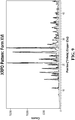
- the crystalline form is characterized by an X-ray powder diffraction pattern having peaks expressed in degrees-2-theta at angles ( ⁇ 0.2°) of 17.1, 20.8, 22.2, 24.9, and 26.6 (Form XVI).
- the administration of the disclosed compounds and the reverse transcriptase inhibitor occurs over a period of time shorter than 48 weeks.
- the patient is a chronically HBV-infected patient.
- a combination product comprising a CpAM and a reverse transcriptase inhibitor.
- the CpAM is a core protein allosteric modulator that causes aberrant, defective or incomplete assembly of HBV capsids.
- the CpAM is a core protein allosteric modulator that causes assembly of capsids that are essentially empty with respect to their viral contents.
- a combination product comprising a CpAM, a compound of Formula I, Formula IA, Formula IB, Formula IIA, Formula IIIA or Formula IIIB or pharmaceutically acceptable salts thereof, hydrates thereof, solvates thereof, or crystalline forms thereof, and a reverse transcriptase inhibitor, or a pharmaceutically acceptable salt, or a prodrug thereof.
- a combination product comprising Compound 1, Compound 2, or Compound 3, or pharmaceutically acceptable salts thereof, hydrates thereof, solvates thereof, or crystalline forms thereof, and a reverse transcriptase inhibitor, or a pharmaceutically acceptable salt, or a prodrug thereof.
- the reverse transcriptase inhibitor is selected from the group consisting of entecavir, tenofovir and lamivudine, or a pharmaceutically acceptable salt or prodrug thereof.
- a combination product comprising a compound of Formula IB, or pharmaceutically acceptable salts thereof, hydrates thereof, solvates thereof, or crystalline forms thereof, and a reverse transcriptase inhibitor, or a pharmaceutically acceptable salt, or a prodrug thereof.
- the reverse transcriptase inhibitor is selected from the group consisting of entecavir, tenofovir and lamivudine, or a pharmaceutically acceptable salt or prodrug thereof.
- the reverse transcriptase inhibitor is a purine-based reverse transcriptase inhibitor.
- the reverse transcriptase inhibitor is selected from the group consisting of entecavir, tenofovir, lamivudine, telbivudine, adefovir, clevudine, CMX157, AGX-1009, zidovudine, didanosine, zalcitabine, stavudine, emtricitabine, abacavir, D-D4FC, alovudine, amdoxovir, elvucitabine, delavirdine, efavirenz, nevirapine, capravirine, calanolide A, TMC278, BMS-561390, and DPC-083, or prodrugs thereof and pharmaceutically acceptable salts thereof.
- Pharmaceutically acceptable prodrugs of tenofovir for example, include tenofovir disoproxil fumarate
- the compound of Formula I, Formula IA, Formula IB, Formula IIA, Formula IIIA or Formula IIIB and the reverse transcriptase inhibitor are in the same formulation.
- the compound of Formula I, Formula IA, Formula IB, Formula IIA, Formula IIIA or Formula IIIB and the reverse transcriptase inhibitor are in separate formulations.
- the formulations are for simultaneous or sequential administration.
- Compound 1, Compound 2, or Compound 3 and the reverse transcriptase inhibitor are in the same formulation.
- Compound 1, Compound 2, or Compound 3 and the reverse transcriptase inhibitor are in separate formulations.
- the formulations are for simultaneous or sequential administration.
- the compound of Formula IB and the reverse transcriptase inhibitor are in the same formulation. In another embodiment of the combination product, the compound of Formula IB and the reverse transcriptase inhibitor are in separate formulations. In a further embodiment of this embodiment, the formulations are for simultaneous or sequential administration.
- the combination product is for use in the treatment of HBV infection in a patient.
- the combination product is for use in the treatment of HBV infection in a patient, wherein the patient is resistant to treatment with a reverse transcriptase inhibitor. In another embodiment, the combination product is for use in the treatment of HBV infection in a patient, wherein the patient is resistant to treatment with a nucleoside agent.
- the combination product is for use in the treatment of HBV infection in a patient, wherein the patient is treatment naive.
- Compound 1 is in an amount from 600 mg to 3000 mg. In another embodiment of the combination product, Compound 1 is in an amount of about 2000 mg. In yet another embodiment of the combination product, Compound 1 is in an amount of about 1000 mg.
- Compound 2 or Compound 3 is in an amount from 5 mg to 600 mg. In another embodiment of the combination product, Compound 2 or Compound 3 is in an amount from 10 mg to 50 mg. In another embodiment of the combination product, Compound 2 or Compound 3 is in an amount of about 25 mg. In yet another embodiment of the combination product, Compound 2 or Compound 3 is in an amount of about 10 mg to 200 mg.
- Compound 1 is in a crystalline form. In a further embodiment, the crystalline form is characterized by X-ray powder diffraction pattern having peaks expressed in degrees-2-theta at angles ( ⁇ 0.2°) of 17.1, 20.8, 22.2, 24.9, and 26.6 (Form XVI).
- the combination product is for use in the treatment of HBV infection in a patient, wherein the patient is chronically infected with HBV.
- a pharmaceutical composition comprising a core protein allosteric modulator (CpAM) and a reverse transcriptase inhibitor.
- the CpAM is a core protein allosteric modulator that causes aberrant, defective or incomplete assembly of HBV capsids.
- the CpAM is a core protein allosteric modulator that causes assembly of capsids that are essentially empty with respect to their viral contents.
- a pharmaceutical composition comprising a compound of Formula I, Formula IA, Formula IB, Formula IIA, Formula IIIA or Formula IIIB, or pharmaceutically acceptable salts thereof, hydrates thereof, solvates thereof, or crystalline forms thereof, and a reverse transcriptase inhibitor, or a pharmaceutically acceptable salt or prodrug thereof.
- a pharmaceutical composition comprising a compound of Formula IB, or pharmaceutically acceptable salts thereof, hydrates thereof, solvates thereof, or crystalline forms thereof, and a reverse transcriptase inhibitor, or a pharmaceutically acceptable salt or prodrug thereof.
- the reverse transcriptase inhibitor is selected from the group consisting of entecavir, tenofovir, and lamivudine, or pharmaceutically acceptable salts or prodrugs thereof.
- the reverse transcriptase inhibitor is a purine-based reverse transcriptase inhibitor.
- the pharmaceutical composition further comprises one or more pharmaceutically acceptable carriers.
- a pharmaceutical composition comprising Compound 1, Compound 2, or Compound 3, or pharmaceutically acceptable salts thereof, hydrates thereof, solvates thereof, or crystalline forms thereof, and a reverse transcriptase inhibitor, or a pharmaceutically acceptable salt or prodrug thereof.
- the reverse transcriptase inhibitor is selected from the group consisting of entecavir, tenofovir, and lamivudine, or pharmaceutically acceptable salts or prodrugs thereof.
- the reverse transcriptase inhibitor is a purine-based reverse transcriptase inhibitor.
- the reverse transcriptase inhibitor is selected from the group consisting of entecavir, tenofovir, lamivudine, telbivudine, adefovir, clevudine, CMX157, AGX-1009, zidovudine, didanosine, zalcitabine, stavudine, emtricitabine, abacavir, D-D4FC, alovudine, amdoxovir, elvucitabine, delavirdine, efavirenz, nevirapine, capravirine, calanolide A, TMC278, BMS-561390, and DPC-083, or prodrugs thereof and pharmaceutically acceptable salts thereof.
- Pharmaceutically acceptable prodrugs of tenofovir for example, include tenofovir disoproxil fumarate and tenofovir alafenamide fumarate.
- the pharmaceutical composition further comprises one or more pharmaceutically acceptable carriers.
- a method of treating an HBV infection in a patient in need thereof comprising administering to the patient a therapeutically effective amount of a compound of Formula I, Formula IA, Formula IB, Formula IIA, Formula IIIA or Formula IIIB, or pharmaceutically acceptable salts thereof, hydrates thereof, solvates thereof, or crystalline forms thereof, wherein the patient is resistant or refractory to treatment with a reverse transcriptase inhibitor.
- a method of treating an HBV infection in a patient in need thereof comprising administering to the patient a therapeutically effective amount of a compound of Formula I, Formula IA, Formula IB, Formula IIA, Formula IIIA or Formula IIIB, or pharmaceutically acceptable salts thereof, hydrates thereof, solvates thereof, or crystalline forms thereof, wherein the patient is resistant or refractory to treatment with a nucleoside agent.
- a method of treating an HBV infection in a patient in need thereof comprising administering to the patient a therapeutically effective amount of Compound 1, Compound 2, or Compound 3, or pharmaceutically acceptable salts thereof, hydrates thereof, solvates thereof, or crystalline forms thereof, wherein the patient is resistant or refractory to treatment with a reverse transcriptase inhibitor.
- a method of treating an HBV infection in a patient in need thereof comprising administering to the patient a therapeutically effective amount of Compound 1, Compound 2, or Compound 3, or pharmaceutically acceptable salts thereof, hydrates thereof, solvates thereof, or crystalline forms thereof, wherein the patient is resistant or refractory to treatment with a nucleoside agent.
- Compound 1 is administered in an amount from 600 mg per day to 3000 mg per day. In a further embodiment, Compound 1 is administered in an amount of about 2000 mg per day. In an embodiment of this embodiment, Compound 1 is administered in an amount of about 1000 mg twice per day.
- Compound 2 or Compound 3 is administered in an amount from 5 mg per day to 600 mg per day. In another embodiment, Compound 2 or Compound 3 is administered in an amount from 10 mg per day to 50 mg per day. In a particular embodiment, Compound 2 or Compound 3 is administered in an amount of about 25 mg per day. In a further embodiment, Compound 2 or Compound 3 is administered in an amount of about 10 mg once per day to 200 mg once per day.
- the administration of the compound of Formula I, Formula IA, Formula IB, Formula IIA, Formula IIIA or Formula IIIB, Compound 1, Compound 2, or Compound 3 and the reverse transcriptase inhibitor occurs over a period of time shorter than 48 weeks.
- the patient is a chronically HBV-infected patient.
- a method of inhibiting replication of a nucleoside resistant HBV variant comprising contacting said variant with an effective amount of a compound of Formula I, Formula IA, Formula IB, Formula IIA, Formula IIIA or Formula IIIB, Compound 1, Compound 2, or Compound 3, or pharmaceutically acceptable salts thereof, hydrates thereof, solvates thereof, or crystalline forms thereof.
- a method of treating an HBV infection in a patient in need thereof comprising administering to the patient a therapeutically effective amount of a compound of Formula I, Formula IA, Formula IB, Formula IIA, Formula IIIA or Formula IIIB, Compound 1, Compound 2, or Compound 3, or pharmaceutically acceptable salts thereof, hydrates thereof, solvates thereof, or crystalline forms thereof, and Compound A or a pharmaceutically acceptable salt thereof.
- the present disclosure is directed to methods of using a capsid assembly inhibitor for the treatment of hepatitis B virus (HBV) infection.
- a method of treating an HBV infection in a patient in need thereof comprising administering to the patient a therapeutically effective amount of a core protein allosteric modulator (CpAM) and a reverse transcriptase inhibitor.
- the CpAM is a core protein allosteric modulator that causes aberrant, defective or incomplete assembly of HBV capsids.
- the CpAM is a core protein allosteric modulator that causes assembly of capsids that are essentially empty with respect to their viral contents.
- a CpAM e.g., a compound of Formula I, Formula IA, Formula IB, Formula IIA, Formula IIIA or Formula IIIB, Compound 1, Compound 2, or Compound 3
- a reverse transcriptase inhibitor e.g., a reverse transcriptase inhibitor
- combination products and pharmaceutical compositions comprising a CpAM (e.g., a compound of Formula I, Formula IA, Formula IB, Formula IIA, Formula IIIA or Formula IIIB, Compound 1, Compound 2, or Compound 3) and a reverse transcriptase inhibitor.
- combination products and pharmaceutical compositions comprising a CpAM having the Formula IB and a reverse transcriptase inhibitor.
- kits for treating an HBV infection in patient resistant or refractory to treatment with a reverse transcriptase inhibitor or a nucleos(t)ide agent comprising administering a compound of Formula I, Formula IA, Formula IB, Formula IIA, Formula IIIA or Formula IIIB, Compound 1, Compound 2, or Compound 3.
- methods for treating an HBV infection in patient resistant or refractory to treatment with a reverse transcriptase inhibitor or a nucleos(t)ide agent comprising administering a compound of Formula IB.
- the term “comprising” may include the embodiments “consisting of' and “consisting essentially of.”
- the terms “comprise(s),” “include(s),” “having,” “has,” “may,” “contain(s),” and variants thereof, as used herein, are intended to be open-ended transitional phrases, terms, or words that require the presence of the named ingredients/steps and permit the presence of other ingredients/steps.
- such description should be construed as also describing compositions or processes as “consisting of' and “consisting essentially of' the enumerated compounds, which allows the presence of only the named compounds, along with any pharmaceutically acceptable carriers, and excludes other compounds.
- approximating language may be applied to modify any quantitative representation that may vary without resulting in a change in the basic function to which it is related. Accordingly, a value modified by a term or terms, such as “about” and “substantially,” may not be limited to the precise value specified, in some cases. In at least some instances, the approximating language may correspond to the precision of an instrument for measuring the value.
- the modifier "about” should also be considered as disclosing the range defined by the absolute values of the two endpoints. For example, the expression “from about 600 to about 3000” also discloses the range “from 600 to 3000.” The term “about” may refer to plus or minus 10% of the indicated number.
- “about 10%” may indicate a range of 9% to 11%, and “about 1” may mean from 0.9 to 1.1.
- Other meanings of “about” may be apparent from the context, such as rounding off, so, for example "about 1” may also mean from 0.5 to 1.4.
- CpAM core protein allosteric modulator
- a first class CpAM is shown to misdirect capsid assembly to form aberrant non-capsid polymers.
- This first class is hereinafter referred to as "a core protein allosteric modulator that causes aberrant, defective or incomplete assembly of HBV capsids.”
- An example of this class is heteroaryldihydropyrimidine (HAP) based compounds.
- HAPs At high concentrations, HAPs lead to misdirected capsid assembly to form aberrant non-capsid polymers.
- HAPs At sub-stoichiometirc concentrataions, when compared to Cp concentration, HAPs increase the rate of capsid assembly.
- HAP Crystal structures between the HBV capsid and HAP show quaternary structure changes in the capsid, forming connected rigid bodies, with little change to the tertiary structure.
- An example of a HAP includes, but is not limited to, methyl 4-(2-chloro-4-fluorophenyl)-6-methyl-2-(pyridin-2-yl)-1-4-dihydropyrimidine-5-carboxylate (HAP-1).
- CpAM increases the rate of capsid assembly without affecting capsid morphology, hereinafter referred to as "a core protein allosteric modulator that causes assembly of capsids that are essentially empty with respect to their viral contents.”
- PPA phenylpropenamide
- CpAMs include, but are not limited to compounds of Formula I, Formula IA, Formula IB, Formula IIA, Formula IIIA or Formula IIIB, Compound 1, Compound 2, and Compound 3 described herein.
- Formula IB is also an example of an "a core protein allosteric modulator that causes assembly of essentially empty capsids.”
- reverse transcriptase inhibitor refers to nucleosides and nulceotides and analogues thereof that inhibit the activity of HBV reverse transcriptase.
- examples include, but are not limited to, for example, entecavir, tenofovir, lamivudine, telbivudine, adefovir, clevudine, CMX157, AGX-1009, zidovudine, didanosine, zalcitabine, stavudine, emtricitabine, abacavir, D-D4FC, alovudine, amdoxovir, elvucitabine, delavirdine, efavirenz, nevirapine, capravirine, calanolide A, TMC278, BMS-561390, and DPC-083, or prodrugs thereof and pharmaceutically acceptable salts thereof.
- Pharmaceutically acceptable prodrugs of tenofovir include ten
- a “reverse transcriptase inhibitor” can be a "purine-based reverse transcriptase inhibitor,” which is a reverse transcriptase inhibitor having a purine ring, such as, but not limited to, entecavir and tenofovir.
- treatment is defined as the application or administration of a therapeutic agent, i.e., a compound of the invention (alone or in combination with another pharmaceutical agent), to a patient, or application or administration of a therapeutic agent to an isolated tissue or cell line from a patient (e.g., for diagnosis or ex vivo applications), who has an HBV infection, a symptom of an HBV infection or the potential to develop an HBV infection, with the purpose to cure, heal, alleviate, relieve, alter, remedy, ameliorate, improve or affect the HBV infection, the symptoms of the HBV infection or the potential to develop the HBV infection.
- Such treatments may be specifically tailored or modified, based on knowledge obtained from the field of pharmacogenomics.
- the term "patient,” “individual,” or “subject” refers to a human or a non-human mammal.
- Non-human mammals include, for example, livestock and pets, such as ovine, bovine, porcine, canine, feline and murine mammals.
- the patient, subject or individual is human.
- the term "pharmaceutically acceptable” refers to a material, such as a carrier or diluent, which does not abrogate the biological activity or properties of the compound, and is relatively non-toxic, i.e., the material may be administered to an individual without causing undesirable biological effects or interacting in a deleterious manner with any of the components of the composition in which it is contained.
- the term "pharmaceutically acceptable salt” refers to derivatives of the disclosed compounds wherein the parent compound is modified by converting an existing acid or base moiety to its salt form.
- pharmaceutically acceptable salts include, but are not limited to, mineral or organic acid salts of basic residues such as amines; alkali or organic salts of acidic residues such as carboxylic acids; and the like.
- the pharmaceutically acceptable salts of the present invention include the conventional non-toxic salts of the parent compound formed, for example, from non-toxic inorganic or organic acids.
- the pharmaceutically acceptable salts of the present invention may be synthesized from the parent compound which contains a basic or acidic moiety by conventional chemical methods.
- such salts may be prepared by reacting the free acid or base forms of these compounds with a stoichiometric amount of the appropriate base or acid in water or in an organic solvent, or in a mixture of the two; generally, nonaqueous media like ether, ethyl acetate, ethanol, isopropanol, or acetonitrile are preferred. Lists of suitable salts are found in Remington's Pharmaceutical Sciences, 17th ed., Mack Publishing Company, Easton, Pa., 1985, p. 1418 and Journal of Pharmaceutical Science, 66, 2 (1977 ), each of which is incorporated herein by reference in its entirety.
- composition refers to a mixture of at least one compound useful within the invention with a pharmaceutically acceptable carrier.
- the pharmaceutical composition facilitates administration of the compound to a patient or subject. Multiple techniques of administering a compound exist in the art including, but not limited to, intravenous, oral, aerosol, parenteral, ophthalmic, pulmonary and topical administration.
- the term "pharmaceutically acceptable carrier” means a pharmaceutically acceptable material, composition or carrier, such as a liquid or solid filler, stabilizer, dispersing agent, suspending agent, diluent, excipient, thickening agent, solvent or encapsulating material, involved in carrying or transporting a compound useful within the invention within or to the patient such that it may perform its intended function.
- a pharmaceutically acceptable material, composition or carrier such as a liquid or solid filler, stabilizer, dispersing agent, suspending agent, diluent, excipient, thickening agent, solvent or encapsulating material, involved in carrying or transporting a compound useful within the invention within or to the patient such that it may perform its intended function.
- Such constructs are carried or transported from one organ, or portion of the body, to another organ, or portion of the body.
- Each carrier must be “acceptable” in the sense of being compatible with the other ingredients of the formulation, including the compound useful within the invention, and not injurious to the patient.
- materials that may serve as pharmaceutically acceptable carriers include: sugars, such as lactose, glucose and sucrose; starches, such as corn starch and potato starch; cellulose, and its derivatives, such as sodium carboxymethyl cellulose, ethyl cellulose and cellulose acetate; powdered tragacanth; malt; gelatin; talc; excipients, such as cocoa butter and suppository waxes; oils, such as peanut oil, cottonseed oil, safflower oil, sesame oil, olive oil, corn oil and soybean oil; glycols, such as propylene glycol; polyols, such as glycerin, sorbitol, mannitol and polyethylene glycol; esters, such as ethyl oleate and ethyl laurate; agar; buffering agents, such as magnesium hydroxide and aluminum hydroxide; surface active agents; alginic acid; pyrogen-free water; isotonic saline
- pharmaceutically acceptable carrier also includes any and all coatings, antibacterial and antifungal agents, and absorption delaying agents, and the like that are compatible with the activity of the compound useful within the invention, and are physiologically acceptable to the patient. Supplementary active compounds may also be incorporated into the compositions.
- the "pharmaceutically acceptable carrier” may further include a pharmaceutically acceptable salt of the compound useful within the invention.
- Other additional ingredients that may be included in the pharmaceutical compositions used in the practice of the invention are known in the art and described, for example in Remington's Pharmaceutical Sciences (Genaro, Ed., Mack Publishing Co., 1985, Easton, PA ), which is incorporated herein by reference.
- combination refers to either a fixed combination in one dosage unit form, or non-fixed combination, or a kit of parts for the combined administration where two or more therapeutic agents may be administered independently, at the same time or separately within time intervals, especially where these time intervals allow that the combination partners show a cooperative, e.g., synergistic, effect.
- combination therapy refers to the administration of two or more therapeutic agents to treat a therapeutic condition or disorder described in the present disclosure.
- Such administration encompasses co-administration of these therapeutic agents in a substantially simultaneous manner, such as in a single formulation having a fixed ratio of active ingredients or in separate formulations (e.g., capsules and/or intravenous formulations) for each active ingredient.
- administration also encompasses use of each type of therapeutic agent in a sequential or separate manner, either at approximately the same time or at different times.
- the active ingredients are administered as a single formulation or in separate formulations, the drugs are administered to the same patient as part of the same course of therapy.
- the treatment regimen will provide beneficial effects in treating the conditions or disorders described herein.
- synergistic effect refers to the action of two agents, such as, for example, a capsid assembly inhibitor and a reverse transcriptase inhibitor, producing an effect, for example, slowing the symptomatic progression of HBV-infection or symptoms thereof, which is greater than the simple addition of the effects of each drug administered alone.
- a synergistic effect can be calculated, for example, using suitable methods such as the Sigmoid-Emax equation ( Holford, N. H. G. and Scheiner, L. B., Clin. Pharmacokinet. 6: 429-453 (1981 )), the equation of Loewe additivity ( Loewe, S. and Muischnek, H., Arch. Exp. Pathol Pharmacol.
- the combination of compounds exhibits a synergistic effect ( i.e., greater than additive effect) in the treatment of HBV infection. In further embodiments, the combination of compounds exhibits a synergistic effect ( i.e., greater than additive effect) in the treatment of HBV-infection.
- Synergy volumes of ⁇ -100, -100 to -50, -50 to -25, -25 to 25, 25 to 50, 50 to 100, and >100 indicate strong antagonism, moderate antagonism, slight antagonism, insignificant synergism/antagonism (additivity), slight synergism, moderate synergism, and strong synergism respectively.
- the term "resistant” or “refractive” to a therapeutic agent when referring to an HBV patient means that the HBV patient has innate, or achieved resistance to, the effects of the therapeutic agent as a result of contact with the therapeutic agent. Stated alternatively, the HBV patient is resistant to the ordinary standard of care associated with the particular therapeutic agent.
- treatment naive refers to the patient not having previously received treatment with a drug - investigational or approved - for HBV infection, in particular, a nucleos(t)ide drug.
- treatment experienced refers to a patient who has had at least one previous course of an HBV antiviral therapy, in particular a nucleos(t)ide. In some embodiments, the last dose in this previous course occurred at least three months prior to implementing a method according to the present disclosure.
- HBV infections that may be treated according to the disclosed methods include HBV genotype A, B, C, and/or D infections.
- the methods disclosed may treat any HBV genotype ("pan-genotypic treatment").
- HBV genotyping may be performed using methods known in the art, for example, INNO-LIPA® HBV Genotyping, Innogenetics N.V., Ghent, Belgium).
- alkyl by itself or as part of another substituent means, unless otherwise stated, a straight or branched chain hydrocarbon having the number of carbon atoms designated (i.e., C 1 -C 6 -alkyl means an alkyl having one to six carbon atoms) and includes straight and branched chains. Examples include methyl, ethyl, propyl, isopropyl, butyl, isobutyl, tert-butyl, pentyl, neopentyl, and hexyl. Other examples of C 1 -C 6 -alkyl include ethyl, methyl, isopropyl, isobutyl, n-pentyl, and n-hexyl.
- alkenyl denotes a monovalent group derived from a hydrocarbon moiety containing at least two carbon atoms and at least one carbon-carbon double bond. The double bond may or may not be the point of attachment to another group.
- Alkenyl groups e.g ., C 2 -C 8 -alkenyl
- Alkenyl groups include, but are not limited to, for example, ethenyl, propenyl, prop-1-en-2-yl, butenyl, 1-methyl-2-buten-1-yl, heptenyl, octenyl and the like.
- alkynyl means a straight or branched hydrocarbon radical containing up to 6 carbon atoms and having at least one carbon-carbon triple bond.
- alkynyl groups include, without limitation, ethynyl, 1-propynyl, 1-butynyl, and the like.
- alkoxy refers to the group -O-alkyl, wherein alkyl is as defined herein. Alkoxy includes, by way of example, methoxy, ethoxy, n-propoxy, isopropoxy, n-butoxy, sec-butoxy, t-butoxy and the like.
- halo or halogen alone or as part of another substituent means, unless otherwise stated, a fluorine, chlorine, bromine, or iodine atom, preferably, fluorine, chlorine, or bromine, more preferably, fluorine or chlorine.
- cycloalkyl means a non-aromatic carbocyclic system that is partially or fully saturated having 1, 2 or 3 rings wherein such rings may be fused.
- fused means that a second ring is present ( i.e., attached or formed) by having two adjacent atoms in common ( i.e., shared) with the first ring.
- Cycloalkyl also includes bicyclic structures that may be bridged or spirocyclic in nature with each individual ring within the bicycle varying from 3-8 atoms.
- cycloalkyl includes, but is not limited to, cyclopropyl, cyclobutyl, cyclopentyl, cyclohexyl, bicyclo[3.1.0]hexyl, spiro[3.3]heptanyl, and bicyclo[1.1.1]pentyl.
- heterocycloalkyl means a non-aromatic carbocyclic system containing 1, 2, 3 or 4 heteroatoms selected independently from N, O, and S and having 1, 2 or 3 rings wherein such rings may be fused, wherein fused is defined above.
- Heterocycloalkyl also includes bicyclic structures that may be bridged or spirocyclic in nature with each individual ring within the bicycle varying from 3-8 atoms, and containing 0, 1, or 2 N, O, or S atoms.
- heterocycloalkyl includes cyclic esters (i.e., lactones) and cyclic amides (i.e., lactams) and also specifically includes, but is not limited to, epoxidyl, oxetanyl, tetrahydrofuranyl, tetrahydropyranyl ( i.e., oxanyl), pyranyl, dioxanyl, aziridinyl, azetidinyl, pyrrolidinyl, 2,5-dihydro-1H-pyrrolyl, oxazolidinyl, thiazolidinyl, piperidinyl, morpholinyl, piperazinyl, thiomorpholinyl, 1,3-oxazinanyl, 1,3-thiazinanyl, 2-azabicyclo[2.1.1]hexanyl, 5-azabicyclo[2.1.1]hexanyl, 6-azabicyclo[3.1.1]h
- aromatic refers to a carbocycle or heterocycle with one or more polyunsaturated rings and having aromatic character, i.e., having (4n + 2) delocalized ⁇ (pi) electrons, where n is an integer.
- aryl means an aromatic carbocyclic system containing 1, 2 or 3 rings, wherein such rings may be fused, wherein fused is defined above. If the rings are fused, one of the rings must be fully unsaturated and the fused ring(s) may be fully saturated, partially unsaturated or fully unsaturated.
- aryl includes, but is not limited to, phenyl, naphthyl, indanyl, and 1,2,3,4-tetrahydronaphthalenyl.
- heteroaryl means an aromatic carbocyclic system containing 1, 2, 3, or 4 heteroatoms selected independently from N, O, and S and having 1, 2, or 3 rings wherein such rings may be fused, wherein fused is defined above.
- heteroaryl includes, but is not limited to, furanyl, thiophenyl, oxazolyl, thiazolyl, imidazolyl, pyrazolyl, triazolyl, tetrazolyl, isoxazolyl, isothiazolyl, oxadiazolyl, thiadiazolyl, pyridinyl, pyridazinyl, pyrimidinyl, pyrazinyl, imidazo[1,2-a]pyridinyl, pyrazolo[1,5-a]pyridinyl, 5,6,7,8-tetrahydroisoquinolinyl, 5,6,7,8-tetrahydroquinolinyl, 6,7-dihydro-5H-cyclopenta[b]pyridinyl, 6,7-dihydro-5H-cyclopenta[c]pyridinyl, 1,4,5,6-tetrahydrocyclopenta[c]
- aryl, heteroaryl, cycloalkyl, or heterocycloalkyl moiety is bonded or otherwise attached to a designated moiety through differing ring atoms ( i.e., shown or described without denotation of a specific point of attachment), then all possible points are intended, whether through a carbon atom or, for example, a trivalent nitrogen atom.
- pyridinyl means 2-, 3- or 4-pyridinyl
- thiophenyl means 2- or 3-thiophenyl, and so forth.
- substituted means that an atom or group of atoms has replaced hydrogen as the substituent attached to another group.
- a method of treating an HBV infection in a patient in need thereof comprising administering to the patient a therapeutically effective amount of a core protein allosteric modulator (CpAM) and a reverse transcriptase inhibitor.
- the CpAM is a core protein allosteric modulator that causes aberrant, defective or incomplete assembly of HBV capsids.
- the CpAM is a core protein allosteric modulator that causes assembly of capsids that are essentially empty with respect to their viral contents.
- B is a 5-membered heteroaromatic ring that is optionally and independently substituted one or more times with halogen or C 1 -C 6 alkyl.
- the compound of Formula I is a compound of Formula IA
- the compound of Formula I is a compound of Formula IB
- the compound of Formula I is a compound of Formula II
- the compound of Formula I is a compound of Formula IIIA
- the compound of Formula I is a compound of Formula IIIB
- compositions provided herein can comprise Compound 1:
- Compound 1 is also referred to herein as “Compound I” or “Cmpd (I).”
- Compound 1 including the synthesis thereof, is disclosed in PCT Publication No. WO/2013/096744 , which is hereby incorporated by reference in its entirety.
- Compound 1 can exist in crystalline form, preferably one that is stable upon exposure to higher temperatures and humidity.
- Various crystal forms of Compound 1 are described in WO/2017/059059 , which is hereby incorporated by reference in its entirety.
- Form (XVI) of Compound 1 has an X-ray powder diffraction pattern as shown in FIG. 9 .
- the corresponding °2-theta values are found in Table 12.
- Table 12. X-Ray powder diffraction pattern of Form XVI of Compound 1 No. Pos.
- Compound 1 is in a crystalline form characterized by an X-ray powder diffraction pattern having peaks expressed in degrees-2-theta at angles ( ⁇ 0.2°) of 17.1, 20.8, 22.2, 24.9, and 26.6 (Form XVI).
- the crystalline form is characterized by an X-ray powder diffraction pattern having peaks expressed in degrees-2-theta at angles ( ⁇ 0.2°) of 14.4, 17.1, 18.5, 20.0, 20.8, 22.2, 23.4, 24.9, 26.6, 28.0, and 36.4 (Form XVI).
- the crystalline form is characterized by an X-ray powder diffraction pattern having peaks expressed in degrees-2-theta at angles ( ⁇ 0.2°) of 8.3, 10.9, 14.4, 14.9, 15.8, 16.5, 17.1, 18.5, 18.9, 20.0, 20.8, 21.6, 22.2, 22.8, 23.4, 23.6, 24.9, 26.6, 28.0, 28.4, 29.6, 29.8, 30.5, 31.2, 31.7, 32.9, 34.2, 34.5, 35.6, 36.4, 36.8, 38.4, 39.7, 40.2, 41.7, 43.6, and 44.7 (Form XVI).
- the crystalline form is characterized by an X-ray powder diffraction pattern having peaks expressed in degrees-2-theta at angles ( ⁇ 0.2°) of of 8.33, 10.93, 14.37, 14.92, 15.84, 16.46, 17.07, 18.53, 18.90, 20.02, 20.77, 21.60, 22.16, 22.83, 23.44, 23.63, 24.93, 26.60, 28.00, 28.38, 29.56, 29.77, 30.45, 31.20, 31.70, 32.93, 34.16, 34.54, 35.60, 36.37, 36.75, 38.37, 39.71, 40.17, 41.71, 43.64, and 44.69 (Form XVI).
- the crystalline form is characterized by an X-ray powder diffraction pattern that is substantially the same as that of FIG. 9 .
- the X-ray powder diffraction pattern of Form III of Compound 1 is shown in FIG. 10 .
- the corresponding °2-theta values are found in Table 11.
- Table 11 X-Ray powder diffraction pattern of Compound 1 (Form III, Solvate of Acetone) No. Pos.
- the methods, combination product, and compositions provided herein comprise Compound 2: or a pharmaceutically acceptable salt thereof, a hydrate thereof, a solvate thereof, or a crystalline form thereof.
- Compound 2 is also referred to herein as "Compound II” or “Cmpd II.”
- Compound 2 including the synthesis thereof, is disclosed in PCT Publication No. WO 2014/184350 which is hereby incorporated by reference in its entirety.
- the methods, combination product, and compositions provided herein comprise Compound 3: or a pharmaceutically acceptable salt thereof, a hydrate thereof, a solvate thereof, or a crystalline form thereof.
- Compound 3 is also referred to herein as "Compound III” or “Cmpd (III).”
- Compound 3, including the synthesis thereof, is disclosed in PCT Publication No WO2015/118057 , which is hereby incorporated by reference in its entirety.
- a method of treating an HBV infection in a patient in need thereof comprising administering to the patient a therapeutically effective amount of a core protein allosteric modulator (CpAM) and a therapeutically effective amount of a reverse transcriptase inhibitor.
- the CpAM is a core protein allosteric modulator that causes aberrant, defective or incomplete assembly of HBV capsids.
- the CpAM is a core protein allosteric modulator that causes assembly of capsids that are essentially empty with respect to their viral contents.
- a method of treating an HBV infection in a patient in need thereof comprising administering to the patient a therapeutically effective amount of a compound of Formula I, or a pharmaceutically acceptable salt thereof, a hydrate thereof, a solvate thereof, or a crystalline form thereof, and a reverse transcriptase inhibitor, or a pharmaceutically acceptable salt or a prodrug thereof.
- a method of treating an HBV infection in a patient in need thereof comprising administering to the patient a therapeutically effective amount of a compound of Formula IA, or a pharmaceutically acceptable salt thereof, a hydrate thereof, a solvate thereof, or a crystalline form thereof, and a reverse transcriptase inhibitor, or a pharmaceutically acceptable salt or a prodrug thereof.
- a method of treating an HBV infection in a patient in need thereof comprising administering to the patient a therapeutically effective amount of a compound of Formula IB, or a pharmaceutically acceptable salt thereof, a hydrate thereof, a solvate thereof, or a crystalline form thereof, and a reverse transcriptase inhibitor, or a pharmaceutically acceptable salt or a prodrug thereof.
- a method of treating an HBV infection in a patient in need thereof comprising administering to the patient a therapeutically effective amount of a compound of Formula II, or a pharmaceutically acceptable salt thereof, a hydrate thereof, a solvate thereof, or a crystalline form thereof, and a reverse transcriptase inhibitor, or a pharmaceutically acceptable salt or a prodrug thereof.
- a method of treating an HBV infection in a patient in need thereof comprising administering to the patient a therapeutically effective amount of a compound of Formula IIIA, or a pharmaceutically acceptable salt thereof, a hydrate thereof, a solvate thereof, or a crystalline form thereof, and a reverse transcriptase inhibitor, or a pharmaceutically acceptable salt or a prodrug thereof.
- a method of treating an HBV infection in a patient in need thereof comprising administering to the patient a therapeutically effective amount of: a compound of Formula IIIB, or a pharmaceutically acceptable salt thereof, a hydrate thereof, a solvate thereof, or a crystalline form thereof, and a reverse transcriptase inhibitor, or a pharmaceutically acceptable salt or a prodrug thereof.
- a method of treating an HBV infection in a patient in need thereof comprising administering to the patient a therapeutically effective amount of Compound 1: or a pharmaceutically acceptable salt thereof, a hydrate thereof, a solvate thereof, or a crystalline form thereof, and a reverse transcriptase inhibitor, or a pharmaceutically acceptable salt or a prodrug thereof.
- a method of treating an HBV infection in a patient in need thereof comprising administering to the patient a therapeutically effective amount of Compound 2:
- a method of treating an HBV infection in a patient in need thereof comprising administering to the patient a therapeutically effective amount of Compound 3:
- Patients who may be treated using the described methods are in some embodiments human. Other warm-blooded animals may also be treated.
- the reverse transcriptase inhibitor is selected from the group consisting of entecavir, tenofovir, and lamivudine, or pharmaceutically acceptable salts or prodrugs thereof.
- Pharmaceutically acceptable prodrugs of tenofovir include tenofovir disoproxil fumarate and tenofovir alafenamide fumarate.
- the reverse transcriptase inhibitor is a purine-based reverse transcriptase inhibitor.
- the compound of Formula I, Formula IA, Formula IB, Formula II, Formula IIIA or Formula IIIB and the reverse transcriptase inhibitor are in the same formulation. In another embodiment, the compound of Formula I, Formula IA, Formula IB, Formula II, Formula IIIA or Formula IIIB and the reverse transcriptase inhibitor are in separate formulations.
- the compound of Formula IA and the reverse transcriptase inhibitor are in the same formulation. In another embodiment, the compound of Formula IA and the reverse transcriptase inhibitor are in separate formulations.
- the compound of Formula IB and the reverse transcriptase inhibitor are in the same formulation. In another embodiment, the compound of Formula IB and the reverse transcriptase inhibitor are in separate formulations.
- Formula II and the reverse transcriptase inhibitor are in the same formulation. In another embodiment, Formula II and the reverse transcriptase inhibitor are in separate formulations.
- Formula III and the reverse transcriptase inhibitor are in the same formulation. In another embodiment, Formula III and the reverse transcriptase inhibitor are in separate formulations.
- Compound 1 and the reverse transcriptase inhibitor are in the same formulation. In another embodiment, Compound 1 and the reverse transcriptase inhibitor are in separate formulations.
- Compound 2 or Compound 3 and the reverse transcriptase inhibitor are in the same formulation. In another embodiment, Compound 2 or Compound 3 and the reverse transcriptase inhibitor are in separate formulations.
- the patient is resistant or refractory to treatment with a reverse transcriptase inhibitor.
- the patient is resistant or refractory to treatment with a nucleoside agent.
- the patient is a treatment naive patient.
- Compound 1 is administered in an amount from 600 mg per day to 3000 mg per day (inclusive of, e.g., about 600, about 800, about 1000, about 1200, about 1400, about 1600, about 1800, about 2000 mg). In an embodiment, Compound 1 is administered in an amount from 600 mg per day to 3000 mg per day. In a particular embodiment, Compound 1 is administered in an amount of about 2000 mg per day. In a further embodiment, Compound 1 is administered in an amount of about 1000 mg twice per day.
- Compound 2 or Compound 3 is administered in an amount from 5 mg per day to 600 mg per day (inclusive of, e.g., about 5, about 25, about 50, about 100, about 200, about 300, about 400, about 500, about 600 mg). In an embodiment, Compound 2 or Compound 3 is administered in an amount from 5 mg per day to 600 mg per day. In a particular embodiment, Compound 2 or Compound 3 is administered in an amount of about 25 mg per day. In a further embodiment, Compound 2 or Compound 3 is administered in an amount of about 10 mg once per day to 200 mg once per day.
- Compound 1 is in a crystalline form.
- the crystalline form is characterized by X-ray powder diffraction pattern having peaks expressed in degrees-2-theta at angles ( ⁇ 0.2°) of 17.1, 20.8, 22.2, 24.9, and 26.6 (Form XVI).
- the administration of the compound of Formula I, Formula IA, Formula IB, Formula II, Formula IIIA or Formula IIIB and the reverse transcriptase inhibitor occurs over a period of time shorter than 48 weeks.
- the administration of Compound 1 and the reverse transcriptase inhibitor occurs over a period of time shorter than 48 weeks.
- the administration of Compound 2 or Compound 3 and the reverse transcriptase inhibitor occurs over a period of time shorter than 48 weeks.
- the patient is a chronically HBV-infected patient (with or without evidence of underlying liver inflammation).
- the method further comprises the administration of an additional HBV antiviral agent.
- the additional HBV antiviral agent is pegylated interferon alpha-2a.
- a method of treating an HBV infection in a patient in need thereof comprising administering to the patient a therapeutically effective amount of a compound of Formula I, Formula IA, Formula IB, Formula II, Formula IIIA or Formula IIIB, or a pharmaceutically acceptable salt thereof, a hydrate thereof, a solvate thereof, or a crystalline form thereof, wherein the patient is resistant or refractory to treatment with a reverse transcriptase inhibitor.
- a method of treating an HBV infection in a patient in need thereof comprising administering to the patient a therapeutically effective amount of Compound 1 or a pharmaceutically acceptable salt thereof, a hydrate thereof, a solvate thereof, or a crystalline form thereof, wherein the patient is resistant or refractory to treatment with a reverse transcriptase inhibitor.
- a method of treating an HBV infection in a patient in need thereof comprising administering to the patient a therapeutically effective amount of Compound 2 or Compound 3, or pharmaceutically acceptable salts thereof, hydrates thereof, solvates thereof, or crystalline forms thereof, wherein the patient is resistant or refractory to treatment with a reverse transcriptase inhibitor.
- a method of treating an HBV infection in a patient in need thereof comprising administering to the patient a therapeutically effective amount of a compound of Formula I, Formula IA, Formula IB, Formula II, Formula IIIA or Formula IIIB, or a pharmaceutically acceptable salt thereof, a hydrate thereof, a solvate thereof, or a crystalline form thereof, wherein the patient is resistant or refractory to treatment with a nucleoside agent.
- a method of treating an HBV infection in a patient in need thereof comprising administering to the patient a therapeutically effective amount of Compound 1 or a pharmaceutically acceptable salt thereof, a hydrate thereof, a solvate thereof, or a crystalline form thereof, wherein the patient is resistant or refractory to treatment with a nucleoside agent.
- provided herein is a method of treating an HBV infection in a patient in need thereof comprising administering to the patient a therapeutically effective amount of a Compound 1 and entecavir.
- provided herein is a method of treating an HBV infection in a patient in need thereof comprising administering to the patient a therapeutically effective amount of a Compound 1 and tenofovir.
- provided herein is a method of treating an HBV infection in a patient in need thereof comprising administering to the patient a therapeutically effective amount of a compound of Formula I and entecavir.
- provided herein is a method of treating an HBV infection in a patient in need thereof comprising administering to the patient a therapeutically effective amount of a compound of Formula I and tenofovir.
- provided herein is a method of treating an HBV infection in a patient in need thereof comprising administering to the patient a therapeutically effective amount of a compound of Formula IA and entecavir.
- provided herein is a method of treating an HBV infection in a patient in need thereof comprising administering to the patient a therapeutically effective amount of a compound of Formula IA and tenofovir.
- provided herein is a method of treating an HBV infection in a patient in need thereof comprising administering to the patient a therapeutically effective amount of a compound of Formula IB and entecavir.
- provided herein is a method of treating an HBV infection in a patient in need thereof comprising administering to the patient a therapeutically effective amount of a compound of Formula IB and tenofovir.
- provided herein is a method of treating an HBV infection in a patient in need thereof comprising administering to the patient a therapeutically effective amount of a compound of Formula II and entecavir.
- provided herein is a method of treating an HBV infection in a patient in need thereof comprising administering to the patient a therapeutically effective amount of a compound of Formula II and tenofovir.
- provided herein is a method of treating an HBV infection in a patient in need thereof comprising administering to the patient a therapeutically effective amount of a compound of Formula IIIA and entecavir.
- provided herein is a method of treating an HBV infection in a patient in need thereof comprising administering to the patient a therapeutically effective amount of a compound of Formula IIIA and tenofovir.
- provided herein is a method of treating an HBV infection in a patient in need thereof comprising administering to the patient a therapeutically effective amount of a compound of Formula IIIB and entecavir.
- provided herein is a method of treating an HBV infection in a patient in need thereof comprising administering to the patient a therapeutically effective amount of a compound of Formula IIIB and tenofovir.
- provided herein is a method of treating an HBV infection in a patient in need thereof comprising administering to the patient a therapeutically effective amount of a Compound 2 and entecavir.
- provided herein is a method of treating an HBV infection in a patient in need thereof comprising administering to the patient a therapeutically effective amount of a Compound 2 and tenofovir.
- provided herein is a method of treating an HBV infection in a patient in need thereof comprising administering to the patient a therapeutically effective amount of a Compound 3 and entecavir.
- provided herein is a method of treating an HBV infection in a patient in need thereof comprising administering to the patient a therapeutically effective amount of a Compound 3 and tenofovir.
- Compound 1 is administered in an amount from 600 mg per day to 3000 mg per day (e.g., about 600, about 800, about 1000, about 1200, about 1400, about 1600, about 1800, about 2000 mg). In a further embodiment, Compound 1 is administered in an amount from 600 mg per day to 2000 mg per day. In yet a further embodiment, Compound 1 is administered in an amount of about 2000 mg per day. In an embodiment of this embodiment, Compound 1 is administered in an amount of about 1000 mg twice per day.
- a method of treating an HBV infection in a patient in need thereof comprising administering to the patient a therapeutically effective amount of Compound 2 or Compound 3, or pharmaceutically acceptable salts thereof, hydrates thereof, solvates thereof, or crystalline forms thereof, wherein the patient is resistant or refractory to treatment with a nucleoside agent.
- Compound 2 or Compound 3 is administered in an amount from 5 mg per day to 600 mg per day (e.g., about 5, about 25, about 50, about 100, about 200, about 300, about 400, about 500, about 600 mg). In a further embodiment, Compound 2 or Compound 3 is administered in an amount from 5 mg per day to 600 mg per day. In yet a further embodiment, Compound 2 orCompound 3 is administered in an amount of about 25 mg per day. In an embodiment of this embodiment, Compound 2 or Compound 3 is administered in an amount of about 10 mg once per day to 200 mg once per day.
- the administration of the compound of Formula I, Formula IA, Formula IB, Formula II, Formula IIIA or Formula IIIB and the reverse transcriptase inhibitor occurs over a period of time shorter than 48 weeks.
- the administration of Compound 1 and the reverse transcriptase inhibitor occurs over a period of time shorter than 48 weeks.
- the administration of Compound 2 or Compound 3 and the reverse transcriptase inhibitor occurs over a period of time shorter than 48 weeks.
- the patient is a chronically HBV-infected patient (with or without evidence of underlying liver inflammation).
- a method of inhibiting replication of a nucleoside resistant HBV variant comprising contacting said variant with an effective amount of a compound of Formula I, Formula IA, Formula IB, Formula II, Formula IIIA or Formula IIIB, or a pharmaceutically acceptable salt thereof, a hydrate thereof, a solvate thereof, or a crystalline form thereof.
- a method of inhibiting replication of a nucleoside resistant HBV variant comprising contacting said variant with an effective amount of Compound 1, or a pharmaceutically acceptable salt thereof, a hydrate thereof, a solvate thereof, or a crystalline form thereof.
- a method of inhibiting replication of a nucleoside resistant HBV variant comprising contacting said variant with an effective amount of Compound 2 or Compound 3 or pharmaceutically acceptable salts thereof, hydrates thereof, solvates thereof, or crystalline forms thereof.
- a method of treating an HBV infection in a patient in need thereof comprising administering to the patient a therapeutically effective amount of a compound of Formula I, Formula IA, Formula IB, Formula II, Formula IIIA or Formula IIIB, or a pharmaceutically acceptable salt thereof, a hydrate thereof, a solvate thereof, or a crystalline form thereof, and Compound A or a pharmaceutically acceptable salt thereof.
- a method of treating an HBV infection in a patient in need thereof comprising administering to the patient a therapeutically effective amount of Compound 1, or a pharmaceutically acceptable salt thereof, a hydrate thereof, a solvate thereof, or a crystalline form thereof, and Compound A, or a pharmaceutically acceptable salt thereof.
- a method of treating an HBV infection in a patient in need thereof comprising administering to the patient a therapeutically effective amount of Compound 2 or Compound 3, or pharmaceutically acceptable salts thereof, hydrates thereof, solvates thereof, or crystalline forms thereof, and Compound A, or a pharmaceutically acceptable salt thereof.
- a method of treating an HBV infection in a patient in need thereof comprising administering to the patient a therapeutically effective amount of a compound of Formula I, Formula IA, Formula IB, Formula II, Formula IIIA or Formula IIIB, or a pharmaceutically acceptable salt thereof, a hydrate thereof, a solvate thereof, or a crystalline form thereof, and entecavir, or a pharmaceutically acceptable salt thereof.
- the compound of Formula I, Formula IA, Formula IB, Formula II, Formula IIIA or Formula IIIB and entecavir are administered at dosages and over time intervals producing a synergistic effect.
- a method of treating an HBV infection in a patient in need thereof comprising administering to the patient a therapeutically effective amount of Compound 1, or a pharmaceutically acceptable salt thereof, a hydrate thereof, a solvate thereof, or a crystalline form thereof, and entecavir, or a pharmaceutically acceptable salt thereof.
- Compound 1 and entecavir are administered at dosages and over time intervals producing a synergistic effect.
- a method of treating an HBV infection in a patient in need thereof comprising administering to the patient a therapeutically effective amount of Compound 2, or pharmaceutically acceptable salts thereof, hydrates thereof, solvates thereof, or crystalline forms thereof, and entecavir, or a pharmaceutically acceptable salt thereof.
- Compound 2 and entecavir are administered at dosages and over time intervals producing a synergistic effect.
- a method of treating an HBV infection in a patient in need thereof comprising administering to the patient a therapeutically effective amount of Compound 3, or pharmaceutically acceptable salts thereof, hydrates thereof, solvates thereof, or crystalline forms thereof, and entecavir, or a pharmaceutically acceptable salt thereof.
- Compound 3 and entecavir are administered at dosages and over time intervals producing a synergistic effect.
- a method of treating an HBV infection in a patient in need thereof comprising administering to the patient a therapeutically effective amount of a compound of Formula I, Formula IA, Formula IB, Formula II, Formula IIIA or Formula IIIB, or pharmaceutically acceptable salts thereof, hydrates thereof, solvates thereof, or crystalline forms thereof, and tenofovir or a pharmaceutically acceptable salt or prodrug thereof.
- the tenofovir is tenofovir disoproxil fumarate or tenofovir alafenamide fumarate.
- the compound of Formula I, Formula IA, Formula IB, Formula II, Formula IIIA or Formula IIIB and tenofovir are administered at dosages and over time intervals producing a synergistic effect.
- a method of treating an HBV infection in a patient in need thereof comprising administering to the patient a therapeutically effective amount of Compound 1, or a pharmaceutically acceptable salt thereof, a hydrate thereof, a solvate thereof, or a crystalline form thereof, and tenofovir or a pharmaceutically acceptable salt or prodrug thereof.
- the tenofovir is tenofovir disoproxil fumarate or tenofovir alafenamide fumarate.
- Compound 1 and tenofovir are administered at dosages and over time intervals producing a synergistic effect.
- a method of treating an HBV infection in a patient in need thereof comprising administering to the patient a therapeutically effective amount of Compound 2, or pharmaceutically acceptable salts thereof, hydrates thereof, solvates thereof, or crystalline forms thereof, and tenofovir or a pharmaceutically acceptable salt or prodrug thereof.
- the tenofovir is tenofovir disoproxil fumarate or tenofovir alafenamide fumarate.
- Compound 2 and tenofovir are administered at dosages and over time intervals producing a synergistic effect.
- a method of treating an HBV infection in a patient in need thereof comprising administering to the patient a therapeutically effective amount of Compound 3, or pharmaceutically acceptable salts thereof, hydrates thereof, solvates thereof, or crystalline forms thereof, and tenofovir or a pharmaceutically acceptable salt or prodrug thereof.
- the tenofovir is tenofovir disoproxil fumarate or tenofovir alafenamide fumarate.
- Compound 3 and tenofovir are administered at dosages and over time intervals producing a synergistic effect.
- a core protein allosteric modulator (CpAM) and a reverse transcriptase inhibitor for use in therapy.
- a compound of Formula I and a reverse transcriptase inhibitor for use in therapy.
- a compound of Formula IB and a reverse transcriptase inhibitor for use in therapy.
- Compound 1 and a reverse transcriptase inhibitor for use in therapy.
- Compound 2 in another embodiment, provided herein is Compound 2 and a reverse transcriptase inhibitor for use in therapy.
- Compound 3 and a reverse transcriptase inhibitor for use in therapy.
- a core protein allosteric modulator (CpAM) and a reverse transcriptase inhibitor for use in treating an HBV infection in a patient in need thereof.
- a compound of Formula I and a reverse transcriptase inhibitor for use in treating an HBV infection in a patient in need thereof.
- a compound of Formula IA and a reverse transcriptase inhibitor for use in treating an HBV infection in a patient in need thereof.
- a compound of Formula IB and a reverse transcriptase inhibitor for use in treating an HBV infection in a patient in need thereof.
- a compound of Formula II and a reverse transcriptase inhibitor for use in treating an HBV infection in a patient in need thereof.
- a compound of Formula IIIA and a reverse transcriptase inhibitor for use in treating an HBV infection in a patient in need thereof.
- a compound of Formula IIIB and a reverse transcriptase inhibitor for use in treating an HBV infection in a patient in need thereof.
- Compound 1 and a reverse transcriptase inhibitor for use in treating an HBV infection in a patient in need thereof.
- Compound 2 and a reverse transcriptase inhibitor for use in treating an HBV infection in a patient in need thereof.
- Compound 3 and a reverse transcriptase inhibitor for use in treating an HBV infection in a patient in need thereof.
- a core protein allosteric modulator for use in treating an HBV infection in a patient in need thereof, wherein the CpAM is for use in combination with a reverse transcriptase inhibitor.
- a compound of Formula I for use in treating an HBV infection in a patient in need thereof, wherein the compound of Formula I is for use in combination with a reverse transcriptase inhibitor.
- a compound of Formula IA for use in treating an HBV infection in a patient in need thereof, wherein the compound of Formula IA is for use in combination with a reverse transcriptase inhibitor.
- a compound of Formula IB for use in treating an HBV infection in a patient in need thereof, wherein the compound of Formula IB is for use in combination with a reverse transcriptase inhibitor.
- a compound of Formula II for use in treating an HBV infection in a patient in need thereof, wherein the compound of Formula II is for use in combination with a reverse transcriptase inhibitor.
- a compound of Formula IIIA for use in treating an HBV infection in a patient in need thereof, wherein the compound of Formula IIIA is for use in combination with a reverse transcriptase inhibitor.
- a compound of Formula IIIB for use in treating an HBV infection in a patient in need thereof, wherein the compound of Formula IIIB is for use in combination with a reverse transcriptase inhibitor.
- Compound 1 for use in treating an HBV infection in a patient in need thereof, wherein Compound 1 is for use in combination with a reverse transcriptase inhibitor.
- Compound 2 for use in treating an HBV infection in a patient in need thereof, wherein Compound 2 is for use in combination with a reverse transcriptase inhibitor.
- Compound 3 for use in treating an HBV infection in a patient in need thereof, wherein Compound 3 is for use in combination with a reverse transcriptase inhibitor.
- a reverse transcriptase inhibitor for use in treating an HBV infection in a patient in need thereof, wherein the reverse transcriptase inhibitor is for use in combination with a core protein allosteric modulator (CpAM).
- CpAM core protein allosteric modulator
- a reverse transcriptase inhibitor for use in treating an HBV infection in a patient in need thereof, wherein the reverse transcriptase inhibitor is for use in combination with a compound of Formula I.
- a reverse transcriptase inhibitor for use in treating an HBV infection in a patient in need thereof, wherein the reverse transcriptase inhibitor is for use in combination with a compound of Formula IA.
- a reverse transcriptase inhibitor for use in treating an HBV infection in a patient in need thereof, wherein the reverse transcriptase inhibitor is for use in combination with Compound 1.
- a reverse transcriptase inhibitor for use in treating an HBV infection in a patient in need thereof, wherein the reverse transcriptase inhibitor is for use in combination with a core protein allosteric modulator (CpAM).
- CpAM core protein allosteric modulator
- a reverse transcriptase inhibitor for use in treating an HBV infection in a patient in need thereof, wherein the reverse transcriptase inhibitor is for use in combination with a compound of Formula I.
- a reverse transcriptase inhibitor for use in treating an HBV infection in a patient in need thereof, wherein the reverse transcriptase inhibitor is for use in combination with a compound of Formula IA.
- a reverse transcriptase inhibitor for use in treating an HBV infection in a patient in need thereof, wherein the reverse transcriptase inhibitor is for use in combination with a compound of Formula IB.
- a reverse transcriptase inhibitor for use in treating an HBV infection in a patient in need thereof, wherein the reverse transcriptase inhibitor is for use in combination with a compound of Formula II.
- a reverse transcriptase inhibitor for use in treating an HBV infection in a patient in need thereof, wherein the reverse transcriptase inhibitor is for use in combination with a compound of Formula IIIA.
- a reverse transcriptase inhibitor for use in treating an HBV infection in a patient in need thereof, wherein the reverse transcriptase inhibitor is for use in combination with a compound of Formula IIIB.
- a reverse transcriptase inhibitor for use in treating an HBV infection in a patient in need thereof, wherein the reverse transcriptase inhibitor is for use in combination with Compound 1.
- a reverse transcriptase inhibitor for use in treating an HBV infection in a patient in need thereof, wherein the reverse transcriptase inhibitor is for use in combination with Compound 2.
- a reverse transcriptase inhibitor for use in treating an HBV infection in a patient in need thereof, wherein the reverse transcriptase inhibitor is for use in combination with Compound 3.
- a core protein allosteric modulator (CpAM) and a reverse transcriptase inhibitor for use in combination therapy for treating an HBV infection in a patient in need thereof, wherein the CpAM and the reverse transcriptase inhibitor are for concurrent, sequential or separate administration.
- CpAM core protein allosteric modulator
- reverse transcriptase inhibitor for use in combination therapy for treating an HBV infection in a patient in need thereof, wherein the CpAM and the reverse transcriptase inhibitor are for concurrent, sequential or separate administration.
- a compound of Formula I and a reverse transcriptase inhibitor for use in combination therapy for treating an HBV infection in a patient in need thereof, wherein the compound of Formula I and the reverse transcriptase inhibitor are for concurrent, sequential or separate administration.
- a compound of Formula IA and a reverse transcriptase inhibitor for use in combination therapy for treating an HBV infection in a patient in need thereof, wherein the compound of Formula IA and the reverse transcriptase inhibitor are for concurrent, sequential or separate administration.
- a compound of Formula IB and a reverse transcriptase inhibitor for use in combination therapy for treating an HBV infection in a patient in need thereof, wherein the compound of Formula IB and the reverse transcriptase inhibitor are for concurrent, sequential or separate administration.
- a compound of Formula II and a reverse transcriptase inhibitor for use in combination therapy for treating an HBV infection in a patient in need thereof, wherein the compound of Formula II and the reverse transcriptase inhibitor are for concurrent, sequential or separate administration.
- a compound of Formula IIIA and a reverse transcriptase inhibitor for use in combination therapy for treating an HBV infection in a patient in need thereof, wherein the compound of Formula IIIA and the reverse transcriptase inhibitor are for concurrent, sequential or separate administration.
- a compound of Formula IIIB and a reverse transcriptase inhibitor for use in combination therapy for treating an HBV infection in a patient in need thereof, wherein the compound of Formula IIIB and the reverse transcriptase inhibitor are for concurrent, sequential or separate administration.
- Compound 1 and a reverse transcriptase inhibitor for use in combination therapy for treating an HBV infection in a patient in need thereof, wherein Compound 1 and the reverse transcriptase inhibitor are for concurrent, sequential or separate administration.
- Compound 2 and a reverse transcriptase inhibitor for use in combination therapy for treating an HBV infection in a patient in need thereof, wherein Compound 2 and the reverse transcriptase inhibitor are for concurrent, sequential or separate administration.
- Compound 3 and a reverse transcriptase inhibitor for use in combination therapy for treating an HBV infection in a patient in need thereof, wherein Compound 3 and the reverse transcriptase inhibitor are for concurrent, sequential or separate administration.
- the daily doses described herein are calculated for an average body weight of about 60 to about 70 kg and should be recalculated in case of pediatric applications, or when used with patients with a substantially diverting body weight.
- a combination product comprising a core protein allosteric modulator (CpAM) and a reverse transcriptase inhibitor.
- the CpAM is a core protein allosteric modulator that causes aberrant, defective or incomplete assembly of HBV capsids.
- the CpAM is a core protein allosteric modulator that causes assembly of capsids that are essentially empty with respect to their viral contents.
- the reverse transcriptase inhibitor is selected from the group consisting of entecavir, tenofovir, lamivudine, telbivudine, adefovir, clevudine, CMX157, AGX-1009, zidovudine, didanosine, zalcitabine, stavudine, emtricitabine, abacavir, D-D4FC, alovudine, amdoxovir, elvucitabine, delavirdine, efavirenz, nevirapine, capravirine, calanolide A, TMC278, BMS-561390, and DPC-083, or prodrugs thereof and pharmaceutically acceptable salts thereof.
- Pharmaceutically acceptable prodrugs of tenofovir for example, include tenofovir disoproxil fumarate and tenofovir al
- the combination product comprises at least Compound 1, or a pharmaceutically acceptable salt thereof, a hydrate thereof, a solvate thereof, and entecavir.
- the combination product comprises at least Compound 1 or a pharmaceutically acceptable salt thereof, a hydrate thereof, a solvate thereof and tenofovir.
- the combination product comprises at least one compound of Formula I and entecavir.
- the combination product comprises at least one compound of Formula I and tenofovir.
- the combination product comprises at least one compound of Formula IA and entecavir.
- the combination product comprises at least one compound of Formula IA and tenofovir.
- the combination product comprises at least one compound of Formula IB and entecavir.
- the combination product comprises at least one compound of Formula IB and tenofovir.
- the combination product comprises at least one compound of Formula II and entecavir.
- the combination product comprises at least one compound of Formula II and tenofovir.
- the combination product comprises at least one compound of Formula IIIA and entecavir.
- the combination product comprises at least one compound of Formula IIIA and tenofovir.
- the combination product comprises at least one compound of Formula IIIB and entecavir.
- the combination product comprises at least one compound of Formula IIIB and tenofovir.
- the combination product comprises at least Compound 1, or a pharmaceutically acceptable salt thereof, a hydrate thereof, a solvate thereof, and entecavir.
- the combination product comprises at least Compound 1, or a pharmaceutically acceptable salt thereof, a hydrate thereof, a solvate thereof, and tenofovir.
- the combination product comprises at least Compound 2, or a pharmaceutically acceptable salt thereof, a hydrate thereof, a solvate thereof, and entecavir.
- the combination product comprises at least Compound 2, or a pharmaceutically acceptable salt thereof, a hydrate thereof, a solvate thereof, and tenofovir.
- the combination product comprises at least Compound 3, or a pharmaceutically acceptable salt thereof, a hydrate thereof, a solvate thereof, and entecavir.
- the combination product comprises at least Compound 3, or a pharmaceutically acceptable salt thereof, a hydrate thereof, a solvate thereof, and tenofovir.
- a combination product comprising Compound 1, or pharmaceutically acceptable salts thereof, hydrates thereof, solvates thereof, or crystalline forms thereof, and a reverse transcriptase inhibitor, or a pharmaceutically acceptable salt thereof.
- the reverse transcriptase inhibitor is selected from the group consisting of entecavir, tenofovir, lamivudine, telbivudine, adefovir, clevudine, CMX157, AGX-1009, zidovudine, didanosine, zalcitabine, stavudine, emtricitabine, abacavir, D-D4FC, alovudine, amdoxovir, elvucitabine, delavirdine, efavirenz, nevirapine, capravirine, calanolide A, TMC278, BMS-561390, and DPC-083, or prodrugs thereof and pharmaceutically acceptable salts thereof.
- Pharmaceutically acceptable prodrugs of tenofovir for example, include tenofovir disoproxil fumarate and tenofovir alafenamide fumarate.
- the reverse transcriptase inhibitor is selected from the group consisting of entecavir, tenofovir and lamivudine, or pharmaceutically acceptable salts thereof.
- Pharmaceutically acceptable prodrugs of tenofovir include tenofovir disoproxil fumarate and tenofovir alafenamide fumarate.
- a combination product comprising Compound 2, or pharmaceutically acceptable salts thereof, hydrates thereof, solvates thereof, or crystalline forms thereof, and a reverse transcriptase inhibitor, or a pharmaceutically acceptable salt thereof.
- the reverse transcriptase inhibitor is selected from the group consisting of entecavir, tenofovir, lamivudine, telbivudine, adefovir, clevudine, CMX157, AGX-1009, zidovudine, didanosine, zalcitabine, stavudine, emtricitabine, abacavir, D-D4FC, alovudine, amdoxovir, elvucitabine, delavirdine, efavirenz, nevirapine, capravirine, calanolide A, TMC278, BMS-561390, and DPC-083, or prodrugs thereof and pharmaceutically acceptable salts thereof.
- Pharmaceutically acceptable prodrugs of tenofovir for example, include tenofovir disoproxil fumarate and tenofovir alafenamide fumarate.
- a combination product comprising Compound 3, or pharmaceutically acceptable salts thereof, hydrates thereof, solvates thereof, or crystalline forms thereof, and a reverse transcriptase inhibitor, or a pharmaceutically acceptable salt thereof.
- the reverse transcriptase inhibitor is selected from the group consisting of entecavir, tenofovir, lamivudine, telbivudine, adefovir, clevudine, CMX157, AGX-1009, zidovudine, didanosine, zalcitabine, stavudine, emtricitabine, abacavir, D-D4FC, alovudine, amdoxovir, elvucitabine, delavirdine, efavirenz, nevirapine, capravirine, calanolide A, TMC278, BMS-561390, and DPC-083, or prodrugs thereof and pharmaceutically acceptable salts thereof.
- Pharmaceutically acceptable prodrugs of tenofovir for example, include tenofovir disoproxil fumarate and tenofovir alafenamide fumarate.
- Compound 1 and the reverse transcriptase inhibitor are in the same formulation. In another embodiment of the combination product, Compound 1 and the reverse transcriptase inhibitor are in separate formulations. In a further embodiment of this embodiment, the formulations are for simultaneous or sequential administration.
- Compound 2 or Compound 3 and the reverse transcriptase inhibitor are in the same formulation. In another embodiment of the combination product, Compound 2 or Compound 3 and the reverse transcriptase inhibitor are in separate formulations. In a further embodiment of this embodiment, the formulations are for simultaneous or sequential administration.
- the combination product is for use in the treatment of HBV infection in a patient.
- the combination product is for use in the treatment of HBV infection in a patient, wherein the patient is resistant to treatment with a reverse transcriptase inhibitor. In another embodiment, the combination product is for use in the treatment of HBV infection in a patient, wherein the patient is resistant to treatment with a nucleoside agent.
- the combination product is for use in the treatment of HBV infection in a patient, wherein the patient is treatment naive.
- the combination product of Compound 2 or Compound 3 is for use in the treatment of HBV infection in a patient.
- the combination product of Compound 2 or Compound 3 is for use in the treatment of HBV infection in a patient, wherein the patient is resistant to treatment with a reverse transcriptase inhibitor.
- the combination product is for use in the treatment of HBV infection in a patient, wherein the patient is resistant to treatment with a nucleoside agent.
- the combination product of Compound 2 or Compound 3 is for use in the treatment of HBV infection in a patient, wherein the patient is treatment naive.
- the combination product is for use in the treatment of HBV infection in a patient, wherein the patient is a chronically HBV-infected patient (with or without evidence of underlying liver inflammation).
- Compound 1 is in an amount from 600 mg to 3000 mg (e.g., about 600, about 800, about 1000, about 1200, about 1400, about 1600, about 1800, about 2000 mg). In a further embodiment of the combination product, Compound 1 is in an amount from 600 mg to 2000 mg. In another embodiment of the combination product, Compound 1 is in an amount of about 2000 mg. In yet another embodiment of the combination product, Compound 1 is in an amount of about 1000 mg.
- Compound 2 or Compound 3 is in an amount from 5 mg to 600 mg (e.g., about 5, about 25, about 50, about 100, about 200, about 300, about 400, about 500, about 600 mg). In a further embodiment of the combination product, Compound 2 or Compound 3 is in an amount from 5 mg to 600 mg. In another embodiment of the combination product, Compound 2 or Compound 3 is in an amount of about 25 mg. In yet another embodiment of the combination product, Compound 2 or Compound 3 is 10 mg to 200 mg.
- Compound 1 is in a crystalline form.
- the crystalline form is characterized by X-ray powder diffraction pattern having peaks expressed in degrees-2-theta at angles ( ⁇ 0.2°) of 17.1, 20.8, 22.2, 24.9, and 26.6 (Form XVI).
- the combination product further comprises an additional HBV antiviral agent.
- the additional HBV antiviral agent is pegylated interferon alpha-2a.
- a combination product comprising Compound 1 or a pharmaceutically acceptable salt thereof, a hydrate thereof, a solvate thereof, or a crystalline form thereof, and a reverse transcriptase inhibitor, or a pharmaceutically acceptable salt thereof.
- the ratio of CpAM to reverse transcriptase inhibitor is in the range of 700:1 - 1:40. In another embodiment, the ratio of CpAM to reverse transcriptase inhibitor is in the range of 2:1 to 1:2, for example, 2:1, 1:1, or 1:2; 170:1 to 150:1, for example, 170:1, 160:1 or 150:1; 3:1 to 1:1, for example, 3:1, 2:1 or 1:1; or 30:1 to 10:1, for example, 30:1, 20:1 or 10:1.
- a combination product comprising a compound of Formula I, Formula IA, Formula IB, Formula II, Formula IIIA or Formula IIIB, or a pharmaceutically acceptable salt thereof, a hydrate thereof, a solvate thereof, or a crystalline form thereof, and a reverse transcriptase inhibitor, or a pharmaceutically acceptable salt thereof.
- the ratio of Formula I to reverse transcriptase inhibitor is in the range of 700:1 - 1:40. In another embodiment of the combination product, the ratio of Formula I to reverse transcriptase inhibitor is in the range of 2:1 to 1:2, for example, 2:1, 1:1, or 1:2; 170:1 to 150:1, for example, 170:1, 160:1 or 150:1; 3:1 to 1:1, for example, 3:1, 2:1 or 1:1; or 30:1 to 10:1, for example, 30:1, 20:1 or 10:1.
- the ratio of Formula IA to reverse transcriptase inhibitor is in the range of 700:1 - 1:40. In another embodiment of the combination product, the ratio of Formula I to reverse transcriptase inhibitor is in the range of 2:1 to 1:2, for example, 2:1, 1:1, or 1:2; 170:1 to 150:1, for example, 170:1, 160:1 or 150:1; 3:1 to 1:1, for example, 3:1, 2:1 or 1:1; or 30:1 to 10:1, for example, 30:1, 20:1 or 10:1.
- the ratio of Formula IB to reverse transcriptase inhibitor is in the range of 700:1 - 1:40. In another embodiment of the combination product, the ratio of Formula I to reverse transcriptase inhibitor is in the range of 2:1 to 1:2, for example, 2:1, 1:1, or 1:2; 170:1 to 150:1, for example, 170:1, 160:1 or 150:1; 3:1 to 1:1, for example, 3:1, 2:1 or 1:1; or 30:1 to 10:1, for example, 30:1, 20:1 or 10:1.
- the ratio of Formula II to reverse transcriptase inhibitor is in the range of 700:1 - 1:40. In another embodiment of the combination product, the ratio of Formula I to reverse transcriptase inhibitor is in the range of 2:1 to 1:2, for example, 2:1, 1:1, or 1:2; 170:1 to 150:1, for example, 170:1, 160:1 or 150:1; 3:1 to 1:1, for example, 3:1, 2:1 or 1:1; or 30:1 to 10:1, for example, 30:1, 20:1 or 10:1.
- the ratio of Formula IIIA to reverse transcriptase inhibitor is in the range of 700:1 - 1:40.
- the ratio of Formula I to reverse transcriptase inhibitor is in the range of 2:1 to 1:2, for example, 2:1, 1:1, or 1:2; 170:1 to 150:1, for example, 170:1, 160:1 or 150:1; 3:1 to 1:1, for example, 3:1, 2:1 or 1:1; or 30:1 to 10:1, for example, 30:1, 20:1 or 10:1.
- the ratio of Formula IIIB to reverse transcriptase inhibitor is in the range of 700:1 - 1:40.
- the ratio of Formula I to reverse transcriptase inhibitor is in the range of 2:1 to 1:2, for example, 2:1, 1:1, or 1:2; 170:1 to 150:1, for example, 170:1, 160:1 or 150:1; 3:1 to 1:1, for example, 3:1, 2:1 or 1:1; or 30:1 to 10:1, for example, 30:1, 20:1 or 10:1.
- the ratio of Compound 1 to entecavir is in the range of 2:1 to 1:2, for example, 2:1, 1:1, or 1:2; 170:1 to 150:1, for example, 170:1, 160:1 or 150:1; 3:1 to 1:1, for example, 3:1, 2:1 or 1:1; or 30:1 to 10:1, for example, 30:1, 20:1 or 10:1.
- the ratio of Compound 1 to tenofovir is in the range of 2:1 to 1:2, for example, 2:1, 1:1, or 1:2; 170:1 to 150:1, for example, 170:1, 160:1 or 150:1; 3:1 to 1:1, for example, 3:1, 2:1 or 1:1; or 30:1 to 10:1, for example, 30:1, 20:1 or 10:1.
- the ratio of Compound 2 to entecavir is in the range of 200:1 to 1:40, for example, 200:1, 175:1, 150:1, 125:1, 100:1, 90:1, 80:1, 70:1, 60:1, 50:1, 40:1, 30:1, 20:1, 15:1, 10:1, 8:1, 5:1, 2:1, 1:1, 1:2, 1:5, 1:8, 1:10, 1:15, 1:20, 1:30, or 1:40.
- the ratio of Compound 2 to entecavir is in the range of 40:1 to 1:1, for example, 40:1, 30:1, 20:1, 10:1, 8:1, 6:1, 4:1, 2:1, or 1:1.
- the ratio of Compound 2 entecavir is in the range of 30:1 to 10:1, for example, 30:1, 20:1 or 10:1. In yet another embodiment of the combination product, the ratio of Compound 2 to entecavir is 20:1.
- the ratio of Compound 2 to tenofovir is in the range of 40:1 to 1:40, for example, 40:1, 30:1, 20:1, 15:1, 10:1, 8:1, 5:1, 2:1, 1:1, 1:2, 1:5, 1:8, 1:10, 1:15, 1:20, 1:30, or 1:40.
- the ratio of Compound 2 to tenofovir is in the range of 10:1 to 1:1, for example, 10:1, 8:1, 6:1, 4:1, 2:1, or 1:1.
- the ratio of Compound 2 to tenofovir is in the range of 3:1 to 1:1, for example, 3:1, 2:1 or 1:1.
- the ratio of Compound 2 to tenofovir is 2:1.
- the ratio of Compound 3 to entecavir is in the range of 700:1 to 1:30, for example, 700:1, 600:1, 500:1, 400:1, 300:1, 200:1, 190:1, 180:1, 170:1, 160:1, 150:1, 140:1, 130:1, 120:1, 110:1, 100:1, 20:1, 15:1, 10:1, 8:1, 5:1, 2:1, 1:1, 1:2, 1:5, 1:8, 1:10, 1:15, or 1:20.
- the ratio of Compound 3 to entecavir is in the range of 180:1 to 1:2, for example, 180:1, 170:1, 160:1, 150:1, 140:1, 130:1, 120:1, 110:1, 100:1, 50:1, 20:1, 10:1, 1:1, or 1:2.
- the ratio of Compound 3 entecavir is in the range of 170:1 to 150:1, for example, 170:1, 160:1 or 150:1.
- the ratio of Compound 3 to entecavir is 160:1.
- the ratio of Compound 3 to tenofovir is in the range of 80:1 to 1:10, for example, 80:1, 70:1, 60:1, 50:1, 40:1, 30:1, 20:1, 15:1, 10:1, 1:1, or 1:10.
- the ratio of Compound 3 to tenofovir is in the range of 10:1 to 1:10, for example, 10:1, 8:1, 6:1, 4:1, 2:1, 1:1, 1:2, 1:4, 1:6, 1:8, and 1:10.
- the ratio of Compound 3 tenofovir is in the of range 2:1 to 1:2, for example, 2:1, 1:1, or 1:2.
- the ratio of Compound 3 to tenofovir is 1:1.
- a pharmaceutical composition comprising Compound 1, or a pharmaceutically acceptable salt thereof, a hydrate thereof, a solvate thereof, or a crystalline form thereof, and a reverse transcriptase inhibitor, or a pharmaceutically acceptable salt thereof.
- the reverse transcriptase inhibitor is selected from the group consisting of entecavir, tenofovir (including, e.g., prodrugs thereof such tenofovir disoproxil and tenofovir alafenamide) and lamivudine, or pharmaceutically acceptable salts thereof.
- the pharmaceutical composition further comprises one or more pharmaceutically acceptable carriers.
- a pharmaceutical composition comprising a compound of Formula I, Formula IA, Formula IB, Formula II, Formula IIIA or Formula IIIB, or pharmaceutically acceptable salts thereof, hydrates thereof, solvates thereof, or crystalline forms thereof, and a reverse transcriptase inhibitor, or a pharmaceutically acceptable salt thereof.
- the reverse transcriptase inhibitor is selected from the group consisting of entecavir, tenofovir, lamivudine, telbivudine, adefovir, clevudine, CMX157, AGX-1009, zidovudine, didanosine, zalcitabine, stavudine, emtricitabine, abacavir, D-D4FC, alovudine, amdoxovir, elvucitabine, delavirdine, efavirenz, nevirapine, capravirine, calanolide A, TMC278, BMS-561390, and DPC-083, or prodrugs thereof and pharmaceutically acceptable salts thereof.
- Pharmaceutically acceptable prodrugs of tenofovir for example, include tenofovir disoproxil fumarate and tenofovir al
- the pharmaceutical composition of Formula I, Formula IA, Formula IB, Formula II, Formula IIIA or Formula IIIB further comprises one or more pharmaceutically acceptable carriers.
- composition comprising Compound 1, or pharmaceutically acceptable salts thereof, hydrates thereof, solvates thereof, or crystalline forms thereof, and a reverse transcriptase inhibitor, or a pharmaceutically acceptable salt thereof.
- the reverse transcriptase inhibitor is selected from the group consisting of entecavir, tenofovir, lamivudine, telbivudine, adefovir, clevudine, CMX157, AGX-1009, zidovudine, didanosine, zalcitabine, stavudine, emtricitabine, abacavir, D-D4FC, alovudine, amdoxovir, elvucitabine, delavirdine, efavirenz, nevirapine, capravirine, calanolide A, TMC278, BMS-561390, and DPC-083, or prodrugs thereof and pharmaceutically acceptable salts thereof.
- Pharmaceutically acceptable prodrugs of tenofovir for example, include tenofovir disoproxil fumarate and tenofovir alafenamide fumarate.
- the pharmaceutical composition of Compound 1 further comprises one or more pharmaceutically acceptable carriers.
- composition comprising Compound 2, or pharmaceutically acceptable salts thereof, hydrates thereof, solvates thereof, or crystalline forms thereof, and a reverse transcriptase inhibitor, or a pharmaceutically acceptable salt thereof.
- the reverse transcriptase inhibitor is selected from the group consisting of entecavir, tenofovir, lamivudine, telbivudine, adefovir, clevudine, CMX157, AGX-1009, zidovudine, didanosine, zalcitabine, stavudine, emtricitabine, abacavir, D-D4FC, alovudine, amdoxovir, elvucitabine, delavirdine, efavirenz, nevirapine, capravirine, calanolide A, TMC278, BMS-561390, and DPC-083, or prodrugs thereof and pharmaceutically acceptable salts thereof.
- Pharmaceutically acceptable prodrugs of tenofovir for example, include tenofovir disoproxil fumarate and tenofovir alafenamide fumarate.
- the pharmaceutical composition of Compound 2 further comprises one or more pharmaceutically acceptable carriers.
- a pharmaceutical composition comprising Compound 3, or pharmaceutically acceptable salts thereof, hydrates thereof, solvates thereof, or crystalline forms thereof, and a reverse transcriptase inhibitor, or a pharmaceutically acceptable salt thereof.
- the reverse transcriptase inhibitor is selected from the group consisting of entecavir, tenofovir, lamivudine, telbivudine, adefovir, clevudine, CMX157, AGX-1009, zidovudine, didanosine, zalcitabine, stavudine, emtricitabine, abacavir, D-D4FC, alovudine, amdoxovir, elvucitabine, delavirdine, efavirenz, nevirapine, capravirine, calanolide A, TMC278, BMS-561390, and DPC-083, or prodrugs thereof and pharmaceutically acceptable salts thereof.
- Pharmaceutically acceptable prodrugs of tenofovir for example, include tenofovir disoproxil fumarate and tenofovir alafenamide fumarate.
- the pharmaceutical composition of Compound 3 further comprises one or more pharmaceutically acceptable carriers.
- the present disclosure provides a kit for treating HBV infections, comprising a CpAM, Compound 1, Compound 2, or Compound 3, or pharmaceutically acceptable salts thereof, hydrates thereof, solvates thereof, or crystalline forms thereof, in an amount from 600 mg per day to 3000 mg per day, and a reverse transcriptase inhibitor.
- the present disclosure provides a kit for treating HBV infections, comprising at least two or more of the group consisting of a CpAM, Compound 1, Compound 2, or Compound 3, or pharmaceutically acceptable salts thereof, hydrates thereof, solvates thereof, or crystalline forms thereof, in an amount from 600 mg per day to 3000 mg per day; a reverse transcriptase inhibitor; and an additional HBV antiviral agent.
- the kit further comprises packaging and instructions.
- the kit comprises a pharmaceutical product comprising a pharmaceutical composition comprising a CpAM, Compound 1, Compound 2, or Compound 3, or pharmaceutically acceptable salts thereof, hydrates thereof, solvates thereof, or crystalline forms thereof, and a pharmaceutically acceptable carrier or diluent; and a pharmaceutical composition comprising a reverse transcriptase inhibitor and a pharmaceutically acceptable carrier or diluent.
- the kit comprises a pharmaceutical composition comprising a CpAM, Compound 1, Compound 2, or Compound 3, or pharmaceutically acceptable salts thereof, hydrates thereof, solvates thereof, or crystalline forms thereof; an additional HBV antiviral agent; and a pharmaceutically acceptable carrier or diluent.
- the kit comprises a pharmaceutical product comprising:
- the kit comprises a pharmaceutical product comprising at least two or more of the group consisting of:
- kits are provided.
- the kit includes a sealed container approved for the storage of pharmaceutical compositions, the container containing one of the above-described pharmaceutical compositions.
- the sealed container minimizes the contact of air with the ingredients, e.g. an airless bottle.
- the sealed container is a sealed tube.
- An instruction for the use of the composition and the information about the composition are to be included in the kit.
- Example 1 Antiviral activity of Compound 1 against lamivudine-, tenofovir-, and entecavir-resistant HBV variants
- the antiviral activity of Compound 1 was determined using HepG2 liver cells transiently transfected with plasmids expression replication-competent HBV DNA and quantitation of intracellular encapsidated HBV DNA.
- the antiviral activity of Compound 1 was measured against nucleoside inhibitor sensitive, wild-type HBV, as well as against HBV variants resistant to nucleoside analogs that contain defined amino acid changes in the coding sequence of the reverse transcriptase protein: rtL180M/M204V, rtN236T, rtA181V, rtA181V/N236T, and rtL180M/M204V/N236T.
- Lamivudine (LMV), entecavir (ETV), and tenofovir disoproxil fumarate (TDF) were purchased from Toronto Research Chemicals (Toronto, Canada), which chemical structures are shown below as Compounds (IV), (V) and (VI), respectively.
- Plasmid DNA constructs containing a 1.1x HBV genome under the control of a CMV promoter were previously cloned from serum of an HBV infected patient prior to LMV treatment (Genbank AY220698, Fudan University, China; SEQ ID NO:1, see Table 1) and after development of resistance to LMV (Genbank AY220697, Fudan University, China; SEQ ID NO:2, see Table 1) ( Zhang JM et al. 2005. J Med Virol 77: 203-208 ). Genotyping analysis confirmed that both isolates belong to genotype B HBV, and that the isolate collected after the development of resistance to LMV contained two amino acid changes within the polymerase gene (L180M/M204V).
- the HBV variant was named rtL180M/M204V to indicate that the amino acid changes were present in the reverse transcriptase (rt) protein.
- Two additional plasmids were generated by introducing coding sequence changes resulting in the amino acid changes N236T and A181V in the HBV polymerase, respectively.
- nucleotide changes were introduced into the wild type genotype B plasmid by site directed mutagenesis according to manufacturer recommendation (Agilent Technologies; Santa Clara, CA; Catalog#200519) using the following primers and their corresponding reverse complement sequence (nucleotide change underlined): 5'- CTT TGG GTA TAC ATT TAA CCC CTC ACA AAA C - 3' (rtN236T; SEQ ID NO:3), 5'- GTC CGT TTC TCT TGG TTC AGT TTA CTA GTG - 3' (rtA181V; SEQ ID NO:4).
- the rtN236T amino acid change was also added into the rtA181V and rtL180M/M204V plasmids to generate the rtA181V/N236T double mutant and rtL180M/M204V/N236T triple mutant HBV variants, respectively.
- the full length HBV genome was sequenced in all plasmids to confirm that only the intended nucleotide change(s) were present in the final HBV expression constructs.
- HepG2 cells were obtained from the American Type Culture Collection (Manassas, VA; ATCC Catalog#HB-8065) and maintained in humidified incubators at 37°C and 5% CO 2 in complete media containing Dulbecco's Modified Eagle Medium (DMEM) (Fisher Scientific (Life Technologies); Waltham, MA; Catalog# 11995-065), 10% fetal bovine serum (FBS) (Life Technologies, Catalog# 10082-147), 100 units/mL penicillin, 10 ⁇ g/mL streptomycin, and 0.25 ⁇ g/mL of Fungizone (Life Technologies, Catalog# 15240-062).
- DMEM Dulbecco's Modified Eagle Medium
- FBS fetal bovine serum
- HepG2 cells were seeded in collagen coated 96-well plates (BIOCOATTM; Fisher Scientific, Catalog#354407) at a density of 20,000 cells/well and allowed to attach overnight at 37°C and 5% CO 2 .
- Cells were co-transfected with HBV plasmids (100 ng/well) and Gaussia expression plasmid (10 ng/well) (THERMO SCIENTIFICTM, Fisher Scientific, Catalog#16148) using the Lipofectamine LTX Plus transfection reagent according to manufacturer recommendation (Life Technologies, Catalog#15338-100). Transfection mixtures were removed the following day, cells were washed twice with complete media and were treated with serially diluted compounds at a final dimethyl sulfoxide (DMSO) concentration of 0.5%.
- DMSO dimethyl sulfoxide
- Turbo DNase was prepared by diluting 5-fold into Turbo DNase buffer (Life Technologies, Catalog# AM2238), and S7 nuclease (Roche Catalog#10-107-921-001, available from Sigma-Aldrich; St. Louis, MO) was prepared by diluting 50-fold into CUTSMART® buffer (New England Bioloabs; Ipswich, MA; Catalog#B7204S) containing 25 ⁇ M CaCl 2 (GBiosciences; St. Louis, MO; Catalog#R033).
- CUTSMART® buffer New England Bioloabs; Ipswich, MA; Catalog#B7204S
- Nuclei were pelleted by centrifugation and supernatant (35 ⁇ L) was transferred into a fresh 96-well plate and treated with 2 units of Turbo DNase and 10 units of S7 nuclease at 37°C for 60 minutes, followed by inactivation of the enzyme at 75°C for 15 minutes.
- Encapsidated HBV DNA was diluted with 60 ⁇ L molecular biology grade water (GBiosciences Catalog#786-293) and extracted by incubating in 50 ⁇ L lysis buffer (Affymetrix Catalog#QS0010) containing 2.5 ⁇ g Protease K (Affymetrix; Santa Clara, CA Catalog#14600) at 50°C for 40 minutes.
- HBV DNA was denatured for 30 minutes at 25°C by the addition of 2.5 M NaOH (Sigma, Catalog #S5881) to a final concentration of 0.2 M in the presence of 1 ⁇ L HBV DNA probes (Affymetrix, 10 Catalog#SF-10326).
- the denatured DNA was neutralized by the addition of 2 M HEPES (Sigma, Catalog#H3375) to a final concentration of 0.3 M and detected using QuantiGene assay kit (Affymetrix, Catalog#QS0010).
- the mean background signal from wells containing only culture medium was subtracted from all other samples, and percent inhibition at each compound concentration was calculated by normalizing to signals from cells treated with 0.5% DMSO using equation E1.
- % inhibition DMSO ave ⁇ X i / DMSO ave ⁇ 100 %
- DMSO ave is the mean signal calculated from the wells that were treated with DMSO control (0% inhibition control) and Xi is the signal measured from the individual wells.
- EC50 values effective concentrations that achieved 50% inhibitory effect, were determined by non-linear fitting using Graphpad Prism software (San Diego, CA) and equation E2.
- Y Y min + Y max ⁇ Y min / 1 + 10 LogEC 50 ⁇ X ⁇ HillSlope where Y represents percent inhibition values and X represents the logarithm of compound concentrations.
- the background corrected values for HBV DNA from the QuantiGene assay were normalized using the Gaussian luciferase activity values in order to account for any differences in transfection efficiency.
- the normalized HBV DNA values obtained from cells transfected with HBV variants were then compared with those obtained from the wild type HBV transfection, with wild-type HBV replication competence set at 100%.
- HBV expression plasmids were generated to represent a panel of the nucleoside resistant HBV variants that are most commonly observed in HBV infected patients treated with nucleoside drugs.
- the HBV nucleoside resistance panel consists of five HBV variants with the following single, double, or triple mutations in the HBV polymerase protein: (1) L180M/M204V, (2) N236T, (3) A181V, (4) A181V/N236T, and (5) L180M/M204V/N236T.
- A181V, N236T, and A181V/N236T were introduced into the backbone of the HBV DNA obtained from a genotype B clinical isolate (Genbank 11 AY220698).
- HBV DNA signal obtained in cells transfected with wild-type HBV was defined as 100% relative replication competence.
- the N236T variant showed similar replication competence as wild type HBV, while the other four variants showed similar or up to two-fold higher replication competence as compared to wild type.
- the replication competence of all HBV variants was suitable for antiviral activity studies with nucleoside analogs and Compound 1.
- Example 1.3 HBV variants were resistant to nucleoside analogs but remained susceptible to Compound 1
- HBV variants with nucleoside resistance mutations were first evaluated for their susceptibility towards the inhibitory effect of nucleoside analogs. As expected from published data ( Yang et al. 2005. Antivir Ther 10: 625-633 ; Brunelle et al. 2005.
- both rtL180M/M204V and rtL180M/M204V/N236T HBV variants were resistant to inhibition by lamivudine (LMV) and entecavir (ETV): LMV inhibited wild-type HBV with a mean EC50 value of 0.53 ⁇ M, but did not inhibit replication of any of the two variants up to the highest concentration of LMV tested (100 ⁇ M), while the antiviral activity of ETV was reduced by 31- and 14-fold against the rtL180M/M204V and rtL180M/M204V/N236T variants, respectively ( FIG. 1 and Table 2 ).
- Tenofovir disoproxil fumarate showed similar antiviral activity against wild type HBV and the rtL180M/M204V and rtA181V variants (mean EC50 values of 0.032, 0.034 and 0.043 ⁇ M, respectively), but showed mean reductions in antiviral activity ranging from 2.2 to 2.9-fold against HBV variants containing the rtN236T mutation either alone or in combination with rtL180M/M204V or rtA181V ( FIG. 1 ; Table 2 ). These relative fold changes associated with the N236T mutation were similar to previously published fold change values ( Delaney et al. 2006. Antimicrob Agents Chemother 50: 2471-2477 ).
- HBV containing the rtN236T mutation remained sensitive to inhibition by LMV and ETV, similar to wild-type HBV (Table 2 ).
- a slight increase in mean EC50 values (about 2-fold) was observed for LMV and ETV when tested against the rtA181V variant (Table 2 ).
- the combination of the rtN236T to rtA181V mutations into a double mutant variant resulted in mean 4.8-fold and 1.8-fold increases in EC50 values for LMV and ETV, respectively (Table 2).
- nucleoside resistant HBV variants were sensitive to inhibition by Compound 1 with antiviral EC50 values similar to wild-type HBV. Mean EC50 fold changes ranged from 0.82 to 1.4-fold, indicating that nucleoside resistance conferring mutations tested here did not confer cross resistance to the HBV core inhibitor Compound 1 (Table 2 ).
- nucleoside analogs As shown in this example, phenotyping assay using HepG2 cells transiently transfected with nucleoside analogs showed that cross resistance could exist among different classes of nucleoside analogs including LMV, ETV, and TDF. In contrast, Compound 1 remained active against nucleoside resistant variants and therefore lacked cross resistance with the nucleoside analogs.
- Example 2- Viability of primary human hepatocytes in the presence of Compound 1 and nucleoside analogs alone or in combination
- the viability of primary human hepatocytes was determined in the presence of Compound 1 and nucleoside analogs alone or in combination.
- Cell viability was determined as the relative concentration of intracellular ATP concentration in compound treated as compared to untreated cells.
- PHH viability was similar in untreated cells and cells treated with either 300 ⁇ M lamivudine (LMV), 30 ⁇ M tenofovir (TFV), or 30 ⁇ M entecavir (ETV).
- LMV lamivudine
- TMV ⁇ M tenofovir
- ETV 30 ⁇ M entecavir
- CC50 values obtained with Compound 1 in the presence of 300 ⁇ M lamivudine (LMV), 30 ⁇ M tenofovir (TFV), or 30 ⁇ M entecavir (ETV) were similar to those obtained when the cells were treated with Compound 1 alone.
- Compound 1 was synthesized. Lamivudine, Tenofovir, and Entecavir were purchased from Toronto Research Chemicals (Toronto, Canada).
- Cryopreserved primary human hepatocytes from individual donors were purchased from Triangle Research Labs (TRL; Research Triangle Park, NC). Cells were thawed using hepatocyte thawing medium (TRL, Catalog#MCHT50) according to manufacturers' recommendations. After centrifugation, cells were resuspended in supplemented hepatocyte plating medium (TRL, Catalog#MP250).
- Cells were plated in collagen Type I coated 96-well plates (Corning; Corning, NY; Catalog#356407) at a density of 40,000 cells per well and maintained in humidified incubators at 37°C and 5% CO 2 overnight prior to addition of test compounds.
- hepatocyte cell viability For each donor, three 96-well plates were set up to evaluate the effect of increasing concentrations of Compound 1 either alone or in combination with nucleoside analogs on hepatocyte cell viability. On each plate, cells were incubated with Compound 1 alone as duplicates, or Compound 1 in the presence of LMV, TFV, or ETV as triplicates. The effects of nucleoside analogs alone on hepatocyte cell viability were also determined in triplicates for each donor. Compound 1 was half-log serially diluted in DMSO (Sigma, Catalog #D2650) and added to primary human hepatocytes either alone or in combination with LMV (30 and 300 ⁇ M), TFV (30 ⁇ M), or ETV (30 ⁇ M).
- DMSO Sigma, Catalog #D2650
- Single and combined drugs were added to primary human hepatocytes at a final DMSO (Sigma D2650) concentration of 0.5% across all concentrations. Cells were incubated with compounds for three days, after which medium was removed and fresh medium containing compounds was added and incubated for another three days. As a no compound control, primary human hepatocytes were treated with 0.5% DMSO, and these values were then used to define the 0% inhibition level. Background signal was determined as the mean value from wells containing only culture medium. Cell viability was monitored by using CellTiter-Glo cell viability reagent according to the manufacturer protocol (Promega; Madison, WI; G7573).
- % inhibition DMSO ave ⁇ X i / DMSO ave ⁇ 100 % where DMSO ave is the mean signal calculated from the wells that were treated with 0.5% DMSO control (0% inhibition control) and X i is the signal measured from the individual wells.
- CC50 values were determined from the % inhibition data obtained at different compound concentrations by non-linear fitting using Graphpad Prism software and equation E3, in cases were % inhibition values exceeded 50% at the highest concentration tested.
- Y Y min + Y max ⁇ Y min / 1 + 10 LogCC 50 ⁇ X ⁇ HillSlope where Y represents percent inhibition values and X represents the logarithm of compound concentrations.
- CC50 values for Compound 1 using fresh (BioreclamationIVT) and cryopreserved primary hepatocytes ranged from 14 to 27 ⁇ M. No reduction of cell viability was observed when hepatocytes were treated with 30 or 300 ⁇ M LMV, 30 ⁇ M TFV, or 30 ⁇ M ETV (Table 3 ).
- the viability of primary human hepatocytes was determined in the presence of Compound 1 and nucleoside analogs alone or in combination.
- Cell viability was determined as the relative concentration of intracellular ATP concentration in compound treated as compared to untreated cells.
- PHH viability was similar in untreated cells and cells treated with either 300 ⁇ M lamivudine (LMV), 30 ⁇ M tenofovir (TFV) or 30 ⁇ M entecavir (ETV).
- LMV lamivudine
- TFV ⁇ M tenofovir
- ETV 30 ⁇ M entecavir
- CC50 values obtained with Compound 1 in the presence of 300 ⁇ M lamivudine (LMV), 30 ⁇ M tenofovir (TFV) or 30 ⁇ M entecavir (ETV) were similar to those obtained when the cells were treated with Compound 1 alone.
- the combination of the HBV core modulator Compound 1 with LMV is shown to be additive as analyzed by both MacSynergy and CalcuSyn.
- Combining Compound 1 with TFV or ETV showed additive effect as analyzed by MacSynergy and slight to moderate synergism as analyzed by CalcuSyn.
- the combination of two different HBV core inhibitors showed overall additive antiviral activity. Cell viability remained above 85% in all samples treated with the highest compound concentrations, either alone or in combination.
- HepG2.2.15 cells were treated with increasing concentrations of Compound 1 (0.05-5 ⁇ M) combined with increasing concentrations of either lamivudine (LMV), tenofovir (TFV), entecavir (ETV), or Bay 41-4109 (0.01-5 ⁇ M) for six days.
- Secreted HBV DNA was measured by Quantigene assay and cell viability was measured by CellTiter-glo assay. Synergy was measured by both MacSyngergy analysis and Calcusyn analysis.
- FIG. 7 shows the effect of Compound 1 in combination with nucleoside analogs. Synergy plots at 95% confidence from MacSynergy using three different assay plates of HepG2.2.15 cells treated with Compound 1 in combination with LMV ( FIG. 7A ), TFV ( FIG. 7B ), or ETV ( FIG. 7C ).
- Table 7 shows the synergy/antagonism volumes for Compound 1 in combination with nucleoside analogs, show the MacSynergy predicted effect. Synergy/antagonism volumes at 95% confidence of ⁇ 25 ⁇ M2% defined as insignificant, between 25 and 50 ⁇ M2% as minor, between 50 and 100 ⁇ M2% as moderate, and >100 ⁇ M2% as strong synergy/antagonism. As shown, a Compound 1 showed additive effects when combined with LMV, TFV, or ETV when using MacSynergy.
- Table 8 shows the combination index (CI) values for Compound 1 in combination with nucleoside analogs. These results show that Compound 1 in combination with LMV shows an additive effect when using CalcuSyn, and slight to moderate synergy when Compound 1 is combined with TFV or ETV. TABLE 8 CI Values Combination Compound 1 with ED50 ED75 ED90 Overall CI CalcuSyn predicted effect LMV 1.0 0.8 0.8 0.9 ⁇ 0.1 Additive TFV 0.8 0.8 0.8 0.8 ⁇ 0.06 Slight to moderate synergy ETV 1.0 0.5 0.5 0.7 ⁇ 0.4 Slight to moderate synergy
- FIG. 8 shows the effect of Compound 1 in combination with other core modulators. Synergy plots at 95% confidence from MacSynergy using three different assay plates of HepG2.2.15 cells treated with Compound 1 in combination with Bay 41-4109 ( Fig. 8 ).
- Table 9 shows the synergy/antagonism volumes for Compound 1 in combination with another core modulator.
- Compound 1 has an additive effect when combined with Bay 41-4109 (Formula B).
- Antagonism ⁇ M 2 % MacSynergy predicted effect Bay 41-4109 2.3 -3.9 Additive
- Table 10 shows CI values for Compound 1 in combination with another core modulator, Bay 41-4109, showing that the combinations has additive effects as predicted using CalcuSyn. TABLE 10 CI Values Combination Compound 1 with ED50 ED75 ED90 Overall CI CalcuSyn predicted effect Bay 41-4109 1.1 1.1 1.1 1.1 ⁇ 0.1 Additive
- the combination of the HBV core modulator Compound 2 or Compound 3 with TFV or ETV is shown to be additive to synergistic as analyzed by MacSynergy.
- the anti-HBV activity of combinations of Compound 2 and Compound 3 with the nucleos(t)ide analogues ETV or TFV was assessed in a 6-day HBV antiviral assay using qPCR for the detection of HBV DNA in the cell culture supernatant as a read-out. The combination effect was analyzed using Mac Synergy II software. The anti-HBV activity of ETV and TFV when tested as single agents in HepG2.2.15 cells as well (Table 14).
- HepG2.2.15 cells were cultured in RPMI1640 medium and the FBS was reduced to 2%. Cells were plated at a density of 50.000 cells per well into a 96-well plate.
- HBV DNA was quantified by a real-time PCR assay using a LightCycler480 Probes Master kit (Roche) with primers 5'-GTGTCTGCGGCGTTTTATCA-3' (sense) and 5'-GACAAACGGGCAACATACCT-3' (antisense, SEQ ID NO: 7).
- HBV probe 5'-CCTCTKCATCCTGCTGCTATGCCTCATC-3' contains a fluorescent reporter dye (FAM) at the 5'end of the probe and a quencher dye (TAMRA) at the 3'end.
- FAM fluorescent reporter dye
- TAMRA quencher dye
- the PCR was carried out as follows: denaturing at 95°C for 10 minutes, followed by 40 cycles of amplification at 95°C for 15 seconds and at 60°C for 1 minute. Cytotoxicity testing of compounds was performed on HepG2.2.15 in parallel using the same experimental design as in the antiviral assay.
- the ATP lite kit from Perkin Elmer was used to detect ATP as a marker for cytotoxicity of compound treatment.
- the percentage inhibition values obtained for each combination of compound concentration was calculated as the average of 3 to 5 replicate plates of the same combination per experiment.
- the distance from the average of the other 4 replicates was calculated for every data point. The distribution of these distances, over all data points, was found to be approximately normal and centered on zero, as expected, but with long tails, suggesting the presence of significant outliers.
- Tukey's outlier criterion was used, which sets the limits at the first quartile minus 1.5 times the inter-quartile range (Q1 - 1.5 ⁇ (Q3-Q1)) and at the third quartile plus 1.5 times the inter-quartile range (Q3 + 1.5 ⁇ (Q3-Q1)).
- the theoretical additive surface is subtracted from the actual experimental surface, resulting in a surface that appears as a horizontal plane at 0% inhibition if the combination was additive. Any peak above this plane indicates synergy, whereas any depression below this plane indicates antagonism.
- the lower limits of the 95% confidence intervals (CI) for the experimental dose-response surface were used to evaluate the data statistically.
- FIGS. 11A-C and FIGS. 12A-C show the effect ofCompound 2 in combination with nucleoside analogs ETV and TFV. Synergy plots at 95% confidence from MacSynergy using three different assay plates of HepG2.2.15 cells treated with Compound 2 in combination with ETV ( FIG. 11A-C ) and TFV ( FIG. 12A-C ) are shown.
- FIG. 13 and FIG. 14 show the effect ofCompound 3 in combination with nucleoside analogs ETV and TFV. Synergy plots at 95% confidence from MacSynergy using three different assay plates of HepG2.2.15 cells treated with Compound 3 in combination with ETV ( FIG. 13 ) and TFV ( FIG. 14 ) are shown.
- FIGS. 15A-D shows the % Inhibition of HBV with Compound 2 in combination with nucleoside analogs ETV and TFV.
- the plot of FIG. 15A shows % inhibition of HBV at the disclosed concentrations ranges of Compound 2 when the concentration of ETV was set to zero.
- FIG. 15B shows % inhibition of HBV at the disclosed concentrations ranges of ETV when the concentration of Compound 2 was set to zero.
- the plot of FIG. 15C shows % inhibition of HBV at the disclosed concentrations ranges of Compound 2 when the concentration of TFV was set to zero.
- the plot of FIG. 15D shows % inhibition of HBV at the disclosed concentrations ranges of TFV when the concentration of Compound 2 was set to zero.
Landscapes
- Health & Medical Sciences (AREA)
- Life Sciences & Earth Sciences (AREA)
- Veterinary Medicine (AREA)
- Public Health (AREA)
- General Health & Medical Sciences (AREA)
- Animal Behavior & Ethology (AREA)
- Medicinal Chemistry (AREA)
- Chemical & Material Sciences (AREA)
- Pharmacology & Pharmacy (AREA)
- Epidemiology (AREA)
- Virology (AREA)
- Molecular Biology (AREA)
- Nuclear Medicine, Radiotherapy & Molecular Imaging (AREA)
- General Chemical & Material Sciences (AREA)
- Organic Chemistry (AREA)
- Chemical Kinetics & Catalysis (AREA)
- Communicable Diseases (AREA)
- Oncology (AREA)
- Engineering & Computer Science (AREA)
- Biotechnology (AREA)
- Bioinformatics & Cheminformatics (AREA)
- Pharmaceuticals Containing Other Organic And Inorganic Compounds (AREA)
- Medicines That Contain Protein Lipid Enzymes And Other Medicines (AREA)
- Medicines Containing Material From Animals Or Micro-Organisms (AREA)
- Medicinal Preparation (AREA)
Applications Claiming Priority (4)
| Application Number | Priority Date | Filing Date | Title |
|---|---|---|---|
| US201662323251P | 2016-04-15 | 2016-04-15 | |
| US201662421035P | 2016-11-11 | 2016-11-11 | |
| EP17737399.0A EP3442524A2 (en) | 2016-04-15 | 2017-04-14 | Combinations and methods comprising a capsid assembly inhibitor |
| PCT/US2017/027802 WO2017181141A2 (en) | 2016-04-15 | 2017-04-14 | Combinations and methods comprising a capsid assembly inhibitor |
Related Parent Applications (1)
| Application Number | Title | Priority Date | Filing Date |
|---|---|---|---|
| EP17737399.0A Division EP3442524A2 (en) | 2016-04-15 | 2017-04-14 | Combinations and methods comprising a capsid assembly inhibitor |
Publications (1)
| Publication Number | Publication Date |
|---|---|
| EP3848026A1 true EP3848026A1 (en) | 2021-07-14 |
Family
ID=59298511
Family Applications (2)
| Application Number | Title | Priority Date | Filing Date |
|---|---|---|---|
| EP20211452.6A Withdrawn EP3848026A1 (en) | 2016-04-15 | 2017-04-14 | Combinations and methods comprising a capsid assembly inhibitor |
| EP17737399.0A Withdrawn EP3442524A2 (en) | 2016-04-15 | 2017-04-14 | Combinations and methods comprising a capsid assembly inhibitor |
Family Applications After (1)
| Application Number | Title | Priority Date | Filing Date |
|---|---|---|---|
| EP17737399.0A Withdrawn EP3442524A2 (en) | 2016-04-15 | 2017-04-14 | Combinations and methods comprising a capsid assembly inhibitor |
Country Status (13)
| Country | Link |
|---|---|
| US (2) | US10441589B2 (enExample) |
| EP (2) | EP3848026A1 (enExample) |
| JP (1) | JP2019511542A (enExample) |
| KR (1) | KR20180129943A (enExample) |
| CN (1) | CN109640980A (enExample) |
| AU (1) | AU2017248828A1 (enExample) |
| BR (1) | BR112018071048A2 (enExample) |
| CA (1) | CA3021068A1 (enExample) |
| IL (1) | IL262378A (enExample) |
| MA (1) | MA44671A (enExample) |
| MX (2) | MX2018012557A (enExample) |
| SG (2) | SG11201808949SA (enExample) |
| WO (1) | WO2017181141A2 (enExample) |
Families Citing this family (14)
| Publication number | Priority date | Publication date | Assignee | Title |
|---|---|---|---|---|
| JP6553059B2 (ja) | 2014-02-05 | 2019-07-31 | ノヴィラ・セラピューティクス・インコーポレイテッド | Hbv感染の治療のための併用療法 |
| AR106192A1 (es) * | 2015-09-29 | 2017-12-20 | Novira Therapeutics Inc | Formas cristalinas de un agente antiviral contra la hepatitis b |
| WO2017181141A2 (en) | 2016-04-15 | 2017-10-19 | Novira Therapeutics, Inc. | Combinations and methods comprising a capsid assembly inhibitor |
| US11335890B2 (en) | 2016-12-19 | 2022-05-17 | Pioneer Corporation | Light-emitting device and light-emitting system |
| TW202415645A (zh) | 2018-03-01 | 2024-04-16 | 愛爾蘭商健生科學愛爾蘭無限公司 | 2,4-二胺基喹唑啉衍生物及其醫學用途 |
| SG11202007097QA (en) * | 2018-03-14 | 2020-08-28 | Janssen Sciences Ireland Unlimited Co | Capsid assembly modulator dosing regimen |
| TW202103698A (zh) * | 2019-04-18 | 2021-02-01 | 美商健生醫藥公司 | 用於治療b型肝炎病毒感染之組合療法 |
| BR112021021454A2 (pt) | 2019-05-06 | 2021-12-21 | Janssen Sciences Ireland Unlimited Co | Derivados de amida úteis no tratamento da infecção por hbv ou doenças induzidas por hbv |
| US20220305116A1 (en) * | 2019-06-18 | 2022-09-29 | Janssen Sciences lreland Unlimited Company | Combination of hepatitis b virus (hbv) vaccines and capsid assembly modulators being sulfonamide derivatives |
| US20220241402A1 (en) | 2019-06-18 | 2022-08-04 | Janssen Sciences Ireland Unlimited Company | Combination of hepatitis b virus (hbv) vaccines and quinazoline derivatives |
| WO2021170741A1 (en) * | 2020-02-27 | 2021-09-02 | Janssen Sciences Ireland Unlimited Company | Treatment of hbv |
| WO2021178612A1 (en) * | 2020-03-05 | 2021-09-10 | Janssen Pharmaceuticals, Inc. | Combination therapy for treating hepatitis b virus infection |
| EP4151221A4 (en) | 2020-05-15 | 2023-11-15 | Fujian Akeylink Biotechnology Co., Ltd. | COMBINATION WITH A TRICYCLIC COMPOUND AND USE THEREOF IN THE PRODUCTION OF A MEDICATION FOR THE TREATMENT OF HBV |
| EP4241770A1 (en) * | 2020-11-05 | 2023-09-13 | Chia Tai Tianqing Pharmaceutical Group Co., Ltd. | Pharmaceutical combination containing capsid protein inhibitor and nucleoside analog |
Citations (5)
| Publication number | Priority date | Publication date | Assignee | Title |
|---|---|---|---|---|
| WO2013096744A1 (en) | 2011-12-21 | 2013-06-27 | Novira Therapeutics, Inc. | Hepatitis b antiviral agents |
| WO2014106019A2 (en) * | 2012-12-27 | 2014-07-03 | Philadelphia Health & Education Corporation, D/B/A Drexel | Novel antiviral agents against hbv infection |
| WO2014184350A1 (en) | 2013-05-17 | 2014-11-20 | Janssen R&D Ireland | Sulphamoylpyrrolamide derivatives and the use thereof as medicaments for the treatment of hepatitis b |
| WO2015118057A1 (en) | 2014-02-06 | 2015-08-13 | Janssen Sciences Ireland Uc | Sulphamoylpyrrolamide derivatives and the use thereof as medicaments for the treatment of hepatitis b |
| WO2017059059A1 (en) | 2015-09-29 | 2017-04-06 | Novira Therapeutics, Inc. | Crystalline forms of a hepatitis b antiviral agent |
Family Cites Families (235)
| Publication number | Priority date | Publication date | Assignee | Title |
|---|---|---|---|---|
| US3843662A (en) | 1971-12-09 | 1974-10-22 | Pfizer | 2-halo-5-(substituted piperidino sulfonyl)benzoic acids |
| AU1508183A (en) | 1982-06-04 | 1983-12-08 | Beecham Group Plc | Benzamide and anilide derivatives of 8-azabicyclo-(3.2.1)- -octane |
| WO1984003281A1 (en) | 1983-02-19 | 1984-08-30 | Beecham Group Plc | Azabicycloalkyl benzamide and anilide derivatives |
| JPS62142164A (ja) | 1985-12-13 | 1987-06-25 | Ishihara Sangyo Kaisha Ltd | 4,5−ジクロロイミダゾ−ル系化合物及びそれらを含有する有害生物防除剤 |
| IN164880B (enExample) | 1986-01-30 | 1989-06-24 | Ishihara Sangyo Kaisha | |
| US5272167A (en) | 1986-12-10 | 1993-12-21 | Schering Corporation | Pharmaceutically active compounds |
| CA1339133C (en) | 1987-03-13 | 1997-07-29 | Rikuo Nasu | Imidazole compounds and biocidal composition comprising the same for controlling harmful organisms |
| US5571821A (en) | 1993-05-20 | 1996-11-05 | Texas Biotechnology Corporation | Sulfonamides and derivatives thereof that modulate the activity of endothelin |
| GB8904174D0 (en) | 1989-02-23 | 1989-04-05 | British Bio Technology | Compounds |
| US4962101A (en) | 1989-08-21 | 1990-10-09 | Merck & Co., Inc. | 2-(Heterocyclylalkyl)phenyl carbapenem antibacterial agents |
| GB9023082D0 (en) | 1990-10-24 | 1990-12-05 | Schering Agrochemicals Ltd | Fungicides |
| GB9109557D0 (en) | 1991-05-02 | 1991-06-26 | Wellcome Found | Chemical compounds |
| US5308826A (en) | 1993-04-22 | 1994-05-03 | Zeneca Limited | Herbicidal 4-substituted pyridyl-3-carbinols |
| GB9405347D0 (en) | 1994-03-18 | 1994-05-04 | Agrevo Uk Ltd | Fungicides |
| WO1995032949A1 (en) | 1994-05-27 | 1995-12-07 | James Black Foundation Limited | Gastrin and cck antagonists |
| US5795907A (en) | 1994-05-27 | 1998-08-18 | James Black Foundation Limited | Gastin and CCK receptor ligands |
| US5763618A (en) | 1995-05-12 | 1998-06-09 | Konica Corporation | Manufacturing method of sulfides |
| US5723411A (en) | 1995-10-31 | 1998-03-03 | E. I. Du Pont De Nemours And Company | Herbicidal pyridazinones |
| DE19540995A1 (de) | 1995-11-03 | 1997-05-07 | Hoechst Ag | Substituierte Sulfonimidamide, Verfahren zu ihrer Herstellung, ihre Verwendung als Medikament oder Diagnostikum sowie sie enthaltendes Medikament |
| GB9612884D0 (en) | 1996-06-20 | 1996-08-21 | Smithkline Beecham Plc | Novel compounds |
| EP0912550A1 (en) | 1996-06-25 | 1999-05-06 | Smithkline Beecham Plc | Sulfonamide derivatives as 5ht7 receptor antagonists |
| WO1998023285A1 (en) | 1996-11-29 | 1998-06-04 | Smithkline Beecham Plc | Use of a combination of penciclovir and alpha-interferon in the manufacture of a medicament for the treatment of hepatitis b |
| US5939423A (en) | 1997-04-16 | 1999-08-17 | Sciclone Pharmaceuticals, Inc. | Treatment of hepatitis B infection with thymosin alpha 1 and famciclovir |
| US5919970A (en) | 1997-04-24 | 1999-07-06 | Allergan Sales, Inc. | Substituted diaryl or diheteroaryl methanes, ethers and amines having retinoid agonist, antagonist or inverse agonist type biological activity |
| EP1745774A3 (en) | 1997-08-11 | 2007-04-11 | Pfizer Products Inc. | Solid pharmaceutical dispersions with enhanced bioavailability |
| US5994396A (en) | 1997-08-18 | 1999-11-30 | Centaur Pharmaceuticals, Inc. | Furansulfonic acid derivatives and pharmaceutical compositions containing the same |
| AU759255B2 (en) | 1998-01-29 | 2003-04-10 | Amgen, Inc. | PPAR-gamma modulators |
| NZ507760A (en) | 1998-03-26 | 2002-10-25 | Japan Tobacco Inc | Amide derivatives and nociceptin antagonists |
| US6251893B1 (en) | 1998-06-15 | 2001-06-26 | Nps Allelix Corp. | Bicyclic piperidine and piperazine compounds having 5-HT6 receptor affinity |
| EE05105B1 (et) | 1999-01-15 | 2008-12-15 | Byk Gulden Lomberg Chemische Fabrik Gmbh | Fenlfenantridiinid, nende kasutamine ravimite valmistamiseks ning neid sisaldav ravim |
| EP1027885B1 (en) | 1999-02-09 | 2008-07-09 | Pfizer Products Inc. | Basic drug compositions with enhanced bioavailability |
| IL147150A0 (en) | 1999-07-16 | 2002-08-14 | Warner Lambert Co | Method for treating chronic pain using mek inhibitors |
| DE60037664T2 (de) | 1999-08-10 | 2008-12-24 | The Chancellor, Masters And Scholars Of The University Of Oxford | Langkettige n-alkyl verbindungen und deren oxa-derivate zur verwendung als anitvirale mittel |
| CZ2002961A3 (cs) | 1999-09-17 | 2002-08-14 | Millennium Pharmaceuticals, Inc. | Benzamidy a příbuzné sloučeniny pro inhibici faktoru Xa |
| PE20010628A1 (es) | 1999-10-01 | 2001-06-18 | Takeda Chemical Industries Ltd | Compuestos de amina ciclica, su produccion y su uso |
| YU43702A (sh) | 1999-12-23 | 2004-11-25 | Pfizer Products Inc. | Farmaceutske kompozicije koje obezbeđuju povećanje koncentracije leka |
| YU41202A (sh) | 1999-12-28 | 2005-03-15 | Pfizer Products Inc. | Ne-peptidni inhibitori vezivanja za ćeliju zavisnog od vla-4 korisni pri tretiranju inflamatornih, autoimunih i respiratornih bolesti |
| AU2882801A (en) | 2000-01-28 | 2001-08-07 | Kaken Pharmaceutical Co., Ltd. | Azepine derivatives |
| US6511980B2 (en) | 2000-05-05 | 2003-01-28 | Ortho Mcneil Pharmaceutical, Inc. | Substituted diamine derivatives useful as motilin antagonists |
| EP1193268A1 (en) | 2000-09-27 | 2002-04-03 | Applied Research Systems ARS Holding N.V. | Pharmaceutically active sulfonamide derivatives bearing both lipophilic and ionisable moieties as inhibitors of protein Junkinases |
| WO2002051410A2 (en) | 2000-12-22 | 2002-07-04 | Akzo Nobel N.V. | Phenylthiazole and thiazoline derivatives and their use as antiparasitics |
| EP1535924A1 (en) | 2000-12-27 | 2005-06-01 | Sumitomo Pharmaceuticals Company, Limited | Novel carbapenem compounds |
| US7015012B2 (en) | 2001-02-09 | 2006-03-21 | Massachusetts Institute Of Technology | Methods of identifying agents that mediate polypeptide aggregation |
| US6650463B2 (en) | 2001-03-13 | 2003-11-18 | Seiko Epson Corporation | Electrophoretic display device |
| RU2270192C2 (ru) | 2001-04-19 | 2006-02-20 | Эйсай Ко., Лтд. | Производные 2-иминопирролидина |
| OA12619A (en) | 2001-06-21 | 2006-06-12 | Pfizer Prod Inc | Self-emulsifying formulations of cholesteryl estertransfer protein inhibitors. |
| EP1269994A3 (en) | 2001-06-22 | 2003-02-12 | Pfizer Products Inc. | Pharmaceutical compositions comprising drug and concentration-enhancing polymers |
| SE0102315D0 (sv) | 2001-06-28 | 2001-06-28 | Astrazeneca Ab | Compounds |
| KR100713137B1 (ko) | 2001-06-28 | 2007-05-02 | 동화약품공업주식회사 | 신규의 2,4-디플루오로벤즈아미드 유도체 |
| AU2002317377A1 (en) | 2001-07-20 | 2003-03-03 | Cancer Research Technology Limited | Biphenyl apurinic/apyrimidinic site endonuclease inhibitors to treat cancer |
| DE10136043A1 (de) | 2001-07-25 | 2003-02-13 | Degussa | Verfahren zur Herstellung von modifiziertem Ruß |
| US6956035B2 (en) | 2001-08-31 | 2005-10-18 | Inotek Pharmaceuticals Corporation | Isoquinoline derivatives and methods of use thereof |
| JP2005514366A (ja) | 2001-11-20 | 2005-05-19 | イーライ・リリー・アンド・カンパニー | 3−置換オキシインドールβ3アゴニスト |
| EP1469830A2 (en) | 2002-02-01 | 2004-10-27 | Pfizer Products Inc. | Method for making homogeneous spray-dried solid amorphous drug dispersions using pressure nozzles |
| PL372247A1 (en) | 2002-02-01 | 2005-07-11 | Pfizer Products Inc. | Method for making homogeneous spray-dried solid amorphous drug dispersions utilizing modified spray-drying apparatus |
| CN1688291A (zh) | 2002-02-01 | 2005-10-26 | 辉瑞产品公司 | 含有固体药物分散体的即刻释放剂型 |
| SE0201635D0 (sv) | 2002-05-30 | 2002-05-30 | Astrazeneca Ab | Novel compounds |
| EA009523B1 (ru) | 2002-06-05 | 2008-02-28 | Инститьют Оф Медисинал Молекьюлар Дизайн. Инк. | Ингибиторы в отношении активации ар-1 и nfat |
| CA2744893A1 (en) | 2002-06-27 | 2004-01-08 | Novo Nordisk A/S | Aryl carbonyl derivatives as glucokinase activators |
| KR101124245B1 (ko) | 2002-06-27 | 2012-07-02 | 노보 노르디스크 에이/에스 | 치료제로서 아릴 카르보닐 유도체 |
| WO2004010943A2 (en) | 2002-07-31 | 2004-02-05 | Smithkline Beecham Corporation | Substituted benzanilides as modulators of the ccr5 receptor |
| AU2003254177A1 (en) | 2002-07-31 | 2004-02-16 | Smithkline Beecham Corporation | Substituted benzanilides as modulators of the ccr5 receptor |
| US7338956B2 (en) | 2002-08-07 | 2008-03-04 | Sanofi-Aventis Deutschland Gmbh | Acylamino-substituted heteroaromatic compounds and their use as pharmaceuticals |
| US7186735B2 (en) | 2002-08-07 | 2007-03-06 | Sanofi-Aventis Deutschland Gmbh | Acylated arylcycloalkylamines and their use as pharmaceuticals |
| EP1541172A1 (en) | 2002-08-09 | 2005-06-15 | Ajinomoto Co., Inc. | Remedy for intestinal diseases and visceral pain |
| US20040110802A1 (en) | 2002-08-23 | 2004-06-10 | Atli Thorarensen | Antibacterial benzoic acid derivatives |
| MXPA05002575A (es) | 2002-09-06 | 2005-09-08 | Johnson & Johnson | Compuestos heterociclicos. |
| SE0202838D0 (sv) | 2002-09-24 | 2002-09-24 | Astrazeneca Ab | Chemical compounds |
| EP1590327A1 (en) | 2002-12-23 | 2005-11-02 | Millennium Pharmaceuticals, Inc. | Ccr8 inhibitors |
| US7320989B2 (en) | 2003-02-28 | 2008-01-22 | Encysive Pharmaceuticals, Inc. | Pyridine, pyrimidine, quinoline, quinazoline, and naphthalene urotensin-II receptor antagonists |
| WO2004086865A1 (en) | 2003-03-27 | 2004-10-14 | Cytokinetics, Inc. | Compounds, compositions and methods |
| CA2523743A1 (en) | 2003-04-30 | 2004-11-18 | The Institutes For Pharmaceutical Discovery, Llc | Heterocycle substituted carboxylic acids as inhibitors of protein tyrosine phosphatase-1b |
| US7592352B2 (en) | 2003-05-06 | 2009-09-22 | Smithkline Beecham Corporation | Substituted thieno and furo-pyridines |
| TW200510405A (en) | 2003-05-13 | 2005-03-16 | Schering Corp | Bridged n-arylsulfonylpiperidines as gamma-secretase inhibitors |
| EP1651595A2 (en) | 2003-05-30 | 2006-05-03 | Rigel Pharmaceuticals, Inc. | Ubiquitin ligase inhibitors |
| US20110275630A1 (en) | 2003-06-02 | 2011-11-10 | Abbott Laboratories | Isoindolinone kinase inhibitors |
| JP2006527201A (ja) | 2003-06-06 | 2006-11-30 | スミスクライン・ビーチャム・コーポレイション | Il−8受容体アンタゴニスト |
| AR045047A1 (es) | 2003-07-11 | 2005-10-12 | Arena Pharm Inc | Derivados arilo y heteroarilo trisustituidos como moduladores del metabolismo y de la profilaxis y tratamiento de desordenes relacionados con los mismos |
| GB0319151D0 (en) | 2003-08-14 | 2003-09-17 | Glaxo Group Ltd | Novel compounds |
| US8084457B2 (en) | 2003-09-15 | 2011-12-27 | Lead Discovery Center Gmbh | Pharmaceutically active 4,6-disubstituted aminopyrimidine derivatives as modulators of protein kinases |
| GB0325956D0 (en) | 2003-11-06 | 2003-12-10 | Addex Pharmaceuticals Sa | Novel compounds |
| US7498050B2 (en) | 2003-12-15 | 2009-03-03 | Kraft Foods Global Brands Llc | Edible spread composition and packaged product |
| DE102004009238A1 (de) | 2004-02-26 | 2005-09-08 | Merck Patent Gmbh | Arylamid-Derivate |
| WO2005087217A1 (en) | 2004-03-05 | 2005-09-22 | The General Hospital Corporation | Compositions and methods for modulating interaction between polypeptides |
| EP1758856A2 (en) | 2004-05-04 | 2007-03-07 | Novo Nordisk A/S | Indole derivatives for the treatment of obesity |
| EP1753402B1 (en) | 2004-05-28 | 2008-10-01 | Pfizer Products Incorporated | Pharmaceutical compositions with enhanced performance comprising a hpmca polymer |
| US20090105218A1 (en) | 2004-05-29 | 2009-04-23 | 7Tm Pharma A/S | CRTH2 Receptor Ligands For Therapeutic Use |
| WO2006002133A1 (en) | 2004-06-22 | 2006-01-05 | Schering Corporation | Cannabinoid receptor ligands |
| PT1773768T (pt) | 2004-07-30 | 2018-11-30 | Exelixis Inc | Derivados de pirrol como agentes farmacêuticos |
| DE102004042441A1 (de) | 2004-08-31 | 2006-04-06 | Sanofi-Aventis Deutschland Gmbh | Mit Aminosäuren substituierte Hexahydro-pyrazino(1,2-a)pyrimidin-4,7-dionderivate, Verfahren zu ihrer Herstellung und ihre Verwendung als Arzneimittel |
| US20090118261A1 (en) | 2004-08-31 | 2009-05-07 | Astrazeneca Ab | Quinazolinone derivatives and their use as b-raf inhibitors |
| US7799915B2 (en) | 2004-10-13 | 2010-09-21 | Wyeth Llc | Anilino-pyrimidine analogs |
| EP1807399A2 (en) | 2004-10-19 | 2007-07-18 | Novartis Vaccines and Diagnostics, Inc. | Indole and benzimidazole derivatives |
| WO2006053109A1 (en) | 2004-11-10 | 2006-05-18 | Synta Pharmaceuticals Corp. | Heteroaryl compounds |
| US20060122236A1 (en) | 2004-12-06 | 2006-06-08 | Wood Michael R | Substituted biaryl-carboxylate derivatives |
| TW200634003A (en) | 2004-12-22 | 2006-10-01 | Astrazeneca Ab | Chemical compounds |
| AR053992A1 (es) | 2004-12-22 | 2007-05-30 | Astrazeneca Ab | Compuestos quimicos con actividad anticancerosa, un procedimiento para su preparacion, su uso en la preparacion de medicamentos y composicion farmaceutica. |
| FI117653B (fi) | 2005-02-21 | 2006-12-29 | Eigenor Oy | Menetelmä ja laitteisto liikkuvien kohteiden havaitsemiseksi tutkalla |
| EP1874274A2 (en) | 2005-04-06 | 2008-01-09 | Mallinckrodt Inc. | Matrix-based pulse release pharmaceutical formulation |
| GB0510141D0 (en) | 2005-05-18 | 2005-06-22 | Addex Pharmaceuticals Sa | Novel compounds B3 |
| WO2006128172A2 (en) | 2005-05-26 | 2006-11-30 | Synta Pharmaceuticals Corp. | Method for treating b cell regulated autoimmune disorders |
| WO2006128129A2 (en) | 2005-05-26 | 2006-11-30 | Synta Pharmaceuticals Corp. | Method for treating cancer |
| US7790726B2 (en) | 2005-08-16 | 2010-09-07 | Chemocentryx, Inc. | Monocyclic and bicyclic compounds and methods of use |
| PL1940786T3 (pl) | 2005-09-16 | 2010-12-31 | Arrow Therapeutics Ltd | Pochodne bifenylowe i ich zastosowanie w leczeniu zapalenia wątroby typu C |
| BRPI0619733A2 (pt) | 2005-12-12 | 2011-10-11 | Genelabs Tech Inc | compostos antivirais de n-(anel aromático de 6 membros)-amido |
| CA2634940A1 (en) | 2005-12-21 | 2007-07-05 | Schering Corporation | Treatment of nonalcoholic fatty liver disease using cholesterol lowering agents and h3 receptor antagonist/inverse agonist |
| EP1981849A1 (en) | 2005-12-29 | 2008-10-22 | LEK Pharmaceuticals D.D. | Heterocyclic compounds |
| WO2007131168A2 (en) | 2006-05-04 | 2007-11-15 | Institute For Hepatitis And Virus Research | Inhibitors of secretion of hepatitis b virus antigens for treatment of a chronic hepatitis virus |
| US8153803B2 (en) | 2006-07-18 | 2012-04-10 | The General Hospital Corporation | Compositions and methods for modulating sirtuin activity |
| US20080021063A1 (en) | 2006-07-18 | 2008-01-24 | Kazantsev Aleksey G | Compositions and methods for modulating sirtuin activity |
| FR2903985B1 (fr) | 2006-07-24 | 2008-09-05 | Sanofi Aventis Sa | Derives de n-(amino-heteroaryl)-1h-indole-2-carboxamides, leur preparation et leur application en therapeutique |
| FR2904316B1 (fr) | 2006-07-31 | 2008-09-05 | Sanofi Aventis Sa | Derives de n-(amino-heteroaryl)-1h-indole-2-carboxamides, leur preparation et leur application en therapeutique. |
| WO2008022171A1 (en) | 2006-08-17 | 2008-02-21 | Boehringer Ingelheim International Gmbh | Methods of using aryl sulfonyl compounds effective as soluble epoxide hydrolase inhibitors |
| EP2076492A4 (en) | 2006-10-06 | 2010-12-22 | Merck Sharp & Dohme | NON-NUCLEOSIDIC REVERSE TRANSCRIPTASE INHIBITORS |
| US8372836B2 (en) | 2006-10-17 | 2013-02-12 | Bend Research, Inc. | Spray dried formulation |
| EP2091527B1 (en) | 2006-12-13 | 2016-03-23 | Temple University - Of The Commonwealth System of Higher Education | Sulfide, sulfoxide and sulfone chalcone analogues, derivatives thereof and therapeutic uses thereof |
| US20100022517A1 (en) | 2006-12-18 | 2010-01-28 | Richards Lori A | Ophthalmic formulation of rho kinase inhibitor compound |
| US8071779B2 (en) | 2006-12-18 | 2011-12-06 | Inspire Pharmaceuticals, Inc. | Cytoskeletal active rho kinase inhibitor compounds, composition and use |
| FR2910473B1 (fr) | 2006-12-26 | 2009-02-13 | Sanofi Aventis Sa | Derives de n-(amino-heteroaryl)-1h-pyrrolopyridine-2- carboxamides, leur preparation et leur application en therapeutique. |
| JP2008179621A (ja) | 2006-12-28 | 2008-08-07 | Taisho Pharmaceutical Co Ltd | 含窒素飽和複素環化合物 |
| JP2008184403A (ja) | 2007-01-29 | 2008-08-14 | Japan Health Science Foundation | 新規c型肝炎ウイルス阻害剤 |
| US8536168B2 (en) | 2007-03-15 | 2013-09-17 | Novartis Ag | Benzyl and pyridinyl derivatives as modulators of the hedgehog signaling pathway |
| US8097728B2 (en) | 2007-04-30 | 2012-01-17 | Philadelphia Health & Education Corporation | Iminosugar compounds with antiflavirus activity |
| BRPI0811516A2 (pt) | 2007-05-04 | 2014-11-18 | Irm Llc | Compostos e composições como inibidores de c-kit e pdgfr cinase |
| WO2008154819A1 (fr) | 2007-06-18 | 2008-12-24 | Zhang, Zhongneng | Thiazolyl-dihydropyrimidines à substitution carbéthoxy |
| WO2009018219A2 (en) | 2007-07-28 | 2009-02-05 | University Of Chicago | Methods and compositions for modulating rad51 and homologous recombination |
| CN101765425A (zh) | 2007-08-02 | 2010-06-30 | 弗·哈夫曼-拉罗切有限公司 | 苯甲酰胺衍生物用于治疗cns障碍的用途 |
| CN101429166B (zh) | 2007-11-07 | 2013-08-21 | 上海特化医药科技有限公司 | 喹唑啉酮衍生物及其制备方法和用途 |
| CA2704645A1 (en) | 2007-11-09 | 2009-05-14 | The Salk Institute For Biological Studies | Non-nucleoside reverse transcriptase inhibitors |
| AU2008345225A1 (en) | 2007-12-21 | 2009-07-09 | University Of Rochester | Method for altering the lifespan of eukaryotic organisms |
| FR2926555B1 (fr) | 2008-01-22 | 2010-02-19 | Sanofi Aventis | Derives bicycliques de carboxamides azabicycliques, leur preparation et leur application en therapeutique |
| FR2926554B1 (fr) | 2008-01-22 | 2010-03-12 | Sanofi Aventis | Derives de carboxamides azabicycliques, leur preparation et leur application en therapeutique |
| FR2926556B1 (fr) | 2008-01-22 | 2010-02-19 | Sanofi Aventis | Derives de carboxamides n-azabicycliques, leur preparation et leur application en therapeutique |
| FR2926553B1 (fr) | 2008-01-23 | 2010-02-19 | Sanofi Aventis | Derives d'indole-2-carboxamides et d'azaindole-2- carboxamides substitues par un groupe silanyle, leur preparation et leur application en therapeutique |
| CU20080028A6 (es) | 2008-02-29 | 2011-02-24 | Ct Ingenieria Genetica Biotech | Compuestos químicos obtenidos in silico para la preparación de composiciones farmacéuticas para atenuar o inhibir la infección por virus dengue y otros flavivirus |
| WO2009146013A1 (en) | 2008-03-31 | 2009-12-03 | Georgetown University | Myosin light chain phosphatase inhibitors |
| CN104352492B (zh) | 2008-04-24 | 2017-12-05 | Msd K.K.公司 | 以芳基磺酰基衍生物作为有效成分的长链脂肪酸延长酶抑制剂 |
| US20090325959A1 (en) | 2008-06-26 | 2009-12-31 | Vittitow Jason L | Method for treating ophthalmic diseases using rho kinase inhibitor compounds |
| WO2009158587A1 (en) | 2008-06-26 | 2009-12-30 | Inspire Pharmaceuticals, Inc. | Method for treating pulmonary diseases using rho kinase inhibitor compounds |
| US20100008968A1 (en) | 2008-06-26 | 2010-01-14 | Lampe John W | Method for treating cardiovascular diseases using rho kinase inhibitor compounds |
| US8207195B2 (en) | 2008-06-26 | 2012-06-26 | Inspire Pharmaceuticals, Inc. | Method for treating neurological and neuropathic diseases using rho kinase inhibitor compounds |
| US8410147B2 (en) | 2008-06-26 | 2013-04-02 | Inspire Pharmaceuticals, Inc. | Method for treating diseases associated with alterations in cellular integrity using Rho kinase inhibitor compounds |
| US20090325960A1 (en) | 2008-06-26 | 2009-12-31 | Fulcher Emilee H | Method for treating inflammatory diseases using rho kinase inhibitor compounds |
| CN102149677A (zh) | 2008-08-15 | 2011-08-10 | 霍夫曼-拉罗奇有限公司 | 联芳基氨基四氢化萘类 |
| WO2010027996A1 (en) | 2008-09-02 | 2010-03-11 | Institute For Hepatitis And Virus Research | Novel imino sugar derivatives demonstrate potent antiviral activity and reduced toxicity |
| US8143269B2 (en) | 2008-10-03 | 2012-03-27 | Calcimedica, Inc. | Inhibitors of store operated calcium release |
| WO2010043592A1 (en) | 2008-10-15 | 2010-04-22 | Revotar Biopharmaceuticals Ag | Lipase inhibitors for use for the treatment of obesity |
| AR074199A1 (es) | 2008-11-20 | 2010-12-29 | Glaxosmithkline Llc | Compuesto de 6-(4-pirimidinil)-1h-indazol, composiciones farmaceuticas que lo comprenden y su uso para preparar un medicamento util para el tratamiento o disminucion de la gravedad del cancer. |
| EP2400969A4 (en) | 2008-12-04 | 2012-05-16 | Inspire Pharmaceuticals Inc | METHOD FOR TREATING PULMONARY DISEASES USING RHO KINASE INHIBITORY COMPOUNDS |
| TW201036614A (en) | 2008-12-30 | 2010-10-16 | Arqule Inc | Substituted 1H-pyrazolo[3,4-d]pyrimidine-6-amine compounds |
| WO2010088000A2 (en) | 2009-02-02 | 2010-08-05 | Angion Biomedica Corp. | Antifibrotic compounds and uses thereof |
| WO2010123139A1 (ja) | 2009-04-24 | 2010-10-28 | 持田製薬株式会社 | スルファモイル基を有するアリールカルボキサミド誘導体 |
| ES2536278T3 (es) | 2009-05-19 | 2015-05-22 | Bayer Intellectual Property Gmbh | Arilpirrolinas insecticidas |
| HUE052510T2 (hu) | 2009-05-27 | 2021-05-28 | Ptc Therapeutics Inc | Módszerek a rák és a nem daganatos állapotok kezelésére |
| KR20120049852A (ko) | 2009-06-30 | 2012-05-17 | 시가 테크놀로지스, 인크. | 뎅기 바이러스 감염의 치료 및 예방 |
| US8703938B2 (en) | 2009-09-11 | 2014-04-22 | Enanta Pharmaceuticals, Inc. | Hepatitis C virus inhibitors |
| US8822700B2 (en) | 2009-09-11 | 2014-09-02 | Enanta Pharmaceuticals, Inc. | Hepatitis C virus inhibitors |
| US20120252792A1 (en) | 2009-09-17 | 2012-10-04 | The Regents Of The University Of Michigan | Methods and compositions for modulating rho-mediated gene transcription |
| US9051296B2 (en) | 2009-11-16 | 2015-06-09 | Raqualia Pharma Inc. | Aryl carboxamide derivatives as TTX-S blockers |
| CN102093320B (zh) | 2009-12-09 | 2013-08-28 | 扬子江药业集团上海海尼药业有限公司 | 一种可溶性环氧化物水解酶抑制剂 |
| EP2523936A1 (en) | 2010-01-15 | 2012-11-21 | Boehringer Ingelheim International GmbH | Compounds which modulate the cb2 receptor |
| WO2011088561A1 (en) | 2010-01-20 | 2011-07-28 | University Of Manitoba | Anti-viral compounds and compositions |
| KR101791266B1 (ko) | 2010-02-12 | 2017-10-30 | 엘지전자 주식회사 | 무선 통신 시스템에서 데이터 전송 방법 및 장치 |
| WO2011109237A2 (en) | 2010-03-02 | 2011-09-09 | Emory University | Uses of noscapine and derivatives in subjects diagnosed with fap |
| WO2011112191A1 (en) | 2010-03-11 | 2011-09-15 | Bristol-Myers Squibb Company | Compounds for the treatment of hepatitis c |
| CN102206172B (zh) | 2010-03-30 | 2015-02-25 | 中国医学科学院医药生物技术研究所 | 一组取代双芳基化合物及其制备方法和抗病毒应用 |
| JP2013523766A (ja) | 2010-03-31 | 2013-06-17 | グラクソ グループ リミテッド | キナーゼ阻害剤としてのイミダゾリル‐イミダゾール |
| MX2012012966A (es) | 2010-05-07 | 2013-01-22 | Glaxosmithkline Llc | Indoles. |
| WO2011155898A1 (en) | 2010-06-11 | 2011-12-15 | Wadell Goeran | New antiviral compounds |
| WO2011159626A1 (en) | 2010-06-14 | 2011-12-22 | Bend Research, Inc. | Hydroxypropyl methyl cellulose acetate succinate with enhanced acetate and succinate substitution |
| US20130142827A1 (en) | 2010-06-25 | 2013-06-06 | Philadelphia Health & Education Corporation D/B/A | Induction of immune response |
| WO2012012282A1 (en) | 2010-07-19 | 2012-01-26 | Inspire Pharmaceuticals, Inc. | Bifunctional rho kinase inhibitor compounds, composition and use |
| EP2598478A2 (en) | 2010-07-26 | 2013-06-05 | Neurotherapeutics Pharma, Inc. | Arylsulfonamide derivatives, compositions, and methods of use |
| EP2597953A4 (en) | 2010-07-27 | 2013-12-25 | Inspire Pharmaceuticals Inc | METHOD FOR THE TREATMENT OF EYE DISEASES USING KINASE-INHIBITOR COMPOUNDS IN PRODRUG FORMS |
| WO2012016133A2 (en) | 2010-07-29 | 2012-02-02 | President And Fellows Of Harvard College | Ros1 kinase inhibitors for the treatment of glioblastoma and other p53-deficient cancers |
| WO2012033956A1 (en) | 2010-09-08 | 2012-03-15 | Mithridion, Inc. | Cognition enhancing compounds and compositions, methods of making, and methods of treating |
| CN103889428A (zh) | 2010-10-04 | 2014-06-25 | 肝炎与病毒研究所 | 乙型肝炎病毒抗原分泌的新型抑制剂 |
| GB201017345D0 (en) | 2010-10-14 | 2010-11-24 | Proximagen Ltd | Receptor antagonists |
| US8912195B2 (en) | 2010-12-02 | 2014-12-16 | Bristol-Myers Squibb Company | Alkyl amides as HIV attachment inhibitors |
| WO2012080050A1 (en) | 2010-12-14 | 2012-06-21 | F. Hoffmann-La Roche Ag | Solid forms of a phenoxybenzenesulfonyl compound |
| GB201103419D0 (enExample) | 2011-02-28 | 2011-04-13 | Univ Aberdeen | |
| ES2691745T3 (es) | 2011-04-08 | 2018-11-28 | Janssen Sciences Ireland Uc | Derivados de pirimidina para el tratamiento de infecciones víricas |
| US8889716B2 (en) | 2011-05-10 | 2014-11-18 | Chdi Foundation, Inc. | Transglutaminase TG2 inhibitors, pharmaceutical compositions, and methods of use thereof |
| WO2013006394A1 (en) | 2011-07-01 | 2013-01-10 | Institute For Hepatitis And Virus Research | Sulfamoylbenzamide derivatives as antiviral agents against hbv infection |
| AR089671A1 (es) | 2012-01-06 | 2014-09-10 | Janssen R & D Ireland | 1,4-dihidropirimidinas 4,4-disustituidas y su uso como medicamentos para el tratamiento de la hepatitis b |
| NZ631419A (en) | 2012-02-29 | 2017-03-31 | Baruch S Blumberg Inst | Inhibitors of hepatitis b virus covalently closed circular dna formation and their method of use |
| US20130267517A1 (en) | 2012-03-31 | 2013-10-10 | Hoffmann-La Roche Inc. | Novel 4-methyl-dihydropyrimidines for the treatment and prophylaxis of hepatitis b virus infection |
| MX2014011749A (es) | 2012-03-31 | 2015-01-22 | Hoffmann La Roche | 4-metil-dihidropirimidinas novedosas para el tratamiento y la prolifaxis de la infeccion por el virus de la hepatitis b. |
| PT2861611T (pt) | 2012-05-25 | 2016-10-11 | Janssen Sciences Ireland Uc | Nucleósidos de espirooxetano de uracilo |
| EP2854832A4 (en) | 2012-06-01 | 2016-06-08 | Univ Drexel | MODULATION OF HEPATITIS B-VIRUS CCCDNS TRANSCRIPTION |
| JO3300B1 (ar) | 2012-06-06 | 2018-09-16 | Novartis Ag | مركبات وتركيبات لتعديل نشاط egfr |
| AR092348A1 (es) | 2012-07-11 | 2015-04-15 | Hoffmann La Roche | DERIVADOS DE ARIL-SULTAMO COMO MODULADORES DE RORc |
| NZ704758A (en) | 2012-08-28 | 2018-06-29 | Janssen Sciences Ireland Uc | Fused bicyclic sulfamoyl derivatives and the use thereof as medicaments for the treatment of hepatitis b |
| CA2881057C (en) | 2012-08-28 | 2020-10-27 | Janssen Sciences Ireland Uc | Sulfamoyl-arylamides and the use thereof as medicaments for the treatment of hepatitis b |
| CA2881322A1 (en) | 2012-09-10 | 2014-03-13 | F. Hoffmann-La Roche Ag | 6-amino acid heteroaryldihydropyrimidines for the treatment and prophylaxis of hepatitis b virus infection |
| WO2014126969A1 (en) | 2013-02-12 | 2014-08-21 | Bend Research, Inc. | Solid dispersions of low-water solubility actives |
| JP6466348B2 (ja) | 2013-02-28 | 2019-02-06 | ヤンセン・サイエンシズ・アイルランド・アンリミテッド・カンパニー | スルファモイル−アリールアミドおよびb型肝炎を処置するための医薬品としてのその使用 |
| KR102190597B1 (ko) | 2013-02-28 | 2020-12-15 | 에자이 알앤드디 매니지먼트 가부시키가이샤 | 테트라하이드로이미다조[1,5-d][1,4]옥사제핀 유도체 |
| BR112015019807B1 (pt) | 2013-03-07 | 2020-12-08 | Dow Global Technologies Llc | acetato succinato de hidroxipropil metilcelulose, composição, dispersão sólida, forma de dosagem e envoltório de cápsula |
| US8993771B2 (en) | 2013-03-12 | 2015-03-31 | Novira Therapeutics, Inc. | Hepatitis B antiviral agents |
| WO2014151958A1 (en) | 2013-03-14 | 2014-09-25 | VenatoRx Pharmaceuticals, Inc. | Beta-lactamase inhibitors |
| HUE033542T2 (en) | 2013-04-03 | 2017-12-28 | Janssen Sciences Ireland Uc | Their use as medicaments for the treatment of N-phenylcarboxamide derivatives and hepatitis B |
| HUE040446T2 (hu) | 2013-05-17 | 2019-03-28 | Janssen Sciences Ireland Uc | Szulfamoiltiofenamid-származékok és gyógyszerként történõ alkalmazásuk hepatitis B kezelésére |
| PE20151951A1 (es) | 2013-05-17 | 2015-12-26 | Hoffmann La Roche | Heteroarildihidropirimidinas unidas por puentes en 6 para el tratamiento y la profilaxis de infeccion por el virus de la hepatitis b |
| BR112015029258A2 (pt) | 2013-05-28 | 2017-07-25 | Bayer Cropscience Ag | compostos hetericíclicos como agentes de controle de pestes |
| AP2015008858A0 (en) | 2013-05-28 | 2015-11-30 | Astrazeneca Ab | Chemical compounds |
| WO2014198880A1 (en) | 2013-06-14 | 2014-12-18 | Ferrer Internacional, S.A. | 2-(2-aminophenoxy)-3-chloronaphthalene-1,4-dione compounds having orexin 2 receptor agonist activity |
| WO2015011281A1 (en) | 2013-07-25 | 2015-01-29 | Janssen R&D Ireland | Glyoxamide substituted pyrrolamide derivatives and the use thereof as medicaments for the treatment of hepatitis b |
| WO2015055764A1 (en) | 2013-10-18 | 2015-04-23 | Syngenta Participations Ag | 3-methanimidamid-pyridine derivatives as fungicides |
| US10220034B2 (en) | 2013-10-18 | 2019-03-05 | Indiana University Research And Technology Corporation | Hepatitis B viral assembly effectors |
| MX368158B (es) | 2013-10-23 | 2019-09-20 | Janssen Sciences Ireland Uc | Derivados de carboxamida y su uso como medicamentos para el tratamiento de la hepatitis b. |
| CA2928003A1 (en) | 2013-11-14 | 2015-05-21 | Novira Therapeutics, Inc. | Azepane derivatives and methods of treating hepatitis b infections |
| JO3466B1 (ar) | 2013-12-20 | 2020-07-05 | Takeda Pharmaceuticals Co | مواد ضابطة لتترا هيدرو بيريدوبيرازينات من gpr6 |
| US9181288B2 (en) * | 2014-01-16 | 2015-11-10 | Novira Therapeutics, Inc. | Azepane derivatives and methods of treating hepatitis B infections |
| US9169212B2 (en) * | 2014-01-16 | 2015-10-27 | Novira Therapeutics, Inc. | Azepane derivatives and methods of treating hepatitis B infections |
| WO2015116923A1 (en) | 2014-01-31 | 2015-08-06 | Cognition Therapeutics, Inc. | Isoindoline compositions and methods for treating neurodegenerative disease |
| JP6553059B2 (ja) | 2014-02-05 | 2019-07-31 | ノヴィラ・セラピューティクス・インコーポレイテッド | Hbv感染の治療のための併用療法 |
| PL3114128T3 (pl) | 2014-03-07 | 2019-06-28 | F. Hoffmann-La Roche Ag | Nowe skondensowane w pozycji 6 heteroarylodihydropirymidyny stosowane w leczeniu i profilaktyce zakażenia wirusem zapalenia wątroby typu B |
| ES2748029T3 (es) | 2014-03-13 | 2020-03-12 | Univ Indiana Res & Tech Corp | Moduladores alostéricos de proteína núcleo de hepatitis B |
| US9400280B2 (en) * | 2014-03-27 | 2016-07-26 | Novira Therapeutics, Inc. | Piperidine derivatives and methods of treating hepatitis B infections |
| MX2016012573A (es) | 2014-03-28 | 2018-02-19 | Sunshine Lake Pharma Co Ltd | Compuestos de dihidropirimidina y su aplicacion en productos farmaceuticos. |
| EP3150600B1 (en) | 2014-05-30 | 2018-06-27 | Qilu Pharmaceutical Co., Ltd. | Dihydropyrimido loop derivative as hbv inhibitor |
| CN107406378A (zh) | 2014-12-02 | 2017-11-28 | 诺维拉治疗公司 | 用于hbv治疗的硫化烷基化合物和吡啶类反式磺酰胺化合物 |
| WO2016109689A2 (en) | 2014-12-30 | 2016-07-07 | Novira Therapeutics, Inc. | Derivatives and methods of treating hepatitis b infections |
| MA41338B1 (fr) | 2015-01-16 | 2019-07-31 | Hoffmann La Roche | Composés de pyrazine pour le traitement de maladies infectieuses |
| EP3271019A1 (en) | 2015-03-19 | 2018-01-24 | Novira Therapeutics Inc. | Azocane and azonane derivatives and methods of treating hepatitis b infections |
| WO2016161268A1 (en) | 2015-04-01 | 2016-10-06 | Enanta Pharmaceuticals, Inc. | Hepatitis b antviral agents |
| WO2016168619A1 (en) | 2015-04-17 | 2016-10-20 | Indiana University Research And Technology Corporation | Hepatitis b viral assembly effectors |
| US10738035B2 (en) | 2015-05-13 | 2020-08-11 | Enanta Pharmaceuticals, Inc. | Hepatitis B antiviral agents |
| US10875876B2 (en) | 2015-07-02 | 2020-12-29 | Janssen Sciences Ireland Uc | Cyclized sulfamoylarylamide derivatives and the use thereof as medicaments for the treatment of hepatitis B |
| WO2017181141A2 (en) | 2016-04-15 | 2017-10-19 | Novira Therapeutics, Inc. | Combinations and methods comprising a capsid assembly inhibitor |
| JP2019524748A (ja) | 2016-07-20 | 2019-09-05 | エーザイ・アール・アンド・ディー・マネジメント株式会社 | がんの治療におけるエリブリン及びヒストンデアセチラーゼ阻害剤の使用 |
| CN109251212A (zh) | 2017-07-14 | 2019-01-22 | 上海长森药业有限公司 | 内环硫醚酰胺-芳基酰胺类化合物及其治疗乙型肝炎的用途 |
| SG11202007097QA (en) | 2018-03-14 | 2020-08-28 | Janssen Sciences Ireland Unlimited Co | Capsid assembly modulator dosing regimen |
| CA3132095A1 (en) | 2019-03-13 | 2020-09-17 | Janssen Sciences Ireland Unlimited Company | Capsid assembly modulator solid formulation |
-
2017
- 2017-04-14 WO PCT/US2017/027802 patent/WO2017181141A2/en not_active Ceased
- 2017-04-14 EP EP20211452.6A patent/EP3848026A1/en not_active Withdrawn
- 2017-04-14 SG SG11201808949SA patent/SG11201808949SA/en unknown
- 2017-04-14 MA MA044671A patent/MA44671A/fr unknown
- 2017-04-14 JP JP2018553947A patent/JP2019511542A/ja not_active Withdrawn
- 2017-04-14 KR KR1020187032801A patent/KR20180129943A/ko not_active Withdrawn
- 2017-04-14 CN CN201780037419.6A patent/CN109640980A/zh not_active Withdrawn
- 2017-04-14 CA CA3021068A patent/CA3021068A1/en not_active Withdrawn
- 2017-04-14 SG SG10202011827YA patent/SG10202011827YA/en unknown
- 2017-04-14 EP EP17737399.0A patent/EP3442524A2/en not_active Withdrawn
- 2017-04-14 US US15/488,368 patent/US10441589B2/en not_active Expired - Fee Related
- 2017-04-14 AU AU2017248828A patent/AU2017248828A1/en not_active Withdrawn
- 2017-04-14 MX MX2018012557A patent/MX2018012557A/es unknown
- 2017-04-14 BR BR112018071048-2A patent/BR112018071048A2/pt not_active Application Discontinuation
-
2018
- 2018-10-12 MX MX2020011808A patent/MX2020011808A/es unknown
- 2018-10-15 IL IL262378A patent/IL262378A/en unknown
-
2019
- 2019-08-15 US US16/541,490 patent/US11129834B2/en not_active Expired - Fee Related
Patent Citations (5)
| Publication number | Priority date | Publication date | Assignee | Title |
|---|---|---|---|---|
| WO2013096744A1 (en) | 2011-12-21 | 2013-06-27 | Novira Therapeutics, Inc. | Hepatitis b antiviral agents |
| WO2014106019A2 (en) * | 2012-12-27 | 2014-07-03 | Philadelphia Health & Education Corporation, D/B/A Drexel | Novel antiviral agents against hbv infection |
| WO2014184350A1 (en) | 2013-05-17 | 2014-11-20 | Janssen R&D Ireland | Sulphamoylpyrrolamide derivatives and the use thereof as medicaments for the treatment of hepatitis b |
| WO2015118057A1 (en) | 2014-02-06 | 2015-08-13 | Janssen Sciences Ireland Uc | Sulphamoylpyrrolamide derivatives and the use thereof as medicaments for the treatment of hepatitis b |
| WO2017059059A1 (en) | 2015-09-29 | 2017-04-06 | Novira Therapeutics, Inc. | Crystalline forms of a hepatitis b antiviral agent |
Non-Patent Citations (23)
| Title |
|---|
| "EASL Clinical Practice Guidelines: Management of chronic hepatitis B virus infection", J. HEPATOLOGY, vol. 57, 2012, pages 167 - 185 |
| "Genbank", Database accession no. AY220697 |
| "Hepatitis B Factsheet", 2013, WORLD HEALTH ORGANIZATION |
| "Remington's Pharmaceutical Sciences", 1985, MACK PUBLISHING COMPANY, pages: 1418 |
| BRUNELLE ET AL., HEP, vol. 41, 2005, pages 1391 - 1398 |
| CHOTIYAPUTTA W ET AL.: "Persistence and adherence to nucleos(t)ide analogue treatment for chronic hepatitis", B, J. HEPATOLOGY, vol. 54, 2011, pages 12 - 18 |
| CHOU, PHARMACOL. REV., vol. 58, 2006, pages 621 - 681 |
| CHOU, T. C.TALALAY, P., ADV. ENZYME REGUL., vol. 22, 1984, pages 27 - 55 |
| DELANEY ET AL., ANTIMICROB AGENTS CHEMOTHER, vol. 50, 2006, pages 2471 - 2477 |
| HOLFORD, N. H. G.SCHEINER, L. B., CLIN. PHARMACOKINET., vol. 6, 1981, pages 429 - 453 |
| HOOFNAGLE JH ET AL.: "Management of Hepatitis B: Summary of a Clinical Research Workshop", HEPATOLOGY, vol. 45, no. 4, 2007, pages 1056 - 1075 |
| JOURNAL OF PHARMACEUTICAL SCIENCE, vol. 66, no. 2, 1977 |
| LEE MKEEFFE EB: "Study of adherence comes to the treatment of chronic hepatitis B", J. HEPATOLOGY, vol. 54, no. 1, January 2011 (2011-01-01), pages 12 - 18 |
| LESMANA LA ET AL.: "Hepatitis B: overview of the burden of disease in the Asia-Pacific region", LIVER INTERNATIONAL, vol. 26, 2006, pages 3 - 10 |
| LOEWE, S.MUISCHNEK, H., ARCH. EXP. PATHOL PHARMACOL., vol. 114, 1926, pages 313 - 326 |
| LOK ASFMCMAHON BJ: "Chronic Hepatitis B: Update", HEPATOLOGY, October 2009 (2009-10-01), pages 1 - 36 |
| PERILLO R: "Benefits and Risks of Interferon Therapy for Hepatitis B", HEPATOLOGY, vol. 49, 2009, pages S103 - S111, XP002727444, DOI: 10.1002/hep.22956 |
| SCAGLIONE SJLOK ASF: "Effectiveness of Hepatitis B Treatment in Clinical Practice", GASTROENTEROLOGY, vol. 142, 2012, pages 1360 - 1368 |
| SORRELL MF ET AL.: "National Institutes of Health Consensus Development Conference Statement: Management of Hepatitis B", ANN INTERN MED, vol. 150, no. 2, 2009, pages 104 - 110 |
| WOO G ET AL.: "Tenofovir and Entecavir Are the Most Effective Antiviral Agents for Chronic Hepatitis B: A Systematic Review and Bayesian Meta-Analyses", GASTROENTEROLOGY, 2010, pages 1 - 17 |
| YANG ET AL., ANTIVIR THER, vol. 10, 2005, pages 625 - 633 |
| ZHANG JM ET AL., J MED VIROL, vol. 77, 2005, pages 203 - 208 |
| ZLOTNICK, ANTIVIRAL RESEARCH, vol. 121, 2015, pages 82 - 93 |
Also Published As
| Publication number | Publication date |
|---|---|
| AU2017248828A1 (en) | 2018-11-01 |
| SG10202011827YA (en) | 2021-01-28 |
| US11129834B2 (en) | 2021-09-28 |
| MX2020011808A (es) | 2020-12-07 |
| JP2019511542A (ja) | 2019-04-25 |
| WO2017181141A2 (en) | 2017-10-19 |
| EP3442524A2 (en) | 2019-02-20 |
| BR112018071048A2 (pt) | 2019-05-07 |
| WO2017181141A3 (en) | 2018-01-11 |
| US20190365767A1 (en) | 2019-12-05 |
| KR20180129943A (ko) | 2018-12-05 |
| IL262378A (en) | 2018-11-29 |
| US20170340642A1 (en) | 2017-11-30 |
| SG11201808949SA (en) | 2018-11-29 |
| US10441589B2 (en) | 2019-10-15 |
| CA3021068A1 (en) | 2017-10-19 |
| CN109640980A (zh) | 2019-04-16 |
| MA44671A (fr) | 2019-02-20 |
| MX2018012557A (es) | 2019-07-04 |
Similar Documents
| Publication | Publication Date | Title |
|---|---|---|
| US11129834B2 (en) | Combinations and methods comprising a capsid assembly inhibitor | |
| JP6875454B2 (ja) | Hivを治療するためのトール様受容体の調節因子 | |
| Xu et al. | Drug repurposing approach to combating coronavirus: Potential drugs and drug targets | |
| ES2797900T3 (es) | Compuestos y combinaciones para el tratamiento del VIH | |
| WO2010031829A1 (en) | Synergistic combinations of a macrocyclic inhibitor of hcv and a nucleoside | |
| NZ719729A (en) | Inhibitors of influenza viruses replication | |
| KR102769170B1 (ko) | 항 간염 바이러스 의약품 제조를 위한 암렉사녹스의 용도 | |
| EP3765011A1 (en) | Capsid assembly modulator dosing regimen | |
| CA2986359A1 (en) | Pharmaceutical combination of everolimus with dactolisib | |
| JP2013523716A (ja) | Ccr5拮抗剤、hiv−1プロテアーゼ阻害剤及び薬物動態エンハンサーを含む併用療法 | |
| US20260007673A1 (en) | Rock2 inhibitors for the treatment of viral infections | |
| AU2011223945B2 (en) | Compositions and methods for treating viral diseases | |
| AU2013311025A1 (en) | Combination of a macrocyclic protease inhibitor of HCV, a non-nucleoside HCV inhibitor and ritonavir | |
| AU2018379230A1 (en) | Treatment of RSV with combination product | |
| HK40006418A (en) | Combinations and methods comprising a capsid assembly inhibitor | |
| EA037576B1 (ru) | Комбинации и способы, включающие ингибитор сборки капсида | |
| KR20130057990A (ko) | 마크로사이클릭 hcv 저해제, 비뉴클레오시드 및 뉴클레오시드의 배합물 | |
| Chou | Maribavir | |
| CN118019530A (zh) | 治疗病毒感染的方法 |
Legal Events
| Date | Code | Title | Description |
|---|---|---|---|
| PUAI | Public reference made under article 153(3) epc to a published international application that has entered the european phase |
Free format text: ORIGINAL CODE: 0009012 |
|
| STAA | Information on the status of an ep patent application or granted ep patent |
Free format text: STATUS: THE APPLICATION HAS BEEN PUBLISHED |
|
| AC | Divisional application: reference to earlier application |
Ref document number: 3442524 Country of ref document: EP Kind code of ref document: P |
|
| AK | Designated contracting states |
Kind code of ref document: A1 Designated state(s): AL AT BE BG CH CY CZ DE DK EE ES FI FR GB GR HR HU IE IS IT LI LT LU LV MC MK MT NL NO PL PT RO RS SE SI SK SM TR |
|
| STAA | Information on the status of an ep patent application or granted ep patent |
Free format text: STATUS: THE APPLICATION HAS BEEN WITHDRAWN |
|
| 18W | Application withdrawn |
Effective date: 20211026 |