EP3563859B1 - Cardiosphere-derived exosomes for tissue regeneration - Google Patents
Cardiosphere-derived exosomes for tissue regeneration Download PDFInfo
- Publication number
- EP3563859B1 EP3563859B1 EP19163788.3A EP19163788A EP3563859B1 EP 3563859 B1 EP3563859 B1 EP 3563859B1 EP 19163788 A EP19163788 A EP 19163788A EP 3563859 B1 EP3563859 B1 EP 3563859B1
- Authority
- EP
- European Patent Office
- Prior art keywords
- exosomes
- cells
- tissue
- mir
- exosome
- Prior art date
- Legal status (The legal status is an assumption and is not a legal conclusion. Google has not performed a legal analysis and makes no representation as to the accuracy of the status listed.)
- Active
Links
Images












Classifications
-
- C—CHEMISTRY; METALLURGY
- C12—BIOCHEMISTRY; BEER; SPIRITS; WINE; VINEGAR; MICROBIOLOGY; ENZYMOLOGY; MUTATION OR GENETIC ENGINEERING
- C12N—MICROORGANISMS OR ENZYMES; COMPOSITIONS THEREOF; PROPAGATING, PRESERVING, OR MAINTAINING MICROORGANISMS; MUTATION OR GENETIC ENGINEERING; CULTURE MEDIA
- C12N15/00—Mutation or genetic engineering; DNA or RNA concerning genetic engineering, vectors, e.g. plasmids, or their isolation, preparation or purification; Use of hosts therefor
- C12N15/09—Recombinant DNA-technology
- C12N15/11—DNA or RNA fragments; Modified forms thereof; Non-coding nucleic acids having a biological activity
- C12N15/113—Non-coding nucleic acids modulating the expression of genes, e.g. antisense oligonucleotides; Antisense DNA or RNA; Triplex- forming oligonucleotides; Catalytic nucleic acids, e.g. ribozymes; Nucleic acids used in co-suppression or gene silencing
-
- C—CHEMISTRY; METALLURGY
- C12—BIOCHEMISTRY; BEER; SPIRITS; WINE; VINEGAR; MICROBIOLOGY; ENZYMOLOGY; MUTATION OR GENETIC ENGINEERING
- C12N—MICROORGANISMS OR ENZYMES; COMPOSITIONS THEREOF; PROPAGATING, PRESERVING, OR MAINTAINING MICROORGANISMS; MUTATION OR GENETIC ENGINEERING; CULTURE MEDIA
- C12N15/00—Mutation or genetic engineering; DNA or RNA concerning genetic engineering, vectors, e.g. plasmids, or their isolation, preparation or purification; Use of hosts therefor
- C12N15/09—Recombinant DNA-technology
- C12N15/11—DNA or RNA fragments; Modified forms thereof; Non-coding nucleic acids having a biological activity
- C12N15/111—General methods applicable to biologically active non-coding nucleic acids
-
- A—HUMAN NECESSITIES
- A61—MEDICAL OR VETERINARY SCIENCE; HYGIENE
- A61K—PREPARATIONS FOR MEDICAL, DENTAL OR TOILETRY PURPOSES
- A61K31/00—Medicinal preparations containing organic active ingredients
- A61K31/70—Carbohydrates; Sugars; Derivatives thereof
- A61K31/7088—Compounds having three or more nucleosides or nucleotides
- A61K31/7105—Natural ribonucleic acids, i.e. containing only riboses attached to adenine, guanine, cytosine or uracil and having 3'-5' phosphodiester links
-
- A—HUMAN NECESSITIES
- A61—MEDICAL OR VETERINARY SCIENCE; HYGIENE
- A61K—PREPARATIONS FOR MEDICAL, DENTAL OR TOILETRY PURPOSES
- A61K35/00—Medicinal preparations containing materials or reaction products thereof with undetermined constitution
- A61K35/12—Materials from mammals; Compositions comprising non-specified tissues or cells; Compositions comprising non-embryonic stem cells; Genetically modified cells
- A61K35/34—Muscles; Smooth muscle cells; Heart; Cardiac stem cells; Myoblasts; Myocytes; Cardiomyocytes
-
- A—HUMAN NECESSITIES
- A61—MEDICAL OR VETERINARY SCIENCE; HYGIENE
- A61K—PREPARATIONS FOR MEDICAL, DENTAL OR TOILETRY PURPOSES
- A61K47/00—Medicinal preparations characterised by the non-active ingredients used, e.g. carriers or inert additives; Targeting or modifying agents chemically bound to the active ingredient
- A61K47/46—Ingredients of undetermined constitution or reaction products thereof, e.g. skin, bone, milk, cotton fibre, eggshell, oxgall or plant extracts
-
- A—HUMAN NECESSITIES
- A61—MEDICAL OR VETERINARY SCIENCE; HYGIENE
- A61P—SPECIFIC THERAPEUTIC ACTIVITY OF CHEMICAL COMPOUNDS OR MEDICINAL PREPARATIONS
- A61P29/00—Non-central analgesic, antipyretic or antiinflammatory agents, e.g. antirheumatic agents; Non-steroidal antiinflammatory drugs [NSAID]
-
- A—HUMAN NECESSITIES
- A61—MEDICAL OR VETERINARY SCIENCE; HYGIENE
- A61P—SPECIFIC THERAPEUTIC ACTIVITY OF CHEMICAL COMPOUNDS OR MEDICINAL PREPARATIONS
- A61P35/00—Antineoplastic agents
-
- A—HUMAN NECESSITIES
- A61—MEDICAL OR VETERINARY SCIENCE; HYGIENE
- A61P—SPECIFIC THERAPEUTIC ACTIVITY OF CHEMICAL COMPOUNDS OR MEDICINAL PREPARATIONS
- A61P43/00—Drugs for specific purposes, not provided for in groups A61P1/00-A61P41/00
-
- A—HUMAN NECESSITIES
- A61—MEDICAL OR VETERINARY SCIENCE; HYGIENE
- A61P—SPECIFIC THERAPEUTIC ACTIVITY OF CHEMICAL COMPOUNDS OR MEDICINAL PREPARATIONS
- A61P9/00—Drugs for disorders of the cardiovascular system
-
- A—HUMAN NECESSITIES
- A61—MEDICAL OR VETERINARY SCIENCE; HYGIENE
- A61P—SPECIFIC THERAPEUTIC ACTIVITY OF CHEMICAL COMPOUNDS OR MEDICINAL PREPARATIONS
- A61P9/00—Drugs for disorders of the cardiovascular system
- A61P9/10—Drugs for disorders of the cardiovascular system for treating ischaemic or atherosclerotic diseases, e.g. antianginal drugs, coronary vasodilators, drugs for myocardial infarction, retinopathy, cerebrovascula insufficiency, renal arteriosclerosis
-
- A—HUMAN NECESSITIES
- A61—MEDICAL OR VETERINARY SCIENCE; HYGIENE
- A61P—SPECIFIC THERAPEUTIC ACTIVITY OF CHEMICAL COMPOUNDS OR MEDICINAL PREPARATIONS
- A61P9/00—Drugs for disorders of the cardiovascular system
- A61P9/14—Vasoprotectives; Antihaemorrhoidals; Drugs for varicose therapy; Capillary stabilisers
-
- C—CHEMISTRY; METALLURGY
- C12—BIOCHEMISTRY; BEER; SPIRITS; WINE; VINEGAR; MICROBIOLOGY; ENZYMOLOGY; MUTATION OR GENETIC ENGINEERING
- C12N—MICROORGANISMS OR ENZYMES; COMPOSITIONS THEREOF; PROPAGATING, PRESERVING, OR MAINTAINING MICROORGANISMS; MUTATION OR GENETIC ENGINEERING; CULTURE MEDIA
- C12N5/00—Undifferentiated human, animal or plant cells, e.g. cell lines; Tissues; Cultivation or maintenance thereof; Culture media therefor
- C12N5/06—Animal cells or tissues; Human cells or tissues
- C12N5/0602—Vertebrate cells
- C12N5/0652—Cells of skeletal and connective tissues; Mesenchyme
- C12N5/0657—Cardiomyocytes; Heart cells
-
- A—HUMAN NECESSITIES
- A61—MEDICAL OR VETERINARY SCIENCE; HYGIENE
- A61K—PREPARATIONS FOR MEDICAL, DENTAL OR TOILETRY PURPOSES
- A61K47/00—Medicinal preparations characterised by the non-active ingredients used, e.g. carriers or inert additives; Targeting or modifying agents chemically bound to the active ingredient
- A61K47/30—Macromolecular organic or inorganic compounds, e.g. inorganic polyphosphates
- A61K47/42—Proteins; Polypeptides; Degradation products thereof; Derivatives thereof, e.g. albumin, gelatin or zein
-
- A—HUMAN NECESSITIES
- A61—MEDICAL OR VETERINARY SCIENCE; HYGIENE
- A61K—PREPARATIONS FOR MEDICAL, DENTAL OR TOILETRY PURPOSES
- A61K9/00—Medicinal preparations characterised by special physical form
- A61K9/0012—Galenical forms characterised by the site of application
- A61K9/0019—Injectable compositions; Intramuscular, intravenous, arterial, subcutaneous administration; Compositions to be administered through the skin in an invasive manner
-
- C—CHEMISTRY; METALLURGY
- C12—BIOCHEMISTRY; BEER; SPIRITS; WINE; VINEGAR; MICROBIOLOGY; ENZYMOLOGY; MUTATION OR GENETIC ENGINEERING
- C12N—MICROORGANISMS OR ENZYMES; COMPOSITIONS THEREOF; PROPAGATING, PRESERVING, OR MAINTAINING MICROORGANISMS; MUTATION OR GENETIC ENGINEERING; CULTURE MEDIA
- C12N2310/00—Structure or type of the nucleic acid
- C12N2310/10—Type of nucleic acid
- C12N2310/14—Type of nucleic acid interfering nucleic acids [NA]
- C12N2310/141—MicroRNAs, miRNAs
-
- C—CHEMISTRY; METALLURGY
- C12—BIOCHEMISTRY; BEER; SPIRITS; WINE; VINEGAR; MICROBIOLOGY; ENZYMOLOGY; MUTATION OR GENETIC ENGINEERING
- C12N—MICROORGANISMS OR ENZYMES; COMPOSITIONS THEREOF; PROPAGATING, PRESERVING, OR MAINTAINING MICROORGANISMS; MUTATION OR GENETIC ENGINEERING; CULTURE MEDIA
- C12N2320/00—Applications; Uses
- C12N2320/30—Special therapeutic applications
-
- C—CHEMISTRY; METALLURGY
- C12—BIOCHEMISTRY; BEER; SPIRITS; WINE; VINEGAR; MICROBIOLOGY; ENZYMOLOGY; MUTATION OR GENETIC ENGINEERING
- C12N—MICROORGANISMS OR ENZYMES; COMPOSITIONS THEREOF; PROPAGATING, PRESERVING, OR MAINTAINING MICROORGANISMS; MUTATION OR GENETIC ENGINEERING; CULTURE MEDIA
- C12N2502/00—Coculture with; Conditioned medium produced by
- C12N2502/13—Coculture with; Conditioned medium produced by connective tissue cells; generic mesenchyme cells, e.g. so-called "embryonic fibroblasts"
- C12N2502/1329—Cardiomyocytes
-
- C—CHEMISTRY; METALLURGY
- C12—BIOCHEMISTRY; BEER; SPIRITS; WINE; VINEGAR; MICROBIOLOGY; ENZYMOLOGY; MUTATION OR GENETIC ENGINEERING
- C12N—MICROORGANISMS OR ENZYMES; COMPOSITIONS THEREOF; PROPAGATING, PRESERVING, OR MAINTAINING MICROORGANISMS; MUTATION OR GENETIC ENGINEERING; CULTURE MEDIA
- C12N2502/00—Coculture with; Conditioned medium produced by
- C12N2502/28—Vascular endothelial cells
-
- Y—GENERAL TAGGING OF NEW TECHNOLOGICAL DEVELOPMENTS; GENERAL TAGGING OF CROSS-SECTIONAL TECHNOLOGIES SPANNING OVER SEVERAL SECTIONS OF THE IPC; TECHNICAL SUBJECTS COVERED BY FORMER USPC CROSS-REFERENCE ART COLLECTIONS [XRACs] AND DIGESTS
- Y02—TECHNOLOGIES OR APPLICATIONS FOR MITIGATION OR ADAPTATION AGAINST CLIMATE CHANGE
- Y02A—TECHNOLOGIES FOR ADAPTATION TO CLIMATE CHANGE
- Y02A50/00—TECHNOLOGIES FOR ADAPTATION TO CLIMATE CHANGE in human health protection, e.g. against extreme weather
- Y02A50/30—Against vector-borne diseases, e.g. mosquito-borne, fly-borne, tick-borne or waterborne diseases whose impact is exacerbated by climate change
Definitions
- the present application relates generally to methods for producing therapeutic compositions comprising exosomes obtained from cardiospheres and/or cardiosphere-derived cells (CDCs).
- CDCs cardiosphere-derived cells
- Many diseases, injuries and maladies involve loss of or damage to cells and tissues. Examples include, but are not limited to neurodegenerative disease, endocrine diseases, cancers, and cardiovascular disease. Just these non-limiting examples are the source of substantial medical costs, reduced quality of life, loss of productivity in workplaces, workers compensation costs, and of course, loss of life.
- coronary heart disease is one of the leading causes of death in the United States, taking more than 650,000 lives annually. Approximately 1.3 million people suffer from a heart attack (or myocardial infarction, MI) every year in the United States (roughly 800,000 first heart attacks and roughly 500,000 subsequent heart attacks). Even among those who survive the MI, many will still die within one year, often due to reduced cardiac function, associated side effects, or progressive cardiac disease.
- Heart disease is the leading cause of death for both men and women, and coronary heart disease, the most common type of heart disease, led to approximately 400,000 deaths in 2008 in the US. Regardless of the etiology, most of those afflicted with coronary heart disease or heart failure have suffered permanent heart tissue damage, which often leads to a reduced quality of life.
- methods for regenerating tissue in an individual having damaged tissue comprising, identifying an individual having damaged tissue and administering a plurality of exosomes to the individual, wherein the exosomes are secreted from regenerative cells, wherein the exosomes comprise one or more microRNA fragments, and wherein after administration of the plurality of exosomes, the one or more microRNA fragments alter gene expression in the damaged tissue, improve the viability of the damaged tissue, and/or facilitate the formation of new tissue in the individual.
- a method for producing a therapeutic composition compromising: harvesting a population of exosomes from cardiospheres or cardiosphere-derived cells (CDCs).
- exosomes may result in functional improvement in the tissue, in combination with one or more of the above-mentioned positive results.
- the exosomes may be synthetic in origin.
- the synthetic exosomes may be generated in order to replicate, substantially, or closely mimic exosomes that are secreted from regenerative cells.
- the regenerative cells may be mammalian in origin.
- the regenerative cells may be human cells.
- the cells may be non-embryonic human regenerative cells.
- the regenerative cells are autologous to the individual while in several other embodiments the regenerative cells are allogeneic to the individual. Xenogeneic or syngeneic cells are used in certain other embodiments.
- a method of regenerating tissue in an individual having damaged tissue comprising identifying an individual having damaged tissue and administering one or more microRNA fragments, or derivatives thereof, to the individual, wherein after administration of the one or more microRNA fragments, the one or more microRNA fragments alter gene expression in the damaged tissue, improve the viability of the damaged tissue, and/or facilitate the formation of new tissue in the individual exosomes may not need to be administered, but rather miRNAs (and/or proteins) that are thought to or known to be present in a certain exosome, can be directly administered to effect regeneration of damaged tissue.
- the microRNA fragments, or derivatives thereof are synthetically generated.
- micro RNA fragments, or derivatives thereof may be synthesized with a sequence that mimics one or more endogenous microRNA molecules.
- miRNAs are complementary to certain genes in the target cell and can reduce the expression of target genes.
- Combinations of complementary miRNAs e.g., antisense molecules known as antagomiRs
- miRNAs or miRNA mimics
- Modifications are made in order to enhance the stability of the microRNAs, thereby improving the ability to administer the microRNA (or fragments/derivatives thereof).
- Administration may be only microRNA fragments, mimics thereof, derivatives thereof, or chemical replicas thereof, or combinations thereof (e.g., no exosomes).
- administration may comprises administration of a plurality of synthetic liposomes that comprise the one or more microRNA fragments, or derivatives thereof.
- a plurality of regenerative cells may be administered along with exosomes, and/or miRNAs.
- the damaged tissue comprises cardiac tissue.
- the regenerative cells comprise cardiospheres or cardiosphere-derived cells (CDCs).
- CDCs cardiosphere-derived cells
- the use of cardiospheres and/or CDCs as a source of exosomes is particularly advantageous, as the resultant exosomes provide unexpectedly superior therapeutic benefits (as compared to exosomes from other cell types).
- such benefits include, but are not limited to, reduced degradation, enhanced specificity for cardiac regeneration, lower immunogenicity, etc.
- the cardiospheres and or CDCs may be screened to identify an miRNA expression profile that is unique to those cells. That profile, is replicated, at least in part, by the generation and administration of synthetic exosomes and/or miRNAs.
- cardiospheres and/or CDCs can unexpectedly be mirrored, without administration of the cells themselves.
- this results in improved therapeutic efficacy as the exosomes and/or miRNAs result in reduced immune response in the target tissue.
- the damaged tissue comprises one or more of neural and/or nervous tissue, epithelial tissue, skeletal muscle tissue, endocrine tissue, vascular tissue, smooth muscle tissue, liver tissue, pancreatic tissue, lung tissue, intestinal tissue, osseous tissue, connective tissue, or combinations thereof.
- the damaged tissue is in need of repair, regeneration, or improved function due to an acute event.
- Acute events include, but are not limited to, trauma such as laceration, crush or impact injury, shock, loss of blood or oxygen flow, infection, chemical or heat exposure, poison or venom exposure, drug overuse or overexposure, and the like.
- the damaged tissue is cardiac tissue and the acute event comprises a myocardial infarction.
- Administration of the exosomes results in an increase in cardiac wall thickness in the area subjected to the infarction tissue may be is damaged due to chronic disease or ongoing injury.
- progressive degenerative diseases can lead to tissue damage that propagates over time (at times, even in view of attempted therapy), Chronic disease need not be degenerative to continue to generate damaged tissue, however.
- Chronic disease/injury includes, but it not limited to epilepsy, Alzheimer's disease, Parkinson's disease, Huntington's disease, dopaminergic impairment, dementia, ischemia including focal cerebral ischemia, ensuing effects from physical trauma (e.g., crush or compression injury in the CNS), neurodegeneration, immune hyperactivity or deficiency, bone marrow replacement or functional supplementation, arthritis, auto-immune disorders, inflammatory bowel disease, cancer, diabetes, muscle weakness (e.g., muscular dystrophy, amyotrophic lateral sclerosis, and the like), blindness and hearing loss.
- physical trauma e.g., crush or compression injury in the CNS
- neurodegeneration e.g., immune hyperactivity or deficiency
- bone marrow replacement or functional supplementation e.g., auto-immune disorders
- inflammatory bowel disease e.g., cancer, diabetes, muscle weakness (e.g., muscular dystrophy, amyotrophic lateral sclerosis, and the like),
- Cardiac tissue in several embodiments, is also subject to damage due to chronic disease, such as for example congestive heart failure, ischemic heart disease, diabetes, valvular heart disease, dilated cardiomyopathy, infection, and the like.
- Other sources of damage also include, but are not limited to, injury, age-related degeneration, cancer, and infection. Combinations of one or more cell types may be used to obtain exosomes (or the contents of the exosomes).
- the exosomes are about 15 nm to about 95 nm in diameter, including about 15 nm to about 20 nm, about 20 nm to about 25 nm, about 25 nm to about 30 nm, about 30 nm to about 35 nm, about 35 nm to about 40 nm, about 40 nm to about 50 nm, about 50 nm to about 60 nm, about 60 nm to about 70 nm, about 70 nm to about 80 nm, about 80 nm to about 90 nm, about 90 nm to about 95 nm and overlapping ranges thereof.
- larger exosomes are obtained are larger in diameter (e.g., those ranging from about 140 to about 210 nm).
- the exosomes comprise synthetic membrane bound particles (e.g., exosome surrogates), which depending on the embodiment, are configured to a specific range of diameters.
- the diameter of the exosome surrogates is tailored for a particular application (e.g., target site or route of delivery).
- the exosome surrogates are labeled or modified to enhance trafficking to a particular site or region post-administration.
- exosomes are obtained via centrifugation of the regenerative cells. In several embodiments, ultracentrifugation is used. However, in several embodiments, ultracentrifugation is not used. In several embodiments, exosomes are obtained via size-exclusion filtration of the regenerative cells. As disclosed above, in some embodiments, synthetic exosomes are generated, which can be isolated by similar mechanisms as those above.
- the exosomes induce altered gene expression by repressing translation and/or cleaving mRNA.
- the alteration of gene expression results in inhibition of undesired proteins or other molecules, such as those that are involved in cell death pathways, or induce further damage to surrounding cells (e.g., free radicals).
- the alteration of gene expression results directly or indirectly in the creation of desired proteins or molecules (e.g., those that have a beneficial effect).
- the proteins or molecules themselves need not be desirable per se (e.g., the protein or molecule may have an overall beneficial effect in the context of the damage to the tissue, but in other contexts would not yield beneficial effects).
- the alteration in gene expression causes repression of an undesired protein, molecule or pathway (e.g., inhibition of a deleterious pathway).
- the alteration of gene expression reduces the expression of one or more inflammatory agents and/or the sensitivity to such agents.
- the administration of exosomes, or miRNAs results in downregulation of certain inflammatory molecules and/or molecules involved in inflammatory pathways.
- cells that are contacted with the exosomes or miRNAs enjoy enhanced viability, even in the event of post-injury inflammation or inflammation due to disease.
- the exosomes fuse with one or more recipient cells of the damaged tissue. In several embodiments, the exosomes release the microRNA into one or more recipient cells of the damaged tissue, thereby altering at least one pathway in the one or more cells of the damaged tissue. In some embodiments, the exosomes exerts their influence on cells of the damaged tissue by altering the environment surrounding the cells of the damaged tissue. In some embodiments, signals generated by or as a result of the content or characteristics of the exosomes, lead to increases or decreases in certain cellular pathways. For example, the exosomes (or their contents/characteristics) can alter the cellular milieu by changing the protein and/or lipid profile, which can, in turn, lead to alterations in cellular behavior in this environment.
- the miRNA of an exosome can alter gene expression in a recipient cell, which alters the pathway in which that gene was involved, which can then further alter the cellular environment.
- the influence of the exosomes directly or indirectly stimulates angiogenesis.
- the influence of the exosomes directly or indirectly affects cellular replication.
- the influence of the exosomes directly or indirectly inhibits cellular apoptosis.
- the beneficial effects of the exosomes need not only be on directly damaged or injured cells.
- the cells of the damaged tissue that are influenced by the disclosed methods are healthy cells.
- the cells of the damaged tissue that are influenced by the disclosed methods are damaged cells.
- regeneration comprises improving the function of the tissue.
- functional improvement may comprise increased cardiac output, contractility, ventricular function and/or reduction in arrhythmia (among other functional improvements).
- improved function may be realized as well, such as enhanced cognition in response to treatment of neural damage, improved blood-oxygen transfer in response to treatment of lung damage, improved immune function in response to treatment of damaged immunological-related tissues.
- the microRNA fragments are selected from the group consisting of miR-23a, miR-23b, miR-24, miR-26a, miR27-a, miR-30c, let-7e, mir-19b, miR-125b, mir-27b, let-7a, miR-19a, let-7c, miR-140-3p, miR-125a-5p, miR-132, miR-150, miR-155, mir-210, let-7b, miR-24, miR-423-5p, miR-22, let-7f, miR-146a, and combinations thereof.
- one, two, three or more of these miRNAs are used to treat cardiac tissue.
- the microRNA comprises miR-146a.
- the microRNA comprises miR-210.
- the miRNA comprises one or more of miR-17, miR-21, miR-92, miR92a, miR-29, miR-29a, miR-29b, miR-29c, miR-34, mi-R34a, miR-150, miR-451, miR-145, miR-143, miR-144, miR-193a-3p, miR-133a, miR-155, miR-181a, miR-214, miR-199b, miR-199a, miR-210, miR-126, miR-378, miR-363 and miR-30b, and miR-499.
- exosomes do not contain any of miR-92, miR-17, miR-21, miR-92, miR92a, miR-29, miR-29a, miR-29b, miR-29c, miR-34, mi-R34a, miR-150, miR-451, miR-145, miR-143, miR-144, miR-193a-3p, miR-133a, miR-155, miR-181a, miR-214, miR-199b, miR-199a, miR-126, miR-378, miR-363 and miR-30b, or miR-499.
- the exosomes further comprise at least one protein that further facilitates regeneration and/or improved function of the tissue.
- Administration can be via a variety of routes, depending on the embodiment.
- delivery is locally to the tissue or systemically or via an intramyocardial route, or via an intracoronary route.
- Combinations of delivery routes are used, in order to improve the speed with which positive effects are realized and or improve the duration of treatment.
- miRNAs may be delivered directly to a target tissue and exosomes are delivered via a systemic route.
- the method may further comprises administering the regenerative cells from which the exosomes were obtained to the individual, either prior to, concurrent with, or after administration of the exosomes. Administration of these cells can be by the same route or an alternative route.
- compositions for the repair or regeneration of damaged or diseased cardiac tissue comprising, a plurality of exosomes isolated from a population of cardiac stem cells, wherein the cardiac stem cells comprise a population of cardiosphere-derived cells, wherein the exosomes comprise at least one microRNA, wherein the microRNA is selected from the group consisting of miR-146a, miR-22, miR-24, and miR-26a, and wherein upon administration to a subject having damaged or diseased cardiac tissue, the exosomes increase one or more of cardiac cell viability, cardiac cell proliferation, and cardiac cell function.
- the composition may further comprise a plurality of cardiac stem cells.
- the miRNA payload of the exosome comprises, consists of, or consists essentially of miR-146a.
- the miRNA payload of the exosome comprises, consists of, or consists essentially of miR-210.
- Described is a use of a composition comprising a plurality of exosomes isolated from a population of cardiosphere-derived cells for the treatment of damaged or diseased cardiac tissue, such as a use of a composition comprising a plurality of miRNA, a plurality of exosome, and/or a plurality of cardiosphere-derived cells for the treatment of damaged or diseased cardiac tissue.
- compositions for the repair or regeneration of damaged or diseased cardiac tissue comprising synthetic microRNA-146a and a pharmaceutically acceptable carrier.
- the synthetic miRNA consists of or consists essentially of miR-146a or also comprises a synthetic miR210.
- the synthetic miRNA consists of or consists essentially of miR-210.
- the micro RNA may be directly administered, or it is administered via delivery of an exosome (either isolated or synthetically generated).
- Also described is a method comprising identifying a subject in need of repair of damaged tissue and instructing the administration of a composition comprising exosomes derived from regenerative cells to the subject, thereby resulting in repair of the damaged tissue.
- Also described is a method comprising identifying a subject in need of repair of damaged tissue and instructing the administration of a composition comprising one or more miRNA to the subject, thereby resulting in repair of the damaged tissue.
- Also described is a method comprising identifying a subject in need of repair of damaged tissue and instructing the administration of a composition comprising one or more of exosomes derived from regenerative cells, miRNA, and regenerative cells to the subject, thereby resulting in repair of the damaged tissue.
- the repair of the damaged tissue comprises both anatomical repair (e.g., tissue regeneration) and functional repair.
- Methods and compositions disclosed herein are useful for the treatment of tissues that are damaged or adversely affected by disease(s).
- the vast majority of diseases lead to at least some compromise (even if acute) in cellular or tissue function.
- Methods and compositions disclosed herein allow for repair and/or regeneration of cells and/or tissues that have been damaged, limited in their functionality, or otherwise compromised as a result of a disease.
- Methods and compositions disclosed herein may also be used as adjunct therapies to ameliorate adverse side effects of a disease treatment that negatively impacts cells or tissues.
- the use of one or more relatively common therapeutic modalities are used to treat damaged or diseased tissues in an effort to halt progression of the disease, reverse damage that has already occurred, prevent additional damage, and generally improve the well-being of the patient.
- many conditions can be readily treated with holistic methodologies or changes in lifestyle (e.g., improved diet to reduce risk of cardiovascular disease, diabetes, and the like).
- Drug therapy or pharmaceutical therapies are routinely administered to treat patients suffering from a particular disease.
- a patient suffering from high blood pressure might be prescribed an angiotensin-converting-enzyme (ACE) inhibitor, in order to reduce the tension of blood vessels and blood volume, thereby treating high blood pressure.
- ACE angiotensin-converting-enzyme
- cancer patients are often prescribed panels of various anticancer compounds in an attempt to limit the spread and/or eradicate a cancerous tumor.
- Surgical methods may also be employed to treat certain diseases or injuries.
- implanted devices are used in addition to or in place of pharmaceutical or surgical therapies (e.g., a cardiac pacemaker).
- additional therapy types have become very promising, such as, for example, gene therapy, protein therapy, and cellular therapy.
- Cell therapy generally speaking, involves the administration of population of cells to subject with the intent of the administered cells functionally or physically replacing cells that have been damaged, either by injury, by disease, or combinations thereof.
- a variety of different cell types can be administered in cell therapy, with stem cells being particularly favored (in certain cases) due to their ability to differentiate into multiple cell types, thus providing flexibility for what disease or injury they could be used to treat.
- Protein therapy involves the administration of exogenous proteins that functionally replace deficient proteins in the subject suffering from a disease or injury.
- synthesized acid alpha-glucosidase is administered to patients suffering from glycogen storage disease type II.
- nucleic acid therapy is being investigated as a possible treatment for certain diseases or conditions.
- Nucleic acid therapy involves the administration of exogenous nucleic acids, or short fragments thereof, to the subject in order to alter gene expression pathways through a variety of mechanisms, such as, for example, translational repression of the target gene, cleavage of a target gene, such that the target gene product is never expressed.
- Nucleic acids are generally not present in the body as free nucleic acids, as they are quickly degraded by nucleases. Certain types of nucleic acids are associated with membrane-bound particles. Such membrane-bound particles are shed from most cell types and consist of fragments of plasma membrane and contain DNA, RNA, mRNA, microRNA, and proteins. These particles often mirror the composition of the cell from which they are shed.
- Exosomes are one type of such membrane bound particles and typically range in diameter from about 15 nm to about 95 nm in diameter, including about 15 nm to about 20 nm, 20 nm to about 30 nm, about 30 nm to about 40 nm, about 40 nm to about 50 nm, about 50 nm to about 60 nm, about 60 nm to about 70 nm, about 70 nm to about 80 nm, about 80 nm to about 90 nm, about 90 nm to about 95 nm, and overlapping ranges thereof.
- exosomes are larger (e.g., those ranging from about 140 to about 210 nm, including about 140 nm to about 150 nm, 150 nm to about 160 nm, 160 nm to about 170 nm, 170 nm to about 180 nm, 180 nm to about 190 nm. 190 nm to about 200 nm, 200 nm to about 210 nm, and overlapping ranges thereof).
- the exosomes that are generated from the original cellular body are 100, 200, 300, 400, 500, 600, 700, 800, 900, 1000, 2000, 5000, 10,000 times smaller in at least one dimension (e.g., diameter) than the original cellular body.
- exosome shall be given its ordinary meaning and may also include terms including microvesicles, epididimosomes, argosomes, exosome-like vesicles, microparticles, promininosomes, prostasomes, dexosomes, texosomes, dex, tex, archeosomes and oncosomes. Exosomes are secreted by a wide range of mammalian cells and are secreted under both normal and pathological conditions.
- Exosomes function as intracellular messengers by virtue of carrying mRNA, miRNA or other contents from a first cell to another cell (or plurality of cells).
- exosomes are involved in blood coagulation, immune modulation, metabolic regulation, cell division, and other cellular processes.
- exosome preparations can be used as a diagnostic tool (e.g., exosomes can be isolated from a particular tissue, evaluated for their nucleic acid or protein content, which can then be correlated to disease state or risk of developing a disease).
- Exosomes are isolated from cellular preparations by methods comprising one or more of filtration, centrifugation, antigen-based capture and the like.
- a population of cells grown in culture are collected and pooled.
- monolayers of cells are used, in which case the cells are optionally treated in advance of pooling to improve cellular yield (e.g., dishes are scraped and/or enzymatically treated with an enzyme such as trypsin to liberate cells).
- cells grown in suspension are used.
- the pooled population is then subject to one or more rounds of centrifugation (in several embodiments ultracentrifugation and/or density centrifugation is employed) in order to separate the exosome fraction from the remainder of the cellular contents and debris from the population of cells.
- centrifugation need not be performed to harvest exosomes.
- pre-treatment of the cells is used to improve the efficiency of exosome capture.
- agents that increase the rate of exosome secretion from cells are used to improve the overall yield of exosomes.
- augmentation of exosome secretion is not performed.
- size exclusion filtration is used in conjunction with, or in place of centrifugation, in order to collect a particular size (e.g., diameter) of exosome.
- filtration need not be used.
- exosomes (or subpopulations of exosomes are captured by selective identification of unique markers on or in the exosomes (e.g., transmembrane proteins)).
- the unique markers can be used to selectively enrich a particular exosome population.
- enrichment, selection, or filtration based on a particular marker or characteristic of exosomes is not performed.
- exosomes can fuse with the cells of a target tissue.
- the term "fuse” shall be given its ordinary meaning and shall also refer to complete or partial joining, merging, integration, or assimilation of the exosome and a target cell.
- the exosomes fuse with healthy cells of a target tissue.
- the fusion with healthy cells results in alterations in the healthy cells that leads to beneficial effects on the damaged or diseased cells (e.g., alterations in the cellular or intercellular environment around the damaged or diseased cells).
- the exosomes fuse with damaged or diseased cells.
- fusion of the exosomes with either healthy or damaged cells is not necessary for beneficial effects to the tissue as a whole (e.g., in some embodiments, the exosomes affect the intercellular environment around the cells of the target tissue). Thus, in several embodiments, fusion of the exosome to another cell does not occur. In several embodiments, there is no cell-exosome contact, yet the exosomes still influence the recipient cells.
- Described herein are methods and compositions for use in the repair or regeneration of cells or tissue after the cells or tissue have been subject to injury, damage, disease, or some other event that leads to loss of function and/or viability. Methods and compositions for preventing damage and/or for shuttling nucleic acids (or proteins) between cells are also provided, regardless of whether tissue damage is present.
- a hydrolase is used to facilitate the liberation (e.g., secretion) of exosomes from cells.
- hydrolases that cleave one or more of ester bonds, sugars (e.g., DNA), ether bonds, peptide bonds, carbon-nitrogen bonds, acid anhyrides, carbon-carbon bonds, halide bonds, phosphorous-nitrogen bonds, sulpher-nitrogen bonds, carbon-phosphorous bonds, sulfur-sulfur bonds, and/or carbon-sulfur bonds are used.
- the hydrolases are DNAses (e.g., cleave sugars).
- Certain embodiments employ specific hydrolases, such as for example, one or more of lysosomal acid sphingomyelinase, secreted zinc-dependent acid sphingomyelinase, neutral sphingomyelinase, and alkaline sphingomyelinase.
- Exosomes may be administered to a subject in order to initiate the repair or regeneration of cells or tissue.
- the nucleic acid and/or protein content of exosomes from stem cells are particularly suited to effect the repair or regeneration of damaged or diseased cells.
- Exosomes may be isolated from stem cells derived from the tissue to be treated. Where cardiac tissue is to be repaired, exosomes are derived from cardiac stem cells.
- Cardiac stem cells are obtained, in several embodiments, from various regions of the heart, including but not limited to the atria, septum, ventricles, auricola, and combinations thereof (e.g., a partial or whole heart may be used to obtain cardiac stem cells in some embo Exosomes are derived from cells (or groups of cells) that comprise cardiac stem cells or can be manipulated in culture to give rise to cardiac stem cells (e.g., cardiospheres and/or cardiosphere derived cells (CDCs)). Further information regarding the isolation of cardiospheres can be found in United States Patent No. 8,268,619, issued on September 18, 2012 .
- the cardiac stem cells are cardiosphere-derived cells (CDCs). Further information regarding methods for the isolation of CDCs can be found in United States Patent Application No. 11/666,685 , and 13/412,051 .
- exosomes are particularly advantageous because there are reduced complications due to immune rejection by the recipient.
- Certain types of cellular or gene therapies are hampered by the possible immune response of a recipient of the therapy.
- certain types of foreign cells e.g., not from the recipient
- immunosuppressive therapy is particularly beneficial because the immune response is limited. This allows the use of exosomes derived from allogeneic cell sources (though in several embodiments, autologous sources may be used).
- the reduced potential for immune response allows exosomal therapy to be employed in a wider patient population, including those that are immune-compromised and those that have hyperactive immune systems.
- the exosomes do not carry a full complement of genetic material, there is a reduced risk of unwanted cellular growth (e.g., teratoma formation) post-administration.
- the exosomes can be derived, depending on the embodiment, from cells obtained from a source that is allogeneic, autologous, xenogeneic, or syngeneic with respect to the eventual recipient of the exosomes.
- exosomes that have been characterized for their expression of certain miRNAs and/or proteins can be generated and stored long-term for subsequent use in defined subjects on an "off-the-shelf' basis.
- exosomes are isolated and then used without long-term or short-term storage (e.g., they are used as soon as practicable after their generation).
- Exosomes may not need to be administered; rather the nucleic acid and/or protein carried by exosomes can be administered to a subject in need of tissue repair.
- exosomes are harvested as described herein and subjected to methods to liberate and collect their protein and/or nucleic acid contents.
- exosomes are lysed with a detergent (or non-detergent) based solution in order to disrupt the exosomal membrane and allow for the collection of proteins from the exosome.
- specific methods can then be optionally employed to identify and selected particularly desired proteins.
- nucleic acids are isolated using chaotropic disruption of the exosomes and subsequent isolation of nucleic acids.
- Nucleic acids that are isolated may include, but are not limited to DNA, DNA fragments, and DNA plasmids, total RNA, mRNA, tRNA, snRNA, saRNA, miRNA, rRNA, regulating RNA, non-coding and coding RNA, and the like.
- the RNA can be used as a template in an RT-PCR-based (or other amplification) method to generate large copy numbers (in DNA form) of the RNA of interest.
- the exosomal isolation and preparation of the RNA can optionally be supplemented by the in vitro synthesis and coadministration of that desired sequence.
- Exosomes derived from cells may be administered in combination with one or more additional agents.
- the exosomes are administered in combination with one or more proteins or nucleic acids derived from the exosome (e.g., to supplement the exosomal contents).
- the cells from which the exosomes are isolated may be administered in conjunction with the exosomes.
- Such an approach advantageously provides an acute and more prolonged duration of exosome delivery (e.g., acute based on the actual exosome delivery and prolonged based on the cellular delivery, the cells continuing to secrete exosomes post-delivery).
- Exosomes may be delivered in conjunction with a more traditional therapy, e.g., surgical therapy or pharmaceutical therapy. Such combinations of approaches result in synergistic improvements in the viability and/or function of the target tissue. Exosomes may be delivered in conjunction with a gene therapy vector (or vectors), nucleic acids (e.g., those used as siRNA or to accomplish RNA interference), and/or combinations of exosomes derived from other cell types.
- a gene therapy vector or vectors
- nucleic acids e.g., those used as siRNA or to accomplish RNA interference
- combinations of exosomes derived from other cell types e.g., those used as siRNA or to accomplish RNA interference
- exosome administration may be by local or systemic administration.
- Local administration depending on the tissue to be treated, may in some embodiments be achieved by direct administration to a tissue (e.g., direct injection, such as intramyocardial injection). Local administration may also be achieved by, for example, lavage of a particular tissue (e.g., intra-intestinal or peritoneal lavage).
- Systemic administration is used and may be achieved by, for example, intravenous and/or intra-arterial delivery. Intracoronary delivery is used.
- the exosomes may specifically be targeted to the damaged or diseased tissues.
- the exosomes are modified (e.g., genetically or otherwise) to direct them to a specific target site.
- modification may, in some embodiments, comprise inducing expression of a specific cell-surface marker on the exosome, which results in specific interaction with a receptor on a desired target tissue.
- the native contents of the exosome are removed and replaced with desired exogenous proteins or nucleic acids.
- the native contents of exosomes are supplemented with desired exogenous proteins or nucleic acids.
- targeting of the exosomes is not performed.
- Exosomes may be modofied to express specific nucleic acids or proteins, which can be used, among other things, for targeting, purification, tracking, etc. In other cases, modification of the exosomes is not performed.
- the exosomes may not comprise chimeric molecules.
- exosomes are particularly advantageous for certain types of therapy because they can pass through blood vessels down to the size of the microvasculature, thereby allowing for significant penetration into a tissue. In some embodiments, this allows for delivery of the exosomes directly to central portion of the damaged or diseased tissue (e.g., to the central portion of a tumor or an area of infarcted cardiac tissue). In addition, use of exosomes is particularly advantageous because the exosomes can deliver their payload (e.g., the resident nucleic acids and/or proteins) across the blood brain barrier, which has historically presented an obstacle to many central nervous system therapies.
- payload e.g., the resident nucleic acids and/or proteins
- exosomes are particularly beneficial for administration because they permit lower profile delivery devices for administration (e.g., smaller size catheters and/or needles).
- the smaller size of exosomes enables their navigation through smaller and/or more convoluted portions of the vasculature, which in turn allows exosomes to be delivered to a greater portion of most target tissues.
- the dose of exosomes administered may range from about 1.0 x 10 5 to about 1.0 x 10 9 exosomes, including about 1.0 x 10 5 to about 1.0 x 10 6 , about 1.0 x 10 6 to about 1.0 x 10 7 , about 1.0 x 10 7 to about 5.0 x 10 7 , about 5.0 x 10 7 to about 1.0 x 10 8 , about 1.0 x 10 8 to about 2.0 x 10 8 , about 2.0 x 10 8 to about 3.5 x 10 8 , about 3.5 x 10 8 to about 5.0 x 10 8 , about 5.0 x 10 8 to about 7.5 x 10 8 , about 7.5 x 10 8 to about 1.0 x 10 9 , and overlapping ranges thereof.
- the exosome dose is administered on a per kilogram basis, for example, about 1.0 x 10 5 exosomes/kg to about 1.0 x 10 9 exosomes/kg or exosomes are delivered in an amount based on the mass of the target tissue, for example about 1.0 x 10 5 exosomes/gram of target tissue to about 1.0 x 10 9 exosomes/gram of target tissue.
- Exosomes may be administered based on a ratio of the number of exosomes the number of cells in a particular target tissue, for example exosome:target cell ratio ranging from about 10 9 :1 to about 1:1, including about 108:1, about 10 7 :1, about 10 6 :1, about 10 5 :1, about 10 4 :1, about 10 3 :1, about 10 2 :1, about 10:1, and ratios in between these ratios.
- Exosomes may be administered in an amount about 10-fold to an amount of about 1,000,000-fold greater than the number of cells in the target tissue, including about 50-fold, about 100-fold, about 500-fold, about 1000-fold, about 10,000-fold, about 100,000-fold, about 500,000-fold, about 750,000-fold, and amounts in between these amounts.
- the dose of exosomes administered can be adjusted accordingly (e.g., increased or decreased as needed to achieve the desired therapeutic effect).
- Exosomes may be delivered in a single, bolus dose or multiple doses of exosomes may be delivered. Exosomes can be infused (or otherwise delivered) at a specified rate over time.
- an adverse event e.g., an injury or damaging event, or adverse physiological event such as an MI
- their administration prevents the generation or progression of damage to a target tissue. For example, if exosomes are administered within about 20 to about 30 minutes, within about 30 to about 40 minutes, within about 40 to about 50 minutes, within about 50 to about 60 minutes post-adverse event, the damage or adverse impact on a tissue is reduced (as compared to tissues that were not treated at such early time points).
- the administration is as soon as possible after an adverse event. In some embodiments the administration is as soon as practicable after an adverse event (e.g., once a subject has been stabilized in other respects). or administration is within about 1 to about 2 hours, within about 2 to about 3 hours, within about 3 to about 4 hours, within about 4 to about 5 hours, within about 5 to about 6 hours, within about 6 to about 8 hours, within about 8 to about 10 hours, within about 10 to about 12 hours, and overlapping ranges thereof. Administration at time points that occur longer after an adverse event are effective at preventing damage to tissue, in certain additional embodiments.
- exosomes provide, at least in part, a portion of the indirect tissue regeneration effects seen as a result of certain cellular therapies.
- delivery of exosomes (alone or in combination with an adjunct agent such as nucleic acid) provide certain effects (e.g., paracrine effects) that serve to promote repair of tissue, improvement in function, increased viability, or combinations thereof.
- the protein content of delivered exosomes is responsible for at least a portion of the repair or regeneration of a target tissue.
- proteins that are delivered by exosomes may function to replace damaged, truncated, mutated, or otherwise mis-functioning or nonfunctional proteins in the target tissue.
- proteins delivered by exosomes initiate a signaling cascade that results in tissue repair or regeneration.
- miRNA delivery by exosomes is responsible, in whole or in part, for repair and/or regeneration of damaged tissue. As discussed above, miRNA delivery may operate to repress translation of certain messenger RNA (for example, those involved in programmed cell death), or may result in messenger RNA cleavage.
- these effects alter the cell signaling pathways in the target tissue and, as demonstrated by the data disclosed herein, can result in improved cell viability, increased cellular replication, beneficial anatomical effects, and/or improved cellular function, each of which in turn contributes to repair, regeneration, and/or functional improvement of a damaged or diseased tissue as a whole.
- compositions disclosed herein can be used to repair or regenerate cells or tissues affected by a wide variety of types of damage or disease.
- the compositions and methods disclosed herein can be used to treat inherited diseases, cellular or body dysfunctions, combat normal or abnormal cellular ageing, induce tolerance, modulate immune function.
- cells or tissues may be damaged by trauma, such as blunt impact, laceration, loss of blood flow and the like.
- Cells or tissues may also be damaged by secondary effects such as post-injury inflammation, infection, auto-digestion (for example, by proteases liberated as a result of an injury or trauma).
- the methods and compositions disclosed herein can also be used, in certain embodiments, to treat acute events, including but not limited to, myocardial infarction, spinal cord injury, stroke, and traumatic brain injury.
- the methods and compositions disclosed herein can be used to treat chronic diseases, including but not limited to neurological impairments or neurodegenerative disorders (e.g., multiple sclerosis, amyotrophic lateral sclerosis, heat stroke, epilepsy, Alzheimer's disease, Parkinson's disease, Huntington's disease, dopaminergic impairment, dementia resulting from other causes such as AIDS, cerebral ischemia including focal cerebral ischemia, physical trauma such as crush or compression injury in the CNS, including a crush or compression injury of the brain, spinal cord, nerves or retina, and any other acute injury or insult producing neurodegeneration), immune deficiencies, facilitation of repopulation of bone marrow (e.g., after bone marrow ablation or transplantation), arthritis, auto-immune disorders, inflammatory bowel disease, cancer, diabetes, muscle weakness (e
- Exosomes can be administered to treat a variety of cancerous target tissues, including but not limited to those affected with one or of acute lymphoblastic leukemia (ALL), acute myeloid leukemia (AML), adrenocortical carcinoma, kaposi sarcoma, lymphoma, gastrointestinal cancer, appendix cancer, central nervous system cancer, basal cell carcinoma, bile duct cancer, bladder cancer, bone cancer, brain tumors (including but not limited to astrocytomas, spinal cord tumors, brain stem glioma, craniopharyngioma, ependymoblastoma, ependymoma, medulloblastoma, medulloepithelioma, breast cancer, bronchial tumors, burkitt lymphoma, cervical cancer, colon cancer, chronic lymphocytic leukemia (CLL), chronic myelogenous leukemia (CML), chronic myeloproliferative disorders, ductal carcinoma, endometri
- exosomes are delivered to an infected target tissue, such as a target tissue infected with one or more bacteria, viruses, fungi, and/or parasites.
- Exosomes are used to treat tissues with infections of bacterial origin (e.g., infectious bacteria is selected the group of genera consisting of Bordetella, Borrelia, Brucella, Campylobacter, Chlamydia and Chlamydophila, Clostridium, Corynebacterium, Enterococcus, Escherichia, Francisella, Haemophilus, Helicobacter, Legionella, Leptospira, Listeria, Mycobacterium, Mycoplasma, Neisseria, Pseudomonas, Rickettsia, Salmonella, Shigella, Staphylococcus, Streptococcus, Treponema, Vibrio, and Yersinia, and mutants or combinations thereof).
- infectious bacteria is selected the group of genera consisting of Bordetella
- exosomes inhibit or prevent one or more bacterial functions, thereby reducing the severity and/or duration of an infection.
- administration of exosomes sensitizes the bacteria (or other pathogen) to an adjunct therapy (e.g., an antibiotic).
- the infection is viral in origin and the result of one or more viruses selected from the group consisting of adenovirus, Coxsackievirus, Epstein-Barr virus, hepatitis a virus, hepatitis b virus, hepatitis c virus, herpes simplex virus type 1, herpes simplex virus type 2, cytomegalovirus, ebola virus, human herpes virus type 8, HIV, influenza virus, measles virus, mumps virus, human papillomavirus, parainfluenza virus, poliovirus, rabies virus, respiratory syncytial virus, rubella virus, and varicella-zoster virus.
- viruses selected from the group consisting of adenovirus, Coxsackievirus, Epstein-Barr virus, hepatitis a virus, hepatitis b virus, hepatitis c virus, herpes simplex virus type 1, herpes simplex virus type 2, cytomegalovirus, ebola virus,
- Exosomes can be used to treat a wide variety of cell types as well, including but not limited to vascular cells, epithelial cells, interstitial cells, musculature (skeletal, smooth, and/or cardiac), skeletal cells (e.g., bone, cartilage, and connective tissue), nervous cells (e.g., neurons, glial cells, astrocytes, Schwann cells), liver cells, kidney cells, gut cells, lung cells, skin cells or any other cell in the body.
- vascular cells e.g., epithelial cells, interstitial cells, musculature (skeletal, smooth, and/or cardiac), skeletal cells (e.g., bone, cartilage, and connective tissue), nervous cells (e.g., neurons, glial cells, astrocytes, Schwann cells), liver cells, kidney cells, gut cells, lung cells, skin cells or any other cell in the body.
- vascular cells e.g., epithelial cells, interstitial cells, musculature (skeletal, smooth
- compositions comprising exosomes for use in repair or regeneration of tissues that have been adversely impacted by damage or disease.
- the compositions comprise, consist of, or consist essentially of exosomes.
- the exosomes comprise nucleic acids, proteins, or combinations thereof.
- the nucleic acids within the exosomes comprise one or more types of RNA (though certain embodiments involved exosomes comprising DNA).
- the RNA in several embodiments, comprises one or more of messenger RNA, snRNA, saRNA, miRNA, and combinations thereof
- the miRNA comprises one or more of miR-26a, miR27-a, let-7e, mir-19b, miR-125b, mir-27b, let-7a, miR-19a, let-7c, miR-140-3p, miR-125a-5p, miR-150, miR-155, mir-210, let-7b, miR-24, miR-423-5p, miR-22, let-7f, miR-146a, and combinations thereof.
- exosomes In order to isolate exosomes, cultured cells were grown to 100% confluence in serum free media. For this experiment, exosome yield and RNA content was compared between cultured CDCs and normal human dermal fibroblast (NHDF) cells. It shall be appreciated that, in several embodiments, exosomes may be isolated from other cell types, and may be harvested at time points were confluence is less than 100%. After about 15 days in culture, the cells were displaced from the culture vessel and centrifuged to remove cellular debris.
- NHDF normal human dermal fibroblast
- EXOQUICK exosome precipitation solution System Biosciences, Mountain View, CA, USA
- the cells were centrifuged (1500 x g for 30 min; though in some embodiments, other conditions are used) to yield an exosome pellet fraction and a supernatant fraction.
- the incubation in exosome precipitation solution enhances isolation of exosomes (or the contents thereof) without the need for ultracentrifugation.
- ultracentrifugation is optionally used.
- other reagents and/or incubation conditions may be used, depending on the downstream use of the exosomes (or their contents) following exosome isolation.
- PBS incubations are used when exosomes are to be studied by electron microscopy or flow cytometry.
- Cell growth medium exosome depleted in some embodiments
- Lysis buffer is used in certain embodiments, wherein protein and/or RNA is to be isolated from the exosomes.
- a schematic of the isolation process is shown in Figure 2A .
- the RNA concentration was determined for both cell types, and both isolated fractions.
- the exosome pellet fraction for both CDCs and NHDF cells contain the vast majority of RNA.
- CD81 encodes a protein that is a member of the transmembrane 4 superfamily (also known as the tetraspanin family). This family of proteins mediate a variety of signal transduction events involved in, for example, regulation of cell development, activation, growth and motility. These proteins also complex with integrins and thus may play a role in cell attachment and fusion.
- LAMP1 also known as CD107a
- Ezrin or cytovillin
- ALIX Apoptosis-Linked gene 2 Interacting protein X
- Figure 3D depicts scanning electron microscopic images of at various magnifications.
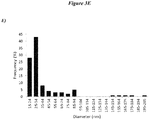
- Figure 3E shows a histogram of exosome diameter versus frequency. Exosomes range in diameter from between about 15 nm to about 205 nm, with the majority of the exosomes in the range of about 15 nm to about 95 nm in diameter.
- CDCs are a rich source of both mRNA and protein, which may play a role in the indirect regenerative effects realized after CDC administration.
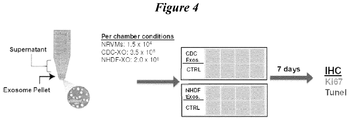
- Exosomes were isolated from CDCs or NHDF cells as discussed above. A portion of the exosome pellet fraction was then co-incubated with cultured neonatal rat ventricular myocytes (NRVM) in chamber slides for approximately 7 days. At the end of seven days, the co-cultures were evaluated by immunohistochemistry for changes in indices of proliferation or cell death (as measured by markers of apoptosis). A schematic for this protocol is shown in Figure 4 .
- Figure 5A shows data related to death of the NRVM cells, as measured by TUNEL staining.
- Figure 5C shows confocal fluorescent microscopic analysis of TUNEL staining in NRCM incubated without exosomes, with exosomes from NHDF cells, or with exosomes from CDCs.
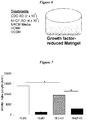
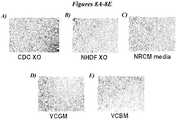
- HUVEC Human umbilical vein endothelial cells
- NRCM neonatal rat cardiomyocyte media
- MRCM supplemented with CDC-derived exosomes
- MRCM supplemented with NHDF-derived exosomes
- VCBM vascular cell basal media
- VCGM vascular cell growth media
- MI myocardial infarction
- SCID/Beige mice of approximately 3 months of age by ligation of the mid-left anterior descending coronary artery and exosome preparations or vehicle was injected under direct visualization at two peri-infarct sites.
- other delivery routes e.g., intracoronary, intramyocardially, IV, etc. are used in some embodiments.
- IMDM Iscove's Modified Dulbecco's Medium
- MSC-XO mesenchymal stem cells
- NHDF-XO exosomes isolated from NHDF
- CDC-XO exosomes isolated from CDCs
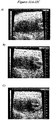
- exosomes derived from CDCs resulted in an increase in the amount of regenerated cardiac tissue (see e.g., Figure 11C as compared to Figures 11A-11B ). Echo data for MSC-XO not shown. Additional data relating to anatomical improvements (e.g. regenerated myocardium) is shown in Figure 12 .
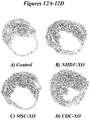
- Figures 12A-12D depict representative Masson's trichrome stained sections of cardiac tissue from each of the various treatment groups. Comparing Figure 12D to Figure12A , demonstrates that exosomes derived from CDC's increase the wall thickness and reduce the chamber volume, which translates to improved cardiac function.
- Exosomes derived from NHDF (12B) also increased wall thickness as compared to control, but not to the same extent as exosomes from CDCs. In contrast, exosomes from MSCs failed to regenerate myocardium to the same degree as either NHDF or CDCs.
- Figure 12E depicts data relating to the percent viability of tissue in the risk region (the area around the infarct site). Exosomes derived from CDCs significantly improved cell viability as compared to control (p ⁇ 0.01) as well as compared to NHDF exosomes (p ⁇ 0.01). The viability in the risk region was not significantly different when compared to MSC-XO treated mice.
- Figure 12F shows the absolute amounts of scar mass resulting from the induced myocardial infarction.
- NHDF exosomes did not significantly reduce scar mass as compared to control, however, exosomes derived from CDCs significantly reduced the scar mass, not only compared to control, but as compared to all other treatment groups (p ⁇ 0.05 v. MSC-XO, p ⁇ 0.01 v. control and NHDF-XO). Not only does this represent an anatomical improvement, because scar tissue has reduced contractility, but the reduction in scar tissue is often associated with improved functionality.
- Figure 12G indicates that exosomes derived from CDCs yield a significant increase in the overall viable mass of cardiac tissue as compared to control or any other treatment group (p ⁇ 0.05).
- Figure 12H indicates that exosomes derived from CDCs result in a significant increase in cardiac wall thickness in the infarct region (as compared to both control and MSC exosomes, p ⁇ 0.01, and compared to NHDF exosomes, p ⁇ 0.05). Again, this increased thickness, in several embodiments, contributes, at least in part, to increased cardiac function.
- exosomes results in an increase in the viability of cells or tissue in the region of damage or disease.
- exosomes themselves need not be administered, but rather the contents or a portion of the contents of the exosomes can be administered (e.g., nucleic acids, proteins, or combinations thereof) to result in functional and/or anatomical improvements.
- administration of exosomes to a damaged or diseased tissue can ameliorate one or more secondary effects of the damage or disease, such secondary effects, often leading to potentiation of injury or loss of function in the damaged tissue.
- inflammation is one such secondary effect.
- the infiltration of inflammatory cells into a tissue that has been damaged or is subject to disease can oftentimes induce additional damage and or, loss of function.
- inflammatory cells may initiate certain pathways, which result in the further destruction of cells, including those that are not directly injured or diseased.
- the expression level of a panel of inflammatory markers was evaluated one month post myocardial infarction. These data are shown in Figure 13 .
- exosomes derived from CDCs are associated with lower levels of inflammatory associated markers.
- exosomes derived from CDCs display significantly reduced expression of the inflammatory marker (see e.g., expression for fractalkine, GCSF, IL12p40p70, MIP-1g).
- the methods disclosed herein result in a decrease in the expression of (or inflammatory activity associated with) one or more of BLC, CD30L, eotaxin, eotaxin 2, FasL, fractalkine, GCSF, GM-CSF, interferon gamma, IL-1a, IL-1b, IL-2, IL-3, IL-4, IL-6, IL-9, IL-10, IL-12p40p70, IL-20p70, IL-13, IL-17, I-TAC, KC, leptin, LIX, lymphotactin, MCP-1, MCSF, MIG, MIP-1a, MIP-1g, RANTES, SDF-1, TCA-3, TECK, TIMP-1, TIMP-2, tumor necrosis factor alpha, sTNF-R1, and sTNF-R2.
- administration of exosomes results in a reduction in inflammatory markers at time points earlier than 30 days.
- immediate reduction in inflammatory markers post injury results in less subsequent damage to the tissue due to inflammation.
- inflammatory markers are reduced by exosomes administration on a timeframe ranging from about 2 to about 5 hours, about five to about seven hours, about seven to about 10 hours, about 10 to about 15 hours, about 15 to about 20 hours, about 20 to about 24 hours, and overlapping ranges thereof.
- exosomes administration results in a reduction of inflammatory markers on a timeframe from about one day to about three days, about three days to about five days, about five days to about 10 days, about 10 days to about 15 days, about 15 days to about 20 days, about 20 days to about 30 days, and overlapping ranges thereof. Additionally, in several embodiments, administration of exosomes reduces the expression and/or infiltration of inflammatory mediators for longer periods of time.
- exosomes are capable of facilitating repair and/or regeneration of diseased or damaged tissues important, it is also important to understand processes for the efficient collection of exosomes. Understanding the mechanisms involved in exosomes secretion, and several embodiments, allow for optimization of the efficiency of exosome isolation.
- exosomes are membrane bound bodies that are derived from the endocytic recycling pathway.
- endocytic vesicles form at the plasma membrane and fuse to form early endosomes.
- intraluminal vesicles known as multivesicular bodies (MVB) bud off into the intracytoplasmic lumen.
- MVB multivesicular bodies
- Sphingomyelinases are enzymes that cleave certain lipids and may play a role in exosomal release.
- FIG. 14A shows data related to the dose-dependent reduction in exosome secretion from CDCs due to exposure of cultured CDCs to GW4869.
- Figure 14B shows data that confirms that the reduction in secretion is not due to reduced CDC viability.
- CDCs exposed to DMSO (as a control) or GW4869 showed no significant differences in viability (based on calcein staining).
- mice were subjected to acute myocardial infarction (as above) and treated with either exosomes derived from CDCs that were exposed to DMSO (control) or exosomes derived from CDCs that were exposed to GW4869.
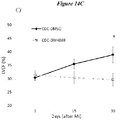
- Figure 14C shows that, as a result of exposure to GW4869, LVEF failed to improve, whereas, in contrast, exosomes derived from CDCs exposed to DMSO (solvent control) resulted in improvements in LVEF. These improvements in LVEF were statistically significant, even as 30 days after the MI.
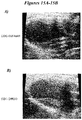
- Figures 15A-15B show MRI data depicting greater anatomical improvements with administration of the exosomes from DMSO exposed CDCs (15B), and lack of anatomical improvements after administration of exosomes from CDCs exposed to GW4869.
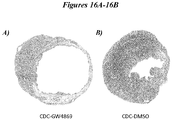
- Figures 16A-16B further demonstrate that exosomes play a critical role in cardiac tissue repair and regeneration resulting from CDC administration.
- treatment of CDCs with the inhibitor of exosome secretion GW4869 and administration of the resultant exosomes results in decreased cardiac wall thickness after acute MI.
- incubation of CDCs with DMSO does not adversely impact the beneficial effects of the exosomes, as demonstrated by the increased wall thickness.
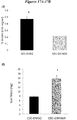
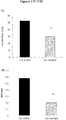
- Additional data, shown in Figures 17A-17D further demonstrate inhibition of exosome release from CDCs results in reduced positive benefits (e.g., reduced cell viability in the infarct region, increased scar mass, reduced viable tissue mass, and decreased wall thickness).
- cells that are to be used as a source of exosomes can be treated with one or more agents that prevent inhibition of exosome release and/or one or more agents that promote exosome release.
- the eventual efficacy of cellular repair or regeneration using exosomes can be modified by particular treatments of the cells that give rise to the exosomes.
- exosomes alone are administered to result in cellular repair regeneration, while in some embodiments, exosomes are administered in combination with the cells that give rise to those exosomes (e.g., a combination cell-exosome therapy).
- the latter approach potentiates the regenerative effects because the cells can continue to produce exosomes post-administration.
- neither exosomes nor cells need be administered, rather isolated products from the exosomes or the cells (e.g., nucleic acids or proteins, or combinations thereof) can be administered to yield the positive regenerative effects.
- products from exosomes can be administered in order to provide regenerative effects on damaged or diseased cells or tissues.
- DNA can be isolated from exosomes
- RNA can be isolated from exosomes (in addition to or in place of DNA).
- RNA is known to be carried by exosomes, such as, for example, microRNA (miRNA or miR).
- miRNAs function as post-transcriptional regulators, often through binding to complementary sequences on target messenger RNA transcripts (mRNAs), thereby resulting in translational repression, target mRNA degradation and/or gene silencing.
- Exosomes were prepared as described above from both CDCs and NHDF, and total RNA was isolated from the exosomes by established methods. cDNA was generated from the total RNA and used as a template in RT PCR reactions to determine the expression levels of a panel of miRNAs.
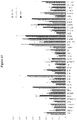
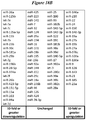
- Figure 18A depicts expression levels of various miRNA in CDCs as compared to NHDF cells (data are expressed as fold change relative to NHDF expression, which is the "0" value on the X-axis). As depicted, there are a variety of miRNAs that exhibit differential expression between the CDCs and the control cells.
- miRNAs that exhibit an increase in expression over control cell are candidates for subsequent use in tissue regeneration (e.g., by administration of exosomes containing such miRNAs, or alternatively, direct administration of the miRNAs).
- miR146a exhibits over a 250 fold increased expression in CDCs.
- Figure 18B shows a listing of those miRNA that are equivalently expressed in NHDF cells as compared to CDCs (equivalence was set for this embodiment as a less than 10-fold change in expression), those that are significantly upregulated in CDCs (right) and those that are significantly downregulated in CDCs (left). In some embodiments, however, other miRNAs exhibit altered expression, depending on the cell types tested.
- miRNAs that exhibit a decrease in expression as compared to control cells are candidates for subsequent use in tissue regeneration.
- Whether the miRNA expression is up or down regulated may be related to whether the miRNA is involved in a pathway in the context of subsequent suppression of translation, or alternatively, disk inhibition of translation.
- FIG 19 A schematic for the experiment is shown in Figure 19 , where an miR-mimic is produced (corresponding to mi146a in size and structure, but derived from C. elegans, so it has no specificity to human mRNA) that is complementary to a protein coding region of a target gene that is important for NRVM survival.
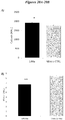
- NRVM were transfected with 40 nM of either mi146a or control miRNA and grown as a monolayer (10% media). Cellular viability was assessed at 6 by calcein fluorescence and 12 hours by ETHD-1 fluorescence, respectively ( Figures 20A and 20B , respectively).
- cellular regeneration is accomplished through the administration of micro RNAs alone (e.g., with a suitable physiological carrier, but without exosomes or cells).
- the administration of exosomes and/or cells can be potentiated by administration of micro RNA prior to, concurrently with, or subsequent to administration of exosomes and/or cells.
- miRNAs were evaluated in an in vivo MI model. According to the MI protocol above an infarction was generated in mice that had received miR146a or a mimic control. The miRNAs were delivered at a concentration of 50 nm by peri-infarct injection. Functional evaluation was performed at 15 and 30 days post-MI, and tissue regeneration was assessed at 30 days post-MI by methods discussed above. Also as discussed above, other concentrations or delivery routes of miRNAs (or exosomes and/or cells) can be used, depending on the embodiment.
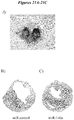
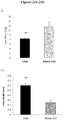
- FIG. 21A hearts from mice receiving control mimic miRNA (left heart) have a larger infarct region as grossly compared to those receiving miR146a (right heart).
- Figures 21B and 21C further corroborate that gross comparison.
- Figure 21B shows Masson's Trichrome staining of an infarcted heart from a mouse that received miR mimic as a control.
- the wall thickness is notably thinner and has less muscle fiber than the heart shown in Figure 21C , which is from an infarcted heart of a mouse treated with miR-146a.
- This histological analysis indicates that treatment with miR-146a results in reduction of collagen (e.g., scar formation) and tissue regeneration post-infarct.
- FIG. 21D mice that were treated with miR146a had significantly greater ejection fraction at 15 and 30 days post-MI. This increase in function, coupled with the increase in wall thickness leads, in several embodiments, to significantly improved clinical outcomes.
- Figures 21E-21G reaffirm the histological data shown in 21B and 21C. Overall viable tissue mass was significantly greater (p ⁇ 0.05) in mice treated with miR146a ( Figure 21E ). Scar mass was significantly less (p ⁇ 0.01) in miR146a treated mice ( Figure 21F ) and infarct width (e.g., wall thickness) was significantly greater in miR146a-treated mice ( Figure 21G ).
- miR146a even if administered alone (e.g., without associated stem cells, such as CDCs, and without exosomes) are highly efficacious in repairing damaged cardiac tissue, not only anatomically by reducing scar size and increasing viable tissue, but also in terms of function. This dual impact is clinically profound, as regeneration of cardiac tissue or reduction in scar size alone, while important in development of cardiac therapy, falls short of the ultimate goal of treating a patient post-MI.
- the administration of microRNAs such as, for example those that are upregulated in therapeutically efficacious cells, such as CDCs, leads unexpectedly to both functional and anatomical repair of damaged cardiac tissue.
- miR146a is particularly efficacious.
- the efficacy of the miRNAs alone may be due, at least in part, various physiological mechanisms induced by the miRNA.
- the administration of miRNA may support increased metabolic activity of cells and/or increased protein synthesis, which may enable cells to better survive adverse conditions that result from cardiac injury or disease.
- microRNA may also be efficacious due to the limited induction of inflammation that results from miRNA administration.
- Figure 22 shows differential gene expression data that was collected after cardiomyocytes were transfected with miR146a or a mimic control in vitro. Data was collected by gene chip analysis by established methods.
- cardiomyocytes treated with miR146a resulted in upregulation of MRPS12 (a mitochondrial ribosomal protein), CTH (cystothionase), MTFP1 (mitochondrial fission process protein 1), and SLC50A1 (a sugar transporter), which may be related to increased metabolic activity of the treated cardiomyoctes and/or protein synthesis.
- MRPS12 mitochondrial ribosomal protein
- CTH cystothionase
- MTFP1 mitochondrial fission process protein 1
- SLC50A1 a sugar transporter
- the reduction in expression of these genes may decrease the amount and/or intensity of immune activity in the cardiomyocytes.
- the treated cardiomyocytes may enjoy improved viability, despite the inflammatory response that can result after cardiac injury.
- This improved viability may in turn, in several embodiments, be a mechanism by which miRNAs can provide positive therapeutic benefits (both anatomic and functional).
- miRNAs that are upregulated also, in several embodiments, can be used to effect positive therapeutic outcomes.
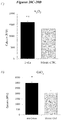
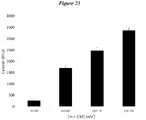
- miR210 which is upregulated in CDCs approximately 30-fold (as compared to NHDF), improved cardiomyocyte viability in a dose-response fashion, when cardiomyocytes were exposed to H 2 O 2 .
- Figure 23 shows this data.
- Increasing the amount of miR210 transfected from 40nM up to 320nM resulted in greater than a 10-fold increase in cardiomyocyte viability (based on calcein fluorescence).
- the improved ability of cells such as cardiomyocytes to survive adverse conditions after being contacted with selected miRNAs supports the use, according to several embodiments disclosed herein, of miRNAs alone to treat cardiac tissue damage.
- the administration of miRNAs in a therapeutic context comprises delivery of the miRNAs directly to a target cell (such as a cardiomyocyte).
- a target cell such as a cardiomyocyte
- that delivery is accomplished by administering the miRNA in a vehicle that enables the miRNA to contact and/or enter the target cell.
- a vehicle that enables the miRNA to contact and/or enter the target cell.
- This may include, depending on the embodiment, a lipid-based transfection agent, a viral agent (e.g., adenovirus, adeno-associated virus, lentivirus, etc.) or particle based agents (e.g., gene guns).
- the miRNA can be delivered, in several embodiments, in concentrations ranging from about 10 nM to about 10 ⁇ M, including about 10 nM to about 20 nM, about 20 nM to about 30 nM, about 30 nM to about 40 nM, about 40 nM to about 50 nM, about 50 nM to about 60 nM, about 60 nM to about 70 nM, about 70 nM to about 80 nM, about 80 nM to about 90 nM, about 90 nM to about 100 nM, about 100 nM to about 150 nM, about 150 nM to about 200 nM, about 200 nM to about 400 nM, about 400 nM to about 800 nM, about 800 nM to about 1 ⁇ M, about 1 ⁇ M to about 2 ⁇ M, about 2 ⁇ M to about 4 ⁇ M, about 4 ⁇ M to about 6 ⁇ M, about 6 ⁇ M to about 8 ⁇ M, about 8 ⁇ M to about
Landscapes
- Health & Medical Sciences (AREA)
- Life Sciences & Earth Sciences (AREA)
- Engineering & Computer Science (AREA)
- Chemical & Material Sciences (AREA)
- Biomedical Technology (AREA)
- Genetics & Genomics (AREA)
- General Health & Medical Sciences (AREA)
- Bioinformatics & Cheminformatics (AREA)
- Organic Chemistry (AREA)
- Biotechnology (AREA)
- Zoology (AREA)
- Public Health (AREA)
- Animal Behavior & Ethology (AREA)
- Veterinary Medicine (AREA)
- Medicinal Chemistry (AREA)
- Pharmacology & Pharmacy (AREA)
- Wood Science & Technology (AREA)
- Molecular Biology (AREA)
- General Engineering & Computer Science (AREA)
- Biochemistry (AREA)
- Cardiology (AREA)
- Cell Biology (AREA)
- Epidemiology (AREA)
- General Chemical & Material Sciences (AREA)
- Chemical Kinetics & Catalysis (AREA)
- Nuclear Medicine, Radiotherapy & Molecular Imaging (AREA)
- Microbiology (AREA)
- Developmental Biology & Embryology (AREA)
- Vascular Medicine (AREA)
- Plant Pathology (AREA)
- Biophysics (AREA)
- Physics & Mathematics (AREA)
- Rheumatology (AREA)
- Heart & Thoracic Surgery (AREA)
- Virology (AREA)
- Immunology (AREA)
- Botany (AREA)
- Urology & Nephrology (AREA)
- Pain & Pain Management (AREA)
- Medicines Containing Material From Animals Or Micro-Organisms (AREA)
Applications Claiming Priority (3)
| Application Number | Priority Date | Filing Date | Title |
|---|---|---|---|
| US201261682666P | 2012-08-13 | 2012-08-13 | |
| PCT/US2013/054732 WO2014028493A2 (en) | 2012-08-13 | 2013-08-13 | Exosomes and micro-ribonucleic acids for tissue regeneration |
| EP13829234.7A EP2882445B1 (en) | 2012-08-13 | 2013-08-13 | Exosomes and micro-ribonucleic acids for tissue regeneration |
Related Parent Applications (2)
| Application Number | Title | Priority Date | Filing Date |
|---|---|---|---|
| EP13829234.7A Division EP2882445B1 (en) | 2012-08-13 | 2013-08-13 | Exosomes and micro-ribonucleic acids for tissue regeneration |
| EP13829234.7A Division-Into EP2882445B1 (en) | 2012-08-13 | 2013-08-13 | Exosomes and micro-ribonucleic acids for tissue regeneration |
Publications (2)
| Publication Number | Publication Date |
|---|---|
| EP3563859A1 EP3563859A1 (en) | 2019-11-06 |
| EP3563859B1 true EP3563859B1 (en) | 2021-10-13 |
Family
ID=50101594
Family Applications (2)
| Application Number | Title | Priority Date | Filing Date |
|---|---|---|---|
| EP19163788.3A Active EP3563859B1 (en) | 2012-08-13 | 2013-08-13 | Cardiosphere-derived exosomes for tissue regeneration |
| EP13829234.7A Active EP2882445B1 (en) | 2012-08-13 | 2013-08-13 | Exosomes and micro-ribonucleic acids for tissue regeneration |
Family Applications After (1)
| Application Number | Title | Priority Date | Filing Date |
|---|---|---|---|
| EP13829234.7A Active EP2882445B1 (en) | 2012-08-13 | 2013-08-13 | Exosomes and micro-ribonucleic acids for tissue regeneration |
Country Status (6)
| Country | Link |
|---|---|
| US (4) | US9828603B2 (enExample) |
| EP (2) | EP3563859B1 (enExample) |
| JP (2) | JP6433896B2 (enExample) |
| AU (1) | AU2013302799B2 (enExample) |
| CA (1) | CA2881394C (enExample) |
| WO (1) | WO2014028493A2 (enExample) |
Families Citing this family (76)
| Publication number | Priority date | Publication date | Assignee | Title |
|---|---|---|---|---|
| US11660317B2 (en) | 2004-11-08 | 2023-05-30 | The Johns Hopkins University | Compositions comprising cardiosphere-derived cells for use in cell therapy |
| US11286463B2 (en) | 2012-03-08 | 2022-03-29 | Advanced ReGen Medical Technologies, LLC | Reprogramming of aged adult stem cells |
| EP3563859B1 (en) * | 2012-08-13 | 2021-10-13 | Cedars-Sinai Medical Center | Cardiosphere-derived exosomes for tissue regeneration |
| US12558316B2 (en) | 2013-03-13 | 2026-02-24 | University Of Miami | Methods and compositions for the treatment of epidermolysis bullosa |
| WO2014159662A1 (en) | 2013-03-13 | 2014-10-02 | University Of Miami | Method for isolation and purification of microvesicles from cell culture supernatants and biological fluids |
| EP3888640B1 (en) | 2013-06-05 | 2025-09-17 | Reverse Bioengineering, Inc. | Compositions and methods for induced tissue regeneration in mammalian species |
| US10772911B2 (en) | 2013-12-20 | 2020-09-15 | Advanced ReGen Medical Technologies, LLC | Cell free compositions for cellular restoration and methods of making and using same |
| US20150174166A1 (en) | 2013-12-20 | 2015-06-25 | Advanced ReGen Medical Technologies, LLC | Compositions for Cellular Restoration and Methods of Making and Using Same |
| US11078462B2 (en) | 2014-02-18 | 2021-08-03 | ReCyte Therapeutics, Inc. | Perivascular stromal cells from primate pluripotent stem cells |
| EP4445915A3 (en) * | 2014-03-24 | 2025-01-22 | Advanced Regen Medical Technologies, LLC | Cell free compositions for cellular restoration and methods of making and using same |
| US10513710B2 (en) | 2014-04-18 | 2019-12-24 | University Of Massachusetts | Exosomal loading using hydrophobically modified oligonucleotides |
| US10568945B2 (en) | 2014-04-25 | 2020-02-25 | University Of Cincinnati | Compositions and methods for inducing liver regeneration by administering hepatocyte-derived exosomes |
| US20150328263A1 (en) | 2014-05-14 | 2015-11-19 | University Of Maryland, Baltimore | Cardiac stem cells for cardiac repair |
| RU2620069C2 (ru) * | 2014-06-26 | 2017-05-22 | Аоварт Гмбх | Вещество и способ модуляции пролиферации и дифференцировки регуляторных, стволовых и других соматических клеток |
| US10240127B2 (en) | 2014-07-03 | 2019-03-26 | ReCyte Therapeutics, Inc. | Exosomes from clonal progenitor cells |
| EP4494699A3 (en) | 2014-10-03 | 2025-04-30 | Cedars-Sinai Medical Center | Cardiosphere-derived cells and exosomes secreted by such cells in the treatment of muscular dystrophy |
| US20170304368A1 (en) * | 2014-10-06 | 2017-10-26 | Cedars-Sinai Medical Center | Polarization of macrophages to a healing phenotype by cardiosphere-derived cells and by the exosomes secreted by such cells |
| WO2016057755A1 (en) * | 2014-10-09 | 2016-04-14 | Anthrogenesis Corporation | Placenta-derived adherent cell exosomes and uses thereof |
| WO2016090183A1 (en) * | 2014-12-03 | 2016-06-09 | Capricor Therapeutics, Inc. | Processes for producing stable exosome formulations |
| WO2016196822A1 (en) * | 2015-06-02 | 2016-12-08 | Cedars-Sinai Medical Center | Urodele exosomes as therapeutic agents |
| EP3380088A4 (en) * | 2015-11-25 | 2019-07-31 | The Regents of the University of Colorado, A Body Corporate | USE OF MICRO-RNA 146A AND NANOCERIA CONJUGATE TO IMPROVE WOUND HEALING AND PROMOTE TISSUE GENERATION |
| CN108779435B (zh) | 2015-12-07 | 2022-05-03 | 再生疗法有限公司 | 用于重新衍生不同的多能干细胞衍生的褐色脂肪细胞的方法 |
| WO2017123662A1 (en) | 2016-01-11 | 2017-07-20 | Cedars-Sinai Medical Center | Cardiosphere-derived cells and exosomes secreted by such cells in the treatment of heart failure with preserved ejection fraction |
| US11801268B2 (en) | 2016-03-14 | 2023-10-31 | Capricor, Inc. | Methods of treating ocular inflammation and chemical injuries of the eye with extracellular vesicles |
| US10695293B2 (en) * | 2016-03-22 | 2020-06-30 | Capricor, Inc. | Method of preventing or treating radiation-induced dermatitis with extracellular vesicles |
| KR102469326B1 (ko) * | 2016-03-24 | 2022-11-23 | 스템랩, 에스에이 | 조직 회복을 위한 제대혈 파생 엑소좀의 이용 |
| US11203754B2 (en) | 2016-04-29 | 2021-12-21 | Advanced ReGen Medical Technologies, LLC | Microrna compositions and methods of making and using same |
| US11697851B2 (en) | 2016-05-24 | 2023-07-11 | The Regents Of The University Of California | Early ovarian cancer detection diagnostic test based on mRNA isoforms |
| WO2017210652A1 (en) | 2016-06-03 | 2017-12-07 | Cedars-Sinai Medical Center | Cdc-derived exosomes for treatment of ventricular tachyarrythmias |
| CN107557464B (zh) * | 2016-07-02 | 2021-06-04 | 上海市公共卫生临床中心 | 用于干扰素治疗慢性乙型肝炎早期病毒学反应的预测模型及检测试剂盒 |
| EA201890841A1 (ru) * | 2016-08-17 | 2018-09-28 | Ортоген Аг | Фармацевтический препарат против старения |
| US20210290556A1 (en) * | 2016-08-22 | 2021-09-23 | Codiak Biosciences, Inc. | Methods of suppressing delivery of exosomes to liver and spleen |
| EP3512948A4 (en) * | 2016-09-09 | 2020-05-13 | Cornell University | ADMINISTRATION OF NUCLEIC ACIDS, PROTEINS AND SMALL MOLECULES IN GLASS-LIKE VESICULAR BODIES |
| FR3055805B1 (fr) * | 2016-09-09 | 2020-05-15 | Assistance Publique - Hopitaux De Paris (Ap-Hp) | Biomateriau a usage therapeutique |
| US11541078B2 (en) | 2016-09-20 | 2023-01-03 | Cedars-Sinai Medical Center | Cardiosphere-derived cells and their extracellular vesicles to retard or reverse aging and age-related disorders |
| US11639490B2 (en) | 2017-03-30 | 2023-05-02 | Foundation For Cardiological Research And Education (Fcre) | Device and method for producing and purifying exosomes |
| WO2018183930A1 (en) * | 2017-03-30 | 2018-10-04 | Carson Dennis A | Methods for isolating, expanding and administering cancer specific cd8+ t cells |
| IT201700035315A1 (it) * | 2017-03-30 | 2018-09-30 | Foundation For Cardiological Res And Education Fcre | Dispositivo e metodo di produzione e purificazione di esosomi |
| JP7336769B2 (ja) | 2017-04-19 | 2023-09-01 | シーダーズ―シナイ メディカル センター | 骨格筋ジストロフィーを治療する方法及び組成物 |
| JP7083818B2 (ja) * | 2017-04-28 | 2022-06-13 | 一丸ファルコス株式会社 | プラセンタ抽出物 |
| WO2018204889A1 (en) * | 2017-05-05 | 2018-11-08 | Capricor, Inc | Methods of treating systemic graft-versus-host disease with extracellular vesicles |
| WO2018226758A2 (en) * | 2017-06-05 | 2018-12-13 | The Regents Of The University Of California | Methods for enhanced production and isolation of cell-derived vesicles and treatment of inflammation and neurological damage |
| EP4218775A1 (en) | 2017-08-04 | 2023-08-02 | Cedars-Sinai Medical Center | Cardiosphere-derived cells and their extracellular vesicles for treatment and prevention of cancer |
| US11446323B2 (en) | 2017-08-31 | 2022-09-20 | Tel Hashomer Medical Research Infrastructure And Services Ltd. | Compositions and methods for the treatment of fibrotic diseases |
| KR20200064077A (ko) * | 2017-09-01 | 2020-06-05 | 오리그3엔, 인코포레이티드 | Ipsc-유래 분비단백체 조성물, 및 관련된 시스템 및 방법 |
| WO2019055337A1 (en) * | 2017-09-13 | 2019-03-21 | Children's Hospital Medical Center | ROLE OF EXOSOMES, EXTRACELLULAR VESICLES IN THE REGULATION OF METABOLIC HOMÉOSTASIE |
| WO2019126068A1 (en) | 2017-12-20 | 2019-06-27 | Cedars-Sinai Medical Center | Engineered extracellular vesicles for enhanced tissue delivery |
| EP3740576A4 (en) | 2018-01-18 | 2021-10-20 | Advanced Regen Medical Technologies, LLC | THERAPEUTIC COMPOSITIONS AND THEIR PREPARATION AND USE METHODS |
| EP3749344A4 (en) | 2018-02-05 | 2022-01-26 | Cedars-Sinai Medical Center | METHODS OF THERAPEUTIC USE OF EXOSOMES AND Y-RNAS |
| EP3801028A4 (en) | 2018-05-30 | 2022-04-13 | Direct Biologics LLC | A growth factor and extracellular vesicle frozen or powdered additive comprising a mesenchymal stem cell (msc) preparation and methods of use |
| WO2020069313A2 (en) * | 2018-09-28 | 2020-04-02 | Henry Ford Health System | Use of extracellular vesicles in combination with tissue plasminogen activator and/or thrombectomy to treat stroke |
| JP7519698B2 (ja) * | 2018-10-04 | 2024-07-22 | エクサオゲンウス セラペウティクス,エスエー | 抗炎症及び免疫調節特性を有する臍帯血単核細胞に由来する小型細胞外小胞を含む組成物及びそれらを得るためのプロセス |
| US12569517B2 (en) * | 2019-02-07 | 2026-03-10 | Direct Biologics, Llc | Method for treating osteoarthritis with mesenchymal stem cell exosomes |
| US20220136011A1 (en) * | 2019-02-08 | 2022-05-05 | Board Of Regents, The University Of Texas System | Telomerase-containing exosomes for treatment of diseases associated with aging and age-related organ dysfunction |
| WO2020190672A1 (en) * | 2019-03-15 | 2020-09-24 | North Carolina State University | Cardiomyocyte-derived exosomes inducing regeneration of damaged heart tissue |
| JP2022525209A (ja) * | 2019-03-15 | 2022-05-11 | ユニシテ エーファウ アクチェンゲゼルシャフト | 細胞外小胞(ev)の血管新生促進能力の予測方法 |
| EP3954435A4 (en) * | 2019-04-09 | 2022-11-23 | International Space Medical Co., Ltd. | THERAPEUTIC FOR FIBROSIS, INFLAMMATION AND/OR AGING DISEASES |
| US12213995B2 (en) | 2019-07-18 | 2025-02-04 | Direct Biologics, Llc | Preparations comprising mesenchymal stem cells and cannabinoids and methods of their use |
| KR20220042117A (ko) | 2019-08-09 | 2022-04-04 | 우베 고산 가부시키가이샤 | 엑소좀의 생성 방법 |
| EP4041250A1 (en) * | 2019-11-29 | 2022-08-17 | Novadip Biosciences | Mirna-based pharmaceutical compositions and uses thereof for the prevention and the treatment of tissue disorders |
| US20210186831A1 (en) * | 2019-12-19 | 2021-06-24 | North Carolina State University | Therapeutic compositions and methods using exosomes derived from human dermal fibroblasts |
| EP4093408A4 (en) * | 2020-01-22 | 2024-04-24 | AgeX Therapeutics, Inc. | THERAPEUTIC EXOSOMES AND THEIR PRODUCTION METHOD |
| WO2021178514A1 (en) * | 2020-03-04 | 2021-09-10 | Cedars-Sinai Medical Center | Cardiosphere-derived cells, exosomes derived therefrom, and methods of using same to treat volumetric muscle loss |
| KR20230004709A (ko) | 2020-04-22 | 2023-01-06 | 다이렉트 바이오로직스 엘엘씨 | 감염성 질환과 연관된 염증성 병태를 치료하기 위한 방법 및 조성물 |
| US20230220336A1 (en) * | 2020-06-01 | 2023-07-13 | Figene, Llc | Fibroblasts as a regenerative cellular source for the treatment of blindness |
| JP2022058273A (ja) * | 2020-09-30 | 2022-04-11 | 澁谷工業株式会社 | 線維化疾患用又は老化疾患用の医薬組成物及び炎症性疾患用の医薬組成物、ないしそれらの製造方法 |
| US20230414673A1 (en) * | 2020-11-23 | 2023-12-28 | Tiffani C. Chance | Extracellular vesicles derived from cardiosphere-derived cells as anti-shock therapeutics |
| WO2022114730A2 (ko) * | 2020-11-26 | 2022-06-02 | 사회복지법인 삼성생명공익재단 | 트롬빈 처리 줄기세포에서 유래된 엑소좀을 포함하는 감염성 질환 치료용 조성물 |
| CN112852713B (zh) * | 2021-02-07 | 2023-08-18 | 广州四叶草健康科技有限公司 | 一种人体皮肤成纤维细胞外泌体制备分离方法 |
| WO2022202930A1 (ja) * | 2021-03-23 | 2022-09-29 | 国立大学法人京都大学 | 組成物および医薬組成物 |
| WO2022235088A1 (ko) * | 2021-05-04 | 2022-11-10 | (주)에스엔이바이오 | 3차원 스페로이드형 세포 응집체 유래 세포외소포를 포함하는 신경 재생 촉진 조성물 |
| EP4349347A4 (en) * | 2021-05-04 | 2025-05-14 | S&E Bio Co., Ltd. | Composition for promoting angiogenesis with extracellular vesicles made from three-dimensional spheroid cell aggregates |
| US20250215403A1 (en) * | 2022-02-08 | 2025-07-03 | Temple University - Of The Commonwealth System Of Higher Education | Compositions and Methods for Cardiac Tissue Regeneration |
| EP4486406A4 (en) * | 2022-03-03 | 2026-03-04 | Fibrobiologics Inc | Therapeutic use of fibroblasts to stimulate regeneration and repair of atrophied spleen |
| CN118973591A (zh) | 2022-03-28 | 2024-11-15 | 合同会社博子科技 | 包含miR-140的药物组合物及其制备方法 |
| US12502407B2 (en) | 2024-04-25 | 2025-12-23 | Direct Biologics, Llc | Treatment of fistula with bone marrow mesenchymal stem cell derived extracellular vesicles |
Family Cites Families (383)
| Publication number | Priority date | Publication date | Assignee | Title |
|---|---|---|---|---|
| US3470876A (en) | 1966-09-28 | 1969-10-07 | John Barchilon | Dirigible catheter |
| US4106488A (en) | 1974-08-20 | 1978-08-15 | Robert Thomas Gordon | Cancer treatment method |
| US3964468A (en) | 1975-05-30 | 1976-06-22 | The Board Of Trustees Of Leland Stanford Junior University | Bioptome |
| US4659839A (en) | 1984-10-10 | 1987-04-21 | Mallinckrodt, Inc. | Coupling agents for radiolabeled antibody fragments |
| GB8711614D0 (en) | 1987-05-16 | 1987-06-24 | Medical Res Council | Proteins |
| US4960134A (en) | 1988-11-18 | 1990-10-02 | Webster Wilton W Jr | Steerable catheter |
| US5175004A (en) | 1988-12-27 | 1992-12-29 | Matsumura Kenneth N | Propagatable, new combinant cells for cellular replacement therapy |
| US4921482A (en) | 1989-01-09 | 1990-05-01 | Hammerslag Julius G | Steerable angioplasty device |
| US5052402A (en) | 1989-01-31 | 1991-10-01 | C.R. Bard, Inc. | Disposable biopsy forceps |
| US5104787A (en) | 1990-03-05 | 1992-04-14 | Lindstrom Richard L | Method for apparatus for a defined serumfree medical solution useful for corneal preservation |
| US6326198B1 (en) | 1990-06-14 | 2001-12-04 | Regents Of The University Of Michigan | Methods and compositions for the ex vivo replication of stem cells, for the optimization of hematopoietic progenitor cell cultures, and for increasing the metabolism, GM-CSF secretion and/or IL-6 secretion of human stromal cells |
| US5401629A (en) | 1990-08-07 | 1995-03-28 | The Salk Institute Biotechnology/Industrial Associates, Inc. | Assay methods and compositions useful for measuring the transduction of an intracellular signal |
| ES2077007T3 (es) | 1990-12-07 | 1995-11-16 | Ruesch Willy Ag | Instrumento medico con cabeza orientable. |
| US5228441A (en) | 1991-02-15 | 1993-07-20 | Lundquist Ingemar H | Torquable catheter and method |
| US5329923A (en) | 1991-02-15 | 1994-07-19 | Lundquist Ingemar H | Torquable catheter |
| AU660444B2 (en) | 1991-02-15 | 1995-06-29 | Ingemar H. Lundquist | Torquable catheter and method |
| US5454787A (en) | 1991-02-15 | 1995-10-03 | Lundquist; Ingemar H. | Torquable tubular assembly and torquable catheter utilizing the same |
| US5315996A (en) | 1991-02-15 | 1994-05-31 | Lundquist Ingemar H | Torquable catheter and method |
| US5981165A (en) | 1991-07-08 | 1999-11-09 | Neurospheres Holdings Ltd. | In vitro induction of dopaminergic cells |
| US5287857A (en) | 1992-06-22 | 1994-02-22 | David Mann | Apparatus and method for obtaining an arterial biopsy |
| US5334145A (en) | 1992-09-16 | 1994-08-02 | Lundquist Ingemar H | Torquable catheter |
| US5243167A (en) | 1992-09-16 | 1993-09-07 | Ingemar H. Lundquist | Apparatus and method for manufacturing a slotted torque tube |
| US5383852A (en) | 1992-12-04 | 1995-01-24 | C. R. Bard, Inc. | Catheter with independent proximal and distal control |
| US5368564A (en) | 1992-12-23 | 1994-11-29 | Angeion Corporation | Steerable catheter |
| ATE335091T1 (de) | 1993-05-28 | 2006-08-15 | Sinai School Medicine | Bc200 rna, daraus abgeleitete proben und entsprechende anwendungen |
| US5492825A (en) | 1993-08-06 | 1996-02-20 | The Regents Of The University Of California | Mammalian inward rectifier potassium channel cDNA, IRK1, corresponding vectors, and transformed cells |
| US5616568A (en) | 1993-11-30 | 1997-04-01 | The Research Foundation Of State University Of New York | Functionalized derivatives of hyaluronic acid |
| US5454827A (en) | 1994-05-24 | 1995-10-03 | Aust; Gilbert M. | Surgical instrument |
| US5840502A (en) | 1994-08-31 | 1998-11-24 | Activated Cell Therapy, Inc. | Methods for enriching specific cell-types by density gradient centrifugation |
| US5702905A (en) | 1994-09-28 | 1997-12-30 | Spectral Diagnostics | Monoclonal antibody to human ventricular myosin light chains |
| DE69621528T2 (de) | 1995-02-07 | 2003-01-16 | Shiseido Co. Ltd., Tokio/Tokyo | Anti-inflamatorische agenzien |
| US5551427A (en) | 1995-02-13 | 1996-09-03 | Altman; Peter A. | Implantable device for the effective elimination of cardiac arrhythmogenic sites |
| US5715832A (en) | 1995-02-28 | 1998-02-10 | Boston Scientific Corporation | Deflectable biopsy catheter |
| US5925567A (en) | 1995-05-19 | 1999-07-20 | T. Breeders, Inc. | Selective expansion of target cell populations |
| US5702433A (en) | 1995-06-27 | 1997-12-30 | Arrow International Investment Corp. | Kink-resistant steerable catheter assembly for microwave ablation |
| ATE365808T1 (de) | 1995-07-28 | 2007-07-15 | Marie Curie Cancer Care | Transportproteine und deren verwendungen |
| FR2739621B1 (fr) | 1995-10-05 | 1997-12-05 | Centre Nat Rech Scient | Peptides utilisables comme vecteurs pour l'adressage intracellulaire de molecules actives |
| US6337387B1 (en) | 1995-11-17 | 2002-01-08 | Asahi Kasei Kabushiki Kaisha | Differentiation-suppressive polypeptide |
| US5762069A (en) | 1995-12-29 | 1998-06-09 | Akos Biomedical, Inc. | Multiple sample biopsy forceps |
| US5856155A (en) | 1996-02-23 | 1999-01-05 | The Johns Hopkins University School Of Medicine | Compounds and related methods for modulating potassium ion channels and assays for such compounds |
| US6132390A (en) | 1996-02-28 | 2000-10-17 | Eupalamus Llc | Handle for manipulation of a stylet used for deflecting a tip of a lead or catheter |
| US5824031A (en) | 1996-02-28 | 1998-10-20 | Cardio Source | Apparatus and method for deflecting a tip of a lead or catheter |
| US5782748A (en) | 1996-07-10 | 1998-07-21 | Symbiosis Corporation | Endoscopic surgical instruments having detachable proximal and distal portions |
| GB9615726D0 (en) | 1996-07-26 | 1996-09-04 | Medical Res Council | Anti-viral agent 11 |
| US5955275A (en) | 1997-02-14 | 1999-09-21 | Arcaris, Inc. | Methods for identifying nucleic acid sequences encoding agents that affect cellular phenotypes |
| US6017735A (en) | 1997-01-23 | 2000-01-25 | Marie Curie Cancer Care | Materials and methods for intracellular transport and their uses |
| US6443949B2 (en) | 1997-03-13 | 2002-09-03 | Biocardia, Inc. | Method of drug delivery to interstitial regions of the myocardium |
| US6416510B1 (en) | 1997-03-13 | 2002-07-09 | Biocardia, Inc. | Drug delivery catheters that attach to tissue and methods for their use |
| US6086582A (en) | 1997-03-13 | 2000-07-11 | Altman; Peter A. | Cardiac drug delivery system |
| US6511477B2 (en) | 1997-03-13 | 2003-01-28 | Biocardia, Inc. | Method of drug delivery to interstitial regions of the myocardium |
| US6547787B1 (en) | 1997-03-13 | 2003-04-15 | Biocardia, Inc. | Drug delivery catheters that attach to tissue and methods for their use |
| AU733310C (en) | 1997-05-14 | 2001-11-29 | University Of British Columbia, The | High efficiency encapsulation of charged therapeutic agents in lipid vesicles |
| US6099832A (en) | 1997-05-28 | 2000-08-08 | Genzyme Corporation | Transplants for myocardial scars |
| US5851212A (en) | 1997-06-11 | 1998-12-22 | Endius Incorporated | Surgical instrument |
| US5899914A (en) | 1997-06-11 | 1999-05-04 | Endius Incorporated | Surgical instrument |
| CA2241615A1 (en) | 1997-06-26 | 1998-12-26 | An-Go-Gen Inc. | Catheters |
| US6387369B1 (en) | 1997-07-14 | 2002-05-14 | Osiris Therapeutics, Inc. | Cardiac muscle regeneration using mesenchymal stem cells |
| US7514074B2 (en) | 1997-07-14 | 2009-04-07 | Osiris Therapeutics, Inc. | Cardiac muscle regeneration using mesenchymal stem cells |
| GB9718609D0 (en) | 1997-09-02 | 1997-11-05 | Imp College Innovations Ltd | Fusion protein |
| US6123699A (en) | 1997-09-05 | 2000-09-26 | Cordis Webster, Inc. | Omni-directional steerable catheter |
| US7037648B1 (en) | 1997-11-07 | 2006-05-02 | John Hopkins University | Somatic transfer of modified genes to predict drug effects |
| US5938603A (en) | 1997-12-01 | 1999-08-17 | Cordis Webster, Inc. | Steerable catheter with electromagnetic sensor |
| US6203487B1 (en) | 1997-12-31 | 2001-03-20 | Thomas Jefferson University | Use of magnetic particles in the focal delivery of cells |
| JP4535468B2 (ja) | 1998-02-05 | 2010-09-01 | バイオセンス・ウエブスター・インコーポレーテツド | 心臓内薬物送達 |
| AU3112499A (en) | 1998-03-23 | 1999-10-18 | Zymogenetics Inc. | Cardiac-derived stem cells |
| US6296630B1 (en) | 1998-04-08 | 2001-10-02 | Biocardia, Inc. | Device and method to slow or stop the heart temporarily |
| US20010044619A1 (en) | 1998-04-08 | 2001-11-22 | Peter A. Altman | Cardiac drug delivery system and method for use |
| US6171610B1 (en) | 1998-04-24 | 2001-01-09 | University Of Massachusetts | Guided development and support of hydrogel-cell compositions |
| US6540725B1 (en) | 1998-06-04 | 2003-04-01 | Biosense Webster, Inc. | Injection catheter with controllably extendable injection needle |
| US6165164A (en) | 1999-03-29 | 2000-12-26 | Cordis Corporation | Catheter for injecting therapeutic and diagnostic agents |
| DE19833476B4 (de) | 1998-07-24 | 2005-08-25 | Huss, Ralf, Dr. | Genetisch modifizierte CD34-Negative, adhärent wachsende hämatopoetische Stammzellen und deren Verwendung in der Gentherapie |
| US6102887A (en) | 1998-08-11 | 2000-08-15 | Biocardia, Inc. | Catheter drug delivery system and method for use |
| US6074408A (en) | 1998-10-13 | 2000-06-13 | Freeman; Kenneth V. | Modular medical instrument and method of using same |
| US6153582A (en) | 1998-11-05 | 2000-11-28 | Bausch & Lomb Surgical, Inc. | Defined serumfree medical solution for ophthalmology |
| US6572611B1 (en) | 1998-11-23 | 2003-06-03 | C. R. Bard, Inc. | Intracardiac grasp catheter |
| US6193763B1 (en) | 1998-12-17 | 2001-02-27 | Robert A. Mackin | Apparatus and method for contemporaneous treatment and fluoroscopic mapping of body tissue |
| AUPP785098A0 (en) | 1998-12-21 | 1999-01-21 | Victor Chang Cardiac Research Institute, The | Treatment of heart disease |
| WO2007019398A1 (en) | 2005-08-03 | 2007-02-15 | Advanced Cell Technology, Inc. | Improved methods of reprogramming animal somatic cells |
| US6783510B1 (en) | 1999-07-08 | 2004-08-31 | C.R. Bard, Inc. | Steerable catheter |
| US7015037B1 (en) | 1999-08-05 | 2006-03-21 | Regents Of The University Of Minnesota | Multiponent adult stem cells and methods for isolation |
| WO2001010482A1 (en) | 1999-08-05 | 2001-02-15 | Biocardia, Inc. | A system and method for delivering thermally sensitive and reverse-thermal gelation matrials |
| SE9903185D0 (sv) | 1999-09-08 | 1999-09-08 | Europ I Of Science Ab | Terapeutisk metod och anordning baserad på magnetism |
| JP2003509374A (ja) | 1999-09-14 | 2003-03-11 | チルドレンズ メディカル センター コーポレーション | 骨髄細胞を用いる筋ジストロフィーの治療方法 |
| WO2001021767A2 (en) | 1999-09-24 | 2001-03-29 | Morphogen Pharmaceuticals, Inc. | Pluripotent embryonic-like stem cells, compositions, methods and uses thereof |
| US20030161817A1 (en) | 2001-03-28 | 2003-08-28 | Young Henry E. | Pluripotent embryonic-like stem cells, compositions, methods and uses thereof |
| WO2001026727A1 (en) | 1999-10-13 | 2001-04-19 | Biocardia, Inc. | Pulmonary vein arrhythmia diagnostic device and method for use |
| US6716242B1 (en) | 1999-10-13 | 2004-04-06 | Peter A. Altman | Pulmonary vein stent and method for use |
| WO2001037721A2 (en) | 1999-11-22 | 2001-05-31 | The Research Foundation Of State University Of New York | Magnetic nanoparticles for selective therapy |
| US6224587B1 (en) | 1999-11-22 | 2001-05-01 | C.R. Bard, Inc. | Steerable catheter |
| CA2392615A1 (en) | 1999-12-06 | 2001-06-07 | The General Hospital Corporation | Pancreatic stem cells and their use in transplantation |
| EP1254952A4 (en) | 1999-12-28 | 2004-09-22 | Kyowa Hakko Kogyo Kk | CELLS THAT ARE ABLE TO DIFFERENTIZE IN THE HEART MUSCLE CELLS |
| JP2003530086A (ja) | 2000-01-14 | 2003-10-14 | ベス イスラエル ディーコネス メディカル センター | 心臓細胞特異的エンハンサー因子とその使用 |
| US6530944B2 (en) | 2000-02-08 | 2003-03-11 | Rice University | Optically-active nanoparticles for use in therapeutic and diagnostic methods |
| US6585716B2 (en) | 2000-04-05 | 2003-07-01 | Biocardia, Inc. | Method of treating the heart |
| US6478776B1 (en) | 2000-04-05 | 2002-11-12 | Biocardia, Inc. | Implant delivery catheter system and methods for its use |
| US20040087016A1 (en) | 2000-05-12 | 2004-05-06 | University Of Utah Research Foundation | Compositions and methods for cell dedifferentiation and tissue regeneration |
| AU2001273421A1 (en) | 2000-07-13 | 2002-01-30 | Bioheart, Inc. | Deployment system for myocardial cellular material |
| WO2002013760A2 (en) | 2000-07-31 | 2002-02-21 | New York Medical College | Methods and compositions for the repair and/or regeneration of damaged myocardium |
| US7862810B2 (en) | 2000-07-31 | 2011-01-04 | New York Medical College | Methods and compositions for the repair and/or regeneration of damaged myocardium |
| US20020061587A1 (en) | 2000-07-31 | 2002-05-23 | Piero Anversa | Methods and compositions for the repair and/or regeneration of damaged myocardium |
| US7547674B2 (en) | 2001-06-06 | 2009-06-16 | New York Medical College | Methods and compositions for the repair and/or regeneration of damaged myocardium |
| US20110091428A1 (en) | 2000-07-31 | 2011-04-21 | New York Medical College | Compositions of adult organ stem cells and uses thereof |
| WO2002087419A2 (en) | 2001-04-27 | 2002-11-07 | Johns Hopkins University | Biological pacemaker |
| WO2002019966A2 (en) | 2000-09-06 | 2002-03-14 | Johns Hopkins University | Cardiac arrhythmia treatment methods |
| US6569105B1 (en) | 2000-09-14 | 2003-05-27 | Syntheon, Llc | Rotatable and deflectable biopsy forceps |
| FR2814752A1 (fr) | 2000-10-02 | 2002-04-05 | Chru Lille | Procede d'obtention in vitro de cellules insulino- secretrices de mammifere et leurs utilisations |
| US6511471B2 (en) | 2000-12-22 | 2003-01-28 | Biocardia, Inc. | Drug delivery catheters that attach to tissue and methods for their use |
| EP2316919B1 (en) | 2001-02-14 | 2015-10-07 | Anthrogenesis Corporation | Post-partum mammalian placenta, its use and placental stem cells therefrom |
| EP1372916A2 (en) | 2001-03-21 | 2004-01-02 | Vitrox APS | Method and housing for performing operations on a material |
| AU2002306865A1 (en) | 2001-03-23 | 2003-03-03 | Warren J. Alilain | Generation of multipotent central nervous system stem cells |
| US6905827B2 (en) | 2001-06-08 | 2005-06-14 | Expression Diagnostics, Inc. | Methods and compositions for diagnosing or monitoring auto immune and chronic inflammatory diseases |
| US7026121B1 (en) | 2001-06-08 | 2006-04-11 | Expression Diagnostics, Inc. | Methods and compositions for diagnosing and monitoring transplant rejection |
| CA2351156A1 (en) | 2001-07-04 | 2003-01-04 | Peter W. Zandstra | A bioprocess for the generation of pluripotent cell derived cells and tissues |
| US6796963B2 (en) | 2001-07-10 | 2004-09-28 | Myocardial Therapeutics, Inc. | Flexible tissue injection catheters with controlled depth penetration |
| WO2003006950A2 (en) | 2001-07-12 | 2003-01-23 | Geron Corporation | Cells of the cardiomyocyte lineage produced from human pluripotent stem cells |
| WO2003008535A2 (en) | 2001-07-20 | 2003-01-30 | Technion Research And Development Foundation Ltd. | Methods of generating human cardiac cells and tissues and uses thereof |
| JP2006508014A (ja) | 2001-07-24 | 2006-03-09 | イエール・ユニバーシテイ | キチナーゼおよびキチナーゼ様分子、ならびに炎症性疾患に関する方法、組成物およびキット |
| US7731648B2 (en) | 2001-07-25 | 2010-06-08 | Aduro Biotech | Magnetic nanoscale particle compositions, and therapeutic methods related thereto |
| US6997863B2 (en) | 2001-07-25 | 2006-02-14 | Triton Biosystems, Inc. | Thermotherapy via targeted delivery of nanoscale magnetic particles |
| US7074175B2 (en) | 2001-07-25 | 2006-07-11 | Erik Schroeder Handy | Thermotherapy via targeted delivery of nanoscale magnetic particles |
| US20030044976A1 (en) | 2001-08-27 | 2003-03-06 | Advanced Cell Technology | De-differentiation and re-differentiation of somatic cells and production of cells for cell therapies |
| US6805860B1 (en) | 2001-09-30 | 2004-10-19 | Eckhard Alt | Method of transluminal application of myogenic cells for repair or replacement of heart tissue |
| US7452532B2 (en) | 2001-09-30 | 2008-11-18 | Scicotec Gmbh | Transluminal application of adult stem cells for body organ tissue repair |
| US20030082153A1 (en) | 2001-10-22 | 2003-05-01 | The Government Of The United States Of America | Stem cells that transform to beating cardiomyocytes |
| JP4447916B2 (ja) | 2001-11-05 | 2010-04-07 | メドジニックス・インコーポレイテッド | 微小器官処理システム及びそれを用いた微小器官の製造方法 |
| DE10162353A1 (de) | 2001-12-18 | 2003-07-03 | Roehm Gmbh | Extrusionsdüse für Folien oder Platten mit seitlicher Schmelzeeinspeisung |
| US20040014209A1 (en) | 2002-01-23 | 2004-01-22 | Lassar Andrew B. | Compositions and methods for modulating cell differentiation |
| GB0202149D0 (en) | 2002-01-30 | 2002-03-20 | Univ Edinburgh | Pluripotency determining factors and uses thereof |
| TWI288779B (en) | 2002-03-28 | 2007-10-21 | Blasticon Biotech Forschung | Dedifferentiated, programmable stem cells of monocytic origin, and their production and use |
| US6866117B2 (en) | 2002-04-05 | 2005-03-15 | Wing Enterprises, Inc. | Light weight ladder systems and methods |
| US7840261B2 (en) | 2002-06-05 | 2010-11-23 | Biocardia, Inc. | Catheter systems and methods for placing bi-ventricular pacing leads |
| EP1539799B1 (en) | 2002-06-21 | 2013-12-11 | The University of Utah Research Foundation | Crosslinked compounds and methods of making and using thereof |
| AU2003259152A1 (en) | 2002-07-23 | 2004-02-09 | Boston Scientific Limited | Cell therapy for regeneration |
| JP2005534345A (ja) | 2002-07-29 | 2005-11-17 | エス セル インターナショナル ピーティーイー リミテッド | インスリン陽性、グルコース応答性細胞の分化のための多段階方法 |
| AU2003270051A1 (en) | 2002-08-29 | 2004-03-19 | Baylor College Of Medicine | Heart derived cells for cardiac repair |
| CA2505251A1 (en) | 2002-11-05 | 2004-05-27 | Brigham And Women's Hospital, Inc. | Mesenchymal stem cells and methods of use thereof |
| WO2004058939A2 (en) | 2002-11-12 | 2004-07-15 | The Research Foundation Of The State University Of New York | TRANSLATIONAL CONTROL BY SMALL, NON-TRANSLATABLE RNAs |
| US7794702B2 (en) | 2003-01-15 | 2010-09-14 | The Trustees Of Columbia University In The City Of New York | Mesenchymal stem cells as a vehicle for ion channel transfer in syncytial structures |
| CN1768133A (zh) | 2003-01-31 | 2006-05-03 | 加利福尼亚大学董事会 | 使用islet1作为标志分离或产生干细胞 |
| DE10331439B3 (de) | 2003-07-10 | 2005-02-03 | Micromod Partikeltechnologie Gmbh | Magnetische Nanopartikel mit verbesserten Magneteigenschaften |
| JP2004248382A (ja) | 2003-02-12 | 2004-09-02 | Mitsubishi Motors Corp | ハイブリッド車 |
| EP2287315A1 (en) | 2003-03-04 | 2011-02-23 | Intercell AG | Streptococcus pyogenes antigens |
| US7837631B2 (en) | 2003-03-14 | 2010-11-23 | Boston Scientific Scimed Inc. | Biopsy forceps with removable jaw segments |
| US20060041182A1 (en) | 2003-04-16 | 2006-02-23 | Forbes Zachary G | Magnetically-controllable delivery system for therapeutic agents |
| US20040214182A1 (en) | 2003-04-25 | 2004-10-28 | Vinod Sharma | Genetic modification of targeted regions of the cardiac conduction system |
| US7329638B2 (en) | 2003-04-30 | 2008-02-12 | The Regents Of The University Of Michigan | Drug delivery compositions |
| US20060025713A1 (en) | 2003-05-12 | 2006-02-02 | Alex Rosengart | Magnetic particle-based therapy |
| CA2431425A1 (en) | 2003-06-05 | 2004-12-05 | Angiogene, Inc. | Epas1 gene transfer to improve cell therapy |
| GB0313259D0 (en) | 2003-06-09 | 2003-07-16 | Consejo Superior Investigacion | Magnetic nanoparticles |
| ES2265199B1 (es) | 2003-06-12 | 2008-02-01 | Cellerix, S.L. | Celulas madre adultas multipotentes procedentes de condrocitos desdiferenciados y sus aplicaciones. |
| WO2004110270A1 (en) | 2003-06-12 | 2004-12-23 | Regents Of The University Of Minnesota | Directing cells to target tissues or organs |
| WO2005001080A2 (en) | 2003-06-27 | 2005-01-06 | Ethicon, Incorporated | Postpartum-derived cells for use in treatment of disease of the heart and circulatory system |
| KR100799060B1 (ko) | 2003-06-30 | 2008-01-29 | 에자이 가부시키가이샤 | 자성 세포 및 그의 사용 방법 |
| WO2005007799A2 (en) | 2003-07-17 | 2005-01-27 | Gamida-Cell Ltd. | Methods for ex-vivo expanding stem/progenitor cells |
| ITRM20030376A1 (it) | 2003-07-31 | 2005-02-01 | Univ Roma | Procedimento per l'isolamento e l'espansione di cellule staminali cardiache da biopsia. |
| US20080213812A1 (en) | 2003-09-29 | 2008-09-04 | Andrews William H | Methods and compositions for modulating telomerase reverse transcriptase (TERT) expression |
| JP2005110565A (ja) | 2003-10-07 | 2005-04-28 | Nobuya Yamanaka | 分化多能性維持剤 |
| JP2007518426A (ja) | 2003-10-10 | 2007-07-12 | マルチセル テクノロジーズ、インコーポレイテッド | 不死化肝細胞 |
| US7280863B2 (en) | 2003-10-20 | 2007-10-09 | Magnetecs, Inc. | System and method for radar-assisted catheter guidance and control |
| CN1537646A (zh) | 2003-10-22 | 2004-10-20 | 高春平 | 肿瘤局部综合治疗方法和装置 |
| US20050090732A1 (en) | 2003-10-28 | 2005-04-28 | Triton Biosystems, Inc. | Therapy via targeted delivery of nanoscale particles |
| WO2005047524A2 (en) | 2003-11-10 | 2005-05-26 | The Scripps Research Institute | Compositions and methods for inducing cell dedifferentiation |
| GB0329310D0 (en) | 2003-12-18 | 2004-01-21 | Univ Keele | Method |
| US7625581B2 (en) | 2003-12-19 | 2009-12-01 | Ethicon, Inc. | Tissue scaffolds for use in muscoloskeletal repairs |
| US20070196281A1 (en) | 2003-12-31 | 2007-08-23 | Sungho Jin | Method and articles for remote magnetically induced treatment of cancer and other diseases, and method for operating such article |
| EP1716165A4 (en) | 2004-01-23 | 2008-06-18 | Virxsys Corp | EXPRESSION OF APOA-1 AND VARIANTS THEREOF, USING SPSSISSOSOM-MEDIATED RNA TRANS MIXING |
| WO2005076743A2 (en) | 2004-02-17 | 2005-08-25 | Yeda Research And Development Co. Ltd. | Disaccharide molecules and derivatives thereof and methods of using same |
| US7780873B2 (en) | 2004-02-23 | 2010-08-24 | Texas A&M University System | Bioactive complexes compositions and methods of use thereof |
| WO2005085422A1 (en) | 2004-02-27 | 2005-09-15 | Michigan State University | Adult stem cells and uses thereof |
| US20050214938A1 (en) | 2004-03-26 | 2005-09-29 | Gold Joseph D | Cardiac bodies: clusters of spontaneously contracting cells for regenerating cardiac function |
| US20090074669A1 (en) | 2004-03-31 | 2009-03-19 | Ebert Steven N | PNMT as a novel marker for progenitor cells |
| WO2005110395A1 (en) | 2004-05-19 | 2005-11-24 | University Of South Carolina | System and device for magnetic drug targeting with magnetic drug carrier particles |
| WO2005113754A1 (en) | 2004-05-20 | 2005-12-01 | New York Medical College | Pluripotent adult stem cells |
| JP2006006125A (ja) | 2004-06-22 | 2006-01-12 | Nipro Corp | 骨髄単核細胞の調製方法及び細胞調製装置 |
| WO2006004910A2 (en) | 2004-06-28 | 2006-01-12 | Transtarget Inc. | Improved bispecific antibodies |
| US20060116321A1 (en) | 2004-07-01 | 2006-06-01 | Robbins Paul D | Immunosuppressive exosomes |
| JP4731556B2 (ja) | 2004-07-02 | 2011-07-27 | サイトリ セラピューティクス インコーポレイテッド | 臨床的に安全な脂肪組織由来再生細胞を単離し、使用するためのシステムおよび方法 |
| US20070196918A1 (en) | 2004-07-15 | 2007-08-23 | Sayre Chauncey B | Reprogramming of adult human testicular stem cells to pluripotent germ-line stem cells |
| JP5053089B2 (ja) | 2004-08-03 | 2012-10-17 | ベクトン・ディキンソン・アンド・カンパニー | 化合物の直接単離および多成分サンプルの分別のための磁性材料の使用 |
| ES2313805B1 (es) | 2004-10-04 | 2009-12-23 | Cellerix, S.L. | Identificacion y aislamiento de celulas multipotentes de tejido mesenquimal no osteocondral. |
| US8431397B2 (en) | 2004-09-14 | 2013-04-30 | The Trustees Of Columbia University In The City Of New York | Differentiation of human mesenchymal stem cells to cardiac progenitor cells that promote cardiac repair |
| US20060234375A1 (en) | 2004-09-30 | 2006-10-19 | Doronin Sergey V | Use of human stem cells and/or factors they produce to promote adult mammalian cardiac repair through cardiomyocyte cell division |
| WO2006044204A2 (en) | 2004-10-05 | 2006-04-27 | University Of Georgia Research Foundation, Inc. | Neuronal progenitors from feeder-free human embryonic stem cell culture |
| FR2877571B1 (fr) | 2004-11-05 | 2007-04-13 | Nanobiotix Sarl | Nanoparticules pourvues d'un element de ciblage intracellulaire, preparation et utilisations |
| CN101087563A (zh) | 2004-11-08 | 2007-12-12 | 约翰霍普金斯大学 | 活检钳 |
| US11660317B2 (en) | 2004-11-08 | 2023-05-30 | The Johns Hopkins University | Compositions comprising cardiosphere-derived cells for use in cell therapy |
| US7402151B2 (en) | 2004-12-17 | 2008-07-22 | Biocardia, Inc. | Steerable guide catheters and methods for their use |
| EP1674128A1 (en) | 2004-12-22 | 2006-06-28 | Steinbeis-Transferzentrum für Herz-Kreislaufforschung | Magnetic pole matrices useful for tissue engineering and treatment of disease |
| US7850960B2 (en) | 2004-12-30 | 2010-12-14 | University Of Washington | Methods for regulation of stem cells |
| DE602006017071D1 (de) | 2005-01-25 | 2010-11-04 | Five Prime Therapeutics Inc | Zusammensetzungen und verfahren zur behandlung von herzkrankheiten |
| JP4783909B2 (ja) | 2005-03-04 | 2011-09-28 | 国立大学法人京都大学 | 心臓組織由来の多能性幹細胞 |
| CN101248171B (zh) | 2005-04-12 | 2015-11-25 | 迈索布拉斯特股份有限公司 | 通过组织非特异性碱性磷酸酶分离成人多潜能细胞 |
| DE102005016873A1 (de) | 2005-04-12 | 2006-10-19 | Magforce Nanotechnologies Ag | Nanopartikel-Wirstoff-Konjugate |
| US7846393B2 (en) | 2005-04-21 | 2010-12-07 | California Institute Of Technology | Membrane filter for capturing circulating tumor cells |
| GB0508110D0 (en) | 2005-04-22 | 2005-06-01 | Univ Keele | Gene delivery |
| WO2006118914A2 (en) | 2005-04-29 | 2006-11-09 | Children's Medical Center Corporation | Methods of increasing proliferation of adult mammalian cardiomyocytes through p38 map kinase inhibition |
| US20070003528A1 (en) | 2005-06-29 | 2007-01-04 | Paul Consigny | Intracoronary device and method of use thereof |
| US20070014869A1 (en) | 2005-07-15 | 2007-01-18 | Cormatrix Cardiovascular, Inc. | Compositions for reconstruction, replacement or repair of intracardiac tissue |
| US20070048383A1 (en) | 2005-08-25 | 2007-03-01 | Helmus Michael N | Self-assembled endovascular structures |
| US20070054397A1 (en) | 2005-08-26 | 2007-03-08 | Harald Ott | Adult cardiac uncommitted progenitor cells |
| EP1931783A1 (en) | 2005-09-09 | 2008-06-18 | The Trustees of Columbia University in the City of New York | Chimeric hcn channels |
| CN101326281A (zh) | 2005-10-13 | 2008-12-17 | 人类起源公司 | 用源自胎盘的干细胞制备少突胶质细胞 |
| US7736346B2 (en) | 2005-10-18 | 2010-06-15 | Biocardia, Inc. | Bio-interventional therapeutic treatments for cardiovascular diseases |
| AR058135A1 (es) | 2005-10-21 | 2008-01-23 | Chugai Pharmaceutical Co Ltd | Agentes para el tratamiento de cardiopatias |
| CN100355454C (zh) | 2005-10-25 | 2007-12-19 | 南京工业大学 | 磁热疗用纳米磁粉-抗人肝癌单抗HAb18靶向药物 |
| CN100509059C (zh) | 2005-10-25 | 2009-07-08 | 南京工业大学 | 磁热疗用纳米磁粉-抗cea抗体靶向药物 |
| JP5153639B2 (ja) | 2005-10-25 | 2013-02-27 | ウィミンズ アンド チルドレンズ ヘルス リサーチ インスティテュート | 創傷修復を調節するための方法及び組成物 |
| US8048999B2 (en) | 2005-12-13 | 2011-11-01 | Kyoto University | Nuclear reprogramming factor |
| WO2007133812A2 (en) | 2005-12-30 | 2007-11-22 | Philadelphia Health & Education Corporation, D/B/A Drexel University College Of Medicine | Improved carriers for delivery of nucleic acid agents to cells and tissues |
| US7875451B2 (en) | 2006-01-19 | 2011-01-25 | The University Of Washington | Formulation to improve survival of transplanted cells |
| US7869854B2 (en) | 2006-02-23 | 2011-01-11 | Magnetecs, Inc. | Apparatus for magnetically deployable catheter with MOSFET sensor and method for mapping and ablation |
| AU2007232356A1 (en) | 2006-04-03 | 2007-10-11 | Keele University | Targeted therapy |
| WO2007146319A2 (en) | 2006-06-13 | 2007-12-21 | Symphony Medical, Inc. | Methods and apparatus for using polymer-based beads and hydrogels for cardiac applications |
| US8568286B2 (en) | 2006-06-14 | 2013-10-29 | Cardiac Pacemakers, Inc. | Methods to position therapeutic agents using a magnetic field |
| US9149564B2 (en) | 2006-06-23 | 2015-10-06 | The Regents Of The University Of California | Articles comprising large-surface-area bio-compatible materials and methods for making and using them |
| CN101511875A (zh) | 2006-07-11 | 2009-08-19 | 犹他大学研究基金会 | 硫醇化的大分子及其制备方法和应用 |
| JP2010502992A (ja) | 2006-09-05 | 2010-01-28 | コロンバス ナノワークス,インコーポレーテッド | 磁性粒子、並びにその作製及び使用方法 |
| WO2008036776A2 (en) | 2006-09-19 | 2008-03-27 | Asuragen, Inc. | Mir-15, mir-26, mir -31,mir -145, mir-147, mir-188, mir-215, mir-216 mir-331, mmu-mir-292-3p regulated genes and pathways as targets for therapeutic intervention |
| WO2008040027A2 (en) | 2006-09-28 | 2008-04-03 | The Regents Of The University Of California | Directed differentiation and maturation of stem cell-derived cardiomyocytes |
| EP2208798B1 (de) | 2006-10-09 | 2013-08-07 | Medizinische Hochschule Hannover | MicroRNA (miRNA) zur Diagnose und Therapie von Herzerkrankungen |
| EP3824885A1 (en) | 2006-10-20 | 2021-05-26 | Children's Medical Center Corporation | Method to enhance tissue regeneration |
| ZA200902233B (en) | 2006-10-23 | 2010-07-28 | Anthrogenesis Corp | Methods and compositions for treatment of bone defects with placental cell populations |
| US7787949B2 (en) | 2006-10-30 | 2010-08-31 | Medtronic, Inc. | Biological pacemaker compositions and systems incorporating interstitial cells of Cajal |
| WO2008058216A2 (en) | 2006-11-07 | 2008-05-15 | Keck Graduate Institute | Enriched stem cell and progenitor cell populations, and methods of producing and using such populations |
| EP2087098A4 (en) | 2006-11-09 | 2010-03-31 | Univ Johns Hopkins | DETERMINATION OF CARDIOMYOCYTES ADULT MAMMALS IN HEART STEM CELLS |
| US8076305B2 (en) | 2006-11-30 | 2011-12-13 | Medtronic, Inc. | Biological pacemakers including mutated hyperpolarization-activated cyclic nucleotide-gated (HCN) channels |
| KR100830889B1 (ko) | 2006-12-18 | 2008-05-21 | 주식회사 케이티 | 세툭시맵이 결합된 나노 입자 및 이의 제조 방법 |
| DE102007008650B4 (de) | 2007-02-20 | 2012-06-06 | Charité - Universitätsmedizin Berlin | Zellen zur Therapie des Herzens |
| JP5813321B2 (ja) | 2007-03-23 | 2015-11-17 | ウィスコンシン アラムニ リサーチ ファンデーション | 体細胞の再プログラム化 |
| CN105861443A (zh) | 2007-04-07 | 2016-08-17 | 怀特黑德生物医学研究所 | 体细胞重编程 |
| US8496926B2 (en) | 2007-04-16 | 2013-07-30 | Biocardia, Inc. | Treatment for chronic myocardial infarction |
| US9205112B2 (en) | 2007-04-23 | 2015-12-08 | Creative Medical Health, Inc. | Combination treatment of cardiovascular disease |
| US20080297287A1 (en) | 2007-05-30 | 2008-12-04 | Magnetecs, Inc. | Magnetic linear actuator for deployable catheter tools |
| FI20075417A0 (fi) | 2007-06-05 | 2007-06-05 | Marjo-Riitta Suuronen | Koostumuksia ja menetelmiä alkion kantasolujen kasvatukseen |
| WO2009032456A2 (en) | 2007-08-01 | 2009-03-12 | Primegen Biotech Llc | Non-viral delivery of transcription factors that reprogram human somatic cells into a stem cell-like state |
| US20090136582A1 (en) | 2007-08-03 | 2009-05-28 | Albrecht Ralph M | Colloidal magnetic nanobioparticles for cytotoxicity and drug delivery |
| WO2009023510A1 (en) | 2007-08-09 | 2009-02-19 | Boston Scientific Scimed, Inc. | Catheter devices for myocardial injections or other uses |
| US20090081276A1 (en) | 2007-08-13 | 2009-03-26 | Eben Alsberg | Bioresorbable implant composition |
| US20090081170A1 (en) | 2007-09-13 | 2009-03-26 | Paul Riley | Cardiac progenitor cells |
| EP2203746B1 (en) | 2007-09-24 | 2013-03-06 | Technion Research & Development Foundation Ltd. | T cell subpopulations capable of treating cancer |
| EP2210622B1 (en) | 2007-10-10 | 2015-07-08 | Kyoto University | Therapeutic agent for heart disease, which is intended to be used in cell transplantation therapy |
| US20100233216A1 (en) | 2007-10-15 | 2010-09-16 | Vincenzo Cantaluppi | Use of microvesicles (mvs) for preparing a medicament having adjuvant activity on endothelial cell transplantation, particularly in the treatment of diabetes by pancreatic islet transplantation, and related method |
| WO2009058818A2 (en) | 2007-10-29 | 2009-05-07 | The Board Of Regents Of The University Of Texas System | Compositions comprising a micro-rna and methods of their use in regulating cardiac remodeling |
| DE102007052114B4 (de) | 2007-10-30 | 2011-01-05 | T2Cure Gmbh | Verfahren zur Modulation der Funktion, des Wachstums oder der Differenzierung einer Zelle |
| US8617877B2 (en) | 2007-11-02 | 2013-12-31 | The Johns Hopkins University | Cardiac stem cell and myocyte secreted paracrine factors |
| KR20100099158A (ko) | 2007-11-09 | 2010-09-10 | 보드 오브 리전츠 더 유니버시티 오브 텍사스 시스템 | 심근세포 생존과 심장 회복을 제어하는 MIR-15 집단의 마이크로RNAs |
| WO2009062143A2 (en) | 2007-11-09 | 2009-05-14 | New York Medical College | Methods and compositions for the repair and/or regeneration of damaged myocardium using cytokines and variants thereof |
| WO2009064964A2 (en) | 2007-11-15 | 2009-05-22 | The University Of California | Switchable nano-vehicle delivery systems, and methods for making and using them |
| WO2009067644A1 (en) | 2007-11-21 | 2009-05-28 | University Of Miami | Compositions, systems and methods for obtaining and expanding insulin-producing cells |
| US9186317B2 (en) | 2007-11-26 | 2015-11-17 | Stc.Unm | Active nanoparticles and method of using |
| EP2245140A2 (en) | 2007-11-30 | 2010-11-03 | New York Medical College | Compositions comprising hdac inhibitors and methods of their use in restoring stem cell function and preventing heart failure |
| EP2227238A2 (en) | 2007-11-30 | 2010-09-15 | New York Medical College | Compositions comprising vascular and myocyte progenitor cells and methods of their use |
| AU2008334036B2 (en) | 2007-11-30 | 2014-05-29 | New York Medical College | Methods of reducing transplant rejection and cardiac allograft vasculopathy by implanting autologous stem cells |
| US8512696B2 (en) | 2007-11-30 | 2013-08-20 | Autologous, Llc | Methods of isolating non-senescent cardiac stem cells and uses thereof |
| CA2743697A1 (en) | 2007-11-30 | 2009-06-11 | New York Medical College | Methods of isolating non-senescent cardiac stem cells and uses thereof |
| WO2009079592A2 (en) | 2007-12-17 | 2009-06-25 | California Institute Of Technology | Modulating immune system development and function through microrna mir-146 |
| WO2009089476A1 (en) | 2008-01-11 | 2009-07-16 | Kardia Therapeutics, Inc. | Adult human cardiac-derived progenitor cells |
| US7750027B2 (en) | 2008-01-18 | 2010-07-06 | Oxagen Limited | Compounds having CRTH2 antagonist activity |
| US7999025B2 (en) | 2008-01-28 | 2011-08-16 | University Of Utah Research Foundation | Asymmetrically-functionalized nanoparticles organized on one-dimensional chains |
| EP2249800B1 (en) | 2008-02-04 | 2024-04-17 | Jeffrey L. Goldberg | Iron magnetic cells for localizing delivery and eye tissue repair |
| EP2254586B1 (en) | 2008-02-22 | 2015-04-08 | Agency For Science, Technology And Research (A*star) | Mesenchymal stem cell particles |
| WO2009103818A1 (en) | 2008-02-22 | 2009-08-27 | INSERM (Institut National de la Santé et de la Recherche Médicale) | Methods for obtaining progenitor cells and uses thereof in the treatment of tissue or organ damage |
| WO2009120702A2 (en) | 2008-03-25 | 2009-10-01 | Emory University | Elemental iron nanoparticles |
| EP2294185A2 (en) | 2008-05-08 | 2011-03-16 | Coretherapix Slu | Multipotent adult stem cell population |
| WO2009147519A1 (en) * | 2008-06-06 | 2009-12-10 | Centre National De La Recherche Scientifique - Cnrs- | Use of endo-lysosomal system and secreted vesicles (exosome-like) in treatments and diagnostics based on small rna and experimental study of small rna |
| EP2303292A4 (en) | 2008-06-09 | 2013-01-02 | New York Medical College | COMPOSITIONS WITH CARDIAL STEM CELLS WITH OVEREXPRESSION OF SPECIFIC MICRORNAS AND METHOD FOR THEIR USE IN THE REPAIR OF THE CARED MYOCARDIC |
| CN102056591B (zh) | 2008-06-11 | 2013-12-11 | 刘彦仿 | 脂质体药剂及其制备方法和用途 |
| WO2009149956A2 (en) | 2008-06-13 | 2009-12-17 | Life & Brain Gmbh | Fusion protein and use thereof |
| EP2300607A2 (en) | 2008-06-26 | 2011-03-30 | Spectrum Health Innovations, LLC | Method for treating and preventing radiation damage using genetically modified mesenchymal stem cells |
| US20130309304A1 (en) | 2008-08-05 | 2013-11-21 | Bernardo Nadal-Ginard | Compounds and methods |
| GB0814302D0 (en) | 2008-08-05 | 2008-10-01 | Coretherapix Slu | Compounds and methods |
| US20110070154A1 (en) | 2008-08-13 | 2011-03-24 | Hyde Roderick A | Artificial cells |
| US8172831B2 (en) | 2008-09-02 | 2012-05-08 | Abbott Cardiovascular Systems Inc. | Catheter configured for incremental rotation |
| WO2010059806A2 (en) | 2008-11-20 | 2010-05-27 | Cedars-Sinai Medical Center | Generation of induced pluripotent stem cells without the use of viral vectors |
| US20120046242A1 (en) | 2008-12-24 | 2012-02-23 | Massachusetts Institute Of Technology | Molecular activators of the wnt/beta-catenin pathway |
| WO2010083466A1 (en) | 2009-01-16 | 2010-07-22 | Cedars-Sinai Medical Center | Methods and compositions for cardiac tissue regeneration |
| EP2228444A1 (en) | 2009-03-09 | 2010-09-15 | Julius-Maximilians-Universität Würzburg | microRNA for diagnostic and therapeutic purposes in cardiovascular diseases |
| WO2010118059A1 (en) | 2009-04-06 | 2010-10-14 | Capricor, Inc. | Systems and methods for cardiac tissue repair |
| MX2011011556A (es) | 2009-04-29 | 2012-04-30 | Nutrition Physiology Company Llc | Inhibición del crecimiento patogénico en materias vegetales usando microorganismos que producen ácido láctico. |
| AU2010249482A1 (en) | 2009-05-20 | 2012-01-12 | Board Of Regents, The University Of Texas System | Identification of micro-RNAs involved in post-myocardial infarction remodeling and heart failure |
| CN102596177B (zh) | 2009-07-01 | 2014-05-28 | 阿昂梅迪克斯公司 | 来源于有核哺乳动物细胞的微囊泡及其应用 |
| ES2657737T3 (es) | 2009-07-15 | 2018-03-06 | Calimmune Inc. | Vector dual para la inhibición del virus de la inmunodeficiencia humana |
| EP2467159A1 (en) | 2009-08-20 | 2012-06-27 | INSERM (Institut National de la Santé et de la Recherche Médicale) | Vla-4 as a biomarker for prognosis and target for therapy in duchenne muscular dystrophy |
| US8609617B2 (en) | 2009-09-04 | 2013-12-17 | University Of Miami | KLF family members regulate intrinsic axon regeneration ability |
| AU2010294197C9 (en) | 2009-09-10 | 2018-09-13 | Velin-Pharma A/S | Method for the preparation of micro-RNA and its therapeutic application |
| US20120301463A1 (en) | 2009-09-30 | 2012-11-29 | President And Fellows Of Harvard College | Methods for Modulation of Autophagy Through the Modulation of Autophagy-Enhancing Gene Products |
| US20150010640A1 (en) | 2009-10-27 | 2015-01-08 | Cedars-Sinai Medical Center | Bi-functional compositions for targeting cells to diseased tissues and methods of using same |
| EP2493547A4 (en) | 2009-10-27 | 2013-06-19 | Cedars Sinai Medical Center | EXTERNAL MAGNETIC POWER FOR TARGETED CELL RELIEF WITH REINFORCED CELL RESERVATION |
| US9095629B2 (en) | 2009-10-30 | 2015-08-04 | Northwestern University | Magnetic nanostructures as theranostic agents |
| WO2011053257A2 (en) | 2009-11-02 | 2011-05-05 | Agency For Science, Technology And Research (A*Star) | Methods of monitoring cellular states |
| DK2498796T3 (en) | 2009-11-09 | 2018-03-05 | Aal Scient Inc | HEART DISEASE TREATMENT |
| WO2011057251A2 (en) | 2009-11-09 | 2011-05-12 | The Brigham And Women's Hospital, Inc. | Treatment of heart disease |
| WO2011062244A1 (ja) | 2009-11-18 | 2011-05-26 | Kuroda Masahiko | キャリア、その製造方法およびその用途 |
| EP2327781A1 (en) | 2009-11-27 | 2011-06-01 | RWTH Aachen | Micro-RNA and tissue repair |
| US20110135577A1 (en) | 2009-12-03 | 2011-06-09 | National Taiwan University | Superparamagnetic nanoparticles IN MEDICAL THERAPEUTICS and manufacturing method THEREOF |
| AU2010340062A1 (en) | 2009-12-15 | 2012-07-12 | Board Of Regents, The University Of Texas System | Micro-RNA regulation in ischemia and ischemia-reperfusion injury |
| US20130189780A1 (en) | 2009-12-31 | 2013-07-25 | Fate Therapeutics, Inc. | Reprogramming compositions |
| EP2371370A1 (en) | 2010-04-01 | 2011-10-05 | Johann Wolfgang Goethe-Universität Frankfurt am Main | Antagonists of miRNA-29 expression and their use in the prevention and treatment of aortic aneurysms and atherosclerotic plaque destabilization |
| EP2559442B1 (en) | 2010-04-13 | 2017-12-06 | Jiangsu Mingma Biotech Co., Ltd | Method for regulating microrna content in organisms and uses thereof |
| JP5988961B2 (ja) | 2010-04-28 | 2016-09-07 | ザ ジェイ. デヴィッド グラッドストーン インスティテューツ | 心筋細胞を発生させるための方法 |
| US9249392B2 (en) | 2010-04-30 | 2016-02-02 | Cedars-Sinai Medical Center | Methods and compositions for maintaining genomic stability in cultured stem cells |
| US9845457B2 (en) | 2010-04-30 | 2017-12-19 | Cedars-Sinai Medical Center | Maintenance of genomic stability in cultured stem cells |
| EP2385120A1 (en) | 2010-05-04 | 2011-11-09 | Justus-Liebig- Universitat Giessen | Use of anti-miRNA antisense oligonucleotides for the treatment of pulmonary hypertension |
| CN103154236B (zh) | 2010-05-12 | 2016-08-31 | 再生医学Tx有限责任公司 | 生物活性肾细胞 |
| AU2011263546B2 (en) | 2010-06-10 | 2015-01-22 | Midatech Limited | Peptide-carrying nanoparticles |
| US8980279B2 (en) | 2010-07-26 | 2015-03-17 | Qu Biologics | Personalized site-specific immunomodulation |
| CN108504539B (zh) | 2010-08-06 | 2021-11-02 | 通用医院公司以麻省总医院名义经营 | 用于细胞处理相关应用的系统和设备 |
| WO2012020308A2 (en) * | 2010-08-13 | 2012-02-16 | The University Court Of The University Of Glasgow | Cellular and molecular therapies |
| US20120093885A1 (en) | 2010-10-18 | 2012-04-19 | Northwestern University | Therapeutic vesicles |
| EP2446929A1 (en) | 2010-10-27 | 2012-05-02 | Johann Wolfgang Goethe-Universität Frankfurt am Main | Microvesicles derived from atheroprotective endothelial cells for the treatment and prevention of atherosclerotic diseases |
| US9248144B2 (en) | 2010-11-11 | 2016-02-02 | University Of Miami | Compositions, kits and methods for treatment of cardiovascular, immunological and inflammatory diseases |
| SG183579A1 (en) | 2011-02-11 | 2012-09-27 | Agency Science Tech & Res | Methods of detecting therapeutic exosomes |
| US9901600B2 (en) | 2011-03-11 | 2018-02-27 | Children's Medical Center Corporation | Methods and compositions relating to mesenchymal stem cell exosomes |
| US8871731B2 (en) | 2011-03-16 | 2014-10-28 | Migagen Therapeutics, Inc. | Micro-RNA for the regulation of cardiac apoptosis and contractile function |
| WO2012135253A1 (en) | 2011-03-29 | 2012-10-04 | Geron Corporation | Enriched populations of cardiomyocyte lineage cells from pluripotent stem cells |
| US9241950B2 (en) | 2011-04-28 | 2016-01-26 | New York University | MiR-33 inhibitors and uses thereof to decrease inflammation |
| WO2012162741A1 (en) | 2011-06-01 | 2012-12-06 | Monash University | Enrichment of cardiomyocytes |
| EP2535412A1 (en) | 2011-06-17 | 2012-12-19 | Universitat Pompeu-Fabra | New treatment for muscular dystrophies |
| EP2549399A1 (en) | 2011-07-19 | 2013-01-23 | Koninklijke Philips Electronics N.V. | Assessment of Wnt pathway activity using probabilistic modeling of target gene expression |
| WO2013028968A1 (en) | 2011-08-25 | 2013-02-28 | Wisconsin Alumni Research Foundation | 3-dimensional cardiac fibroblast derived extracellular matrix |
| WO2013048734A1 (en) | 2011-09-28 | 2013-04-04 | Tufts Medical Center, Inc. | Treatment and prevention of cardiovascular disease with cell derived lipid vesicles, microvesicles and exosomes |
| US20130280205A1 (en) | 2012-01-13 | 2013-10-24 | Georgia Regents University | Activators of SGK-1 for Use as Cardioprotective Agents |
| US9777334B2 (en) | 2012-04-30 | 2017-10-03 | The Research Foundation for State University of New York | Cancer blood test using BC200 RNA isolated from peripheral blood for diagnosis and treatment of invasive breast cancer |
| KR101389850B1 (ko) | 2012-05-04 | 2014-04-29 | 이화여자대학교 산학협력단 | 심장전구세포의 배양방법 및 그 용도 |
| WO2013170170A2 (en) | 2012-05-10 | 2013-11-14 | Board Of Regents Of The University Of Nebraska | Compositions and methods for gene therapy |
| US9884076B2 (en) | 2012-06-05 | 2018-02-06 | Capricor, Inc. | Optimized methods for generation of cardiac stem cells from cardiac tissue and their use in cardiac therapy |
| EP2687219A1 (en) | 2012-07-18 | 2014-01-22 | Universität Duisburg-Essen | Use of preparations comprising exosomes derived from mesenchymal stem cells (MSCs) in the prevention and therapy of inflammatory conditions |
| SG11201500329WA (en) | 2012-07-19 | 2015-02-27 | Reneuron Ltd | Stem cell microparticles |
| EP3563859B1 (en) | 2012-08-13 | 2021-10-13 | Cedars-Sinai Medical Center | Cardiosphere-derived exosomes for tissue regeneration |
| US9492484B2 (en) | 2012-09-27 | 2016-11-15 | The Regents Of The University Of California | Cardiosphere derived cell population and methods of use |
| EP2914273B1 (en) | 2012-10-26 | 2018-07-04 | Cedars-Sinai Medical Center | Therapeutic cells depleted of specific subpopulations of cells for use in tissue repair of regeneration |
| EP2948543A1 (en) | 2013-01-24 | 2015-12-02 | Bernardo Nadal-Ginard | Modulation of cardiac stem-progenitor cell differentiation, assays and uses thereof |
| AU2014244053B2 (en) | 2013-03-13 | 2018-08-30 | University Of Cincinnati | Treatment of a diastolic cardiac dysfunction with a TRPV2 receptor agonist |
| WO2014152211A1 (en) | 2013-03-14 | 2014-09-25 | Moderna Therapeutics, Inc. | Formulation and delivery of modified nucleoside, nucleotide, and nucleic acid compositions |
| US20140275976A1 (en) | 2013-03-15 | 2014-09-18 | Adventist Health System/Sunbelt, Inc. | Global Ventricular Cardiac Diastolic Function Evaluation System and Associated Methods |
| US20160193252A1 (en) | 2013-08-14 | 2016-07-07 | Reneuron Limited | STEM CELL MICROPARTICLES AND miRNA |
| ES2724549T3 (es) | 2013-10-18 | 2019-09-12 | Inst Nat Sante Rech Med | ARN pequeños derivados de RNY como biomarcadores para trastornos relacionados con la aterosclerosis |
| US11377639B2 (en) | 2013-11-15 | 2022-07-05 | Wisconsin Alumni Research Foundation | Lineage reprogramming to induced cardiac progenitor cells (iCPC) by defined factors |
| US9921223B2 (en) | 2013-12-04 | 2018-03-20 | Board Of Regents, The University Of Texas System | Analysis of genomic DNA, RNA, and proteins in exosomes for diagnosis and theranosis |
| PT3083997T (pt) | 2013-12-20 | 2020-11-03 | Univ Lausanne | Utilizações diagnósticas, prognósticas e terapêuticas de rnas longos não codificadores para doenças cardíacas e medicina regenerativa |
| US20160346334A1 (en) | 2014-02-05 | 2016-12-01 | Stc.Unm | Exosomes as a therapeutic for cancer |
| US20150328263A1 (en) | 2014-05-14 | 2015-11-19 | University Of Maryland, Baltimore | Cardiac stem cells for cardiac repair |
| CN106062559B (zh) | 2014-06-27 | 2018-12-14 | 北京新源长青生物科技有限公司 | 用于富集cns来源的外泌体的方法 |
| WO2016054569A1 (en) | 2014-10-03 | 2016-04-07 | Cedars-Sinai Medical Center | Cardiosphere-derived cells (cdcs) as therapeutic agents for pulmonary hypertension |
| EP4494699A3 (en) | 2014-10-03 | 2025-04-30 | Cedars-Sinai Medical Center | Cardiosphere-derived cells and exosomes secreted by such cells in the treatment of muscular dystrophy |
| US20170304368A1 (en) | 2014-10-06 | 2017-10-26 | Cedars-Sinai Medical Center | Polarization of macrophages to a healing phenotype by cardiosphere-derived cells and by the exosomes secreted by such cells |
| WO2016065349A2 (en) | 2014-10-24 | 2016-04-28 | University Of Maryland, Baltimore | Short non-coding protein regulatory rnas (sprrnas) and methods of use |
| WO2016090183A1 (en) | 2014-12-03 | 2016-06-09 | Capricor Therapeutics, Inc. | Processes for producing stable exosome formulations |
| EP3247716A4 (en) | 2015-01-20 | 2018-10-17 | Miragen Therapeutics, Inc. | Mir-92 inhibitors and uses thereof |
| CN104548136B (zh) | 2015-01-27 | 2018-02-13 | 青岛大学 | 一种piRNA药物组合物及其用途 |
| WO2016152786A1 (ja) | 2015-03-20 | 2016-09-29 | 国立大学法人三重大学 | 細胞傷害性t細胞放出エキソソームによる癌間質間葉系細胞を標的とした腫瘍増殖及び転移抑制に係る治療薬 |
| US10131878B2 (en) | 2015-04-06 | 2018-11-20 | Wisconsin Alumni Research Foundation | Methods for epicardial differentiation of human pluripotent stem cells |
| KR101818560B1 (ko) | 2015-05-18 | 2018-01-16 | 가톨릭관동대학교기술지주 주식회사 | 줄기세포 유래 미세소포체를 포함하는 부정맥 예방 또는 치료용 약제학적 조성물 |
| US10624849B2 (en) | 2015-09-28 | 2020-04-21 | Northwestern University | Targeted extracellular vesicles comprising membrane proteins with engineered glycosylation sites |
| WO2017123662A1 (en) | 2016-01-11 | 2017-07-20 | Cedars-Sinai Medical Center | Cardiosphere-derived cells and exosomes secreted by such cells in the treatment of heart failure with preserved ejection fraction |
| US20190365913A1 (en) | 2016-02-04 | 2019-12-05 | Tarveda Therapeutics, Inc. | Stapled peptide conjugates and particles |
| WO2017147594A1 (en) | 2016-02-26 | 2017-08-31 | Yale University | COMPOSITIONS AND METHODS OF USING piRNAS IN CANCER DIAGNOSTICS AND THERAPEUTICS |
| US11801268B2 (en) | 2016-03-14 | 2023-10-31 | Capricor, Inc. | Methods of treating ocular inflammation and chemical injuries of the eye with extracellular vesicles |
| US11458097B2 (en) | 2016-03-30 | 2022-10-04 | The University Of North Carolina At Chapel Hill | Biological agent-exosome compositions and uses thereof |
| EP4711465A2 (en) | 2016-04-14 | 2026-03-18 | Fred Hutchinson Cancer Center | Compositions and methods to program therapeutic cells using targeted nucleic acid nanocarriers |
| US11859234B2 (en) | 2016-05-06 | 2024-01-02 | The Trustees Of Princeton University | Method of monitoring RNase L activity |
| WO2017210652A1 (en) | 2016-06-03 | 2017-12-07 | Cedars-Sinai Medical Center | Cdc-derived exosomes for treatment of ventricular tachyarrythmias |
| US11541078B2 (en) | 2016-09-20 | 2023-01-03 | Cedars-Sinai Medical Center | Cardiosphere-derived cells and their extracellular vesicles to retard or reverse aging and age-related disorders |
| US11147249B2 (en) | 2016-12-08 | 2021-10-19 | Alector Llc | Siglec transgenic mice and methods of use thereof |
| JP7336769B2 (ja) | 2017-04-19 | 2023-09-01 | シーダーズ―シナイ メディカル センター | 骨格筋ジストロフィーを治療する方法及び組成物 |
| HUE048369T2 (hu) | 2017-07-17 | 2020-07-28 | Univ Masarykova | Diagnosztikai eljárás végbélrák kimutatására |
| EP4218775A1 (en) | 2017-08-04 | 2023-08-02 | Cedars-Sinai Medical Center | Cardiosphere-derived cells and their extracellular vesicles for treatment and prevention of cancer |
| US11667916B2 (en) | 2017-09-08 | 2023-06-06 | Korea University Research And Business Foundation | Composition for preventing or treating liver fibrosis, containing exosome or exosome-derived ribonucleic acid |
| WO2019067425A1 (en) | 2017-09-26 | 2019-04-04 | The Trustees Of The University Of Pennsylvania | COMPOSITIONS AND METHODS FOR TREATING CARDIAC DISEASE BY REDIRECTED T-CELL IMMUNOTHERAPIES |
| WO2019117270A1 (ja) | 2017-12-13 | 2019-06-20 | 国立大学法人広島大学 | 頭頸部がんの検出を補助する方法 |
| WO2019126068A1 (en) | 2017-12-20 | 2019-06-27 | Cedars-Sinai Medical Center | Engineered extracellular vesicles for enhanced tissue delivery |
| JP2021512595A (ja) | 2018-01-30 | 2021-05-20 | カプリコール,インコーポレイテッド | 細胞療法に適した活性化誘導組織エフェクター細胞およびそれに由来する細胞外小胞 |
| EP3749344A4 (en) | 2018-02-05 | 2022-01-26 | Cedars-Sinai Medical Center | METHODS OF THERAPEUTIC USE OF EXOSOMES AND Y-RNAS |
| US12258594B2 (en) | 2018-12-05 | 2025-03-25 | The Broad Institute, Inc. | Cas proteins with reduced immunogenicity and methods of screening thereof |
| WO2020131986A1 (en) | 2018-12-21 | 2020-06-25 | Pioneer Hi-Bred International, Inc. | Multiplex genome targeting |
| WO2020227489A1 (en) | 2019-05-08 | 2020-11-12 | Cedars-Sinai Medical Center | Therapeutically active cells and exosomes |
| WO2021178514A1 (en) | 2020-03-04 | 2021-09-10 | Cedars-Sinai Medical Center | Cardiosphere-derived cells, exosomes derived therefrom, and methods of using same to treat volumetric muscle loss |
| US20230141499A1 (en) | 2020-03-20 | 2023-05-11 | Cedars-Sinai Medical Center | Cardiosphere-derived cell (cdc) therapy for the treatment of viral infections |
| JP2023527766A (ja) | 2020-05-19 | 2023-06-30 | シーダーズ―シナイ メディカル センター | エキソソーム由来のPIWI-interacting RNAおよびその使用方法 |
| WO2023278802A1 (en) | 2021-07-01 | 2023-01-05 | Cedars-Sinai Medical Center | Formulations for oral delivery of nucleic acids |
| CA3259099A1 (en) | 2022-06-15 | 2023-12-21 | Cedars-Sinai Medical Center | Non-coding RNA agents (BCYRN1 and their derivatives) for treating immune disorders |
| JP2025534332A (ja) | 2022-09-30 | 2025-10-15 | セダーズ-シナイ メディカル センター | 治療用核酸及びその使用方法 |
| WO2025171122A1 (en) | 2024-02-08 | 2025-08-14 | Cedars-Sinai Medical Center | Enhanced regulatory t cells and methods of use thereof |
-
2013
- 2013-08-13 EP EP19163788.3A patent/EP3563859B1/en active Active
- 2013-08-13 CA CA2881394A patent/CA2881394C/en active Active
- 2013-08-13 JP JP2015527540A patent/JP6433896B2/ja active Active
- 2013-08-13 EP EP13829234.7A patent/EP2882445B1/en active Active
- 2013-08-13 WO PCT/US2013/054732 patent/WO2014028493A2/en not_active Ceased
- 2013-08-13 US US14/421,355 patent/US9828603B2/en active Active
- 2013-08-13 AU AU2013302799A patent/AU2013302799B2/en active Active
-
2017
- 2017-10-23 US US15/790,962 patent/US10457942B2/en active Active
-
2018
- 2018-11-07 JP JP2018209427A patent/JP6726726B2/ja active Active
-
2019
- 2019-09-16 US US16/572,101 patent/US11220687B2/en active Active
-
2021
- 2021-11-29 US US17/537,005 patent/US12584127B2/en active Active
Non-Patent Citations (1)
| Title |
|---|
| None * |
Also Published As
| Publication number | Publication date |
|---|---|
| JP6726726B2 (ja) | 2020-07-22 |
| EP3563859A1 (en) | 2019-11-06 |
| US20150203844A1 (en) | 2015-07-23 |
| WO2014028493A3 (en) | 2014-04-24 |
| US20180100149A1 (en) | 2018-04-12 |
| EP2882445A4 (en) | 2016-06-15 |
| AU2013302799B2 (en) | 2018-03-01 |
| CA2881394C (en) | 2024-05-14 |
| JP2019038840A (ja) | 2019-03-14 |
| JP6433896B2 (ja) | 2018-12-05 |
| US12584127B2 (en) | 2026-03-24 |
| CA2881394A1 (en) | 2014-02-20 |
| AU2013302799A1 (en) | 2015-02-26 |
| EP2882445B1 (en) | 2019-04-24 |
| EP2882445A2 (en) | 2015-06-17 |
| JP2015524844A (ja) | 2015-08-27 |
| US9828603B2 (en) | 2017-11-28 |
| US11220687B2 (en) | 2022-01-11 |
| US20200024604A1 (en) | 2020-01-23 |
| WO2014028493A2 (en) | 2014-02-20 |
| US20220119813A1 (en) | 2022-04-21 |
| US10457942B2 (en) | 2019-10-29 |
Similar Documents
| Publication | Publication Date | Title |
|---|---|---|
| US12584127B2 (en) | Exosomes and micro-ribonucleic acids for tissue regeneration | |
| Yuan et al. | Biogenesis, composition and potential therapeutic applications of mesenchymal stem cells derived exosomes in various diseases | |
| Zhang et al. | Enrichment of selective miRNAs in exosomes and delivery of exosomal miRNAs in vitro and in vivo | |
| Fang et al. | Exosome based miRNA delivery strategy for disease treatment | |
| Hermann et al. | Extracellular vesicles set the stage for brain plasticity and recovery by multimodal signalling | |
| CN107427466B (zh) | 从细胞膜衍生的纳米囊泡及其用途 | |
| US20200188440A1 (en) | Methods of inhibiting aging and treating aging-related disorders | |
| KR101835018B1 (ko) | 엑소좀 또는 엑소좀 유래 리보핵산을 포함하는 간섬유증 예방 또는 치료용 조성물 | |
| CN111527199A (zh) | 用于制备来源于msc的外泌体的方法 | |
| US11667916B2 (en) | Composition for preventing or treating liver fibrosis, containing exosome or exosome-derived ribonucleic acid | |
| US20220218757A1 (en) | Therapeutically active cells and exosomes | |
| KR20190007040A (ko) | 간엽 줄기 세포 및 근육 손상 및 근육-관련된 질환의 치료를 위한 이의 용도 | |
| JP2022513311A (ja) | カーゴ積載細胞外小胞 | |
| JP7120628B2 (ja) | 細胞外小胞による放射線誘発性皮膚炎を予防するまたは治療する方法 | |
| da Silva | Genetic engineering of Mesenchymal Stromal Cells to express anti-cancer proteins | |
| WO2025250382A1 (en) | Method and compositions for aptamer mediated delivery of therapeutics | |
| HK40035553A (en) | Methods for production of msc-derived exosomes | |
| WO2011049059A1 (ja) | Rna内包キャリア組成物 |
Legal Events
| Date | Code | Title | Description |
|---|---|---|---|
| PUAI | Public reference made under article 153(3) epc to a published international application that has entered the european phase |
Free format text: ORIGINAL CODE: 0009012 |
|
| STAA | Information on the status of an ep patent application or granted ep patent |
Free format text: STATUS: THE APPLICATION HAS BEEN PUBLISHED |
|
| AC | Divisional application: reference to earlier application |
Ref document number: 2882445 Country of ref document: EP Kind code of ref document: P |
|
| AK | Designated contracting states |
Kind code of ref document: A1 Designated state(s): AL AT BE BG CH CY CZ DE DK EE ES FI FR GB GR HR HU IE IS IT LI LT LU LV MC MK MT NL NO PL PT RO RS SE SI SK SM TR |
|
| STAA | Information on the status of an ep patent application or granted ep patent |
Free format text: STATUS: REQUEST FOR EXAMINATION WAS MADE |
|
| 17P | Request for examination filed |
Effective date: 20200429 |
|
| RBV | Designated contracting states (corrected) |
Designated state(s): AL AT BE BG CH CY CZ DE DK EE ES FI FR GB GR HR HU IE IS IT LI LT LU LV MC MK MT NL NO PL PT RO RS SE SI SK SM TR |
|
| STAA | Information on the status of an ep patent application or granted ep patent |
Free format text: STATUS: EXAMINATION IS IN PROGRESS |
|
| 17Q | First examination report despatched |
Effective date: 20200811 |
|
| GRAP | Despatch of communication of intention to grant a patent |
Free format text: ORIGINAL CODE: EPIDOSNIGR1 |
|
| STAA | Information on the status of an ep patent application or granted ep patent |
Free format text: STATUS: GRANT OF PATENT IS INTENDED |
|
| RIC1 | Information provided on ipc code assigned before grant |
Ipc: A61K 35/34 20150101AFI20210322BHEP Ipc: A61K 31/7105 20060101ALI20210322BHEP Ipc: A61K 9/00 20060101ALI20210322BHEP Ipc: C12N 15/11 20060101ALI20210322BHEP Ipc: C12N 5/077 20100101ALI20210322BHEP Ipc: A61P 9/00 20060101ALI20210322BHEP Ipc: A61P 9/10 20060101ALI20210322BHEP Ipc: A61P 9/14 20060101ALI20210322BHEP Ipc: A61P 35/00 20060101ALI20210322BHEP Ipc: A61P 43/00 20060101ALI20210322BHEP Ipc: A61P 29/00 20060101ALI20210322BHEP Ipc: A61K 47/42 20170101ALI20210322BHEP |
|
| INTG | Intention to grant announced |
Effective date: 20210428 |
|
| GRAS | Grant fee paid |
Free format text: ORIGINAL CODE: EPIDOSNIGR3 |
|
| GRAA | (expected) grant |
Free format text: ORIGINAL CODE: 0009210 |
|
| STAA | Information on the status of an ep patent application or granted ep patent |
Free format text: STATUS: THE PATENT HAS BEEN GRANTED |
|
| AC | Divisional application: reference to earlier application |
Ref document number: 2882445 Country of ref document: EP Kind code of ref document: P |
|
| AK | Designated contracting states |
Kind code of ref document: B1 Designated state(s): AL AT BE BG CH CY CZ DE DK EE ES FI FR GB GR HR HU IE IS IT LI LT LU LV MC MK MT NL NO PL PT RO RS SE SI SK SM TR |
|
| REG | Reference to a national code |
Ref country code: GB Ref legal event code: FG4D |
|
| REG | Reference to a national code |
Ref country code: CH Ref legal event code: EP |
|
| REG | Reference to a national code |
Ref country code: DE Ref legal event code: R096 Ref document number: 602013079685 Country of ref document: DE |
|
| REG | Reference to a national code |
Ref country code: IE Ref legal event code: FG4D |
|
| REG | Reference to a national code |
Ref country code: AT Ref legal event code: REF Ref document number: 1437657 Country of ref document: AT Kind code of ref document: T Effective date: 20211115 |
|
| REG | Reference to a national code |
Ref country code: LT Ref legal event code: MG9D |
|
| REG | Reference to a national code |
Ref country code: NL Ref legal event code: MP Effective date: 20211013 |
|
| REG | Reference to a national code |
Ref country code: AT Ref legal event code: MK05 Ref document number: 1437657 Country of ref document: AT Kind code of ref document: T Effective date: 20211013 |
|
| PG25 | Lapsed in a contracting state [announced via postgrant information from national office to epo] |
Ref country code: RS Free format text: LAPSE BECAUSE OF FAILURE TO SUBMIT A TRANSLATION OF THE DESCRIPTION OR TO PAY THE FEE WITHIN THE PRESCRIBED TIME-LIMIT Effective date: 20211013 Ref country code: LT Free format text: LAPSE BECAUSE OF FAILURE TO SUBMIT A TRANSLATION OF THE DESCRIPTION OR TO PAY THE FEE WITHIN THE PRESCRIBED TIME-LIMIT Effective date: 20211013 Ref country code: FI Free format text: LAPSE BECAUSE OF FAILURE TO SUBMIT A TRANSLATION OF THE DESCRIPTION OR TO PAY THE FEE WITHIN THE PRESCRIBED TIME-LIMIT Effective date: 20211013 Ref country code: BG Free format text: LAPSE BECAUSE OF FAILURE TO SUBMIT A TRANSLATION OF THE DESCRIPTION OR TO PAY THE FEE WITHIN THE PRESCRIBED TIME-LIMIT Effective date: 20220113 Ref country code: AT Free format text: LAPSE BECAUSE OF FAILURE TO SUBMIT A TRANSLATION OF THE DESCRIPTION OR TO PAY THE FEE WITHIN THE PRESCRIBED TIME-LIMIT Effective date: 20211013 |
|
| PG25 | Lapsed in a contracting state [announced via postgrant information from national office to epo] |
Ref country code: IS Free format text: LAPSE BECAUSE OF FAILURE TO SUBMIT A TRANSLATION OF THE DESCRIPTION OR TO PAY THE FEE WITHIN THE PRESCRIBED TIME-LIMIT Effective date: 20220213 Ref country code: SE Free format text: LAPSE BECAUSE OF FAILURE TO SUBMIT A TRANSLATION OF THE DESCRIPTION OR TO PAY THE FEE WITHIN THE PRESCRIBED TIME-LIMIT Effective date: 20211013 Ref country code: PT Free format text: LAPSE BECAUSE OF FAILURE TO SUBMIT A TRANSLATION OF THE DESCRIPTION OR TO PAY THE FEE WITHIN THE PRESCRIBED TIME-LIMIT Effective date: 20220214 Ref country code: PL Free format text: LAPSE BECAUSE OF FAILURE TO SUBMIT A TRANSLATION OF THE DESCRIPTION OR TO PAY THE FEE WITHIN THE PRESCRIBED TIME-LIMIT Effective date: 20211013 Ref country code: NO Free format text: LAPSE BECAUSE OF FAILURE TO SUBMIT A TRANSLATION OF THE DESCRIPTION OR TO PAY THE FEE WITHIN THE PRESCRIBED TIME-LIMIT Effective date: 20220113 Ref country code: NL Free format text: LAPSE BECAUSE OF FAILURE TO SUBMIT A TRANSLATION OF THE DESCRIPTION OR TO PAY THE FEE WITHIN THE PRESCRIBED TIME-LIMIT Effective date: 20211013 Ref country code: LV Free format text: LAPSE BECAUSE OF FAILURE TO SUBMIT A TRANSLATION OF THE DESCRIPTION OR TO PAY THE FEE WITHIN THE PRESCRIBED TIME-LIMIT Effective date: 20211013 Ref country code: HR Free format text: LAPSE BECAUSE OF FAILURE TO SUBMIT A TRANSLATION OF THE DESCRIPTION OR TO PAY THE FEE WITHIN THE PRESCRIBED TIME-LIMIT Effective date: 20211013 Ref country code: GR Free format text: LAPSE BECAUSE OF FAILURE TO SUBMIT A TRANSLATION OF THE DESCRIPTION OR TO PAY THE FEE WITHIN THE PRESCRIBED TIME-LIMIT Effective date: 20220114 Ref country code: ES Free format text: LAPSE BECAUSE OF FAILURE TO SUBMIT A TRANSLATION OF THE DESCRIPTION OR TO PAY THE FEE WITHIN THE PRESCRIBED TIME-LIMIT Effective date: 20211013 |
|
| REG | Reference to a national code |
Ref country code: DE Ref legal event code: R097 Ref document number: 602013079685 Country of ref document: DE |
|
| PG25 | Lapsed in a contracting state [announced via postgrant information from national office to epo] |
Ref country code: SM Free format text: LAPSE BECAUSE OF FAILURE TO SUBMIT A TRANSLATION OF THE DESCRIPTION OR TO PAY THE FEE WITHIN THE PRESCRIBED TIME-LIMIT Effective date: 20211013 Ref country code: SK Free format text: LAPSE BECAUSE OF FAILURE TO SUBMIT A TRANSLATION OF THE DESCRIPTION OR TO PAY THE FEE WITHIN THE PRESCRIBED TIME-LIMIT Effective date: 20211013 Ref country code: RO Free format text: LAPSE BECAUSE OF FAILURE TO SUBMIT A TRANSLATION OF THE DESCRIPTION OR TO PAY THE FEE WITHIN THE PRESCRIBED TIME-LIMIT Effective date: 20211013 Ref country code: EE Free format text: LAPSE BECAUSE OF FAILURE TO SUBMIT A TRANSLATION OF THE DESCRIPTION OR TO PAY THE FEE WITHIN THE PRESCRIBED TIME-LIMIT Effective date: 20211013 Ref country code: DK Free format text: LAPSE BECAUSE OF FAILURE TO SUBMIT A TRANSLATION OF THE DESCRIPTION OR TO PAY THE FEE WITHIN THE PRESCRIBED TIME-LIMIT Effective date: 20211013 Ref country code: CZ Free format text: LAPSE BECAUSE OF FAILURE TO SUBMIT A TRANSLATION OF THE DESCRIPTION OR TO PAY THE FEE WITHIN THE PRESCRIBED TIME-LIMIT Effective date: 20211013 |
|
| PLBE | No opposition filed within time limit |
Free format text: ORIGINAL CODE: 0009261 |
|
| STAA | Information on the status of an ep patent application or granted ep patent |
Free format text: STATUS: NO OPPOSITION FILED WITHIN TIME LIMIT |
|
| 26N | No opposition filed |
Effective date: 20220714 |
|
| PG25 | Lapsed in a contracting state [announced via postgrant information from national office to epo] |
Ref country code: AL Free format text: LAPSE BECAUSE OF FAILURE TO SUBMIT A TRANSLATION OF THE DESCRIPTION OR TO PAY THE FEE WITHIN THE PRESCRIBED TIME-LIMIT Effective date: 20211013 |
|
| PG25 | Lapsed in a contracting state [announced via postgrant information from national office to epo] |
Ref country code: SI Free format text: LAPSE BECAUSE OF FAILURE TO SUBMIT A TRANSLATION OF THE DESCRIPTION OR TO PAY THE FEE WITHIN THE PRESCRIBED TIME-LIMIT Effective date: 20211013 |
|
| PG25 | Lapsed in a contracting state [announced via postgrant information from national office to epo] |
Ref country code: MC Free format text: LAPSE BECAUSE OF FAILURE TO SUBMIT A TRANSLATION OF THE DESCRIPTION OR TO PAY THE FEE WITHIN THE PRESCRIBED TIME-LIMIT Effective date: 20211013 |
|
| PG25 | Lapsed in a contracting state [announced via postgrant information from national office to epo] |
Ref country code: LU Free format text: LAPSE BECAUSE OF NON-PAYMENT OF DUE FEES Effective date: 20220813 |
|
| REG | Reference to a national code |
Ref country code: BE Ref legal event code: MM Effective date: 20220831 |
|
| PG25 | Lapsed in a contracting state [announced via postgrant information from national office to epo] |
Ref country code: IT Free format text: LAPSE BECAUSE OF FAILURE TO SUBMIT A TRANSLATION OF THE DESCRIPTION OR TO PAY THE FEE WITHIN THE PRESCRIBED TIME-LIMIT Effective date: 20211013 |
|
| P01 | Opt-out of the competence of the unified patent court (upc) registered |
Effective date: 20230524 |
|
| PG25 | Lapsed in a contracting state [announced via postgrant information from national office to epo] |
Ref country code: IE Free format text: LAPSE BECAUSE OF NON-PAYMENT OF DUE FEES Effective date: 20220813 |
|
| PG25 | Lapsed in a contracting state [announced via postgrant information from national office to epo] |
Ref country code: BE Free format text: LAPSE BECAUSE OF NON-PAYMENT OF DUE FEES Effective date: 20220831 |
|
| PG25 | Lapsed in a contracting state [announced via postgrant information from national office to epo] |
Ref country code: HU Free format text: LAPSE BECAUSE OF FAILURE TO SUBMIT A TRANSLATION OF THE DESCRIPTION OR TO PAY THE FEE WITHIN THE PRESCRIBED TIME-LIMIT; INVALID AB INITIO Effective date: 20130813 |
|
| PG25 | Lapsed in a contracting state [announced via postgrant information from national office to epo] |
Ref country code: CY Free format text: LAPSE BECAUSE OF FAILURE TO SUBMIT A TRANSLATION OF THE DESCRIPTION OR TO PAY THE FEE WITHIN THE PRESCRIBED TIME-LIMIT Effective date: 20211013 |
|
| PG25 | Lapsed in a contracting state [announced via postgrant information from national office to epo] |
Ref country code: MK Free format text: LAPSE BECAUSE OF FAILURE TO SUBMIT A TRANSLATION OF THE DESCRIPTION OR TO PAY THE FEE WITHIN THE PRESCRIBED TIME-LIMIT Effective date: 20211013 |
|
| PG25 | Lapsed in a contracting state [announced via postgrant information from national office to epo] |
Ref country code: MT Free format text: LAPSE BECAUSE OF FAILURE TO SUBMIT A TRANSLATION OF THE DESCRIPTION OR TO PAY THE FEE WITHIN THE PRESCRIBED TIME-LIMIT Effective date: 20211013 |
|
| PGFP | Annual fee paid to national office [announced via postgrant information from national office to epo] |
Ref country code: DE Payment date: 20250827 Year of fee payment: 13 |
|
| PGFP | Annual fee paid to national office [announced via postgrant information from national office to epo] |
Ref country code: GB Payment date: 20250827 Year of fee payment: 13 |
|
| PGFP | Annual fee paid to national office [announced via postgrant information from national office to epo] |
Ref country code: FR Payment date: 20250825 Year of fee payment: 13 |
|
| PGFP | Annual fee paid to national office [announced via postgrant information from national office to epo] |
Ref country code: CH Payment date: 20250901 Year of fee payment: 13 |
|
| PG25 | Lapsed in a contracting state [announced via postgrant information from national office to epo] |
Ref country code: TR Free format text: LAPSE BECAUSE OF FAILURE TO SUBMIT A TRANSLATION OF THE DESCRIPTION OR TO PAY THE FEE WITHIN THE PRESCRIBED TIME-LIMIT Effective date: 20211013 |