EP3435985B1 - Granulate formulation of 5-methyl-1-phenyl-2(1h)-pyridone and method of making the same - Google Patents
Granulate formulation of 5-methyl-1-phenyl-2(1h)-pyridone and method of making the same Download PDFInfo
- Publication number
- EP3435985B1 EP3435985B1 EP17716354.0A EP17716354A EP3435985B1 EP 3435985 B1 EP3435985 B1 EP 3435985B1 EP 17716354 A EP17716354 A EP 17716354A EP 3435985 B1 EP3435985 B1 EP 3435985B1
- Authority
- EP
- European Patent Office
- Prior art keywords
- formulation
- glidant
- disease
- fibrosis
- pirfenidone
- Prior art date
- Legal status (The legal status is an assumption and is not a legal conclusion. Google has not performed a legal analysis and makes no representation as to the accuracy of the status listed.)
- Revoked
Links
Images






Classifications
-
- A—HUMAN NECESSITIES
- A61—MEDICAL OR VETERINARY SCIENCE; HYGIENE
- A61K—PREPARATIONS FOR MEDICAL, DENTAL OR TOILETRY PURPOSES
- A61K9/00—Medicinal preparations characterised by special physical form
- A61K9/20—Pills, tablets, discs, rods
- A61K9/2004—Excipients; Inactive ingredients
- A61K9/2022—Organic macromolecular compounds
- A61K9/205—Polysaccharides, e.g. alginate, gums; Cyclodextrin
- A61K9/2054—Cellulose; Cellulose derivatives, e.g. hydroxypropyl methylcellulose
-
- A—HUMAN NECESSITIES
- A61—MEDICAL OR VETERINARY SCIENCE; HYGIENE
- A61K—PREPARATIONS FOR MEDICAL, DENTAL OR TOILETRY PURPOSES
- A61K31/00—Medicinal preparations containing organic active ingredients
- A61K31/33—Heterocyclic compounds
- A61K31/395—Heterocyclic compounds having nitrogen as a ring hetero atom, e.g. guanethidine or rifamycins
- A61K31/435—Heterocyclic compounds having nitrogen as a ring hetero atom, e.g. guanethidine or rifamycins having six-membered rings with one nitrogen as the only ring hetero atom
- A61K31/44—Non condensed pyridines; Hydrogenated derivatives thereof
- A61K31/4412—Non condensed pyridines; Hydrogenated derivatives thereof having oxo groups directly attached to the heterocyclic ring
-
- A—HUMAN NECESSITIES
- A61—MEDICAL OR VETERINARY SCIENCE; HYGIENE
- A61K—PREPARATIONS FOR MEDICAL, DENTAL OR TOILETRY PURPOSES
- A61K31/00—Medicinal preparations containing organic active ingredients
- A61K31/33—Heterocyclic compounds
- A61K31/395—Heterocyclic compounds having nitrogen as a ring hetero atom, e.g. guanethidine or rifamycins
- A61K31/435—Heterocyclic compounds having nitrogen as a ring hetero atom, e.g. guanethidine or rifamycins having six-membered rings with one nitrogen as the only ring hetero atom
- A61K31/44—Non condensed pyridines; Hydrogenated derivatives thereof
- A61K31/4418—Non condensed pyridines; Hydrogenated derivatives thereof having a carbocyclic group directly attached to the heterocyclic ring, e.g. cyproheptadine
-
- A—HUMAN NECESSITIES
- A61—MEDICAL OR VETERINARY SCIENCE; HYGIENE
- A61K—PREPARATIONS FOR MEDICAL, DENTAL OR TOILETRY PURPOSES
- A61K9/00—Medicinal preparations characterised by special physical form
- A61K9/14—Particulate form, e.g. powders, Processes for size reducing of pure drugs or the resulting products, Pure drug nanoparticles
- A61K9/16—Agglomerates; Granulates; Microbeadlets ; Microspheres; Pellets; Solid products obtained by spray drying, spray freeze drying, spray congealing,(multiple) emulsion solvent evaporation or extraction
- A61K9/1605—Excipients; Inactive ingredients
- A61K9/1611—Inorganic compounds
-
- A—HUMAN NECESSITIES
- A61—MEDICAL OR VETERINARY SCIENCE; HYGIENE
- A61K—PREPARATIONS FOR MEDICAL, DENTAL OR TOILETRY PURPOSES
- A61K9/00—Medicinal preparations characterised by special physical form
- A61K9/14—Particulate form, e.g. powders, Processes for size reducing of pure drugs or the resulting products, Pure drug nanoparticles
- A61K9/16—Agglomerates; Granulates; Microbeadlets ; Microspheres; Pellets; Solid products obtained by spray drying, spray freeze drying, spray congealing,(multiple) emulsion solvent evaporation or extraction
- A61K9/1605—Excipients; Inactive ingredients
- A61K9/1617—Organic compounds, e.g. phospholipids, fats
-
- A—HUMAN NECESSITIES
- A61—MEDICAL OR VETERINARY SCIENCE; HYGIENE
- A61K—PREPARATIONS FOR MEDICAL, DENTAL OR TOILETRY PURPOSES
- A61K9/00—Medicinal preparations characterised by special physical form
- A61K9/14—Particulate form, e.g. powders, Processes for size reducing of pure drugs or the resulting products, Pure drug nanoparticles
- A61K9/16—Agglomerates; Granulates; Microbeadlets ; Microspheres; Pellets; Solid products obtained by spray drying, spray freeze drying, spray congealing,(multiple) emulsion solvent evaporation or extraction
- A61K9/1605—Excipients; Inactive ingredients
- A61K9/1629—Organic macromolecular compounds
- A61K9/1635—Organic macromolecular compounds obtained by reactions only involving carbon-to-carbon unsaturated bonds, e.g. polyvinyl pyrrolidone, poly(meth)acrylates
-
- A—HUMAN NECESSITIES
- A61—MEDICAL OR VETERINARY SCIENCE; HYGIENE
- A61K—PREPARATIONS FOR MEDICAL, DENTAL OR TOILETRY PURPOSES
- A61K9/00—Medicinal preparations characterised by special physical form
- A61K9/14—Particulate form, e.g. powders, Processes for size reducing of pure drugs or the resulting products, Pure drug nanoparticles
- A61K9/16—Agglomerates; Granulates; Microbeadlets ; Microspheres; Pellets; Solid products obtained by spray drying, spray freeze drying, spray congealing,(multiple) emulsion solvent evaporation or extraction
- A61K9/1605—Excipients; Inactive ingredients
- A61K9/1629—Organic macromolecular compounds
- A61K9/1652—Polysaccharides, e.g. alginate, cellulose derivatives; Cyclodextrin
-
- A—HUMAN NECESSITIES
- A61—MEDICAL OR VETERINARY SCIENCE; HYGIENE
- A61K—PREPARATIONS FOR MEDICAL, DENTAL OR TOILETRY PURPOSES
- A61K9/00—Medicinal preparations characterised by special physical form
- A61K9/20—Pills, tablets, discs, rods
- A61K9/2004—Excipients; Inactive ingredients
- A61K9/2009—Inorganic compounds
-
- A—HUMAN NECESSITIES
- A61—MEDICAL OR VETERINARY SCIENCE; HYGIENE
- A61K—PREPARATIONS FOR MEDICAL, DENTAL OR TOILETRY PURPOSES
- A61K9/00—Medicinal preparations characterised by special physical form
- A61K9/20—Pills, tablets, discs, rods
- A61K9/2004—Excipients; Inactive ingredients
- A61K9/2022—Organic macromolecular compounds
- A61K9/2027—Organic macromolecular compounds obtained by reactions only involving carbon-to-carbon unsaturated bonds, e.g. polyvinyl pyrrolidone, poly(meth)acrylates
-
- A—HUMAN NECESSITIES
- A61—MEDICAL OR VETERINARY SCIENCE; HYGIENE
- A61K—PREPARATIONS FOR MEDICAL, DENTAL OR TOILETRY PURPOSES
- A61K9/00—Medicinal preparations characterised by special physical form
- A61K9/20—Pills, tablets, discs, rods
- A61K9/2072—Pills, tablets, discs, rods characterised by shape, structure or size; Tablets with holes, special break lines or identification marks; Partially coated tablets; Disintegrating flat shaped forms
- A61K9/2077—Tablets comprising drug-containing microparticles in a substantial amount of supporting matrix; Multiparticulate tablets
-
- A—HUMAN NECESSITIES
- A61—MEDICAL OR VETERINARY SCIENCE; HYGIENE
- A61K—PREPARATIONS FOR MEDICAL, DENTAL OR TOILETRY PURPOSES
- A61K9/00—Medicinal preparations characterised by special physical form
- A61K9/20—Pills, tablets, discs, rods
- A61K9/2095—Tabletting processes
-
- A—HUMAN NECESSITIES
- A61—MEDICAL OR VETERINARY SCIENCE; HYGIENE
- A61P—SPECIFIC THERAPEUTIC ACTIVITY OF CHEMICAL COMPOUNDS OR MEDICINAL PREPARATIONS
- A61P1/00—Drugs for disorders of the alimentary tract or the digestive system
- A61P1/04—Drugs for disorders of the alimentary tract or the digestive system for ulcers, gastritis or reflux esophagitis, e.g. antacids, inhibitors of acid secretion, mucosal protectants
-
- A—HUMAN NECESSITIES
- A61—MEDICAL OR VETERINARY SCIENCE; HYGIENE
- A61P—SPECIFIC THERAPEUTIC ACTIVITY OF CHEMICAL COMPOUNDS OR MEDICINAL PREPARATIONS
- A61P1/00—Drugs for disorders of the alimentary tract or the digestive system
- A61P1/16—Drugs for disorders of the alimentary tract or the digestive system for liver or gallbladder disorders, e.g. hepatoprotective agents, cholagogues, litholytics
-
- A—HUMAN NECESSITIES
- A61—MEDICAL OR VETERINARY SCIENCE; HYGIENE
- A61P—SPECIFIC THERAPEUTIC ACTIVITY OF CHEMICAL COMPOUNDS OR MEDICINAL PREPARATIONS
- A61P1/00—Drugs for disorders of the alimentary tract or the digestive system
- A61P1/18—Drugs for disorders of the alimentary tract or the digestive system for pancreatic disorders, e.g. pancreatic enzymes
-
- A—HUMAN NECESSITIES
- A61—MEDICAL OR VETERINARY SCIENCE; HYGIENE
- A61P—SPECIFIC THERAPEUTIC ACTIVITY OF CHEMICAL COMPOUNDS OR MEDICINAL PREPARATIONS
- A61P11/00—Drugs for disorders of the respiratory system
-
- A—HUMAN NECESSITIES
- A61—MEDICAL OR VETERINARY SCIENCE; HYGIENE
- A61P—SPECIFIC THERAPEUTIC ACTIVITY OF CHEMICAL COMPOUNDS OR MEDICINAL PREPARATIONS
- A61P11/00—Drugs for disorders of the respiratory system
- A61P11/02—Nasal agents, e.g. decongestants
-
- A—HUMAN NECESSITIES
- A61—MEDICAL OR VETERINARY SCIENCE; HYGIENE
- A61P—SPECIFIC THERAPEUTIC ACTIVITY OF CHEMICAL COMPOUNDS OR MEDICINAL PREPARATIONS
- A61P11/00—Drugs for disorders of the respiratory system
- A61P11/06—Antiasthmatics
-
- A—HUMAN NECESSITIES
- A61—MEDICAL OR VETERINARY SCIENCE; HYGIENE
- A61P—SPECIFIC THERAPEUTIC ACTIVITY OF CHEMICAL COMPOUNDS OR MEDICINAL PREPARATIONS
- A61P13/00—Drugs for disorders of the urinary system
- A61P13/12—Drugs for disorders of the urinary system of the kidneys
-
- A—HUMAN NECESSITIES
- A61—MEDICAL OR VETERINARY SCIENCE; HYGIENE
- A61P—SPECIFIC THERAPEUTIC ACTIVITY OF CHEMICAL COMPOUNDS OR MEDICINAL PREPARATIONS
- A61P15/00—Drugs for genital or sexual disorders; Contraceptives
-
- A—HUMAN NECESSITIES
- A61—MEDICAL OR VETERINARY SCIENCE; HYGIENE
- A61P—SPECIFIC THERAPEUTIC ACTIVITY OF CHEMICAL COMPOUNDS OR MEDICINAL PREPARATIONS
- A61P17/00—Drugs for dermatological disorders
-
- A—HUMAN NECESSITIES
- A61—MEDICAL OR VETERINARY SCIENCE; HYGIENE
- A61P—SPECIFIC THERAPEUTIC ACTIVITY OF CHEMICAL COMPOUNDS OR MEDICINAL PREPARATIONS
- A61P17/00—Drugs for dermatological disorders
- A61P17/04—Antipruritics
-
- A—HUMAN NECESSITIES
- A61—MEDICAL OR VETERINARY SCIENCE; HYGIENE
- A61P—SPECIFIC THERAPEUTIC ACTIVITY OF CHEMICAL COMPOUNDS OR MEDICINAL PREPARATIONS
- A61P19/00—Drugs for skeletal disorders
- A61P19/02—Drugs for skeletal disorders for joint disorders, e.g. arthritis, arthrosis
-
- A—HUMAN NECESSITIES
- A61—MEDICAL OR VETERINARY SCIENCE; HYGIENE
- A61P—SPECIFIC THERAPEUTIC ACTIVITY OF CHEMICAL COMPOUNDS OR MEDICINAL PREPARATIONS
- A61P19/00—Drugs for skeletal disorders
- A61P19/08—Drugs for skeletal disorders for bone diseases, e.g. rachitism, Paget's disease
- A61P19/10—Drugs for skeletal disorders for bone diseases, e.g. rachitism, Paget's disease for osteoporosis
-
- A—HUMAN NECESSITIES
- A61—MEDICAL OR VETERINARY SCIENCE; HYGIENE
- A61P—SPECIFIC THERAPEUTIC ACTIVITY OF CHEMICAL COMPOUNDS OR MEDICINAL PREPARATIONS
- A61P25/00—Drugs for disorders of the nervous system
-
- A—HUMAN NECESSITIES
- A61—MEDICAL OR VETERINARY SCIENCE; HYGIENE
- A61P—SPECIFIC THERAPEUTIC ACTIVITY OF CHEMICAL COMPOUNDS OR MEDICINAL PREPARATIONS
- A61P25/00—Drugs for disorders of the nervous system
- A61P25/14—Drugs for disorders of the nervous system for treating abnormal movements, e.g. chorea, dyskinesia
-
- A—HUMAN NECESSITIES
- A61—MEDICAL OR VETERINARY SCIENCE; HYGIENE
- A61P—SPECIFIC THERAPEUTIC ACTIVITY OF CHEMICAL COMPOUNDS OR MEDICINAL PREPARATIONS
- A61P25/00—Drugs for disorders of the nervous system
- A61P25/14—Drugs for disorders of the nervous system for treating abnormal movements, e.g. chorea, dyskinesia
- A61P25/16—Anti-Parkinson drugs
-
- A—HUMAN NECESSITIES
- A61—MEDICAL OR VETERINARY SCIENCE; HYGIENE
- A61P—SPECIFIC THERAPEUTIC ACTIVITY OF CHEMICAL COMPOUNDS OR MEDICINAL PREPARATIONS
- A61P25/00—Drugs for disorders of the nervous system
- A61P25/28—Drugs for disorders of the nervous system for treating neurodegenerative disorders of the central nervous system, e.g. nootropic agents, cognition enhancers, drugs for treating Alzheimer's disease or other forms of dementia
-
- A—HUMAN NECESSITIES
- A61—MEDICAL OR VETERINARY SCIENCE; HYGIENE
- A61P—SPECIFIC THERAPEUTIC ACTIVITY OF CHEMICAL COMPOUNDS OR MEDICINAL PREPARATIONS
- A61P27/00—Drugs for disorders of the senses
- A61P27/02—Ophthalmic agents
-
- A—HUMAN NECESSITIES
- A61—MEDICAL OR VETERINARY SCIENCE; HYGIENE
- A61P—SPECIFIC THERAPEUTIC ACTIVITY OF CHEMICAL COMPOUNDS OR MEDICINAL PREPARATIONS
- A61P29/00—Non-central analgesic, antipyretic or antiinflammatory agents, e.g. antirheumatic agents; Non-steroidal antiinflammatory drugs [NSAID]
-
- A—HUMAN NECESSITIES
- A61—MEDICAL OR VETERINARY SCIENCE; HYGIENE
- A61P—SPECIFIC THERAPEUTIC ACTIVITY OF CHEMICAL COMPOUNDS OR MEDICINAL PREPARATIONS
- A61P3/00—Drugs for disorders of the metabolism
- A61P3/08—Drugs for disorders of the metabolism for glucose homeostasis
- A61P3/10—Drugs for disorders of the metabolism for glucose homeostasis for hyperglycaemia, e.g. antidiabetics
-
- A—HUMAN NECESSITIES
- A61—MEDICAL OR VETERINARY SCIENCE; HYGIENE
- A61P—SPECIFIC THERAPEUTIC ACTIVITY OF CHEMICAL COMPOUNDS OR MEDICINAL PREPARATIONS
- A61P31/00—Antiinfectives, i.e. antibiotics, antiseptics, chemotherapeutics
- A61P31/10—Antimycotics
-
- A—HUMAN NECESSITIES
- A61—MEDICAL OR VETERINARY SCIENCE; HYGIENE
- A61P—SPECIFIC THERAPEUTIC ACTIVITY OF CHEMICAL COMPOUNDS OR MEDICINAL PREPARATIONS
- A61P31/00—Antiinfectives, i.e. antibiotics, antiseptics, chemotherapeutics
- A61P31/12—Antivirals
- A61P31/14—Antivirals for RNA viruses
- A61P31/16—Antivirals for RNA viruses for influenza or rhinoviruses
-
- A—HUMAN NECESSITIES
- A61—MEDICAL OR VETERINARY SCIENCE; HYGIENE
- A61P—SPECIFIC THERAPEUTIC ACTIVITY OF CHEMICAL COMPOUNDS OR MEDICINAL PREPARATIONS
- A61P31/00—Antiinfectives, i.e. antibiotics, antiseptics, chemotherapeutics
- A61P31/12—Antivirals
- A61P31/14—Antivirals for RNA viruses
- A61P31/18—Antivirals for RNA viruses for HIV
-
- A—HUMAN NECESSITIES
- A61—MEDICAL OR VETERINARY SCIENCE; HYGIENE
- A61P—SPECIFIC THERAPEUTIC ACTIVITY OF CHEMICAL COMPOUNDS OR MEDICINAL PREPARATIONS
- A61P31/00—Antiinfectives, i.e. antibiotics, antiseptics, chemotherapeutics
- A61P31/12—Antivirals
- A61P31/20—Antivirals for DNA viruses
- A61P31/22—Antivirals for DNA viruses for herpes viruses
-
- A—HUMAN NECESSITIES
- A61—MEDICAL OR VETERINARY SCIENCE; HYGIENE
- A61P—SPECIFIC THERAPEUTIC ACTIVITY OF CHEMICAL COMPOUNDS OR MEDICINAL PREPARATIONS
- A61P33/00—Antiparasitic agents
- A61P33/02—Antiprotozoals, e.g. for leishmaniasis, trichomoniasis, toxoplasmosis
- A61P33/06—Antimalarials
-
- A—HUMAN NECESSITIES
- A61—MEDICAL OR VETERINARY SCIENCE; HYGIENE
- A61P—SPECIFIC THERAPEUTIC ACTIVITY OF CHEMICAL COMPOUNDS OR MEDICINAL PREPARATIONS
- A61P35/00—Antineoplastic agents
-
- A—HUMAN NECESSITIES
- A61—MEDICAL OR VETERINARY SCIENCE; HYGIENE
- A61P—SPECIFIC THERAPEUTIC ACTIVITY OF CHEMICAL COMPOUNDS OR MEDICINAL PREPARATIONS
- A61P35/00—Antineoplastic agents
- A61P35/02—Antineoplastic agents specific for leukemia
-
- A—HUMAN NECESSITIES
- A61—MEDICAL OR VETERINARY SCIENCE; HYGIENE
- A61P—SPECIFIC THERAPEUTIC ACTIVITY OF CHEMICAL COMPOUNDS OR MEDICINAL PREPARATIONS
- A61P35/00—Antineoplastic agents
- A61P35/04—Antineoplastic agents specific for metastasis
-
- A—HUMAN NECESSITIES
- A61—MEDICAL OR VETERINARY SCIENCE; HYGIENE
- A61P—SPECIFIC THERAPEUTIC ACTIVITY OF CHEMICAL COMPOUNDS OR MEDICINAL PREPARATIONS
- A61P37/00—Drugs for immunological or allergic disorders
- A61P37/02—Immunomodulators
-
- A—HUMAN NECESSITIES
- A61—MEDICAL OR VETERINARY SCIENCE; HYGIENE
- A61P—SPECIFIC THERAPEUTIC ACTIVITY OF CHEMICAL COMPOUNDS OR MEDICINAL PREPARATIONS
- A61P37/00—Drugs for immunological or allergic disorders
- A61P37/08—Antiallergic agents
-
- A—HUMAN NECESSITIES
- A61—MEDICAL OR VETERINARY SCIENCE; HYGIENE
- A61P—SPECIFIC THERAPEUTIC ACTIVITY OF CHEMICAL COMPOUNDS OR MEDICINAL PREPARATIONS
- A61P43/00—Drugs for specific purposes, not provided for in groups A61P1/00-A61P41/00
-
- A—HUMAN NECESSITIES
- A61—MEDICAL OR VETERINARY SCIENCE; HYGIENE
- A61P—SPECIFIC THERAPEUTIC ACTIVITY OF CHEMICAL COMPOUNDS OR MEDICINAL PREPARATIONS
- A61P7/00—Drugs for disorders of the blood or the extracellular fluid
-
- A—HUMAN NECESSITIES
- A61—MEDICAL OR VETERINARY SCIENCE; HYGIENE
- A61P—SPECIFIC THERAPEUTIC ACTIVITY OF CHEMICAL COMPOUNDS OR MEDICINAL PREPARATIONS
- A61P7/00—Drugs for disorders of the blood or the extracellular fluid
- A61P7/02—Antithrombotic agents; Anticoagulants; Platelet aggregation inhibitors
-
- A—HUMAN NECESSITIES
- A61—MEDICAL OR VETERINARY SCIENCE; HYGIENE
- A61P—SPECIFIC THERAPEUTIC ACTIVITY OF CHEMICAL COMPOUNDS OR MEDICINAL PREPARATIONS
- A61P9/00—Drugs for disorders of the cardiovascular system
-
- A—HUMAN NECESSITIES
- A61—MEDICAL OR VETERINARY SCIENCE; HYGIENE
- A61P—SPECIFIC THERAPEUTIC ACTIVITY OF CHEMICAL COMPOUNDS OR MEDICINAL PREPARATIONS
- A61P9/00—Drugs for disorders of the cardiovascular system
- A61P9/10—Drugs for disorders of the cardiovascular system for treating ischaemic or atherosclerotic diseases, e.g. antianginal drugs, coronary vasodilators, drugs for myocardial infarction, retinopathy, cerebrovascula insufficiency, renal arteriosclerosis
-
- Y—GENERAL TAGGING OF NEW TECHNOLOGICAL DEVELOPMENTS; GENERAL TAGGING OF CROSS-SECTIONAL TECHNOLOGIES SPANNING OVER SEVERAL SECTIONS OF THE IPC; TECHNICAL SUBJECTS COVERED BY FORMER USPC CROSS-REFERENCE ART COLLECTIONS [XRACs] AND DIGESTS
- Y02—TECHNOLOGIES OR APPLICATIONS FOR MITIGATION OR ADAPTATION AGAINST CLIMATE CHANGE
- Y02A—TECHNOLOGIES FOR ADAPTATION TO CLIMATE CHANGE
- Y02A50/00—TECHNOLOGIES FOR ADAPTATION TO CLIMATE CHANGE in human health protection, e.g. against extreme weather
- Y02A50/30—Against vector-borne diseases, e.g. mosquito-borne, fly-borne, tick-borne or waterborne diseases whose impact is exacerbated by climate change
Definitions
- the disclosure relates to granulate formulations of pirfenidone and methods of making granulate formulations of pirfenidone.
- 5-methyl-1-phenyl-2-(1H)-pyridone (also referred to as pirfenidone) is a non-peptide synthetic molecule with a molecular weight of 185.23 daltons. Its chemical elements are expressed as C 12 H 11 NO, and its structure is known. Pirfenidone has anti-fibrotic properties via: decreased TNF- ⁇ expression, decreased PDGF expression, and decreased collagen expression.
- Pirfenidone One important use of pirfenidone is known to be providing therapeutic benefits to patients suffering from fibrosis conditions such as Hermansky-Pudlak Syndrome (HPS) associated pulmonary fibrosis and idiopathic pulmonary fibrosis (IPF).
- HPS Hermansky-Pudlak Syndrome
- IPF idiopathic pulmonary fibrosis
- Pirfenidone demonstrates a pharmacologic ability to prevent or remove excessive scar tissue found in fibrosis associated with injured tissues including that of lungs, skin, joints, kidneys, prostate glands, and livers.
- Published and unpublished basic and clinical research suggests that pirfenidone may safely slow or inhibit the progressive enlargement of fibrotic lesions, remove pre-existing fibrotic lesions, and prevent formation of new fibrotic lesions following tissue injuries.
- Pirfenidone is a potent inhibitor of fibrogenic cytokines and TNF- ⁇ . It is well documented that pirfenidone inhibits excessive biosynthesis or release of various fibrogenic cytokines such as TGF- ⁇ 1, bFGF, PDGF, and EGF. Zhang S et al., Australian and New England Journal Ophthalmology, 26; S74-S76, 1998 . Experimental reports also show that pirfenidone blocks the synthesis and release of excessive amounts of TNF- ⁇ from macrophages and other cells. Cain et al., International Journal Immunopharmacology, 20:685-695 (1998 ).
- a granulate formulation of pirfenidone comprises granules of pirfenidone and glidant and one or more extragranular excipients comprising an extragranular glidant admixed with the granules.
- a method of making a granulate formulation of 5-methyl-1-phenyl-2-(1H)-pyridone comprises mixing the 5-methyl-1-phenyl-2-(1H)-pyridone and intragranular excipients in a fluid bed granulator to form granules, wherein the granules comprise a glidant; and adding one or more extragranular excipients comprising an extragranular glidant to the granules to form the granulate formulation.
- the glidant can be included intragranularly in an amount of at least 1% by weight based on the total weight of the formulation.
- the formulation can include an intragranular glidant and an extragranular disintegrant.
- the formulation can include granules with pirfenidone, filler, binder, and glidant.
- the formulation can further include in some embodiments, disintegrant, lubricant, added to granules.
- a tablet can comprise the formulation of any of the foregoing embodiments or embodiments disclosed herein.
- the tablet can consist of the formulation of any of the foregoing embodiments or embodiments disclosed herein.
- the tablet can consist essentially of the formulation of any of the foregoing embodiments or embodiments disclosed herein.
- Pirfenidone capsules are commercially available under the tradename Esbriet®, and are provided as a size #1 267 mg capsule. For many treatment regimens, including, for example, treatment of idiopathic pulmonary fibrosis, dosage amounts of 801 mg three times per day are often prescribed, requiring a patient to take 9 capsules per day. For some patients, tablet formulations can represent a more patient friendly and compliant regimen. For example, in accordance with embodiments of the disclosure, tablets can include 801 mg of pirfenidone, allowing for administration of one tablet, three times a day, or a total of three tablets. Tablets in accordance with embodiments of the disclosure can include from 100 mg to 1200 mg of pirfenidone.
- a dosage strength can be 200 mg, 267 mg, 534 mg, 600 mg, or 801 mg pirfenidone for a unit dose in accordance with an embodiment of the disclosure. Variations of the dosage strength can ease patient administration, for example, when dose titrating. Tablets in accordance with embodiments of the disclosure can be film coated. The film coating can be colored, for example, to distinguish between different dosage strengths.
- oral dosage forms of pirfenidone, and particularly tablets generally require high concentrations of pirfenidone in order to provide a tablet size that is of a manageable size for oral administration.
- Pirfenidone as an active ingredient has poor powder flowability characteristics, e.g. for formulation processing.
- formulation processes would utilize higher concentrations of excipients, particularly with difficult to process active ingredients.
- Such conventional formulation techniques cannot be utilized where a high concentration of active is needed. It has been discovered that the formulations disclosed herein provide a formulation that exhibits good flow properties during the granulation process, are capable of being compressed into tablets under standard compression conditions and result in stable tablets that resist cracking, yet maintain the desired dissolution properties.
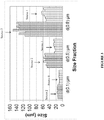
- Pirfenidone is a highly crystalline, non-hygroscopic solid with a melting point range between 106 °C to 112 °C. It has been found that the particle size of pirfenidone can vary by suppliers. Referring to Figure 3 , for example, it was found that pirfenidone from two different suppliers, Source 1 and Source 2, had distinct particle size distributions. In particular, pirfenidone from Source 1 was found to have a d 90 particle size between 50 ⁇ m to 64 ⁇ m, while pirfenidone supplied from Source 2 was found to have a d 90 particle size between 114 ⁇ m to 151 ⁇ m.
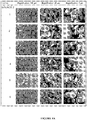
- Figures 4A and 4B are scanning electron microscopy images that further illustrate the differences in particle sizes observed with the differently sourced pirfenidone.
- pirfenidone consists of irregular shaped primary particles.
- the shape of the primary particles is comparable between the two sources.
- the smaller primary particles were found to have a tendency to form agglomerates.
- Higher levels of agglomerates were found in Source 1 as compared to Source 2 and in some batches of Source 1 drug substance, larger-sized agglomerates were found.
- Particle size variations of the drug substance were found to affect the hardness (tensile strength) of a tablet formed from the granulate formulation. It was, however, surprisingly discovered that the solid fraction of the tablets in accordance with the disclosure, and not the tensile strength, influenced the drug release characteristics. Thus, it was determined that tablet thickness, which controls the solid fraction, can be used as a parameter in the tablet compression step instead of tablet hardness to ensure desired drug release characteristics.
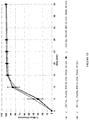
- Figures 5 and 6 illustrate the correlation between disintegration time and solid fraction and tablet thickness respectively, for a tablet in accordance with an embodiment of the disclosure.
- processing pirfenidone formulations in accordance with embodiments of the disclosure using a fluid bed granulation process can allow for a formulation process that is significantly less sensitive to moisture content of the granulate and which can accommodate variations in particle size of the active ingredient.
- methods of forming the granulate formulation in accordance with embodiments of the disclosure can also allow for subsequent formation of tablets that are free of micro-cracks and have sufficient hardness, despite variations in the particle size of the drug substance that may occur, e.g. from supplier to supplier. This can advantageously provide a more robust commercial scale process that can accommodate variations in the particle size without a need to change the tablet manufacturing process or tablet compression conditions.
- a granulate formulation can include granules which include pirfenidone and one or more pharmaceutically acceptable excipients.
- intragranular components refers to the ingredients included in the granule.
- the granulate formulation can include one or more excipients added to the granules as extragranular components.
- extragranular components refers to ingredients added to the as-formed granules.
- the formulation can include pirfenidone and a glidant as intragranular components.
- the formulations include an effective amount of intragranular glidant to improve powder and/or granule flow characteristics, for example, as measured by a flow function coefficient of about 4 to about 20, about 5 to about 15, or about 10 to about 14.
- the pre-granulation powders, granules, and/or granule formulation can have a flow function coefficient of about 4, 5, 6, 7, 8, 9, 10, 11, 12, 13, 14, 15, 16, 17, 18, 19, or 20.
- glidants are utilized only extragranularly to improve the flow of the as-formed granules in the tableting machine, but are not conventionally used or expected to improve flow of a drug substance during granulation.
- use of an intragranular glidant in the present formulation with pirfenidone can improve flow of the intragranular components in powder form, improve processing and flow of the granules, and improve flow of the granules with or without the addition of extragranular components during compression, such as in a tableting process.
- the formulations of the disclosure can be compressed, for example tableted, without the need for the addition of glidant as an extragranular component.
- excipients can be included in some embodiments.
- excipients include binders, fillers, disintegrants, lubricants, and further glidants, which can be provided as intragranular and/or extragranular components.
- a formulation includes pirfenidone, filler, binder, and a glidant as intragranular components, and a disintegrant, lubricant, and further glidant as extragranular components.
- weight by weight percentages (w/w%) of pirfenidone or excipients in the formulation as used herein refer to the weight based on the total weight of the core (e.g., tablet core) and exclude any weight of the exterior coatings.
- a formulation can include about 60 wt% to 95 wt% pirfenidone based on the total weight of the formulation.
- Other suitable amounts include about 70 wt% to about 95 wt%, about 65 wt% to about 90 wt%, about 80 wt% to about 95 wt%.
- the formulations can include pirfenidone in an amount of about 60, 62, 64, 66, 68, 70, 72, 74, 76, 78, 80, 82, 84, 86, 88, 90, 92 94 and 95 wt% based on the total weight of the formulation.
- the unit doses can be provided with a dosage amount of pirfenidone in a range of about 100 mg to about 1100 mg.
- dosage strengths can include 200 mg, 267 mg, 534 mg, 600 mg, and 801 mg pirfenidone.
- dosage strengths can include 266 mg, 268 mg, 533 mg, 535 mg, and 800 mg pirfenidone.
- the unit dose is a compressed dosage form, for example, tablets.
- formulations of pirfenidone can include one or more excipients selected from the group consisting of binders, disintegrants, glidants, lubricants, and fillers. Excipients conventionally used as binders, fillers, glidants, lubricants, and fillers can be used in the formulations of the disclosure. Example listings of suitable excipients are provided below.
- the binder can be selected from the group consisting of hydroxymethyl cellulose, hydroxypropylcellulose, polyvinylpyrrolidone, calcium carbonate, dicalcium phosphate, carbomers, cellulose acetate phthalates, copovidone, hydroxypropyl methyl cellulose, ethylene glycol and vinyl glycol grafted copolymer, isomalt, poloxamer, polyethylene oxide, polymethacrylates, and combinations thereof.
- the binder can be included in an amount in a range of about 1 wt% to about 10 wt%, about 2 wt% to about 10 wt%, about 2 wt% to about 5 wt%, about 4 wt% to about 8 wt%, about 3 wt% to about 7 wt, and about 3 wt% to about 5 wt%, based on the total weight of the formulation.
- Other suitable amounts of binder include about 1, 1.5, 2, 2.5, 3, 3.5, 4, 4.5, 5, 5.5, 6, 6.5, 7, 7.5, 8, 8.5, 9, 9.5, and 10 wt% based on the total weight of the formulation.
- binder amounts greater than 4 wt% can improve granule flowability and compaction behavior during tableting. Binder amounts ranging from about 3.9 wt% to about 4.8 wt% were found to improve compaction behavior of the granules without significant effect on the dissolution and disintegration characteristics of the formulation.
- the binder amounts are contemplated for any suitable binder, including polyvinylpyrrolidone.
- the disintegrant can be selected from the group consisting of agar-agar, algins, calcium carbonate, carboxmethylcellulose and salts thereof, cellulose, clays, corn starch, croscarmellose sodium, crospovidone, gums, methyl cellulose, polacrilin potassium, sodium alginate, cross-linked polyvinylpyrrolidone, sodium starch glycolate, starch, and combinations thereof.
- the disintegrant can be provided both within the granules (intragranularly) and extragranularly in a granulate formulation. Alternatively, the disintegrant can be included only intragranularly or only extragranularly.
- the disintegrant can be included in an amount in a range of about 0 wt% to about 10 wt%, 0 wt% to about 10 wt%, about 1 wt% to about 10 wt%, about 2 wt% to about 10 wt%, about 2 wt% to about 5 wt%, about 4 wt% to about 8 wt%, about 3 wt% to about 7 wt, and about 3 wt% to about 5 wt%, based on the total weight of the formulation.
- Other suitable amounts of disintegrant include about 0, 0.5, 1, 1.5, 2, 2.5, 3, 3.5, 4, 4.5, 5, 5.5, 6, 6.5, 7, 7.5, 8, 8.5, 9, 9.5, and 10 wt%.
- the lubricant can be selected from the group consisting of agar, calcium stearate, ethyl oleate, ethyl laureate, glycerin, glyceryl behenate, glyceryl palmitostearate, hydrogenated vegetable oil, magnesium oxide, magnesium stearate, mannitol, poloxamer, glycols, sodium benzoate, sodium lauryl sulfate, sodium stearylstearate, sorbitol, stearic acid, talc, zinc stearate, and combinations thereof.
- the lubricant can be included in an amount in a range of about 0.05 wt% to about 2 wt%, about 0.1 wt% to about 1.8 wt%, about 0.5 wt% to about 1.5 wt%, about 1 wt% to about 2 wt%, about 0.05 wt% to about 0.5 wt%, about 0.1 wt% to about 0.8 wt%, or about 0.2 wt% to about 0.6 wt%, based on the total weight of the formulation.
- Suitable amounts of lubricant include about 0.05, 0.06, 0.07, 0.08, 0.1, 0.2, 0.3, 0.4, 0.5, 0.6, 0.7, 0.8, 0.9, 1, 1.2, 1.4, 1.6, 1.8, and 2 wt%, based on the total weight of the formulation.
- the filler can be selected from the group consisting of calcium carbonate, calcium phosphate, dibasic calcium phosphate, calcium silicate, tribasic calcium sulfate, calcium carboxymethylcellulose and salts thereof, cellulose, dextrin derivatives, dextrin, dextrose, fructose, isomalt, kaolin, lactitol, lactose, magnesium carbonate, magnesium oxide, maltitol, maltodextrins, maltose, mannitol, microcrystalline cellulose, sodium bicarbonate, sodium carbonate, sorbitol, starch, sucrose, sugar, xylitol, and combinations thereof.
- the filler can be included in an amount in a range of about 2 wt% to about 30 wt%, about 4 wt% to about 20 wt%, about 10 wt% to about 30 wt%, about 2 wt% to about 10 wt%, and about 6 wt% to about 15 wt% based on the total weight of the formulation.
- Other suitable amounts include, about 2, 3, 4, 5, 6, 7, 8, 9, 10, 11, 12, 13, 14, 15, 16, 17, 18, 19, 20, 21, 22, 23, 24, 25, 26, 27, 28, 29, and 30 wt% based on the total weight of the formulation.
- the filler amounts are contemplated for any suitable filler, including microcrystalline cellulose.
- the glidant can be selected from the group consisting of silica, fumed silica, silicified cellulose, sodium stearate, magnesium aluminum silicate, pyrogenic silica, hydrated sodium silioaluminate, cellulose, calcium phosphate, sodium lauryl sulfate, pregelatinized starch, talc, and physical or coprocessed combinations thereof.
- the glidant can be silica, and can be a hydrophilic fumed silica (a.k.a. colloidal silicon dioxide) .
- the glidant can be provided intragranularly and optionally extragranularly. In embodiments in which the glidant is provided both intragranularly and extragranularly, the glidant can be the same or different materials.
- the glidant can be included intragranularly in an amount, based on the total weight of the formulation, of at least about 1 wt%, at least about 1.5 wt%, at least about 2 wt%, at least about 2.5 wt%, at least about 3 wt%, at least about 3.5 wt% or at least about 4 wt%.
- the glidant when included intragranularly, can be in an amount of about 1 wt% to about 5 wt%, about 1.5 wt% to about 4.5 wt%, about 1.5 wt% to about 3.5 wt%, about 2 wt% to about 5 wt%, or about 1 wt% to about 4 wt%.
- intragranular glidant includes about 1, 1.1, 1.2, 1.3, 1.4, 1.5, 1.6, 1.7, 1.8, 1.9, 2, 2.1, 2.2, 2.3, 2.4, 2.5, 2.6, 2.7, 2.8, 2.9, 3, 3.1, 3.2, 3.3, 3.4, 3.5, 3.6, 3.7, 3.8, 3.9, 4, 4.1, 4.2, 4.3, 4.4, 4.5, 4.6, 4.7, 4.8, 4.9, and 5 wt%, based on the total weight of the formulation.
- the glidant can be included extragranularly in an amount of about 0 wt% to about 5 wt%, 0 wt% to about 5 wt%, about 0.01wt% to about 1wt%, about 0.03wt% to about 0.8 wt%, about 1 wt% to about 5 wt%, about 0.01 wt% to about 0.05 wt%, about 0.5 wt% to about 3 wt%, about 0.01 wt % to about 0.2 wt%, and about 0.05 wt% to about 1 wt%.
- extragranular glidant examples include about 0, 0.01, 0.02, 0.04, 0.06, 0.08, 0.1, 0.2, 0.4, 0.6, 0.8, 1, 1.5, 2, 2.5, 3, 3.5, 4, 4.5, and 5 wt%, based on the total weight of the formulation.
- the glidant amounts are contemplated for any suitable glidant, including silica.
- the extragranular components make up 10 wt% or less of a compressed formulation.
- the extragranular components can be 10 wt% or less, 10 wt% or less, 8 wt% or less, 7 wt% or less, 6 wt% or less, 5 wt% or less, 4 wt% or less, 3 wt% or less, 2 wt% or less, or in a range of 0.01 wt% to 10 wt%, or 0.01 to 8 wt%, or 0.01 to 6 wt%, or 0.01 to 5 wt%, or 0.01 to 4 wt%, or 0.01 to 3 wt%, or 0.01 to 2 wt%, or 0.01 to 1 wt%, for example.
- the granulate formulation can be compressed into a tablet formulation. It has advantageously been discovered that tablets in accordance with the disclosure have drug release characteristics that correlate to the solid fraction. Solid fraction is a normalized process parameter calculated using the dimension of the tablet core (size of the compression tooling and thickness of the tablet), tablet weight, and true density (in contrast to bulk density) of the final blend. During a standard tablet compression operation, for a given dosage strength, all the other factors that define the solid fraction remain unchanged, with the exception of tablet thickness. Therefore, it has been determined that controlling the thickness of the tablet in a standard tablet compression operation can be used to target a predefined solid fraction during tablet compression, which in turn can be used to target a predefined pirfenidone release characteristic.
- the formulations are immediate release formulations.
- the compressed unit doses for example tablets, can have a solid fraction of at least 80%.
- the solid fraction is greater than 80%.
- the unit dose can have a solid fraction of about 80% to about 95%, about 85% to about 90%, about 90% to about 95%, greater than about 80% to 90%, about 81% to about 95%, and about 82% to about 94%.
- Other suitable solid fractions include 80%, 81%, 82%, 83%, 84%, 85%, 86%, 87%, 88%, 89%, 90%, 91%, 92%, 93%, 94%, and 95%.
- a tablet in accordance with embodiments of the disclosure can have a thickness of about 2 mm to about 10 mm, about 2 mm to about 8 mm, about 3 mm to about 8 mm, and about 5 mm to about 10 mm. While the relationship between disintegration time and solid fraction generally has not varied depending on dosage amount in the embodiments tested, there has been some variation when utilizing tablet thickness as a parameter as shown in Figure 6 .
- a process for forming a granulation in accordance with an embodiment of the disclosure can include mixing pirfenidone with one or more excipients using fluid bed granulation.
- the pirfenidone is mixed with a glidant using fluid bed granulation to form an granules.
- One or more excipients can be added to the granules (extragranularly). It has been advantageously found that use of a fluid bed granulation process can not only improve the processability of the formulation and toleration of pirfenidone particle size variation, but also provide improved tolerance of moisture content in the granulation.
- Formulations processed with conventional high-shear wet-granulation techniques were also found to be sensitive to changes in pirfenidone particle size distribution from different sources of pirfenidone, resulting in tablets with poor hardness values and oftentimes with microcracks forming in the tablets.
- formulations and methods in accordance with the disclosure were significantly less sensitive to pirfenidone particle size changes and moisture contents, as discussed in detail below.
- fluid bed granulation can be used. Fluid bed granulation can allow for a multiple-step wet granulation process performed in the same vessel, for example, to do one or more of pre-heat, granulate, and dry the powders.
- a method of making a formulation in accordance with the disclosure can include mixing pirfenidone and the intragranular excipients to form granules.
- the pirfenidone can be mixed with a glidant and a binder or binder solution or suspension to form granules.
- the granules can further include a filler mixed with the pirfenidone and glidant.
- the binder can be added as a solution or suspension. For example, the binder can be sprayed onto the pirfenidone and intragranular excipients.
- the binder can be provided, for example, as an aqueous solution, aqueous suspension, alcoholic solution, alcoholic suspension, or in an aqueous-alcoholic mixture, which can be a solution or suspension.
- the pirfenidone and intragranular excipients can be premixed prior to adding the binder.
- the granules can be dried to a target moisture content. For example, drying can be used to remove excess moisture that may have been introduced for example from a binder solution or suspension. Mixing and drying can be completed, for example, using a fluid bed granulator. The granules can then be screened in some embodiments. For example, a 2 mm screen can be used to aid in delumping of the granules. The dried and optionally screened granules can then be mixed with extragranular components. In an embodiment, this can include mixing the granules with a disintegrant and/or a further amount of glidant and/or a lubricant.
- the granules are mixed with a disintegrant and further amount of glidant and then the resulting mixture is mixed with a lubricant.
- the extragranular components are premixed and added to the granules in a single step.
- the method can optionally include heating the pirfenidone and excipients (intragranular) prior to and/or during addition of the solution or suspension of binder.
- the preheating can aid in ensuring the mixture is in a fluidized, mixed state at the time of initiation of the spraying of the binder.
- the additions can be made simultaneously or serially.
- disintegrant, lubricant, and additional glidant are added extragranularly in a single step.
- disintegrant and glidant are added extragranularly in a first step and blended and then lubricant is added in a second step with further blending. Any suitable number of addition steps can be utilized.
- any or all of the drug substance and excipients of the formulation can be premixed and/or screened prior to granulation, for example, prior to charging the components into a granulator bowl.
- Premixing excipients at the given stages (for example) prior to loading the intragranular components into a mixer or granulator or adding the extragranular excipients to the granules can aid in ensuring good distribution of the components. Screening the excipients and/or premixtures prior to addition can further aid in delump the formulation components prior to loading into the granulator.
- the granulate formulation can be compressed into a compressed dosage form, e.g. a tablet.
- the formulation can be compressed using a compression pressure of about 50 MPa to about 500 MPa, about 100 MPa to about 400 MPa, about 200 MPa to about 300 MPa, about 100 MPa to about 170 MPa, and about 75 MPa to about 200 MPa.
- compression pressures include about 50, 55, 60, 65, 70 75, 80, 85, 90, 95, 00, 110, 120, 130, 140, 150, 160, 170, 180, 190, 200, 210, 220, 230, 240, 250, 260, 270, 280, 290, 300, 310, 320, 330, 340, 350, 360, 370, 380, 390, 400, 410, 420, 430, 440, 450, 460, 470, 480, 490, and 500 MPa.
- a pre-compression force can be applied during the compression process (e.g. tablet making) for a time prior to application of the full main compression force.
- a pre-compression force of 20-30% of the main compression force can be applied.
- Compression force can affect the dissolution profile in the early stages of dissolution, generally within the initial 15 minutes.
- Figures 21 and 22 illustrate the changes in the early stage dissolution profile for two dosage strengths (534 mg tablet and 267 mg tablet, respectively) that can result from changing the compression force.
- the compressed dosage form is further coated with a film coating.
- tablets can be coated with a film coating.
- the coating is an immediate release coating.
- Exemplary coatings including, for example, Opadry II Yellow, Opadry II Pink, and Opadry II Purple. Coatings can be used, for example, to color the dosage form to identify by color, different dosage amounts. Coatings can also include light shielding agents in some embodiments, which can aid in maintaining the photostability of the dosage form.
- Any coatings and methods of coating compressed dosage forms can be used. Coatings can include one or more of titanium dioxide, iron oxide, talc, polyethylene glycol, and polyvinyl alcohol. The coatings can be applied as a solution using any suitable coating techniques.
- the coatings can be colored, for example, to differentiate dosage strengths.
- the coloring can be provided by a color iron oxide, for example, iron oxide black, iron oxide red, iron oxide yellow, and combinations thereof.
- the coatings add 1% to 5% weight to the formulation, for example, a tablet core. Any suitable coating amounts, coat weights, and added weight percentages can be used.
- formulations in accordance with embodiments of the disclosure can be compressed into a compressed dosage form without formation of microcracks and with suitable tablet physical properties including tensile strength.
- the methods and formulations in accordance with the disclosure are capable of tolerating differences in particle size of the drug substance.
- Figures 3 and 4 illustrate the differences in the particle size distribution of drug substance pirfenidone provided by two different suppliers.
- tabletability and compactability of the formulation can be affected by the differences in particle size.
- Formulations and methods of making such formulations, disclosed herein, for example, using fluid bed granulation can allow for the formation of compressed dosage forms having suitable physical characteristics despite the variability in particle size of the drug substance.
- Formulations in accordance with embodiments of the disclosure can comprise any combination of excipients disclosed herein.
- Formulations in accordance with embodiments of the disclosure can consist of any combination of excipients disclosed herein.
- Formulations in accordance with embodiments of the disclosure can consist essentially of any combination of excipients disclosed herein.
- a formulation in accordance with an embodiment of the disclosure can consist of pirfenidone, intragranular glidant, binder, and optionally one or more of a filler, disintegrant, further glidant, and lubricant.
- any of the foregoing embodiments of the granulate formulation can be provided in an oral dosage form.
- any of the granulate formulations disclosed herein can be provided as a compressed dosage form, e.g. a tablet.
- Tablets can comprise any combination of excipients disclosed herein.
- Tablets can consist of any combination of excipients disclosed herein.
- Tablets can consist essentially of any combination of excipients disclosed herein.
- tablets in accordance with embodiments of the disclosure can consist of pirfenidone, intragranular glidant, binder, and optionally one or more of a filler, disintegrant, further glidant, and lubricant.
- One embodiment of this disclosure provides methods for treating fibrotic conditions and other cytokine-mediated disorders. These methods comprise administering the formulation of this disclosure to a patient in need thereof.
- a patient "in need of pirfenidone therapy" is a patient who would benefit from administration of pirfenidone.
- the patient may be suffering from any disease or condition for which pirfenidone therapy may be useful in ameliorating symptoms.
- Pirfenidone is a known anti-fibrotic agent, so such disorders include fibrotic disorders, such as fibrotic disorders of the lung, kidney, liver, heart, or other organs. Other disorders that would benefit from therapy with pirfenidone include inflammatory disorders or autoimmune disorders.
- pirfenidone disorders that would benefit from therapy with pirfenidone include diseases that result in fibrosis, or where accompanying fibrosis is responsible in part for symptoms or complications of the disease, such as infarctions (tissue death), infection, cancer, cirrhosis, and the like.
- such diseases or conditions include pulmonary fibrosis, idiopathic pulmonary fibrosis, bronchiolitis obliterans, chronic lung transplant rejection, scleroderma, primary focal segmental glomerulosclerosis (FSGC) or membranoproliferative glomerulonephritis (MPGN), idiopathic interstitial pneumonia, interstitial lung disease in systemic sclerosis, a fibrosis condition of the lung, autoimmune lung diseases, benign prostate hypertrophy, coronary or myocardial infarction, atrial fibrillation, cerebral infarction, myocardiac fibrosis, musculoskeletal fibrosis, post-surgical adhesions, liver cirrhosis, renal fibrotic disease, fibrotic vascular disease, scleroderma, Hermansky-Pudlak syndrome, neurofibromatosis, Alzheimer's disease, diabetic retinopathy, and/or skin lesions, lymph node fibrosis associated with HIV, chronic infections
- the methods of the embodiments can be used to treat proliferative disorders (including both benign and malignant hyperplasias), including acute myelogenous leukemia, chronic myelogenous leukemia, Kaposi's sarcoma, metastatic melanoma, multiple myeloma, breast cancer, including metastatic breast carcinoma; colorectal.
- proliferative disorders including both benign and malignant hyperplasias
- acute myelogenous leukemia chronic myelogenous leukemia, Kaposi's sarcoma, metastatic melanoma, multiple myeloma
- breast cancer including metastatic breast carcinoma; colorectal.
- NSCLC non-small cell lung cancer
- pain disorders including neuromuscular pain, headache, cancer pain, dental pain, and arthritis pain
- angiogenic disorders including solid tumor angiogenesis, ocular neovascularization, and infantile hemangioma
- conditions associated with the cyclooxygenase and lipoxygenase signaling pathways including conditions associated with prostaglandin endoperoxide synthase-2 (including edema, fever, analgesia, and pain)
- organ hypoxia including thrombin-induced platelet aggregation; protozoal diseases.
- IPF and scleroderma (or systemic sclerosis) associated interstitial lung disease (SSc-ILD) share overlapping pathologic pathways, most notably the activation and proliferation of fibroblasts, expression of fibrogenic cytokines and growth factors, and progressive interstitial fibrosis (Tzouvelekis et al. 2005; Castro and Jimenez 2010; Collard et al. 2010; Hummers 2010; van den Blink et al. 2010; Richards et al. 2012; Vij and Noth 2012).
- IPF and SSc-ILD also have biomarkers in common, including CCL 18, SP-A, SP D, KL 6, ICAM-1, VCAM 1, CCL 2, YKL-40, and vWF
- the patient may suffer from a disease selected from the group consisting of lung transplantation/chronic rejection, bronchiolitis obliterans, scleroderma, Primary focal segmental glomerulosclerosis (FSGS), membranoproliferative glomerulonephritis (MPGN), Pneumotosis intestinalis, Susac's syndrome, microvascular impairment during chronic catheterization, Hamartomatous disease, blood spinal cord barrier dysfunction following spinal cord injury, corneal perforation, paraneoplastic disease, rhabdomyolysis, pulmonary capillaritis, chronic hyperhomocysteinemia, frontal-subcortical syndrome, Wegener's granulomatosis, acute intestinal microvascular dysfunction, atherosclerotic disease, keratitis, episcleritis/scleritis, cystic fibrosis, polycystic kidney disease, sickle cell disease, dementia, diabetic ulcer, microangiopathy or small vessel disease, hypothyroidism,
- a disease selected from the group consist
- the patient may suffer from a disease or disorder selected from one or more of "autoimmune" disorders of the central nervous system (CNS); a dementia that is not Alzheimer's Disease; a patient in need of pirfenidone therapy; a person who would benefit from pirfenidone administration optionally with the proviso that the patient is not suffering from idiopathic pulmonary fibrosis; Absence seizure; acquired immunodeficiency syndrome (AIDS) encephalitis; acute adult respiratory distress syndrome; acute coronary syndrome; acute intestinal microvascular dysfunction; acute myelogenous leukemia; acute or chronic pain; acute or chronic renal disease; acute synoviitis; acute tissue injury; adenovirus infection; adult respiratory distress syndrome; advanced benign prostate hypertrophy (BPH non-cancerous fibrous enlargement of the male prostate gland); AIDS; airway basement membrane collagen deposition; airway hyperresponsiveness; airway inflammation; airway remodeling; akinetic seizure; allergen-induced chronic airway inflammation; allergic
- the patient may suffer from an atherosclerotic disease, including but not limited to atherosclerosis of the renal vasculature, cardiac vasculature, brain vasculature and/or peripheral vasculature.
- an atherosclerotic disease including but not limited to atherosclerosis of the renal vasculature, cardiac vasculature, brain vasculature and/or peripheral vasculature.
- the patient may suffer from thrombosis, an acute ischemic event, surgery, or an acute tissue injury.
- the dosing may be twice or three times daily, with one or more unit doses per intake.
- the total daily intake is at least 1200 mg pirfenidone.
- the total daily intake amount may vary, depending on the patient profile, including among other things the patient's demographic characteristics, physiological and genetic conditions, and disease prognosis. For example, a child or a senior person may be given a lower amount daily than that given to an ordinary adult.
- pirfenidone may be an effective agent for preventing and treating post-surgical adhesions, myocardial fibrosis, renal fibrosis, liver cirrhosis, atherosclerosis, and other fibrotic disorders.
- TGF- ⁇ 1 is a potent growth-related peptide whose effects may be observed at femtomolar concentrations. It appears to be ubiquitous, and is a bifunctional regulator of cell proliferation in vitro. It acts either as a mitogen or a growth inhibitor depending on tissue concentration and the state of cell confluence ( L.J. Striker et al., Lab. Invest. 64:446-456, 1991 ). In skin incisions, after attracting macrophages and fibroblasts, TGF- ⁇ 1 enhances extracellular matrix formation by increasing transcription of genes for collagen and fibronectin, decreasing secretion of proteases, increasing secretion of protease inhibitors, and increasing transcription of cellular receptors for matrix proteins.
- Pirfenidone may selectively arrest scar enlargement, and remodels or removes scar tissue or fibrosis.
- the dysfunction caused by fibrotic lesions may be ameliorated by the reduction or removal of the fibrotic lesion following pirfenidone treatment.
- organ and tissue function can be restored, even after the presence of fibrosis for several years.
- pirfenidone When given immediately after an insult, such as trauma, infection, or allergy, to a tissue, pirfenidone also may prevent formation of excessive scar tissue, or fibrotic lesions, and thus help retain normal function and appearance of the tissue.
- Pirfenidone may cause removal of excessive collagenous fibrotic tissue by a phagocytic action of local fibroblasts. This has been observed by examination of histological sections of lung tissue under the light microscope from dogs, mice, rats, and hamsters with pulmonary fibrosis treated with pirfenidone, and also through the electron micrographs of histological sections of lung tissue taken from hamsters with experimentally-induced asbestosis that were treated with pirfenidone. No infiltration of inflammation-inducing neutrophils, PMN cells, monocytes, lymphocytes occurred.
- the enhanced proliferation of WI38 fibroblasts upon in vitro exposure to PDGF or bFGF may be blocked by pirfenidone added to cell growth media. Pirfenidone may also inhibit the TGF- ⁇ 1 induced rise in collagen output in lung and dermal fibroblast cultures.
- the clinical criteria for beneficial response during the first months on pirfenidone included reduction in incidence of coughs, reduction in supplemental oxygen requirements, increased exercise tolerance, reduced dyspnea during exercise, amelioration of cor pulmonale, resumption of normal daily tasks, body weight gain, and survival.
- pulmonary function as gauged by chest x-ray, spirometry, or CO diffusion (DLCO) showed little, if any, change.
- DLCO CO diffusion
- Martinet et al. (NE Jour. Med., vol 317, 202-209, 1987 ) have described an exaggerated release of PDGF by alveolar macrophages in patients with idiopathic pulmonary fibrosis.
- the in vitro demonstration of inhibition by pirfenidone of the mitogenesis and enhanced formation of collagen caused by growth factors (bFGF, PDGF, and TGF- ⁇ 1) may partly explain the beneficial in vivo anti-fibrotic action of pirfenidone.
- Pirfenidone may induce a remodeling of skin fibrotic lesions to reduce or remove keloids, reduce or remove dermal scars, and remove or lessen the contractures of hypertrophic (post burn injury) scars. In a similar condition, pirfenidone also acts to inhibit post-operative surgical adhesions.
- the formulation of the present disclosure may be administered according to certain embodiments of this disclosure to treat patients suffering from the following disorders:
- Tablet formulations having good manufacturability were produced having the following components:
- Example 2 Amount (%w/w) Amount (%w/w) INTRAGRANULAR COMPONENTS Pirfenidone Active 84.23% 85.3% Microcrystalline Cellulose PH101 Filler 6.21% 6.2% Silica Glidant 2.05% 2.08% Polyvinylpyrrolidone K30 Binder 4.64% 3.83% EXTRAGRANULAR COMPONENTS Croscarmellose sodium Disintegrant 1.89% 1.92% Mg Stearate Lubricant 0.50% 0.19% Silica Glidant 0.47% 0.48% Total (tablet core) 100% 100%
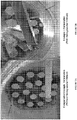
- Example 1 Both the formulation of Example 1 and the formulation of the comparative example (Table 2) were processed using fluid bed granulation. As illustrated in Figure 2A , the comparative example resulted in residual powder remaining stuck to the side walls of the fluid bed granulator. Such sticking of the powder is indicative of the cohesive nature of the intragranular formulation and was found to be an impediment to commercial scale processing of the formulation of the comparative example. By comparison, as shown in Figure 2B , the formulation of Example 1 did not have a significant amount of residual powder stuck to the sidewalls of the fluid bed granulator, resulting in a granulate formulation that was capable of being processed on a commercial scale.
- Flow function coefficient is a measure of powder flow. Values less than about 4 are considered poor and sub-optimal for powder processing. Values between 4-10 are considered acceptable flow values for powder processing.
- Flow behavior was analyzed for pure pirfenidone (without excipients) and a binary powder mixture of pirfenidone and microcrystalline cellulose mixed with either about 1% by weight silica or about 2% by weight silica, as shown in Table 3 below. The components were mixed in a turbula mixer and the different flow properties of the blends were measured.
- Tablets were formed from the formulation of Example 1 by applying a compression force of approximately 100 to 170 MPA and utilizing a pre-compression force that was 20-30% of the main compression force. Such compression forces produced tablet cores of solid fraction values between 87% and 93% and tensile strength values greater than 1.6 MPa. The tablets showed good abrasion characteristics (abrasion less 0.5%).
- Figures 7 and 8 illustrate the tabletability and compactability profiles for tablets having dosage amounts of pirfenidone of 801 mg (triangle symbol), 267 mg (diamond symbol), and 534 mg (square symbol).
- the disintegration of pirfenidone tablets in accordance with embodiments of the disclosure can be controlled by the solid fraction percentage (normalized tablet thickness), independent of the tablet dosage strength. While the particle size of the pirfenidone was found to affect the tablet core hardness, it is the solid fraction and not the tensile strength that was found to influence the drug release characteristics of the tablet cores. This relationship was confirmed over a wide range of pirfenidone particle sizes, from d 90 of 50-150 ⁇ m. Identification of this relationship allowed the tablet core thickness, which controls the solid fraction, to be used as a target parameter in the tablet compression step instead of tablet core hardness.
- Solid fraction is a normalized process parameter calculated using the dimensions of the tablet core (size of the compression tooling and thickness of the tablet), tablet weight and true density of the final blend. During a standard tablet compression operation, all the other factors that define the solid fraction remain unchanged, with the exception of tablet thickness. Therefore, controlling the thickness of the tablet can be used to target a predefined solid fraction during tablet compression.
- Literature studies have shown that tablet solid fraction may have a strong influence on the mechanical strength (or hardness) of a resulting tablet core as well as its disintegration characteristics ( Hancock et al., "The relative densities of pharmaceutical powders, blends, dry granulations, and immediate-release tablets," Pharm. Technol. 2003;27(4):64-80 ). However, it has been surprisingly discovered that for pirfenidone formulations in accordance with the disclosure, the relationship between the solid fraction (normalized tablet thickness) and the disintegration characteristics of the tablet are independent of the tablet mechanical strength.
- Figure 5 illustrates the correlation of the disintegration time to the solid fraction percentage
- Figure 6 illustrates the correlation of disintegration time to tablet core thickness. Identification of this relationship between tablet core thickness and drug release characteristics advantageously provides for control of a drug release properties by readily measureable and controllable parameter - tablet thickness.
- Table 5 Formulations Used in Bioequivalence Study ESBRIET® Capsule Tablet Description 267 mg white hard capsule size #1 801 mg greyish brown film-coated tablet Drug Loading 82.15% w/w 84.23% w/w a Ingredient
- Active pharmaceutical ingredient Pirfenidone Pirfenidone Filler Microcrystalline cellulose Microcrystalline cellulose Glidant (intragranular) - Colloidal silicon dioxide Binder Povidone Povidone Disintegrant Croscarmellose sodium Croscarmellose sodium Lubricant Magnesium stearate Magnesium stearate Glidant (extragranular) - Colloidal silicon dioxide Film coat - Film-coating mixture purple
- the film-coated tablets met the bioequivalence criteria of 90% confidence interval (80.00% to 125.00%) when compared to the capsules in the fasted state, based on AUC 0- ⁇ , AUC 0-24 and C max .
- the film coated tablets met the bioequivalence criteria when compared to the capsules in the fed state with regard to AUC 0- ⁇ and AUC 0-24 , but for C max the upper bound of 90% confidence interval was slightly outside the limit of 125.00%.
- Comparative dissolution profiles of all three strengths are provided in three different media without surfactant, i.e., 0.1N HCl, acetate buffer pH 4.5, phosphate buffer pH 6.8, as well as in the proposed commercial dissolution medium (water). Profiles were recorded with the paddle apparatus (apparatus II) operated at 50 rpm. Twelve samples were measured in 900 mL of the dissolution media described above at 37°C.
- Figure 9 illustrates the dissolution profile of the hard capsule (267 mg) used in the bioequivalence study.
- Figures 10-13 illustrate the comparative dissolution profiles for the different tablet strengths tested in four different media: HCl 0.1 N; acetate buffer pH 4.5; phosphate buffer pH 6.8; and water, respectively.
- the film-coated tablets were found to have an average dissolution of at least 85% at 15 minutes. From this, it was concluded that the lower-dose tablets were also bioequivalent to the capsules.
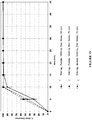
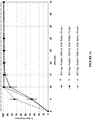
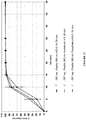
- FIG. 14-16 illustrate the % mean dissolution over time in distilled water for the 267 mg, 534 mg, and 801 mg dosage amounts, respectively.
- Figures 17-19 illustrate the % mean dissolution over time in HCl, acetate, and phosphate for the 267 mg, 534 mg, and 801 mg dosage amounts, respectively.
- Dissolution in distilled water with an agitation of 75 rpm using rotating basket (Ph. Eur./USP apparatus I) or 50/75 rpm using paddles (Ph. Eur./USP apparatus II) results in a rapidly dissolving profile (>85% after 15 minutes) and shows an ascending profile between the start of the test up to 15 minutes by reaching a plateau by up to 15 - 20 minutes for the 801 mg and faster for the other strengths. Under all working conditions a standard deviation around 1% to 3% can be observed after 15 minutes.
- Dissolution in conventional USP buffers, (HCl 0.1N; 50 mM acetate pH 4.5 and 50 mM phosphate pH 6.8) exhibits similar rapidly dissolving profiles as observed using water with rotating paddles at 50 rpm.
- Drug substance particle size in the formulations of the disclosure was not found to affect the dissolution of tablets formed form the formulations, where the tablets had the same solid fraction. Formulations with drug substance from two different sources were evaluated. The following tablet provides the particle size distribution information of the sources tested.
- DS Drug Substance
- PSD particle size distribution. a Drug Substance source and batch number is given in bracket.
- Compression force can affect the dissolution profile in the early stages of dissolution, generally after less than 15 minutes.
- the impact of compression force on the dissolution of three dosage strengths (801 mg, 534 mg, and 267 mg) were studied over a range of 5 KN to 25 KN.
- the dissolution profile can be affected by the compression force and generally manifested in a change in the shape of the profile during early dissolution stages (between approximately 0-15 minutes).
- Figures 21 and 22 illustrate the changes in the early stage dissolution profile of 534 mg tablets and 267 mg tablets, respectively, that can result from changing the compression force.
- Table 12 shows a summary of the effect on the material attributes of the resulting granules.
- Table 12 Results for Granule Material Attributes Factors Batch # (801 mg Mxxx) Responses Pattern Inlet air temperature (°C) Spray rate-Inlet air volume (g/min-m 3 /h) Drying time (min) Product temperature at end of drying (°C) LOD at end of drying (%) Final blend (% fines) Bulk density (g/cm 3 ) FFC - + - 50 525-2100 1 K 24.0 2.5 10.0 0.44 12.3 + - + 66 375-1600 15 L 53.1 0.6 9.4 0.40 11.6 + + - 66 525-2100 1 M 32.8 1.0 27.7 0.46 9.7 + + + 66 525-2100 15 N 50.4 0.7 33.4 0.50 12.4 - + + 50 525-2100 15 O 30.9 1.1 19.1 0.45 16.4 - - + 50 375-1600 15 P 32.4 1.1 16.9 0.47 13.1 - - - 50
- Table 13 shows a summary of the effect on material attributes of the tablet cores. Table 13: Results for Tablet Core Material Attributes Factors Batch # (801 mg) Responses Pattern Inlet air temp. (°C) Spray rate-inlet air flow volume (g/min-m 3 /h) Drying time (min) Hard.
Landscapes
- Health & Medical Sciences (AREA)
- Life Sciences & Earth Sciences (AREA)
- Chemical & Material Sciences (AREA)
- Veterinary Medicine (AREA)
- Animal Behavior & Ethology (AREA)
- Medicinal Chemistry (AREA)
- Public Health (AREA)
- General Health & Medical Sciences (AREA)
- Pharmacology & Pharmacy (AREA)
- Engineering & Computer Science (AREA)
- Bioinformatics & Cheminformatics (AREA)
- Chemical Kinetics & Catalysis (AREA)
- Organic Chemistry (AREA)
- Nuclear Medicine, Radiotherapy & Molecular Imaging (AREA)
- General Chemical & Material Sciences (AREA)
- Epidemiology (AREA)
- Virology (AREA)
- Pulmonology (AREA)
- Neurology (AREA)
- Neurosurgery (AREA)
- Biomedical Technology (AREA)
- Oncology (AREA)
- Diabetes (AREA)
- Inorganic Chemistry (AREA)
- Molecular Biology (AREA)
- Rheumatology (AREA)
- Immunology (AREA)
- Hematology (AREA)
- Physical Education & Sports Medicine (AREA)
- Communicable Diseases (AREA)
- Orthopedic Medicine & Surgery (AREA)
- Tropical Medicine & Parasitology (AREA)
- Psychology (AREA)
- Urology & Nephrology (AREA)
- Dermatology (AREA)
- Heart & Thoracic Surgery (AREA)
- Endocrinology (AREA)
- Cardiology (AREA)
- Biophysics (AREA)
- Emergency Medicine (AREA)
Priority Applications (2)
| Application Number | Priority Date | Filing Date | Title |
|---|---|---|---|
| EP21164970.2A EP3895696B1 (en) | 2016-03-29 | 2017-03-27 | Granulate formulation of 5-methyl-1-phenyl-2(1h)-pyridone and method of making the same |
| PL17716354T PL3435985T3 (pl) | 2016-03-29 | 2017-03-27 | Preparat w postaci granulatu 5-metylo-1-fenylo-2(1h)-pirydonu i sposób jego wytwarzania |
Applications Claiming Priority (2)
| Application Number | Priority Date | Filing Date | Title |
|---|---|---|---|
| US201662314933P | 2016-03-29 | 2016-03-29 | |
| PCT/US2017/024280 WO2017172602A1 (en) | 2016-03-29 | 2017-03-27 | Granulate formulation of 5-methy|-1-pheny|-2(1h)-pyridone and method of making the same |
Related Child Applications (2)
| Application Number | Title | Priority Date | Filing Date |
|---|---|---|---|
| EP21164970.2A Division EP3895696B1 (en) | 2016-03-29 | 2017-03-27 | Granulate formulation of 5-methyl-1-phenyl-2(1h)-pyridone and method of making the same |
| EP21164970.2A Division-Into EP3895696B1 (en) | 2016-03-29 | 2017-03-27 | Granulate formulation of 5-methyl-1-phenyl-2(1h)-pyridone and method of making the same |
Publications (2)
| Publication Number | Publication Date |
|---|---|
| EP3435985A1 EP3435985A1 (en) | 2019-02-06 |
| EP3435985B1 true EP3435985B1 (en) | 2021-05-12 |
Family
ID=57575344
Family Applications (2)
| Application Number | Title | Priority Date | Filing Date |
|---|---|---|---|
| EP17716354.0A Revoked EP3435985B1 (en) | 2016-03-29 | 2017-03-27 | Granulate formulation of 5-methyl-1-phenyl-2(1h)-pyridone and method of making the same |
| EP21164970.2A Active EP3895696B1 (en) | 2016-03-29 | 2017-03-27 | Granulate formulation of 5-methyl-1-phenyl-2(1h)-pyridone and method of making the same |
Family Applications After (1)
| Application Number | Title | Priority Date | Filing Date |
|---|---|---|---|
| EP21164970.2A Active EP3895696B1 (en) | 2016-03-29 | 2017-03-27 | Granulate formulation of 5-methyl-1-phenyl-2(1h)-pyridone and method of making the same |
Country Status (13)
| Country | Link |
|---|---|
| US (2) | US10188637B2 (https=) |
| EP (2) | EP3435985B1 (https=) |
| JP (2) | JP7456721B2 (https=) |
| KR (1) | KR102552615B1 (https=) |
| CN (2) | CN114533688A (https=) |
| AR (1) | AR107990A1 (https=) |
| AU (2) | AU2017241530B2 (https=) |
| CA (1) | CA2937365C (https=) |
| ES (1) | ES2883595T3 (https=) |
| IL (1) | IL261745B2 (https=) |
| MX (1) | MX393177B (https=) |
| PL (1) | PL3435985T3 (https=) |
| WO (1) | WO2017172602A1 (https=) |
Families Citing this family (15)
| Publication number | Priority date | Publication date | Assignee | Title |
|---|---|---|---|---|
| KR20180100869A (ko) * | 2017-03-02 | 2018-09-12 | 영진약품 주식회사 | 피르페니돈의 입자크기 조절에 따른 타정성이 개선된 약제학적 조성물 및 이의 제조방법 |
| US11510877B2 (en) | 2017-10-10 | 2022-11-29 | Capsugel Belgium Nv | Gelling multiparticulates |
| ES2886152T3 (es) * | 2017-12-11 | 2021-12-16 | Laurus Labs Ltd | Un procedimiento mejorado para la preparación de pirfenidona |
| ES2900457T3 (es) | 2018-01-12 | 2022-03-17 | Tiefenbacher Alfred E Gmbh & Co Kg | Formulación de comprimidos y cápsulas que contienen pirfenidona |
| WO2020115774A1 (en) | 2018-12-06 | 2020-06-11 | Cipla Limited | High drug load extended release formulations |
| WO2021022033A1 (en) | 2019-07-30 | 2021-02-04 | Leung Kai P | Layered composite for scar treatment and prevention |
| CN119909073A (zh) * | 2019-07-31 | 2025-05-02 | 豪夫迈·罗氏有限公司 | 新型药物制剂 |
| WO2021057599A1 (zh) * | 2019-09-26 | 2021-04-01 | 深圳先进技术研究院 | 吡非尼酮在制备防治类风湿性关节炎的药物中的应用 |
| CN111166748B (zh) * | 2019-12-14 | 2022-06-21 | 深圳先进技术研究院 | 吡非尼酮在制备促血管生成药物中的应用 |
| US20230135671A1 (en) | 2020-04-01 | 2023-05-04 | Boehringer Ingelheim International Gmbh | Use of biomarkers in the treatment of fibrotic conditions |
| WO2021255159A1 (en) * | 2020-06-19 | 2021-12-23 | Glaxosmithkline Intellectual Property (No.2) Limited | Formulation comprising daprodustat |
| WO2022172076A1 (en) * | 2021-02-09 | 2022-08-18 | DWIVEDI, Dr. Jayesh | Preparation of microwave dried novel co-processed excipient of sucrose and tablet formulation of canagliflozin tablets using co- processed excipient |
| AU2022269659B2 (en) * | 2021-05-07 | 2025-04-10 | Eli Lilly And Company | Erodible tablet |
| US20250161250A1 (en) | 2022-02-28 | 2025-05-22 | Nuformix Technologies Limited | Compositions and methods for treatment of idiopathic pulmonary fibrosis |
| WO2026052613A1 (en) * | 2024-09-03 | 2026-03-12 | Elanco Us Inc. | Pharmaceutical compositions and methods using the same |
Citations (5)
| Publication number | Priority date | Publication date | Assignee | Title |
|---|---|---|---|---|
| EP1356816A1 (en) | 2001-01-29 | 2003-10-29 | Shionogi & Co., Ltd. | Medicinal preparation containing 5-methyl-1-phenyl-2-(1h)-pyridone as active ingredient |
| WO2007038315A2 (en) | 2005-09-22 | 2007-04-05 | Intermune, Inc. | Capsule formulation of pirfenidone and pharmaceutically acceptable excipients |
| WO2008043167A1 (en) | 2006-10-12 | 2008-04-17 | Pharmascience Inc. | Pharmaceutical compositions comprising intra- and extra- granular fractions |
| CN101972236A (zh) | 2010-10-13 | 2011-02-16 | 北京诚创康韵医药科技有限公司 | 一种含吡非尼酮的缓释制剂 |
| EP2735306A1 (en) | 2011-07-19 | 2014-05-28 | Cell Therapy And Technology, S.A. De C.V. | Method for manufacturing a pharmaceutical composition in the form of extended-release tablets containing pirfenidone and use thereof in the regression of chronic renal insufficiency, breast capsular contracture and hepatic fibrosis in humans |
Family Cites Families (168)
| Publication number | Priority date | Publication date | Assignee | Title |
|---|---|---|---|---|
| US4042699A (en) | 1972-12-18 | 1977-08-16 | Affiliated Medical Research, Inc. | Method for reducing serum glucose levels |
| CA1049411A (en) * | 1972-12-18 | 1979-02-27 | Affiliated Medical Research | N-substituted pyridone and general method for preparing pyridones |
| US4052509A (en) | 1972-12-18 | 1977-10-04 | Affiliated Medical Research, Inc. | Method for reducing serum uric acid levels |
| DE3404810A1 (de) | 1984-02-10 | 1985-08-14 | Siemens AG, 1000 Berlin und 8000 München | Fensterfunktion fuer ein aperturfenster |
| CA1261835A (en) | 1984-08-20 | 1989-09-26 | Masaaki Toda | (fused) benz(thio)amides |
| US4753801A (en) | 1985-10-25 | 1988-06-28 | Eli Lilly And Company | Sustained release tablets |
| US5104648A (en) | 1989-02-02 | 1992-04-14 | Mallinckrodt Specialty Chemicals Company | High ibuprofen content granulations |
| JPH02215719A (ja) | 1989-02-15 | 1990-08-28 | Yamauchi Akitomo | 線維化病変組織の修復並びに線維化病変の阻止剤 |
| US5275823A (en) | 1989-04-27 | 1994-01-04 | Smith Kline & French Laboratories Ltd. | Pharmaceutical compositions |
| US5716632A (en) | 1989-11-22 | 1998-02-10 | Margolin; Solomon B. | Compositions and methods for reparation and prevention of fibrotic lesions |
| US5310562A (en) | 1989-11-22 | 1994-05-10 | Margolin Solomon B | Composition and method for reparation and prevention of fibrotic lesions |
| US5518729A (en) | 1989-11-22 | 1996-05-21 | Margolin; Solomon B. | Compositions and methods for reparation and prevention of fibrotic lesions |
| US5861172A (en) | 1991-05-08 | 1999-01-19 | Laboratorios Beecham Sa | Pharmaceutical formulations of compacted granulates of β-lactam antibiotics |
| WO1993013756A1 (fr) | 1992-01-10 | 1993-07-22 | Obschestvo S Ogranichennoy Otvetstvennostyu Meditsinsky Nauchno-Proizvodstvennoy Komplex 'biotiki' | Composition pharmaceutique granulee et son procede de production |
| DK0636023T3 (da) | 1992-04-15 | 1999-12-06 | Alteon Inc | Fremgangsmåde til spraytørring af aminoguanidin |
| ES2134796T3 (es) | 1992-12-01 | 1999-10-16 | Spirig Ag Pharmazeutische Prap | Composiciones farmaceuticas que contienen s(+)-ibuprofeno. |
| JPH08510251A (ja) | 1993-05-07 | 1996-10-29 | ビー マーゴリン、ソロモン | 線維症の病変の修復と予防のための組成物および方法 |
| AU680019B2 (en) | 1993-08-30 | 1997-07-17 | Warner-Lambert Company Llc | Tablet coating based on a melt-spun mixture of a saccharide and apolymer |
| US5591766A (en) | 1993-12-03 | 1997-01-07 | Cheil Foods & Chemicals, Inc. | Solid oral formulations of pyridone carboxylic acids |
| GB9325644D0 (en) | 1993-12-15 | 1994-02-16 | Smithkline Beecham Plc | Novel formulation |
| US5639754A (en) | 1994-07-12 | 1997-06-17 | Janssen Pharmaceutica N.V. | Urea and thiourea derivatives of azolones |
| WO1996011210A1 (en) | 1994-10-07 | 1996-04-18 | Fujisawa Pharmaceutical Co., Ltd. | Cyclic hexapeptides having antibiotic activity |
| US6395303B1 (en) | 1996-06-10 | 2002-05-28 | Edward Mendell Co., Inc. | Process for preparing a directly compressible solid dosage form containing microcrystalline cellulose |
| US5585115A (en) | 1995-01-09 | 1996-12-17 | Edward H. Mendell Co., Inc. | Pharmaceutical excipient having improved compressability |
| GB9501127D0 (en) | 1995-01-20 | 1995-03-08 | Wellcome Found | Tablet |
| US6090822A (en) | 1995-03-03 | 2000-07-18 | Margolin; Solomon B. | Treatment of cytokine growth factor caused disorders |
| CN1134411C (zh) | 1995-06-21 | 2004-01-14 | 盐野义制药株式会社 | 双环氨基衍生物及含有此类化合物的前列腺素d2拮抗剂 |
| US5681382A (en) | 1995-08-22 | 1997-10-28 | Shin-Etsu Chemical Co., Ltd. | Rapidly soluble coating composition and method for preparing same |
| BR9610480A (pt) | 1995-09-19 | 1999-03-16 | Solomon Begelfor Margolin | Inibição do fator alfa de necrose tumoral |
| US5962478A (en) | 1995-09-19 | 1999-10-05 | Margolin; Solomon B. | Inhibition of tumor necrosis factor α |
| US6852336B2 (en) | 1995-11-15 | 2005-02-08 | J. Rettenmaier & Soehne Gmbh + Co. Kg | Directly compressible high load acetaminophen formulations |
| US6348216B1 (en) | 1996-06-10 | 2002-02-19 | Knoll Pharmaceutical Company | Ibuprofen and narcotic analgesic compositions |
| US6361794B1 (en) | 1996-06-12 | 2002-03-26 | Basf Corporation | Method of making ibuprofen and narcotic analgesic composition |
| DE19628617A1 (de) | 1996-07-16 | 1998-01-22 | Basf Ag | Direkttablettierhilfsmittel |
| US7179486B1 (en) | 1997-04-01 | 2007-02-20 | Nostrum Pharmaceuticals, Inc. | Process for preparing sustained release tablets |
| TW580397B (en) | 1997-05-27 | 2004-03-21 | Takeda Chemical Industries Ltd | Solid preparation |
| ATE241341T1 (de) | 1997-09-10 | 2003-06-15 | Takeda Chemical Industries Ltd | Stabilisierte pharmazeutische zusammensetzung |
| DE69934505T2 (de) | 1998-05-18 | 2007-10-04 | Takeda Pharmaceutical Co. Ltd. | Im munde zerfallende tablette enthaltend ein benzimidazole |
| DE69934582T2 (de) | 1998-06-11 | 2007-10-04 | Pharmacia & Upjohn Co. Llc, Kalamazoo | Delavirdin tablettenformulierung |
| US6117451A (en) | 1998-08-25 | 2000-09-12 | Pharmalogix, Inc. | Direct compression metformin hydrochloride tablets |
| US6599530B2 (en) | 1998-09-14 | 2003-07-29 | Orion Corporation | Oral compacted composition comprising catechol derivatives |
| IT1311907B1 (it) | 1999-04-06 | 2002-03-20 | Zambon Spa | Compresse deglutibili ad alto contenuto di n-acetilcisteina. |
| US6262072B1 (en) | 1999-10-12 | 2001-07-17 | Yung Shin Pharmaceutical Industrial Co. Ltd. | Orally administered antimicrobial pharmaceutical formulations of ciprofloxacin |
| US8124124B2 (en) | 1999-12-09 | 2012-02-28 | Reckitt Benckiser Healthcare (Uk) Limited | Compressed tablet formulation comprising non-steroidal anti-inflammatory drugs and methods |
| US6956044B1 (en) | 2000-02-21 | 2005-10-18 | Margolin Solomon B | Compositions and methods for treatment of epilepsy |
| PL365072A1 (en) | 2000-03-07 | 2004-12-27 | Ranbaxy Laboratories Limited | Azole compounds as therapeutic agents for fungal infections |
| CA2403594A1 (en) | 2000-03-27 | 2002-09-18 | Kyowa Hakko Kogyo Co., Ltd. | Granules having good taking property |
| EP1301484A2 (en) | 2000-07-20 | 2003-04-16 | Neurogen Corporation | Capsaicin receptor ligands |
| AU2001288102A1 (en) | 2000-09-22 | 2002-04-02 | Takeda Chemical Industries Ltd. | Solid preparations |
| ATE460163T1 (de) | 2001-04-12 | 2010-03-15 | Pharmacopeia Llc | Arly und diaryl piperidinderivate verwendbar als mch-hemmer |
| WO2002087549A1 (fr) | 2001-04-25 | 2002-11-07 | Taisho Pharmaceutical Co., Ltd. | Comprimes a liberation prolongee du type a unites multiples |
| US6761905B2 (en) | 2001-05-01 | 2004-07-13 | Wei Ming Pharmaceutical Mfg. Co., Ltd. | Process for the preparation of direct tabletting formulations and aids |
| AU2002352878B2 (en) | 2001-11-27 | 2007-11-22 | Merck Sharp & Dohme Corp. | 2-Aminoquinoline compounds |
| US7071335B2 (en) | 2002-02-01 | 2006-07-04 | Euro-Celtique S.A. | 2-pyridinyl-1-piperazine therapeutic agents useful for treating pain |
| US6974818B2 (en) | 2002-03-01 | 2005-12-13 | Euro-Celtique S.A. | 1,2,5-thiadiazol-3-YL-piperazine therapeutic agents useful for treating pain |
| GB0209265D0 (en) | 2002-04-23 | 2002-06-05 | Novartis Ag | Organic compounds |
| US8911781B2 (en) | 2002-06-17 | 2014-12-16 | Inventia Healthcare Private Limited | Process of manufacture of novel drug delivery system: multilayer tablet composition of thiazolidinedione and biguanides |
| EA200500114A1 (ru) | 2002-06-28 | 2005-06-30 | Еуро-Селтик, С. А. | Терапевтические агенты, используемые для лечения боли |
| US7262194B2 (en) | 2002-07-26 | 2007-08-28 | Euro-Celtique S.A. | Therapeutic agents useful for treating pain |
| US8268352B2 (en) | 2002-08-05 | 2012-09-18 | Torrent Pharmaceuticals Limited | Modified release composition for highly soluble drugs |
| AU2003262811A1 (en) | 2002-08-27 | 2004-03-19 | Intermune, Inc. | Methods of treating idiopathic pulmonary fibrosis |
| EP1551369A4 (en) | 2002-08-28 | 2007-05-09 | Intermune Inc | COMBINATION THERAPY FOR THE TREATMENT OF FIBROTIC DISEASES |
| US7157462B2 (en) | 2002-09-24 | 2007-01-02 | Euro-Celtique S.A. | Therapeutic agents useful for treating pain |
| PL377215A1 (pl) | 2002-10-17 | 2006-01-23 | Amgen Inc. | Pochodne benzimidazolu oraz ich zastosowanie w charakterze ligandów receptora waniloidowego |
| US7582635B2 (en) | 2002-12-24 | 2009-09-01 | Purdue Pharma, L.P. | Therapeutic agents useful for treating pain |
| JP4542743B2 (ja) | 2002-12-26 | 2010-09-15 | Kdl株式会社 | ピリドン誘導体の溶液状医薬組成物 |
| WO2004075826A2 (en) | 2003-02-28 | 2004-09-10 | Ranbaxy Laboratories Limited | Extended release, multiple unit dosage forms of phenytoin sodium and processes for their preparation |
| UA80872C2 (uk) | 2003-03-31 | 2007-11-12 | Пліва-Лахема А.С. | Фармацевтична композиція, що містить як активну речовину платиновий комплекс, і спосіб її виготовлення |
| AU2003236336A1 (en) | 2003-04-01 | 2004-11-01 | Ohara Chmical Industries, Ltd. | Process for producing tablet |
| BRPI0410098A (pt) | 2003-05-06 | 2006-05-16 | Nirmal Mulye | formulação de liberação controlada de derivados de eritromicina |
| US20050008691A1 (en) | 2003-05-14 | 2005-01-13 | Arturo Siles Ortega | Bicalutamide compositions |
| CA2525647A1 (en) | 2003-05-16 | 2005-02-24 | Intermune, Inc. | Synthetic chemokine receptor ligands and methods of use thereof |
| WO2004103296A2 (en) | 2003-05-16 | 2004-12-02 | Intermune, Inc. | Methods of treating idiopathic pulmonary fibrosis |
| HUP0301537A3 (en) | 2003-06-03 | 2005-07-28 | Egis Gyogyszergyar Nyilvanosan | Deramcyclane fumarate tablets and process for producing them |
| TWI287010B (en) | 2003-06-12 | 2007-09-21 | Euro Celtique Sa | Therapeutic agents useful for treating pain |
| WO2005004763A1 (en) | 2003-07-01 | 2005-01-20 | Pharmacia & Upjohn Company Llc. | Diffusion layer modulated solids |
| US7632521B2 (en) | 2003-07-15 | 2009-12-15 | Eurand, Inc. | Controlled release potassium chloride tablets |
| GEP20094676B (en) | 2003-07-24 | 2009-05-10 | Euro Celtique Sa | Piperidine compounds and pharmaceutical compositions containing them |
| DE602004017316D1 (de) | 2003-07-24 | 2008-12-04 | Euro Celtique Sa | Heteroaryl-tetrahydropyridylverbindungen, die sich für die behandlung bzw. die prävention von schmerzen eignen |
| WO2005012287A1 (en) | 2003-08-01 | 2005-02-10 | Euro-Celtique S.A. | Therapeutic agents useful for treating pain |
| SI1664016T1 (sl) | 2003-09-22 | 2009-04-30 | Euro Celtique Sa | Terapevtska sredstva, uporabna za zdravljenje bolečine |
| PL1664041T3 (pl) | 2003-09-22 | 2008-12-31 | Euro Celtique Sa | Przydatne do leczenia bólu związki fenylowo-karboksyamidowe |
| US20050079221A1 (en) | 2003-10-10 | 2005-04-14 | Groenewoud Pieter Jurjen | Ibuprofen narcotic composition and method for making same |
| WO2005039598A1 (en) | 2003-10-24 | 2005-05-06 | Intermune, Inc. | Method of treating alcoholic liver disease |
| US7407973B2 (en) | 2003-10-24 | 2008-08-05 | Intermune, Inc. | Use of pirfenidone in therapeutic regimens |
| CN100358872C (zh) | 2003-11-14 | 2008-01-02 | 上海睿星基因技术有限公司 | 吡啶酮衍生物及其应用 |
| US7592373B2 (en) | 2003-12-23 | 2009-09-22 | Boehringer Ingelheim International Gmbh | Amide compounds with MCH antagonistic activity and medicaments comprising these compounds |
| PL1727801T3 (pl) | 2003-12-30 | 2009-08-31 | Euro Celtique Sa | Piperazyny użyteczne do leczenia bólu |
| SE0400235D0 (sv) | 2004-02-06 | 2004-02-06 | Active Biotech Ab | New composition containing quinoline compounds |
| US8642079B2 (en) | 2004-02-23 | 2014-02-04 | Hormos Medical Corporation | Solid formulations of ospemifene |
| US7605176B2 (en) | 2004-03-06 | 2009-10-20 | Boehringer Ingelheim International Gmbh | β-ketoamide compounds with MCH antagonistic activity |
| PE20142101A1 (es) | 2004-03-17 | 2014-12-27 | Novartis Ag | Composiciones farmaceuticas de aliskiren |
| RU2361872C2 (ru) | 2004-05-26 | 2009-07-20 | Эйсай Ар Энд Ди Менеджмент Ко., Лтд. | Циннамидное соединение |
| AR049142A1 (es) | 2004-06-07 | 2006-06-28 | Wyeth Corp | Composiciones para recubrimientos de azucar,composiciones recubiertas y metodos para la fabricacion de los mismos |
| WO2006007095A2 (en) | 2004-06-30 | 2006-01-19 | Albemarle Corporation | High ibuprofen content granules and their preparation and use |
| CN101111245A (zh) | 2005-01-27 | 2008-01-23 | 阿雷姆贝克有限公司 | 左乙拉西坦延长释放制剂 |
| US8846088B2 (en) | 2005-02-03 | 2014-09-30 | Takeda Nycomed As | Melt granulation of a composition containing a calcium-containing compound |
| US20070009591A1 (en) | 2005-07-07 | 2007-01-11 | Trivedi Jay S | ACE inhibitor formulation |
| MX2008001166A (es) | 2005-07-25 | 2008-03-18 | Intermune Inc | Nuevos inhibidores macrociclicos de la replicacion del virus de hepatitis c. |
| US20070203202A1 (en) | 2005-12-02 | 2007-08-30 | Robinson Cynthia Y | Methods of reducing adverse events associated with pirfenidone therapy |
| WO2007069773A1 (en) | 2005-12-15 | 2007-06-21 | Shionogi & Co., Ltd. | A pharmaceutical composition comprising an amide derivative |
| JP2009525953A (ja) | 2006-01-11 | 2009-07-16 | テバ ファーマシューティカル インダストリーズ リミティド | ジバルプロ酸及びその誘導体の徐放性製剤 |
| ZA200807571B (en) | 2006-03-01 | 2009-08-26 | Ethypharm Sa | Crush-resistant tablets intended to prevent accidental misuse and unlawful diversion |
| CZ300698B6 (cs) | 2006-06-16 | 2009-07-22 | Zentiva, A. S. | Tableta s obsahem metforminu |
| JP5475443B2 (ja) | 2006-06-28 | 2014-04-16 | エミスフェアー・テクノロジーズ・インク | 硝酸ガリウム製剤 |
| US20080254118A1 (en) | 2007-04-11 | 2008-10-16 | Hans-Werner Wernersbach | Process for preparing pramipexole dihydrochloride tablets |
| WO2008062446A2 (en) | 2006-09-14 | 2008-05-29 | Alembic Limited | An extended release composition of levetiracetam, which exhibits no adverse food effect |
| US8951562B2 (en) | 2006-11-10 | 2015-02-10 | Atacama Labs Oy | Method and apparatus or dry granulation |
| EP2471534A1 (en) | 2006-12-18 | 2012-07-04 | Intermune, Inc. | Method of providing pirfenidone therapy to a patient |
| EP1952803A1 (en) | 2007-01-23 | 2008-08-06 | KTB-Tumorforschungs GmbH | Solid pharmaceutical dosage form containing hydrogenated phospholipids |
| CA2685266C (en) | 2007-04-27 | 2014-01-28 | Purdue Pharma L.P. | Trpv1 antagonists and uses thereof for the treatment of prevention of pain, ui and ulcer, ibd, or ibs in an animal |
| MX2009011601A (es) | 2007-04-27 | 2009-11-10 | Purdue Pharma Lp | Agentes terapeuticos utiles para tratar el dolor. |
| EP1987814A1 (en) | 2007-04-30 | 2008-11-05 | Exelgyn | Mifepristone pharmaceutical compositions and their methods of preparation |
| US20080287508A1 (en) | 2007-05-18 | 2008-11-20 | Intermune, Inc. | Altering pharmacokinetics of pirfenidone therapy |
| WO2008157786A1 (en) | 2007-06-20 | 2008-12-24 | Auspex Pharmaceutical, Inc. | Substituted n-aryl pyridinones as fibrotic inhibitors |
| JP2010530892A (ja) | 2007-06-22 | 2010-09-16 | ブリストル−マイヤーズ スクイブ カンパニー | アタザナビルを含む錠剤組成物 |
| CN101778624A (zh) | 2007-06-22 | 2010-07-14 | 百时美施贵宝公司 | 含有阿扎那韦的压片组合物 |
| DE602008005316D1 (de) | 2007-06-22 | 2011-04-14 | Bristol Myers Squibb Co | Tablettierte atazanavirhaltige zusammensetzungen |
| WO2009035598A1 (en) | 2007-09-10 | 2009-03-19 | Concert Pharmaceuticals, Inc. | Deuterated pirfenidone |
| UA102825C2 (ru) | 2007-11-07 | 2013-08-27 | Райджел Фармасьютикалз, Инк. | Фармацевтическая композиция, полученная влажным гранулированием с использованием вещества, которое связывает воду |
| US20110053950A1 (en) | 2008-04-17 | 2011-03-03 | Pfizer, Inc. | 4-benzylidene-3-methylpiperidine aryl carboxamide compounds useful as faah inhibitors |
| PE20100083A1 (es) | 2008-06-05 | 2010-02-17 | Janssen Pharmaceutica Nv | Combinaciones de drogas que comprenden un inhibidor de dgat y un agonista de ppar |
| GB2460915B (en) | 2008-06-16 | 2011-05-25 | Biovascular Inc | Controlled release compositions of agents that reduce circulating levels of platelets and methods therefor |
| GB0813929D0 (en) | 2008-07-30 | 2008-09-03 | Glaxo Group Ltd | Novel method |
| WO2010035282A1 (en) | 2008-09-24 | 2010-04-01 | Matrix Laboratories Limited | Pharmaceutical compositions comprising deferasirox |
| US8546388B2 (en) | 2008-10-24 | 2013-10-01 | Purdue Pharma L.P. | Heterocyclic TRPV1 receptor ligands |
| US8703962B2 (en) | 2008-10-24 | 2014-04-22 | Purdue Pharma L.P. | Monocyclic compounds and their use as TRPV1 ligands |
| US8759362B2 (en) | 2008-10-24 | 2014-06-24 | Purdue Pharma L.P. | Bicycloheteroaryl compounds and their use as TRPV1 ligands |
| CA2741954A1 (en) | 2008-10-29 | 2010-05-06 | Pacific Therapeutics Ltd. | Composition and method for treating fibrosis |
| US8778398B2 (en) | 2008-11-04 | 2014-07-15 | Jazz Pharmaceuticals, Inc. | Immediate release formulations and dosage forms of gamma-hydroxybutyrate |
| US7566729B1 (en) | 2008-11-10 | 2009-07-28 | Intermune, Inc. | Modifying pirfenidone treatment for patients with atypical liver function |
| US7635707B1 (en) | 2008-11-10 | 2009-12-22 | Intermune, Inc. | Pirfenidone treatment for patients with atypical liver function |
| US20100166861A1 (en) | 2008-12-29 | 2010-07-01 | Kelly Noel Lynch | Pharmaceutical formulations of sevalamer, or salts thereof, and copovidone |
| CA2755274C (en) | 2009-03-13 | 2017-02-28 | Sahoe Kakuda | Tablet and granulated powder containing 6-fluoro-3-hydroxy-2-pyrazinecarboxamide |
| WO2010135470A1 (en) | 2009-05-19 | 2010-11-25 | Intermune, Inc. | Pifenidone derivatives for treating bronchial asthma |
| TWI434833B (zh) | 2009-06-03 | 2014-04-21 | Intermune Inc | 用於合成吡非尼酮(pirfenidone)的改良方法 |
| CN101921225B (zh) | 2009-06-11 | 2013-04-03 | 北京凯得尔森生物技术有限公司 | 吡啡尼酮类化合物、其制备方法和应用 |
| AU2010316683B2 (en) * | 2009-11-09 | 2015-10-08 | Wyeth Llc | Tablet formulations of neratinib maleate |
| US7816383B1 (en) | 2009-12-04 | 2010-10-19 | Intermune, Inc. | Methods of administering pirfenidone therapy |
| US8084475B2 (en) | 2009-12-04 | 2011-12-27 | Intermune, Inc. | Pirfenidone therapy and inducers of cytochrome P450 |
| EP2338474A1 (de) * | 2009-12-23 | 2011-06-29 | Ratiopharm GmbH | Oral dispersible Tablette enthaltend kompaktierte Sildenafil-Base |
| IL210279A0 (en) | 2009-12-25 | 2011-03-31 | Dexcel Pharma Technologies Ltd | Extended release compositions for high solubility, high permeability acdtive pharmaceutical ingredients |
| EP2359814A1 (en) | 2010-02-11 | 2011-08-24 | Laboratorios Liconsa, S.A. | Pharmaceutical mini-tablets for sustained release of flecainide acetate |
| WO2011121593A1 (en) | 2010-03-29 | 2011-10-06 | Hetero Research Foundation | Stable pharmaceutical composition of imatinib |
| US8921373B2 (en) | 2010-06-22 | 2014-12-30 | Shionogi & Co., Ltd. | Compounds having TRPV1 antagonistic activity and uses thereof |
| WO2012029074A2 (en) | 2010-09-02 | 2012-03-08 | Hetero Research Foundation | Pharmaceutical compositions of linezolid |
| TR201011148A1 (tr) | 2010-12-30 | 2012-07-23 | Sanovel İlaç Sanayi̇ Ve Ti̇caret Anoni̇m Şi̇rketi̇ | Levetirasetam farmasötik bileşimleri. |
| WO2012097222A1 (en) | 2011-01-14 | 2012-07-19 | Bristol-Myers Squibb Company | High drug load tablet formulation of brivanib alaninate |
| US10105356B2 (en) | 2011-01-31 | 2018-10-23 | Avalyn Pharma Inc. | Aerosol pirfenidone and pyridone analog compounds and uses thereof |
| CA2827747A1 (en) | 2011-02-21 | 2012-08-30 | Hetero Research Foundation | Pharmaceutical compositions of maraviroc and process for the preparation thereof |
| JP2014507474A (ja) | 2011-03-08 | 2014-03-27 | オースペックス・ファーマシューティカルズ・インコーポレイテッド | 置換n−アリールピリジノン |
| US20130064888A1 (en) | 2011-08-08 | 2013-03-14 | Roey Solomonovich | Pharmaceutical formulations |
| CN102846555B (zh) * | 2012-04-09 | 2014-06-25 | 珠海亿邦制药股份有限公司 | 一种以吡非尼酮为活性成分的固体制剂及其应用 |
| EP2838380B1 (en) | 2012-04-20 | 2018-04-18 | DSM IP Assets B.V. | Solid, color-stable l-ascorbic acid compositions |
| US20150224086A1 (en) | 2012-08-23 | 2015-08-13 | Hetero Research Foundation | Pharmaceutical Formulations of Rufinamide |
| CA2819967C (en) | 2012-08-31 | 2016-03-22 | Intermune, Inc. | Use of pirfenidone concomitantly with ciprofloxacin |
| CN102846569A (zh) | 2012-09-06 | 2013-01-02 | 北京万全德众医药生物技术有限公司 | 一种含吡非尼酮的药物组合物及其制备方法 |
| WO2014063101A1 (en) | 2012-10-18 | 2014-04-24 | Abbvie Inc. | Formulations of pyrimidinedione derivative compounds |
| CN104271134B (zh) | 2013-01-15 | 2016-06-29 | 富士胶片株式会社 | 含有5-羟基-1h-咪唑-4-甲酰胺的片剂 |
| WO2014115082A1 (en) | 2013-01-22 | 2014-07-31 | Dr. Reddys Laboratories Limited | Pharmaceutical formulations of imatinib |
| WO2014130553A2 (en) | 2013-02-20 | 2014-08-28 | Abbvie Inc. | Tablet dosage forms |
| HRP20190173T1 (hr) | 2013-03-08 | 2019-03-22 | Novartis Ag | Oralne formulacije deferasiroksa |
| GB201304699D0 (en) | 2013-03-15 | 2013-05-01 | Remedica Ltd | Pharmaceutical compositions |
| CN103271886B (zh) | 2013-05-29 | 2014-08-13 | 南京正大天晴制药有限公司 | 一种吡非尼酮片剂及其制备方法 |
| HK1220390A1 (zh) | 2013-08-29 | 2017-05-05 | Teva Pharmaceutical Industries Ltd. | 包括恩曲他滨,替诺福韦,达芦那韦和利托那韦的单位剂型以及包含达芦那韦和利托那韦的单体片剂 |
| CN105555261B (zh) | 2013-09-20 | 2020-02-11 | 灿盛制药有限公司荷兰公司 | 包含交聚维酮的片剂 |
| EP3421033B1 (en) | 2013-10-07 | 2022-07-27 | Bristol-Myers Squibb Holdings Ireland Unlimited Company | Hiv treatment formulation of atazanavir and cobicistat |
| LT3250182T (lt) | 2015-01-27 | 2023-07-10 | Janssen Pharmaceutica Nv | Dispersinės kompozicijos |
-
2016
- 2016-07-28 CA CA2937365A patent/CA2937365C/en active Active
-
2017
- 2017-03-27 PL PL17716354T patent/PL3435985T3/pl unknown
- 2017-03-27 AU AU2017241530A patent/AU2017241530B2/en not_active Revoked
- 2017-03-27 CN CN202210243714.XA patent/CN114533688A/zh active Pending
- 2017-03-27 WO PCT/US2017/024280 patent/WO2017172602A1/en not_active Ceased
- 2017-03-27 EP EP17716354.0A patent/EP3435985B1/en not_active Revoked
- 2017-03-27 JP JP2018551222A patent/JP7456721B2/ja active Active
- 2017-03-27 MX MX2018011819A patent/MX393177B/es unknown
- 2017-03-27 EP EP21164970.2A patent/EP3895696B1/en active Active
- 2017-03-27 CN CN201780019644.7A patent/CN108883072A/zh active Pending
- 2017-03-27 ES ES17716354T patent/ES2883595T3/es active Active
- 2017-03-27 KR KR1020187028305A patent/KR102552615B1/ko active Active
- 2017-03-28 US US15/472,222 patent/US10188637B2/en active Active
- 2017-03-28 AR ARP170100761A patent/AR107990A1/es unknown
-
2018
- 2018-04-30 US US15/967,415 patent/US20180243277A1/en not_active Abandoned
- 2018-09-13 IL IL261745A patent/IL261745B2/en unknown
-
2022
- 2022-03-16 JP JP2022041514A patent/JP2022087115A/ja active Pending
- 2022-11-25 AU AU2022275529A patent/AU2022275529A1/en not_active Abandoned
Patent Citations (5)
| Publication number | Priority date | Publication date | Assignee | Title |
|---|---|---|---|---|
| EP1356816A1 (en) | 2001-01-29 | 2003-10-29 | Shionogi & Co., Ltd. | Medicinal preparation containing 5-methyl-1-phenyl-2-(1h)-pyridone as active ingredient |
| WO2007038315A2 (en) | 2005-09-22 | 2007-04-05 | Intermune, Inc. | Capsule formulation of pirfenidone and pharmaceutically acceptable excipients |
| WO2008043167A1 (en) | 2006-10-12 | 2008-04-17 | Pharmascience Inc. | Pharmaceutical compositions comprising intra- and extra- granular fractions |
| CN101972236A (zh) | 2010-10-13 | 2011-02-16 | 北京诚创康韵医药科技有限公司 | 一种含吡非尼酮的缓释制剂 |
| EP2735306A1 (en) | 2011-07-19 | 2014-05-28 | Cell Therapy And Technology, S.A. De C.V. | Method for manufacturing a pharmaceutical composition in the form of extended-release tablets containing pirfenidone and use thereof in the regression of chronic renal insufficiency, breast capsular contracture and hepatic fibrosis in humans |
Non-Patent Citations (7)
| Title |
|---|
| "Encyclopedia of Pharmaceutical Technology", vol. 1, 1 January 2007, article SHAILESH K. SINGH, VENKATESH NAINI: "Dosage Forms: Non-Parenterals", pages: 988 - 993, XP055797579 |
| CHARINPANITKUL, T. ; TANTHAPANICHAKOON, W. ; KULVANICH, P. ; KIM, K.S.: "Granulation and tabletization of pharmaceutical lactose granules prepared by a top-sprayed fluidized bed granulator", JOURNAL OF INDUSTRIAL AND ENGINEERING CHEMISTRY, THE KOREAN SOCIETY OF INDUSTRIAL AND ENGINEERING CHEMISTRY, KOREA, vol. 14, no. 5, 1 September 2008 (2008-09-01), KOREA , pages 661 - 666, XP025694629, ISSN: 1226-086X, DOI: 10.1016/j.jiec.2008.03.005 |
| IKEDA TAKAHASHI ANDREA, , LOURENçO FELIPE REBELLO, DUQUE MARCELO DUTRA, CONSIGLIERI VLADI OLGA, GOMES FERRAZ HUMBERTO: "Using Fluid Bed Granulation to Improve the Dissolution of Poorly Water-Soluble Drugs", ARCH. BIOL. TECHNOL. V, vol. 55, no. 3, 1 May 2012 (2012-05-01), pages 477 - 484, XP055630170 |
| LARRY L. AUGSBURGER ET AL: "PHARMACEUTICAL DOSAGE FORMS: TABLETS m Volume 1: Unit Operations and Mechanical Properties", vol. 1, 2008, article "Flow: Genera! Principles of Bulk Solids Handling", pages: 101,320,321, XP055894096 |
| MATHIVANAN N. ET AL.: "Effects of microcrystalline cellulose on the improvement of mechanical strength of orally disintegrating tablets using co-processed excipient systems", JOURNAL OF GLOBAL TRENDS IN PHARMACEUTICAL SCIENCES, vol. 6, no. 2, 2015, pages 2611 - 2620, XP055894100 |
| PATHAK N. ET AL.: "FORMULATION AND OPTIMIZATION OF IMMEDIATE RELEASE TABLET OF AN ANTIALCOHLIC DRUG BY DRY GRANULATION METHOD", PHARMACIE GLOBALE (IJCP, vol. 3, no. 08, 2011, pages 1 - 4, XP055894097 |
| WOLFGANG A. RITSCHEL ET AL: "Die Tablette", 2002, article "chapter 2", pages: 155, XP055894095 |
Also Published As
| Publication number | Publication date |
|---|---|
| MX393177B (es) | 2025-03-24 |
| AU2017241530A1 (en) | 2018-10-04 |
| JP2019513145A (ja) | 2019-05-23 |
| MX2018011819A (es) | 2019-07-04 |
| EP3895696A1 (en) | 2021-10-20 |
| JP2022087115A (ja) | 2022-06-09 |
| AU2017241530B2 (en) | 2022-12-15 |
| WO2017172602A1 (en) | 2017-10-05 |
| US20170281609A1 (en) | 2017-10-05 |
| KR20180123067A (ko) | 2018-11-14 |
| CA2937365C (en) | 2018-09-18 |
| JP7456721B2 (ja) | 2024-03-27 |
| CN114533688A (zh) | 2022-05-27 |
| PL3435985T3 (pl) | 2021-11-22 |
| ES2883595T3 (es) | 2021-12-09 |
| CA2937365A1 (en) | 2016-12-22 |
| IL261745B2 (en) | 2023-06-01 |
| EP3895696B1 (en) | 2023-08-09 |
| IL261745A (en) | 2018-10-31 |
| KR102552615B1 (ko) | 2023-07-06 |
| EP3435985A1 (en) | 2019-02-06 |
| AU2022275529A1 (en) | 2023-01-19 |
| US10188637B2 (en) | 2019-01-29 |
| AR107990A1 (es) | 2018-07-04 |
| CN108883072A (zh) | 2018-11-23 |
| US20180243277A1 (en) | 2018-08-30 |
Similar Documents
| Publication | Publication Date | Title |
|---|---|---|
| EP3435985B1 (en) | Granulate formulation of 5-methyl-1-phenyl-2(1h)-pyridone and method of making the same | |
| US8383150B2 (en) | Granulate formulation of pirfenidone and pharmaceutically acceptable excipients | |
| JP6328138B2 (ja) | N−[5−[2−(3,5−ジメトキシフェニル)エチル]−2h−ピラゾール−3−イル]−4−[(3r,5s)−3,5−ジメチルピペラジン−1−イル]ベンズアミドの医薬製剤 | |
| AU2013201986B2 (en) | Capsule Formulation Of Pirfenidone And Pharmaceutically Acceptable Excipients | |
| AU2014240300C1 (en) | Capsule Formulation of Pirfenidone and Pharmaceutically Acceptable Excipients | |
| HK1117762B (en) | Capsule formulation of pirfenidone and pharmaceutically acceptable excipients | |
| HK1168758A (en) | Capsule formulation of pirfenidone and pharmaceutically acceptable excipients |
Legal Events
| Date | Code | Title | Description |
|---|---|---|---|
| STAA | Information on the status of an ep patent application or granted ep patent |
Free format text: STATUS: UNKNOWN |
|
| STAA | Information on the status of an ep patent application or granted ep patent |
Free format text: STATUS: THE INTERNATIONAL PUBLICATION HAS BEEN MADE |
|
| PUAI | Public reference made under article 153(3) epc to a published international application that has entered the european phase |
Free format text: ORIGINAL CODE: 0009012 |
|
| STAA | Information on the status of an ep patent application or granted ep patent |
Free format text: STATUS: REQUEST FOR EXAMINATION WAS MADE |
|
| 17P | Request for examination filed |
Effective date: 20181024 |
|
| AK | Designated contracting states |
Kind code of ref document: A1 Designated state(s): AL AT BE BG CH CY CZ DE DK EE ES FI FR GB GR HR HU IE IS IT LI LT LU LV MC MK MT NL NO PL PT RO RS SE SI SK SM TR |
|
| AX | Request for extension of the european patent |
Extension state: BA ME |
|
| RIN1 | Information on inventor provided before grant (corrected) |
Inventor name: MUJUMDAR, SIDDHARTHYA, KRISHNACHANDAN |
|
| DAV | Request for validation of the european patent (deleted) | ||
| DAX | Request for extension of the european patent (deleted) | ||
| RBV | Designated contracting states (corrected) |
Designated state(s): AL AT BE BG CH CY CZ DE DK EE ES FI FR GR HR HU IE IS IT LI LT LU LV MC MK MT NL NO PL PT RO RS SE SI SK SM TR |
|
| GRAP | Despatch of communication of intention to grant a patent |
Free format text: ORIGINAL CODE: EPIDOSNIGR1 |
|
| STAA | Information on the status of an ep patent application or granted ep patent |
Free format text: STATUS: GRANT OF PATENT IS INTENDED |
|
| INTG | Intention to grant announced |
Effective date: 20200825 |
|
| GRAJ | Information related to disapproval of communication of intention to grant by the applicant or resumption of examination proceedings by the epo deleted |
Free format text: ORIGINAL CODE: EPIDOSDIGR1 |
|
| STAA | Information on the status of an ep patent application or granted ep patent |
Free format text: STATUS: REQUEST FOR EXAMINATION WAS MADE |
|
| INTC | Intention to grant announced (deleted) | ||
| TPAC | Observations filed by third parties |
Free format text: ORIGINAL CODE: EPIDOSNTIPA |
|
| GRAP | Despatch of communication of intention to grant a patent |
Free format text: ORIGINAL CODE: EPIDOSNIGR1 |
|
| STAA | Information on the status of an ep patent application or granted ep patent |
Free format text: STATUS: GRANT OF PATENT IS INTENDED |
|
| INTG | Intention to grant announced |
Effective date: 20210219 |
|
| GRAS | Grant fee paid |
Free format text: ORIGINAL CODE: EPIDOSNIGR3 |
|
| GRAA | (expected) grant |
Free format text: ORIGINAL CODE: 0009210 |
|
| STAA | Information on the status of an ep patent application or granted ep patent |
Free format text: STATUS: THE PATENT HAS BEEN GRANTED |
|
| AK | Designated contracting states |
Kind code of ref document: B1 Designated state(s): AL AT BE BG CH CY CZ DE DK EE ES FI FR GR HR HU IE IS IT LI LT LU LV MC MK MT NL NO PL PT RO RS SE SI SK SM TR |
|
| REG | Reference to a national code |
Ref country code: CH Ref legal event code: EP |
|
| REG | Reference to a national code |
Ref country code: DE Ref legal event code: R096 Ref document number: 602017038505 Country of ref document: DE |
|
| REG | Reference to a national code |
Ref country code: IE Ref legal event code: FG4D |
|
| REG | Reference to a national code |
Ref country code: AT Ref legal event code: REF Ref document number: 1391698 Country of ref document: AT Kind code of ref document: T Effective date: 20210615 |
|
| REG | Reference to a national code |
Ref country code: NL Ref legal event code: FP |
|
| REG | Reference to a national code |
Ref country code: SE Ref legal event code: TRGR |
|
| REG | Reference to a national code |
Ref country code: RO Ref legal event code: EPE |
|
| REG | Reference to a national code |
Ref country code: GR Ref legal event code: EP Ref document number: 20210401954 Country of ref document: GR Effective date: 20210813 |
|
| REG | Reference to a national code |
Ref country code: LT Ref legal event code: MG9D |
|
| PG25 | Lapsed in a contracting state [announced via postgrant information from national office to epo] |
Ref country code: FI Free format text: LAPSE BECAUSE OF FAILURE TO SUBMIT A TRANSLATION OF THE DESCRIPTION OR TO PAY THE FEE WITHIN THE PRESCRIBED TIME-LIMIT Effective date: 20210512 Ref country code: LT Free format text: LAPSE BECAUSE OF FAILURE TO SUBMIT A TRANSLATION OF THE DESCRIPTION OR TO PAY THE FEE WITHIN THE PRESCRIBED TIME-LIMIT Effective date: 20210512 Ref country code: HR Free format text: LAPSE BECAUSE OF FAILURE TO SUBMIT A TRANSLATION OF THE DESCRIPTION OR TO PAY THE FEE WITHIN THE PRESCRIBED TIME-LIMIT Effective date: 20210512 Ref country code: BG Free format text: LAPSE BECAUSE OF FAILURE TO SUBMIT A TRANSLATION OF THE DESCRIPTION OR TO PAY THE FEE WITHIN THE PRESCRIBED TIME-LIMIT Effective date: 20210812 |
|
| PG25 | Lapsed in a contracting state [announced via postgrant information from national office to epo] |
Ref country code: IS Free format text: LAPSE BECAUSE OF FAILURE TO SUBMIT A TRANSLATION OF THE DESCRIPTION OR TO PAY THE FEE WITHIN THE PRESCRIBED TIME-LIMIT Effective date: 20210912 Ref country code: LV Free format text: LAPSE BECAUSE OF FAILURE TO SUBMIT A TRANSLATION OF THE DESCRIPTION OR TO PAY THE FEE WITHIN THE PRESCRIBED TIME-LIMIT Effective date: 20210512 Ref country code: NO Free format text: LAPSE BECAUSE OF FAILURE TO SUBMIT A TRANSLATION OF THE DESCRIPTION OR TO PAY THE FEE WITHIN THE PRESCRIBED TIME-LIMIT Effective date: 20210812 Ref country code: PT Free format text: LAPSE BECAUSE OF FAILURE TO SUBMIT A TRANSLATION OF THE DESCRIPTION OR TO PAY THE FEE WITHIN THE PRESCRIBED TIME-LIMIT Effective date: 20210913 Ref country code: RS Free format text: LAPSE BECAUSE OF FAILURE TO SUBMIT A TRANSLATION OF THE DESCRIPTION OR TO PAY THE FEE WITHIN THE PRESCRIBED TIME-LIMIT Effective date: 20210512 |
|
| REG | Reference to a national code |
Ref country code: ES Ref legal event code: FG2A Ref document number: 2883595 Country of ref document: ES Kind code of ref document: T3 Effective date: 20211209 |
|
| REG | Reference to a national code |
Ref country code: AT Ref legal event code: UEP Ref document number: 1391698 Country of ref document: AT Kind code of ref document: T Effective date: 20210512 |
|
| PG25 | Lapsed in a contracting state [announced via postgrant information from national office to epo] |
Ref country code: CZ Free format text: LAPSE BECAUSE OF FAILURE TO SUBMIT A TRANSLATION OF THE DESCRIPTION OR TO PAY THE FEE WITHIN THE PRESCRIBED TIME-LIMIT Effective date: 20210512 Ref country code: DK Free format text: LAPSE BECAUSE OF FAILURE TO SUBMIT A TRANSLATION OF THE DESCRIPTION OR TO PAY THE FEE WITHIN THE PRESCRIBED TIME-LIMIT Effective date: 20210512 Ref country code: EE Free format text: LAPSE BECAUSE OF FAILURE TO SUBMIT A TRANSLATION OF THE DESCRIPTION OR TO PAY THE FEE WITHIN THE PRESCRIBED TIME-LIMIT Effective date: 20210512 Ref country code: SM Free format text: LAPSE BECAUSE OF FAILURE TO SUBMIT A TRANSLATION OF THE DESCRIPTION OR TO PAY THE FEE WITHIN THE PRESCRIBED TIME-LIMIT Effective date: 20210512 Ref country code: SK Free format text: LAPSE BECAUSE OF FAILURE TO SUBMIT A TRANSLATION OF THE DESCRIPTION OR TO PAY THE FEE WITHIN THE PRESCRIBED TIME-LIMIT Effective date: 20210512 |
|
| REG | Reference to a national code |
Ref country code: DE Ref legal event code: R026 Ref document number: 602017038505 Country of ref document: DE |
|
| PLBI | Opposition filed |
Free format text: ORIGINAL CODE: 0009260 |
|
| PLAX | Notice of opposition and request to file observation + time limit sent |
Free format text: ORIGINAL CODE: EPIDOSNOBS2 |
|
| 26 | Opposition filed |
Opponent name: LEDERER & KELLER PATENTANWAELTE PARTNERSCHAFT MBB Effective date: 20220208 |
|
| PG25 | Lapsed in a contracting state [announced via postgrant information from national office to epo] |
Ref country code: IS Free format text: LAPSE BECAUSE OF FAILURE TO SUBMIT A TRANSLATION OF THE DESCRIPTION OR TO PAY THE FEE WITHIN THE PRESCRIBED TIME-LIMIT Effective date: 20210912 Ref country code: AL Free format text: LAPSE BECAUSE OF FAILURE TO SUBMIT A TRANSLATION OF THE DESCRIPTION OR TO PAY THE FEE WITHIN THE PRESCRIBED TIME-LIMIT Effective date: 20210512 |
|
| PLBB | Reply of patent proprietor to notice(s) of opposition received |
Free format text: ORIGINAL CODE: EPIDOSNOBS3 |
|
| PG25 | Lapsed in a contracting state [announced via postgrant information from national office to epo] |
Ref country code: MC Free format text: LAPSE BECAUSE OF FAILURE TO SUBMIT A TRANSLATION OF THE DESCRIPTION OR TO PAY THE FEE WITHIN THE PRESCRIBED TIME-LIMIT Effective date: 20210512 |
|
| PG25 | Lapsed in a contracting state [announced via postgrant information from national office to epo] |
Ref country code: LU Free format text: LAPSE BECAUSE OF NON-PAYMENT OF DUE FEES Effective date: 20220327 Ref country code: IE Free format text: LAPSE BECAUSE OF NON-PAYMENT OF DUE FEES Effective date: 20220327 |
|
| PGFP | Annual fee paid to national office [announced via postgrant information from national office to epo] |
Ref country code: NL Payment date: 20230215 Year of fee payment: 7 |
|
| PGFP | Annual fee paid to national office [announced via postgrant information from national office to epo] |
Ref country code: RO Payment date: 20230227 Year of fee payment: 7 Ref country code: FR Payment date: 20230208 Year of fee payment: 7 Ref country code: AT Payment date: 20230227 Year of fee payment: 7 |
|
| PGFP | Annual fee paid to national office [announced via postgrant information from national office to epo] |
Ref country code: TR Payment date: 20230324 Year of fee payment: 7 Ref country code: SE Payment date: 20230210 Year of fee payment: 7 Ref country code: PL Payment date: 20230113 Year of fee payment: 7 Ref country code: IT Payment date: 20230213 Year of fee payment: 7 Ref country code: GR Payment date: 20230215 Year of fee payment: 7 Ref country code: DE Payment date: 20230131 Year of fee payment: 7 Ref country code: BE Payment date: 20230216 Year of fee payment: 7 |
|
| P01 | Opt-out of the competence of the unified patent court (upc) registered |
Effective date: 20230507 |
|
| PGFP | Annual fee paid to national office [announced via postgrant information from national office to epo] |
Ref country code: ES Payment date: 20230407 Year of fee payment: 7 Ref country code: CH Payment date: 20230401 Year of fee payment: 7 |
|
| RDAF | Communication despatched that patent is revoked |
Free format text: ORIGINAL CODE: EPIDOSNREV1 |
|
| REG | Reference to a national code |
Ref country code: DE Ref legal event code: R103 Ref document number: 602017038505 Country of ref document: DE Ref country code: DE Ref legal event code: R064 Ref document number: 602017038505 Country of ref document: DE |
|
| PLAB | Opposition data, opponent's data or that of the opponent's representative modified |
Free format text: ORIGINAL CODE: 0009299OPPO |
|
| PLAB | Opposition data, opponent's data or that of the opponent's representative modified |
Free format text: ORIGINAL CODE: 0009299OPPO |
|
| RDAG | Patent revoked |
Free format text: ORIGINAL CODE: 0009271 |
|
| STAA | Information on the status of an ep patent application or granted ep patent |
Free format text: STATUS: PATENT REVOKED |
|
| R26 | Opposition filed (corrected) |
Opponent name: KRAUS & WEISERT PATENTANWAELTE PARTGMBB Effective date: 20220208 |
|
| REG | Reference to a national code |
Ref country code: CH Ref legal event code: PL |
|
| 27W | Patent revoked |
Effective date: 20231016 |
|
| R26 | Opposition filed (corrected) |
Opponent name: KRAUS & LEDERER PARTGMBB Effective date: 20220208 |
|
| PG25 | Lapsed in a contracting state [announced via postgrant information from national office to epo] |
Ref country code: CY Free format text: LAPSE BECAUSE OF FAILURE TO SUBMIT A TRANSLATION OF THE DESCRIPTION OR TO PAY THE FEE WITHIN THE PRESCRIBED TIME-LIMIT Effective date: 20210512 Ref country code: MK Free format text: LAPSE BECAUSE OF FAILURE TO SUBMIT A TRANSLATION OF THE DESCRIPTION OR TO PAY THE FEE WITHIN THE PRESCRIBED TIME-LIMIT Effective date: 20210512 |
|
| REG | Reference to a national code |
Ref country code: AT Ref legal event code: MA03 Ref document number: 1391698 Country of ref document: AT Kind code of ref document: T Effective date: 20231016 |
|
| REG | Reference to a national code |
Ref country code: SE Ref legal event code: ECNC |
|
| PG25 | Lapsed in a contracting state [announced via postgrant information from national office to epo] |
Ref country code: HU Free format text: LAPSE BECAUSE OF FAILURE TO SUBMIT A TRANSLATION OF THE DESCRIPTION OR TO PAY THE FEE WITHIN THE PRESCRIBED TIME-LIMIT; INVALID AB INITIO Effective date: 20170327 |
|
| PG25 | Lapsed in a contracting state [announced via postgrant information from national office to epo] |
Ref country code: MT Free format text: LAPSE BECAUSE OF FAILURE TO SUBMIT A TRANSLATION OF THE DESCRIPTION OR TO PAY THE FEE WITHIN THE PRESCRIBED TIME-LIMIT Effective date: 20210512 |
|
| PG25 | Lapsed in a contracting state [announced via postgrant information from national office to epo] |
Ref country code: GR Free format text: LAPSE BECAUSE OF NON-PAYMENT OF DUE FEES Effective date: 20241004 |
|
| PG25 | Lapsed in a contracting state [announced via postgrant information from national office to epo] |
Ref country code: GR Free format text: LAPSE BECAUSE OF NON-PAYMENT OF DUE FEES Effective date: 20241004 |