EP3038633B1 - Stable polypeptides binding to human complement c5 - Google Patents
Stable polypeptides binding to human complement c5 Download PDFInfo
- Publication number
- EP3038633B1 EP3038633B1 EP14765883.5A EP14765883A EP3038633B1 EP 3038633 B1 EP3038633 B1 EP 3038633B1 EP 14765883 A EP14765883 A EP 14765883A EP 3038633 B1 EP3038633 B1 EP 3038633B1
- Authority
- EP
- European Patent Office
- Prior art keywords
- prt
- sequence
- seq
- artificial sequence
- modified bacterial
- Prior art date
- Legal status (The legal status is an assumption and is not a legal conclusion. Google has not performed a legal analysis and makes no representation as to the accuracy of the status listed.)
- Active
Links
Images






Classifications
-
- A—HUMAN NECESSITIES
- A61—MEDICAL OR VETERINARY SCIENCE; HYGIENE
- A61K—PREPARATIONS FOR MEDICAL, DENTAL OR TOILETRY PURPOSES
- A61K38/00—Medicinal preparations containing peptides
- A61K38/16—Peptides having more than 20 amino acids; Gastrins; Somatostatins; Melanotropins; Derivatives thereof
- A61K38/17—Peptides having more than 20 amino acids; Gastrins; Somatostatins; Melanotropins; Derivatives thereof from animals; from humans
-
- A—HUMAN NECESSITIES
- A61—MEDICAL OR VETERINARY SCIENCE; HYGIENE
- A61P—SPECIFIC THERAPEUTIC ACTIVITY OF CHEMICAL COMPOUNDS OR MEDICINAL PREPARATIONS
- A61P11/00—Drugs for disorders of the respiratory system
-
- A—HUMAN NECESSITIES
- A61—MEDICAL OR VETERINARY SCIENCE; HYGIENE
- A61P—SPECIFIC THERAPEUTIC ACTIVITY OF CHEMICAL COMPOUNDS OR MEDICINAL PREPARATIONS
- A61P13/00—Drugs for disorders of the urinary system
- A61P13/02—Drugs for disorders of the urinary system of urine or of the urinary tract, e.g. urine acidifiers
-
- A—HUMAN NECESSITIES
- A61—MEDICAL OR VETERINARY SCIENCE; HYGIENE
- A61P—SPECIFIC THERAPEUTIC ACTIVITY OF CHEMICAL COMPOUNDS OR MEDICINAL PREPARATIONS
- A61P13/00—Drugs for disorders of the urinary system
- A61P13/12—Drugs for disorders of the urinary system of the kidneys
-
- A—HUMAN NECESSITIES
- A61—MEDICAL OR VETERINARY SCIENCE; HYGIENE
- A61P—SPECIFIC THERAPEUTIC ACTIVITY OF CHEMICAL COMPOUNDS OR MEDICINAL PREPARATIONS
- A61P17/00—Drugs for dermatological disorders
-
- A—HUMAN NECESSITIES
- A61—MEDICAL OR VETERINARY SCIENCE; HYGIENE
- A61P—SPECIFIC THERAPEUTIC ACTIVITY OF CHEMICAL COMPOUNDS OR MEDICINAL PREPARATIONS
- A61P25/00—Drugs for disorders of the nervous system
-
- A—HUMAN NECESSITIES
- A61—MEDICAL OR VETERINARY SCIENCE; HYGIENE
- A61P—SPECIFIC THERAPEUTIC ACTIVITY OF CHEMICAL COMPOUNDS OR MEDICINAL PREPARATIONS
- A61P27/00—Drugs for disorders of the senses
- A61P27/02—Ophthalmic agents
-
- A—HUMAN NECESSITIES
- A61—MEDICAL OR VETERINARY SCIENCE; HYGIENE
- A61P—SPECIFIC THERAPEUTIC ACTIVITY OF CHEMICAL COMPOUNDS OR MEDICINAL PREPARATIONS
- A61P29/00—Non-central analgesic, antipyretic or antiinflammatory agents, e.g. antirheumatic agents; Non-steroidal antiinflammatory drugs [NSAID]
-
- A—HUMAN NECESSITIES
- A61—MEDICAL OR VETERINARY SCIENCE; HYGIENE
- A61P—SPECIFIC THERAPEUTIC ACTIVITY OF CHEMICAL COMPOUNDS OR MEDICINAL PREPARATIONS
- A61P31/00—Antiinfectives, i.e. antibiotics, antiseptics, chemotherapeutics
-
- A—HUMAN NECESSITIES
- A61—MEDICAL OR VETERINARY SCIENCE; HYGIENE
- A61P—SPECIFIC THERAPEUTIC ACTIVITY OF CHEMICAL COMPOUNDS OR MEDICINAL PREPARATIONS
- A61P37/00—Drugs for immunological or allergic disorders
- A61P37/02—Immunomodulators
- A61P37/06—Immunosuppressants, e.g. drugs for graft rejection
-
- A—HUMAN NECESSITIES
- A61—MEDICAL OR VETERINARY SCIENCE; HYGIENE
- A61P—SPECIFIC THERAPEUTIC ACTIVITY OF CHEMICAL COMPOUNDS OR MEDICINAL PREPARATIONS
- A61P37/00—Drugs for immunological or allergic disorders
- A61P37/08—Antiallergic agents
-
- A—HUMAN NECESSITIES
- A61—MEDICAL OR VETERINARY SCIENCE; HYGIENE
- A61P—SPECIFIC THERAPEUTIC ACTIVITY OF CHEMICAL COMPOUNDS OR MEDICINAL PREPARATIONS
- A61P9/00—Drugs for disorders of the cardiovascular system
-
- C—CHEMISTRY; METALLURGY
- C07—ORGANIC CHEMISTRY
- C07K—PEPTIDES
- C07K14/00—Peptides having more than 20 amino acids; Gastrins; Somatostatins; Melanotropins; Derivatives thereof
- C07K14/195—Peptides having more than 20 amino acids; Gastrins; Somatostatins; Melanotropins; Derivatives thereof from bacteria
-
- C—CHEMISTRY; METALLURGY
- C07—ORGANIC CHEMISTRY
- C07K—PEPTIDES
- C07K14/00—Peptides having more than 20 amino acids; Gastrins; Somatostatins; Melanotropins; Derivatives thereof
- C07K14/195—Peptides having more than 20 amino acids; Gastrins; Somatostatins; Melanotropins; Derivatives thereof from bacteria
- C07K14/315—Peptides having more than 20 amino acids; Gastrins; Somatostatins; Melanotropins; Derivatives thereof from bacteria from Streptococcus (G), e.g. Enterococci
-
- C—CHEMISTRY; METALLURGY
- C07—ORGANIC CHEMISTRY
- C07K—PEPTIDES
- C07K14/00—Peptides having more than 20 amino acids; Gastrins; Somatostatins; Melanotropins; Derivatives thereof
- C07K14/435—Peptides having more than 20 amino acids; Gastrins; Somatostatins; Melanotropins; Derivatives thereof from animals; from humans
- C07K14/46—Peptides having more than 20 amino acids; Gastrins; Somatostatins; Melanotropins; Derivatives thereof from animals; from humans from vertebrates
- C07K14/47—Peptides having more than 20 amino acids; Gastrins; Somatostatins; Melanotropins; Derivatives thereof from animals; from humans from vertebrates from mammals
-
- A—HUMAN NECESSITIES
- A61—MEDICAL OR VETERINARY SCIENCE; HYGIENE
- A61K—PREPARATIONS FOR MEDICAL, DENTAL OR TOILETRY PURPOSES
- A61K38/00—Medicinal preparations containing peptides
-
- C—CHEMISTRY; METALLURGY
- C07—ORGANIC CHEMISTRY
- C07K—PEPTIDES
- C07K2319/00—Fusion polypeptide
Definitions
- the present invention relates to polypeptides that bind to human complement component 5 (C5) and to the use of such polypeptides in therapy.
- the complement protein C5 is a central component of the complement system; a key part of the innate immune system.
- the complement system is an intricate immune surveillance system with numerous tasks in tightly controlled, diverse processes. It functions as a first line host defense system against infection by other organisms, and also in discriminating healthy host tissues from cellular debris and apoptotic and necrotic cells. Furthermore, it is involved in clearance of immune complexes, regulation of the adaptive immune response, promotion of tissue regeneration, angiogenesis, mobilization of stem cells and development of the central nervous system ( Woodruff et al. Mol Immunol 2011, 48 (14):1631-1642 ); Ricklin et al. Nat Immunol 2010, 11(9):785-795 ). Any trigger, for example erroneous or unrestricted activation or insufficient regulation, that disturbs the fine balance of complement activation and regulation may lead to pathologic conditions including self-attack of the host's cells leading to extensive tissue damage.
- the complement system consists of about 30 proteins. There are three pathways to initiate complement; the classical pathway that employs C1q to recognize immune complexes on the surface of cells; the lectin pathway that is initiated when mannose-binding lectin (MBL) recognizes certain sugars; and the alternative pathway that is initiated spontaneously by hydrolysis of complement factor 3 (C3), a process suppressed by certain mammalian cell surface molecules not present on invading pathogens.
- C3 complement factor 3
- the alternative pathway also acts as an amplification loop for the complement system. All three pathways converge at the level of C3. Cleavage of C3 into C3a and C3b leads to the formation of a convertase that in turn cleaves complement factor 5 (C5) into C5a and C5b.
- C5a is a very potent attractant of various immune cells while C5b oligomerizes with C6-9 to form a pore known as the membrane attack complex (MAC) or sometimes the terminal complement complex (TCC).
- MAC membrane attack complex
- TCC terminal complement complex
- Activation of the complement system leads to a number of mechanisms with the purpose of neutralizing the pathogen; formation of MAC on the surface of a cell such as an invading bacteria leads to lysis, deposition of C3 and C4 cleavage products C3b and C4b aids opsonization leading to phagocytosis of the pathogen by macrophages and anaphylatoxins such as C3a and C5a attracts monocytes and neutrophils to the site of activation, up-regulates surface markers leading to increased immunologic susceptibility and to the release of cytokines.
- C5 is a 190-kDa glycoprotein comprised of 2 disulfide-linked polypeptide chains, alpha and beta, with a molecular mass of 115 and 75 kDa, respectively ( Tack et al. Biochem 1979, 18:1490-1497 ).
- Haviland et al. (J Immun 1991, 146: 362-368 ) constructed the complete cDNA sequence of human complement pro-C5, which is predicted to encode a 1,676-amino acid pro-molecule that contains an 18-amino acid leader peptide and a 4-amino acid linker separating the beta and alpha chains (SEQ ID NO: 251).
- C5 is common to all pathways of complement activation, blocking C5 will stop the progression of the cascade regardless of the stimuli and thereby prevent the deleterious properties of terminal complement activation while leaving the immunoprotective and immunoregulatory functions of the proximal complement cascade intact.
- SLE systemic lupus erythematosis
- autoimmune diseases with a strong involvement of the complement system are rheumatoid arthritis (RA) where immune complexes may activate complement in the RA joint, Sjögren's syndrome, dermatomyositis and other autoantibody driven diseases such as Guillain-Barré syndrome (GBS), Fisher syndrome ( Kaida et al. J. Neuroimmun 2010, 223:5-12 ), different types of vasculitis, systemic sclerosis, anti-glomerular basement membrane (anti-GBM) and anti-phospholipid syndrome (APS) ( Chen et al. J Autoimmun 2010, 34:J276-J286 ). Furthermore, complement inhibition have been proven effective in animal models of such different conditions as periodontitis ( Abe et al.
- Eculizumab (SolirisTM) is a humanized monoclonal antibody directed against protein C5 and prevents cleavage of C5 into C5a and C5b.
- Eculizumab has been shown to be effective in treating paroxysmal nocturnal hemoglobinuria (PNH), a rare and sometimes life threatening disease of the blood characterized by intravascular hemolytic anemia, thrombophilia and bone marrow failure, and is approved for this indication.
- PNH paroxysmal nocturnal hemoglobinuria
- Eculizumab was also recently approved by the FDA for treatment of atypical hemolytic syndrome (aHUS), a rare but life threatening disease caused by loss of control of the alternative complement pathway leading to over-activation manifested as thrombotic microangiopathy (TMA) leading to constant risk of damage to vital organs such as kidney, heart and the brain.
- aHUS atypical hemolytic syndrome
- TMA thrombotic microangiopathy
- transplantation of the damaged organ only temporarily helps the patient as the liver continues to produce the mutated form of controlling protein (most often complement factor H or other proteins of the alternative pathway).
- a related disease with a transient acute pathophysiology is HUS caused by infection of Shiga toxin positive E.
- C5 inhibitors may bind to different sites (epitopes) on the C5 molecule and may have different modes of action.
- Eculizumab interacts with C5 at some distance of the convertase cleavage site
- minibody Mubodina® interacts with the cleavage site of C5.
- the C5 inhibitory protein Ornithodoros moubata Complement Inhibitor OmCI, Nunn, M. A. et al.
- C5 binding polypeptides comprising a C5 binding motif
- WO 2013/126006 discloses a C5 binding motif, BM, consisting of the amino acid sequence EX 2 X 3 X 4 A X 6 X 7 EID X 11 LPNL X 16 X 17 X 18 QW X 21 AFIX 25 X 26 LX 28 D, wherein, independently of each other, X 2 is selected from H, Q, S, T and V; X 3 is selected from I, L, M and V; X 4 is selected from A, D, E, H, K, L, N, Q, R, S, T and Y; X 6 is selected from N and W; X 7 is selected from A, D, E, H, N, Q, R, S and T; X 11 is selected from A, E, G, H, K, L, Q, R, S, T and
- albumin binding domain shown as SEQ ID NO: 250 in the present description.
- suitable albumin binding domains are disclosed in WO 2009/016043 and WO 2012/004384 .
- An ABD-extended polypeptide binds to serum albumin in vivo, and benefits from its longer half-life, which increases the net half-life of the polypeptide itself (see e.g. WO 91/01743 ).
- C5 binding polypeptides and compounds wherein the amino acid sequences have been modified in specific positions, have improved stability when compared to previously known C5 binding polypeptides and compounds.
- this invention provides a polypeptide capable of binding human complement component 5 (C5), said polypeptide comprising the amino acid sequence: [ BM ]-[L2]-QSX 42 X 43 LLX 46 EAKKLX 52 X 53 X 54 Q wherein, independently of each other, [ BM ] is a C5 binding motif comprising the amino acid sequence EX 9 X 10 X 11 A X 13 X 14 EIDX 18 LPNLX 23 X 24 X 25 QWX 28 AFIX 32 X 33 LX 35 ; wherein, independently of each other, X 9 is selected from H, Q, S, T and V; X 10 is selected from I, L, M and V; X 11 is selected from A, D, E, H, K, L, N, Q, R, S, T and Y; X 13 is selected from N and W; X 14 is selected from A, D, E, H, N, Q, R, S and T; X 18 is selected from A, E, G
- the inventors have surprisingly found that modification or substitution of amino acid residue(s) in certain position(s) of the amino acid sequence of the C5 binding polypeptides as described in WO 2013/126006 improves stability of the C5 binding polypeptides while biological activity, such as binding affinity for human complement component 5 (C5) and inhibition of complement pathway function, is essentially retained.
- biological activity of the modified C5 binding polypeptides is comparable to the biological activity of the known C5 binding polypeptides.
- Stability testing of the C5 binding polypeptides of the present invention demonstrates that substitution in either X 52 , from N to E or S, or X 53 , from D to E or S, improves stability. It has moreover been found that specific amino acid substitution in [L2] independently may promote stability.
- C5 binding and "binding affinity for C5" as used in this specification refers to a property of a polypeptide which may be tested for example by the use of surface plasmon resonance technology, such as in a Biacore instrument (GE Healthcare).
- C5 binding affinity may e.g. be tested in an experiment in which C5 is immobilized on a sensor chip of a Biacore instrument, and the sample containing the polypeptide to be tested is passed over the chip.
- the polypeptide to be tested is immobilized on a sensor chip of the instrument, and a sample containing C5, or fragment thereof, is passed over the chip.
- the skilled person may then interpret the results obtained by such experiments to establish at least a qualitative measure of the binding of the polypeptide to C5.
- Binding values may for example be defined in a Biacore 2000 instrument (GE Healthcare). C5 is immobilized on a sensor chip of the measurement, and samples of the polypeptide whose affinity is to be determined are prepared by serial dilution and injected over the chip. K D values may then be calculated from the results using for example the 1:1 Langmuir binding model of the BIAevaluation software provided by the instrument manufacturer. The C5 or fragment thereof used in the K D determination may for example comprise the amino acid sequence represented by SEQ ID NO: 251. Examples of how C5 binding affinity may be tested are given herein, see Example 3 and 5.
- said polypeptide comprises the amino acid sequence: AEAKYAK-[ BM ]-[L2]-QSX 42 X 43 LLX 46 EAKKLX 52 X 53 X 54 QAP wherein, independently of each other, [ BM ], [L2], X 42 , X 43 , X 46 , X 52 , X 53 and X 54 are as defined above.
- the C5 binding polypeptide according to the invention may form part of a three-helix bundle protein domain.
- Said C5 binding motif [BM] essentially may form part of two alpha helices, with an interconnecting loop, within said three-helix bundle.
- a second interconnecting loop, referred to herein as [L2], connects the C5 binding motif to the third alpha helix, referred to as the "Backbone”.
- the C5 binding motif [BM] is essentially as disclosed in WO 2013/126006 .
- the C5 binding motif preferably consists of 28, rather than 29, amino acids, and may in addition carry further amino acid substitutions.
- the C5 binding motif [BM] is essentially as disclosed in WO 2013/126006 .
- Said [BM] is accordingly a polypeptide comprising the amino acid sequence: EX 9 X 10 X 11 A X 13 X 14 EIDX 18 LPNLX 23 X 24 X 25 QWX 28 AFIX 32 X 33 LX 35 ; wherein, independently of each other, X 9 is selected from H, Q, S, T and V; X 10 is selected from I, L, M and V; X 11 is selected from A, D, E, H, K, L, N, Q, R, S, T and Y; X 13 is selected from N and W; X 14 is selected from A, D, E, H, N, Q, R, S and T; X 18 is selected from A, E, G, H, K, L, Q, R, S, T and Y; X 23 is selected from N and T; X 24 is selected from I, L and V; X 25 is selected from A
- [ BM ] comprises or consists of an amino acid sequence selected from the group consisting of positions 1-28 in SEQ ID NOS: 1-248. More preferably, [ BM ] comprises or consists of the amino acid sequence shown as positions 1-28 in SEQ ID NO: 1.
- the C5 binding polypeptide according to the invention comprises the amino acid sequence: wherein, independently of each other, X 9 is selected from H, Q, S, T and V; X 10 is selected from I, L, M and V; X 11 is selected from A, D, E, H, K, L, N, Q, R, S, T and Y; X 13 is selected from N and W; X 14 is selected from A, D, E, H, N, Q, R, S and T; X 18 is selected from A, E, G, H, K, L, Q, R, S, T and Y; X 23 is selected from N and T; X 24 is selected from I, L and V; X 25 is selected from A, D, E, H, K, N, Q, R, S and T; X 28 is selected from I, L and V; X 32 is selected from D, E, G, H, N, S and T; X 33 is selected from K and S; X 35 is selected from A, D, D, D, E
- At least one of the following eighteen, optionally nineteen, conditions is fulfilled: X 9 is V, X 10 is L, X 11 is E, X 13 is W, X 14 is D, optionally X 17 is D, X 18 is R, X 23 is T, X 24 is I, X 25 is E, X 28 is L, X 32 is N, X 33 is K, X 35 is D, [L2] is DDPS, X 42 is S, X 43 is E, X 46 is S, X 54 is S.
- At least two, three, four, five, six, seven, eight, nine, ten, eleven, twelve, thirteen, fourteen, fifteen, sixteen, seventeen, eighteen or nineteen of the above conditions are fulfilled.
- X 52 and X 53 are independently selected from E and S.
- X 52 is S and X 53 is E, or
- X 52 is E and X 53 is S.
- X 52 is S and X 53 is D.
- X 52 is N and X 53 is E.
- polypeptide according to the invention comprises the amino acid sequence shown as SEQ ID NO: 260, SEQ ID NO: 265, SEQ ID NO: 266, or SEQ ID NO: 267.
- a compound capable of binding C5 comprising:
- said albumin binding domain comprises the amino acid sequence shown as SEQ ID NO: 250.
- said linking moiety is a peptide comprising the amino acid sequence KVX 60 GS, wherein X 60 is selected from D, E and A.
- X 60 is selected from D, E and A.
- a preferred compound comprises or consists of the amino acid sequence shown as SEQ ID NO: 253.
- preferred compounds comprise or consist of the amino acid sequence shown as SEQ ID NO: 261, SEQ ID NO: 263, SEQ ID NO: 264, SEQ ID NO: 269 or SEQ ID NO: 270.
- X 60 is A
- a preferred compound comprises or consists of the amino acid sequence shown as SEQ ID NO: 262.
- amino acid residues 1-57 represent the amino acid sequence of a C5 binding polypeptide
- residues 58-62 represent the amino acid sequence of a linker
- residues 63-108 represent the amino acid sequence of an albumin binding domain.
- the linking moiety is absent.
- preferred C5 binding polypeptides according to the invention include those wherein X 52 and X 53 are independently selected from E and S.
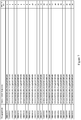
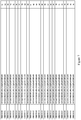
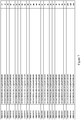
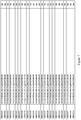
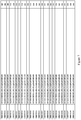
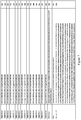
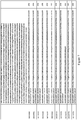
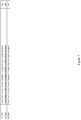
- compounds according to the invention can be derived from PSI0242 (SEQ ID NO: 249) but have modifications in at least one of positions 52, 53 and 60. For instance, as shown in Fig.
- the preferred compound designated PSI0378 (SEQ ID NO: 261) carries the amino acid substitutions N52S, D53E and D60E; the preferred compound designated PSI0379 (SEQ ID NO: 262) carries the amino acid substitutions N52S, D53E and D60A; the preferred compound designated PSI0381 (SEQ ID NO: 263) carries the amino acid substitutions N52E, D53S and D60E; and the preferred compound designated PSI0383 (SEQ ID NO: 264) carries the amino acid substitutions N52S, D53E and D60E.
- SEQ ID NO: 264 also carries substitutions in the loop [L2], namely D36R, D37Q and S39E.
- the preferred compound designated PSI0403 (SEQ ID NO: 269) carries the amino acid substitutions D53E and D60E
- the preferred compound designated PSI0404 (SEQ ID NO: 270) carries the amino acid substitutions N52S and D60E.
- the combination of the substitutions N52S, D53E and D60E or D60A further improves the stability (SEQ ID NO: 261 and SEQ ID NO: 262).
- Each of the combined substitutions of N52S and D60E (SEQ ID NO: 270) and D53E and D60E (SEQ ID NO: 269) has similarly been found to improve stability. This indicates that each of the listed amino acid substitutions is involved in improving the stability of the polypeptide, and thus that each of these substitutions will provide further stabilized C5 binding polypeptides and compounds compared to previously known C5 binding polypeptides and compounds.
- a C5 binding polypeptide and/or compound according to the invention could comprise further C terminal and/or N terminal amino acids that improve production, purification, stabilization in vivo or in vitro, coupling, or detection of the polypeptide.
- D60 and the entire linking moiety is absent and an example of such a compound is the preferred compound designated PSI0369 (SEQ ID NO: 259).
- C5 binding polypeptides and compounds as described above, for use in therapy.
- the C5 binding polypeptides and compounds according to the invention are useful in methods for the treatment and/or prophylaxis of C5-related conditions, such as inflammatory diseases; autoimmune diseases; infectious diseases; cardiovascular diseases; neurodegenerative disorders; graft injury; eye diseases; kidney diseases; pulmonary diseases; haematological diseases such as paroxysmal nocturnal hemoglobinuria (PNH); allergic diseases and dermatological diseases.
- C5-related conditions such as inflammatory diseases; autoimmune diseases; infectious diseases; cardiovascular diseases; neurodegenerative disorders; graft injury; eye diseases; kidney diseases; pulmonary diseases; haematological diseases such as paroxysmal nocturnal hemoglobinuria (PNH); allergic diseases and dermatological diseases.
- PNH paroxysmal nocturnal hemoglobinuria
- the said C5 binding polypeptide or compound can preferably be administered intravenously, subcutaneously, by inhalation, nasally, orally, intravitreally, or topically.
- the C5 binding compound designated PSI0242 (SEQ ID NO: 249) was formulated in 25 mM NaP /125 mM NaCl pH 7.0 and subjected to an accelerated stability study for 2 weeks at 37 °C.
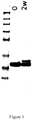
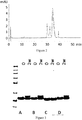
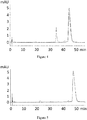
- the stability was measured by the appearance of new variants after the stability testing by SDS-PAGE and Reversed Phase HPLC (RPC). In both analyses the initial sample and the one subjected to the stability study were run in parallel. For the SDS-PAGE, 7.5 ⁇ g protein was loaded into each well.
- the RPC was run on an Agilent 1100 HPLC using a Mobile Phase A consisting of 0.1 % trifluoroacetic acid (TFA) in water, and using a Mobile Phase B consisting of 0.1 % TFA / 45 % MeOH / 45 % isopropylamine (IPA) / 10 % water.
- TFA trifluoroacetic acid
- IPA isopropylamine
- Positions 1-60 in SEQ ID NO: 249 correspond to the polypeptide Z06175a, previously disclosed in WO 2013/126006 as SEQ ID NO: 753.
- PSI0242 (SEQ ID NO: 249) was produced essentially as disclosed in WO 2013/126006 .
- DNA encoding C5 binding Z variants was E. coli codon optimized and synthesized by GeneArt, GmbH.
- the synthetic genes representing the C5 binding Z variants were subcloned and expressed in E. coli.
- Intracellularly expressed Z variants were purified using conventional chromatography methods. Homogenization and clarification was performed by sonication followed by centrifugation and filtration. Anion exchange chromatography was used as capture step. Further purification was obtained by hydrophobic interaction chromatography. The purifications were executed at acidic conditions (pH 5.5). Polishing and buffer exchange was performed by size exclusion chromatography.
- the purified proteins were formulated in 25 mM NaP /125 mM NaCl pH 7.0 and subjected to an accelerated stability study for 2 weeks at 37 °C.
- the stability was measured by the appearance of new variants after the stability testing by SDS-PAGE and Reversed Phase HPLC (RPC).
- RPC Reversed Phase HPLC
- the RPC was run on an Agilent 1100 HPLC using a Mobile Phase A consisting of 0.1 % trifluoroacetic acid (TFA) in water, and a Mobile Phase B consisting of 0.1 % TFA / 45 % MeOH / 45 % isopropylamine (IPA) / 10 % water.
- TFA trifluoroacetic acid
- IPA isopropylamine
- Such improved C5 binding polypeptides or compounds include PSI0334 (SEQ ID NO: 253), PSI0340 (SEQ ID NO: 258), PSI0369 (SEQ ID NO: 259), PSI0377 (SEQ ID NO: 260), PSI0378 (SEQ ID NO: 261), PSI0379 (SEQ ID NO: 262), PSI0381 (SEQ ID NO: 263), PSI0383 (SEQ ID NO: 264), PSI0400 (SEQ ID NO: 267), PSI0410 (SEQ ID NO: 268), PSI0403 (SEQ ID NO: 269) and PSI0404 (SEQ ID NO: 270).
- PSI0334 SEQ ID NO: 253
- PSI0340 SEQ ID NO: 258
- PSI0369 SEQ ID NO: 259
- PSI0377 SEQ ID NO: 260
- PSI0378 SEQ ID NO: 261
- PSI0379 SEQ ID NO: 262
- PSI0381 SEQ
- PSI0378 (SEQ ID NO: 261), PSI0381 (SEQ ID NO: 263), PSI0383 (SEQ ID NO: 264), PSI0410 (SEQ ID NO: 268), PSI0403 (SEQ ID NO: 269) and PSI0404 (SEQ ID NO: 270) have in common an amino acid residue substitution from D to E in position 60.
- Regeneration conditions for the sensors were 10 mM Glycine, pH 2 (three pulses with 30 seconds and running buffer for 60 seconds). Each spectrogram was reference subtracted against an analogous construct containing an albumin binding domain (SEQ ID NO: 250) but without the C5 binding capacity. The data were analyzed according to Langmuir 1:1 model using ForteBio Analysis 7.1 (Pall Life sciences (ForteBio) kinetics software).
- the K D of the interaction with C5 relative to PSI0242 (SEQ ID NO: 249) is shown in Table II.
- the K D of PSI0242 varied from 1-3 nM in different runs.
- PSI0400 SEQ ID NO: 267
- the stability of the polypeptide was tested according to the same methodology as in Example 2. The results of the stability testing are shown in Table III. TABLE III SEQ ID NO: Name SDS-PAGE bands RPC prepeaks Main peak (% of total protein) RPC post peaks 267 PSI0400 1 0 91 0
- the stability of the PSI0400 was comparable to the polypeptides that were produced in E.coli in Example 2.
- PSI0400 The integrity of the fold of PSI0400 (SEQ ID NO: 267) was compared to a recombinant C5 binding polypeptide (PSI0257, SEQ ID NO: 271), produced in accordance with the methods of Example 2, using far UV circular dichroism (CD) spectra.
- CD far UV circular dichroism
- the CD spectra were recorded by a J-720 CD spectropolarimeter (Jasco, Japan). The samples were diluted to 0.17 mg/ml protein concentration using Pi buffer (5 mM Na-K-PO 4 , pH 7.0). A CD spectrum of Pi buffer was firstly recorded, then spectra were recorded for each of the samples and lastly for the Pi buffer again. As the two buffer spectra coincide, the firstly recorded spectrum was used as the buffer spectrum. The buffer spectrum was smoothened using the Savitzky-Golay procedure with convolution width of 25. The other spectra were smoothened according to the same procedure with a convolution width of 15. The smoothened buffer spectrum was then subtracted from each of the other smoothened spectra.
- the reference cell was treated with the same reagents but without injecting human C5. Binding of the C5 binders to immobilized hC5 was studied with the single cycle kinetics method, in which five concentrations of sample, typically 25, 12.5, 6.25, 3.12 and 1.56 nM in HBS-EP buffer (10 mM HEPES pH 7.4, 150 mM NaCl, 3 mM EDTA, 0.005% Surfactant P20, GE Healthcare) were injected one after the other at a flow rate of 30 ⁇ L/min at 25°C in the same cycle without regeneration between injections. Data from the reference cell were subtracted to compensate for bulk refractive index changes.
- the stability enhancing amino acid substitutions are not detrimental for the ability of the molecules to bind to C5 and thus do not influence their biological activities.
- sheep erythrocytes were prepared from fresh sheep whole blood in Alsever's solution (Swedish National Veterinary Institute) and thereafter treated with rabbit anti-sheep erythrocyte antiserum (Sigma) to become antibody sensitized sheep erythrocyte (EA). The whole process was conducted under aseptic conditions. All other reagents were from commercial sources.
- the in vitro assay was run in 96-well U-form microtiter plate by consecutive additions of a test protein, a complement serum and EA suspension.
- the C5 binding compounds and polypeptide were pre-incubated with the above described complement serum for 20 min on ice prior to starting the reaction by the addition of EA suspension.
- the hemolytic reaction was allowed to proceed at 37 °C during agitation for 45 min and was then optionally ended by addition of 100 ⁇ L ice-cold saline containing 0.02 % Tween 20.
- the cells were centrifuged to the bottom and the upper portion, corresponding to 100 ⁇ L supernatant, was transferred to a transparent microplate having half-area and flat-bottom wells.
- the reaction results were analyzed as optical density using a microtiter plate reader at a wavelength of 415 nm.
- the results from the hemolysis assay show that the improved C5 binding compounds SEQ ID NO: 261 and 268 are comparable to the reference compound.
- the C5 binding polypeptide SEQ ID NO: 267 was functional in the assay but since it does not contain an albumin binding domain the results cannot be directly compared to the reference compound.
- a human albumin ELISA utilizing recombinant human albumin (coating) and commercially available antibodies (primary and detecting) purchased from Novozymes, Affibody AB and DakoCytomation, respectively, was used.
- a 96-well microplate was coated with recombinant human albumin.
- the plate was then washed with phosphate buffered saline containing 0.05 % Tween 20 (PBST) and blocked for 1-2 hours with 1 % casein in PBS. After a plate wash, the standard, method controls, control sample and test samples are added to the plate. After incubation for 2 hours, unbound material was removed by a wash. A goat Anti-Affibody® IgG (Affibody AB, cat no. 20.1000.01.0005) was added to the wells and the plate was incubated for 1.5 hours to allow binding to the bound C5 binding compounds. After a wash, rabbit anti-goat IgG HRP was allowed to bind to the goat antibodies for 1 h.
- PBST phosphate buffered saline containing 0.05 % Tween 20
- the amount of bound HRP was detected by addition of TMB substrate, which was converted to a blue product by the enzyme.
- the absorbance at 450 nm was measured photometrically, using the absorbance at 650 nm as a reference wavelength.
- the color intensity was proportional to the amount of PSI0242 (SEQ ID NO:249) and the sample concentrations were determined from the standard curve.
- Example 2 The C5 binding polypeptides/compounds that showed an improved stability compared toPSI0242 in the 2 weeks stability test at 37 °C (Example 2) were subjected to a longer 3 month stability test at 37 °C.
- the setup of the stability test was as described in Example 2 and the evaluation of the stability was made by measuring the main peak of the chromatogram percentage of the total protein content by Reversed Phase HPLC (RPC), the RPC method was performed as described in example 2.
- RPC Reversed Phase HPLC
- C5 binding compounds with amino acid substitutions in position 52, 53 from ND to SE and a replacement in position 60 from D to E or A (SEQ ID NO: 261, 264, and 262) compared to PSI0242 have a higher proportion of protein in the original form after 3 months at 37 °C than PSI0242 (SEQ ID NO: 249) has after 2 weeks at the same conditions.
- the other compounds also displayed an increased stability.
- the stability improved polypeptide variants were produced by site-directed mutagenesis at selected positions of the amino acid sequence.
- the stability improving amino acid substitutions in the polypeptide variants Z02891 (SEQ ID NO: 272), targeting HER2; Z15805 (SEQ ID NO: 275), targeting PDGF-R ⁇ ; Z10103 (SEQ ID NO: 278), targeting FcRn; and Z09782 (SEQ ID NO: 281), targeting CAIX are specified below in Table IX.
- These stability improved polypeptide variants differ from the C5 binding polypeptides of the present invention for example in that they have a binding motif [ BM ] with binding affinity for HER2, PDGF-R ⁇ , FcRn, and CAIX.
- E coli (strain T7E2) cells (GeneBridge) were transformed with plasmids containing the gene fragments encoding the original and the modified polypeptides.
- the cells were cultivated at 37 °C in TSB-YE medium supplemented with 50 ⁇ g/ml kanamycin and protein expression was subsequently induced by addition of IPTG.
- Pelleted cells were disrupted using a FastPrep®-24 homogenizer (Nordic Biolabs) and cell debris was removed by centrifugation.
- Each supernatant containing the polypeptide variant as a His6-tagged protein was purified by immobilized metal ion affinity chromatography (IMAC) using His GraviTrapTM columns (GE Healthcare) according to the manufacturers instructions.
- IMAC immobilized metal ion affinity chromatography
- Purified polypeptide variants were buffer exchanged to phosphate-buffered saline (PBS; 1.47 mM KH2PO4, 8.1 mM Na2HPO4, 137 mM NaCl, 2.68 mM KCl, pH 7.4) using PD-10 desalting columns (GE Healthcare). The correct identity of each polypeptide was verified by SDS-PAGE and HPLC-MS. TABLE IX.
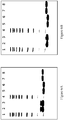
- the polypeptide variants formulated in PBS pH 7.4, were diluted to 1 mg/ml and 200 ⁇ l aliquotes were incubated at 37 °C for 2 weeks. Samples collected prior to and after the stability test were analyzed by SDS-PAGE using 10% Bis-Tris NuPAGE gels (Invitrogen) and loading 5 ⁇ g protein into each well. Resulting Coomassie blue stained gels are shown in Fig. 6 . The stability was assessed by the appearance of new variants after incubation at the elevated temperature and mutated variants were compared to respective original polypeptide.
Landscapes
- Health & Medical Sciences (AREA)
- Chemical & Material Sciences (AREA)
- Life Sciences & Earth Sciences (AREA)
- Organic Chemistry (AREA)
- General Health & Medical Sciences (AREA)
- Medicinal Chemistry (AREA)
- Pharmacology & Pharmacy (AREA)
- Veterinary Medicine (AREA)
- Public Health (AREA)
- Animal Behavior & Ethology (AREA)
- Gastroenterology & Hepatology (AREA)
- Proteomics, Peptides & Aminoacids (AREA)
- Bioinformatics & Cheminformatics (AREA)
- Engineering & Computer Science (AREA)
- Chemical Kinetics & Catalysis (AREA)
- Nuclear Medicine, Radiotherapy & Molecular Imaging (AREA)
- General Chemical & Material Sciences (AREA)
- Molecular Biology (AREA)
- Genetics & Genomics (AREA)
- Biophysics (AREA)
- Biochemistry (AREA)
- Zoology (AREA)
- Immunology (AREA)
- Toxicology (AREA)
- Epidemiology (AREA)
- Urology & Nephrology (AREA)
- Pulmonology (AREA)
- Cardiology (AREA)
- Transplantation (AREA)
- Communicable Diseases (AREA)
- Oncology (AREA)
- Pain & Pain Management (AREA)
- Rheumatology (AREA)
- Ophthalmology & Optometry (AREA)
- Biomedical Technology (AREA)
- Neurology (AREA)
- Neurosurgery (AREA)
- Dermatology (AREA)
- Heart & Thoracic Surgery (AREA)
- Peptides Or Proteins (AREA)
Priority Applications (6)
| Application Number | Priority Date | Filing Date | Title |
|---|---|---|---|
| SI201431739T SI3038633T1 (sl) | 2013-08-28 | 2014-08-28 | Stabilni polipeptidi, vezani na humani komplement C5 |
| SM20210006T SMT202100006T1 (it) | 2013-08-28 | 2014-08-28 | Polipeptidi stabili che si legano al complemento umano c5 |
| RS20210005A RS61347B1 (sr) | 2013-08-28 | 2014-08-28 | Stabilni polipeptidi koji se vezuju za humani komplement c5 |
| EP20201264.7A EP3811961B1 (en) | 2013-08-28 | 2014-08-28 | Stable polypeptides binding to human complement c5 |
| PL14765883T PL3038633T3 (pl) | 2013-08-28 | 2014-08-28 | Stabilne polipeptydy wiążące się z ludzkim dopełniaczem c5 |
| HRP20210013TT HRP20210013T1 (hr) | 2013-08-28 | 2014-08-28 | Stabilni polipeptidi koji se vezuju za ljudski komplement c5 |
Applications Claiming Priority (2)
| Application Number | Priority Date | Filing Date | Title |
|---|---|---|---|
| SE1350986 | 2013-08-28 | ||
| PCT/EP2014/068282 WO2015028558A1 (en) | 2013-08-28 | 2014-08-28 | Stable polypeptides binding to human complement c5 |
Related Child Applications (1)
| Application Number | Title | Priority Date | Filing Date |
|---|---|---|---|
| EP20201264.7A Division EP3811961B1 (en) | 2013-08-28 | 2014-08-28 | Stable polypeptides binding to human complement c5 |
Publications (2)
| Publication Number | Publication Date |
|---|---|
| EP3038633A1 EP3038633A1 (en) | 2016-07-06 |
| EP3038633B1 true EP3038633B1 (en) | 2020-10-14 |
Family
ID=51539238
Family Applications (2)
| Application Number | Title | Priority Date | Filing Date |
|---|---|---|---|
| EP20201264.7A Active EP3811961B1 (en) | 2013-08-28 | 2014-08-28 | Stable polypeptides binding to human complement c5 |
| EP14765883.5A Active EP3038633B1 (en) | 2013-08-28 | 2014-08-28 | Stable polypeptides binding to human complement c5 |
Family Applications Before (1)
| Application Number | Title | Priority Date | Filing Date |
|---|---|---|---|
| EP20201264.7A Active EP3811961B1 (en) | 2013-08-28 | 2014-08-28 | Stable polypeptides binding to human complement c5 |
Country Status (29)
| Country | Link |
|---|---|
| US (1) | US9994626B2 (enExample) |
| EP (2) | EP3811961B1 (enExample) |
| JP (2) | JP6767865B2 (enExample) |
| KR (1) | KR102446636B1 (enExample) |
| CN (1) | CN105658228B (enExample) |
| AU (1) | AU2014314222B2 (enExample) |
| BR (1) | BR112016003142A2 (enExample) |
| CA (1) | CA2926976C (enExample) |
| CY (1) | CY1123732T1 (enExample) |
| DK (1) | DK3038633T3 (enExample) |
| ES (1) | ES2842105T3 (enExample) |
| HR (1) | HRP20210013T1 (enExample) |
| HU (1) | HUE052613T2 (enExample) |
| IL (1) | IL244218A (enExample) |
| LT (1) | LT3038633T (enExample) |
| MX (1) | MX382140B (enExample) |
| MY (1) | MY173804A (enExample) |
| NZ (1) | NZ718153A (enExample) |
| PH (1) | PH12016500371A1 (enExample) |
| PL (1) | PL3038633T3 (enExample) |
| PT (1) | PT3038633T (enExample) |
| RS (1) | RS61347B1 (enExample) |
| RU (2) | RU2733897C2 (enExample) |
| SA (1) | SA516370622B1 (enExample) |
| SG (1) | SG11201602679VA (enExample) |
| SI (1) | SI3038633T1 (enExample) |
| SM (1) | SMT202100006T1 (enExample) |
| UA (1) | UA117933C2 (enExample) |
| WO (1) | WO2015028558A1 (enExample) |
Families Citing this family (7)
| Publication number | Priority date | Publication date | Assignee | Title |
|---|---|---|---|---|
| KR102149028B1 (ko) | 2012-02-20 | 2020-08-27 | 스위디쉬 오르펀 바이오비트럼 에이비 (피유비엘) | 인간 보체 c5에 결합하는 폴리펩티드 |
| HRP20210013T1 (hr) * | 2013-08-28 | 2021-04-02 | Ipc Research, Llc | Stabilni polipeptidi koji se vezuju za ljudski komplement c5 |
| TR201911279T4 (tr) * | 2013-08-28 | 2019-08-21 | Affibody Ab | Mutasyona uğramış bir yapı iskelesine sahip polipeptidlerin bağlanması. |
| UY37651A (es) * | 2017-03-31 | 2018-10-31 | Swedish Orphan Biovitrum Ab Publ | Polipéptido de unión al il-1r-i |
| CN111201246B (zh) | 2017-07-11 | 2023-10-27 | 亚力兄制药公司 | 结合补体成分c5或血清白蛋白的多肽及其融合蛋白 |
| MX2024005285A (es) * | 2021-11-01 | 2024-09-18 | Ipc Res Llc | Administracion de proteinas de union a c5. |
| WO2024227886A1 (en) | 2023-05-02 | 2024-11-07 | Mebrahtu Aman | Bispecific binding molecule |
Family Cites Families (23)
| Publication number | Priority date | Publication date | Assignee | Title |
|---|---|---|---|---|
| SE509359C2 (sv) | 1989-08-01 | 1999-01-18 | Cemu Bioteknik Ab | Användning av stabiliserade protein- eller peptidkonjugat för framställning av ett läkemedel |
| US6074642A (en) | 1994-05-02 | 2000-06-13 | Alexion Pharmaceuticals, Inc. | Use of antibodies specific to human complement component C5 for the treatment of glomerulonephritis |
| WO2002030985A2 (en) | 2000-10-10 | 2002-04-18 | Tanox, Inc. | Inhibition of complement c5 activation for the treatment and prevention of delayed xenograft or acute vascular rejection |
| AT410798B (de) * | 2001-01-26 | 2003-07-25 | Cistem Biotechnologies Gmbh | Verfahren zur identifizierung, isolierung und herstellung von antigenen gegen ein spezifisches pathogen |
| AU2002331601B2 (en) * | 2001-08-17 | 2006-04-13 | Tanox, Inc. | Complement pathway inhibitors binding to C5 and C5a without preventing the formation of C5b |
| ITMI20021527A1 (it) | 2002-07-11 | 2004-01-12 | Consiglio Nazionale Ricerche | Anticorpi anti componente c5 del complemento e loro uso |
| WO2005023866A2 (en) | 2003-09-10 | 2005-03-17 | Baxter International Inc. | Peptides that inhibit complement activation |
| SE0400274D0 (sv) * | 2004-02-09 | 2004-02-09 | Affibody Ab | New polypeptide |
| GB0518443D0 (en) * | 2005-09-09 | 2005-10-19 | Evolutec Ltd | Method of treating myasthenia gravis |
| AU2007223796B2 (en) * | 2006-03-08 | 2013-01-24 | Astellas Us Llc | Complement binding aptamers and anti-C5 agents useful in the treatment of ocular disorders |
| WO2007106585A1 (en) * | 2006-03-15 | 2007-09-20 | Alexion Pharmaceuticals, Inc. | Treatment of paroxysmal nocturnal hemoglobinuria patients by an inhibitor of complement |
| ES2346178T3 (es) | 2007-07-31 | 2015-11-02 | Affibody Ab | Nuevas composiciones, procedimientos y usos de unión de la albúmina |
| US9187535B2 (en) | 2007-12-19 | 2015-11-17 | Affibody Ab | Polypeptide derived from protein A and able to bind PDGF |
| EP2231860B1 (en) | 2007-12-19 | 2011-10-05 | Affibody AB | Polypeptide derived from protein a and able to bind pdgf |
| EP2072525A1 (en) | 2007-12-21 | 2009-06-24 | Affibody AB | New polypeptides having affinity for HER2 |
| BRPI0916668B1 (pt) | 2008-08-05 | 2021-12-28 | Novartis Ag | Anticorpo monoclonal isolado, composição farmacêutica, ácido nucleico isolado e vetor |
| EP2327725A1 (en) | 2009-11-26 | 2011-06-01 | InflaRx GmbH | Anti-C5a binding moieties with high blocking activity |
| ES2540114T3 (es) * | 2010-07-09 | 2015-07-08 | Affibody Ab | Polipéptidos |
| KR102149028B1 (ko) | 2012-02-20 | 2020-08-27 | 스위디쉬 오르펀 바이오비트럼 에이비 (피유비엘) | 인간 보체 c5에 결합하는 폴리펩티드 |
| JP5980104B2 (ja) | 2012-11-22 | 2016-08-31 | 三菱電機株式会社 | 液晶表示装置の製造方法および液晶表示装置の製造システム |
| US9957330B2 (en) | 2012-12-19 | 2018-05-01 | Affibody Ab | Polypeptides |
| TR201911279T4 (tr) * | 2013-08-28 | 2019-08-21 | Affibody Ab | Mutasyona uğramış bir yapı iskelesine sahip polipeptidlerin bağlanması. |
| HRP20210013T1 (hr) * | 2013-08-28 | 2021-04-02 | Ipc Research, Llc | Stabilni polipeptidi koji se vezuju za ljudski komplement c5 |
-
2014
- 2014-08-28 HR HRP20210013TT patent/HRP20210013T1/hr unknown
- 2014-08-28 SG SG11201602679VA patent/SG11201602679VA/en unknown
- 2014-08-28 ES ES14765883T patent/ES2842105T3/es active Active
- 2014-08-28 UA UAA201603124A patent/UA117933C2/uk unknown
- 2014-08-28 DK DK14765883.5T patent/DK3038633T3/da active
- 2014-08-28 KR KR1020167007498A patent/KR102446636B1/ko active Active
- 2014-08-28 HU HUE14765883A patent/HUE052613T2/hu unknown
- 2014-08-28 US US14/914,290 patent/US9994626B2/en active Active
- 2014-08-28 RS RS20210005A patent/RS61347B1/sr unknown
- 2014-08-28 EP EP20201264.7A patent/EP3811961B1/en active Active
- 2014-08-28 RU RU2016111115A patent/RU2733897C2/ru active
- 2014-08-28 SM SM20210006T patent/SMT202100006T1/it unknown
- 2014-08-28 RU RU2020128977A patent/RU2020128977A/ru unknown
- 2014-08-28 PL PL14765883T patent/PL3038633T3/pl unknown
- 2014-08-28 CN CN201480057470.XA patent/CN105658228B/zh active Active
- 2014-08-28 MY MYPI2016700583A patent/MY173804A/en unknown
- 2014-08-28 JP JP2016537298A patent/JP6767865B2/ja active Active
- 2014-08-28 LT LTEP14765883.5T patent/LT3038633T/lt unknown
- 2014-08-28 EP EP14765883.5A patent/EP3038633B1/en active Active
- 2014-08-28 CA CA2926976A patent/CA2926976C/en active Active
- 2014-08-28 PT PT147658835T patent/PT3038633T/pt unknown
- 2014-08-28 SI SI201431739T patent/SI3038633T1/sl unknown
- 2014-08-28 MX MX2016002397A patent/MX382140B/es unknown
- 2014-08-28 BR BR112016003142A patent/BR112016003142A2/pt not_active Application Discontinuation
- 2014-08-28 NZ NZ718153A patent/NZ718153A/en unknown
- 2014-08-28 WO PCT/EP2014/068282 patent/WO2015028558A1/en not_active Ceased
- 2014-08-28 AU AU2014314222A patent/AU2014314222B2/en active Active
-
2016
- 2016-02-22 IL IL244218A patent/IL244218A/en active IP Right Grant
- 2016-02-24 PH PH12016500371A patent/PH12016500371A1/en unknown
- 2016-02-25 SA SA516370622A patent/SA516370622B1/ar unknown
-
2020
- 2020-07-01 JP JP2020113725A patent/JP2020172505A/ja active Pending
- 2020-12-30 CY CY20201101229T patent/CY1123732T1/el unknown
Non-Patent Citations (1)
| Title |
|---|
| None * |
Also Published As
Similar Documents
| Publication | Publication Date | Title |
|---|---|---|
| EP3038633B1 (en) | Stable polypeptides binding to human complement c5 | |
| CN110144009B (zh) | Cd47单域抗体及其用途 | |
| JP6590695B2 (ja) | アルブミン結合ポリペプチド | |
| CA2468583C (en) | Self-assembling multimeric binding complexes derived from ab5 toxin family members | |
| KR102497083B1 (ko) | 돌연변이된 스캐폴드를 갖는 결합 폴리펩티드 | |
| JP2017515457A (ja) | TNFαに対する結合メンバー | |
| Cachia et al. | Synthetic peptide vaccine development: measurement of polyclonal antibody affinity and cross‐reactivity using a new peptide capture and release system for surface plasmon resonance spectroscopy | |
| CN119431572B (zh) | 抗vim纳米抗体及其应用 | |
| HK40050539A (en) | Stable polypeptides binding to human complement c5 | |
| HK40050539B (en) | Stable polypeptides binding to human complement c5 | |
| AU2023357539A1 (en) | Ultrastable antibody fragments with a novel disuldide bridge | |
| HK1225656B (en) | Stable polypeptides binding to human complement c5 | |
| BR112020018563A2 (pt) | Anticorpos de domínio único que se ligam à neurotoxina do tétano | |
| CN115698063A (zh) | 血清白蛋白结合纳米抗体组合物以及其使用方法 | |
| BR122023020080B1 (pt) | Polipeptídeos e compostos de ligação a c5 do complemento humano | |
| CN119431574B (zh) | 靶向多物种血清白蛋白的鲨鱼单域抗体及其制备方法和应用 | |
| KR20200033807A (ko) | 전압-게이팅된 칼슘 채널 보조 서브유닛 α2δ 및 이의 용도 |
Legal Events
| Date | Code | Title | Description |
|---|---|---|---|
| PUAI | Public reference made under article 153(3) epc to a published international application that has entered the european phase |
Free format text: ORIGINAL CODE: 0009012 |
|
| 17P | Request for examination filed |
Effective date: 20160324 |
|
| AK | Designated contracting states |
Kind code of ref document: A1 Designated state(s): AL AT BE BG CH CY CZ DE DK EE ES FI FR GB GR HR HU IE IS IT LI LT LU LV MC MK MT NL NO PL PT RO RS SE SI SK SM TR |
|
| AX | Request for extension of the european patent |
Extension state: BA ME |
|
| STAA | Information on the status of an ep patent application or granted ep patent |
Free format text: STATUS: EXAMINATION IS IN PROGRESS |
|
| 17Q | First examination report despatched |
Effective date: 20170529 |
|
| REG | Reference to a national code |
Ref country code: HK Ref legal event code: DE Ref document number: 1225656 Country of ref document: HK |
|
| GRAP | Despatch of communication of intention to grant a patent |
Free format text: ORIGINAL CODE: EPIDOSNIGR1 |
|
| STAA | Information on the status of an ep patent application or granted ep patent |
Free format text: STATUS: GRANT OF PATENT IS INTENDED |
|
| INTG | Intention to grant announced |
Effective date: 20180810 |
|
| TPAC | Observations filed by third parties |
Free format text: ORIGINAL CODE: EPIDOSNTIPA |
|
| GRAJ | Information related to disapproval of communication of intention to grant by the applicant or resumption of examination proceedings by the epo deleted |
Free format text: ORIGINAL CODE: EPIDOSDIGR1 |
|
| STAA | Information on the status of an ep patent application or granted ep patent |
Free format text: STATUS: EXAMINATION IS IN PROGRESS |
|
| INTC | Intention to grant announced (deleted) | ||
| GRAP | Despatch of communication of intention to grant a patent |
Free format text: ORIGINAL CODE: EPIDOSNIGR1 |
|
| STAA | Information on the status of an ep patent application or granted ep patent |
Free format text: STATUS: GRANT OF PATENT IS INTENDED |
|
| INTG | Intention to grant announced |
Effective date: 20190606 |
|
| GRAS | Grant fee paid |
Free format text: ORIGINAL CODE: EPIDOSNIGR3 |
|
| GRAA | (expected) grant |
Free format text: ORIGINAL CODE: 0009210 |
|
| STAA | Information on the status of an ep patent application or granted ep patent |
Free format text: STATUS: THE PATENT HAS BEEN GRANTED |
|
| AK | Designated contracting states |
Kind code of ref document: B1 Designated state(s): AL AT BE BG CH CY CZ DE DK EE ES FI FR GB GR HR HU IE IS IT LI LT LU LV MC MK MT NL NO PL PT RO RS SE SI SK SM TR |
|
| AX | Request for extension of the european patent |
Extension state: BA ME |
|
| RAP1 | Party data changed (applicant data changed or rights of an application transferred) |
Owner name: IPC RESEARCH, LLC |
|
| REG | Reference to a national code |
Ref country code: GB Ref legal event code: FG4D |
|
| REG | Reference to a national code |
Ref country code: AT Ref legal event code: REF Ref document number: 1322930 Country of ref document: AT Kind code of ref document: T Effective date: 20201015 Ref country code: CH Ref legal event code: EP |
|
| REG | Reference to a national code |
Ref country code: DE Ref legal event code: R096 Ref document number: 602014071235 Country of ref document: DE |
|
| REG | Reference to a national code |
Ref country code: IE Ref legal event code: FG4D |
|
| REG | Reference to a national code |
Ref country code: HR Ref legal event code: TUEP Ref document number: P20210013T Country of ref document: HR |
|
| REG | Reference to a national code |
Ref country code: FI Ref legal event code: FGE Ref country code: RO Ref legal event code: EPE |
|
| REG | Reference to a national code |
Ref country code: DK Ref legal event code: T3 Effective date: 20210107 |
|
| REG | Reference to a national code |
Ref country code: PT Ref legal event code: SC4A Ref document number: 3038633 Country of ref document: PT Date of ref document: 20210114 Kind code of ref document: T Free format text: AVAILABILITY OF NATIONAL TRANSLATION Effective date: 20210108 |
|
| REG | Reference to a national code |
Ref country code: NL Ref legal event code: FP |
|
| REG | Reference to a national code |
Ref country code: CH Ref legal event code: NV Representative=s name: VALIPAT S.A. C/O BOVARD SA NEUCHATEL, CH |
|
| REG | Reference to a national code |
Ref country code: SE Ref legal event code: TRGR |
|
| REG | Reference to a national code |
Ref country code: GR Ref legal event code: EP Ref document number: 20210400080 Country of ref document: GR Effective date: 20210215 |
|
| REG | Reference to a national code |
Ref country code: NO Ref legal event code: T2 Effective date: 20201014 |
|
| REG | Reference to a national code |
Ref country code: EE Ref legal event code: FG4A Ref document number: E020265 Country of ref document: EE Effective date: 20210112 |
|
| REG | Reference to a national code |
Ref country code: SK Ref legal event code: T3 Ref document number: E 36505 Country of ref document: SK |
|
| REG | Reference to a national code |
Ref country code: HR Ref legal event code: T1PR Ref document number: P20210013 Country of ref document: HR |
|
| REG | Reference to a national code |
Ref country code: HU Ref legal event code: AG4A Ref document number: E052613 Country of ref document: HU |
|
| REG | Reference to a national code |
Ref country code: ES Ref legal event code: FG2A Ref document number: 2842105 Country of ref document: ES Kind code of ref document: T3 Effective date: 20210712 |
|
| REG | Reference to a national code |
Ref country code: DE Ref legal event code: R097 Ref document number: 602014071235 Country of ref document: DE |
|
| PLBE | No opposition filed within time limit |
Free format text: ORIGINAL CODE: 0009261 |
|
| STAA | Information on the status of an ep patent application or granted ep patent |
Free format text: STATUS: NO OPPOSITION FILED WITHIN TIME LIMIT |
|
| REG | Reference to a national code |
Ref country code: HR Ref legal event code: ODRP Ref document number: P20210013 Country of ref document: HR Payment date: 20210813 Year of fee payment: 8 |
|
| 26N | No opposition filed |
Effective date: 20210715 |
|
| REG | Reference to a national code |
Ref country code: HR Ref legal event code: ODRP Ref document number: P20210013 Country of ref document: HR Payment date: 20220809 Year of fee payment: 9 |
|
| P01 | Opt-out of the competence of the unified patent court (upc) registered |
Effective date: 20230608 |
|
| REG | Reference to a national code |
Ref country code: HR Ref legal event code: ODRP Ref document number: P20210013 Country of ref document: HR Payment date: 20230810 Year of fee payment: 10 |
|
| REG | Reference to a national code |
Ref country code: AT Ref legal event code: UEP Ref document number: 1322930 Country of ref document: AT Kind code of ref document: T Effective date: 20201014 |
|
| REG | Reference to a national code |
Ref country code: HR Ref legal event code: ODRP Ref document number: P20210013 Country of ref document: HR Payment date: 20240802 Year of fee payment: 11 |
|
| PGFP | Annual fee paid to national office [announced via postgrant information from national office to epo] |
Ref country code: CY Payment date: 20240802 Year of fee payment: 11 |
|
| PGFP | Annual fee paid to national office [announced via postgrant information from national office to epo] |
Ref country code: NL Payment date: 20250729 Year of fee payment: 12 Ref country code: LU Payment date: 20250729 Year of fee payment: 12 |
|
| REG | Reference to a national code |
Ref country code: HR Ref legal event code: ODRP Ref document number: P20210013 Country of ref document: HR Payment date: 20250806 Year of fee payment: 12 |
|
| PGFP | Annual fee paid to national office [announced via postgrant information from national office to epo] |
Ref country code: HU Payment date: 20250813 Year of fee payment: 12 |
|
| PGFP | Annual fee paid to national office [announced via postgrant information from national office to epo] |
Ref country code: SM Payment date: 20250827 Year of fee payment: 12 |
|
| PGFP | Annual fee paid to national office [announced via postgrant information from national office to epo] |
Ref country code: FI Payment date: 20250729 Year of fee payment: 12 Ref country code: PT Payment date: 20250808 Year of fee payment: 12 Ref country code: ES Payment date: 20250905 Year of fee payment: 12 |
|
| PGFP | Annual fee paid to national office [announced via postgrant information from national office to epo] |
Ref country code: LT Payment date: 20250806 Year of fee payment: 12 Ref country code: DK Payment date: 20250729 Year of fee payment: 12 Ref country code: DE Payment date: 20250730 Year of fee payment: 12 |
|
| PGFP | Annual fee paid to national office [announced via postgrant information from national office to epo] |
Ref country code: MC Payment date: 20250807 Year of fee payment: 12 Ref country code: NO Payment date: 20250804 Year of fee payment: 12 Ref country code: GR Payment date: 20250829 Year of fee payment: 12 |
|
| PGFP | Annual fee paid to national office [announced via postgrant information from national office to epo] |
Ref country code: TR Payment date: 20250806 Year of fee payment: 12 Ref country code: IT Payment date: 20250807 Year of fee payment: 12 Ref country code: PL Payment date: 20250821 Year of fee payment: 12 |
|
| PGFP | Annual fee paid to national office [announced via postgrant information from national office to epo] |
Ref country code: BG Payment date: 20250806 Year of fee payment: 12 Ref country code: GB Payment date: 20250729 Year of fee payment: 12 Ref country code: BE Payment date: 20250729 Year of fee payment: 12 |
|
| PGFP | Annual fee paid to national office [announced via postgrant information from national office to epo] |
Ref country code: HR Payment date: 20250806 Year of fee payment: 12 |
|
| PGFP | Annual fee paid to national office [announced via postgrant information from national office to epo] |
Ref country code: AL Payment date: 20250814 Year of fee payment: 12 Ref country code: AT Payment date: 20250806 Year of fee payment: 12 Ref country code: FR Payment date: 20250729 Year of fee payment: 12 |
|
| PGFP | Annual fee paid to national office [announced via postgrant information from national office to epo] |
Ref country code: MT Payment date: 20250808 Year of fee payment: 12 Ref country code: CH Payment date: 20250901 Year of fee payment: 12 Ref country code: SE Payment date: 20250729 Year of fee payment: 12 |
|
| PGFP | Annual fee paid to national office [announced via postgrant information from national office to epo] |
Ref country code: EE Payment date: 20250808 Year of fee payment: 12 Ref country code: CZ Payment date: 20250807 Year of fee payment: 12 Ref country code: IE Payment date: 20250729 Year of fee payment: 12 Ref country code: RS Payment date: 20250807 Year of fee payment: 12 |
|
| PGFP | Annual fee paid to national office [announced via postgrant information from national office to epo] |
Ref country code: RO Payment date: 20250812 Year of fee payment: 12 |
|
| PGFP | Annual fee paid to national office [announced via postgrant information from national office to epo] |
Ref country code: SK Payment date: 20250730 Year of fee payment: 12 |
|
| PGFP | Annual fee paid to national office [announced via postgrant information from national office to epo] |
Ref country code: IS Payment date: 20250811 Year of fee payment: 12 |
|
| PGFP | Annual fee paid to national office [announced via postgrant information from national office to epo] |
Ref country code: LV Payment date: 20250807 Year of fee payment: 12 |
|
| PGFP | Annual fee paid to national office [announced via postgrant information from national office to epo] |
Ref country code: SI Payment date: 20250807 Year of fee payment: 12 |
|
| PGFP | Annual fee paid to national office [announced via postgrant information from national office to epo] |
Ref country code: MK Payment date: 20240805 Year of fee payment: 11 |