EP2849567B1 - Carriers for improved drug delivery - Google Patents
Carriers for improved drug delivery Download PDFInfo
- Publication number
- EP2849567B1 EP2849567B1 EP13791616.9A EP13791616A EP2849567B1 EP 2849567 B1 EP2849567 B1 EP 2849567B1 EP 13791616 A EP13791616 A EP 13791616A EP 2849567 B1 EP2849567 B1 EP 2849567B1
- Authority
- EP
- European Patent Office
- Prior art keywords
- group
- therapeutic
- carrier
- therapeutic compound
- poly
- Prior art date
- Legal status (The legal status is an assumption and is not a legal conclusion. Google has not performed a legal analysis and makes no representation as to the accuracy of the status listed.)
- Active
Links
Images




Classifications
-
- A—HUMAN NECESSITIES
- A61—MEDICAL OR VETERINARY SCIENCE; HYGIENE
- A61K—PREPARATIONS FOR MEDICAL, DENTAL OR TOILETRY PURPOSES
- A61K47/00—Medicinal preparations characterised by the non-active ingredients used, e.g. carriers or inert additives; Targeting or modifying agents chemically bound to the active ingredient
- A61K47/50—Medicinal preparations characterised by the non-active ingredients used, e.g. carriers or inert additives; Targeting or modifying agents chemically bound to the active ingredient the non-active ingredient being chemically bound to the active ingredient, e.g. polymer-drug conjugates
- A61K47/51—Medicinal preparations characterised by the non-active ingredients used, e.g. carriers or inert additives; Targeting or modifying agents chemically bound to the active ingredient the non-active ingredient being chemically bound to the active ingredient, e.g. polymer-drug conjugates the non-active ingredient being a modifying agent
- A61K47/54—Medicinal preparations characterised by the non-active ingredients used, e.g. carriers or inert additives; Targeting or modifying agents chemically bound to the active ingredient the non-active ingredient being chemically bound to the active ingredient, e.g. polymer-drug conjugates the non-active ingredient being a modifying agent the modifying agent being an organic compound
-
- A—HUMAN NECESSITIES
- A61—MEDICAL OR VETERINARY SCIENCE; HYGIENE
- A61K—PREPARATIONS FOR MEDICAL, DENTAL OR TOILETRY PURPOSES
- A61K38/00—Medicinal preparations containing peptides
- A61K38/16—Peptides having more than 20 amino acids; Gastrins; Somatostatins; Melanotropins; Derivatives thereof
- A61K38/17—Peptides having more than 20 amino acids; Gastrins; Somatostatins; Melanotropins; Derivatives thereof from animals; from humans
- A61K38/18—Growth factors; Growth regulators
- A61K38/1825—Fibroblast growth factor [FGF]
-
- A—HUMAN NECESSITIES
- A61—MEDICAL OR VETERINARY SCIENCE; HYGIENE
- A61K—PREPARATIONS FOR MEDICAL, DENTAL OR TOILETRY PURPOSES
- A61K38/00—Medicinal preparations containing peptides
- A61K38/16—Peptides having more than 20 amino acids; Gastrins; Somatostatins; Melanotropins; Derivatives thereof
- A61K38/17—Peptides having more than 20 amino acids; Gastrins; Somatostatins; Melanotropins; Derivatives thereof from animals; from humans
- A61K38/22—Hormones
-
- A—HUMAN NECESSITIES
- A61—MEDICAL OR VETERINARY SCIENCE; HYGIENE
- A61K—PREPARATIONS FOR MEDICAL, DENTAL OR TOILETRY PURPOSES
- A61K47/00—Medicinal preparations characterised by the non-active ingredients used, e.g. carriers or inert additives; Targeting or modifying agents chemically bound to the active ingredient
- A61K47/50—Medicinal preparations characterised by the non-active ingredients used, e.g. carriers or inert additives; Targeting or modifying agents chemically bound to the active ingredient the non-active ingredient being chemically bound to the active ingredient, e.g. polymer-drug conjugates
- A61K47/51—Medicinal preparations characterised by the non-active ingredients used, e.g. carriers or inert additives; Targeting or modifying agents chemically bound to the active ingredient the non-active ingredient being chemically bound to the active ingredient, e.g. polymer-drug conjugates the non-active ingredient being a modifying agent
- A61K47/54—Medicinal preparations characterised by the non-active ingredients used, e.g. carriers or inert additives; Targeting or modifying agents chemically bound to the active ingredient the non-active ingredient being chemically bound to the active ingredient, e.g. polymer-drug conjugates the non-active ingredient being a modifying agent the modifying agent being an organic compound
- A61K47/55—Medicinal preparations characterised by the non-active ingredients used, e.g. carriers or inert additives; Targeting or modifying agents chemically bound to the active ingredient the non-active ingredient being chemically bound to the active ingredient, e.g. polymer-drug conjugates the non-active ingredient being a modifying agent the modifying agent being an organic compound the modifying agent being also a pharmacologically or therapeutically active agent, i.e. the entire conjugate being a codrug
- A61K47/551—Medicinal preparations characterised by the non-active ingredients used, e.g. carriers or inert additives; Targeting or modifying agents chemically bound to the active ingredient the non-active ingredient being chemically bound to the active ingredient, e.g. polymer-drug conjugates the non-active ingredient being a modifying agent the modifying agent being an organic compound the modifying agent being also a pharmacologically or therapeutically active agent, i.e. the entire conjugate being a codrug one of the codrug's components being a vitamin, e.g. niacinamide, vitamin B3, cobalamin, vitamin B12, folate, vitamin A or retinoic acid
-
- A—HUMAN NECESSITIES
- A61—MEDICAL OR VETERINARY SCIENCE; HYGIENE
- A61K—PREPARATIONS FOR MEDICAL, DENTAL OR TOILETRY PURPOSES
- A61K47/00—Medicinal preparations characterised by the non-active ingredients used, e.g. carriers or inert additives; Targeting or modifying agents chemically bound to the active ingredient
- A61K47/50—Medicinal preparations characterised by the non-active ingredients used, e.g. carriers or inert additives; Targeting or modifying agents chemically bound to the active ingredient the non-active ingredient being chemically bound to the active ingredient, e.g. polymer-drug conjugates
- A61K47/51—Medicinal preparations characterised by the non-active ingredients used, e.g. carriers or inert additives; Targeting or modifying agents chemically bound to the active ingredient the non-active ingredient being chemically bound to the active ingredient, e.g. polymer-drug conjugates the non-active ingredient being a modifying agent
- A61K47/56—Medicinal preparations characterised by the non-active ingredients used, e.g. carriers or inert additives; Targeting or modifying agents chemically bound to the active ingredient the non-active ingredient being chemically bound to the active ingredient, e.g. polymer-drug conjugates the non-active ingredient being a modifying agent the modifying agent being an organic macromolecular compound, e.g. an oligomeric, polymeric or dendrimeric molecule
- A61K47/59—Medicinal preparations characterised by the non-active ingredients used, e.g. carriers or inert additives; Targeting or modifying agents chemically bound to the active ingredient the non-active ingredient being chemically bound to the active ingredient, e.g. polymer-drug conjugates the non-active ingredient being a modifying agent the modifying agent being an organic macromolecular compound, e.g. an oligomeric, polymeric or dendrimeric molecule obtained otherwise than by reactions only involving carbon-to-carbon unsaturated bonds, e.g. polyureas or polyurethanes
- A61K47/60—Medicinal preparations characterised by the non-active ingredients used, e.g. carriers or inert additives; Targeting or modifying agents chemically bound to the active ingredient the non-active ingredient being chemically bound to the active ingredient, e.g. polymer-drug conjugates the non-active ingredient being a modifying agent the modifying agent being an organic macromolecular compound, e.g. an oligomeric, polymeric or dendrimeric molecule obtained otherwise than by reactions only involving carbon-to-carbon unsaturated bonds, e.g. polyureas or polyurethanes the organic macromolecular compound being a polyoxyalkylene oligomer, polymer or dendrimer, e.g. PEG, PPG, PEO or polyglycerol
-
- A—HUMAN NECESSITIES
- A61—MEDICAL OR VETERINARY SCIENCE; HYGIENE
- A61P—SPECIFIC THERAPEUTIC ACTIVITY OF CHEMICAL COMPOUNDS OR MEDICINAL PREPARATIONS
- A61P1/00—Drugs for disorders of the alimentary tract or the digestive system
-
- A—HUMAN NECESSITIES
- A61—MEDICAL OR VETERINARY SCIENCE; HYGIENE
- A61P—SPECIFIC THERAPEUTIC ACTIVITY OF CHEMICAL COMPOUNDS OR MEDICINAL PREPARATIONS
- A61P1/00—Drugs for disorders of the alimentary tract or the digestive system
- A61P1/16—Drugs for disorders of the alimentary tract or the digestive system for liver or gallbladder disorders, e.g. hepatoprotective agents, cholagogues, litholytics
-
- A—HUMAN NECESSITIES
- A61—MEDICAL OR VETERINARY SCIENCE; HYGIENE
- A61P—SPECIFIC THERAPEUTIC ACTIVITY OF CHEMICAL COMPOUNDS OR MEDICINAL PREPARATIONS
- A61P11/00—Drugs for disorders of the respiratory system
-
- A—HUMAN NECESSITIES
- A61—MEDICAL OR VETERINARY SCIENCE; HYGIENE
- A61P—SPECIFIC THERAPEUTIC ACTIVITY OF CHEMICAL COMPOUNDS OR MEDICINAL PREPARATIONS
- A61P13/00—Drugs for disorders of the urinary system
-
- A—HUMAN NECESSITIES
- A61—MEDICAL OR VETERINARY SCIENCE; HYGIENE
- A61P—SPECIFIC THERAPEUTIC ACTIVITY OF CHEMICAL COMPOUNDS OR MEDICINAL PREPARATIONS
- A61P13/00—Drugs for disorders of the urinary system
- A61P13/12—Drugs for disorders of the urinary system of the kidneys
-
- A—HUMAN NECESSITIES
- A61—MEDICAL OR VETERINARY SCIENCE; HYGIENE
- A61P—SPECIFIC THERAPEUTIC ACTIVITY OF CHEMICAL COMPOUNDS OR MEDICINAL PREPARATIONS
- A61P17/00—Drugs for dermatological disorders
-
- A—HUMAN NECESSITIES
- A61—MEDICAL OR VETERINARY SCIENCE; HYGIENE
- A61P—SPECIFIC THERAPEUTIC ACTIVITY OF CHEMICAL COMPOUNDS OR MEDICINAL PREPARATIONS
- A61P21/00—Drugs for disorders of the muscular or neuromuscular system
-
- A—HUMAN NECESSITIES
- A61—MEDICAL OR VETERINARY SCIENCE; HYGIENE
- A61P—SPECIFIC THERAPEUTIC ACTIVITY OF CHEMICAL COMPOUNDS OR MEDICINAL PREPARATIONS
- A61P25/00—Drugs for disorders of the nervous system
-
- A—HUMAN NECESSITIES
- A61—MEDICAL OR VETERINARY SCIENCE; HYGIENE
- A61P—SPECIFIC THERAPEUTIC ACTIVITY OF CHEMICAL COMPOUNDS OR MEDICINAL PREPARATIONS
- A61P29/00—Non-central analgesic, antipyretic or antiinflammatory agents, e.g. antirheumatic agents; Non-steroidal antiinflammatory drugs [NSAID]
-
- A—HUMAN NECESSITIES
- A61—MEDICAL OR VETERINARY SCIENCE; HYGIENE
- A61P—SPECIFIC THERAPEUTIC ACTIVITY OF CHEMICAL COMPOUNDS OR MEDICINAL PREPARATIONS
- A61P3/00—Drugs for disorders of the metabolism
-
- A—HUMAN NECESSITIES
- A61—MEDICAL OR VETERINARY SCIENCE; HYGIENE
- A61P—SPECIFIC THERAPEUTIC ACTIVITY OF CHEMICAL COMPOUNDS OR MEDICINAL PREPARATIONS
- A61P3/00—Drugs for disorders of the metabolism
- A61P3/02—Nutrients, e.g. vitamins, minerals
-
- A—HUMAN NECESSITIES
- A61—MEDICAL OR VETERINARY SCIENCE; HYGIENE
- A61P—SPECIFIC THERAPEUTIC ACTIVITY OF CHEMICAL COMPOUNDS OR MEDICINAL PREPARATIONS
- A61P3/00—Drugs for disorders of the metabolism
- A61P3/08—Drugs for disorders of the metabolism for glucose homeostasis
- A61P3/10—Drugs for disorders of the metabolism for glucose homeostasis for hyperglycaemia, e.g. antidiabetics
-
- A—HUMAN NECESSITIES
- A61—MEDICAL OR VETERINARY SCIENCE; HYGIENE
- A61P—SPECIFIC THERAPEUTIC ACTIVITY OF CHEMICAL COMPOUNDS OR MEDICINAL PREPARATIONS
- A61P31/00—Antiinfectives, i.e. antibiotics, antiseptics, chemotherapeutics
- A61P31/04—Antibacterial agents
-
- A—HUMAN NECESSITIES
- A61—MEDICAL OR VETERINARY SCIENCE; HYGIENE
- A61P—SPECIFIC THERAPEUTIC ACTIVITY OF CHEMICAL COMPOUNDS OR MEDICINAL PREPARATIONS
- A61P31/00—Antiinfectives, i.e. antibiotics, antiseptics, chemotherapeutics
- A61P31/10—Antimycotics
-
- A—HUMAN NECESSITIES
- A61—MEDICAL OR VETERINARY SCIENCE; HYGIENE
- A61P—SPECIFIC THERAPEUTIC ACTIVITY OF CHEMICAL COMPOUNDS OR MEDICINAL PREPARATIONS
- A61P31/00—Antiinfectives, i.e. antibiotics, antiseptics, chemotherapeutics
- A61P31/12—Antivirals
-
- A—HUMAN NECESSITIES
- A61—MEDICAL OR VETERINARY SCIENCE; HYGIENE
- A61P—SPECIFIC THERAPEUTIC ACTIVITY OF CHEMICAL COMPOUNDS OR MEDICINAL PREPARATIONS
- A61P35/00—Antineoplastic agents
-
- A—HUMAN NECESSITIES
- A61—MEDICAL OR VETERINARY SCIENCE; HYGIENE
- A61P—SPECIFIC THERAPEUTIC ACTIVITY OF CHEMICAL COMPOUNDS OR MEDICINAL PREPARATIONS
- A61P7/00—Drugs for disorders of the blood or the extracellular fluid
-
- A—HUMAN NECESSITIES
- A61—MEDICAL OR VETERINARY SCIENCE; HYGIENE
- A61P—SPECIFIC THERAPEUTIC ACTIVITY OF CHEMICAL COMPOUNDS OR MEDICINAL PREPARATIONS
- A61P9/00—Drugs for disorders of the cardiovascular system
-
- C—CHEMISTRY; METALLURGY
- C07—ORGANIC CHEMISTRY
- C07K—PEPTIDES
- C07K16/00—Immunoglobulins [IG], e.g. monoclonal or polyclonal antibodies
- C07K16/18—Immunoglobulins [IG], e.g. monoclonal or polyclonal antibodies against material from animals or humans
- C07K16/24—Immunoglobulins [IG], e.g. monoclonal or polyclonal antibodies against material from animals or humans against cytokines, lymphokines or interferons
- C07K16/241—Tumor Necrosis Factors
-
- A—HUMAN NECESSITIES
- A61—MEDICAL OR VETERINARY SCIENCE; HYGIENE
- A61K—PREPARATIONS FOR MEDICAL, DENTAL OR TOILETRY PURPOSES
- A61K39/00—Medicinal preparations containing antigens or antibodies
- A61K2039/505—Medicinal preparations containing antigens or antibodies comprising antibodies
Definitions
- the field of the invention provides the composition and general use of carriers, conjugates, fusions or formulations of therapeutic compounds for the purpose of increasing the absorption, bioavailability or circulating half-life of the compounds by improving pharmacokinetic properties in vivo.
- the invention relates to improving the absorption or pharmacokinetic properties of therapeutic compounds.
- poly(ethylene glycol) or (PEG) is a known method of increasing the half-life of some compounds by reducing kidney clearance, reducing aggregation, and diminishing potentially unwanted immune recognition ( Jain, Crit. Rev. Ther. Drug Carrier Syst. 25:403-447 (2008 )).
- the PEG is typically used at a considerably large size (20-40 kDa) to maximize the half-life in circulation. This can be accomplished by using either a single large PEG or multiple smaller PEGs attached to the compound. ( Clark et al. J. Biol. Chem. 271:21969-21977 (1996 ); Fishburn, J. Pharm. Sci. 97:4167-4183 (2008 )).
- Absorption is a primary focus in drug development and medicinal chemistry since a drug must be absorbed before any medicinal effects can take place.
- a drug's pharmacokinetic profile can be affected by many factors. Additionally, the absorption properties of therapeutic compounds vary significantly from compound to compound. Some therapeutic compounds are poorly absorbed following oral or dermal administration. Other therapeutic compounds, such as most peptide- and protein-based therapeutics, cannot be administered orally. Alternate routes of administration such as intravenous, subcutaneous, or intramuscular injections are routinely used for some of compounds; however, these routes often result in slow absorption and exposure of the therapeutic compounds to enzymes that can degrade them, thus requiring much higher doses to achieve efficacy.
- peptides have been identified as therapeutically promising.
- the chemical and biological properties of peptides and proteins make them attractive candidates for use as therapeutic compounds.
- Peptides and proteins are naturally-occurring molecules made up of amino acids and are involved in numerous physiological processes. Peptides and proteins display a high degree of selectivity and potency, and may not suffer from potential adverse drug-drug interactions or other negative side effects. Thus peptides and proteins hold great promise as a highly diverse, highly potent, and highly selective class of therapeutic compounds with low toxicity.
- Peptides and proteins may have short in vivo half-lives. For such peptides, this may be a few minutes. This may render them generally impractical, in their native form, for therapeutic administration. Additionally, peptides may have a short duration of action or poor bioavailability.
- Fibroblast growth factor 21 (SEQ ID:2) is a protein that circulates in serum. Encoded by the FGF21 gene, it is a member of a family of atypical fibroblast growth factors (FGFs), which include FGF19 and FGF23. It lacks the conventional FGF heparin-binding domain. FGF family members possess broad mitogenic and cell survival activities and are involved in a variety of biological processes including embryonic development, cell growth, morphogenesis, tissue repair, tumor growth and invasion. FGF21 is specifically induced by HMGCS2 activity. FGF21 stimulates glucose uptake in adipocytes but not in other cell types. This effect is additive to the activity of insulin.
- FGFs atypical fibroblast growth factors
- FGF21 prefers binding to the FGFR1c/b-Klotho receptor complex over those containing other FGFR isotypes ( Kliewer and Mangelsdorf, Am. J. Clin. Nutr. 91:254S-257S (2010 )).
- FGF21 promotes glucose uptake by adipocytes in vitro.
- Administration of FGF21 to diabetic animals reduces circulating glucose levels while excess FGF21 does not induce hypoglycemia as seen with administration of excess insulin ( Kharitonenkov and Shanafelt, Curr. Opin. Investig. Drugs 10:359-364 (2009 )). Therefore, FGF21 is a promissing therapeutic protein for the treatment of diabetes.
- FGF21 was administered frequently to see therapeutic benefits in an animal model ( Kharitonenkov et al., J. Clin. Invest. 115:1627-1635 (2005 )).
- FGF21 in its natural state has an extremely short half-life in serum (1.1 hr) making exogenous addition of FGF21 in its natural state not clinically practical as a treatment (see WO03/011213 ).
- FGF21 exhibits poor bioavailability when injected subcutaneously.
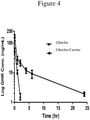
- 1mg/kg of FGF21 was injected either intravenously (IV) or subcutaneously (SC) and the concentration of FGF21 was analyzed over time.
- Ghrelin peptide (SEQ ID NO:5) is naturally secreted from the stomach in mammals into circulation to stimulate appetite and release of growth hormone. Ghrelin stimulates the release of growth hormone (GH) from the pituitary gland through the cellular receptor GHS-R and plays important roles in energy homeostasis. In addition, ghrelin acts directly on the central nervous system to decrease sympathetic nerve activity. Ghrelin receptors (GHS-Rs) are concentrated in the hypothalamus-pituitary unit. GHS-R is distributed in peripheral tissues, including the heart, lung, liver, kidney, pancreas, stomach, small and large intestines, adipose, and immune cells.
- Ghrelin has been used therapeutically to increase weight and lean body mass in patients suffering from cachexia or involuntary weight loss resulting from a chronic disease such as cancer ( Hiura et. al., Cancer Jan 26, 2012, http://onlinelibrary.wiley.com/doi/10.1002/cncr.27430/abstract ). Ghrelin, however, has a naturally short half-life of 11 mins in humans ( Akamizu et al., Eur J Endocrinol 150:447-55 (2004 )) and thus must be dosed often to see therapeutic effects.
- Infliximab (Remicade ® , Janssen Biotech Inc., U.S. Pat. Nos. US 5,919,452 and US 2002/0141996 ) is a monoclonal antibody that binds tumor necrosis factor alpha (TNF- ⁇ , SEQ ID:10) that is used to treat autoimmune diseases. Infliximab was approved by the U.S. Food and Drug Administration (FDA) for the treatment of psoriasis, Crohn's disease, ankylosing spondylitis, psoriatic arthritis, rheumatoid arthritis, and ulcerative colitis. TNF- ⁇ is a chemical messenger (cytokine) and a key part of the autoimmune reaction. Infliximab is administered intravenously by a healthcare professional and is not approved for subcutaneous dosing.
- FDA U.S. Food and Drug Administration
- the present application relates to use of a targeting group for increasing the absorption, half-life or bioavailability of a therapeutic compound, wherein the targeting group is conjugated to the therapeutic compound, wherein the therapeutic compound is a peptide or protein and wherein the targeting group comprises a vitamin D moiety selected from cholecalciferol, ergocaliferol and calcidiol.
- the targeting group may be provided in a carrier which comprises the targeting group, a conjugation group for coupling the target to the therapeutic compound, and optional scaffolding moiety.
- the coupling group is an amine-reactive group, a thiol-reactive group, a maleimide group, a thiol group, an aldehyde group, an NHS-ester group, a 4-nitrophenyl ester, an acylimidazole, a haloacetyl group, an iodoacetyl group, a bromoacetyl groups, a SMCC group, a sulfo SMCC group, a carbodiimide group and bifunctional cross-linkers such as NHS-Maleimido or combinations thereof.
- the coupling groups of the invention can promote thiol linkages, amide linkages, oxime linkages, hydrazone linkages, thiazolidinone linkages or utilizes cycloaddition reactions (e.g. click chemistry) to couple the carrier or targeting group to a therapeutic compound.
- the pharmaceutical carrier further a scaffold moiety, comprising poly(ethylene glycol), polylysine, polyethyleneimine, poly(propyleneglycol), a peptide, serum albumin, thioredoxin, an immunoglobulin, an amino acid, a nucleic acid, a glycan, a modifying group that contains a reactive linker, a water-soluble polymer, a small carbon chain linker, or an additional therapeutic moiety.
- a scaffold moiety comprising poly(ethylene glycol), polylysine, polyethyleneimine, poly(propyleneglycol), a peptide, serum albumin, thioredoxin, an immunoglobulin, an amino acid, a nucleic acid, a glycan, a modifying group that contains a reactive linker, a water-soluble polymer, a small carbon chain linker, or an additional therapeutic moiety.
- the scaffold moiety is between about 100 Da. and 200,000 Da. In preferred embodiments, the scaffold moiety is between about 100 Da. and 20,000 Da., 200 Da. and 15,000 Da., 300 Da. and 10,000 Da., 400 Da. and 9,000 Da., 500 Da. and 5,000 Da., 600 Da. and 2,000 Da., 1000 Da. and 200,000 Da., 5000 Da. and 100,000 Da., 10,000 Da. and 80,000 Da., 20,000 Da. and 60,000 Da., or 20,000 Da. and 40,000 Da.
- the pharmaceutical compositions may comprise two or more therapeutic compounds conjugated to a single carrier.
- the pharmaceutical compositions may comprise two or more carriers conjugated to a therapeutic compound.
- the scaffold moiety is poly(ethylene glycol).
- the invention contemplates a pharmaceutical composition comprising a protein having FGF21 activity comprising an amino acid sequence with at least a 90% sequence identity to SEQ ID NO:2, a scaffold moiety that is poly(ethylene glycol), and a targeting group as defined in the claims.
- the targeting group increases the absorption, bioavailability, or the half-life of the therapeutic compound in circulation.
- the invention contemplates a pharmaceutical composition comprising a protein having FGF21 activity and the amino acid sequence of SEQ ID NO:2.
- the pharmaceutical composition comprises a protein having ghrelin activity comprising an amino acid sequence with at least a 90% sequence identity to SEQ ID NO:5.
- the scaffold moiety is poly(ethylene glycol).
- the invention contemplates a pharmaceutical composition comprising a protein having ghrelin activity comprising an amino acid sequence with at least a 90% sequence identity to SEQ ID NO:5, a scaffold moiety that is poly(ethylene glycol), and a targeting group as defined in the claims.
- the targeting group increases the absorption, bioavailability, or the half-life of the therapeutic compound in circulation.
- the invention contemplates a pharmaceutical composition comprising a protein having ghrelin activity and the amino acid sequence of SEQ ID NO:5.
- the pharmaceutical composition comprises an antibody.
- the antibody is an anti-TNF-a antibody that specifically binds a protein having an amino acid sequence of at least a 90% sequence identity to SEQ ID NO:10.
- the anti-TNF-a antibody specifically binds a protein having the amino acid sequence of SEQ ID NO: 10.
- the scaffold moiety is poly(ethylene glycol).
- the invention comprises an anti-TNF-a antibody that specifically binds a protein having an amino acid sequence with at least a 90% sequence identity to SEQ ID NO: 10, a scaffold moiety that is poly(ethylene glycol), and a targeting group as defined in the claims.
- the targeting group increases the absorption, bioavailability, or the half-life of the therapeutic compound in circulation.
- the carriers that include those of formula I: B-L 1 -S-L 2 -L 3 -C I
- the present application also describes a method for producing a carrier of formula I: B-L 1 -S-L 2 -L 3 -C I comprising the step of reacting a compound of formula Ia: B-COOH Ia with a compound of formula Ib : H 2 N -S-L 2 -L 3 -C Ib
- L 1 is -C(O)NH-.
- the present application describes a method for producing a carrier of formula I: B-L 1 -S-L 2 -L 3 -C I comprising the step of reacting a compound of formula la: B -COOH Ia with a compound of formula Ic: H 2 N- S - L 2 - L 3 -COO R 1 Ic
- the present invention provides a therapeutic conjugate comprising a therapeutic compound covalently linked to a carrier, wherein the carrier comprises a vitamin D moiety selected from cholecalciferol, ergocalciferol and calcidiol, and wherein the therapeutic compound is selected from:
- the application describes a method of treating a patient in need of a therapeutic compound, comprising administering an effective amount of one or more of the pharmaceutical compositions described herein.
- compositions may be delivered to patients by a transdermal, oral, parenteral, subcutaneous, intracutaneous, intravenous, intramuscular, intraarticular, intrasynovial, intrasternal, intrathecal, intralesional, intracranial injection, infusion, inhalation, ocular, topical, rectal, nasal, buccal, sublingual, vaginal, or implanted reservoir mode.
- the application describes methods of manufacturing the pharmaceutical compositions disclosed herein comprising conjugating a targeting group and a drug into a carrier-drug compound utilizing coupling groups.
- the coupling groups may be amine-reactive coupling groups, maleimide coupling groups, cysteine coupling groups, aldehyde coupling groups, or thiol-reactive coupling groups.
- Maleimide is a useful coupling group for use in coupling to sulfhydryl groups such as on a free cysteine residue that can be site-specifically engineered into a peptide or protein in a desired position.
- Methods of manufacturing pharmaceutical compositions may further comprise conjugating a scaffold moiety to the targeting group or drug.
- the scaffold moiety may be poly(ethylene glycol), polylysine, polyethyleneimine, poly(propyleneglycol), a peptide, serum albumin, thioredoxin, an immunoglobulin, an amino acid, a nucleic acid, a glycan, a modifying group that contains a reactive linker, a water-soluble polymer, a small carbon chain linker, or an additional therapeutic compound.
- the invention provides carrier molecules that are covalently attached to, therapeutic proteins, or peptides, for the purpose of improving the absorption, bioavailability, circulating half-life or pharmacokinetic properties of the therapeutic compounds.
- the carriers comprise a targeting group, a scaffold, and a coupling group.
- the carriers lack a scaffold, which acts, among other things, as a "spacer" between the targeting group and the therapeutic compound.
- the carriers are designed to be suitable for use in humans and animals.
- the carriers serve the purpose of improving the pharmacokinetic properties of a biological or chemical entity that is coupled to, conjugated to, fused to, or formulated with the carrier. This occurs through the interaction of the targeting group with vitamin D binding protein (DBP), which can actively transport molecules quickly and effectively from the site of administration to the circulating plasma, thereby reducing exposure of the drug to degradative enzymes.
- DBP vitamin D binding protein
- the carriers by binding to DBP, also improve the circulating half-life of the drug, thus increasing the potency and therapeutic efficacy of the drug by preventing kidney filtration.
- Methods for conjugating the carrier to therapeutic compounds described herein are known in the art. By way of example, conjugation using the coupling groups of the invention may be carried out using the compositions and methods described in WO93/012145 (Atassi et al. ) and 7,803,777 (Defrees et al. ), .
- a drug is the movement of a drug into the bloodstream.
- a drug needs to be introduced via some route of administration (e.g. oral, topical or dermal) or in a specific dosage form such as a tablet, capsule or liquid.
- Intravenous therapy, intramuscular injection, and enteral nutrition provide less variability in absorption and bioavailability is often near 100%. The fastest route of absorption is inhalation.
- Antagonist refers to a molecule capable of neutralizing, blocking, inhibiting, abrogating, reducing or interfering with the activities of a particular or specified protein, including its binding to one or more receptors in the case of a ligand, or binding to one or more ligands in case of a receptor.
- Antagonists include antibodies and antigen-binding fragments thereof, proteins, peptides, glycoproteins, glycopeptides, glycolipids, polysaccharides, oligosaccharides, nucleic acids, bioorganic molecules, peptidomimetics, pharmacological agents and their metabolites, transcriptional and translation control sequences, and the like.
- Antagonists also include small molecule inhibitors of proteins, hormones, or other bioactive molecules.
- Antagonists may be fusion proteins, receptor molecules, antisense molecules, aptamers, ribozymes, or derivatives that bind specifically to the proteins, hormones, or other bioactive molecules and thereby sequester its binding to its target.
- Antibodies (Abs) and “immunoglobulins” (Igs) refer to glycoproteins having similar structural characteristics. While antibodies exhibit binding specificity to a specific antigen, immunoglobulins include both antibodies and other antibody-like molecules which generally lack antigen specificity. Polypeptides of the latter kind are, for example, produced at low levels by the lymph system and at increased levels by myelomas.
- aptamers are nucleic acid-based compounds that have been selected to bind a specific target.
- An example of an aptamer-based therapeutic compound can be found in WO07/035922
- bioavailability refers to the fraction of an administered dose of unchanged drug that reaches the systemic circulation, one of the principal pharmacokinetic properties of drugs. When a medication is administered intravenously, its bioavailability is 100%. When a medication is administered via other routes (such as orally), its bioavailability generally decreases (due to incomplete absorption and first-pass metabolism) or may vary from patient to patient. Bioavailability is an important parameter in pharmacokinetics that is considered when calculating dosages for non-intravenous routes of administration.
- Carriers are compounds that can be conjugated to, fused to, coupled to or formulated with therapeutic compounds to improve the absorption, half-life, bioavailability, pharmacokinetic or pharmacodynamic properties of the drugs. They comprise a targeting group, a coupling group, and optionally, a scaffold moiety.
- an “effective amount” refers to an amount of therapeutic compound that is effective, at dosages and for periods of time necessary, to achieve the desired therapeutic or prophylactic result.
- a “therapeutically effective amount” of a therapeutic compound may vary according to factors such as the disease state, age, sex, and weight of the individual, and the ability of the antibody to elicit a desired response in the individual.
- a therapeutically effective amount may be measured, for example, by improved survival rate, more rapid recovery, or amelioration, improvement or elimination of symptoms, or other acceptable biomarkers or surrogate markers.
- a therapeutically effective amount is also one in which any toxic or detrimental effects of the therapeutic compound are outweighed by the therapeutically beneficial effects.
- prophylactically effective amount refers to an amount of therapeutic compound that is effective, at dosages and for periods of time necessary, to achieve the desired prophylactic result. Typically, but not necessarily, since a prophylactic dose is used in subjects prior to or at an earlier stage of disease, the prophylactically effective amount will be less than the therapeutically effective amount.
- Half-life is a scientific term known in the art that refers to the amount of time that elapses when half of the quantity of a test molecule is no longer detected.
- An in vivo half-life refers to the time elapsed when half of the test molecule is no longer detectable in circulating serum or tissues of a human or animal.
- hormone is a biological or chemical messenger from one cell (or group of cells) to another cell that has signaling capability.
- hormones for use in the invention may be peptides, steroids, pheromones, interleukins, lymphokines, cytokines, or members of other hormone classes known in the art.
- Homologs are bioactive molecules that are similar to a reference molecule at the nucleotide sequence, peptide sequence, functional, or structural level. Homologs may include sequence derivatives that share a certain percent identity with the reference sequence. Thus, in one embodiment, homologous or derivative sequences share at least a 70 percent sequence identity. In a preferred embodiment, homologous or derivative sequences share at least an 80 or 85 percent sequence identity. In a more preferred embodiment, homologous or derivative sequences share at least an 86, 87, 88, 89, 90, 91, 92, 93, 94, 95, 96, 97, 98, or 99 percent sequence identity.
- Homologous or derivative nucleic acid sequences may also be defined by their ability to remain bound to a reference nucleic acid sequence under high stringency hybridization conditions. Homologs having a structural or functional similarity to a reference molecule may be chemical derivatives of the reference molecule. Methods of detecting, generating, and screening for structural and functional homologs as well as derivatives are known in the art.
- Hybridization generally depends on the ability of denatured DNA to reanneal when complementary strands are present in an environment below their melting temperature. The higher the degree of desired homology between the probe and hybridizable sequence, the higher the relative temperature which can be used. As a result, it follows that higher relative temperatures would tend to make the reaction conditions more stringent, while lower temperatures less so. For additional details and explanation of stringency of hybridization reactions, see Ausubel et al, Current Protocols in Molecular Biology, Wiley Interscience Publishers, (1995 ).
- an “individual,” “subject” or “patient” is a vertebrate.
- the vertebrate is a mammal.
- Mammals include, but are not limited to, primates (including human and non-human primates) and rodents (e.g., mice, hamsters, guinea pigs, and rats).
- rodents e.g., mice, hamsters, guinea pigs, and rats.
- a mammal is a human.
- a "control subject” refers to a healthy subject who has not been diagnosed as having a disease, dysfunction, or condition that has been identified in an individual, subject, or patient. A control subject does not suffer from any sign or symptom associated with the disease, dysfunction, or condition.
- a “medicament” is an active drug that has been manufactured for the treatment of a disease, disorder, or condition.
- Morpholinos are synthetic molecules that are non-natural variants of natural nucleic acids that utilize a phosphorodiamidate linkage, described in U.S. Patent No. 8,076,476
- Nucleic acids are any of a group of macromolecules, either DNA, RNA, or variants thereof, that carry genetic information that may direct cellular functions. Nucleic acids may have enzyme-like activity (for instance ribozymes) or may be used to inhibit gene expression in a subject (for instance RNAi).
- the nucleic acids used in the inventions described herein may be single-stranded, double-stranded, linear or circular.
- the inventions further incorporate the use of nucleic acid variants including, but not limited to, aptamers, PNA, Morpholino, or other non-natural variants of nucleic acids.
- nucleic acids useful for the invention are described in U.S. Patent No. 8,076,476 .
- Patient response or “response” can be assessed using any endpoint indicating a benefit to the patient, including, without limitation, (1) inhibition, to some extent, of disease progression, including slowing down and complete arrest; (2) reduction in the number of disease episodes and/or symptoms; (3) inhibition (i.e., reduction, slowing down or complete stopping) of a disease cell infiltration into adjacent peripheral organs and/or tissues; (4) inhibition (i.e.
- peptide is any peptide comprising two or more amino acids.
- the term peptide includes short peptides (e.g., peptides comprising between 2 - 14 amino acids), medium length peptides (15-50) or long chain peptides (e.g., proteins).
- the terms peptide, medium length peptide and protein may be used interchangeably herein.
- the term “peptide” is interpreted to mean a polymer composed of amino acid residues, related naturally occurring structural variants, and synthetic non-naturally occurring analogs thereof linked via peptide bonds, related naturally-occurring structural variants, and synthetic non-naturally occurring analogs thereof.
- Synthetic peptides can be synthesized, for example, using an automated peptide synthesizer. Peptides can also be synthesized by other means such as by cells, bacteria, yeast or other living organisms. Peptides may contain amino acids other than the 20 gene-encoded amino acids. Peptides include those modified either by natural processes, such as processing and other post-translational modifications, but also by chemical modification techniques. Such modifications are well described in basic texts and in more detailed monographs, and are well-known to those of skill in the art. Modifications occur anywhere in a peptide, including the peptide backbone, the amino acid side-chains, and the amino or carboxyl termini.
- a "pharmaceutically acceptable carrier” or “therapeutic effective carrier” is aqueous or nonaqueous (solid), for example alcoholic or oleaginous, or a mixture thereof, and can contain a surfactant, emollient, lubricant, stabilizer, dye, perfume, preservative, acid or base for adjustment of pH, a solvent, emulsifier, gelling agent, moisturizer, stabilizer, wetting agent, time release agent, humectant, or other component commonly included in a particular form of pharmaceutical composition.
- Pharmaceutically acceptable carriers include, for example, aqueous solutions such as water or physiologically buffered saline or other solvents or vehicles such as glycols, glycerol, and oils such as olive oil or injectable organic esters.
- a pharmaceutically acceptable carrier can contain physiologically acceptable compounds that act, for example, to stabilize or to increase the absorption of specific inhibitor, for example, carbohydrates, such as glucose, sucrose or dextrans, antioxidants such as ascorbic acid or glutathione, chelating agents, low molecular weight proteins or other stabilizers or excipients.
- pharmacokinetics is currently defined as the time course of the absorption, distribution, metabolism, and excretion of a therapeutic compound.
- Improved "pharmacokinetic properties” are defined as: improving one or more of the pharmacokinetic properties as desired for a particular therapeutic compound. Examples include but are not limited to: reducing elimination through metabolism or secretion, increasing drug absorption, increasing half-life, and/or increasing bioavailability.
- PNA refers to peptide nucleic acids with a chemical structure similar to DNA or RNA. Peptide bonds are used to link the nucleotides or nucleosides together.
- “Scaffolds” are molecules to which other molecules can be covalently or or noncovalently attached or formulated.
- the scaffolds of the invention may act as “spacers” or “linkers” between the targeting group and the drug. Scaffolds may also contain a reactive linker or may have beneficial therapeutic properties in addition to the drug.
- the scaffolds of the invention may be, for example, PEG, serum albumin, thioredoxin, an immunoglobulin, a modifying group that contains a reactive linker, a water-soluble polymer, or a therapeutic compound.
- “Stringency” of hybridization reactions is readily determinable by one of ordinary skill in the art, and generally is an empirical calculation dependent upon probe length, washing temperature, and salt concentration. In general, longer probes require higher temperatures for proper annealing, while shorter probes need lower temperatures.
- “Stringent conditions” or “high stringency conditions”, as defined herein, can be identified by those that: (1) employ low ionic strength and high temperature for washing, for example 0.015 M sodium chloride/0.0015 M sodium citrate/0.1% sodium dodecyl sulfate at 50°C; (2) employ during hybridization a denaturing agent, such as formamide, for example, 50% (v/v) formamide with 0.1% bovine serum albumin/0.1% Ficoll/0.1 % polyvinylpyrrolidone/50 mM sodium phosphate buffer at pH 6.5 with 750 mM sodium chloride, 75 mM sodium citrate at 42°C; or (3) overnight hybridization in a solution that employs 50% formamide, 5 x SSC (0.75 M NaCl, 0.075 M sodium citrate), 50 mM sodium phosphate (pH 6.8), 0.1 % sodium pyrophosphate, 5 x Denhardt's solution, sonicated salmon sperm DNA (50 ⁇ l/m1),
- therapeutic compounds refer to small molecules, chemical entities, nucleic acids, nucleic acid derivatives, peptides, peptide derivatives, naturally-occurring proteins, non-naturally-occurring proteins, glycoproteins, and steroids that are administered to subjects to treat a diseases or dysfunctions or to otherwise affect the health of individuals.
- Nonlimiting examples of therapeutic compounds include polypeptides such as enzymes, hormones, cytokines, antibodies or antibody fragments, antibody derivatives, drugs that affect metabolic function, as well as organic compounds such as analgesics, antipyretics, anti-inflammatory agents, antibiotics, anti-viral compounds, anti-fungal compounds, cardiovascular drugs, drugs that affect renal function, electrolyte metabolism, drugs that act on the central nervous system, chemotherapeutic compounds, receptor agonists and receptor antagonists.
- Therapeutic compounds include, for example, extracellular molecules such as serum factors including, but not limited to, plasma proteins such as serum albumin, immunoglobulins, apolipoproteins or transferrin, or proteins found on the surface of erythrocytes or lymphocytes.
- exemplary therapeutic compounds include small molecules, chemical entities, nucleic acids, nucleic acid derivatives, peptides, peptide derivatives, naturally-occurring proteins, non-naturally-occurring proteins, peptide-nucleic acids (PNA), stapled peptides, phosphorodiamidate morpholinos, antisense drugs, RNA-based silencing drugs, aptamers, glycoproteins, enzymes, hormones, cytokines, interferons, growth factors, blood coagulation factors, antibodies, antibody fragments, antibody derivatives, toxin-conjugated antibodies, metabolic effectors, analgesics, antipyretics, anti-inflammatory agents, antibiotics, anti-microbial agents, anti-viral agents, anti-fungal drugs, musculoskeletal drugs, cardiovascular drugs, renal drugs, pulmonary drugs, digestive disease drugs, hematologic drugs, urologic drugs, metabolism drugs, hepatic drugs, neurological drugs, anti-diabetes drugs, anti-cancer drugs, drugs,
- treatment refers to clinical intervention in an attempt to alter the natural course of the individual or cell being treated, and can be performed before or during the course of clinical pathology. Desirable effects of treatment include preventing the occurrence or recurrence of a disease or a condition or symptom thereof, alleviating a condition or symptom of the disease, diminishing any direct or indirect pathological consequences of the disease, decreasing the rate of disease progression, ameliorating or palliating the disease state, and achieving remission or improved prognosis.
- methods and compositions of the invention are useful in attempts to delay development of a disease or disorder.
- vitamin is a recognized term in the art and is defined as a fat-soluble or water-soluble organic substance essential in minute amounts for normal growth and activity of the body and is obtained naturally from plant and animal foods or supplements.
- Vitamin D is a group of fat-soluble secosteroids. Several forms (vitamers) of vitamin D exist. The two major forms are vitamin D 2 or ergocalciferol, and vitamin D 3 or cholecalciferol. Vitamin D without a subscript refers to either D 2 or D 3 or both. In humans, vitamin D can be ingested as cholecalciferol (vitamin D 3 ) or ergocalciferol (vitamin D 2 ). Additionally, humans can synthesize it from cholesterol when sun exposure is adequate.
- Vitamin D binding protein or “DBP” is a naturally circulating serum protein found in all mammals that, among other activities, can bind to and transport vitamin D and its analogs to sites in the liver and kidney where the vitamin is modified to its active form, and it retains vitamin D in its various forms in circulation for, on average, 30 days in humans.
- a DBP protein sequence is disclosed in SEQ ID NO:7 and an exemplary nucleic acid sequence encoding the DBP protein sequence is disclosed in SEQ ID NO:8.
- DBP has multiple naturally-occurring isoforms. Exemplary isoforms are available in the public sequence databases (e.g. Accession Nos.
- DBP binding molecules or functional DBP variants may be identified using known techniques and characterized using known methods ( Bouillon et al., J Bone Miner Res. 6(10):1051-7 (1991 ), Teegarden et. al., Anal. Biochemistry 199(2):293-299 (1991 ), McLeod et al, J Biol Chem. 264(2):1260-7 (1989 ), Revelle et al., J. Steroid Biochem. 22:469-474 (1985 ))
- water-soluble refers to moieties that have some detectable degree of solubility in water. Methods to detect and/or quantify water solubility are well known in the art. Exemplary water-soluble polymers include peptides, saccharides, poly(ethers), poly(amines), poly(carboxylic acids) and the like.
- the invention provides effective routes for administration of proteins, or peptides,
- the invention further provides effective routes of drug administration via transdermal, oral, parenteral, subcutaneous, intracutaneous, intravenous, intramuscular, intraarticular, intrasynovial, intrasternal, intrathecal, intralesional, intracranial injection, infusion, inhalation, ocular, topical, rectal, nasal, buccal, sublingual, vaginal, or implanted reservoir modes.
- the inventions described herein provide compositions and methods for maintaining target binding activity, i.e. pharmacodynamics (PD), for therapeutic compounds. It further provides compositions and methods for improving the pharmacokinetic (PK) profiles of therapeutic compounds as described herein.
- the invention further provides compositions and methods for improved drug absorption profiles as compared to the drug absorption profiles for the drugs using the same routes of administration or different routes of administration but without the inventions described herein.
- the invention further provides compositions and methods for improved drug bioavailability profiles as compared to the drug bioavailability profiles for the drugs using the same routes of administration or different routes of administration but without the inventions described herein.
- the invention further provides compositions and methods for improved drug half-life profiles as compared to the drug half-life profiles for the drugs using the same routes of administration or different routes of administration but without the inventions described herein.
- the invention also provides alternative routes of drug administration that are more costeffective and favorable to the patients when compared to the drugs without the inventions described herein.
- the invention provides compositions and methods for using molecules that serve as carriers that can be conjugated to, active therapeutic compounds for the purpose of improving the absorption, half-life, bioavailability, or pharmacokinetic properties of the drugs.
- the carriers have the properties of binding to the body's natural DBP.
- One aspect of the invention provides use of the natural DBP to transport the carrier-drug complex from the site of administration to the circulating serum.
- Another aspect of the invention is the use of the natural DBP to retain a drug in circulation for an extended period of time. This can prevent its excretion from the body and increase the exposure of the therapeutic compound in the body to achieve a longer lasting therapeutic effect.
- a smaller dose of drug is required when conjugated to, fused to or formulated with the carrier, when compared to the unconjugated, unfused or unformulated drug.
- Another aspect of the invention is the use of a carrier to replace the function of a much larger PEG compound when coupled to a therapeutic compound. This can improve the pharmacokinetic profile and efficacy of the conjugated, fused or formulated compound.
- the invention provides a carrier molecule that is preferably composed of one or more parts or components.
- the carrier comprises a targeting group and a coupling group for attaching the targeting group to the therapeutic compound.
- the carrier comprises a scaffold moiety that is linked to the targeting group and the therapeutic compound.
- the targeting group is a vitamin D moiety selected from cholecalciferol ergocaliferol and calcidiol that can bind to or interact with the vitamin D binding protein (DBP).
- the therapeutic compound carrier conjugates of the invention typically have about 1, 2, 3, 4, 5, 6, 7, 8, 9, or 10 targeting groups individually attached to a therapeutic compound.
- the carrier conjugate of the invention will comprise about 4 targeting groups individually attached to a therapeutic compound, or about 3 targeting groups individually attached to a therapeutic compound, or about 2 targeting groups individually attached to a therapeutic compound, or about 1 targeting group attached to a therapeutic compound.
- the structure of each of the targeting groups attached to the therapeutic compound may be the same or different.
- one or more targeting groups are stably attached to the therapeutic compound at the N-terminus of a therapeutic protein.
- one or more targeting groups are stably attached to the therapeutic protein at the C-terminus of a therapeutic protein.
- one or more targeting groups may be stably attached to other sites on the therapeutic protein.
- a therapeutic compound carrier conjugate may comprise a targeting group attached to the N-terminus and additionally a targeting group attached to a lysine residue.
- a therapeutic compound carrier conjugate has a targeting group attached to a therapeutic protein via a modification such as a sugar residue as part of a glycosylation site, or on an acylation site of a peptide or attached to a phosphorylation site or other natural or non-natural modifications that are familiar to one skilled in the art. Also contemplated are attachment sites using a combination of sites mentioned above.
- One preferred embodiment of the present invention comprises a targeting group that is attached to the therapeutic compound at one specific site on a therapeutic compound.
- the attachment site on a protein may be a cysteine, lysine, the N-terminus or C-terminus.
- the scaffold is a pharmaceutically acceptable carrier.
- the scaffold is poly(ethylene glycol), polylysine, polyethyleneimine, poly(propyleneglycol), a peptide, serum albumin, thioredoxin, an immunoglobulin, an amino acid, a nucleic acid, a glycan, a modifying group that contain a reactive linker, a water-soluble polymer, a small carbon chain linker, or an additional therapeutic moiety.
- water-soluble scaffold moieties have some detectable degree of solubility in water.
- Methods to detect and/or quantify water solubility are well known in the art.
- Exemplary water-soluble polymers include peptides, saccharides, poly(ethers), poly(amines), poly(carboxylic acids) and the like.
- Peptides can have mixed sequences or be composed of a single amino acid, e.g., poly(lysine).
- An exemplary polysaccharide is poly(sialic acid).
- An exemplary poly(ether) is poly(ethylene glycol), e.g. m-PEG.
- Poly(ethyleneimine) is an exemplary polyamine, and poly(acrylic) acid is a representative poly(carboxylic acid).
- the polymer backbone of the water-soluble polymer can be poly(ethylene glycol) (i.e. PEG).
- PEG poly(ethylene glycol)
- other related polymers are also suitable for use in the practice of this invention and that the use of the term PEG or poly(ethylene glycol) is intended to be inclusive and not exclusive in this respect.
- PEG includes poly(ethylene glycol) in any of its forms, including alkoxy PEG, difunctional PEG, multiarmed PEG, forked PEG, branched PEG, pendent PEG (i.e. PEG or related polymers having one or more functional groups pendent to the polymer backbone), or PEG with degradable linkages therein.
- the polymer backbone can be linear or branched.
- Branched polymer backbones are generally known in the art.
- a branched polymer has a central branch core moiety and a plurality of linear polymer chains linked to the central branch core.
- PEG is commonly used in branched forms that can be prepared by addition of ethylene oxide to various polyols, such as glycerol, pentaerythritol and sorbitol.
- the central branch moiety can also be derived from several amino acids, such as lysine.
- the branched poly(ethylene glycol) can be represented in general form as R(-PEG-OH) m in which R represents the core moiety, such as glycerol or pentaerythritol, and m represents the number of arms.
- Multiarmed PEG molecules such as those described in U.S. Pat. No. 5,932,462 , can also be used as the polymer backbone.
- polymers are also suitable for the invention.
- Polymer backbones that are nonpeptidic and water-soluble, with from 2 to about 300 termini, are particularly useful in the invention.
- suitable polymers include, but are not limited to, other poly(alkylene glycols), such as poly(propylene glycol) ("PPG"), copolymers of ethylene glycol and propylene glycol and the like, poly(oxyethylated polyol), poly(olefinic alcohol), polyvinylpyrrolidone), polylysine, polyethyleneimine,poly(hydroxypropylmethacrylamide), poly( ⁇ -hydroxy acid), poly(vinyl alcohol), polyphosphazene, polyoxazoline, poly(N-acryloylmorpholine), such as described in U.S. Pat. No. 5,629,384 , and copolymers, terpolymers, and mixtures thereof.
- the molecular weight of each chain of the polymer backbone can vary, it is typically in the range of about
- the scaffold moiety may be a peptide, serum albumin, thioredoxin, an immunoglobulin, an amino acid, a nucleic acid, a glycan, a modifying group that contains a reactive linker, a water-soluble polymer, a small carbon chain linker, or an additional therapeutic compound.
- the scaffold moieties are non-toxic to humans and animals.
- the scaffolds are endogenous serum proteins.
- the scaffold moieties are water-soluble polymers.
- the scaffolds are non-naturally-occuring polymers.
- the scaffolds are naturally-occurring moieties that are modified by covalent attachment to additional moieties (e.g., PEG, poly(propylene glycol), poly(aspartate), biomolecules, therapeutic moieties, or diagnostic moieties).
- additional moieties e.g., PEG, poly(propylene glycol), poly(aspartate), biomolecules, therapeutic moieties, or diagnostic moieties.
- PEG hydrophilic polymers
- PEG is a linear polymer terminated at each end with hydroxyl groups: HO-CH 2 CH 2 O--(CH 2 CH 2 O) n --CH 2 CH 2 -OH where n typically ranges from about 3 to about 4000.
- the PEG has a molecular weight distribution that is essentially homodisperse.
- the PEG is a linear polymer.
- the PEG is a branched polymer.
- conjugation of the PEG or PEO may be carried out using the compositions and methods described herein and in U.S. Pat. Nos. 7,803,777 (Defrees et al. ) and 4,179,337 (Davis et al. ),
- smaller therapeutic compounds are paired with smaller scaffold moieties and larger therapeutic compounds are paired with larger scaffold moieties. It is contemplated, however, that smaller therapeutic compounds could be paired with a larger scaffold moiety and vice versa.
- Smaller therapeutic compounds are defined as having a molecular weight of IDa to 10kDa.
- Larger therapeutic compounds are defined as having a molecular weight of 10kDa to 1000kDa.
- the scaffolds of the present invention could have a molecular weight of 100 Daltons (Da.), 500 Da., 1000 Da., 2000 Da., 5000 Da., 10,000 Da., 15,000 Da., 20,000 Da., 30,000 Da., 40,000 Da. or 60,000 Da.
- "small" scaffold moieties may be between about 100 Da. and 20,000 Da.
- "large” scaffold moieties may be greater than about 20,000 Da. to about 200,000 Da.
- the scaffold moiety is between about 100 Da. and 200,000 Da.
- the scaffold moiety is between about 100 Da. and 200,000 Da.
- the scaffold moiety is between about 100 Da. and 20,000 Da., 200 Da. and 15,000 Da., 300 Da. and 10,000 Da., 400 Da.
- Another component of the carrier molecule preferably comprises a coupling group that is used to covalently attach the drug to the scaffold or the carrier.
- the coupling groups of the invention include an amine-reactive group, a thiol-reactive group, a maleimide group, a thiol group, an aldehyde group, an NHS-ester group, a haloacetyl group, an iodoacetyl group, a bromoacetyl groups, a SMCC group, a sulfo SMCC group, a carbodiimide group and bifunctional cross-linkers such as NHS-Maleimido, combinations thereof, or other coupling groups familiar to persons skilled in the art.
- the coupling groups of the invention can promote thiol linkages, amide linkages, oxime linkages, hydrazone linkages, thiazolidinone linkages or utilizes cycloaddition reactions also called click chemistry to couple the carrier to a therapeutic compound.
- the composition preferably includes a combination of one or more therapeutic compounds attached to the coupling group of the scaffold molecule.
- NHS groups are known to those skilled in the art as being useful for coupling to native peptides and proteins without having to engineer in a site of attachment.
- NHS groups allow attachment to most proteins and peptides that contain amino acids with amine groups such as a lysine residue.
- Utilization of NHS groups allows for flexibility in the site of carrier conjugation as protein structure and reaction time can influence the attachment site and number of carrier molecules conjugated to the therapeutic compound.
- controlling the molar ratio of NHS-carrier to therapeutic compound one skilled in the art can have some control over the number of carrier molecules attached to the therapeutic compound thus allowing for more than one carrier to be conjugated to a given therapeutic compound, if desired.
- Conjugation of the carrier to a therapeutic compound is achieved by mixing a solution of the molecules together in a specific molar ratio using compatible solutions, buffers or solvents.
- a molar ratio of 1:1, 2:1, 4:1, 5:1, 10:1, 20:1, 25:1, 50:1, 100:1, 1000:1, or 1:2, 1:4, 1:5, 1:10, 1:20 1:25, 1:50, 1:100 or 1:1000 of carrier to therapeutic compound could be used.
- a molar ratio of 1:1, 2:1, 4:1, 5:1, 10:1, 20:1, 25:1 or 1:2, 1:4, 1:5, 1:10, 1:20 1:25, 1:50 of carrier to therapeutic compound could be used.
- a molar ratio of 1:1, 2:1, 4:1, 5:1, 10:1 or 1:2, 1:4, 1:5, 1:10 of carrier to therapeutic compound could be used.
- this could result in different numbers of individual carriers attached to the therapeutic compound, or could help to select a specific site of attachment.
- Attachment of the carriers is also pH, buffer, salt and temperature dependent and varying these parameters among other parameters can influence the site of attachment the number of carriers attached and the speed of the reaction. For example, by selecting a pH for the reaction at or below pH 6 could help selectively conjugate an aldehyde version of the carrier to the N-terminus of the therapeutic protein or peptide.
- the present invention provides carriers that include those of formula I: B-L 1 -S-L 2 -L 3 -C I
- the present invention provides carriers that include those of formula I: B-L 1 -S-L 2 -L 3 -C I
- the present invention provides carriers that include those of formula I: B-L 1 -S-L 2 -L 3 -C I
- the present invention provides carriers that include those of formulas IIa and IIb:
- B is represented by formula III
- S is poly(ethylene glycol)
- L 3- C is represented by formula IVa.
- B is represented by formula III
- S is poly(ethylene glycol)
- L 2 -C is represented by formula IVb .
- S is between about 100 Da. and 200,000 Da.
- the scaffold moiety is between about 100 Da. and 20,000 Da., 200 Da. and 15,000 Da., 300 Da. and 10,000 Da., 400 Da. and 9,000 Da., 500 Da. and 5,000 Da., 600 Da. and 2,000 Da., 1000 Da. and 200,000 Da., 5000 Da. and 100,000 Da., 10,000 Da. and 80,000 Da., 20,000 Da. and 60,000 Da., or 20,000 Da. and 40,000 Da.
- the present invention provides a carrier represented by formula V .
- the present invention provides a carrier represented by formula VI.
- the present application describes a method for producing a carrier of formula I: B-L 1 -S-L 2 -L 3 -C I comprising the step of reacting a compound of formula la: B-COOH Ia with a compound of formula Ib : H 2 N- S - L 2 - L 3 - C Ib in the presence of an amide coupling agent, wherein B, S, C and L 2 are defined as above and L 1 is -C(O)NH-.
- a compound of formula Ib can be used either as a free base or as a suitable salt form.
- suitable salt forms include, but are not limited to TFA, HCl, HBr, MsOH, TfOH and AcOH.
- Suitable amide coupling agents include, but are not limited to 2-chloromethylpyridinium iodide, BOP, PyBOP, HBTU, HATU, DCC, EDCI, TBTU and T3P.
- the amide coupling agent is used alone.
- the amide coupling agent is used with a co-reagent such as HOBT or DMAP.
- the amide coupling agent is used with a base such as triethylamine or diisopropylethylamine.
- the amide coupling agent is used with both a co-reagent such as HOBT or DMAP and a base such as triethylamine or diisopropylethylamine.
- a co-reagent such as HOBT or DMAP
- a base such as triethylamine or diisopropylethylamine.
- co-reagents other than HOBT or DMAP may be used.
- bases other than triethylamine or diisopropylethylamine may be used.
- the carboxylic acid component of formula Ia is produced by treating an ester of formula Id with a hydrolyzing agent: B -COO R Id wherein, B is defined as above and R is a C 1 -C 6 branched or unbranched alkyl group.
- Any suitable hydrolyzing agent can be used to prepare a compound of formula Ia from a compound of formula Id .
- the present application describes a method for producing a carrier of formula Ig: comprising the steps of reacting a compound of formula la: B -COOH Ia with a compound of formula Ic: H 2 N- S - L 2 - L 3 -COO R 1 Ic in the presence of an amide coupling agent forming a compound of formula Ie; Hydrolyzing an ester of formula Ie to a carboxylic acid of formula If; and
- a compound of formula Ic can be used either as a free base or as a suitable salt form.
- suitable salt forms include, but are not limited to TFA, HCl, HBr, MsOH, TfOH and AcOH.
- Suitable amide coupling agents include, but are not limited to 2-chloromethylpyridinium iodide, BOP, PyBOP, HBTU, HATU, DCC, EDCI, TBTU and T3P.
- the amide coupling agent is used alone.
- the amide coupling agent is used with a co-reagent such as HOBT or DMAP.
- the amide coupling agent is used with a base such as triethylamine or diisopropylethylamine.
- the amide coupling agent is used with both a co-reagent such as HOBT or DMAP and a base such as triethylamine or diisopropylethylamine.
- a co-reagent such as HOBT or DMAP
- a base such as triethylamine or diisopropylethylamine.
- co-reagents other than HOBT or DMAP may be used.
- bases other than triethylamine or diisopropylethylamine may be used.
- the carboxylic acid component of formula Ia is produced by treating an ester of formula Id with a hydrolyzing agent: B -COO R Id wherein, B is defined as above and R is a C 1 -C 6 branched or unbranched alkyl group.
- Any suitable hydrolyzing agent can be used to prepare a compound of formula Ia from a compound of formula Id.
- Suitable hydrolyzing agents include, but are not limited to lithium hydroxide, sodium hydroxide and potassium hydroxide.
- Any suitable hydrolyzing agent can be used to prepare a compound of formula If from a compound of formula Ie.
- Suitable hydrolyzing agents include, but are not limited to lithium hydroxide, sodium hydroxide and potassium hydroxide.
- Any suitable leaving group can be coupled with a carboxylic acid of formula If in the presence of a suitable coupling reagent to form an active ester of formula I.
- Suitable leaving groups include, but are not limited to imidazole, HOBT, NHS and 4-nitrophenol.
- Suitable coupling reagents include, but are not limited to 2-chloromethylpyridinium iodide, BOP, PyBOP, HBTU, HATU, DCC, EDCI, TBTU and T3P.
- an active ester of formula I is formed from a carboxylic acid of formula If using a combination of a suitable leaving group and a coupling reagent.
- an active ester of formula I is formed from a carboxylic acid of formula If using a single reagent that produces a leaving group and also effects a coupling reaction.
- reagents include, but are not limited to 1,1-carbonyldiimidazole, N,N'-disuccinimidyl carbonate, 4-nitrophenyl trifluoroacetate and HBTU.
- the single reagent is used alone.
- the single reagent is used with an acyl transfer catalyst.
- acyl transfer catalysts include, but are not limited to DMAP and pyridine. One skilled in the art will recognize that additional acyl transfer catalysts may be used.
- the present application describes a method for producing a carrier represented by formula V: comprising the step of reacting a compound of formula Va: with a compound of formula Vb: in the presence of an amide coupling agent.
- a compound of formula Vb can be used either as a free base or as a suitable salt form. Suitable salt forms include, but are not limited to TFA, HCl, HBr, MsOH, TfOH and AcOH.
- Suitable amide coupling agents include, but are not limited to 2-chloromethylpyridinium iodide, BOP, PyBOP, HBTU, HATU, DCC, EDCI, TBTU and T3P.
- the amide coupling agent is used alone.
- the amide coupling agent is used with a co-reagent such as HOBT or DMAP.
- the amide coupling agent is used with a base such as triethylamine or diisopropylethylamine.
- the amide coupling agent is used with both a co-reagent such as HOBT or DMAP and a base such as triethylamine or diisopropylethylamine.
- a co-reagent such as HOBT or DMAP
- a base such as triethylamine or diisopropylethylamine.
- co-reagents other than HOBT or DMAP may be used.
- bases other than triethylamine or diisopropylethylamine may be used.
- the carboxylic acid component of formula Va is produced by treating a methyl ester of formula Vc with a hydrolyzing agent:
- Any suitable hydrolyzing agent can be used to prepare a compound of formula Va from a compound of formula Vc.
- Suitable hydrolyzing agents include, but are not limited to lithium hydroxide, sodium hydroxide and potassium hydroxide.
- the present application describes a metnod for producing a carrier represented by formula VI: comprising the steps of reacting a compound of formula Va: with a compound of formula VIa : in the presence of an amide coupling agent forming a compound of formula VIb; Hydrolyzing an ester of formula VIb to a carboxylic acid of formula VIc ; and
- a compound of formula VIa can be used either as a free base or as a suitable salt form.
- suitable salt forms include, but are not limited to TFA, HCl, HBr, MsOH, TfOH and AcOH.
- Suitable amide coupling agents include, but are not limited to 2-chloromethylpyridinium iodide, BOP, PyBOP, HBTU, HATU, DCC, EDCI, TBTU and T3P.
- the amide coupling agent is used alone.
- the amide coupling agent is used with a co-reagent such as HOBT or DMAP.
- the amide coupling agent is used with a base such as triethylamine or diisopropylethylamine.
- the amide coupling agent is used with both a co-reagent such as HOBT or DMAP and a base such as triethylamine or diisopropylethylamine.
- a co-reagent such as HOBT or DMAP
- a base such as triethylamine or diisopropylethylamine.
- co-reagents other than HOBT or DMAP may be used.
- bases other than triethylamine or diisopropylethylamine may be used.
- Any suitable hydrolyzing agent can be used to prepare a compound of formula VIc from a compound of formula VIb.
- Suitable hydrolyzing agents include, but are not limited to lithium hydroxide, sodium hydroxide and potassium hydroxide.
- NHS can be coupled with a carboxylic acid of formula VIc in the presence of a suitable coupling reagent to form an active ester of formula VI.
- suitable coupling reagents include, but are not limited to 2-chloromethylpyridinium iodide, BOP, PyBOP, HBTU, HATU, DCC, EDCI, TBTU and T3P.
- an active ester of formula VI is formed from a carboxylic acid of formula VIc using a combination of NHS and a coupling reagent.
- an active ester of formula VI is formed from a carboxylic acid of formula VIc using a single reagent that produces a leaving group and also effects a coupling reaction.
- reagents include, but are not limited to, N,N'-disuccinimidyl carbonate.
- the single reagent is used alone.
- the single reagent is used with an acyl transfer catalyst.
- acyl transfer catalysts include, but are not limited to DMAP and pyridine. One skilled in the art will recognize that additional acyl transfer catalysts may be used.
- the carboxylic acid component of formula Va is produced by treating a methyl ester of formula Vc with a hydrolyzing agent:
- Any suitable hydrolyzing agent can be used to prepare a compound of formula Va from a compound of formula Vc.
- Suitable hydrolyzing agents include, but are not limited to lithium hydroxide, sodium hydroxide and potassium hydroxide.
- therapeutic compound carrier conjugates having different molecular weights can be isolated using gel filtration chromatography and/or ion exchange chromatography.
- Gel filtration chromatography may be used to fractionate different therapeutic compound carrier conjugates (e.g., 1-mer, 2-mer, 3-mer, and so forth, wherein “1-mer” indicates one targeting group molecule per therapeutic compound, "2-mer” indicates two targeting groups attached to therapeutic compound, and so on) on the basis of their differing molecular weights (where the difference corresponds essentially to the average molecular weight of the targeting group).
- Gel filtration columns suitable for carrying out this type of separation include Superdex and Sephadex columns available from Amersham Biosciences (Piscataway, N.J.). Selection of a particular column will depend upon the desired fractionation range desired. Elution is generally carried out using a suitable buffer, such as phosphate, acetate, or the like.
- the collected fractions may be analyzed by a number of different methods, for example, (i) optical density (OD) at 280 nm for protein content, (ii) bovine serum albumin (BSA) protein analysis, and (iii) sodium dodecyl sulfate polyacrylamide gel electrophoresis (SDS PAGE).
- Separation of therapeutic compound carrier conjugates can also be carried out by reverse phase chromatography using a reverse phase-high performance liquid chromatography (RP-HPLC) C18 column (Amersham Biosciences or Vydac) or by ion exchange chromatography using an ion exchange column, e.g., a DEAE- or CM-Sepharose ion exchange column available from Amersham Biosciences.
- RP-HPLC reverse phase-high performance liquid chromatography
- ion exchange column e.g., a DEAE- or CM-Sepharose ion exchange column available from Amersham Biosciences.
- the resulting purified compositions are preferably substantially free of the non-targeting group-conjugated therapeutic compound.
- the compositions preferably are substantially free of all other non-covalently attached targeting groups
- compositions and methods for rendering a drug more potent by improving its pharmacokinetic properties using vitamin D or another DBP binding molecule are described.
- DBP brings vitamin D into circulation quickly and effectively.
- DBP also keeps active vitamin D in circulation for, on average, 30 days ( Cooke, N.E., and J.G. Haddad. 1989. Endocr. Rev. 10:294-307 ; Haddad, J.G. et al. 1993. J. Clin. Invest.
- the invention provides for the first time using DBP to more effectively deliver therapeutic compounds to the body.
- the therapeutic compound is covalently linked or fused to a carrier.
- the carrier interacts with DBP for the purpose of carrying the drug into the body more effectively from the site of administration.
- the carrier keeps the drug in circulation for an extended period of time.
- the carrier comprises a targeting group and a coupling group for attaching the targeting group to the therapeutic compound.
- the carrier comprises a scaffold moiety that is linked to the targeting group and the therapeutic compound.
- the targeting group is a vitamin D moiety selected from cholecalciferol, ergocaliferol and calcidiol that can bind to or interact with the vitamin D binding protein (DBP).
- DBP vitamin D binding protein
- Vitamin D is a group of fat-soluble secosteroids. Several forms (vitamers) of vitamin D exist. The two major forms are vitamin D 2 or ergocalciferol, and vitamin D 3 or cholecalciferol, vitamin D without a subscript refers to either D 2 or D 3 or both. In humans, vitamin D can be ingested as cholecalciferol (vitamin D 3 ) or ergocalciferol (vitamin D 2 ). Additionally, humans can synthesize it from cholesterol when sun exposure is adequate.
- Vitamin D is further modified by enzymes found in various organs to a family of "vitamin D metabolites" that are also capable of binding DBP. For instance, vitamin D is converted to calcidiol (25OH hydroxy-Vitamin D) in the liver. Part of the calcidiol is converted by the kidneys to calcitriol (1, 25 (OH) 2 dihydroxy-Vitamin D). Calcidiol is also converted to calcitriol outside of the kidneys for other purposes. Also found in the body is 24, 25(OH) 2 dihydroxy-Vitamin D.
- Vitamin D analog also described herein is a "Vitamin D analog.” These compounds are based on the vitamin D structure and retain partial function of vitamin D. They interact with some of the same proteins as Vitamin D (e.g. DBP and the Vitamin D receptor), albeit at varying affinities. Exemplary analogs include: OCT, a chemically synthesized analogue of 1,25(OH) 2 D3 with an oxygen atom at the 22 position in the side chain ( Abe et.al., FEBS Lett.
- the carrier further comprises a pharmaceutically acceptable scaffold moiety covalently attached to the targeting group and the therapeutic compound.
- the scaffold moiety of the carriers of the invention does not necessarily participate in but may contribute to the function or improve the pharmacokinetic properties of the therapeutic compound.
- the scaffolds of the invention do not substantially interfere with the binding of the targeting group to DBP.
- the scaffolds of the invention do not substantially interfere with structure or function of the therapeutic compound.
- the length of the scaffold moiety is dependent upon the character of the targeting group and the therapeutic compound.
- One skilled in the art will recognize that various combinations of atoms provide for variable length molecules based upon known distances between various bonds ( Morrison, and Boyd, Organic Chemistry, 3rd Ed, Allyn and Bacon, Inc., Boston, Mass. (1977 ),
- scaffolds contemplated by the invention include peptide linkers, protein linkers such as human serum albumin, an antibody or fragment thereof, nucleic acid linkers, small carbon chain linkers, carbon linkers with oxygen or nitrogen interspersed, also combinations of these examples are contemplated.
- the drug is a peptide
- the drug is a protein comprised of all or part of a polypeptide, whether full-length or a fragment or truncated version, whether PEGylated, glycosylated or otherwise covalently or noncovalently modified or left unmodified.
- Exemplary polypeptides include growth factors, such as hepatocyte growth factors (HGF), nerve growth factors (NGF), epidermal growth factors (EGF), fibroblast growth factors including FGF21, blood coagulation factors, hormones such as growth hormones, follicle stimulating hormone (FSH), cytokines, interferons, tumor necrosis factors, enzymes, bone morphogenetic proteins, neurotrophins, and growth differentiation factors.
- HGF hepatocyte growth factors
- NEF nerve growth factors
- EGF epidermal growth factors
- FGF21 fibroblast growth factors
- blood coagulation factors hormones such as growth hormones, follicle stimulating hormone (FSH), cytokines, interferons, tumor necrosis factors, enzymes, bone morphogenetic proteins, neurotrophins, and growth differentiation factors.
- peptide is meant to include a string of amino acids.
- the amino acids in the peptides of the invention may be naturally-occurring or non-naturally-occurring.
- the peptides of the invention may be synthesized chemically or biologically, and can include cysteine-rich peptides, circular peptides, stapled peptides, peptides that include D- or L- amino acids and mixtures thereof, peptidomimetics, peptide-nucleic acids (PNAs), and combinations thereof.
- Exemplary embodiments include AIDS vaccines, allergy vaccines, anti-inflammatory peptides, anti-integrin peptides, anti-TCR vaccines, anti-allergy peptides, anti-cancer peptides, anti-fungal peptides, anti-bacterial peptides, anti-rheumatic peptides, anti-thrombin peptides, anti-viral peptides, G Protein-Coupled Receptor (GPCR) ligands and related peptides (e.g.
- GPCR G Protein-Coupled Receptor
- CGRP analogues GPCR antagonists
- CMV peptides calpain inhibitors
- collagenase inhibitors DAP inhibitors
- defensins dialytic oligopeptides
- Enhancins endorphins
- endothelin antagonists fibronectin inhibitors
- gastrin antagonists ghrelin
- glucagon antagonists gonadorelin analogs
- growth factor peptides hypothalamic hormones, pituitary hormones
- peptides that control gut function and appetite proinflammatory adipose tissue products, peptides that stimulate stem cell proliferation, proinflammatory peptides, natural products, herpes simplex vaccines, heparin binding peptides, hepatitis-B vaccines, immunomodulating peptides, influenza vaccines, LHRH antagonists, opiod peptide derivatives, MMP inhibitors, MUC-1 vaccines, malaria vaccines, melanoma vaccines, men
- the invention contemplates synthetic analogs thereof which would be improved as clinical products through further modification by the methods described herein.
- Those skilled in the art will recognize many additional commercially important peptides that are amenable to modifications described herein to provide increased half-life, duration of action, absorption and/or bioavailability.
- any peptide product described herein comprises a peptide analog described above that is then covalently attached to an alkyl-glycoside surfactant moiety.
- acylation is on a linker amino acid, for example, at the ⁇ -position of Lysine, with fatty acids such as octanoic, decanoic, dodecanoic, tetradecanoic, hexadecanoic, octadecanoic, 3-phenylpropanoic acids and the like, or with saturated or unsaturated alkyl chains ( Zhang, L. and Bulaj, G. (2012) Curr Med Chem 19: 1602-1618
- peptide chains that are comprised of natural and unnatural amino acids or analogs of natural amino acids.
- peptide and/or protein "analogs” comprise non-natural amino acids based on natural amino acids, such as tyrosine analogs, which includes para-substituted tyrosines, orthosubstituted tyrosines, and meta-substituted tyrosines, wherein the substituent on the tyrosine comprises an acetyl group, a benzoyl group, an amino group, a hydrazine, an hydroxyamine, a thiol group, a carboxy group, a methyl group, an isopropyl group, a C2-C20 straight chain or branched hydrocarbon, a saturated or unsaturated hydrocarbon, an O-methyl group, a polyether group, a halogen, a nitro group, or the like.
- Tyr analogs examples include 2,4-dimethyl-tyrosine (Dmt), 2,4-diethyl-tyrosine, O-4-allyl-tyrosine, 4-propyl-tyrosine, Ca-methyl-tyrosine and the like.
- lysine analogs include ornithine (Orn), homo-lysine, Ca-methyl-lysine (CMeLys), and the like.
- phenylalanine analogs include, but are not limited to, meta-substituted phenylalanines, wherein the substituent comprises a methoxy group, a C1-C20 alkyl group, for example a methyl group, an allyl group, an acetyl group, or the like.
- Specific examples include, but are not limited to, 2,4,6-trimethyl-L-phenylalanine (Tmp), O-methyl-tyrosine, 3-(2-naphthyl)alanine (Nal(2)), 3-(-naphthyl)alanine (Nal(1)), 3-methyl-phenylalanine, 1,2,3,4-tetrahydroisoquinoline-3-carboxylic acid (Tic), fluorinated phenylalanines, isopropyl-phenylalanine, p-azido-phenylalanine, p-acyl-phenylalanine, p-benzoyl-phenylalanine, p-iodo-phenylalanine, p-bromophenylalanine, p-amino- phenylalanine, and isopropyl-phenylalanine, and the like.
- Tmp 2,4,6-trimethyl-L-phenylalanine
- peptide chains containing nonstandard or unnatural amino acids known to the art, for example, C-alpha-disubstituted amino acids such as Aib, Ca-diethylglycine (Deg), aminocyclopentane-1-carboxylic acid (Ac4c), aminocyclopentane-1-carboxylic acid (Ac5c), and the like.
- C-alpha-disubstituted amino acids such as Aib, Ca-diethylglycine (Deg), aminocyclopentane-1-carboxylic acid (Ac4c), aminocyclopentane-1-carboxylic acid (Ac5c), and the like.
- Such amino acids frequently lead to a restrained structure, often biased toward an alpha helical structure ( Kaul, R. and Balaram, P. (1999) Bioorg Med Chem 7: 105-117
- modifications at the amino or carboxyl terminus may optionally be introduced into the present peptides or proteins ( Nestor, J.J., Jr. (2009) Current Medicinal Chemistry 16: 4399 - 4418 ).
- the present peptides or proteins can be truncated or acylated on the N-terminus ( Gourlet, P., et al. (1998) Eur J Pharmacol 354: 105-1 1 1 , Gozes, I. and Furman, S. (2003) Curr Pharm Des 9: 483-494 ) ).
- Glycosylated therapeutic peptides may be prepared using conventional Fmoc chemistry and solid phase peptide synthesis techniques, e.g., on resin, where the desired protected glycoamino acids are prepared prior to peptide synthesis and then introduced into the peptide chain at the desired position during peptide synthesis.
- the therapeutic peptide polymer conjugates may be conjugated in vitro. The glycosylation may occur before deprotection. Preparation of amino acid glycosides is described in U.S. Pat. No. 5,767,254 , WO 2005/097158 , and Doores, K., et al., Chem.
- a composition comprising a glycosylated therapeutic peptide conjugate is made by stepwise solid phase peptide synthesis involving contacting a growing peptide chain with protected amino acids in a stepwise manner, wherein at least one of the protected amino acids is glycosylated, followed by water-soluble polymer conjugation.
- Such compositions may have a purity of at least 95%, at least 97%, or at least 98%, of a single species of the glycosylated and conjugated therapeutic peptide.
- Monosaccharides that may by used for introduction at one or more amino acid residues of the therapeutic peptides defined and/or disclosed herein include glucose (dextrose), fructose, galactose, and ribose. Additional monosaccharides suitable for use include glyceraldehydes, dihydroxyacetone, erythrose, threose, erythrulose, arabinose, lyxose, xylose, ribulose, xylulose, allose, altrose, mannose, N-Acetylneuraminic acid, fucose, N-Acetylgalactosamine, and N-Acetylglucosamine, as well as others.
- Glycosides such as mono-, di-, and trisaccharides for use in modifying a therapeutic peptide
- one or more amino acid residues of the therapeutic peptides defined and/or disclosed herein include sucrose, lactose, maltose, trehalose, melibiose, and cellobiose, among others.
- Trisaccharides include acarbose, raffinose, and melezitose.
- the therapeutic compounds defined and/or disclosed herein may be chemically coupled to biotin.
- the biotin/therapeutic compound can then bind to avidin.
- polypeptides that are antibodies.
- the term antibody is meant to include monoclonal antibodies, polyclonal antibodies, toxin-conjugated antibodies, humanized antibodies, antibody fragments (e.g., Fc domains), Fab fragments, single chain antibodies, bi- or multi-specific antibodies, Llama antibodies, nano-bodies, diabodies, Fv, Fab, F(ab')2, Fab', scFv, scFv-Fc, and the like.
- antibody-fusion proteins such as Ig chimeras.
- Preferred antibodies include humanized or fully human monoclonal antibodies or fragments thereof.
- antibody and “immunoglobulin” are used interchangeably in the broadest sense and include monoclonal antibodies (e.g., full length or intact monoclonal antibodies), polyclonal antibodies, monovalent antibodies, multivalent antibodies, multispecific antibodies (e.g., bispecific antibodies so long as they exhibit the desired biological activity) and may also include certain antibody fragments (as described in greater detail herein).
- An antibody can be chimeric, human, humanized and/or affinity matured.
- full length antibody “intact antibody” and “whole antibody” are used herein interchangeably to refer to an antibody in its substantially intact form, not antibody fragments as defined below. The terms particularly refer to an antibody with heavy chains that contain the Fc region.
- Antibody fragments comprise a portion of an intact antibody, preferably comprising the antigen binding region thereof.
- antibody fragments include Fab, Fab', F(ab')2, and Fv fragments; diabodies; linear antibodies; single-chain antibody molecules; and multispecific antibodies formed from antibody fragments.
- monoclonal antibody refers to an antibody obtained from a population of substantially homogeneous antibodies, i.e., the individual antibodies comprising the population are identical except for possible mutations, e.g., naturally occurring mutations, that may be present in minor amounts. Thus, the modifier "monoclonal" indicates the character of the antibody as not being a mixture of discrete antibodies.
- such a monoclonal antibody typically includes an antibody comprising a polypeptide sequence that binds a target, wherein the target-binding polypeptide sequence was obtained by a process that includes the selection of a single target binding polypeptide sequence from a plurality of polypeptide sequences.
- the selection process can be the selection of a unique clone from a plurality of clones, such as a pool of hybridoma clones, phage clones, or recombinant DNA clones.
- a selected target binding sequence can be further altered, for example, to improve affinity for the target, to humanize the target binding sequence, to improve its production in cell culture, to reduce its immunogenicity in vivo, to create a multispecific antibody, etc., and that an antibody comprising the altered target binding sequence is also a monoclonal antibody of this invention.
- each monoclonal antibody of a monoclonal antibody preparation is directed against a single determinant on an antigen.
- monoclonal antibody preparations are advantageous in that they are typically uncontaminated by other immunoglobulins.
- Antibodies that bind specifically to an antigen have a high affinity for that antigen.
- Antibody affinities may be measured by a dissociation constant (Kd).
- an antibody provided herein has a dissociation constant (Kd) of ⁇ 100 nM, ⁇ 10 nM, ⁇ 1 nM, ⁇ 0.1 nM, ⁇ 0.01 nM, or ⁇ 0.001 nM (e.g. 10-8M or less, e.g. from 10-8 M to 10-13M, e.g., from 10-9M to 10-13 M).
- Kd is measured by a radiolabeled antigen binding assay (RIA) performed with the Fab version of an antibody of interest and its antigen as described by the following assay.
- Solution binding affinity of Fabs for antigen is measured by equilibrating Fab with a minimal concentration of (125I)-labeled antigen in the presence of a titration series of unlabeled antigen, then capturing bound antigen with an anti-Fab antibody-coated plate (see, e.g., Chen et al., J. Mol. Biol. 293:865-881 (1999 )).
- MICROTITER ® multi-well plates (Thermo Scientific) are coated overnight with 5 ⁇ g/ml of a capturing anti-Fab antibody (Cappel Labs) in 50 mM sodium carbonate (pH 9.6), and subsequently blocked with 2% (w/v) bovine serum albumin in PBS for two to five hours at room temperature (approximately 23° C.).
- a non-adsorbent plate (Nunc #269620)
- 100 ⁇ M or 26 ⁇ M [125I]-antigen are mixed with serial dilutions of a Fab of interest (e.g., consistent with assessment of the anti-VEGF antibody, Fab-12, in Presta et al., Cancer Res.
- the Fab of interest is then incubated overnight; however, the incubation may continue for a longer period (e.g., about 65 hours) to ensure that equilibrium is reached. Thereafter, the mixtures are transferred to the capture plate for incubation at room temperature (e.g., for one hour). The solution is then removed and the plate washed eight times with 0.1% polysorbate 20 (TWEEN-20 ® ) in PBS. When the plates have dried, 150 ⁇ l/well of scintillant (MICROSCINT-20 TM ; Packard) is added, and the plates are counted on a TOPCOUNT TM gamma counter (Packard) for ten minutes. Concentrations of each Fab that give less than or equal to 20% of maximal binding are chosen for use in competitive binding assays.
- MICROSCINT-20 TM MICROSCINT-20 TM ; Packard
- Kd is measured using surface plasmon resonance assays using a BIACORE ® -2000 or a BIACORE ® -3000 (BIAcore, Inc., Piscataway, N.J.) at 25° C. with, e.g., immobilized antigen CM5 chips at ⁇ 10 response units (RU).
- CM5 carboxymethylated dextran biosensor chips
- EDC N-ethyl-N'-(3-dimethylaminopropyl)-carbodiimide hydrochloride
- NHS N-hydroxysuccinimide
- Antigen is diluted with 10 mM sodium acetate, pH 4.8, to 5 ⁇ g/ml ( ⁇ 0.2 ⁇ M) before injection at a flow rate of 5 ⁇ l/minute to achieve approximately 10 response units (RU) of coupled protein. Following the injection of antigen, 1 M ethanolamine is injected to block unreacted groups. For kinetics measurements, two-fold serial dilutions of Fab (0.78 nM to 500 nM) are injected in PBS with 0.05% polysorbate 20 (TWEEN-20 TM ) surfactant (PBST) at 25° C. at a flow rate of approximately 25 ⁇ l/min.
- TWEEN-20 TM polysorbate 20
- association rates (kon) and dissociation rates (koff) are calculated using a simple one-to-one Langmuir binding model (BIACORE ® Evaluation Software version 3.2) by simultaneously fitting the association and dissociation sensorgrams.
- the equilibrium dissociation constant (Kd) is calculated as the ratio koff/kon See, e.g., Chen et al., J. Mol. Biol. 293:865-881 (1999 ).
- CM5 chip amine coupling methodology
- the modifier "monoclonal” indicates the character of the antibody as being obtained from a substantially homogeneous population of antibodies, and is not to be construed as requiring production of the antibody by any particular method.
- the monoclonal antibodies to be used in accordance with the present invention may be made by a variety of techniques, including, for example, the hybridoma method (e.g., Kohler et al, Nature, 256: 495 (1975 ); Harlow et al, Antibodies: A Laboratory Manual, (Cold Spring Harbor Laboratory Press, 2nd ed.
- Humanized forms of non-human (e.g., murine) antibodies are chimeric antibodies that contain minimal sequence derived from non-human immunoglobulin.
- a humanized antibody is a human immunoglobulin (recipient antibody) in which residues from a hypervariable region of the recipient are replaced by residues from a hypervariable region of a non-human species (donor antibody) such as mouse, rat, rabbit, or nonhuman primate having the desired specificity, affinity, and/or capacity.
- donor antibody such as mouse, rat, rabbit, or nonhuman primate having the desired specificity, affinity, and/or capacity.
- framework region (FR) residues of the human immunoglobulin are replaced by corresponding non-human residues.
- humanized antibodies may comprise residues that are not found in the recipient antibody or in the donor antibody. These modifications may be made to further refine antibody performance.
- a humanized antibody will comprise substantially all of at least one, and typically two, variable domains, in which all or substantially all of the hypervariable loops correspond to those of a non-human immunoglobulin, and all or substantially all of the FRs are those of a human immunoglobulin sequence.
- the humanized antibody optionally will also comprise at least a portion of an immunoglobulin constant region (Fc), typically that of a human immunoglobulin.
- Fc immunoglobulin constant region
- a "human antibody” is one which comprises an amino acid sequence corresponding to that of an antibody produced by a human and/or has been made using any of the techniques for making human antibodies as disclosed herein. Such techniques include screening human-derived combinatorial libraries, such as phage display libraries (see, e.g., Marks et al., J. Mol. Biol, 222: 581-597 (1991 ) and Hoogenboom et al., Nucl. Acids Res., 19: 4133-4137 (1991 )); using human myeloma and mouse-human heteromyeloma cell lines for the production of human monoclonal antibodies (see, e.g., Kozbor, J.
- human-derived combinatorial libraries such as phage display libraries (see, e.g., Marks et al., J. Mol. Biol, 222: 581-597 (1991 ) and Hoogenboom et al., Nucl. Acids Res., 19: 4133-4137 (19
- This definition of a human antibody specifically excludes a humanized antibody comprising antigen-binding residues from a nonhuman animal.
- exemplary antibodies include those that bind to growth factors, cytokines, lymphokines, cell surface receptors, enzymes, vascular endothelial growth factors, fibroblast growth factors, and antibodies to their respective receptors.
- Other exemplary antibodies include monoclonal antibodies directed to receptor-IgG Fc fusion proteins, and glycoproteins. Any modified (e.g., mutated) version of any of the above listed polypeptides is also within the scope of the invention.
- Therapeutic compounds to be used in the invention are known in the art and are disclosed by way of example in U.S. Patent No. 7,608,681 .
- Vitamin E-PEG is manufactured by Eastman Chemical
- Biotin-PEG is manufactured by many PEG manufacturers such as Enzon, Nektar and NOF Corporation.
- Methods of producing PEG molecules with some vitamins and other therapeutic compounds linked to them follows these and other chemical methods known in the art.
- the attachment of PEG to an oligonucleotide or related molecule occurs, for example, as the PEG2- N- hydroxysuccinimide ester coupled to the oligonucleotide through the 5' amine moiety.
- coupling methods include, for example, NHS coupling to amine groups such as a lysine residue on a peptide, maleimide coupling to sulfhydryl group such as on a cysteine residue, iodoacetyl coupling to a sulfhydryl group, pyridyldithiol coupling to a sulfhydryl group, hydrazide for coupling to a carbohydrate group, aldehyde for coupling to the N-terminus, or tetrafluorophenyl ester coupling that is known to react with primary or secondary amines.
- Other possible chemical coupling methods are known to those skilled in the art and can be substituted.
- conjugation using the coupling groups of the invention may be carried out using the compositions and methods described in WO93/012145 (Atassi et al. ) and also see 7,803,777 (Defrees et al. ),
- Exemplary drug formulations of the invention include aqueous solutions, organic solutions, powder formulations, solid formulations and a mixed phase formulations.
- compositions of this invention comprise any of the compounds of the present invention, and pharmaceutically acceptable salts thereof, with any pharmaceutically acceptable carrier, adjuvant or vehicle.
- Pharmaceutically acceptable carriers, adjuvants and vehicles that may be used in the pharmaceutical compositions of this invention include, but are not limited to, ion exchangers, alumina, aluminum stearate, lecithin, serum proteins, such as human serum albumin, buffer substances such as phosphates, glycine, sorbic acid, potassium sorbate, partial glyceride mixtures of saturated vegetable fatty acids, water, salts or electrolytes, such as protamine sulfate, disodium hydrogen phosphate, potassium hydrogen phosphate, sodium chloride, zinc salts, colloidal silica, magnesium trisilicate, polyvinyl pyrrolidone, cellulose-based substances, polyethylene glycol, sodium carboxymethylcellulose, polyacrylates, waxes, polyethylene-polyoxypropylene-block polymers, polyethylene glycol and wool fat.
- salts retain the desired biological activity of the therapeutic composition without toxic side effects.
- examples of such salts are (a) acid addition salts formed with inorganic acids, for example, hydrochloric acid, hydrobromic acid, sulfuric acid, phosphoric acid, nitric acid and the like/ and salts formed with organic acids such as, for example, acetic acid, trifluoroacetic acid, tartaric acid, succinic acid, maleic acid, fumaric acid, gluconic acid, citric acid, malic acid, ascorbic acid, benzoic acid, tanic acid, pamoic acid, alginic acid, polyglutamic acid, naphthalenesulfonic acid, naphthalene disulfonic acid, polygalacturonic acid and the like; (b) base addition salts or complexes formed with polyvalent metal cations such as zinc, calcium, bismuth, barium, magnesium, aluminum, copper, cobalt, nickel, cadmium, and the like; or with an organic acids
- compositions of this invention may be administered by transdermal, oral, parenteral, inhalation, ocular, topical, rectal, nasal, buccal (including sublingual), vaginal, or implanted reservoir modes.
- the pharmaceutical compositions of this invention may contain any conventional, non-toxic, pharmaceutically-acceptable carriers, adjuvants or vehicles.
- parenteral as used herein includes subcutaneous, intracutaneous, intravenous, intramuscular, intraarticular, intrasynovial, intrasternal, intrathecal, intralesional, and intracranial injection or infusion techniques.
- compositions comprising as an active ingredient, therapeutic compounds described herein, or pharmaceutically acceptable salt thereof, in a mixture with a pharmaceutically acceptable, non-toxic component.
- such compositions may be prepared for parenteral administration, particularly in the form of liquid solutions or suspensions; for oral or buccal administration, particularly in the form of tablets or capsules; for intranasal administration, particularly in the form of powders, nasal drops, evaporating solutions or aerosols; for inhalation, particularly in the form of liquid solutions or dry powders with excipients, defined broadly; for transdermal administration, particularly in the form of a skin patch or microneedle patch; and for rectal or vaginal administration, particularly in the form of a suppository.
- compositions may conveniently be administered in unit dosage form and may be prepared by any of the methods well-known in the pharmaceutical art, for example, as described in Remington's Pharmaceutical Sciences, 17th ed., Mack Publishing Co., Easton, PA (1985 ).
- Formulations for parenteral administration may contain as excipients sterile water or saline alkylene glycols such as propylene glycol, polyalkylene glycols such as polyethylene glycol, saccharides, oils of vegetable origin, hydrogenated napthalenes, serum albumin or other nanoparticles (as used in Abraxane TM , American Pharmaceutical Partners, Inc. Schaumburg, IL), and the like.
- sterile water or saline alkylene glycols such as propylene glycol
- polyalkylene glycols such as polyethylene glycol
- saccharides such as polyethylene glycol
- hydrogenated napthalenes such as used in Abraxane TM , American Pharmaceutical Partners, Inc. Schaumburg, IL
- the formulation can be enhanced by the addition of bile salts or acylcarnitines.
- Formulations for nasal administration may be solid or solutions in evaporating solvents such as hydrofluorocarbons, and may contain excipients for stabilization, for example, saccharides, surfactants, submicron anhydrous alpha-lactose or dextran, or may be aqueous or oily solutions for use in the form of nasal drops or metered spray.
- excipients for stabilization for example, saccharides, surfactants, submicron anhydrous alpha-lactose or dextran, or may be aqueous or oily solutions for use in the form of nasal drops or metered spray.
- typical excipients include sugars, calcium stearate, magnesium stearate, pregelatinated starch, and the like.
- modified therapeutic compounds described herein to a subject over prolonged periods of time may be accomplished by a single administration of a controlled release system containing sufficient active ingredient for the desired release period.
- a controlled release system containing sufficient active ingredient for the desired release period.
- Various controlled release systems such as monolithic or reservoir-type microcapsules, depot implants, polymeric hydrogels, osmotic pumps, vesicles, micelles, liposomes, transdermal patches, iontophoretic devices and alternative injectable dosage forms may be utilized for this purpose. Localization at the site to which delivery of the active ingredient is desired is an additional feature of some controlled release devices, which may prove beneficial in the treatment of certain disorders.
- delivery across the barrier of the skin would be enhanced using electrodes (e.g. iontophoresis), electroporation, or the application of short, high-voltage electrical pulses to the skin, radiofrequencies, ultrasound (e.g. sonophoresis), microprojections (e.g. microneedles), jet injectors, thermal ablation, magnetophoresis, lasers, velocity, or photomechanical waves.
- the drug can be included in single-layer drug-in-adhesive, multi-layer drug-in-adhesive, reservoir, matrix, or vapor style patches, or could utilize patchless technology.
- Delivery across the barrier of the skin could also be enhanced using encapsulation, a skin lipid fluidizer, or a hollow or solid microstructured transdermal system (MTS, such as that manufactured by 3M), jet injectors.
- Additives to the formulation to aid in the passage of therapeutic compounds through the skin include prodrugs, chemicals, surfactants, cell penetrating peptides, permeation enhancers, encapsulation technologies, enzymes, enzyme inhibitors, gels, nanoparticles and peptide or protein chaperones.
- controlled-release formulation contains the therapeutic compound or its salt dispersed or encapsulated in a slowly degrading, non-toxic, non-antigenic polymer such as copoly(lactic/glycolic) acid, as described in the pioneering work of Kent et al., US Patent No. 4,675,189 .
- the compounds, or their salts may also be formulated in cholesterol or other lipid matrix pellets, or silastomer matrix implants. Additional slow release, depot implant or injectable formulations will be apparent to the skilled artisan.
- An additional form of controlled-release formulation comprises a solution of biodegradable polymer, such as copoly(lactic/glycolic acid) or block copolymers of lactic acid and PEG, is a bioacceptable solvent, which is injected subcutaneously or intramuscularly to achieve a depot formulation. Mixing of the therapeutic compounds described herein with such a polymeric formulation is suitable to achieve very long duration of action formulations.
- biodegradable polymer such as copoly(lactic/glycolic acid) or block copolymers of lactic acid and PEG
- the absorption across the nasal mucous membrane may be further enhanced by surfactants, such as, for example, glycocholic acid, cholic acid, taurocholic acid, ethocholic acid, deoxycholic acid, chenodeoxycholic acid, dehdryocholic acid, glycodeoxycholic acid, cycledextrins and the like in an amount in the range of between about 0.1 and 15 weight percent, between about 0.5 and 4 weight percent, or about 2 weight percent.
- surfactants such as, for example, glycocholic acid, cholic acid, taurocholic acid, ethocholic acid, deoxycholic acid, chenodeoxycholic acid, dehdryocholic acid, glycodeoxycholic acid, cycledextrins and the like in an amount in the range of between about 0.1 and 15 weight percent, between about 0.5 and 4 weight percent, or about 2 weight percent.
- absorption enhancers reported to exhibit greater efficacy with decreased irritation is the class of alkyl maltosides, such as tetradecylmaltoside ( Arnold, JJ et al., 2004, J Pharm Sci 93: 2205-13 ; Ahsan, F et al., 2001, Pharm Res 18:1742046 ) and references therein.
- the pharmaceutical compositions may be in the form of a sterile injectable preparation, for example, as a sterile injectable aqueous or oleaginous suspension.
- This suspension may be formulated according to techniques known in the art using suitable dispersing or wetting agents (such as, for example, Tween 80) and suspending agents.
- the sterile injectable preparation may also be a sterile injectable solution or suspension in a non-toxic parenterally-acceptable diluent or solvent, for example, as a solution in 1,3-butanediol.
- suitable vehicles and solvents that may be employed are mannitol, water, Ringer's solution and isotonic sodium chloride solution.
- sterile, fixed oils are conventionally employed as a solvent or suspending medium.
- any bland fixed oil may be employed including synthetic mono- or diglycerides.
- Fatty acids, such as oleic acid and its glyceride derivatives are useful in the preparation of injectables, as are natural pharmaceutically-acceptable oils, such as olive oil or castor oil, especially in their polyoxyethylated versions.
- These oil solutions or suspensions may also contain a long-chain alcohol diluent or dispersant such as Ph. Helv or a similar alcohol.
- compositions of this invention may be orally administered in any orally acceptable dosage form including, but not limited to, capsules, tablets, and aqueous suspensions and solutions.
- carriers which are commonly used include lactose and corn starch.
- Lubricating agents such as magnesium stearate, are also typically added.
- useful diluents include lactose and dried corn starch.
- aqueous suspensions are administered orally, the active ingredient is combined with emulsifying and suspending agents. If desired, certain sweetening and/or flavoring and/or coloring agents may be added.
- compositions of this invention may also be administered in the form of suppositories for rectal administration.
- These compositions can be prepared by mixing a compound of this invention with a suitable non-irritating excipient which is solid at room temperature but liquid at the rectal temperature and therefore will melt in the rectum to release the active components.
- suitable non-irritating excipient include, but are not limited to, cocoa butter, beeswax and polyethylene glycols.
- Topical administration of the pharmaceutical compositions of this invention is especially useful when the desired treatment involves areas or organs readily accessible by topical application.
- the pharmaceutical composition should be formulated with a suitable ointment containing the active components suspended or dissolved in a carrier.
- Carriers for topical administration of the compounds of this invention include, but are not limited to, mineral oil, liquid petroleum, white petroleum, propylene glycol, polyoxyethylene polyoxypropylene compound, emulsifying wax and water.
- the pharmaceutical composition can be formulated with a suitable lotion or cream containing the active compound suspended or dissolved in a carrier.
- Suitable carriers include, but are not limited to, mineral oil, sorbitan monostearate, polysorbate 60, cetyl esters wax, cetearyl alcohol, 2-octyldodecanol, benzyl alcohol and water.
- the pharmaceutical compositions of this invention may also be topically applied to the lower intestinal tract by rectal suppository formulation or in a suitable enema formulation. Topical transdermal patches are also included in this invention.
- compositions of this invention may be administered by nasal aerosol or inhalation.
- Such compositions are prepared according to techniques well-known in the art of pharmaceutical formulation and may be prepared as solutions in saline, employing benzyl alcohol or other suitable preservatives, absorption promoters to enhance bioavailability, fluorocarbons, and/or other solubilizing or dispersing agents known in the art.
- Dosage levels of between about 0.01 and about 100 mg/kg body weight per day, preferably 0.5 and about 50 mg/kg body weight per day of the active ingredient compound are useful in the prevention and treatment of disease.
- the pharmaceutical compositions of this invention will be administered from about 1 to about 5 times per day or alternatively, as a continuous infusion. Such administration can be used as a chronic or acute therapy.
- the amount of active ingredient that may be combined with the carrier materials to produce a single dosage form will vary depending upon the host treated and the particular mode of administration.
- a typical preparation will contain from about 5% to about 95% active compound (w/w).
- such preparations contain from about 20% to about 80% active compound.
- a maintenance dose of a compound, composition or combination of this invention may be administered, if necessary. Subsequently, the dosage or frequency of administration, or both, may be reduced, as a function of the symptoms, to a level at which the improved condition is retained when the symptoms have been alleviated to the desired level, treatment should cease. Patients may, however, require intermittent treatment on a long-term basis upon any recurrence of disease symptoms.
- the carrier-drug conjugate, fusion or formulation provides advantages to the drug manufacturer and the patient over the unconjugated, unfused or unformulated drug. Specifically, the carrier-drug conjugate or formulation will be a more potent and longer lasting drug requiring smaller and less frequent dosing compared to the unconjugated, unfused or unformulated drug. This translates into lowered healthcare costs and a more convenient drug administration schedule for the patient.
- the carrier-drug conjugate or formulation can also influence the route of injection of a drug that is normally infused by intravenous injection to now be administered via subcutaneous injection or in a transdermal delivery system. The route of administration via subcutaneous injection or transdermal delivery is most favored because they can be self-administered by patients at home. This can improve patient compliance.
- the levels of DBP can be increased as part of the carrier-drug therapy. It has been reported that estrogen can increase DBP levels ( Speeckaert et al., Clinica Chimica Acta 371:33 ). It is contemplated here that levels of DBP can be increased by administration of estrogen for more effective delivery of carrier-drug conjugates.
- the carrier can be used to deliver drugs transdermally. Since DBP normally transports UV activated vitamin D at locations close to the surface of the skin, the use of a transdermal delivery system with the carrier becomes feasible.
- Example 1 Preparation of an examplary thiol-reactive carrier composed of Vitamin D 3 - PEG with a maleimide reactive group
- the maleimide on the carrier in this example was used to conjugate to a free cysteine on a protein or peptide in Examples 2 and 3. It is contemplated that the size of the PEG in the scaffolds of the invention are from 0.1 kDa to 100kDa. Thus, a 2kDa PEG was selected as a scaffold for this example.
- the starting materials used in this example were purchased from Toronto Research Chemicals for the Vitamin D analog (compound 1 ) and from Creative Pegworks for the 2kDa mPEG-maleimide (compound 4 ) .
- Tetrabutylammonium fluoride (22.7 mg, 0.087 mmol, 6 equiv.) was added and the reaction was stirred at room temperature for 3 hours with monitoring by thin layer chromatography (TLC, silica gel, 30% ethyl acetate in hexanes, UV detection, phosphomolybdic acid stain).
- TLC thin layer chromatography
- compound 2 lithium hydroxide monohydrate (4.2 mg, 0.1015 mmol, 7 equiv.), tetrahydrofuran (0.3 mL) and water (0.15 mL).
- the reaction was flushed with nitrogen and stirred at room temperature for 18 hours. Evaluation by TLC and mass spectroscopy (MS) indicated complete reaction with the presence of expected compound 3 .
- reaction mixture was diluted with ether (2 ⁇ 15 mL) and washed with 10% aqueous citric acid (30 mL), water (30 mL) and brine (30 mL). The organic layer was dried over anhydrous sodium sulfate and concentrated while maintaining the temperature below 20°C.
- a modified FGF21 was conjugated to the Vitamin D 3 -PEG-maleimide carrier described in Example 1. As shown below, the FGF21-carrier composition provides significantly improved pharmacokinetic properties when compared to a naturally-occuring FGF21, thereby making the carrrier-conjugated molecule an important therapeutic compound for the treatment of diabetes.
- FGF21 was expressed in E. coli, purified and conjugated to the carrier as follows.
- a modified FGF21 was designed to incorporate a free cysteine residue near the amino-terminus of FGF21 to allow site-specific coupling of the protein to the carrier and a His 6 tag added for ease of purification.
- the modified FGF21 coding sequence (SEQ ID NO:4) was computationally optimized for expression in E. coli, and the gene was chemically synthesized by a contract research organization (DNA2.0 Menlo Park, CA) and cloned into the expression vector pJexpress401 that contains a T5 promoter and a kanamycin resistance gene. The plasmid was transformed into E. coli Origami2 cells (EMD Biosciences Inc.).
- FGF21 from the pJexpress401 vector in the Origami strain was accomplished as follows. Luria Broth plus 1% glucose was inoculated with an overnight culture at a 1:100 dilution and grown to log phase where the OD600 was 0.6. Then the culture temperature was reduced from 37°C to 18°C and the culture was induced using 0.2mM IPTG and grown overnight at 18°C while shaking at 180rpm. Cells were harvested, lysed and the supernatant collected. The protein was affinity purified using immobilized metal affinity chromatography (IMAC) resin and polished by ion exchange chromatography.
- IMAC immobilized metal affinity chromatography
- FGF21 protein was then buffer exchanged into 10mM Tris pH 8.0, 50mM NaCl, 1mM EDTA.
- Conjugation to the Vitamin D 3 -PEG-maleimide carrier molecule was accomplished by mixing the thiol-reactive carrier dissolved in DMSO at 10mg/mL with the FGF21 protein containing a free cysteine (SEQ ID NO:3) at 0.5mg/mL in a molar ratio of 2:1 carrier to protein.
- SEQ ID NO:3 free cysteine
- the conjugated protein was separated from unreacted components by ion exchange chromatography. Conjugation and purity was confirmed by SDS-PAGE.
- FGF21 alone and the FGF21-carrier conjugate were then buffer exchanged to PBS and sterilized using a 0.22 micron filter for use in the animal study.
- FGF21 Pharmacokinetics of FGF21 (SEQ ID NO:3) or the FGF21-carrier conjugate was studied in Sprague Dawley rats. Briefly, 0.1mg/kg of each molecule was injected separately into the rats by SC injection. Samples of plasma were collected at 30 mins, 60 mins, 120 mins, 240 mins, 360 mins, 24 hrs and 48 hrs. Samples were analyzed using a commercial ELISA kit validated for FGF21 (Millipore, Cat. #EZHFGF21-19K). The results show a significant difference in absorption following SC administration between the FGF21 and the FGF21-carrier conjugate at the following time points (30, 60, 120 and 240 mins), beyond which FGF21 levels began to decline ( Figure 3 ).
- conjugation of the Vitamin D 3 -PEG-maleimide carrier generated in Example 1 to ghrelin imparted a significantly longer half-life on ghrelin, thereby making the conjugated molecule a potentially useful therapeutic for the treatment of cachexia, anorexia and/or frailty in the elderly.
- a synthetic rat ghrelin peptide with an added C-terminal cysteine was purchased from Innovagen (Lund, Sweden, SEQ ID NO:6).
- the Vitamin D 3 -PEG-maleimide carrier as described in Example 1 was selected to be proportional in size to a 2-3kDa peptide so that conjugation might not significantly affect the bioactivity.
- Conjugation with the carrier was accomplished by mixing a thiol reactive carrier (from Example 1) dissolved in DMSO at 10 mg/mL with the ghrelin peptide containing a free cysteine at a concentration of 1mg/mL in 15 mM MES pH 6.0, 1mM EDTA in a molar ratio of 2:1 carrier to peptide.
- the conjugated peptide was separated from unreacted components by ion exchange chromatography. Conjugation and purity was confirmed by SDS-PAGE. Rat ghrelin (rGhrelin) peptide and the rGhrelin-carrier conjugates were then buffer exchanged to PBS and filter sterilized using a 0.22 micron filter for use in the animal study.
- rGhrelin SEQ ID NO:6
- rGhrelin-carrier conjugate Pharmacokinetics of rGhrelin (SEQ ID NO:6) or the rGhrelin-carrier conjugate was studied in Sprague Dawley rats. Briefly, 0.1mg/kg of each molecule was injected separately into the rats by intravenous (IV) injection. Samples of plasma were collected at 30 mins, 60 mins, 120 mins, 240 mins, 360 mins, 24 hrs and 48 hrs. Samples were analyzed using a commercial ELISA kit validated for analyzing rGhrelin from rat plasma (Millipore, Cat. #EZRGRT-91K). The results show significant differences in the pharmacokinetic profiles of rGhrelin and the rGhrelin-carrier conjugate ( Figure 4 ).
- ghrelin in a conjugated form is a useful therapeutic for the treatment of ghrelin-responsive diseases such as cachexia, anorexia and frailty in the elderly.
- Example 4 Assessment of the receptor binding activity of a ghrelin peptide-carrier.
- ghrelin SEQ ID:5
- Vitamin D 3 -PEG-maleimide carrier-conjugated ghrelin from Example 3 were compared for receptor binding and activation of a ghrelin receptor (agonist activity) using a cell-based receptor agonist assay as described below.
- test compounds were added to GHS-R-expressing CHO-K1 cell cultures.
- Ghrelin binds and activates the GHS-R receptor and intracellular calcium responses were assessed as an indicator of agonist activity.
- the activity was measured by a calcium flux-based assay developed by GenScript USA Inc. for the FLIPR TM (Fluorescence Imaging Plate Reader) high-throughput cellular screening instrument.
- CHO-K1 cells expressing GHS-R were cultured in Ham's F12 supplemented with 10% fetal bovine serum, 500mg/mL G418 and were passaged in order to maintain optimal cell health.
- the cells were seeded in a 384-well black-wall, clear-bottom plate at a density of 20,000 cells per well in 20 ⁇ L of growth medium 18 hours prior to the assay and maintained at 37°C/5% CO 2 .
- 20 ⁇ L of Calcium-4 loading buffer was added into the wells. The plate was incubated in the dark at 37°C for 60 minutes then at room temperature for 15 minutes.
- the ghrelin and ghrelin-conjugate test articles were at an initial concentration of 1mM in DMSO.
- test articles were serially diluted 10-fold in Hank's Buffered Saline Solution (HBSS) with 20mM HEPES buffer pH 7.4 prior to addition to the test plates.
- the final concentration of each test article was 5x the concentration before addition to the cells.
- the intracellular calcium levels in the cells were measured for 20 seconds using the FLIPR TM instrument prior to addition of the test articles.
- Ten ⁇ L of each diluted test article was added to the plate to make a final volume of 50 ⁇ L. Changes in intracellular calcium levels were measured for an additional 100 sec (21 to 120 seconds).
- the average value of the 20 second reading (1 to 20 seconds) was calculated as the baseline reading and the relative fluorescent units ( ⁇ RFU) intensity values were calculated with the maximal fluorescent units (21 to 120 seconds) subtracting the average value of baseline reading.
- Data acquisition and analyses was performed using ScreenWorks ® (version 3.1) and exported to Excel.
- % activation ⁇ RFU Compound ⁇ ⁇ RFU Background / ⁇ RFU Agonist control ⁇ ⁇ RFU Background ⁇ * 100 % activation was then plotted as a function of the log of the cumulative doses of compounds. The data represent the average of duplicate determinations. The EC50 was determined using a data analysis wizard written by GenScript.
- the EC50 value of ghrelin without carrier was 88.5nM.
- the carrier-conjugated ghrelin had an EC50 value of 85nM, which is nearly identical to the control peptide.
- the agonist activity of the peptide was preserved following conjugation of the carrier to the ghrelin peptide. Note that the assays were done in the presence of 10% serum that contains DBP. No interference in receptor binding and activation was observed for the carrier-conjugated peptide.
- Example 5 Preparation of an exemplary amine-reactive carrier composed of Vitamin D 3 - PEG with a NHS-reactive group
- NHS-reactive groups on carriers were generated for conjugation to amine groups on proteins.
- a 2 kDa PEG was selected as a scaffold for this example.
- the starting materials used in this example were purchased from Toronto Research Chemicals for the Vitamin D analog (compound 1) and from Creative Pegworks for the 2 kDa mPEG-amino acid (compound 5 ).
- step 1 and 2 (R)-Methyl-5-((1R,3aS,7aR,E)-4-((Z)-2-((S)-5-((tert-butyldimethylsilyl)oxy)-2-methylenecy-clohexylidene)ethylidene)-7a-methyloctahydro-1H-inden-1-yl)hexanoate (compound 1 , 8.2 mg, 0.0159 mmol, 1 equiv.) was dissolved in anhydrous tetrahydrofuran (THF, 0.4 mL) and the mixture was flushed with nitrogen.
- THF tetrahydrofuran
- Tetrabutylammonium fluoride solution (25 mg, 0.096 mmol, 6 equiv.) was added and the reaction mixture was stirred at room temperature for 3 hr with monitoring by thin layer chromatography (TLC, silica gel, 30% ethyl acetate in hexanes, UV detection, phosphomolybdic acid stain).
- TLC thin layer chromatography
- Li hydroxide monohydrate (4.6 mg, 0.109 mmol, 7 equiv.), THF (0.3 mL), and water (0.16 mL) were added.
- the reaction mixture was flushed with nitrogen and stirred at room temperature for 18 hr.
- step 3 to a solution of PEG-amino acid 4 (18.5 mg, 0.0092 mmol, purchased from Creative Pegworks) in anhydrous methanol, HCl in dioxane (4 M, 1.5 mL) was added, and the reaction mixture was heated at 70°C in a sealed tube for 20 hr. The reaction was monitored by TLC (ninhydrin stain), and upon completion of the reaction, it was concentrated on a rotavap. The residue was co-evaporated with dichloromethane (3 ⁇ 5 mL) and ether (3 ⁇ 5 mL) to a pale yellow foam, which was suspended in ether (5 mL).
- step 4 compound 3 (3.4 mg, 0.009 mmol, 1 equiv.), compound 6 (methyl ester PEG-amine HCl salt, 14 mg, 0.007 mmol, 0.8 equiv.) and 2-chloro-1-methylpyridinium iodide (5.6 mg, 0.022 mmol, 2.5 equiv.) were dissolved in anhydrous dichloromethane (0.6 mL). Triethylamine (5 ⁇ L, 0.0356 mmol, 4 equiv.) was added and the reaction mixture was stirred for 3 hr at room temperature under nitrogen.
- step 5 compound 7 (10 mg, 0.0042 mmol) was dissolved in a mixture of THF (0.2 mL) and a drop of methanol. To this solution was added lithium hydroxide monohydrate solution (0.9 mg, 0.021 mmol, 5 equiv. in 0.1 mL of water). The reaction mixture was flushed with nitrogen and stirred at room temperature for 18 hr. Evaluation by TLC indicated complete reaction with the presence of compound 8. The reaction mixture was diluted with dichloromethane (10 mL) and washed with 10% aqueous citric acid (10 mL) and brine (10 mL). The organic layer was dried over anhydrous sodium sulfate and concentrated while maintaining the temperature below 20°C.
- Vitamin-D 3 -PEG-acid compound 8 , 7 mg, 71% yield
- Rf 0.2 sica gel, 10% MeOH / dichloromethane
- NMR analysis revealed the presence of ⁇ 2% of dichloromethane.
- step 6 to a solution of compound 8 (7 mg, 0.003 mmol, 1 equiv.) in dichloromethane (0.3 mL) was added a solution of N-hydroxysuccinimide in DMF (10 ⁇ L, 0.34 mg, 0.003 mmol) followed by a solution of DCC in dichloromethane (10 ⁇ L, 0.61 mg, 0.003 mmol) and the reaction mixture was flushed with nitrogen and stirred for 20 hr.
- the infliximab-carrier conjugate of showed increased serum concentrations and bioavailability in rats when compared to infliximab alone.
- Infliximab sold as a lyophilized powder with the appropriate salts (Hannah Pharmaceuticals), was resuspended to a concentration of 10 mg/mL with water.
- the Vitamin D 3 - PEG - NHS carrier was resuspended at a concentration of 10 mg/mL in DMSO.
- the Vitamin D 3 - PEG - NHS carrier and the infliximab were then mixed at a molar ratio of 5:1 and 10:1 carrier to infliximab.
- a therapeutic compound carrier conjugate of the invention typically has at least 1 and could be between 1-10 carrier molecules individually attached to a therapeutic compound.
- an NHS version of the carrier By using an NHS version of the carrier, more than one carrier can be attached to a therapeutic protein and this can be experimentally controlled by altering the molar ratio of carrier to target therapeutic in the reaction.
- a target distribution of 2-4 carriers was set as a desired parameter.
- infliximab and infliximab NHS-carrier conjugates were separated from unconjugated carrier by use of a desalting column with a 40kDa cutoff (Zeba Spin, Thermo Scientific). Mass spectrometry was used to calculate the intact mass of infliximab in the reactions. The results show that unmodified infliximab had a mass predominatly of 149 kDa. The mass of the carrier-conjugated infliximab had a mass in increasing ratios with an average attachment of the 3 kDa carrier of 2-4 carriers per antibody.
- the purified 5:1 reaction product was then used in a rat pharmacokinetic study comparing infliximab to the infliximab-carrier conjugate administered subcutaneously (SC).
- SC subcutaneously
- the dose was 1 mg/kg in all test groups with three rats per group.
- Serum samples were collected pre-dosing and at various times from 5 min to 48 hrs post injection. Serum samples were then analyzed by ELISA using an ELISA kit specific for determining the levels of infliximab in serum (Promonitor TM , Progenika TM ). Pharmacokinetic parameters were determined using WinNonLin.
Landscapes
- Health & Medical Sciences (AREA)
- Life Sciences & Earth Sciences (AREA)
- Chemical & Material Sciences (AREA)
- Medicinal Chemistry (AREA)
- General Health & Medical Sciences (AREA)
- Engineering & Computer Science (AREA)
- Bioinformatics & Cheminformatics (AREA)
- Veterinary Medicine (AREA)
- Public Health (AREA)
- Pharmacology & Pharmacy (AREA)
- Animal Behavior & Ethology (AREA)
- Organic Chemistry (AREA)
- Chemical Kinetics & Catalysis (AREA)
- General Chemical & Material Sciences (AREA)
- Nuclear Medicine, Radiotherapy & Molecular Imaging (AREA)
- Epidemiology (AREA)
- Diabetes (AREA)
- Immunology (AREA)
- Proteomics, Peptides & Aminoacids (AREA)
- Gastroenterology & Hepatology (AREA)
- Zoology (AREA)
- Endocrinology (AREA)
- Hematology (AREA)
- Obesity (AREA)
- Communicable Diseases (AREA)
- Oncology (AREA)
- Urology & Nephrology (AREA)
- Neurology (AREA)
- Biochemistry (AREA)
- Biophysics (AREA)
- Genetics & Genomics (AREA)
- Molecular Biology (AREA)
- Nutrition Science (AREA)
- Rheumatology (AREA)
- Biomedical Technology (AREA)
- Neurosurgery (AREA)
- Dermatology (AREA)
- Physical Education & Sports Medicine (AREA)
- Orthopedic Medicine & Surgery (AREA)
- Virology (AREA)
Applications Claiming Priority (4)
| Application Number | Priority Date | Filing Date | Title |
|---|---|---|---|
| US201261648516P | 2012-05-17 | 2012-05-17 | |
| US201261673874P | 2012-07-20 | 2012-07-20 | |
| US201361780346P | 2013-03-13 | 2013-03-13 | |
| PCT/US2013/031788 WO2013172967A1 (en) | 2012-05-17 | 2013-03-14 | Carriers for improved drug delivery |
Publications (3)
| Publication Number | Publication Date |
|---|---|
| EP2849567A1 EP2849567A1 (en) | 2015-03-25 |
| EP2849567A4 EP2849567A4 (en) | 2016-05-04 |
| EP2849567B1 true EP2849567B1 (en) | 2022-03-23 |
Family
ID=49584140
Family Applications (1)
| Application Number | Title | Priority Date | Filing Date |
|---|---|---|---|
| EP13791616.9A Active EP2849567B1 (en) | 2012-05-17 | 2013-03-14 | Carriers for improved drug delivery |
Country Status (12)
| Country | Link |
|---|---|
| US (3) | US9289507B2 (enExample) |
| EP (1) | EP2849567B1 (enExample) |
| JP (1) | JP6195911B2 (enExample) |
| KR (3) | KR102434075B1 (enExample) |
| CN (2) | CN104302177B (enExample) |
| AU (1) | AU2013263349B2 (enExample) |
| CA (2) | CA2869190C (enExample) |
| DK (1) | DK2849567T3 (enExample) |
| IL (1) | IL235608A (enExample) |
| MX (1) | MX349035B (enExample) |
| NZ (1) | NZ701573A (enExample) |
| WO (1) | WO2013172967A1 (enExample) |
Families Citing this family (41)
| Publication number | Priority date | Publication date | Assignee | Title |
|---|---|---|---|---|
| WO2007070660A2 (en) | 2005-12-13 | 2007-06-21 | President And Fellows Of Harvard College | Scaffolds for cell transplantation |
| CA2715460C (en) | 2008-02-13 | 2020-02-18 | President And Fellows Of Harvard College | Continuous cell programming devices |
| HRP20200310T1 (hr) | 2010-10-06 | 2020-08-21 | President And Fellows Of Harvard College | Hidrogelovi koji stvaraju pore pogodni za injekcije, namijenjeni staničnim terapijama na bazi materijala |
| US9675561B2 (en) | 2011-04-28 | 2017-06-13 | President And Fellows Of Harvard College | Injectable cryogel vaccine devices and methods of use thereof |
| ES2773895T3 (es) | 2012-04-16 | 2020-07-15 | Harvard College | Composiciones de sílice mesoporosa para modular las respuestas inmunitarias |
| MX349035B (es) | 2012-05-17 | 2017-07-07 | Extend Biosciences Inc | Portadores para el suministro mejorado de farmaco. |
| CN107073090A (zh) | 2014-04-30 | 2017-08-18 | 哈佛学院董事会 | 结合的疫苗装置和杀死癌细胞的方法 |
| BR122022025940B1 (pt) | 2014-06-27 | 2023-11-28 | Siemens Healthcare Diagnostics Inc | Kit para determinação da presença e/ou quantidade de analitos de vitamina d |
| KR102309377B1 (ko) | 2014-06-27 | 2021-10-05 | 지멘스 헬쓰케어 다이아그노스틱스 인크. | 비타민 d 에피머에 특이적인 결합 파트너 |
| KR20180021934A (ko) * | 2014-06-27 | 2018-03-05 | 지멘스 헬쓰케어 다이아그노스틱스 인크. | 비타민 d 검정에서 비타민 d 에피머에 특이적인 결합 파트너 |
| AU2015280288B2 (en) * | 2014-06-27 | 2019-07-11 | Siemens Healthcare Diagnostics Inc. | Assays for vitamin D epimers |
| EP3164420A4 (en) * | 2014-06-30 | 2018-05-23 | Tarveda Therapeutics, Inc. | Targeted conjugates and particles and formulations thereof |
| US9789197B2 (en) | 2014-10-22 | 2017-10-17 | Extend Biosciences, Inc. | RNAi vitamin D conjugates |
| US9585934B2 (en) | 2014-10-22 | 2017-03-07 | Extend Biosciences, Inc. | Therapeutic vitamin D conjugates |
| WO2016065052A1 (en) | 2014-10-22 | 2016-04-28 | Extend Biosciences, Inc. | Insulin vitamin d conjugates |
| WO2016123573A1 (en) | 2015-01-30 | 2016-08-04 | President And Fellows Of Harvard College | Peritumoral and intratumoral materials for cancer therapy |
| US11150242B2 (en) | 2015-04-10 | 2021-10-19 | President And Fellows Of Harvard College | Immune cell trapping devices and methods for making and using the same |
| CN105116536A (zh) * | 2015-07-21 | 2015-12-02 | 大连理工大学 | 线偏振非平面光在液晶材料金属多层核-壳体表面产生可调谐非梯度光学力的方法 |
| WO2017136837A1 (en) | 2016-02-06 | 2017-08-10 | President And Fellows Of Harvard College | Recapitulating the hematopoietic niche to reconstitute immunity |
| WO2017147240A1 (en) | 2016-02-23 | 2017-08-31 | Tarveda Therapeutics, Inc. | Hsp90 targeted conjugates and particles and formulations thereof |
| AT518622A1 (de) * | 2016-04-21 | 2017-11-15 | Hg Pharma Gmbh | Dimerer Komplex aus selektiv deglycosyliertem Vitamin D bindenden Protein (GcMAF) und Cholecalciferol (Calciol) und Verfahren zu dessen Herstellung |
| AU2017295704B2 (en) | 2016-07-13 | 2023-07-13 | President And Fellows Of Harvard College | Antigen-presenting cell-mimetic scaffolds and methods for making and using the same |
| CN110418651A (zh) | 2016-08-02 | 2019-11-05 | 哈佛学院院长等 | 用于调节免疫应答的生物材料 |
| CA3037767A1 (en) | 2016-09-28 | 2018-04-05 | Georgia Tech Research Corporation | Methods and compositions for noninvasive detection of organ transplant rejection |
| JP7123414B2 (ja) * | 2017-08-23 | 2022-08-23 | 公立大学法人福井県立大学 | クリック官能基をもつε-ポリ-L-リジン誘導体、その製法、及びその用途 |
| CN111465611B (zh) * | 2017-12-01 | 2024-10-11 | 古德T细胞有限公司 | 预防或治疗脱发的组合物 |
| WO2019217375A1 (en) * | 2018-05-07 | 2019-11-14 | Children's Hospital Medical Center | Vitamin d binding protein in the clinical management of hematopoietic stem cell transplantation |
| US11732009B2 (en) | 2018-06-08 | 2023-08-22 | Glympse Bio, Inc. | Activity sensor with tunable analyte |
| US11028425B2 (en) | 2018-06-08 | 2021-06-08 | Glympse Bio, Inc. | Diagnosis and monitoring of liver disease |
| US11011254B2 (en) * | 2018-07-31 | 2021-05-18 | International Business Machines Corporation | Chemical formulation-aware cognitive search and analytics |
| WO2020061129A1 (en) | 2018-09-19 | 2020-03-26 | President And Fellows Of Harvard College | Compositions and methods for labeling and modulation of cells in vitro and in vivo |
| JP2022514568A (ja) | 2018-12-17 | 2022-02-14 | プレジデント アンド フェローズ オブ ハーバード カレッジ | 免疫系のモジュレーションのための生物工学的スキャフォールドおよびその使用 |
| CA3131900A1 (en) | 2019-02-28 | 2020-09-24 | Georgia Tech Research Corporation | Compositions and methods for logic-gated profiling of biologic activity |
| JP2022549270A (ja) | 2019-09-23 | 2022-11-24 | プレジデント アンド フェローズ オブ ハーバード カレッジ | バイオマテリアルベースの無抗原ワクチンおよびその使用 |
| US20220409697A1 (en) | 2019-10-19 | 2022-12-29 | Ramea Llc | Extended Half-life G-CSF and GM-CSF Vitamin D Conjugates |
| EP4211468A4 (en) | 2020-09-11 | 2024-10-09 | Glympse Bio, Inc. | DETECTION OF EX VIVO PROTEASE ACTIVITY FOR DETECTION/DIAGNOSTIC, STAGING, MONITORING AND TREATMENT OF DISEASES |
| CN112094362B (zh) * | 2020-09-29 | 2022-04-12 | 四川大学华西医院 | 烟酰胺核糖或单核苷酸类似物-大分子载体轭合物及制法和应用 |
| WO2023161226A1 (en) | 2022-02-22 | 2023-08-31 | Pephexia Therapeutics Aps | Ghrelin agonists with improved potency |
| CN114460314B (zh) * | 2022-04-13 | 2022-06-24 | 普迈德(北京)科技有限公司 | 一种多种维生素d类似物检测试剂盒及检测方法 |
| US12233115B2 (en) | 2022-09-30 | 2025-02-25 | Extend Biosciences, Inc. | Long-acting parathyroid hormone |
| CN115656494B (zh) * | 2022-10-17 | 2024-06-04 | 济南诺磐生物科技有限公司 | 一种蓝色微球偶联抗体的方法及应用 |
Family Cites Families (163)
| Publication number | Priority date | Publication date | Assignee | Title |
|---|---|---|---|---|
| US4179337A (en) | 1973-07-20 | 1979-12-18 | Davis Frank F | Non-immunogenic polypeptides |
| US4292250A (en) | 1980-11-17 | 1981-09-29 | Wisconsin Alumni Research Foundation | Vitamin D derivatives |
| US4675189A (en) | 1980-11-18 | 1987-06-23 | Syntex (U.S.A.) Inc. | Microencapsulation of water soluble active polypeptides |
| US4410515A (en) | 1981-04-01 | 1983-10-18 | Massachusetts General Hospital | Vitamin D glycosides and a method of use |
| US4456553A (en) | 1982-05-07 | 1984-06-26 | Teijin Limited | Vitamin D3 derivatives, process for preparation thereof, and antigens comprising said derivatives to be used for preparation of antibodies for immunochemical assay and antibodies prepared therefrom |
| US4816567A (en) | 1983-04-08 | 1989-03-28 | Genentech, Inc. | Recombinant immunoglobin preparations |
| US5550111A (en) | 1984-07-11 | 1996-08-27 | Temple University-Of The Commonwealth System Of Higher Education | Dual action 2',5'-oligoadenylate antiviral derivatives and uses thereof |
| NZ217821A (en) | 1985-10-10 | 1989-07-27 | Biotech Australia Pty Ltd | Oral delivery system; complex of active agent and vitamin b12 or analogue thereof |
| JPH02274A (ja) | 1987-10-14 | 1990-01-05 | Toyo Jozo Co Ltd | 新規な25−ヒドロキシビタミンd↓3誘導体およびその製造法およびそれを用いた定量法 |
| US5232836A (en) * | 1988-05-04 | 1993-08-03 | Ire-Medgenix S.A. | Vitamin D derivatives: therapeutic applications and applications to assays of metabolites of vitamin D |
| FR2631025B1 (fr) * | 1988-05-04 | 1991-04-12 | Ire Medgenix Sa | Nouveaux derives de la vitamine d3 et application aux dosages des metabolites de la vitamine d3 |
| US5214170A (en) | 1988-10-05 | 1993-05-25 | Toyo Jozo Kabushiki Kaisha | Radioisotope iodine-labeled 1α (or 24R), 25-dihydroxy vitamin D3 |
| GB8823869D0 (en) | 1988-10-12 | 1988-11-16 | Medical Res Council | Production of antibodies |
| US5116964A (en) | 1989-02-23 | 1992-05-26 | Genentech, Inc. | Hybrid immunoglobulins |
| US5688488A (en) | 1989-04-03 | 1997-11-18 | Purdue Research Foundation | Composition and method for tumor imaging |
| US5108921A (en) | 1989-04-03 | 1992-04-28 | Purdue Research Foundation | Method for enhanced transmembrane transport of exogenous molecules |
| US5122614A (en) | 1989-04-19 | 1992-06-16 | Enzon, Inc. | Active carbonates of polyalkylene oxides for modification of polypeptides |
| SE509359C2 (sv) | 1989-08-01 | 1999-01-18 | Cemu Bioteknik Ab | Användning av stabiliserade protein- eller peptidkonjugat för framställning av ett läkemedel |
| US5605690A (en) | 1989-09-05 | 1997-02-25 | Immunex Corporation | Methods of lowering active TNF-α levels in mammals using tumor necrosis factor receptor |
| US7217689B1 (en) | 1989-10-13 | 2007-05-15 | Amgen Inc. | Glycosylation analogs of erythropoietin |
| US6395492B1 (en) | 1990-01-11 | 2002-05-28 | Isis Pharmaceuticals, Inc. | Derivatized oligonucleotides having improved uptake and other properties |
| EP1690935A3 (en) | 1990-01-12 | 2008-07-30 | Abgenix, Inc. | Generation of xenogeneic antibodies |
| ES2246502T3 (es) | 1990-08-29 | 2006-02-16 | Genpharm International, Inc. | Animales no humanos transgenicos capaces de producir anticuerpos heterologos. |
| US5545806A (en) | 1990-08-29 | 1996-08-13 | Genpharm International, Inc. | Ransgenic non-human animals for producing heterologous antibodies |
| US5633425A (en) | 1990-08-29 | 1997-05-27 | Genpharm International, Inc. | Transgenic non-human animals capable of producing heterologous antibodies |
| US5661016A (en) | 1990-08-29 | 1997-08-26 | Genpharm International Inc. | Transgenic non-human animals capable of producing heterologous antibodies of various isotypes |
| US5625126A (en) | 1990-08-29 | 1997-04-29 | Genpharm International, Inc. | Transgenic non-human animals for producing heterologous antibodies |
| US5612034A (en) | 1990-10-03 | 1997-03-18 | Redcell, Inc. | Super-globuling for in vivo extended lifetimes |
| WO1992014493A1 (en) | 1991-02-20 | 1992-09-03 | Christopher Capelli | Non-protein intracellular receptor binding conjugates and a method of use thereof |
| AU1674292A (en) | 1991-03-15 | 1992-10-21 | Synergen, Inc. | Pegylation of polypeptides |
| US7192584B2 (en) | 1991-03-18 | 2007-03-20 | Centocor, Inc. | Methods of treating psoriasis with anti-TNF antibodies |
| US5919452A (en) | 1991-03-18 | 1999-07-06 | New York University | Methods of treating TNFα-mediated disease using chimeric anti-TNF antibodies |
| JP2823959B2 (ja) | 1991-10-24 | 1998-11-11 | アイシス・ファーマシューティカルス・インコーポレーテッド | 改良された取り込みおよびその他の性質を持つ誘導化オリゴヌクレオチド |
| WO1993012145A1 (en) | 1991-12-19 | 1993-06-24 | Baylor College Of Medicine | Pva or peg conjugates of peptides for epitope-specific immunosuppression |
| FR2686899B1 (fr) | 1992-01-31 | 1995-09-01 | Rhone Poulenc Rorer Sa | Nouveaux polypeptides biologiquement actifs, leur preparation et compositions pharmaceutiques les contenant. |
| US5447851B1 (en) | 1992-04-02 | 1999-07-06 | Univ Texas System Board Of | Dna encoding a chimeric polypeptide comprising the extracellular domain of tnf receptor fused to igg vectors and host cells |
| US5470949A (en) | 1992-12-15 | 1995-11-28 | The Arizona Board Of Regents On Behalf Of The University Of Arizona | Method for making amino acid glycosides and glycopeptides |
| US5548064A (en) | 1993-05-24 | 1996-08-20 | Biotech Australia Pty Limited | Vitamin B12 conjugates with EPO, analogues thereof and pharmaceutical compositions |
| US6342225B1 (en) | 1993-08-13 | 2002-01-29 | Deutshces Wollforschungsinstitut | Pharmaceutical active conjugates |
| CA2184002A1 (en) | 1994-02-23 | 1995-08-31 | Jeffrey M. Blaney | Method and compositions for increasing the serum half-life of pharmacologically active agents |
| US6919441B2 (en) | 1994-03-14 | 2005-07-19 | Aventis Pharma Deutschland Gmbh | Polyamide-oligonucleotide derivatives, their preparation and use |
| US5629384A (en) | 1994-05-17 | 1997-05-13 | Consiglio Nazionale Delle Ricerche | Polymers of N-acryloylmorpholine activated at one end and conjugates with bioactive materials and surfaces |
| US5574018A (en) | 1994-07-29 | 1996-11-12 | Amgen Inc. | Conjugates of vitamin B12 and proteins |
| EP0804456B1 (en) | 1994-10-06 | 2002-08-21 | Isis Pharmaceuticals, Inc. | Peptide nucleic acid conjugates |
| US5932462A (en) | 1995-01-10 | 1999-08-03 | Shearwater Polymers, Inc. | Multiarmed, monofunctional, polymer for coupling to molecules and surfaces |
| US5739277A (en) | 1995-04-14 | 1998-04-14 | Genentech Inc. | Altered polypeptides with increased half-life |
| CA2219361C (en) | 1995-04-27 | 2012-02-28 | Abgenix, Inc. | Human antibodies derived from immunized xenomice |
| WO1996034096A1 (en) | 1995-04-28 | 1996-10-31 | Abgenix, Inc. | Human antibodies derived from immunized xenomice |
| JP2000503641A (ja) | 1995-12-29 | 2000-03-28 | エイ・アンド・ディ・アッセイ・インコーポレイテッド | 標識ビタミンd化合物およびその使用 |
| GB9526733D0 (en) | 1995-12-30 | 1996-02-28 | Delta Biotechnology Ltd | Fusion proteins |
| US5691328A (en) | 1996-02-02 | 1997-11-25 | Clarion Pharmaceuticals Inc. | Phosphoethanolamine conjugates of vitamin D compounds |
| AU2538797A (en) | 1996-03-22 | 1997-10-10 | Trustees Of Boston University | Photodynamic therapy using nuclear hormone receptors to target photosensitizers |
| EP1972194A1 (en) | 1996-12-03 | 2008-09-24 | Amgen Fremont Inc. | Transgenic mammals having human ig loci including plural vh and vk regions and antibodies produced therefrom |
| US20030129194A1 (en) | 1997-02-13 | 2003-07-10 | Bone Care International, Inc. | Targeted therapeutic delivery of vitamin D compounds |
| NZ336924A (en) | 1997-02-13 | 2001-06-29 | Bone Care Int Inc | Targeted therapeutic delivery of vitamin D compounds via a Vitamin D conjugate |
| US6093701A (en) | 1997-12-12 | 2000-07-25 | Mirus, Inc. | Method for covalent attachment of compounds to genes |
| US6372712B1 (en) | 1998-05-22 | 2002-04-16 | The Board Of Trustees Of The Leland Stanford Jr. University | Synthetic bifunctional molecules containing a drug moiety and presenter protein ligand |
| US6537806B1 (en) | 1998-06-02 | 2003-03-25 | University Of Washington | Compositions and methods for treating diabetes |
| AU763458B2 (en) | 1998-06-25 | 2003-07-24 | Biomedica Gmbh | Functional vitamin D derivatives and a method for determining 25-hydroxy-vitamin D and 1alpha,25-dihydroxy-vitamin D |
| US6660843B1 (en) | 1998-10-23 | 2003-12-09 | Amgen Inc. | Modified peptides as therapeutic agents |
| EP1151102B1 (en) | 1999-02-12 | 2006-04-19 | Amgen Inc. | Glycosylated leptin compositions and related methods |
| US6713280B1 (en) | 1999-04-07 | 2004-03-30 | Thomas Jefferson University | Enhancement of peptide cellular uptake |
| AUPQ014699A0 (en) | 1999-05-04 | 1999-05-27 | Access Pharmaceuticals Australia Pty Limited | Amplification of folate-mediated targeting to tumor cells using nanoparticles |
| US6887470B1 (en) | 1999-09-10 | 2005-05-03 | Conjuchem, Inc. | Protection of endogenous therapeutic peptides from peptidase activity through conjugation to blood components |
| AU765753B2 (en) | 1999-05-17 | 2003-09-25 | Conjuchem Biotechnologies Inc. | Protection of endogenous therapeutic peptides from peptidase activity through conjugation to blood components |
| PT1180121E (pt) | 1999-05-17 | 2004-03-31 | Conjuchem Inc | Peptidos insulinotropicos de longa duracao |
| AUPQ071299A0 (en) | 1999-06-02 | 1999-06-24 | Access Pharmaceuticals Australia Pty Limited | Vitamin directed dual targeting therapy |
| CA2380058C (en) | 1999-07-23 | 2011-08-09 | Kenji Kangawa | Novel peptides |
| US7608681B2 (en) | 1999-12-24 | 2009-10-27 | Genentech, Inc. | Methods and compositions for prolonging elimination half-times of bioactive compounds |
| SI1724284T1 (sl) | 2000-12-07 | 2009-12-31 | Lilly Co Eli | Glp-1 fuzijski proteini |
| CA2435563A1 (en) | 2001-02-02 | 2002-08-15 | Conjuchem Inc. | Long lasting growth hormone releasing factor derivatives |
| DK1360202T3 (da) | 2001-02-16 | 2008-09-22 | Conjuchem Biotechnologies Inc | Langvarigt glucagon-lignende peptid 2 (GLP-2) til behandling af gastrointestinale sygdomme og lidelser |
| US7211395B2 (en) | 2001-03-09 | 2007-05-01 | Dyax Corp. | Serum albumin binding moieties |
| ES2242860T3 (es) | 2001-05-31 | 2005-11-16 | Conjuchem, Inc. | Inhibidores peptidicos de fusion de larga vida contra infecciones por vih. |
| WO2003011213A2 (en) | 2001-07-30 | 2003-02-13 | Eli Lilly And Company | Method for treating diabetes and obesity |
| WO2003013573A1 (en) | 2001-08-10 | 2003-02-20 | Epix Medical, Inc. | Polypeptide conjugates with extended circulating half-lives |
| US7176278B2 (en) | 2001-08-30 | 2007-02-13 | Biorexis Technology, Inc. | Modified transferrin fusion proteins |
| WO2003025139A2 (en) | 2001-09-17 | 2003-03-27 | Mayo Foundation For Medical Education And Research | Cobalamin mediated delivery of nucleic acids, analogs and derivatives thereof |
| US6858227B1 (en) | 2001-11-21 | 2005-02-22 | Sonus Pharmaceuticals, Inc. | Vitamin E conjugates |
| CA2841097A1 (en) | 2001-12-21 | 2003-07-24 | Human Genome Sciences, Inc. | Albumin and g-csf fusion proteins |
| EP1483277A4 (en) | 2002-02-15 | 2007-10-03 | Merckle Gmbh | CONJUGATES OF BIOLOGICALLY ACTIVE COMPOUNDS, PROCESS FOR THEIR PREPARATION AND USE, FORMULATION AND PHARMACEUTICAL APPLICATIONS THEREOF |
| US20040186063A1 (en) | 2002-02-15 | 2004-09-23 | Hans-Jurgen Gutke | Conjugates of biologically active compounds, methods for their preparation and use, formulation and pharmaceutical applications thereof |
| US7591994B2 (en) | 2002-12-13 | 2009-09-22 | Immunomedics, Inc. | Camptothecin-binding moiety conjugates |
| DE10209821A1 (de) * | 2002-03-06 | 2003-09-25 | Biotechnologie Ges Mittelhesse | Kopplung von Proteinen an ein modifiziertes Polysaccharid |
| RU2325202C2 (ru) | 2002-07-19 | 2008-05-27 | Цитос Байотекнолоджи Аг | Конъюгаты грелин-носитель |
| JP2006515271A (ja) | 2002-07-23 | 2006-05-25 | ソシエテ・ドゥ・コンセイユ・ドゥ・ルシェルシュ・エ・ダプリカーション・シャンティフィック・エス・ア・エス | グレリン類似体 |
| EP1530588A2 (en) | 2002-07-31 | 2005-05-18 | Conjuchem, Inc. | Long lasting natriuretic peptide derivatives |
| EP1539811A4 (en) | 2002-09-16 | 2006-05-24 | Elusys Therapeutics Inc | PREPARATION OF BISPEQIFIC MOLECULES WITH POLYETHYLENE GLYCOL LINKER |
| NZ540194A (en) | 2002-11-08 | 2008-07-31 | Ablynx Nv | Single domain antibodies directed against tumour necrosis factor-alpha and uses therefor |
| US20040191196A1 (en) | 2002-12-16 | 2004-09-30 | Dov Tamarkin | Novel conjugate compounds and dermatological compositions thereof |
| US20040132104A1 (en) | 2003-01-07 | 2004-07-08 | Sackrison James L. | Vitamin D assay |
| US7601332B2 (en) | 2003-01-27 | 2009-10-13 | Endocyte, Inc. | Vitamin receptor binding drug delivery conjugates |
| CN101239190B (zh) * | 2003-01-27 | 2013-09-25 | 恩多塞特公司 | 维生素受体结合递药缀合物 |
| AU2004221824B2 (en) | 2003-03-14 | 2009-08-27 | Ratiopharm Gmbh | Branched water-soluble polymers and their conjugates |
| SI1648933T1 (sl) | 2003-07-25 | 2010-01-29 | Conjuchem Biotechnologies Inc | Dolgo delujoäś inzulinski derivat in metoda zanj |
| US20060193821A1 (en) | 2004-03-05 | 2006-08-31 | Diener John L | Aptamers to the human IL-12 cytokine family and their use as autoimmune disease therapeutics |
| EP1729790A4 (en) | 2004-03-29 | 2009-09-30 | Robin Polt | AMPHIPATHIC GLYCOPEPTIDES |
| WO2005105071A1 (en) | 2004-04-30 | 2005-11-10 | Ben Gurion University Of The Negev Research And Development Authority Ltd. | A topical composition containing a vitamin d derivative |
| WO2005113571A2 (en) | 2004-05-13 | 2005-12-01 | The University Of North Carolina At Chapel Hill | Methods for the delivery of oligomeric compounds |
| US7906137B2 (en) * | 2004-05-21 | 2011-03-15 | Mediplex Corporation, Korea | Delivery agents for enhancing mucosal absorption of therapeutic agents |
| US20060045880A1 (en) | 2004-08-23 | 2006-03-02 | Krieg Paul A | Methods for modulating angiogenesis and apoptosis with apelin compositions |
| CA2595695A1 (en) | 2005-01-25 | 2006-08-03 | Cell Therapeutics, Inc. | Biologically active protein conjugates comprising (nn[s/t]) peptide repeats and having increased plasma half-life |
| US7833979B2 (en) | 2005-04-22 | 2010-11-16 | Amgen Inc. | Toxin peptide therapeutic agents |
| US20060246523A1 (en) | 2005-04-28 | 2006-11-02 | Christopher Bieniarz | Antibody conjugates |
| AU2006249144B2 (en) | 2005-05-18 | 2011-11-17 | Ablynx Nv | Improved NanobodiesTM against Tumor Necrosis Factor-alpha |
| CN101273134B (zh) | 2005-07-27 | 2012-01-04 | 王庆华 | 用于预防和治疗ⅰ型和ⅱ型糖尿病的组合物和方法 |
| CA2624124A1 (en) | 2005-09-29 | 2007-04-12 | F. Hoffmann-La Roche Ag | Antibodies against 25-hydroxyvitamin d |
| JP2009513627A (ja) | 2005-10-27 | 2009-04-02 | ペプトロン カンパニー リミテッド | 生理活性物質−血液蛋白質複合体及びこれを利用する生理活性物質の安定化方法 |
| WO2007097934A2 (en) | 2006-02-17 | 2007-08-30 | Elusys Therapeutics, Inc. | Methods and compositions for using erythrocytes as carriers for delivery of drugs |
| CA2644712C (en) | 2006-03-06 | 2016-09-13 | Amunix, Inc. | Unstructured recombinant polymers and uses thereof |
| ES2424970T3 (es) | 2006-03-10 | 2013-10-10 | Ipsen Pharma | Uso de un agonista de la grelina para mejorar los efectos catabólicos del tratamiento con glucocorticoides |
| GB0616111D0 (en) | 2006-06-16 | 2006-09-20 | Ardana Bioscience Ltd | Agents, methods and uses |
| EP2081949B1 (en) | 2006-09-22 | 2014-12-10 | GE Healthcare Dharmacon, Inc. | Tripartite oligonucleotide complexes and methods for gene silencing by rna interference |
| EP2114437A2 (en) | 2006-10-16 | 2009-11-11 | ConjuChem Biotechnologies Inc. | Modified corticotropin releasing factor peptides and uses thereof |
| US20100104626A1 (en) | 2007-02-16 | 2010-04-29 | Endocyte, Inc. | Methods and compositions for treating and diagnosing kidney disease |
| AU2008223431B2 (en) | 2007-03-05 | 2013-06-13 | Syracuse University | A conjugate of insulin and vitamin B12 for oral delivery |
| CN104127878A (zh) | 2007-03-14 | 2014-11-05 | 恩多塞特公司 | 结合配体连接的微管溶素递药缀合物 |
| WO2008118013A2 (en) | 2007-03-23 | 2008-10-02 | To-Bbb Holding B.V. | Targeted intracellular delivery of antiviral agents |
| ES2538111T3 (es) | 2007-05-31 | 2015-06-17 | Alizé Pharma SAS | Grelina no acilada como agente terapéutico en el tratamiento de trastornos metabólicos |
| BRPI0812970A2 (pt) | 2007-06-25 | 2019-09-24 | Endocyte Inc | conjugados contendo espaçadores hidrofílicos |
| WO2009045457A2 (en) | 2007-10-02 | 2009-04-09 | Rxi Pharmaceuticals Corp. | Tripartite rnai constructs |
| US8076476B2 (en) | 2007-11-15 | 2011-12-13 | Avi Biopharma, Inc. | Synthesis of morpholino oligomers using doubly protected guanine morpholino subunits |
| TWI489994B (zh) | 2008-03-17 | 2015-07-01 | Baxter Healthcare Sa | 供免疫球蛋白及玻尿酸酶之皮下投藥之用的組合及方法 |
| EP2262539B1 (en) | 2008-04-01 | 2015-07-15 | Novo Nordisk A/S | Insulin albumin conjugates |
| PT2277890E (pt) | 2008-05-23 | 2016-03-31 | Daiichi Sankyo Co Ltd | Péptido capaz de prolongar o semi-período de vida do péptido de interesse no plasma |
| SG193860A1 (en) | 2008-06-04 | 2013-10-30 | Amgen Inc | Fgf21 mutants and uses thereof |
| TWI451876B (zh) | 2008-06-13 | 2014-09-11 | Lilly Co Eli | 聚乙二醇化之離脯胰島素化合物 |
| CN105727261A (zh) | 2008-06-27 | 2016-07-06 | 杜克大学 | 包含弹性蛋白样肽的治疗剂 |
| EP2350118B1 (en) | 2008-09-19 | 2016-03-30 | Nektar Therapeutics | Carbohydrate-based drug delivery polymers and conjugates thereof |
| EP2342340A1 (en) | 2008-09-22 | 2011-07-13 | Rxi Pharmaceuticals Corporation | Rna interference in skin indications |
| EP2370473B1 (en) | 2008-12-10 | 2016-05-11 | The Scripps Research Institute | Production of carrier-peptide conjugates using chemically reactive unnatural amino acids |
| WO2010113157A1 (en) | 2009-04-01 | 2010-10-07 | Yeda Research And Development Co. Ltd. | Lipopeptide inhibitors of hiv-1 |
| CN102439044B (zh) | 2009-04-22 | 2014-08-13 | 阿特根公司 | 通过体内持续释放维持的体内半衰期增加的融合蛋白质或融合肽以及使用所述融合蛋白质或融合肽增加体内半衰期的方法 |
| BRPI1011404B1 (pt) | 2009-05-05 | 2022-05-03 | Amgen Inc | Polipeptídeos mutantes fgf21, polipeptídeo de fusão, multímero, composição farmacêutica, ácido nucleico isolado, vetor e célula hospedeira |
| AU2010246038A1 (en) | 2009-05-05 | 2011-12-01 | Amgen Inc. | FGF21 mutants and uses thereof |
| JP5679458B2 (ja) | 2009-09-28 | 2015-03-04 | 興和株式会社 | 内臓脂肪重量の低下剤 |
| US20110097733A1 (en) | 2009-10-27 | 2011-04-28 | Michel Anciaux | Process for the production of a hybridoma and antibody obtained therefrom, able to recognize more than one vitamin d metabolite |
| EP2695617B1 (en) | 2009-12-23 | 2019-01-09 | Glycomyr Inc. | Vitamin D glycosides and sulfates for treating intestinal diseases |
| PL2525834T3 (pl) | 2010-01-22 | 2020-10-19 | Novo Nordisk Health Care Ag | Hormony wzrostu o przedłużonej skuteczności in-vivo |
| EP4450523A3 (en) | 2010-04-02 | 2025-03-12 | Amunix Pharmaceuticals, Inc. | Binding fusion proteins, binding fusion protein-drug conjugates, xten-drug conjugates and methods of making and using same |
| US8691771B2 (en) | 2010-05-21 | 2014-04-08 | Merrimack Pharmaceuticals, Inc. | Bi-specific fusion proteins for tissue repair |
| WO2012032068A2 (en) | 2010-09-06 | 2012-03-15 | Modpro Ab | Compounds and methods |
| EP3842074A1 (en) * | 2010-09-29 | 2021-06-30 | Philogen S.p.A. | Protein-drug conjugates |
| US9023791B2 (en) | 2010-11-19 | 2015-05-05 | Novartis Ag | Fibroblast growth factor 21 mutations |
| EP4286400A3 (en) | 2011-05-18 | 2024-06-05 | Eumederis Pharmaceuticals, Inc. | Improved peptide pharmaceuticals |
| US8785603B2 (en) | 2011-05-20 | 2014-07-22 | Siemens Healthcare Diagnostics Inc. | Antibodies to 25-hydroxyvitamin D2 and D3 and uses thereof |
| US10023861B2 (en) | 2011-08-29 | 2018-07-17 | Ionis Pharmaceuticals, Inc. | Oligomer-conjugate complexes and their use |
| WO2013033452A2 (en) | 2011-08-31 | 2013-03-07 | Amgen Inc. | Method of treating or ameliorating type 1 diabetes using fgf21 |
| ES2687651T3 (es) | 2011-09-12 | 2018-10-26 | Amunix Operating Inc. | Composiciones de péptido-2 similar a glucagón y métodos para producir y usar los mismos |
| US9458214B2 (en) | 2011-09-26 | 2016-10-04 | Novartis Ag | Dual function fibroblast growth factor 21 proteins |
| EP2768856A4 (en) | 2011-10-18 | 2015-05-27 | Prolynx Llc | PEG CONJUGATES OF EXENATIDE |
| JP6165168B2 (ja) | 2011-12-22 | 2017-07-19 | ファイザー・インク | 抗糖尿病化合物 |
| WO2013131091A1 (en) | 2012-03-02 | 2013-09-06 | New York University | Chimeric fgf21 proteins with enhanced binding affinity for beta-klotho for the treatment of type ii diabetes, obesity and related metabolic disorders |
| WO2013163162A1 (en) | 2012-04-24 | 2013-10-31 | Amylin Pharmaceuticals, Llc | Site-specific enzymatic modification of exendins and analogs thereof |
| MX349035B (es) | 2012-05-17 | 2017-07-07 | Extend Biosciences Inc | Portadores para el suministro mejorado de farmaco. |
| US9464126B2 (en) | 2012-06-07 | 2016-10-11 | New York University | Chimeric fibroblast growth factor 21 proteins and methods of use |
| JP2015529076A (ja) | 2012-09-11 | 2015-10-05 | ウニセンス ダイアグノスティクス エーピーエス | 鎖置換交換反応を使用する非核酸分析物の検出 |
| EP2922877B1 (en) | 2012-11-20 | 2018-09-05 | Eumederis Pharmaceuticals, Inc. | Improved peptide pharmaceuticals |
| US9290557B2 (en) | 2012-11-28 | 2016-03-22 | Ngm Biopharmaceuticals, Inc. | Compositions comprising variants and fusions of FGF19 polypeptides |
| US9244083B2 (en) | 2012-11-30 | 2016-01-26 | Siemens Healthcare Diagnostics Inc. | Compositions and methods for detecting vitamin D |
| SG11201504600UA (en) | 2012-12-10 | 2015-07-30 | Hutchinson Fred Cancer Res | Methods for screening |
| EP3434774A1 (en) | 2013-01-17 | 2019-01-30 | ModernaTX, Inc. | Signal-sensor polynucleotides for the alteration of cellular phenotypes |
| CN112118859A (zh) * | 2018-05-16 | 2020-12-22 | 杰特有限公司 | 1型可溶性补体受体变体及其用途 |
-
2013
- 2013-03-14 MX MX2014013915A patent/MX349035B/es active IP Right Grant
- 2013-03-14 EP EP13791616.9A patent/EP2849567B1/en active Active
- 2013-03-14 DK DK13791616.9T patent/DK2849567T3/da active
- 2013-03-14 JP JP2015512647A patent/JP6195911B2/ja active Active
- 2013-03-14 KR KR1020147035387A patent/KR102434075B1/ko active Active
- 2013-03-14 WO PCT/US2013/031788 patent/WO2013172967A1/en not_active Ceased
- 2013-03-14 NZ NZ701573A patent/NZ701573A/en unknown
- 2013-03-14 CA CA2869190A patent/CA2869190C/en active Active
- 2013-03-14 US US14/401,519 patent/US9289507B2/en active Active
- 2013-03-14 CN CN201380024922.XA patent/CN104302177B/zh active Active
- 2013-03-14 CA CA3062003A patent/CA3062003C/en active Active
- 2013-03-14 KR KR1020207018040A patent/KR102238317B1/ko active Active
- 2013-03-14 KR KR1020227008520A patent/KR20220051197A/ko not_active Ceased
- 2013-03-14 CN CN201810286061.7A patent/CN108524919A/zh active Pending
- 2013-03-14 AU AU2013263349A patent/AU2013263349B2/en active Active
-
2014
- 2014-11-10 IL IL235608A patent/IL235608A/en active IP Right Grant
- 2014-11-15 US US14/542,581 patent/US9173950B2/en active Active
-
2016
- 2016-02-06 US US15/017,602 patent/US9884124B2/en active Active
Non-Patent Citations (2)
| Title |
|---|
| HADDAD JOHN G: "Plasma vitamin D-binding protein (Gc-globulin): Multiple tasks", JOURNAL OF STEROID BIOCHEMISTRY AND MOLECULAR BIOLOGY, vol. 53, no. 1-6, 1995, pages 579 - 582, ISSN: 0960-0760 * |
| NORMAN ANTHONY W. ET AL: "Ligands for the vitamin D endocrine system: different shapes function as agonists and antagonists for genomic and rapid response receptors or as a ligand for the plasma vitamin D binding protein", JOURNAL OF STEROID BIOCHEMISTRY & MOLECULAR BIOLOGY, vol. 76, no. 1-5, 1 March 2001 (2001-03-01), GB, pages 49 - 59, XP055784668, ISSN: 0960-0760, DOI: 10.1016/S0960-0760(00)00145-X * |
Also Published As
| Publication number | Publication date |
|---|---|
| CA2869190A1 (en) | 2013-11-21 |
| MX349035B (es) | 2017-07-07 |
| KR102238317B1 (ko) | 2021-04-12 |
| CN108524919A (zh) | 2018-09-14 |
| AU2013263349B2 (en) | 2016-09-08 |
| EP2849567A1 (en) | 2015-03-25 |
| CA3062003C (en) | 2022-01-11 |
| US20150065420A1 (en) | 2015-03-05 |
| MX2014013915A (es) | 2015-06-05 |
| NZ701573A (en) | 2017-04-28 |
| BR112014028322A2 (pt) | 2017-07-18 |
| US9884124B2 (en) | 2018-02-06 |
| JP6195911B2 (ja) | 2017-09-13 |
| WO2013172967A1 (en) | 2013-11-21 |
| US9173950B2 (en) | 2015-11-03 |
| EP2849567A4 (en) | 2016-05-04 |
| KR20150009997A (ko) | 2015-01-27 |
| US9289507B2 (en) | 2016-03-22 |
| KR20200077616A (ko) | 2020-06-30 |
| CA2869190C (en) | 2019-11-19 |
| CN104302177A (zh) | 2015-01-21 |
| CA3062003A1 (en) | 2013-11-21 |
| IL235608A0 (en) | 2015-02-01 |
| CN104302177B (zh) | 2019-05-28 |
| KR102434075B1 (ko) | 2022-08-19 |
| AU2013263349A1 (en) | 2014-11-20 |
| DK2849567T3 (da) | 2022-06-20 |
| KR20220051197A (ko) | 2022-04-26 |
| US20150104469A1 (en) | 2015-04-16 |
| US20160144049A1 (en) | 2016-05-26 |
| IL235608A (en) | 2017-08-31 |
| JP2015518825A (ja) | 2015-07-06 |
Similar Documents
| Publication | Publication Date | Title |
|---|---|---|
| US9884124B2 (en) | Carriers for improved drug delivery | |
| US12076366B2 (en) | Therapeutic vitamin D conjugates | |
| US9616109B2 (en) | Insulin vitamin D conjugates | |
| BR112014028322B1 (pt) | Conjugado carreador-fármaco; composições farmacêuticas e método de fabricação da composição farmacêutica | |
| JP2025534350A (ja) | 長時間作用型副甲状腺ホルモン |
Legal Events
| Date | Code | Title | Description |
|---|---|---|---|
| PUAI | Public reference made under article 153(3) epc to a published international application that has entered the european phase |
Free format text: ORIGINAL CODE: 0009012 |
|
| 17P | Request for examination filed |
Effective date: 20141211 |
|
| AK | Designated contracting states |
Kind code of ref document: A1 Designated state(s): AL AT BE BG CH CY CZ DE DK EE ES FI FR GB GR HR HU IE IS IT LI LT LU LV MC MK MT NL NO PL PT RO RS SE SI SK SM TR |
|
| AX | Request for extension of the european patent |
Extension state: BA ME |
|
| DAX | Request for extension of the european patent (deleted) | ||
| RA4 | Supplementary search report drawn up and despatched (corrected) |
Effective date: 20160404 |
|
| RIC1 | Information provided on ipc code assigned before grant |
Ipc: A61K 47/48 20060101AFI20160329BHEP |
|
| STAA | Information on the status of an ep patent application or granted ep patent |
Free format text: STATUS: EXAMINATION IS IN PROGRESS |
|
| 17Q | First examination report despatched |
Effective date: 20180524 |
|
| RAP1 | Party data changed (applicant data changed or rights of an application transferred) |
Owner name: EXTEND BIOSCIENCES, INC. |
|
| REG | Reference to a national code |
Ref country code: DE Ref legal event code: R079 Ref document number: 602013081193 Country of ref document: DE Free format text: PREVIOUS MAIN CLASS: A01N0043420000 Ipc: A61K0047600000 |
|
| GRAP | Despatch of communication of intention to grant a patent |
Free format text: ORIGINAL CODE: EPIDOSNIGR1 |
|
| STAA | Information on the status of an ep patent application or granted ep patent |
Free format text: STATUS: GRANT OF PATENT IS INTENDED |
|
| RIC1 | Information provided on ipc code assigned before grant |
Ipc: A61P 37/00 20060101ALI20210906BHEP Ipc: A61P 29/00 20060101ALI20210906BHEP Ipc: A61P 11/00 20060101ALI20210906BHEP Ipc: A61P 3/10 20060101ALI20210906BHEP Ipc: A61P 3/04 20060101ALI20210906BHEP Ipc: A61P 3/00 20060101ALI20210906BHEP Ipc: A61P 1/16 20060101ALI20210906BHEP Ipc: A61P 1/00 20060101ALI20210906BHEP Ipc: A61K 38/22 20060101ALI20210906BHEP Ipc: A61K 47/55 20170101ALI20210906BHEP Ipc: A61K 47/60 20170101AFI20210906BHEP |
|
| RIN1 | Information on inventor provided before grant (corrected) |
Inventor name: AMERE, MUKKANTI Inventor name: SARD, HOWARD P. Inventor name: HALES, LAURA M. Inventor name: SOLIMAN, TARIK M. |
|
| INTG | Intention to grant announced |
Effective date: 20210927 |
|
| GRAS | Grant fee paid |
Free format text: ORIGINAL CODE: EPIDOSNIGR3 |
|
| GRAA | (expected) grant |
Free format text: ORIGINAL CODE: 0009210 |
|
| STAA | Information on the status of an ep patent application or granted ep patent |
Free format text: STATUS: THE PATENT HAS BEEN GRANTED |
|
| AK | Designated contracting states |
Kind code of ref document: B1 Designated state(s): AL AT BE BG CH CY CZ DE DK EE ES FI FR GB GR HR HU IE IS IT LI LT LU LV MC MK MT NL NO PL PT RO RS SE SI SK SM TR |
|
| REG | Reference to a national code |
Ref country code: GB Ref legal event code: FG4D |
|
| REG | Reference to a national code |
Ref country code: CH Ref legal event code: EP |
|
| REG | Reference to a national code |
Ref country code: IE Ref legal event code: FG4D |
|
| REG | Reference to a national code |
Ref country code: DE Ref legal event code: R096 Ref document number: 602013081193 Country of ref document: DE |
|
| REG | Reference to a national code |
Ref country code: AT Ref legal event code: REF Ref document number: 1476994 Country of ref document: AT Kind code of ref document: T Effective date: 20220415 |
|
| REG | Reference to a national code |
Ref country code: DK Ref legal event code: T3 Effective date: 20220614 |
|
| REG | Reference to a national code |
Ref country code: SE Ref legal event code: TRGR |
|
| REG | Reference to a national code |
Ref country code: LT Ref legal event code: MG9D |
|
| REG | Reference to a national code |
Ref country code: NL Ref legal event code: MP Effective date: 20220323 |
|
| PG25 | Lapsed in a contracting state [announced via postgrant information from national office to epo] |
Ref country code: RS Free format text: LAPSE BECAUSE OF FAILURE TO SUBMIT A TRANSLATION OF THE DESCRIPTION OR TO PAY THE FEE WITHIN THE PRESCRIBED TIME-LIMIT Effective date: 20220323 Ref country code: NO Free format text: LAPSE BECAUSE OF FAILURE TO SUBMIT A TRANSLATION OF THE DESCRIPTION OR TO PAY THE FEE WITHIN THE PRESCRIBED TIME-LIMIT Effective date: 20220623 Ref country code: LT Free format text: LAPSE BECAUSE OF FAILURE TO SUBMIT A TRANSLATION OF THE DESCRIPTION OR TO PAY THE FEE WITHIN THE PRESCRIBED TIME-LIMIT Effective date: 20220323 Ref country code: HR Free format text: LAPSE BECAUSE OF FAILURE TO SUBMIT A TRANSLATION OF THE DESCRIPTION OR TO PAY THE FEE WITHIN THE PRESCRIBED TIME-LIMIT Effective date: 20220323 Ref country code: BG Free format text: LAPSE BECAUSE OF FAILURE TO SUBMIT A TRANSLATION OF THE DESCRIPTION OR TO PAY THE FEE WITHIN THE PRESCRIBED TIME-LIMIT Effective date: 20220623 |
|
| REG | Reference to a national code |
Ref country code: AT Ref legal event code: MK05 Ref document number: 1476994 Country of ref document: AT Kind code of ref document: T Effective date: 20220323 |
|
| PG25 | Lapsed in a contracting state [announced via postgrant information from national office to epo] |
Ref country code: LV Free format text: LAPSE BECAUSE OF FAILURE TO SUBMIT A TRANSLATION OF THE DESCRIPTION OR TO PAY THE FEE WITHIN THE PRESCRIBED TIME-LIMIT Effective date: 20220323 Ref country code: GR Free format text: LAPSE BECAUSE OF FAILURE TO SUBMIT A TRANSLATION OF THE DESCRIPTION OR TO PAY THE FEE WITHIN THE PRESCRIBED TIME-LIMIT Effective date: 20220624 Ref country code: FI Free format text: LAPSE BECAUSE OF FAILURE TO SUBMIT A TRANSLATION OF THE DESCRIPTION OR TO PAY THE FEE WITHIN THE PRESCRIBED TIME-LIMIT Effective date: 20220323 |
|
| PG25 | Lapsed in a contracting state [announced via postgrant information from national office to epo] |
Ref country code: NL Free format text: LAPSE BECAUSE OF FAILURE TO SUBMIT A TRANSLATION OF THE DESCRIPTION OR TO PAY THE FEE WITHIN THE PRESCRIBED TIME-LIMIT Effective date: 20220323 |
|
| PG25 | Lapsed in a contracting state [announced via postgrant information from national office to epo] |
Ref country code: SM Free format text: LAPSE BECAUSE OF FAILURE TO SUBMIT A TRANSLATION OF THE DESCRIPTION OR TO PAY THE FEE WITHIN THE PRESCRIBED TIME-LIMIT Effective date: 20220323 Ref country code: SK Free format text: LAPSE BECAUSE OF FAILURE TO SUBMIT A TRANSLATION OF THE DESCRIPTION OR TO PAY THE FEE WITHIN THE PRESCRIBED TIME-LIMIT Effective date: 20220323 Ref country code: RO Free format text: LAPSE BECAUSE OF FAILURE TO SUBMIT A TRANSLATION OF THE DESCRIPTION OR TO PAY THE FEE WITHIN THE PRESCRIBED TIME-LIMIT Effective date: 20220323 Ref country code: PT Free format text: LAPSE BECAUSE OF FAILURE TO SUBMIT A TRANSLATION OF THE DESCRIPTION OR TO PAY THE FEE WITHIN THE PRESCRIBED TIME-LIMIT Effective date: 20220725 Ref country code: ES Free format text: LAPSE BECAUSE OF FAILURE TO SUBMIT A TRANSLATION OF THE DESCRIPTION OR TO PAY THE FEE WITHIN THE PRESCRIBED TIME-LIMIT Effective date: 20220323 Ref country code: EE Free format text: LAPSE BECAUSE OF FAILURE TO SUBMIT A TRANSLATION OF THE DESCRIPTION OR TO PAY THE FEE WITHIN THE PRESCRIBED TIME-LIMIT Effective date: 20220323 Ref country code: CZ Free format text: LAPSE BECAUSE OF FAILURE TO SUBMIT A TRANSLATION OF THE DESCRIPTION OR TO PAY THE FEE WITHIN THE PRESCRIBED TIME-LIMIT Effective date: 20220323 Ref country code: AT Free format text: LAPSE BECAUSE OF FAILURE TO SUBMIT A TRANSLATION OF THE DESCRIPTION OR TO PAY THE FEE WITHIN THE PRESCRIBED TIME-LIMIT Effective date: 20220323 |
|
| PG25 | Lapsed in a contracting state [announced via postgrant information from national office to epo] |
Ref country code: PL Free format text: LAPSE BECAUSE OF FAILURE TO SUBMIT A TRANSLATION OF THE DESCRIPTION OR TO PAY THE FEE WITHIN THE PRESCRIBED TIME-LIMIT Effective date: 20220323 Ref country code: IS Free format text: LAPSE BECAUSE OF FAILURE TO SUBMIT A TRANSLATION OF THE DESCRIPTION OR TO PAY THE FEE WITHIN THE PRESCRIBED TIME-LIMIT Effective date: 20220723 Ref country code: AL Free format text: LAPSE BECAUSE OF FAILURE TO SUBMIT A TRANSLATION OF THE DESCRIPTION OR TO PAY THE FEE WITHIN THE PRESCRIBED TIME-LIMIT Effective date: 20220323 |
|
| REG | Reference to a national code |
Ref country code: DE Ref legal event code: R097 Ref document number: 602013081193 Country of ref document: DE |
|
| PLBE | No opposition filed within time limit |
Free format text: ORIGINAL CODE: 0009261 |
|
| STAA | Information on the status of an ep patent application or granted ep patent |
Free format text: STATUS: NO OPPOSITION FILED WITHIN TIME LIMIT |
|
| 26N | No opposition filed |
Effective date: 20230102 |
|
| PG25 | Lapsed in a contracting state [announced via postgrant information from national office to epo] |
Ref country code: SI Free format text: LAPSE BECAUSE OF FAILURE TO SUBMIT A TRANSLATION OF THE DESCRIPTION OR TO PAY THE FEE WITHIN THE PRESCRIBED TIME-LIMIT Effective date: 20220323 |
|
| PG25 | Lapsed in a contracting state [announced via postgrant information from national office to epo] |
Ref country code: MC Free format text: LAPSE BECAUSE OF FAILURE TO SUBMIT A TRANSLATION OF THE DESCRIPTION OR TO PAY THE FEE WITHIN THE PRESCRIBED TIME-LIMIT Effective date: 20220323 |
|
| PG25 | Lapsed in a contracting state [announced via postgrant information from national office to epo] |
Ref country code: LU Free format text: LAPSE BECAUSE OF NON-PAYMENT OF DUE FEES Effective date: 20230314 |
|
| REG | Reference to a national code |
Ref country code: IE Ref legal event code: MM4A |
|
| PG25 | Lapsed in a contracting state [announced via postgrant information from national office to epo] |
Ref country code: IE Free format text: LAPSE BECAUSE OF NON-PAYMENT OF DUE FEES Effective date: 20230314 |
|
| PG25 | Lapsed in a contracting state [announced via postgrant information from national office to epo] |
Ref country code: CY Free format text: LAPSE BECAUSE OF FAILURE TO SUBMIT A TRANSLATION OF THE DESCRIPTION OR TO PAY THE FEE WITHIN THE PRESCRIBED TIME-LIMIT; INVALID AB INITIO Effective date: 20130314 |
|
| PG25 | Lapsed in a contracting state [announced via postgrant information from national office to epo] |
Ref country code: HU Free format text: LAPSE BECAUSE OF FAILURE TO SUBMIT A TRANSLATION OF THE DESCRIPTION OR TO PAY THE FEE WITHIN THE PRESCRIBED TIME-LIMIT; INVALID AB INITIO Effective date: 20130314 |
|
| PG25 | Lapsed in a contracting state [announced via postgrant information from national office to epo] |
Ref country code: TR Free format text: LAPSE BECAUSE OF FAILURE TO SUBMIT A TRANSLATION OF THE DESCRIPTION OR TO PAY THE FEE WITHIN THE PRESCRIBED TIME-LIMIT Effective date: 20220323 |
|
| PGFP | Annual fee paid to national office [announced via postgrant information from national office to epo] |
Ref country code: FR Payment date: 20251231 Year of fee payment: 14 |
|
| REG | Reference to a national code |
Ref country code: CH Ref legal event code: U11 Free format text: ST27 STATUS EVENT CODE: U-0-0-U10-U11 (AS PROVIDED BY THE NATIONAL OFFICE) Effective date: 20260401 |
|
| PGFP | Annual fee paid to national office [announced via postgrant information from national office to epo] |
Ref country code: SE Payment date: 20260105 Year of fee payment: 14 |
|
| PGFP | Annual fee paid to national office [announced via postgrant information from national office to epo] |
Ref country code: GB Payment date: 20260106 Year of fee payment: 14 |
|
| PGFP | Annual fee paid to national office [announced via postgrant information from national office to epo] |
Ref country code: DK Payment date: 20260313 Year of fee payment: 14 Ref country code: DE Payment date: 20260102 Year of fee payment: 14 |
|
| PGFP | Annual fee paid to national office [announced via postgrant information from national office to epo] |
Ref country code: BE Payment date: 20260105 Year of fee payment: 14 Ref country code: IT Payment date: 20260220 Year of fee payment: 14 |
|
| PGFP | Annual fee paid to national office [announced via postgrant information from national office to epo] |
Ref country code: CH Payment date: 20260401 Year of fee payment: 14 |