EP2826860B1 - CNS targeting AAV vectors and methods of use thereof - Google Patents
CNS targeting AAV vectors and methods of use thereof Download PDFInfo
- Publication number
- EP2826860B1 EP2826860B1 EP14181861.7A EP14181861A EP2826860B1 EP 2826860 B1 EP2826860 B1 EP 2826860B1 EP 14181861 A EP14181861 A EP 14181861A EP 2826860 B1 EP2826860 B1 EP 2826860B1
- Authority
- EP
- European Patent Office
- Prior art keywords
- raav
- cns
- mir
- administration
- subject
- Prior art date
- Legal status (The legal status is an assumption and is not a legal conclusion. Google has not performed a legal analysis and makes no representation as to the accuracy of the status listed.)
- Active
Links
Images

















Classifications
-
- C—CHEMISTRY; METALLURGY
- C12—BIOCHEMISTRY; BEER; SPIRITS; WINE; VINEGAR; MICROBIOLOGY; ENZYMOLOGY; MUTATION OR GENETIC ENGINEERING
- C12N—MICROORGANISMS OR ENZYMES; COMPOSITIONS THEREOF; PROPAGATING, PRESERVING, OR MAINTAINING MICROORGANISMS; MUTATION OR GENETIC ENGINEERING; CULTURE MEDIA
- C12N15/00—Mutation or genetic engineering; DNA or RNA concerning genetic engineering, vectors, e.g. plasmids, or their isolation, preparation or purification; Use of hosts therefor
- C12N15/09—Recombinant DNA-technology
- C12N15/63—Introduction of foreign genetic material using vectors; Vectors; Use of hosts therefor; Regulation of expression
- C12N15/79—Vectors or expression systems specially adapted for eukaryotic hosts
- C12N15/85—Vectors or expression systems specially adapted for eukaryotic hosts for animal cells
- C12N15/86—Viral vectors
-
- A—HUMAN NECESSITIES
- A61—MEDICAL OR VETERINARY SCIENCE; HYGIENE
- A61K—PREPARATIONS FOR MEDICAL, DENTAL OR TOILETRY PURPOSES
- A61K31/00—Medicinal preparations containing organic active ingredients
- A61K31/70—Carbohydrates; Sugars; Derivatives thereof
- A61K31/7088—Compounds having three or more nucleosides or nucleotides
- A61K31/713—Double-stranded nucleic acids or oligonucleotides
-
- A—HUMAN NECESSITIES
- A61—MEDICAL OR VETERINARY SCIENCE; HYGIENE
- A61K—PREPARATIONS FOR MEDICAL, DENTAL OR TOILETRY PURPOSES
- A61K38/00—Medicinal preparations containing peptides
- A61K38/16—Peptides having more than 20 amino acids; Gastrins; Somatostatins; Melanotropins; Derivatives thereof
- A61K38/43—Enzymes; Proenzymes; Derivatives thereof
- A61K38/46—Hydrolases (3)
- A61K38/50—Hydrolases (3) acting on carbon-nitrogen bonds, other than peptide bonds (3.5), e.g. asparaginase
-
- A—HUMAN NECESSITIES
- A61—MEDICAL OR VETERINARY SCIENCE; HYGIENE
- A61K—PREPARATIONS FOR MEDICAL, DENTAL OR TOILETRY PURPOSES
- A61K48/00—Medicinal preparations containing genetic material which is inserted into cells of the living body to treat genetic diseases; Gene therapy
- A61K48/0075—Medicinal preparations containing genetic material which is inserted into cells of the living body to treat genetic diseases; Gene therapy characterised by an aspect of the delivery route, e.g. oral, subcutaneous
-
- A—HUMAN NECESSITIES
- A61—MEDICAL OR VETERINARY SCIENCE; HYGIENE
- A61P—SPECIFIC THERAPEUTIC ACTIVITY OF CHEMICAL COMPOUNDS OR MEDICINAL PREPARATIONS
- A61P25/00—Drugs for disorders of the nervous system
-
- C—CHEMISTRY; METALLURGY
- C12—BIOCHEMISTRY; BEER; SPIRITS; WINE; VINEGAR; MICROBIOLOGY; ENZYMOLOGY; MUTATION OR GENETIC ENGINEERING
- C12N—MICROORGANISMS OR ENZYMES; COMPOSITIONS THEREOF; PROPAGATING, PRESERVING, OR MAINTAINING MICROORGANISMS; MUTATION OR GENETIC ENGINEERING; CULTURE MEDIA
- C12N15/00—Mutation or genetic engineering; DNA or RNA concerning genetic engineering, vectors, e.g. plasmids, or their isolation, preparation or purification; Use of hosts therefor
- C12N15/09—Recombinant DNA-technology
- C12N15/11—DNA or RNA fragments; Modified forms thereof; Non-coding nucleic acids having a biological activity
- C12N15/113—Non-coding nucleic acids modulating the expression of genes, e.g. antisense oligonucleotides; Antisense DNA or RNA; Triplex- forming oligonucleotides; Catalytic nucleic acids, e.g. ribozymes; Nucleic acids used in co-suppression or gene silencing
- C12N15/1137—Non-coding nucleic acids modulating the expression of genes, e.g. antisense oligonucleotides; Antisense DNA or RNA; Triplex- forming oligonucleotides; Catalytic nucleic acids, e.g. ribozymes; Nucleic acids used in co-suppression or gene silencing against enzymes
-
- C—CHEMISTRY; METALLURGY
- C12—BIOCHEMISTRY; BEER; SPIRITS; WINE; VINEGAR; MICROBIOLOGY; ENZYMOLOGY; MUTATION OR GENETIC ENGINEERING
- C12N—MICROORGANISMS OR ENZYMES; COMPOSITIONS THEREOF; PROPAGATING, PRESERVING, OR MAINTAINING MICROORGANISMS; MUTATION OR GENETIC ENGINEERING; CULTURE MEDIA
- C12N15/00—Mutation or genetic engineering; DNA or RNA concerning genetic engineering, vectors, e.g. plasmids, or their isolation, preparation or purification; Use of hosts therefor
- C12N15/09—Recombinant DNA-technology
- C12N15/63—Introduction of foreign genetic material using vectors; Vectors; Use of hosts therefor; Regulation of expression
- C12N15/79—Vectors or expression systems specially adapted for eukaryotic hosts
- C12N15/85—Vectors or expression systems specially adapted for eukaryotic hosts for animal cells
- C12N15/86—Viral vectors
- C12N15/864—Parvoviral vectors, e.g. parvovirus, densovirus
- C12N15/8645—Adeno-associated virus
-
- C—CHEMISTRY; METALLURGY
- C12—BIOCHEMISTRY; BEER; SPIRITS; WINE; VINEGAR; MICROBIOLOGY; ENZYMOLOGY; MUTATION OR GENETIC ENGINEERING
- C12N—MICROORGANISMS OR ENZYMES; COMPOSITIONS THEREOF; PROPAGATING, PRESERVING, OR MAINTAINING MICROORGANISMS; MUTATION OR GENETIC ENGINEERING; CULTURE MEDIA
- C12N7/00—Viruses; Bacteriophages; Compositions thereof; Preparation or purification thereof
-
- C—CHEMISTRY; METALLURGY
- C12—BIOCHEMISTRY; BEER; SPIRITS; WINE; VINEGAR; MICROBIOLOGY; ENZYMOLOGY; MUTATION OR GENETIC ENGINEERING
- C12N—MICROORGANISMS OR ENZYMES; COMPOSITIONS THEREOF; PROPAGATING, PRESERVING, OR MAINTAINING MICROORGANISMS; MUTATION OR GENETIC ENGINEERING; CULTURE MEDIA
- C12N9/00—Enzymes; Proenzymes; Compositions thereof; Processes for preparing, activating, inhibiting, separating or purifying enzymes
- C12N9/14—Hydrolases (3)
- C12N9/78—Hydrolases (3) acting on carbon to nitrogen bonds other than peptide bonds (3.5)
- C12N9/80—Hydrolases (3) acting on carbon to nitrogen bonds other than peptide bonds (3.5) acting on amide bonds in linear amides (3.5.1)
-
- C—CHEMISTRY; METALLURGY
- C12—BIOCHEMISTRY; BEER; SPIRITS; WINE; VINEGAR; MICROBIOLOGY; ENZYMOLOGY; MUTATION OR GENETIC ENGINEERING
- C12Y—ENZYMES
- C12Y305/00—Hydrolases acting on carbon-nitrogen bonds, other than peptide bonds (3.5)
- C12Y305/01—Hydrolases acting on carbon-nitrogen bonds, other than peptide bonds (3.5) in linear amides (3.5.1)
- C12Y305/01015—Aspartoacylase (3.5.1.15)
-
- A—HUMAN NECESSITIES
- A61—MEDICAL OR VETERINARY SCIENCE; HYGIENE
- A61K—PREPARATIONS FOR MEDICAL, DENTAL OR TOILETRY PURPOSES
- A61K48/00—Medicinal preparations containing genetic material which is inserted into cells of the living body to treat genetic diseases; Gene therapy
-
- A—HUMAN NECESSITIES
- A61—MEDICAL OR VETERINARY SCIENCE; HYGIENE
- A61K—PREPARATIONS FOR MEDICAL, DENTAL OR TOILETRY PURPOSES
- A61K48/00—Medicinal preparations containing genetic material which is inserted into cells of the living body to treat genetic diseases; Gene therapy
- A61K48/005—Medicinal preparations containing genetic material which is inserted into cells of the living body to treat genetic diseases; Gene therapy characterised by an aspect of the 'active' part of the composition delivered, i.e. the nucleic acid delivered
- A61K48/0058—Nucleic acids adapted for tissue specific expression, e.g. having tissue specific promoters as part of a contruct
-
- C—CHEMISTRY; METALLURGY
- C12—BIOCHEMISTRY; BEER; SPIRITS; WINE; VINEGAR; MICROBIOLOGY; ENZYMOLOGY; MUTATION OR GENETIC ENGINEERING
- C12N—MICROORGANISMS OR ENZYMES; COMPOSITIONS THEREOF; PROPAGATING, PRESERVING, OR MAINTAINING MICROORGANISMS; MUTATION OR GENETIC ENGINEERING; CULTURE MEDIA
- C12N15/00—Mutation or genetic engineering; DNA or RNA concerning genetic engineering, vectors, e.g. plasmids, or their isolation, preparation or purification; Use of hosts therefor
- C12N15/09—Recombinant DNA-technology
- C12N15/63—Introduction of foreign genetic material using vectors; Vectors; Use of hosts therefor; Regulation of expression
- C12N15/635—Externally inducible repressor mediated regulation of gene expression, e.g. tetR inducible by tetracyline
-
- C—CHEMISTRY; METALLURGY
- C12—BIOCHEMISTRY; BEER; SPIRITS; WINE; VINEGAR; MICROBIOLOGY; ENZYMOLOGY; MUTATION OR GENETIC ENGINEERING
- C12N—MICROORGANISMS OR ENZYMES; COMPOSITIONS THEREOF; PROPAGATING, PRESERVING, OR MAINTAINING MICROORGANISMS; MUTATION OR GENETIC ENGINEERING; CULTURE MEDIA
- C12N2310/00—Structure or type of the nucleic acid
- C12N2310/10—Type of nucleic acid
- C12N2310/14—Type of nucleic acid interfering nucleic acids [NA]
- C12N2310/141—MicroRNAs, miRNAs
-
- C—CHEMISTRY; METALLURGY
- C12—BIOCHEMISTRY; BEER; SPIRITS; WINE; VINEGAR; MICROBIOLOGY; ENZYMOLOGY; MUTATION OR GENETIC ENGINEERING
- C12N—MICROORGANISMS OR ENZYMES; COMPOSITIONS THEREOF; PROPAGATING, PRESERVING, OR MAINTAINING MICROORGANISMS; MUTATION OR GENETIC ENGINEERING; CULTURE MEDIA
- C12N2750/00—MICROORGANISMS OR ENZYMES; COMPOSITIONS THEREOF; PROPAGATING, PRESERVING, OR MAINTAINING MICROORGANISMS; MUTATION OR GENETIC ENGINEERING; CULTURE MEDIA ssDNA viruses
- C12N2750/00011—Details
- C12N2750/14011—Parvoviridae
- C12N2750/14111—Dependovirus, e.g. adenoassociated viruses
- C12N2750/14133—Use of viral protein as therapeutic agent other than vaccine, e.g. apoptosis inducing or anti-inflammatory
-
- C—CHEMISTRY; METALLURGY
- C12—BIOCHEMISTRY; BEER; SPIRITS; WINE; VINEGAR; MICROBIOLOGY; ENZYMOLOGY; MUTATION OR GENETIC ENGINEERING
- C12N—MICROORGANISMS OR ENZYMES; COMPOSITIONS THEREOF; PROPAGATING, PRESERVING, OR MAINTAINING MICROORGANISMS; MUTATION OR GENETIC ENGINEERING; CULTURE MEDIA
- C12N2750/00—MICROORGANISMS OR ENZYMES; COMPOSITIONS THEREOF; PROPAGATING, PRESERVING, OR MAINTAINING MICROORGANISMS; MUTATION OR GENETIC ENGINEERING; CULTURE MEDIA ssDNA viruses
- C12N2750/00011—Details
- C12N2750/14011—Parvoviridae
- C12N2750/14111—Dependovirus, e.g. adenoassociated viruses
- C12N2750/14141—Use of virus, viral particle or viral elements as a vector
-
- C—CHEMISTRY; METALLURGY
- C12—BIOCHEMISTRY; BEER; SPIRITS; WINE; VINEGAR; MICROBIOLOGY; ENZYMOLOGY; MUTATION OR GENETIC ENGINEERING
- C12N—MICROORGANISMS OR ENZYMES; COMPOSITIONS THEREOF; PROPAGATING, PRESERVING, OR MAINTAINING MICROORGANISMS; MUTATION OR GENETIC ENGINEERING; CULTURE MEDIA
- C12N2750/00—MICROORGANISMS OR ENZYMES; COMPOSITIONS THEREOF; PROPAGATING, PRESERVING, OR MAINTAINING MICROORGANISMS; MUTATION OR GENETIC ENGINEERING; CULTURE MEDIA ssDNA viruses
- C12N2750/00011—Details
- C12N2750/14011—Parvoviridae
- C12N2750/14111—Dependovirus, e.g. adenoassociated viruses
- C12N2750/14141—Use of virus, viral particle or viral elements as a vector
- C12N2750/14143—Use of virus, viral particle or viral elements as a vector viral genome or elements thereof as genetic vector
-
- C—CHEMISTRY; METALLURGY
- C12—BIOCHEMISTRY; BEER; SPIRITS; WINE; VINEGAR; MICROBIOLOGY; ENZYMOLOGY; MUTATION OR GENETIC ENGINEERING
- C12N—MICROORGANISMS OR ENZYMES; COMPOSITIONS THEREOF; PROPAGATING, PRESERVING, OR MAINTAINING MICROORGANISMS; MUTATION OR GENETIC ENGINEERING; CULTURE MEDIA
- C12N2750/00—MICROORGANISMS OR ENZYMES; COMPOSITIONS THEREOF; PROPAGATING, PRESERVING, OR MAINTAINING MICROORGANISMS; MUTATION OR GENETIC ENGINEERING; CULTURE MEDIA ssDNA viruses
- C12N2750/00011—Details
- C12N2750/14011—Parvoviridae
- C12N2750/14111—Dependovirus, e.g. adenoassociated viruses
- C12N2750/14141—Use of virus, viral particle or viral elements as a vector
- C12N2750/14145—Special targeting system for viral vectors
-
- C—CHEMISTRY; METALLURGY
- C12—BIOCHEMISTRY; BEER; SPIRITS; WINE; VINEGAR; MICROBIOLOGY; ENZYMOLOGY; MUTATION OR GENETIC ENGINEERING
- C12N—MICROORGANISMS OR ENZYMES; COMPOSITIONS THEREOF; PROPAGATING, PRESERVING, OR MAINTAINING MICROORGANISMS; MUTATION OR GENETIC ENGINEERING; CULTURE MEDIA
- C12N2750/00—MICROORGANISMS OR ENZYMES; COMPOSITIONS THEREOF; PROPAGATING, PRESERVING, OR MAINTAINING MICROORGANISMS; MUTATION OR GENETIC ENGINEERING; CULTURE MEDIA ssDNA viruses
- C12N2750/00011—Details
- C12N2750/14011—Parvoviridae
- C12N2750/14111—Dependovirus, e.g. adenoassociated viruses
- C12N2750/14161—Methods of inactivation or attenuation
- C12N2750/14162—Methods of inactivation or attenuation by genetic engineering
-
- C—CHEMISTRY; METALLURGY
- C12—BIOCHEMISTRY; BEER; SPIRITS; WINE; VINEGAR; MICROBIOLOGY; ENZYMOLOGY; MUTATION OR GENETIC ENGINEERING
- C12N—MICROORGANISMS OR ENZYMES; COMPOSITIONS THEREOF; PROPAGATING, PRESERVING, OR MAINTAINING MICROORGANISMS; MUTATION OR GENETIC ENGINEERING; CULTURE MEDIA
- C12N2810/00—Vectors comprising a targeting moiety
- C12N2810/10—Vectors comprising a non-peptidic targeting moiety
-
- C—CHEMISTRY; METALLURGY
- C12—BIOCHEMISTRY; BEER; SPIRITS; WINE; VINEGAR; MICROBIOLOGY; ENZYMOLOGY; MUTATION OR GENETIC ENGINEERING
- C12N—MICROORGANISMS OR ENZYMES; COMPOSITIONS THEREOF; PROPAGATING, PRESERVING, OR MAINTAINING MICROORGANISMS; MUTATION OR GENETIC ENGINEERING; CULTURE MEDIA
- C12N2840/00—Vectors comprising a special translation-regulating system
- C12N2840/007—Vectors comprising a special translation-regulating system cell or tissue specific
Definitions
- the invention in some aspects relates to recombinant adeno-associated viruses useful for targeting transgenes to CNS tissue, and compositions comprising the same, and methods of use thereof.
- Gene therapy has been investigated for delivery of therapeutic genes to the CNS cells for treatment of various CNS disease, e.g ., Canavan disease, ALS, Parkinson disease (PD), etc.
- CNS disease e.g ., Canavan disease, ALS, Parkinson disease (PD), etc.
- therapeutic benefits have been observed using certain viruses, e.g ., recombinant adenovirus (rAd), lentivirus (LV) and adeno-associated virus (AAV) to express a variety of therapeutic genes.
- rAd recombinant adenovirus
- LV lentivirus
- AAV2 adeno-associated virus
- CNS diseases including, for example, ALS affect both cortical and spinal motor neurons that are distributed in a very broad area in the CNS.
- viral vectors injected into CNS tissue transduce cells only in the vicinity of the injection site have a very limited spread and generally have not impacted the lifespan in CNS disease animal models [See, e.g ., Ref. 5].
- a variety of other viral administration methods have been tested.
- One example involves injecting the viral particles into skeletal muscle and allowing the nerve terminals to internalize the viral genome, which is then retrogradely transported back to the spinal motor neurons. This approach has shown some positive results in certain mouse models [68].
- Another method that has been evaluated for delivering transgenes into motor neurons is to inject the virus into large nerves, which maximizes that exposure of the virus to motor axons, allowing the motor neurons to internalize the viral genome and retrogradely transport them back to the cell body.
- This method has been demonstrated to be more efficient in transducing motor neurons than muscle injection [9]. Still, to implement a method such as this in larger mammals would be challenging.
- Gene Medicine 11 498-505 describes global diffuse distribution in the brain and efficient gene delivery to the dorsal root ganglia by intrathecal injection of adeno-associated viral vector serotype 1; Meijer et al. Cancer Gene Therapy (2009) 16 664-671 describes controlling brain tumor growth by intraventricular administration of an AAV vector encoding IFN- ⁇ ; Tenenbaum (2004) J. Gene Medicine 6 ppS212-S222 reviews the use of AAV mediated gene delivery to the CNS; Ralph et al. (2005) Nature Medicine 11(4) 429-433 describes silencing mutant SOD1 using RNAi protecting against neurodegeneration and extending survival in an ALS model; WO 2007/127264 describes the production and harvesting of AAV without the need for cell lysis.
- the present invention relates to the subject matter as defined in claim 1 and encompasses the embodiments as defined in claims 2-12.
- aspects of the disclosure provided herein are based on the discovery of recombinant AAVs that achieve wide-spread distribution throughout CNS tissue of a subject.
- the rAAVs spread throughout CNS tissue following direct administration into the cerebrospinal fluid (CSF), e.g ., via intrathecal and/or intracerebral injection.
- CSF cerebrospinal fluid
- the rAAVs cross the blood-brain-barrier and achieve wide-spread distribution throughout CNS tissue of a subject following intravenous administration.
- the disclosure relates to rAAVs having distinct central nervous system tissue targeting capabilities (e.g ., CNS tissue tropisms), which achieve stable and nontoxic gene transfer at high efficiencies.
- rAAVs having a capsid protein comprising a sequence as set forth in SEQ ID NO: 9 achieves wide-spread distribution following intrathecal injection throughout the CNS, and thus, are particularly useful for treating CNS-associated disorders such as, for example, ALS.
- CNS-associated disorders such as, for example, ALS.
- methods for delivering a transgene to CNS tissue in a subject comprise administering an effective amount of a rAAV by intrathecal administration, wherein the rAAV comprises (i) a capsid protein comprising a sequence as set forth in SEQ ID NO: 9 and (ii) a nucleic acid comprising a promoter operably linked with a transgene.
- the methods further comprise administering an effective amount of the rAAV by intracerebral administration.
- the methods comprise administering an effective amount of a rAAV by intrathecal administration and by intracerebral administration, wherein the rAAV infects cells of CNS tissue in the subject and comprises a nucleic acid comprising a promoter operably linked with a transgene.
- the intracerebral administration is an intraventricular administration.
- the intraventricular administration is an administration into a ventricular region of the forebrain of the subject.
- the intrathecal administration is in the lumbar region of the subject.
- the dose of the rAAV for intrathecal administration is in a range of 10 10 genome copies/subject to 10 11 genome copies/subject.
- the dose of the rAAV for intrathecal administration is in a range of 10 11 genome copies/subject to 10 12 genome copies/subject. In some cases, the dose of the rAAV for intrathecal administration is in a range of 10 12 genome copies/subject to 10 13 genome copies/subject. In some cases, the dose of the rAAV for intrathecal administration is in a range of 10 13 genome copies/subject to 10 14 genome copies/subject. In some cases, the dose of the rAAV for intracerebral administration is in a range of 10 10 genome copies/subject to 10 11 genome copies/subject.
- the dose of the rAAV for intracerebral administration is in a range of 10 11 genome copies/subject to 10 12 genome copies/subject. In some cases, the dose of the rAAV for intracerebral administration is in a range of 10 12 genome copies/subject to 10 13 genome copies/subject. In some cases, the dose of the rAAV for intracerebral administration is in a range of 10 13 genome copies/subject to 10 14 genome copies/subject. In some cases, the dose of the rAAV for intracerebral or intrathecal administration is formulated for injection of a volume in a range of 1 ⁇ l to 10 ⁇ l.
- the dose of the rAAV for intracerebral or intrathecal administration is formulated for injection of a volume in a range of 10 ⁇ l to 100 ⁇ l. In some cases, the rAAV for the intracerebral or intrathecal administration is formulated for injection of a volume in a range of 100 ⁇ l to 1 ml. In some cases, the rAAV for the intracerebral or intrathecal administration is formulated for injection of a volume of 1 ml or more.
- the transgene encodes a reporter protein. In certain cases, the reporter protein is a fluorescent protein, an enzyme that catalyzes a reaction yielding a detectable product, or a cell surface antigen.
- the enzyme is a luciferase, a beta-glucuronidase, a chloramphenicol acetyltransferase, an aminoglycoside phosphotransferase, an aminocyclitol phosphotransferase, or a Puromycin N-acetyl-tranferase.
- the transgene is a CNS-associated gene.
- the CNS-associated gene is neuronal apoptosis inhibitory protein (NAIP), nerve growth factor (NGF), glial-derived growth factor (GDNF), brain-derived growth factor (BDNF), ciliary neurotrophic factor (CNTF), tyrosine hydroxlase (TH), GTP-cyclohydrolase (GTPCH), amino acid decorboxylase (AADC) or aspartoacylase (ASPA).
- NAIP neuronal apoptosis inhibitory protein
- NNF nerve growth factor
- GDNF glial-derived growth factor
- BDNF brain-derived growth factor
- CNTF ciliary neurotrophic factor
- TH tyrosine hydroxlase
- GTPCH GTP-cyclohydrolase
- AADC amino acid decorboxylase
- ASPA aspartoacylase
- the transgene encodes an inhibitory RNA that binds specifically to SOD1 mRNA and inhibits expression of SOD1 in the subject.
- the inhibitory RNA is an anti
- the inhibitory RNA has a sequence as set forth in SEQ ID NO: 26.
- a nucleic acid comprising a sequence as set forth in SEQ ID NO: 26 is provided.
- a nucleic acid comprising a promoter operably linked with a region having a sequence as set forth in SEQ ID NO: 26 is provided.
- a recombinant AAV comprising a nucleic acid comprising a sequence as set forth in SEQ ID NO: 26 is provided.
- a recombinant AAV comprising a nucleic acid comprising a promoter operably linked with a region having a sequence as set forth in SEQ ID NO: 26 is provided.
- the recombinant AAV further comprises a capsid protein comprising a sequence as set forth in SEQ ID NO: 9.
- the methods comprise administering an effective amount of a rAAV to CNS tissue of the subject, wherein the rAAV comprises (i) a capsid protein comprising a sequence as set forth in SEQ ID NO: 9 and (ii) a nucleic acid comprising a promoter operably linked with a region encoding an inhibitory RNA that binds specifically to SOD1 mRNA and inhibits expression of SOD1 in the subject.
- the inhibitory RNA is an antisense RNA, a shRNA or a miRNA.
- the inhibitory RNA has a sequence as set forth in SEQ ID NO: 26.
- the methods comprise administering an effective amount of a rAAV to the subject, wherein the rAAV comprises a nucleic acid comprising a promoter operably linked with a region encoding a sequence as set forth in SEQ ID NO: 26 and wherein the rAAV infects cells of CNS tissue in the subject.
- methods for delivering a transgene to a CNS tissue in a subject comprise administering an effective amount of a rAAV by intravenous administration, wherein the rAAV infects cells of CNS tissue in the subject and comprises a nucleic acid comprising a promoter operably linked with a transgene.
- the dose of the rAAV for intravenous administration is in a range of 10 10 genome copies/subject to 10 11 genome copies/subject.
- the dose of the rAAV for intravenous administration is in a range of 10 11 genome copies/subject to 10 12 genome copies/subject.
- the dose of the rAAV for intravenous administration is in a range of 10 12 genome copies/subject to 10 13 genome copies/subject. In some cases, the dose of the rAAV for intravenous administration is in a range of 10 13 genome copies/subject to 10 14 genome copies/subject. In some cases, the dose of the rAAV for intravenous administration is in a range of 10 14 genome copies/subject to 10 15 genome copies/subject. In some cases, the dose of the rAAV for intravenous administration is in a range of 10 10 genome copies/kg to 10 11 genome copies/kg. In some cases, the dose of the rAAV for intravenous administration is in a range of 10 11 genome copies/kg to 10 12 genome copies/kg.
- the dose of the rAAV for intravenous administration is in a range of 10 12 copies/kg to 10 13 genome copies/kg. In some cases, the dose of the rAAV for intravenous administration is in a range of 10 13 genome copies/kg to 10 14 genome copies/kg.
- methods for delivering a transgene to a CNS tissue in a subject comprise administering to the subject an effective amount of a rAAV that comprises (i) a capsid protein having a sequence as set forth in any one of SEQ ID NO: 10 to 12 and (ii) a nucleic acid comprising a promoter operably linked with a transgene.
- the methods comprise administering to the subject an effective amount of a rAAV comprising a transgene to a subject, wherein the rAAV comprises a capsid protein of a AAV serotype, or serotype variant, selected from the group consisting of: AAV1, AAV2, AAV5, AAV6, AV6.2, AAV7, AAV8, AAV9, rh.10, rh.39, rh.43 and CSp3, and wherein: (a) if the AAV serotype is AAV1, the administration route is not intracerebral, intramuscular, intranerve, or intraventricular and/or the subject is not a mouse, rat or feline; (b) if the AAV serotype is AAV2, the administration route is not intracerebral or intraventricular administration and/or the subject is not a rat, mouse, feline, marmoset, or macaque; (c) if the AAV serotype is AAV5, the administration route is not intra
- the AAV serotype, or serotype variant is selected from AAV1, AAV6, AAV7, rh.39, rh.43, and CSp3, and the administration route is intravascular administration.
- the AAV serotype is AAV7 and the administration route is intravascular administration.
- the CNS tissue is selected from cortex, hippocampus, thalamus, hypothalamus, cerebellum, brain stem, cervical spinal cord, thoracic spinal cord, and lumbar spinal cord.
- the transgene encodes a reporter protein.
- the reporter protein is a fluorescent protein, an enzyme that catalyzes a reaction yielding a detectable product, or a cell surface antigen.
- the enzyme is a luciferase, a beta-glucuronidase, a chloramphenicol acetyltransferase, an aminoglycoside phosphotransferase, an aminocyclitol phosphotransferase, or a Puromycin N-acetyl-tranferase.
- the transgene is a CNS-associated gene.
- the CNS-associated gene is neuronal apoptosis inhibitory protein (NAIP), nerve growth factor (NGF), glial-derived growth factor (GDNF), brain-derived growth factor (BDNF), ciliary neurotrophic factor (CNTF), tyrosine hydroxlase (TH), GTP-cyclohydrolase (GTPCH), amino acid decorboxylase (AADC) or aspartoacylase (ASPA).
- NAIP neuronal apoptosis inhibitory protein
- NNF nerve growth factor
- GDNF glial-derived growth factor
- BDNF brain-derived growth factor
- CNTF ciliary neurotrophic factor
- TH tyrosine hydroxlase
- GTPCH GTP-cyclohydrolase
- AADC amino acid decorboxylase
- ASPA aspartoacylase
- a rAAV that comprises (i) a capsid protein having a sequence as set forth in any one of SEQ ID NO: 10 to 12 and (ii) a nucleic acid comprising a promoter operably linked with a CNS-associated gene
- the CNS-associated gene is neuronal apoptosis inhibitory protein (NAIP), nerve growth factor (NGF), glial-derived growth factor (GDNF), brain-derived growth factor (BDNF), ciliary neurotrophic factor (CNTF), tyrosine hydroxlase (TH), GTP-cyclohydrolase (GTPCH), amino acid decorboxylase (AADC) or aspartoacylase (ASPA).
- NAIP neuronal apoptosis inhibitory protein
- NNF nerve growth factor
- GDNF glial-derived growth factor
- BDNF brain-derived growth factor
- CNTF ciliary neurotrophic factor
- TH tyrosine hydroxlase
- GTPCH GTP-cyclohydrolase
- mRNA expressed from the CNS-associated gene comprises a miRNA binding site of a miRNA that is preferentially expressed in non-CNS tissue.
- the miRNA binding site is a binding site for miR-122.
- the miRNA binding site is a binding site for miR-1.
- mRNA expressed from the CNS-associated gene does not comprise a miRNA binding site of a miRNA that is preferentially expressed in CNS tissue.
- the promoter is a CNS tissue specific promoter.
- the promoter is a promoter of a gene selected from: neuronal nuclei (NeuN), glial fibrillary acidic protein (GFAP), adenomatous polyposis coli (APC), and ionized calcium-binding adapter molecule 1 (Iba-1).
- Neuronal nuclei Neuronal nuclei
- GFAP glial fibrillary acidic protein
- APC adenomatous polyposis coli
- Iba-1 ionized calcium-binding adapter molecule 1
- a composition comprising a rAAV that comprises (i) a capsid protein having a sequence as set forth in SEQ ID NO: 10 to 12 and (ii) a nucleic acid comprising a promoter operably linked with a CNS-associated gene is provided.
- the composition further comprises a pharmaceutically acceptable carrier.
- a kit comprising a container housing the composition is provided.
- the container is a sealed vial or ampule.
- the container is a syringe.
- an isolated mammalian cell comprises a nucleic acid encoding a capsid protein having a sequence as set forth in any one of SEQ ID NO: 10 to 12 and a rAAV vector comprising a nucleic acid encoding a CNS-disease associated gene.
- the isolated mammalian cell further comprises an AAV helper function vector.
- isolated mammalian cell further comprises an accessory function vector.
- the CNS-associated gene is neuronal apoptosis inhibitory protein (NAIP), nerve growth factor (NGF), glial-derived growth factor (GDNF), brain-derived growth factor (BDNF), ciliary neurotrophic factor (CNTF), tyrosine hydroxlase (TH), GTP-cyclohydrolase (GTPCH), amino acid decorboxylase (AADC) or aspartoacylase (ASPA).
- NAIP neuronal apoptosis inhibitory protein
- NNF nerve growth factor
- GDNF glial-derived growth factor
- BDNF brain-derived growth factor
- CNTF ciliary neurotrophic factor
- TH tyrosine hydroxlase
- GTPCH GTP-cyclohydrolase
- AADC amino acid decorboxylase
- ASPA aspartoacylase
- a method for treating Canavan disease in a subject in need thereof comprises administering an effective amount of a rAAV to CNS tissue of the subject, wherein the rAAV comprises (i) a capsid protein other than a capsid protein of AAV serotype 2 and (ii) a nucleic acid comprising a promoter operably linked with a region encoding aspartoacylase (ASPA).
- ASPA aspartoacylase
- Any of the rAAV serotypes disclosed herein may be used in the methods for treating Canavan disease.
- the rAAV has a capsid protein having an amino acid sequence as set forth in SEQ ID NO: 8 or 9 or a variant thereof.
- administering is performed intrathecally or intracerebrally.
- administering is performed intravascularly.
- the methods comprise administering an effective amount of a rAAV to CNS tissue of the subject by a route other than intracerebral administration, wherein the rAAV comprises a nucleic acid comprising a promoter operably linked with a region encoding aspartoacylase (ASPA).
- the methods comprise administering an effective amount of a rAAV to CNS tissue of the subject, wherein the rAAV comprises a nucleic acid comprising a promoter operably linked with a region encoding aspartoacylase (ASPA); and evaluating kidney function in the subject at least once after the administration. Any suitable method known in the art may be used to evaluate a subject's kidney function.
- the evaluation may involve, for example, an examination of blood or urine urea nitrogen levels, an examination of blood or urine creatinine levels, a creatinine clearance rate examination, a glomerular filtration rate examination, a filtration fraction examination, a renal plasma flow examination, an ultrasound examination, a microscopic examination of a kidney tissue biopsy or any other suitable kidney function test. It should be appreciated that in some cases an improvement in a subject's kidney function following treatment with an rAAV-mediated gene therapy is indicative of efficacy of the gene therapy for treating Canavan disease.
- the methods comprise administering an effective amount of a rAAV to CNS tissue of the subject, wherein the rAAV comprises a nucleic acid comprising a promoter operably linked with a region encoding aspartoacylase (ASPA); and evaluating vision of the subject at least once after the administration.
- ASPA aspartoacylase
- Any suitable method known in the art may be used to evaluate a subject's vision. The evaluation may involve, for example, an external examination of the eye, a visual acuity examination, an examination of pupil function, a retinal examination, an ocular motility examination, an intraocular pressure test, or an ophthalmoscopic examination.
- the evaluation may involve a determination regarding a subject's ability to discriminate colors, objects or shapes or the ability of a subject to discern colors, objects or shapes from a particular distance. It should be appreciated that in some cases an improvement in a subject's vision following treatment with an rAAV-mediated gene therapy is indicative of efficacy of the gene therapy for treating Canavan disease.
- the nucleic acid expresses an aspartoacylase (ASPA) mRNA comprising one or more miRNA binds sites for one or more miRNAs that are more abundant in one or more non-CNS tissues in comparison to CNS tissue. Accordingly, in some cases, the mRNA is targeted for degradation by an miRNA in one or more non-CNS tissues. In some cases, the one or more non-CNS tissue is not kidney tissue or retinal tissue. In some cases, the one or more miRNAs that are more abundant in non-CNS tissues in comparison to CNS tissue are at least two-fold, at least three-fold, at least four-fold, at least five-fold, or at least ten-fold more abundant.
- ASPA aspartoacylase
- MiRNAs that are more abundant in non-CNS tissue versus CNS tissue are known in the art. For example, one study discloses the expression levels of more than three-hundred different human miRNAs in 40 different tissues, including CNS tissue, kidney tissue. ( See Liang Y, et al., Characterization of microRNA expression profiles in normal human tissues. BMC Genomics. 2007 Jun 12;8:166 ). Thus, in some cases, the skilled artisan could readily select ( e.g ., based on data such as are disclosed in Liang et al .) a suitable miRNA that is more abundant in non-CNS tissue and incorporate a binding site for that miRNA into the encoded mRNA.
- Adeno-associated virus is a small (26 nm) replication-defective, nonenveloped virus, that depends on the presence of a second virus, such as adenovirus or herpes virus, for its growth in cells.
- AAV is not known to cause disease and induces a very mild immune response.
- AAV can infect both dividing and non-dividing cells and may incorporate its genome into that of the host cell.
- rAAVs that achieve wide-spread distribution throughout CNS tissue.
- the rAAVs spread throughout CNS tissue following direct administration into the cerebrospinal fluid (CSF), e.g ., via intrathecal and/or intracerebral injection.
- CSF cerebrospinal fluid
- the rAAVs cross the blood-brain-barrier and achieve wide-spread distribution throughout CNS tissue of a subject following intravenous administration.
- Such rAAVs are useful for the treatment of CNS-related disorders, including, for example, amyotrophic lateral sclerosis (ALS) and Canavan disease (CD).
- ALS amyotrophic lateral sclerosis
- CD Canavan disease
- Methods for delivering a transgene to central nervous system (CNS) tissue in a subject are provided herein.
- the methods typically involve administering to a subject an effective amount of a rAAV comprising a nucleic acid vector for expressing a transgene in the subject.
- An "effective amount" of a rAAV is an amount sufficient to infect a sufficient number of cells of a target tissue in a subject.
- An effective amount of a rAAV may be an amount sufficient to have a therapeutic benefit in a subject, e.g ., to extend the lifespan of a subject, to improve in the subject one or more symptoms of disease, e.g ., a symptom of ALS, a symptom of Canavan disease, etc.
- an effective amount of a rAAV may be an amount sufficient to produce a stable somatic transgenic animal model.
- the effective amount will depend on a variety of factors such as, for example, the species, age, weight, health of the subject, and the CNS tissue to be targeted, and may thus vary among subject and tissue.
- An effective amount may also depend on the mode of administration. For example, targeting a CNS tissue by intravascular injection may require different ( e.g ., higher) doses, in some cases, than targeting CNS tissue by intrathecal or intracerebral injection. In some cases, multiple doses of a rAAV are administered. An effective amount may also depend on the rAAV used.
- dosages for targeting a CNS tissue may depend on the serotype (e.g ., the capsid protein) of the rAAV.
- the rAAV may have a capsid protein of a AAV serotype selected from the group consisting of: AAV1, AAV2, AAV5, AAV6, AAV6.2, AAV7, AAV8, AAV9, rh.10, rh.39, rh.43 and CSp3.
- the effective amount of rAAV is 10 10 , 10 11 , 10 12 , 10 13 , or 10 14 genome copies per kg.
- the effective amount of rAAV is 10 10 , 10 11 , 10 12 , 10 13 , 10 14 , or 10 15 genome copies per subject.
- a method for delivering a transgene to CNS tissue in a subject may comprise administering a rAAV by a single route or by multiple routes.
- delivering a transgene to CNS tissue in a subject may comprise administering to the subject, by intravenous administration, an effective amount of a rAAV that crosses the blood-brain-barrier.
- Delivering a transgene to CNS tissue in a subject may comprise administering to the subject an effective amount of a rAAV by intrathecal administration or intracerebral administration, e.g., by intraventricular injection.
- a method for delivering a transgene to CNS tissue in a subject may comprise co-administering of an effective amount of a rAAV by two different administration routes, e.g ., by intrathecal administration and by intracerebral administration. Co-administration may be performed at approximately the same time, or different times.
- the CNS tissue to be targeted may be selected from cortex, hippocampus, thalamus, hypothalamus, cerebellum, brain stem, cervical spinal cord, thoracic spinal cord, and lumbar spinal cord, for example.
- the administration route for targeting CNS tissue typically depends on the AAV serotype.
- the AAV serotype is selected from AAV1, AAV6, AAV6.2, AAV7, AAV8, AAV9, rh.10, rh.39, rh.43 and CSp3
- the administration route may be intravascular injection.
- the administration route may be intrathecal and/or intracerebral injection.
- intravascular administration refers to the administration of an agent, e.g ., a composition comprising a rAAV, into the vasculature of a subject, including the venous and arterial circulatory systems of the subject.
- rAAVs that cross the blood-brain-barrier may be delivered by intravascular administration for targeting CNS tissue.
- intravascular (e.g ., intravenous) administration facilitates the use of larger volumes than other forms of administration (e.g ., intrathecal, intracerebral).
- rAAVs e.g ., up to 10 15 GC/subject
- intravascular e.g ., intravenous
- Methods for intravascular administration include for example, use of a hypodermic needle, peripheral cannula, central venous line, etc.
- intrathecal administration refers to the administration of an agent, e.g ., a composition comprising a rAAV, into the spinal canal.
- an agent e.g ., a composition comprising a rAAV
- intrathecal administration may comprise injection in the cervical region of the spinal canal, in the thoracic region of the spinal canal, or in the lumbar region of the spinal canal.
- intrathecal administration is performed by injecting an agent, e.g ., a composition comprising a rAAV, into the subarachnoid cavity (subarachnoid space) of the spinal canal, which is the region between the arachnoid membrane and pia mater of the spinal canal.
- the subarchnoid space is occupied by spongy tissue consisting of trabecul ⁇ (delicate connective tissue filaments that extend from the arachnoid mater and blend into the pia mater) and intercommunicating channels in which the cerebrospinal fluid is contained.
- intrathecal administration is not administration into the spinal vasculature.
- Intracerebral administration refers to administration of an agent into and/or around the brain.
- Intracerebral administration includes, but is not limited to, administration of an agent into the cerebrum, medulla, pons, cerebellum, intracranial cavity, and meninges surrounding the brain.
- Intracerebral administration may include administration into the dura mater, arachnoid mater, and pia mater of the brain.
- Intracerebral administration may include, in some cases, administration of an agent into the cerebrospinal fluid (CSF) of the subarachnoid space surrounding the brain.
- CSF cerebrospinal fluid
- Intracerebral administration may include, in some cases, administration of an agent into ventricles of the brain, e.g ., the right lateral ventricle, the left lateral ventricle, the third ventricle, the fourth ventricle. In some cases, intracerebral administration is not administration into the brain vasculature.
- Intracerebral administration may involve direct injection into and/or around the brain.
- intracerebral administration involves injection using stereotaxic procedures.
- Stereotaxic procedures are well know in the art and typically involve the use of a computer and a 3-dimensional scanning device that are used together to guide injection to a particular intracerebral region, e.g ., a ventricular region.
- Micro-injection pumps e.g ., from World Precision Instruments
- a microinjection pump is used to deliver a composition comprising a rAAV.
- the infusion rate of the composition is in a range of 1 ⁇ l / minute to 100 ⁇ l / minute.
- infusion rates will depend on a variety of factors, including, for example, species of the subject, age of the subject, weight/size of the subject, serotype of the AAV, dosage required, intracerebral region targeted, etc. Thus, other infusion rates may be deemed by a skilled artisan to be appropriate in certain circumstances.
- a "CNS-related disorder” is a disease or condition of the central nervous system.
- a CNS-related disorder may affect the spinal cord (e.g ., a myelopathy), brain ( e.g ., a encephalopathy) or tissues surrounding the brain and spinal cord.
- a CNS-related disorder may be of a genetic origin, either inherited or acquired through a somatic mutation.
- a CNS-related disorder may be a psychological condition or disorder, e.g ., Attention Deficient Hyperactivity Disorder, Autism Spectrum Disorder, Mood Disorder, Schizophrenia, Depression, Rett Syndrome, etc.
- a CNS-related disorder may be an autoimmune disorder.
- a CNS-related disorder may also be a cancer of the CNS, e.g ., brain cancer.
- a CNS-related disorder that is a cancer may be a primary cancer of the CNS, e.g ., an astrocytoma, glioblastomas, etc., or may be a cancer that has metastasized to CNS tissue, e.g., a lung cancer that has metastasized to the brain.
- Further non-limiting examples of CNS-related disorders include Parkinson's Disease, Lysosomal Storage Disease, Ischemia, Neuropathic Pain, Amyotrophic lateral sclerosis (ALS), Multiple Sclerosis (MS), and Canavan disease (CD).
- ALS amyotrophic lateral sclerosis
- a subject in need of a treatment for ALS is a subject having or suspected of having ALS.
- ALS has been linked to a mutation in the gene coding for superoxide dismutase (SOD1). Elevated levels of SOD1 appear to be associated with ALS in some instances. It has been shown that transgenic expression of shRNA against SOD1 can knockdown mutant SOD1 expression, delay disease onset and extend survival ( Xia et al. 2006, Neurobiol Dis 23: 578 ).
- Intrathecal infusion of siRNA against SOD1 at disease onset has also been found to knockdown mutant SOD1 expression and extend survival ( Wang et al. 2008, JBC 283: 15845 ). Furthermore, nerve injection of adenovirus expressing shRNA against SOD1 at the disease onset can knockdown mutant SOD1 expression and extend survival ( Wu et al. 2009, Antiox Redox Sig 11: 1523 ).
- Methods for treating ALS typically involve administering to CNS tissue of a subject an effective amount of a rAAV that harbors a nucleic acid comprising a promoter operably linked with a region encoding an inhibitory RNA that binds specifically to SOD1 mRNA (e.g ., that hybridizes specifically to a nucleic acid having a sequence as set forth in SEQ ID NO 17 or 19) and inhibits expression of SOD1 in the subject.
- rAAVs having a capsid protein comprising a sequence as set forth in SEQ ID NO: 9 achieve wide-spread distribution throughout the CNS following intrathecal injection and/or intracerebral injection, and thus, are particularly useful for treating ALS. This result is surprising in light of certain other rAAVs that infect cells only within the immediate vicinity of the injection site, or the achieve only a limited distribution, following intrathecal injection. Thus, rAAVs that achieve wide-spread distribution throughout the CNS are particularly useful as gene transfer vectors for treating ALS.
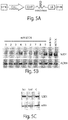
- rAAVs having a capsid protein comprising a sequence as set forth in SEQ ID NO: 9 and a nucleic acid comprising a promoter operably linked with a region encoding an inhibitory RNA that binds specifically to SOD1 mRNA and inhibits expression of SOD achieves long-term inhibition of SOD1 and improves outcome ( e.g ., lifespan) in an animal model of ALS (See, e.g ., Figure 6A ).
- the inhibitory RNA is an antisense RNA, a shRNA or a miRNA.
- the inhibitory RNA may have a sequence as set forth in SEQ ID NO: 26.
- the inhibitory RNA may have a sequence as set forth in any one of SEQ ID NO: 22 to 30.
- a nucleic acid comprising a promoter operably linked with a nucleic acid having a sequence as set forth in any one of SEQ ID NO: 22 to 30 is provided.
- a recombinant AAV that harbors a nucleic acid comprising a sequence as set forth in any one of SEQ ID NO: 22 to 30 is provided.
- the recombinant AAV may have a capsid protein comprising a sequence as set forth in SEQ ID NO: 9.
- the recombinant AAV may have a capsid protein comprising a sequence as set forth in any one of SEQ ID NO: 1 to 12.
- Canavan disease in a subject in need thereof are provided herein.
- a subject in need of a treatment for CD is a subject having or suspected of having CD.
- Canavan disease is caused by a defective ASPA gene which is responsible for the production of the enzyme aspartoacylase. This enzyme normally breaks down the concentrated brain molecule N-acetyl aspartate. Decreased aspartoacylase activity in subjects with CD prevents the normal breakdown of N-acetyl aspartate, and the lack of breakdown appears to interfere with growth of the myelin sheath of the nerve fibers in the brain.
- Symptoms of Canavan disease which may appear in early infancy and progress rapidly, may include mental retardation, loss of previously acquired motor skills, feeding difficulties, abnormal muscle tone (i.e., floppiness or stiffness), poor head control, and megalocephaly (abnormally enlarged head). Paralysis, blindness, or seizures may also occur.
- the disclosure herein may improve one or more symptoms of CD in a subject by administering to the subject a recombinant AAV harboring a nucleic acid that expresses aspartoacylase (ASPA).
- ASPA aspartoacylase
- a method for treating Canavan disease in a subject in need thereof may comprise administering an effective amount of a rAAV to CNS tissue of the subject by intravascular administration, wherein the rAAV comprises a nucleic acid comprising a promoter operably linked with a region encoding ASPA (e.g ., a region having a sequence as set forth in SEQ ID NO: 14 or 16).
- a method for treating Canavan disease in a subject in need thereof may comprise administering an effective amount of a rAAV to CNS tissue of the subject by intrathecal administration, wherein the rAAV comprises a nucleic acid comprising a promoter operably linked with a region encoding ASPA.
- methods for treating CD involve administering, to CNS tissue of the subject, an effective amount of a rAAV that comprises a capsid protein other than a capsid protein of AAV serotype 2 (e.g., other than a protein having an amino acid sequence as set forth in SEQ ID NO: 2) and a nucleic acid comprising a promoter operably linked with a region encoding ASPA.
- a method for treating Canavan disease in a subject in need thereof comprises administering an effective amount of a rAAV to CNS tissue of the subject by a route other than intracerebral administration, wherein the rAAV comprises a nucleic acid comprising a promoter operably linked with a region encoding ASPA.
- a recombinant AAV vector is provided that comprises a nucleic acid encoding a sequence as set forth in SEQ ID NO: 14 or 16.
- a recombinant AAV is provided that harbors a nucleic acid comprising a promoter operably linked with a region having a sequence as set forth in SEQ ID NO: 14 or 16.
- a recombinant AAV that harbors a nucleic acid comprising a promoter operably linked with a region encoding a protein having a sequence as set forth in SEQ ID NO: 13 or 15.
- the recombinant AAV may have a capsid protein comprising an amino acid sequence as set forth in any one of SEQ ID NO: 1 to 12.
- the recombinant AAV may have a capsid protein comprising a sequence as set forth in any one of SEQ ID NO: 1 and 3 to 12.
- isolated AAVs As used herein with respect to AAVs, the term “isolated” refers to an AAV that has been isolated from its natural environment (e.g ., from a host cell, tissue, or subject) or artificially produced. Isolated AAVs may be produced using recombinant methods. Such AAVs are referred to herein as "recombinant AAVs".
- Recombinant AAVs preferably have tissue-specific targeting capabilities, such that a transgene of the rAAV will be delivered specifically to one or more predetermined tissue(s).
- the AAV capsid is an important element in determining these tissue-specific targeting capabilities.
- a rAAV having a capsid appropriate for the tissue being targeted can be selected.
- the rAAV comprises a capsid protein having an amino acid sequence as set forth in any one of SEQ ID NOs 1 to 12, or a protein having substantial homology thereto.
- AAVs capsid protein that may be used in the rAAVs disclosed herein a include, for example, those disclosed in G. Gao, et al., J. Virol, 78(12):6381-6388 (June 2004 ); G. Gao, et al, Proc Natl Acad Sci USA, 100(10):6081-6086 (May 13, 2003 ); US 2003-0138772 , US 2007/0036760 , US 2009/0197338 , and U.S. provisional application serial number 61/182,084, filed May 28, 2009 .
- the methods involve culturing a host cell which contains a nucleic acid sequence encoding an AAV capsid protein (e.g ., a nucleic acid encoding a protein having a sequence as set forth in any one of SEQ ID NOs 1-12) or fragment thereof; a functional rep gene; a recombinant AAV vector composed of, AAV inverted terminal repeats (ITRs) and a transgene; and sufficient helper functions to permit packaging of the recombinant AAV vector into the AAV capsid proteins.
- a nucleic acid sequence encoding an AAV capsid protein e.g ., a nucleic acid encoding a protein having a sequence as set forth in any one of SEQ ID NOs 1-12
- a functional rep gene e.g a nucleic acid encoding a protein having a sequence as set forth in any one of SEQ ID NOs 1-12
- a functional rep gene e.g a recombinant AAV
- the components to be cultured in the host cell to package a rAAV vector in an AAV capsid may be provided to the host cell in trans.
- any one or more of the required components e.g ., recombinant AAV vector, rep sequences, cap sequences, and/or helper functions
- a stable host cell which has been engineered to contain one or more of the required components using methods known to those of skill in the art.
- a stable host cell will contain the required component(s) under the control of an inducible promoter.
- the required component(s) may be under the control of a constitutive promoter.
- a selected stable host cell may contain selected component(s) under the control of a constitutive promoter and other selected component(s) under the control of one or more inducible promoters.
- a stable host cell may be generated which is derived from 293 cells (which contain E1 helper functions under the control of a constitutive promoter), but which contain the rep and/or cap proteins under the control of inducible promoters. Still other stable host cells may be generated by one of skill in the art.
- the recombinant AAV vector, rep sequences, cap sequences, and helper functions required for producing the rAAV disclosed herein may be delivered to the packaging host cell using any appropriate genetic element (vector).
- the selected genetic element may be delivered by any suitable method, including those described herein.
- the methods used to construct any example disclosed herein are known to those with skill in nucleic acid manipulation and include genetic engineering, recombinant engineering, and synthetic techniques. See, e.g ., Sambrook et al, Molecular Cloning: A Laboratory Manual, Cold Spring Harbor Press, Cold Spring Harbor, N.Y .
- methods of generating rAAV virions are well known and the selection of a suitable method is not a limitation on the present disclosure. See, e.g ., K. Fisher et al, J. Virol., 70:520-532 (1993 ) and U.S. Pat. No. 5,478,745 .
- recombinant AAVs may be produced using the triple transfection method (e.g., as described in detail in U.S. Pat. No. 6,001,650 ).
- the recombinant AAVs are produced by transfecting a host cell with a recombinant AAV vector (comprising a transgene) to be packaged into AAV particles, an AAV helper function vector, and an accessory function vector.
- An AAV helper function vector encodes the "AAV helper function" sequences (i.e ., rep and cap), which function in trans for productive AAV replication and encapsidation.
- the AAV helper function vector supports efficient AAV vector production without generating any detectable wild-type AAV virions (i.e ., AAV virions containing functional rep and cap genes).
- vectors suitable for use with the present disclosure include pHLP19, described in U.S. Pat. No. 6,001,650 and pRep6cap6 vector, described in U.S. Pat. No. 6,156,303 .
- the accessory function vector encodes nucleotide sequences for non-AAV derived viral and/or cellular functions upon which AAV is dependent for replication ( i.e ., "accessory functions").
- the accessory functions include those functions required for AAV replication, including, without limitation, those moieties involved in activation of AAV gene transcription, stage specific AAV mRNA splicing, AAV DNA replication, synthesis of cap expression products, and AAV capsid assembly.
- Viral-based accessory functions can be derived from any of the known helper viruses such as adenovirus, herpesvirus (other than herpes simplex virus type-1), and vaccinia virus.
- the disclosure provides transfected host cells.
- transfection is used to refer to the uptake of foreign DNA by a cell, and a cell has been "transfected" when exogenous DNA has been introduced inside the cell membrane.
- a number of transfection techniques are generally known in the art. See, e.g ., Graham et al. (1973) Virology, 52:456 , Sambrook et al. (1989) Molecular Cloning, a laboratory manual, Cold Spring Harbor Laboratories, New York , Davis et al. (1986) Basic Methods in Molecular Biology, Elsevier , and Chu et al. (1981) Gene 13:197 .
- Such techniques can be used to introduce one or more exogenous nucleic acids, such as a nucleotide integration vector and other nucleic acid molecules, into suitable host cells.
- a “host cell” refers to any cell that harbors, or is capable of harboring, a substance of interest. Often a host cell is a mammalian cell. A host cell may be used as a recipient of an AAV helper construct, an AAV minigene plasmid, an accessory function vector, or other transfer DNA associated with the production of recombinant AAVs. The term includes the progeny of the original cell which has been transfected. Thus, a "host cell” as used herein may refer to a cell which has been transfected with an exogenous DNA sequence. It is understood that the progeny of a single parental cell may not necessarily be completely identical in morphology or in genomic or total DNA complement as the original parent, due to natural, accidental, or deliberate mutation.
- the disclosure provides isolated cells.
- isolated refers to a cell that has been isolated from its natural environment (e.g ., from a tissue or subject).
- the term “cell line” refers to a population of cells capable of continuous or prolonged growth and division in vitro. Often, cell lines are clonal populations derived from a single progenitor cell. It is further known in the art that spontaneous or induced changes can occur in karyotype during storage or transfer of such clonal populations. Therefore, cells derived from the cell line referred to may not be precisely identical to the ancestral cells or cultures, and the cell line referred to includes such variants.
- the terms "recombinant cell” refers to a cell into which an exogenous DNA segment, such as DNA segment that leads to the transcription of a biologically-active polypeptide or production of a biologically active nucleic acid such as an RNA, has been introduced.
- vector includes any genetic element, such as a plasmid, phage, transposon, cosmid, chromosome, artificial chromosome, virus, virion, etc ., which is capable of replication when associated with the proper control elements and which can transfer gene sequences between cells.
- the term includes cloning and expression vehicles, as well as viral vectors.
- useful vectors are contemplated to be those vectors in which the nucleic acid segment to be transcribed is positioned under the transcriptional control of a promoter.
- a “promoter” refers to a DNA sequence recognized by the synthetic machinery of the cell, or introduced synthetic machinery, required to initiate the specific transcription of a gene.
- expression vector or construct means any type of genetic construct containing a nucleic acid in which part or all of the nucleic acid encoding sequence is capable of being transcribed. In some cases, expression includes transcription of the nucleic acid, for example, to generate a biologically-active polypeptide product or inhibitory RNA (e.g ., shRNA, miRNA) from a transcribed gene.
- inhibitory RNA e.g ., shRNA, miRNA
- Recombinant AAV (rAAV) vectors are typically composed of, at a minimum, a transgene and its regulatory sequences, and 5' and 3' AAV inverted terminal repeats (ITRs). It is this recombinant AAV vector which is packaged into a capsid protein and delivered to a selected target cell.
- the transgene is a nucleic acid sequence, heterologous to the vector sequences, which encodes a polypeptide, protein, functional RNA molecule (e.g ., miRNA, miRNA inhibitor) or other gene product, of interest.
- the nucleic acid coding sequence is operatively linked to regulatory components in a manner which permits transgene transcription, translation, and/or expression in a cell of a target tissue.
- the AAV sequences of the vector typically comprise the cis-acting 5' and 3' inverted terminal repeat sequences (See, e.g ., B. J. Carter, in “Handbook of Parvoviruses", ed., P. Tijsser, CRC Press, pp. 155 168 (1990 )).
- the ITR sequences are about 145 bp in length.
- substantially the entire sequences encoding the ITRs are used in the molecule, although some degree of minor modification of these sequences is permissible. The ability to modify these ITR sequences is within the skill of the art. (See, e.g ., texts such as Sambrook et al, "Molecular Cloning.
- a Laboratory Manual 2d ed., Cold Spring Harbor Laboratory, New York (1989 ); and K. Fisher et al., J Virol., 70:520 532 (1996 )).
- An example of such a molecule employed herein is a "cis-acting" plasmid containing the transgene, in which the selected transgene sequence and associated regulatory elements are flanked by the 5' and 3' AAV ITR sequences.
- the AAV ITR sequences may be obtained from any known AAV, including presently identified mammalian AAV types.
- the vector also includes conventional control elements which are operably linked to the transgene in a manner which permits its transcription, translation and/or expression in a cell transfected with the plasmid vector or infected with the virus produced herein.
- "operably linked" sequences include both expression control sequences that are contiguous with the gene of interest and expression control sequences that act in trans or at a distance to control the gene of interest.
- Expression control sequences include appropriate transcription initiation, termination, promoter and enhancer sequences; efficient RNA processing signals such as splicing and polyadenylation (polyA) signals; sequences that stabilize cytoplasmic mRNA; sequences that enhance translation efficiency (i.e ., Kozak consensus sequence); sequences that enhance protein stability; and when desired, sequences that enhance secretion of the encoded product.
- RNA processing signals such as splicing and polyadenylation (polyA) signals
- sequences that stabilize cytoplasmic mRNA sequences that enhance translation efficiency (i.e ., Kozak consensus sequence); sequences that enhance protein stability; and when desired, sequences that enhance secretion of the encoded product.
- polyA polyadenylation
- a great number of expression control sequences including promoters which are native, constitutive, inducible and/or tissue-specific, are known in the art and may be utilized.
- nucleic acid sequence e.g., coding sequence
- regulatory sequences are said to be operably linked when they are covalently linked in such a way as to place the expression or transcription of the nucleic acid sequence under the influence or control of the regulatory sequences.
- nucleic acid sequences be translated into a functional protein
- two DNA sequences are said to be operably linked if induction of a promoter in the 5' regulatory sequences results in the transcription of the coding sequence and if the nature of the linkage between the two DNA sequences does not (1) result in the introduction of a frame-shift mutation, (2) interfere with the ability of the promoter region to direct the transcription of the coding sequences, or (3) interfere with the ability of the corresponding RNA transcript to be translated into a protein.
- a promoter region would be operably linked to a nucleic acid sequence if the promoter region were capable of effecting transcription of that DNA sequence such that the resulting transcript might be translated into the desired protein or polypeptide.
- two or more coding regions are operably linked when they are linked in such a way that their transcription from a common promoter results in the expression of two or more proteins having been translated in frame.
- operably linked coding sequences yield a fusion protein.
- operably linked coding sequences yield a functional RNA (e.g ., shRNA, miRNA).
- a polyadenylation sequence generally is inserted following the transgene sequences and before the 3' AAV ITR sequence.
- a rAAV construct useful herein may also contain an intron, desirably located between the promoter/enhancer sequence and the transgene.
- One possible intron sequence is derived from SV-40, and is referred to as the SV-40 T intron sequence.
- Another vector element that may be used is an internal ribosome entry site (IRES).
- An IRES sequence is used to produce more than one polypeptide from a single gene transcript.
- An IRES sequence would be used to produce a protein that contain more than one polypeptide chains.
- a Foot and Mouth Disease Virus 2A sequence is included in polyprotein; this is a small peptide (approximately 18 amino acids in length) that has been shown to mediate the cleavage of polyproteins ( Ryan, M D et al., EMBO, 1994; 4: 928-933 ; Mattion, N M et al., J Virology, November 1996; p. 8124-8127 ; Furler, S et al., Gene Therapy, 2001; 8: 864-873 ; and Halpin, C et al., The Plant Journal, 1999; 4: 453-459 ).
- the cleavage activity of the 2A sequence has previously been demonstrated in artificial systems including plasmids and gene therapy vectors (AAV and retroviruses) ( Ryan, M D et al., EMBO, 1994; 4: 928-933 ; Mattion, N M et al., J Virology, November 1996; p.
- the precise nature of the regulatory sequences needed for gene expression in host cells may vary between species, tissues or cell types, but shall in general include, as necessary, 5' non-transcribed and 5' non-translated sequences involved with the initiation of transcription and translation respectively, such as a TATA box, capping sequence, CAAT sequence, enhancer elements, and the like.
- 5' non-transcribed regulatory sequences will include a promoter region that includes a promoter sequence for transcriptional control of the operably joined gene. Regulatory sequences may also include enhancer sequences or upstream activator sequences as desired.
- the vectors herein may optionally include 5' leader or signal sequences. The choice and design of an appropriate vector is within the ability and discretion of one of ordinary skill in the art.
- constitutive promoters include, without limitation, the retroviral Rous sarcoma virus (RSV) LTR promoter (optionally with the RSV enhancer), the cytomegalovirus (CMV) promoter (optionally with the CMV enhancer) [see, e.g ., Boshart et al, Cell, 41:521-530 (1985 )], the SV40 promoter, the dihydrofolate reductase promoter, the ⁇ -actin promoter, the phosphoglycerol kinase (PGK) promoter, and the EF1 ⁇ promoter [Invitrogen].
- RSV Rous sarcoma virus
- CMV cytomegalovirus
- PGK phosphoglycerol kinase
- Inducible promoters allow regulation of gene expression and can be regulated by exogenously supplied compounds, environmental factors such as temperature, or the presence of a specific physiological state, e.g ., acute phase, a particular differentiation state of the cell, or in replicating cells only.
- Inducible promoters and inducible systems are available from a variety of commercial sources, including, without limitation, Invitrogen, Clontech and Ariad. Many other systems have been described and can be readily selected by one of skill in the art.
- inducible promoters regulated by exogenously supplied promoters include the zinc-inducible sheep metallothionine (MT) promoter, the dexamethasone (Dex)-inducible mouse mammary tumor virus (MMTV) promoter, the T7 polymerase promoter system ( WO 98/10088 ); the ecdysone insect promoter ( No et al, Proc. Natl. Acad. Sci. USA, 93:3346-3351 (1996 )), the tetracycline-repressible system ( Gossen et al, Proc. Natl. Acad. Sci.
- MT zinc-inducible sheep metallothionine
- Dex dexamethasone
- MMTV mouse mammary tumor virus
- T7 polymerase promoter system WO 98/10088
- ecdysone insect promoter No et al, Proc. Natl. Acad. Sci. USA, 93:3346-3351
- inducible promoters which may be useful in this context are those which are regulated by a specific physiological state, e.g ., temperature, acute phase, a particular differentiation state of the cell, or in replicating cells only.
- the native promoter, or fragment thereof, for the transgene will be used.
- the native promoter may be preferred when it is desired that expression of the transgene should mimic the native expression.
- the native promoter may be used when expression of the transgene must be regulated temporally or developmentally, or in a tissue-specific manner, or in response to specific transcriptional stimuli.
- other native expression control elements such as enhancer elements, polyadenylation sites or Kozak consensus sequences may also be used to mimic the native expression.
- the regulatory sequences impart tissue-specific gene expression capabilities.
- the tissue-specific regulatory sequences bind tissue-specific transcription factors that induce transcription in a tissue specific manner.
- tissue-specific regulatory sequences e.g ., promoters, enhancers, etc ..
- Exemplary tissue-specific regulatory sequences include, but are not limited to the following tissue specific promoters: neuronal such as neuron-specific enolase (NSE) promoter ( Andersen et al., Cell. Mol. Neurobiol., 13:503-15 (1993 )), neurofilament light-chain gene promoter ( Piccioli et al., Proc. Natl. Acad. Sci.
- the tissue-specific promoter is a promoter of a gene selected from: neuronal nuclei (NeuN), glial fibrillary acidic protein (GFAP), adenomatous polyposis coli (APC), and ionized calcium-binding adapter molecule 1 (Iba-1).
- the promoter is a chicken Beta-actin promoter.
- one or more bindings sites for one or more of miRNAs are incorporated in a transgene of a rAAV vector, to inhibit the expression of the transgene in one or more tissues of a subject harboring the transgenes, e.g., non-CNS tissues.
- binding sites may be selected to control the expression of a transgene in a tissue specific manner. For example, expression of a transgene in the liver may be inhibited by incorporating a binding site for miR-122 such that mRNA expressed from the transgene binds to and is inhibited by miR-122 in the liver.
- a transgene in the heart may be inhibited by incorporating a binding site for miR-133a or miR-1, such that mRNA expressed from the transgene binds to and is inhibited by miR-133a or miR-1 in the heart.
- the miRNA target sites in the mRNA may be in the 5' UTR, the 3' UTR or in the coding region. Typically, the target site is in the 3' UTR of the mRNA.
- the transgene may be designed such that multiple miRNAs regulate the mRNA by recognizing the same or multiple sites. The presence of multiple miRNA binding sites may result in the cooperative action of multiple RISCs and provide highly efficient inhibition of expression.
- the target site sequence may comprise a total of 5-100, 10-60, or more nucleotides.
- the target site sequence may comprise at least 5 nucleotides of the sequence of a target gene binding site.
- the composition of the transgene sequence of a rAAV vector will depend upon the use to which the resulting vector will be put.
- one type of transgene sequence includes a reporter sequence, which upon expression produces a detectable signal.
- the transgene encodes a therapeutic protein or therapeutic functional RNA.
- the transgene encodes a protein or functional RNA that is intended to be used for research purposes, e.g ., to create a somatic transgenic animal model harboring the transgene, e.g ., to study the function of the transgene product.
- the transgene encodes a protein or functional RNA that is intended to be used to create an animal model of disease. Appropriate transgene coding sequences will be apparent to the skilled artisan.
- rAAV vectors for use in methods of preventing or treating one or more gene defects (e.g ., heritable gene defects, somatic gene alterations) in a mammal, such as for example, a gene defect that results in a polypeptide deficiency or polypeptide excess in a subject, and particularly for treating or reducing the severity or extent of deficiency in a subject manifesting a CNS-associated disorder linked to a deficiency in such polypeptides in cells and tissues.
- methods involve administration of a rAAV vector that encodes one or more therapeutic peptides, polypeptides, shRNAs, microRNAs, antisense nucleotides, etc. in a pharmaceutically-acceptable carrier to the subject in an amount and for a period of time sufficient to treat the CNS-associated disorder in the subject having or suspected of having such a disorder.
- a rAAV vector may comprise as a transgene, a nucleic acid encoding a protein or functional RNA that modulates or treats a CNS-associated disorder.
- the following is a non-limiting list of genes associated with CNS-associated disorders: neuronal apoptosis inhibitory protein (NAIP), nerve growth factor (NGF), glial-derived growth factor (GDNF), brain-derived growth factor (BDNF), ciliary neurotrophic factor (CNTF), tyrosine hydroxlase (TH), GTP-cyclohydrolase (GTPCH), aspartoacylase (ASPA), superoxide dismutase (SOD1) and amino acid decorboxylase (AADC).
- NAIP neuronal apoptosis inhibitory protein
- NEF nerve growth factor
- GDNF glial-derived growth factor
- BDNF brain-derived growth factor
- CNTF ciliary neurotrophic factor
- TH tyrosine hydroxlase
- GTPCH GTP-cyclo
- a useful transgene in the treatment of Parkinson's disease encodes TH, which is a rate limiting enzyme in the synthesis of dopamine.
- a transgene encoding GTPCH, which generates the TH cofactor tetrahydrobiopterin, may also be used in the treatment of Parkinson's disease.
- a transgene encoding GDNF or BDNF, or AADC, which facilitates conversion of L-Dopa to DA may also be used for the treatment of Parkinson's disease.
- a useful transgene may encode: GDNF, BDNF or CNTF.
- a useful transgene may encode a functional RNA, e.g ., shRNA, miRNA, that inhibits the expression of SOD1 .
- a useful transgene may encode NAIP or NGF.
- a transgene encoding Beta-glucuronidase (GUS) may be useful for the treatment of certain lysosomal storage diseases (e.g ., Mucopolysacharidosis type VII (MPS VII)).
- a transgene encoding a prodrug activation gene e.g ., HSV-Thymidine kinase which converts ganciclovir to a toxic nucleotide which disrupts DNA synthesis and leads to cell death, may be useful for treating certain cancers, e.g ., when administered in combination with the prodrug.
- a transgene encoding an endogenous opioid, such a ⁇ -endorphin may be useful for treating pain.
- Other examples of transgenes that may be used in the rAAV will be apparent to the skilled artisan (See, e.g., Costantini LC, et al., Gene Therapy (2000) 7, 93-109 ).
- the cloning capacity of the recombinant RNA vector may be limited and a desired coding sequence may involve the complete replacement of the virus's 4.8 kilobase genome. Large genes may, therefore, not be suitable for use in a standard recombinant AAV vector, in some cases.
- the skilled artisan will appreciate that options are available in the art for overcoming a limited coding capacity. For example, the AAV ITRs of two genomes can anneal to form head to tail concatamers, almost doubling the capacity of the vector. Insertion of splice sites allows for the removal of the ITRs from the transcript. Other options for overcoming a limited cloning capacity will be apparent to the skilled artisan.
- rAAVS are administered in sufficient amounts to transfect the cells of a desired tissue and to provide sufficient levels of gene transfer and expression without undue adverse effects.
- Conventional and pharmaceutically acceptable routes of administration include, but are not limited to, direct delivery to the selected tissue (e.g. , intracerebral administration, intrathecal administration), intravenous, oral, inhalation (including intranasal and intratracheal delivery), intraocular, intravenous, intramuscular, subcutaneous, intradermal, intratumoral, and other parental routes of administration. Routes of administration may be combined, if desired.
- Delivery of certain rAAVs to a subject may be, for example, by administration into the bloodstream of the subject. Administration into the bloodstream may be by injection into a vein, an artery, or any other vascular conduit. Moreover, in certain instances, it may be desirable to deliver the rAAVs to brain tissue, meninges, neuronal cells, glial cells, astrocytes, oligodendrocytes, cereobrospinal fluid (CSF), interstitial spaces and the like.
- CSF cereobrospinal fluid
- recombinant AAVs may be delivered directly to the spinal cord or brain by injection into the ventricular region, as well as to the striatum (e.g ., the caudate nucleus or putamen of the striatum), and neuromuscular junction, or cerebellar lobule, with a needle, catheter or related device, using neurosurgical techniques known in the art, such as by stereotactic injection (see, e.g ., Stein et al., J Virol 73:3424-3429, 1999 ; Davidson et al., PNAS 97:3428-3432, 2000 ; Davidson et al., Nat. Genet. 3:219-223, 1993 ; and Alisky and Davidson, Hum.
- rAAV-based therapeutic constructs in suitably formulated pharmaceutical compositions disclosed herein either subcutaneously, intrapancreatically, intranasally, parenterally, intravenously, intramuscularly, intracerebrally, intrathecally, intracerebrally, orally, intraperitoneally, or by inhalation.
- the administration modalities as described in U.S. Pat. Nos. 5,543,158 ; 5,641,515 and 5,399,363 may be used to deliver rAAVs.
- the rAAVs may be delivered to a subject in compositions according to any appropriate methods known in the art.
- the rAAV preferably suspended in a physiologically compatible carrier (e.g., in a composition), may be administered to a subject, e.g ., a human, mouse, rat, cat, dog, sheep, rabbit, horse, cow, goat, pig, guinea pig, hamster, chicken, turkey, or a non-human primate (e.g, Macaque).
- the compositions of the disclosure may comprise a rAAV alone, or in combination with one or more other viruses (e.g ., a second rAAV encoding having one or more different transgenes).
- a compositions comprise 1, 2, 3, 4, 5, 6, 7, 8, 9, 10, or more different rAAVs each having one or more different transgenes.
- Suitable carriers may be readily selected by one of skill in the art in view of the indication for which the rAAV is directed.
- one suitable carrier includes saline, which may be formulated with a variety of buffering solutions (e.g ., phosphate buffered saline).
- Other exemplary carriers include sterile saline, lactose, sucrose, calcium phosphate, gelatin, dextran, agar, pectin, peanut oil, sesame oil, and water. The selection of the carrier is not a limitation of the present disclosure.
- compositions may contain, in addition to the rAAV and carrier(s), other conventional pharmaceutical ingredients, such as preservatives, or chemical stabilizers.
- suitable exemplary preservatives include chlorobutanol, potassium sorbate, sorbic acid, sulfur dioxide, propyl gallate, the parabens, ethyl vanillin, glycerin, phenol, and parachlorophenol.
- Suitable chemical stabilizers include gelatin and albumin.
- the dose of rAAV virions required to achieve a desired effect or "therapeutic effect,” e.g ., the units of dose in vector genomes/per kilogram of body weight (vg/kg), will vary based on several factors including, but not limited to: the route of rAAV administration, the level of gene or RNA expression required to achieve a therapeutic effect, the specific disease or disorder being treated, and the stability of the gene or RNA product.
- a rAAV virion dose range to treat a subject having a particular disease or disorder based on the aforementioned factors, as well as other factors that are well known in the art.
- An effective amount of the rAAV is generally in the range of from about 10 ⁇ l to about 100 ml of solution containing from about 10 9 to 10 16 genome copies per subject.
- Other volumes of solution may be used.
- the volume used will typically depend, among other things, on the size of the subject, the dose of the rAAV, and the route of administration.
- a volume in range of 1 ⁇ l to 10 ⁇ l or 10 ⁇ l to 100 ⁇ l may be used.
- intravenous administration a volume in range of 10 ⁇ l to 100 ⁇ 1, 100 ⁇ l to 1 ml, 1 ml to 10 ml, or more may be used.
- a dosage between about 10 10 to 10 12 rAAV genome copies per subject is appropriate.
- 10 12 rAAV genome copies per subject is effective to target CNS tissues.
- the rAAV is administered at a dose of 10 10 , 10 11 , 10 12 , 10 13 , 10 14 , or 10 15 genome copies per subject.
- the rAAV is administered at a dose of 10 10 , 10 11 , 10 12 , 10 13 , or 10 14 genome copies per kg.
- rAAV compositions are formulated to reduce aggregation of AAV particles in the composition, particularly where high rAAV concentrations are present (e.g ., ⁇ 10 13 GC/ml or more).
- high rAAV concentrations e.g ., ⁇ 10 13 GC/ml or more.
- Methods for reducing aggregation of rAAVs are well known in the art and, include, for example, addition of surfactants, pH adjustment, salt concentration adjustment, etc. (See, e.g ., Wright FR, et al., Molecular Therapy (2005) 12, 171-178 .)
- Formulation of pharmaceutically-acceptable excipients and carrier solutions is well-known to those of skill in the art, as is the development of suitable dosing and treatment regimens for using the particular compositions described herein in a variety of treatment regimens.
- these formulations may contain at least about 0.1% of the active ingredient or more, although the percentage of the active ingredient(s) may, of course, be varied and may conveniently be between about 1 or 2% and about 70% or 80% or more of the weight or volume of the total formulation.
- the amount of active ingredient in each therapeutically-useful composition may be prepared is such a way that a suitable dosage will be obtained in any given unit dose of the compound.
- the pharmaceutical forms suitable for injectable use include sterile aqueous solutions or dispersions and sterile powders for the extemporaneous preparation of sterile injectable solutions or dispersions.
- Dispersions may also be prepared in glycerol, liquid polyethylene glycols, and mixtures thereof and in oils. Under ordinary conditions of storage and use, these preparations contain a preservative to prevent the growth of microorganisms. In many cases the form is sterile and fluid to the extent that easy syringability exists. It must be stable under the conditions of manufacture and storage and must be preserved against the contaminating action of microorganisms, such as bacteria and fungi.
- the carrier can be a solvent or dispersion medium containing, for example, water, ethanol, polyol (e.g ., glycerol, propylene glycol, and liquid polyethylene glycol, and the like), suitable mixtures thereof, and/or vegetable oils.
- polyol e.g ., glycerol, propylene glycol, and liquid polyethylene glycol, and the like
- suitable mixtures thereof e.g ., glycerol, propylene glycol, and liquid polyethylene glycol, and the like
- vegetable oils e.g glycerol, propylene glycol, and liquid polyethylene glycol, and the like
- Proper fluidity may be maintained, for example, by the use of a coating, such as lecithin, by the maintenance of the required particle size in the case of dispersion and by the use of surfactants.
- the prevention of the action of microorganisms can be brought about by various antibacterial and antifungal agents, for example, parabens, chlor
- isotonic agents for example, sugars or sodium chloride.
- Prolonged absorption of the injectable compositions can be brought about by the use in the compositions of agents delaying absorption, for example, aluminum monostearate and gelatin.
- the solution may be suitably buffered, if necessary, and the liquid diluent first rendered isotonic with sufficient saline or glucose.
- a sterile aqueous medium that can be employed will be known to those of skill in the art.
- one dosage may be dissolved in 1 ml of isotonic NaCl solution and either added to 1000 ml of hypodermoclysis fluid or injected at the proposed site of infusion, (see for example, " Remington's Pharmaceutical Sciences” 15th Edition, pages 1035-1038 and 1570-1580 ).
- Some variation in dosage will necessarily occur depending on the condition of the host. The person responsible for administration will, in any event, determine the appropriate dose for the individual host.
- Sterile injectable solutions are prepared by incorporating the active rAAV in the required amount in the appropriate solvent with various of the other ingredients enumerated herein, as required, followed by filtered sterilization.
- dispersions are prepared by incorporating the various sterilized active ingredients into a sterile vehicle which contains the basic dispersion medium and the required other ingredients from those enumerated above.
- the preferred methods of preparation are vacuum-drying and freeze-drying techniques which yield a powder of the active ingredient plus any additional desired ingredient from a previously sterile-filtered solution thereof.
- the rAAV compositions disclosed herein may also be formulated in a neutral or salt form.
- Pharmaceutically-acceptable salts include the acid addition salts (formed with the free amino groups of the protein) and which are formed with inorganic acids such as, for example, hydrochloric or phosphoric acids, or such organic acids as acetic, oxalic, tartaric, mandelic, and the like. Salts formed with the free carboxyl groups can also be derived from inorganic bases such as, for example, sodium, potassium, ammonium, calcium, or ferric hydroxides, and such organic bases as isopropylamine, trimethylamine, histidine, procaine and the like.
- solutions will be administered in a manner compatible with the dosage formulation and in such amount as is therapeutically effective.
- the formulations are easily administered in a variety of dosage forms such as injectable solutions, drug-release capsules, and the like.
- carrier includes any and all solvents, dispersion media, vehicles, coatings, diluents, antibacterial and antifungal agents, isotonic and absorption delaying agents, buffers, carrier solutions, suspensions, colloids, and the like.
- carrier includes any and all solvents, dispersion media, vehicles, coatings, diluents, antibacterial and antifungal agents, isotonic and absorption delaying agents, buffers, carrier solutions, suspensions, colloids, and the like.
- Supplementary active ingredients can also be incorporated into the compositions.
- pharmaceutically-acceptable refers to molecular entities and compositions that do not produce an allergic or similar untoward reaction when administered to a host.
- Delivery vehicles such as liposomes, nanocapsules, microparticles, microspheres, lipid particles, vesicles, and the like, may be used for the introduction of the compositions into suitable host cells.
- the rAAV vector delivered transgenes may be formulated for delivery either encapsulated in a lipid particle, a liposome, a vesicle, a nanosphere, or a nanoparticle or the like.
- Such formulations may be preferred for the introduction of pharmaceutically acceptable formulations of the nucleic acids or the rAAV constructs disclosed herein.
- the formation and use of liposomes is generally known to those of skill in the art. Recently, liposomes were developed with improved serum stability and circulation half-times ( U.S. Pat. No. 5,741,516 ). Further, various methods of liposome and liposome like preparations as potential drug carriers have been described (; U.S. Pat. Nos. 5,567,434 ; 5,552,157 ; 5,565,213 ; 5,738,868 and 5,795,587 ).
- Liposomes have been used successfully with a number of cell types that are normally resistant to transfection by other procedures. In addition, liposomes are free of the DNA length constraints that are typical of viral-based delivery systems. Liposomes have been used effectively to introduce genes, drugs, radiotherapeutic agents, viruses, transcription factors and allosteric effectors into a variety of cultured cell lines and animals. In addition, several successful clinical trails examining the effectiveness of liposome-mediated drug delivery have been completed.
- Liposomes are formed from phospholipids that are dispersed in an aqueous medium and spontaneously form multilamellar concentric bilayer vesicles (also termed multilamellar vesicles (MLVs).
- MLVs generally have diameters of from 25 nm to 4 ⁇ m. Sonication of MLVs results in the formation of small unilamellar vesicles (SUVs) with diameters in the range of 200 to 500 .ANG., containing an aqueous solution in the core.
- SUVs small unilamellar vesicles
- Nanocapsule formulations of the rAAV may be used.
- Nanocapsules can generally entrap substances in a stable and reproducible way.
- ultrafine particles sized around 0.1 ⁇ m
- Biodegradable polyalkyl-cyanoacrylate nanoparticles that meet these requirements are contemplated for use.
- Sonophoresis ie., ultrasound
- U.S. Pat. No. 5,656,016 has been used and described in U.S. Pat. No. 5,656,016 as a device for enhancing the rate and efficacy of drug permeation into and through the circulatory system.
- Other drug delivery alternatives contemplated are intraosseous injection ( U.S. Pat. No. 5,779,708 ), microchip devices ( U.S. Pat. No. 5,797,898 ), ophthalmic formulations (Bourlais et al., 1998), transdermal matrices ( U.S. Pat. Nos. 5,770,219 and 5,783,208 ) and feedback-controlled delivery ( U.S. Pat. No. 5,697,899 ).
- kits may include one or more containers housing the components disclosed above and instructions for use.
- kits may include one or more agents described herein, along with instructions describing the intended application and the proper use of these agents.
- agents in a kit may be in a pharmaceutical formulation and dosage suitable for a particular application and for a method of administration of the agents.
- Kits for research purposes may contain the components in appropriate concentrations or quantities for running various experiments.
- the kit may be designed to facilitate use of the methods described herein by researchers and can take many forms.
- Each of the compositions of the kit may be provided in liquid form (e.g ., in solution), or in solid form, ( e.g ., a dry powder).
- some of the compositions may be constitutable or otherwise processable (e.g ., to an active form), for example, by the addition of a suitable solvent or other species (for example, water or a cell culture medium), which may or may not be provided with the kit.
- a suitable solvent or other species for example, water or a cell culture medium
- Instructions also can include any oral or electronic instructions provided in any manner such that a user will clearly recognize that the instructions are to be associated with the kit, for example, audiovisual (e.g ., videotape, DVD, etc .), Internet, and/or web-based communications, etc.
- the written instructions may be in a form prescribed by a governmental agency regulating the manufacture, use or sale of pharmaceuticals or biological products, which instructions can also reflects approval by the agency of manufacture, use or sale for animal administration.
- the kit may contain any one or more of the components described herein in one or more containers.
- the kit may include instructions for mixing one or more components of the kit and/or isolating and mixing a sample and applying to a subject.
- the kit may include a container housing agents described herein.
- the agents may be in the form of a liquid, gel or solid (powder).
- the agents may be prepared sterilely, packaged in syringe and shipped refrigerated. Alternatively it may be housed in a vial or other container for storage. A second container may have other agents prepared sterilely.
- the kit may include the active agents premixed and shipped in a syringe, vial, tube, or other container.
- the kit may have one or more or all of the components required to administer the agents to a subject, such as a syringe, topical application devices, or IV needle tubing and bag.
- the CNS gene transfer properties of 12 scAAVEGFP vectors of different serotypes, or natural variants were evaluated.
- RAAVs that cross the blood-brain-barrier (BBB) and target oligodendrocytes were discovered. Experiments were performed in neonatal mice (1 day old) and in adult mice (10 week old) (C57BL/6).
- the following AAV serotypes were tested: AAV1, AAV2, AAV5, AAV6, AAV6.2, AAV7, AAV8, AAV9, rh.10 (also referred to herein as AAVrh.10), rh.39, rh.43, CSp3.
- the recombinant AAV vectors expressed an enhanced GFP reporter gene under the CMV-enhanced chicken ⁇ -actin hybrid promoter and were produced by transient transfection in 293 cells.
- the neonatal day 1 pups were anesthetized with isoflurane.
- 100 ⁇ L of rAAV vectors (4 x 10 11 GC per mouse) was injected to the pups via superfacial temporal vein under a dissection microscope.
- rAAV was administered by tail vein injection (two different doses were evaluated 4 x 10 11 GC per mouse or 4 x 10 12 GC per mouse).
- mice Twenty-one days post injection, the treated animals were anesthetized and transcardially perfused with cold PBS and 4% (v/v) paraformaldehyde. Brains were extracted, immersed in 20% sucrose, and embedded in Tissue-Tek OCT. 40 ⁇ m thick sections were cut and stained in 12-well plate with primary antibodies, e.g ., anti-NeuN, anti-EGFP and anti-GFAP, overnight at 4°C, then with secondary antibodies for 2 h at room temperature. Control mice received PBS injections.
- primary antibodies e.g ., anti-NeuN, anti-EGFP and anti-GFAP
- EGFP expression was not detected at high levels in neonatal mice that were administered rAAV2 or rAAV5 harboring the EGFP reporter gene by injection of 4 x 10 11 GC per mouse in the superfacial temporal vein. (See Table 1 and Figures 1 and 2 for summary data).
- Tissue sections were also immunofluorescently stained with anti-EGFP and -cell type specific marker antibodies to classify EGFP (+) cell types in the CNS. Detection sensitivity for EGFP (+) cells, particularly neurons and oligodendrocytes, was improved dramatically. Although different vectors transduced neurons at variable efficiencies, all 10 vectors (including AAV9) exhibited stronger tropisms to non-neuronal cells, especially astrocytes. One vector (AAV7) targeted oligodendrocytes more efficiently than the other 9 vectors. Several rAAVs transduced both neurons and/or astrocytes at higher efficiencies as compared to rAAV9 (AAVrh.10, rh.34, and rh.43).
- astrocyte transduction was observed in hypothalamus and medulla. Injection of certain vectors resulted in substantial neuron transduction in different regions of the brain, including neocortex, hippocampus, and hypothalamus. Some vectors appeared to transduce Purkinje cells in cerebella cortex ( e.g ., CSp3), while others effectively transduced blood vessel in neocortex, thalamus and hypothalamus. In addition, choroid plexuses in 3 rd ventricle, lateral ventricle and 4 th ventricle showed strong EGFP expression. EGFP expression was also evaluated in different spinal cord regions of neonatal and adult mice (results for neonatal studies are shown in Figure 3 ).
- Example 2 Construction and evaluation of a recombinant AAVrh.10 vector to treat CD
- CD Canavan disease
- ASPA aspartoacylase gene
- NAA N-acetyl-aspartic acid
- An initial clinical study on rAAV2-based ASPA gene therapy for CD achieved very limited success. It is believed, without wishing to be bound by theory, that an effective CD gene therapy will transduce oligodendrocytes throughout the CNS.
- a rAAV vector is constructed that comprises a promoter operably linked with a region encoding ASPA protein (SEQ ID NO: 13 or 15) as a gene therapy vector for CD.
- the construct employs CAG (chicken ⁇ -actin promoter with CMV enhancer) to drive the expression of ASPA having a coding sequence as set forth in SEQ ID NO: 14 or 16.
- CAG cken ⁇ -actin promoter with CMV enhancer
- the rAAV vector is package into rAAV particles using the triple transfection method.
- rAAV-ASPA is examined in an ASAP knock-out mouse model of CD for its ability to eliminate or attenuate the CD-like phenotypic of homozygous ASPA knock-out mice ( Matalon R et al.
- Homozygous ASPA knock-out mice exhibit neurological impairment, macrocephaly, generalized white matter disease, deficient ASPA activity and high levels of NAA in urine. Magnetic resonance imaging (MRI) and spectroscopy (MRS) of the brain of the homozygous mice show white matter changes characteristic of Canavan disease and elevated NAA levels.
- MRI Magnetic resonance imaging
- MRS spectroscopy
- Heterozygous ASPA knock-out mice which have no overt phenotype at birth, serve as controls.
- Example 3 Therapeutic Efficacy and Safety Evaluation of an AAV vector to treat CD
- the mouse model of CD is a C57BL/6 derived ASPA gene KO strain.
- the homozygous KO animals present biochemical and neurological defects similar to those observed in CD patients.
- CD mice provide an animal model for evaluating gene therapy and other therapeutics for the treatment of CD.
- CD mice are used to study the efficacy and safety of the novel gene therapy strategies for the treatment of CD.
- scAAV vectors e.g., AAV7, AAV8, CSp3 and AAV9 carrying an optimized ASPA expression cassette are investigated in a preclinical gene therapy trial of CD.
- the vectors include miRNA binding site(s) to inhibit ASPA expression in non-CNS tissues.
- Both postnatal day-1 and 3-month-old adult animals are treated with each vector at two doses, 1 and 3 x 10 14 GC/kg by intravenous administration.
- two litters of animals receive each vector at each dose via temporal vein injections for necropsy of one litter each at 1- and 3-month time points.
- 3-month-old adult CD mice 12 male animals are treated with each vector at each dose via tail vein injections. Six each of the treated animals are necropsied 1 and 3 months later.
- both postnatal day-1 and 3-month-old adult animals are treated with vectors at a dose in a range of 10 11 to 10 12 GC/subject by direct intraventricular administration.
- Example 4 Delivery of therapeutic genes to the CNS cells by AAVrh.10
- a screen of different AAV serotypes was developed to identify candidates for a therapeutic gene transfer to the CNS.
- a recombinant AAV vector was constructed that expresses EGFP.
- the rAAV vector was packaged into four different AAVs: AAV1, 8, 9 and 10.
- Adult mice were injected with the AAVs into the CSF in the lumbar position.
- AAV1, 8 and 9 transduced cells only in the vicinity of the injection site at the lumber region of the spinal cord following administration of ⁇ 4.8 x 10 10 particles.
- AAVrh.10 transduced cells in the gray matter along the entire spinal cord and brainstem following the same injection protocol and dosage as AAV1, AAV8 and AAV9 ( Fig. 4A ).
- AAV9 has been shown to cross the blood brain barrier (BBB) and transduce spinal cord cells after intravenous injection.
- BBB blood brain barrier
- a weak signal was observed in the cerebellum and strong signals in the brainstem and spinal cord.
- a weak signal (similar to the cerebellum) in the forebrain was also observed.
- CSF flow and diffusion allows the virus spread along the entire spinal cord, but that the ability of a virus to flow and diffuse depends on the structure of the viral capsid.
- the transduced cell types include neurons and oligodendrocytes. But the majority appears to be astrocytes ( Fig. 4B ), as indicated by overlap of EGFP with GFAP-positive cells.
- Iba-1 was not observed.
- a number of motor neurons were transduced as indicated by overlap of EGFP expression and NeuN staining. It was surprising that among the astrocytes, only those situated in the gray matter were transduced and those that were situated in the white matter and beneath the pia matter were not transduced. This was striking because the virus is likely to be exposed to astrocytes in these areas since it was administered in the subarachnoid space.
- Example 5 Construction of a recombinant AAVrh.10 vector to treat ALS
- a rAAVrh.10 vector was constructed that expresses a microRNA targeting SOD1 ( Figure 5A ). This microRNA was identified as miR-SOD1.
- the construct employed CAG (chicken ⁇ -actin promoter with CMV enhancer) to drive the expression of EGFP and miR-SOD1 that was located in an intron in the 3'-UTR.
- the silencing potency of 9 miRNA constructs was evaluated.
- the constructs were transfected into HEK293 cells. After 48 hours, RNA was isolated and Northern blot was carried out to detect SOD1 mRNA ( Figure 5B ).
- MiR-SOD1#5 (SEQ ID NO: 26) silenced SOD1 expression most potently.
- miR-SOD1#5 was packaged into AAVrh.10 ( Figure 5D ), which was used to infect HEK293 cells. Total cellular protein was extracted 43 hours after the infection and blotted to detect SOD1 ( Figure 5C ). Inhibition of expression of SOD1 at the protein level was observed.
- Example 6 Delivery of therapeutic genes to the CNS cells to treat ALS
- AAVrh.10-miR-SOD1 and AAVrh.10-miR-Scr were produced using standard techniques.
- Self-complementary AAV scAAV was made because it mediates transduction with higher efficiency than conventional single stranded AAV[14].
- a scAAVrh.10 was tested and found to express EGFP more rapidly (within 1 week) and stronger than a single stranded AAV.
- the AAVrh.10 was injected intrathecally into the CSF in the lumbar area and injected intraventricularly into the forebrain in mice of 60 days of age ( ⁇ 4.8 x 10 10 particles in 8ul).
- mice receiving the AAVrh.10-miR-SOD1 virus which expresses a SOD1miR5 (SEQ ID NO: 26), lived on average 135 days ( ⁇ 14 days), whereas mice receiving the AAVrh.10-miR-Scr, which expresses a scrambled miRNA (SEQ ID NO: 31), lived on average 122 days ( ⁇ 6 days) ( Figure 6B ).
- SOD1 staining intensity in EGFP expressing cells was reduced compared with the non-EGFP cells that are transduced with AAVrh.10-miR-SOD1 ( Figure 6A , showing knockdown of SOD1 expression in astrocytes). Reduction of expression of SOD1 was not observed in cells transduced with AAVrh.10-miR-Scr.
- Tissues from another subset of animals in both groups were dissected to estimate transduction levels.
- the levels of transduction were estimated by determining the viral genome content using PCR on DNA samples obtained from different CNS and non-CNS regions. Measurements in non-CNS tissues ( e.g . liver) provided an indication of whether virus had leaked to the periphery.
- Northern and Western analysis was performed to measure the SOD1 levels in the spinal cord.
- the antibody used for SOD1 detection was polyclonal, sheep anti-human SOD1, by Biodesign International, catalog#K90077C.
- Example 7 Combined Intrathecal / Intraventricular Administration Protocol
- AAV viruses were injected into mouse CSF by lumbar intrathecal injection and/or brain third ventricle injection. Injection into mice lumbar subarachnoid space was carried out using a method modified from Wu et al. [22].
- a thin catheter (about 5cm) was made by stretching PE10 tube to the inner diameter 0.12 mm. The stretched section was cut to 1.7 to 1.9 mm, and two beads (1 mm apart) were made between the thin and the thick sections by heating and pressing the tube.
- the catheter was then implanted between the L5 and L6 vertebra.
- the catheter was stitched to the surface muscle at the beaded area.
- Viruses of dose from 4.80E+10 Genome Copy (for virus screening, in 6ul) to 2.40E+10 Genome copy (for therapy, in 8ul) were injected via the catheter by a Hamilton syringe at a speed of 2 ul/minute.
- the catheter was sealed at the end by heat and left in place for one day. Wound was closed by clips.
- Injection into brain third ventricle was carried out using a Stoelting Stereotaxic Instrument and micro-injection pumps from World Precision Instruments following standard stereotaxic procedure. Same doses of virus were injected into the third ventricle at a rate of 1 ul/minutes.
- Example 8 MicroRNA-regulated, Systemically Delivered rAAV9 Introduction to the Example
- This example involves the use of tissue-specific, endogenous microRNAs (miRNAs) to repress rAAV expression outside the CNS, by engineering perfectly complementary miRNA-binding sites into the rAAV9 genome.
- miRNAs tissue-specific, endogenous microRNAs
- the example describes recombinant adeno-associated viruses (rAAVs) that can cross the blood-brain-barrier and achieve efficient and stable transvascular gene transfer to the central nervous system (CNS), while de-targeting certain other tissues (e.g., liver, heart, skeletal muscle and other tissues)
- CNS central nervous system
- the approaches described in this example allowed simultaneous multi-tissue regulation and CNS-directed stable transgene expression without detectably perturbing the endogenous miRNA pathway. Regulation of rAAV expression by miRNA was primarily via site-specific cleavage of the transgene mRNA, generating specific 5' and 3' mRNA fragments.
- rAAV recombinant adeno-associated virus
- miRNAs are small, noncoding RNAs that regulate gene expression by post-transcriptional silencing.
- miRNAs may silence genes by two mechanisms. When partially complementary to mRNA sequences, they typically reduce target mRNA stability and protein expression (e.g., by two- to fourfold or less), a mode of regulation thought to tune mRNA expression. In contrast, when miRNAs are nearly perfectly complementary to their mRNA targets, they typically bring about cleavage of the mRNA, triggering its wholesale destruction.
- this example describes the use of miRNAs to detarget rAAV9 expression both separately and concurrently in the liver, heart, and skeletal muscle, the three tissues that are most efficiently targeted by intravenously delivered rAAV9.
- Silencing of transgene expression in liver, heart, and muscle exploited the natural expression of the abundant ( ⁇ 60,000 copies/cell) miRNAs, miR-122, which is expressed in hepatocytes, and miR-1, a miRNA found in the heart and skeletal muscle of virtually all animals.
- miR-122-binding sites have been successfully used to prevent hepatotoxicity of a transgene from an adenovirus vector.
- miRNAs efficiently repress reporter gene expression in cultured cells
- nLacZ-expressing HuH7 cells was about half that of the no site control; three sites reduced the number of nLacZ-expressing cells more than sevenfold ( Figure 12a ).
- nLacZ constructs were analyzed in human embryonic kidney 293 cells, which naturally express low levels of both miR-122 and miR-1, when miR-1 or miR122 was introduced as a pri-miRNA from a second plasmid.
- 293 cells were transfected with the nLacZ reporter plasmids carrying 0, 1, or 3 miR-122 or miR-1-binding sites, together with a plasmid expressing either pri-miR-122 ( Figure 12b ) or pri-miR-1 ( Figure 12c ).
- nLacZ-binding site plasmid a low (1:3) or a high (1:10) molar ratio of the nLacZ- binding site plasmid to the miRNA expression plasmid was used.
- miR-122 or miR-1 was introduced into the cells, nLacZ expression was repressed only when the nLacZ reporter mRNA contained the corresponding miRNA-binding sites; there was no reduction of nLacZ-positive cells when miR-1 was coexpressed with nLacZ containing miR-122-binding sites or when miR-122 was coexpressed with nLacZ containing miR-1-binding sites ( Figure 12b,c ).
- Tissue-specific endogenous miRNAs regulate expression of rAAV9 delivered systemically in adult mice
- AAV9CB nLacZ vectors carrying 0, 1, or 3 miRNA-binding sites perfectly complementary to either miR-122 or miR-1 were produced.
- the vectors were administered by tail vein injection to adult male C56BL/6 mice at a dose of 5 x 10 13 genome copies per kg (GC/kg) body weight.
- GC/kg body weight
- LacZ staining revealed that the nLacZ transgene was silenced by the endogenous miRNAs in the cell type and organ in which they are predominantly expressed: the transgene was specifically silenced by miR-122 in the liver and by miR-1 in the heart ( Figure 13a,b ). While nLacZ positive cells were reduced in the livers of the animals treated with rAAV9CB nLacZ bearing one or three miR-122-binding sites, nLacZ expression levels in the hearts of the same animals were similar to those in the animals treated with AAV9CB nLacZ bearing no sites ( Figure 13a ).
- miRNA repression of rAAV expression does not perturb endogenous miRNA pathways
- Endogenous miRNAs silence rAAV transduction by site-specific cleavage of transgene mRNA
- transgene mRNA in liver was characterized by conventional PCR ( Figure 15b ), quantitative reverse transcription PCR (qRT-PCR) ( Figure 15c ), Northern hybridization ( Figure 15d,e ), and rapid amplification of 5' complimentary DNA (cDNA) ends (5' RACE; Figure 15f ).
- qRT-PCR was performed using either oligo(dT) or random hexamer primers for reverse-transcription and PCR primer pairs that span either a 5' (nLacZ5'F/5'R), or 3' (nLacZ 3'F13'R) region of the nLacZ coding sequence ( Figure 15a ).
- the levels of nLacZ mRNA were examined with intact 5' and 3' ends in total liver RNA extracted from four animals that received the control rAAV9CB nLacZ and four that received rAAV9CB nLacZ containing three miR-122-binding sites in the 3' UTR.
- transcript lengths of these transcripts indicate that the longer transcript likely represents the full-length mRNA, whereas the shorter, more abundant transcript corresponds to 5' fragments of nLacZ RNA cleaved by miR-122 at the corresponding miR-122-binding sites in the 3' UTR ( Figure 15d ).
- Figure 16 presents the sequences of 21 clones recovered using 5' RACE from liver RNA ( Figure 16a ) and 22 clones isolated from heart RNA ( Figure 16b ) from the animals injected with rAAV9 in which the nLacZ 3' UTR contained three miR-1 and three miR-122-binding sites.
- Table 3 presents an expanded 5' RACE analysis for additional vector groups. It was noted that none of the 5' RACE products sequenced corresponded to miR-1-directed site-specific cleavage in liver or miR-122-directed site-specific cleavage in heart (Table 3). Although no cleavage was detected within miR-1-binding sites in the liver, some clones from heart were cleaved within the miR-122-binding sites, but not at the hallmark position for miRNA-directed cleavage.
- Intravascularly delivered rAA V9 can be efficiently controlled by endogenous miRNAs
- MiRNA-1 and miRNA-122-binding sites were added into the scAAV9CB enhanced GFP (EGFP) vector genome and injected 10-week-old C57BL/6 male mice with 2 x 10 14 GC/kg. After 3 weeks, 40 ⁇ m sections of brain and spinal cord and 8 ⁇ m sections of liver, heart, and skeletal muscle were prepared and examined for EGFP protein expression. It was found that intravenously delivered scAAV9 CBEGFP efficiently transduced the CNS; EGFP was readily detectable in the thalamus region of the brain and the cervical region of the spinal cord, but also in non-CNS tissues such as liver, heart, and muscle ( Figure 17a ).
- EGFP scAAV9CB enhanced GFP
- the qRT-PCR data show that the presence of miR-122-or miR-1-binding sites reduced transgene expression in liver (20-fold), heart (100-fold), and muscle (50-fold), but did not detectably alter transgene expression in brain.
- rAAV9 can be engineered so that endogenous miRNAs repress transgene expression outside the CNS.
- the results indicate that such engineered rAAV9s may be used in therapies for the degenerating neurons associated with Parkinson's disease, Alzheimer's disease and amyotrophic lateral sclerosis, by expressing neurotrophic growth factors such as insulin-like growth factor, brain-derived neurotrophic factor or glial-derived neurotrophic factor in the transduced astrocytes.
- This approaches eliminates or lessens non-CNS expression derived from the peripheral tissues transduced by systemically delivered rAAV9.
- pri-miR-122 and pri-miR-1 fragments were amplified by PCR from C57/B6 mouse genomic DNA (Table 4) and inserted into the XbaI restriction site 3' to a firefly luciferase cDNA in the pAAVCBELuc plasmid. The identity of each pri-miRNA was verified by sequencing. AAV9 vectors used in this study were generated, purified, and tittered.
- HEK-293 and HuH7 cells were cultured in Dulbecco's modified Eagle's medium supplemented with 10% fetal bovine serum and 100 mg/l of penicillin-streptomycin (Hyclone, South Logan, UT). Cells were maintained in a humidified incubator at 37°C and 5% CO 2 . Plasmids were transiently transfected using Lipofectamine 2000 (Invitrogen, Carlsbad, CA) according to the manufacturer's instructions.
- AAV9CBnLacZ-(miR-1BS) 1 AAV9CBnLacZ-(miR-1BS) 3 .
- AAV9CBnLacZ-(miR-1BS) 1 -(miR-122BS) 1 and AAV9CBnLacZ-(miR-1BS) 3 -(miR-122BS) 3 , respectively, at 5 x 10 13 GC/kg body weight) or scAAV9CBEGFP at 2 x 10 14 GC/kg body weight).
- nLacZ vectors Animals receiving nLacZ vectors were necropsied 4 weeks later; 8 ⁇ m cryosections of liver, heart, and pancreas tissues were prepared for X-gal-histochemical staining. Animals that received EGFP vectors were necropsied 3 weeks later and fixed by transcardial perfusion with 4% (wt/vol) paraformaldehyde. Brain, spinal cord, liver, heart, and muscle were harvested for cryosectioning. Brain and cervical spinal cord tissue were stained as floating sections in a 12-well plate using rabbit anti-EGFP antibody (Invitrogen) diluted 1:500, followed by goat anti-rabbit secondary antibody (Invitrogen) diluted 1:400. Outside the CNS, EGFP expression was detected directly by fluorescence. EGFP and antibody fluorescence was recorded using a Nikon TE-2000S inverted microscope at x 10 magnification and an exposure time of 3 seconds for liver, heart, and muscle, and 5 seconds for thalamus (brain) and cervical spinal
- Genome DNA was extracted from the selected tissues using QIAamp DNA Mini Kit (Qiagen, West Wales, UK), according to the manufacturer's instructions. Quantitative PCR were carried out in triplicate using Ring DNA and 0.3 ⁇ mol/l EGFP-specific primers (EGFP-F and EGFP-R) using GoTaq qPCR master mix (Promega, Madison, WI) in a StepOne Plus real-time PCR instrument (Applied Biosystems, Foster City, CA).
- nLacZ mRNA was isolated by NcoI and PciI digestion of pAAVCB nLacZ and labeled with ⁇ - 32 P dCTP by random priming (Takara, Shiga, Japan).
- RNAs were resolved by denaturing 15% polyacrylamide gels, transferred to Hybond N+ membrane (Amersham BioSciences, Pittsburgh, PA), and crosslinked with 254 nm light (Stratagene, La Jolla, CA).
- Synthetic oligonucleotides 5' end-labeled with ⁇ - 32 P ATP using T4 polynucleotide kinase (New England Biolabs, Beverly, MA), were used as DNA probes (Table 4) and hybridized in Church buffer (0.5 mol/l NaHPO 4 , pH 7.2, 1 mmol/l EDTA, 7% (w/v) sodium dodecyl sulphate) at 37°C.
- Membranes were washed using 1 x SSC (150 mM sodium chloride, 15 mM sodium citrate), 0.1% sodium dodecyl sulphate buffer, and then visualized using an FLA-5100 Imager (Fujifilm, Tokyo, Japan).
- membranes were blocked with blocking buffer (LI-COR Biosciences, Lincoln, NE) at room temperature for 2 hours, followed by incubation with either anti-GAPDH (Millipore, Billerica, MA), anti-cyclin GI (Santa Cruz Biotechnology, Santa Cruz, CA) or anti-calmodulin (Millipore) for 2 hours at room temperature. After three washes with PBS containing 0.1% (vol/vol) Tween-20, membranes were incubated with secondary antibodies conjugated to LI-COR IRDye for 1 hour at room temperature, and then antibodies detected using the Odyssey Imager (LI-COR).
- blocking buffer LI-COR Biosciences, Lincoln, NE
- ⁇ -Galactosidase assay Proteins were extracted with radioimmunoprecipitation assay buffer and quantified as described above. Fifty micrograms of protein was used for each ⁇ -galactosidase assay using the Galacto-Star System (Applied Biosystems), according to the manufacturer's instructions.
- 5' RACE 5' RACE was performed as described.
- the 5' RACE Outer Primer and the nLacZ gene-specific primer bGHpolyAR (Table 4) were used for the first round of nested PCR.
- the 5' RACE Inner Primer and the nLacZ gene-specific primer nLacZpolyR, which is located near the stop codon of nLacZ cDNA, were used for the second round of nested PCR (Table 4).
- PCR products were TOPO-cloned into pCR-4.0 (Invitrogen) and sequenced.
- Example 9 Intravenous injection of rAA Vs mediated widespread transduction in neonatal mouse CNS
- This example describes an analysis of nine scAAV vectors for CNS gene transfer properties after systemic administration.
- This study involved identifying more effective vectors for the CNS gene transfer,
- the study examined serotypes or natural variants of rAAVs for enhanced-permeation of the BBB.
- the study sought to identify rAAV vectors with improved delivery of enhanced green fluorescent protein (EGFP) to the CNS following facial vein injection on postnatal day 1 (P1).
- EGFP enhanced green fluorescent protein
- P1 postnatal day 1
- AAV9 was included in the study. Except for rAAV2 and rAAV5, all other 7 vectors crossed the BBB with varied transduction efficiency, among which rAAVrh.
- rAAVrh.39, rAAVrh.43, rAAV9 and rhAAV7 rank in the top 5, mediating robust EGFP expression in both neuronal and glial cells throughout the CNS in this study.
- the performance of rAAVrh.10 was comparable to that of rAAV9 and in some case better.
- rAAVs efficiently transduce neurons, motor neurons, astrocytes and Purkinje cells; among them, rAAVrh. 10 is at least as efficient as rAAV9 in many of the regions examined. Intravenously delivered rAAVs did not cause abnormal microgliosis in the CNS.
- the rAAVs that achieve stable widespread gene transfer in the CNS are useful as therapeutic vectors for neurological disorders affecting large regions of the CNS as well as convenient biological tools for neuroscience research.
- rAAV9 was among the top performers; most other rAAVs tested (rAAV1, rAAV6, rAAV6.2, rAAV7, rAAVrh.10, rAAVrh.39 and rAAVrh.43) also gave rise to EGFP expression throughout the CNS (Table 2).
- the number of apparent EGFP positive cells (Table 5) among sub-anatomical structures was influenced by the particular vector used. For these seven rAAVs, and rAAV9 (total of eight rAAVs), that permeated the BBB and accomplished CNS transduction after i.v.
- EGFP positive cells were found in hypothalamus followed by medulla, striatum, hippocampus, cortex and cerebellum. In contrast, the transduction efficiency in olfactory bulb and thalamus was relatively low (Table 5).
- a quantitative assessment of EGFP gene transfer efficiency was made of each rAAV. 12 sub-anatomically and functionally important regions in the brain were selected for quantitative analysis of the mean EGFP intensity/pixel in each region for each rAAV by using Nikon NIS elements AR software V. 32 ( Figure 19a ) (see Methods). For the eight vectors that achieved CNS transduction after i.v.
- the mean EGFP intensity/pixel was relatively low in cortex, habenular nucleus, cornu ammonis, dentate gyrus, thalamus, cerebellum and olfactory bulb, moderate in choroid plexus and caudate-putamen, but high in hypothalamus, medulla and amygdale ( Figure 19a ).
- the average EGFP intensities of all 12 regions for different rAAVs were compared in Figure 19b .
- AAVrh.10, AAVrh.39 and AAVrh.43 were noted for gene transduction efficiency in brain, followed by AAV7, AAV9, and AAV1 ( Figures 19a and 19b ).
- the subanatomic CNS structures may serve as a target for CNS gene therapy.
- the subanatomic CNS structures are associated with pathological changes in one or more neurological disorders.
- the subanatomic CNS structure have distinct transduction profiles for one or more rAAVs.
- Striatum. Pathology of the striatum is associated with Huntington's disease, choreas, choreoathetosis, and dyskinesias. Addiction may involve plasticity at striatal synapses.
- Systemic injection of rAAV9 in neonatal mice tranduces striatal tissue.
- rAAVrh.10 Figure 20
- Other vectors, including rAAVrh.39 and rAAV7 also mediated moderate transduction in striatum ( Figure 20 ).
- rAAV6, rAAV6.2, and rAAV1 resulted in relatively lower EGFP expression in this structure ( Figure 20 ).
- the hippocampus is a region associated with long-term memory and spatial navigation, which is usually damaged by stress and pathogenesis of diseases such as epilepsy and Schizophrenia.
- Large numbers of EGFP-positive neurons were observed bilaterally in all regions of the hippocampus, namely dentate gyrus, hilus, CA1, CA2 and CA3 for the mice received intravenous rAAVrh.10, rAAV9, rAAV7, rAAVrh.39, and rAAVrh.43 (ranked by transduction efficiency in this structure, Table 5 and Figures 19 and 20 ).
- EGFP-positive cells had morphologic appearance of astrocytes ( Figure 20 ).
- Cortex Pathological changes in the cortex have been implicated in Alzheimer's and Parkinson's diseases.
- Prominent EGFP-positive cells were typically observed in the ventrolateral regions of the cortex, including posterior agranular insular cortex, piriform cortex, lateral entorhinal cortex, posterolateral cortical amygdaloid nucleus and posteromedial cortical amygdaloid nucleus ( Figure 20 ). Strong EGFP signals spread from +1.5 to -3.3 mm in relation to the Bregma (0.0 mm). The cortical transduction efficiency of rAAVrh.10, rAAV9, rAAVrh.39 and rAAVrh.43 was comparable (Table 5 and Figures 19 and 20 ). AAV1, AAV6 and AAV6.2 vectors also transduced cells in the cortex ( Figure 20 ).
- hypothalamus A role for the hypothalamus is to secret neurohormones to control certain metabolic processes. The hypothalamus is also indicated in the etiology of diabetes. EGFP signal was observed in the hypothalamus for eight vectors. Intravenous administration of rAAVrh.10 resulted in the highest EGFP expression in the entire hypothalamus, followed by rAAVrh.39, rAAV7, rAAV6.2, rAAVrh.43, rAAV9, rAAV1 and rAAV6 ( Figures 19 and 20 and Table 5).
- Cerebellum The pathological lesions in cerebellum are often found in diseases such as cerebellar-cognitive affective syndrome, developmental coordination disorder, posterior fossa syndrome, linguistic deficits, aging, attention deficit hyperreactivity disorder, autism, dementia and schizophrenia.
- EGFP-positive cells and fibers were detected in cerebellum for most rAAV vectors (Table 5 and Figures 19 and 20 ).
- a large number of EGFP-expressing cells were found in the Purkinje and granule cell layers for rAAV7, rAAV9, rAAVrh.10, rAAVrh.39 and rAAVrh.43 ( Figure 20 ).
- the transduction profile of rAAV1 vector indicated expression in cells in the granule cell layer, while rAAV6 and rAAV6.2 were localized in cells in the Purkinje cell layer ( Figure 20 ).
- rAAVrh.10, rAAV9, rAAVrh.39 and rAAVrh.43 gave rise to very robust EGFP expression in cervical gray and white matter, while rAAV1, rAAV6.2 and rAAV7 showed moderate EGFP intensity (Table 5 and Figures 19 and 21 ).
- rAAV1 the EGFP signal was observed in white matter.
- the transduction ability of all effective rAAVs decreased from cervical to lumbar spinal cord. EGFP-positive cells were visible in the latter region. Large populations of EGFP-positive cells with astrocytic morphology were observed throughout the spinal cord ( Figure 21 ).
- rAAVrh.10, rAAV9, rAAVrh.39, rAAVrh.43 and rAAV7 also transduced cells with motor neuron morphology in the ventral regions of spinal cord ( Figure 21 ). Ascending dorsal column fibers showed clear EGFP signal. In addition, dorsal root ganglia (DRG) displayed remarkable transduction with strong EGFP expression in DRG neurons ( Figure 22 and Figure 26 ). The identities of rAAV transduced cell types in the spinal cord were characterized by co-immunofluorescence staining with antibodies against EGFP and cell type specific markers as described below.
- rAAVrh.10, rAAV9, rAAV7 and rAAVrh.39 vectors were efficient in mediating neuronal transduction, followed by AAV6.2, AAV1 and AAV6 ( Figures 19 and 23 ).
- dopaminergic neurons in substantia nigra were transduced by AAV.rh10 ( Figure 23 ).
- Transduced cells in the CNS included GFAP-positive astrocytes with small cell bodies and highly ramified processes ( Figure 23 ).
- the calbindin-D28K immunostaining confirmed the identity of a number of transduced cells in the cerebellum as Purkinje cells, with EGFP expression in both cell body and their tree-like processes ( Figure 23 ).
- the rAAVs proficient in transducing Purkinje cells include: rAAVrh.10, rAAV9, rAAVrh.39, rAAV7, rAAV6.2 and rAAVrh.43.
- rAAV1 and rAAV6 transduced a portion of Purkinje cells with relatively low EGFP intensity ( Figure 19 ).
- Transduction of motor neurons was confirmed by the presence of large EGFP+/ChAT+ cells in the ventral spinal cord for several rAAV vectors ( Figure 23 ).
- rAAVrh.10, rAAV9, rAAV7, rAAVrh.39 showed comparable efficiency transduction of motor neurons ( Figure 21 ).
- EGFP expression was observed in the choroid plexus cells in lateral, 3 rd and 4 th ventricles of the animals infused with rAAVrh.39, rAAVrh.10, rAAVrh.43, rAAV7 and rAAV9 (ranked by transduction efficiency, Table 5 and Figures 19 and 24 ).
- EGFP expression in different ventricles of the same mouse brain was similar ( Figure 24 ).
- Ependymal cells lining the ventricles were also transduced. An observation regarding the distribution of EGFP-positive cells was the apparent gradient with the highest number of transduced cells in peri-ventricular regions and progressively lower numbers with increasing distance to the ventricles.
- mice Brain sections were also stained with antibody against Iba-1 to label microgial cells.
- the Iba-1-positive cells in the sections from mice received rAAVrh.10 was no more than those in naive or PBS-injected mice ( Figure 28 ). This result indicated that intravascularly delivered rAAVs do not cause sustained inflammation in the CNS of mice 3 weeks after the injection of P1 neonates.
- rAAVrh.10, rAAVrh.39, rAAVrh.43, and rAAV9 are the effective rAAVs with similar transduction capabilities and cellular tropism, as assessed by overall EGFP expression in the CNS.
- EGFP expression was detectable in brain and spinal cord sections for most of the rAAVs without immunostaining ( Figure 29 ).
- This example has clinical significance for gene therapy of CNS-related disorders, including for young patients.
- early treatment during infancy may be necessary to prevent irreversible CNS injury.
- the capacity of rAAVs to transduce large numbers of neuronal cells in different regions is relevant for treating neurological diseases such as spinal muscular atrophies, neuronal ceroid lipofuscinoses, and spinocerebellar degenerations.
- the efficiency of some rAAV vectors in transducing Purkinje and granule layer cells indicates that the vectors may be used for treating spinocerebellar ataxias.
- Transduction of astrocytes by rAAVs expressing secreted neurotrophic factors may be also beneficial for a number of neurodegenerative diseases such as Canavan's disease and amyotrophic lateral sclerosis.
- the vascular transduction in the CNS may be relevant for treating brain ischemia and stroke.
- the clinical application of intravascular rAAV-mediated gene delivery may also extend to the peripheral nervous system (PNS). Efficient transduction of DRG provides new therapeutic strategies for patients suffering from chronic pain.
- PNS peripheral nervous system
- Systemic gene delivery to the CNS is also useful as a method to manipulate gene expression in research.
- Effective and stable transgene expression in the CNS by intravenous administration of rAAVs may be applied to establish somatic transgenic animal models, which is a potentially cheaper, faster and simpler method than conventional transgenesis.
- Somatic CNS gene knock-down animal models may also be created using the method described herein.
- rAAVs indeed demonstrated unique transduction profiles in the CNS. For instance, rAAV1 displayed transduced granule cells in the cerebellum, while rAAV6 and rAAV6.2 transduced Purkinje cells, and others transduced both types of cells ( Figure 9 ). This indicates that once across the BBB, the rAAVs have distinct tropisms, which can be attributed to the capsid because that the vector genome used in all vectors was the same.
- AAV serotypes disclosed herein can efficiently transduce brain capillary endothelial cells, neurons and astrocytes. This indicates that these vectors may extravasate from the circulation and reach the CNS parenchyma, possibly by crossing the BBB. AAV may cross the endothelial barrier by a transcytosis pathway. In this study, choroid plexuses and their surrounding parenchymal tissue were efficiently transduced. In addition, there was an apparent gradient of EGFP intensity from peri-ventricular (higher) to deep parenchymal (lower) tissue. These observations indicate that AAV may enter the neonatal mouse CNS through the choroid plexus, followed by widespread distribution via CSF and/or interstitial fluid flow to transduce neuronal and glial cells.
- Neuronal- or glial-specific promoters such as synapsin-1, and GFAP promoters may be used to restrict gene expression to a specific cell type.
- a further method to achieve targeted CNS gene delivery is to utilize RNA interference to detarget the peripheral tissues by post-transcriptional regulatory mechanisms. By adding microRNA binding sites into the 3' end of the transgene cassettes, transgene expression after systemic administration of AAV vectors may be reduced or eliminated in tissues such as liver, heart and skeletal muscle, while maintaining CNS transduction.
- ScAAV vectors were produced by trans-encapsidation of rAAV vector genome flanking by inverted terminal repeats (ITRs) from AAV2 with the capsids of different AAVs using the method transient transfection of 293 cells and CsCl gradient sedimentation as previously described.
- Vector preparations were titered by quantitative PCR. Purity of vectors was assessed by 4-12% SDS-acrylamide gel electrophoresis and silver staining (Invitrogen, Carlsbad, CA). Morphological integrity of each vector used in the study was examined by transmission electron microscopy of negative stained recombinant AAV virions.
- the expression of EGFP in the scAAV vector genome is directed by a hybrid CMV enhancer/chicken ⁇ -actin promoter.
- Wild-type C57BL/6 mice littermates were used. Mice breeding were conducted using programmatic timing method. Pregnant mice were monitored daily from embryonic day 17 to 21 to ensure the newborn pups could be dosed with vectors on P1. The mother (singly housed) of each litter to be injected was removed from the cage. Vectors were diluted to concentration of 4 ⁇ 10 12 GCs/mL in PBS and 100 ⁇ l of solution was subsequently drawn into 31G insulin syringes (BD Ultra-Fine II U-100 Insulin Syringes). P1 pups of C57BL/6 mice were anesthetized using isoflurane and rested on ice.
- a dissection microscope was used to visualize the temporal vein (located just anterior to the ear). The needle was inserted into the vein and the plunger was manually depressed. Correct injection was verified by noting blanching of the vein.
- the study animals were anesthetized 21 days post-injection, then transcardially perfused with 15 mL of cold PBS followed by 15 mL of fixation solution containing 4% paraformaldehyde (v/v) with 0.2% of glutaraldehyde (v/v) in PBS. Then the whole carcasses were post-fixed in fixation solution for 5 days. Spinal cords and brains were extracted under a bright-field dissecting microscope, rinsed in PBS, and then cryoprotected in 30% sucrose (w/v) in PBS at 4 °C.
- tissue blocks were stored at -80 °C until sectioning.
- Serial 40 ⁇ m floating sections of the entire brain were cut in a Cryostat (Thermo Microm HM 550).
- Cryostat Thermo Microm HM 550
- 3 mm length sections were taken from cervical, thoracic and lumbar regions, and then serial 40 ⁇ m transverse sections prepared as above.
- Brain and spinal cord sections were stained as floating sections in 12-well plates. Sections were washed 3 times in PBS for 5 min each time, and then incubated in blocking solution containing 1% Triton-X100 (v/v) (Fisher, Pittsburg, PA), 5% dry-milk (w/v) and 10% goat serum (v/v) (Invitrogen) for 2h at room temperature. Then the sections were incubated with primary antibodies diluted in blocking solution at 4°C overnight. The following day tissue sections were washed twice in 0.05% Tween-20 (v/v) in PBS (PBST) and once with PBS, with each washing step lasting 10 min. Afterwards sections were incubated with appropriate secondary antibodies in blocking solution at room temperature for 2 h.
- PBST 0.05% Tween-20
- the primary antibodies used in this study were as follows: rabbit anti-GFP (Invitrogen), goat anti-ChAT and mouse anti-NeuN (both from Millipore, Billerica, MA), mouse anti-GFAP (Cell signaling, Danvers, MA), rat anti-CD34 (Abcam, Cambridge, MA), mouse anti-Calbindin D-28k (Sigma, St Louis, MO) and rabbit anti-DARPP (Abcam, Cambridge, MA).
- Example 10 Evaluation of an rAAV Based Treatment in a Canavan Disease Model Introduction to the Example
- CD is a rare and fatal childhood leukodystrophy caused by autosomal recessive mutations in the aspartoacylase gene ( ASPA ) [as established by G.G.'s graduate work (12)].
- ASPA deficiency in CD patients leads to elevated N-Acetyl-Aspartic Acid (NAA) in urine (a hallmark of CD) and spongy degeneration of white matter throughout the CNS, producing severe psychomotor retardation and early death.
- NAA N-Acetyl-Aspartic Acid
- An ASPA - / - mouse model mimics the neuropathology and clinical manifestations seen in CD patients, i.e., spongy degeneration of white matter, motor deficits, developmental delays, and early death (within 3 weeks after birth).
- i.v. deliverable rAAVs were used to target the CNS globally to treat diffused WM degeneration in CD mice.
- Single i.v. injections of ASPA vector to the neonatal CD mice corrected metabolic defect, psychomotor malfunction and other disease phenotypes, and prolonged survival.
- untreated CD mice started showing growth retardation, psychomotor malfunction in the 2 nd wk after birth and uniformly died soon after weaning, the treated mice began to gain weight 2 wks after vector injection and nearly caught up with their heterozygous littermates within 7 -8 weeks.
- the mobility of the treated animals was similar to Wt littermates.
- CD mice were dosed at P1 (facial vein, 4x10 11 GCs) with AAV9ASPA.
- the mice were monitored for growth, gait, motor function on rotarod, NAA levels in urine and ASPA activities in brain.
- Untreated CD mice started losing weight at the 2 nd week and died in the 3 rd week after birth; ii) The treated animals recovered their capacity to grow in the 5 th week and caught up with ASPA +/- animal by the 10 th week; iii).
- Gene therapy completely corrected gait of CD mice as well as motor function of the CD mice treated at P1 ( Figure 30A ) as measured by rotarod test; iv). Gene therapy restored the vision of CD mice.
- the "vacuoles" in the brain and spinal cord sections caused by the white matter degeneration in the CD mice were quantified before and after gene therapy treatment.
- a Nikon Eclipse Ti inverted microscope and Nikon NIS elements AR software V.3.2 were used. Vacuoles that were > 3,000 pixels, 1,000 - 3,000 pixels and 100- 1,000 pixels were defined as large, medium and small vacuoles respectively.
- the olfactory bulb had the most dramatic mitigation in the white matter degeneration after gene therapy ( Figure 32A ).
Landscapes
- Health & Medical Sciences (AREA)
- Life Sciences & Earth Sciences (AREA)
- Chemical & Material Sciences (AREA)
- Engineering & Computer Science (AREA)
- Genetics & Genomics (AREA)
- Bioinformatics & Cheminformatics (AREA)
- Organic Chemistry (AREA)
- General Health & Medical Sciences (AREA)
- Zoology (AREA)
- Wood Science & Technology (AREA)
- Biomedical Technology (AREA)
- Biotechnology (AREA)
- General Engineering & Computer Science (AREA)
- Biochemistry (AREA)
- Molecular Biology (AREA)
- Medicinal Chemistry (AREA)
- Public Health (AREA)
- Animal Behavior & Ethology (AREA)
- Veterinary Medicine (AREA)
- Pharmacology & Pharmacy (AREA)
- Microbiology (AREA)
- Epidemiology (AREA)
- Virology (AREA)
- Biophysics (AREA)
- Plant Pathology (AREA)
- Physics & Mathematics (AREA)
- Immunology (AREA)
- Proteomics, Peptides & Aminoacids (AREA)
- Gastroenterology & Hepatology (AREA)
- Neurosurgery (AREA)
- Neurology (AREA)
- Chemical Kinetics & Catalysis (AREA)
- General Chemical & Material Sciences (AREA)
- Nuclear Medicine, Radiotherapy & Molecular Imaging (AREA)
- Medicines That Contain Protein Lipid Enzymes And Other Medicines (AREA)
- Medicines Containing Material From Animals Or Micro-Organisms (AREA)
- Micro-Organisms Or Cultivation Processes Thereof (AREA)
- Pharmaceuticals Containing Other Organic And Inorganic Compounds (AREA)
- Medicines Containing Antibodies Or Antigens For Use As Internal Diagnostic Agents (AREA)
Priority Applications (4)
| Application Number | Priority Date | Filing Date | Title |
|---|---|---|---|
| EP18248250.5A EP3567106A1 (en) | 2010-04-23 | 2011-04-22 | Cns targeting aav vectors and methods of use thereof |
| EP18190083.8A EP3536781A1 (en) | 2010-04-23 | 2011-04-22 | Cns targeting aav vectors and methods of use thereof |
| EP19166281.6A EP3540055A1 (en) | 2010-04-23 | 2011-04-22 | Cns targeting aav vectors and methods of use thereof |
| EP18248259.6A EP3514232A1 (en) | 2010-04-23 | 2011-04-22 | Cns targeting aav vectors and methods of use thereof |
Applications Claiming Priority (3)
| Application Number | Priority Date | Filing Date | Title |
|---|---|---|---|
| US32762710P | 2010-04-23 | 2010-04-23 | |
| EP11772784.2A EP2561073B1 (en) | 2010-04-23 | 2011-04-22 | Cns targeting aav vectors and methods of use thereof |
| PCT/US2011/033616 WO2011133890A1 (en) | 2010-04-23 | 2011-04-22 | Cns targeting aav vectors and methods of use thereof |
Related Parent Applications (2)
| Application Number | Title | Priority Date | Filing Date |
|---|---|---|---|
| EP11772784.2A Division-Into EP2561073B1 (en) | 2010-04-23 | 2011-04-22 | Cns targeting aav vectors and methods of use thereof |
| EP11772784.2A Division EP2561073B1 (en) | 2010-04-23 | 2011-04-22 | Cns targeting aav vectors and methods of use thereof |
Related Child Applications (4)
| Application Number | Title | Priority Date | Filing Date |
|---|---|---|---|
| EP19166281.6A Division EP3540055A1 (en) | 2010-04-23 | 2011-04-22 | Cns targeting aav vectors and methods of use thereof |
| EP18190083.8A Division EP3536781A1 (en) | 2010-04-23 | 2011-04-22 | Cns targeting aav vectors and methods of use thereof |
| EP18248259.6A Division EP3514232A1 (en) | 2010-04-23 | 2011-04-22 | Cns targeting aav vectors and methods of use thereof |
| EP18248250.5A Division EP3567106A1 (en) | 2010-04-23 | 2011-04-22 | Cns targeting aav vectors and methods of use thereof |
Publications (2)
| Publication Number | Publication Date |
|---|---|
| EP2826860A1 EP2826860A1 (en) | 2015-01-21 |
| EP2826860B1 true EP2826860B1 (en) | 2018-08-22 |
Family
ID=44834531
Family Applications (6)
| Application Number | Title | Priority Date | Filing Date |
|---|---|---|---|
| EP14181861.7A Active EP2826860B1 (en) | 2010-04-23 | 2011-04-22 | CNS targeting AAV vectors and methods of use thereof |
| EP18190083.8A Pending EP3536781A1 (en) | 2010-04-23 | 2011-04-22 | Cns targeting aav vectors and methods of use thereof |
| EP18248250.5A Withdrawn EP3567106A1 (en) | 2010-04-23 | 2011-04-22 | Cns targeting aav vectors and methods of use thereof |
| EP19166281.6A Pending EP3540055A1 (en) | 2010-04-23 | 2011-04-22 | Cns targeting aav vectors and methods of use thereof |
| EP18248259.6A Withdrawn EP3514232A1 (en) | 2010-04-23 | 2011-04-22 | Cns targeting aav vectors and methods of use thereof |
| EP11772784.2A Active EP2561073B1 (en) | 2010-04-23 | 2011-04-22 | Cns targeting aav vectors and methods of use thereof |
Family Applications After (5)
| Application Number | Title | Priority Date | Filing Date |
|---|---|---|---|
| EP18190083.8A Pending EP3536781A1 (en) | 2010-04-23 | 2011-04-22 | Cns targeting aav vectors and methods of use thereof |
| EP18248250.5A Withdrawn EP3567106A1 (en) | 2010-04-23 | 2011-04-22 | Cns targeting aav vectors and methods of use thereof |
| EP19166281.6A Pending EP3540055A1 (en) | 2010-04-23 | 2011-04-22 | Cns targeting aav vectors and methods of use thereof |
| EP18248259.6A Withdrawn EP3514232A1 (en) | 2010-04-23 | 2011-04-22 | Cns targeting aav vectors and methods of use thereof |
| EP11772784.2A Active EP2561073B1 (en) | 2010-04-23 | 2011-04-22 | Cns targeting aav vectors and methods of use thereof |
Country Status (7)
| Country | Link |
|---|---|
| US (8) | US9102949B2 (cg-RX-API-DMAC7.html) |
| EP (6) | EP2826860B1 (cg-RX-API-DMAC7.html) |
| JP (6) | JP5963743B2 (cg-RX-API-DMAC7.html) |
| CA (3) | CA2833908C (cg-RX-API-DMAC7.html) |
| DK (2) | DK2561073T3 (cg-RX-API-DMAC7.html) |
| ES (2) | ES2698203T3 (cg-RX-API-DMAC7.html) |
| WO (1) | WO2011133890A1 (cg-RX-API-DMAC7.html) |
Families Citing this family (227)
| Publication number | Priority date | Publication date | Assignee | Title |
|---|---|---|---|---|
| MX346493B (es) | 2001-11-13 | 2017-03-21 | Univ Pennsylvania | Un metodo para detectar y/o identificar secuencias del virus adeno-asociado y aislamiento de secuencias novedosas identificadas de ese modo. |
| ES2400235T3 (es) | 2006-04-28 | 2013-04-08 | The Trustees Of The University Of Pennsylvania | Método de producción escalable de AAV |
| US9725485B2 (en) | 2012-05-15 | 2017-08-08 | University Of Florida Research Foundation, Inc. | AAV vectors with high transduction efficiency and uses thereof for gene therapy |
| HRP20161150T1 (hr) | 2007-04-09 | 2016-11-18 | University Of Florida Research Foundation, Inc. | PRIPRAVCI rAAV VEKTORA KOJI IMAJU TIROZIN-MODIFICIRANE CAPSID PROTEINE I POSTUPCI ZA UPORABU |
| US9217155B2 (en) | 2008-05-28 | 2015-12-22 | University Of Massachusetts | Isolation of novel AAV'S and uses thereof |
| US11219696B2 (en) | 2008-12-19 | 2022-01-11 | Nationwide Children's Hospital | Delivery of polynucleotides using recombinant AAV9 |
| US8734809B2 (en) | 2009-05-28 | 2014-05-27 | University Of Massachusetts | AAV's and uses thereof |
| CA2833908C (en) | 2010-04-23 | 2021-02-09 | University Of Massachusetts | Cns targeting aav vectors and methods of use thereof |
| CA2833905C (en) | 2010-04-23 | 2019-09-10 | University Of Massachusetts | Multicistronic expression constructs |
| JP2013533847A (ja) | 2010-04-23 | 2013-08-29 | ユニバーシティ オブ マサチューセッツ | コレステロール関連障害のaavベースの治療 |
| EP3318634A1 (en) | 2011-04-21 | 2018-05-09 | University of Massachusetts | Raav-based compositions and methods for treating diseases involving dominant-negative or gain of function mutations |
| US20130039888A1 (en) | 2011-06-08 | 2013-02-14 | Nationwide Children's Hospital Inc. | Products and methods for delivery of polynucleotides by adeno-associated virus for lysosomal storage disorders |
| US10815285B2 (en) * | 2011-07-01 | 2020-10-27 | University Of South Florida | Recombinant adeno-associated virus-mediated expression of fractalkine for treatment of neuroinflammatory and neurodegenerative diseases |
| BR112014020325A2 (pt) * | 2012-02-17 | 2017-08-08 | Childrens Hospital Philadelphia | composições de vetor do aav e métodos para a transferência de gene para as células, órgãos e tecidos |
| WO2013151663A1 (en) | 2012-04-02 | 2013-10-10 | modeRNA Therapeutics | Modified polynucleotides for the production of membrane proteins |
| US10501513B2 (en) | 2012-04-02 | 2019-12-10 | Modernatx, Inc. | Modified polynucleotides for the production of oncology-related proteins and peptides |
| US9254311B2 (en) | 2012-04-02 | 2016-02-09 | Moderna Therapeutics, Inc. | Modified polynucleotides for the production of proteins |
| US12358954B2 (en) | 2012-05-15 | 2025-07-15 | University Of Florida Research Foundation, Incorporated | Capsid-modified rAAV vector compositions and methods therefor |
| US10294281B2 (en) | 2012-05-15 | 2019-05-21 | University Of Florida Research Foundation, Incorporated | High-transduction-efficiency rAAV vectors, compositions, and methods of use |
| US9695443B2 (en) * | 2012-05-25 | 2017-07-04 | Commissariat A L'energie Atomique Et Aux Energies Alternatives | Vector for the selective silencing of a gene in astrocytes |
| EP2864488A1 (en) * | 2012-06-21 | 2015-04-29 | Association Institut de Myologie | Widespread gene delivery of gene therapy vectors |
| PT2879719T (pt) | 2012-08-01 | 2018-10-08 | Ohio State Innovation Foundation | Administração intratecal do vírus adeno-associado 9 recombinante |
| US12024568B2 (en) * | 2012-09-13 | 2024-07-02 | Cornell University | Treatment of brain cancers using central nervous system mediated gene transfer of monoclonal antibodies |
| AU2013315007A1 (en) | 2012-09-17 | 2015-04-09 | The Research Institute At Nationwide Children's Hospital | Compositions and methods for treating amyotrophic lateral sclerosis |
| HRP20220607T1 (hr) * | 2012-11-26 | 2022-06-24 | Modernatx, Inc. | Terminalno modificirana rna |
| PL2956477T5 (pl) | 2013-02-15 | 2024-05-27 | Bioverativ Therapeutics Inc. | Zoptymalizowany gen czynnika viii |
| JP2016514152A (ja) * | 2013-03-13 | 2016-05-19 | ザ・チルドレンズ・ホスピタル・オブ・フィラデルフィア | アデノ随伴ウイルスベクターおよびその使用の方法 |
| US20160029919A1 (en) | 2013-03-14 | 2016-02-04 | UNIVERSITé LAVAL | Use of electroretinography (erg) for the assessment of psychiatric disorders |
| JP6591956B2 (ja) | 2013-03-15 | 2019-10-16 | ザ・トラステイーズ・オブ・ザ・ユニバーシテイ・オブ・ペンシルベニア | Mps1を治療するための組成物および方法 |
| EP3622821A1 (en) | 2013-05-15 | 2020-03-18 | Regents of the University of Minnesota | Adeno-associated virus mediated gene transfer to the central nervous system |
| KR102380265B1 (ko) | 2013-07-22 | 2022-03-29 | 더 칠드런스 호스피탈 오브 필라델피아 | 변종 aav 및 조성물, 세포, 기관 및 조직으로의 유전자 전이를 위한 방법 및 용도 |
| EP3024497B1 (en) * | 2013-07-26 | 2021-01-13 | University of Iowa Research Foundation | Methods and compositions for treating brain diseases |
| ES2936220T3 (es) | 2013-08-27 | 2023-03-15 | Res Inst Nationwide Childrens Hospital | Productos y métodos para el tratamiento de la esclerosis lateral amiotrófica |
| WO2015038958A1 (en) | 2013-09-13 | 2015-03-19 | California Institute Of Technology | Selective recovery |
| EP3060669B1 (en) * | 2013-10-24 | 2024-12-11 | uniQure IP B.V. | Aav-5 pseudotyped vector for gene therapy for neurological diseases |
| CA2929669A1 (en) | 2013-11-05 | 2015-05-14 | The Research Institute At Nationwide Children's Hospital | Compositions and methods for inhibiting nf-.kappa.b and sod-1 to treat amyotrophic lateral sclerosis |
| EP3075849B1 (en) | 2013-11-29 | 2019-03-13 | Takara Bio Inc. | Method for quantifying adeno-associated virus |
| SG11201604705UA (en) * | 2013-12-11 | 2016-07-28 | Sumitomo Chemical Co | Method for manufacturing ciliary marginal zone-like structure |
| GB201403684D0 (en) | 2014-03-03 | 2014-04-16 | King S College London | Vector |
| WO2015127128A2 (en) | 2014-02-19 | 2015-08-27 | University Of Massachusetts | Recombinant aavs having useful transcytosis properties |
| EP3750907A3 (en) | 2014-03-18 | 2021-04-28 | University of Massachusetts | Raav-based compositions and methods for treating amyotrophic lateral sclerosis |
| WO2015164723A1 (en) * | 2014-04-25 | 2015-10-29 | The Trustees Of The University Of Pennsylvania | Methods and compositions for treating metastatic breast cancer and other cancers in the brain |
| WO2015164786A1 (en) | 2014-04-25 | 2015-10-29 | University Of Massachusetts | Recombinant aav vectors useful for reducing immunity against transgene products |
| IL248102B (en) | 2014-05-02 | 2022-07-01 | Genzyme Corp | aav vectors for gene therapy of the central nervous system and retina |
| US10689653B2 (en) | 2014-06-03 | 2020-06-23 | University Of Massachusetts | Compositions and methods for modulating dysferlin expression |
| US10577627B2 (en) | 2014-06-09 | 2020-03-03 | Voyager Therapeutics, Inc. | Chimeric capsids |
| US11008561B2 (en) | 2014-06-30 | 2021-05-18 | Bioverativ Therapeutics Inc. | Optimized factor IX gene |
| US10711270B2 (en) | 2014-10-03 | 2020-07-14 | University Of Massachusetts | High efficiency library-identified AAV vectors |
| WO2016054554A1 (en) | 2014-10-03 | 2016-04-07 | University Of Massachusetts | Heterologous targeting peptide grafted aavs |
| EP3209311B1 (en) | 2014-10-21 | 2024-03-06 | University of Massachusetts | Recombinant aav variants and uses thereof |
| RU2020109343A (ru) * | 2014-11-05 | 2020-03-17 | Вояджер Терапьютикс, Инк. | Полинуклеотиды aadc для лечения болезни паркинсона |
| GB201420139D0 (en) | 2014-11-12 | 2014-12-24 | Ucl Business Plc | Factor IX gene therapy |
| WO2016077687A1 (en) | 2014-11-14 | 2016-05-19 | Voyager Therapeutics, Inc. | Compositions and methods of treating amyotrophic lateral sclerosis (als) |
| CN112375760A (zh) | 2014-11-14 | 2021-02-19 | 沃雅戈治疗公司 | 调节性多核苷酸 |
| KR20170086537A (ko) | 2014-11-21 | 2017-07-26 | 더 유니버시티 오브 노쓰 캐롤라이나 엣 채플 힐 | 중추 신경계에 표적화된 aav 벡터 |
| WO2016094783A1 (en) | 2014-12-12 | 2016-06-16 | Voyager Therapeutics, Inc. | Compositions and methods for the production of scaav |
| WO2016100575A1 (en) | 2014-12-16 | 2016-06-23 | Board Of Regents Of The University Of Nebraska | Gene therapy for juvenile batten disease |
| WO2016126857A1 (en) | 2015-02-03 | 2016-08-11 | University Of Florida Research Foundation, Inc. | Recombinant aav1, aav5, and aav6 capsid mutants and uses thereof |
| EA201791805A1 (ru) | 2015-02-10 | 2018-05-31 | Джензим Корпорейшн | ВАРИАНТ СРЕДСТВА ДЛЯ RNAi |
| WO2016131009A1 (en) | 2015-02-13 | 2016-08-18 | University Of Massachusetts | Compositions and methods for transient delivery of nucleases |
| UA128249C2 (uk) * | 2015-03-10 | 2024-05-22 | Зе Трастіс Оф Коламбія Юніверсіті Ін Зе Сіті Оф Нью-Йорк | Рекомбінантна конструкція glut1 аденоасоційованого вірусного вектора і спосіб відновлення експресії glut1 на її основі |
| EP3285780A4 (en) | 2015-04-24 | 2018-12-19 | University of Massachusetts | Modified aav constructions and uses thereof |
| US20170067028A1 (en) * | 2015-05-15 | 2017-03-09 | Douglas J. Ballon | Radiolabeling of adeno associated virus |
| MX2017015373A (es) * | 2015-05-29 | 2018-07-06 | Univ Pennsylvania | COMPOSICIONES Y MíTODOS PARA LA DEGRADACIíN DE PROTEíNAS MAL PLEGADAS. |
| SG10202100131WA (en) | 2015-06-23 | 2021-02-25 | Childrens Hospital Philadelphia | Modified factor ix, and compositions, methods and uses for gene transfer to cells, organs and tissues |
| WO2017005806A1 (en) * | 2015-07-07 | 2017-01-12 | INSERM (Institut National de la Santé et de la Recherche Médicale) | Methods and pharmaceutical compositions for expressing a polynucleotide of interest in the peripheral nervous system of a subject |
| US10597655B2 (en) * | 2015-09-22 | 2020-03-24 | Loyola University Chicago | Methods for modulating KLHL1 levels, methods for modulating current activity in T-type calcium channels, molecules therefor, and methods for identifying molecules therefor |
| US10047377B2 (en) * | 2015-09-22 | 2018-08-14 | Loyola University Of Chicago | Methods for modulating KLHL1 levels, methods for modulating current activity in T-type calcium channels, molecules therefor, and methods for identifying molecules therefor |
| CN114606267A (zh) | 2015-09-28 | 2022-06-10 | 北卡罗来纳-查佩尔山大学 | 逃避抗体的病毒载体的方法和组合物 |
| WO2017060510A1 (en) * | 2015-10-09 | 2017-04-13 | INSERM (Institut National de la Santé et de la Recherche Médicale) | Methods and pharmaceutical compositions for the treatment of alzheimer's disease |
| US11426469B2 (en) | 2015-10-22 | 2022-08-30 | University Of Massachusetts | Prostate-targeting adeno-associated virus serotype vectors |
| DK3364997T5 (da) | 2015-10-22 | 2024-09-30 | Univ Massachusetts | Aspartoacylase genterapi til behandling af canavans sygdom |
| CN105420275A (zh) * | 2015-11-27 | 2016-03-23 | 中国科学院苏州生物医学工程技术研究所 | 制备外源功能基因定点整合的人神经干细胞的方法 |
| WO2017096162A1 (en) | 2015-12-02 | 2017-06-08 | Voyager Therapeutics, Inc. | Assays for the detection of aav neutralizing antibodies |
| WO2017100676A1 (en) | 2015-12-11 | 2017-06-15 | The Trustees Of The University Of Pennsylvania | Scalable purification method for aav8 |
| EP3387118B1 (en) | 2015-12-11 | 2022-04-06 | The Trustees Of The University Of Pennsylvania | Scalable purification method for aavrh10 |
| WO2017100674A1 (en) | 2015-12-11 | 2017-06-15 | The Trustees Of The University Of Pennsylvania | Scalable purification method for aav1 |
| US11098286B2 (en) | 2015-12-11 | 2021-08-24 | The Trustees Of The University Of Pennsylvania | Scalable purification method for AAV9 |
| ES2869284T3 (es) | 2015-12-11 | 2021-10-25 | California Inst Of Techn | Péptidos de diana para dirigir virus adenoasociados (AAV) |
| RS63548B1 (sr) | 2016-02-01 | 2022-09-30 | Bioverativ Therapeutics Inc | Optimizovani geni faktora viii |
| US11826433B2 (en) | 2016-02-02 | 2023-11-28 | University Of Massachusetts | Method to enhance the efficiency of systemic AAV gene delivery to the central nervous system |
| MA43968A (fr) | 2016-02-03 | 2018-12-12 | Univ Pennsylvania | Thérapie génique pour traiter la mucopolysaccharidose de type i |
| WO2017139643A1 (en) | 2016-02-12 | 2017-08-17 | University Of Massachusetts | Anti-angiogenic mirna therapeutics for inhibiting corneal neovascularization |
| MX394648B (es) * | 2016-03-31 | 2025-03-24 | Univ Cincinnati | Composiciones que contienen vectores modificados de virus adeno-asociados para usarse en el tratamiento de esclerosis lateral amiotrófica. |
| EP3440210A4 (en) | 2016-04-05 | 2019-11-27 | University of Massachusetts | COMPOSITIONS AND METHOD FOR SELECTIVELY INHIBITING THE EXPRESSION OF GRAINYHEAD LIKE PROTEIN |
| MA44874A (fr) | 2016-04-15 | 2019-03-13 | Univ Pennsylvania | Thérapie génique pour traiter la mucopolysaccharidose de type ii |
| US11413356B2 (en) | 2016-04-15 | 2022-08-16 | University Of Massachusetts | Methods and compositions for treating metabolic imbalance |
| WO2017189959A1 (en) | 2016-04-29 | 2017-11-02 | Voyager Therapeutics, Inc. | Compositions for the treatment of disease |
| US11299751B2 (en) | 2016-04-29 | 2022-04-12 | Voyager Therapeutics, Inc. | Compositions for the treatment of disease |
| GB201608046D0 (en) | 2016-05-09 | 2016-06-22 | Cambridge Entpr Ltd And Syndey Children S Hospitals Network Randwick And Westmead Incorporating The | Treatment of complement-mediated disorders |
| US11364308B2 (en) | 2016-05-13 | 2022-06-21 | 4D Molecular Therapeutics Inc. | Adeno-associated virus variant capsids and methods of use thereof |
| IL302748B1 (en) | 2016-05-18 | 2025-09-01 | Voyager Therapeutics Inc | Modulatory polynucleotides |
| SG11201809643UA (en) | 2016-05-18 | 2018-12-28 | Voyager Therapeutics Inc | Compositions and methods of treating huntington's disease |
| WO2017218852A1 (en) | 2016-06-15 | 2017-12-21 | University Of Massachusetts | Recombinant adeno-associated viruses for delivering gene editing molecules to embryonic cells |
| SG11201900543SA (en) * | 2016-07-26 | 2019-02-27 | Univ Cornell | Gene therapy for the treatment of aldehyde dehydrogenase deficiency |
| EP3497207B1 (en) | 2016-08-15 | 2021-01-06 | Genzyme Corporation | Methods for detecting aav |
| JP2019531787A (ja) | 2016-08-30 | 2019-11-07 | ザ リージェンツ オブ ザ ユニバーシティ オブ カリフォルニア | 生物医学的ターゲティング及びデリバリーの方法並びにそれを実行するための装置及びシステム |
| US10457940B2 (en) | 2016-09-22 | 2019-10-29 | University Of Massachusetts | AAV treatment of Huntington's disease |
| MX392374B (es) | 2016-09-28 | 2025-03-24 | Cohbar Inc | Peptidos terapeuticos relacionados con mots-c. |
| CN116554320A (zh) | 2016-10-12 | 2023-08-08 | 美国比奥维拉迪维股份有限公司 | 抗C1s抗体及其使用方法 |
| EP3526333A4 (en) | 2016-10-13 | 2020-07-29 | University of Massachusetts | AAV CAPSIDE DESIGNS |
| CA3042706A1 (en) | 2016-11-09 | 2018-05-17 | Intrexon Corporation | Frataxin expression constructs |
| US11117930B2 (en) | 2017-02-23 | 2021-09-14 | Adrx, Inc. | Peptide inhibitors of transcription factor aggregation |
| CN117821509A (zh) | 2017-04-03 | 2024-04-05 | 编码治疗公司 | 组织选择性转基因表达 |
| CA3059891A1 (en) | 2017-04-14 | 2018-10-18 | National Taiwan University | Gene therapy for aadc deficiency |
| US11752181B2 (en) | 2017-05-05 | 2023-09-12 | Voyager Therapeutics, Inc. | Compositions and methods of treating Huntington's disease |
| EP3618839A4 (en) | 2017-05-05 | 2021-06-09 | Voyager Therapeutics, Inc. | Compositions and methods of treating amyotrophic lateral sclerosis (als) |
| CA3059213A1 (en) | 2017-05-09 | 2018-11-15 | University Of Massachusetts | Methods of treating amyotrophic lateral sclerosis (als) |
| JP2020523035A (ja) | 2017-06-07 | 2020-08-06 | エーディーアールエックス, インコーポレイテッド | タウ凝集阻害剤 |
| JOP20190269A1 (ar) | 2017-06-15 | 2019-11-20 | Voyager Therapeutics Inc | بولي نوكليوتيدات aadc لعلاج مرض باركنسون |
| WO2019010335A1 (en) | 2017-07-06 | 2019-01-10 | The Trustees Of The University Of Pennsylvania | AAV9 MEDIATED GENE THERAPY FOR TREATING MUCOPOLYSACCHARIDOSIS TYPE I |
| EP3654860A1 (en) | 2017-07-17 | 2020-05-27 | Voyager Therapeutics, Inc. | Trajectory array guide system |
| CN111448308A (zh) | 2017-08-03 | 2020-07-24 | 沃雅戈治疗公司 | 递送aav的组合物和方法 |
| DK3684423T5 (da) | 2017-09-20 | 2024-08-26 | 4D Molecular Therapeutics Inc | Adeno-associerede virusvariantcapsider og fremgangsmåder til anvendelse deraf |
| CN118006607A (zh) | 2017-09-22 | 2024-05-10 | 马萨诸塞大学 | Sod1双表达载体及其用途 |
| AU2018335410B2 (en) | 2017-09-22 | 2025-04-03 | Genzyme Corporation | Variant RNAi |
| IL273427B2 (en) | 2017-09-22 | 2025-04-01 | Univ Pennsylvania | Gene therapy for the treatment of mucocutaneous polycythemia vera type II |
| WO2019067840A1 (en) * | 2017-09-29 | 2019-04-04 | Voyager Therapeutics, Inc. | RESTRICTING CENTRAL AND PERIPHERAL NEUROLOGICAL PHENOTYPE FROM FRIEDREICH ATAXIA BY INTRAVENOUS ADMINISTRATION |
| US20200248179A1 (en) * | 2017-10-02 | 2020-08-06 | Research Institute At Nationwide Children's Hospital | MiRNA Detargeting System for Tissue Specific Interference |
| KR20220010062A (ko) | 2017-10-03 | 2022-01-25 | 프리베일 테라퓨틱스, 인크. | 리소좀 장애를 위한 유전자 요법 |
| KR102709597B1 (ko) | 2017-10-03 | 2024-09-26 | 프리베일 테라퓨틱스, 인크. | 리소좀 장애를 위한 유전자 요법 |
| JP7369121B2 (ja) | 2017-10-11 | 2023-10-25 | バイオベラティブ・ユーエスエイ・インコーポレイテッド | 補体活性を誘発する方法 |
| WO2019075320A1 (en) * | 2017-10-12 | 2019-04-18 | The Trustees Of Columbia University In The City Of New York | INCARN OF SLC2A1 AS BIOLOGICAL SUBSTANCE, TREATMENTS AND ASSOCIATED METHODS |
| CN111479924B (zh) | 2017-10-16 | 2024-06-14 | 沃雅戈治疗公司 | 肌萎缩性侧索硬化症(als)的治疗 |
| WO2019079242A1 (en) | 2017-10-16 | 2019-04-25 | Voyager Therapeutics, Inc. | TREATMENT OF AMYOTROPHIC LATERAL SCLEROSIS (ALS) |
| EP3717636B1 (en) | 2017-11-27 | 2023-03-08 | 4D Molecular Therapeutics Inc. | Adeno-associated virus variant capsids and use for inhibiting angiogenesis |
| CA3083416A1 (en) | 2017-11-30 | 2019-06-06 | The Trustees Of The University Of Pennsylvania | Gene therapy for mucopolysaccharidosis iii a |
| KR20200104864A (ko) | 2017-11-30 | 2020-09-04 | 더 트러스티스 오브 더 유니버시티 오브 펜실바니아 | 뮤코다당류증 iiib형에 대한 유전자 요법 |
| AU2018375192B2 (en) | 2017-12-01 | 2023-11-09 | Encoded Therapeutics, Inc. | Engineered DNA binding proteins |
| CN112368051A (zh) * | 2018-03-23 | 2021-02-12 | 马萨诸塞大学 | 用于治疗骨病的基因治疗剂 |
| EA202092362A1 (ru) | 2018-04-03 | 2021-01-11 | Страйдбайо, Инк. | Вирусные векторы для нацеливания на ткани глаза |
| BR112020020266A2 (pt) | 2018-04-03 | 2021-01-19 | Stridebio, Inc. | Vetores de vírus com evasão de anticorpos |
| EP3774852A1 (en) | 2018-04-03 | 2021-02-17 | Stridebio, Inc. | Antibody-evading virus vectors |
| US12054724B2 (en) | 2018-04-10 | 2024-08-06 | President And Fellows Of Harvard College | AAV vectors encoding clarin-1 or GJB2 and uses thereof |
| JP7575273B2 (ja) | 2018-04-16 | 2024-10-29 | ザ・トラステイーズ・オブ・ザ・ユニバーシテイ・オブ・ペンシルベニア | デュシェンヌ型筋ジストロフィーを治療するための組成物及び方法 |
| US12129476B2 (en) | 2018-04-27 | 2024-10-29 | Voyager Therapeutics, Inc. | Methods for measuring the potency of AADC viral vectors |
| US20210230632A1 (en) | 2018-05-15 | 2021-07-29 | Voyager Therapeutics, Inc. | Compositions and methods for delivery of aav |
| CA3099306A1 (en) | 2018-05-15 | 2019-11-21 | Voyager Therapeutics, Inc. | Compositions and methods for the treatment of parkinson's disease |
| US12163129B2 (en) | 2018-06-08 | 2024-12-10 | University Of Massachusetts | Antisense oligonucleotides to restore dysferlin protein expression in dysferlinopathy patient cells |
| US12060567B2 (en) | 2018-06-13 | 2024-08-13 | Voyager Therapeutics, Inc. | Engineered untranslated regions (UTR) for AAV production |
| US12297241B2 (en) | 2018-07-06 | 2025-05-13 | The Regents Of The University Of California | Method to engineer transplantable human tissues |
| WO2020014471A1 (en) | 2018-07-11 | 2020-01-16 | The Brigham And Women's Hospital, Inc. | Methods and compositions for delivery of agents across the blood-brain barrier |
| CN112770812A (zh) | 2018-07-24 | 2021-05-07 | 沃雅戈治疗公司 | 产生基因治疗制剂的系统和方法 |
| EP3829718A4 (en) * | 2018-07-31 | 2022-06-22 | Cornell University | GENE THERAPY PROCEDURES TO CONTROL ORGAN FUNCTION |
| US20210277418A1 (en) | 2018-08-03 | 2021-09-09 | Voyager Therapeutics, Inc. | Aav variants with enhanced tropism |
| PH12021550254A1 (en) | 2018-08-03 | 2023-02-06 | Genzyme Corp | Variant rnai against alpha-synuclein |
| KR20210053305A (ko) * | 2018-08-30 | 2021-05-11 | 로언 유니버시티 | 근위축성 측색 경화증을 치료하거나 예방하는 방법 |
| WO2020068990A1 (en) | 2018-09-26 | 2020-04-02 | California Institute Of Technology | Adeno-associated virus compositions for targeted gene therapy |
| EP3856762A1 (en) | 2018-09-28 | 2021-08-04 | Voyager Therapeutics, Inc. | Frataxin expression constructs having engineered promoters and methods of use thereof |
| AU2019354995B2 (en) | 2018-10-02 | 2024-12-12 | Voyager Therapeutics, Inc. | Redirection of tropism of AAV capsids |
| TW202035689A (zh) | 2018-10-04 | 2020-10-01 | 美商航海家醫療公司 | 測量病毒載體粒子的效價及強度之方法 |
| AU2019354793A1 (en) | 2018-10-05 | 2021-05-13 | Voyager Therapeutics, Inc. | Engineered nucleic acid constructs encoding AAV production proteins |
| US20210371470A1 (en) | 2018-10-12 | 2021-12-02 | Voyager Therapeutics, Inc. | Compositions and methods for delivery of aav |
| JP2022505106A (ja) | 2018-10-15 | 2022-01-14 | ボイジャー セラピューティクス インコーポレイテッド | バキュロウイルス/Sf9システムにおけるrAAVの大規模産生のための発現ベクター |
| CA3121177A1 (en) * | 2018-12-05 | 2020-06-11 | Abeona Therapeutics Inc. | Recombinant adeno-associated viral vector for gene delivery |
| JP7660062B2 (ja) * | 2018-12-21 | 2025-04-10 | ザ・トラステイーズ・オブ・ザ・ユニバーシテイ・オブ・ペンシルベニア | 導入遺伝子発現のdrg特異的低減のための組成物 |
| JP2022518814A (ja) | 2019-01-28 | 2022-03-16 | コーバー、インコーポレイテッド | 治療用ペプチド |
| JP2022520875A (ja) | 2019-02-25 | 2022-04-01 | ノバルティス アーゲー | Biettiクリスタリン網膜症を治療するための組成物及び方法 |
| PH12021552038A1 (en) | 2019-02-25 | 2023-01-04 | Friedrich Miescher Institute For Biomedical Res | Compositions and methods to treat bietti crystalline dystrophy |
| CN113710805A (zh) | 2019-03-04 | 2021-11-26 | 杜克大学 | 用于诊断和治疗视网膜病变的组合物和方法 |
| BR112021018776A2 (pt) | 2019-03-21 | 2021-11-30 | Stridebio Inc | Vetores de vírus adenoassociado recombinante |
| EP3953378A1 (en) | 2019-04-10 | 2022-02-16 | Prevail Therapeutics, Inc. | Gene therapies for lysosomal disorders |
| EP3966231A4 (en) * | 2019-04-10 | 2022-12-21 | University of Massachusetts | Factor h vectors and uses thereof |
| WO2020210592A1 (en) * | 2019-04-12 | 2020-10-15 | University Of Massachusetts | Recombinant aav gene therapy for ngyl1 deficiency |
| WO2020223280A1 (en) | 2019-04-29 | 2020-11-05 | Voyager Therapeutics, Inc. | Aav variants with enhanced tropism |
| EP3962536A1 (en) | 2019-04-29 | 2022-03-09 | Voyager Therapeutics, Inc. | Systems and methods for producing baculoviral infected insect cells (biics) in bioreactors |
| AU2020266523A1 (en) * | 2019-04-29 | 2021-11-04 | The Trustees Of The University Of Pennsylvania | Novel AAV capsids and compositions containing same |
| US20240124889A1 (en) | 2019-05-07 | 2024-04-18 | Voyager Therapeutics, Inc. | Compositions and methods for the vectored augmentation of protein destruction, expression and/or regulation |
| CA3140507A1 (en) * | 2019-05-31 | 2020-12-03 | Universitat Autonoma De Barcelona | Insulin gene therapy |
| EP3983077A4 (en) * | 2019-06-17 | 2023-12-20 | Alnylam Pharmaceuticals, Inc. | DELIVERY OF OLIGONUCLEOTIDES TO THE STRIATUM |
| US11446084B2 (en) | 2019-07-12 | 2022-09-20 | Neuralink Corp. | Laser drilling of pia mater |
| US20220281922A1 (en) | 2019-08-02 | 2022-09-08 | Voyager Therapeutics, Inc. | Aav variants with enhanced tropism |
| EP4010465A1 (en) | 2019-08-09 | 2022-06-15 | Voyager Therapeutics, Inc. | Cell culture medium for use in producing gene therapy products in bioreactors |
| GB2587319A (en) * | 2019-08-12 | 2021-03-31 | Healing Genes Llc | Genetic construct |
| EP4022070A1 (en) | 2019-08-26 | 2022-07-06 | Voyager Therapeutics, Inc. | Controlled expression of viral proteins |
| CA3151087A1 (en) * | 2019-08-29 | 2021-03-04 | The Board Of Trustees Of The Leland Stanford Junior University | Adeno-associated viral vectors for crossing the human blood brain barrier |
| US20220333133A1 (en) | 2019-09-03 | 2022-10-20 | Voyager Therapeutics, Inc. | Vectorized editing of nucleic acids to correct overt mutations |
| US12403164B2 (en) | 2019-09-30 | 2025-09-02 | Bioverativ Therapeutics Inc. | Lentiviral vector formulations |
| CN114787180A (zh) * | 2019-10-17 | 2022-07-22 | 斯特里迪比奥公司 | 用于治疗c型尼曼-匹克病的腺相关病毒载体 |
| JP2023508121A (ja) * | 2019-12-17 | 2023-03-01 | ナイキジェン,リミテッド | パルボウイルスベクターならびにその作製および使用方法 |
| US11981705B2 (en) | 2020-01-10 | 2024-05-14 | The Brigham And Women's Hospital, Inc. | Methods and compositions for delivery of immunotherapy agents across the blood-brain barrier to treat brain cancer |
| MX2022009252A (es) | 2020-01-29 | 2022-11-09 | Genzyme Corp | Proteinas de la capside de virus adeno-asociados modificadas para la terapia genica ocular y metodos de uso de las mismas. |
| JP7743075B2 (ja) | 2020-03-02 | 2025-09-24 | 国立大学法人群馬大学 | ミクログリア選択的遺伝子発現ベクター |
| KR20230003483A (ko) | 2020-03-26 | 2023-01-06 | 다이아멘티스 인크. | 망막 신호 데이터를 처리하고 병태들을 식별하기 위한 시스템들 및 방법들 |
| KR20230020394A (ko) | 2020-04-15 | 2023-02-10 | 보이저 테라퓨틱스, 인크. | Tau 결합 화합물 |
| GB202005732D0 (en) * | 2020-04-20 | 2020-06-03 | Synpromics Ltd | Regulatory nucleic acid sequences |
| WO2021221995A1 (en) * | 2020-04-28 | 2021-11-04 | Pfizer Inc. | Modified nucleic acids encoding aspartoacylase (aspa) and vector for gene therapy |
| BR112022022212A2 (pt) | 2020-05-12 | 2022-12-13 | Univ Pennsylvania | Composições para redução específica de drg de expressão de transgene |
| PE20230767A1 (es) | 2020-05-13 | 2023-05-09 | Voyager Therapeutics Inc | Redireccion del tropismo de las capsides de aav |
| WO2021247995A2 (en) | 2020-06-04 | 2021-12-09 | Voyager Therapeutics, Inc. | Compositions and methods of treating neuropathic pain |
| BR112022026127A2 (pt) | 2020-06-24 | 2023-01-17 | Bioverativ Therapeutics Inc | Métodos para remoção de fator viii livre de preparações de vetores lentivirais modificados para expressar referida proteína |
| GB202010981D0 (en) | 2020-07-16 | 2020-09-02 | Ucl Business Ltd | Gene therapy for neuromuscular and neuromotor disorders |
| WO2022028472A1 (en) * | 2020-08-05 | 2022-02-10 | Hangzhou Jiayin Biotech Ltd. | Nucleic acid constructs and uses thereof for treating spinal muscular atrophy |
| US20230295656A1 (en) | 2020-08-06 | 2023-09-21 | Voyager Therapeutics, Inc. | Cell culture medium for use in producing gene therapy products in bioreactors |
| US12104163B2 (en) | 2020-08-19 | 2024-10-01 | Sarepta Therapeutics, Inc. | Adeno-associated virus vectors for treatment of Rett syndrome |
| US12129287B2 (en) | 2020-09-14 | 2024-10-29 | President And Fellows Of Harvard College | Recombinant adeno associated virus encoding clarin-1 and uses thereof |
| CN116783298A (zh) * | 2020-11-04 | 2023-09-19 | 贝林格尔.英格海姆国际有限公司 | 供治疗ild、pf-ild和ipf之用的病毒载体和核酸 |
| WO2022132984A1 (en) * | 2020-12-18 | 2022-06-23 | Duke University | Compositions for and methods of enhancing spinal cord tissue regeneration |
| US20240141377A1 (en) | 2021-03-03 | 2024-05-02 | Voyager Therapeutics, Inc. | Controlled expression of viral proteins |
| WO2022187548A1 (en) | 2021-03-03 | 2022-09-09 | Voyager Therapeutics, Inc. | Controlled expression of viral proteins |
| WO2022192708A1 (en) * | 2021-03-11 | 2022-09-15 | Temple University- Of The Commonwealth System Of Higher Education | Noninvasive aav vectors for highly efficient gene delivery to the nervous system |
| JP2024519888A (ja) | 2021-05-28 | 2024-05-21 | 上海瑞宏迪医薬有限公司 | カプシド変異を有する組換えアデノ随伴ウイルス及びその応用 |
| US20250001008A1 (en) * | 2021-07-01 | 2025-01-02 | Bridgebio Gene Therapy Research, Inc. | Gene therapy for galactosemia |
| EP4405396A2 (en) | 2021-09-20 | 2024-07-31 | Voyager Therapeutics, Inc. | Compositions and methods for the treatment of her2 positive cancer |
| WO2023064811A1 (en) | 2021-10-12 | 2023-04-20 | Aspa Therapeutics, Inc. | Methods and compositions for treating leukodystrophies |
| IL311861A (en) | 2021-11-02 | 2024-06-01 | Voyager Therapeutics Inc | Aav capsid variants and uses thereof |
| US20250295807A1 (en) | 2021-11-15 | 2025-09-25 | The Trustees Of The University Of Pennsylvania | Compositions for drg-specific reduction of transgene expression |
| WO2023093905A1 (zh) | 2021-11-29 | 2023-06-01 | 上海瑞宏迪医药有限公司 | Aadc、gdnf多核苷酸及其用于治疗帕金森病 |
| US20250346920A1 (en) | 2022-01-25 | 2025-11-13 | Voyager Therapeutics, Inc. | Baculovirus expression system |
| WO2023155918A1 (zh) | 2022-02-21 | 2023-08-24 | 上海瑞宏迪医药有限公司 | Vegf结合分子及其医药用途 |
| JP2025512400A (ja) | 2022-04-12 | 2025-04-17 | ジェンザイム・コーポレーション | 遺伝子治療剤に対する自然免疫原性のための樹状細胞アッセイ |
| CA3248216A1 (en) | 2022-04-12 | 2023-10-19 | Genzyme Corporation | USE OF A KINASE MODULATOR ASSOCIATED WITH THE INTERLEUKIN 4 RECEPTOR FOR GENE THERAPY |
| CN119630802A (zh) | 2022-04-12 | 2025-03-14 | 建新公司 | Irak4调节剂用于基因疗法的用途 |
| CA3250230A1 (en) * | 2022-04-22 | 2023-10-26 | The General Hospital Corporation | SPECIFIC PROMOTER OF THE HUMAN EPENDYMA AND ITS USES |
| EP4522757A2 (en) | 2022-05-13 | 2025-03-19 | Voyager Therapeutics, Inc. | Compositions and methods for the treatment of her2 positive cancer |
| WO2023240236A1 (en) | 2022-06-10 | 2023-12-14 | Voyager Therapeutics, Inc. | Compositions and methods for the treatment of spinal muscular atrophy related disorders |
| US20250243263A1 (en) | 2022-06-22 | 2025-07-31 | Voyager Therapeutics, Inc. | Tau binding compounds |
| WO2024027632A1 (en) * | 2022-08-01 | 2024-02-08 | Skyline Therapeutics (Shanghai) Co., Ltd. | Novel plasmid backbone to reduce dna impurities in raav preparation |
| WO2024054983A1 (en) | 2022-09-08 | 2024-03-14 | Voyager Therapeutics, Inc. | Controlled expression of viral proteins |
| JP2025535203A (ja) | 2022-09-15 | 2025-10-23 | ボイジャー セラピューティクス インコーポレイテッド | タウ結合化合物 |
| GB2622629A (en) | 2022-09-23 | 2024-03-27 | Sania Rx Ltd | Method |
| US20250197862A1 (en) | 2023-12-15 | 2025-06-19 | Genzyme Corporation | ARTIFICIAL microRNAs TARGETING TAU |
| WO2025158385A1 (en) | 2024-01-25 | 2025-07-31 | Genzyme Corporation | Pegylated il-2 for suppressing adaptive immune response to gene therapy |
| WO2025160434A1 (en) | 2024-01-26 | 2025-07-31 | Genzyme Corporation | Artificial micrornas targeting huntington's disease |
| WO2025160429A1 (en) | 2024-01-26 | 2025-07-31 | Genzyme Corporation | Artificial micrornas targeting snca |
| GB202406331D0 (en) | 2024-05-07 | 2024-06-19 | Sania Rx Ltd | Capsid |
| WO2025235643A1 (en) | 2024-05-08 | 2025-11-13 | Genzyme Corporation | Profiling of gene therapy agents |
Family Cites Families (141)
| Publication number | Priority date | Publication date | Assignee | Title |
|---|---|---|---|---|
| US5043270A (en) | 1989-03-31 | 1991-08-27 | The Board Of Trustees Of The Leland Stanford Junior University | Intronic overexpression vectors |
| US5549910A (en) | 1989-03-31 | 1996-08-27 | The Regents Of The University Of California | Preparation of liposome and lipid complex compositions |
| US5252334A (en) | 1989-09-08 | 1993-10-12 | Cygnus Therapeutic Systems | Solid matrix system for transdermal drug delivery |
| JP3218637B2 (ja) | 1990-07-26 | 2001-10-15 | 大正製薬株式会社 | 安定なリポソーム水懸濁液 |
| JP2958076B2 (ja) | 1990-08-27 | 1999-10-06 | 株式会社ビタミン研究所 | 遺伝子導入用多重膜リポソーム及び遺伝子捕捉多重膜リポソーム製剤並びにその製法 |
| US5399363A (en) | 1991-01-25 | 1995-03-21 | Eastman Kodak Company | Surface modified anticancer nanoparticles |
| US5478745A (en) | 1992-12-04 | 1995-12-26 | University Of Pittsburgh | Recombinant viral vector system |
| US5543158A (en) | 1993-07-23 | 1996-08-06 | Massachusetts Institute Of Technology | Biodegradable injectable nanoparticles |
| DE69535703T2 (de) | 1994-04-13 | 2009-02-19 | The Rockefeller University | AAV-vermittelte Zufuhr von DNA an Zellen des Nervensystems |
| US5741516A (en) | 1994-06-20 | 1998-04-21 | Inex Pharmaceuticals Corporation | Sphingosomes for enhanced drug delivery |
| US6204059B1 (en) | 1994-06-30 | 2001-03-20 | University Of Pittsburgh | AAV capsid vehicles for molecular transfer |
| US5856152A (en) | 1994-10-28 | 1999-01-05 | The Trustees Of The University Of Pennsylvania | Hybrid adenovirus-AAV vector and methods of use therefor |
| US5795587A (en) | 1995-01-23 | 1998-08-18 | University Of Pittsburgh | Stable lipid-comprising drug delivery complexes and methods for their production |
| US5697899A (en) | 1995-02-07 | 1997-12-16 | Gensia | Feedback controlled drug delivery system |
| IE80468B1 (en) | 1995-04-04 | 1998-07-29 | Elan Corp Plc | Controlled release biodegradable nanoparticles containing insulin |
| US5738868A (en) | 1995-07-18 | 1998-04-14 | Lipogenics Ltd. | Liposome compositions and kits therefor |
| US6001650A (en) | 1995-08-03 | 1999-12-14 | Avigen, Inc. | High-efficiency wild-type-free AAV helper functions |
| US5656016A (en) | 1996-03-18 | 1997-08-12 | Abbott Laboratories | Sonophoretic drug delivery system |
| US6391607B1 (en) | 1996-06-14 | 2002-05-21 | Genentech, Inc. | Human DNase I hyperactive variants |
| US5797898A (en) | 1996-07-02 | 1998-08-25 | Massachusetts Institute Of Technology | Microchip drug delivery devices |
| US5783208A (en) | 1996-07-19 | 1998-07-21 | Theratech, Inc. | Transdermal drug delivery matrix for coadministering estradiol and another steroid |
| US5779708A (en) | 1996-08-15 | 1998-07-14 | Cyberdent, Inc. | Intraosseous drug delivery device and method |
| US6083716A (en) | 1996-09-06 | 2000-07-04 | The Trustees Of The University Of Pennsylvania | Chimpanzee adenovirus vectors |
| JP2001500015A (ja) | 1996-09-06 | 2001-01-09 | トラステイーズ・オブ・ザ・ユニバーシテイ・オブ・ペンシルベニア | T7ポリメラーゼを利用する組換えアデノ随伴ウイルスの誘導可能な製造方法 |
| US6177403B1 (en) | 1996-10-21 | 2001-01-23 | The Trustees Of The University Of Pennsylvania | Compositions, methods, and apparatus for delivery of a macromolecular assembly to an extravascular tissue of an animal |
| US6544523B1 (en) | 1996-11-13 | 2003-04-08 | Chiron Corporation | Mutant forms of Fas ligand and uses thereof |
| US6475469B1 (en) | 1996-11-21 | 2002-11-05 | Applied Dental Sciences, Inc. | Compositions for removing tooth stains |
| US6156303A (en) | 1997-06-11 | 2000-12-05 | University Of Washington | Adeno-associated virus (AAV) isolates and AAV vectors derived therefrom |
| US6251677B1 (en) | 1997-08-25 | 2001-06-26 | The Trustees Of The University Of Pennsylvania | Hybrid adenovirus-AAV virus and methods of use thereof |
| CA2304168A1 (en) | 1997-09-19 | 1999-04-01 | The Trustees Of The University Of Pennsylvania | Methods and cell line useful for production of recombinant adeno-associated viruses |
| US6346415B1 (en) | 1997-10-21 | 2002-02-12 | Targeted Genetics Corporation | Transcriptionally-activated AAV inverted terminal repeats (ITRS) for use with recombinant AAV vectors |
| US6953690B1 (en) | 1998-03-20 | 2005-10-11 | The Trustees Of The University Of Pennsylvania | Compositions and methods for helper-free production of recombinant adeno-associated viruses |
| ES2313784T3 (es) | 1998-05-28 | 2009-03-01 | The Government Of The Usa, As Represented By The Secretary, Department Of Health And Human Services | Vector aav5 y usos del mismo. |
| EP1097244A4 (en) | 1998-07-22 | 2002-08-07 | Immusol Inc | SUBSTANTIALLY COMPLETE RIBOZYME BANKS |
| US20030110526A1 (en) | 1998-08-25 | 2003-06-12 | Robert H. Brown | Dysferlin mutations |
| JP4693244B2 (ja) | 1999-03-18 | 2011-06-01 | ザ・トラステイーズ・オブ・ザ・ユニバーシテイ・オブ・ペンシルベニア | 組換えアデノ随伴ウイルスのヘルパー無しの生産のための組成物および方法 |
| US6498244B1 (en) | 1999-05-28 | 2002-12-24 | Cell Genesys, Inc. | Adeno-associated virus capsid immunologic determinants |
| US6365394B1 (en) | 1999-09-29 | 2002-04-02 | The Trustees Of The University Of Pennsylvania | Cell lines and constructs useful in production of E1-deleted adenoviruses in absence of replication competent adenovirus |
| WO2001029243A1 (en) | 1999-10-15 | 2001-04-26 | Dalhousie University | Method and vector for producing and transferring trans-spliced peptides |
| US6821512B1 (en) | 1999-12-03 | 2004-11-23 | The Trustees Of The University Of Pennsylvania | Compositions and methods for increasing packaging and yield of recombinant adenoviruses using multiple packaging signals |
| US7638120B2 (en) | 2000-03-14 | 2009-12-29 | Thomas Jefferson University | High transgene expression of a pseudotyped adeno-associated virus type |
| AU2002248297A1 (en) | 2001-01-05 | 2002-07-16 | Children's Hospital, Inc. | Aav2 vectors and methods |
| US7749492B2 (en) | 2001-01-05 | 2010-07-06 | Nationwide Children's Hospital, Inc. | AAV vectors and methods |
| US20040136963A1 (en) | 2001-06-22 | 2004-07-15 | The Trustees Of The University Of Pennsylvania | Simian adenovirus vectors and methods of use |
| US7344872B2 (en) | 2001-06-22 | 2008-03-18 | The Trustees Of The University Of Pennsylvania | Method for rapid screening of bacterial transformants and novel simian adenovirus proteins |
| EP1402043A1 (en) * | 2001-07-03 | 2004-03-31 | Institut National De La Sante Et De La Recherche Medicale (Inserm) | Methods of administering vectors to synaptically connected neurons |
| WO2003006616A2 (en) | 2001-07-13 | 2003-01-23 | University Of Iowa Research Foundation | Pseudotyped adeno-associated viruses and uses thereof |
| US20030092161A1 (en) | 2001-09-19 | 2003-05-15 | The Trustees Of The University Of Pennsylvania | Compositions and methods for production of recombinant viruses, and uses therefor |
| MX346493B (es) | 2001-11-13 | 2017-03-21 | Univ Pennsylvania | Un metodo para detectar y/o identificar secuencias del virus adeno-asociado y aislamiento de secuencias novedosas identificadas de ese modo. |
| PL209133B1 (pl) | 2001-11-21 | 2011-07-29 | Univ Pennsylvania | Rekombinowany adenowirus, obejmująca go izolowana komórka gospodarza, oraz kompozycja i zastosowanie |
| JP4810062B2 (ja) | 2001-12-17 | 2011-11-09 | ザ・トラステイーズ・オブ・ザ・ユニバーシテイ・オブ・ペンシルベニア | アデノ随伴ウイルス(aav)血清型8の配列 |
| ES2526341T3 (es) | 2001-12-17 | 2015-01-09 | The Trustees Of The University Of Pennsylvania | Secuencias de serotipo 9 de virus adeno-asociado (AAV), vectores que las contienen, y usos de las mismas |
| US20050137153A1 (en) | 2002-02-20 | 2005-06-23 | Sirna Therapeutics, Inc. | RNA interference mediated inhibition of alpha-1 antitrypsin (AAT) gene expression using short interfering nucleic acid (siNA) |
| WO2003089612A2 (en) | 2002-04-17 | 2003-10-30 | University Of Florida Research Foundation, Inc. | IMPROVED rAAV VECTORS |
| US20070003518A1 (en) | 2002-04-19 | 2007-01-04 | Atkinson Mark A | Raav vector-based compositions and methods for the prevention and treatment of mammalian diseases |
| ATE348153T1 (de) | 2002-04-29 | 2007-01-15 | Univ Pennsylvania | Methode für die direkte gewinnung und amplifikation von integrierten viren aus zellulärer gewebe-dna |
| US20060093589A1 (en) | 2004-02-19 | 2006-05-04 | Warrington Kenneth H | Vp2-modified raav vector compositions and uses therefor |
| US20080274989A1 (en) | 2002-08-05 | 2008-11-06 | University Of Iowa Research Foundation | Rna Interference Suppression of Neurodegenerative Diseases and Methods of Use Thereof |
| US20050255086A1 (en) * | 2002-08-05 | 2005-11-17 | Davidson Beverly L | Nucleic acid silencing of Huntington's Disease gene |
| US20060153826A1 (en) | 2003-01-28 | 2006-07-13 | Sylvain Arnould | Use of meganucleases for inducing homologous recombination ex vivo and in toto in vertebrate somatic tissues and application thereof |
| US7387896B2 (en) | 2003-03-26 | 2008-06-17 | The Regents Of The University Of Michigan | MicroRNA vectors |
| US20060228800A1 (en) | 2003-05-15 | 2006-10-12 | Shi-Lung Lin | Novel Transgenic Methods Using intronic RNA |
| DK1633767T3 (en) | 2003-06-02 | 2019-03-25 | Univ Massachusetts | METHODS AND COMPOSITIONS FOR MANAGING THE EFFECT OF RNA SILENCING |
| CN102199626B (zh) | 2003-09-30 | 2015-06-24 | 宾夕法尼亚大学托管会 | 腺伴随病毒(aav)进化支、序列、含有这些序列的载体及它们的应用 |
| WO2005087926A2 (en) | 2004-03-05 | 2005-09-22 | Benitec, Inc. | Multiple promoter expression cassettes for simultaneous delivery of rnai agents |
| WO2005096781A2 (en) * | 2004-04-06 | 2005-10-20 | University Of Massachusetts | Methods and compositions for treating gain-of-function disorders using rna interference |
| WO2005116224A2 (en) | 2004-05-18 | 2005-12-08 | Children's Memorial Hospital | Tetracycline-regulated adeno-associated viral (aav) vectors for gene delivery to the nervous system |
| US7427396B2 (en) | 2004-06-03 | 2008-09-23 | Genzyme Corporation | AAV vectors for gene delivery to the lung |
| EP1828390B1 (en) | 2004-12-15 | 2012-06-13 | The University Of North Carolina At Chapel Hill | Chimeric vectors |
| CN101180394B (zh) | 2005-02-03 | 2013-01-09 | 贝尼泰克有限公司 | RNAi表达构建体 |
| WO2006104913A2 (en) * | 2005-03-25 | 2006-10-05 | Medtronic, Inc. | USE OF ANTI-TNF OR ANTI-ILl RNAI TO SUPPRESS PRO- INFLAMMATORY CYTOKINE ACTIONS LOCALLY TO TREAT PAIN |
| EP2383346B1 (en) | 2005-04-07 | 2014-10-08 | The Trustees of the University of Pennsylvania | Modified AAVrh.64 capsids, compositions containing same and uses thereof |
| WO2006119432A2 (en) | 2005-04-29 | 2006-11-09 | The Government Of The U.S.A., As Rep. By The Sec., Dept. Of Health & Human Services | Isolation, cloning and characterization of new adeno-associated virus (aav) serotypes |
| AU2006242371A1 (en) * | 2005-04-29 | 2006-11-09 | The University Of North Carolina At Chapel Hill | Methods and compositions for regulated expression of nucleic acid at post-transcriptional level |
| SI2002003T1 (sl) * | 2005-05-27 | 2016-05-31 | Ospedale San Raffaele S.R.L. | Genski vektor, ki vsebuje mi-RNA |
| US20070213292A1 (en) | 2005-08-10 | 2007-09-13 | The Rockefeller University | Chemically modified oligonucleotides for use in modulating micro RNA and uses thereof |
| EP1979485A2 (en) | 2006-01-31 | 2008-10-15 | The Board Of Trustees Of The Leland Stanford Junior University | Self-complementary parvoviral vectors, and methods for making and using the same |
| EP3456331B1 (en) * | 2006-02-08 | 2021-05-26 | Genzyme Corporation | Gene therapy for niemann-pick disease type a |
| EP2502999A3 (en) | 2006-03-03 | 2013-01-23 | Amorfix Life Sciences Ltd. | Methods and compositions to treat and detect misfolded-SOD1 mediated diseases |
| US7588772B2 (en) | 2006-03-30 | 2009-09-15 | Board Of Trustees Of The Leland Stamford Junior University | AAV capsid library and AAV capsid proteins |
| ES2400235T3 (es) * | 2006-04-28 | 2013-04-08 | The Trustees Of The University Of Pennsylvania | Método de producción escalable de AAV |
| WO2008118212A2 (en) | 2006-11-08 | 2008-10-02 | Veritas, Llc | In vivo delivery of double stranded rna to a target cell |
| EP2114460B1 (en) | 2007-02-15 | 2014-07-16 | National Jewish Health | Compositions for the disruption of biofilms |
| HRP20161150T1 (hr) | 2007-04-09 | 2016-11-18 | University Of Florida Research Foundation, Inc. | PRIPRAVCI rAAV VEKTORA KOJI IMAJU TIROZIN-MODIFICIRANE CAPSID PROTEINE I POSTUPCI ZA UPORABU |
| EP2140004B1 (en) | 2007-04-12 | 2022-01-12 | The Provost, Fellows, Foundation Scholars, & the other members of Board, of the College of the Holy & Undiv. Trinity of Queen Elizabeth near Dublin | Genetic suppression and replacement |
| US9353368B2 (en) | 2007-05-23 | 2016-05-31 | Ge Healthcare Dharmacon, Inc. | Micro-RNA scaffolds and non-naturally occurring micro-RNAs |
| MX2009012635A (es) | 2007-05-23 | 2012-09-13 | Mannkind Corp | Vectores multicistronicos y metodos para su diseño. |
| WO2008150897A2 (en) | 2007-05-31 | 2008-12-11 | University Of Iowa Research Foundation | Reduction of off-target rna interference toxicity |
| ES2635726T3 (es) | 2007-06-06 | 2017-10-04 | Genzyme Corporation | Terapia génica para enfermedades de almacenamiento lisosómico |
| EP2019143A1 (en) * | 2007-07-23 | 2009-01-28 | Genethon | CNS gene delivery using peripheral administration of AAV vectors |
| EP2058401A1 (en) * | 2007-10-05 | 2009-05-13 | Genethon | Widespread gene delivery to motor neurons using peripheral injection of AAV vectors |
| US9090894B2 (en) | 2007-12-17 | 2015-07-28 | California Institute Of Technology | Modulating immune system development and function through microRNA MIR-146 |
| US20090215879A1 (en) * | 2008-02-26 | 2009-08-27 | University Of North Carolina At Chapel Hill | Methods and compositions for adeno-associated virus (aav) with hi loop mutations |
| WO2009146178A1 (en) * | 2008-04-15 | 2009-12-03 | President And Fellows Of Harvard College | Angiogenin and amyotrophic lateral sclerosis |
| EP3586868B1 (en) | 2008-04-22 | 2023-11-08 | Vib Vzw | Liver-specific nucleic acid regulatory elements and methods and use thereof |
| US9217155B2 (en) | 2008-05-28 | 2015-12-22 | University Of Massachusetts | Isolation of novel AAV'S and uses thereof |
| EP2297322A1 (en) | 2008-06-04 | 2011-03-23 | The Board of Regents of The University of Texas System | Modulation of gene expression through endogenous small rna targeting of gene promoters |
| EP2297185A1 (en) | 2008-06-17 | 2011-03-23 | Amsterdam Molecular Therapeutics (AMT) B.V. | Parvoviral capsid with incorporated gly-ala repeat region |
| WO2010005850A1 (en) | 2008-07-08 | 2010-01-14 | The J. David Gladstone Institutes | Methods and compositions for modulating angiogenesis |
| WO2010034314A1 (en) | 2008-09-24 | 2010-04-01 | Aarhus Universitet | Retroviral delivery of synthectic gene cassettes |
| WO2010071454A1 (en) * | 2008-12-17 | 2010-06-24 | Auckland Uniservices Limited | Adeno-associated viral vectors and uses thereof |
| WO2010099383A2 (en) | 2009-02-26 | 2010-09-02 | The Johns Hopkins University | Compositions and methods for ex vivo hepatic nucleic acid delivery |
| LT4342992T (lt) * | 2009-05-02 | 2025-08-25 | Genzyme Corporation | Genų terapija, skirta neurodegeneracinių sutrikimų gydymui |
| US8734809B2 (en) | 2009-05-28 | 2014-05-27 | University Of Massachusetts | AAV's and uses thereof |
| US20120270930A1 (en) | 2009-10-29 | 2012-10-25 | Academisch Ziekenhuis Leiden H.O.D.N. Lumc | Methods and compositions for dysferlin exon-skipping |
| WO2011054976A2 (en) | 2009-11-09 | 2011-05-12 | Genepod Therapeutics Ab | Novel viral vector construct for neuron specific optimized continuous dopa synthesis in vivo |
| CN102741405B (zh) | 2009-11-19 | 2015-03-04 | 国立大学法人冈山大学 | 提高基因表达的系统和保持有该系统的载体 |
| US9169494B2 (en) | 2010-01-12 | 2015-10-27 | The University Of North Carolina At Chapel Hill | Restrictive inverted terminal repeats for viral vectors |
| CN102947453A (zh) | 2010-01-28 | 2013-02-27 | 费城儿童医院 | 用于病毒载体纯化的可扩缩生产平台和用于基因治疗中的如此纯化的病毒载体 |
| AU2011223820B2 (en) | 2010-03-01 | 2016-01-14 | The Children's Hospital Of Philadelphia | Nucleic acids for targeting multiple regions of the HCV genome |
| JP2013533847A (ja) | 2010-04-23 | 2013-08-29 | ユニバーシティ オブ マサチューセッツ | コレステロール関連障害のaavベースの治療 |
| CA2833905C (en) | 2010-04-23 | 2019-09-10 | University Of Massachusetts | Multicistronic expression constructs |
| CA2833908C (en) * | 2010-04-23 | 2021-02-09 | University Of Massachusetts | Cns targeting aav vectors and methods of use thereof |
| US8785413B2 (en) | 2010-09-27 | 2014-07-22 | Florida Atlantic University Research Corporation | Materials and methods for the treatment of pathological neovascularization in the eye |
| US9181544B2 (en) | 2011-02-12 | 2015-11-10 | University Of Iowa Research Foundation | Therapeutic compounds |
| DK2675902T3 (da) | 2011-02-17 | 2019-06-03 | Univ Pennsylvania | Sammensætninger og fremgangsmåder til at ændre vævsspecificitet og forbedre aav9-medieret genoverførsel |
| US20140201857A1 (en) | 2013-01-14 | 2014-07-17 | Recombinetics, Inc. | Hornless livestock |
| US20140147418A1 (en) | 2011-04-15 | 2014-05-29 | The Us Of America, As Represented By The Secretary Department Of Health And Human Services | Aav mediated ctla-4 gene transfer to treat sjogren's syndrome |
| EP3318634A1 (en) | 2011-04-21 | 2018-05-09 | University of Massachusetts | Raav-based compositions and methods for treating diseases involving dominant-negative or gain of function mutations |
| US8609088B2 (en) | 2011-05-10 | 2013-12-17 | Regents Of The University Of Minnesota | Intranasal delivery of therapeutic enzymes to the central nervous system for the treatment of lysosomal storage diseases |
| JP6234370B2 (ja) | 2011-10-11 | 2017-11-22 | ザ ブリガム アンド ウィメンズ ホスピタル インコーポレイテッドThe Brigham and Women’s Hospital, Inc. | 神経変性障害におけるマイクロrna |
| US20130142861A1 (en) | 2011-12-05 | 2013-06-06 | National Yang Ming University | Compositions And Method For Detecting And Treating Abnormal Liver Homeostasis And Hepatocarcinogenesis |
| BR112014020325A2 (pt) | 2012-02-17 | 2017-08-08 | Childrens Hospital Philadelphia | composições de vetor do aav e métodos para a transferência de gene para as células, órgãos e tecidos |
| JP6385920B2 (ja) | 2012-05-09 | 2018-09-05 | オレゴン ヘルス アンド サイエンス ユニバーシティー | アデノ随伴ウイルスプラスミド及びベクター |
| EP2864488A1 (en) | 2012-06-21 | 2015-04-29 | Association Institut de Myologie | Widespread gene delivery of gene therapy vectors |
| JP2016514152A (ja) | 2013-03-13 | 2016-05-19 | ザ・チルドレンズ・ホスピタル・オブ・フィラデルフィア | アデノ随伴ウイルスベクターおよびその使用の方法 |
| PT2968605T (pt) | 2013-03-15 | 2022-09-22 | Univ North Carolina Chapel Hill | Métodos e composições para vetores aav de ligação dupla de glicano |
| CN105408352B (zh) | 2013-04-18 | 2020-01-14 | 泰莱托恩基金会 | 通过双重aav载体有效递送大基因 |
| AU2014281028B2 (en) | 2013-06-17 | 2020-09-10 | Massachusetts Institute Of Technology | Delivery and use of the CRISPR-Cas systems, vectors and compositions for hepatic targeting and therapy |
| US10155794B2 (en) | 2013-07-16 | 2018-12-18 | The Trustees Of The University Of Pennsylvania | Compositions and methods for treatment of disorders related to CEP290 |
| CA2919995A1 (en) | 2013-08-05 | 2015-02-12 | Academisch Ziekenhuis Leiden H.O.D.N. Leids Universitair Medisch Centrum | Recombinant aav-crumbs homologue composition and methods for treating lca-8 and progressive rp |
| ES2936220T3 (es) | 2013-08-27 | 2023-03-15 | Res Inst Nationwide Childrens Hospital | Productos y métodos para el tratamiento de la esclerosis lateral amiotrófica |
| GB201401707D0 (en) | 2014-01-31 | 2014-03-19 | Sec Dep For Health The | Adeno-associated viral vectors |
| GB201403684D0 (en) | 2014-03-03 | 2014-04-16 | King S College London | Vector |
| HUE054748T2 (hu) | 2014-03-17 | 2021-09-28 | Hospital For Sick Children | Béta-hexózaminidáz fehérje változatai és kapcsolódó eljárások GM2 gangliozidózis kezelésére |
| EP3750907A3 (en) | 2014-03-18 | 2021-04-28 | University of Massachusetts | Raav-based compositions and methods for treating amyotrophic lateral sclerosis |
| WO2015164786A1 (en) | 2014-04-25 | 2015-10-29 | University Of Massachusetts | Recombinant aav vectors useful for reducing immunity against transgene products |
| IL248102B (en) | 2014-05-02 | 2022-07-01 | Genzyme Corp | aav vectors for gene therapy of the central nervous system and retina |
| EP3146051B8 (en) | 2014-05-20 | 2019-11-27 | University of Iowa Research Foundation | Huntington's disease therapeutic compounds |
| EP3209311B1 (en) | 2014-10-21 | 2024-03-06 | University of Massachusetts | Recombinant aav variants and uses thereof |
| WO2017023724A1 (en) | 2015-07-31 | 2017-02-09 | Voyager Therapeutics, Inc. | Compositions and methods for the treatment of aadc deficiency |
-
2011
- 2011-04-22 CA CA2833908A patent/CA2833908C/en active Active
- 2011-04-22 EP EP14181861.7A patent/EP2826860B1/en active Active
- 2011-04-22 JP JP2013506330A patent/JP5963743B2/ja active Active
- 2011-04-22 EP EP18190083.8A patent/EP3536781A1/en active Pending
- 2011-04-22 CA CA3066596A patent/CA3066596A1/en active Pending
- 2011-04-22 US US13/642,719 patent/US9102949B2/en active Active
- 2011-04-22 CA CA3049237A patent/CA3049237C/en active Active
- 2011-04-22 DK DK11772784.2T patent/DK2561073T3/en active
- 2011-04-22 ES ES14181861T patent/ES2698203T3/es active Active
- 2011-04-22 ES ES11772784.2T patent/ES2605305T3/es active Active
- 2011-04-22 EP EP18248250.5A patent/EP3567106A1/en not_active Withdrawn
- 2011-04-22 EP EP19166281.6A patent/EP3540055A1/en active Pending
- 2011-04-22 WO PCT/US2011/033616 patent/WO2011133890A1/en not_active Ceased
- 2011-04-22 EP EP18248259.6A patent/EP3514232A1/en not_active Withdrawn
- 2011-04-22 EP EP11772784.2A patent/EP2561073B1/en active Active
- 2011-04-22 DK DK14181861.7T patent/DK2826860T3/en active
-
2014
- 2014-07-29 US US14/445,670 patent/US9701984B2/en active Active
-
2016
- 2016-01-04 JP JP2016000309A patent/JP6422897B2/ja active Active
- 2016-01-04 JP JP2016000310A patent/JP6235619B2/ja active Active
-
2017
- 2017-06-05 US US15/613,646 patent/US10731178B2/en active Active
-
2018
- 2018-10-17 JP JP2018195573A patent/JP6879988B2/ja active Active
- 2018-12-28 US US16/234,819 patent/US20190194688A1/en not_active Abandoned
- 2018-12-28 US US16/234,834 patent/US20190194689A1/en not_active Abandoned
-
2019
- 2019-01-16 JP JP2019005016A patent/JP6941632B2/ja active Active
- 2019-03-26 US US16/365,065 patent/US20190276849A1/en not_active Abandoned
- 2019-03-26 US US16/364,763 patent/US20190276848A1/en not_active Abandoned
-
2021
- 2021-04-30 JP JP2021077161A patent/JP2021138702A/ja active Pending
-
2022
- 2022-11-08 US US18/053,407 patent/US20230332179A1/en active Pending
Non-Patent Citations (1)
| Title |
|---|
| None * |
Also Published As
Similar Documents
| Publication | Publication Date | Title |
|---|---|---|
| US20230332179A1 (en) | Cns targeting aav vectors and methods of use thereof | |
| US20210393714A1 (en) | Modulation of AAV Vector Transgene Expression | |
| US12448629B2 (en) | rAAV vectors for the treatment of GM1 and GM2 gangliosidosis | |
| HK40012157A (en) | Cns targeting aav vectors and methods of use thereof |
Legal Events
| Date | Code | Title | Description |
|---|---|---|---|
| 17P | Request for examination filed |
Effective date: 20140821 |
|
| AC | Divisional application: reference to earlier application |
Ref document number: 2561073 Country of ref document: EP Kind code of ref document: P |
|
| AK | Designated contracting states |
Kind code of ref document: A1 Designated state(s): AL AT BE BG CH CY CZ DE DK EE ES FI FR GB GR HR HU IE IS IT LI LT LU LV MC MK MT NL NO PL PT RO RS SE SI SK SM TR |
|
| PUAI | Public reference made under article 153(3) epc to a published international application that has entered the european phase |
Free format text: ORIGINAL CODE: 0009012 |
|
| 17Q | First examination report despatched |
Effective date: 20160629 |
|
| STAA | Information on the status of an ep patent application or granted ep patent |
Free format text: STATUS: EXAMINATION IS IN PROGRESS |
|
| GRAP | Despatch of communication of intention to grant a patent |
Free format text: ORIGINAL CODE: EPIDOSNIGR1 |
|
| STAA | Information on the status of an ep patent application or granted ep patent |
Free format text: STATUS: GRANT OF PATENT IS INTENDED |
|
| INTG | Intention to grant announced |
Effective date: 20180316 |
|
| RAP1 | Party data changed (applicant data changed or rights of an application transferred) |
Owner name: UNIVERSITY OF MASSACHUSETTS |
|
| GRAS | Grant fee paid |
Free format text: ORIGINAL CODE: EPIDOSNIGR3 |
|
| GRAA | (expected) grant |
Free format text: ORIGINAL CODE: 0009210 |
|
| STAA | Information on the status of an ep patent application or granted ep patent |
Free format text: STATUS: THE PATENT HAS BEEN GRANTED |
|
| AC | Divisional application: reference to earlier application |
Ref document number: 2561073 Country of ref document: EP Kind code of ref document: P |
|
| AK | Designated contracting states |
Kind code of ref document: B1 Designated state(s): AL AT BE BG CH CY CZ DE DK EE ES FI FR GB GR HR HU IE IS IT LI LT LU LV MC MK MT NL NO PL PT RO RS SE SI SK SM TR |
|
| REG | Reference to a national code |
Ref country code: GB Ref legal event code: FG4D |
|
| REG | Reference to a national code |
Ref country code: CH Ref legal event code: EP |
|
| REG | Reference to a national code |
Ref country code: DE Ref legal event code: R096 Ref document number: 602011051433 Country of ref document: DE |
|
| REG | Reference to a national code |
Ref country code: AT Ref legal event code: REF Ref document number: 1032525 Country of ref document: AT Kind code of ref document: T Effective date: 20180915 |
|
| REG | Reference to a national code |
Ref country code: IE Ref legal event code: FG4D |
|
| REG | Reference to a national code |
Ref country code: NL Ref legal event code: FP |
|
| REG | Reference to a national code |
Ref country code: DK Ref legal event code: T3 Effective date: 20181128 |
|
| REG | Reference to a national code |
Ref country code: SE Ref legal event code: TRGR |
|
| REG | Reference to a national code |
Ref country code: LT Ref legal event code: MG4D |
|
| REG | Reference to a national code |
Ref country code: NO Ref legal event code: T2 Effective date: 20180822 |
|
| PG25 | Lapsed in a contracting state [announced via postgrant information from national office to epo] |
Ref country code: BG Free format text: LAPSE BECAUSE OF FAILURE TO SUBMIT A TRANSLATION OF THE DESCRIPTION OR TO PAY THE FEE WITHIN THE PRESCRIBED TIME-LIMIT Effective date: 20181122 Ref country code: RS Free format text: LAPSE BECAUSE OF FAILURE TO SUBMIT A TRANSLATION OF THE DESCRIPTION OR TO PAY THE FEE WITHIN THE PRESCRIBED TIME-LIMIT Effective date: 20180822 Ref country code: LT Free format text: LAPSE BECAUSE OF FAILURE TO SUBMIT A TRANSLATION OF THE DESCRIPTION OR TO PAY THE FEE WITHIN THE PRESCRIBED TIME-LIMIT Effective date: 20180822 Ref country code: GR Free format text: LAPSE BECAUSE OF FAILURE TO SUBMIT A TRANSLATION OF THE DESCRIPTION OR TO PAY THE FEE WITHIN THE PRESCRIBED TIME-LIMIT Effective date: 20181123 |
|
| REG | Reference to a national code |
Ref country code: ES Ref legal event code: FG2A Ref document number: 2698203 Country of ref document: ES Kind code of ref document: T3 Effective date: 20190201 |
|
| REG | Reference to a national code |
Ref country code: AT Ref legal event code: MK05 Ref document number: 1032525 Country of ref document: AT Kind code of ref document: T Effective date: 20180822 |
|
| PG25 | Lapsed in a contracting state [announced via postgrant information from national office to epo] |
Ref country code: HR Free format text: LAPSE BECAUSE OF FAILURE TO SUBMIT A TRANSLATION OF THE DESCRIPTION OR TO PAY THE FEE WITHIN THE PRESCRIBED TIME-LIMIT Effective date: 20180822 Ref country code: LV Free format text: LAPSE BECAUSE OF FAILURE TO SUBMIT A TRANSLATION OF THE DESCRIPTION OR TO PAY THE FEE WITHIN THE PRESCRIBED TIME-LIMIT Effective date: 20180822 Ref country code: AL Free format text: LAPSE BECAUSE OF FAILURE TO SUBMIT A TRANSLATION OF THE DESCRIPTION OR TO PAY THE FEE WITHIN THE PRESCRIBED TIME-LIMIT Effective date: 20180822 |
|
| PG25 | Lapsed in a contracting state [announced via postgrant information from national office to epo] |
Ref country code: CZ Free format text: LAPSE BECAUSE OF FAILURE TO SUBMIT A TRANSLATION OF THE DESCRIPTION OR TO PAY THE FEE WITHIN THE PRESCRIBED TIME-LIMIT Effective date: 20180822 Ref country code: RO Free format text: LAPSE BECAUSE OF FAILURE TO SUBMIT A TRANSLATION OF THE DESCRIPTION OR TO PAY THE FEE WITHIN THE PRESCRIBED TIME-LIMIT Effective date: 20180822 Ref country code: EE Free format text: LAPSE BECAUSE OF FAILURE TO SUBMIT A TRANSLATION OF THE DESCRIPTION OR TO PAY THE FEE WITHIN THE PRESCRIBED TIME-LIMIT Effective date: 20180822 Ref country code: PL Free format text: LAPSE BECAUSE OF FAILURE TO SUBMIT A TRANSLATION OF THE DESCRIPTION OR TO PAY THE FEE WITHIN THE PRESCRIBED TIME-LIMIT Effective date: 20180822 Ref country code: AT Free format text: LAPSE BECAUSE OF FAILURE TO SUBMIT A TRANSLATION OF THE DESCRIPTION OR TO PAY THE FEE WITHIN THE PRESCRIBED TIME-LIMIT Effective date: 20180822 |
|
| REG | Reference to a national code |
Ref country code: DE Ref legal event code: R097 Ref document number: 602011051433 Country of ref document: DE |
|
| PG25 | Lapsed in a contracting state [announced via postgrant information from national office to epo] |
Ref country code: SK Free format text: LAPSE BECAUSE OF FAILURE TO SUBMIT A TRANSLATION OF THE DESCRIPTION OR TO PAY THE FEE WITHIN THE PRESCRIBED TIME-LIMIT Effective date: 20180822 Ref country code: SM Free format text: LAPSE BECAUSE OF FAILURE TO SUBMIT A TRANSLATION OF THE DESCRIPTION OR TO PAY THE FEE WITHIN THE PRESCRIBED TIME-LIMIT Effective date: 20180822 |
|
| PLBE | No opposition filed within time limit |
Free format text: ORIGINAL CODE: 0009261 |
|
| STAA | Information on the status of an ep patent application or granted ep patent |
Free format text: STATUS: NO OPPOSITION FILED WITHIN TIME LIMIT |
|
| 26N | No opposition filed |
Effective date: 20190523 |
|
| PG25 | Lapsed in a contracting state [announced via postgrant information from national office to epo] |
Ref country code: SI Free format text: LAPSE BECAUSE OF FAILURE TO SUBMIT A TRANSLATION OF THE DESCRIPTION OR TO PAY THE FEE WITHIN THE PRESCRIBED TIME-LIMIT Effective date: 20180822 |
|
| REG | Reference to a national code |
Ref country code: CH Ref legal event code: PL |
|
| REG | Reference to a national code |
Ref country code: BE Ref legal event code: MM Effective date: 20190430 |
|
| PG25 | Lapsed in a contracting state [announced via postgrant information from national office to epo] |
Ref country code: MC Free format text: LAPSE BECAUSE OF FAILURE TO SUBMIT A TRANSLATION OF THE DESCRIPTION OR TO PAY THE FEE WITHIN THE PRESCRIBED TIME-LIMIT Effective date: 20180822 Ref country code: LU Free format text: LAPSE BECAUSE OF NON-PAYMENT OF DUE FEES Effective date: 20190422 |
|
| PG25 | Lapsed in a contracting state [announced via postgrant information from national office to epo] |
Ref country code: CH Free format text: LAPSE BECAUSE OF NON-PAYMENT OF DUE FEES Effective date: 20190430 Ref country code: LI Free format text: LAPSE BECAUSE OF NON-PAYMENT OF DUE FEES Effective date: 20190430 |
|
| PG25 | Lapsed in a contracting state [announced via postgrant information from national office to epo] |
Ref country code: BE Free format text: LAPSE BECAUSE OF NON-PAYMENT OF DUE FEES Effective date: 20190430 |
|
| PG25 | Lapsed in a contracting state [announced via postgrant information from national office to epo] |
Ref country code: TR Free format text: LAPSE BECAUSE OF FAILURE TO SUBMIT A TRANSLATION OF THE DESCRIPTION OR TO PAY THE FEE WITHIN THE PRESCRIBED TIME-LIMIT Effective date: 20180822 |
|
| PG25 | Lapsed in a contracting state [announced via postgrant information from national office to epo] |
Ref country code: PT Free format text: LAPSE BECAUSE OF FAILURE TO SUBMIT A TRANSLATION OF THE DESCRIPTION OR TO PAY THE FEE WITHIN THE PRESCRIBED TIME-LIMIT Effective date: 20181222 |
|
| PG25 | Lapsed in a contracting state [announced via postgrant information from national office to epo] |
Ref country code: CY Free format text: LAPSE BECAUSE OF FAILURE TO SUBMIT A TRANSLATION OF THE DESCRIPTION OR TO PAY THE FEE WITHIN THE PRESCRIBED TIME-LIMIT Effective date: 20180822 |
|
| PG25 | Lapsed in a contracting state [announced via postgrant information from national office to epo] |
Ref country code: HU Free format text: LAPSE BECAUSE OF FAILURE TO SUBMIT A TRANSLATION OF THE DESCRIPTION OR TO PAY THE FEE WITHIN THE PRESCRIBED TIME-LIMIT; INVALID AB INITIO Effective date: 20110422 Ref country code: MT Free format text: LAPSE BECAUSE OF FAILURE TO SUBMIT A TRANSLATION OF THE DESCRIPTION OR TO PAY THE FEE WITHIN THE PRESCRIBED TIME-LIMIT Effective date: 20180822 |
|
| PGFP | Annual fee paid to national office [announced via postgrant information from national office to epo] |
Ref country code: NO Payment date: 20210428 Year of fee payment: 11 Ref country code: IT Payment date: 20210524 Year of fee payment: 11 Ref country code: FI Payment date: 20210428 Year of fee payment: 11 |
|
| PGFP | Annual fee paid to national office [announced via postgrant information from national office to epo] |
Ref country code: SE Payment date: 20210428 Year of fee payment: 11 Ref country code: IE Payment date: 20210427 Year of fee payment: 11 Ref country code: DK Payment date: 20210428 Year of fee payment: 11 Ref country code: ES Payment date: 20210504 Year of fee payment: 11 |
|
| PGFP | Annual fee paid to national office [announced via postgrant information from national office to epo] |
Ref country code: IS Payment date: 20210503 Year of fee payment: 11 |
|
| PGFP | Annual fee paid to national office [announced via postgrant information from national office to epo] |
Ref country code: NL Payment date: 20210426 Year of fee payment: 11 |
|
| PG25 | Lapsed in a contracting state [announced via postgrant information from national office to epo] |
Ref country code: MK Free format text: LAPSE BECAUSE OF FAILURE TO SUBMIT A TRANSLATION OF THE DESCRIPTION OR TO PAY THE FEE WITHIN THE PRESCRIBED TIME-LIMIT Effective date: 20180822 |
|
| REG | Reference to a national code |
Ref country code: DK Ref legal event code: EBP Effective date: 20220430 |
|
| REG | Reference to a national code |
Ref country code: NO Ref legal event code: MMEP |
|
| REG | Reference to a national code |
Ref country code: SE Ref legal event code: EUG |
|
| REG | Reference to a national code |
Ref country code: NL Ref legal event code: MM Effective date: 20220501 |
|
| PG25 | Lapsed in a contracting state [announced via postgrant information from national office to epo] |
Ref country code: SE Free format text: LAPSE BECAUSE OF NON-PAYMENT OF DUE FEES Effective date: 20220423 Ref country code: NO Free format text: LAPSE BECAUSE OF NON-PAYMENT OF DUE FEES Effective date: 20220430 Ref country code: NL Free format text: LAPSE BECAUSE OF NON-PAYMENT OF DUE FEES Effective date: 20220501 Ref country code: FI Free format text: LAPSE BECAUSE OF NON-PAYMENT OF DUE FEES Effective date: 20220422 |
|
| PG25 | Lapsed in a contracting state [announced via postgrant information from national office to epo] |
Ref country code: IE Free format text: LAPSE BECAUSE OF NON-PAYMENT OF DUE FEES Effective date: 20220422 Ref country code: DK Free format text: LAPSE BECAUSE OF NON-PAYMENT OF DUE FEES Effective date: 20220430 |
|
| PG25 | Lapsed in a contracting state [announced via postgrant information from national office to epo] |
Ref country code: IT Free format text: LAPSE BECAUSE OF NON-PAYMENT OF DUE FEES Effective date: 20220422 |
|
| REG | Reference to a national code |
Ref country code: ES Ref legal event code: FD2A Effective date: 20230602 |
|
| P01 | Opt-out of the competence of the unified patent court (upc) registered |
Effective date: 20230517 |
|
| PG25 | Lapsed in a contracting state [announced via postgrant information from national office to epo] |
Ref country code: ES Free format text: LAPSE BECAUSE OF NON-PAYMENT OF DUE FEES Effective date: 20220423 |
|
| PGFP | Annual fee paid to national office [announced via postgrant information from national office to epo] |
Ref country code: DE Payment date: 20250429 Year of fee payment: 15 |
|
| PGFP | Annual fee paid to national office [announced via postgrant information from national office to epo] |
Ref country code: GB Payment date: 20250428 Year of fee payment: 15 |
|
| PGFP | Annual fee paid to national office [announced via postgrant information from national office to epo] |
Ref country code: FR Payment date: 20250425 Year of fee payment: 15 |
|
| PG25 | Lapsed in a contracting state [announced via postgrant information from national office to epo] |
Ref country code: IS Free format text: LAPSE BECAUSE OF NON-PAYMENT OF DUE FEES Effective date: 20221104 |