EP2506876B1 - J591 minibodies and cys-diabodies for targeting human prostate specific membrane antigen (psma) and methods for their use - Google Patents
J591 minibodies and cys-diabodies for targeting human prostate specific membrane antigen (psma) and methods for their use Download PDFInfo
- Publication number
- EP2506876B1 EP2506876B1 EP10835159.4A EP10835159A EP2506876B1 EP 2506876 B1 EP2506876 B1 EP 2506876B1 EP 10835159 A EP10835159 A EP 10835159A EP 2506876 B1 EP2506876 B1 EP 2506876B1
- Authority
- EP
- European Patent Office
- Prior art keywords
- minibody
- psma
- cancer
- seq
- sequence
- Prior art date
- Legal status (The legal status is an assumption and is not a legal conclusion. Google has not performed a legal analysis and makes no representation as to the accuracy of the status listed.)
- Active
Links
Images




Classifications
-
- C—CHEMISTRY; METALLURGY
- C07—ORGANIC CHEMISTRY
- C07K—PEPTIDES
- C07K16/00—Immunoglobulins [IG], e.g. monoclonal or polyclonal antibodies
- C07K16/18—Immunoglobulins [IG], e.g. monoclonal or polyclonal antibodies against material from animals or humans
- C07K16/28—Immunoglobulins [IG], e.g. monoclonal or polyclonal antibodies against material from animals or humans against receptors, cell surface antigens or cell surface determinants
- C07K16/30—Immunoglobulins [IG], e.g. monoclonal or polyclonal antibodies against material from animals or humans against receptors, cell surface antigens or cell surface determinants from tumour cells
- C07K16/3069—Reproductive system, e.g. ovaria, uterus, testes, prostate
-
- A—HUMAN NECESSITIES
- A61—MEDICAL OR VETERINARY SCIENCE; HYGIENE
- A61K—PREPARATIONS FOR MEDICAL, DENTAL OR TOILETRY PURPOSES
- A61K51/00—Preparations containing radioactive substances for use in therapy or testing in vivo
- A61K51/02—Preparations containing radioactive substances for use in therapy or testing in vivo characterised by the carrier, i.e. characterised by the agent or material covalently linked or complexing the radioactive nucleus
- A61K51/04—Organic compounds
- A61K51/08—Peptides, e.g. proteins, carriers being peptides, polyamino acids, proteins
- A61K51/10—Antibodies or immunoglobulins; Fragments thereof, the carrier being an antibody, an immunoglobulin or a fragment thereof, e.g. a camelised human single domain antibody or the Fc fragment of an antibody
- A61K51/1045—Antibodies or immunoglobulins; Fragments thereof, the carrier being an antibody, an immunoglobulin or a fragment thereof, e.g. a camelised human single domain antibody or the Fc fragment of an antibody against animal or human tumor cells or tumor cell determinants
- A61K51/1072—Antibodies or immunoglobulins; Fragments thereof, the carrier being an antibody, an immunoglobulin or a fragment thereof, e.g. a camelised human single domain antibody or the Fc fragment of an antibody against animal or human tumor cells or tumor cell determinants the tumor cell being from the reproductive system, e.g. ovaria, uterus, testes or prostate
-
- A—HUMAN NECESSITIES
- A61—MEDICAL OR VETERINARY SCIENCE; HYGIENE
- A61P—SPECIFIC THERAPEUTIC ACTIVITY OF CHEMICAL COMPOUNDS OR MEDICINAL PREPARATIONS
- A61P35/00—Antineoplastic agents
-
- A—HUMAN NECESSITIES
- A61—MEDICAL OR VETERINARY SCIENCE; HYGIENE
- A61K—PREPARATIONS FOR MEDICAL, DENTAL OR TOILETRY PURPOSES
- A61K39/00—Medicinal preparations containing antigens or antibodies
- A61K2039/505—Medicinal preparations containing antigens or antibodies comprising antibodies
-
- C—CHEMISTRY; METALLURGY
- C07—ORGANIC CHEMISTRY
- C07K—PEPTIDES
- C07K2317/00—Immunoglobulins specific features
- C07K2317/20—Immunoglobulins specific features characterized by taxonomic origin
- C07K2317/24—Immunoglobulins specific features characterized by taxonomic origin containing regions, domains or residues from different species, e.g. chimeric, humanized or veneered
-
- C—CHEMISTRY; METALLURGY
- C07—ORGANIC CHEMISTRY
- C07K—PEPTIDES
- C07K2317/00—Immunoglobulins specific features
- C07K2317/50—Immunoglobulins specific features characterized by immunoglobulin fragments
- C07K2317/52—Constant or Fc region; Isotype
- C07K2317/526—CH3 domain
-
- C—CHEMISTRY; METALLURGY
- C07—ORGANIC CHEMISTRY
- C07K—PEPTIDES
- C07K2317/00—Immunoglobulins specific features
- C07K2317/50—Immunoglobulins specific features characterized by immunoglobulin fragments
- C07K2317/56—Immunoglobulins specific features characterized by immunoglobulin fragments variable (Fv) region, i.e. VH and/or VL
-
- C—CHEMISTRY; METALLURGY
- C07—ORGANIC CHEMISTRY
- C07K—PEPTIDES
- C07K2317/00—Immunoglobulins specific features
- C07K2317/60—Immunoglobulins specific features characterized by non-natural combinations of immunoglobulin fragments
- C07K2317/62—Immunoglobulins specific features characterized by non-natural combinations of immunoglobulin fragments comprising only variable region components
- C07K2317/622—Single chain antibody (scFv)
-
- C—CHEMISTRY; METALLURGY
- C07—ORGANIC CHEMISTRY
- C07K—PEPTIDES
- C07K2317/00—Immunoglobulins specific features
- C07K2317/60—Immunoglobulins specific features characterized by non-natural combinations of immunoglobulin fragments
- C07K2317/64—Immunoglobulins specific features characterized by non-natural combinations of immunoglobulin fragments comprising a combination of variable region and constant region components
-
- C—CHEMISTRY; METALLURGY
- C07—ORGANIC CHEMISTRY
- C07K—PEPTIDES
- C07K2317/00—Immunoglobulins specific features
- C07K2317/70—Immunoglobulins specific features characterized by effect upon binding to a cell or to an antigen
- C07K2317/77—Internalization into the cell
-
- C—CHEMISTRY; METALLURGY
- C07—ORGANIC CHEMISTRY
- C07K—PEPTIDES
- C07K2317/00—Immunoglobulins specific features
- C07K2317/90—Immunoglobulins specific features characterized by (pharmaco)kinetic aspects or by stability of the immunoglobulin
Definitions
- a minibody is an antibody format which features a smaller molecular weight ( ⁇ 80kD) than the full-length antibody while maintaining the bivalent binding property against an antigen (Hu et al 1996). Because of its smaller size, the minibody features faster clearance from the system and enhanced penetration when targeting tumor tissue. With the ability for strong targeting combined with rapid clearance, the minibody is an optimized antibody format that may be used for diagnostic imaging (Wu et al 2005).
- PSMA Prostate Specific Membrane Antigen
- Slovin 2005 is a single-pass Type II transmembrane protein possessing glutamate carboxypeptidase activity, although the functional role of PSMA is not well understood (Olson et al 2007).
- Expression of PSMA is relatively limited in normal tissues outside of the prostate including the brain, small intestines, liver, proximal kidney tubules, and salivary gland (Olson et al 2007).
- PSMA expression in prostate cancer increases with tumor aggressiveness and is the highest in high-grade tumors, metastatic lesions, and androgen-independent disease (Olson et al 2007). Therefore, PSMA is a cancer biomarker that is a good candidate for targeting by an imaging agent. PSMA expression is also upregulated in the neovasculature of many non-prostatic solid tumors including lung, colon, breast, renal, liver and pancreatic carcinomas as well as sarcomas and melanoma (Olson et al 2007).
- PSMA was originally defined by a murine antibody (mAb), 7E11, which recognized an intracellular epitope of PSMA (Olson et al 2007).
- the 7E11 mAb was later developed into a FDA-approved SPECT imaging agent called Prostascint for the detection and imaging of prostate cancer in soft tissue (Olson et al 2007).
- Prostascint is a relatively poor imaging agent which is limited to detecting necrotic tumor tissue (Olson et al 2007).
- Prostascint Having the pharmacokinetic properties of a full-length antibody, Prostascint also requires a long period of time between injection and imaging (Olson et al 2007). Furthermore, Prostascint is a murine antibody which elicits strong immune responses that prevent multiple dosing (Olson et al 2007).
- huJ591 Another full-length antibody that targets PSMA, J591, was discovered and subsequently deimmunized, the deimmunized version known as huJ591 (Liu et al 1997, Bander et al 2003).
- the deimmunized huJ591 is an anti-human PSMA antibody that recognizes and binds an extracellular epitope on PSMA (Bander et al 2003).
- the huJ591 antibody is being developed as a potential radioimmunotherapy agent against prostate cancer.
- DOTA-conjugated huJ591 antibody labeled with gamma emitting isotopes Indium 111 and Lutetium 177 demonstrated excellent targeting to metastatic sites, no immunogenicity, and multiple doses were well tolerated (Bander et al 2003, Milowsky et al 2004, Bander et al 2005, Olson et al 2007).
- Phase I studies with 111 In-DOTA huJ591 demonstrated specific targeting of tumor neovasculature of advanced solid tumors (Milowsky et al 2007).
- WO2005094882 discloses an anti PSMA antibody, termed J591.
- WO2009032949 discloses a minibody directed to PSCA.
- the present invention provides a minibody comprising:
- Another aspect of the invention relates to the use of a minibody as described above for the manufacture of a medicament for a cancer.
- a further aspect of the invention provides the minibody of the invention
- the present invention provides a minibody of the invention for use in the treatment of cancer.
- minibody of the invention is that specified in the claims.
- Minibodies or diabodies specified in the drawings and examples, but are not specified in the claims, are not part of the invention but are included for comparative purposes only.
- the disclosure is directed to al minibody that targets prostate specific membrane antigen (PSMA).
- PSMA prostate specific membrane antigen
- the minibody nay be conjugated to a substance such as a diagnostic agent, a therapeutic agent or a nanoparticle to form an anti-PSMA conjugate.
- a substance such as a diagnostic agent, a therapeutic agent or a nanoparticle to form an anti-PSMA conjugate.
- the use of the PSMA antibody or the anti-PSMA conjugate for diagnosing a condition associated with PSMA over expression, or visualizing, monitoring, or treating cancer.
- a PSMA minibody is provided herein according to the embodiments described herein.
- a PSMA antibody or functional antibody fragment is a molecule that includes one or more portions of an immunoglobulin or immunoglobulin-related molecule that specifically binds to, or is immunologically reactive with a PSMA.
- the term modified antibody includes, but is not limited to genetically engineered or otherwise modified forms of immunoglobulins, such as intrabodies, chimeric antibodies, fully human antibodies, humanized antibodies, and heteroconjugate antibodies (e.g., bispecific antibodies, diabodies, triabodies, and tetrabodies).
- the term functional antibody fragment includes one or more antigen binding fragments of antibodies alone or in combination with other molecules, including, but not limited to Fab', F(ab') 2 , Fab, Fv, rIgG, scFv fragments, single domain fragments, peptibodies, minibodies and cys-diabodies.
- scFv refers to a single chain Fv antibody in which the variable domains of the heavy chain and of the light chain of a traditional two chain antibody have been joined to form one chain.
- the minibody is a J591 minibody.
- the anti-PSMA minibody has an anti-PSMA antibody fragment with optimized pharmacodynamic properties for in vivo imaging and biodistribution as described below.
- a "minibody” is a homodimer, wherein each monomer is a single-chain variable fragment (scFv) linked to a human IgG1 CH3 domain by a linker, such as ana hinge sequence.
- the minibody of the invention has an artificial hinge sequence which includes a portion of a human IgG1 hinge (EPKSCDKTHTCPPCPAPELLGGP; SEQ ID NO:16) and a GlySer linker sequence.
- the artificial hinge sequence includes approximately the first 14 or 15 residues of the human IgG1 hinge followed by a GlySer linker sequence that is 8, 9 or 10 amino acids in length.
- the artifical hinge sequence includes approximately the first 15 residues of the IgG1 hinge followed by a GlySer linker sequence that is 10 amino acids in length.
- the scFv may have a VHVL or a VLVH orientation, wherein a VHVL orientation means that the variable heavy domain (VH) of the scFv is upstream from the variable light region (VL) and a VLVH orientation means that the VL of the scFv is upstream from the VH.
- VH variable heavy domain
- VL variable light region
- upstream means toward the N-terminus of an amino acid or toward the 5' end of a nucleotide sequence.
- the VH and VL are linked to each other by an amino acid linker sequence.
- the amino acid linker may be any suitable length. In one embodiment, the linker is Gly-Ser-rich and approximately 15-20 amino acids in length. In another embodiment, the linker is Cly-Ser rich and is 18 amino acids in length.
- each monomer of the anti-PSMA minibody may be encoded by a nucleotide sequence that includes the following elements, from N-terminus to C-terminus: (a) an scFv sequence that can bind PSMA, (b) an artificial hinge sequence, and (c) a human IgG CH3 sequence.
- the minibodies may be expressed by a cell, a cell line or other suitable expression system as described herein.
- a signal sequence may be fused to the N-terminus of the scFv to enable secretion of the minibody when expressed in the cell or cell line.
- the nucleotide sequence is SEQ ID NO:1 or SEQ ID NO:2.
- the nucleotide is transcribed and translated into an amino acid sequence.
- the expressed amino acid sequence is SEQ ID NO:10 or SEQ ID NO:11.
- a mammalian cell line e.g., CHO-K1 cell line
- CHO-K1 cell line may be used as an expression system to produce the minibodies
- J591 HC VHVL Protein production of the J591 HC VHVL minibody was successfully scaled-up to produce sufficient amounts for the internalization and microPET imaging experiments described below.
- the J591 minibody is rapidly internalized upon binding to PSMA+ cell lines CWR22rv1 and LNCaP.
- the total cell-associated radioactivity decreased over time suggesting loss of label likely attributed to dehalogenation and/or rapid metabolism and release from the cells of the 131 I-J591 minibody.
- the total cell-associated radioactivity of the 111 In-DOTA- J591 minibody increased significantly over time ( ⁇ 2.5 fold) which is consistent with the residualizing label being trapped in the lysosomes. Based on the persistence of total cell-associated radioactivity over time, the residualizing 111 In-DOTA radiolabeling strategy appeared to be the appropriate approach for in vivo imaging of the internalizing PSMA antigen.
- the minibodies may include-minibody derivatives that are modified.
- the minibody-derivatives include, but are not limited to,minibodies that have been modified by glycosylation, acetylation, pegylation, phosphorylation, amidation, derivatization by known protecting/blocking groups, proteolytic cleavage, and linkage to a cellular ligand or other protein. Any of numerous chemical modifications may be carried out by known techniques, including, but not limited to, specific chemical cleavage, acetylation, gormylation and metabolic synthesis of tunicamycin. Additionally, the derivative may contain one or more non-natural amino acids.
- the minibody may be conjugated to another substance to form an anti-PSMA conjugate.
- the anti-PSMA conjugates described herein can be prepared by known methods of linking antibodies with lipids, carbohydrates, protein or other atoms and molecules.
- the anti-PSMA conjugate is formed by site-specific conjugation using a suitable linkage or bond. Site-specific conjugation is more likely to preserve the binding activity of an antibody or functional antibody fragment.
- the substance may be conjugated or attached at the hinge region of a reduced antibody component or antibody fragment via disulfide bond formation.
- cysteine residues at the C-terminus of an scFv fragment such as those introduce in the cys-diabodies described above, allows site-specific thiol-reactive coupling at a site away from the antigen binding site to a wide variety of agents.
- linkages or bonds used to form the anti-PSMA conjugate may include, but is not limited to, a covalent bond, a non-covalent bond, a sulfide linkage, a hydrazone linkage, a hydrazine linkage, an ester linkage, an amido linkage, and amino linkage, an imino linkage, a thiosemicabazone linkage, a semicarbazone linkage, an oxime linkage and a carbon-carbon linkage.
- the anti-PSMA conjugate may include a PSMA antibody or functional PSMA antibody fragment conjugated to a diagnostic agent.
- a "diagnostic agent” is an atom, molecule, or compound that is useful in diagnosing, detecting or visualizing a disease.
- diagnostic agents may include, but are not limited to, radioactive substances (e.g., radioisotopes, radionuclides, radiolabels or radiotracers), dyes, contrast agents, fluorescent compounds or molecules, bioluminescent compounds or molecules, enzymes and enhancing agents (e.g., paramagnetic ions).
- radioactive substances e.g., radioisotopes, radionuclides, radiolabels or radiotracers
- dyes e.g., contrast agents, fluorescent compounds or molecules, bioluminescent compounds or molecules, enzymes and enhancing agents (e.g., paramagnetic ions).
- nanoparticles for example quantum dots and metal nanoparticles (described below) may also be suitable for use as a detection agent
- Radioactive substances that may be used as diagnostic agents in accordance with the embodiments of the disclosure include, but are not limited to, 18 F, 32 P 33 P, 45 Ti, 47 Sc, 52 Fe, 59 Fe, 62 Cu, s4 Cu, 67 Cu, 67 Ga, 68 Ga, 15 Sc, 77 As, 86 Y, 90 Y.
- Paramagnetic ions that may be used as diagnostic agents in accordance with the embodiments of the disclosure include, but are not limited to, ions of transition and lanthanide metals (e.g. metals having atomic numbers of 6 to 9, 21-29, 42, 43, 44, or 57-71). These metals include ions of Cr, V, Mn, Fe, Co, Ni, Cu, La, Ce, Pr, Nd, Pm, Sm, Eu, Gd, Tb, Dy, Ho, Er, Tm, Yb and Lu.
- transition and lanthanide metals e.g. metals having atomic numbers of 6 to 9, 21-29, 42, 43, 44, or 57-71.
- These metals include ions of Cr, V, Mn, Fe, Co, Ni, Cu, La, Ce, Pr, Nd, Pm, Sm, Eu, Gd, Tb, Dy, Ho, Er, Tm, Yb and Lu.
- the agent When the diagnostic agent is a radioactive metal or paramagnetic ion, the agent may be reacted with a reagent having a long tail with one or more chelating groups attached to the long tail for binding these ions.
- the long tail may be a polymer such as a polylysine, polysaccharide, or other derivatized or derivatizable chain having pendant groups to which may be bound to a chelating group for binding the ions.
- chelating groups examples include, but are not limited to, ethylenediaminetetraacetic acid (EDTA), diethylenetriaminepentaacetic acid (DTPA), DOTA, NOTA, NETA, porphyrins, polyamines, crown ethers, bis-thiosemicarbazones, polyoximes, and like groups.
- EDTA ethylenediaminetetraacetic acid
- DTPA diethylenetriaminepentaacetic acid
- DOTA DOTA
- NOTA NOTA
- NETA NETA
- porphyrins polyamines
- crown ethers bis-thiosemicarbazones
- polyoximes and like groups.
- the chelate is normally linked to the PSMA antibody or functional antibody fragment by a group which enables formation of a bond to the molecule with minimal loss of immunoreactivity and minimal aggregation and/or internal cross-linking.
- chelates when complexed with non-radioactive metals, such as manganese, iron and gadolinium are useful for MRI, when used along with the antibodies and carriers described herein.
- Macrocyclic chelates such as NOTA, DOTA, and TETA are of use with a variety of metals and radiometals including, but not limited to, radionuclides of gallium, yttrium and copper, respectively.
- Other ring-type chelates such as macrocyclic polyethers, which are of interest for stably binding nuclides, such as 223 Ra for RAIT may be used.
- chelating moieties may be used to attach a PET imaging agent, such as an Al- 18 F complex, to a targeting molecule for use in PET analysis.
- Contrast agents that may be used as diagnostic agents in accordance with the embodiments of the disclosure include, but are not limited to,barium, diatrizoate, ethiodized oil, gallium citrate, iocarmic acid, iocetamic acid, iodamide, iodipamide, iodoxamic acid, iogulamide, iohexyl, iopamidol, iopanoic acid, ioprocemic acid, iosefamic acid, ioseric acid, iosulamide meglumine, iosemetic acid, iotasul, iotetric acid, iothalamic acid, iotroxic acid, ioxaglic acid, ioxotrizoic acid, ipodate, meglumine, metrizamide, metrizoate, propyliodone, thallous chloride, or combinations thereof.
- Bioluminescent and fluorescent compounds or molecules and dyes that may be used as diagnostic agents in accordance with the embodiments of the disclosure include, but are not limited to, fluorescein, fluorescein isothiocyanate (FITC), Oregon Green.TM., rhodamine, Texas red, tetrarhodimine isothiocynate (TRITC), Cy3, Cy5, etc.), fluorescent markers (e.g., green fluorescent protein (GFP), phycoerythrin, etc.), autoquenched fluorescent compounds that are activated by tumor-associated proteases, enzymes (e.g., luciferase, horseradish peroxidase, alkaline phosphatase, etc.), nanoparticles, biotin, digoxigenin or combination thereof.
- fluorescent markers e.g., green fluorescent protein (GFP), phycoerythrin, etc.
- enzymes e.g., luciferase, horseradish peroxidase, alkaline
- Enzymes that may be used as diagnostic agents in accordance with the embodiments of the disclosure include, but are not limited to, horseradish peroxidase, alkaline phosphatase, acid phoshatase, glucose oxidase, ⁇ -galactosidase, ⁇ -glucoronidase or ⁇ -lactamase. Such enaymes may be used in combination with a chromogen, a fluorogenic compound or a luminogenic compound to generate a detectable signal.
- the anti-PSMA conjugate may include a PSMA antibody or functional PSMA antibody fragment conjugated to a therapeutic agent.
- a "therapeutic agent” as used herein is an atom, molecule, or compound that is useful in the treatment of cancer or other conditions associated with PSMA.
- therapeutic agents include, but are not limited to, drugs, chemotherapeutic agents, therapeutic antibodies and antibody fragments, toxins, radioisotopes, enzymes (e.g., enzymes to cleave prodrugs to a cytotoxic agent at the site of the tumor), nucleases, hormones, immunomodulators, antisense oligonucleotides, chelators, boron compounds, photoactive agents and dyes.
- Chemotherapeutic agents are often cytotoxic or cytostatic in nature and may include alkylating agents, antimetabolites, anti-tumor antibiotics, topoisomerase inhibitors, mitotic inhibitors hormone therapy, targeted therapeutics and immunotherapeutics.
- the chemotherapeutic agents that may be used as diagnostic agents in accordance with the embodiments of the disclosure include, but are not limited to, 13-cis-Retinoic Acid, 2-Chlorodeoxyadenosine, 5-Azacitidine, 5-Fluorouracil, 6-Mercaptopurine, 6-Thioguanine, actinomycin-D, adriamycin, aldesleukin, alemtuzumab, alitretinoin, all-transretinoic acid, alpha interferon, altretamine, amethopterin, amifostine, anagrelide, anastrozole, arabinosylcytosine, arsenic trioxide, amsacrine, amino
- Therapeutic antibodies and functional fragments thereof, that may be used as diagnostic agents in accordance with the embodiments of the disclosure include, but are not limited to, alemtuzumab, bevacizumab, cetuximab, edrecolomab, gemtuzumab, ibritumomab tiuxetan, panitumumab, rituximab, tositumomab, and trastuzumab
- Toxins that may be used as diagnostic agents in accordance with the embodiments of the disclosure include, but are not limited to, ricin, abrin, ribonuclease (RNase), DNase I, Staphylococcal enterotoxin-A, pokeweed antiviral protein, gelonin, diphtheria toxin, Pseudomonas exotoxin, and Pseudomonas endotoxin.
- Radioisotopes that may be used as diagnostic agents in accordance with the embodiments of the disclosure include, but are not limited to, 32 P, 89 Sr, 90 Y. 99m Tc, 99 Mo, 131 I, 153 Sm, 177 Lu, 186 Re, 213 Bi, 223 Ra and 225 Ac.
- the anti-PSMA conjugate may include a minibody of the invention conjugated to a nanoparticle.
- nanoparticle refers to a microscopic particle whose size is measured in nanometers, e.g., a particle with at least one dimension less than about 100 nm. Nanoparticles are particularly useful as detectable substances because they are small enough to scatter visible light rather than absorb it. For example, gold nanoparticles possess significant visible light extinction properties and appear deep red to black in solution. As a result, compositions comprising PSCA-specific antibody or fragments conjugated to nanoparticles can be used for the in vivo imaging of tumors or cancerous cells in a subject.
- nanoparticles are often referred to as clusters.
- Metal, dielectric, and semiconductor nanoparticles have been formed, as well as hybrid structures (e.g. core-shell nanoparticles).
- Nanospheres, nanorods, and nanocups are just a few of the shapes that have been grown.
- Semiconductor quantum dots and nanocrystals are examples of additional types of nanoparticles.
- Such nanoscale particles when conjugated to a PSMA antibody or functional antibody fragment, can be used as imaging agents for the in vivo detection of tumor cells as described above.
- nanoparticles can be used in therapeutic applications as drug carriers that, when conjugated to a minibody of the present invention, deliver chemotherapeutic agents, hormonal therapaeutic agents, radiotherapeutic agents, toxins, or any other cytotoxic or anti-cancer agent known in the art to cancerous cells that overexpress PSMA on the cell surface.
- any of the anti-PSMA conjugates described above may be further conjugated with one or more additional therapeutic agents, diagnostic agents, nanoparticles, carriers or a combination thereof.
- a ' minibody of the invention may be radiolabeled with 131 I and conjugated to a lipid carrier, such that the anti-PSMA-lipid conjugate forms a micelle.
- the micelle may incorporate one or more therapeutic or diagnostic agents.
- the minibody of the invention may be conjugated to 131 I (e.g., at a tyrosine residue) and a drug (e.g., at the epsilon amino group of a lysine residue), and the carrier may incorporate an additional therapeutic or diagnostic agent.
- the minibody of the invention or anti-PSMA conjugate thereof may be used to target a PSMA positive cell, such as cancer cells that overexpress PSMA. Therefore, the minibody of the invention or anti-PSMA conjugate thereof may be used in diagnosing, detecting, visualizing, monitoring or treating a cancer or other condition associated with PSMA expression in a subject having or suspected of having a cancer or other condition associated with PSMA expression.
- the term "subject” refers to any animal (e.g., a mammal), including but not limited to humans, non-human primates, rodents, dogs, pigs, and the like.
- Cancers that are associated with PSMA expression may include those having cancer tumor tissue that overexpresses PSMA (e.g., prostate cancer) or those having solid tumor neovasculature that overexpresses PSMA (e.g., prostate cancer, lung cancer, colon (or colorectal) cancer, breast cancer, renal cancer, liver cancer, bladder cancer and pancreatic cancer as well as sarcomas and melanoma).
- Most solid tumor neovasculature expresses PSMA, making PSMA a neovasculature biomarker.
- a cancer that is associated with PSMA expression may include any cancer tissue with neovasculature including, but not limited to, carcinomas such as prostate cancer, lung cancer, colon (or colorectal) cancer, breast cancer, renal cancer, liver cancer, bladder cancer and pancreatic cancer as well as sarcomas and melanoma.
- a method for diagnosing, detecting, visualizing or monitoring a cancer associated with PSMA expression includes administering a diagnostic anti-PSMA conjugate to a subject having or suspected of having a cancer.
- the diagnostic anti-PSMA conjugate includes a minibody of the invention antibody fragment conjugated to one or more diagnostic agents as described above.
- the minibody is derived from a J591 antibody such as those J591 minibodies described herein.
- the diagnostic anti-PSMA conjugate may be conjugated to or associated with one or more additional substances described herein, such as a therapeutic anti-PSMA conjugate (as described below), unconjugated therapeutic agents, contrast solutions, carrier lipids or nanoparticles.
- the diagnostic anti-PSMA conjugate used in the method described above is suitable for in vivo or in vitro detection or visualization methods.
- an in vitro diagnostic or prognostic assay will be performed to determine the expression level of PSMA in a tissue sample taken from a subject having or suspected of having a cancer associated with PSMA as compared to a normal (i.e., non cancerous) or control tissue sample (i.e., known cancerous or benign tissue sample).
- Various assays for determining such express ion levels are contemplated and include immunohistochemistry, fluorescent in situ hybridization (FISH) and shed antigen assays, southern blotting, or PCR techniques.
- the diagnostic anti-PSMA conjugate may be used with an in vivo imaging modality to visualize the target cells within the topography of the subject's body.
- determining that the subject has a cancer associated with PSMA expression is accomplished by visualizing the lableled minibody wherein the visualized labeled minibody localizes to a tumor site.
- the PSMA minibody may also be used to stage, and monitor cancer progression according to method that are similar to those described above.
- Suitable methods of in vivo imaging include, but are not limited to, magnetic resonance imaging (MRI), positron emission tomography (PET) or microPET, computed tomography (CT), PET/CT combination imager, cooled charged coupled device (CCD), camera optical imaging, optical imaging (e.g., bioluminescent optical imaging, fluorescent optical imaging, or absorption of reflectance) and single photon emission computed tomography (SPECT),
- MRI magnetic resonance imaging
- PET positron emission tomography
- CT computed tomography
- CCD cooled charged coupled device
- optical imaging e.g., bioluminescent optical imaging, fluorescent optical imaging, or absorption of reflectance
- SPECT single photon emission computed tomography
- a minibody as described herein that is labeled with an appropriate radioisotope may be used as a clinical imaging agent to target PSMA in vivo according to the methods described herein.
- an appropriate radioisotope e.g., residualizing 124 I, 64 Cu-DOTA or 89 Zr-DOTA
- These J591 minibodies may also be developed as a potential single photon emission computed tomography (SPECT) imaging agent according to embodiments described herein.
- SPECT single photon emission computed tomography
- the J591 minibody may be used as a SPECT imaging agent by changing the radiolabel, for example, 111 In-DOTA-J591.
- tumor uptake increased to 13.3( ⁇ 8.3) %ID/g with the 64 Cu-DOTA-J591 minibodies, which declined to 3.25( ⁇ 0.9) %ID/g with the 124 I- J591 minibodies.
- Positive to negative tumor ratios were 3.1 and 4.9 at 19 hours and 5.4 and 7.3 at 43 hours for 64 Cu-DOTA- and 124 I-J591 minibodies, respectively.
- the invention provides for the minibody of the invention for use in treating cancer.
- the minibody may be administered to a subject in a therapeutically effective amount in a pharmaceutical composition.
- the minibody derived from a J591 antibody such as those J591 minibodies described herein.
- the invention also provides for the The invention also provides for the use of the minibody of the invention in the manufacture of a medicament for a cancer.
- Treating” or “treatment” of a condition may refer to preventing the condition, slowing the onset or rate of development of the condition, reducing the risk of developing the condition, preventing or delaying the development of symptoms associated with the condition, reducing or ending symptoms associated with the condition, generating a complete or partial regression of the condition, or some combination thereof.
- a “therapeutically effective amount” or a :"therapeutically effective dose is an amount of a compound that produces a desired therapeutic effect in a subject, such as preventing or treating a target condition or alleviating symptoms associated with the condition.
- the precise therapeutically effective amount is an amount of the composition that will yield the most effective results in terms of efficacy of treatment in a given subject. This amount will vary depending upon a variety of factors, including but not limited to the characteristics of the therapeutic compound (including activity, pharmacokinetics, pharmacodynamics, and bioavailability), the physiological condition of the subject (including age, sex, disease type and stage, general physical condition, responsiveness to a given dosage, and type of medication), the nature of the pharmaceutically acceptable carrier or carriers in the formulation, and the route of administration.
- the medicament may include a therapeutic anti-PSMA conjugate, wherein the conjugate includes a minibody of the invention conjugated to one or more therapeutic agent as described above.
- the minibody is derived from a J591 antibody such as those J591 minibodies described herein.
- the J591 minibodies described herein may be used in a radioimmunotherapy approach, wherein one or more of the 3B J591 minibodies is radiolabeled with an appropriate beta-emitting radiolabel such as Yttrium-90.
- the radiolabeled 3B J591 minibody or minibodies may be used to deliver cell damage and death to local cancerous tissue that expresses PSMA. Further, the use of radiolabeled J591 minibodies and cys-diabodies would likely exhibit improved tumor penetration as compared to radiolabeled full-length parental huJ591 antibody.
- the therapeutic anti-PSMA conjugate may be conjugated to or associated with one or more additional substances described herein, such as diagnostic anti-PSMA conjugates (described above), unconjugated diagnostic agents, contrast solutions, carrier lipids or nanoparticles.
- diagnostic anti-PSMA conjugates described above
- unconjugated diagnostic agents such as contrast solutions, carrier lipids or nanoparticles.
- the medicament may also include a pharmaceutically acceptable carrier.
- a pharmaceutically acceptable carrier may be a pharmaceutically acceptable material, composition, or vehicle that is involved in carrying or transporting a compound of interest from one tissue, organ, or portion of the body to another tissue, organ, or portion of the body.
- the carrier may be a liquid or solid filler, diluent, excipient, solvent, or encapsulating material, or some combination thereof.
- Each component of the carrier must be "pharmaceutically acceptable” in that it must be compatible with the other ingredients of the formulation. It also must be suitable for contact with any tissue, organ, or portion of the body that it may encounter, meaning that it must not carry a risk of toxicity, irritation, allergic response, immunogenicity, or any other complication that excessively outweighs its therapeutic benefits.
- a route of administration may refer to any administration pathway known in the art, including but not limited to aerosol, enteral, nasal, ophthalmic, oral, parenteral, rectal, transdermal (e.g., topical cream or ointment, patch), or vaginal.
- transdermal administration may be accomplished using a topical cream or ointment or by means of a transdermal patch.
- Parenter refers to a route of administration that is generally associated with injection, including infraorbital, infusion, intraarterial, intracapsular, intracardiac, intradermal, intramuscular, intraperitoneal, intrapulmonary, intraspinal, intrasternal, intrathecal, intrauterine, intravenous, subarachnoid, subcapsular, subcutaneous, transmucosal, or transtracheal.
- J591 minibody construct Third generation J591 minibodies are engineered antibody fragments that incorporate modified variable regions of the full-length parental huJ591 antibody.
- the minibody format is a homodimer wherein each monomer is a single-chain variable fragment (scFv) linked to a human IgG1 CH3 domain ( Figure 1 A) .
- the scFv can have a VHVL or a VLVH orientation.
- the J591 minibody expression construct for a an scFv having a VHVL orientation has a variable heavy (VH) domain that is linked to a variable light (VL) region by an 18 amino acid linker (L) sequence.
- VH variable heavy
- VL variable light
- L 18 amino acid linker
- minibody sequences were synthesized for use in the expression studies described below: The minibody sequences that were constructed as follows:
- FIG 3 shows the sequence of the J591 HC VHVL minibody (SEQ ID NO:1) and Figure 4 shows the sequence of the J591 2P VHVL minibody (SEQ ID NO:2).
- the 18 amino acid linker (L) has a specific sequence of GlySer-rich residues (see Figure 1 , for sequence see Figures 3 and 4 ).
- the scFv is tethered to the human IgG1 CH3 domain by an artificial hinge sequence wherein the first 15 residues are that of the human IgG1 hinge followed by a 10 amino acid GlySer linker sequence (see Figure 1 , for sequence see Figure 3 and 4 ). This specific hinge sequence has also been successfully incorporated into previous minibodies.
- the minibody (either VH-VL-CH3 or VL-VH-CH3 orientation) exists as a stable dimer due to the association between the CH3 domains as well as the formation of disulfide bonds within the hinge regions.
- a kappa light chain signal sequence leads the expression construct and fused at the N-terminus of the variable heavy domain (see Figure 1B , for sequence see Figure 3 and 4 ).
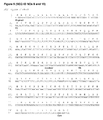
- a set of J591 minibodies were engineered by making amino acid substitutions in the parental huJ591 variable heavy and light domains. Sequence analysis of the full length parental huJ591 variable regions identified an unusually high number of conformationally restrictive Proline residues, which are recognized to decrease the flexibility of protein structure. A comparison of sequence alignment between the deimmunized J591 (SEQ ID NO:5; SEQ ID NO:19) and the original murine J591 (SEQ ID NO:4; SEQ ID NO:18) revealed that the deimmunization process introduced additional Proline residues (see Figure 2 ). After sequence and protein modeling analysis, two changes to the protein were made to improve the flexibility and folding ability.
- J591 minibodies Expression of the J591 minibodies. Expression vectors for each of the four minibody sequences above were generated. Each of the four minibody sequences was cloned into the pcDNA3.1/myc-His (-) Version A vector for mammalian expression (Invitrogen, Inc.) at the corresponding Xbal/Hindlll sites.
- the pcDNA3.1 expression vector features a CMV promoter for mammalian expression and both mammalian (Neomycin) and bacterial (Ampicillin) selection markers (see Figure 10 ).
- the four J591 minibody expression vectors were transiently transfected into CHO-K1 cells to validate expression of the J591 minibodies.
- the transfections were performed using the Lipofectamine reagent in a 6-well plate format. Following a 72 hour transfection, the supernatants were harvested and filtered to remove any cells.
- Quantitative ELISAs were performed to analyze J591 minibody expression from transient transfection.
- ELISA is a sandwich assay which uses a goat anti-human IgG (Fc specific) as the capture antibody and an AP-conjugated goat anti-human IgG (Fc specific) as the detection antibody.
- Purified protein for a previously produced minibody was used as a standard.
- J591 minibody supernatants were serially diluted to find dilution points which fit in the linear range of the standard curve.
- SoftMax Pro was used to interpolate the concentration of the unknowns according to the standard curve.
- the J591 HC VHVL minibody exhibited the highest expression (6.7 ug/ml) of the third generation minibodies.
- Binding ability of the J591 minibodies To confirm the ability of the J591 minibodies to bind cellular PSMA, supernatant from the transient transfections described above were analyzed by flow cytometry. As illustrated in Figures 12A-12D , supernatants from the transient transfection for each of the J591 minibodies were tested for binding to LNCaP cells that are PSMA positive (PSMA+)(2) and compared to negative control cells that are PSMA negative. All supernatants were normalized to a concentration of 2.1 ug/ml of J591 minibody. Cells were subsequently stained with a secondary anti-human IgG (Fc specific)-PE conjugated antibody. Negative control cells were stained with the secondary alone (1). 1X10 5 cells/point and analysis was performed with 10,000 events/point.
- Each of the cell populations stained with the J591 minibodies demonstrated a significant increase in signal relative to the negative control cells (see Figure 12 ).
- the J591 Human Composite VHVL (HC VHVL) minibody was selected as a lead candidate to move forward into larger scale ( ⁇ low milligram quantity) protein production for subsequent in vivo imaging studies described below.
- HC VHVL minibody J591 Human Composite VHVL minibody
- any of the J591 minibodies or cys-diabodies described herein may be purified and used in similar studies.
- the J591 HC VHVL minibody was stably transfected into CHO-K1 cells using Neomycin as the selection marker. Following selection for high-expressing clones, a clone expressing the J591 minibody at approximately 36 mg/L (over a 4 day culture) was chosen for scale-up production.
- Protein Production Run To produce at least 10mg of final purified protein, the stable cell line was expanded to a 400ml production run (in 2% FBS media). Cells were seeded into eight T175 flasks, and the production run lasted for 7 days.
- the supernatant was harvested, spun down to remove any cells, and filtered using 0.2 um filter units.
- J591 minibody protein was calculated using UV absorbance at 280A.
- the absorbance coefficient was 1.76 (absorbance Units at A280 per mg/ml).
- the final concentration of the protein was 1.06 mg/ml.
- the protein was run under non-reducing and reducing conditions by SDS-PAGE. Under non-reducing conditions, the minibody was detected at approximately 85 kDa ( Figure 13 ). A relatively minor smear was present under the 85kDa band which may represent a small amount of degradation. The minor band at approximately 40kDa represents the minibody monomer. Under reducing conditions, the minibody was detected as the monomeric form at around 40kDa ( Figure 13 ).
- the protein was analyzed by size exclusion chromatography. 4 micrograms of the purified protein was analyzed by SEC ( Figure 14 ). The major peak corresponds with minibody homodimer. The two minor peaks which eluted at earlier time points represent larger aggregate protein. Analysis of the area under the peaks showed that 85% of the protein product exists as the proper minibody homodimer vs 15% aggregate.
- Example 3 J591 minibodies binds and is internalized by PSMA+ cells
- High-expressing stable cell pools were generated with Catalent's proprietary GPEx technology using lentiviral transductions of serum-free CHO-S cells.
- the J591 minibody was purified from the cell supernatant with sufficiently high purity for downstream experiments. High purity of the product was confirmed by SDS-PAGE and SEC analysis (>85% purity).
- the purified protein does not have any significant bioburden (0 cfu/ml) and relatively low endotoxin levels (between 8 and 16 EU/mg).
- the total yield from this production run batch was 65 mg of J591 minibody protein.
- the J591 minibody protein was tested for the ability to bind PSMA+ cells by flow cytometry.
- Full-length hJ591 antibody was included in the experiment as a positive control (data not shown) and the negative control minibody was also included.
- the PSMA+ cells in this experiment were the LNCaP and CWR22rv1 cells and the PSMA-cell line was the PC3.
- the J591 minibody clearly binds both the LNCaP (see Figure 16A ) and the CWR22rv1 (see Figure 16C ) compared to an equivalent concentration of the negative control minibody.
- LNCaP cells are known to have a higher expression of PSMA than the CWRs which may explain the higher PE signal of the cell population (see Figure 16 , top row vs. bottom row). As anticipated, the J591 minibody did not significantly bind the PC3 cells (data not shown).
- J591 minibody protein was conjugated with the bifunctional chelator 1,4,7,10-tetraazacyclododecane-N,N',N",N"'-tetraacetic acid (DOTA) in preparation for downstream radiometal labeling. Conjugation was performed using the water-soluble N-hydroxysuccinimide method (Lewis et al 2001). Following DOTA conjugation, the protein conjugate was dialyzed to change buffer and remove excess DOTA.
- DOTA 1,4,7,10-tetraazacyclododecane-N,N',N",N"'-tetraacetic acid
- the J591-DOTA minibody was tested for binding to PSMA by flow cytometry. Compared to the unconjugated J591 minibody, the J591-DOTA minibody exhibited a slight decrease in immunoreactivity as shown in the slight shift in the PE signal of the cell population (see Figure 16B and 16D ). Excessive conjugation of bifunctional chelators to antibodies has been known to be a cause for decrease in immunoreactivity (Kukis et al 1995). Conjugation conditions can be optimized to prevent excessive conjugation and the resulting loss of binding. However, the slight shift in binding for the J591-DOTA minibody was considered acceptable and the protein moved forward into radiolabeling.
- Radiolabeling J591 minibody with lodine-131 Purified J591 minibody protein (50 ⁇ g) was radiolabeled with approximately 50 ⁇ Ci of 131 I using the lodogen method from Pierce Thermo Scientific (as described in Olafsen et al 2006). This reagent enables the chemical oxidation reaction to attach 131 I to available Tyrosine residues of the J591 minibody.
- Table 2 is a summary of the J591 minibody radiolabeling results, including radiolabeling efficiency, percentage of bound radioactivity after purification, and specific activity. The radiolabeling efficiency was determined to be approximately 51% using instant thin layer chromatography (ITLC) to measure the percentage of radioactivity bound to the protein versus unbound. (see Table 2 below).
- the specific activity was determined to be 0.46 ⁇ Ci/ ⁇ g by measuring the total activity of the radiolabeled protein using a dose calibrator and calculating the specific activity based on the labeling efficiency (Table 2). To remove excess unbound 131 I, the radiolabeled protein was further purified using spin columns. The percentage of radioactivity bound to the J591 minibody following purification was dramatically increased to approximately 96% following purification (Table 2).
- J591 minibody previously conjugated with the bifunctional metal chelator DOTA, was radioabeled with 111 In.
- 100 ⁇ g of the DOTA-J591 minibody was incubated with 200 ⁇ Ci 111 In-chloride in 0.1 M metal-free ammonium acetate (pH 6.0) at 43C for 50 minutes.
- the reaction was stopped by the addition of 10mM DTPA to a final concentration of 1 mM.
- Radiolabeling efficiency was determined to be approximately 60% and the specific activity was 1.1 ⁇ Ci/ ⁇ g (see Table 2).
- the radiolabeled protein was further purified to remove excess unbound 111 In using spin columns.
- the 131 I-labeled and 111 In-DOTA labeled J591 minibody were tested for uptake and retention of cell-associated radioactivity in the PSMA+ CWR22rv1 cells.
- the CWR22rv1 cells were selected as the sole PSMA+ cell line for these in vitro experiments since they will be used for the microPET imaging experiment. Drawing from the literature and the experimental knowledge of colleagues, the CWR22rv1 xenograft model has a higher tumor take rate and faster in vitro and tumor growth rates than the LNCaP model.
- a non-residualizing 131 I labeling strategy resulted in an overall decrease in cell-associated radioactivity over time.
- Purified J591 HC VHVL minibody may be used to demonstrate the ability to target human PSMA in vivo in microPET imaging and biodistribution studies.
- the purified J591 HC VHVL minibody protein may first be validated again to confirm its ability to bind PSMA in vitro in preparation for the imaging studies. Upon confirmation of binding, the J591 HC VHVL minibody may then be conjugated to the bifunctional chelator DOTA and radiolabeled with an appropriate positron-emitting radiometal for microPET such as Copper 64. Radiolabeled minibody can be analyzed to ensure high radiolabeling efficiency and immunoreactivity before proceeding to micoPET imaging.
- the radiolabeled minibody can be injected intravenously into xenograft mice implanted with either PSMA positive or PSMA negative tumors.
- each animal may be serially scanned by PET. After the final scan, animals may be scanned by CT for anatomical reference. The PET and CT images for each animal may then be analyzed to evaluate tumor targeting and specificity.
- Example 5 In vivo binding and biodistribution of 124 I-J591 and 64 Cu-DOTA-conjugated J591 minibodies
- Radiolabeling J591 minibody with Iodine-124 Purified J591 minibody protein (total amount of 300 ⁇ g) was radiolabeled with approximately 1.3 mCi of 124 I using the lodogen method from Pierce Thermo Scientific (as described in Olafsen et al 2006). This method involves a chemical oxidation reaction to attach 124 I radioisotope to available Tyrosine residues of the J591 minibody. Table 3, below, is a summary of the J591 minibody radiolabeling results including radiolabeling efficiency, percentage of bound radioactivity after purification, specific activity, and immunoreactivity.
- Radiolabeled J591 minibody was partially purified using Sephadex G-25 spin columns and re-evaluated by ITLC to determine the percentage of bound radioactivity.
- the specific activity of the radiolabelled protein was 2.6 ⁇ Ci/ ⁇ g (Table 3), as determined by measuring the total radioactivity of the protein using a dose calibrator.
- the radiolabeled protein was further purified using spin columns. The percentage of radioactivity bound to the J591 minibody following purification was dramatically increased to approximately 98% (Table 3).
- Immunoreactivity of the 124 I-J591 minibody was determined to be 48% by testing binding to CWR22rv1 vs PC3 cells (Table 3). Although this immunoreactivity was lower than anticipated, the decision was made to move the 124 I J591 minibody forward into the imaging and biodistribution experiment based on the previous binding performance of the minibody. Future optimizations to the radiolabeling conditions (pH, time, temperature, etc) and obtaining higher protein purity could potentially improve the immunoreactivity. Table 3. Radiolabeling of the J591 Minibody with 124 I and 64 Cu.
- Radiolabeling Efficiency (%) % Bound Radioactivity Post-Purification Specific Activity (uCi/ug) Immunoreactivity (%) 124 I Protein in PBS 62% 98.0% 2.6 48% 64 Cu-DOTA Protein in PBS 40% 85% * 1 * 29% * 64 Cu-DOTA AmmOAc, increase AmmCitr buffer 92% 85% * 1 * 29% * * * - Fractions from both labelling conditions were combined
- Radiometal labeling the DOTA-J591 minibody with Copper-64 was radiolabeled with 64 Cu.
- the initial radiolabeling condition 400 ⁇ g of the DOTA-J591 minibody in PBS was incubated with approximately 745 ⁇ Ci 64 CuCl 2 in 25mM metal-free ammonium citrate [pH 5.2] at 43C for 60 minutes. The reaction was stopped by the addition of 10mM EDTA to a final concentration of 1 mM. Using these labeling conditions, radiolabeling efficiency was determined to be lower than anticipated at approximately 40% (see Table 3).
- the DOTA-J591 minibody was first dialyzed into 0.25 ammonium acetate buffer [pH 7.2] before starting the radiolabeling reaction.
- Another adjustment to improve the radiolabeling involved increasing the percentage of ammonium citrate buffer used in the reaction. With these adjustments, the radiolabeling efficiency was dramatically increased to approximately 92% (Table 3).
- the biodistribution reveals an increase in the average uptake at the CWR22rv1 tumor (Tumor+; 13.25 %ID/g) compared to 19 hours postinjection ( Figure 22 ).
- Background activity decreased relative to 19 hours post-injection, particularly the significant decrease in liver activity to 14.37 %ID/g ( Figure 22 ).
- the biodistribution of the minibody may be investigated according to embodiments of the disclosure. These biodistribution studies can investigate the localization of the minibody at the tumor site versus other selected tissues over time following injection. These studies may be used to demonstrate high tumor to background ratios. Use of a J591 minibody would likely produce a high tumor to background ratio when imaging a tumor that overexpresses PSMA, such as in prostate cancer. Positive results from these imaging and biodistribution experiments may lead to toxicology experiments in preparation for clinical studies.
- the ability of a J591 minibody to target human PSMA in vivo by PET imaging studies may be demonstrated through clinical trials in cancer patients.
- the clinical trials may be performed in prostate cancer patients. These clinical trials in cancer patients may be performed using similar methods as described above.
- radiolabeled minibody can be injected intravenously into cancer patients having a form of cancer that is known to overexpress PSMA.
- each patient may be serially scanned by PET.
- patients may be scanned by CT for anatomical reference.
- the PET and CT images for each patient may then be analyzed to evaluate tumor targeting and specificity.
Landscapes
- Health & Medical Sciences (AREA)
- Life Sciences & Earth Sciences (AREA)
- Chemical & Material Sciences (AREA)
- Immunology (AREA)
- Proteomics, Peptides & Aminoacids (AREA)
- Organic Chemistry (AREA)
- General Health & Medical Sciences (AREA)
- Medicinal Chemistry (AREA)
- Cell Biology (AREA)
- Reproductive Health (AREA)
- Oncology (AREA)
- Veterinary Medicine (AREA)
- Public Health (AREA)
- Animal Behavior & Ethology (AREA)
- Pharmacology & Pharmacy (AREA)
- Molecular Biology (AREA)
- Gynecology & Obstetrics (AREA)
- Pregnancy & Childbirth (AREA)
- Biochemistry (AREA)
- Biophysics (AREA)
- Genetics & Genomics (AREA)
- Optics & Photonics (AREA)
- Epidemiology (AREA)
- Physics & Mathematics (AREA)
- Chemical Kinetics & Catalysis (AREA)
- General Chemical & Material Sciences (AREA)
- Nuclear Medicine, Radiotherapy & Molecular Imaging (AREA)
- Peptides Or Proteins (AREA)
- Medicines Containing Antibodies Or Antigens For Use As Internal Diagnostic Agents (AREA)
- Preparation Of Compounds By Using Micro-Organisms (AREA)
- Medicines That Contain Protein Lipid Enzymes And Other Medicines (AREA)
- Pharmaceuticals Containing Other Organic And Inorganic Compounds (AREA)
- Measuring Or Testing Involving Enzymes Or Micro-Organisms (AREA)
Priority Applications (2)
| Application Number | Priority Date | Filing Date | Title |
|---|---|---|---|
| EP16191132.6A EP3135302A1 (en) | 2009-12-02 | 2010-12-02 | J591 minibodies and cys-diabodies for targeting human prostate specific membrane antigen (psma) and methods for their use |
| EP19158408.5A EP3511023A1 (en) | 2009-12-02 | 2010-12-02 | J591 minibodies and cys-diabodies for targeting human prostate specific membrane antigen (psma) and methods for their use |
Applications Claiming Priority (2)
| Application Number | Priority Date | Filing Date | Title |
|---|---|---|---|
| US26613409P | 2009-12-02 | 2009-12-02 | |
| PCT/US2010/058803 WO2011069019A2 (en) | 2009-12-02 | 2010-12-02 | J591 minibodies and cys-diabodies for targeting human prostate specific membrane antigen (psma) and methods for their use |
Related Child Applications (2)
| Application Number | Title | Priority Date | Filing Date |
|---|---|---|---|
| EP19158408.5A Division EP3511023A1 (en) | 2009-12-02 | 2010-12-02 | J591 minibodies and cys-diabodies for targeting human prostate specific membrane antigen (psma) and methods for their use |
| EP16191132.6A Division EP3135302A1 (en) | 2009-12-02 | 2010-12-02 | J591 minibodies and cys-diabodies for targeting human prostate specific membrane antigen (psma) and methods for their use |
Publications (3)
| Publication Number | Publication Date |
|---|---|
| EP2506876A2 EP2506876A2 (en) | 2012-10-10 |
| EP2506876A4 EP2506876A4 (en) | 2013-07-31 |
| EP2506876B1 true EP2506876B1 (en) | 2016-10-12 |
Family
ID=44115507
Family Applications (3)
| Application Number | Title | Priority Date | Filing Date |
|---|---|---|---|
| EP10835159.4A Active EP2506876B1 (en) | 2009-12-02 | 2010-12-02 | J591 minibodies and cys-diabodies for targeting human prostate specific membrane antigen (psma) and methods for their use |
| EP19158408.5A Withdrawn EP3511023A1 (en) | 2009-12-02 | 2010-12-02 | J591 minibodies and cys-diabodies for targeting human prostate specific membrane antigen (psma) and methods for their use |
| EP16191132.6A Ceased EP3135302A1 (en) | 2009-12-02 | 2010-12-02 | J591 minibodies and cys-diabodies for targeting human prostate specific membrane antigen (psma) and methods for their use |
Family Applications After (2)
| Application Number | Title | Priority Date | Filing Date |
|---|---|---|---|
| EP19158408.5A Withdrawn EP3511023A1 (en) | 2009-12-02 | 2010-12-02 | J591 minibodies and cys-diabodies for targeting human prostate specific membrane antigen (psma) and methods for their use |
| EP16191132.6A Ceased EP3135302A1 (en) | 2009-12-02 | 2010-12-02 | J591 minibodies and cys-diabodies for targeting human prostate specific membrane antigen (psma) and methods for their use |
Country Status (12)
| Country | Link |
|---|---|
| US (4) | US8772459B2 (enExample) |
| EP (3) | EP2506876B1 (enExample) |
| JP (2) | JP6251477B2 (enExample) |
| CN (2) | CN105085681B (enExample) |
| AU (1) | AU2010325969B2 (enExample) |
| BR (1) | BR112012012887A2 (enExample) |
| CA (2) | CA3040276A1 (enExample) |
| HK (1) | HK1217957A1 (enExample) |
| MX (2) | MX337600B (enExample) |
| RU (1) | RU2673908C2 (enExample) |
| WO (1) | WO2011069019A2 (enExample) |
| ZA (1) | ZA201204855B (enExample) |
Cited By (1)
| Publication number | Priority date | Publication date | Assignee | Title |
|---|---|---|---|---|
| US12257304B2 (en) | 2023-03-03 | 2025-03-25 | Arsenal Biosciences, Inc. | Systems targeting PSMA and CA9 |
Families Citing this family (96)
| Publication number | Priority date | Publication date | Assignee | Title |
|---|---|---|---|---|
| US6136311A (en) | 1996-05-06 | 2000-10-24 | Cornell Research Foundation, Inc. | Treatment and diagnosis of cancer |
| US9701754B1 (en) | 2002-10-23 | 2017-07-11 | City Of Hope | Covalent disulfide-linked diabodies and uses thereof |
| EP1996716B1 (en) | 2006-03-20 | 2011-05-11 | The Regents of the University of California | Engineered anti-prostate stem cell antigen (psca) antibodies for cancer targeting |
| KR101482483B1 (ko) | 2006-04-07 | 2015-01-15 | 에르피오 세러퓨틱스 인코포레이티드 | 인간 단백질 타이로신 포스파타아제 베타(hptp베타)에 결합하는 항체 및 그의 용도 |
| US9193763B2 (en) | 2007-08-17 | 2015-11-24 | Purdue Research Foundation | PSMA binding ligand-linker conjugates and methods for using |
| US8940298B2 (en) | 2007-09-04 | 2015-01-27 | The Regents Of The University Of California | High affinity anti-prostate stem cell antigen (PSCA) antibodies for cancer targeting and detection |
| EP3495000A1 (en) | 2009-02-17 | 2019-06-12 | Cornell Research Foundation, Inc. | Methods and kits for diagnosis of cancer and prediction of therapeutic value |
| MX337600B (es) * | 2009-12-02 | 2016-03-11 | Imaginab Inc | Minicuerpos j591 y diacuerpos-cys para apuntar con especificidad de objetivo a un antigeno de membrana especifico para prostata de humano (psma) y metodos para su uso. |
| US9951324B2 (en) | 2010-02-25 | 2018-04-24 | Purdue Research Foundation | PSMA binding ligand-linker conjugates and methods for using |
| CA2850830A1 (en) | 2011-10-13 | 2013-04-18 | Aerpio Therapeutics, Inc. | Methods for treating vascular leak syndrome and cancer |
| EP2895203A4 (en) * | 2012-06-15 | 2016-09-28 | Imaginab Inc | ANTIGENBINDING CONSTRUCTS FOR CD3 |
| AU2013344778C1 (en) | 2012-11-15 | 2024-06-27 | Endocyte, Inc. | Conjugates for treating diseases caused by PSMA expressing cells |
| WO2014085821A2 (en) * | 2012-11-30 | 2014-06-05 | The Regents Of The University Of California | Fully human antibodies and fragments recognizing human c-met |
| CN103087171B (zh) * | 2012-12-24 | 2015-01-14 | 中国人民解放军第四军医大学 | 一种用于前列腺癌早期诊断和治疗的抗psma/fitc双特异性抗体及其制备方法 |
| WO2014164067A1 (en) * | 2013-03-12 | 2014-10-09 | Imaginab, Inc. | Antigen binding constructs to cd30 |
| JP6815196B2 (ja) * | 2013-03-13 | 2021-01-20 | イマジナブ、 インコーポレイテッド | Cd8に対する抗原結合性構築物 |
| CN104513309A (zh) * | 2013-09-26 | 2015-04-15 | 上海亨臻实业有限公司 | 一种蛋白功能结构域铰链肽及其用途 |
| EP3456700A1 (en) | 2013-10-18 | 2019-03-20 | Deutsches Krebsforschungszentrum | Labeled inhibitors of prostate specific membrane antigen (psma), their use as imaging agents and pharmaceutical agents for the treatment of prostate cancer |
| CN105849568B (zh) | 2013-11-14 | 2018-05-04 | 恩多塞特公司 | 用于正电子发射断层术的化合物 |
| EP3593812A3 (en) | 2014-03-15 | 2020-05-27 | Novartis AG | Treatment of cancer using chimeric antigen receptor |
| KR102211120B1 (ko) | 2014-05-15 | 2021-02-03 | 내셔널 유니버시티 오브 싱가포르 | 변형된 천연 살해 세포 및 그의 용도 |
| SG10201913977TA (en) | 2014-05-22 | 2020-03-30 | Synthon Biopharmaceuticals Bv | Site-specific conjugation of linker drugs to antibodies and resulting adcs |
| WO2016014530A1 (en) | 2014-07-21 | 2016-01-28 | Novartis Ag | Combinations of low, immune enhancing. doses of mtor inhibitors and cars |
| AR101753A1 (es) | 2014-09-03 | 2017-01-11 | Boehringer Ingelheim Int | COMPUESTO DE OBJETIVO A IL-23A Y TNF-a Y USO DEL MISMO |
| EP3201227A4 (en) | 2014-09-29 | 2018-04-18 | Duke University | Bispecific molecules comprising an hiv-1 envelope targeting arm |
| US20180334490A1 (en) | 2014-12-03 | 2018-11-22 | Qilong H. Wu | Methods for b cell preconditioning in car therapy |
| US10188759B2 (en) | 2015-01-07 | 2019-01-29 | Endocyte, Inc. | Conjugates for imaging |
| US11161907B2 (en) | 2015-02-02 | 2021-11-02 | Novartis Ag | Car-expressing cells against multiple tumor antigens and uses thereof |
| EP3286211A1 (en) | 2015-04-23 | 2018-02-28 | Novartis AG | Treatment of cancer using chimeric antigen receptor and protein kinase a blocker |
| KR20250008141A (ko) | 2015-08-07 | 2025-01-14 | 이미지냅 인코포레이티드 | 분자를 표적화하기 위한 항원 결합 구조체 |
| US11667691B2 (en) | 2015-08-07 | 2023-06-06 | Novartis Ag | Treatment of cancer using chimeric CD3 receptor proteins |
| ES2987957T3 (es) | 2015-11-23 | 2024-11-18 | Novartis Ag | Vectores de transferencia lentivirales optimizados y usos de los mismos |
| BR112018013074A2 (en) | 2015-12-30 | 2018-12-11 | Novartis Ag | immune effector cell therapies with enhanced efficacy |
| CA3016287A1 (en) | 2016-03-04 | 2017-09-08 | Novartis Ag | Cells expressing multiple chimeric antigen receptor (car) molecules and uses therefore |
| US11549099B2 (en) | 2016-03-23 | 2023-01-10 | Novartis Ag | Cell secreted minibodies and uses thereof |
| EP3443096B1 (en) | 2016-04-15 | 2023-03-01 | Novartis AG | Compositions and methods for selective expression of chimeric antigen receptors |
| US11485792B2 (en) * | 2016-06-06 | 2022-11-01 | Polytherics Limited | Antibodies, uses thereof and conjugates thereof |
| US10253094B2 (en) | 2016-07-20 | 2019-04-09 | Aerpio Therapeutics, Inc. | Antibodies that target human protein tyrosine phosphatase-beta (HPTP-beta) and methods of use thereof to treat ocular conditions |
| EP3490590A2 (en) | 2016-08-01 | 2019-06-05 | Novartis AG | Treatment of cancer using a chimeric antigen receptor in combination with an inhibitor of a pro-m2 macrophage molecule |
| WO2018111340A1 (en) | 2016-12-16 | 2018-06-21 | Novartis Ag | Methods for determining potency and proliferative function of chimeric antigen receptor (car)-t cells |
| WO2018129284A1 (en) * | 2017-01-05 | 2018-07-12 | The Johns Hopkins University | Development of new monoclonal antibodies recognizing human prostate-specific membrane antigen (psma) |
| CA3050085A1 (en) | 2017-01-20 | 2018-07-26 | Juno Therapeutics Gmbh | Cell surface conjugates and related cell compositions and methods |
| EP3574005B1 (en) | 2017-01-26 | 2021-12-15 | Novartis AG | Cd28 compositions and methods for chimeric antigen receptor therapy |
| JP2020506700A (ja) | 2017-01-31 | 2020-03-05 | ノバルティス アーゲー | 多重特異性を有するキメラt細胞受容体タンパク質を用いた癌の治療 |
| WO2018147960A1 (en) | 2017-02-08 | 2018-08-16 | Imaginab, Inc. | Extension sequences for diabodies |
| US20200048359A1 (en) | 2017-02-28 | 2020-02-13 | Novartis Ag | Shp inhibitor compositions and uses for chimeric antigen receptor therapy |
| IL269553B2 (en) | 2017-03-27 | 2025-10-01 | Nat Univ Singapore | Truncated NKG2D chimeric receptors and their uses in immunotherapy with natural killer cells |
| WO2018182511A1 (en) | 2017-03-27 | 2018-10-04 | National University Of Singapore | Stimulatory cell lines for ex vivo expansion and activation of natural killer cells |
| TWI676681B (zh) * | 2017-03-29 | 2019-11-11 | 臺北醫學大學 | 具抗原專一性的t細胞及其用途 |
| CA3056261A1 (en) | 2017-04-07 | 2018-10-11 | Juno Therapeutics, Inc. | Engineered cells expressing prostate-specific membrane antigen (psma) or a modified form thereof and related methods |
| WO2018229715A1 (en) | 2017-06-16 | 2018-12-20 | Novartis Ag | Compositions comprising anti-cd32b antibodies and methods of use thereof |
| KR20200086278A (ko) | 2017-10-18 | 2020-07-16 | 노파르티스 아게 | 선택적 단백질 분해를 위한 조성물 및 방법 |
| WO2019084288A1 (en) | 2017-10-25 | 2019-05-02 | Novartis Ag | METHODS FOR DESIGNING CHIMERIC ANTIGENIC RECEPTOR EXPRESSION CELLS |
| WO2019081983A1 (en) | 2017-10-25 | 2019-05-02 | Novartis Ag | CD32B TARGETING ANTIBODIES AND METHODS OF USE |
| WO2019089798A1 (en) | 2017-10-31 | 2019-05-09 | Novartis Ag | Anti-car compositions and methods |
| US20210054409A1 (en) * | 2018-02-09 | 2021-02-25 | National University Of Singapore | Adhesion Receptor Constructs and Uses Thereof in Natural Killer Cell Immunotherapy |
| CN111801348A (zh) | 2018-02-09 | 2020-10-20 | 新加坡国立大学 | 活化性嵌合受体及其在自然杀伤细胞免疫疗法中的用途 |
| WO2019173324A1 (en) | 2018-03-06 | 2019-09-12 | The Trustees Of The University Of Pennsylvania | Prostate-specific membrane antigen cars and methods of use thereof |
| SG11202008976YA (en) | 2018-04-02 | 2020-10-29 | Nat Univ Singapore | Neutralization of human cytokines with membrane-bound anti-cytokine non-signaling binders expressed in immune cells |
| KR20210003135A (ko) | 2018-04-17 | 2021-01-11 | 엔도사이트, 인코포레이티드 | 암의 치료 방법 |
| EP3784351A1 (en) | 2018-04-27 | 2021-03-03 | Novartis AG | Car t cell therapies with enhanced efficacy |
| EP3788369A1 (en) | 2018-05-01 | 2021-03-10 | Novartis Ag | Biomarkers for evaluating car-t cells to predict clinical outcome |
| WO2019227003A1 (en) | 2018-05-25 | 2019-11-28 | Novartis Ag | Combination therapy with chimeric antigen receptor (car) therapies |
| CN109161532A (zh) * | 2018-05-31 | 2019-01-08 | 华东师范大学 | 同时靶向psma和pd-l1的工程化免疫细胞 |
| EP3817772A4 (en) | 2018-06-08 | 2022-03-16 | Imaginab, Inc. | BINDING CONSTRUCTS OF ANTIGEN TO CD4 |
| US20210123075A1 (en) | 2018-06-08 | 2021-04-29 | Novartis Ag | Compositions and methods for immunooncology |
| AR116109A1 (es) | 2018-07-10 | 2021-03-31 | Novartis Ag | Derivados de 3-(5-amino-1-oxoisoindolin-2-il)piperidina-2,6-diona y usos de los mismos |
| EP3844186A4 (en) | 2018-08-29 | 2022-08-17 | National University of Singapore | METHOD OF SPECIFIC STIMULATION OF SURVIVAL AND EXPANSION OF GENETICALLY MODIFIED IMMUNE CELLS |
| US10894824B2 (en) | 2018-09-24 | 2021-01-19 | Aerpio Pharmaceuticals, Inc. | Multispecific antibodies that target HPTP-β (VE-PTP) and VEGF |
| CA3120563A1 (en) | 2018-11-26 | 2020-06-04 | Nkarta, Inc. | Methods for the simultaneous expansion of multiple immune cell types, related compositions and uses of same in cancer immunotherapy |
| CN109468284A (zh) * | 2018-11-30 | 2019-03-15 | 北京美康基免生物科技有限公司 | 一种基于cd19和psma的双重嵌合抗原受体基因修饰的免疫细胞及其应用 |
| WO2020128972A1 (en) | 2018-12-20 | 2020-06-25 | Novartis Ag | Dosing regimen and pharmaceutical combination comprising 3-(1-oxoisoindolin-2-yl)piperidine-2,6-dione derivatives |
| BR112021015672A2 (pt) | 2019-02-15 | 2021-10-05 | Novartis Ag | Derivados de 3-(1-oxoisoindolin-2-il)piperidina-2,6-diona substituída e usos dos mesmos |
| ES3032659T3 (en) | 2019-02-15 | 2025-07-23 | Novartis Ag | 3-(1-oxo-5-(piperidin-4-yl)isoindolin-2-yl)piperidine-2,6-dione derivatives and uses thereof |
| WO2020180882A1 (en) | 2019-03-05 | 2020-09-10 | Nkarta, Inc. | Cd19-directed chimeric antigen receptors and uses thereof in immunotherapy |
| EP3959320A1 (en) | 2019-04-24 | 2022-03-02 | Novartis AG | Compositions and methods for selective protein degradation |
| JP7604397B2 (ja) | 2019-05-20 | 2024-12-23 | エンドサイト・インコーポレイテッド | Psmaコンジュゲートの調製方法 |
| EP3994177A4 (en) * | 2019-07-02 | 2023-09-20 | Telix International Pty Ltd | PSMA-BINDING ANTIBODIES WITH REDUCED AFFINITY FOR THE NEONATAL FC RECEPTOR |
| WO2021098834A1 (zh) * | 2019-11-22 | 2021-05-27 | 上海一宸医药科技有限公司 | Psma抗体及其应用 |
| KR20220116257A (ko) | 2019-12-20 | 2022-08-22 | 노파르티스 아게 | 골수섬유증 및 골수이형성 증후군을 치료하기 위한, 데시타빈 또는 항 pd-1 항체 스파르탈리주맙을 포함하거나 또는 포함하지 않는, 항 tim-3 항체 mbg453 및 항 tgf-베타 항체 nis793의 조합물 |
| IL320607A (en) | 2020-03-26 | 2025-07-01 | Ramirez Fort Marigdalia Kaleth | Ultraviolet radiation treatments |
| CN116096862A (zh) | 2020-06-11 | 2023-05-09 | 诺华股份有限公司 | Zbtb32抑制剂及其用途 |
| CN115916199A (zh) | 2020-06-23 | 2023-04-04 | 诺华股份有限公司 | 包含3-(1-氧代异吲哚啉-2-基)哌啶-2,6-二酮衍生物的给药方案 |
| US20230271940A1 (en) | 2020-08-03 | 2023-08-31 | Novartis Ag | Heteroaryl substituted 3-(1-oxoisoindolin-2-yl)piperidine-2,6-dione derivatives and uses thereof |
| JP2024500847A (ja) | 2020-12-18 | 2024-01-10 | センチュリー セラピューティクス,インコーポレイテッド | 適合可能な受容体特異性を有するキメラ抗原受容体システム |
| TW202304979A (zh) | 2021-04-07 | 2023-02-01 | 瑞士商諾華公司 | 抗TGFβ抗體及其他治療劑用於治療增殖性疾病之用途 |
| TW202309294A (zh) | 2021-04-27 | 2023-03-01 | 瑞士商諾華公司 | 病毒載體生產系統 |
| WO2023214325A1 (en) | 2022-05-05 | 2023-11-09 | Novartis Ag | Pyrazolopyrimidine derivatives and uses thereof as tet2 inhibitors |
| WO2024011186A2 (en) * | 2022-07-08 | 2024-01-11 | Imaginab, Inc. | Antibodies and methods of making and using same |
| CN115724978A (zh) * | 2022-08-17 | 2023-03-03 | 北京美康基免生物科技有限公司 | 一种抗psma单链抗体及与其相关的嵌合抗原受体和应用 |
| AU2023369684A1 (en) | 2022-10-26 | 2025-04-17 | Novartis Ag | Lentiviral formulations |
| CN116370651A (zh) * | 2023-04-04 | 2023-07-04 | 上海愿智生物技术有限公司 | 一种抗psma抗体-药物缀合物及其制备方法和应用 |
| EP4720059A1 (en) | 2023-05-24 | 2026-04-08 | Kumquat Biosciences Inc. | Heterocyclic compounds and uses thereof |
| AU2024346490A1 (en) | 2023-09-19 | 2026-04-02 | Telix Targeting Technologies, Inc. | ANTIGEN BINDING CONSTRUCTS DIRECTED TO INTEGRIN αVβ6 |
| WO2025207904A1 (en) * | 2024-03-27 | 2025-10-02 | Convergent Therapeutics, Inc. | Psma radiopharmaceutical conjugate and uses thereof |
| WO2025235801A1 (en) | 2024-05-08 | 2025-11-13 | City Of Hope | Antibodies targeted to osteopontin and uses thereof for reducing resistance of solid tumors immune cell therapy |
Citations (1)
| Publication number | Priority date | Publication date | Assignee | Title |
|---|---|---|---|---|
| WO2011107480A1 (en) * | 2010-03-03 | 2011-09-09 | Glaxo Group Limited | Antigen binding proteins specific for serum amyloid p component |
Family Cites Families (225)
| Publication number | Priority date | Publication date | Assignee | Title |
|---|---|---|---|---|
| US5292668A (en) | 1981-12-21 | 1994-03-08 | Boston Biomedical Research Institute, Inc. | Bispecific antibody determinants |
| US5260203A (en) | 1986-09-02 | 1993-11-09 | Enzon, Inc. | Single polypeptide chain binding molecules |
| US5869620A (en) | 1986-09-02 | 1999-02-09 | Enzon, Inc. | Multivalent antigen-binding proteins |
| FR2604092B1 (fr) | 1986-09-19 | 1990-04-13 | Immunotech Sa | Immunoreactifs destines a cibler les cellules animales pour leur visualisation ou leur destruction in vivo |
| CA1335879C (en) | 1987-07-27 | 1995-06-13 | Bruce Andrew Cornell | Receptor membranes |
| US4943525A (en) | 1987-11-02 | 1990-07-24 | Bioventures, Inc. | Simultaneous immunoassay for the determination of antigens and antibodies |
| US5869053A (en) | 1988-03-04 | 1999-02-09 | Cancer Research Campaign Technology, Ltd. | 5T4 antigen from human trophoblasts |
| US4892824A (en) | 1988-03-15 | 1990-01-09 | Synbiotics Corporation | Fast track method for producing monoclonal bi-specific immunoglobulins |
| US6010902A (en) | 1988-04-04 | 2000-01-04 | Bristol-Meyers Squibb Company | Antibody heteroconjugates and bispecific antibodies for use in regulation of lymphocyte activity |
| US5851527A (en) | 1988-04-18 | 1998-12-22 | Immunomedics, Inc. | Method for antibody targeting of therapeutic agents |
| ES2052027T5 (es) | 1988-11-11 | 2005-04-16 | Medical Research Council | Clonacion de secuencias de dominio variable de inmunoglobulina. |
| DE3920358A1 (de) | 1989-06-22 | 1991-01-17 | Behringwerke Ag | Bispezifische und oligospezifische, mono- und oligovalente antikoerperkonstrukte, ihre herstellung und verwendung |
| US5980896A (en) | 1989-06-30 | 1999-11-09 | Bristol-Myers Squibb Company | Antibodies reactive with human carcinomas |
| US5332567A (en) | 1989-08-24 | 1994-07-26 | Immunomedics | Detection and treatment of infections with immunoconjugates |
| US5582996A (en) | 1990-12-04 | 1996-12-10 | The Wistar Institute Of Anatomy & Biology | Bifunctional antibodies and method of preparing same |
| US6197298B1 (en) | 1991-04-19 | 2001-03-06 | Tanox, Inc. | Modified binding molecules specific for T lymphocytes and their use as in vivo immune modulators in animals |
| DE4118120A1 (de) | 1991-06-03 | 1992-12-10 | Behringwerke Ag | Tetravalente bispezifische rezeptoren, ihre herstellung und verwendung |
| US5637481A (en) | 1993-02-01 | 1997-06-10 | Bristol-Myers Squibb Company | Expression vectors encoding bispecific fusion proteins and methods of producing biologically active bispecific fusion proteins in a mammalian cell |
| DE4134982A1 (de) | 1991-10-23 | 1993-04-29 | Kernforschungsz Karlsruhe | Verwendung von antikoerper enthaltenden praeparationen zur immunsuppression |
| US5932448A (en) | 1991-11-29 | 1999-08-03 | Protein Design Labs., Inc. | Bispecific antibody heterodimers |
| DE4140142A1 (de) | 1991-12-05 | 1993-06-09 | Boehringer Mannheim Gmbh, 6800 Mannheim, De | Multivalentes dextranreagenz zum einsatz in praezipitationstests |
| AU668374B2 (en) | 1991-12-10 | 1996-05-02 | Dana-Farber Cancer Institute | Reactive neutralizing human anti-GP120 recombinant antibody, DNA coding the same and use thereof |
| JP4157160B2 (ja) | 1991-12-13 | 2008-09-24 | ゾーマ テクノロジー リミテッド | 改変抗体可変領域の調製のための方法 |
| FR2686899B1 (fr) | 1992-01-31 | 1995-09-01 | Rhone Poulenc Rorer Sa | Nouveaux polypeptides biologiquement actifs, leur preparation et compositions pharmaceutiques les contenant. |
| WO1993016185A2 (en) | 1992-02-06 | 1993-08-19 | Creative Biomolecules, Inc. | Biosynthetic binding protein for cancer marker |
| US5965132A (en) | 1992-03-05 | 1999-10-12 | Board Of Regents, The University Of Texas System | Methods and compositions for targeting the vasculature of solid tumors |
| US6096289A (en) | 1992-05-06 | 2000-08-01 | Immunomedics, Inc. | Intraoperative, intravascular, and endoscopic tumor and lesion detection, biopsy and therapy |
| US20080152586A1 (en) | 1992-09-25 | 2008-06-26 | Avipep Pty Limited | High avidity polyvalent and polyspecific reagents |
| EP0672068A4 (en) | 1992-09-25 | 1997-02-26 | Commw Scient Ind Res Org | TARGET MOLECULES BINDING POLYPEPTIDES. |
| AU5322494A (en) | 1992-10-02 | 1994-04-26 | Trustees Of Dartmouth College | Bispecific reagents for redirected targeting of low density lipoprotein |
| WO1994009817A1 (en) | 1992-11-04 | 1994-05-11 | City Of Hope | Novel antibody construct |
| US7105159B1 (en) | 1992-11-05 | 2006-09-12 | Sloan-Kettering Institute For Cancer Research | Antibodies to prostate-specific membrane antigen |
| EP1757695A3 (en) | 1992-11-05 | 2008-02-27 | Sloan Kettering Institute For Cancer Research | Prostate-specific membrane antigen |
| US7070782B1 (en) | 1992-11-05 | 2006-07-04 | Sloan-Kettering Institute For Cancer Research | Prostate-specific membrane antigen |
| US6953668B1 (en) | 1992-11-05 | 2005-10-11 | Sloan-Kettering Institute For Cancer Research | Prostate-specific membrane antigen |
| AU5670194A (en) | 1992-11-20 | 1994-06-22 | Enzon, Inc. | Linker for linked fusion polypeptides |
| US5376249A (en) | 1992-11-25 | 1994-12-27 | Perseptive Biosystems, Inc. | Analysis utilizing isoelectric focusing |
| JP3720353B2 (ja) | 1992-12-04 | 2005-11-24 | メディカル リサーチ カウンシル | 多価および多重特異性の結合タンパク質、それらの製造および使用 |
| GB9225453D0 (en) | 1992-12-04 | 1993-01-27 | Medical Res Council | Binding proteins |
| DE69327229T2 (de) | 1992-12-11 | 2000-03-30 | The Dow Chemical Co., Midland | Multivalente einkettige Antikörper |
| US5861156A (en) | 1993-01-08 | 1999-01-19 | Creative Biomolecules | Methods of delivering agents to target cells |
| US5705614A (en) | 1993-04-09 | 1998-01-06 | Chiron Corporation | Methods of producing antigen forks |
| US6491916B1 (en) | 1994-06-01 | 2002-12-10 | Tolerance Therapeutics, Inc. | Methods and materials for modulation of the immunosuppresive activity and toxicity of monoclonal antibodies |
| UA40577C2 (uk) * | 1993-08-02 | 2001-08-15 | Мерк Патент Гмбх | Біспецифічна молекула, що використовується для лізису пухлинних клітин, спосіб її одержання, моноклональне антитіло (варіанти), фармацевтичний препарат, фармацевтичний набір (варіанти), спосіб видалення пухлинних клітин |
| KR100398819B1 (ko) | 1993-09-02 | 2004-02-05 | 트러스티스 오브 다트마우스 칼리지 | gp39길항제를포함하는약제조성물 |
| US5869049A (en) | 1993-09-02 | 1999-02-09 | Trustees Of Dartmouth College | Methods of inducing T cell unresponsiveness to bone marrow with gp39 antagonists |
| US6569432B1 (en) | 1995-02-24 | 2003-05-27 | Sloan-Kettering Institute For Cancer Research | Prostate-specific membrane antigen and uses thereof |
| WO1996026272A1 (en) | 1995-02-24 | 1996-08-29 | Sloan-Kettering Institute For Cancer Research | Prostate-specific membrane antigen and uses thereof |
| US5935818A (en) | 1995-02-24 | 1999-08-10 | Sloan-Kettering Institute For Cancer Research | Isolated nucleic acid molecule encoding alternatively spliced prostate-specific membrane antigen and uses thereof |
| GB9324807D0 (en) | 1993-12-03 | 1994-01-19 | Cancer Res Campaign Tech | Tumour antibody |
| DE4421391C1 (de) | 1994-06-18 | 1995-11-30 | Gsf Forschungszentrum Umwelt | Verwendung von Antikörpern gegen T-Zellen zur verlängerten Immunsuppression |
| US5559099A (en) | 1994-09-08 | 1996-09-24 | Genvec, Inc. | Penton base protein and methods of using same |
| US5541087A (en) | 1994-09-14 | 1996-07-30 | Fuji Immunopharmaceuticals Corporation | Expression and export technology of proteins as immunofusins |
| US5688690A (en) | 1994-09-16 | 1997-11-18 | The Wistar Institute Of Anatomy And Biology | Human cytotoxic lymphocyte signal transduction surface protein (P38) and monoclonal antibodies thereto |
| US5731168A (en) | 1995-03-01 | 1998-03-24 | Genentech, Inc. | Method for making heteromultimeric polypeptides |
| GB9504344D0 (en) | 1995-03-03 | 1995-04-19 | Unilever Plc | Antibody fragment production |
| US5747035A (en) | 1995-04-14 | 1998-05-05 | Genentech, Inc. | Polypeptides with increased half-life for use in treating disorders involving the LFA-1 receptor |
| US6096871A (en) | 1995-04-14 | 2000-08-01 | Genentech, Inc. | Polypeptides altered to contain an epitope from the Fc region of an IgG molecule for increased half-life |
| US6121022A (en) | 1995-04-14 | 2000-09-19 | Genentech, Inc. | Altered polypeptides with increased half-life |
| AUPO591797A0 (en) | 1997-03-27 | 1997-04-24 | Commonwealth Scientific And Industrial Research Organisation | High avidity polyvalent and polyspecific reagents |
| US5773292A (en) | 1995-06-05 | 1998-06-30 | Cornell University | Antibodies binding portions, and probes recognizing an antigen of prostate epithelial cells but not antigens circulating in the blood |
| US5830478A (en) | 1995-06-07 | 1998-11-03 | Boston Biomedical Research Institute | Method for delivering functional domains of diphtheria toxin to a cellular target |
| WO1997014719A1 (en) | 1995-10-16 | 1997-04-24 | Unilever N.V. | A bifunctional or bivalent antibody fragment analogue |
| ATE265532T1 (de) | 1995-10-19 | 2004-05-15 | Bristol Myers Squibb Co | Monoklonaler antikörper br110 und dessen anwendung |
| US20040253246A1 (en) | 1996-02-23 | 2004-12-16 | Israeli Ron S. | Prostate-specific membrane antigen and uses thereof |
| US6150508A (en) | 1996-03-25 | 2000-11-21 | Northwest Biotherapeutics, Inc. | Monoclonal antibodies specific for the extracellular domain of prostate-specific membrane antigen |
| ATE318147T1 (de) | 1996-03-25 | 2006-03-15 | Medarex Inc | Spezifische monoklonale antikörperfür die extrazelluläre domäne von protasta-spezifischem membranantigen |
| US6136311A (en) | 1996-05-06 | 2000-10-24 | Cornell Research Foundation, Inc. | Treatment and diagnosis of cancer |
| US6107090A (en) | 1996-05-06 | 2000-08-22 | Cornell Research Foundation, Inc. | Treatment and diagnosis of prostate cancer with antibodies to extracellur PSMA domains |
| JP2000503773A (ja) | 1996-05-23 | 2000-03-28 | ユニリーバー・ナームローゼ・ベンノートシヤープ | 特異的結合アッセイの改良 |
| JP2000515735A (ja) | 1996-07-03 | 2000-11-28 | ジェネンテック インコーポレーテッド | 肝細胞成長因子レセプターアゴニスト |
| GB9712818D0 (en) | 1996-07-08 | 1997-08-20 | Cambridge Antibody Tech | Labelling and selection of specific binding molecules |
| US5922845A (en) | 1996-07-11 | 1999-07-13 | Medarex, Inc. | Therapeutic multispecific compounds comprised of anti-Fcα receptor antibodies |
| WO1998016254A1 (en) | 1996-10-17 | 1998-04-23 | Immunomedics, Inc. | Non-antigenic toxin-conjugate and fusion protein of internalizing receptor system |
| JP4663824B2 (ja) | 1996-12-31 | 2011-04-06 | ハイ スループット ジェノミクス インコーポレイテッド | 多重化分子分析装置および方法 |
| US6541212B2 (en) | 1997-03-10 | 2003-04-01 | The Regents Of The University Of California | Methods for detecting prostate stem cell antigen protein |
| AU6914098A (en) | 1997-04-03 | 1998-10-30 | Universite Laval | Transgenic expression in genital tract and sexual accessory glands |
| WO1999002567A2 (en) | 1997-07-08 | 1999-01-21 | Board Of Regents, The University Of Texas System | Compositions and methods for producing homoconjugates of antibodies which induce growth arrest or apoptosis of tumor cells |
| US6977074B2 (en) | 1997-07-10 | 2005-12-20 | Mannkind Corporation | Method of inducing a CTL response |
| US6994851B1 (en) | 1997-07-10 | 2006-02-07 | Mannkind Corporation | Method of inducing a CTL response |
| AU9375698A (en) | 1997-09-03 | 1999-03-22 | Immunomedics Inc. | Fluorination of proteins and peptides for f-18 positron emission tomography |
| US6030792A (en) | 1997-11-13 | 2000-02-29 | Pfizer Inc | Assays for measurement of protein fragments in biological media |
| US6709844B1 (en) | 2000-11-16 | 2004-03-23 | Mannkind Corporation | Avoidance of undesirable replication intermediates in plasmid propagation |
| DE19911329A1 (de) | 1998-03-27 | 2000-09-21 | Benes Ivan Friedrich | Humantherapeutisch anwendbares Radioimmunkonjugat und Verfahren zu seiner Herstellung |
| CZ121599A3 (cs) | 1998-04-09 | 1999-10-13 | Aventis Pharma Deutschland Gmbh | Jednořetězcová molekula vázající několik antigenů, způsob její přípravy a léčivo obsahující tuto molekulu |
| AU3657899A (en) | 1998-04-20 | 1999-11-08 | James E. Bailey | Glycosylation engineering of antibodies for improving antibody-dependent cellular cytotoxicity |
| US6200765B1 (en) | 1998-05-04 | 2001-03-13 | Pacific Northwest Cancer Foundation | Non-invasive methods to detect prostate cancer |
| US6071490A (en) | 1998-05-07 | 2000-06-06 | Immunomedics, Inc. | Position emission tomography using gallium-68 chelates |
| EP1079862B1 (en) | 1998-05-20 | 2010-07-07 | Immunomedics, Inc. | Therapeutics using a bispecific anti-hla class ii invariant chain x anti-pathogen antibody |
| US20060052321A1 (en) | 2002-04-05 | 2006-03-09 | Raitano Arthur B | Nucleic acid and corresponding protein entitled 98P4B6 useful in treatment and detection of cancer |
| US20030149531A1 (en) | 2000-12-06 | 2003-08-07 | Hubert Rene S. | Serpentine transmembrane antigens expressed in human cancers and uses thereof |
| US6833438B1 (en) | 1999-06-01 | 2004-12-21 | Agensys, Inc. | Serpentine transmembrane antigens expressed in human cancers and uses thereof |
| US20040141975A1 (en) | 1998-06-01 | 2004-07-22 | Raitano Arthur B. | Nucleic acid and corresponding protein entitled 98P4B6 useful in treatment and detection of cancer |
| AU757698C (en) | 1998-06-01 | 2004-04-08 | Agensys, Inc. | Novel serpentine transmembrane antigens expressed in human cancers and uses thereof |
| AU750414B2 (en) | 1998-07-13 | 2002-07-18 | Board Of Regents, The University Of Texas System | Cancer treatment methods using therapeutic conjugates that bind to aminophospholipids |
| WO2000014234A1 (en) | 1998-09-08 | 2000-03-16 | Urocor, Inc. | Prostate specific promoter and regulation of gene expression |
| US6361774B1 (en) | 1999-09-17 | 2002-03-26 | Immunomedics, Inc. | Methods and compositions for increasing the target-specific toxicity of a chemotherapy drug |
| CA2344655A1 (en) | 1998-09-29 | 2000-04-06 | The Uab Research Foundation | Immunomodulation by genetic modification of dendritic cells and b-cells |
| WO2000034461A2 (en) | 1998-12-10 | 2000-06-15 | Board Of Regents, The University Of Texas System | Compositions and methods of modulating cholesterol metabolism |
| WO2000062063A1 (en) | 1999-04-13 | 2000-10-19 | Northwest Biotherapeutics, Inc. | Methods for the diagnosis and treatment of metastatic prostate tumors |
| IL145941A (en) | 1999-04-28 | 2007-08-19 | Univ Texas | Compositions and methods for cancer treatment by selectively inhibiting vegf |
| WO2001009303A2 (en) | 1999-07-30 | 2001-02-08 | Vical Inc. | Flt-3 LIGAND-ENCODING POLYNUCLEOTIDE AS A POLYNUCLEOTIDE-BASED VACCINE ENHANCER |
| KR100510795B1 (en) | 1999-08-31 | 2005-08-30 | Compositions and Methods for the Treatment of Tumor | |
| US6342587B1 (en) | 1999-10-22 | 2002-01-29 | Ludwig Institute For Cancer Research | A33 antigen specific immunoglobulin products and uses thereof |
| US6824780B1 (en) | 1999-10-29 | 2004-11-30 | Genentech, Inc. | Anti-tumor antibody compositions and methods of use |
| EP1268550A2 (en) | 2000-03-17 | 2003-01-02 | Boehringer Ingelheim Pharma KG | Human fap-alpha-specific antibodies |
| WO2001071005A2 (en) | 2000-03-24 | 2001-09-27 | Micromet Ag | Multifunctional polypeptides comprising a binding site to an epitope of the nkg2d receptor complex |
| US6573096B1 (en) | 2000-04-01 | 2003-06-03 | The Research Foundation At State University Of New York | Compositions and methods for inhibition of cancer invasion and angiogenesis |
| AU2001247616B2 (en) | 2000-04-11 | 2007-06-14 | Genentech, Inc. | Multivalent antibodies and uses therefor |
| US6861234B1 (en) | 2000-04-28 | 2005-03-01 | Mannkind Corporation | Method of epitope discovery |
| EP1276896B1 (en) | 2000-04-28 | 2010-07-21 | Mannkind Corporation | Epitope synchronization in antigen presenting cells |
| US6375991B1 (en) | 2000-09-08 | 2002-04-23 | Albemarle Corporation | Production of concentrated biocidal solutions |
| DE10045591A1 (de) | 2000-09-15 | 2002-04-04 | Klaus Pfizenmaier | Ortsspezifische, antikörpervermittelte Aktivierung proapoptotischer Zytokine - AMAIZe (Antibody-Mediated Apoptosis Inducing Zytokine) |
| US7514078B2 (en) | 2001-06-01 | 2009-04-07 | Cornell Research Foundation, Inc. | Methods of treating prostate cancer with anti-prostate specific membrane antigen antibodies |
| JP4619651B2 (ja) | 2001-06-01 | 2011-01-26 | コーネル・リサーチ・ファンデーション・インコーポレイテッド | 前立腺特異的膜抗原に対する修飾抗体およびその使用 |
| US7666414B2 (en) | 2001-06-01 | 2010-02-23 | Cornell Research Foundation, Inc. | Methods for treating prostate cancer using modified antibodies to prostate-specific membrane antigen |
| NZ581474A (en) | 2001-08-03 | 2011-04-29 | Glycart Biotechnology Ag | Antibody glycosylation variants having increased antibody-dependent cellular cytotoxicity |
| CN1142183C (zh) | 2001-08-23 | 2004-03-17 | 北京大学人民医院 | 抗独特型微抗体及其制备方法和应用 |
| AU2002336446B2 (en) | 2001-09-06 | 2008-03-06 | Agensys, Inc. | Nucleic acid and corresponding protein entitled STEAP-1 useful in treatment and detection of cancer |
| US7494646B2 (en) | 2001-09-06 | 2009-02-24 | Agensys, Inc. | Antibodies and molecules derived therefrom that bind to STEAP-1 proteins |
| IL159422A0 (en) | 2001-09-20 | 2004-06-01 | Cornell Res Foundation Inc | Methods and compositions for treating or preventing skin disorders using binding agents specific for prostate-specific membrane antigen |
| KR100988949B1 (ko) | 2001-10-25 | 2010-10-20 | 제넨테크, 인크. | 당단백질 조성물 |
| GB0126378D0 (en) | 2001-11-02 | 2002-01-02 | Oxford Biomedica Ltd | Antigen |
| DE60238864D1 (de) | 2001-11-07 | 2011-02-17 | Mankind Corp | Für epitope von antigenen kodierende expressionsvektoren und verfahren zu deren konzeption |
| US20040018519A1 (en) | 2001-11-16 | 2004-01-29 | Wright ,Jr. George L | Methods and devices for quantitative detection of prostate specific membrane antigen and other prostatic markers |
| WO2003062375A2 (en) | 2001-12-19 | 2003-07-31 | Genentech, Inc. | Stabilizing polypeptides which have been exposed to urea |
| CA2473144C (en) | 2002-02-05 | 2013-05-28 | Genentech, Inc. | Protein purification |
| WO2003089575A2 (en) | 2002-04-15 | 2003-10-30 | Human Genome Sciences, Inc. | Antibodies that specifically bind to tl5 |
| DK1501369T3 (en) | 2002-04-26 | 2015-09-28 | Genentech Inc | Non-affinity purification of proteins |
| EP2365004B1 (en) | 2002-06-21 | 2016-01-06 | Johns Hopkins University School of Medicine | Membrane associated tumor endothelium markers |
| US9809654B2 (en) | 2002-09-27 | 2017-11-07 | Vaccinex, Inc. | Targeted CD1d molecules |
| US7820166B2 (en) | 2002-10-11 | 2010-10-26 | Micromet Ag | Potent T cell modulating molecules |
| US9701754B1 (en) | 2002-10-23 | 2017-07-11 | City Of Hope | Covalent disulfide-linked diabodies and uses thereof |
| CZ308720B6 (cs) | 2003-01-22 | 2021-03-24 | Roche Glycart Ag | Fúzní konstrukty a jejich použití pro přípravu protilátek se zvýšenou vazebnou afinitou k receptorům Fc a efektorovou funkcí |
| US20050026178A1 (en) | 2003-03-28 | 2005-02-03 | Marit Nilsen-Hamilton | Allosteric probes and methods |
| GB0308988D0 (en) | 2003-04-17 | 2003-05-28 | Univ Singapore | Molecule |
| KR101291787B1 (ko) | 2003-05-30 | 2013-08-07 | 어젠시스 인코포레이티드 | 전립선 줄기 세포 항원 (psca) 변이체 및 그의서브서열 |
| US7541442B2 (en) | 2003-05-30 | 2009-06-02 | Agensys, Inc. | Antibodies and related molecules that bind to PSCA proteins |
| US7595379B2 (en) | 2003-05-30 | 2009-09-29 | Agensys, Inc. | Antibodies and related molecules that bind to PSCA proteins |
| DK1629011T3 (da) | 2003-05-31 | 2010-05-03 | Micromet Ag | Humane anti-humane-DC3-bindingsmolekyler |
| US7700097B2 (en) | 2003-06-27 | 2010-04-20 | Biogen Idec Ma Inc. | Purification and preferential synthesis of binding molecules |
| HUE029951T2 (en) | 2003-07-28 | 2017-04-28 | Genentech Inc | Reduction of Protein A Dissolution in Protein A Affinity Chromatography |
| GB0321805D0 (en) | 2003-09-18 | 2003-10-15 | Univ Wales Medicine | Human tumour growth patterns |
| US7524813B2 (en) | 2003-10-10 | 2009-04-28 | Novo Nordisk Health Care Ag | Selectively conjugated peptides and methods of making the same |
| ZA200601699B (en) | 2003-10-16 | 2007-05-30 | Micromet Ag | Multispecific deimmunized CD3-binders |
| ES2428358T3 (es) | 2003-10-17 | 2013-11-07 | Novo Nordisk A/S | Terapia de combinación |
| ITPD20030264A1 (it) | 2003-10-30 | 2005-04-30 | Xeptagen Spa | Metodo di diagnosi altamente specifico per neoplasie |
| EP3434275A1 (en) | 2003-11-06 | 2019-01-30 | Seattle Genetics, Inc. | Assay for cancer cells based on the use of auristatin conjugates with antibodies |
| US7235641B2 (en) | 2003-12-22 | 2007-06-26 | Micromet Ag | Bispecific antibodies |
| EP1704228B1 (en) | 2004-01-16 | 2012-04-11 | Fraunhofer-Gesellschaft zur Förderung der angewandten Forschung e.V. | Immunokinases |
| BRPI0507649A (pt) | 2004-02-16 | 2007-07-10 | Micromet Ag | molécula de ligação biespecìfica, seqüência de ácido nucléico, vetor, processo para a produção da molécula de ligação biespecìfica, composição, uso da molécula de ligação biespecìfica na preparação da composição farmacêutica, e kit |
| EP1718667B1 (en) | 2004-02-23 | 2013-01-09 | Genentech, Inc. | Heterocyclic self-immolative linkers and conjugates |
| WO2005094882A1 (en) | 2004-03-03 | 2005-10-13 | Millennium Pharmaceuticals, Inc. | Modified antibodies to prostate-specific membrane antigen and uses thereof |
| WO2005101017A1 (en) | 2004-04-07 | 2005-10-27 | Genentech, Inc. | Mass spectrometry of antibody conjugates |
| NZ550816A (en) | 2004-04-22 | 2009-12-24 | Agensys Inc | Antibodies and molecules derived therefrom that bind to STEAP-1 proteins |
| MXPA06014065A (es) | 2004-06-01 | 2007-01-31 | Genentech Inc | Conjugados de droga-anticuerpo y metodos. |
| US20080227736A1 (en) | 2004-06-03 | 2008-09-18 | Regents Of The University Of California, | Targeting Pseudotyped Retroviral Vectors |
| US20060159689A1 (en) | 2004-06-17 | 2006-07-20 | Chih-Sheng Chiang | Combinations of tumor-associated antigens in diagnostics for various types of cancers |
| EA010374B1 (ru) | 2004-07-16 | 2008-08-29 | Микромет Аг | Полипептиды с повышенной экспрессией |
| ES2579805T3 (es) | 2004-09-23 | 2016-08-16 | Genentech, Inc. | Anticuerpos y conjugados modificados por ingeniería genética con cisteína |
| US20100111856A1 (en) | 2004-09-23 | 2010-05-06 | Herman Gill | Zirconium-radiolabeled, cysteine engineered antibody conjugates |
| US20070134243A1 (en) | 2004-12-01 | 2007-06-14 | Gazzard Lewis J | Antibody drug conjugates and methods |
| US7947839B2 (en) | 2004-12-01 | 2011-05-24 | Genentech, Inc. | Heterocyclic-substituted bis-1,8 naphthalimide compounds, antibody drug conjugates, and methods of use |
| CA2491067A1 (en) | 2004-12-24 | 2006-06-24 | Stichting Katholieke Universiteit | Mrna rations in urinary sediments and/or urine as a prognostic marker for prostate cancer |
| EP2388271A3 (en) * | 2005-02-03 | 2012-08-01 | Antitope Limited | Human Antibodies and Proteins |
| JP2008531060A (ja) * | 2005-03-04 | 2008-08-14 | バイオジェン・アイデック・エムエイ・インコーポレイテッド | 相補性決定残基の合理的改変を介して免疫グロブリン可変領域をヒト化する方法 |
| CN1854295A (zh) | 2005-04-25 | 2006-11-01 | 上海新生源医药研究有限公司 | 卵巢癌抗独特型微抗体的生产方法 |
| EP1726650A1 (en) * | 2005-05-27 | 2006-11-29 | Universitätsklinikum Freiburg | Monoclonal antibodies and single chain antibody fragments against cell-surface prostate specific membrane antigen |
| GB2426581A (en) | 2005-05-27 | 2006-11-29 | Univ Nottingham | Immunoassay methods |
| JP2007014267A (ja) | 2005-07-07 | 2007-01-25 | Toyama Univ | B型肝炎ウイルスのHBs抗原に対するモノクローナル抗体、それに関連する遺伝子およびペプチド、並びにB型肝炎ウイルスの検定方法、B型肝炎の診断方法、治療方法 |
| US20080279850A1 (en) | 2005-07-25 | 2008-11-13 | Trubion Pharmaceuticals, Inc. | B-Cell Reduction Using CD37-Specific and CD20-Specific Binding Molecules |
| EP2295080A3 (en) | 2005-07-25 | 2011-06-22 | Emergent Product Development Seattle, LLC | B-cell reduction using CD37-specific and CD20-specific binding molecules |
| US7612181B2 (en) | 2005-08-19 | 2009-11-03 | Abbott Laboratories | Dual variable domain immunoglobulin and uses thereof |
| WO2007100385A2 (en) | 2005-10-31 | 2007-09-07 | Genentech, Inc. | Macrocyclic depsipeptide antibody-drug conjugates and methods |
| US20070212331A1 (en) | 2006-03-07 | 2007-09-13 | Baldassare Joseph J | Methods and compositions for selectively killing cells |
| EP1996716B1 (en) * | 2006-03-20 | 2011-05-11 | The Regents of the University of California | Engineered anti-prostate stem cell antigen (psca) antibodies for cancer targeting |
| EP2001907A2 (en) | 2006-03-21 | 2008-12-17 | Wyeth a Corporation of the State of Delaware | Methods and compositions for antagonism of rage |
| CA2648099C (en) | 2006-03-31 | 2012-05-29 | The Brigham And Women's Hospital, Inc | System for targeted delivery of therapeutic agents |
| US7566276B2 (en) | 2006-04-14 | 2009-07-28 | Dogleg Right Corporation | Multi-piece putter head having an insert |
| WO2007137117A2 (en) | 2006-05-17 | 2007-11-29 | Massachusetts Institute Of Technology | Aptamer-directed drug delivery |
| US8574848B2 (en) | 2006-09-13 | 2013-11-05 | Oncimmune Ltd. | Immunoassay methods |
| RU2450832C2 (ru) | 2006-10-25 | 2012-05-20 | Конинклейке Филипс Электроникс Н.В. | Контрастные вещества для детекции рака предстательной железы |
| WO2008079280A1 (en) | 2006-12-21 | 2008-07-03 | Millipore Corporation | Purification of proteins |
| US8362217B2 (en) | 2006-12-21 | 2013-01-29 | Emd Millipore Corporation | Purification of proteins |
| CA2682605A1 (en) | 2007-04-18 | 2008-10-30 | Zymogenetics, Inc. | Single chain fc, methods of making and methods of treatment |
| EP2158318A2 (en) * | 2007-05-14 | 2010-03-03 | Biogen Idec MA, Inc. | Single-chain fc (scfc) regions, binding polypeptides comprising same, and methods related thereto |
| WO2009017823A2 (en) * | 2007-08-01 | 2009-02-05 | The Government Of The United States Of America, As Represented By The Secretary, Department Of Health Of Human Services, National Institutes Of Health | A fold-back diabody diphtheria toxin immunotoxin and methods of use |
| US8940298B2 (en) | 2007-09-04 | 2015-01-27 | The Regents Of The University Of California | High affinity anti-prostate stem cell antigen (PSCA) antibodies for cancer targeting and detection |
| US7867483B2 (en) | 2007-10-18 | 2011-01-11 | Bn Immunotherapeutics, Inc. | Use of MVA to treat prostate cancer |
| AU2008316224A1 (en) | 2007-10-25 | 2009-04-30 | Viventia Biotechnologies Inc. | Antibodies against a cancer-associated epitope of variant HnRNPG and uses thereof |
| US9107858B2 (en) | 2007-12-05 | 2015-08-18 | Wisconsin Alumni Research Foundation | Dendritic cell targeting compositions and uses thereof |
| WO2009097128A1 (en) * | 2008-01-29 | 2009-08-06 | Ludwig Institute For Cancer Research Ltd. | Membrane transporter napi2b (slc34a2) epitope for antibody therapy, antibodies directed thereto, and target for cancer therapy |
| US8043830B2 (en) | 2008-02-01 | 2011-10-25 | The Regents Of The University Of California | Biotin-ligase system for secretion of biotinylated protein |
| US8742076B2 (en) | 2008-02-01 | 2014-06-03 | Genentech, Inc. | Nemorubicin metabolite and analog reagents, antibody-drug conjugates and methods |
| ITTO20080313A1 (it) * | 2008-04-22 | 2009-10-23 | Marco Colombatti | Anticorpo monoclonale isolato o suo frammento legante l'antigene specifico di membrana della prostata, suoi coniugati e suoi usi |
| TW200947474A (en) | 2008-05-05 | 2009-11-16 | Ren-Huan Pan | Manufacturing equipment and method of quadratic arc alignment dua-turret formation center, and miniature milliohm current sensors manufactured thereof |
| EP2277044B1 (en) | 2008-05-13 | 2015-06-17 | Genentech, Inc. | Analysis of antibody drug conjugates by bead-based affinity capture and mass spectrometry |
| WO2010009124A2 (en) | 2008-07-15 | 2010-01-21 | Genentech, Inc. | Anthracycline derivative conjugates, process for their preparation and their use as antitumor compounds |
| US20100069616A1 (en) | 2008-08-06 | 2010-03-18 | The Regents Of The University Of California | Engineered antibody-nanoparticle conjugates |
| AU2009288561B2 (en) | 2008-09-08 | 2014-07-24 | Conocophillips Company | System for incondensable component separation in a liquefied natural gas facility |
| WO2010037397A1 (en) | 2008-10-01 | 2010-04-08 | Dako Denmark A/S | Mhc multimers in cmv immune monitoring |
| WO2010042904A2 (en) | 2008-10-10 | 2010-04-15 | Trubion Pharmaceuticals, Inc. | Tcr complex immunotherapeutics |
| WO2010043927A1 (en) | 2008-10-13 | 2010-04-22 | Xeptagen Spa | Method for the preparation of immunoconjugates and use thereof |
| CN102308004A (zh) | 2008-10-30 | 2012-01-04 | 卡里斯生命科学卢森堡控股有限责任公司 | 评价rna图案的方法 |
| CA2743211A1 (en) | 2008-11-12 | 2010-05-20 | Caris Life Sciences Luxembourg Holdings, S.A.R.L. | Methods and systems of using exosomes for determining phenotypes |
| WO2010057047A1 (en) | 2008-11-13 | 2010-05-20 | Trubion Pharmaceutics, Inc. | Cd37 immunotherapeutic combination therapies and uses thereof |
| SG171764A1 (en) | 2008-12-16 | 2011-07-28 | Millipore Corp | Purification of proteins |
| CN102265059B (zh) | 2008-12-25 | 2013-08-07 | 东海橡塑工业株式会社 | 流体封入式隔振装置 |
| WO2010081173A2 (en) | 2009-01-12 | 2010-07-15 | Cytomx Therapeutics, Llc | Modified antibody compositions, methods of making and using thereof |
| EP3495000A1 (en) * | 2009-02-17 | 2019-06-12 | Cornell Research Foundation, Inc. | Methods and kits for diagnosis of cancer and prediction of therapeutic value |
| WO2010102195A2 (en) | 2009-03-06 | 2010-09-10 | The Johns Hopkins University | Annexin a11 and associated genes as biomarkers for cancer |
| CA2756493C (en) | 2009-03-24 | 2019-07-02 | Biocept, Inc. | Devices and methods of cell capture and analysis |
| AU2010234459A1 (en) * | 2009-04-08 | 2011-11-03 | The Regents Of The University Of California | Human protein scaffold with controlled serum pharmacokinetics |
| AU2010245011B2 (en) | 2009-04-27 | 2015-09-03 | Oncomed Pharmaceuticals, Inc. | Method for making heteromultimeric molecules |
| KR20120034679A (ko) | 2009-05-28 | 2012-04-12 | 글락소 그룹 리미티드 | Il-13 결합 단백질 |
| EP2448966B1 (en) | 2009-07-03 | 2018-11-14 | Avipep Pty Ltd | Immuno-conjugates and methods for producing them |
| WO2011003171A1 (en) | 2009-07-08 | 2011-01-13 | Smart Technologies Ulc | Three-dimensional widget manipulation on a multi-touch panel |
| TWM383852U (en) | 2009-07-13 | 2010-07-01 | Speedtech Corp | An improvement of the universal serial bus connector |
| EP2471556A4 (en) | 2009-10-05 | 2015-06-03 | Canon Kk | CONTRASTANT FOR PHOTOACUSTIC IMAGING AND PROCESS FOR PHOTOACUSTIC IMAGING THEREWITH |
| MX337600B (es) | 2009-12-02 | 2016-03-11 | Imaginab Inc | Minicuerpos j591 y diacuerpos-cys para apuntar con especificidad de objetivo a un antigeno de membrana especifico para prostata de humano (psma) y metodos para su uso. |
| WO2011075786A1 (en) | 2009-12-23 | 2011-06-30 | Avipep Pty Ltd | Immuno-conjugates and methods for producing them 2 |
| SI2519543T1 (sl) | 2009-12-29 | 2016-08-31 | Emergent Product Development Seattle, Llc | Beljakovine, ki se vežejo s heterodimeri in njihova uporaba |
| US9128101B2 (en) | 2010-03-01 | 2015-09-08 | Caris Life Sciences Switzerland Holdings Gmbh | Biomarkers for theranostics |
| US9812638B2 (en) | 2010-03-19 | 2017-11-07 | Globalfoundries Inc. | Backend of line (BEOL) compatible high current density access device for high density arrays of electronic components |
| US20120144110A1 (en) | 2010-12-02 | 2012-06-07 | Lsi Corporation | Methods and structure for storage migration using storage array managed server agents |
-
2010
- 2010-12-02 MX MX2012006301A patent/MX337600B/es active IP Right Grant
- 2010-12-02 EP EP10835159.4A patent/EP2506876B1/en active Active
- 2010-12-02 CA CA3040276A patent/CA3040276A1/en not_active Abandoned
- 2010-12-02 CN CN201510333807.1A patent/CN105085681B/zh not_active Expired - Fee Related
- 2010-12-02 CA CA2782333A patent/CA2782333C/en not_active Expired - Fee Related
- 2010-12-02 AU AU2010325969A patent/AU2010325969B2/en not_active Ceased
- 2010-12-02 US US12/959,340 patent/US8772459B2/en active Active
- 2010-12-02 MX MX2016003128A patent/MX354143B/es unknown
- 2010-12-02 EP EP19158408.5A patent/EP3511023A1/en not_active Withdrawn
- 2010-12-02 EP EP16191132.6A patent/EP3135302A1/en not_active Ceased
- 2010-12-02 BR BR112012012887A patent/BR112012012887A2/pt not_active Application Discontinuation
- 2010-12-02 RU RU2012123550A patent/RU2673908C2/ru not_active IP Right Cessation
- 2010-12-02 JP JP2012542204A patent/JP6251477B2/ja active Active
- 2010-12-02 WO PCT/US2010/058803 patent/WO2011069019A2/en not_active Ceased
- 2010-12-02 CN CN201080062988.4A patent/CN102753194B/zh not_active Expired - Fee Related
-
2012
- 2012-06-29 ZA ZA2012/04855A patent/ZA201204855B/en unknown
-
2014
- 2014-04-30 US US14/266,391 patent/US20140234215A1/en not_active Abandoned
-
2016
- 2016-02-25 JP JP2016034045A patent/JP6257669B2/ja active Active
- 2016-05-24 HK HK16105933.1A patent/HK1217957A1/zh unknown
-
2019
- 2019-02-12 US US16/273,948 patent/US11180570B2/en active Active
-
2021
- 2021-11-16 US US17/455,097 patent/US20220135698A1/en active Pending
Patent Citations (1)
| Publication number | Priority date | Publication date | Assignee | Title |
|---|---|---|---|---|
| WO2011107480A1 (en) * | 2010-03-03 | 2011-09-09 | Glaxo Group Limited | Antigen binding proteins specific for serum amyloid p component |
Cited By (1)
| Publication number | Priority date | Publication date | Assignee | Title |
|---|---|---|---|---|
| US12257304B2 (en) | 2023-03-03 | 2025-03-25 | Arsenal Biosciences, Inc. | Systems targeting PSMA and CA9 |
Also Published As
Similar Documents
| Publication | Publication Date | Title |
|---|---|---|
| US11180570B2 (en) | J591 minibodies and cys-diabodies for targeting human prostate specific membrane antigen (PSMA) and methods for their use | |
| JP6856611B2 (ja) | Cd8に対する抗原結合性構築物 | |
| EP3786183A2 (en) | Antigen binding constructs to cd3 | |
| WO2014158821A1 (en) | Antigen binding constructs to cd70 | |
| WO2014137931A1 (en) | Antigen binding constructs to 5t4 | |
| WO2014164067A1 (en) | Antigen binding constructs to cd30 | |
| US20200025764A1 (en) | Foxc1 antibodies and methods of their use | |
| HK1235012A1 (en) | J591 minibodies and cys-diabodies for targeting human prostate specific membrane antigen(psma) and methods for their use | |
| HK1177434B (en) | J591 minibodies and cys-diabodies for targeting human prostate specific membrane antigen |
Legal Events
| Date | Code | Title | Description |
|---|---|---|---|
| PUAI | Public reference made under article 153(3) epc to a published international application that has entered the european phase |
Free format text: ORIGINAL CODE: 0009012 |
|
| 17P | Request for examination filed |
Effective date: 20120525 |
|
| AK | Designated contracting states |
Kind code of ref document: A2 Designated state(s): AL AT BE BG CH CY CZ DE DK EE ES FI FR GB GR HR HU IE IS IT LI LT LU LV MC MK MT NL NO PL PT RO RS SE SI SK SM TR |
|
| DAX | Request for extension of the european patent (deleted) | ||
| REG | Reference to a national code |
Ref country code: DE Ref legal event code: R079 Ref document number: 602010037218 Country of ref document: DE Free format text: PREVIOUS MAIN CLASS: A61K0039395000 Ipc: A61K0051100000 |
|
| A4 | Supplementary search report drawn up and despatched |
Effective date: 20130627 |
|
| RIC1 | Information provided on ipc code assigned before grant |
Ipc: C07K 16/30 20060101ALI20130621BHEP Ipc: A61K 51/10 20060101AFI20130621BHEP |
|
| 17Q | First examination report despatched |
Effective date: 20140305 |
|
| RIN1 | Information on inventor provided before grant (corrected) |
Inventor name: OLAFSON, TOVE Inventor name: LIPMAN, ARYE Inventor name: HO, DAVID |
|
| GRAP | Despatch of communication of intention to grant a patent |
Free format text: ORIGINAL CODE: EPIDOSNIGR1 |
|
| INTG | Intention to grant announced |
Effective date: 20160428 |
|
| RAP1 | Party data changed (applicant data changed or rights of an application transferred) |
Owner name: IMAGINAB, INC. |
|
| RIN1 | Information on inventor provided before grant (corrected) |
Inventor name: LIPMAN, ARYE Inventor name: HO, DAVID Inventor name: OLAFSON, TOVE |
|
| GRAS | Grant fee paid |
Free format text: ORIGINAL CODE: EPIDOSNIGR3 |
|
| GRAA | (expected) grant |
Free format text: ORIGINAL CODE: 0009210 |
|
| AK | Designated contracting states |
Kind code of ref document: B1 Designated state(s): AL AT BE BG CH CY CZ DE DK EE ES FI FR GB GR HR HU IE IS IT LI LT LU LV MC MK MT NL NO PL PT RO RS SE SI SK SM TR |
|
| REG | Reference to a national code |
Ref country code: GB Ref legal event code: FG4D |
|
| REG | Reference to a national code |
Ref country code: CH Ref legal event code: EP |
|
| REG | Reference to a national code |
Ref country code: AT Ref legal event code: REF Ref document number: 835882 Country of ref document: AT Kind code of ref document: T Effective date: 20161015 |
|
| REG | Reference to a national code |
Ref country code: IE Ref legal event code: FG4D |
|
| REG | Reference to a national code |
Ref country code: DE Ref legal event code: R096 Ref document number: 602010037218 Country of ref document: DE |
|
| REG | Reference to a national code |
Ref country code: NL Ref legal event code: FP |
|
| REG | Reference to a national code |
Ref country code: LT Ref legal event code: MG4D |
|
| REG | Reference to a national code |
Ref country code: FR Ref legal event code: PLFP Year of fee payment: 7 |
|
| PG25 | Lapsed in a contracting state [announced via postgrant information from national office to epo] |
Ref country code: LV Free format text: LAPSE BECAUSE OF FAILURE TO SUBMIT A TRANSLATION OF THE DESCRIPTION OR TO PAY THE FEE WITHIN THE PRESCRIBED TIME-LIMIT Effective date: 20161012 |
|
| REG | Reference to a national code |
Ref country code: AT Ref legal event code: MK05 Ref document number: 835882 Country of ref document: AT Kind code of ref document: T Effective date: 20161012 |
|
| PG25 | Lapsed in a contracting state [announced via postgrant information from national office to epo] |
Ref country code: LT Free format text: LAPSE BECAUSE OF FAILURE TO SUBMIT A TRANSLATION OF THE DESCRIPTION OR TO PAY THE FEE WITHIN THE PRESCRIBED TIME-LIMIT Effective date: 20161012 Ref country code: SE Free format text: LAPSE BECAUSE OF FAILURE TO SUBMIT A TRANSLATION OF THE DESCRIPTION OR TO PAY THE FEE WITHIN THE PRESCRIBED TIME-LIMIT Effective date: 20161012 Ref country code: NO Free format text: LAPSE BECAUSE OF FAILURE TO SUBMIT A TRANSLATION OF THE DESCRIPTION OR TO PAY THE FEE WITHIN THE PRESCRIBED TIME-LIMIT Effective date: 20170112 Ref country code: GR Free format text: LAPSE BECAUSE OF FAILURE TO SUBMIT A TRANSLATION OF THE DESCRIPTION OR TO PAY THE FEE WITHIN THE PRESCRIBED TIME-LIMIT Effective date: 20170113 |
|
| PG25 | Lapsed in a contracting state [announced via postgrant information from national office to epo] |
Ref country code: HR Free format text: LAPSE BECAUSE OF FAILURE TO SUBMIT A TRANSLATION OF THE DESCRIPTION OR TO PAY THE FEE WITHIN THE PRESCRIBED TIME-LIMIT Effective date: 20161012 Ref country code: IS Free format text: LAPSE BECAUSE OF FAILURE TO SUBMIT A TRANSLATION OF THE DESCRIPTION OR TO PAY THE FEE WITHIN THE PRESCRIBED TIME-LIMIT Effective date: 20170212 Ref country code: PT Free format text: LAPSE BECAUSE OF FAILURE TO SUBMIT A TRANSLATION OF THE DESCRIPTION OR TO PAY THE FEE WITHIN THE PRESCRIBED TIME-LIMIT Effective date: 20170213 Ref country code: AT Free format text: LAPSE BECAUSE OF FAILURE TO SUBMIT A TRANSLATION OF THE DESCRIPTION OR TO PAY THE FEE WITHIN THE PRESCRIBED TIME-LIMIT Effective date: 20161012 Ref country code: RS Free format text: LAPSE BECAUSE OF FAILURE TO SUBMIT A TRANSLATION OF THE DESCRIPTION OR TO PAY THE FEE WITHIN THE PRESCRIBED TIME-LIMIT Effective date: 20161012 Ref country code: BE Free format text: LAPSE BECAUSE OF FAILURE TO SUBMIT A TRANSLATION OF THE DESCRIPTION OR TO PAY THE FEE WITHIN THE PRESCRIBED TIME-LIMIT Effective date: 20161012 Ref country code: ES Free format text: LAPSE BECAUSE OF FAILURE TO SUBMIT A TRANSLATION OF THE DESCRIPTION OR TO PAY THE FEE WITHIN THE PRESCRIBED TIME-LIMIT Effective date: 20161012 Ref country code: FI Free format text: LAPSE BECAUSE OF FAILURE TO SUBMIT A TRANSLATION OF THE DESCRIPTION OR TO PAY THE FEE WITHIN THE PRESCRIBED TIME-LIMIT Effective date: 20161012 Ref country code: PL Free format text: LAPSE BECAUSE OF FAILURE TO SUBMIT A TRANSLATION OF THE DESCRIPTION OR TO PAY THE FEE WITHIN THE PRESCRIBED TIME-LIMIT Effective date: 20161012 |
|
| REG | Reference to a national code |
Ref country code: DE Ref legal event code: R097 Ref document number: 602010037218 Country of ref document: DE |
|
| PG25 | Lapsed in a contracting state [announced via postgrant information from national office to epo] |
Ref country code: CZ Free format text: LAPSE BECAUSE OF FAILURE TO SUBMIT A TRANSLATION OF THE DESCRIPTION OR TO PAY THE FEE WITHIN THE PRESCRIBED TIME-LIMIT Effective date: 20161012 Ref country code: RO Free format text: LAPSE BECAUSE OF FAILURE TO SUBMIT A TRANSLATION OF THE DESCRIPTION OR TO PAY THE FEE WITHIN THE PRESCRIBED TIME-LIMIT Effective date: 20161012 Ref country code: EE Free format text: LAPSE BECAUSE OF FAILURE TO SUBMIT A TRANSLATION OF THE DESCRIPTION OR TO PAY THE FEE WITHIN THE PRESCRIBED TIME-LIMIT Effective date: 20161012 Ref country code: DK Free format text: LAPSE BECAUSE OF FAILURE TO SUBMIT A TRANSLATION OF THE DESCRIPTION OR TO PAY THE FEE WITHIN THE PRESCRIBED TIME-LIMIT Effective date: 20161012 Ref country code: SK Free format text: LAPSE BECAUSE OF FAILURE TO SUBMIT A TRANSLATION OF THE DESCRIPTION OR TO PAY THE FEE WITHIN THE PRESCRIBED TIME-LIMIT Effective date: 20161012 |
|
| REG | Reference to a national code |
Ref country code: CH Ref legal event code: PL |
|
| PLBE | No opposition filed within time limit |
Free format text: ORIGINAL CODE: 0009261 |
|
| STAA | Information on the status of an ep patent application or granted ep patent |
Free format text: STATUS: NO OPPOSITION FILED WITHIN TIME LIMIT |
|
| PG25 | Lapsed in a contracting state [announced via postgrant information from national office to epo] |
Ref country code: IT Free format text: LAPSE BECAUSE OF FAILURE TO SUBMIT A TRANSLATION OF THE DESCRIPTION OR TO PAY THE FEE WITHIN THE PRESCRIBED TIME-LIMIT Effective date: 20161012 Ref country code: SM Free format text: LAPSE BECAUSE OF FAILURE TO SUBMIT A TRANSLATION OF THE DESCRIPTION OR TO PAY THE FEE WITHIN THE PRESCRIBED TIME-LIMIT Effective date: 20161012 Ref country code: BG Free format text: LAPSE BECAUSE OF FAILURE TO SUBMIT A TRANSLATION OF THE DESCRIPTION OR TO PAY THE FEE WITHIN THE PRESCRIBED TIME-LIMIT Effective date: 20170112 |
|
| 26N | No opposition filed |
Effective date: 20170713 |
|
| PG25 | Lapsed in a contracting state [announced via postgrant information from national office to epo] |
Ref country code: MC Free format text: LAPSE BECAUSE OF FAILURE TO SUBMIT A TRANSLATION OF THE DESCRIPTION OR TO PAY THE FEE WITHIN THE PRESCRIBED TIME-LIMIT Effective date: 20161012 |
|
| REG | Reference to a national code |
Ref country code: IE Ref legal event code: MM4A |
|
| REG | Reference to a national code |
Ref country code: FR Ref legal event code: PLFP Year of fee payment: 8 |
|
| PG25 | Lapsed in a contracting state [announced via postgrant information from national office to epo] |
Ref country code: LI Free format text: LAPSE BECAUSE OF NON-PAYMENT OF DUE FEES Effective date: 20161231 Ref country code: LU Free format text: LAPSE BECAUSE OF NON-PAYMENT OF DUE FEES Effective date: 20161202 Ref country code: CH Free format text: LAPSE BECAUSE OF NON-PAYMENT OF DUE FEES Effective date: 20161231 |
|
| PG25 | Lapsed in a contracting state [announced via postgrant information from national office to epo] |
Ref country code: IE Free format text: LAPSE BECAUSE OF NON-PAYMENT OF DUE FEES Effective date: 20161202 Ref country code: SI Free format text: LAPSE BECAUSE OF FAILURE TO SUBMIT A TRANSLATION OF THE DESCRIPTION OR TO PAY THE FEE WITHIN THE PRESCRIBED TIME-LIMIT Effective date: 20161012 |
|
| PG25 | Lapsed in a contracting state [announced via postgrant information from national office to epo] |
Ref country code: HU Free format text: LAPSE BECAUSE OF FAILURE TO SUBMIT A TRANSLATION OF THE DESCRIPTION OR TO PAY THE FEE WITHIN THE PRESCRIBED TIME-LIMIT; INVALID AB INITIO Effective date: 20101202 Ref country code: CY Free format text: LAPSE BECAUSE OF FAILURE TO SUBMIT A TRANSLATION OF THE DESCRIPTION OR TO PAY THE FEE WITHIN THE PRESCRIBED TIME-LIMIT Effective date: 20161012 |
|
| PG25 | Lapsed in a contracting state [announced via postgrant information from national office to epo] |
Ref country code: MK Free format text: LAPSE BECAUSE OF FAILURE TO SUBMIT A TRANSLATION OF THE DESCRIPTION OR TO PAY THE FEE WITHIN THE PRESCRIBED TIME-LIMIT Effective date: 20161012 Ref country code: TR Free format text: LAPSE BECAUSE OF FAILURE TO SUBMIT A TRANSLATION OF THE DESCRIPTION OR TO PAY THE FEE WITHIN THE PRESCRIBED TIME-LIMIT Effective date: 20161012 |
|
| PG25 | Lapsed in a contracting state [announced via postgrant information from national office to epo] |
Ref country code: MT Free format text: LAPSE BECAUSE OF NON-PAYMENT OF DUE FEES Effective date: 20161202 |
|
| REG | Reference to a national code |
Ref country code: FR Ref legal event code: PLFP Year of fee payment: 9 |
|
| PGFP | Annual fee paid to national office [announced via postgrant information from national office to epo] |
Ref country code: NL Payment date: 20181114 Year of fee payment: 9 |
|
| PGFP | Annual fee paid to national office [announced via postgrant information from national office to epo] |
Ref country code: FR Payment date: 20181011 Year of fee payment: 9 |
|
| PG25 | Lapsed in a contracting state [announced via postgrant information from national office to epo] |
Ref country code: AL Free format text: LAPSE BECAUSE OF FAILURE TO SUBMIT A TRANSLATION OF THE DESCRIPTION OR TO PAY THE FEE WITHIN THE PRESCRIBED TIME-LIMIT Effective date: 20161012 |
|
| REG | Reference to a national code |
Ref country code: NL Ref legal event code: MM Effective date: 20200101 |
|
| PG25 | Lapsed in a contracting state [announced via postgrant information from national office to epo] |
Ref country code: NL Free format text: LAPSE BECAUSE OF NON-PAYMENT OF DUE FEES Effective date: 20200101 |
|
| PG25 | Lapsed in a contracting state [announced via postgrant information from national office to epo] |
Ref country code: FR Free format text: LAPSE BECAUSE OF NON-PAYMENT OF DUE FEES Effective date: 20191231 |
|
| P01 | Opt-out of the competence of the unified patent court (upc) registered |
Effective date: 20230526 |
|
| PGFP | Annual fee paid to national office [announced via postgrant information from national office to epo] |
Ref country code: DE Payment date: 20250930 Year of fee payment: 16 |
|
| PGFP | Annual fee paid to national office [announced via postgrant information from national office to epo] |
Ref country code: GB Payment date: 20251001 Year of fee payment: 16 |