EP2073803B1 - Pharmaceutical combinations - Google Patents
Pharmaceutical combinations Download PDFInfo
- Publication number
- EP2073803B1 EP2073803B1 EP07824133.8A EP07824133A EP2073803B1 EP 2073803 B1 EP2073803 B1 EP 2073803B1 EP 07824133 A EP07824133 A EP 07824133A EP 2073803 B1 EP2073803 B1 EP 2073803B1
- Authority
- EP
- European Patent Office
- Prior art keywords
- compounds
- salt
- treatment
- hsp90
- cancer
- Prior art date
- Legal status (The legal status is an assumption and is not a legal conclusion. Google has not performed a legal analysis and makes no representation as to the accuracy of the status listed.)
- Not-in-force
Links
- 150000003839 salts Chemical class 0.000 claims description 266
- 150000001875 compounds Chemical class 0.000 claims description 220
- 238000011282 treatment Methods 0.000 claims description 181
- 206010028980 Neoplasm Diseases 0.000 claims description 168
- 102100034051 Heat shock protein HSP 90-alpha Human genes 0.000 claims description 116
- 230000000694 effects Effects 0.000 claims description 113
- 101001016865 Homo sapiens Heat shock protein HSP 90-alpha Proteins 0.000 claims description 109
- IFRGXKKQHBVPCQ-UHFFFAOYSA-N onalespib Chemical compound C1=C(O)C(C(C)C)=CC(C(=O)N2CC3=CC(CN4CCN(C)CC4)=CC=C3C2)=C1O IFRGXKKQHBVPCQ-UHFFFAOYSA-N 0.000 claims description 102
- 208000037265 diseases, disorders, signs and symptoms Diseases 0.000 claims description 97
- 201000010099 disease Diseases 0.000 claims description 85
- 238000000034 method Methods 0.000 claims description 84
- 239000003795 chemical substances by application Substances 0.000 claims description 78
- OVPNQJVDAFNBDN-UHFFFAOYSA-N 4-(2,6-dichlorobenzamido)-N-(piperidin-4-yl)-pyrazole-3-carboxamide Chemical compound ClC1=CC=CC(Cl)=C1C(=O)NC1=CNN=C1C(=O)NC1CCNCC1 OVPNQJVDAFNBDN-UHFFFAOYSA-N 0.000 claims description 75
- 201000011510 cancer Diseases 0.000 claims description 55
- 239000003814 drug Substances 0.000 claims description 55
- 150000003895 L-lactate salts Chemical class 0.000 claims description 41
- 238000004519 manufacturing process Methods 0.000 claims description 35
- 239000000203 mixture Substances 0.000 claims description 32
- 230000001404 mediated effect Effects 0.000 claims description 28
- 238000011321 prophylaxis Methods 0.000 claims description 28
- 230000027455 binding Effects 0.000 claims description 26
- 230000010261 cell growth Effects 0.000 claims description 26
- 230000002401 inhibitory effect Effects 0.000 claims description 25
- 210000000481 breast Anatomy 0.000 claims description 22
- 241000124008 Mammalia Species 0.000 claims description 18
- 230000002159 abnormal effect Effects 0.000 claims description 18
- 208000036142 Viral infection Diseases 0.000 claims description 16
- 238000009472 formulation Methods 0.000 claims description 16
- 230000009385 viral infection Effects 0.000 claims description 16
- 238000002648 combination therapy Methods 0.000 claims description 14
- 210000001685 thyroid gland Anatomy 0.000 claims description 13
- 230000003394 haemopoietic effect Effects 0.000 claims description 12
- 201000001441 melanoma Diseases 0.000 claims description 12
- 230000000903 blocking effect Effects 0.000 claims description 11
- 208000035475 disorder Diseases 0.000 claims description 11
- 239000000463 material Substances 0.000 claims description 11
- 210000002307 prostate Anatomy 0.000 claims description 9
- 230000029812 viral genome replication Effects 0.000 claims description 9
- 230000003612 virological effect Effects 0.000 claims description 9
- 208000007766 Kaposi sarcoma Diseases 0.000 claims description 8
- 230000003325 follicular Effects 0.000 claims description 8
- 210000004072 lung Anatomy 0.000 claims description 8
- 230000002062 proliferating effect Effects 0.000 claims description 8
- AFVFQIVMOAPDHO-UHFFFAOYSA-N Methanesulfonic acid Chemical class CS(O)(=O)=O AFVFQIVMOAPDHO-UHFFFAOYSA-N 0.000 claims description 6
- 230000032823 cell division Effects 0.000 claims description 6
- 210000003169 central nervous system Anatomy 0.000 claims description 6
- 210000004185 liver Anatomy 0.000 claims description 6
- 210000001672 ovary Anatomy 0.000 claims description 6
- 210000003679 cervix uteri Anatomy 0.000 claims description 5
- 210000001072 colon Anatomy 0.000 claims description 5
- 210000000496 pancreas Anatomy 0.000 claims description 5
- 210000003491 skin Anatomy 0.000 claims description 5
- 210000002784 stomach Anatomy 0.000 claims description 5
- 201000010208 Seminoma Diseases 0.000 claims description 4
- 201000006083 Xeroderma Pigmentosum Diseases 0.000 claims description 4
- 230000033077 cellular process Effects 0.000 claims description 4
- 210000002615 epidermis Anatomy 0.000 claims description 4
- 210000000232 gallbladder Anatomy 0.000 claims description 4
- 210000003734 kidney Anatomy 0.000 claims description 4
- 201000008968 osteosarcoma Diseases 0.000 claims description 4
- 210000001428 peripheral nervous system Anatomy 0.000 claims description 4
- 208000001608 teratocarcinoma Diseases 0.000 claims description 4
- 208000010570 urinary bladder carcinoma Diseases 0.000 claims description 4
- 241001465754 Metazoa Species 0.000 claims description 3
- 239000002245 particle Substances 0.000 claims description 3
- 206010023347 Keratoacanthoma Diseases 0.000 claims description 2
- 238000005054 agglomeration Methods 0.000 claims description 2
- 230000002776 aggregation Effects 0.000 claims description 2
- 238000004132 cross linking Methods 0.000 claims description 2
- 239000000839 emulsion Substances 0.000 claims description 2
- 210000005095 gastrointestinal system Anatomy 0.000 claims description 2
- 150000002632 lipids Chemical class 0.000 claims description 2
- 239000011859 microparticle Substances 0.000 claims description 2
- 239000002105 nanoparticle Substances 0.000 claims description 2
- 239000002253 acid Substances 0.000 description 89
- 210000004027 cell Anatomy 0.000 description 72
- -1 Hip Proteins 0.000 description 54
- 102000002254 Glycogen Synthase Kinase 3 Human genes 0.000 description 52
- 108010014905 Glycogen Synthase Kinase 3 Proteins 0.000 description 52
- 102000003903 Cyclin-dependent kinases Human genes 0.000 description 51
- 108090000266 Cyclin-dependent kinases Proteins 0.000 description 51
- 108090000623 proteins and genes Proteins 0.000 description 50
- 229940088597 hormone Drugs 0.000 description 48
- 239000005556 hormone Substances 0.000 description 48
- 150000001204 N-oxides Chemical class 0.000 description 46
- 206010006187 Breast cancer Diseases 0.000 description 45
- 230000008569 process Effects 0.000 description 44
- 102000004169 proteins and genes Human genes 0.000 description 41
- 239000012453 solvate Substances 0.000 description 41
- 235000018102 proteins Nutrition 0.000 description 40
- NKANXQFJJICGDU-QPLCGJKRSA-N Tamoxifen Chemical compound C=1C=CC=CC=1C(/CC)=C(C=1C=CC(OCCN(C)C)=CC=1)/C1=CC=CC=C1 NKANXQFJJICGDU-QPLCGJKRSA-N 0.000 description 37
- 208000026310 Breast neoplasm Diseases 0.000 description 35
- 239000003112 inhibitor Substances 0.000 description 32
- 230000005764 inhibitory process Effects 0.000 description 28
- 108091000080 Phosphotransferase Proteins 0.000 description 26
- 150000002148 esters Chemical class 0.000 description 26
- 102000020233 phosphotransferase Human genes 0.000 description 26
- 239000000126 substance Substances 0.000 description 26
- 108091007914 CDKs Proteins 0.000 description 24
- 239000013078 crystal Substances 0.000 description 24
- 238000000634 powder X-ray diffraction Methods 0.000 description 24
- 239000008194 pharmaceutical composition Substances 0.000 description 23
- 230000006907 apoptotic process Effects 0.000 description 22
- XLYOFNOQVPJJNP-UHFFFAOYSA-N water Substances O XLYOFNOQVPJJNP-UHFFFAOYSA-N 0.000 description 22
- 239000000556 agonist Substances 0.000 description 21
- 229940002612 prodrug Drugs 0.000 description 21
- 239000000651 prodrug Substances 0.000 description 21
- 229940122803 Vinca alkaloid Drugs 0.000 description 19
- 230000004913 activation Effects 0.000 description 19
- 230000000259 anti-tumor effect Effects 0.000 description 19
- 239000002246 antineoplastic agent Substances 0.000 description 19
- 238000006366 phosphorylation reaction Methods 0.000 description 19
- 230000001225 therapeutic effect Effects 0.000 description 19
- 102000016736 Cyclin Human genes 0.000 description 18
- 108050006400 Cyclin Proteins 0.000 description 18
- LFQSCWFLJHTTHZ-UHFFFAOYSA-N Ethanol Chemical class CCO LFQSCWFLJHTTHZ-UHFFFAOYSA-N 0.000 description 18
- VSJKWCGYPAHWDS-FQEVSTJZSA-N camptothecin Chemical class C1=CC=C2C=C(CN3C4=CC5=C(C3=O)COC(=O)[C@]5(O)CC)C4=NC2=C1 VSJKWCGYPAHWDS-FQEVSTJZSA-N 0.000 description 18
- 230000026731 phosphorylation Effects 0.000 description 18
- 229960001603 tamoxifen Drugs 0.000 description 18
- 102000004127 Cytokines Human genes 0.000 description 17
- 108090000695 Cytokines Proteins 0.000 description 17
- 239000000579 Gonadotropin-Releasing Hormone Substances 0.000 description 17
- JVTAAEKCZFNVCJ-REOHCLBHSA-N L-lactic acid Chemical compound C[C@H](O)C(O)=O JVTAAEKCZFNVCJ-REOHCLBHSA-N 0.000 description 17
- 208000000236 Prostatic Neoplasms Diseases 0.000 description 17
- 230000008901 benefit Effects 0.000 description 17
- 101150073031 cdk2 gene Proteins 0.000 description 17
- 239000003246 corticosteroid Substances 0.000 description 17
- RCINICONZNJXQF-MZXODVADSA-N taxol Chemical compound O([C@@H]1[C@@]2(C[C@@H](C(C)=C(C2(C)C)[C@H](C([C@]2(C)[C@@H](O)C[C@H]3OC[C@]3([C@H]21)OC(C)=O)=O)OC(=O)C)OC(=O)[C@H](O)[C@@H](NC(=O)C=1C=CC=CC=1)C=1C=CC=CC=1)O)C(=O)C1=CC=CC=C1 RCINICONZNJXQF-MZXODVADSA-N 0.000 description 17
- GHASVSINZRGABV-UHFFFAOYSA-N Fluorouracil Chemical compound FC1=CNC(=O)NC1=O GHASVSINZRGABV-UHFFFAOYSA-N 0.000 description 16
- 229960001334 corticosteroids Drugs 0.000 description 16
- 229960002949 fluorouracil Drugs 0.000 description 16
- XLXSAKCOAKORKW-AQJXLSMYSA-N gonadorelin Chemical compound C([C@@H](C(=O)NCC(=O)N[C@@H](CC(C)C)C(=O)N[C@@H](CCCNC(N)=N)C(=O)N1[C@@H](CCC1)C(=O)NCC(N)=O)NC(=O)[C@H](CO)NC(=O)[C@H](CC=1C2=CC=CC=C2NC=1)NC(=O)[C@H](CC=1N=CNC=1)NC(=O)[C@H]1NC(=O)CC1)C1=CC=C(O)C=C1 XLXSAKCOAKORKW-AQJXLSMYSA-N 0.000 description 16
- 230000001965 increasing effect Effects 0.000 description 16
- 208000002154 non-small cell lung carcinoma Diseases 0.000 description 16
- 108010004889 Heat-Shock Proteins Proteins 0.000 description 15
- 102000002812 Heat-Shock Proteins Human genes 0.000 description 15
- 229930012538 Paclitaxel Natural products 0.000 description 15
- 229940127093 camptothecin Drugs 0.000 description 15
- 230000022131 cell cycle Effects 0.000 description 15
- 208000032852 chronic lymphocytic leukemia Diseases 0.000 description 15
- 239000000328 estrogen antagonist Substances 0.000 description 15
- 239000012458 free base Substances 0.000 description 15
- 230000012010 growth Effects 0.000 description 15
- 239000003481 heat shock protein 90 inhibitor Substances 0.000 description 15
- 208000015122 neurodegenerative disease Diseases 0.000 description 15
- 229960001592 paclitaxel Drugs 0.000 description 15
- 230000001105 regulatory effect Effects 0.000 description 15
- 210000004881 tumor cell Anatomy 0.000 description 15
- KLWPJMFMVPTNCC-UHFFFAOYSA-N Camptothecin Natural products CCC1(O)C(=O)OCC2=C1C=C3C4Nc5ccccc5C=C4CN3C2=O KLWPJMFMVPTNCC-UHFFFAOYSA-N 0.000 description 14
- 108091008611 Protein Kinase B Proteins 0.000 description 14
- 229940041181 antineoplastic drug Drugs 0.000 description 14
- 229940043378 cyclin-dependent kinase inhibitor Drugs 0.000 description 14
- 238000011161 development Methods 0.000 description 14
- 230000018109 developmental process Effects 0.000 description 14
- VSJKWCGYPAHWDS-UHFFFAOYSA-N dl-camptothecin Natural products C1=CC=C2C=C(CN3C4=CC5=C(C3=O)COC(=O)C5(O)CC)C4=NC2=C1 VSJKWCGYPAHWDS-UHFFFAOYSA-N 0.000 description 14
- 208000010833 Chronic myeloid leukaemia Diseases 0.000 description 13
- 108010024986 Cyclin-Dependent Kinase 2 Proteins 0.000 description 13
- 102100036239 Cyclin-dependent kinase 2 Human genes 0.000 description 13
- UHDGCWIWMRVCDJ-CCXZUQQUSA-N Cytarabine Chemical compound O=C1N=C(N)C=CN1[C@H]1[C@@H](O)[C@H](O)[C@@H](CO)O1 UHDGCWIWMRVCDJ-CCXZUQQUSA-N 0.000 description 13
- 108010069236 Goserelin Proteins 0.000 description 13
- 108010000817 Leuprolide Proteins 0.000 description 13
- 108010006519 Molecular Chaperones Proteins 0.000 description 13
- 208000015914 Non-Hodgkin lymphomas Diseases 0.000 description 13
- 101000857870 Squalus acanthias Gonadoliberin Proteins 0.000 description 13
- YBBLVLTVTVSKRW-UHFFFAOYSA-N anastrozole Chemical compound N#CC(C)(C)C1=CC(C(C)(C#N)C)=CC(CN2N=CN=C2)=C1 YBBLVLTVTVSKRW-UHFFFAOYSA-N 0.000 description 13
- 230000001399 anti-metabolic effect Effects 0.000 description 13
- 239000000051 antiandrogen Substances 0.000 description 13
- 230000004071 biological effect Effects 0.000 description 13
- 229940011871 estrogen Drugs 0.000 description 13
- 239000000262 estrogen Substances 0.000 description 13
- 102000015694 estrogen receptors Human genes 0.000 description 13
- 108010038795 estrogen receptors Proteins 0.000 description 13
- 229940035638 gonadotropin-releasing hormone Drugs 0.000 description 13
- GFIJNRVAKGFPGQ-LIJARHBVSA-N leuprolide Chemical compound CCNC(=O)[C@@H]1CCCN1C(=O)[C@H](CCCNC(N)=N)NC(=O)[C@H](CC(C)C)NC(=O)[C@@H](CC(C)C)NC(=O)[C@@H](NC(=O)[C@H](CO)NC(=O)[C@H](CC=1C2=CC=CC=C2NC=1)NC(=O)[C@H](CC=1N=CNC=1)NC(=O)[C@H]1NC(=O)CC1)CC1=CC=C(O)C=C1 GFIJNRVAKGFPGQ-LIJARHBVSA-N 0.000 description 13
- 230000037361 pathway Effects 0.000 description 13
- 239000000243 solution Substances 0.000 description 13
- 238000002560 therapeutic procedure Methods 0.000 description 13
- 102000001301 EGF receptor Human genes 0.000 description 12
- 108060006698 EGF receptor Proteins 0.000 description 12
- JRZJKWGQFNTSRN-UHFFFAOYSA-N Geldanamycin Natural products C1C(C)CC(OC)C(O)C(C)C=C(C)C(OC(N)=O)C(OC)CCC=C(C)C(=O)NC2=CC(=O)C(OC)=C1C2=O JRZJKWGQFNTSRN-UHFFFAOYSA-N 0.000 description 12
- NAVMQTYZDKMPEU-UHFFFAOYSA-N Targretin Chemical compound CC1=CC(C(CCC2(C)C)(C)C)=C2C=C1C(=C)C1=CC=C(C(O)=O)C=C1 NAVMQTYZDKMPEU-UHFFFAOYSA-N 0.000 description 12
- 229940123237 Taxane Drugs 0.000 description 12
- 241000700605 Viruses Species 0.000 description 12
- 230000002280 anti-androgenic effect Effects 0.000 description 12
- 230000033228 biological regulation Effects 0.000 description 12
- 230000015572 biosynthetic process Effects 0.000 description 12
- 230000004663 cell proliferation Effects 0.000 description 12
- 230000001419 dependent effect Effects 0.000 description 12
- QTQAWLPCGQOSGP-GBTDJJJQSA-N geldanamycin Chemical compound N1C(=O)\C(C)=C/C=C\[C@@H](OC)[C@H](OC(N)=O)\C(C)=C/[C@@H](C)[C@@H](O)[C@H](OC)C[C@@H](C)CC2=C(OC)C(=O)C=C1C2=O QTQAWLPCGQOSGP-GBTDJJJQSA-N 0.000 description 12
- 238000001990 intravenous administration Methods 0.000 description 12
- GURKHSYORGJETM-WAQYZQTGSA-N irinotecan hydrochloride (anhydrous) Chemical compound Cl.C1=C2C(CC)=C3CN(C(C4=C([C@@](C(=O)OC4)(O)CC)C=4)=O)C=4C3=NC2=CC=C1OC(=O)N(CC1)CCC1N1CCCCC1 GURKHSYORGJETM-WAQYZQTGSA-N 0.000 description 12
- HPJKCIUCZWXJDR-UHFFFAOYSA-N letrozole Chemical compound C1=CC(C#N)=CC=C1C(N1N=CN=C1)C1=CC=C(C#N)C=C1 HPJKCIUCZWXJDR-UHFFFAOYSA-N 0.000 description 12
- 102100032187 Androgen receptor Human genes 0.000 description 11
- BFYIZQONLCFLEV-DAELLWKTSA-N Aromasine Chemical compound O=C1C=C[C@]2(C)[C@H]3CC[C@](C)(C(CC4)=O)[C@@H]4[C@@H]3CC(=C)C2=C1 BFYIZQONLCFLEV-DAELLWKTSA-N 0.000 description 11
- 102000003909 Cyclin E Human genes 0.000 description 11
- 108090000257 Cyclin E Proteins 0.000 description 11
- RJKFOVLPORLFTN-LEKSSAKUSA-N Progesterone Chemical class C1CC2=CC(=O)CC[C@]2(C)[C@@H]2[C@@H]1[C@@H]1CC[C@H](C(=O)C)[C@@]1(C)CC2 RJKFOVLPORLFTN-LEKSSAKUSA-N 0.000 description 11
- 206010060862 Prostate cancer Diseases 0.000 description 11
- ROBVIMPUHSLWNV-UHFFFAOYSA-N aminoglutethimide Chemical compound C=1C=C(N)C=CC=1C1(CC)CCC(=O)NC1=O ROBVIMPUHSLWNV-UHFFFAOYSA-N 0.000 description 11
- 229960002932 anastrozole Drugs 0.000 description 11
- 108010080146 androgen receptors Proteins 0.000 description 11
- 239000003937 drug carrier Substances 0.000 description 11
- 230000014509 gene expression Effects 0.000 description 11
- 229960004338 leuprorelin Drugs 0.000 description 11
- 230000003287 optical effect Effects 0.000 description 11
- 230000004044 response Effects 0.000 description 11
- 239000007787 solid Substances 0.000 description 11
- 239000000758 substrate Substances 0.000 description 11
- XFCLJVABOIYOMF-QPLCGJKRSA-N toremifene Chemical compound C1=CC(OCCN(C)C)=CC=C1C(\C=1C=CC=CC=1)=C(\CCCl)C1=CC=CC=C1 XFCLJVABOIYOMF-QPLCGJKRSA-N 0.000 description 11
- YQGHJCYLMLPCCB-UHFFFAOYSA-N 2,4-diaminopyrimidin-5-ol Chemical compound NC1=NC=C(O)C(N)=N1 YQGHJCYLMLPCCB-UHFFFAOYSA-N 0.000 description 10
- OGWKCGZFUXNPDA-CFWMRBGOSA-N 5j49q6b70f Chemical compound C([C@H](C[C@]1(C(=O)OC)C=2C(=CC3=C([C@]45[C@H]([C@@]([C@H](OC(C)=O)[C@]6(CC)C=CCN([C@H]56)CC4)(O)C(=O)OC)N3C=O)C=2)OC)C[C@@](C2)(O)CC)N2CCC2=C1NC1=CC=CC=C21 OGWKCGZFUXNPDA-CFWMRBGOSA-N 0.000 description 10
- VWUXBMIQPBEWFH-WCCTWKNTSA-N Fulvestrant Chemical compound OC1=CC=C2[C@H]3CC[C@](C)([C@H](CC4)O)[C@@H]4[C@@H]3[C@H](CCCCCCCCCS(=O)CCCC(F)(F)C(F)(F)F)CC2=C1 VWUXBMIQPBEWFH-WCCTWKNTSA-N 0.000 description 10
- MUMGGOZAMZWBJJ-DYKIIFRCSA-N Testostosterone Chemical compound O=C1CC[C@]2(C)[C@H]3CC[C@](C)([C@H](CC4)O)[C@@H]4[C@@H]3CCC2=C1 MUMGGOZAMZWBJJ-DYKIIFRCSA-N 0.000 description 10
- 102100021125 Tyrosine-protein kinase ZAP-70 Human genes 0.000 description 10
- SHGAZHPCJJPHSC-YCNIQYBTSA-N all-trans-retinoic acid Chemical compound OC(=O)\C=C(/C)\C=C\C=C(/C)\C=C\C1=C(C)CCCC1(C)C SHGAZHPCJJPHSC-YCNIQYBTSA-N 0.000 description 10
- 229960003437 aminoglutethimide Drugs 0.000 description 10
- 239000003667 hormone antagonist Substances 0.000 description 10
- 229960004768 irinotecan Drugs 0.000 description 10
- 229960003881 letrozole Drugs 0.000 description 10
- RQZAXGRLVPAYTJ-GQFGMJRRSA-N megestrol acetate Chemical compound C1=C(C)C2=CC(=O)CC[C@]2(C)[C@@H]2[C@@H]1[C@@H]1CC[C@@](C(C)=O)(OC(=O)C)[C@@]1(C)CC2 RQZAXGRLVPAYTJ-GQFGMJRRSA-N 0.000 description 10
- 230000035772 mutation Effects 0.000 description 10
- 230000035755 proliferation Effects 0.000 description 10
- GZUITABIAKMVPG-UHFFFAOYSA-N raloxifene Chemical compound C1=CC(O)=CC=C1C1=C(C(=O)C=2C=CC(OCCN3CCCCC3)=CC=2)C2=CC=C(O)C=C2S1 GZUITABIAKMVPG-UHFFFAOYSA-N 0.000 description 10
- 229960004622 raloxifene Drugs 0.000 description 10
- 229960005026 toremifene Drugs 0.000 description 10
- 208000001072 type 2 diabetes mellitus Diseases 0.000 description 10
- 229960004528 vincristine Drugs 0.000 description 10
- OGWKCGZFUXNPDA-UHFFFAOYSA-N vincristine Natural products C1C(CC)(O)CC(CC2(C(=O)OC)C=3C(=CC4=C(C56C(C(C(OC(C)=O)C7(CC)C=CCN(C67)CC5)(O)C(=O)OC)N4C=O)C=3)OC)CN1CCC1=C2NC2=CC=CC=C12 OGWKCGZFUXNPDA-UHFFFAOYSA-N 0.000 description 10
- 208000031261 Acute myeloid leukaemia Diseases 0.000 description 9
- 208000032791 BCR-ABL1 positive chronic myelogenous leukemia Diseases 0.000 description 9
- 101150012716 CDK1 gene Proteins 0.000 description 9
- GAGWJHPBXLXJQN-UORFTKCHSA-N Capecitabine Chemical compound C1=C(F)C(NC(=O)OCCCCC)=NC(=O)N1[C@H]1[C@H](O)[C@H](O)[C@@H](C)O1 GAGWJHPBXLXJQN-UORFTKCHSA-N 0.000 description 9
- 208000001333 Colorectal Neoplasms Diseases 0.000 description 9
- YMWUJEATGCHHMB-UHFFFAOYSA-N Dichloromethane Chemical compound ClCCl YMWUJEATGCHHMB-UHFFFAOYSA-N 0.000 description 9
- 208000025205 Mantle-Cell Lymphoma Diseases 0.000 description 9
- 208000034578 Multiple myelomas Diseases 0.000 description 9
- 206010061535 Ovarian neoplasm Diseases 0.000 description 9
- 108010046882 ZAP-70 Protein-Tyrosine Kinase Proteins 0.000 description 9
- 230000000340 anti-metabolite Effects 0.000 description 9
- 229940100197 antimetabolite Drugs 0.000 description 9
- 239000002256 antimetabolite Substances 0.000 description 9
- 239000003886 aromatase inhibitor Substances 0.000 description 9
- 229960002938 bexarotene Drugs 0.000 description 9
- 229960000255 exemestane Drugs 0.000 description 9
- 229960002258 fulvestrant Drugs 0.000 description 9
- SDUQYLNIPVEERB-QPPQHZFASA-N gemcitabine Chemical compound O=C1N=C(N)C=CN1[C@H]1C(F)(F)[C@H](O)[C@@H](CO)O1 SDUQYLNIPVEERB-QPPQHZFASA-N 0.000 description 9
- 238000002347 injection Methods 0.000 description 9
- 239000007924 injection Substances 0.000 description 9
- 208000032839 leukemia Diseases 0.000 description 9
- 230000004770 neurodegeneration Effects 0.000 description 9
- WBXPDJSOTKVWSJ-ZDUSSCGKSA-N pemetrexed Chemical compound C=1NC=2NC(N)=NC(=O)C=2C=1CCC1=CC=C(C(=O)N[C@@H](CCC(O)=O)C(O)=O)C=C1 WBXPDJSOTKVWSJ-ZDUSSCGKSA-N 0.000 description 9
- 230000000638 stimulation Effects 0.000 description 9
- UCFGDBYHRUNTLO-QHCPKHFHSA-N topotecan Chemical compound C1=C(O)C(CN(C)C)=C2C=C(CN3C4=CC5=C(C3=O)COC(=O)[C@]5(O)CC)C4=NC2=C1 UCFGDBYHRUNTLO-QHCPKHFHSA-N 0.000 description 9
- SHGAZHPCJJPHSC-ZVCIMWCZSA-N 9-cis-retinoic acid Chemical compound OC(=O)/C=C(\C)/C=C/C=C(/C)\C=C\C1=C(C)CCCC1(C)C SHGAZHPCJJPHSC-ZVCIMWCZSA-N 0.000 description 8
- 201000001320 Atherosclerosis Diseases 0.000 description 8
- 208000023275 Autoimmune disease Diseases 0.000 description 8
- 208000010839 B-cell chronic lymphocytic leukemia Diseases 0.000 description 8
- 102100025064 Cellular tumor antigen p53 Human genes 0.000 description 8
- 108020004414 DNA Proteins 0.000 description 8
- 101710113864 Heat shock protein 90 Proteins 0.000 description 8
- 241000711549 Hepacivirus C Species 0.000 description 8
- 208000033761 Myelogenous Chronic BCR-ABL Positive Leukemia Diseases 0.000 description 8
- 206010035226 Plasma cell myeloma Diseases 0.000 description 8
- 210000001744 T-lymphocyte Anatomy 0.000 description 8
- 229940030495 antiandrogen sex hormone and modulator of the genital system Drugs 0.000 description 8
- 238000002512 chemotherapy Methods 0.000 description 8
- 229960000684 cytarabine Drugs 0.000 description 8
- 230000004069 differentiation Effects 0.000 description 8
- 229940079593 drug Drugs 0.000 description 8
- GIUYCYHIANZCFB-FJFJXFQQSA-N fludarabine phosphate Chemical compound C1=NC=2C(N)=NC(F)=NC=2N1[C@@H]1O[C@H](COP(O)(O)=O)[C@@H](O)[C@@H]1O GIUYCYHIANZCFB-FJFJXFQQSA-N 0.000 description 8
- 230000006870 function Effects 0.000 description 8
- 229960003297 gemtuzumab ozogamicin Drugs 0.000 description 8
- 238000001794 hormone therapy Methods 0.000 description 8
- 230000001976 improved effect Effects 0.000 description 8
- NOESYZHRGYRDHS-UHFFFAOYSA-N insulin Chemical compound N1C(=O)C(NC(=O)C(CCC(N)=O)NC(=O)C(CCC(O)=O)NC(=O)C(C(C)C)NC(=O)C(NC(=O)CN)C(C)CC)CSSCC(C(NC(CO)C(=O)NC(CC(C)C)C(=O)NC(CC=2C=CC(O)=CC=2)C(=O)NC(CCC(N)=O)C(=O)NC(CC(C)C)C(=O)NC(CCC(O)=O)C(=O)NC(CC(N)=O)C(=O)NC(CC=2C=CC(O)=CC=2)C(=O)NC(CSSCC(NC(=O)C(C(C)C)NC(=O)C(CC(C)C)NC(=O)C(CC=2C=CC(O)=CC=2)NC(=O)C(CC(C)C)NC(=O)C(C)NC(=O)C(CCC(O)=O)NC(=O)C(C(C)C)NC(=O)C(CC(C)C)NC(=O)C(CC=2NC=NC=2)NC(=O)C(CO)NC(=O)CNC2=O)C(=O)NCC(=O)NC(CCC(O)=O)C(=O)NC(CCCNC(N)=N)C(=O)NCC(=O)NC(CC=3C=CC=CC=3)C(=O)NC(CC=3C=CC=CC=3)C(=O)NC(CC=3C=CC(O)=CC=3)C(=O)NC(C(C)O)C(=O)N3C(CCC3)C(=O)NC(CCCCN)C(=O)NC(C)C(O)=O)C(=O)NC(CC(N)=O)C(O)=O)=O)NC(=O)C(C(C)CC)NC(=O)C(CO)NC(=O)C(C(C)O)NC(=O)C1CSSCC2NC(=O)C(CC(C)C)NC(=O)C(NC(=O)C(CCC(N)=O)NC(=O)C(CC(N)=O)NC(=O)C(NC(=O)C(N)CC=1C=CC=CC=1)C(C)C)CC1=CN=CN1 NOESYZHRGYRDHS-UHFFFAOYSA-N 0.000 description 8
- 230000002018 overexpression Effects 0.000 description 8
- 239000002904 solvent Substances 0.000 description 8
- DKPFODGZWDEEBT-QFIAKTPHSA-N taxane Chemical class C([C@]1(C)CCC[C@@H](C)[C@H]1C1)C[C@H]2[C@H](C)CC[C@@H]1C2(C)C DKPFODGZWDEEBT-QFIAKTPHSA-N 0.000 description 8
- 210000001519 tissue Anatomy 0.000 description 8
- 229960000303 topotecan Drugs 0.000 description 8
- 229960005267 tositumomab Drugs 0.000 description 8
- 230000001988 toxicity Effects 0.000 description 8
- 231100000419 toxicity Toxicity 0.000 description 8
- 230000004614 tumor growth Effects 0.000 description 8
- 208000029729 tumor suppressor gene on chromosome 11 Diseases 0.000 description 8
- JXLYSJRDGCGARV-CFWMRBGOSA-N vinblastine Chemical compound C([C@H](C[C@]1(C(=O)OC)C=2C(=CC3=C([C@]45[C@H]([C@@]([C@H](OC(C)=O)[C@]6(CC)C=CCN([C@H]56)CC4)(O)C(=O)OC)N3C)C=2)OC)C[C@@](C2)(O)CC)N2CCC2=C1NC1=CC=CC=C21 JXLYSJRDGCGARV-CFWMRBGOSA-N 0.000 description 8
- GBABOYUKABKIAF-IELIFDKJSA-N vinorelbine Chemical compound C1N(CC=2C3=CC=CC=C3NC=22)CC(CC)=C[C@H]1C[C@]2(C(=O)OC)C1=CC([C@]23[C@H]([C@@]([C@H](OC(C)=O)[C@]4(CC)C=CCN([C@H]34)CC2)(O)C(=O)OC)N2C)=C2C=C1OC GBABOYUKABKIAF-IELIFDKJSA-N 0.000 description 8
- 229960002066 vinorelbine Drugs 0.000 description 8
- QTBSBXVTEAMEQO-UHFFFAOYSA-M Acetate Chemical compound CC([O-])=O QTBSBXVTEAMEQO-UHFFFAOYSA-M 0.000 description 7
- GAGWJHPBXLXJQN-UHFFFAOYSA-N Capecitabine Natural products C1=C(F)C(NC(=O)OCCCCC)=NC(=O)N1C1C(O)C(O)C(C)O1 GAGWJHPBXLXJQN-UHFFFAOYSA-N 0.000 description 7
- 108010025454 Cyclin-Dependent Kinase 5 Proteins 0.000 description 7
- ZQZFYGIXNQKOAV-OCEACIFDSA-N Droloxifene Chemical group C=1C=CC=CC=1C(/CC)=C(C=1C=C(O)C=CC=1)\C1=CC=C(OCCN(C)C)C=C1 ZQZFYGIXNQKOAV-OCEACIFDSA-N 0.000 description 7
- 206010051066 Gastrointestinal stromal tumour Diseases 0.000 description 7
- BLCLNMBMMGCOAS-URPVMXJPSA-N Goserelin Chemical compound C([C@@H](C(=O)N[C@H](COC(C)(C)C)C(=O)N[C@@H](CC(C)C)C(=O)N[C@@H](CCCN=C(N)N)C(=O)N1[C@@H](CCC1)C(=O)NNC(N)=O)NC(=O)[C@H](CO)NC(=O)[C@H](CC=1C2=CC=CC=C2NC=1)NC(=O)[C@H](CC=1NC=NC=1)NC(=O)[C@H]1NC(=O)CC1)C1=CC=C(O)C=C1 BLCLNMBMMGCOAS-URPVMXJPSA-N 0.000 description 7
- 101710182268 Heat shock protein HSP 90 Proteins 0.000 description 7
- 101000934338 Homo sapiens Myeloid cell surface antigen CD33 Proteins 0.000 description 7
- VEXZGXHMUGYJMC-UHFFFAOYSA-N Hydrochloric acid Chemical compound Cl VEXZGXHMUGYJMC-UHFFFAOYSA-N 0.000 description 7
- 108010050904 Interferons Proteins 0.000 description 7
- 102000014150 Interferons Human genes 0.000 description 7
- 108010002350 Interleukin-2 Proteins 0.000 description 7
- 102000000588 Interleukin-2 Human genes 0.000 description 7
- FBOZXECLQNJBKD-ZDUSSCGKSA-N L-methotrexate Chemical compound C=1N=C2N=C(N)N=C(N)C2=NC=1CN(C)C1=CC=C(C(=O)N[C@@H](CCC(O)=O)C(O)=O)C=C1 FBOZXECLQNJBKD-ZDUSSCGKSA-N 0.000 description 7
- 208000031671 Large B-Cell Diffuse Lymphoma Diseases 0.000 description 7
- 102100025243 Myeloid cell surface antigen CD33 Human genes 0.000 description 7
- ZDZOTLJHXYCWBA-VCVYQWHSSA-N N-debenzoyl-N-(tert-butoxycarbonyl)-10-deacetyltaxol Chemical compound O([C@H]1[C@H]2[C@@](C([C@H](O)C3=C(C)[C@@H](OC(=O)[C@H](O)[C@@H](NC(=O)OC(C)(C)C)C=4C=CC=CC=4)C[C@]1(O)C3(C)C)=O)(C)[C@@H](O)C[C@H]1OC[C@]12OC(=O)C)C(=O)C1=CC=CC=C1 ZDZOTLJHXYCWBA-VCVYQWHSSA-N 0.000 description 7
- 206010033128 Ovarian cancer Diseases 0.000 description 7
- 102100033810 RAC-alpha serine/threonine-protein kinase Human genes 0.000 description 7
- 230000018199 S phase Effects 0.000 description 7
- 108010022394 Threonine synthase Proteins 0.000 description 7
- 102000040945 Transcription factor Human genes 0.000 description 7
- 108091023040 Transcription factor Proteins 0.000 description 7
- JXLYSJRDGCGARV-WWYNWVTFSA-N Vinblastine Natural products O=C(O[C@H]1[C@](O)(C(=O)OC)[C@@H]2N(C)c3c(cc(c(OC)c3)[C@]3(C(=O)OC)c4[nH]c5c(c4CCN4C[C@](O)(CC)C[C@H](C3)C4)cccc5)[C@@]32[C@H]2[C@@]1(CC)C=CCN2CC3)C JXLYSJRDGCGARV-WWYNWVTFSA-N 0.000 description 7
- 229940022663 acetate Drugs 0.000 description 7
- 229940024606 amino acid Drugs 0.000 description 7
- 229940046836 anti-estrogen Drugs 0.000 description 7
- 230000001833 anti-estrogenic effect Effects 0.000 description 7
- 229940046844 aromatase inhibitors Drugs 0.000 description 7
- 206010003119 arrhythmia Diseases 0.000 description 7
- 229960004117 capecitabine Drugs 0.000 description 7
- 208000029742 colonic neoplasm Diseases 0.000 description 7
- 230000007423 decrease Effects 0.000 description 7
- 206010012818 diffuse large B-cell lymphoma Diseases 0.000 description 7
- 229950004203 droloxifene Drugs 0.000 description 7
- 229960000390 fludarabine Drugs 0.000 description 7
- 201000011243 gastrointestinal stromal tumor Diseases 0.000 description 7
- 229960005277 gemcitabine Drugs 0.000 description 7
- 208000015181 infectious disease Diseases 0.000 description 7
- 229940116871 l-lactate Drugs 0.000 description 7
- 229960001786 megestrol Drugs 0.000 description 7
- 229960000485 methotrexate Drugs 0.000 description 7
- 229960005079 pemetrexed Drugs 0.000 description 7
- 230000003389 potentiating effect Effects 0.000 description 7
- 108090000765 processed proteins & peptides Proteins 0.000 description 7
- 102000005962 receptors Human genes 0.000 description 7
- 108020003175 receptors Proteins 0.000 description 7
- 229960004641 rituximab Drugs 0.000 description 7
- 230000019491 signal transduction Effects 0.000 description 7
- 230000011664 signaling Effects 0.000 description 7
- 230000035882 stress Effects 0.000 description 7
- 238000003786 synthesis reaction Methods 0.000 description 7
- 230000008685 targeting Effects 0.000 description 7
- 230000035897 transcription Effects 0.000 description 7
- 238000013518 transcription Methods 0.000 description 7
- 230000003827 upregulation Effects 0.000 description 7
- 229960003048 vinblastine Drugs 0.000 description 7
- CSCPPACGZOOCGX-UHFFFAOYSA-N Acetone Chemical compound CC(C)=O CSCPPACGZOOCGX-UHFFFAOYSA-N 0.000 description 6
- 208000024893 Acute lymphoblastic leukemia Diseases 0.000 description 6
- 208000014697 Acute lymphocytic leukaemia Diseases 0.000 description 6
- 208000003950 B-cell lymphoma Diseases 0.000 description 6
- 102100038080 B-cell receptor CD22 Human genes 0.000 description 6
- 102100022005 B-lymphocyte antigen CD20 Human genes 0.000 description 6
- 101100507655 Canis lupus familiaris HSPA1 gene Proteins 0.000 description 6
- 201000009030 Carcinoma Diseases 0.000 description 6
- 206010009944 Colon cancer Diseases 0.000 description 6
- 102100026805 Cyclin-dependent-like kinase 5 Human genes 0.000 description 6
- 101000884305 Homo sapiens B-cell receptor CD22 Proteins 0.000 description 6
- 101000897405 Homo sapiens B-lymphocyte antigen CD20 Proteins 0.000 description 6
- 101000721661 Homo sapiens Cellular tumor antigen p53 Proteins 0.000 description 6
- 206010060800 Hot flush Diseases 0.000 description 6
- 206010058467 Lung neoplasm malignant Diseases 0.000 description 6
- 206010025323 Lymphomas Diseases 0.000 description 6
- OKKJLVBELUTLKV-UHFFFAOYSA-N Methanol Chemical compound OC OKKJLVBELUTLKV-UHFFFAOYSA-N 0.000 description 6
- 102000005431 Molecular Chaperones Human genes 0.000 description 6
- 101100335081 Mus musculus Flt3 gene Proteins 0.000 description 6
- 101710160107 Outer membrane protein A Proteins 0.000 description 6
- 102000004257 Potassium Channel Human genes 0.000 description 6
- 208000006011 Stroke Diseases 0.000 description 6
- AIWRTTMUVOZGPW-HSPKUQOVSA-N abarelix Chemical compound C([C@@H](C(=O)N[C@H](CC(N)=O)C(=O)N[C@@H](CC(C)C)C(=O)N[C@@H](CCCCNC(C)C)C(=O)N1[C@@H](CCC1)C(=O)N[C@H](C)C(N)=O)N(C)C(=O)[C@H](CO)NC(=O)[C@@H](CC=1C=NC=CC=1)NC(=O)[C@@H](CC=1C=CC(Cl)=CC=1)NC(=O)[C@@H](CC=1C=C2C=CC=CC2=CC=1)NC(C)=O)C1=CC=C(O)C=C1 AIWRTTMUVOZGPW-HSPKUQOVSA-N 0.000 description 6
- 229960002184 abarelix Drugs 0.000 description 6
- 108010023617 abarelix Proteins 0.000 description 6
- 208000009956 adenocarcinoma Diseases 0.000 description 6
- 229960001445 alitretinoin Drugs 0.000 description 6
- 235000001014 amino acid Nutrition 0.000 description 6
- 150000001413 amino acids Chemical group 0.000 description 6
- 238000003556 assay Methods 0.000 description 6
- GXJABQQUPOEUTA-RDJZCZTQSA-N bortezomib Chemical compound C([C@@H](C(=O)N[C@@H](CC(C)C)B(O)O)NC(=O)C=1N=CC=NC=1)C1=CC=CC=C1 GXJABQQUPOEUTA-RDJZCZTQSA-N 0.000 description 6
- 230000001413 cellular effect Effects 0.000 description 6
- 229960003668 docetaxel Drugs 0.000 description 6
- 229960003690 goserelin acetate Drugs 0.000 description 6
- 230000006698 induction Effects 0.000 description 6
- 238000001802 infusion Methods 0.000 description 6
- 201000005202 lung cancer Diseases 0.000 description 6
- 208000020816 lung neoplasm Diseases 0.000 description 6
- 230000007246 mechanism Effects 0.000 description 6
- BLCLNMBMMGCOAS-UHFFFAOYSA-N n-[1-[[1-[[1-[[1-[[1-[[1-[[1-[2-[(carbamoylamino)carbamoyl]pyrrolidin-1-yl]-5-(diaminomethylideneamino)-1-oxopentan-2-yl]amino]-4-methyl-1-oxopentan-2-yl]amino]-3-[(2-methylpropan-2-yl)oxy]-1-oxopropan-2-yl]amino]-3-(4-hydroxyphenyl)-1-oxopropan-2-yl]amin Chemical compound C1CCC(C(=O)NNC(N)=O)N1C(=O)C(CCCN=C(N)N)NC(=O)C(CC(C)C)NC(=O)C(COC(C)(C)C)NC(=O)C(NC(=O)C(CO)NC(=O)C(CC=1C2=CC=CC=C2NC=1)NC(=O)C(CC=1NC=NC=1)NC(=O)C1NC(=O)CC1)CC1=CC=C(O)C=C1 BLCLNMBMMGCOAS-UHFFFAOYSA-N 0.000 description 6
- 108020001213 potassium channel Proteins 0.000 description 6
- 230000004083 survival effect Effects 0.000 description 6
- 230000014616 translation Effects 0.000 description 6
- 229960001727 tretinoin Drugs 0.000 description 6
- LKJPYSCBVHEWIU-KRWDZBQOSA-N (R)-bicalutamide Chemical compound C([C@@](O)(C)C(=O)NC=1C=C(C(C#N)=CC=1)C(F)(F)F)S(=O)(=O)C1=CC=C(F)C=C1 LKJPYSCBVHEWIU-KRWDZBQOSA-N 0.000 description 5
- VOXZDWNPVJITMN-ZBRFXRBCSA-N 17β-estradiol Chemical compound OC1=CC=C2[C@H]3CC[C@](C)([C@H](CC4)O)[C@@H]4[C@@H]3CCC2=C1 VOXZDWNPVJITMN-ZBRFXRBCSA-N 0.000 description 5
- CCUXEBOOTMDSAM-UHFFFAOYSA-N 4-[(2,6-dichlorobenzoyl)amino]-n-(1-methylsulfonylpiperidin-4-yl)-1h-pyrazole-5-carboxamide Chemical compound C1CN(S(=O)(=O)C)CCC1NC(=O)C1=C(NC(=O)C=2C(=CC=CC=2Cl)Cl)C=NN1 CCUXEBOOTMDSAM-UHFFFAOYSA-N 0.000 description 5
- 208000024827 Alzheimer disease Diseases 0.000 description 5
- 102000014654 Aromatase Human genes 0.000 description 5
- 108010078554 Aromatase Proteins 0.000 description 5
- 206010055113 Breast cancer metastatic Diseases 0.000 description 5
- 102100024217 CAMPATH-1 antigen Human genes 0.000 description 5
- 108010065524 CD52 Antigen Proteins 0.000 description 5
- 102100032857 Cyclin-dependent kinase 1 Human genes 0.000 description 5
- 102100024457 Cyclin-dependent kinase 9 Human genes 0.000 description 5
- XEKOWRVHYACXOJ-UHFFFAOYSA-N Ethyl acetate Chemical compound CCOC(C)=O XEKOWRVHYACXOJ-UHFFFAOYSA-N 0.000 description 5
- 108700012941 GNRH1 Proteins 0.000 description 5
- 108091007911 GSKs Proteins 0.000 description 5
- 102000004103 Glycogen Synthase Kinases Human genes 0.000 description 5
- 101000980930 Homo sapiens Cyclin-dependent kinase 9 Proteins 0.000 description 5
- 241000701024 Human betaherpesvirus 5 Species 0.000 description 5
- 241000701044 Human gammaherpesvirus 4 Species 0.000 description 5
- 241000701806 Human papillomavirus Species 0.000 description 5
- 208000031422 Lymphocytic Chronic B-Cell Leukemia Diseases 0.000 description 5
- 102100040243 Microtubule-associated protein tau Human genes 0.000 description 5
- 201000003793 Myelodysplastic syndrome Diseases 0.000 description 5
- 206010041067 Small cell lung cancer Diseases 0.000 description 5
- 230000001594 aberrant effect Effects 0.000 description 5
- 230000033115 angiogenesis Effects 0.000 description 5
- 230000001093 anti-cancer Effects 0.000 description 5
- 238000013459 approach Methods 0.000 description 5
- 230000006793 arrhythmia Effects 0.000 description 5
- 229960000997 bicalutamide Drugs 0.000 description 5
- 230000008238 biochemical pathway Effects 0.000 description 5
- 230000015556 catabolic process Effects 0.000 description 5
- 238000006243 chemical reaction Methods 0.000 description 5
- 238000006731 degradation reaction Methods 0.000 description 5
- 238000003745 diagnosis Methods 0.000 description 5
- 229930013356 epothilone Natural products 0.000 description 5
- 229960002913 goserelin Drugs 0.000 description 5
- 238000001727 in vivo Methods 0.000 description 5
- 229940047124 interferons Drugs 0.000 description 5
- JVTAAEKCZFNVCJ-UHFFFAOYSA-N lactic acid Chemical compound CC(O)C(O)=O JVTAAEKCZFNVCJ-UHFFFAOYSA-N 0.000 description 5
- 239000003446 ligand Substances 0.000 description 5
- 230000036210 malignancy Effects 0.000 description 5
- 230000004060 metabolic process Effects 0.000 description 5
- 230000002611 ovarian Effects 0.000 description 5
- 238000002360 preparation method Methods 0.000 description 5
- 239000000583 progesterone congener Substances 0.000 description 5
- 230000004063 proteosomal degradation Effects 0.000 description 5
- 206010039073 rheumatoid arthritis Diseases 0.000 description 5
- ATEBXHFBFRCZMA-VXTBVIBXSA-N rifabutin Chemical compound O([C@](C1=O)(C)O/C=C/[C@@H]([C@H]([C@@H](OC(C)=O)[C@H](C)[C@H](O)[C@H](C)[C@@H](O)[C@@H](C)\C=C\C=C(C)/C(=O)NC(=C2N3)C(=O)C=4C(O)=C5C)C)OC)C5=C1C=4C2=NC13CCN(CC(C)C)CC1 ATEBXHFBFRCZMA-VXTBVIBXSA-N 0.000 description 5
- 229960000885 rifabutin Drugs 0.000 description 5
- 208000000587 small cell lung carcinoma Diseases 0.000 description 5
- 229960003604 testosterone Drugs 0.000 description 5
- 229960004355 vindesine Drugs 0.000 description 5
- VYRWEWHOAMGLLW-WNQIDUERSA-N (2,4-dihydroxy-5-propan-2-ylphenyl)-[5-[(4-methylpiperazin-1-yl)methyl]-1,3-dihydroisoindol-2-yl]methanone;(2s)-2-hydroxypropanoic acid Chemical compound C[C@H](O)C(O)=O.C1=C(O)C(C(C)C)=CC(C(=O)N2CC3=CC(CN4CCN(C)CC4)=CC=C3C2)=C1O VYRWEWHOAMGLLW-WNQIDUERSA-N 0.000 description 4
- 125000006701 (C1-C7) alkyl group Chemical group 0.000 description 4
- NDMPLJNOPCLANR-UHFFFAOYSA-N 3,4-dihydroxy-15-(4-hydroxy-18-methoxycarbonyl-5,18-seco-ibogamin-18-yl)-16-methoxy-1-methyl-6,7-didehydro-aspidospermidine-3-carboxylic acid methyl ester Natural products C1C(CC)(O)CC(CC2(C(=O)OC)C=3C(=CC4=C(C56C(C(C(O)C7(CC)C=CCN(C67)CC5)(O)C(=O)OC)N4C)C=3)OC)CN1CCC1=C2NC2=CC=CC=C12 NDMPLJNOPCLANR-UHFFFAOYSA-N 0.000 description 4
- 208000036762 Acute promyelocytic leukaemia Diseases 0.000 description 4
- 108010037003 Buserelin Proteins 0.000 description 4
- 108091006146 Channels Proteins 0.000 description 4
- 108010058546 Cyclin D1 Proteins 0.000 description 4
- 108010025468 Cyclin-Dependent Kinase 6 Proteins 0.000 description 4
- 101710106279 Cyclin-dependent kinase 1 Proteins 0.000 description 4
- 102100036329 Cyclin-dependent kinase 3 Human genes 0.000 description 4
- 102100026804 Cyclin-dependent kinase 6 Human genes 0.000 description 4
- 206010061818 Disease progression Diseases 0.000 description 4
- 101100059559 Emericella nidulans (strain FGSC A4 / ATCC 38163 / CBS 112.46 / NRRL 194 / M139) nimX gene Proteins 0.000 description 4
- 206010014759 Endometrial neoplasm Diseases 0.000 description 4
- 241000709661 Enterovirus Species 0.000 description 4
- 102000004190 Enzymes Human genes 0.000 description 4
- 108090000790 Enzymes Proteins 0.000 description 4
- 230000010190 G1 phase Effects 0.000 description 4
- 102100024165 G1/S-specific cyclin-D1 Human genes 0.000 description 4
- 206010018364 Glomerulonephritis Diseases 0.000 description 4
- 102000019058 Glycogen Synthase Kinase 3 beta Human genes 0.000 description 4
- 108010051975 Glycogen Synthase Kinase 3 beta Proteins 0.000 description 4
- 102000006771 Gonadotropins Human genes 0.000 description 4
- 108010086677 Gonadotropins Proteins 0.000 description 4
- 108010017213 Granulocyte-Macrophage Colony-Stimulating Factor Proteins 0.000 description 4
- 102100039620 Granulocyte-macrophage colony-stimulating factor Human genes 0.000 description 4
- 101150113453 Gsk3a gene Proteins 0.000 description 4
- 206010019196 Head injury Diseases 0.000 description 4
- 102000003745 Hepatocyte Growth Factor Human genes 0.000 description 4
- 108090000100 Hepatocyte Growth Factor Proteins 0.000 description 4
- 208000017604 Hodgkin disease Diseases 0.000 description 4
- 208000010747 Hodgkins lymphoma Diseases 0.000 description 4
- 101000715946 Homo sapiens Cyclin-dependent kinase 3 Proteins 0.000 description 4
- 101001047090 Homo sapiens Potassium voltage-gated channel subfamily H member 2 Proteins 0.000 description 4
- 241001502974 Human gammaherpesvirus 8 Species 0.000 description 4
- 206010021143 Hypoxia Diseases 0.000 description 4
- 102000004877 Insulin Human genes 0.000 description 4
- 108090001061 Insulin Proteins 0.000 description 4
- 108010078049 Interferon alpha-2 Proteins 0.000 description 4
- 108010047761 Interferon-alpha Proteins 0.000 description 4
- 102000006992 Interferon-alpha Human genes 0.000 description 4
- 108010074328 Interferon-gamma Proteins 0.000 description 4
- 102000004889 Interleukin-6 Human genes 0.000 description 4
- 108090001005 Interleukin-6 Proteins 0.000 description 4
- 239000005517 L01XE01 - Imatinib Substances 0.000 description 4
- IMNFDUFMRHMDMM-UHFFFAOYSA-N N-Heptane Chemical compound CCCCCCC IMNFDUFMRHMDMM-UHFFFAOYSA-N 0.000 description 4
- 108091007960 PI3Ks Proteins 0.000 description 4
- 108090000430 Phosphatidylinositol 3-kinases Proteins 0.000 description 4
- 102000003993 Phosphatidylinositol 3-kinases Human genes 0.000 description 4
- 102100022807 Potassium voltage-gated channel subfamily H member 2 Human genes 0.000 description 4
- 208000006664 Precursor Cell Lymphoblastic Leukemia-Lymphoma Diseases 0.000 description 4
- 102000001253 Protein Kinase Human genes 0.000 description 4
- 102000034527 Retinoid X Receptors Human genes 0.000 description 4
- 108010038912 Retinoid X Receptors Proteins 0.000 description 4
- 241000700584 Simplexvirus Species 0.000 description 4
- 241000710960 Sindbis virus Species 0.000 description 4
- 208000005718 Stomach Neoplasms Diseases 0.000 description 4
- 102000005497 Thymidylate Synthase Human genes 0.000 description 4
- IVTVGDXNLFLDRM-HNNXBMFYSA-N Tomudex Chemical compound C=1C=C2NC(C)=NC(=O)C2=CC=1CN(C)C1=CC=C(C(=O)N[C@@H](CCC(O)=O)C(O)=O)S1 IVTVGDXNLFLDRM-HNNXBMFYSA-N 0.000 description 4
- 150000007513 acids Chemical class 0.000 description 4
- 125000004423 acyloxy group Chemical group 0.000 description 4
- 230000002411 adverse Effects 0.000 description 4
- 239000005557 antagonist Substances 0.000 description 4
- 238000011319 anticancer therapy Methods 0.000 description 4
- 239000003443 antiviral agent Substances 0.000 description 4
- CUWODFFVMXJOKD-UVLQAERKSA-N buserelin Chemical compound CCNC(=O)[C@@H]1CCCN1C(=O)[C@H](CCCN=C(N)N)NC(=O)[C@H](CC(C)C)NC(=O)[C@@H](COC(C)(C)C)NC(=O)[C@@H](NC(=O)[C@H](CO)NC(=O)[C@H](CC=1C2=CC=CC=C2NC=1)NC(=O)[C@H](CC=1NC=NC=1)NC(=O)[C@H]1NC(=O)CC1)CC1=CC=C(O)C=C1 CUWODFFVMXJOKD-UVLQAERKSA-N 0.000 description 4
- 230000008859 change Effects 0.000 description 4
- 239000002875 cyclin dependent kinase inhibitor Substances 0.000 description 4
- 230000001472 cytotoxic effect Effects 0.000 description 4
- 230000005750 disease progression Effects 0.000 description 4
- 230000003828 downregulation Effects 0.000 description 4
- 239000002532 enzyme inhibitor Substances 0.000 description 4
- 206010015037 epilepsy Diseases 0.000 description 4
- HESCAJZNRMSMJG-KKQRBIROSA-N epothilone A Chemical class C/C([C@@H]1C[C@@H]2O[C@@H]2CCC[C@@H]([C@@H]([C@@H](C)C(=O)C(C)(C)[C@@H](O)CC(=O)O1)O)C)=C\C1=CSC(C)=N1 HESCAJZNRMSMJG-KKQRBIROSA-N 0.000 description 4
- MKXKFYHWDHIYRV-UHFFFAOYSA-N flutamide Chemical compound CC(C)C(=O)NC1=CC=C([N+]([O-])=O)C(C(F)(F)F)=C1 MKXKFYHWDHIYRV-UHFFFAOYSA-N 0.000 description 4
- 229960002074 flutamide Drugs 0.000 description 4
- 239000002622 gonadotropin Substances 0.000 description 4
- 229940125396 insulin Drugs 0.000 description 4
- 230000003993 interaction Effects 0.000 description 4
- 229940100601 interleukin-6 Drugs 0.000 description 4
- 208000005264 motor neuron disease Diseases 0.000 description 4
- 150000003833 nucleoside derivatives Chemical class 0.000 description 4
- 239000003960 organic solvent Substances 0.000 description 4
- 229940127084 other anti-cancer agent Drugs 0.000 description 4
- 239000012071 phase Substances 0.000 description 4
- 229920001184 polypeptide Polymers 0.000 description 4
- 230000002265 prevention Effects 0.000 description 4
- 102000004196 processed proteins & peptides Human genes 0.000 description 4
- 108060006633 protein kinase Proteins 0.000 description 4
- 229960004432 raltitrexed Drugs 0.000 description 4
- 102000027426 receptor tyrosine kinases Human genes 0.000 description 4
- 108091008598 receptor tyrosine kinases Proteins 0.000 description 4
- 230000009467 reduction Effects 0.000 description 4
- 230000002829 reductive effect Effects 0.000 description 4
- 229940095743 selective estrogen receptor modulator Drugs 0.000 description 4
- 239000000333 selective estrogen receptor modulator Substances 0.000 description 4
- 238000007920 subcutaneous administration Methods 0.000 description 4
- 108010026424 tau Proteins Proteins 0.000 description 4
- 229940124597 therapeutic agent Drugs 0.000 description 4
- 231100001274 therapeutic index Toxicity 0.000 description 4
- 206010043554 thrombocytopenia Diseases 0.000 description 4
- 231100000331 toxic Toxicity 0.000 description 4
- 230000002588 toxic effect Effects 0.000 description 4
- 239000003053 toxin Substances 0.000 description 4
- 231100000765 toxin Toxicity 0.000 description 4
- 108700012359 toxins Proteins 0.000 description 4
- 230000007704 transition Effects 0.000 description 4
- 230000034512 ubiquitination Effects 0.000 description 4
- 238000010798 ubiquitination Methods 0.000 description 4
- 241000701161 unidentified adenovirus Species 0.000 description 4
- 241001529453 unidentified herpesvirus Species 0.000 description 4
- 229940099039 velcade Drugs 0.000 description 4
- UGGWPQSBPIFKDZ-KOTLKJBCSA-N vindesine Chemical compound C([C@@H](C[C@]1(C(=O)OC)C=2C(=CC3=C([C@]45[C@H]([C@@]([C@H](O)[C@]6(CC)C=CCN([C@H]56)CC4)(O)C(N)=O)N3C)C=2)OC)C[C@@](C2)(O)CC)N2CCC2=C1N=C1[C]2C=CC=C1 UGGWPQSBPIFKDZ-KOTLKJBCSA-N 0.000 description 4
- NVKAWKQGWWIWPM-ABEVXSGRSA-N 17-β-hydroxy-5-α-Androstan-3-one Chemical compound C1C(=O)CC[C@]2(C)[C@H]3CC[C@](C)([C@H](CC4)O)[C@@H]4[C@@H]3CC[C@H]21 NVKAWKQGWWIWPM-ABEVXSGRSA-N 0.000 description 3
- VVIAGPKUTFNRDU-UHFFFAOYSA-N 6S-folinic acid Natural products C1NC=2NC(N)=NC(=O)C=2N(C=O)C1CNC1=CC=C(C(=O)NC(CCC(O)=O)C(O)=O)C=C1 VVIAGPKUTFNRDU-UHFFFAOYSA-N 0.000 description 3
- HBAQYPYDRFILMT-UHFFFAOYSA-N 8-[3-(1-cyclopropylpyrazol-4-yl)-1H-pyrazolo[4,3-d]pyrimidin-5-yl]-3-methyl-3,8-diazabicyclo[3.2.1]octan-2-one Chemical class C1(CC1)N1N=CC(=C1)C1=NNC2=C1N=C(N=C2)N1C2C(N(CC1CC2)C)=O HBAQYPYDRFILMT-UHFFFAOYSA-N 0.000 description 3
- 108091006112 ATPases Proteins 0.000 description 3
- QTBSBXVTEAMEQO-UHFFFAOYSA-N Acetic acid Chemical compound CC(O)=O QTBSBXVTEAMEQO-UHFFFAOYSA-N 0.000 description 3
- WEVYAHXRMPXWCK-UHFFFAOYSA-N Acetonitrile Chemical compound CC#N WEVYAHXRMPXWCK-UHFFFAOYSA-N 0.000 description 3
- 102000057290 Adenosine Triphosphatases Human genes 0.000 description 3
- 206010003571 Astrocytoma Diseases 0.000 description 3
- 108060000903 Beta-catenin Proteins 0.000 description 3
- 102000015735 Beta-catenin Human genes 0.000 description 3
- 101150099575 CDC37 gene Proteins 0.000 description 3
- 101100005789 Caenorhabditis elegans cdk-4 gene Proteins 0.000 description 3
- 101150053721 Cdk5 gene Proteins 0.000 description 3
- 206010048832 Colon adenoma Diseases 0.000 description 3
- 108010068192 Cyclin A Proteins 0.000 description 3
- 102000003910 Cyclin D Human genes 0.000 description 3
- 108090000259 Cyclin D Proteins 0.000 description 3
- 102100025191 Cyclin-A2 Human genes 0.000 description 3
- 108010025464 Cyclin-Dependent Kinase 4 Proteins 0.000 description 3
- 102000013701 Cyclin-Dependent Kinase 4 Human genes 0.000 description 3
- 102100034770 Cyclin-dependent kinase inhibitor 3 Human genes 0.000 description 3
- 102000003915 DNA Topoisomerases Human genes 0.000 description 3
- 108090000323 DNA Topoisomerases Proteins 0.000 description 3
- 230000006820 DNA synthesis Effects 0.000 description 3
- 206010059866 Drug resistance Diseases 0.000 description 3
- 201000008808 Fibrosarcoma Diseases 0.000 description 3
- 201000011240 Frontotemporal dementia Diseases 0.000 description 3
- 230000004707 G1/S transition Effects 0.000 description 3
- 208000032612 Glial tumor Diseases 0.000 description 3
- 206010018338 Glioma Diseases 0.000 description 3
- 108010001483 Glycogen Synthase Proteins 0.000 description 3
- 208000021519 Hodgkin lymphoma Diseases 0.000 description 3
- 101000891649 Homo sapiens Transcription elongation factor A protein-like 1 Proteins 0.000 description 3
- 206010020772 Hypertension Diseases 0.000 description 3
- 108060006678 I-kappa-B kinase Proteins 0.000 description 3
- 102000001284 I-kappa-B kinase Human genes 0.000 description 3
- 206010061218 Inflammation Diseases 0.000 description 3
- 208000022559 Inflammatory bowel disease Diseases 0.000 description 3
- 108090000723 Insulin-Like Growth Factor I Proteins 0.000 description 3
- 102100037850 Interferon gamma Human genes 0.000 description 3
- KFZMGEQAYNKOFK-UHFFFAOYSA-N Isopropanol Chemical class CC(C)O KFZMGEQAYNKOFK-UHFFFAOYSA-N 0.000 description 3
- 230000027311 M phase Effects 0.000 description 3
- 108091054455 MAP kinase family Proteins 0.000 description 3
- 102000043136 MAP kinase family Human genes 0.000 description 3
- 208000026072 Motor neurone disease Diseases 0.000 description 3
- 208000033776 Myeloid Acute Leukemia Diseases 0.000 description 3
- 206010028813 Nausea Diseases 0.000 description 3
- 206010029260 Neuroblastoma Diseases 0.000 description 3
- 206010030113 Oedema Diseases 0.000 description 3
- 206010030155 Oesophageal carcinoma Diseases 0.000 description 3
- 208000001132 Osteoporosis Diseases 0.000 description 3
- 206010061902 Pancreatic neoplasm Diseases 0.000 description 3
- 101710177166 Phosphoprotein Proteins 0.000 description 3
- 208000000609 Pick Disease of the Brain Diseases 0.000 description 3
- 208000033826 Promyelocytic Acute Leukemia Diseases 0.000 description 3
- 201000004681 Psoriasis Diseases 0.000 description 3
- 101150040459 RAS gene Proteins 0.000 description 3
- 102000009572 RNA Polymerase II Human genes 0.000 description 3
- 108010009460 RNA Polymerase II Proteins 0.000 description 3
- 102100030086 Receptor tyrosine-protein kinase erbB-2 Human genes 0.000 description 3
- 208000006265 Renal cell carcinoma Diseases 0.000 description 3
- 241000725643 Respiratory syncytial virus Species 0.000 description 3
- 102100022828 Retinoblastoma-like protein 2 Human genes 0.000 description 3
- 108050002651 Retinoblastoma-like protein 2 Proteins 0.000 description 3
- 108060006706 SRC Proteins 0.000 description 3
- 102000001332 SRC Human genes 0.000 description 3
- 208000031673 T-Cell Cutaneous Lymphoma Diseases 0.000 description 3
- 206010042971 T-cell lymphoma Diseases 0.000 description 3
- 208000027585 T-cell non-Hodgkin lymphoma Diseases 0.000 description 3
- 241001116500 Taxus Species 0.000 description 3
- WYURNTSHIVDZCO-UHFFFAOYSA-N Tetrahydrofuran Chemical class C1CCOC1 WYURNTSHIVDZCO-UHFFFAOYSA-N 0.000 description 3
- 101710183280 Topoisomerase Proteins 0.000 description 3
- 101710157927 Translationally-controlled tumor protein Proteins 0.000 description 3
- ZMANZCXQSJIPKH-UHFFFAOYSA-N Triethylamine Chemical compound CCN(CC)CC ZMANZCXQSJIPKH-UHFFFAOYSA-N 0.000 description 3
- 108010050144 Triptorelin Pamoate Proteins 0.000 description 3
- 102000004243 Tubulin Human genes 0.000 description 3
- 108090000704 Tubulin Proteins 0.000 description 3
- 206010067584 Type 1 diabetes mellitus Diseases 0.000 description 3
- 102000013814 Wnt Human genes 0.000 description 3
- 108050003627 Wnt Proteins 0.000 description 3
- 239000002671 adjuvant Substances 0.000 description 3
- 108700025316 aldesleukin Proteins 0.000 description 3
- 229960000548 alemtuzumab Drugs 0.000 description 3
- 229940100198 alkylating agent Drugs 0.000 description 3
- 239000002168 alkylating agent Substances 0.000 description 3
- 150000001412 amines Chemical class 0.000 description 3
- 239000003098 androgen Substances 0.000 description 3
- 229960003473 androstanolone Drugs 0.000 description 3
- 239000000427 antigen Substances 0.000 description 3
- 108091007433 antigens Proteins 0.000 description 3
- 102000036639 antigens Human genes 0.000 description 3
- 230000003305 autocrine Effects 0.000 description 3
- 239000002585 base Substances 0.000 description 3
- 210000004556 brain Anatomy 0.000 description 3
- 229960002719 buserelin Drugs 0.000 description 3
- HXCHCVDVKSCDHU-LULTVBGHSA-N calicheamicin Chemical compound C1[C@H](OC)[C@@H](NCC)CO[C@H]1O[C@H]1[C@H](O[C@@H]2C\3=C(NC(=O)OC)C(=O)C[C@](C/3=C/CSSSC)(O)C#C\C=C/C#C2)O[C@H](C)[C@@H](NO[C@@H]2O[C@H](C)[C@@H](SC(=O)C=3C(=C(OC)C(O[C@H]4[C@@H]([C@H](OC)[C@@H](O)[C@H](C)O4)O)=C(I)C=3C)OC)[C@@H](O)C2)[C@@H]1O HXCHCVDVKSCDHU-LULTVBGHSA-N 0.000 description 3
- 229930195731 calicheamicin Natural products 0.000 description 3
- 239000003560 cancer drug Substances 0.000 description 3
- 101150059448 cdk7 gene Proteins 0.000 description 3
- 210000000170 cell membrane Anatomy 0.000 description 3
- 230000005754 cellular signaling Effects 0.000 description 3
- 201000010897 colon adenocarcinoma Diseases 0.000 description 3
- 239000000470 constituent Substances 0.000 description 3
- 208000013044 corticobasal degeneration disease Diseases 0.000 description 3
- 238000002425 crystallisation Methods 0.000 description 3
- 201000007241 cutaneous T cell lymphoma Diseases 0.000 description 3
- 208000035250 cutaneous malignant susceptibility to 1 melanoma Diseases 0.000 description 3
- 231100000433 cytotoxic Toxicity 0.000 description 3
- 230000034994 death Effects 0.000 description 3
- 231100000517 death Toxicity 0.000 description 3
- 230000003247 decreasing effect Effects 0.000 description 3
- 230000030609 dephosphorylation Effects 0.000 description 3
- 238000006209 dephosphorylation reaction Methods 0.000 description 3
- 102000004419 dihydrofolate reductase Human genes 0.000 description 3
- 229930182833 estradiol Natural products 0.000 description 3
- 229960005309 estradiol Drugs 0.000 description 3
- 210000003527 eukaryotic cell Anatomy 0.000 description 3
- 208000021045 exocrine pancreatic carcinoma Diseases 0.000 description 3
- 238000001914 filtration Methods 0.000 description 3
- OVBPIULPVIDEAO-LBPRGKRZSA-N folic acid Chemical compound C=1N=C2NC(N)=NC(=O)C2=NC=1CNC1=CC=C(C(=O)N[C@@H](CCC(O)=O)C(O)=O)C=C1 OVBPIULPVIDEAO-LBPRGKRZSA-N 0.000 description 3
- VVIAGPKUTFNRDU-ABLWVSNPSA-N folinic acid Chemical compound C1NC=2NC(N)=NC(=O)C=2N(C=O)C1CNC1=CC=C(C(=O)N[C@@H](CCC(O)=O)C(O)=O)C=C1 VVIAGPKUTFNRDU-ABLWVSNPSA-N 0.000 description 3
- 235000008191 folinic acid Nutrition 0.000 description 3
- 239000011672 folinic acid Substances 0.000 description 3
- 206010017758 gastric cancer Diseases 0.000 description 3
- 230000002496 gastric effect Effects 0.000 description 3
- 239000000499 gel Substances 0.000 description 3
- 229940080856 gleevec Drugs 0.000 description 3
- 229960002989 glutamic acid Drugs 0.000 description 3
- 239000003102 growth factor Substances 0.000 description 3
- 230000003054 hormonal effect Effects 0.000 description 3
- 108091008039 hormone receptors Proteins 0.000 description 3
- 125000002887 hydroxy group Chemical group [H]O* 0.000 description 3
- 230000006951 hyperphosphorylation Effects 0.000 description 3
- 230000007954 hypoxia Effects 0.000 description 3
- YLMAHDNUQAMNNX-UHFFFAOYSA-N imatinib methanesulfonate Chemical compound CS(O)(=O)=O.C1CN(C)CCN1CC1=CC=C(C(=O)NC=2C=C(NC=3N=C(C=CN=3)C=3C=NC=CC=3)C(C)=CC=2)C=C1 YLMAHDNUQAMNNX-UHFFFAOYSA-N 0.000 description 3
- 230000002779 inactivation Effects 0.000 description 3
- 230000001939 inductive effect Effects 0.000 description 3
- 230000004054 inflammatory process Effects 0.000 description 3
- 238000000111 isothermal titration calorimetry Methods 0.000 description 3
- 230000003902 lesion Effects 0.000 description 3
- 229960001691 leucovorin Drugs 0.000 description 3
- RGLRXNKKBLIBQS-XNHQSDQCSA-N leuprolide acetate Chemical compound CC(O)=O.CCNC(=O)[C@@H]1CCCN1C(=O)[C@H](CCCNC(N)=N)NC(=O)[C@H](CC(C)C)NC(=O)[C@@H](CC(C)C)NC(=O)[C@@H](NC(=O)[C@H](CO)NC(=O)[C@H](CC=1C2=CC=CC=C2NC=1)NC(=O)[C@H](CC=1N=CNC=1)NC(=O)[C@H]1NC(=O)CC1)CC1=CC=C(O)C=C1 RGLRXNKKBLIBQS-XNHQSDQCSA-N 0.000 description 3
- 230000003211 malignant effect Effects 0.000 description 3
- 208000015486 malignant pancreatic neoplasm Diseases 0.000 description 3
- 206010061289 metastatic neoplasm Diseases 0.000 description 3
- 201000006417 multiple sclerosis Diseases 0.000 description 3
- 230000000869 mutational effect Effects 0.000 description 3
- 201000005962 mycosis fungoides Diseases 0.000 description 3
- 208000010125 myocardial infarction Diseases 0.000 description 3
- 230000008693 nausea Effects 0.000 description 3
- 208000007538 neurilemmoma Diseases 0.000 description 3
- 231100000228 neurotoxicity Toxicity 0.000 description 3
- 230000007135 neurotoxicity Effects 0.000 description 3
- 208000004235 neutropenia Diseases 0.000 description 3
- 239000002777 nucleoside Substances 0.000 description 3
- 125000003835 nucleoside group Chemical group 0.000 description 3
- 201000002528 pancreatic cancer Diseases 0.000 description 3
- 208000008443 pancreatic carcinoma Diseases 0.000 description 3
- 230000035479 physiological effects, processes and functions Effects 0.000 description 3
- 229920000036 polyvinylpyrrolidone Polymers 0.000 description 3
- 235000013855 polyvinylpyrrolidone Nutrition 0.000 description 3
- 239000002244 precipitate Substances 0.000 description 3
- 239000002243 precursor Substances 0.000 description 3
- 208000025638 primary cutaneous T-cell non-Hodgkin lymphoma Diseases 0.000 description 3
- 201000002212 progressive supranuclear palsy Diseases 0.000 description 3
- 238000001243 protein synthesis Methods 0.000 description 3
- 230000002285 radioactive effect Effects 0.000 description 3
- 102000016914 ras Proteins Human genes 0.000 description 3
- 150000004492 retinoid derivatives Chemical class 0.000 description 3
- 206010039667 schwannoma Diseases 0.000 description 3
- 238000000926 separation method Methods 0.000 description 3
- 238000001228 spectrum Methods 0.000 description 3
- 206010041823 squamous cell carcinoma Diseases 0.000 description 3
- 201000011549 stomach cancer Diseases 0.000 description 3
- 230000005945 translocation Effects 0.000 description 3
- 238000011269 treatment regimen Methods 0.000 description 3
- VXKHXGOKWPXYNA-PGBVPBMZSA-N triptorelin Chemical compound C([C@@H](C(=O)N[C@H](CC=1C2=CC=CC=C2NC=1)C(=O)N[C@@H](CC(C)C)C(=O)N[C@@H](CCCNC(N)=N)C(=O)N1[C@@H](CCC1)C(=O)NCC(N)=O)NC(=O)[C@H](CO)NC(=O)[C@H](CC=1C2=CC=CC=C2NC=1)NC(=O)[C@H](CC=1N=CNC=1)NC(=O)[C@H]1NC(=O)CC1)C1=CC=C(O)C=C1 VXKHXGOKWPXYNA-PGBVPBMZSA-N 0.000 description 3
- 235000002374 tyrosine Nutrition 0.000 description 3
- WHTVZRBIWZFKQO-AWEZNQCLSA-N (S)-chloroquine Chemical compound ClC1=CC=C2C(N[C@@H](C)CCCN(CC)CC)=CC=NC2=C1 WHTVZRBIWZFKQO-AWEZNQCLSA-N 0.000 description 2
- FCEHBMOGCRZNNI-UHFFFAOYSA-N 1-benzothiophene Chemical compound C1=CC=C2SC=CC2=C1 FCEHBMOGCRZNNI-UHFFFAOYSA-N 0.000 description 2
- UHDGCWIWMRVCDJ-UHFFFAOYSA-N 1-beta-D-Xylofuranosyl-NH-Cytosine Natural products O=C1N=C(N)C=CN1C1C(O)C(O)C(CO)O1 UHDGCWIWMRVCDJ-UHFFFAOYSA-N 0.000 description 2
- UEJJHQNACJXSKW-UHFFFAOYSA-N 2-(2,6-dioxopiperidin-3-yl)-1H-isoindole-1,3(2H)-dione Chemical compound O=C1C2=CC=CC=C2C(=O)N1C1CCC(=O)NC1=O UEJJHQNACJXSKW-UHFFFAOYSA-N 0.000 description 2
- HZAXFHJVJLSVMW-UHFFFAOYSA-N 2-Aminoethan-1-ol Chemical compound NCCO HZAXFHJVJLSVMW-UHFFFAOYSA-N 0.000 description 2
- WEVYNIUIFUYDGI-UHFFFAOYSA-N 3-[6-[4-(trifluoromethoxy)anilino]-4-pyrimidinyl]benzamide Chemical compound NC(=O)C1=CC=CC(C=2N=CN=C(NC=3C=CC(OC(F)(F)F)=CC=3)C=2)=C1 WEVYNIUIFUYDGI-UHFFFAOYSA-N 0.000 description 2
- NHQDETIJWKXCTC-UHFFFAOYSA-N 3-chloroperbenzoic acid Chemical compound OOC(=O)C1=CC=CC(Cl)=C1 NHQDETIJWKXCTC-UHFFFAOYSA-N 0.000 description 2
- 206010065040 AIDS dementia complex Diseases 0.000 description 2
- 108010012934 Albumin-Bound Paclitaxel Proteins 0.000 description 2
- QGZKDVFQNNGYKY-UHFFFAOYSA-O Ammonium Chemical compound [NH4+] QGZKDVFQNNGYKY-UHFFFAOYSA-O 0.000 description 2
- 208000032467 Aplastic anaemia Diseases 0.000 description 2
- 229940122815 Aromatase inhibitor Drugs 0.000 description 2
- 208000011691 Burkitt lymphomas Diseases 0.000 description 2
- 229940126074 CDK kinase inhibitor Drugs 0.000 description 2
- 101150035324 CDK9 gene Proteins 0.000 description 2
- 206010058019 Cancer Pain Diseases 0.000 description 2
- 241000712083 Canine morbillivirus Species 0.000 description 2
- 208000005623 Carcinogenesis Diseases 0.000 description 2
- 208000020446 Cardiac disease Diseases 0.000 description 2
- 206010007572 Cardiac hypertrophy Diseases 0.000 description 2
- 208000006029 Cardiomegaly Diseases 0.000 description 2
- 208000024172 Cardiovascular disease Diseases 0.000 description 2
- 101150090188 Cdk8 gene Proteins 0.000 description 2
- HEDRZPFGACZZDS-UHFFFAOYSA-N Chloroform Chemical compound ClC(Cl)Cl HEDRZPFGACZZDS-UHFFFAOYSA-N 0.000 description 2
- 229920002785 Croscarmellose sodium Polymers 0.000 description 2
- 102000002435 Cyclin T Human genes 0.000 description 2
- 102100024458 Cyclin-dependent kinase inhibitor 2A Human genes 0.000 description 2
- 201000003883 Cystic fibrosis Diseases 0.000 description 2
- 241000701022 Cytomegalovirus Species 0.000 description 2
- 102000053602 DNA Human genes 0.000 description 2
- 230000004544 DNA amplification Effects 0.000 description 2
- 230000004543 DNA replication Effects 0.000 description 2
- 101001031598 Dictyostelium discoideum Probable serine/threonine-protein kinase fhkC Proteins 0.000 description 2
- RTZKZFJDLAIYFH-UHFFFAOYSA-N Diethyl ether Chemical compound CCOCC RTZKZFJDLAIYFH-UHFFFAOYSA-N 0.000 description 2
- AOJJSUZBOXZQNB-TZSSRYMLSA-N Doxorubicin Chemical compound O([C@H]1C[C@@](O)(CC=2C(O)=C3C(=O)C=4C=CC=C(C=4C(=O)C3=C(O)C=21)OC)C(=O)CO)[C@H]1C[C@H](N)[C@H](O)[C@H](C)O1 AOJJSUZBOXZQNB-TZSSRYMLSA-N 0.000 description 2
- 241000255601 Drosophila melanogaster Species 0.000 description 2
- 201000009273 Endometriosis Diseases 0.000 description 2
- 102100039328 Endoplasmin Human genes 0.000 description 2
- 208000031637 Erythroblastic Acute Leukemia Diseases 0.000 description 2
- 208000036566 Erythroleukaemia Diseases 0.000 description 2
- 102000003951 Erythropoietin Human genes 0.000 description 2
- 108090000394 Erythropoietin Proteins 0.000 description 2
- QUSNBJAOOMFDIB-UHFFFAOYSA-N Ethylamine Chemical compound CCN QUSNBJAOOMFDIB-UHFFFAOYSA-N 0.000 description 2
- 208000010201 Exanthema Diseases 0.000 description 2
- 102000003974 Fibroblast growth factor 2 Human genes 0.000 description 2
- 108090000379 Fibroblast growth factor 2 Proteins 0.000 description 2
- 238000005033 Fourier transform infrared spectroscopy Methods 0.000 description 2
- 230000004668 G2/M phase Effects 0.000 description 2
- 108010017080 Granulocyte Colony-Stimulating Factor Proteins 0.000 description 2
- 102100039619 Granulocyte colony-stimulating factor Human genes 0.000 description 2
- 102000009465 Growth Factor Receptors Human genes 0.000 description 2
- 108010009202 Growth Factor Receptors Proteins 0.000 description 2
- 208000023661 Haematological disease Diseases 0.000 description 2
- 206010019233 Headaches Diseases 0.000 description 2
- 208000005176 Hepatitis C Diseases 0.000 description 2
- 241000724675 Hepatitis E virus Species 0.000 description 2
- 208000037262 Hepatitis delta Diseases 0.000 description 2
- 241000724709 Hepatitis delta virus Species 0.000 description 2
- 241000709721 Hepatovirus A Species 0.000 description 2
- 241000282412 Homo Species 0.000 description 2
- 101000945639 Homo sapiens Cyclin-dependent kinase inhibitor 3 Proteins 0.000 description 2
- 101001059454 Homo sapiens Serine/threonine-protein kinase MARK2 Proteins 0.000 description 2
- 208000033830 Hot Flashes Diseases 0.000 description 2
- 241000701085 Human alphaherpesvirus 3 Species 0.000 description 2
- 241000701027 Human herpesvirus 6 Species 0.000 description 2
- 241000713772 Human immunodeficiency virus 1 Species 0.000 description 2
- 208000023105 Huntington disease Diseases 0.000 description 2
- MHAJPDPJQMAIIY-UHFFFAOYSA-N Hydrogen peroxide Chemical compound OO MHAJPDPJQMAIIY-UHFFFAOYSA-N 0.000 description 2
- XQFRJNBWHJMXHO-RRKCRQDMSA-N IDUR Chemical compound C1[C@H](O)[C@@H](CO)O[C@H]1N1C(=O)NC(=O)C(I)=C1 XQFRJNBWHJMXHO-RRKCRQDMSA-N 0.000 description 2
- 206010062016 Immunosuppression Diseases 0.000 description 2
- 102000003746 Insulin Receptor Human genes 0.000 description 2
- 108010001127 Insulin Receptor Proteins 0.000 description 2
- 102000014429 Insulin-like growth factor Human genes 0.000 description 2
- 102000015696 Interleukins Human genes 0.000 description 2
- 108010063738 Interleukins Proteins 0.000 description 2
- 102000004310 Ion Channels Human genes 0.000 description 2
- 108090000862 Ion Channels Proteins 0.000 description 2
- AYFVYJQAPQTCCC-GBXIJSLDSA-N L-threonine Chemical compound C[C@@H](O)[C@H](N)C(O)=O AYFVYJQAPQTCCC-GBXIJSLDSA-N 0.000 description 2
- OUYCCCASQSFEME-QMMMGPOBSA-N L-tyrosine Chemical compound OC(=O)[C@@H](N)CC1=CC=C(O)C=C1 OUYCCCASQSFEME-QMMMGPOBSA-N 0.000 description 2
- 102000007651 Macrophage Colony-Stimulating Factor Human genes 0.000 description 2
- 108010046938 Macrophage Colony-Stimulating Factor Proteins 0.000 description 2
- 206010027476 Metastases Diseases 0.000 description 2
- 206010027480 Metastatic malignant melanoma Diseases 0.000 description 2
- 206010028391 Musculoskeletal Pain Diseases 0.000 description 2
- 108010021466 Mutant Proteins Proteins 0.000 description 2
- 102000008300 Mutant Proteins Human genes 0.000 description 2
- WHNWPMSKXPGLAX-UHFFFAOYSA-N N-Vinyl-2-pyrrolidone Chemical compound C=CN1CCCC1=O WHNWPMSKXPGLAX-UHFFFAOYSA-N 0.000 description 2
- 206010029350 Neurotoxicity Diseases 0.000 description 2
- BZQFBWGGLXLEPQ-UHFFFAOYSA-N O-phosphoryl-L-serine Natural products OC(=O)C(N)COP(O)(O)=O BZQFBWGGLXLEPQ-UHFFFAOYSA-N 0.000 description 2
- 206010067152 Oral herpes Diseases 0.000 description 2
- 108091008606 PDGF receptors Proteins 0.000 description 2
- 101150096038 PTH1R gene Proteins 0.000 description 2
- SHGAZHPCJJPHSC-UHFFFAOYSA-N Panrexin Chemical compound OC(=O)C=C(C)C=CC=C(C)C=CC1=C(C)CCCC1(C)C SHGAZHPCJJPHSC-UHFFFAOYSA-N 0.000 description 2
- 208000030852 Parasitic disease Diseases 0.000 description 2
- 208000018737 Parkinson disease Diseases 0.000 description 2
- 102000035195 Peptidases Human genes 0.000 description 2
- 108091005804 Peptidases Proteins 0.000 description 2
- GLUUGHFHXGJENI-UHFFFAOYSA-N Piperazine Chemical compound C1CNCCN1 GLUUGHFHXGJENI-UHFFFAOYSA-N 0.000 description 2
- 241000223960 Plasmodium falciparum Species 0.000 description 2
- 102000011653 Platelet-Derived Growth Factor Receptors Human genes 0.000 description 2
- 108010012271 Positive Transcriptional Elongation Factor B Proteins 0.000 description 2
- 102000019014 Positive Transcriptional Elongation Factor B Human genes 0.000 description 2
- 239000004365 Protease Substances 0.000 description 2
- 108010029485 Protein Isoforms Proteins 0.000 description 2
- 102000001708 Protein Isoforms Human genes 0.000 description 2
- 102000009516 Protein Serine-Threonine Kinases Human genes 0.000 description 2
- 108010009341 Protein Serine-Threonine Kinases Proteins 0.000 description 2
- 101710149951 Protein Tat Proteins 0.000 description 2
- 102000004022 Protein-Tyrosine Kinases Human genes 0.000 description 2
- 108090000412 Protein-Tyrosine Kinases Proteins 0.000 description 2
- CZPWVGJYEJSRLH-UHFFFAOYSA-N Pyrimidine Chemical compound C1=CN=CN=C1 CZPWVGJYEJSRLH-UHFFFAOYSA-N 0.000 description 2
- 101710100968 Receptor tyrosine-protein kinase erbB-2 Proteins 0.000 description 2
- 102100020718 Receptor-type tyrosine-protein kinase FLT3 Human genes 0.000 description 2
- 206010038389 Renal cancer Diseases 0.000 description 2
- 206010063837 Reperfusion injury Diseases 0.000 description 2
- 108091027981 Response element Proteins 0.000 description 2
- 208000007014 Retinitis pigmentosa Diseases 0.000 description 2
- 102100028904 Serine/threonine-protein kinase MARK2 Human genes 0.000 description 2
- UIIMBOGNXHQVGW-UHFFFAOYSA-M Sodium bicarbonate Chemical compound [Na+].OC([O-])=O UIIMBOGNXHQVGW-UHFFFAOYSA-M 0.000 description 2
- 229920002125 Sokalan® Polymers 0.000 description 2
- 102000005157 Somatostatin Human genes 0.000 description 2
- 108010056088 Somatostatin Proteins 0.000 description 2
- QAOWNCQODCNURD-UHFFFAOYSA-N Sulfuric acid Chemical compound OS(O)(=O)=O QAOWNCQODCNURD-UHFFFAOYSA-N 0.000 description 2
- 108010065917 TOR Serine-Threonine Kinases Proteins 0.000 description 2
- 102000013530 TOR Serine-Threonine Kinases Human genes 0.000 description 2
- 241000255588 Tephritidae Species 0.000 description 2
- 229940122149 Thymidylate synthase inhibitor Drugs 0.000 description 2
- 206010044221 Toxic encephalopathy Diseases 0.000 description 2
- 102100023132 Transcription factor Jun Human genes 0.000 description 2
- 108060008682 Tumor Necrosis Factor Proteins 0.000 description 2
- 102100040247 Tumor necrosis factor Human genes 0.000 description 2
- 108090000848 Ubiquitin Proteins 0.000 description 2
- 102000044159 Ubiquitin Human genes 0.000 description 2
- 208000002495 Uterine Neoplasms Diseases 0.000 description 2
- 241000700647 Variola virus Species 0.000 description 2
- 241000711975 Vesicular stomatitis virus Species 0.000 description 2
- 108020005202 Viral DNA Proteins 0.000 description 2
- 108010067390 Viral Proteins Proteins 0.000 description 2
- 108020000999 Viral RNA Proteins 0.000 description 2
- 102000003734 Voltage-Gated Potassium Channels Human genes 0.000 description 2
- 108090000013 Voltage-Gated Potassium Channels Proteins 0.000 description 2
- 238000002441 X-ray diffraction Methods 0.000 description 2
- 101100273808 Xenopus laevis cdk1-b gene Proteins 0.000 description 2
- 229940028652 abraxane Drugs 0.000 description 2
- 230000009471 action Effects 0.000 description 2
- 230000003213 activating effect Effects 0.000 description 2
- 230000001154 acute effect Effects 0.000 description 2
- 208000021841 acute erythroid leukemia Diseases 0.000 description 2
- 238000009098 adjuvant therapy Methods 0.000 description 2
- 229930013930 alkaloid Natural products 0.000 description 2
- 150000003797 alkaloid derivatives Chemical class 0.000 description 2
- BIIVYFLTOXDAOV-YVEFUNNKSA-N alvocidib Chemical compound O[C@@H]1CN(C)CC[C@@H]1C1=C(O)C=C(O)C2=C1OC(C=1C(=CC=CC=1)Cl)=CC2=O BIIVYFLTOXDAOV-YVEFUNNKSA-N 0.000 description 2
- 229950010817 alvocidib Drugs 0.000 description 2
- 150000001409 amidines Chemical class 0.000 description 2
- 208000007502 anemia Diseases 0.000 description 2
- 125000000129 anionic group Chemical group 0.000 description 2
- 229940045799 anthracyclines and related substance Drugs 0.000 description 2
- 239000003242 anti bacterial agent Substances 0.000 description 2
- 230000003466 anti-cipated effect Effects 0.000 description 2
- 230000000118 anti-neoplastic effect Effects 0.000 description 2
- 230000001028 anti-proliverative effect Effects 0.000 description 2
- 239000012296 anti-solvent Substances 0.000 description 2
- 230000000840 anti-viral effect Effects 0.000 description 2
- 229940088710 antibiotic agent Drugs 0.000 description 2
- 239000007864 aqueous solution Substances 0.000 description 2
- 206010003246 arthritis Diseases 0.000 description 2
- 125000003118 aryl group Chemical group 0.000 description 2
- 230000001363 autoimmune Effects 0.000 description 2
- 230000009286 beneficial effect Effects 0.000 description 2
- WPYMKLBDIGXBTP-UHFFFAOYSA-N benzoic acid group Chemical group C(C1=CC=CC=C1)(=O)O WPYMKLBDIGXBTP-UHFFFAOYSA-N 0.000 description 2
- WGQKYBSKWIADBV-UHFFFAOYSA-N benzylamine Chemical compound NCC1=CC=CC=C1 WGQKYBSKWIADBV-UHFFFAOYSA-N 0.000 description 2
- 210000004369 blood Anatomy 0.000 description 2
- 239000008280 blood Substances 0.000 description 2
- 229960001467 bortezomib Drugs 0.000 description 2
- HQABUPZFAYXKJW-UHFFFAOYSA-N butan-1-amine Chemical compound CCCCN HQABUPZFAYXKJW-UHFFFAOYSA-N 0.000 description 2
- 230000036952 cancer formation Effects 0.000 description 2
- 150000001733 carboxylic acid esters Chemical class 0.000 description 2
- 125000002843 carboxylic acid group Chemical group 0.000 description 2
- 231100000504 carcinogenesis Toxicity 0.000 description 2
- 150000001768 cations Chemical class 0.000 description 2
- 230000025084 cell cycle arrest Effects 0.000 description 2
- 230000012820 cell cycle checkpoint Effects 0.000 description 2
- 230000030833 cell death Effects 0.000 description 2
- 230000024245 cell differentiation Effects 0.000 description 2
- 230000003915 cell function Effects 0.000 description 2
- 238000002701 cell growth assay Methods 0.000 description 2
- 230000009087 cell motility Effects 0.000 description 2
- 230000036755 cellular response Effects 0.000 description 2
- 208000025434 cerebellar degeneration Diseases 0.000 description 2
- 238000002144 chemical decomposition reaction Methods 0.000 description 2
- WHTVZRBIWZFKQO-UHFFFAOYSA-N chloroquine Natural products ClC1=CC=C2C(NC(C)CCCN(CC)CC)=CC=NC2=C1 WHTVZRBIWZFKQO-UHFFFAOYSA-N 0.000 description 2
- 229960003677 chloroquine Drugs 0.000 description 2
- 210000000349 chromosome Anatomy 0.000 description 2
- 208000037976 chronic inflammation Diseases 0.000 description 2
- 208000037893 chronic inflammatory disorder Diseases 0.000 description 2
- 238000007796 conventional method Methods 0.000 description 2
- 229920001577 copolymer Polymers 0.000 description 2
- COFJBSXICYYSKG-OAUVCNBTSA-N cph2u7dndy Chemical compound OS(O)(=O)=O.C([C@H](C[C@]1(C(=O)OC)C=2C(=CC3=C([C@]45[C@H]([C@@]([C@H](O)[C@]6(CC)C=CCN([C@H]56)CC4)(O)C(N)=O)N3C)C=2)OC)C[C@@](C2)(O)CC)N2CCC2=C1NC1=CC=CC=C21 COFJBSXICYYSKG-OAUVCNBTSA-N 0.000 description 2
- 108010072268 cyclin-dependent kinase-activating kinase Proteins 0.000 description 2
- 229940127089 cytotoxic agent Drugs 0.000 description 2
- 230000002939 deleterious effect Effects 0.000 description 2
- UREBDLICKHMUKA-CXSFZGCWSA-N dexamethasone Chemical compound C1CC2=CC(=O)C=C[C@]2(C)[C@]2(F)[C@@H]1[C@@H]1C[C@@H](C)[C@@](C(=O)CO)(O)[C@@]1(C)C[C@@H]2O UREBDLICKHMUKA-CXSFZGCWSA-N 0.000 description 2
- 229950006137 dexfosfoserine Drugs 0.000 description 2
- 206010012601 diabetes mellitus Diseases 0.000 description 2
- 238000000113 differential scanning calorimetry Methods 0.000 description 2
- 238000002050 diffraction method Methods 0.000 description 2
- 239000003085 diluting agent Substances 0.000 description 2
- 238000006471 dimerization reaction Methods 0.000 description 2
- 230000003292 diminished effect Effects 0.000 description 2
- 208000037765 diseases and disorders Diseases 0.000 description 2
- 230000008030 elimination Effects 0.000 description 2
- 238000003379 elimination reaction Methods 0.000 description 2
- 230000013020 embryo development Effects 0.000 description 2
- 238000003821 enantio-separation Methods 0.000 description 2
- 210000004696 endometrium Anatomy 0.000 description 2
- QXRSDHAAWVKZLJ-PVYNADRNSA-N epothilone B Chemical compound C/C([C@@H]1C[C@@H]2O[C@]2(C)CCC[C@@H]([C@@H]([C@@H](C)C(=O)C(C)(C)[C@@H](O)CC(=O)O1)O)C)=C\C1=CSC(C)=N1 QXRSDHAAWVKZLJ-PVYNADRNSA-N 0.000 description 2
- 229940105423 erythropoietin Drugs 0.000 description 2
- 125000004185 ester group Chemical group 0.000 description 2
- 235000019439 ethyl acetate Nutrition 0.000 description 2
- 125000001495 ethyl group Chemical group [H]C([H])([H])C([H])([H])* 0.000 description 2
- 201000005884 exanthem Diseases 0.000 description 2
- 239000000284 extract Substances 0.000 description 2
- 108010003374 fms-Like Tyrosine Kinase 3 Proteins 0.000 description 2
- 235000019152 folic acid Nutrition 0.000 description 2
- 239000011724 folic acid Substances 0.000 description 2
- 238000010914 gene-directed enzyme pro-drug therapy Methods 0.000 description 2
- 230000002068 genetic effect Effects 0.000 description 2
- 229940094892 gonadotropins Drugs 0.000 description 2
- 208000035474 group of disease Diseases 0.000 description 2
- 201000009277 hairy cell leukemia Diseases 0.000 description 2
- 231100000869 headache Toxicity 0.000 description 2
- 210000002064 heart cell Anatomy 0.000 description 2
- 208000019622 heart disease Diseases 0.000 description 2
- 125000000623 heterocyclic group Chemical group 0.000 description 2
- 150000004677 hydrates Chemical class 0.000 description 2
- 230000007062 hydrolysis Effects 0.000 description 2
- 238000006460 hydrolysis reaction Methods 0.000 description 2
- 210000002865 immune cell Anatomy 0.000 description 2
- 210000000987 immune system Anatomy 0.000 description 2
- 230000001506 immunosuppresive effect Effects 0.000 description 2
- 238000000338 in vitro Methods 0.000 description 2
- 230000000977 initiatory effect Effects 0.000 description 2
- 230000006362 insulin response pathway Effects 0.000 description 2
- 229940079322 interferon Drugs 0.000 description 2
- 230000003834 intracellular effect Effects 0.000 description 2
- 238000010255 intramuscular injection Methods 0.000 description 2
- 239000007927 intramuscular injection Substances 0.000 description 2
- 208000037906 ischaemic injury Diseases 0.000 description 2
- 208000017169 kidney disease Diseases 0.000 description 2
- 239000004310 lactic acid Substances 0.000 description 2
- 235000014655 lactic acid Nutrition 0.000 description 2
- 229960001627 lamivudine Drugs 0.000 description 2
- JTEGQNOMFQHVDC-NKWVEPMBSA-N lamivudine Chemical compound O=C1N=C(N)C=CN1[C@H]1O[C@@H](CO)SC1 JTEGQNOMFQHVDC-NKWVEPMBSA-N 0.000 description 2
- 201000010901 lateral sclerosis Diseases 0.000 description 2
- 201000002364 leukopenia Diseases 0.000 description 2
- 231100001022 leukopenia Toxicity 0.000 description 2
- 208000019423 liver disease Diseases 0.000 description 2
- 208000037841 lung tumor Diseases 0.000 description 2
- 229940087857 lupron Drugs 0.000 description 2
- 210000004698 lymphocyte Anatomy 0.000 description 2
- 238000012423 maintenance Methods 0.000 description 2
- 230000007257 malfunction Effects 0.000 description 2
- 229960004296 megestrol acetate Drugs 0.000 description 2
- GLVAUDGFNGKCSF-UHFFFAOYSA-N mercaptopurine Chemical compound S=C1NC=NC2=C1NC=N2 GLVAUDGFNGKCSF-UHFFFAOYSA-N 0.000 description 2
- 230000001394 metastastic effect Effects 0.000 description 2
- 208000021039 metastatic melanoma Diseases 0.000 description 2
- 125000002496 methyl group Chemical group [H]C([H])([H])* 0.000 description 2
- 230000000116 mitigating effect Effects 0.000 description 2
- 239000003226 mitogen Substances 0.000 description 2
- 238000010172 mouse model Methods 0.000 description 2
- 230000003387 muscular Effects 0.000 description 2
- 210000002346 musculoskeletal system Anatomy 0.000 description 2
- OHDXDNUPVVYWOV-UHFFFAOYSA-N n-methyl-1-(2-naphthalen-1-ylsulfanylphenyl)methanamine Chemical compound CNCC1=CC=CC=C1SC1=CC=CC2=CC=CC=C12 OHDXDNUPVVYWOV-UHFFFAOYSA-N 0.000 description 2
- 239000002547 new drug Substances 0.000 description 2
- 229910052757 nitrogen Inorganic materials 0.000 description 2
- 125000004433 nitrogen atom Chemical group N* 0.000 description 2
- 102000039446 nucleic acids Human genes 0.000 description 2
- 108020004707 nucleic acids Proteins 0.000 description 2
- 150000007523 nucleic acids Chemical class 0.000 description 2
- WWZKQHOCKIZLMA-UHFFFAOYSA-N octanoic acid Chemical compound CCCCCCCC(O)=O WWZKQHOCKIZLMA-UHFFFAOYSA-N 0.000 description 2
- ZQPPMHVWECSIRJ-KTKRTIGZSA-N oleic acid group Chemical group C(CCCCCCC\C=C/CCCCCCCC)(=O)O ZQPPMHVWECSIRJ-KTKRTIGZSA-N 0.000 description 2
- 231100000590 oncogenic Toxicity 0.000 description 2
- 230000002246 oncogenic effect Effects 0.000 description 2
- 239000007800 oxidant agent Substances 0.000 description 2
- 238000004806 packaging method and process Methods 0.000 description 2
- IPCSVZSSVZVIGE-UHFFFAOYSA-N palmitic acid group Chemical group C(CCCCCCCCCCCCCCC)(=O)O IPCSVZSSVZVIGE-UHFFFAOYSA-N 0.000 description 2
- 230000003076 paracrine Effects 0.000 description 2
- 238000007911 parenteral administration Methods 0.000 description 2
- 230000036961 partial effect Effects 0.000 description 2
- 230000008506 pathogenesis Effects 0.000 description 2
- NQPDZGIKBAWPEJ-UHFFFAOYSA-N pentanoic acid group Chemical class C(CCCC)(=O)O NQPDZGIKBAWPEJ-UHFFFAOYSA-N 0.000 description 2
- 230000000144 pharmacologic effect Effects 0.000 description 2
- BZQFBWGGLXLEPQ-REOHCLBHSA-N phosphoserine Chemical compound OC(=O)[C@@H](N)COP(O)(O)=O BZQFBWGGLXLEPQ-REOHCLBHSA-N 0.000 description 2
- USRGIUJOYOXOQJ-GBXIJSLDSA-N phosphothreonine Chemical compound OP(=O)(O)O[C@H](C)[C@H](N)C(O)=O USRGIUJOYOXOQJ-GBXIJSLDSA-N 0.000 description 2
- 230000035790 physiological processes and functions Effects 0.000 description 2
- 229920000642 polymer Polymers 0.000 description 2
- 239000001267 polyvinylpyrrolidone Substances 0.000 description 2
- 238000010837 poor prognosis Methods 0.000 description 2
- OXCMYAYHXIHQOA-UHFFFAOYSA-N potassium;[2-butyl-5-chloro-3-[[4-[2-(1,2,4-triaza-3-azanidacyclopenta-1,4-dien-5-yl)phenyl]phenyl]methyl]imidazol-4-yl]methanol Chemical compound [K+].CCCCC1=NC(Cl)=C(CO)N1CC1=CC=C(C=2C(=CC=CC=2)C2=N[N-]N=N2)C=C1 OXCMYAYHXIHQOA-UHFFFAOYSA-N 0.000 description 2
- 238000001556 precipitation Methods 0.000 description 2
- OIGNJSKKLXVSLS-VWUMJDOOSA-N prednisolone Chemical compound O=C1C=C[C@]2(C)[C@H]3[C@@H](O)C[C@](C)([C@@](CC4)(O)C(=O)CO)[C@@H]4[C@@H]3CCC2=C1 OIGNJSKKLXVSLS-VWUMJDOOSA-N 0.000 description 2
- 229960005205 prednisolone Drugs 0.000 description 2
- 239000000047 product Substances 0.000 description 2
- 239000000186 progesterone Substances 0.000 description 2
- 229960003387 progesterone Drugs 0.000 description 2
- 230000000750 progressive effect Effects 0.000 description 2
- 230000000770 proinflammatory effect Effects 0.000 description 2
- 229940087463 proleukin Drugs 0.000 description 2
- 230000002035 prolonged effect Effects 0.000 description 2
- 210000005267 prostate cell Anatomy 0.000 description 2
- 230000004853 protein function Effects 0.000 description 2
- 238000000746 purification Methods 0.000 description 2
- 150000003834 purine nucleoside derivatives Chemical class 0.000 description 2
- 239000002718 pyrimidine nucleoside Substances 0.000 description 2
- BKXVVCILCIUCLG-UHFFFAOYSA-N raloxifene hydrochloride Chemical compound [H+].[Cl-].C1=CC(O)=CC=C1C1=C(C(=O)C=2C=CC(OCCN3CCCCC3)=CC=2)C2=CC=C(O)C=C2S1 BKXVVCILCIUCLG-UHFFFAOYSA-N 0.000 description 2
- 206010037844 rash Diseases 0.000 description 2
- 230000007115 recruitment Effects 0.000 description 2
- 238000011160 research Methods 0.000 description 2
- 208000037803 restenosis Diseases 0.000 description 2
- 229930002330 retinoic acid Natural products 0.000 description 2
- 201000005404 rubella Diseases 0.000 description 2
- 239000012047 saturated solution Substances 0.000 description 2
- 238000011519 second-line treatment Methods 0.000 description 2
- 230000028327 secretion Effects 0.000 description 2
- 230000035945 sensitivity Effects 0.000 description 2
- 230000001235 sensitizing effect Effects 0.000 description 2
- 201000009890 sinusitis Diseases 0.000 description 2
- 239000006104 solid solution Substances 0.000 description 2
- NHXLMOGPVYXJNR-ATOGVRKGSA-N somatostatin Chemical compound C([C@H]1C(=O)N[C@H](C(N[C@@H](CO)C(=O)N[C@@H](CSSC[C@@H](C(=O)N[C@@H](CCCCN)C(=O)N[C@@H](CC(N)=O)C(=O)N[C@@H](CC=2C=CC=CC=2)C(=O)N[C@@H](CC=2C=CC=CC=2)C(=O)N[C@@H](CC=2C3=CC=CC=C3NC=2)C(=O)N[C@@H](CCCCN)C(=O)N[C@H](C(=O)N1)[C@@H](C)O)NC(=O)CNC(=O)[C@H](C)N)C(O)=O)=O)[C@H](O)C)C1=CC=CC=C1 NHXLMOGPVYXJNR-ATOGVRKGSA-N 0.000 description 2
- 229960000553 somatostatin Drugs 0.000 description 2
- 241000894007 species Species 0.000 description 2
- 230000006641 stabilisation Effects 0.000 description 2
- 238000011105 stabilization Methods 0.000 description 2
- 230000004936 stimulating effect Effects 0.000 description 2
- 238000003860 storage Methods 0.000 description 2
- 238000010254 subcutaneous injection Methods 0.000 description 2
- 239000007929 subcutaneous injection Substances 0.000 description 2
- 150000003467 sulfuric acid derivatives Chemical class 0.000 description 2
- 239000001117 sulphuric acid Substances 0.000 description 2
- 235000011149 sulphuric acid Nutrition 0.000 description 2
- 238000001356 surgical procedure Methods 0.000 description 2
- 208000024891 symptom Diseases 0.000 description 2
- 201000000596 systemic lupus erythematosus Diseases 0.000 description 2
- 229940099419 targretin Drugs 0.000 description 2
- VCMJCVGFSROFHV-WZGZYPNHSA-N tenofovir disoproxil fumarate Chemical compound OC(=O)\C=C\C(O)=O.N1=CN=C2N(C[C@@H](C)OCP(=O)(OCOC(=O)OC(C)C)OCOC(=O)OC(C)C)C=NC2=C1N VCMJCVGFSROFHV-WZGZYPNHSA-N 0.000 description 2
- 229960004693 tenofovir disoproxil fumarate Drugs 0.000 description 2
- 229960003433 thalidomide Drugs 0.000 description 2
- 239000003734 thymidylate synthase inhibitor Substances 0.000 description 2
- WYWHKKSPHMUBEB-UHFFFAOYSA-N tioguanine Chemical compound N1C(N)=NC(=S)C2=C1N=CN2 WYWHKKSPHMUBEB-UHFFFAOYSA-N 0.000 description 2
- 230000000699 topical effect Effects 0.000 description 2
- 230000002103 transcriptional effect Effects 0.000 description 2
- 230000001131 transforming effect Effects 0.000 description 2
- 230000001052 transient effect Effects 0.000 description 2
- 238000002054 transplantation Methods 0.000 description 2
- 229960004824 triptorelin Drugs 0.000 description 2
- OUYCCCASQSFEME-UHFFFAOYSA-N tyrosine Natural products OC(=O)C(N)CC1=CC=C(O)C=C1 OUYCCCASQSFEME-UHFFFAOYSA-N 0.000 description 2
- 206010046766 uterine cancer Diseases 0.000 description 2
- 238000002424 x-ray crystallography Methods 0.000 description 2
- ARAIBEBZBOPLMB-UFGQHTETSA-N zanamivir Chemical compound CC(=O)N[C@@H]1[C@@H](N=C(N)N)C=C(C(O)=O)O[C@H]1[C@H](O)[C@H](O)CO ARAIBEBZBOPLMB-UFGQHTETSA-N 0.000 description 2
- HBOMLICNUCNMMY-XLPZGREQSA-N zidovudine Chemical compound O=C1NC(=O)C(C)=CN1[C@@H]1O[C@H](CO)[C@@H](N=[N+]=[N-])C1 HBOMLICNUCNMMY-XLPZGREQSA-N 0.000 description 2
- 229960002555 zidovudine Drugs 0.000 description 2
- 229940033942 zoladex Drugs 0.000 description 2
- DNXHEGUUPJUMQT-UHFFFAOYSA-N (+)-estrone Natural products OC1=CC=C2C3CCC(C)(C(CC4)=O)C4C3CCC2=C1 DNXHEGUUPJUMQT-UHFFFAOYSA-N 0.000 description 1
- PFJFPBDHCFMQPN-RGJAOAFDSA-N (1s,3s,7s,10r,11s,12s,16r)-3-[(e)-1-[2-(aminomethyl)-1,3-thiazol-4-yl]prop-1-en-2-yl]-7,11-dihydroxy-8,8,10,12,16-pentamethyl-4,17-dioxabicyclo[14.1.0]heptadecane-5,9-dione Chemical compound C/C([C@@H]1C[C@@H]2O[C@]2(C)CCC[C@@H]([C@@H]([C@@H](C)C(=O)C(C)(C)[C@@H](O)CC(=O)O1)O)C)=C\C1=CSC(CN)=N1 PFJFPBDHCFMQPN-RGJAOAFDSA-N 0.000 description 1
- HBUBKKRHXORPQB-FJFJXFQQSA-N (2R,3S,4S,5R)-2-(6-amino-2-fluoro-9-purinyl)-5-(hydroxymethyl)oxolane-3,4-diol Chemical compound C1=NC=2C(N)=NC(F)=NC=2N1[C@@H]1O[C@H](CO)[C@@H](O)[C@@H]1O HBUBKKRHXORPQB-FJFJXFQQSA-N 0.000 description 1
- XMAYWYJOQHXEEK-OZXSUGGESA-N (2R,4S)-ketoconazole Chemical compound C1CN(C(=O)C)CCN1C(C=C1)=CC=C1OC[C@@H]1O[C@@](CN2C=NC=C2)(C=2C(=CC(Cl)=CC=2)Cl)OC1 XMAYWYJOQHXEEK-OZXSUGGESA-N 0.000 description 1
- MTCFGRXMJLQNBG-REOHCLBHSA-N (2S)-2-Amino-3-hydroxypropansäure Chemical compound OC[C@H](N)C(O)=O MTCFGRXMJLQNBG-REOHCLBHSA-N 0.000 description 1
- WMJNKBXKYHXOHC-PMACEKPBSA-N (2S,3S)-2,3-dihydroxy-2,3-bis(2-methylbenzoyl)butanedioic acid Chemical compound C=1(C(=CC=CC1)C(=O)[C@]([C@](C(=O)O)(O)C(=O)C=1C(=CC=CC1)C)(O)C(=O)O)C WMJNKBXKYHXOHC-PMACEKPBSA-N 0.000 description 1
- FKHUGQZRBPETJR-RXSRXONKSA-N (2r)-2-[[(4r)-4-[[(2s)-2-[[(2r)-2-[(3r,4r,5s,6r)-3-acetamido-2,5-dihydroxy-6-(hydroxymethyl)oxan-4-yl]oxypropanoyl]amino]propanoyl]amino]-5-amino-5-oxopentanoyl]amino]-6-(octadecanoylamino)hexanoic acid Chemical compound CCCCCCCCCCCCCCCCCC(=O)NCCCC[C@H](C(O)=O)NC(=O)CC[C@H](C(N)=O)NC(=O)[C@H](C)NC(=O)[C@@H](C)O[C@H]1[C@H](O)[C@@H](CO)OC(O)[C@@H]1NC(C)=O FKHUGQZRBPETJR-RXSRXONKSA-N 0.000 description 1
- WDQLRUYAYXDIFW-RWKIJVEZSA-N (2r,3r,4s,5r,6r)-4-[(2s,3r,4s,5r,6r)-3,5-dihydroxy-4-[(2r,3r,4s,5s,6r)-3,4,5-trihydroxy-6-(hydroxymethyl)oxan-2-yl]oxy-6-[[(2r,3r,4s,5s,6r)-3,4,5-trihydroxy-6-(hydroxymethyl)oxan-2-yl]oxymethyl]oxan-2-yl]oxy-6-(hydroxymethyl)oxane-2,3,5-triol Chemical compound O[C@@H]1[C@@H](CO)O[C@@H](O)[C@H](O)[C@H]1O[C@H]1[C@H](O)[C@@H](O[C@H]2[C@@H]([C@@H](O)[C@H](O)[C@@H](CO)O2)O)[C@H](O)[C@@H](CO[C@H]2[C@@H]([C@@H](O)[C@H](O)[C@@H](CO)O2)O)O1 WDQLRUYAYXDIFW-RWKIJVEZSA-N 0.000 description 1
- MZOFCQQQCNRIBI-VMXHOPILSA-N (3s)-4-[[(2s)-1-[[(2s)-1-[[(1s)-1-carboxy-2-hydroxyethyl]amino]-4-methyl-1-oxopentan-2-yl]amino]-5-(diaminomethylideneamino)-1-oxopentan-2-yl]amino]-3-[[2-[[(2s)-2,6-diaminohexanoyl]amino]acetyl]amino]-4-oxobutanoic acid Chemical compound OC[C@@H](C(O)=O)NC(=O)[C@H](CC(C)C)NC(=O)[C@H](CCCN=C(N)N)NC(=O)[C@H](CC(O)=O)NC(=O)CNC(=O)[C@@H](N)CCCCN MZOFCQQQCNRIBI-VMXHOPILSA-N 0.000 description 1
- FPVKHBSQESCIEP-UHFFFAOYSA-N (8S)-3-(2-deoxy-beta-D-erythro-pentofuranosyl)-3,6,7,8-tetrahydroimidazo[4,5-d][1,3]diazepin-8-ol Natural products C1C(O)C(CO)OC1N1C(NC=NCC2O)=C2N=C1 FPVKHBSQESCIEP-UHFFFAOYSA-N 0.000 description 1
- BJEPYKJPYRNKOW-REOHCLBHSA-N (S)-malic acid Chemical compound OC(=O)[C@@H](O)CC(O)=O BJEPYKJPYRNKOW-REOHCLBHSA-N 0.000 description 1
- UBCHPRBFMUDMNC-UHFFFAOYSA-N 1-(1-adamantyl)ethanamine Chemical compound C1C(C2)CC3CC2CC1(C(N)C)C3 UBCHPRBFMUDMNC-UHFFFAOYSA-N 0.000 description 1
- VSNHCAURESNICA-NJFSPNSNSA-N 1-oxidanylurea Chemical compound N[14C](=O)NO VSNHCAURESNICA-NJFSPNSNSA-N 0.000 description 1
- PNDPGZBMCMUPRI-HVTJNCQCSA-N 10043-66-0 Chemical compound [131I][131I] PNDPGZBMCMUPRI-HVTJNCQCSA-N 0.000 description 1
- FSLXZEYKLKHTMZ-UHFFFAOYSA-N 2-(2-hydroxybenzoyl)-3,4-dihydro-1h-isoquinoline-3-carboxylic acid Chemical compound OC(=O)C1CC2=CC=CC=C2CN1C(=O)C1=CC=CC=C1O FSLXZEYKLKHTMZ-UHFFFAOYSA-N 0.000 description 1
- 125000000022 2-aminoethyl group Chemical group [H]C([*])([H])C([H])([H])N([H])[H] 0.000 description 1
- 101710128979 23 kDa piroplasm membrane protein Proteins 0.000 description 1
- XTWYTFMLZFPYCI-KQYNXXCUSA-N 5'-adenylphosphoric acid Chemical compound C1=NC=2C(N)=NC=NC=2N1[C@@H]1O[C@H](COP(O)(=O)OP(O)(O)=O)[C@@H](O)[C@H]1O XTWYTFMLZFPYCI-KQYNXXCUSA-N 0.000 description 1
- ODHCTXKNWHHXJC-VKHMYHEASA-N 5-oxo-L-proline Chemical compound OC(=O)[C@@H]1CCC(=O)N1 ODHCTXKNWHHXJC-VKHMYHEASA-N 0.000 description 1
- 108010012196 90-kDa Ribosomal Protein S6 Kinases Proteins 0.000 description 1
- 102000019050 90-kDa Ribosomal Protein S6 Kinases Human genes 0.000 description 1
- 230000035502 ADME Effects 0.000 description 1
- 208000010444 Acidosis Diseases 0.000 description 1
- 206010069754 Acquired gene mutation Diseases 0.000 description 1
- 206010000599 Acromegaly Diseases 0.000 description 1
- NIXOWILDQLNWCW-UHFFFAOYSA-N Acrylic acid Chemical compound OC(=O)C=C NIXOWILDQLNWCW-UHFFFAOYSA-N 0.000 description 1
- 206010000830 Acute leukaemia Diseases 0.000 description 1
- 206010001052 Acute respiratory distress syndrome Diseases 0.000 description 1
- XTWYTFMLZFPYCI-UHFFFAOYSA-N Adenosine diphosphate Natural products C1=NC=2C(N)=NC=NC=2N1C1OC(COP(O)(=O)OP(O)(O)=O)C(O)C1O XTWYTFMLZFPYCI-UHFFFAOYSA-N 0.000 description 1
- 235000001674 Agaricus brunnescens Nutrition 0.000 description 1
- 201000010000 Agranulocytosis Diseases 0.000 description 1
- 102100027211 Albumin Human genes 0.000 description 1
- 108010088751 Albumins Proteins 0.000 description 1
- 206010002198 Anaphylactic reaction Diseases 0.000 description 1
- 229940123407 Androgen receptor antagonist Drugs 0.000 description 1
- 208000019901 Anxiety disease Diseases 0.000 description 1
- 239000004475 Arginine Substances 0.000 description 1
- AXRYRYVKAWYZBR-UHFFFAOYSA-N Atazanavir Natural products C=1C=C(C=2N=CC=CC=2)C=CC=1CN(NC(=O)C(NC(=O)OC)C(C)(C)C)CC(O)C(NC(=O)C(NC(=O)OC)C(C)(C)C)CC1=CC=CC=C1 AXRYRYVKAWYZBR-UHFFFAOYSA-N 0.000 description 1
- 108010019625 Atazanavir Sulfate Proteins 0.000 description 1
- 208000037260 Atherosclerotic Plaque Diseases 0.000 description 1
- NOWKCMXCCJGMRR-UHFFFAOYSA-N Aziridine Chemical compound C1CN1 NOWKCMXCCJGMRR-UHFFFAOYSA-N 0.000 description 1
- 108091008875 B cell receptors Proteins 0.000 description 1
- 208000028564 B-cell non-Hodgkin lymphoma Diseases 0.000 description 1
- 229940118364 Bcr-Abl inhibitor Drugs 0.000 description 1
- 229940122361 Bisphosphonate Drugs 0.000 description 1
- 208000004860 Blast Crisis Diseases 0.000 description 1
- 208000006386 Bone Resorption Diseases 0.000 description 1
- 206010065687 Bone loss Diseases 0.000 description 1
- 206010065553 Bone marrow failure Diseases 0.000 description 1
- 206010006002 Bone pain Diseases 0.000 description 1
- 208000003170 Bronchiolo-Alveolar Adenocarcinoma Diseases 0.000 description 1
- 206010058354 Bronchioloalveolar carcinoma Diseases 0.000 description 1
- 102100034808 CCAAT/enhancer-binding protein alpha Human genes 0.000 description 1
- 101710168309 CCAAT/enhancer-binding protein alpha Proteins 0.000 description 1
- 229940124292 CD20 monoclonal antibody Drugs 0.000 description 1
- QAGYKUNXZHXKMR-UHFFFAOYSA-N CPD000469186 Natural products CC1=C(O)C=CC=C1C(=O)NC(C(O)CN1C(CC2CCCCC2C1)C(=O)NC(C)(C)C)CSC1=CC=CC=C1 QAGYKUNXZHXKMR-UHFFFAOYSA-N 0.000 description 1
- OKTJSMMVPCPJKN-UHFFFAOYSA-N Carbon Chemical compound [C] OKTJSMMVPCPJKN-UHFFFAOYSA-N 0.000 description 1
- 229920002134 Carboxymethyl cellulose Polymers 0.000 description 1
- 208000014882 Carotid artery disease Diseases 0.000 description 1
- 102220555330 Caspase-4_H20A_mutation Human genes 0.000 description 1
- 241000208328 Catharanthus Species 0.000 description 1
- 240000001829 Catharanthus roseus Species 0.000 description 1
- 229920000623 Cellulose acetate phthalate Chemical class 0.000 description 1
- 206010008342 Cervix carcinoma Diseases 0.000 description 1
- 201000006082 Chickenpox Diseases 0.000 description 1
- 241001227713 Chiron Species 0.000 description 1
- 208000006545 Chronic Obstructive Pulmonary Disease Diseases 0.000 description 1
- PTOAARAWEBMLNO-KVQBGUIXSA-N Cladribine Chemical compound C1=NC=2C(N)=NC(Cl)=NC=2N1[C@H]1C[C@H](O)[C@@H](CO)O1 PTOAARAWEBMLNO-KVQBGUIXSA-N 0.000 description 1
- 102000007644 Colony-Stimulating Factors Human genes 0.000 description 1
- 108010071942 Colony-Stimulating Factors Proteins 0.000 description 1
- 208000035473 Communicable disease Diseases 0.000 description 1
- 208000032170 Congenital Abnormalities Diseases 0.000 description 1
- 206010010356 Congenital anomaly Diseases 0.000 description 1
- 208000016697 Congenital varicella syndrome Diseases 0.000 description 1
- 241000711573 Coronaviridae Species 0.000 description 1
- 241000709687 Coxsackievirus Species 0.000 description 1
- 102000008130 Cyclic AMP-Dependent Protein Kinases Human genes 0.000 description 1
- 108010049894 Cyclic AMP-Dependent Protein Kinases Proteins 0.000 description 1
- 102000002427 Cyclin B Human genes 0.000 description 1
- 108010068150 Cyclin B Proteins 0.000 description 1
- 102000002428 Cyclin C Human genes 0.000 description 1
- 108010068155 Cyclin C Proteins 0.000 description 1
- 102000002495 Cyclin H Human genes 0.000 description 1
- 108010068237 Cyclin H Proteins 0.000 description 1
- 108010068106 Cyclin T Proteins 0.000 description 1
- 102000013717 Cyclin-Dependent Kinase 5 Human genes 0.000 description 1
- 108010009392 Cyclin-Dependent Kinase Inhibitor p16 Proteins 0.000 description 1
- 108091016115 Cyclin-T1 Proteins 0.000 description 1
- 229940083347 Cyclin-dependent kinase 4 inhibitor Drugs 0.000 description 1
- 102100026810 Cyclin-dependent kinase 7 Human genes 0.000 description 1
- 229920000858 Cyclodextrin Polymers 0.000 description 1
- 230000022963 DNA damage response, signal transduction by p53 class mediator Effects 0.000 description 1
- 230000033616 DNA repair Effects 0.000 description 1
- 229940122029 DNA synthesis inhibitor Drugs 0.000 description 1
- 229940123780 DNA topoisomerase I inhibitor Drugs 0.000 description 1
- GJKXGJCSJWBJEZ-XRSSZCMZSA-N Deslorelin Chemical compound CCNC(=O)[C@@H]1CCCN1C(=O)[C@H](CCCN=C(N)N)NC(=O)[C@H](CC(C)C)NC(=O)[C@H](NC(=O)[C@H](CC=1C=CC(O)=CC=1)NC(=O)[C@H](CO)NC(=O)[C@H](CC=1C2=CC=CC=C2NC=1)NC(=O)[C@H](CC=1NC=NC=1)NC(=O)[C@H]1NC(=O)CC1)CC1=CNC2=CC=CC=C12 GJKXGJCSJWBJEZ-XRSSZCMZSA-N 0.000 description 1
- FEWJPZIEWOKRBE-JCYAYHJZSA-N Dextrotartaric acid Chemical compound OC(=O)[C@H](O)[C@@H](O)C(O)=O FEWJPZIEWOKRBE-JCYAYHJZSA-N 0.000 description 1
- 206010012689 Diabetic retinopathy Diseases 0.000 description 1
- 206010012735 Diarrhoea Diseases 0.000 description 1
- 101000582926 Dictyostelium discoideum Probable serine/threonine-protein kinase PLK Proteins 0.000 description 1
- XBPCUCUWBYBCDP-UHFFFAOYSA-N Dicyclohexylamine Chemical compound C1CCCCC1NC1CCCCC1 XBPCUCUWBYBCDP-UHFFFAOYSA-N 0.000 description 1
- 108010053187 Diphtheria Toxin Proteins 0.000 description 1
- 102000016607 Diphtheria Toxin Human genes 0.000 description 1
- 101100457919 Drosophila melanogaster stg gene Proteins 0.000 description 1
- 101150029707 ERBB2 gene Proteins 0.000 description 1
- 208000005189 Embolism Diseases 0.000 description 1
- XQSPYNMVSIKCOC-NTSWFWBYSA-N Emtricitabine Chemical compound C1=C(F)C(N)=NC(=O)N1[C@H]1O[C@@H](CO)SC1 XQSPYNMVSIKCOC-NTSWFWBYSA-N 0.000 description 1
- 206010014733 Endometrial cancer Diseases 0.000 description 1
- 108010032976 Enfuvirtide Proteins 0.000 description 1
- 241000991587 Enterovirus C Species 0.000 description 1
- 229940102550 Estrogen receptor antagonist Drugs 0.000 description 1
- DNXHEGUUPJUMQT-CBZIJGRNSA-N Estrone Chemical compound OC1=CC=C2[C@H]3CC[C@](C)(C(CC4)=O)[C@@H]4[C@@H]3CCC2=C1 DNXHEGUUPJUMQT-CBZIJGRNSA-N 0.000 description 1
- PIICEJLVQHRZGT-UHFFFAOYSA-N Ethylenediamine Chemical compound NCCN PIICEJLVQHRZGT-UHFFFAOYSA-N 0.000 description 1
- 208000006168 Ewing Sarcoma Diseases 0.000 description 1
- 201000005866 Exanthema Subitum Diseases 0.000 description 1
- 101000941893 Felis catus Leucine-rich repeat and calponin homology domain-containing protein 1 Proteins 0.000 description 1
- 241000710831 Flavivirus Species 0.000 description 1
- MPJKWIXIYCLVCU-UHFFFAOYSA-N Folinic acid Natural products NC1=NC2=C(N(C=O)C(CNc3ccc(cc3)C(=O)NC(CCC(=O)O)CC(=O)O)CN2)C(=O)N1 MPJKWIXIYCLVCU-UHFFFAOYSA-N 0.000 description 1
- 241000710198 Foot-and-mouth disease virus Species 0.000 description 1
- 102000003688 G-Protein-Coupled Receptors Human genes 0.000 description 1
- 108090000045 G-Protein-Coupled Receptors Proteins 0.000 description 1
- 230000005526 G1 to G0 transition Effects 0.000 description 1
- 230000010337 G2 phase Effects 0.000 description 1
- 230000037059 G2/M phase arrest Effects 0.000 description 1
- 208000018522 Gastrointestinal disease Diseases 0.000 description 1
- 108010010803 Gelatin Proteins 0.000 description 1
- 102100032863 General transcription factor IIH subunit 3 Human genes 0.000 description 1
- 208000034951 Genetic Translocation Diseases 0.000 description 1
- 206010061978 Genital lesion Diseases 0.000 description 1
- 229920001503 Glucan Polymers 0.000 description 1
- WQZGKKKJIJFFOK-GASJEMHNSA-N Glucose Natural products OC[C@H]1OC(O)[C@H](O)[C@@H](O)[C@@H]1O WQZGKKKJIJFFOK-GASJEMHNSA-N 0.000 description 1
- WHUUTDBJXJRKMK-UHFFFAOYSA-N Glutamic acid Natural products OC(=O)C(N)CCC(O)=O WHUUTDBJXJRKMK-UHFFFAOYSA-N 0.000 description 1
- 229920002527 Glycogen Polymers 0.000 description 1
- 206010018687 Granulocytopenia Diseases 0.000 description 1
- 108010051696 Growth Hormone Proteins 0.000 description 1
- 208000017891 HER2 positive breast carcinoma Diseases 0.000 description 1
- 102000004447 HSP40 Heat-Shock Proteins Human genes 0.000 description 1
- 108010042283 HSP40 Heat-Shock Proteins Proteins 0.000 description 1
- 102100026973 Heat shock protein 75 kDa, mitochondrial Human genes 0.000 description 1
- 208000032843 Hemorrhage Diseases 0.000 description 1
- 241000700721 Hepatitis B virus Species 0.000 description 1
- 206010019851 Hepatotoxicity Diseases 0.000 description 1
- 208000004898 Herpes Labialis Diseases 0.000 description 1
- 208000000903 Herpes simplex encephalitis Diseases 0.000 description 1
- 208000037018 Herpes simplex virus encephalitis Diseases 0.000 description 1
- 208000007514 Herpes zoster Diseases 0.000 description 1
- 108010072039 Histidine kinase Proteins 0.000 description 1
- 102100032742 Histone-lysine N-methyltransferase SETD2 Human genes 0.000 description 1
- 108010033040 Histones Proteins 0.000 description 1
- 101000868333 Homo sapiens Cyclin-dependent kinase 1 Proteins 0.000 description 1
- 101000909198 Homo sapiens DNA polymerase delta catalytic subunit Proteins 0.000 description 1
- 101000812663 Homo sapiens Endoplasmin Proteins 0.000 description 1
- 101000666405 Homo sapiens General transcription factor IIH subunit 1 Proteins 0.000 description 1
- 101000655398 Homo sapiens General transcription factor IIH subunit 2 Proteins 0.000 description 1
- 101000655391 Homo sapiens General transcription factor IIH subunit 3 Proteins 0.000 description 1
- 101000655406 Homo sapiens General transcription factor IIH subunit 4 Proteins 0.000 description 1
- 101000655402 Homo sapiens General transcription factor IIH subunit 5 Proteins 0.000 description 1
- 101000654725 Homo sapiens Histone-lysine N-methyltransferase SETD2 Proteins 0.000 description 1
- 101000998953 Homo sapiens Immunoglobulin heavy variable 1-2 Proteins 0.000 description 1
- 101100520968 Homo sapiens PPP1R1B gene Proteins 0.000 description 1
- 101000603402 Homo sapiens Protein NPAT Proteins 0.000 description 1
- 101001012157 Homo sapiens Receptor tyrosine-protein kinase erbB-2 Proteins 0.000 description 1
- 101000984753 Homo sapiens Serine/threonine-protein kinase B-raf Proteins 0.000 description 1
- 101001050288 Homo sapiens Transcription factor Jun Proteins 0.000 description 1
- 101000823316 Homo sapiens Tyrosine-protein kinase ABL1 Proteins 0.000 description 1
- 101000818543 Homo sapiens Tyrosine-protein kinase ZAP-70 Proteins 0.000 description 1
- 206010062904 Hormone-refractory prostate cancer Diseases 0.000 description 1
- 241000598171 Human adenovirus sp. Species 0.000 description 1
- 241000700588 Human alphaherpesvirus 1 Species 0.000 description 1
- 241000701074 Human alphaherpesvirus 2 Species 0.000 description 1
- UFHFLCQGNIYNRP-UHFFFAOYSA-N Hydrogen Chemical compound [H][H] UFHFLCQGNIYNRP-UHFFFAOYSA-N 0.000 description 1
- 229920002153 Hydroxypropyl cellulose Polymers 0.000 description 1
- VSNHCAURESNICA-UHFFFAOYSA-N Hydroxyurea Chemical compound NC(=O)NO VSNHCAURESNICA-UHFFFAOYSA-N 0.000 description 1
- 206010020751 Hypersensitivity Diseases 0.000 description 1
- 206010062767 Hypophysitis Diseases 0.000 description 1
- 238000004566 IR spectroscopy Methods 0.000 description 1
- MPBVHIBUJCELCL-UHFFFAOYSA-N Ibandronate Chemical compound CCCCCN(C)CCC(O)(P(O)(O)=O)P(O)(O)=O MPBVHIBUJCELCL-UHFFFAOYSA-N 0.000 description 1
- DGAQECJNVWCQMB-PUAWFVPOSA-M Ilexoside XXIX Chemical compound C[C@@H]1CC[C@@]2(CC[C@@]3(C(=CC[C@H]4[C@]3(CC[C@@H]5[C@@]4(CC[C@@H](C5(C)C)OS(=O)(=O)[O-])C)C)[C@@H]2[C@]1(C)O)C)C(=O)O[C@H]6[C@@H]([C@H]([C@@H]([C@H](O6)CO)O)O)O.[Na+] DGAQECJNVWCQMB-PUAWFVPOSA-M 0.000 description 1
- 102100036887 Immunoglobulin heavy variable 1-2 Human genes 0.000 description 1
- 108010016648 Immunophilins Proteins 0.000 description 1
- 102000000521 Immunophilins Human genes 0.000 description 1
- 102220639347 Indoleamine 2,3-dioxygenase 1_H24A_mutation Human genes 0.000 description 1
- 206010022004 Influenza like illness Diseases 0.000 description 1
- 102000004218 Insulin-Like Growth Factor I Human genes 0.000 description 1
- 102100040018 Interferon alpha-2 Human genes 0.000 description 1
- 108010079944 Interferon-alpha2b Proteins 0.000 description 1
- 102000008070 Interferon-gamma Human genes 0.000 description 1
- 102000013691 Interleukin-17 Human genes 0.000 description 1
- 102100037792 Interleukin-6 receptor subunit alpha Human genes 0.000 description 1
- 208000032382 Ischaemic stroke Diseases 0.000 description 1
- OFFWOVJBSQMVPI-RMLGOCCBSA-N Kaletra Chemical compound N1([C@@H](C(C)C)C(=O)N[C@H](C[C@H](O)[C@H](CC=2C=CC=CC=2)NC(=O)COC=2C(=CC=CC=2C)C)CC=2C=CC=CC=2)CCCNC1=O.N([C@@H](C(C)C)C(=O)N[C@H](C[C@H](O)[C@H](CC=1C=CC=CC=1)NC(=O)OCC=1SC=NC=1)CC=1C=CC=CC=1)C(=O)N(C)CC1=CSC(C(C)C)=N1 OFFWOVJBSQMVPI-RMLGOCCBSA-N 0.000 description 1
- 208000007993 Kaposi Varicelliform Eruption Diseases 0.000 description 1
- 229930194542 Keto Natural products 0.000 description 1
- 208000008839 Kidney Neoplasms Diseases 0.000 description 1
- WHUUTDBJXJRKMK-VKHMYHEASA-N L-glutamic acid Chemical compound OC(=O)[C@@H](N)CCC(O)=O WHUUTDBJXJRKMK-VKHMYHEASA-N 0.000 description 1
- 125000002842 L-seryl group Chemical group O=C([*])[C@](N([H])[H])([H])C([H])([H])O[H] 0.000 description 1
- 239000005411 L01XE02 - Gefitinib Substances 0.000 description 1
- 239000005551 L01XE03 - Erlotinib Substances 0.000 description 1
- 208000028018 Lymphocytic leukaemia Diseases 0.000 description 1
- KDXKERNSBIXSRK-UHFFFAOYSA-N Lysine Natural products NCCCCC(N)C(O)=O KDXKERNSBIXSRK-UHFFFAOYSA-N 0.000 description 1
- 239000004472 Lysine Substances 0.000 description 1
- 241000701076 Macacine alphaherpesvirus 1 Species 0.000 description 1
- 101150024075 Mapk1 gene Proteins 0.000 description 1
- 201000005505 Measles Diseases 0.000 description 1
- 201000009906 Meningitis Diseases 0.000 description 1
- 206010027406 Mesothelioma Diseases 0.000 description 1
- 206010027457 Metastases to liver Diseases 0.000 description 1
- 206010050513 Metastatic renal cell carcinoma Diseases 0.000 description 1
- CERQOIWHTDAKMF-UHFFFAOYSA-N Methacrylic acid Chemical class CC(=C)C(O)=O CERQOIWHTDAKMF-UHFFFAOYSA-N 0.000 description 1
- 102000029749 Microtubule Human genes 0.000 description 1
- 108091022875 Microtubule Proteins 0.000 description 1
- 101710115937 Microtubule-associated protein tau Proteins 0.000 description 1
- 241000711386 Mumps virus Species 0.000 description 1
- 241000699666 Mus <mouse, genus> Species 0.000 description 1
- 208000007101 Muscle Cramp Diseases 0.000 description 1
- 102100038895 Myc proto-oncogene protein Human genes 0.000 description 1
- 101710135898 Myc proto-oncogene protein Proteins 0.000 description 1
- 208000014767 Myeloproliferative disease Diseases 0.000 description 1
- 101150092630 Myt1 gene Proteins 0.000 description 1
- HSHXDCVZWHOWCS-UHFFFAOYSA-N N'-hexadecylthiophene-2-carbohydrazide Chemical compound CCCCCCCCCCCCCCCCNNC(=O)c1cccs1 HSHXDCVZWHOWCS-UHFFFAOYSA-N 0.000 description 1
- OVBPIULPVIDEAO-UHFFFAOYSA-N N-Pteroyl-L-glutaminsaeure Natural products C=1N=C2NC(N)=NC(=O)C2=NC=1CNC1=CC=C(C(=O)NC(CCC(O)=O)C(O)=O)C=C1 OVBPIULPVIDEAO-UHFFFAOYSA-N 0.000 description 1
- LKJPYSCBVHEWIU-UHFFFAOYSA-N N-[4-cyano-3-(trifluoromethyl)phenyl]-3-[(4-fluorophenyl)sulfonyl]-2-hydroxy-2-methylpropanamide Chemical compound C=1C=C(C#N)C(C(F)(F)F)=CC=1NC(=O)C(O)(C)CS(=O)(=O)C1=CC=C(F)C=C1 LKJPYSCBVHEWIU-UHFFFAOYSA-N 0.000 description 1
- MBBZMMPHUWSWHV-BDVNFPICSA-N N-methylglucamine Chemical compound CNC[C@H](O)[C@@H](O)[C@H](O)[C@H](O)CO MBBZMMPHUWSWHV-BDVNFPICSA-N 0.000 description 1
- 108010021717 Nafarelin Proteins 0.000 description 1
- 208000001894 Nasopharyngeal Neoplasms Diseases 0.000 description 1
- 206010061306 Nasopharyngeal cancer Diseases 0.000 description 1
- 206010061308 Neonatal infection Diseases 0.000 description 1
- 102220573775 Neuroendocrine protein 7B2_H18A_mutation Human genes 0.000 description 1
- 101150091206 Nfkbia gene Proteins 0.000 description 1
- 241000060390 Nothapodytes nimmoniana Species 0.000 description 1
- 102000007999 Nuclear Proteins Human genes 0.000 description 1
- 108010089610 Nuclear Proteins Proteins 0.000 description 1
- 108010016076 Octreotide Proteins 0.000 description 1
- 108700020796 Oncogene Proteins 0.000 description 1
- 102400001093 PAK-2p27 Human genes 0.000 description 1
- 208000002606 Paramyxoviridae Infections Diseases 0.000 description 1
- 102000005877 Peptide Initiation Factors Human genes 0.000 description 1
- 108010044843 Peptide Initiation Factors Proteins 0.000 description 1
- SCKXCAADGDQQCS-UHFFFAOYSA-N Performic acid Chemical compound OOC=O SCKXCAADGDQQCS-UHFFFAOYSA-N 0.000 description 1
- 108010001441 Phosphopeptides Proteins 0.000 description 1
- 102000004160 Phosphoric Monoester Hydrolases Human genes 0.000 description 1
- 108090000608 Phosphoric Monoester Hydrolases Proteins 0.000 description 1
- 241000709664 Picornaviridae Species 0.000 description 1
- 241000224016 Plasmodium Species 0.000 description 1
- 208000000474 Poliomyelitis Diseases 0.000 description 1
- 229920003171 Poly (ethylene oxide) Polymers 0.000 description 1
- 241001505332 Polyomavirus sp. Species 0.000 description 1
- 206010036774 Proctitis Diseases 0.000 description 1
- 102100025803 Progesterone receptor Human genes 0.000 description 1
- HDSBZMRLPLPFLQ-UHFFFAOYSA-N Propylene glycol alginate Chemical class OC1C(O)C(OC)OC(C(O)=O)C1OC1C(O)C(O)C(C)C(C(=O)OCC(C)O)O1 HDSBZMRLPLPFLQ-UHFFFAOYSA-N 0.000 description 1
- 102000004245 Proteasome Endopeptidase Complex Human genes 0.000 description 1
- 108090000708 Proteasome Endopeptidase Complex Proteins 0.000 description 1
- 229940079156 Proteasome inhibitor Drugs 0.000 description 1
- 102100038870 Protein NPAT Human genes 0.000 description 1
- 102100024556 Protein phosphatase 1 regulatory subunit 1B Human genes 0.000 description 1
- 108010026552 Proteome Proteins 0.000 description 1
- 102000018471 Proto-Oncogene Proteins B-raf Human genes 0.000 description 1
- 108010091528 Proto-Oncogene Proteins B-raf Proteins 0.000 description 1
- 108010014608 Proto-Oncogene Proteins c-kit Proteins 0.000 description 1
- 102000016971 Proto-Oncogene Proteins c-kit Human genes 0.000 description 1
- 108010029869 Proto-Oncogene Proteins c-raf Proteins 0.000 description 1
- 241000125945 Protoparvovirus Species 0.000 description 1
- 208000029464 Pulmonary infiltrates Diseases 0.000 description 1
- 102100033479 RAF proto-oncogene serine/threonine-protein kinase Human genes 0.000 description 1
- 102220577960 RPA-interacting protein_H21A_mutation Human genes 0.000 description 1
- 241000711798 Rabies lyssavirus Species 0.000 description 1
- 101710094326 Ras-related protein R-Ras Proteins 0.000 description 1
- 102000004278 Receptor Protein-Tyrosine Kinases Human genes 0.000 description 1
- 108090000873 Receptor Protein-Tyrosine Kinases Proteins 0.000 description 1
- 208000013616 Respiratory Distress Syndrome Diseases 0.000 description 1
- 108050002653 Retinoblastoma protein Proteins 0.000 description 1
- 102100023606 Retinoic acid receptor alpha Human genes 0.000 description 1
- IWUCXVSUMQZMFG-AFCXAGJDSA-N Ribavirin Chemical compound N1=C(C(=O)N)N=CN1[C@H]1[C@H](O)[C@H](O)[C@@H](CO)O1 IWUCXVSUMQZMFG-AFCXAGJDSA-N 0.000 description 1
- NCDNCNXCDXHOMX-UHFFFAOYSA-N Ritonavir Natural products C=1C=CC=CC=1CC(NC(=O)OCC=1SC=NC=1)C(O)CC(CC=1C=CC=CC=1)NC(=O)C(C(C)C)NC(=O)N(C)CC1=CSC(C(C)C)=N1 NCDNCNXCDXHOMX-UHFFFAOYSA-N 0.000 description 1
- 241000315672 SARS coronavirus Species 0.000 description 1
- 101150112625 SSN3 gene Proteins 0.000 description 1
- BFZKMNSQCNVFGM-UCEYFQQTSA-N Sagopilone Chemical compound O1C(=O)C[C@H](O)C(C)(C)C(=O)[C@H](CC=C)[C@@H](O)[C@@H](C)CCC[C@@]2(C)O[C@H]2C[C@H]1C1=CC=C(SC(C)=N2)C2=C1 BFZKMNSQCNVFGM-UCEYFQQTSA-N 0.000 description 1
- SKZKKFZAGNVIMN-UHFFFAOYSA-N Salicilamide Chemical class NC(=O)C1=CC=CC=C1O SKZKKFZAGNVIMN-UHFFFAOYSA-N 0.000 description 1
- 206010039491 Sarcoma Diseases 0.000 description 1
- 101100150415 Schizosaccharomyces pombe (strain 972 / ATCC 24843) srb10 gene Proteins 0.000 description 1
- 206010070834 Sensitisation Diseases 0.000 description 1
- MTCFGRXMJLQNBG-UHFFFAOYSA-N Serine Natural products OCC(N)C(O)=O MTCFGRXMJLQNBG-UHFFFAOYSA-N 0.000 description 1
- 102100027103 Serine/threonine-protein kinase B-raf Human genes 0.000 description 1
- 229920000519 Sizofiran Polymers 0.000 description 1
- FAPWRFPIFSIZLT-UHFFFAOYSA-M Sodium chloride Chemical compound [Na+].[Cl-] FAPWRFPIFSIZLT-UHFFFAOYSA-M 0.000 description 1
- 102100038803 Somatotropin Human genes 0.000 description 1
- 108700025695 Suppressor Genes Proteins 0.000 description 1
- 102000017299 Synapsin-1 Human genes 0.000 description 1
- 108050005241 Synapsin-1 Proteins 0.000 description 1
- 230000006044 T cell activation Effects 0.000 description 1
- FEWJPZIEWOKRBE-UHFFFAOYSA-N Tartaric acid Natural products [H+].[H+].[O-]C(=O)C(O)C(O)C([O-])=O FEWJPZIEWOKRBE-UHFFFAOYSA-N 0.000 description 1
- 241001116498 Taxus baccata Species 0.000 description 1
- 241000202349 Taxus brevifolia Species 0.000 description 1
- 208000024313 Testicular Neoplasms Diseases 0.000 description 1
- 206010057644 Testis cancer Diseases 0.000 description 1
- AYFVYJQAPQTCCC-UHFFFAOYSA-N Threonine Natural products CC(O)C(N)C(O)=O AYFVYJQAPQTCCC-UHFFFAOYSA-N 0.000 description 1
- 239000004473 Threonine Substances 0.000 description 1
- 108010078233 Thymalfasin Proteins 0.000 description 1
- 102400000800 Thymosin alpha-1 Human genes 0.000 description 1
- 208000024770 Thyroid neoplasm Diseases 0.000 description 1
- SUJUHGSWHZTSEU-UHFFFAOYSA-N Tipranavir Natural products C1C(O)=C(C(CC)C=2C=C(NS(=O)(=O)C=3N=CC(=CC=3)C(F)(F)F)C=CC=2)C(=O)OC1(CCC)CCC1=CC=CC=C1 SUJUHGSWHZTSEU-UHFFFAOYSA-N 0.000 description 1
- 239000000365 Topoisomerase I Inhibitor Substances 0.000 description 1
- IWEQQRMGNVVKQW-OQKDUQJOSA-N Toremifene citrate Chemical compound OC(=O)CC(O)(C(O)=O)CC(O)=O.C1=CC(OCCN(C)C)=CC=C1C(\C=1C=CC=CC=1)=C(\CCCl)C1=CC=CC=C1 IWEQQRMGNVVKQW-OQKDUQJOSA-N 0.000 description 1
- 102000003929 Transaminases Human genes 0.000 description 1
- 108090000340 Transaminases Proteins 0.000 description 1
- 101710150448 Transcriptional regulator Myc Proteins 0.000 description 1
- 229940123468 Transferase inhibitor Drugs 0.000 description 1
- 101710204707 Transforming growth factor-beta receptor-associated protein 1 Proteins 0.000 description 1
- 101710175870 Translationally-controlled tumor protein homolog Proteins 0.000 description 1
- 102220614243 Transmembrane and coiled-coil domains protein 1_H17A_mutation Human genes 0.000 description 1
- 206010044565 Tremor Diseases 0.000 description 1
- 235000004240 Triticum spelta Nutrition 0.000 description 1
- 102100022596 Tyrosine-protein kinase ABL1 Human genes 0.000 description 1
- 102000006275 Ubiquitin-Protein Ligases Human genes 0.000 description 1
- 108010083111 Ubiquitin-Protein Ligases Proteins 0.000 description 1
- 208000006105 Uterine Cervical Neoplasms Diseases 0.000 description 1
- HDOVUKNUBWVHOX-QMMMGPOBSA-N Valacyclovir Chemical compound N1C(N)=NC(=O)C2=C1N(COCCOC(=O)[C@@H](N)C(C)C)C=N2 HDOVUKNUBWVHOX-QMMMGPOBSA-N 0.000 description 1
- 206010046980 Varicella Diseases 0.000 description 1
- 208000005181 Varicella Zoster Virus Infection Diseases 0.000 description 1
- 108010073929 Vascular Endothelial Growth Factor A Proteins 0.000 description 1
- 102000005789 Vascular Endothelial Growth Factors Human genes 0.000 description 1
- 108010019530 Vascular Endothelial Growth Factors Proteins 0.000 description 1
- 241000251539 Vertebrata <Metazoa> Species 0.000 description 1
- 241000863480 Vinca Species 0.000 description 1
- 101100102932 Xenopus laevis wee2-b gene Proteins 0.000 description 1
- 241000710772 Yellow fever virus Species 0.000 description 1
- UGWQMIXVUBLMAH-IVVFTGHFSA-N [(1s,4r)-4-[2-amino-6-(cyclopropylamino)purin-9-yl]cyclopent-2-en-1-yl]methanol;4-amino-1-[(2r,5s)-2-(hydroxymethyl)-1,3-oxathiolan-5-yl]pyrimidin-2-one Chemical compound O=C1N=C(N)C=CN1[C@H]1O[C@@H](CO)SC1.C=12N=CN([C@H]3C=C[C@@H](CO)C3)C2=NC(N)=NC=1NC1CC1 UGWQMIXVUBLMAH-IVVFTGHFSA-N 0.000 description 1
- 238000002679 ablation Methods 0.000 description 1
- 238000009825 accumulation Methods 0.000 description 1
- 159000000021 acetate salts Chemical class 0.000 description 1
- VJHCJDRQFCCTHL-UHFFFAOYSA-N acetic acid 2,3,4,5,6-pentahydroxyhexanal Chemical compound CC(O)=O.OCC(O)C(O)C(O)C(O)C=O VJHCJDRQFCCTHL-UHFFFAOYSA-N 0.000 description 1
- XQEJFZYLWPSJOV-XJQYZYIXSA-N acetic acid;(4r,7s,10s,13r,16s,19r)-10-(4-aminobutyl)-19-[[(2r)-2-amino-3-phenylpropanoyl]amino]-16-benzyl-n-[(2r,3r)-1,3-dihydroxybutan-2-yl]-7-[(1r)-1-hydroxyethyl]-13-(1h-indol-3-ylmethyl)-6,9,12,15,18-pentaoxo-1,2-dithia-5,8,11,14,17-pentazacycloicosa Chemical compound CC(O)=O.C([C@@H](N)C(=O)N[C@H]1CSSC[C@H](NC(=O)[C@H]([C@@H](C)O)NC(=O)[C@H](CCCCN)NC(=O)[C@@H](CC=2C3=CC=CC=C3NC=2)NC(=O)[C@H](CC=2C=CC=CC=2)NC1=O)C(=O)N[C@H](CO)[C@H](O)C)C1=CC=CC=C1 XQEJFZYLWPSJOV-XJQYZYIXSA-N 0.000 description 1
- 125000003668 acetyloxy group Chemical group [H]C([H])([H])C(=O)O[*] 0.000 description 1
- 229960004150 aciclovir Drugs 0.000 description 1
- MKUXAQIIEYXACX-UHFFFAOYSA-N aciclovir Chemical compound N1C(N)=NC(=O)C2=C1N(COCCO)C=N2 MKUXAQIIEYXACX-UHFFFAOYSA-N 0.000 description 1
- ODHCTXKNWHHXJC-UHFFFAOYSA-N acide pyroglutamique Natural products OC(=O)C1CCC(=O)N1 ODHCTXKNWHHXJC-UHFFFAOYSA-N 0.000 description 1
- 230000002378 acidificating effect Effects 0.000 description 1
- 230000007950 acidosis Effects 0.000 description 1
- 208000026545 acidosis disease Diseases 0.000 description 1
- 239000012190 activator Substances 0.000 description 1
- 125000005042 acyloxymethyl group Chemical group 0.000 description 1
- 239000000654 additive Substances 0.000 description 1
- 230000000996 additive effect Effects 0.000 description 1
- WOZSCQDILHKSGG-UHFFFAOYSA-N adefovir depivoxil Chemical compound N1=CN=C2N(CCOCP(=O)(OCOC(=O)C(C)(C)C)OCOC(=O)C(C)(C)C)C=NC2=C1N WOZSCQDILHKSGG-UHFFFAOYSA-N 0.000 description 1
- 229960003205 adefovir dipivoxil Drugs 0.000 description 1
- 230000001919 adrenal effect Effects 0.000 description 1
- 210000004100 adrenal gland Anatomy 0.000 description 1
- 229940009456 adriamycin Drugs 0.000 description 1
- 201000000028 adult respiratory distress syndrome Diseases 0.000 description 1
- 229960005310 aldesleukin Drugs 0.000 description 1
- 229940110282 alimta Drugs 0.000 description 1
- 229910001413 alkali metal ion Inorganic materials 0.000 description 1
- 229910052784 alkaline earth metal Inorganic materials 0.000 description 1
- 150000004347 all-trans-retinol derivatives Chemical class 0.000 description 1
- BJEPYKJPYRNKOW-UHFFFAOYSA-N alpha-hydroxysuccinic acid Natural products OC(=O)C(O)CC(O)=O BJEPYKJPYRNKOW-UHFFFAOYSA-N 0.000 description 1
- 229960003805 amantadine Drugs 0.000 description 1
- DKNWSYNQZKUICI-UHFFFAOYSA-N amantadine Chemical compound C1C(C2)CC3CC2CC1(N)C3 DKNWSYNQZKUICI-UHFFFAOYSA-N 0.000 description 1
- 150000001408 amides Chemical class 0.000 description 1
- 150000003863 ammonium salts Chemical class 0.000 description 1
- 229960001830 amprenavir Drugs 0.000 description 1
- YMARZQAQMVYCKC-OEMFJLHTSA-N amprenavir Chemical compound C([C@@H]([C@H](O)CN(CC(C)C)S(=O)(=O)C=1C=CC(N)=CC=1)NC(=O)O[C@@H]1COCC1)C1=CC=CC=C1 YMARZQAQMVYCKC-OEMFJLHTSA-N 0.000 description 1
- DZHSAHHDTRWUTF-SIQRNXPUSA-N amyloid-beta polypeptide 42 Chemical compound C([C@@H](C(=O)N[C@@H](C)C(=O)N[C@@H](CCC(O)=O)C(=O)N[C@@H](CC(O)=O)C(=O)N[C@H](C(=O)NCC(=O)N[C@@H](CO)C(=O)N[C@@H](CC(N)=O)C(=O)N[C@@H](CCCCN)C(=O)NCC(=O)N[C@@H](C)C(=O)N[C@H](C(=O)N[C@@H]([C@@H](C)CC)C(=O)NCC(=O)N[C@@H](CC(C)C)C(=O)N[C@@H](CCSC)C(=O)N[C@@H](C(C)C)C(=O)NCC(=O)NCC(=O)N[C@@H](C(C)C)C(=O)N[C@@H](C(C)C)C(=O)N[C@@H]([C@@H](C)CC)C(=O)N[C@@H](C)C(O)=O)[C@@H](C)CC)C(C)C)NC(=O)[C@H](CC=1C=CC=CC=1)NC(=O)[C@@H](NC(=O)[C@H](CC(C)C)NC(=O)[C@H](CCCCN)NC(=O)[C@H](CCC(N)=O)NC(=O)[C@H](CC=1N=CNC=1)NC(=O)[C@H](CC=1N=CNC=1)NC(=O)[C@@H](NC(=O)[C@H](CCC(O)=O)NC(=O)[C@H](CC=1C=CC(O)=CC=1)NC(=O)CNC(=O)[C@H](CO)NC(=O)[C@H](CC(O)=O)NC(=O)[C@H](CC=1N=CNC=1)NC(=O)[C@H](CCCNC(N)=N)NC(=O)[C@H](CC=1C=CC=CC=1)NC(=O)[C@H](CCC(O)=O)NC(=O)[C@H](C)NC(=O)[C@@H](N)CC(O)=O)C(C)C)C(C)C)C1=CC=CC=C1 DZHSAHHDTRWUTF-SIQRNXPUSA-N 0.000 description 1
- 238000004458 analytical method Methods 0.000 description 1
- 230000036783 anaphylactic response Effects 0.000 description 1
- 208000003455 anaphylaxis Diseases 0.000 description 1
- 239000003936 androgen receptor antagonist Substances 0.000 description 1
- 229940030486 androgens Drugs 0.000 description 1
- AEMFNILZOJDQLW-QAGGRKNESA-N androst-4-ene-3,17-dione Chemical compound O=C1CC[C@]2(C)[C@H]3CC[C@](C)(C(CC4)=O)[C@@H]4[C@@H]3CCC2=C1 AEMFNILZOJDQLW-QAGGRKNESA-N 0.000 description 1
- AEMFNILZOJDQLW-UHFFFAOYSA-N androstenedione Natural products O=C1CCC2(C)C3CCC(C)(C(CC4)=O)C4C3CCC2=C1 AEMFNILZOJDQLW-UHFFFAOYSA-N 0.000 description 1
- 229960005471 androstenedione Drugs 0.000 description 1
- 229940124650 anti-cancer therapies Drugs 0.000 description 1
- 230000003432 anti-folate effect Effects 0.000 description 1
- 230000000078 anti-malarial effect Effects 0.000 description 1
- 239000000729 antidote Substances 0.000 description 1
- 239000002111 antiemetic agent Substances 0.000 description 1
- 229940125683 antiemetic agent Drugs 0.000 description 1
- 229940127074 antifolate Drugs 0.000 description 1
- 238000010913 antigen-directed enzyme pro-drug therapy Methods 0.000 description 1
- 210000000612 antigen-presenting cell Anatomy 0.000 description 1
- 238000009166 antihormone therapy Methods 0.000 description 1
- 229940045985 antineoplastic platinum compound Drugs 0.000 description 1
- 229940027983 antiseptic and disinfectant quaternary ammonium compound Drugs 0.000 description 1
- 230000036506 anxiety Effects 0.000 description 1
- 238000003782 apoptosis assay Methods 0.000 description 1
- ODKSFYDXXFIFQN-UHFFFAOYSA-N arginine Natural products OC(=O)C(N)CCCNC(N)=N ODKSFYDXXFIFQN-UHFFFAOYSA-N 0.000 description 1
- 229940078010 arimidex Drugs 0.000 description 1
- 229940087620 aromasin Drugs 0.000 description 1
- 208000006673 asthma Diseases 0.000 description 1
- 244000309743 astrovirus Species 0.000 description 1
- 229960003277 atazanavir Drugs 0.000 description 1
- AXRYRYVKAWYZBR-GASGPIRDSA-N atazanavir Chemical compound C([C@H](NC(=O)[C@@H](NC(=O)OC)C(C)(C)C)[C@@H](O)CN(CC=1C=CC(=CC=1)C=1N=CC=CC=1)NC(=O)[C@@H](NC(=O)OC)C(C)(C)C)C1=CC=CC=C1 AXRYRYVKAWYZBR-GASGPIRDSA-N 0.000 description 1
- QVGXLLKOCUKJST-UHFFFAOYSA-N atomic oxygen Chemical compound [O] QVGXLLKOCUKJST-UHFFFAOYSA-N 0.000 description 1
- 238000005102 attenuated total reflection Methods 0.000 description 1
- 239000005441 aurora Substances 0.000 description 1
- 230000001908 autoinhibitory effect Effects 0.000 description 1
- JXLHNMVSKXFWAO-UHFFFAOYSA-N azane;7-fluoro-2,1,3-benzoxadiazole-4-sulfonic acid Chemical compound N.OS(=O)(=O)C1=CC=C(F)C2=NON=C12 JXLHNMVSKXFWAO-UHFFFAOYSA-N 0.000 description 1
- 210000002769 b effector cell Anatomy 0.000 description 1
- 210000003719 b-lymphocyte Anatomy 0.000 description 1
- 230000001580 bacterial effect Effects 0.000 description 1
- 230000006399 behavior Effects 0.000 description 1
- 125000003236 benzoyl group Chemical group [H]C1=C([H])C([H])=C(C([H])=C1[H])C(*)=O 0.000 description 1
- 125000001797 benzyl group Chemical group [H]C1=C([H])C([H])=C(C([H])=C1[H])C([H])([H])* 0.000 description 1
- 229960000397 bevacizumab Drugs 0.000 description 1
- 239000011230 binding agent Substances 0.000 description 1
- 102000023732 binding proteins Human genes 0.000 description 1
- 108091008324 binding proteins Proteins 0.000 description 1
- 230000003851 biochemical process Effects 0.000 description 1
- 230000007698 birth defect Effects 0.000 description 1
- 150000004663 bisphosphonates Chemical class 0.000 description 1
- 230000000740 bleeding effect Effects 0.000 description 1
- 230000036765 blood level Effects 0.000 description 1
- 210000000988 bone and bone Anatomy 0.000 description 1
- 210000004271 bone marrow stromal cell Anatomy 0.000 description 1
- 230000024279 bone resorption Effects 0.000 description 1
- 201000008275 breast carcinoma Diseases 0.000 description 1
- 230000008195 breast development Effects 0.000 description 1
- 206010006451 bronchitis Diseases 0.000 description 1
- 210000004899 c-terminal region Anatomy 0.000 description 1
- 229940112129 campath Drugs 0.000 description 1
- 230000005907 cancer growth Effects 0.000 description 1
- 229960001631 carbomer Drugs 0.000 description 1
- 229910052799 carbon Inorganic materials 0.000 description 1
- SKOLWUPSYHWYAM-UHFFFAOYSA-N carbonodithioic O,S-acid Chemical compound SC(S)=O SKOLWUPSYHWYAM-UHFFFAOYSA-N 0.000 description 1
- 125000003178 carboxy group Chemical group [H]OC(*)=O 0.000 description 1
- 235000010948 carboxy methyl cellulose Nutrition 0.000 description 1
- 239000001768 carboxy methyl cellulose Substances 0.000 description 1
- 150000007942 carboxylates Chemical class 0.000 description 1
- 239000008112 carboxymethyl-cellulose Substances 0.000 description 1
- 230000000747 cardiac effect Effects 0.000 description 1
- 210000004413 cardiac myocyte Anatomy 0.000 description 1
- 206010007625 cardiogenic shock Diseases 0.000 description 1
- 230000003293 cardioprotective effect Effects 0.000 description 1
- 208000037876 carotid Atherosclerosis Diseases 0.000 description 1
- 229940097647 casodex Drugs 0.000 description 1
- 239000003729 cation exchange resin Substances 0.000 description 1
- 229940023913 cation exchange resins Drugs 0.000 description 1
- 150000001767 cationic compounds Chemical class 0.000 description 1
- 230000001364 causal effect Effects 0.000 description 1
- 101150069072 cdc25 gene Proteins 0.000 description 1
- 230000020411 cell activation Effects 0.000 description 1
- 230000021164 cell adhesion Effects 0.000 description 1
- 230000006369 cell cycle progression Effects 0.000 description 1
- 230000011712 cell development Effects 0.000 description 1
- 238000001516 cell proliferation assay Methods 0.000 description 1
- 230000004637 cellular stress Effects 0.000 description 1
- 229940081734 cellulose acetate phthalate Drugs 0.000 description 1
- 201000010881 cervical cancer Diseases 0.000 description 1
- 230000000973 chemotherapeutic effect Effects 0.000 description 1
- 238000009104 chemotherapy regimen Methods 0.000 description 1
- 235000019365 chlortetracycline Nutrition 0.000 description 1
- OEYIOHPDSNJKLS-UHFFFAOYSA-N choline Chemical compound C[N+](C)(C)CCO OEYIOHPDSNJKLS-UHFFFAOYSA-N 0.000 description 1
- 229960001231 choline Drugs 0.000 description 1
- 238000004587 chromatography analysis Methods 0.000 description 1
- 229960002436 cladribine Drugs 0.000 description 1
- 208000029664 classic familial adenomatous polyposis Diseases 0.000 description 1
- 230000002860 competitive effect Effects 0.000 description 1
- 230000006552 constitutive activation Effects 0.000 description 1
- 239000006184 cosolvent Substances 0.000 description 1
- 229940111134 coxibs Drugs 0.000 description 1
- 229960005168 croscarmellose Drugs 0.000 description 1
- 229960000913 crospovidone Drugs 0.000 description 1
- 239000001767 crosslinked sodium carboxy methyl cellulose Substances 0.000 description 1
- 229940097362 cyclodextrins Drugs 0.000 description 1
- YPHMISFOHDHNIV-FSZOTQKASA-N cycloheximide Chemical compound C1[C@@H](C)C[C@H](C)C(=O)[C@@H]1[C@H](O)CC1CC(=O)NC(=O)C1 YPHMISFOHDHNIV-FSZOTQKASA-N 0.000 description 1
- 239000003255 cyclooxygenase 2 inhibitor Substances 0.000 description 1
- 229960003843 cyproterone Drugs 0.000 description 1
- UWFYSQMTEOIJJG-FDTZYFLXSA-N cyproterone acetate Chemical compound C1=C(Cl)C2=CC(=O)[C@@H]3C[C@@H]3[C@]2(C)[C@@H]2[C@@H]1[C@@H]1CC[C@@](C(C)=O)(OC(=O)C)[C@@]1(C)CC2 UWFYSQMTEOIJJG-FDTZYFLXSA-N 0.000 description 1
- 230000016396 cytokine production Effects 0.000 description 1
- 230000001086 cytosolic effect Effects 0.000 description 1
- 239000002254 cytotoxic agent Substances 0.000 description 1
- 229960005107 darunavir Drugs 0.000 description 1
- CJBJHOAVZSMMDJ-HEXNFIEUSA-N darunavir Chemical compound C([C@@H]([C@H](O)CN(CC(C)C)S(=O)(=O)C=1C=CC(N)=CC=1)NC(=O)O[C@@H]1[C@@H]2CCO[C@@H]2OC1)C1=CC=CC=C1 CJBJHOAVZSMMDJ-HEXNFIEUSA-N 0.000 description 1
- 230000018044 dehydration Effects 0.000 description 1
- 238000006297 dehydration reaction Methods 0.000 description 1
- 230000003111 delayed effect Effects 0.000 description 1
- 238000012217 deletion Methods 0.000 description 1
- 230000037430 deletion Effects 0.000 description 1
- 108010017271 denileukin diftitox Proteins 0.000 description 1
- 238000010511 deprotection reaction Methods 0.000 description 1
- 230000002074 deregulated effect Effects 0.000 description 1
- 230000003831 deregulation Effects 0.000 description 1
- 108700025485 deslorelin Proteins 0.000 description 1
- 229960005408 deslorelin Drugs 0.000 description 1
- 229960003957 dexamethasone Drugs 0.000 description 1
- 238000010586 diagram Methods 0.000 description 1
- 235000005911 diet Nutrition 0.000 description 1
- 230000037213 diet Effects 0.000 description 1
- ZBCBWPMODOFKDW-UHFFFAOYSA-N diethanolamine Chemical compound OCCNCCO ZBCBWPMODOFKDW-UHFFFAOYSA-N 0.000 description 1
- HPNMFZURTQLUMO-UHFFFAOYSA-N diethylamine Chemical compound CCNCC HPNMFZURTQLUMO-UHFFFAOYSA-N 0.000 description 1
- RGLYKWWBQGJZGM-ISLYRVAYSA-N diethylstilbestrol Chemical compound C=1C=C(O)C=CC=1C(/CC)=C(\CC)C1=CC=C(O)C=C1 RGLYKWWBQGJZGM-ISLYRVAYSA-N 0.000 description 1
- 229960000452 diethylstilbestrol Drugs 0.000 description 1
- 238000009826 distribution Methods 0.000 description 1
- 229930004069 diterpene Natural products 0.000 description 1
- 150000004141 diterpene derivatives Chemical class 0.000 description 1
- 208000002173 dizziness Diseases 0.000 description 1
- 239000003968 dna methyltransferase inhibitor Substances 0.000 description 1
- 239000002552 dosage form Substances 0.000 description 1
- 231100000371 dose-limiting toxicity Toxicity 0.000 description 1
- 238000001647 drug administration Methods 0.000 description 1
- 206010014197 eczema herpeticum Diseases 0.000 description 1
- 210000003162 effector t lymphocyte Anatomy 0.000 description 1
- 229960000366 emtricitabine Drugs 0.000 description 1
- 150000002081 enamines Chemical class 0.000 description 1
- 201000003914 endometrial carcinoma Diseases 0.000 description 1
- 210000005168 endometrial cell Anatomy 0.000 description 1
- 230000002357 endometrial effect Effects 0.000 description 1
- 210000002472 endoplasmic reticulum Anatomy 0.000 description 1
- 210000002889 endothelial cell Anatomy 0.000 description 1
- 230000004528 endothelial cell apoptotic process Effects 0.000 description 1
- 229960002062 enfuvirtide Drugs 0.000 description 1
- PEASPLKKXBYDKL-FXEVSJAOSA-N enfuvirtide Chemical compound C([C@@H](C(=O)N[C@@H](CO)C(=O)N[C@@H](CC(C)C)C(=O)N[C@@H]([C@@H](C)CC)C(=O)N[C@@H](CCC(O)=O)C(=O)N[C@@H](CCC(O)=O)C(=O)N[C@@H](CO)C(=O)N[C@@H](CCC(N)=O)C(=O)N[C@@H](CC(N)=O)C(=O)N[C@@H](CCC(N)=O)C(=O)N[C@@H](CCC(N)=O)C(=O)N[C@@H](CCC(O)=O)C(=O)N[C@@H](CCCCN)C(=O)N[C@@H](CC(N)=O)C(=O)N[C@@H](CCC(O)=O)C(=O)N[C@@H](CCC(N)=O)C(=O)N[C@@H](CCC(O)=O)C(=O)N[C@@H](CC(C)C)C(=O)N[C@@H](CC(C)C)C(=O)N[C@@H](CCC(O)=O)C(=O)N[C@@H](CC(C)C)C(=O)N[C@@H](CC(O)=O)C(=O)N[C@@H](CCCCN)C(=O)N[C@@H](CC=1C2=CC=CC=C2NC=1)C(=O)N[C@@H](C)C(=O)N[C@@H](CO)C(=O)N[C@@H](CC(C)C)C(=O)N[C@@H](CC=1C2=CC=CC=C2NC=1)C(=O)N[C@@H](CC(N)=O)C(=O)N[C@@H](CC=1C2=CC=CC=C2NC=1)C(=O)N[C@@H](CC=1C=CC=CC=1)C(N)=O)NC(=O)[C@@H](NC(=O)[C@H](CC(C)C)NC(=O)[C@H](CO)NC(=O)[C@@H](NC(=O)[C@H](CC=1C=CC(O)=CC=1)NC(C)=O)[C@@H](C)O)[C@@H](C)CC)C1=CN=CN1 PEASPLKKXBYDKL-FXEVSJAOSA-N 0.000 description 1
- 230000002708 enhancing effect Effects 0.000 description 1
- 125000002587 enol group Chemical group 0.000 description 1
- 150000002085 enols Chemical class 0.000 description 1
- 229960000980 entecavir Drugs 0.000 description 1
- YXPVEXCTPGULBZ-WQYNNSOESA-N entecavir hydrate Chemical compound O.C1=NC=2C(=O)NC(N)=NC=2N1[C@H]1C[C@H](O)[C@@H](CO)C1=C YXPVEXCTPGULBZ-WQYNNSOESA-N 0.000 description 1
- 230000002255 enzymatic effect Effects 0.000 description 1
- HESCAJZNRMSMJG-HGYUPSKWSA-N epothilone A Natural products O=C1[C@H](C)[C@H](O)[C@H](C)CCC[C@H]2O[C@H]2C[C@@H](/C(=C\c2nc(C)sc2)/C)OC(=O)C[C@H](O)C1(C)C HESCAJZNRMSMJG-HGYUPSKWSA-N 0.000 description 1
- XOZIUKBZLSUILX-GIQCAXHBSA-N epothilone D Chemical compound O1C(=O)C[C@H](O)C(C)(C)C(=O)[C@H](C)[C@@H](O)[C@@H](C)CCC\C(C)=C/C[C@H]1C(\C)=C\C1=CSC(C)=N1 XOZIUKBZLSUILX-GIQCAXHBSA-N 0.000 description 1
- 150000003883 epothilone derivatives Chemical class 0.000 description 1
- AAKJLRGGTJKAMG-UHFFFAOYSA-N erlotinib Chemical compound C=12C=C(OCCOC)C(OCCOC)=CC2=NC=NC=1NC1=CC=CC(C#C)=C1 AAKJLRGGTJKAMG-UHFFFAOYSA-N 0.000 description 1
- 229960001433 erlotinib Drugs 0.000 description 1
- 210000003743 erythrocyte Anatomy 0.000 description 1
- 230000032050 esterification Effects 0.000 description 1
- 238000005886 esterification reaction Methods 0.000 description 1
- 229960003399 estrone Drugs 0.000 description 1
- 229940085363 evista Drugs 0.000 description 1
- 230000003492 excitotoxic effect Effects 0.000 description 1
- 231100000063 excitotoxicity Toxicity 0.000 description 1
- 238000002474 experimental method Methods 0.000 description 1
- 229960004396 famciclovir Drugs 0.000 description 1
- GGXKWVWZWMLJEH-UHFFFAOYSA-N famcyclovir Chemical compound N1=C(N)N=C2N(CCC(COC(=O)C)COC(C)=O)C=NC2=C1 GGXKWVWZWMLJEH-UHFFFAOYSA-N 0.000 description 1
- 229940043168 fareston Drugs 0.000 description 1
- 229940087861 faslodex Drugs 0.000 description 1
- 229940087476 femara Drugs 0.000 description 1
- 230000001605 fetal effect Effects 0.000 description 1
- 238000011049 filling Methods 0.000 description 1
- 229960005304 fludarabine phosphate Drugs 0.000 description 1
- YLRFCQOZQXIBAB-RBZZARIASA-N fluoxymesterone Chemical compound C1CC2=CC(=O)CC[C@]2(C)[C@]2(F)[C@@H]1[C@@H]1CC[C@](C)(O)[C@@]1(C)C[C@@H]2O YLRFCQOZQXIBAB-RBZZARIASA-N 0.000 description 1
- 229940014144 folate Drugs 0.000 description 1
- 229960000304 folic acid Drugs 0.000 description 1
- 239000004052 folic acid antagonist Substances 0.000 description 1
- 201000003444 follicular lymphoma Diseases 0.000 description 1
- 229960003142 fosamprenavir Drugs 0.000 description 1
- MLBVMOWEQCZNCC-OEMFJLHTSA-N fosamprenavir Chemical compound C([C@@H]([C@H](OP(O)(O)=O)CN(CC(C)C)S(=O)(=O)C=1C=CC(N)=CC=1)NC(=O)O[C@@H]1COCC1)C1=CC=CC=C1 MLBVMOWEQCZNCC-OEMFJLHTSA-N 0.000 description 1
- 125000000524 functional group Chemical group 0.000 description 1
- 229960002963 ganciclovir Drugs 0.000 description 1
- IRSCQMHQWWYFCW-UHFFFAOYSA-N ganciclovir Chemical compound O=C1NC(N)=NC2=C1N=CN2COC(CO)CO IRSCQMHQWWYFCW-UHFFFAOYSA-N 0.000 description 1
- XGALLCVXEZPNRQ-UHFFFAOYSA-N gefitinib Chemical compound C=12C=C(OCCCN3CCOCC3)C(OC)=CC2=NC=NC=1NC1=CC=C(F)C(Cl)=C1 XGALLCVXEZPNRQ-UHFFFAOYSA-N 0.000 description 1
- 229960002584 gefitinib Drugs 0.000 description 1
- 229920000159 gelatin Polymers 0.000 description 1
- 239000008273 gelatin Substances 0.000 description 1
- 235000019322 gelatine Nutrition 0.000 description 1
- 235000011852 gelatine desserts Nutrition 0.000 description 1
- 229940020967 gemzar Drugs 0.000 description 1
- 238000001415 gene therapy Methods 0.000 description 1
- 239000008103 glucose Substances 0.000 description 1
- 108010017007 glucose-regulated proteins Proteins 0.000 description 1
- 235000013922 glutamic acid Nutrition 0.000 description 1
- 239000004220 glutamic acid Substances 0.000 description 1
- 229940096919 glycogen Drugs 0.000 description 1
- 229930182470 glycoside Natural products 0.000 description 1
- 150000002338 glycosides Chemical class 0.000 description 1
- 229940121381 gonadotrophin releasing hormone (gnrh) antagonists Drugs 0.000 description 1
- 239000000122 growth hormone Substances 0.000 description 1
- 201000010536 head and neck cancer Diseases 0.000 description 1
- 208000014829 head and neck neoplasm Diseases 0.000 description 1
- 238000010438 heat treatment Methods 0.000 description 1
- 230000002489 hematologic effect Effects 0.000 description 1
- 208000006750 hematuria Diseases 0.000 description 1
- 230000002607 hemopoietic effect Effects 0.000 description 1
- 230000002440 hepatic effect Effects 0.000 description 1
- 208000006454 hepatitis Diseases 0.000 description 1
- 231100000283 hepatitis Toxicity 0.000 description 1
- 206010073071 hepatocellular carcinoma Diseases 0.000 description 1
- 231100000844 hepatocellular carcinoma Toxicity 0.000 description 1
- 231100000304 hepatotoxicity Toxicity 0.000 description 1
- 230000007686 hepatotoxicity Effects 0.000 description 1
- MCAHMSDENAOJFZ-BVXDHVRPSA-N herbimycin Chemical compound N1C(=O)\C(C)=C\C=C/[C@H](OC)[C@@H](OC(N)=O)\C(C)=C\[C@H](C)[C@@H](OC)[C@@H](OC)C[C@H](C)[C@@H](OC)C2=CC(=O)C=C1C2=O MCAHMSDENAOJFZ-BVXDHVRPSA-N 0.000 description 1
- 229930193320 herbimycin Natural products 0.000 description 1
- 229940022353 herceptin Drugs 0.000 description 1
- 231100000086 high toxicity Toxicity 0.000 description 1
- 239000003276 histone deacetylase inhibitor Substances 0.000 description 1
- 108700020746 histrelin Proteins 0.000 description 1
- HHXHVIJIIXKSOE-QILQGKCVSA-N histrelin Chemical compound CCNC(=O)[C@@H]1CCCN1C(=O)[C@H](CCCNC(N)=N)NC(=O)[C@H](CC(C)C)NC(=O)[C@H](NC(=O)[C@H](CC=1C=CC(O)=CC=1)NC(=O)[C@H](CO)NC(=O)[C@H](CC=1C2=CC=CC=C2NC=1)NC(=O)[C@H](CC=1N=CNC=1)NC(=O)[C@H]1NC(=O)CC1)CC(N=C1)=CN1CC1=CC=CC=C1 HHXHVIJIIXKSOE-QILQGKCVSA-N 0.000 description 1
- 229960002193 histrelin Drugs 0.000 description 1
- 230000013632 homeostatic process Effects 0.000 description 1
- 238000002657 hormone replacement therapy Methods 0.000 description 1
- 229940088013 hycamtin Drugs 0.000 description 1
- 230000036571 hydration Effects 0.000 description 1
- 238000006703 hydration reaction Methods 0.000 description 1
- 239000001257 hydrogen Substances 0.000 description 1
- 229910052739 hydrogen Inorganic materials 0.000 description 1
- 150000002440 hydroxy compounds Chemical class 0.000 description 1
- 229960001330 hydroxycarbamide Drugs 0.000 description 1
- 235000010977 hydroxypropyl cellulose Nutrition 0.000 description 1
- 239000001863 hydroxypropyl cellulose Substances 0.000 description 1
- 235000010979 hydroxypropyl methyl cellulose Nutrition 0.000 description 1
- 239000001866 hydroxypropyl methyl cellulose Substances 0.000 description 1
- 229920003088 hydroxypropyl methyl cellulose Polymers 0.000 description 1
- 229920003132 hydroxypropyl methylcellulose phthalate Chemical class 0.000 description 1
- 229940031704 hydroxypropyl methylcellulose phthalate Drugs 0.000 description 1
- 230000003463 hyperproliferative effect Effects 0.000 description 1
- 210000003016 hypothalamus Anatomy 0.000 description 1
- 229940015872 ibandronate Drugs 0.000 description 1
- 229960004716 idoxuridine Drugs 0.000 description 1
- 229960002411 imatinib Drugs 0.000 description 1
- KTUFNOKKBVMGRW-UHFFFAOYSA-N imatinib Chemical compound C1CN(C)CCN1CC1=CC=C(C(=O)NC=2C=C(NC=3N=C(C=CN=3)C=3C=NC=CC=3)C(C)=CC=2)C=C1 KTUFNOKKBVMGRW-UHFFFAOYSA-N 0.000 description 1
- 150000002466 imines Chemical class 0.000 description 1
- 239000012642 immune effector Substances 0.000 description 1
- 230000028993 immune response Effects 0.000 description 1
- 229940121354 immunomodulator Drugs 0.000 description 1
- 239000007943 implant Substances 0.000 description 1
- 230000000937 inactivator Effects 0.000 description 1
- CBVCZFGXHXORBI-PXQQMZJSSA-N indinavir Chemical compound C([C@H](N(CC1)C[C@@H](O)C[C@@H](CC=2C=CC=CC=2)C(=O)N[C@H]2C3=CC=CC=C3C[C@H]2O)C(=O)NC(C)(C)C)N1CC1=CC=CN=C1 CBVCZFGXHXORBI-PXQQMZJSSA-N 0.000 description 1
- 229960001936 indinavir Drugs 0.000 description 1
- 238000011419 induction treatment Methods 0.000 description 1
- 239000012442 inert solvent Substances 0.000 description 1
- 201000006747 infectious mononucleosis Diseases 0.000 description 1
- 210000004969 inflammatory cell Anatomy 0.000 description 1
- 208000027866 inflammatory disease Diseases 0.000 description 1
- 230000002757 inflammatory effect Effects 0.000 description 1
- 230000028709 inflammatory response Effects 0.000 description 1
- 208000037797 influenza A Diseases 0.000 description 1
- 208000037798 influenza B Diseases 0.000 description 1
- 208000037799 influenza C Diseases 0.000 description 1
- 238000002329 infrared spectrum Methods 0.000 description 1
- 150000007529 inorganic bases Chemical class 0.000 description 1
- 229910001411 inorganic cation Inorganic materials 0.000 description 1
- 229960003507 interferon alfa-2b Drugs 0.000 description 1
- 229960003130 interferon gamma Drugs 0.000 description 1
- 108040006858 interleukin-6 receptor activity proteins Proteins 0.000 description 1
- 229940047122 interleukins Drugs 0.000 description 1
- 238000007918 intramuscular administration Methods 0.000 description 1
- 229940065638 intron a Drugs 0.000 description 1
- 230000009545 invasion Effects 0.000 description 1
- 238000011835 investigation Methods 0.000 description 1
- 230000007794 irritation Effects 0.000 description 1
- 208000028867 ischemia Diseases 0.000 description 1
- 230000000302 ischemic effect Effects 0.000 description 1
- 125000001449 isopropyl group Chemical group [H]C([H])([H])C([H])(*)C([H])([H])[H] 0.000 description 1
- 230000000155 isotopic effect Effects 0.000 description 1
- FABUFPQFXZVHFB-CFWQTKTJSA-N ixabepilone Chemical compound C/C([C@@H]1C[C@@H]2O[C@]2(C)CCC[C@@H]([C@@H]([C@H](C)C(=O)C(C)(C)[C@H](O)CC(=O)N1)O)C)=C\C1=CSC(C)=N1 FABUFPQFXZVHFB-CFWQTKTJSA-N 0.000 description 1
- 229960002014 ixabepilone Drugs 0.000 description 1
- 206010023332 keratitis Diseases 0.000 description 1
- 229960004125 ketoconazole Drugs 0.000 description 1
- 125000000468 ketone group Chemical group 0.000 description 1
- 201000010982 kidney cancer Diseases 0.000 description 1
- 150000003893 lactate salts Chemical class 0.000 description 1
- 210000000265 leukocyte Anatomy 0.000 description 1
- 230000000670 limiting effect Effects 0.000 description 1
- 230000007774 longterm Effects 0.000 description 1
- 208000016992 lung adenocarcinoma in situ Diseases 0.000 description 1
- 201000005243 lung squamous cell carcinoma Diseases 0.000 description 1
- 206010025135 lupus erythematosus Diseases 0.000 description 1
- 208000003747 lymphoid leukemia Diseases 0.000 description 1
- 239000003120 macrolide antibiotic agent Substances 0.000 description 1
- 229940041033 macrolides Drugs 0.000 description 1
- 238000011418 maintenance treatment Methods 0.000 description 1
- 235000011090 malic acid Nutrition 0.000 description 1
- 208000026037 malignant tumor of neck Diseases 0.000 description 1
- 238000007726 management method Methods 0.000 description 1
- IWYDHOAUDWTVEP-UHFFFAOYSA-N mandelic acid Chemical compound OC(=O)C(O)C1=CC=CC=C1 IWYDHOAUDWTVEP-UHFFFAOYSA-N 0.000 description 1
- 230000035800 maturation Effects 0.000 description 1
- 238000005259 measurement Methods 0.000 description 1
- 230000010534 mechanism of action Effects 0.000 description 1
- HAWPXGHAZFHHAD-UHFFFAOYSA-N mechlorethamine Chemical class ClCCN(C)CCCl HAWPXGHAZFHHAD-UHFFFAOYSA-N 0.000 description 1
- 229960004961 mechlorethamine Drugs 0.000 description 1
- 229960004616 medroxyprogesterone Drugs 0.000 description 1
- FRQMUZJSZHZSGN-HBNHAYAOSA-N medroxyprogesterone Chemical compound C([C@@]12C)CC(=O)C=C1[C@@H](C)C[C@@H]1[C@@H]2CC[C@]2(C)[C@@](O)(C(C)=O)CC[C@H]21 FRQMUZJSZHZSGN-HBNHAYAOSA-N 0.000 description 1
- 229940090004 megace Drugs 0.000 description 1
- 229960003194 meglumine Drugs 0.000 description 1
- 239000012528 membrane Substances 0.000 description 1
- 210000004379 membrane Anatomy 0.000 description 1
- 229960001428 mercaptopurine Drugs 0.000 description 1
- 229910052751 metal Inorganic materials 0.000 description 1
- 239000002184 metal Substances 0.000 description 1
- 150000002739 metals Chemical class 0.000 description 1
- 230000009401 metastasis Effects 0.000 description 1
- 208000010658 metastatic prostate carcinoma Diseases 0.000 description 1
- 229940117841 methacrylic acid copolymer Drugs 0.000 description 1
- 229920003145 methacrylic acid copolymer Polymers 0.000 description 1
- 125000000956 methoxy group Chemical group [H]C([H])([H])O* 0.000 description 1
- 229920000609 methyl cellulose Polymers 0.000 description 1
- 235000010981 methylcellulose Nutrition 0.000 description 1
- 239000001923 methylcellulose Substances 0.000 description 1
- 210000004688 microtubule Anatomy 0.000 description 1
- 230000008880 microtubule cytoskeleton organization Effects 0.000 description 1
- 230000000986 microtubule polymerisation Effects 0.000 description 1
- 230000005012 migration Effects 0.000 description 1
- 238000013508 migration Methods 0.000 description 1
- 208000024191 minimally invasive lung adenocarcinoma Diseases 0.000 description 1
- 230000002438 mitochondrial effect Effects 0.000 description 1
- 230000002297 mitogenic effect Effects 0.000 description 1
- 230000011278 mitosis Effects 0.000 description 1
- 230000000394 mitotic effect Effects 0.000 description 1
- 210000000479 mitotic spindle apparatus Anatomy 0.000 description 1
- 238000012544 monitoring process Methods 0.000 description 1
- 238000002625 monoclonal antibody therapy Methods 0.000 description 1
- VYGYNVZNSSTDLJ-HKCOAVLJSA-N monorden Natural products CC1CC2OC2C=C/C=C/C(=O)CC3C(C(=CC(=C3Cl)O)O)C(=O)O1 VYGYNVZNSSTDLJ-HKCOAVLJSA-N 0.000 description 1
- 210000003205 muscle Anatomy 0.000 description 1
- 238000002703 mutagenesis Methods 0.000 description 1
- 231100000350 mutagenesis Toxicity 0.000 description 1
- 210000000066 myeloid cell Anatomy 0.000 description 1
- 230000003039 myelosuppressive effect Effects 0.000 description 1
- 208000031225 myocardial ischemia Diseases 0.000 description 1
- GTWJETSWSUWSEJ-UHFFFAOYSA-N n-benzylaniline Chemical compound C=1C=CC=CC=1CNC1=CC=CC=C1 GTWJETSWSUWSEJ-UHFFFAOYSA-N 0.000 description 1
- 229960004309 nafarelin acetate Drugs 0.000 description 1
- FSBTYDWUUWLHBD-UDXTWCDOSA-N nafarelin acetate hydrate Chemical compound O.CC(O)=O.C([C@@H](C(=O)N[C@H](CC=1C=C2C=CC=CC2=CC=1)C(=O)N[C@@H](CC(C)C)C(=O)N[C@@H](CCCN=C(N)N)C(=O)N1[C@@H](CCC1)C(=O)NCC(N)=O)NC(=O)[C@H](CO)NC(=O)[C@H](CC=1C2=CC=CC=C2NC=1)NC(=O)[C@H](CC=1NC=NC=1)NC(=O)[C@H]1NC(=O)CC1)C1=CC=C(O)C=C1 FSBTYDWUUWLHBD-UDXTWCDOSA-N 0.000 description 1
- 210000000822 natural killer cell Anatomy 0.000 description 1
- 229940086322 navelbine Drugs 0.000 description 1
- 229960000884 nelfinavir Drugs 0.000 description 1
- QAGYKUNXZHXKMR-HKWSIXNMSA-N nelfinavir Chemical compound CC1=C(O)C=CC=C1C(=O)N[C@H]([C@H](O)CN1[C@@H](C[C@@H]2CCCC[C@@H]2C1)C(=O)NC(C)(C)C)CSC1=CC=CC=C1 QAGYKUNXZHXKMR-HKWSIXNMSA-N 0.000 description 1
- 230000001537 neural effect Effects 0.000 description 1
- 230000000626 neurodegenerative effect Effects 0.000 description 1
- 230000007472 neurodevelopment Effects 0.000 description 1
- 210000002569 neuron Anatomy 0.000 description 1
- 230000009223 neuronal apoptosis Effects 0.000 description 1
- 230000006764 neuronal dysfunction Effects 0.000 description 1
- XWXYUMMDTVBTOU-UHFFFAOYSA-N nilutamide Chemical compound O=C1C(C)(C)NC(=O)N1C1=CC=C([N+]([O-])=O)C(C(F)(F)F)=C1 XWXYUMMDTVBTOU-UHFFFAOYSA-N 0.000 description 1
- 229960002653 nilutamide Drugs 0.000 description 1
- 125000000449 nitro group Chemical group [O-][N+](*)=O 0.000 description 1
- 125000000018 nitroso group Chemical group N(=O)* 0.000 description 1
- OSTGTTZJOCZWJG-UHFFFAOYSA-N nitrosourea Chemical compound NC(=O)N=NO OSTGTTZJOCZWJG-UHFFFAOYSA-N 0.000 description 1
- 229940085033 nolvadex Drugs 0.000 description 1
- 239000012457 nonaqueous media Substances 0.000 description 1
- 230000005937 nuclear translocation Effects 0.000 description 1
- 238000010899 nucleation Methods 0.000 description 1
- 229940127073 nucleoside analogue Drugs 0.000 description 1
- 231100000862 numbness Toxicity 0.000 description 1
- 229960001494 octreotide acetate Drugs 0.000 description 1
- 238000011275 oncology therapy Methods 0.000 description 1
- 229940100027 ontak Drugs 0.000 description 1
- 150000007530 organic bases Chemical class 0.000 description 1
- 150000002892 organic cations Chemical class 0.000 description 1
- PGZUMBJQJWIWGJ-ONAKXNSWSA-N oseltamivir phosphate Chemical compound OP(O)(O)=O.CCOC(=O)C1=C[C@@H](OC(CC)CC)[C@H](NC(C)=O)[C@@H](N)C1 PGZUMBJQJWIWGJ-ONAKXNSWSA-N 0.000 description 1
- 210000002997 osteoclast Anatomy 0.000 description 1
- 229940127075 other antimetabolite Drugs 0.000 description 1
- 230000027758 ovulation cycle Effects 0.000 description 1
- 150000002923 oximes Chemical class 0.000 description 1
- 239000001301 oxygen Substances 0.000 description 1
- 229910052760 oxygen Inorganic materials 0.000 description 1
- 238000012856 packing Methods 0.000 description 1
- 238000002638 palliative care Methods 0.000 description 1
- WRUUGTRCQOWXEG-UHFFFAOYSA-N pamidronate Chemical compound NCCC(O)(P(O)(O)=O)P(O)(O)=O WRUUGTRCQOWXEG-UHFFFAOYSA-N 0.000 description 1
- 229940046231 pamidronate Drugs 0.000 description 1
- 229940096763 panretin Drugs 0.000 description 1
- 230000001717 pathogenic effect Effects 0.000 description 1
- 229950007460 patupilone Drugs 0.000 description 1
- 108010092853 peginterferon alfa-2a Proteins 0.000 description 1
- FPVKHBSQESCIEP-JQCXWYLXSA-N pentostatin Chemical compound C1[C@H](O)[C@@H](CO)O[C@H]1N1C(N=CNC[C@H]2O)=C2N=C1 FPVKHBSQESCIEP-JQCXWYLXSA-N 0.000 description 1
- 210000003819 peripheral blood mononuclear cell Anatomy 0.000 description 1
- 230000002093 peripheral effect Effects 0.000 description 1
- 150000004965 peroxy acids Chemical class 0.000 description 1
- 239000000546 pharmaceutical excipient Substances 0.000 description 1
- ISWSIDIOOBJBQZ-UHFFFAOYSA-M phenolate Chemical compound [O-]C1=CC=CC=C1 ISWSIDIOOBJBQZ-UHFFFAOYSA-M 0.000 description 1
- 229940031826 phenolate Drugs 0.000 description 1
- 150000003013 phosphoric acid derivatives Chemical class 0.000 description 1
- 238000002428 photodynamic therapy Methods 0.000 description 1
- 230000004962 physiological condition Effects 0.000 description 1
- 230000001817 pituitary effect Effects 0.000 description 1
- 210000003635 pituitary gland Anatomy 0.000 description 1
- 150000003058 platinum compounds Chemical class 0.000 description 1
- 108010056274 polo-like kinase 1 Proteins 0.000 description 1
- 239000004584 polyacrylic acid Substances 0.000 description 1
- 235000013809 polyvinylpolypyrrolidone Nutrition 0.000 description 1
- 229920000523 polyvinylpolypyrrolidone Polymers 0.000 description 1
- 230000004481 post-translational protein modification Effects 0.000 description 1
- 229940069328 povidone Drugs 0.000 description 1
- 239000000843 powder Substances 0.000 description 1
- 229960004618 prednisone Drugs 0.000 description 1
- XOFYZVNMUHMLCC-ZPOLXVRWSA-N prednisone Chemical compound O=C1C=C[C@]2(C)[C@H]3C(=O)C[C@](C)([C@@](CC4)(O)C(=O)CO)[C@@H]4[C@@H]3CCC2=C1 XOFYZVNMUHMLCC-ZPOLXVRWSA-N 0.000 description 1
- 125000002924 primary amino group Chemical group [H]N([H])* 0.000 description 1
- 230000037452 priming Effects 0.000 description 1
- 230000000861 pro-apoptotic effect Effects 0.000 description 1
- 238000012545 processing Methods 0.000 description 1
- 108090000468 progesterone receptors Proteins 0.000 description 1
- 238000004393 prognosis Methods 0.000 description 1
- 230000005522 programmed cell death Effects 0.000 description 1
- 230000001737 promoting effect Effects 0.000 description 1
- 210000004765 promyelocyte Anatomy 0.000 description 1
- 239000000770 propane-1,2-diol alginate Chemical class 0.000 description 1
- 235000010409 propane-1,2-diol alginate Nutrition 0.000 description 1
- 230000000069 prophylactic effect Effects 0.000 description 1
- 239000003207 proteasome inhibitor Substances 0.000 description 1
- 230000004845 protein aggregation Effects 0.000 description 1
- 239000003528 protein farnesyltransferase inhibitor Substances 0.000 description 1
- 230000012846 protein folding Effects 0.000 description 1
- 229940121649 protein inhibitor Drugs 0.000 description 1
- 239000012268 protein inhibitor Substances 0.000 description 1
- 230000003161 proteinsynthetic effect Effects 0.000 description 1
- 150000003856 quaternary ammonium compounds Chemical class 0.000 description 1
- 125000001453 quaternary ammonium group Chemical group 0.000 description 1
- 150000003242 quaternary ammonium salts Chemical class 0.000 description 1
- 230000005855 radiation Effects 0.000 description 1
- 150000003254 radicals Chemical class 0.000 description 1
- AECPBJMOGBFQDN-YMYQVXQQSA-N radicicol Chemical compound C1CCCC(=O)C[C@H]2[C@H](Cl)C(=O)CC(=O)[C@H]2C(=O)O[C@H](C)C[C@H]2O[C@@H]21 AECPBJMOGBFQDN-YMYQVXQQSA-N 0.000 description 1
- 229930192524 radicicol Natural products 0.000 description 1
- 238000001959 radiotherapy Methods 0.000 description 1
- CZFFBEXEKNGXKS-UHFFFAOYSA-N raltegravir Chemical compound O1C(C)=NN=C1C(=O)NC(C)(C)C1=NC(C(=O)NCC=2C=CC(F)=CC=2)=C(O)C(=O)N1C CZFFBEXEKNGXKS-UHFFFAOYSA-N 0.000 description 1
- 229960004742 raltegravir Drugs 0.000 description 1
- 230000008707 rearrangement Effects 0.000 description 1
- 238000011084 recovery Methods 0.000 description 1
- 238000001953 recrystallisation Methods 0.000 description 1
- 230000000306 recurrent effect Effects 0.000 description 1
- 230000011514 reflex Effects 0.000 description 1
- 230000022983 regulation of cell cycle Effects 0.000 description 1
- 230000031539 regulation of cell division Effects 0.000 description 1
- 229940061374 relenza Drugs 0.000 description 1
- 201000010174 renal carcinoma Diseases 0.000 description 1
- 208000015347 renal cell adenocarcinoma Diseases 0.000 description 1
- 230000010076 replication Effects 0.000 description 1
- 230000000241 respiratory effect Effects 0.000 description 1
- 230000028617 response to DNA damage stimulus Effects 0.000 description 1
- 230000004043 responsiveness Effects 0.000 description 1
- 108091008726 retinoic acid receptors α Proteins 0.000 description 1
- 102000027483 retinoid hormone receptors Human genes 0.000 description 1
- 108091008679 retinoid hormone receptors Proteins 0.000 description 1
- 229940064914 retrovir Drugs 0.000 description 1
- 230000002441 reversible effect Effects 0.000 description 1
- 229960000329 ribavirin Drugs 0.000 description 1
- HZCAHMRRMINHDJ-DBRKOABJSA-N ribavirin Natural products O[C@@H]1[C@H](O)[C@@H](CO)O[C@H]1N1N=CN=C1 HZCAHMRRMINHDJ-DBRKOABJSA-N 0.000 description 1
- 229960000888 rimantadine Drugs 0.000 description 1
- 229960000311 ritonavir Drugs 0.000 description 1
- NCDNCNXCDXHOMX-XGKFQTDJSA-N ritonavir Chemical compound N([C@@H](C(C)C)C(=O)N[C@H](C[C@H](O)[C@H](CC=1C=CC=CC=1)NC(=O)OCC=1SC=NC=1)CC=1C=CC=CC=1)C(=O)N(C)CC1=CSC(C(C)C)=N1 NCDNCNXCDXHOMX-XGKFQTDJSA-N 0.000 description 1
- 229950003733 romurtide Drugs 0.000 description 1
- 108700033545 romurtide Proteins 0.000 description 1
- 210000003296 saliva Anatomy 0.000 description 1
- 239000012266 salt solution Substances 0.000 description 1
- 229960001852 saquinavir Drugs 0.000 description 1
- QWAXKHKRTORLEM-UGJKXSETSA-N saquinavir Chemical compound C([C@@H]([C@H](O)CN1C[C@H]2CCCC[C@H]2C[C@H]1C(=O)NC(C)(C)C)NC(=O)[C@H](CC(N)=O)NC(=O)C=1N=C2C=CC=CC2=CC=1)C1=CC=CC=C1 QWAXKHKRTORLEM-UGJKXSETSA-N 0.000 description 1
- 229920006395 saturated elastomer Polymers 0.000 description 1
- 238000012216 screening Methods 0.000 description 1
- 230000008313 sensitization Effects 0.000 description 1
- 230000035939 shock Effects 0.000 description 1
- 238000004467 single crystal X-ray diffraction Methods 0.000 description 1
- 238000009097 single-agent therapy Methods 0.000 description 1
- 230000005783 single-strand break Effects 0.000 description 1
- 229950001403 sizofiran Drugs 0.000 description 1
- 231100001055 skeletal defect Toxicity 0.000 description 1
- 231100000046 skin rash Toxicity 0.000 description 1
- 239000011734 sodium Substances 0.000 description 1
- 229910052708 sodium Inorganic materials 0.000 description 1
- 229910000030 sodium bicarbonate Inorganic materials 0.000 description 1
- 235000017557 sodium bicarbonate Nutrition 0.000 description 1
- MIXCUJKCXRNYFM-UHFFFAOYSA-M sodium;diiodomethanesulfonate;n-propyl-n-[2-(2,4,6-trichlorophenoxy)ethyl]imidazole-1-carboxamide Chemical compound [Na+].[O-]S(=O)(=O)C(I)I.C1=CN=CN1C(=O)N(CCC)CCOC1=C(Cl)C=C(Cl)C=C1Cl MIXCUJKCXRNYFM-UHFFFAOYSA-M 0.000 description 1
- 230000037439 somatic mutation Effects 0.000 description 1
- 238000001179 sorption measurement Methods 0.000 description 1
- 230000020347 spindle assembly Effects 0.000 description 1
- 239000007921 spray Substances 0.000 description 1
- 238000010561 standard procedure Methods 0.000 description 1
- 230000001954 sterilising effect Effects 0.000 description 1
- 102000005969 steroid hormone receptors Human genes 0.000 description 1
- 108020003113 steroid hormone receptors Proteins 0.000 description 1
- 230000003637 steroidlike Effects 0.000 description 1
- 238000003756 stirring Methods 0.000 description 1
- 208000003265 stomatitis Diseases 0.000 description 1
- 238000006467 substitution reaction Methods 0.000 description 1
- 235000000346 sugar Nutrition 0.000 description 1
- 230000001629 suppression Effects 0.000 description 1
- 230000004654 survival pathway Effects 0.000 description 1
- 208000011580 syndromic disease Diseases 0.000 description 1
- 230000002195 synergetic effect Effects 0.000 description 1
- 231100000057 systemic toxicity Toxicity 0.000 description 1
- 229940061367 tamiflu Drugs 0.000 description 1
- AYUNIORJHRXIBJ-TXHRRWQRSA-N tanespimycin Chemical compound N1C(=O)\C(C)=C\C=C/[C@H](OC)[C@@H](OC(N)=O)\C(C)=C\[C@H](C)[C@@H](O)[C@@H](OC)C[C@H](C)CC2=C(NCC=C)C(=O)C=C1C2=O AYUNIORJHRXIBJ-TXHRRWQRSA-N 0.000 description 1
- 229950007866 tanespimycin Drugs 0.000 description 1
- 150000003892 tartrate salts Chemical class 0.000 description 1
- 229940063683 taxotere Drugs 0.000 description 1
- 230000002123 temporal effect Effects 0.000 description 1
- 210000002435 tendon Anatomy 0.000 description 1
- 125000000999 tert-butyl group Chemical group [H]C([H])([H])C(*)(C([H])([H])[H])C([H])([H])[H] 0.000 description 1
- 150000003512 tertiary amines Chemical class 0.000 description 1
- 201000003120 testicular cancer Diseases 0.000 description 1
- 238000012360 testing method Methods 0.000 description 1
- 210000001550 testis Anatomy 0.000 description 1
- 230000003582 thrombocytopenic effect Effects 0.000 description 1
- NZVYCXVTEHPMHE-ZSUJOUNUSA-N thymalfasin Chemical compound CC(=O)N[C@@H](CO)C(=O)N[C@@H](CC(O)=O)C(=O)N[C@@H](C)C(=O)N[C@@H](C)C(=O)N[C@@H](C(C)C)C(=O)N[C@@H](CC(O)=O)C(=O)N[C@@H]([C@@H](C)O)C(=O)N[C@@H](CO)C(=O)N[C@@H](CO)C(=O)N[C@@H](CCC(O)=O)C(=O)N[C@@H]([C@@H](C)CC)C(=O)N[C@@H]([C@@H](C)O)C(=O)N[C@@H]([C@@H](C)O)C(=O)N[C@@H](CCCCN)C(=O)N[C@@H](CC(O)=O)C(=O)N[C@@H](CC(C)C)C(=O)N[C@@H](CCCCN)C(=O)N[C@@H](CCC(O)=O)C(=O)N[C@@H](CCCCN)C(=O)N[C@@H](CCCCN)C(=O)N[C@@H](CCC(O)=O)C(=O)N[C@@H](C(C)C)C(=O)N[C@@H](C(C)C)C(=O)N[C@@H](CCC(O)=O)C(=O)N[C@@H](CCC(O)=O)C(=O)N[C@@H](C)C(=O)N[C@@H](CCC(O)=O)C(=O)N[C@@H](CC(N)=O)C(O)=O NZVYCXVTEHPMHE-ZSUJOUNUSA-N 0.000 description 1
- 229960004231 thymalfasin Drugs 0.000 description 1
- 201000002510 thyroid cancer Diseases 0.000 description 1
- 229960003087 tioguanine Drugs 0.000 description 1
- 229960000838 tipranavir Drugs 0.000 description 1
- SUJUHGSWHZTSEU-FYBSXPHGSA-N tipranavir Chemical compound C([C@@]1(CCC)OC(=O)C([C@H](CC)C=2C=C(NS(=O)(=O)C=3N=CC(=CC=3)C(F)(F)F)C=CC=2)=C(O)C1)CC1=CC=CC=C1 SUJUHGSWHZTSEU-FYBSXPHGSA-N 0.000 description 1
- 238000006257 total synthesis reaction Methods 0.000 description 1
- 239000003558 transferase inhibitor Substances 0.000 description 1
- 230000009466 transformation Effects 0.000 description 1
- 238000013519 translation Methods 0.000 description 1
- 230000014621 translational initiation Effects 0.000 description 1
- 229940032510 trelstar Drugs 0.000 description 1
- 230000001960 triggered effect Effects 0.000 description 1
- 150000004684 trihydrates Chemical class 0.000 description 1
- LENZDBCJOHFCAS-UHFFFAOYSA-N tris Chemical compound OCC(N)(CO)CO LENZDBCJOHFCAS-UHFFFAOYSA-N 0.000 description 1
- 229960000281 trometamol Drugs 0.000 description 1
- 230000007306 turnover Effects 0.000 description 1
- 229940121358 tyrosine kinase inhibitor Drugs 0.000 description 1
- 239000005483 tyrosine kinase inhibitor Substances 0.000 description 1
- 150000003668 tyrosines Chemical class 0.000 description 1
- 230000009452 underexpressoin Effects 0.000 description 1
- 241000712461 unidentified influenza virus Species 0.000 description 1
- 241001430294 unidentified retrovirus Species 0.000 description 1
- 210000004291 uterus Anatomy 0.000 description 1
- 229940093257 valacyclovir Drugs 0.000 description 1
- 239000003981 vehicle Substances 0.000 description 1
- 208000003663 ventricular fibrillation Diseases 0.000 description 1
- 230000007998 vessel formation Effects 0.000 description 1
- CILBMBUYJCWATM-PYGJLNRPSA-N vinorelbine ditartrate Chemical compound OC(=O)[C@H](O)[C@@H](O)C(O)=O.OC(=O)[C@H](O)[C@@H](O)C(O)=O.C1N(CC=2C3=CC=CC=C3NC=22)CC(CC)=C[C@H]1C[C@]2(C(=O)OC)C1=CC([C@]23[C@H]([C@@]([C@H](OC(C)=O)[C@]4(CC)C=CCN([C@H]34)CC2)(O)C(=O)OC)N2C)=C2C=C1OC CILBMBUYJCWATM-PYGJLNRPSA-N 0.000 description 1
- 229960004854 viral vaccine Drugs 0.000 description 1
- 229960001771 vorozole Drugs 0.000 description 1
- XLMPPFTZALNBFS-INIZCTEOSA-N vorozole Chemical compound C1([C@@H](C2=CC=C3N=NN(C3=C2)C)N2N=CN=C2)=CC=C(Cl)C=C1 XLMPPFTZALNBFS-INIZCTEOSA-N 0.000 description 1
- 230000003442 weekly effect Effects 0.000 description 1
- 229940053867 xeloda Drugs 0.000 description 1
- 238000012447 xenograft mouse model Methods 0.000 description 1
- 229940051021 yellow-fever virus Drugs 0.000 description 1
- XRASPMIURGNCCH-UHFFFAOYSA-N zoledronic acid Chemical compound OP(=O)(O)C(P(O)(O)=O)(O)CN1C=CN=C1 XRASPMIURGNCCH-UHFFFAOYSA-N 0.000 description 1
- 229960004276 zoledronic acid Drugs 0.000 description 1
Images
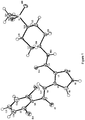
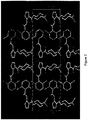

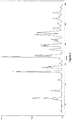
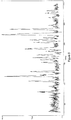


Classifications
-
- A—HUMAN NECESSITIES
- A61—MEDICAL OR VETERINARY SCIENCE; HYGIENE
- A61K—PREPARATIONS FOR MEDICAL, DENTAL OR TOILETRY PURPOSES
- A61K31/00—Medicinal preparations containing organic active ingredients
- A61K31/33—Heterocyclic compounds
- A61K31/395—Heterocyclic compounds having nitrogen as a ring hetero atom, e.g. guanethidine or rifamycins
- A61K31/40—Heterocyclic compounds having nitrogen as a ring hetero atom, e.g. guanethidine or rifamycins having five-membered rings with one nitrogen as the only ring hetero atom, e.g. sulpiride, succinimide, tolmetin, buflomedil
- A61K31/403—Heterocyclic compounds having nitrogen as a ring hetero atom, e.g. guanethidine or rifamycins having five-membered rings with one nitrogen as the only ring hetero atom, e.g. sulpiride, succinimide, tolmetin, buflomedil condensed with carbocyclic rings, e.g. carbazole
-
- A—HUMAN NECESSITIES
- A61—MEDICAL OR VETERINARY SCIENCE; HYGIENE
- A61K—PREPARATIONS FOR MEDICAL, DENTAL OR TOILETRY PURPOSES
- A61K31/00—Medicinal preparations containing organic active ingredients
- A61K31/33—Heterocyclic compounds
- A61K31/395—Heterocyclic compounds having nitrogen as a ring hetero atom, e.g. guanethidine or rifamycins
- A61K31/40—Heterocyclic compounds having nitrogen as a ring hetero atom, e.g. guanethidine or rifamycins having five-membered rings with one nitrogen as the only ring hetero atom, e.g. sulpiride, succinimide, tolmetin, buflomedil
- A61K31/403—Heterocyclic compounds having nitrogen as a ring hetero atom, e.g. guanethidine or rifamycins having five-membered rings with one nitrogen as the only ring hetero atom, e.g. sulpiride, succinimide, tolmetin, buflomedil condensed with carbocyclic rings, e.g. carbazole
- A61K31/4035—Isoindoles, e.g. phthalimide
-
- A—HUMAN NECESSITIES
- A61—MEDICAL OR VETERINARY SCIENCE; HYGIENE
- A61K—PREPARATIONS FOR MEDICAL, DENTAL OR TOILETRY PURPOSES
- A61K45/00—Medicinal preparations containing active ingredients not provided for in groups A61K31/00 - A61K41/00
- A61K45/06—Mixtures of active ingredients without chemical characterisation, e.g. antiphlogistics and cardiaca
-
- A—HUMAN NECESSITIES
- A61—MEDICAL OR VETERINARY SCIENCE; HYGIENE
- A61P—SPECIFIC THERAPEUTIC ACTIVITY OF CHEMICAL COMPOUNDS OR MEDICINAL PREPARATIONS
- A61P1/00—Drugs for disorders of the alimentary tract or the digestive system
- A61P1/04—Drugs for disorders of the alimentary tract or the digestive system for ulcers, gastritis or reflux esophagitis, e.g. antacids, inhibitors of acid secretion, mucosal protectants
-
- A—HUMAN NECESSITIES
- A61—MEDICAL OR VETERINARY SCIENCE; HYGIENE
- A61P—SPECIFIC THERAPEUTIC ACTIVITY OF CHEMICAL COMPOUNDS OR MEDICINAL PREPARATIONS
- A61P11/00—Drugs for disorders of the respiratory system
-
- A—HUMAN NECESSITIES
- A61—MEDICAL OR VETERINARY SCIENCE; HYGIENE
- A61P—SPECIFIC THERAPEUTIC ACTIVITY OF CHEMICAL COMPOUNDS OR MEDICINAL PREPARATIONS
- A61P11/00—Drugs for disorders of the respiratory system
- A61P11/06—Antiasthmatics
-
- A—HUMAN NECESSITIES
- A61—MEDICAL OR VETERINARY SCIENCE; HYGIENE
- A61P—SPECIFIC THERAPEUTIC ACTIVITY OF CHEMICAL COMPOUNDS OR MEDICINAL PREPARATIONS
- A61P17/00—Drugs for dermatological disorders
-
- A—HUMAN NECESSITIES
- A61—MEDICAL OR VETERINARY SCIENCE; HYGIENE
- A61P—SPECIFIC THERAPEUTIC ACTIVITY OF CHEMICAL COMPOUNDS OR MEDICINAL PREPARATIONS
- A61P17/00—Drugs for dermatological disorders
- A61P17/06—Antipsoriatics
-
- A—HUMAN NECESSITIES
- A61—MEDICAL OR VETERINARY SCIENCE; HYGIENE
- A61P—SPECIFIC THERAPEUTIC ACTIVITY OF CHEMICAL COMPOUNDS OR MEDICINAL PREPARATIONS
- A61P19/00—Drugs for skeletal disorders
- A61P19/02—Drugs for skeletal disorders for joint disorders, e.g. arthritis, arthrosis
-
- A—HUMAN NECESSITIES
- A61—MEDICAL OR VETERINARY SCIENCE; HYGIENE
- A61P—SPECIFIC THERAPEUTIC ACTIVITY OF CHEMICAL COMPOUNDS OR MEDICINAL PREPARATIONS
- A61P25/00—Drugs for disorders of the nervous system
-
- A—HUMAN NECESSITIES
- A61—MEDICAL OR VETERINARY SCIENCE; HYGIENE
- A61P—SPECIFIC THERAPEUTIC ACTIVITY OF CHEMICAL COMPOUNDS OR MEDICINAL PREPARATIONS
- A61P25/00—Drugs for disorders of the nervous system
- A61P25/28—Drugs for disorders of the nervous system for treating neurodegenerative disorders of the central nervous system, e.g. nootropic agents, cognition enhancers, drugs for treating Alzheimer's disease or other forms of dementia
-
- A—HUMAN NECESSITIES
- A61—MEDICAL OR VETERINARY SCIENCE; HYGIENE
- A61P—SPECIFIC THERAPEUTIC ACTIVITY OF CHEMICAL COMPOUNDS OR MEDICINAL PREPARATIONS
- A61P27/00—Drugs for disorders of the senses
- A61P27/02—Ophthalmic agents
-
- A—HUMAN NECESSITIES
- A61—MEDICAL OR VETERINARY SCIENCE; HYGIENE
- A61P—SPECIFIC THERAPEUTIC ACTIVITY OF CHEMICAL COMPOUNDS OR MEDICINAL PREPARATIONS
- A61P29/00—Non-central analgesic, antipyretic or antiinflammatory agents, e.g. antirheumatic agents; Non-steroidal antiinflammatory drugs [NSAID]
-
- A—HUMAN NECESSITIES
- A61—MEDICAL OR VETERINARY SCIENCE; HYGIENE
- A61P—SPECIFIC THERAPEUTIC ACTIVITY OF CHEMICAL COMPOUNDS OR MEDICINAL PREPARATIONS
- A61P3/00—Drugs for disorders of the metabolism
- A61P3/08—Drugs for disorders of the metabolism for glucose homeostasis
- A61P3/10—Drugs for disorders of the metabolism for glucose homeostasis for hyperglycaemia, e.g. antidiabetics
-
- A—HUMAN NECESSITIES
- A61—MEDICAL OR VETERINARY SCIENCE; HYGIENE
- A61P—SPECIFIC THERAPEUTIC ACTIVITY OF CHEMICAL COMPOUNDS OR MEDICINAL PREPARATIONS
- A61P31/00—Antiinfectives, i.e. antibiotics, antiseptics, chemotherapeutics
- A61P31/12—Antivirals
-
- A—HUMAN NECESSITIES
- A61—MEDICAL OR VETERINARY SCIENCE; HYGIENE
- A61P—SPECIFIC THERAPEUTIC ACTIVITY OF CHEMICAL COMPOUNDS OR MEDICINAL PREPARATIONS
- A61P31/00—Antiinfectives, i.e. antibiotics, antiseptics, chemotherapeutics
- A61P31/12—Antivirals
- A61P31/14—Antivirals for RNA viruses
-
- A—HUMAN NECESSITIES
- A61—MEDICAL OR VETERINARY SCIENCE; HYGIENE
- A61P—SPECIFIC THERAPEUTIC ACTIVITY OF CHEMICAL COMPOUNDS OR MEDICINAL PREPARATIONS
- A61P31/00—Antiinfectives, i.e. antibiotics, antiseptics, chemotherapeutics
- A61P31/12—Antivirals
- A61P31/14—Antivirals for RNA viruses
- A61P31/16—Antivirals for RNA viruses for influenza or rhinoviruses
-
- A—HUMAN NECESSITIES
- A61—MEDICAL OR VETERINARY SCIENCE; HYGIENE
- A61P—SPECIFIC THERAPEUTIC ACTIVITY OF CHEMICAL COMPOUNDS OR MEDICINAL PREPARATIONS
- A61P31/00—Antiinfectives, i.e. antibiotics, antiseptics, chemotherapeutics
- A61P31/12—Antivirals
- A61P31/20—Antivirals for DNA viruses
-
- A—HUMAN NECESSITIES
- A61—MEDICAL OR VETERINARY SCIENCE; HYGIENE
- A61P—SPECIFIC THERAPEUTIC ACTIVITY OF CHEMICAL COMPOUNDS OR MEDICINAL PREPARATIONS
- A61P31/00—Antiinfectives, i.e. antibiotics, antiseptics, chemotherapeutics
- A61P31/12—Antivirals
- A61P31/20—Antivirals for DNA viruses
- A61P31/22—Antivirals for DNA viruses for herpes viruses
-
- A—HUMAN NECESSITIES
- A61—MEDICAL OR VETERINARY SCIENCE; HYGIENE
- A61P—SPECIFIC THERAPEUTIC ACTIVITY OF CHEMICAL COMPOUNDS OR MEDICINAL PREPARATIONS
- A61P33/00—Antiparasitic agents
-
- A—HUMAN NECESSITIES
- A61—MEDICAL OR VETERINARY SCIENCE; HYGIENE
- A61P—SPECIFIC THERAPEUTIC ACTIVITY OF CHEMICAL COMPOUNDS OR MEDICINAL PREPARATIONS
- A61P35/00—Antineoplastic agents
-
- A—HUMAN NECESSITIES
- A61—MEDICAL OR VETERINARY SCIENCE; HYGIENE
- A61P—SPECIFIC THERAPEUTIC ACTIVITY OF CHEMICAL COMPOUNDS OR MEDICINAL PREPARATIONS
- A61P35/00—Antineoplastic agents
- A61P35/02—Antineoplastic agents specific for leukemia
-
- A—HUMAN NECESSITIES
- A61—MEDICAL OR VETERINARY SCIENCE; HYGIENE
- A61P—SPECIFIC THERAPEUTIC ACTIVITY OF CHEMICAL COMPOUNDS OR MEDICINAL PREPARATIONS
- A61P37/00—Drugs for immunological or allergic disorders
-
- A—HUMAN NECESSITIES
- A61—MEDICAL OR VETERINARY SCIENCE; HYGIENE
- A61P—SPECIFIC THERAPEUTIC ACTIVITY OF CHEMICAL COMPOUNDS OR MEDICINAL PREPARATIONS
- A61P43/00—Drugs for specific purposes, not provided for in groups A61P1/00-A61P41/00
-
- A—HUMAN NECESSITIES
- A61—MEDICAL OR VETERINARY SCIENCE; HYGIENE
- A61P—SPECIFIC THERAPEUTIC ACTIVITY OF CHEMICAL COMPOUNDS OR MEDICINAL PREPARATIONS
- A61P9/00—Drugs for disorders of the cardiovascular system
- A61P9/10—Drugs for disorders of the cardiovascular system for treating ischaemic or atherosclerotic diseases, e.g. antianginal drugs, coronary vasodilators, drugs for myocardial infarction, retinopathy, cerebrovascula insufficiency, renal arteriosclerosis
Definitions
- This invention relates to combinations of (2,4-dihydroxy-5-isopropyl-phenyl)-[5-(4-methyl-piperazin-1-ylmethyl)-1,3-dihydro-isoindol-2-yl]-methanone or a salt thereof that inhibits or modulates the activity of the heat shock protein Hsp90 with 4-(2,6-dichlorobenzoylamino)-1H-pyrazole-3-carboxylic acid piperidin-4-ylamide, to the use of the combinations in the treatment or prophylaxis of disease states or conditions mediated by Hsp90, and to combinations comprising compounds having Hsp90 inhibitory or modulating activity.
- the combinations of the invention are useful in the prophylaxis or treatment of a range of disease states or conditions mediated by Hsp90 and/or cyclin dependent kinases and/or glycogen synthase kinase-3.
- Hsps heat shock proteins
- Most heat shock proteins act as molecular chaperones. Chaperones bind and stabilize proteins at intermediate stages of folding and allow proteins to fold to their functional states.
- Hsp90 is the most abundant cytosolic Hsp under normal conditions. There are two human isoforms of Hsp90, a major inducible form Hsp90 ⁇ and minor constitutively expressed form Hsp90 ⁇ and two other closely related chaperones which are restricted in their intracellular location (Endoplasmic reticulum GP96/GRP94; mitochondrial TRAP1).
- HSP90 as used here includes all these analogues unless stated. Hsp90 binds proteins at a late stage of folding and is distinguished from other Hsps in that most of its protein substrates are involved in signal transduction. Hsp90 has a distinct ATP binding site, including a Bergerat fold characteristic of bacterial gyrase, topoisomerases and histidine kinases. It has been shown that ATP bound at the N-terminal pocket of Hsp90 is hydrolysed. This ATPase activity results in a conformational change in Hsp90 that is required to enable conformational changes in the client protein.
- Hsp90 Activation of Hsp90 is further regulated through interactions with a variety of other chaperone proteins and can be isolated in complex with other chaperones including Hsp70, Hip, Hop, p23, and p50cdc37. Many other co-chaperone proteins have also been demonstrated to bind HSP90.
- a simplified model has emerged in which ATP binding to the amino terminal pocket alters Hsp90 conformation to allow association with a multichaperone complex. First the client protein is bound to an Hsp70/Hsp40 complex. This complex then associates with Hsp90 via Hop.
- Hsp90 being ubiquitously expressed, GA has a higher binding affinity for Hsp90 derived from tumour vs. normal cell lines ( Kamal et. al., Nature 2003; 425: 407-410 ). GA also shows more potent cytotoxic activity in tumour cells and is sequestered at higher concentrations within tumours in xenograft mouse models ( Brazidec J. Med. Chem. 2004, 47, 3865-3873 ). Furthermore the ATPase activity of Hsp90 is elevated in cancer cells and is an indication of the increased level of stress in these cells. Hsp90 gene amplification has also been reported to occur in the later stages of cancer ( Jolly and Morimoto JNCI Vol. 92, No. 19, 1564-1572, 2000 ).
- Hsp90 is found primarily within "activated” multichaperone complexes in the tumour cells as opposed to “latent” complexes in normal cells.
- One component of the multichaperone complex is the cdc37 co-chaperone.
- Cdc37 binds Hsp90 at the base of the ATP binding site and could affect the off rates of inhibitors bound to Hsp90 in the "activated” state ( Roe et. al., Cell 116, (2004), pp. 87-98 ).
- the client protein bound to the Hsp90-Hsp70 form of the chaperone complex is believed to be more susceptible to ubiquitination and targeting to the proteasome for degradation.
- E3 ubiquitin ligases have been identified with chaperone interacting motifs and one of these (CHIP) was shown to promote the ubiquitination and degradation of Hsp90 client proteins (Connell et al., 2001. Xu et al., 2002).
- Hsp90 client proteins The number of reported Hsp90 client proteins now exceeds 100. Since many of its client proteins are involved in cell signalling proliferation and survival, Hsp90 has received major interest as an oncology target. Two groups of client proteins, cell signalling protein kinases and transcription factors, in particular suggest Hsp90 regulation may have potential benefit as an anticancer therapy.
- Hsp90 protein kinase client proteins implicated in cell proliferation and survival include the following:
- Cellular Src is a receptor tyrosine kinase, required for mitogenesis initiated by multiple growth factor receptors, including the receptors for epidermal growth factor receptor (EGFR), platelet-derived growth factor receptor (PDGFR), colony stimulating factor-1 (CSF-1R), and the basic fibroblast growth factor (bFGFR).
- EGFR epidermal growth factor receptor
- PDGFR platelet-derived growth factor receptor
- CSF-1R colony stimulating factor-1
- bFGFR basic fibroblast growth factor
- C-Src is also overexpressed and activated in many of the same human carcinomas that overexpress EGFR and ErbB2.
- Src is also required for the maintenance of normal bone homeostasis through its regulation of osteoclast function.
- ErbB2 (Her2/neu) is a receptor tyrosine kinase overexpressed in a variety of malignancies including breast, ovarian, prostate, and gastric cancers. ErbB2 was originally identified as an oncogene and inhibition of Hsp90 results in the polyubiquitination and degradation of erbB2.
- Polo-like kinases are important regulators of cell cycle progression during M-phase. Plks are involved in the assembly of the mitotic spindle apparatus and in the activation of CDK/cyclin complexes. Plk1 regulates tyrosine dephosphorylation of CDKs through phosphorylation and activation of Cdc25C. CDK1 activation in turn leads to spindle formation and entry into M phase.
- Akt is involved in pathways that regulate cell growth by stimulating cell proliferation and suppressing apoptosis. Hsp90 inhibition by ansamycins results in a reduction in the Akt half life through ubiquitination and proteasomal degradation. Binding of cdc37 to Hsp90 is also required for the down-regulation of Akt. Following ansamycin treatment cancer cells arrest in the G2/M phase of the cell cycle 24 hours after treatment and proceed to apoptosis 24-48 hours later. Normal cells also arrest 24 hours after ansamycin treatment, but do not proceed on to apoptosis.
- the RAS-RAF-MEK-ERK-MAP kinase pathway mediates cellular responses to growth signals.
- RAS is mutated to an oncogenic form in approximately 15% of human cancers.
- the three RAF genes are serine/threonine kinases that are regulated by binding RAS.
- EGFR epidermal growth factor receptor
- FMS-like tyrosine kinase 3 is a receptor tyrosine kinase involved in cell proliferation, differentiation and apoptosis. Flt3 activation also leads to the activation of phosphatidylinositol 3-kinase (PI3K) and RAS signal-transduction cascades.
- PI3K phosphatidylinositol 3-kinase
- c-met is a receptor tyrosine kinase which binds hepatocyte growth factor (HGF) and regulates both cell motility and cell growth.
- HGF hepatocyte growth factor
- c-met is overexpressed in tumours, including thyroid, stomach, pancreatic and colon cancer. HGF is also detected around the tumours, including liver metastases. This suggests that c-met and HGF play an important role in invasion and metastasis.
- Cdk1, Cdk2, Cdk4, and Cdk6 drive the cell cycle.
- the activity of CDKs is regulated by their binding to specific subunits such as cyclins, inhibitory and assembly factors.
- the substrate specificity and timing of CDK activities is dictated by their interaction with specific cyclins.
- Cdk4/cyclin D and Cdk6/cyclin D are active in the G1 phase, Cdk2/cyclin E and Cdk2/cyclin A in S phase, and Cdc2/cyclin A and Cdc2/cyclin B in G2/M phase.
- Cyclin-dependent kinase type 4 plays a key role in allowing cells to traverse G1 to S-phase transition of the cell cycle and is constitutively activated in many human cancers.
- the CDK4 activator, cyclin D1 is overexpressed and a CDK4 inhibitor, p16, is deleted in a variety of human tumours.
- Cdk1/Cdk2 inhibitors have been developed which reversibly block normal cells in either the G1/S-phase or at the G2/M border. G2/M arrest is generally less well tolerated by the cells and consequently, they undergo apoptotic cell death. Since Hsp90 also is known to affect cell survival pathways this effect may be further amplified with an Hsp90 inhibitor.
- the Wee-1 protein kinase carries out the inhibitory phosphorylation of CDC2 on tyrosine 15 (Tyr15). This is required for activation of the G2-phase checkpoint in response to DNA damage.
- Hsp90 transcription factors implicated in cell proliferation and survival include the following:
- P53 is a tumour suppressor protein that causes cell cycle arrest and induces apoptosis. P53 is mutated in approximately half of all cancers. Mutant p53 associates with Hsp90 and is downregulated in cancer lines treated with Hsp90 inhibitors, while wild type p53 levels were unaffected.
- Hsp90 hormone-response elements
- HREs hormone-response elements
- Prostate cancers are hormone-dependent malignancies that respond to therapeutic interventions which reduce circulating levels of testosterone or prevent testosterone binding to the androgen receptor. Although patients initally respond to these treatments most subsequently develop resistance via restoration of signalling via the androgen receptor.
- Hsp90 and other co-chaperones including p23 and immunophilins.
- Mutated steroid hormone receptors that have arisen for example during anti-hormone therapy and which might be resistant to such therapies are likely to have a greater dependence on HSP90 for their stability and hormone binding function.
- Hypoxia inducible factor-1a is a transcription factor that controls the expression of genes which play a role in angiogenesis. HIF-1a is expressed in the majority of metastases and is known to associate with Hsp90. Ansamycin treatment of renal carcinoma cell lines leads to the ubiquitination and proteasomal degradation of HIF-1a.
- Hsp90 inhibitors are capable of affecting a large number of targets significant to signal transduction in tumour cell proliferation.
- Signal transduction inhibitors which regulate the activities of a single target may not be as efficacious due to signalling pathway redundancy and the rapid development of resistance.
- HSP90 inhibitors By regulating multiple targets involved in cell signalling and cell proliferation HSP90 inhibitors may prove beneficial in the treatment of a wide spectrum of proliferative disorders.
- ZAP-70 a member of the Syk-ZAP-70 protein tyrosine kinase family, is normally expressed in T cells and natural killer cells and has a critical role in the initiation of T-cell signaling. However, it is also expressed aberrantly in approximately 50% of cases of CLL, usually in those cases with unmutated B-cell receptor genes.
- IgV H immunoglobulin heavy-chain variable-region
- ZAP-70 positive CLL is more aggressive than ZAP-70 negative CLL indicating that ZAP-70 may be a key driver of malignancy in this disease.
- ZAP-70 is physically associated with HSP90 in B-CLL lymphoblasts thus the inhibiton of Hsp90 may sensitise these cells to existing chemotherapy or monoclonal antibody therapy.
- the hERG channel is one of a family of potassium ion channels the first member of which was identified in the late 1980s in a mutant Drosophila melanogaster fruitfly (see Jan, L.Y. and Jan, Y.N. (1990). A Superfamily of Ion Channels. Nature, 345(6277):672 ).
- HERG encodes the Ikr potassium channel. Cell, 81:299-307 , and Trudeau, M.C., Warmke, J.W., Ganetzky, B., and Robertson, G.A. (1995).
- HERG a Human Inward Rectifier in the Voltage-Gated Potassium Channel Family. Science, 269:92-95 .
- modulators or inhibitors of stress proteins in general represent a class of chemotherapeutics with the unique ability to inhibit multiple aberrant signaling pathways simultaneously. They can therefore exert antitumour effects whilst eliminating (or reducing the incidence of) resistance relative to other treatment paradigms.
- modulators or inhibitors of stress protein function in general represent a class of chemotherapeutics with the potential for: (i) sensitizing malignant cells to anticancer drugs and/or treatments; (ii) alleviating or reducing the incidence of resistance to anticancer drugs and/or treatments; (iii) reversing resistance to anticancer drugs and/or treatments; (iv) potentiating the activity of anticancer drugs and/or treatments; (v) delaying or preventing the onset of resistance to anticancer drugs and/or treatments.
- HSP90 inhibitors and the treatment of Hepatitis C and other viral diseases
- HSP induction may be to assist in the stabilization and folding of the high levels of 'foreign' protein generated in preparation for virus replication.
- HSP90 is required for stable production of functional NS2/3 protease in Hepatitis C (HCV) replicon infected cells. HSP 90 inhibitors have also been demonstrated to block viral replication in in vitro systems.
- Glycogen Synthase Kinase-3 (GSK3) is a serine-threonine kinase that occurs as two ubiquitously expressed isoforms in humans (GSK3 ⁇ & beta GSK3 ⁇ ).
- GSK3 has been implicated as having roles in embryonic development, protein synthesis, cell proliferation, cell differentiation, microtubule dynamics, cell motility and cellular apoptosis. As such GSK3 has been implicated in the progression of disease states such as diabetes, cancer, Alzheimer's disease, stroke, epilepsy, motor neuron disease and/or head trauma.
- CDKs cyclin dependent kinases
- the consensus peptide substrate sequence recognised by GSK3 is (Ser/Thr)-X-X-X-(pSer/pThr), where X is any amino acid (at positions (n+1), (n+2), (n+3)) and pSer and pThr are phospho-serine and phospho-threonine respectively (n+4).
- GSK3 phosphorylates the first serine, or threonine, at position (n). Phospho-serine, or phospho-threonine, at the (n+4) position appear necessary for priming GSK3 to give maximal substrate turnover. Phosphorylation of GSK3 ⁇ at Ser21, or GSK3 ⁇ at Ser9, leads to inhibition of GSK3.
- GSK3 ⁇ and GSK ⁇ may be subtly regulated by phosphorylation of tyrosines 279 and 216 respectively. Mutation of these residues to a Phe caused a reduction in in vivo kinase activity.
- the X-ray crystallographic structure of GSK3 ⁇ has helped to shed light on all aspects of GSK3 activation and regulation.
- GSK3 forms part of the mammalian insulin response pathway and is able to phosphorylate, and thereby inactivate, glycogen synthase. Upregulation of glycogen synthase activity, and thereby glycogen synthesis, through inhibition of GSK3, has thus been considered a potential means of combating type II, or non-insulin-dependent diabetes mellitus (NIDDM): a condition in which body tissues become resistant to insulin stimulation.
- NIDDM non-insulin-dependent diabetes mellitus
- PI3K phosphoinositide-3 kinase
- PBP3 second messenger phosphatidylinosityl 3,4,5-trisphosphate
- PKB 3-phosphoinositide-dedependent protein kinase 1
- PKB protein kinase B
- PKB is able to phosphorylate, and thereby inhibit, GSK3 ⁇ and/or GSK ⁇ through phosphorylation of Ser9, or ser21, respectively.
- the inhibition of GSK3 then triggers upregulation of glycogen synthase activity.
- Therapeutic agents able to inhibit GSK3 may thus be able to induce cellular responses akin to those seen on insulin stimulation.
- a further in vivo substrate of GSK3 is the eukaryotic protein synthesis initiation factor 2B (eIF2B).
- eIF2B is inactivated via phosphorylation and is thus able to suppress protein biosynthesis.
- Inhibition of GSK3, e.g. by inactivation of the "mammalian target of rapamycin" protein (mTOR), can thus upregulate protein biosynthesis.
- GSK3 activity via the mitogen activated protein kinase (MAPK) pathway through phosphorylation of GSK3 by kinases such as mitogen activated protein kinase activated protein kinase 1 (MAPKAP-K1 or RSK).
- MAPK mitogen activated protein kinase
- RSK mitogen activated protein kinase activated protein kinase 1
- GSK3 ⁇ is a key component in the vertebrate Wnt signalling pathway. This biochemical pathway has been shown to be critical for normal embryonic development and regulates cell proliferation in normal tissues. GSK3 becomes inhibited in response to Wnt stimulii. This can lead to the de-phosphorylation of GSK3 substrates such as Axin, the adenomatous polyposis coli (APC) gene product and ⁇ -catenin. Aberrant regulation of the Wnt pathway has been associated with many cancers. Mutations in APC, and/or ⁇ -catenin, are common in colorectal cancer and other tumours. ⁇ -catenin has also been shown to be of importance in cell adhesion.
- APC adenomatous polyposis coli
- GSK3 may also modulate cellular adhesion processes to some degree.
- GSK3 may also modulate cellular adhesion processes to some degree.
- transcription factors such as c-Jun, CCAAT/enhancer binding protein ⁇ (C/EBP ⁇ ), c-Myc and/or other substrates such as Nuclear Factor of Activated T-cells (NFATc), Heat Shock Factor-1 (HSF-1) and the c-AMP response element binding protein (CREB).
- NFATc Nuclear Factor of Activated T-cells
- HSF-1 Heat Shock Factor-1
- CREB c-AMP response element binding protein
- GSK3 The role of GSK3 in modulating cellular apoptosis, via a pro-apoptotic mechanism, may be of particular relevance to medical conditions in which neuronal apoptosis can occur. Examples of these are head trauma, stroke, epilepsy, Alzheimer's and motor neuron diseases, progressive supranuclear palsy, corticobasal degeneration, and Pick's disease.
- head trauma head trauma
- stroke epilepsy
- Alzheimer's and motor neuron diseases progressive supranuclear palsy
- corticobasal degeneration corticobasal degeneration
- Pick's disease In vitro it has been shown that GSK3 is able to hyper-phosphorylate the microtubule associated protein Tau. Hyperphosphorylation of Tau disrupts its normal binding to microtubules and may also lead to the formation of intra-cellular Tau filaments. It is believed that the progressive accumulation of these filaments leads to eventual neuronal dysfunction and degeneration. Inhibition of Tau phosphorylation, through inhibition of GSK3, may thus
- Cdks are cyclin dependent kinases (cdks) and a diverse set of their cognate protein partners termed cyclins.
- Cdks are cdc2 (also known as cdk1) homologous serine-threonine kinase proteins that are able to utilise ATP as a substrate in the phosphorylation of diverse polypeptides in a sequence dependent context.
- Cyclins are a family of proteins characterised by a homology region, containing approximately 100 amino acids, termed the "cyclin box" which is used in binding to, and defining selectivity for, specific cdk partner proteins.
- Modulation of the expression levels, degradation rates, and activation levels of various cdks and cyclins throughout the cell cycle leads to the cyclical formation of a series of cdk/cyclin complexes, in which the cdks are enzymatically active.
- the formation of these complexes controls passage through discrete cell cycle checkpoints and thereby enables the process of cell division to continue.
- Failure to satisfy the pre-requisite biochemical criteria at a given cell cycle checkpoint, i.e. failure to form a required cdk/cyclin complex can lead to cell cycle arrest and/or cellular apoptosis. Aberrant cellular proliferation, as manifested in cancer, can often be attributed to loss of correct cell cycle control.
- Inhibition of cdk enzymatic activity therefore provides a means by which abnormally dividing cells can have their division arrested and/or be killed.
- the diversity of cdks, and cdk complexes, and their critical roles in mediating the cell cycle, provides a broad spectrum of potential therapeutic targets selected on the basis of a defined biochemical rationale.
- Progression from the G1 phase to the S phase of the cell cycle is primarily regulated by cdk2, cdk3, cdk4 and cdk6 via association with members of the D and E type cyclins.
- the D-type cyclins appear instrumental in enabling passage beyond the G1 restriction point, where as the cdk2/cyclin E complex is key to the transition from the G1 to S phase. Subsequent progression through S phase and entry into G2 is thought to require the cdk2/cyclin A complex.
- mitosis, and the G2 to M phase transition which triggers it are regulated by complexes of cdk1 and the A and B type cyclins.
- Retinoblastoma protein and related pocket proteins such as p130, are substrates for cdk(2, 4, & 6)/cyclin complexes. Progression through G1 is in part facilitated by hyperphosphorylation, and thus inactivation, of Rb and p130 by the cdk(4/6)/cyclin-D complexes. Hyperphosphorylation of Rb and p130 causes the release of transcription factors, such as E2F, and thus the expression of genes necessary for progression through G1 and for entry into S-phase, such as the gene for cyclin E.
- transcription factors such as E2F
- cyclin E facilitates formation of the cdk2/cyclin E complex which amplifies, or maintains, E2F levels via further phosphorylation of Rb.
- the cdk2/cyclin E complex also phosphorylates other proteins necessary for DNA replication, such as NPAT, which has been implicated in histone biosynthesis.
- G1 progression and the G1/S transition are also regulated via the mitogen stimulated Myc pathway, which feeds into the cdk2/cyclin E pathway.
- Cdk2 is also connected to the p53 mediated DNA damage response pathway via p53 regulation of p21 levels.
- p21 is a protein inhibitor of cdk2/cyclin E and is thus capable of blocking, or delaying, the G1/S transition.
- the cdk2/cyclin E complex may thus represent a point at which biochemical stimuli from the Rb, Myc and p53 pathways are to some degree integrated.
- Cdk2 and/or the cdk2/cyclin E complex therefore represent good targets for therapeutics designed at arresting, or recovering control of, the cell cycle in aberrantly dividing cells.
- cdk5 which is necessary for correct neuronal development and which has also been implicated in the phosphorylation of several neuronal proteins such as Tau, NUDE-1, synapsin1, DARPP32 and the Munc18/Syntaxin1A complex.
- Neuronal cdk5 is conventionally activated by binding to the p35/p39 proteins.
- Cdk5 activity can, however, be deregulated by the binding of p25, a truncated version of p35.
- p35 Conversion of p35 to p25, and subsequent deregulation of cdk5 activity, can be induced by ischemia, excitotoxicity, and ⁇ -amyloid peptide. Consequently p25 has been implicated in the pathogenesis of neurodegenerative diseases, such as Alzheimer's, and is therefore of interest as a target for therapeutics directed against these diseases.
- Cdk7 is a nuclear protein that has cdc2 CAK activity and binds to cyclin H.
- Cdk7 has been identified as component of the TFIIH transcriptional complex which has RNA polymerase II C-terminal domain (CTD) activity. This has been associated with the regulation of HIV-1 transcription via a Tat-mediated biochemical pathway.
- Cdk8 binds cyclin C and has been implicated in the phosphorylation of the CTD of RNA polymerase II.
- the cdk9/cyclin-T1 complex (P-TEFb complex) has been implicated in elongation control of RNA polymerase II.
- PTEF-b is also required for activation of transcription of the HIV-1 genome by the viral transactivator Tat through its interaction with cyclin T1.
- Cdk7, cdk8, cdk9 and the P-TEFb complex are therefore potential targets for anti-viral therapeutics.
- Cdk phosphorylation is performed by a group of cdk activating kinases (CAKs) and/or kinases such as wee1, Myt1 and Mik1.
- Dephosphorylation is performed by phosphatases such as cdc25(a & c), pp2a, or KAP.
- Cdk/cyclin complex activity may be further regulated by two families of endogenous cellular proteinaceous inhibitors: the Kip/Cip family, or the INK family.
- the INK proteins specifically bind cdk4 and cdk6.
- p16 ink4 also known as MTS1
- MTS1 is a potential tumour suppressor gene that is mutated, or deleted, in a large number of primary cancers.
- the Kip/Cip family contains proteins such as p21 Cip1,Waf1 , p27 Kip1 and p57 kip2 .
- p21 is induced by p53 and is able to inactivate the cdk2/cyclin(E/A) and cdk4/cyclin(D1/D2/D3) complexes.
- Atypically low levels of p27 expression have been observed in breast, colon and prostate cancers.
- Conversely over expression of cyclin E in solid tumours has been shown to correlate with poor patient prognosis.
- Over expression of cyclin D1 has been associated with oesophageal, breast, squamous, and non-small cell lung carcinomas.
- Cdk inhibitors could conceivably also be used to treat other conditions such as viral infections, autoimmune diseases and neuro-degenerative diseases, amongst others.
- Cdk targeted therapeutics may also provide clinical benefits in the treatment of the previously described diseases when used in combination therapy with either existing, or new, therapeutic agents.
- Cdk targeted anticancer therapies could potentially have advantages over many current antitumour agents as they would not directly interact with DNA and should therefore reduce the risk of secondary tumour development.
- the ancillary compound is disclosed in WO 2005/012256 ( PCT/GB2004/003179 ).
- the ancillary compound is 4-(2,6-dichloro-benzoylamino)-1H-pyrazole-3-carboxylic acid (1-methanesulphonyl-piperidin-4-yl)-amide.
- auxiliary compounds may be further combined with the combinations of the invention, as described in detail below.
- the optional auxiliary compounds may be anti-cancer agents.
- WO 99/29705 disclose a class of glycomimetic compounds having a number of possible uses including the treatment of cancer.
- One compound specifically disclosed in WO 99/29705 is the compound 2-(2-hydroxy-benzoyl)-1,2,3,4-tetrahydro-isoquinoline-3-carboxylic acid.
- Combinations according to the invention include (2,4-dihydroxy-5-isopropyl-phenyl)-[5-(4-methyl-piperazin-1-ylmethyl)-1,3-dihydro-isoindol-2-yl]-methanone or a salt thereof and 4-(2,6-dichlorobenzoylamino)-1H-pyrazole-3-carboxylic acid piperidin-4-ylamide or a salt thereof.
- the invention provides combinations including (2,4-dihydroxy-5-isopropyl-phenyl)-[5-(4-methyl-piperazin-1-ylmethyl)-1,3-dihydro-isoindol-2-yl]-methanone which has Hsp90 inhibiting or modulating activity and which will be useful in preventing or treating disease states or conditions mediated by Hsp90 and/or glycogen synthase kinase-3 and/or cyclin dependent kinases.
- the combinations of the invention will be useful in alleviating or reducing the incidence of cancer.
- the invention provides a combination comprising (2,4-dihydroxy-5-isopropylphenyl)-[5-(4-methyl-piperazin-1-ylmethyl)-1,3-dihydro-isoindol-2-yl]-methanone or a salt thereof and 4-(2,6-dichlorobenzoylamino)-1H-pyrazole-3-carboxylic acid piperidin-4-ylamide or a salt thereof.
- the invention also provides inter alia :
- references to (2,4-dihydroxy-5-isopropyl-phenyl)-[5-(4-methyl-piperazin-1-ylmethyl)-1,3-dihydro-isoindol-2-yl]-methanone includes acid addition salts (particularly the L-lactate) and crystalline forms thereof.
- modulation as applied to the activity of the heat shock protein Hsp90, to the activity of cyclin dependent kinase (CDK) and/or glycogen synthase kinase (GSK, e.g. GSK-3) and/or any other kinase as described herein, is intended to define a change in the level of biological activity of the heat shock protein and/or kinase.
- modulation encompasses physiological changes which effect an increase or decrease in the relevant heat shock protein/kinase activity. In the latter case, the modulation may be described as "inhibition".
- modulation may arise directly or indirectly, and may be mediated by any mechanism and at any physiological level, including for example at the level of gene expression (including for example transcription, translation and/or post-translational modification), at the level of expression of genes encoding regulatory elements which act directly or indirectly on the levels of heat shock protein/kinase activity.
- modulation may imply elevated/suppressed expression or over- or under-expression of the heat shock protein/kinase, including gene amplification (i.e. multiple gene copies) and/or increased or decreased expression by a transcriptional effect, as well as hyper- (or hypo-)activity and (de)activation of the heat shock protein/kinase (including (de)activation) by mutation(s).
- modulated modulating
- modulate are to be interpreted accordingly.
- the term "mediated”, as used e.g. in conjunction with the heat shock protein, cyclin dependent kinase (CDK) and/or glycogen synthase kinase (GSK, e.g. GSK-3) and/or any other kinase as described herein (and applied for example to various physiological processes, diseases, states, conditions, therapies, treatments or interventions) is intended to operate limitatively so that the various processes, diseases, states, conditions, treatments and interventions to which the term is applied are those in which heat shock protein Hsp90 and/or the kinase plays a biological role.
- heat shock protein Hsp90 and/or the kinase may be direct or indirect and may be necessary and/or sufficient for the manifestation of the symptoms of the disease, state or condition (or its aetiology or progression).
- heat shock protein Hsp90/kinase activity and in particular aberrant levels of heat shock protein Hsp90/kinase activity, e.g.
- Hsp90/kinase over-expression need not necessarily be the proximal cause of the disease, state or condition: rather, it is contemplated that the heat shock protein Hsp90/kinase mediated diseases, states or conditions include those having multifactorial aetiologies and complex progressions in which Hsp90 and/or the kinase is only partially involved.
- the role played by Hsp90/kinase may be direct or indirect and may be necessary and/or sufficient for the operation of the treatment, prophylaxis or outcome of the intervention.
- a disease state or condition mediated by Hsp90 includes the development of resistance to any particular cancer drug or treatment (including in particular resistance to one or more of the ancillary compounds described herein).
- intervention is a term of art used herein to define any agency which effects a physiological change at any level.
- the intervention may comprises the induction or repression of any physiological process, event, biochemical pathway or cellular/biochemical event.
- the interventions of the invention typically effect (or contribute to) the therapy, treatment or prophylaxis of a disease or condition.
- the combinations of the invention may produce a therapeutically efficacious effect relative to the therapeutic effect of the individual compounds when administered separately.
- the term 'efficacious' includes advantageous effects such as additivity, synergism, reduced side effects, reduced toxicity, increased time to disease progression, increased time of survival, sensitization or resensitization of one agent to another, or improved response rate.
- an efficacious effect may allow for lower doses of each or either component to be administered to a patient, thereby decreasing the toxicity of chemotherapy, whilst producing and/or maintaining the same therapeutic effect.
- a “synergistic” effect in the present context refers to a therapeutic effect produced by the combination which is larger than the sum of the therapeutic effects of the components of the combination when presented individually.
- additive effect in the present context refers to a therapeutic effect produced by the combination which is larger than the therapeutic effect of any of the components of the combination when presented individually.
- response rate refers, in the case of a solid tumour, to the extent of reduction in the size of the tumour at a given time point, for example 12 weeks. Thus, for example, a 50% response rate means a reduction in tumour size of 50%. References herein to a “clinical response” refer to response rates of 50% or greater. A “partial response” is defined herein as being a response rate of less than 50%.
- the term “combination”, as applied to two or more compounds and/or agents (also referred to herein as the components ), is intended tomay define material in which the two or more compounds/agents are associated.
- the terms “combined” and “combining” in this context are to be interpreted accordingly.
- association of the two or more compounds/agents in a combination may be physical or non-physical.
- Examples of physically associated combined compounds/agents include:
- non-physically associated combined compounds/agents examples include:
- references to “combination therapy”, “combinations” and the use of compounds/agents "in combination” in this application may refer to compounds/agents that are administered as part of the same overall treatment regimen.
- the posology of each of the two or more compounds/agents may differ: each may be administered at the same time or at different times. It will therefore be appreciated that the compounds/agents of the combination may be administered sequentially (e.g. before or after) or simultaneously, either in the same pharmaceutical formulation (i.e. together), or in different pharmaceutical formulations (i.e. separately).
- the term "pharmaceutical kit” defines an array of one or more unit doses of a pharmaceutical composition together with dosing means (e.g. measuring device) and/or delivery means (e.g. inhaler or syringe), optionally all contained within common outer packaging.
- dosing means e.g. measuring device
- delivery means e.g. inhaler or syringe
- the individual compounds/agents may unitary or non-unitary formulations.
- the unit dose(s) may be contained within a blister pack.
- the pharmaceutical kit may optionally further comprise instructions for use.
- the term "pharmaceutical pack” defines an array of one or more unit doses of a pharmaceutical composition, optionally contained within common outer packaging.
- pharmaceutical packs comprising a combination of two or more compounds/agents
- the individual compounds/agents may unitary or non-unitary formulations.
- the unit dose(s) may be contained within a blister pack.
- the pharmaceutical pack may optionally further comprise instructions for use.
- patient pack defines a package, prescribed to a patient, which contains pharmaceutical compositions for the whole course of treatment.
- Patient packs usually contain one or more blister pack(s).
- Patient packs have an advantage over traditional prescriptions, where a pharmacist divides a patient's supply of a pharmaceutical from a bulk supply, in that the patient always has access to the package insert contained in the patient pack, normally missing in patient prescriptions. The inclusion of a package insert has been shown to improve patient compliance with the physician's instructions.
- the combinations of the invention may produce a therapeutically efficacious effect relative to the therapeutic effect of the individual compounds/agents when administered separately.
- One compound of the combination is the compound of formula (1) : which has the chemical name (2,4-dihydroxy-5-isopropyl-phenyl)-[5-(4-methyl-piperazin-1-ylmethyl)-1,3-dihydro-isoindol-2-yl]-methanone (including acid addition salts, particularly the L-lactate, and crystalline forms thereof).
- the 2,4-dihydroxy-5-isopropyl-phenyl)-[5-(4-methyl-piperazin-1-ylmethyl)-1,3-dihydro-isoindol-2-yl]-methanone may be presented in the form of an acid addition salt.
- Acid addition salts may be formed with a wide variety of acids, both inorganic and organic.
- acid addition salts include salts formed with an acid selected from the group consisting of acetic, 2,2-dichloroacetic, adipic, alginic, ascorbic (e.g. L-ascorbic), aspartic (e.g. L-aspartic), benzenesulphonic, benzoic, 4-acetamidobenzoic, butanoic, camphoric (e.g.
- L-glutamic L-glutamic
- ⁇ -oxoglutaric glycolic, hippuric, hydrobromic, hydrochloric, hydriodic, isethionic, isobutyric
- lactic e.g. (+)-L-lactic [which may be referred to elsewhere herein simply as L-lactic acid] and ( ⁇ )-DL-lactic
- laurylsulphonic lactobionic
- maleic, malic, (-)-L-malic, malonic, ( ⁇ )-DL-mandelic, methanesulphonic, mucic, naphthalenesulphonic e.g.
- naphthalene-2-sulphonic and naphthalene-1,5-disulphonic 1-hydroxy-2-naphthoic, nicotinic, nitric, oleic, orotic, oxalic, palmitic, pamoic, phosphoric, propionic, L-pyroglutamic, salicylic, 4-amino-salicylic, sebacic, stearic, succinic, sulphuric, tannic, tartaric (e.g. (+)-L-tartaric), thiocyanic, toluenesulphonic (e.g. p-toluenesulphonic), undecylenic, valeric acids and xinafoic acids.
- salicylic 4-amino-salicylic, sebacic, stearic, succinic, sulphuric, tannic, tartaric (e.g. (+)-L-tartaric), thiocyan
- Particular acid addition salts are the salts formed with hydrochloric acid, lactic acid (e.g. L-lactic acid) or sulphuric acid.
- a preferred salt is the salt formed with lactic acid, i.e. the lactate salt and in particular the L-lactate salt.
- the acid addition salts are typically pharmaceutically acceptable salts, and examples of pharmaceutically acceptable salts are discussed in Berge et al., 1977, "Pharmaceutically Acceptable Salts,” J. Pharm. Sci., Vol. 66, pp. 1-19 .
- the acid addition salts can be crystalline or amorphous or a mixture thereof.
- the salts are amorphous.
- amorphous solid In an amorphous solid, the three dimensional structure that normally exists in a crystalline form does not exist and the positions of the molecules relative to one another in the amorphous form are essentially random, see for example Hancock et al. J. Pharm. Sci. (1997), 86, 1 ).
- the acid addition salts are substantially crystalline.
- the acid addition salts can be synthesized from the parent compound by conventional chemical methods such as methods described in Pharmaceutical Salts: Properties, Selection, and Use, P. Heinrich Stahl (Editor), Camille G. Wermuth (Editor), ISBN: 3-90639-026-8, Hardcover, 388 pages, August 2002 .
- such salts can be prepared by reacting the free base form of the compound of formula (1) with the appropriate acid in water or in an organic solvent, or in a mixture of the two.
- the acid addition salt can be prepared by forming a solution of (2,4-dihydroxy-5-isopropyl-phenyl)-[5-(4-methyl-piperazin- 1 -ylmethyl)-1,3-dihydro-isoindol-2-yl]-methanone free base in a solvent (typically an organic solvent) or mixture of solvents, and treating the solution with an acid to form a precipitate of the acid addition salt.
- a solvent typically an organic solvent
- the acid may be added as a solution in a solvent which is miscible with the solvent in which the free base is dissolved.
- the solvent in which the free base is initially dissolved may be one in which the acid addition salt thereof is insoluble.
- the solvent in which the free base is initially dissolved may be one in which the acid addition salt is at least partially soluble, a different solvent in which the acid addition salt is less soluble subsequently being added such that the salt precipitates out of solution.
- an acid addition salt (2,4-dihydroxy-5-isopropyl-phenyl)-[5-(4-methyl-piperazin-1-ylmethyl)-1,3-dihydro-isoindol-2-yl]-methanone is dissolved in a solvent comprising a volatile acid and optionally a co-solvent, thereby to form a solution of the acid addition salt with the volatile acid, and the resulting solution is then concentrated or evaporated to isolate the salt.
- An example of an acid addition salt that can be made in this way is the acetate salt.
- the salt is typically precipitated from the organic solvent as it is formed and hence can be isolated by separation of the solid from the solution, e.g. by filtration.
- One acid salt can be converted to the free base and optionally to another acid addition salt by methods well known to the skilled person.
- the free base can be formed by passing the salt solution through a column containing an amine stationary phase (e.g. a Strata-NH2 column).
- a solution of the acid addition salt in water can be treated with sodium bicarbonate to decompose the salt and precipitate out the free base.
- the free base may then be combined with another acid by one of the methods described above or elsewhere herein.
- Acid addition salts have a number of advantages over the corresponding free base. For example, they will enjoy one or more of the following advantages over the free base in that they:
- 'stable' or 'stability' as used herein includes chemical stability and solid state (physical) stability.
- the term 'chemical stability' means that the compound can be stored in an isolated form, or in the form of a formulation in which it is provided in admixture with for example, pharmaceutically acceptable carriers, diluents or adjuvants as described herein, under normal storage conditions, with little or no chemical degradation or decomposition' for example for a period of six months or more, more usually twelve months or more, for example eighteen months or more.
- Solid-state stability means the compound can be stored in an isolated solid form, or the form of a solid formulation in which it is provided in admixture with, for example, pharmaceutically acceptable carriers, diluents or adjuvants as described herein, under normal storage conditions, with little or no solid-state transformation (e.g. hydration, dehydration, solvatisation, desolvatisation, crystallisation, recrystallisation or solid-state phase transition).
- solid-state transformation e.g. hydration, dehydration, solvatisation, desolvatisation, crystallisation, recrystallisation or solid-state phase transition.
- non-hygroscopic and “non-hygroscopicity” and related terms as used herein refer to substances that absorb less than 5% by weight (relative to their own weight) of water when exposed to conditions of high relative humidity, for example 90% relative humidity, and/or do not undergo changes in crystalline form in conditions of high humidity and/or do not absorb water into the body of the crystal (internal water) in conditions of high relative humidity.
- the compound of formula (1) i.e. (2,4-dihydroxy-5-isopropylphenyl)-[5-(4-methyl-piperazin-1-ylmethyl)-1,3-dihydro-isoindol-2-yl]-methanone, or an acid addition salt thereof, is presented in substantially crystalline form.
- substantially crystalline is meant that the compound of formula (1) or its acid addition salt are from 50% to 100% crystalline, and more particularly the compound of formula (1) or its acid addition salts may be at least 50% crystalline, or at least 60% crystalline, or at least 70% crystalline, or at least 80% crystalline, or at least 90% crystalline, or at least 95% crystalline, or at least 98% crystalline, or at least 99% crystalline, or at least 99.5% crystalline, or at least 99.9% crystalline, for example 100% crystalline.
- the compound of formula (1) or its acid addition salts are those (or may be selected from the group consisting of those) that are 95% to 100 % crystalline, for example at least 98% crystalline, or at least 99% crystalline, or at least 99.5% crystalline, or at least 99.6% crystalline or at least 99.7% crystalline or at least 99.8% crystalline or at least 99.9% crystalline, for example 100% crystalline.
- the crystalline forms, in the solid state can be solvated (e.g. hydrated) or non-solvated (e.g. anhydrous).
- the crystalline forms are non-solvated (e.g. anhydrous).
- anhydrous does not exclude the possibility of the presence of some water on or in the salt (e.g a crystal of the salt). For example, there may be some water present on the surface of the salt (e.g. salt crystal), or minor amounts within the body of the salt (e.g. crystal).
- an anhydrous form contains fewer than 0.4 molecules of water per molecule of compound, and more preferably contains fewer than 0.1 molecules of water per molecule of compound, for example 0 molecules of water.
- the crystalline forms are solvated.
- they can contain, for example, up to three molecules of water of crystallisation, more usually up to two molecules of water, e.g. one molecule of water or two molecules of water.
- Non-stoichiometric hydrates may also be formed in which the number of molecules of water present is less than one or is otherwise a non-integer. For example, where there is less than one molecule of water present, there may be for example 0.4, or 0.5, or 0.6, or 0.7, or 0.8, or 0.9 molecules of water present per molecule of compound.
- solvates include alcoholates such as ethanolates and isopropanolates.
- the crystalline forms and their crystal structures can be characterised using a number of techniques including single crystal X-ray crystallography, X-ray powder diffraction (XRPD), differential scanning calorimetry (DSC) and infra red spectroscopy, e.g. Fourier Transform infra-red spectroscopy (FTIR).
- XRPD single crystal X-ray crystallography
- DSC differential scanning calorimetry
- FTIR Fourier Transform infra-red spectroscopy
- the behaviour of the crystals under conditions of varying humidity can be analysed by gravimetric vapour sorption studies and also by XRPD.
- Determination of the crystal structure of a compound can be performed by X-ray crystallography which can be carried out according to conventional methods, such as those described herein and in Fundamentals of Crystallography, C. Giacovazzo, H. L. Monaco, D. Viterbo, F. Scordari, G. Gilli, G. Zanotti and M. Catti, (International Union of Crystallography/Oxford University Press, 1992 ISBN 0-19-855578-4 (p/b), 0-19-85579-2 (h/b )).
- This technique involves the analysis and interpretation of the X-ray diffraction of single crystal.
- XRPD X-ray Powder Diffraction
- XRPD can be carried out according to conventional methods such as those described herein and in Introduction to X-ray Powder Diffraction, Ron Jenkins and Robert L. Snyder (John Wiley & Sons, New York, 1996 ).
- the presence of defined peaks (as opposed to random background noise) in an XRPD diffractogram indicates that the compound has a degree of crystallinity.
- interplanar spacings, diffraction angle and overall pattern are important for identification of crystal in the X-ray powder diffraction, due to the characteristics of the data.
- the relative intensity should not be strictly interpreted since it may be varied depending on the direction of crystal growth, particle sizes and measurement conditions.
- the diffraction angles usually mean ones which coincide in the range of 2 ⁇ 0.2°.
- the peaks mean main peaks and include peaks not larger than medium at diffraction angles other than those stated above.
- Particular crystalline salts of interest are the L-lactate salts described below.
- Crystallline forms of the salts formed between (2,4-dihydroxy-5-isopropyl-phenyl)-[5-(4-methyl-piperazin-1-ylmethyl)-1,3-dihydro-isoindol-2-yl]-methanone and L-lactic acid
- the lactic acid salts of the compound of formula (1) exist in one unstable form (FL3) and two stable forms (FL1 and FL2).
- the combination of the invention comprises (2,4-dihydroxy-5-isopropylphenyl)-[5-(4-methyl-piperazin-1-ylmethyl)-1,3-dihydro-isoindol-2-yl]-methanone L-lactate salt in a crystalline form characterised by an XRPD pattern having a diffraction angle (2 ⁇ /°) peak at 16.81.
- the XRPD pattern also exhibits diffraction angle (2 ⁇ /°) peaks at 6.53, 13.10, 14.13, 14.40, 17.22, 18.65, 19.52, 19.82, 22.33, 22.84 and 23.09.
- the XRPD pattern further exhibits diffraction angle (2 ⁇ /°) peaks at 6.18, 8.39, 11.08, 15.21, 16.21, 20.49, 20.76, 21.13, 22.02, 23.94, 25.19, 26.41, 26.95 and 27.81.
- the XRPD pattern is substantially as shown in Figure 4 herein.
- Form FL1 can be prepared by suspending (2,4-dihydroxy-5-isopropyl-phenyl)-[5-(4-methyl-piperazin-1-ylmethyl)-1,3-dihydro-isoindol-2-yl]-methanone free base in a mixture of ethanol and EtOAc (e.g. in a volume ratio of 3:5); adding L-lactic acid to the mixture (e.g. wherein the L-lactic acid is in the form of a solution in ethanol); clarifying the mixture (e.g. by heating until clear and/or filtering off any remaining solid); stirring the clarified mixture with seeding and removing crystallised form FL1, e.g. by filtration.
- the combination of the invention comprises (2,4-dihydroxy-5-isopropylphenyl)-[5-(4-methyl-piperazin-1-ylmethyl)-1,3-dihydro-isoindol-2-yl]-methanone L-lactate salt in a crystalline form characterised by an XRPD pattern having a diffraction angle (2 ⁇ /°) peak at 22.34.
- the XRPD pattern also exhibits diffraction angle (2 ⁇ /°) peaks at 8.03, 10.71, 11.98, 13.13, 15.39, 16.09, 16.61, 17.26, 18.17, 18.82, 20.40, 21.01, 21.53, 22.34, 22.56, 23.71 and 27.70.
- the XRPD pattern further exhibits diffraction angle (2 ⁇ /°) peaks at 24.30, 24.65, 26.56 and 28.29.
- the XRPD pattern is substantially as shown in Figure 5 herein.
- the crystal packing diagram for FL2 is shown in Figure 6 herein.
- the combination of the invention comprises (2,4-dihydroxy-5-isopropyl-phenyl)-[5-(4-methyl-piperazin-1-ylmethyl)-1,3-dihydro-isoindol-2-yl]-methanone L-lactate which is crystalline and:
- Crystalline form FL2 is a stable hydrate which is nominally a trihydrate since there are three crystal; water positions in the asymmetric unit but they are not 100% occupied at rom temperature and humidity.
- Form FL2 may be used for the preparation of solid pharmaceutical compositions. Accordingly, in another aspect, the invention provides combinations comprising a solid pharmaceutical composition containing 2,4-dihydroxy-5-isopropyl-phenyl)-[5-(4-methyl-piperazin-1-ylmethyl)-1,3-dihydro-isoindol -2-yl]-methanone L-lactate in crystalline form FL2 as defined herein.
- Form FL2 can be prepared by precipitation from a saturated aqueous methanolic solution using acetone as the anti-solvent. More particularly, crystalline form FL2 can be prepared by a method which comprises forming saturated solution of form FL1 in methanol:water (preferably in a 9:1 ratio) and then adding acetone to precipitate form FL2.
- the combination of the invention comprises (2,4-dihydroxy-5-isopropylphenyl)-[5-(4-methyl-piperazin-1-ylmethyl)-1,3-dihydro-isoindol-2-yl]-methanone L-lactate salt in a crystalline form characterised by an XRPD pattern having a diffraction angle (2 ⁇ /°) peak at 5.53.
- the XRPD pattern also exhibits diffraction angle (2 ⁇ /°) peaks at 11.07, 13.16, 16.69, 17.17, 18.00, 18.49, 19.28, 21.05, 22.47 and 22.84.
- the XRPD pattern further exhibits diffraction angle (2 ⁇ /°) peaks at 8.36, 13.85, 19.79, 20.34, 21.47, 21.93, 24.56, 26.28, 27.06, 27.47 and 29.11.
- the XRPD pattern is substantially as shown in Figure 7 herein.
- Form FL3 is an unstable form that can be made by precipitation from a saturated THF solution using heptane as the anti-solvent. Accordingly, in another aspect, the invention provides a method for preparing crystalline form FL3, which method comprises forming a saturated solution of form FL1 in THF and then adding heptane to precipitate form FL3.
- the invention provides:
- colorectal carcinomas such as colon adenocarcinoma and colon adenoma
- kidney for example adenocarcinoma, small cell lung cancer and non-small cell lung carcinomas, oesophagus, gall bladder, ovary, pancreas e.g. exocrine pancreatic carcinoma, stomach, cervix, thyroid, prostate, gastrointestinal system, e.g.
- gastrointestinal stromal tumours or skin, for example squamous cell carcinoma
- a hematopoietic tumour of lymphoid lineage for example leukaemia, acute lymphocytic leukaemia, chronic lymphocytic leukaemia, B-cell lymphoma (such as diffuse large B cell lymphoma), T-cell lymphoma, Hodgkin's lymphoma, non-Hodgkin's lymphoma, hairy cell lymphoma, or Burkitt's lymphoma
- a hematopoietic tumour of myeloid lineage including acute myeloid leukaemia, chronic myeloid leukaemias, myelogenous leukaemias, and Imatinib sensitive and refractory chronic myelogenous leukaemias, myelodysplastic syndrome, Bortezomib sensitive and refractory multiple myeloma, myeloproliferative disease or promyelocytic le
- the cancers may be cancers which are sensitive to Hsp90 inhibition, and such cancers may be determined by a method as set out in the section headed "Methods of Diagnosis”.
- cancers include human breast cancers (e.g. primary breast tumours, node-negative breast cancer, invasive duct adenocarcinomas of the breast, non-endometrioid breast cancers); and mantle cell lymphomas.
- human breast cancers e.g. primary breast tumours, node-negative breast cancer, invasive duct adenocarcinomas of the breast, non-endometrioid breast cancers
- mantle cell lymphomas e.g. primary breast tumours, node-negative breast cancer, invasive duct adenocarcinomas of the breast, non-endometrioid breast cancers
- other cancers are colorectal and endometrial cancers.
- Another sub-set of cancers includes hematopoietic tumours of both lymphoid and myeloid lineage, for example acute lymphoblastic leukemia, chronic lymphocytic leukaemia (Both T and B cell), acute myeloid leukaemia, chronic myeloid leukaemia, mantle cell lymphoma and B-cell lymphoma (such as diffuse large B cell lymphoma) and optionally further includes chronic myelogenous leukaemia and multiple myeloma.
- acute lymphoblastic leukemia chronic lymphocytic leukaemia (Both T and B cell)
- acute myeloid leukaemia chronic myeloid leukaemia
- chronic myeloid leukaemia chronic myeloid leukaemia
- mantle cell lymphoma such as diffuse large B cell lymphoma
- B-cell lymphoma such as diffuse large B cell lymphoma
- chronic myelogenous leukaemia and multiple myeloma optionally
- a preferred sub-set of cancers consists of ErbB2-positive breast, prostate, lung, and gastric cancer; chronic myeloid leukemia; androgen receptor dependent prostate cancer; Flt3-dependent acute myeloid leukaemia; melanoma associated with Braf mutation; multiple myeloma; velcade refractory multiple myeloma; and gastrointestinal stromal tumours (GIST).
- cancers are multiple myelomas and velcade refractory tumour types as defined herein.
- Another preferred sub-set of cancers consists of hormone refractory prostate cancer, metastatic melanoma, HER2 positive breast cancer, mutant EGFR positive non-small cell lung carcinoma and Gleevec resistant gastrointestinal stromal tumours.
- the combinations of the invention can also be used to treat other conditions such as viral infections, parasitic disease, autoimmune diseases (e.g. multiple sclerosis and lupus erythematosus), neuro-degenerative disorders (e.g. Alzheimer's disease), inflammation, Type I and II diabetes, atherosclerosis and cardiac disease.
- autoimmune diseases e.g. multiple sclerosis and lupus erythematosus
- neuro-degenerative disorders e.g. Alzheimer's disease
- inflammation Type I and II diabetes
- atherosclerosis and cardiac disease e.g. Alzheimer's disease
- the combinations of the invention can also have clinical benefit in transplantation and immunosuppression.
- the combinations of the invention can also have clinical benefit in the previously described diseases when used in combination with existing or new therapeutic agents.
- the invention finds particular application in the treatment of the following disorders.
- ErbB2 Overexpression of ErbB2 (HER-2) occurs in approximately 30 % of breast cancers and ErbB2 receptor down-regulation by herceptin sensitized cells to Taxol. ErbB2 over-expression is linked to poor prognosis and drug resistance ( Tsugawa et. al., 1993. Oncology 1993; 50: 418 ).
- Ansamycin antibiotics, such as geldanamycin potently inhibit heat shock protein 90 (Hsp90), promoting ubiquitin-mediated degradation of oncogenic kinases that require the chaperone for proper conformational folding.
- the aberrant BCR-Abl protein is created through a chromosomal translocation and results in a constitutively active Abl kinase domain. This translocation event has been shown to be causal for CML.
- P210BcrAbl is a known client protein for Hsp90.
- Treatment of the BCR-Abl positive cell line K562 with an hsp90 inhibitor induced apoptosis.
- the Bcr-Abl inhibitor Gleevec® also induces apoptosis in K562 cells; however Gleevec® resistant K562 cells still retain sensitivity towards Hsp90 inhibitors ( Gorre et. al. 2002, Blood 100: 3041-3044 ).
- the androgen receptor kinase is an Hsp90 client protein. Hormone replacement therapy is usually adopted where surgery does not resolve the cancer. The cancer may become refractory to hormone manipulation through receptor mutation. Hsp90 regulation of the receptor would still be viable post-mutation.
- the Hsp90 inhibitor 17-AAG potently inhibits proliferation of Bortezomib refractory multiple myeloma cell lines.
- Cell surface levels of IGF-1R and IL-6R were also diminished in 17-aag treated MM-1 cells ( Mitsiades et. al., Blood 107:1092-1100, 2006 ).
- Autocrine stimulation of multiple myeloma cells, as well as paracrine stimulation of bone marrow stromal cells with IL-6 is also diminished through downregulation of the Hsp90 client IKK.
- the combinations of the invention can be used in the treatment of velcade refractory tumour types including treatment of patients with second line mantle cell lymphoma, indolent non-Hodgkin's lymphoma, stage IIIB and IV Bronchioloalveolar carcinoma, advanced non-small cell lung cancer, breast, prostate and ovarian cancers and non-Hodgkin's lymphoma.
- GIST Gastrointestinal stromal tumours
- GIST disease particularly disease dependent on growth factor activation or overexpression (e.g. c-kit).
- ZAP-70 is an Hsp90 client protein and the requirement for Hsp90 by ZAP-70 is limited to CLL cells and is not observed in T cells where this kinase is normally expressed. Hence, ZAP-70 is unique among identified Hsp90 clients as its chaperone dependency is conditional on the type of cell in which it is expressed.
- Hsp90 inhibitor may be of clinical benefit.
- Huntington's disease is a progressive neurodegenerative disorder with no effective treatment. GA inhibition of Hsp90 and the resulting up-regulation of Hsps are effective in preventing huntington protein aggregation in neuronal cells. ( Sittler et. al., 2001, Human Molecular Genetics, Vol. 10, No. 12 1307-1315 ). Up-regulation of HSP may also be of clinical benefit in other diseases of protein misfolding e.g., CJD and Alzheimer's.
- Inflammatory disease including Rheumatoid arthritis. Asthma. Chronic obstructive pulmonary disease, and inflammatory bowel disease
- GA has been shown to dissociate HSF-1 from Hsp90 leading to the activation and nuclear translocation of HSF-1.
- HSF-1 subsequently acts as a transcription factor to induce HSP90 and Hsp70.
- the induction of Hsp70 has been implicated in the resolution of inflammation in an induced mouse model of edema ( Ianaro et al., 2004 Human Molecular Genetics, 2001, Vol. 10, No. 12 1307-1315 ).
- GA treatment inhibited IkappaB kinase (IKK) activation by TNF-a or PMA.
- IkBa is a regulator of Nf-kB and Ap-1. (Broemer et. al. 2004).
- Ap-1 and Nf-kB is a major transcription factor leading to the production of pro-inflammatory cytokines ( Yeo et. al., 2004 Biochem Biophys Res Commun. 30; 320(3):816-24 ).
- the stability of pro-inflammatory cytokine transcripts is also regulated through inhibition of p38 MapK ( Wax et. al., 2003. Rheumatism Vol. 48, No. 2, pp 541-550 ).
- Angiogenesis related disease including but not limited to: tumour angiogenesis, psoriasis, rheumatoid arthritis, and diabetic retinopathy
- Hsp90 client proteins eNOS and Akt in endothelial cells
- Hsp90 client proteins eNOS and Akt in endothelial cells
- Suppression of hypoxia-inducible factor (HIF)-1a can also impair the growth, angiogenesis and vessel maturation of gastric tumours in a mouse model.
- Hsp90 inhibition has a profound effect on Akt signalling as well as e-nos. These are two key regulators in high glucose induced endothelial cell apoptosis in type I diabetes ( Lin et. al., 2005 J Cell Biochem. 1; 94(1):194-201 ) and the development of hypertension in type II diabetes ( Kobayashi et. al., 2004 Hypertension. 44(6):956-62 .).
- Hsp90 inhibition has been shown to down regulate Lck, a T-cell specific tyrosine kinase required for T-cell activation. ( Yorgin et. al., 2000 J Immunol. 15; 164(6):2915-23 .)
- Hsps Cardiac ischemic is the most common cause of death in the western world. Hsps, and notably Hsp70 (induced by radicicol treatment) have demonstrated cardioprotective activity in rat cardiomyocytes (Griffin et. al., 2004). Inhibition of Hsp90 results in the release of HSF-1 from the chaperone complex and its subsequent activation of Hsp genes. Inhibition of Hsp90 also leads to the down-regulation of HIF-1, which has been implicated in the pathogenesis of ischemic heart disease and stroke.
- Hepatits C viral NS2/3 protease is an Hsp90 client protein and Hsp90 activity is required for viral processing and replication ( Whitney et. al., 2001. Proc Natl Acad Sci U S A. 20;98(24):13931-5 ).
- HSP 90 inhibitors can block viral replication. Accordingly, the compounds of the invention are useful in combatting viral infections, for example by blocking or inhibiting viral replication.
- the invention provides a combination of the invention as defined herein for use in the prophylaxis or treatment of a viral infection (or viral disease).
- the invention provides: The use of a combination of the invention as defined herein for the manufacture of a medicament for the prophylaxis or treatment of a viral infection (or viral disease).
- a combination of the invention as defined herein for use in blocking or inhibiting viral replication in a host organism e.g. an animal such as a mammal (e.g. human)).
- a combination of the invention as defined herein for the manufacture of a medicament for use in blocking or inhibiting viral replication in a host organism (e.g. an animal such as a mammal (e.g. human)).
- a host organism e.g. an animal such as a mammal (e.g. human)
- viral infections that may be treated with the compounds of the invention include infections due to any one or more of the following viruses:
- Particular viral infections against which the compounds of the invention may be used include herpes virus, pox virus, Epstein-Barr virus, Sindbis virus, adenovirus, HIV (for prevention of AIDS development in HIV-infected individuals), HPV, HCV and HCMV viruses.
- the viral infection may be other than an infection with hepatitis C virus (HCV).
- HCV hepatitis C virus
- the activity of the compounds of the invention as agents for blocking or preventing viral replication in host organisms or host cells can be determined in accordance with standard procedures well known to the skilled person.
- the compounds of the invention may be used as the sole antiviral agent or they may be used in conjunction with other anti-viral agents such as acyclovir, ganciclovir, oseltamavir (Tamiflu®) and zanamavir (Relenza®), amantidine, rimantadine, adefovir dipivoxil, interferons (e.g.
- interferon alfa-2b and pegylated interferon alfa-2a lamivudine, entecavir, ribavirin, famciclovir, valcicylovir, valacyclovir, azidothymidine (AZT - Retrovir®), atazanavir, fosamprenavir, lamivudine, lamivudine + abacavir, tenofovir disoproxil fumarate, tenofovir disoproxil fumarate + emtricitabine, tipranavir, nelfinavir, indinavir, raltegravir, ritonavir, lopinavir + ritonavir, darunavir, amprenavir, enfuvirtide, saquinavir, hydroxyurea, VGV-1 and anti-viral vaccines.
- the invention further provides: A combination as defined herein with an ancilliary compound which is an antiviral agent.
- a pharmaceutical composition comprising a combination as defined herein with an ancilliary compound which is an antiviral agent.
- GA has reported antimalarial activity against an Hsp90 ortholog of Plasmodium falciparum. Plasmodium growth was inhibited with GA at an IC 50 similar to that observed with chloroquine. GA was also effective against chloroquine resistant strains of Plasmodium falciparum ( Kamar et. al., 2003. Malar J.15; 2(1):30 ).
- the biological activity of the compounds for use in the invention can be measured using the assays set forth in the examples below, for example the isothermal titration calorimetry (ITC) experiments described in Example 80 and the anti-proliferative activity assays described in Example 81.
- the level of activity exhibited by a given compound in the ITC assay can be defined in terms of the K d value, and preferred compounds for use in the present invention are compounds having a K d value of less than 1 micromolar, more preferably less than 0.1 micromolar.
- the level of activity exhibited by a given compound in an assay can be defined in terms of the IC 50 value, and preferred compounds for use inf the present invention are compounds having an IC 50 value of less than 1 micromolar, more preferably less than 0.1 micromolar.
- the hERG channel is one of a family of potassium ion channels the first member of which was identified in the late 1980s in a mutant Drosophila melanogaster fruitfly (see Jan, L.Y. and Jan, Y.N. (1990). A Superfamily of Ion Channels. Nature, 345(6277):672 ).
- HERG encodes the Ikr potassium channel. Cell, 81:299-307 , and Trudeau, M.C., Warmke, J.W., Ganetzky, B., and Robertson, G.A. (1995).
- HERG a Human Inward Rectifier in the Voltage-Gated Potassium Channel Family. Science, 269:92-95 .
- Preferred compounds of the formula (I) have mean IC 50 values against hERG that are greater than 30 times, or greater than 40 times, or greater than 50 times the IC 50 values of the compounds in cellular proliferation assays.
- Preferred compounds of the formula (I) have mean IC 50 values against hERG that are greater than 5 ⁇ M, more particularly greater than 10 ⁇ M, and more preferably greater than 15 ⁇ M.
- Some compounds for use according to the invention have mean IC 50 values against hERG that are greater than 50 ⁇ M.
- Compounds for use in the invention have advantageous ADME properties and in particular better tumour distribution.
- modulators or inhibitors of stress protein function in general represent a class of chemotherapeutics with the potential for: (i) sensitizing malignant cells to anticancer drugs and/or treatments; (ii) alleviating or reducing the incidence of resistance to anticancer drugs and/or treatments; (iii) reversing resistance to anticancer drugs and/or treatments; (iv) potentiating the activity of anticancer drugs and/or treatments; (v) delaying or preventing the onset of resistance to anticancer drugs and/or treatments.
- the ancilllary compound in the combination is 4-(2,6-dichloro-benzoylamino)-1H-pyrazole-3-carboxylic acid piperidin-4-ylamide or a salt thereof.
- 4-(2,6-dichloro-benzoylamino)-1H-pyrazole-3-carboxylic acid piperidin-4-ylamide is in the form of a salt selected from the acid addition salts formed with hydrochloric acid, methanesulphonic acid and/or acetic acid as one or more ancillary compounds.
- 4-(2,6-dichloro-benzoylamino)-1H-pyrazole-3-carboxylic acid piperidin-4-ylamide is in the form of a salt which is the methane sulphonic acid salt.
- the methane sulphonic acid salt of 4-(2,6-dichloro-benzoylamino)-1H-pyrazole-3-carboxylic acid piperidin-4-ylamide is in crystalline form.
- combinations comprising 4-(2,6-dichloro-benzoylamino)-1H-pyrazole-3-carboxylic acid piperidin-4-ylamide are inhibitors of cyclin dependent kinases, and in particular cyclin dependent kinases selected from CDK1, CDK2, CDK3, CDK4, CDK5 and CDK6.
- Preferred combinations comprising compounds of formula (0) inhibit one or more CDK kinases selected from CDK1, CDK2, CDK4 and CDK5, for example CDK1 and/or CDK2.
- the combinations comprising compounds of formula (0) of the invention are also considered to be inhibitors of glycogen synthase kinase-3 (GSK3).
- combinations comprising 4-(2,6-dichloro-benzoylamino)-1H-pyrazole-3-carboxylic acid piperidin-4-ylamide are useful in providing a means of arresting, or recovering control of, the cell cycle in abnormally dividing cells. It is therefore anticipated that they will prove useful in treating or preventing proliferative disorders such as cancers.
- One sub-group of disease states and conditions where it is envisaged that the salts of the invention will be useful consists of viral infections, autoimmune diseases and neurodegenerative diseases.
- CDKs play a role in the regulation of the cell cycle, apoptosis, transcription, differentiation and CNS function. Therefore, CDK inhibitors could be useful in the treatment of diseases in which there is a disorder of proliferation, apoptosis or differentiation such as cancer.
- RB+ve tumours may be particularly sensitive to CDK inhibitors.
- RB-ve tumours may also be sensitive to CDK inhibitors.
- cancers which may be inhibited include, but are not limited to, a carcinoma, for example a carcinoma of the bladder, breast, colon (e.g. colorectal carcinomas such as colon adenocarcinoma and colon adenoma), kidney, epidermis, liver, lung, for example adenocarcinoma, small cell lung cancer and non-small cell lung carcinomas, oesophagus, gall bladder, ovary, pancreas e.g.
- a carcinoma for example a carcinoma of the bladder, breast, colon (e.g. colorectal carcinomas such as colon adenocarcinoma and colon adenoma), kidney, epidermis, liver, lung, for example adenocarcinoma, small cell lung cancer and non-small cell lung carcinomas, oesophagus, gall bladder, ovary, pancreas e.g.
- exocrine pancreatic carcinoma, stomach, cervix, thyroid, prostate, or skin for example squamous cell carcinoma
- a hematopoietic tumour of lymphoid lineage for example leukaemia, acute lymphocytic leukaemia, B-cell lymphoma, T-cell lymphoma, Hodgkin's lymphoma, non-Hodgkin's lymphoma, hairy cell lymphoma, or Burkett's lymphoma
- a hematopoietic tumour of myeloid lineage for example acute and chronic myelogenous Leukaemias, myelodysplastic syndrome, or promyelocyte leukaemia
- thyroid follicular cancer a tumour of mesenchymal origin, for example fibrosarcoma or habdomyosarcoma
- a tumour of the central or peripheral nervous system for example astrocytoma, neuroblastoma, glioma or schwannoma
- the cancers may be cancers which are sensitive to inhibition of any one or more cyclin dependent kinases selected from CDKI, CDK2, CDK4, CDK6 and CDK9, for example, one or more CDK kinases selected from CDKI, CDK2, CDK4 and CDK9, e.g. CDKI and/or CDK2.
- Whether or not a particular cancer is one which is sensitive to inhibition by a cyclin dependent kinase may be determined by means of a cell growth assay as set out in the examples below or by a method as set out in the section headed "Methods of Diagnosis”.
- CDKs are also known to play a role in apoptosis, proliferation, differentiation and transcription and therefore CDK inhibitors could also be useful in the treatment of the following diseases other than cancer; viral infections, for example herpes virus, pox virus, Epstein-Barr virus, Sindbis virus, adenovirus, HIV, HPV, HCV and HCMV; prevention of AIDS development in HIV-infected individuals; chronic inflammatory diseases, for example systemic lupus erythematosus, autoimmune mediated glomerulonephritis, rheumatoid arthritis, psoriasis, inflammatory bowel disease, and autoimmune diabetes mellitus; cardiovascular diseases for example cardiac hypertrophy, restenosis, atherosclerosis; neurodegenerative disorders, for example Alzheimer's disease, AIDS-related dementia, Parkinson's disease, amyotropic lateral sclerosis, retinitis pigmentosa, spinal muscular atropy and cerebellar degeneration; glomerulonephritis; myelody
- cyclin-dependent kinase inhibitors can be used in combination with other anticancer agents.
- the cyclin-dependent kinase inhibitor flavopiridol has been used with other anticancer agents in combination therapy.
- the disease or condition comprising abnormal cell growth in one embodiment is a cancer.
- cancers include human breast cancers (e.g. primary breast tumours, node-negative breast cancer, invasive duct adenocarcinomas of the breast, non- endometrioid breast cancers); and mantle cell lymphomas.
- human breast cancers e.g. primary breast tumours, node-negative breast cancer, invasive duct adenocarcinomas of the breast, non- endometrioid breast cancers
- mantle cell lymphomas e.g. primary breast tumours, node-negative breast cancer, invasive duct adenocarcinomas of the breast, non- endometrioid breast cancers
- other cancers are colorectal and endometrial cancers.
- Another sub-set of cancers includes hematopoietic tumours of lymphoid lineage, for example leukemia, chronic lymphocytic leukaemia, mantle cell lymphoma and B- cell lymphoma (such as diffuse large B cell lymphoma).
- lymphoid lineage for example leukemia, chronic lymphocytic leukaemia, mantle cell lymphoma and B- cell lymphoma (such as diffuse large B cell lymphoma).
- One particular cancer is chronic lymphocytic leukaemia.
- Another particular cancer is mantle cell lymphoma.
- Another particular cancer is diffuse large B cell lymphoma.
- a further sub-set of cancers includes breast cancer, ovarian cancer, colon cancer, prostate cancer, oesophageal cancer, squamous cancer and non-small cell lung carcinomas.
- the activity of the acid addition salts of the invention as inhibitors of cyclin dependent kinases and glycogen synthase kinase-3 can be measured using the assays set forth in the examples below and the level of activity exhibited can be defined in terms of the IC5O value.
- the acid addition salts of the invention will be useful in alleviating or reducing the incidence of cancer.
- the combinations of the invention comprising 4-(2,6-dichloro-benzoylamino)-1H-pyrazole-3-carboxylic acid piperidin-4-ylamide find application in the treatment of any of the diseases and disorders described above and at pages 88 to 91 of WO 2005/012256 and pages 39 to 49 of WO 2006/077426 , which disclosure is hereby incorporated herein by reference.
- the compound 4-(2,6-dichloro-benzoylamino)-1H-pyrazole-3-carboxylic acid (1-methanesulphonyl-piperidin-4-yl)-amide may be substantially crystalline; i.e. it is from 50% to 100% crystalline.
- Crystalline forms of 4-(2,6-dichloro-benzoylamino)-1H-pyrazole-3-carboxylic acid (1-methanesulphonyl-piperidin-4-yl)-amide are disclosed in our applications US 60/746,541 and US 60/830,967 , the contents of each of which are incorporated herein by reference.
- the compound 4-(2,6-dichloro-benzoylamino)-1H-pyrazole-3-carboxylic acid (1-methanesulphonyl-piperidin-4-yl)-amide may be at least 55% crystalline, or at least 60% crystalline, or at least 65% crystalline, or at least 70% crystalline, or at least 75% crystalline, or at least 80% crystalline, or at least 85% crystalline,or at least 90% crystalline, or at least 95% crystalline, or at least 98% crystalline, or at least 99% crystalline, or at least 99.5% crystalline, or at least 99.9% crystalline, for example 100% crystalline.
- the crystalline forms of the compound may be solvated (e.g. hydrated) or non-solvated (e.g. anhydrous). In one embodiment, the crystalline forms are solvated (e.g. hydrated). In another embodiment, the crystalline forms are non-solvated (e.g. anhydrous).
- compositions comprising 4-(2,6-dichlorobenzoylamino)-1H-pyrazole-3-carboxylic acid piperidin-4-ylamide and a pharmaceutically acceptable carrier in a form suitable for oral administration are described in WO 2006/077416 .
- composition comprising a substantially amorphous solid solution, said solid solution comprising (a) a compound of the formula (I), for example the compound of Example 1; and (b) a polymer selected from the group consisting of:
- compositions are disclosed in our applications US 60/746,541 and US 60/830,967 , the contents of each of which are incorporated herein by reference.
- Methods of Treatment using this compound are described in WO 2006/077416 .
- a reference to 4-(2,6-dichloro-benzoylamino)-1H-pyrazole-3-carboxylic acid piperidin-4-ylamide also includes ionic forms, salts, solvates, isomers, tautomers, N-oxides, esters, prodrugs, isotopes and protected forms thereof, for example, as discussed below; preferably, the salts or tautomers or isomers or N-oxides or solvates thereof; and more preferably, the salts or tautomers or N-oxides or solvates thereof.
- the combinations comprising 4-(2,6-dichlorobenzoylamino)-1H-pyrazole-3-carboxylic acid piperidin-4-ylamide are inhibitors of cyclin dependent kinases.
- compounds of the invention are inhibitors of cyclin dependent kinases, and in particular cyclin dependent kinases selected from CDKI, CDK2, CDK3, CDK4, CDK5, CDK6 and CDK9, and more particularly selected from CDKI, CDK2, CDK3, CDK4, CDK5 and CDK9.
- Preferred combinations comprise compounds that inhibit one or more CDK kinases selected from CDKI, CDK2, CDK4 and CDK9, for example CDKI and/or CDK2.
- the combinations comprising compounds of formula (I') also have activity against glycogen synthase kinase-3 (GSK-3).
- the combinations of the invention comprising 4-(2,6-dichloro-benzoylamino)-1H-pyrazole-3-carboxylic acid piperidin-4-ylamide have activity in modulating or inhibiting CDK and glycogen synthase kinase, and so are useful in providing a means of arresting, or recovering control of, the cell cycle in abnormally dividing cells. It is therefore anticipated that the combinations will prove useful in treating or preventing proliferative disorders such as cancers.
- the combinations of the invention will be useful in treating conditions such as viral infections, type II or non-insulin dependent diabetes mellitus, autoimmune diseases, head trauma, stroke, epilepsy, neurodegenerative diseases such as Alzheimer's, motor neurone disease, progressive supranuclear palsy, corticobasal degeneration and Pick's disease, for example autoimmune diseases and neurodegenerative diseases.
- conditions such as viral infections, type II or non-insulin dependent diabetes mellitus, autoimmune diseases, head trauma, stroke, epilepsy, neurodegenerative diseases such as Alzheimer's, motor neurone disease, progressive supranuclear palsy, corticobasal degeneration and Pick's disease, for example autoimmune diseases and neurodegenerative diseases.
- One sub-group of disease states and conditions where it is envisaged that the combinations of the invention will be useful consists of viral infections, autoimmune diseases and neurodegenerative diseases.
- CDKs play a role in the regulation of the cell cycle, apoptosis, transcription, differentiation and CNS function. Therefore, CDK inhibitors could be useful in the treatment of diseases in which there is a disorder of proliferation, apoptosis or differentiation such as cancer.
- RB+ve tumours may be particularly sensitive to CDK inhibitors.
- RB-ve tumours may also be sensitive to CDK inhibitors.
- cancers which may be inhibited include, but are not limited to, a carcinoma, for example a carcinoma of the bladder, breast, colon (e.g. colorectal carcinomas such as colon adenocarcinoma and colon adenoma), kidney, epidermis, liver, lung, for example adenocarcinoma, small cell lung cancer and non-small cell lung carcinomas, oesophagus, gall bladder, ovary, pancreas e.g.
- a carcinoma for example a carcinoma of the bladder, breast, colon (e.g. colorectal carcinomas such as colon adenocarcinoma and colon adenoma), kidney, epidermis, liver, lung, for example adenocarcinoma, small cell lung cancer and non-small cell lung carcinomas, oesophagus, gall bladder, ovary, pancreas e.g.
- exocrine pancreatic carcinoma, stomach, cervix, thyroid, prostate, or skin for example squamous cell carcinoma
- a hematopoietic tumour of lymphoid lineage for example leukemia, acute lymphocytic leukemia, chronic lymphocytic leukaemia, B-cell lymphoma (such as diffuse large B cell lymphoma), T-cell lymphoma, Hodgkin's lymphoma, non-Hodgkin's lymphoma, hairy cell lymphoma, or Burkett's lymphoma
- a hematopoietic tumour of myeloid lineage for example acute and chronic myelogenous leukemias, myelodysplastic syndrome, or promyelocytic leukemia
- thyroid follicular cancer a tumour of mesenchymal origin, for example fibrosarcoma or habdomyosarcoma
- a tumour of the central or peripheral nervous system for example astrocytoma, neuro
- the cancers may be cancers which are sensitive to inhibition of any one or more cyclin dependent kinases selected from CDKI, CDK2, CDK3, CDK4, CDK5 and CDK6, for example, one or more CDK kinases selected from CDKI, CDK2, CDK4 and CDK5, e.g. CDKI and/or CDK2.
- Whether or not a particular cancer is one which is sensitive to inhibition by a cyclin dependent kinase may be determined by means of a cell growth assay as set out in the examples below or by a method as set out in the section headed "Methods of Diagnosis”.
- CDKs are also known to play a role in apoptosis, proliferation, differentiation and transcription and therefore CDK inhibitors could also be useful in the treatment of the following diseases other than cancer; viral infections, for example herpes virus, pox virus, Epstein-Barr virus, Sindbis virus, adenovirus, HIV, HPV, HCV and HCMV; prevention of AIDS development in HIV-infected individuals; chronic inflammatory diseases, for example systemic lupus erythematosus, autoimmune mediated glomerulonephritis, rheumatoid arthritis, psoriasis, inflammatory bowel disease, and autoimmune diabetes mellitus; cardiovascular diseases for example cardiac hypertrophy, restenosis, atherosclerosis; neurodegenerative disorders, for example Alzheimer's disease, AIDS-related dementia, Parkinson's disease, amyotropic lateral sclerosis, retinitis pigmentosa, spinal muscular atropy and cerebellar degeneration; glomerulonephritis; myelody
- cyclin-dependent kinase inhibitors can be used in combination with other anticancer agents.
- the cyclin-dependent kinase inhibitor flavopiridol has been used with other anticancer agents in combination therapy.
- the disease or condition comprising abnormal cell growth in one embodiment is a cancer.
- cancers include human breast cancers (e.g. primary breast tumours, node-negative breast cancer, invasive duct adenocarcinomas of the breast, non- endometrioid breast cancers); and mantle cell lymphomas.
- human breast cancers e.g. primary breast tumours, node-negative breast cancer, invasive duct adenocarcinomas of the breast, non- endometrioid breast cancers
- mantle cell lymphomas e.g. primary breast tumours, node-negative breast cancer, invasive duct adenocarcinomas of the breast, non- endometrioid breast cancers
- other cancers are colorectal and endometrial cancers.
- Another sub-set of cancers includes hematopoietic tumours of lymphoid lineage, for example leukemia, chronic lymphocytic leukaemia, mantle cell lymphoma and B- cell lymphoma (such as diffuse large B cell lymphoma).
- lymphoid lineage for example leukemia, chronic lymphocytic leukaemia, mantle cell lymphoma and B- cell lymphoma (such as diffuse large B cell lymphoma).
- One particular cancer is chronic lymphocytic leukaemia. Another particular cancer is mantle cell lymphoma. Another particular cancer is diffuse large B cell lymphoma
- Another sub-set of cancers includes breast cancer, ovarian cancer, colon cancer, prostate cancer, oesophageal cancer, squamous cancer and non-small cell lung carcinomas.
- a reference to (2,4-dihydroxy-5-isopropyl-phenyl)-[5-(4-methyl-piperazin-1-ylmethyl)-1,3-dihydro-isoindol-2-yl]-methanone or 4-(2,6-dichlorobenzoylamino)-1H-pyrazole-3-carboxylic acid piperidin-4-ylamide also includes ionic forms, salts, solvates, isomers, tautomers, N-oxides, esters, prodrugs, isotopes and protected forms thereof, for example, as discussed below; preferably, the salts or tautomers or isomers or N-oxides or solvates thereof; and more preferably, the salts or tautomers or N-oxides or solvates thereof
- salts for example acid addition salts or, in certain cases salts of organic and inorganic bases such as phenolate, carboxylate, sulphonate and phosphate salts. All such salts are within the scope of this invention, and references to compounds or any sub-groups or examples thereof as defined herein, including acid addition salts, particularly the L-lactate, and crystalline forms thereof) include the salt forms of the compounds.
- the salts can be synthesized from the parent compound that contains a basic or acidic moiety by conventional chemical methods such as methods described in Pharmaceutical Salts: Properties, Selection, and Use, P. Heinrich Stahl (Editor), Camille G. Wermuth (Editor), ISBN: 3-90639-026-8, Hardcover, 388 pages, August 2002 .
- such salts can be prepared by reacting the free acid or base forms of these compounds with the appropriate base or acid in water or in an organic solvent, or in a mixture of the two; generally, nonaqueous media such as ether, ethyl acetate, ethanol, isopropanol, or acetonitrile are used.
- Acid addition salts may be formed with a wide variety of acids, both inorganic and organic.
- acid addition salts include salts formed with an acid selected from the group consisting of acetic, 2,2-dichloroacetic, adipic, alginic, ascorbic (e.g.
- a salt may be formed with a suitable cation.
- suitable inorganic cations include, but are not limited to, alkali metal ions such as Na + and K + , alkaline earth metal cations such as Ca 2+ and Mg 2+ , and other cations such as Al 3+ .
- suitable organic cations include, but are not limited to, ammonium ion (i.e., NH 4 + ) and substituted ammonium ions (e.g., NH 3 R + , NH 2 R 2 + , NHR 3 + , NR 4 + ).
- Examples of some suitable substituted ammonium ions are those derived from: ethylamine, diethylamine, dicyclohexylamine, triethylamine, butylamine, ethylenediamine, ethanolamine, diethanolamine, piperazine, benzylamine, phenylbenzylamine, choline, meglumine, and tromethamine, as well as amino acids, such as lysine and arginine.
- An example of a common quaternary ammonium ion is N(CH 3 ) 4 + .
- the compounds may contain an amine function, these may form quaternary ammonium salts, for example by reaction with an alkylating agent according to methods well known to the skilled person.
- Such quaternary ammonium compounds are within the scope of formula (I).
- the salt forms of the compounds are typically pharmaceutically acceptable salts, and examples of pharmaceutically acceptable salts are discussed in Berge et al., 1977, "Pharmaceutically Acceptable Salts," J. Pharm. Sci., Vol. 66, pp. 1-19 .
- salts that are not pharmaceutically acceptable may also be prepared as intermediate forms which may then be converted into pharmaceutically acceptable salts.
- Such non-pharmaceutically acceptable salts forms which may be useful, for example, in the purification or separation of the compounds, also form part of the invention.
- (2,4-dihydroxy-5-isopropyl-phenyl)-[5-(4-methyl-piperazin-1-ylmethyl)-1,3-dihydro-isoindol-2-yl]-methanone, including its acid addition salts, particularly the L-lactate, and crystalline forms thereof) may also form N-oxides.
- a reference herein to (2,4-dihydroxy-5-isopropyl-phenyl)-[5-(4-methyl-piperazin-1-ylmethyl)-1,3-dihydro-isoindol-2-yl]-methanone also includes the N-oxide.
- One or more than one nitrogen atom may be oxidised to form an N-oxide.
- N-oxides are the N-oxides of a tertiary amine or a nitrogen atom of a nitrogen-containing heterocycle.
- N-Oxides can be formed by treatment of the corresponding amine with an oxidizing agent such as hydrogen peroxide or a per-acid (e.g. a peroxycarboxylic acid), see for example Advanced Organic Chemistry, by Jerry March, 4th Edition, Wiley Interscience , pages. More particularly, N-oxides can be made by the procedure of L. W. Deady (Syn. Comm. 1977, 7, 509-514 ) in which the amine compound is reacted with m-chloroperoxybenzoic acid (MCPBA), for example, in an inert solvent such as dichloromethane.
- MCPBA m-chloroperoxybenzoic acid
- tautomeric forms include, for example, keto-, enol-, and enolate-forms, as in, for example, the following tautomeric pairs: keto/enol (illustrated below), imine/enamine, amide/imino alcohol, amidine/amidine, nitroso/oxime, thioketone/enethiol, and nitro/aci-nitro.
- any constituent compound of the combination of the invention e.g. compounds of the formula (I)
- references to such compounds include all optical isomeric forms thereof (e.g. enantiomers, epimers and diastereoisomers), either as individual optical isomers, or mixtures (e.g. racemic mixtures) or two or more optical isomers, unless the context requires otherwise.
- optical isomers may be characterised and identified by their optical activity (i.e. as + and - isomers, or d and I isomers) or they may be characterised in terms of their absolute stereochemistry using the "R and S" nomenclature developed by Cahn, Ingold and Prelog, see Advanced Organic Chemistry by Jerry March, 4th Edition, John Wiley & Sons, New York, 1992, pages 109-114 , and see also Cahn, Ingold & Prelog, Angew. Chem. Int. Ed. Engl., 1966, 5, 385-415 .
- Optical isomers can be separated by a number of techniques including chiral chromatography (chromatography on a chiral support) and such techniques are well known to the person skilled in the art.
- optical isomers can be separated by forming diastereoisomeric salts with chiral acids such as (+)-tartaric acid, (-)-pyroglutamic acid, (-)-di-toluoyl-L-tartaric acid, (+)-mandelic acid, (-)-malic acid, and (-)-camphorsulphonic, separating the diastereoisomers by preferential crystallisation, and then dissociating the salts to give the individual enantiomer of the free base.
- chiral acids such as (+)-tartaric acid, (-)-pyroglutamic acid, (-)-di-toluoyl-L-tartaric acid, (+)-mandelic acid, (-)-malic acid, and (-)-camphorsulphonic
- compositions containing a compound of the formula (I) having one or more chiral centres wherein at least 55% (e.g. at least 60%, 65%, 70%, 75%, 80%, 85%, 90% or 95%) of the compound of the formula (I) is present as a single optical isomer (e.g.
- 99% or more (e.g. substantially all) of the total amount of the compound of the formula (I) may be present as a single optical isomer (e.g. enantiomer or diastereoisomer).
- the compounds include compounds with one or more isotopic substitutions, and a reference to a particular element includes within its scope all isotopes of the element.
- a reference to hydrogen includes within its scope 1 H, 2 H (D), and 3 H (T).
- references to carbon and oxygen include within their scope respectively 12 C, 13 C and 14 C and 16 O and 18 O.
- the isotopes may be radioactive or non-radioactive.
- the compounds contain no radioactive isotopes. Such compounds are preferred for therapeutic use.
- the compound may contain one or more radioisotopes. Compounds containing such radioisotopes may be useful in a diagnostic context.
- esters such as carboxylic acid esters and acyloxy esters (e.g. of the compounds of formula (I)) bearing a carboxylic acid group or a hydroxyl group are also contemplated and are embraced by formula (I).
- the compounds do not cover esters such as carboxylic acid esters and acyloxy esters.
- formula (I) and sub-formulae, sub-groups, preferences and examples thereof do not cover esters of hydroxy compounds wherein R 2 is hydroxy and the ester is formed with the hydroxy group R 2 .
- any polymorphic forms of the compounds e.g. hydrates
- complexes e.g. inclusion complexes or clathrates with compounds such as cyclodextrins, or complexes with metals
- pro-drugs are meant for example any compound that is converted in vivo into a biologically active compound (e.g. one of the compounds of the combination).
- prodrugs are activated enzymatically to yield the active compound, or a compound which, upon further chemical reaction, yields the active compound (for example, as in ADEPT, GDEPT, LIDEPT, etc.).
- the prodrug may be a sugar derivative or other glycoside conjugate, or may be an amino acid ester derivative.
- auxiliary compounds may optionally be used as further constituents of the combinations of the invention.
- Such optional auxiliary compounds may be anti-cancer agents.
- the optional auxiliary compounds for use in the combinations of the invention are selected from the following classes:
- the auxiliary compound(s) are preferably independently selected from the classes (1) (in particular corticosteroids), (4), (6), (7), (8), (10), (11), (12), (13), (17), (18), (19), (23) and (24) of list A (above).
- the one or more auxiliary compounds are independently selected from classes (1) in particular corticosteroids, (4), (6), (8), (10), (11), (12), (13), (18), (19), and (24) of the list above.
- the two or more auxiliary compounds are preferably independently selected from the classes (1) to (24) of the list set out above.
- the two or more auxiliary compounds are preferably independently selected from the classes (1) (in particular corticosteroids), (2), (3), (17), (22), (23) and (24) of the list set out above.
- Each of the compounds present in the combinations of the invention may be given in individually varying dose schedules and via different routes.
- the compound of the formula (I) and ancillary compound may be administered simultaneously or sequentially.
- they can be administered at closely spaced intervals (for example over a period of 5-10 minutes) or at longer intervals (for example 1, 2, 3, 4 or more hours apart, or even longer periods apart where required), the precise dosage regimen being commensurate with the properties of the therapeutic agent(s).
- the combinations of the invention may also be administered in conjunction with non-chemotherapeutic treatments such as radiotherapy, photodynamic therapy, gene therapy; surgery and controlled diets.
- non-chemotherapeutic treatments such as radiotherapy, photodynamic therapy, gene therapy; surgery and controlled diets.
- the combination of the invention and one, two, three, four or more ancillary compounds can be, for example, formulated together in a dosage form containing two, three, four or more ancillary compounds.
- the constituent compounds of the combination of the invention may be formulated separately and presented together in the form of a kit, optionally with instructions for their use.
- the auxiliary compound(s) are preferably independently selected from the classes (1) (in particular corticosteroids), (4), (6), (7), (8), (10), (11), (12), (13), (17), (18), (19), (23) and (24).
- the one or more auxiliary compounds are independently selected from classes (1) in particular corticosteroids, (4), (6), (8), (10), (11), (12), (13), (18), (19), and (24).
- the two or more auxiliary compounds are preferably independently selected from the classes (1) to (24) set out above.
- a reference to a particular auxiliary compound herein is intended to include ionic, salt, solvate, isomers, tautomers, N-oxides, ester, prodrugs, isotopes and protected forms thereof (preferably the salts or tautomers or isomers or N-oxides or solvates thereof, and more preferably, the salts or tautomers or N-oxides or solvates thereof).
- Hormones, hormone agonists, hormone antagonists and hormone modulating agents are used for centuries. They include hormones, hormone agonists, hormone antagonists and hormone modulating agents.
- corticosteroid refers to those described herein and analogues thereof, including the ionic, salt, solvate, isomers, tautomers, N-oxides, ester, prodrugs, isotopes and protected forms thereof (preferably the salts or tautomers or isomers or N-oxides or solvates thereof, and more preferably, the salts or tautomers or N-oxides or solvates thereof), as described above.
- Biological activity The hormones, hormone agonists, hormone antagonists and hormone modulating agents (including the antiandrogens and antiestrogen agents) working via one or more pharmacological actions as described herein have been identified as suitable anti-cancer agents.
- hormones, hormone agonists, hormone antagonists and hormone modulating agents including the antiandrogens and antiestrogen agents working via one or more pharmacological actions as described herein have been identified as suitable anti-cancer agents.
- hormone 'hormonal therapies' is used to collectively to refer to hormones, hormone agonists, hormone antagonists and hormone modulating agents.
- Hormonal therapy plays an important role in the treatment of certain types of cancer where tumours are formed in tissues that are sensitive to hormonal growth control such as the breast and prostate.
- hormonal growth control such as the breast and prostate.
- estrogen promotes growth of certain breast cancers
- testosterone promotes growth of prostate cancers. Since the growth of such tumours is dependent on specific hormones, considerable research has been carried out to investigate whether it is possible to affect tumour growth by increasing or decreasing the levels of certain hormones in the body.
- Hormonal therapy attempts to control tumour growth in these hormone-sensitive tissues by manipulating the activity of the hormones.
- tumour growth is stimulated by estrogen, and antiestrogen agents have therefore been proposed and widely used for the treatment of this type of cancer.
- tamoxifen which is a competitive inhibitor of estradiol binding to the estrogen receptor (ER).
- ER estrogen receptor
- TGF-b transforming growth cell b
- IGF- 1 insulin-like growth factor 1
- tamoxifen decreases the local production of insulin-like growth factor (IGF-1) by surrounding tissues: IGF- I is a paracrine growth factor for the breast cancer cell ( Jordan and Murphy, Endocr. Rev., 1990, 1 1; 578-610 ).
- An alternative approach to disease control is to reduce circulating levels of estradiol by inhibition of aromatase - an enzyme which is critical for its production.
- Tamoxifen and aromatase inhibitors including anastrazole, letrozole and examestane are widely used in the treatment of post-menopausal women with breast cancer both in the adjuvant and metatsatic setting (e.g. metastatic breast cancer).
- Tamoxifen is also used in pre-menopausal women with ER-positive tumours. There are various potential side-effects of long-term tamoxifen treatment, for example the possibility of endometrial cancer and the occurrence of thrombo-embolic events. Although aromatase inhibitors are generally better tolerated than tamoxifen patients often experience musculo-skeletal pain and significant bone loss leading to osteoporosis.
- estrogen receptor antagonists or selective estrogen receptor modulators (SERMs) with broadly similar action to tamoxifen include toremifene and raloxifene.
- Toremifene is a non-steroidal SERM, which has the chemical name 2-(4-[(Z)-4-chloro-1,2-diphenyl-1-butenyl]-phenoxy)- N,N-dimethylethylamine, and is used for the treatment of metastatic breast cancer, side-effects including hot flushes, nausea and dizziness.
- Raloxifene is a benzothiophene SERM, which has the chemical name [ 6-hydroxy-2-(4-hydroxyphenyl)benzo[b]thien-3-yl]-[4-[2-(1-piperidinyl)ethoxy]-phenyl ]-methanone hydrochloride, and is being investigated for the treatment of breast cancer, side-effects including hot flushes and leg cramps.
- Fulvestrant which acts by reducing the expression of the ER in tumour tissue has the chemical name 7- ⁇ -[9-(4,4,5,5,5-pentafluoropentylsulphinyl)-nonyl]estra-1,3,5-(10)- triene-3,17-beta-diol, is often used following treatment with tamoxifen and an aromatase inhibitor (e.g. as a second line treatment of advanced breast cancer). Treatment may be accompanied by hot flushes and endometrial stimulation.
- Antiandrogens are androgen receptor antagonists which bind to the androgen receptor and prevent dihydrotestosterone from binding. Dihydrotestosterone stimulates new growth of prostate cells, including cancerous prostate cells.
- an antiadrogen is bicalutamide, which has the chemical name (R,S)-N-(4-cyano-3-(4-fluorophenylsulfonyl)-2-hydroxy-2-methyl-3-(trifluoromethyl)propanamide, and has been approved for use in combination with luteinizing hormone-releasing hormone (LHRH) analogs for the treatment of advanced prostate cancer, side effects including hot flushes, bone pain, hematuria and gastro-intestinal symptoms.
- LHRH luteinizing hormone-releasing hormone
- An alternative means of reducing circulating levels of dihydrotestosterone is to directly inhibit its production from testosterone using flutamide.
- the hormonal therapies include fulvestrant, toremifene and raloxifene.
- a further type of hormonal cancer treatment comprises the use of progestin analogs.
- Progestin is the synthetic form of progesterone, a hormone secreted by the ovaries and endometrial lining of the uterus. Acting with estrogen, progesterone promotes breast development and growth of endometrial cells during the menstrual cycle. It is believed that progestins may act by suppressing the production of estrogen from the adrenal glands (an alternate source particularly in post-menopausal women), lowering estrogen receptor levels, or altering tumour hormone metabolism.
- Progestin analogs are used in the management of uterine cancer (e.g. advanced uterine cancer) or renal cancer. They can also be used for treating advanced breast cancer, although this use is less common, due to the numerous anti-estrogen treatment options available. Occasionally, progestin analogs are used as hormonal therapy for prostate cancer.
- An example of a progestin analog is megestrol acetate (a.k.a.
- megestrel acetate which has the chemical name 17 ⁇ -acetyloxy-6-methylpregna-4,6-diene-3, 20-dione, and is a putative inhibitor of pituitary gonadotrophin production with a resultant decrease in estrogen secretion
- the drug is used for the palliative treatment of advanced carcinoma of the breast or endometrium (i.e., recurrent, inoperable, or metastatic disease), side-effects including oedema and thromoembolic episodes.
- a particularly preferred antiestrogen agent for use in accordance with the invention is tamoxifen.
- Tamoxifen is commercially available for example from AstraZeneca plc under the trade name Nolvadex, or may be prepared for example as described in U.K. patent specifications 1064629 and 1354939 , or by processes analogous thereto.
- Yet another preferred antiestrogen agent is droloxifene.
- Fulvestrant is commercially available for example from AstraZeneca plc under the trade name Faslodex, or may be prepared for example as described in European patent specification No. 138504 , or by processes analogous thereto.
- Raloxifene is commercially available for example from Eli Lilly and Company under the trade name Evista, or may be prepared for example as described in U.S. patent specification No. 4418068 , or by processes analogous thereto.
- Toremifene is commercially available for example from Schering Corporation under the trade name Fareston, or may be prepared for example as described in U.S. patent specification No. 4696949 , or by processes analogous thereto.
- the antiestrogen agent droloxifene which may be prepared for example as described in U.S. patent specification No. 5047431 , or by processes analogous thereto, can also be used in accordance with the invention.
- a preferred antiandrogen for use in accordance with the invention is bicalutamide which is commercially available for example from AstraZeneca plc under the trade name Casodex, or may be prepared for example as described in European patent specification No. 100172 , or by processes analogous thereto.
- Other preferred hormonal therapies for use in accordance with the invention include tamoxifen, fulvestrant, raloxifene, toremifene, droloxifene, letrazole, anastrazole, exemestane, bicalutamide, luprolide, megestrol/megestrel acetate, aminoglutethimide (alternatively spelt aminoglutethamide) and flutamide.
- hormonal therapies for use in accordance with the invention include tamoxifen, fulvestrant, raloxifene, toremifene, droloxifene, letrazole, anastrazole, exemestane, bicalutamide, luprolide, megestrol/megestrel acetate, aminoglutethimide and bexarotene.
- a preferred progestin analog is megestrol/megestrel acetate which is commercially available for example from Bristol-Myers Squibb Corporation under the trade name Megace, or may be prepared for example as described in US Patent Specification No. 2891079 , or by processes analogous thereto.
- contemplated for use in the combinations of the invention are antiandrogens and antiestrogens.
- the hormone, hormone agonist, hormone antagonist or hormone modulating agent is fulvestrant, raloxifene, droloxifene, toremifene, megestrol/megestrel and flutamide.
- the hormone, hormone agonist, hormone antagonist or hormone modulating agent is fulvestrant, raloxifene, droloxifene, toremifene, megestrol/megestrel and bexarotene.
- hormones, hormone agonists, hormone antagonists and hormone modulating agents include corticosteroids, antiandrogens, antiestrogens and GNRAs. In another embodiment the hormones, hormone agonists, hormone antagonists and hormone modulating agents include antiandrogens, antiestrogens and GNRAs.
- the antiandrogen or antiestrogen agent is advantageously administered in a dosage of about1 to 100mg daily depending on the particular agent and the condition being treated.
- Tamoxifen is advantageously administered orally in a dosage of 5 to 50 mg, preferably 10 to 20 mg twice a day (or 20 mg once a day), continuing the therapy for sufficient time to achieve and maintain a therapeutic effect.
- fulvestrant is advantageously administered in the form of a 250 mg monthly injection (though doses of 250-750 mg per month may also be employed); toremifene is advantageously administered orally in a dosage of about 60 mg once a day, continuing the therapy for sufficient time to achieve and maintain a therapeutic effect; droloxifene is advantageously administered orally in a dosage of about 20-100 mg once a day; and raloxifene is advantageously administered orally in a dosage of about 60 mg once a day.
- this is generally administered in an oral dosage of 50 mg daily.
- this is generally administered in an oral dosage of 40 mg four times daily.
- the dosages noted above may generally be administered for example once, twice or more per course of treatment, which may be repeated for example daily or every 7,14, 21 or 28 days in particular every 7,14, 21 or 28 days.
- hormones preferred are aromatase inhibitors.
- estrogen deprivation through aromatase inhibition or inactivation is an effective and selective treatment for some post-menopausal patients with hormone-dependent breast cancer.
- hormone modulating agents include aromatase inhibitors or inactivators, such as exemestane, anastrozole, letrozole and aminoglutethimide.
- Exemestane which has the chemical name 6-methylenandrosta-1,4-diene-3,17-dione, is used for the treatment of advanced breast cancer in post-menopausal women whose disease has progressed following tamoxifen therapy, side effects including hot flashes and nausea.
- Anastrozole which has the chemical name, ⁇ , ⁇ , ⁇ ', ⁇ '-tetramethyl-5-(1H-1,2,4-triazol-1-ylmethyl)-1,3-benzenediacetonitrile, is used for adjuvant treatment of post-menopausal women with hormone receptor-positive early breast cancer, and also for the first-line treatment of post-menopausal women with hormone receptor-positive or hormone receptor-unknown locally advanced or metastatic breast cancer, and for the treatment of advanced breast cancer in post-menopausal women with disease progression following tamoxifen therapy.
- Administration of anastrozole usually results in side-effects including gastrointestinal disturbances, musculoskeletal pain, rashes and headaches.
- Letrozole which has the chemical name 4,4'-(1H-1,2,4-triazol-1-ylmethylene)-dibenzonitrile, is used for the adjuvant treatment of ER positive breast cancer, for first-line treatment of post-menopausal women with hormone receptor-positive or hormone receptor-unknown locally advanced or metastatic breast cancer, and for the treatment of advanced breast cancer in post-menopausal women with disease progression following antiestrogen therapy, possible side-effects including occasional transient thrombocytopenia and elevation of liver transaminases.
- Aminoglutethimide which has the chemical name 3-(4-aminophenyl)-3-ethyl-2,6-piperidinedione, is also used for treating breast cancer but suffers from the side-effects of skin rashes and less commonly thrombocytopenia and leukopenia.
- Preferred aromatase inhibitors include letrozole, anastrozole, exemestane and aminoglutethimide.
- Letrozole is commercially available for example from Novartis A.G. under the trade name Femara, or may be prepared for example as described in U.S. patent specification No. 4978672 , or by processes analogous thereto.
- Anastrozole is commercially available for example from AstraZeneca plc under the trade name Arimidex, or may be prepared for example as described in U.S. Patent Specification No. 4935437 , or by processes analogous thereto.
- Exemestane is commercially available for example from Pharmacia Corporation under the trade name Aromasin, or may be prepared for example as described in U.S. patent specification No.
- Aminoglutethimide is commercially available for example from Novartis A.G. under the trade name Cytadren, or may be prepared for example as described in U.S. patent specification No 2848455 , or by processes analogous thereto.
- the aromatase inhibitor vorozole which may be prepared for example as described in European patent specification No. 293978 , or by processes analogous thereto, can also be used in accordance with the invention.
- these are generally administered in an oral daily dosage in the range 1 to 1000 mg, for example letrozole in a dosage of about 2.5 mg once a day; anastrozole in a dosage of about 1mg once a day; exemestane in a dosage of about 25 mg once a day; and aminoglutethimide in a dosage of 250 mg 2-4 times daily.
- aromatase inhibitors selected from the agents described herein, for example, letrozole, anastrozole, exemestane and aminoglutethimide.
- hormones preferred are agents of the GNRA class.
- GNRA gonadotropin-releasing hormone
- GnRH gonadotropin-releasing hormone
- GNRA gonadotropin-releasing hormone
- ionic, salt, solvate, isomers, tautomers, N-oxides, ester, prodrugs, isotopes and protected forms thereof preferably the salts or tautomers or isomers or N-oxides or solvates thereof, and more preferably, the salts or tautomers or N-oxides or solvates thereof, as described above.
- GnRH gonadotropin-releasing hormone
- Gonadotropins are hormones that stimulate androgen synthesis in the testes and estrogen synthesis in the ovaries.
- GnRH agonists When GnRH agonists are first administered, they can cause an increase in gonadotropin release, but with continued administration, GnRH will block gonadotropin release, and therefore decrease the synthesis of androgen and estrogen.
- GnRH analogs are used to treat metastatic prostate cancer. They have also been approved for treatment of metastatic breast cancer in pre-menopausal women.
- GnRH analogs include goserelin acetate and leuprolide acetate.
- GnRH antagonists such as aberelix cause no initial GnRH surge since they have no agonist effects.
- GnRH agonists and anti-androgens due to their narrow therapeutic index, their use is currently limited to advanced prostate cancer that is refractory to other hormonal treatment such as GnRH agonists and anti-androgens.
- Goserelin acetate is a synthetic decapeptide analog of LHRH or GnRH, and has the chemical structure of pyro-Glu-His-Trp-Ser-Tyr-D-Ser(Bu)-Leu-Arg-Pro-Azgly-NH 2 acetate, and is used for the treatment of breast and prostate cancers and also endometriosis, side effects include hot flashes, bronchitis, arrhythmias, hypertension, anxiety and headaches.
- Leuprolide acetate is a synthetic nonapeptide analog of GnRH or LHRH, and has the chemical name 5-oxo-L-prolyl-L-histidyl-L-tryptophyl-L-seryl-L-tyrosyl-D-leucyl-L-leucyl-L-arginyl-N-ethyl-L-prolinamide acetate.
- Leuprolide acetate is used for the treatment of prostate cancer, endometriosis, and also breast cancer, side effects being similar to those of goserelin acetate.
- Abarelix is a synthetic decapeptide Ala-Phe-Ala-Ser-Tyr-Asn-Leu-Lys-Pro-Ala, and has the chemical name N-Acetyl-3-(2-naphthalenyl)-D-alanyl-4-chloro-D-phenylalanyl-3-(3-pyridinyl)-D-alanyl-L-seryl-N-methyl-L-tyrosyl-D-asparaginyl-L-leucyl-N6-(1-methylethyl)-L-lysyl-L-prolyl-D-alaninamide.
- Abarelix can be prepared according to R. W. Roeske, WO9640757 (1996 to Indiana Univ. Found.).
- Preferred GnRH agonists and antagonists for use in accordance with the invention include any of the GNRAs described herein, including in particular goserelin, leuprolide/leuporelin, triptorelin, buserelin, abarelix, goserelin acetate and leuprolide acetate. Particularly preferred are goserelin and leuprolide.
- Goserelin acetate is commercially available for example from AstraZeneca plc under the trade name Zoladex, or may be prepared for example as described in U.S. Patent Specification No. 5510460 , or by processes analogous thereto.
- Leuprolide acetate is commercially available for example from TAP Pharmaceuticals Inc.
- Lupron under the trade name Lupron, or may be prepared for example as described in U.S. Patent Specification No. 3914412 , or by processes analogous thereto.
- Goserelin is commercially available from AstraZeneca under the trade name Zoladex and may be prepared for example as described in ICI patent publication US4100274 or Hoechst patent publication EP475184 or by processes analagous thereto.
- Leuprolide is commercially available in the USA from TAP Pharmaceuticals Inc. under the trade name Lupron and in Europe from Wyeth under the trade name Prostap and may be prepared for example as described in Abbott patent publication US4005063 or by processes analogous thereto.
- Triptorelin is commercially available from Watson Pharma under the trade name Trelstar and may be prepared for example as described in Tulane patent publication US5003011 or by processes analagous thereto.
- Buserelin is commercially available under the trade name Suprefact and may be prepared for example as described in Hoechst patent publication US4024248 or by processes analogous thereto.
- Abarelix is commercially available from Praecis Pharmaceuticals (now part of GSK) under the trade name Plenaxis and may be prepared for example as described by Jiang et al., J Med Chem (2001), 44(3), 453-467 or Polypeptide Laboratories patent publication WO2003055900 or by processes analogous thereto.
- GnRH agonists and antagonists for use in accordance with the invention include, but are not limited to, Histrelin from Ortho Pharmaceutical Corp, Nafarelin acetate from Roche, and Deslorelin from Shire Pharmaceuticals.
- the GnRH agonists and antagonists are advantageously administered in dosages of 1.8mg to 100mg, for example 3.6mg monthly or 10.8mg every three months for goserelin or 7.5mg monthly, 22.5mg every three months or 30mg every four months for leuprolide.
- GnRH analogs are generally administered in the following dosages, namely goserelin acetate as a 3.6 mg subcutaneous implant every 4 weeks, and leuprolide as a 7.5 mg intramuscular depot every month.
- cytokine is a term of art, and references to cytokines herein is intended to cover the cytokine per se together with the ionic, salt, solvate, isomers, tautomers, N-oxides, ester, prodrugs, isotopes and protected forms thereof (preferably the salts or tautomers or isomers or N-oxides or solvates thereof, and more preferably, the salts or tautomers or N-oxides or solvates thereof), as described above.
- cytokine-activating agent is intended to cover any agent which (directly or indirectly) induces, potentiates, stimulates, activates or promotes endogenous cytokine production or the activity thereof in vivo, together with the ionic, salt, solvate, isomers, tautomers, N-oxides, ester, prodrugs, isotopes and protected forms thereof (preferably the salts or tautomers or isomers or N-oxides or solvates thereof, and more preferably, the salts or tautomers or N-oxides or solvates thereof), as described above.
- Cytokines are a class of proteins or polypeptides predominantly produced by cells of the immune system which have the capacity to control the function of a second cell. In relation to anticancer therapy cytokines are used to control the growth or kill the cancer cells directly and to modulate the immune system more effectively to control the growth of tumours.
- Cytokines such as interferon (IFN) alpha and Interleukin-2, induce growth arrest or tumour cell death.
- IFN-alpha is used the treatment of malignant melanoma, chronic myelogenous leukemia (CML), hairy cell leukemia, and Kaposi's sarcoma.
- Interleukin-2 is used in the treatment of malignant melanoma and renal cell cancer either alone or in combination with IFN-alpha.
- Cytokines exhibit antitumour activity through a variety of different mechanisms including the stimulation of immune cells to fight tumors
- T cell growth factor IL-2 promotes T-cell and natural killer (NK) cell activation.
- Other cytokines such as the interferons and granulocyte-macrophage colony-stimulating factor (GM-CSF) act on antigen presenting cells to facilitate the activation of the key immune effector B cells and T cells.
- GM-CSF granulocyte-macrophage colony-stimulating factor
- any of the cytokines and cytokine-modulating agents described herein may find application in the invention, including in particular interferons (such as interferon- ⁇ and interferon ⁇ ) and interleukins (e.g. interleukin 2).
- Interferon ⁇ -2b (recombinant) is available commercially under the trade name of INTRON® A from Schering Plough.
- Interferon ⁇ -2a which is available under the trade name of ROFERON from Roche.
- a particularly preferred interleukin is PROLEUKIN® IL-2 (aldesleukin) which is available from Chiron Corp.
- Posology The interferons are administered by injection in a schedule which is dependent on tha particular indication.
- IntronA treatment of malignant melanoma preferably in a schedule that includes induction treatment on 5 consecutive days per week for 4 weeks as an intravenous (IV) infusion at a dose of 20 million IU/m2, followed by maintenance treatment three times per week for 48 weeks as a subcutaneous (SC) injection, at a dose of 10 million IU/m2.
- IV intravenous
- SC subcutaneous
- Intron A treatment of non-Hodgkin's Lymphoma preferably in a schedule of 5 million IU subcutaneously three times per week for up to 18 months in conjunction with an anthracycline-containing chemotherapy regimen.
- the recommended initial dose of Roferon-A for CML is 9 MIU daily administered as a subcutaneous or intramuscular injection. Based on clinical experience short-term tolerance may be improved by gradually increasing the dose of Roferon-A over the first week of administration from 3 MIU daily for 3 days to 6 MIU daily for 3 days to the target dose of 9 MIU daily for the duration of the treatment period.
- the induction dose of Roferon-A for Hairy cell leukaemia is 3 MIU daily for 16 to 24 weeks, administered as a subcutaneous or intramuscular injection.
- Subcutaneous administration is particularly suggested for, but not limited to, thrombocytopenic patients (platelet count ⁇ 50,000) or for patients at risk for bleeding.
- the recommended maintenance dose is 3 MIU, three times a week (tiw).
- Cytokine-activating agents include: (a) Picibanil from Chugai Pharmaceuticals, an IFN-gamma-inducing molecule for carcinoma treatment; (b) Romurtide from Daiichi which activates the cytokine network by stimulation of colony stimulating factor release; (c) Sizofiran from Kaken Pharmaceutical, a beta1-3, beta1-6 D-glucan isolated from suehirotake mushroom, which stimulates production of IFN-gamma and IL-2 by mitogen-stimulated peripheral blood mononuclear cells, and is useful in uterine cervix tumour and lung tumour treatment; (d) Virulizin from Lorus Therapeutics Inc, a NK agonist and cytokine release modulator which stimulates IL-17 synthesis and IL-12 release for the treatment of sarcoma, melanoma, pancreas tumours, breast tumours, lung tumours, and Kaposis sarcoma (e) Thymosin alpha 1, a
- retinoid is a term of art used herein in a broad sense to include not only the specific retinoids disclosed herein, but also the ionic, salt, solvate, isomers, tautomers, N-oxides, ester, prodrugs, isotopes and protected forms thereof (preferably the salts or tautomers or isomers or N-oxides or solvates thereof, and more preferably, the salts or tautomers or N-oxides or solvates thereof), as described above.
- 'rexinoids' refers to synthetic agents that bind specifically to retinoid X receptors.
- Tretinoin is an endogenous metabolite of retinol. It induces terminal differentiation in several hemopoietic precursor cell lines, including human myeloid cell lines.
- Acute Promyelocytic Leukemia (APL) is associated with a specific translocation between chromosomes 15 and 17; the retinoic acid receptor - ⁇ is located on chromosome 17. The translocation appears to inhibit differentiation and lead to carcinogenesis; tretinoin may overcome this when used in high doses.
- APL Acute Promyelocytic Leukemia
- Tretinoin induces remissions in 64-100% of APL patients, with time to remission usually between 8 and 119 days of therapy. Acquired resistance during therapy is common especially with prolonged dosing (4-6 months).
- Alitretinoin is a 9-cis-retinoic acid derivative which appears to be selective for the RXR subfamily of retinoid receptors. This selectivity may preserve therapeutic antineoplastic effects while reducing significant side effects of retinoid therapy including birth defects at fetal exposure, irritation of skin and mucosal surfaces or skeletal abnormalities.
- Topical alitretinoin is approved in the US for the treatment of Kaposi's Sarcoma.
- Oral and gel (topical) formulations of bexarotene (Targretin; LGD-1069), a retinoid X receptor (RXR)-selective antitumor retinoid are available for the treatment of cutaneous T-cell lymphoma (CTCL).
- Preferred retinoids for use in accordance with the invention include any of the retinoids disclosed herein, including in particular tretinoin (all-trans retinoic acid), alitretinoin and bexarotene.
- Tretinoin (Retacnyl, Aknoten, Tretin M) is commercially available from Roche under the trade name Vesanoid and may be prepared for example as described in D. A. van Dorp, J. R. Arens, Rec. Trav. Chim. 65, 338 (1946 ); C. D. Robeson et al., J. Am. Chem. Soc. 77, 4111 (1955 ); R.
- Alitretinoin (9-cis-Tretinoin, Panrexin) is commercially available from Ligand Pharmaceuticals under the trade name Panretin and may be prepared for example as described in C. D. Robeson et al., J. Am. Chem. Soc. 77, 4111 (1955 ); M. Matsui et al., J. Vitaminol. 4, 178 (1958 ); M. F. Boehm et al., J. Med. Chem. 37, 408 (1994 ), or by processes analogous thereto.
- Bexarotene (Targrexin, Targret) is commercially available from Eisai Inc under the trade name Targretin and may be prepared for example as described in M. F. Boehm et al., WO 9321146 (1993 to Ligand Pharm.); M. L. Dawson et al., US 5466861 (1995 to SRI Int.; La Jolla Cancer Res. Found.), or by processes analogous thereto.
- Tretinoin is advantageously administered in dosages of 25 mg/m 2 /day to 45 mg/m 2 /day by mouth in two divided doses for 30 days after complete remission or up to a maximum of 90 days.
- Alitretinoin gel 0.1% is advantageously administered initially by application two (2) times a day to cutaneous KS lesions.
- Bexarotene is advantageously administered initially as a single daily oral dose of 300 mg/ m 2 /day. The dose may be adjusted to 200 mg/m 2 /day then to 100 mg/m 2 /day, or temporarily suspended, if necessitated by toxicity.
- the dose may be escalated to 400 mg/m 2 /day with careful monitoring.
- Bexarotene gel is advantageously applied initially once every other day for the first week.
- the application frequency may be increased at weekly intervals to once daily, then twice daily, then three times daily and finally four times daily according to individual lesion tolerance.
- Any monoclonal antibody e.g. including but not limited to one or more cell surface antigen(s)may be used in the combinations of the invention.
- Antibody specificity may be assayed or determined using any of a wide variety of techniques well-known to those skilled in the art.
- the term "monoclonal antibody” used herein refers to antibodies from any source, and so includes those that are fully human and also those which contain structural or specificity determining elements derived from other species (and which can be referred to as, for example, chimeric or humanized antibodies).
- CD cluster designation
- Antibodies to these CD targets include the monoclonal antibodies rituximab (a.k.a. rituxamab), tositumomab and gemtuzumab ozogamicin.
- Rituximab/rituxamab is a mouse/human chimeric anti-CD20 monoclonal antibody which has been used extensively for the treatment of B-cell non-Hodgkin's lymphoma including relapsed, refractory low-grade or follicular lymphoma. The product is also being developed for various other indications including chronic lymphocytic leukaemia and rheumatoid arthritis. Side effects of rituximab/rituxamab may include hypoxia, pulmonary infiltrates, acute respiratory distress syndrome, myocardial infarction, ventricular fibrillation or cardiogenic shock.
- Tositumomab is a cell-specific anti-CD20 antibody labelled with iodine-131, for the treatment of non-Hodgkin's lymphoma and lymphocytic leukaemia. Possible side-effects of tositumomab include thrombocytopenia and neutropenia.
- Gemtuzumab ozogamicin is a cytotoxic drug (calicheamicin) linked to a human monoclonal antibody specific for CD33. Calicheamicin is a very potent antitumour agent, over 1,000 times more potent than adriamycin.
- calicheamicin binds in a sequence-specific manner to the minor groove of DNA, undergoes rearrangement, and exposes free radicals, leading to breakage of double-stranded DNA, and resulting in cell apoptosis (programmed cell death).
- Gemtuzumab ozogamicin is used as a second-line treatment for acute myeloid leukaemia, possible side-effects including severe hypersensitivity reactions such as anaphylaxis, and also hepatotoxicity.
- Alemtuzumab (Millennium Pharmaceuticals, also known as Campath) is a humanized monoclonal antibody against CD52 useful for the treatment of chronic lymphocytic leukaemia and Non-Hodgkin lymphoma which induces the secretion of TNF-alpha, IFN-gamma and IL-6.
- Preferred monoclonal antibodies for use according to the invention include anti-CD antibodies, including alemtuzumab, CD20, CD22 and CD33. Particularly preferred are monoclonal antibody to cell surface antigens, including anti-CD antibodies (for example, CD20, CD22, CD33) as described above. Other preferred monoclonal antibodies include those which target interleukin 6 (IL-6).
- IL-6 interleukin 6
- the monoclonal antibody is an antibody to the cluster designation CD molecules, for example, CD20, CD22, CD33 and CD52.
- the monoclonal antibody to cell surface antigen is selected from rituximab/rituxamab, tositumomab and gemtuzumab ozogamicin.
- Other monoclonal antibodies that may be used according to the invention include bevacizumab.
- Monoclonal antibodies to cell surface antigen(s) for use according to the invention include CD52 antibodies (e.g. alemtuzumab) and other anti-CD antibodies (for example, CD20, CD22 and CD33), as described herein.
- CD52 antibodies e.g. alemtuzumab
- other anti-CD antibodies for example, CD20, CD22 and CD33
- therapeutic combinations comprising a monoclonal antibody to cell surface antigen(s), for example anti-CD antibodies (e.g. CD20, CD22 and CD33) which exhibit an advantageous efficacious effect, for example, against tumour cell growth, in comparison with the respective effects shown by the individual components of the combination.
- CD52 selctivity has also been achieved through the combination of a specific ligand with diphtheria toxin which is released intracellularly (denileukin difitox; Ontak).
- This approach has been licensed for use in the treatment of cutaneous T-cell lymphoma and is under investigation for the treatment of other types of non-hodgkin's lymphoma.
- anti-CD antibodies include rituximab/rituxamab, tositumomab and gemtuzumab ozogamicin.
- Rituximab/rituxamab is commercially available from F Hoffman-La Roche Ltd under the trade name Mabthera, or may be obtained as described in PCT patent specification No. WO 94/11026 .
- Tositumomab is commercially available from GlaxoSmithKline plc under the trade name Bexxar, or may be obtained as described in U.S. Patent specification No 5595721 .
- Gemtuzumab ozogamicin is commercially available from Wyeth Research under the trade name Mylotarg, or may be obtained as described in U.S. Patent specification 5,877,296 .
- Monoclonal antibodies e.g. monoclonal antibodies to one or more cell surface antigen(s) have been identified as suitable anti-cancer agents. Antibodies are effective through a variety of mechanisms. They can block essential cellular growth factors or receptors, directly induce apoptosis, bind to target cells or deliver cytotoxic payloads such as radioisotopes and toxins.
- the anti-CD antibodies may be administered for example in dosages of 5 to 400 mg per square meter (mg/m 2 ) of body surface; in particular gemtuzumab ozogamicin may be administered for example in a dosage of about 9 mg/m 2 of body surface; rituximab/rituxamab may be administered for example in a dosage of about 375 mg/m 2 as an IV infusion once a week for four doses; the dosage for tositumomab must be individually quantified for each patient according to the usual clinical parameters such as age, weight, sex and condition of the patient to ensure appropriate delivery of the radioisotope.
- These dosages may be administered for example once, twice or more per course of treatment, which may be repeated for example every 7, 14, 21 or 28 days.
- camptothecin compound refers to camptothecin per se or analogues of camptothecin as described herein, including the ionic, salt, solvate, isomers, tautomers, N-oxides, ester, prodrugs, isotopes and protected forms thereof (preferably the salts or tautomers or isomers or N-oxides or solvates thereof, and more preferably, the salts or tautomers or N-oxides or solvates thereof), as described above.
- Camptothecin compounds are compounds related to or derived from the parent compound camptothecin which is a water-insoluble alkaloid derived from the Chinese tree Camptothecin acuminata and the Indian tree Nothapodytes foetida. Camptothecin has a potent inhibitory activity against DNA biosynthesis and has shown high activity against tumour cell growth in various experimental systems. Its clinical use in anti-cancer therapy is, however, limited significantly by its high toxicity, and various analogues have been developed in attempts to reduce the toxicity of camptothecin while retaining the potency of its anti-tumour effect. Examples of such analogues include irinotecan and topotecan.
- Topoisomerases are enzymes that are capable of altering DNA topology in eukaryotic cells. They are critical for important cellular functions and cell proliferation. There are two classes of topoisomerases in eukaryotic cells, namely type I and type II. Topoisomerase I is a monomeric enzyme having a molecular weight of approximately 100,000. The enzyme binds to DNA and introduces a transient single-strand break, unwinds the double helix (or allows it to unwind) and subsequently reseals the break before dissociating from the DNA strand.
- Irinotecan namely 7-ethyl-10-(4-(1-piperidino)-1-piperidino)carbonyloxy-(20S)-camptothecin, and its hydrochloride, also known as CPT 11, have been found to have improved potency and reduced toxicity, and superior water-solubility. Irinotecan has been found to have clinical efficacy in the treatment of various cancers especially colorectal cancer.
- camptothecin compound is topotecan, namely (S)-9-dimethylaminomethyl-10-hydroxy-camptothecin which, in clinical trials, has shown efficacy against several solid tumours, particularly ovarian and cervical cancer and small cell lung cancer or alternatively ovarian cancer and non-small cell lung carcinoma.
- a parenteral pharmaceutical formulation for administration by injection and containing a camptothecin compound can be prepared by dissolving 100 mg of a water soluble salt of the camptothecin compound (for example a compound as described in EP 0321122 and in particular the examples therein) in 10 ml of sterile 0.9% saline and then sterilising the solution and filling the solution into a suitable container.
- a water soluble salt of the camptothecin compound for example a compound as described in EP 0321122 and in particular the examples therein
- camptothecin compounds of the combinations of the invention are specific inhibitors of DNA topoisomerase I are described above and have activity against various cancers.
- WO 01/64194 discloses combinations of farnesyl transferase inhibitors and camptothecin compounds.
- EP 137145 discloses camptothecin compounds including irinotecan.
- EP 321122 discloses camptothecin compounds including topotecan.
- camptothecin compounds are widely used as chemotherapeutic agents in humans, they are not therapeutically effective in all patients or against all types of tumours. There is therefore a need to increase the inhibitory efficacy of camptothecin compounds against tumour growth and also to provide a means for the use of lower dosages of camptothecin compounds to reduce the potential for adverse toxic side effects to the patient.
- Preferred camptothecin compounds for use in accordance with the invention include irinotecan and topotecan referred to above.
- Irinotecan is commercially available for example from Rhone-Poulenc Rorer under the trade name "Campto" and may be prepared for example as described in European patent specification No. 137145 or by processes analogous thereto.
- Topotecan is commercially available for example from SmithKline Beecham under the trade name "Hycamtin” and may be prepared for example as described in European patent number 321122 or by processes analogous thereto.
- Other camptothecin compounds may be prepared in conventional manner for example by processes analogous to those described above for irinotecan and topotecan.
- the camptothecin compound is irinotecan.
- the camptothecin compound is a camptothecin compound other than irinotecan, for example a camptothecin compound such as topotecan.
- the camptothecin compound is advantageously administered in a dosage of 0.1 to 400 mg per square metre (mg/m 2 ) of body surface area, for example 1 to 300 mg/m 2 , particularly for irinotecan in a dosage of about 100 to 350 mg/m 2 and for topotecan in about 1 to 2 mg/m 2 per course of treatment.
- These dosages may be administered for example once, twice or more per course of treatment, which may be repeated daily or every 7, 14, 21 or 28 days in particular every 7, 14, 21 or 28 days.
- antimetabolic compound and "antimetabolite” are used as synonyms and define antimetabolic compounds or analogues of antimetabolic compounds as described herein, including the ionic, salt, solvate, isomers, tautomers, N-oxides, ester, prodrugs, isotopes and protected forms thereof (preferably the salts or tautomers or isomers or N-oxides or solvates thereof, and more preferably, the salts or tautomers or N-oxides or solvates thereof), as described above.
- the antimetabolic compounds otherwise known as antimetabolites, referred to herein consitute a large group of anticancer drugs that interfere with metabolic processes vital to the physiology and proliferation of cancer cells.
- Such compounds include nucleoside derivatives, either pyrimidine or purine nucleoside analogs, that inhibit DNA synthesis, and inhibitors of thymidylate synthase and/or dihydrofolate reductase enzymes.
- Antimetabolites constitute a large group of anticancer drugs that interfere with metabolic processes vital to the physiology and proliferation of cancer cells.
- Such compounds include nucleoside derivatives, either pyrimidine or purine nucleoside analogues, that inhibit DNA synthesis, and inhibitors of thymidylate synthase and/or dihydrofolate reductase enzymes.
- Anti-tumour nucleoside derivatives have been used for many years for the treatment of various cancers. Among the oldest and most widely used of these derivatives is 5-fluorouracil (5-FU) which has been used to treat a number of cancers such as colorectal, breast, hepatic and head and neck tumours.
- 5-fluorouracil 5-FU
- capecitabine which has the chemical name [1-(5-deoxy- ⁇ -D-ribofuranosyl)-5-fluoro-1,2-dihydro-2-oxo-4-pyrimidinyl]-carbamic acid pentyl ester.
- Capecitabine is a pro-drug of 5-FU which is well absorbed after oral dosing and delivers pharmacologically-active concentrations of 5-FU to tumours. As well as offering potentially superior activity to 5-FU, it can also be used for oral therapy with prolonged administration.
- Gemcitabine is a nucleoside analogue which has the chemical name 2'-deoxy-2',2'-difluoro-cytidine, and which has been used in the treatment of various cancers including non-small cell lung cancer, breast, ovarian and pancreatic cancer in particular non-small cell lung cancer and pancreatic cancer.
- Further anti-tumour nucleosides include cytarabine and fludarabine.
- Cytarabine also known as ara-C, which has the chemical name 1- ⁇ -D-arabinofuranosylcytosine, has been found useful in the treatment of acute myelocytic leukemia, chronic myelocytic leukemia (blast phase), acute lymphocytic leukemia and erythroleukemia.
- Fludarabine is a DNA synthesis inhibitor, which has the chemical name 9- ⁇ -D-arabinofuranosyl-2-fluoro-adenine, and is used for the treatment of refractory B-cell chronic lymphocytic leukaemia.
- Other anti-folate antimetabolites used in anticancer chemotherapy include the enzyme inhibitors raltitrexed, pemetrexed, and methotrexate.
- Raltitrexed is a folate-based thymidylate synthase inhibitor, which has the chemical name N-[5-[N-[(3,4-dihydro-2-methyl-4-oxo-6-quinazolinyl)-methyl -N-methylamino]-2-thenoyl]-L-glutamic acid, and is used in the treatment of advanced colorectal cancer.
- Pemetrexed is a thymidylate synthase and transferase inhibitor, which has the chemical name N-[4-[2-(2-amino-4,7-dihydro-4-oxo-1H-pyrrolo[2,3-d]pyrimidin-5-yl)ethyl]benzoyl]- L-glutamic acid, disodium salt, and is used for the treatment of mesothelioma and locally advanced or metastatic non-small-cell lung cancer (SCLC) in previously treated patients.
- SCLC metastatic non-small-cell lung cancer
- Methotrexate is an antimetabolite which interrupts cell division by inhibiting DNA replication through dihydrofolate reductase inhibition, resulting in cell death, and has the chemical name is N-[4-[[(2,4-diamino-6-pteridinyl)methyl]-ethylamino]benzoyl]-L-glutamic acid, and is used for the treatment of acute lymphocytic leukemia, and also in the treatment of breast cancer, epidermoid cancers of the head and neck, and lung cancer, particularly squamous cell and small cell types, and advanced stage non-Hodgkin's lymphomas, in particular in the treatment of breast cancer, epidermoid cancers of the head and neck, and advanced stage non-Hodgkin's lymphomas.
- Biological activity The antimetabolic compounds of the combinations of the invention interfere with metabolic processes vital to the physiology and proliferation of cancer cells as described above and have activity against various cancers.
- Preferred antimetabolic compounds for use in accordance with the invention include anti-tumour nucleosides such as 5-fluorouracil, gemcitabine, capecitabine, cytarabine and fludarabine and enzyme inhibitors such as ralitrexed, pemetrexed and methotrexate referred to herein.
- preferred antimetabolic compounds for use in accordance with the invention are anti-tumour nucleoside derivatives including 5-fluorouracil, gemcitabine, capecitabine, cytarabine and fludarabine referred to herein.
- Other preferred antimetabolic compounds for use in accordance with the invention are enzyme inhibitors including ralitrexed, pemetrexed and methotrexate.
- 5- Fluorouracil is widely available commercially, or may be prepared for example as described in U.S. patent specification No. 2802005 .
- Gemcitabine is commercially available for example from Eli Lilly and Company under the trade name Gemzar, or may be prepared for example as described in European patent specification No. 122707 , or by processes analogous thereto.
- Capecitabine is commercially available for example from Hoffman-La Roche Inc under the trade name Xeloda, or may be prepared for example as described in European patent specification No. 698611 , or by processes analogous thereto.
- Cytarabine is commercially available for example from Pharmacia and Upjohn Co under the trade name Cytosar, or may be prepared for example as described in U.S. patent specification No.
- Fludarabine is commercially available for example from Schering AG under the trade name Fludara, or may be prepared for example as described in U.S. patent specification No. 4357324 , or by processes analogous thereto.
- Ralitrexed is commercially available for example from AstraZeneca plc under the trade name Tomudex, or may be prepared for example as described in European patent specification No. 239632 , or by processes analogous thereto.
- Pemetrexed is commercially available for example from Eli Lilly and Company under the trade name Alimta, or may be prepared for example as described in European patent specification No. 432677 , or by processes analogous thereto.
- Methotrexate is commercially available for example from Lederle Laboraories under the trade name Methotrexate-Lederle, or may be prepared for example as described in U.S. patent specification No. 2512572 , or by processes analogous thereto.
- Other antimetabolites for use in the combinations of the invention include 6-mercaptopurine, 6-thioguanine, cladribine, 2'-deoxycoformycin and hydroxyurea.
- the antimetabolic compound is gemcitabine.
- the antimetabolic compound is a antimetabolic compound other than 5-fluorouracil or fludarabine, for example an antimetabolic compound such as gemcitabine, capecitabine, cytarabine, ralitrexed, pemetrexed or methotrexate.
- antimetabolite compound will be administered in a dosage that will depend on the factors noted above. Examples of dosages for particular preferred antimetabolites are given below by way of example.
- anti-tumour nucleosides these are advantageously administered in a daily dosage of 10 to 2500 mg per square meter (mg/m 2 ) of body surface area, for example 700 to 1500 mg/m 2 , particularly for 5-FU in a dosage of 200 to 500 mg/m 2 , for gemcitabine in a dosage of 800 to 1200 mg/m 2 , for capecitabine in a dosage of 1000 to 1200 mg/m 2 , for cytarabine in a dosage of 100-200mg/m 2 and for fludarabine in a dosage of 10 to 50 mg/m 2 .
- raltitrexed can be administered in a dosage of about 3 mg/m 2
- pemetrexed in a dosage of 500 mg/m 2
- methotrexate in a dosage of 30-40 mg/m 2 .
- the dosages noted above may generally be administered for example once, twice or more per course of treatment, which may be repeated for example every 7, 14, 21 or 28 days.
- vinca alkaloid refers to vinca alkaloid compounds or analogues of vinca alkaloid compounds as described herein, including the ionic, salt, solvate, isomers, tautomers, N-oxides, ester, prodrugs, isotopes and protected forms thereof (preferably the salts or tautomers or isomers or N-oxides or solvates thereof, and more preferably, the salts or tautomers or N-oxides or solvates thereof), as described above.
- the vinca alkaloids for use in the combinations of the invention are anti-tumour vinca alkaloids related to or derived from extracts of the periwinkle plant (Vinca rosea).
- vinblastine and vincristine are important clinical agents for the treatment of leukaemias, lymphomas and testicular cancer, and vinorelbine has activity against lung cancer and breast cancer.
- the vinca alkaloid compounds of the combinations of the invention are tubulin targeting agents and have activity against various cancers.
- Vinca alkaloids Treatment with Vinca alkaloids is accompanied by significant toxicities.
- vinblastine causes leukopenia which reaches a nadir in 7 to 10 days following drug administration, after which recovery ensues within 7 days, while vincristine demonstrates some neurological toxicity for example numbness and trembling of the extremities, loss of deep tendon reflexes and weakness of distal limb musculature.
- Vinorelbine has some toxicity in the form of granulocytopenia but with only modest thrombocytopenia and less neurotoxicity than other vinca alkaloids.
- Preferred anti-tumour vinca alkaloids for use in accordance with the invention include vindesine, vinvesir, vinblastine, vincristine and vinorelbine.
- Particularly preferred anti-tumour vinca alkaloids for use in accordance with the invention include vinblastine, vincristine and vinorelbine refererred to above.
- Vinblastine is commercially available for example as the sulphate salt for injection from Eli Lilly and Co under the trade name Velban, and may be prepared for example as described in German patent specification No. 2124023 or by processes analogous thereto.
- Vincristine is commercially available for example as the sulphate salt for injection from Eli Lilly and Co under the trade name Oncovin and may be prepared for example as described in the above German patent specification No. 2124023 or by processes analogous thereto. Vincristine is also available as a liposomal formulation under the name Onco-TCSTM. Vinorelbine is commercially available for example as the tartrate salt for injection from Glaxo Wellcome under the trade name Navelbine and may be prepared for example as described in U.S. patent specification No. 4307100 , or by processes analogous thereto. Other anti-tumour vinca alkaloids may be prepared in conventional manner for example by processes analogous to those described above for vinoblastine, vincristine and vinorelbine.
- Vindesine is a synthetic derivative of the dimeric catharanthus alkaloid vinblastine, is available from Lilly under the tradename Eldisine and from Shionogi under the tradename Fildesin. Details of the synthesis of Vindesine are described in Lilly patent DE2415980 (1974 ) and by C. J. Burnett et al., J. Med. Chem. 21, 88 (1978 ).
- the vinca alkaloid compound is selected from vinoblastine, vincristine and vinorelbine. In another embodiment, the vinca alkaloid compound is vinoblastine.
- the anti-tumour vinca alkaloid is advantageously administered in a dosage of 2 to 30 mg per square meter (mg/m 2 ) of body surface area, particularly for vinblastine in a dosage of about 3 to 12 mg/m 2 , for vincristine in a dosage of about 1 to 2 mg/ m 2 , and for vinorelbine in dosage of about 10 to 30 mg/ m 2 per course of treatment.
- These dosages may be administered for example once, twice or more per course of treatment, which may be repeated for example every 1, 14, 21 or 28 days.
- taxane compound refers to taxane compounds or analogues of taxane compounds as described herein, including the ionic, salt, solvate, isomers, tautomers, N-oxides, ester, prodrugs, isotopes and protected forms thereof (preferably the salts or tautomers or isomers or N-oxides or solvates thereof, and more preferably, the salts or tautomers or N-oxides or solvates thereof), as described above.
- the taxanes are a class of compounds having the taxane ring system and related to or derived from extracts from certain species of yew (Taxus) trees. These compounds have been found to have activity against tumour cell growth and certain compounds in this class have been used in the clinic for the treatment of various cancers.
- paclitaxel is a diterpene isolated from the bark of the yew tree, Taxus brevifolia, and can be produced by partial synthesis from 10-acetylbacctin, a precursor obtained from yew needles and twigs or by total synthesis, see Holton et al, J. Am. Chem. Soc.
- Paclitaxel has shown anti-neoplastic activity and more recently it has been established that its antitumour activity is due to the promotion of microtubule polymerisation, Kumar N.J., Biol. Chem. 256: 1035-1041 (1981 ); Rowinsky et al, J. Natl. Cancer Inst. 82: 1247-1259 (1990 ); and Schiff et al, Nature 277: 655-667 (1979 ).
- Paclitaxel has now demonstrated efficacy in several human tumours in clinical trials, McGuire et al, Ann. Int.
- Paclitaxel is used for the treatment of ovarian, breast and lung cancer, in particular has for example been used for the treatment of ovarian cancer and also breast cancer.
- paclitaxel complexed with albumin More recently a nanomolar formulation of paclitaxel complexed with albumin has been shown to be at least as efficacious and less myelosuppressive than paclitaxel alone. (APP; Abraxane). Paclitaxel mconjugates with glutamic acid are also in development.
- Docetaxel Another taxane compound which has been used in the clinic is docetaxel which has been shown to have particular efficacy in the treatment of advanced breast cancer. Docetaxel has shown a better solubility in excipient systems than paclitaxel, therefore increasing the ease with which it can be handled and used in pharmaceutical compositions.
- the taxane compounds of the combinations of the invention are tubulin targeting agents and have activity against various cancers.
- Preferred taxane compounds for use in accordance with the invention include paclitaxel Abraxane or docetaxel referred to herein.
- Paclitaxel is available commercially for example under the trade name Taxol from Bristol Myers Squibb and docetaxel is available commercially under the trade name Taxotere from Sanofi-Aventis (previously Rhone-Poulenc Rorer). Both compounds and other taxane compounds may be prepared in conventional manner for example as described in EP 253738 , EP 253739 and WO 92/09589 or by processes analogous thereto.
- the taxane compound is paclitaxel. In another embodiment, the taxane compound is docetaxel.
- the taxane compound is advantageously administered in a dosage of 50 to 400 mg per square metere (mg/m 2 ) of body surface area, for example 75 to 250 mg/m 2 , particularly for paclitaxel in a dosage of about 175 to 250 mg/m 2 and for docetaxel in about 75 to 150 mg/ m 2 per course of treatment. These dosages may be administered for example once, twice or more per course of treatment, which may be repeated for example every 7,14, 21 or 28 days.
- epothilone is used to define a class of cytotoxic macrolides with a similar mechanism of action to paclitaxel but with the potential advantage of activity in taxane-resistant settings in preclinical models.
- the epothilones ixabepilone, patupilone, BMS-310705, KOS-862 and ZK-EPO are in early clinical trials for cancer treatment.
- Phase I studies have shown that dose-limiting toxicities of epothilones are generally neurotoxicity and neutropenia although initial studies with patupilone indicated that diarrhoea was dose limiting.
- Neuropathy induced by ixabepilone may be schedule dependent. Response rates in taxane-refractory metastatic breast cancer are relatively modest, but ixabepilone and patupilone have shown promising efficacy in hormone-refractory metastatic prostate cancer and in taxane-refractory ovarian cancer.
- Epothilones A and B were originally isolated as anti-fungal fermentation products of the myxobacteria Sorangium cellulosum. Shortly thereafter these agents were demonstrated to stabilize microtubules and induce mitotic arrest. Though their cytotoxic activity relies on the same mechanism as that of the taxanes, the epothilones have a couple of key advantages. Firstly they are not substrates for the multi-drug resistance pump P-gylycoprotein. Secondly they are easier both to produce (because of their bacterial origin) and to manipulate. Chemical syntheses, either total or partial, of these molecules and their analogs allows for modification to enhance their efficacy Mani et al. Anticancer Drugs 2004;15(6):553-8 ).
- microtubules Biological Activity; Formation of microtubules involves polymerization of heterodimeric ⁇ / ⁇ -tubulin subunits with multiple isoforms of both ⁇ - and ⁇ -tubulin present in human cells. Intact microtubule function is required for formation and functioning of the mitotic spindle, and cells treated with agents that bind either tubulin subunits or polymerized microtubules exhibit alterations in spindle formation, as well as arrest at the G2/M phase of the cell cycle, which is associated with induction of apoptosis.
- Compounds that target microtubules are potent cytotoxic agents, exemplified by the convergent evolution of microtubule-targeting compounds by a variety of plant and marine species.
- epothilone B epothilone B
- aza-epothilone B epothilone B
- desoxyepothilone B epothilone B
- epothilones are generally more cytotoxic than paclitaxel in cell culture studies, with IC 50 values in the sub- or low nanomolar range in a variety of tumor cell lines ( Bollag et al. Cancer Res 55:2325-2333, 1995 ; Lee et al. Clin Cancer Res 7:1429-1437, 2001 ; Chou et al.
- epothilones may be more active than taxanes in patients with malignancies characterized by high levels of P-glycoprotein expression.
- In vivo studies indicate that epothilones are active in paclitaxel-sensitive and -resistant tumor models using a variety of schedules. When administered intravenously to mice using intermittent daily or weekly schedules, aza-epothilone B is highly active in ovarian, colon, and breast xenografts and induces cures in an ovarian xenograft model (Pat-7) that is resistant to paclitaxel.
- Pat-7 ovarian xenograft model
- aza-epothilone B is effective when administered orally in preclinical models. This phenomenon likely relates to the expression of P-glycoprotein in intestinal mucosa, resulting in poor absorption of paclitaxel but not epothilones.
- BMS-310705 is a C-21-substituted derivative of epothilone B ( Lee et al. Proc Am Assoc Cancer Res 43:a3928, 2002 ).
- the epothilone compound is BMS-247550. In another embodiment, the epothilone compound is Desoxyeopthilone and in another embodiment the epothilone compound is BMS-310705
- BMS-247550 is dosed either 40 mg/m 2 over 3 hours every 21 days or 6 mg/m 2 administered over 1 hour daily times 5 days every 3 weeks. Because of the frequency of mucositis and neutropenia in the first 18 patients on the single-dose every-3-week schedule, the dose was reduced to 32 mg/m 2 .
- EPO906 is dosed either at 2.5 mg/m 2 weekly for 3 weeks followed by 1 week of rest in one trial, and 6 mg/m 2 once every 3 weeks.
- KOS-862 is scheduled at either a single dose every 3 weeks, a daily dose times 3 every 3 weeks, a fixed rate dose every 3 weeks, and a weekly dose for 3 weeks with 1 week rest.
- platinum compounds refers to any tumour cell growth inhibiting platinum compound including platinum coordination compounds, compounds which provide platinum in the form of an ion and analogues of platinum compounds as described herein, including the ionic, salt, solvate, isomers, tautomers, N-oxides, ester, prodrugs, isotopes and protected forms thereof (preferably the salts or tautomers or isomers or N-oxides or solvates thereof, and more preferably, the salts or tautomers or N-oxides or solvates thereof), as described above.
- cisplatin cis-diaminodichloroplatinum (II)
- II cis-diaminodichloroplatinum
- diamino -platinum complexes for example carboplatin (diamino(l,1-cyclobutane-dicarboxylato)platinum (II)), have also shown efficacy as chemotherapeutic agents in the treatment of various human solid malignant tumours, carboplatin being approved for the treatment of ovarian and small cell lung cancer in particular in the treatment of ovarian cancer.
- a further antitumour platinum compound is oxaliplatin (L-OHP), a third generation diaminocyclohexane platinum-based cytotoxic drug, which has the chemical name (1,2-diaminocyclohexane)oxalato-platinum (II).
- Oxaliplatin is used, for example, for the treatment of metastatic colorectal cancer, based on its lack of renal toxicity and higher efficacy in preclinical models of cancer in comparison to cisplatin.
- Oxaliplatin is used in combination with 5-FU, for the treatment of metastatic colorectal cancer and is under investigation in the treatment of upper gastrointestinal cancer.
- An oral platinum derivative is under investigation for the treatment of prostate cancer.
- the platinum compounds of the combinations of the invention have activity against various cancers.
- cisplatin and other platinum compounds have been widely used as chemotherapeutic agents in humans, they are not therapeutically effective in all patients or against all types of tumours. Moreover, such compounds need to be administered at relatively high dosage levels which can lead to toxicity problems such as kidney damage, myelosuppression and neuropathy. Also, and especially with cisplatin, the compounds cause nausea and vomiting in patients to a varying extent, as well as leucopenia, anemia and thrombocytopenia. There is therefore a need to increase efficacy and also to provide a means for the use of lower dosages to reduce the potential of adverse toxic side effects to the patient.
- Preferred platinum compounds for use in accordance with the invention include cisplatin, carboplatin and oxaliplatin.
- Other platinum compounds include chloro(diethylenediamino)-platinum (II) chloride; dichloro(ethylenediamino)-platinum (II); spiroplatin; iproplatin; diamino(2-ethylmalonato)platinum (II); (1,2-diaminocyclohexane)malonatoplatinum (II); (4-carboxyphthalo)-(1,2-diaminocyclohexane)platinum (II); (1,2-diaminocyclohexane)-(isocitrato)platinum (II); (1,2-diaminocyclohexane)-cis-(pyruvato)platinum (II); onnaplatin; and tetraplatin.
- Cisplatin is commercially available for example under the trade name Platinol from Bristol-Myers Squibb Corporation as a powder for constitution with water, sterile saline or other suitable vehicle. Cisplatin may also be prepared for example as described by G. B. Kauffman and D. O. Cowan, Inorg. Synth. 7, 239 (1963 ), or by processes analogous thereto. Carboplatin is commercially available for example from Bristol-Myers Squibb Corporation under the trade name Paraplatin, or may be prepared for example as described in U.S. patent specification No. 4140707 , or by processes analogous thereto.
- Oxaliplatin is commercially available for example from Sanofi-Synthelabo Inc under the trade name Eloxatin, or may be prepared for example as described in U.S. patent specification No. 4169846 , or by processes analogous thereto.
- Other platinum compounds and their pharmaceutical compositions are commercially available and/or can be prepared by conventional techniques.
- the platinum compound is selected from chloro(diethylenediamino)-platinum (II) chloride; dichloro(ethylenediamino)-platinum (II); spiroplatin; iproplatin; diamino(2-ethylmalonato)platinum (II); (1,2-diaminocyclohexane)malonatoplatinum (II); (4-carboxyphthalo)-(1,2-diaminocyclohexane)platinum (II); (1,2-diaminocyclohexane)-(isocitrato)platinum (II); (1,2-diaminocyclohexane)-cis-(pyruvato)platinum (II); onnaplatin; tetraplatin, cisplatin, carboplatin and oxaliplatin.
- the platinum compound is a platinum compound other than cisplatin, for example a platinum compound such as chloro(diethylenediamino)-platinum (II) chloride; dichloro(ethylenediamino)-platinum (II); spiroplatin; iproplatin; diamino(2-ethylmalonato)platinum (II); (1,2-diaminocyclohexane)malonatoplatinum (II); (4-carboxyphthalo)-(1,2-diaminocyclohexane)platinum (II); (1,2-diaminocyclohexane)-(isocitrato)platinum (II); (1,2-diaminocyclohexane)-cis-(pyruvato)platinum (II); onnaplatin; tetraplatin, carboplatin or oxaliplatin, preferably selected from carboplatin and oxa
- the platinum coordination compound is advantageously administered in a dosage of 1 to 500mg per square meter (mg/m 2 ) of body surface area, for example 50 to 400 mg/m 2 or 500 mg/m 2 (e.g. 50 to 400 mg/m 2 ) particularly for cisplatin in a dosage of about 75 mg/m 2 , for carboplatin in about 300-500 mg/m 2 e.g. 300 mg/m 2 , and for oxaliplatin in about 50-100 mg/m 2 . These dosages may be administered for example once, twice or more per course of treatment, which may be repeated for example every 7, 14, 21 or 28 days.
- topoisomerase 2 inhibitor refers to topoisomerase 2 inhibitor or analogues of topoisomerase 2 inhibitor as described above, including the ionic, salt, solvate, isomers, tautomers, N-oxides, ester, prodrugs, isotopes and protected forms thereof (preferably the salts or tautomers or isomers or N-oxides or solvates thereof, and more preferably, the salts or tautomers or N-oxides or solvates thereof), as described above.
- An important class of anticancer drugs are the inhibitors of the enzyme topoisomerase 2 which causes double-strand breaks to release stress build-up during DNA transcription and translation. Compounds that inhibit the function of this enzyme are therefore cytotoxic and useful as anti-cancer agents.
- podophyllotoxins which have been developed and used in cancer chemotherapy are the podophyllotoxins. These drugs act by a mechanism of action which involves the induction of DNA strand breaks by an interaction with DNA topoisomerase 2 or the formation of free radicals.
- Podophyllotoxin which is extracted from the mandrake plant, is the parent compound from which two glycosides have been developed which show significant therapeutic activity in several human neoplasms, including pediatric leukemia, small cell carcinomas of the lung, testicular tumours, Hodgkin's disease, and non-Hodgkin's lymphomas.
- Podophyllotoxin has activity in pediatric leukemia, small cell carcinomas of the lung, testicular tumours, Hodgkin's disease, and large cell lymphomas. These derivatives are etoposide (VP-16), which has the chemical name 4'-demethylepipodophyllotoxin 9-[4,6-O-(R)-ethylidene- ⁇ -D-glucopyranoside], and teniposide (VM-26), which has the chemical name 4'-demethylepipodophyllotoxin 9-[4,6-0-(R)-2- thenylidene- ⁇ -D-glucopyranoside].
- VP-16 etoposide
- VM-26 teniposide
- topoisomerase 2 inhibitors which are important anti-tumour agents and comprise antibiotics obtained from the fungus Streptomyces Collaborationicus var. caesius and their derivatives, characterized by having a tetracycline ring structure with an unusual sugar, daunosamine, attached by a glycosidic linkage.
- daunorubicin which has the chemical name 7-(3-amino-2,3,6-trideoxy-L-lyxohexosyloxy)-9-acetyl-7,8,9,10-tetrahydro-6,9,11-trihydroxy-4-methoxy-5,12-naphthacenequinone
- doxorubicin which has the chemical name 10-[(3-amino-2,3,6-trideoxy- ⁇ -L-lyxohexopyranosyl)oxy]-7,8,9,10-tetrahydro-6,8,11-trihydroxy-8-(hydroxylacetyl)-l-methoxy-5,12-naphthacenedione
- idarubicin ZavedosTM
- Daunorubicin and idarubicin have been used primarily for the treatment of acute leukaemias whereas doxorubicin has been more widely tested against solid tumours particularly breast cancer.
- Another anthracycline derivative which is useful in cancer chemotherapy is epirubicin.
- Epirubicin which has the chemical name (8S-cis)-10-[(3-amino-2,3,6-trideoxy- ⁇ -L-arabino-hexopyranosyl)oxy]-7,8,9,10- tetrahydro-6,8,11-trihydroxy-8-(hydroxyacetyl)-1-methoxy-5,12-naphthacenedione, is a doxorubicin analog having a catabolic pathway that involves glucuronidation, by uridine diphosphate-glucuronosyl transferase in the liver (unlike that for doxorubicin), which is believed to account for its shorter half-life and reduced cardiotoxicity.
- the compound has been used for the treatment of various cancers including cervical cancer, endometrial cancer, advanced breast cancer and carcinoma of the bladder but suffers from the side-effects of myelosuppression and cardiotoxicity.
- the latter side-effect is typical of anthracycline derivatives which generally display a serious cardiomyopathy at higher cumulative doses.
- topoisomerase 2 inhibitor is represented by mitoxantrone, which has the chemical name 1,4-dihydroxy-5,8-bis[[2-[(2-hydroxyethyl)amino]ethyl]amino]-9,10-anthracenedione, and is used for the treatment of multiple sclerosis, non-Hodgkin's lymphoma, acute myelogenous leukaemia, and breast, prostate and liver tumours.
- Others include losoxantrone and actinomycin D (the latter agent also known as Dactinomycin and Cosmegen Lyovac®).
- topoisomerase 2 inhibitors of the combinations of the invention have activity against various cancers as described above.
- Preferred topoisomerase 2 inhibitor compounds for use in accordance with the invention include anthracycline derivatives, mitoxantrone and podophyllotoxin derivatives as defined to herein.
- Preferred anti-tumour anthracycline derivatives for use in accordance with the invention include daunorubicin, doxorubicin, idarubicin and epirubicin referred to above.
- Daunorubicin is commercially available for example as the hydrochloride salt from Bedford Laboratories under the trade name Cerubidine, or may be prepared for example as described in U.S. patent specification No. 4020270 , or by processes analogous thereto.
- the therapeutic index of daunorubicin in acute myeloid leukemia may be improved by encapsulating the molecule in a liposome (Daunoxome; Gilead/Diatos).
- Doxorubicin is commercially available for example from Pharmacia and Upjohn Co under the trade name Adriamycin, or may be prepared for example as described in U.S. patent specification No. 3803124 , or by processes analogous thereto.
- Doxorubicin derivatives include pegylated doxorubicin hydrochloride and liposome-encapsulated doxorubicin citrate.
- Pegylated doxorubicin hydrochloride is commercially available from Schering-Plough Pharmaceuticals under the trade name Caeylx; non-pegylated liposome-encapsulated doxorubicin citrate is commercially available for example from Cephalon Europe under the trade name Myocet.
- Idarubicin is commercially available for example as the hydrochloride salt from Pharmacia & Upjohn under the trade name Idamycin, or may be prepared for example as described in U.S. patent specification No. 4046878 , or by processes analogous thereto.
- Epirubicin is commercially available for example from Pharmacia and Upjohn Co under the trade name Pharmorubicin, or may be prepared for example as described in U.S. patent specification No 4058519 , or by processes analogous thereto.
- Mitoxantrone is commercially available for example from OSI Pharmaceuticals, under the trade name Novantrone, or may be prepared for example as described in U.S. patent specification No. 4197249 , or by processes analogous thereto.
- anti-tumour anthracycline derivatives may be prepared in conventional manner for example by processes analogous to those described above for the specific anthracycline derivatives.
- Preferred anti-tumour podophyllotoxin derivatives for use in accordance with the invention include etoposide and teniposide referred to above.
- Etoposide is commercially available for example from Bristol-Myers Squibb Co under the trade name VePesid, or may be prepared for example as described in European patent specification No 111058 , or by processes analogous thereto.
- Teniposide is commercially available for example from Bristol-Myers Squibb Co under the trade name Vumon, or may be prepared for example as described in PCT patent specification No. WO 93/02094 , or by processes analogous thereto.
- Other anti-tumour podophyllotoxin derivatives may be prepared in conventional manner for example by processes analogous to those described above for etoposide and teniposide.
- the topoisomerase 2 inhibitor is an anthracycline derivative, mitoxantrone or a podophyllotoxin derivative.
- the topoisomerase 2 inhibitor is selected from daunorubicin, doxorubicin, idarubicin and epirubicin.
- the topoisomerase 2 inhibitor is selected from etoposide and teniposide.
- the topoisomerase 2 inhibitor is etoposide.
- the topoisomerase 2 inhibitor is an anthracycline derivative other than doxorubicin, for example a topoisomerase 2 inhibitor such as daunorubicin, idarubicin and epirubicin.
- the anti-tumour anthracycline derivative is advantageously administered in a dosage of 10 to 150 mg per square meter (mg/m 2 ) of body surface area, for example 15 to 60 mg/m 2 , particularly for doxorubicin in a dosage of about 40 to 75 mg/m 2 , for daunorubicin in a dosage of about 25 to 45mg/m 2 , for idarubicin in a dosage of about 10 to 15 mg/m 2 and for epirubicin in a dosage of about 100-120 mg/m 2 .
- Mitoxantrone is advantageously administered in a dosage of about 12 to 14 mg/m 2 as a short intravenous infusion about every 21 days.
- the anti-tumour podophyllotoxin derivative is advantageously administered in a dosage of 30 to 300 mg/m 2 of body surface area, for example 50 to 250mg/m particularly for etoposide in a dosage of about 35 to 100 mg/m, and for teniposide in about 50 to 250 mg/m 2 .
- the dosages noted above may generally be administered for example once, twice or more per course of treatment, which may be repeated for example every 7,14, 21 or 28 days.
- alkylating agent or “alkylating agents” as used herein refers to alkylating agents or analogues of alkylating agents as described herein, including the ionic, salt, solvate, isomers, tautomers, N-oxides, ester, prodrugs, isotopes and protected forms thereof (preferably the salts or tautomers or isomers or N-oxides or solvates thereof, and more preferably, the salts or tautomers or N-oxides or solvates thereof), as described above.
- Alkylating agents used in cancer chemotherapy encompass a diverse group of chemicals that have the common feature that they have the capacity to contribute, under physiological conditions, alkyl groups to biologically vital macromolecules such as DNA.
- alkyl groups to biologically vital macromolecules such as DNA.
- the active alkylating moieties are generated in vivo after complex degradative reactions, some of which are enzymatic.
- the most important pharmacological actions of the alkylating agents are those that disturb the fundamental mechanisms concerned with cell proliferation, in particular DNA synthesis and cell division.
- the capacity of alkylating agents to interfere with DNA function and integrity in rapidly proliferating tissues provides the basis for their therapeutic applications and for many of their toxic properties.
- Alkylating agents as a class have therefore been investigated for their anti-tumour activity and certain of these compounds have been widely used in anti-cancer therapy although they tend to have in common a propensity to cause dose-limiting toxicity to bone marrow elements and to a lesser extent the intestinal mucosa.
- the nitrogen mustards represent an important group of anti-tumour compounds which are characterised by the presence of a bis-(2-chloroethyl) grouping and include cyclophosphamide, which has the chemical name 2-[bis(2-chloroethyl)amino]tetrahydro-2H-1,3,2-oxazaphospholine oxide, and chlorambucil, which has the chemical name 4-[bis(2-chloroethyl)amino]-benzenebutoic acid.
- Cyclophosphamide has a broad spectrum of clinical activity and is used as a component of many effective drug combinations for non-Hodgkin's lymphoma, Hodgkin's disease, Burkitt's lymphoma and breast cancer. Cyclophosphamide has also been used as a component of combinations for malignant lymphomas.
- Ifosfamide (a.k.a. ifosphamide) is a structural analogue of cyclophosphamide and its mechanism of action is presumed to be identical. It has the chemical name 3-(2-chloroethyl)-2-[(2-chloroethyl)amino]tetrahydro-2H-1,3,2-oxazaphosphorin-2-oxide, and is used for the treatment of cervical cancer, sarcoma, and testicular cancer but may have severe urotoxic effects. Chlorambucil has been used for treating chronic lymphocytic leukaemia and non-Hodgkin's lymphoma. Chlorambucil has also been used for treating CLL and malignant lymphomas including lymphosarcoma.
- nitrosoureas which are characterised by the capacity to undergo spontaneous non-enzymatic degradation with the formation of the 2-chloroethyl carbonium ion.
- nitrosourea compounds include carmustine (BiCNU® or BCNU) which has the chemical name 1,3-bis(2-chloroethyl)-l-nitrosourea, and lomustine (CCNU) which has the chemical name 1-(2-chloroethyl)cyclohexyl-l-nitrosourea.
- Carmustine and lomustine each have an important therapeutic role in the treatment of brain tumours and gastrointestinal neoplasms although these compounds cause profound, cumulative myelosuppression that restricts their therapeutic value.
- alkylating agent is represented by the bifunctional alkylating agents having a bis-alkanesulfonate group and represented by the compound busulfan which has the chemical name 1,4-butanediol dimethanesulfonate, and is used for the treatment of chronic myelogenous (myeloid, myelocytic or granulocytic) leukaemia.
- busulfan which has the chemical name 1,4-butanediol dimethanesulfonate
- it can induce severe bone marrow failure resulting in severe pancytopenia. This property has led to its widespread usage as a conditioning agent prior to hematological stem cell transplantation.
- alkylating agent are the aziridine compounds containing a three-membered nitrogen-containing ring which act as anti-tumour agents by binding to DNA, leading to cross-linking and inhibition of DNA synthesis and function.
- An example of such an agent is mitomycin, an antibiotic isolated from Streptomyces caespitosus, and having the chemical name 7-amino-9 ⁇ -methoxymitosane.
- Mitomycin is used to treat adenocarcinoma of stomach, pancreas, colon and breast, small cell and non-small cell lung cancer, and, in combination with radiation, head and neck cancer, side-effects including myelosuppression, nephrotoxicity, interstitial pneumonitis, nausea and vomiting.
- Biological activity One of the most important pharmacological actions of the alkylating agent in combination with the invention is its ability to disturb the fundamental mechanisms concerned with cell proliferation as herein before defined. This capacity to interfere with DNA function and integrity in rapidly proliferating tissues provides the basis for their therapeutic application against various cancers.
- Preferred alkylating agents for use in accordance with the invention include the nitrogen mustard compounds cyclophosphamide, ifosfamide/ifosphamide and chlorambucil and the nitrosourea compounds carmustine and lomustine referred to above.
- Preferred nitrogen mustard compounds for use in accordance with the invention include cyclophosphamide, ifosfamide/ifosphamide and chlorambucil referred to above.
- Cyclophosphamide is commercially available for example from Bristol-Myers Squibb Corporation under the trade name Cytoxan, or may be prepared for example as described in U.K. patent specification No. 1235022 , or by processes analogous thereto.
- Chlorambucil is commercially available for example from GlaxoSmithKline plc under the trade name Leukeran, or may be prepared for example as described in U.S. patent specification No. 3046301 , or by processes analogous thereto.
- Ifosfamide/ifosphamide is commercially available for example from Baxter Oncology under the trade name Mitoxana, or may be prepared for example as described in U. S. patent specification No. 3732340 , or by processes analogous thereto.
- Preferred nitrosourea compounds for use in accordance with the invention include carmustine and lomustine referred to above.
- Carmustine is commercially available for example from Bristol-Myers Squibb Corporation under the trade name BiCNU, or may be prepared for example as described in European patent specification No. 902015 , or by processes analogous thereto.
- Lomustine is commercially available for example from Bristol-Myers Squibb Corporation under the trade name CeeNU, or may be prepared for example as described in U. S. patent specification No. 4377687 , or by processes analogous thereto.
- Busulfan is commercially available for example from GlaxoSmithKline plc under the trade name Myleran, or may be prepared for example as described in U. S. patent specification No. 2917432 , or by processes analogous thereto.
- Mitomycin is commercially available for example from Bristol-Myers Squibb Corporation under the trade name Mutamycin. Others include estramustine, mechlorethamine, melphalan, bischloroethylnitrosurea, cyclohexylchloroethylnitrosurea, methylcyclohexylchloroethylnitrosurea, nimustine, procarbazine, dacarbazine, temozolimide and thiotepa.
- the alkylating agent is a nitrogen mustard compound selected from cyclophosphamide, ifosfamide/ifosphamide and chlorambucil.
- the alkylating agent is a nitrosurea selected from carmustine and lomustine.
- the alkylating agents further include Busulfan.
- the alkylating agents are as herein before defined other than mitomycin C or cyclophosphamide.
- the nitrogen mustard or nitrosourea alkylating agent is advantageously administered in a dosage of 100 to 9000 e.g. 100 to 2500 mg per square meter (mg/m 2 ) of body surface area, for example 100 to 5000, 100 to 2500 or 120 to 500 mg/m 2 , particularly for cyclophosphamide in a dosage of about 100 to 5000 e.g. 100 to 500 mg/m 2 , for ifosfamide/ifosphamide in a dosage of 500-9000mg/m 2 e.g.
- 500-2500mg/m 2 for chlorambucil in a dosage of about 0.1 to 0.2 mg/kg, for carmustine in a dosage of about 150 to 200 mg/m 2 and for lomustine in a dosage of about 100 to 150 mg/m 2 .
- a typical dose may be 1-2 mg/m 2 , e.g. about 1.8 mg/m 2 .
- Aziridine alkylating agents such as mitomycin can be administered for example in a dosage of 15 to 25 mg/m 2 preferably about 20 mg/m 2 .
- the dosages noted above may be administered for example once, twice or more per course of treatment, which may be repeated for example every 7, 14, 21 or 28 days.
- signalling inhibitor refers to signalling inhibitors or analogues of signalling inhibitors as described herein, including the ionic, salt, solvate, isomers, tautomers, N-oxides, ester, prodrugs, isotopes and protected forms thereof (preferably the salts or tautomers or isomers or N-oxides or solvates thereof, and more preferably, the salts or tautomers or N-oxides or solvates thereof), as described above.
- a malignant tumour is the product of uncontrolled cell proliferation.
- Cell growth is controlled by a delicate balance between growth-promoting and growth-inhibiting factors.
- the production and activity of these factors results in differentiated cells growing in a controlled and regulated manner that maintains the normal integrity and functioning of the organ.
- the malignant cell has evaded this control; the natural balance is disturbed (via a variety of mechanisms) and unregulated, aberrant cell growth occurs.
- EGF epidermal growth factor
- EGFR epidermal growth factor
- HER1 or ErbB1 ErbB2
- HER3 ErbB3
- HER4 ErbB4
- EGF attaches to EGFR, it activates the tyrosine kinase, triggering reactions that cause the cells to grow and multiply.
- EGFR is found at abnormally high levels on the surface of many types of cancer cells, which may divide excessively in the presence of EGF. Inhibition of EGFR activity has therefore been a target for chemotherapeutic research in the treatment of cancer. Such inhibition can be effected by direct interference with the target EGFR on the cell surface, for example by the use of antibodies, or by inhibiting the subsequent tyrosine kinase activity.
- Examples of antibodies which target EGFR are the monoclonal antibodies trastuzumab and cetuximab.
- Amplification of the human epidermal growth factor receptor 2 protein (HER 2) in primary breast carcinomas has been shown to correlate with a poor clinical prognosis for certain patients.
- Trastuzumab is a highly purified recombinant DNA-derived humanized monoclonal IgG1 kappa antibody that binds with high affinity and specificity to the extracellular domain of the HER2 receptor.
- In vitro and in vivo preclinical studies have shown that administration of trastuzumab alone or in combination with paclitaxel or carboplatin significantly inhibits the growth of breast tumour-derived cell lines that over-express the HER2 gene product.
- trastuzumab has been shown to have clinical activity in the treatment of breast cancer.
- the most common adverse effects of trastuzumab are fever and chills, pain, asthenia, nausea, vomiting, diarrhea, headache, dyspnea, rhinitis, and insomnia.
- Particularly troublesome is the onset of cardiomyopathy which may be reversible in the majority of patients.
- Trastuzumab has been approved for the treatment of early and metastatic breast cancer, in particular metastic breast cancer, exhibiting over-expression of the HER2 protein
- Cetuximab has been used for the treatment of irinotecan-refractory colorectal cancer (CRC) and in combination with radiotherapy in the treatment of head and neck cancer. It is also being evaluated both as a single agent and in combination with other agents for use in the treatment of a variety of other cancers including metastatic pancreatic carcinoma, and non-small-cell lung cancer. The administration of cetuximab can cause serious side effects, which may include difficulty in breathing and low blood pressure.
- CRC irinotecan-refractory colorectal cancer
- panitumumab Another suitable monoclonal antibody for use in the combinations of the invention is panitumumab.
- Amgen Inc (formerly Immunex and Abgenix Inc) is developing panitumumab (ABX-EGF), a fully human monoclonal antibody against the EGF receptor, for the potential treatment of cancer, such as monotherapy for renal cancer, non-small-cell lung cancer, and CRC in combination with standard chemotherapy as first-line treatment, as third-line monotherapy in advanced CRC, in particular to treat metastatic colorectal cancer (MCC) and in patients who failed standard chemotherapy.
- ABX-EGF can be administered as a monotherapy or in association with chemotherapy and radiotherapy in order to complement independent approaches for the treatment of cancer.
- ABX-EGF is a fully humanized IgG2 monoclonal antibody against the human EGFR.
- Fully humanized monoclonal antibodies such as ABX-EGF have several advantages over chimeric antibodies, which contain significant amounts of mouse protein. They do not generate human antimouse antibodies (HAMA); the risk of inducing hypersensitivity reactions in patients is therefore reduced and the antibodies should demonstrate an increased in vivo lifetime. Such considerations may be important for long-term administration.
- Panitumumab may be dosed ranging from 0.01 to 5.0 mg/kg once per week, 6.0 mg/kg once every two weeks or 9.0 mg/kg once every three weeks administered by intravenous infusion.
- panitumumab As third-line monotherapy in colorectal cancer patients, patients received panitumumab every two weeks.
- the farnesyltransferase inhibitor tipifarnib prevents signaling thru ras-mediated pathways and is under investigation for the treatment of myeloid leukemias.
- agents which target EGFR tyrosine kinase activity include the tyrosine kinase inhibitors gefitinib and erlotinib.
- Gefitinib which has the chemical name 4-(3-chloro-4-fluoroanilino)-7-methoxy-6-(3-morpholinopropoxy)quinazoline, is used for the treatment of non-small-cell lung cancer. It has also been studied for other solid tumours that over-express EGF receptors such as breast and colorectal cancer.
- Erlotinib which has the chemical name N-(3-ethynyl-phenyl)-6,7-bis(2-methoxyethoxy)-4-quinazoline, has also been used for the treatment of non-small-cell lung cancer, and is being developed for the treatment of various other solid tumours such as pancreatic cancer, the most common side effects being rash, loss of appetite and fatigue; a more serious side effect which has been reported is interstitial lung disease.
- VEGF vascular endothelial growth factor
- an antibody that targets the VEGF antigen on the surface of a cell is the monoclonal antibody bevacizumab which is a recombinant humanised monoclonal IgG1 antibody that binds to and inhibits VEGF.
- Bevacizumab has been used for the treatment of colorectal cancer, for example in combination with chemotherapy e.g. 5-fluorouracil. Bevacizumab also being developed as a potential treatment for other solid tumours such as metastatic breast cancer, metastatic non-small-cell lung cancer and renal cell carcinoma.
- the most serious adverse events associated with bevacizumab include gastrointestinal perforations, hypertensive crises, nephrotic syndrome and congestive heart failure.
- VEGF vascular endothelial growth factor
- sunitinib which is marketed under the trade name Sutent by Sugen/Pfizer and inhibits the kinase activity of the VEGF receptor.
- Sutent has demonstrated efficacy in Phase III trials in gastrointestinal stromal tumours and has regulatory approval for the treatment of renal cancer.
- PDGF platelet-derived growth factor
- PDGFR cell surface tyrosine kinase receptors
- the tyrosine kinase inhibitor imatinib mesylate which has the chemical name 4-[(4-methyl-1-piperazinyl)methyl]-N-[4-methyl-3-[[4-(3-pyridinyl)- 2-ylpyridinyl]amino]-phenyl]benzamide methanesulfonate, blocks activity of the Bcr-Abl oncoprotein and the cell surface tyrosine kinase receptor c-Kit, and as such is approved for the treatment on chronic myeloid leukemia and gastrointestinal stromal tumours.
- Imatinib mesylate is also a potent inhibitor of PDGFR kinase and is currently being evaluated for the treatment of chronic myelomonocytic leukemia and glioblastoma multiforme, based upon evidence in these diseases of activating mutations in PDGFR.
- the most frequently reported drug-related adverse events were edema, nausea, vomiting, cramps and musculosketetal pain.
- a further growth factor target for cancer chemotherapy is inhibition of Raf which is a key enzyme in the chain reaction of the body's chemistry that triggers cell growth. Abnormal activation of this pathway is a common factor in the development of most cancers, including two-thirds of melanomas.
- Raf kinase By blocking the action of Raf kinase, it may be possible to reverse the progression of these tumours.
- sorafenib a.k.a. BAY 43-9006 and Nexavar
- Nexavar which has the chemical name 4-(4-(3-(4-chloro-3-(trifluoromethyl)phenyl)ureido)phenoxy)-N2-methylpyridine-2-carboxamide.
- Sorafenib targets both the Raf signalling pathway to inhibit cell proliferation and the VEGFR/PDGFR signalling cascades to inhibit tumour angiogenesis.
- Raf kinase is a specific enzyme in the Ras pathway. Mutations in the Ras gene occur in approximately 20 percent of all human cancers, including 90 percent of pancreatic cancers, 50 percent of colon cancers and 30 percent of non-small cell lung cancers. Sorafenib is being investigated for the treatment of a number of cancers including liver and kidney cancer. The most common side effects of sorafenib are pain, swelling, redness of the hands and/or feet, and also rash, fatigue and diarrhea.
- the signalling inhibitors of the combinations of the invention are specific inhibitors of cell signalling proteins as described above and have activity against various cancers. Combinations of compounds of formula I with signalling inhibitors may be beneficial in the treatment and diagnosis of many types of cancer. Combination with a molecularly targeted agent such as a signalling inhibitor (e.g. Iressa, Avastin, herceptin, or GleevecTM) would find particular application in relation to cancers which express or have activated the relevant molecular target such as EGF receptor, VEGF receptor, ErbB2, BCRabl, c-kit, PDGF. Diagnosis of such tumours could be performed using techniques known to a person skilled in the art and as described herein such as RTPCR and FISH.
- a signalling inhibitor e.g. Iressa, Avastin, herceptin, or GleevecTM
- Preferred signalling inhibitors for use in accordance with the invention include antibodies targeting EGFR such as monoclonal antibodies trastuzumab and cetuximab, EGFR tyrosine kinase inhibitors such as gefitinib and erlotinib, VEGF targeting antibody such as pantumab and bevacizumab, PDGFR inhibitor such as imatinib mesylate and Raf inhibitor such as sorafenib referred to herein.
- antibodies targeting EGFR such as monoclonal antibodies trastuzumab and cetuximab
- EGFR tyrosine kinase inhibitors such as gefitinib and erlotinib
- VEGF targeting antibody such as pantumab and bevacizumab
- PDGFR inhibitor such as imatinib mesylate
- Raf inhibitor such as sorafenib referred to herein.
- Preferred antibodies targeting EGFR include the monoclonal antibodies trastuzumab and cetuximab.
- Trastuzumab is commercially available from Genentech Inc under the trade name Herceptin, or may be obtained as described in U.S. patent specification No. 5821337 .
- Cetuximab is commercially available from Bristol-Myers Squibb Corporation under the trade name Erbitux, or may be obtained as described in PCT patent specification No. WO 96/40210 .
- Preferred EGFR tyrosine kinase inhibitors include gefitinib and erlotinib.
- Gefitinib is commercially available from AstraZeneca plc under the trade name Iressa, or may be obtained as described in PCT patent specification No. WO 96/33980 .
- Erlotinib is commercially available from Genentech/Roche under the trade name Tarceva, or may be obtained as described in PCT patent specification No. WO 96/30347 .
- a preferred antibody targeting VEGF is bevacizumab which is commercially available from Genentech Inc under the trade name Avastin, or may be obtained as described in PCT patent specification No. WO 94/10202 .
- sorafenib and sunitinib are also preferred.
- a preferred PDGFR inhibitor is imatinib mesylate which is commercially available from Novartis AG under the trade name GleevecTM (a.k.a. Glivec®), or may be obtained as described in European patent specification No 564409 .
- a preferred Raf inhibitor is sorafenib which is available from Bayer AG, or may be obtained as described in PCT patent specification No. WO 00/42012 .
- the signalling inhibitor is gefitinib (Iressa). In other embodiments the signalling inhibitor is selected from trastuzumab, cetuximab, gefitinib, erlotinib, bevacizumab, imatinib mesylate and sorafenib.
- Further combinations of the invention include the following signalling inhibitors: dasatinib, lapatinib, nilotinib, vandetanib, vatalinib and CHIR-258, in particular dasatinib, lapatinib, nilotinib, vandetanib and vatalinib.
- BMS is developing dasatinib (Sprycel or BMS-354825) an oral multitargeted kinase inhibitor, for the potential twice-daily treatment of chronic myelogenous leukemia (CML), Philadelphia chromosome-positive (Ph+) acute lymphoblastic leukemia (ALL) and solid tumors.
- CML chronic myelogenous leukemia
- Ph+ Philadelphia chromosome-positive
- ALL acute lymphoblastic leukemia
- MM myeloma
- Dasatanib has proved effective in Ph+ CML and AML in clinical trials given twice daily at 50 - 90mg and also in imatinib resistant patients. Thrombocytopenia and neutropenia were amongst the side effects observed during clinical evaluation of dasatinib.
- dasatinib a Src/Abl kinase inhibitor
- Dasatinib can be prepared by processes described in or analogous to WO 00/062778 , WO 2005/076990 and WO 2005/077945 .
- Novartis is developing nilotinib (AMN-107), an orally available signal transduction inhibitor that targets BCR-ABL, c-kit and PDGF, for the potential treatment of leukemias.
- the compound is being investigated for chronic myeloid leukemia (CML) and relapsed or refractory acute lymphoblastic leukemia (ALL), systemic mastocytosis or chronic eosinophilic leukemia (hypereosinophilic syndrome), refractory gastrointestinal stromal tumor (GIST).
- Adverse events included hematological adverse events, headache, fatigue, muscle spasms, and nausea and vomiting. In early clinical studies doses of the order of 400mg given twice daily have proved effective in treating CML, AML and ALL
- nilotinib The structure of nilotinib is shown below. It can be prepared as described in or analogous to as described in WO 2004/005281 and WO 2005/049032 .
- Vatalanib (PTK787 / ZK222584) is a VEGF receptor tyrosine kinase angiogenesis inhibitor, under development by Novartis AG (formerly Ciba-Geigy) and Schering AG, for the potential treatment of colorectal cancer.
- Novartis AG formerly Ciba-Geigy
- Schering AG for the potential treatment of colorectal cancer.
- Schering and Novartis are also investigating vatalanib in other solid tumors e.g.
- non-small cell lung cancer NSCLC
- NSCLC non-small cell lung cancer
- ALD wet age-related macular degeneration
- Vatalanib has been evaluated at doses up to 1,250mg daily in clinical studies. Adverse events include nausea/vomiting, fatigue, ataxia, lethargy, hypertension, headache, dizziness, diarrhoea, hypertension as well as syncope and neurotoxicity.
- Vatalinib (structure shown below) can be prepared as described in or analogues to as described in WO 98/35958
- Lapatinib ditosylate (Tykerb or GW2016 / 572016), an ErbB2 and EGFR dual tyrosine kinase inhibitor, is being developed by GlaxoSmithKline plc (GSK) for the potential treatment of solid tumors.
- GSK GlaxoSmithKline plc
- the compound had also entered trials for renal cell cancer, advanced and metastatic non-small cell lung cancer (NSCLC) and in the treatment of brain metastases associated with breast cancer.
- NSCLC non-small cell lung cancer
- Lapatinib has been evaluated on a twice daily and once daily schedule at doses over the range 500 - 1500mg and at doses of 750 - 1250mg given twice daily.
- Side effects include gastrointestinal gaseous symptoms, rash, headache and abnormal liver function tests.
- Vandetanib (ZD-6474; Zactima; formerly AZD-6474) is under development by AstraZeneca for the potential once-daily oral treatment of solid and haematological tumors including thyroid, lung, breast, head and neck, brain (i.e. glioma) and multiple myeloma. It is one of a series of inhibitors of vascular endothelial growth factor (VEGF) receptor tyrosine kinase) that also has activity against the EGF and RET receptor tyrosine kinases. Clinical studies have investigated doses of vandetanib in the region of 100 -300mg daily as monotherapy and in combinations. Common adverse effects observed were rash, fatigue, nausea, diarrhea, asymptomatic QTc prolongation
- ZD-6474 can be prepared as described in WO 01/32651 and processes analogous therein.
- CHIR-258 (GFKI-258; structure shown), is a potent VEGF, FGF and PDGF receptor kinase inhibitor, for the potential oral treatment of various types of cancer.
- Novartis (formerly Chiron), had initiated a study in acute myelogenous leukemia (AML) patients and multiple myeloma (MM).
- AML acute myelogenous leukemia
- MM multiple myeloma
- CHIR-258 can be prepared as described in WO 02/22598 and WO 2005/046590 and processes analogous therein.
- axitinib Another suitable signalling inhibitor for use in the combinations of the invention is axitinib (AG-013736).
- Pfizer is developing axitinib (AG-13736, AG-013736), an oral inhibitor of the VEGF, PDGF and CSF-1 receptor tyrosine kinases which was discovered by Pfizer's wholly-owned subsidiary Agouron Pharmaceuticals, as an anti-angiogenic agent for the potential treatment of cancer. It is being studied for breast cancer, renal cell carcinoma (RCC), non-small cell lung cancer (NSCLC), melanoma, and carcinomas. The compound has also being investigated for the treatment of acute myeloid leukemia and myelodysplastic syndrome (MDS).
- MDS myelodysplastic syndrome
- Axitinib may be dosed at 5mg PO BID.
- Posology With regard to the EGFR antibodies, these are generally administered in a dosage of 1 to 500 mg per square meter (mg/m 2 ) of body surface area, trastuzumab being advantageously administered in a dosage of 1 to 5 mg/m 2 of body surface area, particularly 2 to 4 mg/m 2 ; cetuxumab is advantageously administered in a dosage of about 200 to 400 mg/m 2 , preferably about 250 mg/m 2 .
- these are generally administered in a daily oral dosage of 100 to 500 mg, for example gefitinib in a dosage of about 250 mg and erlotinib in a dosage of about 150 mg.
- VEGF monoclonal antibody bevacizumab this is generally administered in a dosage of about 1 to 10 mg/kg for example about 5 mg/kg.
- this is generally administered in a dosage of about 400 to 800 mg per day preferably about 400 mg per day.
- These dosages may be administered for example once, twice or more per course of treatment, which may be repeated for example every 7, 14, 21 or 28 days.
- Another preferred class of signaling inhibitor for use in the combinations of the invention are PKA/B inhibitors and PKB pathway inhibitors.
- PKB pathway inhibitors are those that inhibit the activation of PKB, the activity of the kinase itself or modulate downstream targets, blocking the proliferative and cell survival effects of the pathway.
- Target enzymes in the pathway include phosphatidyl inositol-3 kinase (PI3K), PKB itself, mammalian target of rapamycin (MTOR), PDK-1 and p70 S6 kinase and forkhead translocation factor.
- PI3K phosphatidyl inositol-3 kinase
- MTOR mammalian target of rapamycin
- PDK-1 p70 S6 kinase
- forkhead translocation factor Several components of the PI 3-kinase/PKB/PTEN pathway are implicated in oncogenesis.
- PI 3-kinase In addition to growth factor receptor tyrosine kinases, integrin-dependent cell adhesion and G-protein coupled receptors activate PI 3-kinase both directly and indirectly through adaptor molecules. Functional loss of PTEN (the most commonly mutated tumour-suppressor gene in cancer after p53), oncogenic mutations in PI 3-kinase, amplification of PI 3-kinase and overexpression of PKB have been established in many malignancies. In addition, persistent signaling through the PI 3-kinase/PKB pathway by stimulation of the insulin-like growth factor receptor is a mechanism of resistance to epidermal growth factor receptor inhibitors.
- PTEN the most commonly mutated tumour-suppressor gene in cancer after p53
- PKB amplification of PI 3-kinase
- persistent signaling through the PI 3-kinase/PKB pathway by stimulation of the insulin-like growth factor receptor is a mechanism of resistance to epidermal growth factor receptor inhibitors.
- PI 3-kinase/PKB/PTEN pathway is thus an attractive target for cancer drug development since such agents would be expected to inhibit proliferation and surmount resistance to cytotoxic agents in cancer cells.
- PKB pathway inhibitors examples include PI3K Inhibitors such as Semaphore, SF1126 and MTOR inhibitors such as Rapamycin Analogues.
- RAD 001 (everolimus) from Novartis is an orally available derivative of the compound rapamycin.
- the compound is a novel macrolide, which is being developed as an antiproliferative drug with applications as an immunosuppressant and anticancer agent.
- RAD001 exerts its activity on growth-factor dependent proliferation of cells through its high affinity for an intracellular receptor protein, FKBP-12. The resulting FKBP-12/RAD001 complex then binds with mTOR to inhibit downstream signaling events.
- the compound is currently in clinical development for a wide variety of oncology indications.
- CCI 779 (temsirolemus) from Wyeth Pharmaceuticals and AP23573 from Ariad Pharmaceuticals are also rapamycin analogues. AP23841 and AP23573 from Ariad Pharmaceutical also target mTOR. Calmodulin inhibitors from Harvard are forkhead translocation inhibitors. ( Nature Reviews drug discovery, Exploiting the PI3K/AKT Pathway for Cancer Drug Discovery; Bryan T. Hennessy, Debra L. Smith, Prahlad T. Ram, Yiling Lu and Gordon B. Mills; December 2005, Volume 4; pages 988-1004 ).
- PKA/B inhibitor is used herein to define a compound which has protein kinase B (PKB) and/or protein kinase A (PKA) inhibiting or modulating activity ity, including the ionic, salt, solvate, isomers, tautomers, N-oxides, ester, prodrugs, isotopes and protected forms thereof (preferably the salts or tautomers or isomers or N-oxides or solvates thereof, and more preferably, the salts or tautomers or N-oxides or solvates thereof), as described above.
- PKI protein kinase B
- PKA protein kinase A
- PKB pathway inhibitor is used herein to define a compound which inhibits the activation of PKB, the activity of the kinase itself or modulate downstream targets, blocking the proliferative and cell survival effects of the pathway (including one or more of the target enzymes in the pathway as described herein, including phosphatidyl inositol-3 kinase (PI3K), PKB itself, mammalian target of rapamycin (MTOR), PDK-1 and p70 S6 kinase and forkhead translocation).
- PI3K phosphatidyl inositol-3 kinase
- MTOR mammalian target of rapamycin
- KRX-0401 Perifosine/ NSC 639966
- KRX-0401 is a synthetic substituted heterocyclic alkylphosphocholine that acts primarily at the cell membrane targeting signal transduction pathways, including inhibition of PKB phosphorylation.
- KRX-0401 has been evaluated in phase 1 studies as a potential oral anticancer drug. Dose limiting toxicities included nausea, vomiting and fatigue. Gastrointestinal toxicities increased at higher doses. A phase II trial in refractory sarcoma is planned.
- API-2/TCN is a small molecule inhibitor of PKB signaling pathway in tumour cells. Phase I and II clinical trials of API-2/TCN have been conducted on advanced tumours. API-2/TCN exhibited some side effects, which include hepatotoxicity, hypertriglyceridemia, thrombocytopenia, and hyperglycemia.
- RX-0201 is being developed as an AKT protein kinase inhibitor for the treatment of solid tumours.
- a phase I trial was initiated in patients with advanced malignancies.
- Data from this showed RX-0201 inhibited overexpression of Akt and suppressed cancer growth in brain, breast, cervix, liver, lung, ovary, prostate and stomach tumours, and was well tolerated.
- US Orphan Drug status had been granted to RX-0201 for several solid tumour types.
- Enzastaurin HCI (LY317615) suppresses angiogenesis and was advanced for clinical development based upon anti-angiogenic activity. It is described as a selective PKC ⁇ inhibitor. It also has a direct anti-tumour effect, and suppresses GSK3 ⁇ phosphorylation. It is currently being investigated for the treatment of glioma and non-Hodgkin's lymphoma.
- SR-13668 is claimed to be an orally active specific AKT inhibitor that significantly inhibits phospho-AKT in breast cancer cells both in vitro and in vivo. In vivo assessment in mice showed no adverse effects at doses 10 times more than were needed for antitumour activity.
- PX-316 is a D-3-deoxy-phosphatidyl-myo-inositol that binds to the PH domain of PKB, trapping it in the cytoplasm and thus preventing PKB activation. Anti-tumour activity was seen in early xenografts and was well tolerated.
- KRX-0401 In a Phase I weekly dosing study conducted in Europe, the recommended Phase II dose was 600/mg/week. Subsequent studies conducted in the U.S. have shown that much higher doses are well tolerated when the doses are divided and administered at 4 to 6 hour intervals. In addition, it has been shown that KRX-0401 has a very long half- life in the range of 100 hours. This makes the possibility of a relative non- toxic, intermittent dosing schedule very plausible.
- a phase I trial of API-2 was conducted using a 5-day continuous infusion schedule. Dose levels ranged from 10 mg/sq m/day X 5 days to 40 mg/sq m/day X 5 days. Initially, courses were repeated every 3 to 4 weeks. As cumulative toxicity became manifested, the interval between courses was changed to every 6 weeks. Recommended schedule for Phase II studies is 20 mg/sq m/day for 5 days every 6 weeks.
- a Phase II trial of TCN-P was conducted in metastatic or recurrent squamous cell carcinoma of the cervix using a 5-day continuous infusion schedule. The starting dose was 35 mg/m 2 x 5 days and courses were repeated every 6 weeks.
- PKB inhibitors include Perifosine from Keryx Biopharmaceuticals.
- Perifosine is an oral Akt inhibitor which exerts a marked cytotoxic effect on human tumour cell lines, and is currently being tested in several phase II trials for treatment of major human cancers.
- KRX-0401 Perifosine/ NSC 639966 has the structure:
- API-2/TCN (Triciribine) has the structure:
- Enzastaurin hydrochloride has the structure:
- SR 13668 has the structure:
- NL-71-101 has the structure:
- DeveloGen (formerly Peptor) is investigating NL-71-101, a protein kinase B (PKB) inhibitor, for the potential treatment of cancer [466579], [539004].
- PBB protein kinase B
- the compound was undergoing lead optimization [495463].
- the company was seeking to outlicense certain development rights to its protein kinase B program [523638].
- NL-71-101 inhibited the activity of PKB over PKA, PKG and PKC with IC50 values of 3.7, 9, 36 and 104 microM, respectively.
- NL-71-101 induced apoptosis in OVCAR-3 tumour cells, in which PKB is amplified at concentrations of 50 and 100 microM [466579].
- This compound has the structure:
- Embodiments contemplated include combinations in which the anti-cancer agent is a PKB inhibitor selected from one or more of the specific compounds described above.
- CDK inhibitor refers to compounds that inhibit or modulate the activity of cyclin dependent kinases (CDK), including the ionic, salt, solvate, isomers, tautomers, N-oxides, ester, prodrugs, isotopes and protected forms thereof (preferably the salts or tautomers or isomers or N-oxides or solvates thereof, and more preferably, the salts or tautomers or N-oxides or solvates thereof), as described above.
- CDK cyclin dependent kinases
- CDKs play a role in the regulation of the cell cycle, apoptosis, transcription, differentiation and CNS function. Therefore, CDK inhibitors may find application in the treatment of diseases in which there is a disorder of proliferation, apoptosis or differentiation such as cancer.
- RB+ve tumours may be particularly sensitive to CDK inhibitors.
- RB-ve tumours may also be sensitive to CDK inhibitors.
- CDK inhibitors which may be used in combinations according to the invention include seliciclib, alvocidib, 7-hydroxy-staurosporine, JNJ-7706621, BMS-387032 (a.k.a. SNS-032), PHA533533, PD332991, ZK-304709, and AZD-5438.
- Seliciclib which is the R isomer of roscovitine, and otherwise known as CYC 202, has the chemical name (2R)-2-[[9-(1-methylethyl)-6-[(phenylmethyl)-amino]-9H-purin-2-yl]amino]-1-butanol. It is being evaluated in clinical trials for the potential treatment of various cancers including lymphoid leukaemia, non-small-cell lung cancer, glomerulonephritis, mantle cell lymphoma, multiple myeloma, and breast cancer. Observed toxicities in clinical trials include nausea/vomiting and asthenia, skin rash and hypokalemia. Other toxicities included reversible renal impairment and transaminitis, and emesis.
- Alvocidib which is otherwise known as flavopiridol, HMR 1275 or L 86-8275, and which has the chemical name 5,7-dihydroxy-8-(4-N-methyl-2-hydroxypyridyl)-6'-chloroflavone, is being investigated in clinical trials for the potential treatment of various cancers including cancer of the esophagus, stomach, prostate, lung and colon, and also chronic lymphocytic leukaemia, and multiple myeloma, lymphoma; the most common toxicities observed were diarrhea, tumour pain, anemia, dyspnea and fatigue.
- 7-Hydroxystaurosporine which is otherwise known as UCN-01 is being evaluated in clinical trials for the potential treatment of various cancers including chronic lymphocytic leukaemia, pancreas tumours and renal tumours; adverse events observed included nausea, headache and hyperglycemia.
- JNJ-7706621 which has the chemical name N3-[4-(aminosulfonyl)-phenyl]-1-(2,6-difluorobenzoyl)-1H-1,2,4-triazole-3,5-diamine, is the subject of pre-clinical testing for the potential treatment of melanoma and prostate cancer.
- BMS-387032 which has the chemical name N-[5-[[[5-(1,1-dimethylethyl)-2-oxazolyl]-methyl]thio]-2-thiazolyl]-4- piperidinecarboxamide, has been evaluated in phase I studies as a potential anticancer drug for patients with metastatic solid tumours such as renal cell carcinomas, non-small-cell lung cancer, head and neck cancers and leiomyosarcoma The drug was well tolerated with transient neutropenia noted as the primary toxicity. Other side-effects included transient liver aminase elevations, gastrointestinal toxicity, nausea, vomiting, diarrhea and anorexia.
- PHA533533 which has the chemical name ( ⁇ S)-N-(5-cyclopropyl-1H-pyrazol-3-yl)- ⁇ -methyl-4-(2-oxo-1-pyrrolidinyl)-benzene-acetamide, is the subject of pre-clinical testing for the potential treatment of various cancers such as tumours of the prostate, colon and ovary.
- PD332991 which has the chemical name 8-cyclohexyl-2-[[4-(4-methyl-1-piperazinyl)phenyl]amino]-pyrido[2,3-d]pyrimidin-7(8H)-one, is the subject of pre-clinical testing for the potential treatment of various cancers.
- Pre-clinical data suggests that it is a highly selective and potent CDK4 inhibitor, demonstrating marked tumour regression in vivo models.
- ZK-304709 is an oral dual specificity CDK and VEGFR kinase inhibitor, described in PCT patent specification No. WO 02/096888 , and is the subject of pre-clinical testing for the potential treatment of various cancers.
- AZD-5438 is a selective cyclin-dependent kinase (CDK) inhibitor, which is in pre-clinical development for the treatment of solid cancers.
- CDK selective cyclin-dependent kinase
- Seliciclib may be prepared for example as described in PCT patent specification No. WO 97/20842 , or by processes analogous thereto.
- Alvocidib may be prepared for example as described in U.S. patent specification No. 4900727 or by processes analogous thereto.
- 7-Hydroxystaurosporine may be prepared for example as described in U.S. patent specification No. 4935415 , or by processes analogous thereto.
- JNJ-7706621 may be prepared for example as described in PCT patent specification No. WO 02/057240 , or by processes analogous thereto.
- BMS-387032 may be prepared for example as described in PCT patent specification No. WO 01/44242 , or by processes analogous thereto.
- PHA533533 may be prepared for example as described in U.S. patent specification No. 6455559 , or by processes analogous thereto.
- PD332991 may be prepared for example as described in PCT patent specification No. WO 98/33798 , or by processes analogous thereto.
- ZK-304709 may be prepared for example as described in PCT patent specification No. WO 02/096888 , or by processes analogous thereto.
- Embodiments contemplated include combinations in which the anti-cancer agent is a CDK inhibitor selected from one or more of the specific compounds described above.
- preferred CDK inhibitors for use in combinations according to the invention include seliciclib, alvocidib, 7-hydroxystaurosporine, JNJ-7706621, BMS-387032, PHA533533, PD332991 and ZK-304709.
- Particular CDK inhibitors for use in combinations according to the invention include seliciclib, alvocidib, 7-hydroxystaurosporine, JNJ-7706621, BMS-387032, PHA533533, PD332991 and ZK-304709.
- the CDK inhibitor may be administered for example in a daily dosage of for example 0.5 to 2500 mg, more preferably 10 to 1000mg, or alternatively 0.001 to 300 mg /kg, more preferably 0.01 to 100 mg/kg, particularly for seliciclib, in a dosage of 10 to 50 mg; for alvocidib, in a dosage in accordance with the above-mentioned U.S. patent specification No.
- 4900727 for 7-hydroxystaurosporine in a dosage of 0.01 to 20mg/kg; for JNJ-7706621 in a dosage of 0.001 to 300mg/kg; for BMS-387032 in a dosage of 0.001 to 100mg/kg more preferably 0.01 to 50 mg/kg, and most preferably 0.01 to 20 mg/kg; for PHA533533 in a dosage of 10 to 2500 mg; for PD332991 in a dosage of 1 to 100 mg/kg; and for ZK-304709 in a dosage of 0.5 to 1000 mg preferably 50 to 200 mg.
- These dosages may be administered for example once, twice or more per course of treatment, which may be repeated for example every 7, 14, 21 or 28 days.
- COX-2 inhibitor is used herein to define compounds which inhibit or modulate the activity of the cyclo-oxygenase-2 (COX-2) enzyme, including the ionic, salt, solvate, isomers, tautomers, N-oxides, ester, prodrugs, isotopes and protected forms thereof (preferably the salts or tautomers or isomers or N-oxides or solvates thereof, and more preferably, the salts or tautomers or N-oxides or solvates thereof), as described above.
- COX-2 inhibitor is used herein to define compounds which inhibit or modulate the activity of the cyclo-oxygenase-2 (COX-2) enzyme, including the ionic, salt, solvate, isomers, tautomers, N-oxides, ester, prodrugs, isotopes and protected forms thereof (preferably the salts or tautomers or isomers or N-oxides or solvates thereof, and more preferably, the salts or t
- COX-2 inhibitors working via one or more pharmacological actions as described herein have been identified as suitable anti-cancer agents.
- COX-2 cyclo-oxygenase-2
- COX-2 cyclo-oxygenase-2
- Epidemiological studies have shown that people who regularly take non-steroidal anti-inflammatory drugs (NSAIDs), for example aspirin and ibuprofen to treat conditions such as arthritis, have lower rates of colorectal polyps, colorectal cancer, and death due to colorectal cancer.
- NSAIDs block cyclooxygenase enzymes, which are produced by the body in inflammatory processes, and which are also produced by pre-cancerous tissues. For example in colon cancers, a dramatic increase of COX-2 levels is observed.
- COX-2 is believed to have a role in this process. It has therefore been concluded that inhibition of COX-2 may be effective for treating cancer, and COX-2 inhibitors have been developed for this purpose.
- celecoxib which has the chemical name 4-[5-(4-methylphenyl)-3-(trifluoromethyl)-1H-pyrazol-1-yl]benzenesulfonamide, is a selective COX-2 inhibitor that is being investigated for the treatment of various cancers including bladder and esophageal cancer, renal cell carcinoma, cervical cancer, breast cancer, pancreatic cancer non-Hodgkin's lymphoma and non-small cell lung cancer.
- the COX-2 inhibitor for example celecoxib
- These dosages may also be administered for example once, twice or more per course of treatment, which may be repeated for example every 7, 14, 21 or 28 days.
- the COX-2 inhibitor is celecoxib.
- Celecoxib is commercially available for example from Pfizer Inc under the trade name Celebrex, or may be prepared for example as described in PCT patent specification No. WO 95/15316 , or by processes analogous thereto.
- COX-2 inhibitors Two other commercially available COX-2 inhibitors are Arcoxia (etoricoxib from Merck) and Novartis Cox-2 inhibitor lumiracoxib (Prexige).
- HDAC inhibitor is used herein to define compounds which inhibit or modulate the activity of histone deacetylases (HDAC), including the ionic, salt, solvate, isomers, tautomers, N-oxides, ester, prodrugs, isotopes and protected forms thereof (preferably the salts or tautomers or isomers or N-oxides or solvates thereof, and more preferably, the salts or tautomers or N-oxides or solvates thereof), as described above.
- HDAC histone deacetylases
- HDAC inhibitors working via one or more pharmacological actions as described herein have been identified as suitable anti-cancer agents.
- HDAI histone deacetylase
- HDAI histone acetyltrasferase
- HDAC histone deacetylases
- Trichostatin A has also been reported to be useful in the treatment of fibrosis, e.g. liver fibrosis and liver chirrhosis. (Geerts et al., European Patent Application EP0 827 742, published 11 March 1998 ).
- Preferred HDAC inhibitors for use in accordance with the invention are selected from TSA, SAHA, JNJ-16241199, LAQ-824, MGCD-0103 and PXD-101 (referred to above).
- HDAC histone deacetylases
- JNJ-16241199 has the following structure:
- MGCD-0103 has the structure:
- LAQ-824 has the structure:
- HDAC histone deacetylases
- A-173 is a succinimide macrocyclic compound with the following structure:
- a therapeutically effective amount would be from 0.005 mg/kg to 100 mg/kg body weight, and in particular from .005 mg/kg to 10 mg/kg body weight. It may be appropriate to administer the required dose as two, three, four or more sub-doses at appropriate intervals throughout the day. Said sub-doses may be formulated as unit dosage forms, for example, containing 0.5 to 500 mg, and in particular 10 mg to 500 mg of active ingredient per unit dosage form.
- Selective immunoresponse modulators include Lenalidomide and_Thalidomide.
- Lenalidomide is an oral thalidomide derivative developed by Celgene which is a potent inhibitor of TNF-alpha and interleukin-1 beta which is being developed for the treatment of 5q-myelodysplastic syndrome multiple myeloma, chronic lymphocytic leukaemia gliomas, cutaneous T-cell lymphoma and epithelial ovarian cancer.
- Lenalidomide (3-(4-amino-1-oxoisoindolin-2-yl)piperidine-2,6-dione) has the following structure:
- Thalidomide is a sedative and anti-emetic that became widely recognized as a result of reports of its teratogenic effects, most notably limb deformities in up to 12,000 children born to women who had received thalidomide in Europe and Canada during the 1960s.
- Celgene has developed and launched thalidomide as an oral TNF-alpha inhibitor (Sold to Pharmion).
- Extensive clinical evidence has accumulated with regard to the potential antitumor activity of thalidomide in several types of neoplasias, with notable activity in relapsed/refractory multiple myeloma, Waldenstrom's macroglobulinemia (WM) and myelodysplastic syndromes (MDS).
- WM Waldenstrom's macroglobulinemia
- MDS myelodysplastic syndromes
- Thalidomide (1,3-dioxo-2-(2,6-dioxopiperidin-3-yl)isoindoline) has the following structure:
- Thalidomide may be advantageously administered in dosages of 100 to 800 mg/day continuously as tolerated.
- Lenalidomide may be advantageously administered in 5- to 40-mg doses continuously as tolerated.
- DNA methylase inhibitor or "DNA methyltransferase inhibitor” as used herein refers to a compound which directly or indirectly perturbs, disrupts, blocks, modulates or inhibits the methylation of DNA, including the ionic, salt, solvate, isomers, tautomers, N-oxides, ester, prodrugs, isotopes and protected forms thereof (preferably the salts or tautomers or isomers or N-oxides or solvates thereof, and more preferably, the salts or tautomers or N-oxides or solvates thereof), as described above. They are also referred to as "hypomethylating agents".
- Biological activity The DNA methylase inhibitors working via one or more pharmacological actions as described herein have been identified as suitable anti-cancer agents.
- One target for cancer chemotherapy is DNA synthesis, which may depend on appropriate methylation of tumour DNA.
- Compounds which directly or indirectly perturb, disrupt, block, modulate or inhibit the methylation of DNA may therefore be useful anticancer drugs.
- the DNA methylase inhibitor temozolomide is used for the treatment of glioblastoma multiforme, and first-line treatment of patients with advanced metastatic malignant melanoma (such as first-line treatment of patients with advanced metastatic malignant melanoma) and has also being investigated and used for the treatment of malignant glioma at first relapse.
- This compound undergoes rapid chemical conversion at physiological pH to the active compound, monomethyl triazeno imidazole carboxamide (MTIC) which is responsible for the methylation of DNA at the O 6 position of guanine residues (which appears to lead to a suppression in expression of DNA methyltransferase and so produce hypomethylation).
- MTIC monomethyl triazeno imidazole carboxamide
- the DNA methylase inhibitor is temozolomide (3,4-dihydro-3-methyl-4-oxoimidazo[5,1-d]-as-tetrazine-8-carboxamide).
- Temozolomide is commercially available for example from Schering Corporation under the trade name Temodar, or may be prepared for example as described in German patent specification No. 3231255 , or by processes analogous thereto.
- a further DNA methyltransferase inhibitor for use in the combinations of the invention is Decitabine (a.k.a. Dacogen) having the structure shown below:
- Dacogen decitabine
- AML acute myeloid leukemia
- CML chronic myeloid leukemia
- MDS myelodysplastic syndromes
- Decitabine/Dacogen is indicated for the treatment of myelodysplastic syndromes (MDS) and secondary MDS (including chronic myelomonocytic leukemia, refractory anemia, refractory anemia with ringed sideroblasts, refractory anemia with excess blasts and refractory anemia with excess blasts in transformation).
- MDS myelodysplastic syndromes
- secondary MDS including chronic myelomonocytic leukemia, refractory anemia, refractory anemia with ringed sideroblasts, refractory anemia with excess blasts and refractory anemia with excess blasts in transformation.
- Decitabine/Dacogen is an analog of deoxycytidine (beta-D-anomer of 2'-deoxy-5-azacytidine). It differs from deoxycytidine by substitution at position 5 of the pyrimidine ring with nitrogen.
- Decitabine contains deoxyribose, in contrast to the related analog, Pharmion Corp's 5-azacytidine (Vidaza), which contains a ribose sugar.
- Decitabine is, therefore, a deoxynucleoside and is incorporated into DNA, but not RNA, in contrast to 5-azacytidine which is incorporated into RNA.
- Decitabine and 5-azacytidine differ from other pyrimidine analogs, such as cytosine arabinoside and gemcitabine, by modification at position 5 of the pyrimidine ring.
- This distinctive feature which is not present in these latter drugs, is responsible for inhibition of DNA methyltransferase.
- Pseudoisocytidine and 5-fluoro-2'-deoxycytidine further analogs with modifications of the 5 position of the pyrimidine ring, also inhibit demethylation.
- Decitabine/Dacogen is dosed at 15mg/m2 over a three hour period every 8 hours for 3 days every 6 weeks as a cycle of therapy or on a daily dosing schedule with a one hour infusion usually delivered at 20mg/m2 per day either for one week or two weeks every 6 weeks as a cycle
- decitabine/Dacogen produces leukopenia, thrombocytopenia and weight loss.
- the major toxicity of decitabine is myelosuppression, which is proportional to dose and duration of therapy. The effects are pronounced at high doses (> 200 mg/m2/day), and myelosuppression is enhanced by concomitant administration of other cytotoxic drugs. Neutropenic infection and other complications of myelosuppression have proved fatal.
- Non-hematological side effects include nausea, vomiting, mucositis and alopecia.
- a further DNA methyltransferase inhibitor for use in the combinations of the invention is azacytidine (a.k.a. 5-azacitidine, 5-azacytidine or Vidaza) a sc administered hypomethylating agent and DNA methyltransferase inhibitor. It is indicated for the treatment of all myelodysplastic syndrome (MDS) subtypes, including refractory anemia (RA) or RA with ringed sideroblasts, RA with excess blasts, RA with excess blasts in transformation and chronic myelomonocytic leukemia.
- MDS myelodysplastic syndrome
- 5-azacitidine (Vidaza) can be administered twice-daily subcutaneously or via the iv route administration for MDS treatment.
- the DNA methylating agent for example temozolomide
- a dosage such as 0.5 to 2.5 mg per square meter (mg/m 2 ) of body surface area, particularly about 1.3 mg/m 2 .
- These dosages may be administered for example once, twice or more per course of treatment, which may be repeated for example every 7, 14, 21 or 28 days.
- proteasome inhibitor refers to compounds which directly or indirectly perturb, disrupt, block, modulate or inhibit the half-life of many short-lived biological processes, such as those involved in the cell cycle.
- the term therefore embraces compounds which block the action of proteasomes (large protein complexes that are involved in the turnover of other cellular proteins).
- the term also embraces the ionic, salt, solvate, isomers, tautomers, N-oxides, ester, prodrugs, isotopes and protected forms thereof (preferably the salts or tautomers or isomers or N-oxides or solvates thereof, and more preferably, the salts or tautomers or N-oxides or solvates thereof), as described above.
- Biological activity The proteasome inhibitors working via one or more pharmacological actions as described herein have been identified as suitable anti-cancer agents.
- proteasome inhibitors Another class of anticancer agents are the proteasome inhibitors.
- proteasomes control the half-life of many short-lived biological processes, such as those involved in the cell cycle. Therefore, proteasome malfunction can lead to abnormal regulation of the cell cycle and uncontrolled cell growth.
- the cell cycle is controlled by both positive and negative signals.
- proteasomes break down proteins that inhibit the cell cycle, such as cyclin-dependent kinase inhibitors. Inhibition of proteasome function causes cell cycle arrest and cell death. Tumour cells are more susceptible to these effects than normal cells, in part because they divide more rapidly and in part because many of their normal regulatory pathways are disrupted. The mechanism for the differential response of normal and cancer cells to proteasome inhibition is not fully understood. Overall, cancer cells are more susceptible to proteasome inhibitors and, as a result, these inhibitors may be an effective treatment for certain cancers.
- bortezimib which has the chemical name [(1R)-3-methyl-1-[[(2S)-1-oxo-3-phenyl-2-[(pyrazinylcarbonyl)amino]propyl]amino]butyl]-boronic acid.
- Bortezimib specifically interacts with a key amino acid, namely threonine, within the catalytic site of the proteasome.
- Bortezimib is being used for the treatment of multiple myeloma and also for a number of other cancers, including leukemia and lymphoma, and prostate, pancreatic and colorectal carcinoma.
- Velcade is useful for the treatment of non-Hodgkin's lymphoma.
- Preferred proteasome inhibitors for use in accordance with the invention include bortezimib.
- Bortezimib is commercially available for example from Millennium Pharmaceuticals Inc under the trade name Velcade, or may be prepared for example as described in PCT patent specification No. WO 96/13266 , or by processes analogous thereto.
- the proteasome inhibitor (such as bortezimib) can be administered in a dosage such as 100 to 200 mg/m 2 . These dosages may be administered for example once, twice or more per course of treatment, which may be repeated for example every 7, 14, 21 or 28 days.
- the antibiotic bleomycin may also be used as a cytotoxic agent as an anti-cancer agent according to the invention.
- the ancillary compound is an Aurora kinase inhibitor or modulator.
- Aurora inhibitors or modulators may be selected from the various Aurora inhibitors described herein and preferred ancillary Aurora inhibitors are discussed in more detail below.
- Aurora kinase inhibitor refers to compounds that inhibit or modulate the activity of any of the Aurora kinase isoforms A, B and/or C as described herein, including the ionic, salt, solvate, isomers, tautomers, N-oxides, ester, prodrugs, isotopes and protected forms thereof (preferably the salts or tautomers or isomers or N-oxides or solvates thereof, and more preferably, the salts or tautomers or N-oxides or solvates thereof), as described above.
- Aurora kinases play a role in regulating the cell cycle and in particular in the process of cellular mitosis (they have an important role in the mitotic phase of the cell cycle). Therefore, Aurora kinase inhibitors may find application in the treatment of diseases in which there is a disorder of proliferation, cell division, differentiation such as cancer. In particular tumours with mitotic and or spindle defects may be particularly sensitive to CDK inhibitors.
- Aurora kinases Inhibition of the Aurora kinases has been shown to substantially disrupt the mitotic process leading to early mitotic effects from inhibition of Aurora A and late abnormalities of cytokinesis by inhibition of Aurora B.
- a combination of Aurora kinase inhibitors with the taxanes, epothilones or vinca alkaloids are beneficial. Particular taxanes, epothilones and vinca alkaloids are described herein.
- auxiliary Aurora kinase inhibitors examples include AZD1152, MK0457 (VX680), PHA-739358, MLN-8054, MP-235 in particular MK0457 (VX680), PHA-739358, MLN-8054, MP-235.
- AZD1152 is undergoing clinical evaluation.
- AZD1152 is a pro-drug which is converted rapidly to the active moiety AZD1152-HQPA in the plasma (AZD-1152 hydroxy-QPA, structure shown below).
- AZD1152 given in a 2hr infusion weekly, induces p53 independent cellular multinucleation and polyploidy, resulting in apoptosis. These early studies indicate neutropenia is the dose-limiting toxicology (ASCO 2006).
- AZD1152 and AZD1152-HQPA can be synthesized as described in WO 02/00649 or by processes analogous thereto.
- MK0457 (VX-680) is undergoing clinical evaluation. MK0457 has been given to patients with refractory malignancies in a continuous 5 day infusion every 28 days. These early studies indicate neutropenia is the dose-limiting toxicology (ASCO 2006).
- MK0457 can be synthesised as described in Harrington et al, Nat Med. 2004 Mar; 10(3):262-7 and WO 02/057259 , WO 02/059111 , WO 02/059112 , WO 02/062789 , WO 02/068415 , WO 02/066461 , WO 02/050065 , WO 02/050066 and in particular WO 2004/000833 , and by processes analogous thereto.
- PHA-739358 the structure of which is shown below, is currently being evaluated by Nerviano Medical Sciences Srl in a multicenter phase 1 dose escalation clinical trials.
- PHA-739358 can be synthesised as described in Fancelli et al, Journal of Medicinal Chemistry (2005), 48(8), 3080-3084 and WO02/12242 and by processes analogous thereto.
- MLN-8054 the chemical name of which is 4-[9-Chloro-7-(2,6-difluoro-phenyl)-5H-benzo[c]pyrimido[4,5-e]azepin-2-ylamino]-benzoic acid (structure shown below) is currently being evaluated in multicenter phase 1 dose escalation clinical trials in patients with refractory solid tumours including lymphomas.
- MLN-8054 can be synthesised as described in WO 2005/111039 , and by processes analogous thereto.
- MP-235 HPK-62 (4-(6,7-Dimethoxy-9H-1,3,9-triaza-fluoren-4-yl)-piperazine-1-carbothioic acid [4-(pyrimidin-2-ylsulfamoyl)-phenyl]-amide, structure shown), for the potential treatment of various cancers, including pancreatic cancer.
- MP-235 can be synthesised as described in WO 2005/037825 and by processes analogous thereto
- Aurora compounds include those described herein, including an additional compound of formula (I'), a further compound of the formula (I") and also includes those described in Formula (I) of WO2005/002552 ( PCT/GB2004/002824 ).
- WO 2005/002552 is incorporated herein by reference and relates to compounds of Formula (I) as laid out therein.
- the ancillary agent is an inhibitor of Hsp90.
- Hsp90 inhibitors for use as ancillary agents in the combinations of the invention are compounds of formula (I) as defined herein.
- Hsp90 inhibitors for use in the combinations of the invention also include the ancillary Hsp90 inhibitors described in more detail below that have Hsp90 inhibiting or modulating activity.
- the combinations of the present invention may comprise (or consist essentially of) two or more compounds of formula (I) as defined herein.
- the combinations of the present invention may include one or more ancillary Hsp90 inhibitors or modulators.
- ancillary Hsp90 inhibitors or modulators may be selected from the various Hsp90 inhibitors described herein and preferred ancillary Hsp90 inhibitors are discussed in more detail below.
- Hsp90 inhibitor refers to compounds that inhibit or modulate the activity of Heat Shock Protein 90 as described herein.
- ancillary Hsp90 inhibitor refers to compounds that inhibit or modulate the activity of Heat Shock Protein 90 and which does not conform to the structure of formula (I) as defined herein, including the ionic, salt, solvate, isomers, tautomers, N-oxides, ester, prodrugs, isotopes and protected forms thereof (preferably the salts or tautomers or isomers or N-oxides or solvates thereof, and more preferably, the salts or tautomers or N-oxides or solvates thereof), as described above.
- Hsps heat shock proteins
- Most heat shock proteins act as molecular chaperones. Chaperones bind and stabilize proteins at intermediate stages of folding and allow proteins to fold to their functional states.
- Hsp90 is the most abundant cytosolic Hsp under normal conditions. There are two human isoforms of Hsp90, a major form Hsp90 ⁇ and minor form Hsp90 ⁇ .
- Hsp90 binds proteins at a late stage of folding and is distinguished from other Hsps in that most of its protein substrates are involved in signal transduction. It has been shown that ATP bound at the N-terminal pocket of Hsp90 is hydrolysed. This ATPase activity results in a conformational change in Hsp90 that is required to enable conformational changes in the client protein.
- Hsp90 Activation of Hsp90 is further regulated through interactions with a variety of other chaperone proteins and can be isolated in complex with other chaperones including Hsp70, Hip, Hop, p23, and p50cdc37. Many other co-chaperone proteins have also been demonstrated to bind Hsp90. There is some evidence that Hsp90 is found primarily within "activated” multichaperone complexes in the tumour cells as opposed to "latent" complexes in normal cells.
- Hsp90 protein kinase client proteins implicated in cell proliferation and survival include the following; Cellular Src (c-Src), ErbB2 (Her2/neu), Polo-like kinases (Plks), Akt (PKB), c-Raf, B-RAF, Mek, epidermal growth factor receptor (EGFR), FMS-like tyrosine kinase 3 (FLT3), c-met, Cdk1, Cdk2, Cdk4, and Cdk6, Wee-1, Mutant p53, Hypoxia inducible factor-1a (HIF-1a)
- Hsp90 inhibitors include herbimycin, geldanamycin (GA), 17-AAG e.g. Kos-953 and CNF-1010, 17-DMAG (Kos-1022), CNF-2024 (an oral purine), and IPI-504, in particular 17-AAG e.g. Kos-953 and CNF-1010, 17-DMAG (Kos-1022), CNF-2024, and IPI-504.
- GABA geldanamycin
- 17-AAG e.g. Kos-953 and CNF-1010, 17-DMAG (Kos-1022), CNF-2024 (an oral purine)
- IPI-504 in particular 17-AAG e.g. Kos-953 and CNF-1010, 17-DMAG (Kos-1022), CNF-2024, and IPI-504.
- Preferred compounds are geldanamycin analogs such as 17-AAG e.g. Kos-953 and CNF-1010, 17-DMAG (Kos-1022), and IPI-5
- Ansamycin antibiotics herbimycin, geldanamycin (GA) and 17-allylamino-17-desmethoxygeldanamycin (17-AAG) are ATP binding site inhibitors that block the binding of ATP and prevent conversion to the mature complex ( Grenert et. al., 1997. J Biol Chem., 272:23834-23850 ).
- GA and its analogues have a higher binding affinity for Hsp90 derived from tumour vs. normal cell lines ( Kamal et. al., Nature 2003; 425: 407-410 ).
- GA also shows more potent cytotoxic activity in tumour cells and is sequestered at higher concentrations within tumours in xenograft mouse models ( Brazidec J. Med. Chem. 2004, 47, 3865-3873 ). Furthermore the ATP-ase activity of Hsp90 is elevated in cancer cells and is an indication of the increased level of stress in these cells. Hsp90 gene amplification has also been reported to occur in the later stages of cancer ( Jolly and Morimoto JNCI Vol. 92, No. 19, 1564-1572, 2000 ).
- 17-AAG (NSC-330507, 17-allylaminogeldanamycin) is an injectable semisynthetic derivative of geldanamycin and a polyketide inhibitor of Hsp90 identified at the University of Maryland under development by Kosan Biosciences, in collaboration with the National Cancer Institute (NCI) and the UK Institute of Cancer Research, for the potential treatment of cancer.
- NCI National Cancer Institute
- Studies of 17-AAG have been initiated in melanoma, multiple myeloma, non-Hodgkin's lymphoma (NHL) and Hodgkin's lymphoma (HL) and as a combination therapy with imatinib (qv) for chronic myelogenous leukemia (CML).
- 17-AAG The structure of 17-AAG is outlined below. It can be prepared as described in WO 02/36574 and processes analogous those described therein.
- KOS-953 is a 17-AAG formulation developed by Kosan that replaces the DMSO-egg lecithin vehicle used in the original formulation, with the aim of improving patient tolerability and providing greater stability. This can be prepared as described in WO 2005/110398 and processes analogous those described therein.
- Conforma is developing CNF-1010, an organic solvent-free lipid-based formulation of 17-AAG (qv) for the potential iv treatment of cancer.
- This can be prepared as described in WO 03/026571 , WO 02/069900 and WO 2006/050333 and processes analogous those described therein.
- An oral formulation of 17-AAG is described by Conforma in US 2006/0067953 .
- 17-DMAG (17-dimethylaminoethylamino-17-demethoxygeldanamycin hydrochloride, NSC-707545; structure shown) is an analog of 17-AAG (qv). It is a water-soluble geldanamycin derivative and it is being investigated for advanced solid tumors. Kosan, under license from the National Cancer Institute (NCI), is developing an iv formulation of KOS-1022 (17-DMAG), for the potential treatment of solid tumors. Kosan is also developing an oral formulation of KOS-1022 (qv) for the same indication.
- NCI National Cancer Institute
- Infinity is developing the Hsp90 inhibitor IPI-504, a further analog of 17-AAG (qv) that is soluble in aqueous formulations for iv administration, for the potential treatment of cancer.
- Infinity started studies of IPI-504 in multiple myeloma (MM), and gastrointestinal stromal tumors (GIST), and the compound has potential for other haematological cancers and solid tumors.
- IPI-504 a reduced form of 17-AAG called 18, 21-didehydro-17-demethoxy-18, 21-dideoxo-18, 21-dihydroxy-17-(2-propenylamino)-geldanamycin monohydrochloride, is shown below. It can be prepared as described in WO 2005/063714 and processes analogous those described therein.
- Conforma Therapeutics is developing CNF-2024, a synthetic oral Hsp 90 inhibitor, for the potential treatment of cancer.
- CNF-2024 is an oral purine analogue.
- the cell proliferation cycle is a complex process during which the cell first replicates its chromosomes and then undergoes cell division or cytokinesis. At various stages of the cycle, mechanisms exist to prevent further progression through the cycle until all appropriate events have occurred. This ensures the integrity of the DNA of the cell as it progresses through the cycle in the required sequential manner.
- One such checkpoint is known to occur in mitosis. This is variously referred to as the mitotic or spindle checkpoint. Cells are held at this checkpoint until all chromosomes are appropriately attached to the mitotic spindle via their centrosomes. Defects in this checkpoint lead to either aneuploid phenotypes, typical of cancer cells or an imbalance of chromosomes in daughter cells.
- Some cancer therapies are known to act by disruption of this checkpoint causing chromosome mis-alignment or premature cytokinesis leading to activation of a checkpoint that results in preferential death of the tumour cell.
- the taxanes and epothilones are classes of agents which cause stabilisation of spindle microtubules preventing the normal spindle contraction process.
- the vinca alkaloids are another class of agents which act to prevent spindle formation via an action on tubulin the principal protein in the microtubules.
- Agents which cause DNA damage or disrupt DNA replication including platinum compounds and nucleoside analogues such as 5-FU lead to cell arrest at checkpoints and subsequent cell death. They thus require a functional checkpoint for their therapeutic action.
- Aurora kinases have an important role in the mitotic phase of the cell cycle. Inhibition of the Aurora kinases has been shown to substantially disrupt the mitotic process leading to early mitotic effects from inhibition of Aurora A and late abnormalities of cytokinesis by inhibition of Aurora B. It is believed that combining Aurora kinase inhibitors with agents that activate, interfere with or modulate the mitotic or cell cycle checkpoint could sensitise cells to the cytotoxic effects and a beneficial combination effect could be observed ( Anand S, Penrhyn-Lowe S, Venkitaraman AR. Cancer Cell. 2003 Jan;3(1):51-62 ).
- checkpoint targeting agents are those that cause DNA damage or disrupt DNA replication including platinum compounds such as cisplatin and nucleoside analogues such as 5-FU leading to cell arrest at checkpoints and subsequent cell death.
- platinum compounds such as cisplatin
- nucleoside analogues such as 5-FU leading to cell arrest at checkpoints and subsequent cell death.
- Aurora kinase inhibitors with the platinum compounds and nucleoside analogues would be expected to be beneficial as they could sensitise cells to the cytotoxic effects.
- Particular platinum compounds and nucleoside analogues are described herein.
- Further checkpoint targeting agents that activate, interfere with or modulate the cell cycle checkpoints which would also be expected to be particularly beneficial for use in combination with the Aurora inhibitors of the invention include polo-like kinase inhibitors (Plks), CHK kinase inhibitors, inhibitors of the BUB kinase family and kinesin inhibitors.
- Polo-like kinases are important regulators of cell cycle progression during M-phase. Plks are involved in the assembly of the mitotic spindle apparatus and in the activation of CDK/cyclin complexes. Plk1 regulates tyrosine dephosphorylation of CDKs through phosphorylation and activation of Cdc25C. CDK1 activation in turn leads to spindle formation and entry into M phase.
- the importance of Checkpoint kinases such as Chk1 and Chk2 is described herein.
- polo-like kinase inhibitors e.g. BI-2536
- CHK kinase inhibitors e.g. Irofulven (a CHK2 inhibitor), 7-hydroxystaurosporine (UCN-01, an inhibitor of both CHK1 and PKC) and PD-321852
- UPN-01 an inhibitor of both CHK1 and PKC
- PD-321852 7-hydroxystaurosporine
- inhibitors of the BUB kinase family include kinesin inhibitors (also known as mitotic kinesin spindle protein (KSP) inhibitors) such as CK0106023, CK-0060339 and SB-743921 (structures shown below).
- KSP mitotic kinesin spindle protein
- CK0106023, CK-0060339 and SB-743921 can be prepared and used as described in WO 01/30768 and WO 01/98278 and processes analogous thereto.
- CHK kinase inhibitors include irofulven, UCN-01 and PD-321852.
- Irofulven (structure shown) is a semisynthetic compound derived from illudin S, a toxin from the Omphalotus illudens mushroom, for the potential treatment of refractory and relapsed tumors, including ovarian, prostate, hepatocellular, breast, lung and colon cancers, and gliomas. This can be synthesised as described in WO 98/05669 or processes analogous thereto.
- PD-321852 a checkpoint kinase Chk I inhibitor, (structure shown), is being investigated by Pfizer for the potential treatment of cancer.
- BI-2536 (structure shown below) an inhibitor of the serine-threonine kinase polo-like kinase -1 (PLK-1), for the potential treatment of solid tumors. It can be prepared and used as described in WO2004/076454 , WO 2006/018220 , WO 2006/018221 and WO 2006/018222 or processes analogous thereto.
- checkpoint targeting agents that arrest cells in G2/M phase could also be combined with the Aurora kinase inhibitors of the invention to have a similar beneficial effect. Therefore Platinum compounds and CDK inhibitors would be therefore be expected to be beneficial in combination with the combinations of the invention and are thus further Checkpoint Targeting Agents. Particular Platinum compounds and CDK inhibitors are described herein.
- Examples of Checkpoint Targeting Agents for use according to the invention include Platinum compounds, nucleoside analogues, CDK inhibitors, Taxanes, Vinca alkaloids, polo-like kinase inhibitors, CHK kinase inhibitors, inhibitors of the BUB kinase family and kinesin inhibitors, in particular Platinum compounds, nucleoside analogues, Taxanes and Vinca alkaloids more particularly checkpoint targeting agents which target the mititoic checkpoint such as Taxanes and Vinca alkaloids.
- Particular combinations of the invention include cisplatin or vinblastine or taxol or 5FU, in particular taxol.
- DNA repair inhibitors include PARP inhibitors.
- PARP inhibitor is used herein to define compounds which inhibit or modulate the activity of the family of Poly adenosine diphosphate rbose (poly(ADP-Ribose)) nuclear enzymes, including the ionic, salt, solvate, isomers, tautomers, N-oxides, ester, prodrugs, isotopes and protected forms thereof (preferably the salts or tautomers or isomers or N-oxides or solvates thereof, and more preferably, the salts or tautomers or N-oxides or solvates thereof), as described above. They may also be referred to as "DNA repair inhibitors".
- PARP inhibitors have a role as chemosensitizing agents (for example by preventing DNA repair after anticancer therapy) and may have a role in enhancing overall patient response to anti-cancer treatments. PARP inhibitors may also act in isolation as anti cancer agents in patients whose tumours have intrinsic deficiencies in DNA repair.
- the PARP enzyme synthesizes poly(ADP-ribose), a branched polymer that can consists of over 200 ADP-ribose units.
- the protein acceptors of poly(ADP-ribose) are directly or indirectly involved in maintaining DNA integrity. They include histones, topoisomerases, DNA and RNA polymerases, DNA ligases, and Ca 2'- and Mg 2, -dependent endonucleases.
- PARP protein is expressed at a high level in many tissues, most notably in the immune system, heart, brain and germ-line cells. Under normal physiological conditions, there is minimal PARP activity. However, DNA damage causes an immediate activation of PARP by up to 500-fold.
- PARP is activated by damaged DNA fragments and, once activated, catalyzes the attachment of up to 100 ADP-ribose units to a variety of nuclear proteins, including histones and PARP itself. It is also known that PARP inhibitors, such as 3-amino benzamide, affect overall DNA repair in response, for example, to hydrogen peroxide or ionizing radiation. The pivotal role of PARP in the repair of DNA strand breaks is well established, especially when caused directly by ionizing radiation or, indirectly after enzymatic repair of DNA lesions induced by methylating agents, especially temozolamide, topoisomerases I inhibitors and other chemotherapeutic agents as cisplatin and bleomycin.
- PARP inhibitors such as 3-amino benzamide
- PARP inhibitors have been reported to be effective in radiosensitizing (hypoxic) tumor cells and effective in preventing tumor cells from recovering from potentially lethal and sublethal damage of DNA after radiation therapy, presumably by their ability to prevent DNA strand break rejoining and by affecting several DNA damage signaling pathways. PARP inhibitors have been used to treat cancer. A recent comprehensive review of the state of the art has been published by Li and Zhang in IDrugs 2001, 4(7): 804 .
- Preferred PARP inhibitors for use in accordance with the invention are selected from Bendamustine (5-[Bis(2-chloroethyl)amino]-1-methyl-2-benzimidazolebutyric acid or ⁇ -[1-Methyl-5-[bis(.beta.-chloroethyl)amino]-2-benzimidazolyl]butyric acid), available from Bayer, INO-1001 (Pardex) from Inotek Pharmaceuticals, BSI-201 from BiPar Sciences, AG-014699 from Pfizer, and ONO-2231 (N-[3-(3,4-dihydro-4-oxo-1-phthalazinyl)phenyl]-4-morpholinebutanamide methanesulfonate) from Ono Pharmaceutical.
- the PARP inhibitors are advantageously administered in daily dosages of 20-100mg, for example 80-120 mg/m2 iv over a 30 to 60 min infusion over a 21 day cycle for Bendamustine.
- the key PARP inhibitor is a Pfizer product which is in phase III combination trials in metastatic melanoma. It is administered intravenously on days one thru five of a twenty-one day cycle dose ?
- a preferred GPCR is Atrasentan (3-Pyrrolidinecarboxylic acid, 4-(1,3-benzodioxol-5-yl)-1-[2-(dibutylamino)-2-oxoethyl]-2-(4-methoxyphenyl)-, [2R-(2.alpha.,3.beta.,4.alpha.)]-).
- Atrasentan from Abbott Laboratories, is a potent and selective endothelin A receptor antagonist for the treatment of prostate tumors. There is also evidence of biological activity in other cancer types such as glioma, breast tumor, lung tumor, brain tumor, ovary tumor, colorectal tumor and renal tumor.
- Posology Atrasentan may be advantageously administered orally in dosages of e.g. 10mg daily.
- the combinations of the invention may be used for treating any of the diseases and disorders described herein.
- the combinations of the invention may comprise two or more auxiliary compounds.
- the auxiliary compounds may be anti-cancer agents.
- the two or more anticancer agents may be independently selected from carboplatin, cisplatin, taxol, taxotere, gemcitabine, and vinorelbine.
- the two or more further anti-cancer agents are carboplatin, taxol and vinorelbine, or carboplatin and taxol.
- Combinations with platinum agents, taxol, taxotere, gemcitabine, pemetrexed, mitomycin, ifosfamide, vinorelbine, erlotinib and bevacizumab or combinations of compounds of formula (I) with carboplatin and taxol or cisplatin and gemcitabine are particularly suitable for treating Non-Small cell lung cancer.
- the two or more anti-cancer agents are independently selected from 5-FU, leucovorin, oxaliplatin, CPT 11, bevacizumab, cetuximab and pantumab (Vectabix).
- the two or more anti-cancer agents are 5-FU, leucovorin and CPT 11 or 5-FU, leucovorin and oxaliplatin, CPT 11 and cetuximab.
- Combinations with 5-FU, leucovorin and CPT 11 or a combination of compounds of formula (I) with 5-FU, leucovorin and oxaliplatin, each with bevacizumab are particularly suitable for treating colon cancer.
- the two or more anti-cancer agents are independently selected from methotrexate, taxanes, anthracyclines e.g. doxorubicin, herceptin, lapatinib, bevacizumab, mitozantrone, epothilones, 5-FU, and cyclophosphamide.
- the two or more anti-cancer agents are independently selected from taxanes, anthracyclines e.g. doxorubicin, herceptin, 5-FU, and cyclophosphamide.
- the two or more anti-cancer agents are independently selected from 5-FU, methotrexate, cyclophosphamide and doxorubicin.
- the two or more anti-cancer agents are 5-FU, methotrexate and cyclophosphamide or 5-FU, doxorubicin and cyclophosphamide or doxorubicin and cyclophosphamide.
- Combinations with 5-FU, methotrexate and cyclophosphamide, or combinations with 5-FU, doxorubicin and cyclophosphamide, or combinations with doxorubicin and cyclophosphamide, are particularly suitable for treating breast cancer.
- the two or more anti-cancer agents are independently selected from cyclophosphamide, doxorubicin (hydroxydaunorubicin), vincristine, bortezomib, rituximab and prednisone.
- the two or more anti-cancer agents are cyclophosphamide, doxorubicin (hydroxydaunorubicin), vincristine and prednisone, or cyclophosphamide, vincristine and prednisone with or without rituximab.
- Combinations with cyclophosphamide, doxorubicin (hydroxydaunorubicin), vincristine, rituximab and prednisone are particularly suitable for treating non Hodgkin's lymphoma (and in particular high grade non Hodgkin's lymphoma).
- Combinations with cyclophosphamide, vincristine, rituximab and prednisone are particularly suitable for treating non Hodgkin's lymphoma (and in particular low grade non Hodgkin's lymphoma).
- the two or more anti-cancer agents are independently selected from vincristine, thalidomide, doxorubicin, bortezomib and dexamethasone.
- the two or more anti-cancer agents are vincristine, doxorubicin and dexamethasone.
- Combinations with vincristine, doxorubicin, thalidomide and dexamethasone are particularly suitable for treating multiple myeloma.
- the two or more anti-cancer agents are independently selected from fludarabine, almentuzamab and rituxamab.
- the two or more anti-cancer agents are fludarabine and rituxamab.
- Combinations with fludarabine and rituxamab are particularly suitable for treating chronic lymphocytic leukemia.
- the combination of the invention optionally excludes combination of two or more of the following anti-cancer agents selected from a topoisomerase inhibitor, an alkylating agent, a antimetabolite, DNA binders, monoclonal antibodies, signal transduction inhibitors and microtubule inhibitors (tubulin targeting agents), such as cisplatin, cyclophosphamide, doxorubicin, irinotecan, fludarabine, 5FU, taxanes and mitomycin C.
- a topoisomerase inhibitor such as a topoisomerase inhibitor, an alkylating agent, a antimetabolite, DNA binders, monoclonal antibodies, signal transduction inhibitors and microtubule inhibitors (tubulin targeting agents), such as cisplatin, cyclophosphamide, doxorubicin, irinotecan, fludarabine, 5FU, taxanes and mitomycin C.
- the combination of the invention includes at least one anti-cancer agent selected from an antiandrogen, a histone deacetylase inhibitor (HDAC), cylcooxygenase-2 (COX-2) inhibitor, proteasome inhibitor, DNA methylation inhibitor and a CDK inhibitor.
- HDAC histone deacetylase inhibitor
- COX-2 cylcooxygenase-2
- auxiliary compounds selected from: (a) monoclonal antibodies (e.g. those targeting Interleukin 6); (b) proteasome inhibitors (e.g. bortezomib); (c) proteasome inhibitors and corticosteroids (e.g. velcade and dexamethasone); and (d) corticosteroids, alkylating agents and lenolidamide/thalidomide (e.g. prednisolone, melphalan and thalidomide).
- monoclonal antibodies e.g. those targeting Interleukin 6
- proteasome inhibitors e.g. bortezomib
- corticosteroids e.g. velcade and dexamethasone
- corticosteroids e.g. velcade and dexamethasone
- corticosteroids alkylating agents and lenolidamide/thalidomide
- auxiliary compounds selected from: (a) DNA methylase inhibitors/hypomethylating agents (e.g. temozolamide); (b) alkylating agents (e.g. dacarbazine or fotemustine); and (c) DNA methylase inhibitors/hypomethylating agents (e.g. temozolamide) and DNA repair inhibitors/PARP inhibitors.
- auxiliary compounds selected from: (a) DNA methylase inhibitors/hypomethylating agents (e.g. temozolamide); (b) alkylating agents (e.g. dacarbazine or fotemustine); and (c) DNA methylase inhibitors/hypomethylating agents (e.g. temozolamide) and DNA repair inhibitors/PARP inhibitors.
- auxiliary compounds selected from: (a) monoclonal antibodies (e.g. trastuzumab and bevicizamab); (b) monoclonal antibodies (e.g. trastuzumab and bevicizamab) and taxanes; and (c) antimetabolites (e.g. capecitabine) and signalling inhibitors (e.g. lapatinib).
- auxiliary compounds selected from hormones and G-protein coupled receptor inhibitors.
- NSCLC Non small cell lung cancer
- auxiliary compounds selected from: (a) platinum compounds and taxanes; and (b) platinum compounds and antimetabolites.
- Particular combinations according to the invention include the following two or more anti-cancer agents: For cancer (and in particular acute myeloid leukemia) treatment, two or more anti-cancer agents independently selected from two or more of anthracycline, Ara C (a.k.a. Cytarabine), 6-mercaptopurine, thiopurine, methotrexate, mitoxantrone, daunorubicin, idarubicin, gemtuzumab ozogamicin and granulocyte colony stimulating factors.
- the two or more anti-cancer agents may be independently selected from two or more of anthracycline, Ara C (a.k.a. Cytarabine), daunorubicin, idarubicin, gemtuzumab ozogamicin and granulocyte colony stimulating factors.
- two or more anti-cancer agents independently selected from bevacizumab, taxanes, methotrexate, paclitaxel, docetaxel, gemcitabine, anastrozole, exemestane, letrozole, tamoxifen, doxorubicin, herceptin, 5-fluorouracil, cyclophosphamide, epirubicin and capecitabine, particularly 5-FU, methotrexate and cyclophosphamide; 5FU, doxorubicin and cyclophosphamide; or doxorubicin and cyclophosphamide.
- the two or more anti-cancer agents may also be independently selected from taxanes, methotrexate, paclitaxel, docetaxel, gemcitabine, anastrozole, exemestane, letrozole, tamoxifen, doxorubicin, herceptin, 5-fluorouracil, cyclophosphamide, epirubicin and capecitabine, particularly 5-FU, methotrexate and cyclophosphamide; 5FU, doxorubicin and cyclophosphamide; or doxorubicin and cyclophosphamide.
- Typical dosing regimens include:
- two or more anti-cancer agents independently selected from alemtuzumab, chlorambucil, cyclophosphamide, almentuzumab, vincristine, predinisolone, fludarabine, mitoxantrone and rituximab/rituxamab, particularly fludarabine and rituxamab.
- the two or more anti-cancer agents are independently selected from chlorambucil, cyclophosphamide, vincristine, predinisolone, fludarabine, mitoxantrone and rituximab/rituxamab, particularly fludarabine and rituxamab.
- two or more anti-cancer agents independently selected from hydroxyurea, cytarabine, desatinib, nilotinib and imatinib.
- two or more anti-cancer agents independently selected from cetuximab, 5-Fluorouracil, pantumab, leucovorin, irinotecan, oxaliplatin, raltirexed, capecitabine, bevacizumab, oxaliplatin, CPT 11, particularly 5-Fluorouracil, Leucovorin and CPT 11 or Fluorouracil, Leucovorin and Oxaliplatin.
- two or more anti-cancer agents independently selected from 5-Fluorouracil, leucovorin, irinotecan, oxaliplatin, raltirexed, capecitabine, bevacizumab, oxaliplatin, CPT 11 and particularly 5-Fluorouracil, Leucovorin and CPT 11 or Fluorouracil, Leucovorin and Oxaliplatin.
- Typical dosing regimens include:
- two or more anti-cancer agents independently selected from vincristine, doxorubicin, dexamethasone, melphalan, prednisone, cyclophosphaimde, etoposide, pamidronate, thalidomide, zoledronate and bortezomib, particulary vincristine, doxorubicin and dexamethasone.
- two or more anti-cancer agents independently selected from cyclophosphamide, doxorubicin/hydroxydaunorubicin, vincristine/Onco-TCS (V/O), prednisolone, methotrexate, cytarabine, bleomycin, etoposide, rituximab/rituxamab, fludarabine, cisplatin, and ifosphamide, particularly cyclophosphamide, doxorubicin (hydroxydaunorubicin), vincristine and prednisone for high grade NHL or cyclophosphamide, vincristine and prednisone for low grade NHL.
- two or more anti-cancer agents may be independently selected from bevacizumab, gefitinib, erlotinib, cisplatin, carboplatin, mitomycin, vinblastine, paclitaxel, docetaxel, gemcitabine and vinorelbine, especially taxol and carboplatin or gemcitabine and cisplatin.
- Typical dosing regimens include:
- two or more anti-cancer agents independently selected from platinum compounds (for example Cisplatin, Carboplatin), doxorubicin, liposomal doxorubicin, paclitaxel, docetaxel, gemcitabine, melphalan and mitoxantrone.
- platinum compounds for example Cisplatin, Carboplatin
- doxorubicin for example doxorubicin, liposomal doxorubicin, paclitaxel, docetaxel, gemcitabine, melphalan and mitoxantrone.
- two or more anti-cancer agents independently selected from mitoxantrone, prednisone, buserelin, goserelin, bicalutamide, nilutamide, flutamide, cyproterone acetate, megestrol/megestrel, diethylstilboestrol, docetaxel, paclitaxel, zoledronic acid, prednisolone and taxotere.
- compositions comprising at least one active compound of the combinations of the invention together with one or more pharmaceutically acceptable carriers, adjuvants, excipients, diluents, fillers, buffers, stabilisers, preservatives, lubricants, or other materials well known to those skilled in the art and optionally other therapeutic or prophylactic agents; for example agents that reduce or alleviate some of the side effects associated with chemotherapy.
- agents include anti-emetic agents and agents that prevent or decrease the duration of chemotherapy-associated neutropenia and prevent complications that arise from reduced levels of red blood cells or white blood cells, for example erythropoietin (EPO), granulocyte macrophage-colony stimulating factor (GM-CSF), and granulocyte-colony stimulating factor (G-CSF).
- EPO erythropoietin
- GM-CSF granulocyte macrophage-colony stimulating factor
- G-CSF granulocyte-colony stimulating factor
- the present invention further provides pharmaceutical compositions, as defined above, and methods of making a pharmaceutical composition comprising admixing at least one active compound, as defined above, together with one or more pharmaceutically acceptable carriers, excipients, buffers, adjuvants, stabilizers, or other materials, as described herein.
- pharmaceutically acceptable refers to compounds, materials, compositions, and/or dosage forms which are, within the scope of sound medical judgment, suitable for use in contact with the tissues of a subject (e.g. human) without excessive toxicity, irritation, allergic response, or other problem or complication, commensurate with a reasonable benefit/risk ratio.
- a subject e.g. human
- Each carrier, excipient, etc. must also be “acceptable” in the sense of being compatible with the other ingredients of the formulation.
- the invention provides combinations as defined herein in the form of pharmaceutical compositions.
- compositions can be in any form suitable for oral, parenteral, topical, intranasal, ophthalmic, otic, rectal, intra-vaginal, or transdermal administration.
- compositions are intended for parenteral administration, they can be formulated for intravenous, intramuscular, intraperitoneal, subcutaneous administration or for direct delivery into a target organ or tissue by injection, infusion or other means of delivery.
- the delivery can be by bolus injection, short term infusion or longer term infusion and can be via passive delivery or through the utilisation of a suitable infusion pump.
- compositions adapted for parenteral administration include aqueous and non-aqueous sterile injection solutions which may contain anti-oxidants, buffers, bacteriostats, cosolvents, organic solvent mixtures, cyclodextrin complexation agents, emulsifying agents (for forming and stabilizing emulsion formulations), liposome components for forming liposomes, gellable polymers for forming polymeric gels, lyophilisation protectants and combinations of agents for, inter alia, stabilising the active ingredient in a soluble form and rendering the formulation isotonic with the blood of the intended recipient.
- aqueous and non-aqueous sterile injection solutions which may contain anti-oxidants, buffers, bacteriostats, cosolvents, organic solvent mixtures, cyclodextrin complexation agents, emulsifying agents (for forming and stabilizing emulsion formulations), liposome components for forming liposomes, gellable polymers for forming polymeric gels, lyophil
- compositions for parenteral administration may also take the form of aqueous and non-aqueous sterile suspensions which may include suspending agents and thickening agents (R. G. Strickly, Solubilizing Excipients in oral and injectable formulations, Pharmaceutical Research, Vol 21(2) 2004, p 201-230 ).
- a drug molecule that is ionizable can be solubilized to the desired concentration by pH adjustment if the drug's pK a is sufficiently away from the formulation pH value.
- the acceptable range is pH 2-12 for intravenous and intramuscular administration, but subcutaneously the range is pH 2.7-9.0.
- the solution pH is controlled by either the salt form of the drug, strong acids/bases such as hydrochloric acid or sodium hydroxide, or by solutions of buffers which include but are not limited to buffering solutions formed from glycine, citrate, acetate, maleate, succinate, histidine, phosphate, tris(hydroxymethyl)-aminomethane (TRIS), or carbonate.
- the combination of an aqueous solution and a water-soluble organic solvent/surfactant is often used in injectable formulations.
- the water-soluble organic solvents and surfactants used in injectable formulations include but are not limited to propylene glycol, ethanol, polyethylene glycol 300, polyethylene glycol 400, glycerin, dimethylacetamide (DMA), N-methyl-2-pyrrolidone (NMP; Pharmasolve), dimethylsulphoxide (DMSO), Solutol HS 15, Cremophor EL, Cremophor RH 60, and polysorbate 80.
- Such formulations can usually be, but are not always, diluted prior to injection.
- Propylene glycol, PEG 300, ethanol, Cremophor EL, Cremophor RH 60, and polysorbate 80 are the entirely organic water-miscible solvents and surfactants used in commercially available injectable formulations and can be used in combinations with each other.
- the resulting organic formulations are usually diluted at least 2-fold prior to IV bolus or IV infusion.
- Liposomes are closed spherical vesicles composed of outer lipid bilayer membranes and an inner aqueous core and with an overall diameter of ⁇ 100 ⁇ m.
- moderately hydrophobic drugs can be solubilized by liposomes if the drug becomes encapsulated or intercalated within the liposome.
- Hydrophobic drugs can also be solubilized by liposomes if the drug molecule becomes an integral part of the lipid bilayer membrane, and in this case, the hydrophobic drug is dissolved in the lipid portion of the lipid bilayer.
- a typical liposome formulation contains water with phospholipid at 5-20 mg/ml, an isotonicifier, a pH 5-8 buffer, and optionally cholesterol.
- the formulations may be presented in unit-dose or multi-dose containers, for example sealed ampoules and vials, and may be stored in a freeze-dried (lyophilised) condition requiring only the addition of the sterile liquid carrier, for example water for injections, immediately prior to use.
- sterile liquid carrier for example water for injections
- the pharmaceutical formulation can be prepared by lyophilising one or more of the constituent component(s) (or salt thereof) of the combination. Lyophilisation refers to the procedure of freeze-drying a composition. Freeze-drying and lyophilisation are therefore used herein as synonyms. A typical process is to solubilise the compound(s) and the resulting formulation is clarified, sterile filtered and aseptically transferred to containers appropriate for lyophilisation (e.g. vials). In the case of vials, they are partially stoppered with lyo-stoppers. The formulation can be cooled to freezing and subjected to lyophilisation under standard conditions and then hermetically capped forming a stable, dry lyophile formulation. The composition will typically have a low residual water content, e.g. less than 5% e.g. less than 1% by weight based on weight of the lyophile.
- the lyophilisation formulation may contain other excipients for example, thickening agents, dispersing agents, buffers, antioxidants, preservatives, and tonicity adjusters.
- Typical buffers include phosphate, acetate, citrate and glycine.
- antioxidants include ascorbic acid, sodium bisulphite, sodium metabisulphite, monothioglycerol, thiourea, butylated hydroxytoluene, butylated hydroxyl anisole, and ethylenediaminetetraacetic acid salts.
- Preservatives may include benzoic acid and its salts, sorbic acid and its salts, alkyl esters of para-hydroxybenzoic acid, phenol, chlorobutanol, benzyl alcohol, thimerosal, benzalkonium chloride and cetylpyridinium chloride.
- the buffers mentioned previously, as well as dextrose and sodium chloride, can be used for tonicity adjustment if necessary.
- Bulking agents are generally used in lyophilisation technology for facilitating the process and/or providing bulk and/or mechanical integrity to the lyophilized cake.
- Bulking agent means a freely water soluble, solid particulate diluent that when co-lyophilised with the compound or salt thereof, provides a physically stable lyophilized cake, a more optimal freeze-drying process and rapid and complete reconstitution.
- the bulking agent may also be utilised to make the solution isotonic.
- the water-soluble bulking agent can be any of the pharmaceutically acceptable inert solid materials typically used for lyophilisation.
- Such bulking agents include, for example, sugars such as glucose, maltose, sucrose, and lactose; polyalcohols such as sorbitol or mannitol; amino acids such as glycine; polymers such as polyvinylpyrrolidine; and polysaccharides such as dextran.
- the ratio of the weight of the bulking agent to the weight of active compound is typically within the range from about 1 to about 5, for example of about 1 to about 3, e.g. in the range of about 1 to 2.
- dosage forms may be via filtration or by autoclaving of the vials and their contents at appropriate stages of the formulation process.
- the supplied formulation may require further dilution or preparation before delivery for example dilution into suitable sterile infusion packs.
- Extemporaneous injection solutions and suspensions may be prepared from sterile powders, granules and tablets.
- the pharmaceutical composition is in a form suitable for i.v. administration, for example by injection or infusion.
- the pharmaceutical composition is in a form suitable for subcutaneous (s.c.) administration.
- Pharmaceutical dosage forms suitable for oral administration include tablets, capsules, caplets, pills, lozenges, syrups, solutions, powders, granules, elixirs and suspensions, sublingual tablets, wafers or patches and buccal patches.
- compositions of the invention can be formulated in accordance with known techniques, see for example, Remington's Pharmaceutical Sciences, Mack Publishing Company, Easton, PA, USA .
- tablet compositions can contain a unit dosage of active compound together with an inert diluent or carrier such as a sugar or sugar alcohol, eg; lactose, sucrose, sorbitol or mannitol; and/or a non-sugar derived diluent such as sodium carbonate, calcium phosphate, calcium carbonate, or a cellulose or derivative thereof such as methyl cellulose, ethyl cellulose, hydroxypropyl methyl cellulose, and starches such as corn starch. Tablets may also contain such standard ingredients as binding and granulating agents such as polyvinylpyrrolidone, disintegrants (e.g.
- swellable crosslinked polymers such as crosslinked carboxymethylcellulose
- lubricating agents e.g. stearates
- preservatives e.g. parabens
- antioxidants e.g. BHT
- buffering agents for example phosphate or citrate buffers
- effervescent agents such as citrate/bicarbonate mixtures.
- Capsule formulations may be of the hard gelatin or soft gelatin variety and can contain the active component in solid, semi-solid, or liquid form.
- Gelatin capsules can be formed from animal gelatin or synthetic or plant derived equivalents thereof.
- the solid dosage forms can be coated or un-coated, but typically have a coating, for example a protective film coating (e.g. a wax or varnish) or a release controlling coating.
- the coating e.g. a Eudragit TM type polymer
- the coating can be designed to release the active component at a desired location within the gastro-intestinal tract.
- the coating can be selected so as to degrade under certain pH conditions within the gastrointestinal tract, thereby selectively release the compound in the stomach or in the ileum or duodenum.
- the coating can be used as a taste masking agent to mask unpleasant tastes such as bitter tasting drugs.
- the coating may contain sugar or other agents that assist in masking unpleasant tastes.
- the drug can be presented in a solid matrix comprising a release controlling agent, for example a release delaying agent which may be adapted to selectively release the compound under conditions of varying acidity or alkalinity in the gastrointestinal tract.
- a release controlling agent for example a release delaying agent which may be adapted to selectively release the compound under conditions of varying acidity or alkalinity in the gastrointestinal tract.
- the matrix material or release retarding coating can take the form of an erodible polymer (e.g. a maleic anhydride polymer) which is substantially continuously eroded as the dosage form passes through the gastrointestinal tract.
- the active compound can be formulated in a delivery system that provides osmotic control of the release of the compound. Osmotic release and other delayed release or sustained release formulations may be prepared in accordance with methods well known to those skilled in the art.
- the pharmaceutical formulations may be presented to a patient in "patient packs" containing an entire course of treatment in a single package, usually a blister pack.
- Patient packs have an advantage over traditional prescriptions, where a pharmacist divides a patient's supply of a pharmaceutical from a bulk supply, in that the patient always has access to the package insert contained in the patient pack, normally missing in patient prescriptions.
- the inclusion of a package insert has been shown to improve patient compliance with the physician's instructions.
- compositions for topical use include ointments, creams, sprays, patches, gels, liquid drops and inserts (for example intraocular inserts). Such compositions can be formulated in accordance with known methods.
- compositions for parenteral administration are typically presented as sterile aqueous or oily solutions or fine suspensions, or may be provided in finely divided sterile powder form for making up extemporaneously with sterile water for injection.
- formulations for rectal or intra-vaginal administration include pessaries and suppositories which may be, for example, formed from a shaped mouldable or waxy material containing the active compound.
- unit-dose suppositories or pessaries may be prepared by admixture of the active ingredient with one or more conventional solid carriers, for example coca butter, and shaping the resulting mixture.
- mouldable waxy materials include polymers such as high molecular weight polyalkylene glycols, e.g. high molecular weight polyethylene glycols.
- the formulation may be presented as a tampon impregnated with the active ingredients and optionally one or more excipients or diluents.
- Other formulations suitable for rectal and vaginal administration include creams, gels, foams, pastes and sprays.
- topical compositions include dressings such as bandages and adhesive plasters impregnated with active ingredients and optionally one or more excipients or diluents.
- Carriers which may be used include e.g. polyhydric alcohols such as polyethylene glycols, propylene glycol or glycerol. Suitable excipients are those known in the art to be appropriate.
- compositions for administration by inhalation may take the form of inhalable powder compositions or liquid or powder sprays, and can be administrated in standard form using powder inhaler devices or aerosol dispensing devices. Such devices are well known.
- the powdered formulations typically comprise the active compound together with an inert solid powdered diluent such as lactose.
- a formulation may contain from 1 nanogram to 2 grams of active ingredient, e.g. from 1 nanogram to 2 milligrams of active ingredient.
- particular sub-ranges of compound are 0.1 milligrams to 2 grams of active ingredient (more usually from 10 milligrams to 1 gram, e.g. 50 milligrams to 500 milligrams), or 1 microgram to 20 milligrams (for example 1 microgram to 10 milligrams, e.g. 0.1 milligrams to 2 milligrams of active ingredient).
- a unit dosage form may contain from 1 milligram to 2 grams, more typically 10 milligrams to 1 gram, for example 50 milligrams to 1 gram, e.g. 100 miligrams to 1 gram, of active compound.
- the active compound will be administered to a patient in need thereof (for example a human or animal patient) in an amount sufficient to achieve the desired therapeutic effect.
- the combinations of the invention will be useful in the prophylaxis or treatment of a range of disease states or conditions mediated by Hsp90 client proteins and/or glycogen synthase kinase-3 and/or cyclin dependent kinase(s). Examples of such disease states and conditions are set out above.
- the combinations are generally administered to a subject in need of such administration, for example a human or animal patient, preferably a human.
- the combination will typically be administered in amounts that are therapeutically or prophylactically useful and which generally are non-toxic.
- the benefits of administering a combination of the invention may outweigh the disadvantages of any toxic effects or side effects, in which case it may be considered desirable to administer the combinations in amounts that are associated with a degree of toxicity.
- the combinations may be administered over a prolonged term to maintain beneficial therapeutic effects or may be administered for a short period only. Alternatively they may be administered in a continuous manner or in a manner that provides persistent intermittent dosing (e.g. a pulsatile manner).
- a typical daily dose can be in the range from 100 picograms to 100 milligrams per kilogram of body weight, more typically 5 nanograms to 25 milligrams per kilogram of bodyweight, and more usually 10 nanograms to 15 milligrams per kilogram (e.g. 10 nanograms to 10 milligrams, and more typically 1 microgram per kilogram to 20 milligrams per kilogram, for example 1 microgram to 10 milligrams per kilogram) per kilogram of bodyweight although higher or lower doses may be administered where required.
- Administration can be on a daily basis or on a repeat basis every 2, or 3, or 4, or 5, or 6, or 7, or 10 or 14, or 21, or 28 days for example.
- a patient will be given an infusion for periods of one hour to 4 hours daily for up to ten days in particular up to two days for one week, every two weeks in three, and the treatment repeated at a desired interval such as three to six weeks, in particular every three weeks.
- a patient may be given an infusion for periods of one hour daily twice a week for two weeks in three weeks and the treatment repeated every three weeks.
- a patient may be given an infusion for periods of one hour daily twice a week for three weeks in four weeks and the treatment repeated every four weeks.
- a patient will be given an infusion for periods of one hour daily for up to ten days in particular up to five days for one week, and the treatment repeated at a desired interval such as two to four weeks, in particular every three weeks.
- a patient may be given an infusion for periods of one hour daily for 5 days and the treatment repeated every three weeks.
- a patient is given an infusion over 30 minutes to 1 hour followed by maintenance infusions of variable duration, for example 1 to 5 hours, e.g. 3 hours.
- a patient is given a continuous infusion for a period of 12 hours to 5 days, an in particular a continuous infusion of 24 hours to 72 hours.
- the quantity administered and the type of composition used will be commensurate with the nature of the disease or physiological condition being treated and will be at the discretion of the physician.
- combinations as defined herein can be administered as the sole therapeutic agent or they can be administered in combination therapy with one of more other compounds for treatment of a particular disease state, for example a neoplastic disease such as a cancer as hereinbefore defined.
- a neoplastic disease such as a cancer as hereinbefore defined.
- Examples of such compounds are set out in the section headed "optional auxiliary compounds for use according to the invention", above.
- Examples of other therapeutic agents or treatments that may be administered together (whether concurrently or at different time intervals) with the combinations of the invention include but are not limited to:
- the two or more treatments may be given in individually varying dose schedules and via different routes.
- the components can be administered simultaneously or sequentially.
- they can be administered at closely spaced intervals (for example over a period of 5-10 minutes) or at longer intervals (for example 1, 2, 3, 4 or more hours apart, or even longer periods apart where required), the precise dosage regimen being commensurate with the properties of the therapeutic agent(s).
- the combinations of the invention may also be administered in conjunction with non-chemotherapeutic treatments such as radiotherapy, photodynamic therapy, gene therapy; surgery and controlled diets.
- non-chemotherapeutic treatments such as radiotherapy, photodynamic therapy, gene therapy; surgery and controlled diets.
- the combination and one, two, three, four or more other therapeutic agents can be, for example, formulated together in a dosage form containing two, three, four or more therapeutic agents.
- the individual therapeutic agents may be formulated separately and presented together in the form of a kit, optionally with instructions for their use.
- a patient Prior to administration of a combination of the invention, a patient may be screened to determine whether a disease or condition from which the patient is or may be suffering is one which would be susceptible to treatment with a combination comprising a compound having activity against Hsp90 and/or glycogen synthase kinase-3 and/or cyclin dependent kinase.
- a patient may be screened to determine whether a disease or condition from which the patient is or may be suffering is one which would be susceptible to treatment with a combination comprising a compound having activity against Hsp90.
- a biological sample taken from a patient may be analysed to determine whether a condition or disease, such as cancer, that the patient is or may be suffering from is one which is characterised by a genetic abnormality or abnormal protein expression which leads to the mutation or over-activation of an Hsp90 client protein.
- a condition or disease such as cancer
- Examples of such abnormalities that result in activation of Hsp90 client proteins include; Bcr-ABL translocation, Flt-3 internal duplication, and mutation of Braf, or over-expression of ErbB2.
- the patient may be subjected to a diagnostic test to detect a marker characteristic of up-regulation.
- diagnosis includes screening.
- marker we include genetic markers including, for example, the measurement of DNA composition to identify mutations of Braf, BCR-abl, and Flt3 or other affected client proteins.
- the term marker also includes proteins such as ErbB2, including levels or concentrations of the protein or some fragments or degradation product and for enzymes the enzymic activity.
- the protein (e.g. phosphorylated or not) and mRNA levels of the aforementioned proteins could also be assessed to characterise a change in activity.
- the level of phosphorylated AKT can be an indicator of sensitivity to HSP90 inhibitors
- the diagnostic tests are typically conducted on a biological sample selected from for example tumour biopsy samples, blood samples (isolation and enrichment of shed tumour cells), stool biopsies, sputum, chromosome analysis, pleural fluid, peritoneal fluid, buccal spears or biopsy or from urine.
- the screening process will typically involve direct sequencing, oligonucleotide or protein microarray analysis, proteomic analysis by mass spectrometry, immunohistochemical techniques or detection using a specific antibody.
- Screening methods could include, but are not limited to, standard methods such as reverse-transcriptase polymerase chain reaction (RT-PCR), in-situ hybridisation or immunoblotting.
- RT-PCR reverse-transcriptase polymerase chain reaction
- immunoblotting immunoblotting
- telomere amplification is assessed by creating a cDNA copy of the mRNA followed by amplification of the cDNA by PCR.
- Methods of PCR amplification, the selection of primers, and conditions for amplification, are known to a person skilled in the art.
- Nucleic acid manipulations and PCR are carried out by standard methods, as described for example in Ausubel, F.M. et al., eds. Current Protocols in Molecular Biology, 2004, John Wiley & Sons Inc. , or Innis, M.A. et-al., eds. PCR Protocols: a guide to methods and applications, 1990, Academic Press, San Diego .
- FISH fluorescence in-situ hybridisation
- in situ hybridization comprises the following major steps: (1) fixation of tissue to be analyzed; (2) prehybridization treatment of the sample to increase accessibility of target nucleic acid, and to reduce non-specific binding; (3) hybridization of the mixture of nucleic acids to the nucleic acid in the biological structure or tissue; (4) post-hybridization washes to remove nucleic acid fragments not bound in the hybridization, and (5) detection of the hybridized nucleic acid fragments.
- the probes used in such applications are typically labelled, for example, with radioisotopes or fluorescent reporters.
- Preferred probes are sufficiently long, for example, from about 50, 100, or 200 nucleotides to about 1000 or more nucleotides, to enable specific hybridization with the target nucleic acid(s) under stringent conditions.
- Commercially available FISH probes also exist for cytogenetic detection of chromosome rearrangemrnts, which can be used to detect Flt3 and Bcr-Abl translocations within leukeamia cell populations. Standard methods for carrying out FISH are described in Ausubel, F.M. et al., eds. Current Protocols in Molecular Biology, 2004, John Wiley & Sons Inc and Fluorescence In Situ Hybridization: Technical Overview by John M. S. Bartlett in Molecular Diagnosis of Cancer, Methods and Protocols, 2nd ed.; ISBN: 1-59259-760-2; March 2004, pps. 077-088 ; Series: Methods in Molecular Medicine.
- double-stranded cDNA is synthesized from total RNA Using a (dT)24 oligomer for priming first-strand cDNA synthesis, followed by second strand cDNA synthesis with random hexamer primers.
- the double-stranded cDNA is used as a template for in vitro transcription of cRNA using biotinylated ribonucleotides.
- cRNA is chemically fragmented according to protocols described by Affymetrix (Santa Clara, CA, USA), and then hybridized overnight on Human Genome Arrays.
- the protein products expressed from the mRNAs may be assayed by immunohistochemistry of tumour samples, solid phase immunoassay with microtiter plates, Western blotting, 2-dimensional SDS-polyacrylamide gel electrophoresis, ELISA, flow cytometry and other methods known in the art for detection of specific proteins. Detection methods would include the use of site specific antibodies. The skilled person will recognize that all such well-known techniques for detection of the "philadelphia chromosome" indicative of BCR-ABL translocation.
- the compounds prepared were characterised by liquid chromatography and mass spectroscopy using the system and operating conditions set out below. Where atoms with different isotopes are present and a single mass quoted, the mass quoted for the compound is the monoisotopic mass (i.e. 35 Cl; 79 Br etc.). Different systems were used, as described below, and these were equipped with, and were set up to run under, closely similar operating conditions. The operating conditions used are also described below.
- HPLC System 1 (analytical system): HPLC System: Waters 2795 Mass Spec Detector: Micromass Platform LC PDA Detector: Waters 2996 PDA System 2 (preparative and analytical system): HPLC System: Waters Fractionlynx system Mass Spec Detector: Waters ZQ PDA Detector: Waters 2996 PDA System 3 (preparative and analytical system): HPLC System: Agilent 1100 system Mass Spec Detector: LC/MSD UV Detector: Agilent MWD
- 1-propargyl-4-methylpiperazine (32.3 ml, 150 mmol, 90% pure) was diluted with EtOAc (75 ml) and was degassed by bubbling N 2 through the mixture The mixture was cooled in a ice-water bath and then the tris(triphenylphosphine)rhodium(I) chloride (1.39 g, 1 mol%) in EtOAc was added. Slow addition of N-boc-dipropargylamine /EtOAc was undertaken to yield a mild exotherm. The internal temperature rose to 25 °C and remained at this temeprature.
- the desired product was further purified by forming the toluenesulphonic acid (TsOH) salt.
- TsOH toluenesulphonic acid
- the crude product was taken up in MeOH (20 ml) and the TsOH.H 2 O (1 eq to estimated purity by NMR) was added. The solution was evaporated to dryness, and then dissolved in toluene (x1) and re-evaporated. The resulting product was taken up in ether. After a few minutes, a precipitate and solution formed. The precipitate was filtered and washed with more ether (x2) until the filtrate was colourless. The yellow solid was dried to yield the product as the TsOH salt. MS: [M+H] + 332.
Landscapes
- Health & Medical Sciences (AREA)
- Life Sciences & Earth Sciences (AREA)
- Veterinary Medicine (AREA)
- Medicinal Chemistry (AREA)
- Public Health (AREA)
- General Health & Medical Sciences (AREA)
- Animal Behavior & Ethology (AREA)
- Pharmacology & Pharmacy (AREA)
- Chemical & Material Sciences (AREA)
- General Chemical & Material Sciences (AREA)
- Chemical Kinetics & Catalysis (AREA)
- Nuclear Medicine, Radiotherapy & Molecular Imaging (AREA)
- Organic Chemistry (AREA)
- Engineering & Computer Science (AREA)
- Bioinformatics & Cheminformatics (AREA)
- Virology (AREA)
- Epidemiology (AREA)
- Oncology (AREA)
- Communicable Diseases (AREA)
- Pulmonology (AREA)
- Molecular Biology (AREA)
- Neurosurgery (AREA)
- Biomedical Technology (AREA)
- Diabetes (AREA)
- Neurology (AREA)
- Biotechnology (AREA)
- Immunology (AREA)
- Hematology (AREA)
- Dermatology (AREA)
- Rheumatology (AREA)
- Pain & Pain Management (AREA)
- Vascular Medicine (AREA)
- Ophthalmology & Optometry (AREA)
- Endocrinology (AREA)
- Hospice & Palliative Care (AREA)
- Emergency Medicine (AREA)
- Cardiology (AREA)
- Psychiatry (AREA)
- Obesity (AREA)
- Heart & Thoracic Surgery (AREA)
Applications Claiming Priority (2)
| Application Number | Priority Date | Filing Date | Title |
|---|---|---|---|
| US82919606P | 2006-10-12 | 2006-10-12 | |
| PCT/GB2007/003879 WO2008044041A1 (en) | 2006-10-12 | 2007-10-12 | Pharmaceutical combinations |
Publications (2)
| Publication Number | Publication Date |
|---|---|
| EP2073803A1 EP2073803A1 (en) | 2009-07-01 |
| EP2073803B1 true EP2073803B1 (en) | 2018-09-19 |
Family
ID=39135283
Family Applications (1)
| Application Number | Title | Priority Date | Filing Date |
|---|---|---|---|
| EP07824133.8A Not-in-force EP2073803B1 (en) | 2006-10-12 | 2007-10-12 | Pharmaceutical combinations |
Country Status (4)
| Country | Link |
|---|---|
| US (1) | US8916552B2 (enExample) |
| EP (1) | EP2073803B1 (enExample) |
| JP (1) | JP5528806B2 (enExample) |
| WO (1) | WO2008044041A1 (enExample) |
Families Citing this family (30)
| Publication number | Priority date | Publication date | Assignee | Title |
|---|---|---|---|---|
| EP2256106B1 (en) | 2003-07-22 | 2015-05-06 | Astex Therapeutics Limited | 3,4-disubstituted 1H-pyrazole compounds and their use as cyclin dependent kinases (CDK) and glycogen synthase kinase-3 (GSK-3) modulators |
| US8404718B2 (en) | 2005-01-21 | 2013-03-26 | Astex Therapeutics Limited | Combinations of pyrazole kinase inhibitors |
| AR054425A1 (es) | 2005-01-21 | 2007-06-27 | Astex Therapeutics Ltd | Sales de adicion de piperidin 4-il- amida de acido 4-(2,6-dicloro-benzoilamino) 1h-pirazol-3-carboxilico. |
| CN101193862B (zh) | 2005-04-13 | 2013-08-21 | 阿斯特克斯治疗有限公司 | 羟基苯甲酰胺衍生物和其作为hsp90抑制剂的用途 |
| US7754725B2 (en) | 2006-03-01 | 2010-07-13 | Astex Therapeutics Ltd. | Dihydroxyphenyl isoindolymethanones |
| US8916552B2 (en) | 2006-10-12 | 2014-12-23 | Astex Therapeutics Limited | Pharmaceutical combinations |
| GB0620259D0 (en) | 2006-10-12 | 2006-11-22 | Astex Therapeutics Ltd | Pharmaceutical compounds |
| JP5518478B2 (ja) * | 2006-10-12 | 2014-06-11 | アステックス、セラピューティックス、リミテッド | 医薬化合物 |
| JP5410285B2 (ja) * | 2006-10-12 | 2014-02-05 | アステックス、セラピューティックス、リミテッド | 医薬化合物 |
| US8883790B2 (en) | 2006-10-12 | 2014-11-11 | Astex Therapeutics Limited | Pharmaceutical combinations |
| GB0806527D0 (en) | 2008-04-11 | 2008-05-14 | Astex Therapeutics Ltd | Pharmaceutical compounds |
| AU2008354754B2 (en) * | 2008-04-17 | 2014-09-11 | The Johns Hopkins University | On01910. Na enhances chemotherapeutic agent activity in drug-resistant tumors |
| GB201009853D0 (en) * | 2010-06-11 | 2010-07-21 | Chroma Therapeutics Ltd | HSP90 inhibitors |
| WO2012088305A1 (en) * | 2010-12-22 | 2012-06-28 | The Feinstein Institute For Medical Research | Methods for treating systemic lupus erythematosus using hiv protease inhibitors |
| EP2721042A4 (en) * | 2011-06-14 | 2015-03-18 | Hetero Research Foundation | NEW POLYMORPHS OF FOSAMPRENAVIR CALCIUM |
| EP3072964A1 (en) * | 2013-11-22 | 2016-09-28 | National Center For Child Health And Development | Novel chimera gene atf7ip-pdgfrb for acute lymphoblastic leukemia |
| DK3102576T3 (da) | 2014-02-03 | 2019-07-22 | Vitae Pharmaceuticals Llc | Dihydropyrrolopyridininhibitorer af ror-gamma |
| SI3207043T1 (sl) | 2014-10-14 | 2019-04-30 | Vitae Pharmaceuticals, Inc. | Dihidropirolopiridinovi inhibitorji za ROR-gama |
| US9845308B2 (en) | 2014-11-05 | 2017-12-19 | Vitae Pharmaceuticals, Inc. | Isoindoline inhibitors of ROR-gamma |
| US9663515B2 (en) | 2014-11-05 | 2017-05-30 | Vitae Pharmaceuticals, Inc. | Dihydropyrrolopyridine inhibitors of ROR-gamma |
| EP3261628A4 (en) * | 2015-02-24 | 2018-10-31 | King Abdullah University Of Science And Technology | Cholesteryl ester transfer protein (cetp) inhibition in the treatment of cancer |
| EP3331876B1 (en) | 2015-08-05 | 2020-10-07 | Vitae Pharmaceuticals, LLC | Modulators of ror-gamma |
| EP3868750A1 (en) | 2015-11-20 | 2021-08-25 | Vitae Pharmaceuticals, LLC | Modulators of ror-gamma |
| WO2017091762A1 (en) * | 2015-11-25 | 2017-06-01 | Io Therapeutics, Inc. | Use of cyp26-resistant rar alpha selective agonists in the treatment of cancer |
| TWI757266B (zh) | 2016-01-29 | 2022-03-11 | 美商維它藥物有限責任公司 | ROR-γ調節劑 |
| US9481674B1 (en) | 2016-06-10 | 2016-11-01 | Vitae Pharmaceuticals, Inc. | Dihydropyrrolopyridine inhibitors of ROR-gamma |
| WO2019018975A1 (en) | 2017-07-24 | 2019-01-31 | Vitae Pharmaceuticals, Inc. | INHIBITORS OF ROR GAMMA |
| CN115716826A (zh) | 2017-07-24 | 2023-02-28 | 生命医药有限责任公司 | RORγ的抑制剂 |
| WO2019027203A1 (ko) * | 2017-08-02 | 2019-02-07 | 계명대학교 산학협력단 | Hsp90 억제 활성을 갖는 디히드록시페닐계 입체이성질체 및 이의 의학적 용도 |
| CN110690462B (zh) * | 2019-10-13 | 2020-10-23 | 浙江大学 | 具有锂离子传导能力的自支撑正极的制备及应用方法 |
Family Cites Families (242)
| Publication number | Priority date | Publication date | Assignee | Title |
|---|---|---|---|---|
| US2802005A (en) | 1957-08-06 | S-eluorourace | ||
| US2512572A (en) | 1950-06-20 | Substituted pteridines and method | ||
| GB620259A (en) | 1946-03-12 | 1949-03-22 | Robert Rufus Carver | Churns |
| US2917432A (en) | 1954-10-05 | 1959-12-15 | Burroughs Wellcome Co | Leukemia treatment |
| US2848455A (en) | 1955-07-18 | 1958-08-19 | Ciba Pharm Prod Inc | Alpha-(p-amino-phenyl)-alpha-lower alkyl glutarimides |
| US2891079A (en) | 1959-01-23 | 1959-06-16 | Searle & Co | 6-methyl-4, 6-pregnadiene-3, 20-dione and 17alpha-acyloxy derivatives thereof |
| US3046301A (en) | 1959-10-29 | 1962-07-24 | Burroughs Wellcome Co | Method of making chlorambucil |
| US3116282A (en) | 1960-04-27 | 1963-12-31 | Upjohn Co | Pyrimidine nucleosides and process |
| BE637389A (enExample) | 1962-09-13 | |||
| US3432549A (en) | 1965-04-22 | 1969-03-11 | Egyt Gyogyszervegyeszeti Gyar | Pharmacologically active new substituted benzamides |
| US3732340A (en) | 1966-07-11 | 1973-05-08 | Asta Werke Ag Chem Fab | N',o-propylene phosphoric acid ester diamides |
| US3803124A (en) | 1968-04-12 | 1974-04-09 | Farmaceutici It Soc | Process for the preparation of adriamycin and adriamycinone and adriamycin derivatives |
| CH527207A (de) | 1968-05-08 | 1972-08-31 | Ceskoslovenska Akademie Ved | Verfahren zur Herstellung von 1-Glycosyl-5-azacytosinen |
| GB1235022A (en) | 1969-06-04 | 1971-06-09 | Laeaeke Ag | A new method for the production of cyclophosphamide |
| CH526500A (de) | 1969-12-31 | 1972-08-15 | Hoffmann La Roche | Verfahren zur Herstellung von Polyenverbindungen |
| DE2124023C3 (de) | 1970-05-27 | 1980-07-10 | Richter Gedeon Vegyeszeti Gyar R.T., Budapest | Verfahren zur selektiven Gewinnung von Vinblastin, Vinleurosin und Vincristin oder von deren Sulfaten |
| JPS4910506Y1 (enExample) | 1970-10-20 | 1974-03-13 | ||
| GB1354939A (en) | 1971-10-28 | 1974-06-05 | Ici Ltd | Process for the manufacture of 1,1,2-triphenylalk-1-enes |
| CH605550A5 (enExample) | 1972-06-08 | 1978-09-29 | Research Corp | |
| AR204004A1 (es) | 1973-04-02 | 1975-11-12 | Lilly Co Eli | Procedimientos para preparar derivados de vinblastina leurosidina y leurocristina |
| US3914412A (en) | 1973-10-11 | 1975-10-21 | Abbott Lab | {8 Des{13 Gly{9 {0 10 -Gn{13 RH nonapeptide amide analogs in position 6 having ovulation-inducing activity |
| US4005063A (en) | 1973-10-11 | 1977-01-25 | Abbott Laboratories | [Des-gly]10 -GnRH nonapeptide anide analogs in position 6 having ovulation-inducing activity |
| GB1457632A (en) | 1974-03-22 | 1976-12-08 | Farmaceutici Italia | Adriamycins |
| US4020270A (en) | 1974-05-02 | 1977-04-26 | Societa' Farmaceutici Italia S.P.A. | L-lyxohex-1-enopyranose derivative |
| GB1467383A (en) | 1974-06-12 | 1977-03-16 | Farmaceutici Italia | Daunomycin analogues |
| DE2438350C3 (de) | 1974-08-09 | 1979-06-13 | Hoechst Ag, 6000 Frankfurt | Peptide mit starker LH-RH/FSH-RH-Wirkung, Verfahren zu ihrer Herstellung und diese enthaltende pharmazeutische Zubereitungen |
| GB1524747A (en) | 1976-05-11 | 1978-09-13 | Ici Ltd | Polypeptide |
| JPS6041077B2 (ja) | 1976-09-06 | 1985-09-13 | 喜徳 喜谷 | 1,2‐ジアミノシクロヘキサン異性体のシス白金(2)錯体 |
| US4197249A (en) | 1977-08-15 | 1980-04-08 | American Cyanamid Company | 1,4-Bis(substituted-amino)-5,8-dihydroxyanthraquinones and leuco bases thereof |
| US4307100A (en) | 1978-08-24 | 1981-12-22 | Agence Nationale De Valorisation De La Recherche (Anvar) | Nor bis-indole compounds usable as medicaments |
| DE2845574A1 (de) | 1978-10-19 | 1980-04-24 | Deutsches Krebsforsch | Durch heterocyclische ringe oder alkylreste substituierte analoga von ccnu und verfahren zu deren herstellung |
| DE3046719C2 (de) | 1980-12-11 | 1983-02-17 | Klinge Pharma GmbH, 8000 München | 1,1,2-Triphenyl-but-1-en-Derivate, Verfahren zu ihrer Herstellung und Arzneimittel |
| US4357324A (en) | 1981-02-24 | 1982-11-02 | The United States Of America As Represented By The Department Of Health And Human Services | Prodrug derivatives of 9β-D-arabinofuranosyl-2-fluoroadenine |
| US4418068A (en) | 1981-04-03 | 1983-11-29 | Eli Lilly And Company | Antiestrogenic and antiandrugenic benzothiophenes |
| OA07174A (fr) | 1981-08-24 | 1984-04-30 | May & Baker Ltd | Nouvelles imidazotétrazionones, leur préparation et les médicaments qui les contiennent. |
| GB2126576B (en) | 1982-06-25 | 1985-06-19 | Farmos Group Limited | Alkane and alkene derivatives |
| DE3372965D1 (en) | 1982-07-23 | 1987-09-17 | Ici Plc | Amide derivatives |
| EP0111058B1 (en) | 1982-11-26 | 1987-11-04 | Nippon Kayaku Kabushiki Kaisha | Process for producing 4'-demethyl-epipodophyllotoxin-beta-d-ethylidene-glucoside and acyl-derivative thereof |
| US4526988A (en) | 1983-03-10 | 1985-07-02 | Eli Lilly And Company | Difluoro antivirals and intermediate therefor |
| JPS6019790A (ja) | 1983-07-14 | 1985-01-31 | Yakult Honsha Co Ltd | 新規なカンプトテシン誘導体 |
| GB8327256D0 (en) | 1983-10-12 | 1983-11-16 | Ici Plc | Steroid derivatives |
| US4582909A (en) * | 1984-02-02 | 1986-04-15 | Warner-Lambert Company | Benzobicyclic lactam acids and derivatives as cognition activators |
| US4666828A (en) | 1984-08-15 | 1987-05-19 | The General Hospital Corporation | Test for Huntington's disease |
| US4760064A (en) * | 1984-12-18 | 1988-07-26 | Otsuka Pharmaceutical Co., Ltd. | Carbostyril compounds, compositions containing same and processes for preparing same |
| US4683202A (en) | 1985-03-28 | 1987-07-28 | Cetus Corporation | Process for amplifying nucleic acid sequences |
| US5003011A (en) | 1985-04-09 | 1991-03-26 | The Administrators Of The Tulane Educational Fund | Therapeutic decapeptides |
| US4801531A (en) | 1985-04-17 | 1989-01-31 | Biotechnology Research Partners, Ltd. | Apo AI/CIII genomic polymorphisms predictive of atherosclerosis |
| US4691918A (en) | 1985-10-08 | 1987-09-08 | Diversified Products Corporation | Multiple exercise device |
| US4978672A (en) | 1986-03-07 | 1990-12-18 | Ciba-Geigy Corporation | Alpha-heterocyclc substituted tolunitriles |
| JPS62220196A (ja) | 1986-03-20 | 1987-09-28 | Kyowa Hakko Kogyo Co Ltd | 新規物質ucn―01 |
| IN164232B (enExample) | 1986-04-11 | 1989-02-04 | Hoechst India | |
| FR2601675B1 (fr) | 1986-07-17 | 1988-09-23 | Rhone Poulenc Sante | Derives du taxol, leur preparation et les compositions pharmaceutiques qui les contiennent |
| FR2601676B1 (fr) | 1986-07-17 | 1988-09-23 | Rhone Poulenc Sante | Procede de preparation du taxol et du desacetyl-10 taxol |
| NZ224714A (en) | 1987-06-01 | 1990-03-27 | Janssen Pharmaceutica Nv | Substituted benzotriazole derivatives and pharmaceutical compositions |
| GB8714013D0 (en) | 1987-06-16 | 1987-07-22 | Ici Plc | (substituted-aralkyl)heterocyclic compounds |
| US5004758A (en) | 1987-12-01 | 1991-04-02 | Smithkline Beecham Corporation | Water soluble camptothecin analogs useful for inhibiting the growth of animal tumor cells |
| CA1340191C (en) | 1988-06-13 | 1998-12-15 | Katsuhiro Imaki | Derivatives of p-substituted phenyl ester of pivalic acid |
| US4990511A (en) | 1988-08-03 | 1991-02-05 | Takeda Chemical Industries, Ltd. | Amide compounds, their production and use |
| US5272057A (en) | 1988-10-14 | 1993-12-21 | Georgetown University | Method of detecting a predisposition to cancer by the use of restriction fragment length polymorphism of the gene for human poly (ADP-ribose) polymerase |
| US5192659A (en) | 1989-08-25 | 1993-03-09 | Genetype Ag | Intron sequence analysis method for detection of adjacent and remote locus alleles as haplotypes |
| GB8926560D0 (en) | 1989-11-24 | 1990-01-17 | Zambeletti Spa L | Pharmaceuticals |
| IL96531A (en) | 1989-12-11 | 1995-08-31 | Univ Princeton | History of Acid N- (Diomeric-H1-Pyrolo] D-2,3 [Pyrimidine-3-Ilacyl (-glutamic, preparation and pharmaceutical preparations containing them) |
| US5124350A (en) * | 1990-06-28 | 1992-06-23 | G. D. Searle & Co. | Leukotriene b4 antagonists |
| US5177064A (en) | 1990-07-13 | 1993-01-05 | University Of Florida | Targeted drug delivery via phosphonate derivatives |
| CA2049481A1 (en) | 1990-08-27 | 1992-02-28 | Jill Ann Panetta | Method of treating inflammatory bowel disease |
| TW295589B (enExample) | 1990-08-30 | 1997-01-11 | Hoechst Ag | |
| FR2669029B1 (fr) | 1990-11-14 | 1994-09-02 | Adir | Nouveaux derives de la n-benzoyl proline, leur procede de preparation et les compositions pharmaceutiques qui les contiennent. |
| MX9102128A (es) | 1990-11-23 | 1992-07-08 | Rhone Poulenc Rorer Sa | Derivados de taxano,procedimiento para su preparacion y composicion farmaceutica que los contiene |
| US5280046A (en) | 1991-02-22 | 1994-01-18 | The University Of Colorado Foundation, Inc. | Method of treating type I diabetes |
| WO1992017467A1 (en) | 1991-04-06 | 1992-10-15 | Dr Lo. Zambeletti S.P.A. | Substituted azacyclic compounds, process for their preparation and their use as analgesics |
| GB9112859D0 (en) | 1991-06-14 | 1991-07-31 | Ici Plc | Peptide process |
| EP0590058B1 (en) | 1991-06-14 | 2003-11-26 | Genentech, Inc. | HUMANIZED Heregulin ANTIBODy |
| IT1250692B (it) | 1991-07-23 | 1995-04-21 | Procedimento per la preparazione di demetilepipodofillotossina- beta-d-glucosidi. | |
| TW225528B (enExample) | 1992-04-03 | 1994-06-21 | Ciba Geigy Ag | |
| DE69333894D1 (de) | 1992-04-22 | 2005-12-01 | Ligand Pharm Inc | Verbindungen mit Retinoid x rezeptorselektivität |
| DE4222910A1 (de) | 1992-07-11 | 1994-01-13 | Asta Medica Ag | Neue Phospholipidderivate |
| KR100335584B1 (ko) | 1992-10-28 | 2002-11-29 | 제넨테크, 인코포레이티드 | 혈관내피세포성장인자에대한길항제 |
| ATE139900T1 (de) | 1992-11-13 | 1996-07-15 | Idec Pharma Corp | Therapeutische verwendung von chimerischen und markierten antikörper gegen menschlichen b lymphozyt beschränkter differenzierung antigen für die behandlung von b-zell-lymphoma |
| US5466861A (en) | 1992-11-25 | 1995-11-14 | Sri International | Bridged bicyclic aromatic compounds and their use in modulating gene expression of retinoid receptors |
| US5595721A (en) | 1993-09-16 | 1997-01-21 | Coulter Pharmaceutical, Inc. | Radioimmunotherapy of lymphoma using anti-CD20 |
| CA2277954A1 (en) | 1993-11-30 | 1995-06-08 | G.D. Searle & Co. | Substituted pyrazolyl benzenesulfonamides for the treatment of inflammation |
| US5773001A (en) | 1994-06-03 | 1998-06-30 | American Cyanamid Company | Conjugates of methyltrithio antitumor agents and intermediates for their synthesis |
| US5476932A (en) | 1994-08-26 | 1995-12-19 | Hoffmann-La Roche Inc. | Process for producing N4-acyl-5'-deoxy-5-fluorocytidine derivatives |
| US6083903A (en) | 1994-10-28 | 2000-07-04 | Leukosite, Inc. | Boronic ester and acid compounds, synthesis and uses |
| US5633283A (en) | 1995-01-23 | 1997-05-27 | Eli Lilly And Company | Method for treating multiple sclerosis |
| ATE446955T1 (de) | 1995-03-30 | 2009-11-15 | Pfizer Prod Inc | Chinazolinone derivate |
| GB9508538D0 (en) | 1995-04-27 | 1995-06-14 | Zeneca Ltd | Quinazoline derivatives |
| CA2222231A1 (en) | 1995-06-07 | 1996-12-19 | Imclone Systems Incorporated | Antibody and antibody fragments for inhibiting the growth of tumors |
| US5843901A (en) | 1995-06-07 | 1998-12-01 | Advanced Research & Technology Institute | LHRH antagonist peptides |
| JPH0910506A (ja) | 1995-06-30 | 1997-01-14 | Toshiba Corp | 脱気器 |
| US6218529B1 (en) | 1995-07-31 | 2001-04-17 | Urocor, Inc. | Biomarkers and targets for diagnosis, prognosis and management of prostate, breast and bladder cancer |
| US5663357A (en) | 1995-11-22 | 1997-09-02 | Allergan | Substituted heteroarylamides having retinoid-like biological activity |
| US5675024A (en) | 1995-11-22 | 1997-10-07 | Allergan | Aryl or heteroaryl amides of tetrahydronaphthalene, chroman, thiochroman and 1,2,3,4,-tetrahydroquinoline carboxylic acids, having an electron withdrawing substituent in the aromatic or heteroaromatic moiety, having retinoid-like biological activity |
| FR2741881B1 (fr) | 1995-12-01 | 1999-07-30 | Centre Nat Rech Scient | Nouveaux derives de purine possedant notamment des prorietes anti-proliferatives et leurs applications biologiques |
| JP3855026B2 (ja) | 1996-01-16 | 2006-12-06 | 富士レビオ株式会社 | アミド誘導体の製造方法 |
| ATE478672T1 (de) | 1996-01-29 | 2010-09-15 | Univ California | Methode zur behandlung sexueller fehlfunktionen |
| GB9606187D0 (en) | 1996-03-23 | 1996-05-29 | Inst Of Food Research | Production of vanillin |
| CA2249615A1 (en) | 1996-04-03 | 1997-10-09 | Robert Gomez | Inhibitors of farnesyl-protein transferase |
| EP0918518A4 (en) | 1996-04-19 | 2002-05-02 | Univ California | TREATMENT OF MIND AND MOOD DISEASES WITH GLUTAMATERGIC MODULATORS. |
| IL118657A0 (en) | 1996-06-14 | 1996-10-16 | Arad Dorit | Inhibitors for picornavirus proteases |
| DE69728986T2 (de) | 1996-06-21 | 2005-04-07 | Allergan, Inc., Irvine | Substituierte tetrahydronaphthalin- und dihydronaphthalin-derivate mit einer retinoiden und/oder retinoid antagonist-ähnlichen biologischen aktivität |
| CA2744096C (en) | 1996-07-31 | 2013-07-30 | Laboratory Corporation Of America Holdings | Biomarkers and targets for diagnosis, prognosis and management of prostate disease |
| US5723632A (en) | 1996-08-08 | 1998-03-03 | Mgi Pharma, Inc. | Total synthesis of antitumor acylfulvenes |
| EP0827742A1 (en) | 1996-09-04 | 1998-03-11 | Vrije Universiteit Brussel | Use of histone deacetylase inhibitors for treating fribosis or cirrhosis |
| ES2301194T3 (es) | 1997-02-05 | 2008-06-16 | Warner-Lambert Company Llc | Pirido 2,3-d pirimidinas y 4-aminopirimidinas como inhibidores de la proliferacion celular. |
| CO4950519A1 (es) | 1997-02-13 | 2000-09-01 | Novartis Ag | Ftalazinas, preparaciones farmaceuticas que las comprenden y proceso para su preparacion |
| EP0973778A1 (en) | 1997-03-07 | 2000-01-26 | Novo Nordisk A/S | 4,5,6,7-TETRAHYDRO-THIENO 3,2-c]PYRIDINE DERIVATIVES, THEIR PREPARATION AND USE |
| UY24949A1 (es) | 1997-04-08 | 2001-04-30 | Smithkline Beecham Corp | Compuestos calcilíticos |
| US6159979A (en) | 1997-04-18 | 2000-12-12 | Smithkline Beecham P.L.C. | Bicyclic aryl or a bicyclic heterocyclic ring containing compounds having a combined 5HT1A, 5HT1B and 5HT1D receptor antagonistic activity |
| US6235883B1 (en) | 1997-05-05 | 2001-05-22 | Abgenix, Inc. | Human monoclonal antibodies to epidermal growth factor receptor |
| US6329368B1 (en) | 1997-05-09 | 2001-12-11 | The Regents Of The University Of California | Endocrine modulation with positive modulators of AMPA type glutamate receptors |
| GB9719426D0 (en) | 1997-09-13 | 1997-11-12 | Johnson Matthey Plc | Novel process |
| US6166008A (en) | 1997-10-27 | 2000-12-26 | Cortex Pharmaceuticals, Inc. | Treatment of schizophrenia with ampakines and neuroleptics |
| AU1804299A (en) | 1997-12-08 | 1999-06-28 | Glycomed Incorporated | Sialyl lewis x and sialyl lewis a glycomimetics |
| RS49779B (sr) | 1998-01-12 | 2008-06-05 | Glaxo Group Limited, | Biciklična heteroaromatična jedinjenja kao inhibitori protein tirozin kinaze |
| EP1140840B1 (en) | 1999-01-13 | 2006-03-22 | Bayer Pharmaceuticals Corp. | -g(v)-carboxyaryl substituted diphenyl ureas as raf kinase inhibitors |
| EP1165492A1 (en) | 1999-03-30 | 2002-01-02 | Pharmacor Inc. | Hydroxyphenyl derivatives with hiv integrase inhibitory properties |
| CA2366932C (en) | 1999-04-15 | 2009-08-25 | Bristol-Myers Squibb Company | Cyclic protein tyrosine kinase inhibitors |
| US6166244A (en) | 1999-05-07 | 2000-12-26 | Allergan Sales, Inc. | Oxygen, sulfur and nitrogen substituted cyclohexene and cyclohexane derivatives having retinoid-like biological activity |
| US6127382A (en) | 1999-08-16 | 2000-10-03 | Allergan Sales, Inc. | Amines substituted with a tetrahydroquinolinyl group an aryl or heteroaryl group and an alkyl group, having retinoid-like biological activity |
| US6545004B1 (en) | 1999-10-27 | 2003-04-08 | Cytokinetics, Inc. | Methods and compositions utilizing quinazolinones |
| EP1226129B1 (en) | 1999-10-27 | 2006-05-24 | Cytokinetics, Inc. | Methods and compositions utilizing quinazolinones |
| PT1244647E (pt) | 1999-11-05 | 2006-10-31 | Astrazeneca Ab | Derivados de quinazolina como inibidores de vegf |
| DE19955283A1 (de) | 1999-11-17 | 2001-05-23 | Aventis Res & Tech Gmbh & Co | Verfahren zur enantioselektiven Gewinnung von Aminosäuren und Aminosäurederivaten unter Verwendung von Racemisierungskatalysatoren |
| WO2001036351A2 (en) | 1999-11-19 | 2001-05-25 | Corvas International, Inc. | Plasminogen activator inhibitor antagonists related applications |
| MY125768A (en) | 1999-12-15 | 2006-08-30 | Bristol Myers Squibb Co | N-[5-[[[5-alkyl-2-oxazolyl]methyl]thio]-2-thiazolyl]-carboxamide inhibitors of cyclin dependent kinases |
| YU54202A (sh) | 2000-01-18 | 2006-01-16 | Agouron Pharmaceuticals Inc. | Jedinjenja indazola, farmaceutske smeše i postupci za stimulisanje i inhibiranje ćelijske proliferacije |
| HN2001000008A (es) | 2000-01-21 | 2003-12-11 | Inc Agouron Pharmaceuticals | Compuesto de amida y composiciones farmaceuticas para inhibir proteinquinasas, y su modo de empleo |
| AU2001243158A1 (en) | 2000-02-18 | 2001-08-27 | Merck And Co., Inc. | Inhibitors of prenyl-protein transferase |
| AU2001240658A1 (en) | 2000-02-29 | 2001-09-12 | Janssen Pharmaceutica N.V. | Farnesyl protein transferase inhibitor combinations with camptothecin compounds |
| US6613917B1 (en) | 2000-03-23 | 2003-09-02 | Allergan, Inc. | Amines substituted with a dihydronaphthalenyl, chromenyl, or thiochromenyl group, an aryl or heteroaryl group and an alkyl group, having retinoid-like biological activity |
| JP2004507456A (ja) * | 2000-05-11 | 2004-03-11 | ブリストル−マイヤーズ スクイブ カンパニー | 成長ホルモン分泌促進薬として有用なテトラヒドロイソキノリン類縁体 |
| EP1283199A4 (en) | 2000-05-16 | 2003-12-17 | Takeda Chemical Industries Ltd | MELANINE CONCENTRATING HORMONE ANTAGONISTS |
| DE10024939A1 (de) | 2000-05-19 | 2001-11-29 | Bayer Ag | Neue Diphenylmethanderivate für Arzneimittel |
| CA2308994A1 (en) | 2000-05-19 | 2001-11-19 | Aegera Therapeutics Inc. | Neuroprotective compounds |
| IL136458A0 (en) | 2000-05-30 | 2001-06-14 | Peptor Ltd | Protein kinase inhibitors |
| BR0111754A (pt) | 2000-06-28 | 2003-04-29 | Astrazeneca Ab | Uso de um composto, método para inibir aurora 2 quinase em um animal de sangue quente, composto, e, composição farmacêutica |
| CA2413134C (en) | 2000-06-30 | 2010-05-11 | Glaxo Group Limited | Quinazoline ditosylate salt compounds |
| FR2812876B1 (fr) * | 2000-08-08 | 2002-09-27 | Galderma Res & Dev | Nouveaux composes bi-aromatiques activateurs des recepteurs de type ppar-gamma et leur utilisation dans des compositions cosmetiques ou pharmaceutiques |
| CA2416527C (en) | 2000-08-10 | 2009-12-22 | Pharmacia Italia S.P.A. | Bicyclo-pyrazoles active as kinase inhibitors, process for their preparation and pharmaceutical compositions comprising them |
| AP2001002249A0 (en) | 2000-08-25 | 2001-09-30 | Warner Lambert Co | Process for making N-ARYL-ANTHRANILIC acids and their derivatives. |
| BRPI0113757B8 (pt) | 2000-09-11 | 2017-11-07 | Chiron Corp | derivados de quinolinona como inibidores de tirosina quinase |
| WO2002036574A1 (en) | 2000-11-06 | 2002-05-10 | The Government Of The United States Of America, Represented By The Secretary, Department Of Health And Human Services | Geldanamycin derivatives useful for the treatment of cancer |
| US6455559B1 (en) | 2001-07-19 | 2002-09-24 | Pharmacia Italia S.P.A. | Phenylacetamido-pyrazole derivatives, process for their preparation and their use as antitumor agents |
| WO2002049632A1 (en) | 2000-12-18 | 2002-06-27 | Institute Of Medicinal Molecular Design. Inc. | Inhibitors against the production and release of inflammatory cytokines |
| BR0116493A (pt) | 2000-12-21 | 2003-09-30 | Vertex Pharma | Compostos de pirazol úteis como inibidores de proteìna cinase |
| NZ526624A (en) | 2000-12-22 | 2005-07-29 | Ortho Mcneil Pharm Inc | Substituted triazole diamine derivatives as kinase inhibitors |
| CA2440809A1 (en) | 2001-03-01 | 2002-09-12 | Conforma Therapeutics Corp. | Methods for treating genetically-defined proliferative disorders with hsp90 inhibitors |
| IL159120A0 (en) | 2001-05-29 | 2004-05-12 | Schering Ag | Cdk inhibiting pyrimidines, production thereof and their use as medicaments |
| EP1420747A4 (en) | 2001-08-06 | 2010-06-02 | Kosan Biosciences Inc | ANSAMYCIN BENZOQUINONE |
| JP2005504086A (ja) | 2001-09-24 | 2005-02-10 | コンフォーマ セラピューティクス コーポレーション | 17−アリルアミノゲルダナマイシン(17−aag)および他のアンサマイシン類を製造する方法 |
| AU2002366362A1 (en) | 2001-12-18 | 2003-06-30 | Bayer Aktiengesellschaft | 2-substituted pyrrolo(2.1-a)isoquinolines against cancer |
| KR20040068317A (ko) | 2001-12-20 | 2004-07-30 | 오에스아이 파마슈티컬스, 인코포레이티드 | 피리미딘 a₂b 선택성 길항 화합물, 그의 합성 방법 및용도 |
| JP4399265B2 (ja) | 2001-12-21 | 2010-01-13 | ヴァーナリス(ケンブリッジ)リミテッド | 3,4−ジアリールピラゾール、および癌の治療におけるそれらの使用 |
| SE0104462D0 (sv) | 2001-12-29 | 2001-12-29 | Carlbiotech Ltd As | Peptide purifcation (Peptidrening) |
| WO2003061385A1 (en) | 2002-01-17 | 2003-07-31 | Ribapharm Inc. | Tricyclic nucleoside library compounds, synthesis, and use as antiviral agents |
| US6927036B2 (en) | 2002-02-19 | 2005-08-09 | Xero Port, Inc. | Methods for synthesis of prodrugs from 1-acyl-alkyl derivatives and compositions thereof |
| EP1497268A4 (en) | 2002-04-05 | 2006-01-18 | Nitromed Inc | NITROGEN OXIDE DISPENSER, COMPOSITIONS AND METHOD OF USE |
| AU2003224341A1 (en) | 2002-04-26 | 2003-11-10 | Warner-Lambert Company Llc | Inhibitors of checkpoint kinases (wee1 and chk1) |
| EA009523B1 (ru) * | 2002-06-05 | 2008-02-28 | Инститьют Оф Медисинал Молекьюлар Дизайн. Инк. | Ингибиторы в отношении активации ар-1 и nfat |
| CA2488342A1 (en) | 2002-06-05 | 2003-12-18 | Institute Of Medicinal Molecular Design, Inc. | Therapeutic drug for diabetes |
| WO2003103658A1 (ja) | 2002-06-05 | 2003-12-18 | 株式会社医薬分子設計研究所 | 免疫関連プロテインキナーゼ阻害剤 |
| AU2003242103A1 (en) * | 2002-06-06 | 2003-12-22 | Institute Of Medicinal Molecular Design, Inc | Antiallergic agents |
| MY141867A (en) | 2002-06-20 | 2010-07-16 | Vertex Pharma | Substituted pyrimidines useful as protein kinase inhibitors |
| GB0215676D0 (en) | 2002-07-05 | 2002-08-14 | Novartis Ag | Organic compounds |
| SE0202133D0 (sv) | 2002-07-08 | 2002-07-08 | Astrazeneca Ab | Novel compounds |
| CA2393720C (en) | 2002-07-12 | 2010-09-14 | Eli Lilly And Company | Crystalline 2,5-dione-3-(1-methyl-1h-indol-3-yl)-4-[1-(pyridin-2-ylmethyl)piperidin-4-yl]-1h-indol-3-yl]-1h-pyrrole mono-hydrochloride |
| CN100354276C (zh) | 2002-07-16 | 2007-12-12 | 阿姆拉医疗有限公司 | 生物活性化合物 |
| US6800655B2 (en) | 2002-08-20 | 2004-10-05 | Sri International | Analogs of indole-3-carbinol metabolites as chemotherapeutic and chemopreventive agents |
| JP2006505571A (ja) | 2002-10-15 | 2006-02-16 | リゲル ファーマシューテイカルズ、インコーポレイテッド | 置換されたインドール及びhcv阻害剤としてのその使用 |
| AU2003302589A1 (en) | 2002-12-02 | 2004-06-23 | Kyukyu Pharmaceutical Co., Ltd. | Method for producing orally administrable edible agent of laminate film form and pressure bonding apparatus of the agent. |
| TWI228885B (en) * | 2003-01-23 | 2005-03-01 | Mediatek Inc | Method for controlling a mobile communication device to enter a power-saving mode and to recover timing after the mobile communication device leaves the power-saving mode |
| KR101166749B1 (ko) | 2003-02-11 | 2012-07-27 | 베르날리스(캠브리지)리미티드 | 열쇼크 단백질 저해제로서의 이소옥사졸 화합물 |
| JP2006514088A (ja) * | 2003-02-20 | 2006-04-27 | ユニバーシティー オブ コネティカット ヘルス センター | 癌および感染症の治療における熱ショックタンパク質またはα−2−マクログロブリンを含む組成物の使用方法 |
| JP2006518368A (ja) | 2003-02-21 | 2006-08-10 | ファイザー・インク | プロテインキナーゼ阻害剤としてのn−ヘテロシクリル置換アミノチアゾール誘導体 |
| DE50307267D1 (de) | 2003-02-26 | 2007-06-21 | Boehringer Ingelheim Pharma | Dihydropteridinone, verfahren zu deren herstellung und deren verwendung als arzneimittel |
| US6887855B2 (en) | 2003-03-17 | 2005-05-03 | Pharmion Corporation | Forms of 5-azacytidine |
| US6943249B2 (en) | 2003-03-17 | 2005-09-13 | Ash Stevens, Inc. | Methods for isolating crystalline Form I of 5-azacytidine |
| US7038038B2 (en) | 2003-03-17 | 2006-05-02 | Pharmion Corporation | Synthesis of 5-azacytidine |
| KR20050119671A (ko) | 2003-04-03 | 2005-12-21 | 화이자 인코포레이티드 | Ag013736을 포함하는 제형 |
| AU2004234067B2 (en) | 2003-04-30 | 2008-02-28 | Novartis Ag | Aminopropanol derivatives as sphingosine-1-phosphate receptor modulators |
| GB0315111D0 (en) | 2003-06-27 | 2003-07-30 | Cancer Rec Tech Ltd | Substituted 5-membered ring compounds and their use |
| AU2004251949B2 (en) | 2003-06-27 | 2009-05-07 | Kyowa Hakko Kirin Co., Ltd. | Hsp90 family protein inhibitors |
| TWI322806B (en) | 2003-06-30 | 2010-04-01 | Mitsubishi Tanabe Pharma Corp | Process of preparating 3-acylaminobenzofuran-2-carboxylic acid derivatives |
| TWI372050B (en) | 2003-07-03 | 2012-09-11 | Astex Therapeutics Ltd | (morpholin-4-ylmethyl-1h-benzimidazol-2-yl)-1h-pyrazoles |
| US6989649B2 (en) * | 2003-07-09 | 2006-01-24 | A. O. Smith Corporation | Switch assembly, electric machine having the switch assembly, and method of controlling the same |
| US20070042997A1 (en) * | 2003-07-16 | 2007-02-22 | Akiko Itai | Medicament for treatment of dermal pigmentation |
| EP2256106B1 (en) * | 2003-07-22 | 2015-05-06 | Astex Therapeutics Limited | 3,4-disubstituted 1H-pyrazole compounds and their use as cyclin dependent kinases (CDK) and glycogen synthase kinase-3 (GSK-3) modulators |
| RU2396250C2 (ru) | 2003-07-24 | 2010-08-10 | Лео Фарма А/С | Новые производные аминобензофенона |
| WO2005012296A1 (en) | 2003-07-28 | 2005-02-10 | Janssen Pharmaceutica N.V. | Benzimidazole, benzthiazole and benzoxazole derivatives and their use as lta4h modulators |
| DE10335584B4 (de) * | 2003-07-31 | 2006-06-29 | Philipps-Universität Marburg | Verfahren zur Herstellung zyklischer Moleküle |
| DE10335726A1 (de) * | 2003-08-05 | 2005-03-03 | Bayer Cropscience Gmbh | Verwendung von Hydroxyaromaten als Safener |
| WO2005016889A1 (en) | 2003-08-08 | 2005-02-24 | Virginia Commonwealth University | Compounds having antiestrogenic and tissue selective estrogenic properties |
| EP1670804A2 (en) | 2003-09-10 | 2006-06-21 | GPC Biotech AG | Heterobicyclic compounds as pharmaceutically active agents |
| WO2005037214A2 (en) | 2003-10-14 | 2005-04-28 | Intermune, Inc. | Macrocyclic carboxylic acids and acylsulfonamides as inhibitors of hcv replication |
| WO2005037825A2 (en) | 2003-10-14 | 2005-04-28 | Arizona Board Of Regents On Behalf Of The University Of Arizona | Protein kinase inhibitors |
| JP4823914B2 (ja) | 2003-11-07 | 2011-11-24 | ノバルティス バクシンズ アンド ダイアグノスティックス,インコーポレーテッド | Fgfr3の阻害および多発性骨髄腫の治療 |
| CN1902171A (zh) | 2003-11-10 | 2007-01-24 | 舍林股份公司 | 用作ccr-5拮抗剂的苄醚胺化合物 |
| SI1686997T1 (sl) | 2003-11-18 | 2009-08-31 | Novartis Ag | Inhibitorji mutantne oblike KIT |
| US7282493B2 (en) | 2003-12-23 | 2007-10-16 | Infinity Pharmaceuticals, Inc. | Analogs of benzoquinone-containing ansamycins and methods of use thereof |
| EP1704856A4 (en) | 2003-12-26 | 2009-08-19 | Kyowa Hakko Kirin Co Ltd | PROTEIN INHIBITOR OF THE HSP90 FAMILY |
| US7652146B2 (en) | 2004-02-06 | 2010-01-26 | Bristol-Myers Squibb Company | Process for preparing 2-aminothiazole-5-carboxamides useful as kinase inhibitors |
| TWI338004B (en) | 2004-02-06 | 2011-03-01 | Bristol Myers Squibb Co | Process for preparing 2-aminothiazole-5-aromatic carboxamides as kinase inhibitors |
| US20050256097A1 (en) | 2004-05-11 | 2005-11-17 | Kosan Biosciences, Inc. | Pharmaceutical solution formulations containing 17-AAG |
| KR101792651B1 (ko) | 2004-05-14 | 2017-11-20 | 밀레니엄 파머슈티컬스 인코퍼레이티드 | 아우로라 키나아제의 억제에 의해 유사분열 진행을 억제하기 위한 화합물 및 그 화합물을 포함하는 약학적 조성물 |
| US7351709B2 (en) * | 2004-06-09 | 2008-04-01 | Wyeth | Estrogen receptor ligands |
| US20060014949A1 (en) | 2004-07-13 | 2006-01-19 | Supergen Inc. | Compositions and formulations of decitabine polymorphs and methods of use thereof |
| NZ553267A (en) | 2004-07-27 | 2010-09-30 | Sgx Pharmaceuticals Inc | Pyrrolo-pyridine kinase modulators |
| US20060035903A1 (en) | 2004-08-14 | 2006-02-16 | Boehringer Ingelheim International Gmbh | Storage stable perfusion solution for dihydropteridinones |
| US7759485B2 (en) | 2004-08-14 | 2010-07-20 | Boehringer Ingelheim International Gmbh | Process for the manufacture of dihydropteridinones |
| US7728134B2 (en) | 2004-08-14 | 2010-06-01 | Boehringer Ingelheim International Gmbh | Hydrates and polymorphs of 4[[(7R)-8-cyclopentyl-7-ethyl-5,6,7,8-tetrahydro-5-methyl-6-oxo-2-pteridinyl]amino]-3-methoxy-N-(1-methyl-4-piperidinyl)-benzamide, process for their manufacture and their use as medicament |
| BRPI0514504A (pt) | 2004-08-20 | 2008-06-10 | Univ Michigan | pequenas moléculas inibidoras de membros da famìlia bcl-2 anti-apoptóticos e os usos das mesmas |
| US20060069060A1 (en) | 2004-09-27 | 2006-03-30 | Sanjeev Redkar | Salts of decitabine |
| US20060067953A1 (en) | 2004-09-29 | 2006-03-30 | Conforma Therapeutics Corporation | Oral pharmaceutical formulations and methods for producing and using same |
| DE102004049078A1 (de) | 2004-10-08 | 2006-04-13 | Merck Patent Gmbh | Phenylpyrazole |
| US7208630B2 (en) * | 2004-10-27 | 2007-04-24 | University Of Kansas | Heat shock protein 90 inhibitors |
| WO2006050333A2 (en) | 2004-11-02 | 2006-05-11 | The Regents Of The University Of California | Methods and compositions for modulating apoptosis |
| BRPI0517921A (pt) | 2004-11-02 | 2008-10-21 | Pfizer | métodos para preparar compostos de indazol |
| CN101094836A (zh) | 2004-11-02 | 2007-12-26 | 辉瑞大药厂 | 制备吲唑化合物的方法 |
| US7781485B2 (en) * | 2004-11-09 | 2010-08-24 | Kyowa Hakko Kirin Co., Ltd. | Hsp90 family protein inhibitors |
| ES2594874T3 (es) | 2004-11-18 | 2016-12-23 | Synta Pharmaceuticals Corp. | Compuestos de triazol que modulan la actividad de HSP90 |
| MX2007008008A (es) | 2004-12-30 | 2007-11-12 | Astex Therapeutics Ltd | Compuestos de pirazol que modulan la actividad de las cinasas cdk, gsk y aurora. |
| US7687473B2 (en) | 2005-01-07 | 2010-03-30 | Health Research, Inc. | 5-amino-4-imidazolecarboxamide riboside and its nucleobase as potentiators of antifolate transport and metabolism |
| AR052559A1 (es) | 2005-01-21 | 2007-03-21 | Astex Therapeutics Ltd | Derivados de pirazol para inhibir cdk's y gsk's |
| AR054425A1 (es) * | 2005-01-21 | 2007-06-27 | Astex Therapeutics Ltd | Sales de adicion de piperidin 4-il- amida de acido 4-(2,6-dicloro-benzoilamino) 1h-pirazol-3-carboxilico. |
| WO2006082001A1 (en) * | 2005-02-07 | 2006-08-10 | F.Hoffmann-La Roche Ag | Heterocyclic substituted phenyl methanones as inhibitors of the glycine transporter 1 |
| WO2006088954A1 (en) * | 2005-02-15 | 2006-08-24 | Janssen Pharmaceutica, N.V. | Dihydroindolyl methanones as alpha 1a/1d adrenoreceptor modulators for the treatment of benign prostatic hypertrophy and lower urinary tract symptoms |
| JPWO2006088193A1 (ja) | 2005-02-21 | 2008-07-03 | 協和醗酵工業株式会社 | 抗腫瘍剤 |
| CN101193862B (zh) * | 2005-04-13 | 2013-08-21 | 阿斯特克斯治疗有限公司 | 羟基苯甲酰胺衍生物和其作为hsp90抑制剂的用途 |
| JP2008540395A (ja) * | 2005-05-03 | 2008-11-20 | ファイザー・インク | アミドレソルシノール化合物 |
| SI1881823T1 (sl) | 2005-05-17 | 2015-04-30 | Sarcode Bioscience Inc. | Sestavki in postopki za zdravljenje bolezni oäśesa |
| WO2007050124A1 (en) | 2005-05-19 | 2007-05-03 | Xenon Pharmaceuticals Inc. | Fused piperidine derivatives and their uses as therapeutic agents |
| US7425633B2 (en) * | 2005-08-26 | 2008-09-16 | National Health Research Institutes | Pyrrolidine compounds |
| US7754725B2 (en) * | 2006-03-01 | 2010-07-13 | Astex Therapeutics Ltd. | Dihydroxyphenyl isoindolymethanones |
| GB0620259D0 (en) | 2006-10-12 | 2006-11-22 | Astex Therapeutics Ltd | Pharmaceutical compounds |
| US8883790B2 (en) | 2006-10-12 | 2014-11-11 | Astex Therapeutics Limited | Pharmaceutical combinations |
| JP5721949B2 (ja) * | 2006-10-12 | 2015-05-20 | アステックス、セラピューティックス、リミテッドAstex Therapeutics Limited | 複合薬剤 |
| JP5518478B2 (ja) | 2006-10-12 | 2014-06-11 | アステックス、セラピューティックス、リミテッド | 医薬化合物 |
| US8916552B2 (en) | 2006-10-12 | 2014-12-23 | Astex Therapeutics Limited | Pharmaceutical combinations |
| JP5410285B2 (ja) | 2006-10-12 | 2014-02-05 | アステックス、セラピューティックス、リミテッド | 医薬化合物 |
| WO2008053319A1 (en) | 2006-10-30 | 2008-05-08 | Pfizer Products Inc. | Amide resorcinol compounds |
| US20090019958A1 (en) * | 2007-07-20 | 2009-01-22 | Craig Howard Zeyher | Planetary gyroscopic drive system with transmission |
-
2007
- 2007-10-12 US US12/445,180 patent/US8916552B2/en not_active Expired - Fee Related
- 2007-10-12 WO PCT/GB2007/003879 patent/WO2008044041A1/en not_active Ceased
- 2007-10-12 JP JP2009531917A patent/JP5528806B2/ja not_active Expired - Fee Related
- 2007-10-12 EP EP07824133.8A patent/EP2073803B1/en not_active Not-in-force
Non-Patent Citations (1)
| Title |
|---|
| PAUL G WYATT ET AL: "Identification of N-(4-Piperidinyl)-4-(2,6-dichlorobenzoylamino)-1H-pyrazole-3-carboxamide (AT7519), a Novel Cyclin Dependent Kinase Inhibitor Using Fragment-Based X-Ray Crystallography and Structure Based Drug Design", vol. 51, no. 16, 1 January 2008 (2008-01-01), pages 4986 - 4999, XP002674967, ISSN: 0022-2623, Retrieved from the Internet <URL:http://pubs.acs.org/doi/abs/10.1021/jm800382h> [retrieved on 20080726], DOI: 10.1021/JM800382H * |
Also Published As
| Publication number | Publication date |
|---|---|
| US20100179145A1 (en) | 2010-07-15 |
| WO2008044041A1 (en) | 2008-04-17 |
| JP2010505931A (ja) | 2010-02-25 |
| US8916552B2 (en) | 2014-12-23 |
| EP2073803A1 (en) | 2009-07-01 |
| JP5528806B2 (ja) | 2014-06-25 |
Similar Documents
| Publication | Publication Date | Title |
|---|---|---|
| US8916552B2 (en) | Pharmaceutical combinations | |
| JP5721949B2 (ja) | 複合薬剤 | |
| US8883790B2 (en) | Pharmaceutical combinations | |
| US20090142337A1 (en) | Pharmaceutical Combinations of Diazole Derivatives for Cancer Treatment | |
| US8435970B2 (en) | Pharmaceutical combinations of 1-cyclopropyl-3-[3-(5-morpholin-4-ylmethyl-1H-benzoimidazol-2-yl)-1H-pyrazol-4-yl]-urea | |
| US20110159111A1 (en) | Pharmaceutical combinations | |
| WO2008007122A2 (en) | Combinations of pyrazole derivatives for the inhibition of cdks and gsk's | |
| US11446309B2 (en) | Combination therapy for cancer using bromodomain and extra-terminal (BET) protein inhibitors | |
| US20090082370A1 (en) | Pharmaceutical Combinations of PK Inhibitors and Other Active Agents | |
| JP6472096B2 (ja) | 癌を処置するための新規方法 | |
| US8541461B2 (en) | Pharmaceutical combinations comprising pyrazole derivatives as protein kinase modulators | |
| KR101398076B1 (ko) | 포스파티딜콜린을 유효성분으로 포함하는 항암제의 독성 감소용 조성물 | |
| JP2018510134A (ja) | 組合せがん治療法 | |
| AU2016308704B2 (en) | MDM2 inhibitors for treating uveal melanoma | |
| CA2538523A1 (en) | Treatment of gastrointestinal stromal tumors with imatinib and midostaurin | |
| HK40048076B (en) | Anticancer composition |
Legal Events
| Date | Code | Title | Description |
|---|---|---|---|
| PUAI | Public reference made under article 153(3) epc to a published international application that has entered the european phase |
Free format text: ORIGINAL CODE: 0009012 |
|
| 17P | Request for examination filed |
Effective date: 20090331 |
|
| AK | Designated contracting states |
Kind code of ref document: A1 Designated state(s): AT BE BG CH CY CZ DE DK EE ES FI FR GB GR HU IE IS IT LI LT LU LV MC MT NL PL PT RO SE SI SK TR |
|
| AX | Request for extension of the european patent |
Extension state: AL BA HR MK RS |
|
| 17Q | First examination report despatched |
Effective date: 20091111 |
|
| DAX | Request for extension of the european patent (deleted) | ||
| RAP1 | Party data changed (applicant data changed or rights of an application transferred) |
Owner name: ASTEX THERAPEUTICS LIMITED |
|
| GRAP | Despatch of communication of intention to grant a patent |
Free format text: ORIGINAL CODE: EPIDOSNIGR1 |
|
| INTG | Intention to grant announced |
Effective date: 20170926 |
|
| GRAJ | Information related to disapproval of communication of intention to grant by the applicant or resumption of examination proceedings by the epo deleted |
Free format text: ORIGINAL CODE: EPIDOSDIGR1 |
|
| INTC | Intention to grant announced (deleted) | ||
| GRAP | Despatch of communication of intention to grant a patent |
Free format text: ORIGINAL CODE: EPIDOSNIGR1 |
|
| INTG | Intention to grant announced |
Effective date: 20180704 |
|
| GRAS | Grant fee paid |
Free format text: ORIGINAL CODE: EPIDOSNIGR3 |
|
| GRAA | (expected) grant |
Free format text: ORIGINAL CODE: 0009210 |
|
| REG | Reference to a national code |
Ref country code: FR Ref legal event code: PLFP Year of fee payment: 12 |
|
| AK | Designated contracting states |
Kind code of ref document: B1 Designated state(s): AT BE BG CH CY CZ DE DK EE ES FI FR GB GR HU IE IS IT LI LT LU LV MC MT NL PL PT RO SE SI SK TR |
|
| REG | Reference to a national code |
Ref country code: GB Ref legal event code: FG4D |
|
| REG | Reference to a national code |
Ref country code: CH Ref legal event code: EP |
|
| REG | Reference to a national code |
Ref country code: DE Ref legal event code: R096 Ref document number: 602007056220 Country of ref document: DE |
|
| REG | Reference to a national code |
Ref country code: AT Ref legal event code: REF Ref document number: 1042445 Country of ref document: AT Kind code of ref document: T Effective date: 20181015 |
|
| REG | Reference to a national code |
Ref country code: IE Ref legal event code: FG4D |
|
| REG | Reference to a national code |
Ref country code: NL Ref legal event code: MP Effective date: 20180919 |
|
| PG25 | Lapsed in a contracting state [announced via postgrant information from national office to epo] |
Ref country code: SE Free format text: LAPSE BECAUSE OF FAILURE TO SUBMIT A TRANSLATION OF THE DESCRIPTION OR TO PAY THE FEE WITHIN THE PRESCRIBED TIME-LIMIT Effective date: 20180919 Ref country code: BG Free format text: LAPSE BECAUSE OF FAILURE TO SUBMIT A TRANSLATION OF THE DESCRIPTION OR TO PAY THE FEE WITHIN THE PRESCRIBED TIME-LIMIT Effective date: 20181219 Ref country code: FI Free format text: LAPSE BECAUSE OF FAILURE TO SUBMIT A TRANSLATION OF THE DESCRIPTION OR TO PAY THE FEE WITHIN THE PRESCRIBED TIME-LIMIT Effective date: 20180919 Ref country code: GR Free format text: LAPSE BECAUSE OF FAILURE TO SUBMIT A TRANSLATION OF THE DESCRIPTION OR TO PAY THE FEE WITHIN THE PRESCRIBED TIME-LIMIT Effective date: 20181220 Ref country code: LT Free format text: LAPSE BECAUSE OF FAILURE TO SUBMIT A TRANSLATION OF THE DESCRIPTION OR TO PAY THE FEE WITHIN THE PRESCRIBED TIME-LIMIT Effective date: 20180919 |
|
| REG | Reference to a national code |
Ref country code: LT Ref legal event code: MG4D |
|
| PG25 | Lapsed in a contracting state [announced via postgrant information from national office to epo] |
Ref country code: LV Free format text: LAPSE BECAUSE OF FAILURE TO SUBMIT A TRANSLATION OF THE DESCRIPTION OR TO PAY THE FEE WITHIN THE PRESCRIBED TIME-LIMIT Effective date: 20180919 |
|
| REG | Reference to a national code |
Ref country code: AT Ref legal event code: MK05 Ref document number: 1042445 Country of ref document: AT Kind code of ref document: T Effective date: 20180919 |
|
| PG25 | Lapsed in a contracting state [announced via postgrant information from national office to epo] |
Ref country code: NL Free format text: LAPSE BECAUSE OF FAILURE TO SUBMIT A TRANSLATION OF THE DESCRIPTION OR TO PAY THE FEE WITHIN THE PRESCRIBED TIME-LIMIT Effective date: 20180919 Ref country code: RO Free format text: LAPSE BECAUSE OF FAILURE TO SUBMIT A TRANSLATION OF THE DESCRIPTION OR TO PAY THE FEE WITHIN THE PRESCRIBED TIME-LIMIT Effective date: 20180919 Ref country code: IS Free format text: LAPSE BECAUSE OF FAILURE TO SUBMIT A TRANSLATION OF THE DESCRIPTION OR TO PAY THE FEE WITHIN THE PRESCRIBED TIME-LIMIT Effective date: 20190119 Ref country code: PL Free format text: LAPSE BECAUSE OF FAILURE TO SUBMIT A TRANSLATION OF THE DESCRIPTION OR TO PAY THE FEE WITHIN THE PRESCRIBED TIME-LIMIT Effective date: 20180919 Ref country code: ES Free format text: LAPSE BECAUSE OF FAILURE TO SUBMIT A TRANSLATION OF THE DESCRIPTION OR TO PAY THE FEE WITHIN THE PRESCRIBED TIME-LIMIT Effective date: 20180919 Ref country code: CZ Free format text: LAPSE BECAUSE OF FAILURE TO SUBMIT A TRANSLATION OF THE DESCRIPTION OR TO PAY THE FEE WITHIN THE PRESCRIBED TIME-LIMIT Effective date: 20180919 Ref country code: IT Free format text: LAPSE BECAUSE OF FAILURE TO SUBMIT A TRANSLATION OF THE DESCRIPTION OR TO PAY THE FEE WITHIN THE PRESCRIBED TIME-LIMIT Effective date: 20180919 Ref country code: AT Free format text: LAPSE BECAUSE OF FAILURE TO SUBMIT A TRANSLATION OF THE DESCRIPTION OR TO PAY THE FEE WITHIN THE PRESCRIBED TIME-LIMIT Effective date: 20180919 Ref country code: EE Free format text: LAPSE BECAUSE OF FAILURE TO SUBMIT A TRANSLATION OF THE DESCRIPTION OR TO PAY THE FEE WITHIN THE PRESCRIBED TIME-LIMIT Effective date: 20180919 |
|
| PG25 | Lapsed in a contracting state [announced via postgrant information from national office to epo] |
Ref country code: SK Free format text: LAPSE BECAUSE OF FAILURE TO SUBMIT A TRANSLATION OF THE DESCRIPTION OR TO PAY THE FEE WITHIN THE PRESCRIBED TIME-LIMIT Effective date: 20180919 Ref country code: PT Free format text: LAPSE BECAUSE OF FAILURE TO SUBMIT A TRANSLATION OF THE DESCRIPTION OR TO PAY THE FEE WITHIN THE PRESCRIBED TIME-LIMIT Effective date: 20190119 |
|
| REG | Reference to a national code |
Ref country code: CH Ref legal event code: PL |
|
| REG | Reference to a national code |
Ref country code: DE Ref legal event code: R097 Ref document number: 602007056220 Country of ref document: DE |
|
| REG | Reference to a national code |
Ref country code: BE Ref legal event code: MM Effective date: 20181031 |
|
| PG25 | Lapsed in a contracting state [announced via postgrant information from national office to epo] |
Ref country code: LU Free format text: LAPSE BECAUSE OF NON-PAYMENT OF DUE FEES Effective date: 20181012 |
|
| REG | Reference to a national code |
Ref country code: IE Ref legal event code: MM4A |
|
| PLBE | No opposition filed within time limit |
Free format text: ORIGINAL CODE: 0009261 |
|
| STAA | Information on the status of an ep patent application or granted ep patent |
Free format text: STATUS: NO OPPOSITION FILED WITHIN TIME LIMIT |
|
| PG25 | Lapsed in a contracting state [announced via postgrant information from national office to epo] |
Ref country code: DK Free format text: LAPSE BECAUSE OF FAILURE TO SUBMIT A TRANSLATION OF THE DESCRIPTION OR TO PAY THE FEE WITHIN THE PRESCRIBED TIME-LIMIT Effective date: 20180919 Ref country code: MC Free format text: LAPSE BECAUSE OF FAILURE TO SUBMIT A TRANSLATION OF THE DESCRIPTION OR TO PAY THE FEE WITHIN THE PRESCRIBED TIME-LIMIT Effective date: 20180919 |
|
| 26N | No opposition filed |
Effective date: 20190620 |
|
| PG25 | Lapsed in a contracting state [announced via postgrant information from national office to epo] |
Ref country code: BE Free format text: LAPSE BECAUSE OF NON-PAYMENT OF DUE FEES Effective date: 20181031 Ref country code: LI Free format text: LAPSE BECAUSE OF NON-PAYMENT OF DUE FEES Effective date: 20181031 Ref country code: CH Free format text: LAPSE BECAUSE OF NON-PAYMENT OF DUE FEES Effective date: 20181031 |
|
| PG25 | Lapsed in a contracting state [announced via postgrant information from national office to epo] |
Ref country code: IE Free format text: LAPSE BECAUSE OF NON-PAYMENT OF DUE FEES Effective date: 20181012 Ref country code: SI Free format text: LAPSE BECAUSE OF FAILURE TO SUBMIT A TRANSLATION OF THE DESCRIPTION OR TO PAY THE FEE WITHIN THE PRESCRIBED TIME-LIMIT Effective date: 20180919 |
|
| PGFP | Annual fee paid to national office [announced via postgrant information from national office to epo] |
Ref country code: FR Payment date: 20190913 Year of fee payment: 13 |
|
| PG25 | Lapsed in a contracting state [announced via postgrant information from national office to epo] |
Ref country code: MT Free format text: LAPSE BECAUSE OF NON-PAYMENT OF DUE FEES Effective date: 20181012 |
|
| PGFP | Annual fee paid to national office [announced via postgrant information from national office to epo] |
Ref country code: DE Payment date: 20191001 Year of fee payment: 13 |
|
| PG25 | Lapsed in a contracting state [announced via postgrant information from national office to epo] |
Ref country code: TR Free format text: LAPSE BECAUSE OF FAILURE TO SUBMIT A TRANSLATION OF THE DESCRIPTION OR TO PAY THE FEE WITHIN THE PRESCRIBED TIME-LIMIT Effective date: 20180919 |
|
| PGFP | Annual fee paid to national office [announced via postgrant information from national office to epo] |
Ref country code: GB Payment date: 20191010 Year of fee payment: 13 |
|
| PG25 | Lapsed in a contracting state [announced via postgrant information from national office to epo] |
Ref country code: CY Free format text: LAPSE BECAUSE OF FAILURE TO SUBMIT A TRANSLATION OF THE DESCRIPTION OR TO PAY THE FEE WITHIN THE PRESCRIBED TIME-LIMIT Effective date: 20180919 Ref country code: HU Free format text: LAPSE BECAUSE OF FAILURE TO SUBMIT A TRANSLATION OF THE DESCRIPTION OR TO PAY THE FEE WITHIN THE PRESCRIBED TIME-LIMIT; INVALID AB INITIO Effective date: 20071012 |
|
| REG | Reference to a national code |
Ref country code: DE Ref legal event code: R119 Ref document number: 602007056220 Country of ref document: DE |
|
| GBPC | Gb: european patent ceased through non-payment of renewal fee |
Effective date: 20201012 |
|
| PG25 | Lapsed in a contracting state [announced via postgrant information from national office to epo] |
Ref country code: FR Free format text: LAPSE BECAUSE OF NON-PAYMENT OF DUE FEES Effective date: 20201031 Ref country code: DE Free format text: LAPSE BECAUSE OF NON-PAYMENT OF DUE FEES Effective date: 20210501 |
|
| PG25 | Lapsed in a contracting state [announced via postgrant information from national office to epo] |
Ref country code: GB Free format text: LAPSE BECAUSE OF NON-PAYMENT OF DUE FEES Effective date: 20201012 |