EP0131902A2 - Bei Raumtemperatur flüssige, lagerstabile, wärmeaktivierbare Stoffgemische aus Polyolen und/oder Polyaminen und Polyisocyanaten für Polyurethan-Haftkleber - Google Patents
Bei Raumtemperatur flüssige, lagerstabile, wärmeaktivierbare Stoffgemische aus Polyolen und/oder Polyaminen und Polyisocyanaten für Polyurethan-Haftkleber Download PDFInfo
- Publication number
- EP0131902A2 EP0131902A2 EP84108130A EP84108130A EP0131902A2 EP 0131902 A2 EP0131902 A2 EP 0131902A2 EP 84108130 A EP84108130 A EP 84108130A EP 84108130 A EP84108130 A EP 84108130A EP 0131902 A2 EP0131902 A2 EP 0131902A2
- Authority
- EP
- European Patent Office
- Prior art keywords
- dichlorophenyl
- carbon atoms
- oxazolidine
- mother liquor
- parts
- Prior art date
- Legal status (The legal status is an assumption and is not a legal conclusion. Google has not performed a legal analysis and makes no representation as to the accuracy of the status listed.)
- Withdrawn
Links
Classifications
-
- C—CHEMISTRY; METALLURGY
- C08—ORGANIC MACROMOLECULAR COMPOUNDS; THEIR PREPARATION OR CHEMICAL WORKING-UP; COMPOSITIONS BASED THEREON
- C08G—MACROMOLECULAR COMPOUNDS OBTAINED OTHERWISE THAN BY REACTIONS ONLY INVOLVING UNSATURATED CARBON-TO-CARBON BONDS
- C08G18/00—Polymeric products of isocyanates or isothiocyanates
- C08G18/06—Polymeric products of isocyanates or isothiocyanates with compounds having active hydrogen
- C08G18/70—Polymeric products of isocyanates or isothiocyanates with compounds having active hydrogen characterised by the isocyanates or isothiocyanates used
- C08G18/703—Isocyanates or isothiocyanates transformed in a latent form by physical means
- C08G18/705—Dispersions of isocyanates or isothiocyanates in a liquid medium
- C08G18/707—Dispersions of isocyanates or isothiocyanates in a liquid medium the liquid medium being a compound containing active hydrogen not comprising water
-
- C—CHEMISTRY; METALLURGY
- C08—ORGANIC MACROMOLECULAR COMPOUNDS; THEIR PREPARATION OR CHEMICAL WORKING-UP; COMPOSITIONS BASED THEREON
- C08G—MACROMOLECULAR COMPOUNDS OBTAINED OTHERWISE THAN BY REACTIONS ONLY INVOLVING UNSATURATED CARBON-TO-CARBON BONDS
- C08G18/00—Polymeric products of isocyanates or isothiocyanates
- C08G18/06—Polymeric products of isocyanates or isothiocyanates with compounds having active hydrogen
- C08G18/28—Polymeric products of isocyanates or isothiocyanates with compounds having active hydrogen characterised by the compounds used containing active hydrogen
- C08G18/40—High-molecular-weight compounds
- C08G18/60—Polyamides or polyester-amides
- C08G18/603—Polyamides
-
- C—CHEMISTRY; METALLURGY
- C08—ORGANIC MACROMOLECULAR COMPOUNDS; THEIR PREPARATION OR CHEMICAL WORKING-UP; COMPOSITIONS BASED THEREON
- C08G—MACROMOLECULAR COMPOUNDS OBTAINED OTHERWISE THAN BY REACTIONS ONLY INVOLVING UNSATURATED CARBON-TO-CARBON BONDS
- C08G18/00—Polymeric products of isocyanates or isothiocyanates
- C08G18/06—Polymeric products of isocyanates or isothiocyanates with compounds having active hydrogen
- C08G18/70—Polymeric products of isocyanates or isothiocyanates with compounds having active hydrogen characterised by the isocyanates or isothiocyanates used
- C08G18/72—Polyisocyanates or polyisothiocyanates
- C08G18/77—Polyisocyanates or polyisothiocyanates having heteroatoms in addition to the isocyanate or isothiocyanate nitrogen and oxygen or sulfur
- C08G18/78—Nitrogen
- C08G18/79—Nitrogen characterised by the polyisocyanates used, these having groups formed by oligomerisation of isocyanates or isothiocyanates
- C08G18/798—Nitrogen characterised by the polyisocyanates used, these having groups formed by oligomerisation of isocyanates or isothiocyanates containing urethdione groups
-
- C—CHEMISTRY; METALLURGY
- C08—ORGANIC MACROMOLECULAR COMPOUNDS; THEIR PREPARATION OR CHEMICAL WORKING-UP; COMPOSITIONS BASED THEREON
- C08G—MACROMOLECULAR COMPOUNDS OBTAINED OTHERWISE THAN BY REACTIONS ONLY INVOLVING UNSATURATED CARBON-TO-CARBON BONDS
- C08G18/00—Polymeric products of isocyanates or isothiocyanates
- C08G18/06—Polymeric products of isocyanates or isothiocyanates with compounds having active hydrogen
- C08G18/70—Polymeric products of isocyanates or isothiocyanates with compounds having active hydrogen characterised by the isocyanates or isothiocyanates used
- C08G18/72—Polyisocyanates or polyisothiocyanates
- C08G18/80—Masked polyisocyanates
-
- C—CHEMISTRY; METALLURGY
- C09—DYES; PAINTS; POLISHES; NATURAL RESINS; ADHESIVES; COMPOSITIONS NOT OTHERWISE PROVIDED FOR; APPLICATIONS OF MATERIALS NOT OTHERWISE PROVIDED FOR
- C09J—ADHESIVES; NON-MECHANICAL ASPECTS OF ADHESIVE PROCESSES IN GENERAL; ADHESIVE PROCESSES NOT PROVIDED FOR ELSEWHERE; USE OF MATERIALS AS ADHESIVES
- C09J175/00—Adhesives based on polyureas or polyurethanes; Adhesives based on derivatives of such polymers
- C09J175/04—Polyurethanes
-
- Y—GENERAL TAGGING OF NEW TECHNOLOGICAL DEVELOPMENTS; GENERAL TAGGING OF CROSS-SECTIONAL TECHNOLOGIES SPANNING OVER SEVERAL SECTIONS OF THE IPC; TECHNICAL SUBJECTS COVERED BY FORMER USPC CROSS-REFERENCE ART COLLECTIONS [XRACs] AND DIGESTS
- Y10—TECHNICAL SUBJECTS COVERED BY FORMER USPC
- Y10S—TECHNICAL SUBJECTS COVERED BY FORMER USPC CROSS-REFERENCE ART COLLECTIONS [XRACs] AND DIGESTS
- Y10S528/00—Synthetic resins or natural rubbers -- part of the class 520 series
- Y10S528/902—Particulate material prepared from an isocyanate
Definitions
- the present invention relates to a process for the preparation of N- (3,5-dichlorophenyl) oxazolidine-2,4-diones, in which in the first synthesis step the N- (3,5-dichlorophenyl) carbamoyloxyacetic acid ester in the presence of tin (II) salts of carboxylic acids are produced and additional amounts of N- (3,5-dichlorophenyl) oxazolidine-2,4-dione are separated from the alcoholic mother liquor by precipitation with water.
- the solid N- (3,5-dichlorophenyl) -oxazolidin-2,4-diones are obtained in a conventional manner, e.g. by filtration, separated from the mother liquor.
- N- (3,5-dichlorophenyl) -oxazolidine-2,4-diones from 3,5-DCI and glycolic acid esters is based on the reaction of 3,5-DCI with vinyl-lactic acid-i-butyl ester as follows reproduced:
- N- (3,5-dichlorophenyl) oxazolidine-2,4-diones is thus greatly reduced by the formation of the N, N'-bis, - (3,5-dichlorophenyl) allophanoic acid esters.
- N- (3,5-dichlorophenyl) oxazolidine-2,4-diones are obtained in solid form in alcoholic mother liquor when working in accordance with DE-A-30 14 119, from which they e.g. be separated by filtration.
- the mother liquors contain further amounts of dissolved N- (3,5-dichlorophenyl) oxazolidine-2,4-dione.
- N- (3,5-dichlorophenyl) alkyl arbamates and unreacted glycolic acid esters makes it very difficult to separate off the N- (3,5-dichlorophenyl) oxazolidines dissolved in the mother liquor.
- the greasy filter residues can only be processed into N- (3,5-dichlorophenyl) oxazolidine-2,4-dione of technical purity with considerable difficulty and product loss.
- the separation of N- (3,5-dichlorophenyl) oxazolidine - 2,4-diones from the mother liquors is therefore not technically expedient.
- (3,5-dichlorophenyl) oxazolidin-2,4-dione is separated from the mother liquor and additional amounts of N- (3,5-dichlorophenyl) oxazolidine-2,4-dione are added to the mother liquor by adding water fails and separates it from the aqueous liquid at temperatures between -10 and + 60 ° C.
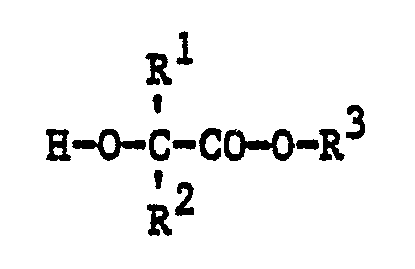
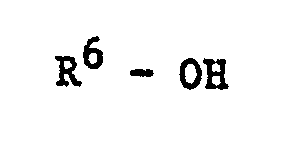
- R 1 , R 2 , R 3 , R 4 , R 5 and R 6 are: R 1 vinyl and methoximethyl, R 2 methyl, R 3 and R 6 alkyl having 1 to 4 carbon atoms, such as ethyl, n-propyl- , i-propyl, n-butyl, sec-butyl, tert.- -Butyl, especially methyl and i-butyl, R 4 and R 5 alkyl radicals such as methyl, undecyl, pentadecyl, heptadecyl, especially heptyl, alkenyl radicals such as heptadecenyl, cycloalkyl radicals such as cyclohexyl.
- tin (II) salts increases the conversion to the N- (3,5-dichlorophenyl) -carbamoyloxy-acetic acid esters with the stoichiometric use of 3,5-DCI and glycolic acid esters from 89 to 91% without tin salts according to DE-A-30 14 119 up to about 96%, based on the 3,5-DCI used; the formation of the undesirable N, N'-bis (3,5-diehlorphenyl) allophanoic acid esters accordingly drops from 10 to 15% to about 2%, based on the 3,5-DCI used.
- the method according to the invention is considerably less energy-intensive, since it is carried out at a lower temperature.
- the amount of tin (II) salts of carboxylic acids used is 0.001 to 1, in particular 0.005 to 0.5% by weight, based on the 3,5-DCI used.
- 3,5-DCI and glycolic acid esters are used in a molar ratio of 1.0: 0.95 to 0.95: 1, preferably in a molar ratio of 1: 1. Since the reaction proceeds rapidly even at moderately elevated temperatures, continuous mixing of the reaction components in a mixing nozzle in the presence of catalytic amounts of tin (II) salts of carboxylic acids, which have advantageously been added to a reaction component, is suitable for this.
- the reaction can also be carried out batchwise, e.g. by adding the melt of 3,5-DCI to glycolic acid esters mixed with catalytic amounts of tin (II) salts of carboxylic acids in a stirred vessel.
- reaction of 3,5-DCI and glycolic acid esters catalyzed by tin (II) salts of carboxylic acids to give N- (3,5-dichlorophenyl) -carbamoyloxyacetic acid ester is carried out without solvent.
- aprotic organic solvents such as alkylated or chlorinated aromatic hydrocarbons, aliphatic or cycloaliphatic hydrocarbons, esters such as Ethyl acetate, ethers such as diethyl ether, cyclic ethers such as tetrahydrofuran, acetonitrile or dimethylformamide, or in mixtures of these solvents, which, however, has no advantages in further processing to N- (3,5-dichlorophenyl) oxazolidine-2,4-diones because this is advantageously carried out in alcohol according to known processes, so that one would be forced to process the N- (3,5-dichlorophenyl) carbamoyloxyacetic acid ester to give N- (3,5-dichlorophenyl) oxazolidine-2,4-dione to remove aprotic solvents costly.
- aprotic organic solvents such as alkylated or chlorinated aromatic hydrocarbons, aliphatic or
- a great advantage of the process according to the invention is that the alcoholic mother liquors of the N- (3,5-diehlorphenyl) oxazolidine-2,4-diones contain only small amounts of impurities which make it easy to obtain those dissolved in the mother liquors Do not interfere with N- (3,5-dichlorophenyl) oxazolidin-2,4-dione by precipitation with water and filtration. Only then does the processing of the mother liquors make technical sense.
- the washing alcohols are discarded.
- Mother liquor and washing alcohols are combined and later diluted with water.
- the contents of the Nutsche consisting of the combined N- (3,5-dichlorophenyl) -oxazolidin-2,4-diones of the current batch and those of working up the mother liquor of the previous batch, are washed with water and removed from the Nutsche. The wash water is discarded.
- the following examples illustrate the implementation of the method according to the invention.
- the parts listed therein mean parts by weight. They relate to parts by volume like kilograms to liters.
- the mother liquor of the suctioned-off N- (3,5-dichlorophenyl) -5-methyl-5-vinyl-oxazolidine-2,4-dione was mixed with 200 parts of water, the temperature being kept below 40.degree. It was filtered off, washed with 15 parts of methanol and dried. Yield 6.2 parts of N- (3,5-dichlorophenyl) -5-methyl-5-vinyl-oxazolidine-2,4-dione, corresponding to 2.5% of theory, based on the 3,5-DCI used. 105 to 107 ° C.
- a mixture of 146.2 parts of vinyl lactic acid butyl ester and 0.1 part of tin diacetate was mixed with 160 parts of 3,5-DCI at 60 ° C.
- a strongly exothermic reaction occurred, causing the reaction mixture to warm to 90 ° C.
- the mixture was kept at this temperature for 3 hours, cooled to 70 ° C., the reaction mixture was poured into a solution of 6 parts of triethylamine in 200 parts by volume of methanol, kept at 70 ° C. for 5 hours and then cooled to 20 ° C. It was suctioned off, the filter residue was washed twice with 30 parts by volume of methanol and dried.
- the mother liquor of the suctioned-off N- (3,5-dichlorophenyl) -5-methyl-5-vinyl-oxazolidine-2,4-dione was mixed with 350 parts of water at 25 ° C.
- the precipitated N- (3,5-dichlorophenyl) oxazolidine-2,4-dione was suction filtered, washed with 2 ⁇ 10 parts of methanol and dried. Yield 5.6 parts, corresponding to 2.3% of theory, based on the 3,5-DCI used. 105 to 107 ° C.
- a 50 ° C warm melt of 2500 parts of 3,5-DCI was run in over a period of 2 hours to a 20 ° C. solution of 0.5 part of tin dioctoate in 2287 parts of vinyl lactic acid i-butyl ester such that the reaction temperature of 20 to 80 ° C rise.
- the mixture was kept at 80 ° C. for 2 hours and the mixture was run into a solution of 110 parts of tripropylamine in 3200 parts by volume of methanol, the methanolic reaction solution coming to a low boil.
- the mixture was then heated under reflux for 4 hours, cooled to below 20 ° C. and the precipitate which had precipitated was filtered off on a suction filter. It was washed with 300 parts by volume of methanol.
- the mother liquor combined with the washing methanol was mixed with 3000 parts of water with stirring, the temperature not exceeding 35 ° C.
- the precipitate formed was sucked off on the above suction filter and washed with 50 parts of methanol.
- the aqueous filtrates and washing methanol were discarded.
- the methanol-moist precipitate contained an average of 80 parts of solid N- (3,5-dichlorophenyl) -5-vinyl-oxazolidine-2,4-dione, corresponding to a yield of 2.1% of theory, based on the 3 used , 5-DCI.
Landscapes
- Chemical & Material Sciences (AREA)
- Organic Chemistry (AREA)
- Health & Medical Sciences (AREA)
- Chemical Kinetics & Catalysis (AREA)
- Medicinal Chemistry (AREA)
- Polymers & Plastics (AREA)
- Dispersion Chemistry (AREA)
- Adhesives Or Adhesive Processes (AREA)
- Polyurethanes Or Polyureas (AREA)
- Heterocyclic Carbon Compounds Containing A Hetero Ring Having Nitrogen And Oxygen As The Only Ring Hetero Atoms (AREA)
- Adhesive Tapes (AREA)
Abstract
- (A) Polyolen und/oder Polyaminen, wobei die Komponente (A) bei Raumtemperatur eine Viskosität unter 100 Pas aufweist, die OH-Zahl kleiner ist als 112 und die mittlere Funktionalität der Einsatzstoffe zwischen 1,1 und 6 liegt, und
- (B) Polyisocyanaten, die in (A) dispergiert vorliegen und durch eine phasentrennende Desaktivierung an der Oberfläche der dispergierten Teilchen gegen (A) stabilisiert sind, in solcher Menge, daß 0,1 bis 2 Äquivalente des insgesamt in dem Polyisocyanat vorhandenen Isocyanats auf ein Äquivalent Hydroxyl- bzw. Aminogruppen der Komponente (A) entfallen,
sind besonders für Haftkleber geeignet.
Description
- Die vorliegende Erfindung betrifft ein Verfahren zur Herstellung von N-(3,5-Dichlorphenyl)-oxazolidin-2,4-dionen, bei dem im ersten Syntheseschritt der N-(3,5-Dichlorphenyl)-carbamoyloxi-essigsäurester in Gegenwart von Zinn(II)salzen von Carbonsäuren hergestellt und zusätzliche Mengen an N-(3,5-Dichlorphenyl)-oxazolidin-2,4-dionen aus der alkoholischen Mutterlauge durch Fällung mit Wasser abgetrennt werden.
- Es ist bekannt, die Herstellung von N-(3,5-Diehlorphenyl)-oxazolidin-2,4--dionen in zwei Synthesesehritten vorzunehmen, wobei im ersten Schritt 3,5-Dichlorphenylisocyanat (= 3,5-DCI) und Glykolsäureester zu N-(3,5-Dichlorphenyl)-carbamoyloxi-essigsäureester umgesetzt werden, die im zweiten Schritt in Alkoholen in Gegenwart von Basen zu N-(3,5-Dichlorphenyl)--oxazolidin-2,4-dionen eyclisiert werden (DE-A-30 14 119). Die in fester Form anfallenden N-(3,5-Dichlorphenyl)-oxazolidin-2,4-dione werden in üblicher Weise, z.B. durch Filtration, von der Mutterlauge abgetrennt.
- Bei der bekannten Umsetzung von gleichen Molen 3,5-DCI und Glykolsäureestern entsteht ein Gemisch aus 85 bis 90 % N-(3,5-Dichlorphenyl)-carba- moyloxi-essigsäureestern (I) und 10 bis 15 % N,N'-Bis-(3,5-dichlorphenyl)--allophansäureestern (II), bezogen auf eingesetztes 3,5-DCI. Sowohl die N-(3,5-Dichlorphenyl)-earbamoyloxi-essigsäureester als auch die N,N'-Bis--(3,5-dichlorphenyl)-allophansäureester cyclisieren in Gegenwart basischer Katalysatoren zu N-(3,5-Dichlorphenyl)-oxazolidin-2,4-dionen (III), im Falle obigen Gemisches in ca. 90 Xiger Ausbeute, bezogen auf eingesetztes 3,5-DCI.
- Die Herstellung von N-(3,5-Dichlorphenyl)-oxazolidin-2,4-dionen aus 3,5--DCI und Glykolsäureestern wird anhand der Umsetzung von 3,5-DCI mit Vinyl-milchsäure-i-butylester wie folgt formelhaft wiedergegeben:
- Die Ausbeute an N-(3,5-Dichlorphenyl)-oxazolidin-2,4-dionen wird somit durch die Bildung der N,N'-Bis,-(3,5-dichlorphenyl)-allophansäureester stark herabgesetzt.
- Aus DE-A-23 24 591 ist es bekannt, bei der Herstellung von N-(3,5-Dichlorphenyl)-carbamoyloxi-essigsäureestern Dibutyl-zinn-diacetat, d.h. ein Salz das vierwertigen Zinns, in einer Menge von ca. 1,5 X, bezogen auf eingesetztes 3,5-DCI, als Katalysator zu verwenden. Die Ausbeute an N-(3,5-dichlorphenyl)-oxazolidin-2,4-dionen wird durch die Verwendung von Dibutyl-zinn-dilaurat anstelle von Dibutyl-zinn-diacetat als Katalysator nicht über 90 % erhöht. Gemäß DE-A-22 07 576, wo ohne Katalysator gearbeitet wird, erreicht man sogar eine höhere Ausbeute an N-(3,5-Dichlorphenyl)-oxazolidin-2,4-dionen als gemäß DE-A-23 24 591, wobei aber die Ausbeuten sowohl gemäß DE-A-22 07 576 als auch gemäß DE-A-23 24 591 kleiner als 90 % sind..
- Die N-(3,5-Dichlorphenyl)-oxazolidin-2,4-dione fallen beim Arbeiten gemäß DE-A-30 14 119 in fester Form in alkoholischer Mutterlauge an, aus der sie z.B. durch Filtration abgetrennt werden. Die Mutterlaugen enthalten weitere Mengen an gelösten N-(3,5-Dichlorphenyl)-oxazolidin-2,4-dionen. Dadurch daß sie außerdem beträchtliche Mengen an N-(3,5-Dichlorphenyl)--alkylearbamaten und nicht umgesetzten Glykolsäureestern enthalten, ist die Abtrennung der in der Mutterlauge gelösten N-(3,5-Dichlorphenyl)-oxa- zolidine sehr schwer. So bilden sich bei der Fällung der N-(3,5-Dichlorphenyl)-oxazolidin-2,4-dione aus der Mutterlauge mit Wasser N-(3,5-Dichlorphenyl)-oxazolidin-2,4-dion-haltige Schmieren oder schmierige Feststoffe, die sich nur sehr schwer abtrennen lassen und zu Filterverstopfungen führen, die nur schwer zu beseitigen sind. Die schmierigen Filterrückstände lassen sich nur unter beträchtlichen Schwierigkeiten und Produktverlusten zu N-(3,5-Dichlorphenyl)-oxazolidin-2,4-dionen technischer Reinheit aufarbeiten. Die Abtrennung von N-(3,5-Dichlorphenyl)-oxazolidin--2,4-dionen aus den Mutterlaugen ist daher technisch nicht sinnvoll.
- Es wurde nun gefunden, daß man N-(3,5-Dichlorphenyl)-oxazolidin-2,4-dione der Formel



- Bevorzugte Substituenten R1, R2, R3, R4, R5 und R6 sind: R1 Vinyl und Methoximethyl, R2 Methyl, R3 und R6 Alkyl mit 1 bis 4 Kohlenstoffatomen, wie Ethyl, n-Propyl-, i-Propyl, n-Butyl, sek-Butyl, tert.--Butyl, insbesondere Methyl und i-Butyl, R4 und R5 Alkylreste wie Methyl, Undecyl, Pentadecyl, Heptadecyl, insbesondere Heptyl, Alkenylreste wie Heptadecenyl, Cycloalkylreste wie Cyclohexyl.
- Durch den Zusatz von Zinn(II)salzen nach dem Verfahren der Erfindung steigt der Umsatz zu den N-(3,5-Dichlorphenyl)-carbamoyloxi-essigsäure- estern bei stöchiometrischem Einsatz von 3,5-DCI und Glykolsäureestern von 89 bis 91 % ohne Zinnsalze gemäß DE-A-30 14 119 bis auf ca. 96 %, bezogen auf eingesetztes 3,5-DCI, an; die Entstehung der unerwünschten N,N'-Bis-(3,5-diehlorphenyl)-allophansäureester fällt dementsprechend von 10 bis 15 % auf ca. 2 X, bezogen auf eingesetztes 3,5-DCI, ab. Dadurch steigt die Ausbeute an N-(3,5-Dichlorphenyl)-oxazolidin-2,4-dionen ohne Aufarbeitung der Mutterlauge von ca. 90 bis auf ca. 96 %, und die Gesamtausbeute, d.h. mit Aufarbeitung der Mutterlauge, auf ca. 98 %, bezogen auf eingesetztes 3,5-DCI, an. Dabei arbeitet man drucklos (1 bar) oder unter Druck (1 bis 10 bar) bei Temperaturen zwischen 0 und 110°C, vorzugsweise bei Temperaturen zwischen 10 und 90°C.
- Im Vergleich zu dem bekannten Verfahren (DE-A-30 14 119), das bei optimalen Temperaturen von ca. 120°C abläuft, ist das Verfahren nach der Erfindung erheblich weniger energieaufwendig, da es bei niedrigerer Temperatur durchgeführt wird.
- Die verwendete Menge an Zinn(II)salzen von Carbonsäuren beträgt 0,001 bis 1, insbesondere 0,005 bis 0,5 Gew.%, bezogen auf eingesetztes 3,5-DCI.
- Man setzt 3,5-DCI und Glykolsäureester im Molverhältnis von 1,0:0,95 bis 0,95:1, vorzugsweise im Molverhältnis von 1:1 ein. Da die Umsetzung selbst bei mäßig erhöhten Temperaturen rasch abläuft, eignet sich hierfür eine kontinuierliche Vermischung der Reaktionskomponenten in einer Mischdüse in Gegenwart katalytischer Mengen von Zinn(II)salzen von Carbonsäuren, die man vorteilhaft einer Reaktionskomponente beigemischt hat. Man kann die Umsetzung aber auch diskontinuierlich durchführen, z.B. durch Zulauf der Schmelze von 3,5-DCI zu mit katalytischen Mengen von Zinn(II)-salzen von Carbonsäuren versetzten Glykolsäureestern in einem Rührgefäß.
- Vorteilhaft führt man die durch Zinn(II)salze von Carbonsäuren katalysierte Umsetzung von 3,5-DCI und Glykolsäureestern zu N-(3,5-Dichlorphenyl)-carb- amoyloxi-essigsäureester lösungsmittelfrei durch.
- Sie kann aber auch in Gegenwart von aprotischen organischen Lösungsmitteln, wie eventuell alkylierten oder chlorierten aromatischen Kohlenwasserstoffen, aliphatischen oder cycloaliphatischen Kohlenwasserstoffen, Estern wie Essigsäureethylester, Ethern wie Diethylether, cyclischen Ethern wie Tetrahydrofuran, Acetonitril oder Dimethylformamid oder in Gemischen dieser Lösungsmittel durchgeführt werden, was jedoch bei der Weiterverarbeitung zu N-(3,5-Dichlorphenyl)-oxazolidin-2,4-dionen keine Vorteile bringt, weil diese nach bekannten Verfahren vorteilhaft in Alkohol durchgeführt wird, so daß man gezwungen wäre, vor der Weiterverarbeitung der N-(3,5-Dichlorphenyl)-carbamoyloxiessigsäureester zu N-(3,5-Dichlorphenyl)-oxazolidin-2,4-dionen das aprotische Lösungsmittel kostenaufwendig zu entfernen.
- Ein großer Vorteil des Verfahrens nach der Erfindung besteht darin, daß die alkoholischen Mutterlaugen der N-(3,5-Diehlorphenyl)-oxazolidin-2,4--dione nur geringe Anteile an Verunreinigungen enthalten, die die einfache Gewinnung der in den Mutterlaugen gelösten N-(3,5-Dichlorphenyl)--oxazolidin-2,4-dione durch Fällung mit Wasser und Filtration nicht stören. Dadurch erst wird die Aufarbeitung der Mutterlaugen technisch sinnvoll. Man verrührt diese bei Temperaturen zwischen -10 und +60°C, insbesondere zwischen +10 und +40*C mit Wasser, vorteilhaft im Volumenverhältnis von 1:10 bis 10:1, insbesondere im Volumenverhältnis von 1:3 bis 3:1 und saugt die ausgefallenen N-(3,5-Dichlorphenyl)-oxazolidin-2,4-dione ab. Ca. 2 % N-(3,5-Dichlorphenyl)-oxazolidin-2,4-dione lassen sich so zusätzlich gewinnen. Diese enthalten praktisch keine der oben erwähnten Verunreinigungen wie bei bekannten Verfahren anfallende Mutterlaugen und sind von einer Reinheit, die den technischen Anforderungen und den Anforderungen des Marktes genügt.
- Die Benutzung von Wasser als Fällmittel für die N-(3,5-Dichlorphenyl)-oxa- zolidin-2,4-dione der alkoholischen Mutterlaugen und die gute Filtrierbarkeit der ausgefällten N-(3,5-Dichlorphenyl)-oxazolidin-2,4-dione erlauben es, deren Isolierung in den normalen Produktionsprozeß in Chargen von N-(3,5-Dichlorphenyl)-oxazolidin-2,4-dionen in folgender Weise zu integrieren: Die mit Wasser ausgefällten N-(3,5-Dichlorphenyl)-oxazolidin--2,4-dione aus der Mutterlauge der vorangegangenen Charge werden auf einer Nutsche abgesaugt, mit Alkoholen der Formel R6-OH gewaschen und verbleiben auf der Nutsche. Die Waschalkohole werden verworfen. Hierzu gibt man die alkoholische Suspension der N-(3,5-Dichlorphenyl)-oxazolidin--2,4-dione in der Mutterlauge der laufenden Charge, saugt ab und wäscht mit geringen Mengen Alkoholen der Formel R6-OH nach. Mutterlauge und Waschalkohole werden vereinigt und später mit Wasser verdünnt. Der Nutscheninhalt, bestehend aus den vereinigten N-(3,5-Dichlorphenyl)-oxazo- lidin-2,4-dionen der laufenden Charge und denen der Aufarbeitung der Mutterlauge der vorangegangenen Charge, werden mit Wasser gewaschen und aus der Nutsche entfernt. Die Waschwässer werden verworfen.
- Der Vorteil der Abtrennung der wertvollen N-(3,5-Dichlorphenyl)-oxazoli- din-2,4-dione aus der Mutterlauge nach dem Verfahren der Erfindung unter Verzicht auf die bekannte Rückgewinnung der Alkohole R3-OH und R6-OH aus den Mutterlaugen ist beträchtlich, weil die Ausbeute an Endprodukt erhöht wird und demgegenüber der Verlust an Alkoholen vernachlässigt werden kann.
- Die folgenden Beispiele erläutern die Durchführung des erfindungsgemäßen Verfahrens. Darin bedeuten die aufgeführten Teile Gewichtsteile. Sie verhalten sich zu den Volumenteilen wie Kilogramm zu Liter.
- Zu einer Mischung aus 146,2 Teilen Vinylmilchsäure-i-butylester und 0,1 Teilen Zinn-dilaurat wurden 160 Teile 40°C warmes flüssiges 3,5-DCI (Schmp. 30 bis 31°C) innerhalb von 10 Minuten so zugesetzt, daß dabei die Reaktionstemperatur von 35 auf 90°C anstieg. Man kühlte auf 80°C, rührte bei dieser Temperatur 2 Stunden nach und kühlte danach auf 70°C. Man gab dann eine Lösung von 7 Teilen Tri-n-propylamin in 200 Volumenteilen Methanol zu, hielt 5 Stunden bei 70°C und kühlte auf Raumtemperatur ab. Das ausgefallene N-(3,5-Dichlorphenyl)-5-methyl-5-vinyl-oxazolidin-2,4-dion wurde abgesaugt, 2x mit je 30 Volumenteilen Methanol gewaschen und getrocknet. Ausbeute 229,5 Teile, entsprechend 94,3 % d.Th. bezogen auf eingesetztes 3,5-DCI. Schmp. 107 bis 108°C.
- Die Mutterlauge des abgesaugten N-(3,5-Dichlorphenyl)-5-methyl-5-vinyl--oxazolidin-2,4-dions wurde mit 200 Teilen Wasser versetzt, wobei die Temperatur unter 40°C gehalten wurde. Es wurde abgesaugt, mit 15 Teilen Methanol gewaschen und getrocknet. Ausbeute 6,2 Teile N-(3,5-Dichlorphenyl)-5-methyl-5-vinyl-oxazolidin-2,4-dion, entsprechend 2,5 % d.Th., bezogen auf eingesetztes 3,5-DCI. Schmp. 105 bis 107°C.
- Eine Mischung aus 146,2 Teilen Vinylmilchsäure-butylester und 0,1 Teilen Zinn-diacetat wurde mit 160 Teilen 3,5-DCI bei 60°C versetzt. Beim Erwärmen auf 65°C trat eine stark exotherme Reaktion ein, wodurch die Reaktionsmischung sich auf 90°C erwärmte. Man hielt 3 Stunden bei dieser Temperatur, kühlte auf 70°C ab, goß die Reaktionsmischung in eine Lösung von 6 Teilen Triethylamin in 200 Volumenteilen Methanol ein, hielt 5 Stunden bei 70°C und kühlte danach auf 20°C ab. Man saugte ab, wusch den Filterrückstand 2x mit je 30 Volumenteilen Methanol und trocknete ihn. Ausbeute 228,5 Teile N-(3,5-Dichlorphenyl)-5-methyl-5-vinyl-oxazolidin-2,4--dion, entsprechend 93,9 % d.Th., bezogen auf eingesetztes 3,5-DCI. Schmp. 106 bis 108°C.
- Die Mutterlauge (30°C) wurde in 300 Teile Wasser gegeben. Es wurde abgesaugt, der Filterrückstand mit 12 Teilen Methanol gewaschen und getrocknet. Ausbeute 6 Teile N-(3,5-Dichlorphenyl)-5-methyl-5-vinyl-oxazolidin--2,4-dion, entsprechend 2,5 % d.Th., bezogen auf eingesetztes 3,5-DCI. Schmp. 104 bis 107°C.
- Zu einer Lösung von 0,05 Teilen Zinn-dioctoat und 160,7 Teilen Methoximethylmilchsäure-i-butylester wurden bei 80°C 160 Teile einer 40°C warmen 3,5-DCI-Sehmelze innerhalb von 60 Minuten gegeben. Man rührte diese Reaktionsmischung weitere 2 Stunden bei 80°C und ließ sie in eine Lösung von 5 Teilen Triethylamin in 180 Volumenteilen Methanol einfließen. Man hielt 5 Stunden bei 70°C und kühlte auf 20°C ab. Man saugte ab, wusch den Filterrückstand mit 2x 25 Teilen Methanol und trocknete ihn. Ausbeute 245 Teile N-(3,5-Dichlorphenyl)-5-methyl-5-methoximethyl-oxazolidin-2,4--dion, entsprechend 94,7 % d.Th., bezogen auf eingesetztes 3,5-DCI. Schmp. 111 bis 113°C.
- Die Mutterlauge des abgesaugten N-(3,5-Dichlorphenyl)-5-methyl-5-methoximethyl-oxazolidin-2,4-dions wurde bei 25°C mit 350 Teilen Wasser versetzt. Es wurde abgesaugt, der Filterrückstand mit 15 Teilen Methanol gewaschen und getrocknet. Ausbeute 5,7 Teile N-(3,5-Dichlorphenyl)-5-methyl-5--methoximethyl-oxazolidin-2,4-dion, entsprechend 2,2 % d.Th., bezogen auf eingesetztes 3,5-DCI. Schmp. 108 bis 111°C.
- Zu einer Lösung von 0,05 Teilen Zinn-dioctoat und 160 Teilen 3,5-DCI wurden 147 Teile Vinylmilchsäure-i-butylester innerhalb von 5 Minuten bei 60°C zugesetzt. Man rührte 4 Stunden bei 60°C nach und gab bei dieser Temperatur eine Lösung von 7 Teilen Tri-n-propylamin in 200 Volumenteilen Methanol zu. Man hielt 5 Stunden bei 70°C, kühlte auf 20°C ab, saugte das ausgefallene N-(3,5-Dichlorphenyl)-5-methyl-5-vinyl-oxazolidin-2,4-dion ab, wusch es mit 2x 20 Volumenteilen Methanol und trocknete es. Ausbeute 234 Teile, entsprechend 96,1 % d.Th., bezogen auf eingesetztes 3,5-DCI. Schmp. 107 bis 108°C.
- Die Mutterlauge des abgesaugten N-(3,5-Dichlorphenyl)-5-methyl-5-vinyl- oxazolidin-2,4-dions wurde bei 25°C mit 350 Teilen Wasser versetzt. Das ausgefallene N-(3,5-Dichlorphenyl)-oxazolidin-2,4-dion wurde abgesaugt, mit 2x 10 Teilen Methanol gewaschen und getrocknet. Ausbeute 5,6 Teile, entsprechend 2,3 % d.Th., bezogen auf eingesetztes 3,5-DCI. Schmp. 105 bis 107°C.
- Zu einer 20°C warmen Lösung von 0,5 Teilen Zinn-dioctoat in 2287 Teilen Vinylmilchsäure-i-butylester ließ man eine 50°C warme Schmelze von 2500 Teilen 3,5-DCI innerhalb von 2 Stunden so zulaufen, daß die Reaktionstemperatur von 20 auf 80°C anstieg. Man hielt 2 Stunden bei 80°C und ließ die Mischung in eine Lösung von 110 Teilen Tripropylamin in 3200 Volumenteilen Methanol einlaufen, wobei die methanolische Reaktionslösung zum schwachen Sieden kam. Man erhitzte dann 4 Stunden am Rückfluß, kühlte auf unter 20°C ab und saugte den ausgefallenen Niederschlag auf einer Nutsche ab. Man wusch ihn mit 300 Volumenteilen Methanol. Mutterlauge und Waschmethanol wurden vereinigt. Der Nutscheninhalt wurde weiterhin mit 10 000 Teilen Wasser gewaschen, gut abgesaugt und die Nutsche entleert. Ausbeute, bezogen auf Trockengewicht 3600 Teile N-(3,5-Dichlorphenyl)-5--methyl-5-vinyl-oxazolidin-2,4-dion, entsprechend 94,6 % d.Th., bezogen auf eingesetztes 3,5-DCI. Die Waschwasser wurden verworfen.
- Die mit dem Waschmethanol vereinigte Mutterlauge wurde unter Rühren mit 3000 Teilen Wasser versetzt, wobei die Temperatur 35°C nicht überstieg. Man saugte den entstandenen Niederschlag auf obiger ausgeräumter Nutsche ab und wusch ihn mit 50 Teilen Methanol. Die wäßrigen Filtrate und das Waschmethanol wurden verworfen. Der methanolfeuchte Niederschlag enthielt durchschnittlich 80 Teile an festem N-(3,5-Dichlorphenyl)-5-vinyl-oxazo- lidin-2,4-dion, entsprechend einer Ausbeute von 2,1 % d.Th., bezogen auf eingesetztes 3,5-DCI. Bei laufendem Chargenbetrieb wurde er nicht ausgetragen sondern auf der Nutsche mit der methanolischen Maische von N-(3,5--Dichlorphenyl)-5-methyl-5-vinyl-oxazolidin-2,4-dion der folgenden Charge verrührt und abgesaugt und der Filterrückstand, wie oben beschrieben mit 300 Volumenteilen Methanol und 10 000 Teilen Wasser gewaschen, abgesaugt und ausgetragen, wobei man wiederum eine mit dem Waschmethanol vereinigte Mutterlauge erhielt, die, wie oben beschrieben, aufgearbeitet wurde. Man erhielt so einen wasserfeuchten Nutschenaustrag, bestehend aus 3600 + 80 - 3680 Teilen N-(3,5-Dichlorphenyl)-S-methyl-5-vinyl-oxazolidin-2,4-di- onen, bezogen auf Trockengewicht, entsprechend einer 96,7 Zigen Ausbeute, bezogen auf eingesetztes 3,5-DCI. Schmp. der Trockenware 106 bis 108°C.
Claims (5)


Applications Claiming Priority (2)
| Application Number | Priority Date | Filing Date | Title |
|---|---|---|---|
| DE19833325735 DE3325735A1 (de) | 1983-07-16 | 1983-07-16 | Bei raumtemperatur fluessige, lagerstabile, waermeaktivierbare stoffgemische aus polyolen und/oder polyaminen und polyisocyanaten fuer polyurethan-haftkleber |
| DE3325735 | 1983-07-16 |
Publications (2)
| Publication Number | Publication Date |
|---|---|
| EP0131902A2 true EP0131902A2 (de) | 1985-01-23 |
| EP0131902A3 EP0131902A3 (de) | 1986-12-10 |
Family
ID=6204172
Family Applications (1)
| Application Number | Title | Priority Date | Filing Date |
|---|---|---|---|
| EP84108130A Withdrawn EP0131902A3 (de) | 1983-07-16 | 1984-07-11 | Bei Raumtemperatur flüssige, lagerstabile, wärmeaktivierbare Stoffgemische aus Polyolen und/oder Polyaminen und Polyisocyanaten für Polyurethan-Haftkleber |
Country Status (4)
| Country | Link |
|---|---|
| US (1) | US4543393A (de) |
| EP (1) | EP0131902A3 (de) |
| JP (1) | JPS6038485A (de) |
| DE (1) | DE3325735A1 (de) |
Cited By (4)
| Publication number | Priority date | Publication date | Assignee | Title |
|---|---|---|---|---|
| EP0153579B1 (de) * | 1984-02-02 | 1989-06-14 | Bayer Ag | Verwendung von hitzehärtbaren Polyurethanharnstoff-Reaktiv-Klebstoffmassen |
| EP0325941A3 (de) * | 1988-01-23 | 1990-07-04 | Bayer Ag | Verfahren zur Herstellung von modifizierten Polyisocyanaten, die nach diesem Verfahren erhältlichen Polyisocynate und ihre Verwendung |
| EP0402728A3 (de) * | 1989-06-16 | 1991-03-27 | Bayer Ag | Einkomponenten-Reaktivklebstoffe auf Polyurethanbasis |
| EP0417540A3 (en) * | 1989-09-09 | 1991-07-10 | Bayer Ag | Masses of reactive polyurethane adhesives comprising finely dispersed polymers |
Families Citing this family (16)
| Publication number | Priority date | Publication date | Assignee | Title |
|---|---|---|---|---|
| GB2151643B (en) * | 1983-12-22 | 1987-02-11 | Bostik Ltd | Heat curable compositions |
| DE3628123C1 (de) * | 1986-08-19 | 1988-02-11 | Herberts Gmbh | Pigmentdispersion und deren Verwendung |
| JPH0776332B2 (ja) * | 1988-11-18 | 1995-08-16 | サンスター技研株式会社 | 湿気硬化性ホットメルト型接着剤組成物 |
| DE4111655A1 (de) * | 1991-04-10 | 1992-10-15 | Bayer Ag | Einkomponenten-reaktivklebstoffe auf polyurethanbasis |
| NZ248977A (en) | 1992-11-09 | 1995-06-27 | Squibb & Sons Inc | Pressure-sensitive adhesive comprising a polyurethane having excess hydroxyl functionality; medical articles comprising a layer of such adhesive |
| US5942330A (en) * | 1994-05-19 | 1999-08-24 | Bostik, Incorporated | Adhesive compositions and methods and articles of manufacture comprising same |
| US5688356A (en) * | 1996-11-06 | 1997-11-18 | Olin Corporation | Water-based urethane adhesive |
| EP1164154A1 (de) * | 2000-06-15 | 2001-12-19 | Ag Bayer | Haftklebstoffe mit verbesserter Scherfestigkeit bei erhöhten Temperaturen |
| US6699528B2 (en) * | 2002-02-04 | 2004-03-02 | Mckeand Scott J. | Process for preparing corrosion-resistant metal articles for marine applications |
| GB2400104B (en) * | 2003-04-03 | 2007-10-10 | Bostik Findley Ltd | Storage stable adhesive paste compositions |
| JP4321717B2 (ja) * | 2004-02-10 | 2009-08-26 | 日東電工株式会社 | 溶剤含有物除去用粘着シート |
| US20050230027A1 (en) * | 2004-04-15 | 2005-10-20 | L&L Products, Inc. | Activatable material and method of forming and using same |
| US8673442B2 (en) * | 2007-12-18 | 2014-03-18 | Upm Raflatac Oy | Label, a method in labelling and use of an adhesive |
| US8263700B2 (en) | 2010-06-01 | 2012-09-11 | Ppg Industries Ohio, Inc. | Pigment dispersions, related coating compositions and coated substrates |
| JP5697955B2 (ja) | 2010-11-19 | 2015-04-08 | 住化バイエルウレタン株式会社 | 多層加飾フィルム |
| US20240271012A1 (en) * | 2023-02-14 | 2024-08-15 | The Boeing Company | Thermoreversible urethane-based adhesive compositions and associated methods for bonding and bonded articles |
Family Cites Families (11)
| Publication number | Priority date | Publication date | Assignee | Title |
|---|---|---|---|---|
| GB1103202A (en) * | 1963-08-09 | 1968-02-14 | Dunlop Co Ltd | Improvements relating to encapsulated materials |
| DE1570548B2 (de) * | 1965-03-17 | 1980-01-17 | Bayer Ag, 5090 Leverkusen | Verfahren zur Herstellung von lagerbeständigen, in der Wärme zu Polyurethanen aushärtbaren Massen |
| DE1904102C3 (de) * | 1969-01-28 | 1978-08-31 | Basf Ag, 6700 Ludwigshafen | Verfahren zur Herstellung von Haftklebern |
| DE2002457C3 (de) * | 1970-01-21 | 1980-10-02 | Basf Ag, 6700 Ludwigshafen | Verfahren zur Herstellung von Haftklebern auf Basis von Polyalkylenoxid und Polyisocyanat |
| DE2328430C2 (de) * | 1973-06-05 | 1983-05-11 | Basf Ag, 6700 Ludwigshafen | Verfahren zur Herstellung von Haftklebern |
| CH602808A5 (de) * | 1973-08-08 | 1978-08-15 | Basf Ag | |
| DE2436873A1 (de) * | 1974-07-31 | 1976-02-19 | Basf Ag | Verfahren zur herstellung von haftklebern |
| DE2842805A1 (de) * | 1978-09-30 | 1980-04-10 | Bayer Ag | Beschichtungsmassen |
| DE3112054A1 (de) * | 1981-03-27 | 1982-10-07 | Basf Ag, 6700 Ludwigshafen | Lagerstabile, hitzhaertbare stoffmischungen aus polyisocyanat und polyol, verfahren zu deren herstellung und verwendung |
| EP0100507B1 (de) * | 1982-07-31 | 1988-10-26 | BASF Lacke + Farben AG | Lagerstabile, hitzehärtbare Stoffmischungen aus Polyisocyanat und Polyol, Verfahren zu deren Herstellung und Verwendung |
| DE3230757A1 (de) * | 1982-08-18 | 1984-02-23 | Bayer Ag, 5090 Leverkusen | Verfahren zur herstellung von stabilisierten polyisocyanaten, stabilisierte polyisocyanate retardierter reaktivitaet und ihre verwendung zur polyurethanherstellung |
-
1983
- 1983-07-16 DE DE19833325735 patent/DE3325735A1/de not_active Withdrawn
-
1984
- 1984-07-11 EP EP84108130A patent/EP0131902A3/de not_active Withdrawn
- 1984-07-16 US US06/631,506 patent/US4543393A/en not_active Expired - Fee Related
- 1984-07-16 JP JP59146168A patent/JPS6038485A/ja active Pending
Cited By (4)
| Publication number | Priority date | Publication date | Assignee | Title |
|---|---|---|---|---|
| EP0153579B1 (de) * | 1984-02-02 | 1989-06-14 | Bayer Ag | Verwendung von hitzehärtbaren Polyurethanharnstoff-Reaktiv-Klebstoffmassen |
| EP0325941A3 (de) * | 1988-01-23 | 1990-07-04 | Bayer Ag | Verfahren zur Herstellung von modifizierten Polyisocyanaten, die nach diesem Verfahren erhältlichen Polyisocynate und ihre Verwendung |
| EP0402728A3 (de) * | 1989-06-16 | 1991-03-27 | Bayer Ag | Einkomponenten-Reaktivklebstoffe auf Polyurethanbasis |
| EP0417540A3 (en) * | 1989-09-09 | 1991-07-10 | Bayer Ag | Masses of reactive polyurethane adhesives comprising finely dispersed polymers |
Also Published As
| Publication number | Publication date |
|---|---|
| US4543393A (en) | 1985-09-24 |
| DE3325735A1 (de) | 1985-01-24 |
| EP0131902A3 (de) | 1986-12-10 |
| JPS6038485A (ja) | 1985-02-28 |
Similar Documents
| Publication | Publication Date | Title |
|---|---|---|
| EP0069926B1 (de) | Verfahren zur Herstellung von Fumarsäuremonoestern | |
| DE1695602C3 (de) | 09.11.67 USA 681907 Verfahren zur Herstellung von 1-Methyl-2-vinyl-1,4,5,6-tetrahydropyrimidinen und deren Säureanlagerungssalze | |
| EP0131903B1 (de) | Verfahren zur Herstellung von N-(3,5-Dichlorphenyl)-oxazolidin-2,4-dionen | |
| EP1213292B1 (de) | Oligomere Silasesquioxane, deren Herstellung und deren Verwendung zur Synthese von nicht vollständig kondensierten Silasesquioxanen, von Katalysatoren und deren Ausgangsverbindungen sowie von Polymeren | |
| EP0008102B1 (de) | Verfahren zur Herstellung von Azaspirodecanen | |
| DE1240866B (de) | Verfahren zur Herstellung von Indolin-6-sulfonylharnstoffen | |
| EP0801077A2 (de) | Thermoplastischer Werkstoff bestehend aus aliphatischen Carbamidsäurederivaten von Polysacchariden und niedermolekularen Harnstaffderivaten sowie ein Verfahren zu dessen Herstellung und Verwendung desselben | |
| DE2454856C2 (de) | Verfahren zur Herstellung von Maleinimiden | |
| DE1921676A1 (de) | Chemische Verbindung und Verfahren zu deren Herstellung | |
| DE2535930A1 (de) | Abietamidderivate und verfahren zu ihrer herstellung | |
| EP0171584B1 (de) | Verfahren zur Herstellung von 2-Alkyl-4,5-dihydroximethylimidazolen | |
| DE69813388T2 (de) | Verfahren zur Herstellung von 2,4-Oxazolidindion | |
| DE2900506C2 (de) | ||
| DE69229017T2 (de) | Glyceraldehyd-3-pentanid und Verfahren zu ihrer Herstellung | |
| DE2624102A1 (de) | Hydantoinringe enthaltende triole | |
| DE2555567A1 (de) | Verfahren zur herstellung von salzen von monoestern der kohlensaeure | |
| DD263891A3 (de) | Verbessertes verfahren zur herstellung von 2,4,6,8-tetrahydroxy-yrimido[5,4-d] pyrimidin und seinen salzen | |
| EP0906905A1 (de) | Verfahren zur Herstellung von cyclischen Harnstoffderivaten | |
| DE3125990A1 (de) | Verfahren zur herstellung von imidazolderivaten | |
| DE2628653C2 (de) | Verfahren zur Herstellung von Naphtholactam | |
| DE2649536C2 (de) | Verwendung eines Silazans und/oder Silylamins in Kombination mit Bis(trimethylsilyl)sulfat zur Silylierung einer organischen Verbindung | |
| DE2250469A1 (de) | Verfahren zur herstellung von substituierten benzimidazolen | |
| EP3590917B1 (de) | Verfahren zur herstellung von dialkyldicarbonaten mittels aminoxide | |
| DE2235377A1 (de) | 2,4-thiazol-dimethanol-carbamat und verfahren zu dessen herstellung | |
| EP0038007A1 (de) | Verfahren zur Herstellung von N-(3,5-Dichlorphenyl)-oxazolidin-2,4-dionen |
Legal Events
| Date | Code | Title | Description |
|---|---|---|---|
| PUAI | Public reference made under article 153(3) epc to a published international application that has entered the european phase |
Free format text: ORIGINAL CODE: 0009012 |
|
| AK | Designated contracting states |
Designated state(s): BE DE FR GB IT NL |
|
| PUAL | Search report despatched |
Free format text: ORIGINAL CODE: 0009013 |
|
| AK | Designated contracting states |
Kind code of ref document: A3 Designated state(s): BE DE FR GB IT NL |
|
| 17P | Request for examination filed |
Effective date: 19861104 |
|
| 17Q | First examination report despatched |
Effective date: 19880226 |
|
| STAA | Information on the status of an ep patent application or granted ep patent |
Free format text: STATUS: THE APPLICATION HAS BEEN WITHDRAWN |
|
| 18W | Application withdrawn |
Withdrawal date: 19880526 |
|
| RIN1 | Information on inventor provided before grant (corrected) |
Inventor name: BLUM, RAINER Inventor name: MUELLER, HELMUT Inventor name: BUENSCH, HELLMUT, DR. Inventor name: DRUSCHKE, WOLFGANG, DR. |