WO2014104318A1 - バクテリアセルロースおよびこれを生産する細菌 - Google Patents
バクテリアセルロースおよびこれを生産する細菌 Download PDFInfo
- Publication number
- WO2014104318A1 WO2014104318A1 PCT/JP2013/085163 JP2013085163W WO2014104318A1 WO 2014104318 A1 WO2014104318 A1 WO 2014104318A1 JP 2013085163 W JP2013085163 W JP 2013085163W WO 2014104318 A1 WO2014104318 A1 WO 2014104318A1
- Authority
- WO
- WIPO (PCT)
- Prior art keywords
- bacterial cellulose
- strain
- culture
- intermedius
- siid9587
- Prior art date
- Legal status (The legal status is an assumption and is not a legal conclusion. Google has not performed a legal analysis and makes no representation as to the accuracy of the status listed.)
- Ceased
Links
Images




Classifications
-
- C—CHEMISTRY; METALLURGY
- C12—BIOCHEMISTRY; BEER; SPIRITS; WINE; VINEGAR; MICROBIOLOGY; ENZYMOLOGY; MUTATION OR GENETIC ENGINEERING
- C12N—MICROORGANISMS OR ENZYMES; COMPOSITIONS THEREOF; PROPAGATING, PRESERVING, OR MAINTAINING MICROORGANISMS; MUTATION OR GENETIC ENGINEERING; CULTURE MEDIA
- C12N1/00—Microorganisms; Compositions thereof; Processes of propagating, maintaining or preserving microorganisms or compositions thereof; Processes of preparing or isolating a composition containing a microorganism; Culture media therefor
- C12N1/20—Bacteria; Culture media therefor
-
- C—CHEMISTRY; METALLURGY
- C12—BIOCHEMISTRY; BEER; SPIRITS; WINE; VINEGAR; MICROBIOLOGY; ENZYMOLOGY; MUTATION OR GENETIC ENGINEERING
- C12P—FERMENTATION OR ENZYME-USING PROCESSES TO SYNTHESISE A DESIRED CHEMICAL COMPOUND OR COMPOSITION OR TO SEPARATE OPTICAL ISOMERS FROM A RACEMIC MIXTURE
- C12P19/00—Preparation of compounds containing saccharide radicals
- C12P19/04—Polysaccharides, i.e. compounds containing more than five saccharide radicals attached to each other by glycosidic bonds
-
- C—CHEMISTRY; METALLURGY
- C08—ORGANIC MACROMOLECULAR COMPOUNDS; THEIR PREPARATION OR CHEMICAL WORKING-UP; COMPOSITIONS BASED THEREON
- C08L—COMPOSITIONS OF MACROMOLECULAR COMPOUNDS
- C08L1/00—Compositions of cellulose, modified cellulose or cellulose derivatives
- C08L1/02—Cellulose; Modified cellulose
-
- C—CHEMISTRY; METALLURGY
- C12—BIOCHEMISTRY; BEER; SPIRITS; WINE; VINEGAR; MICROBIOLOGY; ENZYMOLOGY; MUTATION OR GENETIC ENGINEERING
- C12N—MICROORGANISMS OR ENZYMES; COMPOSITIONS THEREOF; PROPAGATING, PRESERVING, OR MAINTAINING MICROORGANISMS; MUTATION OR GENETIC ENGINEERING; CULTURE MEDIA
- C12N1/00—Microorganisms; Compositions thereof; Processes of propagating, maintaining or preserving microorganisms or compositions thereof; Processes of preparing or isolating a composition containing a microorganism; Culture media therefor
- C12N1/20—Bacteria; Culture media therefor
- C12N1/205—Bacterial isolates
-
- C—CHEMISTRY; METALLURGY
- C12—BIOCHEMISTRY; BEER; SPIRITS; WINE; VINEGAR; MICROBIOLOGY; ENZYMOLOGY; MUTATION OR GENETIC ENGINEERING
- C12P—FERMENTATION OR ENZYME-USING PROCESSES TO SYNTHESISE A DESIRED CHEMICAL COMPOUND OR COMPOSITION OR TO SEPARATE OPTICAL ISOMERS FROM A RACEMIC MIXTURE
- C12P1/00—Preparation of compounds or compositions, not provided for in groups C12P3/00 - C12P39/00, by using microorganisms or enzymes
- C12P1/04—Preparation of compounds or compositions, not provided for in groups C12P3/00 - C12P39/00, by using microorganisms or enzymes by using bacteria
-
- C—CHEMISTRY; METALLURGY
- C12—BIOCHEMISTRY; BEER; SPIRITS; WINE; VINEGAR; MICROBIOLOGY; ENZYMOLOGY; MUTATION OR GENETIC ENGINEERING
- C12R—INDEXING SCHEME ASSOCIATED WITH SUBCLASSES C12C - C12Q, RELATING TO MICROORGANISMS
- C12R2001/00—Microorganisms ; Processes using microorganisms
- C12R2001/01—Bacteria or Actinomycetales ; using bacteria or Actinomycetales
- C12R2001/02—Acetobacter
-
- Y—GENERAL TAGGING OF NEW TECHNOLOGICAL DEVELOPMENTS; GENERAL TAGGING OF CROSS-SECTIONAL TECHNOLOGIES SPANNING OVER SEVERAL SECTIONS OF THE IPC; TECHNICAL SUBJECTS COVERED BY FORMER USPC CROSS-REFERENCE ART COLLECTIONS [XRACs] AND DIGESTS
- Y02—TECHNOLOGIES OR APPLICATIONS FOR MITIGATION OR ADAPTATION AGAINST CLIMATE CHANGE
- Y02E—REDUCTION OF GREENHOUSE GAS [GHG] EMISSIONS, RELATED TO ENERGY GENERATION, TRANSMISSION OR DISTRIBUTION
- Y02E50/00—Technologies for the production of fuel of non-fossil origin
- Y02E50/10—Biofuels, e.g. bio-diesel
Definitions
- the present invention relates to bacterial cellulose and bacteria producing the same, and more particularly to bacterial cellulose excellent in dispersibility in a liquid and bacteria producing the same.
- Bacterial cellulose is generally composed of fine fibers (nanofibers) with a width of about 50 nm, and has high mechanical strength, biocompatibility, biodegradability, etc., so that it can be used in various industrial fields. Attention has been paid. Bacterial cellulose is generally obtained as a film made of a gel-like substance on the surface of a culture medium (hereinafter referred to as “gel-like film”) by stationary culture of bacteria such as acetic acid bacteria. In application, there are problems such as poor moldability and miscibility with other substances, and low production efficiency, resulting in high costs and poor applicability as practical materials.
- Non-Patent Document 1 includes Acetbacter xylinum subsp. Bacterial cellulose obtained by aeration and agitation culture of sucrofermentans is disclosed, and Non-Patent Document 2 discloses that Gluconacetobacter xylinum JCM10150 strain is cultured by rotary shaking in a medium to which carboxymethylcellulose (CMC) is added. The resulting bacterial cellulose is disclosed.
- CMC carboxymethylcellulose
- the bacterial cellulose described in Non-Patent Document 1 is not produced using a medium to which CMC having an effect of improving the dispersibility of bacterial cellulose is added, and “small granular or fibrous” in water. As is clear from the description that it is dispersed (the same document; right column on page 9), the dispersibility in water is not high. Therefore, it is insufficient in terms of moldability for practical use and miscibility with other substances.
- the bacterial cellulose described in Non-Patent Document 2 has the amount of CMC added to the medium of 0.5%, 1%, and 2%. In any case, the water containing the bacterial cellulose is lower than the upper part.
- Non-Patent Document 1 has insufficient moldability as a material and miscibility with other materials, and is practical in terms of production efficiency of the material. poor.
- the present invention has been made to solve such problems, has high dispersibility in liquids, good moldability for practical use, and good mixing with other materials.
- An object of the present invention is to provide a bacterial cellulose excellent in applicability as a material and a bacterium producing the same.
- the bacterial cellulose according to the present invention has a final transmittance of 0.1 ⁇ 0.006% (w / w) and has a physical property that the transmittance of light containing bacterial cellulose at a wavelength of 500 nm is 35% or more. Yes.
- the bacterial cellulose according to the present invention further has physical properties such that the peak top retention capacity of the chromatogram of gel permeation chromatography performed under the conditions of i) to vi) below is 2.5 mL or more and less than 3.0 mL. is doing.
- the bacterial cellulose according to the present invention is preferably produced by assimilating BDF-B.
- the bacterial cellulose according to the present invention assimilate one or two or more selected from the group consisting of sugar, a by-product containing sucrose produced when sugar is produced, a hydrolyzate thereof, and an isomerized sugar. It is desirable to be produced.
- the by-product is preferably molasses.
- the bacterial cellulose according to the present invention may be produced by Gluconacetobacter intermedius.
- the bacterial cellulose according to the present invention may be produced by Gluconacetobacter intermedius SIID9587 strain (NEDO-01 strain) (Accession No. NITE BP-01495).
- a bacterium according to the present invention is characterized by producing the bacterial cellulose according to any one of (1) to (5).
- the bacterium according to the present invention is a Gluconacetobacter intermedius SIID9587 strain (NEDO-01 strain) (accession number NITE BP-01495) that produces the bacterial cellulose according to any one of (1) to (5) above. Also good.
- bacterial cellulose According to the bacterial cellulose according to the present invention, it is possible to obtain bacterial cellulose that is substantially uniformly dispersed in a liquid such as water, and since this bacterial cellulose is excellent in moldability and miscibility with other substances, This can contribute to improving the quality and production efficiency of the final product or reducing the production cost.
- bacterial cellulose that is dispersed almost uniformly in a liquid can be obtained by purification under mild conditions without requiring a step such as miniaturization by a mixer, and a relatively large average molecular weight. Bacterial cellulose having can be obtained.
- a by-product containing sucrose produced when producing sugar such as BDF-B or molasses as a carbon source, it contributes to effective utilization of resources and lowers the cost of bacterial cellulose. Can be achieved. Furthermore, according to the present invention, a large amount of bacterial cellulose can be obtained efficiently by production using Gluconacetobacterium intermedius or Gluconacetobacterium intermedius SIID9587 strain (NEDO-01 strain).
- G. intermedius is a G.I. Intermedius TF2 strain is shown. It is a figure which shows the mycological property of SIID9587 strain
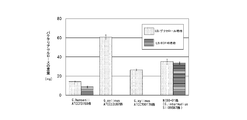
- intermedius SIID9587 strain by aeration and agitation culture and stationary culture, and pulp-derived bacterial cellulose nanofiber (right diagram), respectively It is a figure which shows the external appearance of water. Light transmittance at 500 nm of water containing bacterial cellulose obtained by aeration-stirring culture of NEDO-01 strain (G. intermedius SIID9587 strain) with molasses and reagent glycerol as carbon sources, respectively, and production amount of bacterial cellulose It is a figure which shows (BC production amount) and a production speed (BC production speed).
- NEDO-01 strain G. intermedius SIID9587 strain
- G. intermedius SIID9587 strain as well as G. Hansenii ATCC 23769 strain, G. xylinus ATCC 53582, G.
- xylinus ATCC 7000017 (BPR2001) strain G. xylinus JCM10150 strain, G. intermedius DSM11804 strain and G.
- stock and the ratio of BC production amount, BC production rate, and BC production rate.
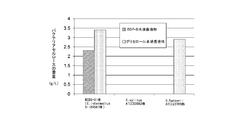
- FIG. 3 is a graph showing the weight of bacterial cellulose obtained by static culture of xylinus ATCC 70000178 (BPR2001) strain using reagent glycerol or BDF-B as a carbon source.
- Bacterial cellulose in the present invention refers to cellulose produced by bacteria.
- “dispersing” bacterial cellulose in a liquid such as water means that the bacterial cellulose is suspended or suspended in the liquid.
- High dispersibility means that the particle size and fiber width of bacterial cellulose as a dispersoid is relatively small, or that bacterial cellulose as a dispersoid floats or suspends relatively uniformly in the liquid. It means to be.
- the bacterial cellulose according to the present invention has a high dispersibility as it is dispersed almost uniformly in a liquid.
- a liquid in which the bacterial cellulose is dispersed either an organic solvent or an aqueous solvent can be used, but an aqueous solvent is preferable.
- the degree of dispersibility of bacterial cellulose can be measured, for example, using light transmittance as an index.
- the relationship is such that the greater the light transmittance, the higher the dispersibility, and the smaller the light transmittance, the lower the dispersibility. It holds.
- the light transmittance can be obtained by subjecting water containing bacterial cellulose having a predetermined concentration to a spectrophotometer, irradiating light of a predetermined wavelength, and measuring the amount of transmitted light.
- the bacterial cellulose according to the present invention has a final transmittance of 0.1 ⁇ 0.006% (w / w) and has a physical property of 35% or more of light transmittance of water containing bacterial cellulose at a wavelength of 500 nm.
- the transmittance of light having a wavelength of 500 nm of water containing bacterial cellulose at a final concentration of 0.1 ⁇ 0.006% (w / w) in the present invention is 35% or more, for example, 36% or more, 37% or more, 38% or more, 39% or more, 40% or more, 35% or more and 99% or less, 36% or more and 99% or less, 37% or more and 99% or less, 38% or more and 99% or less, 40% or more and 99% or less 35% to 95%, 36% to 95%, 37% to 95%, 38% to 95%, 40% to 95%, 35% to 90%, 36% to 90%, 37% to 90%, 38% to 90%, 40% to 90%, 35% to 85%, 36% to 85%, 37% to 85%, 38% to 85%, 40 % To 85%, 35% to 80% Less, 80% or more 36% or less, 80% more than 37% less, 80% less than 38% or less, and the like 40% to 80%
- the bacterial cellulose according to the present invention may have a larger average molecular weight than plant-derived cellulose such as pulp-derived cellulose nanofibers.
- the average molecular weight of cellulose can be measured, for example, using a gel permeation chromatography chromatogram as an index.
- the column is packed with methacrylate polymer having a particle size of 9 ⁇ m and has an inner diameter of 6.0 mm and a length of 15 cm, ii) The guard column has an inner diameter of 4.6 mm and a length of 3.5 cm, iii) The column temperature is 35 Iv) liquid feed rate is 0.07 mL / min, v) eluent is 40-42% (w / w) tetrabutylphosphonium hydroxide aqueous solution, vi) bacteria in eluent The final concentration of cellulose is 0.2% (w / w).
- the bacterial cellulose according to the present invention can be produced, for example, by culturing bacteria in a medium containing an appropriate carbon source to produce bacterial cellulose.
- the carbon source for example, monosaccharides such as glucose and fructose, disaccharides such as sucrose and maltose, and lactose, oligosaccharides, sugar, and by-products containing sucrose produced when sugar is produced, hydrolysis of these Saccharides such as products, isomerized sugars and starch hydrolysates, mannitol, ethanol, acetic acid, citric acid, glycerol, BDF-B, etc., which should be set appropriately according to the type of bacteria, culture conditions, production costs, etc. Can do.
- monosaccharides such as glucose and fructose
- disaccharides such as sucrose and maltose
- lactose lactose
- oligosaccharides sugar
- sugar and by-products containing sucrose produced when sugar is produced
- hydrolysis of these Saccharides such as products, isomerized sugars and starch hydrolysates, mannitol, ethanol, acetic acid, cit
- BDF-B has a general composition of glycerol 41.5%, fatty acid 21.4%, methanol 12.4%, ignition residue 6.3%, other 18.4% (Japanese food foundation) It is a composition containing a large amount of glycerol that can be used as a carbon source for bacteria.
- sugar means a sweetener containing sucrose as a main component (Kojien 6th edition), and in the present invention, it may be chemically synthesized, and can be sugar cane, sugar beet (sugar radish), sugar maple, sugar palm (pumpkin). ), And natural products such as sweet sorghum (sorghum) may be used as raw materials.
- sugar in the present invention include brown sugar, white sugar, cassonade (red sugar), honey sugar such as Wasanbon, maple sugar, and honey sugar such as crude sugar and purified sugar.
- purified sugars include, for example, white sugar, medium disaccharide, granulated sugar, etc., sugar sugar, upper white sugar, tri-sugar sugar, etc., sugar sugar, processed sugar, sugar sugar, powdered sugar, granulated sugar, etc. Examples include sugar.
- the by-product containing sucrose produced when sugar is produced refers to a by-product produced in the sugar production process that contains sucrose.
- natural products such as sugar cane and sugar beet described above. Examples include residues generated in the purification process using raw material pomace, molasses, filtration or ion exchange resin.
- hydrolyzate of by-product containing sucrose produced when producing disaccharides, oligosaccharides, sugar and sugar is a by-product containing sucrose produced when producing disaccharides, oligosaccharides, sugar and sugar.
- it refers to a product obtained by performing a hydrolysis treatment such as heating in an acidic solution.
- the components of the medium other than the carbon source can be the same as the known medium used for bacterial culture, and preferably contain CMC.
- CMC CMC
- nitrogen sources include ammonium sulfate and ammonium chloride.
- organic or inorganic nitrogen sources such as ammonium salts such as ammonium phosphate, nitrates, urea, and peptone.
- inorganic salts include phosphate, magnesium salt, calcium salt, iron salt, manganese salt, and organic micronutrients include amino acids, vitamins, fatty acids, nucleic acids, and peptone and casamino containing these nutrients. Acid, yeast extract, soybean protein hydrolyzate, and the like can be mentioned. When an auxotrophic mutant that requires amino acids for growth is used, the required nutrients can be further supplemented.
- Bacteria are not particularly limited as long as they can produce bacterial cellulose, but bacteria that can produce bacterial cellulose by stirring culture or aeration culture are preferred, and bacteria that assimilate BDF-B are preferred. More preferred. Specific examples include Acetobacter bacteria, Gluconacetobacter bacteria, Pseudomonas bacteria, Agrobacterium bacteria, Rhizobium bacteria, Enterobacter bacteria, and more specifically, Gluconacetobacter. intermedius, Gluconacetobacter hansenii, Gluconacetobacter swingsii, Acetobacter pasteurianus, Acetobacter aceti, Acetobacter xylinum, Acetbacter xylinumsp sucrofermentans, Acetbacter xylinum subsp.
- Gluconacetobacter intermedius is preferable. More More specifically, Gluconacetobacter intermedius SIID9587 strain (NEDO-01 strain) (accession number NITE BP-01495), Gluconacetobacter xylinus ATCC53582 strain, Gluconacetobacter hansenii ATCC23769 strain and Gluconacetobacter xylinus ATCC700178 (BPR2001) strain, Gluconacetobacter swingsii BPR3001E strains, Acetobacter xylinum JCM10150 strain, Enterobacter sp. CJF-002 strains can be mentioned, and among these, Gluconacetobacter intermedius SIID9587 strain (NEDO-01 strain) (Accession number NITE BP-01495) is preferable.
- Examples of the culture method include stirring culture and aeration culture. Specifically, as agitation culture, culture without aeration using a fermenter (non-aeration agitation culture), culture with aeration using a fermenter (aeration agitation culture), and shaking left and right using a bladed flask Examples thereof include culture (shaking culture) and rotary culture (rotating culture) using a bladed flask.
- the culture conditions may be known culture conditions used for culturing the bacteria described above. For example, the aeration rate is 1 to 10 L / min, the rotation speed is 100 to 800 rpm, the temperature is 20 to 40 ° C., the culture period is 1 day to The culture conditions for 7 days can be mentioned.
- a carbon source pretreatment process a pre-culture process, a pre-culture process, bacterial cellulose purification, drying, and a suspension process can be performed as necessary. .
- the bacterial cellulose according to the present invention can be used as an additive such as a paper strength enhancer, a food thickener, and a suspension stabilizer.
- the bacterium according to the present invention produces the aforementioned bacterial cellulose.
- the description of the same or equivalent configuration as the bacterial cellulose according to the present invention described above will be omitted.
- Example 1 Isolation and Identification of Bacteria
- Bacteria that produce bacterial cellulose by assimilating BDF-B were isolated. Specifically, according to the procedure shown in FIG. 1, first, using apple and prune as a separation source, a Hestin-Schramm standard medium (composition: bacte peptide 0.5% (w / v), yeast extract 0) .5% (w / v), Na 2 HPO 4 0.27% (w / v), citric acid 0.115% (w / v), glucose 2% (w / v); HS medium) Instead, enrichment culture was performed using a medium (HS / glycerol medium) containing 2% (w / v) reagent glycerol (special grade reagent; Wako Pure Chemical Industries, Ltd.).
- a medium HS / glycerol medium
- reagent glycerol special grade reagent; Wako Pure Chemical Industries, Ltd.
- dry membrane weight The dry weight of the gel membrane (hereinafter referred to as “dry membrane weight”) was measured, and eight strains having a large dry membrane weight were selected as bacteria that assimilated glycerol and had a high ability to produce bacterial cellulose.
- the LB medium containing BDF-B was inoculated and cultured at 30 ° C., and further inoculated into the HS medium and statically cultured at 30 ° C. to form a gel film.
- a strain having a large dry membrane weight is selected, and after plate culture in LB medium or HS / glycerol medium containing glycerol, the operation of stationary culture in HS medium is repeated to have BDF-B utilization.
- One strain having a high ability to produce bacterial cellulose was selected and designated as SIID9587 strain.
- Example 2 Bacterial identification The SIID9587 strain of Example 1 (1) was sequenced according to a conventional method to determine the full-length 16S rDNA base sequence (1367 bp; SEQ ID NO: 1). Subsequently, 16S rDNA nucleotide sequence analysis and mycological property tests were performed at Techno Suruga Lab.
- 16S rDNA nucleotide sequence analysis 16S rDNA nucleotide sequence analysis was performed using Apollon 2.0 (Techno Suruga Lab) as software, Apollon DB-BA 6.0 (Techno Suruga Lab) as a database, and International. This was performed using a base sequence database (GenBank / DDBJ / EMBL).
- the 16S rDNA base sequence (SEQ ID NO: 1) of SIID9587 strain showed high homology to the 16S rDNA base sequence of Gluconacetobacter genus. It showed the highest homology with a homology of 99.8% with respect to the 16S rDNA base sequence of intermedius TF2 strain (Accession No.
- the 16S rDNA base sequence of SIID9587 strain shows high homology to the 16S rDNA base sequence of Gluconacetobacterium genus. . It showed high homology with a homology of 99.8% with respect to the 16S rDNA base sequence of the intermedius TF2 strain (accession number NR — 026435). Note that the sequence of the accession number Y14694 and the sequence of the accession number NR_026435 are the same. SIID9587 strain and G. The results of 16S rDNA base sequence comparison of intermedius TF2 strain (Accession No.
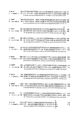
- FIGS. 2-1 and 2-2 Y14694, NR — 026435 are shown in FIGS. 2-1 and 2-2. As shown in FIGS. 2-1 and 2-2, there was a difference of 4 bases between the two.
- SIID9587 Included.
- FIG. 3 Mycological property test The results of the mycological property test are shown in FIG. As shown in FIG. 3, the strain SIID9587 does not grow on a 5% acetic acid-containing medium, and is known in the art. Intermedius differed in properties and other properties matched (BRENNER et al., Bergey's manual of Systemic Bacteriology. Vol. Two. The Proteobacteria, Part C The Elp. p72-77).
- Example 1 (2) [2-1] and [2-2] it was revealed that the SIID9587 strain belongs to Gluconacetobacter intermedius.
- G. is a reference strain of SIID9587 strain and Gluconacetobacterium intermediaus. Since there are differences as described above in the 16S rDNA nucleotide sequence and mycological properties with respect to the intermedius TF2 strain, the SIID9587 strain is It was revealed to be a novel strain of intermedius. Therefore, this strain was obtained on December 21, 2012 (NITE-IPOD; Kazusa Kamashichi, Kisarazu City, Chiba Prefecture, Japan). 5-85-122) was deposited under the deposit number NITE BP-01495.
- this Gluconacetobacter intermediaus SIID9587 strain (Accession Number NITE BP-01495) is referred to as NEDO-01 strain (G.intermediaus SIID9587 strain).
- the NEDO-01 strain (G. intermedius SIID9587 strain) was precultured to grow the cells. Subsequently, the culture medium (pre-culture liquid) obtained by performing the pre-culture is added to the HS medium (carbon source; glucose), followed by stationary culture at 30 ° C. for about 8 days. A gel film was formed. The gel film was analyzed by obtaining an infrared spectroscopy (IR) spectrum and an X-ray diffraction profile according to a conventional method. As a result, it was revealed that the gel film is cellulose having an I-type crystal structure.
- IR infrared spectroscopy
- Example 2 Evaluation of product by aeration and agitation culture (1) Preparation of product by aeration and agitation culture BDF-B was neutralized and further autoclaved to obtain a pretreated BDF-B. .
- a reagent glycerol (reagent special grade; Wako Pure Chemical Industries, Ltd.) added as a carbon source instead of glucose, and Then, BDF-B pretreated in place of glucose was added to a concentration of 2% (w / v), and these were used as a glycerol main culture medium and a BDF-B main culture medium, respectively.
- NEDO-01 strain G. intermedius SIID9587 strain was precultured to proliferate the cells.
- the preculture solution is inoculated into 5 L of glycerol main culture medium and BDF-B main culture medium, and using a fermenter, the aeration rate is 7 to 10 L / min, the rotation speed is 200 to 800 rpm, and the temperature is 30 ° C.
- the main culture was performed by carrying out aeration and agitation culture for 4 days under the above conditions. 1% (w / v) NaOH aqueous solution was added to the culture solution (main culture solution) obtained by the main culture, and the cells were lysed by shaking at 60 ° C. and 80 rpm for 4 to 5 hours. After subjecting this to centrifugation, the supernatant was removed and the precipitate was collected to remove water-soluble bacterial cell components. The product is purified by adding ultrapure water and centrifuging, and then removing the supernatant repeatedly in a wet state until the pH of the precipitate is 7 or less. BC liquid was used.
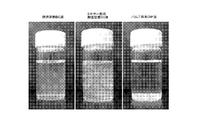
- Example 3 Dispersibility of Bacterial Cellulose in Water (1) Appearance of Water Containing Bacterial Cellulose Stirring Culture BC Solution Using BDF-B Main Culture Medium of Example 2 (1) and Example 2 (2) A BC-treated stationary culture BC solution was prepared. Moreover, the commercially available pulp-derived cellulose nanofiber was added and dispersed in water, and this was used as the pulp-derived CNF liquid. The agitation culture BC solution, the mixer-treated stationary culture BC solution and the pulp-derived CNF solution were allowed to stand for 1 day, and then the appearance was observed. The result is shown in FIG.
- Example 2 (2) a mixer-treated stationary culture BC solution of Example 2 (2) and a pulp-derived CNF solution of Example 3 (1) were prepared. After preparing the final concentration of these celluloses to be 0.1 ⁇ 0.006% (w / w), 1 mL each was added to the cell, and a spectrophotometer (U-2001 type double beam spectrophotometer; stock) The transmittance of light having a wavelength of 500 nm was measured. A disposable disposable cuvette (semi-micro, optical path length 10 mm, optical path width 4 mm) was used for the cell, and ultrapure water was used for the reference. The results are shown in Table 1.
- the transmittances of samples A, B, C and D are 74.75%, 70.53%, 63.82% and 49.66%, respectively, and the mixer-treated stationary culture BC solution 19.19% and 12.72% of the pulp-derived CNF liquid were significantly larger, generally in the range of 40% to 80%.
- the permeability when using HS medium containing CMC was 57%, whereas the permeability when using HS medium not containing CMC was 18%.
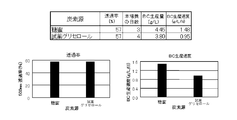
- Example 4 Comparison of Permeability and Bacterial Cellulose Production Rate When Carbon Sources Are Different Agitated culture BC solution was obtained by the method described in Example 2 (1). However, molasses and reagent glycerol were used in place of glucose as a carbon source. When molasses was used as the carbon source, the number of days for the main culture was 3 days instead of 4 days. Subsequently, the light transmittance of water containing bacterial cellulose was measured by the method described in Example 3 (2) [2-1].
- the agitation culture BC solution is dried to measure the absolute dry weight of the bacterial cellulose, and based on the measurement result, the concentration of the bacterial cellulose per liter of the medium is calculated, and this is the bacterial cellulose production amount (BC production amount; g / L).
- BC production amount a value obtained by dividing the BC production amount by the number of days of main culture was calculated, and this was defined as the bacterial cellulose production rate (BC production rate; g / L / day). The result is shown in FIG.
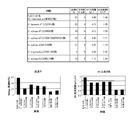
- the transmittance when molasses was used as a carbon source was 57%, which was the same value as 57% when reagent glycerol was used as a carbon source. From this result, by culturing NEDO-01 strain (G. intermedius SIID9587 strain) using molasses as a carbon source, a final concentration of 0.1 ⁇ 0.006% (w / W), it was revealed that bacterial cellulose having a remarkably high transmittance of light having a wavelength of 500 nm of water containing bacterial cellulose was obtained. That is, it was shown that culturing the NEDO-01 strain (G. intermedius SIID9587 strain) using molasses as a carbon source yields bacterial cellulose that is highly dispersible and uniformly dispersed in a liquid.
- the BC production rate when molasses was used as a carbon source was 1.48 g / L / day, and 0. 0 when the reagent glycerol was used as a carbon source. It was about 1.5 times larger than 95 g / L / day. From this result, it became clear that a large amount of highly dispersible bacterial cellulose can be obtained in a short period of time by culturing NEDO-01 strain (G. intermedius SIID9587 strain) using molasses as a carbon source.
- Example 5 Comparison of Permeability and Bacterial Cellulose Production Rate for Different Bacteria
- Bacterial BC solution was obtained by the method described in Example 2 (1).
- molasses was used instead of glucose as a carbon source.
- NEDO-01 strain as a bacterium (G.intermedius SIID9587 strain) and Gluconacetobacter hansenii ATCC23769 strain is a known bacterial cellulose-producing bacteria, Gluconacetobacter xylinus ATCC53582 strain, Gluconacetobacter xylinus ATCC700178 (BPR2001) strain, Gluconacetobacter xylinus JCM10150 strain, Gluconacetobacter intermedius DSM11804 Strain and Gluconacetobacter xylinus KCCM40274 strain were used respectively.
- the BC production amount (g / L) and the BC production rate (g / L / day) were calculated by the method described in Example 4, and the numerical values of the transmittance and the BC production rate were represented in a bar graph. The result is shown in FIG.
- the transmittance when using NEDO-01 strain was 57%. Hansenii ATCC 23769 strain, G. xylinus ATCC 53582, G. xylinus ATCC 7000017 (BPR2001) strain, G. xylinus JCM10150 strain, G. intermedius DSM11804 strain and G.
- the transmittances when using xylinus KCCM40274 strain were 20%, 33%, 29%, 27%, 9% and 13%, respectively. From this result, transmission of light having a wavelength of 500 nm of water containing bacterial cellulose obtained by culturing NEDO-01 strain (G.
- intermedius SIID9587 strain at a final concentration of 0.1 ⁇ 0.006% (w / w).
- the rate was significantly larger than the permeation rate of water containing bacterial cellulose obtained by culturing other than NEDO-01 strain (G. intermedius SIID9587 strain), and was found to be 35% or more. . That is, it was shown that by culturing NEDO-01 strain (G. intermedius SIID9587 strain), it is possible to obtain bacterial cellulose having high dispersibility and being uniformly dispersed in a liquid.
- the BC production rate using NEDO-01 strain was 1.48 g / L / day, G. Hansenii ATCC 23769 strain, G. xylinus ATCC 53582, G. xylinus ATCC 7000017 (BPR2001) strain, G. xylinus JCM10150 strain, G. intermedius DSM11804 strain and G.
- the BC production rates using xylinus KCCM40274 strain are 1.05 g / L / day, 1.03 g / L / day, 1.11 g / L / day, 1.10 g / L / day, and 0.42 g, respectively. / L / day and 0.43 g / L / day. That is, the BC production rate in the case of using NEDO-01 strain (G. intermedius SIID9587 strain) was significantly larger than the BC production rate in the case of using a strain other than NEDO-01 strain (G. intermedius SIID9587 strain). It was. From this result, it was shown that bacterial cellulose with high dispersibility can be obtained in a large amount in a short period of time by culturing NEDO-01 strain (G. intermedius SIID9587 strain).
- Example 6 Molecular weight of bacterial cellulose Samples A, B, C and D of Example 3 (2) and pulp-derived CNF liquid were prepared as samples. These samples were freeze-dried and added to a 57-59% tetrabutylphosphonium hydroxide aqueous solution and allowed to stand at 35 ° C. for dissolution. Then, the concentration of tetrabutylphosphonium hydroxide was 40-42% (w / w). Water was added so that the concentration of the sample was 0.2% (w / w). Subsequently, the impurities were precipitated by centrifugation, and the supernatant was collected.
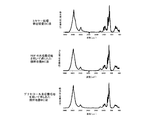
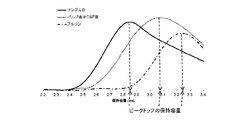
- the peak top retention capacities of Samples A, B, C, and D are 2.79 mL, 2.81 mL, 2.82 mL, and 2.76 mL, respectively, on average, and are derived from pulp. It was small compared to 3.04 mL of CNF solution and 3.24 mL of pullulan. From this result, the average molecular weight of bacterial cellulose obtained by stirring and culturing NEDO-01 strain (G. intermedius SIID9587 strain) is larger than that of pulp-derived cellulose, and more than 85.3 ⁇ 10 4 in terms of pullulan. It was shown to be big.
- the peak top retention capacities of samples A, B, C, and D were in the range of 2.737 to 2.849 mL
- the NEDO-01 strain G. intermedius SIID9587 strain
- the peak top retention capacity of the chromatogram is 2.5 mL or more and less than 3.0 mL. It was done.
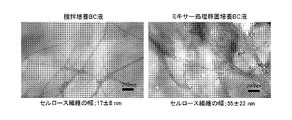
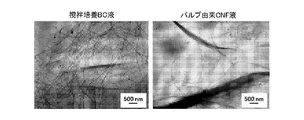
- Example 7 Form of bacterial cellulose (1) Measurement of fiber width Stirring culture BC liquid using glycerol main culture medium of Example 2 (1) and mixer-treated stationary culture BC liquid of Example 2 (2) Prepared. These cellulose concentrations were adjusted to about 0.001% (w / w), and then 10 ⁇ L each was dropped on a formbar-coated copper grid and allowed to air dry. Subsequently, 5 ⁇ L of 5% (w / v) aqueous gadolinium acetate solution was dropped, and after 10 seconds, the excess liquid was removed with a filter paper to perform negative staining. Using a transmission electron microscope, observation was performed at an acceleration voltage of 80 kV and an observation magnification of 30,000, and the width of the cellulose fiber was measured based on the observation image. The result is shown in FIG.
- the width of the cellulose fiber was 17 ⁇ 8 nm in the stirred culture BC solution, which was significantly smaller than the 55 ⁇ 22 nm of the mixer-treated stationary culture BC solution, and the standard deviation was also small. From this result, it was revealed that bacterial cellulose obtained by stirring and culturing NEDO-01 strain (G. intermedius SIID9587 strain) is a thin, uniform fiber having a small variation in width between fibers.
- Example 8 Evaluation of Bacterial Cellulose Production Ability (1) Production Ability in Static Culture
- a LB medium was prepared by adding BDF-B pretreated instead of glucose and a reagent glycerol as a carbon source, and adding LB. / BDF-B medium and LB / glycerol medium.
- NEDO-01 strain G. intermedius SIID9587 strain
- Gluconacetobacter xylinus ATCC 53582 strain Gluconacetobacter hansenii ATCC 23769 strain
- Blucococtobacter xylinus ATCC700178 A gel-like membrane was formed by stationary culture for 7 days.
- NEDO-01 strain G. intermedius SIID9587 strain
- BDF-B BDF-B as a carbon source
- the ability to produce bacterial cellulose using BDF-B as a carbon source is a feature not found in other compared strains, which is advantageous in terms of practical use in that by-products can be used, and greatly contributes to a reduction in production costs. Is.
- the main culture was performed by shaking and culturing under conditions of 150 rpm and 30 ° C. for 3 days. Subsequently, the bacterial cellulose in the main culture was purified by the method described in Example 2 (1). However, after shaking at 60 ° C. and 80 rpm for 4 to 5 hours, the mixture was further shaken at 20 ° C. overnight. The purified bacterial cellulose was dried and the absolute dry weight was measured. The result is shown in FIG.
Landscapes
- Chemical & Material Sciences (AREA)
- Organic Chemistry (AREA)
- Life Sciences & Earth Sciences (AREA)
- Engineering & Computer Science (AREA)
- Health & Medical Sciences (AREA)
- Wood Science & Technology (AREA)
- Zoology (AREA)
- Biotechnology (AREA)
- Genetics & Genomics (AREA)
- Bioinformatics & Cheminformatics (AREA)
- Microbiology (AREA)
- Biochemistry (AREA)
- General Engineering & Computer Science (AREA)
- General Health & Medical Sciences (AREA)
- Chemical Kinetics & Catalysis (AREA)
- Medicinal Chemistry (AREA)
- General Chemical & Material Sciences (AREA)
- Tropical Medicine & Parasitology (AREA)
- Virology (AREA)
- Biomedical Technology (AREA)
- Polymers & Plastics (AREA)
- Mycology (AREA)
- Preparation Of Compounds By Using Micro-Organisms (AREA)
- Polysaccharides And Polysaccharide Derivatives (AREA)
- Micro-Organisms Or Cultivation Processes Thereof (AREA)
Priority Applications (15)
| Application Number | Priority Date | Filing Date | Title |
|---|---|---|---|
| ES13869657.0T ES2660741T3 (es) | 2012-12-28 | 2013-12-27 | Celulosa bacteriana y bacteria que la produce |
| DK13869657.0T DK2940145T3 (en) | 2012-12-28 | 2013-12-27 | Bacterial cellulose and bacteria that produce it |
| US14/655,862 US9611495B2 (en) | 2012-12-28 | 2013-12-27 | Bacterial cellulose and bacterium producing it |
| KR1020157020229A KR102077716B1 (ko) | 2012-12-28 | 2013-12-27 | 박테리아 셀룰로오스 및 이것을 생산하는 세균 |
| RU2015131154A RU2654675C2 (ru) | 2012-12-28 | 2013-12-27 | Бактериальная целлюлоза и продуцирующая ее бактерия |
| CA2896699A CA2896699C (en) | 2012-12-28 | 2013-12-27 | Bacterial cellulose and bacterium producing it |
| AU2013366934A AU2013366934B2 (en) | 2012-12-28 | 2013-12-27 | Bacterial cellulose and bacterium producing same |
| NO13869657A NO2940145T3 (enExample) | 2012-12-28 | 2013-12-27 | |
| PL13869657T PL2940145T3 (pl) | 2012-12-28 | 2013-12-27 | Bakteryjna celuloza i bakteria ją wytwarzająca |
| EP13869657.0A EP2940145B1 (en) | 2012-12-28 | 2013-12-27 | Bacterial cellulose and bacterium producing same |
| JP2014551859A JP5752332B2 (ja) | 2012-12-28 | 2013-12-27 | バクテリアセルロースおよびこれを生産する細菌 |
| CN201380068766.7A CN104995308A (zh) | 2012-12-28 | 2013-12-27 | 细菌纤维素及生产该细菌纤维素的细菌 |
| SA515360697A SA515360697B1 (ar) | 2012-12-28 | 2015-06-28 | سيليلوز بكتيري والبكتيريا المنتجة له |
| ZA2015/05201A ZA201505201B (en) | 2012-12-28 | 2015-07-20 | Bacterial cellulose and bacterium producing same |
| US15/434,500 US9879295B2 (en) | 2012-12-28 | 2017-02-16 | Bacterial cellulose and bacterium producing it |
Applications Claiming Priority (2)
| Application Number | Priority Date | Filing Date | Title |
|---|---|---|---|
| JP2012-289043 | 2012-12-28 | ||
| JP2012289043 | 2012-12-28 |
Related Child Applications (2)
| Application Number | Title | Priority Date | Filing Date |
|---|---|---|---|
| US14/655,862 A-371-Of-International US9611495B2 (en) | 2012-12-28 | 2013-12-27 | Bacterial cellulose and bacterium producing it |
| US15/434,500 Division US9879295B2 (en) | 2012-12-28 | 2017-02-16 | Bacterial cellulose and bacterium producing it |
Publications (1)
| Publication Number | Publication Date |
|---|---|
| WO2014104318A1 true WO2014104318A1 (ja) | 2014-07-03 |
Family
ID=51021387
Family Applications (1)
| Application Number | Title | Priority Date | Filing Date |
|---|---|---|---|
| PCT/JP2013/085163 Ceased WO2014104318A1 (ja) | 2012-12-28 | 2013-12-27 | バクテリアセルロースおよびこれを生産する細菌 |
Country Status (16)
| Country | Link |
|---|---|
| US (2) | US9611495B2 (enExample) |
| EP (1) | EP2940145B1 (enExample) |
| JP (1) | JP5752332B2 (enExample) |
| KR (1) | KR102077716B1 (enExample) |
| CN (2) | CN107164426A (enExample) |
| AU (1) | AU2013366934B2 (enExample) |
| CA (1) | CA2896699C (enExample) |
| DK (1) | DK2940145T3 (enExample) |
| ES (1) | ES2660741T3 (enExample) |
| NO (1) | NO2940145T3 (enExample) |
| PL (1) | PL2940145T3 (enExample) |
| PT (1) | PT2940145T (enExample) |
| RU (1) | RU2654675C2 (enExample) |
| SA (1) | SA515360697B1 (enExample) |
| WO (1) | WO2014104318A1 (enExample) |
| ZA (1) | ZA201505201B (enExample) |
Cited By (9)
| Publication number | Priority date | Publication date | Assignee | Title |
|---|---|---|---|---|
| US10253347B2 (en) * | 2015-11-19 | 2019-04-09 | Samsung Electronics Co., Ltd. | Method of screening for microorganism having enhanced cellulose productivity |
| RU2695066C1 (ru) * | 2019-01-18 | 2019-07-19 | Федеральное государственное бюджетное образовательное учреждение высшего образования "Национальный исследовательский Мордовский государственный университет им. Н.П. Огарёва" | Способ лечения травматических разрывов печени с использованием пленочного покрытия на основе бактериальной целлюлозы |
| JP2019178217A (ja) * | 2018-03-30 | 2019-10-17 | 大王製紙株式会社 | ゲル状洗浄剤組成物及び洗浄剤製品 |
| JP2019182723A (ja) * | 2018-04-16 | 2019-10-24 | 日本電信電話株式会社 | バクテリア産生セルロースカーボンの製造方法 |
| WO2020008984A1 (ja) | 2018-07-02 | 2020-01-09 | 株式会社Mizkan Holdings | 発酵セルロース含有食酢及びその製造方法 |
| US10638783B2 (en) | 2015-04-13 | 2020-05-05 | Cp Kelco U.S., Inc. | Gellan gum products and methods of manufacture and use thereof |
| JP2021126054A (ja) * | 2020-02-12 | 2021-09-02 | 伊那食品工業株式会社 | バクテリアセルロース複合化粉末およびその製造方法 |
| JP2022017280A (ja) * | 2019-02-01 | 2022-01-25 | 嬌朋生技股▲分▼有限公司 | 生物繊維組成物 |
| JP2023152376A (ja) * | 2022-04-04 | 2023-10-17 | トヨタ車体株式会社 | バクテリアセルロースの生産方法、樹脂材料、樹脂成形品 |
Families Citing this family (13)
| Publication number | Priority date | Publication date | Assignee | Title |
|---|---|---|---|---|
| CN105695531B (zh) * | 2016-04-08 | 2019-06-25 | 海南大学 | 一种控制分子量制备细菌纤维素的方法 |
| KR102336328B1 (ko) * | 2017-04-25 | 2021-12-08 | (주)아모레퍼시픽 | 고체 원물이 포함된 바이오셀룰로오스, 이를 제조하기 위한 배지 조성물 및 이의 제조방법 |
| CN107513177B (zh) * | 2017-09-30 | 2020-09-04 | 中国林业科学研究院林产化学工业研究所 | 一种植物油脂改性细菌纤维素气凝胶吸油材料及其制备方法 |
| CN108018240A (zh) * | 2017-12-26 | 2018-05-11 | 华海科技股份有限公司 | 一种中间葡糖醋杆菌及其应用 |
| KR102069443B1 (ko) * | 2018-08-31 | 2020-01-22 | (주)대한뷰티산업진흥원 | 울금, 비트 및 무 추출물을 포함하는 바이오셀룰로오스 및 이의 제조방법 |
| US20210115483A1 (en) * | 2019-10-17 | 2021-04-22 | Worcester Polytechnic Institute | Transparent Cellulose-Based Materials and Methods of Making the Same |
| KR102295345B1 (ko) * | 2019-11-12 | 2021-08-30 | 충북대학교 산학협력단 | 증대된 박테리아 나노셀룰로오스 생산능을 갖는 글루콘아세토박터 한세니 돌연변이 균주 및 이를 이용한 박테리아 나노셀룰로오스 생산방법 |
| JP7599637B2 (ja) * | 2020-01-30 | 2024-12-16 | 国立大学法人徳島大学 | 細胞培養足場材料 |
| CN113718001A (zh) * | 2020-05-25 | 2021-11-30 | 华东师范大学 | 一种利用细菌发酵废甘油生产细菌纤维素的方法 |
| KR20240009458A (ko) | 2021-05-17 | 2024-01-22 | 아쿠아컬쳐드 푸즈 인크 | 박테리아와 균류의 공동 배양물을 포함하는 식품 |
| CN116422305A (zh) * | 2023-04-19 | 2023-07-14 | 江西理工大学 | 一种吸附性能优越的细菌纤维素/聚合席夫碱复合三维宏观体吸附材料及制备方法 |
| KR102843047B1 (ko) | 2023-08-01 | 2025-08-06 | 숙명여자대학교산학협력단 | 박테리아 셀룰로오스-마린 파우더 복합체 및 이의 제조 방법 |
| WO2025064543A1 (en) * | 2023-09-20 | 2025-03-27 | University Of Washington | Bacterial cellulose derived nanoparticles and uses thereof |
Citations (5)
| Publication number | Priority date | Publication date | Assignee | Title |
|---|---|---|---|---|
| JPH08291201A (ja) * | 1995-02-20 | 1996-11-05 | Bio Polymer Res:Kk | バクテリアセルロース離解物 |
| JP2005082704A (ja) * | 2003-09-09 | 2005-03-31 | Univ Kansai | バクテリアセルロース様多糖生産培地 |
| WO2007063854A1 (ja) * | 2005-11-29 | 2007-06-07 | National University Corporation Hokkaido University | バクテリアセルロースの製造方法 |
| CN102168056A (zh) * | 2011-04-11 | 2011-08-31 | 浙江省农业科学院 | 以柑橘果渣为原料生产细菌纤维素的方法 |
| JP2011177172A (ja) * | 2010-03-03 | 2011-09-15 | Samsung Electronics Co Ltd | 高収率のセルロース産生活性がある新規なグルコンアセトバクター属菌株 |
Family Cites Families (5)
| Publication number | Priority date | Publication date | Assignee | Title |
|---|---|---|---|---|
| DE69625812T2 (de) * | 1995-04-18 | 2003-11-06 | Ajinomoto Co., Inc. | Bakterien welche cellulose produzieren |
| JP4035864B2 (ja) * | 1996-07-26 | 2008-01-23 | 味の素株式会社 | 改質された微生物産生セルロース |
| US20020040134A1 (en) * | 1999-11-09 | 2002-04-04 | Masaru Ishihara | Modified bacterial cellulose |
| CN101503663A (zh) * | 2008-12-25 | 2009-08-12 | 四川大学 | 1株葡糖醋杆菌及其筛选纯化方法 |
| RU2464307C1 (ru) * | 2011-05-31 | 2012-10-20 | Федеральное государственное бюджетное образовательное учреждение высшего профессионального образования "Московский государственный университет пищевых производств" | Штамм бактерии cluconacetobacter hansenii gh-1/2008 - продуцент бактериальной целлюлозы |
-
2013
- 2013-12-27 NO NO13869657A patent/NO2940145T3/no unknown
- 2013-12-27 CA CA2896699A patent/CA2896699C/en active Active
- 2013-12-27 CN CN201710365736.2A patent/CN107164426A/zh not_active Withdrawn
- 2013-12-27 CN CN201380068766.7A patent/CN104995308A/zh active Pending
- 2013-12-27 EP EP13869657.0A patent/EP2940145B1/en active Active
- 2013-12-27 JP JP2014551859A patent/JP5752332B2/ja active Active
- 2013-12-27 DK DK13869657.0T patent/DK2940145T3/en active
- 2013-12-27 WO PCT/JP2013/085163 patent/WO2014104318A1/ja not_active Ceased
- 2013-12-27 PL PL13869657T patent/PL2940145T3/pl unknown
- 2013-12-27 KR KR1020157020229A patent/KR102077716B1/ko active Active
- 2013-12-27 RU RU2015131154A patent/RU2654675C2/ru not_active IP Right Cessation
- 2013-12-27 AU AU2013366934A patent/AU2013366934B2/en active Active
- 2013-12-27 ES ES13869657.0T patent/ES2660741T3/es active Active
- 2013-12-27 PT PT138696570T patent/PT2940145T/pt unknown
- 2013-12-27 US US14/655,862 patent/US9611495B2/en active Active
-
2015
- 2015-06-28 SA SA515360697A patent/SA515360697B1/ar unknown
- 2015-07-20 ZA ZA2015/05201A patent/ZA201505201B/en unknown
-
2017
- 2017-02-16 US US15/434,500 patent/US9879295B2/en active Active
Patent Citations (5)
| Publication number | Priority date | Publication date | Assignee | Title |
|---|---|---|---|---|
| JPH08291201A (ja) * | 1995-02-20 | 1996-11-05 | Bio Polymer Res:Kk | バクテリアセルロース離解物 |
| JP2005082704A (ja) * | 2003-09-09 | 2005-03-31 | Univ Kansai | バクテリアセルロース様多糖生産培地 |
| WO2007063854A1 (ja) * | 2005-11-29 | 2007-06-07 | National University Corporation Hokkaido University | バクテリアセルロースの製造方法 |
| JP2011177172A (ja) * | 2010-03-03 | 2011-09-15 | Samsung Electronics Co Ltd | 高収率のセルロース産生活性がある新規なグルコンアセトバクター属菌株 |
| CN102168056A (zh) * | 2011-04-11 | 2011-08-31 | 浙江省农业科学院 | 以柑橘果渣为原料生产细菌纤维素的方法 |
Non-Patent Citations (5)
| Title |
|---|
| BRENNER ET AL.: "The Proteobacteria", vol. 2, 2005, SPRINGER, article "Bergey's manual of Systematic Bacteriology", pages: 72 - 77 |
| KOSE R ET AL.: "One-step production of nanofibrillated bacterial cellulose (NFBC) from waste glycerol using Gluconacetobacter intermedius NEDO-01", CELLULOSE, vol. 20, 2013, pages 2971 - 2929, XP055264036 * |
| S. WARASHINA ET AL., CELLULOSE R&D ABSTRACTS AT THE 17TH ANNUAL MEETING OF THE CELLULOSE SOCIETY, 2010, pages 98 |
| See also references of EP2940145A4 |
| YOSHINAGA ET AL.: "Kagaku To Seibutsu", CHEMISTRY AND BIOLOGY, vol. 35, no. 11, 1997, pages 7 - 14 |
Cited By (16)
| Publication number | Priority date | Publication date | Assignee | Title |
|---|---|---|---|---|
| US10638783B2 (en) | 2015-04-13 | 2020-05-05 | Cp Kelco U.S., Inc. | Gellan gum products and methods of manufacture and use thereof |
| US10253347B2 (en) * | 2015-11-19 | 2019-04-09 | Samsung Electronics Co., Ltd. | Method of screening for microorganism having enhanced cellulose productivity |
| JP7018345B2 (ja) | 2018-03-30 | 2022-02-10 | 大王製紙株式会社 | ゲル状洗浄剤組成物及び洗浄剤製品 |
| JP2019178217A (ja) * | 2018-03-30 | 2019-10-17 | 大王製紙株式会社 | ゲル状洗浄剤組成物及び洗浄剤製品 |
| JP2019182723A (ja) * | 2018-04-16 | 2019-10-24 | 日本電信電話株式会社 | バクテリア産生セルロースカーボンの製造方法 |
| JP7048889B2 (ja) | 2018-04-16 | 2022-04-06 | 日本電信電話株式会社 | バクテリア産生セルロースカーボンの製造方法 |
| WO2020008984A1 (ja) | 2018-07-02 | 2020-01-09 | 株式会社Mizkan Holdings | 発酵セルロース含有食酢及びその製造方法 |
| KR20210025528A (ko) | 2018-07-02 | 2021-03-09 | 미쯔칸 홀딩즈 씨오., 엘티디. | 발효 셀룰로오스 함유 식초 및 그 제조 방법 |
| RU2695066C1 (ru) * | 2019-01-18 | 2019-07-19 | Федеральное государственное бюджетное образовательное учреждение высшего образования "Национальный исследовательский Мордовский государственный университет им. Н.П. Огарёва" | Способ лечения травматических разрывов печени с использованием пленочного покрытия на основе бактериальной целлюлозы |
| JP2022017280A (ja) * | 2019-02-01 | 2022-01-25 | 嬌朋生技股▲分▼有限公司 | 生物繊維組成物 |
| JP7272696B2 (ja) | 2019-02-01 | 2023-05-12 | 嬌朋生技股▲分▼有限公司 | 生物繊維組成物 |
| JP2021126054A (ja) * | 2020-02-12 | 2021-09-02 | 伊那食品工業株式会社 | バクテリアセルロース複合化粉末およびその製造方法 |
| JP2024051046A (ja) * | 2020-02-12 | 2024-04-10 | 伊那食品工業株式会社 | バクテリアセルロース複合化粉末およびその製造方法 |
| JP7489656B2 (ja) | 2020-02-12 | 2024-05-24 | 伊那食品工業株式会社 | バクテリアセルロース複合化粉末およびその製造方法 |
| JP7663210B2 (ja) | 2020-02-12 | 2025-04-16 | 伊那食品工業株式会社 | バクテリアセルロース複合化粉末およびその製造方法 |
| JP2023152376A (ja) * | 2022-04-04 | 2023-10-17 | トヨタ車体株式会社 | バクテリアセルロースの生産方法、樹脂材料、樹脂成形品 |
Also Published As
| Publication number | Publication date |
|---|---|
| AU2013366934A1 (en) | 2015-07-30 |
| JP5752332B2 (ja) | 2015-07-22 |
| EP2940145A1 (en) | 2015-11-04 |
| KR20150114479A (ko) | 2015-10-12 |
| CA2896699A1 (en) | 2014-07-03 |
| US9879295B2 (en) | 2018-01-30 |
| RU2654675C2 (ru) | 2018-05-21 |
| US20170191100A1 (en) | 2017-07-06 |
| US20150376666A1 (en) | 2015-12-31 |
| RU2015131154A (ru) | 2017-02-03 |
| EP2940145A4 (en) | 2016-10-12 |
| DK2940145T3 (en) | 2018-04-23 |
| KR102077716B1 (ko) | 2020-02-14 |
| CN107164426A (zh) | 2017-09-15 |
| ZA201505201B (en) | 2016-07-27 |
| NO2940145T3 (enExample) | 2018-07-14 |
| ES2660741T3 (es) | 2018-03-26 |
| EP2940145B1 (en) | 2018-02-14 |
| CN104995308A (zh) | 2015-10-21 |
| PT2940145T (pt) | 2018-02-26 |
| US9611495B2 (en) | 2017-04-04 |
| AU2013366934B2 (en) | 2017-06-08 |
| JPWO2014104318A1 (ja) | 2017-01-19 |
| SA515360697B1 (ar) | 2018-06-12 |
| PL2940145T3 (pl) | 2018-06-29 |
| CA2896699C (en) | 2021-11-09 |
Similar Documents
| Publication | Publication Date | Title |
|---|---|---|
| JP5752332B2 (ja) | バクテリアセルロースおよびこれを生産する細菌 | |
| Gayathri et al. | Bacterial Cellulose production by K. saccharivorans BC1 strain using crude distillery effluent as cheap and cost effective nutrient medium | |
| Çakar et al. | Improvement production of bacterial cellulose by semi-continuous process in molasses medium | |
| Uzyol et al. | Bacterial cellulose production by Komagataeibacter hansenii using algae-based glucose | |
| Fernández et al. | Microbial cellulose from a Komagataeibacter intermedius strain isolated from commercial wine vinegar | |
| Li et al. | Bio-conversion of kitchen waste into bacterial cellulose using a new multiple carbon utilizing Komagataeibacter rhaeticus: Fermentation profiles and genome-wide analysis | |
| Hyun et al. | Utilization of makgeolli sludge filtrate (MSF) as low-cost substrate for bacterial cellulose production by Gluconacetobacter xylinus | |
| EP0846703A1 (en) | Methods for processing bacterial cellulose | |
| Singh et al. | Response surface optimization for cellulose production from agro industrial waste by using new bacterial isolate Gluconacetobacter xylinus C18 | |
| Tayo et al. | Comparative effect of agrowastes on bacterial cellulose production by Acinetobacter sp. BAN1 and Acetobacter pasteurianus PW1 | |
| Choi et al. | Properties of bacterial cellulose produced in a pilot-scale spherical type bubble column bioreactor | |
| JPWO2018038055A1 (ja) | 分散性バクテリアセルロース乾燥物の製造方法およびバクテリアセルロース分散液の製造方法 | |
| Ye et al. | Bacterial cellulose production by a strain of Komagataeibacter rhaeticus isolated from residual loquat | |
| Contreras-Chavez et al. | Response surface optimization of kombucha fermentation to enhance bacterial cellulose yield and its physicochemical, mechanical, and structural properties | |
| Ferreira Filho et al. | From shake flasks to a bench‐scale bioreactor: scaling up exopolysaccharide production in fed‐batch cultivation of Ensifer meliloti SEMIA 135 | |
| Wang et al. | A new and efficient method for purification of poly-γ-glutamic acid from high-viscosity fermentation broth. | |
| CN112760265A (zh) | 一种适合动态培养的细菌纤维素菌株及其应用 | |
| Umamaheswari et al. | FTIR spectral and microarchitectural analysis of cellulose produced by Lactococcus lactis under agitated condition | |
| JP3800628B2 (ja) | バクテリアセルロースの製造方法 | |
| Zulkeflee et al. | Solid-state fermentation of soybean residues for bioflocculant production in a pilot-scale bioreactor system | |
| CN115613220B (zh) | 一种采用菌体裂解液制备纳米纤维膜的方法 | |
| KR20170014253A (ko) | 무세포 시스템을 이용한 바이오-셀룰로오스 및 바이오-셀룰로오스 나노 복합체 제조 방법 | |
| Moosavi-Nasab et al. | Fermentative production and characterization of carboxymethyl bacterial cellulose using date syrup | |
| KR19990022975A (ko) | 박테리아 셀룰로스의 연속적 제조방법 | |
| Devi et al. | Bacterial cellulose production from rice straw hydrolysates using Enterobacter mori R45 from rice plant soil |
Legal Events
| Date | Code | Title | Description |
|---|---|---|---|
| 121 | Ep: the epo has been informed by wipo that ep was designated in this application |
Ref document number: 13869657 Country of ref document: EP Kind code of ref document: A1 |
|
| ENP | Entry into the national phase |
Ref document number: 2014551859 Country of ref document: JP Kind code of ref document: A |
|
| ENP | Entry into the national phase |
Ref document number: 2896699 Country of ref document: CA |
|
| WWE | Wipo information: entry into national phase |
Ref document number: 14655862 Country of ref document: US |
|
| NENP | Non-entry into the national phase |
Ref country code: DE |
|
| WWE | Wipo information: entry into national phase |
Ref document number: IDP00201504470 Country of ref document: ID |
|
| WWE | Wipo information: entry into national phase |
Ref document number: 2013869657 Country of ref document: EP |
|
| ENP | Entry into the national phase |
Ref document number: 20157020229 Country of ref document: KR Kind code of ref document: A |
|
| ENP | Entry into the national phase |
Ref document number: 2015131154 Country of ref document: RU Kind code of ref document: A |
|
| ENP | Entry into the national phase |
Ref document number: 2013366934 Country of ref document: AU Date of ref document: 20131227 Kind code of ref document: A |
|
| REG | Reference to national code |
Ref country code: BR Ref legal event code: B01A Ref document number: 112015015586 Country of ref document: BR |
|
| ENP | Entry into the national phase |
Ref document number: 112015015586 Country of ref document: BR Kind code of ref document: A2 Effective date: 20150626 |