EP4424697A2 - Ultra-pure agonists of guanylate cyclase c, method of making and using same - Google Patents
Ultra-pure agonists of guanylate cyclase c, method of making and using same Download PDFInfo
- Publication number
- EP4424697A2 EP4424697A2 EP24161674.7A EP24161674A EP4424697A2 EP 4424697 A2 EP4424697 A2 EP 4424697A2 EP 24161674 A EP24161674 A EP 24161674A EP 4424697 A2 EP4424697 A2 EP 4424697A2
- Authority
- EP
- European Patent Office
- Prior art keywords
- peptide
- amino acid
- less
- acid
- purified
- Prior art date
- Legal status (The legal status is an assumption and is not a legal conclusion. Google has not performed a legal analysis and makes no representation as to the accuracy of the status listed.)
- Pending
Links
Images


Classifications
-
- C—CHEMISTRY; METALLURGY
- C07—ORGANIC CHEMISTRY
- C07K—PEPTIDES
- C07K7/00—Peptides having 5 to 20 amino acids in a fully defined sequence; Derivatives thereof
- C07K7/04—Linear peptides containing only normal peptide links
- C07K7/08—Linear peptides containing only normal peptide links having 12 to 20 amino acids
-
- A—HUMAN NECESSITIES
- A61—MEDICAL OR VETERINARY SCIENCE; HYGIENE
- A61K—PREPARATIONS FOR MEDICAL, DENTAL OR TOILETRY PURPOSES
- A61K38/00—Medicinal preparations containing peptides
- A61K38/04—Peptides having up to 20 amino acids in a fully defined sequence; Derivatives thereof
- A61K38/10—Peptides having 12 to 20 amino acids
-
- B—PERFORMING OPERATIONS; TRANSPORTING
- B01—PHYSICAL OR CHEMICAL PROCESSES OR APPARATUS IN GENERAL
- B01D—SEPARATION
- B01D15/00—Separating processes involving the treatment of liquids with solid sorbents; Apparatus therefor
- B01D15/08—Selective adsorption, e.g. chromatography
- B01D15/42—Selective adsorption, e.g. chromatography characterised by the development mode, e.g. by displacement or by elution
- B01D15/424—Elution mode
-
- C—CHEMISTRY; METALLURGY
- C07—ORGANIC CHEMISTRY
- C07K—PEPTIDES
- C07K1/00—General methods for the preparation of peptides, i.e. processes for the organic chemical preparation of peptides or proteins of any length
- C07K1/14—Extraction; Separation; Purification
-
- C—CHEMISTRY; METALLURGY
- C12—BIOCHEMISTRY; BEER; SPIRITS; WINE; VINEGAR; MICROBIOLOGY; ENZYMOLOGY; MUTATION OR GENETIC ENGINEERING
- C12N—MICROORGANISMS OR ENZYMES; COMPOSITIONS THEREOF; PROPAGATING, PRESERVING, OR MAINTAINING MICROORGANISMS; MUTATION OR GENETIC ENGINEERING; CULTURE MEDIA
- C12N9/00—Enzymes; Proenzymes; Compositions thereof; Processes for preparing, activating, inhibiting, separating or purifying enzymes
- C12N9/88—Lyases (4.)
-
- C—CHEMISTRY; METALLURGY
- C12—BIOCHEMISTRY; BEER; SPIRITS; WINE; VINEGAR; MICROBIOLOGY; ENZYMOLOGY; MUTATION OR GENETIC ENGINEERING
- C12Y—ENZYMES
- C12Y406/00—Phosphorus-oxygen lyases (4.6)
- C12Y406/01—Phosphorus-oxygen lyases (4.6.1)
- C12Y406/01002—Guanylate cyclase (4.6.1.2)
Definitions
- the present invention relates to processes of purifying guanylate cyclase C peptide agonists useful for preparing formulations for the treatment and prevention of various diseases and disorders.
- Guanylate cyclase C is a transmembrane form of guanylate cyclase that is expressed on various cells, including gastrointestinal epithelial cells (reviewed in Vaandrager 2002 Mol. Cell. Biochem. 230:73-83 ). It was originally discovered as the intestinal receptor for the heat-stable toxin (ST) peptides secreted by enteric bacteria and which cause diarrhea. The ST peptides share a similar primary amino acid structure with two peptides isolated from intestinal mucosa and urine, guanylin and uroguanylin ( Currie, et al., Proc. Nat'l Acad. Sci.
- ST heat-stable toxin
- guanylin and uroguanylin act as regulators of fluid and electrolyte balance.
- these peptides are released into the intestinal lumen where they bind to guanylate cyclase C localized on the luminal membrane of enterocytes (simple columnar epithelial cells of the small intestines and colon).
- the binding of the guanylin peptides to guanylate cyclase C induces electrolyte and water excretion into the intestinal lumen via a complex intracellular signaling cascade that is initiated by an increase in cyclic guanosine monophosphate (cGMP).
- cGMP cyclic guanosine monophosphate
- the cGMP-mediated signaling that is initiated by the guanylin peptides is critical for the normal functioning of the gut. Any abnormality in this process could lead to gastrointestinal disorders such as irritable bowel syndrome (IBS) and inflammatory bowel diseases.
- IBS irritable bowel syndrome
- Inflammatory bowel disease is a general name given to a group of disorders that cause the intestines to become inflamed, characterized by red and swollen tissue. Examples include ulcerative colitis and Crohn's disease. Crohn's disease is a serious inflammatory disease that predominantly affects the ileum and colon, but can also occur in other sections of the gastrointestinal tract. Ulcerative colitis is exclusively an inflammatory disease of the colon, the large intestine.
- ulcerative colitis affects only the innermost lining (mucosa) of the colon in a continuous manner.
- Crohn's disease may be referred to as ileitis, regional enteritis, colitis, etc.
- Crohn's disease and ulcerative colitis differ from spastic colon or irritable bowel syndrome, which are motility disorders of the gastrointestinal tract.
- Gastrointestinal inflammation can be a chronic condition. It is estimated that as many as 1,000,000 Americans are afflicted with inflammatory bowel disease, with male and female patients appearing to be equally affected. Most cases are diagnosed before age 30, but the disease can occur in the sixth, seventh, and later decades of life.
- IBS and chronic idiopathic constipation are pathological conditions that can cause a great deal of intestinal discomfort and distress but unlike the inflammatory bowel diseases, IBS does not cause the serious inflammation or changes in bowel tissue and it is not thought to increase the risk of colorectal cancer.
- inflammatory bowel disease, celiac disease, and IBS were regarded as completely separate disorders. Now, with the description of inflammation, albeit low-grade, in IBS, and of symptom overlap between IBS and celiac disease, this contention has come under question.
- Acute bacterial gastroenteritis is the strongest risk factor identified to date for the subsequent development of post infective irritable bowel syndrome. Clinical risk factors include prolonged acute illtiess and the absence of vomiting.
- a genetically determined susceptibility to inflammatory stimuli may also be a risk factor for irritable bowel syndrome.
- the underlying pathophysiology indicates increased intestinal permeability and low-grade inflammation, as well as altered motility and visceral sensitivity.
- Serotonin (5-hydroxytryptamine [5-HT]) is a key modulator of gut function and is known to play a major role in pathophysiology of IBS.
- the activity of 5-HT is regulated by cGMP.
- IBS and inflammatory bowel diseases are not known, a disruption in the process of continual renewal of the gastrointestinal mucosa may contribute to disease pathology in IBD and aggravate IBS.
- the renewal process of the gastrointestinal lining is an efficient and dynamic process involving the continual proliferation and replenishment of unwanted damaged cells.
- Proliferation rates of cells lining the gastrointestinal mucosa are very high, second only to the hematopoietic system. Gastrointestinal homeostasis depends on both the proliferation and programmed cellular death (apoptosis) of epithelial cells lining the gut mucosa.
- Cells are continually lost from the villus into the lumen of the gut and are replenished at a substantially equal rate by the proliferation of cells in the crypts, followed by their upward movement to the villus.
- the rates of cell proliferation and apoptosis in the gut epithelium can be increased or decreased in a variety of circumstances, e.g ., in response to physio logical stimuli such as aging, inflammatory signals, hormones, peptides, growth factors, chemicals and dietary habits.
- an enhanced proliferation rate is frequently associated with a reduction in turnover time and an expansion of the proliferative zone.
- the proliferation index is much higher in pathological states such as ulcerative colitis and other gastrointestinal disorders. Intestinal hyperplasia is a major promoter of gastrointestinal inflammation.
- Apoptosis and cell proliferation together regulate cell number and determine the proliferation index. Reduced rates of apoptosis are often associated with abnormal growth, inflammation, and neoplastic transformation. Thus, both increased proliferation and/or reduced cell death may increase the proliferation index of intestinal tissue, which may in turn lead to gastrointestinal inflammatory diseases.
- these peptides may also be involved in the continual renewal of gastrointestinal mucosa by maintaining the balance between proliferation and apoptosis.
- uroguanylin and guanylin peptides appear to promote apoptosis by controlling cellular ion flux.
- GCC agonists Peptide agonists of guanylate cyclase C agonists
- HCC agonists Peptide agonists of guanylate cyclase C agonists
- the present invention is derived from the effort to solve various unexpected problems encountered during the purification processes of peptide GCC agonists for pharmaceutical application, such as the lyophilization process and precipitation process described in WO2012/118972 .
- the methods described herein provide a solution to those problems.
- the present invention provides a purified peptide comprising the GCC agonist sequence selected from the group consisting of SEQ ID NOs: 1, 9, and 104, wherein the purified peptide has the following characteristics:
- the purified peptide can have one or more of the following features.
- the peptide is stable at 25°C for at least three months.
- the peptide has a particle size distribution having a D10 value of between about 2 tp 15 ⁇ m; a D50 value of between about 15-50 ⁇ m; and a D90 value of between about 40-80 ⁇ m when measured by light scattering with liquid dispersant.
- the purified peptide contains no more than 35 ppm acetamide (e.g., ⁇ 18 ppm).
- the purified peptide contains less than 0.15% alpha-Asp-9-plenacanatide (which has a Relative Retention Time (RRT) of ⁇ 1.33 from the ultra-performance liquid chromatography (UPLC) analysis described herein).
- RRT Relative Retention Time
- the purified peptide has a bulk density of not greater than 0.09 g/mL, not greater than 0.08 g/mL, not greater than 0.07 g/mL, not greater than 0.06 g/mL, not greater than 0.05 g/mL, not greater than 0.04 g/mL, or not greater than 0.03 g/mL.
- the purified peptide is substantially free of water (e.g., water content not exceeding 10%, 9%, 8%,7%. 6%, 5%, 4%, 3.5%, 3%, 2.5%, 2%, 1.5%, 1%, 0.5%, 0.25%, or 0.1%, of the total weight of the peptide).
- the purified peptide has a chromatographic purity of no less than 95%, no less than 96%, or no less than 97%.
- the total content of impurities in the purified peptide is less than 3% (e.g., ⁇ 2% or ⁇ 1%).
- the purified peptide is further substantially free of one ormore impurities selected from acetonitrile, alcohols, ammonium, acetates, and TFA.
- the purified peptide contains less than 300 ppm acetonitrile (e.g., ⁇ 250 ppm).
- the purified peptide contains less than 0.2% TFA (e.g., ⁇ 0.15%, ⁇ 0.1%, ⁇ 400 ppm, ⁇ 300 ppm, ⁇ 200 ppm, ⁇ 100 ppm, or ⁇ 50 ppm).
- TFA e.g., ⁇ 0.15%, ⁇ 0.1%, ⁇ 400 ppm, ⁇ 300 ppm, ⁇ 200 ppm, ⁇ 100 ppm, or ⁇ 50 ppm.
- the purified peptide contains less than 0.2% isopropanol, i.e., IPA (e.g., ⁇ 0.15%, ⁇ 0.1%, ⁇ 1000 ppm, ⁇ 900 ppm ⁇ 800 ppm, ⁇ 700 ppm, ⁇ 600 ppm, ⁇ 500 ppm, ⁇ 400 ppm, ⁇ 300 ppm, ⁇ 200 ppm, ⁇ 100 ppm, ⁇ 50 ppm, or ⁇ 20 ppm).
- IPA isopropanol
- the purified peptide contains less than 0.25 % acetate (e.g., ⁇ 0.2% or ⁇ 0.1%).
- the purified peptide is substantially free of topoisomers (e.g., ⁇ 0.4%, ⁇ 0.3%, ⁇ 0.2% or ⁇ 0.1%).
- the purified peptide is substantially free of iso-Asp2-plecanatide (RRT 0.96-0.97) (e.g., ⁇ 0.4%, ⁇ 0.3%, ⁇ 0.2% or ⁇ 0.1%).
- the invention also provides a process of purifying/isolating the peptide comprising the GCC agonist sequence selected from the group consisting of SEQ ID NOs: 1-251.
- the process includes:
- the process can include one or more of the following features.
- the alcohol aqueous solution comprises isopropanol (e.g., with isopropanol content in the alcohol aqueous solution being about 40%).
- the alcohol aqueous solution comprises propanol, tert-butanol, 2-butanol, or ethanol.
- the first peptide solution further comprises acetamide.
- the first peptide solution further comprises acetic acid (e.g., 0.2%) or triethylamine phosphate (e.g., 1%).
- the amount of alcohol (e.g., isopropanol) in the second peptide solution is reduced e.g. by rotoevaporation to less than 5%.
- the process further comprises dissolving the dry peptide in water to form a third peptide solution after lyophilization.
- the third peptide solution further comprises ammonium acetate or ammonium hydroxide (e.g., such that the third solution has a pH value of about 5).
- the process further comprises lyophilizing the third peptide solution such that a purified peptide is obtained.
- the peptide in the first peptide solution is prepared by the fragment condensation process (i.e., hybrid solution- and solid-phase process) as described in WO2012/118972 .
- the first peptide solution is obtained from a salt exchanging step in which the peptide is washed with an aqueous acetonitrile solution comprising triethylamine phosphate or acetic acid.
- the polymeric adsorbent column is a preparative C 18 RP-HPLC column.
- the polymeric adsorbent column comprises a polystyrene resin.
- the resin is selected so that the purified peptide eluted or desorbed is not less than 80% of the peptide amount adsorbed on the resin, e.g., not less than 85%, not less than 90%, or not less than 95%.
- the resin is formed of crosslinked polystyrene with an average pore diameter greater than 5 nm, e.g., about 6-8 nm, 10-15 nm, 15-20 nm, or 25-30 nm.
- the invention also provides a purified peptide prepared by the purification process of the invention.
- the purified peptides may have one or more of the following features.
- the purified peptide comprises the GCC agonist sequence selected from the group consisting of SEQ ID NOs: 1, 9, and 104.
- the purified peptide has a chromatographic purity of no less than 96%, no less than 97%, or no less than 98%.
- the GCC agonist peptide has chromatographic impurity content of no greater than 4%, no greater than 3.5%, no greater than 3%, no greater than 2.5%), no greater than 2%, no greater than 1.5%, or no greater than 1%.
- the chromatographic impurity content is determined as total area percentages of impurities by HPLC.
- the chromatographic impurity content includes topoisomer content.
- the impurities do not include any pharmaceutically acceptable excipient used for drug formulation.
- the purified peptide is substantially free of contaminants resulted from the peptide preparation process such as organic solvents used in the process, e.g., ammonium, acetonitrile, acetamide, alcohol (e.g., methanol, ethanol, or isopropanol), TFA, ether or other contaminants.
- organic solvents used in the process e.g., ammonium, acetonitrile, acetamide, alcohol (e.g., methanol, ethanol, or isopropanol), TFA, ether or other contaminants.
- substantially free of contaminants means that the contaminant content of the peptide at the end of the purification process is preferably less than 0.5%, less than 0.3%, less than 0.25%, less than 0.1%, less than 0.05%, less than 0.04%, less than 0.03%, less than 0.02%, less than 0.01%, less than 0.005%, less than 0.003%, or less than 0.001%, of the total weight of the peptide.
- the purified peptide contains ⁇ 50 ppm acetamide (e.g., ⁇ 35 ppm or ⁇ 18 ppm), ⁇ 300 ppm acetonitrile (e.g., ⁇ 250 ppm), ⁇ 1000 ppm TFA (e.g., ⁇ 400 ppm, ⁇ 300 ppm, ⁇ 200 ppm, ⁇ 100 ppm, or ⁇ 50 ppm), ⁇ 2000 ppm isopropanol (e.g., ⁇ 1500 ppm, ⁇ 1000 ppm, ⁇ 500 ppm, ⁇ 400 ppm, ⁇ 300 ppm, ⁇ 200 ppm, ⁇ : 100 ppm, ⁇ 50 ppm, or ⁇ 20 ppm), , and/or ⁇ 0.25 % acetate (e.g., ⁇ 0.2% or ⁇ 0.1%).
- ⁇ 50 ppm acetamide e.g., ⁇ 35 ppm or ⁇ 18
- the content of contaminants can be determined by conventional methods such as gas chromatography.
- the residual solvents in the purified peptide of the invention are less than the limits set in the ICH guidelines, e.g., IMPURITIES: GUIDELINE FOR RESIDUAL SOLVENTS Q3C(R5) (available at http://www.ich.org/fileadmin/Public_Web_Site/ICH_Products/Guidelines/Quality/Q3C/Step4/Q 3C_R5_Step4.pdf).
- the purified peptide contains less than 0.3% (e.g., ⁇ 0.15%) alpha-Asp-9-plenacanatide (RRT 1.33).
- the purified peptide has a bulk density of not greater than 0.09 g/mL, not greater than 0.08 g/mL, not greater than 0.07 g/mL, not greater than 0.06 g/mL, not greater than 0.05 g/mL, not greater than 0.04 g/mL, or not greater than 0.03 g/mL.
- the purified peptide is substantially free of iso-Asp2-plecanatide (RRT ⁇ 0.96-0.97).
- substantially free of iso-Asp2-plecanatide means that the iso-Asp2-plecanatide content of the peptide at the end of the purification process is preferably less than 2%, less than 1.5%, less than 1.25%, less than 1%, less than 0.9%, less than 0.8%, less than 0.7%, less than 0.6%, less than 0.5%, less than 0.4%, less than 0.3%, less than 0.2%, or less than 0. 1%, of the total weight of the peptide.
- the purified peptide is substantially free of topoisomers.
- substantially free of topoisomers means that the topoisomer content of the peptide at the end of the purification process is preferably less than 2%, less than 1.5%, less than 1.25%, less than 1%, less than 0.9%, less than 0.8%, less than 0.7%, less than 0.6%, less than 0.5%, less than 0.4%, less than 0.3%, less than 0.2%, or less than 0.1%, of the total weight of the peptide.
- the purified peptide is substantially free of water.
- substantially free of water means that the water content of the peptide at the end of the purification process is preferably less than 10%, 9%, 8%, 7%, less than 6%, less than 5%, less than 4.5%, less than 4.25%, less than 4%, less than 3.5%, less than 3%, less than 2.5%, less than 2%, less than 1.5%, less than 1%, less than 0.5%, less than 0.25%, or less than 0.1%, of the total weight of the peptide.
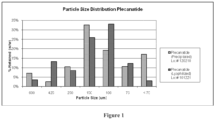
- the peptide has a particle size distribution having a D10 value of between about 2 tp 15 ⁇ m; a D50 value of between about 15-50 ⁇ m; and a D90 value of between about 40-80 ⁇ m when measured by light scattering with liquid dispersant.
- the purified peptide has a particle size distribution characterized by a D50 value of about 600 ⁇ m when measured by light scattering with air dispersant.
- the peptides purified from the lyophilization and precipitation processes described in WO2012/118972 have D50 values of about 180-250 ⁇ m and about 300 ⁇ m, respectively.
- the purified peptide prepared by the processes of the invention has a suitable size distribution for pharmaceutical formulation.
- the peptide e.g., SP-304
- has a size distribution e.g., an average size of 80-120 ⁇ m
- the pharmaceutical excipient e.g., microcrystalline cellulose
- the size distribution of the purified peptide may vary based on the unit dose. For example, when unit dose is lower than 3 mg/day, the purified peptide in the pharmaceutical formulation has a smaller average size than that in the 3 mg/day dose.
- the purified peptide prepared by the processes of the invention is milled to reach the suitable size distribution.
- the size distribution of the peptide of the invention can be determined by traditional methods, such as sieve analysis, light obscuration or dynamic light scattering analyses.
- the invention also relates to a formulation (e.g., an oral formulation) containing the peptides prepared and/or purified by the methods described herein and in particular, a low dose formulation containing 0.05-10 mg (e.g., 0.1 mg, 0.3 mg or 0.5 mg) of the purified peptides.
- a formulation e.g., an oral formulation
- a low dose formulation containing 0.05-10 mg (e.g., 0.1 mg, 0.3 mg or 0.5 mg) of the purified peptides.
- the low-dose formulation can further have one or more additional features as described in WO2012/03780 and US 2012-0237593 and can be prepared by the methods disclosed therein, such as dry blending.
- the present invention provides a solution to various unexpected problems encountered during the purification processes of peptide GCC agonists for pharmaceutical application, such as the lyophilization process and precipitation process described in WO2012/118972 .
- the lyophilization process described in WO2012/118972 which involved use of acetonitrile/water solvent, unexpectedly resulted in enrichment of residual acetamide (a trace level impurity in acetonitrile) in the lyophilized plecanatide product with high acetamide content (i.e., ranging from 88 to 453 ppm among tested batches, or about 300 ppm on average), which hindered commercialization of plecanatide with doses higher than 3 mg/day.
- the lyophilized plecanatide product also had a high variability of residual salt levels such as TFA, acetate, and ammonium salts.
- the precipitated plecanatide product contained high levels of residual solvents (e.g., IPA as high as 90,000 ppm) due to difficulty in removing the solvents used for peptide precipitation.
- the purification processes of the invention solves the residual solvent problem and degradation problem by, for example, exchanging the acetonitrile/water solvent with IPA/water solvent followed by rotary evaporation to reduce IPA to a critical low level (e.g., ⁇ 5%), followed by a first sublot freeze drying, which resulted in low but unacceptable levels of residual solvents, then followed by reconstitution in water and final freeze drying resulting in low and acceptable levels of residual solvents for pharmaceutical application.
- the purification processes of the invention are suitable for scale up preparation/purification of peptides.
- ammonium acetate buffer e.g. 0.5% to dry peptide
- water pH 5
- ammonium acetate buffer (pH 5) reduces the rate of plecanatide topo-isomerization in solution during lyophilization.
- the ammonium acetate buffer (pH 5) also controls residual salt levels in the final product with lower variability as compared to the lyophilization product described in WO2012/118972 .
- the peptide at the end of the purification or isolation processes of the invention has a low residual acetamide level ( ⁇ 50 ppm) and a bulk density of not greater than 0.1 g/mL, as well as an overall lower level of residual solvents (e.g., ⁇ 500 ppm IPA, ⁇ 300 ppm ACN), low levels of degradation impurities (e.g., ⁇ 0.1 % alpha-Asp-9-plecanatide (RRT 1.33) degradant) and topoisomers (e.g., 0.4% or less), and low levels of residual salts (e.g., ⁇ 0.1% TFA, 0.08-0.23% acetate, and 0.11-0.17% ammonium).
- RRT 1.33 alpha-Asp-9-plecanatide
- topoisomers e.g., 0.4% or less
- low levels of residual salts e.g., ⁇ 0.1% TFA, 0.08-0.23% acetate, and 0.11-0.17%
- the invention provides processes of purifying or isolating peptides, e.g., peptide GCC agonists, in particular peptides prepared via a hybrid solution- and solid-phase process, e.g., as described in WO2012/11 8972 , which is hereby incorporated by reference in its entirety.
- the hybrid process includes providing two or more fragments of a peptide of interest via solid-phase and/or solution-phase syntheses and coupling them via a solution-phase synthesis to obtain the target peptide.
- the process may further include, if needed, oxidative cyclization of cysteine amino acid residues of a linear peptide formed by the fragment coupling to produce a cyclized peptide.
- the fragments described above can be prepared by standard solution phase peptide synthesis or solid phase peptide synthesis techniques in which a peptide linkage occurs through the direct condensation of the amino group (i.e., NH 2 ) of a first amino acid with the carboxy group (i.e., COOH) of a second amino acid with the elimination of a water molecule.
- at least one of the fragments is prepared by solid phase peptide synthesis.
- Peptide bond synthesis by direct condensation requires suppression of the reactive character of the amino group of the first and of the carboxyl group of the second amino acid.
- the masking substituents i.e., protecting groups
- the term "protected peptide” or “protected peptide fragment” refers to a peptide or peptide fragment, in which all reactive groups on its constituting amino acids, are masked by protecting groups, unless otherwise specified.
- deprotected peptide or “deprotected peptide fragment” refers to a peptide or peptide fragment, in which all reactive groups on its constituting amino acids, are free from being masked by protecting groups, unless otherwise specified.
- reactive groups refers to the groups forming the peptide bond and those interfering with the peptide bond formation, such as amino, carboxyl, hydroxyl, and thiol (as in cysteine) groups.
- protecting groups for amino include and are not limited to 9-fluorenylmethyloxycarbonyl (Fmoc), tert-butoxycarbonyl (Boe), benzoyl (Bz), acetyl (Ac), and benzyl (Bn).
- protecting groups for carboxyl include trityl (triphenylmethyl, Trt) and O-tert-butyl (OtBu).
- protecting groups for thiol include acetamidomethyl (Acm), tert-butyl (tBu), 3-nitro-2-pyridine sulfenyl (NPYS), 2-pyridine-sulfenyl (Pyr), and trityl (Trt).
- the hybrid synthetic methods have been used for preparing SP-304 (plecanatide).
- three peptide fragments, A, B and C are prepared and then a linear peptide sequence is assembled by the condensation of fragment A, B and C as follows: preparing fragment A, Boe-Asn(Trt)-Asp(OtBu)-Glu(OtBu)-Cys(Trt)-Glu(OtBu)-Leu-OH, by solid phase from 2-chloro-trityl chloride resin; preparing fragment B, Fmoc-Cys(Acm)-Val-Asn-Val-Ala-Cys(Trt)-Thr(tBu)-Gly-OH, by solid phase from 2-chlorotrityl chloride resin; preparing fragment C, Cys(Acm)-Leu-OtBu, by solution phase synthesis, coupling fragments B and C in solution phase to yield fragment B-C, and coupling fragments A and B-C to yield
- the side-chain-protected Fragments A (BocAA1-6OH) and B (FmocAA7-14OH) can be prepared by Fmoc SPPS using the super acid-sensitive 2-chlorotrityl chloride (2-ClTrt) resin and Fmoc-protected amino acid derivatives, as shown in Scheme 1 below.
- Fragment C (HAA15-16OtBu) can be prepared by the solution phase synthesis and then be coupled to Fragment B (FmocAA7-14OH) in solution phase to give Fragment B-C (FmocAA7-16OtBu).
- the Fmoc protecting group can then be removed from Fragment B-C (FmocAA7-16OtBu) to give BAA7-16OtBu, which is then coupled to Fragment A (BocAA1-6OH) to yield side-chain-protected linear SP-304 (BocAA1-16OtBu), as shown in Scheme 2 below.
- the side-chain-protected linear SP-304 (BocAA1-16OtBu) can be treated with trifluoroacetic acid/triisopropylsilane/ethanedithiol (TFA/TIS/EDT) to give the partially protected SP-304 (HAA1-16OH) in which the 2 S-Acm groups (as shown in Scheme 2 above) are intact.
- the partially protected linear SP-304 (HAA1-16OH) can be oxidized by H 2 O 2 , followed by simultaneous removal of the S-Acm groups and disulfide formation with iodine to give crude dicyclic SP-304, as shown in Schemes 3 and 4 below.
- the solution of crude dicyclic SP-304 can then be purified and concentrated, as shown in Scheme 3 above, by loading the solution to a polystyrenic adsorbent resin (e.g., D101 (Anhui Sanxing (China); crosslinked polystyrene; surface area 500-550 rn 2 /g; average pore diameter: 9-10 nm, pore volume: 1.18-1.24 ml/g; bulk density: 0.65-0.70 g/ml; specific density: 1.03-1.07 g/ml; moisture: 67-75%; particle size: 0.315 ⁇ 1.2.5 mm ⁇ 95%; effective diameter: 0.4 ⁇ 0.7 mm; uniformity coefficient: ⁇ 1.6%), DA201C, DA201H, ADS-8, and ADS-5) column, eluting the dicyclic SP-304 from the column with an eluent (e.g., a 90% ethanol aqueous solution), concentrating the collected SP-304 solution under reduced pressure, and precipitating
- the solution of crude dicyclic SP-304 can also be purified directly on preparative HPLC C18 column with acetonitrile (ACN), methanol, and/or water in various buffer systems.
- ACN acetonitrile
- the crude dicyclic SP-304 can also be purified via other methods known to a skilled person in the art.
- Acetylation of the N-terminal can be accomplished by reacting the final peptide with acetic anhydride before cleavage from the resin. C-amidation is accomplished using an appropriate resin such as methylbenzhydrylamine resin using the Boc technology.
- Solid phase peptide synthesis uses an insoluble polymer for support during organic synthesis.
- the polymer-supported peptide chain permits the use of simple washing and filtration steps instead of laborious purifications at intermediate steps.
- Solid-phase peptide synthesis may generally be performed according to the method of Merrifield et al., J. Am. Chem. Soc., 1963, 85:2149 , which involves assembling a linear peptide chain on a resin support using protected amino acids.
- Solid phase peptide synthesis typically utilizes either the Boc or Fmoc strategy, both of which are well known in the art.
- the general strategy for the hybrid synthesis of SP-353 includes solid phase and solution phase syntheses to produce suitable peptide fragments (see Schemes 5 and 6 below), subsequent segment condensation to form the linear crude peptide (see Scheme 7 below), and natural oxidative folding to form the cyclized final product (see Scheme 7 below).
- the same strategy can also be used to produce other ST peptide analogs (such as SP-354, linaclotide, etc.) of similar amino acid sequences shown in Table II.
- the general strategy for the hybrid synthesis of SP-333 includes solid phase and solution phase syntheses to produce suitable peptide fragments (see Schemes 8 and 9 below), subsequent segment condensation to form the linear crude peptide (see Scheme 9 below), oxidative folding to form the cyclized final product, purification, and lyophilization (see Scheme 10 below). understood that certain steps in Scheme 11 may be repeated (e.g., rinsing column with deionized water) or absent (e.g., salt exchange or alcohol removal after dewatering) to optimize the purification process.
- the precipitation process as illustrated in Scheme 11 provides a purified peptide, e.g., peptide GCC agonists.
- the purified peptide is SP-304 (SEQ ID NO:1) or SP-333 (SEQ ID NO:9).
- the purified SP-304 or SP-333 has a bulk density of no less than 0.05 g/mL, no less than 0.1 g/mL, no less than 0.2 g/mL, no less than 0.3 g/mL, no less than 0.4 g/mL, or no less than 0.5 g/mL.
- the purified SP-304 or SP-333 has a bulk density of about 0.05-2 g/mL, about 0.2-0.7 g/mL, about 0.3-0.6 g/mL, or about 0.4-0.5 g/mL. In one embodiment, the purified SP-304 or SP-333 has a tap density of no less than 0.08 g/mL, no less than 0.1 g/mL, no less than 0.15 g/mL, no less than 0.2 g/mL, no less than 0.3 g/mL, no less than 0.4 g/mL, no less than 0.5 g/mL, or no less than 0.6 g/mL.
- the purified SP-304 or SP-333 has a tap density of 0.08-2 g/mL, about 0.4-0.9 g/mL, about 0.5-0.8 g/mL, or about 0.6-0.7 g/mL.
- the purified peptide SP-304 or SP-333 contains ⁇ 0.01% acetamide (e.g., ⁇ 28ppm), ⁇ 0.3% ammonium ion (e.g., ⁇ 0.25%), ⁇ 0.01% acetonitrile (e.g., ⁇ 20 ppm), and/or ⁇ 0.1% TFA (e.g., ⁇ 0.09%).
- the purified peptide SP-304 or SP-333 has a bulk density of 0.4-0.5 g/mL, has a tap density of 0.6-0.7 g/mL, and contains ⁇ 0.01% acetamide (e.g., ⁇ 28ppm), ⁇ 0.3% ammonium ion (e.g., ⁇ 0.25%), ⁇ 0.01% acetonitrile (e.g., ⁇ 20 ppm), and/or ⁇ 0.1% TFA (e.g., ⁇ 0.09%).
- acetamide e.g., ⁇ 28ppm
- ammonium ion e.g., ⁇ 0.25%
- acetonitrile e.g., ⁇ 20 ppm
- TFA e.g., ⁇ 0.09%
- the purified peptide can have one or more of the following features.
- the peptide is stable at 25 0 C for at least three months.
- the peptide has a particle size distribution having a D10 value of between about 2 tp 15 ⁇ m; a D50 value of between about 15-50 ⁇ m; and a D90 value of between about 40-80 ⁇ m when measured by light scattering with liquid dispersant.
- the purified peptide contains no more than 35 ppm acetamide (e.g., ⁇ 18 ppm).
- the purified peptide contains less than 0.15% alpha-Asp-9-plenacanatide (which has a Relative Retention Time (RRT) of ⁇ 1.33 from the ultra-performance liquid chromatography (UPLC) analysis described herein).
- RRT Relative Retention Time
- the purified peptide has a bulk density of not greater than 0.09 g/mL, not greater than 0.08 g/rnL, not greater than 0.07 g/mL, not greater than 0.06 g/mL, not greater than 0.05 g/mL, not greater than 0.04 g/mL, or not greater than 0.03 g/mL.
- the purified peptide is substantially free of water (e.g., water content not exceeding 10%, 9%, 8%,7%. 6%, 5%, 4%, 3.5%, 3%, 2.5%, 2%, 1.5%, 1%, 0.5%, 0.25%, or 0.1%, of the total weight of the peptide).
- the purified peptide has a chromatographic purity of no less than 95%, no less than 96%, or no less than 97%.
- the total content of impurities in the purified peptide is less than 3% (e.g., ⁇ 2% or ⁇ 1%).
- the purified peptide is further substantially free of one ormore impurities selected from acetonitrile, alcohols, ammonium, acetates, and TFA.
- the purified peptide contains less than 300 ppm acetonitrile (e.g., ⁇ 250 ppm).
- the purified peptide contains less than 0.2% TFA (e.g., ⁇ 0.15%, ⁇ 0.1%, ⁇ 400 ppm, ⁇ 300 ppm, ⁇ 200 ppm, ⁇ 100 ppm, or ⁇ 50 ppm).
- the purified peptide contains less than 0.2% isopropanol, i.e., IPA (e.g., ⁇ 0.15%, ⁇ 0.1%, ⁇ 1000 ppm, ⁇ 900 ppm ⁇ 800 ppm, ⁇ 700 ppm, ⁇ 600 ppm, ⁇ 500 ppm, ⁇ 400 ppm, ⁇ 300 ppm, ⁇ 200 ppm, ⁇ 100 ppm, ⁇ 50 ppm, or ⁇ 20 ppm).
- IPA isopropanol
- the purified peptide contains less than 0.25 % acetate (e.g., ⁇ 0.2% or ⁇ 0.1%)).
- the purified peptide is substantially free of topoisomers (e.g., ⁇ 0.4%, ⁇ 0.3%, ⁇ 0.2% or ⁇ 0.1%).
- the purified peptide is substantially free of iso-Asp2-plecanatide (RRT 0.96- 0.97) (e.g., ⁇ 0.4%, ⁇ 0.3%, ⁇ 0.2% or ⁇ 0.1%).
- the purified peptide has a chromatographic purity of no less than 96%, no less than 97%, or no less than 98%.
- the GCC agonist peptide has chromatographic impurity content of no greater than 4%, no greater than 3.5%, no greater than 3%, no greater than 2.5%, no greater than 2%, no greater than 1.5%, or no greater than 1%.
- the chromatographic impurity content is determined as total area percentages of impurities by HPLC.
- the chromatographic impurity content includes topoisomer content.
- the impurities do not include any pharmaceutically acceptable excipient used for drug formulation.
- the purified peptide is substantially free of contaminants resulted from the peptide preparation process such as organic solvents used in the process, e.g., ammonium, acetonitrile, acetamide, alcohol (e.g., methanol, ethanol, or isopropanol), TFA, ether or other contaminants.
- organic solvents used in the process e.g., ammonium, acetonitrile, acetamide, alcohol (e.g., methanol, ethanol, or isopropanol), TFA, ether or other contaminants.
- substantially free of contaminants means that the contaminant content of the peptide at the end of the purification process is preferably less than 0.5%, less than 0.3%, less than 0.25%, less than 0.1%, less than 0.05%, less than 0.04%, less than 0.03%, less than 0.02%, less than 0.01%, less than 0.005%, less than 0.003%, or less than 0.001% of the total weight of the peptide.
- the purified peptide contains ⁇ 50 ppm acetamide (e.g., ⁇ 35 ppm or ⁇ 18 ppm), ⁇ 300 ppm acetonitrile (e.g., ⁇ 250 ppm), ⁇ 1000 ppm TFA (e.g., ⁇ 400 ppm, ⁇ 300 ppm, ⁇ 200 ppm, ⁇ 100 ppm, or ⁇ 50 ppm), ⁇ 2000 ppm isopropanol (e.g., ⁇ 1500 ppm, ⁇ 000 ppm, ⁇ 500 ppm, ⁇ 400 ppm, ⁇ 300 ppm, ⁇ 200 ppm, ⁇ 100 ppm, ⁇ 50 ppm, or ⁇ 20 ppm), , and/or ⁇ 0.25 % acetate (e.g., ⁇ 0.2% or ⁇ 0.1%).
- ⁇ 50 ppm acetamide e.g., ⁇ 35 ppm or ⁇ 18
- the content of contaminants can be determined by conventional methods such as gas chromatography.
- the residual solvents in the purified peptide of the invention are less than the limits set in the ICH guidelines, e.g., IMPURITIES: GUIDELINE FOR RESIDUAL SOLVENTS Q3C(R5) (available at http://vww.ich.org/fileadmin/Public_Web_Site/ICH_Products/Guidelines/Quality/Q3C/Step4/Q 3C_R5_Step4.pdf).
- the purified peptide contains less than 0.3% (e.g., ⁇ 0.15%) alpha-Asp-9-plenacanatide (RRT 1.33).
- the purified peptide has a bulk density of not greater than 0.09 g/mL, not greater than 0.08 g/mL, not greater than 0.07 g/mL, not greater than 0.06 g/mL, not greater than 0.05 g/mL, not greater than 0.04 g/mL, or not greater than 0.03 g/mL.
- the purified peptide is substantially free of iso-Asp2-plecanatide (RRT ⁇ 0.96-0.97).
- substantially free of iso-Asp2-plecanatide means that the iso-Asp2-plecanatide content of the peptide at the end of the purification process is preferably less than 2%, less than 1.5%, less than 1.25%, less than 1%, less than 0.9%, less than 0.8%, less than 0.7%, less than 0.6%, less than 0.5%, less than 0.4%, less than 0.3%, less than 0.2%, or less than 0.1%, of the total weight of the peptide.
- the purified peptide is substantially free of topoisomers.
- substantially free of topoisomers means that the topoisomer content of the peptide at the end of the purification process is preferably less than 2%, less than 1.5%, less than 1.25%, less than 1%, less than 0.9%, less than 0.8%, less than 0.7%, less than 0.6%, less than 0.5%, less than 0.4%, less than 0.3%, less than 0.2%, or less than 0.1%, of the total weight of the peptide.
- the purified peptide is substantially free of water.
- substantially free of water means that the water content of the peptide at the end of the purification process is preferably less than 10%, 9%, 8%, 7%, less than 6%, less than 5%, less than 4.5%, less than 4.25%, less than 4%, less than 3.5%, less than 3%, less than 2.5%, less than 2%, less than 1.5%, less than 1%, less than 0.5%, less than 0.25%, or less than 0.1%, of the total weight of the peptide.
- the purified peptide has a particle size distribution characterized by a D50 value of about 600 ⁇ m when measured by light scattering with air dispersant.
- the peptides purified from the lyophilization and precipitation processes described in WO2012/118972 have D50 values of about 180-250 ⁇ m and about 300 ⁇ m, respectively.
- the purified peptide prepared by the processes of the invention has a suitable size distribution for pharmaceutical formulation.
- the peptide e.g., SP-304
- has a size distribution e.g., an average size of 80-120 ⁇ m
- the pharmaceutical excipient e.g., microcrystalline cellulose
- the size distribution of the purified peptide may vary based on the unit dose. For example, when unit dose is lower than 3 mg/day, the purified peptide in the pharmaceutical formulation has a smaller average size than that in the 3 mg/day dose.
- the purified peptide prepared by the processes of the invention is milled to reach the suitable size distribution.
- the size distribution of the peptide of the invention can be determined by traditional methods, such as sieve analysis, light obscuration or dynamic light scattering analyses.
- the invention provides a purification process of purifying peptides, including those synthesized by the hybrid methods disclosed herein.
- the process includes, e.g., the steps (referred to as “isolation process 2") illustrated in Scheme 12 below, as compared to the isolation steps described in WO2012/118972 (referred to as “isolation process 1").
- the purification process of the invention includes the following steps:
- the disulfide bond between Cys 4 and Cys 12 of SP-304 is first formed by H 2 O 2 oxidation at 8.0-8.5 pH to form the monocyclized crude peptide.
- the linear crude peptide is slowly added and dissolving in 0.5% ammonium acetate in water buffer with pre-added H 2 O 2 in a ratio of 100:9 gram of peptide to mL H 2 O 2 to produce a final crude concentration of approximately 1.0mg/mL.
- the solution pH is then adjusted to 8.5 with an NH 4 OH solution while stirring in the open air.
- the oxidative monocyclization reaction is monitored, e.g., using HPLC Method 2 as described in Example 8.
- the oxidation reaction is stopped by adjusting the pH of peptide solution to 1.7-2 using a TFA solution.
- the peptide solution is then transferred to the next step for the formation of the dicyclized peptide.
- Dicyclization of Monocyclized Peptide The disulfide bond between the Cys7 and Cys15 is formed by 3.0% (w/v) I 2 in acetonitrile solution. The disulfide bridge is created while simultaneously removing the Acm side-chain protecting groups present on the remaining Cys residues.
- the oxidative dicyclization reaction is monitored, e.g., using HPLC Method 2. Excess iodine is quenched with a 0.1M ascorbic acid in water solution. Upon completion of the reaction, the dicyclized peptide is adjusted to pH 6.5-7 using an NH 4 OH solution and the material is prepared for primary purification.
- Recycle Pool(s) Purification of Dicyclized Peptide After primary purification, the fractions that require further purification are purified based on the purity of the traction pools using a 1%TFAP in Water, pH7/ACN or a 0.2% Acetic Acid in Water/ ACN buffer system.
- the dicyclized crude peptide solution resulting from the oxidation steps is then loaded onto a preparative RP-HPLC column packed with C 18 reverse phase resin which is operated by a preparative HPLC system.
- the peptide is eluted in a 1%TEAP in Water, pH7/ACN buffer system.
- HPLC Method 1 as described in Example 8, for example, is used to ascertain the percent purity of fractions and pools obtained during the Recycle Purification run.
- Solvent Exchange: Material meeting main pool criteria is loaded onto the preparative RP-HPLC column at the flange end in the reverse direction, washed with a water/isopropanol solution (e.g., with a water to isopropanol ratio of 99: 1) from the reverse direction, and eluted with a water/isopropanol solution (e.g., with a water to isopropanol ratio of 60:40) in the forward direction.
- a water/isopropanol solution e.g., with a water to isopropanol ratio of 99: 1
- a water/isopropanol solution e.g., with a water to isopropanol ratio of 60:40
- the collected peptide solution is tested by UPLC Method 1 to ascertain the purity, then the peptide solution is filtered, undergoes rotary evaporation to remove excess isopropanol (to e.g., below 5%), followed by sublot lyophilization for, e.g., no less than 96 hours.
- Reconstitution and Final Lyophilization The sublot lyophilized dry peptide undergoes reconstitution in water to form a homogenous lot.
- a buffer such as ammonium acetate (e.g., 0.5% (w/w) to dry peptide)
- ammonium acetate e.g. 0.5% (w/w) to dry peptide
- the material can be analyzed by UPLC Method 1 to verify the purity.
- the dissolved material can be installed onto the tray lyophilizer and kept under vacuum for, e.g., no less than 120 hours to comprise the final dry peptide material.
- the GCC agonists prepared by the processes of the invention can bind to guanylate cyclase C and stimulate intracellular production of cGMP.
- the GCC agonists induce apoptosis and inhibit proliferation of epithelial cells.
- guanylate cyclase C refers to a transmembrane form of guanylate cyclase that acts as the intestinal receptor for the heat-stable toxin (ST) peptides secreted by enteric bacteria.
- ST heat-stable toxin
- Guanylate cyclase C is also the receptor for the naturally occurring peptides guanylin and uroguanylin. The possibility that there may be different receptors for each of these peptides has not been excluded.
- the term “guanylate cyclase C” may also encompass a class of transmembrane guanylate cyclase receptors expressed on epithelial cells lining the gastrointestinal mucosa.
- GCC agonist refers to both peptides and non-peptide compounds such as that bind to an intestinal guanylate cyclase C and stimulate the intracellular production of cGMP.
- GCC agonist is a peptide
- the term encompasses biologically active fragments of such peptides and pro-peptides that bind to guanylate cyclase C and stimulate the intracellular production of cGMP.
- the GCC agonists suitable for the methods of the invention are preferably peptides.
- the GCC agonist peptide is less than 30 amino acids in length.
- the GCC agonist peptide is less than or equal to 30, 25, 20, 15, 14, 13, 12, 11, 10, or 5 amino acids in length.
- Examples of GCC agonist peptides for use in the formulations and methods of the invention include those described in U.S. Patent Nos. 7,879,802 and 8,034,782 , and U.S. Publication Nos. US 2010-0069306 and US 2010-0120694 , each of which is incorporated by reference herein in its entirety.
- GCC agonist peptides that can be purified or prepared by the methods of the invention include those described in Tables I-VII below.
- PEG3 or “3PEG” refer to a polyethylene glycol such as aminoethyloxy-ethyloxy-acetic acid (AeeA), and polymers thereof.
- AeeA aminoethyloxy-ethyloxy-acetic acid
- AMIDE is meant to denote 5 that the terminal carboxylic acid is replaced with an amide group, i.e., the terminal COOH is replaced with CONH 2 .
- X aa refers to any natural or unnatural amino acid or amino acid analogue.
- M aa refers to a cysteine (Cys), penicillamine (Pen) homocysteine, or 3-mercaptoproline.
- Xaa n1 is meant to denote an amino acid sequence of any natural or unnatural amino acid or amino acid analogue that is one, two or three residues in length;
- Xaa n2 is meant to denote an amino acid sequence that is zero or one residue in length;
- Xaa n3 is meant to denote an amino acid sequence zero, one, two, three, four , five or six residues in length.
- any amino acid represented by Xaa, Xaa n1 , Xaa n2 , or Xaa n3 may be an L-amino acid, a D-amino acid, a methylated amino acid or any combination of thereof.
- any GCC agonist peptide represented by Formulas I to XX in the tables may contain one or more polyethylene glycol residues at the N- terminus, C-terminus or both.
- a GCC agonist purified or prepared by the methods of the invention comprises a peptide selected from SEQ ID NOs: 1-251, the sequences of which are set forth below in Tables I to VII below.
- a GCC agonist purified by the methods of the invention comprises the peptide designated by SEQ ID NOs: 1, 9, or 104.
- a GCC agonist prepared by the methods of the invention comprises a peptide that is substantially equivalent to a peptide selected from SEQ ID NOs: 1-251.
- substantially equivalent refers to a peptide that has an amino acid sequence equivalent to that of the binding domain where certain residues may be deleted or replaced with other amino acids without impairing the peptide's ability to bind to an intestinal guanylate cyclase receptor and stimulate fluid and electrolyte transport.
- a GCC agonist prepared by the methods of the invention comprises a peptide that are analogs to a peptide selected from SEQ ID NOs: 1-251. Particularly, these analogs contain an ⁇ -aminoadipic acid (Aad), preferably at the 3 rd position from the N-terminus of each peptide or at the position to the N-terminal side next to the first cysteine (“Cys”) residue.251
- the GCC agonist peptides are analogues of uroguanylin or a bacterial ST peptide.
- Uroguanylin is a circulating peptide hormone with natriuretic activity.
- An ST peptide is a member of a family of heat stable enterotoxins (ST peptides) secreted by pathogenic strains of E. coli and other enteric bacteria that activate guanylate cyclase receptor and cause secretory diarrhea.
- ST peptides heat stable enterotoxins
- ST peptides heat stable enterotoxins
- the binding of uroguanylin to guanylate cyclase receptor is dependent on the physiological pH of the gut. Therefore, uroguanylin is expected to regulate fluid and electrolyte transport in a pH dependent manner and without causing severe diarrhea.
- the GCC agonist peptides prepared by the methods of the invention can be polymers of L-amino acids, D-amino acids, or a combination of both.
- the peptides are D retro-inverso peptides.
- the term "retro-inverso isomer” refers to an isomer of a linear peptide in which the direction of the sequence is reversed and the chirality of each amino acid residue is inverted. See, e.g., Jameson et al., Nature, 368, 744-746 (1994 ); Brady et al., Nature, 368, 692-693 (1994 ).
- any given L-amino acid sequence of the invention may be made into a D retro-inverso peptide by synthesizing a reverse of the sequence for the corresponding native L-amino acid sequence.
- the GCC agonist peptides prepared by the methods of the invention are able to induce intracellular cGMP production in cells and tissues expressing guanylate cyclase C.
- the GCC agonist peptide stimulates 5%, 10%, 20%, 30%, 40%, 50% , 75%, 90% or more intracellular cGMP compared to naturally occurring GCC agonists such as uroguanylin, guanylin, or ST peptides.
- the GCC agonist peptide stimulates 5%, 10%, 20%, 30%, 40%, 50% , 75%, 90% or more intracellular cGMP compared to SP-304 (SEQ ID NO:1).
- the GCC agonist peptide stimulates apoptosis, e.g., programmed cell death, or activate the cystic fibrosis transmembrane conductance regulator (CFTR).
- CFTR cystic fibrosis transmembrane conductance regulator
- the GCC agonist peptides prepared by the methods of the invention are more stable than naturally occurring GCC agonists and/or SP-304 (SEQ ID NO:1), SP-339 (linaclotide) (SEQ ID NO: 55) or SP-340 (SEQ ID NO: 56).
- the GCC agonist peptide degrades 2%, 3%, 5%, 10%, 15%, 20%, 30%, 40%, 50% , 75%, 90% or less compared to naturally occurring GCC agonists and/or SP-304, SP-339 (linaclotide) or SP-340.
- the GCC agonist peptides for use in the formulations and methods of the invention are more stable to proteolytic digestion than naturally occurring GCC agonists and/or SP-304 (SEQ ID NO:1), SP-339 (linaclotide) (SEQ ID NO: 55) or SP-340 (SEQ ID NO: 56).
- a GCC agonist peptide is pegylated in order to render the peptides more resistant towards proteolysis by enzymes of the gastrointestinal tract.
- the GCC agonist peptide is pegylated with the aminoethyloxy-ethyloxy-acetic acid (Aeea) group at its C-terminal end, at its N-terminal end, or at both termini.
- GCC agonist peptides that can be prepared by the methods of the invention include a peptide selected from the group designated by SEQ ID NOs: 1-251.
- the GCC agonist peptide is a peptide having the amino acid sequence of any one of Formulas X- XVII (e.g. SEQ ID NOs: 87-98).
- GCC agonist peptides include peptides having the amino acid sequence of Formula I, wherein at least one amino acid of Formula I is a D-amino acid or a methylated amino acid and/or the amino acid at position 16 is a serine.
- the amino acid at position 16 of Formula I is a D-amino acid or a methylated amino acid.
- the amino acid at position 16 of Formula I is a d-leucine or a d-serine.
- one or more of the amino acids at positions 1-3 of Formula I are D-amino acids or methylated amino acids or a combination of D-amino acids or methylated amino acids.
- Asn 1 , Asp 2 or Glu 3 (or a combination thereof) of Formula I is a D-amino acid or a methylated amino acid.
- the amino acid at position Xaa 6 of Formula I is a leucine, serine or tyrosine.
- GCC agonist peptides include peptides having the amino acid sequence of Formula II, wherein at least one amino acid of Formula II is a D-amino acid or a methylated amino acid.
- the amino acid denoted by Xaa n2 of Formula II is a D-amino acid or a methylated amino acid.
- the amino acid denoted by Xaa n2 of Formula II is a leucine, a d-leucine, a serine, or a d-serine.
- the one or more amino acids denoted by Xaa n1 of Formula II is a D-amino acid or a methylated amino acid.
- the amino acid at position Xaa 6 of Formula II is a leucine, a serine, or a tyrosine.
- GCC agonist peptides include peptides having the amino acid sequence of Formula III, wherein at least one amino acid of Formula III is a D-amino acid or a methylated amino acid and/or Maa is not a cysteine.
- the amino acid denoted by Xaa n2 of Formula III is a D-amino acid or a methylated amino acid.
- the amino acid denoted by Xaa n2 of Formula III is a leucine, a d-leucine, a serine, or a d-serine.
- the one or more amino acids denoted by Xaa n1 of Formula III is a D-amino acid or a methylated amino acid.
- the amino acid at position Xaa 6 of FFormula III is a leucine, a serine, or a tyrosine.
- GCC agonist peptides include peptides having the amino acid sequence of Formula IV, wherein at least one amino acid of Formula IV is a D-amino acid or a methylated amino acid, and/or Maa is not a cysteine.
- the Xaa n2 of Formula IV is a D-amino acid or a methylated amino acid.
- the amino acid denoted by Xaa n2 of Formula IV is a leucine, a d-leucine, a serine, or a d-serine.
- the one or more of the amino acids denoted by Xaa n1 of Formula IV is a D-amino acid or a methylated amino acid.
- the amino acid denoted Xaa 6 of Formula IV is a leucine, a serine, or a tyrosine.
- GCC agonist peptides include peptides having the amino acid sequence of Formula V, wherein at least one amino acid of Formula V is a D-amino acid or a methylated amino acid.
- the amino acid at position 16 of Formula V is a D-amino acid or a methylated amino acid.
- the amino acid at position 16 (i.e., Xaa 16 ) of Formula V is a d-leucine or a d-serine.
- one or more of the amino acids at position 1-3 of Formula V are D-amino acids or methylated amino acids or a combination of D-amino acids or methylated amino acids.
- Asn 1 , Asp 2 or Glu 3 (or a combination thereof) of Formula V is a D-amino acids or a methylated amino acid.
- the amino acid denoted at Xaa 6 of Formula V is a leucine, a serine, or a tyrosine.
- GCC agonist peptides include peptides having the amino acid sequence of Formula VI, VII, VIII, or IX.
- the amino acid at position 6 of Formula VI, VII, VIII, or IX is a leucine, a serine, or a tyrosine.
- the amino acid at position 16 of Formula VI, VII, VIII, or IX is a leucine or a serine.
- the amino acid at position 16 of Formula V is a D-amino acid or a methylated amino acid.
- GCC agonist peptides include peptides having the amino acid sequence of Formula X, XI, XII, XIII, XIV, XV, XVI or XVII.
- one or more amino acids of Formulas X, XI, XII, XIII, XIV, XV, XVI or XVII is a D-amino acid or a methylated amino acid.
- the amino acid at the carboxy terminus of the peptides according to Formulas X, XI, XII, XIII, XIV, XV, XVI or XVII is a D-amino acid or a methylated amino acid.
- the amino acid at the carboxy terminus of the peptides according to Formulas X, XI, XII, XIII, XIV, XV, XVI or XVII is a D-tyrosine.
- the amino acid denoted by Xaa 6 of Formula XIV is a tyrosine, phenylalanine or a serine. Most preferably the amino acid denoted by Xaa 6 of Formula XIV is a phenylalanine or a serine.
- the amino acid denoted by Xaa 4 of Formula XV, XVI or XVII is a tyrosine, a phenylalanine, or a serine.
- the amino acid position Xaa 4 of Formula V, XVI or XVII is a phenylalanine or a serine.
- GCRA peptides include peptides containing the amino acid sequence of Formula XVIII.
- the amino acid at position 1 of Formula XVIII is a glutamic acid, aspartic acid, glutamine or lysine.
- the amino acid at position 2 and 3 of Formula XVIII is a glutamic acid, or an aspartic acid.
- the amino acid at position 5 a glutamic acid.
- the amino acid at position 6 of Formula XVIII is an isoleucine, valine, serine, threonine, or tyrosine.
- the amino acid at position 8 of Formula XVIII is a valine or isoleucine.
- the amino acid at position 9 of Formula XVIII is an asparagine.
- the amino acid at position 10 of Formula XVIII is a valine or a methionine.
- the amino acid at position 11 of Formula XVIII is an alanine.
- the amino acid at position 13 of Formula XVIII I is a threonine.
- the amino acid at position 14 of Formula XVIII is a glycine.
- the amino acid at position 16 of Formula XVIII is a leucine, serine or threonine
- GCRA peptides include peptides containing the amino acid sequence of Formula XIX.
- the amino acid at position 1 of Formula XIX is a serine or asparagine.
- the amino acid at position 2 of Formula XIX is a histidine or an aspartic acid.
- the amino acid at position 3 of Formula XIX is a threonine or a glutamic acid.
- the amino acid at position 5 of Formula XIX is a glutamic acid.
- the amino acid at position 6 of Formula XIX is an isoleucine, leucine, valine, or tyrosine.
- the amino acid at position 8, 10, 11, or 13 of Formula XIX is an alanine.
- the amino acid at position 9 of Formula XIX is an asparagine or a phenylalanine.
- the amino acid at position 14 of Formula XIX is a glycine.
- GCRA peptides include peptides containing the amino acid sequence of Formula XX.
- the amino acid at position 1 of Formula XX is a glutamine.
- the amino acid at position 2 or 3 of Formula XX is a glutamic acid or an aspartic acid.
- the amino acid at position 5 of Formula XX is a glutamic acid.
- the amino acid at position 6 of Formula XX is threonine, glutamine, tyrosine, isoleucine, or leucine.
- the amino acid at position 8 of Formula XX is isoleucine or valine.
- the amino acid at position 9 of Formula XX is asparagine.
- the amino acid at position 10 of Formula XX is methionine or valine.
- the amino acid at position 11 of Formula XX is alanine.
- the amino acid at position 13 of Formula XX is a threonione.
- the amino acid at position 1 of Formula XX is a glycine.
- the amino acid at position 15 of Formula XX is a tyrosine.
- the amino acid at position 15 of Formula XXX is two amino acid in length and is Cysteine (Cys), Penicillamine (Pen) homocysteine, or 3-mercaptoproline and serine, leucine or threonine.
- one or more amino acids of the GCC agonist peptides are replaced by a non-naturally occurring amino acid or a naturally or non-naturally occurring amino acid analog.
- Such amino acids and amino acid analogs are known in the art. See, for example, Hunt, "The Non-Protein Amino Acids," in Chemistry and Biochemistry of the Amino Acids, Barrett, Chapman, and Hall, 1985 .
- an amino acid is replaced by a naturally-occurring, non-essential amino acid, e.g., taurine.
- Non-limiting examples of naturally occurring amino acids that can be replaced by non-protein amino acids include the following: (1) an aromatic amino acid can be replaced by 3,4-dihydroxy-L-phenylalanine, 3-iodo-L-tyrosine, triiodothyronine, L-thyroxine, phenylglycine (Phg) or nor-tyrosine (norTyr); (2) Phg and norTyr and other amino acids including Plue and Tyr can be substituted by, e.g., a halogen, -CH3, -OH, - CH2NH3, -C(O)H, -CH2CH3, - CN, -CH2CH2CH3, -SH, or another group; (3) glutamine residues can be substituted with gamma-Hydroxy-Glu or gamma- Carboxy-Glu; (4) tyrosine residues can be substituted with an alpha substituted amino acid such as L-alpha-methylpheny
- non-natural amino acids include: an unnatural analog of tyrosine; an unnatural analogue of glutamine; an unnatural analogue of phenylalanine; an unnatural analogue of serine; an unnatural analogue of threonine; an alkyl, aryl, acyl, azido, cyano, halo, hydrazine, hydrazide, hydroxyl, alkenyl, alkynyl, ether, thiol, sulfonyl, seleno, ester, thioacid, borate, boronate, phospho, phosphono, phosphine, heterocyclic, enone, imine, aldehyde, hydroxylamine, keto, or amino substituted amino acid, or any combination thereof; an amino acid with a photoactivatable cross-linker; a spin-labeled amino acid; a fluorescent amino acid; an amino acid with a novel functional group; an amino acid that covalent
- unnatural amino acids and amino acid analogs can be found in U.S. 20030108885 , U.S. 20030082575 , US20060019347 (paragraphs 410-418) and the references cited therein.
- the polypeptides of the invention can include further modifications including those described in US20060019347 , paragraph 589.
- Exemplary GCC agonist peptides which include a non-naturally occurring amino acid include for example SP-368 and SP-369.
- the GCC agonist peptides are cyclic peptides.
- GCC agonist cyclic peptides can be prepared by methods known in the art. For example, macrocyclization is often accomplished by forming an amide bond between the peptide N- and C-termini, between a side chain and the N- or C-terminus [e.g., with K 3 Fe(CN) 6 at pH 8.5] ( Samson et al., Endocrinology, 137: 5182-5185 (1996 )), or between two amino acid side chains, such as cysteine. See, e.g., DeGrado, Adv Protein Chem, 39: 51-124 (1988 ).
- the GCC agonist peptides are [4,12; 7,15] bicycles.
- one or both Cys residues which normally form a disulfide bond in a GCC agonist peptide are replaced with homocysteine, penicillamine, 3-mercaptoproline ( Kolodziej et al. 1996 Int. J. Pept. Protein Res. 48:274 ), ⁇ , ⁇ dimethylcysteine ( Hunt et al. 1993 Int. J. Pept. Protein Res. 42:249 ), or diaminopropionic acid ( Smith et al. 1978 J. Med, Chem. 2 1:117 ) to form alternative internal cross-links at the positions of the normal disulfide bonds.
- GCC agonist peptides which include a lactam bridge include, for example, SP-370.
- the GCC agonist peptides have one or more conventional polypeptide bonds replaced by an alternative bond.
- Such replacements can increase the stability of the polypeptide.
- replacement of the polypeptide bond between a residue amino terminal to an aromatic residue (e.g. Tyr, Phe, Trp) with an alternative bond can reduce cleavage by carboxy peptidases and may increase half-life in the digestive tract.
- the GCC agonist peptides are modified using standard modifications. Modifications may occur at the amino (N-), carboxy (C-) terminus, internally or a combination of any of the preceding. In one aspect described herein, there may be more than one type of modification on the polypeptide. Modifications include but are not limited to: acetylation, amidation, biotinylation, cinnamoylation, famesylation, formylation, myristoylation, palmitoylation, phosphorylation (Ser, Tyr or Thr), stearoylation, succinylation, sulfurylation and cyclisation (via disulfide bridges or amide cyclisation), and modification by Cys3 or Cys5.
- the GCC agonist peptides described herein may also be modified by 2, 4-dinitrophenyl (DNP), DNP-lysine, modification by 7-Amino-4-methyl- coumarin (AMC), flourescein, NBD (7-Nitrobenz-2-Oxa-1,3-Diazole), p-nitro-anilide, rhodamine B, EDANS (5-((2-aminoethyl)amino)naphthalene-1-sulfonic acid), dabcyl, dabsyl, dansyl, texas red, FMOC, and Tamra (Tetramethylrhodamine).
- DNP 2, 4-dinitrophenyl
- AMC 7-Amino-4-methyl- coumarin
- Fescein 7-Amino-4-methyl- coumarin
- NBD 7-Nitrobenz-2-Oxa-1,3-Diazole
- p-nitro-anilide rhodamine
- the GCC agonist peptides described herein may also be conjugated to, for example, polyethylene glycol (PEG); alkyl groups (e.g., C1-C20 straight or branched alkyl groups); fatty acid moieties; combinations of PEG, alkyl groups and fatty acid moieties ( See, U.S. Patent 6,309,633 ; Soltero et al., 2001 Innovations in Pharmaceutical Technology 106-110 ); BSA and KLH (Keyhole Limpet Hemocyanin).
- PEG polyethylene glycol
- alkyl groups e.g., C1-C20 straight or branched alkyl groups
- fatty acid moieties e.g., fatty acid moieties
- combinations of PEG, alkyl groups and fatty acid moieties See, U.S. Patent 6,309,633 ; Soltero et al., 2001 Innovations in Pharmaceutical Technology 106-110 ); BSA and KLH (Keyhole Limpet Hemo
- a GCC agonist peptide can also be a derivative of a GCC agonist peptide described herein.
- a derivative includes hybrid and modified forms of GCC agonist peptides in which certain amino acids have been deleted or replaced.
- a modification may also include glycosylation.
- the modification is an amino acid substitution, it is a conservative substitution at one or more positions that are predicted to be non-essential amino acid residues for the biological activity of the peptide.
- a "conservative substitution” is one in which the amino acid residue is replaced with an amino acid residue having a similar side chain. Families of amino acid residues having similar side chains have been defined in the art.
- amino acids with basic side chains e.g ., lysine, arginine, histidine
- acidic side chains e.g., aspartic acid, glutamic acid
- uncharged polar side chains e.g., glycine, asparagine, glutamine, serine, threonine, tyrosine, cysteine
- nonpolar side chains e.g., alanine, valine, leucine, isoleucine, proline, phenylalanine, methionine, tryptophan
- beta-branched side chains e.g., threonine, valine, isoleucine
- aromatic side chains e.g ., tyrosine, phenylalanine, tryptophan, histidine
- a GCC agonist peptide prepared by the methods described herein is subjected to random mutagenesis in order to identify mutants having biological activity.
- the methods of the invention can be used to prepare a GCC agonist peptide that is substantially homologous to a GCC agonist peptide described herein.
- Such substantially homologous peptides can be isolated by virtue of cross-reactivity with antibodies to a GCC agonist peptide described herein.
- GCC agonist peptides that can be prepared by the methods of the invention are found in Tables I-VII below.
- GCC agonist peptides and their fragments can be prepared using art recognized techniques such as molecular cloning, peptide synthesis, or site-directed mutagenesis.
- the GCC agonist peptides or their fragments can be produced by modem cloning techniques.
- the GCC agonist peptides are produced either in bacteria including, without limitation, E. coli, or in other existing systems for polypeptide or protein production (e.g., Bacillus subtilis, baculovirus expression systems using Drosophila Sf9 cells, yeast or filamentous fungal expression systems, mammalian cell expression systems), or they can be chemically synthesized. If the GCC agonist peptide or variant peptide is to be produced in bacteria, e.g., E.
- the nucleic acid molecule encoding the polypeptide may also encode a leader sequence that permits the secretion of the mature polypeptide from the cell.
- the sequence encoding the polypeptide can include the pre sequence and the pro sequence of, for example, a naturally-occurring bacterial ST polypeptide.
- the secreted, mature polypeptide can be purified from the culture medium.
- the sequence encoding a GCC agonist peptide described herein can be inserted into a vector capable of delivering and maintaining the nucleic acid molecule in a bacterial cell.
- the DNA molecule may be inserted into an autonomously replicating vector (suitable vectors include, for example, pGEM3Z and pcDNA3, and derivatives thereof).
- the vector nucleic acid may be a bacterial or bacteriophage DNA such as bacteriophage lambda or M13 and derivatives thereof. Construction of a vector containing a nucleic acid described herein can be followed by transformation of a host cell such as a bacterium. Suitable bacterial hosts include but are not limited to, E. coli, B. subtilis, Pseudomonas, Salmonella.
- the genetic construct also includes, in addition to the encoding nucleic acid molecule, elements that allow expression, such as a promoter and regulatory sequences.
- the expression vectors may contain transcriptional control sequences that control transcriptional initiation, such as promoter, enhancer, operator, and repressor sequences.
- the expression vector can also include a translation regulatory sequence (e.g., an untranslated 5' sequence, an untranslated 3' sequence, or an internal ribosome entry site).
- the vector can be capable of autonomous replication or it can integrate into host DNA to ensure stability during polypeptide production.
- the protein coding sequence that includes a GCC agonist peptide described herein can also be fused to a nucleic acid encoding a polypeptide affinity tag, e.g., glutathione S-transferase (GST), maltose E binding protein, protein A, FLAG tag, hexa-histidine, myc tag or the influenza HA tag, in order to facilitate purification.
- GST glutathione S-transferase
- the affinity tag or reporter fusion joins the reading frame of the polypeptide of interest to the reading frame of the gene encoding the affinity tag such that a translational fusion is generated. Expression of the fusion gene results in translation of a single polypeptide that includes both the polypeptide of interest and the affinity tag.
- DNA sequence encoding a protease recognition site will be fused between the reading frames for the affinity tag and the polypeptide of interest.
- GCC agonist peptides and variants described herein in protein expression systems other than bacteria, and well known to those skilled in the art, can also be used to produce polypeptides in a biological system.
- peptides disclosed herein may be modified by attachment of a second molecule that confers a desired property upon the peptide, such as increased half-life in the body, for example, pegylation. Such modifications also fall within the scope of the term "variant" as used herein.
- the invention provides methods for treating or preventing gastrointestinal disorders and increasing gastrointestinal motility in a subject in need thereof by administering an effective amount of a GCC agonist or a formulation thereof to the subject.
- gastrointestinal disorders that can be treated or prevented according to the methods of the invention include irritable bowel syndrome (IBS), non-ulcer dyspepsia, 1-1.
- pylori infection related ulcers chronic intestinal pseudo-obstruction, functional dyspepsia, colonic pseudo-obstruction, duodenogastric reflux, gastroesophageal reflux disease (GERD), ileus (e.g., postoperative ileus), gastroparesis, heartburn (high acidity in the GI tract), constipation (e.g., constipation associated with use of medications such as opioids, osteoarthritis drugs, or osteoporosis drugs); post surgical constipation, constipation associated with neuropathic disorders, Crohn's disease, and ulcerative colitis.
- GSD gastroesophageal reflux disease
- ileus e.g., postoperative ileus
- gastroparesis gastroparesis
- heartburn high acidity in the GI tract
- constipation e.g., constipation associated with use of medications such as opioids, osteoarthritis drugs, or osteoporosis drugs
- post surgical constipation constipation associated with
- the invention provides methods for treating or preventing gastrointestinal motility disorder, irritable bowel syndrome, a functional gastrointestinal disorder, gastroesophageal reflux disease, duodenogastric reflux, functional heartburn, dyspepsia, functional dyspepsia, non-ulcer dyspepsia, gastroparesis, chronic intestinal pseudo-obstruction, colonic pseudo-obstruction, obesity, congestive heart failure, or benign prostatic hyperplasia.
- the invention provides methods for treating or preventing constipation and/or increasing gastrointestinal motility in a subject in need thereof by administering an effective amount of a GCC agonist or a formulation thereof to the subject.
- Clinically accepted criteria that define constipation range from the frequency of bowel movements, the consistency of feces and the ease of bowel movement.
- One common definition of constipation is less than three bowel movements per week.
- Other definitions include abnormally hard stools or defecation that requires excessive straining ( Schiller 2001 Aliment Pharmacol Ther 15:749-763 ).
- Constipation may be idiopathic (functional constipation or slow transit constipation) or secondary to other causes including neurologic, metabolic or endocrine disorders.
- Constipation may also be the result of surgery or due to the use of drugs such as analgesics (like opioids), antihypertensives, anticonvulsants, antidepressants, antispasmodics and antipsychotics.
- analgesics like opioids
- antihypertensives anticonvulsants
- antidepressants antispasmodics
- antipsychotics drugs such as analgesics (like opioids), antihypertensives, anticonvulsants, antidepressants, antispasmodics and antipsychotics.
- the constipation is associated with use of a therapeutic agent; the constipation is associated with a neuropathic disorder; the constipation is postsurgical constipation; the constipation is associated with a gastrointestinal disorder; the constipation is idiopathic (functional constipation or slow transit constipation); the constipation is associated with neuropathic, metabolic or endocrine disorder (e.g., diabetes mellitus, hypothyroidism, hyperthyroidism, hypocalcaemia, Multiple Sclerosis, Parkinson's disease, spinal cord lesions, neurofibromatosis, autonomic neuropathy, Chagas disease, Hirschsprung disease or cystic fibrosis). Constipation may also be the result of surgery or due to the use of drugs such as analgesics (e.g., opioids), antihypertensives, anticonvulsants, antidepressants, antispasmodics and antipsychotics.
- analgesics e.g., opioids
- antihypertensives e.
- the invention provides methods for treating or preventing chronic idiopathic constipation and increasing gastrointestinal motility in a subject in need thereof by administering an effective amount of a GCC agonist or a formulation thereof to the subject.
- treating refers to a reduction, a partial improvement, amelioration, or a mitigation of at least one clinical symptom associated with the gastrointestinal disorders being treated.
- preventing refers to an inhibition or delay in the onset or progression of at least one clinical symptom associated with the gastrointestinal disorders to be prevented.
- effective amount refers to an amount that provides some improvement or benefit to the subject. In certain embodiments, an effective amount is an amount that provides some alleviation, mitigation, and/or decrease in at least one clinical symptom of the gastrointestinal disorder to be treated. In other embodiments, the effective amount is the amount that provides some inhibition or delay in the onset or progression of at least one clinical symptom associated with the gastrointestinal disorder to be prevented.
- subject preferably refers to a human subject but may also refer to a non-human primate or other mammal preferably selected from among a mouse, a rat, a dog, a cat, a cow, a horse, or a pig.
- the invention also provides methods for treating gastrointestinal cancer in a subject in need thereof by administering an effective amount of a GCC agonist or a formulation thereof to the subject.
- gastrointestinal cancers that can be treated according to the methods of the invention include gastric cancer, esophageal cancer, pancreatic cancer, colorectal cancer, intestinal cancer, anal cancer, liver cancer, gallbladder cancer, or colon cancer.
- the invention also provides methods for treating lipid metabolism disorders, biliary disorders, inflammatory disorders, lung disorders, cancer, cardiac disorders including cardiovascular disorders, eye disorders, oral disorders, blood disorders, liver disorders, skin disorders, prostate disorders, endocrine disorders, and obesity.
- Lipid metabolism disorders include, but are not limited to, dyslipidemia, hyperlipidemia, hypercholesterolemia, hypertriglyceridemia, sitosterolemia, familial hypercholesterolemia, xanthoma, combined hyperlipidemia, lecithin cholesterol acyltransferase deficiency, tangier disease, abetalipoproteinemia, erectile dysfunction, fatty liver disease, and hepatitis.
- Biliary disorders include gallbladder disorders such as for example, gallstones, gall bladder cancer cholangitis, or primary sclerosing cholangitis; or bile duct disorders such as for example,cholecystitis, bile duct cancer or fascioliasis.
- Inflammatory disorders include tissue and organ inflammation such as kidney inflammation (e.g., nephritis), gastrointestinal system inflammation (e.g., Crohn's disease and ulcerative colitis); necrotizing enterocolitis (NEC): pancreatic inflammation (e.g., pancreatis), pancreatic insufficiency, lung inflammation (e.g., bronchitis or asthma) or skin inflammation (e.g., psoriasis, eczema).
- kidney inflammation e.g., nephritis
- gastrointestinal system inflammation e.g., Crohn's disease and ulcerative colitis
- necrotizing enterocolitis NEC
- pancreatic inflammation e.g., pancreatis
- pancreatic insufficiency e.g., pancreatic insufficiency
- lung inflammation e.g., bronchitis or asthma
- skin inflammation e.g., psoriasis, eczem
- Lung Disorders include for example chronic obstructive pulmonary disease (COPD), and fibrosis.
- COPD chronic obstructive pulmonary disease
- fibrosis fibrosis
- Cancer includes tissue and organ carcinogenesis including metastases such as for example gastrointestinal cancer, (e.g., gastric cancer, esophageal cancer, pancreatic cancer colorectal cancer, intestinal cancer, anal cancer, liver cancer, gallbladder cancer, or colon cancer; lung cancer; thyroid cancer; skin cancer (e.g., melanoma); oral cancer, urinary tract cancer (e.g. bladder cancer or kidney cancer); blood cancer (e.g. myeloma or leukemia) or prostate cancer.
- metastases such as for example gastrointestinal cancer, (e.g., gastric cancer, esophageal cancer, pancreatic cancer colorectal cancer, intestinal cancer, anal cancer, liver cancer, gallbladder cancer, or colon cancer; lung cancer; thyroid cancer; skin cancer (e.g., melanoma); oral cancer, urinary tract cancer (e.g. bladder cancer or kidney cancer); blood cancer (e.g. myeloma or leukemia) or prostate cancer.
- gastrointestinal cancer
- Cardiac disorders include for example, congestive heart failure, trachea cardia hypertension, high cholesterol, or high triglycerides.
- Cardiovascular disorders include for example aneurysm, angina, atherosclerosis, cerebrovascular accident (stroke), cerebrovasculardisease, congestive heart failure, coronary artery disease, myocardial infarction (heart attack), or peripheral vascular disease.
- Liver disorders include for example cirrhosis and fibrosis.
- GC-C agonist may also be useful to facilitate liver regeneration in liver transplant patients.
- Eye disorders include for example increased intra-ocular pressure, glaucoma, dry eyes, retinal degeneration, disorders of tear glands or eye inflammation.
- Skin disorders include for example xerosis.
- Oral disorders include for example dry mouth (xerostomia), Sjögren's syndrome, gum diseases (e.g., periodontal disease), or salivary gland duct blockage or malfunction.
- Prostate disorders include for example benign prostatic hyperplasia (BPH).
- Endocrine disorders include for example diabetes mellitus, hyperthyroidism, hypothyroidism, and cystic fibrosis.
- disorders are treated, prevented or alleviated by administering to a subject, e.g., a mammal such as a human in need thereof, a therapeutically effective dose of a GCC agonist peptide.
- a subject e.g., a mammal such as a human in need thereof.
- the present invention is based in part on the unexpected results of clinical trials in humans which demonstrated that the formulations of the invention are therapeutically effective at much lower doses than predicted based on animal studies.
- the therapeutically effective dose is between 0.01 milligrams (mg) and 10 mg per unit dose.
- unit dose refers to a single drug delivery entity, e.g. , a tablet, capsule, solution, inhalation, controlled release or extended release formulation (e.g. MMX ® technology of Cosmo Pharmaceuticals).
- the effective dose is between 0.01 mg and 9 mg. In another embodiment, the effective dose is between 0.01 mg and 5 mg. In another embodiment, the effective dose is between 0.01 mg and 3 mg. In another embodiment, the effective dose is between 0.10 mg and 5 mg. In another embodiment, the effective dose is between 0.10 mg and 3 mg. In one embodiment, the unit dose is .01 mg, .05 mg, 0.1 mg, 0.2 mg, 0.3 mg, 0.5 mg, 1.0 mg, 1.5 mg, 2.0 mg, 2.5 mg, 3.0 mg, 5 mg, or 10 mg. In one embodiment, the unit dose is 0.3 mg, 1.0 mg, 3.0 mg, 9.0 mg, or 9.5 mg.
- the GCC agonist peptides may be in a pharmaceutical composition in unit dose form, together with one or more pharmaceutically acceptable excipients.
- the amount of peptide present should be sufficient to have a positive therapeutic effect when administered to a patient. What constitutes a "positive therapeutic effect" will depend upon the particular condition being treated and will include any significant improvement in a condition readily recognized by one of skill in the art.
- the GCC agonists for use in the methods described above are preferably administered orally.
- Dosage forms include solutions, suspensions, emulsions, tablets, and capsules.
- the total daily dose can be administered to the patient in a single dose, or in multiple sub-doses.
- sub-doses can be administered two to six times per day, preferably two to four times per day, and even more preferably two to three times per day.
- a single daily dose is administered.
- the GCC agonists may be administered as either the sole active agent or in combination with one or more additional active agents. In all cases, additional active agents should be administered at a dosage that is therapeutically effective using the existing art as a guide.
- the GCC agonists may be administered in a single composition or sequentially with the one or more additional active agents.
- the GCC agonist is administered in combination with one or more inhibitors of cGMP dependent phosphodiesterase such as suldinac sulfone, zaprinast, motapizone, vardenafil, or sildenifil.
- the GCC agonist is administered in combination with one or more chemotherapeutic agents.
- the GCC agonist is administered in combination with one or more or anti-inflammatory drugs such as steroids or non-steroidal anti-inflammatory drugs (NSAIDS), such as aspirin.
- NSAIDS non-steroidal anti-inflammatory drugs
- Combination therapy can be achieved by administering two or more agents, e.g., a GCC agonist peptide described herein and another compound, each of which is formulated and administered separately, or by administering two or more agents in a single formulation.
- agents e.g., a GCC agonist peptide described herein and another compound, each of which is formulated and administered separately, or by administering two or more agents in a single formulation.
- Other combinations are also encompassed by combination therapy.
- two agents can be formulated together and administered in conjunction with a separate formulation containing a third agent. While the two or more agents in the combination therapy can be administered simultaneously, they need not be.
- administration of a first agent (or combination of agents) can precede administration of a second agent (or combination of agents) by minutes, hours, days, or weeks.
- the two or more agents can be administered within minutes of each other or within 1, 2, 3, 6, 9, 12, 15, 18, or 24 hours of each other or within 1, 2, 3, 4, 5, 6, 7, 8, 9, 10, 12, 14 days of each other or within 2, 3, 4, 5, 6, 7, 8, 9, or 10 weeks of each other. In some cases even longer intervals are possible. While in many cases it is desirable that the two or more agents used in a combination therapy be present in within the patient's body at the same time, this need not be so.
- GCC agonist peptides described herein may be combined with phosphodiesterase inhibitors, e.g ., sulindae sulfone, Zaprinast, sildenafil, vardenafil or tadalafil to further enhance levels of cGMP in the target tissues or organs.
- phosphodiesterase inhibitors e.g ., sulindae sulfone, Zaprinast, sildenafil, vardenafil or tadalafil to further enhance levels of cGMP in the target tissues or organs.
- Combination therapy can also include two or more administrations of one or more of the agents used in the combination.
- agent X and agent Y are used in a combination, one could administer them sequentially in any combination one or more times, e.g., in the order X- Y - X, X-X-Y, Y-X-Y,Y-Y-X,X-X-Y-Y, etc.
- the GCC agonist formulations of the invention may be administered alone or in combination with one or more additional therapeutic agents as part of a therapeutic regimen for the treatment or prevention of a gastrointestinal disease or disorder.
- the GCC agonist formulation comprises one or more additional therapeutic agents.
- the GCC agonist is formulated separately from the one or more additional therapeutic agents.
- the GCC agonist is administered either simultaneously, sequentially, or at a different time than the one or more additional therapeutic agents.
- the GCC agonist formulation is administered in combination with one or more additional therapeutic agents selected from the group consisting of phosphodiesterase inhibitors, cyclic nucleotides (such as cGMP and cAMP), a laxative (such as SENNA or METAMUCIL), a stool softner, an anti-tumor necrosis factor alpha therapy for IBD (such as REMICADE, ENBREL, or HUMIRA), and anti-inflammatory drugs (such as COX-2 inhibitors, sulfasalazine, 5-ASA derivatives and NSAIDS).
- additional therapeutic agents selected from the group consisting of phosphodiesterase inhibitors, cyclic nucleotides (such as cGMP and cAMP), a laxative (such as SENNA or METAMUCIL), a stool softner, an anti-tumor necrosis factor alpha therapy for IBD (such as REMICADE, ENBREL, or HUMIRA), and anti-inflammatory drugs (such as COX-2 inhibitors, s
- the GCC agonist formulation is administered in combination with an effective dose of an inhibitor of cGMP-specific phosphodiesterase (cGMP-PDE) either concurrently or sequentially with said GCC agonist.
- cGMP-PDE inhibitors include, for example, suldinac sulfone, zaprinast, motapizone, vardenifil, and sildenafil.
- the GCC agonist formulation is administered in combination with inhibitors of cyclic nucleotide transporters. Further examples of therapeutic agents that may be administered in combination with the GCC agonist formulations of the invention are given in the following sections.
- the GCC agonist formulations described herein can be used in combination with one or more antitumor agents including but not limited to alkylating agents, epipodophyl lotoxitis, nitrosoureas, anti-metabolites, vinca alkaloids, anthracycline antibiotics, nitrogen mustard agents, and the like.
- antitumor agents include tamoxifen, taxol, etoposide, and 5-fluorouracil.
- the GCC agonist formulations are used in combination with an antiviral agent or a monoclonal antibody.
- Non-limiting examples of antitumor agents that can be used in combination with the GCC agonist formulations of the invention for the treatment of colon cancer include anti-proliferative agents, agents for DNA modification or repair, DNA synthesis inhibitors, DNA/RNA transcription regulators, RNA processing inhibitors, agents that affect protein expression, synthesis and stability, agents that affect protein localization or their ability to exert their physiological action, agents that interfere with protein-protein or protein-nucleic acid interactions, agents that act by RNA interference, receptor binding molecules of any chemical nature (including small molecules and antibodies), targeted toxins, enzyme activators, enzyme inhibitors, gene regulators, HSP-90 inhibitors, molecules interfering with microtubules or other cytoskeletal components or cell adhesion and motility, agents for phototherapy, and therapy adjuncts.
- anti-proliferative agents agents for DNA modification or repair, DNA synthesis inhibitors, DNA/RNA transcription regulators, RNA processing inhibitors, agents that affect protein expression, synthesis and stability, agents that affect protein localization or their ability to exert their physiological action, agents that
- Representative anti-proliferative agents include N-acetyl-D-sphingosine (C.sub.2 ceramide), apigenin, berberine chloride, dichloromethylenediphosphonic acid disodium salt, loe-emodine, emodin, HA 14-1, N-hexanoyl-D-sphingosine (C.sub.6 ceramide), 7b-hydroxycholesterol, 25-hydroxycholesterol, hyperforin, parthenolide, and rapamycin.
- C.sub.2 ceramide N-acetyl-D-sphingosine
- apigenin apigenin
- berberine chloride dichloromethylenediphosphonic acid disodium salt
- loe-emodine emodin
- HA 14-1 HA 14-1
- N-hexanoyl-D-sphingosine C.sub.6 ceramide
- 7b-hydroxycholesterol 25-hydroxycholesterol
- Representative agents for DNA modification and repair include aphidicolin, bleomycin sulfate, carboplatin, carmustine, chlorambucil, cyclophosphamide monohydrate, cyclophosphamide monohydrate ISOPAC.RTM., cis-diammineplatinum(II) dichloride (Cisplatin), esculetin, melphalan, methoxyamine hydrochloride, mitomycin C, mitoxantrone dihydrochloride, oxaliplatin, and streptozocin.
- Representative DNA synthesis inhibitors include (.+-.)amethopterin (methotrexate), 3-amino-1,2,4-benzotriazine 1,4-dioxide, aminopterin, cytosine b-D-arabinofurdnoside (Ara-C), cytosine b-D-arabinofuranoside (Ara-C) hydrochloride, 2-fluoroadenine-9-b-D-arabinofuranoside (Fludarabine des-phosphate; F-ara-A), 5-fluoro-5'-deoxyuridinc, 5-fluorouracil, ganciclovir, hydroxyurea, 6-mercaptopurine, and 6-thioguanine.
- metalhotrexate 3-amino-1,2,4-benzotriazine 1,4-dioxide, aminopterin, cytosine b-D-arabinofurdnoside (Ara-C), cytosine b-D-arabin
- DNA/RNA transcription regulators include actinomycin D, daunorubicin hydrochloride, 5,6-dichlorobenzimidazole 1-b-D-ribofuranoside, doxorubicin hydrochloride, homoharringtonine, and idarubicin hydrochloride.
- Representative enzyme activators and inhibitors include forskolin, DL-aminoglutethimide, apicidin, Bowman-Birk Inhibitor, butein, (S)-(+)-camptothecin, curcumin, (-)-deguelin, (-)-depudecin, doxycycline hyclate, etoposide, fonnestane, fostriecin sodium salt, hispidin, 2-imitio-1-imidazoliditicacetic acid (Cyclocreatine), oxamflatin, 4-phenylbutyric acid, roscovitine, sodium valproate, trichostatin A, tyrphostin AG 34, tyrphostin AG 879, urinary trypsin inhibitor fragment, valproic acid (2-propylpentanoic acid), and XK469.
- Representative gene regulators include 5-aza-2'-deoxycytidine, 5-azacytidine, cholecalciferol (Vitamin D3), ciglitizone, cyproterone acetate, 15-deoxy-D.sup.12,14-prostaglandin J.sub.2, epitestosterone, flutamide, glycyrrhizic acid ammonium salt (glycyrrhizin), 4-hydroxytamoxifen, mifepristone, procainamide hydrochloride, raloxifene hydrochloride, all trans-retinal (vitamin A aldehyde), retinoic acid (vitamin A acid), 9-cis-retinoic acid, 13-cis-retinoic acid, retinoic acid p-hydroxyanilide, retinol (Vitamin A), tamoxifen, tamoxifen citrate salt, tetradecylthioacetic acid,
- FiSP-90 inhibitors include 17-(allylamino)-17-demethoxygeldanamycin and geldanamycin.
- microtubule inhibitors include colchicines, dolastatin 15, nocodazole, taxanes and in particular paclitaxel, podophyllotoxin, rhizoxin, vinblastine sulfate salt, vincristine sulfate salt, and vindesine sulfate salt and vinorelbine (Navelbine) ditartrate salt.
- Representative agents for performing phototherapy include photoactive porphyrin rings, hypericin, 5-methoxypsoralen, 8-methoxypsoralen, psoralen and ursodeoxycholic acid.
- agents used as therapy adjuncts include amifostine, 4-amino-1,8-naphthalimide, brefeldin A, cimetidine, phosphomycin disodium salt, leuprolide (leuprorelin) acetate salt, luteinizing hormone-releasing hormone (LH-RH) acetate salt, lectin, papaverine hydrochloride, pifithrin-a, (-)-scopolamine hydrobromide, and thapsigargin.
- the agents can also be anti-VEGF (vascular endothelial growth factor) agents, as such are known in the art.
- VEGF vascular endothelial growth factor
- Several antibodies and small molecules are currently in clinical trials or have been approved that function by inhibiting VEGF, such as Avastin (Bevacizumab), SU5416, SU11248 and BAY 43-9006.
- the agents can also be directed against growth factor receptors such as those of the EGF/Erb-B family such as EGF Receptor (Iressa or Gefitinib, and Tarceva or Erlotinib), Erb-B2, receptor (Herceptin or Trastuzumab), other receptors (such as Rituximab or Rituxan/MabThera), tyrosine kinases, non-receptor tyrosine kinases, cellular serine/threonine kinases (including MAP kinases), and various other proteins whose deregulation contribute to oncogenesis (such as small/Ras family and large/heterotrimeric G proteins).
- EGF Receptor Iressa or Gefitinib, and Tarceva or Erlotinib
- Erb-B2 receptor
- Herceptin or Trastuzumab such as Rituximab or Rituxan/MabThera
- tyrosine kinases such as
- the invention provides a method for treating colon cancer in a subject in need thereof by administering to the subject a GCC, agonist formulation in combination with one or more antitumor agent selected from the group consisting of paclitaxel, docetaxel, tamoxifen, vinorelbine, gemcitabine, cisplatin, etoposide, topotecan, irinotecan, anastrozole, rituximab, trastuzumab, fludarabine, cyclophosphamide, gentuzumab, carboplatin, interferons, and doxorubicin.
- the antitumor agent is paclitaxel.
- the method further comprises an antitumor agent selected from the group consisting of 5-FU, doxorubicin, vinorelbine, cytoxan, and cisplatin.
- a GCC agonist formulation of the invention is administered as part of a combination therapy with one or more additional therapeutic agents for the treatment of Crohn's disease.
- the one or more additional therapeutic agents include sulfasalazine and other mesalamine-containing drugs, generally known as 5-ASA agents, such as Asacol, Dipentum, or Pentasa, or infliximab (REMICADE).
- 5-ASA agents such as Asacol, Dipentum, or Pentasa, or infliximab (REMICADE).
- the one or more additional agents is a corticosteroid or an immunosuppressive agent such as 6-mercaptopurine or azathioprine.
- the one or more additional agents is an antidiarrheal agent such as diphenoxylate, loperamide, or codeine.
- a GCC agonist formulation of the invention is administered as part of a combination therapy with one or more additional therapeutic agents for the treatment of ulcerative colitis.
- the agents that are used to treat ulcerative colitis overlap with those used to treat Chrohn's Disease.
- Non-limiting examples of the one or more additional therapeutic agents that can be used in combination with a GCC, agonist formulation of the invention include aminosalicylates (drugs that contain 5-aminosalicyclic acid (5-ASA)) such as sulfasalazine, olsalazine, mesalamine, and balsalazide.
- therapeutic agents that can be used include corticosteroids, such as prednisone and hydrocortisone, immunomodulators, such as azathioprine, 6-mercapto-purine (6-MP), cytokines, interleukins, and lymphokines, and anti-TNF-alpha agents, including the thiazolidinediones or glitazones such as rosiglitazone and pioglitazone.
- the one or more additional therapeutic agents includes both cyclosporine A and 6-MP or azathioprine for the treatment of active, severe ulcerative colitis.
- a GCC agonist formulation of the invention is administered as part of a combination therapy with one or more additional therapeutic agents for the treatment of constipation, such as that associated with irritable bowel syndrome.
- additional therapeutic agents include laxatives such as SENNA, MIRALAX, LACTULOSE, PEG, or calcium polycarbophil), stool softeners (such as mineral oil or COLACE), bulking agents (such as METAMUCIL or bran), agents such as ZELNORM (also called tegaserod), and anticholinergic medications such as BENTYL and LEVSIN.
- a GCC agonist formulation of the invention is administered as part of a combination therapy with one or more additional therapeutic agents for the treatment of postoperative ileus.
- additional therapeutic agents include ENTEREG (alvimopan; formerly called ado lor! ADL 8-2698), conivaptan, and related agents describes in US 6,645,959 .
- a GCC agonist formulation of the invention is administered as part of a combination therapy with one or more additional therapeutic agents for the treatment of obesity.
- the one or more additional therapeutic agents include 1 1 ⁇ HSD-1 (11-beta hydroxy steroid dehydrogenase type 1) inhibitors, such as BVT 3498, BVT 2733, 3-(1-adamantyl)-4-ethyl-5-(ethylthio)- 4H-l,2,4-triazole, 3-(1-adamantyl)-5-(3,4,5-trimethoxypheny1)-4-methyl-4H-l,2,4-triazole, 3- adamantanyl-4,5,6,7,8,9,10,11,12,3a-decahydro-l,2,4-triazolo[4,3-a][l l]annulene, and those compounds disclosed in WO01/90091 , WOO 1/90090 , WOO 1/90092 and WO02/07
- WO99/38501 WO99/46272 , WO99/67279 (Probiodrug ), WO99/67278 (Probiodrug ), WO99/61431 (Probiodrug ), WO02/083128 , WO02/062764 , WO03/000180 , WO03/000181 , WO03/000250 , WO03/002530 , WO03/002531 , WO03/002553 , WO03/002593 , WO03/004498 , WO03/004496 , WO03/017936 , WO03/024942 , WO03/024965 , WO03/033524 , WO03/037327 and EP1258476 ; growth hormone secretagogue receptor agonists/antagonists, such as NN703, hexarelin, MK- 0677 (Merck), SM-130686, CP-424391 (Pfizer),
- leptin derivatives such as those disclosed in US5552524 , US5552523 , US5552522 , US5521283 , WO96/23513 , WO96/23514 , WO96/23515 , WO96/3516 , WO96/23517 , WO96/23518 , WO96/23519 , and WO96/23520 ; leptin, including recombinant human leptin (PEG-OB, Hoffman La Roche) and recombinant methionyl human leptin (Amgen); lipase inhibitors, such as tetrahydrolipstatin (orlistat/Xenical ® ), Triton WRl 339, RHC80267, lipstatin, teasaponin, diethy
- opioid antagonists such as nalmefene (PEVEX ® ), 3-methoxynaltrexone, methylnaltrexone, naloxone, and naltrexone (e.g.
- PT901 Pain Therapeutics, Inc.
- orexin antagonists such as SB-334867-A and those disclosed in patent publications WO01/96302 , WO01/68609 , WO02/44172 , WO02/51232 , WO02/51838 , WO02/089800 , WO002/090355 , WO03/023561 , WO03/032991 , and WO03/037847 ;
- PDE inhibitors e.g.
- PDE inhibitors are primarily those substances which are to be numbered among the class consisting of the PDE3 inhibitors, the class consisting of the PDE4 inhibitors and/or the class consisting of the PDE5 inhibitors, in particular those substances which can be designated as mixed types of PDE3/4 inhibitors or as mixed types of PDE3/4/5 inhibitors) such as those disclosed in patent publications DE1470341 , DE2108438 , DE2123328 , DE2305339 , DE2305575 , DE2315801 , DE2402908 , DE2413935 , DE2451417 , DE2459090 , DE2646469 , DE2727481 , DE2825048 , DE2837161 , DE2845220 , DE2847621
- YY3-36 PYY3-36 (PYY3-36 )(N. Engl. J. Med. 349:941, 2003; IKPEAPGE DASPEELNRY YASLRHYLNL VTRQRY (SEQ ID NO:XXX)) and PYY agonists such as those disclosed in WO02/47712 , WO03/026591 , WO03/057235 , and WO03/027637 ; serotonin reuptake inhibitors, such as, paroxetine, fluoxetine (Prozac TM ), fluvoxamine, sertraline, citalopram, and imipramine, and those disclosed in US6162805 , US6365633 , WO03/00663 , WOO 1/27060 , and WOO 1/162341 ; thyroid hormone ⁇ agonists, such as KB-2611 (KaroBioBMS), and those disclosed in WO02/15845 , WO97/21993 ,
- UCP-I uncoupling protein-1
- 2, or 3 activators such as phytanic acid, 4-[(E)-2-(5, 6,7,8- tetrahydro-5,5,8,8-tetramethyl-2-napthalenyl)-1-propenyl]benzoic acid (TTNPB), retinoic acid, and those disclosed in WO99/00123 ; ⁇ 3 (beta adrenergic receptor 3) agonists, such as AJ9677/TAK677 (Dainippon/Takeda), L750355 (Merck), CP331648 (Pfizer), CL-316,243, SB 418790, BRL-37344, L-796568, BMS-196085, BRL-35135A, CGP12177A, BTA-243, GW 427353, Trecadrine, Zeneca D7114, N-5984 (
- R is the residue of a carboxylic acid.
- carboxylic acid residues formyl, acetyl, propionyl, isopropionyl, methyl, ethyl, propyl, isopropyl, n-butyl, sec-butyl, tert- butyl.
- glp-1 glucagon-like polypeptide- 1
- glucocorticoid antagonists such as those disclosed and specifically described in US5536716 ), interleukin-6 (IL-6) and modulators thereof (as in WO03/057237 , and the like)
- L- carnitine Mc3r (melanocortin 3 receptor) agonists
- MCH2R melanin concentrating hormone 2R
- melanin concentrating hormone antagonists melanocortin agonists (such as Melanotan II or those described in
- the regimen of combination therapy includes the administration of one or more phosphodiesterase ("PDE") inhibitors.
- PDE inhibitors slow the degradation of cyclic AMP (cAMP) and/or cyclic GMP (cGMP) by inhibiting phosphodiesterases, which can lead to a relative increase in the intracellular concentration of cAMP and/or cGMP.
- PDE inhibitors that can be used in combination with the GCC agonists of the invention include PDE3 inhibitors, PDE4 inhibitors and/or PDE5 inhibitors, in particular those substances which can be designated as mixed types of PDE3/4 inhibitors or as mixed types of PDE3/4/5 inhibitors.
- Non-limiting examples of such PDE inhibitors are described in the following patent applications and patents: DE1470341 , DE2108438 , DE2123328 , DE2305339 , DE2305575 , DE2315801 , DE2402908 , DE2413935 , DE2451417 , DE2459090 , DE2646469 , DE2727481 , DE2825048 , DE2837161 , DE2845220 , DE2847621 , DE2934747 , DE3021792 , DE3038166 , DE3044568 , EP000718 , EP0008408 , EP0010759 , EP0059948 , EP0075436 , EP0096517 , EPO1 12987 , EPO1 16948 , EP0150937 , EP0158380 , EP0161632 , EP0161918 , EP0167121 , EP0199127 , EP0220044 , EP0247725
- PDE5 inhibitors which may be mentioned by way of example are RX-RA-69, SCH-51866, KT-734, vesnarinone, zaprinast, SKF-96231, ER-21355, BF/GP-385, NM-702 and sildenafil (Viagra ® ).
- PDE4 inhibitors which may be mentioned by way of example are RO-20-1724, MEM 1414 (R1533/R1500; Pharmacia Roche), DENBUFYLLINE, ROLIPRAM, OXAGRELATE, NITRAQUAZONE, Y-590, DH-6471, SKF-94120, MOTAPIZONE, LIXAZINONE, INDOLIDAN, OLPRINONE, ATIZORAM, KS-506-G, DIPAMFYLLINE, BMY-43351, ATIZORAM, AROFYLLINE, FILAMINAST, PDB-093, UCB-29646, CDP-840, SKF- 107806, PICLAMILAST, RS- 17597, RS-25344-000, SB-207499, TIBENELAST, SB-210667, SB-211572, SB-211600, SB-212066, SB-212179, GW-3600, CDP-840, MOPIDAMOL, ANAGRELIDE, IBUD
- PDE3 inhibitors which may be mentioned by way of example are SULMAZOLE, AMPIZONE, CILOSTAMIDE, CARBAZERAN, PIROXIMONE, IMAZODAN, CI-930, SIGUAZODAN-., ADIBENDAN, SATERINONE, SKF-95654, SDZ-MKS-492, 349-U-85, EMORADAN, EMD-53998, EMD-57033, NSP-306, NSP-307, REVIZINONE, NM-702, WIN-62582 and WIN-63291, ENOXIMONE and MILRINONE.
- PDE3/4 inhibitors which may be mentioned by way of example are BENAFENTRINE, TREQUINSIN, ORG-30029, ZARDAVERINE, L-686398, SDZ-ISQ-844, ORG-20241, EMD-54622, and TOLAFENTRINE.
- Other PDE inhibitors include: cilomilast, pentoxifylline, roflumilast, tadalafil(Cialis ® ), theophylline, and vardenafil(Levitra ® ), zaprinast (PDE5 specific).
- the regimen of combination therapy includes the administration of one or more analgesic agents, e . g ., an analgesic compound or an analgesic polypeptide.
- the GCC agonist formulation is administered simultaneously or sequentially with one or more analgesic agents.
- the GCC agonist is covalently linked or attached to an analgesic agent to create a therapeutic conjugate.
- analgesic agents include calcium channel blockers, 5HT receptor antagonists (for example 5HT3, 5HT4 and 5HT1 receptor antagonists), opioid receptor agonists (loperamide, fedotozine, and fentanyl), NK1 receptor antagonists, CCK receptor agonists ( e .
- NK1 receptor antagonists e.g., loxiglumide
- NK3 receptor antagonists e.g., norepinephrine-serotonin reuptake inhibitors (NSRI), vanilloid and cannabanoid receptor agonists, and sialorphin.
- NRI norepinephrine-serotonin reuptake inhibitors
- the analgesic agent is an analgesic polypeptide selected from the group consisting of sialorphin-related polypeptides, including those comprising the amino acid sequence QHNPR (SEQ ID NO: 239), including: VQHNPR (SEQ ID NO: 240); VRQHNPR (SEQ ID NO: 241); VRGQHNPR (SEQ ID NO: 242); VRGPQHNPR (SEQ ID NO: 243); VRGPRQHNPR (SEQ ID NO: 244); VRGPRRQHNPR (SEQ ID NO: 245); and RQHNPR (SEQ ID NO: 246).
- sialorphin-related polypeptides including those comprising the amino acid sequence QHNPR (SEQ ID NO: 239), including: VQHNPR (SEQ ID NO: 240); VRQHNPR (SEQ ID NO: 241); VRGQHNPR (SEQ ID NO: 242); VRGPQHNPR (SEQ ID NO: 243);
- Sialorphin-related polypeptides bind to neprilysin and inhibit neprilysin-mediated breakdown of substance P and Met-enkephalin.
- compounds or polypeptides that are inhibitors of neprilysin are useful analgesic agents which can be administered with the GCC agonists described herein or covalently linked to a GCC agonist to form a therapeutic conjugate.
- Sialorphin and related polypeptides are described in U.S. Patent 6,589,750 ; U.S. 20030078200 Al ; and WO 02/051435 A2 .
- a GCC agonist formulation of the invention is administered as part of a regimen of combination therapy with an opioid receptor antagonist or agonist.
- the GCC agonist and the opioid receptor antagonist or agonist are linked via a covalent bond.
- opioid receptor antagonists include naloxone, naltrexone, methyl nalozone, nalmefene, cypridime, beta funaltrexamine, naloxonazine, naltrindole, nor-binaltorphimine, enkephalin pentapeptide (HOE825; Tyr-D-Lys-Gly-Phe-L-homoserine), trimebutine, vasoactive intestinal polypeptide, gastrin, glucagons.
- Non-limiting examples of opioid receptor agonists include fedotozine, asimadoline, and ketocyclazocine, the compounds described in WO03/097051 and WO05/007626 , morphine, diphenyloxylate, frakefamide (H-Tyr-D-Ala-Phe(F)-Phe-NH 2; WO 01/019849 A1 ), and loperamide.
- analgesic agents that can be used in a regimen of combination therapy along with the GCC agonist formulations of the invention include the dipeptide Tyr-Arg (kyotorphin); the chromogranin-derived polypeptide (CgA _ 47-66; See, e.g., Ghia et al.
- CCK receptor agonists such as caentlein; conotoxin polypeptides; peptide analogs of thymulin ( FR Application 2830451 ); CCK (CCKa or CCKb) receptor antagonists, including loxiglumide and dexloxiglumide (the R- isomer of loxiglumide) ( WO 88/05774 ); 5-HT4 agonists such as tegaserod (Zelnorm ® ), mosapride, metoclopramide, zacopride, cisapride, renzapride, benzimidazolone derivatives such as BIMU 1 and BIMU 8, and hydrogenxapride; calcium channel blockers such as ziconotide and related compounds described in, for example, EP625162B1 , US 5,364,842 , US 5,587,454 , US 5,824,645 , US 5,859,186
- CCK receptor agonists such as caentlein
- NK-2 receptor antagonists such as nepadutant (Menarini Ricerche SpA), saredutant (Sanofi-Synthelabo), GW597599 (Glaxo Smith Kline), SR-144190 (Sanofi-Synthelabo) and UK-290795 (Pfizer Inc); NK3 receptor antagonists such as osanetant (SR-142801; Sanofi-Synthelabo), SSR-241586, tahietant and related compounds described in, for example, WO 02/094187 A2 , EP 876347 Al , WO 97/21680 Al , US 6,277,862 , WO 98/1 1090 , WO 95/28418 , WO 97/19927 , and Boden et al.
- NK3 receptor antagonists such as osanetant (SR-142801; Sanofi-Synthelabo), SSR-241586, ta
- NRI norepinephrine-serotonin reuptake inhibitors
- vanilloid receptor antagonists such as arvanil and related compouds described in WO 01/64212 Al .
- analgesic polypeptides include: AspPhe, endomorphin-1, endomorphin-2, nocistatin, dalargin, lupron, ziconotide, and substance P.
- the GCC agonist peptides described herein can be used in combination therapy with insulin and related compounds including primate, rodent, or rabbit insulin including biologically active variants thereof including allelic variants, more preferably human insulin available in recombinant form.
- Sources of human insulin include pharmaceutically acceptable and sterile formulations such as those available from Eli Lilly (Indianapolis, Ind. 46285) as Humulin TM (human insulin rDNA origin). See, the THE PHYSICIAN'S DESK REFERENCE, 55.sup.th Ed. (2001 ) Medical Economics, Thomson Healthcare (disclosing other suitable human insulins).
- the GCC peptides described herein can also be used in combination therapy with agents that can boost insulin effects or levels of a subject upon administration, e.g. glipizide and/or rosiglitazone.
- agents that can boost insulin effects or levels of a subject upon administration e.g. glipizide and/or rosiglitazone.
- the polypeptides and agonists described herein can be used in combitherapy with SYMLIN ® (pramlintide acetate) and Exenatide ® (synthetic exendin-4; a 39 aa polypeptide).
- the GCC agonist peptides described herein can be used in combination therapy with an anti-hypertensive agent including but not limited to: (1) diuretics, such as thiazides, including chlorthalidone, chlorthiazide, dichlorophenamide, hydroflumethiazide, indapamide, polythiazide, and hydrochlorothiazide; loop diuretics, such as bumetanide, ethacrynic acid, furosemide, and torsemide; potassium sparing agents, such as amiloride, and triamterene; carbonic anhydrase inhibitors, osmotics(such as glycerin) and aldosterone antagonists, such as spironolactone, epirenone, and the like; (2) beta-adrenergic blockers such as acebutolol, atenolol, betaxolol, bevantolol, bisoprolol, bopindolol
- Specific anti-hypertensive agents that can be used in combination with polypeptides and agonists described herein include, but are not limited to: diuretics, such as thiazides (e.g., chlorthalidone, cyclothiazide ( CAS RN 2259-96-3 ), chlorothiazide ( CAS RN 72956-09-3 , which may be prepared as disclosed in US2809194 ), dichlorophenamide, hydroflumethiazide, indapamide, polythiazide, bendroflumethazide, methyclothazide, polythiazide, trichlormethazide, chlorthalidone, indapamide, metolazone, quinethazone, althiazide ( CAS RN 5588-16-9 , which may be prepared as disclosed in British Patent No.
- diuretics such as thiazides (e.g., chlorthalidone, cyclothiazide ( CAS RN 2259-96-3 ), chlor
- benzthiazide (CAS RN 91-33-8 , which may be prepared as disclosed in US3108097 ), buthiazide (which may be prepared as disclosed in British Patent Nos. 861 ,367 ), and hydrochlorothiazide), loop diuretics (e.g. bumetanide, ethacrynic acid, furosemide, and torasemide), potassium sparing agents (e.g. amiloride, and triamterene ( CAS Number 396-01-OP )) and aldosterone antagonists (e.g.
- loop diuretics e.g. bumetanide, ethacrynic acid, furosemide, and torasemide
- potassium sparing agents e.g. amiloride, and triamterene ( CAS Number 396-01-OP )
- aldosterone antagonists e.g.
- spironolactone (CAS Number 52-01-7 ), epirenone, and the like); ⁇ -adrenergic blockers such as Amiodarone (Cordarone, Pacerone), bunolol hydrochloride ( CAS RN 31969-05-8 , Parke-Davis), acebutolol ( ⁇ N-[3-Acetyl-4-[2-hydroxy-3-[1 methylethyl)amino]propoxy]phenyl]-butanamide, or ( ⁇ )-3'-Acetyl-4'-[2-hydroxy -3-(isopropylamino) propoxy] butyranilide), acebutolol hydrochloride (e.g.
- Normodyne ® Schering
- esmolol hydrochloride e.g. Brevibloc ® , Baxter
- levobetaxolol hydrochloride e.g. Betaxon TM Ophthalmic Suspension, Alcon
- levobunolol hydrochloride e.g. Betagan ® Liquifilm ® with C CAP ® Compliance Cap, Allergan
- nadolol e.g.
- Betapace AF TM ,Berlex timolol (2-Propanol,1-[(1,1-dimethylethyl)amino]-3-[[4-4(4-morpholinyl)-l,2,5-thiadiazol-3-yl]oxy]-, hemihydrate, (S)-, CAS RN 91524-16-2 ), timolol maleate (S)-I -[1,1-dimethylethyl) amino]-3-[[4- (4-morpholinyl)-l,2,5-thiadiazol -3- yl] oxy]-2-propanol (Z)-2-butenedioate (1 :1) salt, CAS RN 26921-17-5 ), bisoprolol (2-Propanol, l-[4-[[2-(1-methylethoxy)ethoxy]-methyl]phenoxyl]-3-[(1-meth- ylethyl)amino]-
- cicloprolol hydrochloride such 2-Propanol, l-[4-[2-(cyclopropylmethoxy)ethoxy]phenoxy]-3-[1-methylethyl)amino]-, hydrochloride, A.A.S.
- dexpropranolol hydrochloride (2-Propano1,1-[l-methylethy)-amino]-3-(1-naphthalenyloxy)-hydrochloride ( CAS RN 13071-11-9 ), diacetolol hydrochloride (Acetamide, N-[3-acetyl-4-[2-hydroxy-3-[(1-methyl-ethyl)amino]propoxy] [phenyl]-, monohydrochloride CAS RN 69796-04-9 ), dilevalol hydrochloride (Benzamide, 2-hydroxy-5-[l-hydroxy-2-[l-methyl-3-phenylpropyl)amino]ethyl]-, monohydrochloride, CAS RN 75659-08-4 ), exaprolol hydrochloride (2-Propanol, 1 -(2-cyclohexylphenoxy)-3 - [( 1 -methylethyl)a
- felodipine such as ethyl methyl 4-(2,3-dichlorophetnyl)-l,4-dihydro-2,6-dimetthyl-3,5-pyridinedicarboxylate- , e.g.
- nilvadipine (3,5-Pyridinedicarboxylic acid, 2-cyano-l,4-dihydro-6-methyl-4-(3-nitrophenyl)-,3-methyl 5-(1-methylethyl) ester, also see US3799934 ), nifedipine (such as 3, 5 -pyridinedicarboxylic acid,l,4-dihydro-2,6-dimethyl-4-(2-nitrophenyl)-, dimethyl ester, e.g., Procardia XL ® Extended Release Tablets, Pfizer), diltiazem hydrochloride (such as l,5,-Benzothiazepin-4(5H)-one,3-(acetyloxy)-5[2-(dimethylamino)ethyl]-2,-3-dihydro-2(4-methoxyphenyl)-, monohydrochloride, (+
- perindopril erbuinine such as 2S,3aS,7aS- 1 -[(S)-N-[(S)- 1 - Carboxybutyljalanyljhexahydro ⁇ -indolinecarboxylic acid, 1 -ethyl ester, compound with tert-butylamine (1 :1), e.g., Aceon ® , Solvay
- perindopril (Servier, disclosed in Eur. J. clin. Pharmacol. 31 :519 (1987 )), quanipril (disclosed in US4344949 ), spirapril (Schering, disclosed in Acta. Pharmacol.
- Toxicol. 59 (Supp. 5): 173 (1986 )), tenocapril, trandolapril, zofenopril (and others disclosed in US4316906 ), rentiapril (fentiapril, disclosed in Clin. Exp. Pharmacol. Physiol. 10:131 (1983 )), pivopril, YS980, teprotide (Bradykinin potentiator BPP9a CAS RN 35115-60-7 ), BRL 36,378 (Smith Kline Beecham, see EP80822 and EP60668 ), MC-838 (Chugai, see CA. 102:72588v and Jap. J. Pharmacol.
- the GCC agonist peptides described herein can be used in combination therapy with one or more of the following agents useful in the treatment of respiratory and other disorders including but not limited to: ( 1 ) ⁇ -agonists including but not limited to : albuterol (PRO VENTIL ® , S ALBUT AMOl ® ) , VENTOLIN ® ), bambuterol, bitoterol, clenbuterol, fenoterol, formoterol, isoetharine (BRONKOSOL ® , BRONKOMETER ® ), metaproterenol (ALUPENT ® , METAPREL ® ), pirbuterol (MAXAIR ® ), reproterol, rimiterol, salmeterol, terbutaline (BRETHAIRE ® , BRETHINE ® , BRICANYL ® ), adrenalin, isoproterenol (ISUPREL ® ), epinephrine bit
- Patent No. 5,565,473 (5) 5 -lipoxygenase inhibitors and/or leukotriene biosynthesis inhibitors [e.g., zileuton and BAY1005 (CA registry 128253-31-6)]; (6) histamine H1 receptor antagonists/antihistamines (i.e., any compound that is capable of blocking, inhibiting, reducing or otherwise interrupting the interaction between histamine and its receptor) including but not limited to: astemizole, acrivastine, antazoline, azatadine, azelastine, astainizole, bromopheniramine, bromopheniramine maleate, carbinoxamine, carebastine, cetirizine, chlorpheniramine, chloropheniramine maleate, cimetidine clemastine, cyclizine, cyproheptadine, descarboethoxyloratadine, dexchlopheniramine, dimethindene, diphenhydramine
- Levsin ® Levbid ® ; Levsin/SL ® , Anaspaz ® , Levsinex timecaps ® , NuLev ® ), ilutropium, ipratropium, ipratropium bromide, methscopolamine, oxybutinin, rispenzepine, scopolamine, and tiotropium; (8) an anti-tussive including but not limited to: dextromethorphan, codeine, and hydromorphone; (9) a decongestant including but not limited to: pseudoephedrine and phenylpropanolamine; (10) an expectorant including but not limited to: guafenesin, guaicolsulfate, terpin, ammonium chloride, glycerol guaicolate, and iodinated glycerol; (11) a bronchodilator including but not limited to: theophylline and aminophyl
- xolair also called omalizumab
- rhuMab also called talizumab
- talizumab a humanized lung surfactant including recombinant forms of surfactant proteins SP-B, SP-C or SP-D [e.g.
- SURTAXING formerly known as dsc-104 (Discovery Laboratories)]
- agents that inhibit epithelial sodium channels such as amiloride and related compounds
- antimicrobial agents used to treat pulmonary infections such as acyclovir, amikacin, amoxicillin, doxycycline, trimethoprin sulfamethoxazole, amphotericin B, azithromycin, clarithromycin, roxithromycin, clarithromycin, cephalosporins( ceffoxitin, cefmetazole etc), ciprofloxacin, ethambutol, gentimycin, ganciclovir, imipenem, isoniazid, itraconazole, penicillin, ribavirin, rifampin, rifabutin,amantaditic, rimantidine, streptomycin, tobramycin, and vancomycin; (18) agents that activate chloride secretion through Ca++ dependent chloride secretion through Ca
- the GCC agonist peptides described herein can be used in therapeutic combination with one or more anti-diabetic agents, including but not limited to: PPAR ⁇ agonists such as glitazones (e.g., WAY-120,744, AD 5075, balaglitazone, ciglitazone, darglitazone (CP-86325, Pfizer), englitazone (CP-68722, Pfizer), isaglitazone (MIT/J&J), MCC- 555 (Mitsibishi disclosed in US5594016 ), pioglitazone (such as such as Actos TM pioglitazone; Takeda), rosiglitazone (Avandia TM ;Smith Kline Beecham), rosiglitazone maleate, troglitazone (Rezulin ® , disclosed in US4572912 ), rivoglitazone (CS-Ol 1, Sankyo), GL-262570 (Gla
- metformin salt forms including where the salt is chosen from the group of, acetate, benzoate, citrate, ftimarate, embonate, chlorophenoxyacetate, glycolate, palmoate, aspartate, methanesulphonate, maleate, parachlorophenoxyisobutyrate, formate, lactate, succinate, sulphate, tartrate, cyclohexanecarboxylate, hexanoate, octanoate, decanoate, hexadecanoate, octodecanoate, benzenesulphonate, trimethoxybenzoate, paratoluenesulphonate, adamantanecarboxylate, glycoxylate, glutamate, pyrrolidonecarboxylate, naphthalenesulphonate, 1-glucosephosphate, nitrate, sulphite, dithionate and phosphate), and phenformin; protein
- Dymelor, Eli Lilly carbutamide, chlorpropamide (e.g. Diabinese ® , Pfizer), gliamilide (Pfizer), gliclazide (e.g. Diamcron, Servier Canada Inc), glimepiride (e.g. disclosed in US4379785 , such as Amaryl , Aventis), glipentide, glipizide (e.g. Glucotrol or Glucotrol XL Extended Release, Pfizer), gliquidone, glisolamide, glyburide/glibenclamide (e.g. Micronase or Glynase Prestab, Pharmacia & Upjohn and Diabeta, Aventis), tolazamide (e.g.
- chlorpropamide e.g. Diabinese ® , Pfizer
- gliamilide Pfizer
- gliclazide e.g. Diamcron, Servier Canada Inc
- glimepiride e.g.
- Tolinase Tolinase
- tolbutamide e.g. Orinase
- pharmaceutically acceptable salts and esters thereof meglitinides such as repaglinide (e.g. Pranidin ® , Novo Nordisk), KAD1229 (PF/Kissei), and nateglinide (e.g. Starlix ® , Novartis), and pharmaceutically acceptable salts and esters thereof; ⁇ glucoside hydrolase inhibitors (or glucoside inhibitors) such as acarbose (e.g.
- Precose TM Bayer disclosed in US4904769
- miglitol such as GLYSET TM , Pharmacia & Upjohn disclosed in US4639436
- camiglibose Metal 6-deoxy-6-[(2R,3R,4R,5S)-3,4,5-trihydroxy-2- (hydroxymethyl)piperidino]-alpha-D-glucopyranoside, Marion Merrell Dow
- voglibose Takeda), adiposine, emiglitate, pradimicin-Q, salbostatin, CKD-711, MDL-25,637, MDL- 73,945, and MOR 14, and the compounds disclosed in US4062950 , US4174439 , US4254256 , US4701559 , US4639436 , US5192772 , US4634765 , US5157116 , US5504078 , US5091418 , US5217877 , US51091
- insulin mimetics such as biota, LP-100, novarapid, insulin deternir, insulin lispro, insulin glargine, insulin zinc suspension (lente and ultralente), Lys-Pro insulin, GLP-I (1-36) amide, GLP-1 (73-7) (insulintropin, disclosed in US5614492 ), LY-315902 (Lilly), GLP-I (7-36)-NH2), AL-401 (Autoimmune), certain compositions as disclosed in US4579730 , US4849405 , US4963526 , US5642868 , US5763396 , US5824638 , US5843866 , US6153632 , US6191105 , and WO 85/05029 , and primate, rodent, or rabbit insulin including biologically active variants thereof including allelic variants, more preferably human insulin available in recombinant form (sources of human insulin include pharmaceutically acceptable and sterile formulations such as those available from Eli Kill
- Humulin TM human insulin rDNA origin
- non-thiazolidinediones such as JT-501 and farglitazar (GW-2570/GI- 262579), and pharmaceutically acceptable salts and esters thereof
- PPAR ⁇ / ⁇ dual agonists such as AR-HO39242 (Aztrazeneca), GW-409544 (Glaxo-Wellcome), BVT-142, CLX-0940, GW-1536, GW-1929, GW-2433, KRP-297 (Kyorin Merck; 5-[(2,4-Dioxo thiazolidinyl)methyl] methoxy-N-[[4-(trifluoromethyl)phenyl] methy]jbenzamide), L-796449, LR-90, MK-0767 (Merck/Kyor
- valine pyrrolidide TMC-2A/2B/2C
- CD- 26 inhibitors FE999011, P9310/K364, VIP 0177, DPP4, SDZ 274-444
- 2-cyanopyrrolidides and 4-cyanopyrrolidides as disclosed by Ashworth et al, Bioorg. & Med. Chem. Lett., Vol. 6, No.
- DCM dichloromethane
- DMF dimethylformamide
- the loaded resin was then washed with DCM (6 vol.) for 2 times, DMF (6 vol.) for 3 times and methyl t-butylether (MTBE) (6 vol.) for 3 times, and dried under high vacuum.
- the substitution of the Fmoc-protected resin was determined by Fmoc release assay.
- the Fmoc group was deprotected with a mixture of 5% piperidine, 1% 1,8-diazobicyclo[5.4.0]undec-7-ene (DBU) and 1% N-Hydroxybenzotriazole (HOBt) in DMF (10 vol.) for 2 times and the resin was washed and dried under high vacuum to give the final resin for peptide synthesis.
- DBU 1,8-diazobicyclo[5.4.0]undec-7-ene
- HOBt N-Hydroxybenzotriazole
- H-Gly-2-ClTrt resin or H-Leu-2-ClTrt resin was suspended in DMF (10 vol.) for 20 minutes, then drained. The resulting resin was washed with DMF (10 vol.) for 5 minutes. The chain assembly was conducted using the standard Fmoc chemistry. Generally, 1.5 equiv. of Fmoc amino acid and 1.5 equiv. of HOBt were dissolved in DMF (4.5 vol.), followed by addition of 1.5 equiv. of DIEA. Then, the resulting solution was cooled to below 5 °C with an ice water bath, and activated by addition of 1.5 equiv. of HBTU.
- the peptide sequence was assembled by repeating the above capping procedure with the corresponding Fmoc-amino acid derivatives in the sequence from C- to N-terminal.
- the coupling of Fmoc-Cys(Trt)-OH or Fmoc-Cys(Acm)-OH residue was achieved by using 2.0 equiv. of Fmoc-Cys(Trt)-OH or Fmoc-Cys(Acm)-OH, 2.0 of equiv. HOBt and 2.0 equiv. of DIC in situ activation in DCM/DMF protocol to minimize racemization of cysteine.
- the peptide resin was thoroughly washed with DMF (10 vol.), MTBE (10 vol.), DMF (10 vol. 3 times) and MTBE (10 vol. 3 times) and subsequently dried in a vacuum oven to a constant weight.
- the side-chain-protected peptide was cleaved from the resin using 1%TFA/DCM (10 vol.) for 3 times, 5 minutes for each time and the cleavage fractions were collected onto pyridine each time (1:1 volume ratio to TFA in each cleavage fraction).
- the peptide resin was washed with DCM (7.5 vol.). The fractions were combined and concentrated under vacuum to 10% of the original volume, and the resulting solution was reconstituted with ethanol (3 vol.) and concentrated to 50% of the original volume. Finally, the peptide was precipitated out by addition of water (1 vol.). The solid was collected by vacuum filtration or centrifugation and washed with water twice. The product was dried in vacuum to a constant weight and subjected to HPLC and ES-MS analysis. The results of the experiments are presented in Table IX below.
- Example 3 Oxidative cyclization and purification of SP-304 by polystyrenic absorbent resin (as in WO 2012/118972)
- HAA1-16OH ( 4-4 ) (0.58 gm) was dissolved in 5 mL of acetonitrile and diluted with 575 mL of purified water. The solution was adjusted to pH 8-9 with 25% ammonia solution, and 3% hydrogen peroxide (0.58 mL) was added, then the reaction mixture was kept for an hour with monitoring the disulfide formation by HPLC. Nitrogen was then passed through the reaction mixture and the solution was acidified to pH 3-4 with acetic acid (71.8% HPLC, recovery 98.5% estimated from peak area). The resulting mixture was added 1% iodine/ACN dropwise over a period of 10 minutes with good stirring until the yellow color of the iodine persisted.
- the polystyrenic absorbent resin (D101) was packed to a 3(ID) ⁇ 9(L) CM column and well equilibrated with 6 column volume (CV) of ethanol, 4 CV of purified water, 2 CV of 5% HCl aq., 4 CV of purified water, 2 CV of 2% NaOH aq. and 4 CV of purified water at the flow rate of 3 CV/hour.
- the oxidized peptide solution was then loaded to the column at 2 CV/h. After loading, the column was washed with 2 CV purified water at 2 CV/h. The elution was conducted by applying 80% ethanol aq. to the column at 2 CV/h.
- Crude peptide ( 4-4 ), prepared as described in Example 2 was dissolved in 10% ACN aqueous to an approximate concentration of 1.25 g/L with continuous stirring via a mechanical stirrer.
- the pH of the peptide solution was adjusted to 8.5-9.0 with 20% ammonia aqueous and the resulting solution was stirred vigorously open to the atmosphere.
- Hydrogen peroxide (3%, 0.25 equiv.) was added and stirring was continued at room temperature for 60 minutes.
- the HPLC analysis showed complete consumption of the linear peptide.
- the solution was acidified to pH 3-4 with 10% AcOH aqueous.
- the resulting solution was diluted to a concentration of about 1 g/L with purified water.
- the purified peptide solution was diluted in a 1:1 ratio with purified water and then loaded to the same RP-HPLC column.
- the counter-ion exchange was accomplished by washing the column with 2-3 column volumes of 0.5M ammonium acetate aqueous, followed by gradient elution from 90% C (0.2% AcOH aqueous solution) and10% mobile phase D (ACN) to 50% mobile phase C and 50% mobile phase D in 50 minutes. Fractions were collected at recorded intervals and monitored by analytical RP-HPLC. The fractions ( ⁇ 95%) were collected and lyophilized to obtain final dry peptide, 68.0g (96.1% pure).
- Resin pre-treatment Polymeric adsorbents, DA201-C (from Jiangsu Suqing, China; crosslinked polystyrene; surface area 1200-1400 m 2 /g; average pore diameter: 3-4 nm; pore volume: 1.1-1.2 ml/g; bulk density: 0.68-0.75 g/ml; specific density: 1.03-1.1 g/ml; moisture: 50-60%; particle size: 0.315 ⁇ 1.25 mm ⁇ 95%); effective diameter: 0.4 ⁇ 0.7 mm; uniformity coefficient: ⁇ 1.6%), DA201-H (from Jiangsu Suqing, China; crosslinked polystyrene; surface area ⁇ 800 m 2 /g; average pore diameter: 6-8 nm; pore volume: 1.5-1.8 ml/g; bulk density: 0.65-0.70 g/ml; specific density: 1.02-1.07 g/ml; moisture: 55-65%; particle size: 0.315 ⁇ 1.25 mm
- Decant or suction off the supernatant from the settled resin Add 6-8 volume of deionized water and resuspend the resin with gentle overhead stirring. Again, decant or suction off the supernatant from the settled resin. Repeat the above water treatment and decantation steps until fines appearance is minimal.
- HPLC Method HPLC machine: Shimadzu LC-10AD vp; column: Kromasil, C18, 4.6 ⁇ 250mm ; mobile phase A: 0.1%TFA in water; mobile phase B: 0.1%TFA in ACN; detect at: 215nm; column temperature: 40°C; flow rate: 1.0mL/min; gradient: 25%B to 45% B in 30 min.
- Isopropanol and ethanol are two commonly used solvents for eluting the peptide from the polymeric absorbents.
- Table XIV shows the amount of plecanatide that is able to be dissolved in aqueous ethanol or isopropanol solution depending on the v/v % isopropanol (or ethanol): water.
- the water in the peptide/alcohol solution can be removed by azeotropic distillation.
- Table XV shows the property of the binary azeotropes of ethanol/water and isopropanol/water.
- peptide was eluted by 1.5CV of 75% IPA/water at 2CV/h. The elution was monitored by RP-HPLC. The eluate was collected (124mL, 98.3% pure). Karl Fisher analysis indicated water (65.9%) wt. %).
- 500-mL round bottom flask was placed 124mL of peptide/IPA/water eluate collected above (97.6% pure, slight degradation occurred during storage at 2-8 °C for 2 days). The flask was then placed under reduced pressure (60 Pa) on a rotary evaporator and partially immersed in a 23 °C water bath.
- peptide was eluted by 1.5CV of 95% IPA/water at 2CV/h. The elution was monitored by RP-HPLC. The eluate was collected (117mL, 98.1% pure). Karl Fisher analysis indicated water (52% wt. %).
- 500-mL round bottom flask was placed 117mL of peptide/IPA/water eluate collected above. The flask was then placed under reduced pressure (50 Pa) on a rotary evaporator and partially immersed in a 23 °C water bath. A whitish solid was formed by feed-stripping approximately 470mL of isopropanol in 130min (97.9%) pure).
- peptide was eluted by 1.5CV of 95% IPA/water at 2CV/h. The elution was monitored by RP-HPLC. The eluate was collected (118mL, 98.2% pure). Karl Fisher analysis indicated water (53% wt. %).
- 500-mL round bottom flask was placed 118mL of peptide/IPA/water eluate collected above. The flask was then placed under reduced pressure (50 Pa) on a rotary evaporator and partially immersed in a 23 °C water bath. A whitish suspension ( ⁇ 40mL) was formed by feed-stripping approximately 330mL of isopropanol in 100min (97.7% pure).
- the plecanatide purified by lyophilization as described in Example 4 and plecanatide purified by precipitation as described in Example 5 were analyzed to determine significant chemical impurity values such as the levels of acetamide, TFA, ammonium ion, and acetonitrile. The results are listed in the table below.
- the precipitation process provided significantly reduced levels of undesirable process impurities.
- the plecanatide purified by lyophilization as described in Example 4 and plecanatide purified by precipitation as described in Example 5 were measured to obtain their bulk densities, tap densities, particle size distribution, and shape.
- EQUIPMENT (1) Tap Density Tester Model TD-1020; (2) Sonic Sifter Separator Model L3P; (3) Optical Microscope LINITRON 2850.
- the lyophilized and precipitated forms of plecanatide have shown distinguishable physical appearances and properties by density, particle size distribution and shape analyses.
- the precipitated form is more suitable for solid dosage form processing during manufacturing in terms of reducing dust generation, less sticking onto processing equipment, and potentially less processing losses.
- the precipitated form is more suitable for processing solid dosage form during manufacture (e.g., a low-dose solid dosage form).
- the higher density of the precipitated material will reduce aerosol or "dust" losses during weighing, transferring, and blending.
- the different particle shape has been shown to reduce loss caused by sticking to screens or sieves.
- the higher density should improve content uniformity since the size and density of the drug particles more closely match those of the excipients.
- Example 7 Low-dose formulation of precipitated SP-304 (as in WO 2012/118972)
- the plecanatide purified by precipitation as described in Example 5 is processed further to make low-dose formulations as described below.
- Avicel PH 102 is screened through a 60 mesh screen. V-blenders (1 Qt, 4Qt, and 16 Qt) are then dusted by the screened Avicel PH 102. SP-304 is screened through a 200 mesh screen_ and loaded into the 1-Qt V-blender. Then, about 80 g Avicel PH 102 is added into the 1-Qt blender and the mixture is blended for 10 minutes at 25 rpm. The mixture is then transferred to the 4-Qt V-blender which is pre-dusted by the screened Avicel PH 102. The 1-Qt blender is rinsed with Avicel and the rinse material is transferred to the 4-Qt blender. The rinsing is repeated until all SP-304 is transferred to the 4-Qt blender.
- a MG2 Planeta capsule filler is set up. Average weight of the empty capsule shells is determined and target capsule fill weight was calculated ( ⁇ 5%). The blend from the above process is added into the hopper of the capsule filler and encapsulation is started. Run weight parameters are manually adjusted. Resulting capsules are then sorted according to the target fill weight.
- a Fette tablet press is set up. Then the blend mixture is loaded into the powder hopper and tooling is installed. The weight of each tablet is set to be 100 mg ⁇ 5% and hardness to be 4-6 Kp. The weight, hardness, and thickness of tablets are measured and recorded every 5 to 10 minutes. Friability measurement is also performed to ensure satisfactory product.
- the oxidation reaction was stopped by adjusting the pH of peptide solution to 1.7-2 using a TFA solution.
- the peptide solution was then transferred to the next step for the formation of the dicyclized peptide.
- Dicyclization of Monocyclized Peptide The disulfide bond between the eys7 and Cys15 was formed by 3.0% (w/v) I 2 in acetonitrile solution. The disulfide bridge was created while simultaneously removing the Acm side-chain protecting groups present on the remaining Cys residues.
- the oxidative dicyclization reaction was monitored using HPLC Method 2. Excess iodine was quenched with a 0.1 M ascorbic acid in water solution. Upon completion of the reaction, the dicyclized peptide was adjusted to pH 6.5-7 using an NH 4 OH solution and the material was prepared for primary purification.
- Recycle Pool(s) Purification of Dicyclized Peptide After primary purification, the fractions that required further purification were purified based on the purity of the fraction pools using a 1%TEAP in water, pH7/ACN or a 0.2% acetic acid in water/ ACN buffer system. The dicyclized crude peptide solution resulting from the oxidation steps was then loaded onto a preparative RP-HPLC column packed with C 18 reverse phase resin which was operated by a preparative HPLC system. The peptide was eluted in a 1%TEAP in water, pH7/ACN buffer system. HPLC Method 1 was used to ascertain the percent purity of fractions and pools obtained during the Recycle Purification run.
- Solvent Exchange Material meeting main pool criteria was loaded onto the preparative RP-HPLC column at the flange end in the reverse direction, washed with a 99:1 water to isopropanol solution from the reverse direction, and eluted with a 40:60 isopropanol : water solution in the forward direction.
- the collected peptide solution was tested by UPLC Method 1 to ascertain the purity, then the peptide solution was filtered, underwent rotary evaporation to remove excess isopropanol to below 5%, followed by sublot lyophilization for no less than 96 hours.
- Reconstitution and Final Lyophilization The sublot lyophilized dry peptide underwent reconstitution in water to form a homogenous lot. An amount of 0.5% (w/w) ammonium acetate to dry peptide was added to the solution and mixed until the ammonium acetate/peptide was dissolved. The material underwent analysis by UPLC Method 1 to verify the purity. The dissolved material was installed onto the tray lyophilizer and kept under vacuum for no less than 120 hours to comprise the final dry peptide material.
- HPLC Method 1 The following RP-HPLC analytical method will be used to verify the HPLC percent purity of the primary and recycling purification steps or batch record indicated.
- HPLC Method 2 The following RP-HPLC analytical method will be used to verify the HPLC percent purity of the linear crude peptide and to monitor the progress of the oxidative cyclization steps.
- UPLC Method 1 The following RP-UPLC analytical method will be used to verify the Main Pool percent purity and final product peptide material before lyophilization .
Landscapes
- Chemical & Material Sciences (AREA)
- Health & Medical Sciences (AREA)
- Organic Chemistry (AREA)
- Life Sciences & Earth Sciences (AREA)
- Genetics & Genomics (AREA)
- General Health & Medical Sciences (AREA)
- Biochemistry (AREA)
- Bioinformatics & Cheminformatics (AREA)
- Engineering & Computer Science (AREA)
- Medicinal Chemistry (AREA)
- Zoology (AREA)
- Wood Science & Technology (AREA)
- Molecular Biology (AREA)
- Proteomics, Peptides & Aminoacids (AREA)
- General Engineering & Computer Science (AREA)
- Analytical Chemistry (AREA)
- Biophysics (AREA)
- Chemical Kinetics & Catalysis (AREA)
- Biotechnology (AREA)
- Microbiology (AREA)
- Biomedical Technology (AREA)
- Gastroenterology & Hepatology (AREA)
- Immunology (AREA)
- Pharmacology & Pharmacy (AREA)
- Epidemiology (AREA)
- Animal Behavior & Ethology (AREA)
- Public Health (AREA)
- Veterinary Medicine (AREA)
- Peptides Or Proteins (AREA)
- Medicines That Contain Protein Lipid Enzymes And Other Medicines (AREA)
- Preparation Of Compounds By Using Micro-Organisms (AREA)
Abstract
Description
- This application claims priority to and benefit of provisional application
USSN 61/831,402 filed on June 5, 2013 - The present invention relates to processes of purifying guanylate cyclase C peptide agonists useful for preparing formulations for the treatment and prevention of various diseases and disorders.
- Guanylate cyclase C is a transmembrane form of guanylate cyclase that is expressed on various cells, including gastrointestinal epithelial cells (reviewed in Vaandrager 2002 Mol. Cell. Biochem. 230:73-83). It was originally discovered as the intestinal receptor for the heat-stable toxin (ST) peptides secreted by enteric bacteria and which cause diarrhea. The ST peptides share a similar primary amino acid structure with two peptides isolated from intestinal mucosa and urine, guanylin and uroguanylin (Currie, et al., Proc. Nat'l Acad. Sci. USA 89:947-951 (1992); Harnra, et al., Proc. Nat'l Acad. Sci. USA 90:10464-10468 (1993); Forte, L., Reg. Pept. 81:25-39 (1999); Schulz, et al., Cell 63:941-948 (1990); Guba, et al., Gastroenterology 111:1558-1568 (1996); Joo, et al., Am. J. Physiol. 274:G633-G644 (1998)).
- In the intestines, guanylin and uroguanylin act as regulators of fluid and electrolyte balance. In response to high oral salt intake, these peptides are released into the intestinal lumen where they bind to guanylate cyclase C localized on the luminal membrane of enterocytes (simple columnar epithelial cells of the small intestines and colon). The binding of the guanylin peptides to guanylate cyclase C induces electrolyte and water excretion into the intestinal lumen via a complex intracellular signaling cascade that is initiated by an increase in cyclic guanosine monophosphate (cGMP).
- The cGMP-mediated signaling that is initiated by the guanylin peptides is critical for the normal functioning of the gut. Any abnormality in this process could lead to gastrointestinal disorders such as irritable bowel syndrome (IBS) and inflammatory bowel diseases. Inflammatory bowel disease is a general name given to a group of disorders that cause the intestines to become inflamed, characterized by red and swollen tissue. Examples include ulcerative colitis and Crohn's disease. Crohn's disease is a serious inflammatory disease that predominantly affects the ileum and colon, but can also occur in other sections of the gastrointestinal tract. Ulcerative colitis is exclusively an inflammatory disease of the colon, the large intestine. Unlike Crohn's disease, in which all layers of the intestine are involved, and in which there can be normal healthy bowel in between patches of diseased, bowel, ulcerative colitis affects only the innermost lining (mucosa) of the colon in a continuous manner. Depending on which portion of the gastrointestinal tract is involved, Crohn's disease may be referred to as ileitis, regional enteritis, colitis, etc. Crohn's disease and ulcerative colitis differ from spastic colon or irritable bowel syndrome, which are motility disorders of the gastrointestinal tract. Gastrointestinal inflammation can be a chronic condition. It is estimated that as many as 1,000,000 Americans are afflicted with inflammatory bowel disease, with male and female patients appearing to be equally affected. Most cases are diagnosed before
age 30, but the disease can occur in the sixth, seventh, and later decades of life. - IBS and chronic idiopathic constipation are pathological conditions that can cause a great deal of intestinal discomfort and distress but unlike the inflammatory bowel diseases, IBS does not cause the serious inflammation or changes in bowel tissue and it is not thought to increase the risk of colorectal cancer. In the past, inflammatory bowel disease, celiac disease, and IBS were regarded as completely separate disorders. Now, with the description of inflammation, albeit low-grade, in IBS, and of symptom overlap between IBS and celiac disease, this contention has come under question. Acute bacterial gastroenteritis is the strongest risk factor identified to date for the subsequent development of post infective irritable bowel syndrome. Clinical risk factors include prolonged acute illtiess and the absence of vomiting. A genetically determined susceptibility to inflammatory stimuli may also be a risk factor for irritable bowel syndrome. The underlying pathophysiology indicates increased intestinal permeability and low-grade inflammation, as well as altered motility and visceral sensitivity. Serotonin (5-hydroxytryptamine [5-HT]) is a key modulator of gut function and is known to play a major role in pathophysiology of IBS. The activity of 5-HT is regulated by cGMP.
- While the precise causes of IBS and inflammatory bowel diseases (IBD) are not known, a disruption in the process of continual renewal of the gastrointestinal mucosa may contribute to disease pathology in IBD and aggravate IBS. The renewal process of the gastrointestinal lining is an efficient and dynamic process involving the continual proliferation and replenishment of unwanted damaged cells. Proliferation rates of cells lining the gastrointestinal mucosa are very high, second only to the hematopoietic system. Gastrointestinal homeostasis depends on both the proliferation and programmed cellular death (apoptosis) of epithelial cells lining the gut mucosa. Cells are continually lost from the villus into the lumen of the gut and are replenished at a substantially equal rate by the proliferation of cells in the crypts, followed by their upward movement to the villus. The rates of cell proliferation and apoptosis in the gut epithelium can be increased or decreased in a variety of circumstances, e.g., in response to physio logical stimuli such as aging, inflammatory signals, hormones, peptides, growth factors, chemicals and dietary habits. In addition, an enhanced proliferation rate is frequently associated with a reduction in turnover time and an expansion of the proliferative zone. The proliferation index is much higher in pathological states such as ulcerative colitis and other gastrointestinal disorders. Intestinal hyperplasia is a major promoter of gastrointestinal inflammation. Apoptosis and cell proliferation together regulate cell number and determine the proliferation index. Reduced rates of apoptosis are often associated with abnormal growth, inflammation, and neoplastic transformation. Thus, both increased proliferation and/or reduced cell death may increase the proliferation index of intestinal tissue, which may in turn lead to gastrointestinal inflammatory diseases.
- In addition to a role for uroguanylin and guanylin as modulators of intestinal fluid and ion secretion, these peptides may also be involved in the continual renewal of gastrointestinal mucosa by maintaining the balance between proliferation and apoptosis. For example, uroguanylin and guanylin peptides appear to promote apoptosis by controlling cellular ion flux. Given the prevalence of inflammatory conditions in Western societies a need exists to improve the treatment options for inflammatory conditions, particularly of the gastrointestinal tract.
- Peptide agonists of guanylate cyclase C agonists ("GCC agonists") are described in
U.S. Patent Nos. 7,041,786 ,7,799,897 , and U.S. Patent Application Publication Nos.US2009/0048175 ,US 2010/0069306 ,US 2010/0120694 ,US 2010/0093635 , andUS 2010/0221329 , andWO2012/118972 . However, the previous syntheses of peptides for pharmaceutical application present a number of special problems such as an overall low yield (e.g., less than 10%), and/or high levels of impurities (e.g., contaminants resulted from organic solvents used during syntheses or purification, and degradation products or topoisomers created, e.g., during purification). - In one aspect, the present invention is derived from the effort to solve various unexpected problems encountered during the purification processes of peptide GCC agonists for pharmaceutical application, such as the lyophilization process and precipitation process described in
WO2012/118972 . The methods described herein provide a solution to those problems. - In one aspect, the present invention provides a purified peptide comprising the GCC agonist sequence selected from the group consisting of SEQ ID NOs: 1, 9, and 104, wherein the purified peptide has the following characteristics:
- a) has a bulk density of not greater than 0.1 g/mL;
- b) contains less than 50 ppm acetamide;
- c) less than 0.3% alpha-Asp-9-plenacanatide.
- The purified peptide can have one or more of the following features.
- For, example, the peptide is stable at 25°C for at least three months.
- For example , the peptide has a particle size distribution having a D10 value of between about 2
tp 15 µm;a D50 value of between about 15-50 µm; and a D90 value of between about 40-80 µm when measured by light scattering with liquid dispersant. - For example, the purified peptide contains no more than 35 ppm acetamide (e.g., ≤ 18 ppm).
- For example, the purified peptide contains less than 0.15% alpha-Asp-9-plenacanatide (which has a Relative Retention Time (RRT) of ~1.33 from the ultra-performance liquid chromatography (UPLC) analysis described herein).
- For example, the purified peptide has a bulk density of not greater than 0.09 g/mL, not greater than 0.08 g/mL, not greater than 0.07 g/mL, not greater than 0.06 g/mL, not greater than 0.05 g/mL, not greater than 0.04 g/mL, or not greater than 0.03 g/mL.
- For example, the purified peptide is substantially free of water (e.g., water content not exceeding 10%, 9%, 8%,7%. 6%, 5%, 4%, 3.5%, 3%, 2.5%, 2%, 1.5%, 1%, 0.5%, 0.25%, or 0.1%, of the total weight of the peptide).
- For example, the purified peptide has a chromatographic purity of no less than 95%, no less than 96%, or no less than 97%.
- For example, the total content of impurities in the purified peptide is less than 3% (e.g., <2% or <1%).
- For example, the purified peptide is further substantially free of one ormore impurities selected from acetonitrile, alcohols, ammonium, acetates, and TFA.
- For example, the purified peptide contains less than 300 ppm acetonitrile (e.g., < 250 ppm).
- For example, the purified peptide contains less than 0.2% TFA (e.g., <0.15%, <0.1%, <400 ppm, < 300 ppm, < 200 ppm, < 100 ppm, or < 50 ppm).
- For example, the purified peptide contains less than 0.2% isopropanol, i.e., IPA (e.g., <0.15%, < 0.1%, < 1000 ppm, < 900 ppm< 800 ppm, < 700 ppm, < 600 ppm, < 500 ppm, < 400 ppm, < 300 ppm, < 200 ppm, < 100 ppm, < 50 ppm, or < 20 ppm).
- For example, the purified peptide contains less than 0.25 % acetate (e.g., <0.2% or <0.1%).
- For example, the purified peptide is substantially free of topoisomers (e.g., <0.4%, <0.3%, <0.2% or <0.1%).
- For example, the purified peptide is substantially free of iso-Asp2-plecanatide (RRT 0.96-0.97) (e.g., <0.4%, <0.3%, <0.2% or <0.1%).
- In another aspect, the invention also provides a process of purifying/isolating the peptide comprising the GCC agonist sequence selected from the group consisting of SEQ ID NOs: 1-251. The process includes:
- providing a first peptide solution comprising a peptide comprising the GCC agonist sequence selected from the group consisting of SEQ ID NOs: 1-251, water, and acetonitrile;
- loading a C18 or polymeric adsorbent column with the first peptide solution to adsorb the peptide onto the polymeric adsorbent column,
- eluting the peptide off the C18 or polymeric adsorbent column with an alcohol aqueous solution to form a second peptide solution,
- reducing the amount of alcohol in the second peptide solution, and
- lyophilizing the second peptide solution such that a dry peptide is obtained.
- The process can include one or more of the following features.
- For example, the alcohol aqueous solution comprises isopropanol (e.g., with isopropanol content in the alcohol aqueous solution being about 40%).
- In another embodiment, the alcohol aqueous solution comprises propanol, tert-butanol, 2-butanol, or ethanol.
- For example, the first peptide solution further comprises acetamide.
- For example, the first peptide solution further comprises acetic acid (e.g., 0.2%) or triethylamine phosphate (e.g., 1%).
- For example, the amount of alcohol (e.g., isopropanol) in the second peptide solution is reduced e.g. by rotoevaporation to less than 5%.
- For example, the process further comprises dissolving the dry peptide in water to form a third peptide solution after lyophilization. For example, the third peptide solution further comprises ammonium acetate or ammonium hydroxide (e.g., such that the third solution has a pH value of about 5).
- For example, the process further comprises lyophilizing the third peptide solution such that a purified peptide is obtained.
- For example, the peptide in the first peptide solution is prepared by the fragment condensation process (i.e., hybrid solution- and solid-phase process) as described in
WO2012/118972 . In one embodiment, the first peptide solution is obtained from a salt exchanging step in which the peptide is washed with an aqueous acetonitrile solution comprising triethylamine phosphate or acetic acid. - For example, the polymeric adsorbent column is a preparative C18 RP-HPLC column. In one embodiment, the polymeric adsorbent column comprises a polystyrene resin. In particular, the resin is selected so that the purified peptide eluted or desorbed is not less than 80% of the peptide amount adsorbed on the resin, e.g., not less than 85%, not less than 90%, or not less than 95%. In one embodiment, the resin is formed of crosslinked polystyrene with an average pore diameter greater than 5 nm, e.g., about 6-8 nm, 10-15 nm, 15-20 nm, or 25-30 nm.
- In yet another aspect, the invention also provides a purified peptide prepared by the purification process of the invention. The purified peptides may have one or more of the following features.
- For example, the purified peptide comprises the GCC agonist sequence selected from the group consisting of SEQ ID NOs: 1, 9, and 104.
- For example, the purified peptide has a chromatographic purity of no less than 96%, no less than 97%, or no less than 98%. For example, the GCC agonist peptide has chromatographic impurity content of no greater than 4%, no greater than 3.5%, no greater than 3%, no greater than 2.5%), no greater than 2%, no greater than 1.5%, or no greater than 1%. The chromatographic impurity content is determined as total area percentages of impurities by HPLC. The chromatographic impurity content includes topoisomer content. The impurities do not include any pharmaceutically acceptable excipient used for drug formulation.
- For example, the purified peptide is substantially free of contaminants resulted from the peptide preparation process such as organic solvents used in the process, e.g., ammonium, acetonitrile, acetamide, alcohol (e.g., methanol, ethanol, or isopropanol), TFA, ether or other contaminants. In this context "substantially" free of contaminants means that the contaminant content of the peptide at the end of the purification process is preferably less than 0.5%, less than 0.3%, less than 0.25%, less than 0.1%, less than 0.05%, less than 0.04%, less than 0.03%, less than 0.02%, less than 0.01%, less than 0.005%, less than 0.003%, or less than 0.001%, of the total weight of the peptide. For example, the purified peptide contains < 50 ppm acetamide (e.g., ≤ 35 ppm or ≤ 18 ppm), < 300 ppm acetonitrile (e.g., < 250 ppm), < 1000 ppm TFA (e.g., < 400 ppm, < 300 ppm, < 200 ppm, < 100 ppm, or < 50 ppm), <2000 ppm isopropanol (e.g., <1500 ppm, <1000 ppm, <500 ppm, < 400 ppm, < 300 ppm, < 200 ppm, <: 100 ppm, < 50 ppm, or ≤ 20 ppm), , and/or < 0.25 % acetate (e.g., <0.2% or <0.1%). The content of contaminants can be determined by conventional methods such as gas chromatography. Preferably, the residual solvents in the purified peptide of the invention are less than the limits set in the ICH guidelines, e.g., IMPURITIES: GUIDELINE FOR RESIDUAL SOLVENTS Q3C(R5) (available at http://www.ich.org/fileadmin/Public_Web_Site/ICH_Products/Guidelines/Quality/Q3C/Step4/Q 3C_R5_Step4.pdf).
- For example, the purified peptide contains less than 0.3% (e.g., < 0.15%) alpha-Asp-9-plenacanatide (RRT 1.33).
- For example, the purified peptide has a bulk density of not greater than 0.09 g/mL, not greater than 0.08 g/mL, not greater than 0.07 g/mL, not greater than 0.06 g/mL, not greater than 0.05 g/mL, not greater than 0.04 g/mL, or not greater than 0.03 g/mL.
- For example, the purified peptide is substantially free of iso-Asp2-plecanatide (RRT ~ 0.96-0.97). In this context "substantially" free of iso-Asp2-plecanatide means that the iso-Asp2-plecanatide content of the peptide at the end of the purification process is preferably less than 2%, less than 1.5%, less than 1.25%, less than 1%, less than 0.9%, less than 0.8%, less than 0.7%, less than 0.6%, less than 0.5%, less than 0.4%, less than 0.3%, less than 0.2%, or less than 0. 1%, of the total weight of the peptide.
- For example, the purified peptide is substantially free of topoisomers. In this context "substantially" free of topoisomers means that the topoisomer content of the peptide at the end of the purification process is preferably less than 2%, less than 1.5%, less than 1.25%, less than 1%, less than 0.9%, less than 0.8%, less than 0.7%, less than 0.6%, less than 0.5%, less than 0.4%, less than 0.3%, less than 0.2%, or less than 0.1%, of the total weight of the peptide.
- For example, the purified peptide is substantially free of water. In this context "substantially" free of water means that the water content of the peptide at the end of the purification process is preferably less than 10%, 9%, 8%, 7%, less than 6%, less than 5%, less than 4.5%, less than 4.25%, less than 4%, less than 3.5%, less than 3%, less than 2.5%, less than 2%, less than 1.5%, less than 1%, less than 0.5%, less than 0.25%, or less than 0.1%, of the total weight of the peptide.
- For example , the peptide has a particle size distribution having a D10 value of between about 2
tp 15 µm;a D50 value of between about 15-50 µm; and a D90 value of between about 40-80 µm when measured by light scattering with liquid dispersant. - For example, the purified peptide has a particle size distribution characterized by a D50 value of about 600 µm when measured by light scattering with air dispersant. In comparison, the peptides purified from the lyophilization and precipitation processes described in
WO2012/118972 have D50 values of about 180-250 µm and about 300 µm, respectively. - For example, the purified peptide prepared by the processes of the invention has a suitable size distribution for pharmaceutical formulation. In one embodiment, the peptide (e.g., SP-304) has a size distribution (e.g., an average size of 80-120 µm) comparable to that of the pharmaceutical excipient (e.g., microcrystalline cellulose) used in the formulation, for example, in the 3 mg/day unit dose form. The size distribution of the purified peptide may vary based on the unit dose. For example, when unit dose is lower than 3 mg/day, the purified peptide in the pharmaceutical formulation has a smaller average size than that in the 3 mg/day dose. For example, the purified peptide prepared by the processes of the invention is milled to reach the suitable size distribution.
- The size distribution of the peptide of the invention can be determined by traditional methods, such as sieve analysis, light obscuration or dynamic light scattering analyses.
- The invention also relates to a formulation (e.g., an oral formulation) containing the peptides prepared and/or purified by the methods described herein and in particular, a low dose formulation containing 0.05-10 mg (e.g., 0.1 mg, 0.3 mg or 0.5 mg) of the purified peptides. The low-dose formulation can further have one or more additional features as described in
WO2012/03780 US 2012-0237593 and can be prepared by the methods disclosed therein, such as dry blending. - Other features and advantages of the invention will be apparent from and are encompassed by the following detailed description and claims.
-
-
Figure 1 is a graph showing particle size distribution by sieving analysis for lyophilized plecanatide and precipitated plecanatide. -
Figure 2 is an optical microscopic image of lyophilized plecanatide. -
Figure 3 is an optical microscopic image of precipitated plecanatide. -
Figure 4 is a UPLC chromatogram of plecanatide isolated by one embodiment of the purification process of the invention. - In one aspect, the present invention provides a solution to various unexpected problems encountered during the purification processes of peptide GCC agonists for pharmaceutical application, such as the lyophilization process and precipitation process described in
WO2012/118972 . - In particular, it was found that the lyophilization process described in
WO2012/118972 , which involved use of acetonitrile/water solvent, unexpectedly resulted in enrichment of residual acetamide (a trace level impurity in acetonitrile) in the lyophilized plecanatide product with high acetamide content (i.e., ranging from 88 to 453 ppm among tested batches, or about 300 ppm on average), which hindered commercialization of plecanatide with doses higher than 3 mg/day. In addition, the lyophilized plecanatide product also had a high variability of residual salt levels such as TFA, acetate, and ammonium salts. - On the other hand, while the plecanatide product purified via the precipitation process described in
WO2012/118972 had low residual acetamide content (<50 ppm) and higher bulk or tap density (i.e., about ten times higher) than the lyophilized product, the precipitated plecanatide product contained high levels of residual solvents (e.g., IPA as high as 90,000 ppm) due to difficulty in removing the solvents used for peptide precipitation. In addition, while low temperature heating (45 °C) during vacuum drying helped to reduce the residual isopropanol to the amount below the ICH limit of 5000 ppm (e.g., 1700 ppm), a thermal degradant, alpha-Asp-9-plecanatide, having a Relative Retention Time (RRT) of ~1.33 from ultra-performance liquid chromatography (UPLC) analysis, was then formed in the final peptide product at a concentration as high as 0.9 %. The content of the RRT 1.33 impurity also increases in plecanatide and tablets thereof during room-temperature storage. Therefore, the initial high level of this RRT 1.33 impurity in plecanatide produced by the precipitation process results in a smaller window of acceptance and hence shortens the usable shelf life of plecanatide drug products. - The purification processes of the invention solves the residual solvent problem and degradation problem by, for example, exchanging the acetonitrile/water solvent with IPA/water solvent followed by rotary evaporation to reduce IPA to a critical low level (e.g., <5%), followed by a first sublot freeze drying, which resulted in low but unacceptable levels of residual solvents, then followed by reconstitution in water and final freeze drying resulting in low and acceptable levels of residual solvents for pharmaceutical application. In addition, the purification processes of the invention are suitable for scale up preparation/purification of peptides.
- It was further unexpected discovered that adding a small amount of ammonium acetate buffer (e.g., 0.5% to dry peptide) during reconstitution with water (pH 5) prior to final lyophilization improves solubility of final product. Further, ammonium acetate buffer (pH 5) reduces the rate of plecanatide topo-isomerization in solution during lyophilization. The ammonium acetate buffer (pH 5) also controls residual salt levels in the final product with lower variability as compared to the lyophilization product described in
WO2012/118972 . - The peptide at the end of the purification or isolation processes of the invention has a low residual acetamide level (<50 ppm) and a bulk density of not greater than 0.1 g/mL, as well as an overall lower level of residual solvents (e.g., <500 ppm IPA, <300 ppm ACN), low levels of degradation impurities (e.g., <0.1 % alpha-Asp-9-plecanatide (RRT 1.33) degradant) and topoisomers (e.g., 0.4% or less), and low levels of residual salts (e.g., <0.1% TFA, 0.08-0.23% acetate, and 0.11-0.17% ammonium). The comparison among plenacanatide products isolated by different methods is presented in Table XX infra.
- The invention provides processes of purifying or isolating peptides, e.g., peptide GCC agonists, in particular peptides prepared via a hybrid solution- and solid-phase process, e.g., as described in
WO2012/11 8972 , which is hereby incorporated by reference in its entirety. The hybrid process includes providing two or more fragments of a peptide of interest via solid-phase and/or solution-phase syntheses and coupling them via a solution-phase synthesis to obtain the target peptide. The process may further include, if needed, oxidative cyclization of cysteine amino acid residues of a linear peptide formed by the fragment coupling to produce a cyclized peptide. - The fragments described above can be prepared by standard solution phase peptide synthesis or solid phase peptide synthesis techniques in which a peptide linkage occurs through the direct condensation of the amino group (i.e., NH2) of a first amino acid with the carboxy group (i.e., COOH) of a second amino acid with the elimination of a water molecule. In one embodiment, at least one of the fragments is prepared by solid phase peptide synthesis.
- Peptide bond synthesis by direct condensation, as formulated above, requires suppression of the reactive character of the amino group of the first and of the carboxyl group of the second amino acid. The masking substituents (i.e., protecting groups) must permit their ready removal, without inducing breakdown of the labile peptide molecule. The term "protected peptide" or "protected peptide fragment" refers to a peptide or peptide fragment, in which all reactive groups on its constituting amino acids, are masked by protecting groups, unless otherwise specified. The term "deprotected peptide" or "deprotected peptide fragment" refers to a peptide or peptide fragment, in which all reactive groups on its constituting amino acids, are free from being masked by protecting groups, unless otherwise specified. The term "reactive groups" refers to the groups forming the peptide bond and those interfering with the peptide bond formation, such as amino, carboxyl, hydroxyl, and thiol (as in cysteine) groups. Examples of protecting groups for amino include and are not limited to 9-fluorenylmethyloxycarbonyl (Fmoc), tert-butoxycarbonyl (Boe), benzoyl (Bz), acetyl (Ac), and benzyl (Bn). Examples of protecting groups for carboxyl include trityl (triphenylmethyl, Trt) and O-tert-butyl (OtBu). Examples of protecting groups for thiol include acetamidomethyl (Acm), tert-butyl (tBu), 3-nitro-2-pyridine sulfenyl (NPYS), 2-pyridine-sulfenyl (Pyr), and trityl (Trt). Additional examples of protecting groups are described in Greene, T.W., Wuts, P.G. M., Protective Groups in Organic Synthesis, 3rd edition, John Wiley & Sons: New York, 1999, whose context is incorporated by reference herein.
- For example, the hybrid synthetic methods have been used for preparing SP-304 (plecanatide). In particular, three peptide fragments, A, B and C are prepared and then a linear peptide sequence is assembled by the condensation of fragment A, B and C as follows: preparing fragment A, Boe-Asn(Trt)-Asp(OtBu)-Glu(OtBu)-Cys(Trt)-Glu(OtBu)-Leu-OH, by solid phase from 2-chloro-trityl chloride resin; preparing fragment B, Fmoc-Cys(Acm)-Val-Asn-Val-Ala-Cys(Trt)-Thr(tBu)-Gly-OH, by solid phase from 2-chlorotrityl chloride resin; preparing fragment C, Cys(Acm)-Leu-OtBu, by solution phase synthesis, coupling fragments B and C in solution phase to yield fragment B-C, and coupling fragments A and B-C to yield linear peptide A-B-C.
- The side-chain-protected Fragments A (BocAA1-6OH) and B (FmocAA7-14OH) can be prepared by Fmoc SPPS using the super acid-sensitive 2-chlorotrityl chloride (2-ClTrt) resin and Fmoc-protected amino acid derivatives, as shown in Scheme 1 below.


- Fragment C (HAA15-16OtBu) can be prepared by the solution phase synthesis and then be coupled to Fragment B (FmocAA7-14OH) in solution phase to give Fragment B-C (FmocAA7-16OtBu). The Fmoc protecting group can then be removed from Fragment B-C (FmocAA7-16OtBu) to give BAA7-16OtBu, which is then coupled to Fragment A (BocAA1-6OH) to yield side-chain-protected linear SP-304 (BocAA1-16OtBu), as shown in
Scheme 2 below.

- The side-chain-protected linear SP-304 (BocAA1-16OtBu) can be treated with trifluoroacetic acid/triisopropylsilane/ethanedithiol (TFA/TIS/EDT) to give the partially protected SP-304 (HAA1-16OH) in which the 2 S-Acm groups (as shown in
Scheme 2 above) are intact. The partially protected linear SP-304 (HAA1-16OH) can be oxidized by H2O2, followed by simultaneous removal of the S-Acm groups and disulfide formation with iodine to give crude dicyclic SP-304, as shown inSchemes 

- The solution of crude dicyclic SP-304 can then be purified and concentrated, as shown in
Scheme 3 above, by loading the solution to a polystyrenic adsorbent resin (e.g., D101 (Anhui Sanxing (China); crosslinked polystyrene; surface area 500-550 rn2/g; average pore diameter: 9-10 nm, pore volume: 1.18-1.24 ml/g; bulk density: 0.65-0.70 g/ml; specific density: 1.03-1.07 g/ml; moisture: 67-75%; particle size: 0.315~1.2.5 mm ≧95%; effective diameter: 0.4~0.7 mm; uniformity coefficient: ≤1.6%), DA201C, DA201H, ADS-8, and ADS-5) column, eluting the dicyclic SP-304 from the column with an eluent (e.g., a 90% ethanol aqueous solution), concentrating the collected SP-304 solution under reduced pressure, and precipitating SP-304 with methyl t-butyl ether (MTBE). The precipitate can then be collected by filtration or centrifugation, dried under high vacuum to give SP-304 in solid form. - As illustrated in
Scheme 4 above, the solution of crude dicyclic SP-304 can also be purified directly on preparative HPLC C18 column with acetonitrile (ACN), methanol, and/or water in various buffer systems. The crude dicyclic SP-304 can also be purified via other methods known to a skilled person in the art. - Those of ordinary skill in the art will recognize that, in solid phase synthesis, deprotection, and coupling reactions must go to completion and the side-chain blocking groups must be stable throughout the synthesis.
- Acetylation of the N-terminal can be accomplished by reacting the final peptide with acetic anhydride before cleavage from the resin. C-amidation is accomplished using an appropriate resin such as methylbenzhydrylamine resin using the Boc technology.
- In solution phase synthesis, a wide variety of coupling methods and protecting groups may be used (See, Gross and Meienhofer, eds., "The Peptides: Analysis, Synthesis, Biology," Vol. 1-4 (Academic Press, 1979); Bodansky and Bodansky, "The Practice of Peptide Synthesis," 2d ed. (Springer Verlag, 1994)). In addition, intermediate purification and linear scale up are possible. Those of ordinary skill in the art will appreciate that solution synthesis requires consideration of main chain and side chain protecting groups and activation method. In addition, careful fragment selection is necessary to minimize racemization during fragment condensation. For example, racemization is minimized when fragments contain C-terminal Gly or Pro. Solubility considerations are also a factor. Solid phase peptide synthesis uses an insoluble polymer for support during organic synthesis. The polymer-supported peptide chain permits the use of simple washing and filtration steps instead of laborious purifications at intermediate steps. Solid-phase peptide synthesis may generally be performed according to the method of Merrifield et al., J. Am. Chem. Soc., 1963, 85:2149, which involves assembling a linear peptide chain on a resin support using protected amino acids. Solid phase peptide synthesis typically utilizes either the Boc or Fmoc strategy, both of which are well known in the art.
- The general strategy for the hybrid synthesis of SP-353 includes solid phase and solution phase syntheses to produce suitable peptide fragments (see
Schemes Scheme 7 below), and natural oxidative folding to form the cyclized final product (seeScheme 7 below). The same strategy can also be used to produce other ST peptide analogs (such as SP-354, linaclotide, etc.) of similar amino acid sequences shown in Table II.


- The general strategy for the hybrid synthesis of SP-333 includes solid phase and solution phase syntheses to produce suitable peptide fragments (see
Schemes 8 and 9 below), subsequent segment condensation to form the linear crude peptide (see Scheme 9 below), oxidative folding to form the cyclized final product, purification, and lyophilization (seeScheme 10 below).


Scheme 11 may be repeated (e.g., rinsing column with deionized water) or absent (e.g., salt exchange or alcohol removal after dewatering) to optimize the purification process.
- The precipitation process as illustrated in
Scheme 11 provides a purified peptide, e.g., peptide GCC agonists. Preferably, the purified peptide is SP-304 (SEQ ID NO:1) or SP-333 (SEQ ID NO:9). In one embodiment, the purified SP-304 or SP-333 has a bulk density of no less than 0.05 g/mL, no less than 0.1 g/mL, no less than 0.2 g/mL, no less than 0.3 g/mL, no less than 0.4 g/mL, or no less than 0.5 g/mL. In a preferred embodiment, the purified SP-304 or SP-333 has a bulk density of about 0.05-2 g/mL, about 0.2-0.7 g/mL, about 0.3-0.6 g/mL, or about 0.4-0.5 g/mL. In one embodiment, the purified SP-304 or SP-333 has a tap density of no less than 0.08 g/mL, no less than 0.1 g/mL, no less than 0.15 g/mL, no less than 0.2 g/mL, no less than 0.3 g/mL, no less than 0.4 g/mL, no less than 0.5 g/mL, or no less than 0.6 g/mL. For example, the purified SP-304 or SP-333 has a tap density of 0.08-2 g/mL, about 0.4-0.9 g/mL, about 0.5-0.8 g/mL, or about 0.6-0.7 g/mL. In one embodiment, the purified peptide SP-304 or SP-333 contains < 0.01% acetamide (e.g., <28ppm), <0.3% ammonium ion (e.g., <0.25%), <0.01% acetonitrile (e.g., <20 ppm), and/or < 0.1% TFA (e.g., ≤0.09%). In one embodiment, the purified peptide SP-304 or SP-333 has a bulk density of 0.4-0.5 g/mL, has a tap density of 0.6-0.7 g/mL, and contains < 0.01% acetamide (e.g., <28ppm), <0.3% ammonium ion (e.g., <0.25%), <0.01% acetonitrile (e.g., <20 ppm), and/or < 0.1% TFA (e.g., ≤0.09%). - In some embodiments provides a purified peptide having the GCC agonist sequence selected from the group consisting of SEQ ID NOs: 1, 9, and 104, wherein the purified peptide has the following characteristics:
- a) has a bulk density of not greater than 0.1 g/mL;
- b) contains less than 50 ppm acetamide;
- c) less than 0.3% alpha-Asp-9-plenacanatide.
- The purified peptide can have one or more of the following features.
- In one embodiment, the peptide is stable at 250C for at least three months.
- In one embodiment, the peptide has a particle size distribution having a D10 value of between about 2
tp 15 µm;a D50 value of between about 15-50 µm; and a D90 value of between about 40-80 µm when measured by light scattering with liquid dispersant. - In one embodiment, the purified peptide contains no more than 35 ppm acetamide (e.g., ≤ 18 ppm).
- In one embodiment, the purified peptide contains less than 0.15% alpha-Asp-9-plenacanatide (which has a Relative Retention Time (RRT) of ~1.33 from the ultra-performance liquid chromatography (UPLC) analysis described herein).
- In some embodiments, the purified peptide has a bulk density of not greater than 0.09 g/mL, not greater than 0.08 g/rnL, not greater than 0.07 g/mL, not greater than 0.06 g/mL, not greater than 0.05 g/mL, not greater than 0.04 g/mL, or not greater than 0.03 g/mL.
- In some embodiments, the purified peptide is substantially free of water (e.g., water content not exceeding 10%, 9%, 8%,7%. 6%, 5%, 4%, 3.5%, 3%, 2.5%, 2%, 1.5%, 1%, 0.5%, 0.25%, or 0.1%, of the total weight of the peptide).
- In some embodiments, the purified peptide has a chromatographic purity of no less than 95%, no less than 96%, or no less than 97%.
- In some embodiments,the total content of impurities in the purified peptide is less than 3% (e.g., <2% or <1%).
- In some embodiments, the purified peptide is further substantially free of one ormore impurities selected from acetonitrile, alcohols, ammonium, acetates, and TFA.
- For example, the purified peptide contains less than 300 ppm acetonitrile (e.g., < 250 ppm).
- In some embodiments, the purified peptide contains less than 0.2% TFA (e.g., <0.15%, <0.1%, <400 ppm, < 300 ppm, < 200 ppm, < 100 ppm, or < 50 ppm).
- In some embodiments, the purified peptide contains less than 0.2% isopropanol, i.e., IPA (e.g., <0.15%, < 0.1%, < 1000 ppm, < 900 ppm< 800 ppm, < 700 ppm, < 600 ppm, < 500 ppm, < 400 ppm, < 300 ppm, < 200 ppm, < 100 ppm, < 50 ppm, or < 20 ppm).
- In some embodiments, the purified peptide contains less than 0.25 % acetate (e.g., <0.2% or <0.1%)).
- In some embodiments, the purified peptide is substantially free of topoisomers (e.g., <0.4%, <0.3%, <0.2% or <0.1%).
- In some embodiments, the purified peptide is substantially free of iso-Asp2-plecanatide (RRT 0.96- 0.97) (e.g., <0.4%, <0.3%, <0.2% or <0.1%).
- In some embodiments,the purified peptide has a chromatographic purity of no less than 96%, no less than 97%, or no less than 98%. For example, the GCC agonist peptide has chromatographic impurity content of no greater than 4%, no greater than 3.5%, no greater than 3%, no greater than 2.5%, no greater than 2%, no greater than 1.5%, or no greater than 1%. The chromatographic impurity content is determined as total area percentages of impurities by HPLC. The chromatographic impurity content includes topoisomer content. The impurities do not include any pharmaceutically acceptable excipient used for drug formulation.
- In some embodiments, the purified peptide is substantially free of contaminants resulted from the peptide preparation process such as organic solvents used in the process, e.g., ammonium, acetonitrile, acetamide, alcohol (e.g., methanol, ethanol, or isopropanol), TFA, ether or other contaminants. In this context "substantially" free of contaminants means that the contaminant content of the peptide at the end of the purification process is preferably less than 0.5%, less than 0.3%, less than 0.25%, less than 0.1%, less than 0.05%, less than 0.04%, less than 0.03%, less than 0.02%, less than 0.01%, less than 0.005%, less than 0.003%, or less than 0.001% of the total weight of the peptide. For example, the purified peptide contains < 50 ppm acetamide (e.g., < 35 ppm or ≤ 18 ppm), < 300 ppm acetonitrile (e.g., < 250 ppm), < 1000 ppm TFA (e.g., < 400 ppm, < 300 ppm, < 200 ppm, < 100 ppm, or < 50 ppm), <2000 ppm isopropanol (e.g., <1500 ppm, < 000 ppm, <500 ppm, < 400 ppm, < 300 ppm, < 200 ppm, < 100 ppm, < 50 ppm, or < 20 ppm), , and/or < 0.25 % acetate (e.g., <0.2% or <0.1%). The content of contaminants can be determined by conventional methods such as gas chromatography. Preferably, the residual solvents in the purified peptide of the invention are less than the limits set in the ICH guidelines, e.g., IMPURITIES: GUIDELINE FOR RESIDUAL SOLVENTS Q3C(R5) (available at http://vww.ich.org/fileadmin/Public_Web_Site/ICH_Products/Guidelines/Quality/Q3C/Step4/Q 3C_R5_Step4.pdf).
- In some embodiments, the purified peptide contains less than 0.3% (e.g., < 0.15%) alpha-Asp-9-plenacanatide (RRT 1.33).
- In some embodiments,the purified peptide has a bulk density of not greater than 0.09 g/mL, not greater than 0.08 g/mL, not greater than 0.07 g/mL, not greater than 0.06 g/mL, not greater than 0.05 g/mL, not greater than 0.04 g/mL, or not greater than 0.03 g/mL.
- In some embodiments,the purified peptide is substantially free of iso-Asp2-plecanatide (RRT ~ 0.96-0.97). In this context "substantially" free of iso-Asp2-plecanatide means that the iso-Asp2-plecanatide content of the peptide at the end of the purification process is preferably less than 2%, less than 1.5%, less than 1.25%, less than 1%, less than 0.9%, less than 0.8%, less than 0.7%, less than 0.6%, less than 0.5%, less than 0.4%, less than 0.3%, less than 0.2%, or less than 0.1%, of the total weight of the peptide.
- In some embodiments, the purified peptide is substantially free of topoisomers. In this context "substantially" free of topoisomers means that the topoisomer content of the peptide at the end of the purification process is preferably less than 2%, less than 1.5%, less than 1.25%, less than 1%, less than 0.9%, less than 0.8%, less than 0.7%, less than 0.6%, less than 0.5%, less than 0.4%, less than 0.3%, less than 0.2%, or less than 0.1%, of the total weight of the peptide.
- In some embodiments,the purified peptide is substantially free of water. In this context "substantially" free of water means that the water content of the peptide at the end of the purification process is preferably less than 10%, 9%, 8%, 7%, less than 6%, less than 5%, less than 4.5%, less than 4.25%, less than 4%, less than 3.5%, less than 3%, less than 2.5%, less than 2%, less than 1.5%, less than 1%, less than 0.5%, less than 0.25%, or less than 0.1%, of the total weight of the peptide.
- For example, the purified peptide has a particle size distribution characterized by a D50 value of about 600 µm when measured by light scattering with air dispersant. In comparison, the peptides purified from the lyophilization and precipitation processes described in
WO2012/118972 have D50 values of about 180-250 µm and about 300 µm, respectively. - For example, the purified peptide prepared by the processes of the invention has a suitable size distribution for pharmaceutical formulation. In one embodiment, the peptide (e.g., SP-304) has a size distribution (e.g., an average size of 80-120 µm) comparable to that of the pharmaceutical excipient (e.g., microcrystalline cellulose) used in the formulation, for example, in the 3 mg/day unit dose form. The size distribution of the purified peptide may vary based on the unit dose. For example, when unit dose is lower than 3 mg/day, the purified peptide in the pharmaceutical formulation has a smaller average size than that in the 3 mg/day dose. For example, the purified peptide prepared by the processes of the invention is milled to reach the suitable size distribution.
- The size distribution of the peptide of the invention can be determined by traditional methods, such as sieve analysis, light obscuration or dynamic light scattering analyses.
- In one embodiment, the invention provides a purification process of purifying peptides, including those synthesized by the hybrid methods disclosed herein. The process includes, e.g., the steps (referred to as "
isolation process 2") illustrated in Scheme 12 below, as compared to the isolation steps described inWO2012/118972 (referred to as "isolation process 1").
- In one embodiment, the purification process of the invention includes the following steps:
- Monocyclization of Linear Crude Peptide: The disulfide bond between Cys4 and Cys12 of SP-304 is first formed by H2O2 oxidation at 8.0-8.5 pH to form the monocyclized crude peptide. The linear crude peptide is slowly added and dissolving in 0.5% ammonium acetate in water buffer with pre-added H2O2 in a ratio of 100:9 gram of peptide to mL H2O2 to produce a final crude concentration of approximately 1.0mg/mL. The solution pH is then adjusted to 8.5 with an NH4OH solution while stirring in the open air. The oxidative monocyclization reaction is monitored, e.g., using
HPLC Method 2 as described in Example 8. When the area% of the linear crude peptide is ≤5.0% of the area% of monocyclized peptide, the oxidation reaction is stopped by adjusting the pH of peptide solution to 1.7-2 using a TFA solution. The peptide solution is then transferred to the next step for the formation of the dicyclized peptide. - Dicyclization of Monocyclized Peptide: The disulfide bond between the Cys7 and Cys15 is formed by 3.0% (w/v) I2 in acetonitrile solution. The disulfide bridge is created while simultaneously removing the Acm side-chain protecting groups present on the remaining Cys residues. The oxidative dicyclization reaction is monitored, e.g., using
HPLC Method 2. Excess iodine is quenched with a 0.1M ascorbic acid in water solution. Upon completion of the reaction, the dicyclized peptide is adjusted to pH 6.5-7 using an NH4OH solution and the material is prepared for primary purification. - Primary Purification of Dicyclized Crude Peptide: The dicyclized crude peptide solution resulting from the oxidation steps is then loaded onto a preparative RP-HPLC column packed with C18 reverse phase resin which is operated by a preparative HPLC system. The peptide is eluted in a 1% TEAP in Water, pH7/ACN buffer system. HPLC Method 1 as described in Example 8, for example, is used to ascertain the percent purity of fractions and pools obtained during the primary purification run.
- Recycle Pool(s) Purification of Dicyclized Peptide: After primary purification, the fractions that require further purification are purified based on the purity of the traction pools using a 1%TFAP in Water, pH7/ACN or a 0.2% Acetic Acid in Water/ ACN buffer system. The dicyclized crude peptide solution resulting from the oxidation steps is then loaded onto a preparative RP-HPLC column packed with C18 reverse phase resin which is operated by a preparative HPLC system. The peptide is eluted in a 1%TEAP in Water, pH7/ACN buffer system. HPLC Method 1 as described in Example 8, for example, is used to ascertain the percent purity of fractions and pools obtained during the Recycle Purification run.
- Secondary Purification and Salt Exchange: After recycle purification, the fractions that require further purification are purified based on the purity of the fraction pools using a 1%TEAP in Water, pH7/ACN or a 0.2% Acetic Acid in Water/ ACN buffer system. HPLC Method 1 as described in Example 8, for example, is used to ascertain the percent purity of fractions and pools obtained during the Secondary Purification run. UPLC Method 1 as described in Example 8, for example, is used to ascertain the percent purity of Main Pool obtained during all the Purification run before move to next step.
- Solvent =Exchange: Material meeting main pool criteria is loaded onto the preparative RP-HPLC column at the flange end in the reverse direction, washed with a water/isopropanol solution (e.g., with a water to isopropanol ratio of 99: 1) from the reverse direction, and eluted with a water/isopropanol solution (e.g., with a water to isopropanol ratio of 60:40) in the forward direction. The collected peptide solution is tested by UPLC Method 1 to ascertain the purity, then the peptide solution is filtered, undergoes rotary evaporation to remove excess isopropanol (to e.g., below 5%), followed by sublot lyophilization for, e.g., no less than 96 hours.
- Reconstitution and Final Lyophilization: The sublot lyophilized dry peptide undergoes reconstitution in water to form a homogenous lot. A buffer, such as ammonium acetate (e.g., 0.5% (w/w) to dry peptide), is added to the solution and it is mixed until the ammonium acetate and the peptide are dissolved. The material can be analyzed by UPLC Method 1 to verify the purity. The dissolved material can be installed onto the tray lyophilizer and kept under vacuum for, e.g., no less than 120 hours to comprise the final dry peptide material.
- The GCC agonists prepared by the processes of the invention can bind to guanylate cyclase C and stimulate intracellular production of cGMP. Optionally, the GCC agonists induce apoptosis and inhibit proliferation of epithelial cells. The term, "guanylate cyclase C" refers to a transmembrane form of guanylate cyclase that acts as the intestinal receptor for the heat-stable toxin (ST) peptides secreted by enteric bacteria. Guanylate cyclase C is also the receptor for the naturally occurring peptides guanylin and uroguanylin. The possibility that there may be different receptors for each of these peptides has not been excluded. Hence, the term "guanylate cyclase C" may also encompass a class of transmembrane guanylate cyclase receptors expressed on epithelial cells lining the gastrointestinal mucosa.
- The term "GCC agonist" refers to both peptides and non-peptide compounds such as that bind to an intestinal guanylate cyclase C and stimulate the intracellular production of cGMP. Where the GCC agonist is a peptide, the term encompasses biologically active fragments of such peptides and pro-peptides that bind to guanylate cyclase C and stimulate the intracellular production of cGMP.
- The GCC agonists suitable for the methods of the invention are preferably peptides. In some embodiments, the GCC agonist peptide is less than 30 amino acids in length. In particular embodiments, the GCC agonist peptide is less than or equal to 30, 25, 20, 15, 14, 13, 12, 11, 10, or 5 amino acids in length. Examples of GCC agonist peptides for use in the formulations and methods of the invention include those described in
U.S. Patent Nos. 7,879,802 and8,034,782 , and U.S. Publication Nos.US 2010-0069306 andUS 2010-0120694 , each of which is incorporated by reference herein in its entirety. - Specific examples of GCC agonist peptides that can be purified or prepared by the methods of the invention include those described in Tables I-VII below. As used Tables I-VII, the terms "PEG3" or "3PEG" refer to a polyethylene glycol such as aminoethyloxy-ethyloxy-acetic acid (AeeA), and polymers thereof. As used herein, the term "AMIDE" is meant to denote 5 that the terminal carboxylic acid is replaced with an amide group, i.e., the terminal COOH is replaced with CONH2.
- The term "Xaa" refers to any natural or unnatural amino acid or amino acid analogue. The term "Maa" refers to a cysteine (Cys), penicillamine (Pen) homocysteine, or 3-mercaptoproline. The term "Xaan1" is meant to denote an amino acid sequence of any natural or unnatural amino acid or amino acid analogue that is one, two or three residues in length; Xaan2 is meant to denote an amino acid sequence that is zero or one residue in length; and Xaan3 is meant to denote an amino acid sequence zero, one, two, three, four , five or six residues in length. Additionally, any amino acid represented by Xaa, Xaan1, Xaan2, or Xaan3 may be an L-amino acid, a D-amino acid, a methylated amino acid or any combination of thereof. Optionally, any GCC agonist peptide represented by Formulas I to XX in the tables may contain one or more polyethylene glycol residues at the N- terminus, C-terminus or both.
- In certain embodiments, a GCC agonist purified or prepared by the methods of the invention comprises a peptide selected from SEQ ID NOs: 1-251, the sequences of which are set forth below in Tables I to VII below. In one embodiment, a GCC agonist purified by the methods of the invention comprises the peptide designated by SEQ ID NOs: 1, 9, or 104.
- In certain embodiments, a GCC agonist prepared by the methods of the invention comprises a peptide that is substantially equivalent to a peptide selected from SEQ ID NOs: 1-251. The term "substantially equivalent" refers to a peptide that has an amino acid sequence equivalent to that of the binding domain where certain residues may be deleted or replaced with other amino acids without impairing the peptide's ability to bind to an intestinal guanylate cyclase receptor and stimulate fluid and electrolyte transport.
- In certain embodimenst, a GCC agonist prepared by the methods of the invention comprises a peptide that are analogs to a peptide selected from SEQ ID NOs: 1-251. Particularly, these analogs contain an α-aminoadipic acid (Aad), preferably at the 3rd position from the N-terminus of each peptide or at the position to the N-terminal side next to the first cysteine ("Cys") residue.251
- In certain embodiments, the GCC agonist peptides are analogues of uroguanylin or a bacterial ST peptide. Uroguanylin is a circulating peptide hormone with natriuretic activity. An ST peptide is a member of a family of heat stable enterotoxins (ST peptides) secreted by pathogenic strains of E. coli and other enteric bacteria that activate guanylate cyclase receptor and cause secretory diarrhea. Unlike bacterial ST peptides, the binding of uroguanylin to guanylate cyclase receptor is dependent on the physiological pH of the gut. Therefore, uroguanylin is expected to regulate fluid and electrolyte transport in a pH dependent manner and without causing severe diarrhea.
- The GCC agonist peptides prepared by the methods of the invention can be polymers of L-amino acids, D-amino acids, or a combination of both. For example, in various embodiments, the peptides are D retro-inverso peptides. The term "retro-inverso isomer" refers to an isomer of a linear peptide in which the direction of the sequence is reversed and the chirality of each amino acid residue is inverted. See, e.g., Jameson et al., Nature, 368, 744-746 (1994); Brady et al., Nature, 368, 692-693 (1994). The net result of conibining D-enantiomers and reverse synthesis is that the positions of carbonyl and amino groups in each amide bond are exchanged, while the position of the side-chain groups at each alpha carbon is preserved. Unless specifically stated otherwise, it is presumed that any given L-amino acid sequence of the invention may be made into a D retro-inverso peptide by synthesizing a reverse of the sequence for the corresponding native L-amino acid sequence.
- The GCC agonist peptides prepared by the methods of the invention are able to induce intracellular cGMP production in cells and tissues expressing guanylate cyclase C. In certain embodiments, the GCC agonist peptide stimulates 5%, 10%, 20%, 30%, 40%, 50% , 75%, 90% or more intracellular cGMP compared to naturally occurring GCC agonists such as uroguanylin, guanylin, or ST peptides. Optionally, the GCC agonist peptide stimulates 5%, 10%, 20%, 30%, 40%, 50% , 75%, 90% or more intracellular cGMP compared to SP-304 (SEQ ID NO:1). In further embodiments, the GCC agonist peptide stimulates apoptosis, e.g., programmed cell death, or activate the cystic fibrosis transmembrane conductance regulator (CFTR).
- In some embodiments, the GCC agonist peptides prepared by the methods of the invention are more stable than naturally occurring GCC agonists and/or SP-304 (SEQ ID NO:1), SP-339 (linaclotide) (SEQ ID NO: 55) or SP-340 (SEQ ID NO: 56). For example, the GCC agonist peptide degrades 2%, 3%, 5%, 10%, 15%, 20%, 30%, 40%, 50% , 75%, 90% or less compared to naturally occurring GCC agonists and/or SP-304, SP-339 (linaclotide) or SP-340. In certain embodiments, the GCC agonist peptides for use in the formulations and methods of the invention are more stable to proteolytic digestion than naturally occurring GCC agonists and/or SP-304 (SEQ ID NO:1), SP-339 (linaclotide) (SEQ ID NO: 55) or SP-340 (SEQ ID NO: 56). In one embodiment, a GCC agonist peptide is pegylated in order to render the peptides more resistant towards proteolysis by enzymes of the gastrointestinal tract. In a preferred embodiment, the GCC agonist peptide is pegylated with the aminoethyloxy-ethyloxy-acetic acid (Aeea) group at its C-terminal end, at its N-terminal end, or at both termini.
- Specific examples of GCC agonist peptides that can be prepared by the methods of the invention include a peptide selected from the group designated by SEQ ID NOs: 1-251.
- In one embodiment, the GCC agonist peptide is a peptide having the amino acid sequence of any one of Formulas X- XVII (e.g. SEQ ID NOs: 87-98).
- In some embodiments, GCC agonist peptides include peptides having the amino acid sequence of Formula I, wherein at least one amino acid of Formula I is a D-amino acid or a methylated amino acid and/or the amino acid at position 16 is a serine. Preferably, the amino acid at position 16 of Formula I is a D-amino acid or a methylated amino acid. For example, the amino acid at position 16 of Formula I is a d-leucine or a d-serine. Optionally, one or more of the amino acids at positions 1-3 of Formula I are D-amino acids or methylated amino acids or a combination of D-amino acids or methylated amino acids. For example, Asn1, Asp2 or Glu3 (or a combination thereof) of Formula I is a D-amino acid or a methylated amino acid. Preferably, the amino acid at position Xaa6 of Formula I is a leucine, serine or tyrosine.
- In alternative embodiments, GCC agonist peptides include peptides having the amino acid sequence of Formula II, wherein at least one amino acid of Formula II is a D-amino acid or a methylated amino acid. Preferably, the amino acid denoted by Xaan2 of Formula II is a D-amino acid or a methylated amino acid. In some embodiments, the amino acid denoted by Xaan2 of Formula II is a leucine, a d-leucine, a serine, or a d-serine. Preferably, the one or more amino acids denoted by Xaan1 of Formula II is a D-amino acid or a methylated amino acid. Preferably, the amino acid at position Xaa6 of Formula II is a leucine, a serine, or a tyrosine.
- In some embodiments, GCC agonist peptides include peptides having the amino acid sequence of Formula III, wherein at least one amino acid of Formula III is a D-amino acid or a methylated amino acid and/or Maa is not a cysteine. Preferably, the amino acid denoted by Xaan2 of Formula III is a D-amino acid or a methylated amino acid. In some embodiments the amino acid denoted by Xaan2 of Formula III is a leucine, a d-leucine, a serine, or a d-serine. Preferably, the one or more amino acids denoted by Xaan1 of Formula III is a D-amino acid or a methylated amino acid. Preferably, the amino acid at position Xaa6 of FFormula III is a leucine, a serine, or a tyrosine.
- In other embodiments, GCC agonist peptides include peptides having the amino acid sequence of Formula IV, wherein at least one amino acid of Formula IV is a D-amino acid or a methylated amino acid, and/or Maa is not a cysteine. Preferably, the Xaan2 of Formula IV is a D-amino acid or a methylated amino acid. In some embodiments, the amino acid denoted by Xaan2 of Formula IV is a leucine, a d-leucine, a serine, or a d-serine. Preferably, the one or more of the amino acids denoted by Xaan1 of Formula IV is a D-amino acid or a methylated amino acid. Preferably, the amino acid denoted Xaa6 of Formula IV is a leucine, a serine, or a tyrosine.
- In further embodiments, GCC agonist peptides include peptides having the amino acid sequence of Formula V, wherein at least one amino acid of Formula V is a D-amino acid or a methylated amino acid. Preferably, the amino acid at position 16 of Formula V is a D-amino acid or a methylated amino acid. For example, the amino acid at position 16 (i.e., Xaa16) of Formula V is a d-leucine or a d-serine. Optionally, one or more of the amino acids at position 1-3 of Formula V are D-amino acids or methylated amino acids or a combination of D-amino acids or methylated amino acids. For example, Asn1, Asp2 or Glu3 (or a combination thereof) of Formula V is a D-amino acids or a methylated amino acid. Preferably, the amino acid denoted at Xaa6 of Formula V is a leucine, a serine, or a tyrosine.
- In additional embodiments, GCC agonist peptides include peptides having the amino acid sequence of Formula VI, VII, VIII, or IX. Preferably, the amino acid at
position 6 of Formula VI, VII, VIII, or IX is a leucine, a serine, or a tyrosine. In some aspects the amino acid at position 16 of Formula VI, VII, VIII, or IX is a leucine or a serine. Preferably, the amino acid at position 16 of Formula V is a D-amino acid or a methylated amino acid. - In additional embodiments, GCC agonist peptides include peptides having the amino acid sequence of Formula X, XI, XII, XIII, XIV, XV, XVI or XVII. Optionally, one or more amino acids of Formulas X, XI, XII, XIII, XIV, XV, XVI or XVII is a D-amino acid or a methylated amino acid. Preferably, the amino acid at the carboxy terminus of the peptides according to Formulas X, XI, XII, XIII, XIV, XV, XVI or XVII is a D-amino acid or a methylated amino acid. For example the amino acid at the carboxy terminus of the peptides according to Formulas X, XI, XII, XIII, XIV, XV, XVI or XVII is a D-tyrosine.
- Preferably, the amino acid denoted by Xaa6 of Formula XIV is a tyrosine, phenylalanine or a serine. Most preferably the amino acid denoted by Xaa6 of Formula XIV is a phenylalanine or a serine. Preferably, the amino acid denoted by Xaa4 of Formula XV, XVI or XVII is a tyrosine, a phenylalanine, or a serine. Most preferably, the amino acid position Xaa4 of Formula V, XVI or XVII is a phenylalanine or a serine.
- In some embodiments, GCRA peptides include peptides containing the amino acid sequence of Formula XVIII. Preferably, the amino acid at position 1 of Formula XVIII is a glutamic acid, aspartic acid, glutamine or lysine. Preferably, the amino acid at
position position 6 of Formula XVIII is an isoleucine, valine, serine, threonine, or tyrosine. Preferably, the amino acid atposition 8 of Formula XVIII is a valine or isoleucine. Preferably, the amino acid at position 9 of Formula XVIII is an asparagine. Preferably, the amino acid atposition 10 of Formula XVIII is a valine or a methionine. Preferably, the amino acid atposition 11 of Formula XVIII is an alanine. Preferably, the amino acid at position 13 of Formula XVIII I is a threonine. Preferably, the amino acid at position 14 of Formula XVIII is a glycine. Preferably, the amino acid at position 16 of Formula XVIII is a leucine, serine or threonine - In alternative embodiments, GCRA peptides include peptides containing the amino acid sequence of Formula XIX. Preferably, the amino acid at position 1 of Formula XIX is a serine or asparagine. Preferably, the amino acid at
position 2 of Formula XIX is a histidine or an aspartic acid. Preferably, the amino acid atposition 3 of Formula XIX is a threonine or a glutamic acid. Preferably, the amino acid atposition 5 of Formula XIX is a glutamic acid. Preferably, the amino acid atposition 6 of Formula XIX is an isoleucine, leucine, valine, or tyrosine. Preferably, the amino acid atposition - In further embodiments, GCRA peptides include peptides containing the amino acid sequence of Formula XX. Preferably, the amino acid at position 1 of Formula XX is a glutamine. Preferably, the amino acid at
position position 5 of Formula XX is a glutamic acid. Preferably, the amino acid atposition 6 of Formula XX is threonine, glutamine, tyrosine, isoleucine, or leucine. Preferably, the amino acid atposition 8 of Formula XX is isoleucine or valine. Preferably, the amino acid at position 9 of Formula XX is asparagine. Preferably, the amino acid atposition 10 of Formula XX is methionine or valine. Preferably, the amino acid atposition 11 of Formula XX is alanine. Preferably, the amino acid at position 13 of Formula XX is a threonione. Preferably, the amino acid at position 1 of Formula XX is a glycine. Preferably, the amino acid atposition 15 of Formula XX is a tyrosine. Optionally, the amino acid atposition 15 of Formula XX is two amino acid in length and is Cysteine (Cys), Penicillamine (Pen) homocysteine, or 3-mercaptoproline and serine, leucine or threonine. - In certain embodiments, one or more amino acids of the GCC agonist peptides are replaced by a non-naturally occurring amino acid or a naturally or non-naturally occurring amino acid analog. Such amino acids and amino acid analogs are known in the art. See, for example, Hunt, "The Non-Protein Amino Acids," in Chemistry and Biochemistry of the Amino Acids, Barrett, Chapman, and Hall, 1985. In some embodiments, an amino acid is replaced by a naturally-occurring, non-essential amino acid, e.g., taurine. Non-limiting examples of naturally occurring amino acids that can be replaced by non-protein amino acids include the following: (1) an aromatic amino acid can be replaced by 3,4-dihydroxy-L-phenylalanine, 3-iodo-L-tyrosine, triiodothyronine, L-thyroxine, phenylglycine (Phg) or nor-tyrosine (norTyr); (2) Phg and norTyr and other amino acids including Plue and Tyr can be substituted by, e.g., a halogen, -CH3, -OH, - CH2NH3, -C(O)H, -CH2CH3, - CN, -CH2CH2CH3, -SH, or another group; (3) glutamine residues can be substituted with gamma-Hydroxy-Glu or gamma- Carboxy-Glu; (4) tyrosine residues can be substituted with an alpha substituted amino acid such as L-alpha-methylphenylalanine or by analogues such as: 3-Amino-Tyr; Tyr(CH3); Tyr(PO3(CH3)2); Tyr(SO3H); beta-Cyclohexyl-Ala; beta-(1-Cyclopentenyl)-Ala; beta- Cyclopentyl-Ala; beta-Cyclopropyl-Ala; beta-Quinolyl-Ala; beta-(2-Thiazolyl)-Ala; beta- (Triazole-1-yl)-Ala; beta-(2-Pyridyl)-Ala; beta-(3-Pyridyl)-Ala; Amino-Phe; Fluoro-Phe; Cyclohexyl-Gly; tBu-Gly; beta-(3-benzothienyl)-Ala; beta-(2-thienyl)-Ala; 5-Methyl-Trp; and A- Methyl-Trp; (5) proline residues can be substituted with homopro (L-pipecolic acid); hydroxy-Pro; 3,4-Dehydro-Pro; 4-fluoro-Pro; or alpha-methyl-Pro or an N(alpha)-C(alpha) cyclized amino acid analogues with the structure: n = 0, 1, 2, 3; and (6) alanine residues can be substituted with alpha-substituted or N-methylated amino acid such as alpha-amino isobutyric acid (aib), L/D-alpha-ethylalanine (L/D-isovaline), L/D-methylvaline, or L/D-alpha-methylleucine or a non-natural amino acid such as beta-fluoro-Ala. Alanine can also be substituted with: n = 0, 1, 2, 3 Glycine residues can be substituted with alpha-amino isobutyric acid (aib) or L/D-alpha- ethylalanine (L/D-isovaline).
- Further examples of non-natural amino acids include: an unnatural analog of tyrosine; an unnatural analogue of glutamine; an unnatural analogue of phenylalanine; an unnatural analogue of serine; an unnatural analogue of threonine; an alkyl, aryl, acyl, azido, cyano, halo, hydrazine, hydrazide, hydroxyl, alkenyl, alkynyl, ether, thiol, sulfonyl, seleno, ester, thioacid, borate, boronate, phospho, phosphono, phosphine, heterocyclic, enone, imine, aldehyde, hydroxylamine, keto, or amino substituted amino acid, or any combination thereof; an amino acid with a photoactivatable cross-linker; a spin-labeled amino acid; a fluorescent amino acid; an amino acid with a novel functional group; an amino acid that covalently or noncovalently interacts with another molecule; a metal binding amino acid; an amino acid that is amidated at a site that is not naturally amidated, a metal-containing amino acid; a radioactive amino acid; a photocaged and/or photoisomerizable amino acid; a biotin or biotin-analogue containing amino acid; a glycosylated or carbohydrate modified amino acid; a keto containing amino acid; amino acids comprising polyethylene glycol or polyether; a heavy atom substituted amino acid (e.g., an amino acid containing deuterium, tritium, 13C, 15N, or 18O); a chemically cleavable or photocleavable amino acid; an amino acid with an elongated side chain; an amino acid containing a toxic group; a sugar substituted amino acid, e.g., a sugar substituted serine or the like; a carbon-linked sugar-containing amino acid; a redox-active amino acid; an α-hydroxy containing acid; an amino thio acid containing amino acid; an α, α disubstituted amino acid; a β-amino acid; a cyclic amino acid other than proline; an O-methyl-L-tyrosine; an L-3-(2-naphthyl)alanine; a 3-methyl-phenylalanine; a ρ-acetyl-L-phenylalanine; an O-4-allyl-L-tyrosine; a 4-propyl-L-tyrosine; a tri-O-acetyl-GlcNAc β -serine; an L-Dopa; a fluorinated phenylalanine; an isopropyl-L-phenylalanine; a p-azido-L-phenylalanine; a p-acyl-L-phenylalanine; a p-benzoyl-L-phenylalanine; an L-phosphoserine; a phosphonoserine; a phosphonotyrosine; a p-iodo-phenylalanine; a 4-fluorophenylglycine; a p-bromophenylalanine; a p-amino-L-phenylalanine; an isopropyl-L-phenylalanine; L-3-(2-naphthyl)alanine; D- 3-(2-naphthyl)alanine (dNal); an amino-, isopropyl-, or O-allyl-containing phenylalanine analogue; a dopa, 0-methyl-L-tyrosine; a glycosylated amino acid; a p-(propargyloxy)phenylalanine; dimethyl-Lysine; hydroxy-proline; mercaptopropionic acid; methyl-lysine; 3-nitro-tyrosine; norleucine; pyro-glutamic acid; Z (Carbobenzoxyl); ε-Acetyl-Lysine; β-alanine; aminobenzoyl derivative; aminobutyric acid (Abu); citrulline; aminohexanoic acid; aminoisobutyric acid (AIB); cyclohexylalanine; d-cyclohexylalanine; hydroxyproline; nitro-arginine; nitro-phenylalanine; nitro-tyrosine; norvaline; octahydroindole carboxylate; ornithine (Orn); penicillamine (PEN); tetrahydroisoquinoline; acetamidomethyl protected amino acids and pegylated amino acids. Further examples of unnatural amino acids and amino acid analogs can be found in
U.S. 20030108885 ,U.S. 20030082575 ,US20060019347 (paragraphs 410-418) and the references cited therein. The polypeptides of the invention can include further modifications including those described inUS20060019347 , paragraph 589. Exemplary GCC agonist peptides which include a non-naturally occurring amino acid include for example SP-368 and SP-369. - In some embodiments, the GCC agonist peptides are cyclic peptides. GCC agonist cyclic peptides can be prepared by methods known in the art. For example, macrocyclization is often accomplished by forming an amide bond between the peptide N- and C-termini, between a side chain and the N- or C-terminus [e.g., with K3Fe(CN)6 at pH 8.5] (Samson et al., Endocrinology, 137: 5182-5185 (1996)), or between two amino acid side chains, such as cysteine. See, e.g., DeGrado, Adv Protein Chem, 39: 51-124 (1988). In various embodiments, the GCC agonist peptides are [4,12; 7,15] bicycles.
- In certain embodiments, one or both Cys residues which normally form a disulfide bond in a GCC agonist peptide are replaced with homocysteine, penicillamine, 3-mercaptoproline (Kolodziej et al. 1996 Int. J. Pept. Protein Res. 48:274), β, β dimethylcysteine (Hunt et al. 1993 Int. J. Pept. Protein Res. 42:249), or diaminopropionic acid (Smith et al. 1978 J. Med, Chem. 2 1:117) to form alternative internal cross-links at the positions of the normal disulfide bonds.
- In certain embodiments, one or more disulfide bonds in a GCC agonist peptide are replaced by alternative covalent cross-links, e.g., an amide linkage (-CH2CH(O)NHCH2- or - CH2NHCH(O)CH2-), an ester linkage, a thioester linkage, a lactam bridge, a carbamoyl linkage, a urea linkage, a thiourea linkage, a phosphonate ester linkage, an alkyl linkage (-CH2CH2CH2CH2-), an alkenyl linkage (-CH2CH=CHCH2-), an ether linkage (-CH2CH2OCH2- or -CH2OCH2CH2-), a thioether linkage (-CH2CH2SCH2- or - CH2SCH2CH2-), an amine linkage (-CH2CH2NHCH2- or -CH2NHCH2CH2-) or a thioamide linkage (-CH2C(S)NHCH2- or -CH2NHC (S)CH2-). For example, Ledu et al. (Proc. Natl. Acad. Sci. 100:11263-78, 2003) describe methods for preparing lactam and amide cross-links. Exemplary GCC agonist peptides which include a lactam bridge include, for example, SP-370.
- In certain embodiments, the GCC agonist peptides have one or more conventional polypeptide bonds replaced by an alternative bond. Such replacements can increase the stability of the polypeptide. For example, replacement of the polypeptide bond between a residue amino terminal to an aromatic residue (e.g. Tyr, Phe, Trp) with an alternative bond can reduce cleavage by carboxy peptidases and may increase half-life in the digestive tract. Bonds that can replace polypeptide bonds include: a retro-inverso bond (C(O)-NH instead of NH-C(O); a reduced amide bond (NH-CH2); a thiomethylene bond (S-CH2 or CH2-S); an oxomethylene bond (O-CH2 or CH2-O); an ethylene bond (CH2-CH2); a thioamide bond (C(S)-NH); a trans-olefine bond (CH=CH); a fluoro substituted trans-olefine bond (CF=CH); a ketomethylene bond (C(O)-CHR or CHR-C(O) wherein R is H or CH3; and a fluoro-ketomethylene bond (C(O)-CFR or CFR-C(O) wherein R is H or F or CH3.
- In certain embodiments, the GCC agonist peptides are modified using standard modifications. Modifications may occur at the amino (N-), carboxy (C-) terminus, internally or a combination of any of the preceding. In one aspect described herein, there may be more than one type of modification on the polypeptide. Modifications include but are not limited to: acetylation, amidation, biotinylation, cinnamoylation, famesylation, formylation, myristoylation, palmitoylation, phosphorylation (Ser, Tyr or Thr), stearoylation, succinylation, sulfurylation and cyclisation (via disulfide bridges or amide cyclisation), and modification by Cys3 or Cys5. The GCC agonist peptides described herein may also be modified by 2, 4-dinitrophenyl (DNP), DNP-lysine, modification by 7-Amino-4-methyl- coumarin (AMC), flourescein, NBD (7-Nitrobenz-2-Oxa-1,3-Diazole), p-nitro-anilide, rhodamine B, EDANS (5-((2-aminoethyl)amino)naphthalene-1-sulfonic acid), dabcyl, dabsyl, dansyl, texas red, FMOC, and Tamra (Tetramethylrhodamine). The GCC agonist peptides described herein may also be conjugated to, for example, polyethylene glycol (PEG); alkyl groups (e.g., C1-C20 straight or branched alkyl groups); fatty acid moieties; combinations of PEG, alkyl groups and fatty acid moieties (See,
U.S. Patent 6,309,633 ; Soltero et al., 2001 Innovations in Pharmaceutical Technology 106-110); BSA and KLH (Keyhole Limpet Hemocyanin). The addition of PEG and other polymers which can be used to modify polypeptides of the invention is described inUS20060 19347 section IX. - A GCC agonist peptide can also be a derivative of a GCC agonist peptide described herein. For example, a derivative includes hybrid and modified forms of GCC agonist peptides in which certain amino acids have been deleted or replaced. A modification may also include glycosylation. Preferrably, where the modification is an amino acid substitution, it is a conservative substitution at one or more positions that are predicted to be non-essential amino acid residues for the biological activity of the peptide. A "conservative substitution" is one in which the amino acid residue is replaced with an amino acid residue having a similar side chain. Families of amino acid residues having similar side chains have been defined in the art. These families include amino acids with basic side chains (e.g., lysine, arginine, histidine), acidic side chains (e.g., aspartic acid, glutamic acid), uncharged polar side chains (e.g., glycine, asparagine, glutamine, serine, threonine, tyrosine, cysteine), nonpolar side chains (e.g., alanine, valine, leucine, isoleucine, proline, phenylalanine, methionine, tryptophan), beta-branched side chains (e.g., threonine, valine, isoleucine) and aromatic side chains (e.g., tyrosine, phenylalanine, tryptophan, histidine).
- In one embodiment, a GCC agonist peptide prepared by the methods described herein is subjected to random mutagenesis in order to identify mutants having biological activity.
- In one embodiment, the methods of the invention can be used to prepare a GCC agonist peptide that is substantially homologous to a GCC agonist peptide described herein. Such substantially homologous peptides can be isolated by virtue of cross-reactivity with antibodies to a GCC agonist peptide described herein.
- Further examples of GCC agonist peptides that can be prepared by the methods of the invention are found in Tables I-VII below.
- GCC agonist peptides and their fragments can be prepared using art recognized techniques such as molecular cloning, peptide synthesis, or site-directed mutagenesis.
- In addition to the conventional solution- or solid-phase peptide synthesis described above, the GCC agonist peptides or their fragments can be produced by modem cloning techniques. For example, the GCC agonist peptides are produced either in bacteria including, without limitation, E. coli, or in other existing systems for polypeptide or protein production (e.g., Bacillus subtilis, baculovirus expression systems using Drosophila Sf9 cells, yeast or filamentous fungal expression systems, mammalian cell expression systems), or they can be chemically synthesized. If the GCC agonist peptide or variant peptide is to be produced in bacteria, e.g., E. coli, the nucleic acid molecule encoding the polypeptide may also encode a leader sequence that permits the secretion of the mature polypeptide from the cell. Thus, the sequence encoding the polypeptide can include the pre sequence and the pro sequence of, for example, a naturally-occurring bacterial ST polypeptide. The secreted, mature polypeptide can be purified from the culture medium.
- The sequence encoding a GCC agonist peptide described herein can be inserted into a vector capable of delivering and maintaining the nucleic acid molecule in a bacterial cell. The DNA molecule may be inserted into an autonomously replicating vector (suitable vectors include, for example, pGEM3Z and pcDNA3, and derivatives thereof). The vector nucleic acid may be a bacterial or bacteriophage DNA such as bacteriophage lambda or M13 and derivatives thereof. Construction of a vector containing a nucleic acid described herein can be followed by transformation of a host cell such as a bacterium. Suitable bacterial hosts include but are not limited to, E. coli, B. subtilis, Pseudomonas, Salmonella. The genetic construct also includes, in addition to the encoding nucleic acid molecule, elements that allow expression, such as a promoter and regulatory sequences. The expression vectors may contain transcriptional control sequences that control transcriptional initiation, such as promoter, enhancer, operator, and repressor sequences.
- A variety of transcriptional control sequences are well known to those in the art. The expression vector can also include a translation regulatory sequence (e.g., an untranslated 5' sequence, an untranslated 3' sequence, or an internal ribosome entry site). The vector can be capable of autonomous replication or it can integrate into host DNA to ensure stability during polypeptide production.
- The protein coding sequence that includes a GCC agonist peptide described herein can also be fused to a nucleic acid encoding a polypeptide affinity tag, e.g., glutathione S-transferase (GST), maltose E binding protein, protein A, FLAG tag, hexa-histidine, myc tag or the influenza HA tag, in order to facilitate purification. The affinity tag or reporter fusion joins the reading frame of the polypeptide of interest to the reading frame of the gene encoding the affinity tag such that a translational fusion is generated. Expression of the fusion gene results in translation of a single polypeptide that includes both the polypeptide of interest and the affinity tag. In some instances where affinity tags are utilized, DNA sequence encoding a protease recognition site will be fused between the reading frames for the affinity tag and the polypeptide of interest.
- Genetic constructs and methods suitable for production of immature and mature forms of the GCC agonist peptides and variants described herein in protein expression systems other than bacteria, and well known to those skilled in the art, can also be used to produce polypeptides in a biological system.
- The peptides disclosed herein may be modified by attachment of a second molecule that confers a desired property upon the peptide, such as increased half-life in the body, for example, pegylation. Such modifications also fall within the scope of the term "variant" as used herein.


- The invention provides methods for treating or preventing gastrointestinal disorders and increasing gastrointestinal motility in a subject in need thereof by administering an effective amount of a GCC agonist or a formulation thereof to the subject. Non-limiting examples of gastrointestinal disorders that can be treated or prevented according to the methods of the invention include irritable bowel syndrome (IBS), non-ulcer dyspepsia, 1-1. pylori infection related ulcers, chronic intestinal pseudo-obstruction, functional dyspepsia, colonic pseudo-obstruction, duodenogastric reflux, gastroesophageal reflux disease (GERD), ileus (e.g., postoperative ileus), gastroparesis, heartburn (high acidity in the GI tract), constipation (e.g., constipation associated with use of medications such as opioids, osteoarthritis drugs, or osteoporosis drugs); post surgical constipation, constipation associated with neuropathic disorders, Crohn's disease, and ulcerative colitis.
- In one embodiment, the invention provides methods for treating or preventing gastrointestinal motility disorder, irritable bowel syndrome, a functional gastrointestinal disorder, gastroesophageal reflux disease, duodenogastric reflux, functional heartburn, dyspepsia, functional dyspepsia, non-ulcer dyspepsia, gastroparesis, chronic intestinal pseudo-obstruction, colonic pseudo-obstruction, obesity, congestive heart failure, or benign prostatic hyperplasia.
- In one embodiment, the invention provides methods for treating or preventing constipation and/or increasing gastrointestinal motility in a subject in need thereof by administering an effective amount of a GCC agonist or a formulation thereof to the subject. Clinically accepted criteria that define constipation range from the frequency of bowel movements, the consistency of feces and the ease of bowel movement. One common definition of constipation is less than three bowel movements per week. Other definitions include abnormally hard stools or defecation that requires excessive straining (Schiller 2001 Aliment Pharmacol Ther 15:749-763). Constipation may be idiopathic (functional constipation or slow transit constipation) or secondary to other causes including neurologic, metabolic or endocrine disorders. These disorders include diabetes mellitus, hypothyroidism, hyperthyroidism, hypocalcaemia, Multiple sclerosis, Parkinson's disease, spinal cord lesions, Neurofibromatosis, autonomic neuropathy, Chagas disease, Hirschsprung disease and cystic fibrosis. Constipation may also be the result of surgery or due to the use of drugs such as analgesics (like opioids), antihypertensives, anticonvulsants, antidepressants, antispasmodics and antipsychotics.
- In various embodiments, the constipation is associated with use of a therapeutic agent; the constipation is associated with a neuropathic disorder; the constipation is postsurgical constipation; the constipation is associated with a gastrointestinal disorder; the constipation is idiopathic (functional constipation or slow transit constipation); the constipation is associated with neuropathic, metabolic or endocrine disorder (e.g., diabetes mellitus, hypothyroidism, hyperthyroidism, hypocalcaemia, Multiple Sclerosis, Parkinson's disease, spinal cord lesions, neurofibromatosis, autonomic neuropathy, Chagas disease, Hirschsprung disease or cystic fibrosis). Constipation may also be the result of surgery or due to the use of drugs such as analgesics (e.g., opioids), antihypertensives, anticonvulsants, antidepressants, antispasmodics and antipsychotics.
- In one embodiment, the invention provides methods for treating or preventing chronic idiopathic constipation and increasing gastrointestinal motility in a subject in need thereof by administering an effective amount of a GCC agonist or a formulation thereof to the subject.
- The term "treating" as used herein refers to a reduction, a partial improvement, amelioration, or a mitigation of at least one clinical symptom associated with the gastrointestinal disorders being treated. The term "preventing" refers to an inhibition or delay in the onset or progression of at least one clinical symptom associated with the gastrointestinal disorders to be prevented. The term "effective amount" as used herein refers to an amount that provides some improvement or benefit to the subject. In certain embodiments, an effective amount is an amount that provides some alleviation, mitigation, and/or decrease in at least one clinical symptom of the gastrointestinal disorder to be treated. In other embodiments, the effective amount is the amount that provides some inhibition or delay in the onset or progression of at least one clinical symptom associated with the gastrointestinal disorder to be prevented. The therapeutic effects need not be complete or curative, as long as some benefit is provided to the subject. The term "subject" preferably refers to a human subject but may also refer to a non-human primate or other mammal preferably selected from among a mouse, a rat, a dog, a cat, a cow, a horse, or a pig.
- The invention also provides methods for treating gastrointestinal cancer in a subject in need thereof by administering an effective amount of a GCC agonist or a formulation thereof to the subject. Non-limiting examples of gastrointestinal cancers that can be treated according to the methods of the invention include gastric cancer, esophageal cancer, pancreatic cancer, colorectal cancer, intestinal cancer, anal cancer, liver cancer, gallbladder cancer, or colon cancer.
- The invention also provides methods for treating lipid metabolism disorders, biliary disorders, inflammatory disorders, lung disorders, cancer, cardiac disorders including cardiovascular disorders, eye disorders, oral disorders, blood disorders, liver disorders, skin disorders, prostate disorders, endocrine disorders, and obesity.
- Lipid metabolism disorders include, but are not limited to, dyslipidemia, hyperlipidemia, hypercholesterolemia, hypertriglyceridemia, sitosterolemia, familial hypercholesterolemia, xanthoma, combined hyperlipidemia, lecithin cholesterol acyltransferase deficiency, tangier disease, abetalipoproteinemia, erectile dysfunction, fatty liver disease, and hepatitis.
- Biliary disorders include gallbladder disorders such as for example, gallstones, gall bladder cancer cholangitis, or primary sclerosing cholangitis; or bile duct disorders such as for example,cholecystitis, bile duct cancer or fascioliasis.
- Inflammatory disorders include tissue and organ inflammation such as kidney inflammation (e.g., nephritis), gastrointestinal system inflammation (e.g., Crohn's disease and ulcerative colitis); necrotizing enterocolitis (NEC): pancreatic inflammation (e.g., pancreatis), pancreatic insufficiency, lung inflammation (e.g., bronchitis or asthma) or skin inflammation (e.g., psoriasis, eczema).
- Lung Disorders include for example chronic obstructive pulmonary disease (COPD), and fibrosis.
- Cancer includes tissue and organ carcinogenesis including metastases such as for example gastrointestinal cancer, ( e.g., gastric cancer, esophageal cancer, pancreatic cancer colorectal cancer, intestinal cancer, anal cancer, liver cancer, gallbladder cancer, or colon cancer; lung cancer; thyroid cancer; skin cancer (e.g., melanoma); oral cancer, urinary tract cancer (e.g. bladder cancer or kidney cancer); blood cancer (e.g. myeloma or leukemia) or prostate cancer.
- Cardiac disorders include for example, congestive heart failure, trachea cardia hypertension, high cholesterol, or high triglycerides. Cardiovascular disorders include for example aneurysm, angina, atherosclerosis, cerebrovascular accident (stroke), cerebrovasculardisease, congestive heart failure, coronary artery disease, myocardial infarction (heart attack), or peripheral vascular disease.
- Liver disorders include for example cirrhosis and fibrosis. In addition, GC-C agonist may also be useful to facilitate liver regeneration in liver transplant patients. Eye disorders include for example increased intra-ocular pressure, glaucoma, dry eyes, retinal degeneration, disorders of tear glands or eye inflammation. Skin disorders include for example xerosis. Oral disorders include for example dry mouth (xerostomia), Sjögren's syndrome, gum diseases (e.g., periodontal disease), or salivary gland duct blockage or malfunction. Prostate disorders include for example benign prostatic hyperplasia (BPH). Endocrine disorders include for example diabetes mellitus, hyperthyroidism, hypothyroidism, and cystic fibrosis.
- Disorders are treated, prevented or alleviated by administering to a subject, e.g., a mammal such as a human in need thereof, a therapeutically effective dose of a GCC agonist peptide. The present invention is based in part on the unexpected results of clinical trials in humans which demonstrated that the formulations of the invention are therapeutically effective at much lower doses than predicted based on animal studies. In accordance with one aspect of the invention, the therapeutically effective dose is between 0.01 milligrams (mg) and 10 mg per unit dose. The term "unit dose" refers to a single drug delivery entity, e.g., a tablet, capsule, solution, inhalation, controlled release or extended release formulation (e.g. MMX® technology of Cosmo Pharmaceuticals). In one embodiment, the effective dose is between 0.01 mg and 9 mg. In another embodiment, the effective dose is between 0.01 mg and 5 mg. In another embodiment, the effective dose is between 0.01 mg and 3 mg. In another embodiment, the effective dose is between 0.10 mg and 5 mg. In another embodiment, the effective dose is between 0.10 mg and 3 mg. In one embodiment, the unit dose is .01 mg, .05 mg, 0.1 mg, 0.2 mg, 0.3 mg, 0.5 mg, 1.0 mg, 1.5 mg, 2.0 mg, 2.5 mg, 3.0 mg, 5 mg, or 10 mg. In one embodiment, the unit dose is 0.3 mg, 1.0 mg, 3.0 mg, 9.0 mg, or 9.5 mg.
- The GCC agonist peptides may be in a pharmaceutical composition in unit dose form, together with one or more pharmaceutically acceptable excipients. The amount of peptide present should be sufficient to have a positive therapeutic effect when administered to a patient. What constitutes a "positive therapeutic effect" will depend upon the particular condition being treated and will include any significant improvement in a condition readily recognized by one of skill in the art.
- The GCC agonists for use in the methods described above are preferably administered orally. Dosage forms include solutions, suspensions, emulsions, tablets, and capsules.
- The total daily dose can be administered to the patient in a single dose, or in multiple sub-doses. Typically, sub-doses can be administered two to six times per day, preferably two to four times per day, and even more preferably two to three times per day. Preferably, a single daily dose is administered.
- The GCC agonists may be administered as either the sole active agent or in combination with one or more additional active agents. In all cases, additional active agents should be administered at a dosage that is therapeutically effective using the existing art as a guide. The GCC agonists may be administered in a single composition or sequentially with the one or more additional active agents. In one embodiment, the GCC agonist is administered in combination with one or more inhibitors of cGMP dependent phosphodiesterase such as suldinac sulfone, zaprinast, motapizone, vardenafil, or sildenifil. In another embodiment, the GCC agonist is administered in combination with one or more chemotherapeutic agents. In another embodiment, the GCC agonist is administered in combination with one or more or anti-inflammatory drugs such as steroids or non-steroidal anti-inflammatory drugs (NSAIDS), such as aspirin.
- Combination therapy can be achieved by administering two or more agents, e.g., a GCC agonist peptide described herein and another compound, each of which is formulated and administered separately, or by administering two or more agents in a single formulation. Other combinations are also encompassed by combination therapy. For example, two agents can be formulated together and administered in conjunction with a separate formulation containing a third agent. While the two or more agents in the combination therapy can be administered simultaneously, they need not be. For example, administration of a first agent (or combination of agents) can precede administration of a second agent (or combination of agents) by minutes, hours, days, or weeks. Thus, the two or more agents can be administered within minutes of each other or within 1, 2, 3, 6, 9, 12, 15, 18, or 24 hours of each other or within 1, 2, 3, 4, 5, 6, 7, 8, 9, 10, 12, 14 days of each other or within 2, 3, 4, 5, 6, 7, 8, 9, or 10 weeks of each other. In some cases even longer intervals are possible. While in many cases it is desirable that the two or more agents used in a combination therapy be present in within the patient's body at the same time, this need not be so.
- The GCC agonist peptides described herein may be combined with phosphodiesterase inhibitors, e.g., sulindae sulfone, Zaprinast, sildenafil, vardenafil or tadalafil to further enhance levels of cGMP in the target tissues or organs.
- Combination therapy can also include two or more administrations of one or more of the agents used in the combination. For example, if agent X and agent Y are used in a combination, one could administer them sequentially in any combination one or more times, e.g., in the order X-Y- X, X-X-Y, Y-X-Y,Y-Y-X,X-X-Y-Y, etc.
- The GCC agonist formulations of the invention may be administered alone or in combination with one or more additional therapeutic agents as part of a therapeutic regimen for the treatment or prevention of a gastrointestinal disease or disorder. In some embodiments, the GCC agonist formulation comprises one or more additional therapeutic agents. In other embodiments, the GCC agonist is formulated separately from the one or more additional therapeutic agents. In accordance with this embodiment, the GCC agonist is administered either simultaneously, sequentially, or at a different time than the one or more additional therapeutic agents. In one embodiment, the GCC agonist formulation is administered in combination with one or more additional therapeutic agents selected from the group consisting of phosphodiesterase inhibitors, cyclic nucleotides (such as cGMP and cAMP), a laxative (such as SENNA or METAMUCIL), a stool softner, an anti-tumor necrosis factor alpha therapy for IBD (such as REMICADE, ENBREL, or HUMIRA), and anti-inflammatory drugs (such as COX-2 inhibitors, sulfasalazine, 5-ASA derivatives and NSAIDS). In certain embodiments, the GCC agonist formulation is administered in combination with an effective dose of an inhibitor of cGMP-specific phosphodiesterase (cGMP-PDE) either concurrently or sequentially with said GCC agonist. cGMP-PDE inhibitors include, for example, suldinac sulfone, zaprinast, motapizone, vardenifil, and sildenafil. In another embodiment, the GCC agonist formulation is administered in combination with inhibitors of cyclic nucleotide transporters. Further examples of therapeutic agents that may be administered in combination with the GCC agonist formulations of the invention are given in the following sections.
- The GCC agonist formulations described herein can be used in combination with one or more antitumor agents including but not limited to alkylating agents, epipodophyl lotoxitis, nitrosoureas, anti-metabolites, vinca alkaloids, anthracycline antibiotics, nitrogen mustard agents, and the like. Particular antitumor agents include tamoxifen, taxol, etoposide, and 5-fluorouracil. In one embodiment, the GCC agonist formulations are used in combination with an antiviral agent or a monoclonal antibody.
- Non-limiting examples of antitumor agents that can be used in combination with the GCC agonist formulations of the invention for the treatment of colon cancer include anti-proliferative agents, agents for DNA modification or repair, DNA synthesis inhibitors, DNA/RNA transcription regulators, RNA processing inhibitors, agents that affect protein expression, synthesis and stability, agents that affect protein localization or their ability to exert their physiological action, agents that interfere with protein-protein or protein-nucleic acid interactions, agents that act by RNA interference, receptor binding molecules of any chemical nature (including small molecules and antibodies), targeted toxins, enzyme activators, enzyme inhibitors, gene regulators, HSP-90 inhibitors, molecules interfering with microtubules or other cytoskeletal components or cell adhesion and motility, agents for phototherapy, and therapy adjuncts.
- Representative anti-proliferative agents include N-acetyl-D-sphingosine (C.sub.2 ceramide), apigenin, berberine chloride, dichloromethylenediphosphonic acid disodium salt, loe-emodine, emodin, HA 14-1, N-hexanoyl-D-sphingosine (C.sub.6 ceramide), 7b-hydroxycholesterol, 25-hydroxycholesterol, hyperforin, parthenolide, and rapamycin.
- Representative agents for DNA modification and repair include aphidicolin, bleomycin sulfate, carboplatin, carmustine, chlorambucil, cyclophosphamide monohydrate, cyclophosphamide monohydrate ISOPAC.RTM., cis-diammineplatinum(II) dichloride (Cisplatin), esculetin, melphalan, methoxyamine hydrochloride, mitomycin C, mitoxantrone dihydrochloride, oxaliplatin, and streptozocin.
- Representative DNA synthesis inhibitors include (.+-.)amethopterin (methotrexate), 3-amino-1,2,4-benzotriazine 1,4-dioxide, aminopterin, cytosine b-D-arabinofurdnoside (Ara-C), cytosine b-D-arabinofuranoside (Ara-C) hydrochloride, 2-fluoroadenine-9-b-D-arabinofuranoside (Fludarabine des-phosphate; F-ara-A), 5-fluoro-5'-deoxyuridinc, 5-fluorouracil, ganciclovir, hydroxyurea, 6-mercaptopurine, and 6-thioguanine.
- Representative DNA/RNA transcription regulators include actinomycin D, daunorubicin hydrochloride, 5,6-dichlorobenzimidazole 1-b-D-ribofuranoside, doxorubicin hydrochloride, homoharringtonine, and idarubicin hydrochloride.
- Representative enzyme activators and inhibitors include forskolin, DL-aminoglutethimide, apicidin, Bowman-Birk Inhibitor, butein, (S)-(+)-camptothecin, curcumin, (-)-deguelin, (-)-depudecin, doxycycline hyclate, etoposide, fonnestane, fostriecin sodium salt, hispidin, 2-imitio-1-imidazoliditicacetic acid (Cyclocreatine), oxamflatin, 4-phenylbutyric acid, roscovitine, sodium valproate, trichostatin A, tyrphostin AG 34, tyrphostin AG 879, urinary trypsin inhibitor fragment, valproic acid (2-propylpentanoic acid), and XK469.
- Representative gene regulators include 5-aza-2'-deoxycytidine, 5-azacytidine, cholecalciferol (Vitamin D3), ciglitizone, cyproterone acetate, 15-deoxy-D.sup.12,14-prostaglandin J.sub.2, epitestosterone, flutamide, glycyrrhizic acid ammonium salt (glycyrrhizin), 4-hydroxytamoxifen, mifepristone, procainamide hydrochloride, raloxifene hydrochloride, all trans-retinal (vitamin A aldehyde), retinoic acid (vitamin A acid), 9-cis-retinoic acid, 13-cis-retinoic acid, retinoic acid p-hydroxyanilide, retinol (Vitamin A), tamoxifen, tamoxifen citrate salt, tetradecylthioacetic acid, and troglitazone.
- Representative FiSP-90 inhibitors include 17-(allylamino)-17-demethoxygeldanamycin and geldanamycin.
- Representative microtubule inhibitors include colchicines,
dolastatin 15, nocodazole, taxanes and in particular paclitaxel, podophyllotoxin, rhizoxin, vinblastine sulfate salt, vincristine sulfate salt, and vindesine sulfate salt and vinorelbine (Navelbine) ditartrate salt. - Representative agents for performing phototherapy include photoactive porphyrin rings, hypericin, 5-methoxypsoralen, 8-methoxypsoralen, psoralen and ursodeoxycholic acid.
- Representative agents used as therapy adjuncts include amifostine, 4-amino-1,8-naphthalimide, brefeldin A, cimetidine, phosphomycin disodium salt, leuprolide (leuprorelin) acetate salt, luteinizing hormone-releasing hormone (LH-RH) acetate salt, lectin, papaverine hydrochloride, pifithrin-a, (-)-scopolamine hydrobromide, and thapsigargin.
- The agents can also be anti-VEGF (vascular endothelial growth factor) agents, as such are known in the art. Several antibodies and small molecules are currently in clinical trials or have been approved that function by inhibiting VEGF, such as Avastin (Bevacizumab), SU5416, SU11248 and BAY 43-9006. The agents can also be directed against growth factor receptors such as those of the EGF/Erb-B family such as EGF Receptor (Iressa or Gefitinib, and Tarceva or Erlotinib), Erb-B2, receptor (Herceptin or Trastuzumab), other receptors (such as Rituximab or Rituxan/MabThera), tyrosine kinases, non-receptor tyrosine kinases, cellular serine/threonine kinases (including MAP kinases), and various other proteins whose deregulation contribute to oncogenesis (such as small/Ras family and large/heterotrimeric G proteins). Several antibodies and small molecules targeting those molecules are currently at various stages of development (including approved for treatment or in clinical trials).
- In a preferred embodiment, the invention provides a method for treating colon cancer in a subject in need thereof by administering to the subject a GCC, agonist formulation in combination with one or more antitumor agent selected from the group consisting of paclitaxel, docetaxel, tamoxifen, vinorelbine, gemcitabine, cisplatin, etoposide, topotecan, irinotecan, anastrozole, rituximab, trastuzumab, fludarabine, cyclophosphamide, gentuzumab, carboplatin, interferons, and doxorubicin. In a particular embodiment the antitumor agent is paclitaxel. In a further embodiment, the method further comprises an antitumor agent selected from the group consisting of 5-FU, doxorubicin, vinorelbine, cytoxan, and cisplatin.
- In one embodiment, a GCC agonist formulation of the invention is administered as part of a combination therapy with one or more additional therapeutic agents for the treatment of Crohn's disease. Non-limiting examples of the one or more additional therapeutic agents include sulfasalazine and other mesalamine-containing drugs, generally known as 5-ASA agents, such as Asacol, Dipentum, or Pentasa, or infliximab (REMICADE). In certain embodiments, the one or more additional agents is a corticosteroid or an immunosuppressive agent such as 6-mercaptopurine or azathioprine. In another embodiment, the one or more additional agents is an antidiarrheal agent such as diphenoxylate, loperamide, or codeine.
- In one embodiment, a GCC agonist formulation of the invention is administered as part of a combination therapy with one or more additional therapeutic agents for the treatment of ulcerative colitis. The agents that are used to treat ulcerative colitis overlap with those used to treat Chrohn's Disease. Non-limiting examples of the one or more additional therapeutic agents that can be used in combination with a GCC, agonist formulation of the invention include aminosalicylates (drugs that contain 5-aminosalicyclic acid (5-ASA)) such as sulfasalazine, olsalazine, mesalamine, and balsalazide. Other therapeutic agents that can be used include corticosteroids, such as prednisone and hydrocortisone, immunomodulators, such as azathioprine, 6-mercapto-purine (6-MP), cytokines, interleukins, and lymphokines, and anti-TNF-alpha agents, including the thiazolidinediones or glitazones such as rosiglitazone and pioglitazone. In one emobidment, the one or more additional therapeutic agents includes both cyclosporine A and 6-MP or azathioprine for the treatment of active, severe ulcerative colitis.
- In one embodiment, a GCC agonist formulation of the invention is administered as part of a combination therapy with one or more additional therapeutic agents for the treatment of constipation, such as that associated with irritable bowel syndrome. Non-limiting examples of the one or more additional therapeutic agents include laxatives such as SENNA, MIRALAX, LACTULOSE, PEG, or calcium polycarbophil), stool softeners (such as mineral oil or COLACE), bulking agents (such as METAMUCIL or bran), agents such as ZELNORM (also called tegaserod), and anticholinergic medications such as BENTYL and LEVSIN.
- In one embodiment, a GCC agonist formulation of the invention is administered as part of a combination therapy with one or more additional therapeutic agents for the treatment of postoperative ileus. Non-limiting examples of the one or more additional therapeutic agents include ENTEREG (alvimopan; formerly called ado lor! ADL 8-2698), conivaptan, and related agents describes in
US 6,645,959 . - In one embodiment, a GCC agonist formulation of the invention is administered as part of a combination therapy with one or more additional therapeutic agents for the treatment of obesity. Non-limiting examples of the one or more additional therapeutic agents include 1 1β HSD-1 (11-beta hydroxy steroid dehydrogenase type 1) inhibitors, such as BVT 3498, BVT 2733, 3-(1-adamantyl)-4-ethyl-5-(ethylthio)- 4H-l,2,4-triazole, 3-(1-adamantyl)-5-(3,4,5-trimethoxypheny1)-4-methyl-4H-l,2,4-triazole, 3- adamantanyl-4,5,6,7,8,9,10,11,12,3a-decahydro-l,2,4-triazolo[4,3-a][l l]annulene, and those compounds disclosed in
WO01/90091 WOO 1/90090 WOO 1/90092 WO02/072084 WO03/037871 WO03/037887 US6207699 ,WO03/031439 US3914250 ,WO00/77010 WO02/36596 WO02/48124 WO02/10169 WO01/66548 WO02/44152 WO02/51844 WO02/40456 WO02/40457 WO03/030901 WO03/035061 WO03/039547 JP 2000256190 WO00/18749 WO01/32638 WO01/62746 WO01/62747 WO03/015769 US4973587 ,US5013837 ,US5081122 ,US5112820 ,US5292736 ,US5532237 ,US5624941 ,US6028084 ,US6509367 ,US6509367 ,WO96/33159 WO97/29079 WO98/31227 WO98/33765 WO98/37061 WO98/41519 WO98/43635 WO98/43636 WO99/02499 WO00/10967 WO00/10968 WO01/09120 WO01/58869 WO01/64632 WO01/64633 WO01/64634 WO01/70700 WO01/96330 WO02/076949 WO03/006007 WO03/007887 WO03/020217 WO03/026647 WO03/026648 WO03/027069 WO03/027076 WO03/027114 WO03/037332 WO03/040107 WO03/086940 WO03/084943 EP658546 US5739106 ; CNTF (Ciliary neurotrophic factors), such as GI- 181771 (Glaxo-SmithKline), SRl 46131 (Sanofi Synthelabo), butabindide, PD 170,292, and PD 149164 (Pfizer); CNTF derivatives, such as Axokine® (Regeneron), and those disclosed inWO94/09134 WO98/22128 WO99/43813 WO99/38501 WO99/46272 WO99/67279 (Probiodrug WO99/67278 (Probiodrug WO99/61431 (Probiodrug WO02/083128 WO02/062764 WO03/000180 WO03/000181 WO03/000250 WO03/002530 WO03/002531 WO03/002553 WO03/002593 WO03/004498 WO03/004496 WO03/017936 WO03/024942 WO03/024965 WO03/033524 WO03/037327 EP1258476 ; growth hormone secretagogue receptor agonists/antagonists, such as NN703, hexarelin, MK- 0677 (Merck), SM-130686, CP-424391 (Pfizer), LY 444,711 (Eli Lilly), L-692,429 and L- 163,255, and such as those disclosed inUSSN 09/662448 ,US provisional application 60/203335 ,US6358951 ,US2002049196 ,US2002/022637 ,WO01/56592 WO02/32888 WO02/15905 WO03/024928 WO03/024929 US5552524 ,US5552523 ,US5552522 ,US5521283 ,WO96/23513 WO96/23514 WO96/23515 WO96/3516 WO96/23517 WO96/23518 WO96/23519 WO96/23520 WO01/77094 US4598089 ,US4452813 ,USUS5512565 ,US5391571 ,US5602151 ,US4405644 ,US4189438 , andUS4242453 ; lipid metabolism modulators such as maslinic acid, erythrodiol, ursolic acid uvaol, betulinic acid, betulin, and the like and compounds disclosed inWO03/011267 PCT publication Nos. WO99/64002 WO00/74679 WOO 1/991752 WOO 1/25192 WOO 1/52880 WOO 1/74844 WOO 1/70708 WO01/70337 WO01/91752 WO02/059095 WO02/059107 WO02/059108 WO021/059117 WO02/06276 WO02/12166 WO02/11715 WO02/12178 WO02/15909 WO02/38544 WO02/068387 WO02/068388 WO02/067869 WO02/081430 WO03/06604 WO03/007949 WO03/009847 WO03/009850 WO03/013509 WO03/031410 WO97/19952 WO00/15826 WO00/15790 US20030092041 ; melanin-concentrating hormone 1 receptor (MCHR) antagonists, such as T-226296 (Takeda), SB 568849, SNP-7941 (Synaptic), and those disclosed in patent publicationsWOO 1/21169 WO01/82925 WO01/87834 WO02/051809 WO02/06245 WO02/076929 WO02/076947 WO02/04433 WO02/51809 WO02/083134 WO02/094799 WO03/004027 WO03/13574 WO03/15769 WO03/028641 WO03/035624 WO03/033476 WO03/033480 JP13226269 JP1437059 WO03/029210 WO03/047581 WO03/048137 WO03/051315 WO03/051833 WO03/053922 WO03/059904 US4746680 ,US4806570 , andUS5436272 ,US20020006964 ,WOO 1/27068 WOO 1/62341 US6001836 ,WO961/14307 WO01/23387 WO99/51600 WO01/85690 WO01/85098 WO01/85173 WO01/89528 US6140354 ,US6191160 ,US6218408 ,US6258837 ,US6313298 ,US6326375 ,US6329395 ,US6335345 ,US6337332 ,US6329395 ,US6340683 ,EP01010691 EP-01044970 WO97/19682 WO97/20820 WO97/20821 WO97/20822 WO97/20823 WO98/27063 WO00/107409 WO00/185714 WO00/185730 WO00/64880 WO00/68197 WO00/69849 WO/0113917 WO01/09120 WO01/14376 WO01/85714 WO01/85730 WO01/07409 WO01/02379 WO01/23388 WO01/23389 WOO 1/44201 WO01/62737 WO01/62738 WO01/09120 WO02/20488 WO02/22592 WO02/48152 WO02/49648 WO02/051806 WO02/094789 WO03/009845 WO03/014083 WO03/022849 WO03/028726 US20050004155 andWO00/21509 WO01/96302 WO01/68609 WO02/44172 WO02/51232 WO02/51838 WO02/089800 WO002/090355 WO03/023561 WO03/032991 WO03/037847 DE1470341 ,DE2108438 ,DE2123328 ,DE2305339 ,DE2305575 ,DE2315801 ,DE2402908 ,DE2413935 ,DE2451417 ,DE2459090 ,DE2646469 ,DE2727481 ,DE2825048 ,DE2837161 ,DE2845220 ,DE2847621 ,DE2934747 ,DE3021792 ,DE3038166 ,DE3044568 ,EP000718 EP0008408 ,EP0010759 ,EP0059948 ,EP0075436 ,EP0096517 ,EPO1 12987 EPO1 16948 EP0150937 ,EP0158380 ,EP0161632 ,EP0161918 ,EP0167121 ,EP0199127 ,EP0220044 ,EP0247725 ,EP0258191 ,EP0272910 ,EP0272914 ,EP0294647 ,EP0300726 ,EP0335386 ,EP0357788 ,EP0389282 ,EP0406958 ,EP0426180 ,EP0428302 ,EP043581 1 ,EP0470805 ,EP0482208 ,EP0490823 ,EP0506194 ,EP0511865 ,EP0527117 ,EP0626939 ,EP0664289 ,EP0671389 ,EP0685474 ,EP0685475 ,EP0685479 ,JP92234389 JP94329652 JP95010875 US4963561 ,US5141931 ,WO9117991 WO9200968 WO9212961 WO9307146 WO9315044 WO9315045 WO9318024 WO9319068 WO9319720 WO9319747 WO9319749 WO9319751 WO9325517 WO9402465 WO9406423 WO9412461 WO9420455 WO9422852 WO9425437 WO9427947 WO9500516 WO9501980 WO9503794 WO9504045 WO9504046 WO9505386 WO9508534 WO9509623 WO9509624 WO9509627 WO9509836 WO9514667 WO9514680 WO9514681 WO9517392 WO9517399 WO9519362 WO9522520 WO9524381 WO9527692 WO9528926 WO9535281 WO9535282 WO9600218 WO9601825 WO9602541 WO9611917 DE3142982 ,DEl 116676 DE2162096 ,EP0293063 ,EP0463756 ,EP0482208 ,EP0579496 ,EP0667345 US6331543 ,US20050004222 (including those disclosed in formulas I- XIII and paragraphs 37-39, 85-0545 and 557-577),WO9307124 EP0163965 ,EP0393500 ,EP0510562 ,EP0553174 ,WO9501338 WO9603399 WO02/47712 WO03/026591 WO03/057235 WO03/027637 US6162805 ,US6365633 ,WO03/00663 WOO 1/27060 WOO 1/162341 WO02/15845 WO97/21993 WO99/00353 GB98/284425 U.S. Provisional Application No. 60/183,223 , andJapanese Patent Application No. JP 2000256190 WO99/00123 US5541204 ,US5770615 ,US5491134 ,US5776983 ,US488064 ,US5705515 ,US5451677 ,WO94/18161 WO95/29159 WO97/46556 WO98/04526 WO98/32753 WO01/74782 WO02/32897 WO03/014113 WO03/016276 WO03/016307 WO03/024948 WO03/024953 WO03/037881 WO01/12176 WO03/072197 WO03/40107 WO03/053451 WO01/87335 WO02/08250 US20050130891 including GLP- 1(7-34), GLP-1(7-35), GLP-1(7-36) or GLP-1(7-37) in its C-terminally carboxylated or amidated form or as modified GLP-I polypeptides and modifications thereof including those described in paragraphs 17-44 ofUS20050130891 , and derivatives derived from GLP-1-(7- 34)COOH and the corresponding acid amide are employed which have the following general formula: R-NH-HAEGTFTSDVSYLEGQAAKEFIAWLVK-CONH2 wherein R=H or an organic compound having from 1 to 10 carbon atoms. Preferably, R is the residue of a carboxylic acid. Particularly preferred are the following carboxylic acid residues: formyl, acetyl, propionyl, isopropionyl, methyl, ethyl, propyl, isopropyl, n-butyl, sec-butyl, tert- butyl.) and glp-1 (glucagon-like polypeptide- 1), glucocorticoid antagonists, glucose transporter inhibitors, growth hormone secretagogues (such as those disclosed and specifically described inUS5536716 ), interleukin-6 (IL-6) and modulators thereof (as inWO03/057237 WO 99/64002 WO 00/74679 WO03/026576 US20030119428 paragraphs 20-26. - In certain embodiments, the regimen of combination therapy includes the administration of one or more phosphodiesterase ("PDE") inhibitors. PDE inhibitors slow the degradation of cyclic AMP (cAMP) and/or cyclic GMP (cGMP) by inhibiting phosphodiesterases, which can lead to a relative increase in the intracellular concentration of cAMP and/or cGMP. Non-limiting examples of PDE inhibitors that can be used in combination with the GCC agonists of the invention include PDE3 inhibitors, PDE4 inhibitors and/or PDE5 inhibitors, in particular those substances which can be designated as mixed types of PDE3/4 inhibitors or as mixed types of PDE3/4/5 inhibitors. Non-limiting examples of such PDE inhibitors are described in the following patent applications and patents:
DE1470341 ,DE2108438 ,DE2123328 ,DE2305339 ,DE2305575 ,DE2315801 ,DE2402908 ,DE2413935 ,DE2451417 ,DE2459090 ,DE2646469 ,DE2727481 ,DE2825048 ,DE2837161 ,DE2845220 ,DE2847621 ,DE2934747 ,DE3021792 ,DE3038166 ,DE3044568 ,EP000718 EP0008408 ,EP0010759 ,EP0059948 ,EP0075436 ,EP0096517 ,EPO1 12987 EPO1 16948 EP0150937 ,EP0158380 ,EP0161632 ,EP0161918 ,EP0167121 ,EP0199127 ,EP0220044 ,EP0247725 ,EP0258191 ,EP0272910 ,EP0272914 ,EP0294647 ,EP0300726 ,EP0335386 ,EP0357788 ,EP0389282 ,EP0406958 ,EP0426180 ,EP0428302 ,EP0435811 ,EP0470805 ,EP0482208 ,EP0490823 ,EP0506194 ,EP0511865 ,EP0527117 ,EP0626939 ,EP0664289 ,EP0671389 ,EP0685474 ,EP0685475 ,EP0685479 ,JP92234389 JP94329652 JP95010875 U.S. Pat. Nos. 4,963,561 ,5,141,931 ,WO9117991 WO9200968 WO9212961 WO9307146 WO9315044 WO9315045 WO9318024 WO9319068 WO9319720 WO9319747 WO9319749 WO9319751 WO9325517 WO9402465 WO9406423 WO9412461 WO9420455 WO9422852 WO9425437 WO9427947 WO9500516 WO9501980 WO09503794 WO9504045 WO9504046 WO9505386 WO9508534 WO9509623 WO9509624 WO9509627 WO9509836 WO9514667 WO9514680 WO9514681 WO9517392 WO9517399 WO9519362 WO9522520 WO9524381 WO9527692 WO9528926 WO9535281 WO9535282 WO9600218 WO9601825 WO9602541 WO9611917 DE3142982 ,DE1 116676 ,DE2162096 ,EP0293063 ,EP0463756 ,EP0482208 ,EP0579496 ,EP0667345 US6,331,543 ,US20050004222 (including those disclosed in formulas I-XIII and paragraphs 37-39, 85-0545 and 557-577) andWO9307124 EP0163965 ,EP0393500 ,EP0510562 ,EP0553174 ,WO9501338 WO9603399 - In certain embodiments, the regimen of combination therapy includes the administration of one or more analgesic agents, e.g., an analgesic compound or an analgesic polypeptide. In some embodiments, the GCC agonist formulation is administered simultaneously or sequentially with one or more analgesic agents. In other embodiments, the GCC agonist is covalently linked or attached to an analgesic agent to create a therapeutic conjugate. Non-limiting examples of analgesic agents that can be used include calcium channel blockers, 5HT receptor antagonists (for example 5HT3, 5HT4 and 5HT1 receptor antagonists), opioid receptor agonists (loperamide, fedotozine, and fentanyl), NK1 receptor antagonists, CCK receptor agonists (e.g., loxiglumide), NK1 receptor antagonists, NK3 receptor antagonists, norepinephrine-serotonin reuptake inhibitors (NSRI), vanilloid and cannabanoid receptor agonists, and sialorphin. Further examples of analgesic agents in the various classes are known in the art.
- In one embodiment, the analgesic agent is an analgesic polypeptide selected from the group consisting of sialorphin-related polypeptides, including those comprising the amino acid sequence QHNPR (SEQ ID NO: 239), including: VQHNPR (SEQ ID NO: 240); VRQHNPR (SEQ ID NO: 241); VRGQHNPR (SEQ ID NO: 242); VRGPQHNPR (SEQ ID NO: 243); VRGPRQHNPR (SEQ ID NO: 244); VRGPRRQHNPR (SEQ ID NO: 245); and RQHNPR (SEQ ID NO: 246). Sialorphin-related polypeptides bind to neprilysin and inhibit neprilysin-mediated breakdown of substance P and Met-enkephalin. Thus, compounds or polypeptides that are inhibitors of neprilysin are useful analgesic agents which can be administered with the GCC agonists described herein or covalently linked to a GCC agonist to form a therapeutic conjugate. Sialorphin and related polypeptides are described in
U.S. Patent 6,589,750 ;U.S. 20030078200 Al ; andWO 02/051435 A2 - In another embodiment, a GCC agonist formulation of the invention is administered as part of a regimen of combination therapy with an opioid receptor antagonist or agonist. In one embodiment, the GCC agonist and the opioid receptor antagonist or agonist are linked via a covalent bond. Non-limiting examples of opioid receptor antagonists include naloxone, naltrexone, methyl nalozone, nalmefene, cypridime, beta funaltrexamine, naloxonazine, naltrindole, nor-binaltorphimine, enkephalin pentapeptide (HOE825; Tyr-D-Lys-Gly-Phe-L-homoserine), trimebutine, vasoactive intestinal polypeptide, gastrin, glucagons. Non-limiting examples of opioid receptor agonists include fedotozine, asimadoline, and ketocyclazocine, the compounds described in
WO03/097051 WO05/007626 NH 2;WO 01/019849 A1 - Further non-limiting examples of analgesic agents that can be used in a regimen of combination therapy along with the GCC agonist formulations of the invention include the dipeptide Tyr-Arg (kyotorphin); the chromogranin-derived polypeptide (CgA _ 47-66; See, e.g., Ghia et al. 2004 Regulatory polypeptides 119: 199); CCK receptor agonists such as caentlein; conotoxin polypeptides; peptide analogs of thymulin (
FR Application 2830451 WO 88/05774 EP625162B1 US 5,364,842 ,US 5,587,454 ,US 5,824,645 ,US 5,859,186 ,US 5,994,305 ,US 6087,091 ,US 6,136,786 ,WO 93/13128 Al EP 1336409 Al ,EP 835126 Al EP 835126 Bl US 5,795,864 ,US 5,891,849 ,US 6,054,429 ,WO 97/01351 Al EP 873753 Al US 20010006972 Al ,US 20030109417 Al ,WO 01/52844 Al WO 02/094187 A2 EP 876347 Al WO 97/21680 Al US 6,277,862 ,WO 98/1 1090 WO 95/28418 WO 97/19927 WO 03/077897 WO 01/64212 Al - In addition to sialorphin-related polypeptides, analgesic polypeptides include: AspPhe, endomorphin-1, endomorphin-2, nocistatin, dalargin, lupron, ziconotide, and substance P.
- The GCC agonist peptides described herein can be used in combination therapy with insulin and related compounds including primate, rodent, or rabbit insulin including biologically active variants thereof including allelic variants, more preferably human insulin available in recombinant form. Sources of human insulin include pharmaceutically acceptable and sterile formulations such as those available from Eli Lilly (Indianapolis, Ind. 46285) as Humulin™ (human insulin rDNA origin). See, the THE PHYSICIAN'S DESK REFERENCE, 55.sup.th Ed. (2001) Medical Economics, Thomson Healthcare (disclosing other suitable human insulins).
- The GCC peptides described herein can also be used in combination therapy with agents that can boost insulin effects or levels of a subject upon administration, e.g. glipizide and/or rosiglitazone. The polypeptides and agonists described herein can be used in combitherapy with SYMLIN® (pramlintide acetate) and Exenatide® (synthetic exendin-4; a 39 aa polypeptide).
- The GCC agonist peptides described herein can be used in combination therapy with an anti-hypertensive agent including but not limited to: (1) diuretics, such as thiazides, including chlorthalidone, chlorthiazide, dichlorophenamide, hydroflumethiazide, indapamide, polythiazide, and hydrochlorothiazide; loop diuretics, such as bumetanide, ethacrynic acid, furosemide, and torsemide; potassium sparing agents, such as amiloride, and triamterene; carbonic anhydrase inhibitors, osmotics(such as glycerin) and aldosterone antagonists, such as spironolactone, epirenone, and the like; (2) beta-adrenergic blockers such as acebutolol, atenolol, betaxolol, bevantolol, bisoprolol, bopindolol, carteolol, carvedilol, celiprolol, esmolol, indenolol, metaprolol, nadolol, nebivolol, penbutolol, pindolol, propanolol, sotalol, tertatolol, tilisolol, and timolol, and the like; (3) calcium channel blockers such as amlodipine, aranidipine, azelnidipine, barnidipine, benidipine, bepridil, cinaldipine, clevidipine, diltiazem, efonidipine, felodipine, gallopamil, isradipine, lacidipine, lemildipine, lercanidipine, nicardipine, nifedipine, nilvadipine, nimodepine, nisoldipine, nitrendipine, manidipine, pranidipine, and verapamil, and the like; (4) angiotensin converting enzyme (ACE) inhibitors such as benazepril; captopril; ceranapril; cilazapril; delapril; enalapril; enalopril; fosinopril; imidapril; lisinopril; losinopril; moexipril; quinapril; quinaprilat; ramipril; perindopril; peritidropril, quanipril; spirapril; tenocapril; trandolapril, and zofenopril, and the like; (5) neutral endopeptidase inhibitors such as omapatrilat, cadoxatril and ecadotril, fosidotril, sampatrilat, AVE7688, ER4030, and the like; (6) endothelin antagonists such as tezosentan, A308165, and YM62899, and the like; (7) vasodilators such as hydralazine, clonidine, minoxidil, and nicotinyl alcohol, and the like; (8) angiotensin II receptor antagonists such as aprosartan, candesartan, eprosartan, irbesartan, losartan, olmesartan, pratosartan, tasosartan, telmisartan, valsartan, and EXP-3137, FI6828K, and RNH6270, and the like; (9) α/β adrenergic blockers such as nipradilol, arotinolol and amosulalol, and the like; (10) alpha 1 blockers, such as terazosin, urapidil, prazosin, tamsulosin, bunazosin, trimazosin, doxazosin, naftopidil, indoramin, WHP 164, and XENO1O, and the like; (11) alpha 2 agonists such as lofexidine, tiamenidine, inoxonidine, rilmenidine and guanobenz, and the like; (12) aldosterone inhibitors, and the like; and (13) angiopoietin-2 -binding agents such as those disclosed in
WO03/030833 US2809194 ), dichlorophenamide, hydroflumethiazide, indapamide, polythiazide, bendroflumethazide, methyclothazide, polythiazide, trichlormethazide, chlorthalidone, indapamide, metolazone, quinethazone, althiazide (CAS RN 5588-16-9, which may be prepared as disclosed inBritish Patent No. 902,658 US3108097 ), buthiazide (which may be prepared as disclosed inBritish Patent Nos. 861 ,367 Netherlands Patent Application No. 6,605,692 US4034009 ), cetamolol hydrochloride (CAS RN 77590-95-5, see alsoUS4059622 ), labetalol hydrochloride (e.g. Normodyne®, Schering), esmolol hydrochloride (e.g. Brevibloc®, Baxter), levobetaxolol hydrochloride (e.g. Betaxon™ Ophthalmic Suspension, Alcon), levobunolol hydrochloride (e.g. Betagan® Liquifilm®) with C CAP® Compliance Cap, Allergan), nadolol (e.g. Nadolol, Mylan), practolol (CAS RN 6673-35-4, see alsoUS3408387 ), propranolol hydrochloride (CAS RN 318-98-9), sotalol hydrochloride (e.g. Betapace AF™,Berlex), timolol (2-Propanol,1-[(1,1-dimethylethyl)amino]-3-[[4-4(4-morpholinyl)-l,2,5-thiadiazol-3-yl]oxy]-, hemihydrate, (S)-, CAS RN 91524-16-2), timolol maleate (S)-I -[1,1-dimethylethyl) amino]-3-[[4- (4-morpholinyl)-l,2,5-thiadiazol -3- yl] oxy]-2-propanol (Z)-2-butenedioate (1 :1) salt, CAS RN 26921-17-5), bisoprolol (2-Propanol, l-[4-[[2-(1-methylethoxy)ethoxy]-methyl]phenoxyl]-3-[(1-meth- ylethyl)amino]-, (±), CAS RN 66722-44-9), bisoprolol fumarate (such as (±)-1-[4-[[2-(1-Methylethoxy) ethoxy]methyl]phenoxy]-3-[(1-methylethyl)amino]-2-propanol (E) -2-butenedioate (2:1) (salt), e.g., Zebeta™ , Lederle Consumer), nebivalol (2H-1-Benzopyran-2-methanol, αα'-[iminobis(methylene)]bis[6-fluoro-3,4-dihydro-, CAS RN 99200-09-6 see alsoU.S. Pat. No. 4,654,362 ), cicloprolol hydrochloride, such 2-Propanol, l-[4-[2-(cyclopropylmethoxy)ethoxy]phenoxy]-3-[1-methylethyl)amino]-, hydrochloride, A.A.S. RN 63686-79-3), dexpropranolol hydrochloride (2-Propano1,1-[l-methylethy)-amino]-3-(1-naphthalenyloxy)-hydrochloride (CAS RN 13071-11-9), diacetolol hydrochloride (Acetamide, N-[3-acetyl-4-[2-hydroxy-3-[(1-methyl-ethyl)amino]propoxy] [phenyl]-, monohydrochloride CAS RN 69796-04-9), dilevalol hydrochloride (Benzamide, 2-hydroxy-5-[l-hydroxy-2-[l-methyl-3-phenylpropyl)amino]ethyl]-, monohydrochloride, CAS RN 75659-08-4), exaprolol hydrochloride (2-Propanol, 1 -(2-cyclohexylphenoxy)-3 - [( 1 -methylethyl)amino] -, hydrochloride CAS RN 59333-90-3), flestolol sulfate (Benzoic acid, 2-fluro-,3-[[2-[aminocarbonyl)amino]- - dimethylethyl]amino]-2-hydeoxtpropyl ester, (+)- sulfate (1 :1) (salt), CAS RN 88844-73-9; metalol hydrochloride (Methanesulfonamide, -N-[4-[l-hydroxy-2-(methylamino)propyl]phenyl]-, monohydrochloride CAS RN 1701-65-7), metoprolol 2-Propanol, l-[4-(2- methoxyethyl)phenoxy]-3-[l-methylethyl)amino]-; CAS RN 37350-58-6), metoprolol tartrate (such as 2-Propanol, l-[4-(2-methoxyethyl)phenoxy]-3-[(1-methylethyl)amino]-, e.g., Lopressor®, Novartis), pamatolol sulfate (Carbamic acid, [2-[4-[2-hydroxy-3-[(1- methylethyl)amino]propoxyl]phenyl]-ethyl]-, methyl ester, (±) sulfate (salt) (2:1), CAS RN 59954-01-7), penbutolol sulfate (2-Propanol, l-(2-cyclopentylphenoxy)-3-[1,1-dimethyle- thyl)amino] 1 , (S)-, sulfate (2:1) (salt), CAS RN 38363-32-5), practolol (Acetamide, N-[4-[2- hydroxy-3-[(1-methylethyl)amino]-propoxy]phenyl]-, CAS RN 6673-35-4;) tiprenolol hydrochloride (Propanol, l-[(1-methylethyl)amino]-3-[2-(metylthio)-phenoxy]-, hydrochloride, (±), CAS RN 39832-43-4), tolamolol (Benzamide, 4-[2-[[2-hydroxy-3-(2-methylphenoxy)-propyl] amino] ethoxyl]-, CAS RN 38103-61-6), bopindolol, indenolol, pindolol, propanolol, tertatolol, and tilisolol, and the like; calcium channel blockers such as besylate salt of amlodipine (such as 3-ethyl-5-methyl-2-(2-aminoethoxymethyl)-4-(2-chlorophenyl)-l ,4-dihydro-6-methyl-3,5-pyridinedicarboxylate benzenesulphonate, e.g., Norvasc®, Pfizer), clentiazem maleate (1,5-Benzothiazepin-4(5H)-one, 3-(acetyloxy)-8-chloro-5-[2-(dimethylamino)ethyl]-2,3-dihydro-2-(4-methoxyphenyl)-(2S-cis)-, (Z)-2-butenedioate (1 :1), see alsoUS4567195 ), isradipine (3,5-Pyridinedicarboxylic acid, 4-(4-benzofurazanyl)-l,4-dihydro-2,6-dimethyl-, methyl 1-methylethyl ester, (±)-4(4-benzofurazanyl)- 1 ,4-dihydro-2,6-dimethyl-3 ,5 - pyridinedicarboxylate, see alsoUS4466972 ); nimodipine (such as is isopropyl (2- methoxyethyl) 1, 4- dihydro -2,6- dimethyl -4- (3-nitrophenyl) -3,5- pyridine - dicarboxylate, e.g. Nimotop®, Bayer), felodipine (such as ethyl methyl 4-(2,3-dichlorophetnyl)-l,4-dihydro-2,6-dimetthyl-3,5-pyridinedicarboxylate- , e.g. Plendil® Extended-Release, AstraZeneca LP), nilvadipine (3,5-Pyridinedicarboxylic acid, 2-cyano-l,4-dihydro-6-methyl-4-(3-nitrophenyl)-,3-methyl 5-(1-methylethyl) ester, also seeUS3799934 ), nifedipine (such as 3, 5 -pyridinedicarboxylic acid,l,4-dihydro-2,6-dimethyl-4-(2-nitrophenyl)-, dimethyl ester, e.g., Procardia XL® Extended Release Tablets, Pfizer), diltiazem hydrochloride (such as l,5,-Benzothiazepin-4(5H)-one,3-(acetyloxy)-5[2-(dimethylamino)ethyl]-2,-3-dihydro-2(4-methoxyphenyl)-, monohydrochloride, (+)-cis., e.g., Tiazac®, Forest), verapamil hydrochloride (such as benzeneacetronitrile, (alpha)-[[3-[[2-(3,4-dimethoxyphenyl) ethyl]methylamino]propyl] -3 ,4-dimethoxy-(alpha)-( 1 -methylethyl) hydrochloride, e.g., Isoptin® SR, Knoll Labs), teiudipine hydrochloride (3,5-Pyridinedicarboxylic acid, 2-[(dimethylamino)methyl]4-[2-[(lE)-3-(1,1-dimethylethoxy)-3-oxo- l-propenyl]phenyl]-l,4-dihydro-6-methyl-, diethyl ester, monohydrochloride) CAS RN 108700-03-4), belfosdil (Phosphonic acid, [2-(2-phenoxy ethyl)- 1,3 -propane- diyl]bis-, tetrabutyl ester CAS RN 103486-79-9), fostedil (Phosphonic acid, [[4-(2-benzothiazolyl)phenyl]methyl]-, diethyl ester CAS RN 75889-62-2), aranidipine, azelnidipine, bamidipine, benidipine, bepridil, cinaldipine, clevidipine, efonidipine, gallopamil, lacidipine, lemildipine, lercanidipine, monatepil maleate (1-Piperazinebutanamide, N-(6, 11 -dihydrodibenzo(b,e)thiepin- 11 -yl)4-(4-fluorophenyl)-, (+)-, (Z)-2-butenedioate (1 :1) (±)-N-(6,l l-Dihydrodibenzo(b,e)thiep- in-l l-yl)-4-(p- fluorophenyl)-1-piperazinebutyrarnide maleate (1 :1) CAS RN 132046-06-1), nicardipine, nisoldipine, nitrendipine, manidipine, pranidipine, and the like; T-channel calcium antagonists such as mibefradil; angiotensin converting enzyme (ACE) inhibitors such as benazepril, benazepril hydrochloride (such as 3-[[l-(ethoxycarbonyl)-3- phenyl-( 1 S)-propyl]amino]-2,3 ,4,5-tetrahydro-2-oxo- 1 H - 1 -(3 S)-benzazepine- 1 -acetic acid monohydrochloride, e.g., Lotrel®, Novartis), captopril (such as l-[(2S)-3-mercapto-2- methylpropioityl]-L-proline, e.g., Captopril, Mylan, CAS RN 62571-86-2 and others disclosed inUS4046889 ), ceranapril (and others disclosed inUS4452790 ), cetapril (alacepril, Dainippon disclosed in Eur. Therap. Res. 39:671 (1986); 40:543 (1986)), cilazapril (Hoffman-LaRoche) disclosed in J. Cardiovasc. Pharmacol. 9:39 (1987), indalapril (delapril hydrochloride (2H-1,2,4- Benzothiadiazine-7-sulfonamide, 3-bicyclo[2.2.1 ]hept-5-en-2-yl-6-chloro-3,4-dihydro-, 1,1- dioxide CAS RN 2259-96-3); disclosed inUS4385051 ), enalapril (and others disclosed inUS4374829 ), enalopril, enaloprilat, fosinopril, ((such as L-proline, 4-cyclohexyl-1-[[[2-methyl- l-(1-oxopropoxy) propoxy](4-phenylbutyl) phosphinyl]acetyl]-, sodium salt, e.g., Monopril, Bristol-Myers Squibb and others disclosed inUS4168267 ), fosinopril sodium (L- Proline, 4-cyclohexyl-1-[[(R)-[(lS)-2-rnetliyl-1-(1-ox- opropoxy)propox), imidapril, indolapril (Schering, disclosed in J. Cardiovasc. Pharmacol. 5:643, 655 (1983)), lisinopril (Merck), losinopril, moexipril, moexipril hydrochloride (3-Isoquinolinecarboxylic acid, 2-[(2S)-2-[[(1S)- 1 -(ethoxycarbonyl)-3-phenylpropyl]amino]- 1 - oxopropyl]- 1 ,- 2,3,4-tetrahydro-6,7-dimethoxy-, monohydrochloride, (3S)- CAS RN 82586-52-5), quinapril, quintprilat, ramipril (Hoechsst) disclosed inEP 79022 US4344949 ), spirapril (Schering, disclosed in Acta. Pharmacol. Toxicol. 59 (Supp. 5): 173 (1986)), tenocapril, trandolapril, zofenopril (and others disclosed inUS4316906 ), rentiapril (fentiapril, disclosed in Clin. Exp. Pharmacol. Physiol. 10:131 (1983)), pivopril, YS980, teprotide (Bradykinin potentiator BPP9a CAS RN 35115-60-7), BRL 36,378 (Smith Kline Beecham, seeEP80822 EP60668 U.K. Patent No. 2103614 US4473575 ), Ru 44570 (Hoechst, see Arzneimittelforschung 34:1254 (1985)), R 31-2201 (Hoffman-LaRoche see FEBS Lett. 165:201 (1984)), CI925 (Pharmacologist 26:243, 266 (1984)), WY-44221 (Wyeth, see J. Med. Chem. 26:394 (1983)), and those disclosed inUS2003006922 (paragraph 28),US4337201 ,US4432971 (phosphonamidates); neutral endopeptidase inhibitors such as omapatrilat (Vaniev®), CGS 30440, cadoxatril and ecadotril, fasidotril (also known as aladotril or alatriopril), sampatrilat, mixanpril, and gemopatrilat, AVE7688, ER4030, and those disclosed inUS5362727 ,US5366973 ,US5225401 ,US4722810 ,US5223516 ,US4749688 ,US5552397 ,US5504080 ,US5612359 ,US5525723 ,EP0599444 ,EP0481522 ,EP0599444 ,EP0595610 ,EP0534363 ,EP534396 EP534492 EP0629627 ; endothelin antagonists such as tezosentan, A308165, and YM62899, and the like; vasodilators such as hydralazine (apresoline), clonidine (clonidine hydrochloride (1H-Imidazol- 2-amine, N-(2,6-dichlorophenyl)4,5-dihydro-, monohydrochloride CAS RN 4205-91-8), catapres, minoxidil (loniten), nicotinyl alcohol (roniacol), diltiazem hydrochloride (such as 1,5- Benzothiazepin-4(5H)-one,3-(acetyloxy)-5[2-(dimethylamino)ethyl]-2,-3-dihydro-2(4- methoxyphenyl)-, monohydrochloride, (+)-cis, e.g., Tiazac®, Forest), isosorbide dinitrate (such as 1,4:3,6-dianhydro-D-glucitol 2,5-dinitrate e.g., Isordil® Titradose®, Wyeth- Ayerst), sosorbide mononitrate (such as 1,4:3,6-dianhydro-D-glucito- 1,5-nitrate, an organic nitrate, e.g., Ismo® Wyeth-Ayerst), nitroglycerin (such as 2,3 propanetriol trinitrate, e.g., Nitrostat® Parke- Davis), verapamil hydrochloride (such as benzeneacetonitrile, (±)-(alpha)[3-[[2-(3,4 dimethoxypheny l)ethyl]methylamino]propyl] -3 ,4-dimethoxy-(alpha)- ( 1 -methylethyl) hydrochloride, e.g., Covera HS® Extended-Release, Searle), chromonar (which may be prepared as disclosed inUS3282938 ), clonitate (Annalen 1870 155), droprenilamine (which may be prepared as disclosed inDE2521113 ), lidoflazine (which may be prepared as disclosed inUS3267104 ); prenylamine (which may be prepared as disclosed inUS3152173 ), propatyl nitrate (which may be prepared as disclosed inFrench Patent No. 1,103,113 US5703110 andUS5196444 ), eprosartan (3-[l-4-carboxyphenylmethyl)-2-n-butyl-imidazol-5-yl]-(2-thienylmethyl) propenoic acid,US5185351 andUS5650650 ), irbesartan (2-n-butyl-3- [[2'-(lh-tetrazol-5-yl)biphenyl-4-yl]methyl] 1 ,3-diazazspiro[4,4]non-1-en-4-one,US5270317 andUS5352788 ), losartan (2-N-butyl-4-chloro-5-hydroxymethyl-1-[(2'-(1H-tetrazol-5-yl)biphenyl-4-yl)-methyl]imidazole, potassium salt,US5138069 ,US5153197 andUS5128355 ), tasosartan (5,8-dihydro-2,4-dimethyl-8-[(2'-(1H-tetrazol-5-yl)[1,r-biphenyl]4-yl)methyl]-pyrido[2,3-d]pyrimidin-7(6H)-one,US5149699 ), telmisartan (4'-[(1 ,4-dimethyl-2'-propyl-(2,6'-bi-1H-benzimidazol)-r-yl)]-[ 1 , 1 '-biphenyl]-2-carboxylic acid, CAS RN 144701-48-4,US5591762 ), milfasartan, abitesartan, valsartan (Diovan® (Novartis), (S)-N-valeryl-N-[[2'-(1H-tetrazol-5-yl)biphenyl-4-yl)methyl]valine,US5399578 ), EXP-3137 (2-N-butyl-4-chloro-1-[(2'-(1H-tetrazol-5-yl)biphenyl-4-yl)-methyl]imidazole-5-carboxylic acid,US5138069 ,US513197 andUS5128355 ), 3-(2'-(tetrazol-5-yl)-l,r-biphen-4-yl)methyl-5,7-dimethyl-2-ethyl-3H-imidazo[4,5-b]pyridine, 4'[2-ethyl-4-methyl-6-(5,6,7,8-tetrahydroimidazo[l,2-a]pyridin-2-yl]-benzimidazol-1-yl]-methyl]-l,r-biphenyl]-2- carboxylic acid, 2-butyl-6-(1-methoxy-1-methylethyl)-2-[2'-)IH-tetrazol-5-yl)biphenyl-4-ylmethyl] guinazolin-4(3H)-one, 3 - [2 ' -carboxybiphenyl-4-yl)methyl] -2-cyclopropyl-7-methyl- 3H-imidazo[4,5-b]pyridine, 2-butyl-4-chloro-1-[(2'-tetrazol-5-yl)biphenyl-4-yl)methyl]imidazole-carboxylic acid, 2-butyl-4-chloro-1-[[2'-(1H-1-tetrazol-5- yl) [ 1 , 1 ' -biphenyl] -4-yl]methyl]- 1 H-imidazole-5 -carboxylic acid- 1 -(ethoxycarbonyl-oxy)ethyl ester potassium salt, dipotassium 2-butyl-4-(methylthio)-1-[[2-[[[(propylamino)carbonyl]amino]-sulfonyl](1,1 '-biphenyl)-4-yl]methyl]-l H-imidazole-5 -carboxylate, methyl-2-[[4-butyl-2-methyl-6-oxo-5-[[2'-(1H-tetrazol-5-yl)-[1,1 '-biphenyl]-4-yl]methyl]-1-(6H)- pyrimidinyl]methyl]-3-thiophencarboxylate, 5-[(3,5-dibutyl-1H-l,2,4-triazol-1-yl)methyl]-2-[2- ( 1 H-tetrazol-5 - ylphenyl)]pyridine, 6-butyl-2-(2-phenylethyl)-5 [[2'-(I H-tetrazol-5 -yl)[ 1,1 '- biphenyl]-4-methyl]pyrimidin-4-(3H)-one D,L lysine salt, 5-methyl-7-n-propyl-8-[[2'-(1H- tetrazol-5-yl)biphenyl-4-yl]methyl]-[ 1 ,2,4]-triazolo[ 1 ,5-c]pyrimidin-2(3H)-one, 2,7-diethyl-5- [[2'-(5-tetrazoly)biphenyl-4-yl]methyl]-5H-pyrazolo[l,5-b][l,2,4]triazole potassium salt, 2-[2- butyl-4,5-dihydro-4-oxo-3-[2'-(1H-tetrazol-5-yl)-4-biphenylmethyl]-3H-imidazol[4,5- c]pyridine-5-ylmethyl]benzoic acid, ethyl ester, potassium salt, 3-methoxy-2,6-dimethyl-4- [[2'(1H-tetrazol-5-yl)-1,1'-bipheityl-4-yl]methoxy]pyridine, 2-ethoxy-1-[[2'-(5-oxo-2,5-dihydro- 1 ,2,4-oxadiazol-3 - yl)biphenyl-4-yl]methyl] - 1 H-beiizimidazole-7-carboxylic acid, 1 - [N-(2'-( 1H- tetrazol-5-yl)biphenyl-4-yl-methyl)-N-valerolylaminomethyl)cyclopentane- 1 -carboxylic acid, 7- methyl-2n-propyl-3-[[2' 1H-tetrazol-5-yl)biphenyl-4-yl]methyl]-3H-imidazo[4,5-6]pyridine, 2- [5-[(2-ethyl-5,7-dimethyl-3H-imidazo[4,5-b]pyridine-3-yl)methyl]-2-quinolinyl]sodium benzoate, 2-butyl-6-chloro-4-hydroxymethyl-5 -methyl-3 -[[2'-(I H-tetrazol-5 -yl)biphenyl-4-yl]methyl]pyridine, 2- [ [[2-butyl- 1 - [(4-carboxyphenyl)methyl] - 1 H-imidazol-5 - yl]methyl]amino]benzoic acid tetrazol-5-yl)biphenyl-4-yl]methyl]pyrimidin-6-one, 4(S)- [4-(carboxymethyl)phenoxy]-N-[2(R)-[4-(2-sulfobenzamido)imidazol- 1 -yl]octanoyl]-L-proline, 1 - (2,6-dimethylphenyl)-4-butyl-l,3-dihydro-3-[[6-[2-(1H-tetrazol-5-yl)phenyl]-3-pyridinyl]methyl]-2H-imidazol-2-one, 5 ,8-ethano-5 ,8-dimethyl-2-n-propyl-5 ,6,7,8-tetrahydro-1 - [[2'(1H-tetrazol-5-yl)biphenyl-4-yl]methyl]-1H,4H-l,3,4a,8a-tetrazacyclopentanaphthalene-9-one, 4-[1-[2'-(l,2,3,4-tetrazol-5-yl)biphen-4-yl)methylammo]-5,6,7,8-tetrahydro-2-trifylquinazoline, 2-(2-chlorobenzoyl)imino-5-ethyl-3-[2'-(1H-tetrazole-5-yl)biphenyl-4-yl)niethyl-l,3,4-thiadiazoline, 2-[5-ethyl-3-[2-(1H-tetrazole-5-yl)biphenyl-4-yl]methyl-l,3,4-thiazoline-2-ylidene]aminocarbonyl-1-cyclopentencarboxylic acid dipotassium salt, and 2-butyl-4-[N-methyl-N-(3 -methylcrotonoyl)amino] - 1 - [ [2'-( 1 H-tetrazol-5 -yl)biphenyl-4-yl]methyl]- 1 H- imidzole-5 -carboxylic acid 1-ethoxycarbonyloxyethyl ester, those disclosed in patent publicationsEP475206 EP497150 EP539086 EP539713 EP535463 EP535465 EP542059 EP497121 EP535420 EP407342 EP415886 EP424317 EP435827 EP433983 EP475898 EP490820 EP528762 EP324377 EP323841 EP420237 EP500297 EP426021 EP480204 EP429257 EP430709 EP434249 EP446062 EP505954 EP524217 EP514197 EP514198 EP514193 EP514192 EP450566 EP468372 EP485929 EP503162 EP533058 EP467207 EP399731 EP399732 EP412848 EP453210 EP456442 EP470794 EP470795 EP495626 EP495627 EP499414 EP499416 EP499415 EP511791 EP516392 EP520723 EP520724 EP539066 EP438869 EP505893 EP530702 EP400835 EP400974 EP401030 EP407102 EP411766 EP409332 EP412594 EP419048 EP480659 EP481614 EP490587 EP467715 EP479479 EP502725 EP503838 EP505098 EP505111 EP513,979 EP507594 EP510812 EP511767 EP512675 EP512676 EP512870 EP517357 EP537937 EP534706 EP527534 EP540356 EP461040 EP540039 EP465368 EP498723 EP498722 EP498721 EP515265 EP503785 EP501892 EP519831 EP532410 EP498361 EP432737 EP504888 EP508393 EP508445 EP403159 EP403158 EP425211 EP427463 EP437103 EP481448 EP488532 EP501269 EP500409 EP540400 EP005528 EP028834 EP028833 EP411507 EP425921 EP430300 EP434038 EP442473 EP443568 EP445811 EP459136 EP483683 EP518033 EP520423 EP531876 EP531874 EP392317 EP468470 EP470543 EP502314 EP529253 EP543263 EP540209 EP449699 EP465323 EP521768 EP415594 WO92/14468 WO93/08171 WO93/08169 WO91/00277 WO91/00281 WO91/14367 WO92/00067 WO92/00977 WO92/20342 WO93/04045 WO93/04046 WO91/15206 WO92/14714 WO92/09600 WO92/16552 WO93/05025 WO93/03018 WO91/07404 WO92/02508 WO92/13853 WO91/19697 WO91/11909 WO91/12001 WO91/11999 WO91/15209 WO91/15479 WO92/20687 WO92/20662 WO92/20661 WO93/01177 WO91/14679 WO91/13063 WO92/13564 WO91/17148 WO91/18888 WO91/19715 WO92/02257 WO92/04335 WO92/05161 WO92/07852 WO92/15577 WO93/03033 WO91/16313 WO92/00068 WO92/02510 WO92/09278 WO9210179 WO92/10180 WO92/10186 WO92/10181 WO92/10097 WO92/10183 WO92/10182 WO92/10187 WO92/10184 WO92/10188 WO92/10180 WO92/10185 WO92/20651 WO93/03722 WO93/06828 WO93/03040 WO92/19211 WO92/22533 WO92/06081 WO92/05784 WO93/00341 WO92/04343 WO92/04059 US5104877 ,US5187168 ,US5149699 ,US5185340 ,US4880804 ,US5138069 ,US4916129 ,US5153197 ,US5173494 ,US5137906 ,US5155126 ,US5140037 ,US5137902 ,US5157026 ,US5053329 ,US5132216 ,US5057522 ,US5066586 ,US5089626 ,US5049565 ,US5087702 ,US5124335 ,US5102880 ,US51128327 US5151435 ,US5202322 ,US5187159 ,US5198438 ,US5182288 ,US5036048 ,US5140036 ,US5087634 ,US5196537 ,US5153347 ,US5191086 ,US5190942 ,US5177097 ,US5212177 ,US5208234 ,US5208235 ,US5212195 ,US5130439 ,US5045540 ,US5041152 , andUS5210204 , and pharmaceutically acceptable salts and esters thereof, α/β adrenergic blockers such as nipradilol, arotinolol, amosulalol, bretylium tosylate (CAS RN: 61-75-6), dihydroergtamine mesylate (such as ergotaman-3', 6',18-trione,9,-10-dihydro-12'-hydroxy-2'-methyl-5'-(phenylmethyl)-,(5'(α))-, monomethanesulfonate, e.g., DHE 45® Injection, Novartis), carvedilol (such as (±)-1-(Carbazol-4-yloxy)-3-[[2-(o-methoxyphenoxy)ethyl] amino] -2-propanol, e.g., Coreg®, SmithKline Beecham), labetalol (such as 5-[l-hydroxy-2-[(1-methyl-3-phenylpropyl) amino] ethyljsalicylamide monohydrochloride, e.g., Normodyne®, Schering), bretylium tosylate (Benzenemethanaminium, 2-bromo-N-ethyl-N,N-dimethyl-, salt with 4-methylbenzenesulfonic acid (1 :1) CAS RN 61-75-6), phentolamine mesylate (Phenol, 3-[[(4,5-dihydro-1H-imidazol-2-yl)methyl](4-methylphenyl)amino]-, monomethanesulfonate (salt) CAS RN 65-28-1), solypertine tartrate (5H-1,3-Dioxolo[4,5-f]indole, 7-[2-[4-(2-methoxyphenyl)-1-piperazinyl]ethyl]-, (2R,3R)-2,3-dihydroxybutanedioate (1 :1) CAS RN 5591-43-5), zolertine hydrochloride (Piperazine, 1-phenyl4-[2-(1H-tetrazol-5-yl)ethyl]-, monohydrochloride (8Cl, 9Cl) CAS RN 7241-94-3) and the like; α adrenergic receptor blockers, such as alfuzosin (CAS RN: 81403-68-1), terazosin, urapidil, prazosin (Minipress®), tamsulosin, bunazosin, trimazosin, doxazosin, naftopidil, indoramin, WHP 164, XENOlO, fenspiride hydrochloride (which may be prepared as disclosed inUS3399192 ), proroxan (CAS RN 33743-96-3), and labetalol hydrochloride and combinations thereof; α 2 agonists such as methyldopa, methyldopa HCL, lofexidine, tiamenidine, moxonidine, rilmenidine, guanobenz, and the like; aldosterone inhibitors, and the like; renin inhibitors including Aliskiren (SPPlOO; Novartis/Speedel); angiopoietin-2-binding agents such as those disclosed inWO03/030833 US20030069221 . - The GCC agonist peptides described herein can be used in combination therapy with one or more of the following agents useful in the treatment of respiratory and other disorders including but not limited to: ( 1 ) β-agonists including but not limited to : albuterol (PRO VENTIL® , S ALBUT AMOl®) , VENTOLIN®), bambuterol, bitoterol, clenbuterol, fenoterol, formoterol, isoetharine (BRONKOSOL®, BRONKOMETER®), metaproterenol (ALUPENT®, METAPREL®), pirbuterol (MAXAIR®), reproterol, rimiterol, salmeterol, terbutaline (BRETHAIRE®, BRETHINE®, BRICANYL®), adrenalin, isoproterenol (ISUPREL®), epinephrine bitartrate (PRIMATENE®), ephedrine, orciprenline, fenoterol and isoetharine; (2) steroids, including but not limited to beclomethasone, beclomethasone dipropionate, betamethasone, budesonide, bunedoside, butixocort, dexamethasone, flunisolide, fluocortin, fluticasone, hydrocortisone, methyl prednisone, mometasone, predonisolone, predonisone, tipred-aiie, tixocortal, triamcinolone, and triamcinolone acetonide; (3) β2-agonist-corticosteroid combinations [e.g., salmeterol-fluticasone (AD V AIR®), formoterol-budesonid (S YMBICORT®)] ; (4) leukotriene D4 receptor antagonists/leukotriene antagonists/LTD4 antagonists (i.e., any compound that is capable of blocking, inhibiting, reducing or otherwise interrupting the interaction between leukotrienes and the Cys LTI receptor) including but not limited to: zafhiukast, montelukast, montelukast sodium (SINGULAIR®), pranlukast, iralukast, pobilukast, SKB-I06,203 and compounds described as having LTD4 antagonizing activity described in
U.S. Patent No. 5,565,473 ; (5) 5 -lipoxygenase inhibitors and/or leukotriene biosynthesis inhibitors [e.g., zileuton and BAY1005 (CA registry 128253-31-6)]; (6) histamine H1 receptor antagonists/antihistamines (i.e., any compound that is capable of blocking, inhibiting, reducing or otherwise interrupting the interaction between histamine and its receptor) including but not limited to: astemizole, acrivastine, antazoline, azatadine, azelastine, astainizole, bromopheniramine, bromopheniramine maleate, carbinoxamine, carebastine, cetirizine, chlorpheniramine, chloropheniramine maleate, cimetidine clemastine, cyclizine, cyproheptadine, descarboethoxyloratadine, dexchlopheniramine, dimethindene, diphenhydramine, diphenylpyraline, doxylamine succinate, doxylamine, ebastine, efletirizine, epinastine, famotidine, fexofenadine, hydroxyzine, hydroxyzine, ketotifen, levocabastine, levocetirizine, levocetirizine, loratadine, meclizine, mepyramine, mequitazine, methdilazine, mianserin, mizolastine, noberastine, norastemizole, noraztemizole, phenindamine, pheniramine, picumast, promethazine, pynlamine, pyrilainine, ranitidine, temelastine, terfenadine, trimeprazine, tripelenamine, and triprolidine; (7) an anticholinergic including but not limited to: atropine, benztropine, biperiden, flutropium, hyoscyamine (e.g. Levsin®; Levbid®; Levsin/SL®, Anaspaz®, Levsinex timecaps®, NuLev®), ilutropium, ipratropium, ipratropium bromide, methscopolamine, oxybutinin, rispenzepine, scopolamine, and tiotropium; (8) an anti-tussive including but not limited to: dextromethorphan, codeine, and hydromorphone; (9) a decongestant including but not limited to: pseudoephedrine and phenylpropanolamine; (10) an expectorant including but not limited to: guafenesin, guaicolsulfate, terpin, ammonium chloride, glycerol guaicolate, and iodinated glycerol; (11) a bronchodilator including but not limited to: theophylline and aminophylline; (12) an anti-inflammatory including but not limited to: fluribiprofen, diclophenac, indomethacin, ketoprofen, S-ketroprophen, tenoxicam; (13) a PDE (phosphodiesterase) inhibitor including but not limited to those disclosed herein; (14) a recombinant humanized monoclonal antibody [e.g. xolair (also called omalizumab), rhuMab, and talizumab]; (15) a humanized lung surfactant including recombinant forms of surfactant proteins SP-B, SP-C or SP-D [e.g. SURTAXING, formerly known as dsc-104 (Discovery Laboratories)], (16) agents that inhibit epithelial sodium channels (ENaC) such as amiloride and related compounds; (17) antimicrobial agents used to treat pulmonary infections such as acyclovir, amikacin, amoxicillin, doxycycline, trimethoprin sulfamethoxazole, amphotericin B, azithromycin, clarithromycin, roxithromycin, clarithromycin, cephalosporins( ceffoxitin, cefmetazole etc), ciprofloxacin, ethambutol, gentimycin, ganciclovir, imipenem, isoniazid, itraconazole, penicillin, ribavirin, rifampin, rifabutin,amantaditic, rimantidine, streptomycin, tobramycin, and vancomycin; (18) agents that activate chloride secretion through Ca++ dependent chloride channels (such as purinergic receptor (P2Y(2) agonists); (19) agents that decrease sputum viscosity, such as human recombinant DNase 1, (Pulmozyme®); (20) nonsteroidal anti-inflammatory agents (acemetacin, acetaminophen, acetyl salicylic acid, alclofenac, alminoprofen, apazone, aspirin, benoxaprofen, bezpiperylon, bucloxic acid, carprofen, clidanac, diclofenac, diclofenac, diflunisal, diflusinal, etodolac, fenbufen, fenbufen, fenclofenac, fenclozic acid, fenoprofen, fentiazac, feprazone, flufenamic acid, flufenisal, flufenisal, fluprofen, flurbiprofen, flurbiprofen, furofenac, ibufenac, ibuprofen, indomethacin, indomethacin, indoprofen, isoxepac, isoxicam, ketoprofen, ketoprofen, ketorolac, meclofenamic acid, meclofenamic acid, mefenamic acid, mefenamic acid, miroprofen, mofebutazone, nabumetone oxaprozin, naproxen, naproxen, niflumic acid, oxaprozin, oxpinac, oxyphenbutazone, phenacetin, phenylbutazone, phenylbutazone, piroxicam, piroxicam, pirprofen, pranoprofen, sudoxicam, tenoxican, sulfasalazine, sulindac, sulindac, suprofen, tiaprofenic acid, tiopinac, tioxaprofen, tolfenamic acid, tolmetin, tolmetin, zidometacin, zomepirac, and zomepirac); and (21) aerosolized antioxidant therapeutics such as S-Nitrosoglutathione. - The GCC agonist peptides described herein can be used in therapeutic combination with one or more anti-diabetic agents, including but not limited to: PPARγ agonists such as glitazones (e.g., WAY-120,744, AD 5075, balaglitazone, ciglitazone, darglitazone (CP-86325, Pfizer), englitazone (CP-68722, Pfizer), isaglitazone (MIT/J&J), MCC- 555 (Mitsibishi disclosed in
US5594016 ), pioglitazone (such as such as Actos™ pioglitazone; Takeda), rosiglitazone (Avandia™;Smith Kline Beecham), rosiglitazone maleate, troglitazone (Rezulin®, disclosed inUS4572912 ), rivoglitazone (CS-Ol 1, Sankyo), GL-262570 (Glaxo Welcome), BRL49653 (disclosed inWO98/05331 US4687777 ,US5002953 ,US5741803 ,US5965584 ,US6150383 ,US6150384 ,US6166042 ,US6166043 ,US6172090 ,US621 1205 ,US6271243 ,US6288095 ,US6303640 ,US6329404 ,US5994554 ,WO97/10813 WO97/27857 WO97/28115 WO97/28137 WO97/27847 WO00/76488 WO03/000685 WO03/027112 WO03/035602 WO03/048130 WO03/055867 WO99/585521 WO99/58518 WO99/58522 WO99/61435 WO03/032916 WO03/032982 WO03/041729 WO03/055883 WO02/26707 WO02/26743 JP2002114768 US4379785 , such as Amaryl , Aventis), glipentide, glipizide (e.g. Glucotrol or Glucotrol XL Extended Release, Pfizer), gliquidone, glisolamide, glyburide/glibenclamide (e.g. Micronase or Glynase Prestab, Pharmacia & Upjohn and Diabeta, Aventis), tolazamide (e.g. Tolinase), and tolbutamide (e.g. Orinase), and pharmaceutically acceptable salts and esters thereof; meglitinides such as repaglinide (e.g. Pranidin®, Novo Nordisk), KAD1229 (PF/Kissei), and nateglinide (e.g. Starlix®, Novartis), and pharmaceutically acceptable salts and esters thereof; α glucoside hydrolase inhibitors (or glucoside inhibitors) such as acarbose (e.g. Precose™, Bayer disclosed inUS4904769 ), miglitol (such as GLYSET™, Pharmacia & Upjohn disclosed inUS4639436 ), camiglibose (Methyl 6-deoxy-6-[(2R,3R,4R,5S)-3,4,5-trihydroxy-2- (hydroxymethyl)piperidino]-alpha-D-glucopyranoside, Marion Merrell Dow), voglibose (Takeda), adiposine, emiglitate, pradimicin-Q, salbostatin, CKD-711, MDL-25,637, MDL- 73,945, and MOR 14, and the compounds disclosed inUS4062950 ,US4174439 ,US4254256 ,US4701559 ,US4639436 ,US5192772 ,US4634765 ,US5157116 ,US5504078 ,US5091418 ,US5217877 ,US51091 andWOO 1/47528 US4451455 ,US4623714 , andUS4273765 ; SGLT2 inhibtors including those disclosed inUS6414126 andUS6515117 ; an aP2 inhibitor such as disclosed inUS6548529 ; insulin secreatagogues such as linogliride, A-4166, forskilin, dibutyrl cAMP, isobutylmethylxanthine (IBMX), and pharmaceutically acceptable salts and esters thereof; fatty acid oxidation inhibitors, such as clomoxir, and etomoxir, and pharmaceutically acceptable salts and esters thereof; A2 antagonists, such as midaglizole, isaglidole, deriglidole, idazoxan, caroxan, and fluparoxan, and pharmaceutically acceptable salts and esters thereof; insulin and related compounds (e.g. insulin mimetics) such as biota, LP-100, novarapid, insulin deternir, insulin lispro, insulin glargine, insulin zinc suspension (lente and ultralente), Lys-Pro insulin, GLP-I (1-36) amide, GLP-1 (73-7) (insulintropin, disclosed inUS5614492 ), LY-315902 (Lilly), GLP-I (7-36)-NH2), AL-401 (Autoimmune), certain compositions as disclosed inUS4579730 ,US4849405 ,US4963526 ,US5642868 ,US5763396 ,US5824638 ,US5843866 ,US6153632 ,US6191105 , andWO 85/05029 WO99/16758 WO99/19313 WO99/20614 WO99/38850 WO00/23415 WO00/23417 WO00/23445 WO00/50414 WO01/00579 WO01/79150 WO02/062799 WO03/004458 WO03/016265 WO03/018010 WO03/033481 WO03/033450 WO03/033453 WO03/043985 WO 031053976 U.S. application Ser. No. 09/664,598, filed Sep. 18, 2000 WO03/015774 WO03/000249 WO03/024447 WO03/037869 WO03/037877 WO03/037891 WO03/068773 EP1295884 ,EP1295885 , and the like; glycogen phosphorylase (HGLPa) inhibitors such as CP-368,296, CP-316,819, BAYR3401, and compounds disclosed in WOO 1/94300,WO02/20530 WO03/037864 WO03/0007990 WO03/049702 WO03/015781 WO03/040114 WO03/035663 WO99/51225 US20030134890 ,WO01/24786 WO03/059870 WO03/057827 WO03/035639 WO03/035640 JP10237049 WO02/14291 US6395767 ,US6573287 ,US6395767 (compounds disclosed include BMS-477118, BMS-471211 and BMS 538,305),WO99/38501 WO99/46272 WO99/67279 WO99/67278 WO99/61431 WO03/004498 WO03/004496 EP1258476 ,WO02/083128 WO02/062764 WO03/000250 WO03/002530 WO03/002531 WO03/002553 WO03/002593 WO03/000180 WO03/000181 US2003087821 andNZ 504256 US2002103199 (fused heteroaromatic compounds) andWOO2/48106 - All patents, patent applications, and publications mentioned herein are hereby incorporated by reference in their entireties. However, where a patent, patent application, or publication containing express definitions is incorporated by reference, those express definitions should be understood to apply to the incorporated patent, patent application, or publication in which they are found, and not to the remainder of the text of this application. In the case of conflict, the present specification, including definitions, will control. The references cited herein are not admitted to be prior art to the invention.
- It is to be understood that while the invention has been described in conjunction with the preferred specific embodiments thereof, that the foregoing description is intended to illustrate and not limit the scope of the invention. It will be understood by those skilled in the art that various changes may be made and equivalents may be substituted without departing from the scope of the invention, and further that other aspects, advantages and modifications will be apparent to those skilled in the art to which the invention pertains.
- 2-ClTrt resin (10 g, substitution =1.0 mmol/g resin) was suspended in 100 mL of dichloromethane (DCM) for 5 minutes, and then drained. The esterification was performed using 1.5 equiv. of Fmoc-amino acid and 1.7 equiv. Diisopropylethylamine (DIEA) in 80 mL of DCM (with minimum quantity of dimethylformamide (DMF) to dissolve the amino acid completely) for 2 hours. The resulting resin was washed with 60 mL of DCM and endcapped with 60 mL of DIEA/methanol (1:9, v/v) solution for 30 minutes. The loaded resin was then washed with DCM (6 vol.) for 2 times, DMF (6 vol.) for 3 times and methyl t-butylether (MTBE) (6 vol.) for 3 times, and dried under high vacuum. The substitution of the Fmoc-protected resin was determined by Fmoc release assay. Finally, the Fmoc group was deprotected with a mixture of 5% piperidine, 1% 1,8-diazobicyclo[5.4.0]undec-7-ene (DBU) and 1% N-Hydroxybenzotriazole (HOBt) in DMF (10 vol.) for 2 times and the resin was washed and dried under high vacuum to give the final resin for peptide synthesis. The results of the experiments are listed in Table VIII below.

- H-Gly-2-ClTrt resin or H-Leu-2-ClTrt resin was suspended in DMF (10 vol.) for 20 minutes, then drained. The resulting resin was washed with DMF (10 vol.) for 5 minutes. The chain assembly was conducted using the standard Fmoc chemistry. Generally, 1.5 equiv. of Fmoc amino acid and 1.5 equiv. of HOBt were dissolved in DMF (4.5 vol.), followed by addition of 1.5 equiv. of DIEA. Then, the resulting solution was cooled to below 5 °C with an ice water bath, and activated by addition of 1.5 equiv. of HBTU. DCM (1.5 vol.) was added to the resin, followed by addition of the activated Fmoc amino acid solution. The resulting mixture was stirred at room temperature for 2 hours and the completion of the acylation was monitored by Kaiser Test. If Kaiser Test indicated the presence of unreacted amine after 2 hours, recoupling with the same protocol using 1.0 equiv. of Fmoc amino acid, 1.0 equiv. of HOBt and 1.0 equiv. of DIEA was required. Capping was generally achieved by acetylating the unreacted amine with a mixture of acetic anhydride/pyridine/DMF solution. The peptide sequence was assembled by repeating the above capping procedure with the corresponding Fmoc-amino acid derivatives in the sequence from C- to N-terminal. The coupling of Fmoc-Cys(Trt)-OH or Fmoc-Cys(Acm)-OH residue was achieved by using 2.0 equiv. of Fmoc-Cys(Trt)-OH or Fmoc-Cys(Acm)-OH, 2.0 of equiv. HOBt and 2.0 equiv. of DIC in situ activation in DCM/DMF protocol to minimize racemization of cysteine.
- After completion of the synthetic step, the peptide resin was thoroughly washed with DMF (10 vol.), MTBE (10 vol.), DMF (10 vol. 3 times) and MTBE (10 vol. 3 times) and subsequently dried in a vacuum oven to a constant weight.
- The side-chain-protected peptide was cleaved from the resin using 1%TFA/DCM (10 vol.) for 3 times, 5 minutes for each time and the cleavage fractions were collected onto pyridine each time (1:1 volume ratio to TFA in each cleavage fraction). The peptide resin was washed with DCM (7.5 vol.). The fractions were combined and concentrated under vacuum to 10% of the original volume, and the resulting solution was reconstituted with ethanol (3 vol.) and concentrated to 50% of the original volume. Finally, the peptide was precipitated out by addition of water (1 vol.). The solid was collected by vacuum filtration or centrifugation and washed with water twice. The product was dried in vacuum to a constant weight and subjected to HPLC and ES-MS analysis. The results of the experiments are presented in Table IX below.


- A solution of Fmoc-Cys(Acm)-OH (124.38 gm, 0.3 mol), H-Leu-OtBu.HCl (67.12 gm, 0.3 mol), and HOBt (40.54 gm, 0.3 mol) in DMF (600 mL) was cooled to -5 0C. 2-[1H-Benzotriazole-1-yl]-1,1,3,3-tetramethyluronium hexafluorophosphate (HBTU) (113.79 gm, 0.3 mol) was added and dissolved completely. DIEA (183.1 mL, 1.05 mol) was added dropwise over a period of 105 minutes at the same temperature with good stirring, keeping the pH of the mixture between 6 and 7. Stirring was continued for 15 minutes at 0 °C and the reaction was monitored with TLC. The reaction mixture was diluted with ethyl acetate (EtOAc) (600 ml.) and 5% H3PO4 (300 mL). The organic layer was separated and the aqueous layer was extracted with EtOAc (600 mL). The combined extracts were washed with 5% H3PO4 (2 times), H2O (1 time), saturated NaHCO3 (3 times), H2O (2 times), and brine (2 times). The solution was dried over MgSO4 anhydrous, filtered, and evaporated in vacuo to dryness. The product was recrystallized from petroleum ether/EtOAc (3:1) and dried: 166.75 gm (yield 95.0%, purity 99.0%).
- Fmoc-Cys(Acm)-Leu-OtBu (166.75 gm, 0.277 mol) was dissolved in a 10% piperidine/DCM solution (810 mL) with stirring. The reaction was monitored with TLC. After the reaction was completed in 3 hours, the solvent and the volatile materials were removed using a rotavap. The oily material obtained was triturated with petroleum ether to remove the byproducts by decantation. The residue, a syrup, was taken up in EtOAc, and washed with a mixture solution of NaH2PO4/Na2HPO4 (pH=6), then saturated NaHCO3, purified H2O, and brine. The organic layer was dried over MgSO4 anhydrous. Evaporation of the solvent and the volatile materials yielded an oily product H-Cys(Acm)-Leu-OtBu (1-1) (73.23 gm, yield: 73.1%, purity: 98.0%).
- A solution of Fmoc-AA7-140H (1') (198.3 gm, 124.0 mmol), H-AA15-160tBu (1-1) (52.3 gm, 148.8 mmol) and Cl-HOBt (21.0 gm, 124.0 mmol) in DMF (2500 mL) was cooled to - 5 °C. HBTU (51.7 gm, 136.4 mmol) was added and dissolved completely. DIEA (54.1 mL, 310 mmol) was then added with stirring, keeping the pH of the mixture between 6 and 7. Stirring was continued for 30 minutes at 0-5 °C. The reaction mixture was allowed to warm up to 20-27 °C slowly and stirring was continued for one and a half hours. Then, the mixture was poured into precooled (10-20 °C) 0.5 N HCl aq. (20 L).The suspension was stored at 20-25 °C for 45 minutes. The solid was collected by filtering the suspension through a fritted-glass funnel of medium porosity and subsequent washing with 0.5 N HCl aq.(3500 mL, 2 times), purified water (3500 mL), saturated NaHCO3 aq. (3500 mL, 2 times) and purified water (3500 mL, 2 times) and diethyl ether (2000 mL, 2 times). Finally, the wet, crude peptide FmocAA7-16OtBu was dried in a desiccator under high vacuum at room temperature to yield product 238.22 gm (purity, 85.27%, yield 98.9%).
- To a solution of FmocAA7-16OtBu (234.88 gm, 120.9 mmol) in DMF (2350 mL) was added piperidine (123 mL, 1245.2mmol). The reaction mixture was stirred at 25°C for two and a half hours, and then the mixture was poured into n-hexane (20.0L). The resulting sticky precipitate was triturated with n-hexane (3500mL, 7 times). The sticky precipitate was dissolved in minimal amount of DMF (2000mL), and then poured into 0.5N HCl aq. (10 vol.). The solid was collected by filtration and washed with purified water (3 times), and then diethyl ether (3000mL, 3 times), dried in air overnight and then dried in vacuo to give product (2-3) (HAA7-16OtBu) (183.67gm, purity: 68.4%, yield%: 88.33%, ES-MS, MW: calculated=1721.2, found=1719.84).
- A solution of HAA7-16OtBu (2-3) (183.67 gm, 106.71 mmol), BocAA1-6-OH (2') (157.65 gm, 106.71 mmol), and 6-Cl-HOBt (18.141 gm, 106.71 mmol) in DMF (3 L) were cooled to at -3 to 0 °C. HBTU (44.523 gm, 117.38 mmol) was added and dissolved completely. DIEA (55.8 mL, 320.13 mmol) was then added with stirring, keeping the pH of the
mixture 6. Stirring was continued for 20 minutes at -5 to 0°C. The reaction mixture was allowed to warm up to 25 °C slowly and stirring was continued for 2.5 hours, followed by further addition of HBTU (4.048 gm, 10.671 mmol) and DIEA (2 mL). Stirring was continued for another 1.5 hours. The resulting mixture was poured into MeOH (15 L), and the precipitate was collected and washed with MeOH/DMF mixture (5:1, v/v) (2 times, 3 L), 0.1N HCl (3 L, 2 times), saturated NaHCO3 (2 times), purified water (3 times), diethyl ether (2 times) and dried in vacuo to yield the product BocAA1-16OtBu (3-3) (278.0 gm, yield 82.0%. Note: the purity was determined after the deprotection). - A mixture of TFA/TIS/EDT (8:1:1, 2400 mL) was cooled to (0-5°C) under nitrogen and Boc-AA1-16OtBu (3-3) (201 gm) was added in portions. The resulting suspension was stirred at 0-10°C for 30 min, then the reaction solution was allowed to warm up to 20-25°C with a water bath (10 minutes) and stirring was continued for additional 1hr and 50 min at the same temperature. The reaction mixture was poured into pre-cooled (10 °C) MTBE (18 L). Some heat was evolved during the addition of the peptide/TFA solution and the internal temperature went up to 5 °C. The resulting suspension was then stored in an ice-water bath (5-10 °C) for 40 min. The precipitate was collected by filtration and washed with MTBE (2000 mL, 4 times), and dried in vacuum over P2O5, yielding 148.37 gm of off-white product, HAA1-16OH (4-4) (purity: 62.23%, ES-MS, MW: calculated=1828.07, found=1826.67).
- HAA1-16OH (4-4) (0.58 gm) was dissolved in 5 mL of acetonitrile and diluted with 575 mL of purified water. The solution was adjusted to pH 8-9 with 25% ammonia solution, and 3% hydrogen peroxide (0.58 mL) was added, then the reaction mixture was kept for an hour with monitoring the disulfide formation by HPLC. Nitrogen was then passed through the reaction mixture and the solution was acidified to pH 3-4 with acetic acid (71.8% HPLC, recovery 98.5% estimated from peak area). The resulting mixture was added 1% iodine/ACN dropwise over a period of 10 minutes with good stirring until the yellow color of the iodine persisted. Stirring was continued for 30 minutes at 17-20 °C. The iodine was quenched by addition of 0.5 M ascorbic acid aq. until the yellow disappeared. Then, the pH of the mixture was adjusted to 6-7 with 25% ammonia solution (51.0% HPLC, recovery 50% estimated from peak area).
- The polystyrenic absorbent resin (D101) was packed to a 3(ID) × 9(L) CM column and well equilibrated with 6 column volume (CV) of ethanol, 4 CV of purified water, 2 CV of 5% HCl aq., 4 CV of purified water, 2 CV of 2% NaOH aq. and 4 CV of purified water at the flow rate of 3 CV/hour. The oxidized peptide solution was then loaded to the column at 2 CV/h. After loading, the column was washed with 2 CV purified water at 2 CV/h. The elution was conducted by applying 80% ethanol aq. to the column at 2 CV/h. The fractions with UV absorbents at 215 nm, was collected and combined (125 mL). The combined fractions were then evaporated in vacuum to 10% of the original volume and the suspension was precipitated with 125 mL of cold MTBE (10 vol). The solid was collected by filtration and dried in vacuum to yield the crude SP-304 (0.282 g, 55.0% HPLC).
- Crude peptide (4-4), prepared as described in Example 2 was dissolved in 10% ACN aqueous to an approximate concentration of 1.25 g/L with continuous stirring via a mechanical stirrer. The pH of the peptide solution was adjusted to 8.5-9.0 with 20% ammonia aqueous and the resulting solution was stirred vigorously open to the atmosphere. Hydrogen peroxide (3%, 0.25 equiv.) was added and stirring was continued at room temperature for 60 minutes. The HPLC analysis showed complete consumption of the linear peptide. Then, the solution was acidified to pH 3-4 with 10% AcOH aqueous. The resulting solution was diluted to a concentration of about 1 g/L with purified water. Iodine (1.3% in ACN) was added in with vigorous stirring over a period of 10 minutes until the yellow color of the iodine persisted. At about half-hourly intervals samples were taken from the mixture and analyzed by RP-HPLC. The monocyclized peptide peak decreased gradually and a new peak (dicyclized peptide) emerged. Oxidation was complete when no monocyclized peptide peak left. The excess iodine was neutralized by a small amount of ascorbic acid. The resulting solution was loaded on a C18 RP-HPLC column packed with Kromasil 100Å, 10µm silica gel. After the dicyclized peptide solution was loaded, a 3 column volume of a solution of 90% mobile phase A (1.0% TEA, 0.5%H3PO4 in H2O, pH=7) and 10% mobile phase B (acetonitrile) was loaded to wash out lines. Then, gradient was operated from 10% B to 30% B in 80 minutes. Fractions were collected at recorded intervals when main peak began to elute. The purity of each fraction was monitored by analytical RP-HPLC. Fractions of purity ≤95% (not meeting the Main Pool criteria) were pooled accordingly and forward processed using the same buffer system and gradient elution parameters stated above. All fractions with purity ≥95% were pooled and stored at 2-8°C. The purified peptide solution was diluted in a 1:1 ratio with purified water and then loaded to the same RP-HPLC column. The counter-ion exchange was accomplished by washing the column with 2-3 column volumes of 0.5M ammonium acetate aqueous, followed by gradient elution from 90% C (0.2% AcOH aqueous solution) and10% mobile phase D (ACN) to 50% mobile phase C and 50% mobile phase D in 50 minutes. Fractions were collected at recorded intervals and monitored by analytical RP-HPLC. The fractions (≥95%) were collected and lyophilized to obtain final dry peptide, 68.0g (96.1% pure).
- After plecanatide was purified by RP-HPLC as described in Example 4, it was desalinated and isolated. Briefly, the purified plecanatide in ammonium acetate/acetonitrile/water buffer was loaded onto a column packed with polymeric absorbent (macroporous adsorption resin) and then eluted by a mixture of alcohol/water. Finally, the peptide alcohol solution was concentrated under reduced pressure, precipitated with an ether, e.g., diethyl ether or MTBE, and dried under vacuum to give the final product.
- Resin pre-treatment: Polymeric adsorbents, DA201-C (from Jiangsu Suqing, China; crosslinked polystyrene; surface area 1200-1400 m2/g; average pore diameter: 3-4 nm; pore volume: 1.1-1.2 ml/g; bulk density: 0.68-0.75 g/ml; specific density: 1.03-1.1 g/ml; moisture: 50-60%; particle size: 0.315∼1.25 mm ≧95%); effective diameter: 0.4∼0.7 mm; uniformity coefficient: ≤1.6%), DA201-H (from Jiangsu Suqing, China; crosslinked polystyrene; surface area ≥800 m2/g; average pore diameter: 6-8 nm; pore volume: 1.5-1.8 ml/g; bulk density: 0.65-0.70 g/ml; specific density: 1.02-1.07 g/ml; moisture: 55-65%; particle size: 0.315∼1.25 mm ≧95%; effective diameter: 0.4∼0.7 mm; uniformity coefficient: ≤1.6% ), ADS-5 (from Nankai Hecheng, China; crosslinked polystyrene; surface area 520-600 m2/g; average pore diameter: 25-30 nm; bulk density: 0.7-0.8 g/ml; moisture: 60-70%; particle size: 0.315∼1.25 mm ≧95%; uniformity coefficient: ≤1.6% ), and ADS-8 (from Nankai Hecheng, China; crosslinked polystyrene; surface area 450-500 m2/g; average pore diameter: 12-16 nm; bulk density: 0.65-0.75 g/ml; moisture: 60-70%; particle size: 0.315∼1.25 mm ≧95%; uniformity coefficient: ≤1.6%) were suspended in 4-6 volume of ethanol overnight. Decant or suction off the supernatant from the settled resin. Add 6-8 volume of deionized water and resuspend the resin with gentle overhead stirring. Again, decant or suction off the supernatant from the settled resin. Repeat the above water treatment and decantation steps until fines appearance is minimal.
- Column packing and regeneration: Resuspend the pre-treated resins above with 1-2 volume of deionized water to form the resin slurry respectively by using gentle agitation. Pour the resin slurry slowly down the inside of the column to prevent air entrapment. After the resin slurry has been fully transferred to the column, rinse the inside of the column using a squirt bottle containing deionized water. Open the column outlet to from a settled resin bed (ID=4cm, H=10cm). Then the resin beds were washed successively at a flow rate of 3CV per hour by 4 CV of deionized water, 2CV of 5% HCl aq, 4CV of deionized water, 2CV of 2% NaOH aq and finally 4 CV of deionized water till the pH of the elute was around 7.
- Preparation of loading samples: 2000mg of lyophilized plecanatide was dissolved in a mixture of 60mL of ACN and 150mL of 0.2% AcOH aq (the pH of the AcOH aq was adjusted to 4 with 10% ammonia aq.). After filtration with 1.2 µm Nylon membrane, the filtrate was diluted to 250 mL with 0.2% AcOH aq (pH4) and split into 4 parts (62.5 mL each) for loading.
- Loading the sample to the columns: 62.5 mL of peptide solution above was loaded onto the above 4 columns at a flow rate of 2CV/h respectively. The loading elute was collected and tested by RP-HPLC to evaluate the absorbent capacity of each resin. The absorbent capacity results of each resin were demonstrated in Table X below.

- HPLC Method: HPLC machine: Shimadzu LC-10AD vp; column: Kromasil, C18, 4.6×250mm ; mobile phase A: 0.1%TFA in water; mobile phase B: 0.1%TFA in ACN; detect at: 215nm; column temperature: 40°C; flow rate: 1.0mL/min; gradient: 25%B to 45% B in 30 min.
- Absorbent Capacity Calculation: The absorbent capacity of each resin was demonstrated by the absorbent ratio of the peptide loaded onto each column, which was calculated by the quantity of the peptide absorbed in each resin column divided by the peptide quantity in each loading sample (500mg). The quantity of peptide absorbed in each column was calculated by the formula below:
- Quantity of peptide absorbed=Quantity of peptide in the loading sample-Quantity of peptide in the loading elute= 500mg- 62.5mLx (1.6mg/mL x HPLC peak area of the eluate/HPLC peak area of the peptide standard solution)
- Washing the Column with Deionized Water: The loaded columns above were then washed with 2CV of deionized water at 2CV/h to remove the salts. The washing eluates were collected and analyzed by RP-HPLC to determine the peptide quantity desorbed by water using the same method above. The desorbed peptide ratios of each resin were listed in Table XI below.

- Desorbing the Peptide with 90%Ethanol/Water: After 2CV of water washes, the peptide absorbed in each column was then eluted by 1-2CV of 90% ethanol in water at 2 CV/h. The elution was collected and analyzed by RP-HPLC to determine the peptide quantity desorbed by 90% ethanol using the same method above. The desorbed peptide ratios of each resin were listed in Table XII below.

- Isolation of the Peptide from the Ethanol Solution: The collected peptide/ethanol/water solution from each column was concentrated under reduced pressure, precipitated with MTBE, filtered and dried in vacuo to give the final product. The overall yield of the peptide processed by each column was demonstrated in Table XIII below.


- Resin Screening Conclusion: From the data above (Table X to Table XIII), the DA201-H resin presented the best absorbent capacity and the best desorption (by ethanol) performance for plecanatide among the resins in the experiment.
- Eluting Solvents Selection: Isopropanol and ethanol are two commonly used solvents for eluting the peptide from the polymeric absorbents. Table XIV shows the amount of plecanatide that is able to be dissolved in aqueous ethanol or isopropanol solution depending on the v/v % isopropanol (or ethanol): water.

- The water in the peptide/alcohol solution can be removed by azeotropic distillation. Table XV shows the property of the binary azeotropes of ethanol/water and isopropanol/water.

- Degradation of plecanatide will occur during the long time storage of the peptide/alcohol/water solution and the concentration process. Table XVI demonstrates the stability data of plecanatide in 75% IPA/water solution and 90% EtOH/water at 23°C.

- From the testing data obtained, plecanatide was fairly stable at 23 °C in alcohol/water solution within 6 hours.
- Elution experiments were conducted using isopropanol/water mixtures with different v/v %. The desorption ratio and water content of the peptide eluates were listed in Table XVII below.

- 75% Isopropanol/water as eluting solution: 500mg, of plecanatide (98.1 % pure) was dissolved in a mixture of 16 mL ACN and 49 mL of 0.2% AcOH aqueous (the pH of the 0.2%AcOH solution was adjusted to 4.0 by addition of 10% NH4OH aq). After filtration by 1.2 µm nylon membrane, the peptide solution was loaded onto a column packed with DA201-H resin (ID=4cm, H=10cm, packed and pre-treated by the procedure mentioned previously) at 2CV/h. After loading, the column was washed with 2 CV deionized water at 2CV/h. Then, the peptide was eluted by 1.5CV of 75% IPA/water at 2CV/h. The elution was monitored by RP-HPLC. The eluate was collected (124mL, 98.3% pure). Karl Fisher analysis indicated water (65.9%) wt. %). Into a 1-neck, 500-mL round bottom flask was placed 124mL of peptide/IPA/water eluate collected above (97.6% pure, slight degradation occurred during storage at 2-8 °C for 2 days). The flask was then placed under reduced pressure (60 Pa) on a rotary evaporator and partially immersed in a 23 °C water bath. A whitish suspension was formed by feed-stripping approximately 622mL of isopropanol in 2 hours to about 1/3 of the initial volume of the solution (97.7% pure). Karl Fisher analysis indicated water (0.17% wt. %). To the concentrate was added 350 mL of pre-chilled diethyl ether, the solid was collected by centrifugation at 3500 rpm for 3 minutes and dried under vacuum to yield 333 mg of final product (yield 66.6%, 97.2% HPLC purity).
- 95% Isopropanol/water as eluting solution I: 500mg of plecanatide (98.1% pure) was dissolved in a mixture of 16 mL ACN and 49 mL of 0.2% AcOH aqueous (the pH of the 0.2%AcOH solution was adjusted to 4.0 by addition of 10% NH4OH aq). After filtration by 1.2 µm nylon membrane, the peptide solution was loaded onto a column packed with DA201-H resin (ID=4cm, H=10cm, pre-treated by the procedure mentioned previously) at 2CV/h. After loading, the column was washed with 2 CV deionized water at 2CV/h. Then, the peptide was eluted by 1.5CV of 95% IPA/water at 2CV/h. The elution was monitored by RP-HPLC. The eluate was collected (117mL, 98.1% pure). Karl Fisher analysis indicated water (52% wt. %). Into a 1-neck, 500-mL round bottom flask was placed 117mL of peptide/IPA/water eluate collected above. The flask was then placed under reduced pressure (50 Pa) on a rotary evaporator and partially immersed in a 23 °C water bath. A whitish solid was formed by feed-stripping approximately 470mL of isopropanol in 130min (97.9%) pure). To the solid above was added 50 mL of pre-chilled diethyl ether to form a suspension and evaporated under reduced pressure (50Pa) on a rotary evaporator at 23°C to dryness. Yield was 430mg of final product (86%). HPLC purity was 97.9%.
- 95% Isopropanol/water as eluting solution II: 500 mg of plecanatide (98.1% pure) was dissolved in a mixture of 16 mL ACN and 49 mL of 0.2% AcOH aqueous (the pH of the 0.2%AcOH solution was adjusted to 4.0 by addition of 10% NH4OH aq). After filtration by 1.2 µm nylon membrane, the peptide solution was loaded onto a column packed with DA201-H resin (ID=4cm, H=10cm, packed and pre-treated by the procedure mentioned previously) at 2CV/h. After loading, the column was washed with 2 CV deionized water at 2CV/h. Then, the peptide was eluted by 1.5CV of 95% IPA/water at 2CV/h. The elution was monitored by RP-HPLC. The eluate was collected (118mL, 98.2% pure). Karl Fisher analysis indicated water (53% wt. %). Into a 1-neck, 500-mL round bottom flask was placed 118mL of peptide/IPA/water eluate collected above. The flask was then placed under reduced pressure (50 Pa) on a rotary evaporator and partially immersed in a 23 °C water bath. A whitish suspension (~40mL) was formed by feed-stripping approximately 330mL of isopropanol in 100min (97.7% pure). To the suspension above was added 400 mL of pre-chilled diethyl ether to form a suspension. After standing at ambient temperature for 1hour, the solid was collected by centrifugation at 3500 rpm for 3 minutes, and dried under vacuum to yield 370 mg of final product. Yield was 74%. HPLC purity was 97.9%.
- 95% Isopropanol/water as eluting solution III: 10g of plecanatide was desalted and precipitated in a manner similar to that described above. Interestingly, the precipitation yield was improved to 93%, which is a significant increase in yield. HPLC purity after precipitation was 98.47%.
- The plecanatide purified by lyophilization as described in Example 4 and plecanatide purified by precipitation as described in Example 5 were analyzed to determine significant chemical impurity values such as the levels of acetamide, TFA, ammonium ion, and acetonitrile. The results are listed in the table below.

- As demonstrated by results above, the precipitation process provided significantly reduced levels of undesirable process impurities.
- The plecanatide purified by lyophilization as described in Example 4 and plecanatide purified by precipitation as described in Example 5 were measured to obtain their bulk densities, tap densities, particle size distribution, and shape.
- EQUIPMENT: (1) Tap Density Tester Model TD-1020; (2) Sonic Sifter Separator Model L3P; (3) Optical Microscope LINITRON 2850.
-
- 1) Bulk and Tap Density Measurements: Modified USP 1 Method
- a. 100.0 mL graduate cylinder was used for lyophilized plecanatide
- b. 10.0 mL graduated cylinder was used for precipitated plecanatide
- 2) Particle Size Distribution Analysis
- a. Screens used: 200, 140, 100, 60, 40 and 30 meshes.
- b. Sample size: 2c; of lyophilized plecanatide and 6.4g of precipitated plecanatide
- 3) Optical Microscopic Analysis: Particle Size and Shape
- a. Dry powder was manually dispersed onto a microscopic plate
- b. Magnification: 100 x
- c. Under normal light condition (no polarized filters)
-
- (1) Physical Appearance: lyophilized plecanatide is a light, fluffy and white powder. Precipitated plecanatide is a slightly off-white powder.
- (2) Bulk and Tap Density: Table XVIII provides bulk and tap density data for Plecanatide samples of both lyophilized and precipitated:
As seen from the data, the precipitated plecanatide is unexpectedly significantly denser than the lyophilized plecanatide. The precipitated plecanatide has less tendency of dust generation during processing, which affords the advantages of increased safety and reduced processing losses.

- (3) Particle Size Distribution: Table XIX summarizes the particle size distribution analysis.
Figure 1 presents the data graphically.As demonstrated by Table XIX and
Fig. 1 , the particle size distributions are different for both types of plecanatide. During analysis, it was observed that the precipitated plecanatide contained some larger particles, which could be broken up easily. It was also noticed that the lyophilized plecanatide appeared to be flaky and sticking onto top and bottom of sieves, whereas no sticking was observed for the precipitated plecanatide. It indicates a better processing property of the precipitated plecanatide. - (4) Particle Size and Shape:
Figures 2 and3 provide optical microscopic analysis of samples of lyophilized and precipitated plecanatide, respectively. As seen inFigure 2 , the lyophilized plecanatide is in amorphous form and has irregular shapes of particles. They form physical aggregates with particles lying on top of each other. InFigure 3 , the precipitated. plecanatide shows distinguishable individual particles. From the particle appearances and shapes, the precipitated plecanatide will have better flow property and therefore can facilitate solid processing during manufacturing. - The lyophilized and precipitated forms of plecanatide have shown distinguishable physical appearances and properties by density, particle size distribution and shape analyses. The precipitated form is more suitable for solid dosage form processing during manufacturing in terms of reducing dust generation, less sticking onto processing equipment, and potentially less processing losses.
- The precipitated form is more suitable for processing solid dosage form during manufacture (e.g., a low-dose solid dosage form). The higher density of the precipitated material will reduce aerosol or "dust" losses during weighing, transferring, and blending. The different particle shape has been shown to reduce loss caused by sticking to screens or sieves. The higher density should improve content uniformity since the size and density of the drug particles more closely match those of the excipients.
- The plecanatide purified by precipitation as described in Example 5 is processed further to make low-dose formulations as described below.

- Avicel PH 102 is screened through a 60 mesh screen. V-blenders (1 Qt, 4Qt, and 16 Qt) are then dusted by the screened Avicel PH 102. SP-304 is screened through a 200 mesh screen_ and loaded into the 1-Qt V-blender. Then, about 80 g Avicel PH 102 is added into the 1-Qt blender and the mixture is blended for 10 minutes at 25 rpm. The mixture is then transferred to the 4-Qt V-blender which is pre-dusted by the screened Avicel PH 102. The 1-Qt blender is rinsed with Avicel and the rinse material is transferred to the 4-Qt blender. The rinsing is repeated until all SP-304 is transferred to the 4-Qt blender. About 200g Avicel is added to the 4-Qt V-blender and the mixture is blended for 10 minutes. The resulting blend is then screened through a 60 mesh screen and then transferred into the pre-dusted 16-Qt blender (dusted with 1500g Avicel). The 4-Qt blender is rinsed with Avicel and the rinse material is transferred to the 16-Qt blender. The remaining Avicel is added to the 16-Qt blender and the mixture is blended for 10 minutes. The resulting blend is passed through Comil, rinsed with excess of Avicel, and then returned to the 16-Qt blender and is further blended for 5 minutes. Proper amount of magnesium stearate is weighed, screened through a 60 mesh screen, and added into the 16-Qt blender. The resulting mixture is blended for 2 minutes. The resulting mixture is then either packaged in capsules or compressed to form tablets.
- A MG2 Planeta capsule filler is set up. Average weight of the empty capsule shells is determined and target capsule fill weight was calculated (±5%). The blend from the above process is added into the hopper of the capsule filler and encapsulation is started. Run weight parameters are manually adjusted. Resulting capsules are then sorted according to the target fill weight.
- A Fette tablet press is set up. Then the blend mixture is loaded into the powder hopper and tooling is installed. The weight of each tablet is set to be 100 mg±5% and hardness to be 4-6 Kp. The weight, hardness, and thickness of tablets are measured and recorded every 5 to 10 minutes. Friability measurement is also performed to ensure satisfactory product.
- Monocyclization of Linear Crude Peptide: The disulfide bond between Cys4 and Cys12 was first formed by H2O2 oxidation at 8.0-8.5 pH to form the monocyclized crude peptide. The linear crude peptide was slowly added and dissolving in 0.5% ammonium acetate in water buffer with pre-added H2O2 in a ratio of 100:9 gram of peptide to mL H2O2 to produce a final crude concentration of approximately 1.0 mg/mL. The solution pH was then adjusted to 8.5 with an NH4OH solution while stirring in the open air. The oxidative monocyclization reaction was monitored using
HPLC Method 2. When the area% of the linear crude peptide was ≤5.0% of the area% of monocyclized peptide, the oxidation reaction was stopped by adjusting the pH of peptide solution to 1.7-2 using a TFA solution. The peptide solution was then transferred to the next step for the formation of the dicyclized peptide. - Dicyclization of Monocyclized Peptide: The disulfide bond between the eys7 and Cys15 was formed by 3.0% (w/v) I2 in acetonitrile solution. The disulfide bridge was created while simultaneously removing the Acm side-chain protecting groups present on the remaining Cys residues. The oxidative dicyclization reaction was monitored using
HPLC Method 2. Excess iodine was quenched with a 0.1 M ascorbic acid in water solution. Upon completion of the reaction, the dicyclized peptide was adjusted to pH 6.5-7 using an NH4OH solution and the material was prepared for primary purification. - Primary Purification of Dicyclized Crude Peptide: The dicyclized crude peptide solution resulting from the oxidation steps was then loaded onto a preparative RP-HPLC column packed with C18 reverse phase resin which was operated by a preparative HPLC system. The peptide was eluted in a 1% triethylamine phosphate (TEAP) in water, pH7/ACN buffer system. HPLC Method 1 was used to ascertain the percent purity of fractions and pools obtained during the primary purification run.
- Recycle Pool(s) Purification of Dicyclized Peptide: After primary purification, the fractions that required further purification were purified based on the purity of the fraction pools using a 1%TEAP in water, pH7/ACN or a 0.2% acetic acid in water/ ACN buffer system. The dicyclized crude peptide solution resulting from the oxidation steps was then loaded onto a preparative RP-HPLC column packed with C18 reverse phase resin which was operated by a preparative HPLC system. The peptide was eluted in a 1%TEAP in water, pH7/ACN buffer system. HPLC Method 1 was used to ascertain the percent purity of fractions and pools obtained during the Recycle Purification run.
- Secondary Purification and Salt Exchange: After recycle purification, the fractions that required further purification were purified based on the purity of the fraction pools using a 1%TEAP in water, pH7/ACN or a 0.2% acetic acid in water/ ACN buffer system. HPLC Method 1 was used to ascertain the percent purity of fractions and pools obtained during the Secondary Purification run. UPLC Method 1 was used to ascertain the percent purity of Main Pool obtained during all the Purification runs before moving to next step.
- Solvent Exchange: Material meeting main pool criteria was loaded onto the preparative RP-HPLC column at the flange end in the reverse direction, washed with a 99:1 water to isopropanol solution from the reverse direction, and eluted with a 40:60 isopropanol : water solution in the forward direction. The collected peptide solution was tested by UPLC Method 1 to ascertain the purity, then the peptide solution was filtered, underwent rotary evaporation to remove excess isopropanol to below 5%, followed by sublot lyophilization for no less than 96 hours.
- Reconstitution and Final Lyophilization: The sublot lyophilized dry peptide underwent reconstitution in water to form a homogenous lot. An amount of 0.5% (w/w) ammonium acetate to dry peptide was added to the solution and mixed until the ammonium acetate/peptide was dissolved. The material underwent analysis by UPLC Method 1 to verify the purity. The dissolved material was installed onto the tray lyophilizer and kept under vacuum for no less than 120 hours to comprise the final dry peptide material.
- HPLC Method 1: The following RP-HPLC analytical method will be used to verify the HPLC percent purity of the primary and recycling purification steps or batch record indicated.
- HPLC Parameters:
- Column: Waters SunFire™ C8, 3.5µm, 4.6 x 150mm or equivalent
- Wavelength: 215 nm
- Mobile Phase A: 0.02M TEAP in Water pH 6.5 (Analytical Buffer BA)
- Mobile Phase B: 100% ACN
- Injection Volume: 5-50 µL
- Column Temp.: 40°C
- Gradient Elution Parameters:

- HPLC Method 2: The following RP-HPLC analytical method will be used to verify the HPLC percent purity of the linear crude peptide and to monitor the progress of the oxidative cyclization steps.
- HPLC Parameters:
- Column: Kromasil C18 5µ 100Å 4.5 x 250mm, or equivalent
- Wavelength: 215 nm
- Mobile Phase A: 0.02M TEAP in Water pH 6.5 (Analytical Buffer BA)
- Mobile Phase B: 100% ACN
- Injection Volume: 5-50 µL
- Column Temp.: 40°C
- Gradient Elution Parameters:


- UPLC Method 1: The following RP-UPLC analytical method will be used to verify the Main Pool percent purity and final product peptide material before lyophilization .
- UPLC Parameters:
- Column: Waters Acquity BEH C18, 1.7µm, 150 x 2.1mm, PIN 186002353 with a Waters Acquity column in-line filter unit, 0.2µm, P/N 205000343
- Wavelength: 215 nm
- Mobile Phase A: 48/ 52/ 0.16 - MeOH/ Water/ TFA
- Injection Volume: 5µL
- Column Temp.: 10°C
- Isocratic Elution Parameters:

- Two batches were prepared by the method described in the Example: lot#121026 IPA2 with a batch size of 50 g and lot#121026 B with a batch size of 930 g. As illustrated in
Figure 4 , lot#121026 IPA2 peptide had a UPLC chromatographic purity of ~98%. Other characteristics of the two batches are summarized in Table XX below, as compared to the batches prepared by the methods described inWO 2012/118972 .


- Other aspects of the invention are as follows:
- 1. A purified peptide comprising the GCC agonist sequence selected from the group consisting of SEQ ID NOs: 1, 9, and 104, wherein the purified peptide has the following characteristics:
- a) has a bulk density of not greater than 0.1 g/mL;
- b) contains less than 50 ppm acetamide;and
- d) less than 0.3% alpha-Asp-9-plenacanatide (RRT 1.33).
- 2. The purified peptide of paragraph 1, wherein the peptide is stable at 25 °C for at least three months;
- 3. The purified peptide of paragraph 1, wherein the peptide has a particle size distribution characterized by :
- a) a D10 value of between about 2 -15 µm;
- b) a D50 value of between about 15-50 µm; and
- c) a D90 value of between about 40-80 µm
- 4. The purified peptide of paragraph 1, wherein the peptide has a bulk density of not greater than 0.06 g/mL, not greater than 0.05 g/mL, or not greater than 0.04 g/mL,.
- 5. The purified peptide of
paragraph 1 or 2, wherein the peptide has a chromatographic purity of no less than 95%, no less than 96%, or no less than 97%. - 6. The purified peptide of any one of paragraphs 1-5, wherein the peptide is substantially free of water.
- 7. The purified peptide of
paragraph 6, wherein the the water is not greater than 10%, not greater than 9%, not greater than 8%, not greater than 7%, not greater than 6% or not greater than 5%. - 8. The purified peptide of any one of paragraphs 1-7, wherein the peptide is further substantially free of one or more impurities selected from acetonitrile, alcohols, ammonium, acetate, and TFA.
- 9. The purified peptide of
paragraph 8, wherein the peptide contains less than 300 ppm acetonitrile. - 10. The purified peptide of
paragraph 8 or 9, wherein the peptide contains less than 0.1% TFA. - 11. The purified peptide of any one of paragraphs 8-10, wherein the peptide contains less than 1000 ppm isopropanol.
- 12. The purified peptide of any one of paragraphs 8-11, wherein the peptide contains less than 600 ppm isopropanol.
- 13. The purified peptide of any one of paragraphs 8-12, wherein the peptide contains less than 0.25 % acetate.
- 14. The purified peptide of any one of paragraphs 1-13, wherein the peptide is further substantially free of topoisomers.
- 15. The purified peptide of any one of paragraphs 1-14, wherein the peptide is further substantially free of iso-Asp2-plecanatide (RTT 0.96-0.97)
- 16. A process of purifying a peptide comprising the GCC agonist sequence selected from the group consisting of SEQ ID NOs: 1-251, the process comprising:
- providing a first peptide solution comprising a peptide comprising the GCC agonist sequence selected from the group consisting of SEQ ID NOs: 1-251, water, and acetonitrile;
- loading a C18 or polymeric adsorbent column with the first peptide solution to adsorb the peptide onto the C19 or polymeric adsorbent column,
- eluting the peptide off the C18 or polymeric adsorbent column with an alcohol aqueous solution to form a second peptide solution,
- reducing the amount of alcohol in the second peptide solution, and
- lyophilizing the second peptide solution such that a dry peptide is obtained.
- 17. The process of paragraph 16, wherein the alcohol aqueous solution comprises isopropanol.
- 18. The process of paragraph 17, wherein the isopropanol content in the alcohol aqueous solution is about 40%.
- 19. The process of paragraph 16, wherein the first peptide solution further comprises acetamide.
- 20. The process of paragraph 16, wherein the first peptide solution further comprises 0.2% acetic acid or 1% triethylamine phosphate.
- 21. The process of paragraph 16, wherein the amount of alcohol in the second peptide solution is reduced by rotoevaporation.
- 22. The process of paragraph 16, wherein the alcohol in the second peptide solution is reduced to less than 5%.
- 23. The process of paragraph 22, wherein the alcohol in the second peptide solution is isopropanol.
- 24. The process of any one of paragraphs 17-23, further comprising dissolving the dry peptide in water to form a third peptide solution after lyophilization.
- 25. The process of paragraph 24, wherein the third peptide solution further comprises ammonium hydroxide or ammonium acetate.
- 26. The process of
paragraph 24 or 25, further comprising lyophilizing the third peptide solution such that a purified peptide is obtained. - 27. A purified peptide prepared by the process of any one of paragraphs 16-26.
- 28. The purified peptide of paragraph 27, wherein the peptide comprises the GCC agonist sequence selected from the group consisting of SEQ ID NOs: 1, 9, and 104.
Claims (14)
- An oral formulation comprising a purified peptide comprising the Guanylate Cyclase-C (GCC) agonist of amino acid sequence of SEQ ID NO: 1, characterized in that the formulation has:i) less than 0.25% alpha-Asp-9-plecanatide relative to the weight of the purified peptide; andii) less than 2% by weight of topoisomers relative to the weight of the purified peptide.
- The oral formulation of claim 1, comprising less than 0.5% by weight of topoisomers relative to the weight of the purified peptide.
- The oral formulation of claim 1, further comprising at least one pharmaceutically acceptable excipient, wherein the at least one pharmaceutically acceptable excipient comprises magnesium stearate.
- The oral formulation of claim 1, comprising 0.01 mg to 10 mg of the purified peptide, preferably 0.1 mg to 5 mg of the purified peptide, more preferably 3 mg of the purified peptide.
- The oral formulation of claim 1, wherein the purified peptide has a bulk density not greater than 0.1 g/mL.
- The oral formulation of claim 1, comprising 0.1% to 0.5% by weight of topoisomers relative to the weight of the purified peptide.
- The oral formulation of claim 1, comprising 0.15% to 0.25% by weight of alpha-Asp-9-plecanatide relative to the weight of the purified peptide.
- The oral formulation of any one of claims 1-7, wherein the purified peptide has a bulk density ranging from 0.03 to 0.1 g/mL.
- An oral formulation comprising:(i) a purified peptide comprising the Guanylate Cyclase-C (GCC) agonist of amino acid sequence of SEQ ID NO: 1, characterized in that the formulation has:a) less than 0.25% alpha-Asp-9-plecanatide relative to the weight of the purified peptide; andb) less than 2% by weight of topoisomers relative to the weight of the purified peptide; and(ii) at least one pharmaceutically acceptable excipient, wherein the at least one pharmaceutically acceptable excipient comprises microcrystalline cellulose.
- The oral formulation of claim 9, comprising 0.01 mg to 10 mg of the purified peptide, preferably 0.1 mg to 5 mg of the purified peptide, more preferably 3 mg of the purified peptide.
- The oral formulation of claim 9, wherein the at least one pharmaceutically acceptable excipient further comprises magnesium stearate.
- The oral formulation of claim 9, comprising 0.1 to 0.5% by weight of topoisomers relative to the weight of the purified peptide.
- The oral formulation of claim 9, comprising 0.15 to 0.25% by weight of alpha-Asp-9-plecanatide relative to the weight of the purified peptide.
- The oral formulation of any one of claims 9-13, wherein the purified peptide has a bulk density of 0.03 to 0.1 g/mL.
Applications Claiming Priority (3)
| Application Number | Priority Date | Filing Date | Title |
|---|---|---|---|
| US201361831402P | 2013-06-05 | 2013-06-05 | |
| PCT/US2014/041143 WO2014197720A2 (en) | 2013-06-05 | 2014-06-05 | Ultra-pure agonists of guanylate cyclase c, method of making and using same |
| EP14735048.2A EP3004138B1 (en) | 2013-06-05 | 2014-06-05 | Ultra-pure agonists of guanylate cyclase c, method of making and using same |
Related Parent Applications (1)
| Application Number | Title | Priority Date | Filing Date |
|---|---|---|---|
| EP14735048.2A Division EP3004138B1 (en) | 2013-06-05 | 2014-06-05 | Ultra-pure agonists of guanylate cyclase c, method of making and using same |
Publications (2)
| Publication Number | Publication Date |
|---|---|
| EP4424697A2 true EP4424697A2 (en) | 2024-09-04 |
| EP4424697A3 EP4424697A3 (en) | 2024-12-25 |
Family
ID=51062980
Family Applications (2)
| Application Number | Title | Priority Date | Filing Date |
|---|---|---|---|
| EP14735048.2A Active EP3004138B1 (en) | 2013-06-05 | 2014-06-05 | Ultra-pure agonists of guanylate cyclase c, method of making and using same |
| EP24161674.7A Pending EP4424697A3 (en) | 2013-06-05 | 2014-06-05 | Ultra-pure agonists of guanylate cyclase c, method of making and using same |
Family Applications Before (1)
| Application Number | Title | Priority Date | Filing Date |
|---|---|---|---|
| EP14735048.2A Active EP3004138B1 (en) | 2013-06-05 | 2014-06-05 | Ultra-pure agonists of guanylate cyclase c, method of making and using same |
Country Status (17)
| Country | Link |
|---|---|
| US (8) | US10011637B2 (en) |
| EP (2) | EP3004138B1 (en) |
| JP (1) | JP6606491B2 (en) |
| KR (1) | KR102272746B1 (en) |
| CN (2) | CN105764916B (en) |
| AU (3) | AU2014274812B2 (en) |
| BR (1) | BR112015030326A2 (en) |
| CA (1) | CA2913737C (en) |
| EA (1) | EA201592263A1 (en) |
| ES (1) | ES2981866T3 (en) |
| HR (1) | HRP20240805T1 (en) |
| IL (1) | IL242939B (en) |
| PL (1) | PL3004138T3 (en) |
| PT (1) | PT3004138T (en) |
| RS (1) | RS65632B1 (en) |
| SI (1) | SI3004138T1 (en) |
| WO (1) | WO2014197720A2 (en) |
Families Citing this family (23)
| Publication number | Priority date | Publication date | Assignee | Title |
|---|---|---|---|---|
| MX354786B (en) * | 2007-06-04 | 2018-03-21 | Synergy Pharmaceuticals Inc | USEFUL CYCLASS GUANILATE AGONISTS FOR THE TREATMENT OF GASTROINTESTINAL DISORDERS, INFLAMMATION, CANCER AND OTHER DISORDERS. |
| WO2012037380A2 (en) * | 2010-09-15 | 2012-03-22 | Synergy Pharmaceuticals Inc. | Formulations of guanylate cyclase c agonists and methods of use |
| CN105764916B (en) * | 2013-06-05 | 2021-05-18 | 博士医疗爱尔兰有限公司 | Ultrapure agonists of guanylate cyclase C, methods of making and using the same |
| AU2014331812B2 (en) * | 2013-10-09 | 2019-01-17 | Bausch Health Ireland Limited | Agonists of guanylate cyclase useful for downregulation of pro-inflammatory cytokines |
| CN104628827B (en) * | 2015-03-10 | 2018-01-19 | 南京工业大学 | A kind of preparation method of plicanatide |
| WO2016178979A1 (en) * | 2015-05-01 | 2016-11-10 | Ironwood Pharmaceuticals, Inc. | Compositions for colon cleansing and the treatment of gastrointestinal disorders |
| JP2019506383A (en) | 2016-01-11 | 2019-03-07 | シナジー ファーマシューティカルズ インコーポレイテッド | Formulations and methods for treating ulcerative colitis |
| CN108864254B (en) * | 2017-05-10 | 2021-03-16 | 深圳翰宇药业股份有限公司 | Preparation method of polycaprolactam |
| CN107383170A (en) * | 2017-08-15 | 2017-11-24 | 苏州科技大学 | A kind of simple synthesis of Pu Kana peptides |
| CN107383171A (en) * | 2017-08-15 | 2017-11-24 | 苏州科技大学 | A kind of method by secondary cyclization synthesis in solid state Pu Kana peptides |
| CN110835365B (en) * | 2018-08-15 | 2021-09-17 | 深圳翰宇药业股份有限公司 | Preparation method of procatide |
| AU2019393261A1 (en) | 2018-12-08 | 2021-07-15 | Enzene Biosciences Limited | An improved process for the preparation of plecanatide |
| US12466852B2 (en) * | 2019-04-16 | 2025-11-11 | Sungen Bioscience Co., Ltd. | Method for extraction and purification of hirudin mutant and use thereof |
| WO2020250102A1 (en) * | 2019-06-10 | 2020-12-17 | Auro Peptides Ltd | An improved process for the preparation of plecanatide |
| WO2021252951A1 (en) | 2020-06-12 | 2021-12-16 | Vanderbilt University | Methods of treatment for gastrointestinal motility disorders |
| US20230242581A1 (en) * | 2020-06-17 | 2023-08-03 | Anthem Biosciences Private Limited | Synthesis of a guanylate cyclase agonist by fragments based approach |
| WO2022002369A1 (en) * | 2020-06-30 | 2022-01-06 | Ocvirk Soeren | Pharmaceutical composition comprising a combination of a guanylate cyclase c (gucy2c) agonist and a short-chain fatty acid or prodrug thereof |
| CN112194708A (en) * | 2020-10-28 | 2021-01-08 | 杭州信海医药科技有限公司 | Preparation method of procatide |
| CN113244791B (en) * | 2021-05-12 | 2022-06-17 | 佳木斯大学 | Preparation method of emodin-blended phenolphthalein polyethersulfone ultrafiltration membrane |
| CN114573662B (en) * | 2021-09-30 | 2024-06-11 | 深圳翰宇药业股份有限公司 | Preparation method of procalcitonin ammonium salt |
| CN116789764B (en) * | 2023-05-30 | 2025-01-03 | 北京悦康科创医药科技股份有限公司 | Preparation method of anti-coronavirus polypeptide |
| CN117538461B (en) * | 2024-01-10 | 2024-03-26 | 地奥集团成都药业股份有限公司 | Detection method of related substances of benazepril hydrochloride tablets |
| US12303604B1 (en) | 2024-10-16 | 2025-05-20 | Currax Pharmaceuticals Llc | Pharmaceutical formulations comprising naltrexone and/or bupropion |
Citations (827)
| Publication number | Priority date | Publication date | Assignee | Title |
|---|---|---|---|---|
| US51091A (en) | 1865-11-21 | Thomas shedd and feedeick glocknee | ||
| US488064A (en) | 1892-12-13 | Magnetic separator | ||
| FR1103113A (en) | 1954-04-15 | 1955-10-31 | Trimethylol alkanes and their preparation process | |
| US2809194A (en) | 1957-10-08 | Thiadiazine type natriuretic agents | ||
| GB861367A (en) | 1958-03-03 | 1961-02-22 | Ciba Ltd | 3:4-dihydro-1:2:4-benzothiadiazine-1:1-dioxides |
| DE1116676B (en) | 1955-03-14 | 1961-11-09 | Thomae Gmbh Dr K | Process for the preparation of pyrimido [5, 4-d] pyrimidines |
| GB902658A (en) | 1960-09-27 | 1962-08-09 | Pfizer & Co C | 6-substituted (or unsubstituted) 2-alkyl-3-allylthiomethyl-7-sulphamyl-3,4-dihydrobenzothiadiazine dioxides and process for preparation |
| US3108097A (en) | 1963-10-22 | Ehnojs | ||
| US3152173A (en) | 1958-05-07 | 1964-10-06 | Hoechst Ag | Basically substituted diphenyl-methane derivatives and process for preparing them |
| US3267104A (en) | 1964-06-09 | 1966-08-16 | Janssen Pharmaceutica Nv | 1, 4-disubstituted piperazines and diazepines |
| US3282938A (en) | 1961-08-12 | 1966-11-01 | Cassella Farbwerke Mainkur Ag | 3-tertiary aminoloweralkyl-4-lower alkyl or phenyl-7-lower carbalkoxy lower alkyl or carboxy lower alkyl coumarins |
| US3399192A (en) | 1964-04-22 | 1968-08-27 | Science Union & Cie | 1-oxa-2-oxo 3, 8-diaza spiro (4, 5) decanes |
| US3408387A (en) | 1964-09-30 | 1968-10-29 | Ici Ltd | Amidoaroxyalkanolamines |
| DE1470341A1 (en) | 1963-03-09 | 1969-07-03 | Thomae Gmbh Dr K | Process for the preparation of basic substituted pyrimido- [5,4-d] -pyrimidines |
| DE2108438A1 (en) | 1970-02-24 | 1971-09-09 | F Hoffmann La Roche & Co AG, Basel (Schweiz) | Benzylimidazolidinones |
| DE2123328A1 (en) | 1970-05-13 | 1971-12-02 | Sandoz Ag, Basel (Schweiz) | Process for the preparation of new heterocyclic compounds |
| DE2162096A1 (en) | 1970-12-15 | 1972-07-06 | May & Baker Ltd., Dagenham, Essex (Grossbritannien) | Process for the production of azapurinones |
| DE2305575A1 (en) | 1972-02-04 | 1973-08-09 | Bristol Myers Co | NEW BLOOD PRESSURE LOWERING AGENTS AND METHODS FOR PRODUCING THEM |
| DE2315801A1 (en) | 1972-03-30 | 1973-10-11 | Kyorin Seiyaku Kk | 2-ALKYL-3-ACYL-PYRAZOLO-SQUARE CLAMP ON 1.5-ANGLE BRACKET FOR-PYRIDINE, THE PROCESS FOR THEIR PRODUCTION AND MEDICINAL PREPARATIONS CONTAINING THESE COMPOUNDS |
| US3799934A (en) | 1971-04-10 | 1974-03-26 | Bayer Ag | Unsymmetrical esters of 1,4-dihydropyridine 3,5-dicarboxylic acid |
| DE2305339A1 (en) | 1973-02-03 | 1974-08-08 | Thomae Gmbh Dr K | 2-Phenyl-imidazo (4,5-b) pyridine derivs - prepared by reacting 2,3-diaminopyridines or 2-halo-3-amino-pyridines with benzoic acid derivs |
| DE2451417A1 (en) | 1973-10-30 | 1975-05-07 | Michiro Dr Med Inoue | NEW 1-PHTHALAZONE DERIVATIVES, PROCESS FOR THEIR PRODUCTION AND PHARMACEUTICAL MASSES CONTAINING THEM |
| DE2459090A1 (en) | 1973-12-14 | 1975-06-26 | Hisamitsu Pharmaceutical Co | 1-NITROPHENYLQUINAZOLINE-2,4 (1H, 3H) DIONE |
| DE2402908A1 (en) | 1974-01-22 | 1975-07-24 | Wuelfing J A Fa | 7- (OXOALKYL) -1,3-DIALKYLXANTHINE, METHOD OF PREPARATION AND MEDICINAL PRODUCTS CONTAINING THESE COMPOUNDS |
| DE2413935A1 (en) | 1974-03-20 | 1975-10-16 | Schering Ag | 4- (POLYALCOXY-PHENYL) -2-PYRROLIDONE |
| US3914250A (en) | 1974-08-01 | 1975-10-21 | American Home Prod | 1,4-Diazepino{8 6,5,4-jk{9 carbazoles |
| DE2521113A1 (en) | 1974-05-15 | 1976-03-18 | Maggioni & C Spa | CYCLOALIPHATIC DERIVATIVES OF 3.3-DIPHENYLPROPYLAMINE |
| DE2646469A1 (en) | 1975-10-14 | 1977-04-28 | Sterling Drug Inc | PYRIDINYL-2 (1H) -PYRIDINONE AND THEIR PRODUCTION |
| US4034009A (en) | 1973-12-20 | 1977-07-05 | Chemie Linz Aktiengesellschaft | 4-Ureido-2-acyl phenoxypropanolamine |
| US4046889A (en) | 1976-02-13 | 1977-09-06 | E. R. Squibb & Sons, Inc. | Azetidine-2-carboxylic acid derivatives |
| US4059622A (en) | 1970-05-27 | 1977-11-22 | Imperial Chemical Industries Limited | Alkanolamine derivatives |
| US4062950A (en) | 1973-09-22 | 1977-12-13 | Bayer Aktiengesellschaft | Amino sugar derivatives |
| DE2825048A1 (en) | 1977-06-10 | 1978-12-14 | Otsuka Pharma Co Ltd | NEW CARBOSTYRIL DERIVATIVES AND THE PROCESS FOR THEIR PRODUCTION |
| DE2727481A1 (en) | 1977-06-18 | 1979-01-11 | Basf Ag | THERAPEUTICAL AGENTS CONTAINING DIHYDROPYRIDAZONE AND DIHYDROPYRIDAZONE |
| EP0000718A2 (en) | 1977-07-25 | 1979-02-21 | F. HOFFMANN-LA ROCHE & CO. Aktiengesellschaft | Quinazoline derivatives, process for their preparation, pharmaceutical preparations and their preparation |
| DE2847621A1 (en) | 1977-11-03 | 1979-05-17 | Pfizer | PHTHALAZINE DERIVATIVES, METHOD FOR THE PRODUCTION THEREOF AND MEDICINAL PRODUCTS CONTAINING SUCH DERIVATIVES |
| US4168267A (en) | 1978-10-23 | 1979-09-18 | E. R. Squibb & Sons, Inc. | Phosphinylalkanoyl prolines |
| US4174439A (en) | 1977-05-04 | 1979-11-13 | Bayer Aktiengesellschaft | Process for isolating glucopyranose compound from culture broths |
| EP0005528A2 (en) | 1978-05-15 | 1979-11-28 | Takeda Chemical Industries, Ltd. | Imidazole derivatives, their preparation and pharmaceutical compositions |
| US4189438A (en) | 1977-02-08 | 1980-02-19 | Zaidan Hojin Biseibutsu Kagaku Kenkyu Kai | Physiologically active substance esterastin |
| EP0008408A1 (en) | 1978-08-11 | 1980-03-05 | Daiichi Seiyaku Co., Ltd. | 1,2,3,5-Tetrahydroimidazothienopyrimidin-2-ones, a process for their preparation and pharmaceutical compositions |
| DE2837161A1 (en) | 1978-08-25 | 1980-03-06 | Thomae Gmbh Dr K | 5-Alkyl:pyridazinyl substd. benzimidazole derivs. - useful as cardiovascular agents, antivirals, interferon inducers and ulcer inhibitors |
| DE2934747A1 (en) | 1978-09-01 | 1980-03-13 | Otsuka Pharma Co Ltd | TETRAZOLYL ALKOXYCARBOSTYRIL DERIVATIVES, METHOD FOR THE PRODUCTION THEREOF AND MEDICINAL PRODUCTS CONTAINING THEM |
| DE2845220A1 (en) | 1978-10-17 | 1980-04-30 | Yoshitomi Pharmaceutical | 6-Indolyl or quinolyl substd. pyridazinone derivs. - useful as antithrombotic and antihypertensive agents |
| EP0010759A2 (en) | 1978-11-03 | 1980-05-14 | Hoechst Aktiengesellschaft | Pyrimido (6,1-a) isoquinolin-4-ones, process for their preparation and their application in medicaments; intermediates and their preparation |
| DE3021792A1 (en) | 1979-06-18 | 1981-01-22 | Richardson Merrell Inc | NEW 4-AROYLIMIDAZOL-2-ONE |
| US4254256A (en) | 1977-12-28 | 1981-03-03 | Toyo Jozo Company, Ltd. | Amino sugar compound |
| EP0028834A1 (en) | 1979-11-12 | 1981-05-20 | Takeda Chemical Industries, Ltd. | Imidazole-5-acetic acid derivatives, their production and use |
| EP0028833A2 (en) | 1979-11-12 | 1981-05-20 | Takeda Chemical Industries, Ltd. | Imidazole derivatives, their production and use |
| DE3038166A1 (en) | 1979-10-09 | 1981-05-21 | Mitsubishi Yuka Pharmaceutical Co., Ltd., Tokio | 4-PHENYLPHTHALAZINE DERIVATIVES AND METHOD FOR THE PRODUCTION THEREOF, AND MEDICINAL PRODUCTS CONTAINING THEM |
| US4273765A (en) | 1978-02-14 | 1981-06-16 | Hoffmann-La Roche Inc. | Amino sugar derivatives containing trehalose |
| DE3044568A1 (en) | 1979-11-26 | 1981-08-27 | Sterling Drug Inc., New York, N.Y. | 5- (PYRIDINYL) -2 (1H) -PYRIDINONE, WHICH ARE USEFUL AS CARDIOTONIC AGENTS, AND THEIR PRODUCTION |
| US4316906A (en) | 1978-08-11 | 1982-02-23 | E. R. Squibb & Sons, Inc. | Mercaptoacyl derivatives of substituted prolines |
| DE3142982A1 (en) | 1980-10-31 | 1982-06-24 | Otsuka Pharmaceutical Co. Ltd., Tokyo | CARBOSTYRILE COMPOUNDS, METHOD FOR THE PRODUCTION THEREOF AND MEDICINAL PRODUCTS CONTAINING THEM |
| US4337201A (en) | 1980-12-04 | 1982-06-29 | E. R. Squibb & Sons, Inc. | Phosphinylalkanoyl substituted prolines |
| US4344949A (en) | 1980-10-03 | 1982-08-17 | Warner-Lambert Company | Substituted acyl derivatives of 1,2,3,4-tetrahydroisoquinoline-3-carboxylic acids |
| EP0059948A1 (en) | 1981-03-05 | 1982-09-15 | Merrell Dow Pharmaceuticals Inc. | Novel aroylimidazolones |
| US4374829A (en) | 1978-12-11 | 1983-02-22 | Merck & Co., Inc. | Aminoacid derivatives as antihypertensives |
| GB2103614A (en) | 1981-08-11 | 1983-02-23 | Ciba Geigy Ag | Benzazepin-2-ones |
| EP0075436A1 (en) | 1981-09-17 | 1983-03-30 | Warner-Lambert Company | Substituted 4,5-dihydro-6-(substituted)-phenyl-3(2H)-pyridazinones and 6-(substituted)phenyl-3(2H)-pyridazinones |
| US4379785A (en) | 1979-12-19 | 1983-04-12 | Hoechst Aktiengesellschaft | Heterocyclic substituted sulfonyl ureas, and their use |
| EP0079022A2 (en) | 1981-11-05 | 1983-05-18 | Hoechst Aktiengesellschaft | Derivatives of cis, endo-2-azabicyclo-(3.3.0)-octane-3-carboxylic acid, process for their preparation, medicines containing them and their use |
| US4405644A (en) | 1979-07-14 | 1983-09-20 | Bayer Aktiengesellschaft | Medicaments for the treatment of disorders of lipometabolism and their use |
| EP0096517A2 (en) | 1982-06-05 | 1983-12-21 | Smith Kline & French Laboratories Limited | Aryl pyrazinones |
| EP0097121A2 (en) | 1982-06-14 | 1983-12-28 | Ciba-Geigy Ag | Dyestuff preparation soluble in cold water |
| US4432971A (en) | 1981-08-03 | 1984-02-21 | E. R. Squibb & Sons, Inc. | Phosphonamidate compounds |
| US4451455A (en) | 1980-10-09 | 1984-05-29 | Hoechst Aktiengesellschaft | α-Amylase inactivator, a process for its preparation, an agent based on this inactivator and its use |
| US4452790A (en) | 1982-06-23 | 1984-06-05 | E. R. Squibb & Sons, Inc. | Phosphonyl hydroxyacyl amino acid derivatives as antihypertensives |
| US4452813A (en) | 1981-05-22 | 1984-06-05 | Taiho Pharmaceutical Company Limited | Sulfonate derivatives, process for preparing same and antilipemic compositions containing the derivative |
| EP0112987A1 (en) | 1982-11-06 | 1984-07-11 | A. Nattermann & Cie. GmbH | Imidazolylalkylthienyl-tetrahydropyridazines and process for their preparation |
| US4466972A (en) | 1977-06-20 | 1984-08-21 | Sandoz Ltd. | Benzoxadiazoles and benzothiadiazoles, their preparation and pharmaceutical compositions containing them |
| EP0116948A2 (en) | 1983-02-16 | 1984-08-29 | Syntex (U.S.A.) Inc. | (2-Oxo-1,2,3,5-tetrahydroimidazo-(2,1-b)quinazolinyl)-oxyalkyl-amides |
| US4473575A (en) | 1982-07-19 | 1984-09-25 | Ciba-Geigy Corporation | 3-Amino-(1)-benzazepin-2-one-1-alkanoic acids |
| EP0150937A2 (en) | 1984-01-13 | 1985-08-07 | Smith Kline & French Laboratories Limited | Dihydropyridazinones |
| EP0158380A1 (en) | 1984-03-16 | 1985-10-16 | Akzo N.V. | Benzothiazole and benzothiophene derivatives |
| EP0161632A2 (en) | 1984-05-12 | 1985-11-21 | Roche Diagnostics GmbH | Pyrrolo-benzimidazoles, process for their preparation, medicaments containing them and intermediates |
| WO1985005029A1 (en) | 1984-05-09 | 1985-11-21 | Medaphore Inc. | Oral insulin and a method of making the same |
| EP0161918A2 (en) | 1984-05-14 | 1985-11-21 | Eli Lilly And Company | Indoline and 2-indolinone derivatives |
| EP0163965A2 (en) | 1984-05-10 | 1985-12-11 | Byk Gulden Lomberg Chemische Fabrik GmbH | Pyridazinones, their preparation and use, medicaments containing pyridazinones |
| EP0167121A2 (en) | 1984-07-05 | 1986-01-08 | Beiersdorf Aktiengesellschaft | Substituted phenylpiperazinyl propanols, process for their preparation, their use, and compositions containing these compounds |
| US4567195A (en) | 1981-02-20 | 1986-01-28 | Schering, Aktiengesellschaft | Azaprostacyclins, their preparation and pharmaceutical use |
| US4572912A (en) | 1983-08-30 | 1986-02-25 | Sankyo Company Limited | Thiazolidine derivatives, their preparation and compositions containing them |
| US4579730A (en) | 1983-05-23 | 1986-04-01 | Hadassah Medical Organization | Pharmaceutical compositions containing insulin |
| US4598089A (en) | 1983-06-22 | 1986-07-01 | Hoffmann-La Roche Inc. | Leucine derivatives |
| EP0199127A1 (en) | 1985-03-26 | 1986-10-29 | Eisai Co., Ltd. | 5-(6-imidazo[1,2-a]pyridyl) pyridine derivative |
| US4623714A (en) | 1984-01-21 | 1986-11-18 | Hoechst Aktiengesellschaft | Novel polypeptides with an α-amylase-inhibiting action, a process for their preparation, their use and pharmaceutical products |
| US4634765A (en) | 1984-12-18 | 1987-01-06 | Merrell Dow Pharmaceuticals Inc. | Homodisaccharide hypoglycemic agents |
| US4639436A (en) | 1977-08-27 | 1987-01-27 | Bayer Aktiengesellschaft | Antidiabetic 3,4,5-trihydroxypiperidines |
| US4654362A (en) | 1983-12-05 | 1987-03-31 | Janssen Pharmaceutica, N.V. | Derivatives of 2,2'-iminobisethanol |
| EP0220044A2 (en) | 1985-10-17 | 1987-04-29 | Smith Kline & French Laboratories Limited | 4(4-oxo-1,4-dihydropyridin-1-yl)phenyl derivatives |
| US4687777A (en) | 1985-01-19 | 1987-08-18 | Takeda Chemical Industries, Ltd. | Thiazolidinedione derivatives, useful as antidiabetic agents |
| US4701559A (en) | 1981-01-05 | 1987-10-20 | Takeda Chemical Industries, Inc. | N-substituted pseudo-aminosugars, their production and use |
| EP0247725A2 (en) | 1986-04-29 | 1987-12-02 | Pfizer Inc. | Calcium independent camp phosphodiestrerase inhibitor antidepressant |
| US4722810A (en) | 1984-08-16 | 1988-02-02 | E. R. Squibb & Sons, Inc. | Enkephalinase inhibitors |
| EP0258191A1 (en) | 1986-08-28 | 1988-03-02 | Sandoz Ag | Xanthine derivatives |
| US4746680A (en) | 1981-04-06 | 1988-05-24 | The Boots Company P.L.C. | Therapeutic agents |
| US4749688A (en) | 1986-06-20 | 1988-06-07 | Schering Corporation | Use of neutral metalloendopeptidase inhibitors in the treatment of hypertension |
| EP0272910A1 (en) | 1986-12-23 | 1988-06-29 | The Wellcome Foundation Limited | Quinoline compound |
| EP0272914A2 (en) | 1986-12-22 | 1988-06-29 | Ortho Pharmaceutical Corporation | 6-Benzoxazinyl- and 6-benzothiazinyl-2,3,4,5-tetrahydropyridazin-3-ones |
| WO1988005774A1 (en) | 1987-02-05 | 1988-08-11 | Rotta Research Laboratorium S.P.A. | Derivatives of (r) 5-pentylamino-5-oxopentanoic acid with anticholecystokinin activity |
| EP0293063A1 (en) | 1987-02-02 | 1988-11-30 | Smith Kline & French Laboratories Limited | 2-Phenylpurinone derivatives, processes for their preparation, and their use as well as intermediates |
| EP0294647A2 (en) | 1987-06-06 | 1988-12-14 | MERCK PATENT GmbH | Thiadiazinones |
| EP0300726A1 (en) | 1987-07-20 | 1989-01-25 | Merck & Co. Inc. | Piperazinyl derivates of purines and isosteres thereof as hypoglycemic agents |
| EP0323841A2 (en) | 1988-01-07 | 1989-07-12 | E.I. Du Pont De Nemours And Company | Substituted pyrrole, pyrazole and triazole angiotensin II antagonists |
| US4849405A (en) | 1984-05-09 | 1989-07-18 | Synthetic Blood Corporation | Oral insulin and a method of making the same |
| EP0324377A2 (en) | 1988-01-07 | 1989-07-19 | E.I. Du Pont De Nemours And Company | Angiotensin II receptor blocking imidazoles and combinations thereof with diuretics and NSaids |
| EP0335386A1 (en) | 1988-03-31 | 1989-10-04 | Kyowa Hakko Kogyo Co., Ltd. | KS-506 compounds and process for the production thereof |
| US4880804A (en) | 1988-01-07 | 1989-11-14 | E. I. Du Pont De Nemours And Company | Angiotensin II receptor blocking benzimidazoles |
| US4904769A (en) | 1985-12-13 | 1990-02-27 | Bayer Aktiengesellschaft | Highly pure acarbose |
| EP0357788A1 (en) | 1988-02-13 | 1990-03-14 | Nippon Soda Co | Pyridazinone derivatives. |
| US4916129A (en) | 1989-01-19 | 1990-04-10 | E. I. Du Pont De Nemours And Company | Combination β-blocking/angiotensin II blocking antihypertensives |
| EP0389282A2 (en) | 1989-03-23 | 1990-09-26 | BEECHAM - WUELFING GmbH & Co. KG | Xanthinederivatives, process for their preparation and their pharmaceutical use |
| US4963561A (en) | 1990-02-28 | 1990-10-16 | Sterling Drug Inc. | Imidazopyridines, their preparation and use |
| US4963526A (en) | 1984-05-09 | 1990-10-16 | Synthetic Blood Corporation | Oral insulin and a method of making the same |
| EP0392317A2 (en) | 1989-04-08 | 1990-10-17 | Dr. Karl Thomae GmbH | Benzimidazoles, drugs containing these compounds and process for their preparation |
| EP0393500A1 (en) | 1989-04-17 | 1990-10-24 | Byk Gulden Lomberg Chemische Fabrik GmbH | Arylpyridazines, their preparation, their use and pharmaceuticals containing them |
| US4973587A (en) | 1990-03-08 | 1990-11-27 | Sterling Drug Inc. | 3-arylcarbonyl-1-aminoalkyl-1H-indole-containing antiglaucoma method |
| EP0399732A1 (en) | 1989-05-23 | 1990-11-28 | Zeneca Limited | Benzimidazole derivatives |
| EP0399731A1 (en) | 1989-05-23 | 1990-11-28 | Zeneca Limited | Azaindenes |
| EP0400835A1 (en) | 1989-05-15 | 1990-12-05 | Merck & Co. Inc. | Substituted benzimidazoles as angiotensin II antagonists |
| EP0400974A2 (en) | 1989-05-30 | 1990-12-05 | Merck & Co. Inc. | Substituted imidazo-fused 6-membered heterocycles as angiotensin II antagonists |
| EP0401030A2 (en) | 1989-06-01 | 1990-12-05 | Merck & Co. Inc. | Angiotensin II antagonists |
| EP0403159A2 (en) | 1989-06-14 | 1990-12-19 | Smithkline Beecham Corporation | Imidazolyl-alkenoic acids |
| EP0403158A2 (en) | 1989-06-14 | 1990-12-19 | Smithkline Beecham Corporation | Imidazolyl-alkenoic acids |
| EP0407102A1 (en) | 1989-07-03 | 1991-01-09 | Merck & Co. Inc. | Substituted imidazo-fused 5-membered ring heterocycles as angiotensin II antagonists |
| EP0407342A2 (en) | 1989-07-06 | 1991-01-09 | Ciba-Geigy Ag | Pyrimidine derivatives |
| EP0406958A2 (en) | 1989-07-07 | 1991-01-09 | Janssen Pharmaceutica N.V. | Positive inotropic and lusitropic 3,5-dihydroimidazo[2,1-b]quinazolin-2(1H)-one derivatives |
| WO1991000217A1 (en) | 1989-06-29 | 1991-01-10 | E.I. Du Pont De Nemours And Company | Process for sterile addition of additives |
| WO1991000281A2 (en) | 1989-06-30 | 1991-01-10 | E.I. Du Pont De Nemours And Company | Fused-ring aryl substituted imidazoles |
| EP0409332A2 (en) | 1989-07-19 | 1991-01-23 | Merck & Co. Inc. | Substituted triazoles as angiotensin II antagonists |
| EP0410805A2 (en) | 1989-07-28 | 1991-01-30 | Kabushiki Kaisha Toshiba | Method of processing information in artificial neural networks |
| EP0411766A1 (en) | 1989-07-03 | 1991-02-06 | Merck & Co. Inc. | Substituted quinazolinones as angiotensin II antagonists |
| EP0411507A1 (en) | 1989-08-02 | 1991-02-06 | Takeda Chemical Industries, Ltd. | Pyrazole derivatives, their production and use |
| EP0412848A2 (en) | 1989-08-11 | 1991-02-13 | Zeneca Limited | Quinoline derivatives, process for their preparation and their use as medicaments |
| EP0412594A2 (en) | 1989-07-28 | 1991-02-13 | Merck & Co. Inc. | Substituted triazolinones, triazolinethiones, and triazolinimines as angiotensin II antagonists |
| EP0415594A1 (en) | 1989-08-14 | 1991-03-06 | Nissan Motor Co., Ltd. | Cationic electrodeposition paint composition |
| EP0415886A2 (en) | 1989-08-30 | 1991-03-06 | Ciba-Geigy Ag | Aza compounds |
| US5002953A (en) | 1987-09-04 | 1991-03-26 | Beecham Group P.L.C. | Novel compounds |
| EP0419048A2 (en) | 1989-08-28 | 1991-03-27 | Merck & Co. Inc. | Substituted pyrimidinones as angiotensin II antagonists |
| EP0420237A1 (en) | 1989-09-29 | 1991-04-03 | Eisai Co., Ltd. | Biphenylmethane derivative, the use of it and pharmacological compositions containing same |
| EP0424317A2 (en) | 1989-10-19 | 1991-04-24 | Ciba-Geigy Ag | Pyrimidines |
| EP0425211A1 (en) | 1989-10-25 | 1991-05-02 | Smithkline Beecham Corporation | Substituted 5-((tetrazolyl)alkenyl)-imidazoles |
| US5013837A (en) | 1990-03-08 | 1991-05-07 | Sterling Drug Inc. | 3-Arylcarbonyl-1H-indole-containing compounds |
| EP0425921A1 (en) | 1989-10-24 | 1991-05-08 | Takeda Chemical Industries, Ltd. | Benzimidazole derivatives, their production and use |
| EP0426180A2 (en) | 1989-11-01 | 1991-05-08 | Bristol-Myers Squibb Company | Imidazo[4,5-b] quinolinyloxyalkanoic acid amides with enhanced water solubility |
| EP0426021A1 (en) | 1989-10-31 | 1991-05-08 | Fujisawa Pharmaceutical Co., Ltd. | Condensed imidazole derivatives and processes for preparation thereof |
| EP0427463A1 (en) | 1989-11-06 | 1991-05-15 | Smithkline Beecham Corporation | Substituted N-(imidazolyl)alkyl alanine derivatives |
| EP0428302A2 (en) | 1989-11-13 | 1991-05-22 | Pfizer Inc. | Enzymatic resolution of endo-bicycle(2.2.1)-heptan-2-ol and derived pharmaceutical agents |
| EP0429257A2 (en) | 1989-11-17 | 1991-05-29 | Glaxo Group Limited | Indole derivatives |
| WO1991007404A1 (en) | 1989-11-20 | 1991-05-30 | Imperial Chemical Industries Plc | Diazine derivatives |
| EP0430300A2 (en) | 1989-12-01 | 1991-06-05 | Takeda Chemical Industries, Ltd. | Xanthine derivatives, their production and use |
| EP0430709A2 (en) | 1989-12-01 | 1991-06-05 | Glaxo Group Limited | Benzthiophen derivatives |
| EP0432737A1 (en) | 1989-12-11 | 1991-06-19 | G.D. Searle & Co. | Cycloheptimidazolone compounds as angiotensin II antagonists for control of hypertension |
| EP0434038A1 (en) | 1989-12-22 | 1991-06-26 | Takeda Chemical Industries, Ltd. | Fused imidazole derivatives, their production and use |
| EP0433983A2 (en) | 1989-12-20 | 1991-06-26 | Texas Instruments Incorporated | Copper etch process using halides |
| EP0434249A2 (en) | 1989-12-01 | 1991-06-26 | Glaxo Group Limited | Benzofuran derivatives |
| EP0435811A1 (en) | 1989-12-27 | 1991-07-03 | Laboratorios Almirall Sa | Xanthine derivatives |
| EP0435827A2 (en) | 1989-12-28 | 1991-07-03 | Ciba-Geigy Ag | Diaza compounds |
| EP0437103A2 (en) | 1989-12-29 | 1991-07-17 | Smithkline Beecham Corporation | Substituted 5-(alkyl)carboxamide imidazoles |
| US5036048A (en) | 1986-03-07 | 1991-07-30 | Schering Corporation | Angiotensin II receptor blockers as antiglaucoma agents |
| EP0438869A1 (en) | 1989-11-30 | 1991-07-31 | Eli Lilly And Company | Improvements in and relating to angiotensin II antagonists |
| US5041152A (en) | 1987-03-26 | 1991-08-20 | Kabushiki Kaisha Toshiba | Apparatus for bending tubular glass |
| EP0442473A1 (en) | 1990-02-15 | 1991-08-21 | Takeda Chemical Industries, Ltd. | Pyrimidinedione derivatives, their production and use |
| WO1991012001A1 (en) | 1990-02-13 | 1991-08-22 | Merck & Co., Inc. | Angiotensin ii antagonists incorporating a substituted benzyl element |
| WO1991011909A1 (en) | 1990-02-13 | 1991-08-22 | Merck & Co., Inc. | Triazole angiotensin ii antagonists incorporating a substituted benzyl element |
| EP0443568A1 (en) | 1990-02-22 | 1991-08-28 | Takeda Chemical Industries, Ltd. | Fused thiophene derivatives, their production and use |
| US5045540A (en) | 1990-05-25 | 1991-09-03 | Warner-Lambert Co. | Amino acid derivatives with angiotensin II antagonist properties |
| WO1991013063A1 (en) | 1990-03-01 | 1991-09-05 | Schering Aktiengesellschaft Berlin Und Bergkamen | New benzimidazole derivatives, method for preparing them and their pharmaceutical use |
| EP0446062A1 (en) | 1990-03-09 | 1991-09-11 | Glaxo Group Limited | C-Linked pyrazole derivatives |
| EP0445811A2 (en) | 1990-03-07 | 1991-09-11 | Takeda Chemical Industries, Ltd. | Nitrogen-containing heterocyclic compounds, their production and use |
| US5049565A (en) | 1990-12-07 | 1991-09-17 | Merck & Co., Inc. | Microbial transformation process for preparing anti-hypertensive products |
| US5053329A (en) | 1990-07-05 | 1991-10-01 | Merck & Co., Inc. | Process for preparation of novel angiotensin II antagonists |
| EP0449699A2 (en) | 1990-03-19 | 1991-10-02 | Laboratoires Upsa | Pyrazole derivatives as angiotensin II-receptor antagonists, process for their preparation and pharmaceutical compositions containing them |
| WO1991014367A1 (en) | 1990-03-20 | 1991-10-03 | E.I. Du Pont De Nemours And Company | Treatment of central nervous system disorders with imidazole angiotensin-ii receptor antagonists |
| WO1991014679A1 (en) | 1990-03-20 | 1991-10-03 | Sanofi | Heterocyclic n-substituted derivatives, their preparation and thepharmaceutical compositions containing them |
| EP0450566A1 (en) | 1990-04-04 | 1991-10-09 | Hoechst Aktiengesellschaft | Substituted azoles, method for their preparation, these containing compositions and their use |
| US5057522A (en) | 1990-07-19 | 1991-10-15 | Merck & Co., Inc. | Anti-hypersensitive N2-tetrazole-β-glucuronide analog |
| WO1991015209A1 (en) | 1990-03-30 | 1991-10-17 | Merck & Co., Inc. | Substituted pyrimidines, pyrimidinones and pyridopyrimidines |
| WO1991015206A1 (en) | 1990-04-05 | 1991-10-17 | E.I. Du Pont De Nemours And Company | Treatment of glaucoma and ocular hypertension with imidazole angiotensin-ii receptor antagonists |
| WO1991015479A1 (en) | 1990-03-30 | 1991-10-17 | Merck & Co., Inc. | Substituted pyrazoles, isoxazoles and isothiazoles |
| EP0453210A2 (en) | 1990-04-19 | 1991-10-23 | Zeneca Limited | Pyridine derivatives |
| WO1991016313A1 (en) | 1990-04-13 | 1991-10-31 | Smithkline Beecham Corporation | Substituted benzimidazoles |
| WO1991017148A1 (en) | 1990-05-04 | 1991-11-14 | G.D. Searle & Co. | 1h-substituted-1,2,4-triazole compounds for treatment of cardiovascular disorders |
| US5066586A (en) | 1990-08-20 | 1991-11-19 | Merck & Co., Inc. | Process for preparation of novel angiotensin II antagonists |
| WO1991017991A1 (en) | 1990-05-16 | 1991-11-28 | Byk Gulden Lomberg Chemische Fabrik Gmbh | New sulfonyl compounds |
| EP0459136A1 (en) | 1990-04-27 | 1991-12-04 | Takeda Chemical Industries, Ltd. | Benzimidazole derivatives, their production and use |
| EP0461040A1 (en) | 1990-06-08 | 1991-12-11 | Roussel Uclaf | Imidazol derivatives, their process for production, intermediates, their application as medicaments and the pharmaceutical compositions containing them |
| WO1991018888A1 (en) | 1990-05-25 | 1991-12-12 | G.D. Searle & Co. | N-substituted-1,2,4-triazolone compounds for treatment of cardiovascular disorders |
| WO1991019697A1 (en) | 1990-06-19 | 1991-12-26 | Meiji Seika Kabushiki Kaisha | Pyridine derivative with angiotensin ii antagonism |
| WO1991019715A1 (en) | 1990-06-15 | 1991-12-26 | G.D. Searle & Co. | 1H-SUBSTITUTED-IMIDAZO[4,5-d]PYRIDAZINE COMPOUNDS FOR TREATMENT OF CARDIOVASCULAR DISORDERS |
| EP0463756A1 (en) | 1990-06-20 | 1992-01-02 | Pfizer Limited | Pyrazolopyrimidinone antianginal agents |
| EP0465368A1 (en) | 1990-07-05 | 1992-01-08 | Roussel Uclaf | Sulfur derivatives of imidazole, process for their preparation, intermediates, their use as medicaments, and pharmaceutical compositions containing them |
| EP0465323A1 (en) | 1990-07-02 | 1992-01-08 | Laboratoires Upsa | Pyrimidin derivatives, angiotensin II receptor antagonists, their process of preparation and pharmaceutical compositions containing them |
| WO1992000067A2 (en) | 1990-06-22 | 1992-01-09 | E.I. Du Pont De Nemours And Company | Treatment of chronic renal failure with imidazole angiotensin-ii receptor antagonists |
| WO1992000068A1 (en) | 1990-06-28 | 1992-01-09 | Smithkline Beecham Corporation | Substituted histidines |
| US5081122A (en) | 1990-03-05 | 1992-01-14 | Sterling Drug Inc. | Antiglaucoma compositions containing 4-arylcarbonyl-1-(4-morpholinyl)-lower-alkyl)-1H-indoles and method of use thereof |
| EP0467207A2 (en) | 1990-07-18 | 1992-01-22 | F. Hoffmann-La Roche Ag | Purinderivate |
| EP0467715A1 (en) | 1990-07-19 | 1992-01-22 | Merck & Co. Inc. | Microbial transformation process for antihypertensive products |
| WO1992000968A1 (en) | 1990-07-10 | 1992-01-23 | Smithkline Beecham Corporation | Oxamides |
| WO1992000977A2 (en) | 1990-07-13 | 1992-01-23 | E.I. Du Pont De Nemours And Company | 4-alkylimidazole derivatives |
| EP0468470A1 (en) | 1990-07-23 | 1992-01-29 | Dr. Karl Thomae GmbH | Benzimidazoles, medicaments containing them and process for their preparation |
| EP0468372A2 (en) | 1990-07-21 | 1992-01-29 | Hoechst Aktiengesellschaft | Substituted azoles, process for their preparation and their use |
| US5087634A (en) | 1990-10-31 | 1992-02-11 | G. D. Searle & Co. | N-substituted imidazol-2-one compounds for treatment of circulatory disorders |
| US5087702A (en) | 1991-01-30 | 1992-02-11 | Merck & Co., Inc. | Microbial transformation process for producing an antihypertensive product |
| EP0470543A1 (en) | 1990-08-10 | 1992-02-12 | Dr. Karl Thomae GmbH | Heterocyclic imidazoles, remedies containing them and processes for their preparation |
| EP0470795A1 (en) | 1990-08-09 | 1992-02-12 | Zeneca Limited | Process for the manufacture of nitriles |
| EP0470794A1 (en) | 1990-08-09 | 1992-02-12 | Zeneca Limited | Process for the preparation of nitriles |
| EP0470805A1 (en) | 1990-08-08 | 1992-02-12 | American Home Products Corporation | Oxime-carbamates and oxime-carbonates as bronchodilators and anti-inflammatory agents |
| US5089626A (en) | 1990-08-23 | 1992-02-18 | Merck & Co., Inc. | Process for preparing an angiotensin II antagonist |
| WO1992002508A1 (en) | 1990-08-09 | 1992-02-20 | Imperial Chemical Industries Plc | Process for the manufacture of quinoline derivatives |
| WO1992002257A2 (en) | 1990-08-10 | 1992-02-20 | G.D. Searle & Co. | Renal-selective angiotensin ii antagonists for treatment of hypertension |
| WO1992002510A1 (en) | 1990-07-31 | 1992-02-20 | Smithkline Beecham Corporation | Substituted [1h-imidazol-5-yl]alkanoic acids |
| US5091418A (en) | 1990-09-28 | 1992-02-25 | Bristol-Myers Squibb Company | Novel alpha-glucosidase inhibitor, pradimicin Q |
| EP0475898A1 (en) | 1990-09-10 | 1992-03-18 | Ciba-Geigy Ag | Azacyclic compounds |
| EP0475206A2 (en) | 1990-09-10 | 1992-03-18 | Abbott Laboratories | Angiotensin II receptor antagonists |
| WO1992004335A2 (en) | 1990-08-28 | 1992-03-19 | G.D. Searle & Co. | Renal-selective biphenylalkyl 1h-substituted-1,2,4-triazole angiotensin ii antagonists for treatment of hypertension |
| WO1992004343A1 (en) | 1990-09-04 | 1992-03-19 | Yamanouchi Pharmaceutical Co., Ltd. | Novel tetrahydrobenzazole derivative |
| WO1992004059A1 (en) | 1990-09-11 | 1992-03-19 | Mectra Labs, Inc. | Disposable lavage |
| WO1992005161A1 (en) | 1990-09-19 | 1992-04-02 | G.D. Searle & Co. | 1,3,5-trisubstituted-1,2,4-triazole compounds for treatment of circulatory disorders |
| US5102880A (en) | 1989-05-30 | 1992-04-07 | Merck & Co., Inc. | Substituted imidazo-fused 6-membered heterocycles as angiotensin II antagonists |
| EP0479479A1 (en) | 1990-10-01 | 1992-04-08 | Merck & Co. Inc. | Imadazole angiotensin II antagonists incorporating acidic functional groups |
| US5104877A (en) | 1991-02-25 | 1992-04-14 | Abbott Laboratories | Psoriasis treatment |
| EP0480204A1 (en) | 1990-09-25 | 1992-04-15 | Fujisawa Pharmaceutical Co., Ltd. | Imidazole derivatives, potent and selective antagonists of angiotensin II receptor |
| EP0480659A2 (en) | 1990-10-08 | 1992-04-15 | Merck & Co. Inc. | Use of Angiotensin-II antagonists for the manufacture of a medicament for the treatment of hyperuricemia |
| WO1992005784A1 (en) | 1990-10-02 | 1992-04-16 | Warner-Lambert Company | 4,5,6,7-tetrahydro-1h-imidazo[4,5-c]pyridine derivatives and analogues as angiotensin ii receptor antagonists |
| WO1992006081A1 (en) | 1990-09-28 | 1992-04-16 | Warner-Lambert Company | Anilide derivatives with angiotensin ii antagonist properties |
| EP0481522A1 (en) | 1990-10-18 | 1992-04-22 | Merrell Pharmaceuticals Inc. | Novel mercaptoacetylamide derivatives useful as inhibitors of enkephalinase and ace |
| EP0481614A1 (en) | 1990-10-01 | 1992-04-22 | Merck & Co. Inc. | Substituted pyridopyrimidinones and related heterocycles as angiotensin II antagonists |
| EP0481448A1 (en) | 1990-10-16 | 1992-04-22 | E.R. SQUIBB & SONS, INC. | Dihydropyrimidine derivatives |
| EP0482208A1 (en) | 1990-04-25 | 1992-04-29 | Nissan Chemical Industries Ltd. | Pyridazinone derivative |
| EP0483683A2 (en) | 1990-10-30 | 1992-05-06 | Takeda Chemical Industries, Ltd. | Thienoimidazole derivatives, their production and use |
| US5112820A (en) | 1990-03-05 | 1992-05-12 | Sterling Drug Inc. | Anti-glaucoma compositions containing 2- and 3-aminomethyl-6-arylcarbonyl- or 6-phenylthio-2,3-dihydropyrrolo-(1,2,3-de)-1,4-benzoxazines and method of use thereof |
| WO1992007852A1 (en) | 1990-10-25 | 1992-05-14 | G.D. Searle & Co. | Biphenylalkyl xanthine compounds for treatment of cardiovascular disorders |
| EP0485929A1 (en) | 1990-11-16 | 1992-05-20 | Hoechst Aktiengesellschaft | Substituted azoles, process for their preparation and their application |
| EP0488532A1 (en) | 1990-10-31 | 1992-06-03 | E.R. Squibb & Sons, Inc. | Indole- and benzimidazole-substituted imidazole and benzimidazole derivatives |
| WO1992009600A1 (en) | 1990-11-29 | 1992-06-11 | Glaxo Group Limited | Benzofuran and benzthiophene derivatives |
| WO1992009278A1 (en) | 1990-11-30 | 1992-06-11 | Smithkline Beecham Corporation | Substituted 5-aryl imidazoles |
| EP0490587A1 (en) | 1990-12-07 | 1992-06-17 | Merck & Co. Inc. | Substituted pyrazolopyrimidines and imidazopyridazines as angiotensin II antagonists |
| EP0490823A1 (en) | 1990-12-13 | 1992-06-17 | Sandoz Ltd. | Dihydro-isoquinoline derivates |
| EP0490820A2 (en) | 1990-12-14 | 1992-06-17 | Ciba-Geigy Ag | Biphenylyl compounds |
| US5124335A (en) | 1991-01-30 | 1992-06-23 | Merck & Co., Inc. | Substituted pyrollo-fused 6 membered heterocycles as angiotensin ii antagonists |
| WO1992010182A1 (en) | 1990-12-14 | 1992-06-25 | Smithkline Beecham Plc | Use of angiotensin ii receptor antagonists in the treatment of diabetic nephropathy |
| WO1992010187A1 (en) | 1990-12-14 | 1992-06-25 | Smithkline Beecham Plc | Use of angiotensin ii antagonists in the treatment of angina pectoris |
| WO1992010185A1 (en) | 1990-12-14 | 1992-06-25 | Smithkline Beecham Plc | Use of angiotensin ii receptor antagonists in the prevention of restinosis |
| WO1992010097A1 (en) | 1990-12-14 | 1992-06-25 | Smithkline Beecham Corporation | Angiotensin ii receptor blocking compositions |
| WO1992010181A1 (en) | 1990-12-14 | 1992-06-25 | Smithkline Beecham Plc | Use of angiotensin ii antagonists in the treatment of left ventricular hypertrophy |
| WO1992010188A1 (en) | 1990-12-14 | 1992-06-25 | Smithkline Beecham Plc | Use of angiotensin ii receptor antagonists in the treatment of hemorragic stroke |
| WO1992010183A1 (en) | 1990-12-14 | 1992-06-25 | Smithkline Beecham Plc | Use of angiotensin ii receptor antagonists in the treatment of diabetic retinopathy |
| WO1992010180A1 (en) | 1990-12-14 | 1992-06-25 | Smithkline Beecham Plc | Use of angiotensin ii antagonist in the treatment of infarction |
| WO1992010184A1 (en) | 1990-12-14 | 1992-06-25 | Smithkline Beecham Plc | Use of angiotensin ii receptor antagonists in the treatment of atheroma |
| WO1992010179A1 (en) | 1990-12-14 | 1992-06-25 | Smithkline Beecham Plc | Use of angiotensin ii receptor antagonists in the treatment of macular degeneration |
| WO1992010186A1 (en) | 1990-12-14 | 1992-06-25 | Smithkline Beecham Plc | Use of angiotensn ii receptor antagonists for the preparation of a medicament for improving cognitive function |
| US5128355A (en) | 1986-07-11 | 1992-07-07 | E. I. Du Pont De Nemours And Company | Treatment of congestive heart failure with angiotensin 11 receptor blocking imidazoles |
| US5128327A (en) | 1991-03-25 | 1992-07-07 | Merck & Co., Inc. | Angiotensin II antagonists incorporating a nitrogen containing six membered ring heterocycle |
| US5130439A (en) | 1991-11-18 | 1992-07-14 | Lo Young S | Tetrazolylphenylboronic acid intermediates for the synthesis of AII receptor antagonists |
| US5132216A (en) | 1990-07-19 | 1992-07-21 | Merck & Co., Inc. | Microbial transformation process for antihypertensive products |
| EP0495627A1 (en) | 1991-01-17 | 1992-07-22 | Zeneca Limited | Boron compounds |
| EP0495626A1 (en) | 1991-01-17 | 1992-07-22 | Zeneca Limited | Process for the preparation of tetrazole derivatives |
| EP0497150A1 (en) | 1991-01-30 | 1992-08-05 | American Cyanamid Company | Angiotensin II receptor blocking 2,3,6-substituted quinazolones |
| WO1992012961A1 (en) | 1991-01-28 | 1992-08-06 | Rhone Poulenc Rorer Limited | Benzamides |
| US5137906A (en) | 1990-03-20 | 1992-08-11 | E. I. Du Pont De Nemours And Company | Treatment of central nervous system disorders with benzimidazole angiotensin-II receptor antagonists |
| EP0498721A1 (en) | 1991-02-07 | 1992-08-12 | Roussel Uclaf | N-substituted quinoline derivatives, process for their preparation, intermediates obtained, their use as pharmaceuticals and pharmaceutical compositions containing them |
| EP0498361A2 (en) | 1991-02-06 | 1992-08-12 | Schering Corporation | Combination of an angiotensin II antagonist or renin inhibitor with a neutral endopeptidase inhibitor |
| EP0498723A1 (en) | 1991-02-07 | 1992-08-12 | Roussel Uclaf | Nitrogen containing bicycle compounds, method for their preparation, their use as pharmaceutical and compositions containing them |
| EP0498722A1 (en) | 1991-02-07 | 1992-08-12 | Roussel Uclaf | Bicyclic nitrogen compounds, their preparation, intermediates obtained, their use as pharmaceuticals and pharmaceutical compositions containing them |
| EP0499416A2 (en) | 1991-02-11 | 1992-08-19 | Zeneca Limited | Pyridine compounds as angiotensin II antagonists, processes for their preparation and pharmaceutical compositions containing them |
| EP0499414A2 (en) | 1991-02-11 | 1992-08-19 | Zeneca Limited | Pyridine derivatives as angiotensin II antagonists, processes for their preparation and pharmaceutical compositions containing them |
| EP0499415A1 (en) | 1991-02-11 | 1992-08-19 | Zeneca Limited | Pyridine and quinoline derivatives, processes for their manufacture and their use as angiotensin II antagonists |
| WO1992013853A1 (en) | 1991-02-08 | 1992-08-20 | Imperial Chemical Industries Plc | Pharmaceutical agent |
| JPH04234389A (en) | 1990-12-28 | 1992-08-24 | Sapporo Breweries Ltd | Naphthyridine derivative and antiulcer agent containing the derivative as active component |
| US5141931A (en) | 1991-01-03 | 1992-08-25 | Sterling Winthrop Inc. | 5-Quinolinylpyridinones, cardiotonic compositions and methods |
| EP0500297A1 (en) | 1991-02-16 | 1992-08-26 | FISONS plc | Substituted pyridinones and pyrimidinones as angiotensin II antagonists |
| EP0500409A1 (en) | 1991-02-20 | 1992-08-26 | Synthelabo | 4-Pyrimidinone derivatives, their preparation and their application in therapy |
| EP0501892A1 (en) | 1991-03-01 | 1992-09-02 | Sanofi | Diazotized heterocyclic derivatives N-substituted by a biphenylmethyl group, their preparation and pharmaceutical compositions containing them |
| EP0501269A1 (en) | 1991-02-26 | 1992-09-02 | E.R. SQUIBB & SONS, INC. | Imidazole and benzimidazole derivatives |
| EP0502314A1 (en) | 1991-02-06 | 1992-09-09 | Dr. Karl Thomae GmbH | Benzimidazol, medicaments containing them and process for their preparation |
| EP0502725A2 (en) | 1991-03-06 | 1992-09-09 | Merck & Co. Inc. | Substituted fused pyrimidinones |
| EP0503162A1 (en) | 1991-01-04 | 1992-09-16 | Hoechst Aktiengesellschaft | Azole derivatives, process for their preparation and their application |
| EP0503838A2 (en) | 1991-03-08 | 1992-09-16 | Merck & Co. Inc. | Heterocyclic compounds bearing acidic functional groups as angiotensin II antagonists |
| EP0503785A1 (en) | 1991-02-21 | 1992-09-16 | Sankyo Company Limited | 1-Biphenylimidazole derivatives, their preparation and their therapeutic use |
| WO1992015577A1 (en) | 1991-02-28 | 1992-09-17 | G.D. Searle & Co. | N-substituted (alpha-imidazolyl-toluyl) pyrrole angiotensin ii antagonists for treatment of circulatory disorders |
| US5149699A (en) | 1991-10-24 | 1992-09-22 | American Home Products Corporation | Substituted pyridopyrimidines useful as antgiotensin II antagonists |
| EP0505098A1 (en) | 1991-03-19 | 1992-09-23 | Merck & Co. Inc. | Imidazole derivatives bearing acidic functional groups as angiotensin II antagonists |
| EP0505111A2 (en) | 1991-03-22 | 1992-09-23 | Merck & Co. Inc. | Angiotensin II antagonists incorporating a substituted imidazo (1,2-b)(1,2,4) triazole |
| EP0504888A1 (en) | 1991-03-21 | 1992-09-23 | G.D. Searle & Co. | 5-Arylheteroarylalkyl-1,3,5-trisubstituted-1,2,4-triazole compounds for treatment of circulatory disorders |
| US5151435A (en) | 1991-04-08 | 1992-09-29 | Merck & Co., Inc. | Angiotensin ii antagonists incorporating an indole or dihydroindole |
| EP0506194A1 (en) | 1991-03-25 | 1992-09-30 | Akzo Nobel N.V. | 4-aryl-thiazole or imidazole derivatives |
| EP0505893A1 (en) | 1991-03-27 | 1992-09-30 | MERCK PATENT GmbH | Imidazopyridines |
| EP0505954A1 (en) | 1991-03-25 | 1992-09-30 | Glaxo Group Limited | N-Imidazolylmethyl benzofuran derivatives as inhibitors of angiotensin II activity |
| US5153347A (en) | 1991-01-31 | 1992-10-06 | E. R. Squibb & Sons, Inc. | Phosphonate, phosphinate derivatives useful as antihypertensive agents |
| EP0507594A1 (en) | 1991-04-05 | 1992-10-07 | Merck & Co. Inc. | Substituted quinolines as angiotensin II antagonists |
| US5155126A (en) | 1990-03-20 | 1992-10-13 | E. I. Du Pont De Nemours And Company | Treatment of central nervous system disorders with pyrazole, pyrrole and triazole angiotensin-II receptor antagonists |
| EP0508445A1 (en) | 1991-04-12 | 1992-10-14 | G.D. Searle & Co. | 1-Arylheteroarylalkyl substituted-1H-1,2,4-triazole compounds for treatment of circulatory disorders |
| US5157026A (en) | 1989-05-30 | 1992-10-20 | Merck & Co., Inc. | Oxo-purines as angiotensin II antagonists |
| US5157116A (en) | 1988-06-02 | 1992-10-20 | Merrell Dow Pharmaceuticals Inc. | α-glucosidase inhibitors |
| EP0510562A1 (en) | 1991-04-26 | 1992-10-28 | Byk Gulden Lomberg Chemische Fabrik GmbH | Pyridazines |
| EP0510812A1 (en) | 1991-04-26 | 1992-10-28 | Merck & Co. Inc. | Angiotensin II antagonists incorporating a substituted thiophene or furan |
| EP0511791A2 (en) | 1991-04-30 | 1992-11-04 | Zeneca Limited | Pyrrolopyridine derivatives as Angiotensin inhibitors |
| EP0511865A1 (en) | 1991-05-01 | 1992-11-04 | American Home Products Corporation | Phenyl pyrazolidinones as bronchodilators and anti-inflammatory agents |
| EP0511767A1 (en) | 1991-04-29 | 1992-11-04 | Merck & Co. Inc. | Tablets containing compound DUP753 |
| EP0512675A1 (en) | 1991-05-07 | 1992-11-11 | Merck & Co. Inc. | Angiotensin II antagonists incorporating a substituted thiophene or furan |
| EP0512870A1 (en) | 1991-05-10 | 1992-11-11 | Merck & Co. Inc. | Substituted quinazolinones bearing acidic functional groups as angiotensin II antagonists |
| EP0512676A1 (en) | 1991-05-07 | 1992-11-11 | Merck & Co. Inc. | Angiotensin II antagonists incorporating a substituted benzyl element |
| WO1992019211A2 (en) | 1991-05-08 | 1992-11-12 | The Upjohn Company | Imidazobenzoquinones and composition for preventing or treating hypertension or congestive heart failure containing the same |
| EP0513979A1 (en) | 1991-03-26 | 1992-11-19 | Merck & Co. Inc. | Angiotensin II antagonists incorporating a substituted thiophene or furan |
| EP0514193A1 (en) | 1991-05-16 | 1992-11-19 | Glaxo Group Limited | N-linked imidazolyl-methyl benzofuran derivatives with antihypotensive activity |
| EP0514192A1 (en) | 1991-05-16 | 1992-11-19 | Glaxo Group Limited | Antihypertensive benzofuran derivatives, substituted by varied N-pyrimidinyl- or N-imidazolyl-methyl groups |
| EP0514197A1 (en) | 1991-05-16 | 1992-11-19 | Glaxo Group Limited | Anti-hypertensive benzofuran derivatives substituted by N-imidazolyl-methyl groups which are condensed with optionally nitrogen containing, six-membered rings |
| EP0514198A1 (en) | 1991-05-16 | 1992-11-19 | Glaxo Group Limited | 1H-Imidazol-1-yl-methyl benzofuran derivatives with the imidazolyl moiety being substituted by a cycloalkyl group |
| EP0515265A1 (en) | 1991-05-23 | 1992-11-25 | Roussel Uclaf | Pyrimidin derivates, process for their preparation, the obtained intermediates, their use as medicines and the pharmaceutical compositions containing them |
| WO1992020342A1 (en) | 1991-05-15 | 1992-11-26 | E.I. Du Pont De Nemours And Company | Novel composition of angiotensin-ii receptor antagonists and calcium channel blockers |
| WO1992020651A2 (en) | 1991-05-15 | 1992-11-26 | Smithkline Beecham Corporation | N-(heteroaryl)-imidazolyl-alkenoic acids |
| WO1992020687A1 (en) | 1991-05-10 | 1992-11-26 | Merck & Co., Inc. | Substituted pyrimidinones bearing acidic functional groups as angiotensin ii antagonists |
| WO1992020661A1 (en) | 1991-05-22 | 1992-11-26 | Merck & Co., Inc. | N, n-diacylpiperazines |
| WO1992020662A1 (en) | 1991-05-10 | 1992-11-26 | Merck & Co., Inc. | Acidic aralkyl triazole derivatives active as angiotensin ii antagonists |
| EP0516392A2 (en) | 1991-05-31 | 1992-12-02 | Zeneca Limited | Naphthyridine derivatives as angiotensin II inhibitors |
| EP0517357A1 (en) | 1991-06-05 | 1992-12-09 | Merck & Co. Inc. | Angiotensin II antagonists incorporating a substituted indole or dihydroindole |
| EP0518033A1 (en) | 1991-04-16 | 1992-12-16 | Takeda Chemical Industries, Ltd. | Fused heterocyclic compounds, their production and use |
| US5173494A (en) | 1990-03-20 | 1992-12-22 | E. I. Du Pont De Nemours And Company | Specific inhibition of angiotensin-II binding to angiotensin-II receptor subtype-2 |
| WO1992022533A1 (en) | 1991-06-14 | 1992-12-23 | The Upjohn Company | 4-aminoquinolines and pharmaceutical compositions thereof |
| EP0519831A1 (en) | 1991-06-21 | 1992-12-23 | Sanofi | N-Substituted heterocyclic derivatives, their preparation, and pharmaceutical compositions containing them |
| EP0520723A1 (en) | 1991-06-25 | 1992-12-30 | Imperial Chemical Industries Plc | Angiotensin II antagonists |
| EP0520724A1 (en) | 1991-06-25 | 1992-12-30 | Zeneca Limited | Angiotensin II antagonists |
| EP0520423A2 (en) | 1991-06-27 | 1992-12-30 | Takeda Chemical Industries, Ltd. | Heterocyclic compounds, their production and use as angiotensin II antagonists |
| US5177097A (en) | 1991-07-24 | 1993-01-05 | E. R. Squibb & Sons, Inc. | Acyl amidine and acyl, guanidine substituted biphenyl derivatives |
| WO1993000341A1 (en) | 1991-06-21 | 1993-01-07 | Warner-Lambert Company | 4-(1-h-pyrrol-1-yl)imidazoles with angiotensin ii antagonist activity |
| EP0521768A1 (en) | 1991-07-05 | 1993-01-07 | Laboratoires Upsa | Thiazolopyrimidine derivatives as angiotensin II-receptor antagonists: processes for their preparation and pharmaceutical compositions containing them |
| WO1993001177A1 (en) | 1991-07-03 | 1993-01-21 | Merck & Co., Inc. | Substituted triazolinones |
| US5182288A (en) | 1991-11-13 | 1993-01-26 | Ortho Pharmaceutical Corporation | Substituted n-biphenylyl lactams |
| EP0524217A1 (en) | 1990-03-15 | 1993-01-27 | Mount Sinai School Of Medicine Of The City University Of New York | Functional organ images |
| US5185340A (en) | 1992-08-04 | 1993-02-09 | American Home Products Corporation | Pyrimidinyl arylalkyl ethers with antihypertensive activity |
| US5185351A (en) | 1989-06-14 | 1993-02-09 | Smithkline Beecham Corporation | Imidazolyl-alkenoic acids useful as angiotensin II receptor antagonists |
| EP0527117A1 (en) | 1991-07-25 | 1993-02-10 | U C B, S.A. | Substituted cyclopropylamino-1,3,5-triazines |
| US5187168A (en) | 1991-10-24 | 1993-02-16 | American Home Products Corporation | Substituted quinazolines as angiotensin II antagonists |
| US5187159A (en) | 1991-10-07 | 1993-02-16 | Merck & Co., Inc. | Angiotensin II antagonists incorporating a substituted 1,3-benzodioxole or 1,3-benzodithiole |
| EP0527534A1 (en) | 1991-08-13 | 1993-02-17 | Merck & Co. Inc. | Quinoline and azaquinoline angiotensin II antagonists |
| WO1993003033A1 (en) | 1991-07-26 | 1993-02-18 | G. D. Searle & Co. | CARBONATE-SUBSTITUTED IMIDAZO[4,5-d] PYRIDAZINE COMPOUNDS FOR TREATMENT OF CARDIOVASCULAR DISORDERS |
| WO1993003040A1 (en) | 1991-08-05 | 1993-02-18 | Taisho Pharmaceutical Co., Ltd. | Thienopyrimidin-4-one derivative |
| WO1993003018A1 (en) | 1991-08-02 | 1993-02-18 | Istituto Luso Farmaco D'italia S.P.A. | Compounds having angiotensine ii antagonistic activity |
| EP0528762A1 (en) | 1991-08-15 | 1993-02-24 | Ciba-Geigy Ag | N-acyl-N-heterocyclyl- or naphthyl-alkyl amino acids as angiotensin II antagonists |
| US5190942A (en) | 1991-04-22 | 1993-03-02 | E. R. Squibb & Sons, Inc. | Benzoxazole and related heterocyclic substituted imidazole and benzimidazole derivatives |
| US5191086A (en) | 1991-03-19 | 1993-03-02 | E.R. Squibb & Sons, Inc. | Imidazole and benzimidazole derivatives |
| EP0529253A1 (en) | 1991-07-15 | 1993-03-03 | Dr. Karl Thomae GmbH | Phenylalkylderivatives, compounds containing them and process for their fabrication |
| WO1993004046A1 (en) | 1991-08-19 | 1993-03-04 | E.I. Du Pont De Nemours And Company | Angiotensin ii receptor blocking imidazolinone derivatives |
| WO1993004045A1 (en) | 1991-08-19 | 1993-03-04 | E.I. Du Pont De Nemours And Company | Angiotensin ii receptor blocking imidazolinone derivatives |
| US5192772A (en) | 1987-12-09 | 1993-03-09 | Nippon Shinyaku Co. Ltd. | Therapeutic agents |
| EP0530702A1 (en) | 1991-09-04 | 1993-03-10 | MERCK PATENT GmbH | 1,2-dihydro-2-oxopyridines as angiotensin II antagonists |
| EP0532410A1 (en) | 1991-09-10 | 1993-03-17 | Sanofi | N-substituted heterocyclic derivatives as angiotensin II inhibitors |
| EP0531874A1 (en) | 1991-09-10 | 1993-03-17 | Tanabe Seiyaku Co., Ltd. | Imidazopyridine derivatives and process for preparation thereof |
| EP0531876A2 (en) | 1991-09-10 | 1993-03-17 | Tanabe Seiyaku Co., Ltd. | Imidazoindolizine derivatives and process for preparation thereof |
| WO1993005025A1 (en) | 1991-09-06 | 1993-03-18 | Glaxo Group Limited | C-linked pyrazole derivatives |
| EP0533058A1 (en) | 1991-09-14 | 1993-03-24 | Hoechst Aktiengesellschaft | Imidazo-fused iso- and heterocycles as angiotensin II antagonists |
| EP0534396A2 (en) | 1991-09-27 | 1993-03-31 | Merrell Pharmaceuticals Inc. | 2-Substituted indane-2-carboxyalkyl derivatives useful as inhibitors of enkephalinase and ace |
| EP0534706A1 (en) | 1991-09-25 | 1993-03-31 | Merck & Co. Inc. | Quinazolinones and pyridopyrimidinones useful as angiotensin II antagonists |
| EP0534363A2 (en) | 1991-09-27 | 1993-03-31 | Merrell Pharmaceuticals Inc. | Novel 2-substituted indane-2-mercaptoacetylamide derivatives useful as inhibitors of enkephalinase and ace |
| EP0534492A2 (en) | 1991-09-27 | 1993-03-31 | Merrell Pharmaceuticals Inc. | Carboxyalkyl substituted inhibitors of enkephalinase and ACE |
| EP0535420A1 (en) | 1991-10-04 | 1993-04-07 | Chemisch Pharmazeutische Forschungsgesellschaft m.b.H. | Imidazol-5-carbon acid derivatives acylales as angiotensin II inhibitors |
| EP0535463A1 (en) | 1991-10-01 | 1993-04-07 | Bayer Ag | Imidazolpropen acid derivatives as angiotensin II antagonists |
| EP0535465A1 (en) | 1991-10-01 | 1993-04-07 | Bayer Ag | Cyclic substituted imidazolylpropen acid derivatives as angiotensin II antagonists |
| US5202322A (en) | 1991-09-25 | 1993-04-13 | Merck & Co., Inc. | Quinazolinone and pyridopyrimidine a-II antagonists |
| WO1993006828A1 (en) | 1991-10-10 | 1993-04-15 | Smithkline Beecham Corporation | Medicament for the treatment of anxiety |
| WO1993007146A1 (en) | 1991-10-09 | 1993-04-15 | Syntex (U.S.A.) Inc. | Benzo and pyrido pyridazinone and pyridazinthione compounds with pde iv inhibiting activity |
| WO1993007124A1 (en) | 1991-09-30 | 1993-04-15 | Eisai Co., Ltd. | Nitrogenous heterocyclic compound |
| EP0537937A2 (en) | 1991-10-07 | 1993-04-21 | Merck & Co. Inc. | Substituted pyrazino 2,3-D pyrimidinones as angiotensin II antagonists |
| EP0539086A2 (en) | 1991-10-24 | 1993-04-28 | American Home Products Corporation | Condensed pyrimidine derivatives and their use as angiotensine II antagonists |
| EP0539066A1 (en) | 1991-10-14 | 1993-04-28 | Zeneca Limited | Heterocyclic compounds useful as angiotensin II antagonists |
| WO1993008169A1 (en) | 1991-10-24 | 1993-04-29 | American Home Products Corporation | Substituted aminopyrimidines as angiotensine ii antagonists |
| WO1993008171A1 (en) | 1991-10-24 | 1993-04-29 | American Home Products Corporation | Pyrimidocycloalkanes as angiotensin ii antagonists |
| US5208235A (en) | 1992-03-10 | 1993-05-04 | E. R. Squibb & Sons, Inc. | Indole- and benzimidazole-substituted imidazole derivatives |
| US5208234A (en) | 1992-03-10 | 1993-05-04 | E. R. Squibb & Sons, Inc. | Substituted imidazole phosphonic and phosphinic acid derivatives |
| EP0540400A1 (en) | 1991-10-28 | 1993-05-05 | Synthelabo | Quinoline derivatives, useful as angiotensin II antagonists |
| EP0540039A1 (en) | 1991-10-31 | 1993-05-05 | Dow Corning Japan, Ltd. | Method for the preparation of branched organopolysiloxanes |
| EP0540209A1 (en) | 1991-10-24 | 1993-05-05 | The Upjohn Company | Imidazole derivatives and pharmaceutical compositions containing the same |
| EP0540356A2 (en) | 1991-11-01 | 1993-05-05 | Ortho Pharmaceutical Corporation | Process for the preparation of certain substituted biphenyl tetrazoles and compounds thereof |
| EP0539713A1 (en) | 1991-10-01 | 1993-05-05 | Bayer Ag | Substituted imidazolylpropene acid derivatives as angiotensin II inhibitors |
| US5210204A (en) | 1992-06-16 | 1993-05-11 | Warner-Lambert Company | Biphenyl oxadiazoles and thiadiazoles as angiothesin II antagonists |
| US5212177A (en) | 1991-12-16 | 1993-05-18 | E. R. Squibb & Sons, Inc. | Indole and benzimidazole-substituted dihydropyrimidine derivatives |
| US5212195A (en) | 1992-05-13 | 1993-05-18 | Syntex (U.S.A.) Inc. | Substituted indole antagonists derivatives which are angiotensin II |
| EP0542059A1 (en) | 1991-11-12 | 1993-05-19 | Bayer Ag | Substituted biphenylpyridinones as angiotensin II antagonists |
| EP0543263A2 (en) | 1991-11-16 | 1993-05-26 | Dr. Karl Thomae GmbH | Benziimidazoles, pharmaceuticals containing them and process for their preparation |
| US5217877A (en) | 1990-09-28 | 1993-06-08 | Bristol-Myers Squibb Company | Process for the preparation of α-glucosidase inhibitor, pradimicin Q |
| US5223516A (en) | 1990-03-22 | 1993-06-29 | E. R. Squibb & Sons, Inc. | 3,3,3-trifluoro-2-mercaptomethyl-N-tetrazolyl substituted propanamides and method of using same |
| US5225401A (en) | 1991-08-12 | 1993-07-06 | E. R. Squibb & Sons, Inc. | Treatment of congestive heart failure |
| WO1993013128A1 (en) | 1991-12-30 | 1993-07-08 | Neurex Corporation | Methods of producing analgesia and enhancing opiate analgesia |
| EP0553174A1 (en) | 1990-10-16 | 1993-08-04 | Byk Gulden Lomberg Chemische Fabrik Gmbh | Arylpyridazinones |
| WO1993015045A1 (en) | 1992-01-29 | 1993-08-05 | Smithkline Beecham Corporation | N-(3-phenylpropyl)oxamic acid, oxamate, and oxamide derivatives |
| WO1993015044A1 (en) | 1992-01-29 | 1993-08-05 | Smithkline Beecham Corporation | N-benzyloxamic acid, oxamate, and oxamide derivatives and their use as tnf and pde iv inhibitors |
| WO1993018024A1 (en) | 1992-03-04 | 1993-09-16 | Rhone-Poulenc Rorer Limited | 1-alkoxy-2-(alkoxy- or cycloalkoxy)-4-(cyclo thioalkyl- or cyclothioalkenyl)benzenes as inhibitors of cyclic amp phosphodiesterase and tumour necrosis factor |
| WO1993019068A1 (en) | 1992-03-20 | 1993-09-30 | Syntex (U.S.A.) Inc. | PYRIDO[2,3-d]PYRIMIDINE DERIVATIVES AS PHOSPHODIESTERASE INHIBITORS |
| WO1993019751A1 (en) | 1992-04-02 | 1993-10-14 | Smithkline Beecham Corporation | Compounds useful for treating inflammatory diseases and inhibiting production of tumor necrosis factor |
| WO1993019749A1 (en) | 1992-04-02 | 1993-10-14 | Smithkline Beecham Corporation | Compounds useful for treating allergic and inflammatory diseases |
| WO1993019747A1 (en) | 1992-04-02 | 1993-10-14 | Smithkline Beecham Corporation | Compounds useful for treating allergic and inflammatory diseases |
| WO1993019720A2 (en) | 1992-04-02 | 1993-10-14 | Smithkline Beecham Corporation | Compounds |
| US5270317A (en) | 1990-03-20 | 1993-12-14 | Elf Sanofi | N-substituted heterocyclic derivatives, their preparation and the pharmaceutical compositions in which they are present |
| WO1993025517A1 (en) | 1992-06-15 | 1993-12-23 | Celltech Limited | Trisubstituted phenyl derivatives as selective phosphodiesterase iv inhibitors |
| EP0579496A1 (en) | 1992-07-15 | 1994-01-19 | Ono Pharmaceutical Co., Ltd. | 4-Aminoquinazoline derivatives, and their use as medicine |
| WO1994002465A1 (en) | 1992-07-28 | 1994-02-03 | Rhone-Poulenc Rorer Limited | INHIBITORS OF c-AMP PHOSPHODIESTERASE AND TNF |
| US5292736A (en) | 1993-02-26 | 1994-03-08 | Sterling Winthrop Inc. | Morpholinoalkylindenes as antiglaucoma agents |
| WO1994006423A1 (en) | 1992-09-14 | 1994-03-31 | Schering Aktiengesellschaft | Novel use of inhibitors of phosphodiestersase iv |
| WO1994009134A2 (en) | 1992-10-09 | 1994-04-28 | Regeneron Pharmaceuticals, Inc. | Modified ciliary neurotrophic factors |
| EP0595610A1 (en) | 1992-10-28 | 1994-05-04 | E.R. Squibb & Sons, Inc. | Benzo-fused lactams |
| EP0599444A1 (en) | 1992-05-18 | 1994-06-01 | E.R. SQUIBB & SONS, INC. | Dual action inhibitors |
| WO1994012461A1 (en) | 1992-12-02 | 1994-06-09 | Pfizer Inc. | Catechol diethers as selective pdeiv inhibitors |
| WO1994018161A1 (en) | 1993-02-09 | 1994-08-18 | Merck & Co., Inc. | SUBSTITUTED PHENYL SULFONAMIDES AS SELECTIVE β3 AGONISTS FOR THE TREATMENT OF DIABETES AND OBESITY |
| WO1994020455A1 (en) | 1993-03-10 | 1994-09-15 | Celltech Therapeutics Limited | Styryl derivatives, their preparation and use as pde-iv inhibitors |
| WO1994022852A1 (en) | 1993-03-31 | 1994-10-13 | Syntex (U.S.A.) Inc. | Quinolines as type iv phosphodiesterase inhibitors |
| US5362727A (en) | 1993-07-26 | 1994-11-08 | Bristol-Myers Squibb | Substituted azepino[2,1-a]isoquinoline compounds |
| WO1994025437A1 (en) | 1993-04-30 | 1994-11-10 | American Home Products Corporation | N-acyl substituted phenyl piperidines as bronchodilators and anti-inflammatory agents |
| US5366973A (en) | 1992-05-15 | 1994-11-22 | Merrell Dow Pharmaceuticals Inc. | Mercaptoacetylamido pyridazo [1,2]pyridazine, pyrazolo[1,2]pyridazine pyrazolo[1,2]pyridazine, pyridazol[1,2-a][1,2]diazepine and pyrazolol[1,2-a][1,2]diazepine |
| JPH06329652A (en) | 1993-05-06 | 1994-11-29 | Bayer Ag | Benzofuranyl- and thiophenyl-alkanecarboxylic acid derivatives |
| EP0626939A1 (en) | 1992-12-23 | 1994-12-07 | Celltech Therapeutics Limited | Tri-substituted phenyl derivatives as phosphodiesterase inhibitors |
| WO1994027947A1 (en) | 1993-06-01 | 1994-12-08 | Rhone-Poulenc Rorer Ltd. | PHENYLCYCLOPROPANE COMPOUNDS AND THEIR USE AS cAMP AND TNF INHIBITORS |
| EP0629627A2 (en) | 1993-06-15 | 1994-12-21 | Bristol-Myers Squibb Company | Bicyclic carboxylic acids and their derivatives as nep and aca inhibitors |
| WO1995000516A1 (en) | 1993-06-22 | 1995-01-05 | Euro-Celtique S.A. | Novel chemical compounds having pde-iv inhibition activity |
| WO1995001338A1 (en) | 1993-07-02 | 1995-01-12 | Byk Gulden Lomberg Chemische Fabrik Gmbh | Fluoroalkoxy-substituted benzamides and their use as cyclic nucleotide phosphodiesterase inhibitors |
| WO1995001980A1 (en) | 1993-07-06 | 1995-01-19 | Pfizer Inc. | Bicyclic tetrahydro pyrazolopyridines |
| JPH0710875B2 (en) | 1989-03-10 | 1995-02-08 | 雪印乳業株式会社 | Method for producing desalted lactose containing sialic acids |
| WO1995004046A1 (en) | 1993-07-28 | 1995-02-09 | Rhone-Poulenc Rorer Limited | Compounds as pde iv and tnf inhibitors |
| WO1995004045A1 (en) | 1993-07-28 | 1995-02-09 | Rhone-Poulenc Rorer Limited | Compounds as pde iv and tnf inhibitors |
| WO1995003794A1 (en) | 1993-07-30 | 1995-02-09 | Smithkline Beecham Corporation | 3-cyano-3-(3,4-disubstituted)phenylcyclohexyl-1-carboxylates |
| US5391571A (en) | 1989-11-15 | 1995-02-21 | American Home Products Corporation | Cholesterol ester hydrolase inhibitors |
| WO1995005386A1 (en) | 1993-08-19 | 1995-02-23 | Smithkline Beecham Corporation | Phenethylamine compounds |
| US5399578A (en) | 1990-02-19 | 1995-03-21 | Ciba-Geigy Corp | Acyl compounds |
| WO1995008534A1 (en) | 1993-09-20 | 1995-03-30 | Glaxo Wellcome Inc. | 3-(3,4-dioxyphenyl)-pyrrolidines as type iv phosphodiesterase inhibitors for the treatment of inflammatory diseases |
| WO1995009623A1 (en) | 1993-10-01 | 1995-04-13 | Smithkline Beecham Corporation | Anti-allergic, anti-inflammatory compounds, compositions and uses |
| WO1995009836A1 (en) | 1993-10-01 | 1995-04-13 | Smithkline Beecham Corporation | Cyanocyclohexane compounds, compositions, and uses thereof |
| WO1995009624A1 (en) | 1993-10-01 | 1995-04-13 | Smithkline Beecham Corporation | Compounds, compositions and treatment of allergies and inflammation |
| WO1995009627A1 (en) | 1993-10-01 | 1995-04-13 | Smithkline Beecham Corporation | Compounds, compositions and treatment of allergies and inflammation therewith |
| WO1995014680A1 (en) | 1993-11-26 | 1995-06-01 | Pfizer Inc. | 3-aryl-2-isoxazolines as antiinflammatory agents |
| WO1995014667A1 (en) | 1993-11-26 | 1995-06-01 | Pfizer Inc. | Substituted indoles as phosphodiesterase type iv inhibitors |
| WO1995014681A1 (en) | 1993-11-26 | 1995-06-01 | Pfizer Inc. | Isoxazoline compounds as antiinflammatory agents |
| EP0658546A1 (en) | 1993-12-17 | 1995-06-21 | Sanofi | Novel 3-pyrazolecarboxamide derivatives with cannabinoid receptor affinity |
| WO1995017399A1 (en) | 1993-12-22 | 1995-06-29 | Celltech Therapeutics Limited | Trisubstituted phenyl derivatives, processes for their preparation and their use as phosphodiesterase (type iv) inhibitors |
| WO1995017392A1 (en) | 1993-12-22 | 1995-06-29 | Celltech Therapeutics Limited | Trisubstituted phenyl derivatives, processes for their preparation and their use as phosphodiesterase (type iv) inhibitor |
| WO1995019362A1 (en) | 1994-01-14 | 1995-07-20 | Pfizer Inc. | Dihydro pyrazolopyrroles |
| US5436272A (en) | 1988-11-29 | 1995-07-25 | The Boots Company (Usa), Inc. | Treatment of obesity |
| EP0664289A2 (en) | 1993-11-05 | 1995-07-26 | Sandoz Ltd. | Isoquinolines |
| EP0667345A1 (en) | 1994-02-14 | 1995-08-16 | Yung Shin Pharm. Ind. Co. Ltd. | 1-Benzyl-3-(substituted aryl)-condensed pyrazole derivatives as inhibitors of platelet aggregation |
| WO1995022520A1 (en) | 1994-02-17 | 1995-08-24 | American Home Products Corporation | Substituted biphenyl derivatives as phosphodiesterase inhibitors |
| EP0671389A1 (en) | 1994-03-08 | 1995-09-13 | Mitsubishi Chemical Corporation | 3-Phenylpyrrolidine derivatives |
| WO1995024381A1 (en) | 1994-03-11 | 1995-09-14 | Smithkline Beecham Corporation | Cyano compounds and preparations thereof |
| WO1995027692A1 (en) | 1994-04-08 | 1995-10-19 | Smithkline Beecham Corporation | Subtituted biphenyl tnf inhibitors |
| WO1995028418A2 (en) | 1994-04-15 | 1995-10-26 | Warner-Lambert Company | Tachykinin antagonists |
| WO1995028926A1 (en) | 1994-04-21 | 1995-11-02 | Schering Aktiengesellschaft | Pde iv inhibitors for treating multiple sclerosis |
| EP0685474A1 (en) | 1994-05-31 | 1995-12-06 | Bayer Ag | Oxalylamino-benzofuran- and benzothienyl-derivatives |
| EP0685479A1 (en) | 1994-05-31 | 1995-12-06 | Bayer Ag | Heterocyclylcarbonyl substituted benzofuranyl- and -thiophenyl-alkanecarboxyclic acid derivatives |
| EP0685475A1 (en) | 1994-05-31 | 1995-12-06 | Bayer Ag | Amino-benzofuryl-and thienyl-derivatives |
| WO1995035282A1 (en) | 1994-06-21 | 1995-12-28 | Celltech Therapeutics Limited | (r)-4-(2-(3-cyclopentyloxy-4-methoxyphenyl)-2-phenylethyl) pyridine hydrogen sulphate salt as pde type iv inhibitor |
| WO1995035281A1 (en) | 1994-06-21 | 1995-12-28 | Celltech Therapeutics Limited | Tri-substituted phenyl derivates useful as pde iv inhibitors |
| WO1996000218A1 (en) | 1994-06-24 | 1996-01-04 | Euro-Celtique, S.A. | Compounds for and method of inhibiting phosphodiesterase iv |
| WO1996001825A1 (en) | 1994-07-11 | 1996-01-25 | Fujisawa Pharmaceutical Co., Ltd. | Heterobicyclic derivatives |
| WO1996002541A1 (en) | 1994-07-13 | 1996-02-01 | F. Hoffmann-La Roche Ag | 8-aryl-1,6-naphthyridin-5-ones |
| WO1996003399A1 (en) | 1994-07-22 | 1996-02-08 | Byk Gulden Lomberg Chemische Fabrik Gmbh | Dihydrobenzofuranes |
| US5491134A (en) | 1994-09-16 | 1996-02-13 | Bristol-Myers Squibb Company | Sulfonic, phosphonic or phosphiniic acid β3 agonist derivatives |
| US5504078A (en) | 1990-06-08 | 1996-04-02 | Merrell Dow Pharmaceuticals Inc. | α-glucosidase inhibitors |
| WO1996011917A1 (en) | 1994-10-12 | 1996-04-25 | Euro-Celtique, S.A. | Novel benzoxazoles |
| WO1996014307A1 (en) | 1994-11-07 | 1996-05-17 | Pfizer Inc. | Certain substituted benzylamine derivatives; a new class of neuropeptide y1 specific ligands |
| US5521283A (en) | 1995-01-31 | 1996-05-28 | Eli Lilly And Company | Anti-obesity proteins |
| US5525723A (en) | 1993-11-18 | 1996-06-11 | Bristol-Myers Squibb Co. | Compounds containing a fused multiple ring lactam |
| US5532237A (en) | 1995-02-15 | 1996-07-02 | Merck Frosst Canada, Inc. | Indole derivatives with affinity for the cannabinoid receptor |
| US5536716A (en) | 1992-12-11 | 1996-07-16 | Merck & Co., Inc. | Spiro piperidines and homologs which promote release of growth hormone |
| US5541204A (en) | 1994-12-02 | 1996-07-30 | Bristol-Myers Squibb Company | Aryloxypropanolamine β 3 adrenergic agonists |
| WO1996023515A1 (en) | 1995-01-31 | 1996-08-08 | Eli Lilly And Company | Anti-obesity proteins |
| WO1996023520A1 (en) | 1995-01-31 | 1996-08-08 | Eli Lilly And Company | Anti-obesity proteins |
| WO1996023514A1 (en) | 1995-01-31 | 1996-08-08 | Eli Lilly And Company | Anti-obesity proteins |
| WO1996023516A1 (en) | 1995-01-31 | 1996-08-08 | Eli Lilly And Company | Anti-obesity proteins |
| WO1996023513A1 (en) | 1995-01-31 | 1996-08-08 | Eli Lilly And Company | Anti-obesity proteins |
| WO1996023519A1 (en) | 1995-01-31 | 1996-08-08 | Eli Lilly And Company | Anti-obesity proteins |
| WO1996023518A1 (en) | 1995-01-31 | 1996-08-08 | Eli Lilly And Company | Anti-obesity proteins |
| US5552522A (en) | 1995-01-31 | 1996-09-03 | Eli Lilly And Company | Anti-obesity proteins |
| US5552397A (en) | 1992-05-18 | 1996-09-03 | E. R. Squibb & Sons, Inc. | Substituted azepinone dual inhibitors of angiotensin converting enzyme and neutral exdopeptidase |
| US5565473A (en) | 1990-10-12 | 1996-10-15 | Merck Frosst Canada, Inc. | Unsaturated hydroxyalkylquinoline acids as leukotriene antagonists |
| WO1996033159A1 (en) | 1995-04-21 | 1996-10-24 | Abbott Laboratories | Cyclobutane derivatives as inhibitors of squalene synthase and protein farnesyltransferase |
| US5591762A (en) | 1991-02-06 | 1997-01-07 | Dr. Karl Thomae Gmbh | Benzimidazoles useful as angiotensin-11 antagonists |
| US5594016A (en) | 1992-12-28 | 1997-01-14 | Mitsubishi Chemical Corporation | Naphthalene derivatives |
| WO1997001351A1 (en) | 1995-06-27 | 1997-01-16 | Neurex Corporation | Compositions and formulations for producing analgesia and for inhibiting progression of neuropathic pain disorders |
| US5612359A (en) | 1994-08-26 | 1997-03-18 | Bristol-Myers Squibb Company | Substituted biphenyl isoxazole sulfonamides |
| US5614492A (en) | 1986-05-05 | 1997-03-25 | The General Hospital Corporation | Insulinotropic hormone GLP-1 (7-36) and uses thereof |
| WO1997010813A1 (en) | 1995-09-18 | 1997-03-27 | Ligand Pharmaceuticals Incorporated | Ppar gamma antagonists for treating obesity |
| US5624941A (en) | 1992-06-23 | 1997-04-29 | Sanofi | Pyrazole derivatives, method of preparing them and pharmaceutical compositions in which they are present |
| WO1997019927A1 (en) | 1995-11-24 | 1997-06-05 | Smithkline Beecham S.P.A. | Quinoline derivatives as nk3 antagonists |
| WO1997019682A1 (en) | 1995-12-01 | 1997-06-05 | Synaptic Pharmaceutical Corporation | Aryl sulfonamide and sulfamide derivatives and uses thereof |
| WO1997019952A1 (en) | 1995-11-27 | 1997-06-05 | Millennium Pharmaceuticals, Inc. | The ob receptor and methods of diagnosing and treating weight |
| WO1997020820A1 (en) | 1995-12-01 | 1997-06-12 | Novartis Ag | Heteroaryl compounds |
| WO1997020822A1 (en) | 1995-12-01 | 1997-06-12 | Novartis Ag | Quinazolin-2,4-diazirines as npy receptor antagonist |
| WO1997020823A2 (en) | 1995-12-01 | 1997-06-12 | Novartis Ag | 2-amino quinazoline derivatives as npy receptor antagonists |
| WO1997020821A1 (en) | 1995-12-01 | 1997-06-12 | Novartis Ag | Heteroaryl derivatives |
| WO1997021680A1 (en) | 1995-11-24 | 1997-06-19 | Smithkline Beecham S.P.A. | Quinoline derivatives |
| WO1997021993A2 (en) | 1995-12-13 | 1997-06-19 | The Regents Of The University Of California | Nuclear receptor ligands and ligand binding domains |
| US5642868A (en) | 1990-05-02 | 1997-07-01 | The United States Of America As Represented By The Secretary Of The Navy | Ceramic material |
| US5650650A (en) | 1992-12-24 | 1997-07-22 | Tadahiro Ohmi | High speed semiconductor device with a metallic substrate |
| WO1997027847A1 (en) | 1996-02-02 | 1997-08-07 | Merck & Co., Inc. | Method of treating diabetes and related disease states |
| WO1997028137A1 (en) | 1996-02-02 | 1997-08-07 | Merck & Co., Inc. | Heterocyclic derivatives as antidiabetic and antiobesity agents |
| WO1997028115A1 (en) | 1996-02-02 | 1997-08-07 | Merck & Co., Inc. | Antidiabetic agents |
| WO1997027857A1 (en) | 1996-02-02 | 1997-08-07 | Merck & Co., Inc. | Antidiabetic agents |
| WO1997029079A1 (en) | 1996-02-06 | 1997-08-14 | Japan Tobacco Inc. | Novel compounds and pharmaceutical use thereof |
| WO1997046556A1 (en) | 1996-06-07 | 1997-12-11 | Merck & Co., Inc. | OXADIAZOLE BENZENESULFONAMIDES AS SELECTIVE β3 AGONISTS FOR THE TREATMENT OF DIABETES AND OBESITY |
| US5703110A (en) | 1990-04-27 | 1997-12-30 | Takeda Chemical Industries, Ltd. | Benzimidazole derivatives, their production and use |
| US5705515A (en) | 1994-04-26 | 1998-01-06 | Merck & Co., Inc. | Substituted sulfonamides as selective β-3 agonists for the treatment of diabetes and obesity |
| WO1998005331A2 (en) | 1996-08-02 | 1998-02-12 | Ligand Pharmaceuticals Incorporated | Prevention or treatment of type 2 diabetes or cardiovascular disease with ppar modulators |
| WO1998011090A2 (en) | 1996-09-16 | 1998-03-19 | Warner-Lambert Company | 3-alkyl-3-phenyl-piperidines |
| US5739106A (en) | 1995-06-07 | 1998-04-14 | Rink; Timothy J. | Appetite regulating compositions |
| US5741803A (en) | 1992-09-05 | 1998-04-21 | Smithkline Beecham Plc | Substituted thiazolidinedionle derivatives |
| WO1998022128A1 (en) | 1996-11-19 | 1998-05-28 | Istituto Di Ricerche Di Biologia Molecolare P. Angeletti S.P.A. | Use of cntf (ciliary neurotrophic factor) receptor activators for the treatment of obesity |
| US5763396A (en) | 1990-10-10 | 1998-06-09 | Autoimmune Inc. | Method of treating or preventing type 1 diabetes by oral administration of insulin |
| US5770615A (en) | 1996-04-04 | 1998-06-23 | Bristol-Myers Squibb Company | Catecholamine surrogates useful as β3 agonists |
| WO1998027063A1 (en) | 1996-12-16 | 1998-06-25 | Banyu Pharmaceutical Co., Ltd. | Aminopyrazole derivatives |
| US5776983A (en) | 1993-12-21 | 1998-07-07 | Bristol-Myers Squibb Company | Catecholamine surrogates useful as β3 agonists |
| WO1998031227A1 (en) | 1997-01-21 | 1998-07-23 | Smithkline Beecham Corporation | Novel cannabinoid receptor modulators |
| WO1998032753A1 (en) | 1997-01-28 | 1998-07-30 | Merck & Co., Inc. | THIAZOLE BENZENESULFONAMIDES AS β3 AGONISTS FOR THE TREATMENT OF DIABETES AND OBESITY |
| WO1998033765A1 (en) | 1997-02-04 | 1998-08-06 | E.I. Du Pont De Nemours And Company | Fungicidal carboxamides |
| US5795864A (en) | 1995-06-27 | 1998-08-18 | Neurex Corporation | Stable omega conopetide formulations |
| WO1998037061A1 (en) | 1997-02-21 | 1998-08-27 | Bayer Aktiengesellschaft | Aryl sulfonamides and analogues thereof and their use in the treatment of neurodegenerative diseases |
| JPH10237049A (en) | 1996-12-24 | 1998-09-08 | Nippon Chemiphar Co Ltd | Benzisoxazole derivative |
| WO1998041519A1 (en) | 1997-03-18 | 1998-09-24 | Smithkline Beecham Corporation | Novel cannabinoid receptor agonists |
| WO1998043636A1 (en) | 1997-03-28 | 1998-10-08 | Sanofi-Synthelabo | Pharmaceutical composition for oral administration of a n-piperidino- 3-pyrazolecarboxamide derivative, its salts and their solvates |
| WO1998043635A1 (en) | 1997-03-28 | 1998-10-08 | Sanofi-Synthelabo | Pharmaceutical composition for oral administration of a n-piperidino- 3-pyrazolecarboxamide derivative, its salts and their solvates |
| US5824645A (en) | 1991-12-30 | 1998-10-20 | Neurex Corporation | Method of treating inflammation |
| US5824638A (en) | 1995-05-22 | 1998-10-20 | Shire Laboratories, Inc. | Oral insulin delivery |
| EP0873753A1 (en) | 1997-04-23 | 1998-10-28 | Pfizer Inc. | Use of NK-1 receptor antagonists for the manufacture of a medicament in the treatment of symptoms of irritable bowel syndrome |
| US5843866A (en) | 1994-12-30 | 1998-12-01 | Hampshire Chemical Corp. | Pesticidal compositions comprising solutions of polyurea and/or polyurethane |
| WO1999000353A1 (en) | 1997-06-27 | 1999-01-07 | Karo Bio Ab | Novel thyroid receptor ligands and method |
| WO1999000123A1 (en) | 1997-06-26 | 1999-01-07 | Pharmacia & Upjohn Ab | Use of a drug capable of modulating the regulation of upc-2 and method for screening for potential drugs against obesity |
| WO1999002499A1 (en) | 1997-07-11 | 1999-01-21 | Japan Tobacco Inc. | Quinoline compounds and medicinal uses thereof |
| WO1999016758A1 (en) | 1997-10-27 | 1999-04-08 | Dr. Reddy's Research Foundation | Novel heterocyclic compounds and their use in medicine, process for their preparation and pharmaceutical compositions containing them |
| WO1999019313A1 (en) | 1997-10-27 | 1999-04-22 | Dr. Reddy's Research Foundation | Novel tricyclic compounds and their use in medicine; process for their preparation and pharmaceutical compositions containing them |
| WO1999020614A1 (en) | 1998-05-27 | 1999-04-29 | Dr. Reddy's Research Foundation | Bicyclic compounds, process for their preparation and pharmaceutical compositions containing them |
| WO1999038850A1 (en) | 1998-01-29 | 1999-08-05 | Dr. Reddy's Research Foundation | Novel alkanoic acids and their use in medicine, process for their preparation and pharmaceutical compositions containing them |
| WO1999038501A2 (en) | 1998-02-02 | 1999-08-05 | Trustees Of Tufts College | Method of regulating glucose metabolism, and reagents related thereto |
| WO1999043813A1 (en) | 1998-02-27 | 1999-09-02 | Regeneron Pharmaceuticals, Inc. | Modified ciliary neurotrophic factor, method of making and methods of use thereof |
| WO1999046272A1 (en) | 1998-03-09 | 1999-09-16 | Fondatech Benelux N.V. | Serine peptidase modulators |
| US5965584A (en) | 1995-06-20 | 1999-10-12 | Takeda Chemical Industries, Ltd. | Pharmaceutical composition |
| WO1999051225A1 (en) | 1998-04-02 | 1999-10-14 | Merck & Co., Inc. | Antidiabetic agents |
| WO1999051600A1 (en) | 1998-04-02 | 1999-10-14 | Neurogen Corporation | AMINOALKYL SUBSTITUTED 9H-PYRIDINO[2,3-b]INDOLE AND 9H-PYRIMIDINO[4,5-b]INDOLE DERIVATIVES |
| WO1999058518A2 (en) | 1998-05-12 | 1999-11-18 | American Home Products Corporation | Biphenyl oxo-acetic acids useful in the treatment of insulin resistance and hyperglycemia |
| WO1999058522A1 (en) | 1998-05-12 | 1999-11-18 | American Home Products Corporation | Naphtho[2,3-b]heteroar-4-yl derivatives |
| US5994554A (en) | 1994-12-23 | 1999-11-30 | Glaxo Wellcome Inc. | Activators of the nuclear orphan receptor peroxisome proliferator-activated receptor gamma |
| WO1999061435A1 (en) | 1998-05-12 | 1999-12-02 | American Home Products Corporation | Benzothiophenes, benzofurans, and indoles useful in the treatment of insulin resistance and hyperglycemia |
| WO1999061431A1 (en) | 1998-05-28 | 1999-12-02 | Probiodrug Gesellschaft für Arzneimittelforschung mbH | New dipeptidyl peptidase iv effectors |
| US6001836A (en) | 1997-05-28 | 1999-12-14 | Bristol-Myers Squibb Company | Dihydropyridine NPY antagonists: cyanoguanidine derivatives |
| WO1999064002A1 (en) | 1998-06-11 | 1999-12-16 | Merck & Co., Inc. | Spiropiperidine derivatives as melanocortin receptor agonists |
| WO1999067279A1 (en) | 1998-06-24 | 1999-12-29 | Probiodrug Gesellschaft für Arzneimittelforschung mbH | Compounds of unstable dipeptidyl peptidase iv inhibitors |
| WO1999067278A1 (en) | 1998-06-24 | 1999-12-29 | Probiodrug Gesellschaft für Arzneimittelforschung mbH | Prodrugs of dipeptidyl peptidase iv inhibitors |
| US6028084A (en) | 1995-11-23 | 2000-02-22 | Sanofi-Synthelabo | Pyrazole derivatives, method for preparing same, and pharmaceutical compositions containing said derivatives |
| WO2000010968A2 (en) | 1998-08-19 | 2000-03-02 | Bayer Aktiengesellschaft | Novel aryl sulphonamide amino acid esters and analogues |
| WO2000010967A1 (en) | 1998-08-19 | 2000-03-02 | Bayer Aktiengesellschaft | Novel aryl sulphonamides and analogues |
| WO2000015790A2 (en) | 1998-09-10 | 2000-03-23 | Millennium Pharmaceuticals, Inc. | Leptin induced genes |
| WO2000018749A1 (en) | 1998-09-29 | 2000-04-06 | Aventis Pharma Deutschland Gmbh | Indeno-, naphto- and benzocyclohepta dihydrothiazole derivatives, the production thereof and their use as anorectic medicaments |
| WO2000021509A2 (en) | 1998-10-15 | 2000-04-20 | Imperial College Innovations Limited | Methods of treatment |
| US6054429A (en) | 1996-03-08 | 2000-04-25 | Elan Pharmaceuticals, Inc. | Epidural method of producing analgesia |
| WO2000023445A1 (en) | 1998-10-21 | 2000-04-27 | Novo Nordisk A/S | New compounds, their preparation and use |
| WO2000050414A1 (en) | 1999-02-24 | 2000-08-31 | Dr.Reddy's Research Foundation | Novel tricyclic compounds and their use in medicine; process for their preparation and pharmaceutical composition containing them |
| JP2000256190A (en) | 1999-03-01 | 2000-09-19 | Pfizer Prod Inc | Antiobestic medicine similar to thyroid hormone |
| US6140354A (en) | 1998-04-29 | 2000-10-31 | Ortho-Mcneil Pharmaceutical, Inc. | N-substituted aminotetralins as ligands for the neuropeptide Y Y5 receptor useful in the treatment of obesity and other disorders |
| WO2000064880A1 (en) | 1999-04-22 | 2000-11-02 | Synaptic Pharmaceutical Corporation | Selective npy (y5) antagonists |
| WO2000068197A1 (en) | 1999-05-05 | 2000-11-16 | Ortho-Mcneil Pharmaceutical, Inc. | 3a,4,5,9b-TETRAHYDRO-1H-BENZ[e]INDOL-2-YL AMINE-DERIVED NEUROPEPTIDE Y RECEPTORS LIGANDS USEFUL IN THE TREATMENT OF OBESITY AND OTHER DISORDERS |
| WO2000069849A1 (en) | 1999-05-12 | 2000-11-23 | Ortho-Mcneil Pharmaceutical, Inc. | Pyrazole carboxamides useful for the treatment of obesity and other disorders |
| US6153632A (en) | 1997-02-24 | 2000-11-28 | Rieveley; Robert B. | Method and composition for the treatment of diabetes |
| WO2000074679A1 (en) | 1999-06-04 | 2000-12-14 | Merck & Co., Inc. | Substituted piperidines as melanocortin-4 receptor agonists |
| US6162805A (en) | 1997-04-24 | 2000-12-19 | Merck Sharp & Dohme Limited | Use of an NK-1 receptor antagonist and an SSRI for treating obesity |
| WO2000077010A2 (en) | 1999-06-15 | 2000-12-21 | Du Pont Pharmaceuticals Company | Substituted heterocycle fused gamma-carbolines |
| WO2000076488A2 (en) | 1999-06-14 | 2000-12-21 | Smithkline Beecham P.L.C. | Use of a ppar agonist for treating type 1 diabetes |
| WO2001000579A1 (en) | 1999-06-30 | 2001-01-04 | Tularik Inc. | COMPOUNDS FOR THE MODULATION OF PPARη ACTIVITY |
| WO2001002379A1 (en) | 1999-06-30 | 2001-01-11 | Synaptic Pharmaceutical Corporation | Selective npy (y5) antagonists |
| WO2001007409A1 (en) | 1999-07-23 | 2001-02-01 | Astrazeneca Uk Limited | Carbazole derivatives and their use as neuropeptide y5 receptor ligands |
| WO2001009120A1 (en) | 1999-07-28 | 2001-02-08 | Ortho-Mcneil Pharmaceutical, Inc. | Amine and amide derivatives as ligands for the neuropeptide y y5 receptor useful in the treatment of obesity and other disorders |
| US6191105B1 (en) | 1993-05-10 | 2001-02-20 | Protein Delivery, Inc. | Hydrophilic and lipophilic balanced microemulsion formulations of free-form and/or conjugation-stabilized therapeutic agents such as insulin |
| US6191160B1 (en) | 1998-11-10 | 2001-02-20 | Merck & Co., Inc. | Spiro-indolines as Y5 receptor antagonists |
| WO2001012176A2 (en) | 1999-08-16 | 2001-02-22 | Sanofi-Synthelabo | Use of monoamine oxidase inhibitors for the manufacture of drugs intended for the treatment of obesity |
| WO2001014376A1 (en) | 1999-08-20 | 2001-03-01 | Banyu Pharmaceutical Co., Ltd. | Novel spiro compounds |
| WO2001013917A1 (en) | 1999-08-26 | 2001-03-01 | Bristol-Myers Squibb Company | Npy antagonists: spiroisoquinolinone derivatives |
| WO2001019849A1 (en) | 1999-09-15 | 2001-03-22 | Astrazeneca Ab | A process for the preparation of h-tyr-d-ala-phe(f)-phe-nh¿2? |
| US6207699B1 (en) | 1999-06-18 | 2001-03-27 | Richard Brian Rothman | Pharmaceutical combinations for treating obesity and food craving |
| WO2001023387A2 (en) | 1999-09-30 | 2001-04-05 | Neurogen Corporation | CERTAIN ALKYLENE DIAMINE-SUBSTITUTED PYRAZOLO[1,5,-a]-1,5-PYRIMIDINES AND PYRAZOLO[1,5-a]-1,3,5-TRIAZINES |
| WO2001023388A2 (en) | 1999-09-30 | 2001-04-05 | Neurogen Corporation | AMINO SUBSTITUTED PYRAZOLO[1,5,-a]-1,5-PYRIMIDINES AND PYRAZOLO[1,5-a]-1,3,5-TRIAZINES |
| WO2001023389A2 (en) | 1999-09-30 | 2001-04-05 | Neurogen Corporation | Certain alkylene diamine-substituted heterocycles |
| WO2001024786A1 (en) | 1999-05-13 | 2001-04-12 | Shionogi & Co., Ltd. | Preventive or therapeutic drugs for diabetes |
| US6218408B1 (en) | 1999-06-30 | 2001-04-17 | Synaptic Pharmaceutical Corporation | Selective NPY (Y5) antagonists (bicyclics) |
| WO2001032638A1 (en) | 1999-11-05 | 2001-05-10 | Aventis Pharma Deutschland Gmbh | Indeno-, naphtho-, and benzocyclohepta-dihydrothiazole derivatives, the production thereof and their use as anorectic medicaments |
| WO2001047528A2 (en) | 1999-12-23 | 2001-07-05 | Centre National De La Recherche Scientifique | Novel glycosidase inhibitors and their pharmacological uses, in particular for treating diabetes |
| US20010006972A1 (en) | 1998-04-21 | 2001-07-05 | Stephen A. Williams | Nk-1 receptor antagonists for the treatment of symptoms of irritable bowel syndrome |
| US6258837B1 (en) | 1997-04-23 | 2001-07-10 | Banyu Pharmaceutical Co., Ltd. | Neuropeptide Y receptor antagonist |
| WO2001052844A1 (en) | 2000-01-18 | 2001-07-26 | F. Hoffmann-La Roche Ag | Brain, spinal and nerve injury treatment |
| WO2001056592A1 (en) | 2000-02-01 | 2001-08-09 | Novo Nordisk A/S | Use of compounds for the regulation of food intake |
| WO2001058869A2 (en) | 2000-02-11 | 2001-08-16 | Bristol-Myers Squibb Company | Cannabinoid receptor modulators, their processes of preparation, and use of cannabinoid receptor modulators in treating respiratory and non-respiratory diseases |
| WO2001062738A1 (en) | 2000-02-22 | 2001-08-30 | Banyu Pharmaceutical Co., Ltd. | Novel imidazoline compounds |
| WO2001062747A1 (en) | 2000-02-26 | 2001-08-30 | Aventis Pharma Deutschland Gmbh | 8,8a-dihydro-indeno[1,2-d]thiazole derivatives with a sulphonamido or sulphono substituent in the 2 position, a method for production thereof and use thereof as a medicament |
| WO2001062737A2 (en) | 2000-02-24 | 2001-08-30 | Ortho-Mcneil Pharmaceutical, Inc. | Amino pyrazole derivatives useful for the treatment of obesity and other disorders |
| WO2001062746A1 (en) | 2000-02-23 | 2001-08-30 | Aventis Pharma Deutschland Gmbh | 8,8a-dihydro-indeno[1,2-d]thiazole derivatives, substituted in position 8a, a method for their production and their use as medicaments, e.g. anorectic agents |
| WO2001064634A1 (en) | 2000-03-03 | 2001-09-07 | Aventis Pharma S.A. | Pharmaceutical compositions containing azetidine derivatives, novel azetidine derivatives and preparation thereof |
| WO2001064632A1 (en) | 2000-03-03 | 2001-09-07 | Aventis Pharma S.A. | Azetidine derivatives, preparation thereof and pharmaceutical compositions containing same |
| WO2001064633A1 (en) | 2000-03-03 | 2001-09-07 | Aventis Pharma S.A. | Pharmaceutical compositions containing 3-amino-azetidine derivatives, novel derivatives and preparation thereof |
| WO2001064212A1 (en) | 2000-03-01 | 2001-09-07 | University College London | Modulators of the endocannabinoid uptake and of the vallinoid receptors |
| US6288095B1 (en) | 1987-09-04 | 2001-09-11 | Beecham Group P.L.C. | Compounds |
| WO2001066548A1 (en) | 2000-03-06 | 2001-09-13 | F. Hoffmann-La Roche Ag | New aza-indolyl derivatives |
| WO2001068609A1 (en) | 2000-03-14 | 2001-09-20 | Actelion Pharmaceuticals Ltd. | 1,2,3,4-tetrahydroisoquinoline derivatives |
| WO2001070700A1 (en) | 2000-03-23 | 2001-09-27 | Solvay Pharmaceuticals B.V. | 4,5-dihydro-1h-pyrazole derivatives having cb1-antagonistic activity |
| WO2001070337A1 (en) | 2000-03-23 | 2001-09-27 | Merck & Co., Inc. | Spiropiperidine derivatives as melanocortin receptor agonists |
| WO2001074782A1 (en) | 2001-03-29 | 2001-10-11 | Molecular Design International, Inc. | β3-ADRENORECEPTOR AGONISTS, AGONIST COMPOSITIONS AND METHODS OF MAKING AND USING THE SAME |
| WO2001077094A1 (en) | 2000-04-07 | 2001-10-18 | Aventis Pharma Deutschland Gmbh | Percyquinnin, a process for its production and its use as a pharmaceutical |
| WO2001079150A1 (en) | 2000-04-17 | 2001-10-25 | Novo Nordisk A/S | New compounds, their preparation and use |
| US6309633B1 (en) | 1999-06-19 | 2001-10-30 | Nobex Corporation | Amphiphilic drug-oligomer conjugates with hydroyzable lipophile components and methods for making and using the same |
| JP3226269B2 (en) | 1999-12-20 | 2001-11-05 | 株式会社ノダ | Manufacturing method of heating floor material and its construction method and heating floor structure |
| WO2001082925A1 (en) | 2000-04-28 | 2001-11-08 | Takeda Chemical Industries, Ltd. | Melanin concentrating hormone antagonists |
| WO2001085098A2 (en) | 2000-05-10 | 2001-11-15 | Bristol-Myers Squibb Company | Squarate derivatives of dihydropyridine npy antagonists |
| WO2001085714A1 (en) | 2000-05-05 | 2001-11-15 | Astrazeneca Ab | Amino substituted dibenzothiophene derivatives for the treatment of disorders mediated by the np y5 receptor |
| WO2001085173A1 (en) | 2000-05-10 | 2001-11-15 | Bristol-Myers Squibb Company | Alkylamine derivatives of dihydropyridine npy antagonists |
| WO2001085730A1 (en) | 2000-05-09 | 2001-11-15 | Astrazeneca Ab | Pyrido' 1,2-alpha pyrazine and piperidine derivatives as ligands for the neuropeptide y y5 receptor |
| WO2001085690A1 (en) | 2000-05-10 | 2001-11-15 | Bristol-Myers Squibb Company | 4-alkyl and 4-cycloalkyl derivatives of dihydropyridine npy antagonists |
| WO2001087834A1 (en) | 2000-05-16 | 2001-11-22 | Takeda Chemical Industries, Ltd. | Melanin-concentrating hormone antagonist |
| WO2001087335A2 (en) | 2000-05-17 | 2001-11-22 | Eli Lilly And Company | Method for selectively inhibiting ghrelin action |
| WO2001089528A1 (en) | 2000-05-19 | 2001-11-29 | Bristol-Myers Squibb Company | Thiourea derivatives of dihydropyridine npy antagonists |
| WO2001090091A1 (en) | 2000-05-22 | 2001-11-29 | Biovitrum Ab | Inhibitors of 11-beta-hydroxy steroid dehydrogenase type 1 |
| WO2001091752A1 (en) | 2000-05-30 | 2001-12-06 | Merck & Co., Inc. | Melanocortin receptor agonists |
| US6329395B1 (en) | 1998-06-08 | 2001-12-11 | Schering Corporation | Neuropeptide Y5 receptor antagonists |
| US6331543B1 (en) | 1996-11-01 | 2001-12-18 | Nitromed, Inc. | Nitrosated and nitrosylated phosphodiesterase inhibitors, compositions and methods of use |
| WO2001096330A2 (en) | 2000-06-15 | 2001-12-20 | Schering Corporation | Thrombin receptor antagonists |
| WO2001096302A1 (en) | 2000-06-16 | 2001-12-20 | Smithkline Beecham P.L.C. | Piperidines for use as orexin receptor antagonists |
| US6337332B1 (en) | 1998-09-17 | 2002-01-08 | Pfizer Inc. | Neuropeptide Y receptor antagonists |
| WO2002004433A2 (en) | 2000-07-06 | 2002-01-17 | Neurogen Corporation | Melanin concentrating hormone receptor ligands |
| US20020006964A1 (en) | 1995-05-16 | 2002-01-17 | Young James W. | Methods of using and compositions comprising (+) sibutramine optionally in combination with other pharmacologically active compounds |
| US6340683B1 (en) | 1999-04-22 | 2002-01-22 | Synaptic Pharmaceutical Corporation | Selective NPY (Y5) antagonists (triazines) |
| WO2002006245A1 (en) | 2000-07-05 | 2002-01-24 | Synaptic Pharmarceutical Corporation | Selective melanin concentrating hormone-1 (mch1) receptor antagonists and uses thereof |
| WO2002006276A1 (en) | 2000-07-13 | 2002-01-24 | Eli Lilly And Company | Beta3 adrenergic agonists |
| WO2002008250A2 (en) | 2000-07-24 | 2002-01-31 | Ardana Bioscience Limited | Ghrelin antagonists |
| WO2002010169A1 (en) | 2000-07-31 | 2002-02-07 | F. Hoffmann-La Roche Ag | Piperazine derivatives |
| WO2002011715A2 (en) | 2000-08-07 | 2002-02-14 | Melacure Therapeutics Ab | The use of benzylideneaminoguanidines and hydroxyguanidines as melanocortin receptor ligands |
| WO2002012166A2 (en) | 2000-08-04 | 2002-02-14 | Lion Bioscience Ag | Triamine derivative melanocortin receptor ligands and methods of using same |
| WO2002012178A1 (en) | 2000-08-07 | 2002-02-14 | Melacure Therapeutics Ab | Compounds acting as melanocortin receptor ligands |
| US20020022637A1 (en) | 2000-05-11 | 2002-02-21 | Li James J. | Tetrahydroisoquinoline analogs useful as growth hormone secretagogues |
| WO2002014291A1 (en) | 2000-08-11 | 2002-02-21 | Nippon Chemiphar Co.,Ltd. | PPARδ ACTIVATORS |
| WO2002015905A1 (en) | 2000-08-21 | 2002-02-28 | Gliatech, Inc. | The use of histamine h3 receptor inverse agonists for the control of appetite and treatment of obesity |
| WO2002015909A1 (en) | 2000-08-23 | 2002-02-28 | Merck & Co., Inc. | Substituted piperidines as melanocortin receptor agonists |
| WO2002015845A2 (en) | 2000-08-21 | 2002-02-28 | Merck & Co., Inc. | Anti-hypercholesterolemic drug combination |
| WO2002020530A1 (en) | 2000-09-06 | 2002-03-14 | Astrazeneca Ab | Bicyclic pyrrolyl amides as glucogen phosphorylase inhibitors |
| WO2002020488A2 (en) | 2000-09-06 | 2002-03-14 | F. Hoffmann-La Roche Ag | Quinoline and quinazoline derivatives as ligands for the neuropeptide y receptor |
| US6358951B1 (en) | 1998-08-21 | 2002-03-19 | Pfizer Inc. | Growth hormone secretagogues |
| WO2002022592A2 (en) | 2000-09-14 | 2002-03-21 | Schering Corporation | Substituted urea neuropeptide y y5 receptor antagonists |
| US6365633B1 (en) | 1999-03-19 | 2002-04-02 | Knoll Pharmaceutical Company | Method of treating eating disorders |
| WO2002026743A1 (en) | 2000-09-26 | 2002-04-04 | Biovitrum Ab | Novel pyridazine compounds for the treatment of diabetes |
| WO2002026707A1 (en) | 2000-09-26 | 2002-04-04 | Biovitrum Ab | Novel compounds |
| JP2002114768A (en) | 2000-10-11 | 2002-04-16 | Japan Tobacco Inc | 2-(2,5-dihalogen-3,4-dihyroxyphenyl)azole and medicinal composition containing the same |
| WO2002032897A1 (en) | 2000-10-20 | 2002-04-25 | Pfizer Products Inc. | Alpha-aryl ethanolamines and their use as beta-3 adrenergic receptor agonists |
| WO2002032888A1 (en) | 2000-10-13 | 2002-04-25 | Eli Lilly And Company | Substituted dipeptides as growth hormone secretagogues |
| US20020049196A1 (en) | 1995-12-28 | 2002-04-25 | Carpino Philip A. | Growth-hormone secretagogues |
| WO2002036596A2 (en) | 2000-11-03 | 2002-05-10 | Wyeth | CYCLOALKYL[b][1,4]DIAZEPINO[6,7,1-hi]INDOLES AND DERIVATIVES |
| WO2002038544A2 (en) | 2000-11-10 | 2002-05-16 | Eli Lilly And Company | 3-substituted oxindole beta 3 agonists |
| WO2002040456A1 (en) | 2000-11-20 | 2002-05-23 | Biovitrum Ab | Piperazinylpyrazine compounds as agonist or antagonist of serotonin 5ht-2 receptor |
| WO2002040457A1 (en) | 2000-11-20 | 2002-05-23 | Biovitrum Ab | Piperazinylpyrazines compounds as antagonists of serotonin 5-ht2 receptor |
| US6395767B2 (en) | 2000-03-10 | 2002-05-28 | Bristol-Myers Squibb Company | Cyclopropyl-fused pyrrolidine-based inhibitors of dipeptidyl peptidase IV and method |
| WO2002044172A1 (en) | 2000-11-28 | 2002-06-06 | Smithkline Beecham P.L.C. | Morpholine derivatives as antagonists of orexin receptors |
| WO2002044152A1 (en) | 2000-10-16 | 2002-06-06 | F. Hoffmann-La Roche Ag | Indoline derivatives and their use as 5-ht2 receptor ligands |
| WO2002048106A2 (en) | 2000-12-13 | 2002-06-20 | F. Hoffmann-La-Roche Ag | Isoindolin-1-one glucokinase activators |
| WO2002048124A2 (en) | 2000-12-15 | 2002-06-20 | F. Hoffmann-La Roche Ag | Piperazine derivatives |
| WO2002047712A2 (en) | 2000-12-14 | 2002-06-20 | Amylin Pharmaceuticals, Inc. | Peptide yy and peptide yy agonists for treatment of metabolic disorders |
| WO2002048152A2 (en) | 2000-12-12 | 2002-06-20 | Neurogen Corporation | Spiro[isobenzofuran-1,4'-piperidin]-3-ones and 3h-spiroisobenzofuran-1,4'-piperidines |
| WO2002049648A1 (en) | 2000-12-21 | 2002-06-27 | Schering Corporation | Heteroaryl urea neuropeptide y y5 receptor antagonists |
| US6414126B1 (en) | 1999-10-12 | 2002-07-02 | Bristol-Myers Squibb Company | C-aryl glucoside SGLT2 inhibitors and method |
| WO2002051838A1 (en) | 2000-12-27 | 2002-07-04 | Actelion Pharmaceuticals Ltd. | Novel benzazepines and related heterocyclic derivatives which are useful as orexin receptor antagonists |
| WO2002051435A2 (en) | 2000-12-22 | 2002-07-04 | Institut Pasteur | New therapeutic uses of smr1 peptides |
| WO2002051809A1 (en) | 2000-12-22 | 2002-07-04 | Schering Corporation | Piperidine mch antagonists and their use in the treatment of obesity |
| WO2002051806A1 (en) | 2000-12-22 | 2002-07-04 | Astrazeneca Ab | Carbazole derivatives and their use as neuropeptide y5 receptor ligands |
| WO2002051844A1 (en) | 2000-12-27 | 2002-07-04 | F. Hoffmann-La Roche Ag | Indole derivatives and their use as 5-ht2b and 5-ht2c receptor ligands |
| WO2002059107A1 (en) | 2001-01-23 | 2002-08-01 | Eli Lilly And Company | Substituted piperidines/piperazines as melanocortin receptor agonists |
| US20020103199A1 (en) | 2000-12-06 | 2002-08-01 | Corbett Wendy Lea | Fused heteroaromatic glucokinase activators |
| WO2002059117A1 (en) | 2001-01-23 | 2002-08-01 | Eli Lilly And Company | Piperazine- and piperidine-derivatives as melanocortin receptor agonists |
| WO2002059095A1 (en) | 2001-01-23 | 2002-08-01 | Eli Lilly And Company | Melanocortin receptor agonists |
| WO2002062799A1 (en) | 2001-02-05 | 2002-08-15 | Dr. Reddy's Laboratories Ltd. | Aryl substituted alkylcarboxylic acids as hypocholesterolemic agents |
| WO2002062764A1 (en) | 2001-02-02 | 2002-08-15 | Takeda Chemical Industries, Ltd. | Fused heterocyclic compounds |
| WO2002067869A2 (en) | 2001-02-28 | 2002-09-06 | Merck & Co., Inc. | Acylated piperidine derivatives as melanocortin-4 receptor agonists |
| WO2002068387A2 (en) | 2001-02-28 | 2002-09-06 | Merck & Co., Inc. | Acylated piperidine derivatives as melanocortin-4 receptor agonists |
| WO2002068388A2 (en) | 2001-02-28 | 2002-09-06 | Merck & Co., Inc. | Acylated piperidine derivatives as melanocortin-4 receptor agonists |
| WO2002072084A2 (en) | 2001-03-08 | 2002-09-19 | Sterix Limited | Glycyrrhetinic acid derivatives, progesterone and progesterone derivatives and their use for the manufacture of a medicament to inhibit 11beta-hydroxysteroid dehydrogenase activity |
| WO2002076929A1 (en) | 2001-03-21 | 2002-10-03 | Pharmacopeia, Inc. | Aryl and biaryl compounds having mch modulatory activity |
| WO2002076947A1 (en) | 2001-03-21 | 2002-10-03 | Schering Corporation | Mch antagonists and their use in the treatment of obesity |
| WO2002076949A1 (en) | 2001-03-22 | 2002-10-03 | Solvay Pharmaceuticals B.V. | 4,5-dihydro-1h-pyrazole derivatives having cb1-antagonistic activity |
| WO2002081430A2 (en) | 2001-04-05 | 2002-10-17 | Melacure Therapeutics Ab | Novel benzylideneamino guanidines and their uses as ligands to the melanocortin receptors |
| WO2002083134A1 (en) | 2001-04-12 | 2002-10-24 | Pharmacopeia, Inc. | Aryl and biaryl piperidines used as mch antagonists |
| WO2002083128A1 (en) | 2001-04-12 | 2002-10-24 | Bristol-Myers Squibb Company | 2,1-oxazoline and 1,2-pyrazoline-based inhibitors of dipeptidyl peptidase iv and method |
| WO2002089800A2 (en) | 2001-05-05 | 2002-11-14 | Smithkline Beecham P.L.C. | N-aroyl cyclic amine derivatives as orexin receptor antagonists |
| WO2002090355A1 (en) | 2001-05-05 | 2002-11-14 | Smithkline Beecham P.L.C. | N-aroyl cyclic amines |
| EP1258476A1 (en) | 2001-05-15 | 2002-11-20 | Les Laboratoires Servier | Alpha-amino acid derivatives, method for their preparation and their use as dipeptidyl-peptidase IV inhibitors (DPP IV) |
| WO2002094187A2 (en) | 2001-05-18 | 2002-11-28 | Smithkline Beecham Corporation | Novel use |
| WO2002094789A1 (en) | 2001-05-21 | 2002-11-28 | F. Hoffmann-La Roche Ag | Quinoline derivatives as ligands for the neuropeptide y receptor |
| WO2002094799A2 (en) | 2001-05-22 | 2002-11-28 | Neurogen Corporation | Melanin concentrating hormone receptor ligands: substituted 1-benzyl-4-aryl piperazine analogues |
| WO2003000663A1 (en) | 2001-06-21 | 2003-01-03 | Pfizer Products Inc. | 5-ht receptor ligands and uses thereof |
| WO2003000180A2 (en) | 2001-06-20 | 2003-01-03 | Merck & Co., Inc. | Dipeptidyl peptidase inhibitors for the treatment of diabetes |
| WO2003000249A1 (en) | 2001-06-26 | 2003-01-03 | Takeda Chemical Industries, Ltd. | Function regulator for retinoid relative receptor |
| WO2003000250A1 (en) | 2001-06-25 | 2003-01-03 | Ferring Bv | 3-fluoro-pyrrolidines as antidiabetic agents |
| WO2003000685A1 (en) | 2001-06-20 | 2003-01-03 | Takeda Chemical Industries, Ltd. | 5-membered heterocycle derivatives |
| WO2003000181A2 (en) | 2001-06-20 | 2003-01-03 | Merck & Co., Inc. | Dipeptidyl peptidase inhibitors for the treatment of diabetes |
| WO2003002593A2 (en) | 2001-06-27 | 2003-01-09 | Probiodrug Ag | Peptide structures useful for competitive modulation of dipeptidyl peptidase iv catalysis |
| WO2003002553A2 (en) | 2001-06-27 | 2003-01-09 | Smithkline Beecham Corporation | Fluoropyrrolidines as dipeptidyl peptidase inhibitors |
| WO2003002531A2 (en) | 2001-06-27 | 2003-01-09 | Smithkline Beecham Corporation | Fluoropyrrolidines as dipeptidyl peptidase inhibitors |
| WO2003002530A2 (en) | 2001-06-27 | 2003-01-09 | Smithkline Beecham Corporation | Pyrrolidines as dipeptidyl peptidase inhibitors |
| US20030006922A1 (en) | 2001-06-29 | 2003-01-09 | Yasuo Morimoto | Digital-to-analog converter |
| WO2003004027A1 (en) | 2001-07-05 | 2003-01-16 | Synaptic Pharmaceutical Corporation | Substituted anilinic piperidines as mch selective antagonists |
| WO2003004496A1 (en) | 2001-07-03 | 2003-01-16 | Novo Nordisk A/S | Dpp-iv-inhibiting purine derivatives for the treatment of diabetes |
| WO2003004458A1 (en) | 2001-07-03 | 2003-01-16 | Biovitrum Ab | New compounds |
| WO2003004498A1 (en) | 2001-07-06 | 2003-01-16 | Merck & Co., Inc. | Beta-amino tetrahydroimidazo (1, 2-a) pyrazines and tetrahydrotrioazolo (4, 3-a) pyrazines as dipeptidyl peptidase inhibitors for the treatment or prevention of diabetes |
| US6509367B1 (en) | 2001-09-22 | 2003-01-21 | Virginia Commonwealth University | Pyrazole cannabinoid agonist and antagonists |
| WO2003006007A1 (en) | 2001-07-11 | 2003-01-23 | Research & Innovation Soc.Coop. A R.L. | Use of compounds as functional antagonists to the central cannabinoid receptors |
| WO2003006604A2 (en) | 2001-07-12 | 2003-01-23 | Merck & Co., Inc. | Cyclic peptides as potent and selective melanocortin-4 receptor agonists |
| WO2003007887A2 (en) | 2001-07-20 | 2003-01-30 | Merck & Co., Inc. | Substituted imidazoles as cannabinoid receptor modulators |
| WO2003007949A1 (en) | 2001-07-18 | 2003-01-30 | Merck & Co., Inc. | Bridged piperidine derivatives as melanocortin receptor agonists |
| WO2003007990A1 (en) | 2001-07-18 | 2003-01-30 | Sumitomo Pharmaceuticals Company, Limited | Myosin agonist |
| US6515117B2 (en) | 1999-10-12 | 2003-02-04 | Bristol-Myers Squibb Company | C-aryl glucoside SGLT2 inhibitors and method |
| WO2003009845A1 (en) | 2001-07-26 | 2003-02-06 | Schering Corporation | Substituted urea neuropeptide y y5 receptor antagonists |
| WO2003009850A1 (en) | 2001-07-25 | 2003-02-06 | Amgen Inc. | Substituted piperazines as modulators of the melanocortin receptor |
| WO2003009847A1 (en) | 2001-07-25 | 2003-02-06 | Amgem, Inc. | Substituted piperidines as modulators of the melanocortin receptor |
| WO2003011267A1 (en) | 2001-07-31 | 2003-02-13 | The Nisshin Oillio, Ltd. | Antiobesity drugs and materials thereof |
| WO2003013574A1 (en) | 2001-08-08 | 2003-02-20 | Merck & Co., Inc. | Melanin-concentrating hormone antagonists |
| WO2003014083A1 (en) | 2001-08-07 | 2003-02-20 | Banyu Pharmaceutical Co., Ltd. | Spiro compounds |
| WO2003013509A1 (en) | 2001-08-06 | 2003-02-20 | Melacure Therapeutics Ab | N-phenylpyrrole guanidine derivatives as melanocortin reception ligands |
| WO2003014113A1 (en) | 2001-08-06 | 2003-02-20 | Glenmark Pharmaceuticals Limited | Novel benzopyran compounds and process for their preparation and use |
| WO2003016276A2 (en) | 2001-08-14 | 2003-02-27 | Eli Lilly And Company | 3-substituted oxindole beta-3 agonists |
| WO2003015774A1 (en) | 2001-08-17 | 2003-02-27 | Astrazeneca Ab | Compounds effecting glucokinase |
| WO2003015769A1 (en) | 2001-08-17 | 2003-02-27 | Aventis Pharma Deutschland Gmbh | Aminoalkyl-substituted aromatic bicyclic compounds, method for the production thereof and their use as medicaments |
| WO2003015781A1 (en) | 2001-08-15 | 2003-02-27 | Sankyo Company, Limited | Novel antidiabetic pharmaceutical compositions |
| WO2003016307A1 (en) | 2001-08-14 | 2003-02-27 | Eli Lilly And Company | β3 ADRENERGIC AGONISTS |
| WO2003016265A1 (en) | 2001-08-17 | 2003-02-27 | Eisai Co., Ltd. | Cyclic compound and ppar agonist |
| WO2003018010A1 (en) | 2001-08-23 | 2003-03-06 | Mitsubishi Pharma Corporation | Preventive and/or remedial agent for disease attributable to arteriosclerotic activity |
| WO2003017936A2 (en) | 2001-08-23 | 2003-03-06 | Yale University | Use of dppiv inhibitors as diuretic and anti-hypertensive agents |
| WO2003020217A2 (en) | 2001-08-31 | 2003-03-13 | University Of Connecticut | Novel pyrazole analogs acting on cannabinoid receptors |
| WO2003022849A1 (en) | 2001-09-11 | 2003-03-20 | Astrazeneca Ab | Carbazole derivatives and their use as npy5 receptor antagonists |
| WO2003023561A2 (en) | 2001-09-12 | 2003-03-20 | Rockwell Automation Technologies, Inc. | Network independent safety protocol for industrial controller using data manipulation techniques |
| EP1295885A1 (en) | 2001-09-21 | 2003-03-26 | Sanofi-Synthelabo | Substituted 2-pyridinyl-6,7,8,9-tetrahydropyrimido(1,2-a)pyrimidin-4-one and 7-pyridinyl-2,3-dihydroimidazo(1,2-a)pyrimidin-5(1H)one derivatives |
| EP1295884A1 (en) | 2001-09-21 | 2003-03-26 | Sanofi-Synthelabo | 2-pyrimidinyl-6,7,8,9-tetrahydropyrimido[1,2-a]Pyrimidin-4-one and 7-Pyrimidinyl-2,3-Dihydroimidazo[1,2-a]Pyrimidin-5(1H)one derivatives |
| WO2003024929A1 (en) | 2001-09-14 | 2003-03-27 | Novo Nordisk A/S | Substituted piperidines with selective binding to histamine h3-receptor |
| WO2003024942A1 (en) | 2001-09-14 | 2003-03-27 | Mitsubishi Pharma Corporation | Thiazolidine derivative and medicinal use thereof |
| WO2003024965A2 (en) | 2001-09-19 | 2003-03-27 | Novo Nordisk A/S | Heterocyclic compounds that are inhibitors of the enzyme dpp-iv |
| WO2003024953A1 (en) | 2000-08-10 | 2003-03-27 | Nisshin Pharma Inc. | Propanolamine derivative having 1,4-benzodioxane ring |
| WO2003024948A1 (en) | 2001-09-14 | 2003-03-27 | Bayer Pharmaceuticals Corporation | Benzofuran and dihydrobenzofuran derivatives useful as beta-3 adrenoreceptor agonists |
| WO2003024447A1 (en) | 2001-09-20 | 2003-03-27 | Smithkline Beecham Corporation | Inhibitors of glycogen synthase kinase-3 |
| WO2003024928A2 (en) | 2001-09-14 | 2003-03-27 | Novo Nordisk A/S | Novel aminoazetidine, -pyrrolidine and -piperidine derivatives |
| WO2003027069A1 (en) | 2001-09-24 | 2003-04-03 | Bayer Pharmaceuticals Corporation | Preparation and use of pyrrole derivatives for treating obesity |
| WO2003026648A1 (en) | 2001-09-21 | 2003-04-03 | Solvay Pharmaceuticals B.V. | 4,5-dihydro-1h-pyrazole derivatives having potent cb1-antagonistic activity |
| WO2003027112A1 (en) | 2001-09-26 | 2003-04-03 | Bayer Pharmaceuticals Corporation | 1, 8-naphthyridine derivatives as antidiabetics |
| WO2003027637A2 (en) | 2001-09-24 | 2003-04-03 | Oregon Health And Science University | Assessment of neurons in the arcuate nucleus to screen for agents that modify feeding behavior |
| WO2003026576A2 (en) | 2001-09-24 | 2003-04-03 | Board Of Supervisors Of Louisiana State Universityand Agricultural And Mechanical College | Induction of brown adipocytes by transcription factor nfe2l2 |
| WO2003026647A1 (en) | 2001-09-21 | 2003-04-03 | Solvay Pharmaceuticals B.V. | Novel 4,5-dihydro-1h-pyrazole derivatives having cb1-antagonistic activity |
| WO2003027114A1 (en) | 2001-09-24 | 2003-04-03 | Bayer Pharmaceuticals Corporation | Preparation and use of 1,5,6,7-tetrahydropyrrolo[3,2-c]pyridine derivatives for treatment of obesity |
| WO2003026591A2 (en) | 2001-09-24 | 2003-04-03 | Imperial College Innovations Ltd. | Modification of feeding behavior |
| WO2003027076A2 (en) | 2001-09-21 | 2003-04-03 | Solvay Pharmaceuticals B.V. | 1h-imidazole derivatives having cb1 agonistic, cb1 partial agonistic or cb1- antagonistic activity |
| WO2003029210A2 (en) | 2001-10-04 | 2003-04-10 | Merck & Co. Inc. | Heteroaryl substituted tetrazole modulators of metabotropic glutamate receptor-5 |
| WO2003028641A2 (en) | 2001-10-01 | 2003-04-10 | Taisho Pharmaceutical Co., Ltd. | Mch receptor antagonists |
| WO2003028726A1 (en) | 2001-09-28 | 2003-04-10 | F. Hoffmann-La Roche Ag | Quinoline derivatives as neuropeptide y antagonists |
| US20030069221A1 (en) | 2001-01-26 | 2003-04-10 | Schering Corporation | Combinations of sterol absorption inhibitor(s) with cardiovascular agent(s) for the treatment of vascular conditions |
| FR2830451A1 (en) | 2001-10-09 | 2003-04-11 | Inst Nat Sante Rech Med | Analgesic medicament, highly effective against inflammatory and/or neurogenic pain, comprising thymulin analog peptide having no activity on the immune system |
| US6548529B1 (en) | 1999-04-05 | 2003-04-15 | Bristol-Myers Squibb Company | Heterocyclic containing biphenyl aP2 inhibitors and method |
| WO2003030833A2 (en) | 2001-10-11 | 2003-04-17 | Amgen Inc. | Angiopoietin-2 specific binding agents |
| WO2003031410A1 (en) | 2001-10-09 | 2003-04-17 | Neurocrine Biosciences, Inc. | Ligands of melanocortin receptors and compositions and methods related thereto |
| WO2003031439A1 (en) | 2001-10-05 | 2003-04-17 | Wyeth | Antidepressant chroman and chromene derivatives of 3-(1,2,3,6-tetrahydro-4-pyridinyl)-1h-indole |
| WO2003030901A1 (en) | 2001-10-09 | 2003-04-17 | Pharmacia & Upjohn Company | Arylsulphonyl-substituted tetrahydro- and hexahydro-carbazoles as 5-ht-6 receptor ligands |
| WO2003033476A1 (en) | 2001-10-15 | 2003-04-24 | Smithkline Beecham Plc | Pyrimidinones as melanin concentrating hormone receptor 1 |
| WO2003032991A1 (en) | 2001-10-11 | 2003-04-24 | Smithkline Beecham Plc | N-aroyl piperazine derivatives as orexin receptor antagonists |
| US20030078200A1 (en) | 1999-06-23 | 2003-04-24 | Tony Marcel | Therapeutic methods and compositions for the treatment of impaired interpersonal and behavioral disorders |
| WO2003033450A1 (en) | 2001-10-12 | 2003-04-24 | Exxonmobil Chemical Patents Inc. | Co-production of dialkyl carbonates and diols with treatment of hydroxy alkyl carbonate |
| WO2003033453A1 (en) | 2001-10-17 | 2003-04-24 | Novo Nordisk A/S | Dicarboxylic acid derivatives, their preparation and therapeutical use |
| WO2003032916A2 (en) | 2001-10-16 | 2003-04-24 | Structural Bioinformatics Inc. | Organosulfur inhibitors of tyrosine phosphatases |
| WO2003032982A1 (en) | 2001-10-19 | 2003-04-24 | Transtech Pharma, Inc. | Bis-heteroaryl alkanes as therapeutic agents |
| WO2003033524A2 (en) | 2001-10-12 | 2003-04-24 | Probiodrug Ag | Peptidyl ketones as inhibitors of dpiv |
| WO2003033481A1 (en) | 2001-10-16 | 2003-04-24 | Dr. Reddy's Laboratories Ltd. | Benzoxazine and benzothiazine derivatives and parmaceutical compositions containing them |
| US20030082575A1 (en) | 2001-04-19 | 2003-05-01 | The Scripps Research Institute | In vivo incorporation of unnatural amino acids |
| WO2003035061A1 (en) | 2001-10-23 | 2003-05-01 | Biovitrum Ab | Use of indole and indoline derivatives in the treatment of obesity or for the reduction of food intake |
| WO2003035602A1 (en) | 2001-10-25 | 2003-05-01 | Sankyo Company, Limited | Lipid modulators |
| WO2003035663A1 (en) | 2001-10-22 | 2003-05-01 | Les Laboratoires Servier | Novel hydroxyalkyl indolocarbazole derivatives, preparation method and pharmaceutical compositions containing same |
| WO2003035640A1 (en) | 2001-10-22 | 2003-05-01 | Eisai Co., Ltd. | Pyrimidone compounds and pharmaceutical compositions containing the same |
| WO2003035639A1 (en) | 2001-10-22 | 2003-05-01 | Eisai Co., Ltd. | Pyrimidine compound and medicinal composition thereof |
| WO2003035624A1 (en) | 2001-10-25 | 2003-05-01 | Takeda Chemical Industries, Ltd. | Quinoline compound |
| WO2003037864A1 (en) | 2001-10-29 | 2003-05-08 | Japan Tobacco Inc. | Indole compound and medicinal use thereof |
| WO2003037887A1 (en) | 2001-11-01 | 2003-05-08 | Astrazeneca Ab | Therapeutic isoquinoline compounds |
| US20030087821A1 (en) | 1997-01-07 | 2003-05-08 | Beeley Nigel Robert Arnold | Exendins, exendin agonists, and methods for their use |
| WO2003037327A1 (en) | 2001-10-26 | 2003-05-08 | F. Hoffmann-La-Roche Ag | N-substituted pyrrolidin derivatives as dipeptidyl peptidase iv inhibitors |
| WO2003037871A1 (en) | 2001-11-01 | 2003-05-08 | Astrazeneca Ab | Therapeutic quinolone compounds with 5-ht-antagonistic properties |
| WO2003037332A1 (en) | 2001-10-12 | 2003-05-08 | Bayer Pharmaceuticals Corporation | Phenyl substituted 5-membered nitrogen containing heterocycles for the treatment of obesity |
| WO2003037847A1 (en) | 2001-11-01 | 2003-05-08 | Smithkline Beecham P.L.C. | Benzamide derivatives as antagonists of orexin receptors |
| WO2003037877A1 (en) | 2001-11-01 | 2003-05-08 | Janssen Pharmaceutica N.V. | AMINOBENZAMIDE DERIVATIVES AS GLYCOGEN SYNTHASE KINASE 3β INHIBITORS |
| WO2003037881A1 (en) | 2001-10-30 | 2003-05-08 | Yamanouchi Pharmaceutical Co., Ltd. | α-FORM OR ß-FORM CRYSTAL OF ACETANILIDE DERIVATIVE |
| WO2003037869A1 (en) | 2001-11-01 | 2003-05-08 | Janssen Pharmaceutica N.V. | Amide derivatives as glycogen synthase kinase 3-beta inhibitors |
| WO2003037891A1 (en) | 2001-11-01 | 2003-05-08 | Janssen Pharmaceutica N.V. | Heteroaryl amines as glycogen synthase kinase 3beta inhibitors (gsk3 inhibitors) |
| WO2003040114A1 (en) | 2001-11-06 | 2003-05-15 | Bristol-Myers Squibb Company | Substituted acid derivatives useful as antidiabetic and antiobesity agents and method |
| WO2003040107A1 (en) | 2001-09-24 | 2003-05-15 | Bayer Pharmaceuticals Corporation | Imidazole-4-carboxamide derivatives, preparation and use thereof for treatment of obesity |
| US20030092041A1 (en) | 2001-08-23 | 2003-05-15 | Millennium Pharmaceuticals, Inc. | Novel use for muscarinic receptor M5 in the diagnosis and treatment of metabolic disorders |
| WO2003039547A1 (en) | 2001-11-09 | 2003-05-15 | Biovitrum Ab | Use of sulfonamide derivatives in the treatment of obesity or for the reduction of food intake |
| WO2003041729A1 (en) | 2001-09-26 | 2003-05-22 | Albert Einstein College Of Medicine Of Yeshiva University | Ptp1b inhibitors and ligands |
| WO2003043985A1 (en) | 2001-11-21 | 2003-05-30 | Novartis Ag | Heterocyclic compounds and methods of use |
| WO2003048137A1 (en) | 2001-11-30 | 2003-06-12 | Merck & Co., Inc. | Metabotropic glutamate receptor-5 modulators |
| WO2003047581A1 (en) | 2001-12-04 | 2003-06-12 | Novartis Ag | Acetylene derivatives having mglur 5 antagonistic activity |
| WO2003048130A2 (en) | 2001-11-30 | 2003-06-12 | Eli Lilly And Company | Peroxisome proliferator activated receptor agonists |
| WO2003049702A2 (en) | 2001-12-10 | 2003-06-19 | Amgen Inc. | Vanilloid receptor ligands and their use in treatments |
| WO2003051833A2 (en) | 2001-12-18 | 2003-06-26 | Merck & Co., Inc. | Heteroaryl substituted pyrazole modulators of metabotropic glutamate receptor-5 |
| US20030119428A1 (en) | 2001-09-21 | 2003-06-26 | Schering Corporation | Methods and therapeutic combinations for the treatment of obesity using sterol absorption inhibitors |
| WO2003051315A2 (en) | 2001-12-18 | 2003-06-26 | Merck & Co., Inc. | Heteroaryl substituted triazole modulators of metabotropic glutamate receptor-5 |
| WO2003053451A1 (en) | 2001-12-10 | 2003-07-03 | Beisel Guenther | Use of ionic and non-ionic cellulose ethers for producing a gel-like agent for preventing the resorption of fats from the gastro-intestinal tract |
| WO2003053922A2 (en) | 2001-12-19 | 2003-07-03 | Merck & Co., Inc. | Heteroaryl substituted imidazole modulators of metabotropic glutamate receptor-5 |
| US6589750B2 (en) | 1997-02-20 | 2003-07-08 | Institut Pasteur | Therapeutic use of the SMR1 protein, the SMR1 maturation products, specifically the QHNPR pentapeptide as well as its biologically active derivatives |
| WO2003055867A1 (en) | 2001-12-21 | 2003-07-10 | Galderma Research & Development, Snc | Biphenylmethyl-thiazolidinediones and analogues and their use as ppar-gamma activators |
| WO2003055883A1 (en) | 2001-12-27 | 2003-07-10 | F. Hoffmann-La Roche Ag | Pyrimidotriazines as phosphatase inhibitors |
| WO2003057235A2 (en) | 2002-01-10 | 2003-07-17 | Imperial College Innovations Ltd | Modification of feeding behavior |
| WO2003057827A2 (en) | 2001-12-04 | 2003-07-17 | Emory University | Insulin-responsive dna binding protein-1 and methods to regulate insulin-responsive genes |
| US20030134890A1 (en) | 2001-10-18 | 2003-07-17 | Chen Shieh-Shung Tom | Antidiabetic 4-hydroxy-2-furoic acids |
| WO2003057237A1 (en) | 2002-01-09 | 2003-07-17 | Sahltech I Göteborg AB | Use of interleukin-6 for treatment of obesity |
| WO2003059904A1 (en) | 2001-12-21 | 2003-07-24 | Merck & Co., Inc. | Heteroaryl substituted pyrrole modulators of metabotropic glutamate receptor-5 |
| WO2003059870A1 (en) | 2002-01-17 | 2003-07-24 | Shionogi & Co., Ltd. | N-substituted sulfonamide derivatives and preventive or therapeutic drugs for diabetes containing the same |
| WO2003068773A1 (en) | 2002-02-12 | 2003-08-21 | Glaxo Group Limited | Pyrazolopyridine derivatives |
| WO2003072197A1 (en) | 2002-02-27 | 2003-09-04 | Pfizer Products Inc. | Acc inhibitors |
| WO2003077897A1 (en) | 2002-03-15 | 2003-09-25 | Cypress Bioscience, Inc. | Ne and 5-ht reuptake inhibitors for treating visceral pain syndromes |
| WO2003084943A2 (en) | 2002-04-11 | 2003-10-16 | Sanofi-Aventis | Terphenyl derivatives, preparation thereof, compositions containing same |
| WO2003086940A1 (en) | 2002-04-18 | 2003-10-23 | Jonsered Cranes Ab | A holding unit related to a crane arrangement |
| US6645959B1 (en) | 2000-01-26 | 2003-11-11 | Warner-Lambert Company | Method for treating postoperative ileus |
| WO2003097051A2 (en) | 2002-05-17 | 2003-11-27 | Merck Patent Gmbh | Use of compounds that are effective as selective opiate receptor modulators |
| US20050004222A1 (en) | 2000-04-19 | 2005-01-06 | Johns Hopkins University | Methods for prevention and treatment of gastrointestinal disorders |
| US20050004155A1 (en) | 2003-04-08 | 2005-01-06 | Boyd Thomas A. | Use of methylnaltrexone to treat irritable bowel syndrome |
| WO2005007626A1 (en) | 2003-07-11 | 2005-01-27 | Merck Patent Gmbh | Kappa agonists, especially for the treatment and/or prophylaxis of irritable bowel syndrome |
| US20050130891A1 (en) | 1997-09-12 | 2005-06-16 | Wolf-Georg Forssmann | Composition for the therapy of diabetes mellitus and adiposity |
| US20060019347A1 (en) | 2004-07-21 | 2006-01-26 | Ambrx, Inc. | Biosynthetic polypeptides utilizing non-naturally encoded amino acids |
| US7041786B2 (en) | 2001-03-29 | 2006-05-09 | Callisto Pharmaceuticals | Guanylate cyclase receptor agonists for the treatment of tissue inflammation and carcinogenesis |
| US20090048175A1 (en) | 2007-06-04 | 2009-02-19 | Synergy Pharmaceuticals, Inc. | Agonists of guanylate cyclase useful for the treatment of gastrointestinal disorders, inflammation, cancer and other disorders |
| US20100069306A1 (en) | 2008-06-04 | 2010-03-18 | Synergy Pharmaceuticals, Inc. | Agonists of Guanylate Cyclase Useful for the Treatment of Gastrointestinal Disorders, Inflammation, Cancer and Other Disorders |
| US20100093635A1 (en) | 2008-07-16 | 2010-04-15 | Synergy Pharmaceuticals, Inc. | Agonists of Guanylate Cyclase UseFul For The Treatment of Gastrointestinal Disorders, Inflammation, Cancer and Other Disorders |
| US20100120694A1 (en) | 2008-06-04 | 2010-05-13 | Synergy Pharmaceuticals, Inc. | Agonists of Guanylate Cyclase Useful for the Treatment of Gastrointestinal Disorders, Inflammation, Cancer and Other Disorders |
| US20100221329A1 (en) | 2008-12-03 | 2010-09-02 | Synergy Pharmaceuticals, Inc. | Formulations of guanylate cyclase c agonists and methods of use |
| WO2012037380A2 (en) | 2010-09-15 | 2012-03-22 | Synergy Pharmaceuticals Inc. | Formulations of guanylate cyclase c agonists and methods of use |
| WO2012118972A2 (en) | 2011-03-01 | 2012-09-07 | Synegy Pharmaceuticals Inc. | Process of preparing guanylate cyclase c agonists |
| US20120237593A1 (en) | 2010-09-15 | 2012-09-20 | Synergy Pharmaceuticals Inc. | Formulations of Guanylate Cyclase C Agonists and Methods of Use |
| US9664598B2 (en) | 2013-10-18 | 2017-05-30 | Agilent Technologies, Inc. | Microfluidic contaminant trap for trapping contaminants in gas chromatography |
Family Cites Families (32)
| Publication number | Priority date | Publication date | Assignee | Title |
|---|---|---|---|---|
| US3466325A (en) | 1965-04-30 | 1969-09-09 | Haessle Ab | 1-(ortho-alkenyl phenoxy) - 2-hydroxy-3-isopropylaminopropanes and the salts thereof |
| EP0060668B1 (en) | 1981-03-12 | 1985-10-09 | Beecham Group Plc | N-carboxyalkyl dipeptide derivatives and pharmaceutical compositions thereof |
| EP0080822A1 (en) | 1981-11-27 | 1983-06-08 | Beecham Group Plc | Anti-hypertensive prolinol-based peptides |
| JPS5896052A (en) * | 1981-11-30 | 1983-06-07 | Toyo Jozo Co Ltd | Preparation of highly active h-pth (1-34) amide |
| KR0163595B1 (en) | 1989-06-30 | 1998-12-01 | 미리암디, 메코너헤이 | Substituted imidazoles |
| GB9010394D0 (en) | 1990-05-09 | 1990-06-27 | Ici Plc | Heterocyclic compounds |
| AT395853B (en) | 1991-01-31 | 1993-03-25 | Chem Pharm Forsch Gmbh | NEW IMIDAZOLE DERIVATIVES, METHOD FOR THEIR PRODUCTION AND THEIR USE |
| US5164403A (en) | 1991-04-05 | 1992-11-17 | G. D. Searle & Co. | N-arylheteroarylalkyl imidazol-2-one compounds for treatment of circulatory disorders |
| US5359030A (en) | 1993-05-10 | 1994-10-25 | Protein Delivery, Inc. | Conjugation-stabilized polypeptide compositions, therapeutic delivery and diagnostic formulations comprising same, and method of making and using the same |
| JPH0710875A (en) | 1993-06-21 | 1995-01-13 | Green Cross Corp:The | Selective phosphodiesterase IV inhibitors |
| IL113410A (en) | 1994-04-26 | 1999-11-30 | Merck & Co Inc | Substituted sulfonamides having an asymmetric center and pharmaceutical compositions containing them |
| AU756836B2 (en) | 1997-11-14 | 2003-01-23 | Amylin Pharmaceuticals, Inc. | Novel exendin agonist compounds |
| CA2330623A1 (en) | 1998-05-12 | 1999-11-18 | Zenan Li | 11-aryl-benzo[b]naphtho[2,3-d]furans and 11-aryl-benzo[b]naphtho[2,3-d]thiophenes useful in the treatment of insulin resistance and hyperglycemia |
| EP1123269A1 (en) | 1998-10-21 | 2001-08-16 | Novo Nordisk A/S | New compounds, their preparation and use |
| WO2000023415A1 (en) | 1998-10-21 | 2000-04-27 | Novo Nordisk A/S | New compounds, their preparation and use |
| ES2161594B1 (en) | 1998-12-17 | 2003-04-01 | Servier Lab | NEW DERIVATIVES OF HYDRAZIDE, ITS PREPARATION PROCEDURE AND THE PHARMACEUTICAL COMPOSITIONS CONTAINING THEM. |
| FR2792314B1 (en) | 1999-04-15 | 2001-06-01 | Adir | NOVEL AMINOTRIAZOLE COMPOUNDS, PROCESS FOR THEIR PREPARATION AND THE PHARMACEUTICAL COMPOSITIONS CONTAINING THE SAME |
| AU7315800A (en) | 1999-09-20 | 2001-04-24 | Takeda Chemical Industries Ltd. | Mch antagonists |
| AU7802700A (en) | 1999-10-06 | 2001-05-10 | Melacure Therapeutics Ab | Guanidine derivatives and their use in the production of a medicament for blocking xanthine oxidase/dehydrogenase |
| DE19949319A1 (en) | 1999-10-13 | 2001-06-13 | Ruetgers Vft Ag | Process for the preparation of aryl alkyl ethers |
| WO2001027068A1 (en) | 1999-10-13 | 2001-04-19 | Pfizer Products Inc. | Biaryl ether derivatives useful as monoamine reuptake inhibitors |
| AR032292A1 (en) | 1999-12-16 | 2003-11-05 | Schering Corp | REPLACED IMIDAZOLS, PHARMACEUTICAL COMPOSITIONS AND THE USE OF SUCH IMIDAZOLS FOR THE MANUFACTURE OF A MEDICINAL PRODUCT FOR DISORDER TREATMENTS IN FOOD |
| AU2001229491A1 (en) | 2000-01-18 | 2001-07-31 | Merck And Co., Inc. | Cyclic peptides as potent and selective melanocortin-4 receptor antagonists |
| JP2001226269A (en) | 2000-02-18 | 2001-08-21 | Takeda Chem Ind Ltd | Melanin-concentrating hormone antagonist |
| GB0004003D0 (en) | 2000-02-22 | 2000-04-12 | Knoll Ag | Therapeutic agents |
| JP2003528088A (en) | 2000-03-23 | 2003-09-24 | メルク エンド カムパニー インコーポレーテッド | Substituted piperidines as melanocortin receptor agonists |
| US6600015B2 (en) | 2000-04-04 | 2003-07-29 | Hoffmann-La Roche Inc. | Selective linear peptides with melanocortin-4 receptor (MC4-R) agonist activity |
| IL153273A0 (en) | 2000-06-09 | 2003-07-06 | Aventis Pharma Gmbh | Acylphenyl urea derivatives, methods for the production thereof and use thereof as a medicament |
| US20030226024A1 (en) | 2002-06-04 | 2003-12-04 | Qwest Communications International Inc. | Secure internet documents |
| US8969514B2 (en) * | 2007-06-04 | 2015-03-03 | Synergy Pharmaceuticals, Inc. | Agonists of guanylate cyclase useful for the treatment of hypercholesterolemia, atherosclerosis, coronary heart disease, gallstone, obesity and other cardiovascular diseases |
| CN102648207A (en) * | 2009-03-16 | 2012-08-22 | 马太克生物科学公司 | Protein production in clathromycota |
| CN105764916B (en) * | 2013-06-05 | 2021-05-18 | 博士医疗爱尔兰有限公司 | Ultrapure agonists of guanylate cyclase C, methods of making and using the same |
-
2014
- 2014-06-05 CN CN201480044341.7A patent/CN105764916B/en active Active
- 2014-06-05 ES ES14735048T patent/ES2981866T3/en active Active
- 2014-06-05 BR BR112015030326A patent/BR112015030326A2/en not_active Application Discontinuation
- 2014-06-05 JP JP2016518003A patent/JP6606491B2/en active Active
- 2014-06-05 US US14/896,019 patent/US10011637B2/en active Active
- 2014-06-05 EP EP14735048.2A patent/EP3004138B1/en active Active
- 2014-06-05 CN CN202110495829.3A patent/CN113388007A/en active Pending
- 2014-06-05 EA EA201592263A patent/EA201592263A1/en unknown
- 2014-06-05 SI SI201432079T patent/SI3004138T1/en unknown
- 2014-06-05 WO PCT/US2014/041143 patent/WO2014197720A2/en not_active Ceased
- 2014-06-05 KR KR1020157036445A patent/KR102272746B1/en active Active
- 2014-06-05 RS RS20240673A patent/RS65632B1/en unknown
- 2014-06-05 PT PT147350482T patent/PT3004138T/en unknown
- 2014-06-05 PL PL14735048.2T patent/PL3004138T3/en unknown
- 2014-06-05 EP EP24161674.7A patent/EP4424697A3/en active Pending
- 2014-06-05 HR HRP20240805TT patent/HRP20240805T1/en unknown
- 2014-06-05 AU AU2014274812A patent/AU2014274812B2/en active Active
- 2014-06-05 CA CA2913737A patent/CA2913737C/en active Active
-
2015
- 2015-12-03 IL IL242939A patent/IL242939B/en active IP Right Grant
-
2018
- 2018-06-05 US US16/000,251 patent/US10745441B2/en active Active
- 2018-09-06 AU AU2018226473A patent/AU2018226473B2/en active Active
-
2020
- 2020-07-06 US US16/921,450 patent/US11142549B2/en active Active
- 2020-07-17 AU AU2020205349A patent/AU2020205349B2/en active Active
-
2021
- 2021-08-09 US US17/397,796 patent/US20220119449A1/en not_active Abandoned
- 2021-09-17 US US17/478,027 patent/US11319346B2/en active Active
-
2023
- 2023-03-30 US US18/193,144 patent/US11834521B2/en active Active
- 2023-11-16 US US18/511,852 patent/US12146003B2/en active Active
-
2024
- 2024-11-01 US US18/935,127 patent/US20250171497A1/en active Pending
Patent Citations (886)
| Publication number | Priority date | Publication date | Assignee | Title |
|---|---|---|---|---|
| US3108097A (en) | 1963-10-22 | Ehnojs | ||
| US488064A (en) | 1892-12-13 | Magnetic separator | ||
| US2809194A (en) | 1957-10-08 | Thiadiazine type natriuretic agents | ||
| US51091A (en) | 1865-11-21 | Thomas shedd and feedeick glocknee | ||
| FR1103113A (en) | 1954-04-15 | 1955-10-31 | Trimethylol alkanes and their preparation process | |
| DE1116676B (en) | 1955-03-14 | 1961-11-09 | Thomae Gmbh Dr K | Process for the preparation of pyrimido [5, 4-d] pyrimidines |
| GB861367A (en) | 1958-03-03 | 1961-02-22 | Ciba Ltd | 3:4-dihydro-1:2:4-benzothiadiazine-1:1-dioxides |
| US3152173A (en) | 1958-05-07 | 1964-10-06 | Hoechst Ag | Basically substituted diphenyl-methane derivatives and process for preparing them |
| GB902658A (en) | 1960-09-27 | 1962-08-09 | Pfizer & Co C | 6-substituted (or unsubstituted) 2-alkyl-3-allylthiomethyl-7-sulphamyl-3,4-dihydrobenzothiadiazine dioxides and process for preparation |
| US3282938A (en) | 1961-08-12 | 1966-11-01 | Cassella Farbwerke Mainkur Ag | 3-tertiary aminoloweralkyl-4-lower alkyl or phenyl-7-lower carbalkoxy lower alkyl or carboxy lower alkyl coumarins |
| DE1470341A1 (en) | 1963-03-09 | 1969-07-03 | Thomae Gmbh Dr K | Process for the preparation of basic substituted pyrimido- [5,4-d] -pyrimidines |
| US3399192A (en) | 1964-04-22 | 1968-08-27 | Science Union & Cie | 1-oxa-2-oxo 3, 8-diaza spiro (4, 5) decanes |
| US3267104A (en) | 1964-06-09 | 1966-08-16 | Janssen Pharmaceutica Nv | 1, 4-disubstituted piperazines and diazepines |
| US3408387A (en) | 1964-09-30 | 1968-10-29 | Ici Ltd | Amidoaroxyalkanolamines |
| DE2108438A1 (en) | 1970-02-24 | 1971-09-09 | F Hoffmann La Roche & Co AG, Basel (Schweiz) | Benzylimidazolidinones |
| DE2123328A1 (en) | 1970-05-13 | 1971-12-02 | Sandoz Ag, Basel (Schweiz) | Process for the preparation of new heterocyclic compounds |
| US4059622A (en) | 1970-05-27 | 1977-11-22 | Imperial Chemical Industries Limited | Alkanolamine derivatives |
| DE2162096A1 (en) | 1970-12-15 | 1972-07-06 | May & Baker Ltd., Dagenham, Essex (Grossbritannien) | Process for the production of azapurinones |
| US3799934A (en) | 1971-04-10 | 1974-03-26 | Bayer Ag | Unsymmetrical esters of 1,4-dihydropyridine 3,5-dicarboxylic acid |
| DE2305575A1 (en) | 1972-02-04 | 1973-08-09 | Bristol Myers Co | NEW BLOOD PRESSURE LOWERING AGENTS AND METHODS FOR PRODUCING THEM |
| DE2315801A1 (en) | 1972-03-30 | 1973-10-11 | Kyorin Seiyaku Kk | 2-ALKYL-3-ACYL-PYRAZOLO-SQUARE CLAMP ON 1.5-ANGLE BRACKET FOR-PYRIDINE, THE PROCESS FOR THEIR PRODUCTION AND MEDICINAL PREPARATIONS CONTAINING THESE COMPOUNDS |
| DE2305339A1 (en) | 1973-02-03 | 1974-08-08 | Thomae Gmbh Dr K | 2-Phenyl-imidazo (4,5-b) pyridine derivs - prepared by reacting 2,3-diaminopyridines or 2-halo-3-amino-pyridines with benzoic acid derivs |
| US4062950A (en) | 1973-09-22 | 1977-12-13 | Bayer Aktiengesellschaft | Amino sugar derivatives |
| DE2451417A1 (en) | 1973-10-30 | 1975-05-07 | Michiro Dr Med Inoue | NEW 1-PHTHALAZONE DERIVATIVES, PROCESS FOR THEIR PRODUCTION AND PHARMACEUTICAL MASSES CONTAINING THEM |
| DE2459090A1 (en) | 1973-12-14 | 1975-06-26 | Hisamitsu Pharmaceutical Co | 1-NITROPHENYLQUINAZOLINE-2,4 (1H, 3H) DIONE |
| US4034009A (en) | 1973-12-20 | 1977-07-05 | Chemie Linz Aktiengesellschaft | 4-Ureido-2-acyl phenoxypropanolamine |
| DE2402908A1 (en) | 1974-01-22 | 1975-07-24 | Wuelfing J A Fa | 7- (OXOALKYL) -1,3-DIALKYLXANTHINE, METHOD OF PREPARATION AND MEDICINAL PRODUCTS CONTAINING THESE COMPOUNDS |
| DE2413935A1 (en) | 1974-03-20 | 1975-10-16 | Schering Ag | 4- (POLYALCOXY-PHENYL) -2-PYRROLIDONE |
| DE2521113A1 (en) | 1974-05-15 | 1976-03-18 | Maggioni & C Spa | CYCLOALIPHATIC DERIVATIVES OF 3.3-DIPHENYLPROPYLAMINE |
| US3914250A (en) | 1974-08-01 | 1975-10-21 | American Home Prod | 1,4-Diazepino{8 6,5,4-jk{9 carbazoles |
| DE2646469A1 (en) | 1975-10-14 | 1977-04-28 | Sterling Drug Inc | PYRIDINYL-2 (1H) -PYRIDINONE AND THEIR PRODUCTION |
| US4046889A (en) | 1976-02-13 | 1977-09-06 | E. R. Squibb & Sons, Inc. | Azetidine-2-carboxylic acid derivatives |
| US4189438A (en) | 1977-02-08 | 1980-02-19 | Zaidan Hojin Biseibutsu Kagaku Kenkyu Kai | Physiologically active substance esterastin |
| US4242453A (en) | 1977-02-08 | 1980-12-30 | Zaidan Hojin Biseibutsu Kagaku Kenkyu Kai | Cultivating streptomyces to produce an esterase inhibitor |
| US4174439A (en) | 1977-05-04 | 1979-11-13 | Bayer Aktiengesellschaft | Process for isolating glucopyranose compound from culture broths |
| DE2825048A1 (en) | 1977-06-10 | 1978-12-14 | Otsuka Pharma Co Ltd | NEW CARBOSTYRIL DERIVATIVES AND THE PROCESS FOR THEIR PRODUCTION |
| DE2727481A1 (en) | 1977-06-18 | 1979-01-11 | Basf Ag | THERAPEUTICAL AGENTS CONTAINING DIHYDROPYRIDAZONE AND DIHYDROPYRIDAZONE |
| US4466972A (en) | 1977-06-20 | 1984-08-21 | Sandoz Ltd. | Benzoxadiazoles and benzothiadiazoles, their preparation and pharmaceutical compositions containing them |
| EP0000718A2 (en) | 1977-07-25 | 1979-02-21 | F. HOFFMANN-LA ROCHE & CO. Aktiengesellschaft | Quinazoline derivatives, process for their preparation, pharmaceutical preparations and their preparation |
| US4639436A (en) | 1977-08-27 | 1987-01-27 | Bayer Aktiengesellschaft | Antidiabetic 3,4,5-trihydroxypiperidines |
| DE2847621A1 (en) | 1977-11-03 | 1979-05-17 | Pfizer | PHTHALAZINE DERIVATIVES, METHOD FOR THE PRODUCTION THEREOF AND MEDICINAL PRODUCTS CONTAINING SUCH DERIVATIVES |
| US4254256A (en) | 1977-12-28 | 1981-03-03 | Toyo Jozo Company, Ltd. | Amino sugar compound |
| US4273765A (en) | 1978-02-14 | 1981-06-16 | Hoffmann-La Roche Inc. | Amino sugar derivatives containing trehalose |
| EP0005528A2 (en) | 1978-05-15 | 1979-11-28 | Takeda Chemical Industries, Ltd. | Imidazole derivatives, their preparation and pharmaceutical compositions |
| US4316906A (en) | 1978-08-11 | 1982-02-23 | E. R. Squibb & Sons, Inc. | Mercaptoacyl derivatives of substituted prolines |
| EP0008408A1 (en) | 1978-08-11 | 1980-03-05 | Daiichi Seiyaku Co., Ltd. | 1,2,3,5-Tetrahydroimidazothienopyrimidin-2-ones, a process for their preparation and pharmaceutical compositions |
| DE2837161A1 (en) | 1978-08-25 | 1980-03-06 | Thomae Gmbh Dr K | 5-Alkyl:pyridazinyl substd. benzimidazole derivs. - useful as cardiovascular agents, antivirals, interferon inducers and ulcer inhibitors |
| DE2934747A1 (en) | 1978-09-01 | 1980-03-13 | Otsuka Pharma Co Ltd | TETRAZOLYL ALKOXYCARBOSTYRIL DERIVATIVES, METHOD FOR THE PRODUCTION THEREOF AND MEDICINAL PRODUCTS CONTAINING THEM |
| DE2845220A1 (en) | 1978-10-17 | 1980-04-30 | Yoshitomi Pharmaceutical | 6-Indolyl or quinolyl substd. pyridazinone derivs. - useful as antithrombotic and antihypertensive agents |
| US4168267A (en) | 1978-10-23 | 1979-09-18 | E. R. Squibb & Sons, Inc. | Phosphinylalkanoyl prolines |
| EP0010759A2 (en) | 1978-11-03 | 1980-05-14 | Hoechst Aktiengesellschaft | Pyrimido (6,1-a) isoquinolin-4-ones, process for their preparation and their application in medicaments; intermediates and their preparation |
| US4374829A (en) | 1978-12-11 | 1983-02-22 | Merck & Co., Inc. | Aminoacid derivatives as antihypertensives |
| DE3021792A1 (en) | 1979-06-18 | 1981-01-22 | Richardson Merrell Inc | NEW 4-AROYLIMIDAZOL-2-ONE |
| US4405644A (en) | 1979-07-14 | 1983-09-20 | Bayer Aktiengesellschaft | Medicaments for the treatment of disorders of lipometabolism and their use |
| DE3038166A1 (en) | 1979-10-09 | 1981-05-21 | Mitsubishi Yuka Pharmaceutical Co., Ltd., Tokio | 4-PHENYLPHTHALAZINE DERIVATIVES AND METHOD FOR THE PRODUCTION THEREOF, AND MEDICINAL PRODUCTS CONTAINING THEM |
| EP0028833A2 (en) | 1979-11-12 | 1981-05-20 | Takeda Chemical Industries, Ltd. | Imidazole derivatives, their production and use |
| EP0028834A1 (en) | 1979-11-12 | 1981-05-20 | Takeda Chemical Industries, Ltd. | Imidazole-5-acetic acid derivatives, their production and use |
| DE3044568A1 (en) | 1979-11-26 | 1981-08-27 | Sterling Drug Inc., New York, N.Y. | 5- (PYRIDINYL) -2 (1H) -PYRIDINONE, WHICH ARE USEFUL AS CARDIOTONIC AGENTS, AND THEIR PRODUCTION |
| US4379785A (en) | 1979-12-19 | 1983-04-12 | Hoechst Aktiengesellschaft | Heterocyclic substituted sulfonyl ureas, and their use |
| US4344949A (en) | 1980-10-03 | 1982-08-17 | Warner-Lambert Company | Substituted acyl derivatives of 1,2,3,4-tetrahydroisoquinoline-3-carboxylic acids |
| US4451455A (en) | 1980-10-09 | 1984-05-29 | Hoechst Aktiengesellschaft | α-Amylase inactivator, a process for its preparation, an agent based on this inactivator and its use |
| DE3142982A1 (en) | 1980-10-31 | 1982-06-24 | Otsuka Pharmaceutical Co. Ltd., Tokyo | CARBOSTYRILE COMPOUNDS, METHOD FOR THE PRODUCTION THEREOF AND MEDICINAL PRODUCTS CONTAINING THEM |
| US4337201A (en) | 1980-12-04 | 1982-06-29 | E. R. Squibb & Sons, Inc. | Phosphinylalkanoyl substituted prolines |
| US4701559A (en) | 1981-01-05 | 1987-10-20 | Takeda Chemical Industries, Inc. | N-substituted pseudo-aminosugars, their production and use |
| US4567195A (en) | 1981-02-20 | 1986-01-28 | Schering, Aktiengesellschaft | Azaprostacyclins, their preparation and pharmaceutical use |
| EP0059948A1 (en) | 1981-03-05 | 1982-09-15 | Merrell Dow Pharmaceuticals Inc. | Novel aroylimidazolones |
| US4746680A (en) | 1981-04-06 | 1988-05-24 | The Boots Company P.L.C. | Therapeutic agents |
| US4806570A (en) | 1981-04-06 | 1989-02-21 | The Boots Company Plc | Therapeutic agents |
| US4452813A (en) | 1981-05-22 | 1984-06-05 | Taiho Pharmaceutical Company Limited | Sulfonate derivatives, process for preparing same and antilipemic compositions containing the derivative |
| US4432971A (en) | 1981-08-03 | 1984-02-21 | E. R. Squibb & Sons, Inc. | Phosphonamidate compounds |
| GB2103614A (en) | 1981-08-11 | 1983-02-23 | Ciba Geigy Ag | Benzazepin-2-ones |
| EP0075436A1 (en) | 1981-09-17 | 1983-03-30 | Warner-Lambert Company | Substituted 4,5-dihydro-6-(substituted)-phenyl-3(2H)-pyridazinones and 6-(substituted)phenyl-3(2H)-pyridazinones |
| EP0079022A2 (en) | 1981-11-05 | 1983-05-18 | Hoechst Aktiengesellschaft | Derivatives of cis, endo-2-azabicyclo-(3.3.0)-octane-3-carboxylic acid, process for their preparation, medicines containing them and their use |
| EP0096517A2 (en) | 1982-06-05 | 1983-12-21 | Smith Kline & French Laboratories Limited | Aryl pyrazinones |
| EP0097121A2 (en) | 1982-06-14 | 1983-12-28 | Ciba-Geigy Ag | Dyestuff preparation soluble in cold water |
| US4452790A (en) | 1982-06-23 | 1984-06-05 | E. R. Squibb & Sons, Inc. | Phosphonyl hydroxyacyl amino acid derivatives as antihypertensives |
| US4473575A (en) | 1982-07-19 | 1984-09-25 | Ciba-Geigy Corporation | 3-Amino-(1)-benzazepin-2-one-1-alkanoic acids |
| EP0112987A1 (en) | 1982-11-06 | 1984-07-11 | A. Nattermann & Cie. GmbH | Imidazolylalkylthienyl-tetrahydropyridazines and process for their preparation |
| EP0116948A2 (en) | 1983-02-16 | 1984-08-29 | Syntex (U.S.A.) Inc. | (2-Oxo-1,2,3,5-tetrahydroimidazo-(2,1-b)quinazolinyl)-oxyalkyl-amides |
| US4579730A (en) | 1983-05-23 | 1986-04-01 | Hadassah Medical Organization | Pharmaceutical compositions containing insulin |
| US4598089A (en) | 1983-06-22 | 1986-07-01 | Hoffmann-La Roche Inc. | Leucine derivatives |
| US4572912A (en) | 1983-08-30 | 1986-02-25 | Sankyo Company Limited | Thiazolidine derivatives, their preparation and compositions containing them |
| US4654362A (en) | 1983-12-05 | 1987-03-31 | Janssen Pharmaceutica, N.V. | Derivatives of 2,2'-iminobisethanol |
| EP0150937A2 (en) | 1984-01-13 | 1985-08-07 | Smith Kline & French Laboratories Limited | Dihydropyridazinones |
| US4623714A (en) | 1984-01-21 | 1986-11-18 | Hoechst Aktiengesellschaft | Novel polypeptides with an α-amylase-inhibiting action, a process for their preparation, their use and pharmaceutical products |
| EP0158380A1 (en) | 1984-03-16 | 1985-10-16 | Akzo N.V. | Benzothiazole and benzothiophene derivatives |
| US4849405A (en) | 1984-05-09 | 1989-07-18 | Synthetic Blood Corporation | Oral insulin and a method of making the same |
| WO1985005029A1 (en) | 1984-05-09 | 1985-11-21 | Medaphore Inc. | Oral insulin and a method of making the same |
| US4963526A (en) | 1984-05-09 | 1990-10-16 | Synthetic Blood Corporation | Oral insulin and a method of making the same |
| EP0163965A2 (en) | 1984-05-10 | 1985-12-11 | Byk Gulden Lomberg Chemische Fabrik GmbH | Pyridazinones, their preparation and use, medicaments containing pyridazinones |
| EP0161632A2 (en) | 1984-05-12 | 1985-11-21 | Roche Diagnostics GmbH | Pyrrolo-benzimidazoles, process for their preparation, medicaments containing them and intermediates |
| EP0161918A2 (en) | 1984-05-14 | 1985-11-21 | Eli Lilly And Company | Indoline and 2-indolinone derivatives |
| EP0167121A2 (en) | 1984-07-05 | 1986-01-08 | Beiersdorf Aktiengesellschaft | Substituted phenylpiperazinyl propanols, process for their preparation, their use, and compositions containing these compounds |
| US4722810A (en) | 1984-08-16 | 1988-02-02 | E. R. Squibb & Sons, Inc. | Enkephalinase inhibitors |
| US4634765A (en) | 1984-12-18 | 1987-01-06 | Merrell Dow Pharmaceuticals Inc. | Homodisaccharide hypoglycemic agents |
| US4687777A (en) | 1985-01-19 | 1987-08-18 | Takeda Chemical Industries, Ltd. | Thiazolidinedione derivatives, useful as antidiabetic agents |
| EP0199127A1 (en) | 1985-03-26 | 1986-10-29 | Eisai Co., Ltd. | 5-(6-imidazo[1,2-a]pyridyl) pyridine derivative |
| EP0220044A2 (en) | 1985-10-17 | 1987-04-29 | Smith Kline & French Laboratories Limited | 4(4-oxo-1,4-dihydropyridin-1-yl)phenyl derivatives |
| US4904769A (en) | 1985-12-13 | 1990-02-27 | Bayer Aktiengesellschaft | Highly pure acarbose |
| US5036048A (en) | 1986-03-07 | 1991-07-30 | Schering Corporation | Angiotensin II receptor blockers as antiglaucoma agents |
| EP0247725A2 (en) | 1986-04-29 | 1987-12-02 | Pfizer Inc. | Calcium independent camp phosphodiestrerase inhibitor antidepressant |
| US5614492A (en) | 1986-05-05 | 1997-03-25 | The General Hospital Corporation | Insulinotropic hormone GLP-1 (7-36) and uses thereof |
| US4749688A (en) | 1986-06-20 | 1988-06-07 | Schering Corporation | Use of neutral metalloendopeptidase inhibitors in the treatment of hypertension |
| US5138069A (en) | 1986-07-11 | 1992-08-11 | E. I. Du Pont De Nemours And Company | Angiotensin II receptor blocking imidazoles |
| US5153197A (en) | 1986-07-11 | 1992-10-06 | E. I. Du Pont De Nemours And Company | Treatment of hypertension with angiotensin II blocking imidazoles |
| US5128355A (en) | 1986-07-11 | 1992-07-07 | E. I. Du Pont De Nemours And Company | Treatment of congestive heart failure with angiotensin 11 receptor blocking imidazoles |
| EP0258191A1 (en) | 1986-08-28 | 1988-03-02 | Sandoz Ag | Xanthine derivatives |
| EP0272914A2 (en) | 1986-12-22 | 1988-06-29 | Ortho Pharmaceutical Corporation | 6-Benzoxazinyl- and 6-benzothiazinyl-2,3,4,5-tetrahydropyridazin-3-ones |
| EP0272910A1 (en) | 1986-12-23 | 1988-06-29 | The Wellcome Foundation Limited | Quinoline compound |
| EP0293063A1 (en) | 1987-02-02 | 1988-11-30 | Smith Kline & French Laboratories Limited | 2-Phenylpurinone derivatives, processes for their preparation, and their use as well as intermediates |
| WO1988005774A1 (en) | 1987-02-05 | 1988-08-11 | Rotta Research Laboratorium S.P.A. | Derivatives of (r) 5-pentylamino-5-oxopentanoic acid with anticholecystokinin activity |
| US5041152A (en) | 1987-03-26 | 1991-08-20 | Kabushiki Kaisha Toshiba | Apparatus for bending tubular glass |
| EP0294647A2 (en) | 1987-06-06 | 1988-12-14 | MERCK PATENT GmbH | Thiadiazinones |
| EP0300726A1 (en) | 1987-07-20 | 1989-01-25 | Merck & Co. Inc. | Piperazinyl derivates of purines and isosteres thereof as hypoglycemic agents |
| US6288095B1 (en) | 1987-09-04 | 2001-09-11 | Beecham Group P.L.C. | Compounds |
| US5002953A (en) | 1987-09-04 | 1991-03-26 | Beecham Group P.L.C. | Novel compounds |
| US5192772A (en) | 1987-12-09 | 1993-03-09 | Nippon Shinyaku Co. Ltd. | Therapeutic agents |
| US4880804A (en) | 1988-01-07 | 1989-11-14 | E. I. Du Pont De Nemours And Company | Angiotensin II receptor blocking benzimidazoles |
| EP0324377A2 (en) | 1988-01-07 | 1989-07-19 | E.I. Du Pont De Nemours And Company | Angiotensin II receptor blocking imidazoles and combinations thereof with diuretics and NSaids |
| EP0323841A2 (en) | 1988-01-07 | 1989-07-12 | E.I. Du Pont De Nemours And Company | Substituted pyrrole, pyrazole and triazole angiotensin II antagonists |
| EP0357788A1 (en) | 1988-02-13 | 1990-03-14 | Nippon Soda Co | Pyridazinone derivatives. |
| EP0335386A1 (en) | 1988-03-31 | 1989-10-04 | Kyowa Hakko Kogyo Co., Ltd. | KS-506 compounds and process for the production thereof |
| US5157116A (en) | 1988-06-02 | 1992-10-20 | Merrell Dow Pharmaceuticals Inc. | α-glucosidase inhibitors |
| US5436272A (en) | 1988-11-29 | 1995-07-25 | The Boots Company (Usa), Inc. | Treatment of obesity |
| US4916129A (en) | 1989-01-19 | 1990-04-10 | E. I. Du Pont De Nemours And Company | Combination β-blocking/angiotensin II blocking antihypertensives |
| JPH0710875B2 (en) | 1989-03-10 | 1995-02-08 | 雪印乳業株式会社 | Method for producing desalted lactose containing sialic acids |
| EP0389282A2 (en) | 1989-03-23 | 1990-09-26 | BEECHAM - WUELFING GmbH & Co. KG | Xanthinederivatives, process for their preparation and their pharmaceutical use |
| EP0392317A2 (en) | 1989-04-08 | 1990-10-17 | Dr. Karl Thomae GmbH | Benzimidazoles, drugs containing these compounds and process for their preparation |
| EP0393500A1 (en) | 1989-04-17 | 1990-10-24 | Byk Gulden Lomberg Chemische Fabrik GmbH | Arylpyridazines, their preparation, their use and pharmaceuticals containing them |
| EP0400835A1 (en) | 1989-05-15 | 1990-12-05 | Merck & Co. Inc. | Substituted benzimidazoles as angiotensin II antagonists |
| EP0399732A1 (en) | 1989-05-23 | 1990-11-28 | Zeneca Limited | Benzimidazole derivatives |
| EP0399731A1 (en) | 1989-05-23 | 1990-11-28 | Zeneca Limited | Azaindenes |
| US5157026A (en) | 1989-05-30 | 1992-10-20 | Merck & Co., Inc. | Oxo-purines as angiotensin II antagonists |
| US5102880A (en) | 1989-05-30 | 1992-04-07 | Merck & Co., Inc. | Substituted imidazo-fused 6-membered heterocycles as angiotensin II antagonists |
| EP0400974A2 (en) | 1989-05-30 | 1990-12-05 | Merck & Co. Inc. | Substituted imidazo-fused 6-membered heterocycles as angiotensin II antagonists |
| EP0401030A2 (en) | 1989-06-01 | 1990-12-05 | Merck & Co. Inc. | Angiotensin II antagonists |
| US5185351A (en) | 1989-06-14 | 1993-02-09 | Smithkline Beecham Corporation | Imidazolyl-alkenoic acids useful as angiotensin II receptor antagonists |
| EP0403158A2 (en) | 1989-06-14 | 1990-12-19 | Smithkline Beecham Corporation | Imidazolyl-alkenoic acids |
| EP0403159A2 (en) | 1989-06-14 | 1990-12-19 | Smithkline Beecham Corporation | Imidazolyl-alkenoic acids |
| WO1991000217A1 (en) | 1989-06-29 | 1991-01-10 | E.I. Du Pont De Nemours And Company | Process for sterile addition of additives |
| WO1991000281A2 (en) | 1989-06-30 | 1991-01-10 | E.I. Du Pont De Nemours And Company | Fused-ring aryl substituted imidazoles |
| EP0411766A1 (en) | 1989-07-03 | 1991-02-06 | Merck & Co. Inc. | Substituted quinazolinones as angiotensin II antagonists |
| EP0407102A1 (en) | 1989-07-03 | 1991-01-09 | Merck & Co. Inc. | Substituted imidazo-fused 5-membered ring heterocycles as angiotensin II antagonists |
| EP0407342A2 (en) | 1989-07-06 | 1991-01-09 | Ciba-Geigy Ag | Pyrimidine derivatives |
| EP0406958A2 (en) | 1989-07-07 | 1991-01-09 | Janssen Pharmaceutica N.V. | Positive inotropic and lusitropic 3,5-dihydroimidazo[2,1-b]quinazolin-2(1H)-one derivatives |
| EP0409332A2 (en) | 1989-07-19 | 1991-01-23 | Merck & Co. Inc. | Substituted triazoles as angiotensin II antagonists |
| EP0412594A2 (en) | 1989-07-28 | 1991-02-13 | Merck & Co. Inc. | Substituted triazolinones, triazolinethiones, and triazolinimines as angiotensin II antagonists |
| EP0410805A2 (en) | 1989-07-28 | 1991-01-30 | Kabushiki Kaisha Toshiba | Method of processing information in artificial neural networks |
| EP0411507A1 (en) | 1989-08-02 | 1991-02-06 | Takeda Chemical Industries, Ltd. | Pyrazole derivatives, their production and use |
| EP0412848A2 (en) | 1989-08-11 | 1991-02-13 | Zeneca Limited | Quinoline derivatives, process for their preparation and their use as medicaments |
| EP0415594A1 (en) | 1989-08-14 | 1991-03-06 | Nissan Motor Co., Ltd. | Cationic electrodeposition paint composition |
| EP0419048A2 (en) | 1989-08-28 | 1991-03-27 | Merck & Co. Inc. | Substituted pyrimidinones as angiotensin II antagonists |
| EP0415886A2 (en) | 1989-08-30 | 1991-03-06 | Ciba-Geigy Ag | Aza compounds |
| EP0420237A1 (en) | 1989-09-29 | 1991-04-03 | Eisai Co., Ltd. | Biphenylmethane derivative, the use of it and pharmacological compositions containing same |
| EP0424317A2 (en) | 1989-10-19 | 1991-04-24 | Ciba-Geigy Ag | Pyrimidines |
| EP0425921A1 (en) | 1989-10-24 | 1991-05-08 | Takeda Chemical Industries, Ltd. | Benzimidazole derivatives, their production and use |
| EP0425211A1 (en) | 1989-10-25 | 1991-05-02 | Smithkline Beecham Corporation | Substituted 5-((tetrazolyl)alkenyl)-imidazoles |
| EP0426021A1 (en) | 1989-10-31 | 1991-05-08 | Fujisawa Pharmaceutical Co., Ltd. | Condensed imidazole derivatives and processes for preparation thereof |
| EP0426180A2 (en) | 1989-11-01 | 1991-05-08 | Bristol-Myers Squibb Company | Imidazo[4,5-b] quinolinyloxyalkanoic acid amides with enhanced water solubility |
| EP0427463A1 (en) | 1989-11-06 | 1991-05-15 | Smithkline Beecham Corporation | Substituted N-(imidazolyl)alkyl alanine derivatives |
| EP0428302A2 (en) | 1989-11-13 | 1991-05-22 | Pfizer Inc. | Enzymatic resolution of endo-bicycle(2.2.1)-heptan-2-ol and derived pharmaceutical agents |
| US5602151A (en) | 1989-11-15 | 1997-02-11 | American Home Products Corporation | Cholesterol ester hydrolase inhibitors |
| US5512565A (en) | 1989-11-15 | 1996-04-30 | American Home Products Corporation | Cholesterol ester hydrolase inhibitors |
| US5391571A (en) | 1989-11-15 | 1995-02-21 | American Home Products Corporation | Cholesterol ester hydrolase inhibitors |
| EP0429257A2 (en) | 1989-11-17 | 1991-05-29 | Glaxo Group Limited | Indole derivatives |
| WO1991007404A1 (en) | 1989-11-20 | 1991-05-30 | Imperial Chemical Industries Plc | Diazine derivatives |
| EP0438869A1 (en) | 1989-11-30 | 1991-07-31 | Eli Lilly And Company | Improvements in and relating to angiotensin II antagonists |
| EP0434249A2 (en) | 1989-12-01 | 1991-06-26 | Glaxo Group Limited | Benzofuran derivatives |
| EP0430300A2 (en) | 1989-12-01 | 1991-06-05 | Takeda Chemical Industries, Ltd. | Xanthine derivatives, their production and use |
| EP0430709A2 (en) | 1989-12-01 | 1991-06-05 | Glaxo Group Limited | Benzthiophen derivatives |
| EP0432737A1 (en) | 1989-12-11 | 1991-06-19 | G.D. Searle & Co. | Cycloheptimidazolone compounds as angiotensin II antagonists for control of hypertension |
| EP0433983A2 (en) | 1989-12-20 | 1991-06-26 | Texas Instruments Incorporated | Copper etch process using halides |
| EP0434038A1 (en) | 1989-12-22 | 1991-06-26 | Takeda Chemical Industries, Ltd. | Fused imidazole derivatives, their production and use |
| EP0435811A1 (en) | 1989-12-27 | 1991-07-03 | Laboratorios Almirall Sa | Xanthine derivatives |
| EP0435827A2 (en) | 1989-12-28 | 1991-07-03 | Ciba-Geigy Ag | Diaza compounds |
| EP0437103A2 (en) | 1989-12-29 | 1991-07-17 | Smithkline Beecham Corporation | Substituted 5-(alkyl)carboxamide imidazoles |
| WO1991011999A1 (en) | 1990-02-13 | 1991-08-22 | Merck & Co., Inc. | Angiotensin ii antagonists incorporating a substituted benzyl element |
| WO1991012001A1 (en) | 1990-02-13 | 1991-08-22 | Merck & Co., Inc. | Angiotensin ii antagonists incorporating a substituted benzyl element |
| WO1991011909A1 (en) | 1990-02-13 | 1991-08-22 | Merck & Co., Inc. | Triazole angiotensin ii antagonists incorporating a substituted benzyl element |
| EP0442473A1 (en) | 1990-02-15 | 1991-08-21 | Takeda Chemical Industries, Ltd. | Pyrimidinedione derivatives, their production and use |
| US5399578A (en) | 1990-02-19 | 1995-03-21 | Ciba-Geigy Corp | Acyl compounds |
| EP0443568A1 (en) | 1990-02-22 | 1991-08-28 | Takeda Chemical Industries, Ltd. | Fused thiophene derivatives, their production and use |
| US4963561A (en) | 1990-02-28 | 1990-10-16 | Sterling Drug Inc. | Imidazopyridines, their preparation and use |
| WO1991013063A1 (en) | 1990-03-01 | 1991-09-05 | Schering Aktiengesellschaft Berlin Und Bergkamen | New benzimidazole derivatives, method for preparing them and their pharmaceutical use |
| US5112820A (en) | 1990-03-05 | 1992-05-12 | Sterling Drug Inc. | Anti-glaucoma compositions containing 2- and 3-aminomethyl-6-arylcarbonyl- or 6-phenylthio-2,3-dihydropyrrolo-(1,2,3-de)-1,4-benzoxazines and method of use thereof |
| US5081122A (en) | 1990-03-05 | 1992-01-14 | Sterling Drug Inc. | Antiglaucoma compositions containing 4-arylcarbonyl-1-(4-morpholinyl)-lower-alkyl)-1H-indoles and method of use thereof |
| EP0445811A2 (en) | 1990-03-07 | 1991-09-11 | Takeda Chemical Industries, Ltd. | Nitrogen-containing heterocyclic compounds, their production and use |
| US5013837A (en) | 1990-03-08 | 1991-05-07 | Sterling Drug Inc. | 3-Arylcarbonyl-1H-indole-containing compounds |
| US4973587A (en) | 1990-03-08 | 1990-11-27 | Sterling Drug Inc. | 3-arylcarbonyl-1-aminoalkyl-1H-indole-containing antiglaucoma method |
| EP0446062A1 (en) | 1990-03-09 | 1991-09-11 | Glaxo Group Limited | C-Linked pyrazole derivatives |
| EP0524217A1 (en) | 1990-03-15 | 1993-01-27 | Mount Sinai School Of Medicine Of The City University Of New York | Functional organ images |
| EP0449699A2 (en) | 1990-03-19 | 1991-10-02 | Laboratoires Upsa | Pyrazole derivatives as angiotensin II-receptor antagonists, process for their preparation and pharmaceutical compositions containing them |
| WO1991014367A1 (en) | 1990-03-20 | 1991-10-03 | E.I. Du Pont De Nemours And Company | Treatment of central nervous system disorders with imidazole angiotensin-ii receptor antagonists |
| US5270317A (en) | 1990-03-20 | 1993-12-14 | Elf Sanofi | N-substituted heterocyclic derivatives, their preparation and the pharmaceutical compositions in which they are present |
| US5352788A (en) | 1990-03-20 | 1994-10-04 | Elf Sanofi | N-substituted heterocyclic derivatives |
| US5173494A (en) | 1990-03-20 | 1992-12-22 | E. I. Du Pont De Nemours And Company | Specific inhibition of angiotensin-II binding to angiotensin-II receptor subtype-2 |
| WO1991014679A1 (en) | 1990-03-20 | 1991-10-03 | Sanofi | Heterocyclic n-substituted derivatives, their preparation and thepharmaceutical compositions containing them |
| US5137906A (en) | 1990-03-20 | 1992-08-11 | E. I. Du Pont De Nemours And Company | Treatment of central nervous system disorders with benzimidazole angiotensin-II receptor antagonists |
| US5155126A (en) | 1990-03-20 | 1992-10-13 | E. I. Du Pont De Nemours And Company | Treatment of central nervous system disorders with pyrazole, pyrrole and triazole angiotensin-II receptor antagonists |
| US5140037A (en) | 1990-03-20 | 1992-08-18 | E. I. Du Pont De Nemours And Company | Treatment of central nervous system disorders with imidazole angiotensin-ii receptor antagonists |
| US5223516A (en) | 1990-03-22 | 1993-06-29 | E. R. Squibb & Sons, Inc. | 3,3,3-trifluoro-2-mercaptomethyl-N-tetrazolyl substituted propanamides and method of using same |
| WO1991015209A1 (en) | 1990-03-30 | 1991-10-17 | Merck & Co., Inc. | Substituted pyrimidines, pyrimidinones and pyridopyrimidines |
| WO1991015479A1 (en) | 1990-03-30 | 1991-10-17 | Merck & Co., Inc. | Substituted pyrazoles, isoxazoles and isothiazoles |
| EP0450566A1 (en) | 1990-04-04 | 1991-10-09 | Hoechst Aktiengesellschaft | Substituted azoles, method for their preparation, these containing compositions and their use |
| WO1991015206A1 (en) | 1990-04-05 | 1991-10-17 | E.I. Du Pont De Nemours And Company | Treatment of glaucoma and ocular hypertension with imidazole angiotensin-ii receptor antagonists |
| WO1991016313A1 (en) | 1990-04-13 | 1991-10-31 | Smithkline Beecham Corporation | Substituted benzimidazoles |
| EP0453210A2 (en) | 1990-04-19 | 1991-10-23 | Zeneca Limited | Pyridine derivatives |
| EP0482208A1 (en) | 1990-04-25 | 1992-04-29 | Nissan Chemical Industries Ltd. | Pyridazinone derivative |
| EP0459136A1 (en) | 1990-04-27 | 1991-12-04 | Takeda Chemical Industries, Ltd. | Benzimidazole derivatives, their production and use |
| US5196444A (en) | 1990-04-27 | 1993-03-23 | Takeda Chemical Industries, Ltd. | 1-(cyclohexyloxycarbonyloxy)ethyl 2-ethoxy-1-[[2'-(1H-tetrazol-5-yl)biphenyl-4-yl]methyl]benzimidazole-7-carboxylate and compositions and methods of pharmaceutical use thereof |
| US5703110A (en) | 1990-04-27 | 1997-12-30 | Takeda Chemical Industries, Ltd. | Benzimidazole derivatives, their production and use |
| US5642868A (en) | 1990-05-02 | 1997-07-01 | The United States Of America As Represented By The Secretary Of The Navy | Ceramic material |
| WO1991017148A1 (en) | 1990-05-04 | 1991-11-14 | G.D. Searle & Co. | 1h-substituted-1,2,4-triazole compounds for treatment of cardiovascular disorders |
| WO1991017991A1 (en) | 1990-05-16 | 1991-11-28 | Byk Gulden Lomberg Chemische Fabrik Gmbh | New sulfonyl compounds |
| US5045540A (en) | 1990-05-25 | 1991-09-03 | Warner-Lambert Co. | Amino acid derivatives with angiotensin II antagonist properties |
| WO1991018888A1 (en) | 1990-05-25 | 1991-12-12 | G.D. Searle & Co. | N-substituted-1,2,4-triazolone compounds for treatment of cardiovascular disorders |
| US5504078A (en) | 1990-06-08 | 1996-04-02 | Merrell Dow Pharmaceuticals Inc. | α-glucosidase inhibitors |
| EP0461040A1 (en) | 1990-06-08 | 1991-12-11 | Roussel Uclaf | Imidazol derivatives, their process for production, intermediates, their application as medicaments and the pharmaceutical compositions containing them |
| WO1991019715A1 (en) | 1990-06-15 | 1991-12-26 | G.D. Searle & Co. | 1H-SUBSTITUTED-IMIDAZO[4,5-d]PYRIDAZINE COMPOUNDS FOR TREATMENT OF CARDIOVASCULAR DISORDERS |
| WO1991019697A1 (en) | 1990-06-19 | 1991-12-26 | Meiji Seika Kabushiki Kaisha | Pyridine derivative with angiotensin ii antagonism |
| EP0463756A1 (en) | 1990-06-20 | 1992-01-02 | Pfizer Limited | Pyrazolopyrimidinone antianginal agents |
| WO1992000067A2 (en) | 1990-06-22 | 1992-01-09 | E.I. Du Pont De Nemours And Company | Treatment of chronic renal failure with imidazole angiotensin-ii receptor antagonists |
| WO1992000068A1 (en) | 1990-06-28 | 1992-01-09 | Smithkline Beecham Corporation | Substituted histidines |
| EP0465323A1 (en) | 1990-07-02 | 1992-01-08 | Laboratoires Upsa | Pyrimidin derivatives, angiotensin II receptor antagonists, their process of preparation and pharmaceutical compositions containing them |
| US5053329A (en) | 1990-07-05 | 1991-10-01 | Merck & Co., Inc. | Process for preparation of novel angiotensin II antagonists |
| EP0465368A1 (en) | 1990-07-05 | 1992-01-08 | Roussel Uclaf | Sulfur derivatives of imidazole, process for their preparation, intermediates, their use as medicaments, and pharmaceutical compositions containing them |
| WO1992000968A1 (en) | 1990-07-10 | 1992-01-23 | Smithkline Beecham Corporation | Oxamides |
| WO1992000977A2 (en) | 1990-07-13 | 1992-01-23 | E.I. Du Pont De Nemours And Company | 4-alkylimidazole derivatives |
| US5137902A (en) | 1990-07-13 | 1992-08-11 | E. I. Du Pont De Nemours And Company | 4-alkylimidazole derivatives and anti-hypertensive use thereof |
| EP0467207A2 (en) | 1990-07-18 | 1992-01-22 | F. Hoffmann-La Roche Ag | Purinderivate |
| US5057522A (en) | 1990-07-19 | 1991-10-15 | Merck & Co., Inc. | Anti-hypersensitive N2-tetrazole-β-glucuronide analog |
| EP0467715A1 (en) | 1990-07-19 | 1992-01-22 | Merck & Co. Inc. | Microbial transformation process for antihypertensive products |
| US5132216A (en) | 1990-07-19 | 1992-07-21 | Merck & Co., Inc. | Microbial transformation process for antihypertensive products |
| EP0468372A2 (en) | 1990-07-21 | 1992-01-29 | Hoechst Aktiengesellschaft | Substituted azoles, process for their preparation and their use |
| EP0468470A1 (en) | 1990-07-23 | 1992-01-29 | Dr. Karl Thomae GmbH | Benzimidazoles, medicaments containing them and process for their preparation |
| WO1992002510A1 (en) | 1990-07-31 | 1992-02-20 | Smithkline Beecham Corporation | Substituted [1h-imidazol-5-yl]alkanoic acids |
| EP0470805A1 (en) | 1990-08-08 | 1992-02-12 | American Home Products Corporation | Oxime-carbamates and oxime-carbonates as bronchodilators and anti-inflammatory agents |
| EP0470794A1 (en) | 1990-08-09 | 1992-02-12 | Zeneca Limited | Process for the preparation of nitriles |
| WO1992002508A1 (en) | 1990-08-09 | 1992-02-20 | Imperial Chemical Industries Plc | Process for the manufacture of quinoline derivatives |
| EP0470795A1 (en) | 1990-08-09 | 1992-02-12 | Zeneca Limited | Process for the manufacture of nitriles |
| EP0470543A1 (en) | 1990-08-10 | 1992-02-12 | Dr. Karl Thomae GmbH | Heterocyclic imidazoles, remedies containing them and processes for their preparation |
| WO1992002257A2 (en) | 1990-08-10 | 1992-02-20 | G.D. Searle & Co. | Renal-selective angiotensin ii antagonists for treatment of hypertension |
| US5066586A (en) | 1990-08-20 | 1991-11-19 | Merck & Co., Inc. | Process for preparation of novel angiotensin II antagonists |
| US5089626A (en) | 1990-08-23 | 1992-02-18 | Merck & Co., Inc. | Process for preparing an angiotensin II antagonist |
| WO1992004335A2 (en) | 1990-08-28 | 1992-03-19 | G.D. Searle & Co. | Renal-selective biphenylalkyl 1h-substituted-1,2,4-triazole angiotensin ii antagonists for treatment of hypertension |
| WO1992004343A1 (en) | 1990-09-04 | 1992-03-19 | Yamanouchi Pharmaceutical Co., Ltd. | Novel tetrahydrobenzazole derivative |
| EP0475898A1 (en) | 1990-09-10 | 1992-03-18 | Ciba-Geigy Ag | Azacyclic compounds |
| EP0475206A2 (en) | 1990-09-10 | 1992-03-18 | Abbott Laboratories | Angiotensin II receptor antagonists |
| WO1992004059A1 (en) | 1990-09-11 | 1992-03-19 | Mectra Labs, Inc. | Disposable lavage |
| US5140036A (en) | 1990-09-19 | 1992-08-18 | G. D. Searle & Co. | 1,3,5-trisubstituted-1,2,4-triazole compounds for treatment of circulatory disorders |
| WO1992005161A1 (en) | 1990-09-19 | 1992-04-02 | G.D. Searle & Co. | 1,3,5-trisubstituted-1,2,4-triazole compounds for treatment of circulatory disorders |
| EP0480204A1 (en) | 1990-09-25 | 1992-04-15 | Fujisawa Pharmaceutical Co., Ltd. | Imidazole derivatives, potent and selective antagonists of angiotensin II receptor |
| US5091418A (en) | 1990-09-28 | 1992-02-25 | Bristol-Myers Squibb Company | Novel alpha-glucosidase inhibitor, pradimicin Q |
| US5217877A (en) | 1990-09-28 | 1993-06-08 | Bristol-Myers Squibb Company | Process for the preparation of α-glucosidase inhibitor, pradimicin Q |
| WO1992006081A1 (en) | 1990-09-28 | 1992-04-16 | Warner-Lambert Company | Anilide derivatives with angiotensin ii antagonist properties |
| EP0479479A1 (en) | 1990-10-01 | 1992-04-08 | Merck & Co. Inc. | Imadazole angiotensin II antagonists incorporating acidic functional groups |
| EP0481614A1 (en) | 1990-10-01 | 1992-04-22 | Merck & Co. Inc. | Substituted pyridopyrimidinones and related heterocycles as angiotensin II antagonists |
| WO1992005784A1 (en) | 1990-10-02 | 1992-04-16 | Warner-Lambert Company | 4,5,6,7-tetrahydro-1h-imidazo[4,5-c]pyridine derivatives and analogues as angiotensin ii receptor antagonists |
| EP0480659A2 (en) | 1990-10-08 | 1992-04-15 | Merck & Co. Inc. | Use of Angiotensin-II antagonists for the manufacture of a medicament for the treatment of hyperuricemia |
| US5763396A (en) | 1990-10-10 | 1998-06-09 | Autoimmune Inc. | Method of treating or preventing type 1 diabetes by oral administration of insulin |
| US5565473A (en) | 1990-10-12 | 1996-10-15 | Merck Frosst Canada, Inc. | Unsaturated hydroxyalkylquinoline acids as leukotriene antagonists |
| EP0553174A1 (en) | 1990-10-16 | 1993-08-04 | Byk Gulden Lomberg Chemische Fabrik Gmbh | Arylpyridazinones |
| EP0481448A1 (en) | 1990-10-16 | 1992-04-22 | E.R. SQUIBB & SONS, INC. | Dihydropyrimidine derivatives |
| EP0481522A1 (en) | 1990-10-18 | 1992-04-22 | Merrell Pharmaceuticals Inc. | Novel mercaptoacetylamide derivatives useful as inhibitors of enkephalinase and ace |
| WO1992007852A1 (en) | 1990-10-25 | 1992-05-14 | G.D. Searle & Co. | Biphenylalkyl xanthine compounds for treatment of cardiovascular disorders |
| EP0483683A2 (en) | 1990-10-30 | 1992-05-06 | Takeda Chemical Industries, Ltd. | Thienoimidazole derivatives, their production and use |
| US5087634A (en) | 1990-10-31 | 1992-02-11 | G. D. Searle & Co. | N-substituted imidazol-2-one compounds for treatment of circulatory disorders |
| EP0488532A1 (en) | 1990-10-31 | 1992-06-03 | E.R. Squibb & Sons, Inc. | Indole- and benzimidazole-substituted imidazole and benzimidazole derivatives |
| EP0485929A1 (en) | 1990-11-16 | 1992-05-20 | Hoechst Aktiengesellschaft | Substituted azoles, process for their preparation and their application |
| WO1992009600A1 (en) | 1990-11-29 | 1992-06-11 | Glaxo Group Limited | Benzofuran and benzthiophene derivatives |
| WO1992009278A1 (en) | 1990-11-30 | 1992-06-11 | Smithkline Beecham Corporation | Substituted 5-aryl imidazoles |
| US5049565A (en) | 1990-12-07 | 1991-09-17 | Merck & Co., Inc. | Microbial transformation process for preparing anti-hypertensive products |
| EP0490587A1 (en) | 1990-12-07 | 1992-06-17 | Merck & Co. Inc. | Substituted pyrazolopyrimidines and imidazopyridazines as angiotensin II antagonists |
| EP0490823A1 (en) | 1990-12-13 | 1992-06-17 | Sandoz Ltd. | Dihydro-isoquinoline derivates |
| WO1992010183A1 (en) | 1990-12-14 | 1992-06-25 | Smithkline Beecham Plc | Use of angiotensin ii receptor antagonists in the treatment of diabetic retinopathy |
| WO1992010181A1 (en) | 1990-12-14 | 1992-06-25 | Smithkline Beecham Plc | Use of angiotensin ii antagonists in the treatment of left ventricular hypertrophy |
| WO1992010097A1 (en) | 1990-12-14 | 1992-06-25 | Smithkline Beecham Corporation | Angiotensin ii receptor blocking compositions |
| WO1992010179A1 (en) | 1990-12-14 | 1992-06-25 | Smithkline Beecham Plc | Use of angiotensin ii receptor antagonists in the treatment of macular degeneration |
| EP0490820A2 (en) | 1990-12-14 | 1992-06-17 | Ciba-Geigy Ag | Biphenylyl compounds |
| WO1992010185A1 (en) | 1990-12-14 | 1992-06-25 | Smithkline Beecham Plc | Use of angiotensin ii receptor antagonists in the prevention of restinosis |
| WO1992010187A1 (en) | 1990-12-14 | 1992-06-25 | Smithkline Beecham Plc | Use of angiotensin ii antagonists in the treatment of angina pectoris |
| WO1992010184A1 (en) | 1990-12-14 | 1992-06-25 | Smithkline Beecham Plc | Use of angiotensin ii receptor antagonists in the treatment of atheroma |
| WO1992010188A1 (en) | 1990-12-14 | 1992-06-25 | Smithkline Beecham Plc | Use of angiotensin ii receptor antagonists in the treatment of hemorragic stroke |
| WO1992010180A1 (en) | 1990-12-14 | 1992-06-25 | Smithkline Beecham Plc | Use of angiotensin ii antagonist in the treatment of infarction |
| WO1992010186A1 (en) | 1990-12-14 | 1992-06-25 | Smithkline Beecham Plc | Use of angiotensn ii receptor antagonists for the preparation of a medicament for improving cognitive function |
| WO1992010182A1 (en) | 1990-12-14 | 1992-06-25 | Smithkline Beecham Plc | Use of angiotensin ii receptor antagonists in the treatment of diabetic nephropathy |
| JPH04234389A (en) | 1990-12-28 | 1992-08-24 | Sapporo Breweries Ltd | Naphthyridine derivative and antiulcer agent containing the derivative as active component |
| US5141931A (en) | 1991-01-03 | 1992-08-25 | Sterling Winthrop Inc. | 5-Quinolinylpyridinones, cardiotonic compositions and methods |
| EP0503162A1 (en) | 1991-01-04 | 1992-09-16 | Hoechst Aktiengesellschaft | Azole derivatives, process for their preparation and their application |
| EP0495627A1 (en) | 1991-01-17 | 1992-07-22 | Zeneca Limited | Boron compounds |
| EP0495626A1 (en) | 1991-01-17 | 1992-07-22 | Zeneca Limited | Process for the preparation of tetrazole derivatives |
| WO1992012961A1 (en) | 1991-01-28 | 1992-08-06 | Rhone Poulenc Rorer Limited | Benzamides |
| US5087702A (en) | 1991-01-30 | 1992-02-11 | Merck & Co., Inc. | Microbial transformation process for producing an antihypertensive product |
| EP0497150A1 (en) | 1991-01-30 | 1992-08-05 | American Cyanamid Company | Angiotensin II receptor blocking 2,3,6-substituted quinazolones |
| US5124335A (en) | 1991-01-30 | 1992-06-23 | Merck & Co., Inc. | Substituted pyrollo-fused 6 membered heterocycles as angiotensin ii antagonists |
| US5153347A (en) | 1991-01-31 | 1992-10-06 | E. R. Squibb & Sons, Inc. | Phosphonate, phosphinate derivatives useful as antihypertensive agents |
| EP0502314A1 (en) | 1991-02-06 | 1992-09-09 | Dr. Karl Thomae GmbH | Benzimidazol, medicaments containing them and process for their preparation |
| EP0498361A2 (en) | 1991-02-06 | 1992-08-12 | Schering Corporation | Combination of an angiotensin II antagonist or renin inhibitor with a neutral endopeptidase inhibitor |
| WO1992013564A1 (en) | 1991-02-06 | 1992-08-20 | Schering Corporation | Combination of an angiotensin ii antagonist or renin inhibitor with a neutral endopeptidase inhibitor |
| US5591762A (en) | 1991-02-06 | 1997-01-07 | Dr. Karl Thomae Gmbh | Benzimidazoles useful as angiotensin-11 antagonists |
| EP0498723A1 (en) | 1991-02-07 | 1992-08-12 | Roussel Uclaf | Nitrogen containing bicycle compounds, method for their preparation, their use as pharmaceutical and compositions containing them |
| EP0498722A1 (en) | 1991-02-07 | 1992-08-12 | Roussel Uclaf | Bicyclic nitrogen compounds, their preparation, intermediates obtained, their use as pharmaceuticals and pharmaceutical compositions containing them |
| EP0498721A1 (en) | 1991-02-07 | 1992-08-12 | Roussel Uclaf | N-substituted quinoline derivatives, process for their preparation, intermediates obtained, their use as pharmaceuticals and pharmaceutical compositions containing them |
| WO1992013853A1 (en) | 1991-02-08 | 1992-08-20 | Imperial Chemical Industries Plc | Pharmaceutical agent |
| EP0499416A2 (en) | 1991-02-11 | 1992-08-19 | Zeneca Limited | Pyridine compounds as angiotensin II antagonists, processes for their preparation and pharmaceutical compositions containing them |
| EP0499414A2 (en) | 1991-02-11 | 1992-08-19 | Zeneca Limited | Pyridine derivatives as angiotensin II antagonists, processes for their preparation and pharmaceutical compositions containing them |
| EP0499415A1 (en) | 1991-02-11 | 1992-08-19 | Zeneca Limited | Pyridine and quinoline derivatives, processes for their manufacture and their use as angiotensin II antagonists |
| EP0500297A1 (en) | 1991-02-16 | 1992-08-26 | FISONS plc | Substituted pyridinones and pyrimidinones as angiotensin II antagonists |
| WO1992014714A1 (en) | 1991-02-16 | 1992-09-03 | Fisons Plc | Substituted pyridinones and pyrimidinones as angiotensin ii antagonists |
| EP0500409A1 (en) | 1991-02-20 | 1992-08-26 | Synthelabo | 4-Pyrimidinone derivatives, their preparation and their application in therapy |
| EP0503785A1 (en) | 1991-02-21 | 1992-09-16 | Sankyo Company Limited | 1-Biphenylimidazole derivatives, their preparation and their therapeutic use |
| WO1992014468A1 (en) | 1991-02-25 | 1992-09-03 | Abbott Laboratories | Psoriasis treatment |
| US5104877A (en) | 1991-02-25 | 1992-04-14 | Abbott Laboratories | Psoriasis treatment |
| EP0501269A1 (en) | 1991-02-26 | 1992-09-02 | E.R. SQUIBB & SONS, INC. | Imidazole and benzimidazole derivatives |
| WO1992015577A1 (en) | 1991-02-28 | 1992-09-17 | G.D. Searle & Co. | N-substituted (alpha-imidazolyl-toluyl) pyrrole angiotensin ii antagonists for treatment of circulatory disorders |
| EP0501892A1 (en) | 1991-03-01 | 1992-09-02 | Sanofi | Diazotized heterocyclic derivatives N-substituted by a biphenylmethyl group, their preparation and pharmaceutical compositions containing them |
| EP0502725A2 (en) | 1991-03-06 | 1992-09-09 | Merck & Co. Inc. | Substituted fused pyrimidinones |
| EP0503838A2 (en) | 1991-03-08 | 1992-09-16 | Merck & Co. Inc. | Heterocyclic compounds bearing acidic functional groups as angiotensin II antagonists |
| US5191086A (en) | 1991-03-19 | 1993-03-02 | E.R. Squibb & Sons, Inc. | Imidazole and benzimidazole derivatives |
| EP0505098A1 (en) | 1991-03-19 | 1992-09-23 | Merck & Co. Inc. | Imidazole derivatives bearing acidic functional groups as angiotensin II antagonists |
| US5196537A (en) | 1991-03-21 | 1993-03-23 | G. D. Searle & Co. | 5-apylheteroarylalkyl-1,3,5-trisubstituted-1,2,4-triazole compounds for treatment of circulatory disorders |
| EP0504888A1 (en) | 1991-03-21 | 1992-09-23 | G.D. Searle & Co. | 5-Arylheteroarylalkyl-1,3,5-trisubstituted-1,2,4-triazole compounds for treatment of circulatory disorders |
| EP0505111A2 (en) | 1991-03-22 | 1992-09-23 | Merck & Co. Inc. | Angiotensin II antagonists incorporating a substituted imidazo (1,2-b)(1,2,4) triazole |
| WO1992016552A1 (en) | 1991-03-25 | 1992-10-01 | Glaxo Group Limited | 1-imidazolgemethyl benzofuran derivatives as inhibitors of angiotensin ii activity |
| EP0506194A1 (en) | 1991-03-25 | 1992-09-30 | Akzo Nobel N.V. | 4-aryl-thiazole or imidazole derivatives |
| EP0505954A1 (en) | 1991-03-25 | 1992-09-30 | Glaxo Group Limited | N-Imidazolylmethyl benzofuran derivatives as inhibitors of angiotensin II activity |
| US5128327A (en) | 1991-03-25 | 1992-07-07 | Merck & Co., Inc. | Angiotensin II antagonists incorporating a nitrogen containing six membered ring heterocycle |
| EP0513979A1 (en) | 1991-03-26 | 1992-11-19 | Merck & Co. Inc. | Angiotensin II antagonists incorporating a substituted thiophene or furan |
| EP0505893A1 (en) | 1991-03-27 | 1992-09-30 | MERCK PATENT GmbH | Imidazopyridines |
| EP0507594A1 (en) | 1991-04-05 | 1992-10-07 | Merck & Co. Inc. | Substituted quinolines as angiotensin II antagonists |
| US5151435A (en) | 1991-04-08 | 1992-09-29 | Merck & Co., Inc. | Angiotensin ii antagonists incorporating an indole or dihydroindole |
| EP0508445A1 (en) | 1991-04-12 | 1992-10-14 | G.D. Searle & Co. | 1-Arylheteroarylalkyl substituted-1H-1,2,4-triazole compounds for treatment of circulatory disorders |
| EP0518033A1 (en) | 1991-04-16 | 1992-12-16 | Takeda Chemical Industries, Ltd. | Fused heterocyclic compounds, their production and use |
| US5190942A (en) | 1991-04-22 | 1993-03-02 | E. R. Squibb & Sons, Inc. | Benzoxazole and related heterocyclic substituted imidazole and benzimidazole derivatives |
| EP0510562A1 (en) | 1991-04-26 | 1992-10-28 | Byk Gulden Lomberg Chemische Fabrik GmbH | Pyridazines |
| EP0510812A1 (en) | 1991-04-26 | 1992-10-28 | Merck & Co. Inc. | Angiotensin II antagonists incorporating a substituted thiophene or furan |
| EP0511767A1 (en) | 1991-04-29 | 1992-11-04 | Merck & Co. Inc. | Tablets containing compound DUP753 |
| EP0511791A2 (en) | 1991-04-30 | 1992-11-04 | Zeneca Limited | Pyrrolopyridine derivatives as Angiotensin inhibitors |
| EP0511865A1 (en) | 1991-05-01 | 1992-11-04 | American Home Products Corporation | Phenyl pyrazolidinones as bronchodilators and anti-inflammatory agents |
| EP0512675A1 (en) | 1991-05-07 | 1992-11-11 | Merck & Co. Inc. | Angiotensin II antagonists incorporating a substituted thiophene or furan |
| US5198438A (en) | 1991-05-07 | 1993-03-30 | Merck & Co., Inc. | Angiotensin ii antagonists incorporating a substituted thiophene or furan |
| EP0512676A1 (en) | 1991-05-07 | 1992-11-11 | Merck & Co. Inc. | Angiotensin II antagonists incorporating a substituted benzyl element |
| WO1992019211A2 (en) | 1991-05-08 | 1992-11-12 | The Upjohn Company | Imidazobenzoquinones and composition for preventing or treating hypertension or congestive heart failure containing the same |
| EP0512870A1 (en) | 1991-05-10 | 1992-11-11 | Merck & Co. Inc. | Substituted quinazolinones bearing acidic functional groups as angiotensin II antagonists |
| WO1992020687A1 (en) | 1991-05-10 | 1992-11-26 | Merck & Co., Inc. | Substituted pyrimidinones bearing acidic functional groups as angiotensin ii antagonists |
| WO1992020662A1 (en) | 1991-05-10 | 1992-11-26 | Merck & Co., Inc. | Acidic aralkyl triazole derivatives active as angiotensin ii antagonists |
| WO1992020651A2 (en) | 1991-05-15 | 1992-11-26 | Smithkline Beecham Corporation | N-(heteroaryl)-imidazolyl-alkenoic acids |
| WO1992020342A1 (en) | 1991-05-15 | 1992-11-26 | E.I. Du Pont De Nemours And Company | Novel composition of angiotensin-ii receptor antagonists and calcium channel blockers |
| EP0514193A1 (en) | 1991-05-16 | 1992-11-19 | Glaxo Group Limited | N-linked imidazolyl-methyl benzofuran derivatives with antihypotensive activity |
| EP0514198A1 (en) | 1991-05-16 | 1992-11-19 | Glaxo Group Limited | 1H-Imidazol-1-yl-methyl benzofuran derivatives with the imidazolyl moiety being substituted by a cycloalkyl group |
| EP0514197A1 (en) | 1991-05-16 | 1992-11-19 | Glaxo Group Limited | Anti-hypertensive benzofuran derivatives substituted by N-imidazolyl-methyl groups which are condensed with optionally nitrogen containing, six-membered rings |
| EP0514192A1 (en) | 1991-05-16 | 1992-11-19 | Glaxo Group Limited | Antihypertensive benzofuran derivatives, substituted by varied N-pyrimidinyl- or N-imidazolyl-methyl groups |
| WO1992020661A1 (en) | 1991-05-22 | 1992-11-26 | Merck & Co., Inc. | N, n-diacylpiperazines |
| EP0515265A1 (en) | 1991-05-23 | 1992-11-25 | Roussel Uclaf | Pyrimidin derivates, process for their preparation, the obtained intermediates, their use as medicines and the pharmaceutical compositions containing them |
| EP0516392A2 (en) | 1991-05-31 | 1992-12-02 | Zeneca Limited | Naphthyridine derivatives as angiotensin II inhibitors |
| EP0517357A1 (en) | 1991-06-05 | 1992-12-09 | Merck & Co. Inc. | Angiotensin II antagonists incorporating a substituted indole or dihydroindole |
| WO1992022533A1 (en) | 1991-06-14 | 1992-12-23 | The Upjohn Company | 4-aminoquinolines and pharmaceutical compositions thereof |
| WO1993000341A1 (en) | 1991-06-21 | 1993-01-07 | Warner-Lambert Company | 4-(1-h-pyrrol-1-yl)imidazoles with angiotensin ii antagonist activity |
| EP0519831A1 (en) | 1991-06-21 | 1992-12-23 | Sanofi | N-Substituted heterocyclic derivatives, their preparation, and pharmaceutical compositions containing them |
| EP0520724A1 (en) | 1991-06-25 | 1992-12-30 | Zeneca Limited | Angiotensin II antagonists |
| EP0520723A1 (en) | 1991-06-25 | 1992-12-30 | Imperial Chemical Industries Plc | Angiotensin II antagonists |
| EP0520423A2 (en) | 1991-06-27 | 1992-12-30 | Takeda Chemical Industries, Ltd. | Heterocyclic compounds, their production and use as angiotensin II antagonists |
| WO1993001177A1 (en) | 1991-07-03 | 1993-01-21 | Merck & Co., Inc. | Substituted triazolinones |
| EP0521768A1 (en) | 1991-07-05 | 1993-01-07 | Laboratoires Upsa | Thiazolopyrimidine derivatives as angiotensin II-receptor antagonists: processes for their preparation and pharmaceutical compositions containing them |
| EP0529253A1 (en) | 1991-07-15 | 1993-03-03 | Dr. Karl Thomae GmbH | Phenylalkylderivatives, compounds containing them and process for their fabrication |
| US5177097A (en) | 1991-07-24 | 1993-01-05 | E. R. Squibb & Sons, Inc. | Acyl amidine and acyl, guanidine substituted biphenyl derivatives |
| EP0527117A1 (en) | 1991-07-25 | 1993-02-10 | U C B, S.A. | Substituted cyclopropylamino-1,3,5-triazines |
| WO1993003033A1 (en) | 1991-07-26 | 1993-02-18 | G. D. Searle & Co. | CARBONATE-SUBSTITUTED IMIDAZO[4,5-d] PYRIDAZINE COMPOUNDS FOR TREATMENT OF CARDIOVASCULAR DISORDERS |
| WO1993003018A1 (en) | 1991-08-02 | 1993-02-18 | Istituto Luso Farmaco D'italia S.P.A. | Compounds having angiotensine ii antagonistic activity |
| WO1993003040A1 (en) | 1991-08-05 | 1993-02-18 | Taisho Pharmaceutical Co., Ltd. | Thienopyrimidin-4-one derivative |
| US5225401A (en) | 1991-08-12 | 1993-07-06 | E. R. Squibb & Sons, Inc. | Treatment of congestive heart failure |
| EP0527534A1 (en) | 1991-08-13 | 1993-02-17 | Merck & Co. Inc. | Quinoline and azaquinoline angiotensin II antagonists |
| WO1993003722A1 (en) | 1991-08-14 | 1993-03-04 | Smithkline Beecham Corporation | Imidazolyl-alkenoic acids |
| EP0528762A1 (en) | 1991-08-15 | 1993-02-24 | Ciba-Geigy Ag | N-acyl-N-heterocyclyl- or naphthyl-alkyl amino acids as angiotensin II antagonists |
| WO1993004046A1 (en) | 1991-08-19 | 1993-03-04 | E.I. Du Pont De Nemours And Company | Angiotensin ii receptor blocking imidazolinone derivatives |
| WO1993004045A1 (en) | 1991-08-19 | 1993-03-04 | E.I. Du Pont De Nemours And Company | Angiotensin ii receptor blocking imidazolinone derivatives |
| EP0530702A1 (en) | 1991-09-04 | 1993-03-10 | MERCK PATENT GmbH | 1,2-dihydro-2-oxopyridines as angiotensin II antagonists |
| WO1993005025A1 (en) | 1991-09-06 | 1993-03-18 | Glaxo Group Limited | C-linked pyrazole derivatives |
| EP0532410A1 (en) | 1991-09-10 | 1993-03-17 | Sanofi | N-substituted heterocyclic derivatives as angiotensin II inhibitors |
| EP0531874A1 (en) | 1991-09-10 | 1993-03-17 | Tanabe Seiyaku Co., Ltd. | Imidazopyridine derivatives and process for preparation thereof |
| EP0531876A2 (en) | 1991-09-10 | 1993-03-17 | Tanabe Seiyaku Co., Ltd. | Imidazoindolizine derivatives and process for preparation thereof |
| EP0533058A1 (en) | 1991-09-14 | 1993-03-24 | Hoechst Aktiengesellschaft | Imidazo-fused iso- and heterocycles as angiotensin II antagonists |
| US5202322A (en) | 1991-09-25 | 1993-04-13 | Merck & Co., Inc. | Quinazolinone and pyridopyrimidine a-II antagonists |
| EP0534706A1 (en) | 1991-09-25 | 1993-03-31 | Merck & Co. Inc. | Quinazolinones and pyridopyrimidinones useful as angiotensin II antagonists |
| EP0534363A2 (en) | 1991-09-27 | 1993-03-31 | Merrell Pharmaceuticals Inc. | Novel 2-substituted indane-2-mercaptoacetylamide derivatives useful as inhibitors of enkephalinase and ace |
| EP0534396A2 (en) | 1991-09-27 | 1993-03-31 | Merrell Pharmaceuticals Inc. | 2-Substituted indane-2-carboxyalkyl derivatives useful as inhibitors of enkephalinase and ace |
| EP0534492A2 (en) | 1991-09-27 | 1993-03-31 | Merrell Pharmaceuticals Inc. | Carboxyalkyl substituted inhibitors of enkephalinase and ACE |
| WO1993007124A1 (en) | 1991-09-30 | 1993-04-15 | Eisai Co., Ltd. | Nitrogenous heterocyclic compound |
| EP0535463A1 (en) | 1991-10-01 | 1993-04-07 | Bayer Ag | Imidazolpropen acid derivatives as angiotensin II antagonists |
| EP0535465A1 (en) | 1991-10-01 | 1993-04-07 | Bayer Ag | Cyclic substituted imidazolylpropen acid derivatives as angiotensin II antagonists |
| EP0539713A1 (en) | 1991-10-01 | 1993-05-05 | Bayer Ag | Substituted imidazolylpropene acid derivatives as angiotensin II inhibitors |
| EP0535420A1 (en) | 1991-10-04 | 1993-04-07 | Chemisch Pharmazeutische Forschungsgesellschaft m.b.H. | Imidazol-5-carbon acid derivatives acylales as angiotensin II inhibitors |
| US5187159A (en) | 1991-10-07 | 1993-02-16 | Merck & Co., Inc. | Angiotensin II antagonists incorporating a substituted 1,3-benzodioxole or 1,3-benzodithiole |
| EP0537937A2 (en) | 1991-10-07 | 1993-04-21 | Merck & Co. Inc. | Substituted pyrazino 2,3-D pyrimidinones as angiotensin II antagonists |
| WO1993007146A1 (en) | 1991-10-09 | 1993-04-15 | Syntex (U.S.A.) Inc. | Benzo and pyrido pyridazinone and pyridazinthione compounds with pde iv inhibiting activity |
| WO1993006828A1 (en) | 1991-10-10 | 1993-04-15 | Smithkline Beecham Corporation | Medicament for the treatment of anxiety |
| EP0539066A1 (en) | 1991-10-14 | 1993-04-28 | Zeneca Limited | Heterocyclic compounds useful as angiotensin II antagonists |
| WO1993008169A1 (en) | 1991-10-24 | 1993-04-29 | American Home Products Corporation | Substituted aminopyrimidines as angiotensine ii antagonists |
| US5187168A (en) | 1991-10-24 | 1993-02-16 | American Home Products Corporation | Substituted quinazolines as angiotensin II antagonists |
| WO1993008171A1 (en) | 1991-10-24 | 1993-04-29 | American Home Products Corporation | Pyrimidocycloalkanes as angiotensin ii antagonists |
| US5149699A (en) | 1991-10-24 | 1992-09-22 | American Home Products Corporation | Substituted pyridopyrimidines useful as antgiotensin II antagonists |
| EP0539086A2 (en) | 1991-10-24 | 1993-04-28 | American Home Products Corporation | Condensed pyrimidine derivatives and their use as angiotensine II antagonists |
| EP0540209A1 (en) | 1991-10-24 | 1993-05-05 | The Upjohn Company | Imidazole derivatives and pharmaceutical compositions containing the same |
| EP0540400A1 (en) | 1991-10-28 | 1993-05-05 | Synthelabo | Quinoline derivatives, useful as angiotensin II antagonists |
| EP0540039A1 (en) | 1991-10-31 | 1993-05-05 | Dow Corning Japan, Ltd. | Method for the preparation of branched organopolysiloxanes |
| EP0540356A2 (en) | 1991-11-01 | 1993-05-05 | Ortho Pharmaceutical Corporation | Process for the preparation of certain substituted biphenyl tetrazoles and compounds thereof |
| EP0542059A1 (en) | 1991-11-12 | 1993-05-19 | Bayer Ag | Substituted biphenylpyridinones as angiotensin II antagonists |
| US5182288A (en) | 1991-11-13 | 1993-01-26 | Ortho Pharmaceutical Corporation | Substituted n-biphenylyl lactams |
| EP0543263A2 (en) | 1991-11-16 | 1993-05-26 | Dr. Karl Thomae GmbH | Benziimidazoles, pharmaceuticals containing them and process for their preparation |
| US5130439A (en) | 1991-11-18 | 1992-07-14 | Lo Young S | Tetrazolylphenylboronic acid intermediates for the synthesis of AII receptor antagonists |
| US5212177A (en) | 1991-12-16 | 1993-05-18 | E. R. Squibb & Sons, Inc. | Indole and benzimidazole-substituted dihydropyrimidine derivatives |
| US5859186A (en) | 1991-12-30 | 1999-01-12 | Neurex Corporation | Methods for producing analgesia |
| US5364842A (en) | 1991-12-30 | 1994-11-15 | Neurex Corporation | Method of producing analgesia |
| US5994305A (en) | 1991-12-30 | 1999-11-30 | Elan Pharmaceuticals, Inc. | Method of treating inflammation |
| US6087091A (en) | 1991-12-30 | 2000-07-11 | Elan Pharmaceuticals, Inc. | Method of selecting a compound for producing analgesia |
| US6136786A (en) | 1991-12-30 | 2000-10-24 | Elan Pharmaceuticals, Inc. | Method for enhancing analgesia |
| US5824645A (en) | 1991-12-30 | 1998-10-20 | Neurex Corporation | Method of treating inflammation |
| EP0625162B1 (en) | 1991-12-30 | 1998-05-13 | Neurex Corporation | Methods of producing analgesia and enhancing opiate analgesia |
| WO1993013128A1 (en) | 1991-12-30 | 1993-07-08 | Neurex Corporation | Methods of producing analgesia and enhancing opiate analgesia |
| US5587454A (en) | 1991-12-30 | 1996-12-24 | Neurex Corporation | Omega conopeptide compositions |
| WO1993015044A1 (en) | 1992-01-29 | 1993-08-05 | Smithkline Beecham Corporation | N-benzyloxamic acid, oxamate, and oxamide derivatives and their use as tnf and pde iv inhibitors |
| WO1993015045A1 (en) | 1992-01-29 | 1993-08-05 | Smithkline Beecham Corporation | N-(3-phenylpropyl)oxamic acid, oxamate, and oxamide derivatives |
| WO1993018024A1 (en) | 1992-03-04 | 1993-09-16 | Rhone-Poulenc Rorer Limited | 1-alkoxy-2-(alkoxy- or cycloalkoxy)-4-(cyclo thioalkyl- or cyclothioalkenyl)benzenes as inhibitors of cyclic amp phosphodiesterase and tumour necrosis factor |
| US5208235A (en) | 1992-03-10 | 1993-05-04 | E. R. Squibb & Sons, Inc. | Indole- and benzimidazole-substituted imidazole derivatives |
| US5208234A (en) | 1992-03-10 | 1993-05-04 | E. R. Squibb & Sons, Inc. | Substituted imidazole phosphonic and phosphinic acid derivatives |
| WO1993019068A1 (en) | 1992-03-20 | 1993-09-30 | Syntex (U.S.A.) Inc. | PYRIDO[2,3-d]PYRIMIDINE DERIVATIVES AS PHOSPHODIESTERASE INHIBITORS |
| WO1993019747A1 (en) | 1992-04-02 | 1993-10-14 | Smithkline Beecham Corporation | Compounds useful for treating allergic and inflammatory diseases |
| WO1993019751A1 (en) | 1992-04-02 | 1993-10-14 | Smithkline Beecham Corporation | Compounds useful for treating inflammatory diseases and inhibiting production of tumor necrosis factor |
| WO1993019720A2 (en) | 1992-04-02 | 1993-10-14 | Smithkline Beecham Corporation | Compounds |
| WO1993019749A1 (en) | 1992-04-02 | 1993-10-14 | Smithkline Beecham Corporation | Compounds useful for treating allergic and inflammatory diseases |
| US5212195A (en) | 1992-05-13 | 1993-05-18 | Syntex (U.S.A.) Inc. | Substituted indole antagonists derivatives which are angiotensin II |
| US5366973A (en) | 1992-05-15 | 1994-11-22 | Merrell Dow Pharmaceuticals Inc. | Mercaptoacetylamido pyridazo [1,2]pyridazine, pyrazolo[1,2]pyridazine pyrazolo[1,2]pyridazine, pyridazol[1,2-a][1,2]diazepine and pyrazolol[1,2-a][1,2]diazepine |
| US5552397A (en) | 1992-05-18 | 1996-09-03 | E. R. Squibb & Sons, Inc. | Substituted azepinone dual inhibitors of angiotensin converting enzyme and neutral exdopeptidase |
| EP0599444A1 (en) | 1992-05-18 | 1994-06-01 | E.R. SQUIBB & SONS, INC. | Dual action inhibitors |
| WO1993025517A1 (en) | 1992-06-15 | 1993-12-23 | Celltech Limited | Trisubstituted phenyl derivatives as selective phosphodiesterase iv inhibitors |
| US5210204A (en) | 1992-06-16 | 1993-05-11 | Warner-Lambert Company | Biphenyl oxadiazoles and thiadiazoles as angiothesin II antagonists |
| US5624941A (en) | 1992-06-23 | 1997-04-29 | Sanofi | Pyrazole derivatives, method of preparing them and pharmaceutical compositions in which they are present |
| EP0579496A1 (en) | 1992-07-15 | 1994-01-19 | Ono Pharmaceutical Co., Ltd. | 4-Aminoquinazoline derivatives, and their use as medicine |
| WO1994002465A1 (en) | 1992-07-28 | 1994-02-03 | Rhone-Poulenc Rorer Limited | INHIBITORS OF c-AMP PHOSPHODIESTERASE AND TNF |
| US5185340A (en) | 1992-08-04 | 1993-02-09 | American Home Products Corporation | Pyrimidinyl arylalkyl ethers with antihypertensive activity |
| US5741803A (en) | 1992-09-05 | 1998-04-21 | Smithkline Beecham Plc | Substituted thiazolidinedionle derivatives |
| WO1994006423A1 (en) | 1992-09-14 | 1994-03-31 | Schering Aktiengesellschaft | Novel use of inhibitors of phosphodiestersase iv |
| WO1994009134A2 (en) | 1992-10-09 | 1994-04-28 | Regeneron Pharmaceuticals, Inc. | Modified ciliary neurotrophic factors |
| US5504080A (en) | 1992-10-28 | 1996-04-02 | Bristol-Myers Squibb Co. | Benzo-fused lactams |
| EP0595610A1 (en) | 1992-10-28 | 1994-05-04 | E.R. Squibb & Sons, Inc. | Benzo-fused lactams |
| WO1994012461A1 (en) | 1992-12-02 | 1994-06-09 | Pfizer Inc. | Catechol diethers as selective pdeiv inhibitors |
| US5536716A (en) | 1992-12-11 | 1996-07-16 | Merck & Co., Inc. | Spiro piperidines and homologs which promote release of growth hormone |
| EP0626939A1 (en) | 1992-12-23 | 1994-12-07 | Celltech Therapeutics Limited | Tri-substituted phenyl derivatives as phosphodiesterase inhibitors |
| US5650650A (en) | 1992-12-24 | 1997-07-22 | Tadahiro Ohmi | High speed semiconductor device with a metallic substrate |
| US5594016A (en) | 1992-12-28 | 1997-01-14 | Mitsubishi Chemical Corporation | Naphthalene derivatives |
| WO1994018161A1 (en) | 1993-02-09 | 1994-08-18 | Merck & Co., Inc. | SUBSTITUTED PHENYL SULFONAMIDES AS SELECTIVE β3 AGONISTS FOR THE TREATMENT OF DIABETES AND OBESITY |
| US5451677A (en) | 1993-02-09 | 1995-09-19 | Merck & Co., Inc. | Substituted phenyl sulfonamides as selective β 3 agonists for the treatment of diabetes and obesity |
| US5292736A (en) | 1993-02-26 | 1994-03-08 | Sterling Winthrop Inc. | Morpholinoalkylindenes as antiglaucoma agents |
| WO1994020455A1 (en) | 1993-03-10 | 1994-09-15 | Celltech Therapeutics Limited | Styryl derivatives, their preparation and use as pde-iv inhibitors |
| WO1994022852A1 (en) | 1993-03-31 | 1994-10-13 | Syntex (U.S.A.) Inc. | Quinolines as type iv phosphodiesterase inhibitors |
| WO1994025437A1 (en) | 1993-04-30 | 1994-11-10 | American Home Products Corporation | N-acyl substituted phenyl piperidines as bronchodilators and anti-inflammatory agents |
| JPH06329652A (en) | 1993-05-06 | 1994-11-29 | Bayer Ag | Benzofuranyl- and thiophenyl-alkanecarboxylic acid derivatives |
| US6191105B1 (en) | 1993-05-10 | 2001-02-20 | Protein Delivery, Inc. | Hydrophilic and lipophilic balanced microemulsion formulations of free-form and/or conjugation-stabilized therapeutic agents such as insulin |
| WO1994027947A1 (en) | 1993-06-01 | 1994-12-08 | Rhone-Poulenc Rorer Ltd. | PHENYLCYCLOPROPANE COMPOUNDS AND THEIR USE AS cAMP AND TNF INHIBITORS |
| EP0629627A2 (en) | 1993-06-15 | 1994-12-21 | Bristol-Myers Squibb Company | Bicyclic carboxylic acids and their derivatives as nep and aca inhibitors |
| WO1995000516A1 (en) | 1993-06-22 | 1995-01-05 | Euro-Celtique S.A. | Novel chemical compounds having pde-iv inhibition activity |
| WO1995001338A1 (en) | 1993-07-02 | 1995-01-12 | Byk Gulden Lomberg Chemische Fabrik Gmbh | Fluoroalkoxy-substituted benzamides and their use as cyclic nucleotide phosphodiesterase inhibitors |
| WO1995001980A1 (en) | 1993-07-06 | 1995-01-19 | Pfizer Inc. | Bicyclic tetrahydro pyrazolopyridines |
| US5362727A (en) | 1993-07-26 | 1994-11-08 | Bristol-Myers Squibb | Substituted azepino[2,1-a]isoquinoline compounds |
| WO1995004046A1 (en) | 1993-07-28 | 1995-02-09 | Rhone-Poulenc Rorer Limited | Compounds as pde iv and tnf inhibitors |
| WO1995004045A1 (en) | 1993-07-28 | 1995-02-09 | Rhone-Poulenc Rorer Limited | Compounds as pde iv and tnf inhibitors |
| WO1995003794A1 (en) | 1993-07-30 | 1995-02-09 | Smithkline Beecham Corporation | 3-cyano-3-(3,4-disubstituted)phenylcyclohexyl-1-carboxylates |
| WO1995005386A1 (en) | 1993-08-19 | 1995-02-23 | Smithkline Beecham Corporation | Phenethylamine compounds |
| WO1995008534A1 (en) | 1993-09-20 | 1995-03-30 | Glaxo Wellcome Inc. | 3-(3,4-dioxyphenyl)-pyrrolidines as type iv phosphodiesterase inhibitors for the treatment of inflammatory diseases |
| WO1995009623A1 (en) | 1993-10-01 | 1995-04-13 | Smithkline Beecham Corporation | Anti-allergic, anti-inflammatory compounds, compositions and uses |
| WO1995009627A1 (en) | 1993-10-01 | 1995-04-13 | Smithkline Beecham Corporation | Compounds, compositions and treatment of allergies and inflammation therewith |
| WO1995009836A1 (en) | 1993-10-01 | 1995-04-13 | Smithkline Beecham Corporation | Cyanocyclohexane compounds, compositions, and uses thereof |
| WO1995009624A1 (en) | 1993-10-01 | 1995-04-13 | Smithkline Beecham Corporation | Compounds, compositions and treatment of allergies and inflammation |
| EP0664289A2 (en) | 1993-11-05 | 1995-07-26 | Sandoz Ltd. | Isoquinolines |
| US5525723A (en) | 1993-11-18 | 1996-06-11 | Bristol-Myers Squibb Co. | Compounds containing a fused multiple ring lactam |
| WO1995014667A1 (en) | 1993-11-26 | 1995-06-01 | Pfizer Inc. | Substituted indoles as phosphodiesterase type iv inhibitors |
| WO1995014680A1 (en) | 1993-11-26 | 1995-06-01 | Pfizer Inc. | 3-aryl-2-isoxazolines as antiinflammatory agents |
| WO1995014681A1 (en) | 1993-11-26 | 1995-06-01 | Pfizer Inc. | Isoxazoline compounds as antiinflammatory agents |
| EP0658546A1 (en) | 1993-12-17 | 1995-06-21 | Sanofi | Novel 3-pyrazolecarboxamide derivatives with cannabinoid receptor affinity |
| US5776983A (en) | 1993-12-21 | 1998-07-07 | Bristol-Myers Squibb Company | Catecholamine surrogates useful as β3 agonists |
| WO1995017392A1 (en) | 1993-12-22 | 1995-06-29 | Celltech Therapeutics Limited | Trisubstituted phenyl derivatives, processes for their preparation and their use as phosphodiesterase (type iv) inhibitor |
| WO1995017399A1 (en) | 1993-12-22 | 1995-06-29 | Celltech Therapeutics Limited | Trisubstituted phenyl derivatives, processes for their preparation and their use as phosphodiesterase (type iv) inhibitors |
| WO1995019362A1 (en) | 1994-01-14 | 1995-07-20 | Pfizer Inc. | Dihydro pyrazolopyrroles |
| EP0667345A1 (en) | 1994-02-14 | 1995-08-16 | Yung Shin Pharm. Ind. Co. Ltd. | 1-Benzyl-3-(substituted aryl)-condensed pyrazole derivatives as inhibitors of platelet aggregation |
| WO1995022520A1 (en) | 1994-02-17 | 1995-08-24 | American Home Products Corporation | Substituted biphenyl derivatives as phosphodiesterase inhibitors |
| EP0671389A1 (en) | 1994-03-08 | 1995-09-13 | Mitsubishi Chemical Corporation | 3-Phenylpyrrolidine derivatives |
| WO1995024381A1 (en) | 1994-03-11 | 1995-09-14 | Smithkline Beecham Corporation | Cyano compounds and preparations thereof |
| WO1995027692A1 (en) | 1994-04-08 | 1995-10-19 | Smithkline Beecham Corporation | Subtituted biphenyl tnf inhibitors |
| WO1995028418A2 (en) | 1994-04-15 | 1995-10-26 | Warner-Lambert Company | Tachykinin antagonists |
| WO1995028926A1 (en) | 1994-04-21 | 1995-11-02 | Schering Aktiengesellschaft | Pde iv inhibitors for treating multiple sclerosis |
| US5705515A (en) | 1994-04-26 | 1998-01-06 | Merck & Co., Inc. | Substituted sulfonamides as selective β-3 agonists for the treatment of diabetes and obesity |
| EP0685479A1 (en) | 1994-05-31 | 1995-12-06 | Bayer Ag | Heterocyclylcarbonyl substituted benzofuranyl- and -thiophenyl-alkanecarboxyclic acid derivatives |
| EP0685475A1 (en) | 1994-05-31 | 1995-12-06 | Bayer Ag | Amino-benzofuryl-and thienyl-derivatives |
| EP0685474A1 (en) | 1994-05-31 | 1995-12-06 | Bayer Ag | Oxalylamino-benzofuran- and benzothienyl-derivatives |
| WO1995035281A1 (en) | 1994-06-21 | 1995-12-28 | Celltech Therapeutics Limited | Tri-substituted phenyl derivates useful as pde iv inhibitors |
| WO1995035282A1 (en) | 1994-06-21 | 1995-12-28 | Celltech Therapeutics Limited | (r)-4-(2-(3-cyclopentyloxy-4-methoxyphenyl)-2-phenylethyl) pyridine hydrogen sulphate salt as pde type iv inhibitor |
| WO1996000218A1 (en) | 1994-06-24 | 1996-01-04 | Euro-Celtique, S.A. | Compounds for and method of inhibiting phosphodiesterase iv |
| WO1996001825A1 (en) | 1994-07-11 | 1996-01-25 | Fujisawa Pharmaceutical Co., Ltd. | Heterobicyclic derivatives |
| WO1996002541A1 (en) | 1994-07-13 | 1996-02-01 | F. Hoffmann-La Roche Ag | 8-aryl-1,6-naphthyridin-5-ones |
| WO1996003399A1 (en) | 1994-07-22 | 1996-02-08 | Byk Gulden Lomberg Chemische Fabrik Gmbh | Dihydrobenzofuranes |
| US5612359A (en) | 1994-08-26 | 1997-03-18 | Bristol-Myers Squibb Company | Substituted biphenyl isoxazole sulfonamides |
| US5491134A (en) | 1994-09-16 | 1996-02-13 | Bristol-Myers Squibb Company | Sulfonic, phosphonic or phosphiniic acid β3 agonist derivatives |
| WO1996011917A1 (en) | 1994-10-12 | 1996-04-25 | Euro-Celtique, S.A. | Novel benzoxazoles |
| WO1996014307A1 (en) | 1994-11-07 | 1996-05-17 | Pfizer Inc. | Certain substituted benzylamine derivatives; a new class of neuropeptide y1 specific ligands |
| US5541204A (en) | 1994-12-02 | 1996-07-30 | Bristol-Myers Squibb Company | Aryloxypropanolamine β 3 adrenergic agonists |
| US5994554A (en) | 1994-12-23 | 1999-11-30 | Glaxo Wellcome Inc. | Activators of the nuclear orphan receptor peroxisome proliferator-activated receptor gamma |
| US5843866A (en) | 1994-12-30 | 1998-12-01 | Hampshire Chemical Corp. | Pesticidal compositions comprising solutions of polyurea and/or polyurethane |
| WO1996023518A1 (en) | 1995-01-31 | 1996-08-08 | Eli Lilly And Company | Anti-obesity proteins |
| WO1996023515A1 (en) | 1995-01-31 | 1996-08-08 | Eli Lilly And Company | Anti-obesity proteins |
| US5521283A (en) | 1995-01-31 | 1996-05-28 | Eli Lilly And Company | Anti-obesity proteins |
| WO1996023520A1 (en) | 1995-01-31 | 1996-08-08 | Eli Lilly And Company | Anti-obesity proteins |
| WO1996023514A1 (en) | 1995-01-31 | 1996-08-08 | Eli Lilly And Company | Anti-obesity proteins |
| WO1996023516A1 (en) | 1995-01-31 | 1996-08-08 | Eli Lilly And Company | Anti-obesity proteins |
| WO1996023513A1 (en) | 1995-01-31 | 1996-08-08 | Eli Lilly And Company | Anti-obesity proteins |
| WO1996023519A1 (en) | 1995-01-31 | 1996-08-08 | Eli Lilly And Company | Anti-obesity proteins |
| WO1996023517A1 (en) | 1995-01-31 | 1996-08-08 | Eli Lilly And Company | Anti-obesity proteins |
| US5552522A (en) | 1995-01-31 | 1996-09-03 | Eli Lilly And Company | Anti-obesity proteins |
| US5552524A (en) | 1995-01-31 | 1996-09-03 | Eli Lilly And Company | Anti-obesity proteins |
| US5552523A (en) | 1995-01-31 | 1996-09-03 | Eli Lilly And Company | Anti-obesity proteins |
| US5532237A (en) | 1995-02-15 | 1996-07-02 | Merck Frosst Canada, Inc. | Indole derivatives with affinity for the cannabinoid receptor |
| WO1996033159A1 (en) | 1995-04-21 | 1996-10-24 | Abbott Laboratories | Cyclobutane derivatives as inhibitors of squalene synthase and protein farnesyltransferase |
| US20020006964A1 (en) | 1995-05-16 | 2002-01-17 | Young James W. | Methods of using and compositions comprising (+) sibutramine optionally in combination with other pharmacologically active compounds |
| US5824638A (en) | 1995-05-22 | 1998-10-20 | Shire Laboratories, Inc. | Oral insulin delivery |
| US5739106A (en) | 1995-06-07 | 1998-04-14 | Rink; Timothy J. | Appetite regulating compositions |
| US6329404B1 (en) | 1995-06-20 | 2001-12-11 | Takeda Chemical Industries, Ltd. | Pharmaceutical composition |
| US6166043A (en) | 1995-06-20 | 2000-12-26 | Takeda Chemical Industries, Ltd. | Pharmaceutical composition |
| US5965584A (en) | 1995-06-20 | 1999-10-12 | Takeda Chemical Industries, Ltd. | Pharmaceutical composition |
| US6303640B1 (en) | 1995-06-20 | 2001-10-16 | Takeda Chemical Industries, Ltd. | Pharmaceutical composition |
| US6172090B1 (en) | 1995-06-20 | 2001-01-09 | Takeda Chemical Industries, Ltd. | Pharmaceutical composition |
| US6271243B1 (en) | 1995-06-20 | 2001-08-07 | Takeda Chemical Industries, Ltd. | Pharmaceutical composition |
| US6150384A (en) | 1995-06-20 | 2000-11-21 | Takeda Chemical Industries, Ltd. | Pharmaceutical composition |
| US6150383A (en) | 1995-06-20 | 2000-11-21 | Takeda Chemical Industries, Ltd. | Pharmaceutical composition |
| US6211205B1 (en) | 1995-06-20 | 2001-04-03 | Takeda Chemical Industries, Ltd. | Pharmaceutical composition |
| US6166042A (en) | 1995-06-20 | 2000-12-26 | Takeda Chemical Industries, Ltd. | Pharmaceutical composition |
| WO1997001351A1 (en) | 1995-06-27 | 1997-01-16 | Neurex Corporation | Compositions and formulations for producing analgesia and for inhibiting progression of neuropathic pain disorders |
| US5891849A (en) | 1995-06-27 | 1999-04-06 | Elan Pharmaceuticals, Inc. | Methods and formulations for preventing progression of neuropathic pain |
| EP0835126B1 (en) | 1995-06-27 | 2003-04-02 | Elan Pharmaceuticals, Inc. | Compositions and formulations for producing analgesia and for inhibiting progression of neuropathic pain disorders |
| EP1336409A1 (en) | 1995-06-27 | 2003-08-20 | Elan Pharmaceuticals, Inc. | Compositions and formulations for producing analgesia and for inhibiting progression of neuropathic pain disorders |
| US5795864A (en) | 1995-06-27 | 1998-08-18 | Neurex Corporation | Stable omega conopetide formulations |
| EP0835126A1 (en) | 1995-06-27 | 1998-04-15 | Neurex Corporation | Compositions and formulations for producing analgesia and for inhibiting progression of neuropathic pain disorders |
| WO1997010813A1 (en) | 1995-09-18 | 1997-03-27 | Ligand Pharmaceuticals Incorporated | Ppar gamma antagonists for treating obesity |
| US6028084A (en) | 1995-11-23 | 2000-02-22 | Sanofi-Synthelabo | Pyrazole derivatives, method for preparing same, and pharmaceutical compositions containing said derivatives |
| WO1997021680A1 (en) | 1995-11-24 | 1997-06-19 | Smithkline Beecham S.P.A. | Quinoline derivatives |
| US6277862B1 (en) | 1995-11-24 | 2001-08-21 | Smithkline Beecham S.P.A. | Quinoline derivatives |
| EP0876347A1 (en) | 1995-11-24 | 1998-11-11 | Smithkline Beecham S.p.A. | Quinoline derivatives |
| WO1997019927A1 (en) | 1995-11-24 | 1997-06-05 | Smithkline Beecham S.P.A. | Quinoline derivatives as nk3 antagonists |
| WO1997019952A1 (en) | 1995-11-27 | 1997-06-05 | Millennium Pharmaceuticals, Inc. | The ob receptor and methods of diagnosing and treating weight |
| WO1997020822A1 (en) | 1995-12-01 | 1997-06-12 | Novartis Ag | Quinazolin-2,4-diazirines as npy receptor antagonist |
| WO1997020821A1 (en) | 1995-12-01 | 1997-06-12 | Novartis Ag | Heteroaryl derivatives |
| WO1997020823A2 (en) | 1995-12-01 | 1997-06-12 | Novartis Ag | 2-amino quinazoline derivatives as npy receptor antagonists |
| WO1997020820A1 (en) | 1995-12-01 | 1997-06-12 | Novartis Ag | Heteroaryl compounds |
| WO1997019682A1 (en) | 1995-12-01 | 1997-06-05 | Synaptic Pharmaceutical Corporation | Aryl sulfonamide and sulfamide derivatives and uses thereof |
| WO1997021993A2 (en) | 1995-12-13 | 1997-06-19 | The Regents Of The University Of California | Nuclear receptor ligands and ligand binding domains |
| US20020049196A1 (en) | 1995-12-28 | 2002-04-25 | Carpino Philip A. | Growth-hormone secretagogues |
| WO1997028137A1 (en) | 1996-02-02 | 1997-08-07 | Merck & Co., Inc. | Heterocyclic derivatives as antidiabetic and antiobesity agents |
| WO1997027857A1 (en) | 1996-02-02 | 1997-08-07 | Merck & Co., Inc. | Antidiabetic agents |
| WO1997027847A1 (en) | 1996-02-02 | 1997-08-07 | Merck & Co., Inc. | Method of treating diabetes and related disease states |
| WO1997028115A1 (en) | 1996-02-02 | 1997-08-07 | Merck & Co., Inc. | Antidiabetic agents |
| WO1997029079A1 (en) | 1996-02-06 | 1997-08-14 | Japan Tobacco Inc. | Novel compounds and pharmaceutical use thereof |
| US6054429A (en) | 1996-03-08 | 2000-04-25 | Elan Pharmaceuticals, Inc. | Epidural method of producing analgesia |
| US5770615A (en) | 1996-04-04 | 1998-06-23 | Bristol-Myers Squibb Company | Catecholamine surrogates useful as β3 agonists |
| WO1997046556A1 (en) | 1996-06-07 | 1997-12-11 | Merck & Co., Inc. | OXADIAZOLE BENZENESULFONAMIDES AS SELECTIVE β3 AGONISTS FOR THE TREATMENT OF DIABETES AND OBESITY |
| WO1998004526A1 (en) | 1996-07-25 | 1998-02-05 | Merck & Co., Inc. | SUBSTITUTED SULFONAMIDES AS SELECTIVE β3 AGONISTS FOR THE TREATMENT OF DIABETES AND OBESITY |
| WO1998005331A2 (en) | 1996-08-02 | 1998-02-12 | Ligand Pharmaceuticals Incorporated | Prevention or treatment of type 2 diabetes or cardiovascular disease with ppar modulators |
| WO1998011090A2 (en) | 1996-09-16 | 1998-03-19 | Warner-Lambert Company | 3-alkyl-3-phenyl-piperidines |
| US6331543B1 (en) | 1996-11-01 | 2001-12-18 | Nitromed, Inc. | Nitrosated and nitrosylated phosphodiesterase inhibitors, compositions and methods of use |
| WO1998022128A1 (en) | 1996-11-19 | 1998-05-28 | Istituto Di Ricerche Di Biologia Molecolare P. Angeletti S.P.A. | Use of cntf (ciliary neurotrophic factor) receptor activators for the treatment of obesity |
| WO1998027063A1 (en) | 1996-12-16 | 1998-06-25 | Banyu Pharmaceutical Co., Ltd. | Aminopyrazole derivatives |
| JPH10237049A (en) | 1996-12-24 | 1998-09-08 | Nippon Chemiphar Co Ltd | Benzisoxazole derivative |
| US20030087821A1 (en) | 1997-01-07 | 2003-05-08 | Beeley Nigel Robert Arnold | Exendins, exendin agonists, and methods for their use |
| WO1998031227A1 (en) | 1997-01-21 | 1998-07-23 | Smithkline Beecham Corporation | Novel cannabinoid receptor modulators |
| WO1998032753A1 (en) | 1997-01-28 | 1998-07-30 | Merck & Co., Inc. | THIAZOLE BENZENESULFONAMIDES AS β3 AGONISTS FOR THE TREATMENT OF DIABETES AND OBESITY |
| WO1998033765A1 (en) | 1997-02-04 | 1998-08-06 | E.I. Du Pont De Nemours And Company | Fungicidal carboxamides |
| US6589750B2 (en) | 1997-02-20 | 2003-07-08 | Institut Pasteur | Therapeutic use of the SMR1 protein, the SMR1 maturation products, specifically the QHNPR pentapeptide as well as its biologically active derivatives |
| WO1998037061A1 (en) | 1997-02-21 | 1998-08-27 | Bayer Aktiengesellschaft | Aryl sulfonamides and analogues thereof and their use in the treatment of neurodegenerative diseases |
| US6153632A (en) | 1997-02-24 | 2000-11-28 | Rieveley; Robert B. | Method and composition for the treatment of diabetes |
| WO1998041519A1 (en) | 1997-03-18 | 1998-09-24 | Smithkline Beecham Corporation | Novel cannabinoid receptor agonists |
| WO1998043635A1 (en) | 1997-03-28 | 1998-10-08 | Sanofi-Synthelabo | Pharmaceutical composition for oral administration of a n-piperidino- 3-pyrazolecarboxamide derivative, its salts and their solvates |
| WO1998043636A1 (en) | 1997-03-28 | 1998-10-08 | Sanofi-Synthelabo | Pharmaceutical composition for oral administration of a n-piperidino- 3-pyrazolecarboxamide derivative, its salts and their solvates |
| EP0873753A1 (en) | 1997-04-23 | 1998-10-28 | Pfizer Inc. | Use of NK-1 receptor antagonists for the manufacture of a medicament in the treatment of symptoms of irritable bowel syndrome |
| US6258837B1 (en) | 1997-04-23 | 2001-07-10 | Banyu Pharmaceutical Co., Ltd. | Neuropeptide Y receptor antagonist |
| US6162805A (en) | 1997-04-24 | 2000-12-19 | Merck Sharp & Dohme Limited | Use of an NK-1 receptor antagonist and an SSRI for treating obesity |
| US6001836A (en) | 1997-05-28 | 1999-12-14 | Bristol-Myers Squibb Company | Dihydropyridine NPY antagonists: cyanoguanidine derivatives |
| WO1999000123A1 (en) | 1997-06-26 | 1999-01-07 | Pharmacia & Upjohn Ab | Use of a drug capable of modulating the regulation of upc-2 and method for screening for potential drugs against obesity |
| WO1999000353A1 (en) | 1997-06-27 | 1999-01-07 | Karo Bio Ab | Novel thyroid receptor ligands and method |
| WO1999002499A1 (en) | 1997-07-11 | 1999-01-21 | Japan Tobacco Inc. | Quinoline compounds and medicinal uses thereof |
| US20050130891A1 (en) | 1997-09-12 | 2005-06-16 | Wolf-Georg Forssmann | Composition for the therapy of diabetes mellitus and adiposity |
| WO1999016758A1 (en) | 1997-10-27 | 1999-04-08 | Dr. Reddy's Research Foundation | Novel heterocyclic compounds and their use in medicine, process for their preparation and pharmaceutical compositions containing them |
| WO1999019313A1 (en) | 1997-10-27 | 1999-04-22 | Dr. Reddy's Research Foundation | Novel tricyclic compounds and their use in medicine; process for their preparation and pharmaceutical compositions containing them |
| WO1999038850A1 (en) | 1998-01-29 | 1999-08-05 | Dr. Reddy's Research Foundation | Novel alkanoic acids and their use in medicine, process for their preparation and pharmaceutical compositions containing them |
| WO1999038501A2 (en) | 1998-02-02 | 1999-08-05 | Trustees Of Tufts College | Method of regulating glucose metabolism, and reagents related thereto |
| WO1999043813A1 (en) | 1998-02-27 | 1999-09-02 | Regeneron Pharmaceuticals, Inc. | Modified ciliary neurotrophic factor, method of making and methods of use thereof |
| WO1999046272A1 (en) | 1998-03-09 | 1999-09-16 | Fondatech Benelux N.V. | Serine peptidase modulators |
| WO1999051225A1 (en) | 1998-04-02 | 1999-10-14 | Merck & Co., Inc. | Antidiabetic agents |
| WO1999051600A1 (en) | 1998-04-02 | 1999-10-14 | Neurogen Corporation | AMINOALKYL SUBSTITUTED 9H-PYRIDINO[2,3-b]INDOLE AND 9H-PYRIMIDINO[4,5-b]INDOLE DERIVATIVES |
| US20010006972A1 (en) | 1998-04-21 | 2001-07-05 | Stephen A. Williams | Nk-1 receptor antagonists for the treatment of symptoms of irritable bowel syndrome |
| US6140354A (en) | 1998-04-29 | 2000-10-31 | Ortho-Mcneil Pharmaceutical, Inc. | N-substituted aminotetralins as ligands for the neuropeptide Y Y5 receptor useful in the treatment of obesity and other disorders |
| WO1999058518A2 (en) | 1998-05-12 | 1999-11-18 | American Home Products Corporation | Biphenyl oxo-acetic acids useful in the treatment of insulin resistance and hyperglycemia |
| WO1999061435A1 (en) | 1998-05-12 | 1999-12-02 | American Home Products Corporation | Benzothiophenes, benzofurans, and indoles useful in the treatment of insulin resistance and hyperglycemia |
| WO1999058522A1 (en) | 1998-05-12 | 1999-11-18 | American Home Products Corporation | Naphtho[2,3-b]heteroar-4-yl derivatives |
| WO1999020614A1 (en) | 1998-05-27 | 1999-04-29 | Dr. Reddy's Research Foundation | Bicyclic compounds, process for their preparation and pharmaceutical compositions containing them |
| WO1999061431A1 (en) | 1998-05-28 | 1999-12-02 | Probiodrug Gesellschaft für Arzneimittelforschung mbH | New dipeptidyl peptidase iv effectors |
| US6329395B1 (en) | 1998-06-08 | 2001-12-11 | Schering Corporation | Neuropeptide Y5 receptor antagonists |
| WO1999064002A1 (en) | 1998-06-11 | 1999-12-16 | Merck & Co., Inc. | Spiropiperidine derivatives as melanocortin receptor agonists |
| WO1999067279A1 (en) | 1998-06-24 | 1999-12-29 | Probiodrug Gesellschaft für Arzneimittelforschung mbH | Compounds of unstable dipeptidyl peptidase iv inhibitors |
| WO1999067278A1 (en) | 1998-06-24 | 1999-12-29 | Probiodrug Gesellschaft für Arzneimittelforschung mbH | Prodrugs of dipeptidyl peptidase iv inhibitors |
| WO2000010967A1 (en) | 1998-08-19 | 2000-03-02 | Bayer Aktiengesellschaft | Novel aryl sulphonamides and analogues |
| WO2000010968A2 (en) | 1998-08-19 | 2000-03-02 | Bayer Aktiengesellschaft | Novel aryl sulphonamide amino acid esters and analogues |
| US6358951B1 (en) | 1998-08-21 | 2002-03-19 | Pfizer Inc. | Growth hormone secretagogues |
| WO2000015790A2 (en) | 1998-09-10 | 2000-03-23 | Millennium Pharmaceuticals, Inc. | Leptin induced genes |
| US6337332B1 (en) | 1998-09-17 | 2002-01-08 | Pfizer Inc. | Neuropeptide Y receptor antagonists |
| WO2000018749A1 (en) | 1998-09-29 | 2000-04-06 | Aventis Pharma Deutschland Gmbh | Indeno-, naphto- and benzocyclohepta dihydrothiazole derivatives, the production thereof and their use as anorectic medicaments |
| WO2000021509A2 (en) | 1998-10-15 | 2000-04-20 | Imperial College Innovations Limited | Methods of treatment |
| WO2000023445A1 (en) | 1998-10-21 | 2000-04-27 | Novo Nordisk A/S | New compounds, their preparation and use |
| US6191160B1 (en) | 1998-11-10 | 2001-02-20 | Merck & Co., Inc. | Spiro-indolines as Y5 receptor antagonists |
| US6313298B1 (en) | 1998-11-10 | 2001-11-06 | Merck & Co., Inc. | Spiro-indolines as Y5 receptor antagonists |
| WO2000050414A1 (en) | 1999-02-24 | 2000-08-31 | Dr.Reddy's Research Foundation | Novel tricyclic compounds and their use in medicine; process for their preparation and pharmaceutical composition containing them |
| JP2000256190A (en) | 1999-03-01 | 2000-09-19 | Pfizer Prod Inc | Antiobestic medicine similar to thyroid hormone |
| US6365633B1 (en) | 1999-03-19 | 2002-04-02 | Knoll Pharmaceutical Company | Method of treating eating disorders |
| US6548529B1 (en) | 1999-04-05 | 2003-04-15 | Bristol-Myers Squibb Company | Heterocyclic containing biphenyl aP2 inhibitors and method |
| US6340683B1 (en) | 1999-04-22 | 2002-01-22 | Synaptic Pharmaceutical Corporation | Selective NPY (Y5) antagonists (triazines) |
| WO2000064880A1 (en) | 1999-04-22 | 2000-11-02 | Synaptic Pharmaceutical Corporation | Selective npy (y5) antagonists |
| WO2000068197A1 (en) | 1999-05-05 | 2000-11-16 | Ortho-Mcneil Pharmaceutical, Inc. | 3a,4,5,9b-TETRAHYDRO-1H-BENZ[e]INDOL-2-YL AMINE-DERIVED NEUROPEPTIDE Y RECEPTORS LIGANDS USEFUL IN THE TREATMENT OF OBESITY AND OTHER DISORDERS |
| WO2000069849A1 (en) | 1999-05-12 | 2000-11-23 | Ortho-Mcneil Pharmaceutical, Inc. | Pyrazole carboxamides useful for the treatment of obesity and other disorders |
| WO2001024786A1 (en) | 1999-05-13 | 2001-04-12 | Shionogi & Co., Ltd. | Preventive or therapeutic drugs for diabetes |
| WO2000074679A1 (en) | 1999-06-04 | 2000-12-14 | Merck & Co., Inc. | Substituted piperidines as melanocortin-4 receptor agonists |
| WO2000076488A2 (en) | 1999-06-14 | 2000-12-21 | Smithkline Beecham P.L.C. | Use of a ppar agonist for treating type 1 diabetes |
| WO2000077010A2 (en) | 1999-06-15 | 2000-12-21 | Du Pont Pharmaceuticals Company | Substituted heterocycle fused gamma-carbolines |
| US6207699B1 (en) | 1999-06-18 | 2001-03-27 | Richard Brian Rothman | Pharmaceutical combinations for treating obesity and food craving |
| US6309633B1 (en) | 1999-06-19 | 2001-10-30 | Nobex Corporation | Amphiphilic drug-oligomer conjugates with hydroyzable lipophile components and methods for making and using the same |
| US20030078200A1 (en) | 1999-06-23 | 2003-04-24 | Tony Marcel | Therapeutic methods and compositions for the treatment of impaired interpersonal and behavioral disorders |
| WO2001000579A1 (en) | 1999-06-30 | 2001-01-04 | Tularik Inc. | COMPOUNDS FOR THE MODULATION OF PPARη ACTIVITY |
| US6218408B1 (en) | 1999-06-30 | 2001-04-17 | Synaptic Pharmaceutical Corporation | Selective NPY (Y5) antagonists (bicyclics) |
| WO2001002379A1 (en) | 1999-06-30 | 2001-01-11 | Synaptic Pharmaceutical Corporation | Selective npy (y5) antagonists |
| WO2001007409A1 (en) | 1999-07-23 | 2001-02-01 | Astrazeneca Uk Limited | Carbazole derivatives and their use as neuropeptide y5 receptor ligands |
| WO2001009120A1 (en) | 1999-07-28 | 2001-02-08 | Ortho-Mcneil Pharmaceutical, Inc. | Amine and amide derivatives as ligands for the neuropeptide y y5 receptor useful in the treatment of obesity and other disorders |
| WO2001012176A2 (en) | 1999-08-16 | 2001-02-22 | Sanofi-Synthelabo | Use of monoamine oxidase inhibitors for the manufacture of drugs intended for the treatment of obesity |
| US6335345B1 (en) | 1999-08-20 | 2002-01-01 | Banyu Pharmaceutical Co., Ltd. | Spiro compounds |
| WO2001014376A1 (en) | 1999-08-20 | 2001-03-01 | Banyu Pharmaceutical Co., Ltd. | Novel spiro compounds |
| US6326375B1 (en) | 1999-08-20 | 2001-12-04 | Banyu Pharmaceutical Co., Ltd. | Spiro compounds |
| WO2001013917A1 (en) | 1999-08-26 | 2001-03-01 | Bristol-Myers Squibb Company | Npy antagonists: spiroisoquinolinone derivatives |
| WO2001019849A1 (en) | 1999-09-15 | 2001-03-22 | Astrazeneca Ab | A process for the preparation of h-tyr-d-ala-phe(f)-phe-nh¿2? |
| WO2001023389A2 (en) | 1999-09-30 | 2001-04-05 | Neurogen Corporation | Certain alkylene diamine-substituted heterocycles |
| WO2001023388A2 (en) | 1999-09-30 | 2001-04-05 | Neurogen Corporation | AMINO SUBSTITUTED PYRAZOLO[1,5,-a]-1,5-PYRIMIDINES AND PYRAZOLO[1,5-a]-1,3,5-TRIAZINES |
| WO2001023387A2 (en) | 1999-09-30 | 2001-04-05 | Neurogen Corporation | CERTAIN ALKYLENE DIAMINE-SUBSTITUTED PYRAZOLO[1,5,-a]-1,5-PYRIMIDINES AND PYRAZOLO[1,5-a]-1,3,5-TRIAZINES |
| US6515117B2 (en) | 1999-10-12 | 2003-02-04 | Bristol-Myers Squibb Company | C-aryl glucoside SGLT2 inhibitors and method |
| US6414126B1 (en) | 1999-10-12 | 2002-07-02 | Bristol-Myers Squibb Company | C-aryl glucoside SGLT2 inhibitors and method |
| WO2001032638A1 (en) | 1999-11-05 | 2001-05-10 | Aventis Pharma Deutschland Gmbh | Indeno-, naphtho-, and benzocyclohepta-dihydrothiazole derivatives, the production thereof and their use as anorectic medicaments |
| JP3226269B2 (en) | 1999-12-20 | 2001-11-05 | 株式会社ノダ | Manufacturing method of heating floor material and its construction method and heating floor structure |
| WO2001047528A2 (en) | 1999-12-23 | 2001-07-05 | Centre National De La Recherche Scientifique | Novel glycosidase inhibitors and their pharmacological uses, in particular for treating diabetes |
| WO2001052844A1 (en) | 2000-01-18 | 2001-07-26 | F. Hoffmann-La Roche Ag | Brain, spinal and nerve injury treatment |
| US20030109417A1 (en) | 2000-01-18 | 2003-06-12 | Nimmo Alan John | Brain, spinal, and nerve injury treament |
| US6645959B1 (en) | 2000-01-26 | 2003-11-11 | Warner-Lambert Company | Method for treating postoperative ileus |
| WO2001056592A1 (en) | 2000-02-01 | 2001-08-09 | Novo Nordisk A/S | Use of compounds for the regulation of food intake |
| WO2001058869A2 (en) | 2000-02-11 | 2001-08-16 | Bristol-Myers Squibb Company | Cannabinoid receptor modulators, their processes of preparation, and use of cannabinoid receptor modulators in treating respiratory and non-respiratory diseases |
| WO2001062738A1 (en) | 2000-02-22 | 2001-08-30 | Banyu Pharmaceutical Co., Ltd. | Novel imidazoline compounds |
| WO2001062746A1 (en) | 2000-02-23 | 2001-08-30 | Aventis Pharma Deutschland Gmbh | 8,8a-dihydro-indeno[1,2-d]thiazole derivatives, substituted in position 8a, a method for their production and their use as medicaments, e.g. anorectic agents |
| WO2001062737A2 (en) | 2000-02-24 | 2001-08-30 | Ortho-Mcneil Pharmaceutical, Inc. | Amino pyrazole derivatives useful for the treatment of obesity and other disorders |
| WO2001062747A1 (en) | 2000-02-26 | 2001-08-30 | Aventis Pharma Deutschland Gmbh | 8,8a-dihydro-indeno[1,2-d]thiazole derivatives with a sulphonamido or sulphono substituent in the 2 position, a method for production thereof and use thereof as a medicament |
| WO2001064212A1 (en) | 2000-03-01 | 2001-09-07 | University College London | Modulators of the endocannabinoid uptake and of the vallinoid receptors |
| WO2001064634A1 (en) | 2000-03-03 | 2001-09-07 | Aventis Pharma S.A. | Pharmaceutical compositions containing azetidine derivatives, novel azetidine derivatives and preparation thereof |
| WO2001064632A1 (en) | 2000-03-03 | 2001-09-07 | Aventis Pharma S.A. | Azetidine derivatives, preparation thereof and pharmaceutical compositions containing same |
| WO2001064633A1 (en) | 2000-03-03 | 2001-09-07 | Aventis Pharma S.A. | Pharmaceutical compositions containing 3-amino-azetidine derivatives, novel derivatives and preparation thereof |
| WO2001066548A1 (en) | 2000-03-06 | 2001-09-13 | F. Hoffmann-La Roche Ag | New aza-indolyl derivatives |
| US6395767B2 (en) | 2000-03-10 | 2002-05-28 | Bristol-Myers Squibb Company | Cyclopropyl-fused pyrrolidine-based inhibitors of dipeptidyl peptidase IV and method |
| WO2001068609A1 (en) | 2000-03-14 | 2001-09-20 | Actelion Pharmaceuticals Ltd. | 1,2,3,4-tetrahydroisoquinoline derivatives |
| WO2001070700A1 (en) | 2000-03-23 | 2001-09-27 | Solvay Pharmaceuticals B.V. | 4,5-dihydro-1h-pyrazole derivatives having cb1-antagonistic activity |
| WO2001070337A1 (en) | 2000-03-23 | 2001-09-27 | Merck & Co., Inc. | Spiropiperidine derivatives as melanocortin receptor agonists |
| WO2001077094A1 (en) | 2000-04-07 | 2001-10-18 | Aventis Pharma Deutschland Gmbh | Percyquinnin, a process for its production and its use as a pharmaceutical |
| WO2001079150A1 (en) | 2000-04-17 | 2001-10-25 | Novo Nordisk A/S | New compounds, their preparation and use |
| US20050004222A1 (en) | 2000-04-19 | 2005-01-06 | Johns Hopkins University | Methods for prevention and treatment of gastrointestinal disorders |
| WO2001082925A1 (en) | 2000-04-28 | 2001-11-08 | Takeda Chemical Industries, Ltd. | Melanin concentrating hormone antagonists |
| WO2001085714A1 (en) | 2000-05-05 | 2001-11-15 | Astrazeneca Ab | Amino substituted dibenzothiophene derivatives for the treatment of disorders mediated by the np y5 receptor |
| WO2001085730A1 (en) | 2000-05-09 | 2001-11-15 | Astrazeneca Ab | Pyrido' 1,2-alpha pyrazine and piperidine derivatives as ligands for the neuropeptide y y5 receptor |
| WO2001085690A1 (en) | 2000-05-10 | 2001-11-15 | Bristol-Myers Squibb Company | 4-alkyl and 4-cycloalkyl derivatives of dihydropyridine npy antagonists |
| WO2001085098A2 (en) | 2000-05-10 | 2001-11-15 | Bristol-Myers Squibb Company | Squarate derivatives of dihydropyridine npy antagonists |
| WO2001085173A1 (en) | 2000-05-10 | 2001-11-15 | Bristol-Myers Squibb Company | Alkylamine derivatives of dihydropyridine npy antagonists |
| US20020022637A1 (en) | 2000-05-11 | 2002-02-21 | Li James J. | Tetrahydroisoquinoline analogs useful as growth hormone secretagogues |
| WO2001087834A1 (en) | 2000-05-16 | 2001-11-22 | Takeda Chemical Industries, Ltd. | Melanin-concentrating hormone antagonist |
| WO2001087335A2 (en) | 2000-05-17 | 2001-11-22 | Eli Lilly And Company | Method for selectively inhibiting ghrelin action |
| WO2001089528A1 (en) | 2000-05-19 | 2001-11-29 | Bristol-Myers Squibb Company | Thiourea derivatives of dihydropyridine npy antagonists |
| WO2001090091A1 (en) | 2000-05-22 | 2001-11-29 | Biovitrum Ab | Inhibitors of 11-beta-hydroxy steroid dehydrogenase type 1 |
| WO2001091752A1 (en) | 2000-05-30 | 2001-12-06 | Merck & Co., Inc. | Melanocortin receptor agonists |
| WO2001096330A2 (en) | 2000-06-15 | 2001-12-20 | Schering Corporation | Thrombin receptor antagonists |
| WO2001096302A1 (en) | 2000-06-16 | 2001-12-20 | Smithkline Beecham P.L.C. | Piperidines for use as orexin receptor antagonists |
| WO2002006245A1 (en) | 2000-07-05 | 2002-01-24 | Synaptic Pharmarceutical Corporation | Selective melanin concentrating hormone-1 (mch1) receptor antagonists and uses thereof |
| WO2002004433A2 (en) | 2000-07-06 | 2002-01-17 | Neurogen Corporation | Melanin concentrating hormone receptor ligands |
| WO2002006276A1 (en) | 2000-07-13 | 2002-01-24 | Eli Lilly And Company | Beta3 adrenergic agonists |
| WO2002008250A2 (en) | 2000-07-24 | 2002-01-31 | Ardana Bioscience Limited | Ghrelin antagonists |
| WO2002010169A1 (en) | 2000-07-31 | 2002-02-07 | F. Hoffmann-La Roche Ag | Piperazine derivatives |
| WO2002012166A2 (en) | 2000-08-04 | 2002-02-14 | Lion Bioscience Ag | Triamine derivative melanocortin receptor ligands and methods of using same |
| WO2002011715A2 (en) | 2000-08-07 | 2002-02-14 | Melacure Therapeutics Ab | The use of benzylideneaminoguanidines and hydroxyguanidines as melanocortin receptor ligands |
| WO2002012178A1 (en) | 2000-08-07 | 2002-02-14 | Melacure Therapeutics Ab | Compounds acting as melanocortin receptor ligands |
| WO2003024953A1 (en) | 2000-08-10 | 2003-03-27 | Nisshin Pharma Inc. | Propanolamine derivative having 1,4-benzodioxane ring |
| WO2002014291A1 (en) | 2000-08-11 | 2002-02-21 | Nippon Chemiphar Co.,Ltd. | PPARδ ACTIVATORS |
| WO2002015905A1 (en) | 2000-08-21 | 2002-02-28 | Gliatech, Inc. | The use of histamine h3 receptor inverse agonists for the control of appetite and treatment of obesity |
| WO2002015845A2 (en) | 2000-08-21 | 2002-02-28 | Merck & Co., Inc. | Anti-hypercholesterolemic drug combination |
| WO2002015909A1 (en) | 2000-08-23 | 2002-02-28 | Merck & Co., Inc. | Substituted piperidines as melanocortin receptor agonists |
| WO2002020488A2 (en) | 2000-09-06 | 2002-03-14 | F. Hoffmann-La Roche Ag | Quinoline and quinazoline derivatives as ligands for the neuropeptide y receptor |
| WO2002020530A1 (en) | 2000-09-06 | 2002-03-14 | Astrazeneca Ab | Bicyclic pyrrolyl amides as glucogen phosphorylase inhibitors |
| WO2002022592A2 (en) | 2000-09-14 | 2002-03-21 | Schering Corporation | Substituted urea neuropeptide y y5 receptor antagonists |
| WO2002026707A1 (en) | 2000-09-26 | 2002-04-04 | Biovitrum Ab | Novel compounds |
| WO2002026743A1 (en) | 2000-09-26 | 2002-04-04 | Biovitrum Ab | Novel pyridazine compounds for the treatment of diabetes |
| JP2002114768A (en) | 2000-10-11 | 2002-04-16 | Japan Tobacco Inc | 2-(2,5-dihalogen-3,4-dihyroxyphenyl)azole and medicinal composition containing the same |
| WO2002032888A1 (en) | 2000-10-13 | 2002-04-25 | Eli Lilly And Company | Substituted dipeptides as growth hormone secretagogues |
| WO2002044152A1 (en) | 2000-10-16 | 2002-06-06 | F. Hoffmann-La Roche Ag | Indoline derivatives and their use as 5-ht2 receptor ligands |
| WO2002032897A1 (en) | 2000-10-20 | 2002-04-25 | Pfizer Products Inc. | Alpha-aryl ethanolamines and their use as beta-3 adrenergic receptor agonists |
| WO2002036596A2 (en) | 2000-11-03 | 2002-05-10 | Wyeth | CYCLOALKYL[b][1,4]DIAZEPINO[6,7,1-hi]INDOLES AND DERIVATIVES |
| WO2002038544A2 (en) | 2000-11-10 | 2002-05-16 | Eli Lilly And Company | 3-substituted oxindole beta 3 agonists |
| WO2002040456A1 (en) | 2000-11-20 | 2002-05-23 | Biovitrum Ab | Piperazinylpyrazine compounds as agonist or antagonist of serotonin 5ht-2 receptor |
| WO2002040457A1 (en) | 2000-11-20 | 2002-05-23 | Biovitrum Ab | Piperazinylpyrazines compounds as antagonists of serotonin 5-ht2 receptor |
| WO2002044172A1 (en) | 2000-11-28 | 2002-06-06 | Smithkline Beecham P.L.C. | Morpholine derivatives as antagonists of orexin receptors |
| US20020103199A1 (en) | 2000-12-06 | 2002-08-01 | Corbett Wendy Lea | Fused heteroaromatic glucokinase activators |
| WO2002048152A2 (en) | 2000-12-12 | 2002-06-20 | Neurogen Corporation | Spiro[isobenzofuran-1,4'-piperidin]-3-ones and 3h-spiroisobenzofuran-1,4'-piperidines |
| WO2002048106A2 (en) | 2000-12-13 | 2002-06-20 | F. Hoffmann-La-Roche Ag | Isoindolin-1-one glucokinase activators |
| WO2002047712A2 (en) | 2000-12-14 | 2002-06-20 | Amylin Pharmaceuticals, Inc. | Peptide yy and peptide yy agonists for treatment of metabolic disorders |
| WO2002048124A2 (en) | 2000-12-15 | 2002-06-20 | F. Hoffmann-La Roche Ag | Piperazine derivatives |
| WO2002049648A1 (en) | 2000-12-21 | 2002-06-27 | Schering Corporation | Heteroaryl urea neuropeptide y y5 receptor antagonists |
| WO2002051809A1 (en) | 2000-12-22 | 2002-07-04 | Schering Corporation | Piperidine mch antagonists and their use in the treatment of obesity |
| WO2002051435A2 (en) | 2000-12-22 | 2002-07-04 | Institut Pasteur | New therapeutic uses of smr1 peptides |
| WO2002051806A1 (en) | 2000-12-22 | 2002-07-04 | Astrazeneca Ab | Carbazole derivatives and their use as neuropeptide y5 receptor ligands |
| WO2002051844A1 (en) | 2000-12-27 | 2002-07-04 | F. Hoffmann-La Roche Ag | Indole derivatives and their use as 5-ht2b and 5-ht2c receptor ligands |
| WO2002051232A2 (en) | 2000-12-27 | 2002-07-04 | Actelion Pharmaceuticals Ltd. | Novel benzazepines and related heterocyclic derivatives |
| WO2002051838A1 (en) | 2000-12-27 | 2002-07-04 | Actelion Pharmaceuticals Ltd. | Novel benzazepines and related heterocyclic derivatives which are useful as orexin receptor antagonists |
| WO2002059095A1 (en) | 2001-01-23 | 2002-08-01 | Eli Lilly And Company | Melanocortin receptor agonists |
| WO2002059107A1 (en) | 2001-01-23 | 2002-08-01 | Eli Lilly And Company | Substituted piperidines/piperazines as melanocortin receptor agonists |
| WO2002059108A1 (en) | 2001-01-23 | 2002-08-01 | Eli Lilly And Company | Melanocortin receptor agonists |
| WO2002059117A1 (en) | 2001-01-23 | 2002-08-01 | Eli Lilly And Company | Piperazine- and piperidine-derivatives as melanocortin receptor agonists |
| US20030069221A1 (en) | 2001-01-26 | 2003-04-10 | Schering Corporation | Combinations of sterol absorption inhibitor(s) with cardiovascular agent(s) for the treatment of vascular conditions |
| WO2002062764A1 (en) | 2001-02-02 | 2002-08-15 | Takeda Chemical Industries, Ltd. | Fused heterocyclic compounds |
| WO2002062799A1 (en) | 2001-02-05 | 2002-08-15 | Dr. Reddy's Laboratories Ltd. | Aryl substituted alkylcarboxylic acids as hypocholesterolemic agents |
| WO2002067869A2 (en) | 2001-02-28 | 2002-09-06 | Merck & Co., Inc. | Acylated piperidine derivatives as melanocortin-4 receptor agonists |
| WO2002068387A2 (en) | 2001-02-28 | 2002-09-06 | Merck & Co., Inc. | Acylated piperidine derivatives as melanocortin-4 receptor agonists |
| WO2002068388A2 (en) | 2001-02-28 | 2002-09-06 | Merck & Co., Inc. | Acylated piperidine derivatives as melanocortin-4 receptor agonists |
| WO2002072084A2 (en) | 2001-03-08 | 2002-09-19 | Sterix Limited | Glycyrrhetinic acid derivatives, progesterone and progesterone derivatives and their use for the manufacture of a medicament to inhibit 11beta-hydroxysteroid dehydrogenase activity |
| WO2002076947A1 (en) | 2001-03-21 | 2002-10-03 | Schering Corporation | Mch antagonists and their use in the treatment of obesity |
| WO2002076929A1 (en) | 2001-03-21 | 2002-10-03 | Pharmacopeia, Inc. | Aryl and biaryl compounds having mch modulatory activity |
| WO2002076949A1 (en) | 2001-03-22 | 2002-10-03 | Solvay Pharmaceuticals B.V. | 4,5-dihydro-1h-pyrazole derivatives having cb1-antagonistic activity |
| WO2001074782A1 (en) | 2001-03-29 | 2001-10-11 | Molecular Design International, Inc. | β3-ADRENORECEPTOR AGONISTS, AGONIST COMPOSITIONS AND METHODS OF MAKING AND USING THE SAME |
| US7799897B2 (en) | 2001-03-29 | 2010-09-21 | Synergy Pharmaceuticals, Inc. | Guanylate cyclase receptor agonists for the treatment of tissue inflammation and carcinogenesis |
| US7041786B2 (en) | 2001-03-29 | 2006-05-09 | Callisto Pharmaceuticals | Guanylate cyclase receptor agonists for the treatment of tissue inflammation and carcinogenesis |
| WO2002081430A2 (en) | 2001-04-05 | 2002-10-17 | Melacure Therapeutics Ab | Novel benzylideneamino guanidines and their uses as ligands to the melanocortin receptors |
| WO2002083134A1 (en) | 2001-04-12 | 2002-10-24 | Pharmacopeia, Inc. | Aryl and biaryl piperidines used as mch antagonists |
| WO2002083128A1 (en) | 2001-04-12 | 2002-10-24 | Bristol-Myers Squibb Company | 2,1-oxazoline and 1,2-pyrazoline-based inhibitors of dipeptidyl peptidase iv and method |
| US6573287B2 (en) | 2001-04-12 | 2003-06-03 | Bristo-Myers Squibb Company | 2,1-oxazoline and 1,2-pyrazoline-based inhibitors of dipeptidyl peptidase IV and method |
| US20030082575A1 (en) | 2001-04-19 | 2003-05-01 | The Scripps Research Institute | In vivo incorporation of unnatural amino acids |
| US20030108885A1 (en) | 2001-04-19 | 2003-06-12 | The Scripps Research Institute | Methods and compositions for the production of orthogonal tRNA-aminoacyltRNA synthetase pairs |
| WO2002089800A2 (en) | 2001-05-05 | 2002-11-14 | Smithkline Beecham P.L.C. | N-aroyl cyclic amine derivatives as orexin receptor antagonists |
| WO2002090355A1 (en) | 2001-05-05 | 2002-11-14 | Smithkline Beecham P.L.C. | N-aroyl cyclic amines |
| EP1258476A1 (en) | 2001-05-15 | 2002-11-20 | Les Laboratoires Servier | Alpha-amino acid derivatives, method for their preparation and their use as dipeptidyl-peptidase IV inhibitors (DPP IV) |
| WO2002094187A2 (en) | 2001-05-18 | 2002-11-28 | Smithkline Beecham Corporation | Novel use |
| WO2002094789A1 (en) | 2001-05-21 | 2002-11-28 | F. Hoffmann-La Roche Ag | Quinoline derivatives as ligands for the neuropeptide y receptor |
| WO2002094799A2 (en) | 2001-05-22 | 2002-11-28 | Neurogen Corporation | Melanin concentrating hormone receptor ligands: substituted 1-benzyl-4-aryl piperazine analogues |
| WO2003000685A1 (en) | 2001-06-20 | 2003-01-03 | Takeda Chemical Industries, Ltd. | 5-membered heterocycle derivatives |
| WO2003000180A2 (en) | 2001-06-20 | 2003-01-03 | Merck & Co., Inc. | Dipeptidyl peptidase inhibitors for the treatment of diabetes |
| WO2003000181A2 (en) | 2001-06-20 | 2003-01-03 | Merck & Co., Inc. | Dipeptidyl peptidase inhibitors for the treatment of diabetes |
| WO2003000663A1 (en) | 2001-06-21 | 2003-01-03 | Pfizer Products Inc. | 5-ht receptor ligands and uses thereof |
| WO2003000250A1 (en) | 2001-06-25 | 2003-01-03 | Ferring Bv | 3-fluoro-pyrrolidines as antidiabetic agents |
| WO2003000249A1 (en) | 2001-06-26 | 2003-01-03 | Takeda Chemical Industries, Ltd. | Function regulator for retinoid relative receptor |
| WO2003002593A2 (en) | 2001-06-27 | 2003-01-09 | Probiodrug Ag | Peptide structures useful for competitive modulation of dipeptidyl peptidase iv catalysis |
| WO2003002553A2 (en) | 2001-06-27 | 2003-01-09 | Smithkline Beecham Corporation | Fluoropyrrolidines as dipeptidyl peptidase inhibitors |
| WO2003002531A2 (en) | 2001-06-27 | 2003-01-09 | Smithkline Beecham Corporation | Fluoropyrrolidines as dipeptidyl peptidase inhibitors |
| WO2003002530A2 (en) | 2001-06-27 | 2003-01-09 | Smithkline Beecham Corporation | Pyrrolidines as dipeptidyl peptidase inhibitors |
| US20030006922A1 (en) | 2001-06-29 | 2003-01-09 | Yasuo Morimoto | Digital-to-analog converter |
| WO2003004458A1 (en) | 2001-07-03 | 2003-01-16 | Biovitrum Ab | New compounds |
| WO2003004496A1 (en) | 2001-07-03 | 2003-01-16 | Novo Nordisk A/S | Dpp-iv-inhibiting purine derivatives for the treatment of diabetes |
| WO2003004027A1 (en) | 2001-07-05 | 2003-01-16 | Synaptic Pharmaceutical Corporation | Substituted anilinic piperidines as mch selective antagonists |
| WO2003004498A1 (en) | 2001-07-06 | 2003-01-16 | Merck & Co., Inc. | Beta-amino tetrahydroimidazo (1, 2-a) pyrazines and tetrahydrotrioazolo (4, 3-a) pyrazines as dipeptidyl peptidase inhibitors for the treatment or prevention of diabetes |
| WO2003006007A1 (en) | 2001-07-11 | 2003-01-23 | Research & Innovation Soc.Coop. A R.L. | Use of compounds as functional antagonists to the central cannabinoid receptors |
| WO2003006604A2 (en) | 2001-07-12 | 2003-01-23 | Merck & Co., Inc. | Cyclic peptides as potent and selective melanocortin-4 receptor agonists |
| WO2003007949A1 (en) | 2001-07-18 | 2003-01-30 | Merck & Co., Inc. | Bridged piperidine derivatives as melanocortin receptor agonists |
| WO2003007990A1 (en) | 2001-07-18 | 2003-01-30 | Sumitomo Pharmaceuticals Company, Limited | Myosin agonist |
| WO2003007887A2 (en) | 2001-07-20 | 2003-01-30 | Merck & Co., Inc. | Substituted imidazoles as cannabinoid receptor modulators |
| WO2003009850A1 (en) | 2001-07-25 | 2003-02-06 | Amgen Inc. | Substituted piperazines as modulators of the melanocortin receptor |
| WO2003009847A1 (en) | 2001-07-25 | 2003-02-06 | Amgem, Inc. | Substituted piperidines as modulators of the melanocortin receptor |
| WO2003009845A1 (en) | 2001-07-26 | 2003-02-06 | Schering Corporation | Substituted urea neuropeptide y y5 receptor antagonists |
| WO2003011267A1 (en) | 2001-07-31 | 2003-02-13 | The Nisshin Oillio, Ltd. | Antiobesity drugs and materials thereof |
| WO2003014113A1 (en) | 2001-08-06 | 2003-02-20 | Glenmark Pharmaceuticals Limited | Novel benzopyran compounds and process for their preparation and use |
| WO2003013509A1 (en) | 2001-08-06 | 2003-02-20 | Melacure Therapeutics Ab | N-phenylpyrrole guanidine derivatives as melanocortin reception ligands |
| WO2003014083A1 (en) | 2001-08-07 | 2003-02-20 | Banyu Pharmaceutical Co., Ltd. | Spiro compounds |
| WO2003013574A1 (en) | 2001-08-08 | 2003-02-20 | Merck & Co., Inc. | Melanin-concentrating hormone antagonists |
| WO2003016276A2 (en) | 2001-08-14 | 2003-02-27 | Eli Lilly And Company | 3-substituted oxindole beta-3 agonists |
| WO2003016307A1 (en) | 2001-08-14 | 2003-02-27 | Eli Lilly And Company | β3 ADRENERGIC AGONISTS |
| WO2003015781A1 (en) | 2001-08-15 | 2003-02-27 | Sankyo Company, Limited | Novel antidiabetic pharmaceutical compositions |
| WO2003015769A1 (en) | 2001-08-17 | 2003-02-27 | Aventis Pharma Deutschland Gmbh | Aminoalkyl-substituted aromatic bicyclic compounds, method for the production thereof and their use as medicaments |
| WO2003016265A1 (en) | 2001-08-17 | 2003-02-27 | Eisai Co., Ltd. | Cyclic compound and ppar agonist |
| WO2003015774A1 (en) | 2001-08-17 | 2003-02-27 | Astrazeneca Ab | Compounds effecting glucokinase |
| WO2003017936A2 (en) | 2001-08-23 | 2003-03-06 | Yale University | Use of dppiv inhibitors as diuretic and anti-hypertensive agents |
| US20030092041A1 (en) | 2001-08-23 | 2003-05-15 | Millennium Pharmaceuticals, Inc. | Novel use for muscarinic receptor M5 in the diagnosis and treatment of metabolic disorders |
| WO2003018010A1 (en) | 2001-08-23 | 2003-03-06 | Mitsubishi Pharma Corporation | Preventive and/or remedial agent for disease attributable to arteriosclerotic activity |
| WO2003020217A2 (en) | 2001-08-31 | 2003-03-13 | University Of Connecticut | Novel pyrazole analogs acting on cannabinoid receptors |
| WO2003022849A1 (en) | 2001-09-11 | 2003-03-20 | Astrazeneca Ab | Carbazole derivatives and their use as npy5 receptor antagonists |
| WO2003023561A2 (en) | 2001-09-12 | 2003-03-20 | Rockwell Automation Technologies, Inc. | Network independent safety protocol for industrial controller using data manipulation techniques |
| WO2003024929A1 (en) | 2001-09-14 | 2003-03-27 | Novo Nordisk A/S | Substituted piperidines with selective binding to histamine h3-receptor |
| WO2003024948A1 (en) | 2001-09-14 | 2003-03-27 | Bayer Pharmaceuticals Corporation | Benzofuran and dihydrobenzofuran derivatives useful as beta-3 adrenoreceptor agonists |
| WO2003024942A1 (en) | 2001-09-14 | 2003-03-27 | Mitsubishi Pharma Corporation | Thiazolidine derivative and medicinal use thereof |
| WO2003024928A2 (en) | 2001-09-14 | 2003-03-27 | Novo Nordisk A/S | Novel aminoazetidine, -pyrrolidine and -piperidine derivatives |
| WO2003024965A2 (en) | 2001-09-19 | 2003-03-27 | Novo Nordisk A/S | Heterocyclic compounds that are inhibitors of the enzyme dpp-iv |
| WO2003024447A1 (en) | 2001-09-20 | 2003-03-27 | Smithkline Beecham Corporation | Inhibitors of glycogen synthase kinase-3 |
| WO2003027076A2 (en) | 2001-09-21 | 2003-04-03 | Solvay Pharmaceuticals B.V. | 1h-imidazole derivatives having cb1 agonistic, cb1 partial agonistic or cb1- antagonistic activity |
| EP1295885A1 (en) | 2001-09-21 | 2003-03-26 | Sanofi-Synthelabo | Substituted 2-pyridinyl-6,7,8,9-tetrahydropyrimido(1,2-a)pyrimidin-4-one and 7-pyridinyl-2,3-dihydroimidazo(1,2-a)pyrimidin-5(1H)one derivatives |
| EP1295884A1 (en) | 2001-09-21 | 2003-03-26 | Sanofi-Synthelabo | 2-pyrimidinyl-6,7,8,9-tetrahydropyrimido[1,2-a]Pyrimidin-4-one and 7-Pyrimidinyl-2,3-Dihydroimidazo[1,2-a]Pyrimidin-5(1H)one derivatives |
| US20030119428A1 (en) | 2001-09-21 | 2003-06-26 | Schering Corporation | Methods and therapeutic combinations for the treatment of obesity using sterol absorption inhibitors |
| WO2003026648A1 (en) | 2001-09-21 | 2003-04-03 | Solvay Pharmaceuticals B.V. | 4,5-dihydro-1h-pyrazole derivatives having potent cb1-antagonistic activity |
| WO2003026647A1 (en) | 2001-09-21 | 2003-04-03 | Solvay Pharmaceuticals B.V. | Novel 4,5-dihydro-1h-pyrazole derivatives having cb1-antagonistic activity |
| US6509367B1 (en) | 2001-09-22 | 2003-01-21 | Virginia Commonwealth University | Pyrazole cannabinoid agonist and antagonists |
| WO2003026576A2 (en) | 2001-09-24 | 2003-04-03 | Board Of Supervisors Of Louisiana State Universityand Agricultural And Mechanical College | Induction of brown adipocytes by transcription factor nfe2l2 |
| WO2003026591A2 (en) | 2001-09-24 | 2003-04-03 | Imperial College Innovations Ltd. | Modification of feeding behavior |
| WO2003027069A1 (en) | 2001-09-24 | 2003-04-03 | Bayer Pharmaceuticals Corporation | Preparation and use of pyrrole derivatives for treating obesity |
| WO2003027637A2 (en) | 2001-09-24 | 2003-04-03 | Oregon Health And Science University | Assessment of neurons in the arcuate nucleus to screen for agents that modify feeding behavior |
| WO2003027114A1 (en) | 2001-09-24 | 2003-04-03 | Bayer Pharmaceuticals Corporation | Preparation and use of 1,5,6,7-tetrahydropyrrolo[3,2-c]pyridine derivatives for treatment of obesity |
| WO2003040107A1 (en) | 2001-09-24 | 2003-05-15 | Bayer Pharmaceuticals Corporation | Imidazole-4-carboxamide derivatives, preparation and use thereof for treatment of obesity |
| WO2003041729A1 (en) | 2001-09-26 | 2003-05-22 | Albert Einstein College Of Medicine Of Yeshiva University | Ptp1b inhibitors and ligands |
| WO2003027112A1 (en) | 2001-09-26 | 2003-04-03 | Bayer Pharmaceuticals Corporation | 1, 8-naphthyridine derivatives as antidiabetics |
| WO2003028726A1 (en) | 2001-09-28 | 2003-04-10 | F. Hoffmann-La Roche Ag | Quinoline derivatives as neuropeptide y antagonists |
| WO2003028641A2 (en) | 2001-10-01 | 2003-04-10 | Taisho Pharmaceutical Co., Ltd. | Mch receptor antagonists |
| WO2003029210A2 (en) | 2001-10-04 | 2003-04-10 | Merck & Co. Inc. | Heteroaryl substituted tetrazole modulators of metabotropic glutamate receptor-5 |
| WO2003031439A1 (en) | 2001-10-05 | 2003-04-17 | Wyeth | Antidepressant chroman and chromene derivatives of 3-(1,2,3,6-tetrahydro-4-pyridinyl)-1h-indole |
| FR2830451A1 (en) | 2001-10-09 | 2003-04-11 | Inst Nat Sante Rech Med | Analgesic medicament, highly effective against inflammatory and/or neurogenic pain, comprising thymulin analog peptide having no activity on the immune system |
| WO2003031410A1 (en) | 2001-10-09 | 2003-04-17 | Neurocrine Biosciences, Inc. | Ligands of melanocortin receptors and compositions and methods related thereto |
| WO2003030901A1 (en) | 2001-10-09 | 2003-04-17 | Pharmacia & Upjohn Company | Arylsulphonyl-substituted tetrahydro- and hexahydro-carbazoles as 5-ht-6 receptor ligands |
| WO2003030833A2 (en) | 2001-10-11 | 2003-04-17 | Amgen Inc. | Angiopoietin-2 specific binding agents |
| WO2003032991A1 (en) | 2001-10-11 | 2003-04-24 | Smithkline Beecham Plc | N-aroyl piperazine derivatives as orexin receptor antagonists |
| WO2003033524A2 (en) | 2001-10-12 | 2003-04-24 | Probiodrug Ag | Peptidyl ketones as inhibitors of dpiv |
| WO2003033450A1 (en) | 2001-10-12 | 2003-04-24 | Exxonmobil Chemical Patents Inc. | Co-production of dialkyl carbonates and diols with treatment of hydroxy alkyl carbonate |
| WO2003037332A1 (en) | 2001-10-12 | 2003-05-08 | Bayer Pharmaceuticals Corporation | Phenyl substituted 5-membered nitrogen containing heterocycles for the treatment of obesity |
| WO2003033476A1 (en) | 2001-10-15 | 2003-04-24 | Smithkline Beecham Plc | Pyrimidinones as melanin concentrating hormone receptor 1 |
| WO2003033480A1 (en) | 2001-10-15 | 2003-04-24 | Smithkline Beecham Plc | Lactam derivatives as antagonists for human 11cby receptors |
| WO2003032916A2 (en) | 2001-10-16 | 2003-04-24 | Structural Bioinformatics Inc. | Organosulfur inhibitors of tyrosine phosphatases |
| WO2003033481A1 (en) | 2001-10-16 | 2003-04-24 | Dr. Reddy's Laboratories Ltd. | Benzoxazine and benzothiazine derivatives and parmaceutical compositions containing them |
| WO2003033453A1 (en) | 2001-10-17 | 2003-04-24 | Novo Nordisk A/S | Dicarboxylic acid derivatives, their preparation and therapeutical use |
| US20030134890A1 (en) | 2001-10-18 | 2003-07-17 | Chen Shieh-Shung Tom | Antidiabetic 4-hydroxy-2-furoic acids |
| WO2003032982A1 (en) | 2001-10-19 | 2003-04-24 | Transtech Pharma, Inc. | Bis-heteroaryl alkanes as therapeutic agents |
| WO2003035640A1 (en) | 2001-10-22 | 2003-05-01 | Eisai Co., Ltd. | Pyrimidone compounds and pharmaceutical compositions containing the same |
| WO2003035663A1 (en) | 2001-10-22 | 2003-05-01 | Les Laboratoires Servier | Novel hydroxyalkyl indolocarbazole derivatives, preparation method and pharmaceutical compositions containing same |
| WO2003035639A1 (en) | 2001-10-22 | 2003-05-01 | Eisai Co., Ltd. | Pyrimidine compound and medicinal composition thereof |
| WO2003035061A1 (en) | 2001-10-23 | 2003-05-01 | Biovitrum Ab | Use of indole and indoline derivatives in the treatment of obesity or for the reduction of food intake |
| WO2003035602A1 (en) | 2001-10-25 | 2003-05-01 | Sankyo Company, Limited | Lipid modulators |
| WO2003035624A1 (en) | 2001-10-25 | 2003-05-01 | Takeda Chemical Industries, Ltd. | Quinoline compound |
| WO2003037327A1 (en) | 2001-10-26 | 2003-05-08 | F. Hoffmann-La-Roche Ag | N-substituted pyrrolidin derivatives as dipeptidyl peptidase iv inhibitors |
| WO2003037864A1 (en) | 2001-10-29 | 2003-05-08 | Japan Tobacco Inc. | Indole compound and medicinal use thereof |
| WO2003037881A1 (en) | 2001-10-30 | 2003-05-08 | Yamanouchi Pharmaceutical Co., Ltd. | α-FORM OR ß-FORM CRYSTAL OF ACETANILIDE DERIVATIVE |
| WO2003037869A1 (en) | 2001-11-01 | 2003-05-08 | Janssen Pharmaceutica N.V. | Amide derivatives as glycogen synthase kinase 3-beta inhibitors |
| WO2003037847A1 (en) | 2001-11-01 | 2003-05-08 | Smithkline Beecham P.L.C. | Benzamide derivatives as antagonists of orexin receptors |
| WO2003037891A1 (en) | 2001-11-01 | 2003-05-08 | Janssen Pharmaceutica N.V. | Heteroaryl amines as glycogen synthase kinase 3beta inhibitors (gsk3 inhibitors) |
| WO2003037871A1 (en) | 2001-11-01 | 2003-05-08 | Astrazeneca Ab | Therapeutic quinolone compounds with 5-ht-antagonistic properties |
| WO2003037887A1 (en) | 2001-11-01 | 2003-05-08 | Astrazeneca Ab | Therapeutic isoquinoline compounds |
| WO2003037877A1 (en) | 2001-11-01 | 2003-05-08 | Janssen Pharmaceutica N.V. | AMINOBENZAMIDE DERIVATIVES AS GLYCOGEN SYNTHASE KINASE 3β INHIBITORS |
| WO2003040114A1 (en) | 2001-11-06 | 2003-05-15 | Bristol-Myers Squibb Company | Substituted acid derivatives useful as antidiabetic and antiobesity agents and method |
| WO2003039547A1 (en) | 2001-11-09 | 2003-05-15 | Biovitrum Ab | Use of sulfonamide derivatives in the treatment of obesity or for the reduction of food intake |
| WO2003043985A1 (en) | 2001-11-21 | 2003-05-30 | Novartis Ag | Heterocyclic compounds and methods of use |
| WO2003048137A1 (en) | 2001-11-30 | 2003-06-12 | Merck & Co., Inc. | Metabotropic glutamate receptor-5 modulators |
| WO2003048130A2 (en) | 2001-11-30 | 2003-06-12 | Eli Lilly And Company | Peroxisome proliferator activated receptor agonists |
| WO2003057827A2 (en) | 2001-12-04 | 2003-07-17 | Emory University | Insulin-responsive dna binding protein-1 and methods to regulate insulin-responsive genes |
| WO2003047581A1 (en) | 2001-12-04 | 2003-06-12 | Novartis Ag | Acetylene derivatives having mglur 5 antagonistic activity |
| WO2003049702A2 (en) | 2001-12-10 | 2003-06-19 | Amgen Inc. | Vanilloid receptor ligands and their use in treatments |
| WO2003053451A1 (en) | 2001-12-10 | 2003-07-03 | Beisel Guenther | Use of ionic and non-ionic cellulose ethers for producing a gel-like agent for preventing the resorption of fats from the gastro-intestinal tract |
| WO2003051833A2 (en) | 2001-12-18 | 2003-06-26 | Merck & Co., Inc. | Heteroaryl substituted pyrazole modulators of metabotropic glutamate receptor-5 |
| WO2003051315A2 (en) | 2001-12-18 | 2003-06-26 | Merck & Co., Inc. | Heteroaryl substituted triazole modulators of metabotropic glutamate receptor-5 |
| WO2003053922A2 (en) | 2001-12-19 | 2003-07-03 | Merck & Co., Inc. | Heteroaryl substituted imidazole modulators of metabotropic glutamate receptor-5 |
| WO2003055867A1 (en) | 2001-12-21 | 2003-07-10 | Galderma Research & Development, Snc | Biphenylmethyl-thiazolidinediones and analogues and their use as ppar-gamma activators |
| WO2003059904A1 (en) | 2001-12-21 | 2003-07-24 | Merck & Co., Inc. | Heteroaryl substituted pyrrole modulators of metabotropic glutamate receptor-5 |
| WO2003055883A1 (en) | 2001-12-27 | 2003-07-10 | F. Hoffmann-La Roche Ag | Pyrimidotriazines as phosphatase inhibitors |
| WO2003057237A1 (en) | 2002-01-09 | 2003-07-17 | Sahltech I Göteborg AB | Use of interleukin-6 for treatment of obesity |
| WO2003057235A2 (en) | 2002-01-10 | 2003-07-17 | Imperial College Innovations Ltd | Modification of feeding behavior |
| WO2003059870A1 (en) | 2002-01-17 | 2003-07-24 | Shionogi & Co., Ltd. | N-substituted sulfonamide derivatives and preventive or therapeutic drugs for diabetes containing the same |
| WO2003068773A1 (en) | 2002-02-12 | 2003-08-21 | Glaxo Group Limited | Pyrazolopyridine derivatives |
| WO2003072197A1 (en) | 2002-02-27 | 2003-09-04 | Pfizer Products Inc. | Acc inhibitors |
| WO2003077897A1 (en) | 2002-03-15 | 2003-09-25 | Cypress Bioscience, Inc. | Ne and 5-ht reuptake inhibitors for treating visceral pain syndromes |
| WO2003084943A2 (en) | 2002-04-11 | 2003-10-16 | Sanofi-Aventis | Terphenyl derivatives, preparation thereof, compositions containing same |
| WO2003086940A1 (en) | 2002-04-18 | 2003-10-23 | Jonsered Cranes Ab | A holding unit related to a crane arrangement |
| WO2003097051A2 (en) | 2002-05-17 | 2003-11-27 | Merck Patent Gmbh | Use of compounds that are effective as selective opiate receptor modulators |
| US20050004155A1 (en) | 2003-04-08 | 2005-01-06 | Boyd Thomas A. | Use of methylnaltrexone to treat irritable bowel syndrome |
| WO2005007626A1 (en) | 2003-07-11 | 2005-01-27 | Merck Patent Gmbh | Kappa agonists, especially for the treatment and/or prophylaxis of irritable bowel syndrome |
| US20060019347A1 (en) | 2004-07-21 | 2006-01-26 | Ambrx, Inc. | Biosynthetic polypeptides utilizing non-naturally encoded amino acids |
| US20090048175A1 (en) | 2007-06-04 | 2009-02-19 | Synergy Pharmaceuticals, Inc. | Agonists of guanylate cyclase useful for the treatment of gastrointestinal disorders, inflammation, cancer and other disorders |
| US7879802B2 (en) | 2007-06-04 | 2011-02-01 | Synergy Pharmaceuticals Inc. | Agonists of guanylate cyclase useful for the treatment of gastrointestinal disorders, inflammation, cancer and other disorders |
| US20100069306A1 (en) | 2008-06-04 | 2010-03-18 | Synergy Pharmaceuticals, Inc. | Agonists of Guanylate Cyclase Useful for the Treatment of Gastrointestinal Disorders, Inflammation, Cancer and Other Disorders |
| US20100120694A1 (en) | 2008-06-04 | 2010-05-13 | Synergy Pharmaceuticals, Inc. | Agonists of Guanylate Cyclase Useful for the Treatment of Gastrointestinal Disorders, Inflammation, Cancer and Other Disorders |
| US20100093635A1 (en) | 2008-07-16 | 2010-04-15 | Synergy Pharmaceuticals, Inc. | Agonists of Guanylate Cyclase UseFul For The Treatment of Gastrointestinal Disorders, Inflammation, Cancer and Other Disorders |
| US8034782B2 (en) | 2008-07-16 | 2011-10-11 | Synergy Pharmaceuticals, Inc. | Agonists of guanylate cyclase useful for the treatment of gastrointestinal disorders, inflammation, cancer and other disorders |
| US20100221329A1 (en) | 2008-12-03 | 2010-09-02 | Synergy Pharmaceuticals, Inc. | Formulations of guanylate cyclase c agonists and methods of use |
| WO2012037380A2 (en) | 2010-09-15 | 2012-03-22 | Synergy Pharmaceuticals Inc. | Formulations of guanylate cyclase c agonists and methods of use |
| US20120237593A1 (en) | 2010-09-15 | 2012-09-20 | Synergy Pharmaceuticals Inc. | Formulations of Guanylate Cyclase C Agonists and Methods of Use |
| WO2012118972A2 (en) | 2011-03-01 | 2012-09-07 | Synegy Pharmaceuticals Inc. | Process of preparing guanylate cyclase c agonists |
| US9664598B2 (en) | 2013-10-18 | 2017-05-30 | Agilent Technologies, Inc. | Microfluidic contaminant trap for trapping contaminants in gas chromatography |
Non-Patent Citations (46)
| Title |
|---|
| "The Peptides: Analysis, Synthesis, Biology", vol. 1-4, 1979, ACADEMIC PRESS |
| ACTA. PHARMACOL. TOXICOL., vol. 59, 1986, pages 173 |
| ASHWORTH ET AL., BIOORG. & MED. CHEM. LETT., vol. 6, no. 22, pages 1163 - 1166 |
| BODEN ET AL., J MED CHEM., vol. 39, 1996, pages 1664 - 75 |
| CHUGAI, CA, vol. 102, no. RN 35115-60-7, pages 72588v |
| CURR. THER. RES, vol. 40, no. RN 82586-52-5, pages 74 |
| CURRIE ET AL., PROC. NAT'L ACAD. SCI. USA, vol. 89, 1992, pages 947 - 951 |
| DEGRADO, ADV PROTEIN CHEM, vol. 39, 1988, pages 51 - 124 |
| EUR. J. CLIN. PHARMACOL, vol. 31, 1987, pages 519 |
| EUR. THERAP. RES, vol. 39, no. RN 132046-06-1, 1986, pages 671 |
| FORTE, L., REG. PEPT, vol. 81, 1999, pages 25 - 39 |
| GHIA ET AL., REGULATORY POLYPEPTIDES, vol. 119, 2004, pages 199 |
| GIARDINA ET AL., DRUGS, vol. 6, 2003, pages 758 |
| GUBA ET AL., GASTROENTEROLOGY, vol. 117, 1996, pages 1558 - 1568 |
| HAMRA ET AL., PROC. NAT'L ACAD. SCI. USA, vol. 90, 1993, pages 10464 - 10468 |
| HOECHST, ARZNEIMITTELFORSCHUNG, vol. 34, 1985, pages 1254 |
| HOFFMAN-LAROCHE, FEBS LETT, vol. 165, 1984, pages 201 |
| HUGHES ET AL., BIOCHEMISTRY, vol. 38, no. 36, 1999, pages 11597 - 11603 |
| HUNT ET AL., INT. J. PEPT. PROTEIN RES, vol. 42, 1993, pages 249 |
| HUNTBARRETTCHAPMANHALL: "The Non-Protein Amino Acids", 1985, BARRETT , CHAPMAN, AND HALL, article "Chemistry and Biochemistry of the Amino Acids" |
| J. CARDIOVASC. PHARMACOL, vol. 9, 1987, pages 39 |
| JAMESON ET AL., NATURE, vol. 368, 1994, pages 692 - 693 |
| JAP. J. PHARMACOL, vol. 40, 1986, pages 373 |
| JOO ET AL., AM. J. PHYSIOL, vol. 274, 1998, pages 633 - 644 |
| KIEC-KONONOWICZ, K ET AL., PHARMAZIE, vol. 55, 2000, pages 349 - 55 |
| KOLODZIEJ ET AL., INT. J. PEPT. PROTEIN RES, vol. 48, 1996, pages 274 |
| LAZEWSKA, D ET AL., PHANNAZIE, vol. 56, 2001, pages 927 - 32 |
| LEDU ET AL., PROC. NATL. ACAD. SCI, vol. 100, 2003, pages 11263 - 78 |
| MAR-GRASA, M ET AL., OBESITY RESEARCH, vol. 9, 2001, pages 202 - 9 |
| MERRIFIELD ET AL.: "J. Am. Chem. Soc.", vol. 85, 1963, pages: 2149 |
| MURAKAMI ET AL., DIABETES, vol. 47, no. RN 65141-46-0 3, 1998, pages 1841 - 1847 |
| N. ENGL. J. MED, vol. 349, 2003, pages 941 |
| PHARMACOL, vol. 5, no. RN 2259-96-3, 1983, pages 655 |
| PHARMACOLOGIST, vol. 26, no. 4, 1984, pages 266 |
| PHYSIOL, vol. 10, 1983, pages 131 |
| REIDEMEISTER, S ET AL., PHARMAZIC, vol. 55, 2000, pages 83 - 6 |
| SAMSON ET AL., ENDOCRINOLOGY, vol. 137, 1996, pages 5182 - 5185 |
| SASSE, A ET AL., J. MED. CHEM., vol. 43, 2000, pages 4288 - 4312 |
| SASSE, A ET AL.: "Medical Economics", vol. 334, 2001, THOMSON HEALTHCARE, pages: 45 - 52 |
| SCHILLER, ALIMENT PHARMACOL THER, vol. 15, 2001, pages 749 - 763 |
| SCHULZ ET AL., CELL, vol. 63, 1990, pages 941 - 948 |
| SMITH ET AL., J. MED. CHEM, vol. 2, no. 1, 1978, pages 117 |
| SOLTERO ET AL., INNOVATIONS IN PHARMACEUTICAL TECHNOLOGY, vol. 106, 2001, pages 110 |
| VAANDRAGER, MOL. CELL, vol. 230, 2002, pages 73 - 83 |
| WYETH, J. MED. CHEM., vol. 26, 9 January 1983 (1983-01-09), pages 394 |
| YAMADA ET AL., BIOORG. & MED. CHEM. LETT, vol. 8, 1998, pages 1537 - 1540 |
Also Published As
Similar Documents
| Publication | Publication Date | Title |
|---|---|---|
| US11834521B2 (en) | Ultra-pure agonists of guanylate cyclase C, method of making and using same | |
| AU2012223337B2 (en) | Process of preparing guanylate cyclase C agonists | |
| HK40116374A (en) | Ultra-pure agonists of guanylate cyclase c, method of making and using same | |
| HK1221959B (en) | Ultra-pure agonists of guanylate cyclase c, method of making and using same | |
| HK1193418B (en) | Process of preparing guanylate cyclase c agonists | |
| HK1193418A (en) | Process of preparing guanylate cyclase c agonists |
Legal Events
| Date | Code | Title | Description |
|---|---|---|---|
| PUAI | Public reference made under article 153(3) epc to a published international application that has entered the european phase |
Free format text: ORIGINAL CODE: 0009012 |
|
| STAA | Information on the status of an ep patent application or granted ep patent |
Free format text: STATUS: THE APPLICATION HAS BEEN PUBLISHED |
|
| AC | Divisional application: reference to earlier application |
Ref document number: 3004138 Country of ref document: EP Kind code of ref document: P |
|
| AK | Designated contracting states |
Kind code of ref document: A2 Designated state(s): AL AT BE BG CH CY CZ DE DK EE ES FI FR GB GR HR HU IE IS IT LI LT LU LV MC MK MT NL NO PL PT RO RS SE SI SK SM TR |
|
| PUAL | Search report despatched |
Free format text: ORIGINAL CODE: 0009013 |
|
| AK | Designated contracting states |
Kind code of ref document: A3 Designated state(s): AL AT BE BG CH CY CZ DE DK EE ES FI FR GB GR HR HU IE IS IT LI LT LU LV MC MK MT NL NO PL PT RO RS SE SI SK SM TR |
|
| RIC1 | Information provided on ipc code assigned before grant |
Ipc: C07K 7/08 20060101ALI20241120BHEP Ipc: C07K 1/00 20060101AFI20241120BHEP |
|
| REG | Reference to a national code |
Ref country code: HK Ref legal event code: DE Ref document number: 40116374 Country of ref document: HK |
|
| STAA | Information on the status of an ep patent application or granted ep patent |
Free format text: STATUS: REQUEST FOR EXAMINATION WAS MADE |
|
| 17P | Request for examination filed |
Effective date: 20250619 |