EP4245756A1 - Ikaros zinc finger family degraders and uses thereof - Google Patents
Ikaros zinc finger family degraders and uses thereof Download PDFInfo
- Publication number
- EP4245756A1 EP4245756A1 EP23162114.5A EP23162114A EP4245756A1 EP 4245756 A1 EP4245756 A1 EP 4245756A1 EP 23162114 A EP23162114 A EP 23162114A EP 4245756 A1 EP4245756 A1 EP 4245756A1
- Authority
- EP
- European Patent Office
- Prior art keywords
- alkyl
- heterocyclyl
- aryl
- cycloalkyl
- heteroaryl
- Prior art date
- Legal status (The legal status is an assumption and is not a legal conclusion. Google has not performed a legal analysis and makes no representation as to the accuracy of the status listed.)
- Granted
Links
Images


Classifications
-
- C—CHEMISTRY; METALLURGY
- C07—ORGANIC CHEMISTRY
- C07D—HETEROCYCLIC COMPOUNDS
- C07D401/00—Heterocyclic compounds containing two or more hetero rings, having nitrogen atoms as the only ring hetero atoms, at least one ring being a six-membered ring with only one nitrogen atom
- C07D401/02—Heterocyclic compounds containing two or more hetero rings, having nitrogen atoms as the only ring hetero atoms, at least one ring being a six-membered ring with only one nitrogen atom containing two hetero rings
- C07D401/04—Heterocyclic compounds containing two or more hetero rings, having nitrogen atoms as the only ring hetero atoms, at least one ring being a six-membered ring with only one nitrogen atom containing two hetero rings directly linked by a ring-member-to-ring-member bond
-
- A—HUMAN NECESSITIES
- A61—MEDICAL OR VETERINARY SCIENCE; HYGIENE
- A61K—PREPARATIONS FOR MEDICAL, DENTAL OR TOILETRY PURPOSES
- A61K31/00—Medicinal preparations containing organic active ingredients
- A61K31/33—Heterocyclic compounds
- A61K31/395—Heterocyclic compounds having nitrogen as a ring hetero atom, e.g. guanethidine or rifamycins
- A61K31/435—Heterocyclic compounds having nitrogen as a ring hetero atom, e.g. guanethidine or rifamycins having six-membered rings with one nitrogen as the only ring hetero atom
- A61K31/44—Non condensed pyridines; Hydrogenated derivatives thereof
- A61K31/445—Non condensed piperidines, e.g. piperocaine
- A61K31/4523—Non condensed piperidines, e.g. piperocaine containing further heterocyclic ring systems
- A61K31/454—Non condensed piperidines, e.g. piperocaine containing further heterocyclic ring systems containing a five-membered ring with nitrogen as a ring hetero atom, e.g. pimozide, domperidone
-
- A—HUMAN NECESSITIES
- A61—MEDICAL OR VETERINARY SCIENCE; HYGIENE
- A61K—PREPARATIONS FOR MEDICAL, DENTAL OR TOILETRY PURPOSES
- A61K31/00—Medicinal preparations containing organic active ingredients
- A61K31/33—Heterocyclic compounds
- A61K31/395—Heterocyclic compounds having nitrogen as a ring hetero atom, e.g. guanethidine or rifamycins
- A61K31/435—Heterocyclic compounds having nitrogen as a ring hetero atom, e.g. guanethidine or rifamycins having six-membered rings with one nitrogen as the only ring hetero atom
- A61K31/44—Non condensed pyridines; Hydrogenated derivatives thereof
- A61K31/445—Non condensed piperidines, e.g. piperocaine
- A61K31/4523—Non condensed piperidines, e.g. piperocaine containing further heterocyclic ring systems
- A61K31/4545—Non condensed piperidines, e.g. piperocaine containing further heterocyclic ring systems containing a six-membered ring with nitrogen as a ring hetero atom, e.g. pipamperone, anabasine
-
- A—HUMAN NECESSITIES
- A61—MEDICAL OR VETERINARY SCIENCE; HYGIENE
- A61P—SPECIFIC THERAPEUTIC ACTIVITY OF CHEMICAL COMPOUNDS OR MEDICINAL PREPARATIONS
- A61P35/00—Antineoplastic agents
-
- C—CHEMISTRY; METALLURGY
- C07—ORGANIC CHEMISTRY
- C07D—HETEROCYCLIC COMPOUNDS
- C07D401/00—Heterocyclic compounds containing two or more hetero rings, having nitrogen atoms as the only ring hetero atoms, at least one ring being a six-membered ring with only one nitrogen atom
- C07D401/14—Heterocyclic compounds containing two or more hetero rings, having nitrogen atoms as the only ring hetero atoms, at least one ring being a six-membered ring with only one nitrogen atom containing three or more hetero rings
-
- C—CHEMISTRY; METALLURGY
- C07—ORGANIC CHEMISTRY
- C07D—HETEROCYCLIC COMPOUNDS
- C07D405/00—Heterocyclic compounds containing both one or more hetero rings having oxygen atoms as the only ring hetero atoms, and one or more rings having nitrogen as the only ring hetero atom
- C07D405/02—Heterocyclic compounds containing both one or more hetero rings having oxygen atoms as the only ring hetero atoms, and one or more rings having nitrogen as the only ring hetero atom containing two hetero rings
- C07D405/12—Heterocyclic compounds containing both one or more hetero rings having oxygen atoms as the only ring hetero atoms, and one or more rings having nitrogen as the only ring hetero atom containing two hetero rings linked by a chain containing hetero atoms as chain links
-
- C—CHEMISTRY; METALLURGY
- C07—ORGANIC CHEMISTRY
- C07D—HETEROCYCLIC COMPOUNDS
- C07D405/00—Heterocyclic compounds containing both one or more hetero rings having oxygen atoms as the only ring hetero atoms, and one or more rings having nitrogen as the only ring hetero atom
- C07D405/14—Heterocyclic compounds containing both one or more hetero rings having oxygen atoms as the only ring hetero atoms, and one or more rings having nitrogen as the only ring hetero atom containing three or more hetero rings
-
- C—CHEMISTRY; METALLURGY
- C07—ORGANIC CHEMISTRY
- C07D—HETEROCYCLIC COMPOUNDS
- C07D409/00—Heterocyclic compounds containing two or more hetero rings, at least one ring having sulfur atoms as the only ring hetero atoms
- C07D409/14—Heterocyclic compounds containing two or more hetero rings, at least one ring having sulfur atoms as the only ring hetero atoms containing three or more hetero rings
-
- C—CHEMISTRY; METALLURGY
- C07—ORGANIC CHEMISTRY
- C07D—HETEROCYCLIC COMPOUNDS
- C07D417/00—Heterocyclic compounds containing two or more hetero rings, at least one ring having nitrogen and sulfur atoms as the only ring hetero atoms, not provided for by group C07D415/00
- C07D417/14—Heterocyclic compounds containing two or more hetero rings, at least one ring having nitrogen and sulfur atoms as the only ring hetero atoms, not provided for by group C07D415/00 containing three or more hetero rings
-
- C—CHEMISTRY; METALLURGY
- C07—ORGANIC CHEMISTRY
- C07D—HETEROCYCLIC COMPOUNDS
- C07D487/00—Heterocyclic compounds containing nitrogen atoms as the only ring hetero atoms in the condensed system, not provided for by groups C07D451/00 - C07D477/00
- C07D487/02—Heterocyclic compounds containing nitrogen atoms as the only ring hetero atoms in the condensed system, not provided for by groups C07D451/00 - C07D477/00 in which the condensed system contains two hetero rings
- C07D487/10—Spiro-condensed systems
-
- C—CHEMISTRY; METALLURGY
- C07—ORGANIC CHEMISTRY
- C07D—HETEROCYCLIC COMPOUNDS
- C07D493/00—Heterocyclic compounds containing oxygen atoms as the only ring hetero atoms in the condensed system
- C07D493/02—Heterocyclic compounds containing oxygen atoms as the only ring hetero atoms in the condensed system in which the condensed system contains two hetero rings
- C07D493/08—Bridged systems
-
- C—CHEMISTRY; METALLURGY
- C07—ORGANIC CHEMISTRY
- C07B—GENERAL METHODS OF ORGANIC CHEMISTRY; APPARATUS THEREFOR
- C07B2200/00—Indexing scheme relating to specific properties of organic compounds
- C07B2200/05—Isotopically modified compounds, e.g. labelled
Definitions
- the present disclosure relates to compounds that bind to and act as degraders of an IKAROS Family Zinc Finger (IKZF) protein, such as IKZF2 (Helios) and/or IKZF4 (Eos).
- IKZF IKAROS Family Zinc Finger
- the disclosure further relates to the use of the compounds for the treatment and/or prophylaxis of diseases and/or conditions associated with one or more IKZF proteins, e.g ., an IKZF2 and/or IKZF4 associated disease or condition where reduction of IKZF2 and/or IKZF4 protein levels can ameliorate the disease or disorder.
- the IKAROS family of transcription factors includes five members: Ikaros (IKZF1), Helios (IKZF2), Aiolos (IKZF3), Eos (IKZF4), and Pegasus (IKZF5).
- Helios is about 50% identical with Ikaros, Aiolos, and Eos, and binds to the same DNA consensus site. When co-expressed in cells these four IKZF proteins can heterodimerize with each other. While Ikaros, Helios, and Aiolos are predominantly expressed in hematopoietic cells, Eos and Pegasus are more widely expressed across different tissues.
- Tregs Regulatory T cells
- Treg activity can also repress antitumor immune responses.
- Helios is believed to be required to maintain a stable Treg phenotype, especially in the context of inflammatory tumor microenvironments.
- Genetic Helios knockout in Tregs has been shown to reduce Treg immunosuppressive activity and induce an effector T cell phenotype.
- a first generation of small molecule Helios degraders has shown similar effects. As such Helios has emerged as a promising immuno-oncology target.
- Helios degraders are expected to be useful for the treatment of chronic viral infections, which are also characterized by the presence of elevated levels of activated Tregs.
- the present disclosure provides compounds useful as degraders of IKAROS Family Zinc Finger (IKZF) protein 2 (IKZF2; Helios).
- IKZF2 IKAROS Family Zinc Finger
- the disclosure further relates to the use of the compounds for the treatment and/or prophylaxis of diseases and/or conditions through binding and degradation of IKZF2 protein by said compounds.
- compositions comprising a compound provided herein, or pharmaceutically acceptable salt thereof, and a pharmaceutically acceptable excipient or carrier.
- the pharmaceutical compositions comprise a therapeutically effective amount of a compound provided herein, or pharmaceutically acceptable salt thereof, and a pharmaceutically acceptable excipient or carrier.
- the pharmaceutical compositions provided herein further comprise one or more (e.g ., one, two, three, four, one or two, one to three, or one to four) additional therapeutic agents, or pharmaceutically acceptable salts thereof.
- the pharmaceutical compositions further comprise a therapeutically effective amount of the one or more (e.g ., one, two, three, four, one or two, one to three, or one to four) additional therapeutic agents, or pharmaceutically acceptable salts thereof.
- the present disclosure provides methods of degrading IKZF2 protein in a subject in need thereof, comprising administering to the subject a therapeutically effective amount of a compound provided herein (e.g ., a compound of Formula (I), (Ia), (IIa), (IIb), (IIc), (IId), (IIe), (IIf), (IIg), (IIh), (IIi), (IIj), (IIk), (IIIa), (IIIa-1), (IIIa-2), (IIIa-3), (IIIb), (IIIc), (IIId), (IIIe), (IIIf), (IVa), (IVa-1), (IVa-2), (IVb), (V), (Va), (VI), or (VIa)), or pharmaceutically acceptable salt thereof, or a pharmaceutical composition provided herein.
- a compound provided herein e.g ., a compound of Formula (I), (Ia), (IIa), (IIb), (IIc), (IId), (I
- the present disclosure provides methods of treating a patient having an IKZF2 protein mediated condition, comprising administering to the patient a therapeutically effective amount of a compound provided herein (e.g ., a compound of Formula (I), (Ia), (IIa), (IIb), (IIc), (IId), (IIe), (IIf), (IIg), (IIh), (IIi), (IIj), (IIk), (IIIa), (IIIa-1), (IIIa-2), (IIIa-3), (IIIb), (IIIc), (IIId), (IIIe), (IIIf), (IVa), (IVa-1), (IVa-2), (IVb), (V), (Va), (VI), or (VIa)), or pharmaceutically acceptable salt thereof, or a pharmaceutical composition provided herein.
- a compound provided herein e.g ., a compound of Formula (I), (Ia), (IIa), (IIb), (IIc), (IId), (II
- the present disclosure provides methods of treating a cancer patient, comprising administering to the cancer patient a therapeutically effective amount of a compound provided herein (e.g ., a compound of Formula (I), (Ia), (IIa), (IIb), (IIc), (IId), (IIe), (IIf), (IIg), (IIh), (IIi), (IIj), (IIk), (IIIa), (IIIa-1), (IIIa-2), (IIIa-3), (IIIb), (IIIc), (IIId), (IIIe), (IIIf), (IVa), (IVa-1), (IVa-2), (IVb), (V), (Va), (VI), or (VIa)), or pharmaceutically acceptable salt thereof, or a pharmaceutical composition provided herein.
- a compound provided herein e.g ., a compound of Formula (I), (Ia), (IIa), (IIb), (IIc), (IId), (IIe), (IIf), (II
- the present disclosure provides uses of a compound provided herein (e.g ., a compound of Formula (I), (Ia), (IIa), (IIb), (IIc), (IId), (IIe), (IIf), (IIg), (IIh), (IIi), (IIj), (IIk), (IIIa), (IIIa-1), (IIIa-2), (IIIa-3), (IIIb), (IIIc), (IIId), (IIIe), (IIIf), (IVa), (IVa-1), (IVa-2), (IVb), (V), (Va), (VI), or (VIa)), or pharmaceutically acceptable salt thereof, for the manufacture of a medicament for the treatment of an IKFZ2 associated disease or condition.
- a compound provided herein e.g ., a compound of Formula (I), (Ia), (IIa), (IIb), (IIc), (IId), (IIe), (IIf), (IIg), (IIh), (
- the present disclosure provides uses of a compound provided herein (e.g ., a compound of Formula (I), (Ia), (IIa), (IIb), (IIc), (IId), (IIe), (IIf), (IIg), (IIh), (IIi), (IIj), (IIk), (IIIa), (IIIa-1), (IIIa-2), (IIIa-3), (IIIb), (IIIc), (IIId), (IIIe), (IIIf), (IVa), (IVa-1), (IVa-2), (IVb), (V), (Va), (VI), or (VIa)), or pharmaceutically acceptable salt thereof, for the manufacture of a medicament for the treatment of cancer.
- a compound provided herein e.g ., a compound of Formula (I), (Ia), (IIa), (IIb), (IIc), (IId), (IIe), (IIf), (IIg), (IIh), (IIi), (IIj),
- the present disclosure provides a compound provided herein (e.g ., a compound of Formula (I), (Ia), (IIa), (IIb), (IIc), (IId), (IIe), (IIf), (IIg), (IIh), (IIi), (IIj), (IIk), (Illa), (IIIa-1), (IIIa-2), (IIIa-3), (IIIb), (IIIc), (IIId), (IIIe), (IIIf), (IVa), (IVa-1), (IVa-2), (IVb), (V), (Va), (VI), or (VIa)), or pharmaceutically acceptable salt thereof, or a pharmaceutical composition comprising a compound provided herein for pharmaceutical use.
- the present disclosure provides a compound provided herein (e.g ., a compound of Formula (I), (Ia), (IIa), (IIb), (IIc), (IId), (IIe), (IIf), (IIg), (IIh), (IIi), (IIj), (IIk), (Illa), (IIIa-1), (IIIa-2), (IIIa-3), (IIIb), (IIIc), (IIId), (IIIe), (IIIf), (IVa), (IVa-1), (IVa-2), (IVb), (V), (Va), (VI), or (VIa)), or pharmaceutically acceptable salt thereof, or a pharmaceutical composition comprising a compound provided herein for the treatment of an IKFZ2 associated disease or condition.
- a compound provided herein e.g ., a compound of Formula (I), (Ia), (IIa), (IIb), (IIc), (IId), (IIe), (IIf), (IIg), (
- the present disclosure provides a compound provided herein (e.g ., a compound of Formula (I), (Ia), (IIa), (IIb), (IIc), (IId), (IIe), (IIf), (IIg), (IIh), (IIi), (IIj), (IIk), (Illa), (IIIa-1), (IIIa-2), (IIIa-3), (IIIb), (IIIc), (IIId), (IIIe), (IIIf), (IVa), (IVa-1), (IVa-2), (IVb), (V), (Va), (VI), or (VIa)), or pharmaceutically acceptable salt thereof, or a pharmaceutical composition comprising a compound provided herein for the treatment of cancer.
- the present disclosure relates to degraders of IKAROS Family Zinc Finger (IKZF) proteins, such as IKZF2 (Helios).
- IKZF2 IKZF2 (Helios).
- the disclosure also relates to compositions and methods relating to IKZF2 protein degraders and the use of such compounds for treatment and/or prophylaxis of IKZF2-mediated diseases and conditions.
- the disclosure also relates to compositions and methods of treating and/or preventing cancer or viral infections that include an IKZF2 protein degrader in combination with one or more additional therapeutic agents.
- IKZF2-mediated diseases such as cancer and viral infections can benefit from the treatment with an IKZF2 protein degrader and optionally one or more additional therapeutic agents.
- a dash (“-") that is not between two letters or symbols is used to indicate a point of attachment for a substituent.
- -CONH 2 is attached through the carbon atom.
- a dash at the front or end of a chemical group is a matter of convenience; chemical groups may be depicted with or without one or more dashes without losing their ordinary meaning.
- a wavy line drawn through a line in a structure indicates a point of attachment of a group. Unless chemically or structurally required, no directionality is indicated or implied by the order in which a chemical group is written or named.
- a solid line coming out of the center of a ring indicates that the point of attachment for a substituent on the ring can be at any ring atom.
- R a in the below structure can be attached to any of the five carbon ring atoms or R a can replace the hydrogen attached to the nitrogen ring atom:
- C u-v indicates that the following group has from u to v carbon atoms.
- C 1-6 alkyl indicates that the alkyl group has from 1 to 6 carbon atoms.
- x-y membered refers to a ring containing x-y atoms ( e.g ., 3-12), of which up to 80% may be heteroatoms, such as N, O, S, P, and the remaining atoms are carbon.
- a divalent group such as a divalent "alkyl” group, a divalent “aryl” group, etc., may also be referred to as an "alkylene” group or an “alkylenyl” group, or alkylyl group, an "arylene” group or an “arylenyl” group, or arylyl group, respectively.
- a compound disclosed herein or “a compound of the present disclosure” or “a compound provided herein” or “a compound described herein” refers to the compounds of Formula (I), (Ia), (Ib), or (Ic). Also included are the specific compounds of Examples 1 to 339 provided herein.
- references to "about” a value or parameter herein includes (and describes) embodiments that are directed to that value or parameter per se.
- the term “about” includes the indicated amount ⁇ 10%.
- the term “about” includes the indicated amount ⁇ 5%.
- the term “about” includes the indicated amount ⁇ 1%.
- to the term “about X” includes description of "X”.
- the singular forms "a” and “the” include plural references unless the context clearly dictates otherwise.
- reference to “the compound” includes a plurality of such compounds and reference to “the assay” includes reference to one or more assays and equivalents thereof known to those skilled in the art.
- Alkyl refers to an unbranched or branched saturated hydrocarbon chain. As used herein, alkyl has 1 to 20 carbon atoms ( i . e ., C 1-20 alkyl), 1 to 8 carbon atoms ( i.e ., C 1-8 alkyl), 1 to 6 carbon atoms ( i . e ., C 1-6 alkyl), 1 to 4 carbon atoms ( i.e ., C 1-4 alkyl), or 1 to 3 carbon atoms ( i . e ., C 1-3 alkyl).
- alkyl groups include methyl, ethyl, propyl, isopropyl, n-butyl, sec-butyl, iso-butyl, tert-butyl, pentyl, 2-pentyl, isopentyl, neopentyl, hexyl, 2-hexyl, 3-hexyl, and 3-methylpentyl.
- butyl includes n-butyl ( i.e ., -(CH 2 ) 3 CH 3 ), sec-butyl ( i.e ., -CH(CH 3 )CH 2 CH 3 ), isobutyl ( i.e ., -CH 2 CH(CH 3 ) 2 ) and tert-butyl ( i.e ., -C(CH 3 ) 3 ); and "propyl” includes n-propyl ( i.e ., -(CH 2 ) 2 CH 3 ) and isopropyl ( i.e ., -CH(CH 3 ) 2 ).
- Alkenyl refers to an aliphatic group containing at least one carbon-carbon double bond and having from 2 to 20 carbon atoms ( i . e ., C 2-20 alkenyl), 2 to 8 carbon atoms ( i.e ., C 2-8 alkenyl), 2 to 6 carbon atoms ( i . e ., C 2-6 alkenyl), or 2 to 4 carbon atoms ( i . e ., C 2-4 alkenyl).
- alkenyl groups include ethenyl, propenyl, butadienyl (including 1,2-butadienyl and 1,3-butadienyl).
- Alkynyl refers to an aliphatic group containing at least one carbon-carbon triple bond and having from 2 to 20 carbon atoms ( i.e ., C 2-20 alkynyl), 2 to 8 carbon atoms ( i.e ., C 2-8 alkynyl), 2 to 6 carbon atoms ( i . e ., C 2-6 alkynyl), or 2 to 4 carbon atoms ( i . e ., C 2-4 alkynyl).
- alkynyl also includes those groups having one triple bond and one double bond.
- R is hydrogen, alkyl, cycloalkyl, heterocyclyl, aryl, heteroalkyl, or heteroaryl; each of which may be optionally substituted, as defined herein.
- Examples of acyl include formyl, acetyl, cylcohexylcarbonyl, cyclohexylmethyl-carbonyl, and benzoyl.
- Alkoxy refers to an alkyl group having an oxygen atom that connects the alkyl group to the point of attachment: alkyl-O-.
- alkyl group alkoxy groups will have any suitable number of carbon atoms, such as C 1-6 .
- Alkoxy groups include, for example, methoxy, ethoxy, propoxy, iso-propoxy, butoxy, 2-butoxy, iso-butoxy, sec-butoxy, tert-butoxy, pentoxy, hexoxy, etc.
- the alkoxy groups can be further substituted with a variety of substituents described within. Alkoxy groups can be substituted or unsubstituted.
- Alkoxyalkyl refers an alkoxy group linked to an alkyl group which is linked to the remainder of the compound. Alkoxyalkyl have any suitable number of carbon, such as from 2 to 6 (C 2-6 alkoxyalkyl), 2 to 5 (C 2-5 alkoxyalkyl), 2 to 4 (C 2-4 alkoxyalkyl), or 2 to 3 (C 2-3 alkoxyalkyl). The number of carbons refers to the total number of carbons in the alkoxy and the alkyl group.
- C 6 alkoxyalkyl refers to ethoxy (C 2 alkoxy) linked to a butyl (C 4 alkyl), and in other embodiments, n-propoxy (C 3 alkoxy) linked to isopropyl (C 3 alkyl).
- Alkoxy and alkyl are as defined above where the alkyl is divalent, and can include, but is not limited to, methoxymethyl (CH 3 OCH 2 -), methoxyethyl (CH 3 OCH 2 CH 2 -) and others.
- Amino refers to the group -NR y R z wherein R y and R z are independently selected from the group consisting of hydrogen, alkyl, haloalkyl, aryl, heteroaryl, cycloalkyl, or heterocyclyl; each of which may be optionally substituted.
- Imino refers to a group containing a carbon-nitrogen double bond having the structure wherein R 1 , R 2 , and R 3 are independently selected from the group consisting of hydrogen, alkyl, haloalkyl, aryl, heteroaryl, cycloalkyl, or heterocyclyl; each of which may be optionally substituted. Either one of R 1 , R 2 , and R 3 can serve as points of attachment.
- Aryl refers to a single all carbon aromatic ring or a multicyclic all carbon ring system wherein at least one of the rings is aromatic.
- an aryl group has 6 to 20 carbon atoms, 6 to 14 carbon atoms, or 6 to 12 carbon atoms.
- Aryl includes a phenyl radical.
- Aryl also includes multicyclicring systems (e.g., ring systems comprising 2, 3 or 4 rings) having 9 to 20 carbon atoms, e.g., 9 to 16 carbon atoms, in which at least one ring is aromatic and wherein the other rings may be aromatic or not aromatic (i.e., carbocycle).
- Such multicyclicring systems are optionally substituted with one or more (e.g., 1, 2 or 3) oxo groups on any carbocycle portion of the multicyclic ring system.
- the rings of the multicyclic ring system can be connected to each other via fused, spiro and bridged bonds when allowed by valency requirements. It is also to be understood that when reference is made to a certain atom-range membered aryl (e.g., 6-10 membered aryl), the atom range is for the total ring atoms of the aryl.
- a 6-membered aryl would include phenyl and a 10-membered aryl would include naphthyl and 1,2,3,4-tetrahydronaphthyl.
- aryl groups include, but are not limited to, phenyl, indenyl, naphthyl, 1,2,3,4-tetrahydronaphthyl, anthracenyl, and the like.
- Cycloalkyl refers to a saturated or partially saturated cyclic alkyl group having a single ring or multiple rings including fused, bridged, and spiro ring systems.
- the term "cycloalkyl” includes cycloalkenyl groups (i.e., the cyclic group having at least one double bond).
- cycloalkyl has from 3 to 20 ring carbon atoms ( i.e., C 3-20 cycloalkyl), 3 to 12 ring carbon atoms ( i . e ., C 3-12 cycloalkyl), 3 to 10 ring carbon atoms ( i .
- cycloalkyl groups include cyclopropyl, cyclobutyl, cyclopentyl, and cyclohexyl.
- fused refers to a ring which is bound to an adjacent ring.
- the fused ring system is a heterocyclyl.
- the fused ring system is a oxabicyclohexanyl.
- the fused ring system is
- Bridged refers to a ring fusion wherein non-adjacent atoms on a ring are joined by a divalent substituent, such as alkylenyl group, an alkylenyl group containing one or two heteroatoms, or a single heteroatom.
- a divalent substituent such as alkylenyl group, an alkylenyl group containing one or two heteroatoms, or a single heteroatom.
- the bridged ring is a bicyclopentyl (e.g ., bicyclo[1.1.1]pentyl), bicycloheptyl (e.g., bicyclo[2.2.1]heptyl, bicyclo[3.1.1]heptyl), or bicyclooctyl (e.g., bicyclo[2.2.2]octyl).
- the bridged ring is a bicyclopentyl (e.g ., bicyclo[1.1.1]pentyl), bicycloheptyl (e.g., bicyclo[2.2.1]heptyl, bicyclo[3.1.1]heptyl), or bicyclooctyl (e.g., bicyclo[2.2.2]octyl).
- the bridged ring is a bicyclopentyl (e.g ., bicyclo[1.1.1]pentyl), bicycloheptyl (e.g., bicyclo[2.2.1]h
- Spiro refers to a ring substituent which is joined by two bonds at the same carbon atom.
- examples of spiro groups include 1,1-diethylcyclopentane, dimethyl-dioxolane, and 4-benzyl-4-methylpiperidine, wherein the cyclopentane and piperidine, respectively, are the spiro substituents.
- the spiro substituent is a spiropentanyl (spiro[a.b]pentanyl), spirohexanyl, spiroheptanyl, spirooctyl (e.g., spiro[2.5]octyl), spirononanyl (e.g., spiro[3.5]nonanyl), spirodecanyl (e.g., spiro[4.5]decanyl), or spiroundecanyl (e.g., spiro[5.5]undecanyl).
- the spiro substituent is a spiropentanyl (spiro[a.b]pentanyl), spirohexanyl, spiroheptanyl, spirooctyl (e.g., spiro[2.5]octyl), spirononanyl (e.g., spiro[3.5]n
- Halogen or "halo” includes fluoro, chloro, bromo, and iodo.
- Haloalkyl refers to an alkyl as defined herein, wherein one or more hydrogen atoms of the alkyl are independently replaced by a halo substituent, which may be the same or different.
- C 1-4 haloalkyl is a C 1-4 alkyl wherein one or more of the hydrogen atoms of the C 1-4 alkyl have been replaced by a halo substituent.
- haloalkyl groups include but are not limited to fluoromethyl, fluorochloromethyl, difluoromethyl, difluorochloromethyl, trifluoromethyl, 1,1,1-trifluoroethyl and pentafluoroethyl.
- Haloalkoxy refers to an alkoxy group where some or all of the hydrogen atoms are substituted with halogen atoms.
- haloalkoxy groups can have any suitable number of carbon atoms, such as C 1-6 .
- the alkoxy groups can be substituted with 1, 2, 3, or more halogens. When all the hydrogens are replaced with a halogen, for example by fluorine, the compounds are per-substituted, for example, perfluorinated.
- Haloalkoxy includes, but is not limited to, trifluoromethoxy, 2,2,2-trifluoroethoxy, perfluoroethoxy, etc.
- heteroaryl refers to a single aromatic ring or a multicyclic ring.
- the term includes single aromatic rings of from about 1 to 6 carbon atoms and about 1-4 heteroatoms selected from the group consisting of oxygen, nitrogen and sulfur in the rings.
- the sulfur and nitrogen atoms may also be present in an oxidized form provided the ring is aromatic.
- Such rings include but are not limited to pyridyl, pyrimidinyl, oxazolyl or furyl.
- the term also includes multicyclic ring systems (e.g. ring systems comprising 2 or 3 rings) wherein a heteroaryl group, as defined above, can be fused with one or more heteroaryls (e.g.
- aryls e.g. indazolyl
- Such multicyclic rings may be optionally substituted with one or more (e.g. 1, 2 or 3) oxo groups on the carbocycle portions of the multicyclic ring. It is to be understood that the point of attachment of a heteroaryl multicyclic ring, as defined above, can be at any position of the ring including a heteroaryl, aryl or a carbocycle portion of the ring.
- heteroaryls include but are not limited to pyridyl, pyrrolyl, pyrazinyl, pyrimidinyl, pyridazinyl, pyrazolyl, thienyl, indolyl, imidazolyl, oxazolyl, thiazolyl, furyl, oxadiazolyl, thiadiazolyl, quinolyl, isoquinolyl, benzothiazolyl, benzoxazolyl, indazolyl, quinoxalyl, quinazolyl, 5,6,7,8-tetrahydroisoquinolinyl benzofuranyl, benzimidazolyl and thianaphthenyl.
- Heterocyclyl or “heterocyclic ring” or “heterocycle” as used herein refers to a single saturated or partially unsaturated ring or a multicyclic ring.
- the term includes single saturated or partially unsaturated ring (e.g. 3, 4, 5, 6 or 7-membered ring) from about 1 to 6 carbon atoms and from about 1 to 3 heteroatoms selected from the group consisting of oxygen, nitrogen and sulfur in the ring.
- the ring may be substituted with one or more (e.g. 1, 2 or 3) oxo groups and the sulfur and nitrogen atoms may also be present in their oxidized forms.
- Such rings include but are not limited to azetidinyl, tetrahydrofuranyl or piperidinyl.
- the term also includes multicyclic ring systems (e.g. ring systems comprising 2 or 3 rings) wherein a heterocycle group (as defined above) can be connected to two adjacent atoms (fused heterocycle) with one or more heterocycles (e.g. decahydronapthyridinyl), heteroaryls (e.g. 1,2,3,4-tetrahydronaphthyridinyl), carbocycles (e.g. decahydroquinolyl) or aryls.
- a heterocycle group as defined above
- heterocycles e.g. decahydronapthyridinyl
- heteroaryls e.g. 1,2,3,4-tetrahydronaphthyridinyl
- carbocycles e.g. decahydroquinolyl
- aryls e.g.
- heterocycle multicyclic ring can be at any position of the ring including a heterocyle, heteroaryl, aryl or a carbocycle portion of the ring.
- exemplary heterocycles include, but are not limited to aziridinyl, azetidinyl, pyrrolidinyl, piperidinyl, homopiperidinyl, morpholinyl, thiomorpholinyl, piperazinyl, tetrahydrofuranyl, dihydrooxazolyl, tetrahydropyranyl, tetrahydrothiopyranyl, 1,2,3,4- tetrahydroquinolyl, benzoxazinyl, dihydrooxazolyl, chromanyl, 1,2-dihydropyridinyl, 2,3-dihydrobenzofuranyl, 1,3-benzodioxolyl and 1,4-benzodiox
- Sulfonyl refers to the group -S(O) 2 R c , where R c is alkyl, heterocyclyl, cycloalkyl, heteroaryl, or aryl. Examples of sulfonyl are methylsulfonyl, ethylsulfonyl, phenylsulfonyl, and toluenesulfonyl.
- substituted means that any one or more hydrogen atoms on the designated atom or group is replaced with one or more substituents other than hydrogen, provided that the designated atom's normal valence is not exceeded.
- the one or more substituents include, but are not limited to, alkyl, alkenyl, alkynyl, alkoxy, acyl, amino, amido, amidino, aryl, azido, carbamoyl, carboxyl, carboxyl ester, cyano, guanidino, halo, haloalkyl, heteroalkyl, heteroaryl, heterocyclyl, hydroxy, hydrazino, imino, oxo, nitro, alkylsulfinyl, sulfonic acid, alkylsulfonyl, thiocyanate, thiol, thione, or combinations thereof.
- impermissible substitution patterns e.g ., methyl substituted with 5 fluorines or heteroaryl groups having two adjacent oxygen ring atoms.
- impermissible substitution patterns are well known to the skilled artisan.
- substituted may describe other chemical groups defined herein.
- substituted aryl includes, but is not limited to, "alkylaryl.” Unless specified otherwise, where a group is described as optionally substituted, any substituents of the group are themselves unsubstituted.
- substituted alkyl refers to an alkyl group having one or more substituents including hydroxyl, halo, amino, alkoxy, cycloalkyl, heterocyclyl, aryl, and heteroaryl.
- substituted cycloalkyl refers to a cycloalkyl group having one or more substituents including alkyl, haloalkyl, cycloalkyl, heterocyclyl, aryl, heteroaryl, amino, alkoxy, halo, oxo, and hydroxyl;
- substituted heterocyclyl refers to a heterocyclyl group having one or more substituents including alkyl, amino, haloalkyl, heterocyclyl, cycloalkyl, aryl, heteroaryl, alkoxy, halo, oxo, and hydroxyl;
- substituted aryl refers to an aryl group having one or more substituents including halo, alkyl, amino, haloalkyl, cycloalkyl, heterocyclyl, heteroaryl, alkoxy, and cyano;
- substituted heteroaryl refers to an heteroaryl group having one or more substituents including alkyl, amino, haloal
- the one or more substituents may be further substituted with halo, alkyl, haloalkyl, hydroxyl, alkoxy, cycloalkyl, heterocyclyl, aryl, or heteroaryl, each of which is substituted.
- the substituents may be further substituted with halo, alkyl, haloalkyl, alkoxy, hydroxyl, cycloalkyl, heterocyclyl, aryl, or heteroaryl, each of which is unsubstituted.
- a substituted cycloalkyl, a substituted heterocyclyl, a substituted aryl, and/or a substituted heteroaryl includes a cycloalkyl, a heterocyclyl, an aryl, and/or a heteroaryl that has a substituent on the ring atom to which the cycloalkyl, heterocyclyl, aryl, and/or heteroaryl is attached to the rest of the compound.
- the cyclopropyl is substituted with a methyl group:
- the compounds of the present disclosure can be in the form of a pharmaceutically acceptable salt.
- pharmaceutically acceptable salts refers to salts prepared from pharmaceutically acceptable non-toxic bases or acids, including inorganic bases or acids and organic bases or acids.
- the compounds of the present disclosure can be in the form of a pharmaceutically acceptable salt.
- pharmaceutically acceptable salts refers to salts prepared from pharmaceutically acceptable non-toxic bases or acids, including inorganic bases or acids and organic bases or acids.
- the disclosure also comprises their corresponding pharmaceutically or toxicologically acceptable salts, in particular their pharmaceutically utilizable salts.
- the compounds of the present disclosure which contain acidic groups can be present on these groups and can be used according to the disclosure, for example, as alkali metal salts, alkaline earth metal salts or ammonium salts. More precise examples of such salts include sodium salts, potassium salts, calcium salts, magnesium salts or salts with ammonia or organic amines such as, for example, ethylamine, ethanolamine, triethanolamine, amino acids, or other bases known to persons skilled in the art.
- the compounds of the present disclosure which contain one or more basic groups, i.e., groups which can be protonated, can be present and can be used according to the disclosure in the form of their addition salts with inorganic or organic acids.
- acids include hydrogen chloride, hydrogen bromide, phosphoric acid, sulfuric acid, nitric acid, methanesulfonic acid, p-toluenesulfonic acid, naphthalenedisulfonic acids, oxalic acid, acetic acid, tartaric acid, lactic acid, salicylic acid, benzoic acid, formic acid, propionic acid, pivalic acid, diethylacetic acid, malonic acid, succinic acid, pimelic acid, fumaric acid, maleic acid, malic acid, sulfaminic acid, phenylpropionic acid, gluconic acid, ascorbic acid, isonicotinic acid, citric acid, adipic acid, and other acids known to persons skilled in the art.
- the disclosure also includes, in addition to the salt forms mentioned, inner salts or betaines (zwitterions).
- inner salts or betaines zwitterions
- the respective salts can be obtained by customary methods which are known to the person skilled in the art like, for example, by contacting these with an organic or inorganic acid or base in a solvent or dispersant, or by anion exchange or cation exchange with other salts.
- the present disclosure also includes all salts of the compounds of the present disclosure which, owing to low physiological compatibility, are not directly suitable for use in pharmaceuticals but which can be used, for example, as intermediates for chemical reactions or for the preparation of pharmaceutically acceptable salts.
- Acids and bases useful for reaction with an underlying compound to form pharmaceutically acceptable salts are known to one of skill in the art.
- methods of preparing pharmaceutically acceptable salts from an underlying compound are known to one of skill in the art and are disclosed in for example, Berge, at al. Journal of Pharmaceutical Science, Jan. 1977 vol. 66, No. 1 , and other sources.
- tautomerism e.g ., keto-enol tautomerism
- the individual forms like, e.g., the keto and enol form, are each within the scope of the disclosure as well as their mixtures in any ratio.
- stereoisomers like, e.g ., enantiomers, cis/trans isomers, diastereomers, conformers, and the like.
- protecting group refers to a moiety of a compound that masks or alters the properties of a functional group or the properties of the compound as a whole.
- Chemical protecting groups and strategies for protection/deprotection are well known in the art. See e.g., Protective Groups in Organic Chemistry, Theodora W. Greene, John Wiley & Sons, Inc., New York, 1991 .
- Protecting groups are often utilized to mask the reactivity of certain functional groups, to assist in the efficiency of desired chemical reactions, e.g ., making and breaking chemical bonds in an ordered and planned fashion.
- deprotecting refers to removing the protecting group.
- solvates such as those which include as solvate water, or pharmaceutically acceptable solvates, such as alcohols, in particular ethanol.
- a “solvate” is formed by the interaction of a solvent and a compound.
- optical isomers in certain embodiments, provided are optical isomers, racemates, or other mixtures thereof (e.g., scalemic mixtures) of the compounds described herein or a pharmaceutically acceptable salt or a mixture thereof.
- isomers can be separated by methods well known in the art, e.g., by liquid chromatography.
- the single enantiomer or diastereomer, i.e ., optically active form can be obtained by asymmetric synthesis or by resolution. Resolution can be accomplished, for example, by conventional methods such as crystallization in the presence of a resolving agent, or chromatography, using for example, a chiral high-pressure liquid chromatography (HPLC) column.
- HPLC high-pressure liquid chromatography
- stereoisomer refers to a compound made up of the same atoms bonded by the same bonds but having different three-dimensional structures, which are not interchangeable.
- the present invention contemplates various stereoisomers and mixtures thereof and includes “enantiomers,” which refers to two stereoisomers whose molecules are nonsuperimposeable mirror images of one another.
- “Diastereomers” are stereoisomers that have at least two asymmetric atoms, but which are not mirror-images of each other. Unless otherwise indicated, the description is intended to include individual stereoisomers as well as mixtures.
- the methods for the determination of stereochemistry and the separation of stereoisomers are well-known in the art (see, e.g., Chapter 4 of Advanced Organic Chemistry, 4th ed., J. March, John Wiley and Sons, New York, 1992 ).
- Compounds disclosed herein and their pharmaceutically acceptable salts may, in some embodiments, include an asymmetric center and may thus give rise to enantiomers, diastereomers, and other stereoisomeric forms that may be defined, in terms of absolute stereochemistry, as ( R )- or ( S )- or as (D)- or (L)- for amino acids. Some embodiments include all such possible isomers, as well as their racemic, scalemic, and optically pure forms. Optically active (+) and (-), ( R )- and ( S )-, or (D)- and (L)- isomers may be prepared using chiral synthons or chiral reagents, or resolved using conventional techniques, for example, chromatography and fractional crystallization.
- chirality is not specified but is present, it is understood that the embodiment is directed to either the specific diastereomerically or enantiomerically enriched form; or a racemic or scalemic mixture of such compound(s).
- scalemic mixture is a mixture of stereoisomers at a ratio other than 1:1.
- a compound is understood to encompass either the specific diastereomerically or enantiomerically enriched form; or a racemic or scalemic mixture of
- compositions provided herein that include a compound described herein or pharmaceutically acceptable salts, isomer, or a mixture thereof may include racemic mixtures, or mixtures containing an enantiomeric excess of one enantiomer or single diastereomers or diastereomeric mixtures. All such isomeric forms of these compounds are expressly included herein the same as if each and every isomeric form were specifically and individually listed.
- any formula or structure given herein is also intended to represent unlabeled forms as well as isotopically labeled forms of the compounds.
- Isotopically labeled compounds have structures depicted by the formulas given herein except that one or more atoms are replaced by an atom having a selected atomic mass or mass number.
- isotopes that can be incorporated into compounds of the disclosure include isotopes of hydrogen, carbon, nitrogen, oxygen, phosphoros, fluorine and chlorine, such as, but not limited to 2 H (deuterium, D), 3 H (tritium), 11 C, 13 C, 14 C, 15 N, 18 F, 31 P, 32 P, 35 S, 36 Cl and 125 I.
- isotopically labeled compounds of the present disclosure for example those into which radioactive isotopes such as 3 H, 13 C and 14 C are incorporated.
- Such isotopically labelled compounds may be useful in metabolic studies, reaction kinetic studies, detection or imaging techniques, such as positron emission tomography (PET) or single-photon emission computed tomography (SPECT) including drug or substrate tissue distribution assays or in radioactive treatment of patients.
- Isotopically labeled compounds of this disclosure and prodrugs thereof can generally be prepared by carrying out the procedures disclosed in the schemes or in the examples and preparations described below by substituting a readily available isotopically labeled reagent for a non-isotopically labeled reagent.
- the disclosure also includes "deuterated analogs" of compounds disclosed herein, in which from 1 to n hydrogens attached to a carbon atom is/are replaced by deuterium, in which n is the number of hydrogens in the molecule.
- deuterium in which from 1 to n hydrogens attached to a carbon atom is/are replaced by deuterium, in which n is the number of hydrogens in the molecule.
- Such compounds may exhibit increased resistance to metabolism and thus be useful for increasing the half-life of any compound of Formula (I) when administered to a mammal, e.g., a human. See, e.g., Foster, "Deuterium Isotope Effects in Studies of Drug Metabolism," Trends Pharmacol. Sci. 5(12):524-527 (1984 ).
- Such compounds are synthesized by means well known in the art, for example by employing starting materials in which one or more hydrogens have been replaced by deuterium.
- Deuterium labelled or substituted therapeutic compounds of the disclosure may have beneficial DMPK (drug metabolism and pharmacokinetics) properties, relating to distribution, metabolism and excretion (ADME). Substitution with heavier isotopes such as deuterium may afford certain therapeutic advantages resulting from greater metabolic stability, for example increased in vivo half-life, reduced dosage requirements and/or an improvement in therapeutic index.
- An 18 F labeled compound may be useful for PET or SPECT studies.
- the concentration of such a heavier isotope, specifically deuterium may be defined by an isotopic enrichment factor.
- any atom not specifically designated as a particular isotope is meant to represent any stable isotope of that atom.
- a position is designated specifically as “H” or “hydrogen”, the position is understood to have hydrogen at its natural abundance isotopic composition.
- any atom specifically designated as a deuterium (D) is meant to represent deuterium.
- compositions comprising a compound of the present disclosure, or a prodrug compound thereof, or a pharmaceutically acceptable salt or solvate thereof as active ingredient together with a pharmaceutically acceptable carrier.
- “Pharmaceutical composition” means one or more active ingredients, and one or more inert ingredients that make up the carrier, as well as any product which results, directly or indirectly, from combination, complexation or aggregation of any two or more of the ingredients, or from dissociation of one or more of the ingredients, or from other types of reactions or interactions of one or more of the ingredients. Accordingly, the pharmaceutical compositions of the present disclosure can encompass any composition made by admixing at least one compound of the present disclosure and a pharmaceutically acceptable carrier.
- pharmaceutically acceptable carrier includes excipients or agents such as solvents, diluents, dispersion media, coatings, antibacterial and antifungal agents, isotonic and absorption delaying agents and the like that are not deleterious to the disclosed compound or use thereof.
- excipients or agents such as solvents, diluents, dispersion media, coatings, antibacterial and antifungal agents, isotonic and absorption delaying agents and the like that are not deleterious to the disclosed compound or use thereof.
- the use of such carriers and agents to prepare compositions of pharmaceutically active substances is well known in the art ( see, e.g., Remington's Pharmaceutical Sciences, Mace Publishing Co., Philadelphia, PA 17th Ed. (1985 ); and Modern Pharmaceutics, Marcel Dekker, Inc. 3rd Ed. (G.S. Banker & C.T. Rhodes, Eds .).
- IC 50 or "EC 50” refers to the inhibitory concentration required to achieve 50% of the maximum desired effect. In many cases here the maximum desired effect is the degradation of IKZF2 protein. This term is obtained using an in vitro protein degradation assay, such as a HiBiT protein tagging assay, evaluating the concentration-dependent degradation of IKZF2 protein.
- D max refers to the maximum protein (e.g ., IKZF2 or IKZF1 protein) degradation at the highest compound concentration tested in the assay.
- Treatment is an approach for obtaining beneficial or desired results including clinical results.
- beneficial or desired clinical results may include one or more of the following: a) inhibiting the disease or condition (e.g ., decreasing one or more symptoms resulting from the disease or condition, and/or diminishing the extent of the disease or condition); b) slowing or arresting the development of one or more clinical symptoms associated with the disease or condition (e.g ., stabilizing the disease or condition, preventing or delaying the worsening or progression of the disease or condition, and/or preventing or delaying the spread ( e.g ., metastasis) of the disease or condition); and/or c) relieving the disease, that is, causing the regression of clinical symptoms (e.g ., ameliorating the disease state, providing partial or total remission of the disease or condition, enhancing effect of another medication, delaying the progression of the disease, increasing the quality of life, and/or prolonging survival.
- a) inhibiting the disease or condition e.g ., decreasing one or more symptoms
- the term "treatment” or “treating” means administering a compound or pharmaceutically acceptable salt of Formula (I), (Ia), (Ib), or (Ic) for the purpose of: (i) delaying the onset of a disease, that is, causing the clinical symptoms of the disease not to develop or delaying the development thereof; (ii) inhibiting the disease, that is, arresting the development of clinical symptoms; and/or (iii) relieving the disease, that is, causing the regression of clinical symptoms or the severity thereof.
- Prevention means any treatment of a disease or condition that causes the clinical symptoms of the disease or condition not to develop.
- Compounds may, in some embodiments, be administered to a subject (including a human) who is at risk or has a family history of the disease or condition.
- an "IKZF associated disease or condition" means a reduction of IKZF protein levels (e.g ., IKZF2 or IKZF4 protein levels) can ameliorate the disease or disorder.
- IKZF associated disease or condition degradation of IKZF2 protein can ameliorate the disease or disorder.
- IKZF associated disease or condition degradation of IKZF2 protein and one or more additional IKZF proteins can ameliorate the disease or disorder.
- in an IKZF associated disease or condition degradation of IKZF4 protein can ameliorate the disease or disorder.
- Subject refers to an animal, such as a mammal (including a human), that has been or will be the object of treatment, observation or experiment. The methods described herein may be useful in human therapy and/or veterinary applications.
- the subject is a mammal.
- the subject is a human.
- terapéuticaally effective amount or “effective amount” of a compound described herein or a pharmaceutically acceptable salt, tautomer, stereoisomer, mixture of stereoisomers, prodrug, or deuterated analog thereof means an amount sufficient to effect treatment when administered to a subject, to provide a therapeutic benefit such as amelioration of symptoms or slowing of disease progression.
- a therapeutically effective amount may be an amount sufficient to decrease a symptom of a disease or condition responsive to IKZF2 degraders.
- the therapeutically effective amount may vary depending on the subject, and disease or condition being treated, the weight and age of the subject, the severity of the disease or condition, and the manner of administering, which can readily be determined by one or ordinary skill in the art.
- a “degrader” or “protein degrader” refers to any agent that is capable of binding to and inducing the degradation of a protein.
- protein degraders are believed to induce targeted protein degradation through recruitment of the cellular ubiquitinylation and proteasomal protein degradation machinery.
- an "IKZF2 degrader” or “IKZF2 protein degrader” refers to any agent that is capable of binding to and inducing the degradation of IKZF2 protein.
- the IKZF2 degrader is IKZF2 selective.
- the IKZF2 degrader can induce degradation of IKZF2 protein and one or more additional IKZF2 proteins (e.g ., IKZF1 or IKZF4).
- IKZF2 also known as Helios
- IKAROS IKAROS family zinc finger transcription factor commonly believed to be required to maintain a stable Treg cell phenotype, especially in inflammatory tumor microenvironments.
- IKZF2 or Helios protein is encoded by the IKZF2 gene.
- Exemplary reference sequences for IKZF2 include the NCBI Reference Sequences NP_001072994 (human protein), NP_035900 (mouse protein), NM_001079526 (human mRNA), and NM_0011770 (mouse mRNA).
- IKZF1 Ikaros; NCBI Gene ID: 10320 (human); 22778 (mouse)
- IKZF4 Es; NCBI Gene ID: 64375 (human); 22781 (mouse).
- the activity of an IKZF (e.g., IKZF2) degrader can be measured by methods known in the art, such as those described and cited in Wang et al., 2021 Nature Chemical Biology 17, 711-717 .
- IKZF protein degradation is measured using a HiBiT protein tagging assay, such as the Nano Glo ® HiBiT Extracellular Detection System (Promega).
- Spalt-like protein 4 is a member of the Spalt-like (SALL) family of zinc finger transcription factors.
- SALL4 protein is encoded by the SALL4 gene (NCBI Gene ID: 57167. SALL4 biology is described, e.g., in Donovan et al., 2018 eLife 7:e38430 and Matyskiela et al. 2020 Nat Struct Mol Biol 27, 319-322 .
- SALL4 degradation activity can be measured by any method known in the art. In some embodiments SALL4 protein degradation is measured using a HiBiT protein tagging assay, such as the Nano Glo ® HiBiT Extracellular Detection System (Promega).
- the present disclosure provides a compound of Formula (I), or a pharmaceutically acceptable salt thereof, wherein:
- the compound of Formula (I), or pharmaceutically acceptable salt thereof is a compound of Formula (Ia), or a pharmaceutically acceptable salt thereof.
- the compound of of Formula (I), or pharmaceutically acceptable salt thereof is a compound of Formula (Ib), or a pharmaceutically acceptable salt thereof.
- the compound of Formula (I), or pharmaceutically acceptable salt thereof is a compound of Formula (IIa) or pharmaceutically acceptable salt thereof.
- the compound of Formula (I), or pharmaceutically acceptable salt thereof is a compound of Formula (IIb) or pharmaceutically acceptable salt thereof.
- the compound of Formula (I), or pharmaceutically acceptable salt thereof is a compound of Formula (IIc) or pharmaceutically acceptable salt thereof.
- the compound of Formula (I), or pharmaceutically acceptable salt thereof is a compound of Formula (IId) or a pharmaceutically acceptable salt thereof.
- the compound of Formula (I), or pharmaceutically acceptable salt thereof is a compound of Formula (IIe) or a pharmaceutically acceptable salt thereof.
- the compound of Formula (I), or pharmaceutically acceptable salt thereof is a compound of Formula (IIf) or a pharmaceutically acceptable salt thereof.
- the compound of Formula (I), or pharmaceutically acceptable salt thereof is a compound of Formula (IIg) or a pharmaceutically acceptable salt thereof.
- the compound of Formula (I), or pharmaceutically acceptable salt thereof is a compound of Formula (IIh) or a pharmaceutically acceptable salt thereof.
- the compound of Formula (I), or pharmaceutically acceptable salt thereof is a compound of Formula (IIi) or a pharmaceutically acceptable salt thereof.
- the compound of Formula (I), or pharmaceutically acceptable salt thereof is a compound of Formula (IIj) or a pharmaceutically acceptable salt thereof.
- the compound of Formula (I), or pharmaceutically acceptable salt thereof is a compound of Formula (IIk) or a pharmaceutically acceptable salt thereof.
- R 4b is -F or -CH 3 .
- each R 5 is independently -F, -OH, -CH 3 , or - O-CH 3 .
- R 6 is -H.
- R 6 is C 1-6 alkyl or C 1-6 haloalkyl.
- R 6 is unsubstituted C 1-6 alkyl.
- R 6 is In some embodiments of the compound of Formula (I), (Ia), (Ib), (IIa), (IIb), (IIc), (IId), (IIe), (IIf), (IIg), (IIh), (IIi), (IIj), or (IIk), or pharmaceutically acceptable salt thereof, R 6 is In some embodiments of the compound of Formula (I), (Ia), (Ib), (IIa), (IIb), (IIc), (IId), (IIe), (IIf), (IIg), (IIh), (IIi), (IIj), or (IIk), or pharmaceutically acceptable salt thereof, R 6 is -CH 3 or In some embodiments of the compound of Formula (I), (Ia), (Ib), (IIa), (IIb), (IIc), (IId), (IIe), (IIf), (IIg), (IIh), (IIi), (IIj), or (IIk), or
- R 7 is C 1-6 alkyl or cyclohexyl, each optionally substituted with one or two -F or phenyl of Z 2 .
- R 7 is In some embodiments of the compound of Formula (I), (Ia), (Ib), (IIa), (IIb), (IIc), (IId), (IIe), (IIf), (IIg), (IIh), (IIi), (IIj), or (IIk), or pharmaceutically acceptable salt thereof, R 7 is In some embodiments of the compound of Formula (I), (Ia), (Ib), (IIa), (IIb), (IIc), (IIId), (IIe), (IIf), (IIg), (IIh), (IIi), (IIj), or (IIk), or pharmaceutically acceptable salt thereof, R 7 is In some embodiments of the compound of Formula (I), (Ia), (Ib), (IIa), (IIb), (IIc), (IIId), (IIe), (IIf), (IIg), (IIh), (IIi), (IIj), or (IIk), or pharmaceutically acceptable
- the compound of Formula (I) or (IIa), or pharmaceutically acceptable salt thereof is a compound of Formula (IIIa) or pharmaceutically acceptable salt thereof.
- the compound of Formula (I), or pharmaceutically acceptable salt thereof is a compound of Formula (IIIa-1) or pharmaceutically acceptable salt thereof.
- the compound of Formula (I), or pharmaceutically acceptable salt thereof is a compound of Formula (IIIa-2) or pharmaceutically acceptable salt thereof.
- the compound of Formula (I), or pharmaceutically acceptable salt thereof is a compound of Formula (IIIa-3)
- R 7 is -H, C 1-8 alkyl, C 3-12 cycloalkyl, C 6-10 aryl, 4 to 12 membered heterocyclyl having 1 to 2 heteroatoms each independently selected from nitrogen, oxygen, and sulfur, or 5 to 12 membered heteroaryl having 1 to 3 heteroatoms each independently selected from nitrogen, oxygen, and sulfur, wherein each alkyl, cycloalkyl, aryl, heterocyclyl, or heteroaryl of R 7 is optionally substituted with 1 to
- R 7 is -H, C 1-8 alkyl, C 3-12 cycloalkyl, C 6-10 aryl, 4 to 12 membered heterocyclyl having 1 to 2 heteroatoms each independently selected from nitrogen, oxygen, and sulfur, or 5 to 12 membered heteroaryl having 1 to 3 heteroatoms each independently selected from nitrogen, oxygen, and sulfur, wherein each alkyl, cycloalkyl, aryl, heterocyclyl, or heteroaryl of R 7 is optionally substituted with 1 to 3 Z 2 , which may be the same or different, wherein each Z 2 is independently, deuterium, halogen,
- R 7 is -H, C 1-8 alkyl, cyclopropyl, cyclobutyl, cyclopentyl, cyclohexyl, cycloheptyl, spiro[2.3]hexyl, bicyclo[3.1.1]heptyl, spiro[3.3]heptyl, spiro[2.5]octyl, oxetanyl, oxepanyl, dioxanyl, oxaspiro[3.3]heptyl, oxaspiro[3.5]nonyl, o
- R 7 is-H, C 1-8 alkyl, cyclopropyl, cyclobutyl, cyclopentyl, cyclohexyl, cycloheptyl, spiro[2.3]hexyl, bicyclo[3.1.1]heptyl, spiro[3.3]heptyl, spiro[2.5]octyl, oxetanyl, oxepanyl, dioxanyl, oxaspiro[3.3]heptyl, oxaspiro[3.5]nonyl, ox
- R 7 is -H, C 1-6 alkyl, cyclopropyl, cyclobutyl, cyclopentyl, cyclohexyl, spiro[2.3]hexyl, bicyclo[3.1.1]heptyl, spiro[3.3]heptyl, spiro[2.5]octyl, oxetanyl, oxaspiro[3.3]heptyl, oxaspiro[3.5]nonyl, oxabicyclo[3.2.1]octyl, tetrahydrofurany
- R 7 is -H
- R 7 is -H
- R 7 is -H
- the compound of Formula (I), (IIa), (IId), or (IIIa), or pharmaceutically acceptable salt thereof is a compound of Formula (IVa) wherein q is 1, 2, or 3, or a pharmaceutically acceptable salt thereof.
- q is 1 or 2. In some embodiments of the compound of Formula (IVa), or pharmaceutically acceptable salt thereof, q is 1.
- the compound of Formula (I), (IIa), (IId), (IIIa), or (IVa), or pharmaceutically acceptable salt thereof is a compound of Formula (IVa-1) or a pharmaceutically acceptable salt thereof.
- the compound of Formula (I), (IIa), (IId), (IIIa), or (IVa), or pharmaceutically acceptable salt thereof is a compound of Formula (IVa-2) or a pharmaceutically acceptable salt thereof.
- Z 2 is -O-R 3a , C 3-15 cycloalkyl, 4 to 14 membered heterocyclyl having 1-2 heteroatoms selected from nitrogen, oxygen, and sulfur, C 6-10 aryl, 5 to 14 membered heteroaryl having 1-2 heteroatoms selected from nitrogen, oxygen, and sulfur, wherein each Z 2 is optionally substituted with one to four Z 1a , which may be the same or different, wherein each Z 1a is independently deuterium, cyano, halogen, C 1-6 alkyl, C 1-8 haloalkyl, C 1-6 alkoxy, or-S(O) 2 R 3a , and each where
- Z 2 is -O-R 3a , cyclopropyl, cyclobutyl, cyclohexyl, bicyclo[1.1.1]pentyl, bicyclo[2.2.2]octyl, oxetanyl, tetrahydrofuranyl, tetrahydropyranyl, 1,3-dioxolanyl, phenyl, naphthyl, thiazolyl, pyrazolyl, pyridyl, or pyrazinyl, each optionally substituted with 1 or 3 Z 1a , wherein each Z 1a is independently cyano,
- Z 2 is -O-R 3a , cyclopropyl, cyclobutyl, cyclohexyl, bicyclo[1.1.1]pentyl, bicyclo[2.2.2]octyl, oxetanyl, tetrahydrofuranyl, tetrahydropyranyl, 1,3-dioxolanyl, phenyl, naphthyl, thiazolyl, pyrazolyl, pyridyl, or pyrazinyl, each optionally substituted with 1 or 2 Z 1a , wherein each Z 1a is independently cyano,
- Z 2 is
- Z 2 is
- the compound of Formula (I), (IIa), (IId), or (IIIa), or pharmaceutically acceptable salt thereof is a compound of Formula (IVb) wherein each Z 2 may be the same or different, or a pharmaceutically acceptable salt thereof.
- each Z 2 which may be the same or different, is independently C 1-6 alkyl, C 3-15 cycloalkyl, 4 to 14 membered heterocyclyl having 1 to 2 heteroatoms selected from nitrogen, oxygen, and sulfur, C 6-14 aryl, or C 1-6 alkoxy, each optionally substituted with 1 or 3 Z 1a , wherein each Z 1a is independently halogen, cyano, C 1-6 haloalkyl, C 3-10 cycloalkyl, C 6-14 aryl.
- each Z 2 which may be the same or different, is independently C 1-6 alkyl, C 3-15 cycloalkyl, C 6-14 aryl, or C 1-6 alkoxy.
- each Z 2 which may be the same or different, is independently methyl, ethyl, ethoxy, cyclopropyl, cyclobutyl, cyclopentyl, cyclohexyl, tetrahyrdofuranyl, tetrahydropyranyl, bicyclo[1.1.1]pentanyl, or phenyl, each optionally substituted with 1 or 3 Z 1a , wherein each Z 1a is independently -F, -CH 3 , -CHF 2 , -CN, or cyclopropyl.
- each Z 2 which may be the same or different, is independently -CH 3 , -C 2 H 5 , In some embodiments of the compound of Formula (I), (Ia), (Ib), (IIa), (IIb), (IIc), (IId), (IIe), (IIf), (IIg), (IIh), (IIi), or (IIIa), or (IVb), or pharmaceutically acceptable salt thereof, each Z 2 , which may be the same or different, is independently -CH 3 , -C 2 H 5 , In some embodiments of the compound of Formula (I), (Ia), (Ib), (IIa), (IIb), (IIc), (IId), (IIe), (IIf), (IIg), (IIh), (IIi), or (IIIa), or (IVb), or pharmaceutically acceptable salt thereof, each Z 2 , which may be the same or different, is independently -CH 3 , -C 2 H 5 , In some embodiments of the compound
- the compound of Formula (I), (IIa), or (IId), or pharmaceutically acceptable salt thereof is a compound of Formula (IIIb) wherein each p or q, which may be the same or different, is independently 1, 2, or 3, or a pharmaceutically acceptable salt thereof.
- each Z 1 or Z 2 which may be the same or different, is independently -H, C 6-10 aryl, or 4 to 10 membered heterocyclyl having 1 to 2 heteroatoms selected from nitrogen, oxygen, and sulfur, wherein each aryl or heterocyclyl of Z 1 or Z 2 is unsubstituted.
- each Z 1 or Z 2 which may be the same or different, is independently hydrogen, unsubstituted phenyl, or unsubstituted tetrahydropyranyl. In some embodiments of the compound of Formula (IIIb), or pharmaceutically acceptable salt thereof, each Z 1 or Z 2 , which may be the same or different, is independently
- the compound of Formula (I), (IIa), or (IId), or pharmaceutically acceptable salt thereof is a compound of Formula (IIIc) or pharmaceutically acceptable salt thereof.
- Z 3 is -H, C 6-10 aryl, or -O-R 3a , wherein R 3a is -H, C 1-6 alkyl or C 6-10 aryl, wherein the R 3a alkyl or aryl is each optionally substituted with halogen, C 3-10 cycloalkyl, or C 6-10 aryl.
- Z 3 is methyl, phenyl, or -O-R 3a , wherein R 3a is methyl, ethyl, or phenyl, wherein the R 3a methyl or phenyl is each optionally substituted with -Cl, cyclopropyl, or phenyl.
- Z 3 is
- the compound of Formula (I), (IIa), or (IId), or pharmaceutically acceptable salt thereof is a compound of Formula (IIId) or pharmaceutically acceptable salt thereof.
- Z 3 is C 1-6 alkyl optionally substituted with one C 6-10 aryl of Z 1a , wherein the C 6-10 aryl of Z 1a is optionally substituted with one halogen of Z 1b .
- Z 3 is methyl, optionally substituted with one phenyl of Z 1a , wherein the phenyl of Z 1a is optionally substituted with one -Cl of Z 1b .
- Z 3 is
- the compound of Formula (I) or (IIa), or pharmaceutically acceptable salt thereof is a compound of Formula (IIIe) or pharmaceutically acceptable salt thereof.
- R 7 is C 1-6 alkyl. In some embodiments of the compound of Formula (I), (Ia), (Ib), (IIa), (IIb), (IIc), (IId), (IIe), (IIf), (IIg), (IIh), (IIi), or (IIIe), or pharmaceutically acceptable salt thereof, R 7 is C 1-6 alkyl. In some embodiments of the compound of Formula (I), (Ia), (Ib), (IIa), (IIb), (IIc), (IId), (IIe), (IIf), (IIg), (IIh), (IIi), or (IIIe), or pharmaceutically acceptable salt thereof, R 7 is
- the compound of Formula (I), (IIc), or (IIf), or pharmaceutically acceptable salt thereof is a compound of Formula (IIIf) or pharmaceutically acceptable salt thereof.
- R 7 is C 1-8 alkyl, C 3-12 cycloalkyl, or 4 to 12 membered heterocyclyl having 1 to 2 heteroatoms each independently selected from nitrogen, oxygen, and sulfur, wherein each alkyl, cycloalkyl, or heterocyclyl of R 7 is optionally substituted with 1 to 3 Z 2 , which may be the same or different, wherein each Z 2 is independently, deuterium, halogen, C 3-10 cycloalkyl, C 1-8 alkyl, C 1-8 haloalkyl, C 1-6 alkoxy, C 1-6 haloalkoxy, or 4 to 12 membered heterocyclyl having 1 to 2 heteroatoms each independently selected from nitrogen, oxygen, and
- R 7 is C 1-8 alkyl, cyclobutyl, cyclopentyl, cyclohexyl, spiro[3.3]heptanyl, spiro[2.5]octanyl, spiro[3.5]nonanyl, tetrahydrofuranyl, tetrahydropyranyl, oxepanyl, piperidyl, or tetrahydroindazolyl, each optionally substituted with 1 to 3 Z 2 , which may be the same or different, wherein each Z 2 is independently, deuterium, -F, - CH 3 , -CHF 2 , -CH 2 -CHF 2 , -CF
- R 7 is C 1-8 alkyl, cyclobutyl, cyclopentyl, cyclohexyl, spiro[3.3]heptanyl, spiro[3.5]nonanyl, tetrahydrofuranyl, tetrahydropyranyl, oxepanyl, or piperidyl, each optionally substituted with 1 to 3 Z 2 , which may be the same or different, wherein each Z 2 is independently, deuterium, -F, -CH 3 , -CHF 2 , -CH 2 -CHF 2 , -CF 3 , CH 2 -CF 3 , -O-CH 3 , -O-CHF
- R 7 is C 3-12 cycloalkyl optionally substituted with 1 to 3 halogens.
- R 7 is cyclohexyl optionally substituted with 1 to 3 -F.
- R 7 is or In some embodiments of the compound of Formula (I), (Ia), (Ib), (IIa), (IIb), (IIc), (IId), (IIe), (IIf), (IIg), (IIh), (IIi), or (IIIf), or pharmaceutically acceptable salt thereof, R 7 is or In some embodiments of the compound of Formula (I), (Ia), (Ib), (IIa), (IIb), (IIc), (IIId), (IIe), (IIf), (IIg), (IIh), (IIi), or (IIIf), or pharmaceutically acceptable salt thereof, R 7 is In some embodiments of the compound of Formula (I), (Ia), (Ib), (IIa), (IIb), (IIc), (IIId), (IIe), (IIf), (IIg), (IIh), (IIi), or (IIIf), or pharmaceutically acceptable salt thereof, R 7 is
- R 1 is -D.
- R 2 is -H or -F.
- R 2 is -H.
- R 2 is -F.
- R 3 is -H or -F.
- R 3 is -H.
- R 4a and R 4b are each -H.
- the compound of Formula (I), or pharmaceutically acceptable salt thereof is a compound of Formula (V) or pharmaceutically acceptable salt thereof, wherein
- the compound of Formula (V), or pharmaceutically acceptable salt thereof is a compound of Formula (Va): or pharmaceutically acceptable salt thereof.
- R 2 is -H; R 2a is -H; and R 3 is -H or -F.
- R 7 is C 1-8 alkyl, cyclopropyl, cyclobutyl, cyclopentyl, cyclohexyl, cycloheptyl, spiro[2.3]hexyl, bicyclo[3.1.1]heptyl, spiro[3.3]heptyl, spiro[2.5]octyl, bicyclo[3.2.1]octyl, (1R,5S)bicyclo[3.1.0]hexyl, (1R,5S)bicyclo[3.2.0]heptyl, spiro[2.4]heptyl, each optionally substituted with 1 to 3 Z 2 , which may be the same or different, wherein
- R 7 is C 1-3 alkyl or cyclohexyl, each optionally substituted with 1 to 2 Z 2 , which may be the same or different, wherein each Z 2 is independently -F or phenyl. In some embodiments of the compound of Formula (V) or (Va), or pharmaceutically acceptable salt thereof, R 7 is In some embodiments of the compound of Formula (V) or (Va), or pharmaceutically acceptable salt thereof, R 7 is or
- the compound of Formula (V), or pharmaceutically acceptable salt thereof is or or a pharmaceutically acceptable salt thereof.
- the compound of Formula (V), or pharmaceutically acceptable salt thereof is or or a pharmaceutically acceptable salt thereof.
- the compound of Formula (I), or pharmaceutically acceptable salt thereof is a compound of Formula (VI) or pharmaceutically acceptable salt thereof, wherein
- the compound of Formula (VI), or pharmaceutically acceptable salt thereof is a compound of Formula (VIa): or a pharmaceutically acceptable salt thereof.
- R 7 is cyclohexyl optionally substituted with 1 to 4 Z 2 , which may be the same or different, wherein each Z 2 is independently deuterium, -CH 3 , -C 2 F, -CHF 2 , -CF 3 , or -F.
- Z 2 is independently deuterium, -CH 3 , -C 2 F, -CHF 2 , -CF 3 , or -F.
- the compound of Formula (VI), or pharmaceutically acceptable salt thereof is or a pharmaceutically acceptable salt thereof.
- the compound of Formula (VI), or pharmaceutically acceptable salt thereof is or or a pharmaceutically acceptable salt thereof.
- the compound of Formula (I) or (IIa), or pharmaceutically acceptable salt thereof is or a pharmaceutically acceptable salt thereof.
- the compound of Formula (I) or (IIa), or pharmaceutically acceptable salt thereof is or or a pharmaceutically acceptable salt thereof.
- the compound of Formula (I) or (IId), or pharmaceutically acceptable salt thereof is or a pharmaceutically acceptable salt thereof.
- the compound of Formula (I), (IIk), or (IIIa-1), or pharmaceutically acceptable salt thereof is or or a pharmaceutically acceptable salt thereof.
- the compound of Formula (I) or (IIa), or pharmaceutically acceptable salt thereof is or or a pharmaceutically acceptable salt thereof.
- the compound of Formula (I) or (IIa), or pharmaceutically acceptable salt thereof is or or a pharmaceutically acceptable salt thereof.
- the compound of Formula (I) or (IIb), or pharmaceutically acceptable salt thereof is or a pharmaceutically acceptable salt thereof.
- the compound of Formula (I) or (IIc), or pharmaceutically acceptable salt thereof is or or a pharmaceutically acceptable salt thereof.
- the compound of Formula (I) or (IIc), or pharmaceutically acceptable salt thereof is or a pharmaceutically acceptable salt thereof.
- the compound of Formula (I) or (IIc), or pharmaceutically acceptable salt thereof is or a pharmaceutically acceptable salt thereof.
- the compound of Formula (I) or (IIg), or pharmaceutically acceptable salt thereof is or a pharmaceutically acceptable salt thereof.
- the compound of Formula (I) or (IIh), or pharmaceutically acceptable salt thereof is or a pharmaceutically acceptable salt thereof.
- the compound of Formula (I) or (IIi), or pharmaceutically acceptable salt thereof is or a pharmaceutically acceptable salt thereof.
- the compound of Formula (I) or (IIj), or pharmaceutically acceptable salt thereof is or a pharmaceutically acceptable salt thereof.
- the compound of Formula (I) or (IIk), or pharmaceutically acceptable salt thereof is or a pharmaceutically acceptable salt thereof.
- the compound of Formula (I) or (IIa), or pharmaceutically acceptable salt thereof is or a pharmaceutically acceptable salt thereof.
- the compound of Formula (I), (Ia), or (IIa), or pharmaceutically acceptable salt thereof is or a pharmaceutically acceptable salt thereof.
- the compound of Formula (I), (Ib), or (IIa), or pharmaceutically acceptable salt thereof is or a pharmaceutically acceptable salt thereof.
- the compound of Formula (I) or (IIa), or pharmaceutically acceptable salt thereof is or a pharmaceutically acceptable salt thereof.
- the compound of Formula (I) or (IIa), or pharmaceutically acceptable salt thereof is or a pharmaceutically acceptable salt thereof.
- the compound of Formula (I) or (IIa), or pharmaceutically acceptable salt thereof is or a pharmaceutically acceptable salt thereof.
- the compound of Formula (I) or (IIa), or pharmaceutically acceptable salt thereof is or a pharmaceutically acceptable salt thereof.
- the compound of Formula (I) or (IIa), or pharmaceutically acceptable salt thereof is or a pharmaceutically acceptable salt thereof.
- the compound of Formula (I) or (IIa), or pharmaceutically acceptable salt thereof is or a pharmaceutically acceptable salt thereof.
- the compound of Formula (I) or (IIa), or pharmaceutically acceptable salt thereof is or a pharmaceutically acceptable salt thereof.
- the compound of Formula (I) or (IIa), or pharmaceutically acceptable salt thereof is or a pharmaceutically acceptable salt thereof.
- the compound of Formula (I), (Ia), or (IIc), or pharmaceutically acceptable salt thereof is or a pharmaceutically acceptable salt thereof.
- the compound of Formula (I), (Ib), or (IIc), or pharmaceutically acceptable salt thereof is or a pharmaceutically acceptable salt thereof.
- the compound of Formula (I), (Ia), or (IIc), or pharmaceutically acceptable salt thereof is or a pharmaceutically acceptable salt thereof.
- the compound of Formula (I), (Ib), or (IIc), or pharmaceutically acceptable salt thereof is or a pharmaceutically acceptable salt thereof.
- the compound of Formula (I), (Ia), or (IIc), or pharmaceutically acceptable salt thereof is or a pharmaceutically acceptable salt thereof.
- the compound of Formula (I), (Ib), or (IIc), or pharmaceutically acceptable salt thereof is or a pharmaceutically acceptable salt thereof.
- the present disclosure provides a racemic mixture comprising the compound of Formula (I), (Ia), (Ib), (IIa), (IIb), (IIc), (IId), (IIe), (IIf), (IIg), (IIh), (IIi), (IIj), (IIk), (IIIa), (IIIa-1), (IIIa-2), (IIIa-3), (IIIb), (IIIc), (IIId), (IIIe), (IIIf), (IVa), (IVa-1), (IVa-2), (V), (Va), (VI), or (VIa), or a pharmaceutically acceptable salt thereof.
- the present disclosure provides a racemic mixture comprising the compound disclosed herein, or a pharmaceutically acceptable salt thereof.
- the present disclosure provides a scalemic mixture comprising the compound of Formula (I), (Ia), (Ib), (IIa), (IIb), (IIc), (IId), (IIe), (IIf), (IIg), (IIh), (IIi), (IIj), (IIk), (IlIa), (IIIa-1), (IIIa-2), (IIIa-3), (IIIb), (IIIc), (IIId), (IIIe), (IIIf), (IVa), (IVa-1), (IVa-2), (V), (Va), (VI), or (VIa), or a pharmaceutically acceptable salt thereof.
- the present disclosure provides a scalemic mixture comprising the compound disclosed herein, or a pharmaceutically acceptable salt thereof.
- compositions comprising at least one compound of the present disclosure, or a prodrug compound thereof, or a pharmaceutically acceptable salt or solvate thereof as active ingredient together with a pharmaceutically acceptable carrier.
- the pharmaceutical composition of the present disclosure may additionally comprise one or more other compounds as active ingredients like a prodrug compound or other enzyme inhibitors.
- compositions are suitable for oral, rectal, topical, parenteral (including subcutaneous, intramuscular, and intravenous), ocular (ophthalmic), pulmonary (nasal or buccal inhalation) or nasal administration, although the most suitable route in any given case will depend on the nature and severity of the conditions being treated and on the nature of the active ingredient. They may be conveniently presented in unit dosage form and prepared by any of the methods well-known in the art of pharmacy.
- the compounds of the present disclosure can be combined as the active ingredient in intimate admixture with a pharmaceutical carrier according to conventional pharmaceutical compounding techniques.
- the carrier may take a wide variety of forms depending on the form of preparation desired for administration, e.g., oral or parenteral (including intravenous).
- any of the usual pharmaceutical media may be employed, such as, for example, water, glycols, oils, alcohols, flavoring agents, preservatives, coloring agents and the like in the case of oral liquid preparations, such as, for example, suspensions, elixirs and solutions; or carriers such as starches, sugars, microcrystalline cellulose, diluents, granulating agents, lubricants, binders, disintegrating agents and the like in the case of oral solid preparations such as, for example, powders, hard and soft capsules and tablets, with the solid oral preparations being preferred over the liquid preparations.
- oral liquid preparations such as, for example, suspensions, elixirs and solutions
- carriers such as starches, sugars, microcrystalline cellulose, diluents, granulating agents, lubricants, binders, disintegrating agents and the like in the case of oral solid preparations such as, for example, powders, hard and soft capsules and tablets, with the solid oral preparations being preferred over the liquid preparation
- tablets and capsules represent the most advantageous oral dosage unit form in which case solid pharmaceutical carriers are employed. If desired, tablets may be coated by standard aqueous or non-aqueous techniques. Such compositions and preparations should contain at least 0.1 percent of active compound. The percentage of active compound in these compositions may, of course, be varied and may conveniently be between about 2 percent to about 60 percent of the weight of the unit. The amount of active compound in such therapeutically useful compositions is such that an effective dosage will be obtained.
- the active compounds can also be administered intranasally as, for example, liquid drops or spray.
- the tablets, pills, capsules, and the like may also contain a binder such as gum tragacanth, acacia, corn starch or gelatin; excipients such as dicalcium phosphate; a disintegrating agent such as corn starch, potato starch, alginic acid; a lubricant such as magnesium stearate; and a sweetening agent such as sucrose, lactose or saccharin.
- a dosage unit form is a capsule, it may contain, in addition to materials of the above type, a liquid carrier such as a fatty oil.
- tablets may be coated with shellac, sugar or both.
- a syrup or elixir may contain, in addition to the active ingredient, sucrose as a sweetening agent, methyl and propylparabens as preservatives, a dye and a flavoring such as cherry or orange flavor.
- the compounds of the present disclosure may also be used as salts with various countercations to yield an orally available formulation.
- the compounds of the present disclosure may also be administered parenterally. Solutions or suspensions of these active compounds can be prepared in water suitably mixed with a surfactant such as hydroxy-propylcellulose. Dispersions can also be prepared in glycerol, liquid polyethylene glycols and mixtures thereof in oils. Under ordinary conditions of storage and use, these preparations contain a preservative to prevent the growth of microorganisms.
- the pharmaceutical forms suitable for injectable use include sterile aqueous solutions or dispersions and sterile powders for the extemporaneous preparation of sterile injectable solutions or dispersions.
- the form must be sterile and must be fluid to the extent that easy syringability exists. It must be stable under the conditions of manufacture and storage and must be preserved against the contaminating action of microorganisms such as bacteria and fungi.
- the carrier can be a solvent or dispersion medium containing, for example, water, ethanol, polyol (e.g., glycerol, propylene glycol and liquid polyethylene glycol), suitable mixtures thereof, and vegetable oils.
- Any suitable route of administration may be employed for providing a mammal, especially a human, with an effective dose of a compound of the present disclosure.
- oral, rectal, topical, parenteral, ocular, pulmonary, nasal, and the like may be employed.
- Dosage forms include tablets, troches, dispersions, suspensions, solutions, capsules, creams, ointments, aerosols, and the like.
- compounds of the present disclosure are administered orally.
- kits that include a compound of the disclosure, or a pharmaceutically acceptable salt, tautomer, stereoisomer, mixture of stereoisomers, prodrug, or deuterated analog thereof, and suitable packaging.
- a kit further includes instructions for use.
- a kit includes a compound of the disclosure, or a pharmaceutically acceptable salt, tautomer, stereoisomer, mixture of stereoisomers, prodrug, or deuterated analog thereof, and a label and/or instructions for use of the compounds in the treatment of the indications, including the diseases or conditions, described herein.
- articles of manufacture that include a compound described herein or a pharmaceutically acceptable salt, tautomer, stereoisomer, mixture of stereoisomers, prodrug, or deuterated analog thereof in a suitable container.
- the container may be a vial, jar, ampoule, preloaded syringe, and intravenous bag.
- the compounds or pharmaceutically acceptable salts thereof provided herein, or compositions comprising a compound or pharmaceutically acceptable salt thereof provided herein can be put to pharmaceutical use.
- the compounds or pharmaceutically acceptable salts thereof provided herein, or compositions comprising a compound or pharmaceutically acceptable salt thereof provided herein are for treating an IKFZ2 associated disease or condition.
- the compounds or pharmaceutically acceptable salts thereof provided herein, or compositions comprising a compound or pharmaceutically acceptable salt thereof provided herein are for treating cancer.
- the compounds or pharmaceutically acceptable salts thereof provided herein, or compositions comprising a compound or pharmaceutically acceptable salt thereof provided herein can be used for the manufacture of a medicament for the treatment of an IKFZ2 associated disease or condition.
- the compounds or pharmaceutically acceptable salts thereof provided herein, or compositions comprising a compound or pharmaceutically acceptable salt thereof provided herein can be used for the manufacture of a medicament for the treatment of cancer.
- the disclosure further relates to the use of compounds or pharmaceutically acceptable salts thereof disclosed herein for the treatment and/or prophylaxis of diseases and/or conditions through binding and degradation of an IKZF protein (e.g. , IKZF2 or IKZF4 protein) by said compounds.
- an IKZF protein e.g. , IKZF2 or IKZF4 protein
- the present disclosure relates to the use of said compounds or pharmaceutically acceptable salts thereof for the preparation of a medicament for the treatment and/or prophylaxis of an IKZF associated disease and/or condition through binding and degradation of an IKZF protein (e.g., IKZF2 or IKZF4 protein) by said compounds.
- the IKZF associated disease or condition is alleviated by selective degradation of IKZF2 protein.
- the IKZF associated disease or condition is alleviated by degradation of IKZF2 protein. In some embodiments, the IKZF associated disease or condition is alleviated by degradation of IKZF2 protein and one or more additional IKZF2 proteins (e.g. , IKZF 1 and/or IKZF4 proteins). In some embodiments, the IKZF associated disease or condition is alleviated by degradation of IKZF4 protein.
- the IKZF associated disease and/or condition is an IKZF2 associated disease and/or condition. In some embodiments the IKZF2 associated disease or condition is alleviated by selective degradation of IKZF2 protein. In some embodiments the IKZF2 associated disease and/or condition is alleviated by degradation of IKZF2 protein and one or more additional IKZF proteins (e.g., IKZF1 and/or IKZF4 proteins).
- Medicaments as referred to herein can be prepared by conventional processes, including the combination of a compound according to the present disclosure and a pharmaceutically acceptable carrier.
- an IKZF protein e.g ., IKZF2 protein
- administering to the patient a therapeutically effective amount of a compound of Formula (I), (Ia), (Ib), (IIa), (IIb), (IIc), (IId), (IIe), (IIf), (IIg), (IIh), (IIi), (IIj), (IIk), (IIIa), (IIIa-1), (IIIa-2), (IIIa-3), (IIIb), (IIIc), (IIId), (IIIe), (IIIf), (IVa), (IVa-1), (IVa-2), (V), (Va), (VI), or (VIa), or pharmaceutically acceptable salt thereof, or a composition comprising a compound of Formula (I), (Ia), (Ib), (IIa), (IIb), (IIc), (IId), (I), (I), (Id),
- a method of degrading an IKZF protein comprising administering to a patient in need thereof (e.g., a patient having an IKZF protein associated disease or condition) a therapeutically effective amount of a compound of Formula (I), (Ia), (Ib), (IIa), (IIb), (IIc), (IId), (IIe), (IIf), (IIg), (IIh), (IIi), (IIj), (IIk), (IIIa), (IIIa-1), (IIIa-2), (IIIa-3), (IIIb), (IIIc), (IIId), (IIIe), (IIIf), (IVa), (IVa-1), (IVa-2), (V), (Va), (VI), or (VIa), or a pharmaceutically acceptable salt thereof, or a composition comprising a compound of Formula (I), (Ia), (Ib), (IIa), (IIb),
- a method of reducing the proliferation of a cell comprising contacting the cell with a compound of Formula (I), (Ia), (Ib), (IIa), (IIb), (IIc), (IId), (IIe), (IIf), (IIg), (IIh), (IIi), (IIj), (IIk), (IIIa), (IIIa-1), (IIIa-2), (IIIa-3), (IIIb), (IIIc), (IIId), (IIIe), (IIIf), (IVa), (IVa-1), (IVa-2), (V), (Va), (VI), or (VIa), or a pharmaceutically acceptable salt thereof, and reducing IKZF protein (e.g ., IKZF2 protein) levels in the cell.
- IKZF protein e.g ., IKZF2 protein
- a method of reducing IKFZ protein e.g. , IKZF2 protein
- a patient in need thereof e.g., a patient having an IKZF2 associated disease or condition
- administering to the patient a therapeutically effective amount of a compound of Formula (I), (Ia), (Ib), (IIa), (IIb), (IIc), (IId), (IIe), (IIf), (IIg), (IIh), (IIi), (IIj), (IIk), (IIIa), (IIIa-1), (IIIa-2), (IIIa-3), (IIIb), (IIIc), (IIId), (IIIe), (IIIf), (IVa), (IVa-1), (IVa-2), (V), (Va), (VI), or (VIa), or a pharmaceutically acceptable salt thereof, or a composition comprising a compound of Formula (I), (Ia), (Ib), (IIa), (II)
- the IKZF protein (e.g. , IKZF2 protein) associated disease or condition includes cancer.
- the cancer is a hematological cancer.
- the cancer includes a solid tumor.
- the cancer includes a malignant tumor.
- the cancer includes a metastatic cancer.
- the cancer is resistant or refractory to one or more anticancer therapies.
- greater than about 50% of the cancer cells detectably express one or more cell surface immune checkpoint receptors (e.g. , so-called "hot" cancer or tumor).
- greater than about 1% and less than about 50% of the cancer cells detectably express one or more cell surface immune checkpoint receptors (e.g. , so called “warm” cancer or tumor). In some embodiments, less than about 1% of the cancer cells detectably express one or more cell surface immune checkpoint receptors (e.g ., so called “cold” cancer or tumor).
- the IKZF protein (e.g ., IKZF2 protein) associated disease or condition is a hematological cancer, e.g., a leukemia (e.g., Acute Myelogenous Leukemia (AML), Acute Lymphoblastic Leukemia (ALL), B-cell ALL, Myelodysplastic Syndrome (MDS), myeloproliferative disease (MPD), Chronic Myelogenous Leukemia (CML), Chronic Lymphocytic Leukemia (CLL), undifferentiated leukemia), a lymphoma (e.g ., small lymphocytic lymphoma (SLL), mantle cell lymphoma (MCL), follicular lymphoma (FL), T-cell lymphoma, B-cell lymphoma, diffuse large B-cell lymphoma (DLBCL), marginal zone lymphoma (MZL), Waldestrom's macroglobulinemia (WM)) and/or
- a leukemia
- the IKZF protein (e.g. , IKZF2 protein) associated disease or condition is an epithelial tumor (e.g. , a carcinoma, a squamous cell carcinoma, a basal cell carcinoma, a squamous intraepithelial neoplasia), a glandular tumor ( e.g ., an adenocarcinoma, an adenoma, an adenomyoma), a mesenchymal or soft tissue tumor (e.g.
- an epithelial tumor e.g. , a carcinoma, a squamous cell carcinoma, a basal cell carcinoma, a squamous intraepithelial neoplasia
- a glandular tumor e.g ., an adenocarcinoma, an adenoma, an adenomyoma
- mesenchymal or soft tissue tumor e.g.
- a sarcoma a rhabdomyosarcoma, a leiomyosarcoma, a liposarcoma, a fibrosarcoma, a dermatofibrosarcoma, a neurofibrosarcoma, a fibrous histiocytoma, an angiosarcoma, an angiomyxoma, a leiomyoma, a chondroma, a chondrosarcoma, an alveolar soft-part sarcoma, an epithelioid hemangioendothelioma, a Spitz tumor, a synovial sarcoma), or a lymphoma.
- the IKZF protein (e.g ., IKZF2 protein) associated disease or condition includes a solid tumor in or arising from a tissue or organ, such as:
- the IKZF protein (e.g. , IKZF2 protein) associated disease or condition is a cancer selected from a lung cancer, a colorectal cancer, a breast cancer, a prostate cancer, a cervical cancer, a pancreatic cancer and a head and neck cancer.
- the cancer is metastatic.
- the IKZF protein (e.g ., IKZF2 protein) associated disease or condition is a cancer selected from non-small lung cancer (NSCLC), melanoma, triple-negative breast cancer (TNBC), nasopharyngeal cancer (NPC), microsatellite stable colorectal cancer (mssCRC), thymoma, and gastrointestinal stromal tumor (GIST).
- NSCLC non-small lung cancer
- TNBC triple-negative breast cancer
- NPC nasopharyngeal cancer
- mssCRC microsatellite stable colorectal cancer
- GIST gastrointestinal stromal tumor
- the cancer is metastatic.
- the effective dosage of active ingredient employed may vary depending on the particular compound employed, the mode of administration, the condition being treated and the severity of the condition being treated. Such dosage may be ascertained readily by a person skilled in the art.
- an IKZF protein e.g ., IKZF2 protein
- the compounds of the present disclosure are given as a single daily dose or in divided doses two to six times a day, or in sustained release form.
- the total daily dosage is from about 1 milligram to about 1000 milligrams, or from about 1 milligram to about 50 milligrams. In the case of a 70 kg adult human, the total daily dose will generally be from about 0.1 milligrams to about 200 milligrams.
- the total daily dosage is from about 1 milligram to about 900 milligrams, about 1 milligram to about 800 milligrams, about 1 milligram to about 700 milligrams, about 1 milligram to about 600 milligrams, about 1 milligram to about 400 milligrams, about 1 milligram to about 300 milligrams, about 1 milligram to about 200 milligrams, about 1 milligram to about 100 milligrams, about 1 milligram to about 50 milligrams, about 1 milligram to about 20 milligram, or about 1 milligram to about 10 milligrams.
- the compounds of the present application or the compositions thereof may be administered once, twice, three, or four times daily, using any suitable mode described above. Also, administration or treatment with the compounds may be continued for a number of days; for example, commonly treatment would continue for at least 7 days, 14 days, or 28 days, for one cycle of treatment. Treatment cycles are frequently alternated with resting periods of about 1 to 28 days, commonly about 7 days or about 14 days, between cycles. The treatment cycles, in other embodiments, may also be continuous.
- the methods provided herein comprise administering to the subject an initial daily dose of about 1 to 800 mg of a compound described herein and increasing the dose by increments until clinical efficacy is achieved. Increments of about 5, 10, 25, 50, or 100 mg can be used to increase the dose. The dosage can be increased daily, every other day, twice per week, or once per week.
- the one or more additional therapeutic agents are one, two, three, or four additional therapeutic agents. In some embodiments, the one or more additional therapeutic agents are one additional therapeutic agent. In some embodiments, the one or more additional therapeutic agents are two additional therapeutic agents. In some embodiments, the one or more additional therapeutic agents are three additional therapeutic agents. In some embodiments, the one or more additional therapeutic agents are four additional therapeutic agents.
- the pharmaceutical compositions provided herein have a compound of Formula (I), (Ia), (Ib), (IIa), (IIb), (IIc), (IId), (IIe), (Ilf), (IIg), (IIh), (IIi), (IIj), (IIk), (IIIa), (IIIa-1), (IIIa-2), (IIIa-3), (IIIb), (IIIc), (IIId), (IIIe), (IIIf), (IVa), (IVa-1), (IVa-2), (V), (Va), (VI), or (VIa), provided herein, or pharmaceutically acceptable salt thereof, and one or more additional therapeutic agents.
- the one or more additional therapeutic agents are one, two, three, or four additional therapeutic agents. In some embodiments, the one or more additional therapeutic agents are one additional therapeutic agent. In some embodiments, the one or more additional therapeutic agents are two additional therapeutic agents. In some embodiments, the one or more additional therapeutic agents are three additional therapeutic agents. In some embodiments, the one or more additional therapeutic agents are four additional therapeutic agents.
- the one or more additional therapeutic agents include, e.g ., an inhibitory immune checkpoint blocker or inhibitor, a stimulatory immune checkpoint stimulator, agonist or activator, a chemotherapeutic agent, an anti-cancer agent, a radiotherapeutic agent, an anti-neoplastic agent, an anti-proliferation agent, an anti-angiogenic agent, an anti-inflammatory agent, an immunotherapeutic agent, a therapeutic antigen-binding molecule (e.g ., a mono- and multi-specific antibody, or fragment thereof, in any format, such as DART ® , Duobody ® , BiTE ® , BiKE, TriKE, XmAb ® , TandAb ® , scFv, Fab, Fab derivative), a bi-specific antibody, a non-immunoglobulin antibody mimetic (e.g.
- adnectin including adnectin, affibody, affilin, affimer, affitin, alphabody, anticalin, peptide aptamer, armadillo repeat protein (ARM), atrimer, avimer, designed ankyrin repeat protein (DARPin ® ), fynomer, knottin, Kunitz domain peptide, monobody, and nanoCLAMPs), an antibody-drug conjugate (ADC), antibody-peptide conjugate), an oncolytic virus, a gene modifier or editor, a cell comprising a chimeric antigen receptor (CAR), e.g., including a T-cell immunotherapeutic agent, an NK-cell immunotherapeutic agent, or a macrophage immunotherapeutic agent, a cell comprising an engineered T-cell receptor (TCR-T), or any combination thereof.
- CAR chimeric antigen receptor
- the one or more additional therapeutic agents include, e.g ., an inhibitor, agonist, antagonist, ligand, modulator, stimulator, blocker, activator or suppressor of a target (e.g ., polypeptide or polynucleotide), such as: 2'-5'-oligoadenylate synthetase (OAS1; NCBI Gene ID: 4938); 5'-3' exoribonuclease 1 (XRN1; NCBI Gene ID: 54464); 5'-nucleotidase ecto (NT5E, CD73; NCBI Gene ID: 4907); ABL proto-oncogene 1, non-receptor tyrosine kinase (ABL1, BCR-ABL, c-ABL, v-ABL; NCBI Gene ID: 25); absent in melanoma 2 (AIM2; NCBI Gene ID: 9447); acetyl-CoA acyltransferase 2 (
- a target
- COPS5 COPS5; NCBI Gene ID: 10987
- C-type lectin domain family member e.g., CLEC4C (CD303), CLEC9A (CD370), CLEC12A (CD371); CD371; NCBI Gene ID: 160364, 170482, 283420
- C-X-C motif chemokine ligand 12 CXCL12; NCBI Gene ID: 6387
- CX-C motif chemokine receptors CXCR1 (IL8R1, CD128), CXCR2 (IL8R2, CD 182), CXCR3 (CD 182, CD183, IP-10R), CXCR4 (CD 184); NCBI Gene ID: 2833, 3577, 3579, 7852); cyclin D1 (CCND1, BCL1; NCBI Gene ID: 595); cyclin dependent kinases (e.g., CDK1, CDK2, CDK
- the one or more additional therapeutic agents include, e.g., an agent targeting 5'-nucleotidase ecto (NT5E or CD73; NCBI Gene ID: 4907); adenosine A 2A receptor (ADORA2A; NCBI Gene ID: 135); adenosine A 2B receptor (ADORA2B; NCBI Gene ID: 136); C-C motif chemokine receptor 8 (CCR8, CDw198; NCBI Gene ID: 1237); cytokine inducible SH2 containing protein (CISH; NCBI Gene ID: 1154); diacylglycerol kinase alpha (DGKA, DAGK, DAGK1 or DGK-alpha; NCBI Gene ID: 1606); fms like tyrosine kinase 3 (FLT3, CD135; NCBI Gene ID: 2322); integrin associated protein (IAP, CD47; NCBI Gene ID: 961); interleukine-2 (IL
- Blockade or inhibition of inhibitory immune checkpoints can positively regulate T-cell or NK cell activation and prevent immune escape of cancer cells within the tumor microenvironment. Activation or stimulation of stimulatory immune check points can augment the effect of immune checkpoint inhibitors in cancer therapeutics.
- the immune checkpoint proteins or receptors regulate T cell responses ( e.g. , reviewed in Xu, et al., J Exp Clin Cancer Res. (2016) 37:110 ).
- the immune checkpoint proteins or receptors regulate NK cell responses (e.g ., reviewed in Davis, et al., Semin Immunol. (2017) 31:64-75 and Chiossone, et al., Nat Rev Immunol.
- Treg regulatory T-cells
- Treg depletion can alleviate their suppression of antitumor immune responses and have anticancer effects (e.g ., reviewed in Plitas and Rudensky, Annu. Rev. Cancer Biol. (2020) 4:459-77 ; Tanaka and Sakaguchi, Eur. J. Immunol. (2019) 49:1140-1146 ).
- immune checkpoint proteins or receptors examples include CD27 (NCBI Gene ID: 939), CD70 (NCBI Gene ID: 970); CD40 (NCBI Gene ID: 958), CD40LG (NCBI Gene ID: 959); CD47 (NCBI Gene ID: 961), SIRPA (NCBI Gene ID: 140885); CD48 (SLAMF2; NCBI Gene ID: 962), transmembrane and immunoglobulin domain containing 2 (TMIGD2, CD28H; NCBI Gene ID: 126259), CD84 (LY9B, SLAMF5; NCBI Gene ID: 8832), CD96 (NCBI Gene ID: 10225), CD160 (NCBI Gene ID: 11126), MS4A1 (CD20; NCBI Gene ID: 931), CD244 (SLAMF4; NCBI Gene ID: 51744); CD276 (B7H3; NCBI Gene ID: 80381); V-set domain containing T cell activation inhibitor 1 (
- T-cell inhibitory immune checkpoint proteins or receptors include CD274 (CD274, PDL1, PD-L1); programmed cell death 1 ligand 2 (PDCD1LG2, PD-L2, CD273); programmed cell death 1 (PDCD1, PD1, PD-1); cytotoxic T-lymphocyte associated protein 4 (CTLA4, CD152); CD276 (B7H3); V-set domain containing T cell activation inhibitor 1 (VTCN1, B7H4); V-set immunoregulatory receptor (VSIR, B7H5, VISTA); immunoglobulin superfamily member 11 (IGSF11, VSIG3); TNFRSF14 (HVEM, CD270), TNFSF14 (HVEML); CD272 (B and T lymphocyte associated (BTLA)); PVR related immunoglobulin domain containing (PVRIG, CD112R); T cell immunoreceptor with Ig and ITIM domains (TIGIT); lymphocyte activating 3 (LAG3, CD223); hepatitis A virus
- the compound or pharmaceutically acceptable salt thereof provided herein is administered with one or more agonist or activators of one or more T-cell stimulatory immune checkpoint proteins or receptors.
- T-cell stimulatory immune checkpoint proteins or receptors include without limitation CD27, CD70; CD40, CD40LG; inducible T cell costimulator (ICOS, CD278); inducible T cell costimulator ligand (ICOSLG, B7H2); TNF receptor superfamily member 4 (TNFRSF4, OX40); TNF superfamily member 4 (TNFSF4, OX40L); TNFRSF9 (CD137), TNFSF9 (CD137L); TNFRSF18 (GITR), TNFSF18 (GITRL); CD80 (B7-1), CD28; nectin cell adhesion molecule 2 (NECTIN2, CD112); CD226 (DNAM-1); CD244 (2B4, SLAMF4), Poliovirus receptor (PVR) cell adhesion molecule (PVR, CD155). See,
- NK-cell inhibitory immune checkpoint proteins or receptors include killer cell immunoglobulin like receptor, three Ig domains and long cytoplasmic tail 1 (KIR, CD158E1); killer cell immunoglobulin like receptor, two Ig domains and long cytoplasmic tail 1 (KIR2DL1); killer cell immunoglobulin like receptor, two Ig domains and long cytoplasmic tail 2 (KIR2DL2); killer cell immunoglobulin like receptor, two Ig domains and long cytoplasmic tail 3 (KIR2DL3); killer cell immunoglobulin like receptor, three Ig domains and long cytoplasmic tail 1 (KIR3DL1); killer cell lectin like receptor C1 (KLRC1, NKG2A, CD159A); killer cell lectin like receptor D1 (KLRD1, CD94), killer cell lectin like receptor G1 (KLRG1; CLEC15A, MAFA, 2F1); sialic acid binding Ig like lectin 7 (SIGLEC7); and sialic acid binding I
- NK-cell stimulatory immune checkpoint proteins or receptors include CD16, CD226 (DNAM-1); CD244 (2B4, SLAMF4); killer cell lectin like receptor K1 (KLRK1, NKG2D, CD314); SLAM family member 7 (SLAMF7). See, e.g., Davis, et al., Semin Immunol. (2017) 31:64-75 ; Fang, et al., Semin Immunol. (2017) 31:37-54 ; and Chiossone, et al., Nat Rev Immunol. (2016) 18(11):671-688 .
- the one or more immune checkpoint inhibitors comprise a proteinaceous (e.g., antibody or fragment thereof, or antibody mimetic) inhibitor of PD-L1 (CD274), PD-1 (PDCD1), CTLA4, or TIGIT.
- the one or more immune checkpoint inhibitors comprise a small organic molecule inhibitor of PD-L1 (CD274), PD-1 (PDCD1), CTLA4, or TIGIT.
- the one or more immune checkpoint inhibitors comprise a proteinaceous (e.g. , antibody or fragment thereof, or antibody mimetic) inhibitor of LAG3.
- inhibitors of CTLA4 include ipilimumab, tremelimumab, BMS-986218, AGEN1181, zalifrelimab (AGEN1884), BMS-986249, MK-1308, REGN-4659, ADU-1604, CS-1002 (ipilimumab biosimilar), BCD-145, APL-509, JS-007, BA-3071, ONC-392, AGEN-2041, HBM-4003, JHL-1155, KN-044, CG-0161, ATOR-1144, PBI-5D3H5, BPI-002, as well as multi-specific inhibitors FPT-155 (CTLA4/PD-L1/CD28), PF-06936308 (PD-1/ CTLA4), MGD-019 (PD-1/CTLA4), KN-046 (PD-1/CTLA4), MEDI-5752 (CTLA4/PD-1), XmAb-20717 (PD-1/CTLA)
- inhibitors of PD-L1 (CD274) or PD-1 (PDCD1) that can be co-administered include pembrolizumab, nivolumab, cemiplimab, pidilizumab, AMP-224, MEDI0680 (AMP-514), spartalizumab, atezolizumab, avelumab, durvalumab, BMS-936559, cosibelimab (CK-301), sasanlimab (PF-06801591), tislelizumab (BGB-A317), GLS-010 (WBP-3055), AK-103 (HX-008), AK-105, CS-1003, HLX-10, retifanlimab (MGA-012), BI-754091, balstilimab (AGEN-2034), AMG-404, toripalimab (JS-001), cetrelimab (JNJ-63723283), geno
- inhibitors of TIGIT include tiragolumab (RG-6058), vibostolimab, domvanalimab (AB154), AB308, BMS-986207, AGEN-1307, COM-902, or etigilimab.
- inhibitors of LAG3 that can be co-administered include leramilimab (LAG525).
- Treg activity or Treg depletion can alleviate their suppression of antitumor immune responses and have anticancer effects. See, e.g., Plitas and Rudensky, Annu. Rev. Cancer Biol. (2020) 4:459-77 ; Tanaka and Sakaguchi, Eur. J. Immunol. (2019) 49:1140-1146 .
- a compound of Formula (I), (Ia), (Ib), or (Ic) provided herein, or pharmaceutically acceptable salt thereof, provided herein is administered with one or more inhibitors of Treg activity or a Treg depleting agent. Treg inhibition or depletion can augment the effect of immune checkpoint inhibitors in cancer therapeutics.
- compound or pharamaceutically acceptable salt thereof provided herein is administered with one or more Treg inhibitors.
- the Treg inhibitor can suppress the migration of Tregs into the tumor microenvironment.
- Treg inhibitor can reduce the immunosuppressive function of Tregs.
- the Treg inhibitor can modulate the cellular phenotype and induce production of proinflammatory cytokines.
- Exemplary Treg inhibitors include, without limitation, CCR4 (NCBI Gene ID: 1233) antagonists and degraders of Ikaros zinc-finger proteins (e.g., Ikaros (IKZF1; NCBI Gene ID: 10320), Helios (IKZF2; NCBI Gene ID: 22807), Aiolos (IKZF3; NCBI Gene ID: 22806), and Eos (IKZF4; NCBI Gene ID: 64375).
- CCR4 NCBI Gene ID: 1233
- Ikaros IKZF1
- NCBI Gene ID: 10320 Helios
- IKZF2 Helios
- Aiolos IKZF3
- NCBI Gene ID: 22806 Aiolos
- Eos IKZF4; NCBI Gene ID: 64375
- Helios degraders examples include without limitation I-57 (Novartis) and compounds disclosed in WO2019038717 , WO2020012334 , WO20200117759 , and WO2021101919 .
- a compound or pharmaceutically acceptable salt thereof provided herein is administered with one or more Treg depleting agents.
- the Treg depleting agent is an antibody.
- the Treg depleting antibody has antibody-dependent cytotoxic (ADCC) activity.
- the Treg depleting antibody is Fc-engineered to possess an enhanced ADCC activity.
- the Treg depleting antibody is an antibody-drug conjugate (ADC).
- Illustrative targets for Treg depleting agents include without limitation CD25 (IL2RA; NCBI Gene ID: 3559), CTLA4 (CD152; NCBI Gene ID: 1493); GITR (TNFRSF18; NCBI Gene ID: 8784); 4-1BB (CD137; NCBI Gene ID: 3604), OX-40 (CD134; NCBI Gene ID: 7293), LAG3 (CD223; NCBI Gene ID: 3902), TIGIT (NCBI Gene ID: 201633), CCR4 (NCBI Gene ID: 1233), and CCR8 (NCBI Gene ID: 1237).
- CD25 IL2RA
- CTLA4 CD152; NCBI Gene ID: 1493
- GITR TNFRSF18; NCBI Gene ID: 8784
- 4-1BB CD137; NCBI Gene ID: 3604
- OX-40 CD134; NCBI Gene ID: 7293
- LAG3 CD223; NCBI Gene ID: 3902
- TIGIT NCBI Gene ID: 201633
- CCR4 NCBI Gene
- the Treg inhibitor or Treg depleting agent that can be co-administered comprises an antibody or antigen-binding fragment thereof that selectively binds to a cell surface receptor selected from the group consisting of C-C motif chemokine receptor 4 (CCR4), C-C motif chemokine receptor 7 (CCR7), C-C motif chemokine receptor 8 (CCR8), C-X-C motif chemokine receptor 4 (CXCR4; CD184), TNFRSF4 (OX40), TNFRSF18 (GITR, CD357), TNFRSF9 (4-1BB, CD137), cytotoxic T-lymphocyte associated protein 4 (CTLA4, CD152), programmed cell death 1 (PDCD1, PD-1), Sialyl Lewis x (CD15s), CD27, ectonucleoside triphosphate diphosphohydrolase 1 (ENTPD1; CD39), protein tyrosine phosphatase receptor type C (PTPRC; CD45), neural cell adhesion
- Treg depleting anti-CCR8 antibodies that can be administered include without limitation JTX-1811 (GS-1811) (Jounce Therapeutics, Gilead Sciences), BMS-986340 (Bristol Meyers Squibb), S-531011 (Shionogi), FPA157 (Five Prime Therapeutics), SRF-114 (Surface Oncology), HBM1022 (Harbor BioMed), IO-1 (Oncurious), and antibodies disclosed in WO2021163064 , WO2020138489 , and WO2021152186 .
- Treg depleting anti-CCR4 antibodies examples include mogamulizumab.
- Inhibiting, depleting, or reprogramming of non-stimulatory myeloid cells in the tumor microenvironment can enhance anti-cancer immune responses (see, e.g., Binnewies et al., Nat. Med. (2016) 24(5): 541-550 ; WO2016049641 ).
- Illustrative targets for depleting or reprogramming non-stimmulatory myeloid cells include triggering receptors expressed on myeloid cells, TREM-1 (CD354, NCBI Gene ID: 54210) and TREM-2 (NCBI Gene ID: 54209).
- a compound or pharmaceutically acceptable salt thereof provided herein is administered with one or more myeloid cell depleting or reprogramming agents, such as an anti-TREM-1 antibody (e.g. PY159; antibodies disclosed in WO2019032624 ) or an anti-TREM-2 antibody (e.g ., PY314; antibodies disclosed in WO2019118513 ).
- a compound of Formula (I), (Ia), (Ib), or (Ic) provided herein, or pharmaceutically acceptable salt thereof is administered with agents targeting a cluster of differentiation (CD) marker.
- CD marker targeting agents include without limitation A6, AD-II,24, neratinib, tucatinib (ONT 380), mobocertinib (TAK-788), tesevatinib, trastuzumab (HERCEPTIN ® ), trastuzumab biosimimar (HLX-02), margetuximab, BAT-8001, pertuzumab (Perjeta), pegfilgrastim, RG6264, zanidatamab (ZW25), cavatak, AIC-100, tagraxofusp (SL-401), HLA-A2402/HLA-A0201 restricted epitope peptide vaccine, dasatinib, imatinib, nilot
- the CD marker targeting agents that can be co-administered include small molecule inhibitors, such as PBF-1662, BLZ-945, pemigatinib (INCB-054828), rogaratinib (BAY-1163877), AZD4547, roblitinib (FGF-401), quizartinib dihydrochloride, SX-682, AZD-5069, PLX-9486, avapritinib (BLU-285), ripretinib (DCC-2618), imatinib mesylate, JSP-191, BLU-263, CD117-ADC, AZD3229, telatinib, vorolanib, GO-203-2C, AB-680, PSB-12379, PSB-12441, PSB-12425, CB-708, HM-30181A, motixafortide (BL-8040), LY2510924, burixafor (TG-0054),
- the CD marker targeting agent that can be co-administered include small molecule agonists, such as interleukin 2 receptor subunit gamma, eltrombopag, rintatolimod, poly-ICLC (NSC-301463), Riboxxon, Apoxxim, RIBOXXIM ® , MCT-465, MCT-475, G100, PEPA-10, eftozanermin alfa (ABBV-621), E-6887, motolimod, resiquimod, selgantolimod (GS-9688), VTX-1463, NKTR-262, AST-008, CMP-001, cobitolimod, tilsotolimod, litenimod, MGN-1601, BB-006, IMO-8400, IMO-9200, agatolimod, DIMS-9054, DV-1079, lefitolimod (MGN-1703), CYT-003, and PLTL-042.
- small molecule agonists
- the CD marker targeting agent that can be co-administered include antibodies, such as tafasitamab (MOR208; MorphoSys AG), Inebilizumab (MEDI-551), obinutuzumab, IGN-002, rituximab biosimilar (PF-05280586), varlilumab (CDX-1127), AFM-13 (CD16/CD30), AMG330, otlertuzumab (TRU-016), isatuximab, felzartamab (MOR-202), TAK-079, TAK573, daratumumab (DARZALEX ® ), TTX-030, selicrelumab (RG7876), APX-005M, ABBV-428, ABBV-927, mitazalimab (JNJ-64457107), lenziluma, alemtuzuma, emactuzumab, AMG-820, FPA-008
- antibodies
- the CD marker targeting agent that can be co-administered include cell therapies, such as CD19-ARTEMIS, TBI-1501, CTL-119 huCART-19 T cells, l iso-cel, lisocabtagene maraleucel (JCAR-017), axicabtagene ciloleucel (KTE-C19, Yescarta ® ), axicabtagene ciloleucel (KTE-X19), US7741465 , US6319494 , UCART-19, tabelecleucel (EBV-CTL), T tisagenlecleucel-T (CTL019), CD19CAR-CD28-CD3zeta-EGFRt-expressing T cells, CD19/4-1BBL armored CAR T cell therapy, C-CAR-011, CIK-CAR.CD19, CD19CAR-28-zeta T cells, PCAR-019, MatchCART, DSCAR-01, IM19 CAR-
- a compound of Formula (I), (Ia), (Ib), (IIa), (IIb), (IIc), (IId), (IIe), (IIf), (IIg), (IIh), (IIi), (IIIa), (IIIb), (IIIc), (IIId), (IIIe), (IIIf), (IVa), (IVa-1), or (IVa-2), provided herein, or pharmaceutically acceptable salt thereof, is administered with an inhibitor of CD47 (IAP, MER6, OA3; NCBI Gene ID: 961).
- CD47 inhibitors examples include anti-CD47 mAbs (Vx-1004), anti-human CD47 mAbs (CNTO-7108), CC-90002, CC-90002-ST-001, humanized anti-CD47 antibody or a CD47-blocking agent, NI-1701, NI-1801, RCT-1938, ALX148, SG-404, SRF-231, and TTI-621.
- Additional exemplary anti-CD47 antibodies include CC-90002, magrolimab (Hu5F9-G4), AO-176 (Vx-1004), letaplimab (IBI-188) (letaplimab), lemzoparlimab (TJC-4), SHR-1603, HLX-24, LQ-001, IMC-002, ZL-1201, IMM-01, B6H12, GenSci-059, TAY-018, PT-240, 1F8-GMCSF, SY-102, KD-015, ALX-148, AK-117, TTI-621, TTI-622, or compounds disclosed in WO199727873 , WO199940940 , WO2002092784 , WO2005044857 , WO2009046541 , WO2010070047 , WO2011143624 , WO2012170250 , WO2013109752 , WO2013119714 , WO2014087248 , WO20151918
- the CD47 inhibitor is RRx-001, DSP-107, VT-1021, IMM-02, SGN-CD47M, or SIRPa-Fc-CD40L (SL-172154). In some embodiments the CD47 inhibitor is magrolimab.
- the CD47 inhibitor is a bispecific antibodies targeting CD47, such as IBI-322 (CD47/PD-L1), IMM-0306 (CD47/CD20), TJ-L1C4 (CD47/PD-L1), HX-009 (CD47/PD-1), PMC-122 (CD47/PD-L1), PT-217, (CD47/DLL3), IMM-26011 (CD47/FLT3), IMM-0207 (CD47/VEGF), IMM-2902 (CD47/HER2), BH29xx (CD47/PD-L1), IMM-03 (CD47/CD20), IMM-2502 (CD47/PD-L1), HMBD-004B (CD47/BCMA), HMBD-004A (CD47/CD33), TG-1801 (NI-1701), or NI-1801.
- CD47 such as IBI-322 (CD47/PD-L1), IMM-0306 (CD47/CD20), TJ-L1C4 (CD47/PD
- SIRP ⁇ targeting agent NCBI Gene ID: 140885; UniProt P78324
- SIRP ⁇ targeting agents examples include SIRP ⁇ inhibitors, such as AL-008, RRx-001, and CTX-5861, and anti-SIRP ⁇ antibodies, such as FSI-189 (GS-0189), ES-004, BI-765063, ADU1805, CC-95251, Q-1801 (SIRP ⁇ /PD-L1).
- SIRP ⁇ inhibitors such as AL-008, RRx-001, and CTX-5861
- anti-SIRP ⁇ antibodies such as FSI-189 (GS-0189), ES-004, BI-765063, ADU1805, CC-95251, Q-1801
- SIRP ⁇ -targeting agents of use are described, for example, in WO200140307 , WO2002092784 , WO2007133811 , WO2009046541 , WO2010083253 , WO2011076781 , WO2013056352 , WO2015138600 , WO2016179399 , WO2016205042 , WO2017178653 , WO2018026600 , WO2018057669 , WO2018107058 , WO2018190719 , WO2018210793 , WO2019023347 , WO2019042470 , WO2019175218 , WO2019183266 , WO2020013170 and WO2020068752 .
- the compound provided herein, or pharmaceutically acceptable salt thereof is administered with a FLT3 ligand. In some embodiments, the compound provided herein, or pharmaceutically acceptable salt thereof, is administered with a FLT3L-Fc fusion protein, e.g ., as described in WO2020263830 . In some embodiments the compound provided herein, or pharmaceutically acceptable salt thereof, is administered with GS-3583 or CDX-301. In some embodiments the compound provided herein, or pharmaceutically acceptable salt thereof, is administered with GS-3583.
- TNF Receptor Superfamily (TNFRSF) Member Agonists or Activators
- Example anti-TNFRSF4 (OX40) antibodies that can be co-administered include MEDI6469, MEDI6383, tavolixizumab (MEDI0562), MOXR0916, PF-04518600, RG-7888, GSK-3174998, INCAGN1949, BMS-986178, GBR-8383, ABBV-368, and those described in WO2016179517 , WO2017096179 , WO2017096182 , WO2017096281 , and WO2018089628 .
- Example anti-TNFRSF5 (CD40) antibodies that can be co-administered include RG7876, SEA-CD40, APX-005M, and ABBV-428.
- the anti-TNFRSF7 (CD27) antibody varlilumab (CDX-1127) is co-administered.
- Example anti-TNFRSF9 (4-1BB, CD137) antibodies that can be co-administered include urelumab, utomilumab (PF-05082566), AGEN-2373, and ADG-106.
- the anti-TNFRSF17 (BCMA) antibody GSK-2857916 is co-administered.
- Example anti-TNFRSF18 (GITR) antibodies that can be co-administered include MEDI1873, FPA-154, INCAGN-1876, TRX-518, BMS-986156, MK-1248, GWN-323, and those described in WO2017096179 , WO2017096276 , WO2017096189 , and WO2018089628 .
- an antibody, or fragment thereof, co-targeting TNFRSF4 (OX40) and TNFRSF18 (GITR) is co-administered.
- Such antibodies are described, e.g ., in WO2017096179 and WO2018089628 .
- Bi-specific antibodies targeting TNFRSF family members include PRS-343 (CD-137/HER2), AFM26 (BCMA/CD16A), AFM-13 (CD16/CD30), odronextamab (REGN-1979; CD20/CD3), AMG-420 (BCMA/CD3), INHIBRX-105 (4-1BB/PDL1), FAP-4-IBBL (4-1BB/FAP), plamotamab (XmAb-13676; CD3/CD20), RG-7828 (CD20/CD3), CC-93269 (CD3/BCMA), REGN-5458 (CD3/BCMA), and IMM-0306 (CD47/CD20).
- the TGF ⁇ antagonist is a TGF ⁇ -specific antibody.
- TGF ⁇ -specific antibodies can be prepared and characterized using methods known to those of skill in the art, such as those described in PCT International Application Publication No. WO 2018/129329 and in U.S. Patent No. 9,518,112 .
- the TGF ⁇ antagonist binds to a TGF ⁇ latency-associated peptide (LAP), e.g ., TGF ⁇ 1-LAP.
- LAP TGF ⁇ latency-associated peptide
- TGF ⁇ 1-LAP-specific antibodies can be prepared and characterized using methods known to those of skill in the art, such as those described in U.S. Patent No. 8,198,412 or U.S. Patent No. 10,017,567 .
- the TGF ⁇ antagonist binds to TGF ⁇ (e.g., TGF ⁇ 1) in a context independent manner (e.g. , independent of the presentation of TGF ⁇ in a specific tissue or organ). In some embodiments, the TGF ⁇ antagonist binds to TGF ⁇ (e.g., TGF ⁇ 1) in a context-dependent manner. In some embodiments, the TGF ⁇ antagonist blocks activation of latent TGF ⁇ (e.g., latent TGF ⁇ 1) that is localized in extracellular matrix, e.g., in connective tissue of the liver.
- latent TGF ⁇ e.g., latent TGF ⁇ 1
- the TGF ⁇ antagonist blocks activation of latent TGF ⁇ (e.g., latent TGF ⁇ 1) that is localized in the thymus, a lymph node, or in a tumor microenvironment (e.g., in a patient having liver cancer).
- the TGF ⁇ antagonist blocks activation of latent TGF ⁇ (e.g. , latent TGF ⁇ 1) by Latent TGF ⁇ Binding Protein (LTBP).
- the TGF ⁇ antagonist blocks activation of latent TGF ⁇ (e.g ., latent TGF ⁇ 1) by Glycoprotein-A Repetitions Predominant protein (GARP), as described, e.g ., in U.S. Patent No.
- GARP Glycoprotein-A Repetitions Predominant protein
- the TGF ⁇ antagonist is ARGX-115. In some embodiments, the TGF ⁇ antagonist is SK-181. In some embodiments, the TGF ⁇ antagonist is an anti-latency-associated peptide (LAP) antibody that specifically binds to a LAP-TGF ⁇ complex. In some embodiments, the anti-LAP antibody specifically binds to LAP-TGF ⁇ complexes in extracellular matrix (ECM), e.g., of connective tissue in the liver.
- ECM extracellular matrix
- the anti-LAP antibody specifically binds to LAP-TGF ⁇ complexes on the surfaces of certain immunosuppressive cell types, such as regulatory T cells (Tregs), tumor-associated macrophages, or myeloid-derived suppressor cells, e.g., in a tumor microenvironment.
- the anti-LAP antibody is a TLS-01 antibody.
- the anti-LAP antibody specifically binds to LAP-TGF ⁇ complexes in any context.
- the anti-LAP antibody is a TLS-02 antibody.
- the TGF ⁇ antagonist comprises a TGF ⁇ receptor.
- the TGF ⁇ antagonist is a TGF ⁇ receptor-Fc fusion protein.
- the TGF ⁇ antagonist is an antibody comprising a TGF ⁇ receptor.
- TGF ⁇ antagonists comprising a TGF ⁇ receptor that can be useful in connection with the compositions and methods provided herein have been described, e.g ., in PCT International Publication Nos. WO 2019/113123 A1 and WO 2019/113464 A1 .
- anti-CD3 bi-specific antibodies or BiTEs that can be co-administered include duvortuxizumab (JNJ-64052781; CD19/CD3), AMG-211 (CEA/CD3), AMG-160 (PSMA/CD3), RG7802 (CEA/CD3), ERY-974 (CD3/GPC3), PF-06671008 (Cadherins/CD3), APVO436 (CD123/CD3), flotetuzumab (CD123/CD3), odronextamab (REGN-1979; CD20/CD3), MCLA-117 (CD3/CLEC12A), JNJ-0819 (heme/CD3), JNJ-7564 (CD3/heme), AMG-757 (DLL3-CD3), AMG-330 (CD33/CD3), AMG-420 (
- the anti-CD3 binding bi-specific molecules may or may not have an Fc.
- Illustrative bi-specific T-cell engagers that can be co-administered target CD3 and a tumor-associated antigen as described herein, including, e.g ., CD19 (e.g., blinatumomab); CD33 (e.g., AMG330); CEA (e.g., MEDI-565); receptor tyrosine kinase-like orphan receptor 1 (ROR1) ( Gohil, et al., Oncoimmunology. (2017) May 17;6(7):e1326437 ); PD-L1 ( Horn, et al., Oncotarget. 2017 Aug 3;8(35):57964-57980 ); and EGFRvIII ( Yang, et al., Cancer Lett. 2017 Sep 10;403:224-230 ).
- Illustrative anti-CD16 bi-specific antibodies, BiKEs or TriKEs that can be co-administered include AFM26 (BCMA/CD16A) and AFM-13 (CD16/CD30). As appropriate, the anti-CD16 binding bi-specific molecules may or may not have an Fc.
- BiKEs and TriKEs are described, e.g. , in Felices, et al., Methods Mol Biol. (2016) 1441:333-346 ; Fang, et al., Semin Immunol. (2017) 31:37-54 .
- MCL1 apoptosis regulator
- MCL1 apoptosis regulator BCL2 family member
- MCL1 inhibitors examples include tapotoclax (AMG-176), AMG-397, S-64315, AZD-5991, 483-LM, A-1210477, UMI-77, JKY-5-037, PRT-1419, GS-9716, and those described in WO2018183418 , WO2016033486 , and WO2017147410 .
- SHP2 inhibitors include TNO155 (SHP-099), RMC-4
- HPK1 Hematopoietic Progenitor Kinase 1
- mitogen-activated protein kinase kinase kinase kinase 1 mitogen-activated protein kinase kinase kinase 1
- Hematopoietic Progenitor Kinase 1 (HPK1) inhibitors include without limitation, those described in WO2020092621 , WO2018183956 , WO2018183964 , WO2018167147 , WO2018049152 , WO2020092528 , WO2016205942 , WO2016090300 , WO2018049214 , WO2018049200 , WO2018049191 , WO2018102366 , WO2018049152 , and WO2016090300 .
- ASK inhibitors include those described in WO2011008709 (Gilead Sciences ) and WO 2013112741 (Gilead Sciences
- BTK Bruton Tyrosine Kinase
- BTK Bruton tyrosine kinase
- BTK inhibitors include (S)-6-amino-9-(1-(but-2-ynoyl)pyrrolidin-3-yl)-7-(4-phenoxyphenyl)-7H-purin-8(9H)-one, acalabrutinib (ACP-196), zanubrutinib (BGB-3111), CB988, HM71224, ibrutinib, M-2951 (evobrutinib), M7583, tirabrutinib (ONO-4059), PRN-1008, spebrutinib (CC-292), TAK-020, vecabrutinib, ARQ-531, SHR-1459, DTRMWXHS-12, PCI-32765, and TAS-5315.
- Inhibitors of CDK 1, 2, 3, 4, 6, 7 and/or 9 include abemaciclib, alvocidib (HMR-1275, flavopiridol), AT-7519, dinaciclib, ibrance, FLX-925, LEE001, palbociclib, samuraciclib, ribociclib, rigosertib, selinexor, UCN-01, SY1365, CT-7001, SY-1365, G1T38, milciclib, trilaciclib, simurosertib hydrate (TAK931), and TG-02.
- DDR Discoidin Domain Receptor
- DDR inhibitors examples include dasatinib and those disclosed in WO2014/047624 (Gilead Sciences ), US 2009-0142345 (Takeda Pharmaceutical ), US 2011-0287011 (Oncomed Pharmaceuticals ), WO 2013/027802 (Chugai Pharmaceutical ), and WO2013/034933 (Imperial Innovations ).
- Such conjugates have a target protein binding moiety and an E3 ligase binding moiety (e.g ., an inhibitor of apoptosis protein (IAP) (e.g ., XIAP, c-IAP1, c-IAP2, NII,-IAP, Bruce, and surviving) E3 ubiquitin ligase binding moiety, Von Hippel-Lindau E3 ubiquitin ligase (VHL) binding moiety, a cereblon E3 ubiquitin ligase binding moiety, mouse double minute 2 homolog (MDM2) E3 ubiquitin ligase binding moiety),and can be used to promote or increase the degradation of targeted proteins, e.g ., via the ubiquitin pathway.
- IAP an inhibitor of apoptosis protein
- VHL Von Hippel-Lindau E3 ubiquitin ligase
- MDM2 mouse double minute 2 homolog
- the targeted E3 ligase ligand conjugates comprise a targeting or binding moiety that targets or binds a protein described herein, and an E3 ligase ligand or binding moiety.
- the targeted E3 ligase ligand conjugates comprise a targeting or binding moiety that targets or binds a protein selected from Cbl proto-oncogene B (CBLB; Cbl-b, Nbla00127, RNF56; NCBI Gene ID: 868) and hypoxia inducible factor 1 subunit alpha (HIF1A; NCBI Gene ID: 3091).
- the targeted E3 ligase ligand conjugates comprise a kinase inhibitor (e.g., a small molecule kinase inhibitor, e.g., of BTK and an E3 ligase ligand or binding moiety. See, e.g., WO2018098280 .
- a kinase inhibitor e.g., a small molecule kinase inhibitor, e.g., of BTK and an E3 ligase ligand or binding moiety. See, e.g., WO2018098280 .
- the targeted E3 ligase ligand conjugates comprise a binding moiety targeting or binding to Interleukin-1 (IL-1) Receptor-Associated Kinase-4 (IRAK-4); Rapidly Accelerated Fibrosarcoma (RAF, such as c-RAF, A-RAF and/or B-RAF), c-Met/p38, or a BRD protein; and an E3 ligase ligand or binding moiety.
- IL-1 Interleukin-1
- IRAK-4 Rapidly Accelerated Fibrosarcoma
- RAF such as c-RAF, A-RAF and/or B-RAF
- c-Met/p38 c-Met/p38
- BRD protein e.g., WO2019099926 , WO2018226542 , WO2018119448 , WO2018223909 , WO2019079701 .
- E3 ligase ligand conjugates that can be co-administered are described, e.g., in WO2018237026 , WO2019084026 , WO2019084030 , WO2019067733 , WO2019043217 , WO2019043208 , and WO2018144649 .
- HDAC inhibitors include abexinostat, ACY-241, AR-42, BEBT-908, belinostat, CKD-581, CS-055 (HBI-8000), CUDC-907 (fimepinostat), entinostat, givinostat, mocetinostat, panobinostat, pracinostat, quisinostat (JNJ-26481585), resminostat, ricolinostat, SHP-141, valproic acid (VAL-001), vorinostat, tinostamustine, remetinostat, and entinostat.
- IDO1 indoleamine 2,3-dioxygenase 1
- IDO1 inhibitors examples include BLV-0801, epacadostat, linrodostat (F-001287, BMS-986205), GBV-1012, GBV-1028, GDC-0919, indoximod, NKTR-218, NLG-919-based vaccine, PF-06840003, pyranonaphthoquinone derivatives (SN-35837), resminostat, SBLK-200802, and shIDO-ST, EOS-200271, KHK-2455, and LY-3381916.
- JAK inhibitors include AT9283, AZD1480, baricitinib, BMS-911543, fedratinib, filgotinib (GLPG0634), gandotinib (LY2784544), INCB039110 (itacitinib), lestaurtinib, momelotinib (CYT0387), ilginatinib maleate (NS-018), pacritinib (SB1518), peficitinib (ASP015K), ruxolitinib, tofacitinib (formerly tasocitinib), INCB052793, and XL019.
- LOXL1 NCBI Gene ID: 4016
- LOXL2 NCBI Gene ID: 4017
- LOXL3 NCBI Gene ID: 84695
- LOXL4 NCBI Gene ID: 84171
- LOXL2 inhibitors include the antibodies described in WO 2009017833 (Arresto Biosciences ), WO 2009035791 (Arresto Biosciences ), and WO 2011097513 (Gilead Biologics ).
- MMP Matrix Metalloprotease
- MMP
- MMP9 inhibitors examples include marimastat (BB-2516), cipemastat (Ro 32-3555), GS-5745 (andecaliximab), and those described in WO 2012027721 (Gilead Biologics ).
- the Ras inhibitors can inhibit Ras at either the polynucleotide (e.g., transcriptional inhibitor) or polypeptide (e.g., GTPase enzyme inhibitor) level.
- the inhibitors target one or more proteins in the Ras pathway, e.g. , inhibit one or more of EGFR, Ras, Raf (A-Raf, B-Raf, C-Raf), MEK (MEK1, MEK2), ERK, PI3K, AKT and mTOR.
- K-Ras inhibitors that can be co-administered include sotorasib (AMG-510), COTI-219, ARS-3248, WDB-178, BI-3406, BI-1701963, SML-8-73-1 (G12C), adagrasib (MRTX-849), ARS-1620 (G12C), SML-8-73-1 (G12C), Compound 3144 (G12D), Kobe0065/2602 (Ras GTP), RT11, MRTX-849 (G12C) and K-Ras(G12D)-selective inhibitory peptides, including KRpep-2and KRpep-2d.
- Illustrative KRAS mRNA inhibitors include anti-KRAS U1 adaptor, AZD-4785, siG12D-LODER TM , and siG12D exosomes.
- Illustrative MEK inhibitors that can be co-administered include binimetinib, cobimetinib, PD-0325901, pimasertib, RG-7304, selumetinib, trametinib, and those described below and herein.
- Illustrative Raf dimer inhibitors that can be co-administered include BGB-283, HM-95573, LXH-254, LY-3009120, RG7304 and TAK-580.
- Illustrative ERK inhibitors that can be co-administered include LTT-462, LY-3214996, MK-8353, ravoxertinib and ulixertinib.
- Illustrative Ras GTPase inhibitors that can be co-administered include rigosertib.
- Illustrative PI3K inhibitors that can be co-administered include idelalisib (Zydelig ® ), alpelisib, buparlisib, pictilisib, inavolisib (RG6114), ASN-003.
- Illustrative AKT inhibitors that can be co-administered include capivasertib and GSK2141795.
- Illustrative PI3K/mTOR inhibitors that can be co-administered include dactolisib, omipalisib, voxtalisib.
- gedatolisib GSK2141795, GSK-2126458, inavolisib (RG6114), sapanisertib, ME-344, sirolimus (oral nano-amorphous formulation, cancer), racemetyrosine (TYME-88 (mTOR/cytochrome P450 3A4)), temsirolimus (TORISEL ® , CCI-779), CC-115, onatasertib (CC-223), SF-1126, and PQR-309 (bimiralisib).
- Ras-driven cancers e.g ., NSCLC
- CDKN2A mutations can be inhibited by co-administration of the MEK inhibitor selumetinib and the CDK4/6 inhibitor palbociclib.
- K-RAS and mutant N-RAS can be reduced by the irreversible ERBB1/2/4 inhibitor neratinib. See, e.g., Booth, et al., Cancer Biol Ther. 2018 Feb 1;19(2):132-137 .
- mitogen-activated protein kinase kinase 7 mitogen-activated protein kinase kinase
- MEK inhibitors include antroquinonol, binimetinib, cobimetinib (GDC-0973, XL-518), MT-144, selumetinib (AZD6244), sorafenib, trametinib (GSK1120212), uprosertib + trametinib, PD-0325901, pimasertib, LTT462, AS703988, CC-90003, and refametinib.
- the PI3K inhibitor is a pan-PI3K inhibitor.
- PI3K inhibitors include ACP-319, AEZA-129, AMG-319, AS252424, AZD8186, BAY 10824391, BEZ235, buparlisib (BKM120), BYL719 (alpelisib), CH5132799, copanlisib (BAY 80-6946), duvelisib, GDC-0032, GDC-0077, GDC-0941, GDC-0980, GSK2636771, GSK2269557, idelalisib (Zydelig ® ), INCB50465, IPI-145, IPI-443, IPI-549, KAR4141, LY294002, LY3023414, MLN1117, OXY111A, PA799, PX-866, RG7604, rigosertib, RP5090, RP6530, SRX3177,
- SYK spleen associated tyrosine kinase
- SYK inhibitors include 6-(1H-indazol-6-yl)-N-(4-morpholinophenyl)imidazo[1,2-a]pyrazin-8-amine, BAY-61-3606, cerdulatinib (PRT-062607), entospletinib, fostamatinib (R788), HMPL-523, NVP-QAB 205 AA, R112, R343, tamatinib (R406), gusacitinib (ASN-002), and those described in US8450321 (Gilead Connecticut ) and US20150175616 .
- TLR Toll-Like Receptor
- Example TLR7 agonists that can be co-administered include DS-0509, GS-9620 (vesatolimod), vesatolimod analogs, LHC-165, TMX-101 (imiquimod), GSK-2245035, resiquimod, DSR-6434, DSP-3025, IMO-4200, MCT-465, MEDI-9197, 3M-051, SB-9922, 3M-052, Limtop, TMX-30X, TMX-202, RG-7863, RG-7795, BDB-001, DSP-0509, and the compounds disclosed in US20100143301 (Gilead Sciences ), US20110098248 (Gilead Sciences ), and US20090047249 (Gilead Sciences ), US20140045849 (Janssen ), US20140073642 (Janssen ), WO2014056953 (Janssen ), WO2014076221 (Janssen ), WO2014128189 (
- TLR7/TLR8 agonist that can be co-administered is NKTR-262.
- Example TLR8 agonists that can be co-administered include E-6887, IMO-4200, IMO-8400, IMO-9200, MCT-465, MEDI-9197, motolimod, resiquimod, GS-9688, VTX-1463, VTX-763, 3M-051, 3M-052, and the compounds disclosed in US20140045849 (Janssen ), US20140073642 (Janssen ), WO2014/056953 (Janssen ), WO2014/076221 (Janssen ), WO2014/128189 (Janssen ), US20140350031 (Janssen ), WO2014/023813 (Janssen ), US20080234251 (Array Biopharma ), US20080306050 (Array Biopharma ), US20100029585 (Ventirx Pharma ), US20110092485 (V
- Example TLR9 agonists that can be co-administered include AST-008, CMP-001, IMO-2055, IMO-2125, litenimod, MGN-1601, BB-001, BB-006, IMO-3100, IMO-8400, IR-103, IMO-9200, agatolimod, DIMS-9054, DV-1079, DV-1179, AZD-1419, leftolimod (MGN-1703), CYT-003, CYT-003-QbG10 and PUL-042.
- TLR3 agonist examples include rintatolimod, poly-ICLC, RIBOXXON ® , Apoxxim, RIBOXXIM ® , IPH-33, MCT-465, MCT-475, and ND-1.1.
- TKIs Tyrosine-kinase Inhibitors
- TKI tyrosine kinase inhibitor
- TKIs may target epidermal growth factor receptors (EGFRs) and receptors for fibroblast growth factor (FGF), platelet-derived growth factor (PDGF), and vascular endothelial growth factor (VEGF).
- EGFRs epidermal growth factor receptors
- FGF fibroblast growth factor
- PDGF platelet-derived growth factor
- VEGF vascular endothelial growth factor
- TKIs include without limitation afatinib, ARQ-087 (derazantinib), asp5878, AZD3759, AZD4547, bosutinib, brigatinib, cabozantinib, cediranib, crenolanib, dacomitinib, dasatinib, dovitinib, E-6201, erdafitinib, erlotinib, gefitinib, gilteritinib (ASP-2215), FP-1039, HM61713, icotinib
- Exemplary EGFR targeting agents include neratinib, tucatinib (ONT-380), tesevatinib, mobocertinib (TAK-788), DZD-9008, varlitinib, abivertinib (ACEA-0010), EGF816 (nazartinib), olmutinib (BI-1482694), osimertinib (AZD-9291), AMG-596 (EGFRvIII/CD3), lifirafenib (BGB-283), vectibix, lazertinib (LECLAZA ® ), and compounds disclosed in Booth, et al., Cancer Biol Ther.
- Antibodies targeting EGFR include without limitation modotuximab, cetuximab sarotalocan (RM-1929), seribantumab, necitumumab, depatuxizumab mafodotin (ABT-414), tomuzotuximab, depatuxizumab (ABT-806), and cetuximab.
- chemotherapeutic agent or “chemotherapeutic” (or “chemotherapy” in the case of treatment with a chemotherapeutic agent) is meant to encompass any non-proteinaceous (e.g ., non-peptidic) chemical compound useful in the treatment of cancer.
- chemotherapeutic agents include but not limited to: alkylating agents such as thiotepa and cyclophosphamide (CYTOXAN ® ); alkyl sulfonates such as busulfan, improsulfan, and piposulfan; aziridines such as benzodepa, carboquone, meturedepa, and uredepa; ethylenimines and methylamelamines including altretamine, triethylenemelamine, triethylenephosphoramide, triethylenethiophosphoramide, and trimemylolomelamine; acetogenins, e.g., bullatacin and bullatacinone; a camptothecin, including synthetic analog topotecan; bryostatin, callystatin; CC-1065, including its adozelesin, carzelesin, and bizelesin synthetic analogs; cryptophycins, particularly cryptophycin 1 and cryptophycin 8;dolast
- chemotherapeutic agent anti-hormonal agents such as anti-estrogens and selective estrogen receptor modulators (SERMs), inhibitors of the enzyme aromatase, anti-androgens, and pharmaceutically acceptable salts, acids or derivatives of any of the above that act to regulate or inhibit hormone action on tumors.
- SERMs selective estrogen receptor modulators
- anti-estrogens and SERMs examples include tamoxifen (including NOLVADEXTM), raloxifene, droloxifene, 4-hydroxytamoxifen, trioxifene, keoxifene, LY117018, onapristone, and toremifene (FARESTON ® ).
- Inhibitors of the enzyme aromatase regulate estrogen production in the adrenal glands include 4(5)-imidazoles, aminoglutethimide, megestrol acetate (MEGACE ® ), exemestane, formestane, fadrozole, vorozole (RIVISOR ® ), letrozole (FEMARA ® ), and anastrozole (ARIMIDEX ® ).
- anti-androgens examples include apalutamide, abiraterone, enzalutamide, flutamide, galeterone, nilutamide, bicalutamide, leuprolide, goserelin, ODM-201, APC-100, ODM-204, enobosarm (GTX-024), darolutamide, and IONIS-AR-2.5Rx (antisense).
- An example progesterone receptor antagonist includes onapristone. Additional progesterone targeting agents include TRI-CYCLEN LO (norethindrone + ethinyl estradiol), norgestimate + ethinylestradiol (Tri-Cyclen) and levonorgestrel.
- Anti-angiogenic agents that can be co-administered include retinoid acid and derivatives thereof, 2-methoxyestradiol, ANGIOSTATIN ® , ENDOSTATIN ® , regorafenib, necuparanib, suramin, squalamine, tissue inhibitor of metalloproteinase-1, tissue inhibitor of metalloproteinase-2, plasminogen activator inhibitor-1, plasminogen activator inbibitor-2, cartilage-derived inhibitor, paclitaxel (nab-paclitaxel), platelet factor 4, protamine sulphate (clupeine), sulphated chitin derivatives (prepared from queen crab shells), sulphated polysaccharide peptidoglycan complex (sp-pg), staurosporine, modulators of matrix metabolism including proline analogs such as l-azetidine-2-carboxylic acid (LACA), cishydroxyproline, d,I-3,4-dehydr
- anti-angiogenesis agents include antibodies, preferably monoclonal antibodies against these angiogenic growth factors: beta-FGF, alpha-FGF, FGF-5, VEGF isoforms, VEGF-C, HGF/SF, and Ang-1/Ang-2.
- anti-VEGFA antibodies that can be co-administered include bevacizumab, vanucizumab, faricimab, dilpacimab (ABT-165; DLL4/VEGF), or navicixizumab (OMP-305B83; DLL4/VEGF).
- Anti-fibrotic agents that can be co-administered include the compounds such as beta-aminoproprionitrile (BAPN), as well as the compounds disclosed in US4965288 relating to inhibitors of lysyl oxidase and their use in the treatment of diseases and conditions associated with the abnormal deposition of collagen and US4997854 relating to compounds which inhibit LOX for the treatment of various pathological fibrotic states, which are herein incorporated by reference.
- BAPN beta-aminoproprionitrile
- Exemplary anti-fibrotic agents also include the primary amines reacting with the carbonyl group of the active site of the lysyl oxidases, and more particularly those which produce, after binding with the carbonyl, a product stabilized by resonance, such as the following primary amines: emylenemamine, hydrazine, phenylhydrazine, and their derivatives; semicarbazide and urea derivatives; aminonitriles such as BAPN or 2-nitroethylamine; unsaturated or saturated haloamines such as 2-bromo-ethylamine, 2-chloroethylamine, 2-trifluoroethylamine, 3-bromopropylamine, and p-halobenzylamines; and selenohomocysteine lactone.
- primary amines reacting with the carbonyl group of the active site of the lysyl oxidases, and more particularly those which produce, after binding with the carbonyl, a product
- anti-fibrotic agents are copper chelating agents penetrating or not penetrating the cells.
- Exemplary compounds include indirect inhibitors which block the aldehyde derivatives originating from the oxidative deamination of the lysyl and hydroxylysyl residues by the lysyl oxidases.
- Examples include the thiolamines, particularly D-penicillamine, and its analogs such as 2-amino-5-mercapto-5-methylhexanoic acid, D-2-amino-3-methyl-3-((2-acetamidoethyl)dithio) butanoic acid, p-2-amino-3-methyl-3-((2-aminoethyl)dithio)butanoic acid, sodium-4-((p-1-dimethyl-2-amino-2-carboxyethyl)dithio)butane sulphurate, 2-acetamidoethyl-2-acetamidoethanethiol sulphanate, and sodium-4-mercaptobutanesulphinate trihydrate.
- Example anti-inflammatory agents include without limitation inhibitors of one or more of arginase (ARG1 (NCBI Gene ID: 383), ARG2 (NCBI Gene ID: 384)), carbonic anhydrase (CA1 (NCBI Gene ID: 759), CA2 (NCBI Gene ID: 760), CA3 (NCBI Gene ID: 761), CA4 (NCBI Gene ID: 762), CA5A (NCBI Gene ID: 763), CA5B (NCBI Gene ID: 11238), CA6 (NCBI Gene ID: 765), CA7 (NCBI Gene ID: 766), CA8 (NCBI Gene ID: 767), CA9 (NCBI Gene ID: 768), CA10 (NCBI Gene ID: 56934), CA11 (NCBI Gene ID: 770), CA12 (NCBI Gene ID: 771), CA13 (NCBI Gene ID: 377677), CA14 (NCBI Gene ID: 23632)), prostaglandin-endoperoxide synthase 1 (PTGS1, COX-1; NCBI Gene ID: 57
- inhibitors of prostaglandin-endoperoxide synthase 1 include mofezolac, GLY-230, and TRK-700.
- inhibitors of prostaglandin-endoperoxide synthase 2 include diclofenac, meloxicam, parecoxib, etoricoxib, AP-101, celecoxib, AXS-06, diclofenac potassium, DRGT-46, AAT-076, meisuoshuli, lumiracoxib, meloxicam, valdecoxib, zaltoprofen, nimesulide, anitrazafen, apricoxib, cimicoxib, deracoxib, flumizole, firocoxib, mavacoxib, NS-398, pamicogrel, parecoxib, robenacoxib, rofecoxib, rutecarpine, tilmacoxib, and zaltoprofen.
- Examples of dual COX1/COX2 inhibitors that can be co-administered include HP-5000, lornoxicam, ketorolac tromethamine, bromfenac sodium, ATB-346, HP-5000.
- Examples of dual COX-2/carbonic anhydrase (CA) inhibitors that can be co-administered include polmacoxib and imrecoxib.
- inhibitors of secreted phospholipase A2, prostaglandin E synthase include LY3023703, GRC 27864, and compounds described in WO2015158204 , WO2013024898 , WO2006063466 , WO2007059610 , WO2007124589 , WO2010100249 , WO2010034796 , WO2010034797 , WO2012022793 , WO2012076673 , WO2012076672 , WO2010034798 , WO2010034799 , WO2012022792 , WO2009103778 , WO2011048004 , WO2012087771 , WO2012161965 , WO2013118071 , WO2013072825 , WO2014167444 , WO2009138376 , WO2011023812 , WO2012110860 ,
- Metformin has further been found to repress the COX2/PGE2/STAT3 axis, and can be co-administered. See, e.g., Tong, et al., Cancer Lett. (2017) 389:23-32 ; and Liu, et al., Oncotarget. (2016) 7(19):28235-46 .
- inhibitors of arachidonate 5-lipoxygenase include meclofenamate sodium, zileuton.
- inhibitors of soluble epoxide hydrolase 2 (EPHX2, SEH; NCBI Gene ID: 2053) that can be co-administered include compounds described in WO2015148954 .
- Dual inhibitors of COX-2/SEH that can be co-administered include compounds described in WO2012082647 .
- Dual inhibitors of SEH and fatty acid amide hydrolase (FAAH; NCBI Gene ID: 2166) that can be co-administered include compounds described in WO2017160861 .
- inhibitors of mitogen-activated protein kinase kinase kinase 8 that can be co-administered include GS-4875, GS-5290, BHM-078 and those described in WO2006124944 , WO2006124692 , WO2014064215 , WO2018005435 , Teli, et al., J Enzyme Inhib Med Chem. (2012) 27(4):558-70 ; Gangwall, et al., Curr Top Med Chem. (2013) 13(9):1015-35 ; Wu, et al., Bioorg Med Chem Lett.
- Illustrative agents that can be co-administered include, e.g., Hypoxia inducible factor-1 alpha (HIF-1 ⁇ ) inhibitors, such as PT-2977, PT-2385; VEGF inhibitors, such as bevasizumab, IMC-3C5, GNR-011, tanibirumab, LYN-00101, ABT-165; and/or an oxygen carrier protein (e.g., a heme nitric oxide and/or oxygen binding protein (HNOX)), such as OMX-302 and HNOX proteins described in WO2007137767 , WO2007139791 , WO2014107171 , and WO2016149562 .
- HNF-1 ⁇ Hypoxia inducible factor-1 alpha
- HIF-1 ⁇ Hypoxia inducible factor-1 alpha
- VEGF inhibitors such as bevasizumab, IMC-3C5, GNR-011, tanibirumab, LYN-00101, ABT-
- the immunotherapeutic agent is an antibody.
- Example immunotherapeutic agents that can be co-administered include abagovomab, AB308, ABP-980, adecatumumab, afutuzumab, alemtuzumab, altumomab, amatuximab, anatumomab, arcitumomab, atezolizumab, bavituximab, bectumomab, bevacizumab, bivatuzumab, blinatumomab, brentuximab, camidanlumab, cantuzumab, catumaxomab, CC49, cetuximab, citatuzumab, cixutumumab, clivatuzumab, conatumumab, dacetuzumab, dalotuzumab, daratumumab, detumomab, dinutuximab, domvanalimab,
- Rituximab can be used for treating indolent B-cell cancers, including marginal-zone lymphoma, WM, CLL, and small lymphocytic lymphoma. A combination of rituximab and chemotherapy agents is especially effective.
- the exemplified therapeutic antibodies can be further labeled or combined with a radioisotope particle such as indium-111, yttrium-90 (90Y-clivatuzumab), or iodine-131.
- a radioisotope particle such as indium-111, yttrium-90 (90Y-clivatuzumab), or iodine-131.
- the immunotherapeutic agent that can be co-administered is an antibody-drug conjugate (ADC).
- ADCs that can be co-administered include without limitation drug-conjugated antibodies, fragments thereof, or antibody mimetics targeting the proteins or antigens listed above and herein.
- Example ADCs that can be co-administered include gemtuzumab, brentuximab, belantamab ( e.g., belantamab mafodotin), camidanlumab ( e.g., camidanlumab tesirine), trastuzumab ( e.g ., trastuzumab deruxtecan; trasuzumab emtansine), inotuzumab, glembatumumab, anetumab, mirvetuximab ( e.g ., mirvetuximab soravtansine), depatuxizumab, vadastuximab, labetuzumab, ladiratuzumab ( e.g ., ladiratuzumab vedotin), loncastuximab ( e.g., loncastuximab tesirine), sacituzumab (
- polatuzumab vedotin pinatuzumab, coltuximab, upifitamab ( e.g ., upifitamab rilsodotin), indatuximab, milatuzumab, rovalpituzumab ( e.g., rovalpituzumab tesirine), enfortumab ( e.g., enfortumab vedotin), tisotumab ( e.g., tisotumab vedotin), tusamitamab ( e.g., tusamitamab ravtansine), disitamab ( e.g., disitamab vedotin), telisotuzumab vedotin (ABBV-399), AGS-16C3F, ASG-22ME, AGS67E, AMG172, AMG575, BAY112
- ADCs that can be co-administered are described, e.g., in Lambert, et al., Adv Ther (2017) 34:1015-1035 and in de Goeij, Current Opinion in Immunology (2016) 40:14-23 .
- Illustrative therapeutic agents that can be conjugated to the drug-conjugated antibodies, fragments thereof, or antibody mimetics include without limitation monomethyl auristatin E (MMAE), monomethyl auristatin F (MMAF), a calicheamicin, ansamitocin, maytansine or an analog thereof (e.g ., mertansine/emtansine (DM1), ravtansine/soravtansine (DM4)), an anthracyline (e.g ., doxorubicin, daunorubicin, epirubicin, idarubicin), pyrrolobenzodiazepine (PBD) DNA cross-linking agent SC-DR002 (D6.5), duocarmycin, a microtubule inhibitors (MTI) (e.g., a taxane, a vinca alkaloid, an epothilone), a pyr
- the therapeutic agent conjugated to the drug-conjugated antibody is a topoisomerase I inhibitor (e.g ., a camptothecin analog, such as irinotecan or its active metabolite SN38).
- the therapeutic agents e.g ., anticancer or antineoplastic agents
- the conjugated immune checkpoint inhibitor is a conjugated small molecule inhibitor of CD274 (PDL1, PD-L1), programmed cell death 1 (PDCD1, PD1, PD-1) or CTLA4.
- the conjugated small molecule inhibitor of CD274 or PDCD1 is selected from the group consisting of GS-4224, GS-4416, INCB086550 and MAX10181.
- the conjugated small molecule inhibitor of CTLA4 comprises BPI-002.
- the ADCs that can be co-administered include an antibody targeting tumor-associated calcium signal transducer 2 (TROP-2; TACSTD2; EGP-1; NCBI Gene ID: 4070).
- Illustrative anti-TROP-2 antibodies include without limitation TROP2-XPAT (Amunix), BAT-8003 (Bio-Thera Solutions), TROP-2-IR700 (Chiome Bioscience), datopotamab deruxtecan (Daiichi Sankyo, AstraZeneca), GQ-1003 (Genequantum Healthcare, Samsung BioLogics), DAC-002 (Hangzhou DAC Biotech, Shanghai Junshi Biosciences), sacituzumab govitecan (Gilead Sciences), E1-3s (Immunomedics/Gilead, IBC Pharmaceuticals), TROP2-TRACTr (Janux Therapeutics), LIV-2008 (LivTech/Chiome, Yakult Honsha, Shanghai Henlius BioTech), LIV-2008b (LivTech
- the anti-Trop-2 antibody is selected from hRS7, Trop-2-XPAT, and BAT-8003.
- the anti-Trop-2 antibody is hRS7.
- hRS7 is as disclosed in U.S. Pat. Nos. 7,238,785 ; 7,517,964 and 8,084,583 , which are incorporated herein by reference.
- the antibody-drug conjugate comprises an anti-Trop-2 antibody and an anticancer agent linked by a linker.
- the linker includes the linkers disclosed in USPN 7,999,083 .
- the linker is CL2A.
- the drug moiety of antibody-drug conjugate is a chemotherapeutic agent.
- the chemotherapeutic agent is selected from doxorubcin (DOX), epirubicin, morpholinodoxorubicin (morpholino-DOX), cyanomorpholino-doxorubicin (cyanomorpholinoDOX), 2-pyrrolino-doxorubicin (2-PDOX), CPT, 10-hydroxy camptothecin, SN-38, topotecan, lurtotecan, 9-aminocamptothecin, 9-nitrocamptothecin, taxanes, geldanamycin, ansamycins, and epothilones.
- the chemotherapeutic moiety is SN-38.
- the antibody and/or fusion protein provided herein is administered with sacituzumab govitecan.
- the ADCs that can be co-administered include an antibody targeting carcinoembryonic antigen-related cell adhesion molecule 1 (CEACAM1; CD66a; NCBI Gene ID: 634).
- CEACAM1 an antibody targeting carcinoembryonic antigen-related cell adhesion molecule 1
- the CEACAM1 antibody is hMN-14 (e.g., as described in WO1996011013 ).
- the CEACAM1-ADC is as described in WO2010093395 (anti-CEACAM-1-CL2A-SN38).
- the antibody and/or fusion protein provided herein is administered with the CEACAM1-ADC IMMU-130.
- the ADCs that can be co-administered include an antibody targeting MHC class II cell surface receptor encoded by the human leukocyte antigen complex (HLA-DR).
- HLA-DR antibody is hL243 (e.g., as described in WO2006094192 ).
- HLA-DR-ADC is as described in WO2010093395 (anti-HLA-DR-CL2A-SN38).
- the antibody and/or fusion protein provided herein is administered with the HLA-DR-ADC IMMU-140.
- Cancer gene therapies and cell therapies include the insertion of a normal gene into cancer cells to replace a mutated or altered gene; genetic modification to silence a mutated gene; genetic approaches to directly kill the cancer cells; including the infusion of immune cells designed to replace most of the patient's own immune system to enhance the immune response to cancer cells, or activate the patient's own immune system (T cells or Natural Killer cells) to kill cancer cells, or find and kill the cancer cells; genetic approaches to modify cellular activity to further alter endogenous immune responsiveness against cancer.
- Illustrative cellular therapies include without limitation co-administration of one or more of a population of natural killer (NK) cells, NK-T cells, T cells, cytokine-induced killer (CIK) cells, macrophage (MAC) cells, tumor infiltrating lymphocytes (TILs) and/or dendritic cells (DCs).
- the cellular therapy entails a T cell therapy, e.g ., co-administering a population of alpha/beta TCR T cells, gamma/delta TCR T cells, regulatory T (Treg) cells and/or TRuC TM T cells.
- the cellular therapy entails a NK cell therapy, e.g ., co-administering NK-92 cells.
- a cellular therapy can entail the co-administration of cells that are autologous, syngeneic or allogeneic to the subject.
- the cellular therapy entails co-administering cells comprising chimeric antigen receptors (CARs).
- CARs chimeric antigen receptors
- a population of immune effector cells engineered to express a CAR, wherein the CAR comprises a tumor antigen-binding domain.
- T cell therapies the T cell receptors (TCRs) are engineered to target tumor derived peptides presented on the surface of tumor cells.
- the CAR comprises an antigen binding domain, a transmembrane domain, and an intracellular signaling domain.
- the intracellular domain comprises a primary signaling domain, a costimulatory domain, or both of a primary signaling domain and a costimulatory domain.
- the primary signaling domain comprises a functional signaling domain of one or more proteins selected from the group consisting of CD3 zeta, CD3 gamma, CD3 delta, CD3 epsilon, common FcR gamma (FCERIG), FcR beta (Fc Epsilon Rlb), CD79a, CD79b, Fcgamma RIIa, DAP10, and DAP12.
- a functional signaling domain of one or more proteins selected from the group consisting of CD3 zeta, CD3 gamma, CD3 delta, CD3 epsilon, common FcR gamma (FCERIG), FcR beta (Fc Epsilon Rlb), CD79a, CD79b, Fcgamma RIIa, DAP10, and DAP12.
- the costimulatory domain comprises a functional domain of one or more proteins selected from the group consisting of CD27, CD28, 4-1BB(CD137), OX40, CD30, CD40, PD-1, ICOS, CD2, CD7, LIGHT, NKG2C, B7-H3, a ligand that specifically binds with CD83, CDS, ICAM-1, GITR, BAFFR, HVEM (LIGHTR), SLAMF7, NKp80 (KLRFI), CD160, CD19, CD4, CD8alpha, CD8beta, IL2R beta, IL2R gamma, IL7R alpha, ITGA4, VLA1, CD49a, ITGA4, IA4, CD49D, ITGA6, VLA-6, CD49f, ITGAD, ITGAE, CD103, ITGAL, CD1A (NCBI Gene ID: 909), CD1B (NCBI Gene ID: 910), CD1C (NCBI Gene ID: 911), CD1D (NC) (NCBI
- the transmembrane domain comprises a transmembrane domain of a protein selected from the group consisting of the alpha, beta or zeta chain of the T-cell receptor, CD28, CD3 epsilon, CD45, CD4, CD5, CD8, CD9, CD16, CD22, CD33, CD37, CD64, CD80, CD86, CD134, CD137, CD154, KIRDS2, OX40, CD2, CD27, ICOS (CD278), 4-1BB(CD137), GITR, CD40, BAFFR, HVEM (LIGHTR), SLAMF7, NKp80 (KLRF1), CD160, CD19, IL2R beta, IL2R gamma, IL7R, ITGA1, VLA1, CD49a, ITGA4, IA4, CD49D, ITGA6, VLA-6, CD49f, ITGAD, CD1A, CD1B, CD1C, CD1D, CD1E, ITGAE, CD103, I
- the TCR or CAR antigen binding domain or the immunotherapeutic agent described herein binds a tumor-associated antigen (TAA).
- TAA tumor-associated antigen
- the tumor-associated antigen is selected from the group consisting of: CD19; CD123; CD22; CD30; CD171; CS-1 (also referred to as CD2 subset 1, CRACC, SLAMF7, CD319, and 19A24); C-type lectin-like molecule-1 (CLL-1 or CLECLI); CD33; epidermal growth factor receptor variant III (EGFRvlll); ganglioside G2 (GD2); ganglioside GD3 ( ⁇ NeuSAc(2-8) ⁇ NeuSAc(2-3) ⁇ DGaip(1-4)bDGIcp(1-1)Cer); ganglioside GM3 ( ⁇ NeuSAc(2-3) ⁇ DGalp(1-4) ⁇ DGlcp(1-1)Cer); TNF receptor superfamily member 17 (TNFRSF17, BCMA); Tn antigen ((Tn Ag) or (GaINAcu-Ser/Thr)); prostate-specific membrane antigen (PSMA); receptor tyrosine kinase
- the tumor antigen is selected from CD150, 5T4, ActRIIA, B7, TNF receptor superfamily member 17 (TNFRSF17, BCMA), CA-125, CCNA1, CD123, CD126, CD138, CD14, CD148, CD15, CD19, CD20, CD200, CD21, CD22, CD23, CD24, CD25, CD26, CD261, CD262, CD30, CD33, CD362, CD37, CD38, CD4, CD40, CD40L, CD44, CD46, CD5, CD52, CD53, CD54, CD56, CD66a-d, CD74, CD8, CD80, CD92, CE7, CS-1, CSPG4, ED-B fibronectin, EGFR, EGFRvIII, EGP-2, EGP-4, EPHa2, ErbB2, ErbB3, ErbB4, FBP, HER1-HER2 in combination, HER2-HER3 in combination, HERV-K, HIV-1 envelope glycoprotein gp120, HIV-1 envelope
- the antigen binding domain binds to an epitope of a target or tumor associated antigen (TAA) presented in a major histocompatibility complex (MHC) molecule.
- TAA tumor associated antigen
- MHC major histocompatibility complex
- the TAA is a cancer testis antigen.
- the cancer testis antigen is selected from the group consisting of acrosin binding protein (ACRBP; CT23, OY-TES-1, SP32; NCBI Gene ID: 84519), alpha fetoprotein (AFP; AFPD, FETA, HPAFP; NCBI Gene ID: 174); A-kinase anchoring protein 4 (AKAP4; AKAP 82, AKAP-4, AKAP82, CT99, FSC1, HI, PRKA4, hAKAP82, p82; NCBI Gene ID: 8852), ATPase family AAA domain containing 2 (ATAD2; ANCCA, CT137, PRO2000; NCBI Gene ID: 29028), kinetochore scaffold 1 (KNL1; AF15Q14, CASC5, CT29, D40, MCPH4, PPP1R55, Spc7, hKNL-1, hSpc105; NCBI Gene ID: 57082), centrosomal protein 55 (CEP55; C10or
- T cell receptors TCRs
- MHC major histocompatibility complex
- TCRs and TCR-like antibodies that bind to an epitope of NY-ESO-1 presented in an MHC are described, e.g., in Stewart-Jones, et al., Proc Natl Acad Sci USA. 2009 Apr 7;106(14):5784-8 ; WO2005113595 , WO2006031221 , WO2010106431 , WO2016177339 , WO2016210365 , WO2017044661 , WO2017076308 , WO2017109496 , WO2018132739 , WO2019084538 , WO2019162043 , WO2020086158 and WO2020086647 .
- TCRs and TCR-like antibodies that bind to an epitope of PRAME presented in an MHC are described, e.g., in WO2011062634 , WO2016142783 , WO2016191246 , WO2018172533 , WO2018234319 and WO2019109821 .
- TCRs and TCR-like antibodies that bind to an epitope of a MAGE variant presented in an MHC are described, e.g ., in WO2007032255 , WO2012054825 , WO2013039889 , WO2013041865 , WO2014118236 , WO2016055785 , WO2017174822 , WO2017174823 , WO2017174824 , WO2017175006 , WO2018097951 , WO2018170338 , WO2018225732 and WO2019204683 .
- TCRs and TCR-like antibodies that bind to an epitope of alpha fetoprotein (AFP) presented in an MHC are described, e.g ., in WO2015011450 .
- Illustrative TCRs and TCR-like antibodies that bind to an epitope of SSX2 presented in an MHC are described, e.g ., in WO2020063488 .
- Illustrative TCRs and TCR-like antibodies that bind to an epitope of KK-LC-1 (CT83) presented in an MHC are described, e.g ., in WO2017189254 .
- cell therapies include: Algenpantucel-L, Sipuleucel-T, (BPX-501) rivogenlecleucel US9089520 , WO2016100236 , AU-105, ACTR-087, activated allogeneic natural killer cells CNDO-109-AANK, MG-4101, AU-101, BPX-601, FATE-NK100, LFU-835 hematopoietic stem cells, Imilecleucel-T, baltaleucel-T, PNK-007, UCARTCS1, ET-1504, ET-1501, ET-1502, ET-190, CD19-ARTEMIS, ProHema, FT-1050-treated bone marrow stem cell therapy, CD4CARNK-92 cells, CryoStim, AlloStim, lentiviral transduced huCART-meso cells, CART-22 cells, EGFRt/19-28z/4-1BBL CAR T cells, autologous 4H11-28z/fIL-12/
- the one or more additional co-administered therapeutic agents can be categorized by their mechanism of action, e.g., into the following groups:
- Some chemotherapy agents are suitable for treating lymphoma or leukemia. These agents include aldesleukin, alvocidib, amifostine trihydrate, aminocamptothecin, antineoplaston A10, antineoplaston AS2-1, anti-thymocyte globulin, arsenic trioxide, Bcl-2 family protein inhibitor ABT-263, beta alethine, BMS-345541, bortezomib (VELCADE ® ), bortezomib (VELCADE ® , PS-341), bryostatin 1, bulsulfan, campath-1H, carboplatin, carfilzomib (Kyprolis ® ), carmustine, caspofungin acetate, CC-5103, chlorambucil, CHOP (cyclophosphamide, doxorubicin, vincristine, and prednisone), cisplatin, cladribine, clofarabine, curcumin
- radioimmunotherapy wherein a monoclonal antibody is combined with a radioisotope particle, such as indium-111, yttrium-90, and iodine-131.
- a radioisotope particle such as indium-111, yttrium-90, and iodine-131.
- combination therapies include, but are not limited to, iodine-131 tositumomab (BEXXAR ® ), yttrium-90 ibritumomab tiuxetan (ZEVALIN ® ), and BEXXAR ® with CHOP.
- Therapeutic procedures include peripheral blood stem cell transplantation, autologous hematopoietic stem cell transplantation, autologous bone marrow transplantation, antibody therapy, biological therapy, enzyme inhibitor therapy, total body irradiation, infusion of stem cells, bone marrow ablation with stem cell support, in vitro-treated peripheral blood stem cell transplantation, umbilical cord blood transplantation, immunoenzyme technique, low-LET cobalt-60 gamma ray therapy, bleomycin, conventional surgery, radiation therapy, and nonmyeloablative allogeneic hematopoietic stem cell transplantation.
- Non-Hodgkin's lymphomas treatments of non-Hodgkin's lymphomas (NHL), especially those of B cell origin, includes using monoclonal antibodies, standard chemotherapy approaches (e.g., CHOP (cyclophosphamide, doxorubicin, vincristine, and prednisone), CVP (cyclophosphamide, vincristine, and prednisone), FCM (fludarabine, cyclophosphamide, and mitoxantrone), MCP (Mitoxantrone, Chlorambucil, Prednisolone), all optionally including rituximab (R) and the like), radioimmunotherapy, and combinations thereof, especially integration of an antibody therapy with chemotherapy.
- standard chemotherapy approaches e.g., CHOP (cyclophosphamide, doxorubicin, vincristine, and prednisone), CVP (cyclophosphamide, vincristine, and prednis
- unconjugated monoclonal antibodies for the treatment of NHL/B-cell cancers include rituximab, alemtuzumab, human or humanized anti-CD20 antibodies, lumiliximab, anti-TNF-related apoptosis-inducing ligand (anti-TRAIL), bevacizumab, galiximab, epratuzumab, SGN-40, and anti-CD74.
- Examples of experimental antibody agents used in treatment of NHLB-cell cancers include ofatumumab, ha20, PROD 1921, alemtuzumab, galiximab, SGN-40, CHIR-12.12, epratuzumab, lumiliximab, apolizumab, milatuzumab, and bevacizumab.
- NHLB-cell cancers examples include CHOP, FCM, CVP, MCP, R-CHOP (rituximab, cyclophosphamide, doxorubicin, vincristine, and prednisone), R-FCM, R-CVP, and R MCP.
- radioimmunotherapy for NHL/B-cell cancers examples include yttrium-90 ibritumomab tiuxetan (ZEVALIN ® ) and iodine-131 tositumomab (BEXXAR ® ).
- MCL mantle cell lymphoma
- An alternative approach to treating MCL is immunotherapy.
- One immunotherapy uses monoclonal antibodies like rituximab.
- a modified approach to treat MCL is radioimmunotherapy, wherein a monoclonal antibody is combined with a radioisotope particle, such as iodine-131 tositumomab (BEXXAR ® ) and yttrium-90 ibritumomab tiuxetan (ZEVALIN ® ).
- a radioisotope particle such as iodine-131 tositumomab (BEXXAR ® ) and yttrium-90 ibritumomab tiuxetan (ZEVALIN ® ).
- BEXXAR ® is used in sequential treatment with CHOP.
- MCL multi-densarcoma
- proteasome inhibitors such as bortezomib (VELCADE ® or PS-341
- antiangiogenesis agents such as thalidomide
- Another treatment approach is administering drugs that lead to the degradation of Bcl-2 protein and increase cancer cell sensitivity to chemotherapy, such as oblimersen, in combination with other chemotherapeutic agents.
- a further treatment approach includes administering mTOR inhibitors, which can lead to inhibition of cell growth and even cell death.
- mTOR inhibitors include sirolimus, temsirolimus (TORISEL ® , CCI-779), CC-115, CC-223, SF-1126, PQR-309 (bimiralisib), voxtalisib, GSK-2126458, and temsirolimus in combination with RITUXAN ® , VELCADE ® , or other chemotherapeutic agents.
- Such examples include flavopiridol, palbociclib (PD0332991), R-roscovitine (selicicilib, CYC202), styryl sulphones, obatoclax (GX15-070), TRAIL, Anti-TRAIL death receptors DR4 and DR5 antibodies, temsirolimus (TORISEL ® , CCl-779), everolimus (RAD001), BMS-345541, curcumin, SAHA, thalidomide, lenalidomide (REVLIMID ® , CC-5013), and geldanamycin (17 AAG).
- Therapeutic agents used to treat Waldenstrom's Macroglobulinemia include aldesleukin, alemtuzumab, alvocidib, amifostine trihydrate, aminocamptothecin, antineoplaston A10, antineoplaston AS2-1, anti-thymocyte globulin, arsenic trioxide, autologous human tumorderived HSPPC-96, Bcl-2 family protein inhibitor ABT-263, beta alethine, bortezomib (VELCADE ® ), bryostatin 1, busulfan, campath-1H, carboplatin, carmustine, caspofungin acetate, CC-5103, cisplatin, clofarabine, cyclophosphamide, cyclosporine, cytarabine, denileukin diftitox, dexamethasone, docetaxel, dolastatin 10, doxorubicin hydrochloride, DT-PACE, enz
- Examples of therapeutic procedures used to treat WM include peripheral blood stem cell transplantation, autologous hematopoietic stem cell transplantation, autologous bone marrow transplantation, antibody therapy, biological therapy, enzyme inhibitor therapy, total body irradiation, infusion of stem cells, bone marrow ablation with stem cell support, in vitro-treated peripheral blood stem cell transplantation, umbilical cord blood transplantation, immunoenzyme techniques, low-LET cobalt-60 gamma ray therapy, bleomycin, conventional surgery, radiation therapy, and nonmyeloablative allogeneic hematopoietic stem cell transplantation.
- Therapeutic agents used to treat diffuse large B-cell lymphoma include cyclophosphamide, doxorubicin, vincristine, prednisone, anti-CD20 monoclonal antibodies, etoposide, bleomycin, many of the agents listed for WM, and any combination thereof, such as ICE and RICE.
- therapeutic agents used to treat DLBCL include rituximab (Rituxan ® ), cyclophosphamide, doxorubicin hydrochloride (hydroxydaunorubicin), vincristine sulfate (Oncovin ® ), prednisone, bendamustine, ifosfamide, carboplatin, etoposide, ibrutinib, polatuzumab vedotin piiq, bendamustine, copanlisib, lenalidomide (Revlimid ® ), dexamethasone, cytarabine, cisplatin, Yescarta ® , Kymriah ® , Polivy ® (polatuzumab vedotin), BR (bendamustine (Treanda ® ), gemcitabine, oxiplatin, oxaliplatin, tafasitamab
- therapeutic agents used to treat DLBCL include R-CHOP (rituximab + cyclophosphamide + doxorubicin hydrochloride (hydroxydaunorubicin)+ vincristine sulfate (Oncovin ® ), + prednisone), rituximab + bendamustine, R-ICE (Rituximab + Ifosfamide + Carboplatin + Etoposide), rituximab + lenalomide, R-DHAP (rituximab + dexamethasone + high-dose cytarabine (Ara C) + cisplatin), Polivy ® (polatuzumab vedotin) +BR (bendamustine (Treanda ® ) and rituximab (Rituxan ® ), R-GemOx (Gemcitabine + oxaliplatin + rituxima
- therapeutic agents used to treat DLBCL include tafasitamab, glofitamab, epcoritamab, Lonca-T (loncastuximab tesirine), Debio-1562, polatuzumab, Yescarta, JCAR017, ADCT-402, brentuximab vedotin, MT-3724, odronextamab , Auto-03, Allo-501A, or TAK-007.
- Therapeutic agents used to treat chronic lymphocytic leukemia include chlorambucil, cyclophosphamide, fludarabine, pentostatin, cladribine, doxorubicin, vincristine, prednisone, prednisolone, alemtuzumab, many of the agents listed for WM, and combination chemotherapy and chemoimmunotherapy, including the following common combination regimens: CVP, R-CVP, ICE, R-ICE, FCR, and FR.
- Therapeutic agents used to treat HR MDS include azacitidine (Vidaza ® ), decitabine (Dacogen ® ), lenalidomide (Revlimid ® ), cytarabine, idarubicin, daunorubicin, and combinations thereof.
- combinations include cytarabine + daunorubicin and cytarabine + idarubicin.
- therapeutic agents used to treat HR MDS include pevonedistat, venetoclax, sabatolimab, guadecitabine, rigosertib, ivosidenib, enasidenib, selinexor, BGB324, DSP-7888, or SNS-301.
- Therapeutic agents used to treat LR MDS include lenalidomide, azacytidine, and combinations thereof.
- therapeutic agents used to treat LR MDS include roxadustat, luspatercept, imetelstat, LB-100, or rigosertib.
- Therapautic agents used to treat AML include cytarabine, idarubicin, daunorubicin, midostaurin (Rydapt ® ), venetoclax, azacitidine, ivasidenib, gilteritinib, enasidenib, low-dose cytarabine (LoDAC), mitoxantrone, fludarabine, granulocyte-colony stimulating factor, idarubicin, gilteritinib (Xospata ® ), enasidenib (Idhifa ® ), ivosidenib (Tibsovo ® ), decitabine (Dacogen ® ), mitoxantrone, etoposide, Gemtuzumab ozogamicin (Mylotarg ® ), glasdegib (Daurismo ® ), and combinations thereof.
- cytarabine idarubicin, daunor
- therapeutic agents used to treat AML include FLAG- Ida (fludarabine, cytarabine (Ara-C), granulocyte- colony stimulating factor (G-CSF) and idarubicin), cytarabine + idarubicin, cytarabine + daunorubicin + midostaurin, venetoclax + azacitidine, cytarabine + daunorubicin, or MEC (mitoxantrone, etoposide, and cytarabine).
- therapeutic agents used to treat AML include pevonedistat, venetoclax, sabatolimab, eprenetapopt, or lemzoparlimab.
- MM Multiple Myeloma
- Therapeutic agents used to treat MM include lenalidomide, bortezomib, dexamethasone, daratumumab (Darzalex ® ), pomalidomide, Cyclophosphamide, Carfilzomib (Kyprolis ® ), Elotuzumab (Empliciti), and combinations thereof.
- Therapeutic agents used to treat breast cancer include albumin-bound paclitaxel, anastrozole, atezolizumab, capecitabine, carboplatin, cisplatin, cyclophosphamide, docetaxel, doxorubicin, epirubicin, everolimus, exemestane, fluorouracil, fulvestrant, gemcitabine, Ixabepilone, lapatinib, letrozole, methotrexate, mitoxantrone, paclitaxel, pegylated liposomal doxorubicin, pertuzumab, tamoxifen, toremifene, trastuzumab, vinorelbine, and any combinations thereof.
- therapeutic agents used to treat breast cancer include trastuzumab + pertuzumab + docetaxel, trastuzumab + pertuzumab + docetaxel + carboplatin, palbociclib + letrozole, tucatinib + capecitabine, lapatinib + capecitabine, palbociclib + fulvestrant, or everolimus + exemestane.
- therapeutic agents used to treat breast cancer include trastuzumab deruxtecan (Enhertu ® ), datopotamab deruxtecan (DS-1062), enfortumab vedotin (Padcev ® ), balixafortide, elacestrant, or a combination thereof.
- therapeutic agents used to treat breast cancer include balixafortide + eribulin.
- TNBC Triple Negative Breast Cancer
- Therapeutic agents used to treat TNBC include atezolizumab, cyclophosphamide, docetaxel, doxorubicin, epirubicin, fluorouracil, paclitaxel, and combinations thereof.
- therapeutic agents used to treat TNBC include olaparib (Lynparza ® ), atezolizumab (Tecentriq ® ), paclitaxel (Abraxane ® ), eribulin, bevacizumab (Avastin ® ), carboplatin, gemcitabine, eribulin mesylate (Halaven ® ), sacituzumab govitecan (Trodelvy ® ), pembrolizumab (Keytruda ® ), cisplatin, doxorubicin, epirubicin, or a combination thereof.
- therapeutic agents to treat TNBC include atezolizumab + paclitaxel, bevacizumab + paclitaxel, carboplatin + paclitaxel, carboplatin + gemcitabine, or paclitaxel + gemcitabine.
- therapeutic agents use to treat TNBC include nivolumab + rucaparib, bevacizumab (Avastin ® ) + chemotherapy, toripalimab + paclitaxel, toripalimab + albumin-bound paclitaxel, camrelizumab + chemotherapy, pembrolizumab + chemotherapy, balixafortide + eribulin, durvalumab + trastuzumab deruxtecan, durvalumab + paclitaxel, or capivasertib + paclitaxel.
- nivolumab + rucaparib bevacizumab (Avastin ® ) + chemotherapy
- toripalimab + paclitaxel toripalimab + albumin-bound paclitaxel
- camrelizumab + chemotherapy pembrolizumab + chemotherapy
- balixafortide + eribulin durvalumab + trastuzumab deruxtecan
- Therapeutic agents used to treat bladder cancer include datopotamab deruxtecan (DS-1062), trastuzumab deruxtecan (Enhertu ® ),erdafitinib, eganelisib, lenvatinib, bempegaldesleukin (NKTR-214), or a combination thereof.
- Therapeutic agents used to treat CRC include bevacizumab, capecitabine, cetuximab, fluorouracil, irinotecan, leucovorin, oxaliplatin, panitumumab, ziv-aflibercept, and any combinations thereof.
- Therapeutic agents used to treat head & neck cancer include afatinib, bleomycin, capecitabine, carboplatin, cetuximab, cisplatin, docetaxel, fluorouracil, gemcitabine, hydroxyurea, methotrexate, nivolumab, paclitaxel, pembrolizumab, vinorelbine, and any combinations thereof.
- Therapeutic agents used to treat head and neck squamous cell carcinoma include pembrolizumab, carboplatin, 5-FU, docetaxel, cetuximab (Erbitux ® ), cisplatin, nivolumab (Opdivo ® ), and combinations thereof.
- therapeutic agents used to treat HNSCC include pembrolizumab + carboplatin + 5-FU, cetuximab + cisplatin + 5-FU, cetuximab + carboplatin + 5-FU, cisplatin + 5-FU, and carboplatin + 5-FU.
- therapeutic agents used to treat HNSCC include durvalumab, durvalumab + tremelimumab, nivolumab + ipilimumab, rovaluecel, pembrolizumab, pembrolizumab + epacadostat, GSK3359609 + pembrolizumab, lenvatinib + pembrolizumab, retifanlimab, retifanlimab + enobituzumab, ADU-S100 + pembrolizumab, epacadostat + nivolumab+ ipilimumab/lirilumab.
- therapeutic agents used to treat NSCLC include alectinib (Alecensa ® ), dabrafenib (Tafinlar ® ), trametinib (Mekinist ® ), osimertinib (Tagrisso ® ), entrectinib (Tarceva ® ), crizotinib (Xalkori ® ), pembrolizumab (Keytruda ® ), carboplatin, pemetrexed (Alimta ® ), nab-paclitaxel (Abraxane ® ), ramucirumab (Cyramza ® ), docetaxel, bevacizumab (Avastin ® ), brigatinib, gemcitabine, cisplatin, afatinib (Gilotrif ® ), nivolumab (Opdivo ® ), gefitinib (Iressa
- therapeutic agents used to treat NSCLC include datopotamab deruxtecan + pembrolizumab, datopotamab deruxtecan + durvalumab, durvalumab + tremelimumab, pembrolizumab + lenvatinib + pemetrexed, pembrolizumab + olaparib, nogapendekin alfa (N-803) + pembrolizumab, tiragolumab + atezolizumab, vibostolimab + pembrolizumab, or ociperlimab + tislelizumab.
- therapeutic agents used to treat SCLC include atezolizumab, carboplatin, cisplatin, etoposide, paclitaxel, topotecan, nivolumab, durvalumab, trilaciclib, or combinations thereof.
- therapeutic agents used to treat SCLC include atezolizumab + carboplatin + etoposide, atezolizumab + carboplatin, atezolizumab + etoposide, or carboplatin + paclitaxel.
- Therapeutic agents used to treat ovarian cancer include 5-flourouracil, albumin bound paclitaxel, altretamine, anastrozole, bevacizumab, capecitabine, carboplatin, cisplatin, cyclophosphamide, docetaxel, doxorubicin, etoposide, exemestane, gemcitabine, ifosfamide, irinotecan, letrozole, leuprolide acetate, liposomal doxorubicin, megestrol acetate, melphalan, olaparib, oxaliplatin, paclitaxel, pazopanib, pemetrexed, tamoxifen, topotecan, vinorelbine, and any combinations thereof.
- Therapeutic agents used to treat prostate cancer include enzalutamide (Xtandi ® ), leuprolide, trifluridine, tipiracil (Lonsurf), cabazitaxel, prednisone, abiraterone (Zytiga ® ), docetaxel, mitoxantrone, bicalutamide, LHRH, flutamide, ADT, sabizabulin (Veru-111), and combinations thereof.
- therapeutic agents used to treat prostate cancer include enzalutamide + leuprolide, trifluridine + tipiracil (Lonsurf), cabazitaxel + prednisone, abiraterone + prednisone, docetaxel + prednisone, mitoxantrone + prednisone, bicalutamide + LHRH, flutamide + LHRH, leuprolide + flutamide , and abiraterone + prednisone + ADT.
- a suitable reducing agent e.g. LiAlH 4 , DIBAL-H
- compounds of Formula 1.5 can be produced by hydrolysis of compounds of Formula 1.4 with a suitable base (e.g. NaOH, KOH, LiOH) followed by reduction of the carboxylic acid under suitable reducing conditions (e.g. isobutyl chloroformate followed by NaBH 4 , BH 3 in THF).
- Ring A represents a cycloalkyl or heterocylycl (e.g., cyclohexyl, cyclohexenyl, or tetrahydropyranyl).
- Compounds of the Formula 2.1, where X is a leaving group (e.g. Cl, Br, I, OTs, OMs), may be produced by reacting intermediate 1.5 under suitable conditions (e.g. PPh 3 with I 2 , PPh 3 with CCl 4 , PPh 3 with CBr 4 , SOCl 2 , TsCl, MsCl, MszO) in an inert solvent (e.g. THF, MeCN, DCM).
- Ring A represents a cycloalkyl or heterocylycl (e.g., cyclohexyl, cyclohexenyl, or tetrahydropyranyl).
- a suitable reducing reagent e.g. Zn, Mn, TMS silane.
- Compounds of Formula I.a can then be reacted with a suitable aldehyde or ketone of Formula 3.3 in the presence of a suitable reducing reagent (e.g., NaBH 4 , Na(OAc) 3 BH, Na(CN) 3 BH) to produce compounds of Formula I.b.
- suitable reducing reagent e.g., NaBH 4 , Na(OAc) 3 BH, Na(CN) 3 BH
- compounds of Formula I.b can be assembled by the combination of compounds of Formula I.a with an Intermediate 3.4, where X 2 is a leaving group (e.g. Cl, Br, I, OTs, OMs), in the presence or absence of a base (e.g., N,N-diisopropylethylamine, triethylamine, K 2 CO 3 , CsCC 3 ) in an inert solvent (e.g. DMF, acetonitrile) at r.t. or elevated temperature.
- Ring A represents a cycloalkyl or heterocylycl (e.g., cyclohexyl, cyclohexenyl, or tetrahydropyranyl).
- a suitable metal precatalyst e.g. NiBr 2 (glyme), NiCl 2 (glyme)
- an appropriate ligand e.g. dtbbpy
- photocatalyst e.g. Ir[(dF(CF 3 )ppy 2 )dtbbp
- a suitable reducing reagent e.g. Zn, Mn, TMS silane.
- compounds of Formula I.a can be assembled by the combination of compounds of Formula I.c with an Intermediate 4.3, where X 2 is a leaving group (e.g. Cl, Br, I, OTs, OMs), in the presence or absence of a base (e.g., N,N-diisopropylethylamine, triethylamine, K 2 CO 3 , CsCO 3 ) in an inert solvent (e.g. DMF, acetonitrile) at r.t. or elevated temperature.
- Ring A represents a cycloalkyl or heterocylycl (e.g., cyclohexyl, cyclohexenyl, or tetrahydropyranyl).
- Ring A represents a cycloalkyl or heterocylycl (e.g., cyclohexyl, cyclohexenyl, or tetrahydropyranyl).
- Compounds of Formula I.a can be reacted with a suitable aldehyde or ketone of Formula 3.3 in the presence of a suitable reducing reagent (e.g., NaBH 4 , Na(OAc) 3 BH, NaBH 3 CN) to produce compounds of Formula I.b.
- a suitable reducing reagent e.g., NaBH 4 , Na(OAc) 3 BH, NaBH 3 CN
- compounds of Formula I.b can be assembled by the combination of compounds of Formula I.c with an intermediate 3.4, where X 2 is a leaving group (e.g.
- Ring A represents a cycloalkyl or heterocylycl (e.g., cyclohexyl, cyclohexenyl, or tetrahydropyranyl).
- a suitable metal precatalyst e.g. NiBr 2 (glyme), NiCl 2 (glyme)
- an appropriate ligand e.g. dtbbpy
- photocatalyst e.g. Ir[(dF(CF 3 )ppy 2 )dtbbp
- a suitable reducing reagent e.g. Zn, Mn, TMS silane.
- Compounds of Formula I.a can then be reacted with a suitable aldehyde or ketone of Formula 3.3 in the presence of a suitable reducing reagent (e.g., NaBH 4 , Na(OAc) 3 BH, NaBH 3 CN) to produce compounds of Formula I.b.
- a suitable reducing reagent e.g., NaBH 4 , Na(OAc) 3 BH, NaBH 3 CN
- compounds of Formula I.b can be assembled by the combination of compounds of Formula I.a with an Intermediate 3.4, where X 2 is a leaving group (e.g. Cl, Br, I, OTs, OMs), in the presence or absence of a base (e.g., N,N-diisopropylethylamine, triethylamine, K 2 CO 3 , CsCO 3 ) in an inert solvent (e.g. DMF, acetonitrile) at r.t. or elevated temperature.
- Ring A represents a cycloalkyl or heterocylycl (e.g., cyclohexyl, cyclohexenyl, or tetrahydropyranyl).
- a suitable metal precatalyst e.g. NiBr 2 (glyme), NiCl 2 (glyme)
- an appropriate ligand e.g. dtbbpy
- photocatalyst e.g. Ir[(dF(CF 3 )ppy 2 )dtbbp
- Compounds of Formula I.c can then be reacted with a suitable aldehyde or ketone of Formula 4.2 in the presence of a suitable reducing reagent (e.g., NaBH 4 , Na(OAc) 3 BH, NaBH 3 CN) to produce compounds of Formula I.a.
- a suitable reducing reagent e.g., NaBH 4 , Na(OAc) 3 BH, NaBH 3 CN
- compounds of Formula I.a can be assembled by the combination of compounds of Formula I.c with an Intermediate 4.3, where X 2 is a leaving group (e.g. Cl, Br, I, OTs, OMs), in the presence or absence of a base (e.g., N,N-diisopropylethylamine, triethylamine, K 2 CO 3 , CsCO 3 ) in an inert solvent (e.g. DMF, acetonitrile) at r.t. or elevated temperature.
- Ring A represents a cycloalkyl or heterocylycl (e.g., cyclohexyl, cyclohexenyl, or tetrahydropyranyl).
- a suitable metal hydride catalyst e.g. Pd/C, Crabtree's catalyst
- suitable conditions e.g. trifluoroacetic acid or benzene sulfonic acid
- a suitable metal precatalyst e.g. NiBr 2 (glyme), NiCl 2 (glyme)
- an appropriate ligand e.g. dtbbpy
- photocatalyst e.g. Ir[(dF(CF 3 )ppy 2 )dtbb
- a suitable palladium or nickel catalyst with a suitable reducing reagent (e.g., Zn, Mn, TMS silane).
- Compounds of the Formula 10.4, where X 2 is a leaving group (e.g., Cl, Br, I, OTs, OMs), may be produced by reacting Intermediate 10.3 under suitable conditions (e.g., PPh 3 with I 2 , PPh 3 with CCl 4 , PPh 3 with CBr 4 , SOCl 2 , TsCl, MsCl, MszO) in an inert solvent (e.g., THF, MeCN, DCM).
- suitable conditions e.g., PPh 3 with I 2 , PPh 3 with CCl 4 , PPh 3 with CBr 4 , SOCl 2 , TsCl, MsCl, MszO
- an inert solvent e.g., THF, MeCN, DCM
- Compounds of Formula 10.4 can then be combined with an amine of formula 9.4 in the presence or absence of a base (e.g., N,N-diisopropylethylamine, triethylamine, K 2 CO 3 , CsCC 3 ) in an inert solvent (e.g., DMF, acetonitrile) at r.t. or elevated temperature.
- a base e.g., N,N-diisopropylethylamine, triethylamine, K 2 CO 3 , CsCC 3
- an inert solvent e.g., DMF, acetonitrile
- suitable conditions e.g., trifluoroacetic acid or benzene sulfonic acid
- suitable conditions e.g.
- compounds of Formula 11.2, 11.2a, 11.2b, or 11.2c can be assembled by the combination of compounds of Formula 11.1, 11.1a, 11.1b, or 11.1c with an Intermediate 4.3, where X 2 is a leaving group (e.g. Cl, Br, I, OTs, OMs), in the presence or absence of a base (e.g., N,N-diisopropylethylamine, triethylamine, K 2 CO 3 , CsCC 3 ) in an inert solvent (e.g. DMF, acetonitrile) at r.t. or elevated temperature.
- a base e.g., N,N-diisopropylethylamine, triethylamine, K 2 CO 3 , CsCC 3
- an inert solvent e.g. DMF, acetonitrile
- Ring A represents a cycloalkyl or heterocylycl (e.g., cyclohexyl, cyclohexenyl, or tetrahydropyranyl).
- suitable conditions e.g. benzenesulfonic acid
- Step 1 Preparation of tert- butyl ((1 S ,2 R )-2-((2-(2,6-dioxo-1-((2-(trimethylsilyl)ethoxy)methyl)piperidin-3-yl)-6-fluoro-1-oxoisoindolin-5-yl)methyl)cyclohexyl)carbamate.
- the vial was purged with argon then DMA (8.75 mL) was added.
- the activated alcohol suspension was then transferred to a syringe fitted with a syringe filter and needle.
- the suspension was filtered into the solution of aryl bromide and the mixture sparged with argon for 5 min.
- the reaction was then stirred under irradiation by 450 nm light in the photoreactor for 2 hours. Following this time, the reaction was complete by LC/MS analysis.
- the mixture was diluted with EtOAc (50 mL), transferred to a separatory funnel and washed with water (100 mL).
- Step 2 Preparation of 3-(5-(((1 R ,2 S )-2-aminocyclohexyl)methyl)-6-fluoro-1-oxoisoindolin-2-yl)piperidine-2,6-dione (I-3) tert -butyl ((1 S ,2 R )-2-((2-(2,6-dioxo-1-((2-(trimethylsilyl)ethoxy)methyl)piperidin-3-yl)-6-fluoro-1-oxoisoindolin-5-yl)methyl)cyclohexyl) carbamate (92 mg, 0.15 mmol) was taken up in dichloromethane (1.5 mL) and trifluoroacetic acid (267 ⁇ L, 0.15 mmol) was added.
- 1,3-Dioxolane-2-carbaldehyde (I-6) (1,3-dioxolan-2-yl)methanol (200 mg, 1.92 mmol) dissolved in dichloromethane (10 mL) was treated with Dess-Martin periodinane (850 mg, 2.00 mmol). The reaction mixture was stirred at room temperature for 1hour and concentrated. The residue was suspended in ethyl acetate and washed with saturated sodium thiosulfate solution. The organic layer was dried over sodium sulfate and filtered. The filtrate was concentrated in vacuo to give 1,3-dioxolane-2-carbaldehyde ( I-6 ) which was used without subsequent purification.
- tert-butyl ((2S,3S)-2-(hydroxymethyl)tetrahydro-2H-pyran-3-yl)carbamate (I-10) was prepared according to the procedure described in Eur. J. Org. Chem. 2014, 20, p. 4295 - 4308 replacing (S)-2,2-dimethyl-1,3-dioxolane-4-carbaldehyde with (R)-2,2-dimethyl-1,3-dioxolane-4-carbaldehyde.
- Step 1 Preparation of tert- butyl (S)-5-amino-4-(5-(((1R,2S)-2-((tert-butoxycarbonyl)amino)cyclohexyl)methyl)-1-oxoisoindolin-2-yl)-5-oxopentanoate.
- tert-butyl ( S )-5-amino-4-(5-(((1 R ,2 S )-2-((tert-butoxycarbonyl)amino)cyclohexyl)methyl)-1-oxoisoindolin-2-yl)-5-oxopentanoate was synthesized in the same manner as tert -butyl ((1 S ,2 R )-2-((2-(2,6-dioxo-1-((2-(trimethylsilyl)ethoxy)methyl)piperidin-3-yl)-6-fluoro-1-oxoisoindolin-5-yl)methyl)cyclohexyl)carbamate (I-3, step 1) substituting 3-(5-bromo-6-fluoro-1-oxoisoindolin-2-yl)-1-((2-(trimethylsilyl)ethoxy)methyl)piperidine-2,6-dione with tert-butyl (S
- Step 2 Preparation of tert- butyl ( S )-5-amino-4-(5-(((1 R ,2 S )-2-aminocyclohexyl)methyl)-1-oxoisoindolin-2-yl)-5-oxopentanoate (I-13).
- tert -butyl ( S )-5-amino-4-(5-(((1 R ,2 S )-2-((tert-butoxycarbonyl)amino)cyclohexyl)methyl)-1-oxoisoindolin-2-yl)-5-oxopentanoate (2.83 g, 5.34 mmol) was taken up in dichloromethane (55 mL) and the solution cooled to 0 ° C. A soltion of HCl in 1,4-dioxane (4 M, 8.0 mL. 32.1 mmol) was then added slowly to the mixture and following complete addition the reaction was warmed to r.t. and stirred for 3 hours.
- Step 1 Preparation of tert- Butyl ( S )-5-amino-4-(5-(((1 R ,2 S )-2-((tert-butoxycarbonyl)amino)cyclohexyl)methyl)-4-fluoro-1-oxoisoindolin-2-yl)-5-oxopentanoate.
- Step 1 Preparation of tert-butyl ((1S,2S)-2-formylcyclohexyl)carbamate.
- a vial was charged with tert -butyl ((1 S ,2 S )-2-(hydroxymethyl)cyclohexyl)carbamate ( I-1 ) (500 mg, 2.18 mmol) and CH 2 Cl 2 (5.0 mL).
- the reaction was cooled to 0 °C and then Dess-Martin periodinane (1.85 g, 4.36 mmol) was added in one portion.
- the reaction was warmed to r.t. and stirred for 3.5 h. Following this time, the reaction was cooled to 0 °C and water and sat.
- Step 2 Preparation of tert -butyl ((1 S ,2 S )-2-(1-hydroxyethyl)cyclohexyl)carbamate (I-15)
- a vial was charged with tert -butyl ((1 S ,2 S )-2-formylcyclohexyl)carbamate (311 mg, 1.37 mmol) and THF (3.11 mL).
- the reaction was cooled to 0 °C and then MeMgBr (3.4 M solution in 2-MeTHF, 1.21 mL, 4.10 mmol) was added slowly.
- Step 1 Methyl (1 S ,2 R ,3 S )- rel -2-((tert-butoxycarbonyl)amino)-3-hydroxycyclohexane-1-carboxylate.
- (1 S ,2 R ,3 S )- rel -2-((tert-butoxycarbonyl)amino)-3-hydroxycyclohexane-1-carboxylic acid [prepared according to the procedure described in Eur. J. Org. Chem.
- Step 2 Methyl (1 S ,2 R ,3 S )- rel -2-(( tert -butoxycarbonyl)amino)-3-(( tert- butyldiphenylsilyl)oxy)cyclohexane-1-carboxylate.
- Step 3 tert-Butyl ((1R,2S,6S)-rel-2-((tert-butyldiphenylsilyl)oxy)-6-(hydroxymethyl)cyclohexyl)carbamate (I-16).
- Step 1 tert- Butyl ( S )-5-amino-4-(5-(((1 R ,2 R ,3 S )- rel- 2-(( tert -butoxycarbonyl)amino)-3-hydroxycyclohexyl)methyl)-1-oxoisoindolin-2-yl)-5-oxopentanoate. 1-17 (390 mg, 0.497 mmol) was taken up in THF (5.0 mL) and the mixture cooled to 0 °C. TBAF (1.0 M in THF, 995 ⁇ L, 0.995 mmol) was added and the reaction warmed to r.t. and stirred overnight.
- THF 5.0 mL
- TBAF 1.0 M in THF, 995 ⁇ L, 0.995 mmol
- Step 2 tert- Butyl ( S ) - 5-amino-4-(5-((( 1R, 2 R, 3 R ) -rel -2-(( tert- butoxycarbonyl)amino)-3-fluorocyclohexyl)methyl)-1-oxoisoindolin-2-yl)-5-oxopentanoate.
- tert -butyl ((1S,2S,4S)-4-hydroxy-2-(hydroxymethyl)-4-methylcyclohexyl) carbamate (I-24) tert -butyl ((1S,2S,4S)-4-hydroxy-2-(hydroxymethyl)-4-methylcyclohexyl)carbamate was synthesized in the same manner as I-23 substituting I-21 with I-22.
- Step 1 Preparation of tert -Butyl 5-amino-4-(5-(((1S,2S,5R)-2-((tert-butoxycarbonyl)amino)-5-hydroxy-5-methylcyclohexyl)methyl)-1-oxoisoindolin-2-yl)-5-oxopentanoate.
- I-23 365 mg, 1.41 mmol
- 5,7-di-tert-butyl-3-phenylbenzo[d]oxazol-3-ium tetrafluoroborate 513 mg, 1.30 mmol) were taken up in MTBE (10 mL) and stirred for 5 min.
- Step 2 Preparation of 3-(5-(((1S,2S,SR)-2-amino-5-hydroxy-5-methylcyclohexyl)methyl)-1-oxoisoindolin-2-yl)piperidine-2,6-dione (I-25).
- Ethyl (1S,2S)-2-((tert-butoxycarbonyl)amino)-5-hydroxycyclohexane-1-carboxylate (I-27).
- Ethyl (1S,2S)-2-(( tert -butoxycarbonyl)amino)-5-oxocyclohexane-1-carboxylate (500 mg, 1.75 mmol) was dissolved in ethanol (10 mL) and sodium borohydride (265 mg, 7.01 mmol) was added as a single portion with stirring.
- Step 1 Preparation of ethyl (1S,2S)-2-((tert-butoxycarbonyl)amino)-5-((tert-butyldimethylsilyl)oxy)cyclohexane-1-carboxylate.
- 1-27 (560 mg, 1.95 mmol) and imidazole (265 mg, 3.9 mmol) were dissolved in DMF (4 mL), then tert-butyldimethylsilyl chloride (382 mg, 2.53 mmol) was added as a single portion. The reaction mixture was stirred overnight, then diluted with EtOAc, transferred to a separatory funnel, and washed with water (3x), followed by brine.
- Step 2 Preparation of tert -butyl ((1S,2S,4S)-4-(( tert -butyldimethylsilyl)oxy)-2-(hydroxymethyl)cyclohexyl)carbamate (I-28) and tert- butyl ((1S,2S,4R)-4-(( tert- butyldimethylsilyl)oxy)-2-(hydroxymethyl)cyclohexyl)carbamate (I-29).
- reaction mixture was stirred at r.t. for 2 days, then was cooled to 0 °C and quenched with saturated aqueous NH 4 Cl, then warmed to r.t., further diluted with brine (to give a final ratio of 1: 1 saturated NH 4 Cl to brine), transferred to a separatory funnel, and extracted with EtOAc (3x). The combined organics were then dried over Na 2 SO 4 , filtered, and concentrated under vacuum. The title products were isolated following silica gel column chromatography (eluent: hexanes/EtOAc gradient).
- the second eluting product was tentatively assigned as tert -butyl ((1S,2S,4S)-4-((tert-butyldimethylsilyl)oxy)-2-(hydroxymethyl)cyclohexyl)carbamate (1-28) and the first as tert -butyl ((1S,2S,4R)-4-((tert-butyldimethylsilyl)oxy)-2-(hydroxymethyl)cyclohexyl)carbamate (I-29).
- Step 1 Preparation of tert -butyl ((1S,2S,4R)-4-(( tert -butyldimethylsilyl)oxy)-2-((2-(2,6-dioxo-1-((2-(trimethylsilyl)ethoxy)methyl)piperidin-3-yl)-1-oxoisoindolin-5-yl)methyl)cyclohexyl)carbamate.
- Step 2 Preparation of 3-(5-(((1S,2S,SR)-2-amino-5-hydroxycyclohexyl)methyl)-1-oxoisoindolin-2-yl)piperidine-2,6-dione (I-30).
- Step 1 tert- Butyl (S)-5-amino-4-(5-(((1S,2S,3R)-2-(( tert -butoxycarbonyl)amino)-3-hydroxycyclohexyl)methyl)-1-oxoisoindolin-2-yl)-5-oxopentanoate (Isomer 1) and tert-Butyl (S)-5-amino-4-(5-(((1R,2R,3S)-2-(( tert -butoxycarbonyl)amino)-3-hydroxycyclohexyl) methyl)-1-oxoisoindolin-2-yl)-5-oxopentanoate (Isomer 2).
- Step 2 3-(5-(((1R,2R,3S)-2-amino-3-hydroxycyclohexyl)methyl)-1-oxoisoindolin-2-yl)piperidine-2,6-dione (I-32) .
- Step 3 Methyl (1S,2R,3R)- rel -2-(( tert- butoxycarbonyl)amino)-3-methoxycyclohexane-1-carboxylate.
- Step 4 tert- Butyl ((1R,2S,6R)- rel -2-(hydroxymethyl)-6-methoxycyclohexyl)carbamate (I-33).
- Methyl (1S,2R,3R)- rel -2-(( tert -butoxycarbonyl)amino)-3-methoxycyclohexane-1-carboxylate (118 mg, 0.412 mmol) was taken up in THF (4.2 mL) and the reaction mixture cooled to 0 °C.
- LiBH 4 2.0 M in THF, 824 ⁇ L, 1.65 mmol
- Ethyl (1S,2S,SR)-2-((tert-butoxycarbonyl)amino)-5-fluorocyclohexane-1-carboxylate (I-35).
- a 100 mL PFA flask equipped with a teflon stir bar was charged with Xtalfluor-E (1.20 g, 5.22 mmol), and the headspace was purged with N 2 .
- CH 2 Cl 2 (10 mL) was then added, and the mixture was cooled to -78 °C with stirring.
- Triethylamine trishydrofluoride (1.12 mL, 6.96 mmol) was added dropwise, followed by triethylamine (485 uL, 3.48 mmol).
- Step 1 Preparation of tert- butyl (S)-5-amino-4-(5-(((2R,3S)-3-(( tert- butoxycarbonyl)amino)tetrahydro-2H-pyran-2-yl)methyl)-4-fluoro-1-oxoisoindolin-2-yl)-5-oxopentanoate.
- Step 2 Preparation of tert -butyl (S)-5-amino-4-(5-(((2R,3S)-3-aminotetrahydro-2H-pyran-2-yl)methyl)-4-fluoro-1-oxoisoindolin-2-yl)-5-oxopentanoate (I-41).
- Step 1 Preparation of tert -butyl 5-amino-5-oxo-4-(1-oxo-5-vinylisoindolin-2-yl)pentanoate.
- tert -butyl (S)-5-amino-4-(5-bromo-1-oxoisoindolin-2-yl)-5-oxopentanoate (15 g, 38 mmol) and 4,4,5,5-tetramethyl-2-vinyl-1,3,2-dioxaborolane (8.3 mL, 49 mmol) in DME (200 mL) was added 2 M aqueous Na 2 CO 3 (57 mL, 113 mmol) and the mixture degassed with N 2 for a 5 minutes.
- Step 2 Preparation of tert -butyl 5-amino-4-(5-formyl-1-oxoisoindolin-2-yl)-5-oxopentanoate.
- tert-butyl 5-amino-5-oxo-4-(1-oxo-5-vinylisoindolin-2-yl)pentanoate (10.8 g, 31 mmol) was added THF (100 mL) and water (100 mL).
- the resulting mixture was cooled to 0 °C and potassium osmate (0.25g, 0.69 mmol) was added in one portion followed by portion-wise addition of sodium periodate (20.5g, 95.9 mmol).
- reaction was warmed to r.t. and stirred for 2.5 hours. Following this time, the reaction was diluted with EtOAc and water, transferred to a separatory funnel and the organic phase collected. The aqueous layer was extracted with EtOAc (2x) and then the combined organics were washed with water and brine, dried over Na 2 SO 4 , and concentrated in vacuo. The residue was purified by SiO 2 column chromatography (eluent: hexanes/EtOAc then EtOAc/MeOH) to afford the title product.
- Step 3 Preparation of tert- butyl ( E )-5-amino-5-oxo-4-(1-oxo-5-((2-oxocyclohexylidene)methyl)isoindolin-2-yl)pentanoate (I-42)
- EtOH 25 mL
- 4-(cyclohex-1-en-1-yl)morpholine 2.9 mL, 17 mmol
- 6 N aqueous HCl 0.5 mL, 2.9 mmol.
- Step 1 Preparation of ethyl (1S,2S)-2-(( tert -butoxycarbonyl)amino)-5,5-difluorocyclohexane-1-carboxylate and ethyl (1S,6S)-6-(( tert -butoxycarbonyl)amino)-3-fluorocyclohex-2-ene-1-carboxylate.
- a PFA round-bottomed-flask was charged with XtalFluor-E (602 mg, 2.63 mmol) and CH 2 Cl 2 (5 mL) and placed under an atmosphere of nitrogen.
- Et 3 N ⁇ 3HF 0.565 mL, 3.50 mmol
- Et 3 N 0.244 mL, 1.75 mmol
- a solution of ethyl (1S,2S)-2-(( tert -butoxycarbonyl)amino)-5-oxocyclohexane-1-carboxylate 500 mg, 1.75 mmol
- CH 2 Cl 2 5 mL
- the reaction was warmed to r.t. and stirred for 23 h. Following this time, the reaction was diluted with CH 2 Cl 2 and quenched by slow addition of saturated aqueous NaHCO 3 .
- Step 2 Preparation of tert- butyl ((1S,2S)-4,4-difluoro-2-(hydroxymethyl)cyclohexyl)carbamate and tert-butyl ((lS,2S)-4-fluoro-2-(hydroxymethyl)cyclohex-3-en-1-yl)carbamate.
- Step 3 Preparation of tert- butyl (S)-5-amino-4-(5-(((1S,2S)-2-(( tert- butoxycarbonyl)amino)-5,5-difluorocyclohexyl)methyl)-1-oxoisoindolin-2-yl)-5-oxopentanoate and tert -butyl (S)-5-amino-4-(5-(((1S,6S)-6-(( tert -butoxycarbonyl)amino)-3-fluorocyclohex-2-en-1-yl)methyl)-1-oxoisoindolin-2-yl)-5-oxopentanoate.
- the headspace was purged while in a second vial, a mixture of tert -butyl ((1S,2S)-4,4-difluoro-2-(hydroxymethyl)cyclohexyl)carbamate and tert -butyl ((1S,2S)-4-fluoro-2-(hydroxymethyl)cyclohex-3-en-1-yl)carbamate (271 mg, 0.846 mmol), 5,7-ditert-butyl-3-phenyl-1,3-benzoxazol-3-ium;tetrafluoroborate (448 mg, 0.967 mmol), and pyridine (0.0945 mL, 1.17 mmol) were combined in MTBE (7.30 mL).
- Step 2 Preparation of 3-(5-(((1S,2S)-2-amino-5,5-difluorocyclohexyl)methyl)-1-oxoisoindolin-2-yl)piperidine-2,6-dione (I-44a) and 3-(5-(((1S,6S)-6-amino-3-fluorocyclohex-2-en-1-yl)methyl)-1-oxoisoindolin-2-yl)piperidine-2,6-dione (I-44b).
- Step 1 Preparation of ethyl (1S,2S)-2-(( tert -butoxycarbonyl)amino)-5-methylenecyclohexane-1-carboxylate.
- a vial was charged with THF (5.00 mL) and KOtBu (1.0 M solution in THF, 3.50 mL, 3.50 mmol).
- Methyltriphenylphosphonium bromide (1.25 g, 3.50 mmol) was then added in one portion and the reaction was mixed at r.t. for 15 min.
- Step 2 Preparation of ethyl (1S,2S)-2-(( tert -butoxycarbonyl)amino)-5-methylcyclohexane-1-carboxylate.
- a flask was charged with ethyl (1S,2S)-2-(( tert- butoxycarbonyl)amino)-5-methylenecyclohexane-1-carboxylate (370 mg, 1.31 mmol), Pd/C (278 mg, 0.261 mmol), and EtOAc (3.70 mL) and shaken on a Parr shaker under 50 psi H 2 for 2 h. Following this time, the reaction was filtered through Celite, washing with EtOAc.
- Step 3 Preparation of tert-butyl ((1S,2S)-2-(hydroxymethyl)-4-methylcyclohexyl)carbamate (I-45).
- a vial was charged with ethyl (1S,2S)-2-(( tert- butoxycarbonyl)amino)-5-methylcyclohexane-1-carboxylate (323.4 mg, 1.13 mmol) and THF (4.04 mL) and placed under an atmosphere of nitrogen.
- the reaction was cooled to 0 °C and charged with lithium aluminium hydride (172 mg, 4.53 mmol) in one portion and then stirred for 1.5 h.
- Step 3 Preparation of tert-butyl ((1S,2S)-2-(hydroxymethyl)-4-methylcyclohexyl)carbamate 3-(5-(((3R,4S)-3-aminotetrahydro-2H-pyran-4-yl)methyl)-1-oxoisoindolin-2-yl)piperidine-2,6-dione (I-46).
- Step 1 Preparation of benzyl ((1S,2S)-2-(hydroxymethyl)cycloheptyl)carbamate.
- Methyl (1S,2S)-2-(((benzyloxy)carbonyl)amino)cycloheptane-1-carboxylate (200 mg, 0.655 mmol) dissolved in tetrahydrofuran (7 mL) was cooled to 0 °C and then treated with lithium borohydride solution (0.36 mL, 0.720 mmol). The reaction mixture was stirred at room temperature overnight, quenched with the addition of water, and extracted with dichloromethane. The organic layer was concentrated to give crude benzyl ((1S,2S)-2-(hydroxymethyl)cycloheptyl)carbamate.
- ES/MS 278.0 (M+H + ).
- Step 2 Preparation of benzyl ((1S,2R)-2-((2-(2,6-dioxo-1-((2-(trimethylsilyl)ethoxy)methyl)piperidin-3-yl)-1-oxoisoindolin-5-yl)methyl)cycloheptyl) carbamate.
- Step 3 Preparation of 3-(5-(((1R,2S)-2-aminocycloheptyl)methyl)-1-oxoisoindolin-2-yl)-1-((2-(trimethylsilyl)ethoxy)methyl)piperidine-2,6-dione.
- tert-butyl ((1S,2S,4S)-4-fluoro-2-(hydroxymethyl)cyclohexyl)carbamate (I-49).
- tert-butyl ((1S,2S,4S)-4-fluoro-2-(hydroxymethyl)cyclohexyl)carbamate was synthesized in the same manner as I-23 substituting I-21 with I-48.
- tert-butyl ((1S,2S,4S)-4-fluoro-2-(iodomethyl)cyclohexyl)carbamate (I-50).
- tert-butyl ((1S,2S,4S)-4-fluoro-2-(iodomethyl)cyclohexyl)carbamate was synthesized in the same manner as I-2 substituting I-1 with I-49.
- Step 1 Preparation of tert-butyl ((1S,2S,4S)-2-((2-(2,6-dioxo-1-((2-(trimethylsilyl)ethoxy)methyl)piperidin-3-yl)-1-oxoisoindolin-5-yl)methyl)-4-fluorocyclohexyl)carbamate.
- the pierced septum cap was quickly replaced with a fresh one, and the vial was sealed and the mixture stirred at 80 °C overnight.
- the reaction mixture was cooled to rt and combined with that of a previous reaction, carried out in an identical manner.
- the combined mixture was filtered through celite, and the filtrate diluted with EtOAc, washed with water (3x), dried over Na 2 SO 4 , filtered, and concentrated under vacuum.
- the resulting crude residue was purified by normal phase column chromatography (0 ⁇ 100% EtOAc in hexanes) to afford the product.
- Step 2 Preparation of 3-(5-(((1S,2S,SS)-2-amino-5-fluorocyclohexyl)methyl)-1-oxoisoindolin-2-yl)piperidine-2,6-dione (I-51).
- Step 1 Preparation of tert-butyl (S)-5-amino-4-(5-(((1R,2S,4S)-2-((tert-butoxycarbonyl)amino)-4-hydroxycyclohexyl)methyl)-1-oxoisoindolin-2-yl)-5-oxopentanoate.
- I-53 (181 mg, 0.230 mmol) was taken up in THF (2.3 mL) and TBAF (1.0M in THF, 0.46 mL, 0.46 mmol) was added. The reaction was stirred at r.t. for 3 days.
- Step 2 Preparation of 3-(5-(((1R,2S,4S)-2-amino-4-hydroxycyclohexyl)methyl)-1-oxoisoindolin-2-yl)piperidine-2,6-dione (I-54) tert-butyl (S)-5-amino-4-(5-(((1R,2S,4S)-2-((tert-butoxycarbonyl)amino)-4-hydroxycyclohexyl)methyl)-1-oxoisoindolin-2-yl)-5-oxopentanoate (82.1 mg, 0.150 mmol) was taken up in MeCN (1.1 mL) and benzenesulfonic acid (71.4 mg, 0.451 mmol) was added.
- Step 1 Ethyl (1S,2S,4S- rel )-2-(( tert -butoxycarbonyl)amino)-4-methoxycyclohexane-1-carboxylate
- Ethyl (1S,2S,4S- rel )-2-((tert-butoxycarbonyl)amino)-4-hydroxycyclohexane-1-carboxylate (500 mg, 1.74 mmol) was taken up in MeCN (9.0 mL) and silver oxide (647 mg, 5.22 mmol) was added followed by iodomethane (0.325 mL, 5.22 mmol). The reaction was stirred at r.t. for 5 days.
- Step 2 tert- Butyl ((1S,2S,5S- rel )-2-(hydroxymethyl)-5-methoxycyclohexyl)carbamate (I-55)
- Ethyl (1S,2S,4S- rel )-2-((tert-butoxycarbonyl)amino)-4-methoxycyclohexane-1-carboxylate (495 mg, 1.64 mmol) was taken up in THF (16.0 mL) and the solution cooled to 0 °C.
- Lithium borohydride 2.0 M in THF, 3.29 mL, 6.57 mmol
- tert-butyl ((1S,2S-rel)-5,5-difluoro-2-(hydroxymethyl)cyclohexyl)carbamate (I-57) tert-butyl ((1S,2S-rel)-5,5-difluoro-2-(hydroxymethyl)cyclohexyl)carbamate was synthesized in the same manner as I-23 substituting I-21 with ethyl (1S,2S- rel )-2-((tert-butoxycarbonyl)amino)-4,4-difluorocyclohexane-1-carboxylate ( Kiss et al. Beilstein J. Org. Chem. 2013, 9, 1164-1169 .). ES/MS m/z: 288.0 (M+Na + ).
- tert-butyl ((1S,2S,5R- rel )-5-fluoro-2-(hydroxymethyl)cyclohexyl)carbamate (I-60) tert-butyl ((1S,2S,5R- rel )-5-fluoro-2-(hydroxymethyl)cyclohexyl)carbamate was synthesized in the same manner as I-23 substituting I-21 with ethyl (1S,2S,4R- rel )-2-((tert-butoxycarbonyl)amino)-4-fluorocyclohexane-1-carboxylate ( Kiss et al. Beilstein J. Org. Chem. 2013, 9, 1164-1169 .). ES/MS m/z: 270.0 (M+Na + ).
- tert-butyl (S)-5-amino-4-(5-(((2R,3S)-3-aminotetrahydro-2H-pyran-2-yl)methyl)-1-oxoisoindolin-2-yl)-5-oxopentanoate was synthesized in the same manner as I-41 substituting tert-butyl (S)-5-amino-4-(5-bromo-4-fluoro-1-oxoisoindolin-2-yl)-5-oxopentanoate with tert-butyl (S)-5-amino-4-(5-bromo-1-oxoisoindolin-2-yl)-5-oxopentanoate and Ir([dF(CF3)ppy] 2 (dtbpy))PF 6 with Ir(ppy) 2 (dtbbpy)PF 6 .
- tert-Butyl (R)-5-amino-4-(5-(((2R,3S)-3-aminotetrahydro-2H-pyran-2-yl)methyl)-4-fluoro-1-oxoisoindolin-2-yl)-5-oxopentanoate was synthesized in the same manner as 1-41 substituting tert-butyl (S)-5-amino-4-(5-bromo-4-fluoro-1-oxoisoindolin-2-yl)-5-oxopentanoate with tert-butyl (R)-5-amino-4-(5-bromo-4-fluoro-1-oxoisoindolin-2-yl)-5-oxopentanoate.
- Step 1 Preparation of ethyl (1S,2S)-2-((tert-butoxycarbonyl)amino)-5-methylenecyclohexane-1-carboxylate To a mixture of potassium tert-butoxide (0.78 g, 7.01 mmol) and THF (5 mL), methyltriphenylphosphonium bromide (2.5g, 7.01 mmol) was added and the reaction mixture stirred at room temperature for 15 minutes.
- Step 2 Preparation of tert-butyl ((1S,2S)-2-(hydroxymethyl)-4-methylenecyclohexyl)carbamate (I-64)
- a reaction vial was charged with ethyl (1S,2S)-2-((tert-butoxycarbonyl)amino)-5-methylenecyclohexane-1-carboxylate (0.41 g, 1.3 mmol) and THF (2 mL).
- the mixture was cooled to 0 °C and lithium aluminum hydride (2.0 M in THF, 1.32 mL) was added in a slow stream. After 40 minutes of stirring, the reaction was quenched using the Fieser method while still at 0 °C.
- Step 1 tert-butyl (S)-5-amino-4-(5-(((1R,2S)-2-((tert-butoxycarbonyl)amino)cyclohexyl)methyl)-1-oxoisoindolin-2-yl)-5-oxopentanoate.
- Step 2 tert-butyl (S)-5-amino-4-(5-(((1R,2S)-2-aminocyclohexyl)methyl)-1-oxoisoindolin-2-yl)-5-oxopentanoate (I-66).
- Step 1 Preparation of tert-butyl 5-amino-4-(5-(((1 R ,2 S )-2-((tert-butoxycarbonyl)amino)cyclohexyl)methyl)-1-oxoisoindolin-2-yl)-5-oxopentanoate.
- tert -butyl ( S )-5-amino-4-(5-bromo-1-oxoisoindolin-2-yl)-5-oxopentanoate [prepared according to the procedure described in WO2021/101919 ] 50 mg, 0.126 mmol), 1-2 (85.4 mg, 0.252 mmol), manganese powder (13.8 mg, 0.252 mmol), nickel(II) iodide (7.9 mg, 25 umol), and 4,7-Diphenyl-1,10-phenanthroline (6.3 mg, 19 umol) were suspended in DMA (1.6 mL, previously sparged with N 2 for 5 min) and treated with pyridine (2 uL, 25 umol).
- Step 2 Preparation of 3-(5-(((1 R ,2 S )-2-aminocyclohexyl)methyl)-1-oxoisoindolin-2-yl)piperidine-2,6-dione (Example 1) tert- butyl 5-amino-4-(5-(((1 R ,2 S )-2-((tert-butoxycarbonyl)amino)cyclohexyl)methyl)-1-oxoisoindolin-2-yl)-5-oxopentanoate (96 mg, 0.181 mmol) was taken up in MeCN (1.8 mL) and treated with benzenesulfonic acid (86 mg, 0.544 mmol).
- Step 1 Preparation of tert- butyl ((1 S ,2 R )-2-((2-(2,6-dioxo-1-((2-(trimethylsilyl)ethoxy)methyl)piperidin-3-yl)-1-oxoisoindolin-5-yl)methyl) cyclohexyl) carbamate
- a flask was charged with 3-(5-bromo-1-oxo-isoindolin-2-yl)-1-(2-trimethylsilylethoxymethyl)piperidine-2,6-dione ([prepared according to the procedure described in 2020/012334] 5.0 g, 11 mmol), [Ir(dtbbpy)(ppy) 2 ]PF 6 (151 mg, 0.165 mmol), NiBr 2 -DME (170 mg, 0.551 mmol), 4,4'-Di-tert-butyl-2,2'-dipyridyl (178 mg, 0.662 mmol), and
- Step 2 Preparation of 3-(5-(((1R,2S)-2-aminocyclohexyl)methyl)-1-oxoisoindolin-2-yl)piperidine-2,6-dione (Example 1) tert -butyl ((1 S ,2 R )-2-((2-(2,6-dioxo-1-((2-(trimethylsilyl)ethoxy) methyl) piperidin-3-yl)-1-oxoisoindolin-5-yl)methyl)cyclohexyl) carbamate (8.20 g, 14.0 mmol) was taken up in dichloromethane (60 mL) and trifluoroacetic acid (24.6 mL, 322 mmol) was added.
- Example 2 3-(5-(((1 R ,2 S )-2-(benzylamino)cyclohexyl)methyl)-1-oxoisoindolin-2-yl)piperidine-2,6-dione (Example 2)
- Example 1 (24.0 mg, 51.1 ⁇ mol) was taken up in MeOH (0.5 mL) and treated with benzaldehyde (7.8 ⁇ L, 77 ⁇ mol) followed by acetic acid (2.9 ⁇ L, 51 ⁇ mol) and sodium cyanoborohydride (9.6 mg, 0.15 mmol). The reaction mixture was stirred at rt for 45 min, then treated with an additional quantity of benzaldehyde (7.8 ⁇ L, 77 ⁇ mol).
- reaction mixture was stirred for an additional 30 min, then diluted with DMSO, filtered through a syringe filter, and purified by RP-HPLC (eluent: MeCN/water gradient with 0.1% TFA). Product-containing fractions were combined, lyophilized, and subjected to a second purification by RP-HPLC to afford the product (Example 2) as the trifluoroacetate salt.
- ES/MS 446.3.
Landscapes
- Chemical & Material Sciences (AREA)
- Organic Chemistry (AREA)
- Health & Medical Sciences (AREA)
- Veterinary Medicine (AREA)
- General Health & Medical Sciences (AREA)
- Medicinal Chemistry (AREA)
- Public Health (AREA)
- Pharmacology & Pharmacy (AREA)
- Life Sciences & Earth Sciences (AREA)
- Animal Behavior & Ethology (AREA)
- General Chemical & Material Sciences (AREA)
- Nuclear Medicine, Radiotherapy & Molecular Imaging (AREA)
- Chemical Kinetics & Catalysis (AREA)
- Epidemiology (AREA)
- Pharmaceuticals Containing Other Organic And Inorganic Compounds (AREA)
- Medicines That Contain Protein Lipid Enzymes And Other Medicines (AREA)
- Pyridine Compounds (AREA)
- Medicines Containing Antibodies Or Antigens For Use As Internal Diagnostic Agents (AREA)
- Plural Heterocyclic Compounds (AREA)
Abstract
Description
- This application claims the benefit under 35 U.S.C. § 119(e) of
U.S. provisional application no. 63/321,030, filed on March 17, 2022 U.S. provisional application no. 63/386,605, filed on December 8, 2022 - The present disclosure relates to compounds that bind to and act as degraders of an IKAROS Family Zinc Finger (IKZF) protein, such as IKZF2 (Helios) and/or IKZF4 (Eos). The disclosure further relates to the use of the compounds for the treatment and/or prophylaxis of diseases and/or conditions associated with one or more IKZF proteins, e.g., an IKZF2 and/or IKZF4 associated disease or condition where reduction of IKZF2 and/or IKZF4 protein levels can ameliorate the disease or disorder.
- The instant application contains a Sequence Listing which has been submitted electronically in .XML file format and is hereby incorporated by reference in its entirety. Said .XML copy, created on created on February 21, 2023, is named 1423-WO-PCT.xml and is 2,747 bytes in size.
- The IKAROS family of transcription factors includes five members: Ikaros (IKZF1), Helios (IKZF2), Aiolos (IKZF3), Eos (IKZF4), and Pegasus (IKZF5). Helios is about 50% identical with Ikaros, Aiolos, and Eos, and binds to the same DNA consensus site. When co-expressed in cells these four IKZF proteins can heterodimerize with each other. While Ikaros, Helios, and Aiolos are predominantly expressed in hematopoietic cells, Eos and Pegasus are more widely expressed across different tissues.
- Regulatory T cells (Tregs) are a subset of CD4+ T cells that maintain normal immune tolerance and homeostasis. Treg activity can also repress antitumor immune responses. Helios is believed to be required to maintain a stable Treg phenotype, especially in the context of inflammatory tumor microenvironments. Genetic Helios knockout in Tregs has been shown to reduce Treg immunosuppressive activity and induce an effector T cell phenotype. A first generation of small molecule Helios degraders has shown similar effects. As such Helios has emerged as a promising immuno-oncology target. Moreover, Helios degraders are expected to be useful for the treatment of chronic viral infections, which are also characterized by the presence of elevated levels of activated Tregs.
- A need remains for Helios degraders with desirable selectivity, potency, metabolic stability, or reduced detrimental effects.
- The present disclosure provides compounds useful as degraders of IKAROS Family Zinc Finger (IKZF) protein 2 (IKZF2; Helios). The disclosure further relates to the use of the compounds for the treatment and/or prophylaxis of diseases and/or conditions through binding and degradation of IKZF2 protein by said compounds.
- In one embodiment, provided herein is a compound of Formula (I),

- R1 is -H;
- R2 is -H, -F, or -Cl;
- R21 is -H, -F, or -Cl;
- R3 is -H, -F, or -Cl;
- R4a and R4b are each independently -H, halogen, -OH, or C1-6 alkyl;
- Ring A is C3-10 cycloalkyl or heterocyclyl;
- n is 0, 1, 2, 3, or 4;
- each R5 is independently halogen, =O, =CH2, -CN, C1-6 alkyl, C2-6 alkenyl, C1-6 haloalkyl, C1-6 alkoxy, C1-6 haloalkoxy, C3-6 cycloalkyl, heterocyclyl, C6-10 aryl, heteroaryl, -O-(R51), or -N(R51)(R52);
- wherein each =CH2, alkyl, alkenyl, cycloalkyl, alkoxy, haloalkyl, haloalkoxy, heterocyclyl, aryl, or heteroaryl of R5 is optionally substituted with one to four R5a, which may be the same or different;
- each R5a is independently halogen, -CN, C1-6 alkyl, C6-10 aryl, or -O(R51);
- wherein each R51 and R52, which may be the same or different, is independently -H, C1-6 alkyl, C3-10 cycloalkyl, heterocyclyl, C6-10 aryl, or heteroaryl;
- R6 is -H, C1-8alkyl, C1-6 haloalkyl, C3-12 cycloalkyl, heterocyclyl, aryl, heteroaryl, -C(O)N(R1a)(R1b), -S(O)(NR1a)(R1b), -C(O)R1c, -S(O2)R1c, or -C(O)OR1d,
- wherein the alkyl, haloalkyl, cycloalkyl, aryl, heteroaryl, or heterocyclyl of R6 is each optionally substituted with one to four Z1, which may be the same or different;
- R7 is -H, C1-8alkyl, C1-6 haloalkyl, C3-12cycloalkyl, heterocyclyl, aryl, heteroaryl, -C(O)N(R2a)(R2b), -S(O)(NR2a)(R2b), -C(O)R2c, S(O2)R2c, or -C(O)OR2d,
- wherein the alkyl, haloalkyl, cycloalkyl, aryl, heteroaryl, or heterocyclyl of R7 is each optionally substituted with one to four Z2, which may be the same or different; or
- R6 and R7 together with the nitrogen to which they are attached form a heterocyclyl, which is optionally substituted with one to four Z3, which may be the same or different; wherein the heterocyclyl formed by R6 and R7 is 3 to 20 membered heterocyclyl having 0 to 3 additional heteroatoms each independently N, O or S;
- each Z1, Z2, or Z3 is independently deuterium, C1-9 alkyl, C1-8 haloalkyl, C1-6 alkoxy, C1-6 haloalkoxy, C2-6 alkoxyalkyl, C2-6 alkenyl, C2-6 alkynyl, halogen, C3-15 cycloalkyl, heterocyclyl, C6-10 aryl, heteroaryl, =O, imino, -NO2, -N3, -CN, -O-R3a, -C(O)-R3a, -C(O)O-R3a, -C(O)-N(R3a)(R3b), -N(R3a)(R3b), -N(R3a)2(R3b)+,-N(R3a)C(O)-R3b, -N(R3a)C(O)O-R3b, -N(R3a)C(O)N(R3b)(R3c), -N(R3a)S(O)2(R3b), -NR3aS(O)2N(R3b)(R3c), -NR3aS(O)2O(R3b), -OC(O)R3a, -OC(O)OR3a, -OC(O)-N(R3a)(R3b), -S-R3a, -S(O)R3a, -S(O)(NH)R3a, -S(O)2R3a, -S(O)2N(R3a)(R3b), -S(O)(NR3a)R3b, -S(O)(NR3a)N(R3b)(R3c), -SF5, or -Si(R3a)3;
- wherein the alkyl, haloalkyl, alkenyl, alkynyl, cycloalkyl, heterocyclyl, aryl, or heteroaryl of each Z1, Z2, or Z3 is each optionally substituted with one to four Z1a, which may be the same or different;
- each Z1a is independently deuterium, C1-9 alkyl, C1-8 haloalkyl, C1-6 alkoxy, C1-6 haloalkoxy, C2-6 alkoxyalkyl, C2-6 alkenyl, C2-6 alkynyl, halogen, C3-15 cycloalkyl, heterocyclyl, C6-10 aryl, heteroaryl, =O, -NO2, -CN, -N3, -O-R3a, -C(O)R3a, -C(O)O-R3a, -C(O)N(R3a)(R3b), -N(R3a)(R3b), -N(R3a)2(R3b)+, -N(R3a)-C(O)R3b, -N(R3a)C(O)O(R3b), -N(R3a)C(O)N(R3b)(R3c), -N(R3a)S(O)2(R3b), -N(R3a)S(O)2-N(R3b)(R3c), -N(R3a)S(O)2O(R3b), -OC(O)R3a, -OC(O)OR3a, -OC(O)-N(R3a)(R3b), -S-R3a, -S(O)R3a, -S(O)(NH)R3a, -S(O)2R3a, -S(O)2N(R3a)(R3b), -S(O)(NR3a)R3b, or -Si(R3a)3;
- wherein the alkyl, haloalkyl, alkenyl, alkynyl, cycloalkyl, heterocyclyl, aryl, or heteroaryl of Z1a is each optionally substituted with one to four Z1b, which may be the same or different;
- each Z1b is independently C1-9 alkyl, C1-8 haloalkyl, C2-6 alkenyl, C2-6 alkynyl, halogen, C3-15 cycloalkyl, heterocyclyl, C6-10 aryl, heteroaryl, oxo, -OH, -CN, -NO2, -NH2, -N3, -SH, -O(C1-9 alkyl), -O(C1-8 haloalkyl), -O(C2-6 alkenyl), -O(C2-6 alkynyl), -O(C3-15 cycloalkyl), -O(heterocyclyl), -O(C6-10 aryl), -O(heteroaryl), -NH(C1-9 alkyl), -NH(C1-8 haloalkyl), -NH(C2-6 alkenyl), -NH(C2-6 alkynyl), -NH(C3-15 cycloalkyl), -NH(heterocyclyl), -NH(C6-10 aryl), -NH(heteroaryl), -N(C1-9 alkyl)2, -N(C1-8 haloalkyl)2, -N(C2-6 alkenyl)2, -N(C2-6 alkynyl)2, -N(C3-15 cycloalkyl)2, -N(heterocyclyl)2, -N(C6-10 aryl)2, -N(heteroaryl)2, -N(C1-9 alkyl)(C1-8 haloalkyl), -N(C1-9 alkyl)(C2-6 alkenyl), -N(C1-9 alkyl)(C2-6 alkynyl), -N(C1-9 alkyl)(C3-15 cycloalkyl), -N(C1-9 alkyl)(heterocyclyl), -N(C1-9 alkyl)(C6-10 aryl), -N(C1-9 alkyl)(heteroaryl), -C(O)(C1-9 alkyl), -C(O)(C1-8 haloalkyl), -C(O)(C2-6 alkenyl), -C(O)(C2-6 alkynyl), -C(O)(C3-15 cycloalkyl), -C(O)(heterocyclyl), -C(O)(C6-10 aryl), -C(O)(heteroaryl), -C(O)O(C1-9 alkyl), -C(O)O(C1-8 haloalkyl), -C(O)O(C2-6 alkenyl), -C(O)O(C2-6 alkynyl), -C(O)O(C3-15 cycloalkyl), -C(O)O(heterocyclyl), -C(O)O(C6-10 aryl), -C(O)O(heteroaryl), -C(O)NH2, -C(O)NH(C1-9 alkyl), -C(O)NH(C1-8 haloalkyl), -C(O)NH(C2-6 alkenyl), -C(O)NH(C2-6 alkynyl), -C(O)NH(C3-15 cycloalkyl), -C(O)NH(heterocyclyl), -C(O)NH(C6-10 aryl), -C(O)NH(heteroaryl), -C(O)N(C1-9 alkyl)2, -C(O)N(C1-8 haloalkyl)2, -C(O)N(C2-6 alkenyl)2, -C(O)N(C2-6 alkynyl)2, -C(O)N(C3-15 cycloalkyl)2, -C(O)N(heterocyclyl)2, -C(O)N(C6-10 aryl)2, -C(O)N(heteroaryl)2, -NHC(O)(C1-9 alkyl), -NHC(O)(C1-8 haloalkyl), -NHC(O)(C2-6 alkenyl), -NHC(O)(C2-6 alkynyl), -NHC(O)(C3-15 cycloalkyl), -NHC(O)(heterocyclyl), -NHC(O)(C6-10 aryl), -NHC(O)(heteroaryl), -NHC(O)O(C1-9 alkyl), -NHC(O)O(C1-8 haloalkyl), -NHC(O)O(C2-6 alkenyl), -NHC(O)O(C2-6 alkynyl), -NHC(O)O(C3-15 cycloalkyl), -NHC(O)O(heterocyclyl), -NHC(O)O(C6-10 aryl), -NHC(O)O(heteroaryl), -NHC(O)NH(C1-9 alkyl), -NHC(O)NH(C1-8 haloalkyl), -NHC(O)NH(C2-6 alkenyl), -NHC(O)NH(C2-6 alkynyl), -NHC(O)NH(C3-15 cycloalkyl), -NHC(O)NH(heterocyclyl), -NHC(O)NH(C6-10 aryl), -NHC(O)NH(heteroaryl), -NHS(O)(C1-9 alkyl), -N(C1-9 alkyl)(S(O)(C1-9 alkyl), -S(C1-9 alkyl), -S(C1-8 haloalkyl), -S(C2-6 alkenyl), -S(C2-6 alkynyl), -S(C3-15 cycloalkyl), -S(heterocyclyl), -S(C6-10 aryl), -S(heteroaryl), -S(O)N(C1-9 alkyl)2, -S(O)(C1-9 alkyl), -S(O)(C1-8 haloalkyl), -S(O)(C2-6 alkenyl), -S(O)(C2-6 alkynyl), -S(O)(C3-15 cycloalkyl), -S(O)(heterocyclyl), -S(O)(C6-10 aryl), -S(O)(heteroaryl), -S(O)2(C1-9 alkyl), -S(O)2(C1-8 haloalkyl), -S(O)2(C2-6 alkenyl), -S(O)2(C2-6 alkynyl), -S(O)2(C3-15 cycloalkyl), -S(O)2(heterocyclyl), -S(O)2(C6-10 aryl), -S(O)2(heteroaryl), -S(O)(NH)(C1-9 alkyl), -S(O)2NH(C1-9 alkyl), or -S(O)2N(C1-9 alkyl)2;
- wherein the alkyl, cycloalkyl, heterocyclyl, aryl, or heteroaryl of Z1b is optionally substituted with one to three C1-9 alkyl, C1-8 haloalkyl, halogen, -OH, -NH2, -O(C1-9 alkyl), -O(C1-8 haloalkyl), -O(C3-15 cycloalkyl), -O(heterocyclyl), -O(aryl), -O(heteroaryl), -NH(C1-9 alkyl), -NH(C1-8 haloalkyl), -NH(C3-15 cycloalkyl), -NH(heterocyclyl), -NH(aryl), -NH(heteroaryl), -N(C1-9 alkyl)2, -N(C3-15 cycloalkyl)2, -NHC(O)(C1-8 haloalkyl), -NHC(O)(C3-15 cycloalkyl), -NHC(O)(heterocyclyl), -NHC(O)(aryl), -NHC(O)(heteroaryl), -NHC(O)O(C1-9 alkyl), -NHC(O)O(C1-8 haloalkyl), -NHC(O)O(C2-6 alkynyl), -NHC(O)O(C3-15 cycloalkyl), -NHC(O)O(heterocyclyl), -NHC(O)O(aryl), -NHC(O)O(heteroaryl), -NHC(O)NH(C1-9 alkyl), S(O)2(C1-9 alkyl), -S(O)2(C1-8 haloalkyl), -S(O)2(C3-15 cycloalkyl), -S(O)2(heterocyclyl), -S(O)2(aryl), -S(O)2(heteroaryl), -S(O)(NH)(C1-9 alkyl), -S(O)2NH(C1-9 alkyl), or -S(O)2N(C1-9 alkyl)2;
- each R1a, R1b, R1c, R1d, R2a, R2b, R2c, R2d, R3a, R3b, and R3c is independently -H, C1-9 alkyl, C2-6 alkenyl, C2-6 alkynyl, C3-15 cycloalkyl, heterocyclyl, C6-10 aryl, or heteroaryl, wherein the alkyl, alkenyl, alkynyl, cycloalkyl, heterocyclyl, aryl, or heteroaryl of each R1a, R1b, R1c, R1d, R2a, R2b, R2c, R2d, R3a, R3b and R3c is each optionally substituted with one to four Z1b, which may be the same or different;
- wherein each aryl of the compound of Formula (I) unless otherwise specified is C6-10 aryl;
- wherein each heteroaryl of the compound of Formula (I) unless otherwise specified is 5 to 12 membered heteroaryl having one to four heteroatoms each independently N, O, or S;
- wherein each heterocyclyl of the compound of Formula (I) unless otherwise specified is 3 to 20 membered heterocyclyl having one to four heteroatoms each independently N, O, or S.
- In some embodiments, provided herein are pharmaceutical compositions comprising a compound provided herein, or pharmaceutically acceptable salt thereof, and a pharmaceutically acceptable excipient or carrier. In some embodiments, the pharmaceutical compositions comprise a therapeutically effective amount of a compound provided herein, or pharmaceutically acceptable salt thereof, and a pharmaceutically acceptable excipient or carrier.
- In some embodiments, the pharmaceutical compositions provided herein further comprise one or more (e.g., one, two, three, four, one or two, one to three, or one to four) additional therapeutic agents, or pharmaceutically acceptable salts thereof. In some embodiments, the pharmaceutical compositions further comprise a therapeutically effective amount of the one or more (e.g., one, two, three, four, one or two, one to three, or one to four) additional therapeutic agents, or pharmaceutically acceptable salts thereof.
- In some embodiments, the present disclosure provides methods of degrading IKZF2 protein in a subject in need thereof, comprising administering to the subject a therapeutically effective amount of a compound provided herein (e.g., a compound of Formula (I), (Ia), (IIa), (IIb), (IIc), (IId), (IIe), (IIf), (IIg), (IIh), (IIi), (IIj), (IIk), (IIIa), (IIIa-1), (IIIa-2), (IIIa-3), (IIIb), (IIIc), (IIId), (IIIe), (IIIf), (IVa), (IVa-1), (IVa-2), (IVb), (V), (Va), (VI), or (VIa)), or pharmaceutically acceptable salt thereof, or a pharmaceutical composition provided herein.
- In some embodiments, the present disclosure provides methods of treating a patient having an IKZF2 protein mediated condition, comprising administering to the patient a therapeutically effective amount of a compound provided herein (e.g., a compound of Formula (I), (Ia), (IIa), (IIb), (IIc), (IId), (IIe), (IIf), (IIg), (IIh), (IIi), (IIj), (IIk), (IIIa), (IIIa-1), (IIIa-2), (IIIa-3), (IIIb), (IIIc), (IIId), (IIIe), (IIIf), (IVa), (IVa-1), (IVa-2), (IVb), (V), (Va), (VI), or (VIa)), or pharmaceutically acceptable salt thereof, or a pharmaceutical composition provided herein.
- In some embodiments, the present disclosure provides methods of treating a cancer patient, comprising administering to the cancer patient a therapeutically effective amount of a compound provided herein (e.g., a compound of Formula (I), (Ia), (IIa), (IIb), (IIc), (IId), (IIe), (IIf), (IIg), (IIh), (IIi), (IIj), (IIk), (IIIa), (IIIa-1), (IIIa-2), (IIIa-3), (IIIb), (IIIc), (IIId), (IIIe), (IIIf), (IVa), (IVa-1), (IVa-2), (IVb), (V), (Va), (VI), or (VIa)), or pharmaceutically acceptable salt thereof, or a pharmaceutical composition provided herein.
- In some embodimetns, the present disclosure provides uses of a compound provided herein (e.g., a compound of Formula (I), (Ia), (IIa), (IIb), (IIc), (IId), (IIe), (IIf), (IIg), (IIh), (IIi), (IIj), (IIk), (IIIa), (IIIa-1), (IIIa-2), (IIIa-3), (IIIb), (IIIc), (IIId), (IIIe), (IIIf), (IVa), (IVa-1), (IVa-2), (IVb), (V), (Va), (VI), or (VIa)), or pharmaceutically acceptable salt thereof, for the manufacture of a medicament for the treatment of an IKFZ2 associated disease or condition.
- In some embodimetns, the present disclosure provides uses of a compound provided herein (e.g., a compound of Formula (I), (Ia), (IIa), (IIb), (IIc), (IId), (IIe), (IIf), (IIg), (IIh), (IIi), (IIj), (IIk), (IIIa), (IIIa-1), (IIIa-2), (IIIa-3), (IIIb), (IIIc), (IIId), (IIIe), (IIIf), (IVa), (IVa-1), (IVa-2), (IVb), (V), (Va), (VI), or (VIa)), or pharmaceutically acceptable salt thereof, for the manufacture of a medicament for the treatment of cancer.
- In some embodimetns, the present disclosure provides a compound provided herein (e.g., a compound of Formula (I), (Ia), (IIa), (IIb), (IIc), (IId), (IIe), (IIf), (IIg), (IIh), (IIi), (IIj), (IIk), (Illa), (IIIa-1), (IIIa-2), (IIIa-3), (IIIb), (IIIc), (IIId), (IIIe), (IIIf), (IVa), (IVa-1), (IVa-2), (IVb), (V), (Va), (VI), or (VIa)), or pharmaceutically acceptable salt thereof, or a pharmaceutical composition comprising a compound provided herein for pharmaceutical use.
- In some embodimetns, the present disclosure provides a compound provided herein (e.g., a compound of Formula (I), (Ia), (IIa), (IIb), (IIc), (IId), (IIe), (IIf), (IIg), (IIh), (IIi), (IIj), (IIk), (Illa), (IIIa-1), (IIIa-2), (IIIa-3), (IIIb), (IIIc), (IIId), (IIIe), (IIIf), (IVa), (IVa-1), (IVa-2), (IVb), (V), (Va), (VI), or (VIa)), or pharmaceutically acceptable salt thereof, or a pharmaceutical composition comprising a compound provided herein for the treatment of an IKFZ2 associated disease or condition.
- In some embodimetns, the present disclosure provides a compound provided herein (e.g., a compound of Formula (I), (Ia), (IIa), (IIb), (IIc), (IId), (IIe), (IIf), (IIg), (IIh), (IIi), (IIj), (IIk), (Illa), (IIIa-1), (IIIa-2), (IIIa-3), (IIIb), (IIIc), (IIId), (IIIe), (IIIf), (IVa), (IVa-1), (IVa-2), (IVb), (V), (Va), (VI), or (VIa)), or pharmaceutically acceptable salt thereof, or a pharmaceutical composition comprising a compound provided herein for the treatment of cancer.
-
-
FIG. 1A shows a timecourse for IKZF2 (Helios) degradation in HEK293 cells. The compound of Example 46 (Compound 46; solid circle) and Reference Compounds A-1 (Compound A-1; solid square) and B-4 (Compound B-4; solid triangle) were tested at a concentration of 12 nM. Percent IKZF2 remaining (normalized relative to a DMSO control) is plotted over time. -
FIG. 1B shows a timecourse for IKZF2 (Helios) degradation in HEK293 cells. The compound of Example 2 (Compound 2; solid circle) and Reference Compounds B-3 (Compound B-3; solid square) and C-1 (Compound C-1; solid triangle) were tested at a concentration of 111 nM. Percent IKZF2 remaining (normalized relative to a DMSO control) is plotted over time. -
FIG. 2A shows a plot of IKZF2 (Helios) degradation rate constants vs. compound concentrations observed in HEK293 cells for the compound of Example 46 (Compound 46; solid triangle) and Reference Compounds A-1 (Compound A-1; solid circle) and B-4 (Compound B-4; solid square). -
FIG. 2B shows a plot of IKZF2 (Helios) degradation rate constants vs. compound concentrations observed in HEK293 cells for the compound of Example 2 (Compound 2; solid triangle) and Reference Compounds B-3 (Compound B-3; solid square) and C-1 (Compound C-1; solid circle). -
FIG. 3A shows titration curves of IL-2 production in Jurkat cells IKZF2 (Helios) for the compounds of Example 328 (Compound 328; solid circle) and Example 84 (Compound 84; open square), and Reference Compounds A-1 (Compound A-1; solid triangle), and B-4 (Compound B-4; solid square). -
FIG. 3B shows titration curves of IL-2 production in Jurkat cells IKZF2 (Helios) for the compounds of Example 287 (Compound 287; solid circle), Example 94 (Compound 94; open square), Example 283 (Compound 283; open triangle), and Example 46 (Compound 46; solid triangle). -
FIG. 3C shows a bar diagram illustrating the Jurkat IL-2 production levels (relative to a DMSO control) achieved at saturating compound concentrations for the IKZF2 (Helios) degrader compounds of Examples 35, 46, 84, 94, 218, 283, 287, 328, and 369, and Reference Compounds A-1, B-2, and B-4. - The present disclosure relates to degraders of IKAROS Family Zinc Finger (IKZF) proteins, such as IKZF2 (Helios). The disclosure also relates to compositions and methods relating to IKZF2 protein degraders and the use of such compounds for treatment and/or prophylaxis of IKZF2-mediated diseases and conditions. The disclosure also relates to compositions and methods of treating and/or preventing cancer or viral infections that include an IKZF2 protein degrader in combination with one or more additional therapeutic agents.
- It is commonly believed that patients with certain IKZF2-mediated diseases, such as cancer and viral infections can benefit from the treatment with an IKZF2 protein degrader and optionally one or more additional therapeutic agents.
- The description below is made with the understanding that the present disclosure is to be considered as an exemplification of the claimed subject matter and is not intended to limit the appended claims to the specific embodiments illustrated. The headings used throughout this disclosure are provided for convenience and are not to be construed to limit the claims in any way. Embodiments illustrated under any heading may be combined with embodiments illustrated under any other heading.
- Unless defined otherwise, all technical and scientific terms used herein have the same meaning as commonly understood by one of ordinary skill in the art. It must be noted that as used herein and in the appended claims, the singular forms "a", "and", and "the" include plural referents unless the context clearly dictates otherwise. Thus, e.g., reference to "the compound" includes a plurality of such compounds and reference to "the assay" includes reference to one or more assays and equivalents thereof known to those skilled in the art, and so forth.
- As used in the present specification, the following terms and phrases are generally intended to have the meanings as set forth below, except to the extent that the context in which they are used indicates otherwise.
- A dash ("-") that is not between two letters or symbols is used to indicate a point of attachment for a substituent. For example, -CONH2 is attached through the carbon atom. A dash at the front or end of a chemical group is a matter of convenience; chemical groups may be depicted with or without one or more dashes without losing their ordinary meaning. A wavy line drawn through a line in a structure indicates a point of attachment of a group. Unless chemically or structurally required, no directionality is indicated or implied by the order in which a chemical group is written or named. A solid line coming out of the center of a ring indicates that the point of attachment for a substituent on the ring can be at any ring atom. For example, Ra in the below structure can be attached to any of the five carbon ring atoms or Ra can replace the hydrogen attached to the nitrogen ring atom:

- The prefix "Cu-v" indicates that the following group has from u to v carbon atoms. For example, "C1-6 alkyl" indicates that the alkyl group has from 1 to 6 carbon atoms. Likewise, the term "x-y membered" rings, wherein x and y are numerical ranges, such as "3 to 12-membered heterocyclyl", refers to a ring containing x-y atoms (e.g., 3-12), of which up to 80% may be heteroatoms, such as N, O, S, P, and the remaining atoms are carbon.
- Also, certain commonly used alternative chemical names may or may not be used. For example, a divalent group such as a divalent "alkyl" group, a divalent "aryl" group, etc., may also be referred to as an "alkylene" group or an "alkylenyl" group, or alkylyl group, an "arylene" group or an "arylenyl" group, or arylyl group, respectively.
- "A compound disclosed herein" or "a compound of the present disclosure" or "a compound provided herein" or "a compound described herein" refers to the compounds of Formula (I), (Ia), (Ib), or (Ic). Also included are the specific compounds of Examples 1 to 339 provided herein.
- Reference to "about" a value or parameter herein includes (and describes) embodiments that are directed to that value or parameter per se. In certain embodiments, the term "about" includes the indicated amount ± 10%. In other embodiments, the term "about" includes the indicated amount ± 5%. In certain other embodiments, the term "about" includes the indicated amount ± 1%. Also, to the term "about X" includes description of "X". Also, the singular forms "a" and "the" include plural references unless the context clearly dictates otherwise. Thus, e.g., reference to "the compound" includes a plurality of such compounds and reference to "the assay" includes reference to one or more assays and equivalents thereof known to those skilled in the art.
- "Alkyl" refers to an unbranched or branched saturated hydrocarbon chain. As used herein, alkyl has 1 to 20 carbon atoms (i.e., C1-20 alkyl), 1 to 8 carbon atoms (i.e., C1-8 alkyl), 1 to 6 carbon atoms (i.e., C1-6 alkyl), 1 to 4 carbon atoms (i.e., C1-4 alkyl), or 1 to 3 carbon atoms (i.e., C1-3 alkyl). Examples of alkyl groups include methyl, ethyl, propyl, isopropyl, n-butyl, sec-butyl, iso-butyl, tert-butyl, pentyl, 2-pentyl, isopentyl, neopentyl, hexyl, 2-hexyl, 3-hexyl, and 3-methylpentyl. When an alkyl residue having a specific number of carbons is named by chemical name or identified by molecular formula, all positional isomers having that number of carbons may be encompassed; thus, for example, "butyl" includes n-butyl (i.e., -(CH2)3CH3), sec-butyl (i.e., -CH(CH3)CH2CH3), isobutyl (i.e., -CH2CH(CH3)2) and tert-butyl (i.e., -C(CH3)3); and "propyl" includes n-propyl (i.e., -(CH2)2CH3) and isopropyl (i.e., -CH(CH3)2).
- "Alkenyl" refers to an aliphatic group containing at least one carbon-carbon double bond and having from 2 to 20 carbon atoms (i.e., C2-20 alkenyl), 2 to 8 carbon atoms (i.e., C2-8 alkenyl), 2 to 6 carbon atoms (i.e., C2-6 alkenyl), or 2 to 4 carbon atoms (i.e., C2-4 alkenyl). Examples of alkenyl groups include ethenyl, propenyl, butadienyl (including 1,2-butadienyl and 1,3-butadienyl).
- "Alkynyl" refers to an aliphatic group containing at least one carbon-carbon triple bond and having from 2 to 20 carbon atoms (i.e., C2-20 alkynyl), 2 to 8 carbon atoms (i.e., C2-8 alkynyl), 2 to 6 carbon atoms (i.e., C2-6 alkynyl), or 2 to 4 carbon atoms (i.e., C2-4 alkynyl). The term "alkynyl" also includes those groups having one triple bond and one double bond.
- "Acyl" refers to a group -C(=O)R, wherein R is hydrogen, alkyl, cycloalkyl, heterocyclyl, aryl, heteroalkyl, or heteroaryl; each of which may be optionally substituted, as defined herein. Examples of acyl include formyl, acetyl, cylcohexylcarbonyl, cyclohexylmethyl-carbonyl, and benzoyl.
- "Alkoxy" refers to an alkyl group having an oxygen atom that connects the alkyl group to the point of attachment: alkyl-O-. As for alkyl group, alkoxy groups will have any suitable number of carbon atoms, such as C1-6. Alkoxy groups include, for example, methoxy, ethoxy, propoxy, iso-propoxy, butoxy, 2-butoxy, iso-butoxy, sec-butoxy, tert-butoxy, pentoxy, hexoxy, etc. The alkoxy groups can be further substituted with a variety of substituents described within. Alkoxy groups can be substituted or unsubstituted.
- "Alkoxyalkyl" refers an alkoxy group linked to an alkyl group which is linked to the remainder of the compound. Alkoxyalkyl have any suitable number of carbon, such as from 2 to 6 (C2-6 alkoxyalkyl), 2 to 5 (C2-5 alkoxyalkyl), 2 to 4 (C2-4 alkoxyalkyl), or 2 to 3 (C2-3 alkoxyalkyl). The number of carbons refers to the total number of carbons in the alkoxy and the alkyl group. For example, in some embodiments, C6 alkoxyalkyl refers to ethoxy (C2 alkoxy) linked to a butyl (C4 alkyl), and in other embodiments, n-propoxy (C3 alkoxy) linked to isopropyl (C3 alkyl). Alkoxy and alkyl are as defined above where the alkyl is divalent, and can include, but is not limited to, methoxymethyl (CH3OCH2-), methoxyethyl (CH3OCH2CH2-) and others.
- "Amino" refers to the group -NRyRz wherein Ry and Rz are independently selected from the group consisting of hydrogen, alkyl, haloalkyl, aryl, heteroaryl, cycloalkyl, or heterocyclyl; each of which may be optionally substituted.
- "Imino" refers to a group containing a carbon-nitrogen double bond having the structure

- "Aryl" as used herein refers to a single all carbon aromatic ring or a multicyclic all carbon ring system wherein at least one of the rings is aromatic. For example, in some embodiments, an aryl group has 6 to 20 carbon atoms, 6 to 14 carbon atoms, or 6 to 12 carbon atoms. Aryl includes a phenyl radical. Aryl also includes multicyclicring systems (e.g., ring systems comprising 2, 3 or 4 rings) having 9 to 20 carbon atoms, e.g., 9 to 16 carbon atoms, in which at least one ring is aromatic and wherein the other rings may be aromatic or not aromatic (i.e., carbocycle). Such multicyclicring systems are optionally substituted with one or more (e.g., 1, 2 or 3) oxo groups on any carbocycle portion of the multicyclic ring system. The rings of the multicyclic ring system can be connected to each other via fused, spiro and bridged bonds when allowed by valency requirements. It is also to be understood that when reference is made to a certain atom-range membered aryl (e.g., 6-10 membered aryl), the atom range is for the total ring atoms of the aryl. For example, a 6-membered aryl would include phenyl and a 10-membered aryl would include naphthyl and 1,2,3,4-tetrahydronaphthyl. Non-limiting examples of aryl groups include, but are not limited to, phenyl, indenyl, naphthyl, 1,2,3,4-tetrahydronaphthyl, anthracenyl, and the like.
- "Cyano" or "carbonitrile" refers to the group -CN.
- "Cycloalkyl" refers to a saturated or partially saturated cyclic alkyl group having a single ring or multiple rings including fused, bridged, and spiro ring systems. The term "cycloalkyl" includes cycloalkenyl groups (i.e., the cyclic group having at least one double bond). As used herein, cycloalkyl has from 3 to 20 ring carbon atoms (i.e., C3-20 cycloalkyl), 3 to 12 ring carbon atoms (i.e., C3-12 cycloalkyl), 3 to 10 ring carbon atoms (i.e., C3-10 cycloalkyl), 3 to 8 ring carbon atoms (i.e., C3-8 cycloalkyl), or 3 to 6 ring carbon atoms (i.e., C3-6 cycloalkyl). Examples of cycloalkyl groups include cyclopropyl, cyclobutyl, cyclopentyl, and cyclohexyl.
- "Fused" refers to a ring which is bound to an adjacent ring. In some embodiments the fused ring system is a heterocyclyl. In some embodiments the fused ring system is a oxabicyclohexanyl. In some embodiments the fused ring system is

- "Bridged" refers to a ring fusion wherein non-adjacent atoms on a ring are joined by a divalent substituent, such as alkylenyl group, an alkylenyl group containing one or two heteroatoms, or a single heteroatom. Quinuclidinyl and admantanyl are examples of bridged ring systems. In some embodiments the bridged ring is a bicyclopentyl (e.g., bicyclo[1.1.1]pentyl), bicycloheptyl (e.g., bicyclo[2.2.1]heptyl, bicyclo[3.1.1]heptyl), or bicyclooctyl (e.g., bicyclo[2.2.2]octyl). In some embodiments, the bridged ring


- "Spiro" refers to a ring substituent which is joined by two bonds at the same carbon atom. Examples of spiro groups include 1,1-diethylcyclopentane, dimethyl-dioxolane, and 4-benzyl-4-methylpiperidine, wherein the cyclopentane and piperidine, respectively, are the spiro substituents. In some embodiments the spiro substituent is a spiropentanyl (spiro[a.b]pentanyl), spirohexanyl, spiroheptanyl, spirooctyl (e.g., spiro[2.5]octyl), spirononanyl (e.g., spiro[3.5]nonanyl), spirodecanyl (e.g., spiro[4.5]decanyl), or spiroundecanyl (e.g., spiro[5.5]undecanyl). In some embodiments the spiro substituent is


- "Halogen" or "halo" includes fluoro, chloro, bromo, and iodo.
- "Haloalkyl" as used herein refers to an alkyl as defined herein, wherein one or more hydrogen atoms of the alkyl are independently replaced by a halo substituent, which may be the same or different. For example, C1-4 haloalkyl is a C1-4 alkyl wherein one or more of the hydrogen atoms of the C1-4 alkyl have been replaced by a halo substituent. Examples of haloalkyl groups include but are not limited to fluoromethyl, fluorochloromethyl, difluoromethyl, difluorochloromethyl, trifluoromethyl, 1,1,1-trifluoroethyl and pentafluoroethyl.
- "Haloalkoxy" refers to an alkoxy group where some or all of the hydrogen atoms are substituted with halogen atoms. As for an alkyl group, haloalkoxy groups can have any suitable number of carbon atoms, such as C1-6. The alkoxy groups can be substituted with 1, 2, 3, or more halogens. When all the hydrogens are replaced with a halogen, for example by fluorine, the compounds are per-substituted, for example, perfluorinated. Haloalkoxy includes, but is not limited to, trifluoromethoxy, 2,2,2-trifluoroethoxy, perfluoroethoxy, etc.
- The term "heteroaryl" as used herein refers to a single aromatic ring or a multicyclic ring. The term includes single aromatic rings of from about 1 to 6 carbon atoms and about 1-4 heteroatoms selected from the group consisting of oxygen, nitrogen and sulfur in the rings. The sulfur and nitrogen atoms may also be present in an oxidized form provided the ring is aromatic. Such rings include but are not limited to pyridyl, pyrimidinyl, oxazolyl or furyl. The term also includes multicyclic ring systems (e.g. ring systems comprising 2 or 3 rings) wherein a heteroaryl group, as defined above, can be fused with one or more heteroaryls (e.g. naphthyridinyl), carbocycles (e.g. 5,6,7,8-tetrahydroquinolyl) or aryls (e.g. indazolyl) to form a multicyclic ring. Such multicyclic rings may be optionally substituted with one or more (e.g. 1, 2 or 3) oxo groups on the carbocycle portions of the multicyclic ring. It is to be understood that the point of attachment of a heteroaryl multicyclic ring, as defined above, can be at any position of the ring including a heteroaryl, aryl or a carbocycle portion of the ring. Exemplary heteroaryls include but are not limited to pyridyl, pyrrolyl, pyrazinyl, pyrimidinyl, pyridazinyl, pyrazolyl, thienyl, indolyl, imidazolyl, oxazolyl, thiazolyl, furyl, oxadiazolyl, thiadiazolyl, quinolyl, isoquinolyl, benzothiazolyl, benzoxazolyl, indazolyl, quinoxalyl, quinazolyl, 5,6,7,8-tetrahydroisoquinolinyl benzofuranyl, benzimidazolyl and thianaphthenyl.
- "Heterocyclyl" or "heterocyclic ring" or "heterocycle" as used herein refers to a single saturated or partially unsaturated ring or a multicyclic ring. The term includes single saturated or partially unsaturated ring (e.g. 3, 4, 5, 6 or 7-membered ring) from about 1 to 6 carbon atoms and from about 1 to 3 heteroatoms selected from the group consisting of oxygen, nitrogen and sulfur in the ring. The ring may be substituted with one or more (e.g. 1, 2 or 3) oxo groups and the sulfur and nitrogen atoms may also be present in their oxidized forms. Such rings include but are not limited to azetidinyl, tetrahydrofuranyl or piperidinyl. The term also includes multicyclic ring systems (e.g. ring systems comprising 2 or 3 rings) wherein a heterocycle group (as defined above) can be connected to two adjacent atoms (fused heterocycle) with one or more heterocycles (e.g. decahydronapthyridinyl), heteroaryls (e.g. 1,2,3,4-tetrahydronaphthyridinyl), carbocycles (e.g. decahydroquinolyl) or aryls. It is to be understood that the point of attachment of a heterocycle multicyclic ring, as defined above, can be at any position of the ring including a heterocyle, heteroaryl, aryl or a carbocycle portion of the ring. Exemplary heterocycles include, but are not limited to aziridinyl, azetidinyl, pyrrolidinyl, piperidinyl, homopiperidinyl, morpholinyl, thiomorpholinyl, piperazinyl, tetrahydrofuranyl, dihydrooxazolyl, tetrahydropyranyl, tetrahydrothiopyranyl, 1,2,3,4- tetrahydroquinolyl, benzoxazinyl, dihydrooxazolyl, chromanyl, 1,2-dihydropyridinyl, 2,3-dihydrobenzofuranyl, 1,3-benzodioxolyl and 1,4-benzodioxanyl. Exemplary fused bicyclic heterocycles include, but are not limited to


- "Hydroxy" or "hydroxyl" refers to the group -OH.
- "Oxo" refers to the group (=O) or (O).
- "Sulfonyl" refers to the group -S(O)2Rc, where Rc is alkyl, heterocyclyl, cycloalkyl, heteroaryl, or aryl. Examples of sulfonyl are methylsulfonyl, ethylsulfonyl, phenylsulfonyl, and toluenesulfonyl.
- Whenever the graphical representation of a group terminates in a singly bonded nitrogen atom, that group represents an -NH2 group unless otherwise indicated. Similarly, unless otherwise expressed, hydrogen atom(s) are implied and deemed present where necessary in view of the knowledge of one of skill in the art to complete valency or provide stability.
- The terms "optional" or "optionally" mean that the subsequently described event or circumstance may or may not occur, and that the description includes instances where said event or circumstance occurs and instances in which it does not. Also, the term "optionally substituted" means that any one or more hydrogen atoms on the designated atom or group may or may not be replaced by a moiety other than hydrogen.
- The term "substituted" means that any one or more hydrogen atoms on the designated atom or group is replaced with one or more substituents other than hydrogen, provided that the designated atom's normal valence is not exceeded. The one or more substituents include, but are not limited to, alkyl, alkenyl, alkynyl, alkoxy, acyl, amino, amido, amidino, aryl, azido, carbamoyl, carboxyl, carboxyl ester, cyano, guanidino, halo, haloalkyl, heteroalkyl, heteroaryl, heterocyclyl, hydroxy, hydrazino, imino, oxo, nitro, alkylsulfinyl, sulfonic acid, alkylsulfonyl, thiocyanate, thiol, thione, or combinations thereof. Polymers or similar indefinite structures arrived at by defining substituents with further substituents appended ad infinitum (e.g., a substituted aryl having a substituted alkyl which is itself substituted with a substituted aryl group, which is further substituted by a substituted heteroalkyl group, etc.) are not intended for inclusion herein. Unless otherwise noted, the maximum number of serial substitutions in compounds described herein is three. For example, serial substitutions of substituted aryl groups with two other substituted aryl groups are limited to ((substituted aryl)substituted aryl) substituted aryl. Similarly, the above definitions are not intended to include impermissible substitution patterns (e.g., methyl substituted with 5 fluorines or heteroaryl groups having two adjacent oxygen ring atoms). Such impermissible substitution patterns are well known to the skilled artisan. When used to modify a chemical group, the term "substituted" may describe other chemical groups defined herein. For example, the term "substituted aryl" includes, but is not limited to, "alkylaryl." Unless specified otherwise, where a group is described as optionally substituted, any substituents of the group are themselves unsubstituted.
- In some embodiments, the term "substituted alkyl" refers to an alkyl group having one or more substituents including hydroxyl, halo, amino, alkoxy, cycloalkyl, heterocyclyl, aryl, and heteroaryl. In additional embodiments, "substituted cycloalkyl" refers to a cycloalkyl group having one or more substituents including alkyl, haloalkyl, cycloalkyl, heterocyclyl, aryl, heteroaryl, amino, alkoxy, halo, oxo, and hydroxyl; "substituted heterocyclyl" refers to a heterocyclyl group having one or more substituents including alkyl, amino, haloalkyl, heterocyclyl, cycloalkyl, aryl, heteroaryl, alkoxy, halo, oxo, and hydroxyl; "substituted aryl" refers to an aryl group having one or more substituents including halo, alkyl, amino, haloalkyl, cycloalkyl, heterocyclyl, heteroaryl, alkoxy, and cyano; "substituted heteroaryl" refers to an heteroaryl group having one or more substituents including halo, amino, alkyl, haloalkyl, cycloalkyl, aryl, heterocyclyl, heteroaryl, alkoxy, and cyano and "substituted sulfonyl" refers to a group -S(O)2R, in which R is substituted with one or more substituents including alkyl, cycloalkyl, heterocyclyl, aryl, and heteroaryl. In other embodiments, the one or more substituents may be further substituted with halo, alkyl, haloalkyl, hydroxyl, alkoxy, cycloalkyl, heterocyclyl, aryl, or heteroaryl, each of which is substituted. In other embodiments, the substituents may be further substituted with halo, alkyl, haloalkyl, alkoxy, hydroxyl, cycloalkyl, heterocyclyl, aryl, or heteroaryl, each of which is unsubstituted.
- In some embodiments, a substituted cycloalkyl, a substituted heterocyclyl, a substituted aryl, and/or a substituted heteroaryl includes a cycloalkyl, a heterocyclyl, an aryl, and/or a heteroaryl that has a substituent on the ring atom to which the cycloalkyl, heterocyclyl, aryl, and/or heteroaryl is attached to the rest of the compound. For example, in the below moiety, the cyclopropyl is substituted with a methyl group:

- The disclosures illustratively described herein may suitably be practiced in the absence of any element or elements, limitation or limitations, not specifically disclosed herein. Thus, for example, the terms "comprising," "including," "containing," etc., shall be read expansively and without limitation. Additionally, the terms and expressions employed herein have been used as terms of description and not of limitation, and there is no intention in the use of such terms and expressions of excluding any equivalents of the features shown and described or portions thereof, but it is recognized that various modifications are possible within the scope of the disclosure claimed.
- The compounds of the present disclosure can be in the form of a pharmaceutically acceptable salt. The term "pharmaceutically acceptable salts" refers to salts prepared from pharmaceutically acceptable non-toxic bases or acids, including inorganic bases or acids and organic bases or acids. The compounds of the present disclosure can be in the form of a pharmaceutically acceptable salt. The term "pharmaceutically acceptable salts" refers to salts prepared from pharmaceutically acceptable non-toxic bases or acids, including inorganic bases or acids and organic bases or acids. In case the compounds of the present disclosure contain one or more acidic or basic groups, the disclosure also comprises their corresponding pharmaceutically or toxicologically acceptable salts, in particular their pharmaceutically utilizable salts. Thus, the compounds of the present disclosure which contain acidic groups can be present on these groups and can be used according to the disclosure, for example, as alkali metal salts, alkaline earth metal salts or ammonium salts. More precise examples of such salts include sodium salts, potassium salts, calcium salts, magnesium salts or salts with ammonia or organic amines such as, for example, ethylamine, ethanolamine, triethanolamine, amino acids, or other bases known to persons skilled in the art. The compounds of the present disclosure which contain one or more basic groups, i.e., groups which can be protonated, can be present and can be used according to the disclosure in the form of their addition salts with inorganic or organic acids. Examples of suitable acids include hydrogen chloride, hydrogen bromide, phosphoric acid, sulfuric acid, nitric acid, methanesulfonic acid, p-toluenesulfonic acid, naphthalenedisulfonic acids, oxalic acid, acetic acid, tartaric acid, lactic acid, salicylic acid, benzoic acid, formic acid, propionic acid, pivalic acid, diethylacetic acid, malonic acid, succinic acid, pimelic acid, fumaric acid, maleic acid, malic acid, sulfaminic acid, phenylpropionic acid, gluconic acid, ascorbic acid, isonicotinic acid, citric acid, adipic acid, and other acids known to persons skilled in the art.
- If the compounds of the present disclosure simultaneously contain acidic and basic groups in the molecule, the disclosure also includes, in addition to the salt forms mentioned, inner salts or betaines (zwitterions). The respective salts can be obtained by customary methods which are known to the person skilled in the art like, for example, by contacting these with an organic or inorganic acid or base in a solvent or dispersant, or by anion exchange or cation exchange with other salts.
- The present disclosure also includes all salts of the compounds of the present disclosure which, owing to low physiological compatibility, are not directly suitable for use in pharmaceuticals but which can be used, for example, as intermediates for chemical reactions or for the preparation of pharmaceutically acceptable salts. Acids and bases useful for reaction with an underlying compound to form pharmaceutically acceptable salts (acid addition or base addition salts respectively) are known to one of skill in the art. Similarly, methods of preparing pharmaceutically acceptable salts from an underlying compound (upon disclosure) are known to one of skill in the art and are disclosed in for example, Berge, at al. Journal of Pharmaceutical Science, Jan. 1977 vol. 66, No. 1, and other sources.
- Furthermore, compounds disclosed herein may be subject to tautomerism. Where tautomerism, e.g., keto-enol tautomerism, of compounds or their prodrugs may occur, the individual forms, like, e.g., the keto and enol form, are each within the scope of the disclosure as well as their mixtures in any ratio. The same applies for stereoisomers, like, e.g., enantiomers, cis/trans isomers, diastereomers, conformers, and the like.
- The term "protecting group" refers to a moiety of a compound that masks or alters the properties of a functional group or the properties of the compound as a whole. Chemical protecting groups and strategies for protection/deprotection are well known in the art. See e.g., Protective Groups in Organic Chemistry, Theodora W. Greene, John Wiley & Sons, Inc., New York, 1991. Protecting groups are often utilized to mask the reactivity of certain functional groups, to assist in the efficiency of desired chemical reactions, e.g., making and breaking chemical bonds in an ordered and planned fashion. The term "deprotecting" refers to removing the protecting group.
- It will be appreciated by the skilled person that when lists of alternative substituents include members which, because of their valency requirements or other reasons, cannot be used to substitute a particular group, the list is intended to be read with the knowledge of the skilled person to include only those members of the list which are suitable for substituting the particular group.
- Further the compounds of the present disclosure may be present in the form of solvates, such as those which include as solvate water, or pharmaceutically acceptable solvates, such as alcohols, in particular ethanol. A "solvate" is formed by the interaction of a solvent and a compound.
- In certain embodiments, provided are optical isomers, racemates, or other mixtures thereof (e.g., scalemic mixtures) of the compounds described herein or a pharmaceutically acceptable salt or a mixture thereof. If desired, isomers can be separated by methods well known in the art, e.g., by liquid chromatography. In those situations, the single enantiomer or diastereomer, i.e., optically active form, can be obtained by asymmetric synthesis or by resolution. Resolution can be accomplished, for example, by conventional methods such as crystallization in the presence of a resolving agent, or chromatography, using for example, a chiral high-pressure liquid chromatography (HPLC) column.
- A "stereoisomer" refers to a compound made up of the same atoms bonded by the same bonds but having different three-dimensional structures, which are not interchangeable. The present invention contemplates various stereoisomers and mixtures thereof and includes "enantiomers," which refers to two stereoisomers whose molecules are nonsuperimposeable mirror images of one another. "Diastereomers" are stereoisomers that have at least two asymmetric atoms, but which are not mirror-images of each other. Unless otherwise indicated, the description is intended to include individual stereoisomers as well as mixtures. The methods for the determination of stereochemistry and the separation of stereoisomers are well-known in the art (see, e.g.,
Chapter 4 of Advanced Organic Chemistry, 4th ed., J. March, John Wiley and Sons, New York, 1992 - Compounds disclosed herein and their pharmaceutically acceptable salts may, in some embodiments, include an asymmetric center and may thus give rise to enantiomers, diastereomers, and other stereoisomeric forms that may be defined, in terms of absolute stereochemistry, as (R)- or (S)- or as (D)- or (L)- for amino acids. Some embodiments include all such possible isomers, as well as their racemic, scalemic, and optically pure forms. Optically active (+) and (-), (R)- and (S)-, or (D)- and (L)- isomers may be prepared using chiral synthons or chiral reagents, or resolved using conventional techniques, for example, chromatography and fractional crystallization. Conventional techniques for the preparation/isolation of individual enantiomers include chiral synthesis from a suitable optically pure precursor or resolution of the racemate (or the racemate of a salt or derivative) using, for example, chiral high-pressure liquid chromatography (HPLC). When the compounds described herein contain olefinic double bonds or other centres of geometric asymmetry, and unless specified otherwise, it is intended that the compounds include both E and Z geometric isomers. Likewise, all tautomeric forms are also intended to be included. Where compounds are represented in their chiral form, it is understood that the embodiment encompasses, but is not limited to, the specific diastereomerically or enantiomerically enriched form. Where chirality is not specified but is present, it is understood that the embodiment is directed to either the specific diastereomerically or enantiomerically enriched form; or a racemic or scalemic mixture of such compound(s). As used herein, "scalemic mixture" is a mixture of stereoisomers at a ratio other than 1:1. For example, in some embodiments a compound


- Compositions provided herein that include a compound described herein or pharmaceutically acceptable salts, isomer, or a mixture thereof may include racemic mixtures, or mixtures containing an enantiomeric excess of one enantiomer or single diastereomers or diastereomeric mixtures. All such isomeric forms of these compounds are expressly included herein the same as if each and every isomeric form were specifically and individually listed.
- Any formula or structure given herein is also intended to represent unlabeled forms as well as isotopically labeled forms of the compounds. Isotopically labeled compounds have structures depicted by the formulas given herein except that one or more atoms are replaced by an atom having a selected atomic mass or mass number. Examples of isotopes that can be incorporated into compounds of the disclosure include isotopes of hydrogen, carbon, nitrogen, oxygen, phosphoros, fluorine and chlorine, such as, but not limited to 2H (deuterium, D), 3H (tritium), 11C, 13C, 14C, 15N, 18F, 31P, 32P, 35S, 36Cl and 125I. Various isotopically labeled compounds of the present disclosure, for example those into which radioactive isotopes such as 3H, 13C and 14C are incorporated. Such isotopically labelled compounds may be useful in metabolic studies, reaction kinetic studies, detection or imaging techniques, such as positron emission tomography (PET) or single-photon emission computed tomography (SPECT) including drug or substrate tissue distribution assays or in radioactive treatment of patients. Isotopically labeled compounds of this disclosure and prodrugs thereof can generally be prepared by carrying out the procedures disclosed in the schemes or in the examples and preparations described below by substituting a readily available isotopically labeled reagent for a non-isotopically labeled reagent.
- The disclosure also includes "deuterated analogs" of compounds disclosed herein, in which from 1 to n hydrogens attached to a carbon atom is/are replaced by deuterium, in which n is the number of hydrogens in the molecule. Such compounds may exhibit increased resistance to metabolism and thus be useful for increasing the half-life of any compound of Formula (I) when administered to a mammal, e.g., a human. See, e.g., Foster, "Deuterium Isotope Effects in Studies of Drug Metabolism," Trends Pharmacol. Sci. 5(12):524-527 (1984). Such compounds are synthesized by means well known in the art, for example by employing starting materials in which one or more hydrogens have been replaced by deuterium.
- Deuterium labelled or substituted therapeutic compounds of the disclosure may have beneficial DMPK (drug metabolism and pharmacokinetics) properties, relating to distribution, metabolism and excretion (ADME). Substitution with heavier isotopes such as deuterium may afford certain therapeutic advantages resulting from greater metabolic stability, for example increased in vivo half-life, reduced dosage requirements and/or an improvement in therapeutic index. An 18F labeled compound may be useful for PET or SPECT studies.
- The concentration of such a heavier isotope, specifically deuterium, may be defined by an isotopic enrichment factor. In the compounds of this disclosure any atom not specifically designated as a particular isotope is meant to represent any stable isotope of that atom. Unless otherwise stated, when a position is designated specifically as "H" or "hydrogen", the position is understood to have hydrogen at its natural abundance isotopic composition. Accordingly, in the compounds of this disclosure any atom specifically designated as a deuterium (D) is meant to represent deuterium.
- Furthermore, the present disclosure provides pharmaceutical compositions comprising a compound of the present disclosure, or a prodrug compound thereof, or a pharmaceutically acceptable salt or solvate thereof as active ingredient together with a pharmaceutically acceptable carrier.
- "Pharmaceutical composition" means one or more active ingredients, and one or more inert ingredients that make up the carrier, as well as any product which results, directly or indirectly, from combination, complexation or aggregation of any two or more of the ingredients, or from dissociation of one or more of the ingredients, or from other types of reactions or interactions of one or more of the ingredients. Accordingly, the pharmaceutical compositions of the present disclosure can encompass any composition made by admixing at least one compound of the present disclosure and a pharmaceutically acceptable carrier.
- As used herein, "pharmaceutically acceptable carrier" includes excipients or agents such as solvents, diluents, dispersion media, coatings, antibacterial and antifungal agents, isotonic and absorption delaying agents and the like that are not deleterious to the disclosed compound or use thereof. The use of such carriers and agents to prepare compositions of pharmaceutically active substances is well known in the art (see, e.g., Remington's Pharmaceutical Sciences, Mace Publishing Co., Philadelphia, PA 17th Ed. (1985); and Modern Pharmaceutics, Marcel Dekker, Inc. 3rd Ed. (G.S. Banker & C.T. Rhodes, Eds.).
- "IC50" or "EC50" refers to the inhibitory concentration required to achieve 50% of the maximum desired effect. In many cases here the maximum desired effect is the degradation of IKZF2 protein. This term is obtained using an in vitro protein degradation assay, such as a HiBiT protein tagging assay, evaluating the concentration-dependent degradation of IKZF2 protein. "Dmax" refers to the maximum protein (e.g., IKZF2 or IKZF1 protein) degradation at the highest compound concentration tested in the assay.
- "Treatment" or "treating" is an approach for obtaining beneficial or desired results including clinical results. Beneficial or desired clinical results may include one or more of the following: a) inhibiting the disease or condition (e.g., decreasing one or more symptoms resulting from the disease or condition, and/or diminishing the extent of the disease or condition); b) slowing or arresting the development of one or more clinical symptoms associated with the disease or condition (e.g., stabilizing the disease or condition, preventing or delaying the worsening or progression of the disease or condition, and/or preventing or delaying the spread (e.g., metastasis) of the disease or condition); and/or c) relieving the disease, that is, causing the regression of clinical symptoms (e.g., ameliorating the disease state, providing partial or total remission of the disease or condition, enhancing effect of another medication, delaying the progression of the disease, increasing the quality of life, and/or prolonging survival. In some embodiments, the term "treatment" or "treating" means administering a compound or pharmaceutically acceptable salt of Formula (I), (Ia), (Ib), or (Ic) for the purpose of: (i) delaying the onset of a disease, that is, causing the clinical symptoms of the disease not to develop or delaying the development thereof; (ii) inhibiting the disease, that is, arresting the development of clinical symptoms; and/or (iii) relieving the disease, that is, causing the regression of clinical symptoms or the severity thereof.
- "Prevention" or "preventing" means any treatment of a disease or condition that causes the clinical symptoms of the disease or condition not to develop. Compounds may, in some embodiments, be administered to a subject (including a human) who is at risk or has a family history of the disease or condition.
- As used herein, an "IKZF associated disease or condition" (e.g., IKZF2 or IKZF4 associated disease or condition) means a reduction of IKZF protein levels (e.g., IKZF2 or IKZF4 protein levels) can ameliorate the disease or disorder. In some embodiments, in an IKZF associated disease or condition degradation of IKZF2 protein can ameliorate the disease or disorder. In some embodiments, in an IKZF associated disease or condition degradation of IKZF2 protein and one or more additional IKZF proteins (e.g., IKZF4 protein) can ameliorate the disease or disorder. In some embodiments, in an IKZF associated disease or condition degradation of IKZF4 protein can ameliorate the disease or disorder.
- "Subject" refers to an animal, such as a mammal (including a human), that has been or will be the object of treatment, observation or experiment. The methods described herein may be useful in human therapy and/or veterinary applications. In some embodiments, the subject is a mammal. In some embodiments, the subject is a human.
- The term "therapeutically effective amount" or "effective amount" of a compound described herein or a pharmaceutically acceptable salt, tautomer, stereoisomer, mixture of stereoisomers, prodrug, or deuterated analog thereof means an amount sufficient to effect treatment when administered to a subject, to provide a therapeutic benefit such as amelioration of symptoms or slowing of disease progression. For example, a therapeutically effective amount may be an amount sufficient to decrease a symptom of a disease or condition responsive to IKZF2 degraders. The therapeutically effective amount may vary depending on the subject, and disease or condition being treated, the weight and age of the subject, the severity of the disease or condition, and the manner of administering, which can readily be determined by one or ordinary skill in the art.
- As used herein, a "degrader" or "protein degrader" refers to any agent that is capable of binding to and inducing the degradation of a protein. Generally, protein degraders are believed to induce targeted protein degradation through recruitment of the cellular ubiquitinylation and proteasomal protein degradation machinery. For example, as used herein, an "IKZF2 degrader" or "IKZF2 protein degrader" refers to any agent that is capable of binding to and inducing the degradation of IKZF2 protein. In some embodiments, the IKZF2 degrader is IKZF2 selective. In some embodiments, the IKZF2 degrader can induce degradation of IKZF2 protein and one or more additional IKZF2 proteins (e.g., IKZF1 or IKZF4).
- IKZF2, also known as Helios, is an IKAROS family zinc finger transcription factor commonly believed to be required to maintain a stable Treg cell phenotype, especially in inflammatory tumor microenvironments. In humans IKZF2 or Helios protein is encoded by the IKZF2 gene. Exemplary reference sequences for IKZF2 (NCBI Gene ID: 22807 (human); 22779 (mouse)) include the NCBI Reference Sequences NP_001072994 (human protein), NP_035900 (mouse protein), NM_001079526 (human mRNA), and NM_0011770 (mouse mRNA). Related family members include IKZF1 (Ikaros; NCBI Gene ID: 10320 (human); 22778 (mouse)) and IKZF4 (Eos; NCBI Gene ID: 64375 (human); 22781 (mouse). The activity of an IKZF (e.g., IKZF2) degrader can be measured by methods known in the art, such as those described and cited in Wang et al., 2021 Nature Chemical Biology 17, 711-717. In some embodiments IKZF protein degradation is measured using a HiBiT protein tagging assay, such as the Nano Glo® HiBiT Extracellular Detection System (Promega).
- Spalt-like protein 4 (SALL4) is a member of the Spalt-like (SALL) family of zinc finger transcription factors. In humans SALL4 protein is encoded by the SALL4 gene (NCBI Gene ID: 57167. SALL4 biology is described, e.g., in Donovan et al., 2018 eLife 7:e38430 and Matyskiela et al. 2020 Nat Struct Mol Biol 27, 319-322. SALL4 degradation activity can be measured by any method known in the art. In some embodiments SALL4 protein degradation is measured using a HiBiT protein tagging assay, such as the Nano Glo® HiBiT Extracellular Detection System (Promega).
-
Abbreviation Meaning °C degrees Celsius Ac acetate AcOH acetic acid Boc tert-butoxycarbonyl CBz benzyloxycarbonyl d doublet DCE 1,2-dichloroethane DCM dichloromethane dd doublet of doublets DIPEA N,N'-diisopropylethylamine DMA N,N- dimethylacetamide DME 1,2- dimethoxyethane DMEDA 1,2-Dimethylethylenediamine DMF Dimethylformamide DMP Dess-Martin periodinane DMSO Dimethylsulfoxide dtbbpy 4,4'-Di-tert-butyl-2,2'-dipyridyl equiv or eq. equivalents ES/MS electron spray mass spectrometry Et ethyl EtOH ethanol g gram glyme 1,2-dimethoxyethane H NMR proton nuclear magnetic resonance h or hr hour HATU (1-[Bis(dimethylamino)methylene]-1H-1,2,3-triazolo[4,5-b]pyridinium 3-oxide hexafluorophosphate HEK293 human embryonic kidney 293 cells IKZF Ikaros family zinc-finger IPA isopropanol Ir[(dF(CF3)ppy2)dtbbpy]PF6 [4,4'-Bis(1,1-dimethylethyl)-2,2'-bipyridine-N1,N1']bis[3,5-difluoro-2-[5-(trifluoromethyl)-2-pyridinyl-N]phenyl-C]Iridium(III) hexafluorophosphate LC/MS liquid chromatography / mass spectrometry LED light emitting diode M molar m milli m/z mass to charge ratio M+ mass peak M+H mass peak plus hydrogen Me methyl MeCN or ACN acetonitrile MeOH methanol mg milligram MHz megahertz mL milliliter mol mole Ms methanesulfonyl MTBE methyl tert-butyl ether MW or µW microwave NaBH3CN sodium cyanoborohydride nM nanomolar NMM N-methylmorpoline Pd(PPh3)2Cl2 Pd(PPh3)2Cl2 Pd(PPh3)4 Tetrakis(triphenylphosphine)palladium(0) Pd2dba3 Tris(dibenzylideneacetone)dipalladium(0) Pg protecting group Ph phenyl POC percentages of control r.t. room temperature RP-HPLC reversed-phase high perfomance liquid chromatography s singlet SEM 2-(trimethylsilyl)ethoxymethyl SFC supercritical fluid chromatography STAB sodium triacetoxyborohydride t triplet tBu tert-butyl tBuXPhos Pd G3 [(2-Di-tert-butylphosphino-2',4',6'-triisopropyl-1,1'-biphenyl)-2-(2'-amino-1,1'-biphenyl)]palladium(II) methane sulfonate Tf trifluoromethanesulfonate TFA trifluoroacetic acid TFE trifluoroethanol THF tetrahydrofuran TMP 2,2,6,6-Tetramethylpiperidine TMS trimethylsilyl Ts toluenesufonyl XantPhos (9,9-Dimethyl-9H-xanthene-4,5-diyl)bis(diphenylphosphane) δ parts per million referenced to residual solvent peak µL microliter µmol micromole - In one aspect, the present disclosure provides a compound of Formula (I),

- R1 is -H;
- R2 is -H, -F, or -Cl;
- R21 is -H, -F, or -Cl;
- R3 is -H, -F, or -Cl;
- R4a and R4b are each independently -H, halogen, -OH, or C1-6 alkyl;
- Ring A is C3-10 cycloalkyl or heterocyclyl;
- n is 0, 1, 2, 3, or 4;
- each R5 is independently halogen, =O, =CH2, -CN, C1-6 alkyl, C2-6 alkenyl, C1-6 haloalkyl, C1-6 alkoxy, C1-6 haloalkoxy, C3-6 cycloalkyl, heterocyclyl, C6-10 aryl, heteroaryl, -O-(R51), or -N(R51)(R52);
- wherein each =CH2, alkyl, alkenyl, cycloalkyl, alkoxy, haloalkyl, haloalkoxy, heterocyclyl, aryl, or heteroaryl of R5 is optionally substituted with one to four R5a, which may be the same or different;
- each R5a is independently halogen, -CN, C1-6 alkyl, C6-10 aryl, or -O(R51);
- wherein each R51 and R52, which may be the same or different, is independently -H, C1-6 alkyl, C3-10 cycloalkyl, heterocyclyl, C6-10 aryl, or heteroaryl;
- R6 is -H, C1-8alkyl, C1-6 haloalkyl, C3-12 cycloalkyl, heterocyclyl, aryl, heteroaryl, -C(O)N(R1a)(R1b), -S(O)(NR1a)(R1b), -C(O)R1c, -S(O2)R1c, or -C(O)OR1d,
- wherein the alkyl, haloalkyl, cycloalkyl, aryl, heteroaryl, or heterocyclyl of R6 is each optionally substituted with one to four Z1, which may be the same or different;
- R7 is -H, C1-8alkyl, C1-6 haloalkyl, C3-12cycloalkyl, heterocyclyl, aryl, heteroaryl, -C(O)N(R2a)(R2b), -S(O)(NR2a)(R2b), -C(O)R2c, S(O2)R2c, or -C(O)OR2d,
- wherein the alkyl, haloalkyl, cycloalkyl, aryl, heteroaryl, or heterocyclyl of R7 is each optionally substituted with one to four Z2, which may be the same or different; or
- R6 and R7 together with the nitrogen to which they are attached form a heterocyclyl, which is optionally substituted with one to four Z3, which may be the same or different; wherein the heterocyclyl formed by R6 and R7 is 3 to 20 membered heterocyclyl having 0 to 3 additional heteroatoms each independently N, O or S;
- each Z1, Z2, or Z3 is independently deuterium, C1-9 alkyl, C1-8 haloalkyl, C1-6 alkoxy, C1-6 haloalkoxy, C2-6 alkoxyalkyl, C2-6 alkenyl, C2-6 alkynyl, halogen, C3-15 cycloalkyl, heterocyclyl, C6-10 aryl, heteroaryl, =O, imino, -NO2, -N3, -CN, -O-R3a, -C(O)-R3a, -C(O)O-R3a, -C(O)-N(R3a)(R3b), -N(R3a)(R3b), -N(R3a)2(R3b)+,-N(R3a)C(O)-R3b, -N(R3a)C(O)O-R3b, -N(R3a)C(O)N(R3b)(R3c), -N(R3a)S(O)2(R3b), -NR3aS(O)2N(R3b)(R3c), -NR3aS(O)2O(R3b), -OC(O)R3a, -OC(O)OR3a, -OC(O)-N(R3a)(R3b), -S-R3a, -S(O)R3a, -S(O)(NH)R3a, -S(O)2R3a, -S(O)2N(R3a)(R3b), -S(O)(NR3a)R3b, -S(O)(NR3a)N(R3b)(R3c), -SF5, or -Si(R3a)3;
- wherein the alkyl, haloalkyl, alkenyl, alkynyl, cycloalkyl, heterocyclyl, aryl, or heteroaryl of each Z1, Z2, or Z3 is each optionally substituted with one to four Z1a, which may be the same or different;
- each Z1a is independently deuterium, C1-9 alkyl, C1-8 haloalkyl, C1-6 alkoxy, C1-6 haloalkoxy, C2-6 alkoxyalkyl, C2-6 alkenyl, C2-6 alkynyl, halogen, C3-15 cycloalkyl, heterocyclyl, C6-10 aryl, heteroaryl, =O, -NO2, -CN, -N3, -O-R3a, -C(O)R3a, -C(O)O-R3a, -C(O)N(R3a)(R3b), -N(R3a)(R3b), -N(R3a)2(R3b)+, -N(R3a)-C(O)R3b, -N(R3a)C(O)O(R3b), -N(R3a)C(O)N(R3b)(R3c), -N(R3a)S(O)2(R3b), -N(R3a)S(O)2-N(R3b)(R3c), -N(R3a)S(O)2O(R3b), -OC(O)R3a, -OC(O)OR3a, -OC(O)-N(R3a)(R3b), -S-R3a, -S(O)R3a, -S(O)(NH)R3a, -S(O)2R3a, -S(O)2N(R3a)(R3b), -S(O)(NR3a)R3b, or -Si(R3a)3;
- wherein the alkyl, haloalkyl, alkenyl, alkynyl, cycloalkyl, heterocyclyl, aryl, or heteroaryl of Z1ais each optionally substituted with one to four Z1b, which may be the same or different;
- each Z1b is independently C1-9 alkyl, C1-8 haloalkyl, C2-6 alkenyl, C2-6 alkynyl, halogen, C3-15 cycloalkyl, heterocyclyl, C6-10 aryl, heteroaryl, oxo, -OH, -CN, -NO2, -NH2, -N3, -SH, -O(C1-9 alkyl), -O(C1-8 haloalkyl), -O(C2-6 alkenyl), -O(C2-6 alkynyl), -O(C3-15 cycloalkyl), -O(heterocyclyl), -O(C6-10 aryl), -O(heteroaryl), -NH(C1-9 alkyl), -NH(C1-8 haloalkyl), -NH(C2-6 alkenyl), -NH(C2-6 alkynyl), -NH(C3-15 cycloalkyl), -NH(heterocyclyl), -NH(C6-10 aryl), -NH(heteroaryl), -N(C1-9 alkyl)2, -N(C1-8 haloalkyl)2, -N(C2-6 alkenyl)2, -N(C2-6 alkynyl)2, -N(C3-15 cycloalkyl)2, -N(heterocyclyl)2, -N(C6-10 aryl)2, -N(heteroaryl)2, -N(C1-9 alkyl)(C1-8 haloalkyl), -N(C1-9 alkyl)(C2-6 alkenyl), -N(C1-9 alkyl)(C2-6 alkynyl), -N(C1-9 alkyl)(C3-15 cycloalkyl), -N(C1-9 alkyl)(heterocyclyl), -N(C1-9 alkyl)(C6-10 aryl), -N(C1-9 alkyl)(heteroaryl), -C(O)(C1-9 alkyl), -C(O)(C1-8 haloalkyl), -C(O)(C2-6 alkenyl), -C(O)(C2-6 alkynyl), -C(O)(C3-15 cycloalkyl), -C(O)(heterocyclyl), -C(O)(C6-10 aryl), -C(O)(heteroaryl), -C(O)O(C1-9 alkyl), -C(O)O(C1-8 haloalkyl), -C(O)O(C2-6 alkenyl), -C(O)O(C2-6 alkynyl), -C(O)O(C3-15 cycloalkyl), -C(O)O(heterocyclyl), -C(O)O(C6-10 aryl), -C(O)O(heteroaryl), -C(O)NH2, -C(O)NH(C1-9 alkyl), -C(O)NH(C1-8 haloalkyl), -C(O)NH(C2-6 alkenyl), -C(O)NH(C2-6 alkynyl), -C(O)NH(C3-15 cycloalkyl), -C(O)NH(heterocyclyl), -C(O)NH(C6-10 aryl), -C(O)NH(heteroaryl), -C(O)N(C1-9 alkyl)2, -C(O)N(C1-8 haloalkyl)2, -C(O)N(C2-6 alkenyl)2, -C(O)N(C2-6 alkynyl)2, -C(O)N(C3-15 cycloalkyl)2, -C(O)N(heterocyclyl)2, -C(O)N(C6-10 aryl)2, -C(O)N(heteroaryl)2, -NHC(O)(C1-9 alkyl), -NHC(O)(C1-8 haloalkyl), -NHC(O)(C2-6 alkenyl), -NHC(O)(C2-6 alkynyl), -NHC(O)(C3-15 cycloalkyl), -NHC(O)(heterocyclyl), -NHC(O)(C6-10 aryl), -NHC(O)(heteroaryl), -NHC(O)O(C1-9 alkyl), -NHC(O)O(C1-8 haloalkyl), -NHC(O)O(C2-6 alkenyl), -NHC(O)O(C2-6 alkynyl), -NHC(O)O(C3-15 cycloalkyl), -NHC(O)O(heterocyclyl), -NHC(O)O(C6-10 aryl), -NHC(O)O(heteroaryl), -NHC(O)NH(C1-9 alkyl), -NHC(O)NH(C1-8 haloalkyl), -NHC(O)NH(C2-6 alkenyl), -NHC(O)NH(C2-6 alkynyl), -NHC(O)NH(C3-15 cycloalkyl), -NHC(O)NH(heterocyclyl), -NHC(O)NH(C6-10 aryl), -NHC(O)NH(heteroaryl), -NHS(O)(C1-9 alkyl), -N(C1-9 alkyl)(S(O)(C1-9 alkyl), -S(C1-9 alkyl), -S(C1-8 haloalkyl), -S(C2-6 alkenyl), -S(C2-6 alkynyl), -S(C3-15 cycloalkyl), -S(heterocyclyl), -S(C6-10 aryl), -S(heteroaryl), -S(O)N(C1-9 alkyl)2, -S(O)(C1-9 alkyl), -S(O)(C1-8 haloalkyl), -S(O)(C2-6 alkenyl), -S(O)(C2-6 alkynyl), -S(O)(C3-15 cycloalkyl), -S(O)(heterocyclyl), -S(O)(C6-10 aryl), -S(O)(heteroaryl), -S(O)2(1-9 alkyl), -S(O)2(C1-8 haloalkyl), -S(O)2(C2-6 alkenyl), -S(O)2(C2-6 alkynyl), -S(O)2(C3-15 cycloalkyl), -S(O)2(heterocyclyl), -S(O)2(C6-10 aryl), -S(O)2(heteroaryl), -S(O)(NH)(C1-9 alkyl), -S(O)2NH(C1-9 alkyl), or -S(O)2N(C1-9 alkyl)2;
- wherein the alkyl, cycloalkyl, heterocyclyl, aryl, or heteroaryl of Z1b is optionally substituted with one to three C1-9 alkyl, C1-8 haloalkyl, halogen, -OH, -NH2, -O(C1-9 alkyl), -O(C1-8 haloalkyl), -O(C3-15 cycloalkyl), -O(heterocyclyl), -O(aryl), -O(heteroaryl), -NH(C1-9 alkyl), -NH(C1-8 haloalkyl), -NH(C3-15 cycloalkyl), -NH(heterocyclyl), -NH(aryl), -NH(heteroaryl), -N(C1-9 alkyl)2, -N(C3-15 cycloalkyl)2, -NHC(O)(C1-8 haloalkyl), -NHC(O)(C3-15 cycloalkyl), -NHC(O)(heterocyclyl), -NHC(O)(aryl), -NHC(O)(heteroaryl), -NHC(O)O(C1-9 alkyl), -NHC(O)O(C1-8 haloalkyl), -NHC(O)O(C2-6 alkynyl), -NHC(O)O(C3-15 cycloalkyl), -NHC(O)O(heterocyclyl), -NHC(O)O(aryl), -NHC(O)O(heteroaryl), -NHC(O)NH(C1-9 alkyl), S(O)2(C1-9 alkyl), -S(O)2(C1-8 haloalkyl), -S(O)2(C3-15 cycloalkyl), -S(O)2(heterocyclyl), -S(O)2(aryl), -S(O)2(heteroaryl), -S(O)(NH)(C1-9 alkyl), -S(O)2NH(C1-9 alkyl), or -S(O)2N(C1-9 alkyl)2;
- each R1a, R1b, R1c, R1d, R2a, R2b, R2c, R2d, R3a, R3b, and R3c is independently -H, C1-9 alkyl, C2-6 alkenyl, C2-6 alkynyl, C3-15 cycloalkyl, heterocyclyl, C6-10 aryl, or heteroaryl, wherein the alkyl, alkenyl, alkynyl, cycloalkyl, heterocyclyl, aryl, or heteroaryl of each R1a, R1b, R1c, R1d, R2a, R2b, R2c, R2d, R3a, R3b, and R3c is each optionally substituted with one to four Z1b, which may be the same or different;
- wherein each aryl of the compound of Formula (I) unless otherwise specified is C6-10 aryl;
- wherein each heteroaryl of the compound of Formula (I) unless otherwise specified is 5 to 12 membered heteroaryl having one to four heteroatoms each independently N, O, or S;
- wherein each heterocyclyl of the compound of Formula (I) unless otherwise specified is 3 to 20 membered heterocyclyl having one to four heteroatoms each independently N, O, or S.
- In some embodiments of the compound of Formula (I), or pharmaceutically acceptable salt thereof,
- R1 is -H;
- R2 is -H, -F, or -Cl;
- R21 is -H;
- R3 is -H, -F, or -Cl;
- R4a and R4b are each independently -H, halogen, -OH, or C1-6 alkyl;
- Ring A is C3-10 cycloalkyl or heterocyclyl;
- n is 0, 1, 2, 3, or 4;
- each R5 is independently halogen, =O, -CN, C1-6 alkyl, C1-6 haloalkyl, C1-6 haloalkoxy, C1-6 alkoxy, C3-6 cycloalkyl, heterocyclyl, C6-10 aryl, heteroaryl, -O-(R51), or -N(R51)(R52);
- wherein each alkyl, cycloalkyl, alkoxy, haloalkyl, haloalkoxy, heterocyclyl, aryl, or heteroaryl of R5 is optionally substituted with one to four R5a, which may be the same or different;
- each R5a is independently halogen, -CN, C1-6 alkyl, C6-10 aryl, or -O(R51);
- wherein each R51 and R52, which may be the same or different, is independently -H, C1-6 alkyl, C3-10 cycloalkyl, heterocyclyl, C6-10 aryl, or heteroaryl;
- R6 is -H, C1-8 alkyl, C1-6 haloalkyl, C3-12 cycloalkyl, heterocyclyl, aryl, heteroaryl, -C(O)N(R1a)(R1b), -S(O)(NR1a)(R1b), -C(O)R1c, -S(O2)R1c, or -C(O)OR1d,
- wherein the alkyl, haloalkyl, cycloalkyl, aryl, heteroaryl, or heterocyclyl of R6 is each optionally substituted with one to four Z1, which may be the same or different;
- R7 is -H, C1-8 alkyl, C1-6 haloalkyl, C3-12 cycloalkyl, heterocyclyl, aryl, heteroaryl -C(O)N(R2a)(R2b), -S(O)(NR2a)(R2b), -C(O)R2c, S(O2)R2c, or -C(O)OR2d,
- wherein the alkyl, haloalkyl, cycloalkyl, aryl, heteroaryl, or heterocyclyl of R7 is each optionally substituted with one to four Z2, which may be the same or different; or
- R6 and R7 together with the nitrogen to which they are attached form a heterocyclyl, which is optionally substituted with one to four Z3, which may be the same or different; wherein the heterocyclyl formed by R6 and R7 is 3 to 20 membered heterocyclyl having 0 to 3 additional heteroatoms each independently N, O or S;
- each Z1, Z2, or Z3 is independently deuterium, C1-9 alkyl, C1-8 haloalkyl, C1-6 alkoxy, C1-6 haloalkoxy, C2-6 alkoxyalkyl, C2-6 alkenyl, C2-6 alkynyl, halogen, C3-15 cycloalkyl, heterocyclyl, C6-10 aryl, heteroaryl, =O, imino, -NO2, -N3, -CN, -O-R3a, -C(O)-R3a, -C(O)O-R3a, -C(O)-N(R3a)(R3b), -N(R3a)(R3b), -N(R3a)2(R3b)+,-N(R3a)C(O)-R3b, -N(R3a)C(O)O-R3b, -N(R3a)C(O)N(R3b)(R3c), -N(R3a)S(O)2(R3b), -NR3aS(O)2N(R3b)(R3c), -NR3aS(O)2O(R3b), -OC(O)R3a, -OC(O)OR3a, -OC(O)-N(R3a)(R3b), -S-R3a, -S(O)R3a, -S(O)(NH)R3a, -S(O)2R3a, -S(O)2N(R3a)(R3b), -S(O)(NR3a)R3b, -S(O)(NR3a)N(R3b)(R3c), -SF5, or -Si(R3a)3;
- wherein the alkyl, haloalkyl, alkenyl, alkynyl, cycloalkyl, heterocyclyl, aryl, or heteroaryl of each Z1, Z2, or Z3 is each optionally substituted with one to four Z1a, which may be the same or different;
- each Z1a is independently deuterium, C1-9 alkyl, C1-8 haloalkyl, C1-6 alkoxy, C1-6 haloalkoxy, C2-6 alkoxyalkyl, C2-6 alkenyl, C2-6 alkynyl, halogen, C3-15 cycloalkyl, heterocyclyl, C6-10 aryl, heteroaryl, =O, -NO2, -CN, -N3, -O-R3a, -C(O)R3a, -C(O)O-R3a, -C(O)N(R3a)(R3b), -N(R3a)(R3b), -N(R3a)2(R3b)+, -N(R3a)-C(O)R3b, -N(R3a)C(O)O(R3b), -N(R3a)C(O)N(R3b)(R3c), -N(R3a)S(O)2(R3b), -N(R3a)S(O)2-N(R3b)(R3c), -N(R3a)S(O)2O(R3b), -OC(O)R3a, -OC(O)OR3a, -OC(O)-N(R3a)(R3b), -S-R3a, -S(O)R3a, -S(O)(NH)R3a, -S(O)2R3a, -S(O)2N(R3a)(R3b), -S(O)(NR3a)R3b, or -Si(R3a)3;
- wherein the alkyl, haloalkyl, alkenyl, alkynyl, cycloalkyl, heterocyclyl, aryl, or heteroaryl of Z1a is each optionally substituted with one to four Z1b, which may be the same or different; each Z1b is independently C1-9 alkyl, C1-8 haloalkyl, C2-6 alkenyl, C2-6 alkynyl, halogen, C3-15 cycloalkyl, heterocyclyl, C6-10 aryl, heteroaryl, oxo, -OH, -CN, -NO2, -NH2, -N3, -SH, -O(C1-9 alkyl), -O(C1-8 haloalkyl), -O(C2-6 alkenyl), -O(C2-6 alkynyl), -O(C3-15 cycloalkyl), -O(heterocyclyl), -O(C6-10 aryl), -O(heteroaryl), -NH(C1-9 alkyl), -NH(C1-8 haloalkyl), -NH(C2-6 alkenyl), -NH(C2-6 alkynyl), -NH(C3-15 cycloalkyl), -NH(heterocyclyl), -NH(C6-10 aryl), -NH(heteroaryl), -N(C1-9 alkyl)2, -N(C1-8 haloalkyl)2, -N(C2-6 alkenyl)2, -N(C2-6 alkynyl)2, -N(C3-15 cycloalkyl)2, -N(heterocyclyl)2, -N(C6-10 aryl)2, -N(heteroaryl)2, -N(C1-9 alkyl)(C1-8 haloalkyl), -N(C1-9 alkyl)(C2-6 alkenyl), -N(C1-9 alkyl)(C2-6 alkynyl), -N(C1-9 alkyl)(C3-15 cycloalkyl), -N(C1-9 alkyl)(heterocyclyl), -N(C1-9 alkyl)(C6-10 aryl), -N(C1-9 alkyl)(heteroaryl), -C(O)(C1-9 alkyl), -C(O)(C1-8 haloalkyl), -C(O)(C2-6 alkenyl), -C(O)(C2-6 alkynyl), -C(O)(C3-15 cycloalkyl), -C(O)(heterocyclyl), -C(O)(C6-10 aryl), -C(O)(heteroaryl), -C(O)O(C1-9 alkyl), -C(O)O(C1-8 haloalkyl), -C(O)O(C2-6 alkenyl), -C(O)O(C2-6 alkynyl), -C(O)O(C3-15 cycloalkyl), -C(O)O(heterocyclyl), -C(O)O(C6-10 aryl), -C(O)O(heteroaryl), -C(O)NH2, -C(O)NH(C1-9 alkyl), -C(O)NH(C1-8 haloalkyl), -C(O)NH(C2-6 alkenyl), -C(O)NH(C2-6 alkynyl), -C(O)NH(C3-15 cycloalkyl), -C(O)NH(heterocyclyl), -C(O)NH(C6-10 aryl), -C(O)NH(heteroaryl), -C(O)N(C1-9 alkyl)2, -C(O)N(C1-8 haloalkyl)2, -C(O)N(C2-6 alkenyl)2, -C(O)N(C2-6 alkynyl)2, -C(O)N(C3-15 cycloalkyl)2, -C(O)N(heterocyclyl)2, -C(O)N(C6-10 aryl)2, -C(O)N(heteroaryl)2, -NHC(O)(C1-9 alkyl), -NHC(O)(C1-8 haloalkyl), -NHC(O)(C2-6 alkenyl), -NHC(O)(C2-6 alkynyl), -NHC(O)(C3-15 cycloalkyl), -NHC(O)(heterocyclyl), -NHC(O)(C6-10 aryl), -NHC(O)(heteroaryl), -NHC(O)O(C1-9 alkyl), -NHC(O)O(C1-8 haloalkyl), -NHC(O)O(C2-6 alkenyl), -NHC(O)O(C2-6 alkynyl), -NHC(O)O(C3-15 cycloalkyl), -NHC(O)O(heterocyclyl), -NHC(O)O(C6-10 aryl), -NHC(O)O(heteroaryl), -NHC(O)NH(C1-9 alkyl), -NHC(O)NH(C1-8 haloalkyl), -NHC(O)NH(C2-6 alkenyl), -NHC(O)NH(C2-6 alkynyl), -NHC(O)NH(C3-15 cycloalkyl), -NHC(O)NH(heterocyclyl), -NHC(O)NH(C6-10 aryl), -NHC(O)NH(heteroaryl), -NHS(O)(C1-9 alkyl), -N(C1-9 alkyl)(S(O)(C1-9 alkyl), -S(C1-9 alkyl), -S(C1-8 haloalkyl), -S(C2-6 alkenyl), -S(C2-6 alkynyl), -S(C3-15 cycloalkyl), -S(heterocyclyl), -S(C6-10 aryl), -S(heteroaryl), -S(O)N(C1-9 alkyl)2, -S(O)(C1-9 alkyl), -S(O)(C1-8 haloalkyl), -S(O)(C2-6 alkenyl), -S(O)(C2-6 alkynyl), -S(O)(C3-15 cycloalkyl), -S(O)(heterocyclyl), -S(O)(C6-10 aryl), -S(O)(heteroaryl), -S(O)2(C1-9 alkyl), -S(O)2(C1-8 haloalkyl), -S(O)2(C2-6 alkenyl), -S(O)2(C2-6 alkynyl), -S(O)2(C3-15 cycloalkyl), -S(O)2(heterocyclyl), -S(O)2(C6-10 aryl), -S(O)2(heteroaryl), -S(O)(NH)(C1-9 alkyl), -S(O)2NH(C1-9 alkyl), or -S(O)2N(C1-9 alkyl)2;
- wherein the alkyl, cycloalkyl, heterocyclyl, aryl, or heteroaryl of Z1b is optionally substituted with one to three C1-9 alkyl, C1-8 haloalkyl, halogen, -OH, -NH2, -O(C1-9 alkyl), -O(C1-8 haloalkyl), -O(C3-15 cycloalkyl), -O(heterocyclyl), -O(aryl), -O(heteroaryl), -NH(C1-9 alkyl), -NH(C1-8 haloalkyl), -NH(C3-15 cycloalkyl), -NH(heterocyclyl), -NH(aryl), -NH(heteroaryl), -N(C1-9 alkyl)2, -N(C3-15 cycloalkyl)2, -NHC(O)(C1-8 haloalkyl), -NHC(O)(C3-15 cycloalkyl), -NHC(O)(heterocyclyl), -NHC(O)(aryl), -NHC(O)(heteroaryl), -NHC(O)O(C1-9 alkyl), -NHC(O)O(C1-8 haloalkyl), -NHC(O)O(C2-6 alkynyl), -NHC(O)O(C3-15 cycloalkyl), -NHC(O)O(heterocyclyl), -NHC(O)O(aryl), -NHC(O)O(heteroaryl), -NHC(O)NH(C1-9 alkyl), S(O)2(C1-9 alkyl), -S(O)2(C1-8 haloalkyl), -S(O)2(C3-15 cycloalkyl), -S(O)2(heterocyclyl), -S(O)2(aryl), -S(O)2(heteroaryl), -S(O)(NH)(C1-9 alkyl), -S(O)2NH(C1-9 alkyl), or -S(O)2N(C1-9 alkyl)2;
- each R1a, R1b, R1c, R1d, R2a, R2b, R2c, R2d, R3a, R3b, and R3c is independently -H, C1-9 alkyl, C2-6 alkenyl, C2-6 alkynyl, C3-15 cycloalkyl, heterocyclyl, C6-10 aryl, or heteroaryl, wherein the alkyl, alkenyl, alkynyl, cycloalkyl, heterocyclyl, aryl, or heteroaryl of each R1a, R1b, R1c, R1d, R2a, R2b, R2c, R2d, R3a, R3b, and R3c is each optionally substituted with one to four Z1b, which may be the same or different;
- wherein each aryl of the compound of Formula (I) unless otherwise specified is C6-10 aryl;
- wherein each heteroaryl of the compound of Formula (I) unless otherwise specified is 5 to 12 membered heteroaryl having one to four heteroatoms each independently N, O, or S;
- wherein each heterocyclyl of the compound of Formula (I) unless otherwise specified is 3 to 20 membered heterocyclyl having one to four heteroatoms each independently N, O or S.
- In some embodiments of the compound of Formula (I), or pharmaceutically acceptable salt thereof,
- R1 is -H;
- R2 is -H, -F, or -Cl;
- R3 is -H, -F, or -Cl;
- R4a and R4b are each independently -H, halogen, -OH, or C1-6 alkyl;
- Ring A is C3-10 cycloalkyl or heterocyclyl;
- n is 0, 1, 2, 3, or 4;
- each R5 is independently halogen, =O, -CN, C1-6 alkyl, C1-6 haloalkyl, C1-6 haloalkoxy, C3-6 cycloalkyl, heterocyclyl, C6-10 aryl, heteroaryl, -O-(R51), or -N(R51)(R52);
- wherein each alkyl, cycloalkyl, alkoxy, haloalkyl, haloalkoxy, heterocyclyl, aryl, or heteroaryl of R5 is optionally substituted with one to four R5a, which may be the same or different;
- each R5a is independently halogen, -CN, C1-6 alkyl, C6-10 aryl, or -O(R51);
- wherein each R51 and R52, which may be the same or different, is independently -H, C1-6 alkyl, C3-10 cycloalkyl, heterocyclyl, C6-10 aryl, or heteroaryl;
- R6 is -H, C1-6 alkyl, C1-6 haloalkyl, C3-10 cycloalkyl, heterocyclyl, -C(O)N(R1a)(R1b), -S(O)(NR1a)(R1b), -C(O)R1c, -S(O2)R1c, or -C(O)OR1d,
- wherein the alkyl, haloalkyl, cycloalkyl, aryl, heteroaryl, or heterocyclyl of R6 is each optionally substituted with one to four Z1, which may be the same or different;
- R7 is -H, C1-6 alkyl, C1-6 haloalkyl, C3-10 cycloalkyl, heterocyclyl, -C(O)N(R2a)(R2b), -S(O)(NR2a)(R2b), -C(O)R2c, S(O2)R2c, or -C(O)OR2d,
- wherein the alkyl, haloalkyl, cycloalkyl, aryl, heteroaryl, or heterocyclyl of R7 is each optionally substituted with one to four Z2, which may be the same or different; or
- R6 and R7 together with the nitrogen to which they are attached form a heterocyclyl, which is optionally substituted with one to four Z3, which may be the same or different; wherein the heterocyclyl formed by R6 and R7 is 3 to 20 membered heterocyclyl having 0 to 3 additional heteroatoms each independently N, O or S;
- each Z1, Z2, or Z3 is independently C1-9 alkyl, C1-8 haloalkyl, C1-6 alkoxy, C1-6 haloalkoxy, C2-6 alkoxyalkyl, C2-6 alkenyl, C2-6 alkynyl, halogen, C3-15 cycloalkyl, heterocyclyl, C6-10 aryl, heteroaryl, =O, imino, -NO2, -N3, -CN, -O-R3a, -C(O)-R3a, -C(O)O-R3a, -C(O)-N(R3a)(R3b), -N(R3a)(R3b), -N(R3a)2(R3b)+,-N(R3a)C(O)-R3b, -N(R3a)C(O)O-R3b, -N(R3a)C(O)N(R3b)(R3c), - N(R3a)S(O)2(R3b), -NR3aS(O)2N(R3b)(R3c), -NR3aS(O)2O(R3b), -OC(O)R3a, -OC(O)OR3a, -OC(O)-N(R3a)(R3b), -S-R3a, -S(O)R3a, -S(O)(NH)R3a, -S(O)2R3a, -S(O)2N(R3a)(R3b), -S(O)(NR3a)R3b, -S(O)(NR3a)N(R3b)(R3c), -SF5, or -Si(R3a)3;
- wherein the alkyl, haloalkyl, alkenyl, alkynyl, cycloalkyl, heterocyclyl, aryl, or heteroaryl of each Z1, Z2, or Z3 is each optionally substituted with one to four Z1a, which may be the same or different;
- each Z1a is independently C1-9 alkyl, C1-8 haloalkyl, C1-6 alkoxy, C1-6 haloalkoxy, C2-6 alkoxyalkyl, C2-6 alkenyl, C2-6 alkynyl, halogen, C3-15 cycloalkyl, heterocyclyl, C6-10 aryl, heteroaryl, =O, -NO2, -CN, -N3, -O-R3a, -C(O)R3a, -C(O)O-R3a, -C(O)N(R3a)(R3b), -N(R3a)(R3b), -N(R3a)2(R3b)+, -N(R3a)-C(O)R3b, -N(R3a)C(O)O(R3b), -N(R3a)C(O)N(R3b)(R3c), -N(R3a)S(O)2(R3b), -N(R3a)S(O)2-N(R3b)(R3c), -N(R3a)S(O)2O(R3b), -OC(O)R3a, -OC(O)OR3a, -OC(O)-N(R3a)(R3b), -S-R3a, -S(O)R3a, -S(O)(NH)R3a, -S(O)2R3a, -S(O)2N(R3a)(R3b), -S(O)(NR3a)R3b, or -Si(R3a)3;
- wherein the alkyl, haloalkyl, alkenyl, alkynyl, cycloalkyl, heterocyclyl, aryl, or heteroaryl of Z1a is each optionally substituted with one to four Z1b, which may be the same or different;
- each Z1b is independently C1-9 alkyl, C1-8 haloalkyl, C2-6 alkenyl, C2-6 alkynyl, halogen, C3-15 cycloalkyl, heterocyclyl, C6-10 aryl, heteroaryl, oxo, -OH, -CN, -NO2, -NH2, -N3, -SH, -O(C1-9 alkyl), -O(C1-8 haloalkyl), -O(C2-6 alkenyl), -O(C2-6 alkynyl), -O(C3-15 cycloalkyl), -O(heterocyclyl), -O(C6-10 aryl), -O(heteroaryl), -NH(C1-9 alkyl), -NH(C1-8 haloalkyl), -NH(C2-6 alkenyl), -NH(C2-6 alkynyl), -NH(C3-15 cycloalkyl), -NH(heterocyclyl), -NH(C6-10 aryl), -NH(heteroaryl), -N(C1-9 alkyl)2, -N(C1-8 haloalkyl)2, -N(C2-6 alkenyl)2, -N(C2-6 alkynyl)2, -N(C3-15 cycloalkyl)2, -N(heterocyclyl)2, -N(C6-10 aryl)2, -N(heteroaryl)2, -N(C1-9 alkyl)(C1-8 haloalkyl), -N(C1-9 alkyl)(C2-6 alkenyl), -N(C1-9 alkyl)(C2-6 alkynyl), -N(C1-9 alkyl)(C3-15 cycloalkyl), -N(C1-9 alkyl)(heterocyclyl), -N(C1-9 alkyl)(C6-10 aryl), -N(C1-9 alkyl)(heteroaryl), -C(O)(C1-9 alkyl), -C(O)(C1-8 haloalkyl), -C(O)(C2-6 alkenyl), -C(O)(C2-6 alkynyl), -C(O)(C3-15 cycloalkyl), -C(O)(heterocyclyl), -C(O)(C6-10 aryl), -C(O)(heteroaryl), -C(O)O(C1-9 alkyl), -C(O)O(C1-8 haloalkyl), -C(O)O(C2-6 alkenyl), -C(O)O(C2-6 alkynyl), -C(O)O(C3-15 cycloalkyl), -C(O)O(heterocyclyl), -C(O)O(C6-10 aryl), -C(O)O(heteroaryl), -C(O)NH2, -C(O)NH(C1-9 alkyl), -C(O)NH(C1-8 haloalkyl), -C(O)NH(C2-6 alkenyl), -C(O)NH(C2-6 alkynyl), -C(O)NH(C3-15 cycloalkyl), -C(O)NH(heterocyclyl), -C(O)NH(C6-10 aryl), -C(O)NH(heteroaryl), -C(O)N(C1-9 alkyl)2, -C(O)N(C1-8 haloalkyl)2, -C(O)N(C2-6 alkenyl)2, -C(O)N(C2-6 alkynyl)2, -C(O)N(C3-15 cycloalkyl)2, -C(O)N(heterocyclyl)2, -C(O)N(C6-10 aryl)2, -C(O)N(heteroaryl)2, -NHC(O)(C1-9 alkyl), -NHC(O)(C1-8 haloalkyl), -NHC(O)(C2-6 alkenyl), -NHC(O)(C2-6 alkynyl), -NHC(O)(C3-15 cycloalkyl), -NHC(O)(heterocyclyl), -NHC(O)(C6-10 aryl), -NHC(O)(heteroaryl), -NHC(O)O(C1-9 alkyl), -NHC(O)O(C1-8 haloalkyl), -NHC(O)O(C2-6 alkenyl), -NHC(O)O(C2-6 alkynyl), -NHC(O)O(C3-15 cycloalkyl), -NHC(O)O(heterocyclyl), -NHC(O)O(C6-10 aryl), -NHC(O)O(heteroaryl), -NHC(O)NH(C1-9 alkyl), -NHC(O)NH(C1-8 haloalkyl), -NHC(O)NH(C2-6 alkenyl), -NHC(O)NH(C2-6 alkynyl), -NHC(O)NH(C3-15 cycloalkyl), -NHC(O)NH(heterocyclyl), -NHC(O)NH(C6-10 aryl), -NHC(O)NH(heteroaryl), -NHS(O)(C1-9 alkyl), -N(C1-9 alkyl)(S(O)(C1-9 alkyl), -S(C1-9 alkyl), -S(C1-8 haloalkyl), -S(C2-6 alkenyl), -S(C2-6 alkynyl), -S(C3-15 cycloalkyl), -S(heterocyclyl), -S(C6-10 aryl), -S(heteroaryl), -S(O)N(C1-9 alkyl)2, -S(O)(C1-9 alkyl), -S(O)(C1-8 haloalkyl), -S(O)(C2-6 alkenyl), -S(O)(C2-6 alkynyl), -S(O)(C3-15 cycloalkyl), -S(O)(heterocyclyl), -S(O)(C6-10 aryl), -S(O)(heteroaryl), -S(O)2(C1-9 alkyl), -S(O)2(C1-8 haloalkyl), -S(O)2(C2-6 alkenyl), -S(O)2(C2-6 alkynyl), -S(O)2(C3-15 cycloalkyl), -S(O)2(heterocyclyl), -S(O)2(C6-10 aryl), -S(O)2(heteroaryl), -S(O)(NH)(C1-9 alkyl), -S(O)2NH(C1-9 alkyl), or -S(O)2N(C1-9 alkyl)2;
- wherein the alkyl, cycloalkyl, heterocyclyl, aryl, or heteroaryl of Z1b is optionally substituted with one to three C1-9 alkyl, C1-8 haloalkyl, halogen, -OH, -NH2, -O(C1-9 alkyl), -O(C1-8 haloalkyl), -O(C3-15 cycloalkyl), -O(heterocyclyl), -O(aryl), -O(heteroaryl), -NH(C1-9 alkyl), -NH(C1-8 haloalkyl), -NH(C3-15 cycloalkyl), -NH(heterocyclyl), -NH(aryl), -NH(heteroaryl), -N(C1-9 alkyl)2, -N(C3-15 cycloalkyl)2, -NHC(O)(C1-8 haloalkyl), -NHC(O)(C3-15 cycloalkyl), -NHC(O)(heterocyclyl), -NHC(O)(aryl), -NHC(O)(heteroaryl), -NHC(O)O(C1-9 alkyl), -NHC(O)O(C1-8 haloalkyl), -NHC(O)O(C2-6 alkynyl), -NHC(O)O(C3-15 cycloalkyl), -NHC(O)O(heterocyclyl), -NHC(O)O(aryl), -NHC(O)O(heteroaryl), -NHC(O)NH(C1-9 alkyl), S(O)2(C1-9 alkyl), -S(O)2(C1-8 haloalkyl), -S(O)2(C3-15 cycloalkyl), -S(O)2(heterocyclyl), -S(O)2(aryl), -S(O)2(heteroaryl), -S(O)(NH)(C1-9 alkyl), -S(O)2NH(C1-9 alkyl), or -S(O)2N(C1-9 alkyl)2;
- each R1a, R1b, R1c, R1d, R2a, R2b, R2c, R2d , R3a, R3b, and R3c is independently -H, C1-9 alkyl, C2-6 alkenyl, C2-6 alkynyl, C3-15 cycloalkyl, heterocyclyl, C6-10 aryl, or heteroaryl, wherein the alkyl, alkenyl, alkynyl, cycloalkyl, heterocyclyl, aryl, or heteroaryl of each R1a, R1b, R1c, R1d, R2a, R2b, R2c, R2d, R3a, R3b, and R3c is each optionally substituted with one to four Z1b, which may be the same or different;
- wherein each aryl of the compound of Formula (I) unless otherwise specified is C6-10 aryl;
- wherein each heteroaryl of the compound of Formula (I) unless otherwise specified is 5 to 12 membered heteroaryl having one to four heteroatoms each independently N, O, or S;
- wherein each heterocyclyl of the compound of Formula (I) unless otherwise specified is 3 to 20 membered heterocyclyl having one to four heteroatoms each independently N, O or S.
- In some embodiments of the compound of Formula (I), or pharmaceutically acceptable salt thereof,
- R1 is -H;
- R2 is -H, -F, or -Cl;
- R3 is -H, -F, or -Cl;
- R4a and R4b are each independently -H, halogen, -OH, or C1-6 alkyl;
- Ring A is C3-10 cycloalkyl or heterocyclyl;
- n is 0, 1, 2, 3, or 4;
- each R5 is independently halogen, =O, -CN, C1-6 alkyl, C1-6 haloalkyl, C1-6 haloalkoxy, C3-6 cycloalkyl, heterocyclyl, C6-10 aryl, heteroaryl, -O-(R51), or -N(R51)(R52);
- wherein each alkyl, cycloalkyl, alkoxy, haloalkyl, haloalkoxy, heterocyclyl, aryl, or heteroaryl of R5 is optionally substituted with one to four R5a, which may be the same or different;
- each R5a is independently halogen, -CN, C1-6 alkyl, C6-10 aryl, or -O(R51);
- wherein each R51 and R52, which may be the same or different, is independently -H, C1-6 alkyl, C3-10 cycloalkyl, heterocyclyl, C6-10 aryl, or heteroaryl;
- R6 is -H, C1-6 alkyl, C1-6 haloalkyl, C3-12 cycloalkyl, heterocyclyl, -C(O)N(R1a)(R1b), -S(O)(NR1a)(R1b), -C(O)R1c, -S(O2)R1c, or -C(O)OR1d,
- wherein the alkyl, haloalkyl, cycloalkyl, aryl, heteroaryl, or heterocyclyl of R6 is each optionally substituted with one to four Z1, which may be the same or different;
- R7 is -H, C1-8 alkyl, C1-6 haloalkyl, C3-12 cycloalkyl, heterocyclyl, aryl, heteroaryl -C(O)N(R2a)(R2b), -S(O)(NR2a)(R2b), -C(O)R2c, S(O2)R2c, or -C(O)OR2d,
- wherein the alkyl, haloalkyl, cycloalkyl, aryl, heteroaryl, or heterocyclyl of R7 is each optionally substituted with one to four Z2, which may be the same or different; or
- R6 and R7 together with the nitrogen to which they are attached form a heterocyclyl, which is optionally substituted with one to four Z3, which may be the same or different; wherein the heterocyclyl formed by R6 and R7 is 3 to 20 membered heterocyclyl having 0 to 3 additional heteroatoms each independently N, O or S;
- each Z1, Z2, or Z3 is independently C1-9 alkyl, C1-8 haloalkyl, C1-6 alkoxy, C1-6 haloalkoxy, C2-6 alkoxyalkyl, C2-6 alkenyl, C2-6 alkynyl, halogen, C3-15 cycloalkyl, heterocyclyl, C6-10 aryl, heteroaryl, =O, imino, -NO2, -N3, -CN, -O-R3a, -C(O)-R3a, -C(O)O-R3a, -C(O)-N(R3a)(R3b), -N(R3a)(R3b), -N(R3a)2(R3b)+,-N(R3a)C(O)-R3b, -N(R3a)C(O)O-R3b, -N(R3a)C(O)N(R3b)(R3c), -N(R3a)S(O)2(R3b), -NR3aS(O)2N(R3b)(R3c), -NR3aS(O)2O(R3b), -OC(O)R3a, -OC(O)OR3a, -OC(O)-N(R3a)(R3b), -S-R3a, -S(O)R3a, -S(O)(NH)R3a, -S(O)2R3a, -S(O)2N(R3a)(R3b), -S(O)(NR3a)R3b, -S(O)(NR3a)N(R3b)(R3c), -SF5, or -Si(R3a)3;
- wherein the alkyl, haloalkyl, alkenyl, alkynyl, cycloalkyl, heterocyclyl, aryl, or heteroaryl of each Z1, Z2, or Z3 is each optionally substituted with one to four Z1a, which may be the same or different;
- each Z1a is independently C1-9 alkyl, C1-8 haloalkyl, C1-6 alkoxy, C1-6 haloalkoxy, C2-6 alkoxyalkyl, C2-6 alkenyl, C2-6 alkynyl, halogen, C3-15 cycloalkyl, heterocyclyl, C6-10 aryl, heteroaryl, =O, -NO2, -CN, -N3, -O-R3a, -C(O)R3a, -C(O)O-R3a, -C(O)N(R3a)(R3b), -N(R3a)(R3b), -N(R3a)2(R3b)+, -N(R3a)-C(O)R3b, -N(R3a)C(O)O(R3b), -N(R3a)C(O)N(R3b)(R3c), -N(R3a)S(O)2(R3b), -N(R3a)S(O)2-N(R3b)(R3c), -N(W3a)S(O)2O(R3b), -OC(O)R3a, -OC(O)OR3a, -OC(O)-N(R3a)(R3b), -S-R3a, -S(O)R3a, -S(O)(NH)R3a, -S(O)2R3a, -S(O)2N(R3a)(R3b), -S(O)(NR3a)R3b, or -Si(R3a)3;
- wherein the alkyl, haloalkyl, alkenyl, alkynyl, cycloalkyl, heterocyclyl, aryl, or heteroaryl of Z1a is each optionally substituted with one to four Z1b, which may be the same or different;
- each Z1b is independently C1-9 alkyl, C1-8 haloalkyl, C2-6 alkenyl, C2-6 alkynyl, halogen, C3-15 cycloalkyl, heterocyclyl, C6-10 aryl, heteroaryl, oxo, -OH, -CN, -NOz, -NH2, -N3, -SH, -O(C1-9 alkyl), -O(C1-8 haloalkyl), -O(C2-6 alkenyl), -O(C2-6 alkynyl), -O(C3-15 cycloalkyl), -O(heterocyclyl), -O(C6-10 aryl), -O(heteroaryl), -NH(C1-9 alkyl), -NH(C1-8 haloalkyl), -NH(C2-6 alkenyl), -NH(C2-6 alkynyl), -NH(C3-15 cycloalkyl), -NH(heterocyclyl), -NH(C6-10 aryl), -NH(heteroaryl), -N(C1-9 alkyl)2, -N(C1-8 haloalkyl)2, -N(C2-6 alkenyl)2, -N(C2-6 alkynyl)2, -N(C3-15 cycloalkyl)2, -N(heterocyclyl)2, -N(C6-10 aryl)2, -N(heteroaryl)2, -N(C1-9 alkyl)(C1-8 haloalkyl), -N(C1-9 alkyl)(C2-6 alkenyl), -N(C1-9 alkyl)(C2-6 alkynyl), -N(C1-9 alkyl)(C3-15 cycloalkyl), -N(C1-9 alkyl)(heterocyclyl), -N(C1-9 alkyl)(C6-10 aryl), -N(C1-9 alkyl)(heteroaryl), -C(O)(C1-9 alkyl), -C(O)(C1-8 haloalkyl), -C(O)(C2-6 alkenyl), -C(O)(C2-6 alkynyl), -C(O)(C3-15 cycloalkyl), -C(O)(heterocyclyl), -C(O)(C6-10 aryl), -C(O)(heteroaryl), -C(O)O(C1-9 alkyl), -C(O)O(C1-8 haloalkyl), -C(O)O(C2-6 alkenyl), -C(O)O(C2-6 alkynyl), -C(O)O(C3-15 cycloalkyl), - C(O)O(heterocyclyl), -C(O)O(C6-10 aryl), -C(O)O(heteroaryl), -C(O)NH2, -C(O)NH(C1-9 alkyl), -C(O)NH(C1-8 haloalkyl), -C(O)NH(C2-6 alkenyl), -C(O)NH(C2-6 alkynyl), -C(O)NH(C3-15 cycloalkyl), -C(O)NH(heterocyclyl), -C(O)NH(C6-10 aryl), -C(O)NH(heteroaryl), -C(O)N(C1-9 alkyl)2, -C(O)N(C1-8 haloalkyl)2, -C(O)N(C2-6 alkenyl)2, -C(O)N(C2-6 alkynyl)2, -C(O)N(C3-15 cycloalkyl)2, -C(O)N(heterocyclyl)2, -C(O)N(C6-10 aryl)2, -C(O)N(heteroaryl)2, -NHC(O)(C1-9 alkyl), -NHC(O)(C1-8 haloalkyl), -NHC(O)(C2-6 alkenyl), -NHC(O)(C2-6 alkynyl), -NHC(O)(C3-15 cycloalkyl), -NHC(O)(heterocyclyl), -NHC(O)(C6-10 aryl), -NHC(O)(heteroaryl), -NHC(O)O(C1-9 alkyl), -NHC(O)O(C1-8 haloalkyl), -NHC(O)O(C2-6 alkenyl), -NHC(O)O(C2-6 alkynyl), -NHC(O)O(C3-15 cycloalkyl), -NHC(O)O(heterocyclyl), -NHC(O)O(C6-10 aryl), -NHC(O)O(heteroaryl), -NHC(O)NH(C1-9 alkyl), -NHC(O)NH(C1-8 haloalkyl), -NHC(O)NH(C2-6 alkenyl), -NHC(O)NH(C2-6 alkynyl), -NHC(O)NH(C3-15 cycloalkyl), -NHC(O)NH(heterocyclyl), -NHC(O)NH(C6-10 aryl), -NHC(O)NH(heteroaryl), -NHS(O)(C1-9 alkyl), -N(C1-9 alkyl)(S(O)(C1-9 alkyl), -S(C1-9 alkyl), -S(C1-8 haloalkyl), -S(C2-6 alkenyl), -S(C2-6 alkynyl), -S(C3-15 cycloalkyl), -S(heterocyclyl), -S(C6-10 aryl), -S(heteroaryl), -S(O)N(C1-9 alkyl)2, -S(O)(C1-9 alkyl), -S(O)(C1-8 haloalkyl), -S(O)(C2-6 alkenyl), -S(O)(C2-6 alkynyl), -S(O)(C3-15 cycloalkyl), -S(O)(heterocyclyl), -S(O)(C6-10 aryl), -S(O)(heteroaryl), -S(O)2(C1-9 alkyl), -S(O)2(C1-8 haloalkyl), -S(O)2(C2-6 alkenyl), -S(O)2(C2-6 alkynyl), -S(O)2(C3-15 cycloalkyl), -S(O)2(heterocyclyl), -S(O)2(C6-10 aryl), -S(O)2(heteroaryl), -S(O)(NH)(C1-9 alkyl), -S(O)2NH(C1-9 alkyl), or -S(O)2N(C1-9 alkyl)2;
- wherein the alkyl, cycloalkyl, heterocyclyl, aryl, or heteroaryl of Z1b is optionally substituted with one to three C1-9 alkyl, C1-8 haloalkyl, halogen, -OH, -NH2, -O(C1-9 alkyl), -O(C1-8 haloalkyl), -O(C3-15 cycloalkyl), -O(heterocyclyl), -O(aryl), -O(heteroaryl), -NH(C1-9 alkyl), -NH(C1-8 haloalkyl), -NH(C3-15 cycloalkyl), -NH(heterocyclyl), -NH(aryl), -NH(heteroaryl), -N(C1-9 alkyl)2, -N(C3-15 cycloalkyl)2, -NHC(O)(C1-8 haloalkyl), -NHC(O)(C3-15 cycloalkyl), -NHC(O)(heterocyclyl), -NHC(O)(aryl), -NHC(O)(heteroaryl), -NHC(O)O(C1-9 alkyl), -NHC(O)O(C1-8 haloalkyl), -NHC(O)O(C2-6 alkynyl), -NHC(O)O(C3-15 cycloalkyl), -NHC(O)O(heterocyclyl), -NHC(O)O(aryl), -NHC(O)O(heteroaryl), -NHC(O)NH(C1-9 alkyl), S(O)2(C1-9 alkyl), -S(O)2(C1-8 haloalkyl), -S(O)2(C3-15 cycloalkyl), -S(O)2(heterocyclyl), -S(O)2(aryl), -S(O)2(heteroaryl), -S(O)(NH)(C1-9 alkyl), -S(O)2NH(C1-9 alkyl), or -S(O)2N(C1-9 alkyl)2;
- each R1a, R1b, R1c, R1d, R2a, R2b, R2c, R2d, R3a, R3b, and R3c is independently -H, C1-9 alkyl, C2-6 alkenyl, C2-6 alkynyl, C3-15 cycloalkyl, heterocyclyl, C6-10 aryl, or heteroaryl, wherein the alkyl, alkenyl, alkynyl, cycloalkyl, heterocyclyl, aryl, or heteroaryl of each R1a, R1b, R1c, R1d, R2a, R2b, R2c, R2d, R3a, R3b, and R3c is each optionally substituted with one to four Z1b, which may be the same or different;
- wherein each heteroaryl of the compound of Formula (I) unless otherwise specified is 5 to 12 membered heteroaryl having one to four heteroatoms each independently N, O, or S;
- wherein each heterocyclyl of the compound of Formula (I) unless otherwise specified is 3 to 20 membered heterocyclyl having one to four heteroatoms each independently N, O or S.
- In some embodiments of the compound of Formula (I), or pharmaceutically acceptable salt thereof,
- R1 is -H;
- R2 is -H or -F;
- R21 is -H;
- R3 is -H or -F;
- R4a and R4b are each independently -H -F, or -CH3;
- Ring A is a cyclopentyl, cyclohexyl, cycloheptyl, cyclohexenyl, or tetrahydropyranyl ring;
- n is 0, 1, or 2;
- each R5 is independently -F, -OH, -CH3, =CH2, -CH2-OH, or -O-CH3;
- R6 is -H, C1-6 alkyl, C1-6 haloalkyl, C3-10 cycloalkyl, heterocyclyl, C6-10 aryl, or heteroaryl,
- wherein each alkyl, haloalkyl, cycloalkyl, aryl, heteroaryl, or heterocyclyl of R6 is optionally substituted with one to four Z1, which may be the same or different;
- R7 is -H, C1-8 alkyl, C1-6 haloalkyl, C3-12 cycloalkyl, heterocyclyl, C6-10 aryl, or heteroaryl,
- wherein each alkyl, haloalkyl, cycloalkyl, aryl, heteroaryl, or heterocyclyl of R7 is optionally substituted with one to four Z2, which may be the same or different; or
- R6 and R' together with the nitrogen to which they are attached form a heterocyclyl, which is optionally substituted with one to four Z3, which may be the same or different; wherein the heterocyclyl formed by R6 and R7 is 3 to 12 membered heterocyclyl having 0 to 3 additional heteroatoms each independently N, O, or S;
- each Z1, Z2, or Z3 is independently deuterium, halogen, =O, -CN, C1-9 alkyl, C1-8 haloalkyl, C1-6 alkoxy, C1-6 haloalkoxy, C2-6 alkoxyalkyl, C2-6 alkenyl, C2-6 alkynyl, C3-15 cycloalkyl, heterocyclyl, C6-10 aryl, heteroaryl, or -O-R3a;
- wherein each alkyl, haloalkyl, alkenyl, alkynyl, cycloalkyl, heterocyclyl, aryl, or heteroaryl of each Z1, Z2, or Z3 is optionally substituted with one to four Z1a, which may be the same or different;
- each Z1a is independently deuterium, C1-9 alkyl, C1-8 haloalkyl, C1-6 alkoxy, C1-6 haloalkoxy, C2-6 alkoxyalkyl, C2-6 alkenyl, C2-6 alkynyl, halogen, C3-15 cycloalkyl, heterocyclyl, C6-10 aryl, heteroaryl, -CN, -O-R3a, or -S(O)2R3a,
- wherein each alkyl, haloalkyl, alkenyl, alkynyl, cycloalkyl, heterocyclyl, aryl, or heteroaryl of Z1a is optionally substituted with one to four Z1b, which may be the same or different;
- each Z1b is independently C1-9 alkyl, C1-8 haloalkyl, C2-6 alkenyl, C2-6 alkynyl, halogen, C3-15 cycloalkyl, heterocyclyl, C6-10 aryl, heteroaryl, or -CN,
- wherein each alkyl, alkenyl, alkynyl, cycloalkyl, heterocyclyl, aryl, or heteroaryl of Z1b is unsubstituted;
- each R3a is independently -H, C1-9 alkyl, C6-10 aryl, or heteroaryl, wherein each alkyl, alkenyl, alkynyl, cycloalkyl, heterocyclyl, aryl, or heteroaryl of R3a is optionally substituted with one to four Z1b, which may be the same or different;
- wherein each heteroaryl of the compound of Formula (I) or Formula (Ia) is 5 to 12 membered heteroaryl having one to four heteroatoms each independently N, O, or S;
- wherein each heterocyclyl of the compound of Formula (I) or Formula (Ia) is 3 to 20 membered heterocyclyl having one to four heteroatoms each independently N, O, or S.
- In some embodiments of the compound of Formula (I), or pharmaceutically acceptable salt thereof,
- R1 is -H;
- R2 is -H or -F;
- R21 is -H or -F;
- R3 is -H or -F;
- R4a is -H, -F, or -CH3, and R4b is -H;
- Ring A is


- n is 0, 1, or 2;
- each R5 is independently -F, -OH, -CH3, =CH2, -CH2-OH, or -O-CH3;
- R6 is -H or C1-6 alkyl optionally substituted with one Z1, wherein Z1 is unsubstituted;
- R7 is -H, C1-8 alkyl, C3-12 cycloalkyl, C6-10 aryl, 4 to 12 membered heterocyclyl having 1 to 2 heteroatoms each independently selected from nitrogen, oxygen, and sulfur, or 5 to 12 membered heteroaryl having 1 to 3 heteroatoms each independently selected from nitrogen, oxygen, and sulfur,
- wherein each alkyl, cycloalkyl, aryl, heterocyclyl or heteroaryl of R7 is optionally substituted with one to four Z2, which may be the same or different; or
- R6 and R7 together with the nitrogen to which they are attached form a heterocyclyl, which is optionally substituted with one to four Z3, which may be the same or different; wherein the heterocyclyl formed by R6 and R7 is 3 to 7 membered heterocyclyl optionally having an additional N;
- each Z1, Z2, or Z3 is independently deuterium, halogen, =O, C1-9 alkyl, C1-8 haloalkyl, C1-6 alkoxy, C1-6 haloalkoxy, C3-15 cycloalkyl, C6-10 aryl, heterocyclyl, heteroaryl or -O-R3a;
- wherein each alkyl, haloalkyl, alkoxy, haloalkoxy, cycloalkyl, heterocyclyl, aryl, or heteroaryl of Z1, Z2, or Z3 is optionally substituted with one to four Z1a, which may be the same or different;
- each Z1a is independently deuterium, C1-9 alkyl, C1-8 haloalkyl, C1-6 alkoxy, halogen, -CN, or -S(O)2R3a;
- wherein each alkyl of Z1a is optionally substituted with one to four Z1b, which may be the same or different;
- each Z1b is independently halogen, C3-15 cycloalkyl, or C6-10 aryl,
- wherein each cycloalkyl or aryl of Z1b is unsubstituted;
- each R3a is independently C1-9 alkyl or C6-10 aryl, wherein each alkyl or aryl of R3a is optionally substituted with one to four Z1b, which may be the same or different;
- wherein each heteroaryl of the compound of Formula (I) or Formula (Ia) is 5 to 6 membered heteroaryl having one or two heteroatoms each independently N or S;
- wherein each heterocyclyl of the compound of Formula (I) or Formula (Ia) is 3 to 7 membered heterocyclyl having one to two heteroatoms each independently N or O.
- In some embodiments, the compound of Formula (I), or pharmaceutically acceptable salt thereof, is a compound of Formula (Ia),

- In some embodiments, the compound of of Formula (I), or pharmaceutically acceptable salt thereof, is a compound of Formula (Ib),

- In some embodiments of the compound of Formula (I), Formula (Ia), or Formula (Ib), or pharmaceutically acceptable salt thereof,
- R1 is -H;
- R2 is -H or -F;
- R3 is -H or -F;
- R4a and R4b are each independently -H -F, or -CH3;
- Ring A is a cyclopentyl, cyclohexyl, cycloheptyl, cyclohexenyl, or tetrahydropyranyl ring;
- n is 0, 1, or 2;
- each R5 is independently -F, -OH, -CH3, =CH2, -CH2-OH, or -O-CH3;
- R6 is -H, C1-6 alkyl, C1-6 haloalkyl, C3-10 cycloalkyl, heterocyclyl, C6-10 aryl, or heteroaryl, wherein each alkyl, haloalkyl, cycloalkyl, aryl, heteroaryl, or heterocyclyl of R6 is optionally substituted with one to four Z1, which may be the same or different;
- R7 is -H, C1-8 alkyl, C1-6 haloalkyl, C3-12 cycloalkyl, heterocyclyl, C6-10 aryl, or heteroaryl,
- wherein each alkyl, haloalkyl, cycloalkyl, aryl, heteroaryl, or heterocyclyl of R7 is optionally substituted with one to four Z2, which may be the same or different; or
- R6 and R7 together with the nitrogen to which they are attached form a heterocyclyl, which is optionally substituted with one to four Z3, which may be the same or different; wherein the heterocyclyl formed by R6 and R7 is 3 to 12 membered heterocyclyl having 0 to 3 additional heteroatoms each independently N, O, or S;
- each Z1, Z2, or Z3 is independently deuterium, halogen, =O, -CN, C1-9 alkyl, C1-8 haloalkyl, C1-6 alkoxy, C1-6 haloalkoxy, C2-6 alkoxyalkyl, C2-6 alkenyl, C2-6 alkynyl, C3-15 cycloalkyl, heterocyclyl, C6-10 aryl, heteroaryl, or -O-R3a;
- wherein each alkyl, haloalkyl, alkenyl, alkynyl, cycloalkyl, heterocyclyl, aryl, or heteroaryl of each Z1, Z2, or Z3 is optionally substituted with one to four Z1a, which may be the same or different;
- each Z1a is independently deuterium, C1-9 alkyl, C1-8 haloalkyl, C1-6 alkoxy, C1-6 haloalkoxy, C2-6 alkoxyalkyl, C2-6 alkenyl, C2-6 alkynyl, halogen, C3-15 cycloalkyl, heterocyclyl, C6-10 aryl, heteroaryl, -CN, -O-R3a, or -S(O)2R3a,
- wherein each alkyl, haloalkyl, alkenyl, alkynyl, cycloalkyl, heterocyclyl, aryl, or heteroaryl of Z1a is optionally substituted with one to four Z1b, which may be the same or different;
- each Z1b is independently C1-9 alkyl, C1-8 haloalkyl, C2-6 alkenyl, C2-6 alkynyl, halogen, C3-15 cycloalkyl, heterocyclyl, C6-10 aryl, heteroaryl, or -CN,
- wherein each alkyl, alkenyl, alkynyl, cycloalkyl, heterocyclyl, aryl, or heteroaryl of Z1b is unsubstituted;
- each R3a is independently -H, C1-9 alkyl, C6-10 aryl, or heteroaryl, wherein each alkyl, alkenyl, alkynyl, cycloalkyl, heterocyclyl, aryl, or heteroaryl of R3a is optionally substituted with one to four Z1b, which may be the same or different;
- wherein each heteroaryl of the compound of Formula (I) or Formula (Ia) is 5 to 12 membered heteroaryl having one to four heteroatoms each independently N, O, or S;
- wherein each heterocyclyl of the compound of Formula (I) or Formula (Ia) is 3 to 20 membered heterocyclyl having one to four heteroatoms each independently N, O, or S.
- In some embodiments of the compound of Formula (I), Formula (Ia), or Formula (Ib), or pharmaceutically acceptable salt thereof,
- R1 is -H;
- R2 is -H or -F;
- R3 is -H or -F;
- R4a and R4b are each independently -H -F, or -CH3;
- Ring A is a cyclopentyl, cyclohexyl, cyclohexenyl, or tetrahydropyranyl ring;
- n is 0, 1, or 2;
- each R5 is independently -F, -OH, -CH3, or -O-CH3;
- R6 is -H, C1-6 alkyl, C1-6 haloalkyl, C3-10 cycloalkyl, heterocyclyl, C6-10 aryl, or heteroaryl,
- wherein each alkyl, haloalkyl, cycloalkyl, aryl, heteroaryl, or heterocyclyl of R6 is optionally substituted with one to four Z1, which may be the same or different;
- R7 is -H, C1-8 alkyl, C1-6 haloalkyl, C3-12 cycloalkyl, heterocyclyl, C6-10 aryl, or heteroaryl,
- wherein each alkyl, haloalkyl, cycloalkyl, aryl, heteroaryl, or heterocyclyl of R7 is optionally substituted with one to four Z2, which may be the same or different; or
- R6 and R7 together with the nitrogen to which they are attached form a heterocyclyl, which is optionally substituted with one to four Z3, which may be the same or different; wherein the heterocyclyl formed by R6 and R7 is 3 to 12 membered heterocyclyl having 0 to 3 additional heteroatoms each independently N, O, or S;
- each Z1, Z2, or Z3 is independently deuterium, halogen, =O, -CN, C1-9 alkyl, C1-8 haloalkyl, C1-6 alkoxy, C1-6 haloalkoxy, C2-6 alkoxyalkyl, C2-6 alkenyl, C2-6 alkynyl, C3-15 cycloalkyl, heterocyclyl, C6-10 aryl, heteroaryl, or -O-R3a;
- wherein each alkyl, haloalkyl, alkenyl, alkynyl, cycloalkyl, heterocyclyl, aryl, or heteroaryl of each Z1, Z2, or Z3 is optionally substituted with one to four Z1a, which may be the same or different;
- each Z1a is independently deuterium, C1-9 alkyl, C1-8 haloalkyl, C1-6 alkoxy, C1-6 haloalkoxy, C2-6 alkoxyalkyl, C2-6 alkenyl, C2-6 alkynyl, halogen, C3-15 cycloalkyl, heterocyclyl, C6-10 aryl, heteroaryl, -CN, -O-R3a, or -S(O)2R3a,
- wherein each alkyl, haloalkyl, alkenyl, alkynyl, cycloalkyl, heterocyclyl, aryl, or heteroaryl of Z1a is optionally substituted with one to four Z1b, which may be the same or different;
- each Z1b is independently C1-9 alkyl, C1-8 haloalkyl, C2-6 alkenyl, C2-6 alkynyl, halogen, C3-15 cycloalkyl, heterocyclyl, C6-10 aryl, heteroaryl, or -CN,
- wherein each alkyl, alkenyl, alkynyl, cycloalkyl, heterocyclyl, aryl, or heteroaryl of Z1b is unsubstituted;
- each R3a is independently -H, C1-9 alkyl, C6-10 aryl, or heteroaryl, wherein each alkyl, alkenyl, alkynyl, cycloalkyl, heterocyclyl, aryl, or heteroaryl of R3a is optionally substituted with one to four Z1b, which may be the same or different;
- wherein each heteroaryl of the compound of Formula (I) or Formula (Ia) is 5 to 12 membered heteroaryl having one to four heteroatoms each independently N, O, or S;
- wherein each heterocyclyl of the compound of Formula (I) or Formula (Ia) is 3 to 20 membered heterocyclyl having one to four heteroatoms each independently N, O, or S.
- In some embodiments, in the compound of Formula (I), Formula (Ia) or Formula (Ib), or pharmaceutically acceptable salt thereof,
- R1 is -H;
- R2 is -H or -F;
- R3 is -H or -F;
- R4a and R4b are each independently -H or -F;
- Ring A is a cyclohexyl, cyclohexenyl, or tetrahydropyranyl ring;
- n is 0;
- R6 is -H, C1-6 alkyl, C1-6 haloalkyl, C3-10 cycloalkyl, heterocyclyl, C6-10 aryl, or heteroaryl,
- wherein each alkyl, haloalkyl, cycloalkyl, aryl, heteroaryl, or heterocyclyl of R6 is optionally substituted with one to four Z1, which may be the same or different;
- R7 is -H, C1-6 alkyl, C1-6 haloalkyl, C3-10 cycloalkyl, heterocyclyl, C6-10 aryl, or heteroaryl,
- wherein each alkyl, haloalkyl, cycloalkyl, aryl, heteroaryl, or heterocyclyl of R7 is optionally substituted with one to four Z2, which may be the same or different; or R6 and R'together with the nitrogen to which they are attached form a heterocyclyl, which is optionally substituted with one to four Z3, which may be the same or different; wherein the heterocyclyl formed by R6 and R7 is 3 to 12 membered heterocyclyl having 0 to 3 additional heteroatoms each independently N, O or S;
- each Z1, Z2, or Z3 is independently halogen, =O, -CN, C1-9 alkyl, C1-8 haloalkyl, C1-6 alkoxy, C1-6 haloalkoxy, C2-6 alkoxyalkyl, C2-6 alkenyl, C2-6 alkynyl, C3-15 cycloalkyl, heterocyclyl, C6-10 aryl, heteroaryl, or -O-R3a;
- wherein each alkyl, haloalkyl, alkenyl, alkynyl, cycloalkyl, heterocyclyl, aryl, or heteroaryl of each Z1, Z2, or Z3 is optionally substituted with one to four Z1a, which may be the same or different;
- each Z1a is independently -D, C1-9 alkyl, C1-8 haloalkyl, C1-6 alkoxy, C1-6 haloalkoxy, C2-6 alkoxyalkyl, C2-6 alkenyl, C2-6 alkynyl, halogen, C3-15 cycloalkyl, heterocyclyl, C6-10 aryl, heteroaryl, -CN, -O-R3a, or -S(O)2R3a;
- wherein each alkyl, haloalkyl, alkenyl, alkynyl, cycloalkyl, heterocyclyl, aryl, or heteroaryl of Z1a is optionally substituted with one to four Z1b, which may be the same or different;
- each Z1b is independently C1-9 alkyl, C1-8 haloalkyl, C2-6 alkenyl, C2-6 alkynyl, halogen, C3-15 cycloalkyl, heterocyclyl, C6-10 aryl, heteroaryl, or -CN,
- wherein each alkyl, alkenyl, alkynyl, cycloalkyl, heterocyclyl, aryl, or heteroaryl of Z1b is unsubstituted;
- each R3a is independently -H, C1-9 alkyl, C6-10 aryl, or heteroaryl, wherein each alkyl, alkenyl, alkynyl, cycloalkyl, heterocyclyl, aryl, or heteroaryl of R3a is optionally substituted with one to four Z1b, which may be the same or different;
- wherein each heteroaryl of the compound of Formula (I) or Formula (Ia) is 5 to 12 membered heteroaryl having one to four heteroatoms each independently N, O, or S; and
- wherein each heterocyclyl of the compound of Formula (I) or Formula (Ia) is 3 to 20 membered heterocyclyl having one to four heteroatoms each independently N, O or S.
- In some embodiments of the compound of Formula (I), Formula (Ia), or Formula (1b), or pharmaceutically acceptable salt thereof,
- R1 is -H;
- R2 is -H or -F;
- R3 is -H or -F;
- R4a is -H, -F, or -CH3, and R4b is -H;
- Ring A is


- n is 0, 1, or 2;
- each R5 is independently -F, -OH, -CH3, =CH2, -CH2-OH, or -O-CH3;
- R6 is -H or C1-6 alkyl optionally substituted with one Z1, wherein Z1 is unsubstituted;
- R7 is -H, C1-8 alkyl, C3-12 cycloalkyl, C6-10 aryl, 4 to 12 membered heterocyclyl having 1 to 2 heteroatoms each independently selected from nitrogen, oxygen, and sulfur, or 5 to 12 membered heteroaryl having 1 to 3 heteroatoms each independently selected from nitrogen, oxygen, and sulfur,
- wherein each alkyl, cycloalkyl, aryl, heterocyclyl or heteroaryl of R7 is optionally substituted with one to four Z2, which may be the same or different; or
- R6 and R7 together with the nitrogen to which they are attached form a heterocyclyl, which is optionally substituted with one to four Z3, which may be the same or different; wherein the heterocyclyl formed by R6 and R7 is 3 to 7 membered heterocyclyl optionally having an additional N;
- each Z1, Z2, or Z3 is independently deuterium, halogen, =O, C1-9 alkyl, C1-8 haloalkyl, C1-6 alkoxy, C1-6 haloalkoxy, C3-15 cycloalkyl, C6-10 aryl, heterocyclyl, heteroaryl or -O-R3a;
- wherein each alkyl, haloalkyl, alkoxy, haloalkoxy, cycloalkyl, heterocyclyl, aryl, or heteroaryl of Z1, Z2, or Z3 is optionally substituted with one to four Z1a, which may be the same or different;
- each Z1a is independently deuterium, C1-9 alkyl, C1-8 haloalkyl, C1-6 alkoxy, halogen, -CN, or -S(O)2R3a;
- wherein each alkyl of Z1a is optionally substituted with one to four Z1b, which may be the same or different;
- each Z1b is independently halogen, C3-15 cycloalkyl, or C6-10 aryl,
- wherein each cycloalkyl or aryl of Z1b is unsubstituted;
- each R3a is independently C1-9 alkyl or C6-10 aryl, wherein each alkyl or aryl of R3a is optionally substituted with one to four Z1b, which may be the same or different;
- wherein each heteroaryl of the compound of Formula (I) or Formula (Ia) is 5 to 6 membered heteroaryl having one or two heteroatoms each independently N or S;
- wherein each heterocyclyl of the compound of Formula (I) or Formula (Ia) is 3 to 7 membered heterocyclyl having one to two heteroatoms each independently N or O.
- In some embodiments of the compound of Formula (I), Formula (Ia), or Formula (Ib), or pharmaceutically acceptable salt thereof,
- R1 is -H;
- R2 is -H or -F;
- R3 is -H or -F;
- R4a is -H, -F, or -CH3, and R4b is -H;
- Ring A is


- n is 0, 1, or 2;
- each R5 is independently -F, -OH, -CH3, or -O-CH3;
- R6 is -H or C1-6 alkyl optionally substituted with one Z1, wherein Z1 is unsubstituted;
- R7 is -H, C1-8 alkyl, C3-12 cycloalkyl, C6-10 aryl, 4 to 12 membered heterocyclyl having 1 to 2 heteroatoms each independently selected from nitrogen, oxygen, and sulfur, or 5 to 12 membered heteroaryl having 1 to 3 heteroatoms each independently selected from nitrogen, oxygen, and sulfur,
- wherein each alkyl, cycloalkyl, aryl, heterocyclyl or heteroaryl of R7 is optionally substituted with one to four Z2, which may be the same or different; or
- R6 and R'together with the nitrogen to which they are attached form a heterocyclyl, which is optionally substituted with one to four Z3, which may be the same or different; wherein the heterocyclyl formed by R6 and R7 is 3 to 7 membered heterocyclyl optionally having an additional N;
- each Z1, Z2, or Z3 is independently deuterium, halogen, =O, C1-9 alkyl, C1-8 haloalkyl, C1-6 alkoxy, C1-6 haloalkoxy, C3-15 cycloalkyl, C6-10 aryl, heterocyclyl, heteroaryl or -O-R3a;
- wherein each alkyl, haloalkyl, alkoxy, haloalkoxy, cycloalkyl, heterocyclyl, aryl, or heteroaryl of Z1, Z2, or Z3 is optionally substituted with one to four Z1a, which may be the same or different;
- each Z1a is independently deuterium, C1-9 alkyl, C1-8 haloalkyl, C1-6 alkoxy, halogen, -CN, or -S(O)2R3a;
- wherein each alkyl of Z1a is optionally substituted with one to four Z1b, which may be the same or different;
- each Z1b is independently halogen, C3-15 cycloalkyl, or C6-10 aryl,
- wherein each cycloalkyl or aryl of Z1b is unsubstituted;
- each R3a is independently C1-9 alkyl or C6-10 aryl, wherein each alkyl or aryl of R3a is optionally substituted with one to four Z1b, which may be the same or different;
- wherein each heteroaryl of the compound of Formula (I) or Formula (Ia) is 5 to 6 membered heteroaryl having one or two heteroatoms each independently N or S;
- wherein each heterocyclyl of the compound of Formula (I) or Formula (Ia) is 3 to 7 membered heterocyclyl having one to two heteroatoms each independently N or O.
- In some embodiments of the compound of Formula (I), Formula (Ia), or Formula (Ib), or pharmaceutically acceptable salt thereof,
- R1 is -H;
- R2 is -H or -F;
- R3 is -H or -F;
- R4a and R4b are each -H;
- Ring A is

- n is 0;
- R6 is -H or C1-6 alkyl optionally substituted with one Z1, wherein Z1 is unsubstituted;
- R7 is -H, C1-6 alkyl, C3-10 cycloalkyl, or heterocyclyl,
- wherein each alkyl, cycloalkyl, or heterocyclyl of R7 is optionally substituted with one to four Z2, which may be the same or different; or
- R6 and R7 together with the nitrogen to which they are attached form a heterocyclyl, which is optionally substituted with one to four Z3, which may be the same or different; wherein the heterocyclyl formed by R6 and R7 is 3 to 7 membered heterocyclyl optionally having an additional N;
- each Z1, Z2, or Z3 is independently halogen, =O, C1-9 alkyl, C1-8 haloalkyl, C1-6 alkoxy, C3-15 cycloalkyl, heterocyclyl, C6-10 aryl, heteroaryl, or -O-R3a;
- wherein each alkyl, cycloalkyl, heterocyclyl, aryl, or heteroaryl of Z1, Z2, or Z3 is optionally substituted with one to four Z1a, which may be the same or different;
- each Z1a is independently C1-9 alkyl, C1-8 haloalkyl, C1-6 alkoxy, halogen, -CN, or -S(O)2R3a;
- wherein each alkyl of Z1a is optionally substituted with one to four Z1b, which may be the same or different;
- each Z1b is independently halogen, C3-15 cycloalkyl, or C6-10 aryl;
- wherein each cycloalkyl or aryl of Z1b is unsubstituted;
- each R3a is independently C1-9 alkyl or C6-10 aryl, wherein each alkyl or aryl of R3a is optionally substituted with one to four Z1b, which may be the same or different;
- wherein each heteroaryl of the compound of Formula (I) or Formula (Ia) is 5 to 6 membered heteroaryl having one or two heteroatoms each independently N or S;
- wherein each heterocyclyl of the compound of Formula (I) or Formula (Ia) is 3 to 7 membered heterocyclyl having one to two heteroatoms each independently N or O.
- In some embodiments, the compound of Formula (I), or pharmaceutically acceptable salt thereof, is a compound of Formula (IIa)

- In some embodiments, the compound of Formula (I), or pharmaceutically acceptable salt thereof, is a compound of Formula (IIb)

- In some embodiments, the compound of Formula (I), or pharmaceutically acceptable salt thereof, is a compound of Formula (IIc)

- In some embodiments, the compound of Formula (I), or pharmaceutically acceptable salt thereof, is a compound of Formula (IId)

- In some embodiments, the compound of Formula (I), or pharmaceutically acceptable salt thereof, is a compound of Formula (IIe)

- In some embodiments, the compound of Formula (I), or pharmaceutically acceptable salt thereof, is a compound of Formula (IIf)

- In some embodiments, the compound of Formula (I), or pharmaceutically acceptable salt thereof, is a compound of Formula (IIg)

- In some embodiments, the compound of Formula (I), or pharmaceutically acceptable salt thereof, is a compound of Formula (IIh)

- In some embodiments, the compound of Formula (I), or pharmaceutically acceptable salt thereof, is a compound of Formula (IIi)

- In some embodiments, the compound of Formula (I), or pharmaceutically acceptable salt thereof, is a compound of Formula (IIj)

- In some embodiments, the compound of Formula (I), or pharmaceutically acceptable salt thereof, is a compound of Formula (IIk)

- In some embodiments of the compounds of Formula (I), (Ia), (Ib), (IId), (IIe), (IIf), (IIg), (IIh), (IIi), (IIj), or (IIk), or pharmaceutically acceptable salt thereof, R4b is -F or -CH3. In some embodiments of the compounds of Formula (I), (Ia), (Ib), (IId), (IIe), (IIf), (IIg), (IIh), (IIi), (IIj), or (IIk), or pharmaceutically acceptable salt thereof, each R5 is independently -F, -OH, -CH3, or - O-CH3. In some embodiments of the compounds of Formula (I), (Ia), (Ib), (IId), (IIe), (IIf), (IIg), (IIh), (IIi), (IIj), or (IIk), or pharmaceutically acceptable sal thereof, R6 is -H.
- In some embodiments of the compound of Formula (I), (Ia), (Ib), (IIa), (IIb), (IIc), (IId), (IIe), (IIf), (IIg), (IIh), (IIi), (IIj), or (IIk), or pharmaceutically acceptable salt thereof, R6 is C1-6 alkyl or C1-6 haloalkyl. In some embodiments of the compound of Formula (I), (Ia), (Ib), (IIa), (IIb), (IIc), (IId), (IIe), (IIf), (IIg), (IIh), (IIi), (IIj), or (IIk), or pharmaceutically acceptable salt thereof, R6 is unsubstituted C1-6 alkyl. In some embodiments of the compound of Formula (I), (Ia), (Ib), (IIa), (IIb), (IIc), (IId), (IIe), (IIf), (IIg), (IIh), (IIi), (IIj), or (IIk), or pharmaceutically acceptable salt thereof, R6 is



- In some embodiments the compound of Formula (I) or (IIa), or pharmaceutically acceptable salt thereof, is a compound of Formula (IIIa)

- In some embodiments the compound of Formula (I), or pharmaceutically acceptable salt thereof, is a compound of Formula (IIIa-1)

- In some embodiments the compound of Formula (I), or pharmaceutically acceptable salt thereof, is a compound of Formula (IIIa-2)
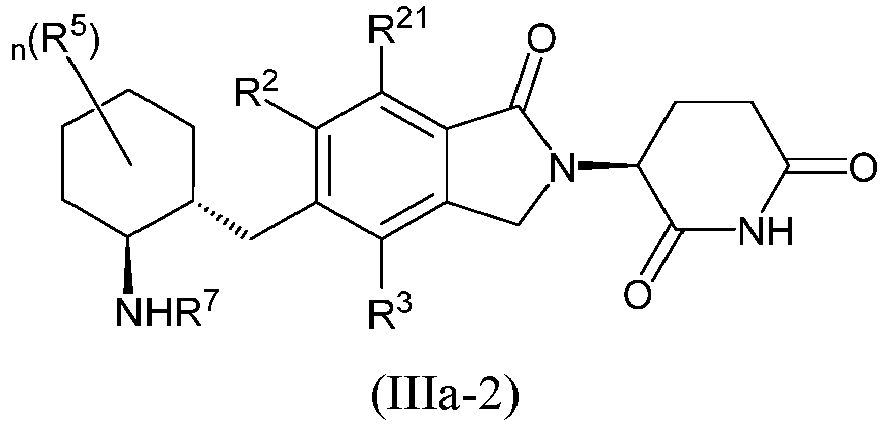
- In some embodiments the compound of Formula (I), or pharmaceutically acceptable salt thereof, is a compound of Formula (IIIa-3)
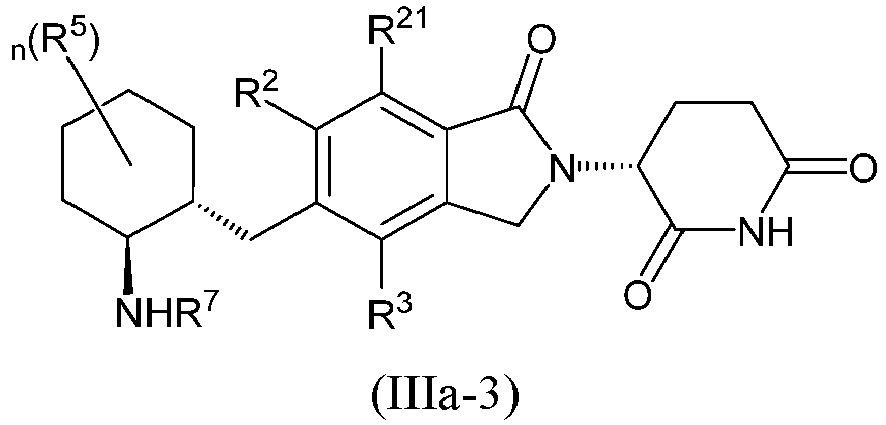





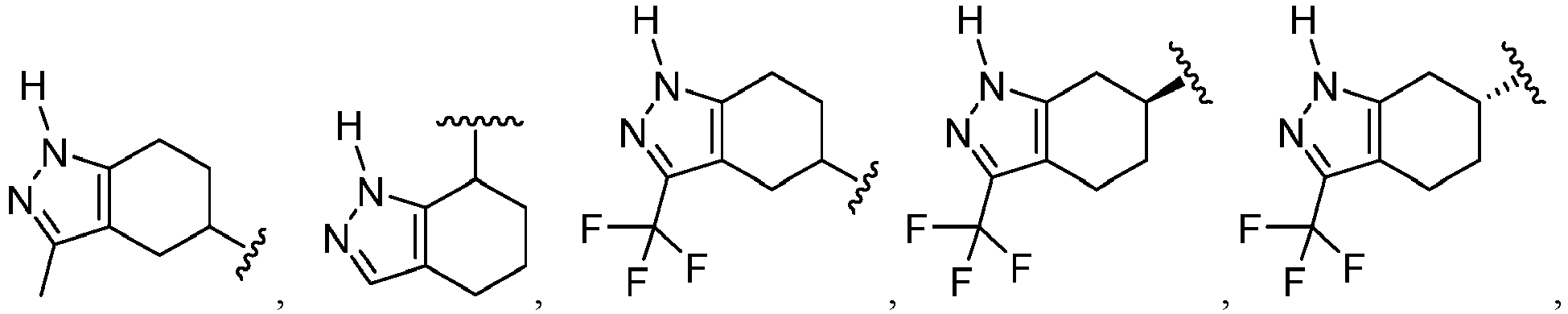





- In some embodiments the compound of Formula (I), (IIa), (IId), or (IIIa), or pharmaceutically acceptable salt thereof, is a compound of Formula (IVa)

- In some embodiments of the compound of Formula (IVa), or pharmaceutically acceptable salt thereof, q is 1 or 2. In some embodiments of the compound of Formula (IVa), or pharmaceutically acceptable salt thereof, q is 1.
- In some embodiments the compound of Formula (I), (IIa), (IId), (IIIa), or (IVa), or pharmaceutically acceptable salt thereof, is a compound of Formula (IVa-1)
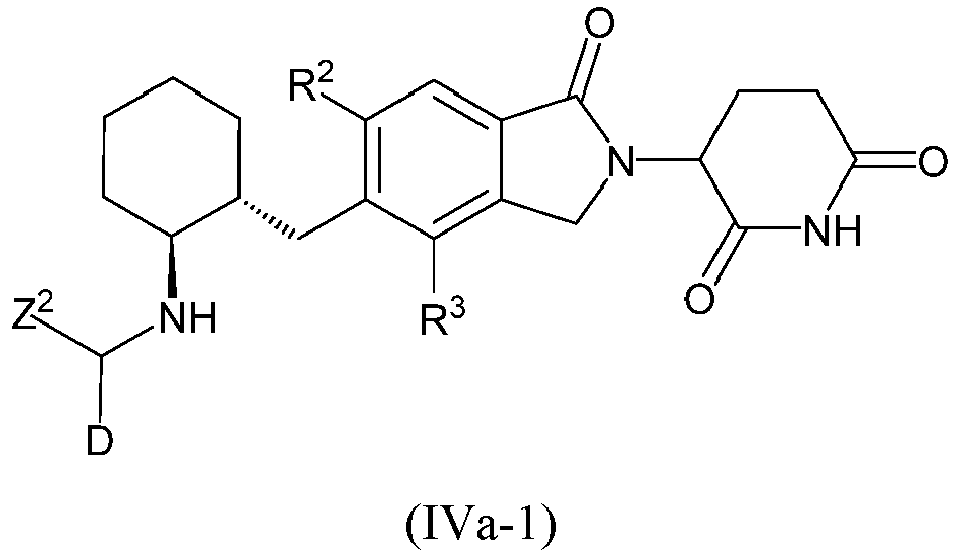
- In some embodiments the compound of Formula (I), (IIa), (IId), (IIIa), or (IVa), or pharmaceutically acceptable salt thereof, is a compound of Formula (IVa-2)

- In some embodiments of the compound of Formula (I), (Ia), (Ib), (IIa), (IIb), (IIc), (IId), (IIe), (IIf), (IIg), (IIh), (IIi), or (IIIa), (IVa), (IVa-1), or (IVa-2), or pharmaceutically acceptable salt thereof, Z2 is -O-R3a, C3-15 cycloalkyl, 4 to 14 membered heterocyclyl having 1-2 heteroatoms selected from nitrogen, oxygen, and sulfur, C6-10 aryl, 5 to 14 membered heteroaryl having 1-2 heteroatoms selected from nitrogen, oxygen, and sulfur, wherein each Z2 is optionally substituted with one to four Z1a, which may be the same or different, wherein each Z1a is independently deuterium, cyano, halogen, C1-6 alkyl, C1-8 haloalkyl, C1-6 alkoxy, or-S(O)2R3a, and each wherein each R3a is independently C1-9 alkyl or C6-10 aryl, wherein each alkyl or aryl of R3a optionally substituted with one to four halogens. In some embodiments of the compound of Formula (I), (Ia), (Ib), (IIa), (IIb), (IIc), (IId), (IIe), (IIf), (IIg), (IIh), (IIi), or (IIIa), (IVa), (IVa-1), or (IVa-2), or pharmaceutically acceptable salt thereof, Z2 is -O-R3a , cyclopropyl, cyclobutyl, cyclohexyl, bicyclo[1.1.1]pentyl, bicyclo[2.2.2]octyl, oxetanyl, tetrahydrofuranyl, tetrahydropyranyl, 1,3-dioxolanyl, phenyl, naphthyl, thiazolyl, pyrazolyl, pyridyl, or pyrazinyl, each optionally substituted with 1 or 3 Z1a, wherein each Z1a is independently cyano, -F, -Cl, - OCH3, -CF3, or phenyl, and wherein each R3a is independently methyl, ethyl, or phenyl, wherein each phenyl of R3a is optionally substituted with -Cl. In some embodiments of the compound of Formula (I), (Ia), (Ib), (IIa), (IIb), (IIc), (IId), (IIe), (IIf), (IIg), (IIh), (IIi), or (IIIa), (IVa), (IVa-1), or (IVa-2), or pharmaceutically acceptable salt thereof, Z2 is -O-R3a , cyclopropyl, cyclobutyl, cyclohexyl, bicyclo[1.1.1]pentyl, bicyclo[2.2.2]octyl, oxetanyl, tetrahydrofuranyl, tetrahydropyranyl, 1,3-dioxolanyl, phenyl, naphthyl, thiazolyl, pyrazolyl, pyridyl, or pyrazinyl, each optionally substituted with 1 or 2 Z1a, wherein each Z1a is independently cyano, -F, -Cl, -OCH3, -CF3, and wherein each R3a is independently methyl, ethyl, or phenyl, wherein each phenyl of R3a is optionally substituted with -Cl. In some embodiments of the compound of Formula (I), (Ia), (Ib), (IIa), (IIb), (IIc), (IId), (IIe), (IIf), (IIg), (IIh), (IIi), or (IIIa), (IVa), (IVa-1), or (IVa-2), or pharmaceutically acceptable salt thereof, Z2 is


- In some embodiments of the compound of Formula (I), (Ia), (Ib), (IIa), (IIb), (IIc), (IId), (IIe), (IIf), (IIg), (IIh), (IIi), or (IIIa), (IVa), (IVa-1), or (IVa-2), or pharmaceutically acceptable salt thereof, Z2 is


- In some embodiments the compound of Formula (I), (IIa), (IId), or (IIIa), or pharmaceutically acceptable salt thereof, is a compound of Formula (IVb)
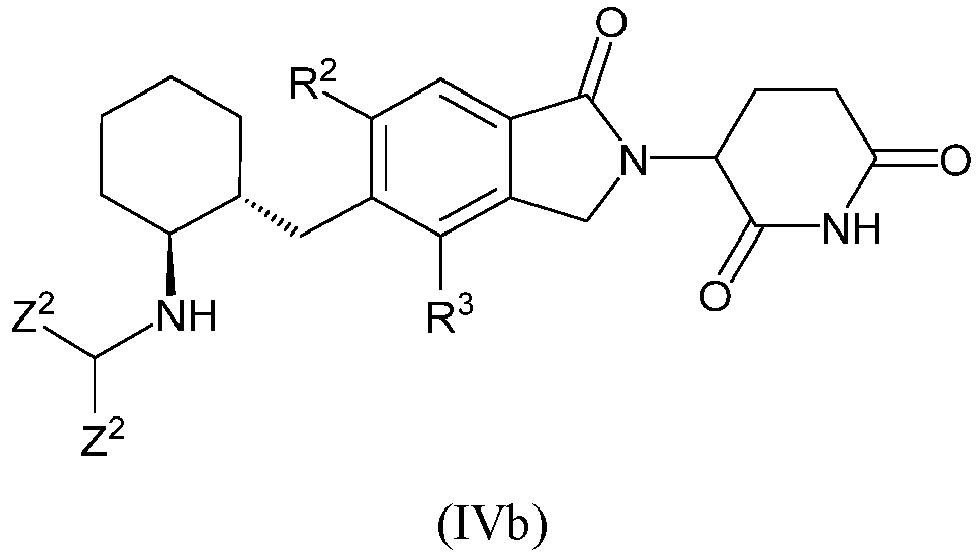
- In some embodiments of the compound of Formula (I), (Ia), (Ib), (IIa), (IIb), (IIc), (IId), (IIe), (IIf), (IIg), (IIh), (IIi), or (IIIa), or (IVb), or pharmaceutically acceptable salt thereof, each Z2, which may be the same or different, is independently C1-6 alkyl, C3-15 cycloalkyl, 4 to 14 membered heterocyclyl having 1-2 heteroatoms selected from nitrogen, oxygen, and sulfur, C6-14 aryl, or C1-6 alkoxy, each optionally substituted with 1 or 3 Z1a, wherein each Z1a is independently halogen, cyano, =O, C1-6 haloalkyl, C3-10 cycloalkyl, or C6-14 aryl. In some embodiments of the compound of Formula (I), (Ia), (Ib), (IIa), (IIb), (IIc), (IId), (IIe), (IIf), (IIg), (IIh), (IIi), or (IIIa), or (IVb), or pharmaceutically acceptable salt thereof, each Z2, which may be the same or different, is independently C1-6 alkyl, C3-15 cycloalkyl, 4 to 14 membered heterocyclyl having 1 to 2 heteroatoms selected from nitrogen, oxygen, and sulfur, C6-14 aryl, or C1-6 alkoxy, each optionally substituted with 1 or 3 Z1a, wherein each Z1a is independently halogen, cyano, C1-6 haloalkyl, C3-10 cycloalkyl, C6-14 aryl. In some embodiments of the compound of Formula (I), (Ia), (Ib), (IIa), (IIb), (IIc), (IId), (IIe), (IIf), (IIg), (IIh), (IIi), or (IIIa), or (IVb), or pharmaceutically acceptable salt thereof, each Z2, which may be the same or different, is independently C1-6 alkyl, C3-15 cycloalkyl, C6-14 aryl, or C1-6 alkoxy. In some embodiments of the compound of Formula (I), (Ia), (Ib), (IIa), (IIb), (IIc), (IId), (IIe), (IIf), (IIg), (IIh), (IIi), or (IIIa), or (IVb), or pharmaceutically acceptable salt thereof, each Z2, which may be the same or different, is independently methyl, ethyl, ethoxy, cyclopropyl, cyclobutyl, cyclopentyl, cyclohexyl, tetrahyrdofuranyl, tetrahydropyranyl, bicyclo[1.1.1]pentanyl, phenyl, or thiopyranyl, each optionally substituted with 1 or 3 Z1a, wherein each Z1a is independently -F, -CH3, -CHF2, -CN, =O, or cyclopropyl. In some embodiments of the compound of Formula (I), (Ia), (Ib), (IIa), (IIb), (IIc), (IId), (IIe), (IIf), (IIg), (IIh), (IIi), or (IIIa), or (IVb), or pharmaceutically acceptable salt thereof, each Z2, which may be the same or different, is independently methyl, ethyl, ethoxy, cyclopropyl, cyclobutyl, cyclopentyl, cyclohexyl, tetrahyrdofuranyl, tetrahydropyranyl, bicyclo[1.1.1]pentanyl, or phenyl, each optionally substituted with 1 or 3 Z1a, wherein each Z1a is independently -F, -CH3, -CHF2, -CN, or cyclopropyl. In some embodiments of the compound of Formula (I), (Ia), (Ib), (IIa), (IIb), (IIc), (IId), (IIe), (IIf), (IIg), (IIh), (IIi), or (IIIa), or (IVb), or pharmaceutically acceptable salt thereof, each Z2, which may be the same or different, is independently -CH3, -C2H5,





- In some embodiments the compound of Formula (I), (IIa), or (IId), or pharmaceutically acceptable salt thereof, is a compound of Formula (IIIb)

- In some embodiments of the compound of Formula (IIIb), or pharmaceutically acceptable salt thereof, p and q are each 1. In some embodiments of the compound of Formula (IIIb), or pharmaceutically acceptable salt thereof, each Z1 or Z2, which may be the same or different, is independently -H, C6-10 aryl, or 4 to 10 membered heterocyclyl having 1 to 2 heteroatoms selected from nitrogen, oxygen, and sulfur, wherein each aryl or heterocyclyl of Z1 or Z2 is unsubstituted. In some embodiments of the compound of Formula (IIIb), or pharmaceutically acceptable salt thereof, each Z1 or Z2, which may be the same or different, is independently hydrogen, unsubstituted phenyl, or unsubstituted tetrahydropyranyl. In some embodiments of the compound of Formula (IIIb), or pharmaceutically acceptable salt thereof, each Z1 or Z2, which may be the same or different, is independently

- In some embodiments the compound of Formula (I), (IIa), or (IId), or pharmaceutically acceptable salt thereof, is a compound of Formula (IIIc)

- In some embodiments of the compound of Formula (IIIc), or pharmaceutically acceptable salt thereof, Z3 is -H, C6-10 aryl, or -O-R3a, wherein R3a is -H, C1-6 alkyl or C6-10 aryl, wherein the R3a alkyl or aryl is each optionally substituted with halogen, C3-10 cycloalkyl, or C6-10 aryl. In some embodiments of the compound of Formula (IIIc), or pharmaceutically acceptable salt thereof, Z3 is methyl, phenyl, or -O-R3a, wherein R3a is methyl, ethyl, or phenyl, wherein the R3a methyl or phenyl is each optionally substituted with -Cl, cyclopropyl, or phenyl. In some embodiments of the compound of Formula (IIIc), or pharmaceutically acceptable salt thereof, Z3 is

- In some embodiments the compound of Formula (I), (IIa), or (IId), or pharmaceutically acceptable salt thereof, is a compound of Formula (IIId)

- In some embodiments of the compound of Formula (I), (Ia), (Ib), (IIa), (IIb), (IIc), (IId), (IIe), (IIf), (IIg), (IIh), (IIi), or (IIId), or pharmaceutically acceptable salt thereof, Z3 is C1-6 alkyl optionally substituted with one C6-10 aryl of Z1a, wherein the C6-10 aryl of Z1a is optionally substituted with one halogen of Z1b. In some embodiments of the compound of Formula (I), (Ia), (Ib), (IIa), (IIb), (IIc), (IId), (IIe), (IIf), (IIg), (IIh), (IIi), or (IIId), or pharmaceutically acceptable salt thereof, Z3 is methyl, optionally substituted with one phenyl of Z1a, wherein the phenyl of Z1a is optionally substituted with one -Cl of Z1b. In some embodiments of the compound of Formula (I), (Ia), (Ib), (IIa), (IIb), (IIc), (IId), (IIe), (IIf), (IIg), (IIh), (IIi), or (IIId), or pharmaceutically acceptable salt thereof, Z3 is

- In some embodiments the compound of Formula (I) or (IIa), or pharmaceutically acceptable salt thereof, is a compound of Formula (IIIe)

- In some embodiments of the compound of Formula (I), (Ia), (Ib), (IIa), (IIb), (IIc), (IId), (IIe), (IIf), (IIg), (IIh), (IIi), or (IIIe), or pharmaceutically acceptable salt thereof, R7 is C1-6 alkyl. In some embodiments of the compound of Formula (I), (Ia), (Ib), (IIa), (IIb), (IIc), (IId), (IIe), (IIf), (IIg), (IIh), (IIi), or (IIIe), or pharmaceutically acceptable salt thereof, R7 is

- In some embodiments the compound of Formula (I), (IIc), or (IIf), or pharmaceutically acceptable salt thereof, is a compound of Formula (IIIf)

- In some embodiments of the compound of Formula (I), (Ia), (Ib), (IIa), (IIb), (IIc), (IId), (IIe), (IIf), (IIg), (IIh), (IIi), or (IIIf), or pharmaceutically acceptable salt thereof, R7 is C1-8 alkyl, C3-12 cycloalkyl, or 4 to 12 membered heterocyclyl having 1 to 2 heteroatoms each independently selected from nitrogen, oxygen, and sulfur, wherein each alkyl, cycloalkyl, or heterocyclyl of R7 is optionally substituted with 1 to 3 Z2, which may be the same or different, wherein each Z2 is independently, deuterium, halogen, C3-10 cycloalkyl, C1-8 alkyl, C1-8 haloalkyl, C1-6 alkoxy, C1-6 haloalkoxy, or 4 to 12 membered heterocyclyl having 1 to 2 heteroatoms each independently selected from nitrogen, oxygen, and sulfur, wherein each C1-6 alkyl of Z2 is optionally substituted with 1 to 3 Z1a, wherein each Z1a is independently halogen or C1-6 alkoxy. In some embodiments of the compound of Formula (I), (Ia), (Ib), (IIa), (IIb), (IIc), (IId), (IIe), (IIf), (IIg), (IIh), (IIi), or (IIIf), or pharmaceutically acceptable salt thereof, R7 is C1-8 alkyl, cyclobutyl, cyclopentyl, cyclohexyl, spiro[3.3]heptanyl, spiro[2.5]octanyl, spiro[3.5]nonanyl, tetrahydrofuranyl, tetrahydropyranyl, oxepanyl, piperidyl, or tetrahydroindazolyl, each optionally substituted with 1 to 3 Z2, which may be the same or different, wherein each Z2 is independently, deuterium, -F, - CH3, -CHF2, -CH2-CHF2, -CF3, CH2-CF3, -O-CH3, -O-CHF2, -CH2-O-CH3, -O-C3H7, cyclobutyl, oxetanyl, or tetrahydropyranyl, wherein each cyclobutyl, oxetanyl, or tetrahydropyranyl is optionally substituted with 1 to 3 -F. In some embodiments of the compound of Formula (I), (Ia), (Ib), (IIa), (IIb), (IIc), (IId), (IIe), (IIf), (IIg), (IIh), (IIi), or (IIIf), or pharmaceutically acceptable salt thereof, R7 is C1-8 alkyl, cyclobutyl, cyclopentyl, cyclohexyl, spiro[3.3]heptanyl, spiro[3.5]nonanyl, tetrahydrofuranyl, tetrahydropyranyl, oxepanyl, or piperidyl, each optionally substituted with 1 to 3 Z2, which may be the same or different, wherein each Z2 is independently, deuterium, -F, -CH3, -CHF2, -CH2-CHF2, -CF3, CH2-CF3, -O-CH3, -O-CHF2, -CH2-O-CH3, -O-C3H7, cyclobutyl, oxetanyl, or tetrahydropyranyl, wherein each cyclobutyl, oxetanyl, or tetrahydropyranyl is optionally substituted with 1 to 3 -F. In some embodiments of the compound of Formula (I), (Ia), (Ib), (IIa), (IIb), (IIc), (IId), (IIe), (IIf), (IIg), (IIh), (IIi), or (IIIf), or pharmaceutically acceptable salt thereof, R7 is C3-12 cycloalkyl optionally substituted with 1 to 3 halogens. In some embodiments of the compound of Formula (I), (Ia), (Ib), (IIa), (IIb), (IIc), (IId), (IIe), (IIf), (IIg), (IIh), (IIi), or (IIIf), or pharmaceutically acceptable salt thereof, R7 is cyclohexyl optionally substituted with 1 to 3 -F. In some embodiments of the compound of Formula (I), (Ia), (Ib), (IIa), (IIb), (IIc), (IId), (IIe), (IIf), (IIg), (IIh), (IIi), or (IIIf), or pharmaceutically acceptable salt thereof, R7 is


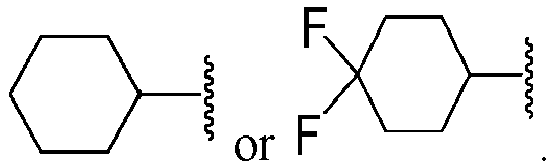
- In some embodiments of the compound of Formula (I), (Ia), or (IIa), or pharmaceutically acceptable salt thereof, R1 is -D. In some embodiments of the compound of Formula (I), (Ia), (IIb), (IIa), (IIb), (IIc), (IId), (IIe), (IIf), (IIg), (IIh), (IIi), (IIj), (IIk), (IIIa), (IIIa-1), (IIIa-2), (IIIa-3), (IIIb), (IIIc), (IIId), (IIIe), (IIIf), (IVa), (IVa-1), or (IVa-2), or pharmaceutically acceptable salt thereof, R2 is -H or -F. In some embodiments of the compound of Formula (I), (Ia), (IIb), (IIa), (IIb), (IIc), (IId), (IIe), (IIf), (IIg), (IIh), (IIi), (IIj), (IIk), (IIIa), (IIIa-1), (IIIa-2), (IIIa-3), (IIIb), (IIIc), (IIId), (IIIe), (IIIf), (IVa), (IVa-1), or (IVa-2), or pharmaceutically acceptable salt thereof, R2 is -H. In some embodiments of the compound of Formula (I), (Ia), (IIb), (IIa), (IIb), (IIc), (IId), (IIe), (IIf), (IIg), (IIh), (IIi), (IIj), (IIk), (IIIa), (IIIa-1), (IIIa-2), (IIIa-3), (IIIb), (IIIc), (IIId), (IIIe), (IIIf), (IVa), (IVa-1), or (IVa-2), or pharmaceutically acceptable salt thereof, R2 is -F. In some embodiments of the compound of Formula (I), (Ia), (IIb), (IIa), (IIb), (IIc), (IId),(IIe), (IIf), (IIg), (IIh), (IIi), (IIj), (IIk), (IIIa), (IIIa-1), (IIIa-2), (IIIa-3), (IIIb), (IIIc), (IIId), (IIIe), (IIIf), (IVa), (IVa-1), or (IVa-2), or pharmaceutically acceptable salt thereof, R3 is -H or -F. In some embodiments of the compound of Formula (I), (Ia), (IIb), (IIa), (IIb), (IIc), (IId),(IIe), (IIf), (IIg), (IIh), (IIi), (IIj), (IIk), (IIIa), (IIIa-1), (IIIa-2), (IIIa-3), (IIIb), (IIIc), (IIId), (IIIe), (IIIf), (IVa), (IVa-1), or (IVa-2), or pharmaceutically acceptable salt thereof, R3 is -H. In some embodiments of the compound of Formula (I), (Ia), (IIb), (IIa), (IIb), (IIc), (IId), (IIe), (IIf), (IIg), (IIh), (IIi), (IIj), (IIk), (IIIa), (IIIa-1), (IIIa-2), (IIIa-3), (IIIb), (IIIc), (IIId), (IIIe), (IIIf), (IVa), (IVa-1), or (IVa-2), or pharmaceutically acceptable salt thereof, R3 -F. In some embodiments of the compound of Formula (I), (Ia), (Ib), (IId), (IIe), (IIf), (IIg), (IIh), or (IIi), or pharmaceutically acceptable salt thereof, R4a and R4b are each -H.
- In some embodiments the compound of Formula (I), or pharmaceutically acceptable salt thereof, is a compound of Formula (V)

- R2 is -H or -F;
- R21 is -H or -F;
- R3 is -H or -F;
- R7 is C1-8 alkyl or C3-12 cycloalkyl,
- wherein each alkyl or cycloalkyl of R7 is optionally substituted with one to four Z2, which may be the same or different; and
- each Z2 is independently deuterium, halogen, C1-3 alkyl, C1-3 haloalkyl, or C6-10 aryl.
- In some embodiments the compound of Formula (V), or pharmaceutically acceptable salt thereof, is a compound of Formula (Va):

- In some embodiments of the compound of Formula (V) or (Va), or pharmaceutically acceptable salt thereof, R2 is -H; R2a is -H; and R3 is -H or -F. In some embodiments of the compound of Formula (V) or (Va), or pharmaceutically acceptable salt thereof, R7 is C1-8 alkyl, cyclopropyl, cyclobutyl, cyclopentyl, cyclohexyl, cycloheptyl, spiro[2.3]hexyl, bicyclo[3.1.1]heptyl, spiro[3.3]heptyl, spiro[2.5]octyl, bicyclo[3.2.1]octyl, (1R,5S)bicyclo[3.1.0]hexyl, (1R,5S)bicyclo[3.2.0]heptyl, spiro[2.4]heptyl, each optionally substituted with 1 to 3 Z2, which may be the same or different, wherein each Z2 is independently deuterium, -CH3, -C2F, -CHF2, -CF3, -F, or phenyl. In some embodiments of the compound of Formula (V) or (Va), or pharmaceutically acceptable salt thereof, R7 is C1-3 alkyl or cyclohexyl, each optionally substituted with 1 to 2 Z2, which may be the same or different, wherein each Z2 is independently -F or phenyl. In some embodiments of the compound of Formula (V) or (Va), or pharmaceutically acceptable salt thereof, R7 is






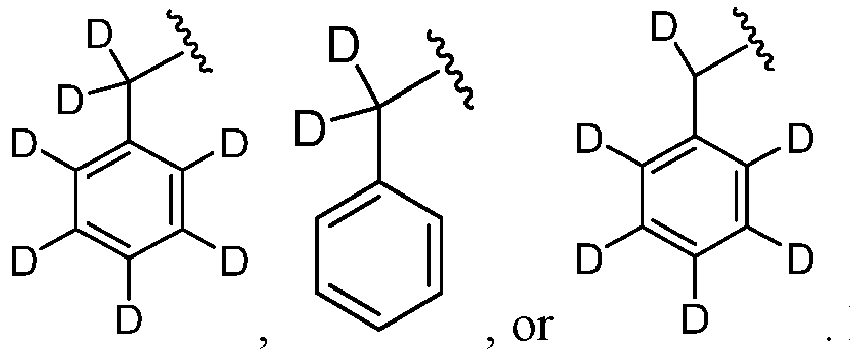


- In some embodiments the compound of Formula (V), or pharmaceutically acceptable salt thereof is

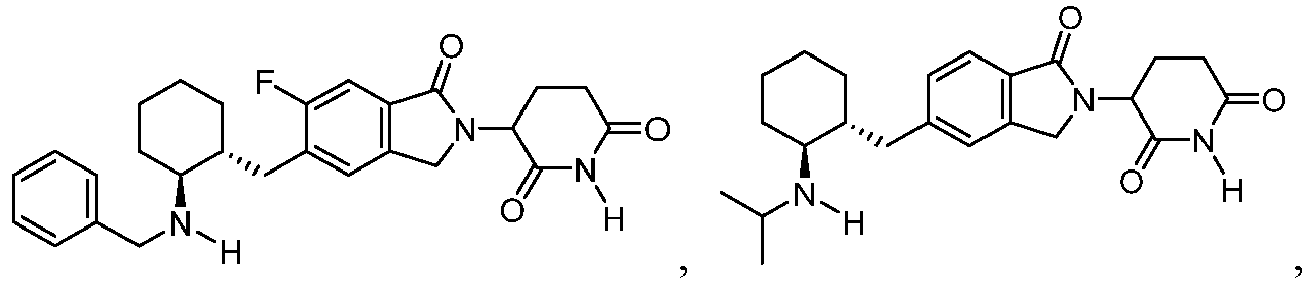


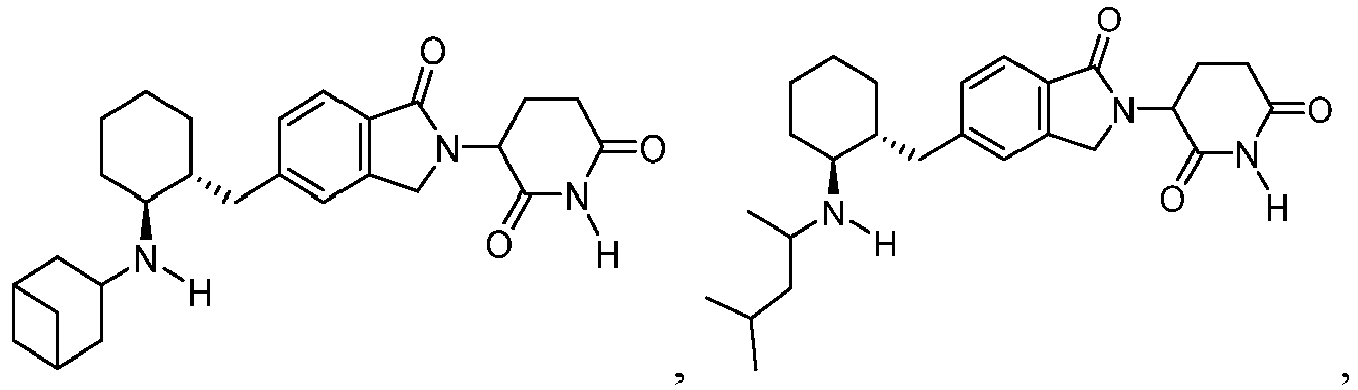


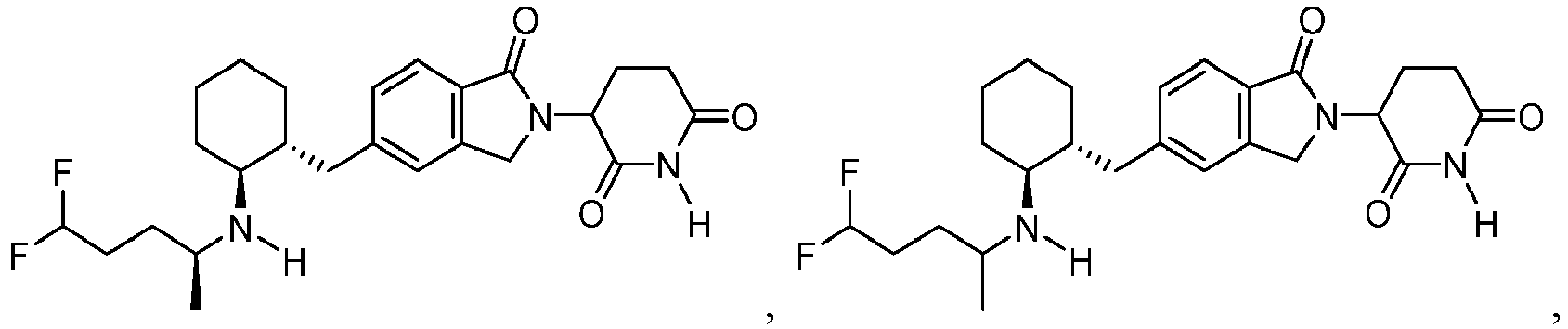


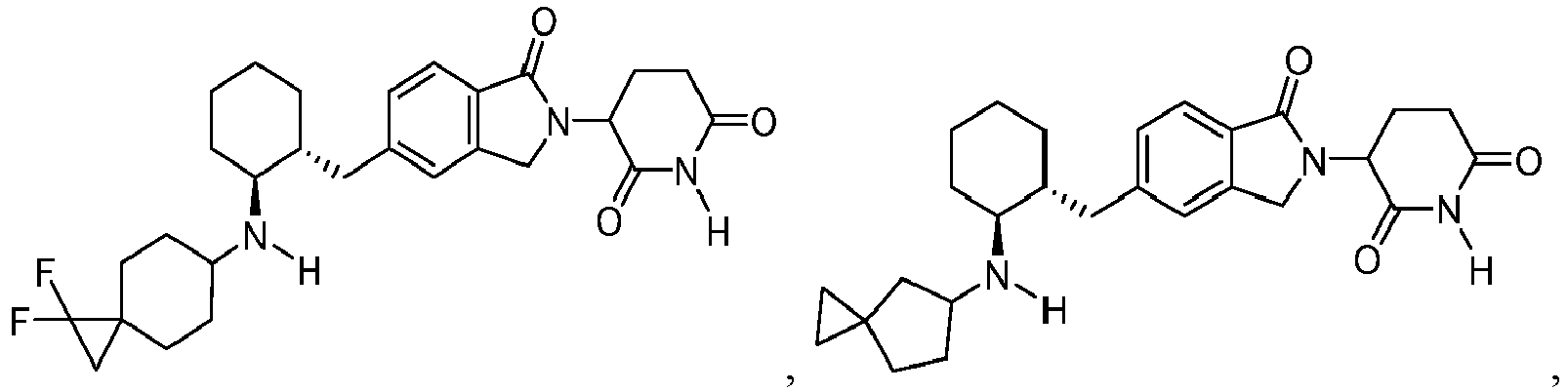


- In some embodiments the compound of Formula (V), or pharmaceutically acceptable salt thereof is


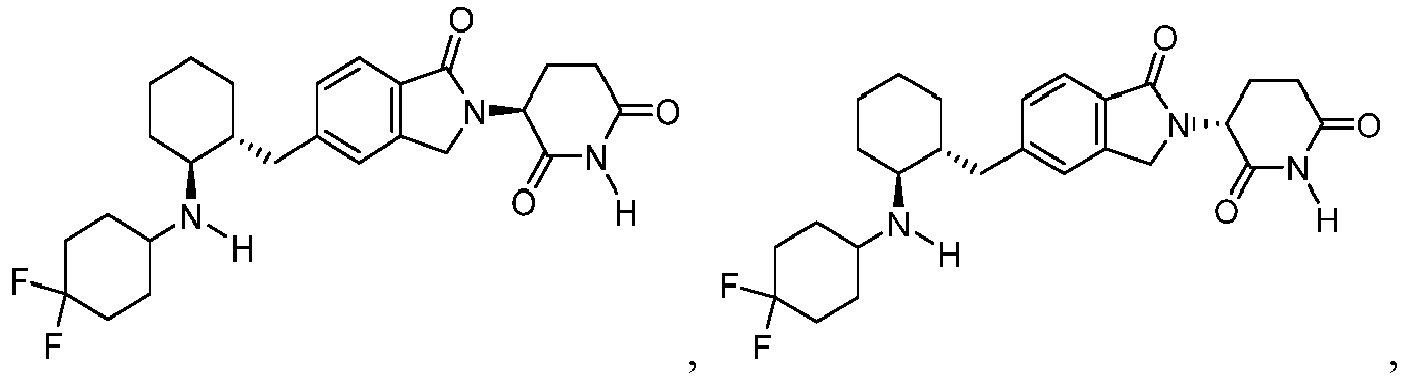


- In some embodiments the compound of Formula (I), or pharmaceutically acceptable salt thereof, is a compound of Formula (VI)

- R7 is C3-12 cycloalkyl, optionally substituted with one to four Z2, which may be the same or different; and each Z2 is independently deuterium, halogen, C1-3 alkyl, C1-3 haloalkyl.
- In some embodiments the compound of Formula (VI), or pharmaceutically acceptable salt thereof, is a compound of Formula (VIa):

- In some embodiments of the compound of Formula (VI) or (VIa), or pharmaceutically acceptable salt thereof, R7 is cyclohexyl optionally substituted with 1 to 4 Z2, which may be the same or different, wherein each Z2 is independently deuterium, -CH3, -C2F, -CHF2, -CF3, or -F. In some embodiments of
- In some embodiments the compound of Formula (VI), or pharmaceutically acceptable salt thereof, is


- In some embodiments the compound of Formula (VI), or pharmaceutically acceptable salt thereof, is


- In some embodiments, the compound of Formula (I) or (IIa), or pharmaceutically acceptable salt thereof, is


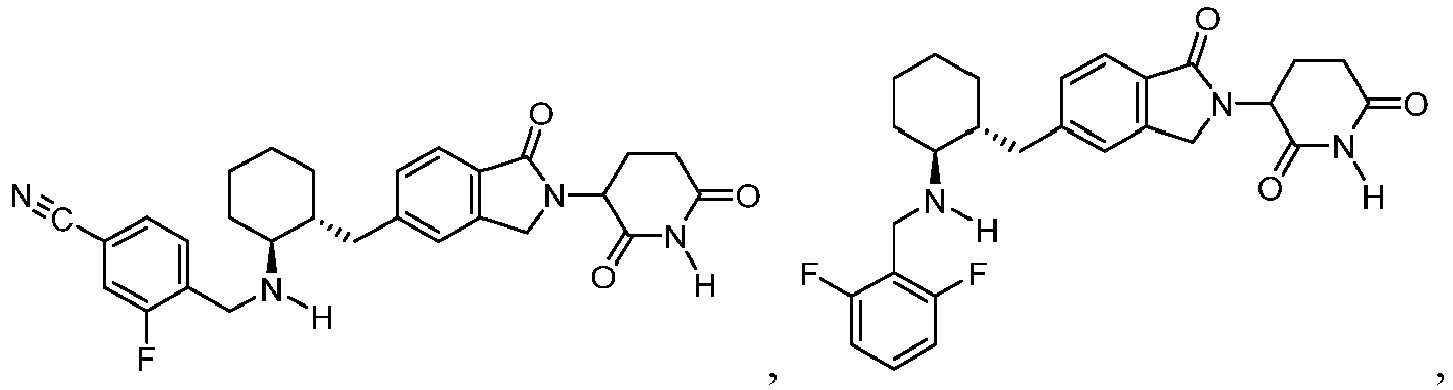


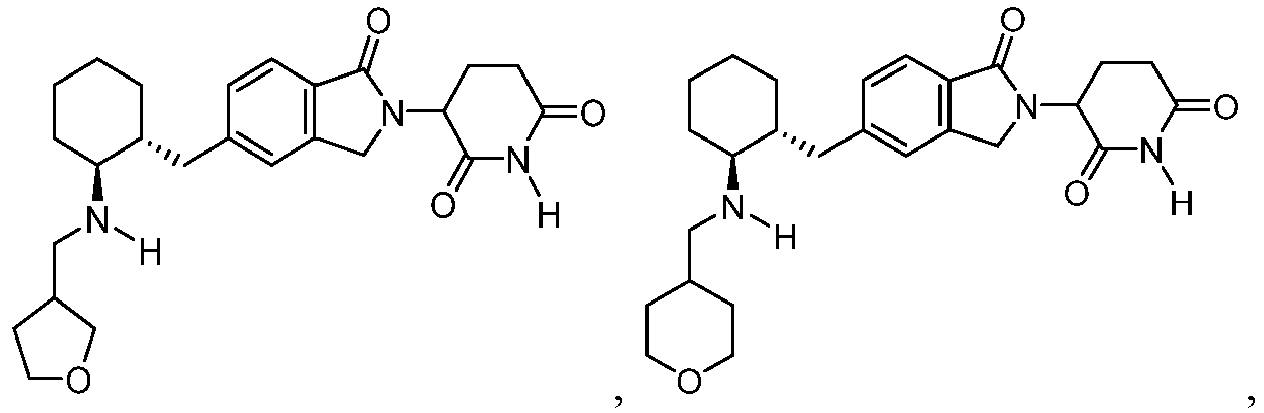


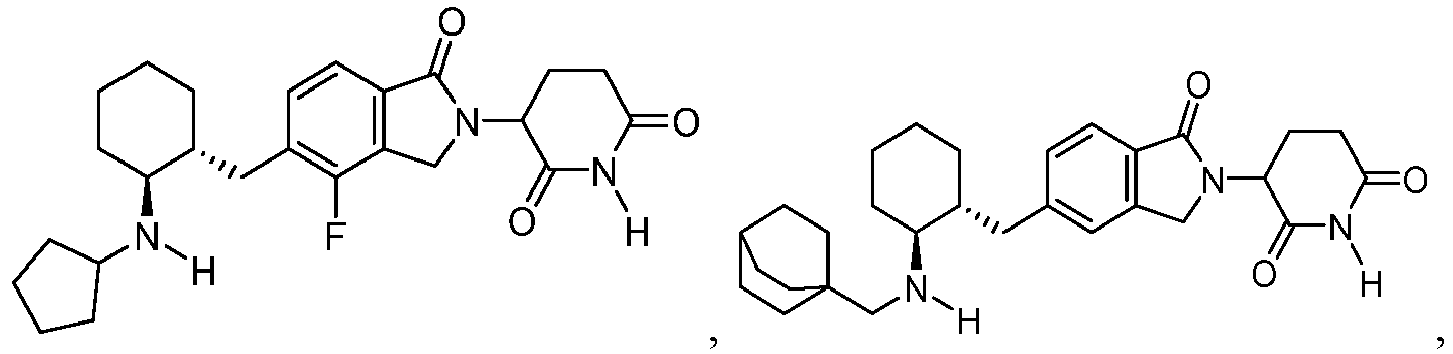


- In some embodiments the compound of Formula (I) or (IIa), or pharmaceutically acceptable salt thereof, is


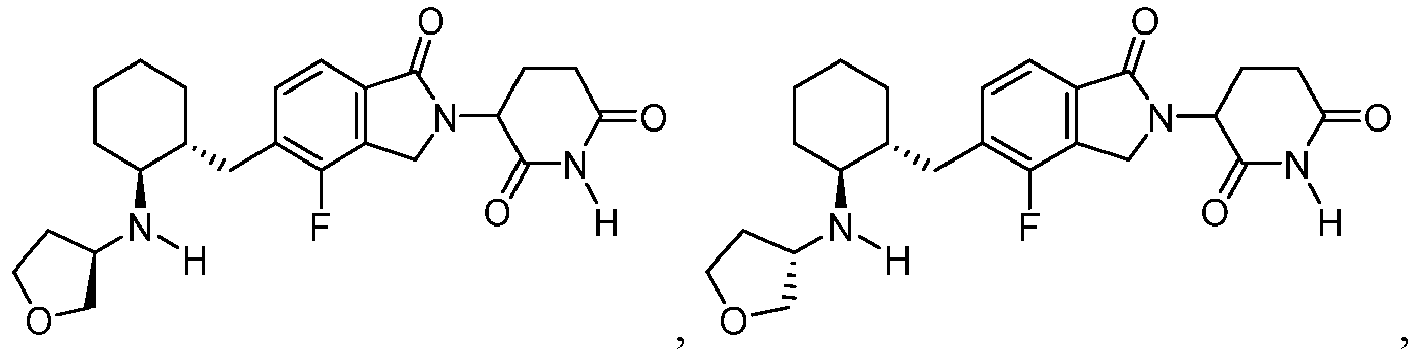


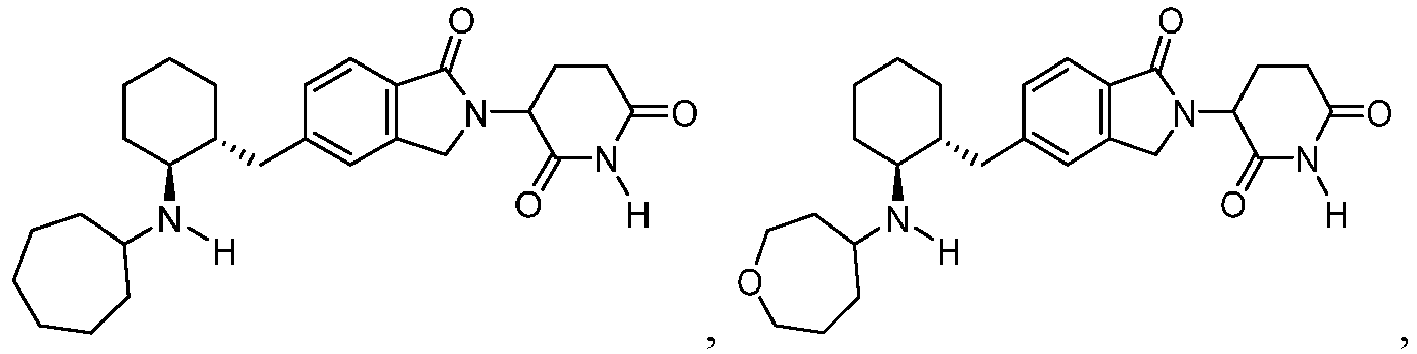


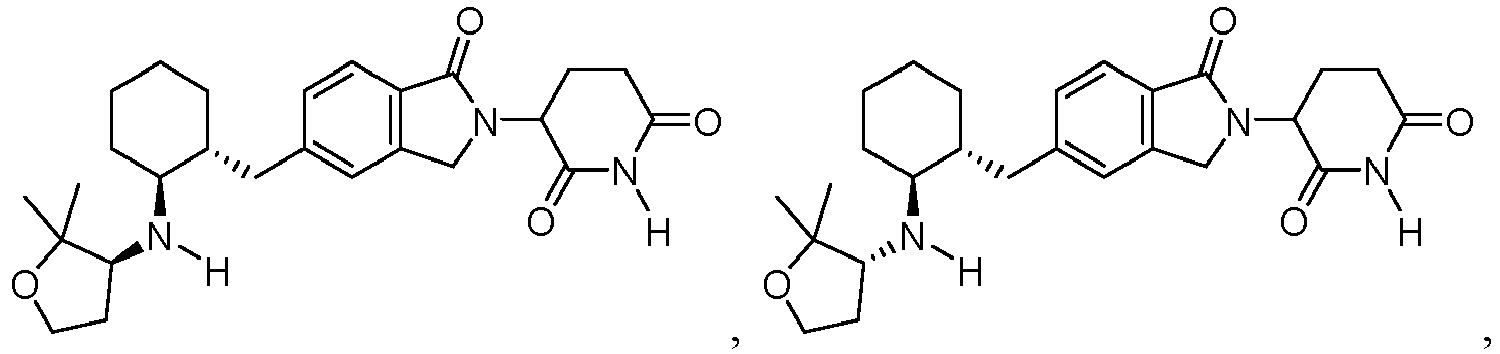


- In some embodiments, the compound of Formula (I) or (IId), or pharmaceutically acceptable salt thereof, is


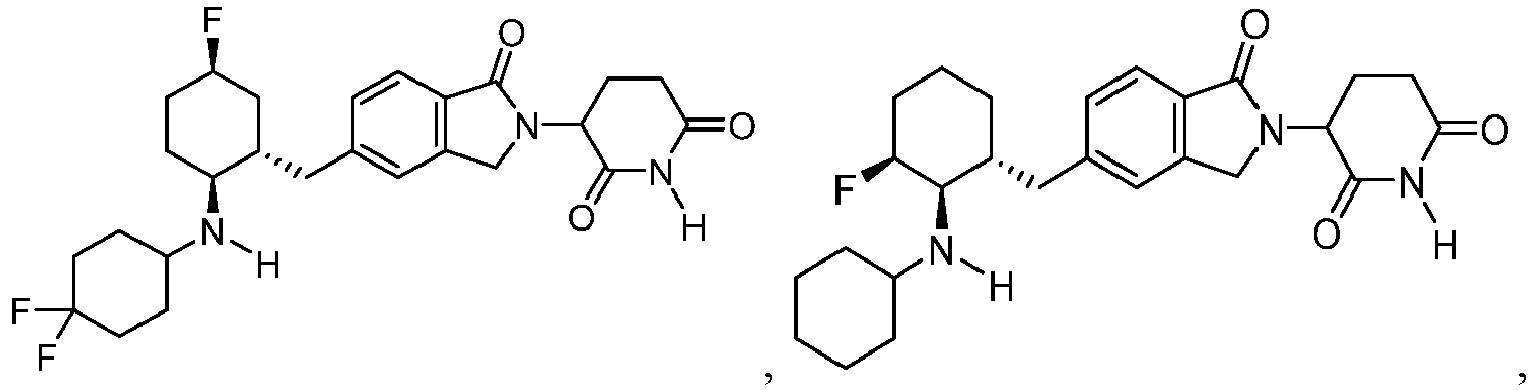


- In some embodiments the compound of Formula (I), (IIk), or (IIIa-1), or pharmaceutically acceptable salt thereof, is


- In some embodiments the compound of Formula (I) or (IIa), or pharmaceutically acceptable salt thereof, is
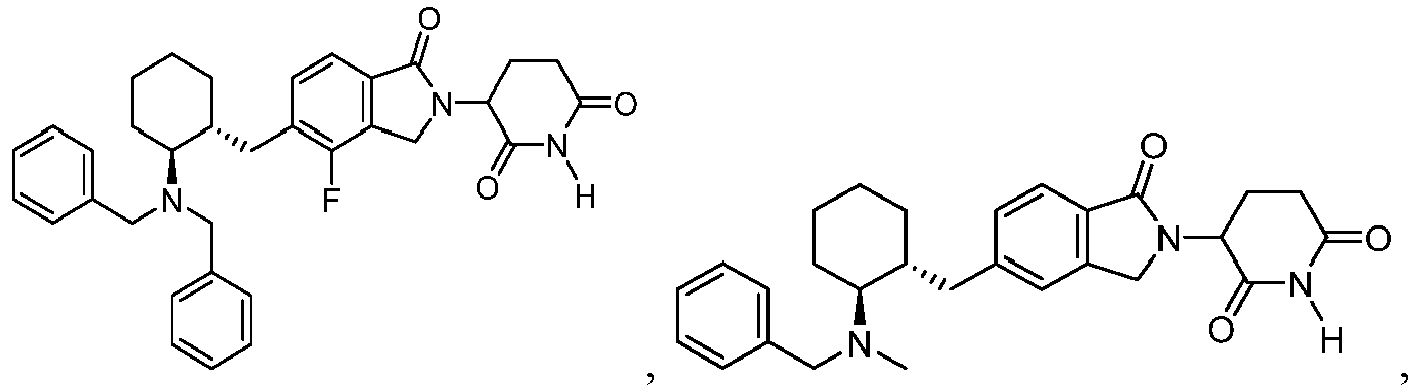


- In some embodiments the compound of Formula (I) or (IIa), or pharmaceutically acceptable salt thereof, is
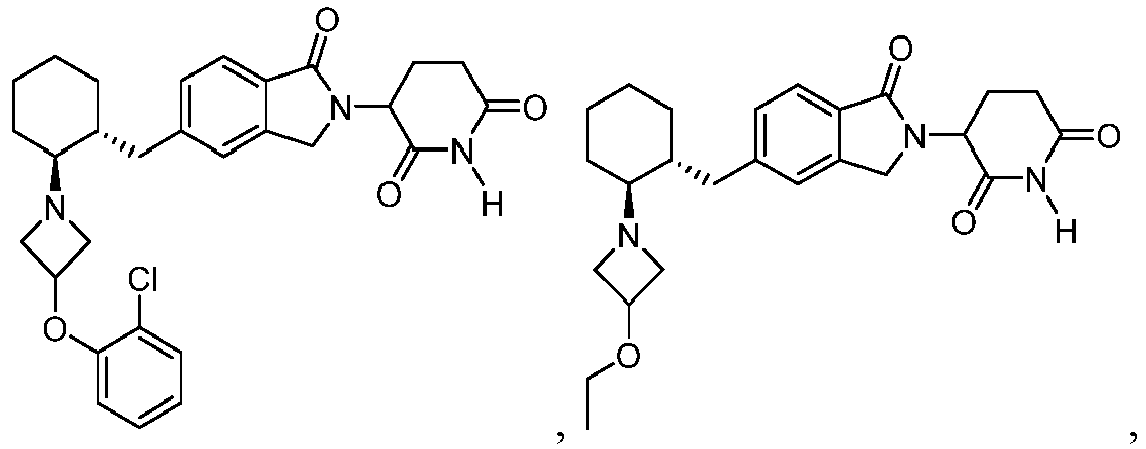


- In some embodiments the compound of Formula (I) or (IIb), or pharmaceutically acceptable salt thereof, is

- In some embodiments the compound of Formula (I) or (IIc), or pharmaceutically acceptable salt thereof, is

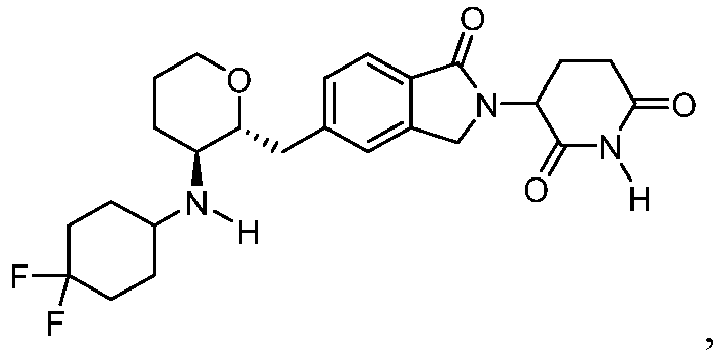
- In some embodiments the compound of Formula (I) or (IIc), or pharmaceutically acceptable salt thereof, is


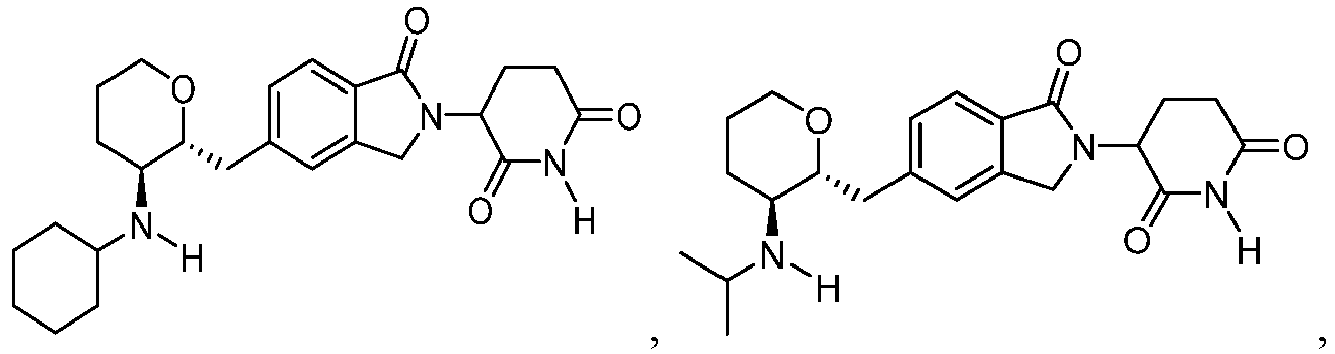


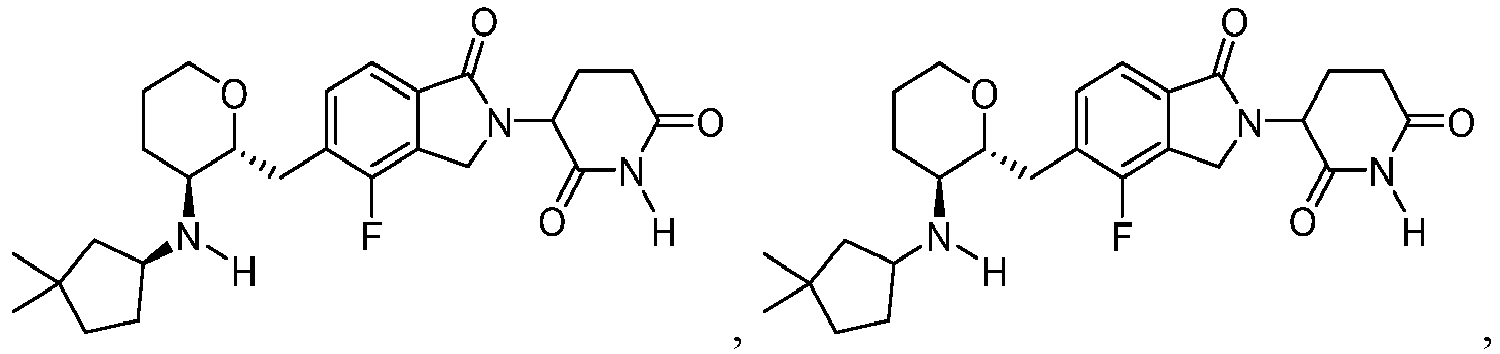


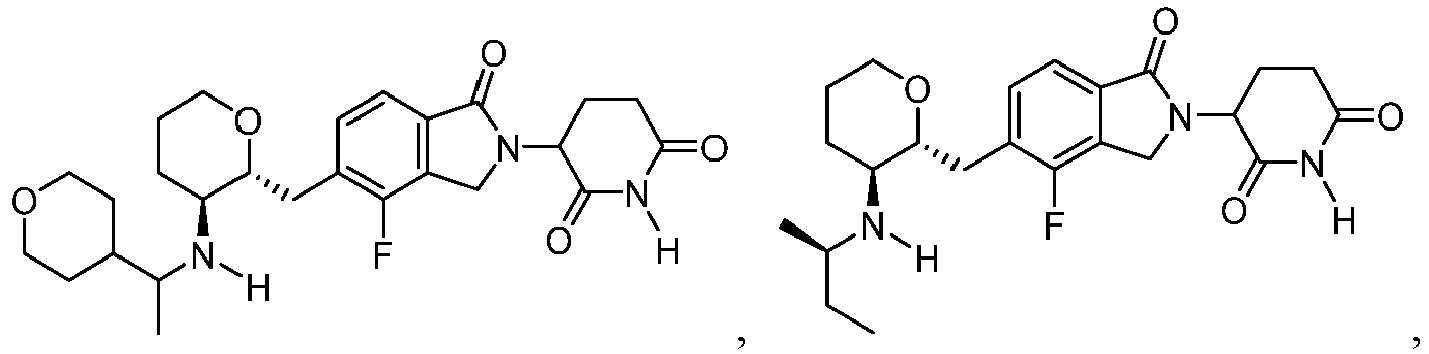


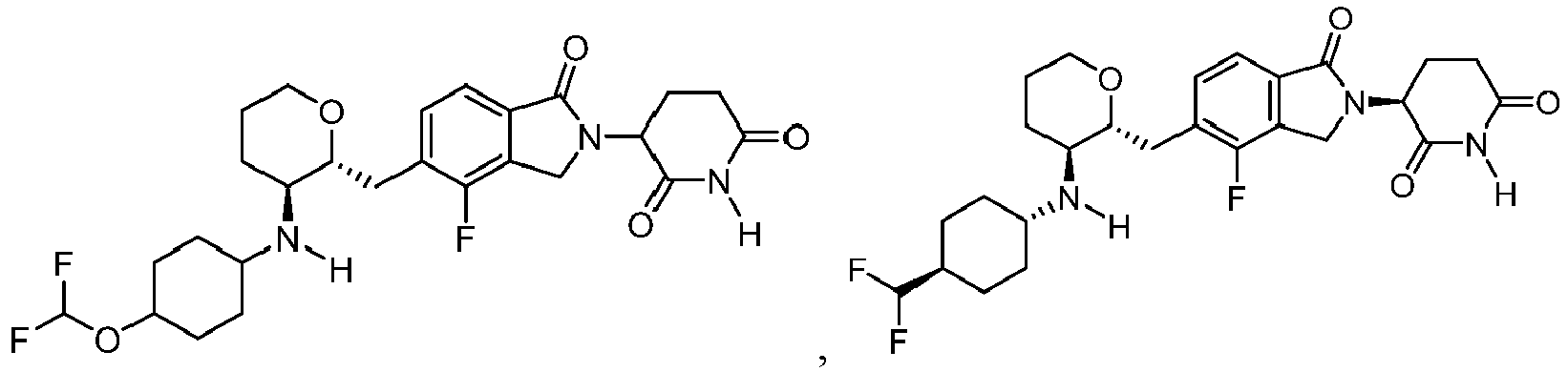


- In some embodiments the compound of Formula (I) or (IIc), or pharmaceutically acceptable salt thereof, is


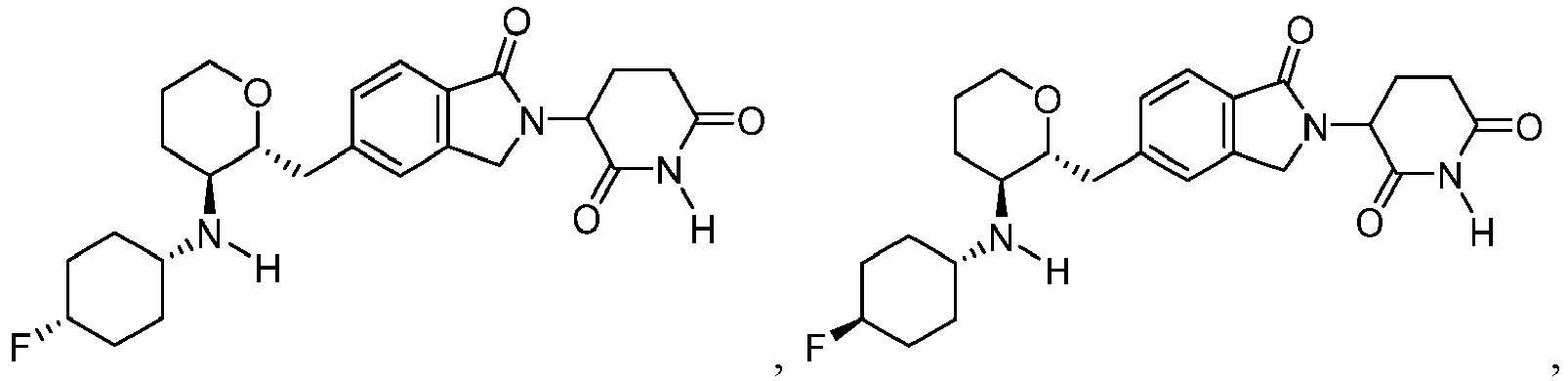


- In some embodiments, the compound of Formula (I) or (IIg), or pharmaceutically acceptable salt thereof, is
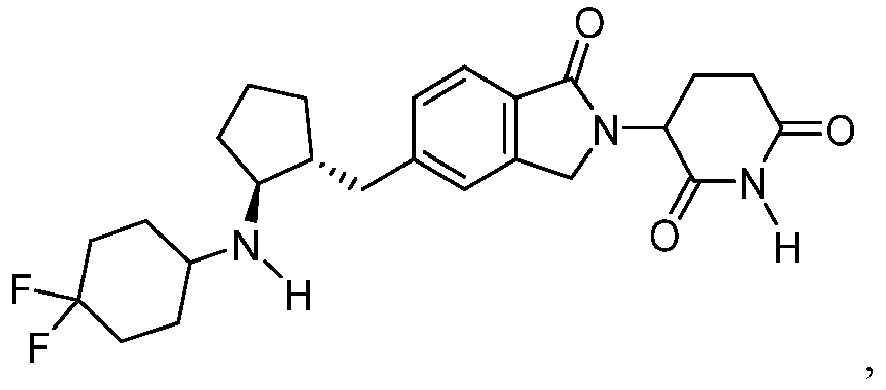
- In some embodiments, the compound of Formula (I) or (IIh), or pharmaceutically acceptable salt thereof, is

- In some embodiments, the compound of Formula (I) or (IIi), or pharmaceutically acceptable salt thereof, is

- In some embodiments, the compound of Formula (I) or (IIj), or pharmaceutically acceptable salt thereof, is

- In some embodiments, the compound of Formula (I) or (IIk), or pharmaceutically acceptable salt thereof, is

- In some embodiments, the compound of Formula (I) or (IIa), or pharmaceutically acceptable salt thereof, is

- In some embodiments, the compound of Formula (I), (Ia), or (IIa), or pharmaceutically acceptable salt thereof, is

- In some embodiments, the compound of Formula (I), (Ib), or (IIa), or pharmaceutically acceptable salt thereof, is

- In some embodiments, the compound of Formula (I) or (IIa), or pharmaceutically acceptable salt thereof, is

- In some embodiments, the compound of Formula (I) or (IIa), or pharmaceutically acceptable salt thereof, is

- In some embodiments, the compound of Formula (I) or (IIa), or pharmaceutically acceptable salt thereof, is

- In some embodiments, the compound of Formula (I) or (IIa), or pharmaceutically acceptable salt thereof, is

- In some embodiments, the compound of Formula (I) or (IIa), or pharmaceutically acceptable salt thereof, is
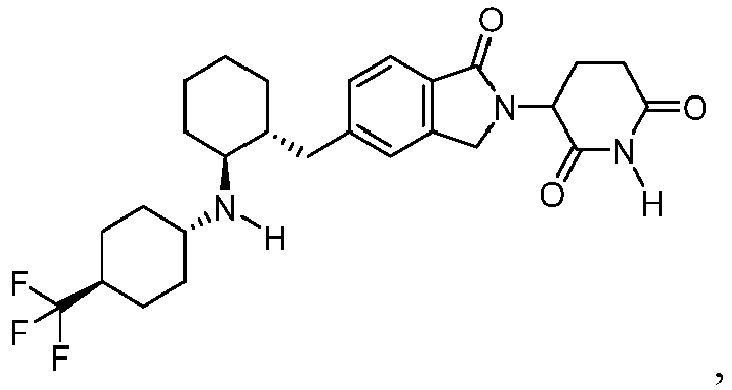
- In some embodiments, the compound of Formula (I) or (IIa), or pharmaceutically acceptable salt thereof, is

- In some embodiments, the compound of Formula (I) or (IIa), or pharmaceutically acceptable salt thereof, is

- In some embodiments, the compound of Formula (I) or (IIa), or pharmaceutically acceptable salt thereof, is

- In some embodiments, the compound of Formula (I), (Ia), or (IIc), or pharmaceutically acceptable salt thereof, is

- In some embodiments, the compound of Formula (I), (Ib), or (IIc), or pharmaceutically acceptable salt thereof, is

- In some embodiments, the compound of Formula (I), (Ia), or (IIc), or pharmaceutically acceptable salt thereof, is

- In some embodiments, the compound of Formula (I), (Ib), or (IIc), or pharmaceutically acceptable salt thereof, is

- In some embodiments, the compound of Formula (I), (Ia), or (IIc), or pharmaceutically acceptable salt thereof, is

- In some embodiments, the compound of Formula (I), (Ib), or (IIc), or pharmaceutically acceptable salt thereof, is

- In some embodiments, the present disclosure provides a racemic mixture comprising the compound of Formula (I), (Ia), (Ib), (IIa), (IIb), (IIc), (IId), (IIe), (IIf), (IIg), (IIh), (IIi), (IIj), (IIk), (IIIa), (IIIa-1), (IIIa-2), (IIIa-3), (IIIb), (IIIc), (IIId), (IIIe), (IIIf), (IVa), (IVa-1), (IVa-2), (V), (Va), (VI), or (VIa), or a pharmaceutically acceptable salt thereof. In some embodiments, the present disclosure provides a racemic mixture comprising the compound disclosed herein, or a pharmaceutically acceptable salt thereof. In some embodiments, the present disclosure provides a scalemic mixture comprising the compound of Formula (I), (Ia), (Ib), (IIa), (IIb), (IIc), (IId), (IIe), (IIf), (IIg), (IIh), (IIi), (IIj), (IIk), (IlIa), (IIIa-1), (IIIa-2), (IIIa-3), (IIIb), (IIIc), (IIId), (IIIe), (IIIf), (IVa), (IVa-1), (IVa-2), (V), (Va), (VI), or (VIa), or a pharmaceutically acceptable salt thereof. In some embodiments, the present disclosure provides a scalemic mixture comprising the compound disclosed herein, or a pharmaceutically acceptable salt thereof.
- One of skill in the art is aware that each and every embodiment of a group (e.g., R1) disclosed herein may be combined with any other embodiment of each of the remaining groups (e.g., R2, R3, Z1, Z2, etc.) to generate a complete compound of Formula (I), or any Formula described herein or a pharmaceutically acceptable salt, stereoisomer, mixture of stereoisomers, or tautomer thereof, each of which is deemed within the ambit of the present disclosure.
- Furthermore, the present disclosure provides pharmaceutical compositions comprising at least one compound of the present disclosure, or a prodrug compound thereof, or a pharmaceutically acceptable salt or solvate thereof as active ingredient together with a pharmaceutically acceptable carrier.
- The pharmaceutical composition of the present disclosure may additionally comprise one or more other compounds as active ingredients like a prodrug compound or other enzyme inhibitors.
- The compositions are suitable for oral, rectal, topical, parenteral (including subcutaneous, intramuscular, and intravenous), ocular (ophthalmic), pulmonary (nasal or buccal inhalation) or nasal administration, although the most suitable route in any given case will depend on the nature and severity of the conditions being treated and on the nature of the active ingredient. They may be conveniently presented in unit dosage form and prepared by any of the methods well-known in the art of pharmacy.
- In practical use, the compounds of the present disclosure can be combined as the active ingredient in intimate admixture with a pharmaceutical carrier according to conventional pharmaceutical compounding techniques. The carrier may take a wide variety of forms depending on the form of preparation desired for administration, e.g., oral or parenteral (including intravenous). In preparing the compositions for oral dosage form, any of the usual pharmaceutical media may be employed, such as, for example, water, glycols, oils, alcohols, flavoring agents, preservatives, coloring agents and the like in the case of oral liquid preparations, such as, for example, suspensions, elixirs and solutions; or carriers such as starches, sugars, microcrystalline cellulose, diluents, granulating agents, lubricants, binders, disintegrating agents and the like in the case of oral solid preparations such as, for example, powders, hard and soft capsules and tablets, with the solid oral preparations being preferred over the liquid preparations.
- Because of their ease of administration, tablets and capsules represent the most advantageous oral dosage unit form in which case solid pharmaceutical carriers are employed. If desired, tablets may be coated by standard aqueous or non-aqueous techniques. Such compositions and preparations should contain at least 0.1 percent of active compound. The percentage of active compound in these compositions may, of course, be varied and may conveniently be between about 2 percent to about 60 percent of the weight of the unit. The amount of active compound in such therapeutically useful compositions is such that an effective dosage will be obtained. The active compounds can also be administered intranasally as, for example, liquid drops or spray.
- The tablets, pills, capsules, and the like may also contain a binder such as gum tragacanth, acacia, corn starch or gelatin; excipients such as dicalcium phosphate; a disintegrating agent such as corn starch, potato starch, alginic acid; a lubricant such as magnesium stearate; and a sweetening agent such as sucrose, lactose or saccharin. When a dosage unit form is a capsule, it may contain, in addition to materials of the above type, a liquid carrier such as a fatty oil.
- Various other materials may be present as coatings or to modify the physical form of the dosage unit. For instance, tablets may be coated with shellac, sugar or both. A syrup or elixir may contain, in addition to the active ingredient, sucrose as a sweetening agent, methyl and propylparabens as preservatives, a dye and a flavoring such as cherry or orange flavor.
- In some embodiments, the compounds of the present disclosure may also be used as salts with various countercations to yield an orally available formulation.
- The compounds of the present disclosure may also be administered parenterally. Solutions or suspensions of these active compounds can be prepared in water suitably mixed with a surfactant such as hydroxy-propylcellulose. Dispersions can also be prepared in glycerol, liquid polyethylene glycols and mixtures thereof in oils. Under ordinary conditions of storage and use, these preparations contain a preservative to prevent the growth of microorganisms.
- The pharmaceutical forms suitable for injectable use include sterile aqueous solutions or dispersions and sterile powders for the extemporaneous preparation of sterile injectable solutions or dispersions. In all cases, the form must be sterile and must be fluid to the extent that easy syringability exists. It must be stable under the conditions of manufacture and storage and must be preserved against the contaminating action of microorganisms such as bacteria and fungi. The carrier can be a solvent or dispersion medium containing, for example, water, ethanol, polyol (e.g., glycerol, propylene glycol and liquid polyethylene glycol), suitable mixtures thereof, and vegetable oils.
- Any suitable route of administration may be employed for providing a mammal, especially a human, with an effective dose of a compound of the present disclosure. For example, oral, rectal, topical, parenteral, ocular, pulmonary, nasal, and the like may be employed. Dosage forms include tablets, troches, dispersions, suspensions, solutions, capsules, creams, ointments, aerosols, and the like. In some embodiments, compounds of the present disclosure are administered orally.
- Provided herein are also kits that include a compound of the disclosure, or a pharmaceutically acceptable salt, tautomer, stereoisomer, mixture of stereoisomers, prodrug, or deuterated analog thereof, and suitable packaging. In one embodiment, a kit further includes instructions for use. In one aspect, a kit includes a compound of the disclosure, or a pharmaceutically acceptable salt, tautomer, stereoisomer, mixture of stereoisomers, prodrug, or deuterated analog thereof, and a label and/or instructions for use of the compounds in the treatment of the indications, including the diseases or conditions, described herein.
- Provided herein are also articles of manufacture that include a compound described herein or a pharmaceutically acceptable salt, tautomer, stereoisomer, mixture of stereoisomers, prodrug, or deuterated analog thereof in a suitable container. The container may be a vial, jar, ampoule, preloaded syringe, and intravenous bag.
- The compounds or pharmaceutically acceptable salts thereof provided herein, or compositions comprising a compound or pharmaceutically acceptable salt thereof provided herein can be put to pharmaceutical use. In some embodiments the compounds or pharmaceutically acceptable salts thereof provided herein, or compositions comprising a compound or pharmaceutically acceptable salt thereof provided herein are for treating an IKFZ2 associated disease or condition. In some embodiments the compounds or pharmaceutically acceptable salts thereof provided herein, or compositions comprising a compound or pharmaceutically acceptable salt thereof provided herein are for treating cancer. In some embodiments, the compounds or pharmaceutically acceptable salts thereof provided herein, or compositions comprising a compound or pharmaceutically acceptable salt thereof provided herein can be used for the manufacture of a medicament for the treatment of an IKFZ2 associated disease or condition. In some embodiments, the compounds or pharmaceutically acceptable salts thereof provided herein, or compositions comprising a compound or pharmaceutically acceptable salt thereof provided herein can be used for the manufacture of a medicament for the treatment of cancer.
- The disclosure further relates to the use of compounds or pharmaceutically acceptable salts thereof disclosed herein for the treatment and/or prophylaxis of diseases and/or conditions through binding and degradation of an IKZF protein (e.g., IKZF2 or IKZF4 protein) by said compounds. Further, the present disclosure relates to the use of said compounds or pharmaceutically acceptable salts thereof for the preparation of a medicament for the treatment and/or prophylaxis of an IKZF associated disease and/or condition through binding and degradation of an IKZF protein (e.g., IKZF2 or IKZF4 protein) by said compounds. In some embodiments the IKZF associated disease or condition is alleviated by selective degradation of IKZF2 protein. In some embodiments, the IKZF associated disease or condition is alleviated by degradation of IKZF2 protein. In some embodiments, the IKZF associated disease or condition is alleviated by degradation of IKZF2 protein and one or more additional IKZF2 proteins (e.g.,
IKZF 1 and/or IKZF4 proteins). In some embodiments, the IKZF associated disease or condition is alleviated by degradation of IKZF4 protein. - In some embodiments the IKZF associated disease and/or condition is an IKZF2 associated disease and/or condition. In some embodiments the IKZF2 associated disease or condition is alleviated by selective degradation of IKZF2 protein. In some embodiments the IKZF2 associated disease and/or condition is alleviated by degradation of IKZF2 protein and one or more additional IKZF proteins (e.g., IKZF1 and/or IKZF4 proteins).
- Medicaments as referred to herein can be prepared by conventional processes, including the combination of a compound according to the present disclosure and a pharmaceutically acceptable carrier.
- In some embodiments, provided herein is a method of treating and/or preventing an IKZF protein (e.g., IKZF2 protein) associated disease or condition in a patient in need thereof, comprising administering to the patient a therapeutically effective amount of a compound of Formula (I), (Ia), (Ib), (IIa), (IIb), (IIc), (IId), (IIe), (IIf), (IIg), (IIh), (IIi), (IIj), (IIk), (IIIa), (IIIa-1), (IIIa-2), (IIIa-3), (IIIb), (IIIc), (IIId), (IIIe), (IIIf), (IVa), (IVa-1), (IVa-2), (V), (Va), (VI), or (VIa), or pharmaceutically acceptable salt thereof, or a composition comprising a compound of Formula (I), (Ia), (Ib), (IIa), (IIb), (IIc), (IId), (IIe), (IIf), (IIg), (IIh), (IIi), (IIj), (IIk), (IIIa), (IIIa-1), (IIIa-2), (IIIa-3), (IIIb), (IIIc), (IIId), (IIIe), (IIIf), (IVa), (IVa-1), (IVa-2), (V), (Va), (VI), or (VIa), or a pharmaceutically acceptable salt thereof.
- In some embodiments, provided herein is a method of degrading an IKZF protein (e.g., IKZF2 protein) comprising administering to a patient in need thereof (e.g., a patient having an IKZF protein associated disease or condition) a therapeutically effective amount of a compound of Formula (I), (Ia), (Ib), (IIa), (IIb), (IIc), (IId), (IIe), (IIf), (IIg), (IIh), (IIi), (IIj), (IIk), (IIIa), (IIIa-1), (IIIa-2), (IIIa-3), (IIIb), (IIIc), (IIId), (IIIe), (IIIf), (IVa), (IVa-1), (IVa-2), (V), (Va), (VI), or (VIa), or a pharmaceutically acceptable salt thereof, or a composition comprising a compound of Formula (I), (Ia), (Ib), (IIa), (IIb), (IIc), (IId), (IIe), (IIf), (IIg), (IIh), (IIi), (IIj), (IIk), (IIIa), (IIIa-1), (IIIa-2), (IIIa-3), (IIIb), (IIIc), (IIId), (IIIe), (IIIf), (IVa), (IVa-1), (IVa-2), (V), (Va), (VI), or (VIa), or a pharmaceutically acceptable salt thereof.
- In some embodiments, provided herein is a method of reducing the proliferation of a cell comprising contacting the cell with a compound of Formula (I), (Ia), (Ib), (IIa), (IIb), (IIc), (IId), (IIe), (IIf), (IIg), (IIh), (IIi), (IIj), (IIk), (IIIa), (IIIa-1), (IIIa-2), (IIIa-3), (IIIb), (IIIc), (IIId), (IIIe), (IIIf), (IVa), (IVa-1), (IVa-2), (V), (Va), (VI), or (VIa), or a pharmaceutically acceptable salt thereof, and reducing IKZF protein (e.g., IKZF2 protein) levels in the cell.
- In some embodiments, provided herein is a method of reducing IKFZ protein (e.g., IKZF2 protein) levels in a patient in need thereof (e.g., a patient having an IKZF2 associated disease or condition) comprising administering to the patient a therapeutically effective amount of a compound of Formula (I), (Ia), (Ib), (IIa), (IIb), (IIc), (IId), (IIe), (IIf), (IIg), (IIh), (IIi), (IIj), (IIk), (IIIa), (IIIa-1), (IIIa-2), (IIIa-3), (IIIb), (IIIc), (IIId), (IIIe), (IIIf), (IVa), (IVa-1), (IVa-2), (V), (Va), (VI), or (VIa), or a pharmaceutically acceptable salt thereof, or a composition comprising a compound of Formula (I), (Ia), (Ib), (IIa), (IIb), (IIc), (IId), (IIe), (IIf), (IIg), (IIh), (IIi), (IIj), (IIk), (IIIa), (IIIa-1), (IIIa-2), (IIIa-3), (IIIb), (IIIc), (IIId), (IIIe), (IIIf), (IVa), (IVa-1), (IVa-2), (V), (Va), (VI), or (VIa), or a pharmaceutically acceptable salt thereof.
- In some embodiments, the IKZF protein (e.g., IKZF2 protein) associated disease or condition includes cancer. In some embodiments, the cancer is a hematological cancer. In some embodiments, the cancer includes a solid tumor. In some embodiments, the cancer includes a malignant tumor. In some embodiments the cancer includes a metastatic cancer. In some embodiments, the cancer is resistant or refractory to one or more anticancer therapies. In some embodiments, greater than about 50% of the cancer cells detectably express one or more cell surface immune checkpoint receptors (e.g., so-called "hot" cancer or tumor). In some embodiments, greater than about 1% and less than about 50% of the cancer cells detectably express one or more cell surface immune checkpoint receptors (e.g., so called "warm" cancer or tumor). In some embodiments, less than about 1% of the cancer cells detectably express one or more cell surface immune checkpoint receptors (e.g., so called "cold" cancer or tumor).
- In some embodiments, the IKZF protein (e.g., IKZF2 protein) associated disease or condition is a hematological cancer, e.g., a leukemia (e.g., Acute Myelogenous Leukemia (AML), Acute Lymphoblastic Leukemia (ALL), B-cell ALL, Myelodysplastic Syndrome (MDS), myeloproliferative disease (MPD), Chronic Myelogenous Leukemia (CML), Chronic Lymphocytic Leukemia (CLL), undifferentiated leukemia), a lymphoma (e.g., small lymphocytic lymphoma (SLL), mantle cell lymphoma (MCL), follicular lymphoma (FL), T-cell lymphoma, B-cell lymphoma, diffuse large B-cell lymphoma (DLBCL), marginal zone lymphoma (MZL), Waldestrom's macroglobulinemia (WM)) and/or a myeloma (e.g., multiple myeloma (MM)).
- In some embodiments, the IKZF protein (e.g., IKZF2 protein) associated disease or condition is an epithelial tumor (e.g., a carcinoma, a squamous cell carcinoma, a basal cell carcinoma, a squamous intraepithelial neoplasia), a glandular tumor (e.g., an adenocarcinoma, an adenoma, an adenomyoma), a mesenchymal or soft tissue tumor (e.g., a sarcoma, a rhabdomyosarcoma, a leiomyosarcoma, a liposarcoma, a fibrosarcoma, a dermatofibrosarcoma, a neurofibrosarcoma, a fibrous histiocytoma, an angiosarcoma, an angiomyxoma, a leiomyoma, a chondroma, a chondrosarcoma, an alveolar soft-part sarcoma, an epithelioid hemangioendothelioma, a Spitz tumor, a synovial sarcoma), or a lymphoma.
- In some embodiments, the IKZF protein (e.g., IKZF2 protein) associated disease or condition includes a solid tumor in or arising from a tissue or organ, such as:
- bone (e.g., adamantinoma, aneurysmal bone cysts, angiosarcoma, chondroblastoma, chondroma, chondromyxoid fibroma, chondrosarcoma, chordoma, dedifferentiated chondrosarcoma, enchondroma, epithelioid hemangioendothelioma, fibrous dysplasia of the bone, giant cell tumour of bone, haemangiomas and related lesions, osteoblastoma, osteochondroma, osteosarcoma, osteoid osteoma, osteoma, periosteal chondroma, Desmoid tumor, Ewing sarcoma);
- lips and oral cavity (e.g., odontogenic ameloblastoma, oral leukoplakia, oral squamous cell carcinoma, primary oral mucosal melanoma); salivary glands (e.g., pleomorphic salivary gland adenoma, salivary gland adenoid cystic carcinoma, salivary gland mucoepidermoid carcinoma, salivary gland Warthin's tumors);
- esophagus (e.g., Barrett's esophagus, dysplasia and adenocarcinoma);
- gastrointestinal tract, including stomach (e.g., gastric adenocarcinoma, primary gastric lymphoma, gastrointestinal stromal tumors (GISTs), metastatic deposits, gastric carcinoids, gastric sarcomas, neuroendocrine carcinoma, gastric primary squamous cell carcinoma, gastric adenoacanthomas), intestines and smooth muscle (e.g., intravenous leiomyomatosis), colon (e.g., colorectal adenocarcinoma), rectum, anus;
- pancreas (e.g., serous neoplasms, including microcystic or macrocystic serous cystadenoma, solid serous cystadenoma, Von Hippel-Landau (VHL)-associated serous cystic neoplasm, serous cystadenocarcinoma; mucinous cystic neoplasms (MCN), intraductal papillary mucinous neoplasms (IPMN), intraductal oncocytic papillary neoplasms (IOPN), intraductal tubular neoplasms, cystic acinar neoplasms, including acinar cell cystadenoma, acinar cell cystadenocarcinoma, pancreatic adenocarcinoma, invasive pancreatic ductal adenocarcinomas, including tubular adenocarcinoma, adenosquamous carcinoma, colloid carcinoma, medullary carcinoma, hepatoid carcinoma, signet ring cell carcinoma, undifferentiated carcinoma, undifferentiated carcinoma with osteoclast-like giant cells, acinar cell carcinoma, neuroendocrine neoplasms, neuroendocrine microadenoma, neuroendocrine tumors (NET), neuroendocrine carcinoma (NEC), including small cell or large cell NEC, insulinoma, gastrinoma, glucagonoma, serotonin-producing NET, somatostatinoma, VIPoma, solid-pseudopapillary neoplasms (SPN), pancreatoblastoma);
- gall bladder (e.g. carcinoma of the gallbladder and extrahepatic bile ducts, intrahepatic cholangiocarcinoma);
- neuro-endocrine (e.g., adrenal cortical carcinoma, carcinoid tumors, phaeochromocytoma, pituitary adenomas);
- thyroid (e.g., anaplastic (undifferentiated) carcinoma, medullary carcinoma, oncocytic tumors, papillary carcinoma, adenocarcinoma);
- liver (e.g., adenoma, combined hepatocellular and cholangiocarcinoma, fibrolamellar carcinoma, hepatoblastoma, hepatocellular carcinoma, mesenchymal, nested stromal epithelial tumor, undifferentiated carcinoma; hepatocellular carcinoma, intrahepatic cholangiocarcinoma, bile duct cystadenocarcinoma, epithelioid hemangioendothelioma, angiosarcoma, embryonal sarcoma, rhabdomyosarcoma, solitary fibrous tumor, teratoma, York sac tumor, carcinosarcoma, rhabdoid tumor);
- kidney (e.g., ALK-rearranged renal cell carcinoma, chromophobe renal cell carcinoma, clear cell renal cell carcinoma, clear cell sarcoma, metanephric adenoma, metanephric adenofibroma, mucinous tubular and spindle cell carcinoma, nephroma, nephroblastoma (Wilms tumor), papillary adenoma, papillary renal cell carcinoma, renal oncocytoma, renal cell carcinoma, succinate dehydrogenase-deficient renal cell carcinoma, collecting duct carcinoma);
- breast (e.g., invasive ductal carcinoma, including without limitation, acinic cell carcinoma, adenoid cystic carcinoma, apocrine carcinoma, cribriform carcinoma, glycogen-rich/clear cell, inflammatory carcinoma, lipid-rich carcinoma, medullary carcinoma, metaplastic carcinoma, micropapillary carcinoma, mucinous carcinoma, neuroendocrine carcinoma, oncocytic carcinoma, papillary carcinoma, sebaceous carcinoma, secretory breast carcinoma, tubular carcinoma; lobular carcinoma, including without limitation, pleomorphic carcinoma, signet ring cell carcinoma;
- peritoneum (e.g., mesothelioma; primary peritoneal cancer);
- female sex organ tissues, including ovary (e.g., choriocarcinoma, epithelial tumors, germ cell tumors, sex cord-stromal tumors), Fallopian tubes (e.g., serous adenocarcinoma, mucinous adenocarcinoma, endometrioid adenocarcinoma, clear cell adenocarcinoma, transitional cell carcinoma, squamous cell carcinoma, undifferentiated carcinoma, Müllerian tumors, adenosarcoma, leiomyosarcoma, teratoma, germ cell tumors, choriocarcinoma, trophoblastic tumors), uterus (e.g., carcinoma of the cervix, endometrial polyps, endometrial hyperplasia, intraepithelial carcinoma (EIC), endometrial carcinoma (e.g., endometrioid carcinoma, serous carcinoma, clear cell carcinoma, mucinous carcinoma, squamous cell carcinoma, transitional carcinoma, small cell carcinoma, undifferentiated carcinoma, mesenchymal neoplasia), leiomyoma (e.g., endometrial stromal nodule, leiomyosarcoma, endometrial stromal sarcoma (ESS), mesenchymal tumors), mixed epithelial and mesenchymal tumors (e.g., adenofibroma, carcinofibroma, adenosarcoma, carcinosarcoma (malignant mixed mesodermal sarcoma - MMMT)), endometrial stromal tumors, endometrial malignant mullerian mixed tumours, gestational trophoblastic tumors (partial hydatiform mole, complete hydatiform mole, invasive hydatiform mole, placental site tumour)), vulva, vagina;
- male sex organ tissues, including prostate, testis (e.g., germ cell tumors, spermatocytic seminoma), penis;
- bladder (e.g., squamous cell carcinoma, urothelial carcinoma, bladder urothelial carcinoma);
- brain, (e.g., gliomas (e.g., astrocytomas, including non-infiltrating, low-grade, anaplastic, glioblastomas; oligodendrogliomas, ependymomas), meningiomas, gangliogliomas, schwannomas (neurilemmomas), craniopharyngiomas, chordomas, Non-Hodgkin lymphomas (NHLs), indolent non-Hodgkin's lymphoma (iNHL), refractory iNHL, pituitary tumors;
- eye (e.g., retinoma, retinoblastoma, ocular melanoma, posterior uveal melanoma, iris hamartoma);
- head and neck (e.g., nasopharyngeal carcinoma, Endolymphatic Sac Tumor (ELST), epidermoid carcinoma, laryngeal cancers including squamous cell carcinoma (SCC) (e.g., glottic carcinoma, supraglottic carcinoma, subglottic carcinoma, transglottic carcinoma), carcinoma in situ, verrucous, spindle cell and basaloid SCC, undifferentiated carcinoma, laryngeal adenocarcinoma, adenoid cystic carcinoma, neuroendocrine carcinomas, laryngeal sarcoma), head and neck paragangliomas (e.g., carotid body, jugulotympanic, vagal);
- thymus (e.g., thymoma);
- heart (e.g., cardiac myxoma);
- lung (e.g., small cell carcinoma (SCLC), non-small cell lung carcinoma (NSCLC), including squamous cell carcinoma (SCC), adenocarcinoma and large cell carcinoma, carcinoids (typical or atypical), carcinosarcomas, pulmonary blastomas, giant cell carcinomas, spindle cell carcinomas, pleuropulmonary blastoma);
- lymph (e.g., lymphomas, including Hodgkin's lymphoma, non-Hodgkin's lymphoma (NHL), indolent non-Hodgkin's lymphoma (iNHL), refractory iNHL, Epstein-Barr virus (EBV)-associated lymphoproliferative diseases, including B cell lymphomas and T cell lymphomas (e.g., Burkitt lymphoma; large B cell lymphoma, diffuse large B-cell lymphoma (DLBCL), mantle cell lymphoma, indolent B-cell lymphoma, low grade B cell lymphoma, fibrin-associated diffuse large cell lymphoma; primary effusion lymphoma; plasmablastic lymphoma; extranodal NK/T cell lymphoma, nasal type; peripheral T cell lymphoma, cutaneous T cell lymphoma, angioimmunoblastic T cell lymphoma; follicular T cell lymphoma; systemic T cell lymphoma), lymphangioleiomyomatosis);
- central nervous system (CNS) (e.g., gliomas including astrocytic tumors (e.g., pilocytic astrocytoma, pilomyxoid astrocytoma, subependymal giant cell astrocytoma, pleomorphic xanthoastrocytoma, diffuse astrocytoma, fibrillary astrocytoma, gemistocytic astrocytoma, protoplasmic astrocytoma, anaplastic astrocytoma, glioblastoma (e.g., giant cell glioblastoma, gliosarcoma, glioblastoma multiforme) and gliomatosis cerebri), oligodendroglial tumors (e.g., oligodendroglioma, anaplastic oligodendroglioma), oligoastrocytic tumors (e.g., oligoastrocytoma, anaplastic oligoastrocytoma), ependymal tumors (e.g., subependymom, myxopapillary ependymoma, ependymomas (e.g., cellular, papillary, clear cell, tanycytic), anaplastic ependymoma), optic nerve glioma, and non-gliomas (e.g., choroid plexus tumors, neuronal and mixed neuronal-glial tumors, pineal region tumors, embryonal tumors, medulloblastoma, meningeal tumors, primary CNS lymphomas, germ cell tumors, Pituitary adenomas, cranial and paraspinal nerve tumors, stellar region tumors); neurofibroma, meningioma, peripheral nerve sheath tumors, peripheral neuroblastic tumours (including without limitation neuroblastoma, ganglioneuroblastoma, ganglioneuroma), trisomy 19 ependymoma);
- neuroendocrine tissues (e.g., paraganglionic system including adrenal medulla (pheochromocytomas) and extra-adrenal paraganglia ((extra-adrenal) paragangliomas);
- skin (e.g., clear cell hidradenoma, cutaneous benign fibrous histiocytomas, cylindroma, hidradenoma, melanoma (including cutaneous melanoma, mucosal melanoma), pilomatricoma, Spitz tumors); and
- soft tissues (e.g., aggressive angiomyxoma, alveolar rhabdomyosarcoma, alveolar soft part sarcoma, angiofibroma, angiomatoid fibrous histiocytoma, synovial sarcoma, biphasic synovial sarcoma, clear cell sarcoma, dermatofibrosarcoma protuberans, desmoid-type fibromatosis, small round cell tumor, desmoplastic small round cell tumor, elastofibroma, embryonal rhabdomyosarcoma, Ewing's tumors/primitive neurectodermal tumors (PNET), extraskeletal myxoid chondrosarcoma, extraskeletal osteosarcoma, paraspinal sarcoma, inflammatory myofibroblastic tumor, lipoblastoma, lipoma, chondroid lipoma, liposarcoma / malignant lipomatous tumors, liposarcoma, myxoid liposarcoma, fibromyxoid sarcoma, lymphangioleiomyoma, malignant myoepithelioma, malignant melanoma of soft parts, myoepithelial carcinoma, myoepithelioma, myxoinflammatory fibroblastic sarcoma, undifferentiated sarcoma, pericytoma, rhabdomyosarcoma, non-rhabdomyosarcoma soft tissue sarcoma (NRSTS), soft tissue leiomyosarcoma, undifferentiated sarcoma, well-differentiated liposarcoma.
- In some embodiments, the IKZF protein (e.g., IKZF2 protein) associated disease or condition is a cancer selected from a lung cancer, a colorectal cancer, a breast cancer, a prostate cancer, a cervical cancer, a pancreatic cancer and a head and neck cancer. In some embodiments, the cancer is metastatic.
- In some embodiments, the IKZF protein (e.g., IKZF2 protein) associated disease or condition is a cancer selected from non-small lung cancer (NSCLC), melanoma, triple-negative breast cancer (TNBC), nasopharyngeal cancer (NPC), microsatellite stable colorectal cancer (mssCRC), thymoma, and gastrointestinal stromal tumor (GIST). In some embodiments, the cancer is metastatic.
- The effective dosage of active ingredient employed may vary depending on the particular compound employed, the mode of administration, the condition being treated and the severity of the condition being treated. Such dosage may be ascertained readily by a person skilled in the art.
- When treating or preventing an IKZF protein (e.g., IKZF2 protein) associated disease or condition for which compounds of the present disclosure are indicated, generally satisfactory results are obtained when the compounds of the present disclosure are administered at a daily dosage of from about 0.1 milligram to about 300 milligram per kilogram of animal body weight. In some embodiments, the compounds of the present disclosure are given as a single daily dose or in divided doses two to six times a day, or in sustained release form. For most large mammals, the total daily dosage is from about 1 milligram to about 1000 milligrams, or from about 1 milligram to about 50 milligrams. In the case of a 70 kg adult human, the total daily dose will generally be from about 0.1 milligrams to about 200 milligrams. This dosage regimen may be adjusted to provide the optimal therapeutic response. In some embodiments, the total daily dosage is from about 1 milligram to about 900 milligrams, about 1 milligram to about 800 milligrams, about 1 milligram to about 700 milligrams, about 1 milligram to about 600 milligrams, about 1 milligram to about 400 milligrams, about 1 milligram to about 300 milligrams, about 1 milligram to about 200 milligrams, about 1 milligram to about 100 milligrams, about 1 milligram to about 50 milligrams, about 1 milligram to about 20 milligram, or about 1 milligram to about 10 milligrams.
- The compounds of the present application or the compositions thereof may be administered once, twice, three, or four times daily, using any suitable mode described above. Also, administration or treatment with the compounds may be continued for a number of days; for example, commonly treatment would continue for at least 7 days, 14 days, or 28 days, for one cycle of treatment. Treatment cycles are frequently alternated with resting periods of about 1 to 28 days, commonly about 7 days or about 14 days, between cycles. The treatment cycles, in other embodiments, may also be continuous.
- In some embodiments, the methods provided herein comprise administering to the subject an initial daily dose of about 1 to 800 mg of a compound described herein and increasing the dose by increments until clinical efficacy is achieved. Increments of about 5, 10, 25, 50, or 100 mg can be used to increase the dose. The dosage can be increased daily, every other day, twice per week, or once per week.
- In some embodiments, a compound of Formula (I), (Ia), (Ib), (IIa), (IIb), (IIc), (IId), (IIe), (IIf), (IIg), (IIh), (IIi), (IIj), (IIk), (IlIa), (IIIa-1), (IIIa-2), (IIIa-3), (IIIb), (IIIc), (IIId), (IIIe), (IIIf), (IVa), (IVa-1), (IVa-2), (V), (Va), (VI), or (VIa), provided herein, or pharmaceutically acceptable salt thereof, is administered in combination with one or more additional therapeutic agents to treat or prevent a disease or condition disclosed herein. In some embodiments, the one or more additional therapeutic agents are one, two, three, or four additional therapeutic agents. In some embodiments, the one or more additional therapeutic agents are one additional therapeutic agent. In some embodiments, the one or more additional therapeutic agents are two additional therapeutic agents. In some embodiments, the one or more additional therapeutic agents are three additional therapeutic agents. In some embodiments, the one or more additional therapeutic agents are four additional therapeutic agents.
- In some embodiments, the pharmaceutical compositions provided herein have a compound of Formula (I), (Ia), (Ib), (IIa), (IIb), (IIc), (IId), (IIe), (Ilf), (IIg), (IIh), (IIi), (IIj), (IIk), (IIIa), (IIIa-1), (IIIa-2), (IIIa-3), (IIIb), (IIIc), (IIId), (IIIe), (IIIf), (IVa), (IVa-1), (IVa-2), (V), (Va), (VI), or (VIa), provided herein, or pharmaceutically acceptable salt thereof, and one or more additional therapeutic agents. In some embodiments, the one or more additional therapeutic agents are one, two, three, or four additional therapeutic agents. In some embodiments, the one or more additional therapeutic agents are one additional therapeutic agent. In some embodiments, the one or more additional therapeutic agents are two additional therapeutic agents. In some embodiments, the one or more additional therapeutic agents are three additional therapeutic agents. In some embodiments, the one or more additional therapeutic agents are four additional therapeutic agents.
- In some embodiments the one or more additional therapeutic agents include, e.g., an inhibitory immune checkpoint blocker or inhibitor, a stimulatory immune checkpoint stimulator, agonist or activator, a chemotherapeutic agent, an anti-cancer agent, a radiotherapeutic agent, an anti-neoplastic agent, an anti-proliferation agent, an anti-angiogenic agent, an anti-inflammatory agent, an immunotherapeutic agent, a therapeutic antigen-binding molecule (e.g., a mono- and multi-specific antibody, or fragment thereof, in any format, such as DART®, Duobody®, BiTE®, BiKE, TriKE, XmAb®, TandAb®, scFv, Fab, Fab derivative), a bi-specific antibody, a non-immunoglobulin antibody mimetic (e.g., including adnectin, affibody, affilin, affimer, affitin, alphabody, anticalin, peptide aptamer, armadillo repeat protein (ARM), atrimer, avimer, designed ankyrin repeat protein (DARPin®), fynomer, knottin, Kunitz domain peptide, monobody, and nanoCLAMPs), an antibody-drug conjugate (ADC), antibody-peptide conjugate), an oncolytic virus, a gene modifier or editor, a cell comprising a chimeric antigen receptor (CAR), e.g., including a T-cell immunotherapeutic agent, an NK-cell immunotherapeutic agent, or a macrophage immunotherapeutic agent, a cell comprising an engineered T-cell receptor (TCR-T), or any combination thereof.
- In some embodiments, the one or more additional therapeutic agents include, e.g., an inhibitor, agonist, antagonist, ligand, modulator, stimulator, blocker, activator or suppressor of a target (e.g., polypeptide or polynucleotide), such as: 2'-5'-oligoadenylate synthetase (OAS1; NCBI Gene ID: 4938); 5'-3' exoribonuclease 1 (XRN1; NCBI Gene ID: 54464); 5'-nucleotidase ecto (NT5E, CD73; NCBI Gene ID: 4907); ABL proto-oncogene 1, non-receptor tyrosine kinase (ABL1, BCR-ABL, c-ABL, v-ABL; NCBI Gene ID: 25); absent in melanoma 2 (AIM2; NCBI Gene ID: 9447); acetyl-CoA acyltransferase 2 (ACAA2; NCBI Gene ID: 10499); acid phosphatase 3 (ACP3; NCBI Gene ID: 55); adenosine deaminase (ADA, ADA1; NCBI Gene ID: 100); adenosine receptors (e.g., ADORA1 (A1), ADORA2A (A2a, A2AR), ADORA2B (A2b, A2BR), ADORA3 (A3); NCBI Gene IDs: 134, 135, 136, 137); AKT serine/threonine kinase 1 (AKT1, AKT, PKB; NCBI Gene ID: 207); alanyl aminopeptidase, membrane (ANPEP, CD13; NCBI Gene ID: 290); ALK receptor tyrosine kinase (ALK, CD242; NCBI Gene ID: 238); alpha fetoprotein (AFP; NCBI Gene ID: 174); amine oxidase copper containing (e.g., AOC1 (DAO1), AOC2, AOC3 (VAP1); NCBI Gene IDs: 26, 314, 8639); androgen receptor (AR; NCBI Gene ID: 367); angiopoietins (ANGPT1, ANGPT2; NCBI Gene IDs: 284, 285); angiotensin II receptor type 1 (AGTR1; NCBI Gene ID: 185); angiotensinogen (AGT; NCBI Gene ID: 183); apolipoprotein A1 (APOA1; NCBI Gene ID: 335); apoptosis inducing factor mitochondria associated 1 (AIFM1, AIF; NCBI Gene ID: 9131); arachidonate 5-lipoxygenase (ALOX5; NCBI Gene ID: 240); asparaginase (ASPG; NCBI Gene ID: 374569); asteroid homolog 1 (ASTE1; NCBI Gene ID: 28990); ATM serine/threonine kinase (ATM; NCBI Gene ID: 472); ATP binding cassette subfamily B member 1 (ABCB1, CD243, GP170; NCBI Gene ID: 5243); ATP-dependent Clp-protease (CLPP; NCBI Gene ID: 8192); ATR serine/threonine kinase (ATR; NCBI Gene ID: 545); AXL receptor tyrosine kinase (AXL; NCBI Gene ID: 558); B and T lymphocyte associated (BTLA, CD272; NCBI Gene ID: 151888); baculoviral IAP repeat containing proteins (BIRC2 (cIAP1), BIRC3 (cIAP2), XIAP (BIRC4, IAP3), BIRC5 (survivin); NCBI Gene IDs: 329, 330, 331, 332); basigin (Ok blood group) (BSG, CD147; NCBI Gene ID: 682); B-cell lymphoma 2 (BCL2; NCBI Gene ID: 596); BCL2 binding component 3 (BBC3, PUMA; NCBI Gene ID: 27113); BCL2 like (e.g., BCL2L1 (Bcl-x), BCL2L2 (BIM); Bcl-x; NCBI Gene IDs: 598, 10018); beta 3-adrenergic receptor (ADRB3; NCBI Gene ID: 155); bone gamma-carboxyglutamate protein (BGLAP; NCBI Gene ID: 632); bone morphogenetic protein-10 ligand (BMP10; NCBI Gene ID: 27302); bradykinin receptors (e.g., BDKRB1, BDKRB2; NCBI Gene IDs: 623, 624); B-RAF (BRAF; NCBI Gene ID: 273); breakpoint cluster region (BCR; NCBI Gene ID: 613); bromodomain and external domain (BET) bromodomain containing proteins (e.g., BRD2, BRD3, BRD4, BRDT; NCBI Gene IDs: 6046, 8019, 23476, 676); Bruton's tyrosine kinase (BTK; NCBI Gene ID: 695); cadherins (e.g., CDH3 (p-cadherin), CDH6 (k-cadherin); NCBI Gene IDs: 1001, 1004); cancer/testis antigens (e.g., CTAG1A, CTAG1B, CTAG2; NCBI Gene IDs: 1485, 30848, 246100); cannabinoid receptors (e.g., CNR1 (CB1), CNR2 (CB2); NCBI Gene IDs: 1268, 1269); carbohydrate sulfotransferase 15 (CHST15; NCBI Gene ID: 51363); carbonic anhydrases (e.g., CA1, CA2, CA3, CA4, CA5A, CA5B, CA6, CA7, CA8, CA9, CA10, CA11, CA12, CA13, CA14; NCBI Gene IDs: 759, 760, 761, 762, 763, 765, 766, 767, 768, 770, 771, 11238, 23632, 56934, 377677); carcinoembryonic antigen related cell adhesion molecules (e.g., CEACAM3 (CD66d), CEACAM5 (CD66e), CEACAM6 (CD66c); NCBI Gene IDs: 1048, 1084, 4680); casein kinases (e.g., CSNK1A1 (CK1), CSNK2A1 (CK2); NCBI Gene IDs: 1452, 1457); caspases (e.g., CASP3, CASP7, CASP8; NCBI Gene IDs: 836, 840, 841, 864); catenin beta 1 (CTNNB1; NCBI Gene ID: 1499); cathepsin G (CTSG; NCBI Gene ID: 1511); Cbl proto-oncogene B (CBLB, Cbl-b; NCBI Gene ID: 868); C-C motif chemokine ligand 21 (CCL21; NCBI Gene ID: 6366); C-C motif chemokine receptor 2 (CCR2; NCBI Gene ID: 729230); C-C motif chemokine receptors (e.g., CCR3 (CD193), CCR4 (CD194), CCR5 (CD195), CCR8 (CDw198); NCBI Gene IDs: 1232, 1233, 1234, 1237); CCAAT enhancer binding protein alpha (CEBPA, CEBP; NCBI Gene ID: 1050); cell adhesion molecule 1 (CADM1; NCBI Gene ID: 23705); cell division cycle 7 (CDC7; NCBI Gene ID: 8317); cellular communication network factor 2 (CCN2; NCBI Gene ID: 1490); cereblon (CRBN; NCBI Gene ID: 51185); checkpoint kinases (e.g., CHEK1 (CHK1), CHEK2 (CHK2); NCBI Gene IDs: 1111, 11200); cholecystokinin B receptor (CCKBR; NCBI Gene ID: 887); chorionic somatomammotropin hormone 1 (CSH1; NCBI Gene ID: 1442); claudins (e.g., CLDN6, CLDN18; NCBI Gene IDs: 9074, 51208); cluster of differentiation markers (e.g., CD1A, CD1C, CD1D, CD1E, CD2, CD3 alpha (TRA), CD beta (TRB), CD gamma (TRG), CD delta (TRD), CD4, CD8A, CD8B, CD19, CD20 (MS4A1), CD22, CD24, CD25 (IL2RA, TCGFR), CD28, CD33 (SIGLEC3), CD37, CD38, CD39 (ENTPD1), CD40 (TNFRSF5), CD44 (MIC4, PGP1), CD47 (IAP), CD48 (BLAST1), CD52, CD55 (DAF), CD58 (LFA3), CD74,CD79a, CD79b, CD80 (B7-1), CD84, CD86 (B7-2), CD96 (TACTILE), CD99 (MIC2), CD115 (CSF1R), CD116 (GMCSFR, CSF2RA), CD122 (IL2RB), CD123 (IL3RA), CD128 (IL8R1), CD132 (IL2RG), CD135 (FLT3), CD137 (TNFRSF9, 4-1BB), CD142 (TF, TFA), CD152 (CTLA4), CD160, CD182 (IL8R2), CD193 (CCR3), CD194 (CCR4), CD195 (CCR5), CD207, CD221 (IGF1R), CD222 (IGF2R), CD223 (LAG3), CD226 (DNAM1), CD244, CD247, CD248, CD276 (B7-H3), CD331 (FGFR1), CD332 (FGFR2), CD333 (FGFR3), CD334 (FGFR4); NCBI Gene IDs: 909, 911, 912, 913, 914, 919, 920, 923, 925, 926, 930, 931, 933, 940, 941, 942, 945, 951, 952, 953, 958,960, 961, 962, 965, 972, 973, 974, 1043, 1232, 1233, 1234, 1237, 1436, 1438, 1493, 1604, 2152, 2260, 2261, 2263, 2322, 3480, 3482, 3559, 3560, 3561, 3563, 3577, 3579, 3604, 3902, 4267, 6955, 6957, 6964, 6965, 8832, 10666, 11126, 50489, 51744, 80381, 100133941); clusterin (CLU; NCBI Gene ID: 1191); coagulation factors (e.g., F7, FXA, ; NCBI Gene IDs: 2155, 2159); collagen type IV alpha chains (e.g., COL4A1, COL4A2, COL4A3, COL4A4, COL4A5; NCBI Gene IDs: 1282, 1284, 1285, 1286, 1287); collectin subfamily member 10 (COLEC10; NCBI Gene ID: 10584); colony stimulating factors (e.g., CSF1 (MCSF), CSF2 (GMCSF), CSF3 (GCSF); NCBI Gene IDs: 1435, 1437, 1440); complement factors (e.g., C3, C5; NCBI Gene IDs: 718, 727); COP9 signalosome subunit 5 (COPS5; NCBI Gene ID: 10987); C-type lectin domain family member (e.g., CLEC4C (CD303), CLEC9A (CD370), CLEC12A (CD371); CD371; NCBI Gene ID: 160364, 170482, 283420); C-X-C motif chemokine ligand 12 (CXCL12; NCBI Gene ID: 6387); C-X-C motif chemokine receptors (CXCR1 (IL8R1, CD128), CXCR2 (IL8R2, CD 182), CXCR3 (CD 182, CD183, IP-10R), CXCR4 (CD 184); NCBI Gene ID: 2833, 3577, 3579, 7852); cyclin D1 (CCND1, BCL1; NCBI Gene ID: 595); cyclin dependent kinases (e.g., CDK1, CDK2, CDK3, CDK4, CDK5, CDK6, CDK7, CDK8, CDK9, CDK10, CDK12; NCBI Gene ID: 983, 1017, 1018, 1019, 1020, 1021, 1022, 1024, 1025, 8558, 51755); cyclin G1 (CCNG1; NCBI Gene ID: 900); cytochrome P450 family members (e.g., CYP2D6, CYP3A4, CYP11A1, CYP11B2, CYP17A1, CYP19A1, CYP51A1; NCBI Gene IDs: 1565, 1576, 1583, 1585, 1586, 1588, 1595); cytochrome P450 oxidoreductase (POR; NCBI Gene ID: 5447); cytokine inducible SH2 containing protein (CISH; NCBI Gene ID: 1154); cytotoxic T-lymphocyte associated protein 4 (CTLA4, CD152; NCBI Gene ID: 1493); DEAD-box helicases (e.g., DDX5, DDX6, DDX58; NCBI Gene IDs: 1655, 1656, 23586); delta like canonical Notch ligands (e.g., DLL3, DLL4; NCBI Gene IDs: 10683, 54567); diablo IAP-binding mitochondrial protein (DIABLO, SMAC; NCBI Gene ID: 56616); diacylglycerol kinases (e.g., DGKA, DGKZ; NCBI Gene IDs: 1606, 8525); dickkopf WNT signaling pathway inhibitors (e.g., DKK1, DKK3; NCBI Gene ID: 22943, 27122); dihydrofolate reductase (DHFR; NCBI Gene ID: 1719); dihydropyrimidine dehydrogenase (DPYD; NCBI Gene ID: 1806); dipeptidyl peptidase 4 (DPP4; NCBI Gene ID: 1803); discoidin domain receptor tyrosine kinases (e.g., DDR1 (CD167), DDR2; CD167; NCBI Gene ID: 780, 4921); DNA dependent protein kinase (PRKDC; NCBI Gene ID: 5591); DNA topoisomerases (e.g., TOP1, TOP2A, TOP2B, TOP3A, TOP3B; NCBI Gene ID: 7150, 7153, 7155, 7156, 8940); dopachrome tautomerase (DCT; NCBI Gene ID: 1638); dopamine receptor D2 (DRD2; NCBI Gene ID: 1318); DOT1 like histone lysine methyltransferase (DOT1L; NCBI Gene ID: 84444); ectonucleotide pyrophosphatase/ phosphodiesterase 3 (ENPP3, CD203c; NCBI Gene ID: 5169); EMAP like 4 (EML4; NCBI Gene ID: 27436); endoglin (ENG; NCBI Gene ID: 2022); endoplasmic reticulum aminopeptidases (e.g., ERAP1, ERAP2; NCBI Gene ID: 51752, 64167); enhancer of zeste 2 polycomb repressive complex 2 subunit (EZH2; NCBI Gene ID: 2146); ephrin receptors (e.g., EPHA1, EPHA2EPHA3, EPHA4, EPHA5, EPHA7, EPHB4; NCBIGene ID:1969, 2041, 2042, 2043, 2044, 2045, 2050); ephrins (e.g., EFNA1, EFNA4, EFNB2; NCBI Gene ID: 1942, 1945, 1948); epidermal growth factor receptors (e.g., ERBB1 (HER1, EGFR), ERBB1 variant III (EGFRvIII), ERBB2 (HER2, NEU, CD340), ERBB3 (HER3), ERBB4 (HER4); NCBI Gene ID: 1956, 2064, 2065, 2066); epithelial cell adhesion molecule (EPCAM; NCBI Gene ID: 4072); epithelial mitogen (EPGN; NCBI Gene ID: 255324); eukaryotic translation elongation factors (e.g., EEF1A2, EEF2; NCBI Gene ID: 1917, 1938); eukaryotic translation initiation factors (e.g., EIF4A1, EIF5A; NCBI Gene ID: 1973, 1984); exportin-1 (XPO1; NCBI Gene ID: 7514); farnesoid X receptor (NR1H4, FXR; NCBI Gene ID: 9971); Fas ligand (FASLG, FASL, CD95L, CD178, TNFSF6; NCBI Gene ID: 356); fatty acid amide hydrolase (FAAH; NCBI Gene ID: 2166); fatty acid synthase (FASN; FAS; NCBI Gene ID: 2194); Fc fragment of Ig receptors (e.g., FCER1A, FCGRT, FCGR3A (CD16); NCBI Gene IDs: 2205, 2214, 2217); Fc receptor like 5 (FCRL5, CD307; NCBI Gene ID: 83416); fibroblast activation protein alpha (FAP; NCBI Gene ID: 2191); fibroblast growth factor receptors (e.g., FGFR1 (CD331), FGFR2 (CD332), FGFR3 (CD333), FGFR4 (CD334); NCBI Gene IDs: 2260, 2261, 2263, 2264); fibroblast growth factors (e.g., FGF1 (FGF alpha), FGF2 (FGF beta), FGF4, FGF5; NCBI Gene IDs: 2246, 2247, 2249, 2250); fibronectin 1 (FN1, MSF; NCBI Gene ID: 2335); fms related receptor tyrosine kinases (e.g., FLT1 (VEGFR1), FLT3 (STK1, CD135), FLT4 (VEGFR2); NCBI Gene IDs: 2321, 2322, 2324); fms related receptor tyrosine kinase 3 ligand (FLT3LG; NCBI Gene ID: 2323); focal adhesion kinase 2 (PTK2, FAK1; NCBI Gene ID: 5747); folate hydrolase 1 (FOLH1, PSMA; NCBI Gene ID: 2346); folate receptor 1 (FOLR1; NCBI Gene ID: 2348); forkhead box protein M1 (FOXM1; NCBI Gene ID: 2305); FURIN (FURIN, PACE; NCBI Gene ID: 5045); FYN tyrosine kinase (FYN, SYN; NCBI Gene ID: 2534); galectins (e.g., LGALS3, LGALS8 (PCTA1), LGALS9; NCBI Gene ID: 3958, 3964, 3965); glucocorticoid receptor (NR3C1, GR; NCBI Gene ID: 2908); glucuronidase beta (GUSB; NCBI Gene ID: 2990); glutamate metabotropic receptor 1 (GRM1; NCBI Gene ID: 2911); glutaminase (GLS; NCBI Gene ID: 2744); glutathione S-transferase Pi (GSTP1; NCBI Gene ID: 2950); glycogen synthase kinase 3 beta (GSK3B; NCBI Gene ID: 2932); glypican 3 (GPC3; NCBI Gene ID: 2719); gonadotropin releasing hormone 1 (GNRH1; NCBI Gene ID: 2796); gonadotropin releasing hormone receptor (GNRHR; NCBI Gene ID: 2798); GPNMB glycoprotein nmb (GPNMB, osteoactivin; NCBI Gene ID: 10457); growth differentiation factor 2 (GDF2, BMP9; NCBI Gene ID: 2658); growth factor receptor-bound protein 2 (GRB2, ASH; NCBI Gene ID: 2885); guanylate cyclase 2C (GUCY2C, STAR, MECIL, MUCIL, NCBI Gene ID: 2984); H19 imprinted maternally expressed transcript (H19; NCBI Gene ID: 283120); HCK proto-oncogene, Src family tyrosine kinase (HCK; NCBI Gene ID: 3055); heat shock proteins (e.g., HSPA5 (HSP70, BIP, GRP78), HSPB1 (HSP27), HSP90B1 (GP96); NCBI Gene IDs: 3309, 3315, 7184); heme oxygenases (e.g., HMOX1 (HO1), HMOX2 (HO1); NCBI Gene ID: 3162, 3163); heparanase (HPSE; NCBI Gene ID: 10855); hepatitis A virus cellular receptor 2 (HAVCR2, TIM3, CD366; NCBI Gene ID: 84868); hepatocyte growth factor (HGF; NCBI Gene ID: 3082); HERV-H LTR-associating 2 (HHLA2, B7-H7; NCBI Gene ID: 11148); histamine receptor H2 (HRH2; NCBI Gene ID: 3274); histone deacetylases (e.g., HDAC1, HDAC7, HDAC9; NCBI Gene ID: 3065, 9734, 51564); HRas proto-oncogene, GTPase (HRAS; NCBI Gene ID: 3265); hypoxia-inducible factors (e.g., HIF1A, HIF2A (EPAS1); NCBI Gene IDs: 2034, 3091); I-Kappa-B kinase (IKK beta; NCBI Gene IDs: 3551, 3553); IKAROS family zinc fingers (IKZF1 (LYF1), IKZF3; NCBI Gene ID: 10320, 22806); immunoglobulin superfamily member 11 (IGSF11; NCBI Gene ID: 152404); indoleamine 2,3-dioxygenases (e.g., IDO1, IDO2; NCBI Gene IDs: 3620, 169355); inducible T cell costimulator (ICOS, CD278; NCBI Gene ID: 29851); inducible T cell costimulator ligand (ICOSLG, B7-H2; NCBI Gene ID: 23308); insulin like growth factor receptors (e.g., IGF1R, IGF2R; NCBI Gene ID: 3480, 3482); insulin like growth factors (e.g., IGF1, IGF2; NCBI Gene IDs: 3479, 3481); insulin receptor (INSR, CD220; NCBI Gene ID: 3643); integrin subunits (e.g., ITGA5 (CD49e), ITGAV (CD51), ITGB1 (CD29), ITGB2 (CD18, LFA1, MAC1), ITGB7; NCBI Gene IDs: 3678, 3685, 3688, 3695, 3698); intercellular adhesion molecule 1 (ICAM1, CD54; NCBI Gene ID: 3383); interleukin 1 receptor associated kinase 4 (IRAK4; NCBI Gene ID: 51135); interleukin receptors (e.g., IL2RA (TCGFR, CD25), IL2RB (CD122), IL2RG (CD132), IL3RA, IL6R, IL13RA2 (CD213A2), IL22RA1; NCBI Gene IDs: 3598, 3559, 3560, 3561, 3563, 3570, 58985); interleukins (e.g., IL1A, IL1B, IL2, IL3, IL6 (HGF), IL7, IL8 (CXCL8), IL10 (TGIF), IL12A, IL12B, IL15, IL17A (CTLA8), IL18, IL23A, IL24, IL-29 (IFNL1); NCBI Gene IDs: 3552, 3553, 3558, 3562, 3565, 3569, 3574, 3586, 3592, 3593, 3600, 3605, 3606, 11009, 51561, 282618); isocitrate dehydrogenases (NADP(+)1) (e.g., IDH1, IDH2; NCBI Gene IDs: 3417, 3418); Janus kinases (e.g., JAK1, JAK2, JAK3; NCBI Gene IDs: 3716, 3717, 3718); kallikrein related peptidase 3 (KLK3; NCBI Gene ID: 354); killer cell immunoglobulin like receptor, Ig domains and long cytoplasmic tails (e.g., KIR2DL1 (CD158A), KIR2DL2 (CD158B1), KIR2DL3 (CD158B), KIR2DL4 (CD158D), KIR2DL5A (CD158F), KIR2DL5B, KIR3DL1 (CD158E1), KIR3DL2 (CD158K), KIR3DP1 (CD158c), KIR2DS2 (CD158J); NCBI Gene IDs: 3802, 3803, 3804, 3805, 3811, 3812, 57292, 553128, 548594, 100132285); killer cell lectin like receptors (e.g., KLRC1 (CD159A), KLRC2 (CD159c), KLRC3, KLRRC4, KLRD1 (CD94), KLRG1, KLRK1 (NKG2D, CD314); NCBI Gene IDs: 3821, 3822, 3823, 3824, 8302, 10219, 22914); kinase insert domain receptor (KDR, CD309, VEGFR2; NCBI Gene ID: 3791); kinesin family member 11 (KIF11; NCBI Gene ID: 3832); KiSS-1 metastasis suppressor (KISS1; NCBI Gene ID: 3814); KIT proto-oncogene, receptor tyrosine kinase (KIT, C-KIT, CD117; NCBI Gene ID: 3815); KRAS proto-oncogene, GTPase (KRAS; NCBI Gene ID: 3845); lactotransferrin (LTF; NCBI Gene ID: 4057); LCK proto-oncogene, Src family tyrosine kinase (LCK; NCBI Gene ID: 3932); LDL receptor related protein 1 (LRP1, CD91, IGFBP3R; NCBI Gene ID: 4035); leucine rich repeat containing 15 (LRRC15; NCBI Gene ID: 131578); leukocyte immunoglobulin like receptors (e.g., LILRB1 (ILT2, CD85J), LILRB2 (II,T4, CD85D); NCBI Gene ID: 10288, 10859); leukotriene A4 hydrolase (LTA4H; NCBI Gene ID: 4048); linker for activation of T-cells (LAT; NCBI Gene ID: 27040); luteinizing hormone/choriogonadotropin receptor (LHCGR; NCBI Gene ID: 3973); LY6/PLAUR domain containing 3 (LYPD3; NCBI Gene ID: 27076); lymphocyte activating 3 (LAG3; CD223; NCBI Gene ID: 3902); lymphocyte antigens (e.g., LY9 (CD229), LY75 (CD205); NCBI Gene IDs: 4063, 17076); LYN proto-oncogene, Src family tyrosine kinase (LYN; NCBI Gene ID: 4067); lypmphocyte cytosolic protein 2 (LCP2; NCBI Gene ID: 3937); lysine demethylase 1A (KDM1A; NCBI Gene ID: 23028); lysophosphatidic acid receptor 1 (LPAR1, EDG2, LPA1, GPR26; NCBI Gene ID: 1902); lysyl oxidase (LOX; NCBI Gene ID: 4015); lysyl oxidase like 2 (LOXL2; NCBI Gene ID: 4017); macrophage migration inhibitory factor (MIF, GIF; NCBI Gene ID: 4282); macrophage stimulating 1 receptor (MST1R, CD136; NCBI Gene ID: 4486); MAGE family members (e.g., MAGEA1, MAGEA2, MAGEA2B, MAGEA3, MAGEA4, MAGEA5, MAGEA6, MAGEA10,MAGEA11, MAGEC1, MAGEC2,MAGED1, MAGED2; NCBI Gene IDs: 4100, 4101, 4102, 4103, 4104, 4105, 4109, 4110, 9500, 9947, 10916, 51438, 266740); major histocompatibility complexes (e.g., HLA-A, HLA-E, HLA-F, HLA-G; NCBI Gene IDs: 3105, 3133, 3134, 3135); major vault protein (MVP, VAULT1; NCBI Gene ID: 9961); MALT1 paracaspase (MALT1; NCBI Gene ID: 10892); MAPK activated protein kinase 2 (MAPKAPK2; NCBI Gene ID: 9261); MAPK interacting serine/threonine kinases (e.g., MKNK1, MKNK2; NCBI Gene IDs: 2872, 8569); matrix metallopeptidases (e.g., MMP1, MMP2, MMP3, MMP7, MMP8, MMP9, MMP10, MMP11, MMP12, MMP13, MMP14, MMP15, MMP16, MMP17, MMP19, MMP20, MMP21,MMP24, MMP25, MMP26, MMP27, MMP28; NCBI Gene IDs: 4312, 4313, 4314, 4316, 4317, 4318, 4319, 4320, 4321, 4322, 4323, 4324, 4325, 4326, 4327, 9313, 10893, 56547, 64066, 64386, 79148, 118856); MCL1 apoptosis regulator, BCL2 family member (MCL1; NCBI Gene ID: 4170); MDM2 proto-oncogene (MDM2; NCBI Gene ID: 4193); MDM4 regulator of p53 (MDM4; BMFS6; NCBI Gene ID: 4194); mechanistic target of rapamycin kinase (MTOR, FRAP1; NCBI Gene ID: 2475); melan-A (MLANA; NCBI Gene ID: 2315); melanocortin receptors (MC1R, MC2R; NCBI Gene IDs: 4157, 4148); MER proto-oncogene, tyrosine kinase (MERTK; NCBI Gene ID: 10461); mesothelin (MSLN; NCBI Gene ID: 10232); MET proto-oncogene, receptor tyrosine kinase (MET, c-Met, HGFR; NCBI Gene ID: 4233); methionyl aminopeptidase 2 (METAP2, MAP2; NCBI Gene ID: 10988); MHC class I polypeptide-related sequences (e.g., MICA, MICB; NCBI Gene IDs: 4277, 100507436); mitogen activated protein kinases (e.g., MAPK1 (ERK2), MAPK3 (ERK1), MAPK8 (JNK1), MAPK9 (JNK2), MAPK10 (JNK3), MAPK11 (p38 beta), MAPK12; NCBI Gene IDs: 5594, 5595, 5599, 5600, 5601, 5602, 819251); mitogen-activated protein kinase kinase kinases (e.g., MAP3K5 (ASK1), MAP3K8 (TPL2, AURA2); NCBI Gene IDs: 4217, 1326); mitogen-activated protein kinase kinase kinase kinase 1 (MAP4K1, HPK1; NCBI Gene ID: 11184); mitogen-activated protein kinase kinases (e.g., MAP2K1 (MEK1), MAP2K2 (MEK2), MAP2K7 (MEK7); NCBI Gene IDs: 5604, 5605, 5609); MPL proto-oncogene, thrombopoietin receptor (MPL; NCBI Gene ID: 4352); mucins (e.g., MUC1 (including splice variants thereof (e.g., including MUC1/A, C, D, X, Y, Z and REP)), MUC5AC, MUC16 (CA125); NCBI Gene IDs: 4582, 4586, 94025); MYC proto-oncogene, bHLH transcription factor (MYC; NCBI Gene ID: 4609); myostatin (MSTN, GDF8; NCBI Gene ID: 2660); myristoylated alanine rich protein kinase C substrate (MARCKS; NCBI Gene ID: 4082); natriuretic peptide receptor 3 (NPR3; NCBI Gene ID: 4883); natural killer cell cytotoxicity receptor 3 ligand 1 (NCR3LG1, B7-H6; NCBI Gene ID: 374383); necdin, MAGE family member (NDN; NCBI Gene ID: 4692); nectin cell adhesion molecules (e.g., NECTIN2 (CD112, PVRL2), NECTIN4 (PVRL4); NCBI Gene IDs: 5819, 81607); neural cell adhesion molecule 1 (NCAM1, CD56; NCBI Gene ID: 4684); neuropilins (e.g., NRP1 (CD304, VEGF165R), NRP2 (VEGF165R2); NCBI Gene IDs: 8828, 8829); neurotrophic receptor tyrosine kinases (e.g., NTRK1 (TRKA), NTRK2 (TRKB), NTRK3 (TRKC); NCBI Gene IDs: 4914, 4915, 4916); NFKB activating protein (NKAP; NCBI Gene ID: 79576); NIMA related kinase 9 (NEK9; NCBI Gene ID: 91754); NLR family pyrin domain containing 3 (NLRP3, NALP3; NCBI Gene ID: 114548); notch receptors (e.g., NOTCH1, NOTCH2, NOTCH3, NOTCH4; NCBI Gene IDs: 4851, 4853, 4854, 4855); NRAS proto-oncogene, GTPase (NRAS; NCBI Gene ID: 4893); nuclear factor kappa B (NFKB1, NFKB2; NCBI Gene IDs: 4790, 4791); nuclear factor, erythroid 2 like 2 (NFE2L2; NRF2; NCBI Gene ID: 4780); nuclear receptor subfamily 4 group A member 1 (NR4A1; NCBI Gene ID: 3164); nucleolin (NCL; NCBI Gene ID: 4691); nucleophosmin 1 (NPM1; NCBI Gene ID: 4869); nucleotide binding oligomerization domain containing 2 (NOD2; NCBI Gene ID: 64127); nudix hydrolase 1 (NUDT1; NCBI Gene ID: 4521); O-6-methylguanine-DNA methyltransferase (MGMT; NCBI Gene ID: 4255); opioid receptor delta 1 (OPRD1; NCBI Gene ID: 4985); ornithine decarboxylase 1 (ODC1; NCBI Gene ID: 4953); oxoglutarate dehydrogenase (OGDH; NCBI Gene ID: 4967); parathyroid hormone (PTH; NCBI Gene ID: 5741); PD-L1 (CD274; NCBI Gene ID: 29126); periostin (POSTN; NCBI Gene ID: 10631); peroxisome proliferator activated receptors (e.g., PPARA (PPAR alpha), PPARD (PPAR delta), PPARG (PPAR gamma); NCBI Gene IDs: 5465, 5467, 5468); phosphatase and tensin homolog (PTEN; NCBI Gene ID: 5728); phosphatidylinositol-4,5-bisphosphate 3-kinases (PIK3CA (PI3K alpha), PIK3CB (PI3K beta), PIK3CD (PI3K delta), PIK3CG (PI3K gamma); NCBI Gene IDs: 5290, 5291, 5293, 5294); phospholipases (e.g., PLA2G1B, PLA2G2A, PLA2G2D, PLA2G3, PLA2G4A, PLA2G5, PLA2G7, PLA2G10, PLA2G12A, PLA2G12B, PLA2G15; NCBI Gene IDs: 5319, 5320, 5321, 5322, 7941, 8399, 50487, 23659, 26279, 81579, 84647); Pim proto-oncogene, serine/threonine kinases (e.g., PIM1, PIM2, PIM3; NCBI Gene IDs: 5292, 11040, 415116); placenta growth factor (PGF; NCBI Gene ID: 5228); plasminogen activator, urokinase (PLAU, u-PA, ATF; NCBI Gene ID: 5328); platelet derived growth factor receptors (e.g., PDGFRA (CD140A, PDGFR2), FDGFRB (CD140B, PDGFR1); NCBI Gene IDs: 5156, 5159); plexin B1 (PLXNB1; NCBI Gene ID: 5364); poliovirus receptor (PVR) cell adhesion molecule (PVR, CD155; NCBI Gene ID: 5817); polo like kinase 1 (PLK1; NCBI Gene ID: 5347); poly(ADP-ribose) polymerases (e.g., PARP1, PARP2, PARP3; NCBI Gene IDs: 142, 10038, 10039); polycomb protein EED (EED; NCBI Gene ID: 8726); porcupine O-acyltransferase (PORCN; NCBI Gene ID: 64840); PRAME nuclear receptor transcriptional regulator (PRAME; NCBI Gene ID: 23532); premelanosome protein (PMEL; NCBI Gene ID: 6490); progesterone receptor (PGR; NCBI Gene ID: 5241); programmed cell death 1 (PDCD1, PD-1, CD279; NCBI Gene ID: 5133); programmed cell death 1 ligand 2 (PDCD1LG2, CD273, PD-L2; NCBI Gene ID: 80380); prominin 1 (PROM1, CD133; NCBI Gene ID: 8842); promyelocytic leukemia (PMI,; NCBI Gene ID: 5371); prosaposin (PSAP; NCBI Gene ID: 5660); prostaglandin E receptor 4 (PTGER4; NCBI Gene ID: 5734); prostaglandin E synthase (PTGES; NCBI Gene ID: 9536); prostaglandin-endoperoxide synthases (PTGS1 (COX1), PTGS2 (COX2); NCBI Gene ID: 5742, 5743); proteasome 20S subunit beta 9 (PSMB9; NCBI Gene ID: 5698); protein arginine methyltransferases (e.g., PRMT1, PRMT5; NCBI Gene ID: 3276, 10419); protein kinase N3 (PKN3; NCBI Gene ID: 29941); protein phosphatase 2A (PPP2CA; NCBI Gene ID: 5515); protein tyrosine kinase 7 (inactive) (PTK7; NCBI Gene ID: 5754); protein tyrosine phosphatase receptors (PTPRB (PTPB), PTPRC (CD45R); NCBI Gene ID: 5787, 5788); prothymosin alpha (PTMA; NCBI Gene ID: 5757); purine nucleoside phosphorylase (PNP; NCBI Gene ID: 4860); purinergic receptor P2X 7 (P2RX7; NCBI Gene ID: 5027); PVR related immunoglobulin domain containing (PVRIG, CD112R; NCBI Gene ID: 79037); Raf-1 proto-oncogene, serine/threonine kinase (RAF1, c-Raf; NCBI Gene ID: 5894); RAR-related orphan receptor gamma (RORC; NCBI Gene ID: 6097); ras homolog family member C (RHOC); NCBI Gene ID: 389); Ras homolog, mTORC1 binding (RHEB; NCBI Gene ID: 6009); RB transcriptional corepressor 1 (RB1; NCBI Gene ID: 5925); receptor-interacting serine/threonine protein kinase 1 (RIPK1; NCBI Gene ID: 8737); ret proto-oncogene (RET; NCBI Gene ID: 5979); retinoic acid early transcripts (e.g., RAET1E, RAET1G, RAET1L; NCBI Gene IDs: 135250, 154064, 353091); retinoic acid receptors alpha (e.g., RARA, RARG; NCBI Gene IDs: 5914, 5916); retinoid X receptors (e.g., RXRA, RXRB, RXRG; NCBI Gene IDs: 6256, 6257, 6258); Rho associated coiled-coil containing protein kinases (e.g., ROCK1, ROCK2; NCBI Gene IDs: 6093, 9475); ribosomal protein S6 kinase B1 (RPS6KB1, S6K-beta 1; NCBI Gene ID: 6198); ring finger protein 128 (RNF128, GRAIL; NCBI Gene ID: 79589); ROS proto-oncogene 1, receptor tyrosine kinase (ROS1; NCBI Gene ID: 6098); roundabout guidance receptor 4 (ROBO4; NCBI Gene ID: 54538); RUNX family transcription factor 3 (RUNX3; NCBI Gene ID: 864); S 100 calcium binding protein A9 (S100A9; NCBI Gene ID: 6280); secreted frizzled related protein 2 (SFRP2; NCBI Gene ID: 6423); secreted phosphoprotein 1 (SPP1; NCBI Gene ID: 6696); secretoglobin family 1A member 1 (SCGB1A1; NCBI Gene ID: 7356); selectins (e.g., SELE, SELL (CD62L), SELP (CD62); NCBI Gene IDs: 6401, 6402, 6403); semaphorin 4D (SEMA4D; CD100; NCBI Gene ID: 10507); sialic acid binding Ig like lectins (SIGLEC7 (CD328), SIGLEC9 (CD329), SIGLEC10; NCBI Gene ID: 27036, 27180, 89790); signal regulatory protein alpha (SIRPA, CD172A; NCBI Gene ID: 140885); signal transducer and activator of transcription (e.g., STAT1, STAT3, STAT5A, STAT5B ; NCBI Gene IDs: 6772, 6774, 6776, 6777); sirtuin-3 (SIRT3; NCBI Gene ID: 23410); signaling lymphocytic activation molecule (SLAM) family members (e.g., SLAMF1 (CD150), SLAMF6 (CD352), SLAMF7 (CD319), SLAMF8 (CD353), SLAMF9; NCBI Gene IDs: 56833, 57823, 89886, 114836); SLIT and NTRK like family member 6 (SLITRK6; NCBI Gene ID: 84189); smoothened, frizzled class receptor (SMO; NCBI Gene ID: 6608); soluble epoxide hydrolase 2 (EPHX2; NCBI Gene ID: 2053); solute carrier family members (e.g., SLC3A2 (CD98), SLC5A5, SLC6A2, SLC10A3, SLC34A2, SLC39A6, SLC43A2 (LAT4), SLC44A4; NCBI Gene IDs: 6520, 6528, 6530, 8273, 10568, 25800, 80736, 124935); somatostatin receptors (e.g., SSTR1, SSTR2, SSTR3, SSTR4, SSTR5; NCBI Gene IDs: 6751, 6752, 6753, 6754, 6755); sonic hedgehog signaling molecule (SHH; NCBI Gene ID: 6469); Sp1 transcription factor (SP1; NCBI Gene ID: 6667); sphingosine kinases (e.g., SPHK1, SPHK2; NCBI Gene IDs: 8877, 56848); sphingosine-1-phosphate receptor 1 (S1PR1, CD363; NCBI Gene ID: 1901); spleen associated tyrosine kinase (SYK; NCBI Gene ID: 6850); splicing factor 3B factor 1 (SF3B1; NCBI Gene ID: 23451); SRC proto-oncogene, non-receptor tyrosine kinase (SRC; NCBI Gene ID: 6714); stabilin 1 (STAB1, CLEVER-1; NCBI Gene ID: 23166); STEAP family member 1 (STEAP1; NCBI Gene ID: 26872); steroid sulfatase (STS; NCBI Gene ID: 412); stimulator of interferon response cGAMP interactor 1 (STING1; NCBI Gene ID: 340061); superoxide dismutase 1 (SOD1, ALS1; NCBI Gene ID: 6647); suppressors of cytokine signaling (SOCS1 (CISH1), SOCS3 (CISH3); NCBI Gene ID: 8651, 9021); synapsin 3 (SYN3; NCBI Gene ID: 8224); syndecan 1 (SDC1, CD138, syndecan; NCBI Gene ID: 6382); synuclein alpha (SNCA, PARK1; NCBI Gene ID: 6622); T cell immunoglobulin and mucin domain containing 4 (TIMD4, SMUCKLER; NCBI Gene ID: 91937); T cell immunoreceptor with Ig and ITIM domains (TIGIT; NCBI Gene ID: 201633); tachykinin receptors (e.g., TACR1, TACR3; NCBI Gene ID: 6869, 6870); TANK binding kinase 1 (TBK1; NCBI Gene ID: 29110); tankyrase (TNKS; NCBI Gene ID: 8658); TATA-box binding protein associated factor, RNA polymerase I subunit B (TAF1B; NCBI Gene ID: 9014); T-box transcription factor T (TBXT; NCBI Gene ID: 6862); TCDD inducible poly(ADP-ribose) polymerase (TIPARP, PAPR7; NCBI Gene ID: 25976); tec protein tyrosine kinase (TEC; NCBI Gene ID: 7006); TEK receptor tyrosine kinase (TEK, CD202B, TIE2; NCBI Gene ID: 7010); telomerase reverse transcriptase (TERT; NCBI Gene ID: 7015); tenascin C (TNC; NCBI Gene ID: 3371); three prime repair exonucleases (e.g., TREX1, TREX2; NCBI Gene ID: 11277, 11219); thrombomodulin (THBD, CD141; NCBI Gene ID: 7056); thymidine kinases (e.g., TK1, TK2; NCBI Gene IDs: 7083, 7084); thymidine phosphorylase (TYMP; NCBI Gene ID: 1890); thymidylate synthase (TYMS; NCBI Gene ID: 7298); thyroid hormone receptor (THRA, THRB; NCBI Gene IDs: 7606, 7608); thyroid stimulating hormone receptor (TSHR; NCBI Gene ID: 7253); TNF superfamily members (e.g., TNFSF4 (OX40L, CD252),TNFSF5 (CD40L), TNFSF7 (CD70), TNFSF8 (CD153, CD30L), TNFSF9 (4-1BB-L, CD137L), TNFSF10 (TRAIL, CD253, APO2L), TNFSF11 (CD254, RANKL2, TRANCE), TNFSF13 (APRIL, CD256, TRAIL2), TNFSF13b (BAFF, BLYS, CD257), TNFSF14 (CD258, LIGHT), TNFSF18 (GITRL); NCBI Gene IDs: 944, 959, 970, 7292, 8600, 8740, 8741, 8743, 8744, 8995); toll like receptors (e.g., TLR1 (CD281), TLR2 (CD282), TLR3 (CD283), TLR4 (CD284), TLR5, TLR6 (CD286), TLR7, TLR8 (CD288), TLR9 (CD289), TLR10 (CD290); NCBI Gene IDs: 7096, 7097, 7098, 7099, 10333, 51284, 51311, 54106, 81793); transferrin (TF; NCBI Gene ID: 7018); transferrin receptor (TFRC, CD71; NCBI Gene ID: 7037); transforming growth factors (e.g., TGFA, TGFB1; NCBI Gene ID: 7039, 7040); transforming growth factor receptors (e.g., TGFBR1, TGFBR2, TGFBR3; NCBI Gene ID: 7046, 7048, 7049); transforming protein E7 (E7; NCBI Gene ID: 1489079); transglutaminase 5 (TGM5; NCBI Gene ID: 9333); transient receptor potential cation channel subfamily V member 1 (TRPV1, VR1; NCBI Gene ID: 7442); transmembrane and immunoglobulin domain containing 2 (TMIGD2, CD28H, IGPR1; NCBI Gene ID: 126259); triggering receptors expressed on myeloid cells (e.g., TREM1 (CD354), TREM2; NCBI Gene ID: 54209, 54210); trophinin (TRO, MAGED3; NCBI Gene ID: 7216); trophoblast glycoprotein (TPBG; NCBI Gene ID: 7162); tryptophan 2,3-dioxygenase (TDO2; NCBI Gene ID: 6999); tryptophan hydroxylases (e.g., TPH1, TPH2; NCBI Gene ID: 7166, 121278); tumor associated calcium signal transducer 2 (TACSTD2, TROP2, EGP1; NCBI Gene ID: 4070); tumor necrosis factor (TNF; NCBI Gene ID: 7124); tumor necrosis factor (TNF) receptor superfamily members (e.g., TNFRSF1A (CD120a), TNFRSF1B (CD120b), TNFRSF4 (OX40), TNFRSF5 (CD40),TNFRSF6 (CD95, FAS receptor), TNFRSF7 (CD27), TNFRSF8 (CD30), TNFRSF9 (CD137, 4-1BB), TNFRSF10A (CD261), TNFRSF10B (TRAIL, DR5, CD262), TNFRSF10C, TNFRSF10D, TNFRSF11A, TNFRSF11B (OPG), TNFRSF12A, TNFRSF13B, TNFR13C (, CD268, BAFFR), TNFRSF14 (CD270, LIGHTR), TNFRSF16, TNFRSF17 (CD269, BCMA), TNFRSF18 (GITR, CD357), TNFRSF19, TNFRSF21, TNFRSF25, ; NCBI Gene IDs: 355, 608, 939, 943, 958, 3604, 4804, 4982, 7132, 7133, 7293, 8718, 8764, 8784, 8792, 8793, 8794, 8795, 8797, 23495, 27242, 51330, 55504); tumor protein p53 (TP53; NCBI Gene ID: 7157); tumor suppressor 2, mitochondrial calcium regulator (TUSC2; NCBI Gene ID: 11334); TYRO3 protein tyrosine kinase (TYRO3; BYK; NCBI Gene ID: 7301); tyrosinase (TYR; NCBI Gene ID: 7299); tyrosine hydroxylase (TH; NCBI Gene ID: 7054); tyrosine kinase with immunoglobulin like and EGF like domains 1 (e.g., TIE1, TIE1; NCBI Gene ID: 7075); tyrosine-protein phosphatase non-receptor type 11 (PTPN11, SHP2; NCBI Gene ID: 5781); ubiquitin conjugating enzyme E2 I (UBE2I, UBC9; NCBI Gene ID: 7329); ubiquitin C-terminal hydrolase L5 (UCHL5; NCBI Gene ID: 51377); ubiquitin specific peptidase 7 (USP7; NCBI Gene ID: 7874); ubiquitin-like modifier activating enzyme 1 (UBA1; NCBI Gene ID: 7317); UL16 binding proteins (e.g., ULBP1, ULBP2, ULBP3; NCBI Gene ID: 79465, 80328, 80328); valosin-containing protein (VCP, CDC48; NCBI Gene ID: 7415); vascular cell adhesion molecule 1 (VCAM1, CD106; NCBI Gene ID: 7412); vascular endothelial growth factors (e.g., VEGFA, VEGFB; NCBI Gene ID: 7422, 7423); vimentin (VIM; NCBI Gene ID: 7431); vitamin D receptor (VDR; NCBI Gene ID: 7421); V-set domain containing T cell activation inhibitor 1 (VTCN1, B7-H4; NCBI Gene ID: 79679); V-set immunoregulatory receptor (VSIR, VISTA, B7-H5; NCBI Gene ID: 64115); WEE1 G2 checkpoint kinase (WEE1; NCBI Gene ID: 7465); WRN RecQ like helicase (WRN; RECQ3; NCBI Gene ID: 7486); WT1 transcription factor (WT1; NCBI Gene ID: 7490); WW domain containing transcription regulator 1 (WWTR1; TAZ; NCBI Gene ID: 25937); X-C motif chemokine ligand 1 (XCL1, ATAC; NCBI Gene ID: 6375); X-C motif chemokine receptor 1 (XCR1, GPR5, CCXCR1; NCBI Gene ID: 2829); Yes1 associated transcriptional regulator (YAP1; NCBI Gene ID: 10413); or zeta chain associated protein kinase 70 (ZAP70; NCBI Gene ID: 7535).
- In some embodiments, the one or more additional therapeutic agents include, e.g., an agent targeting 5'-nucleotidase ecto (NT5E or CD73; NCBI Gene ID: 4907); adenosine A2A receptor (ADORA2A; NCBI Gene ID: 135); adenosine A2B receptor (ADORA2B; NCBI Gene ID: 136); C-C motif chemokine receptor 8 (CCR8, CDw198; NCBI Gene ID: 1237); cytokine inducible SH2 containing protein (CISH; NCBI Gene ID: 1154); diacylglycerol kinase alpha (DGKA, DAGK, DAGK1 or DGK-alpha; NCBI Gene ID: 1606); fms like tyrosine kinase 3 (FLT3, CD135; NCBI Gene ID: 2322); integrin associated protein (IAP, CD47; NCBI Gene ID: 961); interleukine-2 (IL2; NCBI Gene ID:3558); interleukine 2 receptor (IL2RA, IL2RB, IL2RG; NCBI Gene IDs: 3559, 3560, 3561); Kirsten rat sarcoma virus (KRAS; NCBI Gene ID: 3845; including mutations, such as KRAS G12C or G12D); mitogen-activated protein kinase kinase kinase kinase 1 (MAP4K1) (also called Hematopoietic Progenitor Kinase 1 (HPK1), NCBI Gene ID: 11184); myeloid cell leukemia sequence 1 apoptosis regulator (MCL1; NCBI Gene ID: 4170); phosphatidylinositol-4,5-bisphosphate 3-kinase, catalytic subunit delta (PIK3CD; NCBI Gene ID: 5293); programmed death-ligand 1 (PD-L1, CD274; NCBI Gene ID 29126); programmed cell death protein 1 (PD-1, CD279; NCBI Gene ID: 5133); proto-oncogen c-KIT (KIT, CD117; NCBI Gene ID: 3815); signal-regulatory protein alpha (SIRPA, CD172A; NCBI Gene ID: 140885); TCDD inducible poly(ADP-ribose) polymerase (TIPARP, PARP7; NCBI Gene ID: 25976); T cell immunoreceptor with Ig and ITIM domains (TIGIT; NCBI Gene ID: 201633); triggering receptor expressed on myeloid cells 1 (TREM1; NCBI Gene ID: 54210); triggering receptor expressed on myeloid cells 2 (TREM2; NCBI Gene ID: 54209); tumor-associated calcium signal transducer 2 (TACSTD2, TROP2, EGP1; NCBI Gene ID: 4070); tumor necrosis factor receptor superfamily, member 4 (TNFRSF4, CD134, OX40; NCBI Gene ID:7293); tumor necrosis factor receptor superfamily, member 9 (TNFRSF9, 4-1BB, CD137; NCBI Gene ID: 3604); tumor necrosis factor receptor superfamily, member 18 (TNFRSF18, CD357, GITR; NCBI Gene ID: 8784); WRN RecQ like helicase (WRN; NCBI Gene ID: 7486); or zinc finger protein Helios (IKZF2; NCBI Gene ID: 22807).
- In some embodiments a compound of Formula (I), (Ia), (Ib), (IIa), (IIb), (IIc), (IId), (IIe), (IIf), (IIg), (IIh), (IIi), (IIj), (IIk), (IlIa), (IIIa-1), (IIIa-2), (IIIa-3), (IIIb), (IIIc), (IIId), (IIIe), (IIIf), (IVa), (IVa-1), (IVa-2), (V), (Va), (VI), or (VIa), provided herein, or pharmaceutically acceptable salt thereof, is administered with one or more blockers or inhibitors of inhibitory immune checkpoint proteins or receptors and/or with one or more stimulators, activators or agonists of one or more stimulatory immune checkpoint proteins or receptors. Blockade or inhibition of inhibitory immune checkpoints can positively regulate T-cell or NK cell activation and prevent immune escape of cancer cells within the tumor microenvironment. Activation or stimulation of stimulatory immune check points can augment the effect of immune checkpoint inhibitors in cancer therapeutics. In some embodiments, the immune checkpoint proteins or receptors regulate T cell responses (e.g., reviewed in Xu, et al., J Exp Clin Cancer Res. (2018) 37:110). In some embodiments, the immune checkpoint proteins or receptors regulate NK cell responses (e.g., reviewed in Davis, et al., Semin Immunol. (2017) 31:64-75 and Chiossone, et al., Nat Rev Immunol. (2018) 18(11):671-688). Inhibition of regulatory T-cells (Treg) or Treg depletion can alleviate their suppression of antitumor immune responses and have anticancer effects (e.g., reviewed in Plitas and Rudensky, Annu. Rev. Cancer Biol. (2020) 4:459-77; Tanaka and Sakaguchi, Eur. J. Immunol. (2019) 49:1140-1146).
- Examples of immune checkpoint proteins or receptors that can be combined with a compound provided herein, or pharmaceutically acceptable salt thereof, include CD27 (NCBI Gene ID: 939), CD70 (NCBI Gene ID: 970); CD40 (NCBI Gene ID: 958), CD40LG (NCBI Gene ID: 959); CD47 (NCBI Gene ID: 961), SIRPA (NCBI Gene ID: 140885); CD48 (SLAMF2; NCBI Gene ID: 962), transmembrane and immunoglobulin domain containing 2 (TMIGD2, CD28H; NCBI Gene ID: 126259), CD84 (LY9B, SLAMF5; NCBI Gene ID: 8832), CD96 (NCBI Gene ID: 10225), CD160 (NCBI Gene ID: 11126), MS4A1 (CD20; NCBI Gene ID: 931), CD244 (SLAMF4; NCBI Gene ID: 51744); CD276 (B7H3; NCBI Gene ID: 80381); V-set domain containing T cell activation inhibitor 1 (VTCN1, B7H4); V-set immunoregulatory receptor (VSIR, B7H5, VISTA; NCBI Gene ID: 64115); immunoglobulin superfamily member 11 (IGSF11, VSIG3; NCBI Gene ID: 152404); natural killer cell cytotoxicity receptor 3 ligand 1 (NCR3LG1, B7H6; NCBI Gene ID: 374383); HERV-H LTR-associating 2 (HHLA2, B7H7; NCBI Gene ID: 11148); inducible T cell co-stimulator (ICOS, CD278; NCBI Gene ID: 29851); inducible T cell co-stimulator ligand (ICOSLG, B7H2; NCBI Gene ID: 23308); TNF receptor superfamily member 4 (TNFRSF4, OX40; NCBI Gene ID: 7293); TNF superfamily member 4 (TNFSF4, OX40L; NCBI Gene ID: 7292); TNFRSF8 (CD30; NCBI Gene ID: 943), TNFSF8 (CD30L; NCBI Gene ID: 944); TNFRSF10A (CD261, DR4, TRAILR1; NCBI Gene ID: 8797), TNFRSF9 (CD137; NCBI Gene ID: 3604), TNFSF9 (CD137L; NCBI Gene ID: 8744); TNFRSF10B (CD262, DR5, TRAELR2; NCBI Gene ID: 8795), TNFRSF10 (TRAIL; NCBI Gene ID: 8743); TNFRSF14 (HVEM, CD270; NCBI Gene ID: 8764), TNFSF14 (HVEML; NCBI Gene ID: 8740); CD272 (B and T lymphocyte associated (BTLA); NCBI Gene ID: 151888); TNFRSF17 (BCMA, CD269; NCBI Gene ID: 608), TNFSF13B (BAFF; NCBI Gene ID: 10673); TNFRSF18 (GITR; NCBI Gene ID: 8784), TNFSF18 (GITRL; NCBI Gene ID: 8995); MHC class I polypeptide-related sequence A (MICA; NCBI Gene ID: 100507436); MHC class I polypeptide-related sequence B (MICB; NCBI Gene ID: 4277); CD274 (CD274, PDL1, PD-L1; NCBI Gene ID: 29126); programmed cell death 1 (PDCD1, PD1, PD-1; NCBI Gene ID: 5133); cytotoxic T-lymphocyte associated protein 4 (CTLA4, CD152; NCBI Gene ID: 1493); CD80 (B7-1; NCBI Gene ID: 941), CD28 (NCBI Gene ID: 940); nectin cell adhesion molecule 2 (NECTIN2, CD112; NCBI Gene ID: 5819); CD226 (DNAM-1; NCBI Gene ID: 10666); Poliovirus receptor (PVR) cell adhesion molecule (PVR, CD155; NCBI Gene ID: 5817); PVR related immunoglobulin domain containing (PVRIG, CD112R; NCBI Gene ID: 79037); T cell immunoreceptor with Ig and ITIM domains (TIGIT; NCBI Gene ID: 201633); T cell immunoglobulin and mucin domain containing 4 (TIMD4; TIM4; NCBI Gene ID: 91937); hepatitis A virus cellular receptor 2 (HAVCR2, TIMD3, TIM3; NCBI Gene ID: 84868); galectin 9 (LGALS9; NCBI Gene ID: 3965); lymphocyte activating 3 (LAG3, CD223; NCBI Gene ID: 3902); signaling lymphocytic activation molecule family member 1 (SLAMF1, SLAM, CD150; NCBI Gene ID: 6504); lymphocyte antigen 9 (LY9, CD229, SLAMF3; NCBI Gene ID: 4063); SLAM family member 6 (SLAMF6, CD352; NCBI Gene ID: 114836); SLAM family member 7 (SLAMF7, CD319; NCBI Gene ID: 57823); UL16 binding protein 1 (ULBP1; NCBI Gene ID: 80329); UL16 binding protein 2 (ULBP2; NCBI Gene ID: 80328); UL16 binding protein 3 (ULBP3; NCBI Gene ID: 79465); retinoic acid early transcript 1E (RAET1E; ULBP4; NCBI Gene ID: 135250); retinoic acid early transcript 1G (RAET1G; ULBP5; NCBI Gene ID: 353091); retinoic acid early transcript 1L (RAET1L; ULBP6; NCBI Gene ID: 154064); killer cell immunoglobulin like receptor, three Ig domains and long cytoplasmic tail 1 (KIR, CD158E1; NCBI Gene ID: 3811, e.g., lirilumab (IPH-2102, IPH-4102)); killer cell lectin like receptor C1 (KLRC1, NKG2A, CD159A; NCBI Gene ID: 3821); killer cell lectin like receptor K1 (KLRK1, NKG2D, CD314; NCBI Gene ID: 22914); killer cell lectin like receptor C2 (KLRC2, CD159c, NKG2C; NCBI Gene ID: 3822); killer cell lectin like receptor C3 (KLRC3, NKG2E; NCBI Gene ID: 3823); killer cell lectin like receptor C4 (KLRC4, NKG2F; NCBI Gene ID: 8302); killer cell immunoglobulin like receptor, two Ig domains and long cytoplasmic tail 1 (KIR2DL1; NCBI Gene ID: 3802); killer cell immunoglobulin like receptor, two Ig domains and long cytoplasmic tail 2 (KIR2DL2; NCBI Gene ID: 3803); killer cell immunoglobulin like receptor, two Ig domains and long cytoplasmic tail 3 (KIR2DL3; NCBI Gene ID: 3804); killer cell immunoglobulin like receptor, three Ig domains and long cytoplasmic tail 1 (KIR3DL1); killer cell lectin like receptor D1 (KLRD1; NCBI Gene ID: 3824); killer cell lectin like receptor G1 (KLRG1; CLEC15A, MAFA, 2F1; NCBI Gene ID: 10219); sialic acid binding Ig like lectin 7 (SIGLEC7; NCBI Gene ID: 27036); and sialic acid binding Ig like lectin 9 (SIGLEC9; NCBI Gene ID: 27180).
- In some embodiments a compound of Formula (I), (Ia), (Ib), (IIa), (IIb), (IIc), (IId), (IIe), (IIf), (IIg), (IIh), (IIi), (IIj), (IIk), (IlIa), (IIIa-1), (IIIa-2), (IIIa-3), (IIIb), (IIIc), (IIId), (IIIe), (IIIf), (IVa), (IVa-1), (IVa-2), (V), (Va), (VI), or (VIa), provided herein, or pharmaceutically acceptable salt thereof, is administered with one or more blockers or inhibitors of one or more T-cell inhibitory immune checkpoint proteins or receptors. Illustrative T-cell inhibitory immune checkpoint proteins or receptors include CD274 (CD274, PDL1, PD-L1); programmed cell death 1 ligand 2 (PDCD1LG2, PD-L2, CD273); programmed cell death 1 (PDCD1, PD1, PD-1); cytotoxic T-lymphocyte associated protein 4 (CTLA4, CD152); CD276 (B7H3); V-set domain containing T cell activation inhibitor 1 (VTCN1, B7H4); V-set immunoregulatory receptor (VSIR, B7H5, VISTA); immunoglobulin superfamily member 11 (IGSF11, VSIG3); TNFRSF14 (HVEM, CD270), TNFSF14 (HVEML); CD272 (B and T lymphocyte associated (BTLA)); PVR related immunoglobulin domain containing (PVRIG, CD112R); T cell immunoreceptor with Ig and ITIM domains (TIGIT); lymphocyte activating 3 (LAG3, CD223); hepatitis A virus cellular receptor 2 (HAVCR2, TIMD3, TIM3); galectin 9 (LGALS9); killer cell immunoglobulin like receptor, three Ig domains and long cytoplasmic tail 1 (KIR, CD158E1); killer cell immunoglobulin like receptor, two Ig domains and long cytoplasmic tail 1 (KIR2DL1); killer cell immunoglobulin like receptor, two Ig domains and long cytoplasmic tail 2 (KIR2DL2); killer cell immunoglobulin like receptor, two Ig domains and long cytoplasmic tail 3 (KIR2DL3); and killer cell immunoglobulin like receptor, three Ig domains and long cytoplasmic tail 1 (KIR3DL1). In some embodiments, the compound or pharmaceutically acceptable salt thereof provided herein is administered with one or more agonist or activators of one or more T-cell stimulatory immune checkpoint proteins or receptors. Illustrative T-cell stimulatory immune checkpoint proteins or receptors include without limitation CD27, CD70; CD40, CD40LG; inducible T cell costimulator (ICOS, CD278); inducible T cell costimulator ligand (ICOSLG, B7H2); TNF receptor superfamily member 4 (TNFRSF4, OX40); TNF superfamily member 4 (TNFSF4, OX40L); TNFRSF9 (CD137), TNFSF9 (CD137L); TNFRSF18 (GITR), TNFSF18 (GITRL); CD80 (B7-1), CD28; nectin cell adhesion molecule 2 (NECTIN2, CD112); CD226 (DNAM-1); CD244 (2B4, SLAMF4), Poliovirus receptor (PVR) cell adhesion molecule (PVR, CD155). See, e.g., Xu, et al., J Exp Clin Cancer Res. (2018) 37:110.
- In some embodiments a compound of Formula (I), (Ia), (Ib), (IIa), (IIb), (IIc), (IId), (IIe), (IIf), (IIg), (IIh), (IIi), (IIj), (IIk), (IlIa), (IIIa-1), (IIIa-2), (IIIa-3), (IIIb), (IIIc), (IIId), (IIIe), (IIIf), (IVa), (IVa-1), (IVa-2), (V), (Va), (VI), or (VIa), provided herein, or pharmaceutically acceptable salt thereof, is administered with one or more blockers or inhibitors of one or more NK-cell inhibitory immune checkpoint proteins or receptors. Illustrative NK-cell inhibitory immune checkpoint proteins or receptors include killer cell immunoglobulin like receptor, three Ig domains and long cytoplasmic tail 1 (KIR, CD158E1); killer cell immunoglobulin like receptor, two Ig domains and long cytoplasmic tail 1 (KIR2DL1); killer cell immunoglobulin like receptor, two Ig domains and long cytoplasmic tail 2 (KIR2DL2); killer cell immunoglobulin like receptor, two Ig domains and long cytoplasmic tail 3 (KIR2DL3); killer cell immunoglobulin like receptor, three Ig domains and long cytoplasmic tail 1 (KIR3DL1); killer cell lectin like receptor C1 (KLRC1, NKG2A, CD159A); killer cell lectin like receptor D1 (KLRD1, CD94), killer cell lectin like receptor G1 (KLRG1; CLEC15A, MAFA, 2F1); sialic acid binding Ig like lectin 7 (SIGLEC7); and sialic acid binding Ig like lectin 9 (SIGLEC9). In some embodiments the compound or pharmaceutically acceptable salt thereof provided herein is administered with one or more agonist or activators of one or more NK-cell stimulatory immune checkpoint proteins or receptors. Illustrative NK-cell stimulatory immune checkpoint proteins or receptors include CD16, CD226 (DNAM-1); CD244 (2B4, SLAMF4); killer cell lectin like receptor K1 (KLRK1, NKG2D, CD314); SLAM family member 7 (SLAMF7). See, e.g., Davis, et al., Semin Immunol. (2017) 31:64-75; Fang, et al., Semin Immunol. (2017) 31:37-54; and Chiossone, et al., Nat Rev Immunol. (2018) 18(11):671-688.
- In some embodiments the one or more immune checkpoint inhibitors comprise a proteinaceous (e.g., antibody or fragment thereof, or antibody mimetic) inhibitor of PD-L1 (CD274), PD-1 (PDCD1), CTLA4, or TIGIT. In some embodiments the one or more immune checkpoint inhibitors comprise a small organic molecule inhibitor of PD-L1 (CD274), PD-1 (PDCD1), CTLA4, or TIGIT. In some embodiments the one or more immune checkpoint inhibitors comprise a proteinaceous (e.g., antibody or fragment thereof, or antibody mimetic) inhibitor of LAG3.
- Examples of inhibitors of CTLA4 that can be co-administered include ipilimumab, tremelimumab, BMS-986218, AGEN1181, zalifrelimab (AGEN1884), BMS-986249, MK-1308, REGN-4659, ADU-1604, CS-1002 (ipilimumab biosimilar), BCD-145, APL-509, JS-007, BA-3071, ONC-392, AGEN-2041, HBM-4003, JHL-1155, KN-044, CG-0161, ATOR-1144, PBI-5D3H5, BPI-002, as well as multi-specific inhibitors FPT-155 (CTLA4/PD-L1/CD28), PF-06936308 (PD-1/ CTLA4), MGD-019 (PD-1/CTLA4), KN-046 (PD-1/CTLA4), MEDI-5752 (CTLA4/PD-1), XmAb-20717 (PD-1/CTLA4), and AK-104 (CTLA4/PD-1).
- Examples of inhibitors of PD-L1 (CD274) or PD-1 (PDCD1) that can be co-administered include pembrolizumab, nivolumab, cemiplimab, pidilizumab, AMP-224, MEDI0680 (AMP-514), spartalizumab, atezolizumab, avelumab, durvalumab, BMS-936559, cosibelimab (CK-301), sasanlimab (PF-06801591), tislelizumab (BGB-A317), GLS-010 (WBP-3055), AK-103 (HX-008), AK-105, CS-1003, HLX-10, retifanlimab (MGA-012), BI-754091, balstilimab (AGEN-2034), AMG-404, toripalimab (JS-001), cetrelimab (JNJ-63723283), genolimzumab (CBT-501), LZM-009, prolgolimab (BCD-100), lodapolimab (LY-3300054), SHR-1201, camrelizumab (SHR-1210), Sym-021, budigalimab (ABBV-181), PD1-PIK, BAT-1306, avelumab (MSB0010718C), CX-072, CBT-502, dostarlimab (TSR-042), MSB-2311, JTX-4014, BGB-A333, SHR-1316, CS-1001 (WBP-3155, envafolimab (KN-035), sintilimab (IBI-308), HLX-20, KL-A167, STI-A1014, STI-A1015 (IMC-001), BCD-135, FAZ-053, TQB-2450, MDX1105-01, GS-4224, GS-4416, INCB086550, MAX10181, zimberelimab (AB122), spartalizumab (PDR-001), and compounds disclosed in
WO2018195321 ,WO2020014643 ,WO2019160882 , orWO2018195321 , as well as multi-specific inhibitors FPT-155 (CTLA4/PD-L1/CD28), PF-06936308 (PD-1/ CTLA4), MGD-013 (PD-1/LAG-3), FS-118 (LAG-3/PD-L1), RO-7247669 (PD-1/LAG-3), MGD-019 (PD-1/CTLA4), KN-046 (PD-1/CTLA4), MEDI-5752 (CTLA4/PD-1), RO-7121661 (PD-1/TIM-3), RG7769 (PD-1/TIM-3), TAK-252 (PD-1/OX40L), XmAb-20717 (PD-1/CTLA4), AK-104 (CTLA4/PD-1), FS-118 (LAG-3/PD-L1), FPT-155 (CTLA4/PD-L1/CD28), GEN-1046 (PD-L1/4-1BB), bintrafusp alpha (M7824; PD-L1/TGFβ-EC domain), CA-170 (PD-L1/VISTA), CDX-527 (CD27/PD-L1), LY-3415244 (TIM3/PDL1), and INBRX-105 (4-1BB/PDL1). In some embodiments the PD-L1 inhibitor is a small molecule inhibitor, such as CA-170, GS-4224, GS-4416 and lazertinib (GNS-1480; PD-L1/EGFR). - Examples of inhibitors of TIGIT that can be co-administered include tiragolumab (RG-6058), vibostolimab, domvanalimab (AB154), AB308, BMS-986207, AGEN-1307, COM-902, or etigilimab.
- Examples of inhibitors of LAG3 that can be co-administered include leramilimab (LAG525).
- Inhibition of regulatory T-cell (Treg) activity or Treg depletion can alleviate their suppression of antitumor immune responses and have anticancer effects. See, e.g., Plitas and Rudensky, Annu. Rev. Cancer Biol. (2020) 4:459-77; Tanaka and Sakaguchi, Eur. J. Immunol. (2019) 49:1140-1146. In some embodiments, a compound of Formula (I), (Ia), (Ib), or (Ic) provided herein, or pharmaceutically acceptable salt thereof, provided herein is administered with one or more inhibitors of Treg activity or a Treg depleting agent. Treg inhibition or depletion can augment the effect of immune checkpoint inhibitors in cancer therapeutics.
- In some embodiments compound or pharamaceutically acceptable salt thereof provided herein is administered with one or more Treg inhibitors. In some embodiments the Treg inhibitor can suppress the migration of Tregs into the tumor microenvironment. In some embodiments Treg inhibitor can reduce the immunosuppressive function of Tregs. In some embodiments, the Treg inhibitor can modulate the cellular phenotype and induce production of proinflammatory cytokines. Exemplary Treg inhibitors include, without limitation, CCR4 (NCBI Gene ID: 1233) antagonists and degraders of Ikaros zinc-finger proteins (e.g., Ikaros (IKZF1; NCBI Gene ID: 10320), Helios (IKZF2; NCBI Gene ID: 22807), Aiolos (IKZF3; NCBI Gene ID: 22806), and Eos (IKZF4; NCBI Gene ID: 64375).
- Examples of Helios degraders that can be co-administered include without limitation I-57 (Novartis) and compounds disclosed in
WO2019038717 ,WO2020012334 ,WO20200117759 WO2021101919 . - In some embodiments a compound or pharmaceutically acceptable salt thereof provided herein is administered with one or more Treg depleting agents. In some embodiments the Treg depleting agent is an antibody. In some embodiments the Treg depleting antibody has antibody-dependent cytotoxic (ADCC) activity. In some embodiments, the Treg depleting antibody is Fc-engineered to possess an enhanced ADCC activity. In some embodiments the Treg depleting antibody is an antibody-drug conjugate (ADC). Illustrative targets for Treg depleting agents include without limitation CD25 (IL2RA; NCBI Gene ID: 3559), CTLA4 (CD152; NCBI Gene ID: 1493); GITR (TNFRSF18; NCBI Gene ID: 8784); 4-1BB (CD137; NCBI Gene ID: 3604), OX-40 (CD134; NCBI Gene ID: 7293), LAG3 (CD223; NCBI Gene ID: 3902), TIGIT (NCBI Gene ID: 201633), CCR4 (NCBI Gene ID: 1233), and CCR8 (NCBI Gene ID: 1237).
- In some embodiments the Treg inhibitor or Treg depleting agent that can be co-administered comprises an antibody or antigen-binding fragment thereof that selectively binds to a cell surface receptor selected from the group consisting of C-C motif chemokine receptor 4 (CCR4), C-C motif chemokine receptor 7 (CCR7), C-C motif chemokine receptor 8 (CCR8), C-X-C motif chemokine receptor 4 (CXCR4; CD184), TNFRSF4 (OX40), TNFRSF18 (GITR, CD357), TNFRSF9 (4-1BB, CD137), cytotoxic T-lymphocyte associated protein 4 (CTLA4, CD152), programmed cell death 1 (PDCD1, PD-1), Sialyl Lewis x (CD15s), CD27, ectonucleoside triphosphate diphosphohydrolase 1 (ENTPD1; CD39), protein tyrosine phosphatase receptor type C (PTPRC; CD45), neural cell adhesion molecule 1 (NCAM1; CD56), selectin L (SELL; CD62L), integrin subunit alpha E (ITGAE; CD103), interleukin 7 receptor (IL7R; CD127), CD40 ligand (CD40LG; CD154), folate receptor alpha (FOLR1), folate receptor beta (FOLR2), leucine rich repeat containing 32 (LRRC32; GARP), IKAROS family zinc finger 2 (IKZF2; HELIOS), inducible T cell costimulatory (ICOS; CD278), lymphocyte activating 3 (LAG3; CD223), transforming growth factor beta 1 (TGFB1), hepatitis A virus cellular receptor 2 (HAVCR2; CD366; TIM3), T cell immunoreceptor with Ig and ITIM domains (TIGIT), TNF receptor superfamily member 1B (CD120b; TNFR2), IL2RA (CD25) or a combination thereof.
- Examples of Treg depleting anti-CCR8 antibodies that can be administered include without limitation JTX-1811 (GS-1811) (Jounce Therapeutics, Gilead Sciences), BMS-986340 (Bristol Meyers Squibb), S-531011 (Shionogi), FPA157 (Five Prime Therapeutics), SRF-114 (Surface Oncology), HBM1022 (Harbor BioMed), IO-1 (Oncurious), and antibodies disclosed in
WO2021163064 ,WO2020138489 , andWO2021152186 . - Examples of Treg depleting anti-CCR4 antibodies that can be administered include mogamulizumab.
- Inhibiting, depleting, or reprogramming of non-stimulatory myeloid cells in the tumor microenvironment can enhance anti-cancer immune responses (see, e.g., Binnewies et al., Nat. Med. (2018) 24(5): 541-550;
WO2016049641 ). Illustrative targets for depleting or reprogramming non-stimmulatory myeloid cells include triggering receptors expressed on myeloid cells, TREM-1 (CD354, NCBI Gene ID: 54210) and TREM-2 (NCBI Gene ID: 54209). In some embodiments a compound or pharmaceutically acceptable salt thereof provided herein is administered with one or more myeloid cell depleting or reprogramming agents, such as an anti-TREM-1 antibody (e.g. PY159; antibodies disclosed inWO2019032624 ) or an anti-TREM-2 antibody (e.g., PY314; antibodies disclosed inWO2019118513 ). - In some embodiments, a compound of Formula (I), (Ia), (Ib), or (Ic) provided herein, or pharmaceutically acceptable salt thereof, is administered with agents targeting a cluster of differentiation (CD) marker. Exemplary CD marker targeting agents that can be co-administered include without limitation A6, AD-II,24, neratinib, tucatinib (ONT 380), mobocertinib (TAK-788), tesevatinib, trastuzumab (HERCEPTIN®), trastuzumab biosimimar (HLX-02), margetuximab, BAT-8001, pertuzumab (Perjeta), pegfilgrastim, RG6264, zanidatamab (ZW25), cavatak, AIC-100, tagraxofusp (SL-401), HLA-A2402/HLA-A0201 restricted epitope peptide vaccine, dasatinib, imatinib, nilotinib, sorafenib, lenvatinib mesylate, ofranergene obadenovec, cabozantinib malate, AL-8326, ZLJ-33, KBP-7018, sunitinib malate, pazopanib derivatives, AGX-73, rebastinib, NMS-088, lucitanib hydrochloride, midostaurin, cediranib, dovitinib, sitravatinib, tivozanib, masitinib, regorafenib, olverembatinib dimesylate (HQP-1351), cabozantinib, ponatinib, and famitinib L-malate, CX-2029 (ABBV-2029), SCB-313, CA-170, COM-701, CDX-301, GS-3583, asunercept (APG-101), APO-010, and compounds disclosed in
WO2016196388 ,WO2016033570 ,WO2015157386 ,WO199203459 WO199221766 WO2004080462 ,WO2005020921 ,WO2006009755 ,WO2007078034 ,WO2007092403 ,WO2007127317 ,WO2008005877 ,WO2012154480 ,WO2014100620 ,WO2014039714 ,WO2015134536 ,WO2017167182 ,WO2018112136 ,WO2018112140 ,WO2019155067 ,WO2020076105 ,PCT/US2019/063091 ,WO19173692 WO2016179517 ,WO2017096179 ,WO2017096182 ,WO2017096281 ,WO2018089628 ,WO2017096179 ,WO2018089628 ,WO2018195321 ,WO2020014643 ,WO2019160882 ,WO2018195321 ,WO200140307 WO2002092784 ,WO2007133811 ,WO2009046541 ,WO2010083253 ,WO2011076781 ,WO2013056352 ,WO2015138600 ,WO2016179399 ,WO2016205042 ,WO2017178653 ,WO2018026600 ,WO2018057669 ,WO2018107058 ,WO2018190719 ,WO2018210793 ,WO2019023347 ,WO2019042470 ,WO2019175218 ,WO2019183266 ,WO2020013170 ,WO2020068752 , Cancer Discov. 2019 Jan 9(1):8; and Gariepy J., et al. 106th Annu Meet Am Assoc Immunologists (AAI) (May 9-13, San Diego, 2019, Abst 71.5). - In some embodiments the CD marker targeting agents that can be co-administered include small molecule inhibitors, such as PBF-1662, BLZ-945, pemigatinib (INCB-054828), rogaratinib (BAY-1163877), AZD4547, roblitinib (FGF-401), quizartinib dihydrochloride, SX-682, AZD-5069, PLX-9486, avapritinib (BLU-285), ripretinib (DCC-2618), imatinib mesylate, JSP-191, BLU-263, CD117-ADC, AZD3229, telatinib, vorolanib, GO-203-2C, AB-680, PSB-12379, PSB-12441, PSB-12425, CB-708, HM-30181A, motixafortide (BL-8040), LY2510924, burixafor (TG-0054), X4P-002, mavorixafor (X4P-001-IO), plerixafor, CTX-5861, and REGN-5678 (PSMA/CD28).
- In some embodiments the CD marker targeting agent that can be co-administered include small molecule agonists, such as
interleukin 2 receptor subunit gamma, eltrombopag, rintatolimod, poly-ICLC (NSC-301463), Riboxxon, Apoxxim, RIBOXXIM®, MCT-465, MCT-475, G100, PEPA-10, eftozanermin alfa (ABBV-621), E-6887, motolimod, resiquimod, selgantolimod (GS-9688), VTX-1463, NKTR-262, AST-008, CMP-001, cobitolimod, tilsotolimod, litenimod, MGN-1601, BB-006, IMO-8400, IMO-9200, agatolimod, DIMS-9054, DV-1079, lefitolimod (MGN-1703), CYT-003, and PLTL-042. - In some embodiments the CD marker targeting agent that can be co-administered include antibodies, such as tafasitamab (MOR208; MorphoSys AG), Inebilizumab (MEDI-551), obinutuzumab, IGN-002, rituximab biosimilar (PF-05280586), varlilumab (CDX-1127), AFM-13 (CD16/CD30), AMG330, otlertuzumab (TRU-016), isatuximab, felzartamab (MOR-202), TAK-079, TAK573, daratumumab (DARZALEX®), TTX-030, selicrelumab (RG7876), APX-005M, ABBV-428, ABBV-927, mitazalimab (JNJ-64457107), lenziluma, alemtuzuma, emactuzumab, AMG-820, FPA-008 (cabiralizumab), PRS-343 (CD-137/Her2), AFM-13 (CD16/CD30), belantamab mafodotin (GSK-2857916), AFM26 (BCMA/CD16A), simlukafusp alfa (RG7461), urelumab, utomilumab (PF-05082566), AGEN2373, ADG-106, BT-7480, PRS-343 (CD-137/HER2), FAP-4-IBBL (4-1BB/FAP), ramucirumab, CDX-0158, CDX-0159 and FSI-174, relatlimab (ONO-4482), LAG-525, MK-4280, fianlimab (REGN-3767), INCAGN2385, encelimab (TSR-033), atipotuzumab, BrevaRex (Mab-AR-20.5), MEDI-9447 (oleclumab), CPX-006, IPH-53, BMS-986179, NZV-930, CPI-006, PAT-SC1, lirilumab (IPH-2102), lacutamab (IPH-4102), monalizumab, BAY-1834942, NEO-201 (CEACAM 5/6), Iodine (131I) apamistamab (131I-BC8 (lomab-B)), MEDI0562 (tavolixizumab), GSK-3174998, INCAGN1949, BMS-986178, GBR-8383, ABBV-368, denosumab, BION-1301, MK-4166, INCAGN-1876, TRX-518, BMS-986156, MK-1248, GWN-323, CTB-006, INBRX-109, GEN-1029, pepinemab (VX-15), vopratelimab (JTX-2011), GSK3359609, cobolimab (TSR-022), MBG-453, INCAGN-2390, and compounds disclosed in
WO 2017096179 ,WO2017096276 ,WO2017096189 , andWO2018089628 . - In some embodiments the CD marker targeting agent that can be co-administered include cell therapies, such as CD19-ARTEMIS, TBI-1501, CTL-119 huCART-19 T cells, l iso-cel, lisocabtagene maraleucel (JCAR-017), axicabtagene ciloleucel (KTE-C19, Yescarta®), axicabtagene ciloleucel (KTE-X19),
US7741465 ,US6319494 , UCART-19, tabelecleucel (EBV-CTL), T tisagenlecleucel-T (CTL019), CD19CAR-CD28-CD3zeta-EGFRt-expressing T cells, CD19/4-1BBL armored CAR T cell therapy, C-CAR-011, CIK-CAR.CD19, CD19CAR-28-zeta T cells, PCAR-019, MatchCART, DSCAR-01, IM19 CAR-T, TC-110, anti-CD19 CAR T-cell therapy (B-cell acute lymphoblastic leukemia, Universiti Kebangsaan Malaysia), anti-CD19 CAR T-cell therapy (acute lymphoblastic leukemia/Non-Hodgkin's lymphoma, University Hospital Heidelberg), anti-CD19 CAR T-cell therapy (silenced IL-6 expression, cancer, Shanghai Unicar-Therapy Bio-medicine Technology), MB-CART2019.1 (CD19/CD20), GC-197 (CD19/CD7), CLIC-1901, ET-019003, anti-CD19-STAR-T cells, AVA-001, BCMA-CD19 cCAR (CD19/APRIL), ICG-134, ICG-132 (CD19/CD20), CTA-101, WZTL-002, dual anti-CD19/anti-CD20 CAR T-cells (chronic lymphocytic leukemia/B-cell lymphomas), HY-001, ET-019002, YTB-323, GC-012 (CD19/APRIL), GC-022 (CD19/CD22), CD19CAR-CD28-CD3zeta-EGFRt-expressing Tn/mem, UCAR-011, ICTCAR-014, GC-007F, PTG-01, CC-97540, GC-007G, TC-310, GC-197, tisagenlecleucel-T, CART-19, tisagenlecleucel (CTL-019)), anti-CD20 CAR T-cell therapy (non-Hodgkin's lymphoma), MB-CART2019.1 (CD19/CD20), WZTL-002 dual anti-CD19/anti-CD20 CAR-T cells, ICG-132 (CD19/CD20), ACTR707 ATTCK-20, PBCAR-20A, LB-1905, CIK-CAR.CD33, CD33CART, dual anti-BCMA/anti-CD38 CAR T-cell therapy, CART-ddBCMA, MB-102, IM-23, JEZ-567, UCART-123, PD-1 knockout T cell therapy (esophageal cancer/NSCLC), ICTCAR-052, Tn MUC-1 CAR-T, ICTCAR-053, PD-1 knockout T cell therapy (esophageal cancer/NSCLC), AUTO-2, anti-BCMA CAR T-cell therapy, Descartes-011, anti-BCMA/anti-CD38 CAR T-cell therapy, CART-ddBCMA, BCMA-CS1 cCAR, CYAD-01 (NKG2D LIGAND MODULATOR), KD-045, PD-L1 t-haNK, BCMA-CS1 cCAR, MEDI5083, anti-CD276 CART, and therapies disclosed inWO2012079000 orWO2017049166 . - In some embodiments a compound of Formula (I), (Ia), (Ib), (IIa), (IIb), (IIc), (IId), (IIe), (IIf), (IIg), (IIh), (IIi), (IIIa), (IIIb), (IIIc), (IIId), (IIIe), (IIIf), (IVa), (IVa-1), or (IVa-2), provided herein, or pharmaceutically acceptable salt thereof, is administered with an inhibitor of CD47 (IAP, MER6, OA3; NCBI Gene ID: 961). Examples of CD47 inhibitors include anti-CD47 mAbs (Vx-1004), anti-human CD47 mAbs (CNTO-7108), CC-90002, CC-90002-ST-001, humanized anti-CD47 antibody or a CD47-blocking agent, NI-1701, NI-1801, RCT-1938, ALX148, SG-404, SRF-231, and TTI-621. Additional exemplary anti-CD47 antibodies include CC-90002, magrolimab (Hu5F9-G4), AO-176 (Vx-1004), letaplimab (IBI-188) (letaplimab), lemzoparlimab (TJC-4), SHR-1603, HLX-24, LQ-001, IMC-002, ZL-1201, IMM-01, B6H12, GenSci-059, TAY-018, PT-240, 1F8-GMCSF, SY-102, KD-015, ALX-148, AK-117, TTI-621, TTI-622, or compounds disclosed in
WO199727873 WO199940940 WO2002092784 ,WO2005044857 ,WO2009046541 ,WO2010070047 ,WO2011143624 ,WO2012170250 ,WO2013109752 ,WO2013119714 ,WO2014087248 ,WO2015191861 ,WO2016022971 ,WO2016023040 ,WO2016024021 ,WO2016081423 ,WO2016109415 ,WO2016141328 ,WO2016188449 ,WO2017027422 ,WO2017049251 ,WO2017053423 ,WO2017121771 ,WO2017194634 ,WO2017196793 ,WO2017215585 ,WO2018075857 ,WO2018075960 ,WO2018089508 ,WO2018095428 ,WO2018137705 ,WO2018233575 ,WO2019027903 ,WO2019034895 ,WO2019042119 ,WO2019042285 ,WO2019042470 ,WO2019086573 ,WO2019108733 ,WO2019138367 ,WO2019144895 ,WO2019157843 ,WO2019179366 ,WO2019184912 ,WO2019185717 ,WO2019201236 ,WO2019238012 ,WO2019241732 ,WO2020019135 ,WO2020036977 ,WO2020043188 , andWO2020009725 . In some embodiments, the CD47 inhibitor is RRx-001, DSP-107, VT-1021, IMM-02, SGN-CD47M, or SIRPa-Fc-CD40L (SL-172154). In some embodiments the CD47 inhibitor is magrolimab. - In some embodiments, the CD47 inhibitor is a bispecific antibodies targeting CD47, such as IBI-322 (CD47/PD-L1), IMM-0306 (CD47/CD20), TJ-L1C4 (CD47/PD-L1), HX-009 (CD47/PD-1), PMC-122 (CD47/PD-L1), PT-217, (CD47/DLL3), IMM-26011 (CD47/FLT3), IMM-0207 (CD47/VEGF), IMM-2902 (CD47/HER2), BH29xx (CD47/PD-L1), IMM-03 (CD47/CD20), IMM-2502 (CD47/PD-L1), HMBD-004B (CD47/BCMA), HMBD-004A (CD47/CD33), TG-1801 (NI-1701), or NI-1801.
- In some embodiments a compound of Formula (I), (Ia), (Ib), (IIa), (IIb), (IIc), (IId), (IIe), (IIf), (IIg), (IIh), (IIi), (IIj), (IIk), (IlIa), (IIIa-1), (IIIa-2), (IIIa-3), (IIIb), (IIIc), (IIId), (IIIe), (IIIf), (IVa), (IVa-1), (IVa-2), (V), (Va), (VI), or (VIa), provided herein, or pharmaceutically acceptable salt thereof, is administered with a SIRPα targeting agent (NCBI Gene ID: 140885; UniProt P78324). Examples of SIRPα targeting agents that can be co-administered include SIRPα inhibitors, such as AL-008, RRx-001, and CTX-5861, and anti-SIRPα antibodies, such as FSI-189 (GS-0189), ES-004, BI-765063, ADU1805, CC-95251, Q-1801 (SIRPα/PD-L1). Additional SIRPα-targeting agents of use are described, for example, in
WO200140307 WO2002092784 ,WO2007133811 ,WO2009046541 ,WO2010083253 ,WO2011076781 ,WO2013056352 ,WO2015138600 ,WO2016179399 ,WO2016205042 ,WO2017178653 ,WO2018026600 ,WO2018057669 ,WO2018107058 ,WO2018190719 ,WO2018210793 ,WO2019023347 ,WO2019042470 ,WO2019175218 ,WO2019183266 ,WO2020013170 andWO2020068752 . - In some embodiments a compound of Formula (I), (Ia), (Ib), (IIa), (IIb), (IIc), (IId), (IIe), (IIf), (IIg), (IIh), (IIi), (IIj), (IIk), (IlIa), (IIIa-1), (IIIa-2), (IIIa-3), (IIIb), (IIIc), (IIId), (IIIe), (IIIf), (IVa), (IVa-1), (IVa-2), (V), (Va), (VI), or (VIa), provided herein, or pharmaceutically acceptable salt thereof, is administered with a FLT3R agonist. In some embodiments, the compound provided herein, or pharmaceutically acceptable salt thereof, is administered with a FLT3 ligand. In some embodiments, the compound provided herein, or pharmaceutically acceptable salt thereof, is administered with a FLT3L-Fc fusion protein, e.g., as described in
WO2020263830 . In some embodiments the compound provided herein, or pharmaceutically acceptable salt thereof, is administered with GS-3583 or CDX-301. In some embodiments the compound provided herein, or pharmaceutically acceptable salt thereof, is administered with GS-3583. - In some embodiments, a compound of Formula (I), (Ia), (Ib), (IIa), (IIb), (IIc), (IId), (IIe), (IIf), (IIg), (IIh), (IIi), (IIj), (IIk), (IlIa), (IIIa-1), (IIIa-2), (IIIa-3), (IIIb), (IIIc), (IIId), (IIIe), (IIIf), (IVa), (IVa-1), (IVa-2), (V), (Va), (VI), or (VIa), provided herein, or pharmaceutically acceptable salt thereof, is administered with an agonist of one or more TNF receptor superfamily (TNFRSF) members, e.g., an agonist of one or more of TNFRSF1A (NCBI Gene ID: 7132), TNFRSF1B (NCBI Gene ID: 7133), TNFRSF4 (OX40, CD134; NCBI Gene ID: 7293), TNFRSF5 (CD40; NCBI Gene ID: 958), TNFRSF6 (FAS, NCBI Gene ID: 355), TNFRSF7 (CD27, NCBI Gene ID: 939), TNFRSF8 (CD30, NCBI Gene ID: 943), TNFRSF9 (4-1BB, CD137, NCBI Gene ID: 3604), TNFRSF10A (CD261, DR4, TRAILR1, NCBI Gene ID: 8797), TNFRSF10B (CD262, DR5, TRAILR2, NCBI Gene ID: 8795), TNFRSF10C (CD263, TRAILR3, NCBI Gene ID: 8794), TNFRSF10D (CD264, TRAILR4, NCBI Gene ID: 8793), TNFRSF11A (CD265, RANK, NCBI Gene ID: 8792), TNFRSF11B (NCBI Gene ID: 4982), TNFRSF12A (CD266, NCBI Gene ID: 51330), TNFRSF13B (CD267, NCBI Gene ID: 23495), TNFRSF13C (CD268, NCBI Gene ID: 115650), TNFRSF16 (NGFR, CD271, NCBI Gene ID: 4804), TNFRSF17 (BCMA, CD269, NCBI Gene ID: 608), TNFRSF18 (GITR, CD357, NCBI Gene ID: 8784), TNFRSF19 (NCBI Gene ID: 55504), TNFRSF21 (CD358, DR6, NCBI Gene ID: 27242), and TNFRSF25 (DR3, NCBI Gene ID: 8718).
- Example anti-TNFRSF4 (OX40) antibodies that can be co-administered include MEDI6469, MEDI6383, tavolixizumab (MEDI0562), MOXR0916, PF-04518600, RG-7888, GSK-3174998, INCAGN1949, BMS-986178, GBR-8383, ABBV-368, and those described in
WO2016179517 ,WO2017096179 ,WO2017096182 ,WO2017096281 , andWO2018089628 . - Example anti-TNFRSF5 (CD40) antibodies that can be co-administered include RG7876, SEA-CD40, APX-005M, and ABBV-428.
- In some embodiments, the anti-TNFRSF7 (CD27) antibody varlilumab (CDX-1127) is co-administered.
- Example anti-TNFRSF9 (4-1BB, CD137) antibodies that can be co-administered include urelumab, utomilumab (PF-05082566), AGEN-2373, and ADG-106.
- In some embodiments the anti-TNFRSF17 (BCMA) antibody GSK-2857916 is co-administered.
- Example anti-TNFRSF18 (GITR) antibodies that can be co-administered include MEDI1873, FPA-154, INCAGN-1876, TRX-518, BMS-986156, MK-1248, GWN-323, and those described in
WO2017096179 ,WO2017096276 ,WO2017096189 , andWO2018089628 . In some embodiments, an antibody, or fragment thereof, co-targeting TNFRSF4 (OX40) and TNFRSF18 (GITR) is co-administered. Such antibodies are described, e.g., inWO2017096179 andWO2018089628 . - Bi-specific antibodies targeting TNFRSF family members that can be co-administered include PRS-343 (CD-137/HER2), AFM26 (BCMA/CD16A), AFM-13 (CD16/CD30), odronextamab (REGN-1979; CD20/CD3), AMG-420 (BCMA/CD3), INHIBRX-105 (4-1BB/PDL1), FAP-4-IBBL (4-1BB/FAP), plamotamab (XmAb-13676; CD3/CD20), RG-7828 (CD20/CD3), CC-93269 (CD3/BCMA), REGN-5458 (CD3/BCMA), and IMM-0306 (CD47/CD20).
- In some embodiments, a compound of Formula (I), (Ia), (Ib), (IIa), (IIb), (IIc), (IId), (IIe), (IIf), (IIg), (IIh), (IIi), (IIj), (IIk), (IlIa), (IIIa-1), (IIIa-2), (IIIa-3), (IIIb), (IIIc), (IIId), (IIIe), (IIIf), (IVa), (IVa-1), (IVa-2), (V), (Va), (VI), or (VIa), provided herein, or pharmaceutically acceptable salt thereof, is administered with a TGFβ antagonist. In some embodiments, the TGFβ antagonist is a TGFβ -specific antibody. TGFβ -specific antibodies can be prepared and characterized using methods known to those of skill in the art, such as those described in
PCT International Application Publication No. WO 2018/129329 and inU.S. Patent No. 9,518,112 U.S. Patent No. 8,198,412 orU.S. Patent No. 10,017,567 U.S. Patent No. 10,000,572 PCT International Publication Nos. WO 2019/113123 A1 andWO 2019/113464 A1 . - In some embodiments a compound of Formula (I), (Ia), (Ib), (IIa), (IIb), (IIc), (IId), (IIe), (IIf), (IIg), (IIh), (IIi), (IIj), (IIk), (IlIa), (IIIa-1), (IIIa-2), (IIIa-3), (IIIb), (IIIc), (IIId), (IIIe), (IIIf), (IVa), (IVa-1), (IVa-2), (V), (Va), (VI), or (VIa), provided herein, or pharmaceutically acceptable salt thereof, is administered with a bi-specific T-cell engager (e.g., not having an Fc) or an anti-CD3 bi-specific antibody (e.g., having an Fc). Illustrative anti-CD3 bi-specific antibodies or BiTEs that can be co-administered include duvortuxizumab (JNJ-64052781; CD19/CD3), AMG-211 (CEA/CD3), AMG-160 (PSMA/CD3), RG7802 (CEA/CD3), ERY-974 (CD3/GPC3), PF-06671008 (Cadherins/CD3), APVO436 (CD123/CD3), flotetuzumab (CD123/CD3), odronextamab (REGN-1979; CD20/CD3), MCLA-117 (CD3/CLEC12A), JNJ-0819 (heme/CD3), JNJ-7564 (CD3/heme), AMG-757 (DLL3-CD3), AMG-330 (CD33/CD3), AMG-420 (BCMA/CD3), AMG-427 (FLT3/CD3), AMG-562 (CD19/CD3), AMG-596 (EGFRvIII/CD3), AMG-673 (CD33/CD3), AMG-701 (BCMA/CD3), AMG-757 (DLL3/CD3), AMG-211 (CEA/CD3), blinatumomab (CD19/CD3), huGD2-BsAb (CD3/GD2), ERY974 (GPC3/CD3), GEMoab (CD3/PSCA), RG6026 (CD20/CD3), RG6194 (HER2/CD3), PF-06863135 (BCMA/CD3), SAR440234 (CD3/CDw123), JNJ-9383 (MGD-015), AMG-424 (CD38/CD3), tidutamab (XmAb-18087 (SSTR2/CD3)), JNJ-63709178 (CD123/CD3), MGD-007 (CD3/gpA33), MGD-009 (CD3B7H3), IMCgp100 (CD3/gp100), XmAb-14045 (CD123/CD3), XmAb-13676 (CD3/CD20), tidutamab (XmAb-18087; SSTR2/CD3), catumaxomab (CD3/EpCAM), REGN-4018 (MUC16/CD3), mosunetuzumab (RG-7828; CD20/CD3), CC-93269 (CD3/BCMA), REGN-5458 (CD3/BCMA), GRB-1302 (CD3/Erbb2), GRB-1342 (CD38/CD3), GEM-333 (CD3/CD33). As appropriate, the anti-CD3 binding bi-specific molecules may or may not have an Fc. Illustrative bi-specific T-cell engagers that can be co-administered target CD3 and a tumor-associated antigen as described herein, including, e.g., CD19 (e.g., blinatumomab); CD33 (e.g., AMG330); CEA (e.g., MEDI-565); receptor tyrosine kinase-like orphan receptor 1 (ROR1) (Gohil, et al., Oncoimmunology. (2017) May 17;6(7):e1326437); PD-L1 (Horn, et al., Oncotarget. 2017 ); and EGFRvIII (Yang, et al., Cancer Lett. 2017 Sep 10;403:224-230).
- In some embodiments a compound of Formula (I), (Ia), (Ib), (IIa), (IIb), (IIc), (IId), (IIe), (IIf), (IIg), (IIh), (IIi), (IIj), (IIk), (IlIa), (IIIa-1), (IIIa-2), (IIIa-3), (IIIb), (IIIc), (IIId), (IIIe), (IIIf), (IVa), (IVa-1), (IVa-2), (V), (Va), (VI), or (VIa), provided herein, or pharmaceutically acceptable salt thereof, is administered with a bi-specific NK-cell engager (BiKE) or a tri-specific NK-cell engager (TriKE) (e.g., not having an Fc) or bi-specific antibody (e.g., having an Fc) against an NK cell activating receptor, e.g., CD16A, C-type lectin receptors (CD94/NKG2C, NKG2D, NKG2E/H and NKG2F), natural cytotoxicity receptors (NKp30, NKp44 and NKp46), killer cell C-type lectin-like receptor (NKp65, NKp80), Fc receptor FcyR (which mediates antibody-dependent cell cytotoxicity), SLAM family receptors (e.g., 2B4, SLAM6 and SLAM7), killer cell immunoglobulin-like receptors (KIR) (KIR-2DS and KIR-3DS), DNAM-1 and CD137 (41BB). Illustrative anti-CD16 bi-specific antibodies, BiKEs or TriKEs that can be co-administered include AFM26 (BCMA/CD16A) and AFM-13 (CD16/CD30). As appropriate, the anti-CD16 binding bi-specific molecules may or may not have an Fc. Illustrative bi-specific NK-cell engagers that can be co-administered target CD16 and one or more tumor-associated antigens as described herein, including, e.g., CD19, CD20, CD22, CD30, CD33, CD123, EGFR, EpCAM, ganglioside GD2, HER2/neu, HLA Class II and FOLR1. BiKEs and TriKEs are described, e.g., in Felices, et al., Methods Mol Biol. (2016) 1441:333-346; Fang, et al., Semin Immunol. (2017) 31:37-54.
- In some embodiments a compound of Formula (I), (Ia), (Ib), (IIa), (IIb), (IIc), (IId), (IIe), (IIf), (IIg), (IIh), (IIi), (IIj), (IIk), (IlIa), (IIIa-1), (IIIa-2), (IIIa-3), (IIIb), (IIIc), (IIId), (IIIe), (IIIf), (IVa), (IVa-1), (IVa-2), (V), (Va), (VI), or (VIa), provided herein, or pharmaceutically acceptable salt thereof, is administered with an inhibitor of MCL1 apoptosis regulator, BCL2 family member (MCL1, TM; EAT; MCL1L; MCL1S; Mcl-1; BCL2L3; MCL1-ES; bcl2-L-3; mcl1/EAT; NCBI Gene ID: 4170). Examples of MCL1 inhibitors include tapotoclax (AMG-176), AMG-397, S-64315, AZD-5991, 483-LM, A-1210477, UMI-77, JKY-5-037, PRT-1419, GS-9716, and those described in
WO2018183418 ,WO2016033486 , andWO2017147410 . - In some embodiments a compound of Formula (I), (Ia), (Ib), (IIa), (IIb), (IIc), (IId), (IIe), (IIf), (IIg), (IIh), (IIi), (IIj), (IIk), (IlIa), (IIIa-1), (IIIa-2), (IIIa-3), (IIIb), (IIIc), (IIId), (IIIe), (IIIf), (IVa), (IVa-1), (IVa-2), (V), (Va), (VI), or (VIa), provided herein, or pharmaceutically acceptable salt thereof, is administered with an inhibitor of protein tyrosine phosphatase non-receptor type 11 (PTPN11; BPTP3, CFC, JMML, METCDS, NS1, PTP-1D, PTP2C, SH-PTP2, SH-PTP3, SHP2; NCBI Gene ID: 5781). Examples of SHP2 inhibitors include TNO155 (SHP-099), RMC-4550, JAB-3068, RMC-4630, and those described in
WO2018172984 andWO2017211303 . - In some embodiments a compound of Formula (I), (Ia), (Ib), (IIa), (IIb), (IIc), (IId), (IIe), (IIf), (IIg), (IIh), (IIi), (IIj), (IIk), (IlIa), (IIIa-1), (IIIa-2), (IIIa-3), (IIIb), (IIIc), (IIId), (IIIe), (IIIf), (IVa), (IVa-1), (IVa-2), (V), (Va), (VI), or (VIa), provided herein, or pharmaceutically acceptable salt thereof, is administered with an inhibitor of mitogen-activated protein kinase kinase kinase kinase 1 (MAP4K1, HPK1; NCBI Gene ID: 11184). Examples of Hematopoietic Progenitor Kinase 1 (HPK1) inhibitors include without limitation, those described in
WO2020092621 ,WO2018183956 ,WO2018183964 ,WO2018167147 ,WO2018049152 ,WO2020092528 ,WO2016205942 ,WO2016090300 ,WO2018049214 ,WO2018049200 ,WO2018049191 ,WO2018102366 ,WO2018049152 , andWO2016090300 . - In some embodiments a compound of Formula (I), (Ia), (Ib), (IIa), (IIb), (IIc), (IId), (IIe), (IIf), (IIg), (IIh), (IIi), (IIj), (IIk), (IlIa), (IIIa-1), (IIIa-2), (IIIa-3), (IIIb), (IIIc), (IIId), (IIIe), (IIIf), (IVa), (IVa-1), (IVa-2), (V), (Va), (VI), or (VIa), provided herein, or pharmaceutically acceptable salt thereof, is administered with an ASK inhibitor, e.g., mitogen-activated protein kinase kinase kinase 5 (MAP3K5; ASK1, MAPKKK5, MEKK5; NCBI Gene ID: 4217). Examples of ASK1 inhibitors include those described in
WO2011008709 (Gilead Sciences ) andWO 2013112741 (Gilead Sciences ). - In some embodiments a compound of Formula (I), (Ia), (Ib), (IIa), (IIb), (IIc), (IId), (IIe), (IIf), (IIg), (IIh), (IIi), (IIj), (IIk), (IlIa), (IIIa-1), (IIIa-2), (IIIa-3), (IIIb), (IIIc), (IIId), (IIIe), (IIIf), (IVa), (IVa-1), (IVa-2), (V), (Va), (VI), or (VIa), provided herein, or pharmaceutically acceptable salt thereof, is administered with an inhibitor of Bruton tyrosine kinase (BTK, AGMX1, AT, ATK, BPK, IGHD3, IMD1, PSCTK1, XLA; NCBI Gene ID: 695). Examples of BTK inhibitors include (S)-6-amino-9-(1-(but-2-ynoyl)pyrrolidin-3-yl)-7-(4-phenoxyphenyl)-7H-purin-8(9H)-one, acalabrutinib (ACP-196), zanubrutinib (BGB-3111), CB988, HM71224, ibrutinib, M-2951 (evobrutinib), M7583, tirabrutinib (ONO-4059), PRN-1008, spebrutinib (CC-292), TAK-020, vecabrutinib, ARQ-531, SHR-1459, DTRMWXHS-12, PCI-32765, and TAS-5315.
- In some embodiments a compound of Formula (I), (Ia), (Ib), (IIa), (IIb), (IIc), (IId), (IIe), (IIf), (IIg), (IIh), (IIi), (IIj), (IIk), (IlIa), (IIIa-1), (IIIa-2), (IIIa-3), (IIIb), (IIIc), (IIId), (IIIe), (IIIf), (IVa), (IVa-1), (IVa-2), (V), (Va), (VI), or (VIa), provided herein, or pharmaceutically acceptable salt thereof, is administered with an inhibitor of cyclin dependent kinase 1 (CDK1, CDC2; CDC28A; P34CDC2; NCBI Gene ID: 983); cyclin dependent kinase 2 (CDK2, CDKN2; p33(CDK2); NCBI Gene ID: 1017); cyclin dependent kinase 3 (CDK3, ; NCBI Gene ID: 1018); cyclin dependent kinase 4 (CDK4, CMM3; PSK-J3; NCBI Gene ID: 1019); cyclin dependent kinase 6 (CDK6, MCPH12; PLSTIRE; NCBI Gene ID: 1021); cyclin dependent kinase 7 (CDK7, CAK; CAK1; HCAK; MO15; STK1; CDKN7; p39MO15; NCBI Gene ID: 1022), or cyclin dependent kinase 9 (CDK9, TAK; C-2k; CTK1; CDC2L4; PITALRE; NCBI Gene ID: 1025). Inhibitors of
CDK - In some embodiments a compound of Formula (I), (Ia), (Ib), (IIa), (IIb), (IIc), (IId), (IIe), (IIf), (IIg), (IIh), (IIi), (IIj), (IIk), (IlIa), (IIIa-1), (IIIa-2), (IIIa-3), (IIIb), (IIIc), (IIId), (IIIe), (IIIf), (IVa), (IVa-1), (IVa-2), (V), (Va), (VI), or (VIa), provided herein, or pharmaceutically acceptable salt thereof, is combined with an inhibitor of discoidin domain receptor tyrosine kinase 1 (DDR1, CAK, CD167, DDR, EDDR1, HGK2, MCK10, NEP, NTRK4, PTK3, PTK3A, RTK6, TRKE; NCBI Gene ID: 780); and/or discoidin domain receptor tyrosine kinase 2 (DDR2, MIG20a, NTRKR3, TKT, TYRO10, WRCN; NCBI Gene ID: 4921). Examples of DDR inhibitors include dasatinib and those disclosed in
WO2014/047624 (Gilead Sciences ),US 2009-0142345 (Takeda Pharmaceutical ),US 2011-0287011 (Oncomed Pharmaceuticals ),WO 2013/027802 (Chugai Pharmaceutical ), andWO2013/034933 (Imperial Innovations ). - In some embodiments a compound of Formula (I), (Ia), (Ib), (IIa), (IIb), (IIc), (IId), (IIe), (IIf), (IIg), (IIh), (IIi), (IIj), (IIk), (IlIa), (IIIa-1), (IIIa-2), (IIIa-3), (IIIb), (IIIc), (IIId), (IIIe), (IIIf), (IVa), (IVa-1), (IVa-2), (V), (Va), (VI), or (VIa), provided herein, or pharmaceutically acceptable salt thereof, is administered with a targeted E3 ligase ligand conjugate. Such conjugates have a target protein binding moiety and an E3 ligase binding moiety (e.g., an inhibitor of apoptosis protein (IAP) (e.g., XIAP, c-IAP1, c-IAP2, NII,-IAP, Bruce, and surviving) E3 ubiquitin ligase binding moiety, Von Hippel-Lindau E3 ubiquitin ligase (VHL) binding moiety, a cereblon E3 ubiquitin ligase binding moiety, mouse
double minute 2 homolog (MDM2) E3 ubiquitin ligase binding moiety),and can be used to promote or increase the degradation of targeted proteins, e.g., via the ubiquitin pathway. In some embodiments the targeted E3 ligase ligand conjugates comprise a targeting or binding moiety that targets or binds a protein described herein, and an E3 ligase ligand or binding moiety. In some embodiments the targeted E3 ligase ligand conjugates comprise a targeting or binding moiety that targets or binds a protein selected from Cbl proto-oncogene B (CBLB; Cbl-b, Nbla00127, RNF56; NCBI Gene ID: 868) and hypoxiainducible factor 1 subunit alpha (HIF1A; NCBI Gene ID: 3091). In some embodiments the targeted E3 ligase ligand conjugates comprise a kinase inhibitor (e.g., a small molecule kinase inhibitor, e.g., of BTK and an E3 ligase ligand or binding moiety. See, e.g.,WO2018098280 . In some embodiments the targeted E3 ligase ligand conjugates comprise a binding moiety targeting or binding to Interleukin-1 (IL-1) Receptor-Associated Kinase-4 (IRAK-4); Rapidly Accelerated Fibrosarcoma (RAF, such as c-RAF, A-RAF and/or B-RAF), c-Met/p38, or a BRD protein; and an E3 ligase ligand or binding moiety. See, e.g.,WO2019099926 ,WO2018226542 ,WO2018119448 ,WO2018223909 ,WO2019079701 . Additional targeted E3 ligase ligand conjugates that can be co-administered are described, e.g., inWO2018237026 ,WO2019084026 ,WO2019084030 ,WO2019067733 ,WO2019043217 ,WO2019043208 , andWO2018144649 . - In some embodiments a compound of Formula (I), (Ia), (Ib), (IIa), (IIb), (IIc), (IId), (IIe), (IIf), (IIg), (IIh), (IIi), (IIj), (IIk), (IlIa), (IIIa-1), (IIIa-2), (IIIa-3), (IIIb), (IIIc), (IIId), (IIIe), (IIIf), (IVa), (IVa-1), (IVa-2), (V), (Va), (VI), or (VIa), provided herein, or pharmaceutically acceptable salt thereof, is administered with an inhibitor of a histone deacetylase, e.g., histone deacetylase 9 (HDAC9, HD7, HD7b, HD9, HDAC, HDAC7, HDAC7B, HDAC9B, HDAC9FL, HDRP, MITR; Gene ID: 9734). Examples of HDAC inhibitors include abexinostat, ACY-241, AR-42, BEBT-908, belinostat, CKD-581, CS-055 (HBI-8000), CUDC-907 (fimepinostat), entinostat, givinostat, mocetinostat, panobinostat, pracinostat, quisinostat (JNJ-26481585), resminostat, ricolinostat, SHP-141, valproic acid (VAL-001), vorinostat, tinostamustine, remetinostat, and entinostat.
- In some embodiments a compound of Formula (I), (Ia), (Ib), (IIa), (IIb), (IIc), (IId), (IIe), (IIf), (IIg), (IIh), (IIi), (IIj), (IIk), (IlIa), (IIIa-1), (IIIa-2), (IIIa-3), (IIIb), (IIIc), (IIId), (IIIe), (IIIf), (IVa), (IVa-1), (IVa-2), (V), (Va), (VI), or (VIa), provided herein, or pharmaceutically acceptable salt thereof, is administered with an inhibitor of
indoleamine 2,3-dioxygenase 1 (IDO1; NCBI Gene ID: 3620). Examples of IDO1 inhibitors include BLV-0801, epacadostat, linrodostat (F-001287, BMS-986205), GBV-1012, GBV-1028, GDC-0919, indoximod, NKTR-218, NLG-919-based vaccine, PF-06840003, pyranonaphthoquinone derivatives (SN-35837), resminostat, SBLK-200802, and shIDO-ST, EOS-200271, KHK-2455, and LY-3381916. - In some embodiments, a compound of Formula (I), (Ia), (Ib), (IIa), (IIb), (IIc), (IId), (IIe), (IIf), (IIg), (IIh), (IIi), (IIj), (IIk), (IlIa), (IIIa-1), (IIIa-2), (IIIa-3), (IIIb), (IIIc), (IIId), (IIIe), (IIIf), (IVa), (IVa-1), (IVa-2), (V), (Va), (VI), or (VIa), provided herein, or pharmaceutically acceptable salt thereof, is administered with an inhibitor of Janus kinase 1 (JAK1, JAK1A, JAK1B, JTK3; NCBI Gene ID: 3716); Janus kinase 2 (JAK2, JTK10, THCYT3; NCBI Gene ID: 3717); and/or Janus kinase 3 (JAK3, JAK-3, JAK3 HUMAN, JAKL, L-JAK, LJAK; NCBI Gene ID: 3718). Examples of JAK inhibitors include AT9283, AZD1480, baricitinib, BMS-911543, fedratinib, filgotinib (GLPG0634), gandotinib (LY2784544), INCB039110 (itacitinib), lestaurtinib, momelotinib (CYT0387), ilginatinib maleate (NS-018), pacritinib (SB1518), peficitinib (ASP015K), ruxolitinib, tofacitinib (formerly tasocitinib), INCB052793, and XL019.
- In some embodiments a compound of Formula (I), (Ia), (Ib), (IIa), (IIb), (IIc), (IId), (IIe), (IIf), (IIg), (IIh), (IIi), (IIj), (IIk), (IlIa), (IIIa-1), (IIIa-2), (IIIa-3), (IIIb), (IIIc), (IIId), (IIIe), (IIIf), (IVa), (IVa-1), (IVa-2), (V), (Va), (VI), or (VIa), provided herein, or pharmaceutically acceptable salt thereof, is administered with an inhibitor of a LOXL protein, e.g., LOXL1 (NCBI Gene ID: 4016), LOXL2 (NCBI Gene ID: 4017), LOXL3 (NCBI Gene ID: 84695), LOXL4 (NCBI Gene ID: 84171), and/or LOX (NCBI Gene ID: 4015). Examples of LOXL2 inhibitors include the antibodies described in
WO 2009017833 (Arresto Biosciences ),WO 2009035791 (Arresto Biosciences ), andWO 2011097513 (Gilead Biologics ). - In some embodiments a compound of Formula (I), (Ia), (Ib), (IIa), (IIb), (IIc), (IId), (IIe), (IIf), (IIg), (IIh), (IIi), (IIj), (IIk), (IlIa), (IIIa-1), (IIIa-2), (IIIa-3), (IIIb), (IIIc), (IIId), (IIIe), (IIIf), (IVa), (IVa-1), (IVa-2), (V), (Va), (VI), or (VIa), provided herein, or pharmaceutically acceptable salt thereof, is administered with an inhibitor of a matrix metallopeptidase (MMP), e.g., an inhibitor of MMP1 (NCBI Gene ID: 4312), MMP2 (NCBI Gene ID: 4313), MMP3 (NCBI Gene ID: 4314), MMP7 (NCBI Gene ID: 4316), MMP8 (NCBI Gene ID: 4317), MMP9 (NCBI Gene ID: 4318); MMP10 (NCBI Gene ID: 4319); MMP11 (NCBI Gene ID: 4320); MMP12 (NCBI Gene ID: 4321), MMP13 (NCBI Gene ID: 4322), MMP14 (NCBI Gene ID: 4323), MMP15 (NCBI Gene ID: 4324), MMP16 (NCBI Gene ID: 4325), MMP17 (NCBI Gene ID: 4326), MMP19 (NCBI Gene ID: 4327), MMP20 (NCBI Gene ID: 9313), MMP21 (NCBI Gene ID: 118856), MMP24 (NCBI Gene ID: 10893), MMP25 (NCBI Gene ID: 64386), MMP26 (NCBI Gene ID: 56547), MMP27 (NCBI Gene ID: 64066) and/or MMP28 (NCBI Gene ID: 79148). Examples of MMP9 inhibitors include marimastat (BB-2516), cipemastat (Ro 32-3555), GS-5745 (andecaliximab), and those described in
WO 2012027721 (Gilead Biologics ). - In some embodiments a compound of Formula (I), (Ia), (Ib), (IIa), (IIb), (IIc), (IId), (IIe), (IIf), (IIg), (IIh), (IIi), (IIj), (IIk), (IlIa), (IIIa-1), (IIIa-2), (IIIa-3), (IIIb), (IIIc), (IIId), (IIIe), (IIIf), (IVa), (IVa-1), (IVa-2), (V), (Va), (VI), or (VIa), provided herein, or pharmaceutically acceptable salt thereof, is administered with an inhibitor of KRAS proto-oncogene, GTPase (KRAS; a.k.a., NS; NS3; CFC2; RALD; K-Ras; KRAS1; KRAS2; RASK2; KI-RAS; C-K-RAS; K-RAS2A; K-RAS2B; K-RAS4A; K-RAS4B; c-Ki-ras2; NCBI Gene ID: 3845); NRAS proto-oncogene, GTPase (NRAS; a.k.a., NS6; CMNS; NCMS; ALPS4; N-ras; NRAS1; NCBI Gene ID: 4893) or HRAS proto-oncogene, GTPase (HRAS; a.k.a., CTLO; KRAS; HAMSV; HRAS1; KRAS2; RASH1; RASK2; Ki-Ras; p21ras; C-H-RAS; c-K-ras; H-RASIDX; c-Ki-ras; C-BAS/HAS; C-HA-RAS1; NCBI Gene ID: 3265). The Ras inhibitors can inhibit Ras at either the polynucleotide (e.g., transcriptional inhibitor) or polypeptide (e.g., GTPase enzyme inhibitor) level. In some embodiments, the inhibitors target one or more proteins in the Ras pathway, e.g., inhibit one or more of EGFR, Ras, Raf (A-Raf, B-Raf, C-Raf), MEK (MEK1, MEK2), ERK, PI3K, AKT and mTOR. Illustrative K-Ras inhibitors that can be co-administered include sotorasib (AMG-510), COTI-219, ARS-3248, WDB-178, BI-3406, BI-1701963, SML-8-73-1 (G12C), adagrasib (MRTX-849), ARS-1620 (G12C), SML-8-73-1 (G12C), Compound 3144 (G12D), Kobe0065/2602 (Ras GTP), RT11, MRTX-849 (G12C) and K-Ras(G12D)-selective inhibitory peptides, including KRpep-2and KRpep-2d. Illustrative KRAS mRNA inhibitors include anti-KRAS U1 adaptor, AZD-4785, siG12D-LODER™, and siG12D exosomes. Illustrative MEK inhibitors that can be co-administered include binimetinib, cobimetinib, PD-0325901, pimasertib, RG-7304, selumetinib, trametinib, and those described below and herein. Illustrative Raf dimer inhibitors that can be co-administered include BGB-283, HM-95573, LXH-254, LY-3009120, RG7304 and TAK-580. Illustrative ERK inhibitors that can be co-administered include LTT-462, LY-3214996, MK-8353, ravoxertinib and ulixertinib. Illustrative Ras GTPase inhibitors that can be co-administered include rigosertib. Illustrative PI3K inhibitors that can be co-administered include idelalisib (Zydelig®), alpelisib, buparlisib, pictilisib, inavolisib (RG6114), ASN-003. Illustrative AKT inhibitors that can be co-administered include capivasertib and GSK2141795. Illustrative PI3K/mTOR inhibitors that can be co-administered include dactolisib, omipalisib, voxtalisib. gedatolisib, GSK2141795, GSK-2126458, inavolisib (RG6114), sapanisertib, ME-344, sirolimus (oral nano-amorphous formulation, cancer), racemetyrosine (TYME-88 (mTOR/cytochrome P450 3A4)), temsirolimus (TORISEL®, CCI-779), CC-115, onatasertib (CC-223), SF-1126, and PQR-309 (bimiralisib). In some embodiments, Ras-driven cancers (e.g., NSCLC) having CDKN2A mutations can be inhibited by co-administration of the MEK inhibitor selumetinib and the CDK4/6 inhibitor palbociclib. See, e.g., Zhou, et al., Cancer Lett. 2017 . Also, K-RAS and mutant N-RAS can be reduced by the irreversible ERBB1/2/4 inhibitor neratinib. See, e.g., Booth, et al., Cancer Biol Ther. 2018 .
- In some embodiments a compound of Formula (I), (Ia), (Ib), (IIa), (IIb), (IIc), (IId), (IIe), (IIf), (IIg), (IIh), (IIi), (IIj), (IIk), (IlIa), (IIIa-1), (IIIa-2), (IIIa-3), (IIIb), (IIIc), (IIId), (IIIe), (IIIf), (IVa), (IVa-1), (IVa-2), (V), (Va), (VI), or (VIa), provided herein, or pharmaceutically acceptable salt thereof, is administered with an inhibitor of mitogen-activated protein kinase kinase 7 (MAP2K7, JNKK2, MAPKK7, MEK, MEK 7, MKK7, PRKMK7, SAPKK-4, SAPKK4; NCBI Gene ID: 5609). Examples of MEK inhibitors include antroquinonol, binimetinib, cobimetinib (GDC-0973, XL-518), MT-144, selumetinib (AZD6244), sorafenib, trametinib (GSK1120212), uprosertib + trametinib, PD-0325901, pimasertib, LTT462, AS703988, CC-90003, and refametinib.
- In some embodiments a compound of Formula (I), (Ia), (Ib), (IIa), (IIb), (IIc), (IId), (IIe), (IIf), (IIg), (IIh), (IIi), (IIj), (IIk), (IlIa), (IIIa-1), (IIIa-2), (IIIa-3), (IIIb), (IIIc), (IIId), (IIIe), (IIIf), (IVa), (IVa-1), (IVa-2), (V), (Va), (VI), or (VIa), provided herein, or pharmaceutically acceptable salt thereof, is administered with an inhibitor of a phosphatidylinositol-4,5-bisphosphate 3-kinase catalytic subunit, e.g., phosphatidylinositol-4,5-bisphosphate 3-kinase catalytic subunit alpha (PIK3CA, CLAPO, CLOVE, CWS5, MCAP, MCM, MCMTC, PI3K, PI3K-alpha, p110-alpha; NCBI Gene ID: 5290); phosphatidylinositol-4,5-bisphosphate 3-kinase catalytic subunit beta (PIK3CB, P110BETA, PI3K, PI3KBETA, PIK3C1; NCBI Gene ID: 5291); phosphatidylinositol-4,5-bisphosphate 3-kinase catalytic subunit gamma (PIK3CG, PI3CG, PI3K, PI3Kgamma, PIK3, p110gamma, p120-PI3K; Gene ID: 5494); and/or phosphatidylinositol-4,5-bisphosphate 3-kinase catalytic subunit delta (PIK3CD, APDS, IMD14, P110DELTA, PI3K, p110D, NCBI Gene ID: 5293). In some embodiments the PI3K inhibitor is a pan-PI3K inhibitor. Examples of PI3K inhibitors include ACP-319, AEZA-129, AMG-319, AS252424, AZD8186, BAY 10824391, BEZ235, buparlisib (BKM120), BYL719 (alpelisib), CH5132799, copanlisib (BAY 80-6946), duvelisib, GDC-0032, GDC-0077, GDC-0941, GDC-0980, GSK2636771, GSK2269557, idelalisib (Zydelig®), INCB50465, IPI-145, IPI-443, IPI-549, KAR4141, LY294002, LY3023414, MLN1117, OXY111A, PA799, PX-866, RG7604, rigosertib, RP5090, RP6530, SRX3177, taselisib, TG100115, TGR-1202 (umbralisib), TGX221, WX-037, X-339, X-414, XI,147 (SAR245408), XI,499, XI,756, wortmannin, ZSTK474, and the compounds described in
WO2005113556 (ICOS),WO 2013/052699 (Gilead Calistoga ),WO2013116562 (Gilead Calistoga ),WO2014100765 (Gilead Calistoga ),WO2014100767 (Gilead Calistoga ), andWO2014201409 (Gilead Sciences ). - In some embodiments a compound of Formula (I), (Ia), (Ib), (IIa), (IIb), (IIc), (IId), (IIe), (IIf), (IIg), (IIh), (IIi), (IIj), (IIk), (IlIa), (IIIa-1), (IIIa-2), (IIIa-3), (IIIb), (IIIc), (IIId), (IIIe), (IIIf), (IVa), (IVa-1), (IVa-2), (V), (Va), (VI), or (VIa), provided herein, or pharmaceutically acceptable salt thereof, is administered with an inhibitor of spleen associated tyrosine kinase (SYK, p72-Syk, NCBI Gene ID: 6850). Examples of SYK inhibitors include 6-(1H-indazol-6-yl)-N-(4-morpholinophenyl)imidazo[1,2-a]pyrazin-8-amine, BAY-61-3606, cerdulatinib (PRT-062607), entospletinib, fostamatinib (R788), HMPL-523, NVP-QAB 205 AA, R112, R343, tamatinib (R406), gusacitinib (ASN-002), and those described in
US8450321 (Gilead Connecticut ) andUS20150175616 . - In some embodiments a compound of Formula (I), (Ia), (Ib), (IIa), (IIb), (IIc), (IId), (IIe), (IIf), (IIg), (IIh), (IIi), (IIj), (IIk), (IIIa), (IIIa-1), (IIIa-2), (IIIa-3), (IIIb), (IIIc), (IIId), (IIIe), (IIIf), (IVa), (IVa-1), (IVa-2), (V), (Va), (VI), or (VIa), provided herein, or pharmaceutically acceptable salt thereof, is administered with an agonist of a toll-like receptor (TLR), e.g., an agonist of TLR1 (NCBI Gene ID: 7096), TLR2 (NCBI Gene ID: 7097), TLR3 (NCBI Gene ID: 7098), TLR4 (NCBI Gene ID: 7099), TLR5 (NCBI Gene ID: 7100), TLR6 (NCBI Gene ID: 10333), TLR7 (NCBI Gene ID: 51284), TLR8 (NCBI Gene ID: 51311), TLR9 (NCBI Gene ID: 54106), and/or TLR10 (NCBI Gene ID: 81793). Example TLR7 agonists that can be co-administered include DS-0509, GS-9620 (vesatolimod), vesatolimod analogs, LHC-165, TMX-101 (imiquimod), GSK-2245035, resiquimod, DSR-6434, DSP-3025, IMO-4200, MCT-465, MEDI-9197, 3M-051, SB-9922, 3M-052, Limtop, TMX-30X, TMX-202, RG-7863, RG-7795, BDB-001, DSP-0509, and the compounds disclosed in
US20100143301 (Gilead Sciences ),US20110098248 (Gilead Sciences ), andUS20090047249 (Gilead Sciences ),US20140045849 (Janssen ),US20140073642 (Janssen ),WO2014056953 (Janssen ),WO2014076221 (Janssen ),WO2014128189 (Janssen ),US20140350031 (Janssen ),WO2014023813 (Janssen ),US20080234251 (Array Biopharma ),US20080306050 (Array Biopharma ),US20100029585 (Ventirx Pharma ),US20110092485 (Ventirx Pharma ),US20110118235 (Ventirx Pharma ),US20120082658 (Ventirx Pharma ),US20120219615 (Ventirx Pharma ),US20140066432 (Ventirx Pharma ),US20140088085 (Ventirx Pharma ),US20140275167 (Novira Therapeutics ), andUS20130251673 (Novira Therapeutics ). An TLR7/TLR8 agonist that can be co-administered is NKTR-262. Example TLR8 agonists that can be co-administered include E-6887, IMO-4200, IMO-8400, IMO-9200, MCT-465, MEDI-9197, motolimod, resiquimod, GS-9688, VTX-1463, VTX-763, 3M-051, 3M-052, and the compounds disclosed inUS20140045849 (Janssen ),US20140073642 (Janssen ),WO2014/056953 (Janssen ),WO2014/076221 (Janssen ),WO2014/128189 (Janssen ),US20140350031 (Janssen ),WO2014/023813 (Janssen ),US20080234251 (Array Biopharma ),US20080306050 (Array Biopharma ),US20100029585 (Ventirx Pharma ),US20110092485 (Ventirx Pharma ),US20110118235 (Ventirx Pharma ),US20120082658 (Ventirx Pharma ),US20120219615 (Ventirx Pharma ),US20140066432 (Ventirx Pharma ),US20140088085 (Ventirx Pharma ),US20140275167 (Novira Therapeutics ), andUS20130251673 (Novira Therapeutics ). Example TLR9 agonists that can be co-administered include AST-008, CMP-001, IMO-2055, IMO-2125, litenimod, MGN-1601, BB-001, BB-006, IMO-3100, IMO-8400, IR-103, IMO-9200, agatolimod, DIMS-9054, DV-1079, DV-1179, AZD-1419, leftolimod (MGN-1703), CYT-003, CYT-003-QbG10 and PUL-042. Examples of TLR3 agonist include rintatolimod, poly-ICLC, RIBOXXON®, Apoxxim, RIBOXXIM®, IPH-33, MCT-465, MCT-475, and ND-1.1. - In some embodiments a compound of Formula (I), (Ia), (Ib), (IIa), (IIb), (IIc), (IId), (IIe), (IIf), (IIg), (IIh), (IIi), (IIj), (IIk), (IIIa), (IIIa-1), (IIIa-2), (IIIa-3), (IIIb), (IIIc), (IIId), (IIIe), (IIIf), (IVa), (IVa-1), (IVa-2), (V), (Va), (VI), or (VIa), provided herein, or pharmaceutically acceptable salt thereof, is administered with a tyrosine kinase inhibitor (TKI). TKIs may target epidermal growth factor receptors (EGFRs) and receptors for fibroblast growth factor (FGF), platelet-derived growth factor (PDGF), and vascular endothelial growth factor (VEGF). Examples of TKIs include without limitation afatinib, ARQ-087 (derazantinib), asp5878, AZD3759, AZD4547, bosutinib, brigatinib, cabozantinib, cediranib, crenolanib, dacomitinib, dasatinib, dovitinib, E-6201, erdafitinib, erlotinib, gefitinib, gilteritinib (ASP-2215), FP-1039, HM61713, icotinib, imatinib, KX2-391 (Src), lapatinib, lestaurtinib, lenvatinib, midostaurin, nintedanib, ODM-203, osimertinib (AZD-9291), ponatinib, poziotinib, quizartinib, radotinib, rociletinib, sulfatinib (HMPL-012), sunitinib, famitinib L-malate, (MAC-4), tivoanib, TH-4000, and MEDI-575 (anti-PDGFR antibody). Exemplary EGFR targeting agents include neratinib, tucatinib (ONT-380), tesevatinib, mobocertinib (TAK-788), DZD-9008, varlitinib, abivertinib (ACEA-0010), EGF816 (nazartinib), olmutinib (BI-1482694), osimertinib (AZD-9291), AMG-596 (EGFRvIII/CD3), lifirafenib (BGB-283), vectibix, lazertinib (LECLAZA®), and compounds disclosed in Booth, et al., Cancer Biol Ther. 2018 . Antibodies targeting EGFR include without limitation modotuximab, cetuximab sarotalocan (RM-1929), seribantumab, necitumumab, depatuxizumab mafodotin (ABT-414), tomuzotuximab, depatuxizumab (ABT-806), and cetuximab.
- In some embodiments a compound of Formula (I), (Ia), (Ib), (IIa), (IIb), (IIc), (IId), (IIe), (IIf), (IIg), (IIh), (IIi), (IIj), (IIk), (IIIa), (IIIa-1), (IIIa-2), (IIIa-3), (IIIb), (IIIc), (IIId), (IIIe), (IIIf), (IVa), (IVa-1), (IVa-2), (V), (Va), (VI), or (VIa), provided herein, or pharmaceutically acceptable salt thereof, is administered with a chemotherapeutic agent or anti-neoplastic agent.
- As used herein, the term "chemotherapeutic agent" or "chemotherapeutic" (or "chemotherapy" in the case of treatment with a chemotherapeutic agent) is meant to encompass any non-proteinaceous (e.g., non-peptidic) chemical compound useful in the treatment of cancer. Examples of chemotherapeutic agents include but not limited to: alkylating agents such as thiotepa and cyclophosphamide (CYTOXAN®); alkyl sulfonates such as busulfan, improsulfan, and piposulfan; aziridines such as benzodepa, carboquone, meturedepa, and uredepa; ethylenimines and methylamelamines including altretamine, triethylenemelamine, triethylenephosphoramide, triethylenethiophosphoramide, and trimemylolomelamine; acetogenins, e.g., bullatacin and bullatacinone; a camptothecin, including synthetic analog topotecan; bryostatin, callystatin; CC-1065, including its adozelesin, carzelesin, and bizelesin synthetic analogs; cryptophycins, particularly cryptophycin 1 and cryptophycin 8;dolastatin; duocarmycin, including the synthetic analogs KW-2189 and CBI-TMI; eleutherobin; 5-azacytidine; pancratistatin; a sarcodictyin; spongistatin; nitrogen mustards such as chlorambucil, chlornaphazine, cyclophosphamide, glufosfamide, evofosfamide, bendamustine, estramustine, ifosfamide, mechlorethamine, mechlorethamine oxide hydrochloride, melphalan, novembichin, phenesterine, prednimustine, trofosfamide, and uracil mustard; nitrosoureas such as carmustine, chlorozotocin, foremustine, lomustine, nimustine, and ranimustine; antibiotics such as the enediyne antibiotics (e.g., calicheamicin, especially calicheamicin gammaII and calicheamicin phiI1), dynemicin including dynemicin A, bisphosphonates such as clodronate, an esperamicin, neocarzinostatin chromophore and related chromoprotein enediyne antibiotic chromomophores, aclacinomycins, actinomycin, authramycin, azaserine, bleomycins, cactinomycin, carabicin, carminomycin, carzinophilin, chromomycins, dactinomycin, daunorubicin, detorubicin, 6-diazo-5-oxo-L-norleucine, doxorubicin (including morpholino-doxorubicin, cyanomorpholino-doxorubicin, 2-pyrrolino-doxorubicin, and deoxydoxorubicin), epirubicin, esorubicin, idarubicin, marcellomycin, mitomycins such as mitomycin C, mycophenolic acid, nogalamycin, olivomycins, peplomycin, porfiromycin, puromycin, quelamycin, rodorubicin, streptonigrin, streptozocin, tubercidin, ubenimex, zinostatin, and zorubicin; anti-metabolites such as methotrexate and 5-fluorouracil (5-FU); folic acid analogs such as demopterin, methotrexate, pteropterin, and trimetrexate; purine analogs such as cladribine, pentostatin, fludarabine, 6-mercaptopurine, thiamiprine, and thioguanine; pyrimidine analogs such as ancitabine, azacitidine, 6-azauridine, carmofur, cytarabine, dideoxyuridine, doxifluridine, enocitabine, and floxuridine; androgens such as calusterone, dromostanolone propionate, epitiostanol, mepitiostane, and testolactone; antiadrenals such as aminoglutethimide, mitotane, and trilostane; folic acid replinishers such as frolinic acid; radiotherapeutic agents such as Radium-223; trichothecenes, especially T-2 toxin, verracurin A, roridin A, and anguidine; taxoids such as paclitaxel (TAXOL®), abraxane, docetaxel (TAXOTERE®), cabazitaxel, BIND-014, tesetaxel; sabizabulin (Veru-111); platinum analogs such as cisplatin and carboplatin, NC-6004 nanoplatin; aceglatone; aldophosphamide glycoside; aminolevulinic acid; eniluracil; amsacrine; hestrabucil; bisantrene; edatraxate; defofamine; demecolcine; diaziquone; elformthine; elliptinium acetate; an epothilone; etoglucid; gallium nitrate; hydroxyurea; lentinan; leucovorin; lonidamine; maytansinoids such as maytansine and ansamitocins; mitoguazone; mitoxantrone; mopidamol; nitracrine; pentostatin; phenamet; pirarubicin; losoxantrone; fluoropyrimidine; folinic acid; podophyllinic acid; 2-ethylhydrazide; procarbazine; polysaccharide-K (PSK); razoxane; rhizoxin; sizofiran; spirogermanium; tenuazonic acid; trabectedin, triaziquone; 2,2',2"-trichlorotriemylamine; urethane; vindesine; dacarbazine; mannomustine; mitobronitol; mitolactol; pipobroman; gacytosine; arabinoside ("Ara-C"); cyclophosphamide; thiopeta; chlorambucil; gemcitabine (GEMZAR®); 6-thioguanine; mercaptopurine; methotrexate; vinblastine; platinum; etoposide (VP-16); ifosfamide; mitroxantrone; vancristine; vinorelbine (NAVELBINE®); novantrone; teniposide; edatrexate; daunomycin; aminopterin; xeoloda; ibandronate; CPT-11; topoisomerase inhibitor RFS 2000; difluoromethylomithine (DFMO); retinoids such as retinoic acid; capecitabine; NUC-1031; FOLFOX (folinic acid, 5-fluorouracil, oxaliplatin); FOLFIRI (folinic acid, 5-fluorouracil, irinotecan); FOLFOXIRI (folinic acid, 5-fluorouracil, oxaliplatin, irinotecan), FOLFIRINOX (folinic acid, 5-fluorouracil, irinotecan, oxaliplatin), and pharmaceutically acceptable salts, acids, or derivatives of any of the above. Such agents can be conjugated onto an antibody or any targeting agent described herein to create an antibody-drug conjugate (ADC) or targeted drug conjugate.
- Also included in the definition of "chemotherapeutic agent" are anti-hormonal agents such as anti-estrogens and selective estrogen receptor modulators (SERMs), inhibitors of the enzyme aromatase, anti-androgens, and pharmaceutically acceptable salts, acids or derivatives of any of the above that act to regulate or inhibit hormone action on tumors.
- Examples of anti-estrogens and SERMs include tamoxifen (including NOLVADEXTM), raloxifene, droloxifene, 4-hydroxytamoxifen, trioxifene, keoxifene, LY117018, onapristone, and toremifene (FARESTON®).
- Inhibitors of the enzyme aromatase regulate estrogen production in the adrenal glands. Examples include 4(5)-imidazoles, aminoglutethimide, megestrol acetate (MEGACE®), exemestane, formestane, fadrozole, vorozole (RIVISOR®), letrozole (FEMARA®), and anastrozole (ARIMIDEX®).
- Examples of anti-androgens include apalutamide, abiraterone, enzalutamide, flutamide, galeterone, nilutamide, bicalutamide, leuprolide, goserelin, ODM-201, APC-100, ODM-204, enobosarm (GTX-024), darolutamide, and IONIS-AR-2.5Rx (antisense).
- An example progesterone receptor antagonist includes onapristone. Additional progesterone targeting agents include TRI-CYCLEN LO (norethindrone + ethinyl estradiol), norgestimate + ethinylestradiol (Tri-Cyclen) and levonorgestrel.
- In some embodiments a compound of Formula (I), (Ia), (Ib), (IIa), (IIb), (IIc), (IId), (IIe), (IIf), (IIg), (IIh), (IIi), (IIj), (IIk), (IIIa), (IIIa-1), (IIIa-2), (IIIa-3), (IIIb), (IIIc), (IIId), (IIIe), (IIIf), (IVa), (IVa-1), (IVa-2), (V), (Va), (VI), or (VIa), provided herein, or pharmaceutically acceptable salt thereof, is administered with an anti-angiogenic agent. Anti-angiogenic agents that can be co-administered include retinoid acid and derivatives thereof, 2-methoxyestradiol, ANGIOSTATIN®, ENDOSTATIN®, regorafenib, necuparanib, suramin, squalamine, tissue inhibitor of metalloproteinase-1, tissue inhibitor of metalloproteinase-2, plasminogen activator inhibitor-1, plasminogen activator inbibitor-2, cartilage-derived inhibitor, paclitaxel (nab-paclitaxel), platelet factor 4, protamine sulphate (clupeine), sulphated chitin derivatives (prepared from queen crab shells), sulphated polysaccharide peptidoglycan complex (sp-pg), staurosporine, modulators of matrix metabolism including proline analogs such as l-azetidine-2-carboxylic acid (LACA), cishydroxyproline, d,I-3,4-dehydroproline, thiaproline, α,α'-dipyridyl, betaaminopropionitrile fumarate, 4-propyl-5-(4-pyridinyl)-2(3h)-oxazolone, methotrexate, mitoxantrone, heparin, interferons, 2 macroglobulin-serum, chicken inhibitor of metalloproteinase-3 (ChIMP-3), chymostatin, beta-cyclodextrin tetradecasulfate, eponemycin, fumagillin, gold sodium thiomalate, d-penicillamine, beta-1-anticollagenase-serum, alpha-2-antiplasmin, bisantrene, lobenzarit disodium, n-2-carboxyphenyl-4-chloroanthronilic acid disodium or "CCA", thalidomide, angiostatic steroid, carboxy aminoimidazole, metalloproteinase inhibitors such as BB-94, inhibitors of S100A9 such as tasquinimod . Other anti-angiogenesis agents include antibodies, preferably monoclonal antibodies against these angiogenic growth factors: beta-FGF, alpha-FGF, FGF-5, VEGF isoforms, VEGF-C, HGF/SF, and Ang-1/Ang-2. Examples for anti-VEGFA antibodies that can be co-administered include bevacizumab, vanucizumab, faricimab, dilpacimab (ABT-165; DLL4/VEGF), or navicixizumab (OMP-305B83; DLL4/VEGF).
- In some embodiments a compound of Formula (I), (Ia), (Ib), (IIa), (IIb), (IIc), (IId), (IIe), (IIf), (IIg), (IIh), (IIi), (IIj), (IIk), (IIIa), (IIIa-1), (IIIa-2), (IIIa-3), (IIIb), (IIIc), (IIId), (IIIe), (IIIf), (IVa), (IVa-1), (IVa-2), (V), (Va), (VI), or (VIa), provided herein, or pharmaceutically acceptable salt thereof, is administered with an anti-fibrotic agent. Anti-fibrotic agents that can be co-administered include the compounds such as beta-aminoproprionitrile (BAPN), as well as the compounds disclosed in
US4965288 relating to inhibitors of lysyl oxidase and their use in the treatment of diseases and conditions associated with the abnormal deposition of collagen andUS4997854 relating to compounds which inhibit LOX for the treatment of various pathological fibrotic states, which are herein incorporated by reference. Further exemplary inhibitors are described inUS4943593 relating to compounds such as 2-isobutyl-3-fluoro-, chloro-, or bromoallylamine,US5021456 ,US5059714 ,US5120764 ,US5182297 ,US5252608 relating to 2-(1-naphthyloxymemyl)-3-fluoroallylamine, andUS 20040248871 , which are herein incorporated by reference. - Exemplary anti-fibrotic agents also include the primary amines reacting with the carbonyl group of the active site of the lysyl oxidases, and more particularly those which produce, after binding with the carbonyl, a product stabilized by resonance, such as the following primary amines: emylenemamine, hydrazine, phenylhydrazine, and their derivatives; semicarbazide and urea derivatives; aminonitriles such as BAPN or 2-nitroethylamine; unsaturated or saturated haloamines such as 2-bromo-ethylamine, 2-chloroethylamine, 2-trifluoroethylamine, 3-bromopropylamine, and p-halobenzylamines; and selenohomocysteine lactone.
- Other anti-fibrotic agents are copper chelating agents penetrating or not penetrating the cells. Exemplary compounds include indirect inhibitors which block the aldehyde derivatives originating from the oxidative deamination of the lysyl and hydroxylysyl residues by the lysyl oxidases. Examples include the thiolamines, particularly D-penicillamine, and its analogs such as 2-amino-5-mercapto-5-methylhexanoic acid, D-2-amino-3-methyl-3-((2-acetamidoethyl)dithio) butanoic acid, p-2-amino-3-methyl-3-((2-aminoethyl)dithio)butanoic acid, sodium-4-((p-1-dimethyl-2-amino-2-carboxyethyl)dithio)butane sulphurate, 2-acetamidoethyl-2-acetamidoethanethiol sulphanate, and sodium-4-mercaptobutanesulphinate trihydrate.
- In some embodiments a compound of Formula (I), (Ia), (Ib), (IIa), (IIb), (IIc), (IId), (IIe), (IIf), (IIg), (IIh), (IIi), (IIj), (IIk), (IIIa), (IIIa-1), (IIIa-2), (IIIa-3), (IIIb), (IIIc), (IIId), (IIIe), (IIIf), (IVa), (IVa-1), (IVa-2), (V), (Va), (VI), or (VIa), provided herein, or pharmaceutically acceptable salt thereof, is administered with an anti-inflammatory agent. Example anti-inflammatory agents include without limitation inhibitors of one or more of arginase (ARG1 (NCBI Gene ID: 383), ARG2 (NCBI Gene ID: 384)), carbonic anhydrase (CA1 (NCBI Gene ID: 759), CA2 (NCBI Gene ID: 760), CA3 (NCBI Gene ID: 761), CA4 (NCBI Gene ID: 762), CA5A (NCBI Gene ID: 763), CA5B (NCBI Gene ID: 11238), CA6 (NCBI Gene ID: 765), CA7 (NCBI Gene ID: 766), CA8 (NCBI Gene ID: 767), CA9 (NCBI Gene ID: 768), CA10 (NCBI Gene ID: 56934), CA11 (NCBI Gene ID: 770), CA12 (NCBI Gene ID: 771), CA13 (NCBI Gene ID: 377677), CA14 (NCBI Gene ID: 23632)), prostaglandin-endoperoxide synthase 1 (PTGS1, COX-1; NCBI Gene ID: 5742), prostaglandin-endoperoxide synthase 2 (PTGS2, COX-2; NCBI Gene ID: 5743), secreted phospholipase A2, prostaglandin E synthase (PTGES, PGES; Gene ID: 9536), arachidonate 5-lipoxygenase (ALOX5, 5-LOX; NCBI Gene ID: 240), soluble epoxide hydrolase 2 (EPHX2, SEH; NCBI Gene ID: 2053) and/or mitogen-activated protein kinase kinase kinase 8 (MAP3K8, TPL2; NCBI Gene ID: 1326). In some embodiments, the inhibitor is a dual inhibitor, e.g., a dual inhibitor of COX-2/COX-1, COX-2/SEH, COX-2/CA, COX-2/5-LOX.
- Examples of inhibitors of prostaglandin-endoperoxide synthase 1 (PTGS1, COX-1; NCBI Gene ID: 5742) that can be co-administered include mofezolac, GLY-230, and TRK-700.
- Examples of inhibitors of prostaglandin-endoperoxide synthase 2 (PTGS2, COX-2; NCBI Gene ID: 5743) that can be co-administered include diclofenac, meloxicam, parecoxib, etoricoxib, AP-101, celecoxib, AXS-06, diclofenac potassium, DRGT-46, AAT-076, meisuoshuli, lumiracoxib, meloxicam, valdecoxib, zaltoprofen, nimesulide, anitrazafen, apricoxib, cimicoxib, deracoxib, flumizole, firocoxib, mavacoxib, NS-398, pamicogrel, parecoxib, robenacoxib, rofecoxib, rutecarpine, tilmacoxib, and zaltoprofen. Examples of dual COX1/COX2 inhibitors that can be co-administered include HP-5000, lornoxicam, ketorolac tromethamine, bromfenac sodium, ATB-346, HP-5000. Examples of dual COX-2/carbonic anhydrase (CA) inhibitors that can be co-administered include polmacoxib and imrecoxib.
- Examples of inhibitors of secreted phospholipase A2, prostaglandin E synthase (PTGES, PGES; Gene ID: 9536) that can be co-administered include LY3023703, GRC 27864, and compounds described in
WO2015158204 ,WO2013024898 ,WO2006063466 ,WO2007059610 ,WO2007124589 ,WO2010100249 ,WO2010034796 ,WO2010034797 ,WO2012022793 ,WO2012076673 ,WO2012076672 ,WO2010034798 ,WO2010034799 ,WO2012022792 ,WO2009103778 ,WO2011048004 ,WO2012087771 ,WO2012161965 ,WO2013118071 ,WO2013072825 ,WO2014167444 ,WO2009138376 ,WO2011023812 ,WO2012110860 ,WO2013153535 ,WO2009130242 ,WO2009146696 ,WO2013186692 ,WO2015059618 ,WO2016069376 ,WO2016069374 ,WO2009117985 ,WO2009064250 ,WO2009064251 ,WO2009082347 ,WO2009117987 , andWO2008071173 . Metformin has further been found to repress the COX2/PGE2/STAT3 axis, and can be co-administered. See, e.g., Tong, et al., Cancer Lett. (2017) 389:23-32; and Liu, et al., Oncotarget. (2016) 7(19):28235-46. - Examples of inhibitors of carbonic anhydrase (e.g., one or more of CA1 (NCBI Gene ID: 759), CA2 (NCBI Gene ID: 760), CA3 (NCBI Gene ID: 761), CA4 (NCBI Gene ID: 762), CA5A (NCBI Gene ID: 763), CA5B (NCBI Gene ID: 11238), CA6 (NCBI Gene ID: 765), CA7 (NCBI Gene ID: 766), CA8 (NCBI Gene ID: 767), CA9 (NCBI Gene ID: 768), CA10 (NCBI Gene ID: 56934), CA11 (NCBI Gene ID: 770), CA12 (NCBI Gene ID: 771), CA13 (NCBI Gene ID: 377677), CA14 (NCBI Gene ID: 23632)) that can be co-administered include acetazolamide, methazolamide, dorzolamide, zonisamide, brinzolamide and dichlorphenamide. A dual COX-2/CA1/CA2 inhibitor that can be co-administered includes CG100649.
- Examples of inhibitors of arachidonate 5-lipoxygenase (ALOX5, 5-LOX; NCBI Gene ID: 240) that can be co-administered include meclofenamate sodium, zileuton.
- Examples of inhibitors of soluble epoxide hydrolase 2 (EPHX2, SEH; NCBI Gene ID: 2053) that can be co-administered include compounds described in
WO2015148954 . Dual inhibitors of COX-2/SEH that can be co-administered include compounds described inWO2012082647 . Dual inhibitors of SEH and fatty acid amide hydrolase (FAAH; NCBI Gene ID: 2166) that can be co-administered include compounds described inWO2017160861 . - Examples of inhibitors of mitogen-activated protein kinase kinase kinase 8 (MAP3K8, tumor progression loci-2, TPL2; NCBI Gene ID: 1326) that can be co-administered include GS-4875, GS-5290, BHM-078 and those described in
WO2006124944 ,WO2006124692 ,WO2014064215 ,WO2018005435 , Teli, et al., J Enzyme Inhib Med Chem. (2012) 27(4):558-70; Gangwall, et al., Curr Top Med Chem. (2013) 13(9):1015-35; Wu, et al., Bioorg Med Chem Lett. (2009) 19(13):3485-8; Kaila, et al., Bioorg Med Chem. (2007) 15(19):6425-42; and Hu, et al., Bioorg Med Chem Lett. (2011) 21(16):4758-61. - In some embodiments a compound of Formula (I), (Ia), (Ib), (IIa), (IIb), (IIc), (IId), (IIe), (IIf), (IIg), (IIh), (IIi), (IIj), (IIk), (IIIa), (IIIa-1), (IIIa-2), (IIIa-3), (IIIb), (IIIc), (IIId), (IIIe), (IIIf), (IVa), (IVa-1), (IVa-2), (V), (Va), (VI), or (VIa), provided herein, or pharmaceutically acceptable salt thereof, is administered with an agent that promotes or increases tumor oxygenation or reoxygenation, or prevents or reduces tumor hypoxia. Illustrative agents that can be co-administered include, e.g., Hypoxia inducible factor-1 alpha (HIF-1α) inhibitors, such as PT-2977, PT-2385; VEGF inhibitors, such as bevasizumab, IMC-3C5, GNR-011, tanibirumab, LYN-00101, ABT-165; and/or an oxygen carrier protein (e.g., a heme nitric oxide and/or oxygen binding protein (HNOX)), such as OMX-302 and HNOX proteins described in
WO2007137767 ,WO2007139791 ,WO2014107171 , andWO2016149562 . - In some embodiments a compound of Formula (I), (Ia), (Ib), (IIa), (IIb), (IIc), (IId), (IIe), (IIf), (IIg), (IIh), (IIi), (IIj), (IIk), (IIIa), (IIIa-1), (IIIa-2), (IIIa-3), (IIIb), (IIIc), (IIId), (IIIe), (IIIf), (IVa), (IVa-1), (IVa-2), (V), (Va), (VI), or (VIa), provided herein, or pharmaceutically acceptable salt thereof, is administered with an immunotherapeutic agent. In some embodiments the immunotherapeutic agent is an antibody. Example immunotherapeutic agents that can be co-administered include abagovomab, AB308, ABP-980, adecatumumab, afutuzumab, alemtuzumab, altumomab, amatuximab, anatumomab, arcitumomab, atezolizumab, bavituximab, bectumomab, bevacizumab, bivatuzumab, blinatumomab, brentuximab, camidanlumab, cantuzumab, catumaxomab, CC49, cetuximab, citatuzumab, cixutumumab, clivatuzumab, conatumumab, dacetuzumab, dalotuzumab, daratumumab, detumomab, dinutuximab, domvanalimab, drozitumab, duligotumab, dusigitumab, ecromeximab, elotuzumab, emibetuzumab, ensituximab, ertumaxomab, etaracizumab, farletuzumab, ficlatuzumab, figitumumab, flanvotumab, futuximab, ganitumab, gemtuzumab, girentuximab, glembatumumab, ibritumomab, igovomab, imgatuzumab, indatuximab, inotuzumab, intetumumab, ipilimumab (YERVOY®, MDX-010, BMS-734016, and MDX-101), iratumumab, labetuzumab, lexatumumab, lintuzumab, lorvotuzumab, lucatumumab, mapatumumab, matuzumab, milatuzumab, minretumomab, mitumomab, mogamulizumab, moxetumomab, naptumomab, narnatumab, necitumumab, nimotuzumab, nofetumomab, OBI-833, obinutuzumab, ocaratuzumab, ofatumumab, olaratumab, onartuzumab, oportuzumab, oregovomab, panitumumab, parsatuzumab, pasudotox, patritumab, pemtumomab, pertuzumab, pintumomab, pritumumab, racotumomab, radretumab, ramucirumab (Cyramza®), rilotumumab, rituximab, robatumumab, samalizumab, satumomab, sibrotuzumab, siltuximab, solitomab, simtuzumab, tacatuzumab, taplitumomab, tenatumomab, teprotumumab, tigatuzumab, tositumomab, trastuzumab, tucotuzumab, ubilituximab, veltuzumab, vorsetuzumab, votumumab, zalutumumab, zimberelimab, and 3F8. Rituximab can be used for treating indolent B-cell cancers, including marginal-zone lymphoma, WM, CLL, and small lymphocytic lymphoma. A combination of rituximab and chemotherapy agents is especially effective.
- The exemplified therapeutic antibodies can be further labeled or combined with a radioisotope particle such as indium-111, yttrium-90 (90Y-clivatuzumab), or iodine-131.
- In some embodiments, the immunotherapeutic agent that can be co-administered is an antibody-drug conjugate (ADC). Illustrative ADCs that can be co-administered include without limitation drug-conjugated antibodies, fragments thereof, or antibody mimetics targeting the proteins or antigens listed above and herein. Example ADCs that can be co-administered include gemtuzumab, brentuximab, belantamab (e.g., belantamab mafodotin), camidanlumab (e.g., camidanlumab tesirine), trastuzumab (e.g., trastuzumab deruxtecan; trasuzumab emtansine), inotuzumab, glembatumumab, anetumab, mirvetuximab (e.g., mirvetuximab soravtansine), depatuxizumab, vadastuximab, labetuzumab, ladiratuzumab (e.g., ladiratuzumab vedotin), loncastuximab (e.g., loncastuximab tesirine), sacituzumab (e.g., sacituzumab govitecan), datopotamab (e.g., datopotamab deruxtecan; DS-1062; Dato-DXd), patritumab (e.g., patritumab deruxtecan), lifastuzumab, indusatumab, polatuzumab (e.g., polatuzumab vedotin), pinatuzumab, coltuximab, upifitamab (e.g., upifitamab rilsodotin), indatuximab, milatuzumab, rovalpituzumab (e.g., rovalpituzumab tesirine), enfortumab (e.g., enfortumab vedotin), tisotumab (e.g., tisotumab vedotin), tusamitamab (e.g., tusamitamab ravtansine), disitamab (e.g., disitamab vedotin), telisotuzumab vedotin (ABBV-399), AGS-16C3F, ASG-22ME, AGS67E, AMG172, AMG575, BAY1129980, BAY1187982, BAY94-9343, GSK2857916, Humax-TF-ADC, IMGN289, IMGN151, IMGN529, IMGN632, IMGN853, IMGC936, LOP628, PCA062, MDX-1203 (BMS936561), MEDI-547, PF-06263507, PF-06647020, PF-06647263, PF-06664178, RG7450, RG7458, RG7598, SAR566658, SGN-CD19A, SGN-CD33A, SGN-CD70A, SGN-LIV1A, SYD985, DS-7300, XMT-1660, IMMU-130, and IMMU-140. ADCs that can be co-administered are described, e.g., in Lambert, et al., Adv Ther (2017) 34:1015-1035 and in de Goeij, Current Opinion in Immunology (2016) 40:14-23.
- Illustrative therapeutic agents (e.g., anticancer or antineoplastic agents) that can be conjugated to the drug-conjugated antibodies, fragments thereof, or antibody mimetics include without limitation monomethyl auristatin E (MMAE), monomethyl auristatin F (MMAF), a calicheamicin, ansamitocin, maytansine or an analog thereof (e.g., mertansine/emtansine (DM1), ravtansine/soravtansine (DM4)), an anthracyline (e.g., doxorubicin, daunorubicin, epirubicin, idarubicin), pyrrolobenzodiazepine (PBD) DNA cross-linking agent SC-DR002 (D6.5), duocarmycin, a microtubule inhibitors (MTI) (e.g., a taxane, a vinca alkaloid, an epothilone), a pyrrolobenzodiazepine (PBD) or dimer thereof, a duocarmycin (A, B1, B2, C1, C2, D, SA, CC-1065), and other anticancer or anti-neoplastic agents described herein. In some embodiments, the therapeutic agent conjugated to the drug-conjugated antibody is a topoisomerase I inhibitor (e.g., a camptothecin analog, such as irinotecan or its active metabolite SN38). In some embodiments, the therapeutic agents (e.g., anticancer or antineoplastic agents) that can be conjugated to the drug-conjugated antibodies, fragments thereof, or antibody mimetics include an immune checkpoint inhibitor. In some embodiments the conjugated immune checkpoint inhibitor is a conjugated small molecule inhibitor of CD274 (PDL1, PD-L1), programmed cell death 1 (PDCD1, PD1, PD-1) or CTLA4. In some embodiments the conjugated small molecule inhibitor of CD274 or PDCD1 is selected from the group consisting of GS-4224, GS-4416, INCB086550 and MAX10181. In some embodiments the conjugated small molecule inhibitor of CTLA4 comprises BPI-002.
- In some embodiments the ADCs that can be co-administered include an antibody targeting tumor-associated calcium signal transducer 2 (TROP-2; TACSTD2; EGP-1; NCBI Gene ID: 4070). Illustrative anti-TROP-2 antibodies include without limitation TROP2-XPAT (Amunix), BAT-8003 (Bio-Thera Solutions), TROP-2-IR700 (Chiome Bioscience), datopotamab deruxtecan (Daiichi Sankyo, AstraZeneca), GQ-1003 (Genequantum Healthcare, Samsung BioLogics), DAC-002 (Hangzhou DAC Biotech, Shanghai Junshi Biosciences), sacituzumab govitecan (Gilead Sciences), E1-3s (Immunomedics/Gilead, IBC Pharmaceuticals), TROP2-TRACTr (Janux Therapeutics), LIV-2008 (LivTech/Chiome, Yakult Honsha, Shanghai Henlius BioTech), LIV-2008b (LivTech/Chiome), anti-TROP-2a (Oncoxx), anti-TROP-2b (Oncoxx), OXG-64 (Oncoxx), OXS-55 (Oncoxx), humanized anti-Trop2-SN38 antibody conjugate (Shanghai Escugen Biotechnology, TOT Biopharma), anti-Trop2 antibody-CLB-SN-38 conjugate (Shanghai Fudan-Zhangjiang Bio-Pharmaceutical), SKB-264 (Sichuan Kelun Pharmaceutical/Klus Pharma), TROP2-Ab8 (Abmart), Trop2-IgG (Nanjing Medical University (NMU)), 90Y-DTPA-AF650 (Peking University First Hospital), hRS7-CM (SynAffix), 89Zr-DFO-AF650 (University of Wisconsin-Madison), anti-Trop2 antibody (Mediterranea Theranostic, LegoChem Biosciences), KD-065 (Nanjing KAEDI Biotech), and those described in
WO2020016662 (Abmart ),WO2020249063 (Bio-Thera Solutions ),US20190048095 (Bio-Thera Solutions ),WO2013077458 (LivTech/Chiome ),EP20110783675 (Chiome WO2015098099 (Daiichi Sankyo ),WO2017002776 (Daiichi Sankyo ),WO2020130125 (Daiichi Sankyo ),WO2020240467 (Daiichi Sankyo ),US2021093730 (Daiichi Sankyo ),US9850312 (Daiichi Sankyo CN112321715 (Biosion ),US2006193865 (Immunomedics/Gilead ),WO2011068845 (Immunomedics/Gilead ),US2016296633 (Immunomedics/Gilead ),US2017021017 (Immunomedics/Gilead ),US2017209594 (Immunomedics/Gilead ),US2017274093 (Immunomedics/Gilead ),US2018110772 (Immunomedics/Gilead ),US2018185351 (Immunomedics/Gilead ),US2018271992 (Immunomedics/Gilead ),WO2018217227 (Immunomedics/Gilead ),US2019248917 (Immunomedics/Gilead ),CN111534585 (Immunomedics/Gilead ),US2021093730 (Immunomedics/Gilead ),US2021069343 (Immunomedics/Gilead ),US8435539 (Immunomedics/Gilead ),US8435529 (Immunomedics/Gilead ),US9492566 (Immunomedics/Gilead WO2003074566 (Gilead ),WO2020257648 (Gilead ),US2013039861 (Gilead ),WO2014163684 (Gilead ),US9427464 (LivTech/Chiome US10501555 (Abruzzo Theranostic/Oncoxx WO2018036428 (Sichuan Kelun Pharma ),WO2013068946 (Pfizer ),WO2007095749 (Roche ), andWO2020094670 (SynAffix ). In some embodiments, the anti-Trop-2 antibody is selected from hRS7, Trop-2-XPAT, and BAT-8003. In some embodiments, the anti-Trop-2 antibody is hRS7. In some embodiments, hRS7 is as disclosed inU.S. Pat. Nos. 7,238,785 ;7,517,964 and8,084,583 , which are incorporated herein by reference. In some embodiments, the antibody-drug conjugate comprises an anti-Trop-2 antibody and an anticancer agent linked by a linker. In some embodiments, the linker includes the linkers disclosed inUSPN 7,999,083 . In some embodiments, the linker is CL2A. In some embodiments, the drug moiety of antibody-drug conjugate is a chemotherapeutic agent. In some embodiments, the chemotherapeutic agent is selected from doxorubcin (DOX), epirubicin, morpholinodoxorubicin (morpholino-DOX), cyanomorpholino-doxorubicin (cyanomorpholinoDOX), 2-pyrrolino-doxorubicin (2-PDOX), CPT, 10-hydroxy camptothecin, SN-38, topotecan, lurtotecan, 9-aminocamptothecin, 9-nitrocamptothecin, taxanes, geldanamycin, ansamycins, and epothilones. In some embodiments, the chemotherapeutic moiety is SN-38. In some embodiments the antibody and/or fusion protein provided herein is administered with sacituzumab govitecan. - In some embodiments the ADCs that can be co-administered include an antibody targeting carcinoembryonic antigen-related cell adhesion molecule 1 (CEACAM1; CD66a; NCBI Gene ID: 634). In some embodiments the CEACAM1 antibody is hMN-14 (e.g., as described in
WO1996011013 ). In some embodiments the CEACAM1-ADC is as described inWO2010093395 (anti-CEACAM-1-CL2A-SN38). In some embodiments the antibody and/or fusion protein provided herein is administered with the CEACAM1-ADC IMMU-130. - In some embodiments the ADCs that can be co-administered include an antibody targeting MHC class II cell surface receptor encoded by the human leukocyte antigen complex (HLA-DR). In some embodiments the HLA-DR antibody is hL243 (e.g., as described in
WO2006094192 ). In some embodiments the HLA-DR-ADC is as described inWO2010093395 (anti-HLA-DR-CL2A-SN38). In some embodiments the antibody and/or fusion protein provided herein is administered with the HLA-DR-ADC IMMU-140. - In some embodiments a compound of Formula (I), (Ia), (Ib), (IIa), (IIb), (IIc), (IId), (IIe), (IIf), (IIg), (IIh), (IIi), (IIj), (IIk), (IIIa), (IIIa-1), (IIIa-2), (IIIa-3), (IIIb), (IIIc), (IIId), (IIIe), (IIIf), (IVa), (IVa-1), (IVa-2), (V), (Va), (VI), or (VIa), provided herein, or pharmaceutically acceptable salt thereof, is administered with a cancer gene therapy and cell therapy. Cancer gene therapies and cell therapies include the insertion of a normal gene into cancer cells to replace a mutated or altered gene; genetic modification to silence a mutated gene; genetic approaches to directly kill the cancer cells; including the infusion of immune cells designed to replace most of the patient's own immune system to enhance the immune response to cancer cells, or activate the patient's own immune system (T cells or Natural Killer cells) to kill cancer cells, or find and kill the cancer cells; genetic approaches to modify cellular activity to further alter endogenous immune responsiveness against cancer.
- In some embodiments a compound of Formula (I), (Ia), (Ib), (IIa), (IIb), (IIc), (IId), (IIe), (IIf), (IIg), (IIh), (IIi), (IIj), (IIk), (IIIa), (IIIa-1), (IIIa-2), (IIIa-3), (IIIb), (IIIc), (IIId), (IIIe), (IIIf), (IVa), (IVa-1), (IVa-2), (V), (Va), (VI), or (VIa), provided herein, or pharmaceutically acceptable salt thereof, is administered with one or more cellular therapies. Illustrative cellular therapies include without limitation co-administration of one or more of a population of natural killer (NK) cells, NK-T cells, T cells, cytokine-induced killer (CIK) cells, macrophage (MAC) cells, tumor infiltrating lymphocytes (TILs) and/or dendritic cells (DCs). In some embodiments, the cellular therapy entails a T cell therapy, e.g., co-administering a population of alpha/beta TCR T cells, gamma/delta TCR T cells, regulatory T (Treg) cells and/or TRuC™ T cells. In some embodiments, the cellular therapy entails a NK cell therapy, e.g., co-administering NK-92 cells. As appropriate, a cellular therapy can entail the co-administration of cells that are autologous, syngeneic or allogeneic to the subject.
- In some embodiments the cellular therapy entails co-administering cells comprising chimeric antigen receptors (CARs). In such therapies, a population of immune effector cells engineered to express a CAR, wherein the CAR comprises a tumor antigen-binding domain. In T cell therapies, the T cell receptors (TCRs) are engineered to target tumor derived peptides presented on the surface of tumor cells.
- With respect to the structure of a CAR, in some embodiments, the CAR comprises an antigen binding domain, a transmembrane domain, and an intracellular signaling domain. In some embodiments, the intracellular domain comprises a primary signaling domain, a costimulatory domain, or both of a primary signaling domain and a costimulatory domain. In some embodiments, the primary signaling domain comprises a functional signaling domain of one or more proteins selected from the group consisting of CD3 zeta, CD3 gamma, CD3 delta, CD3 epsilon, common FcR gamma (FCERIG), FcR beta (Fc Epsilon Rlb), CD79a, CD79b, Fcgamma RIIa, DAP10, and DAP12.
- In some embodiments, the costimulatory domain comprises a functional domain of one or more proteins selected from the group consisting of CD27, CD28, 4-1BB(CD137), OX40, CD30, CD40, PD-1, ICOS, CD2, CD7, LIGHT, NKG2C, B7-H3, a ligand that specifically binds with CD83, CDS, ICAM-1, GITR, BAFFR, HVEM (LIGHTR), SLAMF7, NKp80 (KLRFI), CD160, CD19, CD4, CD8alpha, CD8beta, IL2R beta, IL2R gamma, IL7R alpha, ITGA4, VLA1, CD49a, ITGA4, IA4, CD49D, ITGA6, VLA-6, CD49f, ITGAD, ITGAE, CD103, ITGAL, CD1A (NCBI Gene ID: 909), CD1B (NCBI Gene ID: 910), CD1C (NCBI Gene ID: 911), CD1D (NCBI Gene ID: 912), CD1E (NCBI Gene ID: 913), ITGAM, ITGAX, ITGB1, CD29, ITGB2 (CD18, LFA-1), ITGB7, TNFR2, TRANCE/RANKL, DNAM1 (CD226), SLAMF4 (CD244, 2B4), CD84, CD96 (Tactile), CEACAM1, CRTAM, Ly9 (CD229), CD160 (BY55), PSGL1, CD100 (SEMA4D), CD69, SLAMF6 (NTB-A, Lyl08), SLAM (SLAMF1, CD150, IPO-3), BLAME (SLAMF8), SELPLG (CD162), LTBR, LAT, GADS, SLP-76, PAG/Cbp, NKp44, NKp30, NKp46, and NKG2D.
- In some embodiments, the transmembrane domain comprises a transmembrane domain of a protein selected from the group consisting of the alpha, beta or zeta chain of the T-cell receptor, CD28, CD3 epsilon, CD45, CD4, CD5, CD8, CD9, CD16, CD22, CD33, CD37, CD64, CD80, CD86, CD134, CD137, CD154, KIRDS2, OX40, CD2, CD27, ICOS (CD278), 4-1BB(CD137), GITR, CD40, BAFFR, HVEM (LIGHTR), SLAMF7, NKp80 (KLRF1), CD160, CD19, IL2R beta, IL2R gamma, IL7R, ITGA1, VLA1, CD49a, ITGA4, IA4, CD49D, ITGA6, VLA-6, CD49f, ITGAD, CD1A, CD1B, CD1C, CD1D, CD1E, ITGAE, CD103, ITGAL, ITGAM, ITGAX, ITGB1, CD29, ITGB2 (LFA-1, CD18), ITGB7, TNFR2, DNAM1 (CD226), SLAMF4 (CD244, 2B4), CD84, CD96 (TACTILE), CEACAM1, CRTAM, Ly9 (CD229), CD160 (BY55), PSGL1, CD100 (SEMA4D), SLAMF6 (NTB-A, Ly108), SLAM (SLAMF1, CD150, IPO-3), BLAME (SLAMF8), SELPLG (CD162), LTBR, PAG/Cbp, NKp44, NKp30, NKp46, NKG2D, and NKG2C.
- In some embodiments, the TCR or CAR antigen binding domain or the immunotherapeutic agent described herein (e.g., monospecific or multi-specific antibody or antigen-binding fragment thereof or antibody mimetic) binds a tumor-associated antigen (TAA). In some embodiments, the tumor-associated antigen is selected from the group consisting of: CD19; CD123; CD22; CD30; CD171; CS-1 (also referred to as CD2 subset 1, CRACC, SLAMF7, CD319, and 19A24); C-type lectin-like molecule-1 (CLL-1 or CLECLI); CD33; epidermal growth factor receptor variant III (EGFRvlll); ganglioside G2 (GD2); ganglioside GD3 (αNeuSAc(2-8)αNeuSAc(2-3)βDGaip(1-4)bDGIcp(1-1)Cer); ganglioside GM3 (αNeuSAc(2-3)βDGalp(1-4)βDGlcp(1-1)Cer); TNF receptor superfamily member 17 (TNFRSF17, BCMA); Tn antigen ((Tn Ag) or (GaINAcu-Ser/Thr)); prostate-specific membrane antigen (PSMA); receptor tyrosine kinase-like orphan receptor 1 (RORI); tumor-associated glycoprotein 72 (TAG72); CD38; CD44v6; Carcinoembryonic antigen (CEA); epithelial cell adhesion molecule (EPCAM); B7H3 (CD276); KIT (CD117); interleukin-13 receptor subunit alpha-2 (IL-13Ra2 or CD213A2); mesothelin; interleukin 11 receptor alpha (IL-11Ra); prostate stem cell antigen (PSCA); protease serine 21 (Testisin or PRSS21); vascular endothelial growth factor receptor 2 (VEGFR2); Lewis(Y)antigen; CD24; platelet-derived growth factor receptor beta (PDGFR-beta); stagespecificembryonic antigen-4 (SSEA-4); CD20; delta like 3 (DLL3); folate receptor alpha; receptor tyrosine-protein kinase, ERBB2 (Her2/neu); mucin 1, cell surface associated (MUC1); epidermal growth factor receptor (EGFR); neural cell adhesion molecule (NCAM); prostase; prostatic acid phosphatase (PAP); elongation factor 2 mutated (ELF2M); ephrin B2; fibroblast activation protein alpha (FAP); insulin-like growth factor 1 receptor (IGF-I receptor), carbonic anhydrase IX (CAIX); proteasome (Prosome, Macropain) subunit, beta type, 9 (LMP2); glycoprotein 100 (gp100); oncogene fusion protein consisting of breakpoint cluster region (BCR) and Abelson murine leukemia viral oncogene homolog 1 (Abl) (bcr-abl); tyrosinase; ephrin type-A receptor 2 (EphA2); fucosyl GM1; sialyl Lewis adhesion molecule (sLe); transglutaminase 5 (TGS5); high molecular weight-melanomaassociatedantigen (HMWMAA); o-acetyl-GD2 ganglioside (OAcGD2); folate receptor beta; tumor endothelial marker 1 (TEM1/CD248); tumor endothelial marker 7-related (TEM7R); six transmembrane epithelial antigen of the prostate I (STEAP1); claudin 6 (CLDN6); thyroid stimulating hormone receptor (TSHR); G protein-coupled receptor class C group 5, member D (GPRCSD); chromosome X open reading frame 61 (CXORF61); CD97; CD179a; anaplastic lymphoma kinase (ALK); polysialic acid; placenta-specific 1 (PLAC1); hexasaccharide portion of globoH glycoceramide (GloboH); mammary gland differentiation antigen (NY-BR-1); uroplakin 2 (UPK2); hepatitis A virus cellular receptor 1 (HAVCR1); adrenoceptor beta 3 (ADRB3); pannexin 3 (PANX3); G protein-coupled receptor 20 (GPR20); lymphocyte antigen 6 complex, locus K 9 (LY6K); olfactory receptor 51E2 (ORS IE2); TCR Gamma Alternate Reading Frame Protein (TARP); Wilms tumor protein (WT1); cancer/testis antigen 1 (NY-ESO-1); cancer/testis antigen 2 (LAGE-la); melanoma associated antigen 1 (MAGE-A1); ETS translocation-variant gene 6, located on chromosome 12p (ETV6-AML); sperm protein 17 (SPA17); X Antigen Family, Member 1A (XAGE1); angiopoietinbinding cell surface receptor 2 (Tie 2); melanoma cancer testis antigen-1 (MADCT-1); melanoma cancer testis antigen-2 (MAD-CT-2); fos-related antigen 1; tumor protein p53, (p53); p53 mutant; prostein; survivin; telomerase; prostate carcinoma tumor antigen-1 (PCTA-1 or Galectin 8), melanoma antigen recognized by T cells 1 (MelanA or MARTI); rat sarcoma (Ras) mutant; human telomerase reverse transcriptase (hTERT); sarcoma translocation breakpoints; melanoma inhibitor of apoptosis (ML-IAP); ERG (transmembrane protease, serine 2 (TMPRSS2) ETS fusion gene); N-Acetyl glucosaminyl-transferase V (NA17); paired box protein Pax-3 (PAX3); androgen receptor; cyclin B1;v-myc avian myelocytomatosis viral oncogene neuroblastoma derived homolog (MYCN); ras homolog family member C (RhoC); tyrosinase-related protein 2 (TRP-2); cytochrome P450 1B1(CYP IBI); CCCTC-Binding Factor (Zinc Finger Protein)-Like (BORIS or Brother of the Regulator of Imprinted Sites), squamous cell carcinoma antigen recognized by T-cells 3 (SART3); paired box protein Pax-5 (PAX5); proacrosin binding protein sp32 (OY-TES I); lymphocyte-specific protein tyrosine kinase (LCK); A kinase anchor protein 4 (AKAP-4); synovial sarcoma, X breakpoint 2 (SSX2); receptor for advanced glycation endproducts (RAGE-I); renal ubiquitous 1 (RUI); renal ubiquitous 2 (RU2); legumain; human papilloma virus E6 (HPV E6); human papilloma virus E7 (HPV E7); intestinal carboxyl esterase; heat shock protein 70-2 mutated (mut hsp70-2); CD79a; CD79b; CD72; leukocyte-associated immunoglobulin-like receptor 1 (LAIRI); Fc fragment of IgA receptor (FCAR or CD89); leukocyte immunoglobulin-like receptor subfamily A member 2 (LILRA2); CD300 molecule-like family member f (CD300LF); C-type lectin domain family 12 member A (CLEC12A); bone marrow stromal cell antigen 2 (BST2); EGF-like module containing mucin-like hormone receptor-like 2 (EMR2); lymphocyte antigen 75 (LY75); Glypican-3 (GPC3); Fc receptor-like 5 (FCRL5); and immunoglobulin lambda-like polypeptide 1 (IGLL1). In some embodiments, the target is an epitope of the tumor associated antigen presented in an MHC.
- In some embodiments, the tumor antigen is selected from CD150, 5T4, ActRIIA, B7, TNF receptor superfamily member 17 (TNFRSF17, BCMA), CA-125, CCNA1, CD123, CD126, CD138, CD14, CD148, CD15, CD19, CD20, CD200, CD21, CD22, CD23, CD24, CD25, CD26, CD261, CD262, CD30, CD33, CD362, CD37, CD38, CD4, CD40, CD40L, CD44, CD46, CD5, CD52, CD53, CD54, CD56, CD66a-d, CD74, CD8, CD80, CD92, CE7, CS-1, CSPG4, ED-B fibronectin, EGFR, EGFRvIII, EGP-2, EGP-4, EPHa2, ErbB2, ErbB3, ErbB4, FBP, HER1-HER2 in combination, HER2-HER3 in combination, HERV-K, HIV-1 envelope glycoprotein gp120, HIV-1 envelope glycoprotein gp41, HLA-DR, HM1.24, HMW-MAA, Her2, Her2/neu, IGF-1R, IL-11Ralpha, IL-13R-alpha2, IL-2, IL-22R-alpha, IL-6, IL-6R, Ia, Ii, L1-CAM, L1-cell adhesion molecule, Lewis Y, Ll-CAM, MAGE A3, MAGE-A1, MART-1, MUC1, NKG2C ligands, NKG2D Ligands, NYESO-1, OEPHa2, PIGF, PSCA, PSMA, ROR1, T101, TAC, TAG72, TIM-3, TRAIL-R1, TRAIL-R1 (DR4), TRAIL-R2 (DR5), VEGF, VEGFR2, WT-I, a G-protein coupled receptor, alphafetoprotein (AFP), an angiogenesis factor, an exogenous cognate binding molecule (ExoCBM), oncogene product, anti-folate receptor, c-Met, carcinoembryonic antigen (CEA), cyclin (D 1), ephrinB2, epithelial tumor antigen, estrogen receptor, fetal acetylcholine e receptor, folate binding protein, gp100, hepatitis B surface antigen, kappa chain, kappa light chain, kdr, lambda chain, livin, melanoma-associated antigen, mesothelin, mouse double minute 2 homolog (MDM2), mucin 16 (MUC16), mutated p53, mutated ras, necrosis antigens, oncofetal antigen, ROR2, progesterone receptor, prostate specific antigen, tEGFR, tenascin, P2-Microgiobuiin, Fc Receptor-like 5 (FcRL5).
- In some embodiments, the antigen binding domain binds to an epitope of a target or tumor associated antigen (TAA) presented in a major histocompatibility complex (MHC) molecule. In some embodiments, the TAA is a cancer testis antigen. In some embodiments, the cancer testis antigen is selected from the group consisting of acrosin binding protein (ACRBP; CT23, OY-TES-1, SP32; NCBI Gene ID: 84519), alpha fetoprotein (AFP; AFPD, FETA, HPAFP; NCBI Gene ID: 174); A-kinase anchoring protein 4 (AKAP4; AKAP 82, AKAP-4, AKAP82, CT99, FSC1, HI, PRKA4, hAKAP82, p82; NCBI Gene ID: 8852), ATPase family AAA domain containing 2 (ATAD2; ANCCA, CT137, PRO2000; NCBI Gene ID: 29028), kinetochore scaffold 1 (KNL1; AF15Q14, CASC5, CT29, D40, MCPH4, PPP1R55, Spc7, hKNL-1, hSpc105; NCBI Gene ID: 57082), centrosomal protein 55 (CEP55; C10orf3, CT111, MARCH, URCC6; NCBI Gene ID: 55165), cancer/testis antigen 1A (CTAG1A; ESO1; CT6.1; LAGE-2; LAGE2A; NYESO-1; NCBI Gene ID: 246100), cancer/testis antigen 1B (CTAG1B; CT6.1, CTAG, CTAG1, ESO1, LAGE-2, LAGE2B, NY-ESO-1; NCBI Gene ID: 1485), cancer/testis antigen 2 (CTAG2; CAMEL, CT2, CT6.2, CT6.2a, CT6.2b, ESO2, LAGE-1, LAGE2B; NCBI Gene ID: 30848), CCCTC-binding factor like (CTCFL; BORIS, CT27, CTCF-T, HMGB1L1, dJ579F20.2; NCBI Gene ID: 140690), catenin alpha 2 (CTNNA2; CAP-R, CAPR, CDCBM9, CT114, CTNR; NCBI Gene ID: 1496), cancer/testis antigen 83 (CT83; CXorf61, KK-LC-1, KKLC1; NCBI Gene ID: 203413), cyclin A1 (CCNA1; CT146; NCBI Gene ID: 8900), DEAD-box helicase 43 (DDX43; CT13, HAGE; NCBI Gene ID: 55510), developmental pluripotency associated 2 (DPPA2; CT100, ECAT15-2, PESCRG1; NCBI Gene ID: 151871), fetal and adult testis expressed 1 (FATE1; CT43, FATE; NCBI Gene ID: 89885), FMR1 neighbor (FMR1NB; CT37, NY-SAR-35, NYSAR35; NCBI Gene ID: 158521), HORMA domain containing 1 (HORMAD1; CT46, NOHMA; NCBI Gene ID: 84072), insulin like growth factor 2 mRNA binding protein 3 (IGF2BP3; CT98, IMP-3, IMP3, KOC, KOC1, VICKZ3; NCBI Gene ID: 10643), leucine zipper protein 4 (LUZP4; CT-28, CT-8, CT28, HOM-TES-85; NCBI Gene ID: 51213), lymphocyte antigen 6 family member K (LY6K; CT97, HSJ001348, URLC10, ly-6K; NCBI Gene ID: 54742), maelstrom spermatogenic transposon silencer (MAEL; CT128, SPATA35; NCBI Gene ID: 84944), MAGE family member A1 (MAGEA1; CT1.1, MAGE1; NCBI Gene ID: 4100); MAGE family member A3 (MAGEA3; CT1.3, HIP8, HYPD, MAGE3, MAGEA6; NCBI Gene ID: 4102); MAGE family member A4 (MAGEA4; CT1.4, MAGE-41, MAGE-X2, MAGE4, MAGE4A, MAGE4B; NCBI Gene ID: 4103); MAGE family member A11 (MAGEA11; CT1.11, MAGE-11, MAGE11, MAGEA-11; NCBI Gene ID: 4110); MAGE family member C1 (MAGEC1; CT7, CT7.1; NCBI Gene ID: 9947); MAGE family member C2 (MAGEC2; CT10, HCA587, MAGEE1; NCBI Gene ID: 51438); MAGE family member D1 (MAGED1; DLXIN-1, NRAGE; NCBI Gene ID: 9500); MAGE family member D2 (MAGED2; 11B6, BARTS5, BCG-1, BCG1, HCA10, MAGE-D2; NCBI Gene ID: 10916), kinesin family member 20B (KIF20B; CT90, KRMP1, MPHOSPH1, MPP-1, MPP1; NCBI Gene ID: 9585), NUF2 component of NDC80 kinetochore complex (NUF2; CDCA1, CT106, NUF2R; NCBI Gene ID: 83540), nuclear RNA export factor 2 (NXF2; CT39, TAPL-2, TCP11X2; NCBI Gene ID: 56001), PAS domain containing repressor 1 (PASD1; CT63, CT64, OXTES1; NCBI Gene ID: 139135), PDZ binding kinase (PBK; CT84, HEL164, Nori-3, SPK, TOPK; NCBI Gene ID: 55872), piwi like RNA-mediated gene silencing 2 (PIWIL2; CT80, HILI, PIWIL1L, mili; NCBI Gene ID: 55124), preferentially expressed antigen in melanoma (PRAME; CT130, MAPE, OIP-4, OIP4; NCBI Gene ID: 23532), sperm associated antigen 9 (SPAG9; CT89, HLC-6, HLC4, HLC6, JIP-4, JIP4, JLP, PHET, PIG6; NCBI Gene ID: 9043), sperm protein associated with the nucleus, X-linked, family member A1 (SPANXA1; CT11.1, CT11.3, NAP-X, SPAN-X, SPAN-Xa, SPAN-Xb, SPANX, SPANX-A; NCBI Gene ID: 30014), SPANX family member A2 (SPANXA2; CT11.1, CT11.3, SPANX, SPANX-A, SPANX-C, SPANXA, SPANXC; NCBI Gene ID: 728712), SPANX family member C (SPANXC; CT11.3, CTp11, SPANX-C, SPANX-E, SPANXE; NCBI Gene ID: 64663), SPANX family member D (SPANXD; CT11.3, CT11.4, SPANX-C, SPANXD, SPANX-E, SPANXC, SPANXE, dJ171K16.1; NCBI Gene ID: 64648), SSX family member 1 (SSX1; CT5.1, SSRC; NCBI Gene ID: 6756), SSX family member 2 (SSX2; CT5.2, CT5.2A, HD21, HOM-MEL-40, SSX; NCBI Gene ID: 6757), synaptonemal complex protein 3 (SYCP3; COR1, RPRGL4, SCP3, SPGF4; NCBI Gene ID: 50511), testis expressed 14, intercellular bridge forming factor (TEX14; CT113, SPGF23; NCBI Gene ID: 56155), transcription factor Dp family member 3 (TFDP3; CT30, DP4, HCA661; NCBI Gene ID: 51270), serine protease 50 (PRSS50; CT20, TSP50; NCBI Gene ID: 29122), TTK protein kinase (TTK; CT96, ESK, MPH1, MPS1, MPS1L1, PYT; NCBI Gene ID: 7272) and zinc finger protein 165 (ZNF165; CT53, LD65, ZSCAN7; NCBI Gene ID: 7718). T cell receptors (TCRs) and TCR-like antibodies that bind to an epitope of a cancer testis antigen presented in a major histocompatibility complex (MHC) molecule are known in the art and can be used in the herein described heterodimers. Cancer testis antigens associated with neoplasia are summarized, e.g., in Gibbs, et al., Trends Cancer 2018 Oct;4(10):701-712 and the CT database website at cta.lncc.br/index.php. Illustrative TCRs and TCR-like antibodies that bind to an epitope of NY-ESO-1 presented in an MHC are described, e.g., in Stewart-Jones, et al., Proc Natl Acad Sci USA. 2009 Apr 7;106(14):5784-8;
WO2005113595 ,WO2006031221 ,WO2010106431 ,WO2016177339 ,WO2016210365 ,WO2017044661 ,WO2017076308 ,WO2017109496 ,WO2018132739 ,WO2019084538 ,WO2019162043 ,WO2020086158 andWO2020086647 . Illustrative TCRs and TCR-like antibodies that bind to an epitope of PRAME presented in an MHC are described, e.g., inWO2011062634 ,WO2016142783 ,WO2016191246 ,WO2018172533 ,WO2018234319 andWO2019109821 . Illustrative TCRs and TCR-like antibodies that bind to an epitope of a MAGE variant presented in an MHC are described, e.g., inWO2007032255 ,WO2012054825 ,WO2013039889 ,WO2013041865 ,WO2014118236 ,WO2016055785 ,WO2017174822 ,WO2017174823 ,WO2017174824 ,WO2017175006 ,WO2018097951 ,WO2018170338 ,WO2018225732 andWO2019204683 . Illustrative TCRs and TCR-like antibodies that bind to an epitope of alpha fetoprotein (AFP) presented in an MHC are described, e.g., inWO2015011450 . Illustrative TCRs and TCR-like antibodies that bind to an epitope of SSX2 presented in an MHC are described, e.g., inWO2020063488 . Illustrative TCRs and TCR-like antibodies that bind to an epitope of KK-LC-1 (CT83) presented in an MHC are described, e.g., inWO2017189254 . - Examples of cell therapies include: Algenpantucel-L, Sipuleucel-T, (BPX-501) rivogenlecleucel
US9089520 WO2016100236 , AU-105, ACTR-087, activated allogeneic natural killer cells CNDO-109-AANK, MG-4101, AU-101, BPX-601, FATE-NK100, LFU-835 hematopoietic stem cells, Imilecleucel-T, baltaleucel-T, PNK-007, UCARTCS1, ET-1504, ET-1501, ET-1502, ET-190, CD19-ARTEMIS, ProHema, FT-1050-treated bone marrow stem cell therapy, CD4CARNK-92 cells, CryoStim, AlloStim, lentiviral transduced huCART-meso cells, CART-22 cells, EGFRt/19-28z/4-1BBL CAR T cells, autologous 4H11-28z/fIL-12/EFGRt T cell, CCR5-SBC-728-HSPC, CAR4-1BBZ, CH-296, dnTGFbRII-NY-ESOc259T, Ad-RTS-IL-12, IMA-101, IMA-201, CARMA-0508, TT-18, CMD-501, CMD-503, CMD-504, CMD-502,CMD-601,CMD-602, and CSG-005. - In some embodiments the one or more additional co-administered therapeutic agents can be categorized by their mechanism of action, e.g., into the following groups:
- agents targeting adenosine deaminase, such as pentostatin or cladribine;
- agents targeting ATM, such as AZD1390;
- agents targeting MET, such as savolitinib, capmatinib, tepotinib, ABT-700, AG213, JNJ-38877618 (OMO-1), merestinib, HQP-8361, BMS-817378, or TAS-115;
- agents targeting mitogen-activated protein kinase, such as antroquinonol, binimetinib, cobimetinib, selumetinib, trametinib, uprosertib, mirdametinib (PD-0325901), pimasertib, refametinib, or compounds disclosed in
WO2011008709 ,WO2013112741 ,WO2006124944 ,WO2006124692 ,WO2014064215 ,WO2018005435 , Zhou, et al., Cancer Lett. 2017 , Teli, et al., J Enzyme Inhib Med Chem. (2012) 27(4):558-70; Gangwall, et al., Curr Top Med Chem. (2013) 13(9):1015-35; Wu, et al., Bioorg Med Chem Lett. (2009) 19(13):3485-8; Kaila, et al., Bioorg Med Chem. (2007) 15(19):6425-42, or Hu, et al., Bioorg Med Chem Lett. (2011) 21(16):4758-61; - agents targeting thymidine kinase, such as aglatimagene besadenovec (ProstAtak, PancAtak, GliAtak, GMCI, or AdV-tk);
- agents targeting targeting an interleukin pathway, such as pegilodecakin (AM-0010) (pegylated IL10), CA-4948 (IRAK4 inhibitor);
- agents targeting cytochrome P450 family members, such as letrozole, anastrozole, aminoglutethimide, megestrol acetate (MEGACE®), exemestane, formestane, fadrozole, vorozole (RIVISOR®), letrozole (FEMARA®), or anastrozole (ARIMIDEX®);
- agents targeting interleukin-2 receptor, e.g., an IL-2 variant (IL-2v: IL-2v is aldesleukin (Proleukin), bempegaldesleukin (NKTR-214), nemvaleukin alfa (ALKS-4230), THOR-202 (SAR-444245), BNT-151, ANV-419, XTX-202, RG-6279 (RO-7284755), NL-201, STK-012, SHR-1916, or GS-4528);
- agents targeting CD39, such as an anti-CD39 antibody (e.g., TTX-030);
- agents targeting CD73, such as a CD73 inhibitor (e.g., quemliclustat (AB680), ORIC-533) or an anti-CD73 antibody (e.g., oleclumab, uliledlimab, mupadolimab, BMS-986179, NVZ-930, AK-199);
- agents targeting DKK3, such as MTG-201;
- agents targeting EEF1A2, such as plitidepsin;
- agents targeting EIF4A1, such as rohinitib;
- agents targeting endoglin, such as TRC105 (carotuximab);
- agents targeting exportin-1, such as eltanexor;
- agents targeting fatty acid amide hydrolase, such as compounds disclosed in
WO2017160861 ; - agents targeting heat shock protein 90
beta family member 1, such as anlotinib; - agents targeting lactotransferrin, such as ruxotemitide (LTX-315);
- agents targeting lysyl oxidase, such as compounds disclosed in
US4965288 ,US4997854 ,US4943593 ,US5021456 ,US5059714 ,US5120764 ,US5182297 ,US5252608 , orUS20040248871 ; - agents targeting MAGE family members, such as KITE-718, MAGE-A10C796T, or MAGE-A10 TCR;
- agents targeting MDM2, such as ALRN-6924, CMG-097, milademetan monotosylate monohydrate (DS-3032b), or AMG-232;
- agents targeting MDM4, such as ALRN-6924;
- agents targeting melan-A, such as MART-1 F5 TCR engineered PBMCs;
- agents targeting mesothelin, such as CSG-MESO or TC-210;
- agents targeting METAP2, such as M8891 or APL-1202;
- agents targeting NLRP3, such as BMS-986299;
- agents targeting oxoglutarate dehydrogenase, such as devimistat (CPI-613);
- agents targeting placenta growth factor, such as aflibercept;
- agents targeting SLC10A3, such as compounds disclosed in
WO2015148954 ,WO2012082647 , orWO2017160861 ; - agents targeting transforming growth factor alpha (TGFα), such as compounds disclosed in
WO2019103203 ; - agents targeting tumor protein p53, such as kevetrin (stimulator);
- agents targeting vascular endothelial growth factor A, such as aflibercept;
- agents targeting vascular endothelial growth factor receptor, such as fruquintinib or MP0250;
- agents targeting VISTA, such as CA-170, or HMBD-002;
- agents targeting WEE1, such as adavosertib (AZD-1775);
- small molecule inhibitors targeting ABL1, such as imatinib, rebastinib, asciminib, or ponatinib (ICLUSIG®);
- small molecule antagonists targeting adenosine receptor, such as CPI-444, AZD-4635, preladenant, etrumadenant (AB928), taminadenant, TT-10, TT-4, M1069, or PBF-509;
- small molecule inhibitors targeting arachidonate 5-lipoxygenase, such as meclofenamate sodium or zileuton;
- small molecule inhibitors targeting ATR serine/threonine kinase, such as BAY-937, ceralasertib (AZD6738), AZD6783, VX-803, or VX-970 (berzosertib);
- small molecule inhibitors targeting AXL receptor tyrosine kinase, such as bemcentinib (BGB-324), SLC-0211, or gilteritinib (Axl/Flt3);
- small molecule inhibitors targeting Bruton's tyrosine kinase (BTK), such as (S)-6-amino-9-(1-(but-2-ynoyl)pyrrolidin-3-yl)-7-(4-phenoxyphenyl)-7H-purin-8(9H)-one, acalabrutinib (ACP-196), zanubrutinib (BGB-3111), CB988, poseltinib (HM71224), ibrutinib (Imbruvica), M-2951 (evobrutinib), tirabrutinib (ONO-4059), rilzabrutinib (PRN-1008), spebrutinib (CC-292), vecabrutinib, ARQ-531 (MK-1026), SHR-1459, DTRMWXHS-12, or TAS-5315;
- small molecule inhibitors targeting neurotrophic receptor tyrosine kinase such as larotrectinib, entrectinib, or selitrectinib (LOXO-195);
- small molecule inhibitors targeting ROS proto-
oncogene 1, receptor tyrosine kinase, such as entrectinib, repotrectinib (TPX-0005), or lorlatinib; - small molecule inhibitors targeting SRC proto-oncogene, non-receptor tyrosine kinase, such as VAL-201, tirbanibulin (KX2-391), or ilginatinib maleate (NS-018);
- small molecule inhibitors targeting B-
cell lymphoma 2, such as navitoclax (ABT-263), venetoclax (ABT-199, RG-7601), or AT-101 (gossypol); - small molecule inhibitors targeting bromodomain and external domain (BET) bromodomain containing protein, such as ABBV-744, INCB-054329, INCB057643, AZD-5153, ABT-767, BMS-986158, CC-90010, NHWD-870, ODM-207, ZBC246, ZEN3694, CC-95775 (FT-1101), mivebresib, BI-894999, PLX-2853, PLX-51107, CPI-0610, or GS-5829;
- small molecule inhibitors targeting carbohydrate sulfotransferase 15, such as STNM-01;
- small molecule inhibitors targeting carbonic anhydrase, such as polmacoxib, acetazolamide, or methazolamide;
- small molecule inhibitors targeting
catenin beta 1, such as CWP-291, or PRI-724; - small molecule antagonists targeting a C-C motif chemokine receptor, such as CCX-872, BMS-813160 (CCR2/CCR5) or MK-7690 (vicriviroc);
- small molecule antagonists targeting a C-X-C motif chemokine receptor (e.g., CXCR4), blixafortide;
- small molecule inhibitors targeting cereblon, such as avadomide (CC-122), CC-92480, CC-90009, or iberdomide;
- small molecule inhibitors targeting
checkpoint kinase 1, such as SRA737; - small molecule inhibitors targeting a complement component, such as Imprime PGG (Biothera Pharmaceuticals);
- small molecule inhibitor targeting a C-X-C motif chemokine ligand (e.g., CXCL12), such as olaptesed pegol (NOX-A12);
- small molecule inhibitors targeting cytochrome P450 family, such as ODM-209, LAE-201, seviteronel (VT-464), CFG920, abiraterone, or abiraterone acetate;
- small molecule inhibitors targeting DEAD-box helicase 5, such as supinoxin (RX-5902);
- small molecule inhibitors targeting DGKα, e.g., such as described in
WO2021130638 ; - small molecule inhibitors targeting diablo IAP-binding mitochondrial protein, such as BI-891065;
- small molecule inhibitors targeting dihydrofolate reductase, such as pralatrexate or pemetrexed disodium;
- small molecule inhibitors targeting DNA dependent protein kinase, such as MSC2490484A (nedisertib), VX-984, AsiDNA (DT-01), LXS-196, or sotrastaurin;
- small molecule inhibitors targeting MARCKS, such as BIO-11006;
- small molecule inhibitors targeting RIPK1, such as GSK-3145094;
- small molecule inhibitors targeting Rho associated coiled-coil containing protein kinase, such as AT 13148 or KD025;
- small molecule inhibitors targeting DNA topoisomerase, such as irinotecan, firtecan pegol, or amrubicin;
- small molecule inhibitors targeting dopamine receptor D2, such as ONC-201;
- small molecule inhibitors targeting DOT1 like histone lysine methyltransferase, such as pinometostat (EPZ-5676);
- small molecule inhibitors targeting EZH2, such as tazemetostat, CPI-1205, or PF-06821497;
- small molecule inhibitors targeting fatty acid synthase, such as TVB-2640 (Sagimet Biosciences);
- small molecule inhibitors targeting fibroblast growth factor receptor 2 (FGFR2), such as bemarituzumab (FPA144);
- small molecule inhibitors targeting focal adhesion kinase (FAK, PTK2), such as VS-4718, defactinib, or GSK2256098;
- small molecule inhibitors targeting
folate receptor 1, such as pralatrexate; - small molecule inhibitors targeting FOXM1, such as thiostrepton;
- small molecule
inhibitors targeting galectin 3, such as belapectin (GR-MD-02); - small molecule antagonists targeting glucocorticoid receptor, such as relacorilant (CORT-125134);
- small molecule inhibitors targeting glutaminase include without limitation CB-839 (telaglenastat), or bis-2-(5-phenylacetamido-1,3,4-thiadiazol-2-yl)ethyl sulfide (BPTES);
- small molecule inhibitors targeting GNRHR, such as elagolix, relugolix, or degarelix;
- small molecule inhibitors targeting EPAS1, such as belzutifan (PT-2977 (Merck & Co.));
- small molecule inhibitors targeting isocitrate dehydrogenase (NADP(+)), such as limitation ivosidenib (AG-120), vorasidenib (AG-881) (IDH1 and IDH2), IDH-305, or enasidenib (AG-221);
- small molecule inhibitors targeting lysine demethylase 1A, such as CC-90011;
- small molecule inhibitors targeting MAPK interacting serine/threonine kinase, such as tomivosertib (eFT-508);
- small molecule inhibitors targeting notch receptor, such as AL-101 (BMS-906024);
- small molecule inhibitors targeting polo like kinase 1 (PLK1), such as volasertib or onvansertib;
- small molecule inhibitors targeting poly(ADP-ribose) polymerase (PARP), such as olaparib (MK7339), rucaparib, veliparib, talazoparib, ABT-767, pamiparib (BGB-290), fluazolepali (SHR-3162), niraparib (JNJ-64091742), stenoparib (2X-121 (e-7499)), simmiparib, IMP-4297, SC-10914, IDX-1197, HWH-340, CEP 9722, CEP-8983, E7016, 3-aminobenzamide, or CK-102;
- small molecule inhibitors targeting polycomb protein EED, such as MAK683;
- small molecule inhibitors targeting porcupine O-acyltransferase, such as WNT-974;
- small molecule inhibitors targeting prostaglandin-endoperoxide synthase, such as HP-5000, lornoxicam, ketorolac tromethamine, bromfenac sodium, otenaproxesul (ATB-346), mofezolac, GLY-230, TRK-700, diclofenac, meloxicam, parecoxib, etoricoxib, celecoxib, AXS-06, diclofenac potassium, reformulated celecoxib (DRGT-46), AAT-076, meisuoshuli, lumiracoxib, meloxicam, valdecoxib, zaltoprofen, nimesulide, anitrazafen, apricoxib, cimicoxib, deracoxib, flumizole, firocoxib, mavacoxib, pamicogrel, parecoxib, robenacoxib, rofecoxib, rutecarpine, tilmacoxib, zaltoprofen, or imrecoxib;
- small molecule inhibitors targeting protein arginine N methyltransferase, such as MS203, PF-06939999, GSK3368715, or GSK3326595;
- small molecule inhibitors targeting PTPN11, such as TNO155 (SHP-099), RMC-4550, JAB-3068, RMC-4630 (SAR442720), or compounds disclosed in
WO2018172984 orWO2017211303 ; - small molecule antagonist targeting retinoic acid receptor, such as tamibarotene (SY-1425);
- small molecule inhibitors targeting ribosomal protein S6 kinase B1, such as MSC2363318A;
- small molecule inhibitors targeting S100 calcium binding protein A9, such as tasquinimod;
- small molecule inhibitors targeting selectin E, such as uproleselan sodium (GMI-1271);
- small molecule inhibitors targeting SF3B1, such as H3B-8800;
- small molecule inhibitors targeting Sirtuin-3, such as YC8-02;
- small molecule inhibitors targeting SMO, such as sonidegib (Odomzo®, formerly LDE-225), vismodegib (GDC-0449), glasdegib (PF-04449913), itraconazole, or patidegib, taladegib;
- small molecule antagonists targeting somatostatin receptor, such as OPS-201;
- small molecule inhibitors targeting
sphingosine kinase 2, such as opaganib (Yeliva®, ABC294640); - small molecule inhibitors targeting STAT3, such as napabucasin (BBI-608);
- small molecule inhibitors targeting tankyrase, such as G007-LK or stenoparib (2X-121 (e-7499));
- small molecule inhibitors targeting TFGBR1, such as galunisertib, PF-06952229;
- small molecule inhibitors targeting thymidylate synthase, such as idetrexed (ONX-0801);
- small molecule inhibitors targeting tumor protein p53, such as CMG-097;
- small molecule inhibitors targeting valosin-containing protein, such as CB-5083;
- small molecule inhibitors targeting WT1, such as ombipepimut-S (DSP-7888);
- small molecule agonists targeting adenosine receptor, such as namodenoson (CF102);
- small molecule agonist(s) targeting asparaginase, such as crisantaspase (Erwinase®), GRASPA (ERY-001, ERY-ASP), calaspargase pegol, or pegaspargase;
- small molecule agonists targeting CCAAT enhancer binding protein alpha, such as MTL-501;
- small molecule agonists targeting cytochrome P450 family, such as mitotane;
- small molecule agonists targeting DExD/H-box helicase 58, such as RGT-100;
- small molecule agonists targeting GNRHR, such as leuprorelin acetate, leuprorelin acetate sustained release depot (ATRIGEL), triptorelin pamoate, or goserelin acetate;
- small molecule agonists targeting GRB2, such as prexigebersen (BP1001);
- small molecule agonists targeting NFE2L2, such as omaveloxolone (RTA-408);
- small molecule agonists targeting NOD2, such as mifamurtide (liposomal);
- small molecule agonists targeting RAR-related orphan receptor gamma, such as cintirorgon (LYC-55716);
- small molecule agonists targeting retinoic acid receptor (RAR), such as tretinoin;
- small molecule agonists targeting STING1, such as ADU-S100 (MIW-815), SB-11285, MK-1454, SR-8291, AdVCA0848, GSK-532, SYN-STING, MSA-1, SR-8291, cyclic-GAMP (cGAMP), or cyclic-di-AMP;
- small molecule agonists targeting thyroid hormone receptor beta, such as levothyroxine sodium;
- small molecule agonists targeting tumor necrosis factor, such as tasonermin;
- antisense agents targeting baculoviral IAP repeat containing 5, such as EZN-3042;
- antisense agents targeting GRB2, such as prexigebersen;
- antisense agents targeting heat shock protein 27, such as apatorsen;
- antisense agents targeting STAT3, such as danvatirsen (IONIS-STAT3-2.5Rx);
- gene therapies targeting a C-C motif chemokine receptor, such as SB-728-T;
- gene therapies targeting an interleukin, such as EGENE-001, tavokinogene telseplasmid, nogapendekin alfa (ALT-803), NKTR-255, NIZ-985 (hetIL-15), SAR441000, or MDNA-55;
- antibodies targeting claudin 18, such as claudiximab;
- antibodies targeting clusterin, such as AB-16B5;
- antibodies targeting a complement component, such as ravulizumab (ALXN-1210);
- antibodies targeting a C-X-C motif chemokine ligand, such as BMS-986253 (HuMax-Inflarn);
- antibodies targeting delta like canonical Notch ligand 4 (DLL4), such as demcizumab, navicixizumab (DLL4/VEGF);
- antibodies targeting EPH receptor A3, such as fibatuzumab (KB-004);
- antibodies targeting epithelial cell adhesion molecule, such as oportuzumab monatox (VB4-845);
- antibodies targeting fibroblast growth factor, such as GAL-F2, B-701 (vofatamab);
- antibodies targeting hepatocyte growth factor, such as MP-0250;
- antibodies targeting an interleukin, such as canakinumab (ACZ885), gevokizumab (VPM087), CJM-112, guselkumab, talacotuzumab (JNJ-56022473), siltuximab, or tocilizumab;
- antibodies targeting LRRC15, such as ABBV-085 or cusatuzumab (ARGX-110);
- antibodies targeting mesothelin, such as BMS-986148, SEL-403, or anti-MSLN-MMAE;
- antibodies targeting myostatin, such as landogrozumab;
- antibodies targeting notch receptor, such as tarextumab;
- antibodies targeting TGFB1 (TGFβ1), such as SAR439459, ABBV-151, NIS793, SRK-181, XOMA089, or compounds disclosed in
WO2019103203 ; - vaccines targeting fms related receptor tyrosine kinase, such as HLA-A2402/HLA-A0201 restricted epitope peptide vaccine;
- vaccines targeting heat shock protein 27, such as PSV-AML (PhosphoSynVax);
- vaccines targeting PD-L1, such as IO-120 + IO-103 (PD-L1/PD-L2 vaccines) or IO-103;
- vaccines targeting tumor protein p53, such as MVA-p53;
- vaccines targeting WT1, such as WT-1 analog peptide vaccine (WT1-CTL);
- cell therapies targeting baculoviral IAP repeat containing 5, such as tumor lysate/MUC1/survivin PepTivator-loaded dendritic cell vaccine;
- cell therapies targeting carbonic anhydrase, such as DC-Ad-GMCAIX;
- cell therapies targeting C-C motif chemokine receptor, such as CCR5-SBC-728-HSPC;
- cell therapies targeting
folate hydrolase 1, such as CIK-CAR.PSMA or CART-PSMA-TGFβRDN; - cell therapies targeting GSTP1, such as CPG3-CAR (GLYCAR);
- cell therapies targeting HLA-A, such as FH-MCVA2TCR or NeoTCR-P1;
- cell therapies targeting an interleukin, such as CST-101;
- cell therapies targeting KRAS, such as anti-KRAS G12D mTCR PBL;
- cell therapies targeting MET, such as anti-cMet RNA CAR T;
- cell therapies targeting MUC16, such as JCAR-020;
- cell therapies targeting PD-1, such as PD-1 knockout T cell therapy (esophageal cancer/NSCLC);
- cell therapies targeting PRAME, such as BPX-701;
- cell therapies targeting transforming protein E7, such as KITE-439;
- cell therapies targeting WT1, such as WT1-CTL, ASP-7517, or JTCR-016.
- Some chemotherapy agents are suitable for treating lymphoma or leukemia. These agents include aldesleukin, alvocidib, amifostine trihydrate, aminocamptothecin, antineoplaston A10, antineoplaston AS2-1, anti-thymocyte globulin, arsenic trioxide, Bcl-2 family protein inhibitor ABT-263, beta alethine, BMS-345541, bortezomib (VELCADE®), bortezomib (VELCADE®, PS-341), bryostatin 1, bulsulfan, campath-1H, carboplatin, carfilzomib (Kyprolis®), carmustine, caspofungin acetate, CC-5103, chlorambucil, CHOP (cyclophosphamide, doxorubicin, vincristine, and prednisone), cisplatin, cladribine, clofarabine, curcumin, CVP (cyclophosphamide, vincristine, and prednisone), cyclophosphamide, cyclosporine, cytarabine, denileukin diftitox, dexamethasone, docetaxel, dolastatin 10, doxorubicin, doxorubicin hydrochloride, DT-PACE (dexamethasone, thalidomide, cisplatin, doxorubicin, cyclophosphamide, and etoposide), enzastaurin, epoetin alfa, etoposide, everolimus (RAD001), FCM (fludarabine, cyclophosphamide, and mitoxantrone), FCR (fludarabine, cyclophosphamide, and rituximab), fenretinide, filgrastim, flavopiridol, fludarabine, FR (fludarabine and rituximab), geldanamycin (17 AAG), hyperCVAD (hyperfractionated cyclophosphamide, vincristine, doxorubicin, dexamethasone, methotrexate, and cytarabine), ICE (iphosphamide, carboplatin, and etoposide), ifosfamide, irinotecan hydrochloride, interferon alpha-2b, ixabepilone, lenalidomide (REVLIMID®, CC-5013), lymphokine-activated killer cells, MCP (mitoxantrone, chlorambucil, and prednisolone), melphalan, mesna, methotrexate, mitoxantrone hydrochloride, motexafin gadolinium, mycophenolate mofetil, nelarabine, obatoclax (GX15-070), oblimersen, octreotide acetate, omega-3 fatty acids, Omr-IgG-am (WNIG, Omrix), oxaliplatin, paclitaxel, palbociclib (PD0332991), pegfilgrastim, PEGylated liposomal doxorubicin hydrochloride, perifosin, prednisolone, prednisone, recombinant flt3 ligand, recombinant human thrombopoietin, recombinant interferon alfa, recombinant interleukin-11, recombinant interleukin-12, rituximab, R-CHOP (rituximab and CHOP), R-CVP (rituximab and CVP), R-FCM (rituximab and FCM), R-ICE (rituximab and ICE), and R MCP (rituximab and MCP), R-roscovitine (seliciclib, CYC202), sargramostim, sildenafil citrate, simvastatin, sirolimus, styryl sulphones, tacrolimus, tanespimycin, temsirolimus (CC1-779), thalidomide, therapeutic allogeneic lymphocytes, thiotepa, tipifarnib, vincristine, vincristine sulfate, vinorelbine ditartrate, SAHA (suberanilohydroxamic acid, or suberoyl, anilide, and hydroxamic acid), vemurafenib (Zelboraf ®), venetoclax (ABT-199).
- One modified approach is radioimmunotherapy, wherein a monoclonal antibody is combined with a radioisotope particle, such as indium-111, yttrium-90, and iodine-131. Examples of combination therapies include, but are not limited to, iodine-131 tositumomab (BEXXAR®), yttrium-90 ibritumomab tiuxetan (ZEVALIN®), and BEXXAR® with CHOP.
- The abovementioned therapies can be supplemented or combined with stem cell transplantation or treatment. Therapeutic procedures include peripheral blood stem cell transplantation, autologous hematopoietic stem cell transplantation, autologous bone marrow transplantation, antibody therapy, biological therapy, enzyme inhibitor therapy, total body irradiation, infusion of stem cells, bone marrow ablation with stem cell support, in vitro-treated peripheral blood stem cell transplantation, umbilical cord blood transplantation, immunoenzyme technique, low-LET cobalt-60 gamma ray therapy, bleomycin, conventional surgery, radiation therapy, and nonmyeloablative allogeneic hematopoietic stem cell transplantation.
- Treatment of non-Hodgkin's lymphomas (NHL), especially those of B cell origin, includes using monoclonal antibodies, standard chemotherapy approaches (e.g., CHOP (cyclophosphamide, doxorubicin, vincristine, and prednisone), CVP (cyclophosphamide, vincristine, and prednisone), FCM (fludarabine, cyclophosphamide, and mitoxantrone), MCP (Mitoxantrone, Chlorambucil, Prednisolone), all optionally including rituximab (R) and the like), radioimmunotherapy, and combinations thereof, especially integration of an antibody therapy with chemotherapy.
- Examples of unconjugated monoclonal antibodies for the treatment of NHL/B-cell cancers include rituximab, alemtuzumab, human or humanized anti-CD20 antibodies, lumiliximab, anti-TNF-related apoptosis-inducing ligand (anti-TRAIL), bevacizumab, galiximab, epratuzumab, SGN-40, and anti-CD74.
- Examples of experimental antibody agents used in treatment of NHLB-cell cancers include ofatumumab, ha20, PROD 1921, alemtuzumab, galiximab, SGN-40, CHIR-12.12, epratuzumab, lumiliximab, apolizumab, milatuzumab, and bevacizumab.
- Examples of standard regimens of chemotherapy for NHLB-cell cancers include CHOP, FCM, CVP, MCP, R-CHOP (rituximab, cyclophosphamide, doxorubicin, vincristine, and prednisone), R-FCM, R-CVP, and R MCP.
- Examples of radioimmunotherapy for NHL/B-cell cancers include yttrium-90 ibritumomab tiuxetan (ZEVALIN®) and iodine-131 tositumomab (BEXXAR®).
- Therapeutic treatments for mantle cell lymphoma (MCL) include combination chemotherapies such as CHOP, hyperCVAD, and FCM. These regimens can also be supplemented with the monoclonal antibody rituximab to form combination therapies R-CHOP, hyperCVAD-R, and R-FCM. Any of the abovementioned therapies may be combined with stem cell transplantation or ICE in order to treat MCL.
- An alternative approach to treating MCL is immunotherapy. One immunotherapy uses monoclonal antibodies like rituximab. Another uses cancer vaccines, such as GTOP-99, which are based on the genetic makeup of an individual patient's tumor.
- A modified approach to treat MCL is radioimmunotherapy, wherein a monoclonal antibody is combined with a radioisotope particle, such as iodine-131 tositumomab (BEXXAR®) and yttrium-90 ibritumomab tiuxetan (ZEVALIN®). In another example, BEXXAR® is used in sequential treatment with CHOP.
- Other approaches to treating MCL include autologous stem cell transplantation coupled with high-dose chemotherapy, administering proteasome inhibitors such as bortezomib (VELCADE® or PS-341), or administering antiangiogenesis agents such as thalidomide, especially in combination with rituximab.
- Another treatment approach is administering drugs that lead to the degradation of Bcl-2 protein and increase cancer cell sensitivity to chemotherapy, such as oblimersen, in combination with other chemotherapeutic agents.
- A further treatment approach includes administering mTOR inhibitors, which can lead to inhibition of cell growth and even cell death. Non-limiting examples are sirolimus, temsirolimus (TORISEL®, CCI-779), CC-115, CC-223, SF-1126, PQR-309 (bimiralisib), voxtalisib, GSK-2126458, and temsirolimus in combination with RITUXAN®, VELCADE®, or other chemotherapeutic agents.
- Other recent therapies for MCL have been disclosed. Such examples include flavopiridol, palbociclib (PD0332991), R-roscovitine (selicicilib, CYC202), styryl sulphones, obatoclax (GX15-070), TRAIL, Anti-TRAIL death receptors DR4 and DR5 antibodies, temsirolimus (TORISEL®, CCl-779), everolimus (RAD001), BMS-345541, curcumin, SAHA, thalidomide, lenalidomide (REVLIMID®, CC-5013), and geldanamycin (17 AAG).
- Therapeutic agents used to treat Waldenstrom's Macroglobulinemia (WM) include aldesleukin, alemtuzumab, alvocidib, amifostine trihydrate, aminocamptothecin, antineoplaston A10, antineoplaston AS2-1, anti-thymocyte globulin, arsenic trioxide, autologous human tumorderived HSPPC-96, Bcl-2 family protein inhibitor ABT-263, beta alethine, bortezomib (VELCADE®), bryostatin 1, busulfan, campath-1H, carboplatin, carmustine, caspofungin acetate, CC-5103, cisplatin, clofarabine, cyclophosphamide, cyclosporine, cytarabine, denileukin diftitox, dexamethasone, docetaxel, dolastatin 10, doxorubicin hydrochloride, DT-PACE, enzastaurin, epoetin alfa, epratuzumab (hLL2- anti-CD22 humanized antibody), etoposide, everolimus, fenretinide, filgrastim, fludarabine, ibrutinib, ifosfamide, indium-111 monoclonal antibody MN-14, iodine-131 tositumomab, irinotecan hydrochloride, ixabepilone, lymphokine-activated killer cells, melphalan, mesna, methotrexate, mitoxantrone hydrochloride, monoclonal antibody CD19 (such as tisagenlecleucel-T, CART-19, CTL-019), monoclonal antibody CD20, motexafin gadolinium, mycophenolate mofetil, nelarabine, oblimersen, octreotide acetate, omega-3 fatty acids, oxaliplatin, paclitaxel, pegfilgrastim, PEGylated liposomal doxorubicin hydrochloride, pentostatin, perifosine, prednisone, recombinant flt3 ligand, recombinant human thrombopoietin, recombinant interferon alfa, recombinant interleukin-11, recombinant interleukin-12, rituximab, sargramostim, sildenafil citrate (VIAGRA®), simvastatin, sirolimus, tacrolimus, tanespimycin, thalidomide, therapeutic allogeneic lymphocytes, thiotepa, tipifarnib, tositumomab, ulocuplumab, veltuzumab, vincristine sulfate, vinorelbine ditartrate, vorinostat, WT1 126-134 peptide vaccine, WT-1 analog peptide vaccine, yttrium-90 ibritumomab tiuxetan, yttrium-90 humanized epratuzumab, and any combination thereof.
- Examples of therapeutic procedures used to treat WM include peripheral blood stem cell transplantation, autologous hematopoietic stem cell transplantation, autologous bone marrow transplantation, antibody therapy, biological therapy, enzyme inhibitor therapy, total body irradiation, infusion of stem cells, bone marrow ablation with stem cell support, in vitro-treated peripheral blood stem cell transplantation, umbilical cord blood transplantation, immunoenzyme techniques, low-LET cobalt-60 gamma ray therapy, bleomycin, conventional surgery, radiation therapy, and nonmyeloablative allogeneic hematopoietic stem cell transplantation.
- Therapeutic agents used to treat diffuse large B-cell lymphoma (DLBCL) include cyclophosphamide, doxorubicin, vincristine, prednisone, anti-CD20 monoclonal antibodies, etoposide, bleomycin, many of the agents listed for WM, and any combination thereof, such as ICE and RICE. In some embodiments therapeutic agents used to treat DLBCL include rituximab (Rituxan®), cyclophosphamide, doxorubicin hydrochloride (hydroxydaunorubicin), vincristine sulfate (Oncovin®), prednisone, bendamustine, ifosfamide, carboplatin, etoposide, ibrutinib, polatuzumab vedotin piiq, bendamustine, copanlisib, lenalidomide (Revlimid®), dexamethasone, cytarabine, cisplatin, Yescarta®, Kymriah®, Polivy®(polatuzumab vedotin), BR (bendamustine (Treanda®), gemcitabine, oxiplatin, oxaliplatin, tafasitamab, polatuzumab, cyclophosphamide, or combinations thereof. In some embodiments therapeutic agents used to treat DLBCL include R-CHOP (rituximab + cyclophosphamide + doxorubicin hydrochloride (hydroxydaunorubicin)+ vincristine sulfate (Oncovin®), + prednisone), rituximab + bendamustine, R-ICE (Rituximab + Ifosfamide + Carboplatin + Etoposide), rituximab + lenalomide, R-DHAP (rituximab + dexamethasone + high-dose cytarabine (Ara C) + cisplatin), Polivy®(polatuzumab vedotin) +BR (bendamustine (Treanda®) and rituximab (Rituxan®), R-GemOx (Gemcitabine + oxaliplatin + rituximab), Tafa-Len (tafasitamab + lenalidomide), Tafasitamab + Revlimid®, polatuzumab+bendamustine, Gemcitabine + oxaliplatin, R-EPOCH (rituximab + etoposide phosphate + prednisone + vincristine sulfate (Oncovin®) + cyclophosphamide + doxorubicin hydrochloride (hydroxydaunorubicin)), or CHOP (cyclophosphamide + doxorubicin hydrochloride (hydroxydaunorubicin)+ vincristine sulfate (Oncovin®) + prednisone). In some embodiments therapeutic agents used to treat DLBCL include tafasitamab, glofitamab, epcoritamab, Lonca-T (loncastuximab tesirine), Debio-1562, polatuzumab, Yescarta, JCAR017, ADCT-402, brentuximab vedotin, MT-3724, odronextamab , Auto-03, Allo-501A, or TAK-007.
- Therapeutic agents used to treat chronic lymphocytic leukemia (CLL) include chlorambucil, cyclophosphamide, fludarabine, pentostatin, cladribine, doxorubicin, vincristine, prednisone, prednisolone, alemtuzumab, many of the agents listed for WM, and combination chemotherapy and chemoimmunotherapy, including the following common combination regimens: CVP, R-CVP, ICE, R-ICE, FCR, and FR.
- Therapeutic agents used to treat HR MDS include azacitidine (Vidaza®), decitabine (Dacogen®), lenalidomide (Revlimid®), cytarabine, idarubicin, daunorubicin, and combinations thereof. In some embodiments, combinations include cytarabine + daunorubicin and cytarabine + idarubicin. In some embodiments therapeutic agents used to treat HR MDS include pevonedistat, venetoclax, sabatolimab, guadecitabine, rigosertib, ivosidenib, enasidenib, selinexor, BGB324, DSP-7888, or SNS-301.
- Therapeutic agents used to treat LR MDS include lenalidomide, azacytidine, and combinations thereof. In some embodiments therapeutic agents used to treat LR MDS include roxadustat, luspatercept, imetelstat, LB-100, or rigosertib.
- Therapautic agents used to treat AML include cytarabine, idarubicin, daunorubicin, midostaurin (Rydapt®), venetoclax, azacitidine, ivasidenib, gilteritinib, enasidenib, low-dose cytarabine (LoDAC), mitoxantrone, fludarabine, granulocyte-colony stimulating factor, idarubicin, gilteritinib (Xospata®), enasidenib (Idhifa®), ivosidenib (Tibsovo®), decitabine (Dacogen®), mitoxantrone, etoposide, Gemtuzumab ozogamicin (Mylotarg®), glasdegib (Daurismo®), and combinations thereof. In some embodiments therapeutic agents used to treat AML include FLAG- Ida (fludarabine, cytarabine (Ara-C), granulocyte- colony stimulating factor (G-CSF) and idarubicin), cytarabine + idarubicin, cytarabine + daunorubicin + midostaurin, venetoclax + azacitidine, cytarabine + daunorubicin, or MEC (mitoxantrone, etoposide, and cytarabine). In some embodiments, therapeutic agents used to treat AML include pevonedistat, venetoclax, sabatolimab, eprenetapopt, or lemzoparlimab.
- Therapeutic agents used to treat MM include lenalidomide, bortezomib, dexamethasone, daratumumab (Darzalex®), pomalidomide, Cyclophosphamide, Carfilzomib (Kyprolis®), Elotuzumab (Empliciti), and combinations thereof. In some embodiments therapeutic agents used to treat MM include RVS (lenalidomide + bortezomib + dexamethasone), RevDex (lenalidomide plus dexamethasone), CYBORD (Cyclophosphamide+Bortezomib+Dexamethasone), Vel/Dex (bortezomib plus dexamethasone), or PomDex (Pomalidomide + low-dose dexamethasone). In some embodiments therapeutic agents used to treat MM include JCARH125, TAK-573, belantamab-m, ide-cel (CAR-T).
- Therapeutic agents used to treat breast cancer include albumin-bound paclitaxel, anastrozole, atezolizumab, capecitabine, carboplatin, cisplatin, cyclophosphamide, docetaxel, doxorubicin, epirubicin, everolimus, exemestane, fluorouracil, fulvestrant, gemcitabine, Ixabepilone, lapatinib, letrozole, methotrexate, mitoxantrone, paclitaxel, pegylated liposomal doxorubicin, pertuzumab, tamoxifen, toremifene, trastuzumab, vinorelbine, and any combinations thereof. In some embodiments therapeutic agents used to treat breast cancer (e.g., HR+/-/HER2 +/-) include trastuzumab (Herceptin®), pertuzumab (Perjeta®), docetaxel, carboplatin, palbociclib (Ibrance®), letrozole, trastuzumab emtansine (Kadcyla®), fulvestrant (Faslodex®), olaparib (Lynparza®), eribulin, tucatinib, capecitabine, lapatinib, everolimus (Afinitor®), exemestane, eribulin mesylate (Halaven®), and combinations thereof. In some embodiments therapeutic agents used to treat breast cancer include trastuzumab + pertuzumab + docetaxel, trastuzumab + pertuzumab + docetaxel + carboplatin, palbociclib + letrozole, tucatinib + capecitabine, lapatinib + capecitabine, palbociclib + fulvestrant, or everolimus + exemestane. In some embodiments therapeutic agents used to treat breast cancer include trastuzumab deruxtecan (Enhertu®), datopotamab deruxtecan (DS-1062), enfortumab vedotin (Padcev®), balixafortide, elacestrant, or a combination thereof. In some embodiments therapeutic agents used to treat breast cancer include balixafortide + eribulin.
- Therapeutic agents used to treat TNBC include atezolizumab, cyclophosphamide, docetaxel, doxorubicin, epirubicin, fluorouracil, paclitaxel, and combinations thereof. In some embodiments therapeutic agents used to treat TNBC include olaparib (Lynparza®), atezolizumab (Tecentriq®), paclitaxel (Abraxane®), eribulin, bevacizumab (Avastin®), carboplatin, gemcitabine, eribulin mesylate (Halaven®), sacituzumab govitecan (Trodelvy®), pembrolizumab (Keytruda®), cisplatin, doxorubicin, epirubicin, or a combination thereof. In some embodiments therapeutic agents to treat TNBC include atezolizumab + paclitaxel, bevacizumab + paclitaxel, carboplatin + paclitaxel, carboplatin + gemcitabine, or paclitaxel + gemcitabine. In some embodiments therapeutic agents used to treat TNBC include eryaspase, capivasertib, alpelisib, rucaparib + nivolumab, atezolumab + paclitaxel + gemcitabine+ capecitabine + carboplatin, ipatasertib + paclitaxel, ladiratuzumab vedotin + pembrolimab, durvalumab + DS-8201a, trilaciclib + gemcitabine +carboplatin. In some embodiments therapeutic agents used to treat TNBC include trastuzumab deruxtecan (Enhertu®),datopotamab deruxtecan (DS-1062), enfortumab vedotin (Padcev®), balixafortide, adagloxad simolenin, nelipepimut-s (NeuVax®), nivolumab (Opdivo®), rucaparib, toripalimab (Tuoyi®), camrelizumab, capivasertib, durvalumab (Imfinzi®), and combinations thereof. In some embodiments therapeutic agents use to treat TNBC include nivolumab + rucaparib, bevacizumab (Avastin®) + chemotherapy, toripalimab + paclitaxel, toripalimab + albumin-bound paclitaxel, camrelizumab + chemotherapy, pembrolizumab + chemotherapy, balixafortide + eribulin, durvalumab + trastuzumab deruxtecan, durvalumab + paclitaxel, or capivasertib + paclitaxel.
- Therapeutic agents used to treat bladder cancer include datopotamab deruxtecan (DS-1062), trastuzumab deruxtecan (Enhertu®),erdafitinib, eganelisib, lenvatinib, bempegaldesleukin (NKTR-214), or a combination thereof. In some embodiments therapeutic agents used to treat bladder cancer include eganelisib + nivolumab, pembrolizumab (Keytruda®) + enfortumab vedotin (Padcev®), nivolumab + ipilimumab, duravalumab + tremelimumab, lenvatinib + pembrolizumab, enfortumab vedotin (Padcev®) + pembrolizumab, and bempegaldesleukin + nivolumab.
- Therapeutic agents used to treat CRC include bevacizumab, capecitabine, cetuximab, fluorouracil, irinotecan, leucovorin, oxaliplatin, panitumumab, ziv-aflibercept, and any combinations thereof. In some embodiments therapeutic agents used to treat CRC include bevacizumab (Avastin®), leucovorin, 5-FU, oxaliplatin (FOLFOX), pembrolizumab (Keytruda®), FOLFIRI, regorafenib (Stivarga®), aflibercept (Zaltrap®), cetuximab (Erbitux®), Lonsurf (Orcantas®), XELOX, FOLFOXIRI, or a combination thereof. In some embodiments therapeutic agents used to treat CRC include bevacizumab + leucovorin + 5-FU + oxaliplatin (FOLFOX), bevacizumab + FOLFIRI, bevacizumab + FOLFOX, aflibercept + FOLFIRI, cetuximab + FOLFIRI, bevacizumab + XELOX, and bevacizumab + FOLFOXIRI. In some embodiments therapeutic agents used to treat CRC include binimetinib + encorafenib + cetuximab, trametinib + dabrafenib + panitumumab, trastuzumab + pertuzumab, napabucasin + FOLFIRI + bevacizumab, nivolumab + ipilimumab.
- Therapeutic agents used to treat esophageal and esophagogastric junction cancer include capecitabine, carboplatin, cisplatin, docetaxel, epirubicin, fluoropyrimidine, fluorouracil, irinotecan, leucovorin, oxaliplatin, paclitaxel, ramucirumab, trastuzumab, and any combinations thereof. In some embodiments therapeutic agents used to treat gastroesophageal junction cancer (GEJ) include herceptin, cisplatin, 5-FU, ramicurimab, or paclitaxel. In some embodiments therapeutic agents used to treat GEJ cancer include ALX-148, AO-176, or IBI-188.
- Therapeutic agents used to treat gastric cancer include capecitabine, carboplatin, cisplatin, docetaxel, epirubicin, fluoropyrimidine, fluorouracil, Irinotecan, leucovorin, mitomycin, oxaliplatin, paclitaxel, ramucirumab, trastuzumab, and any combinations thereof.
- Therapeutic agents used to treat head & neck cancer include afatinib, bleomycin, capecitabine, carboplatin, cetuximab, cisplatin, docetaxel, fluorouracil, gemcitabine, hydroxyurea, methotrexate, nivolumab, paclitaxel, pembrolizumab, vinorelbine, and any combinations thereof.
- Therapeutic agents used to treat head and neck squamous cell carcinoma (HNSCC) include pembrolizumab, carboplatin, 5-FU, docetaxel, cetuximab (Erbitux®), cisplatin, nivolumab (Opdivo®), and combinations thereof. In some embodiments therapeutic agents used to treat HNSCC include pembrolizumab + carboplatin + 5-FU, cetuximab + cisplatin + 5-FU, cetuximab + carboplatin + 5-FU, cisplatin + 5-FU, and carboplatin + 5-FU. In some embodiments therapeutic agents used to treat HNSCC include durvalumab, durvalumab + tremelimumab, nivolumab + ipilimumab, rovaluecel, pembrolizumab, pembrolizumab + epacadostat, GSK3359609 + pembrolizumab, lenvatinib + pembrolizumab, retifanlimab, retifanlimab + enobituzumab, ADU-S100 + pembrolizumab, epacadostat + nivolumab+ ipilimumab/lirilumab.
- Therapeutic agents used to treat non-small cell lung cancer (NSCLC) include afatinib, albumin-bound paclitaxel, alectinib, atezolizumab, bevacizumab, bevacizumab, cabozantinib, carboplatin, cisplatin, crizotinib, dabrafenib, docetaxel, erlotinib, etoposide, gemcitabine, nivolumab, paclitaxel, pembrolizumab, pemetrexed, ramucirumab, trametinib, trastuzumab, vandetanib, vemurafenib, vinblastine, vinorelbine, and any combinations thereof. In some embodiments therapeutic agents used to treat NSCLC include alectinib (Alecensa®), dabrafenib (Tafinlar®), trametinib (Mekinist®), osimertinib (Tagrisso®), entrectinib (Tarceva®), crizotinib (Xalkori®), pembrolizumab (Keytruda®), carboplatin, pemetrexed (Alimta®), nab-paclitaxel (Abraxane®), ramucirumab (Cyramza®), docetaxel, bevacizumab (Avastin®), brigatinib, gemcitabine, cisplatin, afatinib (Gilotrif®), nivolumab (Opdivo®), gefitinib (Iressa®), and combinations thereof. In some embodiments therapeutic agents used to treat NSCLC include dabrafenib + trametinib, pembrolizumab + carboplatin + pemetrexed, pembrolizumab + carboplatin + nab-paclitaxel, ramucirumab + docetaxel, bevacizumab + carboplatin + pemetrexed, pembrolizumab + pemetrexed + carboplatin, cisplatin + pemetrexed, bevacizumab + carboplatin + nab-paclitaxel, cisplatin + gemcitabine, nivolumab + docetaxel, carboplatin + pemetrexed, carboplatin + nab-paclitaxel, or pemetrexed + cisplatin + carboplatin. In some embodiments therapeutic agents used to NSCLC include datopotamab deruxtecan (DS-1062), trastuzumab deruxtecan (Enhertu®),enfortumab vedotin (Padcev®), durvalumab, canakinumab, cemiplimab, nogapendekin alfa, avelumab, tiragolumab, domvanalimab, vibostolimab, ociperlimab, or a combination thereof. In some embodiments therapeutic agents used to treat NSCLC include datopotamab deruxtecan + pembrolizumab, datopotamab deruxtecan + durvalumab, durvalumab + tremelimumab, pembrolizumab + lenvatinib + pemetrexed, pembrolizumab + olaparib, nogapendekin alfa (N-803) + pembrolizumab, tiragolumab + atezolizumab, vibostolimab + pembrolizumab, or ociperlimab + tislelizumab.
- Therapeutic agents used to treat small cell lung cancer (SCLC) include atezolizumab, bendamustime, carboplatin, cisplatin, cyclophosphamide, docetaxel, doxorubicin, etoposide, gemcitabine, ipillimumab, irinotecan, nivolumab, paclitaxel, temozolomide, topotecan, vincristine, vinorelbine, and any combinations thereof. In some embodiments therapeutic agents used to treat SCLC include atezolizumab, carboplatin, cisplatin, etoposide, paclitaxel, topotecan, nivolumab, durvalumab, trilaciclib, or combinations thereof. In some embodiments therapeutic agents used to treat SCLC include atezolizumab + carboplatin + etoposide, atezolizumab + carboplatin, atezolizumab + etoposide, or carboplatin + paclitaxel.
- Therapeutic agents used to treat ovarian cancer include 5-flourouracil, albumin bound paclitaxel, altretamine, anastrozole, bevacizumab, capecitabine, carboplatin, cisplatin, cyclophosphamide, docetaxel, doxorubicin, etoposide, exemestane, gemcitabine, ifosfamide, irinotecan, letrozole, leuprolide acetate, liposomal doxorubicin, megestrol acetate, melphalan, olaparib, oxaliplatin, paclitaxel, pazopanib, pemetrexed, tamoxifen, topotecan, vinorelbine, and any combinations thereof.
- Therapeutic agents used to treat pancreatic cancer include 5-FU, leucovorin, oxaliplatin, irinotecan, gemcitabine, nab-paclitaxel (Abraxane®), FOLFIRINOX, and combinations thereof. In some embodiments therapeutic agents used to treat pancreatic cancer include 5-FU + leucovorin + oxaliplatin + irinotecan, 5-FU + nanoliposomal irinotecan, leucovorin + nanoliposomal irinotecan, and gemcitabine + nab-paclitaxel.
- Therapeutic agents used to treat prostate cancer include enzalutamide (Xtandi®), leuprolide, trifluridine, tipiracil (Lonsurf), cabazitaxel, prednisone, abiraterone (Zytiga®), docetaxel, mitoxantrone, bicalutamide, LHRH, flutamide, ADT, sabizabulin (Veru-111), and combinations thereof. In some embodiments therapeutic agents used to treat prostate cancer include enzalutamide + leuprolide, trifluridine + tipiracil (Lonsurf), cabazitaxel + prednisone, abiraterone + prednisone, docetaxel + prednisone, mitoxantrone + prednisone, bicalutamide + LHRH, flutamide + LHRH, leuprolide + flutamide , and abiraterone + prednisone + ADT.
- In some embodiments a compound of Formula (I), (Ia), (Ib), (IIa), (IIb), (IIc), (IId), (IIe), (IIf), (IIg), (IIh), (IIi), (IIj), (IIk), (IIIa), (IIIa-1), (IIIa-2), (IIIa-3), (IIIb), (IIIc), (IIId), (IIIe), (IIIf), (IVa), (IVa-1), (IVa-2), (V), (Va), (VI), or (VIa), provided herein, or pharmaceutically acceptable salt thereof, is administered with one or more therapeutic agents selected from a PI3K inhibitor, a Trop-2 binding agent, CD47 antagonist, a SIRPα antagonist, a FLT3R agonist, a PD-1 antagonist, a PD-L1 antagonist, an MCL1 inhibitor, a CCR8 binding agent, an HPK1 antagonist, a DGKα inhibitor, a CISH inhibitor, a PARP-7 inhibitor, a Cbl-b inhibitor, a KRAS inhibitor (e.g., a KRAS G12C or G12D inhibitor), a KRAS degrader, a beta-catenin degrader, a helios degrader, a CD73 inhibitor, an adenosine receptor antagonist, a TIGIT antagonist, a TREM1 binding agent, a TREM2 binding agent, a CD137 agonist, a GITR binding agent, an OX40 binding agent, and a CAR-T cell therapy.
- In some embodiments a compound of Formula (I), (Ia), (Ib), (IIa), (IIb), (IIc), (IId), (IIe), (IIf), (IIg), (IIh), (IIi), (IIj), (IIk), (IIIa), (IIIa-1), (IIIa-2), (IIIa-3), (IIIb), (IIIc), (IIId), (IIIe), (IIIf), (IVa), (IVa-1), (IVa-2), (V), (Va), (VI), or (VIa), provided herein, or pharmaceutically acceptable salt thereof, is administered with one or more therapeutic agents selected from a PI3Kδ inhibitor (e.g., idealisib), an anti-Trop-2 antibody drug conjugate (e.g., sacituzumab govitecan, datopotamab deruxtecan (DS-1062)), an anti-CD47 antibody or a CD47-blocking agent (e.g., magrolimab, DSP-107, AO-176, ALX-148, letaplimab (IBI-188), lemzoparlimab, TTI-621, TTI-622), an anti-SIRPα antibody (e.g., GS-0189), a FLT3L-Fc fusion protein (e.g., GS-3583), an anti-PD-1 antibody (pembrolizumab, nivolumab, zimberelimab), a small molecule PD-L1 inhibitor (e.g., GS-4224), an anti-PD-L1 antibody (e.g., atezolizumab, avelumab), a small molecule MCL1 inhibitor (e.g., GS-9716), a small molecule HPK1 inhibitor (e.g., GS-6451), a HPK1 degrader (PROTAC; e.g., ARV-766), a small molecule DGKα inhibitor, a small molecule CD73 inhibitor (e.g., quemliclustat (AB680)), an anti-CD73 antibody (e.g., oleclumab), a dual A2a/A2b adenosine receptor antagonist (e.g., etrumadenant (AB928)), an anti-TIGIT antibody (e.g., tiragolumab, vibostolimab, domvanalimab, AB308), an anti-TREM1 antibody (e.g., PY159), an anti-TREM2 antibody (e.g., PY314), a CD137 agonist (e.g., AGEN-2373), a GITR/OX40 binding agent (e.g., AGEN-1223), an IL-2 variant (IL-2v; e.g., aldesleukin (Proleukin), bempegaldesleukin (NKTR-214), nemvaleukin alfa (ALKS-4230), or GS-4528), and a CAR-T cell therapy (e.g., axicabtagene ciloleucel, brexucabtagene autoleucel, tisagenlecleucel).
- In some embodiments a compound of Formula (I), (Ia), (Ib), (IIa), (IIb), (IIc), (IId), (IIe), (IIf), (IIg), (IIh), (IIi), (IIj), (IIk), (IIIa), (IIIa-1), (IIIa-2), (IIIa-3), (IIIb), (IIIc), (IIId), (IIIe), (IIIf), (IVa), (IVa-1), (IVa-2), (V), (Va), (VI), or (VIa), provided herein, or pharmaceutically acceptable salt thereof, is administered with one or more therapeutic agents selected from idealisib, sacituzumab govitecan, magrolimab, GS-0189, GS-3583, zimberelimab, GS-4224, GS-9716, GS-6451, GS-4528, quemliclustat (AB680), etrumadenant (AB928), domvanalimab, AB308, PY159, PY314, AGEN-1223, AGEN-2373, axicabtagene ciloleucel and brexucabtagene autoleucel.
-
- 1. A compound of Formula (I):

- R1 is -H;
- R2 is -H, -F, or -Cl;
- R21 is -H, -F, or -Cl;
- R3 is -H, -F, or -Cl;
- R4a and R4b are each independently -H, halogen, -OH, or C1-6 alkyl;
- Ring A is C3-10 cycloalkyl or heterocyclyl;
- n is 0, 1, 2, 3, or 4;
- each R5 is independently halogen, =O, =CH2, -CN, C1-6 alkyl, C2-6 alkenyl, C1-6 haloalkyl, C1-6 alkoxy, C1-6 haloalkoxy, C3-6 cycloalkyl, heterocyclyl, C6-10 aryl, heteroaryl, -O-(R51), or -N(R51)(R52);
- wherein each =CH2, alkyl, alkenyl, cycloalkyl, alkoxy, haloalkyl, haloalkoxy, heterocyclyl, aryl, or heteroaryl of R5 is optionally substituted with one to four R5a, which may be the same or different;
- each R5a is independently halogen, -CN, C1-6 alkyl, C6-10 aryl, or -O(R51);
- wherein each R51 and R52, which may be the same or different, is independently -H, C1-6 alkyl, C3-10 cycloalkyl, heterocyclyl, C6-10 aryl, or heteroaryl;
- R6 is -H, C1-8alkyl, C1-6 haloalkyl, C3-12 cycloalkyl, heterocyclyl, aryl, heteroaryl, -C(O)N(R1a)(R1b), -S(O)(NR1a)(R1b), -C(O)R1c, -S(O2)R1c, or -C(O)OR1d,
- wherein the alkyl, haloalkyl, cycloalkyl, aryl, heteroaryl, or heterocyclyl of R6 is each optionally substituted with one to four Z1, which may be the same or different;
- R7 is -H, Ci-salkyl, C1-6 haloalkyl, C3-12cycloalkyl, heterocyclyl, aryl, heteroaryl, -C(O)N(R2a)(R2b), -S(O)(NR2a)(R2b), -C(O)R2c, S(O2)R2c, or -C(O)OR2d,
- wherein the alkyl, haloalkyl, cycloalkyl, aryl, heteroaryl, or heterocyclyl of R7 is each optionally substituted with one to four Z2, which may be the same or different; or
- R6 and R7 together with the nitrogen to which they are attached form a heterocyclyl, which is optionally substituted with one to four Z3, which may be the same or different; wherein the heterocyclyl formed by R6 and R7 is 3 to 20 membered heterocyclyl having 0 to 3 additional heteroatoms each independently N, O or S;
- each Z1, Z2, or Z3 is independently deuterium, C1-9 alkyl, C1-8 haloalkyl, C1-6 alkoxy, C1-6 haloalkoxy, C2-6 alkoxyalkyl, C2-6 alkenyl, C2-6 alkynyl, halogen, C3-15 cycloalkyl, heterocyclyl, C6-10 aryl, heteroaryl, =O, imino, -NO2, -N3, -CN, -O-R3a, -C(O)-R3a, -C(O)O-R3a, -C(O)-N(R3a)(R3b), -N(R3a)(R3b), -N(R3a)2(R3b)+,-N(R3a)C(O)-R3b, -N(R3a)C(O)O-R3b, -N(R3a)C(O)N(R3b)(R3c), -N(R3a)S(O)2(R3b), -NR3aS(O)2N(R3b)(R3c), -NR3aS(O)2O(R3b), -OC(O)R3a, -OC(O)OR3a, -OC(O)-N(R3a)(R3b), -S-R3a, -S(O)R3a, -S(O)(NH)R3a, -S(O)2R3a -S(O)2N(R3a)(R3b), -S(O)(NR3a)R3b, -S(O)(NR3a)N(R3b)(R3c), -SF5, or -Si(R3a)3;
- wherein the alkyl, haloalkyl, alkenyl, alkynyl, cycloalkyl, heterocyclyl, aryl, or heteroaryl of each Z1, Z2, or Z3 is each optionally substituted with one to four Z1a, which may be the same or different;
- each Z1a is independently deuterium, C1-9 alkyl, C1-8 haloalkyl, C1-6 alkoxy, C1-6 haloalkoxy, C2-6 alkoxyalkyl, C2-6 alkenyl, C2-6 alkynyl, halogen, C3-15 cycloalkyl, heterocyclyl, C6-10 aryl, heteroaryl, =O, -NO2, -CN, -N3, -O-R3a, -C(O)R3a, -C(O)O-R3a, -C(O)N(R3a)(R3b), -N(R3a)(R3b), -N(R3a)2(R3b) +, -N(R3a)-C(O)R3b, -N(R3a)C(O)O(R3b), -N(R3a)C(O)N(R3b)(R3c), -N(R3a)S(O)2(R3b), -N(R3a)S(O)2-N(R3b)(R3c), -N(R3a)S(O)2O(R3b), -OC(O)R3a, -OC(O)OR3a, -OC(O)-N(R3a)(R3b), -S-R3a, -S(O)R3a, -S(O)(NH)R3a, -S(O)2R3a, -S(O)2N(R3a)(R3b), -S(O)(NR3a)R3b, or -Si(R3a)3;
- wherein the alkyl, haloalkyl, alkenyl, alkynyl, cycloalkyl, heterocyclyl, aryl, or heteroaryl of Z1a is each optionally substituted with one to four Z1b, which may be the same or different;
- each Z1b is independently C1-9 alkyl, C1-8 haloalkyl, C2-6 alkenyl, C2-6 alkynyl, halogen, C3-15 cycloalkyl, heterocyclyl, C6-10 aryl, heteroaryl, oxo, -OH, -CN, -NO2, -NH2, -N3, -SH, -O(C1-9 alkyl), -O(C1-8 haloalkyl), -O(C2-6 alkenyl), -O(C2-6 alkynyl), -O(C3-15 cycloalkyl), -O(heterocyclyl), -O(C6-10 aryl), -O(heteroaryl), -NH(C1-9 alkyl), -NH(C1-8 haloalkyl), -NH(C2-6 alkenyl), -NH(C2-6 alkynyl), -NH(C3-15 cycloalkyl), -NH(heterocyclyl), -NH(C6-10 aryl), -NH(heteroaryl), -N(C1-9 alkyl)2, -N(C1-8 haloalkyl)2, -N(C2-6 alkenyl)2, -N(C2-6 alkynyl)2, -N(C3-15 cycloalkyl)2, -N(heterocyclyl)2, -N(C6-10 aryl)2, -N(heteroaryl)2, -N(C1-9 alkyl)(C1-8 haloalkyl), -N(C1-9 alkyl)(C2-6 alkenyl), -N(C1-9 alkyl)(C2-6 alkynyl), -N(C1-9 alkyl)(C3-15 cycloalkyl), -N(C1-9 alkyl)(heterocyclyl), -N(C1-9 alkyl)(C6-10 aryl), -N(C1-9 alkyl)(heteroaryl), -C(O)(C1-9 alkyl), -C(O)(C1-8 haloalkyl), -C(O)(C2-6 alkenyl), -C(O)(C2-6 alkynyl), -C(O)(C3-15 cycloalkyl), -C(O)(heterocyclyl), -C(O)(C6-10 aryl), -C(O)(heteroaryl), -C(O)O(C1-9 alkyl), -C(O)O(C1-8 haloalkyl), -C(O)O(C2-6 alkenyl), -C(O)O(C2-6 alkynyl), -C(O)O(C3-15 cycloalkyl), -C(O)O(heterocyclyl), -C(O)O(C6-10 aryl), -C(O)O(heteroaryl), -C(O)NH2, -C(O)NH(C1-9 alkyl), -C(O)NH(C1-8 haloalkyl), -C(O)NH(C2-6 alkenyl), -C(O)NH(C2-6 alkynyl), -C(O)NH(C3-15 cycloalkyl), -C(O)NH(heterocyclyl), -C(O)NH(C6-10 aryl), -C(O)NH(heteroaryl), -C(O)N(C1-9 alkyl)2, -C(O)N(C1-8 haloalkyl)2, -C(O)N(C2-6 alkenyl)2, -C(O)N(C2-6 alkynyl)2, -C(O)N(C3-15 cycloalkyl)2, -C(O)N(heterocyclyl)2, -C(O)N(C6-10 aryl)2, -C(O)N(heteroaryl)2, -NHC(O)(C1-9 alkyl), -NHC(O)(C1-8 haloalkyl), -NHC(O)(C2-6 alkenyl), -NHC(O)(C2-6 alkynyl), -NHC(O)(C3-15 cycloalkyl), -NHC(O)(heterocyclyl), -NHC(O)(C6-10 aryl), -NHC(O)(heteroaryl), -NHC(O)O(C1-9 alkyl), -NHC(O)O(C1-8 haloalkyl), -NHC(O)O(C2-6 alkenyl), -NHC(O)O(C2-6 alkynyl), -NHC(O)O(C3-15 cycloalkyl), -NHC(O)O(heterocyclyl), -NHC(O)O(C6-10 aryl), -NHC(O)O(heteroaryl), -NHC(O)NH(C1-9 alkyl), -NHC(O)NH(C1-8 haloalkyl), -NHC(O)NH(C2-6 alkenyl), -NHC(O)NH(C2-6 alkynyl), -NHC(O)NH(C3-15 cycloalkyl), -NHC(O)NH(heterocyclyl), -NHC(O)NH(C6-10 aryl), -NHC(O)NH(heteroaryl), -NHS(O)(C1-9 alkyl), -N(C1-9 alkyl)(S(O)(C1-9 alkyl), -S(C1-9 alkyl), -S(Ci-s haloalkyl), -S(C2-6 alkenyl), -S(C2-6 alkynyl), -S(C3-15 cycloalkyl), -S(heterocyclyl), -S(C6-10 aryl), -S(heteroaryl), -S(O)N(C1-9 alkyl)2, -S(O)(C1-9 alkyl), -S(O)(C1-8 haloalkyl), -S(O)(C2-6 alkenyl), -S(O)(C2-6 alkynyl), -S(O)(C3-15 cycloalkyl), -S(O)(heterocyclyl), -S(O)(C6-10 aryl), -S(O)(heteroaryl), -S(O)2(C1-9 alkyl), -S(O)2(C1-8 haloalkyl), -S(O)2(C2-6 alkenyl), -S(O)2(C2-6 alkynyl), -S(O)2(C3-15 cycloalkyl), -S(O)2(heterocyclyl), -S(O)2(C6-10 aryl), -S(O)2(heteroaryl), -S(O)(NH)(C1-9 alkyl), -S(O)2NH(C1-9 alkyl), or -S(O)2N(C1-9 alkyl)2;
- wherein the alkyl, cycloalkyl, heterocyclyl, aryl, or heteroaryl of Z1b is optionally substituted with one to three C1-9 alkyl, C1-8 haloalkyl, halogen, -OH, -NH2, -O(C1-9 alkyl), -O(C1-8 haloalkyl), -O(C3-15 cycloalkyl), -O(heterocyclyl), -O(aryl), -O(heteroaryl), -NH(C1-9 alkyl), -NH(C1-8 haloalkyl), -NH(C3-15 cycloalkyl), -NH(heterocyclyl), -NH(aryl), -NH(heteroaryl), -N(C1-9 alkyl)2, -N(C3-15 cycloalkyl)2, -NHC(O)(C1-8 haloalkyl), -NHC(O)(C3-15 cycloalkyl), -NHC(O)(heterocyclyl), -NHC(O)(aryl), -NHC(O)(heteroaryl), -NHC(O)O(C1-9 alkyl), -NHC(O)O(C1-8 haloalkyl), -NHC(O)O(C2-6 alkynyl), -NHC(O)O(C3-15 cycloalkyl), -NHC(O)O(heterocyclyl), -NHC(O)O(aryl), -NHC(O)O(heteroaryl), -NHC(O)NH(C1-9 alkyl), S(O)2(C1-9 alkyl), -S(O)2(C1-8 haloalkyl), -S(O)2(C3-15 cycloalkyl), -S(O)2(heterocyclyl), -S(O)2(aryl), -S(O)2(heteroaryl), -S(O)(NH)(C1-9 alkyl), -S(O)2NH(C1-9 alkyl), or -S(O)2N(C1-9 alkyl)2;
- each R1a, R1b, R1c, R1a, R2a, R2b, R2c, R2d , R3a, R3b, and R3c is independently -H, C1-9 alkyl, C2-6 alkenyl, C2-6 alkynyl, C3-15 cycloalkyl, heterocyclyl, C6-10 aryl, or heteroaryl, wherein the alkyl, alkenyl, alkynyl, cycloalkyl, heterocyclyl, aryl, or heteroaryl of each R1a, R1b, R1c, R1d, R2a, R2b, R2c, R2d, R3a, R3b, and R3c is each optionally substituted with one to four Z1b, which may be the same or different;
- wherein each aryl of the compound of Formula (I) unless otherwise specified is C6-10 aryl;
- wherein each heteroaryl of the compound of Formula (I) unless otherwise specified is 5 to 12 membered heteroaryl having one to four heteroatoms each independently N, O, or S;
- wherein each heterocyclyl of the compound of Formula (I) unless otherwise specified is 3 to 20 membered heterocyclyl having one to four heteroatoms each independently N, O, or S.
- 2. The compound or pharmaceutically acceptable salt thereof of
item 1, wherein- R1 is -H;
- R2 is -H, -F, or -Cl;
- R3 is -H, -F, or -Cl;
- R4a and R4b are each independently -H, halogen, -OH, or C1-6 alkyl;
- Ring A is C3-10 cycloalkyl or heterocyclyl;
- n is 0, 1, 2, 3, or 4;
- each R5 is independently halogen, =O, -CN, C1-6 alkyl, C1-6 haloalkyl, C1-6 haloalkoxy, C1-6 alkoxy, C3-6 cycloalkyl, heterocyclyl, C6-10 aryl, heteroaryl, -O-(R51), or -N(R51)(R52);
- wherein each alkyl, cycloalkyl, alkoxy, haloalkyl, haloalkoxy, heterocyclyl, aryl, or heteroaryl of R5 is optionally substituted with one to four R5a, which may be the same or different;
- each R5a is independently halogen, -CN, C1-6 alkyl, C6-10 aryl, or -O(R51);
- wherein each R51 and R52, which may be the same or different, is independently -H, C1-6 alkyl, C3-10 cycloalkyl, heterocyclyl, C6-10 aryl, or heteroaryl;
- R6 is -H, Ci-salkyl, C1-6 haloalkyl, C3-12 cycloalkyl, heterocyclyl, aryl, heteroaryl, -C(O)N(R1a)(R1b), -S(O)(NR1a)(R1b), -C(O)R1c, -S(O2)R1c, or -C(O)OR1d,
- wherein the alkyl, haloalkyl, cycloalkyl, aryl, heteroaryl, or heterocyclyl of R6 is each optionally substituted with one to four Z1, which may be the same or different;
- R7 is -H, Ci-salkyl, C1-6 haloalkyl, C3-12cycloalkyl, heterocyclyl, aryl, heteroaryl, -C(O)N(R2a)(R2b), -S(O)(NR2a)(R2b), -C(O)R2c, S(O2)R2c, or -C(O)OR2d,
- wherein the alkyl, haloalkyl, cycloalkyl, aryl, heteroaryl, or heterocyclyl of R7 is each optionally substituted with one to four Z2, which may be the same or different; or
- R6 and R7 together with the nitrogen to which they are attached form a heterocyclyl, which is optionally substituted with one to four Z3, which may be the same or different; wherein the heterocyclyl formed by R6 and R7 is 3 to 20 membered heterocyclyl having 0 to 3 additional heteroatoms each independently N, O or S;
- each Z1, Z2, or Z3 is independently deuterium, C1-9 alkyl, C1-8 haloalkyl, C1-6 alkoxy, C1-6 haloalkoxy, C2-6 alkoxyalkyl, C2-6 alkenyl, C2-6 alkynyl, halogen, C3-15 cycloalkyl, heterocyclyl, C6-10 aryl, heteroaryl, =O, imino, -NO2, -N3, -CN, -O-R3a, -C(O)-R3a, -C(O)O-R3a, -C(O)-N(R3a)(R3b), -N(R3a)(R3b), -N(R3a)2(R3b)+,-N(R3a)C(O)-R3b, -N(R3a)C(O)O-R3b, -N(R3a)C(O)N(R3b)(R3c), -N(R3a)S(O)2(R3b), -NR3aS(O)2N(R3b)(R3c), -NR3aS(O)2O(R3b), -OC(O)R3a, -OC(O)OR3a, -OC(O)-N(R3a)(R3b), -S-R3a, -S(O)R3a, -S(O)(NH)R3a, -S(O)2R3a, -S(O)2N(R3a)(R3b), -S(O)(NR3a)R3a, -S(O)(NR3a)N(R3b)(R3c), -SF5, or -Si(R3a)3;
- wherein the alkyl, haloalkyl, alkenyl, alkynyl, cycloalkyl, heterocyclyl, aryl, or heteroaryl of each Z1, Z2, or Z3 is each optionally substituted with one to four Z1a, which may be the same or different;
- each Z1a is independently deuterium, C1-9 alkyl, C1-8 haloalkyl, C1-6 alkoxy, C1-6 haloalkoxy, C2-6 alkoxyalkyl, C2-6 alkenyl, C2-6 alkynyl, halogen, C3-15 cycloalkyl, heterocyclyl, C6-10 aryl, heteroaryl, =O, -NO2, -CN, -N3, -O-R3a, -C(O)R3a, -C(O)O-R3a, -C(O)N(R3a)(R3b), -N(R3a)(R3b), -N(R3a)2(R3b) +, -N(R3a)-C(O)R3b, -N(R3a)C(O)O(R3b), -N(R3a)C(O)N(R3b)(R3c), -N(R3a)S(O)2(R3b), -N(R3a)S(O)2-N(R3b)(R3c), -N(R3a)S(O)2O(R3b), -OC(O)R3a, -OC(O)OR3a, -OC(O)-N(R3a)(R3b), -S-R3a, -S(O)R3a, -S(O)(NH)R3a, -S(O)2R3a, -S(O)2N(R3a)(R3b), -S(O)(NR3a)R3b, or -Si(R3a)3;
- wherein the alkyl, haloalkyl, alkenyl, alkynyl, cycloalkyl, heterocyclyl, aryl, or heteroaryl of Z1a is each optionally substituted with one to four Z1b, which may be the same or different;
- each Z1b is independently C1-9 alkyl, C1-8 haloalkyl, C2-6 alkenyl, C2-6 alkynyl, halogen, C3-15 cycloalkyl, heterocyclyl, C6-10 aryl, heteroaryl, oxo, -OH, -CN, -NO2, -NH2, -N3, -SH, -O(C1-9 alkyl), -O(C1-8 haloalkyl), -O(C2-6 alkenyl), -O(C2-6 alkynyl), -O(C3-15 cycloalkyl), -O(heterocyclyl), -O(C6-10 aryl), -O(heteroaryl), -NH(C1-9 alkyl), -NH(C1-8 haloalkyl), -NH(C2-6 alkenyl), -NH(C2-6 alkynyl), -NH(C3-15 cycloalkyl), -NH(heterocyclyl), -NH(C6-10 aryl), -NH(heteroaryl), -N(C1-9 alkyl)2, -N(C1-8 haloalkyl)2, -N(C2-6 alkenyl)2, -N(C2-6 alkynyl)2, -N(C3-15 cycloalkyl)2, -N(heterocyclyl)2, -N(C6-10 aryl)2, -N(heteroaryl)2, -N(C1-9 alkyl)(C1-8 haloalkyl), -N(C1-9 alkyl)(C2-6 alkenyl), -N(C1-9 alkyl)(C2-6 alkynyl), -N(C1-9 alkyl)(C3-15 cycloalkyl), -N(C1-9 alkyl)(heterocyclyl), -N(C1-9 alkyl)(C6-10 aryl), -N(C1-9 alkyl)(heteroaryl), -C(O)(C1-9 alkyl), -C(O)(C1-8 haloalkyl), -C(O)(C2-6 alkenyl), -C(O)(C2-6 alkynyl), -C(O)(C3-15 cycloalkyl), -C(O)(heterocyclyl), -C(O)(C6-10 aryl), -C(O)(heteroaryl), -C(O)O(C1-9 alkyl), -C(O)O(C1-8 haloalkyl), -C(O)O(C2-6 alkenyl), -C(O)O(C2-6 alkynyl), -C(O)O(C3-15 cycloalkyl), -C(O)O(heterocyclyl), -C(O)O(C6-10 aryl), -C(O)O(heteroaryl), -C(O)NH2, -C(O)NH(C1-9 alkyl), -C(O)NH(C1-8 haloalkyl), -C(O)NH(C2-6 alkenyl), -C(O)NH(C2-6 alkynyl), -C(O)NH(C3-15 cycloalkyl), -C(O)NH(heterocyclyl), -C(O)NH(C6-10 aryl), -C(O)NH(heteroaryl), -C(O)N(C1-9 alkyl)2, -C(O)N(C1-8 haloalkyl)2, -C(O)N(C2-6 alkenyl)2, -C(O)N(C2-6 alkynyl)2, -C(O)N(C3-15 cycloalkyl)2, -C(O)N(heterocyclyl)2, -C(O)N(C6-10 aryl)2, -C(O)N(heteroaryl)2, -NHC(O)(C1-9 alkyl), -NHC(O)(C1-8 haloalkyl), -NHC(O)(C2-6 alkenyl), -NHC(O)(C2-6 alkynyl), -NHC(O)(C3-15 cycloalkyl), -NHC(O)(heterocyclyl), -NHC(O)(C6-10 aryl), -NHC(O)(heteroaryl), -NHC(O)O(C1-9 alkyl), -NHC(O)O(C1-8 haloalkyl), -NHC(O)O(C2-6 alkenyl), -NHC(O)O(C2-6 alkynyl), -NHC(O)O(C3-15 cycloalkyl), -NHC(O)O(heterocyclyl), -NHC(O)O(C6-10 aryl), -NHC(O)O(heteroaryl), -NHC(O)NH(C1-9 alkyl), -NHC(O)NH(C1-8 haloalkyl), -NHC(O)NH(C2-6 alkenyl), -NHC(O)NH(C2-6 alkynyl), -NHC(O)NH(C3-15 cycloalkyl), -NHC(O)NH(heterocyclyl), -NHC(O)NH(C6-10 aryl), -NHC(O)NH(heteroaryl), -NHS(O)(C1-9 alkyl), -N(C1-9 alkyl)(S(O)(C1-9 alkyl), -S(C1-9 alkyl), -S(Ci-s haloalkyl), -S(C2-6 alkenyl), -S(C2-6 alkynyl), -S(C3-15 cycloalkyl), -S(heterocyclyl), -S(C6-10 aryl), -S(heteroaryl), -S(O)N(C1-9 alkyl)2, -S(O)(C1-9 alkyl), -S(O)(C1-8 haloalkyl), -S(O)(C2-6 alkenyl), -S(O)(C2-6 alkynyl), -S(O)(C3-15 cycloalkyl), -S(O)(heterocyclyl), -S(O)(C6-10 aryl), -S(O)(heteroaryl), -S(O)2(C1-9 alkyl), -S(O)2(C1-8 haloalkyl), -S(O)2(C2-6 alkenyl), -S(O)2(C2-6 alkynyl), -S(O)2(C3-15 cycloalkyl), -S(O)2(heterocyclyl), -S(O)2(C6-10 aryl), -S(O)2(heteroaryl), -S(O)(NH)(C1-9 alkyl), -S(O)2NH(C1-9 alkyl), or -S(O)2N(C1-9 alkyl)2;
- wherein the alkyl, cycloalkyl, heterocyclyl, aryl, or heteroaryl of Z1b is optionally substituted with one to three C1-9 alkyl, C1-8 haloalkyl, halogen, -OH, -NH2, -O(C1-9 alkyl), -O(C1-8 haloalkyl), -O(C3-15 cycloalkyl), -O(heterocyclyl), -O(aryl), -O(heteroaryl), -NH(C1-9 alkyl), -NH(C1-8 haloalkyl), -NH(C3-15 cycloalkyl), -NH(heterocyclyl), -NH(aryl), -NH(heteroaryl), -N(C1-9 alkyl)2, -N(C3-15 cycloalkyl)2, -NHC(O)(C1-8 haloalkyl), -NHC(O)(C3-15 cycloalkyl), -NHC(O)(heterocyclyl), -NHC(O)(aryl), -NHC(O)(heteroaryl), -NHC(O)O(C1-9 alkyl), -NHC(O)O(C1-8 haloalkyl), -NHC(O)O(C2-6 alkynyl), -NHC(O)O(C3-15 cycloalkyl), -NHC(O)O(heterocyclyl), -NHC(O)O(aryl), -NHC(O)O(heteroaryl), -NHC(O)NH(C1-9 alkyl), S(O)2(C1-9 alkyl), -S(O)2(C1-8 haloalkyl), -S(O)2(C3-15 cycloalkyl), -S(O)2(heterocyclyl), -S(O)2(aryl), -S(O)2(heteroaryl), -S(O)(NH)(C1-9 alkyl), -S(O)2NH(C1-9 alkyl), or -S(O)2N(C1-9 alkyl)2;
- each R1a, R1b, R1c, R1d, R2a, R2b, R2c, R2d, R3a, R3b, and R3c is independently -H, C1-9 alkyl, C2-6 alkenyl, C2-6 alkynyl, C3-15 cycloalkyl, heterocyclyl, C6-10 aryl, or heteroaryl, wherein the alkyl, alkenyl, alkynyl, cycloalkyl, heterocyclyl, aryl, or heteroaryl of each R1a, R1b, R1c, R1d, R2a, R2b, R2c, R2d, R3a, R3b, and R3c is each optionally substituted with one to four Z1b, which may be the same or different;
- wherein each aryl of the compound of Formula (I) unless otherwise specified is C6-10 aryl; wherein each heteroaryl of the compound of Formula (I) unless otherwise specified is 5 to 12 membered heteroaryl having one to four heteroatoms each independently N, O, or S;
- wherein each heterocyclyl of the compound of Formula (I) unless otherwise specified is 3 to 20 membered heterocyclyl having one to four heteroatoms each independently N, O, or S.
- 3. The compound or pharmaceutically acceptable salt thereof of
item 1 oritem 2, wherein the compound of Formula (I) is a compound of Formula (Ia):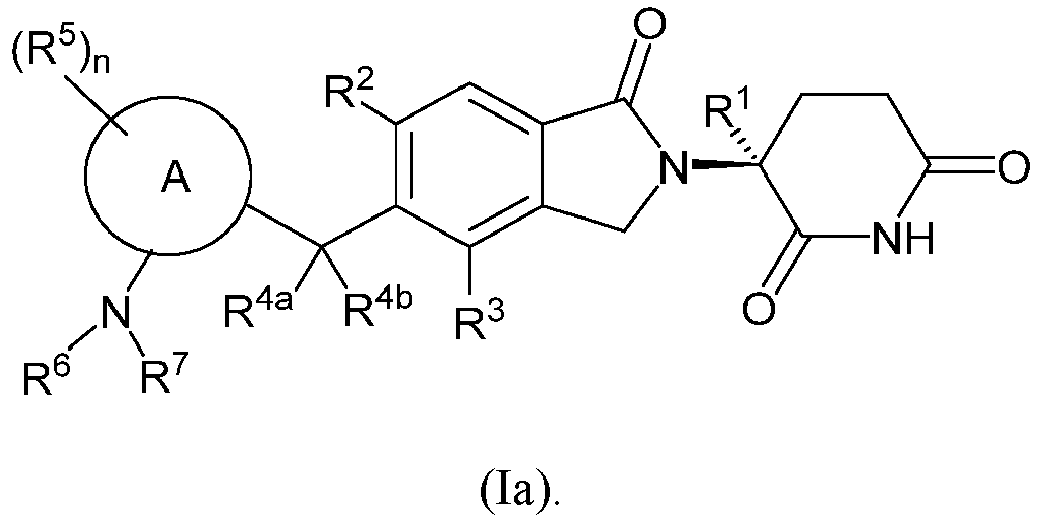
- 4. The compound or pharmaceutically acceptable salt thereof of
item 
- 5. The compound or pharmaceutically acceptable salt thereof of
item 1, wherein- R1 is -H;
- R2 is -H or -F;
- R21 is -H or -F;
- R3 is -H or -F;
- R4a and R4b are each independently -H -F, or -CH3;
- Ring A is a cyclopentyl, cyclohexyl, cycloheptyl, cyclohexenyl, or tetrahydropyranyl ring;
- n is 0, 1, or 2;
- each R5 is independently -F, -OH, -CH3, =CH2, -CH2-OH, or -O-CH3;
- R6 is -H, C1-6 alkyl, C1-6 haloalkyl, C3-10 cycloalkyl, heterocyclyl, C6-10 aryl, or heteroaryl,
- wherein each alkyl, haloalkyl, cycloalkyl, aryl, heteroaryl, or heterocyclyl of R6 is optionally substituted with one to four Z1, which may be the same or different;
- R7 is -H, C1-8 alkyl, C1-6 haloalkyl, C3-12 cycloalkyl, heterocyclyl, C6-10 aryl, or heteroaryl,
- wherein each alkyl, haloalkyl, cycloalkyl, aryl, heteroaryl, or heterocyclyl of R7 is optionally substituted with one to four Z2, which may be the same or different; or
- R6 and R7 together with the nitrogen to which they are attached form a heterocyclyl, which is optionally substituted with one to four Z3, which may be the same or different; wherein the heterocyclyl formed by R6 and R7 is 3 to 12 membered heterocyclyl having 0 to 3 additional heteroatoms each independently N, O, or S;
- each Z1, Z2, or Z3 is independently deuterium, halogen, =O, -CN, C1-9 alkyl, C1-8 haloalkyl, C1-6 alkoxy, C1-6 haloalkoxy, C2-6 alkoxyalkyl, C2-6 alkenyl, C2-6 alkynyl, C3-15 cycloalkyl, heterocyclyl, C6-10 aryl, heteroaryl, or -O-R3a;
- wherein each alkyl, haloalkyl, alkenyl, alkynyl, cycloalkyl, heterocyclyl, aryl, or heteroaryl of each Z1, Z2, or Z3 is optionally substituted with one to four Z1a, which may be the same or different;
- each Z1a is independently deuterium, C1-9 alkyl, C1-8 haloalkyl, C1-6 alkoxy, C1-6 haloalkoxy, C2-6 alkoxyalkyl, C2-6 alkenyl, C2-6 alkynyl, halogen, C3-15 cycloalkyl, heterocyclyl, C6-10 aryl, heteroaryl, -CN, -O-R3a, or -S(O)2R3a,
- wherein each alkyl, haloalkyl, alkenyl, alkynyl, cycloalkyl, heterocyclyl, aryl, or heteroaryl of Z1a is optionally substituted with one to four Z1b, which may be the same or different;
- each Z1b is independently C1-9 alkyl, C1-8 haloalkyl, C2-6 alkenyl, C2-6 alkynyl, halogen, C3-is cycloalkyl, heterocyclyl, C6-10 aryl, heteroaryl, or -CN,
- wherein each alkyl, alkenyl, alkynyl, cycloalkyl, heterocyclyl, aryl, or heteroaryl of Z1b is unsubstituted;
- each R3a is independently -H, C1-9 alkyl, C6-10 aryl, or heteroaryl, wherein each alkyl, alkenyl, alkynyl, cycloalkyl, heterocyclyl, aryl, or heteroaryl of R3a is optionally substituted with one to four Z1b, which may be the same or different;
- wherein each heteroaryl of the compound of Formula (I) or Formula (Ia) is 5 to 12 membered heteroaryl having one to four heteroatoms each independently N, O, or S;
- wherein each heterocyclyl of the compound of Formula (I) or Formula (Ia) is 3 to 20 membered heterocyclyl having one to four heteroatoms each independently N, O, or S.
- 6. The compound or pharmaceutically acceptable salt thereof of any one of
items 1 to 5, wherein- R1 is -H;
- R2 is -H or -F;
- R3 is -H or -F;
- R4a and R4b are each independently -H -F, or -CH3;
- Ring A is a cyclopentyl, cyclohexyl, cyclohexenyl, or tetrahydropyranyl ring;
- n is 0, 1, or 2;
- each R5 is independently -F, -OH, -CH3, or -O-CH3;
- R6 is -H, C1-6 alkyl, C1-6 haloalkyl, C3-10 cycloalkyl, heterocyclyl, C6-10 aryl, or heteroaryl,
- wherein each alkyl, haloalkyl, cycloalkyl, aryl, heteroaryl, or heterocyclyl of R6 is optionally substituted with one to four Z1, which may be the same or different;
- R7 is -H, C1-8 alkyl, C1-6 haloalkyl, C3-12 cycloalkyl, heterocyclyl, C6-10 aryl, or heteroaryl,
- wherein each alkyl, haloalkyl, cycloalkyl, aryl, heteroaryl, or heterocyclyl of R7 is optionally substituted with one to four Z2, which may be the same or different; or
- R6 and R7 together with the nitrogen to which they are attached form a heterocyclyl, which is optionally substituted with one to four Z3, which may be the same or different; wherein the heterocyclyl formed by R6 and R7 is 3 to 12 membered heterocyclyl having 0 to 3 additional heteroatoms each independently N, O, or S;
- each Z1, Z2, or Z3 is independently deuterium, halogen, =O, -CN, C1-9 alkyl, C1-8 haloalkyl, C1-6 alkoxy, C1-6 haloalkoxy, C2-6 alkoxyalkyl, C2-6 alkenyl, C2-6 alkynyl, C3-15 cycloalkyl, heterocyclyl, C6-10 aryl, heteroaryl, or -O-R3a;
- wherein each alkyl, haloalkyl, alkenyl, alkynyl, cycloalkyl, heterocyclyl, aryl, or heteroaryl of each Z1, Z2, or Z3 is optionally substituted with one to four Z1a, which may be the same or different;
- each Z1a is independently deuterium, C1-9 alkyl, C1-8 haloalkyl, C1-6 alkoxy, C1-6 haloalkoxy, C2-6 alkoxyalkyl, C2-6 alkenyl, C2-6 alkynyl, halogen, C3-15 cycloalkyl, heterocyclyl, C6-10 aryl, heteroaryl, -CN, -O-R3a, or -S(O)2R3a,
- wherein each alkyl, haloalkyl, alkenyl, alkynyl, cycloalkyl, heterocyclyl, aryl, or heteroaryl of Z1a is optionally substituted with one to four Z1b, which may be the same or different;
- each Z1b is independently C1-9 alkyl, C1-8 haloalkyl, C2-6 alkenyl, C2-6 alkynyl, halogen, C3-15 cycloalkyl, heterocyclyl, C6-10 aryl, heteroaryl, or -CN,
- each R3a is independently -H, C1-9 alkyl, C6-10 aryl, or heteroaryl, wherein each alkyl, alkenyl, alkynyl, cycloalkyl, heterocyclyl, aryl, or heteroaryl of R3a is optionally substituted with one to four Z1b, which may be the same or different;
- wherein each heteroaryl of the compound of Formula (I) or Formula (Ia) is 5 to 12 membered heteroaryl having one to four heteroatoms each independently N, O, or S;
- wherein each heterocyclyl of the compound of Formula (I) or Formula (Ia) is 3 to 20 membered heterocyclyl having one to four heteroatoms each independently N, O, or S.
- 7. The compound or pharmaceutically acceptable salt thereof of any one of
items 1 to 6, wherein- R1 is -H;
- R2 is -H or -F;
- R3 is -H or -F;
- R4a and R4b are each independently -H or -F;
- Ring A is a cyclohexyl, cyclohexenyl, or tetrahydropyranyl ring;
- n is 0;
- R6 is -H, C1-6 alkyl, C1-6 haloalkyl, C3-10 cycloalkyl, heterocyclyl, C6-10 aryl, or heteroaryl,
- wherein each alkyl, haloalkyl, cycloalkyl, aryl, heteroaryl, or heterocyclyl of R6 is optionally substituted with one to four Z1, which may be the same or different;
- R7 is -H, C1-6 alkyl, C1-6 haloalkyl, C3-10 cycloalkyl, heterocyclyl, C6-10 aryl, or heteroaryl,
- wherein each alkyl, haloalkyl, cycloalkyl, aryl, heteroaryl, or heterocyclyl of R7 is optionally substituted with one to four Z2, which may be the same or different; or R6 and R'together with the nitrogen to which they are attached form a heterocyclyl, which is optionally substituted with one to four Z3, which may be the same or different; wherein the heterocyclyl formed by R6 and R7 is 3 to 12 membered heterocyclyl having 0 to 3 additional heteroatoms each independently N, O, or S;
- each Z1, Z2, or Z3 is independently halogen, =O, -CN, C1-9 alkyl, C1-8 haloalkyl, C1-6 alkoxy, C1-6 haloalkoxy, C2-6 alkoxyalkyl, C2-6 alkenyl, C2-6 alkynyl, C3-15 cycloalkyl, heterocyclyl, C6-10 aryl, heteroaryl, or -O-R3a;
- wherein each alkyl, haloalkyl, alkenyl, alkynyl, cycloalkyl, heterocyclyl, aryl, or heteroaryl of each Z1, Z2, or Z3 is optionally substituted with one to four Z1a, which may be the same or different;
- each Z1a is independently -D, C1-9 alkyl, C1-8 haloalkyl, C1-6 alkoxy, C1-6 haloalkoxy, C2-6 alkoxyalkyl, C2-6 alkenyl, C2-6 alkynyl, halogen, C3-15 cycloalkyl, heterocyclyl, C6-10 aryl, heteroaryl, -CN, -O-R3a, or -S(O)2R3a;
- wherein each alkyl, haloalkyl, alkenyl, alkynyl, cycloalkyl, heterocyclyl, aryl, or heteroaryl of Z1a is optionally substituted with one to four Z1b, which may be the same or different;
- each Z1b is independently C1-9 alkyl, C1-8 haloalkyl, C2-6 alkenyl, C2-6 alkynyl, halogen, C3-15 cycloalkyl, heterocyclyl, C6-10 aryl, heteroaryl, or -CN,
- wherein each alkyl, alkenyl, alkynyl, cycloalkyl, heterocyclyl, aryl, or heteroaryl of Z1b is unsubstituted;
- each R3a is independently -H, C1-9 alkyl, C6-10 aryl, or heteroaryl, wherein each alkyl, alkenyl, alkynyl, cycloalkyl, heterocyclyl, aryl, or heteroaryl of R3a is optionally substituted with one to four Z1b, which may be the same or different;
- wherein each heteroaryl of the compound of Formula (I) or Formula (Ia) is 5 to 12 membered heteroaryl having one to four heteroatoms each independently N, O, or S;
- wherein each heterocyclyl of the compound of Formula (I) or Formula (Ia) is 3 to 20 membered heterocyclyl having one to four heteroatoms each independently N, O, or S.
- 8. The compound or pharmaceutically acceptable salt thereof of
item 1, wherein- R1 is -H;
- R2 is -H or -F;
- R21 is -H or -F;
- R3 is -H or -F;
- R4a is -H, -F, or -CH3, and R4b is -H;
- Ring A is


- n is 0, 1, or 2;
- each R5 is independently -F, -OH, -CH3, =CH2, -CH2-OH, or -O-CH3;
- R6 is -H or C1-6 alkyl optionally substituted with one Z1, wherein Z1 is unsubstituted;
- R7 is -H, C1-8 alkyl, C3-12 cycloalkyl, C6-10 aryl, 4 to 12 membered heterocyclyl having 1 to 2 heteroatoms each independently selected from nitrogen, oxygen, and sulfur, or 5 to 12 membered heteroaryl having 1 to 3 heteroatoms each independently selected from nitrogen, oxygen, and sulfur,
- wherein each alkyl, cycloalkyl, aryl, heterocyclyl or heteroaryl of R7 is optionally
- substituted with one to four Z2, which may be the same or different; or
- R6 and R' together with the nitrogen to which they are attached form a heterocyclyl, which is optionally substituted with one to four Z3, which may be the same or different; wherein the heterocyclyl formed by R6 and R7 is 3 to 7 membered heterocyclyl optionally having an additional N;
- each Z1, Z2, or Z3 is independently deuterium, halogen, =O, C1-9 alkyl, C1-8 haloalkyl, C1-6 alkoxy, C1-6 haloalkoxy, C3-15 cycloalkyl, C6-10 aryl, heterocyclyl, heteroaryl or -O-R3a;
- wherein each alkyl, haloalkyl, alkoxy, haloalkoxy, cycloalkyl, heterocyclyl, aryl, or heteroaryl of Z1, Z2, or Z3 is optionally substituted with one to four Z1a, which may be the same or different;
- each Z1a is independently deuterium, C1-9 alkyl, C1-8 haloalkyl, C1-6 alkoxy, halogen, -CN, or -S(O)2R3a;
- wherein each alkyl of Z1a is optionally substituted with one to four Z1b, which may be the same or different;
- each Z1b is independently halogen, C3-15 cycloalkyl, or C6-10 aryl,
- wherein each cycloalkyl or aryl of Z1b is unsubstituted;
- each R3a is independently C1-9 alkyl or C6-10 aryl, wherein each alkyl or aryl of R3a is optionally substituted with one to four Z1b, which may be the same or different;
- wherein each heteroaryl of the compound of Formula (I) or Formula (Ia) is 5 to 6 membered heteroaryl having one or two heteroatoms each independently N or S;
- wherein each heterocyclyl of the compound of Formula (I) or Formula (Ia) is 3 to 7 membered heterocyclyl having one to two heteroatoms each independently N or O.
- 9. The compound or pharmaceutically acceptable salt thereof of any one of
items 1 to 8, wherein- R1 is -H;
- R2 is -H or -F;
- R3 is -H or -F;
- R4a is -H, -F, or -CH3, and R4b is -H;
- Ring A is


- n is 0, 1, or 2;
- each R5 is independently -F, -OH, -CH3, or -O-CH3;
- R6 is -H or C1-6 alkyl optionally substituted with one Z1, wherein Z1 is unsubstituted;
- R7 is -H, C1-8 alkyl, C3-12 cycloalkyl, C6-10 aryl, 4 to 12 membered heterocyclyl having 1 to 2 heteroatoms each independently selected from nitrogen, oxygen, and sulfur, or 5 to 12 membered heteroaryl having 1 to 3 heteroatoms each independently selected from nitrogen, oxygen, and sulfur,
- wherein each alkyl, cycloalkyl, aryl, heterocyclyl or heteroaryl of R7 is optionally substituted with one to four Z2, which may be the same or different; or
- R6 and R7 together with the nitrogen to which they are attached form a heterocyclyl, which is optionally substituted with one to four Z3, which may be the same or different; wherein the heterocyclyl formed by R6 and R7 is 3 to 7 membered heterocyclyl optionally having an additional N;
- each Z1, Z2, or Z3 is independently deuterium, halogen, =O, C1-9 alkyl, C1-8 haloalkyl, C1-6 alkoxy, C1-6 haloalkoxy, C3-15 cycloalkyl, C6-10 aryl, heterocyclyl, heteroaryl or -O-R3a;
- wherein each alkyl, haloalkyl, alkoxy, haloalkoxy, cycloalkyl, heterocyclyl, aryl, or heteroaryl of Z1, Z2, or Z3 is optionally substituted with one to four Z1a, which may be the same or different;
- each Z1a is independently deuterium, C1-9 alkyl, C1-8 haloalkyl, C1-6 alkoxy, halogen, -CN, or -S(O)2R3a;
- wherein each alkyl of Z1a is optionally substituted with one to four Z1b, which may be the same or different;
- each Z1b is independently halogen, C3-15 cycloalkyl, or C6-10 aryl,
- wherein each cycloalkyl or aryl of Z1b is unsubstituted;
- each R3a is independently C1-9 alkyl or C6-10 aryl, wherein each alkyl or aryl of R3a is optionally substituted with one to four Z1b, which may be the same or different;
- wherein each heteroaryl of the compound of Formula (I) or Formula (Ia) is 5 to 6 membered heteroaryl having one or two heteroatoms each independently N or S;
- wherein each heterocyclyl of the compound of Formula (I) or Formula (Ia) is 3 to 7 membered heterocyclyl having one to two heteroatoms each independently N or O.
- 10. The compound or pharmaceutically acceptable salt thereof of any one of
items 1 to 9, wherein- R1 is -H;
- R2 is -H or -F;
- R3 is -H or -F;
- R4a and R4b are each -H;
- Ring A is

- n is 0;
- R6 is -H or C1-6 alkyl optionally substituted with one Z1, wherein Z1 is unsubstituted;
- R7 is -H, C1-6 alkyl, C3-10 cycloalkyl, or heterocyclyl,
- wherein each alkyl, cycloalkyl, or heterocyclyl of R7 is optionally substituted with one to four Z2, which may be the same or different; or
- R6 and R'together with the nitrogen to which they are attached form a heterocyclyl, which is optionally substituted with one to four Z3, which may be the same or different; wherein the heterocyclyl formed by R6 and R7 is 3 to 7 membered heterocyclyl optionally having an additional N;
- each Z1, Z2, or Z3 is independently halogen, =O, C1-9 alkyl, C1-8 haloalkyl, C1-6 alkoxy, C3-15 cycloalkyl, heterocyclyl, C6-10 aryl, heteroaryl, or -O-R3a;
- wherein each alkyl, cycloalkyl, heterocyclyl, aryl, or heteroaryl of Z1, Z2, or Z3 is optionally substituted with one to four Z1a, which may be the same or different;
- each Z1a is independently C1-9 alkyl, C1-8 haloalkyl, C1-6 alkoxy, halogen, -CN, or -S(O)2R3a;
- wherein each alkyl of Z1a is optionally substituted with one to four Z1b, which may be the same or different;
- each Z1b is independently halogen, C3-15 cycloalkyl, or C6-10 aryl;
- each R3a is independently C1-9 alkyl or C6-10 aryl, wherein each alkyl or aryl of R3a is optionally substituted with one to four Z1b, which may be the same or different;
- wherein each heteroaryl of the compound of Formula (I) or Formula (Ia) is 5 to 6 membered heteroaryl having one or two heteroatoms each independently N or S;
- wherein each heterocyclyl of the compound of Formula (I) or Formula (Ia) is 3 to 7 membered heterocyclyl having one to two heteroatoms each independently N or O.
- 11. The compound or pharmaceutically acceptable salt thereof of any one of
items 
- 12. The compound or pharmaceutically acceptable salt thereof of any one of
items 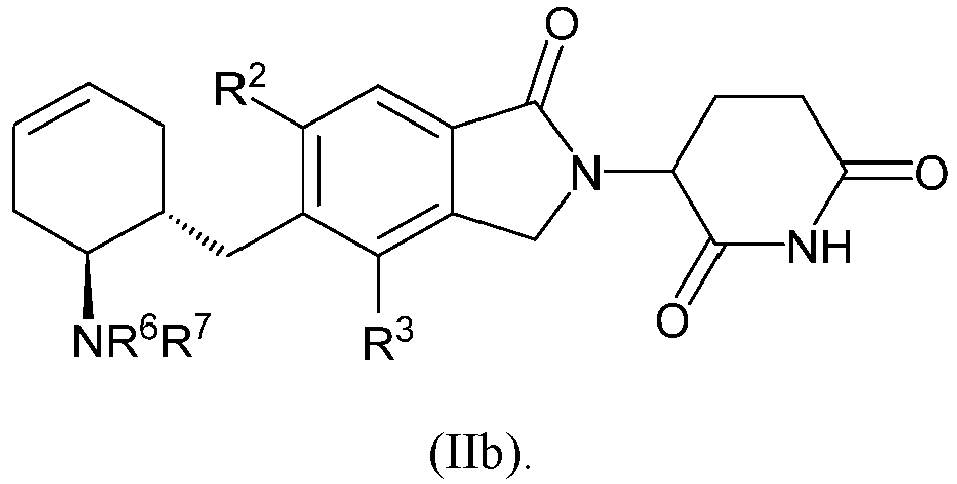
- 13. The compound or pharmaceutically acceptable salt thereof of any one of
items 
- 14. The compound or pharmaceutically acceptable salt thereof of any one of
items 
- 15. The compound or pharmaceutically acceptable salt thereof of any one of
items 
- 16. The compound or pharmaceutically acceptable salt thereof of any one of
items 1 to 9, wherein the compound of Formula (I) is a compound of Formula (IIf):
- 17. The compound or pharmaceutically acceptable salt thereof of any one of
items 1 to 9, wherein the compound of Formula (I) is a compound of Formula (IIg):
- 18. The compound or pharmaceutically acceptable salt thereof of any one of
items 1 to 9, wherein the compound of Formula (I) is a compound of Formula (IIh):
- 19. The compound or pharmaceutically acceptable salt thereof of any one of
items 1 to 9, wherein the compound of Formula (I) is a compound of Formula (IIi):
- 20. The compound or pharmaceutically acceptable salt thereof of any one of
items 
- 21. The compound or pharmaceutically acceptable salt thereof of any one of
items 

- 22. The compound or pharmaceutically acceptable salt thereof of any one of
items 1 to 4, 6, 8, 9, and 14 to 21, wherein R4a is -F, or -CH3. - 23. The compound or pharmaceutically acceptable salt thereof of any one of
items 1 to 6, 8, 9, and 14 to 22, wherein n is 1 or 2, and wherein each R5 is independently -F, -OH, -CH3, or -O-CH3. - 24. The compound or pharmaceutically acceptable salt thereof of any one of
items 1 to 23, wherein R6 is -H. - 25. The compound or pharmaceutically acceptable salt thereof of any one of
items 1 to 23, wherein R6 is unsubstituted C1-6 alkyl. - 26. The compound or pharmaceutically acceptable salt thereof of item 25, wherein R6 is -CH3 or

- 27. The compound or pharmaceutically acceptable salt thereof of any one of
items 1 to 26, wherein R7 is C1-6 alkyl or C3-10 cycloalkyl, each optionally substituted with one or two halogen or C6-10 aryl of Z2. - 28. The compound or pharmaceutically acceptable salt thereof of any one of
items 1 to 27, wherein R7 is C1-6 alkyl or cyclohexyl, each optionally substituted with one or two -F or phenyl of Z2. - 29. The compound or pharmaceutically acceptable salt thereof of any one of
items 1 to 28, wherein R7 is
- 30. The compound or pharmaceutically acceptable salt thereof of any one of
items 1 to 26, wherein R7 is
- 31. The compound or pharmaceutically acceptable salt thereof of any one of
items 
- 32. The compound or pharmaceutically acceptable salt thereof of any one of
items 
- 33. The compound or pharmaceutically acceptable salt thereof of any one of
items 
- 34. The compound or pharmaceutically acceptable salt thereof of any one of
items 
- 35. The compound or pharmaceutically acceptable salt thereof of any one of
items 1 to 26 and 31 to 34, wherein R7 is -H, C1-8 alkyl, C3-12 cycloalkyl, C6-10 aryl, 4 to 12 membered heterocyclyl having 1 to 2 heteroatoms each independently selected from nitrogen, oxygen, and sulfur, or 5 to 12 membered heteroaryl having 1 to 3 heteroatoms each independently selected from nitrogen, oxygen, and sulfur, wherein each alkyl, cycloalkyl, aryl, heterocyclyl, or heteroaryl of R7 is optionally substituted with 1 to 3 Z2, which may be the same or different, wherein each Z2 is independently, deuterium, halogen, =O, -CN, C1-8 alkyl, C1-8 haloalkyl, C1-6 alkoxy, C1-6 haloalkoxy, C3-10 cycloalkyl, C6-10 aryl, 5 to 12 membered heteroaryl having 1 to 3 heteroatoms each independently selected from nitrogen, oxygen, and sulfur, or-C(O)-R3a, wherein R3a is -H or unsubstituted C1-6 alkyl, wherein each C1-6 alkyl of Z2 is optionally substituted with 1 to 3 Z1a, wherein each Z1a is independently cyano or C1-6 alkoxy. - 36. The compound or pharmaceutically acceptable salt thereof of any one of
items 1 to 26 and 31 to 34, wherein R7 is -H, C1-8 alkyl, C3-12 cycloalkyl, C6-10 aryl, 4 to 12 membered heterocyclyl having 1 to 2 heteroatoms each independently selected from nitrogen, oxygen, and sulfur, or 5 to 12 membered heteroaryl having 1 to 3 heteroatoms each independently selected from nitrogen, oxygen, and sulfur, wherein each alkyl, cycloalkyl, aryl, heterocyclyl, or heteroaryl of R7 is optionally substituted with 1 to 3 Z2, which may be the same or different, wherein each Z2 is independently, deuterium, halogen, =O, -CN, C1-8 alkyl, C1-8 haloalkyl, C1-6 alkoxy, C1-6 haloalkoxy, C3-10 cycloalkyl, C6-10 aryl, or -C(O)-R3a, wherein R3a is -H or unsubstituted C1-6 alkyl, wherein each C1-6 alkyl of Z2 is optionally substituted with 1 to 3 Z1a, wherein each Z1a is independently cyano or C1-6 alkoxy. - 37. The compound or pharmaceutically acceptable salt thereof of any one of
items 1 to 26 and 31 to 34, wherein R7 is -H, C1-6 alkyl, C3-12 cycloalkyl, or 4 to 12 membered heterocyclyl having a heteroatom selected from nitrogen and oxygen, wherein each alkyl, cycloalkyl or heterocyclyl of R7 is optionally substituted with 1 to 3 Z2, which may be the same or different, wherein each Z2 is independently halogen, =O, C1-6 alkyl, C1-8 haloalkyl, C1-6 alkoxy, or -C(O)-R3a, wherein R3a is -H or unsubstituted C1-6 alkyl. - 38. The compound or pharmaceutically acceptable salt thereof of any one of items 1 to 26 and 31 to 34, wherein R7 is -H, C1-8 alkyl, cyclopropyl, cyclobutyl, cyclopentyl, cyclohexyl, cycloheptyl, spiro[2.3]hexyl, bicyclo[3.1.1]heptyl, spiro[3.3]heptyl, spiro[2.5]octyl, oxetanyl, oxepanyl, dioxanyl, oxaspiro[3.3]heptyl, oxaspiro[3.5]nonyl, oxabicyclo[3.2.1]octyl, (3aR,6aS)-hexahydro-1H-cyclopenta[c]furanyl, bicyclo[3.2.1]octyl, (1R,5S)bicyclo[3.1.0]hexyl, (1R,5S)bicyclo[3.2.0]heptyl, (3aR,6aS)-2-methyloctahydropentalenyl, (1R,SS)-6,6-dimethylbicyclo[3.1.0]hexyl, spiro[2.4]heptyl, 7,7-difluoro-spiro[3.5]nonanyl, (4s,7s)-1-oxaspiro[3.5]nonanyl, (4r,7r)-oxaspiro[3.5]nonanyl, oxabicyclo[2.2.1]heptanyl, 3-oxabicyclo[3.2.1]octanyl, tetrahydrofuranyl, tetrahydropyranyl, piperidyl, tetrahydrothiopyranyl, -2,3-dihydro-1H-indyl, chromane, or 4,5,6,7-tetrahydro-1H-indazolyl, each optionally substituted with 1 to 3 Z2, which may be the same or different, wherein each Z2 is independently deuterium, =O, -CN, -CH3, -CH2-O-CH3, -CH2-CN, -O-CH3, -O-CF3, -CF3, -O-C2H5, -O-C3H7, -C(O)-CH3, -F, cyclopropyl, phenyl, triazolyl, or pyridyl.
- 39. The compound or pharmaceutically acceptable salt thereof of any one of items 1 to 26 and 31 to 34, wherein R7 is -H, C1-8 alkyl, cyclopropyl, cyclobutyl, cyclopentyl, cyclohexyl, cycloheptyl, spiro[2.3]hexyl, bicyclo[3.1.1]heptyl, spiro[3.3]heptyl, spiro[2.5]octyl, oxetanyl, oxepanyl, dioxanyl, oxaspiro[3.3]heptyl, oxaspiro[3.5]nonyl, oxabicyclo[3.2.1]octyl, (3aR,6aS)-hexahydro-1H-cyclopenta[c]furanyl, bicyclo[3.2.1]octyl, (1R,5S)bicyclo[3.1.0]hexyl, (1R,5S)bicyclo[3.2.0]heptyl, (3aR,6aS)-2-methyloctahydropentalenyl, (1R,5S)-6,6-dimethylbicyclo[3.1.0]hexyl, spiro[2.4]heptyl, 7,7-difluoro-spiro[3.5]nonanyl, (4s,7s)-1-oxaspiro[3.5]nonanyl, (4r,7r)-oxaspiro[3.5]nonanyl, oxabicyclo[2.2.1]heptanyl, 3-oxabicyclo[3.2.1]octanyl, tetrahydrofuranyl, tetrahydropyranyl, piperidyl, tetrahydrothiopyranyl, -2,3-dihydro-1H-indyl, chromane, 4,5,6,7-tetrahydro-1H-indazolyl, each optionally substituted with 1 to 3 Z2, which may be the same or different, wherein each Z2 is independently deuterium, =O, -CN, -CH3, -CH2-O-CH3, -CH2-CN, -O-CH3, -O-CF3, -CF3, -O-C2H5, -O-C3H7, -C(O)-CH3, -F, cyclopropyl, or phenyl.
- 40. The compound or pharmaceutically acceptable salt thereof of any one of
items 1 to 26 and 31 to 34, wherein R7 is -H, C1-6 alkyl, cyclopropyl, cyclobutyl, cyclopentyl, cyclohexyl, spiro[2.3]hexyl, bicyclo[3.1.1]heptyl, spiro[3.3]heptyl, spiro[2.5]octyl, oxetanyl, oxaspiro[3.3]heptyl, oxaspiro[3.5]nonyl, oxabicyclo[3.2.1]octyl, tetrahydrofuranyl, or tetrahydropyranyl, piperidyl, or tetrahydrothiopyranyl, each optionally substituted with 1 to 3 Z2, which may be the same or different, wherein each Z2 is independently =O, -CH3, -CF3, -O-C2H5, -C(O)-CH3, or -F. - 41. The compound or pharmaceutically acceptable salt thereof of any one of
items 1 to 26 and 31 to 34, wherein R7 is -H,





- 42. The compound or pharmaceutically acceptable salt thereof of any one of
items 1 to 26 and 31 to 34, wherein R7 is -H,








- 43. The compound or pharmaceutically acceptable salt thereof of any one of
items 1 to 26 or 31 to 34, wherein R7 is -H,





- 44. The compound or pharmaceutically acceptable salt thereof of any one of
items 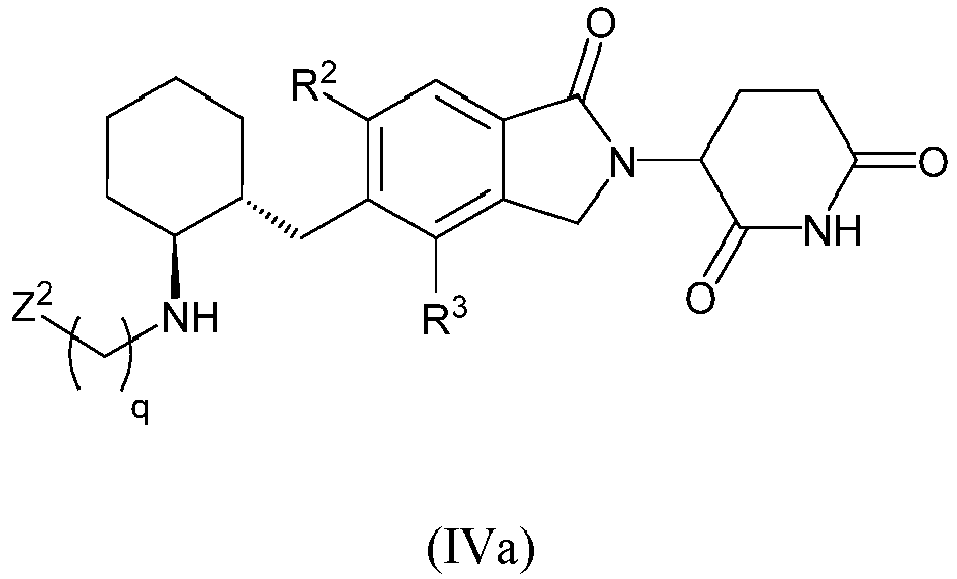
- 45. The compound or pharmaceutically acceptable salt thereof of any one of
items 
- 46. The compound or pharmaceutically acceptable salt thereof of any one of
items 
- 47. The compound or pharmaceutically acceptable salt thereof of item 44, wherein q is 1 or 2.
- 48. The compound or pharmaceutically acceptable salt thereof of item 47, wherein q is 1.
- 49. The compound or pharmaceutically acceptable salt thereof of any one of items 44 to 48, wherein Z2 is -O-R3a, C3-15 cycloalkyl, 4 to 14 membered heterocyclyl having 1-2 heteroatoms selected from nitrogen, oxygen, and sulfur, C6-10 aryl, 5 to 14 membered heteroaryl having 1-2 heteroatoms selected from nitrogen, oxygen, and sulfur, wherein each Z2 is optionally substituted with one to four Z1a, which may be the same or different, wherein each Z1a is independently deuterium, cyano, halogen, C1-6 alkyl, C1-8 haloalkyl, C1-6 alkoxy, or-S(O)2R3a, and each wherein each R3a is independently C1-9 alkyl or C6-10 aryl, wherein each alkyl or aryl of R3a optionally substituted with one to four halogen.
- 50. The compound or pharmaceutically acceptable salt thereof of any one of items 44 to 48, wherein Z2 is -O-R3a , cyclopropyl, cyclobutyl, cyclohexyl, bicyclo[1.1.1]pentyl, bicyclo[2.2.2]octyl, oxetanyl, tetrahydrofuranyl, tetrahydropyranyl, 1,3-dioxolanyl, phenyl, naphthyl, thiazolyl, pyrazolyl, pyridyl, or pyrazinyl, each optionally substituted with 1 or 3 Z1a, wherein each Z1a is independently cyano, -F, -Cl, -O-CH3, -CF3, or phenyl, and wherein each R3a is independently methyl, ethyl, or phenyl, wherein each phenyl of R3a is optionally substituted with -Cl.
- 51. The compound or pharmaceutically acceptable salt thereof of any one of items 44 to 48, wherein Z2 is -O-R3a, cyclopropyl, cyclobutyl, cyclohexyl, bicyclo[1.1.1]pentyl, bicyclo[2.2.2]octyl, oxetanyl, tetrahydrofuranyl, tetrahydropyranyl, 1,3-dioxolanyl, phenyl, naphthyl, thiazolyl, pyrazolyl, pyridyl, or pyrazinyl, each optionally substituted with 1 or 2 Z1a, wherein each Z1a is independently cyano, -F, -Cl, -OCH3, -CF3, and wherein each R3a is independently methyl, ethyl, or phenyl, wherein each phenyl of R3a is optionally substituted with -Cl.
- 52. The compound or pharmaceutically acceptable salt thereof of any one of items 44 to 48, wherein Z2 is


- 53. The compound or pharmaceutically acceptable salt thereof of any one of items 44 to 48, wherein Z2 is


- 54. The compound or pharmaceutically acceptable salt thereof of any one of
items 
- 55. The compound or pharmaceutically acceptable salt thereof of item 54, wherein each Z2, which may be the same or different, is independently C1-6 alkyl, C3-15 cycloalkyl, 4 to 14 membered heterocyclyl having 1-2 heteroatoms selected from nitrogen, oxygen, and sulfur, C6-14 aryl, or C1-6 alkoxy, each optionally substituted with 1 or 3 Z1a, wherein each Z1a is independently halogen, cyano, =O, C1-6 haloalkyl, C3-10 cycloalkyl, or C6-14 aryl.
- 56. The compound or pharmaceutically acceptable salt thereof of item 54, wherein each Z2, which may be the same or different, is independently C1-6 alkyl, C3-15 cycloalkyl, 4 to 14 membered heterocyclyl having 1-2 heteroatoms selected from nitrogen, oxygen, and sulfur, C6-14 aryl, or C1-6 alkoxy, each optionally substituted with 1 or 3 Z1a, wherein each Z1a is independently halogen, cyano, C1-6 haloalkyl, C3-10 cycloalkyl, C6-14 aryl.
- 57. The compound or pharmaceutically acceptable salt thereof of item 54, wherein each Z2, which may be the same or different, is independently C1-6 alkyl, C3-15 cycloalkyl, C6-14 aryl, or C1-6 alkoxy.
- 58. The compound or pharmaceutically acceptable salt thereof of item 54, wherein each Z2, which may be the same or different, is independently methyl, ethyl, ethoxy, cyclopropyl, cyclobutyl, cyclopentyl, cyclohexyl, tetrahyrdofuranyl, tetrahydropyranyl, bicyclo[1.1.1]pentanyl, phenyl, or thiopyranyl, each optionally substituted with 1 or 3 Z1a, wherein each Z1a is independently -F, -CH3, -CHF2, -CN, =O, or cyclopropyl.
- 59. The compound or pharmaceutically acceptable salt thereof of item 54, wherein each Z2, which may be the same or different, is independently methy, ethy, ethoxy, cyclopropyl, cyclobutyl, cyclopentyl, cyclohexyl, tetrahyrdofuranyl, tetrahydropyranyl, bicyclo[1.1. 1]pentanyl, or phenyl, each optionally substituted with 1 or 3 Z1a, wherein each Z1a is independently -F, -CH3, -CHF2, -CN, or cyclopropyl.
- 60. The compound or pharmaceutically acceptable salt thereof of item 54, wherein each Z2, which may be the same or different, is independently -CH3, -C2H5,



- 61. The compound or pharmaceutically acceptable salt thereof of item 54, wherein each Z2, which may be the same or different, is independently -CH3, -C2H5,



- 62. The compound or pharmaceutically acceptable salt thereof of item 54, wherein each Z2, which may be the same or different, is independently -CH3,

- 63. The compound or pharmaceutically acceptable salt thereof of any one of
items 
- 64. The compound or pharmaceutically acceptable salt thereof of item 63, wherein p and q are each 1.
- 65. The compound or pharmaceutically acceptable salt thereof of item 63 or 64, wherein each Z1 or Z2, which may be the same or different, is independently -H, C6-10 aryl, or 4 to 10 membered heterocyclyl having 1 to 2 heteroatoms selected from nitrogen, oxygen, and sulfur, wherein each aryl or heterocyclyl of Z1 or Z2 is unsubstituted.
- 66. The compound or pharmaceutically acceptable salt thereof of any one of item 63 or 64, wherein each Z1 or Z2, which may be the same or different, is independently hydrogen, unsubstituted phenyl, or unsubstituted tetrahydropyranyl.
- 67. The compound or pharmaceutically acceptable salt thereof of any one of items 63 or 64, wherein each Z1 and Z2, which may be the same or different, is independently

- 68. The compound or pharmaceutically acceptable salt thereof of any one of
items 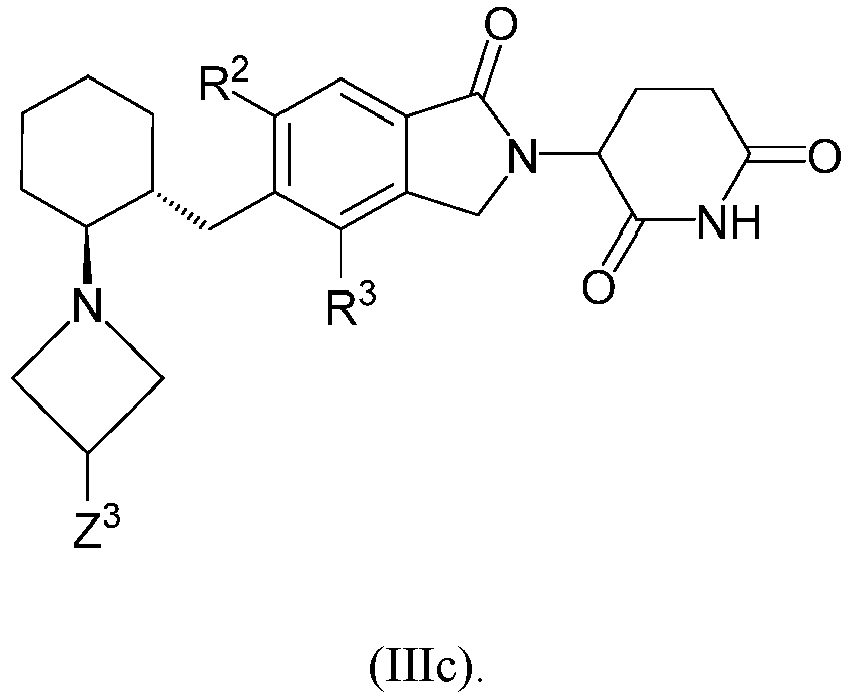
- 69. The compound or pharmaceutically acceptable salt thereof of item 68, wherein Z3 is - H, C6-10 aryl, or -O-R3a, wherein R3a is -H, C1-6 alkyl or C6-10 aryl, wherein the R3a alkyl or aryl is each optionally substituted with halogen, C3-10 cycloalkyl, or C6-10 aryl.
- 70. The compound or pharmaceutically acceptable salt thereof of item 68, wherein Z3 is methyl, phenyl, or -O-R3a, wherein R3a is methyl, ethyl, or phenyl, wherein the R3a methyl or phenyl is each optionally substituted with -Cl, cyclopropyl, or phenyl.
- 71. The compound or pharmaceutically acceptable salt thereof of item 68, wherein Z3 is

- 72. The compound or pharmaceutically acceptable salt thereof of any one of
items 
- 73. The compound or pharmaceutically acceptable salt thereof of item 72, wherein Z3 is C1-6 alkyl optionally substituted with one C6-10 aryl of Z1a, wherein the C6-10 aryl of Z1a is optionally substituted with one halogen of Z1b.
- 74. The compound or pharmaceutically acceptable salt thereof of item 72, wherein Z3 is methyl, optionally substituted with one phenyl of Z1a, wherein the phenyl of Z1a is optionally substituted with one -Cl of Z1b.
- 75. The compound or pharmaceutically acceptable salt thereof of item 72, wherein Z3 is

- 76. The compound or pharmaceutically acceptable salt thereof of any one of
items 
- 77. The compound or pharmaceutically acceptable salt thereof of item 76, wherein R7 is C1-6 alkyl.
- 78. The compound or pharmaceutically acceptable salt thereof of item 76, wherein R7 is

- 79. The compound or pharmaceutically acceptable salt thereof of any one of
items 
- 80. The compound or pharmaceutically acceptable salt thereof of item 79, wherein R7 is C1-8 alkyl, C3-12 cycloalkyl, or 4 to 12 membered heterocyclyl having 1 to 2 heteroatoms each independently selected from nitrogen, oxygen, and sulfur, wherein each alkyl, cycloalkyl, or heterocyclyl of R7 is optionally substituted with 1 to 3 Z2, which may be the same or different, wherein each Z2 is independently, deuterium, halogen, C3-10 cycloalkyl, C1-8 alkyl, C1-8 haloalkyl, C1-6 alkoxy, C1-6 haloalkoxy, or 4 to 12 membered heterocyclyl having 1 to 2 heteroatoms each independently selected from nitrogen, oxygen, and sulfur, wherein each C1-6 alkyl of Z2 is optionally substituted with 1 to 3 Z1a, wherein each Z1a is independently halogen or C1-6 alkoxy.
- 81. The compound or pharmaceutically acceptable salt thereof of item 79, wherein R7 is C1-8 alkyl, cyclobutyl, cyclopentyl, cyclohexyl, spiro[3.3]heptanyl, spiro[2.5]octanyl, spiro[3.5]nonanyl, tetrahydrofuranyl, tetrahydropyranyl, oxepanyl, piperidyl, or tetrahydroindazolyl, each optionally substituted with 1 to 3 Z2, which may be the same or different, wherein each Z2 is independently, deuterium, -F, -CH3, -CHF2, -CH2-CHF2, -CF3, CH2-CF3, -O-CH3, -O-CHFz, -CH2-O-CH3, -O-C3H7, cyclobutyl, oxetanyl, or tetrahydropyranyl, wherein each cyclobutyl, oxetanyl, or tetrahydropyranyl is optionally substituted with 1 to 3 -F.
- 82. The compound or pharmaceutically acceptable salt thereof of item 79, wherein R7 is C1-8 alkyl, cyclobutyl, cyclopentyl, cyclohexyl, spiro[3.3]heptanyl, spiro[3.5]nonanyl, tetrahydrofuranyl, tetrahydropyranyl, oxepanyl, or piperidyl, each optionally substituted with 1 to 3 Z2, which may be the same or different, wherein each Z2 is independently, deuterium, -F, -CH3, -CHF2, -CH2-CHF2, -CF3, CH2-CF3, -O-CH3, -O-CHF2, -CH2-O-CH3, -O-C3H7, cyclobutyl, oxetanyl, or tetrahydropyranyl, wherein each cyclobutyl, oxetanyl, or tetrahydropyranyl is optionally substituted with 1 to 3 -F.
- 83. The compound or pharmaceutically acceptable salt thereof of item 79, wherein R7 is C3-12 cycloalkyl optionally substituted with 1 to 3 halogen.
- 84. The compound or pharmaceutically acceptable salt thereof of item 79, wherein R7 is cyclohexyl optionally substituted with 1 to 3 -F.
- 85. The compound or pharmaceutically acceptable salt thereof of item 79, wherein R7 is





- 86. The compound or pharmaceutically acceptable salt thereof of item 79, wherein R7 is



- 87. The compound or pharmaceutically acceptable salt thereof of item 79, wherein R7 is

- 88. The compound or pharmaceutically acceptable salt thereof of any one of
items 1 to 10, wherein R1 is deuterium. - 89. The compound or pharmaceutically acceptable salt thereof of any one of
items 1 to 88, wherein R2 is -H or -F. - 90. The compound or pharmaceutically acceptable salt thereof of item 89, wherein R2 is -H.
- 91. The compound or pharmaceutically acceptable salt thereof of item 89, wherein R2 is -F.
- 92. The compound or pharmaceutically acceptable salt thereof of any one of
items 1 to 91, wherein R3 is -H or -F. - 93. The compound or pharmaceutically acceptable salt thereof of item 92, wherein R3 is -H.
- 94. The compound or pharmaceutically acceptable salt thereof of item 92, wherein R3 is -F.
- 95. The compound or pharmaceutically acceptable salt thereof of any one of
items 1 to 9, 14 to 30, and 35 to 43, wherein R4a and R4b are each hydrogen. - 96. The compound or pharmaceutically acceptable salt thereof of
item 1, wherein the compound of Formula (I) is a compound of Formula (V):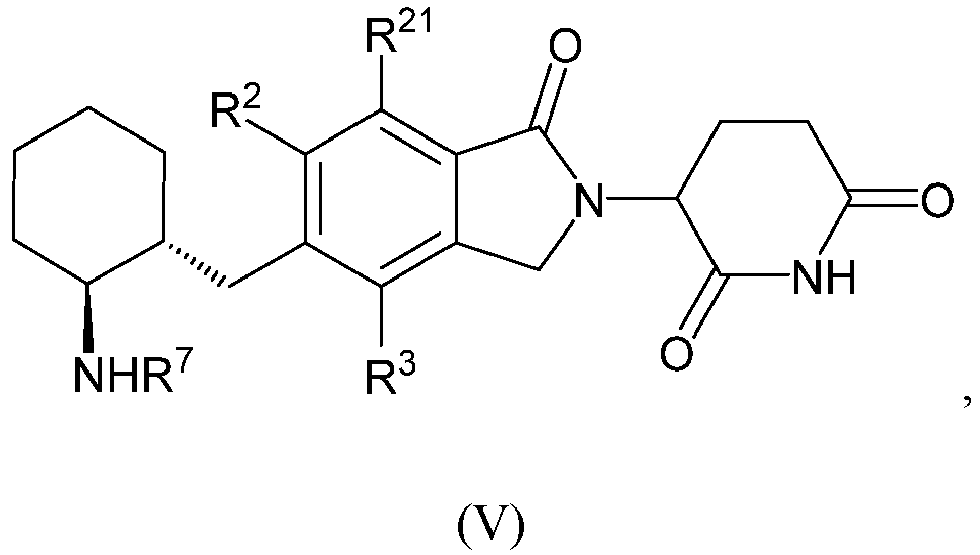
- R2 is -H or -F;
- R21 is -H or -F;
- R3 is -H or -F;
- R7 is C1-8 alkyl or C3-12 cycloalkyl,
- wherein each alkyl or cycloalkyl of R7 is optionally substituted with one to four Z2, which may be the same or different; and
- each Z2 is independently deuterium, halogen, C1-3 alkyl, C1-3 haloalkyl, or C6-10 aryl.
- 97. The compound or pharmaceutically acceptable salt thereof of item 96, wherein the compound of Formula (V) is a compound of Formula (Va):

- 98. The compound or pharmaceutically acceptable salt thereof of item 96 or 97, wherein R2 is -H; R2a is -H; and R3 is -H or -F.
- 99. The compound or pharmaceutically acceptable salt thereof of any one of items 96 to 98, wherein R7 is C1-8 alkyl, cyclopropyl, cyclobutyl, cyclopentyl, cyclohexyl, cycloheptyl, spiro[2.3]hexyl, bicyclo[3.1.1]heptyl, spiro[3.3]heptyl, spiro[2.5]octyl, bicyclo[3.2.1]octyl, (1R,SS)bicyclo[3.1.0]hexyl, (1R,5S)bicyclo[3.2.0]heptyl, spiro[2.4]heptyl, each optionally substituted with 1 to 3 Z2, which may be the same or different, wherein each Z2 is independently deuterium, -CH3, -C2F, -CHF2, -CF3, -F, or phenyl.
- 100. The compound or pharmaceutically acceptable salt thereof of any one of items 96 to 98, wherein R7 is C1-3 alkyl or cyclohexyl, each optionally substituted with 1 to 2 Z2, which may be the same or different, wherein each Z2 is independently -F or phenyl.
- 101. The compound or pharmaceutically acceptable salt thereof of any one of items 96 to 98, wherein R7 is


- 102. The compound or pharmaceutically acceptable salt thereof of any one of items 96 to 98, wherein R7 is





- 103. The compound or pharmaceutically acceptable salt thereof of item 96, wherein the compound is


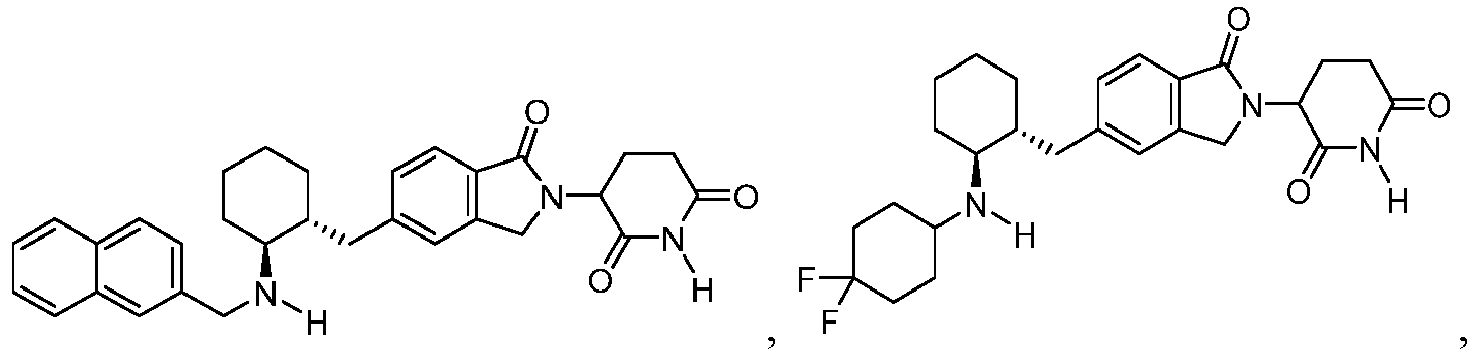


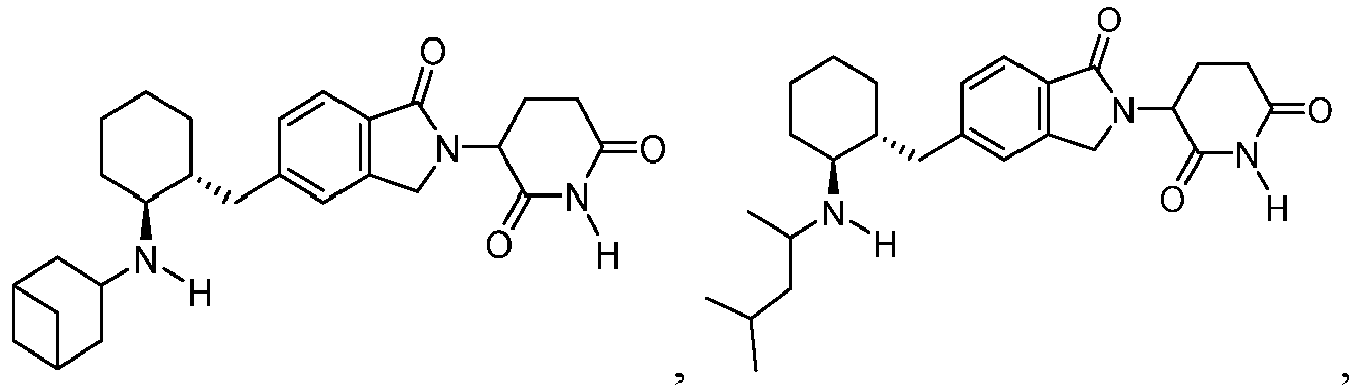


- 104. The compound or pharmaceutically acceptable salt thereof of item 96, wherein the compound is


- 105. The compound or pharmaceutically acceptable salt thereof of
item 1, wherein the compound of Formula (I) is a compound of Formula (VI):
- R7 is C3-12 cycloalkyl, optionally substituted with one to four Z2, which may be the same or different; and
- each Z2 is independently deuterium, halogen, C1-3 alkyl, C1-3 haloalkyl.
- 106. The compound or pharmaceutically acceptable salt thereof of
item 105, wherein the compound of Formula (VI) is a compound of Formula (VIa):
- 107. The compound or pharmaceutically acceptable salt thereof of
item 105 or 106, wherein R7 is cyclohexyl optionally substituted with 1 to 4 Z2, which may be the same or different, wherein each Z2 is independently deuterium, -CH3, -C2F, -CHF2, -CF3, or -F. - 108. The compound or pharmaceutically acceptable salt thereof of
item 105, wherein the compound is

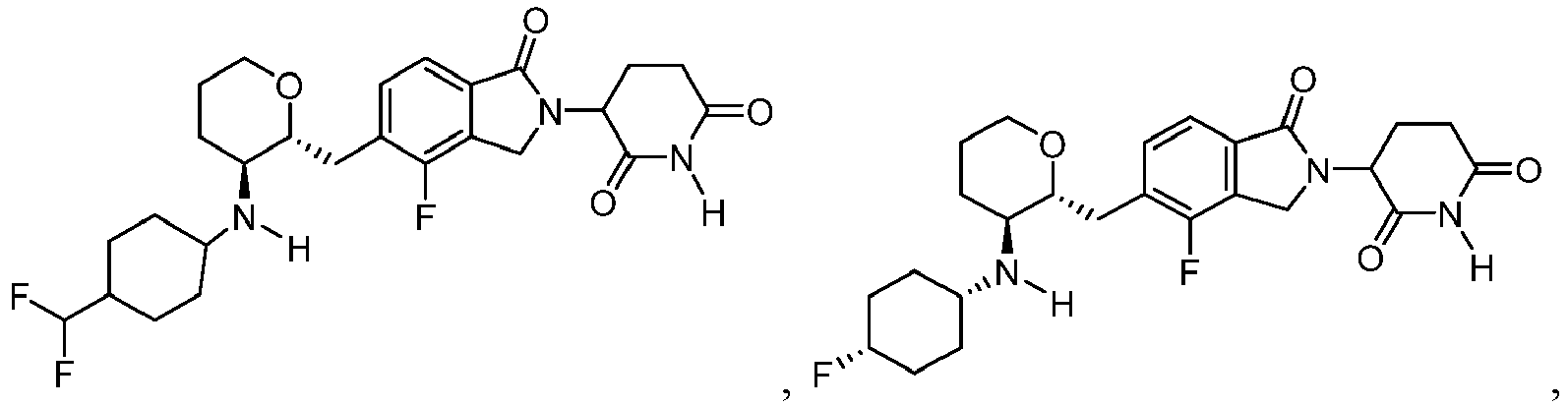
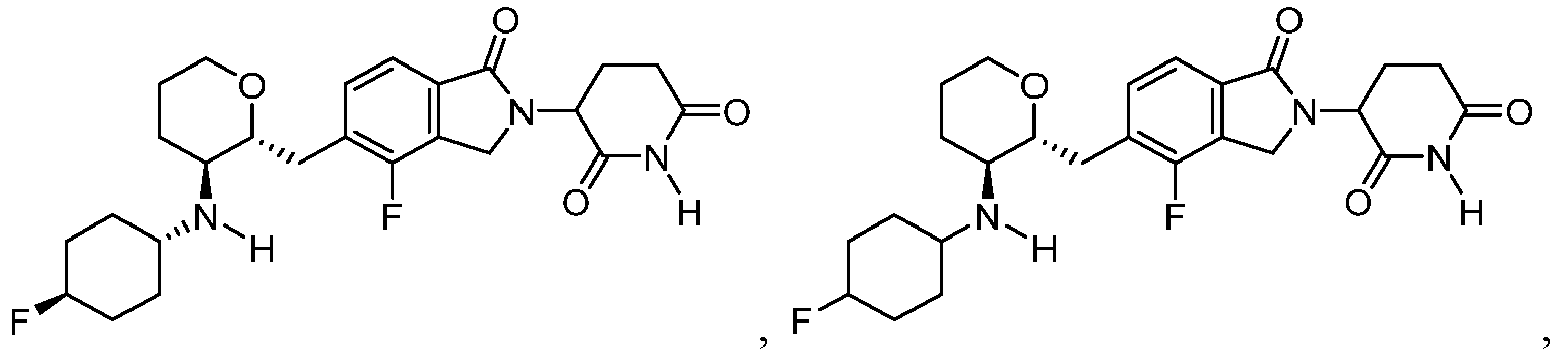


- 109. The compound or pharmaceutically acceptable salt thereof of
item 105, wherein the compound is


- 110. The compound or pharmaceutically acceptable salt thereof of any one of
items 1, 11 and 31, wherein the compound is





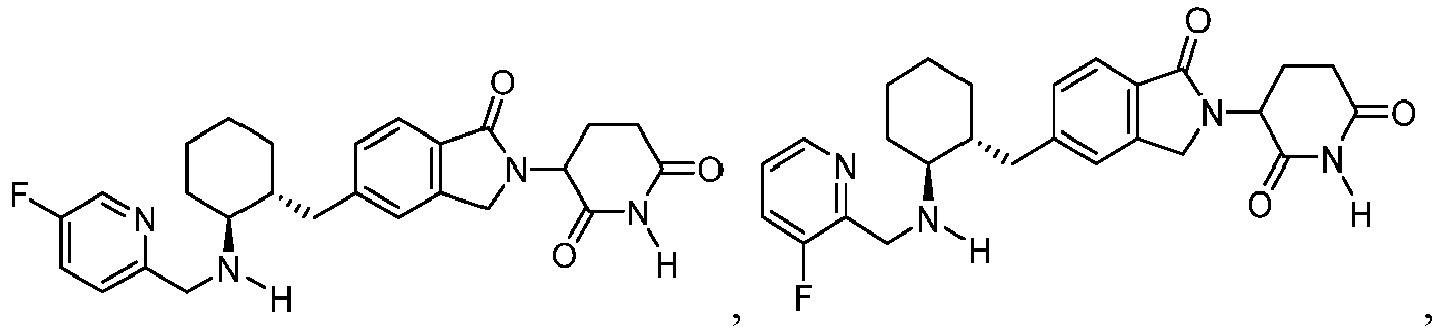


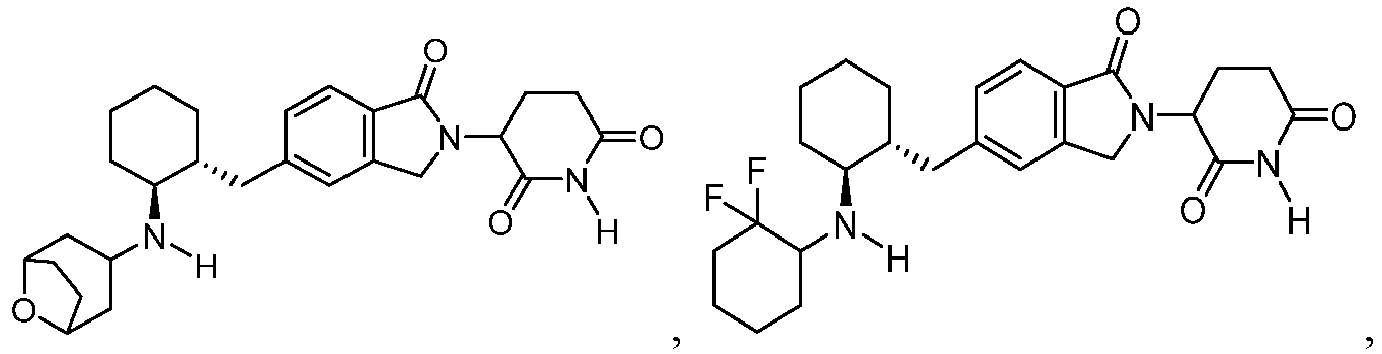


- 111. The compound or pharmaceutically acceptable salt thereof of any one of
items 1, 11, and 31, wherein the compound is


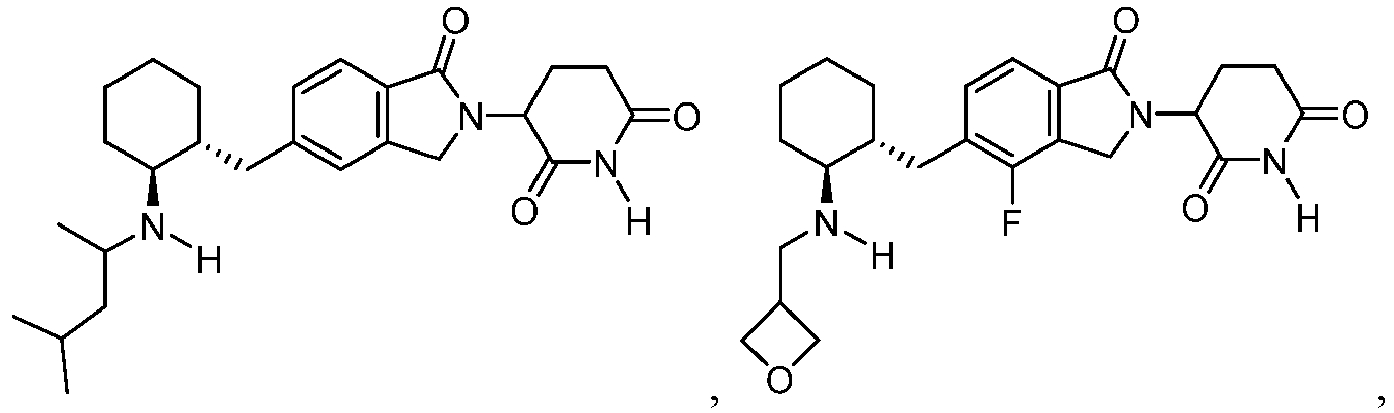


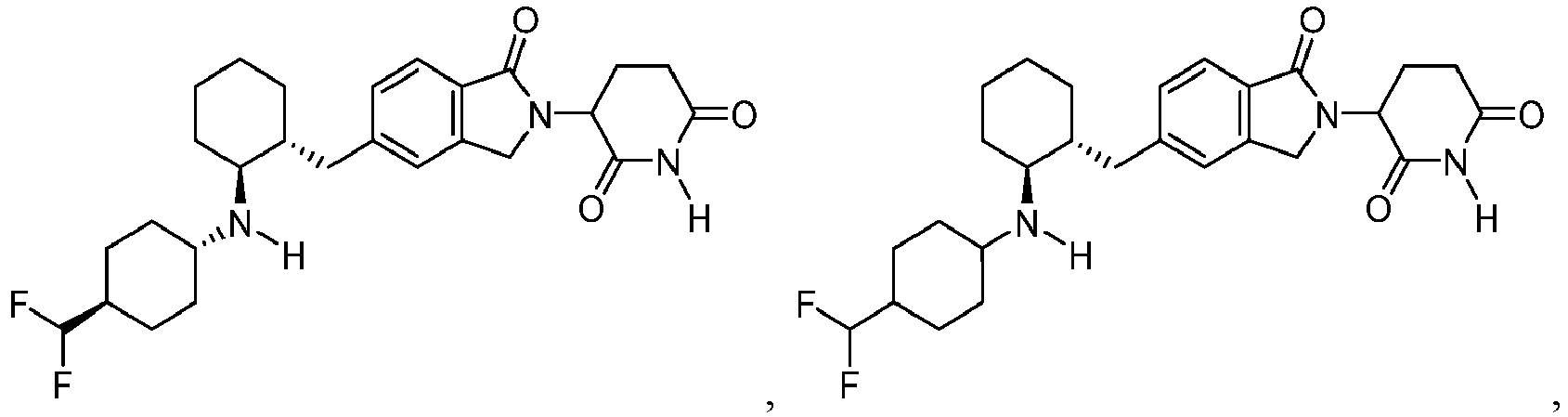


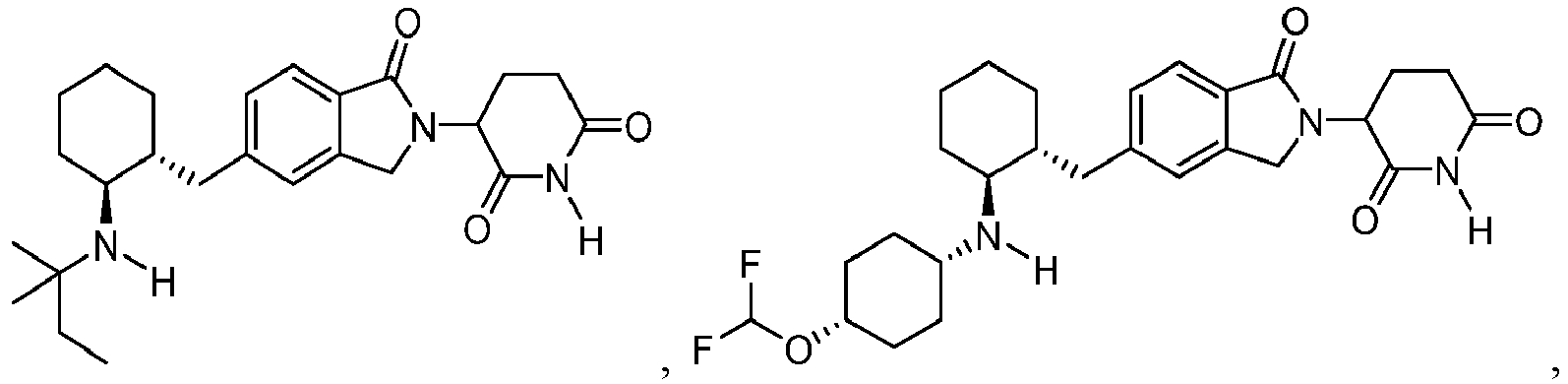
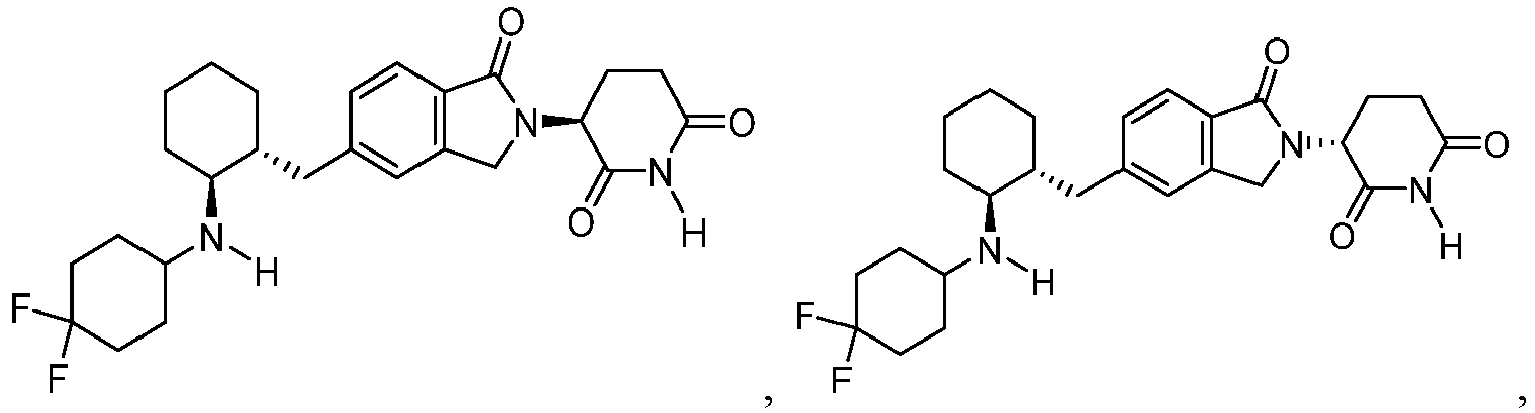


- 112. The compound or pharmaceutically acceptable salt thereof of any one of
items 1, 21, or 32, wherein the compound is


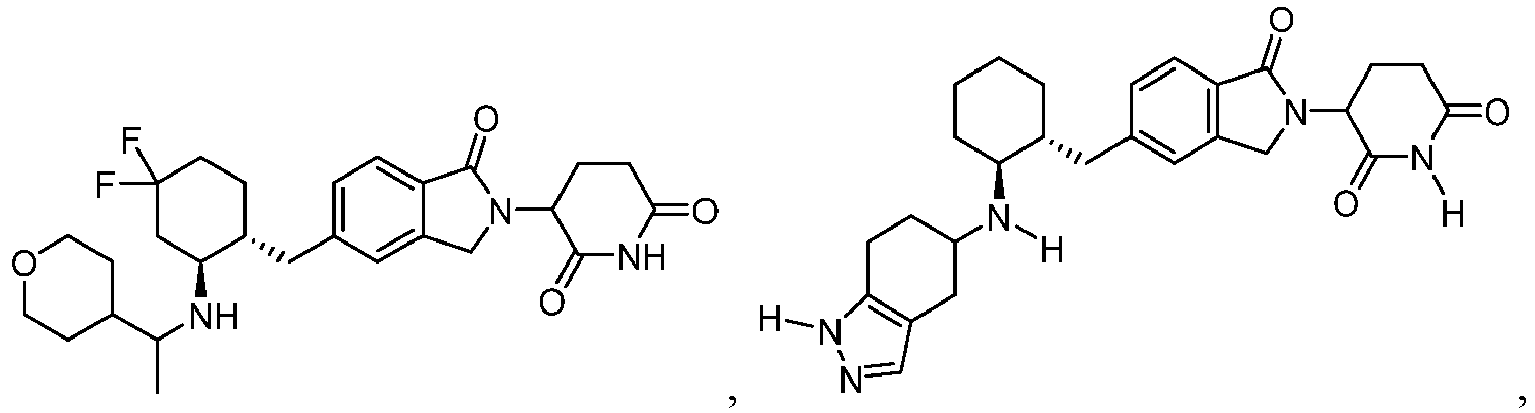
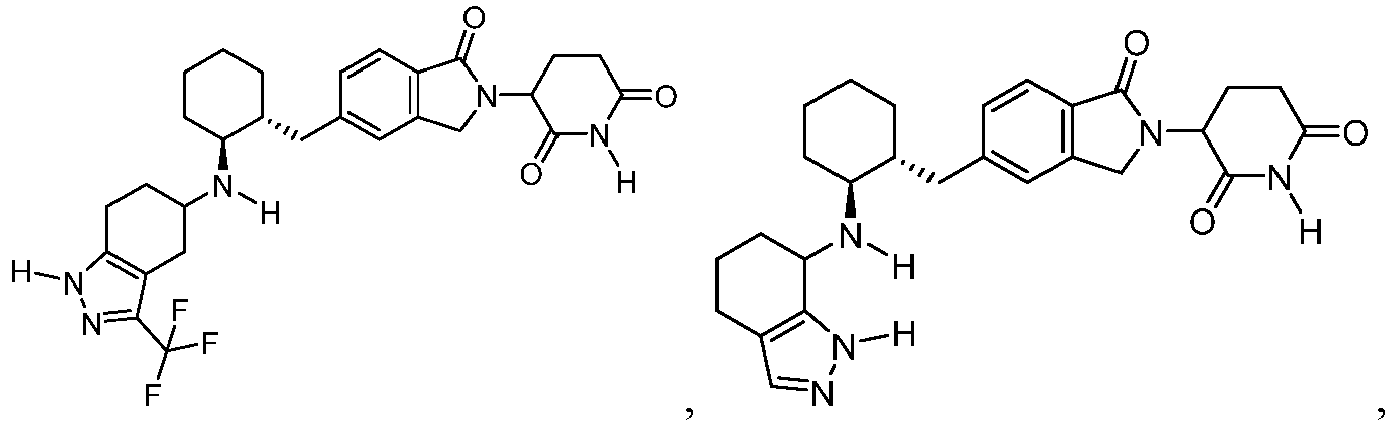


- 113. The compound or pharmaceutically acceptable salt thereof of
item 1 or 14, wherein the compound is

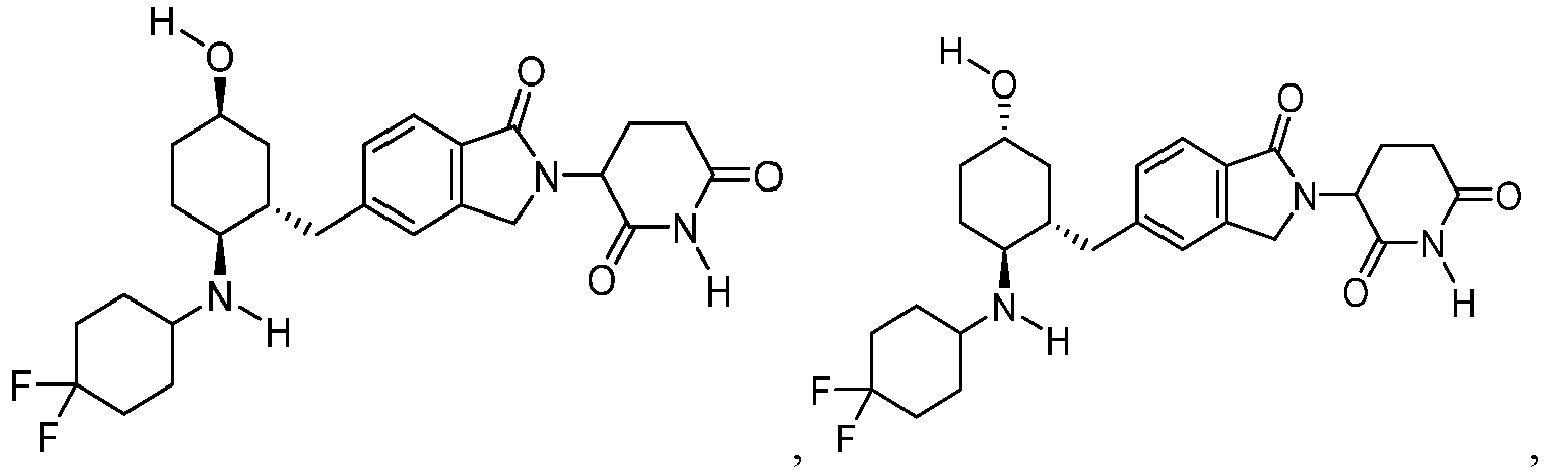


- 114. The compound or pharmaceutically acceptable salt thereof of any one of
items 1, 11, and 63, wherein the compound is


- 115. The compound or pharmaceutically acceptable salt thereof of any one of
items 1, 11, and 68, wherein the compound is
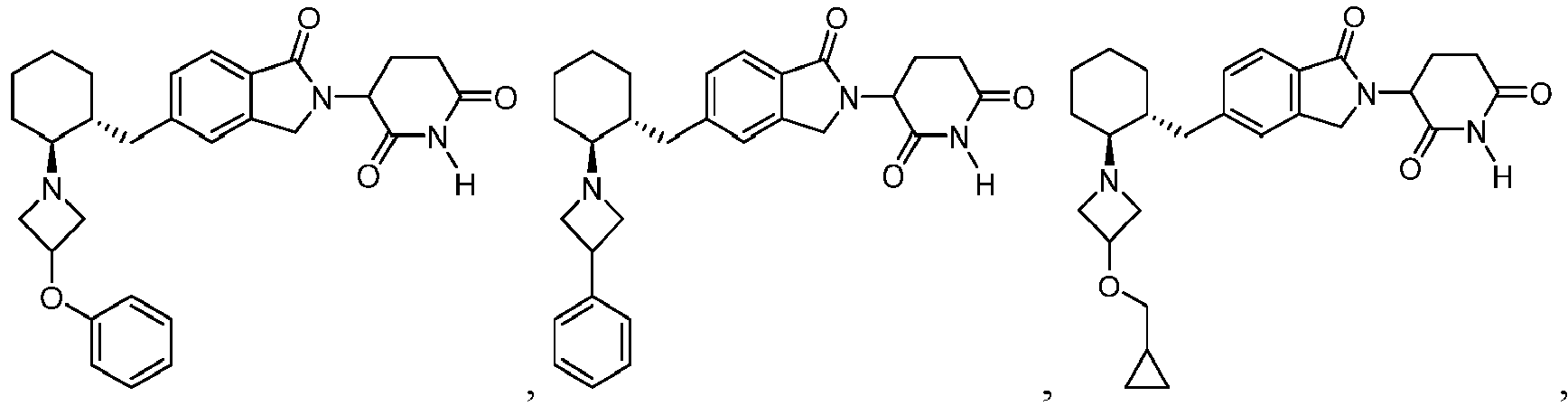

- 116. The compound or pharmaceutically acceptable salt thereof of any one of
items 
- 117. The compound or pharmaceutically acceptable salt thereof of any one of
items 

- 118. The compound or pharmaceutically acceptable salt thereof of any one of
items 


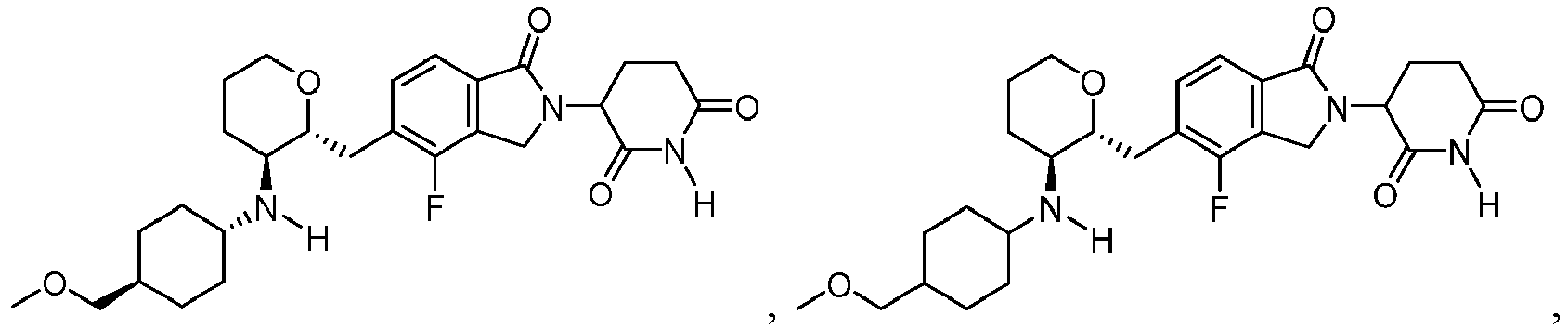


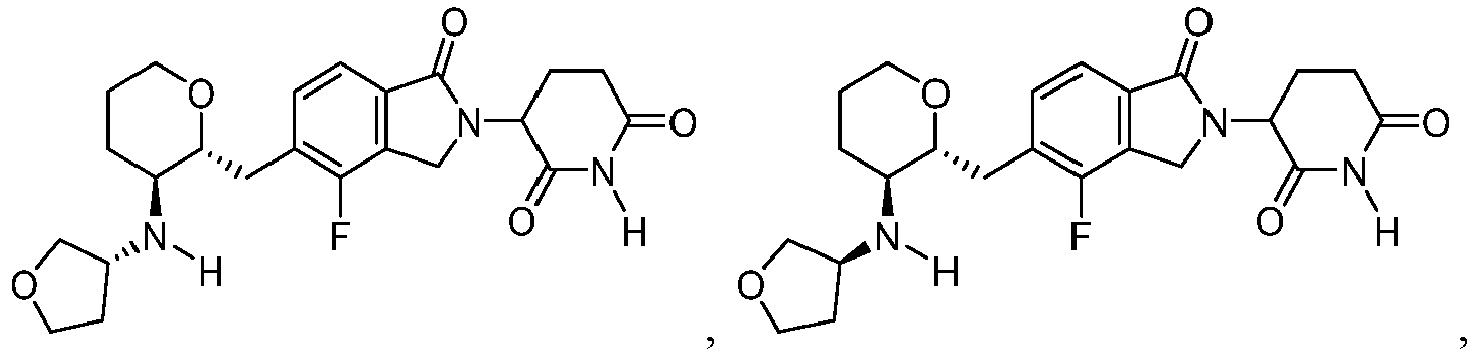


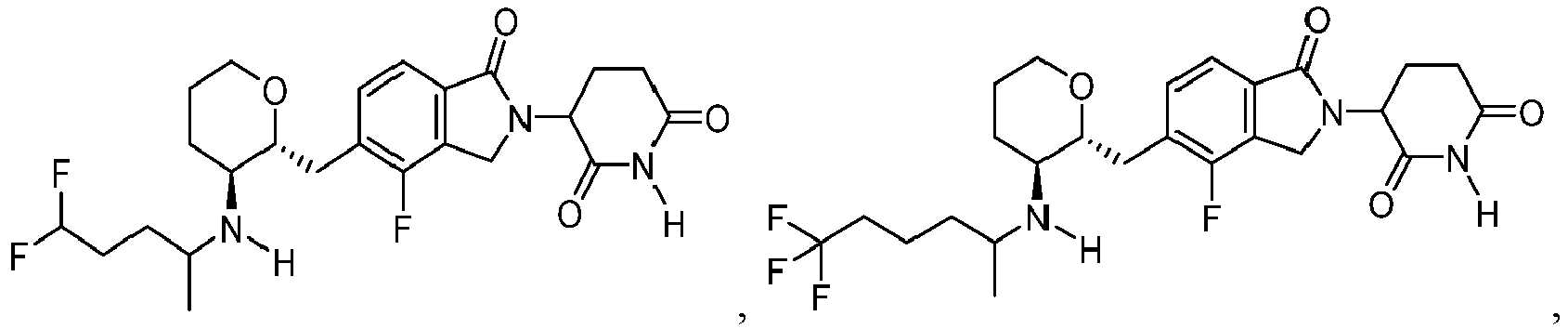


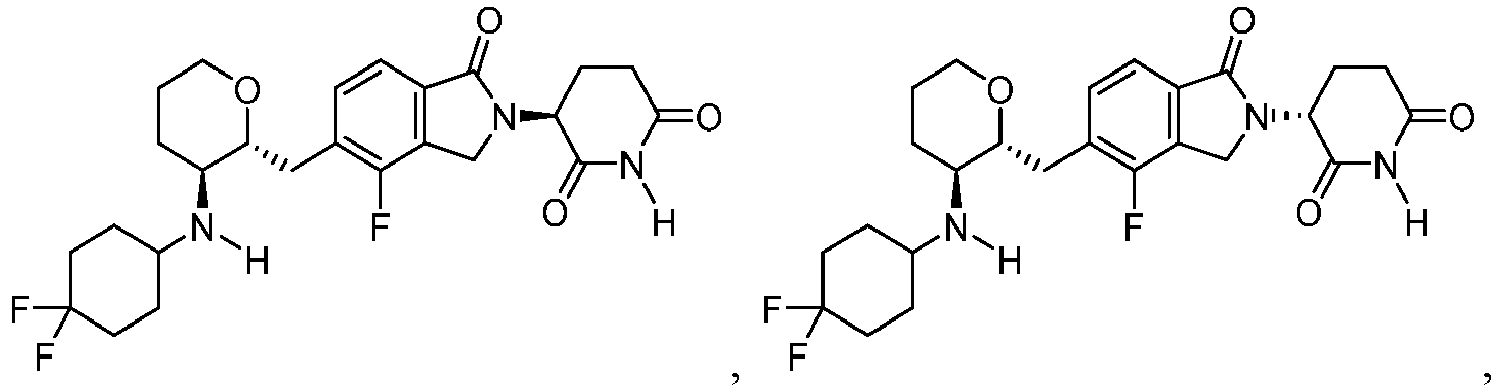
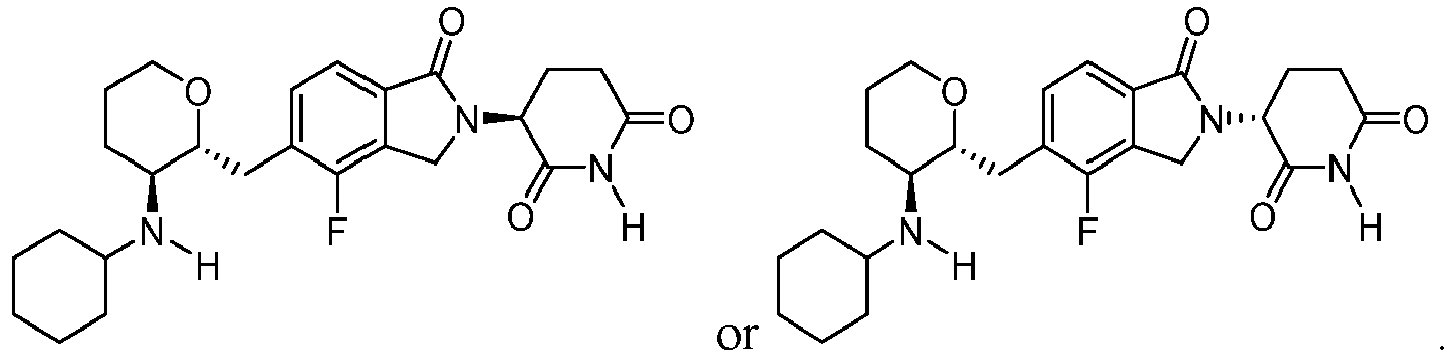
- 119. The compound or pharmaceutically acceptable salt thereof of any one of
items 


- 120. The compound or pharmaceutically acceptable salt thereof of
item 1 or 17, wherein the compound is
- 121. The compound or pharmaceutically acceptable salt thereof of
item 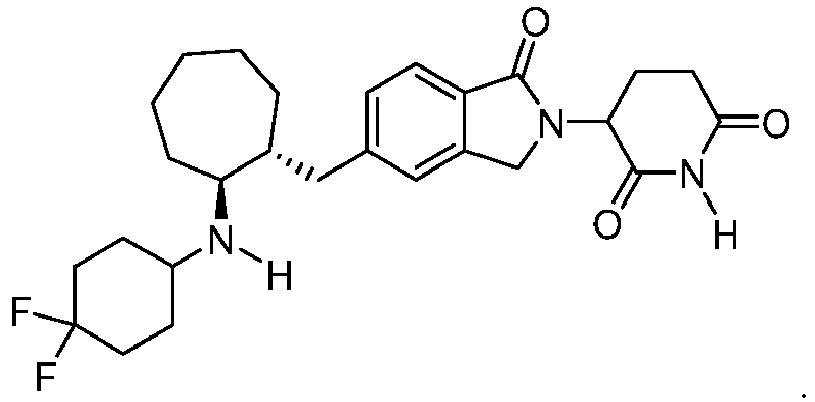
- 122. The compound or pharmaceutically acceptable salt thereof of
item 1 or 18, wherein the compound is
- 123. The compound or pharmaceutically acceptable salt thereof of
item 1 or 19, wherein the compound is
- 124. The compound or pharmaceutically acceptable salt thereof of any one of
items 1, 11, 14, 32, and 96, wherein the compound is
- 125. The compound or pharmaceutically acceptable salt thereof of any one of
items 1, 11, 14, 32, and 96, wherein the compound is
- 126. The compound or pharmaceutically acceptable salt thereof of any one of
items 
- 127. The compound or pharmaceutically acceptable salt thereof of any one of
items 
- 128. The compound or pharmaceutically acceptable salt thereof of 1, 14, 32, 34, and 96, wherein the compound is

- 129. The compound or pharmaceutically acceptable salt thereof of any one of
items 1, 11, 14, 32, and 96, wherein the compound is
- 130. The compound or pharmaceutically acceptable salt thereof of any one of
items 1, 11, 14, 32, and 96, wherein the compound is
- 131. The compound or pharmaceutically acceptable salt thereof of any one of
items 1, 11, 14, 32, and 96, wherein the compound is
- 132. The compound or pharmaceutically acceptable salt thereof of any one of
items 1, 11, 14, 32, and 96, wherein the compound is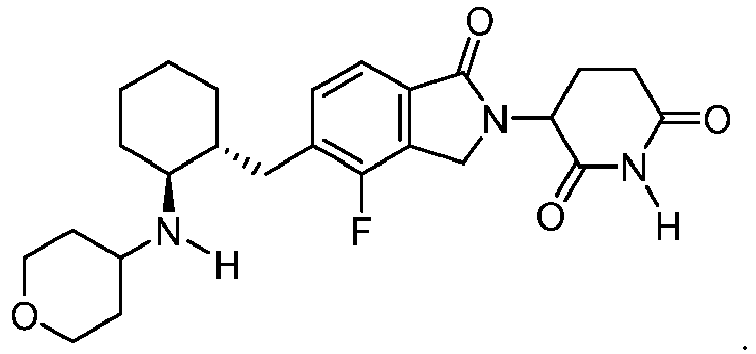
- 133. The compound or pharmaceutically acceptable salt thereof of any one of
items 1, 11, 14, 32, and 96, wherein the compound is
- 134. The compound or pharmaceutically acceptable salt thereof of any one of
items 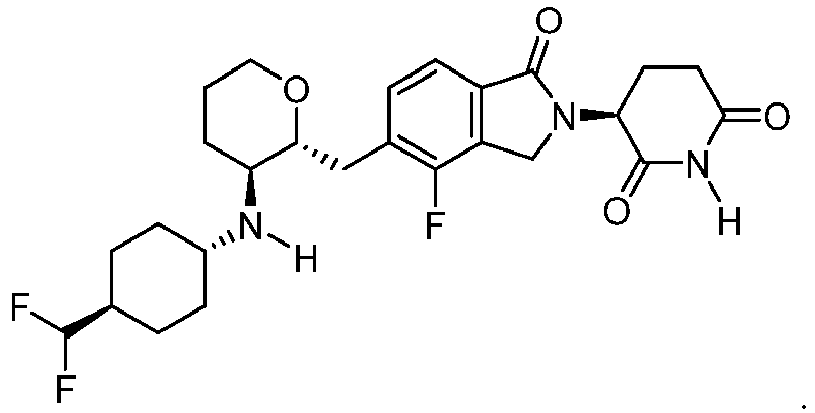
- 135. The compound or pharmaceutically acceptable salt thereof of any one of
items 
- 136. The compound or pharmaceutically acceptable salt thereof of any one of
items 1, 11, 14, 32, and 96, wherein the compound is
- 137. The compound or pharmaceutically acceptable salt thereof of any one of
items 
- 138. The compound or pharmaceutically acceptable salt thereof of any one of
items 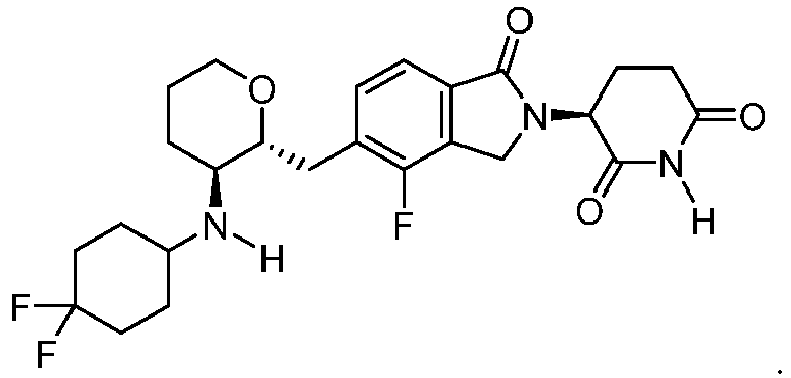
- 139. The compound or pharmaceutically acceptable salt thereof of any one of
items 
- 140. The compound or pharmaceutically acceptable salt thereof of any one of
items 
- 141. The compound or pharmaceutically acceptable salt thereof of any one of
items 
- 142. A pharmaceutical composition comprising a therapeutically effective amount of the compound of any one of
items 1 to 141, or pharmaceutically acceptable salt thereof, and a pharmaceutically acceptable excipient. - 143. The pharmaceutical composition of item 142, further comprising an additional therapeutic agent.
- 144. A method of treating an IKFZ2 protein associated disease or condition comprising administering to a patient in need thereof a therapeutically effective amount of a compound of any one of
items 1 to 141, or a pharmaceutically acceptable salt thereof, or a pharmaceutical composition of items 142 or 143. - 145. The method of item 144, wherein the IKFZ2 associated disease or condition is cancer.
- 146. The method of item 145, wherein the cancer is a hematological cancer selected from acute myelogenous leukemia (AML), acute lymphoblastic leukemia (ALL), B-cell ALL, myelodysplastic syndrome (MDS), myeloproliferative disease (MPD), chronic myelogenous leukemia (CML), chronic lymphocytic leukemia (CLL), undifferentiated leukemia, small lymphocytic lymphoma (SLL), mantle cell lymphoma (MCL), follicular lymphoma (FL), T-cell lymphoma, B-cell lymphoma, diffuse large B-cell lymphoma (DLBCL), marginal zone lymphoma (MZL), Waldestrom's macroglobulinemia (WM)) and multiple myeloma (MM).
- 147. The method of item 145, wherein the cancer is a solid tumor and is selected from lung cancer, colorectal cancer, stomach cancer, renal cancer, ovarian cancer, testicular cancer, uterine cancer, urinary bladder cancer, breast cancer, prostate cancer, cervical cancer, pancreatic cancer and head and neck cancer.
- 148. The method of any one of items 144 to 147, wherein the compound or pharmaceutically acceptable salt thereof is administered in combination with an additional therapeutic agent or therapeutic modality.
- 149. The pharmaceutical composition of item 143 or the method of item 148, wherein the additional therapeutic agent or additional therapeutic modality comprises one, two, three, or four additional therapeutic agents and/or therapeutic modalities.
- 150. The pharmaceutical composition of item 143 or 149, or the method of item 148 or 149, wherein the additional therapeutic agent or therapeutic modalities are selected from an immune checkpoint modulator, an antibody-drug conjugate (ADC), an antiapoptotic agent, a targeted anticancer therapeutic, a chemotherapeutic agent, surgery, or radiation therapy.
- 151. The pharmaceutical composition or method of item 150, wherein the immune checkpoint modulator is selected from an anti-PD-(L)1 antibody, an anti-TIGIT antibody, an anti-CTLA4 antibody, an anti-CCR8 antibody, an anti-TREM1 antibody, an anti-TREM2 antibody, a CD47 inhibitor, a DGKα inhibitor, an HPK1 inhibitor, a FLT3 agonist, an adenosine receptor antagonist, a CD39 inhibitor, a CD73 inhibitor, an IL-2 variant (IL-2v), and a CAR-T cell therapy.
- 152. The pharmaceutical composition or method of item 151, wherein the anti-PD-(L)1 antibody is selected from pembrolizumab, nivolumab, cemiplimab, pidilizumab, spartalizumab, atezolizumab, avelumab, durvalumab, cosibelimab, sasanlimab, tislelizumab, retifanlimab, balstilimab, toripalimab, cetrelimab, genolimzumab, prolgolimab, lodapolimab, camrelizumab, budigalimab, avelumab, dostarlimab, envafolimab, sintilimab, and zimberelimab.
- 153. The pharmaceutical composition or method of item 151, wherein the anti-TIGIT antibody is selected from tiragolumab, vibostolimab, domvanalimab, AB308, AK127, BMS-986207, and etigilimab.
- 154. The pharmaceutical composition or method of item 151, wherein the anti-CTLA4 antibody is selected from ipilimumab, tremelimumab, and zalifrelimab.
- 155. The pharmaceutical composition or method of item 151, wherein the CD47 inhibitor is selected from magrolimab, letaplimab, lemzoparlimab, AL-008, RRx-001, CTX-5861, FSI-189 (GS-0189), ES-004, BI-765063, ADU1805, CC-95251, and Q-1801.
- 156. The pharmaceutical composition or method of item 151, wherein the adenosine receptor antagonist is etrumadenant (AB928), taminadenant, TT-10, TT-4, or M1069.
- 157. The pharmaceutical composition or method of item 151, wherein the CD39 inhibitor is TTX-030.
- 158. The pharmaceutical composition or method of item 151, wherein the CD73 inhibitor is quemliclustat (AB680), uliledlimab, mupadolimab, ORIC-533, ATG-037, PT-199, AK131, NZV930, BMS-986179, or oleclumab.
- 159. The pharmaceutical composition or method of item 151, wherein the IL-2v is aldesleukin (Proleukin), bempegaldesleukin (NKTR-214), nemvaleukin alfa (ALKS-4230), THOR-202 (SAR-444245), BNT-151, ANV-419, XTX-202, RG-6279 (RO-7284755), NL-201, STK-012, SHR-1916, or GS-4528.
- 160. The pharmaceutical composition or method of item 151, wherein the ADC is selected from sacituzumab govitecan, datopotamab deruxtecan, enforfumab vedotin, and trastuzumab deruxtecan.
- 161. The pharmaceutical composition or method of item 151, wherein the additional therapeutic agent is selected from idealisib, sacituzumab govitecan, magrolimab, GS-0189, GS-3583, zimberelimab, GS-4224, GS-9716, GS-6451, GS-9911, GS-1811 (JTX-1811), quemliclustat (AB680), etrumadenant (AB928), domvanalimab, AB308, PY159, PY314, AGEN-1223, AGEN-2373, axicabtagene ciloleucel and brexucabtagene autoleucel.
- 162. Use of the compound of any one of
items 1 to 141 or pharmaceutically acceptable salt thereof for the manufacture of a medicament for the treatment of an IKFZ2 associated disease or condition. - The following examples are included to demonstrate specific embodiments of the disclosure. It should be appreciated by those of skill in the art that the techniques disclosed in the examples which follow represent techniques to function well in the practice of the disclosure, and thus can be considered to constitute specific modes for its practice. However, those of skill in the art should, in light of the present disclosure, appreciate that these examples are exemplary and not exhaustive. Many changes can be made in the specific embodiments which are disclosed and still obtain a like or similar result without departing from the spirit and scope of the disclosure.
- Compounds disclosed herein can be prepared according to the procedures of the following Schemes and Examples, using appropriate materials and are further exemplified by the following specific examples. Moreover, by utilizing the procedures described herein, in conjunction with ordinary skills in the art, additional compounds of the present disclosure claimed herein can be readily prepared. The examples further illustrate details for the preparation of the compounds of the present disclosure. Those skilled in the art will readily understand that known variations of the conditions and processes of the following preparative procedures can be used to prepare these compounds. For synthesizing compounds which are embodiments described in the present disclosure, inspection of the structure of the compound to be synthesized will provide the identity of each substituent group. In some cases, the identity of the final product can render apparent the identity of the necessary starting materials by a process of inspection, given the examples herein. Compounds can be isolated in the form of their pharmaceutically acceptable salts, such as those described above. Compounds described herein are typically stable and isolatable at room temperature and pressure.
- An illustration of the preparation of compounds disclosed herein is shown below. Unless otherwise indicated, variables have the same meaning as described above. The examples presented below are intended to illustrate particular embodiments of the disclosure. Suitable starting materials, building blocks and reagents employed in the synthesis as described below are commercially available from AbovChem, Acros Organics, Astatech, Combi Blocks, Oakwood Chemical, or Sigma-Aldrich, for example, or can be routinely prepared by procedures described in the literature, for example in "March's Advanced Organic Chemistry: Reactions, Mechanisms, and Structure", 5th Edition; John Wiley & Sons or T. Eicher, S. Hauptmann "The Chemistry of Heterocycles; Structures, Reactions, Synthesis and Application", 2nd edition, Wiley-VCH 2003; Fieser et al. "Fiesers' Reagents for organic Synthesis" John Wiley & Sons 2000.

- Compounds of the Formula 1.3 may be produced by reacting Intermediate 1.1 with a suitable amine of Formula 1.2 in the presence or absence of a catalyst (e.g. p-toluenesulfonic acid, Ca(OTf)2, TiCl4) in an inert solvent (e.g. benzene, toluene) at elevated temperature or at ambient temperature followed treatment with a suitable reducing reagent (e.g., NaBH4, Na(OAc)3BH, NaBH3CN). A compound of the Formula 1.3 can be protected with a suitable reagent (e.g. BoczO) in the presence or absence of a base (e.g., N,N-diisopropylethylamine, triethylamine, DMAP) to produce compounds of Formula 1.4 (e.g. Pg = Boc). Compounds of Formula 1.4 can be reacted with a suitable reducing agent (e.g. LiAlH4, DIBAL-H) to generate compounds of Formula 1.5. Alternatively compounds of Formula 1.5 can be produced by hydrolysis of compounds of Formula 1.4 with a suitable base (e.g. NaOH, KOH, LiOH) followed by reduction of the carboxylic acid under suitable reducing conditions (e.g. isobutyl chloroformate followed by NaBH4, BH3 in THF). Ring A represents a cycloalkyl or heterocylycl (e.g., cyclohexyl, cyclohexenyl, or tetrahydropyranyl).

- Compounds of the Formula 2.1, where X is a leaving group (e.g. Cl, Br, I, OTs, OMs), may be produced by reacting intermediate 1.5 under suitable conditions (e.g. PPh3 with I2, PPh3 with CCl4, PPh3 with CBr4, SOCl2, TsCl, MsCl, MszO) in an inert solvent (e.g. THF, MeCN, DCM). Ring A represents a cycloalkyl or heterocylycl (e.g., cyclohexyl, cyclohexenyl, or tetrahydropyranyl).

- Compounds of the Formula 3.2 may be produced by reacting Intermediate 3.1 (where X1 = Br, I, Cl, OTf) with an compound of Formula 1.5 in the presence of a suitable metal precatalyst (e.g. NiBr2(glyme), NiCl2(glyme)) with an appropriate ligand (e.g. dtbbpy), photocatalyst (e.g. Ir[(dF(CF3)ppy2)dtbbpy]PF6), and base (e.g. TMP, quinuclidine, K2CO3) in an inert solvent (e.g. DMF, DMA, TBME, CpOMe, 1,4-dioxane) under irradiation by blue LEDs following activation of alcohol 1.5 with a suitable N-heterocyclic carbene (e.g. 5,7-di-tert-butyl-3-phenylbenzo[d]oxazol-3-ium tetrafluoroborate). Alternatively, compounds of the Formula 3.2 may be produced by reacting Intermediate 3.1 (where X1 = Br, I, Cl, OTf) with a compound of Formula 2.1 (where X = Br, I, Cl, OTf) in the presence of a suitable palladium or nickel catalyst with a suitable reducing reagent (e.g. Zn, Mn, TMS silane). A compound of the Formula 3.2 (e.g. Pg2 = Boc, Pg1 = SEM) can be subsequently deprotected under suitable conditions (e.g. trifluoroacetic acid or hydrochloric acid followed by DMEDA) to reveal a compound of Formula I.a that contains a secondary amine. Compounds of Formula I.a can then be reacted with a suitable aldehyde or ketone of Formula 3.3 in the presence of a suitable reducing reagent (e.g., NaBH4, Na(OAc)3BH, Na(CN)3BH) to produce compounds of Formula I.b. Alternatively, compounds of Formula I.b can be assembled by the combination of compounds of Formula I.a with an Intermediate 3.4, where X2 is a leaving group (e.g. Cl, Br, I, OTs, OMs), in the presence or absence of a base (e.g., N,N-diisopropylethylamine, triethylamine, K2CO3, CsCC3) in an inert solvent (e.g. DMF, acetonitrile) at r.t. or elevated temperature. Ring A represents a cycloalkyl or heterocylycl (e.g., cyclohexyl, cyclohexenyl, or tetrahydropyranyl).

- Compounds of the Formula 4.1 may be produced by reacting Intermediate 3.1 (where X1 = Br, I, Cl, OTf) with an compound of Formula 1.5 in the presence of a suitable metal precatalyst (e.g. NiBr2(glyme), NiCl2(glyme)) with an appropriate ligand (e.g. dtbbpy), photocatalyst (e.g. Ir[(dF(CF3)ppy2)dtbbpy]PF6), and base (e.g. TMP, quinuclidine, K2CO3) in an inert solvent (e.g. DMF, DMA, TBME, CpOMe, 1,4-dioxane) under irradiation by blue LEDs following activation of alcohol 1.5 with a suitable N-heterocyclic carbene (e.g. 5,7-di-tert-butyl-3-phenylbenzo[d]oxazol-3-ium tetrafluoroborate). Alternatively, compounds of the Formula 4.1 may be produced by reacting Intermediate 3.1 (where X1 = Br, I, Cl, OTf) with a compound of Formula 2.1 (where X = Br, I, Cl, OTf) in the presence of a suitable palladium or nickel catalyst with a suitable reducing reagent (e.g. Zn, Mn, TMS silane). A compound of the Formula 4.1 (e.g. Pg2 = Boc, Pg1 = SEM) can be subsequently deprotected under suitable conditions (e.g. trifluoroacetic acid or hydrochloric acid followed by DMEDA) to reveal a compound of Formula I.c that contains a primary amine. Compounds of Formula I.c can then be reacted with a suitable aldehyde or ketone of Formula 4.2 in the presence of a suitable reducing reagent (e.g., NaBH4, Na(OAc)3BH, NaBH3CN) to produce compounds of Formula I.a. Alternatively, compounds of Formula I.a can be assembled by the combination of compounds of Formula I.c with an Intermediate 4.3, where X2 is a leaving group (e.g. Cl, Br, I, OTs, OMs), in the presence or absence of a base (e.g., N,N-diisopropylethylamine, triethylamine, K2CO3, CsCO3) in an inert solvent (e.g. DMF, acetonitrile) at r.t. or elevated temperature. Ring A represents a cycloalkyl or heterocylycl (e.g., cyclohexyl, cyclohexenyl, or tetrahydropyranyl).

- Compounds of the Formula 3.2 may be produced by reacting Intermediate 3.1 (where X1 = Br, I, Cl, OTf) with an suitable metallated coupling partner of Formula 5.1 (where M is -B, -Sn, -Zn, -Si, or -Mg) in the presence of a suitable palladium or nickel catalyst. Ring A represents a cycloalkyl or heterocylycl (e.g., cyclohexyl, cyclohexenyl, or tetrahydropyranyl).

- Compounds of Formula I.a can be reacted with a suitable aldehyde or ketone of Formula 3.3 in the presence of a suitable reducing reagent (e.g., NaBH4, Na(OAc)3BH, NaBH3CN) to produce compounds of Formula I.b. Alternatively, compounds of Formula I.b can be assembled by the combination of compounds of Formula I.c with an intermediate 3.4, where X2 is a leaving group (e.g. Cl, Br, I, OTs, OMs), in the presence or absence of a base (e.g., N,N-diisopropylethylamine, triethylamine, K2CO3, CsCC3) in an inert solvent (e.g. DMF, acetonitrile) at r.t. or elevated temperature. Ring A represents a cycloalkyl or heterocylycl (e.g., cyclohexyl, cyclohexenyl, or tetrahydropyranyl).

- Compounds of the Formula 7.2 may be produced by reacting Intermediate 7.1 (where X1 = Br, I, Cl, OTf) with an compound of Formula 1.5 in the presence of a suitable metal precatalyst (e.g. NiBr2(glyme), NiCl2(glyme)) with an appropriate ligand (e.g. dtbbpy), photocatalyst (e.g. Ir[(dF(CF3)ppy2)dtbbpy]PF6), and base (e.g. TMP, quinuclidine, K2CO3) in an inert solvent (e.g. DMF, DMA, TBME, CpOMe, 1,4-dioxane) under irradiation by blue LEDs following activation of alcohol 1.5 with a suitable N-heterocyclic carbene (e.g. 5,7-di-tert-butyl-3-phenylbenzo[d]oxazol-3-ium tetrafluoroborate). Alternatively, compounds of the Formula 7.2 may be produced by reacting Intermediate 7.1 (where X1 = Br, I, Cl, OTf) with a compound of Formula 2.1 (where X = Br, I, Cl, OTf) in the presence of a suitable palladium or nickel catalyst with a suitable reducing reagent (e.g. Zn, Mn, TMS silane). A compound of the Formula 7.2 (e.g. Pg2 = Boc, Pg1 = tert-butyl) can be subsequently deprotected and cyclized under suitable conditions (e.g. trifluoroacetic acid or benzene sulfonic acid) to reveal a compound of Formula I.a that contains a secondary amine. Compounds of Formula I.a can then be reacted with a suitable aldehyde or ketone of Formula 3.3 in the presence of a suitable reducing reagent (e.g., NaBH4, Na(OAc)3BH, NaBH3CN) to produce compounds of Formula I.b. Alternatively, compounds of Formula I.b can be assembled by the combination of compounds of Formula I.a with an Intermediate 3.4, where X2 is a leaving group (e.g. Cl, Br, I, OTs, OMs), in the presence or absence of a base (e.g., N,N-diisopropylethylamine, triethylamine, K2CO3, CsCO3) in an inert solvent (e.g. DMF, acetonitrile) at r.t. or elevated temperature. Ring A represents a cycloalkyl or heterocylycl (e.g., cyclohexyl, cyclohexenyl, or tetrahydropyranyl).

- Compounds of the Formula 8.1 may be produced by reacting intermediate 7.1 (where X1 = Br, I, Cl, OTf) with an compound of Formula 1.5 in the presence of a suitable metal precatalyst (e.g. NiBr2(glyme), NiCl2(glyme)) with an appropriate ligand (e.g. dtbbpy), photocatalyst (e.g. Ir[(dF(CF3)ppy2)dtbbpy]PF6), and base (e.g. TMP, quinuclidine, K2CO3) in an inert solvent (e.g. DMF, DMA, TBME, CpOMe, 1,4-dioxane) under irradiation by blue LEDs following activation of alcohol 1.5 with a suitable N-heterocyclic carbene (e.g. 5,7-di-tert-butyl-3-phenylbenzo[d]oxazol-3-ium tetrafluoroborate). Alternatively, compounds of the Formula 8.1 may be produced by reacting Intermediate 7.1 (where X1 = Br, I, Cl, OTf) with a compound of Formula 2.1 (where X = Br, I, Cl, OTf) in the presence of a suitable palladium or nickel catalyst with a suitable reducing reagent (e.g. Zn, Mn, TMS silane). A compound of the Formula 8.1 (e.g. Pg2 = Boc, Pg1 = tert-butyl) can be subsequently deprotected and cyclized under suitable conditions (e.g. trifluoroacetic acid or benzene sulfonic acid) to reveal a compound of Formula I.c that contains a primary amine. Compounds of Formula I.c can then be reacted with a suitable aldehyde or ketone of Formula 4.2 in the presence of a suitable reducing reagent (e.g., NaBH4, Na(OAc)3BH, NaBH3CN) to produce compounds of Formula I.a. Alternatively, compounds of Formula I.a can be assembled by the combination of compounds of Formula I.c with an Intermediate 4.3, where X2 is a leaving group (e.g. Cl, Br, I, OTs, OMs), in the presence or absence of a base (e.g., N,N-diisopropylethylamine, triethylamine, K2CO3, CsCO3) in an inert solvent (e.g. DMF, acetonitrile) at r.t. or elevated temperature. Ring A represents a cycloalkyl or heterocylycl (e.g., cyclohexyl, cyclohexenyl, or tetrahydropyranyl).

- Compounds of the Formula 9.3 may be produced by reacting Intermediate 9.1 with a compound of Formula 9.1 (e.g. where Y1 = TMS, morpholine). Compounds of Formula 9.3 can then be reacted with amines of Formula 9.4 in the presence of a suitable reducing reagent (e.g., NaBH4, Na(OAc)3BH, NaBH3CN) in the presence or absence of an acid catalyst (e.g. AcOH, Ti(OiPr)4) to generate compounds of Formula 9.5. Compounds of Formula 9.5 can then be reduced to compounds of Formula 9.6 with a suitable metal hydride catalyst (e.g. Pd/C, Crabtree's catalyst) in the presence of hydrogen. A compound of the Formula 9.6 (e.g. Pg1 = tert-butyl) can be subsequently deprotected and cyclized under suitable conditions (e.g. trifluoroacetic acid or benzene sulfonic acid) to reveal a compound of Formula I.a.
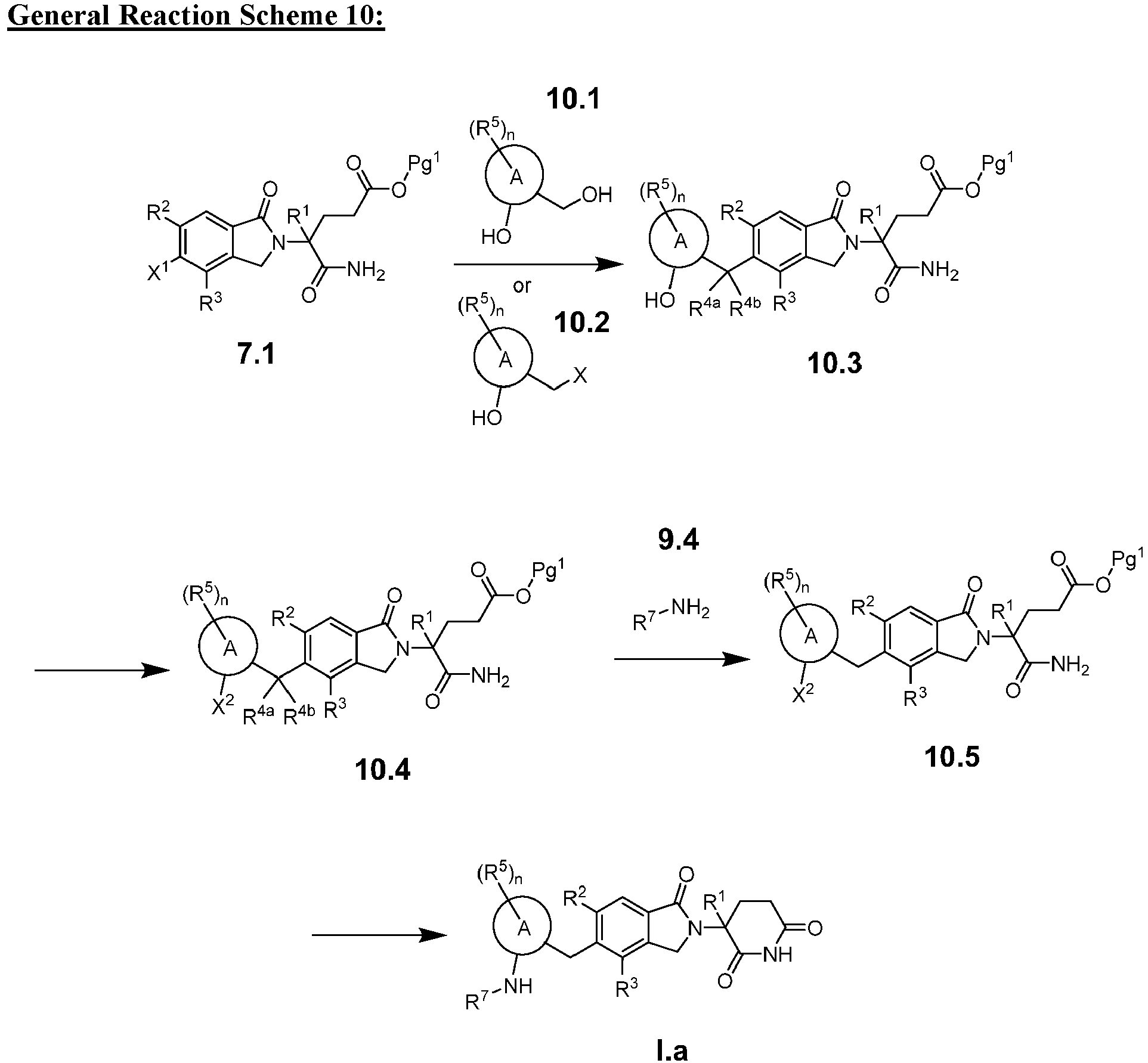
- Compounds of the Formula 10.3 may be produced by reacting Intermediate 7.1 (where X1 = Br, I, Cl, OTf) with an compound of Formula 10.1 in the presence of a suitable metal precatalyst (e.g. NiBr2(glyme), NiCl2(glyme)) with an appropriate ligand (e.g. dtbbpy), photocatalyst (e.g. Ir[(dF(CF3)ppy2)dtbbpy]PF6), and base (e.g. TMP, quinuclidine, K2CO3) in an inert solvent (e.g. DMF, DMA, TBME, CpOMe, 1,4-dioxane) under irradiation by blue LEDs following activation of alcohol 1.5 with a suitable N-heterocyclic carbene (e.g. 5,7-di-tert-butyl-3-phenylbenzo[d]oxazol-3-ium tetrafluoroborate). Alternatively, compounds of the Formula 10.3 may be produced by reacting Intermediate 7.1 (where X1 = Br, I, Cl, OTf) with a compound of Formula 10.2 (where X = Br, I, Cl, OTf) in the presence of a suitable palladium or nickel catalyst with a suitable reducing reagent (e.g., Zn, Mn, TMS silane). Compounds of the Formula 10.4, where X2 is a leaving group (e.g., Cl, Br, I, OTs, OMs), may be produced by reacting Intermediate 10.3 under suitable conditions (e.g., PPh3 with I2, PPh3 with CCl4, PPh3 with CBr4, SOCl2, TsCl, MsCl, MszO) in an inert solvent (e.g., THF, MeCN, DCM). Compounds of Formula 10.4 can then be combined with an amine of formula 9.4 in the presence or absence of a base (e.g., N,N-diisopropylethylamine, triethylamine, K2CO3, CsCC3) in an inert solvent (e.g., DMF, acetonitrile) at r.t. or elevated temperature. A compound of the Formula 10.5 (e.g., Pg1 = tert-butyl) can be subsequently deprotected and cyclized under suitable conditions (e.g., trifluoroacetic acid or benzene sulfonic acid) to reveal a compound of Formula I.a. Ring A represents a cycloalkyl or heterocylycl (e.g., cyclohexyl, cyclohexenyl, or tetrahydropyranyl).


- Compounds of the Formula 8.1, 8.1a, 8.1b, or 8.1c may be produced by reacting Intermediate 7.1, 7.1a, or 7.1b (where X1 = Br, I, Cl, OTf) with an compound of Formula 1.5 or 1.5a in the presence of a suitable metal precatalyst (e.g. NiBr2(glyme), NiCl2(glyme)) with an appropriate ligand (e.g. dtbbpy), photocatalyst (e.g. Ir[(dF(CF3)ppy2)dtbbpy]PF6), and base (e.g. TMP, quinuclidine, K2CO3) in an inert solvent (e.g. DMF, DMA, TBME, CpOMe, 1,4-dioxane) under irradiation by blue LEDs following activation of alcohol 1.5 or 1.5a with a suitable N-heterocyclic carbene (e.g. 5,7-di-tert-butyl-3-phenylbenzo[d]oxazol-3-ium tetrafluoroborate). Alternatively, compounds of the Formula 8.1, 8.1a, 8.1b, or 8.1c may be produced by reacting Intermediate 7.1, 7.1a, or 7.1b (where X1 = Br, I, Cl, OTf) with a compound of Formula 2.1 or 2.1a (where X = Br, I, Cl, OTf) in the presence of a suitable palladium or nickel catalyst with a suitable reducing reagent (e.g. Zn, Mn, TMS silane). A compound of the Formula 8.1a, 8.1b, or 8.1c (e.g. Pg2 = Boc, Pg1 = tert-butyl) can be subsequently deprotected under suitable conditions (e.g. ZnBr2, HCl in dioxane) to reveal a compound of Formula 11.1, 11.1a, 11.1b, or 11.1c that contains a primary amine. Compounds of Formula 11.1, 11.1a, 11.1b, or 11.1c can then be reacted with a suitable aldehyde or ketone of Formula 4.2 in the presence of a suitable reducing reagent (e.g., NaBH4, Na(OAc)3BH, NaBH3CN) to produce compounds of Formula 11.2, 11.2a, 11.2b, or 11.2c. Alternatively, compounds of Formula 11.2, 11.2a, 11.2b, or 11.2c can be assembled by the combination of compounds of Formula 11.1, 11.1a, 11.1b, or 11.1c with an Intermediate 4.3, where X2 is a leaving group (e.g. Cl, Br, I, OTs, OMs), in the presence or absence of a base (e.g., N,N-diisopropylethylamine, triethylamine, K2CO3, CsCC3) in an inert solvent (e.g. DMF, acetonitrile) at r.t. or elevated temperature. Ring A represents a cycloalkyl or heterocylycl (e.g., cyclohexyl, cyclohexenyl, or tetrahydropyranyl). A compound of the Formula 11.2, 11.2a, 11.2b, or 11.2c (e.g. Pg1 = tert-butyl) can be subsequently deprotected and cyclized under suitable conditions (e.g. benzenesulfonic acid) at r.t. or elevated temperature to reveal a compound of Formula I.a, I.d, I.e, or I.f.
-

- Preparation of tert-butyl N-[(1S,2S)-2-(hydroxymethyl)cyclohexyl]carbamate (I-1): To a solution of (1S,2S)-2-(tert-butoxycarbonylamino)cyclohexanecarboxylic acid (10.0 g, 41.1 mmol) in DME (75.0 mL) was added N-methylmorpholine (5.42 mL, 49.3 mmol). The reaction was cooled to -20°C in a crushed ice/NaCl bath and isobutyl chloroformate (6.40 mL, 0.0493 mol) was added slowly. The mixture was warmed to r.t. and stirred for 30 min then filtered to remove the precipitate. The filtrate was treated with a solution of NaBH4 (3.33 g, 88.1 mmol) in water (7.50 mL) at r.t. then stirred for an additional 2 hours. Following this time, the reaction mixture was diluted with water (200 mL) and extracted with CH2Cl2 (3 x 200 mL). The combined organics were dried over Na2SO4, filtered, and concentrated under reduced pressure to afford I-1 which was used in subsequent reactions without further purification. ES/MS m/z: 252.2 (M + Na)+.
-

- Preparation of tert-butyl ((1S,2S)-2-(iodomethyl)cyclohexyl)carbamate (I-2) A solution of triphenylphosphine (297 mg, 1.13 mmol) and imidazole (77.2 mg, 1.13 mmol) in DCM (3.0 mL) was treated with iodine (288 mg, 1.13 mmol) as a single portion, and the resulting mixture was stirred for 5 min. The mixture was then cooled in an ice bath, and I-1 (200 mg, 0.872 mmol) was added as a solid with stirring. The reaction mixture was warmed to rt and stirred overnight. The mixture was then filtered through celite, rinsing with DCM. The resulting filtrate was washed twice with 5% aq. NaHSO3, then 2M hydrochloric acid followed by brine. The organic phase was dried over Na2SO4, filtered, and concentrated under reduce pressure, and the resulting crude residue was purified by normal phase column chromatography (0→100% EtOAc in hexanes) to afford the product (I-2). ES/MS m/z: 362.1 (M+Na+).
-

- Step 1: Preparation of tert-butyl ((1S,2R)-2-((2-(2,6-dioxo-1-((2-(trimethylsilyl)ethoxy)methyl)piperidin-3-yl)-6-fluoro-1-oxoisoindolin-5-yl)methyl)cyclohexyl)carbamate. In a 40 mL vial, I-1 (255 mg, 1.11 mmol) was taken up in MTBE (8.75 mL) and 5,7-di-tert-butyl-3-phenylbenzo[d]oxazol-3-ium tetrafluoroborate (402 mg, 1.02 mmol) was added followed by pyridine (0.8 M in MTBE, 1.27 mL, 1.02 mmol). This mixture was stirred at r.t. while in a second 40 mL vial 3-(5-bromo-6-fluoro-1-oxoisoindolin-2-yl)-1-((2-(trimethylsilyl)ethoxy)methyl)piperidine-2,6-dione ([prepared according to the procedure described in
WO2020/012334 ] 300 mg, 0.64 mmol), [Ir(ppy)2(dtbbpy)]PF6 (8.7 mg, 0.095 µmol), quinuclidine (124 mg, 1.11 mol), NiBr2-DME (9.8 mg, 0.32 mmol), and 4,4'-Di-tert-butyl-2,2'-dipyridyl (102 mg, 0.38 mmol) were combined. The vial was purged with argon then DMA (8.75 mL) was added. The activated alcohol suspension was then transferred to a syringe fitted with a syringe filter and needle. The suspension was filtered into the solution of aryl bromide and the mixture sparged with argon for 5 min. The reaction was then stirred under irradiation by 450 nm light in the photoreactor for 2 hours. Following this time, the reaction was complete by LC/MS analysis. The mixture was diluted with EtOAc (50 mL), transferred to a separatory funnel and washed with water (100 mL). The aqueous phase was extracted with EtOAc (2 x 100 mL) then the combined organic extracts were dried over MgSO4 and concentrated in vacuo. The crude product was purified normal-phase column chromatography (eluent: EtOAc/Hexanes gradient) to yield the product. ES/MS m/z: 626.2 (M+Na+). - Step 2: Preparation of 3-(5-(((1R,2S)-2-aminocyclohexyl)methyl)-6-fluoro-1-oxoisoindolin-2-yl)piperidine-2,6-dione (I-3) tert-butyl ((1S,2R)-2-((2-(2,6-dioxo-1-((2-(trimethylsilyl)ethoxy)methyl)piperidin-3-yl)-6-fluoro-1-oxoisoindolin-5-yl)methyl)cyclohexyl) carbamate (92 mg, 0.15 mmol) was taken up in dichloromethane (1.5 mL) and trifluoroacetic acid (267 µL, 0.15 mmol) was added. The reaction was stirred at r.t. for 1 hour then the mixture was concentrated in vacuo. The residue was re-dissolved in dichloromethane (1.5 mL) and the mixture cooled to 0 °C. Triethylamine (170 µL, 1.22 mmol) was added followed by N,N'-dimethylethylenediamine (20 µL, 0.183 mmol) and then the reaction was warmed to r.t. and stirred overnight. The reaction mixture was concentrated in vacuo to afford the crude product (I-3) which was used in subsequent reactions without further purification. ES/MS m/z: 374.1 (M+H+).
-

- 3-(5-(((1R,2S)-2-aminocyclohexyl)methyl)-4-fluoro-1-oxoisoindolin-2-yl)piperidine-2,6-dione (I-4) 3-(5-(((1R,2S)-2-aminocyclohexyl)methyl)-4-fluoro-1-oxoisoindolin-2-yl)piperidine-2,6-dione was synthesized in the same manner as I-3 substituting 3-(5-bromo-6-fluoro-1-oxoisoindolin-2-yl)-1-((2-(trimethylsilyl)ethoxy)methyl)piperidine-2,6-dione with 3-(5-bromo-4-fluoro-1-oxoisoindolin-2-yl)-1-((2 (trimethylsilyl)ethoxy)methyl) piperidine-2,6-dione. ES/MS m/z: 374.1 (M+H+).
-

- 3-(5-(((1R,6S)-6-aminocyclohex-3-en-1-yl)methyl)-1-oxoisoindolin-2-yl)piperidine-2,6-dione (I-5) 3 -(5 -(((1R, 6S)-6-aminocyclohex-3 -en-1-yl)methyl)-1-oxoisoindolin-2-yl)piperidine-2,6-dione was synthesized in the same manner as I-3 substituting I-1 with ((1S,6S)-6-aminocyclohex-3-en-1-yl)methanol and 3-(5-bromo-6-fluoro-1-oxoisoindolin-2-yl)-1-((2-(trimethylsilyl)ethoxy)methyl)piperidine-2,6-dione with 3-(5-bromo-1-oxoisoindolin-2-yl)-1-((2-(trimethylsilyl)ethoxy)methyl)piperidine-2,6-dione. ES/MS m/z: 354.3 (M+H+).
-

- 1,3-Dioxolane-2-carbaldehyde (I-6) (1,3-dioxolan-2-yl)methanol (200 mg, 1.92 mmol) dissolved in dichloromethane (10 mL) was treated with Dess-Martin periodinane (850 mg, 2.00 mmol). The reaction mixture was stirred at room temperature for 1hour and concentrated. The residue was suspended in ethyl acetate and washed with saturated sodium thiosulfate solution. The organic layer was dried over sodium sulfate and filtered. The filtrate was concentrated in vacuo to give 1,3-dioxolane-2-carbaldehyde (I-6) which was used without subsequent purification.
-

- (S)-(1-Bromoethyl)benzene (I-7) (1R)-1-phenylethanol (400 mg, 3.27 mmol) dissolved in toluene (20 mL) was cooled to 0 °C and then treated with dropwise addition of phosphorus tribromide (100 µL, 1.06 mmol). The reaction mixture was warmed to room temperature. After stirring for 3 h, the reaction mixture was cooled to 0 °C again and quenched by the addition of saturated sodium bicarbonate solution. The aqueous phase was extracted with dichloromethane and the organic layer dried over sodium sulfate and filtered. The filtrate was concentrated in vacuo to give (S)-(1-bromoethyl)benzene which was used without subsequent purification.
-

- 3-(5-(((1R,2S)-2-aminocyclohexyl)methyl)-1-oxoisoindolin-2-yl)-1-((2-(trimethylsilyl)ethoxy)methyl)piperidine-2,6-dione (I-8) tert-butyl ((1S,2R)-2-((2-(2,6-dioxo-1-((2-(trimethylsilyl)ethoxy)methyl)piperidin-3-yl)-1-oxoisoindolin-5-yl)methyl)cyclohexyl) carbamate ([prepared according to the method described for I-3, step 1] 1.2 g, 2.05 mmol) was taken up in dichloromethane (20.0 mL) and 2,6-lutidine (1.19 mL, 10.2 mmol) was added followed by trimethylsilyl trifluoromethanesulfonate (1.11 mL, 6.15 mmol) slowly dropwise. The reaction was stirred at r.t. for 1 hour. Following this time, the reaction was quenched by addition of methanol and then transferred to a separatory funnel. The organic phase was washed with saturated aqueous NaHCO3, water, and brine then the combined organics were dried over MgSO4 and concentrated in vacuo. The title product (I-8) was isolated following silica gel column chromatography (eluent: MeOH/DCM). ES/MS m/z: 486.2 (M+H+).
-

- (R)-(1-bromoethyl)benzene The title compound was prepared in the same manner as I-7 substituting (1R)-1-phenylethanol with (1S)-1-phenylethanol.
-

- tert-butyl ((2S,3S)-2-(hydroxymethyl)tetrahydro-2H-pyran-3-yl)carbamate (I-10) tert-butyl ((2S,3S)-2-(hydroxymethyl)tetrahydro-2H-pyran-3-yl)carbamate (I-10) was prepared according to the procedure described in Eur. J. Org. Chem. 2014, 20, p. 4295 - 4308 replacing (S)-2,2-dimethyl-1,3-dioxolane-4-carbaldehyde with (R)-2,2-dimethyl-1,3-dioxolane-4-carbaldehyde. ES/MS m/z: 231.7 (M+H+).
-

- 3-(5-(((2R,3S)-3-aminotetrahydro-2H-pyran-2-yl)methyl)-1-oxoisoindolin-2-yl)piperidine-2,6-dione (I-11) 3-(5-(((2R,3S)-3-aminotetrahydro-2H-pyran-2-yl)methyl)-1-oxoisoindolin-2-yl)piperidine-2,6-dione was synthesized in the same manner as I-3 substituting I-1 with I-10 and 3-(5-bromo-6-fluoro-1-oxoisoindolin-2-yl)-1-((2-(trimethylsilyl)ethoxy)methyl)piperidine-2,6-dione with 3-(5-bromo-1-oxoisoindolin-2-yl)-1-((2-(trimethylsilyl)ethoxy)methyl)piperidine-2,6-dione. ES/MS m/z: 358.1 (M+H+).
-

- 3-(5-(((2R,3S)-3-aminotetrahydro-2H-pyran-2-yl)methyl)-4-fluoro-1-oxoisoindolin-2-yl)piperidine-2,6-dione (I-12) 3 -(5 -(((2R, 3S)-3-aminotetrahydro-2H-pyran-2-yl)methyl)-4-fluoro-1-oxoisoindolin-2-yl)piperidine-2,6-dione was synthesized in the same manner as I-3 substituting I-1 with I-10 and 3-(5-bromo-6-fluoro-1-oxoisoindolin-2-yl)-1-((2-(trimethylsilyl)ethoxy)methyl)piperidine-2,6-dione with 3-(5-bromo-4-fluoro-1-oxoisoindolin-2-yl)-1-((2 (trimethylsilyl)ethoxy)methyl)piperidine-2,6-dione. ES/MS m/z: 376.2 (M+H+).
-

- Step 1: Preparation of tert-butyl (S)-5-amino-4-(5-(((1R,2S)-2-((tert-butoxycarbonyl)amino)cyclohexyl)methyl)-1-oxoisoindolin-2-yl)-5-oxopentanoate. tert-butyl (S)-5-amino-4-(5-(((1R,2S)-2-((tert-butoxycarbonyl)amino)cyclohexyl)methyl)-1-oxoisoindolin-2-yl)-5-oxopentanoate was synthesized in the same manner as tert-butyl ((1S,2R)-2-((2-(2,6-dioxo-1-((2-(trimethylsilyl)ethoxy)methyl)piperidin-3-yl)-6-fluoro-1-oxoisoindolin-5-yl)methyl)cyclohexyl)carbamate (I-3, step 1) substituting 3-(5-bromo-6-fluoro-1-oxoisoindolin-2-yl)-1-((2-(trimethylsilyl)ethoxy)methyl)piperidine-2,6-dione with tert-butyl (S)-5-amino-4-(5-bromo-1-oxoisoindolin-2-yl)-5-oxopentanoate [prepared according to the procedure described in
WO2021/101919 ]. ES/MS m/z: 530.2 (M+H+). - Step 2: Preparation of tert-butyl (S)-5-amino-4-(5-(((1R,2S)-2-aminocyclohexyl)methyl)-1-oxoisoindolin-2-yl)-5-oxopentanoate (I-13). tert-butyl (S)-5-amino-4-(5-(((1R,2S)-2-((tert-butoxycarbonyl)amino)cyclohexyl)methyl)-1-oxoisoindolin-2-yl)-5-oxopentanoate (2.83 g, 5.34 mmol) was taken up in dichloromethane (55 mL) and the solution cooled to 0 °C. A soltion of HCl in 1,4-dioxane (4 M, 8.0 mL. 32.1 mmol) was then added slowly to the mixture and following complete addition the reaction was warmed to r.t. and stirred for 3 hours. At this time, the reaction was cooled to 0 °C and quenched by addition of triethylamine (4.5 mL, 32.1 mmol). The resulting mixture was diluted with EtOAc and the organic phase washed with ½ saturated aqueous NH4Cl (3x). The organic phase was discarded and the aqueous phase was treated with saturated NaHCO3 until pH ~8 then the aqueous phase was extracted with 4:1 CH2Cl2:IPA (3x). The combined organic extracts were dried over MgSO4, concentrated in vacuo, and the product (I-13) isolated as a foam that was used without further purification. ES/MS m/z: 430.2 (M+H+).
-

- Step 1: Preparation of tert-Butyl (S)-5-amino-4-(5-(((1R,2S)-2-((tert-butoxycarbonyl)amino)cyclohexyl)methyl)-4-fluoro-1-oxoisoindolin-2-yl)-5-oxopentanoate. tert-Butyl (S)-5-amino-4-(5-(((1R,2S)-2-((tert-butoxycarbonyl)amino)cyclohexyl)methyl)-4-fluoro-1-oxoisoindolin-2-yl)-5-oxopentanoate was synthesized in the same manner as tert-butyl ((1S,2R)-2-((2-(2,6-dioxo-1-((2-(trimethylsilyl)ethoxy)methyl)piperidin-3-yl)-6-fluoro-1-oxoisoindolin-5-yl)methyl)cyclohexyl)carbamate (I-3, step 1) substituting 3-(5-bromo-6-fluoro-1-oxoisoindolin-2-yl)-1-((2-(trimethylsilyl)ethoxy)methyl)piperidine-2,6-dione with tert-butyl (S)-5-amino-4-(5-bromo-4-fluoro-1-oxoisoindolin-2-yl)-5-oxopentanoate. ES/MS m/z: 570.4 (M+Na+).
- Step 2: Preparation of (S)-5-Amino-4-(5-(((1R,2S)-2-aminocyclohexyl)methyl)-4-fluoro-1-oxoisoindolin-2-yl)-5-oxopentanoic acid (I-14) tert-butyl (4S)-5-amino-4-[5-[[(1R,2S)-2-(tert-butoxycarbonylamino)cyclohexyl]methyl]-4-fluoro-1-oxo-isoindolin-2-yl]-5-oxo-pentanoate (6.50 g, 11.9 mmol) was taken up in dichloromethane (100 mL) and the solution was cooled to 0 °C. A solution of 4N HCl in dioxane (17.8 mL, 71.2 mmol) was then added slowly to the mixture and, following complete addition, the reaction was warmed to r.t. and stirred for 3 hours. Following this time, acetonitrile (100 mL) was added slowly to the reaction mixture and the resulting precipitate was collected and dried in vacuo to afford I-14 as a white solid that was used without further purification. ES/MS m/z: 392.3 (M+H+).
-

- Step 1: Preparation of tert-butyl ((1S,2S)-2-formylcyclohexyl)carbamate. A vial was charged with tert-butyl ((1S,2S)-2-(hydroxymethyl)cyclohexyl)carbamate (I-1) (500 mg, 2.18 mmol) and CH2Cl2 (5.0 mL). The reaction was cooled to 0 °C and then Dess-Martin periodinane (1.85 g, 4.36 mmol) was added in one portion. The reaction was warmed to r.t. and stirred for 3.5 h. Following this time, the reaction was cooled to 0 °C and water and sat. NaHCO3 were added to quench the reaction. The solution was transferred to a separatory funnel and back-extracted with CH2Cl2 (3x). The combined organics were washed with brine and concentrated in vacuo. The residue was purified directly by column chromatography (eluent: EtOAc/hexanes gradient) to afford tert-butyl ((1S,2S)-2-formylcyclohexyl)carbamate as a solid. ES/MS m/z: 228 (M+H+). 1H NMR (400 MHz, DMSO-d 6) δ 9.48 (d, J = 3.5 Hz, 1H), 6.97 (d, J = 8.7 Hz, 1H), 3.52 (qd, J = 10.4, 4.1 Hz, 1H), 2.18 - 2.08 (m, 1H), 1.82 - 1.72 (m, 1H), 1.72 - 1.58 (m, 3H), 1.35 (s, 9H), 1.31 - 1.26 (m, 1H), 1.22 (dd, J = 10.9, 7.1 Hz, 2H), 1.18 - 1.03 (m, 1H).
- Step 2: Preparation of tert-butyl ((1S,2S)-2-(1-hydroxyethyl)cyclohexyl)carbamate (I-15) A vial was charged with tert-butyl ((1S,2S)-2-formylcyclohexyl)carbamate (311 mg, 1.37 mmol) and THF (3.11 mL). The reaction was cooled to 0 °C and then MeMgBr (3.4 M solution in 2-MeTHF, 1.21 mL, 4.10 mmol) was added slowly. The reaction was warmed to room temperature and mixed for 2 h, adding additional MeMgBr (3.4 M solution in 2-MeTHF 0.40 mL, 1.37 mmol) after 1.5 h. Following this time, the reaction was cooled to 0 °C and water was added to quench the reaction. The solution was concentrated in vacuo and was purified directly by column chromatography (eluent: EtOAc/hexanes gradient) to afford tert-butyl ((1S,2S)-2-(1-hydroxyethyl)cyclohexyl)carbamate (I-15) as an oil. ES/MS m/z: 244.1 (M+H+).
-

- Step 1: Methyl (1S,2R,3S)-rel-2-((tert-butoxycarbonyl)amino)-3-hydroxycyclohexane-1-carboxylate. (1S,2R,3S)-rel-2-((tert-butoxycarbonyl)amino)-3-hydroxycyclohexane-1-carboxylic acid ([prepared according to the procedure described in Eur. J. Org. Chem. 2009, 1619-1624.] 2.0 g, 7.71 mmol) was taken up in DMF (80 mL) and iodomethane (576 µL, 9.26 mmol) was added followed by K2CO3 (1.28 g, 9.26 mmol). The reaction was stirred at r.t. overnight. The reaction mixture was then diluted with EtOAc, transferred to a separatory funnel and washed with water and brine. The combined organic extracts were dried over MgSO4, concentrated in vacuo, and purified by SiO2 column chromatography (eluent: EtOAc/hexanes gradient) to afford methyl (1S,2R,3S)-rel-2-((tert-butoxycarbonyl)amino)-3-hydroxycyclohexane-1-carboxylate.
- Step 2: Methyl (1S,2R,3S)-rel-2-((tert-butoxycarbonyl)amino)-3-((tert-butyldiphenylsilyl)oxy)cyclohexane-1-carboxylate. Methyl (1S,2R,3S)-rel-2-((tert-butoxycarbonyl)amino)-3-hydroxycyclohexane-1-carboxylate (2.12 g, 7.76 mmol) was taken up in CH2Cl2 (50 mL) and tert-butyldiphenylchlorosilane (2.11 mL, 8.14 mmol) was added followed by imidazole (1.16 g, 17.1 mmol). The reaction was stirred at r.t. overnight. Following this time, the reaction mixture was filtered, concentrated in vacuo and purified by SiO2 column chromatography (eluent: EtOAc/hexanes gradient) to afford methyl (1S,2R,3S)-rel-2-((tert-butoxycarbonyl)amino)-3-((tert-butyldiphenylsilyl)oxy)cyclohexane-1-carboxylate.
- Step 3: tert-Butyl ((1R,2S,6S)-rel-2-((tert-butyldiphenylsilyl)oxy)-6-(hydroxymethyl)cyclohexyl)carbamate (I-16). Methyl (1S,2R,3S)-rel-2-((tert-butoxycarbonyl)amino)-3-((tert-butyldiphenylsilyl)oxy)cyclohexane-1-carboxylate (3.40 g, 6.64 mmol) was taken up in THF (70 mL) and the reaction mixture cooled to 0 °C. LiBH4 (2.0 M in THF, 13.3 mL, 26.6 mmol) was added slowly over 5 min then the reaction was warmed to r.t. and stirred for 48 h. The reaction mixture was then diluted with EtOAc and water and the biphasic mixture was transferred to a separatory funnel. The organic extracts were collected, washed with brine, dried over MgSO4 and concentrated in vacuo. The residue was then purified by SiO2 column chromatography (eluent: EtOAc/hexanes) to afford tert-Butyl ((1R,2S,6S)-rel-2-((tert-butyldiphenylsilyl)oxy)-6-(hydroxymethyl)cyclohexyl)carbamate (I-16). 1H NMR (400 MHz, Chloroform-d) δ 7.69 (dt, J = 8.1, 1.9 Hz, 4H), 7.54 - 7.33 (m, 6H), 4.89 (d, J = 9.5 Hz, 1H), 4.15 (q, J = 3.8, 3.2 Hz, 1H), 3.72 (dd, J = 12.1, 3.0 Hz, 1H), 3.49 - 3.30 (m, 2H), 1.76 (ddt, J = 28.2, 13.5, 3.3 Hz, 3H), 1.67 - 1.45 (m, 2H), 1.40 (s, 9H), 1.35 - 1.22 (m, 2H), 1.14 (s, 8H).
-

- tert-Butyl (S)-5-amino-4-(5-(((1R,2R,3S)-rel-2-((tert-butoxycarbonyl)amino)-3-((tert-butyldiphenylsilyl)oxy)cyclohexyl)methyl)-1-oxoisoindolin-2-yl)-5-oxopentanoate (I-17). tert-Butyl (S)-5-amino-4-(5-(((1R,2R,3S)-rel-2-((tert-butoxycarbonyl)amino)-3-((tert-butyldiphenylsilyl)oxy)cyclohexyl)methyl)-1-oxoisoindolin-2-yl)-5-oxopentanoate was synthesized in the same manner as I-13,
step 1 substituting I-1 with I-16. 1H NMR (400 MHz, Chloroform-d) δ 7.79 (d, J = 7.7 Hz, 1H), 7.68 (ddt, J = 5.3, 3.8, 1.4 Hz, 4H), 7.53 - 7.33 (m, 7H), 4.98 - 4.80 (m, 2H), 4.61 - 4.32 (m, 2H), 3.33 (t, J = 10.0 Hz, 1H), 3.06 (d, J = 13.6 Hz, 1H), 2.52 - 2.12 (m, 5H), 1.64 (d, J = 21.1 Hz, 6H), 1.44 (s, 9H), 1.40 (s, 9H), 1.14 (s, 9H), 1.09 - 0.86 (m, 1H). -

- 3-(5-(((1R,2R,3S)-rel-2-amino-3-hydroxycyclohexyl)methyl)-1-oxoisoindolin-2-yl)piperidine-2,6-dione (I-18). I-17 (100 mg, 0.128 mmol) was taken up in MeCN (1.3 mL) and benzenesulfonic acid (121 mg, 0.765 mmol) was added. The reaction was heated to 130 °C under microwave irradiation for 30 min. Following this time, the resulting solid was filtered off, washed with acetonitrile and dried to afford 3-(5-(((1R,2R,3S)-rel-2-amino-3-hydroxycyclohexyl)methyl)-1-oxoisoindolin-2-yl)piperidine-2,6-dione (I-18) as the benzenesulfonic acid salt. ES/MS m/z: 372.1 (M+H+).
-

-
Step 1. tert-Butyl (S)-5-amino-4-(5-(((1R,2R,3S)-rel-2-((tert-butoxycarbonyl)amino)-3-hydroxycyclohexyl)methyl)-1-oxoisoindolin-2-yl)-5-oxopentanoate. 1-17 (390 mg, 0.497 mmol) was taken up in THF (5.0 mL) and the mixture cooled to 0 °C. TBAF (1.0 M in THF, 995 µL, 0.995 mmol) was added and the reaction warmed to r.t. and stirred overnight. Following this time, the reaction mixture was concentrated in vacuo and purified directly by SiO2 column chromatography (eluent: EtOAc/hexanes) to afford tert-butyl (S)-5-amino-4-(5-(((1R,2R,3S)-rel-2-((tert-butoxycarbonyl)amino)-3-hydroxycyclohexyl)methyl)-1-oxoisoindolin-2-yl)-5-oxopentanoate. ES/MS m/z: 546.2 (M+H+). -
Step 2. tert-Butyl (S)-5-amino-4-(5-(((1R,2R,3R)-rel-2-((tert-butoxycarbonyl)amino)-3-fluorocyclohexyl)methyl)-1-oxoisoindolin-2-yl)-5-oxopentanoate. tert-Butyl (S)-5-amino-4-(5-(((1R,2R,3S)-rel-2-((tert-butoxycarbonyl)amino)-3-hydroxycyclohexyl)methyl)-1-oxoisoindolin-2-yl)-5-oxopentanoate (221 mg, 0.405 mmol) was taken up in CH2Cl2 (4.0 mL). The solution was cooled to 0 °C and Deoxo-fluor ® (2.7 M in toluene, 0.30 mL, 0.809 mmol) was added slowly. The reaction was warmed to r.t. and stirred for 1 h, then the reaction was quenched by addition of saturated aqueous NaHCO3 at 0 °C. The mixture was transferred to a separatory funnel and extracted with CH2Cl2 (3x). The combined organic phases were dried over MgSO4 and concentrated in vacuo to yield tert-butyl (S)-5-amino-4-(5-(((1R,2R,3R)-rel-2-((tert-butoxycarbonyl)amino)-3-fluorocyclohexyl)methyl)-1-oxoisoindolin-2-yl)-5-oxopentanoate which was used without further purification in the subsequent reaction. ES/MS m/z: 548.2 (M+H+). -
Step 3. 3-(5-(((1R,2R,3R)-rel-2-amino-3-fluorocyclohexyl)methyl)-1-oxoisoindolin-2-yl)piperidine-2,6-dione (I-19). tert-Butyl (S)-5-amino-4-(5-(((1R,2R,3R)-rel-2-((tertbutoxycarbonyl)amino)-3-fluorocyclohexyl)methyl)-1-oxoisoindolin-2-yl)-5-oxopentanoate (136 mg, 0.249 mmol) was taken up in acetonitrile (2.5 mL) and benzenesulfonic acid (118 mg, 0.746 mmol) was added. The reaction was heated to 130 °C under microwave irradiation for 30 minutes and then the reaction mixture was concentrated in vacuo to afford 3-(5-(((1R,2R,3R)-rel-2-amino-3-fluorocyclohexyl)methyl)-1-oxoisoindolin-2-yl)piperidine-2,6-dione as the benzenesulfonic acid salt which was used in subsequent transformations without further purification. ES/MS m/z: 374.1 (M+H+). -

- Ethyl (1S,2S)-2-((tert-butoxycarbonyl)amino)-5-oxocyclohexane-1-carboxylate (I-20). Racemic ethyl trans-2-((tert-butoxycarbonyl)amino)-5-oxocyclohexane-1-carboxylate was prepared as described in the literature (Kiss et. al Eur. J. Org. Chem. 2011, 4993-5001.), then chiral separation was carried out by SFC using a Daicel Chiralpak AD column (250x50 mm, 10 micron) with 25% IPA (containing 0.1% NH4OH as a modifier) as the mobile phase (retention time = 4.2 min) to afford the title product. ES/MS m/z: 186.1 (M-C5H8O2+H+). 1H NMR: (400 MHz, CDCl3-d) δ = 4.63 (br s, 1H), 4.26 - 4.05 (m, 3H), 2.86 - 2.69 (m, 2H), 2.58 - 2.37 (m, 3H), 2.36 - 2.27 (m, 1H), 1.80 - 1.68 (m, 1H), 1.45 (s, 9H), 1.28 (t, J = 7.2 Hz, 3H). [a]D 25 0 = +34.25° (c = 1.06, CH2Cl2).
-

- Ethyl (1S,2S,5R)-2-((tert-butoxycarbonyl)amino)-5-hydroxy-5-methylcyclohexane-1-carboxylate (I-21) and ethyl (1S,2S,5S)-2-((tert-butoxycarbonyl)amino)-5-hydroxy-5-methylcyclohexane-1-carboxylate (I-22). A round-bottom flask equipped with stir bar was charged with ethyl (1S,2S)-2-((tert-butoxycarbonyl)amino)-5-oxocyclohexane-1-carboxylate (I-20, 1.00 g, 3.50 mmol), and the headspace was purged with N2. THF (40 mL) was then added, and the mixture was stirred at r.t. until homogeneous, then cooled to -78 °C with stirring. Methyl magnesium bromide (3.0 M solution in THF, 11.7 mL, 35 mmol) was then added dropwise. The resulting mixture was stirred for an additional hour at -78 °C, then warmed to 0 °C in an ice bath over 15 min. The reaction mixture was quenched with saturated aqueous NH4Cl, then warmed to r.t., further diluted with brine (to give a final ratio of 1:1 saturated NH4Cl to brine), transferred to a separatory funnel, and extracted with EtOAc (3x). The combined organics were then dried over Na2SO4, filtered, and concentrated under vacuum. The title products were isolated following silica gel column chromatography (eluent: hexanes/EtOAc gradient). ES/MS m/z: 324.3 (M+Na+, 1-21) and 324.3 (M+Na+, 1-22).
-

- tert-butyl ((1S,2S,4R)-4-hydroxy-2-(hydroxymethyl)-4-methylcyclohexyl) carbamate (I-23). A round-bottom flask equipped with a stir bar was charged with I-21(708 mg, 2.35 mmol) and the headspace was purged with N2. THF (23 mL) was then added, and the mixture was stirred at r.t. until homogeneous, then cooled to 0 °C with stirring. Lithium borohydride (2 M solution in THF, 4.7 mL, 9.4 mmol) was added dropwise and the reaction was then allowed to warm to r.t. The reaction mixture was stirred at r.t. for 4 d, then was cooled to 0 °C and quenched with saturated aqueous NH4Cl, then warmed to r.t., further diluted with brine (to give a final ratio of 1: 1 saturated NH4Cl to brine), transferred to a separatory funnel, and extracted with EtOAc (3x). The combined organics were then dried over Na2SO4, filtered, and concentrated under vacuum. The title product was isolated following silica gel column chromatography (eluent: hexanes/EtOAc gradient). ES/MS m/z: 282.2 (M+Na+).
-

- tert-butyl ((1S,2S,4S)-4-hydroxy-2-(hydroxymethyl)-4-methylcyclohexyl) carbamate (I-24) tert-butyl ((1S,2S,4S)-4-hydroxy-2-(hydroxymethyl)-4-methylcyclohexyl)carbamate was synthesized in the same manner as I-23 substituting I-21 with I-22. ES/MS m/z: 282.2 (M+Na+).
-

- Step 1: Preparation of tert-Butyl 5-amino-4-(5-(((1S,2S,5R)-2-((tert-butoxycarbonyl)amino)-5-hydroxy-5-methylcyclohexyl)methyl)-1-oxoisoindolin-2-yl)-5-oxopentanoate. In a 40 mL vial, I-23 (365 mg, 1.41 mmol) and 5,7-di-tert-butyl-3-phenylbenzo[d]oxazol-3-ium tetrafluoroborate (513 mg, 1.30 mmol) were taken up in MTBE (10 mL) and stirred for 5 min. Pyridine (105 uL, 1.30 mmol) was then added dropwise. This mixture was stirred at r.t. for 10 min. Meanwhile in a second 40 mL vial tert-butyl (S)-5-amino-4-(5-bromo-1-oxoisoindolin-2-yl)-5-oxopentanoate (430 mg, 1.08 mmol), [Ir(ppy)2(dtbbpy)]PF6 (14.8 mg, 0.016 mmol), quinuclidine (156 mg, 1.41 mmol), NiBr2-DME (16.7 mg, 0.054 mmol), phthalimide (35.8 mg, 0.244 mmol), and 4,4'-di-tert-butyl-2,2'-dipyridyl (17.4 mg, 0.065 mmol) were combined. The vial was purged with N2 then DMA (10 mL) was added. The activated alcohol suspension was then transferred to a syringe fitted with a syringe filter and needle. The suspension was filtered into the solution of aryl bromide and the mixture sparged with N2 for 5 min. The reaction was then stirred under irradiation by 450 nm light overnight. Following this time, the reaction was complete by LC/MS analysis. The mixture was diluted with EtOAc, transferred to a separatory funnel and washed with water. The aqueous phase was extracted with EtOAc (2x) then the combined organic extracts were dried over Na2SO4, filtered, and concentrated under vacuum. The crude product was purified by normal-phase column chromatography (eluent: EtOAc/Hexanes gradient followed by MeOH/DCM) to yield the product. ES/MS m/z: 582.4 (M+Na+)
- Step 2: Preparation of 3-(5-(((1S,2S,SR)-2-amino-5-hydroxy-5-methylcyclohexyl)methyl)-1-oxoisoindolin-2-yl)piperidine-2,6-dione (I-25). tert-Butyl 5-amino-4-(5-(((1S,2S,5R)-2-((tert-butoxycarbonyl)amino)-5-hydroxy-5-methylcyclohexyl)methyl)-1-oxoisoindolin-2-yl)-5-oxopentanoate (259 mg, 0.463 mmol) was treated with benzenesulfonic acid (0.3M solution in MeCN, 4.6 mL, 1.4 mmol) and the mixture was stirred at 80 °C for 15 min. The reaction mixture was then cooled to r.t., then concentrated under vacuum and the residue purified directly by RP-HPLC (eluent: MeCN/water gradient with 0.1% TFA) to yield the product. ES/MS m/z: 386.3 (M+H+).
-

- 3-(5-(((1S,2S,SS)-2-amino-5-hydroxy-5-methylcyclohexyl)methyl)-1-oxoisoindolin-2-yl)piperidine-2,6-dione (I-26) 3-(5-(((1S,2S,5S)-2-amino-5-hydroxy-5-methylcyclohexyl)methyl)-1-oxoisoindolin-2-yl)piperidine-2,6-dione was synthesized in the same manner as I-25 substituting I-23 with I-24. ES/MS m/z: 386.3 (M+H+).
-

- Ethyl (1S,2S)-2-((tert-butoxycarbonyl)amino)-5-hydroxycyclohexane-1-carboxylate (I-27). Ethyl (1S,2S)-2-((tert-butoxycarbonyl)amino)-5-oxocyclohexane-1-carboxylate (500 mg, 1.75 mmol) was dissolved in ethanol (10 mL) and sodium borohydride (265 mg, 7.01 mmol) was added as a single portion with stirring. The mixture was stirred for 3 h, then quenched with saturated aqueous NH4Cl, further diluted with brine (to give a final ratio of 1:1 saturated NH4Cl to brine), transferred to a separatory funnel, and extracted with EtOAc (3x). The combined organics were then dried over Na2SO4, filtered, and concentrated under vacuum to afford the title product, which was used in subsequent reactions without further purification. ES/MS m/z: 310.2 (M+Na+).
-

- Step 1: Preparation of ethyl (1S,2S)-2-((tert-butoxycarbonyl)amino)-5-((tert-butyldimethylsilyl)oxy)cyclohexane-1-carboxylate. 1-27 (560 mg, 1.95 mmol) and imidazole (265 mg, 3.9 mmol) were dissolved in DMF (4 mL), then tert-butyldimethylsilyl chloride (382 mg, 2.53 mmol) was added as a single portion. The reaction mixture was stirred overnight, then diluted with EtOAc, transferred to a separatory funnel, and washed with water (3x), followed by brine. The organic layer was then dried over Na2SO4, filtered, and concentrated under vacuum. The resulting crude residue was further purified by normal-phase column chromatography (eluent: hexanes/EtOAc) to afford the product. ES/MS m/z: 424.3 (M+Na+).
- Step 2: Preparation of tert-butyl ((1S,2S,4S)-4-((tert-butyldimethylsilyl)oxy)-2-(hydroxymethyl)cyclohexyl)carbamate (I-28) and tert-butyl ((1S,2S,4R)-4-((tert-butyldimethylsilyl)oxy)-2-(hydroxymethyl)cyclohexyl)carbamate (I-29). A round-bottom flask equipped with a stir bar was charged with ethyl (1S,2S)-2-((tert-butoxycarbonyl)amino)-5-((tert-butyldimethylsilyl)oxy)cyclohexane-1-carboxylate (658 mg, 1.64 mmol), and the headspace was purged with N2. THF (16 mL) was then added, and the mixture was stirred at r.t. until homogeneous, then cooled to 0 °C with stirring. Lithium borohydride (2 M solution in THF, 3.3 mL, 6.6 mmol) was added dropwise and the reaction was then allowed to warm to r.t. The reaction mixture was stirred at r.t. for 2 days, then was cooled to 0 °C and quenched with saturated aqueous NH4Cl, then warmed to r.t., further diluted with brine (to give a final ratio of 1: 1 saturated NH4Cl to brine), transferred to a separatory funnel, and extracted with EtOAc (3x). The combined organics were then dried over Na2SO4, filtered, and concentrated under vacuum. The title products were isolated following silica gel column chromatography (eluent: hexanes/EtOAc gradient). The second eluting product was tentatively assigned as tert-butyl ((1S,2S,4S)-4-((tert-butyldimethylsilyl)oxy)-2-(hydroxymethyl)cyclohexyl)carbamate (1-28) and the first as tert-butyl ((1S,2S,4R)-4-((tert-butyldimethylsilyl)oxy)-2-(hydroxymethyl)cyclohexyl)carbamate (I-29). ES/MS m/z: 382.3 (M+Na+, 1-28) and 382.3 (M+Na+, 1-29).
-

- Step 1: Preparation of tert-butyl ((1S,2S,4R)-4-((tert-butyldimethylsilyl)oxy)-2-((2-(2,6-dioxo-1-((2-(trimethylsilyl)ethoxy)methyl)piperidin-3-yl)-1-oxoisoindolin-5-yl)methyl)cyclohexyl)carbamate. In a 40 mL vial, 1-28 (201 mg, 0.559 mmol) and 5,7-di-tert-butyl-3-phenylbenzo[d]oxazol-3-ium tetrafluoroborate (204 mg, 0.516 mmol) were taken up in MTBE (4.3 mL) and stirred for 5 min. Pyridine (0.8 M in MTBE, 645 uL, 0.516 mmol) was then added dropwise. This mixture was stirred at r.t. for 10 min. Meanwhile in a second 40 mL vial 3-(5-bromo-1-oxoisoindolin-2-yl)-1-((2-(trimethylsilyl)ethoxy)methyl)piperidine-2,6-dione (195 mg, 0.430 mmol), [Ir(ppy)2(dtbbpy)]PF6 (5.9 mg, 0.0065 mmol), quinuclidine (62 mg, 0.559 mmol), NiBr2-DME (6.6 mg, 0.022 mmol), and 4,4'-di-tert-butyl-2,2'-dipyridyl (6.9 mg, 0.026 mmol) were combined. The vial was purged with N2 then DMA (4.3 mL) was added. The activated alcohol suspension was then transferred to a syringe fitted with a syringe filter and needle. The suspension was filtered into the solution of aryl bromide and the mixture sparged with N2 for 5 min. The reaction was then stirred under irradiation by 450 nm light for 2 days. The mixture was diluted with EtOAc, transferred to a separatory funnel and washed with water. The aqueous phase was extracted with EtOAc (2x) then the combined organic extracts were dried over Na2SO4, filtered, and concentrated under vacuum. The crude product was purified by normal-phase column chromatography (eluent: EtOAc/Hexanes gradient) to yield the product. ES/MS m/z: 738.6 (M+Na+).
- Step 2: Preparation of 3-(5-(((1S,2S,SR)-2-amino-5-hydroxycyclohexyl)methyl)-1-oxoisoindolin-2-yl)piperidine-2,6-dione (I-30). Tert-butyl ((1S,2S,4R)-4-((tert-butyldimethylsilyl)oxy)-2-((2-(2,6-dioxo-1-((2-(trimethylsilyl)ethoxy)methyl)piperidin-3-yl)-1-oxoisoindolin-5-yl)methyl)cyclohexyl)carbamate (100 mg, 0.112 mmol) was dissolved in CH2Cl2 (1.0 mL), treated with TFA (171 µL, 2.2 mmol), and stirred at r.t. After 2 h, an additional quantity of TFA (1.0 mL, 13 mmol) was added, and the reaction was stirred at r.t. for an additional 90 min. The reaction mixture was then concentrated under vacuum. The resulting residue was take up in CH2Cl2 (1.0 mL), cooled to 0 °C with stirring, and treated with triethylamine (125 µL, 0.894 mmol) followed by N,N'-dimethylethylenediamine (14 µL, 0.134 mmol) and then the reaction was warmed to r.t. and stirred overnight. The mixture was then concentrated under vacuum and the residue purified directly by RP-HPLC (eluent: MeCN/water gradient with 0.1% TFA) to yield the product. ES/MS m/z: 372.3 (M+H+).
-

- 3-(5-(((1S,2S,SS)-2-amino-5-hydroxycyclohexyl)methyl)-1-oxoisoindolin-2-yl)piperidine-2,6-dione (I-31). 3-(5-(((1S,2S,5S)-2-amino-5-hydroxycyclohexyl)methyl)-1-oxoisoindolin-2-yl)piperidine-2,6-dione was synthesized in the same manner as I-30 substituting I-28 with I-29. ES/MS m/z: 372.3 (M+H+).
-
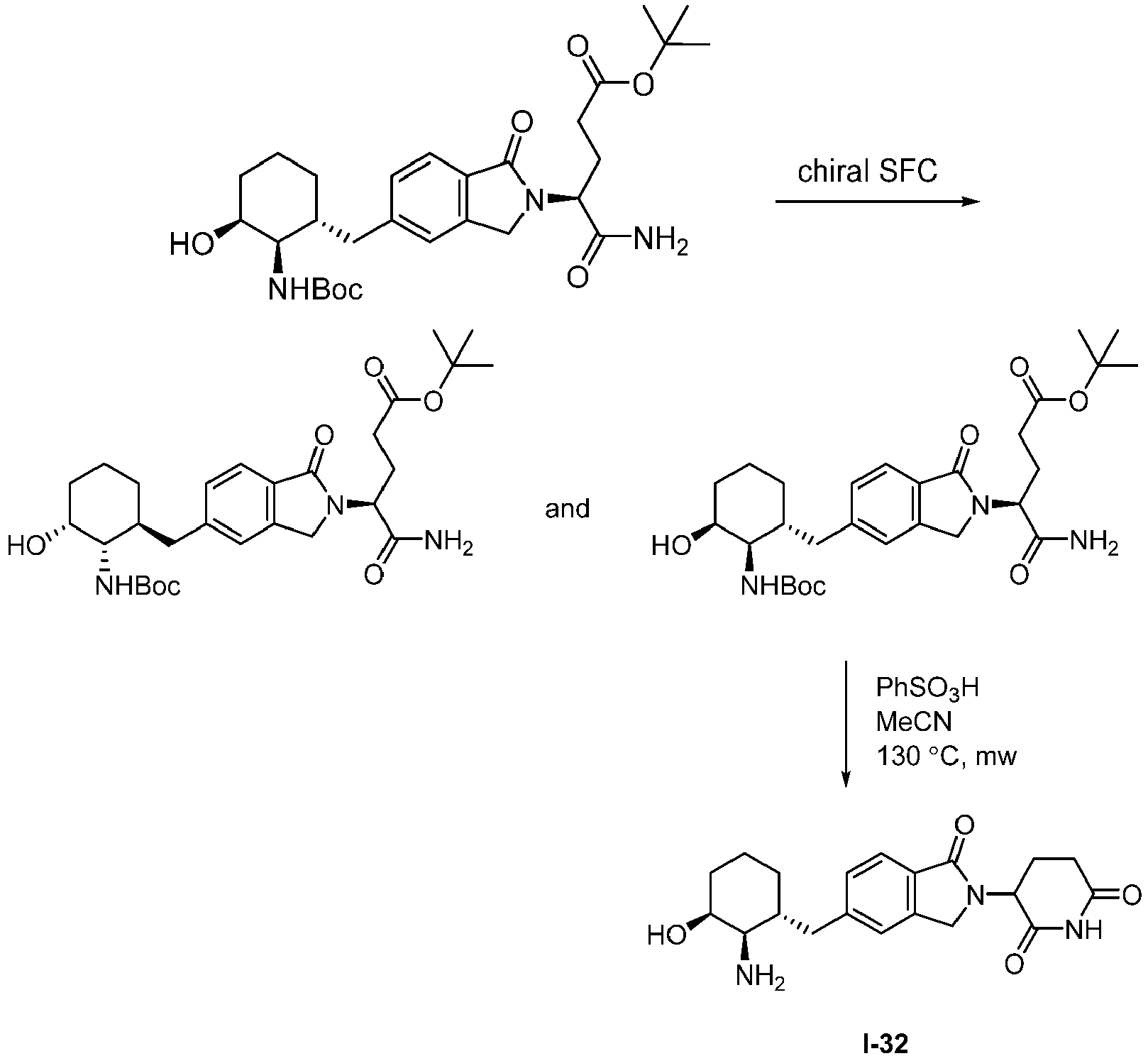
-
Step 1. tert-Butyl (S)-5-amino-4-(5-(((1S,2S,3R)-2-((tert-butoxycarbonyl)amino)-3-hydroxycyclohexyl)methyl)-1-oxoisoindolin-2-yl)-5-oxopentanoate (Isomer 1) and tert-Butyl (S)-5-amino-4-(5-(((1R,2R,3S)-2-((tert-butoxycarbonyl)amino)-3-hydroxycyclohexyl) methyl)-1-oxoisoindolin-2-yl)-5-oxopentanoate (Isomer 2). tert-Butyl (S)-5-amino-4-(5-(((1R,2R,3 S)-rel-2-((tert-butoxycarbonyl)amino)-3-hydroxycyclohexyl)methyl)-1-oxoisoindolin-2-yl)-5-oxopentanoate (I-14, step 1) was subjected to chiral SFC (Column: AD-H 250 mm x 21 mm, 5 µm, eluent: 25% EtOH) and the resulting fractions were concentrated in vacuo to afford tert-Butyl (S)-5-amino-4-(5-(((1S,2S,3R)-2-((tert-butoxycarbonyl)amino)-3-hydroxycyclohexyl)methyl)-1-oxoisoindolin-2-yl)-5-oxopentanoate (peak 1, Isomer 1) and tert-Butyl (S)-5-amino-4-(5-(((1R,2R,3S)-2-((tert-butoxycarbonyl)amino)-3-hydroxycyclohexyl )methyl)-1-oxoisoindolin-2-yl)-5-oxopentanoate (peak 2, Isomer 2). -
Step 2. 3-(5-(((1R,2R,3S)-2-amino-3-hydroxycyclohexyl)methyl)-1-oxoisoindolin-2-yl)piperidine-2,6-dione (I-32). tert-Butyl (S)-5-amino-4-(5-(((1R,2R,3S)-2-((tert-butoxycarbonyl)amino)-3-hydroxycyclohexyl)methyl)-1-oxoisoindolin-2-yl)-5-oxopentanoate (52.6 mg, 96.4 µmol) was taken up in MeCN (1.5 mL) and benzenesulfonic acid (45.7 mg, 0.289 mmol) was added. The reaction was heated to 130 °C under microwave irradiation for 1 h. Following this time, the resulting solid was filtered off, washed with acetonitrile and dried to afford 3-(5-(((1R,2R,3S)-2-amino-3-hydroxycyclohexyl)methyl)-1-oxoisoindolin-2-yl) piperidine-2,6-dione (I-32) as the benzenesulfonic acid salt. ES/MS m/z: 372.1 (M+H+). -

-
Step 1. (1R,2R,3S)-2-((tert-butoxycarbonyl)amino)-3-(methoxycarbonyl)cyclohexyl 4-nitrobenzoate. To a solution of methyl (1S,2R,3S)-rel-2-((tert-butoxycarbonyl)amino)-3-hydroxycyclohexane-1-carboxylate ([prepared according to the procedure described for I-16, step 1], 270 mg, 0.988 mmol) was added diisopropyl azodicarboxylate (233 µL, 1.19 mmol) and triphenylphosphine (311 mg, 1.19 mmol). To this was added, 4-nitrobenzoic acid (198 mg, 1.19 mmol), and the reaction was stirred at r.t. overnight. Following this time, the reaction was diluted with EtOAc, transferred to a separatory funnel and washed with water. The aqueous phase was extracted with additional EtOAc (2x) and the combined organic extracts were dried over MgSO4, concentrated in vacuo, and then the residue purified by SiO2 column chromatography (eluent: EtOAc/hexanes) to afford (1R,2R,3S)-rel-2-((tert-butoxycarbonyl)amino)-3-(methoxycarbonyl)cyclohexyl 4-nitrobenzoate. ES/MS m/z: 431.1 (M+Na+). -
Step 2. Methyl (1S,2R,3R)-rel-2-((tert-butoxycarbonyl)amino)-3-hydroxycyclohexane-1-carboxylate. (1R,2R,3S)-rel-2-((tert-butoxycarbonyl)amino)-3-(methoxycarbonyl)cyclohexyl 4-nitrobenzoate (296 mg, 0.701 mmol) and K2CO3 (291 mg, 2.10 mmol) were combined in methanol (3.5 mL) and the resulting suspension was stirred at r.t. overnight. The reaction mixture was then filtered to removed solids, concentrated in vacuo, and purified by SiO2 column chromatography (eluent: EtOAc/hexanes) to afford methyl (1S,2R,3R)-rel-2-((tert-butoxycarbonyl)amino)-3-hydroxycyclohexane-1-carboxylate. ES/MS m/z: 296.1 (M+Na+). -
Step 3. Methyl (1S,2R,3R)-rel-2-((tert-butoxycarbonyl)amino)-3-methoxycyclohexane-1-carboxylate. Methyl (1S,2R,3R)-rel-2-((tert-butoxycarbonyl)amino)-3-hydroxycyclohexane-1-carboxylate (330 mg, 1.21 mmol) was taken up in acetonitrile (6.0 mL) and iodomethane (376 µL, 6.04 mmol) was added followed by silver (I) oxide (449 mg, 3.62 mmol). The reaction was stirred at r.t. for 5 days and then the solids were filtered off and the mixture concentrated in vacuo. The resulting residue was purified by SiO2 column chromatography (eluent: EtOAc/hexanes) to yield methyl (1S,2R,3R)-rel-2-((tert-butoxycarbonyl)amino)-3-methoxycyclohexane-1-carboxylate. ES/MS m/z: 310.1 (M+Na+). -
Step 4. tert-Butyl ((1R,2S,6R)-rel-2-(hydroxymethyl)-6-methoxycyclohexyl)carbamate (I-33). Methyl (1S,2R,3R)-rel-2-((tert-butoxycarbonyl)amino)-3-methoxycyclohexane-1-carboxylate (118 mg, 0.412 mmol) was taken up in THF (4.2 mL) and the reaction mixture cooled to 0 °C. LiBH4 (2.0 M in THF, 824 µL, 1.65 mmol) was added slowly over 5 min then the reaction was warmed to r.t. and stirred for 48 h. The reaction mixture was then diluted with EtOAc and water and the biphasic mixture was transferred to a separatory funnel. The organic extracts were collected, washed with brine, dried over MgSO4 and concentrated in vacuo. The residue was the purified by SiO2 column chromatography (eluent: EtOAc/hexanes) to afford tert-butyl ((1R,2S,6R)-rel-2-(hydroxymethyl)-6-methoxycyclohexyl)carbamate (I-33). ES/MS m/z: 282.1 (M+Na+). -

- 3-(5-(((1R,2R,3R)-rel-2-amino-3-methoxycyclohexyl)methyl)-1-oxoisoindolin-2-yl)piperidine-2,6-dione (I-34). 3-(5-(((1R,2R,3R)-2-amino-3-methoxycyclohexyl)methyl)-1-oxoisoindolin-2-yl)piperidine-2,6-dione was synthesized in the same manner as I-13 substituting I-1 with I-33. ES/MS m/z: 582.2 (M+Na+).
-

- Ethyl (1S,2S,SR)-2-((tert-butoxycarbonyl)amino)-5-fluorocyclohexane-1-carboxylate (I-35). A 100 mL PFA flask equipped with a teflon stir bar was charged with Xtalfluor-E (1.20 g, 5.22 mmol), and the headspace was purged with N2. CH2Cl2 (10 mL) was then added, and the mixture was cooled to -78 °C with stirring. Triethylamine trishydrofluoride (1.12 mL, 6.96 mmol) was added dropwise, followed by triethylamine (485 uL, 3.48 mmol). I-27 (1.00 g, 3.48 mmol) was then added dropwise as a solution in CH2Cl2 (5 mL). The resulting mixture was allowed to warm to r.t. and stirred for an additional 4 h. The mixture was then carefully quenched with saturated aqueous NaHCO3, then transferred to a separatory funnel. The layers were separated, and the aqueous layer was extracted with CH2Cl2 (2x). The combined organics were dried over Na2SO4, filtered, and concentrated under vacuum. The resulting crude residue was further purified by silica gel chromatography (eluent: hexanes/EtOAc) to afford the product. ES/MS m/z: 312.2 (M+Na+).
-

- tert-Butyl ((1S,2S,4R)-4-fluoro-2-(hydroxymethyl)cyclohexyl)carbamate (I-36) tert-Butyl ((1S,2S,4R)-4-fluoro-2-(hydroxymethyl)cyclohexyl)carbamate was synthesized in the same manner as I-23 substituting I-21 with I-27. ES/MS m/z: 270.2 (M+Na+).
-

- 3-(5-(((1S,2S,SR)-2-amino-5-fluorocyclohexyl)methyl)-1-oxoisoindolin-2-yl)piperidine-2,6-dione (I-37). 3-(5-(((1S,2S,SR)-2-amino-5-fluorocyclohexyl)methyl)-1-oxoisoindolin-2-yl)piperidine-2,6-dione was synthesized in the same manner as Example 1 substituting I-1 with I-36.
-

- tert-Butyl ((1R,2R,6S)-rel-2-((tert-butyldiphenylsilyl)oxy)-6-(hydroxymethyl)cyclohexyl)carbamate (I-38) tert-Butyl ((1R,2R,6S)-rel-2-((tert-butyldiphenylsilyl)oxy)-6-(hydroxymethyl)cyclohexyl)carbamate was prepared according to the procedure described for (I-16,
steps 2 and 3) substituting methyl (1S,2R,3S)-rel-2-((tert-butoxycarbonyl)amino)-3-((tert-butyldiphenylsilyl)oxy)cyclohexane-1-carboxylate with methyl (1S,2R,3R)-rel-2-((tert-butoxycarbonyl)amino)-3-hydroxycyclohexane-1-carboxylate (prepared according to the procedure described for I-33,steps 1 and 2). -

- 3-(5-(((1R,2R,3S)-rel-2-amino-3-fluorocyclohexyl)methyl)-1-oxoisoindolin-2-yl)piperidine-2,6-dione (I-39). 3-(5-(((1R,2R,3S)-rel-2-amino-3-fluorocyclohexyl)methyl)-1-oxoisoindolin-2-yl)piperidine-2,6-dione was synthesized in the same manner as I-19 substituting I-16 with I-38. ES/MS m/z: 374.1 (M+NH+).
-

- 3-(5-(((1R,2S)-2-aminocyclopentyl)methyl)-1-oxoisoindolin-2-yl)piperidine-2,6-dione (I-40) 3-(5-(((1R,2S)-2-aminocyclopentyl)methyl)-1-oxoisoindolin-2-yl)piperidine-2,6-dione was synthesized in the same manner as I-24 substituting I-23 with tert-butyl ((1S,2S)-2-(hydroxymethyl)cyclopentyl)carbamate. ES/MS m/z: 342.3 (M+H+).
-

- Step 1: Preparation of tert-butyl (S)-5-amino-4-(5-(((2R,3S)-3-((tert-butoxycarbonyl)amino)tetrahydro-2H-pyran-2-yl)methyl)-4-fluoro-1-oxoisoindolin-2-yl)-5-oxopentanoate. The title compound was prepared in the same manner as 1-13,
step 1 substituting 1-1 with 1-10 and tert-butyl (S)-5-amino-4-(5-bromo-1-oxoisoindolin-2-yl)-5-oxopentanoate with tert-butyl (S)-5-amino-4-(5-bromo-4-fluoro-1-oxoisoindolin-2-yl)-5-oxopentanoate. ES/MS m/z: 572.2 (M+Na+). - Step 2: Preparation of tert-butyl (S)-5-amino-4-(5-(((2R,3S)-3-aminotetrahydro-2H-pyran-2-yl)methyl)-4-fluoro-1-oxoisoindolin-2-yl)-5-oxopentanoate (I-41). Tert-butyl (S)-5-amino-4-(5-(((2R,3S)-3-((tert-butoxycarbonyl)amino)tetrahydro-2H-pyran-2-yl)methyl)-4-fluoro-1-oxoisoindolin-2-yl)-5-oxopentanoate (83 mg, 0.158 mmol) dissolved in nitromethane (2 mL) was treated with zinc bromide (168 mg, 0.746 mmol). The reaction mixture was stirred at room temperature for 3 h and then concentrated directly. The residue was partitioned between ethyl acetate and saturated aqueous NaHCO3. The organic phase was collected washed with saturated aqueous NaHCO3 and brine, then dried over sodium sulfate and concentrated in vacuo to yield tert-butyl (S)-5-amino-4-(5-(((2R,3S)-3-aminotetrahydro-2H-pyran-2-yl)methyl)-4-fluoro-1-oxoisoindolin-2-yl)-5-oxopentanoate which was used without further purification (I-41). ES/MS m/z: 450.1 (M+H+).
-

- Step 1: Preparation of tert-butyl 5-amino-5-oxo-4-(1-oxo-5-vinylisoindolin-2-yl)pentanoate. To tert-butyl (S)-5-amino-4-(5-bromo-1-oxoisoindolin-2-yl)-5-oxopentanoate (15 g, 38 mmol) and 4,4,5,5-tetramethyl-2-vinyl-1,3,2-dioxaborolane (8.3 mL, 49 mmol) in DME (200 mL) was added 2 M aqueous Na2CO3 (57 mL, 113 mmol) and the mixture degassed with N2 for a 5 minutes. [1,1'-bis(di-tert-butylphosphino)ferrocene]dichloropalladium(II) (2.5g, 3.8 mmol) was then added and the mixture was degassed for an additional 1 minute. The reaction was then heated at 90 °C for 3 hours and stirred at r.t. overnight. Following this time, the reaction was diluted with EtOAc and filtered through a pad of celite. The resulting phases were separated and the aqueous phase was extracted with EtOAc (2x). The combined organics were washed with water and brine then dried over Na2SO4 and concentrated in vacuo. The residue was purified by SiO2 column chromatography (eluent: hexanes/EtOAc then EtOAc/MeOH) to afford the title product.
- Step 2: Preparation of tert-butyl 5-amino-4-(5-formyl-1-oxoisoindolin-2-yl)-5-oxopentanoate. To a flask charged with tert-butyl 5-amino-5-oxo-4-(1-oxo-5-vinylisoindolin-2-yl)pentanoate (10.8 g, 31 mmol) was added THF (100 mL) and water (100 mL). The resulting mixture was cooled to 0 °C and potassium osmate (0.25g, 0.69 mmol) was added in one portion followed by portion-wise addition of sodium periodate (20.5g, 95.9 mmol). Following complete addition, the reaction was warmed to r.t. and stirred for 2.5 hours. Following this time, the reaction was diluted with EtOAc and water, transferred to a separatory funnel and the organic phase collected. The aqueous layer was extracted with EtOAc (2x) and then the combined organics were washed with water and brine, dried over Na2SO4, and concentrated in vacuo. The residue was purified by SiO2 column chromatography (eluent: hexanes/EtOAc then EtOAc/MeOH) to afford the title product.
- Step 3: Preparation of tert-butyl (E)-5-amino-5-oxo-4-(1-oxo-5-((2-oxocyclohexylidene)methyl)isoindolin-2-yl)pentanoate (I-42) To a solution of tert-butyl 5-amino-4-(5-formyl-1-oxoisoindolin-2-yl)-5-oxopentanoate (2g, 5.8 mmol) in EtOH (25 mL) was added 4Å mol sieves (2 g) followed by 4-(cyclohex-1-en-1-yl)morpholine (2.9 mL, 17 mmol) and 6 N aqueous HCl (0.5 mL, 2.9 mmol). The reaction mixture was heated at 80 °C for 44 hours after which the reaction was cooled to r.t. and diluted with EtOAc. The mixture was filtered over celite, washing with EtOAc, and the filtrate concentrated in vacuo. The crude product was subjected to SiO2 column chromatography (eluent: hexanes/EtOAc then EtOAc/MeOH). The resulting material was suspended in Et2O (55 mL) and the suspension sonicated before pentane (11 mL) was added and the resulting precipitate was filtered (washed with minimum Et2O) and dried overnight to give title product I-42. ES/MS: 427.1 (M+H+). 1H NMR (400 MHz, DMSO-d6) δ 7.72 (d, J = 7.9 Hz, 1H), 7.69 (s, 1H), 7.60 - 7.52 (m, 2H), 7.39 (d, J = 2.4 Hz, 1H), 7.20 (s, 1H), 4.74 (dd, J = 10.4, 3.8 Hz, 1H), 4.67 - 4.44 (m, 2H), 2.82 (td, J = 6.5, 2.2 Hz, 2H), 2.47 (d, J = 6.8 Hz, 2H), 2.15 (dd, J = 10.6, 2.8 Hz, 3H), 2.07 - 1.92 (m, 1H), 1.87 (p, J = 6.5 Hz, 2H), 1.71 (p, J = 6.2 Hz, 2H), 1.33 (s, 9H).
-

- (S)-5-amino-4-(5-(((1R,2R,3S)-rel-2-amino-3-((tert-butyldiphenylsilyl)oxy) cyclohexyl)methyl)-1-oxoisoindolin-2-yl)-5-oxopentanoic acid (I-43). 1-17 (100 mg, 0.128 mmol) was taken up in CH2Cl2 (1.3 mL) and trifluoroacetic acid (98 µL, 1.28 mmol) was added. The reaction mixture was stirred at r.t. overnight then concentrated in vacuo to afford (S)-5-amino-4-(5-(((1R,2R,3 S)-rel-2-amino-3-((tert-butyldiphenylsilyl)oxy)cyclohexyl)methyl)-1-oxoisoindolin-2-yl)-5-oxopentanoic acid which was used in subsequent reactions without further purification.. ES/MS m/z: 628.3 (M+H+).
-


- Step 1: Preparation of ethyl (1S,2S)-2-((tert-butoxycarbonyl)amino)-5,5-difluorocyclohexane-1-carboxylate and ethyl (1S,6S)-6-((tert-butoxycarbonyl)amino)-3-fluorocyclohex-2-ene-1-carboxylate. A PFA round-bottomed-flask was charged with XtalFluor-E (602 mg, 2.63 mmol) and CH2Cl2 (5 mL) and placed under an atmosphere of nitrogen. Et3N·3HF (0.565 mL, 3.50 mmol) was then added slowly, followed by slow addition of Et3N (0.244 mL, 1.75 mmol). A solution of ethyl (1S,2S)-2-((tert-butoxycarbonyl)amino)-5-oxocyclohexane-1-carboxylate (500 mg, 1.75 mmol) in CH2Cl2 (5 mL) was then added to the mixture slowly. Following complete addition, the reaction was warmed to r.t. and stirred for 23 h. Following this time, the reaction was diluted with CH2Cl2 and quenched by slow addition of saturated aqueous NaHCO3. The mixture was transferred to a separatory funnel and extracted with CH2Cl2 (2x). The combined organics were concentrated in vacuo and the residue purified by SiO2 column chromatography (eluent: EtOAc/hexanes gradient) to afford a mixture of ethyl (1S,2S)-2-((tert-butoxycarbonyl)amino)-5,5-difluorocyclohexane-1-carboxylate and ethyl (1S,6S)-6-((tert-butoxycarbonyl)amino)-3-fluorocyclohex-2-ene-1-carboxylate (372 mg) which was carried forward without further purification. ES/MS m/z: 308.1 (M+H+, difluoride) and 288.1 (M+H+, vinyl fluoride).
- Step 2: Preparation of tert-butyl ((1S,2S)-4,4-difluoro-2-(hydroxymethyl)cyclohexyl)carbamate and tert-butyl ((lS,2S)-4-fluoro-2-(hydroxymethyl)cyclohex-3-en-1-yl)carbamate. A vial was charged with a mixture of ethyl (1S,2S)-2-((tert-butoxycarbonyl)amino)-5,5-difluorocyclohexane-1-carboxylate and ethyl (1S,6S)-6-((tert-butoxycarbonyl)amino)-3-fluorocyclohex-2-ene-1-carboxylate (416 mg, 1.35 mmol) and THF (5.20 mL) and placed under an atmosphere of nitrogen. The reaction was cooled to 0 °C and charged with lithium aluminum hydride (205 mg, 5.41 mmol) in one portion then stirring was continued for 1.5 h. Following this time, the reaction was treated with Na2SO4·10H2O (800 mg, 2.48 mmol). The resulting slurry was stirred for 1h, filtered (washing with CH2Cl2) and the filtrate concentrated in vacuo. The residue was purified by SiO2 column chromatography (eluent: EtOAc/hexanes gradient) to afford a mixture of tert-butyl ((1S,2S)-4,4-difluoro-2-(hydroxymethyl)cyclohexyl)carbamate and tert-butyl ((1S,2S)-4-fluoro-2-(hydroxymethyl)cyclohex-3-en-1-yl)carbamate. ES/MS m/z: 266.1 (M+H+, difluoride) and 246.1 (M+H+, vinyl fluoride).
- Step 3: Preparation of tert-butyl (S)-5-amino-4-(5-(((1S,2S)-2-((tert-butoxycarbonyl)amino)-5,5-difluorocyclohexyl)methyl)-1-oxoisoindolin-2-yl)-5-oxopentanoate and tert-butyl (S)-5-amino-4-(5-(((1S,6S)-6-((tert-butoxycarbonyl)amino)-3-fluorocyclohex-2-en-1-yl)methyl)-1-oxoisoindolin-2-yl)-5-oxopentanoate. A vial was charged tert-butyl (S)-5-amino-4-(5-bromo-1-oxoisoindolin-2-yl)-5-oxopentanoate ([prepared according to the procedure described in
WO2021/101919 ] 290 mg, 0.730 mmol), [Ir(dtbbpy)(ppy)2]PF6 (10 mg, 0.0109 mmol), NiBr2-DME (11.3 mg, 0.0365 mmol), 4,4'-di-tert-butyl-2,2'-dipyridyl (11.8 mg, 0.0438 mmol), and quinuclidine (142 mg, 1.28 mmol). The headspace was purged while in a second vial, a mixture of tert-butyl ((1S,2S)-4,4-difluoro-2-(hydroxymethyl)cyclohexyl)carbamate and tert-butyl ((1S,2S)-4-fluoro-2-(hydroxymethyl)cyclohex-3-en-1-yl)carbamate (271 mg, 0.846 mmol), 5,7-ditert-butyl-3-phenyl-1,3-benzoxazol-3-ium;tetrafluoroborate (448 mg, 0.967 mmol), and pyridine (0.0945 mL, 1.17 mmol) were combined in MTBE (7.30 mL). This mixture was stirred for 10 minutes. DMA (7.30 mL) was added to the first vial and the activated alcohol suspension was then transferred to a syringe fitted with a syringe filter and needle. The suspension was filtered into the solution of aryl bromide and the mixture sparged with nitrogen for 5 min. The reaction was then stirred under irradiation by blue light irradiation (Kessil Lamp/450 nm Blue LED combined with a small fan to increase air circulation) for 91 h. Following this time, the reaction was quenched by addition of sat. aqueous NaHCO3 and diluted with water and EtOAc. The reaction was transferred to a separatory funnel and the layers were separated. The aqueous layer was extracted with additional EtOAc (2x) and then the combined organics were washed with water and brine and then concentrated in vacuo. The residue was purified by SiO2 column chromatography (eluent: 0-100% EtOAc/hexanes gradient) to afford a mixture of tert-butyl (S)-5-amino-4-(5-(((1S,2S)-2-((tert-butoxycarbonyl)amino)-5, 5-difluorocyclohexyl)methyl)-1-oxoisoindolin-2-yl)-5-oxopentanoate and tert-butyl (S)-5-amino-4-(5-(((1S,6S)-6-((tert-butoxycarbonyl)amino)-3-fluorocyclohex-2-en-1-yl)methyl)-1-oxoisoindolin-2-yl)-5-oxopentanoate. ES/MS m/z: 566.2 (M+H+, difluoride) and 546.2 (M+H+, vinyl fluoride). - Step 2: Preparation of 3-(5-(((1S,2S)-2-amino-5,5-difluorocyclohexyl)methyl)-1-oxoisoindolin-2-yl)piperidine-2,6-dione (I-44a) and 3-(5-(((1S,6S)-6-amino-3-fluorocyclohex-2-en-1-yl)methyl)-1-oxoisoindolin-2-yl)piperidine-2,6-dione (I-44b). A vial was charged with a mixture tert-butyl (S)-5-amino-4-(5-(((1S,2S)-2-((tert-butoxycarbonyl)amino)-5,5-difluorocyclohexyl)methyl)-1-oxoisoindolin-2-yl)-5-oxopentanoate and tert-butyl (S)-5-amino-4-(5-(((1S,6S)-6-((tert-butoxycarbonyl)amino)-3-fluorocyclohex-2-en-1-yl)methyl)-1-oxoisoindolin-2-yl)-5-oxopentanoate (218 mg, 0.385 mmol), MeCN (6.55 mL), and benzenesulfonic acid (183 mg, 1.16 mmol). The reaction was heated to 130 °C under microwave irradiation for 30 min. Following this time, the reaction was filtered, the solids washed with MeCN and dried under reduced pressure to yield 3-(5-(((1S,2S)-2-amino-5,5-difluorocyclohexyl)methyl)-1-oxoisoindolin-2-yl)piperidine-2,6-dione (I-44a) and 3-(5-(((1S,6S)-6-amino-3-fluorocyclohex-2-en-1-yl)methyl)-1-oxoisoindolin-2-yl)piperidine-2,6-dione (I-44b) as a mixture. ES/MS m/z: 392.1 (M+H+, I-44a) and 372.1 (M+H+, I-44b).
-

- Step 1: Preparation of ethyl (1S,2S)-2-((tert-butoxycarbonyl)amino)-5-methylenecyclohexane-1-carboxylate. A vial was charged with THF (5.00 mL) and KOtBu (1.0 M solution in THF, 3.50 mL, 3.50 mmol). Methyltriphenylphosphonium bromide (1.25 g, 3.50 mmol) was then added in one portion and the reaction was mixed at r.t. for 15 min. Following this time, a solution of ethyl (1S,2S)-2-((tert-butoxycarbonyl)amino)-5-oxocyclohexane-1-carboxylate (500 mg, 1.75 mmol) in THF (5.00 mL) was added dropwise. The reaction was mixed at room temperature for 2.5 h. Following this time, the reaction was quenched by addition of water and the resulting mixture filtered through Celite, washing with CH2Cl2. The filtrate was concentrated in vacuo and the resulting residue was purified directly by SiO2 column chromatography (eluent: EtOAc/hexanes gradient) to afford ethyl (1S,2S)-2-((tert-butoxycarbonyl)amino)-5-methylenecyclohexane-1-carboxylate. ES/MS m/z: 306.2 (M+Na+).
- Step 2: Preparation of ethyl (1S,2S)-2-((tert-butoxycarbonyl)amino)-5-methylcyclohexane-1-carboxylate. A flask was charged with ethyl (1S,2S)-2-((tert-butoxycarbonyl)amino)-5-methylenecyclohexane-1-carboxylate (370 mg, 1.31 mmol), Pd/C (278 mg, 0.261 mmol), and EtOAc (3.70 mL) and shaken on a Parr shaker under 50 psi H2 for 2 h. Following this time, the reaction was filtered through Celite, washing with EtOAc. The filtrate was concentrated in vacuo and the resulting residue was purified directly by SiO2 column chromatography (eluent: EtOAc/hexanes gradient) to afford ethyl (1S,2S)-2-((tert-butoxycarbonyl)amino)-5-methylcyclohexane-1-carboxylate. ES/MS m/z: 286.1 (M+H+).
- Step 3: Preparation of tert-butyl ((1S,2S)-2-(hydroxymethyl)-4-methylcyclohexyl)carbamate (I-45). A vial was charged with ethyl (1S,2S)-2-((tert-butoxycarbonyl)amino)-5-methylcyclohexane-1-carboxylate (323.4 mg, 1.13 mmol) and THF (4.04 mL) and placed under an atmosphere of nitrogen. The reaction was cooled to 0 °C and charged with lithium aluminium hydride (172 mg, 4.53 mmol) in one portion and then stirred for 1.5 h. Following this time, the reaction was treated with Na2SO4·10H2O (650 mg, 2.02 mmol) and the resulting slurry was stirred for 0.5 h. The slurry was then filtered, washing with CH2Cl2 and the filtrate concentrated in vacuo. The residue was purified directly by column chromatography (eluent: EtOAc/hexanes gradient) to afford tert-butyl ((1S,2S)-2-(hydroxymethyl)-4-methylcyclohexyl)carbamate (I-45). ES/MS m/z: 244.1 (M+H+).
-

- Step 3: Preparation of tert-butyl ((1S,2S)-2-(hydroxymethyl)-4-methylcyclohexyl)carbamate 3-(5-(((3R,4S)-3-aminotetrahydro-2H-pyran-4-yl)methyl)-1-oxoisoindolin-2-yl)piperidine-2,6-dione (I-46). 3-(5-(((3R,4S)-3-aminotetrahydro-2H-pyran-4-yl)methyl)-1-oxoisoindolin-2-yl)piperidine-2,6-dione was synthesized in the same manner as I-3 substituting I-1 with ((3R,4S)-3-aminotetrahydro-2H-pyran-4-yl)methanol and 3-(5-bromo-6-fluoro-1-oxoisoindolin-2-yl)-1-((2-(trimethylsilyl)ethoxy)methyl)piperidine-2,6-dione with 3-(5-bromo-1-oxoisoindolin-2-yl)-1-((2-(trimethylsilyl)ethoxy)methyl)piperidine-2,6-dione. ES/MS m/z: 358.1 (M+H+).
-

- Step 1: Preparation of benzyl ((1S,2S)-2-(hydroxymethyl)cycloheptyl)carbamate. Methyl (1S,2S)-2-(((benzyloxy)carbonyl)amino)cycloheptane-1-carboxylate (200 mg, 0.655 mmol) dissolved in tetrahydrofuran (7 mL) was cooled to 0 °C and then treated with lithium borohydride solution (0.36 mL, 0.720 mmol). The reaction mixture was stirred at room temperature overnight, quenched with the addition of water, and extracted with dichloromethane. The organic layer was concentrated to give crude benzyl ((1S,2S)-2-(hydroxymethyl)cycloheptyl)carbamate. ES/MS: 278.0 (M+H+).
- Step 2: Preparation of benzyl ((1S,2R)-2-((2-(2,6-dioxo-1-((2-(trimethylsilyl)ethoxy)methyl)piperidin-3-yl)-1-oxoisoindolin-5-yl)methyl)cycloheptyl) carbamate. The title compound was prepared in the same manner as 1-13,
step 1 substituting tert-butyl (S)-5-amino-4-(5-(((1R,2S)-2-((tert-butoxycarbonyl)amino)cyclohexyl)methyl)-1-oxoisoindolin-2-yl)-5-oxopentanoate with benzyl ((1S,2S)-2-(hydroxymethyl)cycloheptyl)carbamate and 3-(5-bromo-1-oxoisoindolin-2-yl)-1-((2-(trimethylsilyl)ethoxy)methyl)piperidine-2,6-dione. ES/MS: 655.9 (M+Na+). - Step 3: Preparation of 3-(5-(((1R,2S)-2-aminocycloheptyl)methyl)-1-oxoisoindolin-2-yl)-1-((2-(trimethylsilyl)ethoxy)methyl)piperidine-2,6-dione. Benzyl ((1S,2R)-2-((2-(2,6-dioxo-1-((2-(trimethylsilyl)ethoxy)methyl)piperidin-3-yl)-1-oxoisoindolin-5-yl)methyl) cycloheptyl)carbamate (110 mg, 0.174 mmol) dissolved in ethanol (2 mL) was treated with 10% Pd/C (20 mg, 0.018 mmol). The reaction flask was evacuated and backfilled with hdrogen, and then stirred under an atmosphere of hydrogen at 45 °C for 1h. After cooling to room temperature, the reaction mixture was filtered, washing with ethanol. The filtrate was concentrated to give 1-47 which was used without further purification. ES/MS: 500.0 (M+H+).
-

- Preparation of ethyl (1S,2S,5S)-2-((tert-butoxycarbonyl)amino)-5-fluorocyclohexane-1-carboxylate. A 100 mL PFA flask equipped with a teflon stir bar was charged with Xtalfluor-E (4.82 g, 21.0 mmol), and the headspace was purged with N2. DMA (24 mL) was added. Triethylamine trishydrofluoride (2.26 mL, 14.0 mmol) was added dropwise and with stirring, followed by triethylamine (977 uL, 7.01 mmol). Ethyl (1S,2S)-2-((tert-butoxycarbonyl)amino)-5-oxocyclohexane-1-carboxylate (2.00 g, 7.01 mmol) was added as a solid in a single portion, then the reaction mixture was allowed to stir at r.t. overnight. The mixture was then carefully quenched with saturated aqueous NaHCO3, diluted with EtOAc, then transferred to a separatory funnel. The layers were separated, and the aqueous layer was extracted with EtOAc (2x). The combined organics were dried over Na2SO4, filtered, and concentrated under vacuum. The resulting crude residue was further purified by silica gel chromatography (eluent: hexanes/EtOAc). The product was then dissolved in EtOAc (40 mL), transferred to a Parr shaker bottle, and treated with Pd/C (10% Pd loading, 433 mg, 0.407 mmol). The bottle was then connected to a Parr shaker apparatus and shaken under H2 atmosphere (50 psi) for 2 h. An additional quantity of Pd/C (10% Pd loading, 433 mg, 0.407 mmol) was added, and the mixture was shaken under H2 atmosphere (50 psi) for an additional 90 min. The reaction mixture was then sparged with N2 for 5 min and filtered through celite. The filtrate was concentrated under reduced pressure to afford the I-48. ES/MS m/z: 312.2 (M+Na+).
-

- tert-butyl ((1S,2S,4S)-4-fluoro-2-(hydroxymethyl)cyclohexyl)carbamate (I-49). tert-butyl ((1S,2S,4S)-4-fluoro-2-(hydroxymethyl)cyclohexyl)carbamate was synthesized in the same manner as I-23 substituting I-21 with I-48. ES/MS m/z: 270.2 (M+Na+).
-

- tert-butyl ((1S,2S,4S)-4-fluoro-2-(iodomethyl)cyclohexyl)carbamate (I-50). tert-butyl ((1S,2S,4S)-4-fluoro-2-(iodomethyl)cyclohexyl)carbamate was synthesized in the same manner as I-2 substituting I-1 with I-49. ES/MS m/z: 380.1 (M+Na+).
-

- Step 1: Preparation of tert-butyl ((1S,2S,4S)-2-((2-(2,6-dioxo-1-((2-(trimethylsilyl)ethoxy)methyl)piperidin-3-yl)-1-oxoisoindolin-5-yl)methyl)-4-fluorocyclohexyl)carbamate. In a 2-dram vial equipped with a magnetic stir bar and under a nitrogen atmosphere, 3-(5-bromo-1-oxo-isoindolin-2-yl)-1-(2-trimethylsilylethoxymethyl)piperidine-2,6-dione (120 mg, 0.265 mmol), 1-50 (189 mg, 0.529 mmol), manganese powder (29.1 mg, 0.529 mmol), nickel(II) iodide (16.5 mg, 52.9 µmol), 4,7-Diphenyl-1,10-phenanthroline (13.2 mg, 39.7 µmol), and sodium iodide (9.9 mg, 66 µmol) were suspended in DMA (3.3 mL, previously sparged with N2 for 5 min) and treated with pyridine (4.3 µL, 53 µmol). The pierced septum cap was quickly replaced with a fresh one, and the vial was sealed and the mixture stirred at 80 °C overnight. The reaction mixture was cooled to rt and combined with that of a previous reaction, carried out in an identical manner. The combined mixture was filtered through celite, and the filtrate diluted with EtOAc, washed with water (3x), dried over Na2SO4, filtered, and concentrated under vacuum. The resulting crude residue was purified by normal phase column chromatography (0→100% EtOAc in hexanes) to afford the product. ES/MS m/z: 626.4 (M+Na+).
- Step 2: Preparation of 3-(5-(((1S,2S,SS)-2-amino-5-fluorocyclohexyl)methyl)-1-oxoisoindolin-2-yl)piperidine-2,6-dione (I-51). tert-butyl ((1S,2S,4S)-2-((2-(2,6-dioxo-1-((2-(trimethylsilyl)ethoxy)methyl)piperidin-3-yl)-1-oxoisoindolin-5-yl)methyl)-4-fluorocyclohexyl)carbamate (163 mg, 0.256 mmol) was dissolved in DCM (2.0 mL), treated with TFA (393 uL, 5.13 mmol), and stirred at r.t. After 1 h, the reaction mixture was concentrated under vacuum. The resulting residue was take up in DCM (2.0 mL), cooled to 0 °C with stirring, and treated with triethylamine (286 uL, 2.05 mmol) followed by N,N'-dimethylethylenediamine (33 µL, 0.308 mmol) and then the reaction was warmed to r.t. and stirred overnight. The mixture was then concentrated under vacuum and the residue purified directly by RP-HPLC (eluent: MeCN/water gradient with 0.1% TFA) to yield the product. ES/MS m/z: 374.3 (M+H+).
-

- tert-Butyl ((1S,2S,5S-rel) -5-((tert-butyldiphenylsilyl)oxy)-2-(hydroxymethyl)cyclohexyl)carbamate (I-52) tert-Butyl ((1S,2S,5S-rel)-5-((tert-butyldiphenylsilyl)oxy)-2-(hydroxymethyl)cyclohexyl)carbamate was prepared according to the procedure described for I-16 (
steps 2 and 3) substituting methyl (1S,2R,3S-rel) -2-((tert-butoxycarbonyl)amino)-3-((tert-butyldiphenylsilyl)oxy)cyclohexane-1-carboxylate with ethyl (1S,2S,4S-rel) -2-((tert-butoxycarbonyl)amino)-4-hydroxycyclohexane-1-carboxylate. ES/MS m/z: 506.0 (M+Na+). -

- tert-Butyl (S)-5-amino-4-(5-(((1R,2S,4S)-rel-2-((tert-butoxycarbonyl)amino)-4-((tert-butyldiphenylsilyl)oxy)cyclohexyl)methyl)-1-oxoisoindolin-2-yl)-5-oxopentanoate (I-53) tert-Butyl (S)-5-amino-4-(5-(((1R,2S,4S)-rel-2-((tert-butoxycarbonyl)amino)-4-((tert-butyldiphenylsilyl)oxy)cyclohexyl)methyl)-1-oxoisoindolin-2-yl)-5-oxopentanoate was prepared according to the procedure described for 1-17 substituting 1-16 with I-52.
-

- Step 1: Preparation of tert-butyl (S)-5-amino-4-(5-(((1R,2S,4S)-2-((tert-butoxycarbonyl)amino)-4-hydroxycyclohexyl)methyl)-1-oxoisoindolin-2-yl)-5-oxopentanoate. I-53 (181 mg, 0.230 mmol) was taken up in THF (2.3 mL) and TBAF (1.0M in THF, 0.46 mL, 0.46 mmol) was added. The reaction was stirred at r.t. for 3 days. Following this time, the reaction mixture was concentrated in vacuo and purified directly by normal phase column chromatography (eluent: hexanes/EtOAc) to yield the title product. ES/MS m/z: 546.1 (M+H+).
- Step 2: Preparation of 3-(5-(((1R,2S,4S)-2-amino-4-hydroxycyclohexyl)methyl)-1-oxoisoindolin-2-yl)piperidine-2,6-dione (I-54) tert-butyl (S)-5-amino-4-(5-(((1R,2S,4S)-2-((tert-butoxycarbonyl)amino)-4-hydroxycyclohexyl)methyl)-1-oxoisoindolin-2-yl)-5-oxopentanoate (82.1 mg, 0.150 mmol) was taken up in MeCN (1.1 mL) and benzenesulfonic acid (71.4 mg, 0.451 mmol) was added. The reaction was heated to 130 °C for 30 minutes under microwave irradiation. Following this time, the reaction was cooled to r.t. and concentrated in vacuo to afford the crude product as the benzenesulfonic acid salt which was used in subsequent reactions without further purification. ES/MS m/z: 372.0 (M+H+).
-

- Step 1: Ethyl (1S,2S,4S-rel)-2-((tert-butoxycarbonyl)amino)-4-methoxycyclohexane-1-carboxylate Ethyl (1S,2S,4S-rel)-2-((tert-butoxycarbonyl)amino)-4-hydroxycyclohexane-1-carboxylate (500 mg, 1.74 mmol) was taken up in MeCN (9.0 mL) and silver oxide (647 mg, 5.22 mmol) was added followed by iodomethane (0.325 mL, 5.22 mmol). The reaction was stirred at r.t. for 5 days. Following this time, the reaction was filtered to remove solids and the filtered washed with additional MeCN. The filtrate was concentrated in vacuo and the residue purified by normal phase column chromatography (eluent: hexanes/EtOAc) to yield the title product. ES/MS m/z: 282.0 (M+Na+).
- Step 2: tert-Butyl ((1S,2S,5S-rel)-2-(hydroxymethyl)-5-methoxycyclohexyl)carbamate (I-55) Ethyl (1S,2S,4S-rel)-2-((tert-butoxycarbonyl)amino)-4-methoxycyclohexane-1-carboxylate (495 mg, 1.64 mmol) was taken up in THF (16.0 mL) and the solution cooled to 0 °C. Lithium borohydride (2.0 M in THF, 3.29 mL, 6.57 mmol) was then added slowly to the mixture over 5 minutes. Following this time, the reaction was warmed to r.t. and stirred for 2 days. The reaction was then diluted with EtOAc and water and transferred to a separatory funnel. The organic phase was collected and washed with water and brine then dried over MgSO4 and conc. in vacuo. The residue was purified by normal phase column chromatography (eluent: hexanes/EtOAc) to yield the title product. ES/MS m/z: 324.0 (M+Na+).
-

- 3-(5-(((1R,2S,4S)-rel-2-amino-4-methoxycyclohexyl)methyl)-1-oxoisoindolin-2-yl)piperidine-2,6-dione (I-56) 3-(5-(((1R,2S,4S)-rel-2-amino-4-methoxycyclohexyl)methyl)-1-oxoisoindolin-2-yl)piperidine-2,6-dione was prepared according to the procedure described for I-25 substituting I-28 with I-55. ES/MS m/z: 386.0 (M+H+).
-

- tert-butyl ((1S,2S-rel)-5,5-difluoro-2-(hydroxymethyl)cyclohexyl)carbamate (I-57) tert-butyl ((1S,2S-rel)-5,5-difluoro-2-(hydroxymethyl)cyclohexyl)carbamate was synthesized in the same manner as I-23 substituting I-21 with ethyl (1S,2S-rel)-2-((tert-butoxycarbonyl)amino)-4,4-difluorocyclohexane-1-carboxylate (Kiss et al. Beilstein J. Org. Chem. 2013, 9, 1164-1169.). ES/MS m/z: 288.0 (M+Na+).
-

- 3-(5-(((1R,2S-rel)-2-amino-4,4-difluorocyclohexyl)methyl)-1-oxoisoindolin-2-yl)piperidine-2,6-dione (I-58). 3-(5-(((1R,2S-rel)-2-amino-4,4-difluorocyclohexyl)methyl)-1-oxoisoindolin-2-yl)piperidine-2,6-dione was synthesized in the same manner as I-25 substituting I-23 with I-57 and Ir(ppy)2(dtbbpy)PF6 with Ir([dF(CF3)ppy]2(dtbpy))PF6. ES/MS m/z: 392.1 (M+H+).
-

- 3-(5-(((1R,2S)-2-aminocyclohexyl)methyl)-7-fluoro-1-oxoisoindolin-2-yl)piperidine-2,6-dione (I-59) 3-(5-(((1R,2S)-2-aminocyclohexyl)methyl)-7-fluoro-1-oxoisoindolin-2-yl)piperidine-2,6-dione was synthesized in the same manner as I-25 substituting I-23 with tert-butyl (S)-5-amino-4-(5-bromo-7-fluoro-1-oxoisoindolin-2-yl)-5-oxopentanoate [prepared according to the procedure described in
WO2021/101919 for tert-butyl (S)-5-amino-4-(5-bromo-1-oxoisoindolin-2-yl)-5-oxopentanoate] and I-23 with I-2. ES/MS m/z: 448.1 (M+H+). -

- tert-butyl ((1S,2S,5R-rel)-5-fluoro-2-(hydroxymethyl)cyclohexyl)carbamate (I-60) tert-butyl ((1S,2S,5R-rel)-5-fluoro-2-(hydroxymethyl)cyclohexyl)carbamate was synthesized in the same manner as I-23 substituting I-21 with ethyl (1S,2S,4R-rel)-2-((tert-butoxycarbonyl)amino)-4-fluorocyclohexane-1-carboxylate (Kiss et al. Beilstein J. Org. Chem. 2013, 9, 1164-1169.). ES/MS m/z: 270.0 (M+Na+).
-

- 3-(5-(((1R,2S,4R-rel-2-amino-4-fluorocyclohexyl)methyl)-1-oxoisoindolin-2-yl)piperidine-2,6-dione (I-61) 3-(5-(((1R,2S,4R-rel)-2-amino-4-fluorocyclohexyl)methyl)-1-oxoisoindolin-2-yl)piperidine-2,6-dione was synthesized in the same manner as I-25 substituting I-23 with I-59. ES/MS m/z: 374.1 (M+H+).
-

- tert-butyl (S)-5-amino-4-(5-(((2R,3S)-3-aminotetrahydro-2H-pyran-2-yl)methyl)-1-oxoisoindolin-2-yl)-5-oxopentanoate (I-62). tert-butyl (S)-5-amino-4-(5-(((2R,3S)-3-aminotetrahydro-2H-pyran-2-yl)methyl)-1-oxoisoindolin-2-yl)-5-oxopentanoate was synthesized in the same manner as I-41 substituting tert-butyl (S)-5-amino-4-(5-bromo-4-fluoro-1-oxoisoindolin-2-yl)-5-oxopentanoate with tert-butyl (S)-5-amino-4-(5-bromo-1-oxoisoindolin-2-yl)-5-oxopentanoate and Ir([dF(CF3)ppy]2(dtbpy))PF6 with Ir(ppy)2(dtbbpy)PF6. ES/MS m/z: 432.3 (M+H+).
-

- tert-Butyl (R)-5-amino-4-(5-(((2R,3 S)-3-aminotetrahydro-2H-pyran-2-yl)methyl)-4-fluoro-1-oxoisoindolin-2-yl)-5-oxopentanoate (I-63). tert-Butyl (R)-5-amino-4-(5-(((2R,3S)-3-aminotetrahydro-2H-pyran-2-yl)methyl)-4-fluoro-1-oxoisoindolin-2-yl)-5-oxopentanoate was synthesized in the same manner as 1-41 substituting tert-butyl (S)-5-amino-4-(5-bromo-4-fluoro-1-oxoisoindolin-2-yl)-5-oxopentanoate with tert-butyl (R)-5-amino-4-(5-bromo-4-fluoro-1-oxoisoindolin-2-yl)-5-oxopentanoate. ES/MS m/z: 450.1 (M+H+).
-

- Step 1: Preparation of ethyl (1S,2S)-2-((tert-butoxycarbonyl)amino)-5-methylenecyclohexane-1-carboxylate To a mixture of potassium tert-butoxide (0.78 g, 7.01 mmol) and THF (5 mL), methyltriphenylphosphonium bromide (2.5g, 7.01 mmol) was added and the reaction mixture stirred at room temperature for 15 minutes. Ethyl (1S,2S)-2-((tert-butoxycarbonyl)amino)-5-oxocyclohexane-1-carboxylate (1.0g, 3.5 mmol) was then added as a solution in THF (5 mL) and the mixture was stirred at r.t. for two hours. The reaction was quenched by addition of water (0.13 mL) and the mixture was filtered through celite, washing with methylene chloride. The filtrate was concentrated and purified by silica gel chromatography (eluent: hexanes/EtOAc then EtOAc/MeOH) Desired fractions were combined and concentrated to give the title compound as a white solid. ES/MS m/z: 306.3 (M+Na+). 1H NMR (400 MHz, DMSO-d 6) δ 6.82 (d, J = 9.1 Hz, 1H), 4.69 (d, J = 1.8 Hz, 2H), 4.13 - 3.93 (m, 2H), 3.64 (tq, J = 10.6, 4.1 Hz, 1H), 2.43 - 2.27 (m, 2H), 2.20 (q, J = 12.9, 12.0 Hz, 2H), 2.13 - 1.99 (m, 1H), 1.79 (dt, J = 12.8, 4.1 Hz, 1H), 1.35 (s, 9H), 1.31-1.21 (m, 1H), 1.16 (t, J = 7.1 Hz, 3H).
- Step 2: Preparation of tert-butyl ((1S,2S)-2-(hydroxymethyl)-4-methylenecyclohexyl)carbamate (I-64) A reaction vial was charged with ethyl (1S,2S)-2-((tert-butoxycarbonyl)amino)-5-methylenecyclohexane-1-carboxylate (0.41 g, 1.3 mmol) and THF (2 mL). The mixture was cooled to 0 °C and lithium aluminum hydride (2.0 M in THF, 1.32 mL) was added in a slow stream. After 40 minutes of stirring, the reaction was quenched using the Fieser method while still at 0 °C. It was first diluted with ether (8 mL) and water (0.1 mL) was added slowly. This was followed by addition of 15% aqueous sodium hydroxide (0.1 mL) and water (0.3 mL) again. The reaction mix was allowed to warm to r.t. and stirred for 15 minutes. Anhydrous magnesium sulfate was added and stirred another 15 minutes. The mixture was then filtered to remove salts. The filtrate was concentrated and purified by silica gel chromatography (ELSD detector, eluent: hexanes/EtOAc) Desired fractions were combined and concentrated to give the title compound as a white solid. ES/MS m/z: 242.1 (M+H+).
-

- tert-butyl ((1S,2S)-2-(bromomethyl)cyclohexyl)carbamate (I-65). I-1 (1.0 g, 4.36 mmol) and triphenylphosphine (1.72 g, 6.54 mmol) were combined in CH2Cl2 (20 mL) and the solution cooled to -15 °C in a NaCl/brine/ice bath. N-bromosuccinimide (1.01 g, 5.67 mmol) was then added portionwise while maintaining the temperature below 5 °C. The reaction was allowed to warm to r.t. and stirred overnight. The mixture was then concentrated in vacuo and purified directly by silica gel chromatography (eluent: hexanes/EtOAc) to afford the title product. 1H NMR (400 MHz, Chloroform-d) δ 4.36 (s, 1H), 3.68 - 3.60 (m, 1H), 3.29 (t, J = 10.7 Hz, 2H), 2.15 (d, J = 13.0 Hz, 1H), 2.04 - 1.94 (m, 1H), 1.80 - 1.71 (m, 2H), 1.47 (s, 9H), 1.38 - 1.06 (m, 3H).
-

- Step 1: tert-butyl (S)-5-amino-4-(5-(((1R,2S)-2-((tert-butoxycarbonyl)amino)cyclohexyl)methyl)-1-oxoisoindolin-2-yl)-5-oxopentanoate. tert-butyl (4S)-5-amino-4-(5-bromo-1-oxo-isoindolin-2-yl)-5-oxo-pentanoate (2.0 g, 5.03 mmol), I-65 (1.91 g, 6.54 mmol), [4,4'-Bis(1,1-dimethylethyl)-2,2'-bipyridine] nickel (II) dichloride (200 mg, 0.503 mmol), zinc (1.32 g, 20.1 mmol), TBAI (1.85 g, 5.03 mmol), and phthalimide (0.370 g, 2.52 mmol) were taken up in DMA (50.0 mL) and the reaction mixture sparged with argon while sonicating for 5 min. Pyridine (41 µL, 0.503 mmol) was then added and sparging was continued for 5 min before the reaction was set up under argon atmosphere and heated to 60 °C overnight. The reaction was then cooled to r.t. and filtered through celite (washed with 5 mL of DMA) to remove the inorganics salts. The solution was then transferred to an additional funnel and added dropwise to water (200 mL) while stirring vigorously. The resulting solid was collected by filtration and then taken up in CH2Cl2 and purified directly by silica gel chromatography (eluent: hexanes/EtOAc) to afford tert-butyl (S)-5-amino-4-(5-(((1R,2S)-2-((tert-butoxycarbonyl)amino)cyclohexyl)methyl)-1-oxoisoindolin-2-yl)-5-oxopentanoate. ES/MS m/z: 530.0 (M+H+).
- Step 2: tert-butyl (S)-5-amino-4-(5-(((1R,2S)-2-aminocyclohexyl)methyl)-1-oxoisoindolin-2-yl)-5-oxopentanoate (I-66). tert-butyl (S)-5-amino-4-(5-(((1R,2S)-2-((tert-butoxycarbonyl)amino)cyclohexyl)methyl)-1-oxoisoindolin-2-yl)-5-oxopentanoate (1.5 g, 2.44 mmol) was taken up in 5:1 nitromethane/EtOAc (30 mL) and the solution cooled to 0 °C. Zinc (II) bromide (2.74 g, 12.2 mmol) was then added portionwise. Following complete addition, the reaction was allowed to warm to r.t. and stirred for 24 hours. The mixture was diluted with 4:1 CH2Cl2/iPrOH (100 mL) and poured into a stirring saturated aqueous NaHCO3 solution (100 mL). The mixture was stirred vigorously for 15 min then filtered to remove solids. The organic phase was collected and the aqueous phase was extracted with additionl 4:1 4:1 CH2Cl2/iPrOH (2 x 150 mL). The combined organics were dried over MgSO4 and concentrated in vacuo to afford the product (I-66) which was used without additional purification. ES/MS m/z: 430.1 (M+H+).
-

- Step 1: Preparation of tert-butyl 5-amino-4-(5-(((1R,2S)-2-((tert-butoxycarbonyl)amino)cyclohexyl)methyl)-1-oxoisoindolin-2-yl)-5-oxopentanoate. In a 2-dram vial equipped with a magnetic stir bar and under a nitrogen atmosphere, tert-butyl (S)-5-amino-4-(5-bromo-1-oxoisoindolin-2-yl)-5-oxopentanoate ([prepared according to the procedure described in
WO2021/101919 ] 50 mg, 0.126 mmol), 1-2 (85.4 mg, 0.252 mmol), manganese powder (13.8 mg, 0.252 mmol), nickel(II) iodide (7.9 mg, 25 umol), and 4,7-Diphenyl-1,10-phenanthroline (6.3 mg, 19 umol) were suspended in DMA (1.6 mL, previously sparged with N2 for 5 min) and treated with pyridine (2 uL, 25 umol). The pierced septum cap was quickly replaced with a fresh one, and the vial was sealed and the mixture stirred at 80 °C for 30 min. The reaction mixture was cooled to r.t. and combined with that of a previous reaction, carried out in an identical manner. The combined mixture was filtered through celite, and the filtrate concentrated under reduced pressure. The resulting crude residue was purified by normal phase column chromatography (0→100% EtOAc in hexanes) to afford the product. ES/MS m/z: 552.4 (M+Na+). - Step 2: Preparation of 3-(5-(((1R,2S)-2-aminocyclohexyl)methyl)-1-oxoisoindolin-2-yl)piperidine-2,6-dione (Example 1) tert-butyl 5-amino-4-(5-(((1R,2S)-2-((tert-butoxycarbonyl)amino)cyclohexyl)methyl)-1-oxoisoindolin-2-yl)-5-oxopentanoate (96 mg, 0.181 mmol) was taken up in MeCN (1.8 mL) and treated with benzenesulfonic acid (86 mg, 0.544 mmol). The mixture was stirred at 130 °C under microwave irradiation for 30 min, then cooled to rt and concentrated under reduced pressure. The resulting crude residue was purified by normal phase column chromatography (0→30% MeOH w/ 0.5% Et3N in DCM), and product-containing fractions were combined, concentrated under reduced pressure, and further purified by RP-HPLC (eluent: MeCN/water gradient with 0.1% TFA) to afford the product (Example 1) as the trifluoroacetate salt. ES/MS m/z: 356.3 (M+H+). 1H NMR (400 MHz, DMSO-d6) δ 10.99 (s, 1H), 7.92 (s, 3H), 7.69 (d, J = 7.8 Hz, 1H), 7.41 (s, 1H), 7.35 - 7.31 (m, 1H), 5.11 (dd, J = 13.3, 5.1 Hz, 1H), 4.45 (dd, J = 17.4, 4.5 Hz, 1H), 4.31 (dd, J = 17.3, 5.2 Hz, 1H), 3.17 (dd, J = 13.3, 3.2 Hz, 1H), 2.97 - 2.85 (m, 2H), 2.64 - 2.56 (m, 1H), 2.45 - 2.28 (m, 2H), 2.04 - 1.95 (m, 2H), 1.73 - 1.63 (m, 2H), 1.58 - 1.43 (m, 2H), 1.36 - 1.21 (m, 2H), 1.07 - 0.90 (m, 2H).
-

- Step 1: Preparation of tert-butyl ((1S,2R)-2-((2-(2,6-dioxo-1-((2-(trimethylsilyl)ethoxy)methyl)piperidin-3-yl)-1-oxoisoindolin-5-yl)methyl) cyclohexyl) carbamate A flask was charged with 3-(5-bromo-1-oxo-isoindolin-2-yl)-1-(2-trimethylsilylethoxymethyl)piperidine-2,6-dione ([prepared according to the procedure described in 2020/012334] 5.0 g, 11 mmol), [Ir(dtbbpy)(ppy)2]PF6 (151 mg, 0.165 mmol), NiBr2-DME (170 mg, 0.551 mmol), 4,4'-Di-tert-butyl-2,2'-dipyridyl (178 mg, 0.662 mmol), and quinuclidine (2.15 g, 19.3 mmol). The headspace was purged while in a second flask, I-1 (4.43 g, 19.3 mmol) and 5,7-di-tert-butyl-3-phenylbenzo[d]oxazol-3-ium tetrafluoroborate (6.97 g, 17.6 mmol) were combined in MTBE (150 mL). This mixture was stirred for 5 minutes, then a solution of pyridine in MTBE (22.1 mL, 0.8 M) was added slowly over 5 minutes. The suspension was sonicated to loosen solids, then stirred at r.t. for 30 minutes. DMA (150 mL) was added to the first flask and the activated alcohol suspension was then transferred to a syringe fitted with a syringe filter and needle. The suspension was filtered into the solution of aryl bromide and the mixture sparged with argon for 5 min. The reaction was then stirred under irradiation by blue light irradiation (Kessil Lamp/450 nm Blue LED combined with a small fan to increase air circulation). The reaction mixture was diluted with ~1:1 0.05 M KH2PO4/Na2HPO4 buffer/water and extracted 3x with EtOAc. The combined organics were washed with water then brine, dried over Na2SO4, filtered, and concentrated. The material was purified by SiO2 column chromatography (eluent: 0-100% EtOAc in dichloromethane) to afford the title product. ES/MS m/z: 608.4 (M + Na+).
- Step 2: Preparation of 3-(5-(((1R,2S)-2-aminocyclohexyl)methyl)-1-oxoisoindolin-2-yl)piperidine-2,6-dione (Example 1) tert-butyl ((1S,2R)-2-((2-(2,6-dioxo-1-((2-(trimethylsilyl)ethoxy) methyl) piperidin-3-yl)-1-oxoisoindolin-5-yl)methyl)cyclohexyl) carbamate (8.20 g, 14.0 mmol) was taken up in dichloromethane (60 mL) and trifluoroacetic acid (24.6 mL, 322 mmol) was added. The reaction was stirred at r.t. for 16 hours then the reaction mixture was concentrated to an oil under reduced pressure. The residue was re-dissolved in dichloromethane (60 mL) and the mixture cooled to 0 °C. DIPEA (20.1 mL, 112 mmol) was added followed by N,N'-dimethylethylenediamine (1.23 g, 0.0140 mol) and then the reaction was warmed to r.t. and stirred for 16 hours then concentrated to an oil. The residue was taken up in CH2Cl2 and washed with saturated sodium bicarbonate solution. The aqueous phase was back extracted with CH2Cl2:IPA (4:1) twice. The combined organics were dried over Na2SO4 and concentrated to an oil under reduced pressure. The material was taken up in a minimal volume of CH2Cl2 and toluene (100 mL) and THF (200 mL) were added. The resulting solution was concentrated to almost dryness and the resulting solid was collected and washed with ether to afford Example 1 which was used in subsequent reactions without further purification. ES/MS m/z: 356.2 (M+H+).
-

- 3-(5-(((1R,2S)-2-(benzylamino)cyclohexyl)methyl)-1-oxoisoindolin-2-yl)piperidine-2,6-dione (Example 2) Example 1 (24.0 mg, 51.1 µmol) was taken up in MeOH (0.5 mL) and treated with benzaldehyde (7.8 µL, 77 µmol) followed by acetic acid (2.9 µL, 51 µmol) and sodium cyanoborohydride (9.6 mg, 0.15 mmol). The reaction mixture was stirred at rt for 45 min, then treated with an additional quantity of benzaldehyde (7.8 µL, 77 µmol). The reaction mixture was stirred for an additional 30 min, then diluted with DMSO, filtered through a syringe filter, and purified by RP-HPLC (eluent: MeCN/water gradient with 0.1% TFA). Product-containing fractions were combined, lyophilized, and subjected to a second purification by RP-HPLC to afford the product (Example 2) as the trifluoroacetate salt. ES/MS: 446.3. 1H NMR (400 MHz, DMSO-d6) δ 10.99 (s, 1H), 9.01 - 8.91 (m, 1H), 8.76 - 8.67 (m, 1H), 7.66 (d, J = 7.7 Hz, 1H), 7.56 - 7.51 (m, 2H), 7.48 - 7.42 (m, 3H), 7.41 (s, 1H), 7.35 - 7.31 (m, 1H), 5.11 (dd, J = 13.3, 5.1 Hz, 1H), 4.42 (dd, J= 17.3, 4.5 Hz, 1H), 4.37 - 4.19 (m, 3H), 3.20 (dd, J= 13.2, 4.1 Hz, 1H), 2.98 - 2.86 (m, 2H), 2.65 - 2.56 (m, 1H), 2.47 - 2.31 (m, 2H), 2.19 - 2.09 (m, 1H), 2.04 - 1.90 (m, 2H), 1.78 - 1.66 (m, 1H), 1.62 - 1.48 (m, 3H), 1.34 - 1.22 (m, 1H), 1.16 - 0.98 (m, 2H).
- The following Examples were made using the general route described in
Procedure 3 and are shown below in Table 1. To prepare the below Examples, different reagents/starting materials were used than some of those described inProcedure 3 and are noted in the last column of Table 1 - "Changes to Procedure 3: Different Reagents/Starting Materials". A person of ordinary skill in the art will readily recognize which reagents/starting materials ofProcedure 3 were replaced with the different reagents/starting materials noted below.Table 1 Example Structure ES/MS m/z 1H-NMR Changes to Procedure 3: Different Reagents/ Starting Materials 3 
480.3 1H NMR (400 MHz, DMSO-d6) δ 10.99 (s, 1H), 9.05 - 8.92 (m, 1H), 8.80 - 8.67 (m, 1H), 7.75 - 7.70 (m, 1H), 7.68 (d, J = 7.7 Hz, 1H), 7.62 - 7.57 (m, 1H), 7.52 - 7.46 (m, 2H), 7.45 (s, 1H), 7.37 (d, J = 7.5 Hz, 1H), 5.11 (dd, J = 13.3, 5.1 Hz, 1H), 4.50 - 4.40 (m, 2H), 4.40 - 4.27 (m, 2H), 3.31 (dd, J = 13.3, 3.8 Hz, 1H), 3.14 - 3.04 (m, 1H), 2.92 (ddd, J = 17.2, 13.6, 5.4 Hz, 1H), 2.65 - 2.56 (m, 1H), 2.47 - 2.34 (m, 2H), 2.21 - 2.11 (m, 1H), 2.06 - 1.95 (m, 2H), 1.80 - 1.72 (m, 1H), 1.71 - 1.59 (m, 1H), 1.59 - 1.47 (m, 2H), 1.39 - 1.27 (m, 1H), 1.17 - 0.99 (m, 2H). 2- chlorobenzaldehyde 4 
464.1 1H NMR (400 MHz, Methanol-d4) δ 7.67 - 7.35 (m, 7H), 5.18 (ddd, J = 13.3, 5.2, 1.9 Hz, 1H), 4.58 - 4.41 (m, 2H), 4.34 (q, J = 13.2 Hz, 2H), 3.16 - 3.04 (m, 1H), 3.04 - 2.86 (m, 2H), 2.81 (ddd, J = 17.6, 4.7, 2.4 Hz, 1H), 2.71 - 2.45 (m, 2H), 2.35 - 2.03 (m, 4H), 1.94 - 1.61 (m, 4H), 1.50 (d, J = 12.5 Hz, 1H), 1.28 (q, J = 10.2, 9.6 Hz, 2H). I-3 5 
554.2 1H NMR (400 MHz, Methanol-d4) δ 7.85 - 7.16 (m, 12H), 5.17 (ddd, J = 13.4, 5.2, 2.3 Hz, 1H), 4.69 - 4.28 (m, 2H), 3.49 (d, J = 13.1 Hz, 1H), 2.92 (ddd, J = 17.7, 13.4, 5.4 Hz, 1H), 2.80 (ddd, J = 17.6, 4.7, 2.4 Hz, 1H), 2.65 - 2.42 (m, 1H), 2.42 - 2.04 (m, 2H), 1.97 - 1.70 (m, 3H), 1.65 - 1.42 (m, 3H), 1.09 (p, J = 13.7, 12.7 Hz, 2H), 0.90 (s, 1H). I-4 6 
453.3 1H NMR (400 MHz, DMSO-d6) δ 10.99 (s, 1H), 9.21 - 9.19 (m, 1H), 9.17 - 9.05 (m, 1H), 8.85 - 8.74 (m, 1H), 8.10 (d, J = 2.5 Hz, 1H), 7.67 (d, J = 7.8 Hz, 1H), 7.41 (s, 1H), 7.34 (d, J = 8.1 Hz, 1H), 5.11 (dd, J = 13.3, 5.1 Hz, 1H), 4.70 - 4.55 (m, 2H), 4.43 (dd, J = 17.4, 4.3 Hz, 1H), 4.30 (dd, J = 17.3, 4.4 Hz, 1H), 3.19 (dd, J = 13.5, 4.0 Hz, 1H), 3.01 - 2.86 (m, 2H), 2.65 - 2.56 (m, 1H), 2.46 - 2.34 (m, 2H), 2.21 - 2.11 (m, 1H), 2.05 - 1.96 (m, 1H), 1.96 - 1.86 (m, 1H), 1.77 - 1.68 (m, 1H), 1.60 - 1.46 (m, 3H), 1.35-1.23 (m, 1H), 1.16 - 0.98 (m, 2H). thiazole-5-carbaldehyde 7 
398.3 1H NMR (400 MHz, DMSO-d6) δ 10.99 (s, 1H), 8.39 (s, 1H), 8.05 (s, 1H), 7.69 (d, J = 7.8 Hz, 1H), 7.45 (s, 1H), 7.36 (dd, J = 7.8, 1.3 Hz, 1H), 5.11 (dd, J = 13.3, 5.1 Hz, 1H), 4.50 - 4.27 (m, 2H), 3.50 (qt, J = 9.9, 5.0 Hz, 1H), 3.29 (dd, J = 13.2, 3.4 Hz, 1H), 3.03 (d, J = 8.4 Hz, 1H), 2.92 (ddd, J = 17.3, 13.6, 5.4 Hz, 1H), 2.65 - 2.56 (m, 1H), 2.40 (dqt, J = 17.8, 9.3, 4.4 Hz, 2H), 2.12 - 1.95 (m, 2H), 1.83 (d, J = 9.5 Hz, 1H), 1.72 (d, J = 12.5 Hz, 1H), 1.51 (dt, J = 20.2, 4.5 Hz, 2H), 1.42 - 1.34 (m, 2H), 1.30 (dd, J = 18.8, 6.4 Hz, 6H), 1.03 (dd, J = 10.9, 7.1 Hz, 2H). acetone 8 
410.3 1H NMR (400 MHz, DMSO-d6) δ 10.99 (s, 1H), 8.60 (s, 1H), 8.40 (s, 1H), 7.69 (d, J = 7.8 Hz, 1H), 7.48 (d, J = 14.6 Hz, 1H), 7.43 - 7.29 (m, 1H), 5.11 (dd, J = 13.3, 5.1 Hz, 1H), 4.50 - 4.27 (m, 2H), 3.43 - 3.30 (m, 1H), 3.22 (ddd, J = 21.7, 13.3, 6.9 Hz, 1H), 3.03 (p, J = 6.4, 5.7 Hz, 1H), 2.98 - 2.78 (m, 2H), 2.65 - 2.56 (m, 1H), 2.47 - 2.31 (m, 2H), 2.12 - 1.95 (m, 2H), 1.94 - 1.64 (m, 2H), 1.46 (dt, J = 35.2, 11.6 Hz, 3H), 1.35 - 1.21 (m, 1H), 1.20 - 0.95 (m, 3H), 0.74 - 0.49 (m, 2H), 0.39 (dt, J = 6.1, 3.0 Hz, 2H). 9 
496.4 1H NMR (400 MHz, DMSO-d6) δ 11.00 (s, 1H), 9.10 (d, J = 11.4 Hz, 1H), 8.81 (s, 1H), 8.16 - 8.10 (m, 1H), 8.02 (dd, J = 8.5, 2.7 Hz, 1H), 7.97 (tt, J = 6.5, 2.6 Hz, 2H), 7.65 (ddd, J= 18.8, 8.2, 2.1 Hz, 2H), 7.61 - 7.56 (m, 2H), 7.36 (d, J = 8.6 Hz, 1H), 7.32 (dt, J = 7.8, 1.7 Hz, 1H), 5.10 (dd, J = 13.3, 5.1 Hz, 1H), 4.57 - 4.41 (m, 2H), 4.37 (dd, J = 17.3, 7.2 Hz, 1H), 4.23 (t, J = 18.1 Hz, 1H), 3.23 (dt, J = 13.4, 4.6 Hz, 1H), 3.01 (s, 1H), 2.92 (ddd, J = 17.3, 13.7, 5.5 Hz, 1H), 2.65 - 2.56 (m, 1H), 2.48 - 2.32 (m, 2H), 2.20 (dt, J = 13.1, 4.4 Hz, 1H), 1.99 (h, J = 5.1 Hz, 2H), 1.79 - 1.71 (m, 1H), 1.63 (dd, J = 13.7, 10.5 Hz, 1H), 1.54 (d, J = 8.9 Hz, 2H), 1.27 (dd, J = 21.2, 9.7 Hz, 1H), 1.07 (ddt, J = 32.0, 21.5, 11.6 Hz, 2H). naphthalene-2-carbaldehyde 10 
488.4 1H NMR (400 MHz, DMSO-d6) δ 10.99 (s, 1H), 8.40 (s, 1H), 8.18 (s, 1H), 7.69 (d, J = 7.8 Hz, 1H), 7.45 (s, 1H), 7.43 - 7.33 (m, 1H), 5.11 (dd, J = 13.3, 5.1 Hz, 1H), 4.45 (dd, J = 17.4, 2.9 Hz, 1H), 4.32 (dd, J = 17.3, 3.6 Hz, 1H), 3.21 (dd, J = 13.4, 3.6 Hz, 2H), 3.06 - 2.83 (m, 4H), 2.64 - 2.57 (m, 1H), 2.39 (tdt, J = 13.0, 9.7, 4.1 Hz, 2H), 2.13 - 1.98 (m, 3H), 1.96 - 1.78 (m, 5H), 1.73 (d, J = 13.7 Hz, 2H), 1.48 (ddd, J = 23.3, 18.1, 8.9 Hz, 3H), 1.36 - 1.20 (m, 3H), 1.03 (q, J = 10.7 Hz, 2H). 4,4-difluorocyclohexane carbaldehyde 11 
464.2 1H NMR (400 MHz, DMSO-d6) δ 11.01 (s, 1H), 7.60 - 7.23 (m, 7H), 5.13 (dd, J = 13.3, 5.1 Hz, 1H), 4.55 (dd, J = 17.4, 8.7 Hz, 1H), 4.45 - 4.10 (m, 3H), 3.19 (d, J = 13.5 Hz, 1H), 3.07 - 2.80 (m, 3H), 2.80 - 2.55 (m, 2H), 2.14 (d, J = 14.4 Hz, 1H), 2.01 (dtd, J = 11.9, 6.8, 6.2, 3.4 Hz, 2H), 1.74 (d, J = 17.2 Hz, 1H), 1.59 (d, J = 27.3 Hz, 3H), 1.32 (d, J = 11.1 Hz, 1H), 1.22 - 0.94 (m, 3H). I-4 12 
524.2 1H NMR (400 MHz, DMSO-d6) δ 10.99 (s, 1H), 8.12 - 7.98 (m, 2H), 7.87 - 7.74 (m, 2H), 7.68 (d, J = 7.7 Hz, 1H), 7.44 (s, 1H), 7.42 - 7.27 (m, 1H), 5.12 (dd, J = 13.3, 5.1 Hz, 1H), 4.55 - 4.16 (m, 4H), 3.26 (s, 3H), 3.05 (s, 1H), 2.99 - 2.81 (m, 2H), 2.75 - 2.52 (m, 2H), 2.43 - 2.30 (m, 2H), 2.17 (d, J = 12.6 Hz, 1H), 2.08 - 1.83 (m, 2H), 1.75 (d, J = 11.2 Hz, 1H), 1.56 (d, J = 10.3 Hz, 1H), 1.32 (d, J = 11.8 Hz, 1H), 1.20 - 0.96 (m, 3H). 4-methylsulfonylbenzal dehyde 13 
514.1 1H NMR (400 MHz, DMSO-d6) δ 10.99 (s, 1H), 7.83 - 7.55 (m, 4H), 7.44 (s, 1H), 7.37 (dd, J = 7.8, 1.4 Hz, 1H), 5.12 (dd, J = 13.3, 5.1 Hz, 1H), 4.49 - 4.08 (m, 4H), 3.25 (dd, J = 13.2, 4.1 Hz, 1H), 3.05 (s, 1H), 3.00 - 2.81 (m, 1H), 2.75 - 2.54 (m, 1H), 2.45 - 2.29 (m, 1H), 2.29 - 2.06 (m, 1H), 2.06 - 1.85 (m, 2H), 1.74 (d, J = 13.3 Hz, 1H), 1.56 (d, J = 10.8 Hz, 4H), 1.33 (d, J = 11.6 Hz, 1H), 1.10 (q, J = 10.8 Hz, 2H). 3,5-dichlorobenzaldehyde 14 
476.2 1H NMR (400 MHz, Methanol-d4) δ 7.82 - 7.70 (m, 1H), 7.44 - 7.29 (m, 4H), 7.08 - 6.94 (m, 2H), 5.18 (ddd, J = 13.3, 5.2, 1.9 Hz, 1H), 4.57 - 4.39 (m, 2H), 4.27 (q, J = 13.2 Hz, 2H), 3.84 (d, J = 1.8 Hz, 3H), 3.24 - 3.10 (m, 1H), 3.10 - 2.72 (m, 3H), 2.66 - 2.40 (m, 2H), 2.21 (q, J = 7.2 Hz, 2H), 2.15 - 1.99 (m, 1H), 1.82 (s, 1H), 1.68 (d, J = 11.0 Hz, 4H), 1.47 (d, J = 11.7 Hz, 1H), 1.38 - 1.10 (m, 2H). 4-methoxybenzaldehyd e 15 
482.1 1H NMR (400 MHz, Methanol-d4) δ 7.77 (d, J = 7.8 Hz, 1H), 7.51 - 7.25 (m, 2H), 7.25 -7.00 (m, 3H), 5.18 (dd, J = 13.3, 5.1 Hz, 1H), 4.53 - 4.47 (m, 2H), 4.43 (d, J = 13.2 Hz, 1H), 4.33 (dd, J = 13.4, 2.2 Hz, 1H), 3.20 - 3.07 (m, 1H), 3.04 - 2.70 (m, 2H), 2.63 - 2.38 (m, 2H), 2.36 - 2.13 (m, 2H), 2.07 (s, 1H), 1.83 (s, 1H), 1.68 (d, J = 11.9 Hz, 3H), 1.51 (d, J = 12.1 Hz, 1H), 1.41 - 1.10 (m, 3H). 3,5- difluorobenzaldehyde 16 
514.1 1H NMR (400 MHz, Methanol-d4) δ 7.88 - 7.68 (m,5H), 7.46 (s, 1H), 7.40 (d, J = 7.9 Hz, 1H), 5.24 - 5.09 (m, 1H), 4.56 - 4.31 (m, 4H), 3.30 - 3.08 (m, 1H), 3.05 - 2.75 (m, 2H), 2.67 - 2.45 (m, 2H), 2.41 - 2.17 (m, 2H), 2.17 - 1.99 (m, 1H), 1.86 (s, 1H), 1.71 (d, J = 15.1 Hz, 3H), 1.58 - 1.03 (m, 3H), 0.99 - 0.86 (m, 1H), 0.62 (d, J = 13.4 Hz, 1H), 0.20 - 0.05 (m, 1H). 4-(trifluoromethyl)benz aldehyde 17 
489.1 1H NMR (400 MHz, DMSO-d6) δ 10.97 (s, 1H), 7.95 - 7.64 (m, 3H), 7.61 (d, J = 7.7 Hz, 1H), 7.35 (s, 1H), 7.28 (dd, J = 7.8, 1.3 Hz, 2H), 5.21 - 5.00 (m, 1H), 4.41 (dd, J = 17.3, 3.0 Hz, 1H), 4.28 (d, J = 17.1 Hz, 1H), 3.97 (d, J = 15.0 Hz, 1H), 3.79 (d, J= 14.8 Hz, 1H), 3.39 - 3.32 (m, 1H), 2.92 (ddd, J = 17.5, 13.5, 5.4 Hz, 1H), 2.76 - 2.55 (m, 1H), 2.44 - 2.24 (m, 1H), 2.24 - 1.87 (m, 4H), 1.65 (s, 1H), 1.53 (d, J = 11.5 Hz, 4H), 1.29 - 0.95 (m, 3H), 0.95 - 0.71 (m, 1H). 3-fluoro-4-formylbenzonitrile 18 
482.1 1H NMR (400 MHz, DMSO-d6) δ 10.97 (s, 1H), 7.57 (d, J = 7.7 Hz, 1H), 7.47 - 7.14 (m, 3H), 7.15 - 6.95 (m, 3H), 5.10 (ddd, J = 13.3, 5.1, 1.6 Hz, 1H), 4.39 (d, J = 17.2 Hz, 1H), 4.26 (d, J = 17.1 Hz, 1H), 3.92 (d, J = 12.6 Hz, 1H), 3.74 (d, J = 12.7 Hz, 1H), 3.19 (d, J = 13.5 Hz, 1H), 2.91 (ddd, J = 17.3, 13.6, 5.4 Hz, 1H), 2.74 - 2.52 (m, 1H), 2.44 - 2.22 (m, 1H), 2.21 - 1.88 (m, 3H), 1.73 (d, J = 51.8 Hz, 2H), 1.50 (t, J = 16.6 Hz, 4H), 1.09 (p, J = 13.7, 12.8 Hz, 3H), 0.87 (d, J = 11.0 Hz, 1H). 2,6-difluorobenzaldehyde 19 
482.1 1H NMR (400 MHz, DMSO-d6) δ 10.97 (s, 1H), 7.66 - 7.41 (m, 2H), 7.35 (s, 1H), 7.28 (d, J = 1.3 Hz, 1H), 7.26 (m, 1H), 7.12 - 7.01 (m, 1H), 5.10 (ddd, J = 13.3, 5.1, 1.3 Hz, 1H), 4.41 (dd, J = 17.3, 2.5 Hz, 1H), 4.28 (d, J = 17.1 Hz, 1H), 3.87 (d, J = 13.8 Hz, 1H), 3.69 (d, J = 13.8 Hz, 1H), 2.92 (ddd, J = 17.3, 13.6, 5.4 Hz, 1H), 2.63 (tdd, J = 17.3, 4.2, 2.1 Hz, 1H), 2.43 - 2.26 (m, 2H), 2.25 - 1.80 (m, 2H), 1.66 (d, J = 11.4 Hz, 1H), 1.53 (d, J = 12.0 Hz, 4H), 1.32 - 0.98 (m, 3H), 0.98 - 0.74 (m, 1H). 2,4- difluorobenzaldehyde 20 
471.1 1H NMR (400 MHz, DMSO-d6) δ 10.97 (s, 1H), 7.78 (dq, J = 8.4, 1.8 Hz, 2H), 7.69 - 7.46 (m, 3H), 7.46 - 7.18 (m, 2H), 5.10 (ddd, J = 13.3, 5.2, 1.6 Hz, 1H), 4.51 - 4.14 (m, 2H), 3.96 (dd, J = 14.8, 1.9 Hz, 1H), 3.78 (d, J = 14.7 Hz, 1H), 3.42 (dt, J = 13.2, 4.0 Hz, 1H), 2.92 (ddd, J = 17.2, 13.6, 5.4 Hz, 1H), 2.77 - 2.53 (m, 1H), 2.45 - 2.23 (m, 2H), 2.18 - 1.90 (m, 2H), 1.65 (s, 1H), 1.60 - 1.34 (m, 4H), 1.10 (dd, J = 22.7, 12.3 Hz, 3H), 0.95 - 0.75 (m, 1H). 4-formylbenzonitrile 21 
460.2 1H NMR (400 MHz, DMSO-d6) δ 10.99 (d, J = 2.7 Hz, 1H), 7.84 - 7.47 (m, 6H), 7.42 (d, J = 8.8 Hz, 1H), 7.32 (d, J = 7.8 Hz, 1H), 5.11 (dt, J= 13.0, 6.0 Hz, 1H), 4.59 - 4.22 (m, 3H), 3.33 (d, J = 12.9 Hz, 1H), 3.09 - 2.71 (m, 4H), 2.71 - 2.57 (m, 1H), 2.53 - 2.32 (m, 5H), 2.32 - 1.96 (m, 2H), 1.96 - 1.71 (m, 1H), 1.71 - 1.24 (m, 3H), 1.04 (d, J = 11.3 Hz, 2H), 0.95 - 0.70 (m, 1H). Example 2 paraformaldehyde 22 
482.1 1H NMR (400 MHz, DMSO-d6) δ 10.99 (s, 1H), 7.69 (d, J = 7.8 Hz, 1H), 7.56 (ddd, J = 8.9, 5.8, 2.9 Hz, 1H), 7.50 - 7.23 (m, 4H), 5.12 (dd, J = 13.2, 5.1 Hz, 1H), 4.48 - 4.21 (m, 3H), 3.26 (dd, J = 13.3, 3.9 Hz, 1H), 3.08 (s, 1H), 3.00 - 2.81 (m, 2H), 2.72 - 2.55 (m, 1H), 2.41 (qd, J = 13.0, 3.3 Hz, 2H), 2.15 (d, J = 12.7 Hz, 1H), 2.07 - 1.83 (m, 2H), 1.76 (d, J = 10.7 Hz, 1H), 1.67 - 1.43 (m, 3H), 1.33 (d, J = 12.0 Hz, 1H), 1.07 (p, J = 11.6 Hz, 2H). 2,5-difluorobenzaldehyde 23 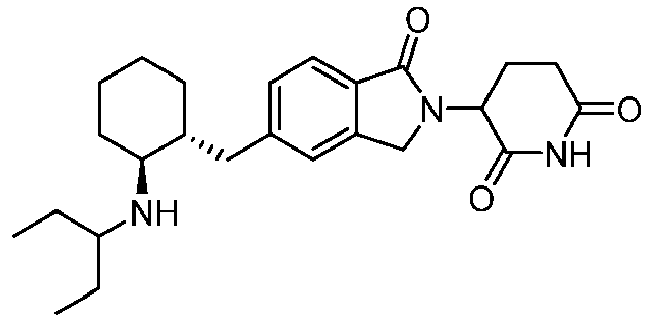
426.4 1H NMR (400 MHz, DMSO-d6) δ 10.99 (s, 1H), 8.08 (s, 1H), 7.81 (s, 1H), 7.70 (d, J = 7.8 Hz, 1H), 7.45 (s, 1H), 7.37 (d, J = 7.8 Hz, 1H), 5.11 (dd, J = 13.3, 5.1 Hz, 1H), 4.45 (dd, J = 17.3, 2.9 Hz, 1H), 4.32 (dd, J = 17.4, 3.1 Hz, 1H), 3.31 (dd, J = 12.8, 3.4 Hz, 1H), 3.15 (s, 1H), 3.03 (s, 1H), 2.92 (ddd, J = 17.1, 13.6, 5.4 Hz, 1H), 2.66 - 2.56 (m, 1H), 2.39 (qd, J = 13.3, 12.8, 3.9 Hz, 2H), 2.14 - 1.94 (m, 2H), 1.87 (d, J = 9.8 Hz, 1H), 1.70 (tdd, J = 15.0, 8.2, 5.1 Hz, 5H), 1.59 - 1.24 (m, 4H), 1.04 (t, J = 9.3 Hz, 2H), 0.95 (dt, J = 9.5, 7.4 Hz, 6H). pentan-3-one 24 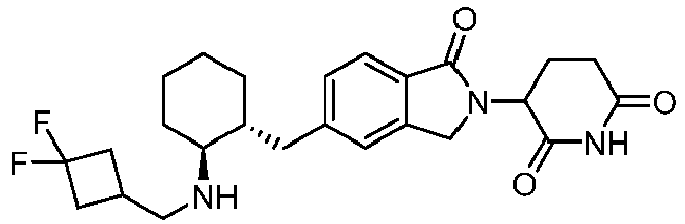
460.3 1H NMR (400 MHz, DMSO-d6) δ 10.99 (s, 1H), 8.55 (s, 1H), 8.28 (s, 1H), 7.69 (d, J = 7.8 Hz, 1H), 7.45 (s, 1H), 7.37 (dd, J = 7.8, 1.3 Hz, 1H), 5.11 (dd, J = 13.3, 5.1 Hz, 1H), 4.49 - 4.26 (m, 2H), 3.21 (dd, J = 13.8, 4.4 Hz, 3H), 3.02 (s, 1H), 2.92 (ddd, J = 17.4, 13.7, 5.5 Hz, 1H), 2.76 (ddq, J = 14.8, 10.8, 4.8 Hz, 2H), 2.66 - 2.57 (m, 1H), 2.46 - 2.31 (m, 1H), 2.11 - 1.95 (m, 2H), 1.86 (d, J = 9.9 Hz, 1H), 1.72 (d, J = 12.8 Hz, 1H), 1.48 (dd, J = 25.0, 13.6 Hz, 3H), 1.30 (d, J = 11.5 Hz, 1H), 1.04 (q, J = 11.0 Hz, 2H). 3,3-difluorocyclobutanec arbaldehyde 25 
451.4 1H NMR (400 MHz, DMSO-d6) δ 10.99 (s, 1H), 8.93 (s, 1H), 8.70 (s, 1H), 7.66 (dd, J = 7.8, 1.5 Hz, 1H), 7.40 (s, 1H), 7.33 (dt, J = 7.9, 1.6 Hz, 1H), 5.11 (dd, J = 13.3, 5.1 Hz, 1H), 4.46 - 4.17 (m, 4H), 3.20 (dd, J = 13.4, 4.1 Hz, 1H), 2.92 (ddd, J = 17.3, 13.6, 5.4 Hz, 1H), 2.63 (t, J = 17.0 Hz, 1H), 2.46 - 2.32 (m, 2H), 2.14 (d, J = 12.5 Hz, 1H), 2.05 - 1.88 (m, 2H), 1.72 (d, J = 12.6 Hz, 1H), 1.55 (t, J = 12.2 Hz, 4H), 1.29 (d, J = 11.4 Hz, 1H), 1.16 - 0.96 (m, 2H). benzaldehyde-2,3,4,5,6-d5 26 
546.5 1H NMR (400 MHz, DMSO-d6) δ 10.97 (s, 1H), 7.56 (d, J = 7.7 Hz, 1H), 7.23 - 7.09 (m, 2H), 5.08 (dd, J = 13.3, 5.1 Hz, 1H), 4.44 - 4.15 (m, 2H), 3.78 (d, J = 12.8 Hz, 4H), 2.90 (ddd, J = 18.2, 13.5, 5.5 Hz, 2H), 2.59 (d, J = 17.2 Hz, 2H), 2.44 - 2.30 (m, 1H), 2.20 (t, J = 11.4 Hz, 1H), 2.10 (d, J = 11.7 Hz, 1H), 2.02 - 1.94 (m, 1H), 1.87 - 1.71 (m, 2H), 1.44 (d, J = 12.8 Hz, 2H), 1.28 (d, J = 12.1 Hz, 1H), 1.00 (q, J = 11.7 Hz, 2H), 0.68 (d, J = 12.0 Hz, 1H). benzaldehyde-2,3,4,5,6-d5 27 
466.2 1H NMR (400 MHz, DMSO-d6) δ 10.99 (s, 1H), 7.70 (d, J = 7.8 Hz, 1H), 7.45 (s, 1H), 7.37 (d, J = 7.9 Hz, 1H), 5.12 (dd, J = 13.3, 5.1 Hz, 1H), 4.60 - 4.38 (m, 1H), 4.33 (dd, J = 17.1, 1.7 Hz, 1H), 3.27 (d, J = 13.4 Hz, 1H), 3.12 (d, J = 28.1 Hz, 2H), 2.99 - 2.81 (m, 2H), 2.70 - 2.54 (m, 1H), 2.45 - 2.21 (m, 1H), 2.18 - 1.95 (m, 2H), 1.95 - 1.61 (m, 5H), 1.61 - 1.14 (m, 8H), 1.04 (s, 2H), 0.93 (d, J = 4.1 Hz, 7H). 4,4-dimethylcyclohexano ne 28 
464.2 1H NMR (400 MHz, DMSO-d6) δ 10.99 (s, 1H), 7.71 (d, J = 7.8 Hz, 1H), 7.45 (s, 1H), 7.37 (d, J = 7.9 Hz, 1H), 5.12 (dd, J = 13.3, 5.1 Hz, 1H), 4.46 (dd, J= 17.4, 2.5 Hz, 1H), 4.41 - 4.21 (m, 1H), 3.10 (s, 1H), 3.03 - 2.84 (m, 2H), 2.83 - 2.55 (m, 2H), 2.45 - 2.20 (m, 1H), 2.18 - 1.88 (m, 3H), 1.88 - 1.22 (m, 10H), 1.20 - 0.78 (m, 5H), 0.36 (dd, J = 8.5, 5.7 Hz, 2H), 0.25 (t, J = 7.4 Hz, 2H). spiro[2.5]octan-6-one 29 
450.2 1H NMR (400 MHz, DMSO-d6) δ 10.99 (s, 1H), 7.71 (d, J = 7.8 Hz, 1H), 7.46 (s, 1H), 7.38 (d, J = 7.8 Hz, 1H), 5.12 (dd, J = 13.3, 5.2 Hz, 1H), 4.46 (d, J = 17.2 Hz, 1H), 4.33 (d, J = 17.2 Hz, 1H), 3.94 (s, 1H), 2.90 (s, 3H), 2.72 - 2.57 (m, 2H), 2.43 - 2.24 (m, 3H), 2.15 (s, 1H), 1.95 - 1.63 (m, 7H), 1.63 - 1.19 (m, 5H), 1.07 (d, J = 8.7 Hz, 2H). norpinan-3-one 79 
436.3 1H NMR (400 MHz, DMSO-d6) δ 10.99 (s, 1H), 8.78 (s, 1H), 8.60 (s, 1H), 7.69 (d, J = 7.8 Hz, 1H), 7.45 (s, 1H), 7.37 (d, J = 7.9 Hz, 1H), 5.11 (dd, J = 13.2, 5.1 Hz, 1H), 4.52 - 4.21 (m, 2H), 4.19 - 4.00 (m, 1H), 3.29 - 3.19 (m, 1H), 2.92 (ddd, J = 18.6, 12.0, 3.9 Hz, 2H), 2.59 (t, J = 10.8 Hz, 2H), 2.49 - 2.31 (m, 2H), 2.30 - 2.17 (m, 2H), 2.14 - 2.07 (m, 1H), 2.00 (d, J = 10.0 Hz, 2H), 1.87 (s, 1H), 1.66 (s, 1H), 1.52 (s, 2H), 1.35 (dd, J = 42.7, 11.0 Hz, 2H), 1.07 (q, J = 11.2 Hz, 2H), 0.60 - 0.43 (m, 4H). spiro[2.3]hexan-5-one 80 
452.3 1H NMR (400 MHz, DMSO-d6) δ 10.99 (s, 1H), 8.63 (s, 1H), 8.41 (s, 1H), 7.70 (d, J = 7.8 Hz, 1H), 7.43 (s, 1H), 7.35 (d, J = 7.8 Hz, 1H), 5.11 (dd, J = 13.3, 5.1 Hz, 1H), 4.57 (d, J = 36.7 Hz, 4H), 4.51 - 4.25 (m, 2H), 3.78 (d, J = 7.2 Hz, 1H), 3.19 (d, J = 12.9 Hz, 2H), 2.92 (ddd, J = 18.0, 13.4, 5.5 Hz, 2H), 2.66 - 2.56 (m, 2H), 2.47 - 2.28 (m, 3H), 2.00 (d, J = 13.4 Hz, 2H), 1.83 (s, 1H), 1.67 (s, 1H), 1.50 (d, J = 14.6 Hz, 2H), 1.33 (dt, J = 20.8, 11.6 Hz, 2H), 1.18 - 0.94 (m, 2H) 2-oxaspiro[3.3]heptan-6-one 81 
478.3 1H NMR (400 MHz, DMSO-d6) δ 11.01 (s, 1H), 8.68 (s, 1H), 8.37 (s, 1H), 7.58 (d, J = 7.7 Hz, 1H), 7.49 (t, J = 7.0 Hz, 1H), 5.12 (dd, J = 13.3, 5.1 Hz, 1H), 4.48 (ddd, J = 69.5, 17.4, 4.9 Hz, 2H), 3.29 - 3.02 (m, 5H), 2.92 (ddd, J = 17.3, 13.6, 5.4 Hz, 1H), 2.85 - 2.68 (m, 2H), 2.63 - 2.56 (m, 2H), 2.50 - 2.35 (m, 2H), 2.02 (tdd, J = 10.5, 7.2, 3.6 Hz, 2H), 1.95 - 1.81 (m, 1H), 1.77 - 1.62 (m, 1H), 1.48 (qd, J = 15.3, 13.6, 8.0 Hz, 3H), 1.41 - 1.23 (m, 1H), 1.06 (t, J = 9.5 Hz, 2H). I-4, 3,3-difluorocyclobutanec arbaldehyde 82 
438.4 1H NMR (400 MHz, DMSO-d6) δ 10.99 (s, 1H), 8.81 - 8.67 (m, 1H), 8.56 (s, 1H), 7.69 (d, J = 7.8 Hz, 1H), 7.45 (s, 1H), 7.36 (dd, J = 7.8, 1.4 Hz, 1H), 5.11 (dd, J= 13.3, 5.1 Hz, 1H), 4.51 - 4.24 (m, 2H), 3.89 (p, J = 7.6 Hz, 1H), 3.23 (dd, J = 13.4, 4.0 Hz, 1H), 2.98 - 2.83 (m, 2H), 2.61 (dt, J = 15.6, 2.8 Hz, 1H), 2.49 - 2.31 (m, 2H), 2.14 - 1.94 (m, 6H), 1.88 (s, 1H), 1.66 (s, 1H), 1.51 (dt, J = 11.9, 7.4 Hz, 2H), 1.45 - 1.21 (m, 2H), 1.14 (d, J = 10.2 Hz, 6H), 1.10 - 0.91 (m, 2H). 3,3-dimethylcyclobutano ne 83 
478.4 1H NMR (400 MHz, DMSO-d6) δ 10.99 (s, 1H), 8.02 (d, J = 23.6 Hz, 2H), 7.69 (d, J = 7.7 Hz, 1H), 7.45 (s, 1H), 7.36 (d, J = 7.8 Hz, 1H), 5.11 (dd, J = 13.3, 5.1 Hz, 1H), 4.45 (dd, J = 17.3, 6.2 Hz, 1H), 4.31 (dd, J = 17.3, 6.2 Hz, 1H), 3.13 - 3.05 (m, 1H), 3.01 (s, 1H), 2.92 (ddd, J = 17.3, 13.7, 5.5 Hz, 2H), 2.86 - 2.73 (m, 2H), 2.65 - 2.57 (m, 1H), 2.43 - 2.30 (m, 2H), 2.04 - 1.90 (m, 3H), 1.73 (d, J = 13.1 Hz, 1H), 1.65 - 1.40 (m, 14H), 1.35 - 1.22 (m, 2H), 1.01 (d, J = 7.3 Hz, 2H). bicyclo[2.2.2]octane-1- carbaldehyde 84 
492.1 1H NMR (400 MHz, DMSO-d6) δ 11.01 (s, 1H), 8.62 (s, 1H), 8.12 (d, J = 11.4 Hz, 1H), 7.60 (d, J = 7.6 Hz, 1H), 7.49 (t, J = 7.0 Hz, 1H), 5.12 (dd, J = 13.3, 5.1 Hz, 1H), 4.57 (dd, J = 17.4, 4.6 Hz, 1H), 4.40 (dd, J = 17.4, 4.3 Hz, 1H), 3.28 - 3.10 (m, 2H), 3.04 - 2.82 (m, 2H), 2.73 - 2.56 (m, 2H), 2.42 (td, J = 13.2, 4.5 Hz, 1H), 2.23 - 1.95 (m, 6H), 1.95 - 1.62 (m, 5H), 1.62 - 1.24 (m, 4H), 1.07 (t, J = 9.6 Hz, 2H). I-4, 4,4-difluorocyclohexanon e 85 
416.2 1H NMR (400 MHz, DMSO-d6) δ 11.01 (s, 1H), 8.27 (s, 1H), 7.92 (d, J = 28.5 Hz, 1H), 7.60 (d, J = 7.7 Hz, 1H), 7.49 (t, J = 7.0 Hz, 1H), 5.12 (dd, J = 13.3, 5.1 Hz, 1H), 4.57 (dd, J = 17.4, 3.9 Hz, 1H), 4.40 (dd, J = 17.4, 3.7 Hz, 1H), 3.52 (s, 1H), 3.13 (s, 2H), 2.92 (dt, J = 17.8, 7.4 Hz, 1H), 2.79 - 2.55 (m, 3H), 2.20 - 1.93 (m, 2H), 1.93 - 1.62 (m, 3H), 1.62 - 1.40 (m, 2H), 1.30 (dd, J = 20.4, 6.4 Hz, 7H), 1.08 (t, J = 9.3 Hz, 2H). I-4, acetone 86 
480.2 1H NMR (400 MHz, DMSO-d6) δ 10.99 (s, 1H), 7.70 (d, J = 7.8 Hz, 1H), 7.44 (s, 1H), 7.36 (dd, J = 7.7, 1.3 Hz, 1H), 5.12 (dd, J = 13.3, 5.1 Hz, 1H), 4.45 (dd, J= 17.5, 2.3 Hz, 1H), 4.34 (s, 3H), 4.23 (s, 2H), 3.29 - 3.00 (m, 3H), 2.92 (ddd, J = 17.3, 13.6, 5.4 Hz, 1H), 2.68 - 2.54 (m, 1H), 2.38 (ddd, J = 18.6, 10.8, 4.8 Hz, 2H), 2.05 (ddd, J = 56.6, 21.6, 15.7 Hz, 6H), 1.75 (dd, J = 26.9, 13.5 Hz, 2H), 1.59 - 1.17 (m, 8H), 1.03 (s, 2H). 2-oxaspiro[3.5]nonan-7-one -

- 3-(5-(((1R,2S)-2-(3-(2-chlorophenoxy)azetidin-1-yl)cyclohexyl)methyl)-1-oxoisoindolin-2-yl)piperidine-2,6-dione (Example 30) Example 1 (50.0 mg, 141 umol) and 2-(2-chlorophenoxy)propane-1,3-diyl bis(4-methylbenzenesulfonate) (prepared as described in
WO2020/012334 ) (216 mg, 422 umol) were taken up in MeCN (1.4 mL) and treated with N,N-diisopropylethylamine (147 uL, 844 umol). The mixture was stirred under microwave irradiation at 130 °C for 4 h, then cooled to rt, diluted with DMSO, filtered through a syringe filter, and purified by RP-HPLC (eluent: MeCN/water gradient with 0.1% TFA). Product-containing fractions were combined, lyophilized, taken up in DCM, treated with triethylamine (500 uL), and further purified by normal-phase column chromatography (0→100% EtOAc in hexanes followed by 0→30% MeOH in DCM). Product-containing fractions were combined, concentrated under vacuum, and subjected to a final purification by RP-HPLC to afford the product (Example 30) as the trifluoroacetate salt. ES/MS m/z: 522.3 (M+H+). 1H NMR (400 MHz, DMSO-d6; mixture of two diastereomeric protonation states, * denotes major, # denotes minor) δ 10.99 (s, 1H*, 1H#), 10.56 - 10.43 (m, 1H#), 10.19 - 10.08 (m, 1H*), 7.68 (dd, J = 7.8, 3.4 Hz, 1H*, 1H#), 7.51 (ddd, J = 7.8, 5.9, 1.6 Hz, 1H*, 1H#), 7.48 - 7.43 (m, 1H*, 1H#), 7.40 - 7.30 (m, 2H*, 2H#), 7.07 (tt, J = 7.7, 1.6 Hz, 1H*, 1H#), 6.99 (dd, J = 8.3, 1.3 Hz, 1H*), 6.89 (dd, J = 8.3, 1.3 Hz, 1H#), 5.15 - 5.04 (m, 2H*, 2H#), 4.93 - 4.83 (m, 1H*), 4.81 - 4.68 (m, 1H*, 2H#), 4.59 - 4.51 (m, 1H#), 4.49 - 4.27 (m, 4H*, 3H#), 3.38 - 3.21 (m, 1H*, 1H#), 3.08 - 2.85 (m, 2H*, 2H#), 2.71 - 2.53 (m, 2H*, 2H#), 2.40 (qd, J = 13.2, 4.5 Hz, 1H*, 1H#), 2.08 - 1.88 (m, 3H*, 3H#), 1.72 - 1.29 (m, 5H*, 5H#), 1.25 - 1.00 (m, 2H*, 2H#). - The following Examples were made using the general route described in
Procedure 4 and are shown below in Table 2. To prepare the below Examples, different reagents/starting materials were used than some of those described inProcedure 4 and are noted in the last column of Table 2 - "Changes to Procedure 4: Different Reagents/Starting Materials". A person of ordinary skill in the art will readily recognize which reagents/starting materials ofProcedure 4 were replaced with the different reagents/starting materials noted below.Table 2 Example Structure ES/MS m/z 1H-NMR Changes to Procedure 4: Different Reagents/ Starting Materials 31 
440.3 1H NMR (400 MHz, DMSO-d6; mixture of two diastereomeric protonation states, * denotes major, # denotes minor) δ 10.99 (s, 1H*, 1H#), 10.29 - 10.18 (m, 1H#), 9.73 - 9.62 (m, 1H*), 7.68 (d, J = 7.7 Hz, 1H*, 1H#), 7.45 (d, J = 9.7 Hz, 1H*, 1H#), 7.36 (t, J = 8.2 Hz, 1H*, 1H#), 5.11 (dd, J = 13.3, 5.1 Hz, 1H*, 1H#), 4.56 - 4.01 (m, 7H*, 7H#), 3.52 - 3.42 (m, 2H*, 2H#), 3.25 - 3.11 (m, 1H*, 1H#), 3.03 - 2.86 (m, 2H*, 2H#), 2.69 - 2.52 (m, 2H*, 2H#), 2.40 (qd, J = 13.2, 4.5 Hz, 1H*, 1H#), 2.04 - 1.84 (m, 3H*, 3H#), 1.70 - 1.27 (m, 5H*, 5H#), 1.24 - 0.96 (m, 5H*, 5H#). 1,3-dibromo-2-ethoxypropane 32 
488.3 1H NMR (400 MHz, DMSO-d6) δ 10.99 (s, 1H), 10.35 (s, 0H), 9.86 (s, 1H), 7.68 (d, J = 7.7 Hz, 1H), 7.46 (d, J = 6.1 Hz, 1H), 7.40 - 7.29 (m, 3H), 7.05 (t, J = 7.3 Hz, 1H), 6.94 - 6.83 (m, 2H), 5.11 (dd, J = 13.3, 5.1 Hz, 1H), 5.07 - 4.97 (m, 1H), 4.83 (s, 1H), 4.68 (d, J = 9.0 Hz, 1H), 4.52 - 4.22 (m, 4H), 3.28 (d, J = 32.0 Hz, 1H), 3.07 - 2.83 (m, 2H), 2.70 - 2.55 (m, 1H), 2.45 - 2.27 (m, 1H), 2.07 - 1.85 (m, 3H), 1.48 (d, J = 63.2 Hz, 6H), 1.13 (d, J = 57.6 Hz, 2H). 2-phenoxypropane-1,3-diyl bis(4-methyl benzenesulfonate) 33 
502.4 1H NMR (400 MHz, DMSO-d6) δ 10.99 (s, 1H), 9.56 (s, 1H), 7.69 (d, J = 7.8 Hz, 1H), 7.44 (d, J = 7.9 Hz, 1H), 7.43 - 7.20 (m, 6H), 5.11 (dd, J = 13.3, 5.1 Hz, 1H), 4.54 (s, 1H), 4.51 (s, 1H), 4.46 (d, J = 6.8 Hz, 1H), 4.42 (q, J = 4.2 Hz, 1H), 4.39 - 4.31 (m, 1H), 4.31 - 4.26 (m, 1H), 4.14 (dt, J = 16.6, 5.5 Hz, 1H), 3.19 (d, J = 28.4 Hz, 1H), 3.04 - 2.83 (m, 2H), 2.65 - 2.56 (m, 1H), 2.47 - 2.34 (m, 1H), 2.07 - 1.81 (m, 4H), 1.65 (s, 1H), 1.53 (d, J = 8.7 Hz, 2H), 1.47-1.27 (m, 3H), 1.26 - 1.14 (m, 1H), 1.14 - 0.87 (m, 2H). 2-(benzyloxy)propane-1,3-diyl bis(4-methylbenzenesulfonate) -

- Step 1: Preparation of tert-butyl 6-((1S,2R)-2-((2-(2,6-dioxopiperidin-3-yl)-1-oxoisoindolin-5-yl)methyl)cyclohexyl)-2,6-diazaspiro[3.3]heptane-2-carboxylate. Example 1 (100 mg, 0.281 mmo) was taken up in MeCN (2.8 mL) and tert-
butyl 3,3-bis(bromomethyl)azetidine-1-carboxylate (291 mg, 0.844 mmol) was added followed by N,N-diisopropylethylamine (294 uL, 1.69 mmol). The mixture was stirred at 130 °C for 4 h under microwave irradiation. The mixture was then cooled to r.t., concentrated under reduced pressure, and purified by normal phase column chromatography (0→ 100% EtOAc in hexanes, then 0→30% MeOH in DCM) to afford the product. ES/MS m/z: 537.4 (M+H+). - Step 2: Preparation of 3-(5-(((1R,2S)-2-(2,6-diazaspiro[3.3]heptan-2-yl)cyclohexyl)methyl)-1-oxoisoindolin-2-yl)piperidine-2,6-dione. tert-butyl 6-((1S,2R)-2-((2-(2,6-dioxopiperidin-3-yl)-1-oxoisoindolin-5-yl)methyl)cyclohexyl)-2,6-diazaspiro[3.3]heptane-2-carboxylate (151 mg, 0.281 mmol) was taken up in DCM (2.0 mL) and treated with TFA (2.0 mL). The mixture was stirred at rt for 1 h, then was concentrated under reduced pressure to afford the product, which was used in subsequent reactions without further purification. ES/MS m/z: 437.4 (M+H+).
- Step 3: Preparation of 3-(5-(((1R,2S)-2-(6-(2-chlorobenzyl)-2,6-diazaspiro[3.3]heptan-2-yl)cyclohexyl)methyl)-1-oxoisoindolin-2-yl)piperidine-2,6-dione (Example 34) 3-(5-(((1R,2S)-2-(2,6-diazaspiro[3.3]heptan-2-yl)cyclohexyl)methyl)-1-oxoisoindolin-2-yl)piperidine-2,6-dione (61 mg, 0.14 mmol) was taken up in MeOH (1.4 mL) and treated with 2-chlorobenzaldehyde (47 uL, 0.419 mmol) followed by acetic acid (8.0 uL, 0.14 mmol) and sodium cyanoborohydride (26.3 mg, 0.419 mmol). The mixture was stirred at r.t. for 90 min, then diluted with DMSO, filtered through a syringe filter, and purified by RP-HPLC (eluent: MeCN/water gradient with 0.1% TFA). Product-containing fractions were combined, lyophilized, and subjected to a second purification by RP-HPLC to afford the product (Example 34) as the trifluoroacetate salt. ES/MS m/z: 561.4 (M+H+). 1H NMR (400 MHz, DMSO-d6) δ 10.99 (s, 1H), 10.56 (s, 1H), 7.68 (d, J = 7.7 Hz, 1H), 7.61 - 7.57 (m, 1H), 7.55 - 7.43 (m, 4H), 7.39 - 7.34 (m, 1H), 5.11 (dd, J = 13.3, 5.1 Hz, 1H), 4.53 (s, 2H), 4.50 - 4.19 (m, 10H), 3.13 (s, 1H), 2.98 - 2.84 (m, 2H), 2.69 - 2.56 (m, 2H), 2.40 (qd, J = 13.1, 4.5 Hz, 1H), 2.04 - 1.86 (m, 3H), 1.60 - 1.31 (m, 5H), 1.25 - 1.05 (m, 2H).
-

- 3-(5-(((1R,2S)-2-(ethylamino)cyclohexyl)methyl)-1-oxoisoindolin-2-yl)piperidine-2,6-dione (Example 35). Example 1 (30.0 mg, 84.4 µmol) was taken up in TFE (1.0 mL) and treated with acetaldehyde (14.2 µL, 253 umol). The mixture was stirred for 30 min at rt, then treated with NaHB(OAc)3 (53.7 mg, 253 µmol). The reaction mixture was stirred for an additional 3 hour at r.t., then diluted with DMSO, filtered through a syringe filter, and purified by RP-HPLC (eluent: MeCN/water gradient with 0.1% TFA). Product-containing fractions were combined, lyophilized, taken up in DCM, treated with triethylamine (500 µL), and further purified by normal-phase column chromatography (0→100% EtOAc in hexanes followed by 0→30% MeOH in DCM). Product-containing fractions were combined, concentrated under vacuum, and subjected to a final purification by RP-HPLC to afford the product (Example 35) as the trifluoroacetate salt. ES/MS m/z: 384.3 (M+H+). 1H NMR (400 MHz, DMSO-d6) δ 10.99 (s, 1H), 8.43 - 8.32 (m, 1H), 8.23 - 8.13 (m, 1H), 7.69 (d, J = 7.7 Hz, 1H), 7.45 (s, 1H), 7.36 (dd, J = 7.9, 1.4 Hz, 1H), 5.11 (dd, J = 13.3, 5.1 Hz, 1H), 4.45 (dd, J = 17.4, 3.5 Hz, 1H), 4.31 (dd, J = 17.3, 4.1 Hz, 1H), 3.21 (dd, J = 13.4, 3.8 Hz, 1H), 3.17 - 3.08 (m, 1H), 3.06 - 2.94 (m, 2H), 2.94 - 2.86 (m, 1H), 2.65 - 2.56 (m, 1H), 2.46 - 2.33 (m, 2H), 2.09 - 1.96 (m, 2H), 1.88 - 1.78 (m, 1H), 1.75 - 1.66 (m, 1H), 1.58 - 1.21 (m, 7H), 1.13 - 0.97 (m, 2H).
- The following Examples were made using the general route described in Procedure 6 and are shown below in Table 3. To prepare the below Examples, different reagents/starting materials were used than some of those described in Procedure 6 and are noted in the last column of Table 3 - "Changes to Procedure 6: Different Reagents/Starting Materials". A person of ordinary skill in the art will readily recognize which reagents/starting materials of Procedure 6 were replaced with the different reagents/starting materials noted below.


-

- 3-(5-(((1R,2S)-2-((4,4-difluorocyclohexyl)amino)cyclohexyl)methyl)-1-oxoisoindolin-2-yl)piperidine-2,6-dione (Example 46) A vial was charged with Example 1 (40.0 mg, 0.113 mmol), 4,4-difluorocyclohexan-1-one (22.7 µL, 0.563 mmol), sodium cyanoborohydride (21.2 mg, 0.338 mmol), N,N-dimethylformamide (0.40 mL), and acetic acid (6.5 µL, 0.113 mmol). The reaction was then mixed at room temperature 18 h. Following this time, the reaction mixture was concentrated in vacuo. The residue was taken up in DMSO and purified directly by RP-HPLC (eluent: 0-100% MeCN/water gradient with 0.1% TFA) to afford the product (Example 46) as the trifluoroacetate salt. ES/MS: 474.3 (M+H+). 1H NMR (400 MHz, DMSO-d6) δ 10.99 (s, 1H), 8.56 (s, 1H), 8.16 (s, 1H), 7.70 (d, J = 7.7 Hz, 1H), 7.44 (s, 1H), 7.39 - 7.30 (m, 1H), 5.11 (dd, J = 13.3, 5.1 Hz, 1H), 4.45 (dd, J = 17.5, 3.0 Hz, 1H), 4.32 (dd, J = 17.4, 2.9 Hz, 1H), 3.46 (s, 1H), 3.28 (dd, J = 13.0, 3.4 Hz, 1H), 3.11 (s, 1H), 2.92 (ddd, J = 17.3, 13.6, 5.4 Hz, 1H), 2.65 - 2.56 (m, 1H), 2.40 (dqt, J = 13.3, 9.5, 4.6 Hz, 2H), 2.20 - 2.05 (m, 5H), 2.05 - 1.87 (m, 3H), 1.72 (ddd, J = 41.4, 20.5, 11.1 Hz, 4H), 1.59 - 1.43 (m, 2H), 1.41 - 1.22 (m, 2H), 1.11 - 0.94 (m, 2H).
- The following Examples were made using the general route described in Procedure 7 and are shown below in Table 4. To prepare the below Examples, different reagents/starting materials were used than some of those described in Procedure 7 and are noted in the last column of Table 4 - "Changes to Procedure 7: Different Reagents/Starting Materials". A person of ordinary skill in the art will readily recognize which reagents/starting materials of Procedure 7 were replaced with the different reagents/starting materials noted below.
Table 4 Example Structure ES/MS m/z 1H-NMR Changes to Procedure 7: Different Reagents/ Starting Materials 47 
396.3 1H NMR (400 MHz, DMSO-d6) δ 10.99 (s, 1H), 8.58 (s, 2H), 7.69 (d, J = 7.8 Hz, 1H), 7.43 (s, 1H), 7.35 (dd, J = 7.8, 1.4 Hz, 1H), 5.11 (dd, J = 13.3, 5.1 Hz, 1H), 4.45 (dd, J = 17.3, 4.6 Hz, 1H), 4.31 (dd, J = 17.3, 4.8 Hz, 1H), 3.22 (dd, J = 13.4, 3.7 Hz, 1H), 3.14 (s, 1H), 2.92 (ddd, J = 17.2, 13.6, 5.4 Hz, 1H), 2.79 (d, J = 7.3 Hz, 1H), 2.65 - 2.56 (m, 1H), 2.47 - 2.32 (m, 2H), 2.24 - 2.11 (m, 1H), 2.06 - 1.95 (m, 1H), 1.90 (d, J = 9.5 Hz, 1H), 1.72 (d, J = 12.2 Hz, 1H), 1.61 - 1.43 (m, 3H), 1.32 (d, J = 10.9 Hz, 1H), 1.06 (q, J = 10.5 Hz, 2H), 0.97 - 0.77 (m, 4H). (1-Ethoxycyclopropoxy)trime thylsilane -

- 3-(5-(((1R,2S)-2-(cyclobutylamino)cyclohexyl)methyl)-1-oxoisoindolin-2-yl)piperidine-2,6-dione (Example 48) Example 1 (42 mg, 11.8 µmol) was taken up in 1,2-dichloroethane (0.5 mL) and treated with cyclobutanenone (12.4 mg, 17.7 µmol) followed by acetic acid (33.8 µL, 59 µmol) and sodium cyanoborohydride (22.3 mg, 35.4 µmol). The reaction mixture was stirred at 50 °C overnight. The mixture was then diluted with DMSO (3 mL), filtered through a syringe filter, and purified by RP-HPLC (eluent: MeCN/water gradient with 0.1% TFA). Product-containing fractions were combined, lyophilized to afford the above title product (Example 48) as a trifluoroacetate salt. ES/MS m/z: 410.30 (M+H+). 1H NMR (400 MHz, DMSO-d6) δ 10.99 (s, 1H), 8.81 (s, 1H), 8.59 (s, 1H), 8.00 - 7.88 (m, 1H), 7.69 (d, J = 7.8 Hz, 1H), 7.50 (t, J = 7.7 Hz, 1H), 7.45 (s, 1H), 7.37 (d, J = 7.8 Hz, 1H), 5.11 (dd, J = 13.3, 5.2 Hz, 1H), 4.49 - 4.28 (m, 2H), 3.97 - 3.80 (m, 1H), 3.54 - 3.39 (m, 2H), 3.12 (s, 1H), 3.00 - 2.84 (m, 2H), 2.60 (d, J = 16.8 Hz, 1H), 2.49 - 2.28 (m, 2H), 2.22 (q, J = 8.5, 7.9 Hz, 3H), 2.05 - 1.93 (m, 2H), 1.93 - 1.74 (m, 2H), 1.45 (d, J = 47.0 Hz, 2H).
- The following Examples were made using the general route described in
Procedure 8 and are shown below in Table 5. To prepare the below Examples, different reagents/starting materials were used than some of those described inProcedure 8 and are noted in the last column of Table 5 - "Changes to Procedure 8: Different Reagents/Starting Materials". A person of ordinary skill in the art will readily recognize which reagents/starting materials ofProcedure 8 were replaced with the different reagents/starting materials noted below.Table 5. Example Structure ES/MS m/z 1H-NMR Changes to Procedure 8: Different Reagents/ Starting Materials 49 
465.2 1H NMR (400 MHz, DMSO-d6) δ 10.99 (s, 1H), 9.02 (d, J = 61.5 Hz, 2H), 8.69 (t, J = 2.9 Hz, 1H), 7.88 (tt, J = 8.8, 2.7 Hz, 1H), 7.67 (dt, J = 8.8, 3.0 Hz, 2H), 7.44 (s, 1H), 7.36 (dt, J = 7.8, 1.6 Hz, 1H), 5.12 (ddd, J = 13.3, 5.2, 2.2 Hz, 1H), 4.48 - 4.36 (m, 3H), 4.31 (dd, J = 17.3, 3.7 Hz, 1H), 3.38 - 3.17 (m, 1H), 2.92 (ddd, J = 17.4, 13.7, 5.5 Hz, 1H), 2.67 - 2.56 (m, 1H), 2.38 (qd, J = 12.7, 11.5, 8.5 Hz, 2H), 2.11 (d, J = 12.3 Hz, 1H), 2.06 - 1.88 (m, 2H), 1.72 (d, J = 13.1 Hz, 1H), 1.51 (t, J = 10.4 Hz, 3H), 1.26 (d, J = 12.0 Hz, 1H), 1.05 (d, J= 10.0 Hz, 2H). 5-fluoropyridine-2-carbaldehyde 50 
465.3 1H NMR (400 MHz, DMSO-d6) δ 10.98 (s, 1H), 8.53 (s, 1H), 8.03 - 7.92 (m, 1H), 7.61 (d, J = 7.7 Hz, 1H), 7.38 (s, 1H), 7.29 (d, J = 7.8 Hz, 1H), 7.26 (dd, J = 7.8, 3.6 Hz, 1H), 5.10 (ddd, J = 13.2, 5.2, 1.6 Hz, 1H), 4.41 (d, J = 17.0 Hz, 1H), 4.28 (d, J = 17.2 Hz, 1H), 4.22 - 3.88 (m, 2H), 3.35 - 3.19 (m, 2H), 2.91 (ddd, J = 17.2, 13.6, 5.4 Hz, 1H), 2.64 - 2.56 (m, 1H), 2.45 - 2.32 (m, 2H), 2.12 - 1.95 (m, 2H), 1.75 - 1.58 (m, 2H), 1.58 - 1.46 (m, 2H), 1.29 - 0.85 (m, 4H). 3 -fluoropyridine-2-carbaldehyde 51 
465.3 1H NMR (400 MHz, DMSO-d6) δ 10.99 (s, 1H), 8.98 (s, 1H), 8.71 (s, 1H), 8.67 (d, J = 2.8 Hz, 1H), 8.64 (s, 1H), 7.96 (d, J = 9.6 Hz, 1H), 7.68 (d, J = 7.7 Hz, 1H), 7.44 (s, 1H), 7.39 - 7.30 (m, 1H), 5.76 (s, 1H), 5.11 (dd, J = 13.3, 5.1 Hz, 1H), 4.44 (dd, J = 17.3, 5.3 Hz, 1H), 4.31 (dd, J = 17.2, 5.0 Hz, 1H), 3.25 (dd, J = 13.5, 4.0 Hz, 1H), 3.07 (s, 1H), 2.92 (ddd, J = 18.1, 13.6, 5.4 Hz, 1H), 2.63 (t, J = 17.3 Hz, 1H), 2.46 - 2.34 (m, 1H), 2.16 (d, J = 12.7 Hz, 1H), 1.99 (dd, J = 12.4, 6.0 Hz, 1H), 1.74 (d, J = 12.4 Hz, 1H), 1.65 - 1.46 (m, 3H), 1.42 - 1.00 (m, 3H). 5-fluoropyridine-3-carbaldehyde 52 
424.3 1H NMR (400 MHz, DMSO-d6) δ 10.99 (s, 1H), 8.52 (s, 1H), 8.12 (s, 1H), 7.70 (d, J = 7.7 Hz, 1H), 7.45 (s, 1H), 7.39-7.31 (m, 1H), 5.11 (dd, J = 13.3, 5.1 Hz, 1H), 4 . 5 1 - 4.27 (m, 2H), 3.69 (s, 1H), 3.26 (d, J = 13.0 Hz, 1H), 2.92 (ddd, J = 17.9, 14.1, 5.9 Hz, 2H), 2.70 - 2.56 (m, 1H), 2.47 - 2.31 (m, 2H), 2.17 - 1.92 (m, 4H), 1.88 (d, J = 19.1 Hz, 1H), 1.78 - 1.64 (m, 0H), 1.64 - 1.20 (m, 7H), 1.07 (q, J = 10.1 Hz, 2H). cyclopentanone 53 
410.3 1H NMR (400 MHz, DMSO-d6) δ 10.99 (s, 1H), 8.21 (s, 1H), 7.91 (s, 1H), 7.70 (d, J = 7.8 Hz, 1H), 7.44 (s, 1H), 7.36 (d, J = 8.0 Hz, 1H), 5.76 (s, 1H), 5.11 (dd, J = 13.2, 5.1 Hz, 1H), 4.67 - 4.18 (m, 2H), 3.42 - 3.03 (m, 3H), 2.92 (ddd, J = 18.2, 13.6, 5.2 Hz, 1H), 2.72 - 2.56 (m, 1H), 2.45 - 2.21 (m, 1H), 2.25 - 1.91 (m, 4H), 1.76 (dd, J = 72.3, 42.1 Hz, 4H), 1.59 - 0.87 (m, 12H). cyclohexanone 54 
396.3 1H NMR (400 MHz, DMSO-d6) δ 10.99 (s, 1H), 8.24 (s, 1H), 7.99 (s, 1H), 7.70 (d, J = 7.8 Hz, 1H), 7.47 (s, 1H), 7.39 (d, J = 7.8 Hz, 1H), 5.66 (q, J = 11.1 Hz, 2H), 5.11 (dd, J = 13.3, 5.1 Hz, 1H), 4.57 - 4.25 (m, 2H), 3.57 - 3.40 (m, 1H), 3.32 (s, 1H), 3.03 (dd, J = 13.2, 5.0 Hz, 1H), 2.92 (ddd, J = 18.1, 13.6, 5.4 Hz, 1H), 2.65 - 2.55 (m, 1H), 2.47 - 2.32 (m, 1H), 2.32 - 2.22 (m, 1H), 2.17 (d, J = 18.7 Hz, 1H), 2.00 (d, J = 15.6 Hz, 2H), 1.84 (d, J = 18.2 Hz, 1H), 1.25 (dd, J = 6.6, 2.2 Hz, 6H). 1-5, acetone 87 
442.3 1H NMR (400 MHz, DMSO-d6) δ 11.01 (s, 1H), 8.54 (s, 1H), 8.08 (s, 1H), 7.59 (d, J = 7.6 Hz, 1H), 7.49 (t, J = 7.0 Hz, 1H), 5.12 (dd, J = 13.3, 5.1 Hz, 1H), 4.62 - 4.32 (m, 2H), 3.68 (s, 12H), 3.20 (d, J = 13.4 Hz, 1H), 3.05 (s, 1H), 2.92 (ddd, J = 18.1, 13.5, 5.4 Hz, 1H), 2.75 - 2.57 (m, 2H), 2.47 - 2.29 (m, 1H), 2.20 - 1.96 (m, 1H), 1.89 (s, 1H), 1.72 (s, 3H), 1.64 - 1.25 (m, 6H), 1.10 (s, 2H). 1-4; cyclopentanone 88 
456.4 1H NMR (400 MHz, DMSO-d6) δ 11.01 (s, 1H), 8.44 (s, 1H), 8.04 (t, J = 9.7 Hz, 1H), 7.59 (d, J = 7.7 Hz, 1H), 7.50 (t, J = 6.9 Hz, 1H), 5.12 (dd, J = 13.3, 5.1 Hz, 1H), 4.57 (dd, J = 17.4, 3.7 Hz, 1H), 4.39 (dd, J = 17.4, 3.3 Hz, 1H), 3.29 - 3.07 (m, 3H), 2.92 (ddd, J = 17.2, 13.6, 5.4 Hz, 1H), 2.60 (ddd, J = 13.2, 10.7, 4.7 Hz, 2H), 2.49 - 2.36 (m, 1H), 2.25 (t, J = 6.6 Hz, 1H), 2.16 - 2.06 (m, 2H), 2.00 (ddq, J = 10.5, 5.2, 2.6 Hz, 2H), 1.96 - 1.83 (m, 1H), 1.83 - 1.60 (m, 5H), 1.60 - 1.22 (m, 8H), 110 (dt, J = 19.5, 11.0 Hz, 3H). 1-4; cyclohexanone -

- 3-(1-oxo-5-(((1R,2S)-2-(3-phenylazetidin-1-yl)cyclohexyl)methyl)isoindolin-2-yl)piperidine-2,6-dione (Example 55). Example 1 (30.0 mg, 84.4 µmmol) was taken up in DMF (1.0 mL) and (1,3-dibromopropan-2-yl)benzene (70.4 mg, 0.25 mmol) was added followed by N,N-diisopropylethylamine (88 µL, 0.51 mmol). The reaction was heated to 80 °C for 1 hour. Following this time, the reaction was complete and the reaction mixture was filtered through a syringe filter (washed with DMF) and purified directly by RP-HPLC (eluent: MeCN/water gradient with 0.1% TFA) to yield the product (Example 55) as the trifluoracetate salt. ES/MS: 472.2 (M+H+). 1H NMR (400 MHz, DMSO-d6) δ 10.99 (s, 1H), 7.68 (d, J = 7.8 Hz, 1H), 7.61 - 7.51 (m, 2H), 7.51 - 7.22 (m, 5H), 5.77 (s, 1H), 5.63 (s, 1H), 5.12 (dd, J= 13.2, 5.1 Hz, 1H), 4.44 (dd, J = 17.3, 2.8 Hz, 1H), 4.31 (dd, J = 17.4, 4.2 Hz, 1H), 4.24 - 4.11 (m, 1H), 3.20 - 2.79 (m, 3H), 2.71 - 2.56 (m, 1H), 2.50 - 2.24 (m, 2H), 2.19 - 1.87 (m, 3H), 1.82 - 1.63 (m, 1H), 1.53 (q, J = 14.2, 12.3 Hz, 3H), 1.28 (d, J = 14.6 Hz, 1H), 1.04 (dq, J = 22.0, 11.1 Hz, 2H).
-

- 3 -(5 -(((1R,2 S)-2-((3,3 -dimethylbutyl)amino)cyclohexyl)methyl)-1-oxoisoindolin-2-yl)piperidine-2,6-dione (Example 56) 3,3-dimethylbutanal (17 mg, 0.169 mmol), glacial acetic acid (0.024 ml, 0.422 mmol), and Na(OAc)3BH (89 mg, 0.422 mmol) were added to a stirring solution of Example 1 (50 mg, 0.141 mmol) in dichloroethane (5 mL). The resulting mixture was stirred o/n at r.t. then diluted with CH2Cl2. The organic layer was washed with saturated aqueous NaHCO3 and brine, then dried over Na2SO4 and concentrated to give the crude product. Purification by RP-HPLC chromatography (eluent: MeCN/water gradient with 0.1% TFA) afforded the title compound (Example 56). ES/MS: 440.4 (M+H+). 1H NMR (400 MHz, DMSO-d 6) δ 10.99 (s, 1H), 8.45 (s, 1H), 8.21 (s, 1H), 7.69 (d, J = 7.7 Hz, 1H), 7.44 (s, 1H), 7.36 (dd, J = 7.8, 1.4 Hz, 1H), 5.11 (dd, J = 13.3, 5.1 Hz, 1H), 4.44 (dd, J = 17.4, 3.4 Hz, 1H), 4.31 (dd, J = 17.3, 4.0 Hz, 1H), 3.22 (dd, J = 13.4, 3.7 Hz, 1H), 3.03 - 2.85 (m, 4H), 2.60 (d, J = 17.5 Hz, 1H), 2.47 - 2.31 (m, 2H), 2.09 (d, J = 11.2 Hz, 1H), 2.03 - 1.95 (m, 1H), 1.89 - 1.84 (m, 1H), 1.76 - 1.23 (m, 6H), 1.14 - 0.99 (m, 2H), 0.93 (s, 9H).
- The following Examples were made using the general route described in Procedure 10 and are shown below in Table 6. To prepare the below Examples, different reagents/starting materials were used than some of those described in Procedure 10 and are noted in the last column of Table 6 - "Changes to Procedure 10: Different Reagents/Starting Materials". A person of ordinary skill in the art will readily recognize which reagents/starting materials of Procedure 10 were replaced with the different reagents/starting materials noted below.
Table 6 Example Structure ES/MS m/z 1H-NMR Changes to Procedure 10: Different Reagents/ Starting Materials 57 
426.4 1H NMR (400 MHz, DMSO-d6) δ 10.99 (s, 1H), 8.22 (s, 1H), 8.06 (s, 1H), 7.69 (d, J = 7.7 Hz, 1H), 7.46 (s, 1H), 7.37 (dd, J = 7.8, 1.4 Hz, 1H), 5.11 (dd, J = 13.3, 5.1 Hz, 1H), 4.45 (dd, J = 17.3, 5.4 Hz, 1H), 4.31 (dd, J = 17.3, 5.4 Hz, 1H), 3.13 (dd, J = 13.4, 3.3 Hz, 1H), 3.11 - 2.98 (m, 1H), 3.02 - 2.85 (m, 3H), 2.60 (d, J = 17.1 Hz, 1H), 2.48 - 2.32 (m, 2H), 2.04 - 1.95 (m, 2H), 1.75 (d, J = 13.0 Hz, 1H), 1.53 (t, J = 22.4 Hz, 4H), 1.35 - 1.26 (m, 1H), 1.05 (s, 9H), 1.03 - 0.97 (m, 1H). 2,2-dimethylpropanal 89 
458.4 1H NMR (400 MHz, DMSO-d6) δ 11.01 (s, 1H), 8.54 (s, 1H), 8.28 (s, 1H), 7.58 (d, J = 7.6 Hz, 1H), 7.47 (t, J = 7.0 Hz, 1H), 5.11 (dd, J = 13.3, 5.1 Hz, 1H), 4.56 (dd, J = 17.4, 4.6 Hz, 1H), 4.38 (dd, J = 17.3, 5.3 Hz, 1H), 3.22 - 3.14 (m, 1H), 3.11 - 2.85 (m, 3H), 2.65-2.50 (m, 2H), 2.50 - 2.35 (m, 1H), 2.11 - 1.94 (m, 2H), 1.93 - 1.82 (m, 1H), 1.75 - 1.43 (m, 5H), 1.31 (d, J = 10.8 Hz, 2H), 1.11 - 1.06 (m, 2H), 0.94 (s, 9H). I-4 90 
542.5 1H NMR (400 MHz, DMSO-d6) δ 11.00 (s, 1H), 8.34 (s, 1H), 7.58 (d, J = 7.6 Hz, 1H), 7.42 (t, J = 7.0 Hz, 1H), 5.12 (dd, J = 13.3, 5.1 Hz, 1H), 4.56 (dd, J = 17.4, 11.5 Hz, 1H), 4.38 (dd, J = 17.4, 11.0 Hz, 1H), 3.39-3.10 (m, 4H), 3.04 - 2.85 (m, 2H), 2.65 - 2.55 (m, 1H), 2.48 - 2.36 (m, 2H), 2.18 (d, J = 9.5 Hz, 1H), 2.05 - 1.76 (m, 4H), 1.71 - 1.50 (m, 5H), 1.46 - 1.30 (m, 2H), 1.14 (t, J = 10.4 Hz, 2H), 0.98 (d, J = 7.4 Hz, 18H). I-4 91 
488.1 1H NMR (400 MHz, DMSO-d6) δ 10.99 (s, 1H), 7.71 (d, J = 7.8 Hz, 1H), 7.44 (s, 1H), 7.36 (d, J = 7.8 Hz, 1H), 5.12 (dd, J = 13.2, 5.1 Hz, 1H), 4.46 (dd, J = 17.3, 3.9 Hz, 1H), 4.33 (dd, J = 17.3, 4.2 Hz, 1H), 3.38 - 3.02 (m, 4H), 3.02 - 2.82 (m, 2H), 2.70 - 2.53 (m, 1H), 2.47 - 2.17 (m, 8H), 2.17 - 1.90 (m, 3H), 1.90 - 1.68 (m, 2H), 1.53 (d, J = 16.4 Hz, 2H), 1.45 - 1.18 (m, 2H), 1.18 - 0.87 (m, 2H). 1,1-dioxothian-4-one -

- Preparation of 3-(1-oxo-5-(((1R,2S)-2-(((2-(trifluoromethyl)pyridin-3-yl)methyl)amino)cyclohexyl)methyl)isoindolin-2-yl)piperidine-2,6-dione Example 1 (30 mg, 0.084 mmol) dissolved in dichloromethane (1 mL) was treated with 2-(trifluoromethyl)nicotinaldehyde (30 mg, 0.171 mmol), followed by triethylamine (30 µL, 0.215 mmol). The reaction mixture was stirred at room temperature for 30 min before sodium triacetoxyborohydride (60 mg, 0.283 mmol) was added and the reaction continued overnight. The reaction mixture was quenched with trifluoroacetic acid (300 µL, 3.92 mmol) and concentrated. The residue was purified by RP-HPLC to give 3-(1-oxo-5-(((1R,2S)-2-(((2-(trifluoromethyl)pyridin-3-yl)methyl)amino)cyclohexyl)methyl)isoindolin-2-yl)piperidine-2,6-dione (Example 58). ES/MS: 515.3 (M+H+). 1H NMR (400 MHz, Methanol-d4) δ 8.55 (dd, J = 4.7, 1.5 Hz, 1H), 8.24 - 8.15 (m, 1H), 7.70 (dd, J = 7.8, 1.6 Hz, 1H), 7.64 (dd, J = 8.0, 4.7 Hz, 1H), 7.41 - 7.28 (m, 2H), 5.16 (dd, J = 13.3, 5.1 Hz, 1H), 4.51 - 4.36 (m, 2H), 4.18 - 4.06 (m, 1H), 3.94 (d, J = 14.6 Hz, 1H), 3.49 - 3.39 (m, 1H), 2.96 - 2.86 (m, 1H), 2.80 (ddd, J = 17.7, 4.7, 2.5 Hz, 1H), 2.56 - 2.36 (m, 2H), 2.30 (td, J = 9.4, 7.3, 3.3 Hz, 1H), 2.19 (dtd, J = 12.9, 5.3, 2.5 Hz, 2H), 1.78 (d, J = 12.7 Hz, 1H), 1.65 (d, J = 10.7 Hz, 3H), 1.36 - 1.11 (m, 4H), 1.03 (q, J = 11.4 Hz, 1H).
- The following Examples were made using the general route described in Procedure 11 and are shown below in Table 7. To prepare the below Examples, different reagents/starting materials were used than some of those described in Procedure 11 and are noted in the last column of Table 7 - "Changes to Procedure 11: Different Reagents/Starting Materials". A person of ordinary skill in the art will readily recognize which reagents/starting materials of Procedure 11 were replaced with the different reagents/starting materials noted below.
Table 7 Example Structure ES/MS m/z 1H-NMR Changes to Procedure 11: Different Reagents/ Starting Materials 59 
448.3 1H NMR (400 MHz, Methanol-d4) δ 8.75 (dd, J = 3.0, 1.1 Hz, 1H), 8.67 (t, J = 1.4 Hz, 2H), 7.76 (d, J = 7.8 Hz, 1H), 7.47 (s, 1H), 7.44 - 7.32 (m, 1H), 5.18 (ddd, J = 13.4, 5.2, 3.9 Hz, 1H), 4.66 - 4.54 (m, 2H), 4.53 - 4.43 (m, 2H), 3.19 (dq, J = 9.6, 5.2 Hz, 2H), 2.97 - 2.87 (m, 1H), 2.81 (ddd, J = 17.6, 4.7, 2.5 Hz, 1H), 2.62 (ddd, J = 13.5, 9.7, 3.9 Hz, 1H), 2.50 (tdd, J = 13.4, 4.8, 2.4 Hz, 1H), 2.32 - 2.18 (m, 2H), 2.15 (d, J = 24.1 Hz, 1H), 1.87 (d, J = 12.6 Hz, 1H), 1.79 - 1.59 (m, 3H), 1.48 (q, J = 11.5 Hz, 1H), 1.27 (dq, J = 18.8, 9.8 Hz, 2H). pyrazine-2- carbaldehyde 60 
442.3 1H NMR (400 MHz, Methanol-d4) δ 7.78 (t, J = 6.9 Hz, 1H), 7.51 - 7.37 (m, 2H), 5.19 (d, J = 5.5 Hz, 1H), 4.50 (t, J = 6.2 Hz, 2H), 4.17 - 3.93 (m, 4H), 3.53 - 3.39 (m, 2H), 3.25 - 3.13 (m, 2H), 2.92 (tt, J = 12.1, 5.9 Hz, 1H), 2.80 (d, J = 17.3 Hz, 1H), 2.50 (q, J = 14.1, 13.1 Hz, 2H), 2.26 - 2.08 (m, 2H), 1.93 (d, J = 60.2 Hz, 2H), 1.64 (d, J = 22.7 Hz, 3H), 1.44 (d, J = 12.1 Hz, 1H), 1.15 (s, 2H). I-6 92 
476.3 1H NMR (400 MHz, Methanol-d4) δ 7.78 (d, J = 7.8 Hz, 1H), 7.54 (s, 1H), 7.51 - 7.44 (m, 1H), 5.18 (dd, J = 13.3, 5.2 Hz, 1H), 4.56 - 4.44 (m, 2H), 3.94 (d, J = 11.6 Hz, 1H), 3.82 (dt, J = 6.7, 3.4 Hz, 1H), 3.56 - 3.40 (m, 2H), 3.24 (d, J = 14.1 Hz, 1H), 3.09 (dd, J = 14.2, 9.8 Hz, 1H), 2.91 (dd, J = 13.3, 5.3 Hz, 1H), 2.81 (ddd, J = 17.5, 4.7, 2.4 Hz, 1H), 2.56 - 2.48 (m, 1H), 2.40 (d, J = 12.4 Hz, 1H), 2.30 - 2.12 (m, 5H), 2.08 - 1.68 (m, 8H). I-11; 4,4-difluorocyclohexanone 93 
515.3 1H NMR (400 MHz, Methanol-d4) δ 8.55 (dd, J = 4.7, 1.5 Hz, 1H), 8.24 - 8.15 (m, 1H), 7.70 (dd, J = 7.8, 1.6 Hz, 1H), 7.64 (dd, J = 8.0, 4.7 Hz, 1H), 7.41 - 7.28 (m, 2H), 5.16 (dd, J = 13.3, 5.1 Hz, 1H), 4.51 - 4.36 (m, 2H), 4.18 - 4.06 (m, 1H), 3.94 (d, J = 14.6 Hz, 1H), 3.49 - 3.39 (m, 1H), 2.96 - 2.86 (m, 1H), 2.80 (ddd, J = 17.7, 4.7, 2.5 Hz, 1H), 2.56 - 2.36 (m, 2H), 2.30 (td, J = 9.4, 7.3, 3.3 Hz, 1H), 2.19 (dtd, J = 12.9, 5.3, 2.5 Hz, 2H), 1.78 (d, J = 12.7 Hz, 1H), 1.65 (d, J = 10.7 Hz, 3H), 1.36 - 1.11 (m, 4H), 1.03 (q, J = 11.4 Hz, 1H). 2- phenylacetaldehyde 94 
494.3 1H NMR (400 MHz, Methanol-d4) δ 7.62 (d, J = 7.7 Hz, 1H), 7.58 - 7.50 (m, 1H), 5.18 (ddd, J = 13.4, 5.2, 2.4 Hz, 1H), 4.64 - 4.49 (m, 2H), 3.96 - 3.82 (m, 2H), 3.55 (d, J = 12.2 Hz, 1H), 3.46 - 3.36 (m, 2H), 3.18 - 3.10 (m, 1H), 2.96 - 2.87 (m, 1H), 2.81 (ddd, J = 17.5, 4.6, 2.4 Hz, 1H), 2.52 (dt, J = 13.0, 7.0 Hz, 1H), 2.39 (s, 1H), 2.32 - 2.10 (m, 5H), 2.10 - 1.63 (m, 9H). I-12; 4,4-difluorocyclohexanone 95 
440.3 1H NMR (400 MHz, Methanol-d4) δ 7.77 (d, J = 7.8 Hz, 1H), 7.54 (s, 1H), 7.48 (dd, J = 7.9, 1.4 Hz, 1H), 5.17 (dd, J = 13.3, 5.2 Hz, 1H), 4.54 - 4.42 (m, 2H), 3.92 (d, J = 11.9 Hz, 1H), 3.80 (ddt, J = 9.6, 6.1, 3.0 Hz, 1H), 3.46 - 3.38 (m, 1H), 3.10 - 3.02 (m, 1H), 2.96 - 2.88 (m, 1H), 2.80 (ddd, J = 17.6, 4.7, 2.4 Hz, 1H), 2.51 (dd, J = 13.2, 4.8 Hz, 1H), 2.41 - 2.30 (m, 1H), 2.25 - 2.04 (m, 3H), 1.96 - 1.61 (m, 8H), 1.55 - 1.19 (m, 7H). I-11; cyclohexanone -

- 3-(1-oxo-5-(((1R,2S)-2-(((R)-1-phenylethyl)amino)cyclohexyl)methyl)isoindolin-2-yl)piperidine-2,6-dione (Example 61). Example 1 (30 mg, 0.084 mmol) dissolved in dimethylformamide (1 mL) was treated with I-7 (18 mg, 0.097 mmol) followed by N,N-diisopropylethylamine (30 µL, 0.172 mmol). The reaction mixture was heated at 80 °C for 4 h. After cooling to room temperature, the reaction mixture was concentrated. The residue was purified by RP-HPLC to give 3-(1-oxo-5-(((1R,2S)-2-(((R)-1-phenylethyl)amino) cyclohexyl)methyl)isoindolin-2-yl)piperidine-2,6-dione (Example 61). ES/MS: 460.2 (M+H+). 1H NMR (400 MHz, Methanol-d4) δ 7.72 (td, J = 14.2, 7.6 Hz, 1H), 7.55 (d, J = 6.9 Hz, 1H), 7.49 - 7.21 (m, 6H), 5.19 (dt, J = 13.3, 5.0 Hz, 1H), 4.60 - 4.50 (m, 1H), 4.51 - 4.38 (m, 2H), 3.22 - 3.07 (m, 2H), 2.95 (ddd, J = 18.1, 13.8, 6.3 Hz, 2H), 2.81 (d, J = 16.2 Hz, 1H), 2.68 - 2.42 (m, 2H), 2.21 (s, 1H), 2.08 (s, 1H), 2.01 - 1.91 (m, 1H), 1.85 - 1.52 (m, 6H), 1.52 - 1.24 (m, 4H).
- The following Examples were made using the general route described in
Procedure 12 and are shown below in Table 8. To prepare the below Examples, different reagents/starting materials were used than some of those described inProcedure 12 and are noted in the last column of Table 8 - "Changes to Procedure 12: Different Reagents/Starting Materials". A person of ordinary skill in the art will readily recognize which reagents/starting materials ofProcedure 12 were replaced with the different reagents/starting materials noted below.Table 8 Example Structure ES/MS m/z 1H-NMR Changes to Procedure 12: Different Reagents/ Starting Materials 62 
465.3 1H NMR (400 MHz, Methanol-d4) δ 8.39 - 8.30 (m, 1H), 8.15 - 8.04 (m, 1H), 7.82 - 7.72 (m, 1H), 7.53 - 7.35 (m, 3H), 5.24 - 5.11 (m, 1H), 4.58 - 4.34 (m, 4H), 3.25 - 3.14 (m, 2H), 2.97 - 2.87 (m, 1H), 2.81 (ddd, J = 17.6, 4.6, 2.4 Hz, 1H), 2.62 - 2.45 (m, 2H), 2.33 - 2.17 (m, 2H), 2.11 (s, 1H), 1.87 (s, 1H), 1.80 - 1.61 (m, 3H), 1.51 (d, J = 9.8 Hz, 1H), 1.34 - 1.13 (m, 2H). 3-(bromomethyl)-2-fluoropyridine 63 
436.4 1H NMR (400 MHz, DMSO-d6) δ 10.99 (s, 1H), 8.47 (s, 1H), 8.33 (s, 1H), 7.69 (d, J = 7.8 Hz, 1H), 7.45 (s, 1H), 7.36 (dd, J = 7.8, 1.4 Hz, 1H), 5.11 (dd, J = 13.3, 5.1 Hz, 1H), 4.51 - 4.24 (m, 2H), 3.14 (q, J = 6.7, 5.4 Hz, 3H), 3.07 - 2.85 (m, 2H), 2.66 - 2.57 (m, 1H), 2.39 (qd, J = 13.3, 12.8, 6.8 Hz, 2H), 2.08 - 1.95 (m, 2H), 1.86 (d, J = 1.0 Hz, 6H), 1.72 (d, J = 12.4 Hz, 1H), 1.63 (s, 2H), 1.57 - 1.21 (m, 4H), 1.06 (d, J = 9.3 Hz, 2H). 1-(bromomethyl)bicyclo[1.1. 1]pentane 64 
428.3 1H NMR (400 MHz, DMSO-d6) δ 10.99 (s, 1H), 8.52 (s, 1H), 8.31 (s, 1H), 7.69 (d, J = 7.7 Hz, 1H), 7.45 (s, 1H), 7.37 (dd, J = 7.8, 1.3 Hz, 1H), 5.11 (dd, J = 13.2, 5.1 Hz, 1H), 4.50 - 4.23 (m, 2H), 3.70 - 3.62 (m, 2H), 3.52 (q, J = 7.0 Hz, 2H), 3.23 (dd, J = 14.9, 11.7 Hz, 2H), 3.01 (s, 1H), 2.97 - 2.81 (m, 1H), 2.65 - 2.55 (m, 1H), 2.46 - 2.28 (m, 2H), 2.12 - 1.94 (m, 2H), 1.88 (d, J = 10.0 Hz, 1H), 1.72 (d, J = 12.8 Hz, 1H), 1.46 (td, J = 22.4, 20.2, 9.7 Hz, 3H), 1.28 (d, J = 11.7 Hz, 1H), 1.15 (t, J = 7.0 Hz, 3H), 1.03 (q, J = 10.3 Hz, 2H). 1-bromo-2-ethoxy-ethane 65 
510.3 1H NMR (400 MHz, DMSO-d6) δ 10.99 (s, 1H), 8.80 (s, 1H), 8.61 (d, J = 10.9 Hz, 1H), 7.67 (d, J = 7.8 Hz, 1H), 7.46 (dd, J = 7.9, 1.6 Hz, 1H), 7.43 (s, 1H), 7.36 (ddd, J = 7.8, 4.7, 1.8 Hz, 2H), 7.22 (dd, J = 8.4, 1.3 Hz, 1H), 7.03 (td, J = 7.7, 1.3 Hz, 1H), 5.11 (dd, J = 13.3, 5.1 Hz, 1H), 4.51 - 4.22 (m, 4H), 3.56 (d, J = 8.4 Hz, 2H), 3.30 (dd, J = 13.3, 3.5 Hz, 1H), 3.17 (s, 1H), 3.01 - 2.83 (m, 1H), 2.63 (td, J = 16.0, 14.4, 2.8 Hz, 1H), 2.40 (dtd, J = 26.4, 13.3, 12.2, 6.6 Hz, 2H), 2.22 - 2.09 (m, 1H), 2.06 - 1.85 (m, 2H), 1.75 (d, J = 13.0 Hz, 1H), 1.51 (dq, J = 21.1, 11.2 Hz, 3H), 1.30 (dd, J = 14.2, 10.1 Hz, 1H), 1.05 (q, J= 11.4, 10.1 Hz, 2H). 1-(2-bromoethoxy)-2-chlorobenzene 96 
454.3 1H NMR (400 MHz, DMSO-d6) δ 11.01 (s, 1H), 8.53 (s, 1H), 8.39 (s, 1H), 7.58 (d, J = 7.6 Hz, 1H), 7.49 (t, J = 7.0 Hz, 1H), 5.12 (dd, J = 13.3, 5.1 Hz, 1H), 4.47 (ddd, J = 69.9, 17.4, 5.8 Hz, 2H), 3.10 (t, J = 10.9 Hz, 4H), 2.92 (ddd, J = 18.0, 13.5, 5.5 Hz, 1H), 2.66 - 2.56 (m, 1H), 2.43 (dd, J = 13.2, 4.5 Hz, 1H), 2.06 - 1.95 (m, 2H), 1.87 (s, 7H), 1.72 (d, J = 12.9 Hz, 1H), 1.61 - 1.39 (m, 3H), 1.31 (d, J = 11.7 Hz, 1H), 1.08 (d, J = 8.5 Hz, 2H). I-4; 1-(bromomethyl)bicyclo[1.1. 1]pentane 97 
448.3 1H NMR (400 MHz, DMSO-d6) δ 10.99 (s, 1H), 8.91 (dd, J = 12.4, 6.0 Hz, 1H), 8.67 (d, J = 12.6 Hz, 1H), 7.66 (dd, J = 7.7, 1.4 Hz, 1H), 7.61 - 7.50 (m, 3H), 7.50 - 7.38 (m, 3H), 7.37 - 7.29 (m, 1H), 5.11 (dd, J = 13.3, 5.1 Hz, 1H), 4.50 - 4.25 (m, 2H), 3.20 (dd, J = 13.4, 4.1 Hz, 1H), 3.01 - 2.83 (m, 2H), 2.69 - 2.54 (m, 1H), 2.47 - 2.31 (m, 2H), 2.14 (d, J = 12.8 Hz, 1H), 2.05 - 1.87 (m, 2H), 1.72 (d, J = 12.6 Hz, 1H), 1.56 (d, J = 17.2 Hz, 3H), 1.36 -1.19 (m, 1H), 1.07 (dt, J = 18.6, 11.4 Hz, 2H). (bromomethyl-d 2)benzene 98 
453.4 1H NMR (400 MHz, DMSO-d6) δ 10.99 (s, 1H), 8.89 (d, J = 11.2 Hz, 1H), 8.65 (d, J = 12.5 Hz, 1H), 7.66 (dd, J = 7.9, 1.4 Hz, 1H), 7.41 (s, 1H), 7.33 (d, J = 7.8 Hz, 1H), 5.11 (dd, J = 13.3, 5.1 Hz, 1H), 4.48 - 4.24 (m, 2H), 3.20 (dd, J = 13.3, 4.1 Hz, 1H), 2.99 - 2.86 (m, 2H), 2.63 (t, J = 16.2 Hz, 1H), 2.46 - 2.31 (m, 1H), 2.14 (d, J = 12.7 Hz, 1H), 2.07 - 1.89 (m, 2H), 1.71 (s, 1H), 1.56 (d, J = 16.8 Hz, 3H), 1.35 - 1.20 (m, 2H), 1.20 - 0.92 (m, 2H). 1-(bromomethyl-d 2)benzene-2,3,4,5,6-d 5 99 
506.1 1H NMR (400 MHz, DMSO-d6) δ 11.01 (s, 1H), 7.59 (d, J = 7.6 Hz, 1H), 7.51 (q, J = 7.7, 7.1 Hz, 1H), 5.12 (dd, J = 13.2, 5.1 Hz, 1H), 4.56 (dt, J = 17.4, 5.4 Hz, 1H), 4.39 (dt, J = 17.1, 5.8 Hz, 1H), 3.21 - 2.74 (m, 4H), 2.76 - 2.52 (m, 2H), 2.45 - 2.21 (m, 1H), 2.21 - 1.62 (m, 7H), 1.42 (ddd, J = 54.1, 29.5, 16.6 Hz, 9H), 1.07 (t, J = 9.4 Hz, 2H). I-4; 4-(bromomethyl)-1,1-difluoro-cyclohexane -

- Step 1: Preparation of 3-(1-oxo-5-(((1R,2S)-2-(((S)-1-phenylethyl)amino) cyclohexyl)methyl)isoindolin-2-yl)-1-((2-(trimethylsilyl)ethoxy)methyl)piperidine-2,6-dione I-8 (40 mg, 0.082 mmol) dissolved in acetonitrile (1 mL) was treated with I-9 (20 mg, 0.108 mmol) followed by cesium carbonate (80 mg, 0.246 mmol). The reaction mixture was heated at 50 °C overnight. After cooling to room temperature, the reaction mixture was diluted with ethyl acetate and washed with water. The organic layer was dried over sodium sulfate and filtered. The filtrate was concentrated in vacuo and the residue was purified by column chromatography to give 3-(1-oxo-5-(((1R,2S)-2-(((S)-1-phenylethyl)amino)cyclohexyl)methyl)isoindolin-2-yl)-1-((2-(trimethylsilyl)ethoxy)methyl)piperidine-2,6-dione.
- Step 2: Preparation of 3-(1-oxo-5-(((1R,2S)-2-(((S)-1-phenylethyl)amino) cyclohexyl)methyl)isoindolin-2-yl)piperidine-2,6-dione (Example 66) 3-(1-oxo-5-(((1R,2S)-2-(((S)-1-phenylethyl)amino)cyclohexyl)methyl)isoindolin-2-yl)-1-((2-(trimethylsilyl)ethoxy)methyl)piperidine-2,6-dione (15 mg, 0.025 mmol) dissolved in dichloromethane (1 mL) was treated with trifluoroacetic acid (100 µL, 1.31 mmol). The reaction mixture was stirred at room temperature for 1 h and then concentrated in vacuo. The residue was then dissolved in dichloromethane, cooled to 0 °C, and treated with triethylamine (20 µL, 0.142 mmol) followed by N,N'-dimethylethylenediamine (10 µL, 0.093 mmol). The reaction mixture was warmed to room temperature and stirred for 1 hour. The reaction mixture was concentrated in vacuo and purified by RP-HPLC to give 3-(1-oxo-5-(((1R,2S)-2-(((S)-1-phenylethyl)amino) cyclohexyl)methyl)isoindolin-2-yl)piperidine-2,6-dione (Example 66) as the trifluoroacetate salt. ES/MS: 460.2 (M+H+). 1H NMR (400 MHz, Methanol-d4) δ 7.74 (dd, J = 14.5, 7.8 Hz, 1H), 7.48 - 7.22 (m, 8H), 5.19 (dt, J = 13.3, 4.8 Hz, 1H), 4.60 - 4.37 (m, 4H), 3.12 (d, J = 6.3 Hz, 2H), 3.03 - 2.88 (m, 2H), 2.85 - 2.78 (m, 1H), 2.66 - 2.49 (m, 2H), 2.22 (d, J = 6.3 Hz, 1H), 2.05 (d, J = 17.6 Hz, 2H), 1.79 - 1.55 (m, 8H), 1.33 (s, 3H).
-

- Step 1: Preparation of 3-(5-(((1R,2S)-2-(3-hydroxyazetidin-1-yl)cyclohexyl)methyl)-1-oxoisoindolin-2-yl)piperidine-2,6-dione. To a solution of Example 1 (200 mg, 0.563 mmol) in acetonitrile (4.0 mL) was added epichlorohydrin (0.521 g, 0.563 mmol) the resulting mixture was stirred at 120 °C under microwave irradiation for 6 h. The residue was taken up in DMSO and purified directly by RP-HPLC (eluent: MeCN/water gradient with 0.1% TFA) to yield the product 3-(5-(((1R,2S)-2-(3-hydroxyazetidin-1-yl)cyclohexyl)methyl)-1-oxoisoindolin-2-yl)piperidine-2,6-dione as the trifluoracetate salt. ES/MS m/z: 412.3 (M+H+).
- Step 2: Preparation of 3-(5-(((1R,2S)-2-(3-(cyclopropylmethoxy)azetidin-1-yl)cyclohexyl)methyl)-1-oxo-isoindolin-2-yl)piperidine-2,6-dione (Example 67). To 3-(5-(((1R,2S)-2-(3-hydroxyazetidin-1-yl)cyclohexyl)methyl)-1-oxoisoindolin-2-yl)piperidine-2,6-dione (70.0 mg, 0.170 mmol) (mixed with silica in a 1:1 ratio) in dichloromethane (1.00 mL) was added silver trifluoromethanesulfonate (43.7 mg, 0.170 mmol), and the resulting mixture was stirred at r.t. for 12 h. The reaction mixture was then diluted with dichloromethane, filtered, and concentrated to dryness. The material was taken up in DMSO and TFA was added then the sample was purified directly by RP-HPLC (eluent: MeCN/water gradient with 0.1% TFA) to yield (Example 67) as the trifluoroacetate salt. ES/MS m/z: 466.4 (M+H+). 1H NMR (400 MHz, DMSO-d6) δ 10.99 (s, 1H), 9.89 (d, J = 242.8 Hz, 1H), 7.69 (d, J = 7.7 Hz, 1H), 7.44 (d, J = 9.2 Hz, 1H), 7.36 (t, J = 8.2 Hz, 1H), 5.11 (dd, J = 13.3, 5.1 Hz, 1H), 4.56 - 4.15 (m, 5H), 4.10 (q, J = 7.9 Hz, 1H), 4.06 - 3.93 (m, 1H), 3.37 (ddt, J = 13.2, 7.7, 4.4 Hz,1H), 3.27 - 3.07 (m, 1H), 3.04 - 2.89 (m, 2H), 2.71 - 2.56 (m, 2H), 2.47 - 2.31 (m, 1H), 2.22 - 2.06 (m, 2H), 2.04 - 1.77 (m, 4H), 1.66 (dq, J= 12.4, 9.5, 8.8 Hz, 2H), 1.58 - 1.25 (m, 5H), 1.24 - 0.92 (m, 2H).
-

- 3-(5-(((1R,2S)-2-((oxetan-3-ylmethyl)amino)cyclohexyl)methyl)-1-oxoisoindolin-2-yl)piperidine-2,6-dione To a solution of Example 1 (50.0 mg, 0.141 mmol) in DMF (1.0 mL) was added oxetane-3-carbaldehyde (0.0121 g, 0.141 mmol) and the resulting solution was stirred for 30 min. Following this time, sodium triacetoxyborohydride (89.4 mg, 0.422 mmol) was added and the reaction stirred overnight at r.t. The reaction mixture was diluted with DMSO and TFA and purified directly by RP-HPLC (eluent: MeCN/water gradient with 0.1% TFA) to yield (Example 68) as the trifluoroacetate salt. ES/MS: 426.3(M+H+). 1H NMR (400 MHz, DMSO-d6) δ 10.99 (s, 1H), 8.31 (d, J = 87.9 Hz, 2H), 7.70 (d, J = 7.7 Hz, 1H), 7.44 (d, J = 5.9 Hz, 1H), 7.43 - 7.29 (m, 1H), 5.11 (dd, J = 13.3, 5.1 Hz, 1H), 4.69 (dd, J = 7.4, 6.2 Hz, 2H), 4.52 - 4.16 (m, 4H), 3.41-327 (m, 3H), 3.24 - 3.13 (m, 1H), 3.00 (s, 1H), 2.92 (ddd, J = 17.4, 13.7, 5.5 Hz, 1H), 2.71 - 2.56 (m, 1H), 2.47 - 2.34 (m, 2H), 2.03 (td, J = 15.3, 12.5, 5.3 Hz, 2H), 1.94-1.80 (m, 1H), 1.71 (d, J = 12.3 Hz, 1H), 1.61-1.39 (m, 3H), 1.30 (d, J = 11.7 Hz, 1H), 1.05 (dt, J = 21.9, 12.0 Hz, 2H).
- The following Examples were made using the general route described in Procedure 15 and are shown below in Table 9. To prepare the below Examples, different reagents/starting materials were used than some of those described in Procedure 15 and are noted in the last column of Table 9 - "Changes to Procedure 15: Different Reagents/Starting Materials". A person of ordinary skill in the art will readily recognize which reagents/starting materials of Procedure 15 were replaced with the different reagents/starting materials noted below.
Table 9 Example Structure ES/MS m/z 1H-NMR Changes to Procedure 15: Different Reagents/ Starting Materials 69 
440.3 1H NMR (400 MHz, DMSO-d6) δ 10.99 (s, 1H), 8.44 (s, 1H), 8.19 (s, 1H), 7.70 (d, J = 7.7 Hz, 1H), 7.45 (s, 1H), 7.37 (d, J = 7.7 Hz, 1H), 5.11 (dd, J = 13.3, 5.1 Hz, 1H), 4.53 - 4.23 (m, 2H), 3.79 (tdt, J = 8.2, 5.3, 2.5 Hz, 2H), 3.71 - 3.59 (m, 1H), 3.55 - 3.42(m, 1H), 3.22 (d, J = 13.5 Hz, 1H), 3.15 - 2.98 (m, 4H), 2.92 (ddd, J = 17.9, 13.5, 5.5 Hz, 1H), 2.58 (dd, J = 20.1, 14.5 Hz, 2H), 2.40 (td, J = 13.3, 8.6 Hz, 1H), 2.16 - 1.95 (m, 3H), 1.88 (s, 1H), 1.78 - 1.58 (m, 2H), 1.48 (p, J= 11.4 Hz, 2H), 1.30 (d, J = 11.6 Hz, 1H), 1.04 (q, J = 11.2 Hz, 2H). tetrahydrofuran-3 - carbaldehyde 70 
552.5 1H NMR (400 MHz, DMSO-d6) δ 10.99 (s, 1H), 8.37 (s, 1H), 8.15 (s, 1H), 7.69 (d, J = 7.7 Hz, 1H), 7.45 (s, 1H), 7.37 (dd, J = 7.8, 1.4 Hz, 1H), 5.11 (dd, J = 13.3, 5.1 Hz, 1H), 4.49 - 4.25 (m, 2H), 3.89 (d, J = 11.5 Hz, 2H), 3.36 - 3.25 (m, 2H), 3.21 (dd, J = 13.4, 3.7 Hz, 1H), 3.09 - 2.81 (m, 3H), 2.65 - 2.56 (m, 1H), 2.47 - 2.29 (m, 2H), 2.15-1.82 (m, 4H), 1.80-1.60 (m, 3H), 1.60-1.38(m, 3H), 1.38-1.18 (m, 3H), 1.15 - 0.91 (m, 2H).;1H NMR (400 MHz, DMSO-d6) δ 11.07 - 10.92 (m, 1H), 7.82 (s, 1H), 7.67 (dd, J = 31.3, 7.7 Hz, 1H), 7.52 - 7.15 (m, 2H), 5.11 (dt, J = 13.2, 6.2 Hz, 1H), 4.57 - 4.20 (m, 2H), 3.87 (t, J = 12.7 Hz, 4H), 3.66 (d, J = 13.3 Hz, 1H), 3.48 - 3.13 (m, 8H), 3.03 - 2.78 (m, 2H), 2.60 (d, J = 17.2 Hz, 1H), 2.47 - 2.35 (m, 1H), 2.31 (d, J = 14.2 Hz, 1H), 2.21 (d, J = 9.8 Hz, 1H), 2.15 - 1.92 (m, 3H), 1.83 (dd, J = 27.0, 12.4 Hz, 1H), 1.76 - 1.57 (m, 3H), 1.57 - 1.24 (m, 6H), 1.24 - 1.01 (m, 4H), 0.92 (dq, J = 22.9, 12.9, 12.4 Hz, 1H). tetrahydropyran-4-carbaldehyde 71 
454.4 1H NMR (400 MHz, DMSO-d6) δ 10.99 (s, 1H), 8.37 (s, 1H), 8.15 (s, 1H), 7.69 (d, J = 7.7 Hz, 1H), 7.45 (s, 1H), 7.37 (dd, J = 7.8, 1.4 Hz, 1H), 5.11 (dd, J = 13.3, 5.1 Hz, 1H), 4.49 - 4.25 (m, 2H), 3.89 (d, J = 11.5 Hz, 2H), 3.36 - 3.25 (m, 2H), 3.21 (dd, J = 13.4, 3.7 Hz, 1H), 3.09 - 2.81 (m, 3H), 2.65 - 2.56 (m, 1H), 2.47 - 2.29 (m, 2H), 2.15-1.82 (m, 4H), 1.80-1.60 (m, 3H), 1.60-1.38(m, 3H), 1.38-1.18 (m, 3H), 1.15 - 0.91 (m, 2H).;1H NMR (400 MHz, DMSO-d6) δ 11.07 -10.92 (m, 1H), 7.82 (s, 1H), 7.67 (dd, J = 31.3, 7.7 Hz, 1H), 7.52 - 7.15 (m, 2H), 5.11 (dt, J = 13.2, 6.2 Hz, 1H), 4.57 - 4.20 (m, 2H), 3.87 (t, J = 12.7 Hz, 4H), 3.66 (d, J = 13.3 Hz, 1H), 3.48 - 3.13 (m, 8H), 3.03 - 2.78 (m, 2H), 2.60 (d, J = 17.2 Hz, 1H), 2.47 - 2.35 (m, 1H), 2.31 (d, J = 14.2 Hz, 1H), 2.21 (d, J = 9.8 Hz, 1H), 2.15 - 1.92 (m, 3H), 1.83 (dd, J = 27.0, 12.4 Hz, 1H), 1.76 - 1.57 (m, 3H), 1.57 - 1.24 (m, 6H), 1.24 - 1.01 (m, 4H), 0.92 (dq, J = 22.9, 12.9, 12.4 Hz, 1H). tetrahydropyran-4-carbaldehyde 72 
412.3 1H NMR (400 MHz, DMSO-d6) δ 10.99 (s, 1H), 9.34 (s, 1H), 9.03 (d, J = 11.9 Hz, 1H), 7.70 (d, J = 7.7 Hz, 1H), 7.44 (s, 1H), 7.42 - 7.23 (m, 1H), 5.11 (dd, J = 13.2, 5.1 Hz, 1nH), 4.78 (q, J = 7.4 Hz, 2H), 4.71 (dt, J = 10.5, 6.9 Hz, 1H), 4.65-4.52 (m, 1H), 4.50 - 4.26 (m, 2H), 3.24 (dd, J = 13.3, 3.5 Hz, 1H), 3.09 - 2.77 (m, 3H), 2.61 (d, J = 17.4 Hz, 1H), 2.47 - 2.29 (m, 2H), 2.08 - 1.91 (m, 1H), 1.82 (d, J = 4.8 Hz, 1H), 1.67 (s, 1H), 1.58 - 1.37 (m, 2H), 1.27 (t, J = 9.1 Hz, 2H), 1.14 - 0.89 (m, 2H). 3-oxetanone 73 
426.3 1H NMR (400 MHz, DMSO-d6) δ 10.99 (s, 1H), 8.68 (d, J = 30.5 Hz, 1H), 8.36 (d, J = 53.0 Hz, 1H), 7.70 (d, J = 7.7 Hz, 1H), 7.45 (s, 1H), 7.37 (d, J = 7.8 Hz, 1H), 5.11 (dd, J= 13.3, 5.1 Hz, 1H), 4.57 - 4.21 (m, 2H), 4.06 (s, 1H), 3.95 (td, J = 8.3, 5.0 Hz, 1H), 3.89 - 3.80 (m, 2H), 3.67 (q, J = 7.5 Hz, 1H), 3.31 - 3.19 (m, 1H), 3.04 (s, 1H), 2.92 (ddd, J = 18.0, 13.6, 5.4 Hz, 1H), 2.61 (d, J = 16.9 Hz, 1H), 2.41 (td, J = 13.5, 5.0 Hz, 2H), 2.36 - 2.22 (m, 1H), 2.09 (d, J = 9.1 Hz, 1H), 2.05 - 1.93 (m, 1H), 1.87 (s, 1H), 1.69 (s, 1H), 1.59 - 1.39 (m, 3H), 1.33 (d, J = 10.9 Hz, 1H), 1.07 (q, J = 11.0 Hz, 2H). tetrahydrofuran-3-one 74 
440.4 1H NMR (400 MHz, DMSO-d6) δ 10.99 (s, 1H), 8.44 (s, 1H), 8.09 (s, 1H), 7.70 (d, J = 7.7 Hz, 1H), 7.45 (s, 1H), 7.42-7.25 (m, 1H), 5.11 (dd, J = 13.3, 5.1 Hz, 1H), 4.58 - 4.21 (m, 2H), 3.94 (d, J = 11.4 Hz, 2H), 3.51 (s, 1H), 3.36 (t, J = 11.9 Hz, 2H), 3.27 (d, J = 13.2 Hz, 1H), 3.11 (s, 1H), 2.92 (ddd, J = 17.3, 13.6, 5.5 Hz, 1H), 2.61 (d, J = 17.3 Hz, 1H), 2.47 - 2.36 (m, 2H), 2.10 (t, J = 9.8 Hz, 1H), 2.05 - 1.96 (m, 2H), 1.96 - 1.80 (m, 1H), 1.80 - 1.66 (m, 1H), 1.65 - 1.20 (m, 6H), 1.05 (q, J = 10.5 Hz, 2H). tetrahydropyran-4-one 75 
454.4 1H NMR (400 MHz, DMSO-d6) δ 10.99 (s, 1H), 8.76 (s, 1H), 8.54 (s, 1H), 7.69 (d, J = 7.7 Hz, 1H), 7.44 (s, 1H), 7.36 (dd, J = 7.8, 1.5 Hz, 1H), 5.11 (dd, J = 13.3, 5.1 Hz, 1H), 4.52 - 4.22 (m, 2H), 3.75 (h, J = 8.0, 7.5 Hz, 1H), 3.52 (q, J = 7.3 Hz, 1H), 3.37 (q, J = 6.9 Hz, 2H), 3.26 - 3.16 (m, 1H), 3.00 - 2.90 (m, 1H), 2.69 - 2.56 (m, 2H), 2.48-2.36 (m, 2H), 2.36 - 2.24 (m, 1H), 2.19 (q, J = 8.5 Hz, 1H), 2.13 - 2.04 (m,1H), 2.04 - 1.91 (m, 2H), 1.84 (s, 1H), 1.66 (s, 1H), 1.49 (d, J = 15.1 Hz, 2H), 1.44-1.19 (m,2H), 1.12 (q, J = 6.9 Hz, 5H). 3-ethoxycyclobutanone 76 
490.4 1H NMR (400 MHz, DMSO-d6) δ 10.99 (s, 1H), 8.61 (s, 1H), 8.44 (s, 1H), 7.70 (d, J = 7.8 Hz, 1H), 7.44 (s, 1H), 7.36 (dd, J = 7.8, 1.3 Hz, 1H), 7.31 - 7.20 (m, 2H), 7.03 (dd, J = 8.3, 1.0 Hz, 1H), 6.94 (td, J = 7.4, 1.1 Hz, 1H), 5.11 (dd, J = 13.3, 5.1 Hz, 1H), 4.56 - 4.21 (m, 2H), 3.82 (s, 3H), 3.29 - 3.12 (m, 2H), 3.12 - 2.82 (m, 4H), 2.65 - 2.56 (m, 1H), 2.47 - 2.31 (m, 2H), 2.08 (dd, J = 8.9, 4.3 Hz, 1H), 2.04 - 1.94 (m, 1H), 1.88 (d, J = 9.8 Hz, 1H), 1.72 (d, J = 12.8 Hz, 1H), 1.58 - 1.38 (m, 3H), 1.30 (d, J = 11.5 Hz, 1H), 1.03 (p, J = 11.7, 11.2 Hz, 2H). 2-(2-methoxyphenyl)acetaldehyde 77 
490.4 1H NMR (400 MHz, DMSO-d6) δ 10.99 (s, 1H), 8.36 (d, J = 29.6 Hz, 1H), 7.67 (t, J = 8.1 Hz, 1H), 7.42 (s, 1H), 7.35 (ddt, J = 8.9, 7.2, 3.0 Hz, 3H), 7.11 - 6.92 (m, 3H), 5.11 (ddd, J = 13.2, 5.2, 2.3 Hz, 1H), 4.50 - 4.35 (m, 1H), 4.35 - 4.26 (m, 1H), 4.26 - 4.08 (m, 2H), 3.96 - 3.72 (m, 1H), 3.33 (dd, J = 21.6, 13.2 Hz, 1H), 3.18 (s, 1H), 2.92 (ddd, J = 17.2, 13.6, 5.5 Hz, 1H), 2.65 - 2.55 (m, 1H), 2.47 - 2.29 (m, 2H), 2.23 - 2.06 (m, 1H), 2.06 - 1.90 (m, 2H), 1.88 (d, J = 9.4 Hz, 1H), 1.73 (d, J = 12.5 Hz, 1H), 1.62 - 1.47 (m, 2H), 1.45 (d, J = 6.7 Hz, 1H), 1.40 (d, J = 6.6 Hz, 2H), 1.29 (dd, J = 36.1, 7.6 Hz, 1H), 1.18 - 0.89 (m, 2H). 1-phenoxypropan-2-one 78 
442.3 1H NMR (400 MHz, DMSO-d6) δ 10.99 (s, 1H), 8.10 (s, 1H), 7.70 (d, J = 7.7 Hz, 1H), 7.45 (s, 1H), 7.37 (d, J = 7.8 Hz, 1H), 5.11 (dd, J = 13.3, 5.1 Hz, 1H), 4.55 - 4.18 (m, 2H), 3.66 - 3.57 (m, 1H), 3.55 (d, J = 2.5 Hz, 1H), 3.51 (tq, J = 7.8, 2.6 Hz, 2H), 3.40 - 3.21 (m, 1H), 3.07 (s, 1H), 2.92 (ddd, J = 17.9, 13.6, 5.4 Hz, 1H), 2.66 - 2.56 (m, 1H), 2.39 (pd, J = 12.5, 11.9, 6.3 Hz, 1H), 2.19 - 2.04 (m, 1H), 2.04 - 1.88 (m, 1H), 1.81 (s, 1H), 1.72 (d, J = 12.5 Hz, 1H), 1.63 - 1.35 (m, 3H), 1.31 (d, J = 6.5 Hz, 1H), 1.26 (d, J = 6.1 Hz, 2H), 1.20-1.10(m, 3H), 1.04 (d, J = 6.5 Hz, 2H). 1-ethoxypropan-2-one 100 
478.3 1H NMR (400 MHz, DMSO-d6) δ 10.99 (s, 1H), 8.61 (d, J = 10.4 Hz, 1H), 8.41 (s, 1H), 7.69 (d, J = 7.8 Hz, 1H), 7.43 (s, 1H), 7.35 (dd, J = 7.8, 1.3 Hz, 1H), 5.11 (dd, J = 13.3, 5.1 Hz, 1H), 4.55 - 4.21 (m, 2H), 3.82-3.69 (m, 1H), 3.19 (dd, J = 13.2, 4.0 Hz, 1H), 2.92 (ddd, J = 18.0, 13.5, 5.6 Hz, 2H), 2.62 (dd, J = 17.6, 14.0 Hz, 1H), 2.47 - 2.27 (m, 5H), 2.22 (dd, J = 12.0, 8.7 Hz, 1H), 2.05 - 1.95 (m, 1H), 1.92 (s, 2H), 1.91 - 1.72 (m, 4H), 1.65 (s, 1H), 1.48 (d, J = 15.3 Hz, 1H), 1.31 (dt, J = 33.2, 9.0 Hz, 1H), 1.05 (s, 9H). 2,2-dimethylspiro[3.3]heptan-6-one 101 
486.3 1H NMR (400 MHz, DMSO-d6) δ 10.99 (s, 1H), 8.81 - 8.69 (m, 1H), 8.54 (s, 1H), 7.69 (d, J = 7.7 Hz, 1H), 7.44 (s, 1H), 7.36 (dd, J = 7.8, 1.4 Hz, 1H), 5.11 (dd, J = 13.3, 5.1 Hz, 1H), 4.45 (dd, J= 17.5, 2.5 Hz, 1H), 4.31 (dd, J = 17.4, 3.4 Hz, 1H), 3.94 - 3.80 (m, 1H), 3.20 (dd, J = 13.3, 4.0 Hz, 1H), 3.00-2.85 (m, 2H), 2.77 - 2.56 (m, 6H), 2.48 - 2.28 (m, 4H), 2.06 - 1.94 (m, 2H), 1.90=1.76 (m, 1H), 1.73-1.61 (m, 1H), 1.60-1.44(m, 2H), 1.44-1.20(m, 2H), 1.06 (q, J= 12.1, 11.0 Hz, 2H). 2,2-difluorospiro[3.3]heptan-6-one 102 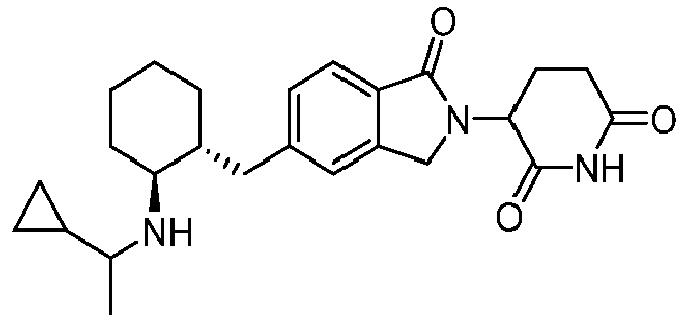
424.3 1H NMR (400 MHz, DMSO-d6) δ 10.99 (s, 1H), 8.35 (d, J = 46.7 Hz, 1H), 8.11 (s, 1H), 7.70 (dd, J = 7.8, 1.6 Hz, 1H), 7.45 (d, J = 4.0 Hz, 1H), 7.37 (dt, J = 7.9, 1.7 Hz, 1H), 5.11 (dd, J = 13.3, 5.1 Hz, 1H), 4.46 (dd, J = 17.4, 2.9 Hz, 1H), 4.32 (dd, J = 17.3, 3.2 Hz, 1H), 3.38 - 3.25 (m, 1H), 3.21 - 3.01 (m, 2H), 2.99-2.81 (m, 2H), 2.75 - 2.66 (m, 1H), 2.66 - 2.56 (m, 1H), 2.48-2.30 (m, 2H), 2.17 - 1.95 (m, 2H), 1.94-1.80 (m, 1H), 1.71 (d, J = 12.5 Hz, 1H), 1.61-1.45 (m, 2H), 1.46 - 1.21 (m, 4H), 1.19 - 0.94 (m, 2H), 0.74-0.55 (m, 1H), 0.55-0.43 (m, 1H), 0.40-0.25 (m, 1H). 1-cyclopropylethanone 103 
438.3 1H NMR (400 MHz, DMSO-d6) δ 10.99 (s, 1H), 8.35 - 7.75 (m, 2H), 7.70 (d, J = 7.8 Hz, 1H), 7.44 (d, J = 6.4 Hz, 1H), 7.41 - 7.32 (m, 1H), 5.11 (dd, J = 13.3, 5.1 Hz, 1H), 4.45 (dd, J = 17.4, 3.5 Hz, 1H), 4.32 (dd, J = 17.3, 4.0 Hz, 1H), 3.50 - 3.20 (m, 1H), 3.06-2.80 (m, 1H), 2.65 - 2.54 (m, 2H), 2.47 - 2.29 (m, 2H), 2.21 - 1.64 (m, 11H), 1.62 - 1.25 (m, 4H), 1.21 (d, J = 6.5 Hz, 1H), 1.16 (d, J = 6.4 Hz, 2H), 1.11 - 0.95 (m, 2H). 1-cyclobutylethanone 104 
452.3 1H NMR (400 MHz, DMSO-d6) δ 10.99 (s, 1H), 8.77 (s, 1H), 8.43 (s, 1H), 7.70 (d, J = 7.8 Hz, 1H), 7.45 (s, 1H), 7.36 (dd, J = 7.7, 1.3 Hz, 1H), 5.11 (dd, J = 13.3, 5.1 Hz, 1H), 4.45 (dd, J = 17.3, 3.9 Hz, 1H), 4.32 (dd, J = 17.3, 4.4 Hz, 1H), 3.36 - 3.15 (m, 3H), 3.09 (s, 1H), 2.99 - 2.67 (m, 2H), 2.60 (dd, J = 17.3, 3.4 Hz, 1H), 2.47 - 2.37 (m, 2H), 2.17 - 2.07 (m, 1H), 2.07 - 1.94 (m, 1H), 1.88 (d, J = 9.8 Hz, 1H), 1.71 (d, J = 13.1 Hz, 1H), 1.61 - 1.37 (m, 3H), 1.37 - 1.21 (m, 1H), 1.16 - 0.93 (m, 2H). 3,3,3-trifluoropropanal 105 
456.4 1H NMR (400 MHz, DMSO-d6) δ 10.99 (s, 1H), 8.86 - 7.86 (m, 2H), 7.69 (dd, J = 7.8, 3.7 Hz, 1H), 7.46 (d, J = 8.8 Hz, 1H), 7.38 (dd, J = 8.0, 4.5 Hz, 1H), 5.35 - 5.16 (m, 1H), 5.11 (dd, J = 13.3, 5.2 Hz, 1H), 4.45 (d, J = 17.3 Hz, 1H), 4.31 (d, J = 17.3 Hz, 1H), 3.65 - 3.29 (m, 1H), 3.28 - 3.09 (m, 2H), 2.99 - 2.85 (m, 1H), 2.66 - 2.56 (m, 1H), 2.48 - 2.30 (m, 2H), 2.20 - 1.84 (m, 4H), 1.84 - 1.62 (m, 3H), 1.61 - 1.20 (m, 8H), 1.15 - 0.93 (m, 2H). (2S)-2-fluorocyclohexanone 106 
456.4 1H NMR (400 MHz, DMSO-d6) δ 10.99 (s, 1H), 8.86 - 7.94 (m, 2H), 7.76 - 7.64 (m, 1H), 7.49 - 7.40 (m, 1H), 7.40 - 7.31 (m, 1H), 5.17 - 5.04 (m, 1H), 4.90 - 4.63 (m, 1H), 4.50 - 4.41 (m, 1H), 4.36 - 4.27 (m, 1H), 3.56 - 3.40 (m, 1H), 3.31 (d, J = 12.5 Hz, 1H), 3.20 - 3.07 (m, 1H), 2.98 - 2.82 (m, 1H), 2.65 - 2.56 (m, 1H), 2.47 - 2.27 (m, 2H), 2.26 - 2.06 (m, 2H), 2.06 - 1.85 (m, 2H), 1.83 - 1.63 (m, 3H), 1.63 - 1.14 (m, 8H), 1.13 - 0.89 (m, 2H). (2S)-2-fluorocyclohexanone 107 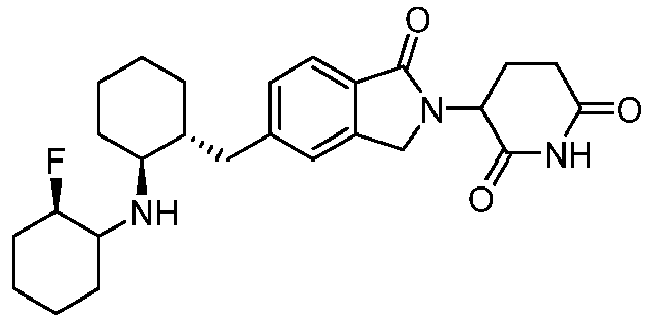
456.4 1H NMR (400 MHz, DMSO-d6) δ 10.99 (s, 1H), 8.76 - 7.95 (m, 2H), 7.72 - 7.62 (m, 1H), 7.51 - 7.41 (m, 1H), 7.41 - 7.30 (m, 1H), 5.35 - 5.16 (m, 1H), 5.15 - 5.03 (m, 2H), 4.45 (d, J = 17.2 Hz, 1H), 4.31 (d, J = 17.3 Hz, 1H), 3.59 - 3.29 (m, 2H), 3.29 - 3.19 (m, 1H), 3.15 (s, 1H), 3.03 - 2.81 (m, 1H), 2.66 - 2.57 (m, 1H), 2.48 - 2.27 (m, 2H), 2.19 - 1.84 (m, 3H), 1.83 - 1.60 (m, 3H), 1.60 - 1.15 (m, 7H), 1.05 (q, J = 12.9 Hz, 2H). (2R)-2-fluorocyclohexanone 108 
481.4 1H NMR (400 MHz, DMSO-d6) δ 10.99 (s, 1H), 8.46 (s, 1H), 8.06 (s, 1H), 7.70 (d, J = 7.8 Hz, 1H), 7.44 (s, 1H), 7.36 (d, J = 7.8 Hz, 1H), 5.11 (dd, J = 13.3, 5.1 Hz, 1H), 4.55 - 4.39 (m, 2H), 4.32 (dd, J = 17.3, 3.1 Hz, 1H), 3.97 - 3.88 (m, 1H), 3.53 (s, 1H), 3.26 (d, J = 13.2 Hz, 2H), 3.17 - 3.01 (m, 2H), 2.92 (ddd, J = 17.3, 13.6, 5.4 Hz, 1H), 2.65 - 2.54 (m, 1H), 2.46 - 2.29 (m, 2H), 2.17 - 1.91 (m, 7H), 1.89 - 1.77 (m, 1H), 1.72 (d, J = 12.3 Hz, 1H), 1.66 - 1.44 (m, 3H), 1.44 - 1.24 (m, 2H), 1.16 - 0.93 (m, 2H). 1-acetylpiperidin-4-one 109 
468.4 1H NMR (400 MHz, DMSO-d6) δ 10.99 (s, 1H), 8.32 (s, 1H), 8.00 (s, 1H), 7.70 (d, J = 7.8 Hz, 1H), 7.45 (s, 1H), 7.37 (d, J = 7.8 Hz, 1H), 5.11 (dd, J = 13.3, 5.1 Hz, 1H), 4.45 (d, J = 17.3 Hz, 1H), 4.32 (d, J = 17.2 Hz, 1H), 3.77 - 3.69 (m, 1H), 3.65 - 3.56 (m, 2H), 3.26 (dd, J = 13.1, 3.9 Hz, 1H), 3.08 (s, 1H), 2.92 (ddd, J = 17.6, 13.5, 5.4 Hz, 1H), 2.61 (d, 1H), 2.47 - 2.30 (m, 2H), 2.22 - 2.08 (m, 1H), 2.05 - 1.91 (m, 2H), 1.82 (d, J = 11.6 Hz, 2H), 1.69 (d, 1H), 1.61 - 1.24 (m, 5H), 1.18 (d, J = 3.3 Hz, 6H), 1.14 - 1.00 (m, 2H). 2,2-dimethyltetrahydropyran-4-one 110 
468.4 1H NMR (400 MHz, DMSO-d6) δ 10.99 (s, 1H), 8.46 (s, 1H), 7.97 (s, 1H), 7.70 (d, J = 7.7 Hz, 1H), 7.45 (s, 1H), 7.36 (d, J = 7.8 Hz, 1H), 5.11 (dd, J = 13.3, 5.1 Hz, 1H), 4.45 (d, J = 17.4 Hz, 1H), 4.32 (d, J = 17.2 Hz, 1H), 3.76 - 3.69 (m, 1H), 3.67 - 3.56 (m, 1H), 3.25 (dd, 1H), 3.17 - 3.02 (m, 1H), 2.92 (ddd, J = 18.0, 13.6, 5.5 Hz, 1H), 2.66 - 2.56 (m, 1H), 2.47 - 2.30 (m, 2H), 2.14 - 1.94 (m, 3H), 1.94 - 1.77 (m, 2H), 1.77 - 1.66 (m, 1H), 1.63 (dd, J = 11.9, 4.8 Hz, 1H), 1.59 - 1.45 (m, 2H), 1.45 - 1.24 (m, 3H), 1.19 (s, 6H), 1.15 - 0.98 (m, 2H). 2,2-dimethyltetrahydropyran-4-one 111 
474.4 1H NMR (400 MHz, DMSO-d6) δ 10.99 (s, 1H), 8.84 (s, 1H), 8.55 (s, 1H), 7.69 (d, J = 7.7 Hz, 1H), 7.44 (s, 1H), 7.36 (d, J = 7.8 Hz, 1H), 5.11 (dd, J = 13.3, 5.1 Hz, 1H), 4.45 (dd, J = 17.3, 4.5 Hz, 1H), 4.32 (dd, J = 17.3, 4.1 Hz, 1H), 3.92 (s, 1H), 3.70 - 3.57 (m, 2H), 3.44 - 3.34 (m, 2H), 3.14 - 3.08 (m, 1H), 2.92 (ddd, J = 17.2, 13.6, 5.4 Hz, 1H), 2.61 (dt, J = 17.4, 3.3 Hz, 1H), 2.46 -2.29 (m, 2H), 2.29 - 2.15 (m, 1H), 2.15 - 2.06 (m, 1H), 2.06 - 1.85 (m, 2H), 1.84 - 1.63 (m, 3H), 1.63 - 1.38 (m, 3H), 1.38 - 1.17 (m, 2H), 1.10 - 0.91 (m, 2H). 2,2-difluorocyclohexanone 112 
466.4 1H NMR (400 MHz, DMSO-d6) δ 10.99 (s, 1H), 8.44 (s, 1H), 7.99 (s, 1H), 7.69 (d, J = 7.7 Hz, 1H), 7.44 (s, 1H), 7.35 (dd, J = 7.8, 1.4 Hz, 1H), 5.11 (dd, J = 13.3, 5.1 Hz, 1H), 4.50 - 4.37 (m, 3H), 4.32 (dd, J = 17.4, 2.0 Hz, 1H), 3.41 - 3.28 (m, 1H), 3.24 (dd, J = 13.2, 3.5 Hz, 1H), 3.01 (s, 1H), 2.98 - 2.84 (m, 1H), 2.65 - 2.56 (m, 1H), 2.46 - 2.30 (m, 2H), 2.12 - 1.95 (m, 2H), 1.94 - 1.86 (m, 2H), 1.86 - 1.76 (m, 1H), 1.76 - 1.60 (m, 4H), 1.60 - 1.41 (m, 3H), 1.41 - 1.23 (m, 3H), 1.12 - 0.89 (m, 2H). 8-oxabicyclo[3.2.1]octan-3-one 113 
440.4 1H NMR (400 MHz, DMSO-d6) δ 10.99 (s, 1H), 8.43 - 7.87 (m, 2H), 7.69 (d, J = 7.7 Hz, 1H), 7.47 - 7.40 (m, 1H), 7.36 (dd, J = 7.8, 1.5 Hz, 1H), 5.11 (dd, J = 13.3, 5.1 Hz, 1H), 4.45 (dd, J = 17.4, 2.0 Hz, 1H), 4.32 (dd, J = 17.4, 2.9 Hz, 1H), 3.42 - 3.20 (m, 2H), 3.04 (s, 1H), 2.92 (ddd, J = 17.3, 13.6, 5.4 Hz, 1H), 2.61 (dt, J = 15.3, 2.8 Hz, 1H), 2.47 - 2.30 (m, 2H), 2.18 - 1.94 (m, 2H), 1.85 (s, 1H), 1.78 - 1.62 (m, 2H), 1.61 - 1.45 (m, 4H), 1.45 - 1.33 (m, 1H), 1.30 (d, J = 6.3 Hz, 1H), 1.25 (d, J = 6.3 Hz, 2H), 1.12 - 1.00 (m, 2H), 0.98 - 0.91 (m, 3H), 0.91 - 0.81 (m, 3H). 8-oxabicyclo[3.2.1]octan-3-one 114 
444.3 1H NMR (400 MHz, DMSO-d6) δ 11.01 (s, 1H), 8.59 (s, 1H), 8.32 (s, 1H), 7.66 - 7.55 (m, 1H), 7.55 - 7.43 (m, 1H), 5.12 (dd, J = 13.3, 5.1 Hz, 1H), 4.69 (t, J = 6.7 Hz, 1H), 4.61 - 4.50 (m, 1H), 4.44 - 4.32 (m, 3H), 3.64 - 3.53 (m, 2H), 3.50 - 3.39 (m, 1H), 3.39 - 3.28 (m, 1H), 3.21 - 3.01 (m, 2H), 2.92 (ddd, J = 17.3, 13.6, 5.5 Hz, 1H), 2.64 - 2.56 (m, 2H), 2.46 - 2.35 (m, 1H), 2.10 - 1.96 (m, 1H), 1.95 - 1.82 (m, 1H), 1.79 - 1.64 (m, 1H), 1.62 - 1.38 (m, 3H), 1.38 - 1.23 (m, 1H), 1.16 - 0.98 (m, 2H). 1-4; oxetane-3-carbaldehyde 115 
472.3 1H NMR (400 MHz, DMSO-d6) δ 11.01 (s, 1H), 8.54 (d, J = 11.0 Hz, 1H), 8.29 (s, 1H), 7.58 (d, J = 7.7 Hz, 1H), 7.49 (t, J = 7.0 Hz, 1H), 5.12 (dd, J = 13.3, 5.1 Hz, 1H), 4.56 (dd, J = 17.4, 4.9 Hz, 1H), 4.39 (dd, J = 17.4, 5.5 Hz, 1H), 3.95 - 3.79 (m, 2H), 3.30 (tt, J = 11. 7, 2.7 Hz, 2H), 3.20 - 3.00 (m, 2H), 3.00 - 2.81 (m, 3H), 2.66 - 2.53 (m, 1H), 2.48 - 2.36 (m, 1H), 2.10 - 1.84 (m, 4H), 1.80 - 1.63 (m, 3H), 1.62 - 1.41 (m, 3H), 1.39 - 1.20 (m, 3H), 1.08 (q, J = 10.5, 9.6 Hz, 2H). 1-4; tetrahydropyran-4-carbaldehyde 116 
458.4 1H NMR (400 MHz, DMSO-d6) δ 11.01 (s, 1H), 8.58 (s, 1H), 8.13 (s, 1H), 7.59 (d, J = 7.7 Hz, 1H), 7.50 (t, J = 7.0 Hz, 1H), 5.12 (dd, J = 13.3, 5.1 Hz, 1H), 4.56 (dd, J = 17.4, 4.0 Hz, 1H), 4.39 (dd, J = 17.4, 3.4 Hz, 1H), 4.00 - 3.88 (m, 2H), 3.53 (s, 1H), 3.36 (t, J = 11.8 Hz, 2H), 3.27 - 3.10 (m, 2H), 3.00 - 2.84 (m, 1H), 2.67 - 2.56 (m, 2H), 2.48 - 2.37 (m, 1H), 2.18 - 2.07 (m, 1H), 2.06 - 1.96 (m, 2H), 1.96 - 1.83 (m, 2H), 1.83 - 1.24 (m, 6H), 1.16 -1.00 (m, 2H). I-4; tetrahydropyran-4-one 117 
444.3 1H NMR (400 MHz, DMSO-d6) δ 11.01 (s, 1H), 8.96 - 8.70 (m, 1H), 8.61 - 8.27 (m, 1H), 7.59 (d, J = 7.7 Hz, 1H), 7.49 (t, J = 7.0 Hz, 1H), 5.12 (dd, J = 13.3, 5.1 Hz, 1H), 4.64 - 4.48 (m, 1H), 4.46 - 4.32 (m, 1H), 4.06 (s, 1H), 3.99 - 3.90 (m, 1H), 3.89 - 3.83 (m, 2H), 3.67 (q, J = 7.7 Hz, 1H), 3.20 (d, J = 13.6 Hz, 1H), 3.12 (s, 1H), 2.92 (ddd, J = 17.2, 13.6, 5.4 Hz, 1H), 2.71 - 2.57 (m, 2H), 2.48 - 2.37 (m, 1H), 2.35 - 2.22 (m, 1H), 2.16 - 1.85 (m, 3H), 1.77 - 1.62 (m, 1H), 1.62 - 1.40 (m, 3H), 1.39 - 1.25 (m, 1H), 1.10 (q, J = 9.7 Hz, 2H). I-4; tetrahydrofuran-3-one 118 
444.3 1H NMR (400 MHz, DMSO-d6) δ 11.01 (s, 1H), 8.73 (d, J = 32.3 Hz, 1H), 8.37 (d, J = 46.1 Hz, 1H), 7.60 (d, J = 7.7 Hz, 1H), 7.49 (t, J = 7.0 Hz, 1H), 5.12 (dd, J = 13.3, 5.1 Hz, 1H), 4.65 - 4.49 (m, 1H), 4.45 - 4.30 (m, 1H), 4.07 (s, 1H), 3.95 (ddd, J = 8.4, 5.7, 3.4 Hz, 1H), 3.92 - 3.78 (m, 2H), 3.67 (q, J = 7.8 Hz, 1H), 3.18 (d, J = 13.3 Hz, 1H), 3.11 (s, 1H), 2.92 (ddd, J = 17.2, 13.6, 5.4 Hz, 1H), 2.72 - 2.56 (m, 2H), 2.47 - 2.36 (m, 1H), 2.35 - 2.22 (m, 1H), 2.16 - 1.82 (m, 4H), 1.68 (s, 1H), 1.61 - 1.40 (m, 2H), 1.33 (dd, J = 10.9 Hz, 1H), 1.10 (q, J = 9.6 Hz, 2H). I-4; tetrahydrofuran-3-one -

- Example 1 (38 mg, 0.28 mmol) was taken up in methanol (0.5 mL). Titanium (IV) isopropoxide (0.13 mL, 0.42 mmol) was then added at room temperature drop wise. A precipitate was seen. The reaction mixture was stirred for 15 minutes after which it was cooled to 0 °C and sodium borodeuteride (11.8 mg, 0.28 mmol) was added. After a few minutes, LC/MS indicated full conversion to product. The reaction mix was diluted with DMSO and a few drops of water and TFA were added. It was purified directly by RP-HPLC (eluent: MeCN/water gradient with 0.1% TFA) to yield the product (Example 119) as the trifluoracetate salt. ES/MS: 475.3(M+H+). 1H NMR (400 MHz, DMSO-d6) δ 10.99 (s, 1H), 8.54 (s, 1H), 8.15 (d, J = 12.6 Hz, 1H), 7.70 (d, J = 7.8 Hz, 1H), 7.44 (s, 1H), 7.36 (d, J = 7.8 Hz, 1H), 5.11 (dd, J = 13.3, 5.1 Hz, 1H), 4.38 (ddd, J = 53.6, 17.4, 3.0 Hz, 2H), 3.34 - 3.21 (m, 1H), 3.10 (s, 1H), 2.92 (ddd, J = 17.2, 13.6, 5.4 Hz, 1H), 2.66 - 2.55 (m, 1H), 2.46 - 2.24 (m, 3H), 2.23 - 2.04 (m, 4H), 2.04 - 1.88 (m, 3H), 1.89 - 1.60 (m, 4H), 1.60 - 1.45 (m, 2H), 1.37 (td, J = 21.7, 19.6, 11.7 Hz, 2H), 1.15 - 0.92 (m, 2H).
- The following Examples were made using the general route described in
Procedure 16 and are shown below in Table 10. To prepare the below Examples, different reagents/starting materials were used than some of those described inProcedure 16 and are noted in the last column of Table 10 - "Changes to Procedure 16: Different Reagents/Starting Materials". A person of ordinary skill in the art will readily recognize which reagents/starting materials ofProcedure 16 were replaced with the different reagents/starting materials noted below.Table 10 Example Structure ES/MS m/z 1H-NMR Changes to Procedure 16: Different Reagents/ Starting Materials 120 
452.4 1H NMR (400 MHz, DMSO-d6) δ 10.99 (s, 1H), 8.90 (d, J = 8.6 Hz, 1H), 8.68 (s, 1H), 7.66 (dd, J = 7.8, 1.4 Hz, 1H), 7.41 (s, 1H), 7.33 (d, J = 7.9 Hz, 1H), 5.11 (dd, J = 13.3, 5.1 Hz, 1H), 4.52 - 4.17 (m, 3H), 3.20 (dd, J = 13.2, 4.1 Hz, 1H), 2.92 (ddd, J = 17.2, 13.5, 5.3 Hz, 1H), 2.65 - 2.57 (m, 1H), 2.40 (ddt, J = 17.6, 13.0, 6.0 Hz, 2H), 2.14 (d, J = 12.7 Hz, 1H), 2.07 - 1.90 (m, 3H), 1.72 (d, J = 12.8 Hz, 1H), 1.56 (d, J = 16.9 Hz, 3H), 1.29 (d, J = 11.7 Hz, 1H), 1.07 (dd, J = 22.9, 13.6 Hz, 2H). benzaldehyde-2,3,4,5,6-d 5 -

- Step 1: Preparation of tert-butyl (S)-5-amino-5-oxo-4-(1-oxo-5-(((1R,2S)-2-((4-(trifluoromethyl)cyclohexyl)amino)cyclohexyl)methyl)isoindolin-2-yl)pentanoate (Isomer 1) and tert-butyl (S)-5-amino-5-oxo-4-(1-oxo-5-(((1R,2S)-2-((4-(trifluoromethyl)cyclohexyl)amino)cyclohexyl)methyl)isoindolin-2-yl)pentanoate (Isomer 2). 1-13 (100 mg, 0.13 mmol) was taken up in 1,2-dichloroethane (2.5 mL) and acetic acid (0.186 mL, 3.26 mmol) was added followed by 4-(trifluoromethyl)cyclohexanone (433 mg, 2.61 mmol). The mixture was stirred at r.t. for 3 hours and then NaBH(OAc)3 (138 mg, 0.652 mmol) was added and the reaction stirred overnight a r.t. Following this time, the reaction was concentrated in vacuo and subjected to purification by SiO2 column chromatography (eluent: CH2Cl2/MeOH) to afford tert-butyl (S)-5-amino-5-oxo-4-(1-oxo-5-(((1R,2S)-2-((4-(trifluoromethyl) cyclohexyl) amino)cyclohexyl)methyl)isoindolin-2-yl)pentanoate (Isomer 1) and tert-butyl (S)-5-amino-5-oxo-4-(1-oxo-5-(((1R,2S)-2-((4-(trifluoromethyl)cyclohexyl) amino)cyclohexyl)methyl) isoindolin-2-yl)pentanoate (Isomer 2). ES/MS: 580.2 (M+H+, Isomer 1) and 580.2 (M+H+, Isomer 2).
- Step 2a: Preparation of 3-(1-oxo-5-(((1R,2S)-2-((4-(trifluoromethyl) cyclohexyl)amino)cyclohexyl)methyl)isoindolin-2-yl)piperidine-2,6-dione (Example 121). tert-Butyl (S)-5-amino-5-oxo-4-(1-oxo-5-(((1R,2S)-2-((4-(trifluoromethyl)cyclohexyl) amino)cyclohexyl)methyl)isoindolin-2-yl)pentanoate (Isomer 1) (48.3 mg, 83.3 µmol) was taken up in MeCN (1.0 mL) and benzenesulfonic acid (32.9 mg, 0.208 mmol) was added. The reaction was heated to 130 °C under microwave irradiation for 30 minutes and then the reaction mixture was concentrated in vacuo and the residue purified directly by RP-HPLC (eluent: MeCN/water gradient with 0.1% TFA) to yield the product (Example 121) as the trifluoracetate salt. ES/MS: 506.2 (M+H+). 1H NMR (400 MHz, DMSO-d6) δ 10.99 (s, 1H), 7.70 (d, J = 7.7 Hz, 1H), 7.46 (s, 1H), 7.38 (d, J = 7.8 Hz, 1H), 5.12 (dd, J = 13.3, 5.1 Hz, 1H), 4.45 (d, J = 17.2 Hz, 1H), 4.32 (d, J = 17.2 Hz, 1H), 3.39 (s, 1H), 3.26 (dd, J = 13.2, 3.5 Hz, 1H), 3.09 (s, 1H), 2.99 - 2.78 (m, 1H), 2.69 - 2.54 (m, 1H), 2.48 - 2.29 (m, 1H), 2.17 - 1.63 (m, 13H), 1.63 - 1.37 (m, 3H), 1.37 (s, 1H), 1.05 (q, J = 10.6 Hz, 2H).
- Step 2b: Preparation of 3-(1-oxo-5-(((1R,2S)-2-((4-(trifluoromethyl)cyclohexyl)amino)cyclohexyl)methyl)isoindolin-2-yl)piperidine-2,6-dione (Example 122). tert-Butyl (S)-5-amino-5-oxo-4-(1-oxo-5-(((1R,2S)-2-((4-(trifluoromethyl)cyclohexyl)amino)cyclohexyl)methyl)isoindolin-2-yl)pentanoate (Isomer 2) (15.3 mg, 26.4 µmol) was taken up in MeCN (0.5 mL) and benzenesulfonic acid (10.4 mg, 0.208 mmol) was added. The reaction was heated to 130 °C under microwave irradiation for 30 minutes and then the reaction mixture was concentrated in vacuo and the residue purified directly by RP-HPLC (eluent: MeCN/water gradient with 0.1% TFA) to yield the product (Example 122) as the trifluoracetate salt. ES/MS: 506.2 (M+H+). 1H NMR (400 MHz, DMSO-d6) δ 10.99 (s, 1H), 7.71 (d, J = 7.8 Hz, 1H), 7.45 (s, 1H), 7.41 - 7.21 (m, 1H), 5.12 (dd, J = 13.3, 5.1 Hz, 1H), 4.45 (d, J = 17.3 Hz, 1H), 4.33 (d, J = 17.3 Hz, 1H), 3.34 - 3.18 (m, 2H), 3.09 (s, 2H), 3.01 - 2.82 (m, 2H), 2.70 - 2.52 (m, 1H), 2.46 - 2.22 (m, 1H), 2.22 - 1.91 (m, 6H), 1.88 - 1.64 (m, 2H), 1.64 - 1.19 (m, 6H), 1.04 (d, J = 9.2 Hz, 3H).
-

- 3-(5-(((1R,2S)-2-((4,4-difluorocyclohexyl)(methyl)amino)cyclohexyl)methyl)-1-oxoisoindolin-2-yl)piperidine-2,6-dione (Example 123) Example 1 (30.0 mg, 84 µmol) was taken up in MeOH (1.0 mL) and treated with 4,4-difluorocyclohexan-1-one (56.6 mg, 422 µmol) followed by acetic acid (4.8 µL, 84 umol) and sodium cyanoborohydride (15.9 mg, 253 µmol). The reaction mixture was stirred at r.t. for 2 h, then treated with paraformaldehyde (12.7 mg, 422 µmol) followed by additional sodium cyanoborohydride (15.9 mg, 253 µmol). The reaction mixture was stirred at 50 °C for 1 h, then cooled to rt, diluted with DMSO, filtered through a syringe filter, and purified by RP-HPLC (eluent: MeCN/water gradient with 0.1% TFA). Product-containing fractions were combined, lyophilized, taken up DCM, treated with triethylamine (300 µL), and further purified by normal-phase column chromatography (0→100% EtOAc in hexanes followed by 0→30% MeOH in DCM) to afford the product (Example 123). ES/MS m/z: 488.4 (M+H+). 1H NMR (400 MHz, DMSO-d6) δ 10.98 (s, 1H), 7.62 (d, J = 7.8 Hz, 1H), 7.36 (s, 1H), 7.27 (d, J = 7.6 Hz, 1H), 5.10 (dd, J = 13.2, 5.1 Hz, 1H), 4.42 (dd, J = 17.2, 3.1 Hz, 1H), 4.29 (dd, J = 17.2, 4.2 Hz, 1H), 3.41 - 3.35 (m, 1H), 2.91 (ddd, J = 17.7, 13.5, 5.4 Hz, 1H), 2.71 - 2.56 (m, 2H), 2.45 - 2.26 (m, 2H), 2.25 (s, 3H), 2.18 - 2.09 (m, 1H), 2.09 - 1.49 (m, 14H), 1.29 - 1.12 (m, 2H), 1.04 - 0.83 (m, 2H).
- The following Examples were made using the general route described in Procedure 18 and are shown below in Table 11. To prepare the below Examples, different reagents/starting materials were used than some of those described in Procedure 18 and are noted in the last column of Table 11 - "Changes to Procedure 18: Different Reagents/Starting Materials". A person of ordinary skill in the art will readily recognize which reagents/starting materials of Procedure 18 were replaced with the different reagents/starting materials noted below.
- The following Examples were made using the general routes described in
Procedures Table 11 Example Structure ES/MS m/z 1H-NMR Changes to Procedure 18: Different Reagents/ Starting Materials 124 
506.4 1H NMR (400 MHz, DMSO-d6) δ 11.00 (s, 1H), 7.50 (d, J = 7.6 Hz, 1H), 7.38 (t, J = 7.0 Hz, 1H), 5.10 (dd, J = 13.2, 5.1 Hz, 1H), 4.53 (d, J = 17.3 Hz, 1H), 4.36 (dd, J = 17.2, 4.0 Hz, 1H), 3.45 (d, J = 12.8 Hz, 1H), 2.97 - 2.81 (m, 1H), 2.70 - 2.56 (m, 2H), 2.47 - 2.29 (m, 2H), 2.26 - 2.20 (m, 3H), 2.20 - 2.10 (m, 1H), 2.10 - 1.45 (m, 14H), 1.30 - 1.13 (m, 2H), 1.04 - 0.91 (m, 2H). I-4 - The following Examples were made using the general routes described in
Procedures Table 12 Example Structure ES/MS m/z: 1H NMR Procedure Changes to Procedure: Different Reagents/ Starting Materials 125 
480.3 1H NMR (400 MHz, DMSO-d6) δ 10.99 (s, 1H), 8.91 - 8.63 (m, 1H), 8.56 (s, 1H), 7.70 (d, J = 7.8 Hz, 1H), 7.45 (s, 1H), 7.37 (dd, J = 7.8, 1.4 Hz, 1H), 5.12 (dd, J = 13.3, 5.1 Hz, 1H), 4.45 (d, J = 17.2 Hz, 1H), 4.32 (dd, J = 17.4, 2.1 Hz, 1H), 3.96 - 3.84 (m, 2H), 3.61 - 3.35 (m, 4H), 3.23 (dd, J = 13.3, 4.1 Hz, 1H), 2.92 (ddd, J = 13.2, 9.5, 6.6 Hz, 2H), 2.63 (tt, J = 17.1, 2.2 Hz, 1H), 2.46 - 2.31 (m, 1H), 2.22 (tq, J = 8.3, 4.2 Hz, 2H), 2.13 - 1.77 (m, 5H), 1.77 -1.18 (m, 7H), 1.08 (q, J = 12.2, 11.0 Hz, 2H). 3 7-oxaspiro[3.5] nonan-2-one 126 
476.4 1H NMR (400 MHz, DMSO-d6) δ 10.99 (s, 1H), 8.75 (s, 1H), 8.64 - 8.46 (m, 1H), 7.70 (d, J = 7.8 Hz, 1H), 7.50 (d, J = 2.3 Hz, 1H), 7.41 (d, J = 7.8 Hz, 1H), 5.19 - 5.03 (m, 1H), 4 . 5 1- 4.25 (m, 2H), 4.04 (dd, J = 12.6, 2.9 Hz, 1H), 3.78 (ddd, J = 11.5, 8.0, 3.3 Hz, 1H), 3.69 (dddt, J = 7.4, 5.5, 3.7, 1.7 Hz, 1H), 3.67 - 3.55 (m, 1H), 3.55 - 3.28 (m, 2H), 3.25-3.11 (m, 2H), 2.92 (ddd, J = 17.3, 13.6, 5.4 Hz, 1H), 2.79 (ddd, J = 13.4, 9.8, 3.3 Hz, 1H), 2.61 (dt, J = 15.4, 2.5 Hz, 1H), 2.40 (qd, J = 13.2, 4.5 Hz, 1H), 2.28 - 2.05 (m, 2H), 2.05 - 1.90 (m, 2H), 1.90 - 1.74 (m, 2H), 1.73-1.64 (m, 2H), 1.64-1.45 (m 2H), 1.33-1.21 (m, 1H). 3 I-46; 4,4-difluorocyclohexanone 127 
416.3 1H NMR (400 MHz, DMSO-d6) δ 10.98 (s, 1H), 7.62 (d, J = 7.8 Hz, 1H), 7.40 (s, 1H), 7.31 (d, J = 7.8 Hz, 1H), 5.10 (dd, J = 13.3, 5.1 Hz, 1H), 4.42 (d, J = 17.2 Hz, 1H), 4.36 - 4.08 (m, 3H), 3.51 - 3.36 (m, 1H), 3.14-2.97 (m, 1H), 2.91 (ddd, J = 17.2, 13.6, 5.4 Hz, 1H), 2.64 - 2.55 (m, 1H), 2.38 (qd, J = 13.2, 4.5 Hz, 1H), 2.32 - 2.11 (m, 2H), 2.09 - 1.95 (m, 2H), 1.65 (d, J = 12.6 Hz, 1H), 1.56 - 1.45 (m, 2H), 1.42 - 1.28 (m, 1H), 1.25 - 1.11 (m, 1H), 1.08 - 0.84 (m, 6H). 3 1-fluoropropan-2-one 128 
412.3 1H NMR (400 MHz, DMSO-d6) δ 10.99 (s, 1H), 8.49 (s, 1H), 8.28 (s, 1H), 7.69 (d, J = 7.8 Hz, 1H), 7.45 (s, 1H), 7.36 (dd, J = 7.8, 1.4 Hz, 1H), 5.11 (dd, J = 13.3, 5.1 Hz, 1H), 4.45 (dd, J = 17.4, 3.1 Hz, 1H), 4.31 (dd, J = 17.3, 3.8 Hz, 1H), 3.22 (dd, J = 13.3, 3.7 Hz, 1H), 3.08 - 2.84 (m, 4H), 2.65 - 2.56 (m, 1H), 2.40 (qd, J = 13.7, 4.7 Hz, 2H), 2.03 (ddd, J = 20.1, 10.2, 5.1 Hz, 2H), 1.92 - 1.81 (m, 1H), 1.76 - 1.58 (m, 2H), 1.58-1.41 (m, 2H), 1.41 - 1.18 (m, 3H), 1.04 (q, J = 10.3 Hz, 2H), 0.92 (t, J = 7.4 Hz, 3H), 0.90 - 0.83 (m, 2H). 3 Butanal 129 
426.4 1H NMR (400 MHz, DMSO-d6) δ 10.99 (s, 1H), 8.48 (s, 1H), 8.26 (s, 1H), 7.69 (d, J = 7.8 Hz, 1H), 7.45 (s, 1H), 7.36 (dd, J = 7.8, 1.4 Hz, 1H), 5.11 (dd, J = 13.3, 5.1 Hz, 1H), 4.54 - 4.40 (m, 1H), 4.31 (dd, J = 17.3, 3.9 Hz, 1H), 3.22 (dd, J = 13.3, 3.8 Hz, 1H), 3.08 - 2.84 (m, 4H), 2.67 - 2.55 (m, 1H), 2.47 - 2.31 (m, 2H), 2.12 - 2.04 (m, 1H), 1.99 (dd, J = 9.2, 4.1 Hz, 1H), 1.87 (d, J = 9.8 Hz, 1H), 1.77 - 1.60 (m, 2H), 1.59-1.38 (m, 5H), 1.30 (d, J = 12.0 Hz, 1H), 1.05 (q, J = 10.7 Hz, 2H), 0.91 (dd, J = 7.9, 7.2, 1.9 Hz, 6H). 3 3-methylbutanal 130 
434.3 1H NMR (400 MHz, DMSO-d6) δ 10.98 (s, 1H), 7.62 (d, J = 7.7 Hz, 1H), 7.45 - 7.26 (m, 2H), 5.98 - 5.62 (m, 1H), 5.10 (dd, J = 13.3, 5.1 Hz, 1H), 4.42 (d, J = 17.1 Hz, 1H), 4.29 (d, J = 17.2 Hz, 1H), 3.11 - 2.97 (m, 1H), 2.91 (ddd, J = 18.1, 13.5, 5.4 Hz, 1H), 2.65 - 2.55 (m, 1H), 2.46 - 2.12 (m, 3H), 2.03 - 1.89 (m, 2H), 1.77 - 0.78 (m, 12H). 3 1,1-difluoropropan-2-one 131 
472.4 1H NMR (400 MHz, DMSO-d6) δ 10.99 (s, 1H), 8.75 (s, 1H), 8.60 (s, 1H), 7.69 (d, J = 7.7 Hz, 1H), 7.60 (t, J = 6.4 Hz, 1H), 7.45-7.21 (m, 4H), 5.36 - 4.78 (m, 2H), 4.50-4.12 (m, 2H), 3.34 (d, J = 14.9 Hz, 1H), 3.14 (ddd, J = 30.2, 9.7, 6.0 Hz, 1H), 2.98-2.80 (m, 2H), 2.70 - 2.56 (m, 1H), 2.45-2.31 (m, 1H), 2.31 - 2.09 (m, 1H), 2.08-1.93 (m, 1H), 1.54 (d, J = 15.8 Hz, 2H), 1.01 - 1.14 (m). 3 indan-1-one 132 
450.4 1H NMR (400 MHz, DMSO-d6) δ 10.99 (s, 1H), 8.67 (s, 1H), 8.28 (s, 1H), 7.70 (d, J = 7.8 Hz, 1H), 7.45 (s, 1H), 7.37 (d, J = 7.9 Hz, 1H), 5.11 (dd, J = 13.3, 5.1 Hz, 1H), 4.53 (ddd, J = 9.1, 7.5, 4.6 Hz, 1H), 4.49-4.24 (m, 2H), 3.57 (s, 2H), 3.29 (d, J = 13.8 Hz, 1H), 3.10 - 2.86 (m, 2H), 2.73 - 2.56 (m, 5H), 2.46 - 2.31 (m, 1H), 2.22 (p, J = 5.7 Hz, 1H), 2.17 - 2.05 (m, 2H), 2.05 - 1.95 (m, 1H), 1.68 (dd, J = 12.5, 5.8 Hz, 3H), 1.50 - 1.29 (m, 3H), 1.19 - 0.97 (m, 2H). 3 Bicyclo[3.2.0]heptan-3-one 133 
451.4 1H NMR (400 MHz, DMSO-d6) δ 10.99 (s, 1H), 8.75 (s, 1H), 8.46 (s, 1H), 7.69 (d, J = 7.8 Hz, 1H), 7.45 (s, 1H), 7.36 (dd, J = 7.8, 1.4 Hz, 1H), 5.11 (dd, J = 13.3, 5.1 Hz, 1H), 4.50 - 4.38 (m, 1H), 4.31 (dd, J = 17.3, 3.9 Hz, 1H), 3.24 (dd, J = 13.4, 3.6 Hz, 1H), 3.20 - 3.00 (m, 2H), 2.92 (ddd, J = 17.2, 13.6, 5.4 Hz, 1H), 2.60 (dd, J = 16.9, 3.3 Hz, 1H), 2.40 (qd, J = 13.0, 4.3 Hz, 2H), 2.12 (dt, J = 12.3, 3.4 Hz, 1H), 2.08 - 1.96 (m, 2H), 1.90 (td, J = 12.3, 4.9 Hz, 2H), 1.72 (d, J = 12.3 Hz, 1H), 1.61 - 1.51 (m, 2H), 1.48 - 1.42 (m, 1H), 1.38 (d, J = 2.2 Hz, 6H), 1.32 - 1.20 (m, 2H), 1.04 (p, J = 11.8, 11.3 Hz, 2H). 3 2,2-dimethyl-4-oxo-butanenitrile 134 
456.4 1H NMR (400 MHz, DMSO-d6) δ 10.99 (s, 1H), 8.38 (s, 1H), 8.14 (s, 1H), 7.69 (d, J = 7.8 Hz, 1H), 7.44 (s, 1H), 7.36 (dd, J = 7.8, 1.4 Hz, 1H), 5.11 (dd, J = 13.3, 5.1 Hz, 1H), 4.45 (dd, J = 17.4, 3.8 Hz, 1H), 4.31 (dd, J = 17.3, 4.3 Hz, 1H), 3.20 (dd, J = 13.3, 3.7 Hz, 1H), 3.12 (s, 3H), 2.99 (d, J = 18.4 Hz, 3H), 2.96 - 2.84 (m, 1H), 2.65 - 2.56 (m, 1H), 2.46 - 2.35 (m, 2H), 2.09 - 1.96 (m, 2H), 1.92 - 1.65 (m, 4H), 1.50 (d, J = 15.8 Hz, 2H), 1.45 - 1.36 (m, 1H), 1.30 (d, J = 11.7 Hz, 1H), 1.16 (s, 6H), 1.03 (p, J = 11.5 Hz, 2H). 3 3-methoxy-3-methylbutanal 135 
448.3 1H NMR (400 MHz, DMSO-d6) δ 10.99 (s, 1H), 8.52 (s, 1H), 8.30 (s, 1H), 7.69 (d, J = 7.8 Hz, 1H), 7.45 (s, 1H), 7.37 (dd, J = 7.8, 1.4 Hz, 1H), 6.17 (tt, J = 56.5, 4.1 Hz, 1H), 5.11 (dd, J = 13.3, 5.1 Hz, 1H), 4.45 (dd, J = 17.5, 3.2 Hz, 1H), 4.31 (dd, J = 17.3, 4.1 Hz, 1H), 3.23 (dd, J = 13.5, 3.7 Hz, 1H), 3.12 (s, 1H), 3.02 (s, 2H), 2.92 (ddd, J = 17.4, 13.6, 5.4 Hz, 1H), 2.65 - 2.56 (m, 1H), 2.45 - 2.36 (m, 2H), 2.11 - 1.90 (m, 4H), 1.90 - 1.66 (m, 4H), 1.60 - 1.39 (m, 3H), 1.30 (d, J = 11.5 Hz, 1H), 1.05 (q, J = 10.3 Hz, 2H). 3 4,4-difluorobutanal 136 
474.3 1H NMR (400 MHz, DMSO-d6) δ 10.99 (s, 1H), 8.37 (s, 1H), 8.00 (s, 1H), 7.71 (dd, J = 7.8, 2.9 Hz, 1H), 7.44 (d, J = 8.1 Hz, 1H), 7.36 (d, J = 7.8 Hz, 1H), 5.11 (dd, J = 13.3, 5.1 Hz, 1H), 4.39 (ddd, J = 53.1, 17.3, 4.3 Hz, 2H), 3.55 (q, J = 6.3 Hz, 2H), 3.23 (d, J = 12.5 Hz, 1H), 3.02 (s, 1H), 2.92 (ddd, J = 18.1, 13.6, 5.4 Hz, 1H), 2.75 (dd, J = 13.7, 8.3 Hz, 0H), 2.63 (t, J = 17.2 Hz, 3H), 2.47 - 2.29 (m, 5H), 2.10 (d, J = 8.7 Hz, 1H), 2.05 - 1.95 (m, 2H), 1.78 (d, J = 53.2 Hz, 1H), 1.64 - 1.30 (m, 3H), 1.27 (d, J = 6.5 Hz, 3H), 1.03 (d, J = 9.2 Hz, 2H). 3 1-(3,3-difluorocyclobutyl)ethanon e 137 
474.3 1H NMR (400 MHz, DMSO-d6) δ 10.99 (s, 1H), 8.14 (s, 1H), 7.91 (s, 1H), 7.71 (d, J = 7.8 Hz, 1H), 7.43 (s, 1H), 7.35 (d, J = 7.9 Hz, 1H), 5.11 (dd, J = 13.3, 5.1 Hz, 1H), 4.39 (ddd, J = 53.7, 17.3, 4.7 Hz, 2H), 3.31 (d, J = 13.0 Hz, 2H), 3.06 (s, 1H), 2.92 (ddd, J = 18.0, 13.6, 5.4 Hz, 1H), 2.80-2.65 (m, 2H), 2.65 - 2.56 (m, 2H), 2.47-2.31 (m, 3H), 2.12 (d, J = 11.2 Hz, 1H), 2.06 - 1.94 (m, 1H), 1.84 (s, 1H), 1.74 (d, J = 12.4 Hz, 1H), 1.61 - 1.45 (m, 2H), 1.45-1.25 (m, 2H), 1.23 (d, J = 6.4 Hz, 3H), 1.10 - 0.95 (m, 2H). 3 1-(3,3-difluorocyclobutyl)ethanon e 138 
450.4 1H NMR (400 MHz, DMSO-d6) δ 10.99 (s, 1H), 8.11 (s, 1H), 8.00 (s, 1H), 7.70 (dd, J = 7.8, 2.3 Hz, 1H), 7.46 (d, J = 4.5 Hz, 1H), 7.37 (dd, J = 7.9, 4.9 Hz, 1H), 5.11 (dd, J = 13.3, 5.1 Hz, 1H), 4.51 - 4.27 (m, 2H), 3.50 (q, J = 6.5, 5.5 Hz, 1H), 3.40 (q, J = 5.9 Hz, 1H), 3.26 (td, J = 15.2, 13.2, 3.6 Hz, 1H), 2.99 - 2.84 (m, 2H), 2.66 - 2.56 (m, 1H), 2.47 - 2.30 (m, 2H), 2.08 (dd, J = 8.8, 4.6 Hz, 0H), 2.05 - 1.91 (m, 2H), 1.90 - 1.79 (m, 6H), 1.79 - 1.67 (m, 1H), 1.62 - 1.38 (m, 3H), 1.31 (t, J = 12.1 Hz, 1H), 1.23 (t, J = 6.9 Hz, 3H), 1.13 - 0.98 (m, 3H). 3 1-(1-bicyclo[1.1.1]pentanyl)etha none 139 
454.3 1H NMR (400 MHz, DMSO-d6) δ 11.01 (s, 1H), 8.49 (s, 1H), 8.05 (s, 1H), 7.59 (d, J = 7.6 Hz, 1H), 7.47 (t, J = 7.0 Hz, 1H), 5.12 (dd, J = 13.3, 5.1 Hz, 1H), 4.47 (ddd, J = 69.9, 17.4, 3.4 Hz, 2H), 4.02 (s, 1H), 3.15 (d, J = 13.8 Hz, 1H), 3.01 - 2.78 (m, 2H), 2.75 - 2.52 (m, 3H), 2.42 (dt, J = 13.4, 7.2 Hz, 1H), 2.15 - 1.95 (m, 2H), 1.86 (s, 1H), 1.67 (s, 1H), 1.63 - 1.23 (m, 6H), 1.08 (s, 2H), 0.87 (ddt, J = 9.3, 7.4, 3.3 Hz, 1H), 0.51 - 0.28 (m, 1H). 3 bicyclo[3.1.0]hexan-3-one 140 
482.3 1H NMR (400 MHz, DMSO-d6) δ 11.01 (s, 1H), 8.56 (s, 1H), 8.18 (s, 1H), 7.59 (d, J = 7.7 Hz, 1H), 7.49 (t, J = 7.0 Hz, 1H), 5.12 (dd, J = 13.3, 5.1 Hz, 1H), 4.47 (ddd, J = 69.6, 17.4, 2.2 Hz, 2H), 3.21 - 3.06 (m, 1H), 3.06 - 2.82 (m, 2H), 2.72 - 2.55 (m, 2H), 2.41 (td, J = 13.2, 4.5 Hz, 1H), 2.33-2.13 (m, 1H), 2.13 - 1.97 (m, 2H), 1.91 (s, 1H), 1.70 (d, J = 21.8 Hz, 1H), 1.51 (dd, J = 29.8, 9.9 Hz, 2H), 1.31 (dt, J = 51.4, 12.1 Hz, 2H), 1.12 (dd, J = 17.9, 2.3 Hz, 5H), 0.99 (s, 3H). 3 6,6-dimethylbicyclo[3.1.0]hexa n-3-one 141 
482.3 1H NMR (400 MHz, DMSO-d6) δ 11.01 (s, 1H), 8.55 (d, J = 32.9 Hz, 1H), 8.06 (s, 1H), 7.59 (d, J = 7.6 Hz, 1H), 7.49 (t, J = 6.9 Hz, 1H), 5.12 (dd, J = 13.3, 5.1 Hz, 1H), 4.62-4.28 (m, 2H), 3.19 (d, J = 10.8 Hz, 1H), 3.03 (s, 1H), 2.92 (ddd, J = 18.0, 13.6, 5.3 Hz, 1H), 2.63 (t, J = 17.5 Hz, 2H), 2.46-2.36 (m, 2H), 2.27 (dd, J = 29.4, 17.2 Hz, 1H), 2.08 (d, J = 4.5 Hz, 1H), 1.96 - 1.63 (m, 2H), 1.63 - 1.29 (m, 5H), 1.29 - 0.95 (m, 3H). 3 1-4; hexahydropentalen-2(1H)-one 142 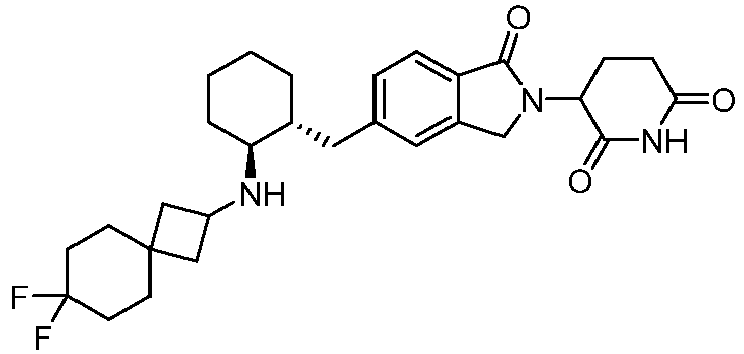
514.4 1H NMR (400 MHz, DMSO-d6) δ 10.99 (s, 1H), 8.84 (dt, J = 12.9, 6.5 Hz, 1H), 8.71-8.47 (m, 1H), 7.69 (d, J = 7.8 Hz, 1H), 7.45 (s, 1H), 7.37 (d, J = 7.8 Hz, 1H), 5.11 (dd, J = 13.3, 5.1 Hz, 1H), 4.45 (d, J = 17.2 Hz, 1H), 4.31 (dd, J = 17.4, 2.4 Hz, 1H), 3.23 (dd, J = 13.4, 4.0 Hz, 1H), 2.91 (dq, J = 17.2, 6.7, 5.3 Hz, 2H), 2.61 (dt, J = 17.5, 3.2 Hz, 1H), 2.48 - 2.31 (m, 2H), 2.20 (tt, J = 9.2, 4.6 Hz, 2H), 2.08 (dd, J = 12.3, 8.4 Hz, 1H), 2.00 (ddd, J = 10.0, 6.1, 3.1 Hz, 3H), 1.84 (dtd, J = 26.4, 13.1, 6.6 Hz, 6H), 1.67 (dt, J = 23.9, 6.3 Hz, 5H), 1.51 (tq, J = 11.9, 6.4, 5.2 Hz, 2H), 1.44 - 1.35 (m, 1H), 1.34 - 1.21 (m, 1H), 1.06 (hept, J = 9.8, 8.5 Hz, 2H). 3 7,7-difluorospiro[3.5]nonan-2-one 143 
488.3 1H NMR (400 MHz, DMSO-d6) δ 10.99 (s, 1H), 8.80 (s, 1H), 8.30 (s, 1H), 7.70 (d, J = 7.8 Hz, 1H), 7.46 (s, 1H), 7.38 (d, J = 7.7 Hz, 1H), 7.16 (t, J = 7.6 Hz, 3H), 6.96 (td, J = 7.4, 1.3 Hz, 1H), 6.88 (d, J = 8.0 Hz, 1H), 5.12 (dd, J = 13.3, 5.1 Hz, 1H), 4.52 - 4.32 (m, 3H), 4.32 - 4.20 (m, 1H), 3.99 (s, 2H), 3.31 - 3.16 (m, 3H), 3.03 (d, J = 6.5 Hz, 1H), 3.00 - 2.83 (m, 1H), 2.69 - 2.56 (m, 1H), 2.45 - 2.31 (m, 1H), 2.15 (d, J = 12.1 Hz, 1H), 2.06 - 1.87 (m, 2H), 1.71 (s, 1H), 1.54 (s, 4H), 1.36 (d, J = 11.3 Hz, 1H), 1.18 - 0.99 (m, 3H). 3 chroman-3-one 144 
494.4 1H NMR (400 MHz, DMSO-d6) δ 10.99 (s, 1H), 8.39 (s, 1H), 7.97 (s, 1H), 7.69 (d, J = 7.7 Hz, 1H), 7.45 (s, 1H), 7.37 (d, J = 7.8 Hz, 1H), 5.11 (dd, J = 13.3, 5.1 Hz, 1H), 4.45 (d, J = 17.3 Hz, 1H), 4.32 (d, J = 17.2 Hz, 1H), 3.47 - 3.34 (m, 1H), 3.25 (dd, J = 13.2, 4.0 Hz, 1H), 3.10 (d, J = 7.7 Hz, 1H), 2.92 (ddd, J = 18.0, 13.6, 5.4 Hz, 1H), 2.78 (d, J = 12.3 Hz, 1H), 2.65 - 2.56 (m, 1H), 2.48 - 2.33 (m, 2H), 2.14 - 2.04 (m, 1H), 1.99 (ddq, J = 10.6, 5.6, 3.5, 2.9 Hz, 1H), 1.88 - 1.78 (m, 2H), 1.78 - 1.60 (m, 2H), 1.60 - 1.49 (m, 2H), 1.50 - 1.34 (m, 2H), 1.34 (s, 2H), 1.17 (t, J = 12.3 Hz, 1H), 1.08 (q, J = 5.9, 5.4 Hz, 2H), 1.05 - 0.99 (m, 6H), 0.98 - 0.89 (m, 6H). 3 3,3,5,5-tetramethylcyclohexanone 145 
522.4 1H NMR (400 MHz, DMSO-d6) δ 10.99 (s, 1H), 8.38 (s, 1H), 8.06 (s, 1H), 7.70 (d, J = 7.7 Hz, 1H), 7.44 (s, 1H), 7.42 - 7.28 (m, 1H), 5.11 (dd, J = 13.3, 5.1 Hz, 1H), 4.53-4.18 (m, 3H), 3.25 (d, J = 14.1 Hz, 2H), 3.07 (s, 1H), 2.92 (ddd, J = 18.9, 13.9, 5.8 Hz, 2H), 2.61 (d, J = 17.1 Hz, 1H), 2.46-2.30 (m, 2H), 2.11 (d, J = 15.9 Hz, 4H), 2.04 - 1.93 (m, 1H), 1.81 (s, 1H), 1.76-1.44 (m, 4H), 1.35 (dt, J = 21.7, 11.6 Hz, 1H), 1.18 - 0.90 (m, 2H). 3 4-(trifluoromethoxy)cyclohe xanone 146 
522.4 1H NMR (400 MHz, DMSO-d6) δ 10.99 (s, 1H), 8.39 (s, 1H), 8.06 (s, 1H), 7.70 (d, J = 7.8 Hz, 1H), 7.44 (s, 1H), 7.36 (d, J = 7.8 Hz, 1H), 5.11 (dd, J = 13.3, 5.1 Hz, 1H), 4.72 (s, 1H), 4.52 - 4.26 (m, 2H), 3.37 (s, 2H), 3.28 (d, J = 12.9 Hz, 1H), 3.08 (s, 2H), 2.98 - 2.85 (m, 1H), 2.71 (s, 1H), 2.61 (d, J = 16.7 Hz, 1H), 2.47 - 2.27 (m, 2H), 2.25-2.06 (m, 1H), 1.99 (d, J = 10.0 Hz, 3H), 1.73 (qt, J = 27.2, 12.8 Hz, 5H), 1.52 (d, J = 15.3 Hz, 1H), 1.44 - 1.20 (m, 1H), 1.03 (s, 2H). 3 4-(trifluoromethoxy)cyclohe xanone 147 
488.4 1H NMR (400 MHz, DMSO-d6) δ 10.99 (s, 1H), 8.59 (s, 1H), 7.98 (d, J = 10.9 Hz, 1H), 7.72 (d, J = 7.9 Hz, 1H), 7.55 (s, 1H), 7.46 (d, J = 7.9 Hz, 1H), 6.78 (s, 2H), 5.11 (dt, J = 13.6, 4.0 Hz, 1H), 4.45 (d, J = 17.3 Hz, 1H), 4.31 (d, J = 17.3 Hz, 1H), 3.43 (d, J = 17.4 Hz, 2H), 3.36 (q, J = 6.5 Hz, 2H), 3.08 (s, 1H), 2.92 (ddd, J = 17.2, 13.6, 5.4 Hz, 1H), 2.65 - 2.57 (m, 1H), 2.41 (qd, J = 13.5, 4.7 Hz, 1H), 2.34 - 2.22 (m, 1H), 2.10 (qd, J = 8.7, 5.6, 3.9 Hz, 5H), 2.07 - 2.03 (m, 2H), 2.03 - 1.92 (m, 12H), 1.92 - 1 . 80 (m, 5H), 1.70 (d, J = 13.6 Hz, 2H), 1.56 (dd, J = 13.2, 8.8 Hz, 3H), 1.37 (hept, J = 6.6, 5.5 Hz, 4H), 1.23 (d, J = 6.8 Hz, 3H), 1.09 (s, 1H). 3 1-15; 4,4-difluorocyclohexanone 148 
444.3 1H NMR (400 MHz, Methanol-d4) δ 7.62 (d, J = 7.7 Hz, 1H), 7.56 (t, J = 6.9 Hz, 1H), 5.18 (ddd, J = 13.3, 5.2, 2.2 Hz, 1H), 4.67-4.50 (m, 2H), 3.92 (q, J = 10.4, 8.1 Hz, 2H), 3.80 (q, J = 7.7 Hz, 1H), 3.51 - 3.44 (m, 1H), 3.28 (s, 2H), 2.98 - 2.88 (m, 1H), 2.81 (ddd, J = 17.6, 4.8, 2.4 Hz, 1H), 2.58 - 2.48 (m, 1H), 2.44 - 2.35 (m, 1H), 2.24 - 2.14 (m, 3H), 2.04 (dq, J = 11.8, 7.9, 7.1 Hz, 3H), 1.93 - 1.79 (m, 7H), 1.72 (s, 5H). 3 1-12; cyclopentanone 149 
508.4 1H NMR (400 MHz, DMSO-d6) δ 11.01 (s, 1H), 8.83 - 8.68 (m, 1H), 8.39 (s, 1H), 7.57 (d, J = 7.7 Hz, 1H), 7.52 (dd, J = 7.6, 6.1 Hz, 1H), 5.12 (dd, J = 13.3, 5.1 Hz, 1H), 4.55 (d, J = 17.3 Hz, 1H), 4.45 - 4.27 (m, 1H), 3.79 (dddd, J = 17.2, 11.6, 7.7, 3.4 Hz, 2H), 3.33 - 3.20 (m, 2H), 3.16 (s, 1H), 2.98 (dq, J = 8.5, 5.2 Hz, 3H), 2.95 - 2.86 (m, 1H), 2.61 (dt, J = 17.5, 3.1 Hz, 1H), 2.43 (tt, J = 13.3, 6.8 Hz, 1H), 2.27 - 2.16 (m, 1H), 2.12 - 1.98 (m, 3H), 1.98 - 1.80 (m, 4H), 1.80 - 1.65 (m, 3H), 1.62 - 1.50 (m, 1H), 1.29 (dq, J = 21.6, 11.8, 10.3 Hz, 2H). 3 1-12; 4,4-difluorocyclohexanecarbal dehyde 150 
480.3 1H NMR (400 MHz, DMSO-d6) δ 11.01 (s, 1H), 8.89 (d, J = 10.8 Hz, 1H), 8.51 (s, 1H), 7.57 (d, J = 7.7 Hz, 1H), 7.55 - 7.49 (m, 1H), 5.12 (dd, J = 13.3, 5.1 Hz, 1H), 4.56 (dd, J = 17.4, 5.6 Hz, 1H), 4.40 (td, J = 18.4, 17.3, 5.3 Hz, 2H), 3.85 - 3.74 (m, 2H), 3.44 - 3.39 (m, 1H), 3.32 - 3.12 (m, 5H), 3.05-2.86 (m, 2H), 2.86 - 2.67 (m, 3H), 2.65-2.56 (m, 2H), 2.54 (td, J = 6.0, 3.3 Hz, 1 H), 2.48 - 2.40 (m, 2H), 2.39 - 2.26 (m, 1H), 2.22 (ddd, J = 13.6, 10.0, 6.3 Hz, 2H), 2.01 (ddq, J = 10.5, 5.5, 3.2, 2.8 Hz, 1H), 1.71 (ttd, J = 13.3, 9.3, 8.9, 3.9 Hz, 2H), 1.56 (ddt, J = 14.8, 9.3, 4.9 Hz, 1H). 3 1-12; 4,4-difluorocyclobutanecarbald ehyde 151 
490.2 1H NMR (400 MHz, DMSO-d6) δ 10.99 (s, 1H), 8.36 (s, 1H), 8.19 (s, 1H), 7.71 (d, J = 7.8 Hz, 1H), 7.45 (s, 2H), 7.38 (dd, J = 7.8, 1.3 Hz, 1H), 5.12 (dd, J = 13.2, 5.2 Hz, 1H), 4.46 (d, J = 17.0 Hz, 1H), 4.33 (d, J = 17.2 Hz, 1H), 3.44 (s, 2H), 3.26 - 3.05 (m, 3H), 2.93 (ddd, J = 17.3, 13.6, 5.4 Hz, 1H), 2.73 - 2.52 (m, 1H), 2.37 (ddd, J = 27.1, 13.5, 3.7 Hz, 2H), 2.24 - 1.62 (m, 9H), 1.62-1.23 (m, 6H), 1.16 - 0.85 (m, 1H). 3 1-18; 4,4-difluorocyclohexanone 152 
444.3 1H NMR (400 MHz, DMSO-d6) δ 11.01 (s, 1H), 8.67 (s, 1H), 8.35 (s, 1H), 7.57 (d, J = 7.7 Hz, 1H), 7.54 (s, 1H), 5.12 (dd, J = 13.3, 5.1 Hz, 1H), 4.56 (dd, J = 17.4, 5.4 Hz, 1H), 4.43 - 4.33 (m, 1H), 3.78 (ddt, J = 14.8, 7.5, 3.5 Hz, 2H), 3.25 (dt, J = 14.8, 3.2 Hz, 2H), 3.09 (h, J = 5.7, 4.5 Hz, 3H), 3.01 - 2.85 (m, 2H), 2.64 (ddd, J = 17.7, 15.0, 5.7 Hz, 2H), 2.40 (dtd, J = 28.5, 14.5, 14.0, 8.0 Hz, 1H), 2.20 (dt, J= 12.7, 4.4 Hz, 1H), 2.15 - 2.04 (m, 2H), 2.01 (ddq, J = 10.7, 5.3, 2.4, 2.0 Hz, 1H), 1.95 - 1.75 (m, 4H), 1.75 - 1.62 (m, 2H), 1.61 - 1.46 (m, 1H). 3 1-12; cyclobutanecarbaldehyde 153 
456.2 1H NMR (400 MHz, DMSO-d6) δ 10.99 (s, 1H), 7.70 (d, J = 7.8 Hz, 1H), 7.48 (t, J = 3.9 Hz, 1H), 7.39 (dt, J = 8.0, 1.8 Hz, 1H), 5.21 - 5.00 (m, 1H), 4.46 (dd, J = 17.3, 4.6 Hz, 1H), 4.33 (dd, J = 17.3, 4.0 Hz, 1H), 3.24 - 2.98 (m, 2H), 2.92 (ddd, J = 17.8, 13.4, 5.3 Hz, 1H), 2.63 (td, J = 17.2, 3.0 Hz, 1H), 2.41 - 2.23 (m, 1H), 2.17 (d, J = 10.3 Hz, 1H), 2.07 - 1.74 (m, 7H), 1.74 - 0.93 (m, 12H). 3 1-19; cyclohexanone 154 
504.4 1H NMR (400 MHz, DMSO-d6) δ 11.00 (s, 1H), 8.64 - 8.51 (m, 1H), 8.15 - 8.02 (m, 1H), 7.71 (d, J = 7.8 Hz, 1H), 7.42 (s, 1H), 7.34 (d, J = 7.9 Hz, 1H), 5.11 (dd, J = 13.3, 5.1 Hz, 1H), 4.44 (d, J = 17.4 Hz, 1H), 4.34 (d, J = 17.3 Hz, 1H), 4.16 (s, 1H), 3.54-3.42 (m, 1H), 3.32 (d, J = 12.4 Hz, 1H), 3.11 - 3.00 (m, 1H), 2.92 (ddd, J = 17.3, 13.6, 5.4 Hz, 1H), 2.66 - 2.56 (m, 1H), 2.40 (qd, J = 13.2, 4.4 Hz, 1H), 2.32 - 2.07 (m, 7H), 2.06 - 1.47 (m, 6H), 1.42 - 1.31 (m, 2H), 1.10 - 0.97 (m, 4H). 3 1-25; 4,4-difluorocyclohexanone 155 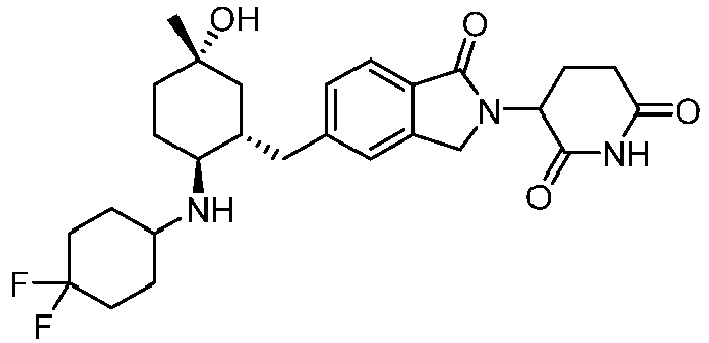
504.4 1H NMR (400 MHz, Methanol-d4) δ 7.78 (d, J = 7.8 Hz, 1H), 7.45 (s, 1H), 7.40 (dd, J = 7.9, 1.7 Hz, 1H), 5.17 (dd, J = 13.3, 5.1 Hz, 1H), 4.53 (d, J = 17.2 Hz, 1H), 4.46 (d, J = 17.1 Hz, 1H), 3.53 - 3.44 (m, 1H), 3.36 - 3.29 (m, 1H, obscured by residual solvent peak), 3.25 - 3.18 (m, 1H), 2.92 (ddd, J = 18.4, 13.5, 5.4 Hz, 1H), 2.79 (ddd, J = 17.6, 4.7, 2.4 Hz, 1H), 2.60 (dd, J = 13.2, 10.3 Hz, 1H), 2.49 (qd, J = 13.3, 4.7 Hz, 1H), 2.31 - 2.13 (m, 5H), 2.13 - 1.49 (m, 10H), 1.40 - 1.27 (m, 1H), 1.14 (s, 3H). 3 1-26; 4,4-difluorocyclohexanone 156 
488.4 1H NMR (400 MHz, DMSO-d6) δ 11.01 (s, 1H), 8.52 (s, 1H), 8.17 (s, 1H), 7.57 (d, J = 7.7 Hz, 1H), 7.51 (t, J = 6.9 Hz, 1H), 5.11 (dd, J = 13.3, 5.1 Hz, 1H), 4.62 - 4.27 (m, 2H), 3.81 - 3.70 (m, 1H), 3.43 (d, J = 3.3 Hz, 1H), 3.35 - 3.24 (m, 1H), 3.04 - 2.83 (m, 2H), 2.61 (d, J = 16.9 Hz, 1H), 2.42 (td, J = 13.2, 4.5 Hz, 1H), 2.23 (d, J = 10.1 Hz, 1H), 2.06 - 1.90 (m, 1H), 1.90 - 1.66 (m, 3H), 1.61 (t, J = 10.2 Hz, 2H), 1.44 (t, J = 13.5 Hz, 2H), 1.23 (s, 3H). 3 1-12; 4-methoxycyclohexanone 157 
470.4 1H NMR (400 MHz, DMSO-d6) δ 11.01 (s, 1H), 8.99 (dt, J = 13.5, 6.8 Hz, 1H), 8.79-8.63 (m, 1H), 7.56 (d, J = 7.7 Hz, 1H), 7.54 - 7.47 (m, 1H), 5.11 (dd, J = 13.3, 5.1 Hz, 1H), 4.56 (dd, J = 17.4, 3.5 Hz, 1H), 4.38 (dd, J = 17.4, 1.9 Hz, 1H), 3.80 - 3.70 (m, 3H), 3.25 (ddd, J = 14.0, 11.5, 5.9 Hz, 2H), 3.06 (s, 1H), 3.04 - 2.86 (m, 2H), 2.61 (dt, J = 17.4, 3.0 Hz, 1H), 2.44 (dd, J = 13.2, 4.6 Hz, 1H), 2.40 - 2.22 (m, 3H), 2.17 (dd, J = 12.1, 8.7 Hz, 2H), 2.03 (q, J = 6.6, 5.7 Hz, 3H), 1.94 (dd, J = 8.6, 6.2 Hz, 2H), 1.85-1.75 (m, 2H), 1.69 (td, J = 8.8, 8.0, 4.2 Hz, 1H), 1.65 - 1.45 (m, 2H). 3 1-12; spiro[3.3]heptan-2-one 158 
498.4 1H NMR (400 MHz, DMSO-d6) δ 11.01 (s, 1H), 9.04 (dt, J = 12.7, 6.6 Hz, 1H), 8.77 (dd, J = 11.9, 5.7 Hz, 1H), 7.57 (d, J = 7.7 Hz, 1H), 7.55 - 7.49 (m, 1H), 5.12 (dd, J = 13.3, 5.1 Hz, 1H), 4.56 (dd, J = 17.4, 3.2 Hz, 1H), 4.38 (d, J = 16.8 Hz, 1H), 3.93-3.71 (m, 3H), 3.26 (ddd, J = 14.2, 11.6, 5.8 Hz, 2H), 3.14 - 3.06 (m, 1H), 3.05 - 2.86 (m, 2H), 2.61 (dt, J = 17.6, 3.2 Hz, 1H), 2.43 (tt, J = 13.3, 6.8 Hz, 1H), 2.13 (dtd, J = 20.5, 8.8, 8.3, 3.9 Hz, 3H), 2.05 - 1.94 (m, 2H), 1.89 (dd, J = 12.1, 8.5 Hz, 1H), 1.68 (ddp, J = 18.2, 13.6, 5.3, 4.8 Hz, 2H), 1.46 (qd, J = 18.0, 15.6, 9.6 Hz, 7H), 1.32 (bs, 4H). 3 1-12; spiro[3.5]nonan-2-one 159 
488.3 1H NMR (400 MHz, DMSO-d6) δ 11.01 (s, 1H), 8.61 (s, 1H), 8.22 (s, 1H), 7.57 (d, J = 7.7 Hz, 1H), 7.55 - 7.48 (m, 1H), 5.11 (dd, J = 13.3, 5.1 Hz, 1H), 4.62 - 4.29 (m, 2H), 3.81 - 3.66 (m, 4H), 3.18 - 3.05 (m, 1H), 3.05 - 2.95 (m, 1H), 2.95 - 2.83 (m, 1H), 2.67 - 2.56 (m, 1H), 2.54 (s, 1H), 2.42 (td, J = 13.3, 4.5 Hz, 1H), 2.17 - 1.92 (m, 5H), 1.81 - 1.32 (m, 5H), 1.30 - 1.08 (m, 3H) 1.23 (s, 3H). 3 1-12; 4-methoxycyclohexanone 160 
490.3 1H NMR (400 MHz, DMSO-d6) δ 10.99 (s, 1H), 8.57 - 8.47 (m, 1H), 8.17 - 8.07 (m, 1H), 7.70 (d, J = 7.8 Hz, 1H), 7.43 (s, 1H), 7.35 (dt, J = 7.9, 1.7 Hz, 1H), 5.11 (dd, J = 13.3, 5.1 Hz, 1H), 4.45 (dd, J= 17.3, 6.4 Hz, 1H), 4.31 (dd, J = 17.3, 5.0 Hz, 1H), 3.80 - 3.73 (m, 1H), 3.50 - 3.40 (m, 1H), 3.26 (dt, J = 13.3, 3.7 Hz, 1H), 3.16 - 3.05 (m, 1H), 2.92 (ddd, J = 17.2, 13.6, 5.4 Hz, 1H), 2.65 - 2.56 (m, 1H), 2.40 (qd, J = 13.0, 4.3 Hz, 2H), 2.27 - 1.83 (m, 10H), 1.83-1.70 (m, 2H), 1.70 - 1.57 (m, 2H), 1.57-1.43 (m, 2H), 1.26 - 1.15 (m, 1H). 3 1-31; 4,4-difluorocyclohexanone 161 
470.4 1H NMR (400 MHz, DMSO-d6) δ 10.99 (s, 1H), 8.68 (s, 1H), 8.14 (s, 1H), 7.69 (d, J = 7.8 Hz, 1H), 7.49 (s, 1H), 7.39 (d, J = 7.8 Hz, 1H), 7.04 (s, 1H), 5.11 (dd, J = 13.3, 5.1 Hz, 1H), 4.49 - 4.25 (m, 2H), 4.17 (ddd, J = 13.3, 10.3, 3.1 Hz, 2H), 4.05 - 3.89 (m, 4H), 3.78 - 3.67 (m, 2H), 3.54 - 3.39 (m, 1H), 3.35 - 3.25 (m, 1H), 3.14 (s, 1H), 2.92 (ddd, J = 17.2, 13.6, 5.4 Hz, 1H), 2.72-2.56 (m, 1H), 2.54 (s, 1H), 2.48 - 2.29 (m, 1H), 2.08 (d, J = 8.1 Hz, 1H), 2.03 - 1.95 (m, 1H), 1.91 (d, J = 9.7 Hz, 1H), 1.71 (d, J = 12.9 Hz, 1H), 1.52 (d, J = 11.0 Hz, 2H), 1.43 (s, 3H), 1.40 (d, J = 5.7 Hz, 6H), 1.34 (s, 3H), 1.05 (q, J = 11.9, 11.5 Hz, 2H). 3 2,2-dimethyl-1,3-dioxan-5-one 162 
490.4 1H NMR (400 MHz, DMSO-d6) δ 10.99 (s, 1H), 8.68 - 8.57 (m, 1H), 8.22 - 8.11 (m, 1H), 7.71 (d, J = 7.8 Hz, 1H), 7.44 (s, 1H), 7.35 (d, J = 7.8 Hz, 1H), 5.11 (dd, J = 13.3, 5.1 Hz, 1H), 4.46 (dd, J = 17.4, 4.0 Hz, 1H), 4.32 (dd, J = 17.4, 2.5 Hz, 1H), 3.50 - 3.38 (m, 1H), 3.36 - 3.21 (m, 2H), 3.13 - 3.02 (m, 1H), 2.92 (ddd, J = 17.3, 13.6, 5.4 Hz, 1H), 2.66 - 2.55 (m, 1H), 2.46 - 2.30 (m, 2H), 2.23 - 1.73 (m, 11H), 1.71 - 1.59 (m, 1H), 1.59 - 1.49 (m, 1H), 1.48 - 1.35 (m, 1H), 1.29 - 1.17 (m, 1H), 1.01 - 0.90 (m, 1H). 3 1-30; 4,4-difluorocyclohexanone 163 
490.2 1H NMR (400 MHz, DMSO-d6) δ 10.99 (s, 1H), 7.71 (d, J = 7.8 Hz, 1H), 7.45 (s, 1H), 7.38 (d, J = 7.8 Hz, 1H), 5.12 (dd, J = 13.3, 5.1 Hz, 1H), 4.47 (d, J = 17.2 Hz, 1H), 4.33 (d, J = 17.2 Hz, 1H), 4.13 (d, J = 4.0 Hz, 1H), 3.45 (s, 1H), 3.26 - 3.09 (m, 2H), 3.02 - 2.88 (m, 1H), 2.73 - 2.56 (m, 1H), 2.48-2.29 (m, 2H), 2.29 - 1.62 (m, 11H), 1.62-1.24 (m, 5H), 1.00 (dd, J = 16.9, 7.4 Hz, 1H). 3 1-32; 4,4-difluorocyclohexanone 164 
504.2 1H NMR (400 MHz, DMSO-d6) δ 11.00 (s, 1H), 7.70 (d, J = 7.8 Hz, 1H), 7.48 (d, J = 3.1 Hz, 1H), 7.39 (dt, J = 7.9, 1.7 Hz, 1H), 5.20 - 4.97 (m, 1H), 4.46 (dd, J = 17.4, 2.6 Hz, 1H), 4.33 (dd, J = 17.4, 2.1 Hz, 1H), 3.35 (s, 3H), 3.18 (d, J = 11.6 Hz, 2H), 3.11 - 2.82 (m, 2H), 2.79 - 2.57 (m, 1H), 2.49-2.31 (m, 2H), 2.31-1.51 (m, 8H), 1.40-1.20 (m, 1H), 1.04 (dd, J = 24.0, 11.1 Hz, 3H). 3 1-34; 4,4-difluorocyclohexanone 165 
476.4 1H NMR (400 MHz, DMSO-d6) δ 10.99 (s, 1H), 8.59 (s, 1H), 8.26 (s, 1H), 7.70 (d, J = 7.8 Hz, 1H), 7.46 (s, 1H), 7.38 (d, J = 9.4 Hz, 2H), 5.12 (dd, J = 13.2, 5.1 Hz, 1H), 4.51 - 4.27 (m, 2H), 3.36 - 3.11 (m, 2H), 2.92 (ddd, J = 18.1, 13.7, 5.4 Hz, 1H), 2.85 - 2.56 (m, 4H), 2.48 - 2.32 (m, 2H), 2.32-2.07 (m, 3H), 2.06 - 1.96 (m, 1H), 1.89 (d, J = 11.6 Hz, 1H), 1.73 (d, J = 6.1 Hz, 1H), 1.62 - 1.28 (m, 5H), 1.07 (s, 3H). 3 1,4,5,7-tetrahydro-6H-indazol-6-one 166 
454.4 1H NMR (400 MHz, DMSO-d6) δ 10.99 (s, 1H), 7.96 (s, 1H), 7.69 (s, 1H), 7.39 (d, J = 32.7 Hz, 2H), 6.65 (d, J = 9.2 Hz, 1H), 5.11 (dd, J = 13.3, 5.1 Hz, 1H), 4.63 - 4.16 (m, 2H), 3.57 (s, 4H), 3.49 (q, J = 5.3, 4.8 Hz, 1H), 3.42 (t, J = 5.2 Hz, 1H), 2.92 (ddd, J = 18.2, 13.8, 5.5 Hz, 1H), 2.74 - 2.56 (m, 1H), 2.39 (qd, J = 14.6, 13.9, 5.1 Hz, 1H), 2.07 (d, J = 11.7 Hz, 2H), 2.04 - 1.91 (m, 1H), 1.73 (d, J = 14.2 Hz, 3H), 1.09 (ddq, J = 17.5, 9.3, 4.7, 3.8 Hz, 3H), 0.92 (d, J = 12.9 Hz, 16H). 3 heptan-4-one 167 
496.4 1H NMR (400 MHz, DMSO-d6) δ 10.99 (s, 1H), 8.27 (s, 1H), 7.94 (s, 1H), 7.70 (d, J = 7.8 Hz, 1H), 7.52 - 7.28 (m, 2H), 5.11 (dd, J = 13.2, 5.1 Hz, 1H), 4.52 - 4.18 (m, 2H), 3.69 (p, J = 6.1 Hz, 1H), 3.25 (d, J = 11.6 Hz, 1H), 3.06 (s, 2H), 2.99 - 2.82 (m, 1H), 2.69 - 2.57 (m, 1H), 2.38 (q, J = 15.7, 14.4 Hz, 1H), 2.08 (d, J = 12.0 Hz, 2H), 1.99 (s, 5H), 1.80 (s, 1H), 1.72 (s, 1H), 1.53 (d, J = 10.2 Hz, 2H), 1.37 (dt, J = 18.2, 10.4 Hz, 1H), 1.22 (q, J = 12.2 Hz, 2H), 1.06 (d, J = 6.1 Hz, 7H). 3 4-isopropoxycyclohexanone 168 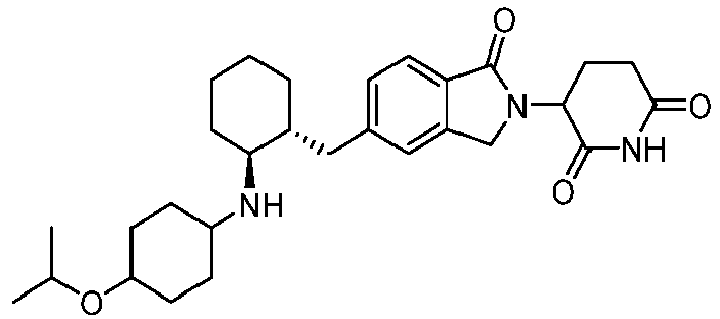
496.4 1H NMR (400 MHz, DMSO-d6) δ 10.99 (s, 1H), 8.22 (s, 1H), 7.99 (s, 2H), 7.84 - 7.61 (m, 1H), 7.61 - 7.18 (m, 2H), 5.11 (dd, J = 13.3, 5.1 Hz, 1H), 4.52 - 4.19 (m, 2H), 3.83 - 3.49 (m, 2H), 3.27 (d, J = 14.4 Hz, 1H), 3.07 (s, 1H), 2.91 (ddt, J = 23.0, 14.7, 7.4 Hz, 1H), 2.74 - 2.57 (m, 1H), 2.43 - 2.30 (m, 1H), 2.07 (s, 1H), 2.05 - 1.92 (m, 1H), 1.91 - 1.67 (m, 4H), 1.58 - 1.33 (m, 4H), 1.09 (d, J = 6.1 Hz, 6H), 1.04-1.07 (m, 1H). 3 4-isopropoxycyclohexanone 169 
492.3 1H NMR (400 MHz, DMSO-d6) δ 10.99 (s, 1H), 8.71 - 8.60 (m, 1H), 8.29 - 8.18 (m, 1H), 7.72 (d, J = 7.7 Hz, 1H), 7.44 (s, 1H), 7.36 (d, J = 7.8 Hz, 1H), 5.16 - 5.07 (m, 1H), 4.89 - 4.71 (m, 1H), 4.46 (dd, J = 17.4, 3.1 Hz, 1H), 4.33 (d, J = 17.3 Hz, 1H), 3.56 - 3.43 (m, 1H), 3.32 (dd, J = 13.7, 3.4 Hz, 1H), 3.28 - 3.18 (m, 1H), 2.92 (ddd, J = 17.9, 13.5, 5.4 Hz, 1H), 2.65 - 2.56 (m, 1H), 2.46 - 2.36 (m, 3H), 2.36 - 2.25 (m, 1H), 2.23 - 1.47 (m, 13H), 1.46 - 1.26 (m, 1H). 3 1-37; 4,4-difluorocyclohexanone 170 
374.1 1H NMR (400 MHz, DMSO-d6) δ 11.00 (s, 1H), 7.81 - 7.61 (m, 1H), 7.47 (s, 1H), 7.39 (d, J = 7.9 Hz, 1H), 5.19 - 5.02 (m, 1H), 4.47 (d, J = 17.3 Hz, 1H), 4.33 (d, J = 17.3 Hz, 1H), 3.48 (d, J = 30.0 Hz, 0H), 3.20 (d, J = 13.1 Hz, 2H), 2.93 (ddd, J = 17.9, 13.5, 5.6 Hz, 1H), 2.74 - 2.54 (m, 1H), 2.48-2.25 (m, 2H), 2.25 - 1.91 (m, 5H), 1.91-0.87 (m, 12H). 3 1-39; cyclohexanone 171 
480.4 1H NMR (400 MHz, DMSO-d6) δ 10.99 (s, 1H), 8.33 (s, 1H), 7.93 (s, 1H), 7.70 (d, J = 7.8 Hz, 1H), 7.44 (s, 1H), 7.35 (d, J = 7.7 Hz, 1H), 5.11 (dd, J = 13.3, 5.1 Hz, 1H), 4.50 - 4.23 (m, 3H), 3.26 (d, J = 13.0 Hz, 1H), 3.06 (s, 1H), 2.92 (ddd, J = 18.0, 13.6, 5.4 Hz, 1H), 2.61 (d, J = 17.2 Hz, 1H), 2.46 - 2.29 (m, 3H), 2.21 - 1.90 (m, 5H), 1.76 (d, J = 33.4 Hz, 2H), 1.49 (dd, J = 14.5, 11.3 Hz, 2H), 1.37 (dd, J = 24.5, 11.4 Hz, 1H), 1.05 (q, J = 6.8 Hz, 3H). 3 1-oxaspiro[3.5]nonan-7-one 172 
480.4 1H NMR (400 MHz, DMSO-d6) δ 10.99 (s, 1H), 8.32 (d, J = 53.2 Hz, 1H), 7.98 (s, 1H), 7.70 (dd, J = 7.7, 2.2 Hz, 1H), 7.44 (d, J = 4.9 Hz, 1H), 7.36 (t, J = 6.7 Hz, 1H), 5.11 (dd, J = 13.3, 5.1 Hz, 1H), 4.51 - 4.23 (m, 4H), 3.49 - 3.41 (m, 1H), 3.26 (d, J = 17.6 Hz, 9H), 3.07 (s, 1H), 2.92 (ddd, J = 18.1, 13.6, 5.4 Hz, 1H), 2.76 - 2.54 (m, 1H), 2.47 - 2.24 (m, 2H), 2.19 - 2.02 (m, 3H), 2.02-1.76 (m, 1H), 1.70 (d, J = 10.9 Hz, 1H), 1.64 - 1.42 (m, 1H), 1.06 (t, J = 7.0 Hz, 3H). 3 1-oxaspiro[3.5]nonan-7-one 173 
474.4 1H NMR (400 MHz, DMSO-d6) δ 11.01 (s, 1H), 8.49 (s, 1H), 8.28 (s, 1H), 7.58 (d, J = 7.7 Hz, 1H), 7.52 (td, J = 7.7, 6.9, 3.1 Hz, 1H), 5.11 (dd, J = 13.3, 5.1 Hz, 1H), 4.59-4.34 (m, 2H), 3.82 - 3.65 (m, 2H), 3.62-3.52 (m, 2H), 3.30 - 3.18 (m, 3H), 2.96 (dddd, J = 31.4, 18.2, 13.1, 6.4 Hz, 3H), 2.70 - 2.56 (m, 2H), 2.47 - 2.32 (m, 1H), 2.28 - 2.06 (m, 3H), 2.07 - 1.95 (m, 1H), 1.91 - 1.50 (m, 8H). 3 1-12; oxepan-4-one 174 
548.4 1H NMR (400 MHz, DMSO-d6) δ 10.99 (s, 1H), 8.85 (s, 1H), 8.60 (s, 1H), 7.71 (d, J = 7.7 Hz, 1H), 7.47 (s, 1H), 7.45 - 7.35 (m, 4H), 7.30 (dt, J= 7.8, 1.4 Hz, 2H), 5.12 (dd, J = 13.3, 5.1 Hz, 1H), 4.50 - 4.27 (m, 2H), 3.21 (d, J = 12.4 Hz, 1H), 3.07 (s, 1H), 2.92 (ddd, J = 17.5, 13.5, 5.5 Hz, 1H), 2.60 (d, J = 17.3 Hz, 2H), 2.47 - 2.30 (m, 3H), 2.10 (dd, J = 17.4, 4.5 Hz, 3H), 1.98 (d, J = 12.4 Hz, 2H), 1.75 (d, J = 12.5 Hz, 1H), 1.51 (dd, J = 23.2, 12.7 Hz, 3H), 1.41- 1.19 (m, 1H), 1.08 (s, 2H). 9 1-(bromomethyl)-2,2-difluoro-3-phenylbicyclo[1.1.1]pentan e 175 
488.4 1H NMR (400 MHz, DMSO-d6) δ 10.99 (s, 2H), 8.66 (s, 1H), 8.38 (s, 1H), 7.70 (d, J = 7.7 Hz, 1H), 7.46 (t, J = 6.6 Hz, 1H), 7.41 (s, 1H), 7.38 - 7.25 (m, 3H), 7.02 (t, J = 7.8 Hz, 1H), 6.91 (dd, J = 8.4, 1.2 Hz, 1H), 5.11 (dd, J = 13.2, 5.2 Hz, 2H), 4.77 (s, 1H), 4.49 - 4.23 (m, 4H), 3.37 (d, J = 13.7 Hz, 1H), 2.92 (t, J = 13.0 Hz, 2H), 2.77 - 2.54 (m, 2H), 2.46 - 2.20 (m, 2H), 2.05 - 1.84 (m, 1H), 1.56 (d, J = 11.9 Hz, 4H), 1.06 (s, 3H). 10 chroman-4-one 176 
412.4 1H NMR (400 MHz, DMSO-d6) δ 10.99 (s, 1H), 8.23 (d, J = 50.2 Hz, 1H), 7.96 (s, 1H), 7.69 (d, J = 7.7 Hz, 1H), 7.44 (s, 1H), 7.36 (d, J = 7.8 Hz, 1H), 5.11 (dd, J = 13.3, 5.1 Hz, 1H), 4.45 (dd, J = 17.4, 2.7 Hz, 1H), 4.31 (dd, J = 17.4, 2.9 Hz, 1H), 3.33 - 3.22 (m, 3H), 3.05 (s, 1H), 2.99 - 2.85 (m, 1H), 2.65 - 2.56 (m, 1H), 2.46 - 2.34 (m, 1H), 2.14 - 1.96 (m, 2H), 1.89 - 1.66 (m, 3H), 1.63 - 1.32 (m, 4H), 1.27 (dd, J = 15.6, 6.4 Hz, 3H), 1.03 (t, J = 9.4 Hz, 2H), 0.99 - 0.89 (m, 3H). 10 butan-2-one 177 
472.4 1H NMR (400 MHz, DMSO-d6) δ 10.99 (s, 1H), 8.86 (s, 1H), 8.53 (s, 1H), 7.70 (d, J = 7.8 Hz, 1H), 7.46 (s, 1H), 7.37 (d, J = 7.8 Hz, 1H), 7.33 -7.18 (m, 4H), 5.11 (dd, J = 13.3, 5.1 Hz, 1H), 4.45 (dd, J= 17.4, 2.4 Hz, 1H), 4.37 - 4.27 (m, 1H), 3.43 - 3.24 (m, 3H), 3.23 - 3.06 (m, 3H), 2.99 - 2.85 (m, 1H), 2.60 (d, J = 17.5 Hz, 1H), 2.47-2.32 (m, 1H), 2.23 - 2.15 (m, 1H), 2.04-1.96 (m, 1H), 1.93 - 1.88 (m, 1H), 101.74 (d, J = 12.0 Hz, 1H), 1.62 - 1.30 (m, 5H), 1.13 - 1.04 (m, 2H). 10 indan-2-one 178 
460.3 1H NMR (400 MHz, DMSO-d6) δ 10.99 (s, 1H), 8.61 (s, 1H), 8.50 (s, 1H), 7.69 (d, J = 7.8 Hz, 1H), 7.48 (s, 1H), 7.40 (d, J = 7.8 Hz, 1H), 5.11 (dd, J = 13.3, 5.1 Hz, 1H), 4.44 (dd, J = 17.3, 3.0 Hz, 1H), 4.31 (dd, J = 17.3, 4.4 Hz, 1H), 3.39 (s, 1H), 3.21 (s, 1H), 3.14 - 3.03 (m, 1H), 2.99 - 2.85 (m, 1H), 2.64 - 2.53 (m, 2H), 2.48 - 2.32 (m, 1H), 2.30 - 1.76 (m, 7H), 1.71 - 1.50 (m, 6H), 1.34 (d, J = 6.2 Hz, 2H). 10 1-40; 4,4-difluorocyclohexanone 179 
440.3 1H NMR (400 MHz, Methanol-d4) δ 7.77 (d, J = 7.8 Hz, 1H), 7.54 (s, 1H), 7.48 (dd, J = 7.9, 1.4 Hz, 1H), 5.17 (dd, J = 13.3, 5.2 Hz, 1H), 4.54 - 4.42 (m, 2H), 3.92 (d, J = 11.9 Hz, 1H), 3.80 (ddt, J = 9.6, 6.1, 3.0 Hz, 1H), 3.46 - 3.38 (m, 1H), 3.10 - 3.02 (m, 1H), 2.96 - 2.88 (m, 1H), 2.80 (ddd, J = 17.6, 4.7, 2.4 Hz, 1H), 2.51 (dd, J = 13.2, 4.8 Hz, 1H), 2.41 - 2.30 (m, 1H), 2.25 - 2.04 (m, 3H), 1.96 - 1.61 (m, 8H), 1.55 - 1.19 (m, 7H). 11 1-11; cyclohexanone 180 
400.2 1H NMR (400 MHz, Methanol-d4) δ 7.76 (d, J = 7.8 Hz, 1H), 7.54 (s, 1H), 7.47 (d, J = 7.8 Hz, 1H), 5.17 (dd, J = 13.3, 5.1 Hz, 1H), 4.92 (t, J = 2.5 Hz, 1H), 4.56 - 4.45 (m, 2H), 4.18 (ddd, J = 12.2, 9.0, 3.7 Hz, 1H), 3.96 - 3.87 (m, 1H), 3.80 - 3.74 (m, 1H), 3.73 - 3.69 (m, 2H), 3.66 - 3.54 (m, 2H), 3.44 - 3.36 (m, 1H), 3.25 (td, J = 13.0, 11.8, 4.5 Hz, 2H), 3.06 - 2.97 (m, 1H), 2.97 - 2.87 (m, 1H), 2.80 (ddd, J = 17.6, 4.7, 2.4 Hz, 1H), 2.51 (qd, J = 13.2, 4.6 Hz, 1H), 2.35 (q, J = 6.3, 5.1 Hz, 1H), 2.20 (ddq, J = 10.8, 5.4, 2.7 Hz, 1H), 1.88 - 1.68 (m, 3H), 1.38 (dd, J = 14.7, 6.5 Hz, 6H). 11 1-11; acetone 181 
458.3 1H NMR (400 MHz, Methanol-d4) δ 7.61 (d, J = 7.7 Hz, 1H), 7.58 - 7.52 (m, 1H), 5.17 (ddd, J = 13.4, 5.2, 1.6 Hz, 1H), 4.65-4.49 (m, 2H), 3.93 - 3.81 (m, 2H), 3.42 (ddd, J = 11.6, 8.1, 3.2 Hz, 1H), 3.27 (s, 1H), 3.18 - 3.09 (m, 1H), 2.97 - 2.89 (m, 1H), 2.81 (ddd, J = 17.6, 4.8, 2.4 Hz, 1H), 2.53 (qd, J = 13.2, 4.7 Hz, 1H), 2.37 (d, J = 13.1 Hz, 1H), 2.24 - 2.05 (m, 3H), 1.98-1.71 (m, 6H), 1.55 - 1.19 (m, 5H). 11 1-12; cyclohexanone 182 
494.4 1H NMR (400 MHz, DMSO-d6) δ 10.99 (s, 1H), 8.49 (s, 1H), 8.19 (s, 1H), 7.70 (d, J = 7.8 Hz, 1H), 7.44 (s, 1H), 7.36 (dd, J = 7.9, 1.4 Hz, 1H), 5.11 (dd, J = 13.3, 5.1 Hz, 1H), 4.45 (dd, J = 17.4, 4.0 Hz, 1H), 4.31 (dd, J = 17.3, 4.3 Hz, 1H), 3.28 - 3.20 (m, 1H), 3.16 - 3.01 (m, 4H), 2.99 - 2.85 (m, 1H), 2.60 (d, J = 17.1 Hz, 1H), 2.47 - 2.32 (m, 2H), 2.14 - 2.06 (m, 1H), 2.04 - 1.89 (m, 2H), 1.86 - 1.67 (m, 2H), 1.59 - 1.37 (m, 3H), 1.34 - 1.24 (m, 1H), 1.15 (d, J = 3.0 Hz, 6H), 1.10 - 0.96 (m, 2H). 12 4-bromo-1,1,1-trifluoro-2,2-dimethylbutane 183 
474.4 1H NMR (400 MHz, DMSO-d6) δ 10.99 (s, 1H), 8.84 (s, 1H), 8.71 (s, 1H), 8.55 (s, 1H), 7.69 (d, J = 7.8 Hz, 1H), 7.44 (s, 1H), 7.36 (d, J = 7.8 Hz, 1H), 5.34 (s, 2H), 5.11 (dd, J = 13.3, 5.1 Hz, 1H), 4.45 (dd, J = 17.3, 4.5 Hz, 1H), 4.32 (dd, J = 17.3, 4.1 Hz, 1H), 3.92 (s, 1H), 3.70 - 3.58 (m, 2H), 3.43-3.34 (m, 1H), 3.14 - 3.08 (m, 1H), 2.92 (ddd, J = 17.2, 13.6, 5.4 Hz, 1H), 2.61 (dt, J = 17.4, 3.3 Hz, 1H), 2.46 - 2.28 (m, 2H), 2.21 (s, 1H), 2.11 (dd, J = 12.7, 3.9 Hz, 1H), 2.05 - 1.85 (m, 2H), 1.84 - 1.63 (m, 2H), 1.63-1.38 (m, 2H), 1.37 - 1.18 (m, 2H), 1.13 - 0.91 (m, 2H). 15 2,2-difluorocyclohexanone 184 
466.4 1H NMR (400 MHz, DMSO-d6) δ 10.99 (s, 1H), 8.44 (s, 1H), 7.99 (s, 1H), 7.69 (d, J = 7.7 Hz, 1H), 7.44 (s, 1H), 7.35 (dd, J = 7.7, 1.4 Hz, 1H), 5.11 (dd, J = 13.3, 5.1 Hz, 1H), 4.50 - 4.37 (m, 3H), 4.32 (dd, J = 17.4, 2.0 Hz, 1H), 3.32 (d, J = 9.6 Hz, 1H), 3.24 (dd, J = 13.2, 3.5 Hz, 1H), 3.01 (s, 1H), 2.92 (ddd, J = 17.3, 13.6, 5.4 Hz, 1H), 2.66-2.52 (m, 1H), 2.47-2.31 (m, 2H), 2.11-1.94 (m, 4H), 1.94 - 1 . 8 6 (m, 1H), 1.81 (d, J = 10.5 Hz, 1H), 1.69 (t, J = 6.6 Hz, 4H), 1.55 - 1.26 (m, 6H), 1.09 - 0.97 (m, 2H). 15 8-oxabicyclo[3.2.1]octan-3-one 185 
440.4 1H NMR (400 MHz, DMSO-d6) δ 10.99 (s, 1H), 8.18 (s, 1H), 7.97 (s, 1H), 7.69 (d, J = 7.7 Hz, 1H), 7.45 (d, J = 3.6 Hz, 1H), 7.36 (dt, J = 7.8, 1.6 Hz, 1H), 5.11 (dd, J = 13.3, 5.1 Hz, 1H), 4.45 (dd, J = 17.4, 2.0 Hz, 1H), 4.32 (dd, J = 17.4, 2.9 Hz, 1H), 3.29 (dtd, J = 26.3, 13.6, 13.1, 5.1 Hz, 2H), 3.04 (s, 1H), 2.92 (ddd, J = 17.3, 13.6, 5.4 Hz, 1H), 2.61 (dt, J = 15.3, 2.8 Hz, 1H), 2.47 - 2.30 (m, 2H), 2.19 - 1.94 (m, 2H), 1.85 (s, 1H), 1.70 (td, J = 13.4, 6.6 Hz, 2H), 1.60 - 1.32 (m, 5H), 1.30 (d, J = 6.4 Hz, 1H), 1.25 (d, J = 6.3 Hz, 2H), 1.13 - 0.97 (m, 2H), 0.96 - 0.82 (m, 6H). 15 4-methylpentan-2-one 186 
444.3 1H NMR (400 MHz, DMSO-d6) δ 11.01 (s, 1H), 8.59 (s, 1H), 8.32 (s, 1H), 7.64 - 7.54 (m, 1H), 7.54 - 7.35 (m, 1H), 5.12 (dd, J = 13.3, 5.1 Hz, 1H), 4.69 (t, J = 6.8 Hz, 1H), 4.63 - 4.50 (m, 1H), 4.49 - 4.31 (m, 3H), 3.64 - 3.56 (m, 3H), 3.50 - 3.39 (m, 1H), 3.36 (td, J = 9.5, 8.5, 5.8 Hz, 1H), 3.10 (dd, J = 30.2, 10.7 Hz, 2H), 2.92 (ddd, J = 17.3, 13.6, 5.5 Hz, 1H), 2.66 - 2.54 (m, 2H), 2.42 (td, J = 13.2, 4.5 Hz, 1H), 2.14 - 1.96 (m, 1H), 1.90 (d, J = 10.1 Hz, 1H), 1.71 (d, J = 11.9 Hz, 1H), 1.62 - 1.39 (m, 3H), 1.39-1.24 (m, 1H), 1.05 (dd, J = 14.0, 5.5 Hz, 2H). 15 1-4; oxetane-3-carbaldehyde 187 
472.3 1H NMR (400 MHz, DMSO-d6) δ 11.01 (s, 1H), 8.54 (d, J = 9.1 Hz, 1H), 8.29 (s, 1H), 7.58 (d, J = 7.7 Hz, 1H), 7.49 (t, J = 7.0 Hz, 1H), 5.12 (dd, J = 13.3, 5.1 Hz, 1H), 4.56 (dd, J = 17.4, 4.9 Hz, 1H), 4.39 (dd, J = 17.4, 5.5 Hz, 1H), 3.94 - 3.83 (m, 2H), 3.30 (tt, J = 11.7, 2.7 Hz, 2H), 3.21 - 3.12 (m, 1H), 3.08 (s, 1H), 2.99 - 2.85 (m, 3H), 2.76 (s, 1H), 2.66 - 2.51 (m, 2H), 2.43 (qd, J = 13.1, 4.4 Hz, 1H), 2.10 - 1.88 (m, 3H), 1.80 - 1.63 (m, 3H), 1.58-1.40 (m, 3H), 1.38-1.19 (m, 3H), 1.08 (q, J = 10.6, 9.6 Hz, 2H). 15 1-4; tetrahydropyran-4-carbaldehyde 188 
458.4 1H NMR (400 MHz, DMSO-d6) δ 11.01 (s, 1H), 8.58 (s, 1H), 8.13 (s, 1H), 7.59 (d, J = 7.7 Hz, 1H), 7.50 (t, J = 7.0 Hz, 1H), 5.12 (dd, J = 13.3, 5.1 Hz, 1H), 4.56 (dd, J = 17.4, 4.0 Hz, 1H), 4.39 (dd, J = 17.4, 3.4 Hz, 1H), 3.98 - 3.89 (m, 2H), 3.53 (s, 1H), 3.36 (t, J = 11.8 Hz, 2H), 3.27-3.14 (m, 2H), 2.99 - 2.85 (m, 1H), 2.68 - 2.52 (m, 2H), 2.42 (tt, J = 13.2, 6.6 Hz, 1H), 2.16 - 2.07 (m, 1H), 2.01 (dtd, J = 12.6, 5.1, 2.2 Hz, 2H), 1.90 (s, 2H), 1.83 - 1.68 (m, 2H), 1.67 - 1.53 (m, 1H), 1.45 (dt, J = 23.4, 8.6 Hz, 2H), 1.34 (t, J = 11.3 Hz, 1H), 1.14 - 1.00 (m, 2H), 15 1-4; tetrahydropyran-4-one 189 
444.3 1H NMR (400 MHz, DMSO-d6) δ 11.01 (s, 1H), 8.81 (d, J = 31.2 Hz, 1H), 8.44 (d, J = 44.6 Hz, 1H), 7.59 (d, J = 7.7 Hz, 1H), 7.49 (t, J = 7.0 Hz, 1H), 5.12 (dd, J = 13.3, 5.1 Hz, 1H), 4.56 (dd, J = 17.4, 4.4 Hz, 1H), 4.39 (dd, J = 17.4, 4.2 Hz, 1H), 4.06 (s, 2H), 3.94 (dddd, J = 9.5, 6.7, 4.3, 1.7 Hz, 1H), 3.91 - 3.82 (m, 2H), 3.67 (q, J = 7.7 Hz, 1H), 3.27 - 3.01 (m, 2H), 2.92 (ddd, J = 17.2, 13.6, 5.4 Hz, 1H), 2.71 - 2.55 (m, 2H), 2.41 (td, J = 13.2, 4.5 Hz, 1H), 2.35 - 2.22 (m, 1H), 2.16 - 1.83 (m, 3H), 1.69 (s, 1H), 1.60 - 1.40 (m, 3H), 1.33 (d, J = 11.0 Hz, 1H), 1.10 (q, J = 9.9 Hz, 2H). 15 1-4; tetrahydrofuran-3-one 190 
444.3 1H NMR (400 MHz, DMSO-d6) δ 11.01 (s, 1H), 8.81 (d, J = 31.2 Hz, 1H), 8.44 (d, J = 44.6 Hz, 1H), 7.59 (d, J = 7.7 Hz, 1H), 7.49 (t, J = 7.0 Hz, 1H), 5.12 (dd, J = 13.3, 5.1 Hz, 1H), 4.56 (dd, J = 17.4, 4.4 Hz, 1H), 4.39 (dd, J = 17.4, 4.2 Hz, 1H), 4.06 (s, 2H), 3.94 (dddd, J = 9.5, 6.7, 4.3, 1.7 Hz, 1H), 3.91 - 3.82 (m, 2H), 3.67 (q, J = 7.7 Hz, 1H), 3.27 - 3.01 (m, 2H), 2.92 (ddd, J = 17.2, 13.6, 5.4 Hz, 1H), 2.71 - 2.55 (m, 2H), 2.41 (td, J = 13.2, 4.5 Hz, 1H), 2.35-2.22 (m, 1H), 2.16 - 1.83 (m, 3H), 1.69 (s, 1H), 1.60 - 1.40 (m, 3H), 1.33 (d, J = 11.0 Hz, 1H), 1.10 (q, J = 9.9 Hz, 2H). 15 1-4; tetrahydrofuran-3-one 191 
464.3 1H NMR (400 MHz, DMSO-d6) δ 10.99 (s, 1H), 8.22 (s, 1H), 7.72 (t, J = 10.4 Hz, 2H), 7.44 (s, 1H), 7.36 (d, J = 7.8 Hz, 1H), 5.12 (dd, J = 13.3, 5.1 Hz, 1H), 4.46 (dd, J = 17.4, 2.1 Hz, 1H), 4.32 (dd, J= 17.4, 2.2 Hz, 1H), 3.46 - 3.08 (m, 4H), 3.08 - 2.82 (m, 2H), 2.82 - 2.58 (m, 1H), 2.45 - 2.16 (m, 5H), 2.16 - 1.89 (m, 2H), 1.89 - 1.13 (m, 12H), 1.00 (d, J = 12.4 Hz, 4H). 15 bicyclo[3.2.1]octan-3-one 192 
468.4 1H NMR (400 MHz, DMSO-d6) δ 10.99 (s, 1H), 7.71 (d, J = 7.8 Hz, 1H), 7.67 (s, 1H), 7.50 (s, 1H), 7.43 (s, 1H), 7.36 (d, J = 7.8 Hz, 1H), 5.11 (ddd, J = 13.3, 5.1, 1.5 Hz, 1H), 4.58 - 4.24 (m, 2H), 4.04 - 3.93 (m, 1H), 3.55-3.23 (m, 5H), 3.13 (d, J = 11.5 Hz, 1H), 3.04 (d, J = 9.9 Hz, 1H), 2.92 (ddd, J = 17.1, 13.6, 5.4 Hz, 1H), 2.66 - 2.56 (m, 1H), , 2.43 - 2.30 (m, 2H), 2.19 (d, J = 12.1 Hz, 1H), 2.06 - 1.81 (m, 4H), 1.76 (d, J = 13.2 Hz, 1H), 1.53 (d, J = 14.6 Hz, 3H), 1.25 (q, J = 12.0 Hz, 1H), 1.08 (s, 3H), 1.01 (s, 3H). 15 3,3-dimethyltetrahydropyran-4-one 193 
452.3 1H NMR (400 MHz, DMSO-d6) δ 10.99 (s, 1H), 9.09 - 8.07 (m, 2H), 7.69 (dd, J = 7.8, 3.1 Hz, 1H), 7.47 (d, J = 16.7 Hz, 1H), 7.38 (ddd, J = 12.2, 7.8, 1.4 Hz, 1H), 5.11 (dd, J = 13.3, 5.1 Hz, 1H), 4.78 - 4.52 (m, 2H), 4.49 - 4.25 (m, 2H), 3.70 - 3.54 (m, 1H), 3.39 - 3.25 (m, 1H), 3.19 - 2.80 (m, 3H), 2.60 (dd, J = 18.4, 4.2 Hz, 1H), 2.47 - 2.29 (m, 2H), 2.22 - 1.76 (m, 4H), 1.75 - 1.22 (m, 8H), 1.10 (dq, J = 29.9, 11.5, 10.2 Hz, 2H). 15 7-oxabicyclo[2.2.1]heptan-2-one 194 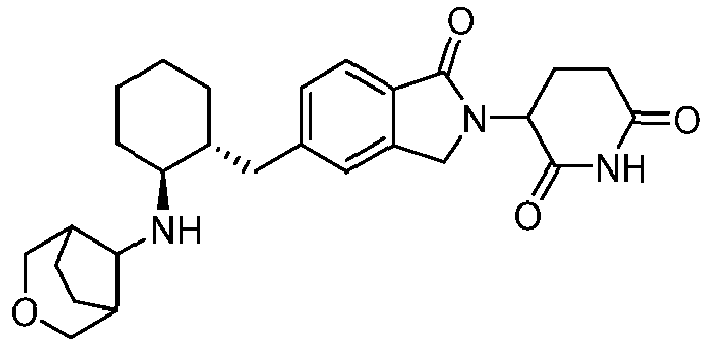
466.4 1H NMR (400 MHz, DMSO-d6) δ 10.99 (s, 1H), 8.53 (d, J = 34.7 Hz, 2H), 7.70 (d, J = 7.8 Hz, 1H), 7.48 (s, 1H), 7.39 (d, J = 7.8 Hz, 1H), 5.11 (dd, J= 13.3, 5.1 Hz, 1H), 4.51 - 4.24 (m, 2H), 3.95 (t, J = 11.7 Hz, 2H), 3.50 - 3.35 (m, 3H), 3.21 (dd, J = 14.1, 4.7 Hz, 2H), 2.92 (ddd, J = 17.2, 13.6, 5.5 Hz, 1H), 2.65 - 2.56 (m, 1H), 2.40 (qd, J = 13.2, 4.5 Hz, 1H), 2.26 (d, J = 16.9 Hz, 2H), 2.13 - 1.94 (m, 4H), 1.89 - 1.61 (m, 6H), 1.52 (d, J = 10.4 Hz, 2H), 1.35 (d, J = 11.9 Hz, 1H), 1.20-1.00 (m, 2H). 15 3-oxabicyclo[3.2.1]octan-8-one 195 
468.4 1H NMR (400 MHz, DMSO-d6) δ 10.99 (s, 1H), 8.38 (d, J = 27.5 Hz, 2H), 7.71 - 7.64 (m, 1H), 7.47 (s, 1H), 7.38 (dd, J = 7.8, 1.4 Hz, 1H), 5.69 (s, 1H), 5.11 (dd, J = 13.2, 5.1 Hz, 1H), 4.64 (d, J = 4.8 Hz, 1H), 4.52-4.27 (m, 2H), 4.02 - 3.95 (m, 2H), 3.81 - 3.73 (m, 1H), 3.37 (d, J = 7.7 Hz, 1H), 3.21 (dd, J = 13.1, 3.7 Hz, 1H), 3.12 (s, 1H), 2.99 - 2.84 (m, 1H), 2.65 - 2.56 (m, 1H), 2.48-2.32 (m, 2H), 2.12 - 1.95 (m, 2H), 1.94-1.60 (m, 4H), 1.60 - 1.43 (m, 3H), 1.40-1.18 (m, 1H), 1.03 (dt, J = 21.5, 12.8 Hz, 2H). 15 6,8-dioxabicyclo[3.2.1]octan-4-one 196 
452.4 1H NMR (400 MHz, DMSO-d6) δ 10.99 (s, 1H), 8.20 (s, 1H), 7.98 (d, J = 13.5 Hz, 1H), 7.69 (d, J = 7.8 Hz, 1H), 7.44 (s, 1H), 7.41-7.29 (m, 1H), 5.11 (dd, J = 13.3, 5.1 Hz, 1H), 4.51 - 4.25 (m, 2H), 3.39 - 3.21 (m, 2H), 3.04 (s, 1H), 2.99 - 2.80 (m, 1H), 2.60 (dd, J = 17.1, 3.4 Hz, 1H), 2.46 - 2.34 (m, 2H), 2.13 - 1.94 (m, 4H), 1.88 - 1.63 (m, 4H), 1.63 - 1.18 (m, 11H), 1.03 (t, J = 9.4 Hz, 2H). 15 cycloheptanone 197 
454.4 1H NMR (400 MHz, DMSO-d6) δ 10.99 (s, 1H), 8.36 (s, 1H), 8.13 (s, 1H), 7.69 (d, J = 7.7 Hz, 1H), 7.45 (s, 1H), 7.36 (dd, J = 7.8, 1.6 Hz, 1H), 5.11 (dd, J = 13.3, 5.1 Hz, 1H), 4.45 (dd, J = 17.4, 2.3 Hz, 1H), 4.32 (dd, J = 17.4, 2.3 Hz, 1H), 3.72 (dddd, J = 20.5, 8.1, 6.5, 4.0 Hz, 2H), 3.57 (ddt, J = 12.6, 9.4, 3.6 Hz, 2H), 3.41 (s, 1H), 3.27 (d, J = 13.0 Hz, 1H), 3.07 (s, 1H), 2.99 - 2.85 (m, 1H), 2.65 - 2.52 (m, 1H), 2.40 (tt, J = 13.5, 6.7 Hz, 2H), 2.14 (dd, J= 14.1, 10.5 Hz, 1H), 2.11 (s, 2H), 2.11 - 2.00 (m, 1H), 2.04 - 1.95 (m, 1H), 1.90 - 1.77 (m, 2H), 1.74 (dq, J = 18.6, 8.7, 6.2 Hz, 3H), 1.56 - 1.45 (m, 2H), 1.36 (dt, J = 22.6, 11.5 Hz, 2H), 1.03 (s, 2H). 15 oxepan-4-one 198 
466.4 1H NMR (400 MHz, DMSO-d6) δ 10.99 (s, 1H), 8.62 (s, 1H), 8.16 (s, 1H), 7.69 (d, J = 7.8 Hz, 1H), 7.44 (s, 1H), 7.36 (dd, J = 7.8, 1.3 Hz, 1H), 5.11 (dd, J = 13.3, 5.1 Hz, 1H), 4.45 (dd, J = 17.5, 2.5 Hz, 1H), 4.31 (dd, J = 17.5, 2.2 Hz, 1H), 3.75-3.56 (d, J = 9.6 Hz, 3H), 3.47 (dd, J = 9.0, 5.5 Hz, 2H), 3.30-3.22 (m, 1H), 3.04 - 2.85 (m, 2H), 2.85-2.71 (m, 1H), 2.72 - 2.52 (m, 3H), 2.47-2.31 (m, 3H), 2.14 - 2.05 (m, 1H), 2.05-1.95 (m, 1H), 1.82 (s, 1H), 1.69 (d, J = 11.5 Hz, 1H), 1.57 - 1.45 (m, 3H), 1.41 (d, J = 11.0 Hz, 1H), 1.40 - 1.27 (m, 1H), 1.05 (q, J= 11.9, 11.2 Hz, 2H). 15 (3aR,6aS)-tetrahydro-1H-cyclopenta[c]furan-5(3H)-one 199 
464.2 1H NMR (400 MHz, DMSO-d6) δ 10.99 (s, 1H), 8.27 (s, 1H), 8.16 (s, 1H), 7.70 (d, J = 7.8 Hz, 1H), 7.49 (s, 1H), 7.40 (d, J = 7.8 Hz, 1H), 5.12 (dd, J = 13.2, 5.1 Hz, 1H), 4.45 (d, J = 17.3 Hz, 1H), 4.32 (d, J = 17.2 Hz, 1H), 3.40 - 3.04 (m, 4H), 3.04 - 2.81 (m, 2H), 2.70 - 2.55 (m, 2H), 2.46 - 2.22 (m, 3H), 2.21 - 1.92 (m, 3H), 1.88 - 1.48 (m, 10H), 1.48 - 1.23 (m, 3H), 1.12 (dd, J = 27.4, 11.6 Hz, 2H). 15 bicyclo[3.2.1]octan-8-one 200 
468.4 1H NMR (400 MHz, DMSO-d6) δ 10.99 (s, 1H), 7.84 (s, 2H), 7.70 (dd, J = 7.8, 2.6 Hz, 1H), 7.45 (s, 1H), 7.37 (d, J = 7.8 Hz, 1H), 5.11 (dd, J = 13.3, 5.1 Hz, 1H), 4.45 (d, J = 17.3 Hz, 1H), 4.32 (d, J = 17.2 Hz, 1H), 3.97 - 3.87 (m, 2H), 3.37 - 3.20 (m, 4H), 3.07 (s, 1H), 2.92 (ddd, J = 17.2, 13.6, 5.6 Hz, 1H), 2.66 - 2.52 (m, 1H), 2.48 - 2.31 (m, 2H), 2.16 - 2.06 (m, 1H), 2.00 (ddt, J = 10.4, 7.0, 4.3 Hz, 1H), 1.91 (s, 2H), 1.84 (dp, J = 8.6, 2.9 Hz, 1H), 1.76 - 1.58 (m, 2H), 1.57 - 1.26 (m, 5H), 1.30 - 1.20 (m, 3H), 1.06 (q, J = 9.1, 7.1 Hz, 2H). 15 1-tetrahydropyran-4-ylethanone 201 
452.4 1H NMR (400 MHz, DMSO-d6) δ 10.99 (s, 1H), 7.84 (s, 1H), 7.70 (dd, J = 7.8, 3.1 Hz, 1H), 7.62 (d, J = 13.2 Hz, 1H), 7.44 (s, 1H), 7.36 (d, J = 7.8 Hz, 1H), 5.11 (dd, J = 13.3, 5.1 Hz, 1H), 4.53 - 4.13 (m, 2H), 3.26 (d, J = 7.6 Hz, 2H), 3.05 (s, 1H), 2.92 (ddd, J = 17.2, 13.6, 5.4 Hz, 1H), 2.65 - 2.56 (m, 1H), 2.46 - 2.27 (m, 2H), 2.21 - 1.81 (m, 5H), 1.81 - 1.46 (m, 7H), 1.44 -1.14 (m, 7H), 1.14 - 0.94 (m, 2H). 15 1-cyclopentylethanone 202 
452.4 1H NMR (400 MHz, DMSO-d6) δ 10.99 (s, 1H), 8.28 (d, J = 12.9 Hz, 1H), 7.70 (d, J = 7.7 Hz, 1H), 7.63 (d, J = 13.8 Hz, 1H), 7.45 (s, 1H), 7.37 (d, J = 7.8 Hz, 1H), 5.11 (dd, J = 13.3, 5.1 Hz, 1H), 4.60 - 4.18 (m, 2H), 3.26 (dd, J = 13.1, 3.6 Hz, 1H), 3.07 (s, 1H), 2.92 (ddd, J = 17.2, 13.6, 5.5 Hz, 1H), 2.60 (dd, J = 16.9, 3.4 Hz, 1H), 2.47 - 2.35 (m, 2H), 2.24 - 2.13 (m, 1H), 2.13 - 2.05 (m, 1H), 2.00 (ddq, J = 10.6, 5.3, 2.8, 2.2 Hz, 1H), 1.94 - 1.79 (m, 2H), 1.78 - 1.39 (m, 8H), 1.39 - 1.15 (m, 7H), 1.04 (t, J = 9.4 Hz, 2H). 15 1-cyclopentylethanone 203 
466.4 1H NMR (400 MHz, DMSO-d6) δ 10.99 (s, 1H), 7.92 - 7.60 (m, 3H), 7.46 (d, J = 6.0 Hz, 1H), 7.37 (d, J = 7.9 Hz, 1H), 5.11 (dd, J = 13.3, 5.1 Hz, 1H), 4.55 - 4.22 (m, 2H), 3.29 (td, J = 15.6, 14.4, 3.9 Hz, 1H), 3.24-3.15 (m, 1H), 3.03 (s, 1H), 2.92 (ddd, J = 17.3, 13.6, 5.5 Hz, 1H), 2.61 (dt, J = 17.2, 3.3 Hz, 1H), 2.47 - 2.28 (m, 2H), 2.16-1.82 (m, 3H), 1.80 - 1.39 (m, 11H), 1.37-0.91 (m, 9H). 15 1-cyclohexylethanone 204 
438.4 1H NMR (400 MHz, DMSO-d6) δ 10.99 (s, 1H), 8.12 (dd, J = 76.4, 54.6 Hz, 2H), 7.70 (d, J = 7.7 Hz, 1H), 7.44 (s, 1H), 7.36 (d, J = 7.9 Hz, 1H), 5.11 (dd, J = 13.3, 5.1 Hz, 1H), 4.56 - 4.16 (m, 2H), 3.26 (dd, J = 13.2, 3.8 Hz, 1H), 3.06 (s, 1H), 2.92 (ddd, J = 17.3, 13.6, 5.4 Hz, 1H), 2.61 (dt, J = 16.4, 3.0 Hz, 1H), 2.47 - 2.36 (m, 3H), 2.18 - 1.91 (m, 2H), 1.90 - 1.66 (m, 2H), 1.67-1.42 (m, 4H), 1.36 (dd, J = 18.4, 6.3 Hz, 4H), 1.15-0.95 (m, 2H), 0.78 (qt, J = 7.3, 2.8 Hz, 1H), 0.61 - 0.39 (m, 2H), 0.25 - 0.05 (m, 2H). 15 1-cyclopropylpropan-2-one 205 
454.4 1H NMR (400 MHz, DMSO-d6) δ 10.99 (s, 1H), 8.30 - 7.86 (m, 2H), 7.70 (d, J = 7.8 Hz, 1H), 7.44 (d, J = 3.3 Hz, 1H), 7.36 (d, J = 7.8 Hz, 1H), 5.11 (dd, J = 13.3, 5.1 Hz, 1H), 4.45 (dd, J = 17.3, 4.1 Hz, 1H), 4.32 (dd, J = 17.4, 4.4 Hz, 1H), 3.69 (s, 1H), 3.43 - 3.22 (m, 2H), 2.99 - 2.85 (m, 1H), 2.65-2.55 (m, 1H), 2.46 - 2.32 (m, 1H), 2.22-1.95 (m, 4H), 1.90 - 1.40 (m, 6H), 1.34 (dd, J = 19.6, 6.3 Hz, 3H), 1.14 - 1.01 (m, 2H), 0.94 (d, J = 10.9 Hz, 9H). 15 4,4-dimethylpentan-2-one 206 
452.4 1H NMR (400 MHz, DMSO-d6) δ 10.99 (s, 1H), 7.71 (d, J = 7.7 Hz, 1H), 7.56 (s, 1H), 7.45 (d, J = 10.3 Hz, 1H), 7.37 (d, J = 7.8 Hz, 1H), 5.11 (dd, J = 13.3, 5.1 Hz, 1H), 4.46 (dd, J = 17.4, 2.4 Hz, 1H), 4.32 (dd, J = 17.5, 2.8 Hz, 1H), 3.51 - 3.40 (m, 2H), 3.05-2.82 (m, 1H), 2.65 - 2.56 (m, 2H), 2.47 - 2.32 (m, 2H), 2.21 (d, J = 12.0 Hz, 1H), 2.06-1.86 (m,4H), 1.87 - 1.70 (m, 3H), 1.68 - 1.43 (m, 4H), 1.36-1.24 (m 1H), 1.24 - 1.06 (m, 7H), 1.08 - 0.95 (m, 2H). 15 1-(1-methylcyclobutyl)ethanone 207 
452.4 1H NMR (400 MHz, DMSO-d6) 6 10.99 (s, 1H), 8.29 - 8.04 (m, 1H), 7.70 (d, J = 7.7 Hz, 1H), 7.58 - 7.22 (m, 3H), 5.11 (dd, J = 13.3, 5.1 Hz, 1H), 4.59 - 4.11 (m, 2H), 3.60 - 3.44 (m, 4H), 3.31 (dd, J = 13.2, 4.0 Hz, 1H), 3.05 - 2.83 (m, 1H), 2.66 - 2.55 (m, 1H), 2.47 - 2.31 (m, 1H), 2.19 - 1.87 (m, 3H), 1.87 - 1.64 (m, 2H), 1.64 - 1.41 (m, 2H), 1.40-1.21 (m, 1H), 1.20 - 1.11 (m, 9H), 1.11 - 0.95 (m, 3H). 15 1-(1-methylcyclobutyl)ethanone 208 
496.4 1H NMR (400 MHz, DMSO-d6) δ 10.99 (s, 1H), 8.55 (d, J = 11.1 Hz, 1H), 8.03 (s, 1H), 7.70 (d, J = 7.7 Hz, 1H), 7.45 (s, 1H), 7.37 (dd, J = 7.8, 1.3 Hz, 1H), 5.11 (dd, J= 13.3, 5.1 Hz, 1H), 4.52 - 4.25 (m, 2H), 3.77-3.62 (m, 1H), 3.26 (dd, J = 13.2, 4.0 Hz, 1H), 3.19 - 3.06 (m, 1H), 2.92 (ddd, J = 17.4, 13.6, 5.5 Hz, 1H), 2.66 - 2.54 (m, 1H), 2.49 - 2.30 (m, 2H), 2.19 - 2.06 (m, 1H), 2.06 - 1.93 (m, 2H), 1.93 - 1.79 (m, 2H), 1.72 (d, J = 13.0 Hz, 1H), 1.61 - 1.42 (m, 4H), 1.35 (t, J = 12.2 Hz, 1H), 1.30-0.97 (m, 14H). 15 2,2,6,6-tetramethyltetrahydropyran -4-one 209 
493.4 1H NMR (400 MHz, DMSO-d6) δ 11.01 (s, 1H), 8.56 (s, 1H), 8.09 (d, J = 12.4 Hz, 1H), 7.60 (d, J = 7.7 Hz, 1H), 7.48 (t, J = 7.0 Hz, 1H), 5.12 (dd, J = 13.3, 5.1 Hz, 1H), 4.48 (ddd, J = 69.8, 17.3, 4.5 Hz, 2H), 3.21 (d, J = 14.2 Hz, 3H), 2.92 (ddd, J = 17.3, 13.6, 5.4 Hz, 1H), 2.65 - 2.56 (m, 2H), 2.43 (dd, J = 13.2, 4.6 Hz, 1H), 2.12 (q, J = 15.0, 12.0 Hz, 6H), 2.00 (dp, J = 10.5, 3.3 Hz, 2H), 1.94 - 1.59 (m, 2H), 1.51 (d, J = 34.1 Hz, 2H), 1.36 (q, J = 16.4, 14.3 Hz, 2H), 1.06 (t, J = 9.7 Hz, 2H). 16 1-4; 4,4-difluorocyclohexanone 210 
483.4 1H NMR (400 MHz, DMSO-d6) δ 11.01 (s, 1H), 8.38 (d, J = 12.2 Hz, 1H), 7.96 (d, J = 12.6 Hz, 1H), 7.60 (d, J = 7.7 Hz, 1H), 7.49 (t, J = 7.0 Hz, 1H), 5.12 (dd, J = 13.3, 5.1 Hz, 1H), 4.48 (ddd, J = 69.9, 17.4, 3.7 Hz, 2H), 3.28 - 3.11 (m, 3H), 2.92 (ddd, J = 17.3, 13.6, 5.3 Hz, 1H), 2.65 - 2.54 (m, 2H), 2.47 - 2.32 (m, 1H), 2.16 - 1.92 (m, 3H), 1.81 (t, J = 13.2 Hz, 3H), 1.68 (q, J = 13.5, 12.3 Hz, 2H), 1.61 - 1.24 (m, 5H), 1.07 (t, J = 9.3 Hz, 2H), 0.94 (d, J = 13.2 Hz, 2H), 0.35 (dd, J = 8.6, 5.7 Hz, 2H), 0.24 (dd, J = 8.8, 5.8 Hz, 2H). 16 1-4; spiro[2.5]octan-6-one 211 
457.4 1H NMR (400 MHz, DMSO-d6) δ 11.01 (s, 1H), 8.32 (s, 1H), 7.94 (d, J = 12.6 Hz, 1H), 7.59 (d, J = 7.7 Hz, 1H), 7.49 (t, J = 7.0 Hz, 1H), 5.12 (dd, J = 13.3, 5.1 Hz, 1H), 4.48 (ddd, J = 70.0, 17.4, 3.6 Hz, 2H), 3.20 (q, J = 15.9 Hz, 2H), 2.92 (ddd, J = 17.2, 13.6, 5.4 Hz, 1H), 2.66 - 2.55 (m, 2H), 2.41 (td, J = 13.2, 4.5 Hz, 1H), 2.14 - 1.94 (m, 4H), 1.93 - 1.61 (m, 5H), 1.60 - 1.22 (m, 6H), 1.23 - 0.97 (m, 5H). 16 1-4; cyclohexanone 212 
443.4 1H NMR (400 MHz, DMSO-d6) δ 11.01 (s, 1H), 8.54 (s, 1H), 8.08 (d, J = 12.6 Hz, 1H), 7.64 - 7.53 (m, 1H), 7.49 (t, J = 7.0 Hz, 1H), 5.12 (dd, J = 13.3, 5.1 Hz, 1H), 4.47 (ddd, J = 69.9, 17.3, 3.2 Hz, 2H), 3.20 (d, J = 13.5 Hz, 1H), 3.05 (s, 1H), 2.92 (ddd, J = 18.0, 13.5, 5.4 Hz, 1H), 2.69 - 2.55 (m, 2H), 2.46 - 2.37 (m, 1H), 2.17 - 1.96 (m, 4H), 1.89 (s, 1H), 1.70 (q, J = 13.2, 10.7 Hz, 4H), 1.56 (s, 4H), 1.53 - 1.21 (m, 2H), 1.10 (s, 3H). 16 1-4; cyclopentanone 213 
455.3 1H NMR (400 MHz, DMSO-d6) δ 11.01 (s, 1H), 8.95 (dd, J = 12.3, 7.0 Hz, 1H), 8.70 (d, J = 12.0 Hz, 1H), 7.58 (d, J = 7.7 Hz, 1H), 7.49 (t, J = 7.0 Hz, 1H), 5.12 (dd, J = 13.3, 5.1 Hz, 1H), 4.48 (ddd, J = 69.6, 17.4, 2.4 Hz, 2H), 3.19 (dd, J = 13.4, 3.6 Hz, 1H), 3.03 (d, J = 9.2 Hz, 1H), 2.92 (ddd, J = 17.3, 13.7, 5.5 Hz, 1H), 2.62 (ddd, J= 13.8, 6.2, 3.5 Hz, 3H), 2.42 (td, J= 13.1, 4.5 Hz, 1H), 2.27 - 2.17 (m, 2H), 2.01 (dtt, J = 12.4, 5.1, 3.0 Hz, 2H), 1.91 (s, 1H), 1.67 (d, J = 10.7 Hz, 1H), 161 - 123 (m, 5H), 1.11 (p, J = 9.7 Hz, 2H), 0.57 - 0.40 (m, 4H). 16 1-4; spiro[2.3]hexan-5-one 214 
439.4 1H NMR (400 MHz, DMSO-d6) δ 10.99 (s, 1H), 8.63 (s, 1H), 8.42 (d, J = 12.3 Hz, 1H), 7.69 (d, J = 7.8 Hz, 1H), 7.45 (s, 1H), 7.36 (dd, J = 7.8, 1.4 Hz, 1H), 5.11 (dd, J = 13.3, 5.1 Hz, 1H), 4.51 - 4.26 (m, 2H), 3.21 (dd, J = 13.1, 4.0 Hz, 1H), 2.98 - 2.83 (m, 2H), 2.61 (d, J = 17.3 Hz, 1H), 2.41 (td, J = 13.3, 3.9 Hz, 2H), 2.11 - 1.93 (m, 7H), 1.86 (s, 1H), 1.65 (s, 1H), 1.62 - 1.44 (m, 3H), 1.43 - 1.20 (m, 1H), 1.14 (d, J = 8.6 Hz, 6H). 16 3,3-dimethylcyclobutanone 215 
439.4 1H NMR (400 MHz, DMSO-d6) δ 10.99 (s, 1H), 8.25 (s, 1H), 7.94 (d, J = 12.8 Hz, 1H), 7.70 (d, J = 7.8 Hz, 1H), 7.44 (s, 1H), 7.36 (d, J = 7.9 Hz, 1H), 5.11 (dd, J = 13.3, 5.1 Hz, 1H), 4.50 - 4.27 (m, 2H), 3.26 (d, J = 13.0 Hz, 1H), 3.08 (s, 1H), 2.92 (ddd, J = 17.9, 13.6, 5.4 Hz, 1H), 2.67 - 2.56 (m, 1H), 2.39 (qd, J = 13.7, 4.8 Hz, 2H), 2.04 (dd, J = 25.4, 7.1 Hz, 3H), 1.78 (d, J = 8.8 Hz, 2H), 1.75 - 1.67 (m, 2H), 1.64 (dt, J = 10.3, 2.3 Hz, 2H), 1.59 - 1.23 (m, 7H), 1.22 - 0.94 (m, 4H). 16 cyclohexanone 216 
488.2 1H NMR (400 MHz, DMSO-d6) δ 10.99 (s, 1H), 8.34 (s, 1H), 8.06 (d, J = 11.2 Hz, 1H), 7.70 (d, J = 7.8 Hz, 1H), 7.46 (s, 1H), 7.37 (dd, J = 7.8, 1.3 Hz, 1H), 6.09 (td, J = 56.7, 5.3 Hz, 1H), 5.12 (dd, J = 13.3, 5.1 Hz, 1H), 4.45 (d, J = 17.3 Hz, 1H), 4.32 (d, J = 17.2 Hz, 1H), 3.49 - 3.14 (m, 2H), 3.14 - 2.79 (m, 2H), 2.77 - 2.58 (m, 1H), 2.40 (qd, J = 13.5, 12.4, 3.5 Hz, 2H), 2.19 - 1.18 (m, 13H), 1.18 - 0.86 (m, 3H)." 17 4-(difluoromethyl)cyclohexa none 217 
488.2 1H NMR (400 MHz, DMSO-d6) δ 10.99 (s, 1H), 8.39 (s, 1H), 8.06 (s, 1H), 7.70 (d, J = 7.8 Hz, 1H), 7.45 (s, 1H), 7.37 (dd, J = 7.8, 1.3 Hz, 1H), 6.20 - 5.68 (m, 2H), 5.12 (dd, J = 13.3, 5.1 Hz, 1H), 4.45 (d, J = 17.2 Hz, 1H), 4.33 (d, J = 17.2 Hz, 1H), 3.40 - 3.01 (m, 3H), 2.92 (ddd, J = 17.2, 13.5, 5.3 Hz, 1H), 2.70 - 2.53 (m, 1H), 2.46 - 2.25 (m, 2H), 2.25 - 1.91 (m, 4H), 1.91 - 1.62 (m, 5H), 1.62 - 1.14 (m, 8H), 1.14 - 0.85 (m, 3H). 17 4-(difluoromethyl) cyclohexa none 218 
438.4 1H NMR (400 MHz, DMSO-d6) δ 10.99 (s, 1H), 7.86 (d, J = 43.4 Hz, 2H), 7.70 (d, J = 7.8 Hz, 1H), 7.43 (s, 1H), 7.36 (d, J = 7.8 Hz, 1H), 4.56 - 4.22 (m, 2H), 3.42 - 3.20 (m, 2H), 3.08 - 2.79 (m, 2H), 2.67 - 2.53 (m, 2H), 2.47 - 2.29 (m, 2H), 2.20 - 1.94 (m, 5H), 1.94 - 1.65 (m, 5H), 1.61 - 1.22 (m, 4H), 1.16 (d, J = 6.4 Hz, 3H), 1.10 - 0.94 (m, 2H). 17 1-cyclobutylethanone 219 
438.4 1H NMR (400 MHz, DMSO-d6) δ 10.99 (s, 1H), 8.37 - 8.18 (m, 1H), 7.95 - 7.75 (m, 1H), 7.70 (d, J = 7.7 Hz, 1H), 7.45 (s, 1H), 7.36 (d, J = 7.8 Hz, 1H), 5.11 (dd, J = 13.3, 5.1 Hz, 1H), 4.53 - 4.24 (m, 2H), 3.40 (q, J = 6.7, 5.7 Hz, 1H), 3.27 (dd, J = 13.2, 3.5 Hz, 1H), 3.03 - 2.82 (m, 2H), 2.66 - 2.53 (m, 2H), 2.47 - 2.32 (m, 2H), 2.17 - 1.78 (m, 7H), 1.78 - 1.61 (m, 2H), 1.61 - 1.25 (m, 3H), 1.21 (d, J = 6.5 Hz, 4H), 1.03 (t, J = 9.1 Hz, 2H). 17 1-cyclobutylethanone 220 
454.7 1H NMR (400 MHz, DMSO-d6) δ 10.99 (s, 1H), 8.37 - 8.26 (m, 1H), 8.15 - 8.00 (m, 1H), 7.69 (d, J = 7.8 Hz, 1H), 7.45 (d, J = 4.1 Hz, 1H), 7.36 (dd, J = 7.8, 1.5 Hz, 1H), 5.11 (dd, J = 13.3, 5.1 Hz, 1H), 4.45 (dd, J = 17.4, 3.5 Hz, 1H), 4.31 (dd, J= 17.4, 4.0 Hz, 1H), 3.41 - 3.23 (m, 2H), 2.99 - 2.85 (m, 2H), 2.66 - 2.55 (m, 1H), 2.49 - 2.32 (m, 2H), 2.22 - 2.07 (m, 2H), 2.05 - 1.95 (m, 1H), 1.84 (s, 1H), 1.76 - 1.60 (m, 2H), 1.58 - 1.40 (m, 3H), 1.39 - 1.28 (m, 3H), 1.11 - 0.98 (m, 2H), 0.94 (d, J = 9.7 Hz, 9H). 17 4,4-dimethylpentan-2-one 221 
454.7 1H NMR (400 MHz, DMSO-d6) δ 10.99 (s, 1H), 8.31 - 8.17 (m, 1H), 8.02 (d, J = 36.0 Hz, 1H), 7.69 (d, J = 7.8 Hz, 1H), 7.45 (d, J = 3.7 Hz, 1H), 7.36 (d, J = 7.8 Hz, 1H), 5.11 (dd, J = 13.3, 5.1 Hz, 1H), 4.45 (dd, J = 17.3, 3.8 Hz, 1H), 4.32 (dd, J = 17.3, 4.0 Hz, 1H), 3.40 - 3.22 (m, 2H), 2.99 - 2.86 (m, 2H), 2.65 - 2.51 (m, 1H), 2.48 - 2.31 (m, 2H), 2.22 - 2.07 (m, 2H), 2.04 - 1.95 (m, 1H), 1.84 (s, 1H), 1.76 - 1.60 (m, 2H), 1.58 - 1.41 (m, 3H), 1.34 (dd, J = 19.9, 6.3 Hz, 3H), 1.11 - 0.98 (m, 2H), 0.94 (d, J = 10.1 Hz, 9H). 17 4,4-dimethylpentan-2-one 222 
488.4 1H NMR (400 MHz, DMSO-d6) δ 11.01 (s, 1H), 8.76 (s, 1H), 8.25 (s, 1H), 7.61 - 7.48 (m, 2H), 5.12 (dd, J = 13.3, 5.1 Hz, 1H), 4.56 (dd, J = 17.4, 4.4 Hz, 1H), 4.38 (dd, J = 17.4, 2.5 Hz, 1H), 3.84 - 3.68 (m, 3H), 3.66 - 3.55 (m, 1H), 3.30 - 3.19 (m, 3H), 3.04 (dd, J = 14.4, 10.3 Hz, 1H), 2.92 (ddd, J = 17.3, 13.6, 5.4 Hz, 1H), 2.58 (d, J = 35.2 Hz, 1H), 2.50 - 2.35 (m, 1H), 2.18 (s, 1H), 2.05 - 1.96 (m, 2H), 1.91 (d, J = 12.1 Hz, 1H), 1.74 (s, 1H), 1.71 - 1.55 (m, 1H), 1.38 (t, J = 12.3 Hz, 1H), 1.21 (d, J = 15.1 Hz, 8H). 17 1-41; 2,2-dimethyltetrahydropyran-4-one 223 
488.4 1H NMR (400 MHz, DMSO-d6) δ 11.01 (s, 1H), 8.61 (s, 1H), 8.26 (s, 1H), 7.62 - 7.48 (m, 2H), 5.11 (dd, J = 13.3, 5.1 Hz, 1H), 4.56 (dd, J = 17.4, 4.2 Hz, 1H), 4.38 (dd, J = 17.4, 2.9 Hz, 1H), 3.83 - 3.67 (m, 3H), 3.66 - 3.58 (m, 1H), 3.34 - 3.23 (m, 3H), 3.07 - 2.85 (m, 2H), 2.59 (d, J = 35.5 Hz, 2H), 2.43 (tt, J = 13.3, 6.6 Hz, 1H), 2.30 (dd, J = 11.3, 6.2 Hz, 1H), 2.00 (ddd, J= 18.9, 8.9, 6.2 Hz, 2H), 1.88 (dd, J = 11.8, 3.4 Hz, 1H), 1.76 - 1.65 (m, 1H), 1.64 - 1.54 (m, 1H), 1.53 - 1.40 (m, 2H), 1.18 (s, 6H). 17 1-41; 2,2-dimethyltetrahydropyran-4-one 224 
442.3 1H NMR (400 MHz, DMSO-d6) δ 10.99 (s, 1H), 8.66 (s, 1H), 8.52 (s, 1H), 7.70 (d, J = 7.8 Hz, 1H), 7.46 (s, 1H), 7.42 - 7.34 (m, 1H), 5.11 (dd, J = 13.3, 5.1 Hz, 1H), 4.45 (dd, J = 17.3, 2.9 Hz, 1H), 4.32 (dd, J = 17.5, 3.0 Hz, 1H), 3.49 (dd, J = 25.7, 5.4 Hz, 1H), 3.32 (dd, J = 13.2, 3.4 Hz, 1H), 3.17 (s, 1H), 2.92 (ddd, J = 17.2, 13.6, 5.4 Hz, 1H), 2.65 - 2.52 (m, 1H), 2.49 - 2.31 (m, 2H), 2.09 (dd, J = 8.8, 4.4 Hz, 1H), 2.04 - 1.89 (m, 1H), 1.71 (s, 1H), 1.57 - 1.42 (m, 6H), 1.30 (tt, J = 11.3, 6.8 Hz, 2H), 1.27 - 1.02 (m, 2H), 1.04 (s, 3H), 1.05 - 0.87 (m, 1H). 17 1-(1-fluorocyclopropyl)ethanon e 225 
442.3 1H NMR (400 MHz, DMSO-d6) δ 10.99 (s, 1H), 8.66 (s, 1H), 8.52 (s, 1H), 7.70 (d, J = 7.8 Hz, 1H), 7.46 (s, 1H), 7.42 - 7.34 (m, 1H), 5.11 (dd, J = 13.3, 5.1 Hz, 1H), 4.45 (dd, J = 17.3, 2.9 Hz, 1H), 4.32 (dd, J = 17.5, 3.0 Hz, 1H), 3.32 (dd, J = 13.2, 3.4 Hz, 1H), 3.17 (s, 1H), 2.92 (ddd, J = 17.2, 13.6, 5.4 Hz, 1H), 2.65 - 2.52 (m, 1H), 2.49 - 2.31 (m, 2H), 2.09 (dd, J = 8.8, 4.4 Hz, 1H), 2.04 - 1.89 (m, 2H), 1.71 (s, 1H), 1.57 - 1.42 (m, 6H), 1.30 (tt, J = 11.3, 6.8 Hz, 2H), 1.27 - 1.02 (m, 1H), 1.04 (s, 3H), 1.05 - 0.87 (m, 1H). 17 1-(1-fluorocyclopropyl)ethanon e 226 
444.3 1H NMR (400 MHz, DMSO-d6) δ 10.99 (s, 1H), 8.00 (s, 2H), 7.70 (d, J = 7.7 Hz, 1H), 7.44 (s, 1H), 7.36 (d, J = 7.8 Hz, 1H), 5.11 (dd, J = 13.3, 5.1 Hz, 1H), 4.51 - 4.41 (m, 1H), 4.32 (dd, J = 17.4, 3.5 Hz, 1H), 3.47 (dd, J = 13.3, 3.1 Hz, 1H), 3.10 - 3.03 (m, 1H), 2.92 (ddd, J = 17.2, 13.6, 5.4 Hz, 1H), 2.65 - 2.52 (m, 1H), 2.47 - 2.30 (m, 2H), 2.21 - 2.11 (m, 1H), 2.06 - 1.94 (m, 3H), 1.75 (d, J = 13.4 Hz, 1H), 1.48 (dt, J = 22.0, 9.3 Hz, 9H), 1.31 (d, J = 6.7 Hz, 3H), 1.08 - 0.96 (m, 2H). 17 3-fluoro-3-methyl-butan-2-one 227 
444.3 1H NMR (400 MHz, DMSO-d6) δ 10.99 (s, 1H), 8.39 (s, 1H), 8.02 (d, J = 13.5 Hz, 1H), 7.70 (d, J = 7.8 Hz, 1H), 7.45 (s, 1H), 7.37 (d, J = 7.7 Hz, 1H), 5.11 (dd, J = 13.3, 5.1 Hz, 1H), 4.45 (d, J = 17.2 Hz, 1H), 4.32 (d, J = 17.3 Hz, 1H), 3.67 - 3.58 (m, 1H), 3.25 (d, J = 12.4 Hz, 1H), 3.11 (s, 1H), 2.92 (ddd, J = 17.8, 13.6, 5.4 Hz, 1H), 2.58 (d, J = 34.5 Hz, 2H), 2.48 - 2.34 (m, 2H), 2.13 - 1.94 (m, 3H), 1.75 (d, J = 12.9 Hz, 1H), 1.53 (s, 2H), 1.45 (d, J = 22.3 Hz, 6H), 1.31 (d, J = 6.7 Hz, 3H), 1.01 (q, J = 10.9 Hz, 2H). 17 3-fluoro-3-methyl-butan-2-one 228 
464.4 1H NMR (400 MHz, DMSO-d6) δ 10.99 (s, 1H), 8.06 (d, J = 11.9 Hz, 1H), 7.71 (d, J = 7.7 Hz, 1H), 7.49 - 7.44 (m, 2H), 7.39 (dd, J = 7.8, 1.3 Hz, 1H), 5.11 (dd, J = 13.2, 5.1 Hz, 1H), 4.46 (d, J = 17.3 Hz, 1H), 4.32 (d, J = 17.3 Hz, 1H), 3.34 (dd, J = 12.9, 3.4 Hz, 1H), 2.99 - 2.85 (m, 3H), 2.78 (s, 1H), 2.65 - 2.52 (m, 1H), 2.47 - 2.31 (m, 2H), 2.12 - 1.95 (m, 3H), 1.89 (d, J = 10.4 Hz, 1H), 1.79 - 1.33 (m, 8H), 1.24 (d, J = 12.0 Hz, 1H), 1.02 (q, J = 10.8 Hz, 2H), 0.77 (d, J = 13.8 Hz, 1H), 0.67 (dd, J = 9.8, 4.4 Hz, 1H), 0.58 - 0.47 (m, 2H), 0.44 - 0.35 (m, 1H). 17 spiro[2.5]octan-8-one 229 
464.4 1H NMR (400 MHz, DMSO-d6) δ 10.99 (s, 1H), 7.96 (s, 1H), 7.88 (d, J = 13.7 Hz, 1H), 7.70 (d, J = 7.8 Hz, 1H), 7.49 (s, 1H), 7.40 (dd, J = 7.8, 1.3 Hz, 1H), 5.11 (dd, J= 13.3, 5.1 Hz, 1H), 4.45 (d, J = 17.2 Hz, 1H), 4.32 (d, J = 17.2 Hz, 1H), 3.24 - 3.15 (m, 1H), 3.01 (s, 2H), 2.92 (ddd, J = 17.2, 13.6, 5.4 Hz, 1H), 2.81 (s, 1H), 2.58 (d, J = 34.8 Hz, 1H), 2.48 - 2.31 (m, 2H), 2.06 - 1.93 (m, 5H), 1.71 (dt, J = 25.1, 12.7 Hz, 2H), 1.64 - 1.38 (m, 2H), 1.38 - 1.27 (m, 1H), 1.03 (q, J = 11.0 Hz, 2H), 0.76 (d, J = 13.8 Hz, 1H), 0.69 (dd, J = 9.4, 4.2 Hz, 1H), 0.51 (td, J = 10.6, 9.9, 4.8 Hz, 2H), 0.38 (dd, J = 9.5, 4.2 Hz, 1H). 17 spiro[2.5]octan-8-one 230 
438.4 1H NMR (400 MHz, DMSO-d6) δ 10.99 (s, 1H), 8.14 (s, 1H), 7.97 (s, 1H), 7.70 (d, J = 7.8 Hz, 1H), 7.44 (s, 1H), 7.36 (dd, J = 7.8, 1.3 Hz, 1H), 5.11 (dd, J = 13.3, 5.1 Hz, 1H), 4.45 (d, J = 17.2 Hz, 1H), 4.37 - 4.27 (m, 1H), 3.38 (s, 1H), 3.26 (dd, J = 13.2, 3.6 Hz, 1H), 3.06 (s, 1H), 2.92 (ddd, J = 17.2, 13.6, 5.4 Hz, 1H), 2.65 - 2.52 (m, 1H), 2.39 (qd, J = 13.6, 4.2 Hz, 2H), 2.10 (d, J = 11.9 Hz, 1H), 2.00 (dp, J = 10.6, 3.3 Hz, 1H), 1.83 (s, 1H), 1.71 (d, J = 12.1 Hz, 1H), 1.65 - 1.43 (m, 3H), 1.42 - 1.25 (m, 4H), 1.06 (q, J = 10.8, 9.2 Hz, 2H), 0.84 - 0.70 (m, 1H), 0.60 - 0.41 (m, 2H), 0.19 - 0.07 (m, 2H). 17 1-cyclopropylpropan-2-one 231 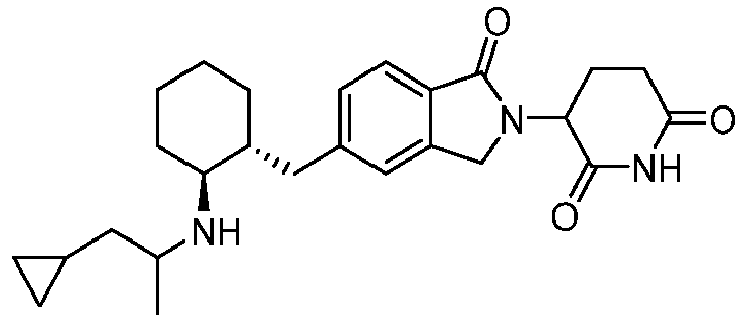
438.4 1H NMR (400 MHz, DMSO-d6) δ 10.99 (s, 1H), 8.26 (s, 1H), 7.92 (d, J = 9.0 Hz, 1H), 7.70 (d, J = 7.7 Hz, 1H), 7.44 (s, 1H), 7.36 (d, J = 7.8 Hz, 1H), 5.11 (dd, J = 13.3, 5.1 Hz, 1H), 4.45 (d, J = 17.3 Hz, 1H), 4.32 (d, J = 17.3 Hz, 1H), 3.42 (s, 2H), 3.29 - 3.21 (m, 1H), 3.06 (s, 1H), 2.92 (ddd, J = 17.8, 13.5, 5.4 Hz, 1H), 2.58 (d, J = 34.7 Hz, 1H), 2.46 - 2.35 (m, 2H), 2.10 - 1.96 (m, 1H), 1.84 - 1.79 (m, 1H), 1.71 (d, J = 11.3 Hz, 1H), 1.65 - 1.57 (m, 1H), 1.57 - 1.24 (m, 6H), 1.06 - 1.01 (m, 2H), 0.79 - 0.73 (m, 1H), 0.48 (tdd, J = 13.0, 6.6, 4.1 Hz, 2H), 0.21 - 0.04 (m, 2H). 17 1-cyclopropylpropan-2-one 232 
438.4 1H NMR (400 MHz, DMSO-d6) δ 10.99 (s, 1H), 8.12 (s, 1H), 8.01 (s, 1H), 7.70 (d, J = 7.8 Hz, 1H), 7.46 (s, 1H), 7.38 (d, J = 7.6 Hz, 1H), 5.11 (dd, J = 13.3, 5.1 Hz, 1H), 4.45 (d, J = 17.2 Hz, 1H), 4.32 (d, J = 17.2 Hz, 1H), 3.30 (dd, J = 13.4, 3.6 Hz, 1H), 3.13 (s, 1H), 2.92 (ddd, J = 17.3, 13.6, 5.4 Hz, 1H), 2.65 - 2.52 (m, 3H), 2.50 - 2.31 (m, 2H), 2.14 - 2.06 (m, 1H), 2.04 - 1.96 (m, 1H), 1.90 - 1.67 (m, 2H), 1.61 - 1.18 (m, 4H), 1.04 (t, J = 7.4 Hz, 4H), 1.00 -0.87 (m, 1H), 0.74 - 0.59 (m, 2H), 0.44 (ddd, J = 19.6, 9.5, 4.7 Hz, 2H). 17 1 -cyclopropylpropan-1 -one 233 
438.4 1H NMR (400 MHz, DMSO-d6) δ 10.99 (s, 1H), 8.12 (s, 1H), 7.97 (s, 1H), 7.71 (d, J = 7.7 Hz, 1H), 7.44 (s, 1H), 7.40 - 7.33 (m, 1H), 5.11 (dd, J = 13.3, 5.1 Hz, 1H), 4.45 (d, J = 17.2 Hz, 1H), 4.33 (d, J = 17.3 Hz, 1H), 3.34 (d, J = 11.7 Hz, 1H), 3.05 (s, 1H), 2.92 (ddd, J = 17.8, 13.5, 5.4 Hz, 1H), 2.58 (d, J = 35.3 Hz, 2H), 2.47 - 2.31 (m, 2H), 2.11 - 1.96 (m, 1H), 1.94 -1.81 (m, 3H), 1.80 - 1.64 (m, 3H), 1.56 - 1.46 (m, 2H), 1.34 (dq, J = 25.4, 12.3 Hz, 2H), 1.08 - 0.99 (m, 4H), 0.79 - 0.67 (m, 1H), 0.67 - 0.56 (m, 1H), 0.43 (ddt, J = 18.9, 9.5, 4.7 Hz, 2H). 17 1 -cyclopropylpropan-1-one 234 
438.4 1H NMR (400 MHz, DMSO-d6) δ 10.99 (s, 1H), 8.47 (d, J = 28.9 Hz, 1H), 7.86 - 7.62 (m, 2H), 7.46 (s, 1H), 7.38 (d, J = 7.8 Hz, 1H), 5.11 (dd, J = 13.3, 5.1 Hz, 1H), 4.45 (d, J = 17.2 Hz, 1H), 4.32 (d, J = 17.1 Hz, 1H), 3.38 (d, J = 12.9 Hz, 1H), 3.12 (s, 1H), 2.90 (ddd, J = 29.1, 16.5, 6.2 Hz, 2H), 2.58 (d, J = 34.7 Hz, 2H), 2.48 - 2.32 (m, 1H), 2.13 - 1.96 (m, 2H), 1.90 (s, 1H), 1.74 - 1.69 (m, 1H), 1.62 - 1.41 (m, 2H), 1.40 - 1.27 (m, 4H), 1.15 - 1.07 (m, 2H), 1.03 - 0.96 (m, 3H), 0.62 (q, J = 4.9 Hz, 1H), 0.51 (dd, J = 9.3, 4.4 Hz, 1H), 0.48 - 0.35 (m, 1H), 0.38 - 0.32 (m, 1H). 17 1-(1-methylcyclopropyl)ethanon e 235 
438.4 1H NMR (400 MHz, DMSO-d6) δ 10.99 (s, 1H), 8.06 (s, 1H), 7.88 (s, 1H), 7.71 (d, J = 7.8 Hz, 1H), 7.45 (s, 1H), 7.42 - 7.34 (m, 1H), 5.11 (dd, J = 13.3, 5.1 Hz, 1H), 4.45 (d, J = 17.2 Hz, 1H), 4.37 - 4.27 (m, 1H), 3.33 (dd, J = 13.5, 3.5 Hz, 1H), 3.04 (s, 1H), 2.92 (ddd, J = 17.3, 13.6, 5.4 Hz, 1H), 2.77 - 2.68 (m, 1H), 2.65 - 2.52 (m, 1H), 2.49 - 2.29 (m, 2H), 2.11 - 1.96 (m, 2H), 1.92 (d, J = 9.4 Hz, 1H), 1.70 (d, J = 12.3 Hz, 1H), 1.57 - 1.42 (m, 3H), 1.38 - 1.26 (m, 4H), 1.13 - 0.96 (m, 5H), 0.65 - 0.48 (m, 2H), 0.44 - 0.35 (m, 1H). 17 1-(1-methylcyclopropyl)ethanon e 236 
452.4 1H NMR (400 MHz, DMSO-d6) δ 10.99 (s, 1H), 8.22 (d, J = 9.2 Hz, 1H), 7.90 (s, 1H), 7.69 (d, J = 7.8 Hz, 1H), 7.45 (s, 1H), 7.37 (dd, J = 7.8, 1.3 Hz, 1H), 5.11 (dd, J= 13.3, 5.1 Hz, 1H), 4.45 (d, J = 17.3 Hz, 1H), 4.32 (d, J = 17.2 Hz, 1H), 3.39 (s, 1H), 3.26 (dd, J = 13.2, 3.7 Hz, 1H), 3.04 (s, 1H), 2.92 (ddd, J = 17.3, 13.6, 5.4 Hz, 1H), 2.65 - 2.52 (m, 1H), 2.47 - 2.31 (m, 2H), 2.14 - 1.91 (m, 4H), 1.88 -1.81 (m, 1H), 1.77 - 1.62 (m, 3H), 1.63 - 1.38 (m,6H), 1.37 - 1.25 (m, 2H), 1.10 - 1.00 (m, 2H), 0.97 (d, J = 7.1 Hz, 3H). 17 (S)-3-methylcyclohexanone 237 
452.4 1H NMR (400 MHz, DMSO-d6) δ 10.99 (s, 1H), 8.27 (s, 1H), 7.70 (d, J = 7.7 Hz, 1H), 7.44 (s, 1H), 7.40 - 7.32 (m, 1H), 5.11 (dd, J = 13.3, 5.1 Hz, 1H), 4.45 (d, J = 17.2 Hz, 1H), 4.37 - 4.27 (m, 1H), 3.26 (dd, J = 13.3, 3.6 Hz, 2H), 3.09 (s, 1H), 2.92 (ddd, J = 17.2, 13.6, 5.4 Hz, 1H), 2.58 (d, J = 34.9 Hz, 1H), 2.47 - 2.31 (m, 2H), 2.12 - 1.94 (m, 4H), 1.83 - 1.75 (m, 2H), 1.67 (dd, J = 26.6, 12.2 Hz, 2H), 1.56 - 1.46 (m, 4H), 1.43 - 1.28 (m, 4H), 1.08 - 0.94 (m, 4H), 0.93 (d, J = 6.5 Hz, 3H), 0.82 (q, J = 12.8, 10.9 Hz, 1H). 17 (S)-3-methylcyclohexanone 311 
474.4 1H NMR (400 MHz, DMSO-d6) δ 10.99 (s, 1H), 8.34 (s, 1H), 7.95 (s, 1H), 7.71 (d, J = 7.8 Hz, 1H), 7.45 (s, 1H), 7.41 - 7.34 (m, 1H), 6.21 (t, J = 55.9 Hz, 1H), 5.11 (dd, J = 13.3, 5.1 Hz, 1H), 4.45 (d, J = 17.2 Hz, 1H), 4.37 - 4.27 (m, 1H), 3.37 - 3.24 (m, 2H), 3.08 (s, 1H), 2.92 (ddd, J = 17.2, 13.6, 5.4 Hz, 1H), 2.59 (d, J = 35.3 Hz, 1H), 2.48 - 2.31 (m, 2H), 2.16 - 2.06 (m, 1H), 2.05 - 1.86 (m, 2H), 1.72 (d, J = 12.6 Hz, 1H), 1.61 - 1.20 (m,7H), 1.16 - 0.90 (m, 4H), 0.90 - 0.83 (m, 1H). 17 1-[1-(difluoromethyl)cycloprop yl]ethanone 312 
474.4 1H NMR (400 MHz, DMSO-d6) δ 10.99 (s, 1H), 8.71 (s, 1H), 7.81 (s, 1H), 7.71 (d, J = 7.8 Hz, 1H), 7.44 (s, 1H), 7.40 - 7.33 (m, 1H), 6.05 (t, J = 55.4 Hz, 1H), 5.11 (dd, J = 13.3, 5.1 Hz, 1H), 4.45 (dd, J= 17.3, 4.7 Hz, 1H), 4.32 (dd, J = 17.3, 5.2 Hz, 1H), 3.43 - 3.35 (m, 2H), 3.17 (s, 1H), 2.92 (ddd, J = 17.1, 13.6, 5.4 Hz, 1H), 2.58 (d, J = 35.2 Hz, 1H), 2.39 (qd, J = 13.4, 4.1 Hz, 2H), 2.15 - 2.07 (m, 1H), 2.04 - 1.96 (m, 1H), 1.86 (s, 1H), 1.74 (d, J = 12.8 Hz, 1H), 1.57 - 1.35 (m, 3H), 1.31 (d, J = 11.1 Hz, 1H), 1.11 - 1.01 (m, 4H), 0.94 - 0.83 (m, 4H). 17 1-[1-(difluoromethyl)cycloprop yl]ethanone -

- Step 1: Preparation of tert-butyl (4S)-5-amino-4-(5-(((2R,3S)-3-((1-cyclobutylethyl)amino)tetrahydro-2H-pyran-2-yl)methyl)-4-fluoro-1-oxoisoindolin-2-yl)-5-oxopentanoate (Isomer 1) and tert-butyl (4S)-5-amino-4-(5-(((2R,3S)-3-((1-cyclobutylethyl)amino)tetrahydro-2H-pyran-2-yl)methyl)-4-fluoro-1-oxoisoindolin-2-yl)-5-oxopentanoate (Isomer 2). I-41 (182 mg, 0.405 mmol) was dissolved in MeOH (4 mL), then 1-cyclobutylethan-1-one (199 mg, 2.02 mmol) was added, followed by acetic acid (23 µL, 0.405 mmol). The mixture was stirred at r.t., and sodium cyanoborohydride (76.3 mg, 1.21 mmol) was added in a single portion. The reaction mixture was stirred for 3 h, then an additional quantity of cyclobutylethan-1-one (199 mg, 2.02 mmol) was added, and stirring continued overnight. The reaction mixture was then adsorbed onto silica gel under vacuum and purified by normal phase column chromatography (eluent: CH2Cl2/MeOH). Chiral separation was carried out by SFC using a Phenomenex Lux Cellulose-2 column (250x21.2 mm, 5 micron) at 40 °C using 30% MeOH (containing 0.1% diethylamine as a modifier) as the mobile phase to afford tert-butyl (4S)-5-amino-4-(5-(((2R,3S)-3-((1-cyclobutylethyl)amino)tetrahydro-2H-pyran-2-yl)methyl)-4-fluoro-1-oxoisoindolin-2-yl)-5-oxopentanoate (Isomer 1) and tert-butyl (4S)-5-amino-4-(5-(((2R,3S)-3-((1-cyclobutylethyl)amino)tetrahydro-2H-pyran-2-yl)methyl)-4-fluoro-1-oxoisoindolin-2-yl)-5-oxopentanoate (Isomer 2). ES/MS: 532.4 (M+H+, Isomer 1) and 532.5 (M+H+, Isomer 2).
- Step 2a: Preparation of 3-(5-(((2R,3S)-3-((1-cyclobutylethyl)amino)tetrahydro-2H-pyran-2-yl)methyl)-4-fluoro-1-oxoisoindolin-2-yl)piperidine-2,6-dione (Example 247). tert-butyl (4S)-5-amino-4-(5-(((2R,3S)-3-((1-cyclobutylethyl)amino)tetrahydro-2H-pyran-2-yl)methyl)-4-fluoro-1-oxoisoindolin-2-yl)-5-oxopentanoate (
Isomer 1, 42 mg, 0.079 mmol) was treated with benzenesulfonic acid (0.3M solution in MeCN, 0.79 mL, 0.24 mmol) and the mixture was stirred at 130 °C under microwave irradiation for 1 h. The reaction mixture was then cooled to r.t., then concentrated under vacuum and the residue purified directly by RP-HPLC (eluent: MeCN/water gradient with 0.1% TFA) to yield the product. ES/MS m/z: 458.3 (M+H+). 1H NMR (400 MHz, DMSO-d6) δ 11.01 (s, 1H), 8.15 - 8.04 (m, 1H), 8.03 - 7.93 (m, 1H), 7.58 (d, J = 7.7 Hz, 1H), 7.53 - 7.47 (m, 1H), 5.11 (dd, J = 13.3, 5.1 Hz, 1H), 4.59 - 4.51 (m, 1H), 4.42 - 4.34 (m, 1H), 3.84 - 3.73 (m, 2H), 3.43 - 3.12 (m, 4H), 2.99 - 2.86 (m, 2H), 2.65 - 2.37 (m, 3H), 2.29 - 2.19 (m, 1H), 2.11 - 1.94 (m, 3H), 1.91 - 1.53 (m, 7H), 1.16 (d, J = 6.5 Hz, 3H). - Step 2b: Preparation of 3-(5-(((2R,3S)-3-((1-cyclobutylethyl)amino)tetrahydro-2H-pyran-2-yl)methyl)-4-fluoro-1-oxoisoindolin-2-yl)piperidine-2,6-dione (Example 248). tert-butyl (4S)-5-amino-4-(5-(((2R,3S)-3-((1-cyclobutylethyl)amino)tetrahydro-2H-pyran-2-yl)methyl)-4-fluoro-1-oxoisoindolin-2-yl)-5-oxopentanoate (
Isomer 2, 22 mg, 0.041 mmol) was treated with benzenesulfonic acid (0.3M solution in MeCN, 0.41 mL, 0.12 mmol) and the mixture was stirred at 130 °C under microwave irradiation for 1 h. The reaction mixture was then cooled to r.t., then concentrated under vacuum and the residue purified directly by RP-HPLC (eluent: MeCN/water gradient with 0.1% TFA) to yield the product. ES/MS m/z: 458.3 (M+H+). 1H NMR (400 MHz, DMSO-d6) δ 11.01 (s, 1H), 8.55 - 8.45 (m, 1H), 8.05 - 7.95 (m, 1H), 7.58 (d, J = 7.7 Hz, 1H), 7.55 - 7.50 (m, 1H), 5.11 (dd, J = 13.3, 5.1 Hz, 1H), 4.60 - 4.52 (m, 1H), 4.42 - 4.33 (m, 1H), 3.81 - 3.70 (m, 2H), 3.48 - 3.40 (m, 1H), 3.30 - 3.20 (m, 2H), 3.14 - 2.86 (m, 3H), 2.65 - 2.37 (m, 3H), 2.30 - 2.21 (m, 1H), 2.13 - 1.51 (m, 10H), 1.20 (d, J = 6.5 Hz, 3H). - The following Examples were made using the general route described in Procedure 22 and are shown below in Table 13. To prepare the below Examples, different reagents/starting materials were used than some of those described in Procedure 22 and are noted in the last column of Table 13 - "Changes to Procedure 22: Different Reagents/Starting Materials". A person of ordinary skill in the art will readily recognize which reagents/starting materials of Procedure 22 were replaced with the different reagents/starting materials noted below.
Table 13 Example Structure ES/MS m/z 1H-NMR Changes to Procedure 22: Different Reagents/ Starting Materials 249 
466.3 1H NMR (400 MHz, DMSO-d6) δ 10.99 (s, 1H), 8.86 - 8.74 (m, 1H), 8.45 - 8.34 (m, 1H), 7.69 (d, J = 7.8 Hz, 1H), 7.44 (s, 1H), 7.36 (d, J = 7.9 Hz, 1H), 5.11 (dd, J = 13.3, 5.1 Hz, 1H), 4.45 (d, J = 17.1 Hz, 1H), 4.32 (d, J = 17.3 Hz, 1H), 3.80 - 3.70 (m, 1H), 3.34 - 3.15 (m, 2H), 3.11 - 2.86 (m, 2H), 2.71 - 2.55 (m, 2H), 2.45 - 2.32 (m, 2H), 2.11 - 1.80 (m, 3H), 1.76 - 1.68 (m, 1H), 1.59 - 1.23 (m, 7H), 1.10 - 0.94 (m, 2H). Step 1: 1-13, 4,4,4-trifluorobutan-2-one Chiral SFC conditions: AD-H 5µm-21×250mm, co-solvent: EtOH-NH3 (20%) [peak 1] 250 
466.3 1H NMR (400 MHz, DMSO-d6) δ 10.99 (s, 1H), 8.80 - 8.69 (m, 1H), 8.51 - 8.41 (m, 1H), 7.69 (d, J = 7.8 Hz, 1H), 7.44 (s, 1H), 7.36 (d, J = 7.8 Hz, 1H), 5.11 (dd, J = 13.3, 5.1 Hz, 1H), 4.49 - 4.40 (m, 1H), 4.31 (dd, J = 17.4, 3.4 Hz, 1H), 3.75 - 3.63 (m, 1H), 3.28 (dd, J = 13.1, 3.4 Hz, 1H), 3.19 - 3.09 (m, 1H), 2.98 - 2.82 (m, 2H), 2.80 - 2.65 (m, 1H), 2.65 - 2.55 (m, 1H), 2.46 - 2.31 (m, 2H), 2.18 - 2.09 (m, 1H), 2.04 - 1.95 (m, 1H), 1.90 - 1.79 (m, 1H), 1.76 - 1.66 (m, 1H), 1.59 - 1.45 (m, 2H), 1.45 - 1.26 (m, 5H), 1.11 - 0.96 (m, 2H). Step 1: 1-13, 4,4,4-trifluorobutan-2-one Chiral SFC conditions: AD-H 5µm-21×250mm, co-solvent: EtOH-NH3 (20%) [peak 2] 251 
482.4 1H NMR (400 MHz, DMSO-d6) δ 10.99 (s, 1H), 8.36 (s, 1H), 8.02 (s, 1H), 7.69 (d, J = 7.8 Hz, 1H), 7.45 (s, 1H), 7.37 (dd, J = 7.8, 1.3 Hz, 1H), 5.11 (dd, J = 13.3, 5.1 Hz, 1H), 4.45 (d, J = 17.2 Hz, 1H), 4.32 (d, J = 17.2 Hz, 1H), 3.33 (d, J = 7.6 Hz, 2H), 3.26 (s, 5H), 3.07 (d, J = 6.9 Hz, 1H), 2.92 (ddd, J = 17.2, 13.6, 5.4 Hz, 1H), 2.65 - 2.56 (m, 1H), 2.40 (dtt, J = 15.5, 8.1, 4.6 Hz, 2H), 2.13 - 2.04 (m, 1H), 2.00 (ddd, J = 9.4, 5.4, 2.7 Hz, 1H), 1.93 - 1.80 (m, 3H), 1.80 - 1.62 (m, 5H), 1.52 (dtd, J = 19.8, 10.8, 9.5, 4.2 Hz, 5H), 1.41 (d, J = 11.9 Hz, 1H), 1.33 (dd, J = 21.1, 8.8 Hz, 1H), 1.03 (s, 2H). Step 1: 1-13, 4-(methoxymethyl)cyclohe xanone Chiral SFC conditions: AD-H 5µm-21×250mm, co-solvent: iPrOH-NH3 (30%) [peak 1] 252 
482.4 1H NMR (400 MHz, DMSO-d6) δ 10.99 (s, 1H), 8.34 (s, 1H), 8.02 (s, 1H), 7.69 (d, J = 7.8 Hz, 1H), 7.44 (s, 1H), 7.36 (dd, J = 7.8, 1.3 Hz, 1H), 5.11 (dd, J = 13.3, 5.1 Hz, 1H), 4.45 (d, J = 17.5 Hz, 1H), 4.32 (d, J = 17.2 Hz, 1H), 3.30 - 3.24 (m, 1H), 3.23 (s, 3H), 3.15 (d, J = 6.2 Hz, 3H), 3.06 (d, J = 10.0 Hz, 1H), 2.92 (ddd, J = 17.2, 13.6, 5.4 Hz, 1H), 2.65 - 2.56 (m, 1H), 2.47 - 2.30 (m, 2H), 2.14 - 1.95 (m, 4H), 1.81 (d, J = 12.7 Hz, 3H), 1.71 (d, J = 12.6 Hz, 1H), 1.58 - 1.43 (m, 4H), 1.43 - 1.25 (m, 3H), 1.13 - 0.94 (m, 4H). Step 1: 1-13, 4-(methoxymethyl)cyclohe xanone 253 
454.4 1H NMR (400 MHz, DMSO-d6) δ 10.99 (s, 1H), 8.50 - 8.40 (m, 1H), 7.85 - 7.75 (m, 1H), 7.71 - 7.67 (m, 1H), 7.46 (s, 1H), 7.40 - 7.36 (m, 1H), 5.11 (dd, J = 13.3, 5.1 Hz, 1H), 4.45 (dd, J= 17.3, 3.2 Hz, 1H), 4.31 (dd, J= 17.3, 3.9 Hz, 1H), 4.18 (td, J = 7.5, 2.5 Hz, 1H), 3.95 - 3.70 (m, 2H), 3.63 - 3.55 (m, 1H), 3.37 - 3.26 (m, 1H), 3.14 - 3.04 (m, 1H), 2.92 (ddd, J = 17.2, 13.6, 5.4 Hz, 1H), 2.65 - 2.56 (m, 1H), 2.47 - 2.31 (m, 2H), 2.15 - 2.05 (m, 1H), 2.05 - 1.94 (m, 2H), 1.94 - 1.78 (m, 3H), 1.76 - 1.62 (m, 2H), 1.58 - 1.37 (m, 3H), 1.37 - 1.19 (m, 4H), 1.10 - 0.95 (m, 2H). Chiral SFC conditions: AD-H 5µm-21X250mm, co-solvent: EtOH-NH3 (30%) [peak 1] 254 
454.4 1H NMR (400 MHz, DMSO-d6) δ 10.99 (s, 1H), 8.12 - 8.00 (m, 2H), 7.69 (d, J = 7.8 Hz, 1H), 7.44 (s, 1H), 7.36 (d, J = 7.9 Hz, 1H), 5.11 (dd, J = 13.3, 5.1 Hz, 1H), 4.49 - 4.41 (m, 1H), 4.32 (dd, J = 17.4, 3.6 Hz, 1H), 3.94 (dt, J = 9.5, 7.1 Hz, 1H), 3.87 - 3.76 (m, 2H), 3.39 - 3.23 (m, 2H), 3.12 - 3.01 (m, 1H), 2.92 (ddd, J = 17.2, 13.6, 5.4 Hz, 1H), 2.65 - 2.56 (m, 1H), 2.46 - 2.28 (m, 2H), 2.16 - 1.82 (m, 6H), 1.77 - 1.18 (m, 9H), 1.07 - 0.91 (m, 2H). Step 1: 1-13, 1-(tetrahydrofuran-2-yl)ethan-1-one Chiral SFC conditions: AD-H 5µm-21X250mm, co-solvent: EtOH-NH3 (30%) [peak 2] 255 
449.3 1H NMR (400 MHz, Methanol-d4) δ 7.80 (d, J = 7.8 Hz, 1H), 7.55 - 7.38 (m, 2H), 5.18 (dd, J = 13.3, 5.2 Hz, 1H), 4.57 - 4.40 (m, 2H), 3.22 (dd, J = 9.0, 4.1 Hz, 1H), 3.05 (q, J = 6.7 Hz, 1H), 2.96 - 2.86 (m, 1H), 2.87 - 2.75 (m, 1H), 2.66 - 2.43 (m, 2H), 2.30 - 2.14 (m, 2H), 2.09 - 1.95 (m, 1H), 1.82 (s, 1H), 1.78 -1.41 (m, 9H), 1.36 -1.13 (m, 4H).;1H NMR (400 MHz, Methanol-d4) δ 7.80 (d, J = 7.8 Hz, 1H), 7.56 - 7.39 (m, 2H), 5.18 (dd, J = 13.3, 5.2 Hz, 1H), 4.51 (d, J = 5.4 Hz, 2H), 3.51 - 3.39 (m, 1H), 3.22 (d, J = 6.8 Hz, 1H), 2.97 - 2.87 (m, 1H), 2.81 (d, J = 16.0 Hz, 1H), 2.64 (dd, J = 13.3, 10.4 Hz, 1H), 2.57 - 2.46 (m, 1H), 2.21 (d, J = 6.1 Hz, 2H), 1.99 (d, J = 28.4 Hz, 1H), 1.83 (s, 1H), 1.74 - 1.44 (m, 6H), 1.40 - 1.13 (m, 4H).;1H NMR (400 MHz, Methanol-d4) δ 7.80 (d, J = 7.8 Hz, 1H), 7.55 - 7.38 (m, 2H), 5.18 (dd, J = 13.3, 5.2 Hz, 1H), 4.57 - 4.40 (m, 2H), 3.22 (dd, J = 9.0, 4.1 Hz, 1H), 3.05 (q, J = 6.7 Hz, 1H), 2.96 - 2.86 (m, 1H), 2.87 - 2.75 (m, 1H), 2.66 - 2.43 (m, 2H), 2.30 - 2.14 (m, 2H), 2.09 - 1.95 (m, 1H), 1.82 (s, 1H), 1.78 - 1.41 (m, 9H), 1.36 - 1.13 (m, 4H). Step 1: 1-13; 1-acetylcyclopropanecarbo nitrile Chiral SFC conditions: CELL-2 5µm-21X250mm, co-solvent: EtOH (40%) [peak 1] 256 
449.2 1H NMR (400 MHz, Methanol-d4) δ 7.80 (d, J = 7.8 Hz, 1H), 7.56 - 7.39 (m, 2H), 5.18 (dd, J = 13.3, 5.2 Hz, 1H), 4.51 (d, J = 5.4 Hz, 2H), 3.51 - 3.39 (m, 1H), 3.22 (d, J = 6.8 Hz, 1H), 2.97 - 2.87 (m, 1H), 2.81 (d, J = 16.0 Hz, 1H), 2.64 (dd, J = 13.3, 10.4 Hz, 1H), 2.57 - 2.46 (m, 1H), 2.21 (d, J = 6.1 Hz, 2H), 1.99 (d, J = 28.4 Hz, 1H), 1.83 (s, 1H), 1.74 - 1.44 (m, 6H), 1.40 - 1.13 (m, 4H).;1H NMR (400 MHz, Methanol-d4) δ 7.80 (d, J = 7.8 Hz, 1H), 7.56 - 7.39 (m, 2H), 5.18 (dd, J = 13.3, 5.2 Hz, 1H), 4.51 (d, J = 5.4 Hz, 2H), 3.51 - 3.39 (m, 1H), 3.22 (d, J = 6.8 Hz, 1H), 2.97 - 2.87 (m, 1H), 2.81 (d, J = 16.0 Hz, 1H), 2.64 (dd, J = 13.3, 10.4 Hz, 1H), 2.57 - 2.46 (m, 1H), 2.21 (d, J = 6.1 Hz, 2H), 1.99 (d, J = 28.4 Hz, 1H), 1.83 (s, 1H), 1.74 - 1.44 (m, 6H), 1.40 - 1.13 (m, 4H).; 1H NMR (400 MHz, Methanol-d4) δ 7.80 (d, J = 7.8 Hz, 1H), 7.55 - 7.38 (m, 2H), 5.18 (dd, J = 13.3, 5.2 Hz, 1H), 4.57 - 4.40 (m, 2H), 3.22 (dd, J = 9.0, 4.1 Hz, 1H), 3.05 (q, J = 6.7 Hz, 1H), 2.96 - 2.86 (m, 1H), 2.87 - 2.75 (m, 1H), 2.66 - 2.43 (m, 2H), 2.30 - 2.14 (m, 2H), 2.09 - 1.95 (m, 1H), 1.82 (s, 1H), 1.78 - 1.41 (m, 9H), 1.36 - 1.13 (m, 4H). Step 1: 1-13; 1-acetylcyclopropanecarbo nitrile Chiral SFC conditions: CELL-2 5µm-21X250mm, co-solvent: EtOH (40%) [peak 2] 257 
526.2 1H NMR (400 MHz, Methanol-d4) δ 7.62 (d, J = 7.7 Hz, 1H), 7.55 (t, J = 7.0 Hz, 1H), 5.17 (dd, J = 13.3, 5.2 Hz, 1H), 4.65 - 4.47 (m, 2H), 3.96 - 3.82 (m, 2H), 3.48 - 3.34 (m, 3H), 3.15 (dd, J = 14.2, 9.9 Hz, 1H), 2.97 - 2.86 (m, 1H), 2.81 (ddd, J = 17.7, 4.8, 2.5 Hz, 1H), 2.59 - 2.48 (m, 1H), 2.43 - 2.03 (m, 8H), 1.89 - 1.71 (m, 3H), 1.54 (dq, J = 27.6, 9.8, 9.3 Hz, 4H). Step 1: 4-(trifluoromethyl)cyclohe xan-1-one Chiral SFC conditions: AD-H 5µm-21X250mm, co-solvent: EtOH (25%) [peak 2] 258 
472.3 1H NMR (400 MHz, Methanol-d4) δ 7.64 - 7.59 (m, 1H), 7.59 - 7.52 (m, 1H), 5.18 (dd, J = 13.3, 5.2 Hz, 1H), 4.58 (q, J = 17.2 Hz, 2H), 3.91 (tt, J = 9.3, 4.8 Hz, 3H), 3.46 (ddd, J = 11.2, 7.3, 3.4 Hz, 1H), 3.21 (d, J = 9.8 Hz, 2H), 2.97 - 2.88 (m, 1H), 2.81 (ddd, J = 17.6, 4.8, 2.4 Hz, 1H), 2.58 - 2.49 (m, 1H), 2.39 (t, J = 7.9 Hz, 1H), 2.32 - 2.17 (m, 2H), 2.01 (dd, J = 12.6, 7.5 Hz, 1H), 1.87 - 1.66 (m, 5H), 1.58 (dd, J = 13.2, 6.9 Hz, 1H), 1.50 (dd, J = 12.6, 9.7 Hz, 1H), 1.17 (d, J = 5.4 Hz, 3H), 1.06 (d, J = 2.6 Hz, 3H). Step 1: 3,3-dimethylcyclopentanone Chiral SFC conditions: AD-H 5µm-21X250mm, co-solvent: iPrOH-NH3 (15%) [peak 2] 259 
472.3 1H NMR (400 MHz, Methanol-d4) δ 7.62 (d, J = 7.7 Hz, 1H), 7.59 - 7.51 (m, 1H), 5.17 (dd, J = 13.3, 5.2 Hz, 1H), 4.58 (q, J = 17.2 Hz, 2H), 3.98 - 3.82 (m, 3H), 3.47 (dq, J = 7.6, 3.7 Hz, 1H), 3.23 (ddd, J = 23.8, 16.1, 6.8 Hz, 3H), 2.93 (ddd, J = 17.7, 13.5, 5.4 Hz, 1H), 2.81 (ddd, J = 17.6, 4.7, 2.4 Hz, 1H), 2.55 (td, J = 13.1, 4.7 Hz, 1H), 2.39 (q, J = 7.1, 5.2 Hz, 1H), 2.33 - 2.17 (m, 2H), 1.93 (dd, J = 12.6, 7.5 Hz, 1H), 1.89 - 1.78 (m, 3H), 1.71 (ddd, J = 12.8, 9.4, 6.0 Hz, 2H), 1.57 (dt, J = 12.5, 8.4 Hz, 2H), 1.17 (s, 3H), 1.05 (s, 3H). Step 1: 3,3-dimethylcyclopentanone Chiral SFC conditions: AD-H 5µm-21X250mm, co-solvent: iPrOH-NH3 (15%) [peak 1] 260 
440.3 1H NMR (400 MHz, DMSO-d6) δ 10.99 (s, 1H), 8.50 (d, J = 10.9 Hz, 1H), 8.18 (s, 1H), 7.69 (d, J = 7.8 Hz, 1H), 7.45 (s, 1H), 7.44 - 7.33 (m, 2H), 5.11 (dd, J = 13.3, 5.1 Hz, 1H), 4.51 - 4.25 (m, 2H), 4.05 - 3.92 (m, 1H), 3.43 - 3.30 (m, 2H), 3.26 (dd, J = 13.0, 3.5 Hz, 1H), 3.11 (s, 1H), 2.92 (ddd, J = 17.2, 13.6, 5.4 Hz, 1H), 2.67 - 2.54 (m, 1H), 2.40 (qd, J = 13.1, 4.2 Hz, 2H), 2.20 - 1.96 (m, 1H), 1.74 (s, 2H), 1.65 - 1.40 (m, 1H), 1.23 (s, 4H), 1.04 (d, J = 6.7 Hz, 2H). Step 1: 1-13; tetrahydropyran-3-one Chiral SFC conditions: IA 5µm-21X250mm, co-solvent: EtOH (35%) [peak 1] 261 
440.3 1H NMR (400 MHz, DMSO-d6) δ 10.99 (s, 1H), 8.50 (d, J = 10.9 Hz, 1H), 8.18 (s, 1H), 7.69 (d, J = 7.8 Hz, 1H), 7.45 (s, 1H), 7.44 - 7.33 (m, 2H), 5.11 (dd, J = 13.3, 5.1 Hz, 1H), 4.51 - 4.25 (m, 2H), 4.05 - 3.92 (m, 1H), 3.43 - 3.30 (m, 2H), 3.26 (dd, J= 13.0, 3.5 Hz, 1H), 3.11 (s, 1H), 2.92 (ddd, J = 17.2, 13.6, 5.4 Hz, 1H), 2.67 - 2.54 (m, 1H), 2.40 (qd, J = 13.1, 4.2 Hz, 2H), 2.20 - 1.96 (m, 1H), 1.74 (s, 2H), 1.65 - 1.40 (m, 1H), 1.23 (s, 4H), 1.04 (d, J = 6.7 Hz, 2H). Step 1: 1-13; tetrahydropyran-3-one 3-(1-oxo-5-(((1R,2S)-2-((tetrahydro-2H-pyran-3 - yl)amino)cyclohexyl)methyl)isoin dolin-2-yl)piperidine-2,6-dione (Isomer 2) Chiral SFC conditions: IA 5µm-21X250mm, co-solvent: EtOH (35%) [peak 2] 262 
460.3 1H NMR (400 MHz, DMSO-d6) δ 11.01 (s, 1H), 8.74 (s, 1H), 8.40 (s, 1H), 7.71 - 7.36 (m, 2H), 5.11 (dd, J = 13.3, 5.1 Hz, 1H), 4.61 - 4.34 (m, 2H), 3.98 (ddd, J = 11.1, 3.9, 1.6 Hz, 1H), 3.79 (ddt, J = 25.7, 10.9, 3.2 Hz, 3H), 3.52 (dd, J = 11.2, 8.5 Hz, 1H), 3.45 - 3.34 (m, 2H), 3.34 - 3.16 (m, 2H), 3.05 (ddd, J = 14.6, 10.4, 4.2 Hz, 1H), 2.92 (ddd, J = 17.3, 13.6, 5.4 Hz, 1H), 2.66 - 2.57 (m, 1H), 2.54 (s, 1H), 2.42 (td, J = 13.2, 4.5 Hz, 1H), 2.27 - 2.17 (m, 1H), 2.12 (d, J = 5.2 Hz, 1H), 2.01 (dtd, J = 10.8, 5.4, 2.9 Hz, 1H), 1.81 - 1.49 (m, 3H). Step 1: tetrahydropyran-3-one Chiral SFC conditions: CELL-2 5µm-21X250mm, co-solvent: iPrOH-NH3 (30%) [peak 1] 263 
460.3 IH NMR (400 MHz, DMSO-d6) δ 11.01 (s, 1H), 8.74 (s, 1H), 8.40 (s, 1H), 7.71 - 7.36 (m, 2H), 5.11 (dd, J = 13.3, 5.1 Hz, 1H), 4.61 - 4.34 (m, 2H), 3.98 (ddd, J = 11.1, 3.9, 1.6 Hz, 1H), 3.79 (ddt, J = 25.7, 10.9, 3.2 Hz, 3H), 3.52 (dd, J = 11.2, 8.5 Hz, 1H), 3.45 - 3.34 (m, 2H), 3.34 - 3.16 (m, 2H), 3.05 (ddd, J = 14.6, 10.4, 4.2 Hz, 1H), 2.92 (ddd, J = 17.3, 13.6, 5.4 Hz, 1H), 2.66 - 2.57 (m, 1H), 2.54 (s, 1H), 2.42 (td, J = 13.2, 4.5 Hz, 1H), 2.27 - 2.17 (m, 1H), 2.12 (d, J = 5.2 Hz, 1H), 2.01 (dtd, J = 10.8, 5.4, 2.9 Hz, 1H), 1.81 - 1.49 (m, 3H). Step 1: tetrahydropyran-3-one Chiral SFC conditions: CELL-2 5µm-21X250mm, co-solvent: iPrOH-NH3 (30%) [peak 2] 264 
502.4 1H NMR (400 MHz, DMSO-d6) δ 11.01 (s, 1H), 8.57 (s, 1H), 8.19 (s, 1H), 7.60 -7.50 (m, 2H), 5.11 (dd, J = 13.3, 5.1 Hz, 1H), 4.55 (d, J = 17.4 Hz, 1H), 4.38 (d, J = 17.4 Hz, 1H), 3.87 - 3.72 (m, 2H), 3.33 (d, J = 7.6 Hz, 2H), 3.26 (s, 4H), 3.23 (d, J = 4.0 Hz, 3H), 3.05 - 2.94 (m, 1H), 2.95 - 2.86 (m, 1H), 2.65 - 2.56 (m, 1H), 2.42 (td, J = 13.2, 4.5 Hz, 1H), 2.26 - 2.15 (m, 1H), 2.01 (dtd, J = 12.5, 5.2, 2.2 Hz, 1H), 1.95 - 1.82 (m, 2H), 1.78 (d, J = 12.0 Hz, 1H), 1.75 - 1.56 (m, 6H), 1.51 (dq, J = 7.9, 4.3, 3.8 Hz, 3H). Step 1: 4-(methoxymethyl)cyclohe xanone Chiral SFC conditions: IA 5µm-21X250mm, co-solvent: iPrOH-DEA (20%) [peak 1] 265 
502.4 1H NMR (400 MHz, DMSO-d6) δ 11.01 (s, 1H), 8.58 (s, 1H), 8.22 (s, 1H), 7.60 - 7.47 (m, 2H), 5.11 (dd, J = 13.3, 5.1 Hz, 1H), 4.56 (dd, J = 17.4, 4.9 Hz, 1H), 4.37 (dd, J = 17.4, 2.9 Hz, 1H), 3.76 (ddd, J = 10.3, 7.3, 4.3 Hz, 2H), 3.30 - 3.18 (m, 7H), 3.15 (d, J = 6.2 Hz, 2H), 3.04 - 2.94 (m, 1H), 2.94 - 2.86 (m, 1H), 2.66 - 2.55 (m, 1H), 2.42 (td, J = 13.2, 4.5 Hz, 1H), 2.26 - 2.17 (m, 1H), 2.11 (d, J = 11.9 Hz, 1H), 2.08 - 1.96 (m, 2H), 1.80 (d, J = 12.9 Hz, 2H), 1.75 - 1.64 (m, 1H), 1.61 (d, J = 9.5 Hz, 2H), 1.55 - 1.45 (m, 2H), 1.45 - 1.30 (m, 1H), 1.12 - 0.98 (m, 2H). Step 1: 4-(methoxymethyl)cyclohe xanone Chiral SFC conditions: IA 5µm-21X250mm, co-solvent: iPrOH-DEA (20%) [peak 2] 266 
436.3 1H NMR (400 MHz, DMSO-d6) δ 10.99 (s, 1H), 8.40 (s, 1H), 8.01 (s, 1H), 7.69 (d, J = 7.8 Hz, 1H), 7.44 (d, J = 6.6 Hz, 1H), 7.41 - 7.31 (m, 1H), 5.11 (dd, J= 13.3, 5.1 Hz, 1H), 4.54 - 4.27 (m, 2H), 4.02 (s, 1H), 3.09 - 2.74 (m, 2H), 2.61 (d, J = 17.0 Hz, 1H), 2.41 (td, J = 13.3, 5.2 Hz, 3H), 2.17 - 1.95 (m, 2H), 1.69 (s, 1H), 1.62 - 1.21 (m, 5H), 1.18 - 0.76 (m, 3H). Step 1: bicyclo[3.1.0]hexan-3-one Chiral SFC conditions: IG 5µm-21X250mm, co-solvent: EtOH-TFA (30%) [peak 2] -

- Step 1: Preparation of tert-butyl (S)-5-amino-4-(5-(((1R,2S)-2-((4-cyanocyclohexyl)amino)cyclohexyl)methyl)-1-oxoisoindolin-2-yl)-5-oxopentanoate (Isomer 1) and butyl (S)-5-amino-4-(5-(((1R,2S)-2-((4-cyanocyclohexyl)amino)cyclohexyl)methyl)-1-oxoisoindolin-2-yl)-5-oxopentanoate (Isomer 2). I-13 (75 mg, 0.175 mmol) was taken up in DMF (1.5 mL) and 4-oxocyclohexane-1-carbonitrile (215 mg, 1.75 mmol) was added followed by acetic acid (100 µL, 1.75 mmol). The reaction was stirred at r.t. overnight then concentrated in vacuo to remove the solvent. The residue was taken up in methanol (1.5 mL) and NaBH3CN (54.9 mg, 0.873 mmol) was added. The reaction was stirred at r.t. for 2 hours then the mixture was concentrated in vacuo and subjected to purification by SiO2 column chromatography (eluent: CH2Cl2/MeOH) to yield mixture of stereoisomeric products. The mixture was then further purified by chiral SFC chromatography (Column: AD-H 250 mm × 21.2 mm, 5 µm, eluent: 30% IPA-NH3) to afford 4-(((1S,2R)-2-((2-(2,6-dioxopiperidin-3-yl)-1-oxoisoindolin-5-yl)methyl)cyclohexyl)amino)cyclohexane-1-carbonitrile (Isomer 1) and 4-(((1S,2R)-2-((2-(2,6-dioxopiperidin-3-yl)-1-oxoisoindolin-5-yl)methyl)cyclohexyl)amino)cyclohexane-1-carbonitrile (Isomer 2). ES/MS: 537.2 (M+H+, Isomer 1) and 537.2 (M+H+, Isomer 2).
- Step 2a: Preparation of 4-(((1S,2R)-2-((2-(2,6-dioxopiperidin-3-yl)-1-oxoisoindolin-5-yl)methyl)cyclohexyl)amino)cyclohexane-1-carbonitrile (Example 267). 4-(((1S,2R)-2-((2-(2,6-dioxopiperidin-3-yl)-1-oxoisoindolin-5-yl)methyl)cyclohexyl)amino)cyclohexane-1-carbonitrile (Isomer 1) (37.0 mg, 68.9 µmol) was taken up in MeCN (2.0 mL) and benzenesulfonic acid (27.3 mg, 0.172 mmol) was added. The reaction was heated to 130 °C under microwave irradiation for 30 minutes and then the reaction mixture was concentrated in vacuo and the residue purified directly by RP-HPLC (eluent: MeCN/water gradient with 0.1% TFA) to yield the product (Example 267) as the trifluoracetate salt. ES/MS: 463.2 (M+H+). 1H NMR (400 MHz, DMSO-d6) δ 10.99 (s, 1H), 8.38 (s, 1H), 8.09 (s, 1H), 7.71 (d, J = 7.8 Hz, 1H), 7.45 (s, 1H), 7.37 (d, J = 7.9 Hz, 1H), 5.12 (dd, J = 13.3, 5.1 Hz, 1H), 4.46 (d, J = 17.4 Hz, 1H), 4.33 (d, J = 17.3 Hz, 1H), 3.16 (d, J = 40.1 Hz, 3H), 2.93 (ddd, J = 17.3, 13.5, 5.4 Hz, 1H), 2.75 - 2.57 (m, 1H), 2.45 - 2.18 (m, 1H), 2.18 - 1.88 (m, 8H), 1.91 - 1.21 (m, 7H), 1.04 (s, 3H).
- Step 2a: Preparation of 4-(((1S,2R)-2-((2-(2,6-dioxopiperidin-3-yl)-1-oxoisoindolin-5-yl)methyl)cyclohexyl)amino)cyclohexane-1-carbonitrile (Example 268). 4-(((1S,2R)-2-((2-(2,6-dioxopiperidin-3-yl)-1-oxoisoindolin-5-yl)methyl)cyclohexyl)amino)cyclohexane-1-carbonitrile (Isomer 2) (60.9 mg, 0.113 mmol) was taken up in MeCN (2.0 mL) and benzenesulfonic acid (44.9 mg, 0.284 mmol) was added. The reaction was heated to 130 °C under microwave irradiation for 30 minutes and then the reaction mixture was concentrated in vacuo and the residue purified directly by RP-HPLC (eluent: MeCN/water gradient with 0.1% TFA) to yield the product (Example 268) as the trifluoracetate salt. ES/MS: 463.2 (M+H+). 1H NMR (400 MHz, DMSO-d6) δ 10.99 (s, 1H), 8.36 (s, 1H), 8.03 (s, 1H), 7.70 (d, J = 7.7 Hz, 1H), 7.44 (s, 1H), 7.36 (dd, J = 7.8, 1.3 Hz, 1H), 5.12 (dd, J = 13.3, 5.1 Hz, 1H), 4.45 (d, J = 17.3 Hz, 1H), 4.33 (d, J = 17.3 Hz, 1H), 3.25 (dd, J = 13.2, 3.5 Hz, 1H), 3.16 - 2.80 (m, 3H), 2.80 - 2.59 (m, 3H), 2.43 - 2.22 (m, 1H), 2.22 - 1.90 (m, 7H), 1.90 - 1.21 (m, 10H), 1.08 (dt, J = 42.8, 8.7 Hz, 2H).
- The following Examples were made using the general route described in Procedure 23 and are shown below in Table 14. To prepare the below Examples, different reagents/starting materials were used than some of those described in Procedure 23 and are noted in the last column of Table 14 - "Changes to Procedure 23: Different Reagents/Starting Materials". A person of ordinary skill in the art will readily recognize which reagents/starting materials of Procedure 23 were replaced with the different reagents/starting materials noted below.
Table 14 Example Structure ES/MS m/z 1H-NMR Changes to Procedure 23: Different Reagents/ Starting Materials 269 
477.2 1H NMR (400 MHz, DMSO-d6) δ 10.99 (s, 1H), 8.24 (s, 1H), 7.86 (s, 1H), 7.71 (d, J = 7.8 Hz, 1H), 7.45 (s, 1H), 7.37 (d, J = 7.8 Hz, 1H), 5.12 (dd, J = 13.3, 5.1 Hz, 1H), 4.46 (d, J = 17.2 Hz, 1H), 4.33 (d, J= 17.3 Hz, 1H), 3.31 - 3.16 (m, 1H), 3.10 (s, 1H), 3.04 - 2.84 (m, 2H), 2.84 - 2.56 (m, 4H), 2.47 - 2.24 (m, 2H), 2.20 - 1.95 (m, 3H), 1.95 - 1.27 (m, 13H), 1.05 (d, J = 8.2 Hz, 2H). Step 1: 2-(4-oxocyclohexyl)acetonit rile Chiral SFC conditions: AD-H 5µm-21X250mm, co-solvent: IPA-NH3 (30%) [peak 1] 270 
477.3 1H NMR (400 MHz, DMSO-d6) δ 10.99 (s, 1H), 8.28 (s, 1H), 7.96 (s, 0H), 7.70 (d, J = 7.8 Hz, 1H), 7.45 (s, 1H), 7.37 (d, J = 7.8 Hz, 1H), 5.12 (dd, J = 13.3, 5.1 Hz, 1H), 4.46 (d, J = 17.3 Hz, 1H), 4.33 (d, J = 17.2 Hz, 1H), 3.30 - 3.02 (m, 2H), 2.99 - 2.84 (m, 2H), 2.72 - 2.56 (m, 2H), 2.49 - 2.30 (m, 4H), 2.25 - 1.95 (m, 4H), 1.95 - 0.91 (m, 11H)." Step 1: 2-(4-oxocyclohexyl)acetonit rile Chiral SFC conditions: AD-H 5µm-21X250mm, co-solvent: IPA-NH3 (30%) [peak 2] 271 
500.2 1H NMR (400 MHz, DMSO-d6) δ 10.99 (s, 1H), 8.50 (s, 1H), 8.05 (s, 1H), 7.70 (d, J = 7.8 Hz, 1H), 7.45 (s, 1H), 7.40 (s, 1H), 5.12 (dd, J = 13.2, 5.1 Hz, 1H), 4.46 (dd, J = 17.4, 2.6 Hz, 1H), 4.32 (dd, J = 17.4, 2.2 Hz, 1H), 3.52 - 3.20 (m, 2H), 3.20 - 2.99 (m, 1H), 2.92 (ddd, J = 17.3, 13.6, 5.4 Hz, 1H), 2.61 (dt, J = 17.4, 3.1 Hz, 1H), 2.39 (ddd, J = 13.8, 9.9, 4.1 Hz, 1H), 2.25 - 1.90 (m, 4H), 1.90 - 1.66 (m, 5H), 1.66 - 1.17 (m, 10H), 1.17 - 0.77 (m, 2H). Step 1: 2,2-difluorospiro[2.5]octan -6-one Chiral SFC conditions: IA 5µm-21X250mm, co-solvent: IPA-NH3 (30%) [peak 1] 272 
500.2 1H NMR (400 MHz, DMSO-d6) δ 10.99 (s, 1H), 8.50 (s, 1H), 8.12 (s, 1H), 7.70 (d, J = 7.8 Hz, 1H), 7.45 (s, 1H), 7.42 (s, 1H), 5.12 (dd, J = 13.3, 5.1 Hz, 1H), 4.46 (dd, J = 17.5, 2.1 Hz, 1H), 4.32 (dd, J = 17.4, 2.7 Hz, 1H), 3.31 (dd, J = 13.3, 3.7 Hz, 2H), 3.12 (s, 1H), 2.92 (ddd, J = 17.2, 13.6, 5.4 Hz, 1H), 2.75 - 2.57 (m, 1H), 2.44 - 2.25 (m, 2H), 2.23 - 1.90 (m, 4H), 1.96 - 1.13 (m, 14H), 1.18 - 0.94 (m, 2H)." Step 1: 2,2-difluorospiro[2.5]octan -6-one Chiral SFC conditions: IA 5µm-21X250mm, co-solvent: IPA-NH3 (30%) [peak 2] 273 
454.2 1H NMR (400 MHz, DMSO-d6) δ 10.99 (s, 1H), 7.71 (d, J = 7.8 Hz, 1H), 7.47 (s, 1H), 7.38 (d, J = 7.8 Hz, 1H), 5.12 (dd, J = 13.3, 5.1 Hz, 1H), 4.46 (dd, J = 17.2, 4.7 Hz, 1H), 4.37 - 4.24 (m, 1H), 3.87 (td, J = 8.7, 4.2 Hz, 1H), 3.76 (q, J = 8.0 Hz, 1H), 3.65 (s, 1H), 3.32 - 3.03 (m, 3H), 2.93 (ddd, J = 18.2, 13.6, 5.4 Hz, 1H), 2.63 (dd, J = 19.2, 15.4 Hz, 1H), 2.46 - 2.30 (m, 2H), 2.30 - 1.88 (m, 4H), 1.75 (d, J = 9.3 Hz, 1H), 1.65 - 1.44 (m, 3H), 1.29 (d, J = 19.0 Hz, 7H), 1.08 (t, J = 9.4 Hz, 2H). Step 1: 2,2-dimethyltetrahydrofura n-3-one Chiral SFC conditions: IA 5µm-21X250mm, co-solvent: EtOH (25%) [peak 1] 274 
454.2 1H NMR (400 MHz, DMSO-d6) δ 10.99 (s, 1H), 7.70 (d, J = 7.7 Hz, 1H), 7.47 (s, 1H), 7.38 (d, J = 7.8 Hz, 1H), 5.12 (dd, J = 13.3, 5.1 Hz, 1H), 4.46 (dd, J = 17.3, 6.0 Hz, 1H), 4.32 (dd, J = 17.3, 5.4 Hz, 1H), 3.89 (td, J = 8.8, 4.3 Hz, 1H), 3.77 (q, J = 8.0 Hz, 1H), 3.24 (dd, J = 13.3, 3.4 Hz, 1H), 3.11 (s, 1H), 2.92 (ddd, J = 18.0, 13.6, 5.4 Hz, 1H), 2.69 - 2.55 (m, 1H), 2.49 - 2.30 (m, 3H), 2.30 - 1.87 (m, 5H), 1.84 - 1.64 (m, 1H), 1.54 (t, J= 10.6 Hz, 4H), 1.31 (d, J = 3.8 Hz, 7H), 1.09 - 0.93 (m, 2H). Step 1: 2,2-dimethyltetrahydrofura n-3-one Chiral SFC conditions: IA 5µm-21X250mm, co-solvent: EtOH (25%) [peak 1] -

- Step 1: Preparation tert-butyl (4S)-5-amino-4-(5-(((1R,2S)-2-((3,3-dimethylcyclohexyl)amino)cyclohexyl)methyl)-1-oxoisoindolin-2-yl)-5-oxopentanoate (Isomer 1) and tert-butyl (4S)-5-amino-4-(5-(((1R,2S)-2-((3,3-dimethylcyclohexyl)amino)cyclohexyl)methyl)-1-oxoisoindolin-2-yl)-5-oxopentanoate (Isomer 2). A vial was charged with tert-butyl (S)-5-amino-4-(5-(((1R,2S)-2-aminocyclohexyl)methyl)-1-oxoisoindolin-2-yl)-5-oxopentanoate (I-13) (100 mg, 0.233 mmol), 3,3-dimethylcyclohexanone (294 mg, 2.33 mmol), sodium cyanoborohydride (43.9 mg, 0.698 mmol), MeOH (1.00 mL), and acetic acid (0.0133 mL, 0.233 mmol). The reaction was mixed at room temperature for 1.5 h, adding additional 3,3-dimethylcyclohexanone as needed to reach full conversion. Upon completion, the mixture was concentrated in vacuo and purified directly by column chromatography (eluent: 0-20% MeOH/DCM gradient) to tert-butyl (4S)-5-amino-4-(5-(((1R,2S)-2-((3,3-dimethylcyclohexyl)amino)cyclohexyl)methyl)-1-oxoisoindolin-2-yl)-5-oxopentanoate (Isomer 1) as a solid (37.3 mg) and tert-butyl (4S)-5-amino-4-(5-(((1R,2S)-2-((3,3-dimethylcyclohexyl)amino)cyclohexyl)methyl)-1-oxoisoindolin-2-yl)-5-oxopentanoate (Isomer 2). ES/MS: 540.5 (M+H+, Isomer 1) and 540.3 (M+H+, Isomer 2).
- Step 2a: Preparation of 3-(5-(((1R,2S)-2-((3,3-dimethylcyclohexyl)amino)cyclohexyl)methyl)-1-oxoisoindolin-2-yl)piperidine-2,6-dione (Example 275). A vial was charged with tert-butyl (4S)-5-amino-4-(5-(((1R,2S)-2-((3,3-dimethylcyclohexyl)amino)cyclohexyl)methyl)-1-oxoisoindolin-2-yl)-5-oxopentanoate (37.3 mg, 69.1 µmol), MeCN (1.11 mL), and benzenesulfonic acid (32.8 mg, 0.106 mmol). The reaction was heated to 130 °C under microwave irradiation for 30 min. Following this time, the reaction was concentrated in vacuo. The residue was then taken up in DMSO and purified directly by RP-HPLC (eluent: 0-100% MeCN/water gradient with 0.1% TFA) to yield the product (Example 275) as the trifluoroacetate salt. ES/MS: 466.4 (M+H+). 1H NMR (400 MHz, DMSO- d 6) δ 10.99 (s, 1H), 8.34 (d, J = 35.7 Hz, 1H), 7.96 (s, 1H), 7.69 (d, J = 7.7 Hz, 1H), 7.45 (s, 1H), 7.36 (dd, J = 7.8, 1.3 Hz, 1H), 5.11 (dd, J = 13.3, 5.1 Hz, 1H), 4.45 (d, J = 17.3 Hz, 1H), 4.32 (d, J = 17.2 Hz, 1H), 3.26 (ddd, J = 12.9, 9.3, 3.7 Hz, 2H), 3.06 (s, 1H), 2.92 (ddd, J = 17.2, 13.6, 5.4 Hz, 1H), 2.61 (dt, J = 16.9, 3.2 Hz, 1H), 2.40 (qd, J = 13.7, 13.3, 4.7 Hz, 2H), 2.08 (d, J = 13.5 Hz, 1H), 1.99 (dtd, J = 12.4, 5.2, 2.3 Hz, 2H), 1.88 - 1.68 (m, 2H), 1.68 - 1.46 (m, 5H), 1.45 - 1.15 (m, 5H), 1.07 (qd, J = 12.9, 11.0, 7.1 Hz, 3H), 0.99 - 0.85 (m, 6H).
- Step 2b: Preparation of 3-(5-(((1R,2S)-2-((3,3-dimethylcyclohexyl) amino)cyclohexyl)methyl)-1-oxoisoindolin-2-yl)piperidine-2,6-dione (Example 276). A vial was charged with tert-butyl (4S)-5-amino-4-(5-(((1R,2S)-2-((3,3-dimethyl cyclohexyl)amino)cyclohexyl)methyl)-1-oxoisoindolin-2-yl)-5-oxopentanoate (17.9 mg, 33.2 µmol), MeCN (0.533 mL), and benzenesulfonic acid (15.7 mg, 0.224 mmol). The reaction was heated to 130 °C under microwave irradiation for 30 min. Following this time, the reaction was concentrated in vacuo. The residue was then taken up in DMSO and purified directly by RP-HPLC (eluent: 0-100% MeCN/water gradient with 0.1% TFA) to yield the product (Example 276) as the trifluoroacetate salt. ES/MS: 466.4 (M+H+).1H NMR (400 MHz, DMSO- d 6) δ 10.99 (s, 1H), 8.30 (d, J = 35.7 Hz, 1H), 7.93 (s, 1H), 7.69 (d, J = 7.7 Hz, 1H), 7.45 (s, 1H), 7.36 (dd, J = 7.8, 1.3 Hz, 1H), 5.11 (dd, J = 13.3, 5.1 Hz, 1H), 4.45 (d, J = 17.3 Hz, 1H), 4.32 (d, J = 17.2 Hz, 1H), 3.37 - 3.20 (m, 2H), 3.06 (s, 1H), 2.92 (ddd, J = 17.3, 13.6, 5.4 Hz, 1H), 2.65 - 2.56 (m, 1H), 2.39 (qd, J = 13.3, 4.3 Hz, 2H), 2.09 (t, J = 13.8 Hz, 1H), 2.04 - 1.95 (m, 2H), 1.88 - 1.68 (m, 2H), 1.68 - 1.46 (m, 5H), 1.45 - 1.15 (m, 5H), 1.14 - 0.99 (m, 3H), 0.99 - 0.86 (m, 6H).
- The following Examples were made using the general route described in
Procedure 24 and are shown below in Table 15. To prepare the below Examples, different reagents/starting materials were used than some of those described inProcedure 24 and are noted in the last column of Table 15 - "Changes to Procedure 24: Different Reagents/Starting Materials". A person of ordinary skill in the art will readily recognize which reagents/starting materials ofProcedure 24 were replaced with the different reagents/starting materials noted below.Table 15 Example Structure ES/MS m/z 1H-NMR Changes to Procedure 24: Different Reagents/ Starting Materials 277 
468.4 1H NMR (400 MHz, Methanol-d4) δ 7.79 (d, J = 7.7 Hz, 1H), 7.52 -7.35 (m, 2H), 5.18 (dd, J = 13.3, 5.2 Hz, 1H), 4.59 - 4.44 (m, 2H), 3.38 (s, 3H), 3.28 - 3.14 (m, 4H), 2.96 - 2.87 (m, 1H), 2.81 (ddd, J = 17.6, 4.7, 2.4 Hz, 1H), 2.60 - 2.46 (m, 2H), 2.28 - 2.07 (m, 6H), 1.89 (dd, J = 41.8, 11.4 Hz, 2H), 1.72 - 1.41 (m, 6H), 1.34 (dd, J = 16.7, 9.2 Hz, 2H), 1.19 (q, J = 12.6 Hz, 2H).;1H NMR (400 MHz, Methanol-d4) δ 7.79 (d, J = 7.8 Hz, 1H), 7.50 - 7.34 (m, 2H), 5.18 (dd, J = 13.3, 5.2 Hz, 1H), 4.56 - 4.40 (m, 2H), 3.53 (d, J = 10.1 Hz, 1H), 3.38 (d, J = 3.8 Hz, 1H), 3.30 - 3.13 (m, 4H), 2.94 (ddd, J = 18.4, 13.4, 5.4 Hz, 1H), 2.85 - 2.76 (m, 1H), 2.60 - 2.41 (m, 2H), 2.28 - 2.04 (m, 4H), 1.98 - 1.77 (m, 5H), 1.77 - 1.39 (m, 7H), 1.19 (q, J = 12.2 Hz, 2H).;1H NMR (400 MHz, Methanol-d4) δ 7.79 (d, J = 7.7 Hz, 1H), 7.52 - 7.35 (m, 2H), 5.18 (dd, J = 13.3, 5.2 Hz, 1H), 4.59 - 4.44 (m, 2H), 3.38 (s, 3H), 3.28 - 3.14 (m, 4H), 2.96 - 2.87 (m, 1H), 2.81 (ddd, J = 17.6, 4.7, 2.4 Hz, 1H), 2.60 - 2.46 (m, 2H), 2.28 - 2.07 (m, 6H), 1.89 (dd, J = 41.8, 11.4 Hz, 2H), 1.72 - 1.41 (m, 6H), 1.34 (dd, J = 16.7, 9.2 Hz, 2H), 1.19 (q, J = 12.6 Hz, 2H). 4-methoxycyclohexanone 278 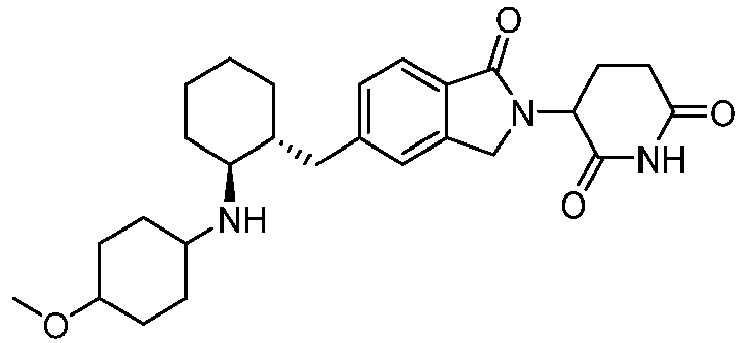
468.4 1H NMR (400 MHz, Methanol-d4) δ 7.79 (d, J = 7.8 Hz, 1H), 7.50 - 7.34 (m, 2H), 5.18 (dd, J = 13.3, 5.2 Hz, 1H), 4.56 - 4.40 (m, 2H), 3.53 (d, J = 10.1 Hz, 1H), 3.38 (d, J = 3.8 Hz, 1H), 3.30 - 3.13 (m, 4H), 2.94 (ddd, J = 18.4, 13.4, 5.4 Hz, 1H), 2.85 - 2.76 (m, 1H), 2.60 - 2.41 (m, 2H), 2.28 - 2.04 (m, 4H), 1.98 - 1.77 (m, 5H), 1.77 - 1.39 (m, 7H), 1.19 (q, J = 12.2 Hz, 2H).;1H NMR (400 MHz, Methanol-d4) δ 7.79 (d, J = 7.8 Hz, 1H), 7.50 - 7.34 (m, 2H), 5.18 (dd, J = 13.3, 5.2 Hz, 1H), 4.56 - 4.40 (m, 2H), 3.53 (d, J = 10.1 Hz, 1H), 3.38 (d, J = 3.8 Hz, 1H), 3.30 - 3.13 (m, 4H), 2.94 (ddd, J = 18.4, 13.4, 5.4 Hz, 1H), 2.85 - 2.76 (m, 1H), 2.60 - 2.41 (m, 2H), 2.28 - 2.04 (m, 4H), 1.98 - 1.77 (m, 5H), 1.77 - 1.39 (m, 7H), 1.19 (q, J = 12.2 Hz, 2H).;1H NMR (400 MHz, Methanol-d4) δ 7.79 (d, J = 7.7 Hz, 1H), 7.52 - 7.35 (m, 2H), 5.18 (dd, J = 13.3, 5.2 Hz, 1H), 4.59 - 4.44 (m, 2H), 3.38 (s, 3H), 3.28 - 3.14 (m, 4H), 2.96 - 2.87 (m, 1H), 2.81 (ddd, J = 17.6, 4.7, 2.4 Hz, 1H), 2.60 -2.46 (m, 2H), 2.28 - 2.07 (m, 6H), 1.89 (dd, J = 41.8, 11.4 Hz, 2H), 1.72 - 1.41 (m, 6H), 1.34 (dd, J = 16.7, 9.2 Hz, 2H), 1.19 (q, J = 12.6 Hz, 2H). 4-methoxycyclohexanone 279 
452.4 1H NMR (400 MHz, DMSO-d6) δ 10.99 (s, 1H), 8.27 (d, J = 12.9 Hz, 1H), 7.96 (s, 1H), 7.69 (dd, J = 7.7, 1.5 Hz, 1H), 7.45 (d, J = 4.3 Hz, 1H), 7.40 - 7.30 (m, 1H), 5.11 (dd, J = 13.3, 5.1 Hz, 1H), 4.45 (d, J = 17.3 Hz, 1H), 4.32 (d, J = 17.2 Hz, 1H), 3.27 (dd, J = 13.2, 3.5 Hz, 1H), 3.21 (s, 1H), 3.07 (s, 1H), 2.92 (ddd, J = 17.2, 13.6, 5.4 Hz, 1H), 2.65 - 2.55 (m, 1H), 2.39 (td, J = 13.2, 8.9 Hz, 2H), 2.13 - 2.04 (m, 1H), 2.00 (ddd, J = 10.5, 5.4, 2.8 Hz, 1H), 1.90 - 1.78 (m, 2H), 1.78 - 1.66 (m, 3H), 1.54 (q, J = 13.3 Hz, 6H), 1.37 (dp, J = 20.6, 10.5, 9.9 Hz, 3H), 1.11 - 0.99 (m, 2H), 0.97 (d, J = 7.0 Hz, 3H), 0.88 (d, J = 6.5 Hz, 1H). 4-methylcyclohexanone 280 
452.4 1H NMR (400 MHz, DMSO-d6) δ 10.99 (s, 1H), 8.27 (s, 1H), 7.96 (s, 1H), 7.70 (d, J = 7.8 Hz, 1H), 7.45 (d, J = 4.4 Hz, 1H), 7.37 (d, J = 7.7 Hz, 1H), 5.11 (dd, J = 13.3, 5.1 Hz, 1H), 4.45 (d, J = 17.2 Hz, 1H), 4.32 (d, J = 17.2 Hz, 1H), 3.27 (dd, J = 13.3, 3.4 Hz, 1H), 3.21 (s, 1H), 3.07 (s, 1H), 2.92 (ddd, J = 17.2, 13.6, 5.4 Hz, 1H), 2.65 - 2.56 (m, 1H), 2.39 (qd, J = 13.5, 4.4 Hz, 2H), 2.13 - 2.04 (m, 1H), 2.00 (ddd, J = 10.5, 5.6, 2.9 Hz, 1H), 1.92 - 1.78 (m, 2H), 1.74 (q, J = 4.7, 3.9 Hz, 3H), 1.66 - 1.45 (m, 6H), 1.36 (dt, J = 28.6, 11.4 Hz, 3H), 1.10 - 0.99 (m, 2H), 0.97 (d, J = 7.0 Hz, 3H), 0.88 (d, J = 6.4 Hz, 1H). 4-methylcyclohexanone 281 
450.3 1H NMR (400 MHz, Methanol-d4) δ 7.79 (d, J = 7.8 Hz, 1H), 7.52 - 7.32 (m, 2H), 5.18 (dd, J = 13.3, 5.2 Hz, 1H), 4.60 - 4.41 (m, 2H), 3.97 (p, J = 7.8 Hz, 1H), 3.10 (d, J = 10.4 Hz, 1H), 2.97 - 2.77 (m, 2H), 2.62 - 2.46 (m, 2H), 2.37 - 2.13 (m, 3H), 2.03 - 1.75 (m, 6H), 1.76 - 1.42 (m, 6H), 1.22 (q, J = 10.5, 9.9 Hz, 2H), 0.68 - 0.43 (m, 4H). spiro[2.4]heptan-6-one 282 
508.3 1H NMR (400 MHz, Methanol-d4) δ 7.67 - 7.51 (m, 2H), 5.98 (d, J = 4.6 Hz, 1H), 5.17 (dd, J = 13.4, 5.2 Hz, 1H), 4.66 - 4.50 (m, 2H), 3.97 - 3.86 (m, 2H), 3.51 - 3.39 (m, 2H), 3.18 (d, J = 4.6 Hz, 1H), 2.97 - 2.87 (m, 1H), 2.88 - 2.78 (m, 1H), 2.59 - 2.48 (m, 1H), 2.40 - 2.31 (m, 1H), 2.25 - 2.14 (m, 1H), 2.02 (q, J = 22.9, 19.5 Hz, 4H), 1.91 - 1.61 (m, 7H). 1-41; 4-(difluoromethyl)cycloh exanone 283 
508.3 1HNMR (400 MHz, Methanol-d4) δ 7.65 - 7.45 (m, 2H), 5.72 (d, J = 4.1 Hz, 1H), 5.17 (dd, J = 13.3, 5.1 Hz, 1H), 4.64 - 4.48 (m, 2H), 3.96 - 3.82 (m, 2H), 3.21 - 3.08 (m, 2H), 2.93 (ddd, J = 18.4, 13.4, 5.3 Hz, 1H), 2.87 - 2.76 (m, 1H), 2.53 (qd, J = 13.3, 4.8 Hz, 1H), 2.44 - 2.13 (m, 4H), 2.02 (d, J = 13.2 Hz, 2H), 1.91 - 1.64 (m, 4H), 1.57 (q, J = 13.6, 12.8 Hz, 1H), 1.40 (p, J = 13.3, 12.8 Hz, 3H). 1-41; 4-(difluoromethyl)cycloh exanone 284 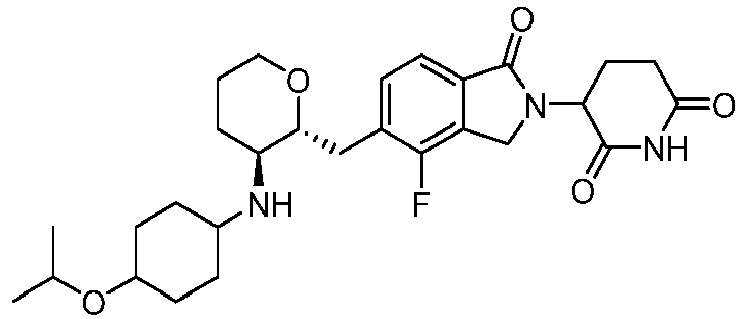
516.4 1HNMR (400 MHz, DMSO-d6) δ 11.01 (s, 1H), 8.60 (s, 1H), 8.22 (s, 1H), 7.57 (d, J = 7.7 Hz, 1H), 7.53 (d, J = 6.5 Hz, 1H), 5.11 (dd, J = 13.3, 5.1 Hz, 1H), 4.63 - 4.29 (m, 2H), 3.84 - 3.73 (m, 2H), 3.68 (h, J = 6.1 Hz, 1H), 3.31 - 3.12 (m, 5H), 3.06 - 2.80 (m, 2H), 2.70 - 2.56 (m, 1.H), 2.48 - 2.35 (m, 1H), 2.21 (dd, J = 9.3, 5.6 Hz, 1H), 1.80 - 1.47 (m, 3H), 1.47 - 1.33 (m, 1H), 1.32 - 1.15 (m, 2H), 1.06 (d, J = 6.1 Hz, 6H). 1-41; 4-isopropoxycyclohexano ne 285 
516.4 1H NMR (400 MHz, DMSO-d6) δ 11.01 (s, 1H), 8.48 (s, 1H), 8.17 (s, 1H), 7.58 (d, J = 7.7 Hz, 1H), 7.52 (t, J = 7.0 Hz, 1H), 5.11 (dd, J = 13.3, 5.1 Hz, 1H), 4.60 - 4.32 (m, 2H), 3.75 (q, J = 10.7, 8.3 Hz, 3H), 3.69 - 3.58 (m, 2H), 3.26 (d, J = 12.5 Hz, 5H), 3.07 - 2.85 (m, 2H), 2.61 (d, J = 16.7 Hz, 1H), 2.43 (dd, J = 13.1, 4.6 Hz, 1H), 2.22 (d, J = 10.7 Hz, 1H), 2.07 - 1.95 (m, 1H), 1.79 (q, J = 13.1, 12.1 Hz, 4H), 1.62 (t, J = 11.0 Hz, 2H), 1.53 - 1.36 (m, 2H), 1.09 (d, J = 6.0 Hz, 6H). 1-41; 4-isopropoxycyclohexano ne -

- Step 1: Preparation of tert-butyl (4S)-4-(5-(((1R,2S)-2-((2-oxaspiro[3.3]heptan-5-yl)amino)cyclohexyl)methyl)-1-oxoisoindolin-2-yl)-5-amino-5-oxopentanoate (Isomer 1) and tert-butyl (4S)-4-(5-(((1R,2S)-2-((2-oxaspiro[3.3]heptan-5-yl)amino)cyclohexyl)methyl)-1-oxoisoindolin-2-yl)-5-amino-5-oxopentanoate (Isomer 2). To tert-butyl (S)-5-amino-4-(5-(((1R,2S)-2-aminocyclohexyl)methyl)-1-oxoisoindolin-2-yl)-5-oxopentanoate (I-13) (86 mg, 0.20 mmol) in DCE (2.5 mL) and DMF (1.5 mL) was added 2-oxaspiro[3.3]heptan-5-one (29 mg, 0.26 mmol) followed by acetic acid (34 µL, 0.60 mmol). The reaction was stirred at room temperature for 2 minutes after which sodium triacetoxyborohydride (127 mg, 0.60 mmol) was added in one portion. The reaction was stirred at room temperature overnight. Following this time, additional 2-oxaspiro[3.3]heptan-5-one (100mg, 0.69 mmol) was added and the reaction continued overnight. The reaction was then quenched with sat. aqueous NaHCO3 and extracted with CH2Cl2 (x2). The combined organics were washed with water and brine, dried over Na2SO4 and concentrated to give the crude product which was purified by SiO2 column chromatography (eluent: hexanes/EtOAc then EtOAc MeOH* 10% NH4OH). The material was subjected to further purification by chiral SFC chromatography (column: CELL-2 250x21.2mm, 5µm, eluent: 45% MeOH-DEA) to obtain tert-butyl (4S)-4-(5-(((1R,2S)-2-((2-oxaspiro[3.3]heptan-5-yl)amino)cyclohexyl)methyl)-1-oxoisoindolin-2-yl)-5-amino-5-oxopentanoate (Isomer 1) and tert-butyl (4S)-4-(5-(((1R,2S)-2-((2-oxaspiro[3.3]heptan-5-yl)amino)cyclohexyl)methyl)-1-oxoisoindolin-2-yl)-5-amino-5-oxopentanoate (Isomer 2).
Isomer 1 was carried forward into the next step. - Step 2a: Preparation of 3-(5-(((1R,2S)-2-((2-oxaspiro[3.3]heptan-5-yl)amino)cyclohexyl)methyl)-1-oxoisoindolin-2-yl)piperidine-2,6-dione (Example 286) To a solution of tert-butyl (4S)-4-(5-(((1R,2S)-2-((2-oxaspiro[3.3]heptan-5-yl)amino) cyclohexyl)methyl)-1-oxoisoindolin-2-yl)-5-amino-5-oxopentanoate (
Isomer 1, 21 mg, 0.04 mmol) in MeCN (1 mL) was added benzene sulfonic acid (19 mg, 0.12 mmol). The reaction was then heated under microwave irradiation at 130 °C for 10 minutes. Following this time, the reaction mixture was diluted with DMSO and purified by RP-HPLC (eluent: MeCN/water gradient with 0.1% TFA) to afford the title product. ES/MS: 452.3 (M+H+). 1H NMR (400 MHz, Methanol-d4) δ 7.76 (d, J = 7.8 Hz, 1H), 7.46 (s, 1H), 7.41 (d, J = 7.9 Hz, 1H), 6.08 (s, 1H), 5.15 (dd, J = 13.3, 5.2 Hz, 1H), 4.61 (d, J = 7.9 Hz, 1H), 4.51 - 4.37 (m, 4H), 3.26 (d, J = 4.8 Hz, 1H), 3.23 - 3.13 (m, 1H), 2.98 - 2.86 (m, 1H), 2.78 (ddd, J = 17.5, 4.6, 2.4 Hz, 1H), 2.60 (dd, J = 13.3, 10.2 Hz, 2H), 2.47 (td, J = 13.4, 4.8 Hz, 4H), 2.30 - 2.13 (m, 2H), 2.13 - 1.92 (m, 2H), 1.86 - 1.37 (m, 5H), 1.37 - 1.08 (m, 2H). - The following Examples were made using the general route described in Procedure 25 and are shown below in Table 16. To prepare the below Examples, different reagents/starting materials were used than some of those described in Procedure 25 and are noted in the last column of Table 16 - "Changes to Procedure 25: Different Reagents/Starting Materials". A person of ordinary skill in the art will readily recognize which reagents/starting materials of Procedure 25 were replaced with the different reagents/starting materials noted below.
Table 16 Example Structure ES/MS m/z 1H-NMR Changes to Procedure 25: Different Reagents/ Starting Materials 287 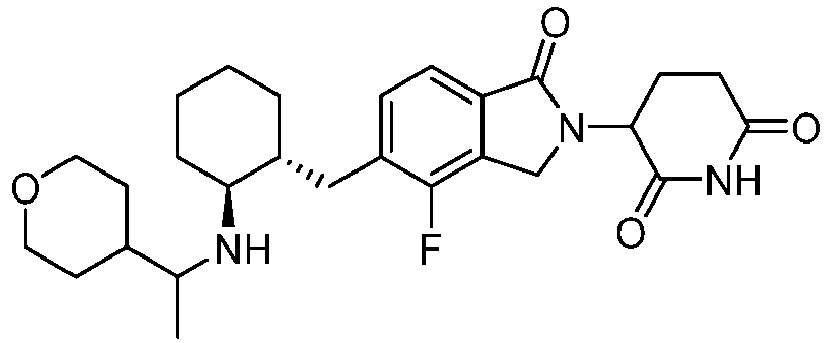
486.4 1H NMR (400 MHz, DMSO-d6) δ 11.01 (s, 1H), 7.83 (s, 2H), 7.60 (d, J = 7.7 Hz, 1H), 7.48 (t, J = 6.9 Hz, 1H), 5.12 (dd, J = 13.3, 5.1 Hz, 1H), 4.56 (d, J = 17.4 Hz, 1H), 4.39 (d, J = 17.4 Hz, 1H), 3.97 - 3.88 (m, 2H), 3.27 (tt, J = 11.6, 2.5 Hz, 4H), 3.13 (s, 1H), 2.92 (ddd, J = 17.3, 13.6, 5.4 Hz, 1H), 2.67 - 2.52 (m, 2H), 2.50 - 2.35 (m, 1H), 2.11 (d, J = 11.2 Hz, 1H), 2.05 - 1.79 (m, 3H), 1.77 - 1.41 (m, 5H), 1.41 - 1.28 (m, 3H), 1.24 (d, J = 6.6 Hz, 3H), 1.10 (q, J = 9.9, 9.2 Hz, 2H). Step 1: I-14; 1-tetrahydropyran-4-ylethanone Chiral SFC conditions: AD-H 5µm-21×250mm, co-solvent: IPA-NH3 (30%) [peak 1] 288 
486.4 1H NMR (400 MHz, DMSO-d6) δ 11.01 (s, 1H), 8.38 - 8.30 (m, 1H), 7.76 (d, J = 13.3 Hz, 1H), 7.60 (d, J = 7.6 Hz, 1H), 7.51 (t, J = 7.0 Hz, 1H), 5.12 (dd, J = 13.3, 5.1 Hz, 1H), 4.56 (d, J = 17.4 Hz, 1H), 4.39 (d, J = 17.4 Hz, 1H), 3.91 (ddd, J = 14.8, 11.1, 4.0 Hz, 2H), 3.32 (dddd, J = 18.2, 11.6, 8.3, 3.9 Hz, 3H), 3.18 (dt, J = 12.9, 6.2 Hz, 2H), 2.92 (ddd, J = 17.3, 13.6, 5.4 Hz, 1H), 2.71 - 2.52 (m, 3H), 2.50 - 2.35 (m, 1H), 2.13 - 1.91 (m, 4H), 1.72 (d, J = 12.9 Hz, 1H), 1.57 (s, 1H), 1.56 - 1.38 (m, 4H), 1.36 (dt, J = 12.2, 6.0 Hz, 2H), 1.25 (d, J = 6.6 Hz, 3H), 1.09 (t, J = 9.1 Hz, 2H). Step 1: I-14; 1-tetrahydropyran-4-ylethanone Chiral SFC conditions: AD-H 5µm-21X250mm, co-solvent: IPA-NH3 (30%) [peak 2] 289 
476.4 1H NMR (400 MHz, DMSO-d6) δ 11.01 (s, 1H), 8.61 (s, 1H), 8.21 (s, 1H), 7.61 - 7.48 (m, 2H), 5.11 (dd, J = 13.3, 5.1 Hz, 1H), 4.70 - 4.28 (m, 3H), 3.87 - 3.66 (m, 2H), 3.25 (t, J = 14.4 Hz, 3H), 3.06 - 2.85 (m, 2H), 2.65 - 2.52 (m, 2H), 2.50 - 2.35 (m, 1H), 2.29 - 1.91 (m, 4H), 1.77 - 1.31 (m, 7H), 1.23 (s, 1H). Step 1: I-41; 4-fluorocyclohexanone Chiral SFC conditions: AD-H 5µm-21X250mm, co-solvent: MeOH (25%) [peak 1] 290 
476.4 1H NMR (400 MHz, DMSO-d6) δ 11.01 (s, 1H), 8.63 (s, 1H), 8.25 (s, 1H), 7.61 - 7.48 (m, 2H), 7.40 (s, 1H), 5.11 (dd, J = 13.3, 5.1 Hz, 1H), 4.93 (s, 1H), 4.81 (s, 1H), 4.61 - 4.50 (m, 1H), 4.38 (dd, J = 17.4, 3.5 Hz, 1H), 3.76 (qd, J = 9.4, 7.7, 5.1 Hz, 2H), 3.36 (s, 1H), 3.31 - 3.20 (m, 3H), 3.05 - 2.85 (m, 2H), 2.65 - 2.56 (m, 1H), 2.50 - 2.35 (m, 1H), 2.24 (d, J = 10.0 Hz, 1H), 2.12 - 1.83 (m, 2H), 1.82 - 1.49 (m, 5H), 1.23 (s, 2H). Step 1: I-41; 4-fluorocyclohexanone Chiral SFC conditions: AD-H 5µm-21X250mm, co-solvent: MeOH (25%) [peak 2] 291 
488.4 1H NMR (400 MHz, DMSO-d6) δ 11.01 (s, 1H), 8.08 (s, 2H), 7.63 - 7.47 (m, 2H), 5.11 (dd, J = 13.3, 5.1 Hz, 1H), 4.61 - 4.51 (m, 1H), 4.43 - 4.33 (m, 1H), 4.00 - 3.74 (m, 3H), 3.35 - 3.20 (m, 5H), 3.07 - 2.85 (m, 2H), 2.59 (d, J = 35.6 Hz, 1H), 2.50 - 2.35 (m, 1H), 2.24 (d, J = 11.9 Hz, 1H), 2.06 - 1.95 (m, 1H), 1.95 - 1.85 (m, 1H), 1.79 - 1.48 (m, 5H), 1.43 - 1.29 (m, 2H), 1.23 (d, J = 6.5 Hz, 3H). Step 1: I-41; 1-tetrahydropyran-4-ylethanone Chiral SFC conditions: IG 5µm-21X250mm, co-solvent: IPA-NH3 (30%) [peak 1] 292 
432.3 1H NMR (400 MHz, DMSO-d6) δ 11.01 (s, 1H), 8.47 (s, 1H), 8.23 (s, 1H), 7.60 - 7.47 (m, 2H), 7.41 (s, 1H), 5.11 (dd, J = 13.3, 5.1 Hz, 1H), 4.56 (dd, J = 17.4, 5.2 Hz, 1H), 4.37 (dd, J = 17.4, 3.1 Hz, 1H), 3.82 - 3.72 (m, 2H), 3.33 - 3.18 (m, 3H), 3.03 - 2.85 (m, 2H), 2.65 - 2.56 (m, 1H), 2.50 - 2.35 (m, 1H), 2.26 - 1.96 (m, 1H), 1.86 - 1.71 (m, 2H), 1.68 - 1.46 (m, 2H), 1.28 - 1.20 (m, 5H), 0.95 (t, J = 7.4 Hz, 3H). Step 1: I-41; 2-butanone Chiral SFC conditions: Cell-2 5µm-21X250mm, co-solvent: EtOH (20%) [peak 1] 293 
432.3 1H NMR (400 MHz, DMSO-d6) δ 11.01 (s, 1H), 8.56 (s, 1H), 8.21 (s, 1H), 7.61 - 7.47 (m, 2H), 7.41 (s, 1H), 5.11 (dd, J = 13.3, 5.1 Hz, 1H), 4.56 (dd, J = 17.4, 5.4 Hz, 1H), 4.37 (dd, J = 17.3, 3.2 Hz, 1H), 3.82 - 3.74 (m, 2H), 3.36 - 3.18 (m, 2H), 3.05 - 2.85 (m, 2H), 2.61 (d, J = 17.8 Hz, 1H), 2.50 - 2.35 (m, 1H), 2.23 - 1.95 (m, 1H), 1.90 - 1.68 (m, 2H), 1.65 - 1.53 (m, 2H), 1.52 - 1.34 (m, 1H), 1.32 - 1.20 (m, 5H), 0.99 - 0.88 (m, 3H). Step 1: I-41; 2-butanone Chiral SFC conditions: Cell-2 5µm-21X250mm, co-solvent: EtOH (20%) [peak 2] 294 
430.3 1H NMR (400 MHz, DMSO-d6) δ 11.01 (s, 1H), 8.35 - 8.12 (m, 1H), 7.89 (s, 1H), 7.60 (d, J = 7.7 Hz, 1H), 7.53 - 7.44 (m, 1H), 5.11 (dd, J = 13.2, 5.1 Hz, 1H), 4.56 (dd, J = 17.3, 3.8 Hz, 1H), 4.39 (d, J = 17.3 Hz, 1H), 3.22 (dd, J = 38.1, 25.6 Hz, 3H), 2.99 - 2.85 (m, 1H), 2.61 (d, J = 15.3 Hz, 2H), 2.48 - 2.36 (m, 1H), 2.11 - 2.06 (m, 1H), 2.04 - 1.96 (m, 1H), 1.88 - 1.67 (m, 4H), 1.59 - 1.32 (m, 4H), 1.27 (dd, J = 16.8, 6.4 Hz, 3H), 1.07 (t, J = 9.5 Hz, 2H), 1.00 - 0.89 (m, 3H). Step 1: I-14; 2-butanone Chiral SFC conditions: IA 5µm-21X250mm, co-solvent: IPA-NH3 (30%) [peak 1] 295 
430.3 1H NMR (400 MHz, DMSO-d6) δ 11.01 (s, 1H), 8.48 - 8.28 (m, 1H), 8.02 (s, 1H), 7.58 (d, J = 7.6 Hz, 1H), 7.49 (td, J = 6.9, 3.4 Hz, 1H), 5.11 (dd, J= 13.3, 5.1 Hz, 1H), 4.56 (dd, J = 17.4, 3.7 Hz, 1H), 4.39 (dd, J = 17.4, 3.5 Hz, 1H), 3.31 - 3.17 (m, 2H), 3.13 (s, 1H), 2.99 - 2.85 (m, 1H), 2.66 - 2.53 (m, 2H), 2.51 - 2.35 (m, 1H), 2.13 - 1.95 (m, 2H), 1.93 - 1.68 (m, 4H), 1.64 - 1.32 (m, 4H), 1.27 (dd, J = 17.1, 6.4 Hz, 3H), 1.15 - 1.02 (m, 2H), 1.04 - 0.89 (m, 3H). Step 1: I-14; 2-butanone Chiral SFC conditions: IA 5µm-21X250mm, co-solvent: IPA-NH3 (30%) [peak 1] 296 
446.3 1H NMR (400 MHz, DMSO-d6) δ 11.01 (s, 1H), 8.99 (s, 1H), 8.60 (s, 1H), 7.61 - 7.49 (m, 2H), 5.12 (dd, J = 13.3, 5.1 Hz, 1H), 4.55 (d, J = 17.4 Hz, 1H), 4.43 - 4.33 (m, 1H), 3.99 - 3.74 (m, 4H), 3.66 (q, J = 7.8 Hz, 1H), 3.31 (t, J = 8.8 Hz, 1H), 3.23 (d, J = 12.9 Hz, 2H), 3.09 (dd, J = 14.3, 10.3 Hz, 1H), 2.92 (ddd, J = 17.3, 13.6, 5.4 Hz, 1H), 2.59 (d, J = 35.5 Hz, 2H), 2.50 - 2.35 (m, 1H), 2.29 (tdd, J = 16.3, 10.7, 6.6 Hz, 2H), 2.07 - 1.94 (m, 2H), 1.75 - 1.68 (m, 3H), 1.59 - 1.51 (m, 1H). Step 1: I-41; tetrahydrofuran-3-one Chiral SFC conditions: AD-H 5µm-21X250mm, co-solvent: EtOH-NH3 (20%) [peak 1] 297 
446.3 1H NMR (400 MHz, DMSO-d6) δ 11.01 (s, 1H), 8.94 (s, 1H), 8.70 (s, 1H), 7.61 - 7.48 (m, 2H), 5.11 (dd, J = 13.3, 5.1 Hz, 1H), 4.55 (d, J = 17.3 Hz, 1H), 4.38 (d, J = 17.3 Hz, 1H), 4.05 (s, 1H), 3.94 (td, J = 8.3, 5.0 Hz, 1H), 3.88 - 3.73 (m, 4H), 3.72 - 3.61 (m, 1H), 3.36 - 3.19 (m, 3H), 3.09 (dd, J = 14.3, 10.3 Hz, 1H), 2.92 (ddd, J = 17.2, 13.6, 5.4 Hz, 1H), 2.65 - 2.52 (m, 1H), 2.50 - 2.35 (m, 1H), 2.33 - 2.17 (m, 2H), 2.10-1.95 (m, 2H), 1.77 - 1.65 (m, 2H), 1.60 - 1.51 (m, 1H). Step 1: I-41; tetrahydrofuran-3-one Chiral SFC conditions: AD-H 5µm-21X250mm, co-solvent: EtOH-NH3 (20%) [peak 2] 298 
488.4 1H NMR (400 MHz, DMSO-d6) δ 11.01 (s, 1H), 8.55 (d, J = 8.7 Hz, 1H), 7.94 (d, J = 12.6 Hz, 1H), 7.62 - 7.50 (m, 2H), 5.11 (dd, J = 13.3, 5.1 Hz, 1H), 4.55 (d, J = 17.4 Hz, 1H), 4.38 (d, J = 17.4 Hz, 1H), 3.97 - 3.75 (m, 4H), 3.38 - 3.18 (m, 5H), 3.08 (dd, J = 14.2, 10.3 Hz, 1H), 2.92 (ddd, J = 17.3, 13.6, 5.4 Hz, 1H), 2.58 (d, J = 35.6 Hz, 1H), 2.50 - 2.35 (m, 1H), 2.21 (d, J = 9.9 Hz, 1H), 2.05 - 1.96 (m, 2H), 1.82 - 1.46 (m, 5H), 1.43 - 1.32 (m, 2H), 1.24 (d, J = 6.6 Hz, 3H). Step 1: I-41; 1-tetrahydropyran-4-ylethanone Chiral SFC conditions: IG 5µm-21X250mm, co-solvent: IPA-NH3 (30%) [peak 2] 299 
412.4 1H NMR (400 MHz, DMSO-d6) δ 10.99 (s, 1H), 8.20 (s, 1H), 7.99 (s, 1H), 7.69 (d, J = 7.7 Hz, 1H), 7.44 (s, 1H), 7.36 (dd, J = 7.8, 1.4 Hz, 1H), 5.11 (dd, J = 13.3, 5.1 Hz, 1H), 4.45 (d, J = 17.2 Hz, 1H), 4.32 (d, J = 17.3 Hz, 1H), 3.34 - 3.25 (m, 1H), 3.05 (s, 1H), 2.99 - 2.85 (m, 1H), 2.65 - 2.56 (m, 1H), 2.47 - 2.31 (m, 2H), 2.09 (d, J = 11.0 Hz, 1H), 2.00 (ddd, J = 9.6, 5.4, 2.6 Hz, 1H), 1.91 - 1.68 (m, 3H), 1.63 - 1.47 (m, 3H), 1.43 - 1.25 (m, 2H), 1.25 (d, J = 6.4 Hz, 3H), 1.11-0.98 (m, 2H), 0.95 (t, J = 7.4 Hz, 3H). Step 1: 2-butanone Chiral SFC conditions: Cell-2 5µm-21X250mm, co-solvent: EtOH-NH3 (30%) [peak 1] 300 
412.4 1H NMR (400 MHz, DMSO-d6) δ 10.99 (s, 1H), 8.30 (s, 1H), 7.96 (s, 1H), 7.69 (d, J = 7.7 Hz, 1H), 7.45 (s, 1H), 7.36 (dd, J = 7.8, 1.4 Hz, 1H), 5.11 (dd, J = 13.3, 5.1 Hz, 1H), 4.45 (d, J = 17.3 Hz, 1H), 4.32 (d, J = 17.3 Hz, 1H), 3.31 - 3.22 (m, 2H), 3.06 (s, 1H), 2.99 - 2.85 (m, 1H), 2.65 - 2.56 (m, 1H), 2.47 - 2.31 (m, 2H), 2.11 - 1.96 (m, 2H), 1.89 - 1.77 (m, 2H), 1.72 (d, J = 12.5 Hz, 1H), 1.58 - 1.32 (m, 4H), 1.29 (d, J = 6.4 Hz, 3H), 1.08 - 0.98 (m, 2H), 0.93 (t, J = 7.4 Hz, 3H). Step 1: 2-butanone Chiral SFC conditions: Cell-2 5µm-21X250mm, co-solvent: EtOH-NH3 (30%) [peak 2] -

- 3-(5-(((2R,3S)-3-((4,4-difluorocyclohexyl-1-d)amino)tetrahydro-2H-pyran-2-yl)methyl)-4-fluoro-1-oxoisoindolin-2-yl)piperidine-2,6-dione (Example 301) 3-(5-(((2R,3S)-3-aminotetrahydro-2H-pyran-2-yl)methyl)-4-fluoro-1-oxoisoindolin-2-yl)piperidine-2,6-dione (I-12) (30 mg, 0.06 mmol) and 4,4-difluorocyclohexan-1-one (75 mg, 0.56 mmol) were taken up in DMF (0.5 mL) and acetic acid (32 µL, 0.56 mmol) was added. The mixture was stirred at room temperature overnight. Following this time, the reaction was cooled to 0 °C and MeOH (0.5 mL) was added followed by sodium borodeuteride (12 mg, 0.28 mmol). After 5 minutes, the reaction was diluted with DMSO and subjected to RP-HPLC (eluent: MeCN/water gradient with 0.1% TFA). Product containing fractions were frozen and lyophilized to give the title product. ES/MS: 495.3 (M+H+). 1H NMR (400 MHz, DMSO-d6) δ 11.01 (s, 1H), 8.70 (d, J = 10.4 Hz, 1H), 8.30 (d, J = 12.2 Hz, 1H), 7.58 (d, J = 7.7 Hz, 1H), 7.55 -7.49 (m, 1H), 5.11 (dd, J= 13.3, 5.1 Hz, 1H), 4.59 - 4.34 (m, 2H), 3.83 - 3.71 (m, 1H), 3.24 (d, J = 13.7 Hz, 1H), 3.07 - 2.84 (m, 2H), 2.63 (t, J = 17.2 Hz, 1H), 2.42 (td, J = 13.2, 4.5 Hz, 1H), 2.31 - 2.06 (m, 3H), 1.98 (dddd, J = 20.1, 12.7, 7.6, 4.1 Hz, 3H), 1.80 (ddd, J = 18.7, 8.9, 4.6 Hz, 2H), 1.69 (ddd, J = 12.9, 8.1, 4.7 Hz, 3H), 1.61 (d, J = 6.9 Hz, 1H), 1.52 (ddd, J = 13.2, 8.5, 4.6 Hz, 4H).
-

- Step 1: Preparation of tert-butyl 5-amino-4-(5-((E)-(2-(((R)-3,3-difluorocyclopentyl)amino)cyclohexylidene)methyl)-1-oxoisoindolin-2-yl)-5-oxopentanoate. To a mixture of 1-42 (75 mg, 0.18 mmol) and (1R)-3,3-difluorocyclopentanamine hydrochloride (55 mg, 0.35 mmol) and potassium acetate (35 mg, 0.35 mmol) was added DCE (2 mL) followed by AcOH (40 µL, 0.7 mmol). The mixture was sonicated to dissolve solids and then stirred at r.t for 10 minutes. Sodium triacetoxybotohydride (75 mg, 0.35 mmol) was then added and the reaction stirred overnight. Following this time, the reaction was then quenched with sat. aqueous NaHCO3 and extracted with CH2Cl2 (x2). The combined organics were washed with water and brine, dried over Na2SO4 and concentrated in vacuo. The crude product was purified by SiO2 column chromatography (eluent: hexanes/EtOAc then EtOAc/MeOH). Desired fractions were combined and concentrated to give the title product.
- Step 2: Preparation of tert-butyl 5-amino-4-(5-(((1R,2S)-rel-2-(((R)-3,3-difluorocyclopentyl)amino)cyclohexyl)methyl)-1-oxoisoindolin-2-yl)-5-oxopentanoate. tert- Butyl 5-amino-4-(5-((E)-(2-(((R)-3,3-difluorocyclopentyl) amino) cyclohexylidene)methyl)-1-oxoisoindolin-2-yl)-5-oxopentanoate (59 mg, 0.1 mmol) was taken up in EtOH (1 mL) and iron(III) acetylacetonate (47 mg, 0.13 mmol) was added. N2 was bubbled through the reaction for 5 minutes then the reaction was heated at 65 °C for 1 minute before addition of phenyl silane (41 µL, 0.3 mmol). The reaction was heated at 65 °C for an additional 1.5 hours after which another portion of phenyl silane (41 µL, 0.3 mmol) was added. Heating was continued for an additional 4 hours and then the reaction was stirred at r.t. overnight. The reaction was diluted with DMSO and subjected to reverse phase HPLC purification (eluent: MeCN/water gradient with 0.1% TFA). Desired fractions were frozen and lyophilized to give the title product.
- Step 3: Preparation of 3-(5-(((1R,2S)-rel-2-(((R)-3,3-difluorocyclopentyl) amino)cyclohexyl)methyl)-1-oxoisoindolin-2-yl)piperidine-2,6-dione (Example 302) To a solution of tert-butyl 5-amino-4-(5-(((1R,2S)-rel-2-(((R)-3,3-difluorocyclopentyl) amino) cyclohexyl)methyl)-1-oxoisoindolin-2-yl)-5-oxopentanoate (18 mg, 0.03 mmol), in acetonitrile (1 mL) was added benzenesulfonic acid (16 mg, 0.1 mmol). The reaction was then heated to 130 °C under microwave irradiation for 20 minutes. Following this time, the reaction mixture was diluted with DMSO and purified by RP-HPLC (eluent: MeCN/water gradient with 0.1% TFA) to afford the title product. ES/MS: 460.3 (M+H+). 1H NMR (400 MHz, Methanol-d4) δ 7.77 (d, J = 7.8 Hz, 1H), 7.45 (s, 1H), 7.40 (d, J = 7.9 Hz, 1H), 5.16 (dd, J = 13.3, 5.1 Hz, 1H), 4.56 - 4.41 (m, 2H), 4.05 (dd, J = 15.0, 7.5 Hz, 1H), 3.19 - 3.05 (m, 2H), 2.91 (ddd, J = 18.8, 13.4, 5.0 Hz, 2H), 2.78 (ddd, J = 17.6, 4.7, 2.5 Hz, 2H), 2.65 - 2.28 (m, 4H), 2.29 - 2.11 (m, 3H), 1.97 (dd, J = 29.0, 17.0 Hz, 2H), 1.80 (d, J = 11.6 Hz, 2H), 1.63 (t, J = 11.9 Hz, 2H), 1.56 - 1.36 (m, 2H), 1.36 - 1.10 (m, 1H).
- The following Examples were made using the general route described in Procedure 27 and are shown below in Table 17. To prepare the below Examples, different reagents/starting materials were used than some of those described in Procedure 27 and are noted in the last column of Table 17 - "Changes to Procedure 27: Different Reagents/Starting Materials". A person of ordinary skill in the art will readily recognize which reagents/starting materials of Procedure 27 were replaced with the different reagents/starting materials noted below.
Table 17 Example Structure ES/MS m/z 1H-NMR Changes to Procedure 27: Different Reagents/ Starting Materials 303 
452.4 1H NMR (400 MHz, Methanol-d4) δ 7.77 (d, J = 7.9 Hz, 1H), 7.49 (s, 1H), 7.44 (d, J = 7.8 Hz, 1H), 5.15 (dd, J = 13.3, 5.2 Hz, 1H), 4.54 - 4.42 (m, 2H), 3.55 (d, J = 15.6 Hz, 1H), 3.05 - 2.83 (m, 4H), 2.84 - 2.73 (m, 1H), 2.60 - 2.40 (m, 3H), 2.25 - 2.10 (m, 4H), 1.91 (s, 3H), 1.84 - 1.33 (m, 8H), 1.15 (dd, J = 8.5, 6.4 Hz, 5H). (1R,2R)-2-methylcyclohexan-1- amine -

- Step 1: tert-Butyl (4S)-5-amino-4-(5-(((2R,3S)-3-(sec-butylamino)tetrahydro-2H-pyran-2-yl)methyl)-4-fluoro-1-oxoisoindolin-2-yl)-5-oxopentanoate. 2-Butanone (64 mg, 0.89 mmol), acetic acid (31 µL, 0.534 mmol) and sodium triacetoxyborohydride (283 mg, 1.33 mmol) were added to a stirring solution of I-41 (200 mg, 0.445 mmol) in DCE (10 mL). The resulting mixture was stirred at r.t. overnight. Upon completion of the reaction, the mixture was diluted with CH2Cl2. The organic phase was transferred to a separatory funnel and washed with sat. aqueous NaHCO3 and brine, dried over Na2SO4, and concentrated in vacuo. The crude residue was purified by SiO2 column chromatography (eluent: hexanes/EtOAc) to afford the title compound.
- Step 2: 3-(5-(((2R,3S)-3-(sec-butylamino)tetrahydro-2H-pyran-2-yl)methyl)-4-fluoro-1-oxoisoindolin-2-yl)piperidine-2,6-dione (Example 304) Benzenesulfonic acid (38 mg, 0.267 mmol) was added to a solution of tert-butyl (4S)-5-amino-4-(5-(((2R,3S)-3-(sec-butylamino)tetrahydro-2H-pyran-2-yl)methyl)-4-fluoro-1-oxoisoindolin-2-yl)-5-oxopentanoate (45 mg, 0.089 mmol) in MeCN (3.0 mL). The resulting mixture was heated to 130 °C under microwave irradiation for 30 min. The reaction mixture was then concentrated and purified by RP-HPLC (eluent: MeCN/water gradient with 0.1% TFA) to give the title compound. 1H NMR (400 MHz, DMSO-d 6) δ 11.01 (s, 1H), 8.59 - 8.40 (m, 1H), 8.21 (s, 1H), 7.63 - 7.47 (m, 2H), 5.11 (dd, J = 13.3, 5.1 Hz, 1H), 4.56 (dd, J = 17.4, 5.3 Hz, 1H), 4.37 (dd, J = 17.4, 3.2 Hz, 1H), 3.82 - 3.71 (m, 2H), 3.32 - 3.18 (m, 4H), 3.05 - 2.85 (m, 2H), 2.65 - 2.56 (m, 1H), 2.50 - 2.35 (m, 1H), 2.24 - 2.18 (m, 1H), 2.06 - 1.95 (m, 1H), 1.87 - 1.37 (m, 4H), 1.32 - 1.20 (m, 4H), 0.99 - 0.88 (m, 3H). ES/MS: 432.6 (M+H+).
- The following Examples were made using the general route described in Procedure 28 and are shown below in Table 18. To prepare the below Examples, different reagents/starting materials were used than some of those described in Procedure 28 and are noted in the last column of Table 18 - "Changes to Procedure 28: Different Reagents/Starting Materials". A person of ordinary skill in the art will readily recognize which reagents/starting materials of Procedure 28 were replaced with the different reagents/starting materials noted below.
Table 18 Example Structure ES/MS m/z 1H-NMR Changes to Procedure 28: Different Reagents/ Starting Materials 305 
460.4 1H NMR (400 MHz, DMSO-d6) δ 11.01 (s, 1H), 8.73 (s, 1H), 8.35 (s, 1H), 7.67 - 7.33 (m, 2H), 5.11 (dd, J = 13.3, 5.1 Hz, 1H), 4.65 - 4.30 (m, 2H), 3.93 (dd, J = 11.8, 4.2 Hz, 2H), 3.86 - 3.71 (m, 2H), 3.42 - 3.18 (m, 5H), 3.10 - 2.85 (m, 2H), 2.66 - 2.55 (m, 1H), 2.42 (td, J = 13.2, 4.6 Hz, 1H), 2.30 - 2.16 (m, 1H), 2.07 - 1.89 (m, 3H), 1.80 - 1.47 (m, 5H). Step 1: tetrahydropyran-4-one 306 
446.4 1H NMR (400 MHz, DMSO-d6) δ 11.01 (s, 1H), 8.03 (s, 2H), 7.62 - 7.49 (m, 2H), 5.11 (dd, J = 13.3, 5.1 Hz, 1H), 4.56 (dd, J = 17.3, 5.0 Hz, 1H), 4.38 (dd, J = 17.4, 3.0 Hz, 1H), 3.87 (t, J = 7.8 Hz, 1H), 3.79 (d, J = 11.5 Hz, 1H), 3.35 - 3.18 (m, 3H), 3.09 - 2.97 (m, 1H), 2.99 - 2.85 (m, 1H), 2.61 (d, J = 17.7 Hz, 1H), 2.42 (td, J = 13.2, 4.5 Hz, 1H), 2.25 - 2.20 (m, 2H), 2.08 - 1.95 (m, 2H), 1.76 - 1.53 (m, 2H), 1.25 - 1.16 (m, 4H), 1.01 - 0.87 (m, 6H). Step 1: 3-methylbutan-2-one 307 
430.3 1H NMR (400 MHz, DMSO-d6) δ 11.01 (s, 1H), 8.33 (s, 1H), 8.21 (s, 1H), 7.94 (s, 1H), 7.59 (d, J = 7.6 Hz, 1H), 7.54 - 7.44 (m, 1H), 5.11 (dd, J = 13.3, 5.1 Hz, 1H), 4.56 (dd, J = 17.4, 3.8 Hz, 1H), 4.39 (dd, J = 17.4, 3.6 Hz, 1H), 3.31 - 3.19 (m, 2H), 3.13 (s, 1H), 2.99 - 2.85 (m, 1H), 2.60 (dd, J = 18.4, 6.7 Hz, 2H), 2.50 - 2.35 (m, 1H), 2.14 - 1.96 (m, 2H), 1.94 - 1.68 (m, 3H), 1.60 - 1.32 (m, 4H), 1.27 (dd, J = 16.8, 6.4 Hz, 3H), 1.15 - 1.02 (m, 2H), 0.94 (q, J = 7.7 Hz, 3H). Step 1: 1-14; 2-butanone 308 
541.4 1H NMR (400 MHz, DMSO-d6) δ 11.01 (s, 1H), 8.69 (s, 1H), 8.28 (s, 1H), 7.61 - 7.37 (m, 3H), 5.11 (dd, J = 13.3, 5.1 Hz, 1H), 4.61 - 4.48 (m, 1H), 4.38 (d, J = 17.4 Hz, 1H), 3.82 - 3.72 (m, 2H), 3.28 - 3.16 (m, 5H), 3.07 - 2.94 (m, 3H), 2.98 - 2.85 (m, 1H), 2.61 (d, J = 17.1 Hz, 1H), 2.43 (q, J = 12.6, 12.0 Hz, 3H), 2.27 - 2.18 (m, 1H), 2.06 - 1.92 (m, 3H), 1.76 - 1.55 (m, 5H). Step 1: 1-(2,2,2-trifluoroethyl)piperidin-4-one 309 
523.4 1H NMR (400 MHz, DMSO-d6) δ 11.01 (s, 1H), 8.70 (s, 1H), 8.39 (s, 1H), 7.61 - 7.48 (m, 2H), 6.22 (t, J = 55.1 Hz, 1H), 5.11 (dd, J = 13.3, 5.1 Hz, 1H), 4.55 (d, J = 17.4 Hz, 1H), 4.38 (d, J = 17.3 Hz, 1H), 3.71 (d, J = 52.3 Hz, 5H), 3.39 - 2.85 (m, 8H), 2.65 - 2.56 (m, 1H), 2.41 (td, J = 13.2, 4.6 Hz, 1H), 2.21 (d, J = 7.7 Hz, 1H), 2.10 - 1.97 (m, 3H), 1.76 - 1.56 (m, 5H). Step 1: 1-(2,2-difluoroethyl)piperidin-4-one -

- Step 1: Preparation of (S)-5-amino-4-(5-(((1R,2R,3S)-rel-3-((tert-butyldiphenylsilyl)oxy)-2-(cyclohexylamino)cyclohexyl)methyl)-1-oxoisoindolin-2-yl)-5-oxopentanoic acid. 1-43 (120 mg, 0.190 mmol) was taken up in methanol (1.5 mL) and cyclohexanone (60.4 mg, 0.616 mmol) was added followed by acetic acid (272 µL, 4.76 mmol). NaBH3CN (60.0 mg, 0.952 mmol) was then added to the reaction and the mixture heated to 50 °C overnight. Following this time, the reaction was complete by LC/MS analysis and the reaction mixture was concentrated in vacuo then purified directly by RP-HPLC (eluent: MeCN/water gradient with 0.1% TFA) to yield (S)-5-amino-4-(5-(((1R,2R,3S)-3-((tert-butyldiphenylsilyl)oxy)-2-(cyclohexylamino)cyclohexyl)methyl)-1-oxoisoindolin-2-yl)-5-oxopentanoic acid. ES/MS: 710.3 (M+H+).
- Step 2: Preparation of 3-(5-(((1R,2R,3S)-rel-2-(cyclohexylamino)-3-hydroxycyclohexyl)methyl)-1-oxoisoindolin-2-yl)piperidine-2,6-dione (Example 310). (S)-5-Amino-4-(5-(((1R,2R,3 S)-rel-3-((tert-butyldiphenylsilyl)oxy)-2-(cyclohexylamino)cyclohexyl) methyl)-1-oxoisoindolin-2-yl)-5-oxopentanoic acid (56.2 mg, 79.2 µmol) was taken up in MeCN (1.5 mL) and benzenesulfonic acid (75.1 mg, 0.475 mmol) was added. The reaction was heated to 130 °C under microwave irradiation for 1 hour and then the reaction mixture was concentrated in vacuo and the residue purified directly by RP-HPLC (eluent: MeCN/water gradient with 0.1% TFA) to yield the product (Example 310) as the trifluoracetate salt. ES/MS: 454.2 (M+H+). 1H NMR (400 MHz, DMSO-d6) δ 10.99 (s, 1H), 8.12 (s, 1H), 8.01 (s, 1H), 7.71 (d, J = 7.8 Hz, 1H), 7.46 (s, 1H), 7.38 (dd, J = 7.8, 1.3 Hz, 1H), 5.12 (dd, J = 13.2, 5.2 Hz, 1H), 4.46 (d, J = 17.3 Hz, 1H), 4.33 (d, J = 17.3 Hz, 1H), 4.09 (s, 1H), 3.21 (s, 1H), 2.93 (ddd, J = 17.3, 13.6, 5.4 Hz, 1H), 2.74 - 2.55 (m, 1H), 2.44 - 2.25 (m, 1H), 2.16 (d, J = 10.7 Hz, 1H), 2.09 - 1.94 (m, 2H), 1.94 - 0.85 (m, 13H).
-

- 3-(5-(((1S,2S)-2-(cyclohexylamino)-5,5-difluorocyclohexyl)methyl)-1-oxoisoindolin-2-yl)piperidine-2,6-dione (Example 313) and 3-(5-(((1S,6S)-6-(cyclohexylamino)-3-fluorocyclohex-2-en-1-yl)methyl)-1-oxoisoindolin-2-yl)piperidine-2,6-dione (Example 314). A vial was charged with a mixture of I-44a and I-44b (50 mg, 0.128 mmol), cyclohexanone (39.7 µL, 0.383 mmol), sodium cyanoborohydride (24.1 mg, 0.383 mmol), MeOH (0.5 mL), and acetic acid (7.3 µL, 0.128 mmol). The reaction was heated to 50 °C and stirred for 1 h, adding additional cyclohexanone as needed to reach full conversion. Upon completion, the mixture was concentrated in vacuo and the residue taken up in DMSO and purified by RP-HPLC (eluent: MeCN/water gradient with 0.1% TFA) to afford 3-(5-(((1S,2S)-2-(cyclohexylamino)-5,5-difluorocyclohexyl)methyl)-1-oxoisoindolin-2-yl)piperidine-2,6-dione (Example 313) and 3-(5-(((1S,6S)-6-(cyclohexylamino)-3-fluorocyclohex-2-en-1-yl)methyl)-1-oxoisoindolin-2-yl)piperidine-2,6-dione (Example 314) as the trifluoroacetate salts. Example 314: ES/MS: 474.3 (M+H+). 1H NMR (400 MHz, DMSO- d 6) δ 11.00 (s, 1H), 8.59 (s, 1H), 8.23 (s, 1H), 7.72 (d, J = 7.7 Hz, 1H), 7.46 (s, 1H), 7.42 - 7.33 (m, 1H), 5.12 (dd, J = 13.3, 5.1 Hz, 1H), 4.47 (d, J = 17.3 Hz, 1H), 4.34 (dd, J = 17.5, 2.1 Hz, 1H), 3.39 - 3.27 (m, 2H), 3.23 (s, 1H), 2.92 (ddd, J = 17.2, 13.6, 5.4 Hz, 1H), 2.65 - 2.56 (m, 1H), 2.40 (qd, J = 13.4, 4.6 Hz, 1H), 2.20 (t, J = 8.3 Hz, 1H), 2.09 (d, J = 10.1 Hz, 1H), 2.00 (ddd, J = 12.5, 5.5, 2.2 Hz, 1H), 1.93 (dt, J = 12.4, 4.2 Hz, 1H), 1.85 - 1.74 (m, 2H), 1.74 - 1.61 (m, 3H), 1.55 (ddd, J = 13.3, 10.3, 3.6 Hz, 3H), 1.48 (ddd, J = 9.1, 5.3, 3.3 Hz, 1H), 1.37 (dddt, J = 15.8, 9.2, 5.6, 2.8 Hz, 4H), 1.30 - 1.19 (m, 1H), 1.13 (pd, J = 12.8, 10.6, 3.6 Hz, 1H). Example 315: ES/MS: 454.3 (M+H+). 1H NMR (400 MHz, DMSO- d 6) δ 10.99 (s, 1H), 8.25 (s, 1H), 8.08 (s, 1H), 7.71 (d, J = 7.8 Hz, 1H), 7.50 (s, 1H), 7.41 (d, J = 7.7 Hz, 1H), 5.24 (d, J = 16.3 Hz, 1H), 5.12 (dd, J = 13.3, 5.1 Hz, 1H), 4.45 (dd, J = 18.1, 5.8 Hz, 1H), 4.32 (d, J = 17.5 Hz, 1H), 3.21 (s, 2H), 2.93 (ddd, J = 23.5, 13.1, 5.7 Hz, 2H), 2.73 - 2.53 (m, 3H), 2.47 - 2.34 (m, 1H), 2.33 - 2.21 (m, 2H), 2.11 - 1.87 (m, 3H), 1.75 (s, 2H), 1.67 - 1.55 (m, 2H), 1.26 (t, J = 9.4 Hz, 3H), 1.23 - 1.01 (m, 3H).
- The following Examples were made using the general route described in Procedure 30 and are shown below in Table 19. To prepare the below Examples, different reagents/starting materials were used than some of those described in Procedure 30 and are noted in the last column of Table 19 - "Changes to Procedure 30: Different Reagents/Starting Materials". A person of ordinary skill in the art will readily recognize which reagents/starting materials of Procedure 30 were replaced with the different reagents/starting materials noted below.
Table 19 Example Structure ES/MS m/z 1H-NMR Changes to Procedure 30: Different Reagents/ Starting Materials 315 
434.3 1H NMR (400 MHz, DMSO-d6) δ 11.00 (s, 1H), 8.52 (s, 1H), 8.15 (d, J = 11.6 Hz, 1H), 7.73 (dd, J = 7.8, 1.3 Hz, 1H), 7.46 (s, 1H), 7.38 (dt, J = 7.8, 1.6 Hz, 1H), 5.12 (dd, J = 13.3, 5.1 Hz, 1H), 4.48 (dd, J = 17.5, 1.9 Hz, 1H), 4.34 (dd, J = 17.4, 3.9 Hz, 1H), 3.58 - 3.49 (m, 2H), 3.33 (d, J = 14.1 Hz, 2H), 2.92 (ddd, J = 17.3, 13.6, 5.4 Hz, 1H), 2.65 - 2.56 (m, 1H), 2.47 - 2.31 (m, 1H), 2.18 (t, J = 18.0 Hz, 3H), 2.05 - 1.89 (m, 2H), 1.73 (tdd, J = 29.6, 11.1, 3.7 Hz, 3H), 1.33 (d, J = 6.4 Hz, 3H), 1.29 (d, J = 6.4 Hz, 3H). acetone -

- Step 1: Preparation of tert-butyl (S)-5-amino-4-(4-fluoro-5-(((2R,3S)-3-((4-methoxy-4-methylcyclohexyl)amino)tetrahydro-2H-pyran-2-yl)methyl)-1-oxoisoindolin-2-yl)-5-oxopentanoate (Isomer 1) and tert-butyl (S)-5-amino-4-(4-fluoro-5-(((2R,3S)-3-((4-methoxy-4-methylcyclohexyl)amino)tetrahydro-2H-pyran-2-yl)methyl)-1-oxoisoindolin-2-yl)-5-oxopentanoate (Isomer 2) To a solution of I-41 (150 mg, 0.33 mmol) in MeOH (2 mL) was added 2- 4-methoxy-4-methylcyclohexan-1-one (142 mg, 1.0 mmol) followed by acetic acid (57 µL, 1.0 mmol) and sodium cyanoborohydride (63 mg, 1.0 mmol). The reaction was stirred at r.t overnight. Following this time, the reaction was quenched with sat. aqueous NaHCO3 and extracted with CH2Cl2 (x2).The combined organics were washed with water and brine, dried over Na2SO4 and concentrated in vacuo to give the crude product which was purified by RP-HPLC (eluent: MeCN/water gradient with 0.1% TFA) to give tert-butyl (S)-5-amino-4-(4-fluoro-5-(((2R,3S)-3-((4-methoxy-4-methylcyclohexyl)amino)tetrahydro-2H-pyran-2-yl)methyl)-1-oxoisoindolin-2-yl)-5-oxopentanoate (Isomer 1) and tert-butyl (S)-5-amino-4-(4-fluoro-5-(((2R,3S)-3-((4-methoxy-4-methylcyclohexyl)amino)tetrahydro-2H-pyran-2-yl)methyl)-1-oxoisoindolin-2-yl)-5-oxopentanoate (Isomer 2).
- Step 2a: Preparation of 3-(4-fluoro-5-(((2R,3S)-3-((4-methoxy-4-methylcyclohexyl)amino)tetrahydro-2H-pyran-2-yl)methyl)-1-oxoisoindolin-2-yl)piperidine-2,6-dione (Example 316) To a solution of tert-butyl (S)-5-amino-4-(4-fluoro-5-(((2R,3S)-3-((4-methoxy-4-methylcyclohexyl)amino)tetrahydro-2H-pyran-2-yl)methyl)-1-oxoisoindolin-2-yl)-5-oxopentanoate (
Isomer 1, 15 mg, 0.03 mmol) in THF (1.0 mL) was added 1-tert-butyl-2,2,4,4,4-pentakis(dimethylamino)-2λ5,4λ5-catenadi(phosphazene) (phosphazene P2 base, 68 µL, 0.14 mmol) and the reaction mixture was stirred at r.t. for 5 hours. Following this time, the reaction was quenched by addition of TFA (0.5 mL) and the mixture was diluted with DMSO and purified by RP-HPLC (eluent: MeCN/water gradient with 0.1% TFA) to afford 3-(4-fluoro-5-(((2R,3 S)-3-((4-methoxy-4-methylcyclohexyl)amino)tetrahydro-2H-pyran-2-yl)methyl)-1-oxoisoindolin-2-yl)piperidine-2,6-dione (Example 316) as a trifluoroacetate salt. ES/MS: 502.4 (M+H+). 1H NMR (400 MHz, DMSO-d6) δ 11.01 (s, 1H), 8.49 (s, 1H), 8.08 (s, 1H), 7.58 (d, J = 7.7 Hz, 1H), 7.55 - 7.50 (m, 1H), 5.12 (dd, J = 13.3, 5.2 Hz, 1H), 4.60 - 4.33 (m, 2H), 3.76 (s, 2H), 3.12 (s, 3H), 3.07 - 2.85 (m, 3H), 2.71 - 2.57 (m, 3H), 2.43 (dd, J = 13.2, 4.7 Hz, 2H), 2.21 (s, 1H), 2.08 - 1.88 (m, 3H), 1.72 (s, 3H), 1.60 (d, J = 10.2 Hz, 3H), 1.46 (d, J = 8.3 Hz, 3H), 1.17 (s, 3H). - Step 2b: Preparation of 3-(4-fluoro-5-(((2R,3S)-3-((4-methoxy-4-methylcyclohexyl)amino)tetrahydro-2H-pyran-2-yl)methyl)-1-oxoisoindolin-2-yl)piperidine-2,6-dione (Example 317) To a solution of tert-butyl (S)-5-amino-4-(4-fluoro-5-(((2R,3S)-3-((4-methoxy-4-methylcyclohexyl)amino)tetrahydro-2H-pyran-2-yl)methyl)-1-oxoisoindolin-2-yl)-5-oxopentanoate (
Isomer - The following Examples were made using the general route described in Procedure 31 and are shown below in Table 20. To prepare the below Examples, different reagents/starting materials were used than some of those described in Procedure 31 and are noted in the last column of Table 20 - "Changes to Procedure 31: Different Reagents/Starting Materials". A person of ordinary skill in the art will readily recognize which reagents/starting materials of Procedure 31 were replaced with the different reagents/starting materials noted below.
Table 20 Example Structure ES/MS m/z 1H-NMR Changes to Procedure 31: Different Reagents/ Starting Materials Example 318 
460.2 1H NMR (400 MHz, DMSO-d6) δ 11.01 (s, 1H), 8.35 (s, 1H), 8.05 (s, 1H), 7.66 - 7.55 (m, 1H), 7.51 (dt, J = 13.9, 7.5 Hz, 1H), 5.11 (dd, J = 13.3, 5.1 Hz, 1H), 4.74 - 4.51 (m, 3H), 4.51 - 4.32 (m, 3H), 3.77 (dt, J = 20.3, 9.0 Hz, 3H), 3.27 (q, J = 14.4, 13.3 Hz, 2H), 3.17 - 3.06 (m, 1H), 3.04 - 2.82 (m, 2H), 2.70 - 2.55 (m, 1H), 2.46 - 2.35 (m, 1H), 2.35 - 2.16 (m, 1H), 2.10 - 1.91 (m, 1H), 1.74 (d, J = 18.7 Hz, 2H), 1.61 (d, J = 8.4 Hz, 1H), 1.30 (d, J = 6.5 Hz, 1H), 1.27 - 1.15 (m, 2H). Step 1: 1-(oxetan-3-yl)ethanone 319 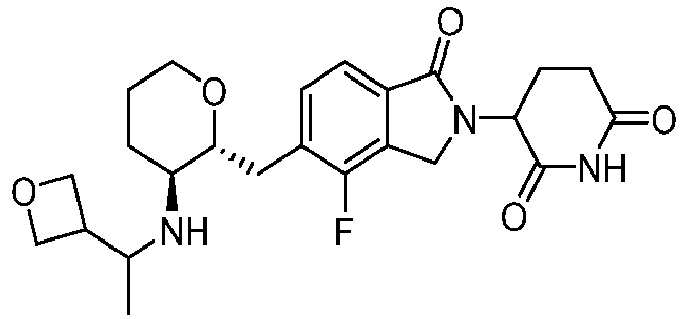
460.2 1H NMR (400 MHz, DMSO-d6) δ 11.01 (s, 1H), 8.35 (s, 1H), 8.05 (s, 1H), 7.66 - 7.55 (m, 1H), 7.51 (dt, J = 13.9, 7.5 Hz, 1H), 5.11 (dd, J = 13.3, 5.1 Hz, 1H), 4.74 - 4.51 (m, 3H), 4.51 - 4.32 (m, 3H), 3.77 (dt, J = 20.3, 9.0 Hz, 3H), 3.27 (q, J = 14.4, 13.3 Hz, 2H), 3.17 - 3.06 (m, 1H), 3.04 - 2.82 (m, 2H), 2.70 - 2.55 (m, 1H), 2.46 - 2.35 (m, 1H), 2.35 - 2.16 (m, 1H), 2.10 - 1.91 (m, 1H), 1.74 (d, J = 18.7 Hz, 2H), 1.61 (d, J = 8.4 Hz, 1H), 1.30 (d, J = 6.5 Hz, 1H), 1.27 - 1.15 (m, 2H). Step 1: 1-(oxetan-3-yl)ethanone -

- Step 1: Preparation of tert-butyl (4S)-5-amino-4-(5-(((2R,3S)-3-((5,5-difluoropentan-2-yl)amino)tetrahydro-2H-pyran-2-yl)methyl)-4-fluoro-1-oxoisoindolin-2-yl)-5-oxopentanoate. A vial was charged with tert-butyl (S)-5-amino-4-(5-(((2R,3S)-3-aminotetrahydro-2H-pyran-2-yl)methyl)-4-fluoro-1-oxoisoindolin-2-yl)-5-oxopentanoate (I-41) (150 mg, 0.334 mmol), 5,5-difluoropentan-2-one (122 mg, 1.00 mmol), sodium cyanoborohydride (62.9 mg, 1.00 mmol), MeOH (1.50 mL), and acetic acid (0.0191 mL, 0.334 mmol) and the reaction mixture was stirred at r.t. for 4 h. Following this time, the mixture was concentrated in vacuo and purified directly by column chromatography (eluent: MeOH/DCM gradient) to afford tert-butyl (4S)-5-amino-4-(5-(((2R,3S)-3-(((rac)-5,5-difluoropentan-2-yl)amino)tetrahydro-2H-pyran-2-yl)methyl)-4-fluoro-1-oxoisoindolin-2-yl)-5-oxopentanoate as an oil. The oil was triturated with hexanes, followed by CH2Cl2, to generate tert-butyl (4S)-5-amino-4-(5-(((2R,3S)-3 -((5,5 -difluoropentan-2-yl)amino)tetrahydro-2H-pyran-2-yl)methyl)-4-fluoro-1 -oxoi soindolin-2-yl)-5-oxopentanoate as a solid. ES/MS: 556.3 (M+H+).
- S tep 2: Preparation of 3-(5-(((2R,3S)-3-((5,5-difluoropentan-2-yl)amino)tetrahydro-2H-pyran-2-yl)methyl)-4-fluoro-1-oxoisoindolin-2-yl)piperidine-2,6-dione (Example 320). A vial was charged with tert-butyl (4S)-5-amino-4-(5-(((2R,3S)-3-((5,5-difluoropentan-2-yl)amino)tetrahydro-2H-pyran-2-yl)methyl)-4-fluoro-1-oxoisoindolin-2-yl)-5-oxopentanoate (50 mg, 0.0900 mmol), MeCN (1.50 mL) and benzenesulfonic acid (42.7 mg, 0.270 mmol). The reaction was heated to 130 °C under microwave irradiation for 30 min. Following this time, the reaction was concentrated in vacuo and the residue was then taken up in DMSO and purified directly by RP-HPLC (eluent: MeCN/water gradient with 0.1% TFA) to yield the product (Example 320) as the trifluoroacetate salt. ES/MS: 482.3 (M+H+). 1H NMR (400 MHz, DMSO-d 6) δ 11.01 (s, 1H), 8.81 - 8.57 (m, 1H), 8.38 (d, J = 10.2 Hz, 1H), 7.57 (d, J = 7.6 Hz, 1H), 7.52 (q, J = 7.3 Hz, 1H), 6.15 (tq, J = 56.8, 4.0 Hz, 1H), 5.11 (dd, J = 13.3, 5.1 Hz, 1H), 4.60 - 4.51 (m, 1H), 4.38 (d, J = 17.3 Hz, 1H), 3.77 (dq, J = 10.4, 7.4, 5.1 Hz, 2H), 3.43 (d, J = 10.3 Hz, 1H), 3.33 - 3.13 (m, 3H), 3.08 - 2.85 (m, 2H), 2.61 (dt, J = 17.4, 3.1 Hz, 1H), 2.43 (tt, J = 13.2, 6.7 Hz, 1H), 2.21 (dt, J = 8.2, 4.5 Hz, 1H), 2.06 - 1.83 (m, 4H), 1.77 - 1.51 (m, 4H), 1.29 (dd, J = 16.3, 6.4 Hz, 3H).
- The following Examples were made using the general route described in Procedure 32 and are shown below in Table 21. To prepare the below Examples, different reagents/starting materials were used than some of those described in Procedure 32 and are noted in the last column of Table 21 - "Changes to Procedure 32: Different Reagents/Starting Materials". A person of ordinary skill in the art will readily recognize which reagents/starting materials of Procedure 32 were replaced with the different reagents/starting materials noted below.
Table 21 Example Structure ES/MS m/z 1H-NMR Changes to Procedure 32: Different Reagents/ Starting Materials 321 
514.3 1H NMR (400 MHz, DMSO-d6) δ 11.01 (s, 1H), 8.61 (d, J = 51.2 Hz, 1H), 8.30 (s, 1H), 7.57 (d, J = 7.7 Hz, 1H), 7.52 (q, J = 7.2, 6.1 Hz, 1H), 5.11 (dd, J = 13.3, 5.1 Hz, 1H), 4.56 (dd, J = 17.3, 5.5 Hz, 1H), 4.38 (dd, J = 17.4, 3.7 Hz, 1H), 3.77 (td, J = 7.3, 3.7 Hz, 2H), 3.42 (s, 1H), 3.36 - 3.16 (m, 3H), 3.06 - 2.83 (m, 2H), 2.66 - 2.57 (m, 1H), 2.48 - 2.39 (m, 1H), 2.38 - 2.26 (m, 2H), 2.22 (d, J = 10.5 Hz, 1H), 2.01 (dtd, J = 12.8, 5.5, 2.2 Hz, 1H), 1.92 - 1.78 (m, 1H), 1.77 - 1.67 (m, 1H), 1.60 (ddd, J = 23.1, 13.3, 9.3 Hz, 5H), 1.31 (d, J = 6.4 Hz, 1H), 1.26 (d, J = 6.4 Hz, 2H). Step 1: 6,6,6-trifluorohexan-2-one -

- Step 1: 3-(5-(((1R,2S)-2-((2-methylbut-3-yn-2-yl)amino)cyclohexyl)methyl)-1-oxoisoindolin-2-yl)piperidine-2,6-dione. Example 1 (87.0 mg, 0.245 mmol), 3-bromo-3-methyl-but-1-yne (54.0 mg, 0.367 mmol), copper (1) iodide (4.66 mg, 0.0245 mmol) and triethylamine (37.2 mg, 0.367 mmol) were taken up in MeCN (2 mL) and the resulting mixture was stirred at r.t. for 1 h. Following this time, the mixture was concentrated in vacuo and the resulting residue was purified directly by SiO2 column chromatography (eluent: CH2Cl2/MeOH) to afford the title product.
- Step 2: 3-(1-oxo-5-(((1R,2S)-2-(tert-pentylamino)cyclohexyl)methyl)isoindolin-2-yl)piperidine-2,6-dione (Example 322) 3-(5-(((1R,2S)-2-((2-methylbut-3-yn-2-yl)amino) cyclohexyl)methyl)-1-oxoisoindolin-2-yl)piperidine-2,6-dione (53 mg, 0.126 mmol) and palladium on charcoal (53 mg, 10%) were combined in a 1:1 EtOAc/EtOH (10 mL) in a Parr shaker flask. The flask was pressurized with 50 psi of hydrogen gas and allowed to shake for 4 h. Following this time, the reaction mixture was filtered to remove solids, concentrated in vacuo, and purified by RP-HPLC (eluent: MeCN/water gradient with 0.1% TFA:) to afford 3-(1-oxo-5-(((1R,2S)-2-(tert-pentylamino)cyclohexyl)methyl)isoindolin-2-yl)piperidine-2,6-dione (Example 322) as the trifluoroacetate salt. ES/MS: 426.3 (M+H+) 1H NMR (400 MHz, DMSO-d6) δ 10.99 (s, 1H), 8.01 (d, J = 13.6 Hz, 1H), 7.77 (d, J = 13.6 Hz, 1H), 7.69 (d, J = 7.8 Hz, 1H), 7.48 (s, 1H), 7.38 (d, J = 7.8 Hz, 1H), 5.11 (dd, J = 13.2, 5.1 Hz, 1H), 4.51 - 4.25 (m, 2H), 3.28 (dd, J = 12.9, 4.0 Hz, 2H), 2.92 (ddd, J = 17.2, 13.6, 5.4 Hz, 1H), 2.67 - 2.55 (m, 1H), 2.40 (ttd, J = 13.0, 9.9, 8.8, 4.5 Hz, 2H), 2.00 (dtd, J = 12.2, 7.2, 5.9, 3.4 Hz, 2H), 1.77 (d, J = 28.5 Hz, 1H), 1.73 - 1.57 (m, 3H), 1.57 - 1.34 (m, 2H), 1.29 (s, 6H), 1.12 (t, J = 9.0 Hz, 2H), 0.90 (t, J = 7.4 Hz, 3H).
-

- Step 1: Preparation of tert-butyl (S)-5-amino-4-(5-(((1R,2S)-2-((4-(difluoromethoxy)cyclohexyl)amino)cyclohexyl)methyl)-1-oxoisoindolin-2-yl)-5-oxopentanoate. To a solution of 1-13 (120 mg, 0.279 mmol) in methanol (3 mL) was added 4-(difluoromethoxy)cyclohexan-1-one (186 mg, 1.13 mmol), followed by a few drops of acetic acid. The reaction mixture was heated to 50 °C for 15 min and then sodium cyanoborohydride (48 mg, 0.764 mmol) was added in a single portion. The reaction mixture was stirred at r.t. for 35 min and them concentrated in vacuo. The residue was purified by SiO2 column chromatography to give the title product a single major stereoisomer. ES/MS: 578.2 (M+H+).
- Step 2: Preparation of (S)-5-amino-4-(5-(((1R,2S)-2-((4-(difluoromethoxy)cyclohexyl)amino)cyclohexyl)methyl)-1-oxoisoindolin-2-yl)-5-oxopentanoic acid. tert-Butyl (S)-5-amino-4-(5-(((1R,2S)-2-((4-(difluoromethoxy)cyclohexyl) amino)cyclohexyl)methyl)-1-oxoisoindolin-2-yl)-5-oxopentanoate (29 mg, 0.053 mmol) was taken up in dichloromethane (2 mL) and trifluoroacetic acid (200 µL, 2.61 mmol) was added. The reaction mixture was stirred at room temperature for 30 min and concentrated to give crude (S)-5-amino-4-(5-(((1R,2S)-2-((4-(difluoromethoxy)cyclohexyl)amino)cyclohexyl)methyl)-1-oxoisoindolin-2-yl)-5-oxopentanoic acid which was used in the subsequent transformation without additional purification. ES/MS: 522.2 (M+H+).
- Step 3: Preparation of 3-(5-(((1R,2S)-2-((4-(difluoromethoxy)cyclohexyl) amino)cyclohexyl)methyl)-1-oxoisoindolin-2-yl)piperidine-2,6-dione (Example 323). (S)-5-Amino-4-(5-(((1R,2S)-2-((4-(difluoromethoxy)cyclohexyl)amino)cyclohexyl) methyl)-1-oxoisoindolin-2-yl)-5-oxopentanoic acid (20 mg, 0.038 mmol) was taken up in acetonitrile (2 mL) and triethylamine (10 µL, 0.072 mmol) was added followed by 1,1'-carbonyldiimidazole (25 mg, 0.154 mmol). The reaction mixture was heated to 60 °C for 90 min. After cooling to room temperature, the reaction mixture was concentrated in vacuo and the residue was purified by RP-HPLC (eluent: MeCN/water gradient with 0.1% TFA) to give 3-(5-(((1R,2S)-2-((4-(difluoromethoxy)cyclohexyl)amino)cyclohexyl)methyl)-1-oxoisoindolin-2-yl)piperidine-2,6-dione (Example 323) as the trifluoroacetate salt. ES/MS: 504.4 (M+H+). 1H NMR (400 MHz, Methanol-d4) δ 7.79 (d, J = 7.8 Hz, 1H), 7.52 - 7.36 (m, 2H), 6.44 (t, J = 75.5 Hz, 1H), 5.17 (dd, J = 13.3, 5.2 Hz, 1H), 4.58 - 4.42 (m, 2H), 4.12 (dt, J = 10.6, 5.2 Hz, 1H), 3.23 - 3.10 (m, 2H), 2.98 - 2.86 (m, 1H), 2.81 (ddd, J = 17.6, 4.7, 2.4 Hz, 1H), 2.60 - 2.45 (m, 2H), 2.30 - 2.07 (m, 6H), 2.01 - 1.78 (m, 2H), 1.74 - 1.43 (m, 8H), 1.19 (q, J = 12.6, 11.7 Hz, 2H).
-
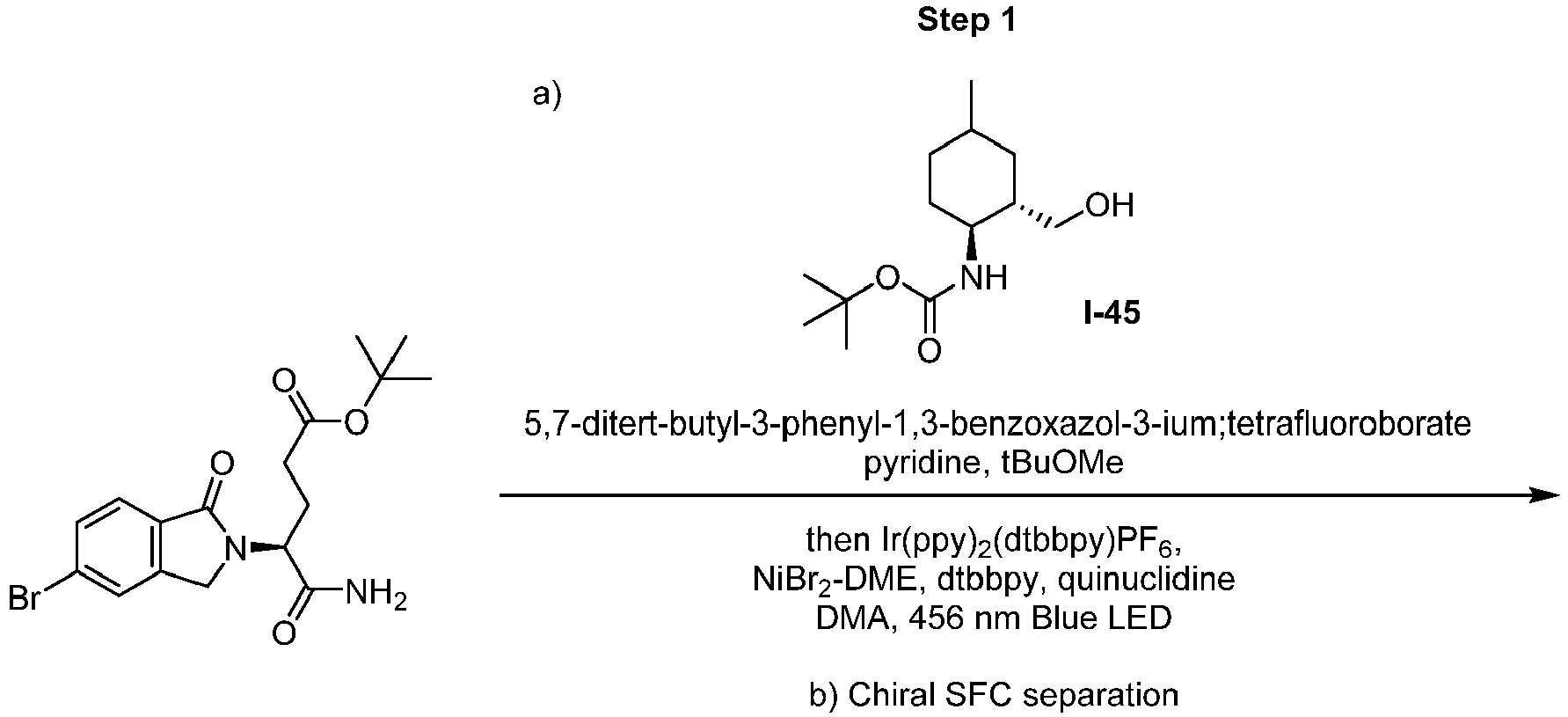

- Step 1: Preparation of tert-butyl (4S)-5-amino-4-(5-(((1R,2S)-2-((tert-butoxycarbonyl)amino)-5-methylcyclohexyl)methyl)-1-oxoisoindolin-2-yl)-5-oxopentanoate (Isomer 1) and tert-butyl (4S)-5-amino-4-(5-(((1R,2S)-2-((tert-butoxycarbonyl)amino)-5-methylcyclohexyl)methyl)-1-oxoisoindolin-2-yl)-5-oxopentanoate (Isomer 2). A vial was charged tert-butyl (S)-5-amino-4-(5-bromo-1-oxoisoindolin-2-yl)-5-oxopentanoate ([prepared according to the procedure described in
WO2021/101919 ] 240 mg, 0.604 mmol), [Ir(dtbbpy)(ppy)2]PF6 (8.3 mg, 9.06 µmol), NiBr2-DME (9.3 mg, 30.2 µmol), 4,4'-di-tert-butyl-2,2'-dipyridyl (9.7 mg, 36.2 µmol), and quinuclidine (118 mg, 1.06 mmol). The headspace was purged while in a second vial, tert-butyl ((1S,2S)-2-(hydroxymethyl)-4-methylcyclohexyl)carbamate (I-45) (206 mg, 0.846 mmol), 5,7-ditert-butyl-3-phenyl-1,3-benzoxazol-3-ium;tetrafluoroborate (382 mg, 0.967 mmol) and pyridine (0.0782 mL, 0.967 mmol) were combined in MTBE (6.04 mL). This mixture was stirred for 10 minutes. DMA (6.04 mL) was added to the first vial and the activated alcohol suspension was then transferred to a syringe fitted with a syringe filter and needle. The suspension was filtered into the solution of aryl bromide and the mixture sparged with nitrogen for 5 min. The reaction was then stirred under irradiation by blue light irradiation (Kessil Lamp/450 nm Blue LED combined with a small fan to increase air circulation) for 91 h. Following this time, the reaction was quenched by addition of sat. aqueous NaHCO3 and diluted with water and EtOAc. The reaction was transferred to a separatory funnel and the layers were separated. The aqueous layer was back-extracted with EtOAc (2x) and the combined organics were then washed with water and brine and concentrated in vacuo. The residue was purified directly by column chromatography (eluent: EtOAc/hexanes gradient) to afford a solid. The solid was further purified by chiral SFC chromatography (column: AD-H 4.6x100 mm 5 µm, co-solvent: 20% EtOH) to afford tert-butyl (4S)-5-amino-4-(5-(((1R,2S)-2-((tert-butoxycarbonyl)amino)-5-methylcyclohexyl)methyl)-1-oxoisoindolin-2-yl)-5-oxopentanoate (Isomer 1) and tert-butyl (4S)-5-amino-4-(5-(((1R,2S)-2-((tert-butoxycarbonyl) amino)-5-methylcyclohexyl)methyl)-1-oxoisoindolin-2-yl)-5-oxopentanoate (Isomer 2). ES/MS: 544.3 (M+H+, Isomer 1) and 544.3 (M+H+, Isomer 2). - Step 2a: Preparation of 3-(5-(((1R,2S)-2-amino-5-methylcyclohexyl)methyl)-1-oxoisoindolin-2-yl)piperidine-2,6-dione (Isomer 1). A vial was charged with tert-butyl (4S)-5-amino-4-(5-(((1R,2S)-2-((tert-butoxycarbonyl)amino)-5-methylcyclohexyl)methyl)-1-oxoisoindolin-2-yl)-5-oxopentanoate (
Isomer 1, 78 mg, 0.143 mmol), MeCN (2.35 mL), and benzenesulfonic acid (68.1 mg, 0.430 mmol). The reaction was heated to 130 °C under microwave irradiation for 30 min. Following this time, the reaction was concentrated in vacuo to yield 3-(5-(((1R,2S)-2-amino-5-methylcyclohexyl)methyl)-1-oxoisoindolin-2-yl)piperidine-2,6-dione (Isomer 1) which was used in the subsequent reaction without further purification. ES/MS: 370.2 (M+H+) - Step 2b: Preparation of 3-(5-(((1R,2S)-2-amino-5-methylcyclohexyl)methyl)-1-oxoisoindolin-2-yl)piperidine-2,6-dione (Isomer 2). A vial was charged with tert-butyl (4S)-5-amino-4-(5-(((1R,2S)-2-((tert-butoxycarbonyl)amino)-5-methylcyclohexyl)methyl)-1-oxoisoindolin-2-yl)-5-oxopentanoate (
Isomer 2, 38.7 mg, 0.0712 mmol), MeCN (1.16 mL), and benzenesulfonic acid (33.8 mg, 0.214 mmol). The reaction was heated to 130 °C under microwave irradiation for 30 min. Following this time, the reaction was concentrated in vacuo to yield 3-(5-(((1R,2S)-2-amino-5-methylcyclohexyl)methyl)-1-oxoisoindolin-2-yl)piperidine-2,6-dione (Isomer 2) which was used in the subsequent reaction without further purification. ES/MS: 370.2 (M+H+). - Step 3a: Preparation of 3-(5-(((1R,2S)-2-((4,4-difluorocyclohexyl)amino)-5-methylcyclohexyl)methyl)-1-oxoisoindolin-2-yl)piperidine-2,6-dione (Example 324). A vial was charged with 3-(5-(((1R,2S)-2-amino-5-methylcyclohexyl)methyl)-1-oxoisoindolin-2-yl)piperidine-2,6-dione (
Isomer 1, 53 mg, 0.143 mmol), 4,4-difluorocyclohexan-1-one (192 mg, 1.43 mmol), sodium cyanoborohydride (27 mg, 0.430 mmol), MeOH (0.53 mL), and acetic acid (8.2 µL, 0.143 mmol). The reaction was heated to 50 °C and stirred for 1.5 h. Following this time, the mixture was concentrated in vacuo and the residue was taken up in DMSO and purified directly by RP-HPLC (eluent: MeCN/water gradient with 0.1% TFA) to yield the product (Example 324) as the trifluoroacetate salt. ES/MS: 488.4 (M+H+). 1H NMR (400 MHz, DMSO-d 6) δ 11.00 (s, 1H), 8.62 (s, 1H), 8.14 (s, 1H), 7.70 (d, J = 7.8 Hz, 1H), 7.43 (s, 1H), 7.35 (d, J = 7.8 Hz, 1H), 5.11 (dd, J = 13.3, 5.1 Hz, 1H), 4.46 (dd, J = 17.3, 7.1 Hz, 1H), 4.32 (dd, J = 17.3, 8.4 Hz, 1H), 3.06 (s, 1H), 2.92 (ddd, J = 18.0, 13.6, 5.4 Hz, 1H), 2.66 - 2.56 (m, 1H), 2.46 - 2.36 (m, 1H), 2.34 (s, 1H), 2.12 (ddd, J = 16.7, 11.2, 5.2 Hz, 5H), 2.07 - 1.88 (m, 6H), 1.88 - 1.75 (m, 1H), 1.75 - 1.60 (m, 2H), 1.47 - 1.35 (m, 2H), 1.29 - 1.16 (m, 1H), 1.00 (qd, J = 13.0, 3.2 Hz, 1H), 0.76 (d, J = 6.4 Hz, 3H), 0.69 (d, J = 12.1 Hz, 1H). - Step 3b: 3-(5-(((1R,2S)-2-((4,4-difluorocyclohexyl)amino)-5-methylcyclohexyl) methyl)-1-oxoisoindolin-2-yl)piperidine-2,6-dione (Example 325). A vial was charged with 3-(5-(((1R,2S)-2-amino-5-methylcyclohexyl)methyl)-1-oxoisoindolin-2-yl)piperidine-2,6-dione (
Isomer 2, 26.3 mg, 0.0712 mmol), 4,4-difluorocyclohexan-1- one (95.5 mg, 0.712 mmol), sodium cyanoborohydride (13.4 mg, 0.214 mmol), MeOH (0.26 mL), and acetic acid (4.1 µL, 71.2 µmol). The reaction was heated to 50 °C and stirred for 1.5 h, adding additional 4,4-difluorocyclohexan-1-one as needed to reach full conversion. Upon completion, the mixture was concentrated in vacuo and the residue was taken up in DMSO and purified directly by RP-HPLC (eluent: MeCN/water gradient with 0.1% TFA) to yield the product (Example 325) as the trifluoroacetate salt. ES/MS: 488.4 (M+H+) 1H NMR (400 MHz, DMSO-d 6) δ 10.99 (s, 1H), 8.43 - 8.29 (m, 1H), 8.28 - 8.11 (m, 1H), 7.69 (d, J = 7.8 Hz, 1H), 7.47 (d, J = 3.4 Hz, 1H), 7.38 (d, J = 7.9 Hz, 1H), 5.11 (dd, J = 13.3, 5.1 Hz, 1H), 4.44 (d, J = 17.3 Hz, 1H), 4.31 (d, J = 17.3 Hz, 1H), 3.24 - 3.10 (m, 1H), 3.03 (dd, J = 13.5, 6.1 Hz, 1H), 2.92 (ddd, J = 18.0, 13.6, 5.4 Hz, 1H), 2.72 (dd, J = 13.4, 9.2 Hz, 1H), 2.67 - 2.56 (m, 1H), 2.39 (ddd, J = 23.6, 11.9, 7.2 Hz, 1H), 2.25 - 2.16 (m, 1H), 2.14 - 2.04 (m, 3H), 2.03 - 1.96 (m, 5H), 1.96 - 1.84 (m, 2H), 1.82 - 1.66 (m, 1H), 1.56 (pd, J = 9.7, 6.7, 4.3 Hz, 3H), 1.33 (ddtd, J = 26.0, 16.2, 12.0, 10.7, 6.1 Hz, 3H), 0.84 (d, J = 6.6 Hz, 3H). -

- Step 1: Preparation of tert-butyl (S)-5-amino-4-(5-(((2R,3S)-3-((4-(difluoromethoxy)cyclohexyl)amino)tetrahydro-2H-pyran-2-yl)methyl)-4-fluoro-1-oxoisoindolin-2-yl)-5-oxopentanoate (Isomer 1) and tert-butyl (S)-5-amino-4-(5-(((2R,3S)-3-((4-(difluoromethoxy)cyclohexyl)amino)tetrahydro-2H-pyran-2-yl)methyl)-4-fluoro-1-oxoisoindolin-2-yl)-5-oxopentanoate (Isomer 2) I-41 (150 mg, 0.334 mmol) was taken up in in methanol (3 mL) and 4-(difluoromethoxy)cyclohexan-1-one (230 mg, 1.40 mmol) was added followed by a few drops of acetic acid. The reaction mixture was heated to 50 °C for 15 min. After cooling to room temperature, sodium cyanoborohydride (57 mg, 0.907 mmol) was added. The reaction mixture was stirred at r.t. for 20 minutes then concentrated in vacuo and the residue was purified directly by SiO2 column chromatography (eluent: CH2Cl2/MeOH). The mixture of isomers was submitted to chiral SFC separation (column: IG 4.6 × 100 mm, 5 µm, co-solvent: 40% MeOH) to give tert-butyl (S)-5-amino-4-(5-(((2R,3S)-3-((4-(difluoromethoxy)cyclohexyl)amino)tetrahydro-2H-pyran-2-yl)methyl)-4-fluoro-1-oxoisoindolin-2-yl)-5-oxopentanoate (Isomer 1) and tert-butyl (S)-5-amino-4-(5-(((2R,3S)-3-((4-(difluoromethoxy)cyclohexyl)amino)tetrahydro-2H-pyran-2-yl)methyl)-4-fluoro-1-oxoisoindolin-2-yl)-5-oxopentanoate (Isomer 2). ES/MS: 598.2 (M+H+) for both isomers.
- Step 2a and 2b: Preparation of (S)-5-amino-4-(5-(((2R,3S)-3-((4-(difluoromethoxy)cyclohexyl)amino)tetrahydro-2H-pyran-2-yl)methyl)-4-fluoro-1-oxoisoindolin-2-yl)-5-oxopentanoic acid (Isomer 1) and S)-5-amino-4-(5-(((2R,3S)-3-((4-(difluoromethoxy)cyclohexyl)amino)tetrahydro-2H-pyran-2-yl)methyl)-4-fluoro-1-oxoisoindolin-2-yl)-5-oxopentanoic acid (Isomer 1). The title compounds were prepared in the same manner as Example 323,
step 2. ES/MS: 542.1 (M+H+) for both isomers. - S tep 3a and 3b: Preparation of 3-(5-(((2R,3S)-3-((4-(difluoromethoxy)cyclohexyl)amino)tetrahydro-2H-pyran-2-yl)methyl)-4-fluoro-1-oxoisoindolin-2-yl)piperidine-2,6-dione (Example 326) and 3-(5-(((2R,3S)-3-((4-(difluoromethoxy)cyclohexyl)amino)tetrahydro-2H-pyran-2-yl)methyl)-4-fluoro-1-oxoisoindolin-2-yl)piperidine-2,6-dione (Example 327) The title compounds were prepared in the same manner as Example 323,
step 3. Example 326: ES/MS: 524.2 (M+H+). 1H NMR (400 MHz, Methanol-d 4) δ 7.62 (d, J = 7.8 Hz, 1H), 7.55 (dd, J = 7.8, 6.2 Hz, 1H), 6.47 (t, J = 75.9 Hz, 1H), 5.17 (dd, J = 13.3, 5.1 Hz, 1H), 4.66 - 4.50 (m, 2H), 4.45 (t, J = 2.8 Hz, 1H), 3.96 - 3.81 (m, 2H), 3.48 - 3.36 (m, 3H), 3.15 (dd, J = 14.4, 9.7 Hz, 1H), 2.98 - 2.88 (m, 1H), 2.81 (ddd, J = 17.6, 4.7, 2.4 Hz, 1H), 2.55 (td, J = 13.2, 4.8 Hz, 1H), 2.39 (d, J = 12.6 Hz, 1H), 2.21 (ddq, J = 10.5, 5.3, 2.7 Hz, 1H), 2.07 (dd, J = 27.6, 13.0 Hz, 3H), 1.94 (td, J = 10.8, 9.9, 3.5 Hz, 2H), 1.90 - 1.67 (m, 6H). Example 327: ES/MS: 524.2 (M+H+). 1H NMR (400 MHz, Methanol-d4) δ 7.62 (d, J = 7.7 Hz, 1H), 7.58 - 7.51 (m, 1H), 6.44 (t, J = 75.5 Hz, 2H), 5.17 (dd, J = 13.3, 5.1 Hz, 1H), 4.66 - 4.50 (m, 2H), 4.12 (p, J = 6.1 Hz, 1H), 3.97 - 3.80 (m, 2H), 3.51 - 3.37 (m, 2H), 3.27 (dd, J = 14.2, 3.6 Hz, 1H), 3.19 - 3.11 (m, 1H), 2.96 - 2.86 (m, 1H), 2.81 (ddd, J = 17.6, 4.7, 2.4 Hz, 1H), 2.55 (td, J = 13.2, 4.7 Hz, 1H), 2.37 (s, 1H), 2.30 - 2.15 (m, 4H), 1.90 - 1.71 (m, 3H), 1.70 - 1.47 (m, 4H). -

- (S)-3-(5-(((1R,2S)-2-((4,4-difluorocyclohexyl)amino)cyclohexyl)methyl)-1-oxoisoindolin-2-yl)piperidine-2,6-dione (Example 328) and (R)-3-(5-(((1R,2S)-2-((4,4-difluorocyclohexyl)amino)cyclohexyl)methyl)-1-oxoisoindolin-2-yl)piperidine-2,6-dione (Example 329). Example 46 (56.2 mg, 79.2 µmol) was subjected to chiral SFC (Column: CCO-F2 250 mm × 21 mm, 5 µm, eluent: 25% MeOH) to afford two peaks. Fractions corresponding to the first peak were concentrated in vacuo to afford the product assigned as (S)-3-(5-(((1R,2S)-2-((4,4-difluorocyclohexyl)amino)cyclohexyl)methyl)-1-oxoisoindolin-2-yl)piperidine-2,6-dione (Example 328). Fractions corresponding to the second peak were concentrated in vacuo to afford the product assigned as (R)-3-(5-(((1R,2S)-2-((4,4-difluorocyclohexyl) amino)cyclohexyl)methyl)-1-oxoisoindolin-2-yl)piperidine-2,6-dione (Example 329). Example 328: ES/MS: 474.2 (M+H+). 1H NMR (400 MHz, DMSO-d6) δ 10.98 (s, 1H), 7.63 (d, J = 7.8 Hz, 1H), 7.39 (s, 1H), 7.31 (dd, J = 7.8, 1.3 Hz, 1H), 5.11 (dd, J = 13.3, 5.1 Hz, 1H), 4.42 (d, J = 17.2 Hz, 1H), 4.30 (d, J = 17.2 Hz, 1H), 3.55 - 3.44 (m, 1H), 2.99 - 2.78 (m, 2H), 2.60 (ddd, J = 17.3, 4.5, 2.4 Hz, 1H), 2.39 (qd, J = 13.3, 4.5 Hz, 1H), 2.23 (dd, J = 13.1, 10.0 Hz, 1H), 2.17 - 1.94 (m, 5H), 1.94 - 1.71 (m, 4H), 1.66 (d, J = 12.4 Hz, 1H), 1.60 - 1.28 (m, 5H), 1.28 - 1.09 (m, 1H), 1.09 - 0.84 (m, 3H). Example 329: ES/MS: 474.2 (M+H+). 1H NMR (400 MHz, DMSO-d6) δ 10.98 (s, 1H), 7.62 (d, J = 7.7 Hz, 1H), 7.39 (s, 1H), 7.31 (d, J = 7.8 Hz, 1H), 5.10 (dd, J = 13.3, 5.1 Hz, 1H), 4.43 (d, J = 17.2 Hz, 1H), 4.36 - 4.19 (m, 1H), 3.50 (d, J = 11.8 Hz, 1H), 3.05 - 2.72 (m, 2H), 2.71 - 2.56 (m, 1H), 2.46 - 2.27 (m, 1H), 2.27 - 1.94 (m, 5H), 1.77 (d, J = 11.5 Hz, 4H), 1.66 (d, J = 12.5 Hz, 1H), 1.60 - 1.27 (m, 5H), 1.27 - 1.09 (m, 2H), 0.96 (dp, J = 24.5, 12.8, 11.4 Hz, 3H).
- The following Examples were made using the general route described in Procedure 37 and are shown below in Table 22. To prepare the below Examples, different reagents/starting materials were used than some of those described in Procedure 37 and are noted in the last column of Table 22 - "Changes to Procedure 37: Different Reagents/Starting Materials". A person of ordinary skill in the art will readily recognize which reagents/starting materials of Procedure 37 were replaced with the different reagents/starting materials noted below.
Table 22 Example Structure ES/MS m/z 1H-NMR Changes to Procedure 37: Different Reagents/ Starting Materials 330 
508.0 1H NMR (400 MHz, DMSO-d6) δ 11.02 (s, 1H), 8.68 (s, 1H), 8.32 (s, 1H), 7.62 - 7.42 (m, 2H), 5.90 (td, J = 56.6, 3.7 Hz, 1H), 5.12 (dd, J = 13.3, 5.1 Hz, 1H), 4.56 (d, J = 17.4 Hz, 1H), 4.39 (d, J = 17.4 Hz, 1H), 3.77 (ddt, J = 10.4, 7.4, 3.6 Hz, 2H), 3.32 - 3.13 (m, 4H), 3.12 - 2.82 (m, 2H), 2.78 - 2.56 (m, 1H), 2.49 - 2.29 (m, 1H), 2.30 - 2.07 (m, 3H), 2.02 (ddq, J = 10.3, 5.3, 3.1, 2.6 Hz, 1H), 1.94 - 1.15 (m, 10H). Example 283 Chiral SFC conditions: CCO-F2 5µm-21X250mm, co-solvent: MeOH (25%) [peak 1] 331 
508.0 1H NMR (400 MHz, DMSO-d6) δ 11.01 (s, 1H), 8.55 (s, 1H), 8.22 (s, 1H), 7.69 - 7.33 (m, 2H), 6.21 - 5.62 (m, 1H), 5.12 (dd, J = 13.3, 5.1 Hz, 1H), 4.56 (dd, J = 17.4, 5.2 Hz, 1H), 4.38 (d, J = 17.4 Hz, 1H), 3.78 (d, J = 11.0 Hz, 2H), 3.25 (d, J = 14.7 Hz, 5H), 3.10 - 2.78 (m, 2H), 2.78 - 2.55 (m, 1H), 2.46 - 2.30 (m, 1H), 2.30 - 1.94 (m, 4H), 1.94 - 1.06 (m, 8H). Example 283 Chiral SFC conditions: CCO-F2 5µm-21X250mm, co-solvent: MeOH (25%) [peak 2] 332 
494.0 1H NMR (400 MHz, DMSO-d6) δ 11.02 (s, 1H), 7.58 (d, J = 7.7 Hz, 1H), 7.52 (dd, J = 7.7, 6.2 Hz, 1H), 5.12 (dd, J = 13.3, 5.0 Hz, 1H), 4.56 (d, J = 17.4 Hz, 1H), 4.39 (d, J = 17.3 Hz, 1H), 3.78 (td, J = 11.6, 9.5, 6.1 Hz, 2H), 3.34 - 3.19 (m, 3H), 3.11 - 2.82 (m, 2H), 2.74 - 2.56 (m, 1H), 2.50 - 2.36 (m, 2H), 2.36 - 1.84 (m, 8H), 1.84 - 1.51 (m, 6H). Example 94 Chiral SFC conditions: CCO-F2 5µm-21X250mm, co-solvent: MeOH (30%) [peak 1] 333 
494.0 1H NMR (400 MHz, DMSO-d6) δ 11.01 (s, 1H), 8.80 (d, J = 14.0 Hz, 1H), 8.34 (s, 1H), 7.58 (d, J = 7.7 Hz, 1H), 7.55 - 7.43 (m, 1H), 5.12 (dd, J = 13.3, 5.1 Hz, 1H), 4.57 (d, J = 17.4 Hz, 1H), 4.38 (d, J = 17.3 Hz, 1H), 3.93 - 3.64 (m, 3H), 3.26 (d, J = 13.2 Hz, 3H), 3.09 - 2.82 (m, 2H), 2.71 - 2.58 (m, 1H), 2.50 - 2.34 (m, 1H), 2.34 - 1.86 (m, 7H), 1.85 - 1.44 (m, 6H). Example 94 Chiral SFC conditions: CCO-F2 5µm-21X250mm, co-solvent: MeOH (30%) [peak 2] 334 
492.0 1H NMR (400 MHz, DMSO-d6) δ 11.02 (s, 1H), 8.71 (s, 1H), 8.21 (s, 1H), 7.59 (d, J = 7.7 Hz, 1H), 7.49 (dd, J = 7.7, 6.3 Hz, 1H), 5.12 (dd, J = 13.3, 5.1 Hz, 1H), 4.56 (d, J = 17.4 Hz, 1H), 4.40 (d, J = 17.3 Hz, 1H), 3.34 - 3.02 (m, 1H), 2.93 (ddd, J = 17.2, 13.6, 5.4 Hz, 1H), 2.75 - 2.53 (m, 2H), 2.49 - 2.30 (m, 1H), 2.26 - 1.21 (m, 17H), 1.08 (q, J= 10.5, 9.4 Hz, 2H). Example 84 Chiral SFC conditions: CCO-F2 5µm-21X250mm, co-solvent: MeOH (25%) [peak 1] 335 
492.0 1H NMR (400 MHz, DMSO-d6) δ 11.02 (s, 1H), 7.60 (d, J = 7.6 Hz, 1H), 7.49 (t, J = 7.0 Hz, 1H), 5.12 (dd, J = 13.3, 5.1 Hz, 1H), 4.58 (d, J = 17.4 Hz, 1H), 4.39 (d, J = 17.4 Hz, 1H), 3.34 - 3.11 (m, 2H), 2.93 (ddd, J = 17.2, 13.6, 5.4 Hz, 1H), 2.73 - 2.52 (m, 2H), 2.46 - 2.27 (m, 1H), 2.27 - 1.20 (m, 17H), 1.18 - 0.89 (m, 2H). Example 84 Chiral SFC conditions: CCO-F2 5µm-21X250mm, co-solvent: MeOH (25%) [peak 2] 336 
438.1 1H NMR (400 MHz, Methanol-d4) δ 7.79 (d, J = 7.8 Hz, 1H), 7.47 (s, 1H), 7.45 - 7.39 (m, 1H), 5.18 (dd, J = 13.3, 5.1 Hz, 1H), 4.57 - 4.44 (m, 2H), 3.27 (d, J = 4.4 Hz, 2H), 3.19 (d, J = 9.7 Hz, 2H), 2.97 - 2.88 (m, 1H), 2.81 (ddd, J = 17.7, 4.8, 2.5 Hz, 1H), 2.60 - 2.47 (m, 2H), 2.27 - 2.14 (m, 3H), 2.08 (d, J = 11.4 Hz, 1H), 1.93 (d, J = 10.7 Hz, 3H), 1.85 (s, 1H), 1.77 (d, J = 12.9 Hz, 1H), 1.65 (d, J = 15.5 Hz, 2H), 1.55 - 1.39 (m, 5H), 1.31 - 1.14 (m, 3H). Example 53 Chiral SFC conditions: CCO-F2 5µm-21X250mm, co-solvent: MeOH (25%) [peak 1] 337 
438.0 1H NMR (400 MHz, Methanol-d4) δ 7.79 (d, J = 7.9 Hz, 1H), 7.47 (s, 1H), 7.44 - 7.39 (m, 1H), 5.18 (dd, J = 13.3, 5.2 Hz, 1H), 4.57 - 4.44 (m, 2H), 3.27 (d, J = 4.3 Hz, 2H), 3.20 (d, J = 8.5 Hz, 1H), 2.96 - 2.89 (m, 1H), 2.85 - 2.77 (m, 1H), 2.59 - 2.45 (m, 2H), 2.26 - 2.13 (m, 3H), 2.09 (d, J = 11.1 Hz, 1H), 1.93 (d, J = 11.1 Hz, 3H), 1.84 (d, J = 11.0 Hz, 1H), 1.77 (d, J = 13.1 Hz, 1H), 1.64 (d, J = 16.1 Hz, 2H), 1.52 - 1.39 (m, 4H), 1.31 - 1.13 (m, 3H). Example 53 Chiral SFC conditions: CCO-F2 5µm-21X250mm, co-solvent: MeOH (25%) [peak 2] 338 
458.0 1H NMR (400 MHz, Methanol-d4) δ 7.62 (d, J = 7.7 Hz, 1H), 7.60 - 7.52 (m, 1H), 5.18 (dd, J = 13.4, 5.1 Hz, 1H), 4.65 - 4.49 (m, 2H), 3.97 - 3.78 (m, 2H), 3.42 (dd, J = 10.0, 6.3 Hz, 1H), 3.26 (d, J = 3.6 Hz, 1H), 3.21 - 3.10 (m, 1H), 2.94 (ddd, J = 18.5, 13.5, 5.4 Hz, 1H), 2.81 (ddd, J = 17.7, 4.7, 2.4 Hz, 1H), 2.58 - 2.48 (m, 1H), 2.41 - 2.32 (m, 1H), 2.25 - 2.15 (m, 2H), 2.09 (d, J = 10.6 Hz, 1H), 1.93 (d, J = 10.8 Hz, 2H), 1.77 (q, J = 16.0, 11.1 Hz, 3H), 1.45 (dt, J = 26.0, 12.0 Hz, 3H), 1.27 (t, J = 13.8 Hz, 1H). Example 181 Chiral SFC conditions: CCO-F2 5µm-21X250mm, co-solvent: MeOH (25%) [peak 1] 339 
458.0 1H NMR (400 MHz, Methanol-d4) δ 7.62 (d, J = 7.8 Hz, 1H), 7.58 - 7.52 (m, 1H), 5.18 (dd, J = 13.4, 5.1 Hz, 1H), 4.58 (q, J = 17.2 Hz, 2H), 4.18 (ddd, J = 12.1, 9.0, 3.7 Hz, 1H), 3.97 - 3.81 (m, 2H), 3.55 (dt, J = 11.8, 2.8 Hz, 1H), 3.49 - 3.39 (m, 1H), 3.12 (d, J = 4.1 Hz, 1H), 2.95 - 2.87 (m, 1H), 2.84 - 2.75 (m, 1H), 2.52 (td, J = 13.2, 4.7 Hz, 1H), 2.36 (d, J = 3.9 Hz, 1H), 2.24 - 2.14 (m, 2H), 2.09 (d, J = 10.8 Hz, 2H), 1.89 (dd, J = 28.1, 13.5 Hz, 3H), 1.75 (q, J = 10.1, 9.2 Hz, 3H), 1.45 (dt, J = 25.8, 12.4 Hz, 4H), 1.33 - 1.20 (m, 2H). Example 181 Chiral SFC conditions: CCO-F2 5µm-21X250mm, co-solvent: MeOH (25%) [peak 2] - Example 328 can alternatively be prepared according to the procedure described below:

- Step 1: tert-butyl (S)-5-amino-4-(5-(((1R,2S)-2-((4,4-difluorocyclohexyl)amino)cyclohexyl)methyl)-1-oxoisoindolin-2-yl)-5-oxopentanoate 1-66 (250 mg, 0.582 mmol), 4,4-difluorocyclohexanone (234 mg, 1.75 mmol), and sodium triacetoxyborohydride (247 mg, 1.16 mmol) were taken up in DMF (2.9 mL) and acetic acid (0.33 mL, 5.82 mmol) was added. The reaction was stirred at r.t. for 2 hours. Following this time, the reaction mixture was slowly added to a flask containing 1:1 water/saturated aqueous NaHCO3. The resulting mixture was extracted with 4:1 CH2Cl2/iPrOH (2x). The combined organic extracts were dried over MgSO4, concentrated in vacuo, and purified by silica gel chromatography (eluent: CH2Cl2/MeOH) to afford tert-butyl (S)-5-amino-4-(5-(((1R,2S)-2-((4,4-difluorocyclohexyl)amino)cyclohexyl)methyl)-1-oxoisoindolin-2-yl)-5-oxopentanoate. (ES/MS m/z: 548.1 (M+H)+
- Step 2: (S)-3-(5-(((1R,2S)-2-((4,4-difluorocyclohexyl)amino)cyclohexyl)methyl)-1-oxoisoindolin-2-yl)piperidine-2,6-dione (Example 328) tert-butyl (S)-5-amino-4-(5-(((1R,2S)-2-((4,4-difluorocyclohexyl)amino)cyclohexyl)methyl)-1-oxoisoindolin-2-yl)-5-oxopentanoate (200 mg, 0.365 mmol) was taken up in MeCN (3.6 mL) and benzenesulfonic acid (86.6 mg, 0.548 mmol) was added. The reaction was then heated to 85 °C for 12 hours. Following this time, the mixture was cooled to r.t., diluted with 4:1 CH2Cl2/iPrOH, and washed with 1:1 water/saturated aqueous NaHCO3. The aqueous phase was extracted with additional 4:1 CH2Cl2/iPrOH (2x) and then the combined organic extracts were dried over MgSO4 and concentrated in vacuo. The material was purified by silica gel chromatography (eluent: CH2Cl2/MeOH) to afford Example 328. ES/MS: 474.2 (M+H+). 1H NMR (400 MHz, DMSO-d6) δ 11.00 (s, 1H), 8.53 (s, 1H), 8.14 (s, 1H), 7.71 (d, J = 7.8 Hz, 1H), 7.45 (s, 1H), 7.37 (dd, J = 7.7, 1.3 Hz, 1H), 5.12 (dd, J = 13.3, 5.1 Hz, 1H), 4.45 (d, J = 17.3 Hz, 1H), 4.33 (d, J = 17.3 Hz, 1H), 3.28 (dd, J = 13.2, 3.4 Hz, 1H), 3.11 (s, 1H), 2.93 (ddd, J = 17.3, 13.6, 5.4 Hz, 1H), 2.75 - 2.55 (m, 1H), 2.45 - 2.25 (m, 2H), 2.25 - 1.20 (m, 9H), 1.04 (dt, J = 11.4, 5.3 Hz, 2H).
- The following Examples were made using the general routes described in
Procedures Table 23 Example Structure ES/MS m/z: 1H NMR Procedure Changes to Procedure: Different Reagents/ Starting Materials 340 
488.0 1H NMR (400 MHz, Methanol-d4) δ 7.81 (dd, J = 7.9, 2.3 Hz, 1H), 7.56 - 7.42 (m, 2H), 5.18 (dt, J = 13.4, 5.3 Hz, 1H), 4.58 - 4.42 (m, 2H), 3.24 (d, J = 11.0 Hz, 1H), 3.12 - 3.03 (m, 1H), 2.96 - 2.75 (m, 3H), 2.58 - 2.45 (m, 1H), 2.28 - 2.06 (m, 6H), 2.03 - 1.82 (m, 5H), 1.66 (ddd, J = 56.9, 23.0, 12.6 Hz, 9H). 3 1-47; 4,4-difluorocyclohexanone 341 
492.4 1H NMR (400 MHz, DMSO-d6) δ 10.99 (s, 1H), 8.79 - 8.65 (m, 1H), 8.36 - 8.21 (m, 1H), 7.71 (d, J = 7.8 Hz, 1H), 7.45 (s, 1H), 7.37 (d, J = 7.8 Hz, 1H), 5.12 (ddd, J = 13.2, 5.2, 1.7 Hz, 1H), 4.84 - 4.51 (m, 2H), 4.51 - 4.39 (m, 2H), 4.39 - 4.27 (m, 1H), 3.73 - 3.64 (m, 2H), 3.52 - 3.39 (m, 2H), 3.36 - 3.26 (m, 1H), 3.25 - 3.13 (m, 1H), 2.92 (ddd, J = 18.1, 13.7, 5.4 Hz, 1H), 2.65 - 2.55 (m, 1H), 2.47 - 1.45 (m, 12H), 1.32 (p, J = 10.8 Hz, 1H). 3 1-51; 4,4-difluorocyclohexanone 342 
456.4 1H NMR (400 MHz, DMSO-d6) δ 10.99 (s, 1H), 8.43 - 8.33 (m, 1H), 8.11 - 8.00 (m, 1H), 7.71 (d, J = 7.8 Hz, 1H), 7.46 (s, 1H), 7.37 (d, J = 7.7 Hz, 1H), 5.12 (dd, J = 13.3, 5.1 Hz, 1H), 4.60 - 4.39 (m, 2H), 4.33 (dd, J = 17.3, 10.7 Hz, 1H), 3.33 - 3.24 (m, 1H), 3.24 - 3.11 (m, 2H), 2.92 (ddd, J = 17.9, 13.6, 5.4 Hz, 1H), 2.65 - 2.56 (m, 1H), 2.46 - 2.31 (m, 2H), 2.20 - 1.90 (m, 6H), 1.84 - 1.22 (m, 11H), 1.18 - 1.05 (m, 1H). 3 I-51; cyclohexanone 343 
490.0 1H NMR (400 MHz, DMSO-d6) δ 11.00 (s, 1H), 8.58 (s, 1H), 8.19 (s, 1H), 7.70 (d, J = 7.8 Hz, 1H), 7.44 (s, 1H), 7.36 (dd, J = 7.8, 1.3 Hz, 1H), 5.12 (dd, J = 13.3, 5.1 Hz, 1H), 4.96 (s, 1H), 4.46 (dd, J = 17.5, 2.6 Hz, 1H), 4.32 (dd, J = 17.4, 2.3 Hz, 1H), 3.70 (td, J = 7.1, 3.7 Hz, 0H), 3.25 (dd, J = 13.3, 3.4 Hz, 1H), 3.19 (s, 1H), 3.00 - 2.86 (m, 1H), 2.74 (s, 0H), 2.61 (d, J = 17.7 Hz, 1H), 2.40 (qd, J = 12.1, 10.7, 4.5 Hz, 2H), 2.22 (d, J = 12.3 Hz, 0H), 2.15 (s, 4H), 2.13 - 2.01 (m, 1H), 2.05 - 1.88 (m, 2H), 1.88 - 1.80 (m, 0H), 1.80 (s, 3H), 1.79 - 1.60 (m, 1H), 1.58 - 1.50 (m, 1H), 1.42 (q, J = 10.8 Hz, 1H), 1.05 (q, J = 10.3 Hz, 2H). 3 1-54; 4,4-difluorocyclohexanone 344 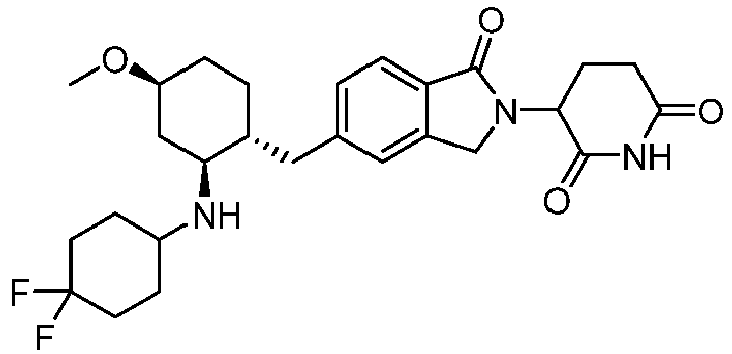
504.0 1H NMR (400 MHz, DMSO-d6) δ 11.00 (s, 1H), 8.69 (s, 1H), 8.25 (s, 1H), 7.70 (d, J = 7.8 Hz, 1H), 7.45 (s, 1H), 7.36 (dd, J = 7.8, 1.3 Hz, 1H), 6.80 (s, 2H), 5.12 (dd, J = 13.3, 5.1 Hz, 1H), 4.46 (dd, J = 17.5, 2.6 Hz, 1H), 4.32 (dd, J = 17.4, 3.0 Hz, 1H), 3.26 (s, 5H), 3.19 (d, J = 9.9 Hz, 2H), 2.92 (ddd, J = 17.2, 13.6, 5.4 Hz, 1H), 2.61 (d, J = 17.6 Hz, 1H), 2.48 - 2.27 (m, 4H), 2.19 - 2.08 (m, 4H), 2.13 - 1.95 (m, 9H), 1.99 - 1.87 (m, 2H), 1.82 (t, J = 11.0 Hz, 1H), 1.66 (h, J = 8.8 Hz, 1H), 1.54 (t, J = 5.3 Hz, 1H), 1.39 (q, J = 10.5 Hz, 1H), 1.03 (q, J= 10.6, 9.2 Hz, 2H). 3 1-56; 4,4-difluorocyclohexanone 345 
510.2 1H NMR (400 MHz, DMSO-d6) δ 10.99 (s, 1H), 8.96 - 8.80 (m, 1H), 8.50 - 8.37 (m, 1H), 7.71 (d, J = 7.8 Hz, 1H), 7.46 (s, 1H), 7.38 (d, J = 7.8 Hz, 1H), 5.11 (dd, J = 13.3, 5.1 Hz, 1H), 4.45 (dd, J = 17.3, 8.1 Hz, 1H), 4.32 (dd, J = 17.3, 8.1 Hz, 1H), 3.55 - 3.44 (m, 1H), 3.31 (d, J = 14.3 Hz, 2H), 2.92 (ddd, J = 17.9, 13.5, 5.4 Hz, 1H), 2.72 - 2.56 (m, 2H), 2.47 - 2.31 (m, 2H), 2.21 - 1.53 (m, 14H), 1.33 - 1.20 (m, 1H). 3 1-58; 4,4-difluorocyclohexanone 346 
474.2 1H NMR (400 MHz, DMSO-d6) δ 10.99 (s, 1H), 8.73 - 8.62 (m, 1H), 8.34 - 8.24 (m, 1H), 7.71 (d, J = 7.7 Hz, 1H), 7.47 (s, 1H), 7.38 (d, J = 7.8 Hz, 1H), 5.11 (dd, J = 13.3, 5.1 Hz, 1H), 4.45 (dd, J = 17.3, 7.1 Hz, 1H), 4.32 (dd, J = 17.3, 7.1 Hz, 1H), 3.36 - 3.19 (m, 3H), 2.92 (ddd, J = 18.0, 13.6, 5.4 Hz, 1H), 2.68 - 2.55 (m, 2H), 2.53 - 2.31 (m, 2H), 2.20 - 1.90 (m, 6H), 1.84 - 1.20 (m, 10H), 1.18 - 1.04 (m, 1H). 3 1-58; cyclohexanone 3-(5-(((1R,2S)-2-(cyclohexylamino)-4,4-difluorocyclohexyl)methyl)-1-oxoisoindolin-2-yl)piperidine-2,6-dione 347 
492.2 1H NMR (400 MHz, DMSO-d6) δ 11.01 (s, 1H), 8.59 (d, J = 11.0 Hz, 1H), 8.20 (d, J = 11.9 Hz, 1H), 7.28 (s, 1H), 7.16 (d, J = 10.5 Hz, 1H), 5.08 (dd, J = 13.3, 5.1 Hz, 1H), 4.58 - 4.28 (m, 2H), 3.44 (s, 1H), 3.25 (dd, J = 13.3, 3.4 Hz, 1H), 3.19 - 3.01 (m, 1H), 2.91 (ddd, J = 18.0, 13.6, 5.4 Hz, 1H), 2.71 - 2.55 (m, 1H), 2.45 - 2.28 (m, 2H), 2.23 - 1.64 (m, 6H), 1.64 - 1.44 (m, 2H), 1.34 (dh, J = 26.2, 14.3, 12.9 Hz, 2H), 1.05 (q, J = 10.6 Hz, 2H). 25 Step 1: I-59; 4,4-difluorocyclohexanone 3-(5-(((1R,2S)-2-((4,4-difluorocyclohexyl)amino)cyclohe xyl)methyl)-7-fluoro-1-oxoisoindolin-2-yl)piperidine-2,6-dione Step 2: Conventional heating at 80 °C for 12 h 348 
434.1 1H NMR (400 MHz, DMSO-d6) δ 10.99 (s, 1H), 8.63 (s, 1H), 8.27 (s, 1H), 7.71 (d, J = 7.8 Hz, 1H), 7.47 (s, 1H), 7.39 (d, J = 7.8 Hz, 1H), 5.12 (dd, J = 13.3, 5.1 Hz, 1H), 4.45 (dd, J = 17.3, 7.8 Hz, 1H), 4.32 (dd, J = 17.3, 7.8 Hz, 1H), 3.62 - 3.50 (m, 1H), 3.35 - 3.20 (m, 2H), 2.92 (ddd, J = 18.0, 13.6, 5.4 Hz, 1H), 2.66 - 2.55 (m, 2H), 2.54 - 2.24 (m, 2H), 2.18 - 1.91 (m, 4H), 1.85 - 1.65 (m, 1H), 1.63 - 1.53 (m, 1H), 1.32 (d, J = 6.4 Hz, 3H), 1.27 (d, J = 6.4 Hz, 3H). 3 1-58, acetone 3-(5-(((1R,2S)-4,4-difluoro-2-(isopropylamino)cyclohexyl)methyl)-1-oxoisoindolin-2-yl)piperidine-2,6-dione 349 
504.2 1H NMR (400 MHz, DMSO-d6) δ 10.99 (s, 1H), 8.24 - 8.11 (m, 2H), 7.71 (d, J = 7.8 Hz, 1H), 7.50 - 7.44 (m, 1H), 7.39 (d, J = 7.9 Hz, 1H), 5.11 (dd, J = 13.3, 5.1 Hz, 1H), 4.45 (dd, J = 17.3, 6.1 Hz, 1H), 4.32 (dd, J = 17.3, 6.5 Hz, 1H), 3.97 - 3.86 (m, 2H), 3.44 - 3.21 (m, 5H), 2.92 (ddd, J = 18.0, 13.6, 5.5 Hz, 1H), 2.71 - 2.53 (m, 2H), 2.40 (qd, J = 13.2, 4.4 Hz, 1H), 2.29 - 1.47 (m, 10H), 1.44 - 1.19 (m, 6H). 3 1-58; 1-tetrahydropyran-4-ylethanone 3-(5-(((1R,2S)-4,4-difluoro-2-((1-(tetrahydro-2H-pyran-4-yl)ethyl)amino)cyclohexyl)methyl )-1-oxoisoindolin-2-yl)piperidine-2,6-dione 350 
492.0 1H NMR (400 MHz, DMSO-d6) δ 11.01 (s, 1H), 8.85 (t, J = 8.4 Hz, 1H), 8.52 (s, 0H), 8.34 (t, J = 9.9 Hz, 1H), 7.60 (d, J = 6.2 Hz, 1H), 7.52 (d, J = 8.6 Hz, 1H), 5.12 (dd, J= 13.3, 5.1 Hz, 1H), 4.45 (d, J = 17.2 Hz, 1H), 4.32 (dd, J = 17.3, 2.3 Hz, 1H), 3.62 - 3.37 (m, 1H), 3.37 - 3.07 (m, 2H), 3.07 - 2.69 (m, 1H), 2.41 (qd, J = 13.2, 4.4 Hz, 1H), 2.29 - 1.61 (m, 15H), 1.61 - 1.23 (m, 4H), 1.08 (q, J = 10.4, 9.6 Hz, 2H). 3 1-3; 4,4-difluorocyclohexanone 3-(5-(((1R,2S)-2-((4,4-difluorocyclohexyl)amino)cyclohexyl)methyl)-6-fluoro-1- oxoisoindolin-2-yl)piperidine-2,6-dione 351 
476.2 1H NMR (400 MHz, DMSO-d6) δ 10.99 (s, 1H), 8.60 (s, 1H), 8.29 (d, J = 10.4 Hz, 1H), 7.69 (t, J = 8.6 Hz, 1H), 7.46 (d, J = 3.4 Hz, 1H), 7.43 - 7.32 (m, 2H), 5.11 (dd, J = 13.3, 5.1 Hz, 1H), 4.52 - 4.25 (m, 2H), 3.67 - 3.52 (m, 2H), 3.30 (d, J = 13.3 Hz, 1H), 3.18 (d, J = 11.8 Hz, 1H), 3.13 - 2.86 (m, 3H), 2.86 - 2.56 (m, 3H), 2.47 - 2.20 (m, 3H), 2.20 - 1.78 (m, 5H), 1.73 (d, J = 12.4 Hz, 1H), 1.63 - 1.26 (m, 4H), 1.07 (s, 1H). 7 Example 1; 1,4,6,7-tetrahydroindazol-5-one 352 
544.2 1H NMR (400 MHz, DMSO-d6) δ 13.33 (s, 1H), 10.99 (s, 1H), 8.63 (s, 1H), 8.29 (s, 1H), 7.70 (d, J = 7.8 Hz, 1H), 7.46 (s, 1H), 7.37 (d, J = 7.8 Hz, 1H), 5.12 (dd, J = 13.3, 5.1 Hz, 1H), 4.39 (ddd, J = 53.0, 17.5, 2.6 Hz, 2H), 3.33 - 3.18 (m, 1H), 3.13 (dd, J = 15.0, 4.8 Hz, 1H), 3.00 - 2.71 (m, 3H), 2.70 - 2.56 (m, 3H), 2.47 - 2.31 (m, 1H), 2.21 (dd, J = 45.1, 11.1 Hz, 2H), 2.05 - 1.81 (m, 3H), 1.73 (d, J = 12.2 Hz, 1H), 1.64 - 1.27 (m, 5H), 1.07 (s, 3H) 7 Example 1; 3-(trifluoromethyl)-1,4,6,7-tetrahydroindazol-5-one 353 
476.2 1H NMR (400 MHz, DMSO-d6) δ 10.99 (s, 1H), 8.75 (s, 1H), 8.61 (s, 1H), 7.68 (d, J = 7.8 Hz, 1H), 7.61 (s, 1H), 7.46 (s, 1H), 7.38 (d, J = 7.9 Hz, 1H), 5.11 (dd, J = 13.3, 5.1 Hz, 1H), 4.63 (s, 1H), 4.51 - 4.27 (m, 2H), 3.43 - 3.26 (m, 2H), 2.92 (ddd, J = 17.9, 13.6, 5.4 Hz, 1H), 2.65 - 2.54 (m, 2H), 2.41 (dd, J = 14.0, 10.2 Hz, 2H), 2.24 (ddd, J = 16.6, 12.6, 5.3 Hz, 2H), 1.99 (dd, J = 11.9, 6.7 Hz, 3H), 1.86 (q, J = 11.2 Hz, 1H), 1.73 (t, J = 14.5 Hz, 2H), 1.51 (dd, J = 17.0, 8.2 Hz, 4H), 1.32 (d, J = 10.7 Hz, 1H), 1.03 (d, J= 11.4 Hz, 2H). 7 Example 1; 1,4,5,6-tetrahydroindazol-7-one 3-(1-oxo-5-(((1R,2S)-2-((4,5,6,7-tetrahydro-1H-indazol-7-yl)amino)cyclohexyl)methyl)isoin dolin-2-yl)piperidine-2,6-dione 354 
492.3 1H NMR (400 MHz, DMSO-d6) δ 10.99 (s, 1H), 8.62 (s, 1H), 8.23 (d, J = 12.7 Hz, 1H), 7.71 (d, J = 7.7 Hz, 1H), 7.46 (s, 1H), 7.38 (d, J = 7.9 Hz, 1H), 5.16 - 5.05 (m, 2H), 4.97 (s, 1H), 4.39 (ddd, J = 53.1, 17.3, 6.6 Hz, 2H), 3.34 - 3.21 (m, 4H), 3.01 - 2.83 (m, 1H), 2.63 (dd, J = 18.6, 14.9 Hz, 2H), 2.47 - 2.25 (m, 4H), 2.21 - 1.85 (m, 4H), 1.85 - 1.75 (m, 1H), 1.75 - 1.59 (m, 1H), 1.57 - 1.26 (m, 3H);1H NMR (400 MHz, DMSO-d6) δ 10.99 (s, 1H), 8.41 (s, 1H), 8.09 (s, 1H), 7.71 (d, J = 7.8 Hz, 1H), 7.46 (s, 1H), 7.38 (d, J = 7.8 Hz, 1H), 5.20 - 4.85 (m, 2H), 4.39 (ddd, J = 53.3, 17.3, 5.6 Hz, 2H), 3.35 - 3.10 (m, 4H), 2.92 (ddd, J = 18.1, 13.5, 5.4 Hz, 1H), 2.73 - 2.55 (m, 1H), 2.43 - 2.29 (m, 2H), 2.25 (t, J = 6.6 Hz, 1H), 2.10 - 1.86 (m, 4H), 1.86 - 1.71 (m, 3H), 1.71 - 1.54 (m, 1H), 1.54 - 1.20 (m, 6H), 1.20 - 0.99 (m, 1H). 7 1-61; 4,4-difluorocyclohexanone 3-(5-(((1R,2S,4R-rel)-2-((4,4-difluorocyclohexyl)amino)-4-fluorocyclohexyl)methyl)-1- oxoisoindolin-2-yl)piperidine-2,6-dione 355 
456.2 1H NMR (400 MHz, DMSO-d6) δ 10.99 (s, 1H), 8.62 (s, 1H), 8.23 (d, J = 12.7 Hz, 1H), 7.71 (d, J = 7.7 Hz, 1H), 7.46 (s, 1H), 7.38 (d, J = 7.9 Hz, 1H), 5.16 - 5.05 (m, 2H), 4.97 (s, 1H), 4.39 (ddd, J = 53.1, 17.3, 6.6 Hz, 2H), 3.34 - 3.21 (m, 4H), 3.01 - 2.83 (m, 1H), 2.63 (dd, J = 18.6, 14.9 Hz, 2H), 2.47 - 2.25 (m, 4H), 2.21 - 1.85 (m, 4H), 1.85 - 1.75 (m, 1H), 1.75 - 1.59 (m, 1H), 1.57 - 1.26 (m, 3H);1H NMR (400 MHz, DMSO-d6) δ 10.99 (s, 1H), 8.41 (s, 1H), 8.09 (s, 1H), 7.71 (d, J = 7.8 Hz, 1H), 7.46 (s, 1H), 7.38 (d, J = 7.8 Hz, 1H), 5.20 - 4.85 (m, 2H), 4.39 (ddd, J = 53.3, 17.3, 5.6 Hz, 2H), 3.35 - 3.10 (m, 4H), 2.92 (ddd, J = 18.1, 13.5, 5.4 Hz, 1H), 2.73 - 2.55 (m, 1H), 2.43 - 2.29 (m, 2H), 2.25 (t, J = 6.6 Hz, 1H), 2.10 - 1.86 (m, 4H), 1.86 - 1.71 (m, 3H), 1.71 - 1.54 (m, 1H), 1.54 - 1.20 (m, 6H), 1.20 - 0.99 (m, 1H). 7 1-61; cyclohexanone 3-(5-(((1R,2S,4R-rel)-2-(cyclohexylamino)-4-fluorocyclohexyl)methyl)-1- oxoisoindolin-2-yl)piperidine-2,6-dione 356 
508.3 1H NMR (400 MHz, DMSO-d6) δ 10.99 (s, 1H), 8.56 - 8.45 (m, 1H), 8.33 - 8.22 (m, 1H), 7.68 (d, J = 7.8 Hz, 1H), 7.49 (s, 1H), 7.42 (d, J = 7.9 Hz, 1H), 5.11 (dd, J = 13.3, 5.1 Hz, 1H), 4.48 - 4.39 (m, 1H), 4.31 (d, J = 17.2 Hz, 1H), 3.83 - 3.74 (m, 2H), 3.39 (s, 1H), 3.31 - 3.16 (m, 3H), 2.98 - 2.86 (m, 2H), 2.65 - 2.56 (m, 1H), 2.39 (qd, J = 13.3, 4.6 Hz, 1H), 2.27 - 2.16 (m, 1H), 2.04 - 1.96 (m, 1H), 1.96 - 1.63 (m, 11H), 1.63 - 1.50 (m, 1H). 22 Step 1: I-62, 4-(trifluoromethyl)cyclohexano ne 3-(1-oxo-5-(((2R,3S)-3-((4-(trifluoromethyl)cyclohexyl)amino)tetrahydro-2H-pyran-2-yl)methyl)isoindolin-2-yl)piperidine-2,6-dione Isomer 1 Chiral SFC conditions: AD-H 5µm-21X250mm, co-solvent: MeOH-Et2NH (25%) [peak 1] 357 
508.4 1H NMR (400 MHz, DMSO-d6) δ 10.99 (s, 1H), 8.79 - 8.68 (m, 1H), 8.44 - 8.33 (m, 1H), 7.67 (d, J = 7.8 Hz, 1H), 7.48 (s, 1H), 7.41 (d, J = 7.8 Hz, 1H), 5.11 (dd, J = 13.3, 5.1 Hz, 1H), 4.48 - 4.40 (m, 1H), 4.35 - 4.25 (m, 1H), 3.81 - 3.69 (m, 2H), 3.35 - 3.13 (m, 4H), 2.97 - 2.81 (m, 2H), 2.65 - 2.56 (m, 1H), 2.46 - 2.08 (m, 5H), 2.05 - 1.89 (m, 3H), 1.75 - 1.34 (m, 7H). 22 Step 1: I-62; 4-(trifluoromethyl)cyclohexano ne 3-(1-oxo-5-(((2R,3S)-3-((4-(trifluoromethyl)cyclohexyl)amino )tetrahydro-2H-pyran-2-yl)methyl)isoindolin-2-yl)piperidine-2,6-dione Isomer 2 Chiral SFC conditions: AD-H 5mm-21X250mm, co-solvent: MeOH-Et2NH (25%) [peak 2] 358 
476.4 1H NMR (400 MHz, DMSO-d6) δ 10.99 (s, 1H), 8.58 (s, 1H), 8.27 (s, 1H), 7.71 (d, J = 7.8 Hz, 1H), 7.46 (s, 1H), 7.43 - 7.36 (m, 2H), 5.12 (dd, J = 13.3, 5.1 Hz, 1H), 4.51 - 4.27 (m, 2H), 3.35 - 3.13 (m, 3H), 2.92 (ddd, J = 17.8, 13.5, 5.4 Hz, 1H), 2.78 - 2.53 (m, 4H), 2.47 - 2.29 (m, 3H), 2.16 (d, J = 13.9 Hz, 3H), 2.07 - 1.95 (m, 1H), 1.86 (dd, J = 12.0, 5.4 Hz, 1H), 1.72 (d, J = 12.1 Hz, 1H), 1.45 (ddd, J = 47.3, 20.8, 11.4 Hz, 5H), 1.07 (s, 2H).;1H NMR (400 MHz, DMSO-d6) δ 10.99 (s, 1H), 8.60 (s, 1H), 8.26 (s, 1H), 7.70 (d, J = 7.7 Hz, 1H), 7.46 (s, 1H), 7.39 (d, J = 8.8 Hz, 2H), 5.11 (dd, J= 13.2, 5.1 Hz, 1H), 4.53 - 4.24 (m, 2H), 3.30 (d, J = 13.6 Hz, 2H), 3.17 (dd, J = 14.9, 5.4 Hz, 2H), 2.92 (ddd, J = 18.3, 13.6, 5.5 Hz, 1H), 2.79 (dd, J= 15.1, 10.4 Hz, 1H), 2.74 - 2.56 (m, 3H), 2.47 - 2.24 (m, 3H), 2.14 (d, J = 11.7 Hz, 1H), 2.06 - 1.96 (m, 1H), 1.90 (d, J = 8.5 Hz, 1H), 1.73 (d, J = 5.7 Hz, 3H), 1.62 - 1.27 (m, 4H), 1.23 (s, 0H), 1.06 (s, 2H). 22 I-13; 1,4,5,7-tetrahydroindazol-6-one 3-(1-oxo-5-(((1R,2S)-2-((4,5,6,7-tetrahydro-1H-indazol-6-yl)amino)cyclohexyl)methyl)isoin dolin-2-yl)piperidine-2,6-dione (Isomer 1) Chiral SFC conditions: condition: ADH 5µm-21X250mm, co-solvent: IPA-NH3 (40%) [peak 1] 359 
476.4 1H NMR (400 MHz, DMSO-d6) δ 10.99 (s, 1H), 8.58 (s, 1H), 8.27 (s, 1H), 7.71 (d, J = 7.8 Hz, 1H), 7.46 (s, 1H), 7.43 - 7.36 (m, 2H), 5.12 (dd, J= 13.3, 5.1 Hz, 1H), 4.51 - 4.27 (m, 2H), 3.35 - 3.13 (m, 3H), 2.92 (ddd, J = 17.8, 13.5, 5.4 Hz, 1H), 2.78 - 2.53 (m, 4H), 2.47 - 2.29 (m, 3H), 2.16 (d, J = 13.9 Hz, 3H), 2.07 - 1.95 (m, 1H), 1.86 (dd, J = 12.0, 5.4 Hz, 1H), 1.72 (d, J = 12.1 Hz, 1H), 1.45 (ddd, J = 47.3, 20.8, 11.4 Hz, 5H), 1.07 (s, 2H).;1H NMR (400 MHz, DMSO-d6) δ 10.99 (s, 1H), 8.60 (s, 1H), 8.26 (s, 1H), 7.70 (d, J = 7.7 Hz, 1H), 7.46 (s, 1H), 7.39 (d, J = 8.8 Hz, 2H), 5.11 (dd, J= 13.2, 5.1 Hz, 1H), 4.53 - 4.24 (m, 2H), 3.30 (d, J = 13.6 Hz, 2H), 3.17 (dd, J = 14.9, 5.4 Hz, 2H), 2.92 (ddd, J = 18.3, 13.6, 5.5 Hz, 1H), 2.79 (dd, J= 15.1, 10.4 Hz, 1H), 2.74 - 2.56 (m, 3H), 2.47 - 2.24 (m, 3H), 2.14 (d, J = 11.7 Hz, 1H), 2.06 - 1.96 (m, 1H), 1.90 (d, J = 8.5 Hz, 1H), 1.73 (d, J = 5.7 Hz, 3H), 1.62 - 1.27 (m, 4H), 1.23 (s, 0H), 1.06 (s, 2H). 22 I-13; 1,4,5,7-tetrahydroindazol-6-one Chiral SFC conditions: ADH 5µm-21X250mm, co-solvent: IPA-NH3 (40%) [peak 2] 360 
496.3 1H NMR (400 MHz, DMSO-d6) δ 11.01 (s, 1H), 8.83 (s, 1H), 8.52 (s, 1H), 7.63 - 7.50 (m, 2H), 7.40 (s, 1H), 5.12 (dd, J = 13.3, 5.1 Hz, 1H), 4.60 - 4.34 (m, 2H), 3.44 (s, 2H), 3.35 - 3.04 (m, 6H), 2.92 (ddd, J = 17.7, 13.6, 5.4 Hz, 1H), 2.83 - 2.55 (m, 4H), 2.42 (td, J = 13.2, 4.5 Hz, 1H), 2.37 - 2.21 (m, 3H), 2.05 - 1.96 (m, 1H), 1.82- 1.52 (m, 4H).;1H NMR (400 MHz, DMSO-d6) δ 11.01 (s, 1H), 8.84 (s, 1H), 8.52 (s, 1H), 7.62 - 7.50 (m, 2H), 7.41 (s, 1H), 5.12 (dd, J = 13.3, 5.1 Hz, 1H), 4.61 - 4.34 (m, 2H), 3.87 - 3.76 (m, 2H), 3.40 (s, 1H), 3.26 (ddd, J = 30.5, 14.7, 3.8 Hz, 4H), 3.07 (dd, J = 14.3, 10.4 Hz, 1H), 2.92 (ddd, J = 18.0, 13.5, 5.4 Hz, 1H), 2.77 - 2.56 (m, 4H), 2.42 (td, J = 13.2, 4.5 Hz, 1H), 2.35 - 2.15 (m, 2H), 2.06 - 1.96 (m, 1H), 1.92 - 1.52 (m, 4H). 22 Step 1: I-41; 1,4,5,7-tetrahydroindazol-6-one Chiral SFC Conditions: IA 5µm-21X250mm, co-solvent: IPA-NH3 (30%) [peak 1] 361 
496.3 1H NMR (400 MHz, DMSO-d6) δ 11.01 (s, 1H), 8.83 (s, 1H), 8.52 (s, 1H), 7.63 - 7.50 (m, 2H), 7.40 (s, 1H), 5.12 (dd, J = 13.3, 5.1 Hz, 1H), 4.60 - 4.34 (m, 2H), 3.44 (s, 2H), 3.35 - 3.04 (m, 6H), 2.92 (ddd, J = 17.7, 13.6, 5.4 Hz, 1H), 2.83 - 2.55 (m, 4H), 2.42 (td, J = 13.2, 4.5 Hz, 1H), 2.37 - 2.21 (m, 3H), 2.05 - 1.96 (m, 1H), 1.82- 1.52 (m, 4H).;1H NMR (400 MHz, DMSO-d6) δ 11.01 (s, 1H), 8.84 (s, 1H), 8.52 (s, 1H), 7.62 - 7.50 (m, 2H), 7.41 (s, 1H), 5.12 (dd, J = 13.3, 5.1 Hz, 1H), 4.61 - 4.34 (m, 2H), 3.87 - 3.76 (m, 2H), 3.40 (s, 1H), 3.26 (ddd, J = 30.5, 14.7, 3.8 Hz, 4H), 3.07 (dd, J = 14.3, 10.4 Hz, 1H), 2.92 (ddd, J = 18.0, 13.5, 5.4 Hz, 1H), 2.77 - 2.56 (m, 4H), 2.42 (td, J = 13.2, 4.5 Hz, 1H), 2.35 - 2.15 (m, 2H), 2.06 - 1.96 (m, 1H), 1.92 - 1.52 (m, 4H). 22 Step 1: I-41; 1,4,5,7-tetrahydroindazol-6-one Chiral SFC Conditions: IA 5µm-21X250mm, co-solvent: IPA-NH3 (30%) [peak 2] 362 
544.2 1H NMR (400 MHz, DMSO-d6) δ 13.34 (s, 1H), 10.99 (s, 1H), 8.72 (s, 1H), 8.33 (s, 1H), 7.71 (d, J = 7.7 Hz, 1H), 7.46 (s, 1H), 7.38 (d, J = 7.8 Hz, 1H), 5.11 (dd, J = 13.3, 5.1 Hz, 1H), 4.49 - 4.28 (m, 2H), 3.74 (s, 2H), 3.33 - 3.18 (m, 4H), 2.91 (ddt, J = 20.0, 14.9, 7.6 Hz, 2H), 2.80 - 2.57 (m, 2H), 2.48 - 2.26 (m, 3H), 2.14 (d, J = 12.1 Hz, 1H), 2.06 - 1.95 (m, 1H), 1.96 - 1.78 (m, 1H), 1.74 (d, J = 13.0 Hz, 1H), 1.44 (ddd, J = 54.9, 29.0, 13.6 Hz, 4H), 1.06 (d, J = 8.9 Hz, 2H). 22 Step 1: I-13; 3-(trifluoromethyl)-1,4,5,7-tetrahydroindazol-6-one Chiral SFC Conditions: IA 5µm-21X250mm, co-solvent: IPA-NH3 (35%) [peak 1] 363 
544.2 1H NMR (400 MHz, DMSO-d6) δ 13.34 (s, 1H), 10.99 (s, 1H), 8.66 (s, 1H), 8.40 (s, 1H), 7.71 (d, J = 7.7 Hz, 1H), 7.46 (s, 1H), 7.38 (d, J = 7.8 Hz, 1H), 5.12 (dd, J = 13.3, 5.1 Hz, 1H), 4.51 - 4.28 (m, 2H), 3.74 (s, 2H), 3.27 (td, J = 16.5, 15.8, 7/4 Hz, 3H), 2.92 (ddd, J = 17.9, 13.6, 5.5 Hz, 1H), 2.77 (dd, J = 14.9, 10.4 Hz, 2H), 2.64 (td, J = 16.9, 14.0, 9.4 Hz, 2H), 2.47 - 2.36 (m, 1H), 2.21 (dd, J = 33.1, 11.1 Hz, 2H), 2.05 - 1.83 (m, 3H), 1.72 (d, J = 11.9 Hz, 1H), 1.62 - 1.27 (m, 4H), 1.07 (s, 2H). 22 Step 1: I-13; 3-(trifluoromethyl)-1,4,5,7-tetrahydroindazol-6-one 3-(1-oxo-5-(((1R,2S)-2-((3-(trifluoromethyl)-4,5,6,7-tetrahydro-1H-indazol-6-yl)amino)cyclohexyl)methyl)isoindolin-2-yl)piperidine-2,6-dione (Isomer 2) Chiral SFC Conditions: IA 5µm-21X250mm, co-solvent: IPA-NH3 (35%) [peak 1] 364 
520.0 1H NMR (400 MHz, DMSO-d6) δ 11.02 (s, 1H), 7.58 (d, J = 7.7 Hz, 1H), 7.57 - 7.44 (m, 1H), 5.12 (dd, J = 13.3, 5.1 Hz, 1H), 4.57 (dd, J = 17.4, 5.8 Hz, 1H), 4.38 (dd, J = 17.4, 3.8 Hz, 1H), 3.85 - 3.72 (m, 5H), 3.29 (td, J = 20.9, 17.7, 12.1 Hz, 4H), 3.10 - 2.81 (m, 2H), 2.70 - 2.56 (m, 1H), 2.47 - 2.32 (m, 1H), 2.30 - 1.94 (m, 3H), 1.93 - 1.55 (m, 4H), 1.55 - 1 . 3 6 (m, 3H), 1.29 (t, J = 8.5 Hz, 2H). 23 Step 1: I-41, 2,2-difluorospiro[2.5]octan-6-one Chiral SFC conditions: AD-H 5µm-21X250mm, co-solvent: IPA-NH3 (20%) [peak 1] 365 
520.0 1H NMR (400 MHz, DMSO-d6) δ 11.01 (s, 1H), 7.65 - 7.55 (m, 1H), 7.55 - 7.46 (m, 1H), 5.12 (dd, J = 13.3, 5.1 Hz, 1H), 4.57 (dd, J = 17.4, 5.4 Hz, 1H), 4.38 (dd, J = 17.4, 3.3 Hz, 1H), 3.83 - 3.64 (m, 4H), 3.40 (s, 1H), 3.33 - 3.06 (m, 3H), 3.06 - 2.87 (m, 2H), 2.67 - 2.55 (m, 1H), 2.42 (td, J = 13.2, 4.5 Hz, 1H), 2.35 - 1.95 (m, 3H), 1.91 - 1.47 (m, 7H), 1.48 - 1.18 (m, 2H)." 23 Step 1: I-41, 2,2-difluorospiro[2.5]octan-6-one Chiral SFC conditions: AD-H 5µm-21X250mm, co-solvent: IPA-NH3 (20%) [peak 2] 366 
458.3 1H NMR (400 MHz, DMSO-d6) δ 10.99 (s, 1H), 8.70 - 8.56 (m, 1H), 8.32 - 8.20 (m, 1H), 7.68 (d, J = 7.7 Hz, 1H), 7.48 (s, 1H), 7.40 (d, J = 7.7 Hz, 1H), 5.11 (dd, J = 13.3, 5.1 Hz, 1H), 4.66 - 4.39 (m, 2H), 4.31 (d, J = 17.3 Hz, 1H), 3.82 - 3.67 (m, 2H), 3.33 - 3.11 (m, 4H), 2.97 - 2.82 (m, 2H), 2.64 - 2.55 (m, 1H), 2.39 (qd, J = 13.3, 4.5 Hz, 1H), 2.28 - 2.18 (m, 1H), 2.18 - 1.96 (m, 5H), 1.72 - 1.37 (m, 7H). 24 Step 1: I-62; 4-fluorocyclohexanone [peak 1] 367 
458.4 1H NMR (400 MHz, DMSO-d6) δ 10.99 (s, 1H), 8.69 - 8.60 (m, 1H), 8.33 - 8.24 (m, 1H), 7.68 (d, J = 7.8 Hz, 1H), 7.48 (s, 1H), 7.41 (d, J = 7.8 Hz, 1H), 5.11 (dd, J = 13.3, 5.1 Hz, 1H), 4.94 - 4.77 (m, 1H), 4.48 - 4.40 (m, 1H), 4.34 - 4.27 (m, 1H), 3.82 - 3.68 (m, 2H), 3.40 - 3.15 (m, 4H), 2.98 - 2.81 (m, 2H), 2.64 - 2.56 (m, 1H), 2.39 (qd, J = 13.3, 4.5 Hz, 1H), 2.28 - 2.20 (m, 1H), 2.07 - 1.85 (m, 5H), 1.81 - 1.51 (m, 7H). 24 Step 1: I-62; 4-fluorocyclohexanone [peak 2] 368 
508.2 1H NMR (400 MHz, DMSO-d6) δ 11.01 (s, 1H), 8.38 (d, J = 130.1 Hz, 2H), 7.62 - 7.48 (m, 2H), 6.07 (td, J = 56.7, 5.1 Hz, 1H), 5.11 (dd, J= 13.3, 5.1 Hz, 1H), 4.60 - 4.33 (m, 2H), 3.79 (td, J = 8.6, 7.8, 3.6 Hz, 2H), 3.37 (s, 1H), 3.33 - 3.17 (m, 4H), 3.03 (dd, J = 14.2, 10.4 Hz, 1H), 2.92 (ddd, J = 18.0, 13.6, 5.5 Hz, 1H), 2.65 - 2.55 (m, 1H), 2.42 (td, J = 13.2, 4.5 Hz, 1H), 2.21 (d, J = 12.0 Hz, 2H), 2.10 - 1.96 (m, 2H), 1.96 - 1.77 (m, 3H), 1.77 - 1.68 (m, 2H), 1.63 (q, J= 10.3, 8.1 Hz, 4H). 24 Step 1: I-41; 4-(difluoromethyl)cyclohexano ne (S)-3-(5-(((2R,3S)-3-(((1s,4R)-4-(difluoromethyl)cyclohexyl)amino )tetrahydro-2H-pyran-2-yl)methyl)-4-fluoro-1- oxoisoindolin-2-yl)piperidine-2,6-dione Step 2: Conventional heating at 80 °C for 12 h 369 
476.4 1H NMR (400 MHz, DMSO-d6) δ 11.01 (s, 2H), 8.63 (s, 2H), 8.25 (s, 2H), 7.61 - 7.48 (m, 4H), 7.40 (s, 0H), 5.11 (dd, J = 13.3, 5.1 Hz, 2H), 4.93 (s, 1H), 4.81 (s, 1H), 4.61 - 4.50 (m, 2H), 4.38 (dd, J = 17.4, 3.5 Hz, 2H), 3.76 (qd, J = 9.4, 7.7, 5.1 Hz, 4H), 3.36 (s, 2H), 3.31 - 3.20 (m, 6H), 3.05 - 2.85 (m, 4H), 2.63 (s, 1H), 2.54 (s, 2H), 2.50 - 2.35 (m, 2H), 2.24 (d, J = 10.0 Hz, 2H), 2.07 - 1.86 (m, 4H), 1.83 - 1.72 (m, 1H), 1.73 (d, J = 8.9 Hz, 4H), 1.59 (dd, J = 15.4, 5.6 Hz, 6H), 1.23 (s, 3H). 25 Step 1: I-41; 4-fluorocyclohexanone Step 2: Conventional heating at 80 °C for 12 h (S)-3-(4-fluoro-5-(((2R,3 S)-3-(((1r,4S)-4-fluorocyclohexyl)amino)tetrahydr o-2H-pyran-2-yl)methyl)-1- oxoisoindolin-2-yl)piperidine-2,6-dione 370 
516.0 1H NMR (400 MHz, Methanol-d4) δ 7.80 (d, J = 7.8 Hz, 1H), 7.50 (s, 1H), 7.44 (dd, J = 8.0, 1.4 Hz, 1H), 5.18 (dd, J = 13.3, 5.2 Hz, 1H), 4.58 - 4.45 (m, 2H), 3.58 - 3.48 (m, 1H), 3.25 - 3.05 (m, 5H), 2.94 (ddd, J = 17.6, 13.4, 5.4 Hz, 1H), 2.81 (ddd, J = 17.6, 4.7, 2.4 Hz, 1H), 2.60 (dd, J = 13.4, 10.3 Hz, 1H), 2.49 (td, J = 13.2, 4.7 Hz, 1H), 2.30 - 1.92 (m, 8H), 1.85 (d, J = 12.8 Hz, 1H), 1.69 (d, J = 10.0 Hz, 2H), 1.63 - 1.45 (m, 2H), 1.37 (d, J = 6.8 Hz, 3H), 1.24 (q, J = 9.5 Hz, 2H). 25 Step 1: I-13; 1-(1,1-dioxothian-4-yl)ethenone Chiral SFC conditions: AD-H 5µm-21X250mm, co-solvent: EtOH (35%) 371 
516.0 1H NMR (400 MHz, Methanol-d4) δ 7.80 (d, J = 7.7 Hz, 1H), 7.49 (d, J = 5.3 Hz, 1H), 7.43 (d, J = 7.9 Hz, 1H), 5.19 (dd, J = 13.3, 5.2 Hz, 1H), 4.57 - 4.44 (m, 2H), 3.66 - 3.58 (m, 1H), 3.19 (d, J = 18.6 Hz, 5H), 2.96 - 2.87 (m, 1H), 2.81 (ddd, J = 17.7, 4.7, 2.4 Hz, 1H), 2.66 - 2.56 (m, 1H), 2.55 - 2.47 (m, 1H), 2.30 - 2.14 (m, 3H), 2.01 (dd, J = 28.8, 15.9 Hz, 5H), 1.86 (d, J = 12.5 Hz, 2H), 1.76 - 1.43 (m, 5H), 1.38 (dd, J = 6.8, 3.7 Hz, 3H), 1.31 - 1.13 (m, 3H). 25 Step 1: I-13; 1-(1,1-dioxothian-4-yl)ethenone Chiral SFC conditions: AD-H 5µm-21X250mm, co-solvent: EtOH (35%) 372 
476.0 1H NMR (400 MHz, Methanol-d4) δ 7.62 (d, J = 7.7 Hz, 1H), 7.58 - 7.52 (m, 1H), 5.18 (dd, J = 13.4, 5.2 Hz, 1H), 4.65 - 4.45 (m, 3H), 3.92 (dt, J = 11.4, 4.1 Hz, 1H), 3.85 (ddd, J = 10.1, 6.6, 3.5 Hz, 1H), 3.42 (td, J = 13.1, 12.4, 6.0 Hz, 2H), 3.29 - 3.22 (m, 1H), 3.20 - 3.11 (m, 1H), 2.96 - 2.87 (m, 1H), 2.81 (ddd, J = 17.5, 4.6, 2.4 Hz, 1H), 2.58 - 2.48 (m, 1H), 2.38 (q, J = 7.6, 6.5 Hz, 1H), 2.30 - 2.14 (m, 5H), 1.89 - 1.70 (m, 3H), 1.63 (t, J = 9.3 Hz, 3H), 1.52 (p, J= 11.5, 10.5 Hz, 2H). 28 Step 1: I-63; 4-fluorocyclohexanone Chiral SFC conditions: IG 5µm-21X250mm, co-solvent: EtOH/NH3 (35%) [peak 1] (R)-3-(4-fluoro-5-(((2R,3S)-3-(((1s,4R)-4-fluorocyclohexyl)amino)tetrahydr o-2H-pyran-2-yl)methyl)-1-oxoisoindolin-2-yl)piperidine-2,6-dione Step 2: Conventional heating at 80 °C for 12 h 373 
476.0 1H NMR (400 MHz, Methanol-d4) δ 7.62 (d, J = 7.7 Hz, 1H), 7.58 - 7.51 (m, 1H), 5.18 (dd, J = 13.3, 5.2 Hz, 1H), 4.65 - 4.50 (m, 2H), 3.95 - 3.82 (m, 2H), 3.42 (ddd, J = 18.0, 8.9, 4.6 Hz, 3H), 3.14 (dd, J = 14.2, 10.2 Hz, 1H), 2.97 - 2.87 (m, 1H), 2.81 (ddd, J = 17.6, 4.7, 2.4 Hz, 1H), 2.53 (qd, J = 13.2, 4.7 Hz, 1H), 2.39 (d, J = 12.5 Hz, 1H), 2.25 - 2.13 (m, 3H), 2.04 (d, J = 7.2 Hz, 1H), 1.95 (d, J = 4.3 Hz, 1H), 1.91 - 1.71 (m, 6H), 1.71 - 1.57 (m, 1H). 28 Step 1: I-63; 4-fluorocyclohexanone (R)-3-(4-fluoro-5-(((2R,3S)-3-(((1r,4S)-4-fluorocyclohexyl)amino)tetrahydr o-2H-pyran-2-yl)methyl)-1- oxoisoindolin-2-yl)piperidine-2,6-dione Chiral SFC conditions: IG 5µm-21X250mm, co-solvent: EtOH/NH3 (35%) [peak 2] Step 2: Conventional heating at 80 °C for 12 h 374 
496.3 1H NMR (400 MHz, DMSO-d6) δ 11.01 (s, 1H), 8.81 (s, 1H), 8.50 (s, 1H), 7.65 - 7.50 (m, 2H), 7.40 (s, 1H), 5.12 (dd, J = 13.3, 5.1 Hz, 1H), 4.62 - 4.33 (m, 2H), 3.81 (d, J = 11.9 Hz, 2H), 3.35 - 3.01 (m, 4H), 2.92 (ddd, J = 18.1, 13.5, 5.3 Hz, 1H), 2.82 - 2.56 (m, 4H), 2.43 (dd, J = 13.2, 4.6 Hz, 1H), 2.36 - 2.17 (m, 3H), 2.08 - 1.94 (m, 1H), 1.90 - 1.52 (m, 5H). 32 Step 1: I-41; 1,4,5,7-tetrahydroindazol-6-one 3-(4-fluoro-1-oxo-5-(((2R,3S)-3- ((4,5,6,7-tetrahydro-1H-indazol-6-yl)amino)tetrahydro-2H-pyran-2-yl)methyl)isoindolin-2-yl)piperidine-2,6-dione 375 
544.4 1H NMR (400 MHz, DMSO-d6) δ 13.35 (s, 1H), 10.99 (s, 1H), 8.56 (d, J= 101.1 Hz, 2H), 7.69 (dd, J = 11.4, 7.7 Hz, 1H), 7.46 (s, 1H), 7.38 (d, J = 7.8 Hz, 1H), 5.12 (dd, J = 13.3, 5.1 Hz, 1H), 4.50 - 4.27 (m, 2H), 3.35 - 3.13 (m, 5H), 2.92 (ddd, J = 17.9, 13.5, 5.3 Hz, 1H), 2.78 (dd, J = 15.2, 10.5 Hz, 2H), 2.72 - 2.56 (m, 2H), 2.46 - 2.31 (m, 3H), 2.31 - 2.12 (m, 3H), 2.06 - 1.81 (m, 1H), 1.72 (d, J = 12.5 Hz, 1H), 1.63 - 1.22 (m, 3H), 1.06 (s, 2H). 32 Step 1: I-13; 3-(trifluoromethyl)-1,4,5,7-tetrahydroindazol-6-one 3-(1-oxo-5-(((1R,2S)-2-((3-(trifluoromethyl)-4,5,6,7-tetrahydro-1H-indazol-6-yl)amino)cyclohexyl)methyl)isoin dolin-2-yl)piperidine-2,6-dione 376 
505.4 1H NMR (400 MHz, DMSO-d6) δ 11.01 (s, 1H), 8.67 (d, J = 10.9 Hz, 1H), 8.31 (s, 1H), 7.64 - 7.46 (m, 2H), 5.32 (s, 1H), 5.11 (dd, J = 13.3, 5.1 Hz, 1H), 4.60 - 4.31 (m, 2H), 3.79 (dp, J = 10.9, 3.9, 3.0 Hz, 2H), 3.26 (td, J = 11.7, 10.7, 6.7 Hz, 4H), 3.10 - 2.84 (m, 2H), 2.63 (td, J = 16.7, 15.0, 2.9 Hz, 1H), 2.47 - 2.29 (m, 2H), 2.29 - 1.93 (m, 6H), 1.82 - 1.48 (m, 8H). 32 Step 1: I-41; 4-fluoro-4-methyl-cyclohexanone 3-(4-fluoro-5-(((2R,3S)-3-((4-fluoro-4-methylcyclohexyl)amino)tetrahydr o-2H-pyran-2-yl)methyl)-1- oxoisoindolin-2-yl)piperidine-2,6-dione 377 
490.4 1H NMR (400 MHz, DMSO-d6) δ 11.00 (d, J = 2.2 Hz, 1H), 8.56 (s, 1H), 8.24 (s, 1H), 7.70 (d, J = 7.8 Hz, 1H), 7.45 (dd, J = 10.8, 3.7 Hz, 2H), 7.38 (dd, J = 8.3, 3.6 Hz, 1H), 5.17 - 5.06 (m, 1H), 4.50 - 4.27 (m, 2H), 3.74 (s, 3H), 3.35 - 3.23 (m, 1H), 3.19 (s, 1H), 3.12 - 2.85 (m, 3H), 2.80 - 2.56 (m, 5H), 2.46 - 2.28 (m, 2H), 2.27 - 2.06 (m, 2H), 2.06 - 1.75 (m, 3H), 1.74 (s, 1H), 1.65 - 1.26 (m, 4H), 1.06 (d, J= 5.5 Hz, 1H). 32 Step 1: I-13; 1-methyl-6,7-dihydro-4H-indazol-5-one 378 
490.4 1H NMR (400 MHz, DMSO-d6) δ 10.99 (s, 1H), 8.58 (s, 1H), 8.26 (d, J = 26.1 Hz, 1H), 7.70 (dd, J = 7.8, 2.9 Hz, 1H), 7.46 (d, J = 3.5 Hz, 1H), 7.43 - 7.32 (m, 1H), 5.11 (dd, J= 13.3, 5.1 Hz, 1H), 4.51 - 4.26 (m, 2H), 3.40 - 3.12 (m, 2H), 2.92 (dtd, J = 34.6, 16.3, 14.8, 5.1 Hz, 2H), 2.81 - 2.55 (m, 3H), 2.49 - 2.36 (m, 2H), 2.35 - 2.05 (m, 6H), 2.05 - 1.67 (m, 4H), 1.64 - 1.26 (m, 4H), 1.07 (d, J = 9.9 Hz, 3H). 32 Step 1: I-13; 3-methyl-1,4,6,7-tetrahydroindazol-5-one 379 
515.4 1H NMR (400 MHz, DMSO-d6) δ 10.99 (s, 1H), 8.60 (dd, J = 5.1, 1.7 Hz, 1H), 8.18 (s, 1H), 7.98 - 7.82 (m, 2H), 7.68 (d, J = 7.8 Hz, 1H), 7.52 (d, J = 8.0 Hz, 1H), 7.43 (s, 1H), 7.33 (dd, J = 14.6, 7.3 Hz, 2H), 5.11 (dd, J= 13.3, 5.1 Hz, 1H), 4.51 - 4.26 (m, 2H), 3.39 (s, 1H), 3.22 (dd, J = 13.2, 3.5 Hz, 1H), 3.09 (t, J = 4.5 Hz, 1H), 2.92 (ddd, J = 18.1, 13.6, 5.5 Hz, 1H), 2.70 - 2.56 (m, 1H), 2.38 (dq, J = 15.9, 9.9, 6.9 Hz, 4H), 2.14 - 1.96 (m, 2H), 1.82 (d, J = 13.0 Hz, 5H), 1.77 - 1.60 (m, 3H), 1.60 - 1.26 (m, 5H), 1.13 - 0.91 (m, 2H). 32 Step 1: I-13; 4-(2-pyridyl)cyclohexanone 380 
505.4 1H NMR (400 MHz, DMSO-d6) δ 10.99 (s, 1H), 8.82 (s, 1H), 8.71 (s, 1H), 8.22 (dd, J = 138.8, 82.4 Hz, 2H), 7.70 (dd, J = 7.7, 6.1 Hz, 1H), 7.44 (d, J = 12.7 Hz, 1H), 7.36 (dd, J = 13.2, 7.8 Hz, 1H), 5.11 (ddd, J = 13.3, 5.2, 2.2 Hz, 1H), 4.52 - 4.25 (m, 4H), 3.50 - 3.18 (m, 2H), 3.10 (d, J = 25.7 Hz, 1H), 3.00 - 2.82 (m, 1H), 2.70 - 2.56 (m, 1H), 2.47 - 2.29 (m, 3H), 2.15 (ddd, J = 33.6, 21.8, 15.5 Hz, 3H), 2.05 - 1.65 (m, 6H), 1.65 - 1.25 (m, 5H), 102 (d, J= 10.6 Hz, 2H). 32 Step 1: I-13; 4-(1,2,4-triazol-4-yl)cyclohexanone -

- Step 1: Preparation of tert-butyl (S)-5-amino-4-(5-(((1R,2S)-2-((tert-butoxycarbonyl)amino)-5-methylenecyclohexyl)methyl)-1-oxoisoindolin-2-yl)-5-oxopentanoate In a 40 mL vial, I-64 (0.11 g, 0.47 mmol) and 5,7-di-tert-butyl-3-phenylbenzo[d]oxazol-3-ium tetrafluoroborate (0.17 g, 0.43 mmol) were taken up in MTBE (2.3 mL) and stirred for 5 min. Pyridine (38 uL, 0.47 mmol) was then added. This mixture was stirred at room temperature for 10 minutes. Meanwhile, in a second 40 mL vial, tert-butyl (S)-5-amino-4-(5-bromo-1-oxoisoindolin-2-yl)-5-oxopentanoate (0.13 g, 0.33 mmol), [Ir(ppy)2(dtbbpy)]PF6 (4.5 mg, 0.005 mmol), quinuclidine (0.064 g, 0.57 mmol), NiBr2-DME (5.1 mg, 0.016 mmol), and 4,4'-Di-tert-butyl-2,2'-dipyridyl (5.3 mg, 0.02 mmol) were combined. The vial was purged with N2 then DMA (2.3 mL) was added. The activated alcohol suspension from the first vial was transferred to a syringe fitted with a syringe filter and needle. The suspension was filtered into the solution of aryl bromide and the mixture sparged with N2 for 5 min. The reaction was then stirred under irradiation by 450 nm light in a photoreactor for 22 hours. The mixture was cooled to 0 °C and quenched with water. The product was extracted into EtOAc (x3). Combined organics were washed with water (x2) to remove DMA. Following a brine wash, the organic layer was dried (Na2SO4), filtered and concentrated in vacuo. The crude product was purified by silica gel column chromatography (eluent: EtOAc/hexanes then MeOH/EtOAc) yield the title compound. ES/MS m/z: 542.3 (M+H)+.
- Step 2: Preparation of 3-(5-(((1R,2S)-2-amino-5-methylenecyclohexyl)methyl)-1-oxoisoindolin-2-yl)piperidine-2,6-dione tert-butyl (S)-5-amino-4-(5-(((1R,2S)-2-((tert-butoxycarbonyl)amino)-5-methylenecyclohexyl)methyl)-1-oxoisoindolin-2-yl)-5-oxopentanoate (14.8 mg, 0.027 mmol) was taken up in MeCN (1.0 mL) and treated with benzenesulfonic acid (12.6 mg, 0.544 mmol). The mixture was stirred at 130 °C under microwave irradiation for 30 min, then cooled to r.t. and concentrated under reduced pressure. The resulting crude residue was purified purified by RP-HPLC (eluent: MeCN/water gradient with 0.1% TFA) to afford the product (Example 381) as the trifluoroacetate salt. ES/MS m/z: 368.3 (M+H)+; 1H NMR (400 MHz, DMSO-d6) δ 11.00 (s, 1H), 7.96 (d, J = 4.6 Hz, 2H), 7.88 (s, 1H), 7.70 (dd, J = 7.8, 4.4 Hz, 1H), 7.43 (d, J = 7.7 Hz, 1H), 7.35 (t, J = 7.2 Hz, 1H), 5.12 (dd, J = 13.3, 5.1 Hz, 1H), 4.64 (d, J = 2.1 Hz, 1H), 4.53 (d, J = 2.1 Hz, 1H), 4.50 - 4.26 (m, 2H), 3.12 (d, J = 13.2 Hz, 1H), 2.92 (ddd, J = 18.1, 13.6, 5.4 Hz, 1H), 2.67 (p, J = 1.8 Hz, 1H), 2.61 (d, J = 16.9 Hz, 1H), 2.45 - 2.36 (m, 1H), 2.33 (p, J = 1.9 Hz, 1H), 2.16 - 1.93 (m, 4H), 1.89 - 1.74 (m, 2H), 1.59 (d, J = 19.5 Hz, 1H), 1.48 - 1.33 (m, 1H).
-

- Step 1: Preparation of tert-butyl (4S)-5-amino-4-(5-(((1R,2S)-2-((tert-butoxycarbonyl)amino)-5-(hydroxymethyl)cyclohexyl)methyl)-1-oxoisoindolin-2-yl)-5-oxopentanoate tert-butyl (S)-5-amino-4-(5-(((1R,2S)-2-((tert-butoxycarbonyl)amino)-5-methylenecyclohexyl)methyl)-1-oxoisoindolin-2-yl)-5-oxopentanoate (0.075g, 0.14 mmol) was taken in THF (1 mL) and cooled to 0 °C. A solution of 9-BBN in THF (0.5M in THF, 0.33 mL) was added dropwise under an atmosphere of nitrogen. The reaction was allowed to warm to room temperature and stirred overnight. It was then cooled back to 0 °C and more 9-BBN (0.5M in THF, 0.9 mL) was added. After another overnight stirring at room temperature, LC/MS showed consumption of starting material. The reaction was cooled again to 0 °C and treated with a solution of sodium hydroxide (0.016g, 0.42 mmol) in THF (1 mL) and EtOH (0.5 mL) followed by 30% aq. H2O2 (24 uL, 0.21 mmol). After stirring for about two hours the reaction mix was diluted with EtOAc and water. Layers were separated and product extracted once more with EtOAc. Combined organics were washed with brine, dried (Na2SO4) and concentrated. The crude product was purified by silica gel chromatography eluting with MeOH/EtOAc/Hexane to afford the title compound as a white solid (0.041 g, 53%). ES/MS m/z: 560.3 (M+H)+
- Step 2: Preparation of 3-(5-(((1R,2S)-2-amino-5-(hydroxymethyl)cyclohexyl)methyl)-1-oxoisoindolin-2-yl)piperidine-2,6-dione To tert-butyl (4S)-5-amino-4-(5-(((1R,2S)-2-((tert-butoxycarbonyl)amino)-5-(hydroxymethyl) cyclohexyl) methyl)-1-oxoisoindolin-2-yl)-5-oxopentanoate (0.041g, 0.073 mmol) in ACN (1 mL) was added BSA (0.035 g, 0.22 mmol). The reaction was heated in the microwave at 110 °C for 20 mins. The reaction mix was then diluted with DMSO and purified on reverse phase HPLC (eluent: MeCN/water gradient with 0.1% TFA). Desired fractions were dried on the lyophilizer to yield the title product (0.01mg, 36%). ES/MS m/z: 386.2 (M+H)+
- Step 3: Preparation of 3-(5-(((1R,2S)-2-(cyclohexylamino)-5-(hydroxymethyl)cyclohexyl)methyl)-1-oxoisoindolin-2-yl)piperidine-2,6-dione, Isomer 1) and 3-(5-(((1R,2S)-2-(cyclohexylamino)-5-(hydroxymethyl)cyclohexyl)methyl)-1-oxoisoindolin-2-yl)piperidine-2,6-dione, Isomer 2) To 3-(5-(((1R,2S)-2-amino-5-(hydroxymethyl)cyclohexyl)methyl)-1-oxoisoindolin-2-yl)piperidine-2,6-dione (0.01g, 0.026 mmol) and cyclohexanone (8 uL, 0.078 mmol) in methanol (1 mL) was added acetic acid (4.5 uL, 0.078 mmol) followed by sodium cyanoborohydride (0.005g, 0.078 mmol). The reaction was heated at 50 °C for about 4 hours. The reaction mix was diluted with DMSO and purified on reverse HPLC (eluent: MeCN/water gradient with 0.1% TFA) to yield Example 382 (peak 1) and Example 383 (peak 2).Example 382: ES/MS m/z: 468.4 (M+H)+; 1H NMR (400 MHz, DMSO-d6) δ 10.98 (t, J = 4.2 Hz, 1H), 8.29 (s, 1H), 7.93 (d, J = 31.7 Hz, 1H), 7.75 - 7.64 (m, 1H), 7.46 (d, J = 18.4 Hz, 1H), 7.41 -7.30 (m, 1H), 6.53 (s, 1H), 5.12 (dd, J = 13.2, 5.1 Hz, 1H), 4.56 - 4.24 (m, 2H), 3.28 - 3.18 (m, 1H), 3.11 (dd, J = 17.4, 6.1 Hz, 2H), 3.04 - 2.84 (m, 2H), 2.79 - 2.57 (m, 4H), 2.44 - 2.27 (m, 1H), 2.18 (s, 2H), 2.08 - 1.87 (m, 3H), 1.76 (d, J = 24.4 Hz, 4H), 1.65 - 1.30 (m, 5H), 1.29 - 1.15 (m, 3H), 1.07 (d, J = 12.6 Hz, 1H). Example 383: ES/MS m/z: 468.4 (M+H)+; 1H NMR (400 MHz, DMSO-d6) δ 10.99 (s, 1H), 8.28 (s, 1H), 7.92 (s, 1H), 7.71 (d, J = 7.8 Hz, 1H), 7.44 (s, 1H), 7.36 (d, J = 7.8 Hz, 1H), 5.11 (dd, J = 13.2, 5.1 Hz, 1H), 4.51 - 4.27 (m, 2H), 3.21 (s, 1H), 3.11 (ddd, J = 28.3, 10.5, 6.1 Hz, 2H), 2.92 (ddd, J = 18.1, 13.5, 5.4 Hz, 1H), 2.69 - 2.57 (m, 2H), 2.43 - 2.27 (m, 2H), 2.20 - 1.93 (m, 4H), 1.88 - 1.69 (m, 5H), 1.65 (d, J = 12.7 Hz, 1H), 1.51 (t, J = 11.2 Hz, 2H), 1.47 - 1.06 (m, 6H), 1.01 (t, J = 12.7 Hz, 1H), 0.72 (q, J = 12.5 Hz, 1H).
- In the below examples, (Reference Compound A-1, B-1, B-2, B-3, B-4, and C-1), Reference Compound A-1, disclosed as Example I-57 in
WO2019/038717 has the structure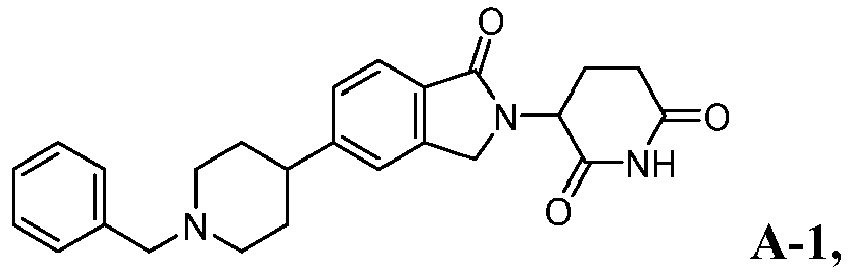
WO2020/012334 has the structure
WO2020/012334 has the structure
WO2020/012334 has the structure
WO2020/012334 has the structure
WO2020/012337 has the structure
- In vitro degradation of IKZF1, IKZF2, and SALL4 was measured using HiBiT protein tagging and detection technology (Promega).
- HiBit technology was used to develop the quantitative assays to measure the cellular IKZFs level by tagging an 11 amino acid HiBit peptides VSGWRLFKKIS to the protein of interest. Reporter plasmids were generated by fusing a linker sequence (GSSGGSSG) followed by the HiBit tag at the C-terminus of IKZF1, IKZF2, and SALL4. The fusion fragments were subsequently cloned into pcDNA5 pcDNA™5/FRT/TO plasmids (Thermo Fisher, cat #V652020) downstream of the tetracycline operator. The resulting plasmids were co-transfected with pOG44 Flp-Recombinase Expression Vector (Thermo Fisher, cat #V600520) into Flp-In™ T-REx HEK293 line (Thermo Fisher, cat #R78077) and a stable cell pool was selected by adding 100 µg/ml of Hygromycin (Thermo Fisher, cat #10687010). The reporter cell enabled Tet-On inducible reporter expression from a single copy of the integrated gene.
- On
Day 1, Cells were grown to ~80% confluency in tissue culture medium (DMEM Glutamax (Gibco10569), 10% Tet free FBS (Takara 631106), and PenStrep Glutamin (Gibco 10378)) in tissue culture flasks. Doxycycline was then added to a final concentration of 1 µg/ml to induce reporter expression at 37°C overnight. - On
Day 2, 125 nL of serially-diluted solution of testing compounds were dispensed into 384-well white solid assay plates via ECHO acoustic liquid handler. Cells were lifted by 0.25% Trypsin (Gibco 25200) then pelleted by centrifugation (Beckman Avanti J-E) at 500Xg for 5 min. Cell pellets were resuspended in TC medium at the concentration of 3e5/mL and 25 µL of cell suspension were added into each well of compound-spotted plates. The plates were returned to a 37°C incubator overnight (18-24 hr). - On
Day 3, assay plates were removed from the tissue culture incubator and 25 µL of Nano-Glo lytic detection system (Promega, cat #N3030) was added to each well. Plates were incubated at r.t. for 3 min with shaking, and luminescence was read using an Envision reader (Perkin Elmer). - All raw data was normalized to DMSO control (final concentration: 0.5%) wells as percentage of control (POC) and plotted out for EC50 and Dmax (Maximum degradation at the highest concentration tested in the assay).
- To assess the IKZF1, IKZF2, and SALL4 degrader potential of exemplified compounds of this disclosure and certain Reference Compounds EC50 and Dmax values were determined for the compounds of Examples 1 to 383 and Reference Compounds A-1, B-1, B-2, B-3, B-4, and C-1 in the HiBiT assays. Results are shown in Table 24. Asterisks (∗) indicate examples for which the data shown represents an average of n ≥ 3.
- The results shown in Table 24 illustrate that the molecular glue-type IKZF family degraders provided herein, which include a 3-(1-oxoisoindolin-2-yl)piperidine-2,6-dione head group connected via a methylene linker to a Ring A of Formula (I), can form potent and efficacious degraders of IKZF2 (Helios). Exemplified compounds generally mediated selective degradation of IKZF2 (Helios) relative to IKZF1 (Ikaros). Numerous compounds of this disclosure were tested for their ability to mediate SALL4 degradation, and the vast majority of tested compounds was found to be inactive towards SALL4.
- The results of Table 24 provide evidence for a differentiated SAR of the methylene-linked IKZF2 (Helios) compounds provided herein relative to the molecular glue type degrader compounds of
WO2019/038717 ,WO2020/012334 , andWO2020/012337 ), in which a 3-(1-oxoisoindolin-2-yl)piperidine-2,6-dione head group is linked either directly to a Ring A (WO2019/038717 ), or via an ether linker (WO2020/012334 ), or amine linker (WO2020/012337 ). For example, methylene degrader compounds of Examples 2, 35, 46, and 84 were found to degrade IKZF2 (Helios) with 3 to 10-fold greater potency than ether-linked Reference Compounds B-3, B-2, B-4, and B-1 respectively. These results illustrate the impact of differentiated linker chemistries on the distinctive SAR of ether-linker and methylene-linked helios degraders.Table 24. In vitro IKZF1, IKZF2, and SALL4 degradation (HEK293) IKZF2 IKZF1 SALL4 Example No. EC50 (µM) Dmax (%) EC50 (µM) Dmax (%) EC50 (µM) Dmax (%) 1 0.225 82 0.933 30 2* 0.018 88 >10 3 0.019 94 0.034 38 4 0.058 92 0.130 26 5 0.353 92 >1 6 0.030 90 0.122 32 7* 0.004 99 0.462 36 8 0.047 94 0.229 34 9 0.019 92 >1 10* 0.013 96 0.388 46 11* 0.007 98 >1 12 0.106 85 >1 13 0.079 68 >1 14 0.027 88 >1 15 0.020 95 >1 16 0.042 87 >1 17 0.070 77 >1 18 0.042 89 >1 19 0.030 89 >1 20 0.019 94 0.099 35 21 0.409 49 >1 22 0.034 86 >1 23 0.006 95 0.374 14 24* 0.010 91 0.345 25 25 0.023 87 >1 26 0.530 57 >1 27 0.003 97 0.070 27 28 0.002 97 0.327 56 29 0.005 96 0.574 39 30 0.029 81 0.042 34 31 0.030 85 >1 32 0.021 90 >1 33 0.018 82 >1 34 0.028 80 0.051 29 35 0.029 94 0.261 31 36 0.046 89 0.101 33 37 0.172 69 >1 38 0.192 97 >1 39 0.047 86 0.265 34 40 0.045 81 >1 41 0.024 90 0.216 44 42 0.126 78 >1 43 0.091 45 >1 44 0.067 60 >1 45 0.131 71 >1 46* 0.001 94 0.033 29 >10 47 0.006 93 >1 48 0.024 96 >1 49 0.088 66 >1 50 0.111 57 >1 51 0.045 80 >1 52* 0.006 96 >1 53* 0.003 96 >1 54 0.031 86 >1 55 0.025 87 >1 56* 0.014 96 0.068 44 57 0.025 89 >1 58 0.046 75 0.206 34 59 0.075 77 >1 60 0.065 63 >1 61 0.023 95 >1 62 0.056 79 >1 63* 0.019 89 >1 64 0.055 73 >1 65 0.048 64 >1 66 0.017 89 >1 67 0.030 74 >1 68 0.031 91 >1 69 0.019 91 >1 70 0.080 48 >1 71 0.037 89 >1 72 0.035 83 >1 73* 0.007 95 >1 74* 0.004 96 0.226 55 75 0.007 95 0.888 51 76 0.034 84 >1 77 0.011 90 >1 78 0.016 92 >1 79 0.005 94 0.098 33 80 0.033 95 0.299 32 81 0.004 96 0.028 41 82* 0.007 94 0.327 28 83 0.037 92 >1 84* 0.001 97 0.028 68 85 0.002 97 0.070 40 86 0.012 97 0.141 34 87* 0.002 98 0.062 39 88* 0.001 99 0.101 38 89 0.006 97 0.064 28 90 0.069 75 >1 91 0.017 97 0.160 47 92 0.044 82 >1 93 0.023 91 0.039 22 94* 0.010 96 >10 95* 0.016 88 >10 96 0.009 95 0.173 35 97 0.036 92 0.085 30 98 0.041 87 >1 99 0.014 94 0.068 37 100 0.012 94 0.061 34 101 0.005 98 0.039 32 102* 0.006 96 0.242 27 103* 0.003 95 >1 104 0.016 92 0.075 37 105 0.004 96 0.076 31 106 0.010 95 0.079 24 107 0.003 96 0.081 36 108 0.055 96 >1 109* 0.005 96 0.103 34 110* 0.005 96 0.163 32 111 0.091 81 >1 112 0.003 97 0.056 30 113 0.006 98 >1 114* 0.008 98 0.088 28 115* 0.008 96 0.078 37 116* 0.002 98 0.044 34 117* 0.002 97 0.039 46 118* 0.002 97 0.057 44 119* 0.002 98 0.046 54 120 0.033 90 0.100 29 121 0.003 97 0.068 26 122 0.002 96 0.057 45 123 0.026 88 >1 124 0.016 94 >10 125* 0.017 96 0.126 26 126 0.114 80 >1 127 0.015 68 0.015 72 128 0.018 98 0.094 19 129 0.013 95 0.093 25 130 0.148 76 >1 131 0.004 96 0.078 45 132 0.004 97 0.066 45 133 0.032 96 0.132 30 134 0.061 97 >1 135 0.016 93 0.077 24 136 0.004 97 >1 137 0.001 97 0.054 34 138 0.004 98 >1 139 0.001 98 0.035 43 140 0.003 98 0.038 60 141 0.002 98 0.058 53 142 0.005 95 0.074 33 143 0.033 94 >1 144 0.007 97 >1 145 0.002 96 0.055 44 146 0.002 95 0.168 34 147 0.037 75 >1 148* 0.007 94 >1 149 0.046 71 0.045 36 150 0.051 73 >0.5 151 0.022 87 >1 152 0.026 78 >0.5 153 0.017 93 >1 154 0.114 90 >0.5 155* 0.030 97 0.226 27 156 0.006 98 >1 157 0.008 92 0.061 35 158 0.011 91 0.072 50 159* 0.006 100 >1 160 0.044 95 0.524 56 161 0.095 88 >1 162 0.058 93 0.226 42 163 0.014 95 0.328 45 164 0.017 83 >1 165 0.020 98 0.270 28 166 0.023 96 >1 167* 0.002 97 0.077 36 168* 0.003 97 0.246 39 169* 0.001 97 0.079 42 >10 170 0.044 62 >1 171 0.026 98 0.198 37 172 0.019 98 0.203 28 173 0.009 95 >1 >10 174 0.067 86 >1 175 0.024 96 0.189 46 176 0.003 96 >1 177 0.004 97 0.078 42 178 0.168 72 >1 179* 0.016 88 >10 180 0.039 85 >1 181* 0.006 96 >1 182* 0.009 94 0.043 34 183 0.091 81 >1 184 0.003 97 0.056 30 185 0.006 98 >1 186* 0.008 98 0.088 28 187* 0.008 96 0.078 37 188* 0.002 98 0.044 34 189* 0.002 97 0.039 46 190* 0.002 97 0.057 44 191 0.002 97 0.063 30 192 0.006 94 >10 193 0.007 96 >1 194 0.020 92 >1 195 0.009 96 >1 196* 0.003 97 0.060 23 197 0.005 97 0.068 22 198 0.016 97 >1 199 0.010 95 >10 200* 0.004 96 >1 201 0.007 96 >1 202 0.008 95 >1 203 0.013 95 >1 204 0.004 97 >1 205 0.003 98 >1 206 0.006 95 >1 207 0.002 94 >1 208* 0.002 98 0.076 26 209 0.001 97 0.035 62 >10 210 0.001 97 0.030 68 211 0.001 98 0.054 37 212 0.001 98 0.045 42 213 0.002 98 0.041 45 214 0.005 96 0.065 22 215 0.002 97 0.174 29 216 0.002 98 0.051 34 217* 0.003 97 0.085 44 218* 0.002 95 0.626 34 219* 0.006 95 >1 220 0.002 96 >1 221 0.002 98 >1 222 0.018 96 >1 223 0.012 96 >1 224 0.002 96 >1 225 0.011 94 >0.5 226 0.014 93 0.017 84 227 0.020 86 >0.5 228 0.009 94 >1 229 0.008 97 >1 230 0.003 96 0.066 30 231 0.003 96 >1 232 0.021 93 >1 233 0.003 97 >1 234 0.011 98 >1 235 0.009 97 >1 236 0.006 98 0.122 34 237 0.002 96 0.208 39 238* 0.002 97 0.038 32 239* 0.003 97 0.055 28 240 0.004 97 0.095 48 241 0.003 96 >1 242 0.002 97 >1 243 0.002 98 0.028 61 244 0.002 97 0.025 61 245 0.002 97 0.110 37 246 0.002 98 0.060 37 247 0.005 97 >1 248 0.021 92 >1 249 0.004 97 >1 250 0.002 97 0.117 30 251 0.001 98 0.213 35 252* 0.003 98 0.105 31 253 0.009 96 >1 254 0.033 84 >1 255 0.032 87 >1 256 0.183 59 >1 256 0.014 97 >1 257* 0.003 99 0.069 34 258 0.004 97 0.078 30 259 0.011 96 0.068 25 260 0.005 96 >1 261 0.006 96 >1 262 0.072 85 >1 263 0.095 85 >1 264 0.006 96 >1 265 0.003 96 >1 >10 266 0.004 97 0.055 32 267 0.004 98 0.109 44 268 0.006 98 0.076 62 269 0.003 96 0.266 40 270 0.008 98 0.179 22 271 0.002 98 0.045 44 272 0.001 98 0.040 54 273 0.023 93 >1 274 0.012 97 0.102 35 275 0.004 96 >1 276 0.003 97 >1 277 0.003 98 0.114 37 278 0.004 98 0.125 37 279 0.003 95 0.051 30 280 0.003 98 0.070 29 281 0.002 96 0.043 30 282 0.007 95 >1 283* 0.004 98 0.092 26 >10 284 0.005 97 >1 285 0.008 94 0.124 37 286 0.027 96 0.223 33 287* 0.001 95 0.066 47 >10 288* 0.006 97 0.399 32 289* 0.005 97 0.632 31 >10 290 0.004 98 0.138 27 >10 291* 0.010 94 >1 >10 292 0.007 94 >1 293 0.008 94 >1 294 0.002 97 0.912 59 295 0.001 97 0.283 43 296 0.105 86 >1 297 0.101 84 >1 298 0.055 76 >1 299 0.002 98 >1 300 0.004 97 >1 302 0.015 89 >1 303 0.086 82 >1 304 0.003 97 >1 305 0.014 96 >1 306 0.010 95 >1 307 0.001 96 0.111 40 308 0.012 96 >1 >10 309 0.016 96 >1 >10 310 0.027 90 >0.5 311 0.011 95 >1 312 0.009 95 >1 313 0.027 88 >1 314 0.090 70 0.653 30 315 0.028 88 >1 316 0.007 95 >1 >10 317 0.006 94 0.243 33 318 0.020 96 >1 319 0.024 95 >1 320 0.011 93 >1 321 0.006 94 0.371 44 322 0.054 72 >1 323* 0.003 96 0.050 45 324* 0.003 95 0.016 71 >10 325* 0.005 95 >1 >10 326 0.007 95 0.261 40 327* 0.003 96 0.535 >10 328* 0.001 98 0.022 62 >10 329* 0.002 98 0.050 53 >10 330* 0.003 94 0.037 28 >10 331* 0.004 96 0.448 >10 332 0.006 95 >1 >10 333 0.009 94 0.210 >10 334 0.001 97 0.013 59 >10 335 0.001 97 0.016 62 >10 336 0.003 97 >1 337 0.005 95 >1 338 0.006 92 >1 339 0.011 93 >1 340 0.076 55 >1 341 0.021 87 >1 342 0.018 86 >1 343 0.091 84 >1 344 0.006 93 0.041 51 >10 345 0.004 97 0.174 56 346 0.002 96 0.080 62 347 0.038 75 >1 348 0.002 97 0.062 39 349 0.011 92 0.089 42 350 0.010 94 0.124 50 351 0.019 98 0.423 34 352 0.003 99 0.323 47 3.1 47 353 0.071 94 0.121 38 >10 354 0.003 93 0.030 32 355 0.005 91 >1 356 0.049 76 >1 357 0.023 89 0.465 40 358 0.018 100 0.231 34 359 0.009 101 0.249 43 360 0.139 90 >1 361 0.034 102 >1 362 0.011 97 0.114 39 >10 363 0.001 97 0.050 56 >10 364 0.003 96 0.045 37 >10 365 0.003 95 0.122 43 366 0.017 85 >1 >10 367 0.015 87 >1 >10 368 0.008 96 >1 369 0.005 97 >1 >10 370 0.010 95 0.117 53 371 0.062 94 0.461 50 372 0.005 94 >1 373 0.007 94 >1 374 0.058 98 >1 375 0.004 99 0.048 65 376 0.003 95 >1 0.094 28 377* 0.005 97 0.073 48 >10 378* 0.040 95 0.326 25 379 0.003 96 0.044 62 380 0.400 71 >1 381 0.207 65 0.108 29 382 0.629 48 >1 383 0.226 77 >1 A-1* 0.012 82 >50 0.007 63 B-1 0.006 97 >1 B-2 0.098 93 >10 B-3* 0.057 84 >50 B-4* 0.010 98 >1 >10 C-1* 0.159 64 >50 - The assay technology and principles for evaluating IKZF2 degradation kinetics in HEK293 cells was identical to the HEK293 degradation assay as described above. Additional details are briefly described below.
- On
Day 1, Cells were grown and induced the same as described above. OnDays - All raw data was normalized to DMSO control (final concentration: 0.5%) wells as POC and plotted out as a function of time to generate the degradation rate constant (K) value. The maximum degradation rate (Kinact) was determined by plotting the K value as a function of concentration for each compound tested. Kinact values are shown in Table 25 and the degradation rate plots as well as timecourse of degradation are shown for select compounds in
FIG. 1A, FIG. 1B ,FIG. 2A and FIG. 2B . Results from the IKZF2 degradation kinetics studies further demonstrate that methylene linked compounds provided herein, such as the compounds of Example 2 or 46, can promote faster degradation of IKZF2 than directly-linked Reference Compound A-1, ether-linked Reference Compounds B-3 or B-4, or amine-linked Reference Compounds C-1. - Without wishing to be bound by theory, it is believed that the faster IKZF2 degradation mediated by exemplified compounds of this disclosure is evidence of the formation of a differentiated conformation of a ternary IKZF2-degrader-ubiquitin ligase complex that can be induced by exemplified methylene-linked degrader compound and that can promote a highly efficient ubiquitinylation and proteasomal degradation of IKZF2.
Table 25. Kinetics of IKF2 degradation (HEK293) Example No. Maximum degradation rate Kinact (hr-1) 2 0.53 46 0.57 53 0.53 87 0.50 116 0.54 181 0.38 218 0.47 238 0.53 242 0.54 257 0.48 283 0.34 287 0.68 289 0.47 291 0.31 325 0.39 328 0.63 329 0.57 369 0.38 373 0.40 A-1 0.14 B-3 0.20 B-4 0.52 C-1 0.03 - In vitro IKZF2 potency was assessed in human whole blood using a fluorescence activated cell sorting assay. 50 µL of freshly collected blood from healthy human volunteers was incubated with Immunocult CD3/CD28 activator (Stemcell Technologies) and solution of testing compounds (serially-diluted) for 24 hrs hours at 37°C in 384 well plates. The treated red blood cells were removed by adding lysis buffer (BD cat# 558049) then the cells were fixed, permeabilized, and stained with anti-CD4 (BD cat#564419), anti-Foxp3 (Invitrogen cat#48-4777-42), anti-IKZF1 (Cell Signaling Tech. cat#33462S), and anti-IKZF2(Cell Signaling Tech. cat#65432S) antibodies. The median fluorescent intensity (MFI) of IKZF2 signal from CD4/CD25/Foxp3+ Treg cells and MFI of IKZF1 signal from CD4+ T cells were quantified in the same samples by flow cytometry using an Attune instrument. EC50 and Dmax of each compound was determined by plotting the MFI and DMSO treated wells were used as control. Data for IKZF2 degradation is presented in Table 26. Asterisks (*) indicate examples for which data represents an average of n ≥ 3 repeat experiments.
- The results of Table 26 further confirm the observation that the methylene-linker chemistry exemplified in the compounds provided herein can result in more potent IKZF2 degraders (see, e.g., Example 46 and Reference Compound B-4).
Table 26. Human whole blood degradation IKZF2 Example No. EC50 (µM) Dmax (%) 7 0.002 98 23 0.006 98 24 0.008 89 28 0.003 99 46 0.003 96 52 0.005 95 53 0.004 96 56 0.008 97 63 0.019 91 74 0.003 93 79 0.005 93 82 0.004 89 84 0.001 93 85 0.002 96 87 0.003 95 89 0.005 97 94 0.007 90 95 0.011 89 101 0.006 95 103 0.004 96 109 0.001 97 110 0.003 98 114 0.005 98 115 0.006 90 116 0.001 89 117 0.001 92 118 0.001 91 119 0.002 92 122 0.002 97 124 0.023 91 125 0.003 91 129 0.009 91 136 0.006 97 137 0.002 99 138 0.003 96 142 0.005 94 145 0.004 100 148 0.006 92 155 0.012 91 159 0.005 94 181 0.008 99 196 0.003 98 206 0.010 101 208 0.003 97 214 0.003 98 217 0.002 89 218 0.004 97 219 0.010 97 220 0.003 98 221 0.004 101 222 0.006 95 223 0.003 95 238 0.003 90 239 0.003 90 240 0.002 99 242 0.002 98 244 0.002 95 246 0.003 99 247 0.004 95 250 0.004 100 251 0.002 98 252 0.001 97 256 0.010 95 257 0.005 93 266 0.006 98 267 0.002 97 272 0.002 97 277 0.002 95 281 0.005 98 283 0.005 96 287 0.002 92 288 0.005 92 289 0.005 90 290 0.006 96 291 0.005 96 299 0.002 96 305 0.004 95 328 0.002 94 329 0.004 97 A-1 0.013 82 B-4 0.017 97 - Jurkat cell line (ATCC, Clone E6-1), highly expresses IKZF2 and lends it an appropriate system to screen degradation along with a functional readout. Jurkat cells were grown to 80% confluency in TC medium (RPMI containing glutamax, 10% FBS,1% NEAA, and 1% Pen/Strep Glutamin in tissue culture flasks.
- The cells were spun down at 400g for 5 mins and counted. 100K cells per well were added to a 96-well plate. The compounds were introduced starting at 10 µM and dilutions were made 1:10 for each compound. 100 µL of compound was added to each well for a 12-point titration. The cells were incubated at 37 °C with 5% CO2 overnight.
- The following day, supernatants were collected for a functional readout using ELISA. The supermatants were diluted 1:2 and added to appropriate Human IL-2 plates for IL-2 functional readout.
- Cells were stained with appropriate surface and intracellular antibodies and acquired by flow cytometry and analysed for degradation.
- All raw data was normalized to DMSO control and plotted out for IKZF2 degradation [EC50 and Dmax (Maximum degradation at the highest concentration tested in the assay)] and IL-2 production (EC50 and IL-2 fold increase over DMSO control) as shown in Table 27 and
FIG. 3A, FIG. 3B , andFIG. 3C . The top of the curve fit for each compound is reported as the IL-2 'fold increase over DMSO control.' - Reference Compounds A-1, B-2, and B-4 induced a 1.6-fold to 1-8 fold increase in IL-2 production in Jurkat cells relative to DMSO control. In contrast, the compounds of Examples 35, 46, 84, 94, 218, 283, 287, 328, 369 provided herein induced ≥1.9-fold increase in IL-2 production, with compounds of Examples 46, 84, 287, demonstrating >2.5-fold increase in IL-2 production. The ability of these compounds to illicit increased IL-2 response offers the potential for enhanced proinflammatory cytokine production by T cells in the tumor microenvironment and robust tumor killing.
Table 27. Jurkat IKZF2 degradation and IL-2 production IKZF2 Degradation IL-2 Production Example No. EC50 (nM) Dmax (%) EC50 (nM) Fold increase over DMSO control 35 3.9 83 141 1.9 46 2.0 95 3.5 2.7 84 0.05 97 0.2 2.6 94 2.0 88 2.3 2.1 218 0.8 93 8.0 2.2 283 1.4 90 1.9 2.1 287 0.6 96 0.6 2.5 328 0.4 96 3.4 2.7 369 0.1 90 0.03 2.0 A-1 7.5 61 10 1.6 B-2 6.1 83 18 1.8 B-4 5.8 94 7.8 1.8 - Assessment of Treg functional activity following IKZF2 degradation can be determined by running a tumor lysis assay in the presence or absence of Tregs. In some forms of the assay, Tregs can be pretreated or simultaneously treated with an IKZF2 (Helios) degrader compound provided hereing or Reference Compound while mixed with purified naive CD8 T cells and tumor cells derived from tumor cell lines such as MDA-MB-231 (breast cancer). In other forms of the assay, purified naive CD8 T cells and tumor cells derived from tumor cell lines such as MDA-MB-231 can be simultaneously treated with an IKZF2 (Helios) degrader compound provided herein or Reference Compound in the absence of Tregs. Lysis of tumor cells by CD8 effector T cells in the presence of suppressive Tregs can be measured, and compound activity ranked based on the reversal of Treg suppression and enhancement of tumor lysis. In various forms of the assay, cytokine production from supernatants, or direct measurement of tumor cell death can be used to identify compounds having reduced Treg suppressive function, improved CD8 effector T cell activation and/or tumor lysis activity and therefore increased potential as anticancer therapeutics.
- Ubiquitin analysis of IKZF2 (Helios) is performed by mass spectrometry to identify lysine residues in IKZF2 (Helios) that are ubiquitinated following degrader compound treatment or using DMSO as control. An observation of differentiated ubiquitinylation patterns in IKZF2 (Helios) following treatment with either methylene-linked IKFZ2 (Helios) degrader compounds provided herein or with Reference Compounds containing differentiated structural features (e.g., directly linked, ether-linked, or amide-linked IKFZ2 degrader Reference Compounds) can further elucidate distinct modes of action by which different compound series mediate IKZF2 (Helios) degradation at the molecular level.
- In brief, 1 × 10⁸ of IKZF2 (Helios) expressing HEK293 T cells are harvested and lysed in 1ml urea lysis buffer (9 M urea, 20 mM HEPES pH 8.0, 1 mM sodium orthovanadate, 2.5 mM sodium pyrophosphate, 1 mM b-glycerophosphate). Samples are sonicated at 15W with 3 bursts of 15 sec each. Then the cell lysate is cleared by centrifugation at 20,000×g for 15 min at room temperature and the supernatant is transferred to a new tube and quantified by BCA assay. 3.6µl 1.25 M DTT, 100 µl iodoacetamide, and 3ml 20mM HEPES pH 8.0 is added to 1mL of lysate and incubated at room temperature for 60 minutes at room temperature in the dark for reduction and alkylation of proteins. Protein samples are further digested with trypsin followed by lysate peptide purification from C18 reversed-phase Sep-Pak columns from Waters (#WAT054955) according to the manufacturer's instruction. Immunoaffinity purification is then performed using a PTMScan® Ubiquitin Remnant Motif (K-ε-GG) Kit (Cell signaling technology cat#5562) according to the manufacturer's instruction. Ubiquitinated peptides are identified and quantified by liquid chromatography-mass spectrometry (LC-MS). Searches are performed against the most recent update of the UniProt Homo sapiens database with a mass accuracy of +/-50 ppm for precursor ions and 0.02 Da for product ions. Ubiquitin-modified peptide are confirmed with mass accuracy of +/- 5 ppm on precursor ions and the presence of the intended motif.
- The data presented herein demonstrates that the methylene-linked IKZF2 (Helios) degraders of this disclosure are characterized by an SAR that is distinct from the SAR of previously described IKZF2 degraders. The discovery of a distinct SAR further enabled the identification of IKZF2 degrader compounds with improved degradation properties and improved therapeutic potential.
- Unless otherwise defined, all technical and scientific terms used herein have the same meaning as commonly understood by one of ordinary skill in the art to which this disclosure belongs.
- Thus, it should be understood that although the present disclosure has been specifically disclosed by preferred embodiments and optional features, modification, improvement and variation of the disclosures embodied therein herein disclosed may be resorted to by those skilled in the art, and that such modifications, improvements and variations are considered to be within the scope of this disclosure. The materials, methods, and examples provided here are representative of preferred embodiments, are exemplary, and are not intended as limitations on the scope of the disclosure.
- The disclosure has been described broadly and generically herein. Each of the narrower species and subgeneric groupings falling within the generic disclosure also form part of the disclosure. This includes the generic description of the disclosure with a proviso or negative limitation removing any subject matter from the genus, regardless of whether or not the excised material is specifically recited herein.
- In addition, where features or aspects of the disclosure are described in terms of Markush groups, those skilled in the art will recognize that the disclosure is also thereby described in terms of any individual member or subgroup of members of the Markush group.
- It is to be understood that while the disclosure has been described in conjunction with the above embodiments, that the foregoing description and examples are intended to illustrate and not limit the scope of the disclosure. Other aspects, advantages and modifications within the scope of the disclosure will be apparent to those skilled in the art to which the disclosure pertains.
Claims (12)
- A compound of Formula (I):
 R1 is -H;R2 is -H, -F, or -Cl;R21 is -H, -F, or -Cl;R3 is -H, -F, or -Cl;R4a and R4b are each independently -H, halogen, -OH, or C1-6 alkyl;Ring A is C3-10 cycloalkyl or heterocyclyl;n is 0, 1, 2, 3, or 4;each R5 is independently halogen, =O, =CH2, -CN, C1-6 alkyl, C2-6 alkenyl, C1-6 haloalkyl, C1-6 alkoxy, C1-6 haloalkoxy, C3-6 cycloalkyl, heterocyclyl, C6-10 aryl, heteroaryl, -O-(R51), or -N(R51)(R52);wherein each =CH2, alkyl, alkenyl, cycloalkyl, alkoxy, haloalkyl, haloalkoxy, heterocyclyl, aryl, or heteroaryl of R5 is optionally substituted with one to four R5a, which may be the same or different;each R5a is independently halogen, -CN, C1-6 alkyl, C6-10 aryl, or -O(R51);wherein each R51 and R52, which may be the same or different, is independently -H, C1-6 alkyl, C3-10 cycloalkyl, heterocyclyl, C6-10 aryl, or heteroaryl;R6 is -H, C1-8alkyl, C1-6 haloalkyl, C3-12 cycloalkyl, heterocyclyl, aryl, heteroaryl, -C(O)N(R1a)(R1b), -S(O)(NR1a)(R1b), -C(O)R1c, -S(O2)R1c, or -C(O)OR1d,wherein the alkyl, haloalkyl, cycloalkyl, aryl, heteroaryl, or heterocyclyl of R6 is each optionally substituted with one to four Z1, which may be the same or different;R7 is -H, C1-8alkyl, C1-6 haloalkyl, C3-12cycloalkyl, heterocyclyl, aryl, heteroaryl, -C(O)N(R2a)(R2b), -S(O)(NR2a)(R2b), -C(O)R2c, S(O2)R2c, or -C(O)OR2d,wherein the alkyl, haloalkyl, cycloalkyl, aryl, heteroaryl, or heterocyclyl of R7 is each optionally substituted with one to four Z2, which may be the same or different; orR6 and R7 together with the nitrogen to which they are attached form a heterocyclyl, which is optionally substituted with one to four Z3, which may be the same or different; wherein the heterocyclyl formed by R6 and R7 is 3 to 20 membered heterocyclyl having 0 to 3 additional heteroatoms each independently N, O or S;each Z1, Z2, or Z3 is independently deuterium, C1-9 alkyl, C1-8 haloalkyl, C1-6 alkoxy, C1-6 haloalkoxy, C2-6 alkoxyalkyl, C2-6 alkenyl, C2-6 alkynyl, halogen, C3-15 cycloalkyl, heterocyclyl, C6-10 aryl, heteroaryl, =O, imino, -NO2, -N3, -CN, -O-R3a, -C(O)-R3a, -C(O)O-R3a, -C(O)-N(R3a)(R3b), -N(R3a)(R3b), -N(R3a)2(R3b)+,-N(R3a)C(O)-R3b, -N(R3a)C(O)O-R3b, -N(R3a)C(O)N(R3b)(R3c), -N(R3a)S(O)2(R3b), -NR3aS(O)2N(R3b)(R3c), -NR3aS(O)2O(R3b), -OC(O)R3a, -OC(O)OR3a, -OC(O)-N(R3a)(R3b), -S-R3a, -S(O)R3a, -S(O)(NH)R3a, -S(O)2R3a, -S(O)2N(R3a)(R3b), -S(O)(NR3a)R3b, -S(O)(NR3a)N(R3b)(R3c), -SF5, or -Si(R3a)3;wherein the alkyl, haloalkyl, alkenyl, alkynyl, cycloalkyl, heterocyclyl, aryl, or heteroaryl of each Z1, Z2, or Z3 is each optionally substituted with one to four Z1a, which may be the same or different;each Z1a is independently deuterium, C1-9 alkyl, C1-8 haloalkyl, C1-6 alkoxy, C1-6 haloalkoxy, C2-6 alkoxyalkyl, C2-6 alkenyl, C2-6 alkynyl, halogen, C3-15 cycloalkyl, heterocyclyl, C6-10 aryl, heteroaryl, =O, -NO2, -CN, -N3, -O-R3a, -C(O)R3a, -C(O)O-R3a, -C(O)N(R3a)(R3b), -N(R3a)(R3b), -N(R3a)2(R3b)+, -N(R3a)-C(O)R3b, -N(R3a)C(O)O(R3b), -N(R3aC(O)N(R3b)(R3c), -N(R3a)S(O)2(R3b), -N(R3a)S(O)2-N(R3b)(R3c), -N(R3a)S(O)2O(R3b), -OC(O)R3a, -OC(O)OR3a, -OC(O)-N(R3a)(R3b), -S-R3a, -S(O)R3a, -S(O)(NH)R3a, -S(O)2R3a, -S(O)2N(R3a)(R3b), -S(O)(NR3a)R3b, or -Si(R3a)3;wherein the alkyl, haloalkyl, alkenyl, alkynyl, cycloalkyl, heterocyclyl, aryl, or heteroaryl of Z1a is each optionally substituted with one to four Z1b, which may be the same or different;each Z1b is independently C1-9 alkyl, C1-8 haloalkyl, C2-6 alkenyl, C2-6 alkynyl, halogen, C3-15 cycloalkyl, heterocyclyl, C6-10 aryl, heteroaryl, oxo, -OH, -CN, -NO2, -NH2, -N3, -SH, -O(C1-9 alkyl), -O(C1-8 haloalkyl), -O(C2-6 alkenyl), -O(C2-6 alkynyl), -O(C3-15 cycloalkyl), -O(heterocyclyl), -O(C6-10 aryl), -O(heteroaryl), -NH(C1-9 alkyl), -NH(C1-8 haloalkyl), -NH(C2-6 alkenyl), -NH(C2-6 alkynyl), -NH(C3-15 cycloalkyl), -NH(heterocyclyl), -NH(C6-10 aryl), -NH(heteroaryl), -N(C1-9 alkyl)2, -N(C1-8 haloalkyl)2, -N(C2-6 alkenyl)2, -N(C2-6 alkynyl)2, -N(C3-15 cycloalkyl)2, -N(heterocyclyl)2, -N(C6-10 aryl)2, -N(heteroaryl)2, -N(C1-9 alkyl)(C1-8 haloalkyl), -N(C1-9 alkyl)(C2-6 alkenyl), -N(C1-9 alkyl)(C2-6 alkynyl), -N(C1-9 alkyl)(C3-15 cycloalkyl), -N(C1-9 alkyl)(heterocyclyl), -N(C1-9 alkyl)(C6-10 aryl), -N(C1-9 alkyl)(heteroaryl), -C(O)(C1-9 alkyl), -C(O)(C1-8 haloalkyl), -C(O)(C2-6 alkenyl), -C(O)(C2-6 alkynyl), -C(O)(C3-15 cycloalkyl), -C(O)(heterocyclyl), -C(O)(C6-10 aryl), -C(O)(heteroaryl), -C(O)O(C1-9 alkyl), -C(O)O(C1-8 haloalkyl), -C(O)O(C2-6 alkenyl), -C(O)O(C2-6 alkynyl), -C(O)O(C3-15 cycloalkyl), -C(O)O(heterocyclyl), -C(O)O(C6-10 aryl), -C(O)O(heteroaryl), -C(O)NH2, -C(O)NH(C1-9 alkyl), -C(O)NH(C1-8 haloalkyl), -C(O)NH(C2-6 alkenyl), -C(O)NH(C2-6 alkynyl), -C(O)NH(C3-15 cycloalkyl), -C(O)NH(heterocyclyl), -C(O)NH(C6-10 aryl), -C(O)NH(heteroaryl), -C(O)N(C1-9 alkyl)2, -C(O)N(C1-8 haloalkyl)2, -C(O)N(C2-6 alkenyl)2, -C(O)N(C2-6 alkynyl)2, -C(O)N(C3-15 cycloalkyl)2, -C(O)N(heterocyclyl)2, -C(O)N(C6-10 aryl)2, -C(O)N(heteroaryl)2, -NHC(O)(C1-9 alkyl), -NHC(O)(C1-8 haloalkyl), -NHC(O)(C2-6 alkenyl), -NHC(O)(C2-6 alkynyl), -NHC(O)(C3-15 cycloalkyl), -NHC(O)(heterocyclyl), -NHC(O)(C6-10 aryl), -NHC(O)(heteroaryl), -NHC(O)O(C1-9 alkyl), -NHC(O)O(C1-8 haloalkyl), -NHC(O)O(C2-6 alkenyl), -NHC(O)O(C2-6 alkynyl), -NHC(O)O(C3-15 cycloalkyl), -NHC(O)O(heterocyclyl), -NHC(O)O(C6-10 aryl), -NHC(O)O(heteroaryl), -NHC(O)NH(C1-9 alkyl), -NHC(O)NH(C1-8 haloalkyl), -NHC(O)NH(C2-6 alkenyl), -NHC(O)NH(C2-6 alkynyl), -NHC(O)NH(C3-15 cycloalkyl), -NHC(O)NH(heterocyclyl), -NHC(O)NH(C6-10 aryl), -NHC(O)NH(heteroaryl), -NHS(O)(C1-9 alkyl), -N(C1-9 alkyl)(S(O)(C1-9 alkyl), -S(C1-9 alkyl), -S(C1-8 haloalkyl), -S(C2-6 alkenyl), -S(C2-6 alkynyl), -S(C3-15 cycloalkyl), -S(heterocyclyl), -S(C6-10 aryl), -S(heteroaryl), -S(O)N(C1-9 alkyl)2, -S(O)(C1-9 alkyl), -S(O)(C1-8 haloalkyl), -S(O)(C2-6 alkenyl), -S(O)(C2-6 alkynyl), -S(O)(C3-15 cycloalkyl), -S(O)(heterocyclyl), -S(O)(C6-10 aryl), -S(O)(heteroaryl), -S(O)2(C1-9 alkyl), -S(O)2(C1-8 haloalkyl), -S(O)2(C2-6 alkenyl), -S(O)2(C2-6 alkynyl), -S(O)2(C3-15 cycloalkyl), -S(O)2(heterocyclyl), -S(O)2(C6-10 aryl), -S(O)2(heteroaryl), -S(O)(NH)(C1-9 alkyl), -S(O)2NH(C1-9 alkyl), or -S(O)2N(C1-9 alkyl)2;wherein the alkyl, cycloalkyl, heterocyclyl, aryl, or heteroaryl of Z1b is optionally substituted with one to three C1-9 alkyl, C1-8 haloalkyl, halogen, -OH, -NH2, -O(C1-9 alkyl), -O(C1-8 haloalkyl), -O(C3-15 cycloalkyl), -O(heterocyclyl), -O(aryl), -O(heteroaryl), -NH(C1-9 alkyl), -NH(C1-8 haloalkyl), -NH(C3-15 cycloalkyl), -NH(heterocyclyl), -NH(aryl), -NH(heteroaryl), -N(C1-9 alkyl)2, -N(C3-15 cycloalkyl)2, -NHC(O)(C1-8 haloalkyl), -NHC(O)(C3-15 cycloalkyl), -NHC(O)(heterocyclyl), -NHC(O)(aryl), -NHC(O)(heteroaryl), -NHC(O)O(C1-9 alkyl), -NHC(O)O(C1-8 haloalkyl), -NHC(O)O(C2-6 alkynyl), -NHC(O)O(C3-15 cycloalkyl), -NHC(O)O(heterocyclyl), -NHC(O)O(aryl), -NHC(O)O(heteroaryl), -NHC(O)NH(C1-9 alkyl), S(O)2(C1-9 alkyl), -S(O)2(C1-8 haloalkyl), -S(O)2(C3-15 cycloalkyl), -S(O)2(heterocyclyl), -S(O)2(aryl), -S(O)2(heteroaryl), -S(O)(NH)(C1-9 alkyl), -S(O)2NH(C1-9 alkyl), or -S(O)2N(C1-9 alkyl)2;each R1a, R1b, R1c, R1a, R2a, R2b, R2c, R2d, R3a, R3b, and R3c is independently -H, C1-9 alkyl, C2-6 alkenyl, C2-6 alkynyl, C3-15 cycloalkyl, heterocyclyl, C6-10 aryl, or heteroaryl, wherein the alkyl, alkenyl, alkynyl, cycloalkyl, heterocyclyl, aryl, or heteroaryl of each R1a, R1b, R1c, R1a, R2a, R2b, R2c, R2d, R3a, R3b, and R3c is each optionally substituted with one to four Z1b, which may be the same or different;wherein each aryl of the compound of Formula (I) unless otherwise specified is C6-10 aryl;wherein each heteroaryl of the compound of Formula (I) unless otherwise specified is 5 to 12 membered heteroaryl having one to four heteroatoms each independently N, O, or S;wherein each heterocyclyl of the compound of Formula (I) unless otherwise specified is 3 to 20 membered heterocyclyl having one to four heteroatoms each independently N, O, or S.
 - The compound or pharmaceutically acceptable salt thereof of claim 1, wherein the compound of Formula (I) is a compound of Formula (Ia):

- The compound or pharmaceutically acceptable salt thereof of claim 1, wherein the compound of Formula (I) is a compound of Formula (V):
 R2 is -H or -F;R21 is -H or -F;R3 is -H or -F;R7 is C1-8 alkyl or C3-12 cycloalkyl,wherein each alkyl or cycloalkyl of R7 is optionally substituted with one to four Z2, which may be the same or different; andeach Z2 is independently deuterium, halogen, C1-3 alkyl, C1-3 haloalkyl, or C6-10 aryl.
 - The compound or pharmaceutically acceptable salt thereof of claim 3, wherein the compound of Formula (V) is a compound of Formula (Va):

- The compound or pharmaceutically acceptable salt thereof of any one of items 1, 3, and 4, wherein R2 is -H; R21 is -H; and R3 is -H or -F.
- The compound or pharmaceutically acceptable salt thereof of any one of items 1 to 5, wherein R7 is:(i) C1-8 alkyl, cyclopropyl, cyclobutyl, cyclopentyl, cyclohexyl, cycloheptyl, spiro[2.3]hexyl, bicyclo[3.1.1]heptyl, spiro[3.3]heptyl, spiro[2.5]octyl, bicyclo[3.2.1]octyl, (1R,SS)bicyclo[3.1.0]hexyl, (1R,5S)bicyclo[3.2.0]heptyl, spiro[2.4]heptyl, each optionally substituted with 1 to 3 Z2, which may be the same or different, wherein each Z2 is independently deuterium, -CH3, -C2F, -CHF2, -CF3, -F, or phenyl; or(ii) C1-3 alkyl or cyclohexyl, each optionally substituted with 1 to 2 Z2, which may be the same or different, wherein each Z2 is independently -F or phenyl; or(iii)


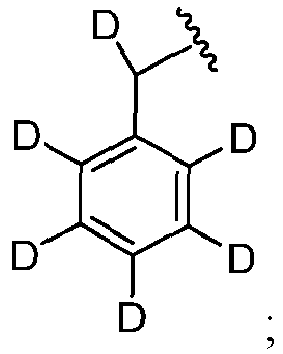 (iv)
(iv)


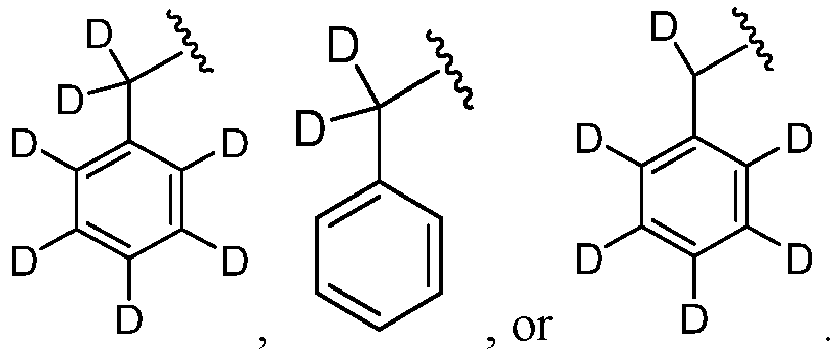
- The compound or pharmaceutically acceptable salt thereof of any one of items 1 to 6, wherein the compound is selected from the group consisting of:(A)




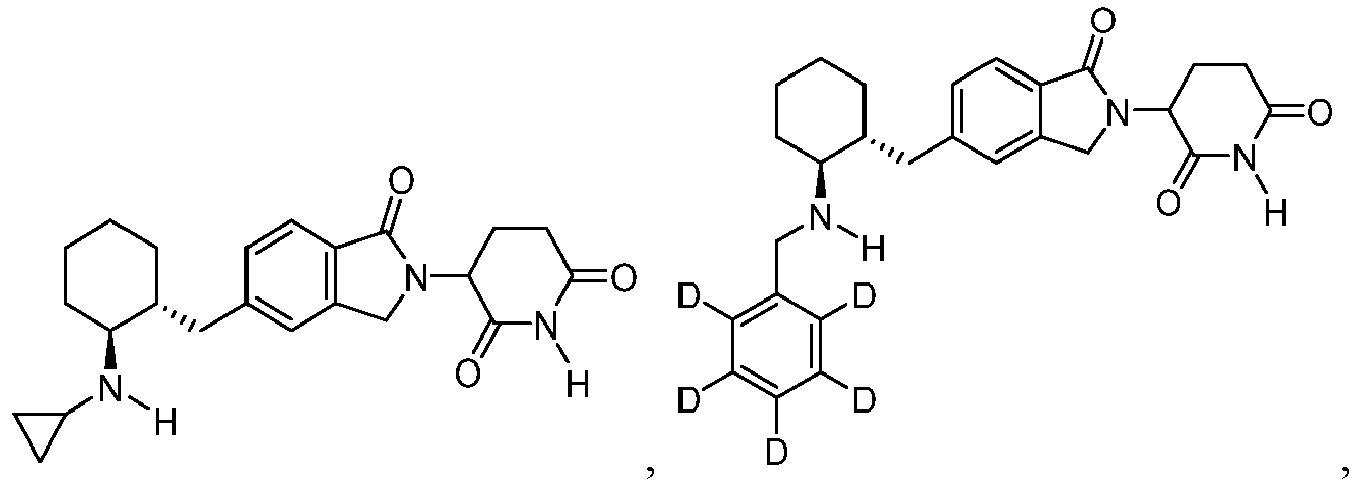
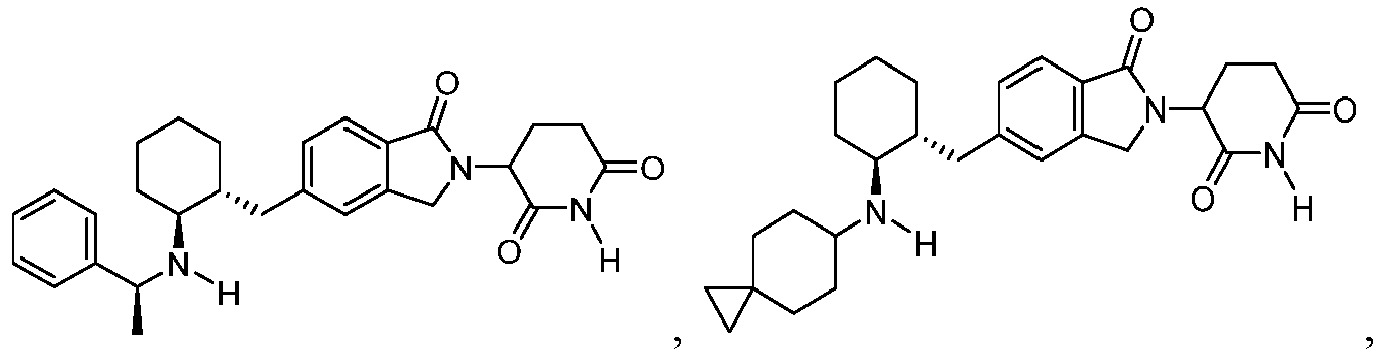


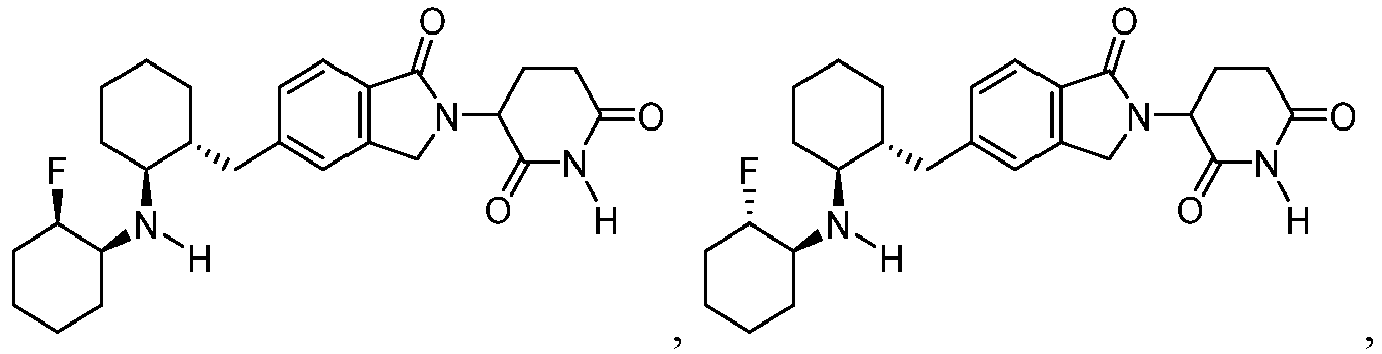


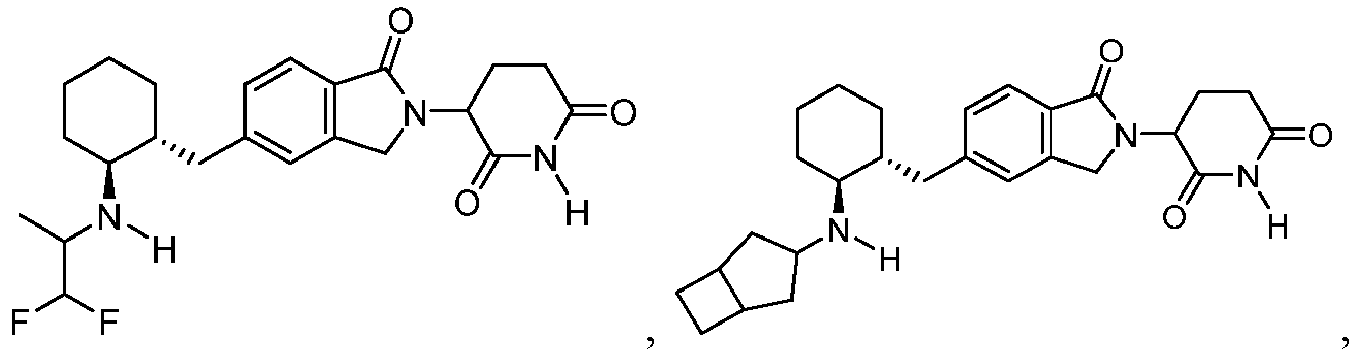


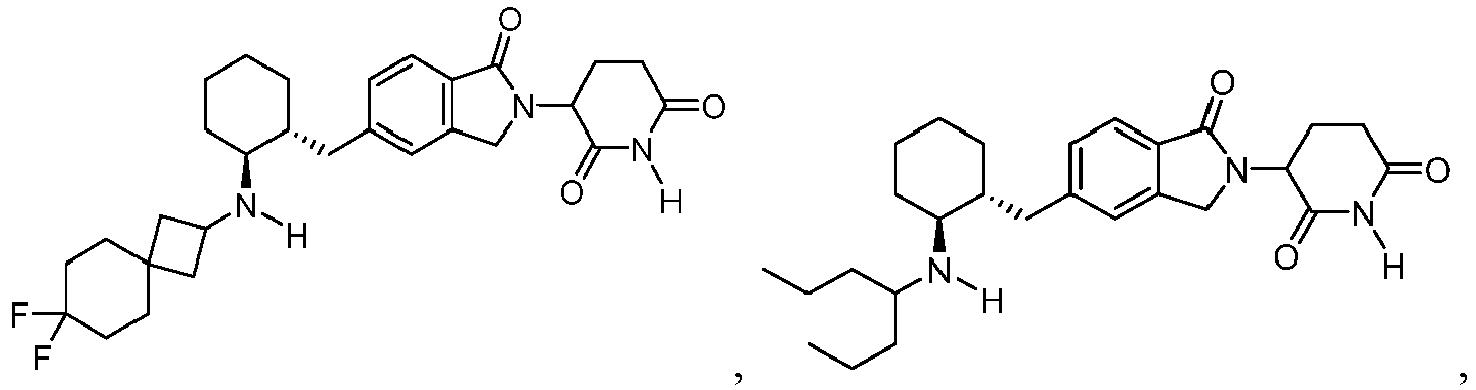


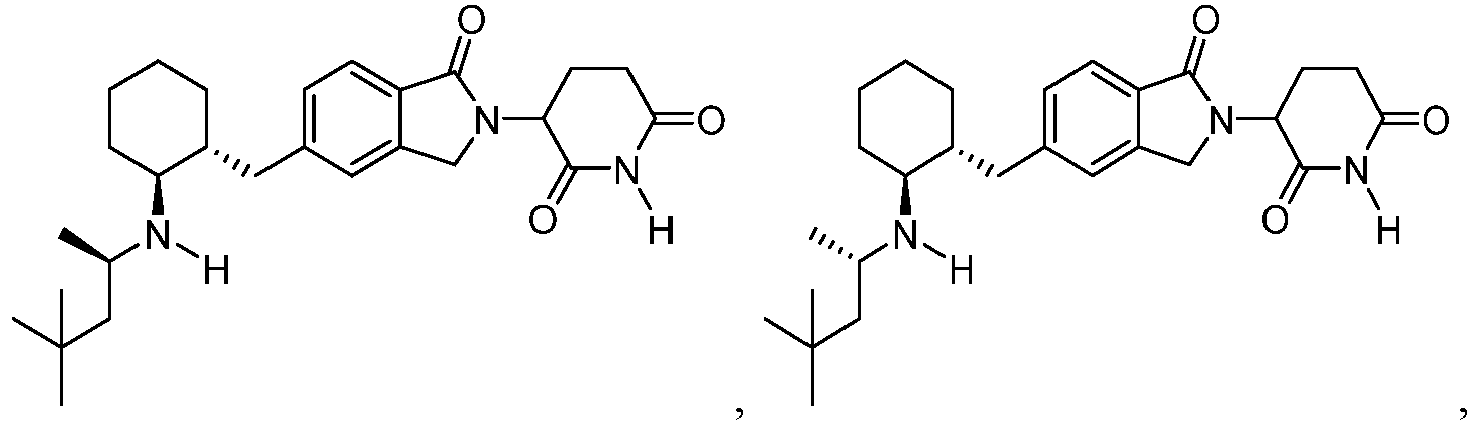

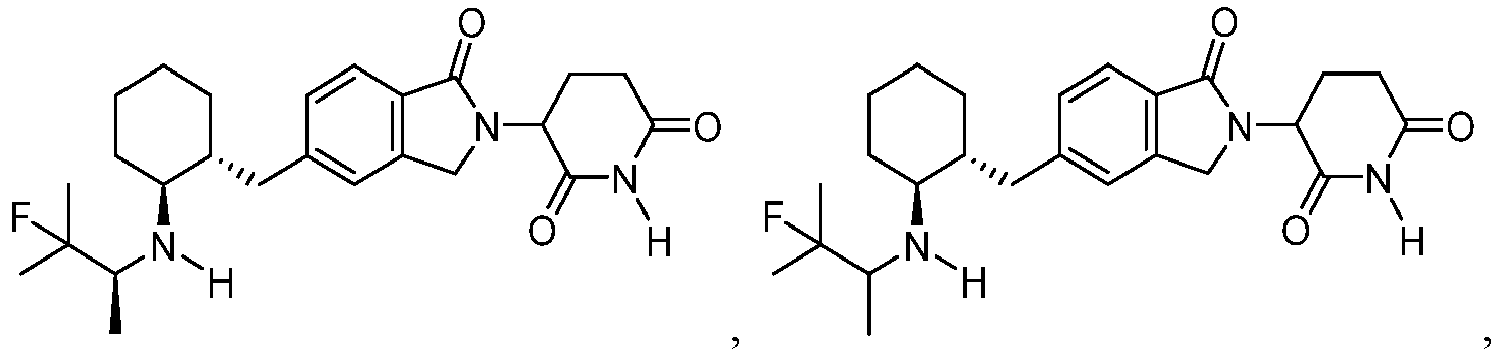
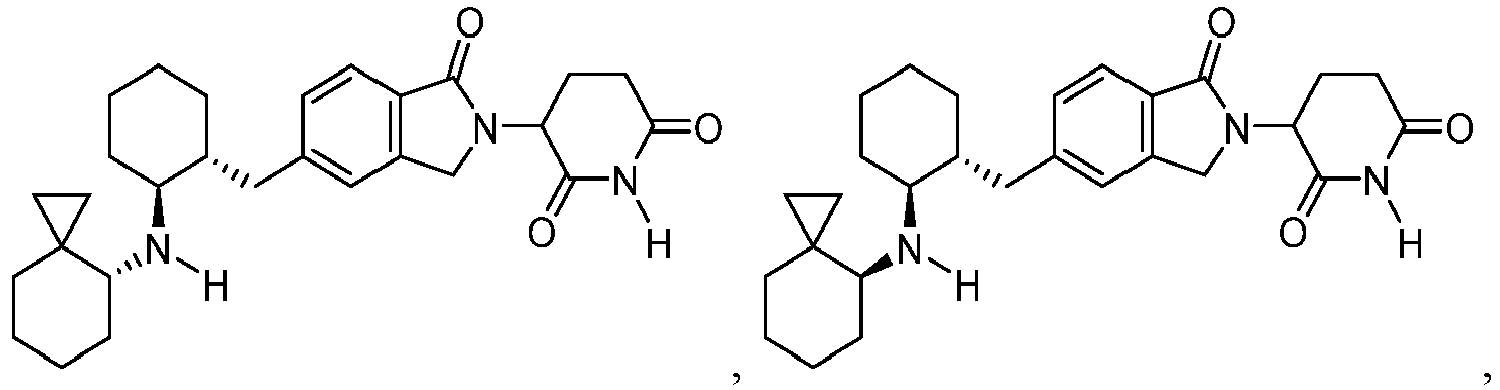


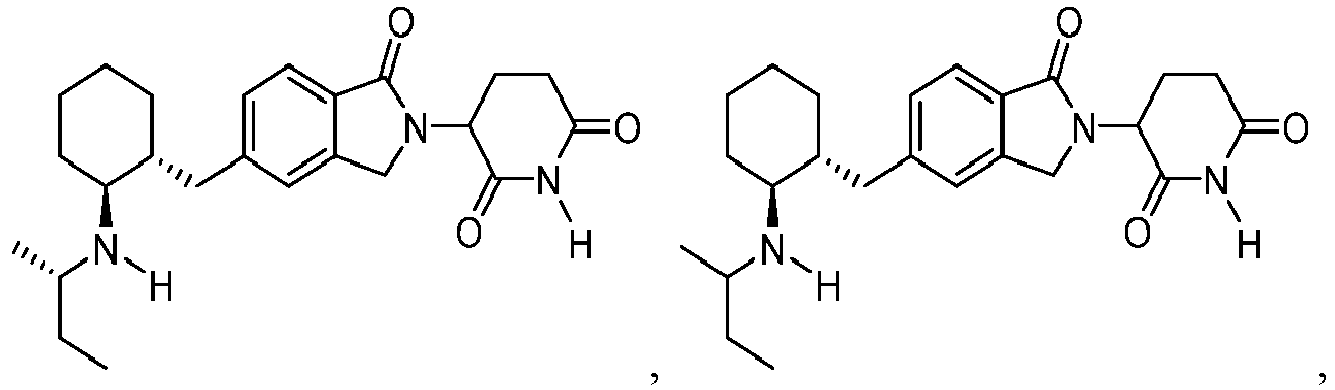


 (B)
(B)


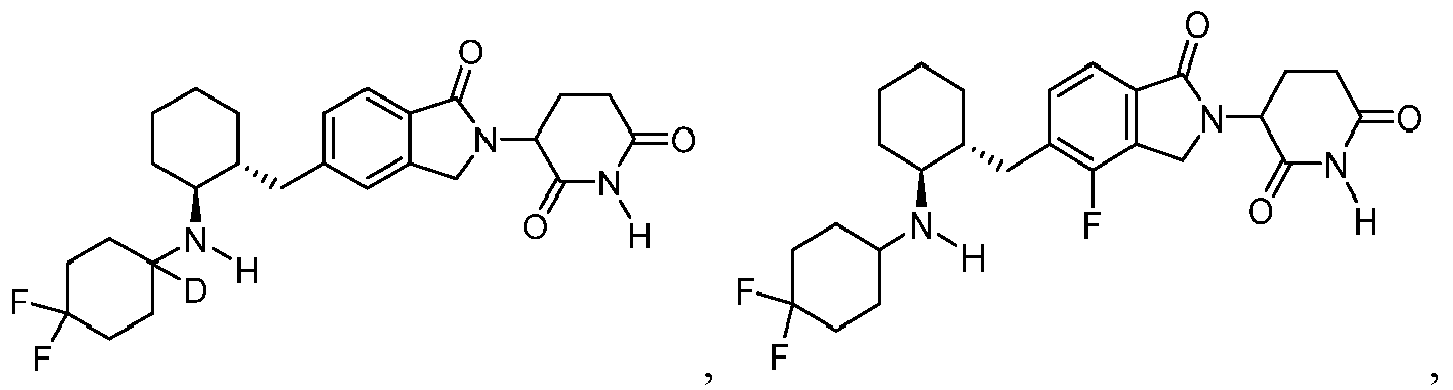


 (C)
(C) (D)
(D) (E)
(E) (F)
(F) (G)
(G) (H)
(H)
- A pharmaceutical composition comprising the compound or pharmaceutically acceptable salt thereof of any one of claims 1 to 7 and a pharmaceutically acceptable excipient, and optionally an additional therapeutic agent.
- The compound or pharmaceutically acceptable salt thereof of any one of claims 1 to 7 for use in therapy.
- The compound or pharmaceutically acceptable salt thereof of any one of claims 1 to 7 or the pharmaceutical composition of claim 8 for use in a method of treating a disease or condition, such as an IKFZ2 protein associated disease or condition.
- The compound, pharmaceutically acceptable salt thereof, or pharmaceutical composition for use of claim 10, wherein the disease or condition is cancer.
- The compound, pharmaceutically acceptable salt thereof, or pharmaceutical composition for use of claim 10 or 11, wherein the compound or pharmaceutically acceptable salt thereof is administered in combination with an additional therapeutic agent or therapeutic modality.
Priority Applications (3)
| Application Number | Priority Date | Filing Date | Title |
|---|---|---|---|
| HRP20241457TT HRP20241457T1 (en) | 2022-03-17 | 2023-03-15 | AGENTS FOR DEGRADATION OF THE IKAROS ZINC FINGER FAMILY AND THEIR USE |
| SI202330010T SI4245756T1 (en) | 2022-03-17 | 2023-03-15 | Ikaros zinc finger family degraders and uses thereof |
| EP24204255.4A EP4464703A3 (en) | 2022-03-17 | 2023-03-15 | Ikaros zinc finger family degraders and uses thereof |
Applications Claiming Priority (2)
| Application Number | Priority Date | Filing Date | Title |
|---|---|---|---|
| US202263321030P | 2022-03-17 | 2022-03-17 | |
| US202263386605P | 2022-12-08 | 2022-12-08 |
Related Child Applications (1)
| Application Number | Title | Priority Date | Filing Date |
|---|---|---|---|
| EP24204255.4A Division EP4464703A3 (en) | 2022-03-17 | 2023-03-15 | Ikaros zinc finger family degraders and uses thereof |
Publications (2)
| Publication Number | Publication Date |
|---|---|
| EP4245756A1 true EP4245756A1 (en) | 2023-09-20 |
| EP4245756B1 EP4245756B1 (en) | 2024-10-09 |
Family
ID=85703921
Family Applications (3)
| Application Number | Title | Priority Date | Filing Date |
|---|---|---|---|
| EP23716128.6A Pending EP4493554A1 (en) | 2022-03-17 | 2023-03-15 | Ikaros zinc finger family degraders and uses thereof |
| EP24204255.4A Pending EP4464703A3 (en) | 2022-03-17 | 2023-03-15 | Ikaros zinc finger family degraders and uses thereof |
| EP23162114.5A Active EP4245756B1 (en) | 2022-03-17 | 2023-03-15 | Ikaros zinc finger family degraders and uses thereof |
Family Applications Before (2)
| Application Number | Title | Priority Date | Filing Date |
|---|---|---|---|
| EP23716128.6A Pending EP4493554A1 (en) | 2022-03-17 | 2023-03-15 | Ikaros zinc finger family degraders and uses thereof |
| EP24204255.4A Pending EP4464703A3 (en) | 2022-03-17 | 2023-03-15 | Ikaros zinc finger family degraders and uses thereof |
Country Status (25)
| Country | Link |
|---|---|
| US (3) | US12358887B2 (en) |
| EP (3) | EP4493554A1 (en) |
| JP (2) | JP2025509610A (en) |
| KR (1) | KR20240163120A (en) |
| AU (1) | AU2023233730A1 (en) |
| CA (1) | CA3253296A1 (en) |
| CL (1) | CL2024002787A1 (en) |
| CO (1) | CO2024012574A2 (en) |
| CR (1) | CR20240386A (en) |
| DK (1) | DK4245756T3 (en) |
| DO (1) | DOP2024000182A (en) |
| ES (1) | ES2999273T3 (en) |
| FI (1) | FI4245756T3 (en) |
| HR (1) | HRP20241457T1 (en) |
| HU (1) | HUE069263T2 (en) |
| IL (1) | IL315083A (en) |
| LT (1) | LT4245756T (en) |
| MX (1) | MX2024011279A (en) |
| PE (1) | PE20242225A1 (en) |
| PL (1) | PL4245756T3 (en) |
| PT (1) | PT4245756T (en) |
| SI (1) | SI4245756T1 (en) |
| TW (1) | TW202346277A (en) |
| WO (1) | WO2023178181A1 (en) |
| ZA (1) | ZA202406318B (en) |
Cited By (1)
| Publication number | Priority date | Publication date | Assignee | Title |
|---|---|---|---|---|
| CN119039394A (en) * | 2024-09-20 | 2024-11-29 | 辽宁得康药业集团有限公司 | Preparation method of CIK cells and application of CIK cells in tumor treatment |
Families Citing this family (7)
| Publication number | Priority date | Publication date | Assignee | Title |
|---|---|---|---|---|
| AU2022271290A1 (en) | 2021-05-07 | 2023-11-23 | Kymera Therapeutics, Inc. | Cdk2 degraders and uses thereof |
| EP4493554A1 (en) * | 2022-03-17 | 2025-01-22 | Gilead Sciences, Inc. | Ikaros zinc finger family degraders and uses thereof |
| WO2024032689A1 (en) * | 2022-08-10 | 2024-02-15 | 标新生物医药科技(上海)有限公司 | Compound based on isoindoline-substituted glutarimide backbone and use thereof |
| AR131812A1 (en) * | 2023-02-08 | 2025-05-07 | Bristol Myers Squibb Co | COMPOUNDS AND COMPOSITIONS FOR THE SELECTIVE DEGRADATION OF DESIGNED PROTEINS |
| WO2025097092A1 (en) * | 2023-11-02 | 2025-05-08 | Neomorph, Inc. | Substituted 3-(5-(4-hydroxypiperidin-4-yl)-1-oxoisoindolin-2-yl)piperidine-2,6-dione derivatives and 3-(2-(4-hydroxypiperidin-4-yl)-5-oxo-5,7-dihydro-6h-pyrrolo[3,4-b]pyridin-6-yl)piperidine-2,6-dione derivatives and uses thereof |
| TW202540200A (en) | 2023-12-01 | 2025-10-16 | 美商基利科學股份有限公司 | Anti-fap-light fusion protein and use thereof |
| CN120097964A (en) * | 2023-12-05 | 2025-06-06 | 珠海宇繁生物科技有限责任公司 | IKZF1 degradation agent and preparation method and application thereof |
Citations (324)
| Publication number | Priority date | Publication date | Assignee | Title |
|---|---|---|---|---|
| US4943593A (en) | 1988-02-25 | 1990-07-24 | Merrell Dow Pharmaceuticals Inc. | Inhibitors of lysyl oxidase |
| US4965288A (en) | 1988-02-25 | 1990-10-23 | Merrell Dow Pharmaceuticals Inc. | Inhibitors of lysyl oxidase |
| US4997854A (en) | 1989-08-25 | 1991-03-05 | Trustees Of Boston University | Anti-fibrotic agents and methods for inhibiting the activity of lysyl oxidase in-situ using adjacently positioned diamine analogue substrates |
| US5021456A (en) | 1988-02-25 | 1991-06-04 | Merrell Dow Pharmaceuticals Inc. | Inhibitors of lysyl oxidase |
| US5059714A (en) | 1988-02-25 | 1991-10-22 | Merrell Dow Pharmaceuticals Inc. | Inhibitors of lysyl oxidase |
| WO1992003459A1 (en) | 1990-08-27 | 1992-03-05 | Sloan-Kettering Institute For Cancer Research | LIGAND FOR THE c-KIT RECEPTOR AND METHODS OF USE THEREOF |
| US5120764A (en) | 1988-11-01 | 1992-06-09 | Merrell Dow Pharmaceuticals Inc. | Inhibitors of lysyl oxidase |
| WO1992021766A1 (en) | 1991-05-25 | 1992-12-10 | Boehringer Mannheim Gmbh | Monoclonal antibodies against c-kit |
| US5182297A (en) | 1988-02-25 | 1993-01-26 | Merrell Dow Pharmaceuticals Inc. | Inhibitors of lysyl oxidase |
| US5252608A (en) | 1988-02-25 | 1993-10-12 | Merrell Dow Pharmaceuticals Inc. | Inhibitors of lysyl oxidase |
| WO1996011013A1 (en) | 1994-10-05 | 1996-04-18 | Immunomedics, Inc. | Cdr-grafted type iii anti-cea humanized mouse monoclonal antibodies |
| WO1997027873A1 (en) | 1996-01-30 | 1997-08-07 | Brigham & Women's Hospital, Inc. | Antibodies for modulating cd47-mediated neutrophil transmigration |
| WO1999040940A1 (en) | 1998-02-16 | 1999-08-19 | Marie Sarfati | Ligands of the cd47 antigen, agents binding the ligands of the cd47 antigen and uses thereof |
| WO2001040307A1 (en) | 1999-11-30 | 2001-06-07 | Eberhard-Karls-Universität Tübingen Universitätsklinikum | Antibodies against signal regulator proteins |
| US6319494B1 (en) | 1990-12-14 | 2001-11-20 | Cell Genesys, Inc. | Chimeric chains for receptor-associated signal transduction pathways |
| WO2002092784A2 (en) | 2001-05-15 | 2002-11-21 | Emory University | POLYNUCLEOTIDES AND POLYPEPTIDES RELATING TO THE MODULATION OF SIRP α-CD47 |
| WO2003074566A2 (en) | 2002-03-01 | 2003-09-12 | Immunomedics, Inc. | Rs7 antibodies |
| WO2004080462A1 (en) | 2003-03-10 | 2004-09-23 | Eisai Co., Ltd. | c-Kit KINASE INHIBITOR |
| US20040248871A1 (en) | 2001-08-03 | 2004-12-09 | Jean Farjanel | Use of lysyl oxidase inhibitors for cell culture and tissue engineering |
| WO2005020921A2 (en) | 2003-08-29 | 2005-03-10 | Exelixis, Inc. | C-kit modulators and methods of use |
| WO2005044857A1 (en) | 2003-11-11 | 2005-05-19 | Chugai Seiyaku Kabushiki Kaisha | Humanized anti-cd47 antibody |
| WO2005113595A2 (en) | 2004-05-19 | 2005-12-01 | Avidex Ltd | High affinity ny-eso t cell receptor |
| WO2005113556A1 (en) | 2004-05-13 | 2005-12-01 | Icos Corporation | Quinazolinones as inhibitors of human phosphatidylinositol 3-kinase delta |
| WO2006009755A2 (en) | 2004-06-17 | 2006-01-26 | Plexxikon, Inc. | Azaindoles modulating c-kit activity and uses therefor |
| WO2006031221A1 (en) | 2004-09-13 | 2006-03-23 | Government Of The United States Of America, Represented By The Secretary, Department Of Health And Human Services | Compositions comprising t cell receptors and methods of use thereof |
| WO2006063466A1 (en) | 2004-12-17 | 2006-06-22 | Merck Frosst Canada Ltd. | 2-(phenyl or heterocyclic)-1h-phenantrho[9,10-d]imidazoles as mpges-1 inhibitors |
| US20060193865A1 (en) | 2002-12-13 | 2006-08-31 | Immunomedics, Inc. | Camptothecin-binding moiety conjugates |
| WO2006094192A2 (en) | 2005-03-03 | 2006-09-08 | Immunomedics, Inc. | Humanized l243 antibodies |
| WO2006124944A1 (en) | 2005-05-18 | 2006-11-23 | Wyeth | 4, 6-diamino-[1,7] naphthyridine-3-carbonitrile inhibitors of tpl2 kinase and methods of making and using the same |
| WO2006124692A2 (en) | 2005-05-18 | 2006-11-23 | Wyeth | 3-cyanoquinoline inhibitors of tpl2 kinase and methods of making and using the same |
| WO2007032255A1 (en) | 2005-09-13 | 2007-03-22 | Mie University | T-cell receptor and nucleic acid encoding the receptor |
| WO2007059610A1 (en) | 2005-11-23 | 2007-05-31 | Merck Frosst Canada Ltd. | 2-(phenyl or heterocyclic)-1h-phenantrho[9,10-d]imidazoles as mpges-1 inhibitors |
| WO2007078034A1 (en) | 2006-01-06 | 2007-07-12 | Amorepacific Corporation | A composition for inhibiting the c-kit portein containing benzimidazole amine derivatives or aminoquinoline derivatives |
| WO2007092403A1 (en) | 2006-02-06 | 2007-08-16 | Osi Pharmaceuticals, Inc. | N-phenylbenzotriazolyl c-kit inhibitors |
| WO2007095749A1 (en) | 2006-02-24 | 2007-08-30 | Arius Research Inc. | Cytotoxicity mediation of cells evidencing surface expression of trop-2 |
| WO2007127317A2 (en) | 2006-04-24 | 2007-11-08 | Amgen Inc. | Humanized c-kit antibody |
| WO2007124589A1 (en) | 2006-05-02 | 2007-11-08 | Merck Frosst Canada Ltd. | Methods for treating or preventing neoplasias |
| WO2007133811A2 (en) | 2006-05-15 | 2007-11-22 | Viral Logic Systems Technology Corp. | Cd47 related compositions and methods for treating immunological diseases and disorders |
| WO2007139791A2 (en) | 2006-05-22 | 2007-12-06 | The Regents Of The University Of California | Compositions and methods for the delivery of oxygen |
| WO2007137767A1 (en) | 2006-05-30 | 2007-12-06 | Manuli Rubber Industries S.P.A. | Hose fitting for hydraulic, industrial and air-conditioning applications, having improved tightness characteristics |
| WO2008005877A2 (en) | 2006-06-30 | 2008-01-10 | Board Of Regents, The University Of Texas System | Inhibitors of c-kit and uses thereof |
| WO2008071173A1 (en) | 2006-12-12 | 2008-06-19 | Eberhard Karls Universität Tübingen | Preparations for inhibiting prostaglandin e2 synthesis |
| US20080234251A1 (en) | 2005-08-19 | 2008-09-25 | Array Biopharma Inc. | 8-Substituted Benzoazepines as Toll-Like Receptor Modulators |
| US20080306050A1 (en) | 2005-08-19 | 2008-12-11 | Array Biopharma Inc. | Aminodiazepines as Toll-Like Receptor Modulators |
| WO2009017833A2 (en) | 2007-08-02 | 2009-02-05 | Arresto Biosciences | Methods and compositions for treatment and diagnosis of fibrosis, tumor invasion, angiogenesis, and metastasis |
| US20090047249A1 (en) | 2007-06-29 | 2009-02-19 | Micheal Graupe | Modulators of toll-like receptor 7 |
| WO2009046541A1 (en) | 2007-10-11 | 2009-04-16 | University Health Network | MODULATION OF SIRPα - CD47 INTERACTION FOR INCREASING HUMAN HEMATOPOIETIC STEM CELL ENGRAFTMENT AND COMPOUNDS THEREFOR |
| WO2009064251A1 (en) | 2007-11-15 | 2009-05-22 | Astrazeneca Ab | Bis-(sulfonylamino) derivatives in therapy 066 |
| WO2009064250A1 (en) | 2007-11-15 | 2009-05-22 | Astrazeneca Ab | Bis-(sulfonylamino) derivatives in therapy 065 |
| US20090142345A1 (en) | 2005-03-15 | 2009-06-04 | Takeda Pharmaceutical Company Limited | Prophylactic/therapeutic agent for cancer |
| WO2009082347A1 (en) | 2007-12-20 | 2009-07-02 | Astrazeneca Ab | Bis- (sulf onylamino) derivatives for use in therapy |
| WO2009103778A1 (en) | 2008-02-19 | 2009-08-27 | Novasaid Ab | Compounds and methods |
| WO2009117987A2 (en) | 2008-03-26 | 2009-10-01 | Universität Tübingen | Use of boswellia acids and synthetic boswellia acid derivatives for inhibiting microsomal prostanglandin e2 synthase and cathepsin g |
| WO2009117985A1 (en) | 2008-06-12 | 2009-10-01 | Medeon Pharmaceuticals Gmbh | Pirinixic acid derivatives as prostglandin e2 synthesis inhibitors for treating inflammatory diseases |
| WO2009130242A1 (en) | 2008-04-23 | 2009-10-29 | Novasaid Ab | Low molecular weight derivatives and use thereof in treatment of prostaglandin e synthase related diseases |
| WO2009138376A1 (en) | 2008-05-14 | 2009-11-19 | Aziende Chimiche Riunite Angelini Francesco A.C.R.A.F. S.P.A. | 3-aminocarbazole compound, pharmaceutical composition containing it and preparation method therefor |
| WO2009146696A1 (en) | 2008-06-07 | 2009-12-10 | Universität Tübingen | Use of indole-3-carboxylic esters for inhibiting microsomal prostaglandin e2 synthase |
| US20100029585A1 (en) | 2008-08-01 | 2010-02-04 | Howbert J Jeffry | Toll-like receptor agonist formulations and their use |
| WO2010034799A1 (en) | 2008-09-25 | 2010-04-01 | Boehringer Ingelheim International Gmbh | 3h-imidaz0 [4, 5-b] pyridine- 6 -carboxamides as anti -inflammatory agents |
| US20100143301A1 (en) | 2008-12-09 | 2010-06-10 | Gilead Sciences, Inc. | Modulators of toll-like receptors |
| US7741465B1 (en) | 1992-03-18 | 2010-06-22 | Zelig Eshhar | Chimeric receptor genes and cells transformed therewith |
| WO2010070047A1 (en) | 2008-12-19 | 2010-06-24 | Novartis Ag | Soluble polypeptides for use in treating autoimmune and inflammatory disorders |
| WO2010083253A2 (en) | 2009-01-14 | 2010-07-22 | Viral Logic Systems Technology Corp. | Cd47 related compositions and methods for treating immunological diseases and disorders |
| WO2010093395A1 (en) | 2009-02-13 | 2010-08-19 | Immunomedics, Inc. | Immunoconjugates with an intracellularly-cleavable linkage |
| WO2010100249A1 (en) | 2009-03-05 | 2010-09-10 | Boehringer Ingelheim International Gmbh | 3h-imidazo [4, 5 -c] pyridine- 6 -carboxamides as anti- inflammatory agents |
| WO2010106431A2 (en) | 2009-03-20 | 2010-09-23 | Ludwig Institute For Cancer Research Ltd | High affinity t-cell receptor-like ny-eso-1 peptide antibodies, methods, and uses thereof |
| WO2011008709A1 (en) | 2009-07-13 | 2011-01-20 | Gilead Sciences, Inc. | Apoptosis signal-regulating kinase inhibitors |
| WO2011023812A1 (en) | 2009-08-27 | 2011-03-03 | Novasaid Ab | Microsomal prostaglandin e synthase-1 (mpges1) inhibitors |
| US20110092485A1 (en) | 2009-08-18 | 2011-04-21 | Ventirx Pharmaceuticals, Inc. | Substituted benzoazepines as toll-like receptor modulators |
| US20110098248A1 (en) | 2009-10-22 | 2011-04-28 | Gilead Sciences, Inc. | Modulators of toll-like receptors |
| WO2011048004A1 (en) | 2009-10-23 | 2011-04-28 | Boehringer Ingelheim International Gmbh | Inhibitors of the microsomal prostaglandin e2 synthase-1 |
| US20110118235A1 (en) | 2009-08-18 | 2011-05-19 | Ventirx Pharmaceuticals, Inc. | Substituted benzoazepines as toll-like receptor modulators |
| WO2011062634A2 (en) | 2009-11-18 | 2011-05-26 | Mannkind Corporation | Monoclonal antibodies and diagnostic uses thereof |
| WO2011068845A1 (en) | 2009-12-02 | 2011-06-09 | Immunomedics, Inc. | Combining radioimmunotherapy and antibody-drug conjugates for improved cancer therapy |
| WO2011076781A1 (en) | 2009-12-22 | 2011-06-30 | Novartis Ag | Tetravalent cd47-antibody constant region fusion protein for use in therapy |
| WO2011097513A1 (en) | 2010-02-04 | 2011-08-11 | Gilead Biologics, Inc | Antibodies that bind to lysyl oxidase-like 2 (loxl2) and methods of use therefor |
| WO2011143624A2 (en) | 2010-05-14 | 2011-11-17 | The Board Of Trustees Of The Leland Stanford Junior University | Humanized and chimeric monoclonal antibodies to cd47 |
| US20110287011A1 (en) | 2008-08-12 | 2011-11-24 | Oncomed Pharmaceuticals, Inc. | DDR1-Binding Agents and Methods of Use Thereof |
| WO2012022793A1 (en) | 2010-08-20 | 2012-02-23 | Boehringer Ingelheim International Gmbh | New compounds |
| WO2012022792A1 (en) | 2010-08-20 | 2012-02-23 | Boehringer Ingelheim International Gmbh | 2-(arylamino)-3h-imidazo[4,5-b]pyridine-6-carboxamide derivatives and their use as mpges-1 inhibitors |
| WO2012027721A2 (en) | 2010-08-27 | 2012-03-01 | Gilead Biologics, Inc | Antibodies to matrix metalloproteinase 9 |
| US20120082658A1 (en) | 2010-10-01 | 2012-04-05 | Ventirx Pharmaceuticals, Inc. | Methods for the Treatment of Allergic Diseases |
| WO2012054825A1 (en) | 2010-10-22 | 2012-04-26 | The United States Of America, As Represented By The Secretary, Department Of Health And Human Services | Anti-mage-a3 t cell receptors and related materials and methods of use |
| US8198412B2 (en) | 2003-09-04 | 2012-06-12 | Riken | Antibodies that recognize cutting edge within the TGF-β activation controlling region |
| WO2012079000A1 (en) | 2010-12-09 | 2012-06-14 | The Trustees Of The University Of Pennsylvania | Use of chimeric antigen receptor-modified t cells to treat cancer |
| WO2012076672A1 (en) | 2010-12-10 | 2012-06-14 | Boehringer Ingelheim International Gmbh | 2 -aminobenz imidazole derivatives useful in the treatment of inflammation |
| WO2012076673A1 (en) | 2010-12-10 | 2012-06-14 | Boehringer Ingelheim International Gmbh | 6-amino-2-phenylamino-1h-benzimidazole-5-carboxamide- derivatives and their use as microsomal prostaglandin e2 synthase-1 inhibitors |
| WO2012082647A2 (en) | 2010-12-13 | 2012-06-21 | The Regents Of The University Of California | PYRAZOLE INHIBITORS OF COX-2 AND sEH |
| WO2012087771A1 (en) | 2010-12-21 | 2012-06-28 | Eli Lilly And Company | Novel imidazole-2-benzamide compounds useful for the treatment of osteoarthritis |
| WO2012110860A1 (en) | 2011-02-17 | 2012-08-23 | Glenmark Pharmaceuticals S.A. | TRICYCLIC COMPOUNDS AS mPGES-1 INHIBITORS |
| US20120219615A1 (en) | 2010-10-01 | 2012-08-30 | The Trustees Of The University Of Pennsylvania | Therapeutic Use of a TLR Agonist and Combination Therapy |
| WO2012154480A1 (en) | 2011-05-12 | 2012-11-15 | ImClone, LLC | c-KIT ANTIBODIES AND USES THEREOF |
| WO2012161965A1 (en) | 2011-05-26 | 2012-11-29 | Eli Lilly And Company | Novel imidazole derivatives useful for the treatment of arthritis |
| WO2012170250A1 (en) | 2011-06-07 | 2012-12-13 | Radiation Control Technologies, Inc. | Morpholino oligonucleotides capable of inhibiting cd47-mediated cellular damage and uses thereof |
| US20130039861A1 (en) | 2005-04-06 | 2013-02-14 | Immunomedics, Inc. | Dye Conjugated Peptides for Fluorescent Imaging |
| WO2013024898A1 (en) | 2011-08-18 | 2013-02-21 | 日本新薬株式会社 | Heterocyclic derivative and pharmaceutical drug |
| WO2013027802A1 (en) | 2011-08-23 | 2013-02-28 | 中外製薬株式会社 | Novel anti-ddr1 antibody having anti-tumor activity |
| WO2013034933A1 (en) | 2011-09-08 | 2013-03-14 | Imperial Innovations Limited | Anti ddr1 antibodies, their uses and methods identifying them |
| WO2013039889A1 (en) | 2011-09-15 | 2013-03-21 | The United States Of America, As Represented By The Secretary, Department Of Health And Human Services | T cell receptors recognizing hla-a1- or hla-cw7-restricted mage |
| WO2013041865A1 (en) | 2011-09-22 | 2013-03-28 | Immunocore Limited | T cell receptors |
| WO2013052699A2 (en) | 2011-10-04 | 2013-04-11 | Gilead Calistoga Llc | Novel quinoxaline inhibitors of pi3k |
| WO2013056352A1 (en) | 2011-10-19 | 2013-04-25 | University Health Network | Antibodies and antibody fragments targeting sirp-alpha and their use in treating hematologic cancers |
| US8435539B2 (en) | 2004-02-13 | 2013-05-07 | Immunomedics, Inc. | Delivery system for cytotoxic drugs by bispecific antibody pretargeting |
| US8435529B2 (en) | 2002-06-14 | 2013-05-07 | Immunomedics, Inc. | Combining radioimmunotherapy and antibody-drug conjugates for improved cancer therapy |
| WO2013068946A2 (en) | 2011-11-11 | 2013-05-16 | Rinat Neuroscience Corp. | Antibodies specific for trop-2 and their uses |
| WO2013072825A1 (en) | 2011-11-16 | 2013-05-23 | Glenmark Pharmaceuticals S.A. | Phtalazinone derivatives as mpegs -1 inhibitors |
| US8450321B2 (en) | 2008-12-08 | 2013-05-28 | Gilead Connecticut, Inc. | 6-(1H-indazol-6-yl)-N-[4-(morpholin-4-yl)phenyl]imidazo-[1,2-A]pyrazin-8-amine, or a pharmaceutically acceptable salt thereof, as a SYK inhibitor |
| WO2013077458A1 (en) | 2011-11-22 | 2013-05-30 | 株式会社リブテック | Anti-human trop-2 antibody exhibiting antitumor activity in vivo |
| WO2013109752A1 (en) | 2012-01-17 | 2013-07-25 | The Board Of Trustees Of The Leland Stanford Junior University | High affinity sirp-alpha reagents |
| WO2013112741A1 (en) | 2012-01-27 | 2013-08-01 | Gilead Sciences, Inc. | Apoptosis signal-regulating kinase inhibitor |
| WO2013116562A1 (en) | 2012-02-03 | 2013-08-08 | Gilead Calistoga Llc | Compositions and methods of treating a disease with (s)-4 amino-6-((1-(5-chloro-4-oxo-3-phenyl-3,4-dihydroquinazolin-2-yl)ethyl)amino)pyrimidine-5-carbonitrile |
| WO2013119714A1 (en) | 2012-02-06 | 2013-08-15 | Inhibrx Llc | Cd47 antibodies and methods of use thereof |
| WO2013118071A1 (en) | 2012-02-09 | 2013-08-15 | Glenmark Pharmaceuticals S.A. | BICYCLIC COMPOUNDS AS mPGES-1 INHIBITORS |
| US20130251673A1 (en) | 2011-12-21 | 2013-09-26 | Novira Therapeutics, Inc. | Hepatitis b antiviral agents |
| WO2013153535A1 (en) | 2012-04-13 | 2013-10-17 | Glenmark Pharmaceuticals S.A. | TRICYCLIC COMPOUNDS AS mPGES-1 INHIBITORS |
| WO2013186692A1 (en) | 2012-06-15 | 2013-12-19 | Glenmark Pharmaceuticals S.A. | TRIAZOLONE COMPOUNDS AS mPGES-1 INHIBITORS |
| WO2014023813A1 (en) | 2012-08-10 | 2014-02-13 | Janssen R&D Ireland | Alkylpyrimidine derivatives for the treatment of viral infections and further diseases |
| US20140045849A1 (en) | 2011-04-08 | 2014-02-13 | David McGowan | Pyrimidine derivatives for the treatment of viral infections |
| US20140066432A1 (en) | 2011-01-12 | 2014-03-06 | James Jeffry Howbert | Substituted Benzoazepines As Toll-Like Receptor Modulators |
| US20140073642A1 (en) | 2011-05-18 | 2014-03-13 | Janssen R&D Ireland | Quinazoline derivatives for the treatment of viral infections and further diseases |
| WO2014039714A2 (en) | 2012-09-06 | 2014-03-13 | Plexxikon Inc. | Compounds and methods for kinase modulation, and indications therefor |
| US20140088085A1 (en) | 2011-01-12 | 2014-03-27 | Array Biopharma, Inc | Substituted Benzoazepines As Toll-Like Receptor Modulators |
| WO2014047624A1 (en) | 2012-09-24 | 2014-03-27 | Gilead Sciences, Inc. | Anti-ddr1 antibodies |
| WO2014056953A1 (en) | 2012-10-10 | 2014-04-17 | Janssen R&D Ireland | Pyrrolo[3,2-d]pyrimidine derivatives for the treatment of viral infections and other diseases |
| WO2014064215A1 (en) | 2012-10-24 | 2014-05-01 | INSERM (Institut National de la Santé et de la Recherche Médicale) | TPL2 KINASE INHIBITORS FOR PREVENTING OR TREATING DIABETES AND FOR PROMOTING β-CELL SURVIVAL |
| WO2014076221A1 (en) | 2012-11-16 | 2014-05-22 | Janssen R&D Ireland | Heterocyclic substituted 2-amino-quinazoline derivatives for the treatment of viral infections |
| WO2014087248A2 (en) | 2012-12-03 | 2014-06-12 | Novimmune S.A. | Anti-cd47 antibodies and methods of use thereof |
| WO2014100620A2 (en) | 2012-12-21 | 2014-06-26 | Plexxikon Inc. | Compounds and methods for kinase modulation, and indications therefor |
| WO2014100767A1 (en) | 2012-12-21 | 2014-06-26 | Gilead Calistoga Llc | Isoquinolinone or quinazolinone phosphatidylinositol 3-kinase inhibitors |
| WO2014100765A1 (en) | 2012-12-21 | 2014-06-26 | Gilead Calistoga Llc | Substituted pyrimidine aminoalkyl-quinazolones as phosphatidylinositol 3-kinase inhibitors |
| WO2014107171A1 (en) | 2013-01-07 | 2014-07-10 | Omniox, Inc. | Polymeric forms of h-nox proteins |
| WO2014118236A2 (en) | 2013-01-29 | 2014-08-07 | Max-Delbrück-Centrum Für Moledulare Medizin (Mdc) Berlin-Buch | High avidity antigen recognizing constructs |
| WO2014128189A1 (en) | 2013-02-21 | 2014-08-28 | Janssen R&D Ireland | 2-aminopyrimidine derivatives for the treatment of viral infections |
| US20140275167A1 (en) | 2013-03-12 | 2014-09-18 | Novira Therapeutics, Inc. | Hepatitis b antiviral agents |
| WO2014163684A1 (en) | 2013-04-03 | 2014-10-09 | Ibc Pharmaceuticals, Inc. | Combination therapy for inducing immune response to disease |
| WO2014167444A1 (en) | 2013-04-08 | 2014-10-16 | Glenmark Pharmaceuticals S.A. | SUBSTITUTED BICYCLIC COMPOUNDS AS mPGES-1 INHIBITORS |
| US20140350031A1 (en) | 2012-02-08 | 2014-11-27 | Janssen R&D Ireland | Piperidino-pyrimidine derivatives for the treatment of viral infections |
| WO2014201409A1 (en) | 2013-06-14 | 2014-12-18 | Gilead Sciences, Inc. | Phosphatidylinositol 3-kinase inhibitors |
| WO2015011450A1 (en) | 2013-07-26 | 2015-01-29 | Adaptimmune Limited | T cell receptors |
| WO2015059618A1 (en) | 2013-10-22 | 2015-04-30 | Glenmark Pharmaceuticals S.A. | SUBSTITUTED PYRIMIDINE COMPOUNDS AS mPGES-1 INHIBITORS |
| US20150175616A1 (en) | 2013-12-23 | 2015-06-25 | Gilead Sciences, Inc. | Syk inhibitors |
| WO2015098099A1 (en) | 2013-12-25 | 2015-07-02 | 第一三共株式会社 | Anti-trop2 antibody-drug conjugate |
| US9089520B2 (en) | 2010-05-21 | 2015-07-28 | Baylor College Of Medicine | Methods for inducing selective apoptosis |
| WO2015134536A1 (en) | 2014-03-04 | 2015-09-11 | Plexxikon Inc. | Compounds and methods for kinase modulation, and indications therefor |
| WO2015138600A2 (en) | 2014-03-11 | 2015-09-17 | The Board Of Trustees Of The Leland Stanford Junior University | Anti sirp-alpha antibodies and bi-specific macrophage enhancing antibodies |
| WO2015148954A1 (en) | 2014-03-27 | 2015-10-01 | Eicosis, Llc | Potent soluble epoxide hydrolase inhibitors |
| WO2015157386A1 (en) | 2014-04-10 | 2015-10-15 | Seattle Children's Hospital (dba Seattle Children's Research Institute) | Production of engineered t-cells by sleeping beauty transposon coupled with methotrexate selection |
| WO2015158204A1 (en) | 2014-04-14 | 2015-10-22 | 上海恒瑞医药有限公司 | Amide derivatives and pharmaceutically acceptable salts thereof, preparation method therefor and medicinal application thereof |
| WO2015191861A1 (en) | 2012-12-12 | 2015-12-17 | Vasculox Inc. | Therapeutic cd47 antibodies |
| WO2016023040A1 (en) | 2014-08-08 | 2016-02-11 | Alexo Therapeutics International | Sirp-alpha variant constructs and uses thereof |
| WO2016022971A1 (en) | 2014-08-08 | 2016-02-11 | The Board Of Trustees Of The Leland Stanford Junior University | Sirp alpha-antibody fusion proteins |
| WO2016024021A1 (en) | 2014-08-15 | 2016-02-18 | Merck Patent Gmbh | Sirp-alpha immunoglobulin fusion proteins |
| WO2016033486A1 (en) | 2014-08-29 | 2016-03-03 | Amgen Inc. | Tetrahydronaphthalene derivatives that inhibit mcl-1 protein |
| WO2016033570A1 (en) | 2014-08-28 | 2016-03-03 | Juno Therapeutics, Inc. | Antibodies and chimeric antigen receptors specific for cd19 |
| WO2016049641A1 (en) | 2014-09-28 | 2016-03-31 | The Regents Of The University Of California | Modulation of stimulatory and non-stimulatory myeloid cells |
| WO2016055785A1 (en) | 2014-10-08 | 2016-04-14 | Adaptimmune Limited | T cell receptors |
| WO2016069374A1 (en) | 2014-10-29 | 2016-05-06 | Eli Lilly And Company | Novel carboxylic acid compounds useful for inhibiting microsomal prostaglandin e2 synthase-1 |
| WO2016069376A1 (en) | 2014-10-29 | 2016-05-06 | Eli Lilly And Company | Novel methyl-piperidine compounds useful for inhibiting microsomal prostaglandin e2 synthase-1 |
| WO2016081423A1 (en) | 2014-11-18 | 2016-05-26 | Janssen Pharmaceutica Nv | Cd47 antibodies, methods, and uses |
| WO2016090300A1 (en) | 2014-12-05 | 2016-06-09 | Genentech, Inc. | Methods and compositions for treating cancer using pd-1 axis antagonists and hpk1 antagonists |
| WO2016100236A2 (en) | 2014-12-15 | 2016-06-23 | Bellicum Pharmaceuticals, Inc. | Methods for controlled elimination of therapeutic cells |
| WO2016109415A1 (en) | 2014-12-30 | 2016-07-07 | Celgene Corporation | Anti-cd47 antibodies and uses thereof |
| WO2016141328A2 (en) | 2015-03-04 | 2016-09-09 | Sorrento Therapeutics, Inc. | Antibody therapeutics that bind cd47 |
| WO2016142783A2 (en) | 2015-03-10 | 2016-09-15 | Leiden University Medical Center | T-cell receptors directed against the preferentially expressed antigen of melanoma and uses thereof |
| WO2016149562A2 (en) | 2015-03-17 | 2016-09-22 | Omniox, Inc. | Modulation of tumor immunity by protein-mediated 02 delivery |
| US20160296633A1 (en) | 2013-07-23 | 2016-10-13 | Immunomedics, Inc. | Combining anti-hla-dr or anti-trop-2 antibodies with microtubule inhibitors, parp inhibitors, bruton kinase inhibitors or phosphoinositide 3-kinase inhibitors significantly improves therapeutic outcome in cancer |
| WO2016179517A1 (en) | 2015-05-07 | 2016-11-10 | Agenus Inc. | Anti-ox40 antibodies and methods of use thereof |
| WO2016177339A1 (en) | 2015-05-06 | 2016-11-10 | 广州市香雪制药股份有限公司 | T cell receptor for recognizing ny-eso-1 antigen short-chain polypeptide |
| WO2016179399A1 (en) | 2015-05-06 | 2016-11-10 | The Board Of Trustees Of The Leland Stanford Junior University | High affinity cd47 analogs |
| US9492566B2 (en) | 2012-12-13 | 2016-11-15 | Immunomedics, Inc. | Antibody-drug conjugates and uses thereof |
| WO2016191246A2 (en) | 2015-05-22 | 2016-12-01 | Memorial Sloan-Kettering Cancer Center | T cell receptor-like antibodies specific for a prame peptide |
| WO2016188449A1 (en) | 2015-05-27 | 2016-12-01 | 江苏春申堂药业有限公司 | Single-domain antibody targeting cd47 |
| WO2016196388A1 (en) | 2015-05-29 | 2016-12-08 | Juno Therapeutics, Inc. | Composition and methods for regulating inhibitory interactions in genetically engineered cells |
| US9518112B2 (en) | 2012-03-08 | 2016-12-13 | Ludwig Institute For Cancer Research Ltd | TGF-β1 specific antibodies and methods and uses thereof |
| WO2016205042A1 (en) | 2015-06-16 | 2016-12-22 | The Board Of Trustees Of The Leland Stanford Junior University | SIRPα AGONIST ANTIBODY |
| WO2016205942A1 (en) | 2015-06-25 | 2016-12-29 | University Health Network | Hpk1 inhibitors and methods of using same |
| WO2016210365A2 (en) | 2015-06-24 | 2016-12-29 | Eureka Therapeutics, Inc. | Constructs targeting ny-eso-1 peptide/mhc complexes and uses thereof |
| WO2017002776A1 (en) | 2015-06-29 | 2017-01-05 | 第一三共株式会社 | Method for selectively manufacturing antibody-drug conjugate |
| US20170021017A1 (en) | 2012-08-14 | 2017-01-26 | Ibc Pharmaceuticals, Inc. | Combination therapy for inducing immune response to disease |
| WO2017027422A1 (en) | 2015-08-07 | 2017-02-16 | Alexo Therapeutics Inc. | Constructs having a sirp-alpha domain or variant thereof |
| WO2017044661A1 (en) | 2015-09-09 | 2017-03-16 | Immune Design Corp. | Ny-eso-1 specific tcrs and methods of use thereof |
| WO2017049251A2 (en) | 2015-09-18 | 2017-03-23 | Tioma Therapeutics, Inc. | Therapeutic cd47 antibodies |
| WO2017049166A1 (en) | 2015-09-17 | 2017-03-23 | Novartis Ag | Car t cell therapies with enhanced efficacy |
| WO2017053423A1 (en) | 2015-09-21 | 2017-03-30 | Erasmus University Medical Center | Anti-cd47 antibodies and methods of use |
| WO2017076308A1 (en) | 2015-11-04 | 2017-05-11 | 广州市香雪制药股份有限公司 | Tcr for identifying ny-eso-1 antigen oligopeptide |
| WO2017096281A1 (en) | 2015-12-02 | 2017-06-08 | Agenus Inc. | Anti-ox40 antibodies and methods of use thereof |
| WO2017096179A1 (en) | 2015-12-02 | 2017-06-08 | Agenus Inc. | Antibodies and methods of use thereof |
| WO2017096182A1 (en) | 2015-12-03 | 2017-06-08 | Agenus Inc. | Anti-ox40 antibodies and methods of use thereof |
| WO2017096276A1 (en) | 2015-12-02 | 2017-06-08 | Agenus Inc. | Anti-gitr antibodies and methods of use thereof |
| WO2017096189A1 (en) | 2015-12-02 | 2017-06-08 | Agenus Inc. | Anti-gitr antibodies and methods of use thereof |
| WO2017109496A1 (en) | 2015-12-22 | 2017-06-29 | Immunocore Limited | T cell receptors specific for the ny-eso-1 tumor antigen-hla-a*02 complex |
| WO2017121771A1 (en) | 2016-01-11 | 2017-07-20 | Blink Biomedical Sas | Humanized, mouse or chimeric anti-cd47 monoclonal antibodies |
| US20170209594A1 (en) | 2015-06-25 | 2017-07-27 | Immunomedics, Inc. | Synergistic effect of anti-trop-2 antibody-drug conjugate in combination therapy for triple-negative breast cancer when used with microtubule inhibitors or parp inhibitors |
| WO2017147410A1 (en) | 2016-02-25 | 2017-08-31 | Amgen Inc. | Compounds that inhibit mcl-1 protein |
| WO2017160861A1 (en) | 2016-03-15 | 2017-09-21 | The Regents Of The University Of California | Inhibitors for soluble epoxide hydrolase (seh) and fatty acid amide hydrolase (faah) |
| WO2017167182A1 (en) | 2016-04-01 | 2017-10-05 | 合肥中科普瑞昇生物医药科技有限公司 | Selective c-kit kinase inhibitor |
| WO2017174822A1 (en) | 2016-04-08 | 2017-10-12 | Adaptimmune Limited | T cell receptors |
| WO2017174823A1 (en) | 2016-04-08 | 2017-10-12 | Adaptimmune Limited | T cell receptors |
| WO2017175006A1 (en) | 2016-04-08 | 2017-10-12 | Immunocore Limited | T cell receptors |
| WO2017174824A1 (en) | 2016-04-08 | 2017-10-12 | Adaptimmune Limited | T cell receptors |
| WO2017178653A2 (en) | 2016-04-14 | 2017-10-19 | Ose Immunotherapeutics | NEW ANTI-SIRPa ANTIBODIES AND THEIR THERAPEUTIC APPLICATIONS |
| WO2017189254A1 (en) | 2016-04-26 | 2017-11-02 | The United States Of America, As Represented By The Secretary, Department Of Health And Human Services | Anti-kk-lc-1 t cell receptors |
| WO2017196793A1 (en) | 2016-05-09 | 2017-11-16 | Celgene Corporation | Cd47 antibodies and methods of use thereof |
| WO2017194634A1 (en) | 2016-05-10 | 2017-11-16 | Universite Pierre Et Marie Curie (Paris 6) | Agonist agents of cd47 inducing programmed cell death and their use in the treatments of diseases associated with defects in programmed cell death |
| WO2017211303A1 (en) | 2016-06-07 | 2017-12-14 | Jacobio Pharmaceuticals Co., Ltd. | Novel heterocyclic derivatives useful as shp2 inhibitors |
| WO2017215585A1 (en) | 2016-06-17 | 2017-12-21 | 长春金赛药业股份有限公司 | Anti-cd47 monoclonal antibody and application thereof |
| WO2018005435A1 (en) | 2016-06-30 | 2018-01-04 | Gilead Sciences, Inc. | 4,6-diaminoquinazolines as cot modulators and methods of use thereof |
| WO2018026600A1 (en) | 2016-08-03 | 2018-02-08 | The Board Of Trustees Of The Leland Stanford Junior University | Disrupting fc receptor engagement on macrophages enhances efficacy of anti-sirpalpha antibody therapy |
| WO2018036428A1 (en) | 2016-08-22 | 2018-03-01 | 广东纳路纳米科技有限公司 | Metal nanowire-oxidation-resistant material combined transparent conductive film and preparation therefor |
| WO2018049152A1 (en) | 2016-09-09 | 2018-03-15 | Incyte Corporation | Pyrazolopyrimidine derivatives as hpk1 modulators and uses thereof for the treatment of cancer |
| WO2018049191A1 (en) | 2016-09-09 | 2018-03-15 | Incyte Corporation | Pyrazolopyridone derivatives as hpk1 modulators and uses thereof for the treatment of cancer |
| WO2018049200A1 (en) | 2016-09-09 | 2018-03-15 | Incyte Corporation | Pyrazolopyridine derivatives as hpk1 modulators and uses thereof for the treatment of cancer |
| WO2018049214A1 (en) | 2016-09-09 | 2018-03-15 | Incyte Corporation | Pyrazolopyridine derivatives as hpk1 modulators and uses thereof for the treatment of cancer |
| WO2018057669A1 (en) | 2016-09-21 | 2018-03-29 | Alexo Therapeutics Inc. | Antibodies against signal-regulatory protein alpha and methods of use |
| WO2018075857A1 (en) | 2016-10-20 | 2018-04-26 | I-Mab | Novel cd47 monoclonal antibodies and uses thereof |
| WO2018075960A1 (en) | 2016-10-21 | 2018-04-26 | Tioma Therapeutics, Inc. | Therapeutic cd47 antibodies |
| US20180110772A1 (en) | 2012-12-13 | 2018-04-26 | Immunomedics, Inc. | Therapy for metastatic urothelial cancer with the antibody-drug conjugate, sacituzumab govitecan (immu-132) |
| WO2018089508A2 (en) | 2016-11-08 | 2018-05-17 | Ablexis, Llc | Anti-cd47 antibodies |
| WO2018089628A1 (en) | 2016-11-09 | 2018-05-17 | Agenus Inc. | Anti-ox40 antibodies, anti-gitr antibodies, and methods of use thereof |
| WO2018095428A1 (en) | 2016-11-28 | 2018-05-31 | 江苏恒瑞医药股份有限公司 | Cd47 antibody, antigen-binding fragment and medical use thereof |
| WO2018097951A1 (en) | 2016-11-22 | 2018-05-31 | The United States Of America, As Represented By The Secretary, Department Of Health And Human Services | Anti-mage-a3/a6 antibodies |
| WO2018098280A1 (en) | 2016-11-22 | 2018-05-31 | Dana-Farber Cancer Institute, Inc. | Degradation of protein kinases by conjugation of protein kinase inhibitors with e3 ligase ligand and methods of use |
| WO2018102366A1 (en) | 2016-11-30 | 2018-06-07 | Ariad Pharmaceuticals, Inc. | Anilinopyrimidines as haematopoietic progenitor kinase 1 (hpk1) inhibitors |
| WO2018107058A1 (en) | 2016-12-09 | 2018-06-14 | Alector Llc | Anti-sirp-alpha antibodies and methods of use thereof |
| US10000572B2 (en) | 2013-08-01 | 2018-06-19 | Université Catholique de Louvain | Method for inhibiting the immune suppressive function of human T regulatory cells by administering an anti-GARP monoclonal antibody |
| WO2018112140A1 (en) | 2016-12-15 | 2018-06-21 | Ariad Pharmaceuticals, Inc. | Benzimidazole compounds as c-kit inhibitors |
| WO2018112136A1 (en) | 2016-12-15 | 2018-06-21 | Ariad Pharmaceuticals, Inc. | Aminothiazole compounds as c-kit inhibitors |
| WO2018119448A1 (en) | 2016-12-23 | 2018-06-28 | Arvinas, Inc. | Compounds and methods for the targeted degradation of rapidly accelerated fibrosarcoma polypeptides |
| US20180185351A1 (en) | 2012-12-13 | 2018-07-05 | Immunomedics, Inc. | Therapy of small-cell lung cancer (sclc) with a topoisomerase-i inhibiting antibody-drug conjugate (adc) targeting trop-2 |
| US10017567B2 (en) | 2015-01-14 | 2018-07-10 | The Brigham And Women's Hospital, Inc. | Treatment of cancer with anti-LAP monoclonal antibodies |
| WO2018129329A1 (en) | 2017-01-06 | 2018-07-12 | Scholar Rock, Inc. | ISOFORM-SPECIFIC, CONTEXT-PERMISSIVE TGFβ1 INHIBITORS AND USE THEREOF |
| WO2018132739A2 (en) | 2017-01-13 | 2018-07-19 | Agenus Inc. | T cell receptors that bind to ny-eso-1 and methods of use thereof |
| WO2018137705A1 (en) | 2017-01-26 | 2018-08-02 | Zai Lab (Shanghai) Co., Ltd. | Cd47 antigen binding unit and uses thereof |
| WO2018144649A1 (en) | 2017-01-31 | 2018-08-09 | Arvinas, Inc. | Cereblon ligands and bifunctional compounds comprising the same |
| WO2018170338A2 (en) | 2017-03-15 | 2018-09-20 | Fred Hutchinson Cancer Research Center | High affinity mage-a1-specific tcrs and uses thereof |
| WO2018167147A1 (en) | 2017-03-15 | 2018-09-20 | F. Hoffmann-La Roche Ag | Azaindoles as inhibitors of hpk1 |
| WO2018172984A1 (en) | 2017-03-23 | 2018-09-27 | Jacobio Pharmaceuticals Co., Ltd. | Novel heterocyclic derivatives useful as shp2 inhibitors |
| WO2018172533A2 (en) | 2017-03-23 | 2018-09-27 | Immatics Biotechnologies Gmbh | T cell receptors and immune therapy using the same against prame positive cancers |
| US20180271992A1 (en) | 2017-03-27 | 2018-09-27 | Immunomedics, Inc. | Treatment of high trop-2 expressing triple negative breast cancer (tnbc) with sacituzumab govitecan (immu-132) overcomes homologous recombination repair (hrr) rescue mediated by rad51 |
| WO2018183964A1 (en) | 2017-03-30 | 2018-10-04 | Genentech, Inc. | Isoquinolines as inhibitors of hpk1 |
| WO2018183956A1 (en) | 2017-03-30 | 2018-10-04 | Genentech, Inc. | Naphthyridines as inhibitors of hpk1 |
| WO2018183418A1 (en) | 2017-03-30 | 2018-10-04 | Amgen Inc. | Compounds that inhibit mcl-1 protein |
| WO2018190719A2 (en) | 2017-04-13 | 2018-10-18 | Aduro Biotech Holdings, Europe B.V. | Anti-sirp alpha antibodies |
| WO2018195321A1 (en) | 2017-04-20 | 2018-10-25 | Gilead Sciences, Inc. | Pd-1/pd-l1 inhibitors |
| WO2018210793A2 (en) | 2017-05-16 | 2018-11-22 | Synthon Biopharmaceuticals B.V. | ANTI-SIRPα ANTIBODIES |
| WO2018217227A1 (en) | 2017-05-24 | 2018-11-29 | Immunomedics, Inc. | Novel anti-pd-1 checkpoint inhibitor antibodies that block binding of pd-l1 to pd-1 |
| WO2018226542A1 (en) | 2017-06-09 | 2018-12-13 | Arvinas, Inc. | Modulators of proteolysis and associated methods of use |
| WO2018223909A1 (en) | 2017-06-05 | 2018-12-13 | 成都海创药业有限公司 | Chimeric molecule and preparation therefor and use thereof |
| WO2018225732A1 (en) | 2017-06-05 | 2018-12-13 | 国立大学法人三重大学 | Antigen-binding protein recognizing mage-a4-derived peptide |
| WO2018234319A1 (en) | 2017-06-20 | 2018-12-27 | Immunocore Limited | LYMPHOCYTE T RECEPTORS |
| WO2018237026A1 (en) | 2017-06-20 | 2018-12-27 | C4 Therapeutics, Inc. | N/o-linked degrons and degronimers for protein degradation |
| WO2018233575A1 (en) | 2017-06-20 | 2018-12-27 | 华兰生物工程股份有限公司 | Blocking CD47 Nanobody and use thereof |
| WO2019023347A1 (en) | 2017-07-26 | 2019-01-31 | Forty Seven, Inc. | Anti-sirp-alpha antibodies and related methods |
| WO2019027903A1 (en) | 2017-08-02 | 2019-02-07 | Phanes Therapeutics, Inc. | Anti-cd47 antibodies and uses thereof |
| US20190048095A1 (en) | 2017-08-11 | 2019-02-14 | Bio-Thera Solutions, Ltd. | Compounds and methods for the treatment of trop2 positive diseases |
| WO2019032624A1 (en) | 2017-08-08 | 2019-02-14 | Pionyr Immunotherapeutics, Inc. | Compositions and methods for disabling meyloid cells expressing trem1 |
| WO2019034895A1 (en) | 2017-08-18 | 2019-02-21 | Ultrahuman Four Limited | Binding agents |
| WO2019038717A1 (en) | 2017-08-23 | 2019-02-28 | Novartis Ag | 3-(1-oxoisoindolin-2-yl)piperidine-2,6-dione derivatives and uses thereof |
| WO2019043217A1 (en) | 2017-09-04 | 2019-03-07 | F. Hoffmann-La Roche Ag | Dihydrobenzimidazolones |
| WO2019042119A1 (en) | 2017-09-01 | 2019-03-07 | 北京智仁美博生物科技有限公司 | Antibody against human cd47 and use thereof |
| WO2019043208A1 (en) | 2017-09-04 | 2019-03-07 | F. Hoffmann-La Roche Ag | Dihydroquinolinones |
| WO2019042470A1 (en) | 2017-09-04 | 2019-03-07 | 华东理工大学 | BLOCKER OF CD47/SIRPα AND APPLICATION THEREOF |
| WO2019042285A1 (en) | 2017-08-29 | 2019-03-07 | 信达生物制药(苏州)有限公司 | Anti-cd47 antibody and use thereof |
| WO2019067733A1 (en) | 2017-09-27 | 2019-04-04 | Vividion Therapeutics, Inc. | Compounds and methods of modulating protein degradation |
| WO2019079701A1 (en) | 2017-10-20 | 2019-04-25 | Dana-Farber Cancer Institute, Inc. | Heterobifunctional compounds with improved specificityfor the bromodomain of brd4 |
| WO2019084538A1 (en) | 2017-10-27 | 2019-05-02 | Board Of Regents, The University Of Texas System | Tumor specific antibodies and t-cell receptors and methods of identifying the same |
| WO2019084030A1 (en) | 2017-10-24 | 2019-05-02 | Genentech, Inc. | (4-hydroxypyrrolidin-2-yl)-hydroxamate compounds and methods of use thereof |
| WO2019084026A1 (en) | 2017-10-24 | 2019-05-02 | Genentech, Inc. | (4-hydroxypyrrolidin-2-yl)-heterocyclic compounds and methods of use thereof |
| WO2019086573A1 (en) | 2017-11-01 | 2019-05-09 | Hummingbird Bioscience Holdings Pte. Ltd. | Cd47 antigen-binding molecules |
| WO2019099926A1 (en) | 2017-11-17 | 2019-05-23 | Arvinas, Inc. | Compounds and methods for the targeted degradation of interleukin-1 receptor-associated kinase 4 polypeptides |
| WO2019103203A1 (en) | 2017-11-24 | 2019-05-31 | 주식회사 젬백스앤카엘 | Novel peptide and composition comprising same |
| WO2019108733A2 (en) | 2017-12-01 | 2019-06-06 | Seattle Genetics, Inc. | Cd47 antibodies and uses thereof for treating cancer |
| WO2019113464A1 (en) | 2017-12-08 | 2019-06-13 | Elstar Therapeutics, Inc. | Multispecific molecules and uses thereof |
| WO2019113123A1 (en) | 2017-12-04 | 2019-06-13 | Precithera, Inc. | TGF-ß RECEPTOR FUSION PROTEINS AND OTHER TGF-ß ANTAGONISTS FOR REDUCING TGF-ß SIGNALING |
| WO2019109821A1 (en) | 2017-12-06 | 2019-06-13 | 广东香雪精准医疗技术有限公司 | High-affinity t cell receptor against prame |
| WO2019118513A1 (en) | 2017-12-12 | 2019-06-20 | Pionyr Immunotherapeutics, Inc. | Anti-trem2 antibodies and related methods |
| WO2019138367A1 (en) | 2018-01-12 | 2019-07-18 | Aurigene Discovery Technologies Limited | 1,2,4-oxadiazole compounds as inhibitors of cd47 signalling pathways |
| WO2019144895A1 (en) | 2018-01-24 | 2019-08-01 | Nanjing Legend Biotech Co., Ltd. | Anti-cd47 antibodies that do not cause significant red blood cell agglutination |
| US20190248917A1 (en) | 2016-02-10 | 2019-08-15 | Immunomedics, Inc. | Combination of abcg2 inhibitors with sacituzumab govitecan (immu-132) overcomes resistance to sn-38 in trop-2 expressing cancers |
| WO2019155067A1 (en) | 2018-02-09 | 2019-08-15 | Ultrahuman Five Limited | C-kit antibodies |
| WO2019157843A1 (en) | 2018-02-14 | 2019-08-22 | 上海洛启生物医药技术有限公司 | Cd47 single-domain antibody and use thereof |
| WO2019160882A1 (en) | 2018-02-13 | 2019-08-22 | Gilead Sciences, Inc. | Pd-1/pd-l1 inhibitors |
| WO2019162043A1 (en) | 2018-02-26 | 2019-08-29 | Medigene Immunotherapies Gmbh | Nyeso tcr |
| WO2019173692A2 (en) | 2018-03-09 | 2019-09-12 | Agenus Inc. | Anti-cd73 antibodies and methods of use thereof |
| WO2019175218A1 (en) | 2018-03-13 | 2019-09-19 | Ose Immunotherapeutics | Use of anti-human sirpa v1 antibodies and method for producing anti-sirpa v1 antibodies |
| WO2019179366A1 (en) | 2018-03-20 | 2019-09-26 | Wuxi Biologics (Shanghai) Co. Ltd. | Novel anti-cd47 antibodies |
| WO2019183266A1 (en) | 2018-03-21 | 2019-09-26 | ALX Oncology Inc. | Antibodies against signal-regulatory protein alpha and methods of use |
| WO2019185717A1 (en) | 2018-03-27 | 2019-10-03 | UltraHuman Two Limited | Cd47 binding agents |
| WO2019184912A1 (en) | 2018-03-27 | 2019-10-03 | 信达生物制药(苏州)有限公司 | Anti-cd47 antibody and uses thereof |
| WO2019201236A1 (en) | 2018-04-17 | 2019-10-24 | 杭州尚健生物技术有限公司 | Fusion protein binding to cd47 protein and application thereof |
| WO2019204683A1 (en) | 2018-04-19 | 2019-10-24 | Board Of Regents, The University Of Texas System | T cell receptors with mage-b2 specificity and uses thereof |
| US10501555B2 (en) | 2014-12-04 | 2019-12-10 | Abruzzo Theranostic S.R.L. | Humanized anti-trop-2 monoclonal antibodies and uses thereof |
| WO2019241732A1 (en) | 2018-06-15 | 2019-12-19 | Accurus Biosciences, Inc. | Blocking antibodies against cd47 and methods of use thereof |
| WO2019238012A1 (en) | 2018-06-11 | 2019-12-19 | 康诺亚生物医药科技(成都)有限公司 | Antibody capable of blocking cd47-sirpa interaction and application thereof |
| WO2020009725A1 (en) | 2018-07-05 | 2020-01-09 | Trican Biotechnology Co., Ltd | Human anti-cd47 antibodies and uses thereof |
| WO2020012334A1 (en) | 2018-07-10 | 2020-01-16 | Novartis Ag | 3-(5-hydroxy-1-oxoisoindolin-2-yl)piperidine-2,6-dione derivatives and their use in the treatment of ikaros family zinc finger 2 (ikzf2)-dependent diseases |
| WO2020014643A1 (en) | 2018-07-13 | 2020-01-16 | Gilead Sciences, Inc. | Pd-1/pd-l1 inhibitors |
| WO2020013170A1 (en) | 2018-07-10 | 2020-01-16 | 国立大学法人神戸大学 | ANTI-SIRPα ANTIBODY |
| WO2020016662A2 (en) | 2018-07-09 | 2020-01-23 | Abmart Inc. | Antibodies specific to trophoblast antigen 2 (trop2) |
| WO2020019135A1 (en) | 2018-07-23 | 2020-01-30 | 中国科学院微生物研究所 | Anti-cd47 antibody and use thereof |
| WO2020036977A1 (en) | 2018-08-13 | 2020-02-20 | Arch Oncology, Inc. | Therapeutic cd47 antibodies |
| WO2020043188A1 (en) | 2018-08-31 | 2020-03-05 | 南京圣和药业股份有限公司 | Anti-cd47 antibody and application thereof |
| WO2020068752A1 (en) | 2018-09-27 | 2020-04-02 | Celgene Corporation | SIRPα BINDING PROTEINS AND METHODS OF USE THEREOF |
| WO2020063488A1 (en) | 2018-09-26 | 2020-04-02 | 广东香雪精准医疗技术有限公司 | T-cell receptor recognizing ssx2 antigen |
| WO2020076105A1 (en) | 2018-10-10 | 2020-04-16 | 주식회사 노벨티노빌리티 | Novel anti-c-kit antibody |
| WO2020086647A1 (en) | 2018-10-23 | 2020-04-30 | Regeneron Pharmaceuticals, Inc. | Ny-eso-1 t cell receptors and methods of use thereof |
| WO2020086158A2 (en) | 2018-09-05 | 2020-04-30 | The Regents Of The University Of California | Composition of ny-eso-1-specific t cell receptors restricted on multiple major histocompatibility complex molecules |
| WO2020092528A1 (en) | 2018-10-31 | 2020-05-07 | Gilead Sciences, Inc. | Substituted 6-azabenzimidazole compounds having hpk1 inhibitory activity |
| WO2020092621A1 (en) | 2018-10-31 | 2020-05-07 | Gilead Sciences, Inc. | Substituted 6-azabenzimidazole compounds as hpk1 inhibitors |
| WO2020094670A1 (en) | 2018-11-05 | 2020-05-14 | Synaffix B.V. | Antibody-conjugates for targeting of tumours expressing trop-2 |
| WO2020117759A1 (en) | 2018-12-03 | 2020-06-11 | Dana-Farber Cancer Institute, Inc. | Small molecule degraders of helios and methods of use |
| WO2020130125A1 (en) | 2018-12-21 | 2020-06-25 | 第一三共株式会社 | Combination of antibody-drug conjugate and kinase inhibitor |
| WO2020138489A1 (en) | 2018-12-27 | 2020-07-02 | 塩野義製薬株式会社 | Novel anti-ccr8 antibody |
| CN111534585A (en) | 2020-03-23 | 2020-08-14 | 至本医疗科技(上海)有限公司 | Method for immunotherapy prognosis of non-small cell lung cancer (NSCLC) patient |
| WO2020240467A1 (en) | 2019-05-29 | 2020-12-03 | Daiichi Sankyo Company, Limited | Dosage of an antibody-drug conjugate |
| WO2020249063A1 (en) | 2019-06-13 | 2020-12-17 | Bio-Thera Solutions, Ltd. | Methods for the treatment of trop2 positive diseases |
| WO2020257648A1 (en) | 2019-06-20 | 2020-12-24 | Fred Hutchinson Cancer Research Center | Microlumenal targeting of cancer cells |
| WO2020263830A1 (en) | 2019-06-25 | 2020-12-30 | Gilead Sciences, Inc. | Flt3l-fc fusion proteins and methods of use |
| CN112321715A (en) | 2020-11-03 | 2021-02-05 | 博奥信生物技术(南京)有限公司 | Anti-TROP2 nanobody and its preparation method and application |
| US20210093730A1 (en) | 2019-10-01 | 2021-04-01 | Immunomedics, Inc. | Biomarkers for antibody-drug conjugate monotherapy or combination therapy |
| WO2021101919A1 (en) | 2019-11-19 | 2021-05-27 | Bristol-Myers Squibb Company | Compounds useful as inhibitors of helios protein |
| WO2021130638A1 (en) | 2019-12-24 | 2021-07-01 | Carna Biosciences, Inc. | Diacylglycerol kinase modulating compounds |
| WO2021152186A2 (en) | 2020-06-26 | 2021-08-05 | Bayer Aktiengesellschaft | Ccr8 antibodies for therapeutic applications |
| WO2021163064A2 (en) | 2020-02-14 | 2021-08-19 | Jounce Therapeutics, Inc. | Antibodies and fusion proteins that bind to ccr8 and uses thereof |
Family Cites Families (45)
| Publication number | Priority date | Publication date | Assignee | Title |
|---|---|---|---|---|
| US8877780B2 (en) | 2006-08-30 | 2014-11-04 | Celgene Corporation | 5-substituted isoindoline compounds |
| WO2016191178A1 (en) * | 2015-05-22 | 2016-12-01 | Biotheryx, Inc. | Compounds targeting proteins, compositions, methods, and uses thereof |
| WO2018102725A1 (en) | 2016-12-01 | 2018-06-07 | Arvinas, Inc. | Tetrahydronaphthalene and tetrahydroisoquinoline derivatives as estrogen receptor degraders |
| MX2019008934A (en) | 2017-01-26 | 2019-11-05 | Arvinas Operations Inc | Modulators of estrogen receptor proteolysis and associated methods of use. |
| KR20210018199A (en) * | 2018-03-26 | 2021-02-17 | 씨4 테라퓨틱스, 인코포레이티드 | Cerevlon binder for decomposition of Ikaros |
| EP3774772A1 (en) | 2018-04-13 | 2021-02-17 | Arvinas Operations, Inc. | Cereblon ligands and bifunctional compounds comprising the same |
| CA3101338A1 (en) | 2018-06-13 | 2019-12-19 | Biotheryx, Inc. | Aminoamide compounds |
| WO2020006264A1 (en) | 2018-06-29 | 2020-01-02 | Dana-Farber Cancer Institute, Inc. | Ligands to cereblon (crbn) |
| AR116109A1 (en) | 2018-07-10 | 2021-03-31 | Novartis Ag | DERIVATIVES OF 3- (5-AMINO-1-OXOISOINDOLIN-2-IL) PIPERIDINE-2,6-DIONA AND USES OF THE SAME |
| WO2020128972A1 (en) | 2018-12-20 | 2020-06-25 | Novartis Ag | Dosing regimen and pharmaceutical combination comprising 3-(1-oxoisoindolin-2-yl)piperidine-2,6-dione derivatives |
| BR112021015672A2 (en) | 2019-02-15 | 2021-10-05 | Novartis Ag | 3-(1-OXOISOINDOLIN-2-YL)PIPERIDINE-2,6-DIONE DERIVATIVES AND USES THEREOF |
| ES3032659T3 (en) | 2019-02-15 | 2025-07-23 | Novartis Ag | 3-(1-oxo-5-(piperidin-4-yl)isoindolin-2-yl)piperidine-2,6-dione derivatives and uses thereof |
| MX2021014345A (en) | 2019-05-24 | 2022-01-06 | Biotheryx Inc | Compounds targeting proteins and pharmaceutical compositions thereof, and their therapeutic applications. |
| TWI851729B (en) | 2019-05-31 | 2024-08-11 | 美商西建公司 | Substituted 1-oxo-isoindoline-5-carboxamide compounds, compositions thereof, and methods of treatment therewith |
| CR20220234A (en) | 2019-10-30 | 2022-07-19 | Dana Farber Cancer Inst Inc | SMALL MOLECULE DEGRADATORS OF HELIOS AND PROCEDURES FOR USE |
| KR20220124228A (en) | 2020-01-20 | 2022-09-13 | 강푸 바이오파마슈티칼즈 리미티드 | Isoindoline derivatives, and pharmaceutical compositions and uses thereof |
| TW202140441A (en) | 2020-03-23 | 2021-11-01 | 美商必治妥美雅史谷比公司 | Substituted oxoisoindoline compounds |
| WO2021222542A1 (en) | 2020-04-30 | 2021-11-04 | President And Fellows Of Harvard College | 5-amino-2-piperidinon-3-yl-1-oxoisoindoline derivatives for degradation of ikzf2 degraders |
| CA3172589A1 (en) | 2020-05-21 | 2021-11-25 | Dana-Farber Cancer Institute, Inc. | Piperidine-2,6-diones as small molecule degraders of helios and methods of use |
| CN115916199A (en) | 2020-06-23 | 2023-04-04 | 诺华股份有限公司 | Dosage regimens comprising 3-(1-oxoisoindolin-2-yl)piperidine-2,6-dione derivatives |
| US20230271940A1 (en) | 2020-08-03 | 2023-08-31 | Novartis Ag | Heteroaryl substituted 3-(1-oxoisoindolin-2-yl)piperidine-2,6-dione derivatives and uses thereof |
| CN116457344B (en) | 2020-08-03 | 2026-05-12 | 凯普托尔治疗学股份有限公司 | Low molecular weight protein degradation agent and application thereof |
| EP4204418A1 (en) | 2020-08-28 | 2023-07-05 | Arvinas Operations, Inc. | Rapidly accelerating fibrosarcoma protein degrading compounds and associated methods of use |
| CN113271428A (en) | 2020-09-30 | 2021-08-17 | 常熟九城智能科技有限公司 | Video conference user authentication method, device and system |
| WO2022081976A1 (en) | 2020-10-16 | 2022-04-21 | Dana-Farber Cancer Institute, Inc. | Piperidinyl small molecule degraders of helios and methods of use |
| JP2023549341A (en) * | 2020-11-06 | 2023-11-24 | プレリュード・セラピューティクス・インコーポレイテッド | BRM targeting compounds and related methods of use |
| US12569564B2 (en) * | 2021-01-23 | 2026-03-10 | Newave Pharmaceutical Inc. | Spirocyclic MDM2 modulator and uses thereof |
| US20240166647A1 (en) | 2021-03-03 | 2024-05-23 | The Regents Of The University Of Michigan | Cereblon Ligands |
| PT4320112T (en) | 2021-04-06 | 2025-07-07 | Bristol Myers Squibb Co | Pyridinyl substituted oxoisoindoline compounds |
| WO2022219412A1 (en) | 2021-04-14 | 2022-10-20 | Monte Rosa Therapeutics Ag | Isoindolinone amide compounds useful to treat diseases associated with gspt1 |
| WO2022219407A1 (en) | 2021-04-14 | 2022-10-20 | Monte Rosa Therapeutics Ag | Isoindolinone compounds |
| US20240239785A1 (en) | 2021-04-29 | 2024-07-18 | Neomorph, Inc. | Substituted 2-(2,6-dioxopiperidin-3-yl)-5-(1-piperidin-4-yl)isoindoline-1,3-dione derivatives and uses thereof |
| US20240217970A1 (en) | 2021-04-29 | 2024-07-04 | Dana-Farber Cancer Institute, Inc. | Phthalimido cereblon complex binders and transcription factor degraders and methods of use |
| CN117377675A (en) | 2021-06-01 | 2024-01-09 | 正大天晴药业集团股份有限公司 | Bruton's tyrosine kinase degraders containing paracyclic or spirocyclic rings |
| CR20230614A (en) | 2021-06-03 | 2024-02-01 | Novartis Ag | DERIVATIVES OF 3-(1-OXOISOINDOLIN-2-IL)PIPERIDINE-2,6-DIONE AND THEIR MEDICAL USES |
| US20240294500A1 (en) | 2021-06-08 | 2024-09-05 | Hangzhou Glubio Pharmaceutical Co., Ltd. | Isoindolinone compounds, and uses thereof |
| CN115504963A (en) | 2021-06-22 | 2022-12-23 | 苏州开拓药业股份有限公司 | A c-Myc protein degradation agent |
| EP4366835A1 (en) | 2021-07-09 | 2024-05-15 | Plexium, Inc. | Heterocycloalkyl and heteroaryl compounds and pharmaceutical compositions that modulate ikzf2 |
| MX2024000313A (en) | 2021-07-09 | 2024-03-06 | Plexium Inc | Aryl compounds and pharmaceutical compositions that modulate ikzf2. |
| WO2023283430A1 (en) | 2021-07-09 | 2023-01-12 | Plexium, Inc. | Cycloalkyl compounds and pharmaceutical compositions that modulate ikzf2 |
| US20240376096A1 (en) | 2021-07-16 | 2024-11-14 | Dana-Farber Cancer Institute, Inc. | Small molecule cyclin dependent kinase 4/6 (cdk4/6) and ikzf2 (helios) degraders and methods of use thereof |
| US20240409528A1 (en) | 2021-10-01 | 2024-12-12 | Dana-Farber Cancer Institute, Inc. | Binders of cereblon and methods of use thereof |
| EP4455133A4 (en) | 2021-12-24 | 2026-04-15 | Suzhou Kintor Pharmaceuticals Inc | Multiprotein degradation agent with imidskeleton |
| EP4493554A1 (en) * | 2022-03-17 | 2025-01-22 | Gilead Sciences, Inc. | Ikaros zinc finger family degraders and uses thereof |
| CN114835680A (en) | 2022-04-29 | 2022-08-02 | 成都分迪药业有限公司 | Halogen substituted isoindoline compound and application thereof |
-
2023
- 2023-03-15 EP EP23716128.6A patent/EP4493554A1/en active Pending
- 2023-03-15 HU HUE23162114A patent/HUE069263T2/en unknown
- 2023-03-15 PT PT231621145T patent/PT4245756T/en unknown
- 2023-03-15 CR CR20240386A patent/CR20240386A/en unknown
- 2023-03-15 WO PCT/US2023/064438 patent/WO2023178181A1/en not_active Ceased
- 2023-03-15 CA CA3253296A patent/CA3253296A1/en active Pending
- 2023-03-15 KR KR1020247034222A patent/KR20240163120A/en active Pending
- 2023-03-15 SI SI202330010T patent/SI4245756T1/en unknown
- 2023-03-15 FI FIEP23162114.5T patent/FI4245756T3/en active
- 2023-03-15 JP JP2024554861A patent/JP2025509610A/en active Pending
- 2023-03-15 AU AU2023233730A patent/AU2023233730A1/en active Pending
- 2023-03-15 US US18/184,335 patent/US12358887B2/en active Active
- 2023-03-15 IL IL315083A patent/IL315083A/en unknown
- 2023-03-15 ES ES23162114T patent/ES2999273T3/en active Active
- 2023-03-15 EP EP24204255.4A patent/EP4464703A3/en active Pending
- 2023-03-15 MX MX2024011279A patent/MX2024011279A/en unknown
- 2023-03-15 DK DK23162114.5T patent/DK4245756T3/en active
- 2023-03-15 TW TW112109625A patent/TW202346277A/en unknown
- 2023-03-15 PL PL23162114.5T patent/PL4245756T3/en unknown
- 2023-03-15 EP EP23162114.5A patent/EP4245756B1/en active Active
- 2023-03-15 PE PE2024002005A patent/PE20242225A1/en unknown
- 2023-03-15 LT LTEP23162114.5T patent/LT4245756T/en unknown
- 2023-03-15 HR HRP20241457TT patent/HRP20241457T1/en unknown
- 2023-04-07 US US18/297,316 patent/US11897862B2/en active Active
-
2024
- 2024-08-16 ZA ZA2024/06318A patent/ZA202406318B/en unknown
- 2024-09-16 CL CL2024002787A patent/CL2024002787A1/en unknown
- 2024-09-16 CO CONC2024/0012574A patent/CO2024012574A2/en unknown
- 2024-09-16 DO DO2024000182A patent/DOP2024000182A/en unknown
-
2025
- 2025-06-03 US US19/227,157 patent/US20250382278A1/en active Pending
- 2025-11-18 JP JP2025197543A patent/JP2026020265A/en active Pending
Patent Citations (336)
| Publication number | Priority date | Publication date | Assignee | Title |
|---|---|---|---|---|
| US5182297A (en) | 1988-02-25 | 1993-01-26 | Merrell Dow Pharmaceuticals Inc. | Inhibitors of lysyl oxidase |
| US5021456A (en) | 1988-02-25 | 1991-06-04 | Merrell Dow Pharmaceuticals Inc. | Inhibitors of lysyl oxidase |
| US5059714A (en) | 1988-02-25 | 1991-10-22 | Merrell Dow Pharmaceuticals Inc. | Inhibitors of lysyl oxidase |
| US4965288A (en) | 1988-02-25 | 1990-10-23 | Merrell Dow Pharmaceuticals Inc. | Inhibitors of lysyl oxidase |
| US5252608A (en) | 1988-02-25 | 1993-10-12 | Merrell Dow Pharmaceuticals Inc. | Inhibitors of lysyl oxidase |
| US4943593A (en) | 1988-02-25 | 1990-07-24 | Merrell Dow Pharmaceuticals Inc. | Inhibitors of lysyl oxidase |
| US5120764A (en) | 1988-11-01 | 1992-06-09 | Merrell Dow Pharmaceuticals Inc. | Inhibitors of lysyl oxidase |
| US4997854A (en) | 1989-08-25 | 1991-03-05 | Trustees Of Boston University | Anti-fibrotic agents and methods for inhibiting the activity of lysyl oxidase in-situ using adjacently positioned diamine analogue substrates |
| WO1992003459A1 (en) | 1990-08-27 | 1992-03-05 | Sloan-Kettering Institute For Cancer Research | LIGAND FOR THE c-KIT RECEPTOR AND METHODS OF USE THEREOF |
| US6319494B1 (en) | 1990-12-14 | 2001-11-20 | Cell Genesys, Inc. | Chimeric chains for receptor-associated signal transduction pathways |
| WO1992021766A1 (en) | 1991-05-25 | 1992-12-10 | Boehringer Mannheim Gmbh | Monoclonal antibodies against c-kit |
| US7741465B1 (en) | 1992-03-18 | 2010-06-22 | Zelig Eshhar | Chimeric receptor genes and cells transformed therewith |
| WO1996011013A1 (en) | 1994-10-05 | 1996-04-18 | Immunomedics, Inc. | Cdr-grafted type iii anti-cea humanized mouse monoclonal antibodies |
| WO1997027873A1 (en) | 1996-01-30 | 1997-08-07 | Brigham & Women's Hospital, Inc. | Antibodies for modulating cd47-mediated neutrophil transmigration |
| WO1999040940A1 (en) | 1998-02-16 | 1999-08-19 | Marie Sarfati | Ligands of the cd47 antigen, agents binding the ligands of the cd47 antigen and uses thereof |
| WO2001040307A1 (en) | 1999-11-30 | 2001-06-07 | Eberhard-Karls-Universität Tübingen Universitätsklinikum | Antibodies against signal regulator proteins |
| WO2002092784A2 (en) | 2001-05-15 | 2002-11-21 | Emory University | POLYNUCLEOTIDES AND POLYPEPTIDES RELATING TO THE MODULATION OF SIRP α-CD47 |
| US20040248871A1 (en) | 2001-08-03 | 2004-12-09 | Jean Farjanel | Use of lysyl oxidase inhibitors for cell culture and tissue engineering |
| WO2003074566A2 (en) | 2002-03-01 | 2003-09-12 | Immunomedics, Inc. | Rs7 antibodies |
| US7517964B2 (en) | 2002-03-01 | 2009-04-14 | Immunomedics, Inc. | RS7 antibodies |
| US7238785B2 (en) | 2002-03-01 | 2007-07-03 | Immunomedics, Inc. | RS7 antibodies |
| US8084583B2 (en) | 2002-03-01 | 2011-12-27 | Immunomedics, Inc. | RS7 antibodies |
| US8435529B2 (en) | 2002-06-14 | 2013-05-07 | Immunomedics, Inc. | Combining radioimmunotherapy and antibody-drug conjugates for improved cancer therapy |
| US20060193865A1 (en) | 2002-12-13 | 2006-08-31 | Immunomedics, Inc. | Camptothecin-binding moiety conjugates |
| US7999083B2 (en) | 2002-12-13 | 2011-08-16 | Immunomedics, Inc. | Immunoconjugates with an intracellularly-cleavable linkage |
| WO2004080462A1 (en) | 2003-03-10 | 2004-09-23 | Eisai Co., Ltd. | c-Kit KINASE INHIBITOR |
| WO2005020921A2 (en) | 2003-08-29 | 2005-03-10 | Exelixis, Inc. | C-kit modulators and methods of use |
| US8198412B2 (en) | 2003-09-04 | 2012-06-12 | Riken | Antibodies that recognize cutting edge within the TGF-β activation controlling region |
| WO2005044857A1 (en) | 2003-11-11 | 2005-05-19 | Chugai Seiyaku Kabushiki Kaisha | Humanized anti-cd47 antibody |
| US8435539B2 (en) | 2004-02-13 | 2013-05-07 | Immunomedics, Inc. | Delivery system for cytotoxic drugs by bispecific antibody pretargeting |
| WO2005113556A1 (en) | 2004-05-13 | 2005-12-01 | Icos Corporation | Quinazolinones as inhibitors of human phosphatidylinositol 3-kinase delta |
| WO2005113595A2 (en) | 2004-05-19 | 2005-12-01 | Avidex Ltd | High affinity ny-eso t cell receptor |
| WO2006009755A2 (en) | 2004-06-17 | 2006-01-26 | Plexxikon, Inc. | Azaindoles modulating c-kit activity and uses therefor |
| WO2006031221A1 (en) | 2004-09-13 | 2006-03-23 | Government Of The United States Of America, Represented By The Secretary, Department Of Health And Human Services | Compositions comprising t cell receptors and methods of use thereof |
| WO2006063466A1 (en) | 2004-12-17 | 2006-06-22 | Merck Frosst Canada Ltd. | 2-(phenyl or heterocyclic)-1h-phenantrho[9,10-d]imidazoles as mpges-1 inhibitors |
| WO2006094192A2 (en) | 2005-03-03 | 2006-09-08 | Immunomedics, Inc. | Humanized l243 antibodies |
| US20090142345A1 (en) | 2005-03-15 | 2009-06-04 | Takeda Pharmaceutical Company Limited | Prophylactic/therapeutic agent for cancer |
| US20130039861A1 (en) | 2005-04-06 | 2013-02-14 | Immunomedics, Inc. | Dye Conjugated Peptides for Fluorescent Imaging |
| WO2006124944A1 (en) | 2005-05-18 | 2006-11-23 | Wyeth | 4, 6-diamino-[1,7] naphthyridine-3-carbonitrile inhibitors of tpl2 kinase and methods of making and using the same |
| WO2006124692A2 (en) | 2005-05-18 | 2006-11-23 | Wyeth | 3-cyanoquinoline inhibitors of tpl2 kinase and methods of making and using the same |
| US20080234251A1 (en) | 2005-08-19 | 2008-09-25 | Array Biopharma Inc. | 8-Substituted Benzoazepines as Toll-Like Receptor Modulators |
| US20080306050A1 (en) | 2005-08-19 | 2008-12-11 | Array Biopharma Inc. | Aminodiazepines as Toll-Like Receptor Modulators |
| WO2007032255A1 (en) | 2005-09-13 | 2007-03-22 | Mie University | T-cell receptor and nucleic acid encoding the receptor |
| WO2007059610A1 (en) | 2005-11-23 | 2007-05-31 | Merck Frosst Canada Ltd. | 2-(phenyl or heterocyclic)-1h-phenantrho[9,10-d]imidazoles as mpges-1 inhibitors |
| WO2007078034A1 (en) | 2006-01-06 | 2007-07-12 | Amorepacific Corporation | A composition for inhibiting the c-kit portein containing benzimidazole amine derivatives or aminoquinoline derivatives |
| WO2007092403A1 (en) | 2006-02-06 | 2007-08-16 | Osi Pharmaceuticals, Inc. | N-phenylbenzotriazolyl c-kit inhibitors |
| WO2007095749A1 (en) | 2006-02-24 | 2007-08-30 | Arius Research Inc. | Cytotoxicity mediation of cells evidencing surface expression of trop-2 |
| WO2007127317A2 (en) | 2006-04-24 | 2007-11-08 | Amgen Inc. | Humanized c-kit antibody |
| WO2007124589A1 (en) | 2006-05-02 | 2007-11-08 | Merck Frosst Canada Ltd. | Methods for treating or preventing neoplasias |
| WO2007133811A2 (en) | 2006-05-15 | 2007-11-22 | Viral Logic Systems Technology Corp. | Cd47 related compositions and methods for treating immunological diseases and disorders |
| WO2007139791A2 (en) | 2006-05-22 | 2007-12-06 | The Regents Of The University Of California | Compositions and methods for the delivery of oxygen |
| WO2007137767A1 (en) | 2006-05-30 | 2007-12-06 | Manuli Rubber Industries S.P.A. | Hose fitting for hydraulic, industrial and air-conditioning applications, having improved tightness characteristics |
| WO2008005877A2 (en) | 2006-06-30 | 2008-01-10 | Board Of Regents, The University Of Texas System | Inhibitors of c-kit and uses thereof |
| WO2008071173A1 (en) | 2006-12-12 | 2008-06-19 | Eberhard Karls Universität Tübingen | Preparations for inhibiting prostaglandin e2 synthesis |
| US20090047249A1 (en) | 2007-06-29 | 2009-02-19 | Micheal Graupe | Modulators of toll-like receptor 7 |
| WO2009017833A2 (en) | 2007-08-02 | 2009-02-05 | Arresto Biosciences | Methods and compositions for treatment and diagnosis of fibrosis, tumor invasion, angiogenesis, and metastasis |
| WO2009035791A1 (en) | 2007-08-02 | 2009-03-19 | Arresto Biosciences | Lox and l0xl2 inhibitors and uses thereof |
| WO2009046541A1 (en) | 2007-10-11 | 2009-04-16 | University Health Network | MODULATION OF SIRPα - CD47 INTERACTION FOR INCREASING HUMAN HEMATOPOIETIC STEM CELL ENGRAFTMENT AND COMPOUNDS THEREFOR |
| WO2009064251A1 (en) | 2007-11-15 | 2009-05-22 | Astrazeneca Ab | Bis-(sulfonylamino) derivatives in therapy 066 |
| WO2009064250A1 (en) | 2007-11-15 | 2009-05-22 | Astrazeneca Ab | Bis-(sulfonylamino) derivatives in therapy 065 |
| WO2009082347A1 (en) | 2007-12-20 | 2009-07-02 | Astrazeneca Ab | Bis- (sulf onylamino) derivatives for use in therapy |
| WO2009103778A1 (en) | 2008-02-19 | 2009-08-27 | Novasaid Ab | Compounds and methods |
| WO2009117987A2 (en) | 2008-03-26 | 2009-10-01 | Universität Tübingen | Use of boswellia acids and synthetic boswellia acid derivatives for inhibiting microsomal prostanglandin e2 synthase and cathepsin g |
| WO2009130242A1 (en) | 2008-04-23 | 2009-10-29 | Novasaid Ab | Low molecular weight derivatives and use thereof in treatment of prostaglandin e synthase related diseases |
| WO2009138376A1 (en) | 2008-05-14 | 2009-11-19 | Aziende Chimiche Riunite Angelini Francesco A.C.R.A.F. S.P.A. | 3-aminocarbazole compound, pharmaceutical composition containing it and preparation method therefor |
| WO2009146696A1 (en) | 2008-06-07 | 2009-12-10 | Universität Tübingen | Use of indole-3-carboxylic esters for inhibiting microsomal prostaglandin e2 synthase |
| WO2009117985A1 (en) | 2008-06-12 | 2009-10-01 | Medeon Pharmaceuticals Gmbh | Pirinixic acid derivatives as prostglandin e2 synthesis inhibitors for treating inflammatory diseases |
| US20100029585A1 (en) | 2008-08-01 | 2010-02-04 | Howbert J Jeffry | Toll-like receptor agonist formulations and their use |
| US20110287011A1 (en) | 2008-08-12 | 2011-11-24 | Oncomed Pharmaceuticals, Inc. | DDR1-Binding Agents and Methods of Use Thereof |
| WO2010034797A1 (en) | 2008-09-25 | 2010-04-01 | Boehringer Ingelheim International Gmbh | 1h-benzimidazole-5-carboxamides as anti-inflammatory agents |
| WO2010034798A1 (en) | 2008-09-25 | 2010-04-01 | Boehringer Ingelheim International Gmbh | 3h-imidazo [4, 5-c] pyridine-6-carboxamides as anti -inflammatory agents |
| WO2010034796A1 (en) | 2008-09-25 | 2010-04-01 | Boehringer Ingelheim International Gmbh | 1h-benz imidazole-5-carboxamides as anti-inflammatory agents |
| WO2010034799A1 (en) | 2008-09-25 | 2010-04-01 | Boehringer Ingelheim International Gmbh | 3h-imidaz0 [4, 5-b] pyridine- 6 -carboxamides as anti -inflammatory agents |
| US8450321B2 (en) | 2008-12-08 | 2013-05-28 | Gilead Connecticut, Inc. | 6-(1H-indazol-6-yl)-N-[4-(morpholin-4-yl)phenyl]imidazo-[1,2-A]pyrazin-8-amine, or a pharmaceutically acceptable salt thereof, as a SYK inhibitor |
| US20100143301A1 (en) | 2008-12-09 | 2010-06-10 | Gilead Sciences, Inc. | Modulators of toll-like receptors |
| WO2010070047A1 (en) | 2008-12-19 | 2010-06-24 | Novartis Ag | Soluble polypeptides for use in treating autoimmune and inflammatory disorders |
| WO2010083253A2 (en) | 2009-01-14 | 2010-07-22 | Viral Logic Systems Technology Corp. | Cd47 related compositions and methods for treating immunological diseases and disorders |
| WO2010093395A1 (en) | 2009-02-13 | 2010-08-19 | Immunomedics, Inc. | Immunoconjugates with an intracellularly-cleavable linkage |
| WO2010100249A1 (en) | 2009-03-05 | 2010-09-10 | Boehringer Ingelheim International Gmbh | 3h-imidazo [4, 5 -c] pyridine- 6 -carboxamides as anti- inflammatory agents |
| WO2010106431A2 (en) | 2009-03-20 | 2010-09-23 | Ludwig Institute For Cancer Research Ltd | High affinity t-cell receptor-like ny-eso-1 peptide antibodies, methods, and uses thereof |
| WO2011008709A1 (en) | 2009-07-13 | 2011-01-20 | Gilead Sciences, Inc. | Apoptosis signal-regulating kinase inhibitors |
| US20110092485A1 (en) | 2009-08-18 | 2011-04-21 | Ventirx Pharmaceuticals, Inc. | Substituted benzoazepines as toll-like receptor modulators |
| US20110118235A1 (en) | 2009-08-18 | 2011-05-19 | Ventirx Pharmaceuticals, Inc. | Substituted benzoazepines as toll-like receptor modulators |
| WO2011023812A1 (en) | 2009-08-27 | 2011-03-03 | Novasaid Ab | Microsomal prostaglandin e synthase-1 (mpges1) inhibitors |
| US20110098248A1 (en) | 2009-10-22 | 2011-04-28 | Gilead Sciences, Inc. | Modulators of toll-like receptors |
| WO2011048004A1 (en) | 2009-10-23 | 2011-04-28 | Boehringer Ingelheim International Gmbh | Inhibitors of the microsomal prostaglandin e2 synthase-1 |
| WO2011062634A2 (en) | 2009-11-18 | 2011-05-26 | Mannkind Corporation | Monoclonal antibodies and diagnostic uses thereof |
| WO2011068845A1 (en) | 2009-12-02 | 2011-06-09 | Immunomedics, Inc. | Combining radioimmunotherapy and antibody-drug conjugates for improved cancer therapy |
| WO2011076781A1 (en) | 2009-12-22 | 2011-06-30 | Novartis Ag | Tetravalent cd47-antibody constant region fusion protein for use in therapy |
| WO2011097513A1 (en) | 2010-02-04 | 2011-08-11 | Gilead Biologics, Inc | Antibodies that bind to lysyl oxidase-like 2 (loxl2) and methods of use therefor |
| WO2011143624A2 (en) | 2010-05-14 | 2011-11-17 | The Board Of Trustees Of The Leland Stanford Junior University | Humanized and chimeric monoclonal antibodies to cd47 |
| US9089520B2 (en) | 2010-05-21 | 2015-07-28 | Baylor College Of Medicine | Methods for inducing selective apoptosis |
| WO2012022792A1 (en) | 2010-08-20 | 2012-02-23 | Boehringer Ingelheim International Gmbh | 2-(arylamino)-3h-imidazo[4,5-b]pyridine-6-carboxamide derivatives and their use as mpges-1 inhibitors |
| WO2012022793A1 (en) | 2010-08-20 | 2012-02-23 | Boehringer Ingelheim International Gmbh | New compounds |
| WO2012027721A2 (en) | 2010-08-27 | 2012-03-01 | Gilead Biologics, Inc | Antibodies to matrix metalloproteinase 9 |
| US20120082658A1 (en) | 2010-10-01 | 2012-04-05 | Ventirx Pharmaceuticals, Inc. | Methods for the Treatment of Allergic Diseases |
| US20120219615A1 (en) | 2010-10-01 | 2012-08-30 | The Trustees Of The University Of Pennsylvania | Therapeutic Use of a TLR Agonist and Combination Therapy |
| WO2012054825A1 (en) | 2010-10-22 | 2012-04-26 | The United States Of America, As Represented By The Secretary, Department Of Health And Human Services | Anti-mage-a3 t cell receptors and related materials and methods of use |
| WO2012079000A1 (en) | 2010-12-09 | 2012-06-14 | The Trustees Of The University Of Pennsylvania | Use of chimeric antigen receptor-modified t cells to treat cancer |
| WO2012076673A1 (en) | 2010-12-10 | 2012-06-14 | Boehringer Ingelheim International Gmbh | 6-amino-2-phenylamino-1h-benzimidazole-5-carboxamide- derivatives and their use as microsomal prostaglandin e2 synthase-1 inhibitors |
| WO2012076672A1 (en) | 2010-12-10 | 2012-06-14 | Boehringer Ingelheim International Gmbh | 2 -aminobenz imidazole derivatives useful in the treatment of inflammation |
| WO2012082647A2 (en) | 2010-12-13 | 2012-06-21 | The Regents Of The University Of California | PYRAZOLE INHIBITORS OF COX-2 AND sEH |
| WO2012087771A1 (en) | 2010-12-21 | 2012-06-28 | Eli Lilly And Company | Novel imidazole-2-benzamide compounds useful for the treatment of osteoarthritis |
| US20140088085A1 (en) | 2011-01-12 | 2014-03-27 | Array Biopharma, Inc | Substituted Benzoazepines As Toll-Like Receptor Modulators |
| US20140066432A1 (en) | 2011-01-12 | 2014-03-06 | James Jeffry Howbert | Substituted Benzoazepines As Toll-Like Receptor Modulators |
| WO2012110860A1 (en) | 2011-02-17 | 2012-08-23 | Glenmark Pharmaceuticals S.A. | TRICYCLIC COMPOUNDS AS mPGES-1 INHIBITORS |
| US20140045849A1 (en) | 2011-04-08 | 2014-02-13 | David McGowan | Pyrimidine derivatives for the treatment of viral infections |
| WO2012154480A1 (en) | 2011-05-12 | 2012-11-15 | ImClone, LLC | c-KIT ANTIBODIES AND USES THEREOF |
| US20140073642A1 (en) | 2011-05-18 | 2014-03-13 | Janssen R&D Ireland | Quinazoline derivatives for the treatment of viral infections and further diseases |
| WO2012161965A1 (en) | 2011-05-26 | 2012-11-29 | Eli Lilly And Company | Novel imidazole derivatives useful for the treatment of arthritis |
| WO2012170250A1 (en) | 2011-06-07 | 2012-12-13 | Radiation Control Technologies, Inc. | Morpholino oligonucleotides capable of inhibiting cd47-mediated cellular damage and uses thereof |
| WO2013024898A1 (en) | 2011-08-18 | 2013-02-21 | 日本新薬株式会社 | Heterocyclic derivative and pharmaceutical drug |
| WO2013027802A1 (en) | 2011-08-23 | 2013-02-28 | 中外製薬株式会社 | Novel anti-ddr1 antibody having anti-tumor activity |
| WO2013034933A1 (en) | 2011-09-08 | 2013-03-14 | Imperial Innovations Limited | Anti ddr1 antibodies, their uses and methods identifying them |
| WO2013039889A1 (en) | 2011-09-15 | 2013-03-21 | The United States Of America, As Represented By The Secretary, Department Of Health And Human Services | T cell receptors recognizing hla-a1- or hla-cw7-restricted mage |
| WO2013041865A1 (en) | 2011-09-22 | 2013-03-28 | Immunocore Limited | T cell receptors |
| WO2013052699A2 (en) | 2011-10-04 | 2013-04-11 | Gilead Calistoga Llc | Novel quinoxaline inhibitors of pi3k |
| WO2013056352A1 (en) | 2011-10-19 | 2013-04-25 | University Health Network | Antibodies and antibody fragments targeting sirp-alpha and their use in treating hematologic cancers |
| WO2013068946A2 (en) | 2011-11-11 | 2013-05-16 | Rinat Neuroscience Corp. | Antibodies specific for trop-2 and their uses |
| WO2013072825A1 (en) | 2011-11-16 | 2013-05-23 | Glenmark Pharmaceuticals S.A. | Phtalazinone derivatives as mpegs -1 inhibitors |
| WO2013077458A1 (en) | 2011-11-22 | 2013-05-30 | 株式会社リブテック | Anti-human trop-2 antibody exhibiting antitumor activity in vivo |
| US9427464B2 (en) | 2011-11-22 | 2016-08-30 | Chiome Bioscience Inc. | Anti-human TROP-2 antibody having an antitumor activity in vivo |
| US20130251673A1 (en) | 2011-12-21 | 2013-09-26 | Novira Therapeutics, Inc. | Hepatitis b antiviral agents |
| WO2013109752A1 (en) | 2012-01-17 | 2013-07-25 | The Board Of Trustees Of The Leland Stanford Junior University | High affinity sirp-alpha reagents |
| WO2013112741A1 (en) | 2012-01-27 | 2013-08-01 | Gilead Sciences, Inc. | Apoptosis signal-regulating kinase inhibitor |
| WO2013116562A1 (en) | 2012-02-03 | 2013-08-08 | Gilead Calistoga Llc | Compositions and methods of treating a disease with (s)-4 amino-6-((1-(5-chloro-4-oxo-3-phenyl-3,4-dihydroquinazolin-2-yl)ethyl)amino)pyrimidine-5-carbonitrile |
| WO2013119714A1 (en) | 2012-02-06 | 2013-08-15 | Inhibrx Llc | Cd47 antibodies and methods of use thereof |
| US20140350031A1 (en) | 2012-02-08 | 2014-11-27 | Janssen R&D Ireland | Piperidino-pyrimidine derivatives for the treatment of viral infections |
| WO2013118071A1 (en) | 2012-02-09 | 2013-08-15 | Glenmark Pharmaceuticals S.A. | BICYCLIC COMPOUNDS AS mPGES-1 INHIBITORS |
| US9518112B2 (en) | 2012-03-08 | 2016-12-13 | Ludwig Institute For Cancer Research Ltd | TGF-β1 specific antibodies and methods and uses thereof |
| WO2013153535A1 (en) | 2012-04-13 | 2013-10-17 | Glenmark Pharmaceuticals S.A. | TRICYCLIC COMPOUNDS AS mPGES-1 INHIBITORS |
| WO2013186692A1 (en) | 2012-06-15 | 2013-12-19 | Glenmark Pharmaceuticals S.A. | TRIAZOLONE COMPOUNDS AS mPGES-1 INHIBITORS |
| WO2014023813A1 (en) | 2012-08-10 | 2014-02-13 | Janssen R&D Ireland | Alkylpyrimidine derivatives for the treatment of viral infections and further diseases |
| US20170021017A1 (en) | 2012-08-14 | 2017-01-26 | Ibc Pharmaceuticals, Inc. | Combination therapy for inducing immune response to disease |
| WO2014039714A2 (en) | 2012-09-06 | 2014-03-13 | Plexxikon Inc. | Compounds and methods for kinase modulation, and indications therefor |
| WO2014047624A1 (en) | 2012-09-24 | 2014-03-27 | Gilead Sciences, Inc. | Anti-ddr1 antibodies |
| WO2014056953A1 (en) | 2012-10-10 | 2014-04-17 | Janssen R&D Ireland | Pyrrolo[3,2-d]pyrimidine derivatives for the treatment of viral infections and other diseases |
| WO2014064215A1 (en) | 2012-10-24 | 2014-05-01 | INSERM (Institut National de la Santé et de la Recherche Médicale) | TPL2 KINASE INHIBITORS FOR PREVENTING OR TREATING DIABETES AND FOR PROMOTING β-CELL SURVIVAL |
| WO2014076221A1 (en) | 2012-11-16 | 2014-05-22 | Janssen R&D Ireland | Heterocyclic substituted 2-amino-quinazoline derivatives for the treatment of viral infections |
| WO2014087248A2 (en) | 2012-12-03 | 2014-06-12 | Novimmune S.A. | Anti-cd47 antibodies and methods of use thereof |
| WO2015191861A1 (en) | 2012-12-12 | 2015-12-17 | Vasculox Inc. | Therapeutic cd47 antibodies |
| US9492566B2 (en) | 2012-12-13 | 2016-11-15 | Immunomedics, Inc. | Antibody-drug conjugates and uses thereof |
| US20180110772A1 (en) | 2012-12-13 | 2018-04-26 | Immunomedics, Inc. | Therapy for metastatic urothelial cancer with the antibody-drug conjugate, sacituzumab govitecan (immu-132) |
| US20180185351A1 (en) | 2012-12-13 | 2018-07-05 | Immunomedics, Inc. | Therapy of small-cell lung cancer (sclc) with a topoisomerase-i inhibiting antibody-drug conjugate (adc) targeting trop-2 |
| US20210069343A1 (en) | 2012-12-13 | 2021-03-11 | Immunomedics, Inc. | Antibody-drug conjugates and uses thereof |
| WO2014100765A1 (en) | 2012-12-21 | 2014-06-26 | Gilead Calistoga Llc | Substituted pyrimidine aminoalkyl-quinazolones as phosphatidylinositol 3-kinase inhibitors |
| WO2014100620A2 (en) | 2012-12-21 | 2014-06-26 | Plexxikon Inc. | Compounds and methods for kinase modulation, and indications therefor |
| WO2014100767A1 (en) | 2012-12-21 | 2014-06-26 | Gilead Calistoga Llc | Isoquinolinone or quinazolinone phosphatidylinositol 3-kinase inhibitors |
| WO2014107171A1 (en) | 2013-01-07 | 2014-07-10 | Omniox, Inc. | Polymeric forms of h-nox proteins |
| WO2014118236A2 (en) | 2013-01-29 | 2014-08-07 | Max-Delbrück-Centrum Für Moledulare Medizin (Mdc) Berlin-Buch | High avidity antigen recognizing constructs |
| WO2014128189A1 (en) | 2013-02-21 | 2014-08-28 | Janssen R&D Ireland | 2-aminopyrimidine derivatives for the treatment of viral infections |
| US20140275167A1 (en) | 2013-03-12 | 2014-09-18 | Novira Therapeutics, Inc. | Hepatitis b antiviral agents |
| WO2014163684A1 (en) | 2013-04-03 | 2014-10-09 | Ibc Pharmaceuticals, Inc. | Combination therapy for inducing immune response to disease |
| WO2014167444A1 (en) | 2013-04-08 | 2014-10-16 | Glenmark Pharmaceuticals S.A. | SUBSTITUTED BICYCLIC COMPOUNDS AS mPGES-1 INHIBITORS |
| WO2014201409A1 (en) | 2013-06-14 | 2014-12-18 | Gilead Sciences, Inc. | Phosphatidylinositol 3-kinase inhibitors |
| US20170274093A1 (en) | 2013-07-23 | 2017-09-28 | Immunomedics, Inc. | Combining anti-hla-dr or anti-trop-2 antibodies with microtubule inhibitors, parp inhibitors, bruton kinase inhibitors or phosphoinositide 3-kinase inhibitors significantly improves therapeutic outcome in cancer |
| US20160296633A1 (en) | 2013-07-23 | 2016-10-13 | Immunomedics, Inc. | Combining anti-hla-dr or anti-trop-2 antibodies with microtubule inhibitors, parp inhibitors, bruton kinase inhibitors or phosphoinositide 3-kinase inhibitors significantly improves therapeutic outcome in cancer |
| WO2015011450A1 (en) | 2013-07-26 | 2015-01-29 | Adaptimmune Limited | T cell receptors |
| US10000572B2 (en) | 2013-08-01 | 2018-06-19 | Université Catholique de Louvain | Method for inhibiting the immune suppressive function of human T regulatory cells by administering an anti-GARP monoclonal antibody |
| WO2015059618A1 (en) | 2013-10-22 | 2015-04-30 | Glenmark Pharmaceuticals S.A. | SUBSTITUTED PYRIMIDINE COMPOUNDS AS mPGES-1 INHIBITORS |
| US20150175616A1 (en) | 2013-12-23 | 2015-06-25 | Gilead Sciences, Inc. | Syk inhibitors |
| WO2015098099A1 (en) | 2013-12-25 | 2015-07-02 | 第一三共株式会社 | Anti-trop2 antibody-drug conjugate |
| US9850312B2 (en) | 2013-12-25 | 2017-12-26 | Daiichi Sankyo Company, Limited | Anti-TROP2 antibody-drug conjugate |
| WO2015134536A1 (en) | 2014-03-04 | 2015-09-11 | Plexxikon Inc. | Compounds and methods for kinase modulation, and indications therefor |
| WO2015138600A2 (en) | 2014-03-11 | 2015-09-17 | The Board Of Trustees Of The Leland Stanford Junior University | Anti sirp-alpha antibodies and bi-specific macrophage enhancing antibodies |
| WO2015148954A1 (en) | 2014-03-27 | 2015-10-01 | Eicosis, Llc | Potent soluble epoxide hydrolase inhibitors |
| WO2015157386A1 (en) | 2014-04-10 | 2015-10-15 | Seattle Children's Hospital (dba Seattle Children's Research Institute) | Production of engineered t-cells by sleeping beauty transposon coupled with methotrexate selection |
| WO2015158204A1 (en) | 2014-04-14 | 2015-10-22 | 上海恒瑞医药有限公司 | Amide derivatives and pharmaceutically acceptable salts thereof, preparation method therefor and medicinal application thereof |
| WO2016023040A1 (en) | 2014-08-08 | 2016-02-11 | Alexo Therapeutics International | Sirp-alpha variant constructs and uses thereof |
| WO2016022971A1 (en) | 2014-08-08 | 2016-02-11 | The Board Of Trustees Of The Leland Stanford Junior University | Sirp alpha-antibody fusion proteins |
| WO2016024021A1 (en) | 2014-08-15 | 2016-02-18 | Merck Patent Gmbh | Sirp-alpha immunoglobulin fusion proteins |
| WO2016033570A1 (en) | 2014-08-28 | 2016-03-03 | Juno Therapeutics, Inc. | Antibodies and chimeric antigen receptors specific for cd19 |
| WO2016033486A1 (en) | 2014-08-29 | 2016-03-03 | Amgen Inc. | Tetrahydronaphthalene derivatives that inhibit mcl-1 protein |
| WO2016049641A1 (en) | 2014-09-28 | 2016-03-31 | The Regents Of The University Of California | Modulation of stimulatory and non-stimulatory myeloid cells |
| WO2016055785A1 (en) | 2014-10-08 | 2016-04-14 | Adaptimmune Limited | T cell receptors |
| WO2016069376A1 (en) | 2014-10-29 | 2016-05-06 | Eli Lilly And Company | Novel methyl-piperidine compounds useful for inhibiting microsomal prostaglandin e2 synthase-1 |
| WO2016069374A1 (en) | 2014-10-29 | 2016-05-06 | Eli Lilly And Company | Novel carboxylic acid compounds useful for inhibiting microsomal prostaglandin e2 synthase-1 |
| WO2016081423A1 (en) | 2014-11-18 | 2016-05-26 | Janssen Pharmaceutica Nv | Cd47 antibodies, methods, and uses |
| US10501555B2 (en) | 2014-12-04 | 2019-12-10 | Abruzzo Theranostic S.R.L. | Humanized anti-trop-2 monoclonal antibodies and uses thereof |
| WO2016090300A1 (en) | 2014-12-05 | 2016-06-09 | Genentech, Inc. | Methods and compositions for treating cancer using pd-1 axis antagonists and hpk1 antagonists |
| WO2016100236A2 (en) | 2014-12-15 | 2016-06-23 | Bellicum Pharmaceuticals, Inc. | Methods for controlled elimination of therapeutic cells |
| WO2016109415A1 (en) | 2014-12-30 | 2016-07-07 | Celgene Corporation | Anti-cd47 antibodies and uses thereof |
| US10017567B2 (en) | 2015-01-14 | 2018-07-10 | The Brigham And Women's Hospital, Inc. | Treatment of cancer with anti-LAP monoclonal antibodies |
| WO2016141328A2 (en) | 2015-03-04 | 2016-09-09 | Sorrento Therapeutics, Inc. | Antibody therapeutics that bind cd47 |
| WO2016142783A2 (en) | 2015-03-10 | 2016-09-15 | Leiden University Medical Center | T-cell receptors directed against the preferentially expressed antigen of melanoma and uses thereof |
| WO2016149562A2 (en) | 2015-03-17 | 2016-09-22 | Omniox, Inc. | Modulation of tumor immunity by protein-mediated 02 delivery |
| WO2016177339A1 (en) | 2015-05-06 | 2016-11-10 | 广州市香雪制药股份有限公司 | T cell receptor for recognizing ny-eso-1 antigen short-chain polypeptide |
| WO2016179399A1 (en) | 2015-05-06 | 2016-11-10 | The Board Of Trustees Of The Leland Stanford Junior University | High affinity cd47 analogs |
| WO2016179517A1 (en) | 2015-05-07 | 2016-11-10 | Agenus Inc. | Anti-ox40 antibodies and methods of use thereof |
| WO2016191246A2 (en) | 2015-05-22 | 2016-12-01 | Memorial Sloan-Kettering Cancer Center | T cell receptor-like antibodies specific for a prame peptide |
| WO2016188449A1 (en) | 2015-05-27 | 2016-12-01 | 江苏春申堂药业有限公司 | Single-domain antibody targeting cd47 |
| WO2016196388A1 (en) | 2015-05-29 | 2016-12-08 | Juno Therapeutics, Inc. | Composition and methods for regulating inhibitory interactions in genetically engineered cells |
| WO2016205042A1 (en) | 2015-06-16 | 2016-12-22 | The Board Of Trustees Of The Leland Stanford Junior University | SIRPα AGONIST ANTIBODY |
| WO2016210365A2 (en) | 2015-06-24 | 2016-12-29 | Eureka Therapeutics, Inc. | Constructs targeting ny-eso-1 peptide/mhc complexes and uses thereof |
| US20170209594A1 (en) | 2015-06-25 | 2017-07-27 | Immunomedics, Inc. | Synergistic effect of anti-trop-2 antibody-drug conjugate in combination therapy for triple-negative breast cancer when used with microtubule inhibitors or parp inhibitors |
| WO2016205942A1 (en) | 2015-06-25 | 2016-12-29 | University Health Network | Hpk1 inhibitors and methods of using same |
| WO2017002776A1 (en) | 2015-06-29 | 2017-01-05 | 第一三共株式会社 | Method for selectively manufacturing antibody-drug conjugate |
| WO2017027422A1 (en) | 2015-08-07 | 2017-02-16 | Alexo Therapeutics Inc. | Constructs having a sirp-alpha domain or variant thereof |
| WO2017044661A1 (en) | 2015-09-09 | 2017-03-16 | Immune Design Corp. | Ny-eso-1 specific tcrs and methods of use thereof |
| WO2017049166A1 (en) | 2015-09-17 | 2017-03-23 | Novartis Ag | Car t cell therapies with enhanced efficacy |
| WO2017049251A2 (en) | 2015-09-18 | 2017-03-23 | Tioma Therapeutics, Inc. | Therapeutic cd47 antibodies |
| WO2017053423A1 (en) | 2015-09-21 | 2017-03-30 | Erasmus University Medical Center | Anti-cd47 antibodies and methods of use |
| WO2017076308A1 (en) | 2015-11-04 | 2017-05-11 | 广州市香雪制药股份有限公司 | Tcr for identifying ny-eso-1 antigen oligopeptide |
| WO2017096179A1 (en) | 2015-12-02 | 2017-06-08 | Agenus Inc. | Antibodies and methods of use thereof |
| WO2017096189A1 (en) | 2015-12-02 | 2017-06-08 | Agenus Inc. | Anti-gitr antibodies and methods of use thereof |
| WO2017096276A1 (en) | 2015-12-02 | 2017-06-08 | Agenus Inc. | Anti-gitr antibodies and methods of use thereof |
| WO2017096281A1 (en) | 2015-12-02 | 2017-06-08 | Agenus Inc. | Anti-ox40 antibodies and methods of use thereof |
| WO2017096182A1 (en) | 2015-12-03 | 2017-06-08 | Agenus Inc. | Anti-ox40 antibodies and methods of use thereof |
| WO2017109496A1 (en) | 2015-12-22 | 2017-06-29 | Immunocore Limited | T cell receptors specific for the ny-eso-1 tumor antigen-hla-a*02 complex |
| WO2017121771A1 (en) | 2016-01-11 | 2017-07-20 | Blink Biomedical Sas | Humanized, mouse or chimeric anti-cd47 monoclonal antibodies |
| US20190248917A1 (en) | 2016-02-10 | 2019-08-15 | Immunomedics, Inc. | Combination of abcg2 inhibitors with sacituzumab govitecan (immu-132) overcomes resistance to sn-38 in trop-2 expressing cancers |
| WO2017147410A1 (en) | 2016-02-25 | 2017-08-31 | Amgen Inc. | Compounds that inhibit mcl-1 protein |
| WO2017160861A1 (en) | 2016-03-15 | 2017-09-21 | The Regents Of The University Of California | Inhibitors for soluble epoxide hydrolase (seh) and fatty acid amide hydrolase (faah) |
| WO2017167182A1 (en) | 2016-04-01 | 2017-10-05 | 合肥中科普瑞昇生物医药科技有限公司 | Selective c-kit kinase inhibitor |
| WO2017174822A1 (en) | 2016-04-08 | 2017-10-12 | Adaptimmune Limited | T cell receptors |
| WO2017174823A1 (en) | 2016-04-08 | 2017-10-12 | Adaptimmune Limited | T cell receptors |
| WO2017175006A1 (en) | 2016-04-08 | 2017-10-12 | Immunocore Limited | T cell receptors |
| WO2017174824A1 (en) | 2016-04-08 | 2017-10-12 | Adaptimmune Limited | T cell receptors |
| WO2017178653A2 (en) | 2016-04-14 | 2017-10-19 | Ose Immunotherapeutics | NEW ANTI-SIRPa ANTIBODIES AND THEIR THERAPEUTIC APPLICATIONS |
| WO2017189254A1 (en) | 2016-04-26 | 2017-11-02 | The United States Of America, As Represented By The Secretary, Department Of Health And Human Services | Anti-kk-lc-1 t cell receptors |
| WO2017196793A1 (en) | 2016-05-09 | 2017-11-16 | Celgene Corporation | Cd47 antibodies and methods of use thereof |
| WO2017194634A1 (en) | 2016-05-10 | 2017-11-16 | Universite Pierre Et Marie Curie (Paris 6) | Agonist agents of cd47 inducing programmed cell death and their use in the treatments of diseases associated with defects in programmed cell death |
| WO2017211303A1 (en) | 2016-06-07 | 2017-12-14 | Jacobio Pharmaceuticals Co., Ltd. | Novel heterocyclic derivatives useful as shp2 inhibitors |
| WO2017215585A1 (en) | 2016-06-17 | 2017-12-21 | 长春金赛药业股份有限公司 | Anti-cd47 monoclonal antibody and application thereof |
| WO2018005435A1 (en) | 2016-06-30 | 2018-01-04 | Gilead Sciences, Inc. | 4,6-diaminoquinazolines as cot modulators and methods of use thereof |
| WO2018026600A1 (en) | 2016-08-03 | 2018-02-08 | The Board Of Trustees Of The Leland Stanford Junior University | Disrupting fc receptor engagement on macrophages enhances efficacy of anti-sirpalpha antibody therapy |
| WO2018036428A1 (en) | 2016-08-22 | 2018-03-01 | 广东纳路纳米科技有限公司 | Metal nanowire-oxidation-resistant material combined transparent conductive film and preparation therefor |
| WO2018049200A1 (en) | 2016-09-09 | 2018-03-15 | Incyte Corporation | Pyrazolopyridine derivatives as hpk1 modulators and uses thereof for the treatment of cancer |
| WO2018049191A1 (en) | 2016-09-09 | 2018-03-15 | Incyte Corporation | Pyrazolopyridone derivatives as hpk1 modulators and uses thereof for the treatment of cancer |
| WO2018049152A1 (en) | 2016-09-09 | 2018-03-15 | Incyte Corporation | Pyrazolopyrimidine derivatives as hpk1 modulators and uses thereof for the treatment of cancer |
| WO2018049214A1 (en) | 2016-09-09 | 2018-03-15 | Incyte Corporation | Pyrazolopyridine derivatives as hpk1 modulators and uses thereof for the treatment of cancer |
| WO2018057669A1 (en) | 2016-09-21 | 2018-03-29 | Alexo Therapeutics Inc. | Antibodies against signal-regulatory protein alpha and methods of use |
| WO2018075857A1 (en) | 2016-10-20 | 2018-04-26 | I-Mab | Novel cd47 monoclonal antibodies and uses thereof |
| WO2018075960A1 (en) | 2016-10-21 | 2018-04-26 | Tioma Therapeutics, Inc. | Therapeutic cd47 antibodies |
| WO2018089508A2 (en) | 2016-11-08 | 2018-05-17 | Ablexis, Llc | Anti-cd47 antibodies |
| WO2018089628A1 (en) | 2016-11-09 | 2018-05-17 | Agenus Inc. | Anti-ox40 antibodies, anti-gitr antibodies, and methods of use thereof |
| WO2018098280A1 (en) | 2016-11-22 | 2018-05-31 | Dana-Farber Cancer Institute, Inc. | Degradation of protein kinases by conjugation of protein kinase inhibitors with e3 ligase ligand and methods of use |
| WO2018097951A1 (en) | 2016-11-22 | 2018-05-31 | The United States Of America, As Represented By The Secretary, Department Of Health And Human Services | Anti-mage-a3/a6 antibodies |
| WO2018095428A1 (en) | 2016-11-28 | 2018-05-31 | 江苏恒瑞医药股份有限公司 | Cd47 antibody, antigen-binding fragment and medical use thereof |
| WO2018102366A1 (en) | 2016-11-30 | 2018-06-07 | Ariad Pharmaceuticals, Inc. | Anilinopyrimidines as haematopoietic progenitor kinase 1 (hpk1) inhibitors |
| WO2018107058A1 (en) | 2016-12-09 | 2018-06-14 | Alector Llc | Anti-sirp-alpha antibodies and methods of use thereof |
| WO2018112140A1 (en) | 2016-12-15 | 2018-06-21 | Ariad Pharmaceuticals, Inc. | Benzimidazole compounds as c-kit inhibitors |
| WO2018112136A1 (en) | 2016-12-15 | 2018-06-21 | Ariad Pharmaceuticals, Inc. | Aminothiazole compounds as c-kit inhibitors |
| WO2018119448A1 (en) | 2016-12-23 | 2018-06-28 | Arvinas, Inc. | Compounds and methods for the targeted degradation of rapidly accelerated fibrosarcoma polypeptides |
| WO2018129329A1 (en) | 2017-01-06 | 2018-07-12 | Scholar Rock, Inc. | ISOFORM-SPECIFIC, CONTEXT-PERMISSIVE TGFβ1 INHIBITORS AND USE THEREOF |
| WO2018132739A2 (en) | 2017-01-13 | 2018-07-19 | Agenus Inc. | T cell receptors that bind to ny-eso-1 and methods of use thereof |
| WO2018137705A1 (en) | 2017-01-26 | 2018-08-02 | Zai Lab (Shanghai) Co., Ltd. | Cd47 antigen binding unit and uses thereof |
| WO2018144649A1 (en) | 2017-01-31 | 2018-08-09 | Arvinas, Inc. | Cereblon ligands and bifunctional compounds comprising the same |
| WO2018167147A1 (en) | 2017-03-15 | 2018-09-20 | F. Hoffmann-La Roche Ag | Azaindoles as inhibitors of hpk1 |
| WO2018170338A2 (en) | 2017-03-15 | 2018-09-20 | Fred Hutchinson Cancer Research Center | High affinity mage-a1-specific tcrs and uses thereof |
| WO2018172533A2 (en) | 2017-03-23 | 2018-09-27 | Immatics Biotechnologies Gmbh | T cell receptors and immune therapy using the same against prame positive cancers |
| WO2018172984A1 (en) | 2017-03-23 | 2018-09-27 | Jacobio Pharmaceuticals Co., Ltd. | Novel heterocyclic derivatives useful as shp2 inhibitors |
| US20180271992A1 (en) | 2017-03-27 | 2018-09-27 | Immunomedics, Inc. | Treatment of high trop-2 expressing triple negative breast cancer (tnbc) with sacituzumab govitecan (immu-132) overcomes homologous recombination repair (hrr) rescue mediated by rad51 |
| WO2018183964A1 (en) | 2017-03-30 | 2018-10-04 | Genentech, Inc. | Isoquinolines as inhibitors of hpk1 |
| WO2018183956A1 (en) | 2017-03-30 | 2018-10-04 | Genentech, Inc. | Naphthyridines as inhibitors of hpk1 |
| WO2018183418A1 (en) | 2017-03-30 | 2018-10-04 | Amgen Inc. | Compounds that inhibit mcl-1 protein |
| WO2018190719A2 (en) | 2017-04-13 | 2018-10-18 | Aduro Biotech Holdings, Europe B.V. | Anti-sirp alpha antibodies |
| WO2018195321A1 (en) | 2017-04-20 | 2018-10-25 | Gilead Sciences, Inc. | Pd-1/pd-l1 inhibitors |
| WO2018210793A2 (en) | 2017-05-16 | 2018-11-22 | Synthon Biopharmaceuticals B.V. | ANTI-SIRPα ANTIBODIES |
| WO2018217227A1 (en) | 2017-05-24 | 2018-11-29 | Immunomedics, Inc. | Novel anti-pd-1 checkpoint inhibitor antibodies that block binding of pd-l1 to pd-1 |
| WO2018223909A1 (en) | 2017-06-05 | 2018-12-13 | 成都海创药业有限公司 | Chimeric molecule and preparation therefor and use thereof |
| WO2018225732A1 (en) | 2017-06-05 | 2018-12-13 | 国立大学法人三重大学 | Antigen-binding protein recognizing mage-a4-derived peptide |
| WO2018226542A1 (en) | 2017-06-09 | 2018-12-13 | Arvinas, Inc. | Modulators of proteolysis and associated methods of use |
| WO2018234319A1 (en) | 2017-06-20 | 2018-12-27 | Immunocore Limited | LYMPHOCYTE T RECEPTORS |
| WO2018233575A1 (en) | 2017-06-20 | 2018-12-27 | 华兰生物工程股份有限公司 | Blocking CD47 Nanobody and use thereof |
| WO2018237026A1 (en) | 2017-06-20 | 2018-12-27 | C4 Therapeutics, Inc. | N/o-linked degrons and degronimers for protein degradation |
| WO2019023347A1 (en) | 2017-07-26 | 2019-01-31 | Forty Seven, Inc. | Anti-sirp-alpha antibodies and related methods |
| WO2019027903A1 (en) | 2017-08-02 | 2019-02-07 | Phanes Therapeutics, Inc. | Anti-cd47 antibodies and uses thereof |
| WO2019032624A1 (en) | 2017-08-08 | 2019-02-14 | Pionyr Immunotherapeutics, Inc. | Compositions and methods for disabling meyloid cells expressing trem1 |
| US20190048095A1 (en) | 2017-08-11 | 2019-02-14 | Bio-Thera Solutions, Ltd. | Compounds and methods for the treatment of trop2 positive diseases |
| WO2019034895A1 (en) | 2017-08-18 | 2019-02-21 | Ultrahuman Four Limited | Binding agents |
| WO2019038717A1 (en) | 2017-08-23 | 2019-02-28 | Novartis Ag | 3-(1-oxoisoindolin-2-yl)piperidine-2,6-dione derivatives and uses thereof |
| WO2019042285A1 (en) | 2017-08-29 | 2019-03-07 | 信达生物制药(苏州)有限公司 | Anti-cd47 antibody and use thereof |
| WO2019042119A1 (en) | 2017-09-01 | 2019-03-07 | 北京智仁美博生物科技有限公司 | Antibody against human cd47 and use thereof |
| WO2019043217A1 (en) | 2017-09-04 | 2019-03-07 | F. Hoffmann-La Roche Ag | Dihydrobenzimidazolones |
| WO2019042470A1 (en) | 2017-09-04 | 2019-03-07 | 华东理工大学 | BLOCKER OF CD47/SIRPα AND APPLICATION THEREOF |
| WO2019043208A1 (en) | 2017-09-04 | 2019-03-07 | F. Hoffmann-La Roche Ag | Dihydroquinolinones |
| WO2019067733A1 (en) | 2017-09-27 | 2019-04-04 | Vividion Therapeutics, Inc. | Compounds and methods of modulating protein degradation |
| WO2019079701A1 (en) | 2017-10-20 | 2019-04-25 | Dana-Farber Cancer Institute, Inc. | Heterobifunctional compounds with improved specificityfor the bromodomain of brd4 |
| WO2019084030A1 (en) | 2017-10-24 | 2019-05-02 | Genentech, Inc. | (4-hydroxypyrrolidin-2-yl)-hydroxamate compounds and methods of use thereof |
| WO2019084026A1 (en) | 2017-10-24 | 2019-05-02 | Genentech, Inc. | (4-hydroxypyrrolidin-2-yl)-heterocyclic compounds and methods of use thereof |
| WO2019084538A1 (en) | 2017-10-27 | 2019-05-02 | Board Of Regents, The University Of Texas System | Tumor specific antibodies and t-cell receptors and methods of identifying the same |
| WO2019086573A1 (en) | 2017-11-01 | 2019-05-09 | Hummingbird Bioscience Holdings Pte. Ltd. | Cd47 antigen-binding molecules |
| WO2019099926A1 (en) | 2017-11-17 | 2019-05-23 | Arvinas, Inc. | Compounds and methods for the targeted degradation of interleukin-1 receptor-associated kinase 4 polypeptides |
| WO2019103203A1 (en) | 2017-11-24 | 2019-05-31 | 주식회사 젬백스앤카엘 | Novel peptide and composition comprising same |
| WO2019108733A2 (en) | 2017-12-01 | 2019-06-06 | Seattle Genetics, Inc. | Cd47 antibodies and uses thereof for treating cancer |
| WO2019113123A1 (en) | 2017-12-04 | 2019-06-13 | Precithera, Inc. | TGF-ß RECEPTOR FUSION PROTEINS AND OTHER TGF-ß ANTAGONISTS FOR REDUCING TGF-ß SIGNALING |
| WO2019109821A1 (en) | 2017-12-06 | 2019-06-13 | 广东香雪精准医疗技术有限公司 | High-affinity t cell receptor against prame |
| WO2019113464A1 (en) | 2017-12-08 | 2019-06-13 | Elstar Therapeutics, Inc. | Multispecific molecules and uses thereof |
| WO2019118513A1 (en) | 2017-12-12 | 2019-06-20 | Pionyr Immunotherapeutics, Inc. | Anti-trem2 antibodies and related methods |
| WO2019138367A1 (en) | 2018-01-12 | 2019-07-18 | Aurigene Discovery Technologies Limited | 1,2,4-oxadiazole compounds as inhibitors of cd47 signalling pathways |
| WO2019144895A1 (en) | 2018-01-24 | 2019-08-01 | Nanjing Legend Biotech Co., Ltd. | Anti-cd47 antibodies that do not cause significant red blood cell agglutination |
| WO2019155067A1 (en) | 2018-02-09 | 2019-08-15 | Ultrahuman Five Limited | C-kit antibodies |
| WO2019160882A1 (en) | 2018-02-13 | 2019-08-22 | Gilead Sciences, Inc. | Pd-1/pd-l1 inhibitors |
| WO2019157843A1 (en) | 2018-02-14 | 2019-08-22 | 上海洛启生物医药技术有限公司 | Cd47 single-domain antibody and use thereof |
| WO2019162043A1 (en) | 2018-02-26 | 2019-08-29 | Medigene Immunotherapies Gmbh | Nyeso tcr |
| WO2019173692A2 (en) | 2018-03-09 | 2019-09-12 | Agenus Inc. | Anti-cd73 antibodies and methods of use thereof |
| WO2019175218A1 (en) | 2018-03-13 | 2019-09-19 | Ose Immunotherapeutics | Use of anti-human sirpa v1 antibodies and method for producing anti-sirpa v1 antibodies |
| WO2019179366A1 (en) | 2018-03-20 | 2019-09-26 | Wuxi Biologics (Shanghai) Co. Ltd. | Novel anti-cd47 antibodies |
| WO2019183266A1 (en) | 2018-03-21 | 2019-09-26 | ALX Oncology Inc. | Antibodies against signal-regulatory protein alpha and methods of use |
| WO2019185717A1 (en) | 2018-03-27 | 2019-10-03 | UltraHuman Two Limited | Cd47 binding agents |
| WO2019184912A1 (en) | 2018-03-27 | 2019-10-03 | 信达生物制药(苏州)有限公司 | Anti-cd47 antibody and uses thereof |
| WO2019201236A1 (en) | 2018-04-17 | 2019-10-24 | 杭州尚健生物技术有限公司 | Fusion protein binding to cd47 protein and application thereof |
| WO2019204683A1 (en) | 2018-04-19 | 2019-10-24 | Board Of Regents, The University Of Texas System | T cell receptors with mage-b2 specificity and uses thereof |
| WO2019238012A1 (en) | 2018-06-11 | 2019-12-19 | 康诺亚生物医药科技(成都)有限公司 | Antibody capable of blocking cd47-sirpa interaction and application thereof |
| WO2019241732A1 (en) | 2018-06-15 | 2019-12-19 | Accurus Biosciences, Inc. | Blocking antibodies against cd47 and methods of use thereof |
| WO2020009725A1 (en) | 2018-07-05 | 2020-01-09 | Trican Biotechnology Co., Ltd | Human anti-cd47 antibodies and uses thereof |
| WO2020016662A2 (en) | 2018-07-09 | 2020-01-23 | Abmart Inc. | Antibodies specific to trophoblast antigen 2 (trop2) |
| WO2020013170A1 (en) | 2018-07-10 | 2020-01-16 | 国立大学法人神戸大学 | ANTI-SIRPα ANTIBODY |
| WO2020012334A1 (en) | 2018-07-10 | 2020-01-16 | Novartis Ag | 3-(5-hydroxy-1-oxoisoindolin-2-yl)piperidine-2,6-dione derivatives and their use in the treatment of ikaros family zinc finger 2 (ikzf2)-dependent diseases |
| WO2020014643A1 (en) | 2018-07-13 | 2020-01-16 | Gilead Sciences, Inc. | Pd-1/pd-l1 inhibitors |
| WO2020019135A1 (en) | 2018-07-23 | 2020-01-30 | 中国科学院微生物研究所 | Anti-cd47 antibody and use thereof |
| WO2020036977A1 (en) | 2018-08-13 | 2020-02-20 | Arch Oncology, Inc. | Therapeutic cd47 antibodies |
| WO2020043188A1 (en) | 2018-08-31 | 2020-03-05 | 南京圣和药业股份有限公司 | Anti-cd47 antibody and application thereof |
| WO2020086158A2 (en) | 2018-09-05 | 2020-04-30 | The Regents Of The University Of California | Composition of ny-eso-1-specific t cell receptors restricted on multiple major histocompatibility complex molecules |
| WO2020063488A1 (en) | 2018-09-26 | 2020-04-02 | 广东香雪精准医疗技术有限公司 | T-cell receptor recognizing ssx2 antigen |
| WO2020068752A1 (en) | 2018-09-27 | 2020-04-02 | Celgene Corporation | SIRPα BINDING PROTEINS AND METHODS OF USE THEREOF |
| WO2020076105A1 (en) | 2018-10-10 | 2020-04-16 | 주식회사 노벨티노빌리티 | Novel anti-c-kit antibody |
| WO2020086647A1 (en) | 2018-10-23 | 2020-04-30 | Regeneron Pharmaceuticals, Inc. | Ny-eso-1 t cell receptors and methods of use thereof |
| WO2020092528A1 (en) | 2018-10-31 | 2020-05-07 | Gilead Sciences, Inc. | Substituted 6-azabenzimidazole compounds having hpk1 inhibitory activity |
| WO2020092621A1 (en) | 2018-10-31 | 2020-05-07 | Gilead Sciences, Inc. | Substituted 6-azabenzimidazole compounds as hpk1 inhibitors |
| WO2020094670A1 (en) | 2018-11-05 | 2020-05-14 | Synaffix B.V. | Antibody-conjugates for targeting of tumours expressing trop-2 |
| WO2020117759A1 (en) | 2018-12-03 | 2020-06-11 | Dana-Farber Cancer Institute, Inc. | Small molecule degraders of helios and methods of use |
| WO2020130125A1 (en) | 2018-12-21 | 2020-06-25 | 第一三共株式会社 | Combination of antibody-drug conjugate and kinase inhibitor |
| WO2020138489A1 (en) | 2018-12-27 | 2020-07-02 | 塩野義製薬株式会社 | Novel anti-ccr8 antibody |
| WO2020240467A1 (en) | 2019-05-29 | 2020-12-03 | Daiichi Sankyo Company, Limited | Dosage of an antibody-drug conjugate |
| WO2020249063A1 (en) | 2019-06-13 | 2020-12-17 | Bio-Thera Solutions, Ltd. | Methods for the treatment of trop2 positive diseases |
| WO2020257648A1 (en) | 2019-06-20 | 2020-12-24 | Fred Hutchinson Cancer Research Center | Microlumenal targeting of cancer cells |
| WO2020263830A1 (en) | 2019-06-25 | 2020-12-30 | Gilead Sciences, Inc. | Flt3l-fc fusion proteins and methods of use |
| US20210093730A1 (en) | 2019-10-01 | 2021-04-01 | Immunomedics, Inc. | Biomarkers for antibody-drug conjugate monotherapy or combination therapy |
| WO2021101919A1 (en) | 2019-11-19 | 2021-05-27 | Bristol-Myers Squibb Company | Compounds useful as inhibitors of helios protein |
| WO2021130638A1 (en) | 2019-12-24 | 2021-07-01 | Carna Biosciences, Inc. | Diacylglycerol kinase modulating compounds |
| WO2021163064A2 (en) | 2020-02-14 | 2021-08-19 | Jounce Therapeutics, Inc. | Antibodies and fusion proteins that bind to ccr8 and uses thereof |
| CN111534585A (en) | 2020-03-23 | 2020-08-14 | 至本医疗科技(上海)有限公司 | Method for immunotherapy prognosis of non-small cell lung cancer (NSCLC) patient |
| WO2021152186A2 (en) | 2020-06-26 | 2021-08-05 | Bayer Aktiengesellschaft | Ccr8 antibodies for therapeutic applications |
| CN112321715A (en) | 2020-11-03 | 2021-02-05 | 博奥信生物技术(南京)有限公司 | Anti-TROP2 nanobody and its preparation method and application |
Non-Patent Citations (45)
| Title |
|---|
| "Advanced Organic Chemistry", 1992, JOHN WILEY AND SONS |
| "Gene ID", Database accession no. 51135 |
| "NCBI Gene ID", Database accession no. 1489079 |
| "NCBI Gene IDs", Database accession no. 7096 |
| "Remington's Pharmaceutical Sciences", 1985, MACE PUBLISHING CO. |
| "UniProt", Database accession no. P78324 |
| BERGE, JOURNAL OF PHARMACEUTICAL SCIENCE, vol. 66, no. 1 |
| BINNEWIES ET AL., NAT. MED., vol. 24, no. 5, 2018, pages 541 - 550 |
| BOOTH ET AL., CANCER BIOL THER, vol. 19, no. 2, 1 February 2018 (2018-02-01), pages 132 - 137 |
| CANCER DISCOV, no. 1, 9 January 2019 (2019-01-09), pages 8 |
| CHIOSSONE ET AL., NAT REV IMMUNOL, vol. 18, no. 11, 2018, pages 671 - 688 |
| DAVIS ET AL., SEMIN IMMUNOL, vol. 31, 2017, pages 37 - 54 |
| DE GOEIJ, CURRENT OPINION IN IMMUNOLOGY, vol. 40, 2016, pages 14 - 23 |
| DONOVAN ET AL., ELIFE, vol. 7, 2018, pages e38430 |
| FANG ET AL., SEMIN IMMUNOL., vol. 31, 2017, pages 37 - 54 |
| FELICES ET AL., METHODS MOL BIOL, vol. 1441, 2016, pages 333 - 346 |
| FOSTER: "Deuterium Isotope Effects in Studies of Drug Metabolism", TRENDS PHARMACOL. SCI, vol. 5, no. 12, 1984, pages 524 - 527, XP025943358, DOI: 10.1016/0165-6147(84)90534-0 |
| GANGWALL ET AL., CURR TOP MED CHEM, vol. 13, no. 9, 2013, pages 1015 - 35 |
| GANGWALL ET AL., CURR TOP MED CHEM., vol. 13, no. 9, 2013, pages 1015 - 35 |
| GARIEPY J. ET AL., 106TH ANNU MEET AM ASSOC IMMUNOLOGISTS (AAI) (MAY 9-13, SAN DIEGO, 2019 |
| GIBBS ET AL., TRENDS CANCER, vol. 4, no. 10, October 2018 (2018-10-01), pages 701 - 712 |
| GOHIL ET AL., ONCOIMMUNOLOGY, vol. 6, no. 7, 17 May 2017 (2017-05-17), pages e1326437 |
| HORN ET AL., ONCOTARGET, vol. 8, no. 35, 3 August 2017 (2017-08-03), pages 57964 - 57980 |
| HU ET AL., BIOORG MED CHEM LETT, vol. 21, no. 16, 2011, pages 4758 - 61 |
| HU ET AL., BIOORG MED CHEM LETT., vol. 21, no. 16, 2011, pages 4758 - 61 |
| JOSHUA D. HANSEN ET AL, JOURNAL OF MEDICINAL CHEMISTRY, vol. 61, no. 2, 13 April 2017 (2017-04-13), US, pages 492 - 503, XP055757970, ISSN: 0022-2623, DOI: 10.1021/acs.jmedchem.6b01911 * |
| KAILA ET AL., BIOORG MED CHEM, vol. 15, no. 19, 2007, pages 6425 - 42 |
| KAILA ET AL., BIOORG MED CHEM., vol. 15, no. 19, 2007, pages 6425 - 42 |
| LAMBERT ET AL., ADV THER, vol. 34, 2017, pages 1015 - 1035 |
| LINDNER STEFANIE ET AL: "The molecular mechanism of thalidomide analogs in hematologic malignancies", JOURNAL OF MOLECULAR MEDICINE, SPRINGER BERLIN HEIDELBERG, BERLIN/HEIDELBERG, vol. 94, no. 12, 5 August 2016 (2016-08-05), pages 1327 - 1334, XP036113710, ISSN: 0946-2716, [retrieved on 20160805], DOI: 10.1007/S00109-016-1450-Z * |
| LIU ET AL., ONCOTARGET, vol. 7, no. 19, 2016, pages 28235 - 46 |
| MATYSKIELA ET AL., NAT STRUCT MOL BIOL, vol. 27, 2020, pages 319 - 322 |
| PLITASRUDENSKY, ANNU. REV. CANCER BIOL., vol. 4, 2020, pages 459 - 77 |
| STEWART-JONES ET AL., PROC NATL ACAD SCI USA., vol. 106, no. 14, 7 April 2009 (2009-04-07), pages 5784 - 8 |
| TANAKASAKAGUCHI, EUR. J. IMMUNOL., vol. 49, 2019, pages 1140 - 1146 |
| TELI ET AL., J ENZYME INHIB MED CHEM, vol. 27, no. 4, 2012, pages 558 - 70 |
| TELI ET AL., J ENZYME INHIB MED CHEM., vol. 27, no. 4, 2012, pages 558 - 70 |
| THEODORA W. GREENE: "Protective Groups in Organic Chemistry", 1991, JOHN WILEY & SONS, INC. |
| TONG ET AL., CANCER LETT., vol. 389, 2017, pages 23 - 32 |
| WANG ET AL., NATURE CHEMICAL BIOLOGY, vol. 17, 2021, pages 711 - 717 |
| WU ET AL., BIOORG MED CHEM LETT, vol. 19, no. 13, 2009, pages 3485 - 8 |
| XU ET AL., J EXP CLIN CANCER RES., vol. 37, 2018, pages 110 |
| YANG ET AL., CANCER LETT., vol. 403, 10 September 2017 (2017-09-10), pages 224 - 230 |
| ZHOU ET AL., CANCER LETT, vol. 408, 1 November 2017 (2017-11-01), pages 130 - 137 |
| ZHOU ET AL., CANCER LETT., vol. 408, 1 November 2017 (2017-11-01), pages 130 - 137 |
Cited By (1)
| Publication number | Priority date | Publication date | Assignee | Title |
|---|---|---|---|---|
| CN119039394A (en) * | 2024-09-20 | 2024-11-29 | 辽宁得康药业集团有限公司 | Preparation method of CIK cells and application of CIK cells in tumor treatment |
Also Published As
| Publication number | Publication date |
|---|---|
| MX2024011279A (en) | 2024-09-25 |
| US20230295111A1 (en) | 2023-09-21 |
| PL4245756T3 (en) | 2025-02-17 |
| PT4245756T (en) | 2024-12-09 |
| CO2024012574A2 (en) | 2024-10-10 |
| CA3253296A1 (en) | 2023-09-21 |
| AU2023233730A1 (en) | 2024-09-26 |
| ES2999273T3 (en) | 2025-02-25 |
| CR20240386A (en) | 2024-10-24 |
| EP4464703A2 (en) | 2024-11-20 |
| SI4245756T1 (en) | 2025-02-28 |
| KR20240163120A (en) | 2024-11-18 |
| IL315083A (en) | 2024-10-01 |
| ZA202406318B (en) | 2025-04-30 |
| HUE069263T2 (en) | 2025-02-28 |
| US11897862B2 (en) | 2024-02-13 |
| EP4493554A1 (en) | 2025-01-22 |
| DOP2024000182A (en) | 2024-10-31 |
| DK4245756T3 (en) | 2024-10-21 |
| TW202346277A (en) | 2023-12-01 |
| EP4245756B1 (en) | 2024-10-09 |
| CL2024002787A1 (en) | 2025-02-21 |
| FI4245756T3 (en) | 2024-11-13 |
| WO2023178181A1 (en) | 2023-09-21 |
| JP2026020265A (en) | 2026-02-06 |
| PE20242225A1 (en) | 2024-11-19 |
| HRP20241457T1 (en) | 2025-01-03 |
| JP2025509610A (en) | 2025-04-11 |
| US12358887B2 (en) | 2025-07-15 |
| US20230373950A1 (en) | 2023-11-23 |
| LT4245756T (en) | 2024-11-25 |
| US20250382278A1 (en) | 2025-12-18 |
| EP4464703A3 (en) | 2025-02-26 |
Similar Documents
| Publication | Publication Date | Title |
|---|---|---|
| EP4245756B1 (en) | Ikaros zinc finger family degraders and uses thereof | |
| AU2022419982B2 (en) | Ikaros zinc finger family degraders and uses thereof | |
| JP2025157541A (en) | Pyridizin-3(2h)-one derivatives | |
| US20250154172A1 (en) | Prmt5 inhibitors and uses thereof | |
| JP2025129253A (en) | IKAROS ZINC FINGER FAMILY DEGRADING AGENTS AND USES THEREOF | |
| HK40119283A (en) | Ikaros zinc finger family degraders and uses thereof | |
| HK40098966A (en) | Ikaros zinc finger family degraders and uses thereof | |
| HK40098966B (en) | Ikaros zinc finger family degraders and uses thereof | |
| US20260130893A1 (en) | Prmt5 inhibitors and uses thereof | |
| WO2026089992A1 (en) | Prmt5 inhibitors and uses thereof | |
| US20250376484A1 (en) | Prmt5 inhibitors and uses thereof | |
| CN118843621A (en) | IKAROS zinc finger family degraders and their uses |
Legal Events
| Date | Code | Title | Description |
|---|---|---|---|
| REG | Reference to a national code |
Ref country code: HR Ref legal event code: TUEP Ref document number: P20241457T Country of ref document: HR |
|
| PUAI | Public reference made under article 153(3) epc to a published international application that has entered the european phase |
Free format text: ORIGINAL CODE: 0009012 |
|
| STAA | Information on the status of an ep patent application or granted ep patent |
Free format text: STATUS: THE APPLICATION HAS BEEN PUBLISHED |
|
| AK | Designated contracting states |
Kind code of ref document: A1 Designated state(s): AL AT BE BG CH CY CZ DE DK EE ES FI FR GB GR HR HU IE IS IT LI LT LU LV MC ME MK MT NL NO PL PT RO RS SE SI SK SM TR |
|
| STAA | Information on the status of an ep patent application or granted ep patent |
Free format text: STATUS: REQUEST FOR EXAMINATION WAS MADE |
|
| 17P | Request for examination filed |
Effective date: 20231027 |
|
| RBV | Designated contracting states (corrected) |
Designated state(s): AL AT BE BG CH CY CZ DE DK EE ES FI FR GB GR HR HU IE IS IT LI LT LU LV MC ME MK MT NL NO PL PT RO RS SE SI SK SM TR |
|
| REG | Reference to a national code |
Ref country code: DE Ref legal event code: R079 Free format text: PREVIOUS MAIN CLASS: C07D0401040000 Ipc: C07D0409140000 Ref country code: DE Ref legal event code: R079 Ref document number: 602023000675 Country of ref document: DE Free format text: PREVIOUS MAIN CLASS: C07D0401040000 Ipc: C07D0409140000 |
|
| GRAP | Despatch of communication of intention to grant a patent |
Free format text: ORIGINAL CODE: EPIDOSNIGR1 |
|
| STAA | Information on the status of an ep patent application or granted ep patent |
Free format text: STATUS: GRANT OF PATENT IS INTENDED |
|
| RIC1 | Information provided on ipc code assigned before grant |
Ipc: C07D 417/14 20060101ALI20240110BHEP Ipc: C07D 405/14 20060101ALI20240110BHEP Ipc: C07D 405/12 20060101ALI20240110BHEP Ipc: C07D 401/14 20060101ALI20240110BHEP Ipc: C07D 401/04 20060101ALI20240110BHEP Ipc: A61P 35/00 20060101ALI20240110BHEP Ipc: C07D 493/08 20060101ALI20240110BHEP Ipc: C07D 409/14 20060101AFI20240110BHEP |
|
| GRAJ | Information related to disapproval of communication of intention to grant by the applicant or resumption of examination proceedings by the epo deleted |
Free format text: ORIGINAL CODE: EPIDOSDIGR1 |
|
| STAA | Information on the status of an ep patent application or granted ep patent |
Free format text: STATUS: REQUEST FOR EXAMINATION WAS MADE |
|
| INTG | Intention to grant announced |
Effective date: 20240207 |
|
| INTC | Intention to grant announced (deleted) | ||
| P01 | Opt-out of the competence of the unified patent court (upc) registered |
Effective date: 20240215 |
|
| STAA | Information on the status of an ep patent application or granted ep patent |
Free format text: STATUS: EXAMINATION IS IN PROGRESS |
|
| REG | Reference to a national code |
Ref country code: HK Ref legal event code: DE Ref document number: 40098966 Country of ref document: HK |
|
| 17Q | First examination report despatched |
Effective date: 20240403 |
|
| GRAP | Despatch of communication of intention to grant a patent |
Free format text: ORIGINAL CODE: EPIDOSNIGR1 |
|
| STAA | Information on the status of an ep patent application or granted ep patent |
Free format text: STATUS: GRANT OF PATENT IS INTENDED |
|
| INTG | Intention to grant announced |
Effective date: 20240624 |
|
| GRAS | Grant fee paid |
Free format text: ORIGINAL CODE: EPIDOSNIGR3 |
|
| GRAA | (expected) grant |
Free format text: ORIGINAL CODE: 0009210 |
|
| STAA | Information on the status of an ep patent application or granted ep patent |
Free format text: STATUS: THE PATENT HAS BEEN GRANTED |
|
| AK | Designated contracting states |
Kind code of ref document: B1 Designated state(s): AL AT BE BG CH CY CZ DE DK EE ES FI FR GB GR HR HU IE IS IT LI LT LU LV MC ME MK MT NL NO PL PT RO RS SE SI SK SM TR |
|
| REG | Reference to a national code |
Ref country code: CH Ref legal event code: EP |
|
| REG | Reference to a national code |
Ref country code: DK Ref legal event code: T3 Effective date: 20241015 |
|
| REG | Reference to a national code |
Ref country code: NL Ref legal event code: FP |
|
| REG | Reference to a national code |
Ref country code: DE Ref legal event code: R082 Ref document number: 602023000675 Country of ref document: DE Representative=s name: ZWICKER SCHNAPPAUF & PARTNER PATENTANWAELTE PA, DE |
|
| REG | Reference to a national code |
Ref country code: DE Ref legal event code: R096 Ref document number: 602023000675 Country of ref document: DE |
|
| REG | Reference to a national code |
Ref country code: IE Ref legal event code: FG4D |
|
| REG | Reference to a national code |
Ref country code: FI Ref legal event code: FGE |
|
| REG | Reference to a national code |
Ref country code: SE Ref legal event code: TRGR |
|
| REG | Reference to a national code |
Ref country code: PT Ref legal event code: SC4A Ref document number: 4245756 Country of ref document: PT Date of ref document: 20241209 Kind code of ref document: T Free format text: AVAILABILITY OF NATIONAL TRANSLATION Effective date: 20241202 |
|
| REG | Reference to a national code |
Ref country code: HR Ref legal event code: T1PR Ref document number: P20241457 Country of ref document: HR |
|
| REG | Reference to a national code |
Ref country code: SK Ref legal event code: T3 Ref document number: E 45599 Country of ref document: SK |
|
| REG | Reference to a national code |
Ref country code: ES Ref legal event code: FG2A Ref document number: 2999273 Country of ref document: ES Kind code of ref document: T3 Effective date: 20250225 |
|
| REG | Reference to a national code |
Ref country code: HU Ref legal event code: AG4A Ref document number: E069263 Country of ref document: HU |
|
| REG | Reference to a national code |
Ref country code: GR Ref legal event code: EP Ref document number: 20240402978 Country of ref document: GR Effective date: 20250211 |
|
| REG | Reference to a national code |
Ref country code: EE Ref legal event code: FG4A Ref document number: E024868 Country of ref document: EE Effective date: 20250106 |
|
| REG | Reference to a national code |
Ref country code: HR Ref legal event code: ODRP Ref document number: P20241457 Country of ref document: HR Payment date: 20250124 Year of fee payment: 3 |
|
| PGFP | Annual fee paid to national office [announced via postgrant information from national office to epo] |
Ref country code: HU Payment date: 20250315 Year of fee payment: 3 |
|
| PG25 | Lapsed in a contracting state [announced via postgrant information from national office to epo] |
Ref country code: RS Free format text: LAPSE BECAUSE OF FAILURE TO SUBMIT A TRANSLATION OF THE DESCRIPTION OR TO PAY THE FEE WITHIN THE PRESCRIBED TIME-LIMIT Effective date: 20250109 |
|
| PG25 | Lapsed in a contracting state [announced via postgrant information from national office to epo] |
Ref country code: SM Free format text: LAPSE BECAUSE OF FAILURE TO SUBMIT A TRANSLATION OF THE DESCRIPTION OR TO PAY THE FEE WITHIN THE PRESCRIBED TIME-LIMIT Effective date: 20241009 |
|
| PGFP | Annual fee paid to national office [announced via postgrant information from national office to epo] |
Ref country code: ES Payment date: 20250414 Year of fee payment: 3 |
|
| REG | Reference to a national code |
Ref country code: DE Ref legal event code: R097 Ref document number: 602023000675 Country of ref document: DE |
|
| PGFP | Annual fee paid to national office [announced via postgrant information from national office to epo] |
Ref country code: IT Payment date: 20250331 Year of fee payment: 3 |
|
| PLBE | No opposition filed within time limit |
Free format text: ORIGINAL CODE: 0009261 |
|
| STAA | Information on the status of an ep patent application or granted ep patent |
Free format text: STATUS: NO OPPOSITION FILED WITHIN TIME LIMIT |
|
| 26N | No opposition filed |
Effective date: 20250710 |
|
| PG25 | Lapsed in a contracting state [announced via postgrant information from national office to epo] |
Ref country code: MC Free format text: LAPSE BECAUSE OF FAILURE TO SUBMIT A TRANSLATION OF THE DESCRIPTION OR TO PAY THE FEE WITHIN THE PRESCRIBED TIME-LIMIT Effective date: 20241009 |
|
| PGFP | Annual fee paid to national office [announced via postgrant information from national office to epo] |
Ref country code: FI Payment date: 20251230 Year of fee payment: 4 |
|
| PGFP | Annual fee paid to national office [announced via postgrant information from national office to epo] |
Ref country code: FR Payment date: 20251231 Year of fee payment: 4 |
|
| REG | Reference to a national code |
Ref country code: AT Ref legal event code: UEP Ref document number: 1730502 Country of ref document: AT Kind code of ref document: T Effective date: 20241009 |
|
| PGFP | Annual fee paid to national office [announced via postgrant information from national office to epo] |
Ref country code: NL Payment date: 20260106 Year of fee payment: 4 |
|
| PGFP | Annual fee paid to national office [announced via postgrant information from national office to epo] |
Ref country code: LU Payment date: 20260227 Year of fee payment: 4 |
|
| REG | Reference to a national code |
Ref country code: HR Ref legal event code: ODRP Ref document number: P20241457 Country of ref document: HR Payment date: 20260121 Year of fee payment: 4 |
|
| REG | Reference to a national code |
Ref country code: CH Ref legal event code: U11 Free format text: ST27 STATUS EVENT CODE: U-0-0-U10-U11 (AS PROVIDED BY THE NATIONAL OFFICE) Effective date: 20260401 |
|
| PGFP | Annual fee paid to national office [announced via postgrant information from national office to epo] |
Ref country code: SE Payment date: 20260105 Year of fee payment: 4 |
|
| PGFP | Annual fee paid to national office [announced via postgrant information from national office to epo] |
Ref country code: LT Payment date: 20260115 Year of fee payment: 4 |
|
| PGFP | Annual fee paid to national office [announced via postgrant information from national office to epo] |
Ref country code: NO Payment date: 20260310 Year of fee payment: 4 Ref country code: IE Payment date: 20260102 Year of fee payment: 4 Ref country code: DK Payment date: 20260313 Year of fee payment: 4 Ref country code: DE Payment date: 20260102 Year of fee payment: 4 |
|
| PGFP | Annual fee paid to national office [announced via postgrant information from national office to epo] |
Ref country code: HR Payment date: 20260121 Year of fee payment: 4 Ref country code: AT Payment date: 20260301 Year of fee payment: 4 |
|
| PGFP | Annual fee paid to national office [announced via postgrant information from national office to epo] |
Ref country code: RO Payment date: 20260213 Year of fee payment: 4 Ref country code: BE Payment date: 20260105 Year of fee payment: 4 |
|
| PGFP | Annual fee paid to national office [announced via postgrant information from national office to epo] |
Ref country code: IS Payment date: 20260309 Year of fee payment: 4 |
|
| PGFP | Annual fee paid to national office [announced via postgrant information from national office to epo] |
Ref country code: TR Payment date: 20260313 Year of fee payment: 4 |
|
| PGFP | Annual fee paid to national office [announced via postgrant information from national office to epo] |
Ref country code: PT Payment date: 20260310 Year of fee payment: 4 Ref country code: CZ Payment date: 20260223 Year of fee payment: 4 |
|
| PGFP | Annual fee paid to national office [announced via postgrant information from national office to epo] |
Ref country code: GR Payment date: 20260211 Year of fee payment: 4 Ref country code: PL Payment date: 20260115 Year of fee payment: 4 Ref country code: CY Payment date: 20260205 Year of fee payment: 4 Ref country code: MT Payment date: 20260325 Year of fee payment: 4 |
|
| PGFP | Annual fee paid to national office [announced via postgrant information from national office to epo] |
Ref country code: EE Payment date: 20260211 Year of fee payment: 4 Ref country code: SK Payment date: 20260212 Year of fee payment: 4 Ref country code: LV Payment date: 20260120 Year of fee payment: 4 |
|
| PGFP | Annual fee paid to national office [announced via postgrant information from national office to epo] |
Ref country code: SI Payment date: 20260126 Year of fee payment: 4 |
|
| PGFP | Annual fee paid to national office [announced via postgrant information from national office to epo] |
Ref country code: BG Payment date: 20260122 Year of fee payment: 4 |