EP3626247B1 - Cd123-specific chimeric antigen receptor redirected t cells and methods of their use - Google Patents
Cd123-specific chimeric antigen receptor redirected t cells and methods of their use Download PDFInfo
- Publication number
- EP3626247B1 EP3626247B1 EP19189084.7A EP19189084A EP3626247B1 EP 3626247 B1 EP3626247 B1 EP 3626247B1 EP 19189084 A EP19189084 A EP 19189084A EP 3626247 B1 EP3626247 B1 EP 3626247B1
- Authority
- EP
- European Patent Office
- Prior art keywords
- cells
- car
- domain
- aml
- seq
- Prior art date
- Legal status (The legal status is an assumption and is not a legal conclusion. Google has not performed a legal analysis and makes no representation as to the accuracy of the status listed.)
- Active
Links
Images












Classifications
-
- C—CHEMISTRY; METALLURGY
- C07—ORGANIC CHEMISTRY
- C07K—PEPTIDES
- C07K16/00—Immunoglobulins [IG], e.g. monoclonal or polyclonal antibodies
- C07K16/18—Immunoglobulins [IG], e.g. monoclonal or polyclonal antibodies against material from animals or humans
- C07K16/28—Immunoglobulins [IG], e.g. monoclonal or polyclonal antibodies against material from animals or humans against receptors, cell surface antigens or cell surface determinants
- C07K16/2866—Immunoglobulins [IG], e.g. monoclonal or polyclonal antibodies against material from animals or humans against receptors, cell surface antigens or cell surface determinants against receptors for cytokines, lymphokines, interferons
-
- A—HUMAN NECESSITIES
- A61—MEDICAL OR VETERINARY SCIENCE; HYGIENE
- A61K—PREPARATIONS FOR MEDICAL, DENTAL OR TOILETRY PURPOSES
- A61K35/00—Medicinal preparations containing materials or reaction products thereof with undetermined constitution
- A61K35/12—Materials from mammals; Compositions comprising non-specified tissues or cells; Compositions comprising non-embryonic stem cells; Genetically modified cells
- A61K35/14—Blood; Artificial blood
- A61K35/17—Lymphocytes; B-cells; T-cells; Natural killer cells; Interferon-activated or cytokine-activated lymphocytes
-
- A—HUMAN NECESSITIES
- A61—MEDICAL OR VETERINARY SCIENCE; HYGIENE
- A61K—PREPARATIONS FOR MEDICAL, DENTAL OR TOILETRY PURPOSES
- A61K40/00—Cellular immunotherapy
- A61K40/10—Cellular immunotherapy characterised by the cell type used
- A61K40/11—T-cells, e.g. tumour infiltrating lymphocytes [TIL] or regulatory T [Treg] cells; Lymphokine-activated killer [LAK] cells
-
- A—HUMAN NECESSITIES
- A61—MEDICAL OR VETERINARY SCIENCE; HYGIENE
- A61K—PREPARATIONS FOR MEDICAL, DENTAL OR TOILETRY PURPOSES
- A61K40/00—Cellular immunotherapy
- A61K40/30—Cellular immunotherapy characterised by the recombinant expression of specific molecules in the cells of the immune system
- A61K40/31—Chimeric antigen receptors [CAR]
-
- A—HUMAN NECESSITIES
- A61—MEDICAL OR VETERINARY SCIENCE; HYGIENE
- A61K—PREPARATIONS FOR MEDICAL, DENTAL OR TOILETRY PURPOSES
- A61K40/00—Cellular immunotherapy
- A61K40/40—Cellular immunotherapy characterised by antigens that are targeted or presented by cells of the immune system
- A61K40/41—Vertebrate antigens
- A61K40/42—Cancer antigens
- A61K40/4202—Receptors, cell surface antigens or cell surface determinants
- A61K40/4214—Receptors for cytokines
- A61K40/4217—Receptors for interleukins [IL]
-
- A—HUMAN NECESSITIES
- A61—MEDICAL OR VETERINARY SCIENCE; HYGIENE
- A61P—SPECIFIC THERAPEUTIC ACTIVITY OF CHEMICAL COMPOUNDS OR MEDICINAL PREPARATIONS
- A61P35/00—Antineoplastic agents
-
- A—HUMAN NECESSITIES
- A61—MEDICAL OR VETERINARY SCIENCE; HYGIENE
- A61P—SPECIFIC THERAPEUTIC ACTIVITY OF CHEMICAL COMPOUNDS OR MEDICINAL PREPARATIONS
- A61P35/00—Antineoplastic agents
- A61P35/02—Antineoplastic agents specific for leukemia
-
- A—HUMAN NECESSITIES
- A61—MEDICAL OR VETERINARY SCIENCE; HYGIENE
- A61P—SPECIFIC THERAPEUTIC ACTIVITY OF CHEMICAL COMPOUNDS OR MEDICINAL PREPARATIONS
- A61P43/00—Drugs for specific purposes, not provided for in groups A61P1/00-A61P41/00
-
- C—CHEMISTRY; METALLURGY
- C07—ORGANIC CHEMISTRY
- C07K—PEPTIDES
- C07K14/00—Peptides having more than 20 amino acids; Gastrins; Somatostatins; Melanotropins; Derivatives thereof
- C07K14/435—Peptides having more than 20 amino acids; Gastrins; Somatostatins; Melanotropins; Derivatives thereof from animals; from humans
- C07K14/705—Receptors; Cell surface antigens; Cell surface determinants
- C07K14/70503—Immunoglobulin superfamily
- C07K14/7051—T-cell receptor (TcR)-CD3 complex
-
- C—CHEMISTRY; METALLURGY
- C12—BIOCHEMISTRY; BEER; SPIRITS; WINE; VINEGAR; MICROBIOLOGY; ENZYMOLOGY; MUTATION OR GENETIC ENGINEERING
- C12N—MICROORGANISMS OR ENZYMES; COMPOSITIONS THEREOF; PROPAGATING, PRESERVING, OR MAINTAINING MICROORGANISMS; MUTATION OR GENETIC ENGINEERING; CULTURE MEDIA
- C12N15/00—Mutation or genetic engineering; DNA or RNA concerning genetic engineering, vectors, e.g. plasmids, or their isolation, preparation or purification; Use of hosts therefor
- C12N15/09—Recombinant DNA-technology
- C12N15/63—Introduction of foreign genetic material using vectors; Vectors; Use of hosts therefor; Regulation of expression
- C12N15/79—Vectors or expression systems specially adapted for eukaryotic hosts
- C12N15/85—Vectors or expression systems specially adapted for eukaryotic hosts for animal cells
-
- C—CHEMISTRY; METALLURGY
- C12—BIOCHEMISTRY; BEER; SPIRITS; WINE; VINEGAR; MICROBIOLOGY; ENZYMOLOGY; MUTATION OR GENETIC ENGINEERING
- C12N—MICROORGANISMS OR ENZYMES; COMPOSITIONS THEREOF; PROPAGATING, PRESERVING, OR MAINTAINING MICROORGANISMS; MUTATION OR GENETIC ENGINEERING; CULTURE MEDIA
- C12N5/00—Undifferentiated human, animal or plant cells, e.g. cell lines; Tissues; Cultivation or maintenance thereof; Culture media therefor
- C12N5/06—Animal cells or tissues; Human cells or tissues
- C12N5/0602—Vertebrate cells
- C12N5/0634—Cells from the blood or the immune system
- C12N5/0636—T lymphocytes
-
- A—HUMAN NECESSITIES
- A61—MEDICAL OR VETERINARY SCIENCE; HYGIENE
- A61K—PREPARATIONS FOR MEDICAL, DENTAL OR TOILETRY PURPOSES
- A61K39/00—Medicinal preparations containing antigens or antibodies
- A61K2039/505—Medicinal preparations containing antigens or antibodies comprising antibodies
-
- A—HUMAN NECESSITIES
- A61—MEDICAL OR VETERINARY SCIENCE; HYGIENE
- A61K—PREPARATIONS FOR MEDICAL, DENTAL OR TOILETRY PURPOSES
- A61K2239/00—Indexing codes associated with cellular immunotherapy of group A61K40/00
- A61K2239/10—Indexing codes associated with cellular immunotherapy of group A61K40/00 characterized by the structure of the chimeric antigen receptor [CAR]
- A61K2239/17—Hinge-spacer domain
-
- A—HUMAN NECESSITIES
- A61—MEDICAL OR VETERINARY SCIENCE; HYGIENE
- A61K—PREPARATIONS FOR MEDICAL, DENTAL OR TOILETRY PURPOSES
- A61K2239/00—Indexing codes associated with cellular immunotherapy of group A61K40/00
- A61K2239/38—Indexing codes associated with cellular immunotherapy of group A61K40/00 characterised by the dose, timing or administration schedule
-
- A—HUMAN NECESSITIES
- A61—MEDICAL OR VETERINARY SCIENCE; HYGIENE
- A61K—PREPARATIONS FOR MEDICAL, DENTAL OR TOILETRY PURPOSES
- A61K2239/00—Indexing codes associated with cellular immunotherapy of group A61K40/00
- A61K2239/46—Indexing codes associated with cellular immunotherapy of group A61K40/00 characterised by the cancer treated
- A61K2239/48—Blood cells, e.g. leukemia or lymphoma
-
- C—CHEMISTRY; METALLURGY
- C07—ORGANIC CHEMISTRY
- C07K—PEPTIDES
- C07K2317/00—Immunoglobulins specific features
- C07K2317/20—Immunoglobulins specific features characterized by taxonomic origin
- C07K2317/24—Immunoglobulins specific features characterized by taxonomic origin containing regions, domains or residues from different species, e.g. chimeric, humanized or veneered
-
- C—CHEMISTRY; METALLURGY
- C07—ORGANIC CHEMISTRY
- C07K—PEPTIDES
- C07K2317/00—Immunoglobulins specific features
- C07K2317/50—Immunoglobulins specific features characterized by immunoglobulin fragments
- C07K2317/52—Constant or Fc region; Isotype
- C07K2317/53—Hinge
-
- C—CHEMISTRY; METALLURGY
- C07—ORGANIC CHEMISTRY
- C07K—PEPTIDES
- C07K2317/00—Immunoglobulins specific features
- C07K2317/60—Immunoglobulins specific features characterized by non-natural combinations of immunoglobulin fragments
- C07K2317/62—Immunoglobulins specific features characterized by non-natural combinations of immunoglobulin fragments comprising only variable region components
- C07K2317/622—Single chain antibody (scFv)
-
- C—CHEMISTRY; METALLURGY
- C07—ORGANIC CHEMISTRY
- C07K—PEPTIDES
- C07K2319/00—Fusion polypeptide
-
- C—CHEMISTRY; METALLURGY
- C07—ORGANIC CHEMISTRY
- C07K—PEPTIDES
- C07K2319/00—Fusion polypeptide
- C07K2319/01—Fusion polypeptide containing a localisation/targetting motif
- C07K2319/02—Fusion polypeptide containing a localisation/targetting motif containing a signal sequence
-
- C—CHEMISTRY; METALLURGY
- C07—ORGANIC CHEMISTRY
- C07K—PEPTIDES
- C07K2319/00—Fusion polypeptide
- C07K2319/01—Fusion polypeptide containing a localisation/targetting motif
- C07K2319/03—Fusion polypeptide containing a localisation/targetting motif containing a transmembrane segment
-
- C—CHEMISTRY; METALLURGY
- C12—BIOCHEMISTRY; BEER; SPIRITS; WINE; VINEGAR; MICROBIOLOGY; ENZYMOLOGY; MUTATION OR GENETIC ENGINEERING
- C12N—MICROORGANISMS OR ENZYMES; COMPOSITIONS THEREOF; PROPAGATING, PRESERVING, OR MAINTAINING MICROORGANISMS; MUTATION OR GENETIC ENGINEERING; CULTURE MEDIA
- C12N2510/00—Genetically modified cells
Definitions
- AML Acute myeloid leukemia
- AML Acute myeloid leukemia
- First-line treatments for acute myeloid leukemia (AML) have remained largely unchanged for nearly 50 years and AML remains a disease of poor prognosis.
- standard induction chemotherapy can induce complete remissions, many patients eventually relapse and succumb to the disease [2]. Therefore, the development of novel therapeutics for AML is crucial.
- Allogeneic hematopoietic cell transplantation can achieve cure of the disease in selected patients and highlights the susceptibility of AML to donor derived immunotherapy. Additionally, the interleukin 3 receptor alpha chain (CD123) has been identified as a potential immunotherapeutic target since it is over-expressed on AML compared to normal hematopoietic stem cells.
- CD123 interleukin 3 receptor alpha chain
- CD123 is expressed on various malignancies including acute and chronic myeloid leukemia, hairy cell leukemia, B-cell lineage acute lymphoblastic leukemia, and blastic plasmacytoid dendritic cell neoplasms.
- CD123 is not typically expressed on normal hematopoietic stem cells, thus making CD123 an ideal immunotherapeutic target. Additionally, two phase I trials for CD123-specific therapeutics have been completed with both drugs displaying good safety profiles (ClinicalTrials.gov ID: NCT00401739 and NCT00397579). Unfortunately, these CD123 targeting drugs had limited efficacy suggesting that alternative, and more potent therapies targeting CD123 may be required to observe anti-leukemic activity.
- a possibly more potent alternative therapy for the treatment of AML is the use of T cells expressing chimeric antigen receptors (CARs) that redirect T cell specificity towards cell surface tumor associated antigens (TAAs) in an MHC-independent manner [5].
- CARs include a single-chain variable fragment (scFv) from a monoclonal antibody fused to the signaling domain of CD3 ⁇ and may contain a costimulatory endodomain [5].
- scFv single-chain variable fragment
- Several groups have developed CARs targeting various antigens for the treatment of B-cell malignancies [6-10] and many have gone on to evaluating CAR expressing T cells in phase I clinical trials [11-15]. In contrast, CAR engineered T cells for the treatment of AML remain scarce [16, 17].
- AML targeting immunotherapies including antigen specific cytotoxic T lymphocytes, alloreactive natural killer cells, and dendritic cell vaccines are currently being developed. For example, Oka and colleagues have demonstrated that Wilms' Tumor 1 peptide vaccination can lead to clinical and immunological responses in AML patients [33].
- these targeting therapies are HLA-dependent.
- CD123CAR chimeric antigen receptors
- CD123CAR chimeric antigen receptor
- the CD123CAR gene also includes at least one costimulatory signaling domain; and a T cell receptor (TCR) zeta chain signaling domain.
- the CD123CAR genes may be part of an expression cassette that is inserted within a vector (e.g., a viral vector).
- a vector e.g., a viral vector.
- a population of human T cells may be transduced by the vector, resulting the expression of the CD123CAR genes by the T cells.
- CD123CARs redirect T cell specificity and mediated potent effector activity against CD123+ cell lines as well as primary AML patient samples.
- CD123CAR T cells did not significantly alter granulocyte/macrophage and erythroid colony formation in vitro, suggesting a differential effect on AML cells as opposed to immune cells.
- compositions for use in methods of treating AML in a subject include a step of administering a population of T cells transduced with the CD123CAR gene described above to the subject.
- a tumor targeting CD123 chimeric antigen receptor is provided(CD123CAR).
- CD123CAR gene includes an anti-CD123 single-chain Fv (scFv) region and one or more of the following domains: a hinge region, a costimulatory signaling domain, an intracellular signaling domain, or a combination thereof.
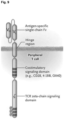
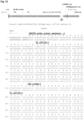
- a CD123CAR includes an anti-CD123 single-chain Fv (scFv) region, a modified IgG4 hinge region comprising SEQ ID NO: 13 having an N to Q amino acid substitution at position 79, a transmembrane domain, at least one costimulatory signaling domain, and an intracellular signaling domain ( Figure 9 ).
- scFv single-chain Fv
- the anti-CD123 scFv region includes a nucleotide sequence that, when expressed, may bind an epitope of CD123.
- the scFv anti-CD123 scFv region includes a nucleotide which encodes a VH and a VL domain of recombinant immunotoxins (RITs) 26292 and 32716 [18].
- a CD123CAR gene that targets 26292 and a CD123CAR gene that targets 32716 is also referred to herein as a 26292CAR and a 32716CAR, respectively.
- an anti-CD123 scFv region may include a nucleotide sequence selected from the following:
- Said nucleotide sequences encode amino acid sequences selected from the following:
- the anti-CD123 scFv region may be modified to enhance binding or to reduce immunogenicity.
- the anti-CD123 scFv region may be a humanized anti-CD123 scFv region.
- the hinge region may include at least a portion of an immunoglobulin (e.g., IgG1, IgG2, IgG3, IgG4) that falls between the CH2-CH3 domains.
- the hinge regions is a modified hinge.
- the modified hinge may have one or more amino acid substitutions or modifications that contribute to reducing the CD123CAR's off-target effects, thereby increasing its specificity and efficacy.
- amino acid substitution or “substitution” as used herein, means a replacement of an amino acid at a particular position in a parent peptide or protein sequence with another amino acid.
- substitution S228P refers to a variant protein or peptide, in which the serine at position 228 is replaced with proline.
- Amino acid substitutions can be made by mutation such that a particular codon in the nucleic acid sequence encoding the protein or peptide is changed to a codon which codes for a different amino acid. Such a mutation is generally made by making the fewest nucleotide changes possible.
- a substitution mutation of this sort can be made to change an amino acid in the resulting protein in a non-conservative manner (i.e., by changing the codon from an amino acid belonging to a grouping of amino acids having a particular size or characteristic to an amino acid belonging to another grouping) or in a conservative manner (i.e., by changing the codon from an amino acid belonging to a grouping of amino acids having a particular size or characteristic to an amino acid belonging to the same grouping).
- Such a conservative change generally leads to less change in the structure and function of the resulting protein.
- Another grouping may be those amino acids with phenyl groups: Phenylalanine, Tryptophan, Tyrosine.
- Another grouping may be according to molecular weight (i.e., size of R groups) as shown below: Glycine 75 Alanine 89 Serine 105 Proline 115 Valine 117 Threonine 119 Cysteine 121 Leucine 131 Isoleucine 131 Asparagine 132 Aspartic acid 133 Glutamine 146 Lysine 146 Glutamic acid 147 Methionine 149 Histidine (at pH 6.0) 155 Phenylalanine 165 Arginine 174 Tyrosine 181 Tryptophan 204
- the modified hinge is derived from an IgG4 that includes one or more amino acid residues substituted with an amino acid residue different from that present in an unmodified hinge.
- the one or more substituted amino acid residues are selected from, but not limited to one or more amino acid residues at positions 220, 226, 228, 229, 230, 233, 234, 235, 234, 237, 238, 239, 243, 247, 267, 268, 280, 290, 292, 297, 298, 299, 300, 305, 309, 218, 326, 330, 331, 332, 333, 334, 336, 339, or a combination thereof
- the modified hinge is derived from an IgG4 that includes, but is not limited to, one or more of the following amino acid residue substitutions: C220S, C226S, S228P, C229S, P230S, E233P, V234A, L234V, L234F, L234A, L235A, L235E, G236A, G237A, P238S, S239D, F243L, P247I, S267E, H268Q, S280H, K290S, K290E, K290N, R292P, N297A, N297Q, S298A, S298G, S298D, S298V, T299A, Y300L, V305I, V309L, E318A, K326A, K326W, K326E, L328F, A330L, A330S, A331S, P331S, I332E, E333A, E
- the modified hinge is derived from an IgG4 hinge having the following amino acid sequence:
- the modified hinge is derived from IgG4 that includes one or more amino acid residues substituted with an amino acid residue different from that present in an unmodified hinge.
- the one or more substituted amino acid residues are selected from, but not limited to one or more amino acid residues at positions 220, 226, 228, 229, 230, 233, 234, 235, 234, 237, 238, 239, 243, 247, 267, 268, 280, 290, 292, 297, 298, 299, 300, 305, 309, 218, 326, 330, 331, 332, 333, 334, 336, 339, or a combination thereof
- the modified hinge is derived from an !gG4 that includes, but is not limited to, one or more of the following amino acid residue substitutions: 220S, 226S, 228P, 229S, 230S, 233P, 234A, 234V, 234F, 234A, 235A, 235E, 236A, 237A, 238S, 239D, 243L, 247I, 267E, 268Q, 280H, 290S, 290E, 290N, 292P, 297A, 297Q, 298A, 298G, 298D, 298V, 299A, 300L, 305I, 309L, 318A, 326A, 326W, 326E, 328F, 330L, 330S, 331S, 331S, 332E, 333A, 333S, 333S, 334A, 339D, 339Q, 396L, or a combination thereof, wherein the following amino acid residue
- the modified IgG4 hinge includes, but is not limited to, a substitution of proline (P) in place of serine (S) at position 228 (S228P), a substitution of leucine (L) in place of glutamic acid (E) at position 235 (L235E), a substitution of asparagine (N) in place of glutamine (Q) at position 297 (N297Q).
- a modified IgG4 hinge region may include a nucleotide sequence selected from the following:
- Said nucleotide sequences encode amino acid sequences selected from the following:
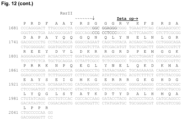
- the modified IgG4 hinge region includes an S228P substitution, an L235E substitution, and an N297Q substitution ("S228P+L235E+N297Q") (See Figures 12 and 13 ).
- the hinge may be modified to substitute the Fc spacer region in the C123CAR for a spacer that has no Fc binding, such as the hinge region of CD8a.
- the Fc spacer region of the hinge may be deleted. Such substitutions would reduce or eliminate Fc binding.
- position is a location in the sequence of a protein. Positions may be numbered sequentially, or according to an established format, for example a Kabat position or an EU position or EU index as in Kabat. For all positions discussed herein, numbering is according to the EU index or EU numbering scheme ( Kabat et al., 1991, Sequences of Proteins of Immunological Interest, 5th Ed., United States Public Health Service, National Institutes of Health, Bethesda ). The EU index or EU index as in Kabat or EU numbering scheme refers to the numbering of the EU antibody ( Edelman et al., 1969, Proc Natl Acad Sci USA 63:78-85 ).
- Kabat positions while also well known in the art, may vary from the EU position for a given position.
- S228P and L235E substitutions described above refer to the EU position.
- these substitutions may also correspond to Kabat positions 241 (S241P) and 248 (L248E) [21].
- the costimulatory signaling domain may include any suitable costimulatory domain including, but not limited to a 4-1BB costimulatory domain, an OX-40 costimulatory domain, a CD27 costimulatory domain, or a CD28 costimulatory domain.
- a CD123CAR may include at least one costimulatory signaling domain.
- the CD123CAR has a single costimulatory signaling domain, or it may include two or more costimulatory signaling domains such as those described above.
- the costimulatory domain may be made up of a single costimulatory domain such as those described above, or alternatively, may be made up of two or more portions of two or more costimulatory domains.
- the CD123CAR does not include a costimulatory signaling domain.
- the CD123CAR includes a costimulatory signaling domain which is a CD28 costimulatory domain.
- the CD28 signaling domain may include a modified CD28 transmembrane domain.
- such a modified CD28 transmembrane domain has one or more amino acid substitutions or modifications including, but not limited to a substitution of leucine-leucine (LL) to glycine-glycine (GG) at amino acid residues 530-531 of SEQ ID NO:10 or SEQ ID NO:12; or residues 523-524 of SEQ ID NO:11 or SEQ ID NO:13 (e.g., RLLH ⁇ RGGH [22]).
- a modified costimulatory signaling domain region may include a nucleotide sequence selected from the following:
- Said nucleotide sequences encode amino acid sequences selected from the following:
- the intracellular signaling domain may include any suitable T cell receptor (TCR) complex, signaling domain portion thereof.
- TCR T cell receptor
- the intracellular signaling domain is a TCR zeta-chain ( ⁇ -chain) signaling domain.
- ⁇ -chain signaling domain may include a nucleotide sequence selected from the following:
- Said nucleotide sequences encode amino acid sequences selected from the following: residues 568-679 of SEQ ID NO:1 or SEQ ID NO:3 when used in a 32716CAR; residues 561-672 of SEQ ID NO:2 or SEQ ID NO:4 when used in a 26292CAR.
- the CD123CAR gene may include a nucleotide sequence selected from SEQ ID NO:1, SEQ ID NO:2, SEQ ID NO:3 or SEQ ID NO:4.
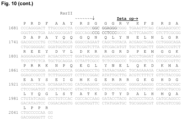
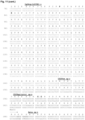
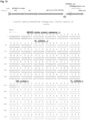
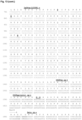
- the CD123CAR gene may encode an amino acid sequence selected from SEQ ID NO:9, SEQ ID NO:10, SEQ ID NO:11 or SEQ ID NO:12. ( Figures 10 , 11 , 12 , 13 ).
- the CD123CAR gene is part of an expression cassette.
- the expression cassette may - in addition to the CD123CAR gene - also include an accessory gene.
- the accessory gene When expressed by a T cell, the accessory gene may serve as a transduced T cell selection marker, an in vivo tracking marker, or a suicide gene for transduced T cells.
- the accessory gene is a truncated EGFR gene (EGFRt).
- EGFRt may be used as a non-immunogenic selection tool (e,g., immunomagnetic selection using biotinylated cetuximab in combination with anti-biotin microbeads for enrichment of T cells that have been lentivirally transduced with EGFRt-containing constructs), tracking marker (e.g., flow cytometric analysis for tracking T cell engraftment), and suicide gene (e.g., via Cetuximab/Erbitux ® mediated antibody dependent cellular cytotoxicity (ADCC) pathways).
- ADCC Cetuximab/Erbitux ® mediated antibody dependent cellular cytotoxicity
- EGFRt truncated EGFR
- the accessory gene is a truncated CD19 gene (CD19t).
- the accessory gene is an inducible suicide gene.
- a suicide gene is a recombinant gene that will cause the cell that the gene is expressed in to undergo programmed cell death or antibody mediated clearance at a desired time.
- an inducible suicide gene that may be used as an accessory gene is an inducible caspase 9 gene (see Straathof et al. (2005) An inducible caspase 9 safety switch for T-cell therapy. Blood. June 1; 105(11): 4247-4254 ).
- the expression cassette that include a CD123CAR gene described above may be inserted into a vector for delivery - via transduction or transfection - of a target cell.
- Any suitable vector may be used, for example, a bacterial vector, a viral vector, or a plasmid.
- the vector is a viral vector selected from a retroviral vector, a lentiviral vector, a poxvirus vector, an adenoviral vector, or an adeno-associated viral vector
- the vector may transduce a population of healthy T cells. Successfully transduced or transfected target cells express the one or more genes that are part of the expression cassette.
- one or more populations of T cells may be transduced with a CD123CAR gene.
- the CD123CAR gene includes a nucleotide sequence selected from SEQ ID NO:1, SEQ ID NO:2, SEQ ID NO:3 or SEQ ID NO:4.
- the transduced T cells express a CD123CAR gene that encodes an amino acid sequence selected from SEQ ID NO:9, SEQ ID NO:10, SEQ ID NO:11 orSEQ ID NO:12. ( Figures 10 , 11 , 12 , 13 ).
- the transduced T cells may be from a donor, or may be from a subject having AML and who is in need of a treatment for AML.
- the transduced T cells are used in an adoptive immunotherapy treatment for the treatment of AML
- the one or more populations of T cells may be part of a pharmaceutically acceptable composition for delivery for administration to a subject.
- the pharmaceutically effective composition may include one or more pharmaceutically effective carriers.
- a "pharmaceutically acceptable carrier” as used herein refers to a pharmaceutically acceptable material, composition, or vehicle that is involved in carrying or transporting a treatment of interest from one tissue, organ, or portion of the body to another tissue, organ, or portion of the body.
- Such a carrier may comprise, for example, a liquid, solid, or semi-solid filler, solvent, surfactant, diluent, excipient, adjuvant, binder, buffer, dissolution aid, solvent, encapsulating material, sequestering agent, dispersing agent, preservative, lubricant, disintegrant, thickener, emulsifier, antimicrobial agent, antioxidant, stabilizing agent, coloring agent, or some combination thereof.
- Each component of the carrier is "pharmaceutically acceptable" in that it must be compatible with the other ingredients of the composition and must be suitable for contact with any tissue, organ, or portion of the body that it may encounter, meaning that it must not carry a risk of toxicity, irritation, allergic response, immunogenicity, or any other complication that excessively outweighs its therapeutic benefits.
- materials which can serve as pharmaceutically-acceptable carriers include: (1) sugars, such as lactose, glucose and sucrose; (2) starches, such as corn starch and potato starch; (3) cellulose, and its derivatives, such as sodium carboxymethyl cellulose, ethyl cellulose and cellulose acetate; (4) powdered tragacanth; (5) malt; (6) natural polymers such as gelatin, collagen, fibrin, fibrinogen, laminin, decorin, hyaluronan, alginate and chitosan; (7) talc; (8) excipients, such as cocoa butter and suppository waxes; (9) oils, such as peanut oil, cottonseed oil, safflower oil, sesame oil, olive oil, corn oil and soybean oil; (10) glycols, such as propylene glycol; (11) polyols, such as glycerin, sorbitol, mannitol and polyethylene glycol; (12) esters, such as trimethylene
- compositions may contain pharmaceutically acceptable auxiliary substances as required to approximate physiological conditions such as pH adjusting and buffering agents, toxicity adjusting agents and the like, for example, sodium acetate, sodium chloride, potassium chloride, calcium chloride, sodium lactate and the like.
- the pharmaceutically acceptable carrier is an aqueous carrier, e.g. buffered saline and the like.
- the pharmaceutically acceptable carrier is a polar solvent, e.g. acetone and alcohol.
- the concentration of CD123CAR-transduced T cells in these formulations can vary widely, and will be selected primarily based on fluid volumes, viscosities, organ size, body weight and the like in accordance with the particular mode of administration selected and the biological system's needs.
- populations of T cells transduced with a CD124CAR gene such as those described herein cells used in the methods for targeting and killing AML cells may be grown in a cell culture.
- the method may be used in an in vitro or research setting to investigate the role of CD123 in the etiology of AML, or to evaluate the targeting abilities of new CD123CAR constructs.
- CD123CAR genes and populations of T cells that are transduced with CD123CAR genes may be used in compositions for use in methods for treating AML in a subject. Such methods may include a step of administering a therapeutically effective amount of at least one population of T cells transduced with at least one CD123CAR gene to the subject.
- the population of CD123CAR-transduced T-cells express one or more CD123CAR genes, such as those described above.
- the T cells are transduced with and express a 32716CAR(S228P+L235E+N297Q) gene construct ( Figure 12 ) or a 26292CAR(S228P+L235E+N297Q) gene construct ( Figure 13 ).
- the transduced T cells specifically target and lyse CD123 expressing cells (i.e., AML cells) in vivo, thereby delivering their therapeutic effect of eliminating cancer cells.
- CD123CAR gene constructs having the S228P and L235E mutations in the hinge range provides sufficient protection from off-target effects to generate a sufficient response in cultured cells in vitro.
- the population or populations of T cells transduced with the CD123CAR gene or genes that may be used in accordance with the methods described herein may be administered, by any suitable route of administration, alone or as part of a pharmaceutical composition.
- a route of administration may refer to any administration pathway known in the art, including but not limited to intracranial, parenteral, or transdermal.
- Parenter refers to a route of administration that is generally associated with injection, including infraorbital, infusion, intraarterial, intracapsular, intracardiac, intradermal, intramuscular, intraperitoneal, intrapulmonary, intraspinal, intrasternal, intrathecal, intratumoral, intrauterine, intravenous, subarachnoid, subcapsular, subcutaneous, transmucosal, or transtracheal.
- transduced T cells are administered intravenously or intrathecally.
- an effective amount refers to an amount of an agent, compound, treatment or therapy that produces a desired effect.
- a population of cells may be contacted with an effective amount of an agent, compound, treatment or therapy to study its effect in vitro (e.g., cell culture) or to produce a desired therapeutic effect ex vivo or in vitro.
- An effective amount of an agent, compound, treatment or therapy may be used to produce a therapeutic effect in a subject, such as preventing or treating a target condition, alleviating symptoms associated with the condition, or producing a desired physiological effect.
- the effective amount of a compound is a "therapeutically effective amount,” “therapeutically effective concentration” or “therapeutically effective dose.”
- the precise effective amount or therapeutically effective amount is an amount of the composition that will yield the most effective results in terms of efficacy of treatment in a given subject or population of cells. This amount will vary depending upon a variety of factors, including but not limited to the characteristics of the compound (including activity, pharmacokinetics, pharmacodynamics, and bioavailability), the physiological condition of the subject (including age, sex, disease type and stage, general physical condition, responsiveness to a given dosage, and type of medication) or cells, the nature of the pharmaceutically acceptable carrier or carriers in the formulation, and the route of administration.
- an effective or therapeutically effective amount may vary depending on whether the compound is administered alone or in combination with another compound, drug, therapy or other therapeutic method or modality.
- One skilled in the clinical and pharmacological arts will be able to determine an effective amount or therapeutically effective amount through routine experimentation, namely by monitoring a cell's or subject's response to administration of a compound and adjusting the dosage accordingly.
- Remington The Science and Practice of Pharmacy, 21st Edition, Univ. of Sciences in Philadelphia (USIP), Lippincott Williams & Wilkins, Philadelphia, PA, 2005 .
- Agents, compounds treatments or therapies that may be used in an effective amount or therapeutically effective amount to produce a desired effect in accordance with the embodiments described herein may include, but are not limited to, a CD123CAR gene, an expression cassette that includes a CD123CAR gene, a vector that delivers an expression cassette that includes a CD123CAR gene to a target cell such as a T cell, and a population of T cells that are transduced with a CD123CAR gene.
- treating may refer to preventing the condition, slowing the onset or rate of development of the condition, reducing the risk of developing the condition, preventing or delaying the development of symptoms associated with the condition, reducing or ending symptoms associated with the condition, generating a complete or partial regression of the condition, or some combination thereof.
- Treatment may also mean a prophylactic or preventative treatment of a condition.
- subject refers to a human or animal, including all mammals such as primates (particularly higher primates), sheep, dog, rodents (e.g., mouse or rat), guinea pig, goat, pig, cat, rabbit, and cow. In some embodiments, the subject is a human.
- compositions for use in methods for treating AML may include a step of administering a therapeutically effective amount of a first population of T cells transduced with a first CD123CAR gene in combination with a therapeutically effective amount of a second population of T cells transduced with a second CD123CAR gene.
- CD123CAR-transduced T cells may be administered in combination with one or more additional anti-cancer therapies.
- “In combination” or “in combination with,” as used herein, means in the course of treating the same cancer in the same subject using two or more agents, drugs, therapeutics, procedures, treatment regimens, treatment modalities or a combination thereof, in any order. This includes simultaneous administration, as well as in a temporally spaced order of up to several days apart.
- Such combination treatment may also include more than a single administration of any one or more of the agents, drugs, therapeutics, procedures, treatment regimens, and treatment modalities. Further, the administration of the two or more agents, drugs, therapeutics, procedures, treatment regimens, treatment modalities or a combination thereof may be by the same or different routes of administration.
- Additional anti-cancer therapies may include one or more anti-cancer procedures, treatment modalities, anti-cancer therapeutics or a combination thereof.
- the CD123CAR-transduced T cells may be administered in combination with one or more anti-cancer procedures or treatment modalities including, but not limited to, stem cell transplantation (e.g., bone marrow transplant or peripheral blood stem cell transplant using allogenic stem cells, autologous stem cells; or a non-myeloablative transplant), radiation therapy, or surgical resection.
- stem cell transplantation e.g., bone marrow transplant or peripheral blood stem cell transplant using allogenic stem cells, autologous stem cells; or a non-myeloablative transplant
- radiation therapy e.g., radiation therapy, or surgical resection.
- the CD123CAR-transduced T cells may be administered in combination with one or more anti-cancer therapeutics or drugs that may be used to treat AML including, but not limited to, chemotherapeutics and other anti-cancer drugs, immunotherapeutics, targeted therapeutics, or a combination thereof.
- Chemotherapeutics and other anti-cancer drugs that may be administered in combination with the CD123CAR-transduced T cells in accordance with the embodiments described herein include, but are not limited to, all-trans-retinoic acid (ATRA), arsenic trioxide, anthracycline antibiotics and pharmaceutically acceptable salts thereof (e.g., doxorubicin hydrochloride, daunorubicin hydrochloride, idarubicin, mitoxantrone), alkylating agents (e.g., cyclophosphamide, laromustine), antimetabolite analogs (cytarabine, 6-thioguanine, 6-mercaptopurine, methotrexate), demethylating agents (e.g., decitabine, 5-azacytidine), nucleic acid synthesis inhibitors (e.g., hydroxyurea), topoisomerase inhibitors (e.g., etoposide), vinca alkaloids (e.g.,
- Immunotherapeutics that may be administered in combination with the CD123CAR-transduced T cells in accordance with the embodiments described herein include, but are not limited to, immune modulatory reagents (e.g., STAT3 inhibitors, Lenalidomide) and therapeutic monoclonal antibodies.
- immune modulatory reagents e.g., STAT3 inhibitors, Lenalidomide
- the therapeutic monoclonal antibodies may be designed (i) to target one or more AML antigens including, but not limited to, CD33 (e.g., gemtuzumab, lintuzumab), MUC1 (e.g., cantuzumab ravtansine, clivatuzumab tetraxetan, pemtumomab); (i) a B cell antigen (e.g., rituximab, ofatumumab); or a vasculature modulator such as VEGF or VEGFR (e.g., alacizumab pegol, bevacizumab, icrucumab, ramucirumab, ranibizumab).
- AML antigens including, but not limited to, CD33 (e.g., gemtuzumab, lintuzumab), MUC1 (e.g., cantuzumab ravtansine, clivat
- Targeted therapeutics that may be administered in combination with the CD123CAR-transduced T cells in accordance with the embodiments described herein include, but are not limited to, tyrosine kinase inhibitors (imatinib, dasatinib, nilotinib, sunitinib), farnesyl transferase inhibitors (e.g., tipifarnib), FLT inhibitors, and c-Kit (or CD117) inhibitors (imatinib, dasatinib, nilotinib).
- tyrosine kinase inhibitors imatinib, dasatinib, nilotinib, sunitinib
- farnesyl transferase inhibitors e.g., tipifarnib
- FLT inhibitors e.g., tipifarnib
- c-Kit (or CD117) inhibitors imatinib, dasatinib, nilotinib.
- CM complete media
- PBMCs Peripheral blood mononuclear cells
- LCL-OKT3 cells express membrane bound OKT3 and are grown in CM supplemented with 0.4 mg/ml hygromycin [20].
- K562 cells were obtained from ATCC and cultured as recommended. KG1a cells (kindly provided by Dr.
- Fluorochrome conjugated isotype controls anti-CD4, anti-CD8, anti-T-cell receptor- ⁇ (TCR ⁇ ), anti-CD123 (9F5), anti-CD34 (8G12), and anti-CD38 (HIT2) were purchased from BD Biosciences.
- Biotinylated anti-Fc was purchased from Jackson ImmunoResearch Laboratories.
- Biotinylated cetuximab (Erbitux) was purchased from the COH pharmacy and has been previously described [20].
- Biotinylated anti-CD2, anti-CD3, anti-CD7, anti-CD10, anti-CD11b, anti-CD19, anti-CD33, and ant- CD235A were purchased from eBioscience. Data acquisition was performed on a FACSCalibur, LSRII (BD Biosciences), or MACSQuant Analyzer (Miltenyi Biotec) and analyzed using FCS Express, Version 3 (De Novo Software).
- CD123 cDNA was amplified from CD123-pMD18-T (Sino Biological Inc.) using polymerase chain reaction and primers (CD123-F: 5'-ATAAGGCCTGCCGCCACCATGGTCCTCCTTTGGCTCACG-3' and CD123-R 5'-ATAGCTAGCTCAAGTTTTCTGCACGACCTGTACTTC-3').
- the PCR product was cloned into pMGPac using Stul and Nhel restriction sites. 293T cells were transfected using Lipofectamine 2000 (Life Technologies) per manufacturer's instructions. 24 hours post-transfection, expression of CD123 was confirmed by flow cytometry
- Lentiviral vectors To generate the CAR constructs used in this study, codon optimized DNA sequences encoding for the VH and VL chains, a modified IgG4 hinge and a modified CD28 transmembrane domain (RLLH ⁇ RGGH [22]) were synthesized (GENEART) and cloned into CD19RCAR-T2AEGFRt_epHIV7 [20] using Nhel and Rsrll sites to replace the CD19RCAR. Lentivirus was produced by transfecting 293T cells with a lentivrial vector and the packaging vectors pCMV-Rev2, pCHGP-2, and pCMV-G using CalPhosTM mammalian cell transfection kit (Clontech).
- 26292 and 32716 CAR constructs are also referred to herein as 26292CAR(S228P+L235E) or 26292CAR(S228P+L235E+N297Q) ( Figures 11 and 13 ) and 32716CAR(S228P+L235E) or 32716CAR(S228P+L235E+N297Q) ( Figures 10 and 12 ). Lentiviral supernatants were collected at 24, 48, and 72 hours post-transfection and concentrated by ultracentrifugation.
- T cells were labeled with 0.5 ⁇ M carboxyfluoroscein succinimidyl ester (CFSE; Molecular Probes) per manufacturer's instructions. Labeled T cells were cocultured with, or without, stimulator cells at an E:T ratio of 2:1 in CM supplemented with 10 U/ml IL-2. After 72-96 hours, cells were harvested and stained with biotinylated cetuximab as well as propidium iodide or DAPI to exclude dead cells from analysis. Samples were analyzed by flow cytometry to evaluate proliferation of live EGFRt-positive cells by CFSE dilution.
- CFSE carboxyfluoroscein succinimidyl ester
- Target cells were labeled for 1 hour with 51Cr (PerkinElmer), washed five times, and aliquoted in triplicate at 5 ⁇ 103 cells/well with effector cells at various effector to target (E:T) ratios. Following a 4 hour coculture, supernatants were harvested and radioactivity was measured using a gamma counter or a Topcount (PerkinElmer). Percent-specific lysis was calculated as previously described [24]. Cytokine production following a 24 hour coculture at a 10:1 E:T ratio was measured as previously described [25].
- T cells were cocultured with target cells at an E:T of 2:1 for six hours at 37°C in the presence of GolgiStop TM (BD Biosciences) and anti-CD107a clone H4A3 or isotype matched control antibody.
- GolgiStop TM BD Biosciences
- anti-CD107a clone H4A3 or isotype matched control antibody At the completion of the six hour incubation, cells were harvested, washed and stained with anti-CD3, CD4, CD8, and biotinylated cetuximab followed by a secondary stain using PE-conjugated streptavidin.
- CD34+ cells from cord blood (CB) mononuclear cells or primary AML samples were selected using immunomagnetic column separation (Miltenyi Biotech).
- 103 CD34+ CB cells were cocultured with 25 ⁇ 103 effector cells for 4 hours prior to plating in semisolid methylcellulose progenitor culture in duplicate wells [26]. 14 to 18 days later, colonyforming unit granulocyte-macrophage (CFU-GM) and burst-forming unit erythroid (BFUE) colonies were enumerated.
- CFU-GM colonyforming unit granulocyte-macrophage
- BFUE burst-forming unit erythroid
- lentiviral vectors encoding CD123 CARs were developed.
- Each of the CARs includes codon-optimized sequences encoding one of two CD123-specific scFvs, 26292 and 32716 [18], respectively.
- the scFvs are fused in-frame to the human IgG4 Fc region, a CD28 costimulatory domain, and the CD3 ⁇ signaling domain.
- Just downstream of the CAR sequence is a T2A ribosome skip sequence and a truncated human EGFR (EGFRt) transduction marker ( Figure 1A ).
- OKT3 stimulated PBMCs from healthy donors were lenti-transduced and CAR expressing T cells were isolated by immunomagnetic selection using a biotinylated-Erbitux antibody followed by a secondary stain with anti-biotin magnetic beads. Following one REM cycle, the isolated cells were analyzed by flow cytometry for CAR surface expression and T-cell phenotype. Both Fc and EGFRt expression was greater than 90% in the generated T cell lines from three healthy donors and final T cell products consisted of a mixture of CD4 and CD8 positive T cells ( Figure 1B, 1C ).
- CD123 CAR T cells specifically target CD123 expressing tumor cell lines
- CD123 CAR T cells To confirm the specificity of the CD123 CAR T cells, the ability of the genetically modified T cells to lyse 293T cells transiently transfected to express CD123 was examined (293T-CD123; Figure 2A ). Both CD123 CAR T cells generated efficiently lysed 293T-CD123, but not 293T cells transiently transfected to express CD19, demonstrating the specific recognition of CD123 ( Figure 2B ). Next, the in vitro cytolytic capacity of CD123-specific T cells was investigated against tumor cell lines endogenously expressing CD123. Expression of CD123 on the cell lines LCL and KG1a were confirmed by flow cytometry ( Figure 2C ).
- CD123-specific T cell lines efficiently lysed LCL and KG1a target lines, but not the CD123-K562 cell line ( Figure 2C ).
- Pair-matched CD19-specific T cells effectively lysed CD19+ LCL targets, but not CD19- KG1a or K562 targets ( Figure 2D ).
- Mock transduced parental cells lysed only the positive control LCL-OKT3 cell line ( Figure 2D ).
- CD123-specific T cells To examine the effector function of CD123-specific T cells, the secretion of IFN- ⁇ and TNF- ⁇ was measured following coculture with various tumor cell lines. T cell products expressing either CD123 CAR produced both IFN- ⁇ and TNF- ⁇ when cocultured with CD123+ target cells, while pair-matched CD19-specific T cells secreted these cytokines only when cocultured with the CD19+ LCL or LCL-OKT3 cell line Figure 3A ). Additionally, both CD123-specific T cell lines proliferated when cocultured with either of the CD123+ cell lines LCL, LCL-OKT3, or KG1a, but not with the CD123- K562 cell line ( Figure 3B ). In contrast, pair-matched CD19 CAR-expressing T cells proliferated only when cocultured with LCL or LCL-OKT3 ( Figure 3B ).
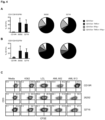
- CD107a Cell surface mobilization of CD107a was observed in both the CD4 and CD8 compartments of CD123-specific T cells while pair-matched CD19R T cells no appreciable degranulation against primary AML samples ( Figure 4A , bar graphs). Further, subpopulations of CD107a+ CD123 CAR T cells also produced either IFN- ⁇ , TNF- ⁇ , or both cytokines ( Figure 4A , pie charts). This multifunctional response was observed for both CD4 and CD8 populations ( Figure 4A and 4B ). Additionally, the ability of CAR engineered T cells to proliferate in response to coculture with primary AML samples was examined. Both CD123-specific T cell lines were capable of proliferating following coculture with AML 813 or pre B-ALL 802 samples ( Figure 4C ). Proliferation was observed for in both the CD4 and CD8 populations ( Figure 16 ). Pair-matched CD19-specific T cells proliferated when cocultured with CD19+ pre B-ALL 802, but not when cocultured with AML 813.
- CD123 is expressed on common myeloid progenitors (CMPs) [31]
- CMPs common myeloid progenitors
- Myeloid and erythroid colony formation by CB samples was not significantly reduced following a 4 hour coculture with CD123-CAR expressing T cells at an E:T of 25:1 when compared to pair-matched CD19R CAR T cells ( Figure 6 A&B).
- CD123-specific T cells was examined in vitro. Both CD123 CAR T cell lines significantly decreased the formation of leukemic colonies compared to pair-matched CD19R T cells ( Figure 6C ).
- CD123-specific T cells had a greater impact on leukemic colony formation compared to normal myeloid colony formation ( Figure 6D , 69% reduction vs 31% reduction, respectively).
- T cells from AML patients can be genetically modified to express CD123 CARs and specifically target autologous tumor cells
- AML patient derived T cells are known to poorly repolarize actin and form defective immune synapses with autologous blasts [32]. Additionally, to the best of our knowledge, CAR expressing T cells derived from AML patients have yet to be described. Therefore, it was determined whether T cells from AML patients could be genetically modified to express CD123 CARs.
- Cryopreserved PBMCs (AML 605 and AML 722) or apheresis product (AML 559) were CD3/CD28 bead stimulated, and lentivirally transduced to express either of the CD123 CARs or a CD19R control CAR.
- FIG. 7A A representative example of the phenotype of AML patient derived CAR T cells is shown in Figure 7A .
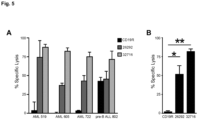
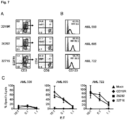
- FIG. 7B the cytolytic potential of AML patient derived CAR T cells against autologous CD34-enriched target cells was examined in a 4 hour 51 Cr release assay. All of the autologous CD34-enriched cells expressed CD123, albeit at varying percentages and intensities ( Figure 7B ).
- T cells derived from AML 605 and 722 efficiently lysed autologous blasts while T cells derived from AML 559 displayed low levels of autologous blast lysis likely due to the low and heterogeneous expression of CD123 on AML 559 blasts ( Figure 7C ).
- the embodiments described herein include the generation of two novel CD123 targeting CARs using scFvs from recombinant immunotoxins (RITs), 26292 and 32716, which bind distinct epitopes and have similar binding affinities for CD123 [18].
- these CD123 targeting CARs redirect T cell specificity against CD123 expressing cells.
- 51Cr chromium-51 release assay
- healthy donor T cells that were engineered to express the CD123 CARs efficiently lysed CD123+ cell lines and primary AML patient samples.
- both of the CD123 CAR T cells activated multiple effector functions following coculture with CD123+ cell lines and primary AML patient samples.
- CD123-targeting T cells did not significantly reduce the number of colony-forming unit granulocyte-macrophage (CFU-GM) or burst-forming unit erythroid (BFU-E) colonies from cord blood (CB) when compared to CD19 CAR T cells.
- CD19-specific T cells had little impact on leukemic colony formation of primary AML samples
- CD123-targeting T cells significantly reduced leukemic colony formation in vitro. It was also shown that AML patient derived T cells can express CD123 CARs and lyse autologous blasts in vitro.
- T cells expressing either of the two CD123-specific CARs can specifically lyse CD123 expressing cell lines and primary AML patient samples, and activate multiple effector functions in an antigen specific manner in vitro demonstrating that both epitopes are potential targets for treatment.
- No major differences were observed between the CD123 CAR engineered T cell lines with respect to target cell killing, cytokine secretion, or proliferation when cocultured with CD123+ cells.
- One possible explanation for this is the binding affinities of the CD123-specific scFvs used in the CD123-CARs are in the nanomolar range and differ by less than 3-fold and thus offer no significant advantage in target antigen binding is conferred by either scFv [18].
- AML cells have been well documented [4, 27, 34]. Targeting some of these antigens via CAR-expressing T cells may not be feasible. For instance, the AML associated antigen TIM-3 is expressed on a subset of exhausted T cells [35, 36] and targeting TIM-3 using CAR-engineered T cells may result in the autolysis of genetically modified cells. Additionally, CD47 is ubiquitously expressed [37] and thus unlikely targetable by CAR-engineered T cells.
- CD33 differentiation antigen is predominately expressed on myeloid cells and immunotherapies targeting CD33 such as Gemtuzumab ozogamicin, CD33/CD3 bispecific T cell engaging antibodies, and a CD33 CAR are currently used in clinical and pre-clinical settings [17, 38, 39].
- CD33 is expressed on a subset of T cells making it a non-ideal target for a CAR based therapy [40].
- the antileukemic activity of CD33-targeting therapies was often accompanied with slow recovery of hematopoiesis and cytopenias likely the result of CD33 expression on long-term self-renewing normal hematopoietic stem cells (HSCs) [41].
- HSCs normal hematopoietic stem cells
- CD123 is absent on T cells, predominantly restricted to cells of the myeloid lineage [43], and largely absent on HSCs [27]. Together, these observations made CD123 an attractive target for CAR mediated T cell therapy. Therapeutics specific for CD123 have displayed favorable safety profiles in phase I trials (ClinicalTrials.gov ID: NCT00401739 and NCT00397579) . Unfortunately, these therapies have failed to induce responses in the vast majority of treated patients.
- the CD123-CAR expressing T cells generated here displayed potent cytolytic capacity in vitro against CD123+ cell lines and primary AML samples. The studies described below show that primary samples from patients with poor-risk AML were susceptible to CD123 CAR T cell mediated cytotoxicity.
- Multifunctional T cell responses correlate with the control of virus infection and may be important in an anti-tumor CAR T cell response [44]. Indeed, patients responsive to CD19 CAR T cell therapy have detectable T cell responses (i.e. degranulation, cytokine secretion or proliferation) post-therapy in response to CD19+ targets ex vivo [11, 12, 14]. In the Examples below, it was demonstrated that the functionality of CD123-CAR expressing T cells by analyzing the upregulation of CD107a, production of inflammatory cytokines and proliferation of CD123-specific T cells in response to both CD123+ cell lines and primary AML samples.
- CD4+ and CD8+ compartments multifunctionality was observed in both the CD4+ and CD8+ compartments, which may promote sustained anti-leukemic activity and boost anti-leukemic activity within the tumor microenvironment [45, 46].
- the inclusion of other costimulatory domains such as 4-1BB, and the use of "younger" less differentiated T cells may further augment CD123 CAR responses and are an area of active research [9, 47].
- CD123-specific T cells do not inhibit normal progenitor colony formation - even at an E:T of 25:1.
- Expression of CD123 on lineage-CD34+CD38-cells is a hallmark of the common myeloid progenitor cell and thus a likely target of CD123 CAR T cells [31]. While a decrease in the relative percentage of myeloid-derived colonies was observed when CB cells were incubated with CD123-specific T cells, the decrease was not significantly less than pair-matched CD19R CAR T cells. It is possible that the limited sample size attributes to this result and further experimentation may reveal a significant decrease in CFU-GM formation in CD123 CAR T cell treated cord blood samples.
- the 4 hour coculture of T cells and CB cells prior to plating may not be a long enough time period to observe an effect on normal myeloid progenitor colony formation and that longer incubation times may decrease the number of observed myeloid derived colonies.
- CB cells using the same methodology as was used for CB cells, a substantial decrease in the number of leukemic colonies formed was observed when primary CD34-enriched AML patient samples were incubated with CD123 CAR T cells, suggesting that the 4 hour incubation time is sufficient to observe an effect between leukemic and normal colony formation.
- the lower relative expression of CD123 on CB cells compared to AML cells may in part result in the inability of CD123 CAR T cells to alter myeloid derived colony formation in vitro.
- CD123 is expressed only in a small fraction of lineage-CD34+CD38- HSCs, and two phase I trials using agents targeting CD123 revealed no long term myelosuppression, further studies are needed to evaluate the effect of CD123 CAR T cell therapy on hematopoiesis.
- EGFRt was included in the lentiviral construct to allow for ablation of CAR expressing T cells.
- Other strategies to modulate CAR T cell activity such as the inducible caspase 9 apoptosis switch [48] or electroporation of CAR mRNA [49] are also of high interest given the potential for killing of normal cells expressing CD123.
- cryopreserved PBMCs from AML patients with active disease can be genetically modified to express CD123 CARs and exhibit potent cytolytic activity against autologous leukemic blasts in 2/3 of the samples.
- CD123 CAR-expressing T cells from AML 559 failed to lyse autologous blasts which expressed low levels of CD123, these CAR T cells did lyse CD123+ LCL and KG1a cell lines (data not shown) suggesting that the generated T cells have the potential to target CD123-expressing target cells.
- AML patient-derived T cells can be engineered to express a CAR and exhibit redirected antigen specific cytotoxicity against autologous blasts.
- CD123 CAR T cells can distinguish between CD123+ and CD123-cells, and can activate multiple T cell effector functions against a panel of poor-risk primary AML patient samples.
- CD123-specific T cells did not significantly alter normal progenitor colony formation but considerably reduced the growth of clonogenic myeloid leukemic progenitors in vitro.
- T cells derived from AML patients can be genetically modified to express CD123-pecific CARs and lyse autologous blasts in vitro. Therefore, CD123 CAR T cells are a promising candidate for immunotherapy of AML.
- CD123CAR Constructs 26292CAR(S228P+L235E) and 32716CAR(S228P+L235E) constructs were generated as described in Example 1 above. Two additional CD123CAR constructs were also generated that included an additional mutation in the IgG4 hinge at position 297 (N297Q) for each scFv ("26292CAR(S228P+L235E+N297Q)" and "32716CAR(S228P+L235E+N297Q)”) ( Figures 12 and 13 , mutations bolded and underlined).
- NSG mice implanted with AML tumor cells day 0
- leukemic burden progressed on day 8 as compared to the day of treatment in mice treated with T-cells transduced with 26292CAR(S228P+L235E), indicating that cells transduced with the CD123CAR construct having hinge region mutations at positions S228P and L235E had no effect in vivo.
- mice treated with T cells transduced with 26292CAR(S228P+L235E+N297Q) showed a reduction in tumor size as compared to the day of treatment, indicating that the addition of a hinge region mutation at position 297 (N297Q) results in a CD123CAR construct that is able to delay leukemic progression in vivo.
Landscapes
- Health & Medical Sciences (AREA)
- Life Sciences & Earth Sciences (AREA)
- Chemical & Material Sciences (AREA)
- Organic Chemistry (AREA)
- General Health & Medical Sciences (AREA)
- Immunology (AREA)
- Engineering & Computer Science (AREA)
- Genetics & Genomics (AREA)
- Veterinary Medicine (AREA)
- Animal Behavior & Ethology (AREA)
- Public Health (AREA)
- Zoology (AREA)
- Biomedical Technology (AREA)
- Medicinal Chemistry (AREA)
- Biochemistry (AREA)
- Bioinformatics & Cheminformatics (AREA)
- Epidemiology (AREA)
- Biotechnology (AREA)
- Wood Science & Technology (AREA)
- Biophysics (AREA)
- Molecular Biology (AREA)
- Cell Biology (AREA)
- Proteomics, Peptides & Aminoacids (AREA)
- General Engineering & Computer Science (AREA)
- Hematology (AREA)
- Pharmacology & Pharmacy (AREA)
- Microbiology (AREA)
- Nuclear Medicine, Radiotherapy & Molecular Imaging (AREA)
- General Chemical & Material Sciences (AREA)
- Chemical Kinetics & Catalysis (AREA)
- Gastroenterology & Hepatology (AREA)
- Toxicology (AREA)
- Oncology (AREA)
- Plant Pathology (AREA)
- Physics & Mathematics (AREA)
- Developmental Biology & Embryology (AREA)
- Virology (AREA)
- Medicines Containing Material From Animals Or Micro-Organisms (AREA)
- Micro-Organisms Or Cultivation Processes Thereof (AREA)
- Peptides Or Proteins (AREA)
Applications Claiming Priority (3)
| Application Number | Priority Date | Filing Date | Title |
|---|---|---|---|
| US13/844,048 US9657105B2 (en) | 2013-03-15 | 2013-03-15 | CD123-specific chimeric antigen receptor redirected T cells and methods of their use |
| PCT/US2014/029109 WO2014144622A2 (en) | 2013-03-15 | 2014-03-14 | Cd123-specific chimeric antigen receptor redirected t cells and methods of their use |
| EP14765454.5A EP2968415B1 (en) | 2013-03-15 | 2014-03-14 | Cd123-specific chimeric antigen receptor redirected t cells and methods of their use |
Related Parent Applications (1)
| Application Number | Title | Priority Date | Filing Date |
|---|---|---|---|
| EP14765454.5A Division EP2968415B1 (en) | 2013-03-15 | 2014-03-14 | Cd123-specific chimeric antigen receptor redirected t cells and methods of their use |
Publications (2)
| Publication Number | Publication Date |
|---|---|
| EP3626247A1 EP3626247A1 (en) | 2020-03-25 |
| EP3626247B1 true EP3626247B1 (en) | 2023-07-12 |
Family
ID=51527938
Family Applications (2)
| Application Number | Title | Priority Date | Filing Date |
|---|---|---|---|
| EP19189084.7A Active EP3626247B1 (en) | 2013-03-15 | 2014-03-14 | Cd123-specific chimeric antigen receptor redirected t cells and methods of their use |
| EP14765454.5A Active EP2968415B1 (en) | 2013-03-15 | 2014-03-14 | Cd123-specific chimeric antigen receptor redirected t cells and methods of their use |
Family Applications After (1)
| Application Number | Title | Priority Date | Filing Date |
|---|---|---|---|
| EP14765454.5A Active EP2968415B1 (en) | 2013-03-15 | 2014-03-14 | Cd123-specific chimeric antigen receptor redirected t cells and methods of their use |
Country Status (14)
| Country | Link |
|---|---|
| US (3) | US9657105B2 (enExample) |
| EP (2) | EP3626247B1 (enExample) |
| JP (4) | JP6588004B2 (enExample) |
| KR (4) | KR102297918B1 (enExample) |
| CN (2) | CN105392887B (enExample) |
| AU (3) | AU2014228911A1 (enExample) |
| BR (1) | BR112015023701B1 (enExample) |
| CA (1) | CA2907216C (enExample) |
| DK (1) | DK2968415T3 (enExample) |
| ES (1) | ES2747099T3 (enExample) |
| IL (4) | IL289883B2 (enExample) |
| MX (2) | MX2015013195A (enExample) |
| RU (1) | RU2711114C2 (enExample) |
| WO (1) | WO2014144622A2 (enExample) |
Families Citing this family (148)
| Publication number | Priority date | Publication date | Assignee | Title |
|---|---|---|---|---|
| EP2934532B1 (en) | 2012-12-20 | 2019-10-23 | Purdue Research Foundation | Chimeric antigen receptor-expressing t cells as anti-cancer therapeutics |
| WO2014130635A1 (en) | 2013-02-20 | 2014-08-28 | Novartis Ag | Effective targeting of primary human leukemia using anti-cd123 chimeric antigen receptor engineered t cells |
| US9657105B2 (en) | 2013-03-15 | 2017-05-23 | City Of Hope | CD123-specific chimeric antigen receptor redirected T cells and methods of their use |
| UY35468A (es) | 2013-03-16 | 2014-10-31 | Novartis Ag | Tratamiento de cáncer utilizando un receptor quimérico de antígeno anti-cd19 |
| EP2997134B1 (en) | 2013-05-14 | 2020-06-24 | Board of Regents, The University of Texas System | Human application of engineered chimeric antigen receptor (car) t-cells |
| CA2913052A1 (en) | 2013-05-24 | 2014-11-27 | Board Of Regents, The University Of Texas System | Chimeric antigen receptor-targeting monoclonal antibodies |
| EP3021853A1 (en) | 2013-07-18 | 2016-05-25 | Baylor College Of Medicine | Method of enhancing potency of immune cells |
| CN107074957B (zh) * | 2014-01-13 | 2021-05-07 | 希望之城公司 | 在Fc间隔物区中具有突变的嵌合抗原受体(CAR)及其使用方法 |
| US10189908B2 (en) | 2014-02-05 | 2019-01-29 | The University Of Chicago | Chimeric antigen receptors recognizing cancer-specific TN glycopeptide variants |
| DK3105335T3 (da) * | 2014-02-14 | 2020-01-13 | Univ Texas | Kimære antigenreceptorer og fremgangsmåder til fremstilling heraf |
| TR201910814T4 (tr) | 2014-03-19 | 2019-08-21 | Cellectis | Kanser immünoterapisi için cd123 spesifik kimerik antijen reseptörleri. |
| SG10202109752XA (en) * | 2014-04-07 | 2021-10-28 | Novartis Ag | Treatment of cancer using anti-cd19 chimeric antigen receptor |
| US9212225B1 (en) | 2014-07-01 | 2015-12-15 | Amphivena Therapeutics, Inc. | Bispecific CD33 and CD3 binding proteins |
| AU2015292744C1 (en) | 2014-07-21 | 2021-01-21 | Novartis Ag | Treatment of cancer using humanized anti-BCMA chimeric antigen receptor |
| BR112017000939A2 (pt) | 2014-07-21 | 2017-11-14 | Novartis Ag | tratamento de câncer usando um receptor antigênico quimérico de cll-1 |
| WO2016019300A1 (en) * | 2014-07-31 | 2016-02-04 | Novartis Ag | Subset-optimized chimeric antigen receptor-containing t-cells |
| EP3712171A1 (en) | 2014-08-19 | 2020-09-23 | Novartis AG | Treatment of cancer using a cd123 chimeric antigen receptor |
| ES2688035T3 (es) | 2014-08-29 | 2018-10-30 | Gemoab Monoclonals Gmbh | Receptor de antígeno universal que expresa células inmunes para direccionamiento de antígenos múltiples diversos, procedimiento para fabricación del mismo y utilización del mismo para tratamiento de cáncer, infecciones y enfermedades autoinmunes |
| ES2738705T3 (es) * | 2014-09-19 | 2020-01-24 | Hope City | Linfocitos T de receptor de antígeno quimérico coestimulante que se dirigen a IL13R 2 |
| CA2964785A1 (en) * | 2014-11-05 | 2016-05-12 | Board Of Regents, The University Of Texas System | Gene modified immune effector cells and engineered cells for expansion of immune effector cells |
| US20180334490A1 (en) | 2014-12-03 | 2018-11-22 | Qilong H. Wu | Methods for b cell preconditioning in car therapy |
| US11697825B2 (en) | 2014-12-12 | 2023-07-11 | Voyager Therapeutics, Inc. | Compositions and methods for the production of scAAV |
| AR103488A1 (es) | 2015-01-23 | 2017-05-10 | Sanofi Sa | Anticuerpos anti-cd3, anticuerpos anti-cd123 y anticuerpos biespecíficos que se unen específicamente a cd3 y/o cd123 |
| EP3250609A4 (en) | 2015-01-26 | 2018-07-11 | The University of Chicago | Il13ra alpha 2 binding agents and use thereof in cancer treatment |
| EP3250611B1 (en) | 2015-01-26 | 2021-04-21 | The University of Chicago | Car t-cells recognizing cancer-specific il 13r-alpha2 |
| EP3250602A1 (en) * | 2015-01-26 | 2017-12-06 | Cellectis | T cell receptor knock out engineered immune cells, endowed with chimeric antigen receptors binding to cd123 for the treatment of relapsed/refractory acute myeloid lymphoma or blastic plasmacytoid dendritic cell neoplasm |
| US11512289B2 (en) | 2015-02-18 | 2022-11-29 | Enlivex Therapeutics Rdo Ltd | Combination immune therapy and cytokine control therapy for cancer treatment |
| US11596652B2 (en) | 2015-02-18 | 2023-03-07 | Enlivex Therapeutics R&D Ltd | Early apoptotic cells for use in treating sepsis |
| US11000548B2 (en) | 2015-02-18 | 2021-05-11 | Enlivex Therapeutics Ltd | Combination immune therapy and cytokine control therapy for cancer treatment |
| US11318163B2 (en) | 2015-02-18 | 2022-05-03 | Enlivex Therapeutics Ltd | Combination immune therapy and cytokine control therapy for cancer treatment |
| US11304976B2 (en) | 2015-02-18 | 2022-04-19 | Enlivex Therapeutics Ltd | Combination immune therapy and cytokine control therapy for cancer treatment |
| US11497767B2 (en) | 2015-02-18 | 2022-11-15 | Enlivex Therapeutics R&D Ltd | Combination immune therapy and cytokine control therapy for cancer treatment |
| SG11201708257UA (en) * | 2015-04-06 | 2017-11-29 | Subdomain Llc | De novo binding domain containing polypeptides and uses thereof |
| PL3280729T3 (pl) | 2015-04-08 | 2022-08-22 | Novartis Ag | Terapie cd20, terapie cd22 i terapie skojarzone komórką eksprymującą chimeryczny receptor antygenowy (car) cd19 |
| US10100118B2 (en) * | 2015-04-08 | 2018-10-16 | Sorrento Therapeutics, Inc. | Antibody therapeutics that bind CD123 |
| JP6803339B2 (ja) | 2015-04-21 | 2020-12-23 | エンリヴェックス セラピューティクス リミテッド | 治療用のプールされた血液アポトーシス細胞調製物及びそれらの使用 |
| WO2016180467A1 (en) * | 2015-05-11 | 2016-11-17 | Biontech Cell & Gene Therapies Gmbh | Enhancing the effect of car-engineered t cells by means of nucleic acid vaccination |
| HK1253512A1 (zh) | 2015-05-29 | 2019-06-21 | Amphivena Therapeutics, Inc. | 双特异性cd33和cd3结合蛋白质的使用方法 |
| PT3310805T (pt) | 2015-06-19 | 2021-05-19 | Kobold Sebastian | Proteínas de fusão pd-1-cd28 e a sua utilização em medicina |
| CN107709356A (zh) | 2015-06-26 | 2018-02-16 | 南加利福尼亚大学 | 用于肿瘤特异性活化的掩蔽嵌合抗原受体t细胞 |
| HK1256130A1 (zh) | 2015-07-21 | 2019-09-13 | City Of Hope | 用於嵌合抗原受体和其他受体的表达的t细胞 |
| KR102011789B1 (ko) * | 2015-08-05 | 2019-08-19 | 주식회사 셀랩메드 | 키메라 항원 수용체 및 키메라 항원 수용체가 발현된 t 세포 |
| JP7054924B2 (ja) * | 2015-09-23 | 2022-04-15 | サイトイミューン セラピューティクス, インコーポレイテッド | 免疫療法のためのflt3指向car細胞 |
| EP3747462A1 (en) * | 2015-10-06 | 2020-12-09 | City of Hope | Chimeric antigen receptors targeted to psca |
| IL258491B2 (en) | 2015-10-16 | 2023-09-01 | Univ Columbia | Preparations and methods for inhibiting antigens of a particular lineage |
| DK3362569T3 (da) | 2015-10-16 | 2021-10-18 | Univ Muenchen Ludwig Maximilians | Cxcr6-transducerede t-celler til målrettet tumorterapi |
| MX2018004721A (es) * | 2015-10-23 | 2018-07-06 | Eureka Therapeutics Inc | Construcciones quimericas anticuerpo/receptor de celulas t y usos de las mismas. |
| WO2017075147A1 (en) | 2015-10-27 | 2017-05-04 | Board Of Regents, The University Of Texas System | Chimeric antigen receptor molecules and uses thereof |
| ES2909973T3 (es) * | 2015-11-04 | 2022-05-10 | Hope City | Receptores quiméricos para el antígeno que se dirigen a HER2 |
| MX2018006789A (es) | 2015-12-03 | 2019-02-13 | Juno Therapeutics Inc | Receptores quimericos modificados y composiciones y metodos relacionados. |
| US11052111B2 (en) | 2015-12-08 | 2021-07-06 | Chimera Bioengineering, Inc. | Smart CAR devices and DE CAR polypeptides for treating disease and methods for enhancing immune responses |
| KR20180099768A (ko) | 2015-12-30 | 2018-09-05 | 노파르티스 아게 | 증진된 효능을 갖는 면역 이펙터 세포 요법 |
| JP6884155B2 (ja) | 2016-02-18 | 2021-06-09 | エンリヴェックス セラピューティクス リミテッド | 癌治療のための併用免疫療法及びサイトカイン制御療法 |
| SG11201807489PA (en) | 2016-03-04 | 2018-09-27 | Novartis Ag | Cells expressing multiple chimeric antigen receptor (car) molecules and uses therefore |
| EP3432924A1 (en) | 2016-03-23 | 2019-01-30 | Novartis AG | Cell secreted minibodies and uses thereof |
| US20190112380A1 (en) * | 2016-03-29 | 2019-04-18 | University Of Southern California | Chimeric antigen receptors targeting cancer |
| CA3019835A1 (en) | 2016-04-08 | 2017-10-12 | Purdue Research Foundation | Methods and compositions for car t cell therapy |
| US20230071283A1 (en) | 2016-04-15 | 2023-03-09 | Aimee S. Payne | Compositions and methods for selective protein expression |
| WO2017192536A1 (en) | 2016-05-02 | 2017-11-09 | University Of Kansas | Eliminating mhc restriction from the t cell receptor as a strategy for immunotherapy |
| EP3478722A1 (en) | 2016-06-30 | 2019-05-08 | F. Hoffmann-La Roche AG | Improved adoptive t-cell therapy |
| SG11201900885VA (en) | 2016-08-01 | 2019-02-27 | Novartis Ag | Treatment of cancer using a chimeric antigen receptor in combination with an inhibitor of a pro-m2 macrophage molecule |
| CN107793481A (zh) * | 2016-08-31 | 2018-03-13 | 南京传奇生物科技有限公司 | 一种靶向人cd123的嵌合受体配体及其应用 |
| CN107840889A (zh) * | 2016-09-19 | 2018-03-27 | 上海吉倍生物技术有限公司 | 高亲和力的抗cd123抗体及其应用 |
| EP3532497B1 (en) * | 2016-10-26 | 2024-07-24 | The Board of Trustees of the Leland Stanford Junior University | Modified immunoglobulin hinge regions to reduce hemagglutination |
| US11840569B2 (en) * | 2016-11-16 | 2023-12-12 | Ablynx N.V. | T cell recruiting polypeptides capable of binding CD123 and TCR alpha/beta |
| WO2018102761A1 (en) | 2016-12-02 | 2018-06-07 | City Of Hope | Methods for manufacturing and expanding t cells expressing chimeric antigen receptors and other receptors |
| US11535662B2 (en) | 2017-01-26 | 2022-12-27 | Novartis Ag | CD28 compositions and methods for chimeric antigen receptor therapy |
| AU2018219226B2 (en) | 2017-02-07 | 2024-12-19 | Seattle Children's Hospital (dba Seattle Children's Research Institute) | Phospholipid ether (PLE) CAR T cell tumor targeting (CTCT) agents |
| CN110582288B (zh) | 2017-02-28 | 2024-09-20 | 恩多塞特公司 | 用于car t细胞疗法的组合物和方法 |
| WO2018176159A1 (en) * | 2017-03-31 | 2018-10-04 | Zymeworks Inc. | Tumor antigen presentation inducer constructs and uses thereof |
| JP2020517259A (ja) | 2017-04-19 | 2020-06-18 | ボード・オブ・リージエンツ,ザ・ユニバーシテイ・オブ・テキサス・システム | 操作された抗原受容体を発現する免疫細胞 |
| WO2018200582A1 (en) | 2017-04-26 | 2018-11-01 | Eureka Therapeutics, Inc. | Chimeric antibody/t-cell receptor constructs and uses thereof |
| US20200157172A1 (en) * | 2017-07-07 | 2020-05-21 | HANMl PHARM. CO., LTD. | Novel therapeutic enzyme fusion protein and use thereof |
| CA3076337A1 (en) | 2017-09-19 | 2019-03-28 | Massachusetts Institute Of Technology | Compositions for chimeric antigen receptor t cell therapy and uses thereof |
| CN107759700A (zh) * | 2017-10-18 | 2018-03-06 | 银丰生物工程集团有限公司 | 靶向cd19抗原的转基因t细胞及其制备方法与应用 |
| SG11202003415XA (en) | 2017-10-18 | 2020-05-28 | Novartis Ag | Compositions and methods for selective protein degradation |
| WO2019084288A1 (en) * | 2017-10-25 | 2019-05-02 | Novartis Ag | METHODS FOR DESIGNING CHIMERIC ANTIGENIC RECEPTOR EXPRESSION CELLS |
| WO2019094360A1 (en) * | 2017-11-07 | 2019-05-16 | The Board Of Regents Of The University Of Texas System | Targeting lilrb4 with car-t or car-nk cells in the treatment of cancer |
| US11464803B2 (en) | 2017-11-14 | 2022-10-11 | Arcellx, Inc. | D-domain containing polypeptides and uses thereof |
| AU2018368431B2 (en) | 2017-11-14 | 2024-03-21 | Arcellx, Inc. | Multifunctional immune cell therapies |
| SI3710067T1 (sl) | 2017-11-14 | 2026-01-30 | Arcellx, Inc. | Polipeptidi, ki vsebujejo D-domeno, in njihova uporaba |
| JP2021503885A (ja) | 2017-11-22 | 2021-02-15 | アイオバンス バイオセラピューティクス,インコーポレイテッド | 末梢血からの末梢血リンパ球(pbl)の拡大培養 |
| GB201719646D0 (en) * | 2017-11-27 | 2018-01-10 | Bivictrix Therapeutics Ltd | Therapy |
| WO2019144095A1 (en) | 2018-01-22 | 2019-07-25 | Seattle Children's Hospital (dba Seattle Children's Research Institute) | Methods of use for car t cells |
| CN108276495B (zh) * | 2018-01-24 | 2022-03-18 | 博生吉医药科技(苏州)有限公司 | 靶向csf1r嵌合抗原受体修饰的nk92mi细胞和t细胞及其制法和应用 |
| AU2019218729B2 (en) | 2018-02-06 | 2025-12-04 | Seattle Children's Hospital (dba Seattle Children's Research Institute) | Fluorescein-specific CARs exhibiting optimal T cell function against FL-PLE labelled tumors |
| WO2019165121A1 (en) | 2018-02-21 | 2019-08-29 | Board Of Regents, The University Of Texas System | Methods for activation and expansion of natural killer cells and uses therof |
| JP7568224B2 (ja) | 2018-02-23 | 2024-10-16 | エンドサイト・インコーポレイテッド | Car t細胞療法のための配列決定法 |
| US20210017277A1 (en) | 2018-03-14 | 2021-01-21 | The United States Of America,As Represented By The Secretary,Department Of Health And Human Services | Anti-cd33 chimeric antigen receptors and their uses |
| US20190328781A1 (en) * | 2018-04-06 | 2019-10-31 | Mustang Bio, Inc. | Manufacturing methods for cell-based therapeutic compositions |
| CA3096202A1 (en) | 2018-04-06 | 2019-10-10 | The Regents Of The University Of California | Methods of treating egfrviii expressing glioblastomas |
| EP3773633A4 (en) | 2018-04-06 | 2022-01-26 | The Regents of The University of California | METHODS OF TREATMENT OF GLIOBLASTOMA |
| US20210047405A1 (en) | 2018-04-27 | 2021-02-18 | Novartis Ag | Car t cell therapies with enhanced efficacy |
| US20210396739A1 (en) | 2018-05-01 | 2021-12-23 | Novartis Ag | Biomarkers for evaluating car-t cells to predict clinical outcome |
| US20210213063A1 (en) | 2018-05-25 | 2021-07-15 | Novartis Ag | Combination therapy with chimeric antigen receptor (car) therapies |
| WO2019237035A1 (en) | 2018-06-08 | 2019-12-12 | Intellia Therapeutics, Inc. | Compositions and methods for immunooncology |
| IL279367B2 (en) | 2018-06-13 | 2026-05-01 | Novartis Ag | BCMA chimeric antigen receptors and their uses |
| US20210268028A1 (en) * | 2018-07-02 | 2021-09-02 | Cellectis | Chimeric antigen receptors (car)-expressing cells and combination treatment for immunotherapy of patients with relapse refractory adverse genetic risk aml |
| CA3105816A1 (en) | 2018-07-10 | 2020-01-16 | Precigen, Inc. | Ror-1 specific chimeric antigen receptors and uses thereof |
| AR116109A1 (es) | 2018-07-10 | 2021-03-31 | Novartis Ag | Derivados de 3-(5-amino-1-oxoisoindolin-2-il)piperidina-2,6-diona y usos de los mismos |
| SG11202100935TA (en) | 2018-09-28 | 2021-02-25 | Massachusetts Inst Technology | Collagen-localized immunomodulatory molecules and methods thereof |
| US12331320B2 (en) | 2018-10-10 | 2025-06-17 | The Research Foundation For The State University Of New York | Genome edited cancer cell vaccines |
| US12257286B2 (en) | 2018-10-31 | 2025-03-25 | Mayo Foundation For Medical Education And Research | Methods and materials for treating cancer |
| US12264189B2 (en) | 2018-10-31 | 2025-04-01 | Mayo Foundation For Medical Education And Research | Methods and materials for treating cancer |
| US12624086B2 (en) | 2018-10-31 | 2026-05-12 | Mayo Foundation For Medical Education And Research | Materials and methods for treating cancer |
| WO2020113054A1 (en) * | 2018-11-30 | 2020-06-04 | Mustang Bio, Inc. | Methods of treatment using decitabine and a cd123-targeted therapy |
| AU2019402189B2 (en) | 2018-12-20 | 2023-04-13 | Novartis Ag | Dosing regimen and pharmaceutical combination comprising 3-(1-oxoisoindolin-2-yl)piperidine-2,6-dione derivatives |
| CA3123519A1 (en) | 2019-02-15 | 2020-08-20 | Novartis Ag | Substituted 3-(1-oxoisoindolin-2-yl)piperidine-2,6-dione derivatives and uses thereof |
| EP3924054B1 (en) | 2019-02-15 | 2025-04-02 | Novartis AG | 3-(1-oxo-5-(piperidin-4-yl)isoindolin-2-yl)piperidine-2,6-dione derivatives and uses thereof |
| KR20210129125A (ko) | 2019-02-20 | 2021-10-27 | 시티 오브 호프 | Baff-r/cd19 표적화된 키메라 항원 수용체-변형된 t 세포 및 그의 용도 |
| SG11202109331QA (en) | 2019-03-01 | 2021-09-29 | Iovance Biotherapeutics Inc | Expansion of tumor infiltrating lymphocytes from liquid tumors and therapeutic uses thereof |
| WO2020182681A1 (en) | 2019-03-08 | 2020-09-17 | Klinikum Der Universität München | Ccr8 expressing lymphocytes for targeted tumor therapy |
| US20220145252A1 (en) | 2019-03-29 | 2022-05-12 | City Of Hope | Methods for manufacturing t cells expressing of chimeric antigen receptors and other receptors |
| WO2020219742A1 (en) | 2019-04-24 | 2020-10-29 | Novartis Ag | Compositions and methods for selective protein degradation |
| JP2022538974A (ja) | 2019-06-26 | 2022-09-07 | マサチューセッツ インスチテュート オブ テクノロジー | 免疫調節融合タンパク質-金属水酸化物錯体およびその方法 |
| EP3769816A1 (en) * | 2019-07-25 | 2021-01-27 | Ospedale Pediatrico Bambino Gesù | Car-cd123 vector and uses thereof |
| WO2021061648A1 (en) | 2019-09-23 | 2021-04-01 | Massachusetts Institute Of Technology | Methods and compositions for stimulation of endogenous t cell responses |
| CN110904048A (zh) * | 2019-12-04 | 2020-03-24 | 合肥中科干细胞再生医学有限公司 | 一种car-cd123t2嵌合抗原受体t细胞及其应用 |
| EP4076480A4 (en) * | 2019-12-16 | 2024-04-17 | Washington University | CHIMERIC ANTIGEN RECEPTOR DENDRITIC CELLS (CAR-DCS) AND METHODS OF MAKING AND USING THE SAME |
| US20230057071A1 (en) | 2019-12-20 | 2023-02-23 | Novartis Ag | Combination of anti tim-3 antibody mbg453 and anti tgf-beta antibody nis793, with or without decitabine or the anti pd-1 antibody spartalizumab, for treating myelofibrosis and myelodysplastic syndrome |
| IL295063A (en) | 2020-02-04 | 2022-09-01 | Seattle Childrens Hospital Dba Seattle Childrens Res Inst | Chimeric antigen receptors (car) against dinitrophenol |
| IL296242A (en) | 2020-03-10 | 2022-11-01 | Massachusetts Inst Technology | Methods for generating engineered memory-like nk cells and compositions thereof |
| US11896619B2 (en) | 2020-03-10 | 2024-02-13 | Massachusetts Institute Of Technology | Compositions and methods for immunotherapy of NPM1c-positive cancer |
| CN113493772B (zh) * | 2020-04-08 | 2022-10-18 | 华中农业大学 | 可分泌性表达免疫毒素的嵌合抗原受体修饰的免疫细胞 |
| US12703750B2 (en) | 2020-04-11 | 2026-08-11 | Northwestern University | Humanized antibody targeting the tumor associated antigen IL13Ra2 |
| US12264190B2 (en) * | 2020-04-24 | 2025-04-01 | Astrazeneca Ab | Compositions and methods of treating cancer with chimeric antigen receptors |
| US20210340524A1 (en) | 2020-05-01 | 2021-11-04 | Massachusetts Institute Of Technology | Methods for identifying chimeric antigen receptor-targeting ligands and uses thereof |
| US12433954B2 (en) | 2020-05-01 | 2025-10-07 | Massachusetts Institute Of Technology | Methods of activating anti-CD19 chimeric antigen receptor (CAR) T cells using amphiphilic ligand conjugates comprising CAR-targeting protein sequence motifs |
| US20230332104A1 (en) | 2020-06-11 | 2023-10-19 | Novartis Ag | Zbtb32 inhibitors and uses thereof |
| EP4168007A1 (en) | 2020-06-23 | 2023-04-26 | Novartis AG | Dosing regimen comprising 3-(1-oxoisoindolin-2-yl)piperidine-2,6-dione derivatives |
| EP4188549A1 (en) | 2020-08-03 | 2023-06-07 | Novartis AG | Heteroaryl substituted 3-(1-oxoisoindolin-2-yl)piperidine-2,6-dione derivatives and uses thereof |
| CN112079927B (zh) * | 2020-09-18 | 2021-12-28 | 西安桑尼赛尔生物医药有限公司 | 一种cd123结合蛋白、含其的car及其应用 |
| CN112521505B (zh) * | 2020-12-11 | 2022-07-29 | 华道(上海)生物医药有限公司 | 抗cd123抗体及其应用 |
| CN112646033B (zh) * | 2020-12-16 | 2022-04-12 | 北京艺妙神州医药科技有限公司 | 靶向cd123的嵌合抗原受体及其用途 |
| TW202241935A (zh) | 2020-12-18 | 2022-11-01 | 美商世紀治療股份有限公司 | 具有可調適受體專一性之嵌合抗原受體系統 |
| TW202304979A (zh) | 2021-04-07 | 2023-02-01 | 瑞士商諾華公司 | 抗TGFβ抗體及其他治療劑用於治療增殖性疾病之用途 |
| WO2023021113A1 (en) | 2021-08-18 | 2023-02-23 | Julius-Maximilians-Universität Würzburg | Hybrid tumor/cancer therapy based on targeting the resolution of or inducing transcription-replication conflicts (trcs) |
| US20260083848A1 (en) | 2021-11-03 | 2026-03-26 | Viracta Therapeutics, Inc. | Combination of car t-cell therapy with btk inhibitors and methods of use thereof |
| MX2024008495A (es) | 2022-01-05 | 2024-09-04 | Gyala Therapeutics Sl | Anticuerpos anti-cd84 y receptores de antigenos quimericos. |
| WO2023214325A1 (en) | 2022-05-05 | 2023-11-09 | Novartis Ag | Pyrazolopyrimidine derivatives and uses thereof as tet2 inhibitors |
| WO2024094004A1 (zh) * | 2022-11-03 | 2024-05-10 | 重庆精准生物技术有限公司 | 靶向cd123的全人源抗体及其应用 |
| US20260124242A1 (en) | 2022-11-04 | 2026-05-07 | Iovance Biotherapeutics, Inc. | Expansion of tumor infiltrating lymphocytes from liquid tumors and therapeutic uses thereof |
| EP4630446A1 (en) | 2022-12-06 | 2025-10-15 | Dynamic Cell Therapies, Inc. | Engineered switches for immune cell activity and methods of use thereof |
| EP4630043A1 (en) | 2022-12-06 | 2025-10-15 | Dynamic Cell Therapies, Inc. | Immune-activating complexes |
| WO2024243441A1 (en) | 2023-05-24 | 2024-11-28 | Kumquat Biosciences Inc. | Heterocyclic compounds and uses thereof |
| CN117430721B (zh) * | 2023-10-25 | 2024-06-25 | 北京景达生物科技有限公司 | Cd123靶向car-nk细胞的制备及其应用 |
| EP4599843A1 (en) | 2024-02-09 | 2025-08-13 | Fundació Institut de recerca de l'Hospital de la Santa Creu i Sant Pau | Car and modified cd200r combination |
| WO2025255266A1 (en) | 2024-06-05 | 2025-12-11 | Dynamic Cell Therapies, Inc. | Engineered polypeptides for immune cell activation |
Family Cites Families (19)
| Publication number | Priority date | Publication date | Assignee | Title |
|---|---|---|---|---|
| US20020102264A1 (en) | 2000-10-18 | 2002-08-01 | Cheung Nai-Kong V. | Uses of monoclonal antibody 8H9 |
| US8414892B2 (en) | 2000-10-18 | 2013-04-09 | Sloan-Kettering Institute For Cancer Research | Uses of monoclonal antibody 8H9 |
| US7070995B2 (en) | 2001-04-11 | 2006-07-04 | City Of Hope | CE7-specific redirected immune cells |
| WO2005076843A2 (en) * | 2004-02-06 | 2005-08-25 | Elan Pharmaceuticals, Inc. | Methods and compositions for treating tumors and metastatic disease |
| WO2008127735A1 (en) | 2007-04-13 | 2008-10-23 | Stemline Therapeutics, Inc. | Il3ralpha antibody conjugates and uses thereof |
| MX2010008578A (es) | 2008-02-08 | 2010-11-10 | Medimmune Llc | Anticuerpos anti-receptor 1 de interferon alfa con afinidad reducida al ligando fc. |
| CA2735456C (en) * | 2008-08-26 | 2021-11-16 | City Of Hope | Method and compositions for enhanced anti-tumor effector functioning of t cells |
| JP2012515556A (ja) | 2009-01-23 | 2012-07-12 | バイオジェン・アイデック・エムエイ・インコーポレイテッド | 低下したエフェクタ機能を有する安定化Fcポリペプチドおよび使用方法 |
| JP5956342B2 (ja) | 2009-11-03 | 2016-07-27 | シティ・オブ・ホープCity of Hope | 形質導入T細胞選択のためのトランケート上皮増殖因子レセプタ(EGFRt) |
| EP3115373B1 (en) | 2010-09-08 | 2019-08-28 | Chemotherapeutisches Forschungsinstitut Georg-Speyer-Haus | Chimeric antigen receptors with an optimized hinge region |
| PH12013501201A1 (en) | 2010-12-09 | 2013-07-29 | Univ Pennsylvania | Use of chimeric antigen receptor-modified t cells to treat cancer |
| ES2929575T3 (es) | 2011-06-06 | 2022-11-30 | Novo Nordisk As | Anticuerpos terapéuticos |
| EP2814846B1 (en) | 2012-02-13 | 2020-01-08 | Seattle Children's Hospital d/b/a Seattle Children's Research Institute | Bispecific chimeric antigen receptors and therapeutic uses thereof |
| CA3285826A1 (en) | 2012-02-22 | 2026-03-02 | The Trustees Of The University Of Pennsylvania | Compositions and methods for generating a persisting population of t cells useful for the treatment of cancer |
| WO2014130635A1 (en) | 2013-02-20 | 2014-08-28 | Novartis Ag | Effective targeting of primary human leukemia using anti-cd123 chimeric antigen receptor engineered t cells |
| US9657105B2 (en) | 2013-03-15 | 2017-05-23 | City Of Hope | CD123-specific chimeric antigen receptor redirected T cells and methods of their use |
| UY35468A (es) | 2013-03-16 | 2014-10-31 | Novartis Ag | Tratamiento de cáncer utilizando un receptor quimérico de antígeno anti-cd19 |
| CN107074957B (zh) | 2014-01-13 | 2021-05-07 | 希望之城公司 | 在Fc间隔物区中具有突变的嵌合抗原受体(CAR)及其使用方法 |
| ES2738705T3 (es) | 2014-09-19 | 2020-01-24 | Hope City | Linfocitos T de receptor de antígeno quimérico coestimulante que se dirigen a IL13R 2 |
-
2013
- 2013-03-15 US US13/844,048 patent/US9657105B2/en active Active
-
2014
- 2014-03-14 JP JP2016502984A patent/JP6588004B2/ja not_active Expired - Fee Related
- 2014-03-14 EP EP19189084.7A patent/EP3626247B1/en active Active
- 2014-03-14 CN CN201480024929.6A patent/CN105392887B/zh not_active Expired - Fee Related
- 2014-03-14 CA CA2907216A patent/CA2907216C/en active Active
- 2014-03-14 EP EP14765454.5A patent/EP2968415B1/en active Active
- 2014-03-14 DK DK14765454.5T patent/DK2968415T3/da active
- 2014-03-14 WO PCT/US2014/029109 patent/WO2014144622A2/en not_active Ceased
- 2014-03-14 KR KR1020157028939A patent/KR102297918B1/ko not_active Expired - Fee Related
- 2014-03-14 KR KR1020237007335A patent/KR102556831B1/ko active Active
- 2014-03-14 KR KR1020217027685A patent/KR102416258B1/ko not_active Expired - Fee Related
- 2014-03-14 KR KR1020227022190A patent/KR102506668B1/ko active Active
- 2014-03-14 RU RU2015140624A patent/RU2711114C2/ru active
- 2014-03-14 IL IL289883A patent/IL289883B2/en unknown
- 2014-03-14 MX MX2015013195A patent/MX2015013195A/es active IP Right Grant
- 2014-03-14 BR BR112015023701-0A patent/BR112015023701B1/pt not_active IP Right Cessation
- 2014-03-14 ES ES14765454T patent/ES2747099T3/es active Active
- 2014-03-14 CN CN202010371579.8A patent/CN111926028A/zh not_active Withdrawn
- 2014-03-14 IL IL298332A patent/IL298332A/en unknown
- 2014-03-14 AU AU2014228911A patent/AU2014228911A1/en not_active Abandoned
-
2015
- 2015-09-15 MX MX2020001358A patent/MX2020001358A/es unknown
- 2015-09-16 IL IL241668A patent/IL241668B/en active IP Right Grant
-
2017
- 2017-05-22 US US15/601,793 patent/US10660916B2/en active Active
-
2019
- 2019-04-05 AU AU2019202394A patent/AU2019202394A1/en not_active Abandoned
- 2019-09-12 JP JP2019166068A patent/JP6793800B2/ja not_active Expired - Fee Related
-
2020
- 2020-04-27 US US16/859,590 patent/US11918606B2/en active Active
- 2020-11-10 JP JP2020187011A patent/JP7160882B2/ja active Active
-
2021
- 2021-03-16 IL IL281562A patent/IL281562B/en unknown
- 2021-04-30 AU AU2021202705A patent/AU2021202705A1/en not_active Abandoned
-
2022
- 2022-10-13 JP JP2022164487A patent/JP2022191388A/ja active Pending
Also Published As
Similar Documents
| Publication | Publication Date | Title |
|---|---|---|
| US11918606B2 (en) | CD123-specific chimeric antigen receptor redirected t cells and methods of their use | |
| CN107074957B (zh) | 在Fc间隔物区中具有突变的嵌合抗原受体(CAR)及其使用方法 | |
| KR20180130534A (ko) | 암을 표적하는 키메라 항원 수용체 | |
| HK40026837A (en) | Cd123-specific chimeric antigen receptor redirected t cells and methods of their use | |
| HK1222677B (en) | Cd123-specific chimeric antigen receptor redirected t cells and methods of their use | |
| CA2936501C (en) | Chimeric antigen receptors (cars) having mutations in the fc spacer region and methods for their use |
Legal Events
| Date | Code | Title | Description |
|---|---|---|---|
| PUAI | Public reference made under article 153(3) epc to a published international application that has entered the european phase |
Free format text: ORIGINAL CODE: 0009012 |
|
| STAA | Information on the status of an ep patent application or granted ep patent |
Free format text: STATUS: REQUEST FOR EXAMINATION WAS MADE |
|
| 17P | Request for examination filed |
Effective date: 20190730 |
|
| AC | Divisional application: reference to earlier application |
Ref document number: 2968415 Country of ref document: EP Kind code of ref document: P |
|
| AK | Designated contracting states |
Kind code of ref document: A1 Designated state(s): AL AT BE BG CH CY CZ DE DK EE ES FI FR GB GR HR HU IE IS IT LI LT LU LV MC MK MT NL NO PL PT RO RS SE SI SK SM TR |
|
| STAA | Information on the status of an ep patent application or granted ep patent |
Free format text: STATUS: EXAMINATION IS IN PROGRESS |
|
| 17Q | First examination report despatched |
Effective date: 20201201 |
|
| REG | Reference to a national code |
Ref country code: HK Ref legal event code: DE Ref document number: 40026837 Country of ref document: HK |
|
| GRAP | Despatch of communication of intention to grant a patent |
Free format text: ORIGINAL CODE: EPIDOSNIGR1 |
|
| STAA | Information on the status of an ep patent application or granted ep patent |
Free format text: STATUS: GRANT OF PATENT IS INTENDED |
|
| INTG | Intention to grant announced |
Effective date: 20230125 |
|
| GRAS | Grant fee paid |
Free format text: ORIGINAL CODE: EPIDOSNIGR3 |
|
| GRAA | (expected) grant |
Free format text: ORIGINAL CODE: 0009210 |
|
| STAA | Information on the status of an ep patent application or granted ep patent |
Free format text: STATUS: THE PATENT HAS BEEN GRANTED |
|
| RIN1 | Information on inventor provided before grant (corrected) |
Inventor name: BROWN, CHRISTINE E. Inventor name: MARDIROS, ARMEN Inventor name: FORMAN, STEPHEN |
|
| AC | Divisional application: reference to earlier application |
Ref document number: 2968415 Country of ref document: EP Kind code of ref document: P |
|
| AK | Designated contracting states |
Kind code of ref document: B1 Designated state(s): AL AT BE BG CH CY CZ DE DK EE ES FI FR GB GR HR HU IE IS IT LI LT LU LV MC MK MT NL NO PL PT RO RS SE SI SK SM TR |
|
| P01 | Opt-out of the competence of the unified patent court (upc) registered |
Effective date: 20230602 |
|
| REG | Reference to a national code |
Ref country code: CH Ref legal event code: EP |
|
| REG | Reference to a national code |
Ref country code: DE Ref legal event code: R096 Ref document number: 602014087649 Country of ref document: DE |
|
| REG | Reference to a national code |
Ref country code: IE Ref legal event code: FG4D |
|
| REG | Reference to a national code |
Ref country code: LT Ref legal event code: MG9D |
|
| REG | Reference to a national code |
Ref country code: NL Ref legal event code: MP Effective date: 20230712 |
|
| REG | Reference to a national code |
Ref country code: AT Ref legal event code: MK05 Ref document number: 1586372 Country of ref document: AT Kind code of ref document: T Effective date: 20230712 |
|
| PG25 | Lapsed in a contracting state [announced via postgrant information from national office to epo] |
Ref country code: NL Free format text: LAPSE BECAUSE OF FAILURE TO SUBMIT A TRANSLATION OF THE DESCRIPTION OR TO PAY THE FEE WITHIN THE PRESCRIBED TIME-LIMIT Effective date: 20230712 |
|
| PG25 | Lapsed in a contracting state [announced via postgrant information from national office to epo] |
Ref country code: GR Free format text: LAPSE BECAUSE OF FAILURE TO SUBMIT A TRANSLATION OF THE DESCRIPTION OR TO PAY THE FEE WITHIN THE PRESCRIBED TIME-LIMIT Effective date: 20231013 |
|
| PG25 | Lapsed in a contracting state [announced via postgrant information from national office to epo] |
Ref country code: ES Free format text: LAPSE BECAUSE OF FAILURE TO SUBMIT A TRANSLATION OF THE DESCRIPTION OR TO PAY THE FEE WITHIN THE PRESCRIBED TIME-LIMIT Effective date: 20230712 |
|
| PG25 | Lapsed in a contracting state [announced via postgrant information from national office to epo] |
Ref country code: IS Free format text: LAPSE BECAUSE OF FAILURE TO SUBMIT A TRANSLATION OF THE DESCRIPTION OR TO PAY THE FEE WITHIN THE PRESCRIBED TIME-LIMIT Effective date: 20231112 |
|
| PG25 | Lapsed in a contracting state [announced via postgrant information from national office to epo] |
Ref country code: SE Free format text: LAPSE BECAUSE OF FAILURE TO SUBMIT A TRANSLATION OF THE DESCRIPTION OR TO PAY THE FEE WITHIN THE PRESCRIBED TIME-LIMIT Effective date: 20230712 Ref country code: RS Free format text: LAPSE BECAUSE OF FAILURE TO SUBMIT A TRANSLATION OF THE DESCRIPTION OR TO PAY THE FEE WITHIN THE PRESCRIBED TIME-LIMIT Effective date: 20230712 Ref country code: PT Free format text: LAPSE BECAUSE OF FAILURE TO SUBMIT A TRANSLATION OF THE DESCRIPTION OR TO PAY THE FEE WITHIN THE PRESCRIBED TIME-LIMIT Effective date: 20231113 Ref country code: NO Free format text: LAPSE BECAUSE OF FAILURE TO SUBMIT A TRANSLATION OF THE DESCRIPTION OR TO PAY THE FEE WITHIN THE PRESCRIBED TIME-LIMIT Effective date: 20231012 Ref country code: LV Free format text: LAPSE BECAUSE OF FAILURE TO SUBMIT A TRANSLATION OF THE DESCRIPTION OR TO PAY THE FEE WITHIN THE PRESCRIBED TIME-LIMIT Effective date: 20230712 Ref country code: LT Free format text: LAPSE BECAUSE OF FAILURE TO SUBMIT A TRANSLATION OF THE DESCRIPTION OR TO PAY THE FEE WITHIN THE PRESCRIBED TIME-LIMIT Effective date: 20230712 Ref country code: IS Free format text: LAPSE BECAUSE OF FAILURE TO SUBMIT A TRANSLATION OF THE DESCRIPTION OR TO PAY THE FEE WITHIN THE PRESCRIBED TIME-LIMIT Effective date: 20231112 Ref country code: HR Free format text: LAPSE BECAUSE OF FAILURE TO SUBMIT A TRANSLATION OF THE DESCRIPTION OR TO PAY THE FEE WITHIN THE PRESCRIBED TIME-LIMIT Effective date: 20230712 Ref country code: GR Free format text: LAPSE BECAUSE OF FAILURE TO SUBMIT A TRANSLATION OF THE DESCRIPTION OR TO PAY THE FEE WITHIN THE PRESCRIBED TIME-LIMIT Effective date: 20231013 Ref country code: FI Free format text: LAPSE BECAUSE OF FAILURE TO SUBMIT A TRANSLATION OF THE DESCRIPTION OR TO PAY THE FEE WITHIN THE PRESCRIBED TIME-LIMIT Effective date: 20230712 Ref country code: ES Free format text: LAPSE BECAUSE OF FAILURE TO SUBMIT A TRANSLATION OF THE DESCRIPTION OR TO PAY THE FEE WITHIN THE PRESCRIBED TIME-LIMIT Effective date: 20230712 Ref country code: AT Free format text: LAPSE BECAUSE OF FAILURE TO SUBMIT A TRANSLATION OF THE DESCRIPTION OR TO PAY THE FEE WITHIN THE PRESCRIBED TIME-LIMIT Effective date: 20230712 |
|
| PG25 | Lapsed in a contracting state [announced via postgrant information from national office to epo] |
Ref country code: PL Free format text: LAPSE BECAUSE OF FAILURE TO SUBMIT A TRANSLATION OF THE DESCRIPTION OR TO PAY THE FEE WITHIN THE PRESCRIBED TIME-LIMIT Effective date: 20230712 |
|
| REG | Reference to a national code |
Ref country code: DE Ref legal event code: R097 Ref document number: 602014087649 Country of ref document: DE |
|
| PG25 | Lapsed in a contracting state [announced via postgrant information from national office to epo] |
Ref country code: SM Free format text: LAPSE BECAUSE OF FAILURE TO SUBMIT A TRANSLATION OF THE DESCRIPTION OR TO PAY THE FEE WITHIN THE PRESCRIBED TIME-LIMIT Effective date: 20230712 Ref country code: RO Free format text: LAPSE BECAUSE OF FAILURE TO SUBMIT A TRANSLATION OF THE DESCRIPTION OR TO PAY THE FEE WITHIN THE PRESCRIBED TIME-LIMIT Effective date: 20230712 Ref country code: EE Free format text: LAPSE BECAUSE OF FAILURE TO SUBMIT A TRANSLATION OF THE DESCRIPTION OR TO PAY THE FEE WITHIN THE PRESCRIBED TIME-LIMIT Effective date: 20230712 Ref country code: DK Free format text: LAPSE BECAUSE OF FAILURE TO SUBMIT A TRANSLATION OF THE DESCRIPTION OR TO PAY THE FEE WITHIN THE PRESCRIBED TIME-LIMIT Effective date: 20230712 Ref country code: CZ Free format text: LAPSE BECAUSE OF FAILURE TO SUBMIT A TRANSLATION OF THE DESCRIPTION OR TO PAY THE FEE WITHIN THE PRESCRIBED TIME-LIMIT Effective date: 20230712 Ref country code: SK Free format text: LAPSE BECAUSE OF FAILURE TO SUBMIT A TRANSLATION OF THE DESCRIPTION OR TO PAY THE FEE WITHIN THE PRESCRIBED TIME-LIMIT Effective date: 20230712 |
|
| PLBE | No opposition filed within time limit |
Free format text: ORIGINAL CODE: 0009261 |
|
| STAA | Information on the status of an ep patent application or granted ep patent |
Free format text: STATUS: NO OPPOSITION FILED WITHIN TIME LIMIT |
|
| PG25 | Lapsed in a contracting state [announced via postgrant information from national office to epo] |
Ref country code: IT Free format text: LAPSE BECAUSE OF FAILURE TO SUBMIT A TRANSLATION OF THE DESCRIPTION OR TO PAY THE FEE WITHIN THE PRESCRIBED TIME-LIMIT Effective date: 20230712 |
|
| 26N | No opposition filed |
Effective date: 20240415 |
|
| PG25 | Lapsed in a contracting state [announced via postgrant information from national office to epo] |
Ref country code: SI Free format text: LAPSE BECAUSE OF FAILURE TO SUBMIT A TRANSLATION OF THE DESCRIPTION OR TO PAY THE FEE WITHIN THE PRESCRIBED TIME-LIMIT Effective date: 20230712 |
|
| REG | Reference to a national code |
Ref country code: DE Ref legal event code: R119 Ref document number: 602014087649 Country of ref document: DE |
|
| REG | Reference to a national code |
Ref country code: CH Ref legal event code: PL |
|
| PG25 | Lapsed in a contracting state [announced via postgrant information from national office to epo] |
Ref country code: BG Free format text: LAPSE BECAUSE OF FAILURE TO SUBMIT A TRANSLATION OF THE DESCRIPTION OR TO PAY THE FEE WITHIN THE PRESCRIBED TIME-LIMIT Effective date: 20230712 |
|
| PG25 | Lapsed in a contracting state [announced via postgrant information from national office to epo] |
Ref country code: LU Free format text: LAPSE BECAUSE OF NON-PAYMENT OF DUE FEES Effective date: 20240314 |
|
| PG25 | Lapsed in a contracting state [announced via postgrant information from national office to epo] |
Ref country code: MC Free format text: LAPSE BECAUSE OF FAILURE TO SUBMIT A TRANSLATION OF THE DESCRIPTION OR TO PAY THE FEE WITHIN THE PRESCRIBED TIME-LIMIT Effective date: 20230712 |
|
| GBPC | Gb: european patent ceased through non-payment of renewal fee |
Effective date: 20240314 |
|
| PG25 | Lapsed in a contracting state [announced via postgrant information from national office to epo] |
Ref country code: MC Free format text: LAPSE BECAUSE OF FAILURE TO SUBMIT A TRANSLATION OF THE DESCRIPTION OR TO PAY THE FEE WITHIN THE PRESCRIBED TIME-LIMIT Effective date: 20230712 Ref country code: LU Free format text: LAPSE BECAUSE OF NON-PAYMENT OF DUE FEES Effective date: 20240314 Ref country code: BG Free format text: LAPSE BECAUSE OF FAILURE TO SUBMIT A TRANSLATION OF THE DESCRIPTION OR TO PAY THE FEE WITHIN THE PRESCRIBED TIME-LIMIT Effective date: 20230712 |
|
| REG | Reference to a national code |
Ref country code: BE Ref legal event code: MM Effective date: 20240331 |
|
| PG25 | Lapsed in a contracting state [announced via postgrant information from national office to epo] |
Ref country code: DE Free format text: LAPSE BECAUSE OF NON-PAYMENT OF DUE FEES Effective date: 20241001 |
|
| PG25 | Lapsed in a contracting state [announced via postgrant information from national office to epo] |
Ref country code: BE Free format text: LAPSE BECAUSE OF NON-PAYMENT OF DUE FEES Effective date: 20240331 |
|
| PG25 | Lapsed in a contracting state [announced via postgrant information from national office to epo] |
Ref country code: GB Free format text: LAPSE BECAUSE OF NON-PAYMENT OF DUE FEES Effective date: 20240314 |
|
| PG25 | Lapsed in a contracting state [announced via postgrant information from national office to epo] |
Ref country code: FR Free format text: LAPSE BECAUSE OF NON-PAYMENT OF DUE FEES Effective date: 20240331 |
|
| PG25 | Lapsed in a contracting state [announced via postgrant information from national office to epo] |
Ref country code: IE Free format text: LAPSE BECAUSE OF NON-PAYMENT OF DUE FEES Effective date: 20240314 |
|
| PG25 | Lapsed in a contracting state [announced via postgrant information from national office to epo] |
Ref country code: IE Free format text: LAPSE BECAUSE OF NON-PAYMENT OF DUE FEES Effective date: 20240314 Ref country code: GB Free format text: LAPSE BECAUSE OF NON-PAYMENT OF DUE FEES Effective date: 20240314 Ref country code: FR Free format text: LAPSE BECAUSE OF NON-PAYMENT OF DUE FEES Effective date: 20240331 Ref country code: DE Free format text: LAPSE BECAUSE OF NON-PAYMENT OF DUE FEES Effective date: 20241001 Ref country code: BE Free format text: LAPSE BECAUSE OF NON-PAYMENT OF DUE FEES Effective date: 20240331 Ref country code: CH Free format text: LAPSE BECAUSE OF NON-PAYMENT OF DUE FEES Effective date: 20240331 |
|
| PG25 | Lapsed in a contracting state [announced via postgrant information from national office to epo] |
Ref country code: CY Free format text: LAPSE BECAUSE OF FAILURE TO SUBMIT A TRANSLATION OF THE DESCRIPTION OR TO PAY THE FEE WITHIN THE PRESCRIBED TIME-LIMIT; INVALID AB INITIO Effective date: 20140314 |
|
| PG25 | Lapsed in a contracting state [announced via postgrant information from national office to epo] |
Ref country code: HU Free format text: LAPSE BECAUSE OF FAILURE TO SUBMIT A TRANSLATION OF THE DESCRIPTION OR TO PAY THE FEE WITHIN THE PRESCRIBED TIME-LIMIT; INVALID AB INITIO Effective date: 20140314 |
|
| PG25 | Lapsed in a contracting state [announced via postgrant information from national office to epo] |
Ref country code: TR Free format text: LAPSE BECAUSE OF FAILURE TO SUBMIT A TRANSLATION OF THE DESCRIPTION OR TO PAY THE FEE WITHIN THE PRESCRIBED TIME-LIMIT Effective date: 20230712 |