EP2445526B1 - Recombinant rsv antigens - Google Patents
Recombinant rsv antigens Download PDFInfo
- Publication number
- EP2445526B1 EP2445526B1 EP10724879.1A EP10724879A EP2445526B1 EP 2445526 B1 EP2445526 B1 EP 2445526B1 EP 10724879 A EP10724879 A EP 10724879A EP 2445526 B1 EP2445526 B1 EP 2445526B1
- Authority
- EP
- European Patent Office
- Prior art keywords
- rsv
- protein
- domain
- pref
- antigen
- Prior art date
- Legal status (The legal status is an assumption and is not a legal conclusion. Google has not performed a legal analysis and makes no representation as to the accuracy of the status listed.)
- Active
Links
Images






Classifications
-
- A—HUMAN NECESSITIES
- A61—MEDICAL OR VETERINARY SCIENCE; HYGIENE
- A61K—PREPARATIONS FOR MEDICAL, DENTAL OR TOILETRY PURPOSES
- A61K39/00—Medicinal preparations containing antigens or antibodies
- A61K39/12—Viral antigens
- A61K39/155—Paramyxoviridae, e.g. parainfluenza virus
-
- A—HUMAN NECESSITIES
- A61—MEDICAL OR VETERINARY SCIENCE; HYGIENE
- A61K—PREPARATIONS FOR MEDICAL, DENTAL OR TOILETRY PURPOSES
- A61K39/00—Medicinal preparations containing antigens or antibodies
- A61K39/12—Viral antigens
-
- A—HUMAN NECESSITIES
- A61—MEDICAL OR VETERINARY SCIENCE; HYGIENE
- A61P—SPECIFIC THERAPEUTIC ACTIVITY OF CHEMICAL COMPOUNDS OR MEDICINAL PREPARATIONS
- A61P31/00—Antiinfectives, i.e. antibiotics, antiseptics, chemotherapeutics
- A61P31/12—Antivirals
-
- A—HUMAN NECESSITIES
- A61—MEDICAL OR VETERINARY SCIENCE; HYGIENE
- A61P—SPECIFIC THERAPEUTIC ACTIVITY OF CHEMICAL COMPOUNDS OR MEDICINAL PREPARATIONS
- A61P31/00—Antiinfectives, i.e. antibiotics, antiseptics, chemotherapeutics
- A61P31/12—Antivirals
- A61P31/14—Antivirals for RNA viruses
-
- A—HUMAN NECESSITIES
- A61—MEDICAL OR VETERINARY SCIENCE; HYGIENE
- A61P—SPECIFIC THERAPEUTIC ACTIVITY OF CHEMICAL COMPOUNDS OR MEDICINAL PREPARATIONS
- A61P37/00—Drugs for immunological or allergic disorders
- A61P37/02—Immunomodulators
- A61P37/04—Immunostimulants
-
- C—CHEMISTRY; METALLURGY
- C07—ORGANIC CHEMISTRY
- C07K—PEPTIDES
- C07K14/00—Peptides having more than 20 amino acids; Gastrins; Somatostatins; Melanotropins; Derivatives thereof
- C07K14/005—Peptides having more than 20 amino acids; Gastrins; Somatostatins; Melanotropins; Derivatives thereof from viruses
-
- A—HUMAN NECESSITIES
- A61—MEDICAL OR VETERINARY SCIENCE; HYGIENE
- A61K—PREPARATIONS FOR MEDICAL, DENTAL OR TOILETRY PURPOSES
- A61K39/00—Medicinal preparations containing antigens or antibodies
- A61K2039/555—Medicinal preparations containing antigens or antibodies characterised by a specific combination antigen/adjuvant
- A61K2039/55505—Inorganic adjuvants
-
- A—HUMAN NECESSITIES
- A61—MEDICAL OR VETERINARY SCIENCE; HYGIENE
- A61K—PREPARATIONS FOR MEDICAL, DENTAL OR TOILETRY PURPOSES
- A61K39/00—Medicinal preparations containing antigens or antibodies
- A61K2039/555—Medicinal preparations containing antigens or antibodies characterised by a specific combination antigen/adjuvant
- A61K2039/55511—Organic adjuvants
- A61K2039/55566—Emulsions, e.g. Freund's adjuvant, MF59
-
- A—HUMAN NECESSITIES
- A61—MEDICAL OR VETERINARY SCIENCE; HYGIENE
- A61K—PREPARATIONS FOR MEDICAL, DENTAL OR TOILETRY PURPOSES
- A61K39/00—Medicinal preparations containing antigens or antibodies
- A61K2039/555—Medicinal preparations containing antigens or antibodies characterised by a specific combination antigen/adjuvant
- A61K2039/55511—Organic adjuvants
- A61K2039/55572—Lipopolysaccharides; Lipid A; Monophosphoryl lipid A
-
- A—HUMAN NECESSITIES
- A61—MEDICAL OR VETERINARY SCIENCE; HYGIENE
- A61K—PREPARATIONS FOR MEDICAL, DENTAL OR TOILETRY PURPOSES
- A61K39/00—Medicinal preparations containing antigens or antibodies
- A61K2039/555—Medicinal preparations containing antigens or antibodies characterised by a specific combination antigen/adjuvant
- A61K2039/55511—Organic adjuvants
- A61K2039/55577—Saponins; Quil A; QS21; ISCOMS
-
- C—CHEMISTRY; METALLURGY
- C07—ORGANIC CHEMISTRY
- C07K—PEPTIDES
- C07K2319/00—Fusion polypeptide
- C07K2319/70—Fusion polypeptide containing domain for protein-protein interaction
-
- C—CHEMISTRY; METALLURGY
- C07—ORGANIC CHEMISTRY
- C07K—PEPTIDES
- C07K2319/00—Fusion polypeptide
- C07K2319/70—Fusion polypeptide containing domain for protein-protein interaction
- C07K2319/73—Fusion polypeptide containing domain for protein-protein interaction containing coiled-coiled motif (leucine zippers)
-
- C—CHEMISTRY; METALLURGY
- C12—BIOCHEMISTRY; BEER; SPIRITS; WINE; VINEGAR; MICROBIOLOGY; ENZYMOLOGY; MUTATION OR GENETIC ENGINEERING
- C12N—MICROORGANISMS OR ENZYMES; COMPOSITIONS THEREOF; PROPAGATING, PRESERVING, OR MAINTAINING MICROORGANISMS; MUTATION OR GENETIC ENGINEERING; CULTURE MEDIA
- C12N2760/00—MICROORGANISMS OR ENZYMES; COMPOSITIONS THEREOF; PROPAGATING, PRESERVING, OR MAINTAINING MICROORGANISMS; MUTATION OR GENETIC ENGINEERING; CULTURE MEDIA ssRNA viruses negative-sense
- C12N2760/00011—Details
- C12N2760/18011—Paramyxoviridae
- C12N2760/18511—Pneumovirus, e.g. human respiratory syncytial virus
- C12N2760/18522—New viral proteins or individual genes, new structural or functional aspects of known viral proteins or genes
-
- C—CHEMISTRY; METALLURGY
- C12—BIOCHEMISTRY; BEER; SPIRITS; WINE; VINEGAR; MICROBIOLOGY; ENZYMOLOGY; MUTATION OR GENETIC ENGINEERING
- C12N—MICROORGANISMS OR ENZYMES; COMPOSITIONS THEREOF; PROPAGATING, PRESERVING, OR MAINTAINING MICROORGANISMS; MUTATION OR GENETIC ENGINEERING; CULTURE MEDIA
- C12N2760/00—MICROORGANISMS OR ENZYMES; COMPOSITIONS THEREOF; PROPAGATING, PRESERVING, OR MAINTAINING MICROORGANISMS; MUTATION OR GENETIC ENGINEERING; CULTURE MEDIA ssRNA viruses negative-sense
- C12N2760/00011—Details
- C12N2760/18011—Paramyxoviridae
- C12N2760/18511—Pneumovirus, e.g. human respiratory syncytial virus
- C12N2760/18534—Use of virus or viral component as vaccine, e.g. live-attenuated or inactivated virus, VLP, viral protein
Definitions
- This disclosure concerns the field of immunology. More particularly this disclosure relates to compositions and methods for eliciting an immune response specific for Respiratory Syncytial Virus (RSV).
- RSV Respiratory Syncytial Virus
- RSV Human Respiratory Syncytial Virus
- LRI lower respiratory tract infections
- the RSV disease spectrum includes a wide array of respiratory symptoms from rhinitis and otitis to pneumonia and bronchiolitis, the latter two diseases being associated with considerable morbidity and mortality.
- Humans are the only known reservoir for RSV.
- Spread of the virus from contaminated nasal secretions occurs via large respiratory droplets, so close contact with an infected individual or contaminated surface is required for transmission.
- RSV can persist for several hours on toys or other objects, which explains the high rate of nosocomial RSV infections, particularly in paediatric wards.
- RSV The global annual infection and mortality figures for RSV are estimated to be 64 million and 160,000 respectively. In the U.S. alone RSV is estimated to be responsible for 18,000 to 75,000 hospitalizations and 90 to 1900 deaths annually. In temperate climates, RSV is well documented as a cause of yearly winter epidemics of acute LRI, including bronchiolitis and pneumonia. In the USA, nearly all children have been infected with RSV by two years of age. The incidence rate of RSV-associated LRI in otherwise healthy children was calculated as 37 per 1000 child-year in the first two years of life (45 per 1000 child-year in infants less than 6 months old) and the risk of hospitalization as 6 per 1000 child-years (per 1000 child-years in the first six months of life).
- the present invention relates to a recombinant respiratory syncytial virus (RSV) antigen comprising an RSV F protein polypeptide without a transmembrane domain, comprising an F 2 domain and an F 1 domain of an RSV F protein polypeptide, wherein the F protein polypeptide comprises at least one modification that increases glycosylation, which at least one modification that increases glycosylation comprises a substitution wherein amino acids corresponding to positions 500-502 of SEQ ID NO:2 are selected from: NGS; NGT, to an immunogenic composition comprising the recombinant RSV antigen, a recombinant nucleic acid encoding the recombinant RSV antigen and the use of any of these as a medicament.
- RSV respiratory syncytial virus
- this disclosure concerns recombinant respiratory syncytial virus (RSV) antigens. More specifically, this disclosure concerns antigens including a recombinant F protein that has been modified to stabilize the trimeric prefusion conformation.
- the disclosed recombinant antigens exhibit superior immunogenicity, and are particularly favorably employed as components of immunogenic compositions (e.g., vaccines) for protection against RSV infection and/or disease.
- immunogenic compositions e.g., vaccines
- nucleic acids that encode the recombinant antigens, immunogenic compositions containing the antigens, and methods for producing and using the antigens.
- the present invention relates to a recombinant respiratory syncytial virus (RSV) antigen comprising an RSV F protein polypeptide without a transmembrane domain, comprising an F 2 domain and an F 1 domain of an RSV F protein polypeptide, wherein the F protein polypeptide comprises at least one modification that increases glycosylation, which at least one modification that increases glycosylation comprises a substitution wherein amino acids corresponding to positions 500-502 of SEQ ID NO:2 are selected from: NGS; NGT.
- RSV respiratory syncytial virus
- the present disclosure concerns recombinant respiratory syncytial virus (RSV) antigens that solve problems encountered with RSV antigens previously used in vaccines, and improve the immunological as well as manufacturing properties of the antigen.
- RSV antigens disclosed herein involve a Fusion (F) protein analog that include a soluble F protein polypeptide, which has been modified to stabilize the prefusion conformation of the F protein, that is, the conformation of the mature assembled F protein prior to fusion with the host cell membrane.
- F Fusion
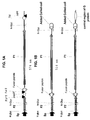
- the PreF antigens disclosed herein are predicated on the unforeseen discovery that soluble F protein analogs that have been modified by the incorporation of a heterologous trimerization domain exhibit improved immunogenic characteristics, and are safe and highly protective when administered to a subject in vivo. Details of the structure of the RSV F protein are provided herein with reference to terminology and designations widely accepted in the art, and illustrated schematically in FIG. 1A . A schematic illustration of exemplary PreF antigens is provided in FIG. 1B . It will be understood by those of skill in the art that any RSV F protein can be modified to stabilize the prefusion conformation according to the teachings provided herein.
- F0 refers to a full-length translated F protein precursor.
- the F0 polypeptide can be subdivided into an F2 domain and an F1 domain separated by an intervening peptide, designated pep27.
- pep27 an intervening peptide
- an F2 domain includes as much as all, of amino acids 1-109, and a soluble portion of an F1 domain includes up to all, of amino acids 137-526 of the F protein.
- the prefusion F (or "PreF") antigen is a soluble (that is, not membrane bound) F protein analog that includes at least one modification that stabilizes the prefusion conformation of the F protein, such that the RSV antigen retains at least one immunodominant epitope of the prefusion conformation of the F protein.
- the soluble F protein polypeptide includes an F2 domain and an F1 domain of the RSV F protein (but does not include a transmembrane domain of the RSV F protein).
- the F2 domain includes amino acids 26-105 and the F1 domain includes amino acids 137-516 of an F protein.
- polypeptides that include additional structural components so long as the additional components do not disrupt the three-dimensional conformation, or otherwise adversely impact stability, production or processing, or decrease immunogenicity of the antigen.
- the F2 and F1 domains are positioned in an N-terminal to C-terminal orientation designed to replicate folding and assembly of the F protein analog into the mature prefusion conformation.
- the F2 domain can be preceded by a secretory signal peptide, such as a native F protein signal peptide or a heterologous signal peptide chosen to enhance production and secretion in the host cells in which the recombinant PreF antigen is to be expressed.
- PreF antigens can be stabilized (in the trimeric prefusion conformation) by introducing one or more modifications, such as the addition, deletion or substitution, or one or more amino acids.
- One such stabilizing modification is the addition of an amino acid sequence comprising a heterologous stabilizing domain.
- the heterologous stabilizing domain is a protein multimerization domain.
- a protein multimerization domain is a coiled-coil domain, such as an isoleucine zipper domain that promotes trimerization of multiple polypeptides having such a domain.
- An exemplary isoleucine zipper domain is depicted in SEQ ID NO:11.
- the heterologous stabilizing domain is positioned C-terminal to the F1 domain.
- the multimerization domain is connected to the F1 domain via a short amino acid linker sequence, such as the sequence GG.
- the linker can also be a longer linker (for example, including the sequence GG, such as the amino acid sequence: GGSGGSGGS; SEQ ID NO:14).
- Another stabilizing modification is the elimination of a furin recognition and cleavage site that is located between the F2 and F1 domains in the native F0 protein.
- One or both furin recognition sites, located at positions 105-109 and at positions 133-136 can be eliminated by deleting or substituting one or more amino acid of the furin recognition sites, such that the protease is incapable of cleaving the PreF polypeptide into its constituent domains.
- the intervening pep27 peptide can also be removed or substituted, e.g., by a linker peptide.
- a non-furin cleavage site e.g., a metalloproteinase site at positions 112-113
- Another stabilizing mutation can include the addition or substitution of a hydrophilic amino acid into a hydrophobic domain of the F protein.
- a charged amino acid such as lysine
- a neutral residue such as leucine
- a hydrophilic amino acid can be added to, or substituted for, a hydrophobic or neutral amino acid within the HRB coiled-coil domain of the F protein extracellular domain.
- a charged amino acid residue such as lysine
- a hydrophilic amino acid can be added to, or substituted for, a hydrophobic or neutral amino acid within the HRA domain of the F protein.
- one or more charged amino acids such as lysine
- can be inserted at or near position 105-106 e.g. , following the amino acid corresponding to residue 105 of reference SEQ ID NO:2, such as between amino acids 105 and 106) of the PreF antigen.
- hydrophilic amino acids can be added or substituted in both the HRA and HRB domains.
- one or more hydrophobic residues can be deleted, so long as the overall conformation of the PreF antigen is not adversely impacted.
- one or more modification is made, which increases the glycosylation state of the PreF antigen.
- Amino acids in a glycosylation site present in a native RSV F protein, at amino acid residue 500 (as compared to SEQ ID NO:2) are substituted to increase the glycosylation status of the PreF antigen.
- the amino acids corresponding to positions 500-502 of SEQ ID NO:2 can be selected from: NGS;; NGT.
- the PreF antigens include a soluble F protein polypeptide comprising an F2 domain (e.g ., corresponding to amino acids 26-105 of SEQ ID NO:2) and an F1 domain (e.g., corresponding to amino acids 137-516 of SEQ ID NO:2) of an RSV F protein polypeptide, in which at least one modification that alters glycosylation has been introduced.
- the RSV PreF antigen typically includes an intact fusion peptide between the F2 domain and the F1 domain.
- the PreF antigen includes a signal peptide.
- such F protein polypeptides can include at least one modification selected from: (i) an addition of an amino acid sequence comprising a heterologous trimerization domain (such as a isoleucine zipper domain); (ii) an amino acid addition, deletion or substitution that eliminates a furin cleavage site at a position corresponding to amino acids 105-109, a position corresponding to amino acids 133-136, or at both positions corresponding to amino acids 105-109 and 133-136 of the reference F protein precursor (F 0 ) of SEQ ID NO:2; (iii) a deletion of one or more amino acids of the pep27 domain; and (iv) at least one substitution or addition of a hydrophilic amino acid in a hydrophobic domain of the F protein extracellular domain by substitution of lysine for the leucine present at position 512 or addition of a lysine following the amino acid corresponding to residue 105 of reference SEQ ID NO:2.
- a heterologous trimerization domain such as a iso
- glycosylation modified RSV PreF antigens assemble into multimers, e.g., trimers.
- the glycosylation modified PreF antigens are selected from the group of: a) a polypeptide comprising or consisting of SEQ ID NO:22; b) a polypeptide encoded by SEQ ID NO:21 or by a polynucleotide sequence that hybridizes under stringent conditions over substantially its entire length to SEQ ID NO:21; c) a polypeptide with at least 95% sequence identity to SEQ ID NO:22.
- the stabilizing modifications can be used individually and/or in combination with any of the other stabilizing modifications disclosed herein to produce a PreF antigen.
- the PreF protein comprising a polypeptide comprising an F2 domain and an F1 domain with no intervening furin cleavage site between the F2 domain and the F1 domain, and with a heterologous stabilizing domain (e.g., trimerization domain) positioned C-terminal to the F1 domain.
- the PreF antigen also includes one or more addition and/or substitution of a hydrophilic residue into a hydrophobic domain as stated above.
- the PreF antigen has a modification of at least one non-furin cleavage site, such as a metalloproteinase site.
- any PreF antigen described above can include an additional sequence that serves as an aid to purification.
- a polyhistidine tag Such a tag can be removed from the final product if desired.
- the PreF antigens undergo intramolecular folding and assemble into mature protein that includes a multimer of polypeptides.
- the preF antigen polypeptides assemble into a trimer that resembles the prefusion conformation of the mature, processed, RSV F protein.
- Any of the PreF antigens disclosed herein can be favorably used in immunogenic compositions for the purpose of eliciting a protective immune response against RSV.
- Such immunogenic compositions typically include a pharmaceutically acceptable carrier and/or excipient, such as a buffer.
- the immunogenic composition typically also includes an adjuvant.
- the compositions favorably include an adjuvant that predominantly elicits a Th1 immune response (a Th1 biasing adjuvant).
- the adjuvant is selected to be suitable for administration to the target population to which the composition is to be administered.
- the adjuvant is selected to be suitable for administration, e.g., to neonates or to the elderly.
- the immunogenic compositions described herein are favorably employed as vaccines for the reduction or prevention of infection with RSV, without inducing a pathological response (such as vaccine enhanced viral disease) following administration or exposure to RSV.
- the immunogenic compositions can also include at least one additional antigen of a pathogenic organism other than RSV.
- the pathogenic organism is a virus other than RSV, such as Parainfluenza virus (PIV), measles, hepatitis B, poliovirus, or influenza virus.
- the pathogenic organism can be a bacterium, such as diphtheria, tetanus, pertussis, Haemophilus influenzae , and Pneumococcus.
- Recombinant nucleic acids that encode any of the PreF antigens are also a feature of this disclosure.
- the polynucleotide sequence of the nucleic acid that encodes the PreF antigen of the nucleic acid is may be optimized for expression in a selected host (such as CHO cells, other mammalian cells, or insect cells). Accordingly, vectors, including expression vectors (including prokaryotic and eukaryotic expression vectors) are a feature of this disclosure. Likewise, host cells including such nucleic acids, and vectors, are a feature of this disclosure. Such nucleic acids can also be used in the context of immunogenic compositions for administration to a subject to elicit an immune response specific for RSV. The PreF antigens are favorably used for the prevention and/or treatment of RSV infection.
- another aspect of this disclosure concerns a method for eliciting an immune response against RSV.
- the method involves administering an immunologically effective amount of a composition containing a PreF antigen to a subject (such as a human or animal subject).
- Administration of an immunologically effective amount of the composition elicits an immune response specific for epitopes present on the PreF antigen.
- an immune response can include B cell responses (e.g., the production of neutralizing antibodies) and/or T cell responses ( e.g., the production of cytokines).
- the immune response elicited by the PreF antigen includes elements that are specific for at least one conformational epitope present on the prefusion conformation of the RSV F protein.
- the PreF antigens and compositions can be administered to a subject without enhancing viral disease following contact with RSV.
- the PreF antigens disclosed herein and suitably formulated immunogenic compositions elicit a Th1 biased immune response that reduces or prevents infection with a RSV and/or reduces or prevents a pathological response following infection with a RSV.
- the immunogenic compositions can be administered via a variety of routes, including routes, such as intranasal, that directly place the PreF antigen in contact with the mucosa of the upper respiratory tract. Alternatively, more traditional administration routes can be employed, such an intramuscular route of administration.
- any of the disclosed RSV antigens in the preparation of a medicament for treating RSV infection (for example, prophylactically treating or preventing an RSV infection) is also contemplated.
- this disclosure provides the disclosed recombinant RSV antigens or the immunogenic compositions for use in medicine, as well as the use thereof for the prevention or treatment of RSV-associated diseases. Additional details regarding PreF antigens, and methods of using them, are presented in the description and examples below.
- Respiratory syncytial virus is a pathogenic virus of the family Paramyxoviridae, subfamily Pneumovirinae, genus Pneumovirus.
- the genome of RSV is a negative-sense RNA molecule, which encodes 11 proteins. Tight association of the RNA genome with the viral N protein forms a nucleocapsid wrapped inside the viral envelope.
- Two groups of human RSV strains have been described, the A and B groups, based on differences in the antigenicity of the G glycoprotein. Numerous strains of RSV have been isolated to date.
- Exemplary strains indicated by GenBank and/or EMBL Accession number can be found in WO2008114149 , disclosing the nucleic acid and polypeptide sequences of RSV F and G proteins suitable for use in PreF antigens (including chimeric PreF-G antigens), and in combinations with PreF antigens. Additional strains of RSV are likely to be isolated, and are encompassed within the genus of RSV. Similarly, the genus of RSV encompasses variants arising from naturally occurring ( e.g., previously or subsequently identified strains) by genetic drift, or artificial synthesis and/or recombination.
- F protein or “Fusion protein” or “F protein polypeptide” or Fusion protein polypeptide” refers to a polypeptide or protein having all or part of an amino acid sequence of an RSV Fusion protein polypeptide. Numerous RSV Fusion proteins have been described and are known to those of skill in the art. WO2008114149 sets out exemplary F protein variants (for example, naturally occurring variants) publicly available as of the filing date of this disclosure.
- a "variant" when referring to a nucleic acid or a polypeptide is a nucleic acid or a polypeptide that differs from a reference nucleic acid or polypeptide.
- the difference(s) between the variant and the reference nucleic acid or polypeptide constitute a proportionally small number of differences as compared to the referent.
- a “domain” of a polypeptide or protein is a structurally defined element within the polypeptide or protein.
- a trimerization domain is an amino acid sequence within a polypeptide that promotes assembly of the polypeptide into trimers.
- a trimerization domain can promote assembly into trimers via associations with other trimerization domains (of additional polypeptides with the same or a different amino acid sequence).
- the term is also used to refer to a polynucleotide that encodes such a peptide or polypeptide.
- non-native and “naturally occurring” refer to an an element, such as a protein, polypeptide or nucleic acid, that is present in the same state as it is in nature. That is, the element has not been modified artificially. It will be understood, that in the context of this disclosure, there are numerous native/naturally occurring variants of RS V proteins or polypeptides, e.g., obtained from different naturally occurring strains or isolates of RSV.
- polypeptide refers to a polymer in which the monomers are amino acid residues which are joined together through amide bonds.
- polypeptide or protein as used herein are intended to encompass any amino acid sequence and include modified sequences such as glycoproteins.
- polypeptide is specifically intended to cover naturally occurring proteins, as well as those which are recombinantly or synthetically produced.
- fragment in reference to a polypeptide, refers to a portion (that is, a subsequence) of a polypeptide.
- immunogenic fragment refers to all fragments of a polypeptide that retain at least one predominant immunogenic epitope of the full-length reference protein or polypeptide.
- Orientation within a polypeptide is generally recited in an N-terminal to C-terminal direction, defined by the orientation of the amino and carboxy moieties of individual amino acids. Polypeptides are translated from the N or amino-terminus towards the C or carboxy-terminus.
- a “signal peptide” is a short amino acid sequence (e.g., approximately 18-25 amino acids in length) that direct newly synthesized secretory or membrane proteins to and through membranes, e.g., of the endoplasmic reticulum. Signal peptides are frequently but not universally located at the N-terminus of a polypeptide, and are frequently cleaved off by signal peptidases after the protein has crossed the membrane. Signal sequences typically contain three common structural features: an N-terminal polar basic region (n-region), a hydrophobic core, and a hydrophilic c-region).
- polynucleotide and “nucleic acid sequence” refer to a polymeric form of nucleotides at least 10 bases in length. Nucleotides can be ribonucleotides, deoxyribonucleotides, or modified forms of either nucleotide. The term includes single and double forms of DNA.
- isolated polynucleotide is meant a polynucleotide that is not immediately contiguous with both of the coding sequences with which it is immediately contiguous (one on the 5' end and one on the 3' end) in the naturally occurring genome of the organism from which it is derived. In one embodiment, a polynucleotide encodes a polypeptide.
- the 5' and 3' direction of a nucleic acid is defined by reference to the connectivity of individual nucleotide units, and designated in accordance with the carbon positions of the deoxyribose (or ribose) sugar ring.
- the informational (coding) content of a polynucleotide sequence is read in a 5' to 3' direction.
- a “recombinant” nucleic acid is one that has a sequence that is not naturally occurring or has a sequence that is made by an artificial combination of two otherwise separated segments of sequence. This artificial combination can be accomplished by chemical synthesis or, more commonly, by the artificial manipulation of isolated segments of nucleic acids, e.g., by genetic engineering techniques.
- a “recombinant” protein is one that is encoded by a heterologous ( e.g., recombinant) nucleic acid, which has been introduced into a host cell, such as a bacterial or eukaryotic cell.
- the nucleic acid can be introduced, on an expression vector having signals capable of expressing the protein encoded by the introduced nucleic acid or the nucleic acid can be integrated into the host cell chromosome.
- heterologous with respect to a a nucleic acid, a polypeptide or another cellular component, indicates that the component occurs where it is not normally found in nature and/or that it originates from a different source or species.
- purification refers to the process of removing components from a composition, the presence of which is not desired. Purification is a relative term, and does not require that all traces of the undesirable component be removed from the composition. In the context of vaccine production, purification includes such processes as centrifugation, dialization, ionexchange chromatography, and size-exclusion chromatography, affinity-purification or precipitation. Thus, the term “purified” does not require absolute purity; rather, it is intended as a relative term.
- a purified nucleic acid preparation is one in which the specified protein is more enriched than the nucleic acid is in its generative environment, for instance within a cell or in a biochemical reaction chamber.
- a preparation of substantially pure nucleic acid or protein can be purified such that the desired nucleic acid represents at least 50% of the total nucleic acid content of the preparation.
- a substantially pure nucleic acid will represent at least 60%, at least 70%, at least 80%, at least 85%, at least 90%, or at least 95% or more of the.total nucleic acid or protein content of the preparation.
- nucleic acid molecule such as a nucleic acid molecule, protein or organelle
- nucleic acids and proteins that have been “isolated” include nucleic acids and proteins purified by standard purification methods. The term also embraces nucleic acids and proteins prepared by recombinant expression in a host cell as well as chemically synthesized nucleic acids and proteins.
- an “antigen” is a compound, composition, or substance that can stimulate the production of antibodies and/or a T cell response in an animal, including compositions that are injected, absorbed or otherwise introduced into an animal.
- the term “antigen” includes all related antigenic epitopes.
- the term “epitope” or “antigenic determinant” refers to a site on an antigen to which B and/or T cells respond.
- the "dominant antigenic epitopes” or “dominant epitope” are those epitopes to which a functionally significant host immune response, e.g., an antibody response or a T-cell response, is made.
- the dominant antigenic epitopes are those antigenic moieties that when recognized by the host immune system result in protection from disease caused by the pathogen.
- T-cell epitope refers to an epitope that when bound to an appropriate MHC molecule is specifically bound by a T cell (via a T cell receptor).
- B-cell epitope is an epitope that is specifically bound by an antibody (or B cell receptor molecule).
- an “adjuvant” is an agent that enhances the production of an immune response in a nonspecific manner.
- Common adjuvants include suspensions of minerals (alum, aluminum hydroxide, aluminum phosphate) onto which antigen is adsorbed; emulsions, including water-in-oil, and oil-in-water (and variants therof, including double emulsions and reversible emulsions), liposaccharides, lipopolysaccharides, immunostimulatory nucleic acids (such as CpG oligonucleotides), liposomes, Toll-like Receptor agonists (particularly, TLR2, TLR4, TLR7/8 and TLR9 agonists), and various combinations of such components.
- an "immunogenic composition” is a composition of matter suitable for administration to a human or animal subject ( e.g., in an experimental setting) that is capable of eliciting a specific immune response, e.g., against a pathogen, such as RSV.
- an immunogenic composition includes one or more antigens (for example, polypeptide antigens) or antigenic epitopes.
- An immunogenic composition can also include one or more additional components capable of eliciting or enhancing an immune response, such as an excipient, carrier, and/or adjuvant.
- immunogenic compositions are administered to elicit an immune response that protects the subject against symptoms or conditions induced by a pathogen.
- immunogenic composition will be understood to encompass compositions that are intended for administration to a subject or population of subjects for the purpose of eliciting a protective or palliative immune response against RSV (that is, vaccine compositions or vaccines).
- an “immune response” is a response of a cell of the immune system, such as a B cell, T cell, or monocyte, to a stimulus.
- An immune response can be a B cell response, which results in the production of specific antibodies, such as antigen specific neutralizing antibodies.
- An immune response can also be a T cell response, such as a CD4+ response or a CD8+ response. In some cases, the response is specific for a particular antigen (that is, an "antigen-specific response").
- the antigen-specific response is a "pathogen-specific response.”
- a "protective immune response” is an immune response that inhibits a detrimental function or activity of a pathogen, reduces infection by a pathogen, or decreases symptoms (including death) that result from infection by the pathogen.
- a protective immune response can be measured, for example, by the inhibition of viral replication or plaque formation in a plaque reduction assay or ELISA-neutralization assay, or by measuring resistance to pathogen challenge in vivo.
- a “Th1" biased immune response is characterized by the presence of CD4+ T helper cells that produce IL-2 and IFN- ⁇ , and thus, by the secretion or presence of IL-2 and IFN- ⁇ .
- a “Th2" biased immune response is characterized by a preponderance of CD4+ helper cells that produce IL-4, IL-5, and IL-13.
- an "immunologically effective amount” is a quantity of a composition (typically, an immunogenic composition) used to elicit an immune response in a subject to the composition or to an antigen in the composition.
- a composition typically, an immunogenic composition
- the desired result is the production of an antigen (e.g., pathogen)-specific immune response that is capable of or contributes to protecting the subject against the pathogen.
- an antigen e.g., pathogen
- the term immunologically effective amount encompasses a fractional dose that contributes in combination with previous or subsequent administrations to attaining a protective immune response.
- compositions and formulations suitable for pharmaceutical delivery of therapeutic and/or prophylactic compositions, including immunogenic compositions.
- modulate in reference to a response, such as an immune response, means to alter or vary the onset, magnitude, duration or characteristics of the response.
- An agent that modulates an immune response alters at least one of the onset, magnitude, duration or characteristics of an immune response following its administration, or that alters at least one of the onset, magnitude, duration or characteristic as compared to a reference agent.
- reduces is a relative term, such that an agent reduces a response or condition if the response or condition is quantitatively diminished following administration of the agent, or if it is diminished following administration of the agent, as compared to a reference agent.
- prevents does not necessarily mean that an agent completely eliminates the response or condition, so long as at least one characteristic of the response or condition is eliminated.
- an immunogenic composition that reduces or prevents an infection or a response can, but does not necessarily completely eliminate such an infection or response, so long as the infection or response is measurably diminished, for example, by at least about 50%, such as by at least about 70%, or about 80%, or even by about 90% of (that is to 10% or less than) the infection or response in the absence of the agent, or in comparison to a reference agent.
- a "subject” is a living multi-cellular vertebrate organism.
- the subject can be an experimental subject, such as a non-human animal, e.g., a mouse, a cotton rat, or a non-human primate.
- the subject can be a human subject.
- the RSV F protein is expressed as a single polypeptide precursor 574 amino acids in length, designated F0.
- F0 oligomerizes in the endoplasmic reticulum and is proteolytically processed by a furin protease at two conserved furin consensus sequences (furin cleavage sites), RARR 109 (SEQ ID NO:15) and RKRR 136 (SEQ ID NO:16) to generate an oligomer consisting of two disulfide-linked fragments.
- the smaller of these fragments is termed F2 and originates from the N-terminal portion of the F0 precursor.
- F0, F1 and F2 are commonly designated F 0 , F 1 and F 2 in the scientific literature.
- the larger, C-terminal F1 fragment anchors the F protein in the membrane via a sequence of hydrophobic amino acids, which are adjacent to a 24 amino acid cytoplasmic tail.
- Three F2-F1 dimers associate to form a mature F protein, which adopts a metastable prefusogenic (“prefusion") conformation that is triggered to undergo a conformational change upon contact with a target cell membrane.
- This conformational change exposes a hydrophobic sequence, know as the fusion peptide, which associates with the host cell membrane and promotes fusion of the membrane of the virus, or an infected cell, with the target cell membrane.
- the F1 fragment contains at least two heptad repeat domains, designated HRA and HRB, and situated in proximity to the fusion peptide and transmembrane anchor domains, respectively.
- HRA and HRB heptad repeat domains
- the F2-F1 dimer forms a globular head and stalk structure, in which the HRA domains are in a segmented (extended) conformation in the globular head.
- the HRB domains form a three-stranded coiled coil stalk extending from the head region.
- the HRA domains collapse and are brought into proximity to the HRB domains to form an anti-parallel six helix bundle.
- the postfusion state the fusion peptide and transmembrane domains are juxtaposed to facilitate membrane fusion.
- prefusion and postfusion alternatively designated prefusogenic and fusogenic
- prefusogenic and fusogenic alternatively designated prefusogenic and fusogenic
- the prefusion conformation can also be distinguished from the fusogenic (postfusion) conformation by liposome association assays as described by Connolly et al., Proc. Natl. Acad. Sci. USA, 103:17903-17908 (2006 ).
- prefusion and fusogenic conformations can be distinguished using antibodies (e.g., monoclonal antibodies) that specifically recognize conformation epitopes present on one or the other of the prefusion or fusogenic form of the RSV F protein, but not on the other form.
- Such conformation epitopes can be due to preferential exposure of an antigenic determinant on the surface of the molecule.
- conformational epitopes can arise from the juxtaposition of amino acids that are non-contiguous in the linear polypeptide.
- the PreF antigens disclosed herein are designed to stabilize and maintain the prefusion conformation of the RSV F protein, such that in a population of expressed protein, a substantial portion of the population of expressed protein is in the prefusogenic (prefusion) conformation (e.g., as predicted by structural and/or thermodynamic modeling or as assessed by one or more of the methods disclosed above).
- Stabilizing modifications are introduced into a native (or synthetic) F protein, such as the exemplary F protein of SEQ ID NO:2, such that the major immunogenic epitopes of the prefusion conformation of the F protein are maintained following introduction of the PreF antigen into a cellular or extracellular environment (for example, in vivo, e.g., following administration to a subject).
- a heterologous stabilizing domain can be placed at the C-terminal end of the construct in order to replace the membrane anchoring domain of the F0 polypeptide.
- This stabilizing domain is predicted to compensate for the HRB instability, helping to stabilize the -prefusion conformer.
- the heterologous stabilizing domain is a protein multimerization domain.
- a protein multimerization domain is a trimerization domain.
- trimerization domains fold into a coiled-coil that promotes assembly into trimers of multiple polypeptides having such coiled-coil domains.
- trimerization domain is an isoleucine zipper.
- An exemplary isoleucine zipper domain is the engineered yeast GCN4 isoleucine variant described by Harbury et al. Science 262:1401-1407 (1993 ).
- the sequence of one suitable isoleucine zipper domain is represented by SEQ ID NO:11, although variants of this sequence that retain the ability to form a coiled-coil stabilizing domain are equally suitable.
- Alternative stabilizing coiled coil trimerization domains include: TRAF2 (GENBANK® Accession No. Q12933 [gi:23503103]; amino acids 299-348); Thrombospondin 1 (Accession No. PO7996 [gi:135717]; amino acids 291-314); Matrilin-4 (Accession No.
- a recombinant PreF polypeptide having a trimerization domain will assemble into a trimer (e.g., as assessed by AFF-MALS).
- a trimer e.g., as assessed by AFF-MALS.
- the leucine residue located at position 512 (relative to the native F0 protein) of the PreF can be substituted by a lysine (L482K of the PreF antigen polypeptide of SEQ ID NO:6). This substitution improves the coiled coil hydrophobic residue periodicity.
- a lysine can be added following the amino acid at position 105.
- pep27 can be removed. Analysis of a structural model of the RSV F protein in the prefusion state suggests that pep27 creates a large unconstrained loop between F1 and F2. This loop does not contribute to stabilization of the prefusion state, and is removed following cleavage of the native protein by furin. Third, one or both furin cleavage motifs can be deleted. With this design, the fusion peptide is not cleaved from F2, preventing release from the globular head of the prefusion conformer and accessibility to nearby membranes. Interaction between the fusion peptide and the membrane interface is predicted to be a major issue in the prefusion state instability.
- At least one non-furin cleavage site can also be removed, for example by substitution of one or more amino acids.
- the PreF antigen can be cleaved in the vicinity of amino acids 110-118 (for example, with cleavage occurring between amino acids 112 and 113 of the PreF antigen; between a leucine at position 142 and glycine at position 143 of the reference F protein polypeptide of SEQ ID NO:2). Accordingly, modification of one or more amino acids within this region can reduce cleavage of the PreF antigen.
- a recombinant RSV F protein polypeptide includes one or more modifications that alters the glycosylation pattern or status ( e . g ., by increasing the proportion of molecules glycosylated at one the glycosylation sites present in a native F protein polypeptide.
- the native F protein polypeptide of SEQ ID NO:2 is predicted to be glycosylated at amino acid positions 27, 70 and 500 (corresponding to positions 27, 70 and 470 of the PreF antigen of SEQ ID NO:6).
- a modification is introduced in the glycosylation site at amino acid position 500 (designated N470)-502 that increases glycosylation efficiency at this glycosylation site.
- suitable modifications include at positions 500-502, the following amino acid sequences: NGS; NGT.
- the PreF antigens have a modified glycosylation site at the position corresponding to amino acid 500 of the reference PreF sequence (SEQ ID NO:2), e.g., at position 470 of the PreF antigen of SEQ ID NO:6).
- modifications include the sequences: NGS;; NGTat amino acids corresponding to positions 500-502 of the reference F protein polypeptide sequence.
- the amino acid of an exemplary embodiment that includes an "NGT" modification is provided in SEQ ID NO:18.
- the stabilizing mutations disclosed herein e.g., a heterologous coiled-coil, such as an isoleucine zipper, domain and/or a modification in a hydrophobic region, and/or removal of pep27, and/or removal of a furin cleavage site, and/or removal of a non-furin cleavage site, and/or removal of a non-furin cleavage site).
- the PreF antigen includes a substitution that eliminates a non-furin cleavage site and a modification that increases glycosylation.
- any one of the stabilizing modifications disclosed herein e.g., addition of a heterologous stabilizing domain, such as a coiled-coil (for example, an isoleucine zipper domain), preferably situated at the C-terminal end of the soluble PreF antigen; modification of a residue, such as leucine to lysine, in the hydrophobic HRB domain; removal of pep27; removal of one or both furin cleavage motifs; removal of a non-furin cleavage site; and/or modification of a glycosylation site can be employed in combination with any one or more (or up to all-in any desired combination) of the other stabilizing modifications.
- a heterologous stabilizing domain such as a coiled-coil (for example, an isoleucine zipper domain)
- a heterologous coiled-coil (or other heterologous stabilizing domain) can be utilized alone or in combination with any of: a modification in a hydrophobic region, and/or removal of pep27, and/or removal of a furin cleavage site, and/or removal of a non-furin cleavage site, and/or removal of a non-furin cleavage site.
- the PreF antigen includes a C-terminal coiled-coil (isoleucine zipper) domain, a stabilizing substitution in the HRB hydrophobic domain, and removal of one or both furin cleavage sites.
- Such an antigen includes the intact fusion peptide that is not removed by furin cleavage.
- the PreF antigen also includes a modified glycosylation site at amino acid position 500.
- the native F protein polypeptide can be selected from any F protein of an RSV A or RSV B strain, or from variants thereof (as defined above).
- the F protein polypeptide is the F protein represented by SEQ ID NO:2. To facilitate understanding of this disclosure, all amino acid residue positions, regardless of strain, are given with respect to (that is, the amino acid residue position corresponds to) the amino acid position of the exemplary F protein.
- Comparable amino acid positions of any other RSV A or B strain can be determined easily by those of ordinary skill in the art by aligning the amino acid sequences of the selected RSV strain with that of the exemplary sequence using readily available and well-known alignment algorithms (such as BLAST, e.g., using default parameters).
- BLAST e.g., using default parameters.
- Numerous additional examples of F protein polypeptides from different RSV strains are disclosed in WO2008114149 . Additional variants can arise through genetic drift, or can be produced artificially using site directed or random mutagenesis, or by recombination of two or more preexisting variants. Such additional variants are also suitable in the context of the PreF antigens disclosed herein.
- the F2 domain typically includes a portion of the F2 domain that facilitates assembly and stability of the polypeptide.
- the F2 domain includes amino acids 26-105.
- variants having minor modifications in length are also possible.
- the F1 domain is selected and designed to maintain a stable conformation that includes immunodominant epitopes of the F protein.
- the F1 polypeptide domain includes epitopes recognized by neutralizing antibodies in the regions of amino acids 262-275 (palivizumab neutralization) and 423-436 (Centocor's ch101F MAb). Additionally, desirable to include T cell epitopes, e.g., in the region of animo acids 328-355. Most commonly, as a single contiguous portion of the F1 subunit ( e.g., spanning amino acids 262-436). Thus, an F1 domain polypeptide comprises at least about amino acids 262-436 of an RSV F protein polypeptide. In one non-limiting example provided herein, the F1 domain comprises amino acids 137 to 516 of a native F protein polypeptide.
- the PreF antigens include a signal peptide corresponding to the expression system, for example, a mammalian or viral signal peptide, such as an RSV F0 native signal sequence (e.g., amino acids 1-25 of SEQ ID NO:2 or amino acids 1-25 of SEQ ID NO:6).
- the signal peptide is selected to be compatible with the cells selected for recombinant expression.
- a signal peptide such as a baculovirus signal peptide, or the melittin signal peptide, can be substituted for expression, in insect cells.
- Suitable plant signal peptides are known in the art, if a plant expression system is preferred.
- any of the preceding antigens can include an additional sequence or tag, such as a His-tag to facilitate purification.
- one or more of the domains can correspond in sequence to an RSV A or B strain, such as the common laboratory isolates designated A2 or Long, or any other naturally occurring strain or isolate (as disclosed in the aforementioned WO2008114149 ).
- engineered variants that share sequence similarity with the aforementioned sequences can also be employed in the context of PreF antigens. It will be understood by those of skill in the art, that the similarity between PreF antigen polypeptide (and polynucleotide sequences as described below), as for polypeptide (and nucleotide sequences in general), can be expressed in terms of the similarity between the sequences, otherwise referred to as sequence identity.
- Sequence identity is frequently measured in terms of percentage identity (or similarity); the higher the percentage, the more similar are the primary structures of the two sequences. In general, the more similar the primary structures of two amino acid (or polynucleotide) sequences, the more similar are the higher order structures resulting from folding and assembly.
- Variants of a PreF polypeptide (and polynucleotide) sequences typically have one or a small number of amino acid deletions, additions or substitutions but will nonetheless share a very high percentage of their amino acid, and generally their polynucleotide sequence. More importantly, the variants retain the structural and, thus, conformational attributes of the reference sequences disclosed herein.
- NCBI Basic Local Alignment Search Tool ( Altschul et al., J. Mol. Biol. 215:403, 1990 ) is available from several sources, including the National Center for Biotechnology Information (NCBI, Bethesda, MD) and on the internet, for use in connection with the sequence analysis programs blastp, blastn, blastx, tblastn and tblastx. A description of how to determine sequence identity using this program is available on the NCBI website on the internet.
- Modification of recombinant RSV F can include a deletion of one or more amino acids and/or an addition of one or more amino acids.
- one or more of the polypeptide domains can be a synthetic polypeptide that does not correspond to any single strain, but includes component subsequences from multiple strains, or even from a consensus sequence deduced by aligning multiple strains of RSV virus polypeptides.
- one or more of the polypeptide domains is modified by the addition of an amino acid sequence that constitutes a tag, which facilitates subsequent processing or purification.
- a tag can be an antigenic or epitope tag, an enzymatic tag or a polyhistidine tag.
- the tag is situated at one or the other end of the protein, such as at the C-terminus or N-terminus of the antigen or fusion protein.
- nucleic acids that encode PreF antigens as described above. More explicitly, such nucleic acids encode polypeptides that include a soluble F protein polypeptide antigen that includes an F2 domain and an F1 domain of an RSV F protein polypeptide, which includes at least one modification selected from: (i) an addition of an amino acid sequence comprising a heterologous trimerization domain; (ii) an amino acid addition, deletion or substitution that eliminates a furin cleavage site at a position corresponding to amino acids 105-109, a position corresponding to amino acids 133-136, or at both positions corresponding to amino acids 105-109 and 133-136 of the reference F protein precursor (F 0 ) of SEQ ID NO:2; (iii) a deletion of one or more amino acids of the pep27 domain; and (iv) at least one substitution or addition of a hydrophilic amino acid in a hydrophobic domain of the F protein extracellular domain by substitution of lysine for
- the recombinant nucleic acids may be codon optimized for expression in a selected prokaryotic or eukaryotic host cell.
- SEQ ID NOs: 5, 12, 17, 19 and 21 are different illustrative, non-limiting, examples of sequences that encode a PreF antigen, which have been codon optimized for expression in mammalian, e.g., CHO, cells.
- the nucleic acids can be incorporated into a vector, such as a prokaryotic or a eukaryotic expression vector.
- Host cells including recombinant PreF antigen-encoding nucleic acids are also a feature of this disclosure.
- Favorable host cells include prokaryotic ( i .
- bacterial host cells such as E. coli
- numerous eukaryotic host cells including fungal ( e.g., yeast) cells, insect cells, and mammalian cells (such as CHO, VERO and HEK293cells).
- the nucleic acids can be incorporated into a vector, such as a prokaryotic or a eukaryotic expression vector.
- a vector such as a prokaryotic or a eukaryotic expression vector.
- the nucleic acids disclosed herein can be included in any one of a variety of vectors (including, for example, bacterial plasmids; phage DNA; baculovirus; yeast plasmids; vectors derived from combinations of plasmids and phage DNA, viral DNA such as vaccinia, adenovirus, fowl pox virus, pseudorabies, adenovirus, adeno-associated virus, retroviruses and many others), most commonly the vector will be an expression vector suitable for generating polypeptide expression products.
- the nucleic acid encoding the PreF antigen is typically arranged in proximity and orientation to an appropriate transcription control sequence (promoter, and optionally, one or more enhancers) to direct mRNA synthesis. That is, the polynucleotide sequence of interest is operably linked to an appropriate transcription control sequence.
- promoters include: the immediate early promoter of CMV, LTR or SV40 promoter, polyhedrin promoter of baculovirus, E. coli lac or trp promoter, phage T7 and lambda P L promoter, and other promoters known to control expression of genes in prokaryotic or eukaryotic cells or their viruses.
- the expression vector typically also contains a ribosome binding site for translation initiation, and a transcription terminator.
- the vector optionally includes appropriate sequences for amplifying expression.
- the expression vectors optionally comprise one or more selectable marker genes to provide a phenotypic trait for selection of transformed host cells, such as dihydrofolate reductase or neomycin resistance for eukaryotic cell culture, or such as kanamycin, tetracycline or ampicillin resistance in E . coli .
- the expression vector can also include additional expression elements, for example, to improve the efficiency of translation.
- additional expression elements can include, e.g., an ATG initiation codon and adjacent sequences.
- a translation initiation codon and associated sequence elements are inserted into the appropriate expression vector simultaneously with the polynucleotide sequence of interest (e.g., a native start codon).
- additional translational control signals are not required.
- exogenous translational control signals including an ATG initiation codon is provided for translation of the nucleic acid encoding PreF antigen.
- the initiation codon is placed in the correct reading frame to ensure translation of the polynucleotide sequence of interest.
- Exogenous transcriptional elements and initiation codons can be of various origins, both natural and synthetic. If desired, the efficiency of expression can be further increased by the inclusion of enhancers appropriate to the cell system in use ( Scharf et al. (1994) Results Probl Cell Differ 20:125-62 ; Bitter et al. (1987) Methods in Enzymol 153:516-544 ).
- the nucleic acid (such as a vector) that encodes the PreF antigen includes one or more additional sequence elements selected to increase and/or optimize expression of the PreF encoding nucleic acid when introduced into a host cell.
- the nucleic acids that encode the PreF antigen include an intron sequence, such as a Human Herpesvirus 5 intron sequence (see, e.g., SEQ ID NO:13). Introns have been repeatedly demonstrated to enhance expression of homologous and heterologous nucleic acids when appropriately positioned in a recombinant construct.
- Another class of expression-enhancing sequences includes an epigenetic element such as a Matrix Attachment Region (or MAR), or a similar epigenetic element, e.g., STAR elements (for example, such as those STAR elements disclosed in Otte et al., Biotechnol. Prog. 23:801-807, 2007 ).
- MARs are believed to mediate the anchorage of a target DNA sequence to the nuclear matrix, generating chromatin loop domains that extend outwards from the heterochromatin cores. While MARs do not contain any obvious consensus or recognizable sequence, their most consistent feature appears to be an overall high A/T content, and C bases predominating on one strand. These regions appear to form bent secondary structures that may be prone to strand separation, and may include a core-unwinding element (CUE) that can serve as the nucleation point for strand separation.
- CUE core-unwinding element
- MAR sequences e.g., the A-box, the T-box, DNA unwinding motifs, SATB1 binding sites (H-box, A/T/C25) and consensus Topoisomerase II sites for vertebrates or Drosophila.
- MAR sequences are described in published US patent application no. 20070178469 , and in international patent application no. WO02/074969 .
- Additional MAR sequences that can be used to enhance expression of a nucleic acid encoding a PreF antigen include chicken lysozyme MAR, MARp1-42, MARp1-6, MARp1-68, and MARpx-29, described in Girod et al., Nature Methods, 4:747-753, 2007 (disclosed in GenBank Accession Nos. EA423306, DI107030, DI106196, DI107561, and DI106512, respectively).
- expression can further be modulated be selecting a MAR that produces an intermediate level of enhancement, as is reported for MAR 1-9.
- alternative MAR sequences for increasing expression of a PreF antigen can be identified by searching sequence databases, for example, using software such as MAR-Finder (available on the web at futuresoft.org/MarFinder), SMARTest (available on the web at genomatix.de), or SMARScan I ( Levitsky et al., Bioinformatics 15:582-592, 1999 ).
- the MAR is introduced (e.g., transfected) into the host cell on the same nucleic acid (e.g., vector) as the PreF antigen-encoding sequence.
- the MAR is introduced on a separate nucleic acid ( e.g., in trans) and it can optionally cointegrate with the PreF antigen-encoding polynucleotide sequence.
- Exemplary nucleic acids that encode PreF antigen polypeptides are represented by SEQ ID NOs: 17 nd 21.
- Modification in a glycosylation site, at the amino acid corresponding to position 500 of SEQ ID NO:2 can be produced by altering ( e.g., mutating) the nucleotides in the vicinity of positions 1408-1414 (as compared, for example, to the polynucleotide sequence of SEQ ID NO: 12, e.g., SEQ ID NOs: 17 and 21).
- Suitable sequences of nucleotides to encode glycosylation variants e .
- g ., that increase glycosylation efficiency include: aacgggt, aacaagt, aacggga, and aacaaga.
- Alternative sequences, such as cagcagt, which eliminate a glycosylation site are also possible.
- Additional variants of can be produced by assembling analogous F protein polypeptide sequences selected from any of the known (or subsequently) discovered strains of RSV, e.g., as disclosed in WO2008114149 .
- Additional sequence variants that share sequence identity with the exemplary variants can be produced by those of skill in the art. It will be immediately understood by those of skill in the art, that the polynucleotide sequences encoding the PreF polypeptides, can themselves share less sequence identity due to the redundancy of the genetic code.
- nucleic acids that hybridize to one or more of the nucleic acids represented by SEQ ID NOs:1, 3, 5, 7, 9, 12, 13, 17, 19 and/or 21 can also be used to encode PreF antigens.
- SEQ ID NOs:1, 3, 5, 7, 9, 12, 13, 17, 19 and/or 21 can also be used to encode PreF antigens.
- Another indicia of sequence similarity between two nucleic acids is the ability to hybridize. The more similar are the sequences of the two nucleic acids, the more stringent the conditions at which they will hybridize. The stringency of hybridization conditions are sequence-dependent and are different under different environmental parameters.
- hybridization conditions resulting in particular degrees of stringency will vary depending upon the nature of the hybridization method of choice and the composition and length of the hybridizing nucleic acid sequences.
- the temperature of hybridization and the ionic strength (especially the Na + and/or Mg ++ concentration) of the hybridization buffer will determine the stringency of hybridization, though wash times also influence stringency.
- stringent conditions are selected to be about 5°C to 20°C lower than the thermal melting point (T m ) for the specific sequence at a defined ionic strength and pH.
- T m is the temperature (under defined ionic strength and pH) at which 50% of the target sequence hybridizes to a perfectly matched probe.
- stringent conditions encompass conditions under which hybridization will only occur if there is less than 25% mismatch between the hybridization molecule and the target sequence.
- Stringent conditions can be broken down into particular levels of stringency for more precise definition.
- “moderate stringency” conditions are those under which molecules with more than 25% sequence mismatch will not hybridize; conditions of “medium stringency” are those under which molecules with more than 15% mismatch will not hybridize, and conditions of “high stringency” are those under which sequences with more than 10% mismatch will not hybridize.
- Conditions of "very high stringency” are those under which sequences with more than 6% mismatch will not hybridize.
- nucleic acids that hybridize under "low stringency conditions include those with much less sequence identity, or with sequence identity over only short subsequences of the nucleic acid. It will, therefore, be understood that the various variants of nucleic acids that are encompassed by this disclosure are able to hybridize to at least one of SEQ ID NOs: 1, 3, 5, 7, 9, 12, 13, 17, 19 and/or 21 over substantially their entire length.
- PreF antigens disclosed herein are produced using well established procedures for the expression and purification of recombinant proteins. Procedures sufficient to guide one of skill in the art can be found in the following references: Sambrook et al., Molecular Cloning: A Laboratory Manual, Cold Spring Harbor Laboratory Press, Cold Spring Harbor, NY, 200 ; and Ausubel et al. Short Protocols in Molecular Biology, 4th ed., John Wiley & Sons, Inc., 999 . Additional and specific details are provided hereinbelow.
- Recombinant nucleic acids that encode the PreF antigens are introduced into host cells by any of a variety of well-known procedures, such as electroporation, liposome mediated transfection (e.g., using a commercially available liposomal transfection reagent, such as LIPOFECTAMINETM2000 or TRANSFECTINTM), Calcium phosphate precipitation, infection, transfection and the like, depending on the selection of vectors and host cells.
- Nucleic acids that encode PreF antigens are disclosed in SEQ ID NOs:5, 7, 9, 12, 13, 17, 19 and 21.
- SEQ ID NOs:5, 7, 9, 12, 13, 17, 19 and 21 are illustrative and not intended to be limiting.
- polynucleotide sequences that encode the same proteins as SEQ ID NOs:5, 7 and 9, e.g., represented by SEQ ID NOs: 6, 8 and 10
- SEQ ID NOs:6 e.g., represented by SEQ ID NOs: 6, 8 and 10
- SEQ ID NO:12 can easily be used instead of the exemplary sequences of SEQ ID NOs:5, 7, and 9.
- SEQ ID NOs:17, 19 and 21 can be employed.
- expression-enhancing elements such as internally positioned introns (or by the addition of promoter, enhancer, intron or other similar elements), as illustrated in SEQ ID NO:13, can be employed.
- homologous sequences selected from any RSV A or RSV B strain, and/or other sequences that share substantial sequence identity, as discussed above, can also be used to express PreF antigens.
- any of the variant nucleic acids previously disclosed can suitably be introduced into host cells and used to produce PreF antigens (including PreF-G antigens) and where applicable G polypeptides.
- Nucleic acids encoding the recombinant antigen of the present invention are modified to alter the glycosylation pattern as described above by substitution of one or more amino acids in the vicinity of amino acid position 500 (with respect to SEQ ID NO:2, e.g., SEQ ID NO:17). It has been found that modifying the glycosylation pattern, e.g., in combination with modifying a cleavage recognition site, increases production of the PreF antigen in cell culture.
- the methods described hereinbelow for expressing and isolating recombinant PreF antigens disclose a process for increasing the production of a PreF antigen by altering the glycosylation pattern of a PreF antigen by substituting one or more amino acids of a glycosylatation recognition site, optionally in combination with modifying one or more cleavage sites (such as a non-furin or furin cleavage recognition site) as described above.
- Host cells that include recombinant PreF antigen-encoding nucleic acids are, thus, also a feature of this disclosure.
- Favorable host cells include prokaryotic (i.e., bacterial) host cells, such as E. coli , as well as numerous eukaryotic host cells, including fungal ( e.g., yeast, such as Saccharomyces cerevisiae and Picchia pastoris ) cells, insect cells, plant cells, and mammalian cells (such as CHO and HEK293 cells).
- Recombinant PreF antigen nucleic acids are introduced ( e.g., transduced, transformed or transfected) into host cells, for example, via a vector, such as an expression vector.
- the vector is most typically a plasmid, but such vectors can also be, for example, a viral particle, a phage, etc.
- appropriate expression hosts include: bacterial cells, such as E . coli , Streptomyces, and Salmonella typhimurium ; fungal cells, such as Saccharomyces cerevisiae, Pichia pastoris, and Neurospora crassa ; insect cells such as Drosophila and Spodoptera frugiperda ; mammalian cells such as 3T3, COS, CHO, BHK, HEK 293 or Bowes melanoma; plant cells, including algae cells, etc.
- transiently transfected cells can be used to produce recombinant PreF antigens.
- cells e.g., clones
- PreF antigens e.g., clones
- the host cells can be cultured in conventional nutrient media modified as appropriate for activating promoters, selecting transformants, or amplifying the inserted polynucleotide sequences.
- the culture conditions such as temperature, pH and the like, are typically those previously used with the host cell selected for expression, and will be apparent to those skilled in the art and in the references cited herein, including, e.g., Freshney (1994) Culture of Animal Cells, a Manual of Basic Technique, third edition, Wiley- Liss, New York and the references cited therein.
- the host cells are cultured in serum-free and/or animal product-free medium.
- Expression products corresponding to the nucleic acids of the disclosure can also be produced in non-animal cells such as plants, yeast, fungi, bacteria and the like.
- non-animal cells such as plants, yeast, fungi, bacteria and the like.
- details regarding cell culture can be found in Payne et al. (1992) Plant Cell and Tissue Culture in Liquid Systems John Wiley & Sons, Inc. New York, NY ; Gamborg and Phillips (eds) (1995) Plant Cell. Tissue and Organ Culture; Fundamental Methods Springer Lab Manual, Springer-Verlag (Berlin Heidelberg New York ) and Atlas and Parks (eds) The Handbook of Microbiological Media (1993) CRC Press, Boca Raton, FL .
- a number of expression vectors can be selected depending upon the use intended for the expressed product. For example, when large quantities of a polypeptide or fragments thereof are needed for the production of antibodies, vectors which direct high level expression of fusion proteins that are readily purified are favorably employed. Such vectors include, but are not limited to, multifunctional E.
- the coding sequence of interest e.g., a polynucleotide of the invention as described above, can be ligated into the vector in-frame with sequences for the amino-terminal translation initiating Methionine and the subsequent 7 residues of beta-galactosidase producing a catalytically active beta galactosidase fusion protein; pIN vectors ( Van Heeke & Schuster (1989) J Biol Chem 264:5503-5509 ).
- the nucleic acids are introduced into cells via vectors suitable for introduction and expression in prokaryotic cells, e.g., E. coli cells.
- a nucleic acid including a polynucleotide sequence that encodes a PreF antigen can be introduced into any of a variety of commercially available or proprietary vectors, such as the pET series of expression vectors ( e.g., pET9b and pET2d). Expression of the coding sequence is inducible by IPTG, resulting in high levels of protein expression.
- the polynucleotide sequence encoding the PreF antigen is transcribed under the phage T7 promoter.
- Alternate vectors, such as pURV22 that include a heat-inducible lambda pL promoter are also suitable.
- the expression vector is then introduced ( e.g., by electroporation) into a suitable bacterial host.
- suitable strains of E. coli are available and can be selected by one of skill in the art (for example, the Rosetta and BL21 (DE3) strains have proven favorable for expression of recombinant vectors containing polynucleotide sequences that encode PreF antigens.
- yeast such as Saccharomyces cerevisiae
- a number of vectors containing constitutive or inducible promoters such as alpha factor, alcohol oxidase and PGH can be used for production of the desired expression products.
- constitutive or inducible promoters such as alpha factor, alcohol oxidase and PGH
- PGH protein oxidase
- the polynucleotide sequence that encodes the PreF antigen is introduced into insect cells using a Baculovirus Expression Vector System (BEVS).
- BEVS Baculovirus Expression Vector System
- Recombinant baculovirus capable of infecting insect cells can be generated using commercially available vectors, kits and/or systems, such as the BD BaculoGold system from BD BioScience. Briefly, the polynucleotide sequence encoding the antigen is inserted into the pAcSG2 transfer vector.
- host cells SF9 Spodoptera frugiperda
- pAcSG2-chimeric plasmid and BD BaculoGold containing the linearized genomic DNA of the baculovirus Autographa californica nuclear polyhedrosis virus (AcNPV).
- AcNPV Autographa californica nuclear polyhedrosis virus
- homologous recombination occurs between the pACSG2 plasmid and the Baculovirus genome to generate the recombinant virus.
- the PreF antigen is expressed under the regulatory control of the polyhedrin promoter (pH).
- Similar transfer vectors can be produced using other promoters, such as the basic (Ba) and p10 promoters.
- alternative insect cells can be employed, such as SF21 which is closely related to the Sf9, and the High Five cell line derived from a cabbage looper, Trichoplusia ni.
- the polynucleotides that encode the PreF antigens are incorporated into expression vectors that are suitable for introduction and expression in eukaryotic (e.g., insect or mammalian cells).
- eukaryotic e.g., insect or mammalian cells
- such nucleic acids are codon optimized for expression in the selected vector/host cell (for example, the sequences illustrated in SEQ ID NOs:5, 7, 9, 12, 13, 17, 19 and 21 are codon optimized for expression in CHO cells).
- the polynucleotide sequence that encodes the PreF antigen is introduced into a vector, such as the pEE14 vector developped by Lonza Biologicals.
- the polypeptide is expressed under a constitutive promoter, such as the immediate early CMV (CytoMegaloVirus) promoter.
- Selection of the stably transfected cells expressing the polypeptide is made based on the ability of the transfected cells to grow in the absence of a glutamine source.
- Cells that have successfully integrated the pEE14 are able to grow in the absence of exogenous glutamine, because the pEE14 vector expresses the GS (Glutamine Synthetase) enzyme.
- Selected cells can be clonally expanded and characterized for expression of the desired PreF polypeptide.
- a host cell is optionally chosen for its ability to modulate the expression of the inserted sequences or to process the expressed protein in the desired fashion.
- modifications of the protein include, but are not limited to, glycosylation, (as well as, e.g., acetylation, carboxylation, phosphorylation, lipidation and acylation).
- Post-translational processing for example, which cleaves a precursor form into a mature form of the protein (for example, by a furin protease) is optionally performed in the context of the host cell.
- Different host cells such as 3T3, COS, CHO, HeLa, BHK, MDCK, 293, WI38, etc. have specific cellular machinery and characteristic mechanisms for such post-translational activities and can be chosen to ensure the correct modification and processing of the introduced, foreign protein.
- telomeres For long-term, high-yield production of recombinant PreF antigens disclosed herein, stable expression systems are typically used.
- cell lines which stably express a PreF antigen polypeptide are introduced into the host cell using expression vectors which contain viral origins of replication or endogenous expression elements and a selectable marker gene. Following the introduction of the vector, cells are allowed to grow for 1-2 days in an enriched media before they are switched to selective media.
- the purpose of the selectable marker is to confer resistance to selection, and its presence allows growth and recovery of cells which successfully express the introduced sequences.
- resistant groups or colonies of stably transformed cells can be proliferated using tissue culture techniques appropriate to the cell type.
- Host cells transformed with a nucleic acid encoding a PreF antigen are optionally cultured under conditions suitable for the expression and recovery of the encoded protein from cell culture. As indicated above, if desired, the host cells can be cultured in serum-free (and/or animal product-free) medium.
- the selected promoter is induced by appropriate means (e.g., temperature shift or chemical induction) and cells are cultured for an additional period.
- the medium includes components and/or additives that decrease degradation of expressed proteins by proteinases.
- the medium used for culturing cells to produce PreF antigen can include a protease inhibitor, such as a chelating agent or small molecule inhibitor (e.g., AZ11557272, AS 111793, etc .), to reduce or eliminate undesired cleavage by cellular, or extracellular ( e.g., matrix) proteinases.
- the secreted polypeptide product is then recovered from the culture medium.
- cells can be harvested by centrifugation, disrupted by physical or chemical means, and the resulting crude extract retained for further purification.
- Eukaryotic or microbial cells employed in expression of proteins can be disrupted by any convenient method, including freeze-thaw cycling, sonication, mechanical disruption, or use of cell lysing agents, or other methods, which are well know to those skilled in the art.
- Expressed PreF antigens can be recovered and purified from recombinant cell cultures by any of a number of methods well known in the art, including ammonium sulfate or ethanol precipitation, acid extraction, filtration, ultrafiltration, centrifugation, anion or cation exchange chromatography, phosphocellulose chromatography, hydrophobic interaction chromatography, affinity chromatography (e.g., using any of the tagging systems noted herein), hydroxylapatite chromatography, and lectin chromatography. Protein refolding steps can be used, as desired, in completing configuration of the mature protein. Finally, high performance liquid chromatography (HPLC) can be employed in the final purification steps.
- HPLC high performance liquid chromatography
- the PreF proteins are recovered from cells according to the following purification scheme. Following introduction of a recombinant nucleic acid encoding the PreF polypeptide into host CHO cells, transiently transfected host cells or expanded stable populations comprising the introduced polynucleotide sequence are grown in medium and under conditions suitable for growth at an acceptable scale for the desired purpose (e.g., as generally described in Freshney (1994) Culture of Animal Cells, a Manual of Basic Technique, third edition, Wiley- Liss, New York and the references cited therein). Typically, the cells are grown in serum-free medium at 37°C and passaged at 2-3 day intervals in shake flasks or in bioreactors. New cultures established from cells expanded in these conditions, are typically carried out in bioreactors in serum-free medium and incubated at 27 °C with pO2 maintained at 20% for 5 to 7 days in order to produce the preF antigen.
- transiently transfected host cells or expanded stable populations comprising the introduced polynucleotide sequence
- the cell culture is centrifuged and the cell culture supernatant stored at minus 70°C until further use. Following thawing of culture supernatants, the supernatants are diluted 2 x with MilliQ water and adjusted to pH 6.0 with HCl. Diluted supernatant is loaded at 75 cm/h onto a 3 L CM Ceramic HyperD FF resin packed in BPG 140/500 column, equilibrated in 20 mM phosphate pH 6.0. After loading of the sample, equilibration buffer is processed through the column to get back to UV baseline. After washing with 5 column volumes (CV) of 25 mM phosphate pH 7.0 buffer, elution is performed using a 50 mM Phosphate pH 7.0 buffer containing 0.1 M NaCl.
- CV column volumes
- CM Hyper D eluate is diluted 3.3 x with 20 mM phosphate, pH 7.0 to be processed onto a 270 ml Hydroxyapatite Type II column (packed in XK 50), equilibrated with 20 mM PO 4 (Na) buffer pH 7.0, at 50 mL/min. After washing the column with the equilibration buffer ( ⁇ 3 CV), elution is performed using a 20 mM PO4 (Na) pH 7.0 buffer containing 0.5 M NaCl.
- the HA eluate is processed at 15 mL/min (to respect a 10 minutes contact time with the resin), onto a 150 mL Capto Adhere column (packed in XK 26), equilibrated in 20 mM phosphate pH 7.0. After washing with 5 CV of 10 mM phosphate pH 7.0 containing 0.1 M arginine buffer, elution is performed using a 10 mM Phosphate pH 7.0 buffer containing 0.6 M arginine.
- Capto Adhere eluate is then concentrated approximately 10 x for processing onto a preparative size exclusion chromatography (SEC) column. Concentration is performed using a 50 kD Pellicon polyethersulfone membrane. Before being processed onto the SEC column, the material is filtered through a PLANOVA 20N 100 cm 2 filter, used as a viral clearance step. This nanofiltration step can be either placed after or before concentration on Pellicon membrane.
- SEC preparative size exclusion chromatography
- Preparative SEC is then performed using a 500 mL Superdex S200 column and 10 mM phosphate (Na/K 2 ), 160 mM NaCl, pH 6.5 buffer (corresponding to final buffer) as mobile phase.
- a volume of concentrated PreF corresponding to 5% of SEC column volume is loaded onto the resin at ⁇ 2.6 mL/min.
- fractions of 10 mL are collected.
- Analytical pools of fractions can be analyzed on SDS gel by silver staining and western blot anti HCP (Host cell proteins) if desired to optimize yields while minimizing HCP levels.
- Purified bulk is obtained after filtration on 0.22 ⁇ m Millex filters (alternatively a Sterivex filter can be used). If desired the purified PreF antigen preparation can be stored at minus 70°C prior to use.
- PreF proteins can include a polyhistidine (e . g ., six histidine) tag, which can be used to facilitate purification.
- a polyhistidine e . g ., six histidine
- the following purification protocol can be employed.
- IMAC immobilized metal ion affinity chromatography
- the cell culture supernatant is diluted twofold in buffer A (20mm Bicine, pH8,5) and pH is adjusted to 8.5.
- the resulting solution is loaded on a Q sepharose FF column (GE Healthcare), e.g., of 23 ml of column volume, previously equilibrated with Buffer A.
- PreF proteins are captured on the column, along with some host cell contaminants.
- the culture media components that would interfere with the IMAC purification step are not retained and are eliminated in the flow through.
- the proteins are separated and eluted by a stepwise elution of 200mM, 400mM, 600mM, 800mM and 1M NaCl.
- PreF proteins of interest are eluted during the first step at 200mM NaCl.
- recovery can be monitored using SDS PAGE and western blotting using an anti His-tag antibody to detect the tagged PreF protein. Fractions can be pooled prior to continuing the purification.
- the (pooled) PreF protein containing eluate is diluted threefold in buffer B (20mM Bicine, 500mM NaCl, pH8,3) and pH is adjusted to 8.3.
- the resulting solution is loaded on IMAC sepharose FF resin loaded with Nickel chloride (GE Healthcare) ( e.g., of 5 ml of column volume), previously equilibrated with buffer B.
- PreF are bound to the resin and the majority of host cell contaminants are eluted in the flow through.
- the column is washed with 20mM Imidazole in order to remove weakly bound contaminants.
- PreF proteins are eluted by a step elution of 250mM Imidazole. SDS PAGE stained with coomassie blue and western blot anti His-tag can be performed to identify positive fractions.
- the pool from IMAC can then be concentrated to a concentration of at least 150 ⁇ g/ml using a centricon concentration device (Millipore) and the protein can be dialysed in PBS buffer supplemented with 500mM L-Arginine. Resulting protein is quantified using RCDC protein assay (BioRad) and stored at -70 or -80°C until use.
- a centricon concentration device Millipore
- Resulting protein is quantified using RCDC protein assay (BioRad) and stored at -70 or -80°C until use.
- immunogenic compositions including any of the PreF antigens disclosed above (such as those exemplified by SEQ ID NOs: 18 and 22) and a pharmaceutically acceptable carrier or excipient.
- the immunogenic composition can include an isolated, recombinant and/or purified G protein.
- G proteins include full length recombinant G proteins and chimeric proteins made up of a portion of the G protein (such as amino acids 128-229 or 130-230) and a fusion partner (such as thioredoxin), or a signal and/or leader sequence, that facilitates expression and/or purification.
- Exemplary G proteins for use in admixture with a PreF antigen can be found in WO2008114149 , US Patent No. 5,149,650 , US Patent No. 6,113,911 , US Published Application No. 20080300382 , and US Patent No. 7,368,537 .
- a smaller fragment of the G protein such as the portion between amino acids 149-229, or the portion between approximately 128 to approximately 229 can favorably be employed in the context of mixtures involving a PreF (without G) and G.
- the important consideration is the presence of immunodominant epitopes, e.g., included within the region of amino acids 183-197.
- a full-length G protein can be employed in such compositions.
- the carrier or excipient can favorably include a buffer.
- the carrier or excipient also contains at least one component that stabilizes solubility and/or stability.
- solubilizing/stabilizing agents include detergents, for example, laurel sarcosine and/or tween.
- Alternative solubilizing/stabilizing agents include arginine, and glass forming polyols (such as sucrose, trehalose and the like).
- Numerous pharmaceutically acceptable carriers and/or pharmaceutically acceptable excipients are known in the art and are described, e.g., in Remington's Pharmaceutical Sciences, by E. W. Martin, Mack Publishing Co., Easton, PA, 5th Edition (975 ). Accordingly, suitable excipients and carriers can be selected by those of skill in the art to produce a formulation suitable for delivery to a subject by a selected route of administration.
- Suitable excipients include, without limitation: glycerol, Polyethylene glycol (PEG), Sorbitol, Trehalose, N-lauroylsarcosine sodium salt, L -proline, Non detergent sulfobetaine, Guanidine hydrochloride, Urea, Trimethylamine oxide, KCl, Ca 2+ , Mg 2+ , Mn 2+ , Zn 2+ and other divalent cation related salts, Dithiothreitol, Dithioerytrol, and ß-mercaptoethanol.
- PEG Polyethylene glycol
- Sorbitol Sorbitol
- Trehalose N-lauroylsarcosine sodium salt
- L -proline Non detergent sulfobetaine
- Urea Trimethylamine oxide
- KCl Ca 2+ , Mg 2+ , Mn 2+ , Zn 2+ and other divalent cation related salts
- Dithiothreitol Dithioery
- excipients can be detergents (including: Tween80, Tween20, Triton X-00, NP-40, Empigen BB, Octylglucoside, Lauroyl maltoside, Zwittergent 3-08, Zwittergent 3-0, Zwittergent 3-2, Zwittergent 3-4, Zwittergent 3-6, CHAPS, Sodium deoxycholate, Sodium dodecyl sulphate, Cetyltrimethylammonium bromide).
- detergents including: Tween80, Tween20, Triton X-00, NP-40, Empigen BB, Octylglucoside, Lauroyl maltoside, Zwittergent 3-08, Zwittergent 3-0, Zwittergent 3-2, Zwittergent 3-4, Zwittergent 3-6, CHAPS, Sodium deoxycholate, Sodium dodecyl sulphate, Cetyltrimethylammonium bromide).
- the immunogenic compositions also include an adjuvant.
- the adjuvant is selected to elicit a Th1 biased or Th1/Th2 balanced immune response, characterized by the production of interferon-gamma (IFN- ⁇ ).
- the adjuvant is typically selected to enhance a Th1 biased immune response (or a Th1/Th2 balanced immune response), characterized by the production and secretion of IFN- ⁇ , in the subject, or population of subjects, to whom the composition is administered.
- a Th1 biased immune response or a Th1/Th2 balanced immune response
- the adjuvant is selected to be safe and effective in the subject or population of subjects.
- an immunogenic composition containing an RSV PreF antigen for administration in an elderly subject such as a subject greater than 65 years of age
- the adjuvant is selected to be safe and effective in elderly subjects.
- the adjuvant when the immunogenic composition containing the RSV PreF antigen is intended for administration in neonatal or infant subjects (such as subjects between birth and the age of two years), the adjuvant is selected to be safe and effective in neonates and infants.
- an adjuvant dose can be selected that is a dilution (e.g., a fractional dose) of a dose typically administered to an adult subject.
- the adjuvant is typically selected to enhance a Th1 immune response when administered via a route of administration, by which the immunogenic composition is administered.
- a route of administration by which the immunogenic composition is administered.
- proteosome and protollin are favorable Th1-biasing adjuvants.
- adjuvants including one or more of 3D-MPL, squalene ( e.g., QS21), liposomes, and/or oil and water emulsions are favorably selected.
- One suitable adjuvant for use in combination with PreF antigens is a non-toxic bacterial lipopolysaccharide derivative.
- An example of a suitable non-toxic derivative of lipid A is monophosphoryl lipid A or more particularly 3-Deacylated monophoshoryl lipid A (3D-MPL).
- 3D-MPL is sold under the name MPL by GlaxoSmithKline Biologicals N.A., and is referred throughout the document as MPL or 3D-MPL. See, for example, US Patent Nos. 4,436,727 ; 4,877,611 ; 4,866,034 and 4,912,094 .
- 3D-MPL primarily promotes CD4+ T cell responses with an IFN- ⁇ (Th1) phenotype.
- 3D-MPL can be produced according to the methods disclosed in GB2220211 A . Chemically it is a mixture of 3-deacylated monophosphoryl lipid A with 3, 4, 5 or 6 acylated chains. In the compositions of the present invention small particle 3D-MPL can be used. Small particle 3D-MPL has a particle size such that it can be sterile-filtered through a 0.22 ⁇ m filter. Such preparations are described in WO94/21292 .
- a lipopolysaccharide such as 3D-MPL
- 3D-MPL can be used at amounts between 1 and 50 ⁇ g, per human dose of the immunogenic composition.
- 3D-MPL can be used at a level of about 25 ⁇ g, for example between 20-30 ⁇ g, suitably between 21-29 ⁇ g or between 22 and 28 ⁇ g or between 23 and 27 ⁇ g or between 24 and 26 ⁇ g, or 25 ⁇ g.
- the human dose of the immunogenic composition comprises 3D-MPL at a level of about 10 ⁇ g, for example between 5 and 15 ⁇ g, suitably between 6 and 14 ⁇ g, for example between 7 and 13 ⁇ g or between 8 and 12 ⁇ g or between 9 and 11 ⁇ g, or 10 ⁇ g.
- the human dose of the immunogenic composition comprises 3D-MPL at a level of about 5 ⁇ g, for example between 1 and 9 ⁇ g, or between 2 and 8 ⁇ g or suitably between 3 and 7 ⁇ g or 4 and ⁇ g, or 5 ⁇ g.
- the lipopolysaccharide can be a ⁇ (1-6) glucosamine disaccharide, as described in US Patent No. 6,005,099 and EP Patent No. 0 729 473 B1 .
- One of skill in the art would be readily able to produce various lipopolysaccharides, such as 3D-MPL, based on the teachings of these references.
- acylated monosaccharide and disaccharide derivatives that are a sub-portion to the above structure of MPL are also suitable adjuvants.
- the adjuvant is a synthetic derivative of lipid A, some of which are described as TLR-4 agonists, and include, but are not limited to: OM174 (2-deoxy-6-o-[2-deoxy-2-[(R)-3-dodecanoyloxytetra-decanoylamino]-4-o-phosphono- ⁇ -D-glucopyranosyl]-2-[(R)-3-hydroxytetradecanoylamino]- ⁇ -D-glucopyranosyldihydrogenphosphate), ( WO 95/14026 ); OM 294 DP (3S, 9 R) -3--[(R)-dodecanoyloxytetradecanoylamino]-4-oxo-5-aza-9(R)-[(R)-3-hydroxytetradecanoylamino]decan-1,10-diol,1,10-bis(dihydrogenophosphate) ( WO 99/64301 and WO
- TLR4 ligands which can be used are alkyl Glucosaminide phosphates (AGPs) such as those disclosed in WO 98/50399 or US Patent No. 6,303,347 (processes for preparation of AGPs are also disclosed), suitably RC527 or RC529 or pharmaceutically acceptable salts of AGPs as disclosed in US Patent No. 6,764,840 .
- AGPs alkyl Glucosaminide phosphates
- Some AGPs are TLR4 agonists, and some are TLR4 antagonists. Both are thought to be useful as adjuvants.
- TLR-4 ligands capable of causing a signaling response through TLR-4 ( Sabroe et al, JI 2003 p1630-5 ) are, for example, lipopolysaccharide from gram-negative bacteria and its derivatives, or fragments thereof, in particular a non-toxic derivative of LPS (such as 3D-MPL).
- suitable TLR agonists are: heat shock protein (HSP) 10, 60, 65, 70, 75 or 90; surfactant Protein A, hyaluronan oligosaccharides, heparan sulphate fragments, fibronectin fragments, fibrinogen peptides and b-defensin-2, and muramyl dipeptide (MDP).
- the TLR agonist is HSP 60, 70 or 90.
- Other suitable TLR-4 ligands are as described in WO 2003/011223 and in WO 2003/099195 , such as compound I, compound II and compound III disclosed on pages 4-5 of WO2003/011223 or on pages 3-4 of WO2003/099195 and in particular those compounds disclosed in WO2003/011223 as ER803022, ER803058, ER803732, ER804053, ER804057, ER804058, ER804059, ER804442, ER804680, and ER804764.
- one suitable TLR-4 ligand is ER804057.
- TLR agonists refers to an agent that is capable of causing a signaling response through a TLR signaling pathway, either as a direct ligand or indirectly through generation of endogenous or exogenous ligand.
- TLR agonists can be used as alternative or additional adjuvants.
- a brief review of the role of TLRs as adjuvant receptors is provided in Kaisho & Akira, Biochimica et Biophysica Acta 1589:1-13, 2002 .
- These potential adjuvants include, but are not limited to agonists for TLR2, TLR3, TLR7, TLR8 and TLR9.
- the adjuvant and immunogenic composition further comprises an adjuvant which is selected from the group consisting of: a TLR-1 agonist, a TLR-2 agonist, TLR-3 agonist, a TLR-4 agonist, TLR-5 agonist, a TLR-6 agonist, TLR-7 agonist, a TLR-8 agonist, TLR-9 agonist, or a combination thereof.
- an adjuvant which is selected from the group consisting of: a TLR-1 agonist, a TLR-2 agonist, TLR-3 agonist, a TLR-4 agonist, TLR-5 agonist, a TLR-6 agonist, TLR-7 agonist, a TLR-8 agonist, TLR-9 agonist, or a combination thereof.
- a TLR agonist is used that is capable of causing a signaling response through TLR-1.
- the TLR agonist capable of causing a signaling response through TLR-1 is selected from: Tri-acylated lipopeptides (LPs); phenol-soluble modulin; Mycobacterium tuberculosis LP; S-(2,3-bis(palmitoyloxy)-(2-RS)-propyl)-N-palmitoyl-(R)-Cys-(S)-Ser-(S)-Lys(4)-OH, trihydrochloride (Pam3Cys) LP which mimics the acetylated amino terminus of a bacterial lipoprotein and OspA LP from Borrelia burgdorferi .
- a TLR agonist is used that is capable of causing a signaling response through TLR-2.
- the TLR agonist capable of causing a signaling response through TLR-2 is one or more of a lipoprotein, a peptidoglycan, a bacterial lipopeptide from M tuberculosis , B burgdorferi or T pallidum ; peptidoglycans from species including Staphylococcus aureus ; lipoteichoic acids, mannuroriic acids, Neisseria porins, bacterial fimbriae, Yersina virulence factors, CMV virions, measles haemagglutinin, and zymosan from yeast.
- a TLR agonist is used that is capable of causing a signaling response through TLR-3.
- the TLR agonist capable of causing a signaling response through TLR-3 is double stranded RNA (dsRNA), or polyinosinic-polycytidylic acid (Poly IC), a molecular nucleic acid pattern associated with viral infection.
- dsRNA double stranded RNA
- Poly IC polyinosinic-polycytidylic acid
- a TLR agonist is used that is capable of causing a signaling response through TLR-5.
- the TLR agonist capable of causing a signaling response through TLR-5 is bacterial flagellin.
- a TLR agonist is used that is capable of causing a signaling response through TLR-6.
- the TLR agonist capable of causing a signaling response through TLR-6 is mycobacterial lipoprotein, di-acylated LP, and phenol-soluble modulin. Additional TLR6 agonists are described in WO 2003/043572 .
- a TLR agonist is used that is capable of causing a signaling response through TLR-7.
- the TLR agonist capable of causing a signaling response through TLR-7 is a single stranded RNA (ssRNA), loxoribine, a guanosine analogue at positions N7 and C8, or an imidazoquinoline compound, or derivative thereof.
- the TLR agonist is imiquimod. Further TLR7 agonists are described in WO 2002/085905 .
- a TLR agonist is used that is capable of causing a signaling response through TLR-8.
- the TLR agonist capable of causing a signaling response through TLR-8 is a single stranded RNA (ssRNA), an imidazoquinoline molecule with anti-viral activity, for example resiquimod (R848); resiquimod is also capable of recognition by TLR-7.
- ssRNA single stranded RNA
- R848 imidazoquinoline molecule with anti-viral activity
- resiquimod is also capable of recognition by TLR-7.
- Other TLR-8 agonists which can be used include those described in WO 2004/071459 .
- a TLR agonist is used that is capable of causing a signaling response through TLR-9.
- the TLR agonist capable of causing a signaling response through TLR-9 is HSP90.
- the TLR agonist capable of causing a signaling response through TLR-9 is bacterial or viral DNA, DNA containing unmethylated CpG nucleotides, in particular sequence contexts known as CpG motifs.
- CpG-containing oligonucleotides induce a predominantly Th1 response.
- Such oligonucleotides are well known and are described, for example, in WO 96/02555 , WO 99/33488 and U.S. Patent Nos. 6,008,200 and 5,856,462 .
- CpG nucleotides are CpG oligonucleotides.
- Suitable oligonucleotides for use in the immunogenic compositions of the present invention are CpG containing oligonucleotides, optionally containing two or more dinucleotide CpG motifs separated by at least three, suitably at least six or more nucleotides.
- a CpG motif is a Cytosine nucleotide followed by a Guanine nucleotide.
- the CpG oligonucleotides of the present invention are typically deoxynucleotides.
- the internucleotide in the oligonucleotide is phosphorodithioate, or suitably a phosphorothioate bond, although phosphodiester and other internucleotide bonds are within the scope of the invention.
- oligonucleotides with mixed internucleotide linkages are included within the scope of the invention. Methods for producing phosphorothioate oligonucleotides or phosphorodithioate are described in US Patent Nos. 5,666,153 , 5,278,302 and WO 95/26204 .
- adjuvants that can be used in immunogenic compositions with a PreF antigens, e.g., on their own or in combination with 3D-MPL, or another adjuvant described herein, are saponins, such as QS21.
- Saponins are taught in: Lacaille-Dubois, M and Wagner H. (1996. A review of the biological and pharmacological activities of saponins. Phytomedicine vol 2 pp 363-386 ). Saponins are steroid or triterpene glycosides widely distributed in the plant and marine animal kingdoms. Saponins are noted for forming colloidal solutions in water which foam on shaking, and for precipitating cholesterol. When saponins are near cell membranes they create pore-like structures in the membrane which cause the membrane to burst. Haemolysis of erythrocytes is an example of this phenomenon, which is a property of certain, but not all, saponins.
- Saponins are known as adjuvants in vaccines for systemic administration.
- the adjuvant and haemolytic activity of individual saponins has been extensively studied in the art (Lacaille-Dubois and Wagner, supra).
- Quil A derived from the bark of the South American tree Quillaja Saponaria Molina
- Saponins as vaccine adjuvants
- Kensil, C. R., Crit Rev Ther Drug Carrier Syst, 1996, 12 (1-2):1-55 and EP 0 362 279 B1 .
- IDS Immune Stimulating Complexes
- Quil A fractions of Quil A are haemolytic and have been used in the manufacture of vaccines (Morein, B., EP 0 109 942 B1 ; WO 96/11711 ; WO 96/33739 ).
- the haemolytic saponins QS21 and QS17 HPLC purified fractions of Quil A have been described as potent systemic adjuvants, and the method of their production is disclosed in US Patent No.5,057,540 and EP 0 362 279 B1 .
- Other saponins which have been used in systemic vaccination studies include those derived from other plant species such as Gypsophila and Saponaria ( Bomford et al., Vaccine, 10(9):572-577, 1992 ).
- QS21 is an Hplc purified non-toxic fraction derived from the bark of Quillaja Saponaria Molina.
- a method for producing QS21 is disclosed in US Patent No. 5,057,540 .
- Non-reactogenic adjuvant formulations containing QS21 are described in WO 96/33739 .
- Said immunologically active saponin, such as QS21 can be used in amounts of between 1 and 50 ⁇ g, per human dose of the immunogenic composition.
- Advantageously QS21 is used at a level of about 25 ⁇ g, for example between 20-30 ⁇ g, suitably between 21-29 ⁇ g or between 22 -28 ⁇ g or between 23-27 ⁇ g or between 24 -26 ⁇ g, or 25 ⁇ g.
- the human dose of the immunogenic composition comprises QS21 at a level of about 10 ⁇ g, for example between 5 and 15 ⁇ g, suitably between 6 -14 ⁇ g, for example between 7 -13 ⁇ g or between 8 -12 ⁇ g or between 9 -11 ⁇ g, or 10 ⁇ g.
- the human dose of the immunogenic composition comprises QS21 at a level of about 5 ⁇ g, for example between 1-9 ⁇ g, or between 2 -8 ⁇ g or suitably between 3-7 ⁇ g or 4 -6pg, or 5 ⁇ g.
- Such formulations comprising QS21 and cholesterol have been shown to be successful Th1 stimulating adjuvants when formulated together with an antigen.
- PreF polypeptides can favorably be employed in immunogenic compositions with an adjuvant comprising a combination of QS21 and cholesterol.
- the adjuvant can also include mineral salts such as an aluminium or calcium salts, in particular aluminium hydroxide, aluminium phosphate and calcium phosphate.
- mineral salts such as an aluminium or calcium salts, in particular aluminium hydroxide, aluminium phosphate and calcium phosphate.
- an adjuvant containing 3D-MPL in combination with an aluminium salt e.g., aluminium hydroxide or "alum" is suitable for formulation in an immunogenic composition containing a PreF antigen for administration to a human subject.
- OMP-based immunostimulatory compositions are particularly suitable as mucosal adjuvants, e.g., for intranasal administration.
- OMP-based immunostimulatory compositions are a genus of preparations of outer membrane proteins (OMPs, including some porins) from Gram-negative bacteria, such as, but not limited to, Neisseria species (see, e.g., Lowell et al., J. Exp. Med. 167:658, 1988 ; Lowell et al., Science 240:800, 1988 ; Lynch et al., Biophys. J.
- OMP-based immunostimulatory compositions can be referred to as "Proteosomes," which are hydrophobic and safe for human use.
- Proteosomes have the capability to auto-assemble into vesicle or vesicle-like OMP clusters of about 20 nm to about 800 nm, and to noncovalently incorporate, coordinate, associate ( e.g., electrostatically or hydrophobically), or otherwise cooperate with protein antigens (Ags), particularly antigens that have a hydrophobic moiety.
- protein antigens e.g., electrostatically or hydrophobically
- Proteosomes can be prepared, for example, as described in the art (see, e.g., U.S. Pat. No. 5,726,292 or U.S. Pat. No. 5,985,284 ). Proteosomes can also contain an endogenous lipopolysaccharide or lipooligosaccharide (LPS or LOS, respectively) originating from the bacteria used to produce the OMP porins ( e.g., Neisseria species), which generally will be less than 2% of the total OMP preparation.
- LPS lipopolysaccharide
- LOS lipooligosaccharide
- Proteosomes are composed primarily of chemically extracted outer membrane proteins (OMPs) from Neisseria menigitidis (mostly porins A and B as well as class 4 OMP), maintained in solution by detergent ( Lowell GH. Proteosomes for Improved Nasal, Oral, or Injectable Vaccines. In: Levine MM, Woodrow GC, Kaper JB, Cobon GS, eds, New Generation Vaccines. New York: Marcel Dekker, Inc. 1997; 193-206 ).
- OMPs outer membrane proteins
- Proteosomes can be formulated with a variety of antigens such as purified or recombinant proteins derived from viral sources, including the PreF polypeptides disclosed herein, e.g., by diafiltration or traditional dialysis processes. The gradual removal of detergent allows the formation of particulate hydrophobic complexes of approximately 100-200nm in diameter ( Lowell GH. Proteosomes for Improved Nasal, Oral, or Injectable Vaccines. In: Levine MM, Woodrow GC, Kaper JB, Cobon GS, eds, New Generation Vaccines. New York: Marcel Dekker, Inc. 1997; 193-206 ).
- Protosome LPS or Protollin
- OMP-LPS composition can be comprised of two of the basic components of Protollin, which include (1) an outer membrane protein preparation of Proteosomes (e.g., Projuvant) prepared from Gram-negative bacteria, such as Neisseria meningitidis, and (2) a preparation of one or more liposaccharides.
- a lipo-oligosaccharide can be endogenous (e.g., naturally contained with the OMP Proteosome preparation), can be admixed or combined with an OMP preparation from an exogenously prepared lipo-oligosaccharide ( e.g., prepared from a different culture or microorganism than the OMP preparation), or can be a combination thereof.
- exogenously added LPS can be from the same Gram-negative bacterium from which the OMP preparation was made or from a different Gram-negative bacterium.
- Protollin should also be understood to optionally include lipids, glycolipids, glycoproteins, small molecules, or the like, and combinations thereof.
- the Protollin can be prepared, for example, as described in U.S. Patent Application Publication No. 2003/0044425 .
- Combinations of different adjuvants can also be used in compositions with PreF antigens.
- QS21 can be formulated together with 3D-MPL.
- the ratio of QS21 : 3D-MPL will typically be in the order of 1 : 10 to 10 : 1; such as 1:5 to 5 : 1, and often substantially 1 : 1.
- the ratio is in the range of 2.5 : 1 to 1 : 1 3D-MPL: QS21.
- Another combination adjuvant formulation includes 3D-MPL and an aluminium salt, such as aluminium hydroxide. When formulated in combination, this combination can enhance an antigen-specific Th1 immune response.
- the adjuvant formulation a mineral salt, such as a calcium or aluminium (alum) salt, for example calcium phosphate, aluminium phosphate or aluminium hydroxide.
- alum is present, e.g., in combination with 3D-MPL, the amount is typically between about 100 ⁇ g and 1mg, such as from about 100 ⁇ g, or about 200 ⁇ g to about 750 ⁇ g, such as about 500 ⁇ g per dose.
- the adjuvant includes an oil and water emulsion, e.g., an oil-in-water emulasion.
- an oil-in-water emulsion comprises a metabolisable oil, such as squalene, a tocol such as a tocopherol, e.g., alpha-tocopherol, and a surfactant, such as sorbitan trioleate (Span 85TM) or polyoxyethylene sorbitan monooleate (Tween 80TM), in an aqueous carrier.
- a metabolisable oil such as squalene
- a tocol such as a tocopherol, e.g., alpha-tocopherol
- a surfactant such as sorbitan trioleate (Span 85TM) or polyoxyethylene sorbitan monooleate (Tween 80TM
- the oil-in-water emulsion does not contain any additional immunostimulants(s), (in particular it does not contain a non-toxic lipid A derivative, such as 3D-MPL, or a saponin, such as QS21).
- the aqueous carrier can be, for example, phosphate buffered saline. Additionally the oil-in-water emulsion can contain span 85 and/or lecithin and/or tricaprylin.
- a vaccine composition comprising an antigen or antigen composition and an adjuvant composition comprising an oil-in-water emulsion and optionally one or more further immunostimulants, wherein said oil-in-water emulsion comprises 0.5-10 mg metabolisable oil (suitably squalene), 0.5-11 mg tocol (suitably a tocopherol, such as alpha-tocopherol) and 0.4-4 mg emulsifying agent.
- said oil-in-water emulsion comprises 0.5-10 mg metabolisable oil (suitably squalene), 0.5-11 mg tocol (suitably a tocopherol, such as alpha-tocopherol) and 0.4-4 mg emulsifying agent.
- the adjuvant formulation includes 3D-MPL prepared in the form of an emulsion, such as an oil-in-water emulsion.
- the emulsion has a small particle size of less than 0.2 ⁇ m in diameter, as disclosed in WO 94/21292 .
- the particles of 3D-MPL can be small enough to be sterile filtered through a 0.22micron membrane (as described in European Patent number 0 689 454 ).
- the 3D-MPL can be prepared in a liposomal formulation.
- the adjuvant containing 3D-MPL (or a derivative thereof) also includes an additional immunostimulatory component.
- the adjuvant is selected to be safe and effective in the population to which the immunogenic composition is administered.
- the formulations typically include more of an adjuvant component than is typically found in an infant formulation.
- such an emulsion can include additional components, for example, such as cholesterol, squalene, alpha tocopherol, and/or a detergent, such as tween 80 or span85.
- such components can be present in the following amounts: from about 1-50mg cholesterol, from 2 to 10% squalene, from 2 to 10% alpha tocopherol and from 0.3 to 3% tween 80.
- the ratio of squalene: alpha tocopherol is equal to or less than 1 as this provides a more stable emulsion.
- the formulation can also contain a stabilizer.
- the dosage of adjuvant is determined to be effective and relatively non-reactogenic in an infant subject.
- the dosage of adjuvant in an infant formulation is lower (for example, the dose may be a fraction of the dose provided in a formulation to be administered to adults) than that used in formulations designed for administration to adult ( e.g. , adults aged 65 or older).
- the amount of 3D-MPL is typically in the range of 1 ⁇ g-200 ⁇ g, such as 10-100 ⁇ g, or 10 ⁇ g-50 ⁇ g per dose.
- An infant dose is typically at the lower end of this range, e.g., from about 1 ⁇ g to about 50 ⁇ g, such as from about 2 ⁇ g, or about 5 ⁇ g, or about 10 ⁇ g, to about 25 ⁇ g, or to about 50 ⁇ g.
- the ranges are comparable (and according to the ratios indicated above).
- the dose of adjuvant provided to a child or infant can be a fraction of the dose administered to an adult subject.
- a demonstration of the efficacy of immunogenic compositions containing a PreF antigen in combination various doses of an exemplary oil-in-water adjuvant is provided in Example 9.
- An immunogenic composition typically contains an immunoprotective quantity (or a fractional dose thereof) of the antigen and can be prepared by conventional techniques.
- Preparation of immunogenic compositions including those for administration to human subjects, is generally described in Pharmaceutical Biotechnology, Vol.61 Vaccine Design-the subunit and adjuvant approach, edited by Powell and Newman, Plenum Press, 1995 . New Trends and Developments in Vaccines, edited by Voller et al., University Park Press, Baltimore, Maryland, U.S.A. 1978 .
- Encapsulation within liposomes is described, for example, by Fullerton, U.S. Patent 4,235,877 .
- Conjugation of proteins to macromolecules is disclosed, for example, by Likhite, U.S. Patent 4,372,945 and by Armor et al., U.S. Patent 4,474,757 .
- the amount of protein in each dose of the immunogenic composition is selected as an amount which induces an immunoprotective response without significant, adverse side effects in the typical subject.
- Immunoprotective in this context does not necessarily mean completely protective against infection; it means protection against symptoms or disease, especially severe disease associated with the virus.
- the amount of antigen can vary depending upon which specific immunogen is employed.
- each human dose will comprise 1-1000 ⁇ g of protein, such as from about 1 ⁇ g to about 100 ⁇ g, for example, from about 1 ⁇ g to about 50 ⁇ g, such as about 1 ⁇ g, about 2 ⁇ g, about 5 ⁇ g, about 10 ⁇ g, about 15 ⁇ g, about 20 ⁇ g, about 25 ⁇ g, about 30 ⁇ g, about 40 ⁇ g, or about 50 ⁇ g.
- the amount utilized in an immunogenic composition is selected based on the subject population (e.g ., infant or elderly). An optimal amount for a particular composition can be ascertained by standard studies involving observation of antibody titres and other responses in subjects. Following an initial vaccination, subjects can receive a boost in about 4 weeks.
- the concentration in the final formulation is calculated to be safe and effective in the target population.
- immunogenic compositions for eliciting an immune response against RSV in humans are favorably administered to infants (e.g ., infants between birth and 1 year, such as between 0 and 6 months, at the age of initial dose).
- Immunogenic compositions for eliciting an immune response against RSV are also favorably administered to elderly humans (e.g ., alone or in a combination with antigens of other pathogens associated with COPD). It will be appreciated that the choice of adjuvant can be different in these different applications, and the optimal adjuvant and concentration for each situation can be determined empirically by those of skill in the art.
- the immunogenic compositions are vaccines that reduce or prevent infection with RSV. In some embodiments, the immunogenic compositions are vaccines that reduce or prevent a pathological response following infection with RSV.
- the immunogenic compositions containing a PreF antigen are formulated with at least one additional antigen of a pathogenic organism other than RSV.
- the pathogenic organism can be a pathogen of the respiratory tract (such as a virus or bacterium that causes a respiratory infection).
- the immunogenic composition contains an antigen derived from a pathogenic virus other than RSV, such as a virus that causes an infection of the respiratory tract, such as influenza or parainfluenza.
- the additional antigens are selected to facilitate administration or reduce the number of inoculations required to protect a subject against a plurality of infectious organisms.
- the antigen can be derived from any one or more of influenza, hepatitis B, diphtheria, tetanus, pertussis, Hemophilus influenza, poliovirus, Streptococcus or Pneumococcus, among others.
- PreF antigens or nucleic acids that encode them in the preparation of a medicament for treating (either therapeutically following or prophylactically prior to) exposure to or infection by RSV is also a feature of this disclosure.
- methods for eliciting an immune response against RSV in a subject are a feature of this disclosure. Such methods include administering an immunologically effective amount of a composition comprising a PreF antigen to a subject, such as a human subject.
- the composition includes an adjuvant that elicits a Th1 biased immune response.
- the composition is formulated to elicit an immune response specific for RSV without enhancing viral disease following contact with RSV.
- the composition is formulated to and results in a Th1 biased immune response that reduces or prevents infection with a RSV and/or reduces or prevents a pathological response following infection with a RSV.
- the composition can be administered by a variety of different routes, most commonly, the immunogenic compositions are delivered by an intramuscular or intranasal route of administration.
- An immunogenic composition typically contains an immunoprotective quantity (or a fractional dose thereof) of the antigen and can be prepared by conventional techniques.
- the amount of protein in each dose of the immunogenic composition is selected as an amount which induces an immunoprotective response without significant, adverse side effects in the typical subject.
- Immunoprotective in this context does not necessarily mean completely protective against infection; it means protection against symptoms or disease, especially severe disease associated with the virus.
- the amount of antigen can vary depending upon which specific immunogen is employed.
- each human dose will comprise 1-1000 ⁇ g of protein, such as from about 1 ⁇ g to about 100 ⁇ g, for example, from about 1 ⁇ g to about 50 ⁇ g, such as about 1 ⁇ g, about 2 ⁇ g, about 5 ⁇ g, about 10 ⁇ g, about 15 ⁇ g, about 20 ⁇ g, about 25 ⁇ g, about 30 ⁇ g, about 40 ⁇ g, or about 50 ⁇ g.
- the amount utilized in an immunogenic composition is selected based on the subject population (e.g., infant or elderly). An optimal amount for a particular composition can be ascertained by standard studies involving observation of antibody titres and other responses in subjects. Following an initial vaccination, subjects can receive a boost in about 4-12 weeks. For example, when administering an immunogenic composition containing a PreF antigen to an infant subject, the initial and subsequent inoculations can be administered to coincide with other vaccines administered during this period.
- the PreF antigen was modified as compared to a native RSV F protein in order to stabilize the protein in its prefusion conformation, based on the prediction that an immune response generated to the prefusion conformation of F would preferentially include antibodies that would prevent binding, conformation shifting and/or other events involved in membrane fusion, thereby increasing the efficacy of the protective response.
- FIG. 1A and B schematically illustrate features of RSV F0 and exemplary PreF recombinant antigens.
- FIG. 1A is a representation of the RSV F0 protein.
- F0 is a pre-protein consisting of 574 amino acids.
- the F0 pre-protein is proteolytically processed and glycosylated following translation.
- a signal peptide which is later removed by a signal peptidase, targets translation of the F0 pre-protein to the reticulum endoplasmic (RE). Nascent peptide in the RE is then N-glycosylated at multiple sites (represented by triangles).
- F0 Furin cleavage of F0 generates F2 and F1 peptide domains, which are folded and assembled together as a trimer of F2-F1 heterodimers (that is, 3 times F2-F1).
- the F protein In its native state, the F protein is anchored to the membrane by a transmembrane helix in the C-terminal region. Additional features of the F0 polypeptide include, 15 Cysteine residues, 4 characterized neutralizing epitopes, 2 coiled-coil regions, and a lipidation motif.
- FIG. 1B illustrates features of exemplary PreF antigens.
- the F0 polypeptide was modified to stabilize the prefusion conformation of the F protein, thereby retaining the predominant immunogenic epitopes of the F protein as presented by the RSV virus prior to binding to and fusion with host cells.
- the following stabilizing mutations were introduced into the PreF antigen relative to the F0 polypeptide.
- a stabilizing coiled-coil domain was placed at the C-terminal end of the extracellular domain of the F0 polypeptide, replacing the membrane anchoring domain of F0.
- the pep27 peptide situated between the F2 and F1 domains in the native protein was removed.
- both furin motifs were eliminated.
- an immunologically active portion e.g ., amino acids 149-229
- modifications were introduced to alter (increase or decrease) glycosylation and/or to reduce cleavage by a protease other than furin.
- Example 2 Production and Purification of PreF recombinant protein from CHO cells.
- a recombinant polynucleotide sequence encoding an exemplary PreF antigen was introduced into host CHO cells for the production of PreF antigen.
- Transiently transfected host cells or expanded stable populations comprising the introduced polynucleotide sequence were grown in medium and under conditions suitable for growth at an acceptable scale for the desired purpose (e.g., as generally described in Freshney (1994) Culture of Animal Cells, a Manual of Basic Technique, third edition, Wiley- Liss, New York and the references cited therein).
- the cells were grown in serum-free medium in shake flasks at 37°C with 5% CO 2 and passaged at 2-3 day intervals, or in bioreactors at 29°C with pO2 maintained at 20%.
- the cell culture was centrifuged and the cell culture supernatant stored at about -80°C until further use.
- two liter aliquots of cell culture supernatant were diluted 2x with purified water and adjusted to pH 9.5 with NaOH.
- the supernatant was loaded at a rate of 14 ml/min. onto a Q Sepharose FF ion exchange column (60 ml, 11.3 cm), equilibrated in 20 mM piperazine pH 9.5. After washing the column with the starting buffer, elution was performed with a NaCl gradient from 0 to 0.5 M NaCl in 20 column volumes (fraction size 10 ml). Fractions were analyzed on SDS PAGE gel by silver staining and western blot. Fractions containing substantial PreF protein were then pooled prior to further processing.
- the pooled elution of the Q step ( ⁇ 130 mls) was subjected to buffer exchange into 10 mM phosphate, pH 7.0 using the bench-scale TFF system from Millipore with the Pelllicon XL PES Biomax 100 (MWCO 10,000 Da) membrane cassette.
- the resulting material had a pH of 7.0 and a conductivity of 1.8 mS/cm.
- HA TII Hydroxy apatite Type II
- PreF recombinant protein produced in CHO cells was characterized by asymmetrical field flow fractionation (AFF-MALS) and compared to a chimeric antigen including RSV F and G protein components.
- AFF-MALS allows separation of protein species according to their molecular size in a liquid flow with minimal matrix interaction and further analysis by multi-angle light scattering for accurate molecular weight determination.
- FIG. 2A shows that more than 65% of purified FG material is found as high molecular weight oligomers (1000-100000 KDa) in is final PBS buffer while 3% remain in monomeric form.
- FIG. 2B shows that the purified PreF protein is folded in his trimeric form to a proportion of 73% in PBS buffer. 10% of the material is found as 1000 to 20 000 KDa oligomers.
- Purified PreF protein was also crosslinked with glutaraldehyde for the double purpose of confirming the soluble nature of the protein in phosphate buffer solution and of generating aggregates for comparative in vivo evaluation with FG protein (see Example 7 below).
- Glutaraldehyde crosslinking is known for providing a good assessment of the quaternary structure of a protein, and is described in ( Biochemistry, 36:10230-10239 (1997 ); Eur. J. Biochem., 271:4284-4292 (2004 )).
- Protein was incubated with 1%, 2% and 5% of glutaraldehyde crosslinking agent for four hours at 4°C and the reaction was blocked by addition of NaBH 4 . Excess glutaraldehyde was removed by column desalting in PBS buffer. Resulting protein was quantified by absorbance at 280nm and evaluated by SDS PAGE in denaturing and reducing condition. The majority of purified recombinant PreF was determined to migrate as a trimer in PBS solution. Increasing the incubation temperature to 23°C was required to convert majority of trimeric protein to high molecular weight aggregates, as confirmed by SDS PAGE.
- the sera-inhibitor-virus mixtures were then placed into previously Vero cell-seeded flat bottom 96-well plates and incubated for 2 hours at 33°C prior to addition of 160 ⁇ l of medium. The plates were further incubated for 5-6 days at 33°C with 5% CO2 until immunofluorescence assay for NI titer detection. Following fixation for 1 hour with 1% paraformaldehyde in phosphate buffered saline (PBS), plates were blocked with 2% milk/PBS and Block biffer. Goat anti-RSV antibody (Biodesign Internation; 1:400) was added to each well without rinsing and incubated for 2 hours at room temperature (RT).
- RT room temperature
- mice were immunized twice IM at two weeks interval with preF (6.5, 3.1, 0.63, 0.13, and 0.025 ⁇ g/ml) and a Th1 adjuvant containing 3D MPL and QS21 at 1/20 of human dose ("AS01E") or preF (1, 0.2 and 0.04 ⁇ g/ml) and a Th1 adjuvant containing 3D MPL and alum 1/10 of human dose (“AS04C”) and serum was collected three weeks later.
- preF 6.5, 3.1, 0.63, 0.13, and 0.025 ⁇ g/ml
- AS01E Th1 adjuvant containing 3D MPL and QS21 at 1/20 of human dose
- AS04C Th1 adjuvant containing 3D MPL and alum 1/10 of human dose
- Antigen-specific IgG antibody titers were determined on pooled serum samples by ELISA according to standard procedures. Briefly, 96-well plates were coated with purified inactivated RSV A, RSV B and homologous preF protein and incubated overnight at 4°C. Serum samples were serially diluted in blocking buffer starting at an initial concentration of 1:50, along with purified mouse IgG Sigma, ON) at starting concentrations of 200 ng/ml and incubated for 2h at room temperature. Bound antibody was detected with horseradish peroxidase (HRP)-conjugated anti-mouse IgG (Sigma, ON).
- HRP horseradish peroxidase
- TMB 3,3A,5,5A-tetramethylbenzidine
- BD Opt EIATM 3,3A,5,5A-tetramethylbenzidine
- HRP HRP
- 50 ⁇ l of 1M H2SO4 was added to each well to stop the reaction.
- Absorbance values for each well were detected at 450 nm with a Molecular Devices microplate reader (Molecular Devices, USA).
- FIGS. 4A and 4B Representative results detailed in FIGS. 4A and 4B show that strong titers are elicited against both RSV A and RSV B following immunization with preF antigen.
- mice immunized as described above in Example 5 The presence and quantity of neutralizing antibodies was assessed in serum samples of mice immunized as described above in Example 5. Pooled sera from immunized animals were serially diluted from a starting dilution of 1:8 in RSV medium in 96-well plates (20 ⁇ l/well). Control wells contained RSV medium only, or goat anti-RSV antibody at 1:50 (Biodesign international). 500-1000 infectious doses of a representative RSV A or B strain were added to the wells, and the plates were incubated for 20 minutes at 33°C, 5% CO 2 , before the mixture was transferred to 96-well flat-bottomed plates previously seeded with 1x10 5 cells/mL Vero cells.
- FIGS 5A and 5B Representative results shown in FIGS 5A and 5B , respectively, demonstrate that significant neutralizing antibodies against both RSV strains are detected in sera of animals immunized with preF.
- mice were immunized twice IM at a two week interval as described above, and challenged three weeks after the second injection with RSV A. Protection against RSV was evaluated by measuring the virus present in lungs following challenge. In brief, lungs from immunized animals were aseptically removed following euthanasia and washed in RSV medium using 2 volumes of 10 ml/lung in 15 ml tubes. Lungs were then weighed and homogenized individually in RSV medium with an automated Potter homogenizer (Fisher, Nepean ON), and centrifuged at 2655 x g for 2 minutes at 4°C.
- an automated Potter homogenizer Fisher, Nepean ON
- the virus present in the supernatants was titered by serial dilution (eight replicates starting at 1:10) on a previously seeded Vero cell (ATCC# CCL-81) monolayer in 96-well plates and incubated for 6 days.
- RSV was detected by indirect IFA following fixing in 1% paraformaldehyde/PBS pH7.2, with goat anti-RSV primary antibody and FITC labeled anti-goat IgG secondary antibody.
- FIGS. 6A and B Representative results shown in FIGS. 6A and B demonsrate that doses equal to or higher than 0.04 ⁇ g when given in presence of adjuvant elicit strong protection against RSV.
- Example 8 PreF does not induce pulmonary eosinophil recruitment following challenge
- mice/group mice were immunized twice each with (a) 10 ⁇ g gluteraldehyde-treated preF, (b) 10 ⁇ g preF or (c) 10 ⁇ g FG without adjuvant.
- Mice were challenged with RSV A 3 weeks post-boost and bronchoalveolar lavage (BAL) was performed 4 days post challenge.
- BAL bronchoalveolar lavage
- Example 9 Immunogenicity of PreF antigen formulated with dilutions of an oil-in-water emulsion adjuvant.
- mice received 250ng preF formulated with the exemplary oil-in-water adjuvant, AS03A, at a 1/10 of the human "full" dose (AS03A) of 10.70 mg squalene, 11.88 mg DL- ⁇ -tocopherol, 4.85 mg polysorbate 80, 1/2 dose (AS03B), 1 ⁇ 4 dose (AS03C), or no adjuvant.
- AS03A human "full" dose
- AS03B 1 ⁇ 4 dose
- AS03C 1 ⁇ 4 dose
- mice received AS03A alone or PBS. The mice were immunized on days 0 and 14. Blood, splenocyte collection and challenge were performed on Day 39 (25 days post dose 2). Lungs were homogenized for titration of RSV 4 days post challenge.
- Antigen-specific IgG antibody titers were determined on individual serum samples by ELISA. Briefly, 96-well plates were coated with purified inactivated RSV A and incubated overnight at 4°C. Serum samples were serially diluted in blocking buffer starting at 1:200, along with purified mouse IgG (Sigma, ON), at starting concentrations of 200 ng/ml and incubated for 2h at 37°C. Bound antibody was detected with horseradish peroxidase (HRP)-conjugated anti-mouse IgG (Sigma, ON). 3,3A,5,5A-tetramethylbenzidine (TMB, BD Opt EIATM, BD Biosciences, ON) was used as the substrate for HRP.
- HRP horseradish peroxidase
- Lungs from immunized animals were aseptically removed following euthanasia and washed in RSV medium using 2 volumes of 10 ml / lung in 15 ml tubes. They were then weighed and homogenized individually in RSV medium with an automated Potter homogenizer (Fisher, Nepean ON), and centrifuged at 2655 x g for 2 minutes at 4°C. The virus present in the supernatants was titered. Briefly, lung homogenates were serially diluted in eight replicates starting at a 1:10 on a previously seeded Vero cell (ATCC# CCL-81) monolayer in 96-well plates and incubated for 5-6 days. RSV was detected by indirect IFA. FIG.
Landscapes
- Health & Medical Sciences (AREA)
- Life Sciences & Earth Sciences (AREA)
- Chemical & Material Sciences (AREA)
- Virology (AREA)
- General Health & Medical Sciences (AREA)
- Medicinal Chemistry (AREA)
- Organic Chemistry (AREA)
- Pharmacology & Pharmacy (AREA)
- Immunology (AREA)
- Animal Behavior & Ethology (AREA)
- Public Health (AREA)
- Veterinary Medicine (AREA)
- Microbiology (AREA)
- Epidemiology (AREA)
- Mycology (AREA)
- Molecular Biology (AREA)
- Nuclear Medicine, Radiotherapy & Molecular Imaging (AREA)
- Chemical Kinetics & Catalysis (AREA)
- General Chemical & Material Sciences (AREA)
- Biochemistry (AREA)
- Genetics & Genomics (AREA)
- Proteomics, Peptides & Aminoacids (AREA)
- Pulmonology (AREA)
- Gastroenterology & Hepatology (AREA)
- Biophysics (AREA)
- Oncology (AREA)
- Communicable Diseases (AREA)
- Engineering & Computer Science (AREA)
- Bioinformatics & Cheminformatics (AREA)
- Medicines Containing Antibodies Or Antigens For Use As Internal Diagnostic Agents (AREA)
- Peptides Or Proteins (AREA)
- Micro-Organisms Or Cultivation Processes Thereof (AREA)
- Preparation Of Compounds By Using Micro-Organisms (AREA)
- Medicines That Contain Protein Lipid Enzymes And Other Medicines (AREA)
- Medicinal Preparation (AREA)
Priority Applications (2)
| Application Number | Priority Date | Filing Date | Title |
|---|---|---|---|
| HRP20160798TT HRP20160798T1 (hr) | 2009-06-24 | 2010-06-24 | Rekombinantni antigeni iz rsv |
| SI201031234A SI2445526T1 (sl) | 2009-06-24 | 2010-06-24 | Rekombinantni RSV antigeni |
Applications Claiming Priority (3)
| Application Number | Priority Date | Filing Date | Title |
|---|---|---|---|
| US21996409P | 2009-06-24 | 2009-06-24 | |
| US33456810P | 2010-05-13 | 2010-05-13 | |
| PCT/EP2010/059008 WO2010149745A1 (en) | 2009-06-24 | 2010-06-24 | Recombinant rsv antigens |
Publications (2)
| Publication Number | Publication Date |
|---|---|
| EP2445526A1 EP2445526A1 (en) | 2012-05-02 |
| EP2445526B1 true EP2445526B1 (en) | 2016-05-11 |
Family
ID=42670494
Family Applications (1)
| Application Number | Title | Priority Date | Filing Date |
|---|---|---|---|
| EP10724879.1A Active EP2445526B1 (en) | 2009-06-24 | 2010-06-24 | Recombinant rsv antigens |
Country Status (29)
| Country | Link |
|---|---|
| US (1) | US9492531B2 (enExample) |
| EP (1) | EP2445526B1 (enExample) |
| JP (2) | JP6062245B2 (enExample) |
| KR (1) | KR101696002B1 (enExample) |
| CN (1) | CN102481359B (enExample) |
| AU (2) | AU2010264688A1 (enExample) |
| BR (1) | BRPI1015917A2 (enExample) |
| CA (1) | CA2766211A1 (enExample) |
| CL (1) | CL2011003273A1 (enExample) |
| CO (1) | CO6480978A2 (enExample) |
| CR (1) | CR20120025A (enExample) |
| CY (1) | CY1117673T1 (enExample) |
| DK (1) | DK2445526T3 (enExample) |
| DO (1) | DOP2011000389A (enExample) |
| EA (1) | EA023054B1 (enExample) |
| ES (1) | ES2583257T3 (enExample) |
| HR (1) | HRP20160798T1 (enExample) |
| HU (1) | HUE028085T2 (enExample) |
| IL (1) | IL217013B (enExample) |
| MA (1) | MA33449B1 (enExample) |
| MX (1) | MX2012000035A (enExample) |
| PE (1) | PE20121541A1 (enExample) |
| PL (1) | PL2445526T3 (enExample) |
| PT (1) | PT2445526T (enExample) |
| SG (1) | SG176829A1 (enExample) |
| SI (1) | SI2445526T1 (enExample) |
| UA (1) | UA111141C2 (enExample) |
| WO (1) | WO2010149745A1 (enExample) |
| ZA (1) | ZA201109199B (enExample) |
Families Citing this family (69)
| Publication number | Priority date | Publication date | Assignee | Title |
|---|---|---|---|---|
| US8563002B2 (en) | 2007-12-24 | 2013-10-22 | Glaxosmithkline Biologicals, S.A. | Recombinant RSV antigens |
| ES2987238T3 (es) * | 2008-12-09 | 2024-11-14 | Novavax Inc | Proteínas F del RSV modificadas y métodos de su uso |
| SG176807A1 (en) * | 2009-06-24 | 2012-01-30 | Id Biomedical Corp Quebec | Vaccine |
| EP4183412B1 (en) | 2009-07-15 | 2024-08-14 | GlaxoSmithKline Biologicals SA | Rsv f protein compositions and methods for making same |
| WO2012116715A1 (en) | 2011-03-02 | 2012-09-07 | Curevac Gmbh | Vaccination in newborns and infants |
| RS56748B1 (sr) * | 2011-05-13 | 2018-03-30 | Glaxosmithkline Biologicals Sa | Pre-fuzioni rsv f antigeni |
| CN102294027A (zh) * | 2011-07-26 | 2011-12-28 | 昆明理工大学 | 一种呼吸道合胞病毒f2蛋白亚单位疫苗及其制备方法 |
| US9463236B2 (en) | 2011-08-29 | 2016-10-11 | Tokushima University | RSV mucosal vaccine |
| DK2750683T4 (da) * | 2011-10-03 | 2021-04-12 | Croda Int Plc | Nanopartikler, fremgangsmåde til fremstilling og anvendelse deraf som bærer for amfipatiske eller hydrofobe molekyler inden for medicin, herunder cancerbehandling, og i fødevarerelaterede forbindelser |
| CN102743750B (zh) * | 2012-07-09 | 2013-11-20 | 江苏省农业科学院 | 一种复方免疫增强剂、禽用疫苗及其制备方法 |
| SI2879702T1 (sl) | 2012-08-01 | 2020-02-28 | Bavarian Nordic A/S | Cepivo na osnovi rekombinantnega modificiranega virusa vakcinacije Ankara (MVA) proti respiratornemu sincitialnemu virusu (RSV) |
| SG11201500573RA (en) | 2012-08-06 | 2015-02-27 | Glaxosmithkline Biolog Sa | Method for eliciting in infants an immune response against rsv and b. pertussis |
| US20140037680A1 (en) * | 2012-08-06 | 2014-02-06 | Glaxosmithkline Biologicals, S.A. | Novel method |
| US9738689B2 (en) | 2013-03-13 | 2017-08-22 | The United States Of America, As Represented By The Secretary, Department Of Health And Human Services | Prefusion RSV F proteins and their use |
| EP4421177A3 (en) | 2013-03-13 | 2024-12-18 | The United States of America, as represented by the Secretary, Department of Health and Human Services | Prefusion rsv f proteins and their use |
| US9060975B2 (en) | 2013-03-14 | 2015-06-23 | Mucosis Bv | Heat-stable respiratory syncytial virus F protein oligomers and their use in immunological compositions |
| CN103204943B (zh) * | 2013-03-20 | 2014-07-23 | 中国科学院武汉病毒研究所 | 呼吸道合胞病毒F蛋白与Fc的融合蛋白及其用途 |
| MX2015013832A (es) * | 2013-04-08 | 2016-06-10 | Medimmune Llc | Composicion de vacuna y metodo de uso. |
| PT2988780T (pt) | 2013-04-25 | 2019-03-25 | Janssen Vaccines & Prevention Bv | Polipeptídeos f de pré-fusão do rsv solúveis estabilizados |
| CN105408348B (zh) | 2013-06-17 | 2021-07-06 | 扬森疫苗与预防公司 | 稳定化的可溶性融合前rsv f多肽 |
| SG11201600709TA (en) * | 2013-08-05 | 2016-02-26 | Glaxosmithkline Biolog Sa | Combination immunogenic compositions |
| US9322037B2 (en) * | 2013-09-06 | 2016-04-26 | President And Fellows Of Harvard College | Cas9-FokI fusion proteins and uses thereof |
| EP3154576A1 (en) | 2014-06-13 | 2017-04-19 | GlaxoSmithKline Biologicals S.A. | Immunogenic combinations |
| CN107847580B (zh) | 2015-07-07 | 2022-08-12 | 扬森疫苗与预防公司 | 针对rsv的疫苗 |
| AU2016289496B2 (en) | 2015-07-07 | 2021-02-04 | Janssen Vaccines & Prevention B.V. | Stabilized soluble pre-fusion RSV F polypeptides |
| RU2723039C2 (ru) | 2015-12-23 | 2020-06-08 | Пфайзер Инк. | Мутанты белка f rsv |
| CN115960263A (zh) * | 2016-03-29 | 2023-04-14 | 美国政府(由卫生和人类服务部的部长所代表) | 取代修饰的融合前rsv f蛋白及其用途 |
| AU2017248018A1 (en) | 2016-04-05 | 2018-09-27 | Janssen Vaccines & Prevention B.V. | Vaccine against RSV |
| MX2018012094A (es) | 2016-04-05 | 2019-01-10 | Janssen Vaccines & Prevention Bv | Proteinas f de prefusion del virus respiratorio sincicial (vrs) solubles y estabilizadas. |
| SG11201810078PA (en) | 2016-05-30 | 2018-12-28 | Janssen Vaccines & Prevention Bv | Stabilized pre-fusion rsv f proteins |
| WO2017207477A1 (en) | 2016-05-30 | 2017-12-07 | Janssen Vaccines & Prevention B.V. | Stabilized pre-fusion rsv f proteins |
| CN107872643A (zh) * | 2016-09-23 | 2018-04-03 | 伊姆西Ip控股有限责任公司 | 用于视频监控系统的故障恢复方法和装置 |
| TWI683826B (zh) * | 2016-11-22 | 2020-02-01 | 國立臺灣大學 | 重組rsv抗原 |
| GB201621686D0 (en) | 2016-12-20 | 2017-02-01 | Glaxosmithkline Biologicals Sa | Novel methods for inducing an immune response |
| EP3624851A1 (en) | 2017-05-15 | 2020-03-25 | Janssen Vaccines & Prevention B.V. | Stable virus-containing composition |
| CA3062549A1 (en) | 2017-05-15 | 2018-11-22 | Janssen Vaccines & Prevention B.V. | Stable virus-containing composition |
| CA3061278A1 (en) | 2017-05-17 | 2018-11-22 | Janssen Vaccines & Prevention B.V. | Methods and compositions for inducing protective immunity against rsv infection |
| GB2600652B (en) | 2017-05-30 | 2022-11-02 | Glaxosmithkline Biologicals Sa | Novel compositions |
| JP7356911B2 (ja) | 2017-06-14 | 2023-10-05 | ヴァイロメティックス アーゲー | 呼吸器合胞体ウイルスに対する予防のための環状ペプチド |
| AU2018333566A1 (en) | 2017-09-15 | 2020-02-27 | Janssen Vaccines & Prevention B.V. | Method for the safe induction of immunity against RSV |
| KR102700187B1 (ko) * | 2017-09-29 | 2024-08-28 | 에스케이바이오사이언스(주) | 가용성 변형 호흡기 융합세포 바이러스 (rsv) f 단백질 항원 |
| JP2021504424A (ja) | 2017-12-01 | 2021-02-15 | グラクソスミスクライン バイオロジカルズ ソシエテ アノニム | サポニン精製 |
| CA3091558A1 (en) * | 2018-04-17 | 2019-10-24 | Curevac Ag | Novel rsv rna molecules and compositions for vaccination |
| BR112021000965A2 (pt) | 2018-08-07 | 2021-04-27 | Glaxosmithkline Biologicals S.A. | processos e vacinas |
| PE20211469A1 (es) | 2018-11-13 | 2021-08-05 | Janssen Vaccines And Prevention B V | Proteinas f de prefusion del vrs estabilizadas |
| CA3121724A1 (en) | 2018-12-20 | 2020-06-25 | Virometix Ag | Lipopeptide building blocks and synthetic virus-like particles |
| WO2020175660A1 (ja) * | 2019-02-28 | 2020-09-03 | Kmバイオロジクス株式会社 | Rsv f/gキメラワクチン |
| WO2020245207A1 (en) | 2019-06-05 | 2020-12-10 | Glaxosmithkline Biologicals Sa | Saponin purification |
| JP7822149B2 (ja) | 2020-10-02 | 2026-03-02 | ファイザー・インク | Rsv fタンパク質生産のための細胞培養工程 |
| CN114685627A (zh) * | 2020-12-28 | 2022-07-01 | 广州更新生物医药科技有限公司 | 一种预防呼吸道合胞病毒的rAAV载体疫苗 |
| US20240228548A9 (en) | 2021-02-19 | 2024-07-11 | Janssen Vaccines & Prevention B.V. | Stabilized pre-fusion rsv fb antigens |
| EP4169513A1 (en) | 2021-10-19 | 2023-04-26 | GlaxoSmithKline Biologicals S.A. | Adjuvant composition comprising sting agonists |
| CN115772230A (zh) * | 2022-07-18 | 2023-03-10 | 青岛硕景生物科技有限公司 | 一种rsv重组抗原、其制备方法及应用 |
| KR20250054810A (ko) | 2022-09-29 | 2025-04-23 | 화이자 인코포레이티드 | Rsv f 단백질 삼량체를 포함하는 면역원성 조성물 |
| CN120153078A (zh) | 2022-10-27 | 2025-06-13 | 辉瑞大药厂 | 编码rsv-f的rna分子及含所述rna分子的疫苗 |
| WO2024089634A1 (en) | 2022-10-27 | 2024-05-02 | Pfizer Inc. | Immunogenic compositions against influenza and rsv |
| JP2026500218A (ja) | 2022-12-11 | 2026-01-06 | ファイザー・インク | インフルエンザおよびrsvに対する免疫原性組成物 |
| CN120548194A (zh) | 2023-01-18 | 2025-08-26 | 辉瑞公司 | 针对呼吸道疾病的疫苗 |
| US20260232787A1 (en) * | 2023-03-17 | 2026-08-13 | Westvac Biopharma Co., Ltd. | Vaccine against respiratory syncytial virus infection |
| TW202515531A (zh) | 2023-07-07 | 2025-04-16 | 美商輝瑞股份有限公司 | 兩親性tlr7/8佐劑及其用途 |
| EP4520334A1 (en) | 2023-09-07 | 2025-03-12 | Mnemo Therapeutics | Methods and compositions for improving immune response |
| WO2025052001A1 (en) | 2023-09-07 | 2025-03-13 | Mnemo Therapeutics | Methods and compositions for improving immune response |
| WO2025126071A1 (en) | 2023-12-14 | 2025-06-19 | Pfizer Inc. | Rna molecules |
| WO2025163460A2 (en) | 2024-01-30 | 2025-08-07 | Pfizer Inc. | Vaccines against respiratory diseases |
| WO2025186719A1 (en) | 2024-03-06 | 2025-09-12 | Pfizer Inc. | Immunogenic compositions and uses thereof |
| WO2025263563A1 (ja) * | 2024-06-20 | 2025-12-26 | Kmバイオロジクス株式会社 | RSV FGキメラmRNAワクチン |
| WO2026018181A1 (en) | 2024-07-17 | 2026-01-22 | Pfizer Inc. | Immunogenic compositions and uses thereof |
| WO2026038177A1 (en) | 2024-08-16 | 2026-02-19 | Pfizer Inc. | Immunogenic compositions and uses thereof |
| WO2026148356A1 (en) | 2025-01-06 | 2026-07-09 | BioNTech SE | Coronavirus and influenza immunogenic combinations |
Family Cites Families (56)
| Publication number | Priority date | Publication date | Assignee | Title |
|---|---|---|---|---|
| US4235877A (en) | 1979-06-27 | 1980-11-25 | Merck & Co., Inc. | Liposome particle containing viral or bacterial antigenic subunit |
| US4372945A (en) | 1979-11-13 | 1983-02-08 | Likhite Vilas V | Antigen compounds |
| IL61904A (en) | 1981-01-13 | 1985-07-31 | Yeda Res & Dev | Synthetic vaccine against influenza virus infections comprising a synthetic peptide and process for producing same |
| US4866034A (en) | 1982-05-26 | 1989-09-12 | Ribi Immunochem Research Inc. | Refined detoxified endotoxin |
| US4436727A (en) | 1982-05-26 | 1984-03-13 | Ribi Immunochem Research, Inc. | Refined detoxified endotoxin product |
| SE8205892D0 (sv) | 1982-10-18 | 1982-10-18 | Bror Morein | Immunogent membranproteinkomplex, sett for framstellning och anvendning derav som immunstimulerande medel och sasom vaccin |
| US4707543A (en) | 1985-09-17 | 1987-11-17 | The United States Of America As Represented By The Secretary Of The Army | Process for the preparation of detoxified polysaccharide-outer membrane protein complexes, and their use as antibacterial vaccines |
| US5149650A (en) | 1986-01-14 | 1992-09-22 | University Of North Carolina At Chapel Hill | Vaccines for human respiratory virus |
| US4877611A (en) | 1986-04-15 | 1989-10-31 | Ribi Immunochem Research Inc. | Vaccine containing tumor antigens and adjuvants |
| CA1331443C (en) | 1987-05-29 | 1994-08-16 | Charlotte A. Kensil | Saponin adjuvant |
| US5057540A (en) | 1987-05-29 | 1991-10-15 | Cambridge Biotech Corporation | Saponin adjuvant |
| US5726292A (en) | 1987-06-23 | 1998-03-10 | Lowell; George H. | Immuno-potentiating systems for preparation of immunogenic materials |
| WO1989005823A1 (en) | 1987-12-23 | 1989-06-29 | The Upjohn Company | Chimeric glycoproteins containing immunogenic segments of the glycoproteins of human respiratory syncytial virus |
| US5278302A (en) | 1988-05-26 | 1994-01-11 | University Patents, Inc. | Polynucleotide phosphorodithioates |
| US4912094B1 (en) | 1988-06-29 | 1994-02-15 | Ribi Immunochem Research Inc. | Modified lipopolysaccharides and process of preparation |
| DE69313134T2 (de) | 1992-06-25 | 1998-02-26 | Smithkline Beecham Biolog | Adjuvantien enthaltende impfstoffzusammensetzung |
| WO1994015968A1 (en) | 1993-01-08 | 1994-07-21 | The Upjohn Company | Process for the purification and refolding of human respiratory syncytial virus fg glycoprotein |
| KR100310510B1 (ko) | 1993-03-23 | 2002-07-04 | 장 스테판느 | 3-0-탈아세틸화모노포스포릴지질a를함유하는백신조성물 |
| US5961970A (en) | 1993-10-29 | 1999-10-05 | Pharmos Corporation | Submicron emulsions as vaccine adjuvants |
| PT729473E (pt) | 1993-11-17 | 2001-02-28 | Deutsche Om Arzneimittel Gmbh | Dissacaridos de glucosamina metodo para a sua preparacao composicao farmaceutica contendo os mesmos e sua utilizacao |
| WO1995026204A1 (en) | 1994-03-25 | 1995-10-05 | Isis Pharmaceuticals, Inc. | Immune stimulation by phosphorothioate oligonucleotide analogs |
| FR2718452B1 (fr) | 1994-04-06 | 1996-06-28 | Pf Medicament | Elément d'immunogène, agent immunogène, composition pharmaceutique et procédé de préparation. |
| AU713040B2 (en) | 1994-07-15 | 1999-11-18 | University Of Iowa Research Foundation, The | Immunomodulatory oligonucleotides |
| AUPM873294A0 (en) | 1994-10-12 | 1994-11-03 | Csl Limited | Saponin preparations and use thereof in iscoms |
| UA56132C2 (uk) | 1995-04-25 | 2003-05-15 | Смітклайн Бічем Байолоджікалс С.А. | Композиція вакцини (варіанти), спосіб стабілізації qs21 відносно гідролізу (варіанти), спосіб приготування композиції вакцини |
| US5666153A (en) | 1995-10-03 | 1997-09-09 | Virtual Shopping, Inc. | Retractable teleconferencing apparatus |
| US5856462A (en) | 1996-09-10 | 1999-01-05 | Hybridon Incorporated | Oligonucleotides having modified CpG dinucleosides |
| US6764840B2 (en) | 1997-05-08 | 2004-07-20 | Corixa Corporation | Aminoalkyl glucosaminide phosphate compounds and their use as adjuvants and immunoeffectors |
| US6303347B1 (en) | 1997-05-08 | 2001-10-16 | Corixa Corporation | Aminoalkyl glucosaminide phosphate compounds and their use as adjuvants and immunoeffectors |
| US6113918A (en) | 1997-05-08 | 2000-09-05 | Ribi Immunochem Research, Inc. | Aminoalkyl glucosamine phosphate compounds and their use as adjuvants and immunoeffectors |
| US6060308A (en) * | 1997-09-04 | 2000-05-09 | Connaught Laboratories Limited | RNA respiratory syncytial virus vaccines |
| CA2302833C (en) | 1997-09-19 | 2007-05-08 | American Cyanamid Company | Peptides derived from the attachment (g) protein of respiratory syncytial virus |
| GB9727262D0 (en) | 1997-12-24 | 1998-02-25 | Smithkline Beecham Biolog | Vaccine |
| EP1089913A1 (fr) | 1998-06-08 | 2001-04-11 | SCA Emballage France | Emballage a remise a plat rapide |
| SK287073B6 (sk) | 1998-06-30 | 2009-11-05 | Om Pharma | N-Acyldipeptidový derivát, spôsob jeho prípravy a farmaceutický prostriedok, ktorý ho obsahuje |
| ES2284287T3 (es) | 1998-10-16 | 2007-11-01 | Glaxosmithkline Biologicals S.A. | Sistemas adyuvantes y vacunas. |
| US20040006242A1 (en) | 1999-02-01 | 2004-01-08 | Hawkins Lynn D. | Immunomodulatory compounds and method of use thereof |
| US6551600B2 (en) | 1999-02-01 | 2003-04-22 | Eisai Co., Ltd. | Immunological adjuvant compounds compositions and methods of use thereof |
| AU1581400A (en) | 1999-12-22 | 2001-07-03 | Om Pharma | Acyl pseudopeptides bearing a functionalised auxiliary spacer |
| US20040161846A1 (en) * | 2000-11-22 | 2004-08-19 | Mason Anthony John | Method of expression and agents identified thereby |
| DK1395669T3 (da) | 2001-01-26 | 2009-11-16 | Selexis Sa | Matriks bindingsregioner og fremgangsmåder til anvendelse af disse |
| EP1372706B1 (en) | 2001-03-09 | 2010-12-01 | ID Biomedical Corporation of Quebec | Proteosome-liposaccharide vaccine adjuvant |
| JP4331944B2 (ja) | 2001-04-17 | 2009-09-16 | 大日本住友製薬株式会社 | 新規アデニン誘導体 |
| DK1719511T3 (da) | 2001-11-16 | 2009-04-14 | Coley Pharm Group Inc | N-[4-(4-amino-2-ethyl-1H-imidazo[4,5-c]quinolin-1-yl)butyl]methansulfonamid, en farmaceutisk sammensætning omfattende samme, og anvendelse deraf |
| JP2006517974A (ja) | 2003-02-13 | 2006-08-03 | スリーエム イノベイティブ プロパティズ カンパニー | Irm化合物およびトル様受容体8に関する方法および組成物 |
| US7368537B2 (en) | 2003-07-15 | 2008-05-06 | Id Biomedical Corporation Of Quebec | Subunit vaccine against respiratory syncytial virus infection |
| KR101269656B1 (ko) | 2003-10-24 | 2013-05-30 | 셀렉시스 에스. 에이. | Mar 서열의 복합 트랜스펙션 방법에 의한 포유동물 세포에서의 고효율 유전자 전달 및 발현 |
| FR2873378A1 (fr) | 2004-07-23 | 2006-01-27 | Pierre Fabre Medicament Sa | Complexes immunogenes, leur procede de preparation et leur utilisation dans des compositions pharmaceutiques |
| GB0422439D0 (en) | 2004-10-08 | 2004-11-10 | European Molecular Biology Lab Embl | Inhibitors of infection |
| TWI457133B (zh) | 2005-12-13 | 2014-10-21 | Glaxosmithkline Biolog Sa | 新穎組合物 |
| WO2008061243A2 (en) * | 2006-11-16 | 2008-05-22 | Novavax, Inc. | Respiratory syncytial virus-virus like particle (vlps) |
| EP2181121A4 (en) | 2007-03-21 | 2012-07-11 | Id Biomedical Corp Quebec | CHIMÄRE ANTIGENE |
| WO2008154456A2 (en) * | 2007-06-06 | 2008-12-18 | Nationwide Children's Hospital, Inc. | Methods and compositions relating to viral fusion proteins |
| US8563002B2 (en) * | 2007-12-24 | 2013-10-22 | Glaxosmithkline Biologicals, S.A. | Recombinant RSV antigens |
| KR20110045008A (ko) | 2008-07-18 | 2011-05-03 | 아이디 바이오메디컬 코포레이션 오브 퀘벡 | 키메라 호흡기 세포융합 바이러스 폴리펩티드 항원 |
| SG176807A1 (en) | 2009-06-24 | 2012-01-30 | Id Biomedical Corp Quebec | Vaccine |
-
2010
- 2010-06-24 PL PL10724879T patent/PL2445526T3/pl unknown
- 2010-06-24 PE PE2011002168A patent/PE20121541A1/es not_active Application Discontinuation
- 2010-06-24 MX MX2012000035A patent/MX2012000035A/es active IP Right Grant
- 2010-06-24 CN CN201080037770.3A patent/CN102481359B/zh not_active Expired - Fee Related
- 2010-06-24 JP JP2012516746A patent/JP6062245B2/ja not_active Expired - Fee Related
- 2010-06-24 AU AU2010264688A patent/AU2010264688A1/en not_active Abandoned
- 2010-06-24 MA MA34557A patent/MA33449B1/fr unknown
- 2010-06-24 BR BRPI1015917A patent/BRPI1015917A2/pt not_active Application Discontinuation
- 2010-06-24 HR HRP20160798TT patent/HRP20160798T1/hr unknown
- 2010-06-24 KR KR1020127001782A patent/KR101696002B1/ko not_active Expired - Fee Related
- 2010-06-24 DK DK10724879.1T patent/DK2445526T3/en active
- 2010-06-24 ES ES10724879.1T patent/ES2583257T3/es active Active
- 2010-06-24 SI SI201031234A patent/SI2445526T1/sl unknown
- 2010-06-24 SG SG2011092319A patent/SG176829A1/en unknown
- 2010-06-24 EP EP10724879.1A patent/EP2445526B1/en active Active
- 2010-06-24 HU HUE10724879A patent/HUE028085T2/en unknown
- 2010-06-24 WO PCT/EP2010/059008 patent/WO2010149745A1/en not_active Ceased
- 2010-06-24 EA EA201270063A patent/EA023054B1/ru not_active IP Right Cessation
- 2010-06-24 CA CA2766211A patent/CA2766211A1/en not_active Abandoned
- 2010-06-24 UA UAA201200714A patent/UA111141C2/uk unknown
- 2010-06-24 US US13/378,391 patent/US9492531B2/en not_active Expired - Fee Related
- 2010-06-24 PT PT107248791T patent/PT2445526T/pt unknown
-
2011
- 2011-12-14 ZA ZA2011/09199A patent/ZA201109199B/en unknown
- 2011-12-14 DO DO2011000389A patent/DOP2011000389A/es unknown
- 2011-12-15 IL IL217013A patent/IL217013B/en not_active IP Right Cessation
- 2011-12-22 CL CL2011003273A patent/CL2011003273A1/es unknown
- 2011-12-29 CO CO11181053A patent/CO6480978A2/es unknown
-
2012
- 2012-01-16 CR CR20120025A patent/CR20120025A/es unknown
-
2014
- 2014-07-03 AU AU2014203636A patent/AU2014203636C1/en not_active Ceased
-
2016
- 2016-01-14 JP JP2016005403A patent/JP2016128457A/ja active Pending
- 2016-06-21 CY CY20161100557T patent/CY1117673T1/el unknown
Non-Patent Citations (6)
| Title |
|---|
| CANE, PARTICIA: "Respiratory Syncytial Virus", 2007, ELSEVIER, ISBN: 978-0-444-52030-2, article MELERO, J.A.: "Molecular Biology od Respiratory Syncytial Virus", pages: 1 - 42 * |
| ELLIOTT STEVE ET AL: "Enhancement of therapeutic protein in vivo activities through glycoengineering", NATURE BIOTECHNOLOGY, NATURE PUBLISHING GROUP, NEW YORK, NY, US, vol. 21, no. 4, 1 April 2003 (2003-04-01), pages 414 - 421, XP002354911, ISSN: 1087-0156, DOI: 10.1038/NBT799 * |
| HARRISON ROBERT L ET AL: "Protein N-glycosylation in the baculovirus-insect cell expression system and engineering of insect cells to produce "mammalianized" recombinant glycoproteins.", ADVANCES IN VIRUS RESEARCH 2006, vol. 68, 2006, pages 159 - 191, ISSN: 0065-3527 * |
| SINCLAIR ANGUS M ET AL: "Glycoengineering: the effect of glycosylation on the properties of therapeutic proteins", JOURNAL OF PHARMACEUTICAL SCIENCES, AMERICAN PHARMACEUTICAL ASSOCIATION, WASHINGTON, US, vol. 94, no. 8, 1 August 2005 (2005-08-01), pages 1626 - 1635, XP002559550, ISSN: 0022-3549 * |
| STRYER, L.: "Biochemistry, 3rd ed.", 1988, ISBN: 0-7167-1920-7, pages: 18 - 20 * |
| TIAN, S.: "A 20 residue motif delineates the furin cleavage site and its physical properties may influence viral fusion", BIOCHEMISTRY INSIGHTS, vol. 2, 8 April 2009 (2009-04-08), pages 9 - 20 * |
Also Published As
Similar Documents
| Publication | Publication Date | Title |
|---|---|---|
| AU2014203636C1 (en) | Recombinant RSV antigens | |
| EP2222710B1 (en) | Recombinant rsv antigens | |
| US8889146B2 (en) | Vaccine | |
| US20160122398A1 (en) | Recombinant rsv antigens | |
| HK40092189A (en) | Recombinant rsv antigens | |
| HK40091519A (en) | Recombinant rsv antigens | |
| HK40083885A (en) | Recombinant rsv antigens | |
| HK40085221A (en) | Recombinant rsv antigens | |
| AU2013201836B2 (en) | Recombinant RSV antigens |
Legal Events
| Date | Code | Title | Description |
|---|---|---|---|
| PUAI | Public reference made under article 153(3) epc to a published international application that has entered the european phase |
Free format text: ORIGINAL CODE: 0009012 |
|
| 17P | Request for examination filed |
Effective date: 20120120 |
|
| AK | Designated contracting states |
Kind code of ref document: A1 Designated state(s): AL AT BE BG CH CY CZ DE DK EE ES FI FR GB GR HR HU IE IS IT LI LT LU LV MC MK MT NL NO PL PT RO SE SI SK SM TR |
|
| AX | Request for extension of the european patent |
Extension state: BA ME RS |
|
| REG | Reference to a national code |
Ref country code: HK Ref legal event code: DE Ref document number: 1163543 Country of ref document: HK |
|
| 17Q | First examination report despatched |
Effective date: 20130208 |
|
| GRAP | Despatch of communication of intention to grant a patent |
Free format text: ORIGINAL CODE: EPIDOSNIGR1 |
|
| RIN1 | Information on inventor provided before grant (corrected) |
Inventor name: RHEAULT, PATRICK Inventor name: BAUDOUX, GUY JEAN MARIE FERNAND PIERRE Inventor name: RUELLE, JEAN LOUIS Inventor name: CYR, SONYA L Inventor name: BLAIS, NORMAND |
|
| INTG | Intention to grant announced |
Effective date: 20141217 |
|
| GRAJ | Information related to disapproval of communication of intention to grant by the applicant or resumption of examination proceedings by the epo deleted |
Free format text: ORIGINAL CODE: EPIDOSDIGR1 |
|
| GRAP | Despatch of communication of intention to grant a patent |
Free format text: ORIGINAL CODE: EPIDOSNIGR1 |
|
| GRAP | Despatch of communication of intention to grant a patent |
Free format text: ORIGINAL CODE: EPIDOSNIGR1 |
|
| INTG | Intention to grant announced |
Effective date: 20151111 |
|
| GRAS | Grant fee paid |
Free format text: ORIGINAL CODE: EPIDOSNIGR3 |
|
| GRAA | (expected) grant |
Free format text: ORIGINAL CODE: 0009210 |
|
| AK | Designated contracting states |
Kind code of ref document: B1 Designated state(s): AL AT BE BG CH CY CZ DE DK EE ES FI FR GB GR HR HU IE IS IT LI LT LU LV MC MK MT NL NO PL PT RO SE SI SK SM TR |
|
| AX | Request for extension of the european patent |
Extension state: BA ME RS |
|
| REG | Reference to a national code |
Ref country code: GB Ref legal event code: FG4D |
|
| REG | Reference to a national code |
Ref country code: CH Ref legal event code: EP |
|
| REG | Reference to a national code |
Ref country code: AT Ref legal event code: REF Ref document number: 798112 Country of ref document: AT Kind code of ref document: T Effective date: 20160515 |
|
| REG | Reference to a national code |
Ref country code: CH Ref legal event code: NV Representative=s name: ISLER AND PEDRAZZINI AG, CH Ref country code: FR Ref legal event code: PLFP Year of fee payment: 7 |
|
| REG | Reference to a national code |
Ref country code: IE Ref legal event code: FG4D |
|
| REG | Reference to a national code |
Ref country code: DK Ref legal event code: T3 Effective date: 20160620 |
|
| REG | Reference to a national code |
Ref country code: DE Ref legal event code: R096 Ref document number: 602010033274 Country of ref document: DE |
|
| REG | Reference to a national code |
Ref country code: HR Ref legal event code: TUEP Ref document number: P20160798 Country of ref document: HR |
|
| REG | Reference to a national code |
Ref country code: RO Ref legal event code: EPE |
|
| REG | Reference to a national code |
Ref country code: NL Ref legal event code: FP |
|
| REG | Reference to a national code |
Ref country code: HR Ref legal event code: T1PR Ref document number: P20160798 Country of ref document: HR |
|
| REG | Reference to a national code |
Ref country code: SE Ref legal event code: TRGR Ref country code: PT Ref legal event code: SC4A Ref document number: 2445526 Country of ref document: PT Date of ref document: 20160816 Kind code of ref document: T Free format text: AVAILABILITY OF NATIONAL TRANSLATION Effective date: 20160804 |
|
| RAP2 | Party data changed (patent owner data changed or rights of a patent transferred) |
Owner name: GLAXOSMITHKLINE BIOLOGICALS S.A. Owner name: ID BIOMEDICAL CORPORATION OF QUEBEC |
|
| REG | Reference to a national code |
Ref country code: DE Ref legal event code: R082 Ref document number: 602010033274 Country of ref document: DE Representative=s name: VOSSIUS & PARTNER PATENTANWAELTE RECHTSANWAELT, DE Ref country code: DE Ref legal event code: R081 Ref document number: 602010033274 Country of ref document: DE Owner name: GLAXOSMITHKLINE BIOLOGICALS S.A., RIXENSART, BE Free format text: FORMER OWNER: ID BIOMEDICAL CORPORATION OF QUEBEC, LAVAL, QUEBEC, CA Ref country code: DE Ref legal event code: R081 Ref document number: 602010033274 Country of ref document: DE Owner name: ID BIOMEDICAL CORPORATION OF QUEBEC, STE FOY, CA Free format text: FORMER OWNER: ID BIOMEDICAL CORPORATION OF QUEBEC, LAVAL, QUEBEC, CA |
|
| REG | Reference to a national code |
Ref country code: CH Ref legal event code: PCOW Free format text: NEW ADDRESS: RUE DE L'INSTITUT, 89, 1330 RIXENSART (BE) $ ID BIOMEDICAL CORPORATION OF QUEBEC, 2323 BOUL. DU PARC TECHNOLOGIQUE, QUEBEC G1P 4R8 (CA) |
|
| REG | Reference to a national code |
Ref country code: ES Ref legal event code: FG2A Ref document number: 2583257 Country of ref document: ES Kind code of ref document: T3 Effective date: 20160920 |
|
| REG | Reference to a national code |
Ref country code: NO Ref legal event code: T2 Effective date: 20160511 Ref country code: GR Ref legal event code: EP Ref document number: 20160401197 Country of ref document: GR Effective date: 20160729 |
|
| REG | Reference to a national code |
Ref country code: HR Ref legal event code: PNAN Ref document number: P20160798 Country of ref document: HR Owner name: ID BIOMEDICAL CORPORATION OF QUEBEC, CA |
|
| REG | Reference to a national code |
Ref country code: EE Ref legal event code: FG4A Ref document number: E012293 Country of ref document: EE Effective date: 20160802 |
|
| REG | Reference to a national code |
Ref country code: HU Ref legal event code: AG4A Ref document number: E028085 Country of ref document: HU |
|
| REG | Reference to a national code |
Ref country code: DE Ref legal event code: R097 Ref document number: 602010033274 Country of ref document: DE |
|
| PG25 | Lapsed in a contracting state [announced via postgrant information from national office to epo] |
Ref country code: SM Free format text: LAPSE BECAUSE OF FAILURE TO SUBMIT A TRANSLATION OF THE DESCRIPTION OR TO PAY THE FEE WITHIN THE PRESCRIBED TIME-LIMIT Effective date: 20160511 |
|
| PLBE | No opposition filed within time limit |
Free format text: ORIGINAL CODE: 0009261 |
|
| STAA | Information on the status of an ep patent application or granted ep patent |
Free format text: STATUS: NO OPPOSITION FILED WITHIN TIME LIMIT |
|
| PG25 | Lapsed in a contracting state [announced via postgrant information from national office to epo] |
Ref country code: MC Free format text: LAPSE BECAUSE OF FAILURE TO SUBMIT A TRANSLATION OF THE DESCRIPTION OR TO PAY THE FEE WITHIN THE PRESCRIBED TIME-LIMIT Effective date: 20160511 |
|
| 26N | No opposition filed |
Effective date: 20170214 |
|
| REG | Reference to a national code |
Ref country code: FR Ref legal event code: PLFP Year of fee payment: 8 |
|
| REG | Reference to a national code |
Ref country code: FR Ref legal event code: PLFP Year of fee payment: 9 |
|
| REG | Reference to a national code |
Ref country code: HR Ref legal event code: ODRP Ref document number: P20160798 Country of ref document: HR Payment date: 20180525 Year of fee payment: 9 |
|
| PGFP | Annual fee paid to national office [announced via postgrant information from national office to epo] |
Ref country code: PL Payment date: 20180321 Year of fee payment: 9 Ref country code: BG Payment date: 20180322 Year of fee payment: 9 |
|
| PG25 | Lapsed in a contracting state [announced via postgrant information from national office to epo] |
Ref country code: MK Free format text: LAPSE BECAUSE OF FAILURE TO SUBMIT A TRANSLATION OF THE DESCRIPTION OR TO PAY THE FEE WITHIN THE PRESCRIBED TIME-LIMIT Effective date: 20160511 |
|
| PGFP | Annual fee paid to national office [announced via postgrant information from national office to epo] |
Ref country code: SK Payment date: 20180529 Year of fee payment: 9 Ref country code: DE Payment date: 20180608 Year of fee payment: 9 Ref country code: HR Payment date: 20180525 Year of fee payment: 9 Ref country code: PT Payment date: 20180528 Year of fee payment: 9 Ref country code: CZ Payment date: 20180530 Year of fee payment: 9 Ref country code: DK Payment date: 20180528 Year of fee payment: 9 Ref country code: LU Payment date: 20180606 Year of fee payment: 9 Ref country code: IE Payment date: 20180528 Year of fee payment: 9 Ref country code: EE Payment date: 20180604 Year of fee payment: 9 Ref country code: NO Payment date: 20180528 Year of fee payment: 9 Ref country code: FI Payment date: 20180528 Year of fee payment: 9 Ref country code: CH Payment date: 20180425 Year of fee payment: 9 Ref country code: LT Payment date: 20180615 Year of fee payment: 9 |
|
| PGFP | Annual fee paid to national office [announced via postgrant information from national office to epo] |
Ref country code: FR Payment date: 20180516 Year of fee payment: 9 Ref country code: AT Payment date: 20180528 Year of fee payment: 9 Ref country code: NL Payment date: 20180531 Year of fee payment: 9 Ref country code: RO Payment date: 20180515 Year of fee payment: 9 Ref country code: BE Payment date: 20180619 Year of fee payment: 9 Ref country code: TR Payment date: 20180604 Year of fee payment: 9 Ref country code: IT Payment date: 20180618 Year of fee payment: 9 Ref country code: GR Payment date: 20180529 Year of fee payment: 9 Ref country code: IS Payment date: 20180509 Year of fee payment: 9 Ref country code: SI Payment date: 20180531 Year of fee payment: 9 Ref country code: LV Payment date: 20180618 Year of fee payment: 9 |
|
| REG | Reference to a national code |
Ref country code: AT Ref legal event code: UEP Ref document number: 798112 Country of ref document: AT Kind code of ref document: T Effective date: 20160511 |
|
| PGFP | Annual fee paid to national office [announced via postgrant information from national office to epo] |
Ref country code: SE Payment date: 20180608 Year of fee payment: 9 Ref country code: MT Payment date: 20180321 Year of fee payment: 9 Ref country code: HU Payment date: 20180525 Year of fee payment: 9 |
|
| PG25 | Lapsed in a contracting state [announced via postgrant information from national office to epo] |
Ref country code: AL Free format text: LAPSE BECAUSE OF FAILURE TO SUBMIT A TRANSLATION OF THE DESCRIPTION OR TO PAY THE FEE WITHIN THE PRESCRIBED TIME-LIMIT Effective date: 20160511 |
|
| PGFP | Annual fee paid to national office [announced via postgrant information from national office to epo] |
Ref country code: ES Payment date: 20180702 Year of fee payment: 9 Ref country code: GB Payment date: 20180403 Year of fee payment: 9 |
|
| REG | Reference to a national code |
Ref country code: HK Ref legal event code: WD Ref document number: 1163543 Country of ref document: HK |
|
| PGFP | Annual fee paid to national office [announced via postgrant information from national office to epo] |
Ref country code: CY Payment date: 20180530 Year of fee payment: 9 |
|
| REG | Reference to a national code |
Ref country code: DE Ref legal event code: R119 Ref document number: 602010033274 Country of ref document: DE |
|
| REG | Reference to a national code |
Ref country code: LT Ref legal event code: MM4D Effective date: 20190624 |
|
| REG | Reference to a national code |
Ref country code: FI Ref legal event code: MAE |
|
| REG | Reference to a national code |
Ref country code: DK Ref legal event code: EBP Effective date: 20190630 |
|
| REG | Reference to a national code |
Ref country code: HR Ref legal event code: PBON Ref document number: P20160798 Country of ref document: HR Effective date: 20190624 |
|
| REG | Reference to a national code |
Ref country code: NO Ref legal event code: MMEP |
|
| REG | Reference to a national code |
Ref country code: SE Ref legal event code: EUG |
|
| PG25 | Lapsed in a contracting state [announced via postgrant information from national office to epo] |
Ref country code: SE Free format text: LAPSE BECAUSE OF NON-PAYMENT OF DUE FEES Effective date: 20190625 Ref country code: FI Free format text: LAPSE BECAUSE OF NON-PAYMENT OF DUE FEES Effective date: 20190624 Ref country code: CZ Free format text: LAPSE BECAUSE OF NON-PAYMENT OF DUE FEES Effective date: 20190624 Ref country code: RO Free format text: LAPSE BECAUSE OF NON-PAYMENT OF DUE FEES Effective date: 20190624 Ref country code: PT Free format text: LAPSE BECAUSE OF NON-PAYMENT OF DUE FEES Effective date: 20191226 Ref country code: LT Free format text: LAPSE BECAUSE OF NON-PAYMENT OF DUE FEES Effective date: 20190624 Ref country code: CY Free format text: LAPSE BECAUSE OF NON-PAYMENT OF DUE FEES Effective date: 20190624 |
|
| REG | Reference to a national code |
Ref country code: CH Ref legal event code: PL |
|
| REG | Reference to a national code |
Ref country code: NL Ref legal event code: MM Effective date: 20190701 |
|
| REG | Reference to a national code |
Ref country code: AT Ref legal event code: MM01 Ref document number: 798112 Country of ref document: AT Kind code of ref document: T Effective date: 20190624 |
|
| REG | Reference to a national code |
Ref country code: EE Ref legal event code: MM4A Ref document number: E012293 Country of ref document: EE Effective date: 20190630 |
|
| GBPC | Gb: european patent ceased through non-payment of renewal fee |
Effective date: 20190624 |
|
| PG25 | Lapsed in a contracting state [announced via postgrant information from national office to epo] |
Ref country code: LV Free format text: LAPSE BECAUSE OF NON-PAYMENT OF DUE FEES Effective date: 20190624 Ref country code: IS Free format text: LAPSE BECAUSE OF FAILURE TO SUBMIT A TRANSLATION OF THE DESCRIPTION OR TO PAY THE FEE WITHIN THE PRESCRIBED TIME-LIMIT Effective date: 20191231 |
|
| REG | Reference to a national code |
Ref country code: SK Ref legal event code: MM4A Ref document number: E 21921 Country of ref document: SK Effective date: 20190624 |
|
| REG | Reference to a national code |
Ref country code: BE Ref legal event code: MM Effective date: 20190630 |
|
| REG | Reference to a national code |
Ref country code: SI Ref legal event code: KO00 Effective date: 20200206 |
|
| PG25 | Lapsed in a contracting state [announced via postgrant information from national office to epo] |
Ref country code: NL Free format text: LAPSE BECAUSE OF NON-PAYMENT OF DUE FEES Effective date: 20190701 Ref country code: DE Free format text: LAPSE BECAUSE OF NON-PAYMENT OF DUE FEES Effective date: 20200101 Ref country code: AT Free format text: LAPSE BECAUSE OF NON-PAYMENT OF DUE FEES Effective date: 20190624 Ref country code: IE Free format text: LAPSE BECAUSE OF NON-PAYMENT OF DUE FEES Effective date: 20190624 Ref country code: HU Free format text: LAPSE BECAUSE OF NON-PAYMENT OF DUE FEES Effective date: 20190625 Ref country code: EE Free format text: LAPSE BECAUSE OF NON-PAYMENT OF DUE FEES Effective date: 20190630 Ref country code: NO Free format text: LAPSE BECAUSE OF NON-PAYMENT OF DUE FEES Effective date: 20190630 Ref country code: GB Free format text: LAPSE BECAUSE OF NON-PAYMENT OF DUE FEES Effective date: 20190624 Ref country code: GR Free format text: LAPSE BECAUSE OF NON-PAYMENT OF DUE FEES Effective date: 20200107 Ref country code: BG Free format text: LAPSE BECAUSE OF NON-PAYMENT OF DUE FEES Effective date: 20191231 Ref country code: IT Free format text: LAPSE BECAUSE OF NON-PAYMENT OF DUE FEES Effective date: 20190624 |
|
| PG25 | Lapsed in a contracting state [announced via postgrant information from national office to epo] |
Ref country code: BE Free format text: LAPSE BECAUSE OF NON-PAYMENT OF DUE FEES Effective date: 20190630 Ref country code: SI Free format text: LAPSE BECAUSE OF NON-PAYMENT OF DUE FEES Effective date: 20190625 Ref country code: HR Free format text: LAPSE BECAUSE OF NON-PAYMENT OF DUE FEES Effective date: 20190624 Ref country code: LU Free format text: LAPSE BECAUSE OF NON-PAYMENT OF DUE FEES Effective date: 20190624 Ref country code: LI Free format text: LAPSE BECAUSE OF NON-PAYMENT OF DUE FEES Effective date: 20190630 Ref country code: SK Free format text: LAPSE BECAUSE OF NON-PAYMENT OF DUE FEES Effective date: 20190624 Ref country code: CH Free format text: LAPSE BECAUSE OF NON-PAYMENT OF DUE FEES Effective date: 20190630 |
|
| PG25 | Lapsed in a contracting state [announced via postgrant information from national office to epo] |
Ref country code: FR Free format text: LAPSE BECAUSE OF NON-PAYMENT OF DUE FEES Effective date: 20190630 |
|
| PG25 | Lapsed in a contracting state [announced via postgrant information from national office to epo] |
Ref country code: DK Free format text: LAPSE BECAUSE OF NON-PAYMENT OF DUE FEES Effective date: 20190630 |
|
| REG | Reference to a national code |
Ref country code: ES Ref legal event code: FD2A Effective date: 20201029 |
|
| PG25 | Lapsed in a contracting state [announced via postgrant information from national office to epo] |
Ref country code: ES Free format text: LAPSE BECAUSE OF NON-PAYMENT OF DUE FEES Effective date: 20190625 |
|
| PG25 | Lapsed in a contracting state [announced via postgrant information from national office to epo] |
Ref country code: MT Free format text: LAPSE BECAUSE OF FAILURE TO SUBMIT A TRANSLATION OF THE DESCRIPTION OR TO PAY THE FEE WITHIN THE PRESCRIBED TIME-LIMIT Effective date: 20190624 |
|
| PG25 | Lapsed in a contracting state [announced via postgrant information from national office to epo] |
Ref country code: PL Free format text: LAPSE BECAUSE OF NON-PAYMENT OF DUE FEES Effective date: 20190624 |
|
| PG25 | Lapsed in a contracting state [announced via postgrant information from national office to epo] |
Ref country code: TR Free format text: LAPSE BECAUSE OF NON-PAYMENT OF DUE FEES Effective date: 20190624 |