EP1863448B1 - Novel liposome compositions - Google Patents
Novel liposome compositions Download PDFInfo
- Publication number
- EP1863448B1 EP1863448B1 EP06737793.7A EP06737793A EP1863448B1 EP 1863448 B1 EP1863448 B1 EP 1863448B1 EP 06737793 A EP06737793 A EP 06737793A EP 1863448 B1 EP1863448 B1 EP 1863448B1
- Authority
- EP
- European Patent Office
- Prior art keywords
- phosphatidyl ethanolamine
- liposome
- dicarboxylic acid
- lipid
- derivatized phosphatidyl
- Prior art date
- Legal status (The legal status is an assumption and is not a legal conclusion. Google has not performed a legal analysis and makes no representation as to the accuracy of the status listed.)
- Active
Links
- 239000002502 liposome Substances 0.000 title claims description 716
- 239000000203 mixture Substances 0.000 title claims description 427
- 150000002632 lipids Chemical class 0.000 claims description 600
- 150000008104 phosphatidylethanolamines Chemical class 0.000 claims description 480
- JZNWSCPGTDBMEW-UHFFFAOYSA-N Glycerophosphorylethanolamin Natural products NCCOP(O)(=O)OCC(O)CO JZNWSCPGTDBMEW-UHFFFAOYSA-N 0.000 claims description 439
- HVYWMOMLDIMFJA-DPAQBDIFSA-N cholesterol Chemical compound C1C=C2C[C@@H](O)CC[C@]2(C)[C@@H]2[C@@H]1[C@@H]1CC[C@H]([C@H](C)CCCC(C)C)[C@@]1(C)CC2 HVYWMOMLDIMFJA-DPAQBDIFSA-N 0.000 claims description 348
- 239000003814 drug Substances 0.000 claims description 280
- 229940079593 drug Drugs 0.000 claims description 273
- 230000008685 targeting Effects 0.000 claims description 232
- -1 vinrodisine Chemical compound 0.000 claims description 190
- 235000012000 cholesterol Nutrition 0.000 claims description 174
- 150000003904 phospholipids Chemical class 0.000 claims description 164
- WTJKGGKOPKCXLL-RRHRGVEJSA-N phosphatidylcholine Chemical compound CCCCCCCCCCCCCCCC(=O)OC[C@H](COP([O-])(=O)OCC[N+](C)(C)C)OC(=O)CCCCCCCC=CCCCCCCCC WTJKGGKOPKCXLL-RRHRGVEJSA-N 0.000 claims description 149
- 238000000034 method Methods 0.000 claims description 134
- DWAFYCQODLXJNR-BNTLRKBRSA-L oxaliplatin Chemical compound O1C(=O)C(=O)O[Pt]11N[C@@H]2CCCC[C@H]2N1 DWAFYCQODLXJNR-BNTLRKBRSA-L 0.000 claims description 128
- 229960001756 oxaliplatin Drugs 0.000 claims description 127
- 150000001875 compounds Chemical class 0.000 claims description 126
- 239000003446 ligand Substances 0.000 claims description 98
- 239000012581 transferrin Substances 0.000 claims description 98
- 102000004338 Transferrin Human genes 0.000 claims description 97
- 108090000901 Transferrin Proteins 0.000 claims description 97
- 238000004519 manufacturing process Methods 0.000 claims description 89
- 125000002811 oleoyl group Chemical group O=C([*])C([H])([H])C([H])([H])C([H])([H])C([H])([H])C([H])([H])C([H])([H])C([H])([H])/C([H])=C([H])\C([H])([H])C([H])([H])C([H])([H])C([H])([H])C([H])([H])C([H])([H])C([H])([H])C([H])([H])[H] 0.000 claims description 74
- 125000002252 acyl group Chemical group 0.000 claims description 73
- NRJAVPSFFCBXDT-HUESYALOSA-N 1,2-distearoyl-sn-glycero-3-phosphocholine Chemical compound CCCCCCCCCCCCCCCCCC(=O)OC[C@H](COP([O-])(=O)OCC[N+](C)(C)C)OC(=O)CCCCCCCCCCCCCCCCC NRJAVPSFFCBXDT-HUESYALOSA-N 0.000 claims description 65
- 125000003696 stearoyl group Chemical group O=C([*])C([H])([H])C([H])([H])C([H])([H])C([H])([H])C([H])([H])C([H])([H])C([H])([H])C([H])([H])C([H])([H])C([H])([H])C([H])([H])C([H])([H])C([H])([H])C([H])([H])C([H])([H])C([H])([H])C([H])([H])[H] 0.000 claims description 55
- 229920001223 polyethylene glycol Polymers 0.000 claims description 51
- 239000002202 Polyethylene glycol Substances 0.000 claims description 48
- 238000002156 mixing Methods 0.000 claims description 47
- 206010028980 Neoplasm Diseases 0.000 claims description 46
- 239000007864 aqueous solution Substances 0.000 claims description 46
- 239000002246 antineoplastic agent Substances 0.000 claims description 44
- 235000000346 sugar Nutrition 0.000 claims description 44
- KILNVBDSWZSGLL-KXQOOQHDSA-N 1,2-dihexadecanoyl-sn-glycero-3-phosphocholine Chemical compound CCCCCCCCCCCCCCCC(=O)OC[C@H](COP([O-])(=O)OCC[N+](C)(C)C)OC(=O)CCCCCCCCCCCCCCC KILNVBDSWZSGLL-KXQOOQHDSA-N 0.000 claims description 37
- 238000011282 treatment Methods 0.000 claims description 36
- OVBPIULPVIDEAO-LBPRGKRZSA-N folic acid Chemical compound C=1N=C2NC(N)=NC(=O)C2=NC=1CNC1=CC=C(C(=O)N[C@@H](CCC(O)=O)C(O)=O)C=C1 OVBPIULPVIDEAO-LBPRGKRZSA-N 0.000 claims description 34
- 150000001841 cholesterols Chemical class 0.000 claims description 31
- 201000011510 cancer Diseases 0.000 claims description 27
- 238000003745 diagnosis Methods 0.000 claims description 25
- 125000001419 myristoyl group Chemical group O=C([*])C([H])([H])C([H])([H])C([H])([H])C([H])([H])C([H])([H])C([H])([H])C([H])([H])C([H])([H])C([H])([H])C([H])([H])C([H])([H])C([H])([H])C([H])([H])[H] 0.000 claims description 24
- 125000001312 palmitoyl group Chemical group O=C([*])C([H])([H])C([H])([H])C([H])([H])C([H])([H])C([H])([H])C([H])([H])C([H])([H])C([H])([H])C([H])([H])C([H])([H])C([H])([H])C([H])([H])C([H])([H])C([H])([H])C([H])([H])[H] 0.000 claims description 24
- 229930006000 Sucrose Natural products 0.000 claims description 23
- 239000005720 sucrose Substances 0.000 claims description 23
- PEDCQBHIVMGVHV-UHFFFAOYSA-N Glycerine Chemical compound OCC(O)CO PEDCQBHIVMGVHV-UHFFFAOYSA-N 0.000 claims description 21
- CZMRCDWAGMRECN-UGDNZRGBSA-N Sucrose Chemical compound O[C@H]1[C@H](O)[C@@H](CO)O[C@@]1(CO)O[C@@H]1[C@H](O)[C@@H](O)[C@H](O)[C@@H](CO)O1 CZMRCDWAGMRECN-UGDNZRGBSA-N 0.000 claims description 21
- 238000003756 stirring Methods 0.000 claims description 20
- 235000019152 folic acid Nutrition 0.000 claims description 19
- 239000011724 folic acid Substances 0.000 claims description 19
- 238000000527 sonication Methods 0.000 claims description 19
- 238000001125 extrusion Methods 0.000 claims description 18
- OVBPIULPVIDEAO-UHFFFAOYSA-N N-Pteroyl-L-glutaminsaeure Natural products C=1N=C2NC(N)=NC(=O)C2=NC=1CNC1=CC=C(C(=O)NC(CCC(O)=O)C(O)=O)C=C1 OVBPIULPVIDEAO-UHFFFAOYSA-N 0.000 claims description 15
- 229960000304 folic acid Drugs 0.000 claims description 15
- 239000008194 pharmaceutical composition Substances 0.000 claims description 15
- 239000002904 solvent Substances 0.000 claims description 15
- KIUKXJAPPMFGSW-DNGZLQJQSA-N (2S,3S,4S,5R,6R)-6-[(2S,3R,4R,5S,6R)-3-Acetamido-2-[(2S,3S,4R,5R,6R)-6-[(2R,3R,4R,5S,6R)-3-acetamido-2,5-dihydroxy-6-(hydroxymethyl)oxan-4-yl]oxy-2-carboxy-4,5-dihydroxyoxan-3-yl]oxy-5-hydroxy-6-(hydroxymethyl)oxan-4-yl]oxy-3,4,5-trihydroxyoxane-2-carboxylic acid Chemical compound CC(=O)N[C@H]1[C@H](O)O[C@H](CO)[C@@H](O)[C@@H]1O[C@H]1[C@H](O)[C@@H](O)[C@H](O[C@H]2[C@@H]([C@@H](O[C@H]3[C@@H]([C@@H](O)[C@H](O)[C@H](O3)C(O)=O)O)[C@H](O)[C@@H](CO)O2)NC(C)=O)[C@@H](C(O)=O)O1 KIUKXJAPPMFGSW-DNGZLQJQSA-N 0.000 claims description 14
- 230000000259 anti-tumor effect Effects 0.000 claims description 14
- 229920002674 hyaluronan Polymers 0.000 claims description 14
- 229960003160 hyaluronic acid Drugs 0.000 claims description 14
- 150000003058 platinum compounds Chemical class 0.000 claims description 14
- 229940123780 DNA topoisomerase I inhibitor Drugs 0.000 claims description 11
- WQZGKKKJIJFFOK-GASJEMHNSA-N Glucose Natural products OC[C@H]1OC(O)[C@H](O)[C@@H](O)[C@@H]1O WQZGKKKJIJFFOK-GASJEMHNSA-N 0.000 claims description 11
- 239000000365 Topoisomerase I Inhibitor Substances 0.000 claims description 11
- 229940122803 Vinca alkaloid Drugs 0.000 claims description 11
- 239000008121 dextrose Substances 0.000 claims description 11
- 239000012634 fragment Substances 0.000 claims description 11
- 238000002560 therapeutic procedure Methods 0.000 claims description 11
- 229940100198 alkylating agent Drugs 0.000 claims description 10
- 239000002168 alkylating agent Substances 0.000 claims description 10
- 108020004707 nucleic acids Proteins 0.000 claims description 10
- 102000039446 nucleic acids Human genes 0.000 claims description 10
- 150000007523 nucleic acids Chemical class 0.000 claims description 10
- 230000001225 therapeutic effect Effects 0.000 claims description 9
- WQZGKKKJIJFFOK-QTVWNMPRSA-N D-mannopyranose Chemical compound OC[C@H]1OC(O)[C@@H](O)[C@@H](O)[C@@H]1O WQZGKKKJIJFFOK-QTVWNMPRSA-N 0.000 claims description 8
- HDTRYLNUVZCQOY-UHFFFAOYSA-N α-D-glucopyranosyl-α-D-glucopyranoside Natural products OC1C(O)C(O)C(CO)OC1OC1C(O)C(O)C(O)C(CO)O1 HDTRYLNUVZCQOY-UHFFFAOYSA-N 0.000 claims description 7
- GUBGYTABKSRVRQ-XLOQQCSPSA-N Alpha-Lactose Chemical compound O[C@@H]1[C@@H](O)[C@@H](O)[C@@H](CO)O[C@H]1O[C@@H]1[C@@H](CO)O[C@H](O)[C@H](O)[C@H]1O GUBGYTABKSRVRQ-XLOQQCSPSA-N 0.000 claims description 7
- FBPFZTCFMRRESA-KVTDHHQDSA-N D-Mannitol Chemical compound OC[C@@H](O)[C@@H](O)[C@H](O)[C@H](O)CO FBPFZTCFMRRESA-KVTDHHQDSA-N 0.000 claims description 7
- GUBGYTABKSRVRQ-QKKXKWKRSA-N Lactose Natural products OC[C@H]1O[C@@H](O[C@H]2[C@H](O)[C@@H](O)C(O)O[C@@H]2CO)[C@H](O)[C@@H](O)[C@H]1O GUBGYTABKSRVRQ-QKKXKWKRSA-N 0.000 claims description 7
- 229930195725 Mannitol Natural products 0.000 claims description 7
- HDTRYLNUVZCQOY-WSWWMNSNSA-N Trehalose Natural products O[C@@H]1[C@@H](O)[C@@H](O)[C@@H](CO)O[C@@H]1O[C@@H]1[C@H](O)[C@@H](O)[C@@H](O)[C@@H](CO)O1 HDTRYLNUVZCQOY-WSWWMNSNSA-N 0.000 claims description 7
- HDTRYLNUVZCQOY-LIZSDCNHSA-N alpha,alpha-trehalose Chemical compound O[C@@H]1[C@@H](O)[C@H](O)[C@@H](CO)O[C@@H]1O[C@@H]1[C@H](O)[C@@H](O)[C@H](O)[C@@H](CO)O1 HDTRYLNUVZCQOY-LIZSDCNHSA-N 0.000 claims description 7
- WQZGKKKJIJFFOK-VFUOTHLCSA-N beta-D-glucose Chemical compound OC[C@H]1O[C@@H](O)[C@H](O)[C@@H](O)[C@@H]1O WQZGKKKJIJFFOK-VFUOTHLCSA-N 0.000 claims description 7
- 239000003085 diluting agent Substances 0.000 claims description 7
- 239000003937 drug carrier Substances 0.000 claims description 7
- 229960004768 irinotecan Drugs 0.000 claims description 7
- UWKQSNNFCGGAFS-XIFFEERXSA-N irinotecan Chemical compound C1=C2C(CC)=C3CN(C(C4=C([C@@](C(=O)OC4)(O)CC)C=4)=O)C=4C3=NC2=CC=C1OC(=O)N(CC1)CCC1N1CCCCC1 UWKQSNNFCGGAFS-XIFFEERXSA-N 0.000 claims description 7
- 239000008101 lactose Substances 0.000 claims description 7
- 239000000594 mannitol Substances 0.000 claims description 7
- 235000010355 mannitol Nutrition 0.000 claims description 7
- 239000000546 pharmaceutical excipient Substances 0.000 claims description 7
- 239000003755 preservative agent Substances 0.000 claims description 7
- 150000004671 saturated fatty acids Chemical class 0.000 claims description 7
- 239000003381 stabilizer Substances 0.000 claims description 7
- OWEGMIWEEQEYGQ-UHFFFAOYSA-N 100676-05-9 Natural products OC1C(O)C(O)C(CO)OC1OCC1C(O)C(O)C(O)C(OC2C(OC(O)C(O)C2O)CO)O1 OWEGMIWEEQEYGQ-UHFFFAOYSA-N 0.000 claims description 6
- GUBGYTABKSRVRQ-PICCSMPSSA-N Maltose Natural products O[C@@H]1[C@@H](O)[C@H](O)[C@@H](CO)O[C@@H]1O[C@@H]1[C@@H](CO)OC(O)[C@H](O)[C@H]1O GUBGYTABKSRVRQ-PICCSMPSSA-N 0.000 claims description 6
- GUBGYTABKSRVRQ-QUYVBRFLSA-N beta-maltose Chemical compound OC[C@H]1O[C@H](O[C@H]2[C@H](O)[C@@H](O)[C@H](O)O[C@@H]2CO)[C@H](O)[C@@H](O)[C@@H]1O GUBGYTABKSRVRQ-QUYVBRFLSA-N 0.000 claims description 6
- 229960004316 cisplatin Drugs 0.000 claims description 6
- DQLATGHUWYMOKM-UHFFFAOYSA-L cisplatin Chemical compound N[Pt](N)(Cl)Cl DQLATGHUWYMOKM-UHFFFAOYSA-L 0.000 claims description 6
- 229940127089 cytotoxic agent Drugs 0.000 claims description 6
- HZSBSRAVNBUZRA-RQDPQJJXSA-J (1r,2r)-cyclohexane-1,2-diamine;tetrachloroplatinum(2+) Chemical compound Cl[Pt+2](Cl)(Cl)Cl.N[C@@H]1CCCC[C@H]1N HZSBSRAVNBUZRA-RQDPQJJXSA-J 0.000 claims description 5
- OOMDVERDMZLRFX-UHFFFAOYSA-N 2,2-bis(aminomethyl)propane-1,3-diol;cyclobutane-1,1-dicarboxylic acid;platinum Chemical compound [Pt].NCC(CN)(CO)CO.OC(=O)C1(C(O)=O)CCC1 OOMDVERDMZLRFX-UHFFFAOYSA-N 0.000 claims description 5
- NDMPLJNOPCLANR-UHFFFAOYSA-N 3,4-dihydroxy-15-(4-hydroxy-18-methoxycarbonyl-5,18-seco-ibogamin-18-yl)-16-methoxy-1-methyl-6,7-didehydro-aspidospermidine-3-carboxylic acid methyl ester Natural products C1C(CC)(O)CC(CC2(C(=O)OC)C=3C(=CC4=C(C56C(C(C(O)C7(CC)C=CCN(C67)CC5)(O)C(=O)OC)N4C)C=3)OC)CN1CCC1=C2NC2=CC=CC=C12 NDMPLJNOPCLANR-UHFFFAOYSA-N 0.000 claims description 5
- 102000053642 Catalytic RNA Human genes 0.000 claims description 5
- 108090000994 Catalytic RNA Proteins 0.000 claims description 5
- LPGWZGMPDKDHEP-HLTPFJCJSA-N Leurosine Chemical compound C([C@]1([C@@H]2O1)CC)N(CCC=1C3=CC=CC=C3NC=11)C[C@H]2C[C@]1(C(=O)OC)C1=CC([C@]23[C@H]([C@@]([C@H](OC(C)=O)[C@]4(CC)C=CCN([C@H]34)CC2)(O)C(=O)OC)N2C)=C2C=C1OC LPGWZGMPDKDHEP-HLTPFJCJSA-N 0.000 claims description 5
- LPGWZGMPDKDHEP-GKWAKPNHSA-N Leurosine Natural products O=C(O[C@H]1[C@](O)(C(=O)OC)[C@@H]2N(C)c3c(cc(c(OC)c3)[C@]3(C(=O)OC)c4[nH]c5c(c4CCN4C[C@]6(CC)O[C@@H]6[C@H](C3)C4)cccc5)[C@@]32[C@H]2[C@@]1(CC)C=CCN2CC3)C LPGWZGMPDKDHEP-GKWAKPNHSA-N 0.000 claims description 5
- 229940123237 Taxane Drugs 0.000 claims description 5
- JXLYSJRDGCGARV-WWYNWVTFSA-N Vinblastine Natural products O=C(O[C@H]1[C@](O)(C(=O)OC)[C@@H]2N(C)c3c(cc(c(OC)c3)[C@]3(C(=O)OC)c4[nH]c5c(c4CCN4C[C@](O)(CC)C[C@H](C3)C4)cccc5)[C@@]32[C@H]2[C@@]1(CC)C=CCN2CC3)C JXLYSJRDGCGARV-WWYNWVTFSA-N 0.000 claims description 5
- KMLCRELJHYKIIL-UHFFFAOYSA-N [1-(azanidylmethyl)cyclohexyl]methylazanide;platinum(2+);sulfuric acid Chemical compound [Pt+2].OS(O)(=O)=O.[NH-]CC1(C[NH-])CCCCC1 KMLCRELJHYKIIL-UHFFFAOYSA-N 0.000 claims description 5
- XSMVECZRZBFTIZ-UHFFFAOYSA-M [2-(aminomethyl)cyclobutyl]methanamine;2-oxidopropanoate;platinum(4+) Chemical compound [Pt+4].CC([O-])C([O-])=O.NCC1CCC1CN XSMVECZRZBFTIZ-UHFFFAOYSA-M 0.000 claims description 5
- NAFFDQVVNWTDJD-UHFFFAOYSA-L [4-(azanidylmethyl)oxan-4-yl]methylazanide;cyclobutane-1,1-dicarboxylate;platinum(4+) Chemical compound [Pt+4].[NH-]CC1(C[NH-])CCOCC1.[O-]C(=O)C1(C([O-])=O)CCC1 NAFFDQVVNWTDJD-UHFFFAOYSA-L 0.000 claims description 5
- 239000000074 antisense oligonucleotide Substances 0.000 claims description 5
- 238000012230 antisense oligonucleotides Methods 0.000 claims description 5
- 229960004562 carboplatin Drugs 0.000 claims description 5
- 239000002254 cytotoxic agent Substances 0.000 claims description 5
- 229950010625 enloplatin Drugs 0.000 claims description 5
- 229950008991 lobaplatin Drugs 0.000 claims description 5
- 229950008017 ormaplatin Drugs 0.000 claims description 5
- 108091092562 ribozyme Proteins 0.000 claims description 5
- 229950004330 spiroplatin Drugs 0.000 claims description 5
- 229960000303 topotecan Drugs 0.000 claims description 5
- UCFGDBYHRUNTLO-QHCPKHFHSA-N topotecan Chemical group C1=C(O)C(CN(C)C)=C2C=C(CN3C4=CC5=C(C3=O)COC(=O)[C@]5(O)CC)C4=NC2=C1 UCFGDBYHRUNTLO-QHCPKHFHSA-N 0.000 claims description 5
- 229960003048 vinblastine Drugs 0.000 claims description 5
- JXLYSJRDGCGARV-XQKSVPLYSA-N vincaleukoblastine Chemical compound C([C@@H](C[C@]1(C(=O)OC)C=2C(=CC3=C([C@]45[C@H]([C@@]([C@H](OC(C)=O)[C@]6(CC)C=CCN([C@H]56)CC4)(O)C(=O)OC)N3C)C=2)OC)C[C@@](C2)(O)CC)N2CCC2=C1NC1=CC=CC=C21 JXLYSJRDGCGARV-XQKSVPLYSA-N 0.000 claims description 5
- 229960004528 vincristine Drugs 0.000 claims description 5
- OGWKCGZFUXNPDA-UHFFFAOYSA-N vincristine Natural products C1C(CC)(O)CC(CC2(C(=O)OC)C=3C(=CC4=C(C56C(C(C(OC(C)=O)C7(CC)C=CCN(C67)CC5)(O)C(=O)OC)N4C=O)C=3)OC)CN1CCC1=C2NC2=CC=CC=C12 OGWKCGZFUXNPDA-UHFFFAOYSA-N 0.000 claims description 5
- OGWKCGZFUXNPDA-XQKSVPLYSA-N vincristine Chemical compound C([N@]1C[C@@H](C[C@]2(C(=O)OC)C=3C(=CC4=C([C@]56[C@H]([C@@]([C@H](OC(C)=O)[C@]7(CC)C=CCN([C@H]67)CC5)(O)C(=O)OC)N4C=O)C=3)OC)C[C@@](C1)(O)CC)CC1=C2NC2=CC=CC=C12 OGWKCGZFUXNPDA-XQKSVPLYSA-N 0.000 claims description 5
- 229960004355 vindesine Drugs 0.000 claims description 5
- UGGWPQSBPIFKDZ-KOTLKJBCSA-N vindesine Chemical compound C([C@@H](C[C@]1(C(=O)OC)C=2C(=CC3=C([C@]45[C@H]([C@@]([C@H](O)[C@]6(CC)C=CCN([C@H]56)CC4)(O)C(N)=O)N3C)C=2)OC)C[C@@](C2)(O)CC)N2CCC2=C1N=C1[C]2C=CC=C1 UGGWPQSBPIFKDZ-KOTLKJBCSA-N 0.000 claims description 5
- 229950009832 vinleurosine Drugs 0.000 claims description 5
- 229960002066 vinorelbine Drugs 0.000 claims description 5
- GBABOYUKABKIAF-GHYRFKGUSA-N vinorelbine Chemical compound C1N(CC=2C3=CC=CC=C3NC=22)CC(CC)=C[C@H]1C[C@]2(C(=O)OC)C1=CC([C@]23[C@H]([C@]([C@H](OC(C)=O)[C@]4(CC)C=CCN([C@H]34)CC2)(O)C(=O)OC)N2C)=C2C=C1OC GBABOYUKABKIAF-GHYRFKGUSA-N 0.000 claims description 5
- 229950003017 zeniplatin Drugs 0.000 claims description 5
- 108091034117 Oligonucleotide Proteins 0.000 claims description 4
- 239000005557 antagonist Substances 0.000 claims description 4
- 230000003115 biocidal effect Effects 0.000 claims description 4
- 238000001794 hormone therapy Methods 0.000 claims description 4
- 230000002503 metabolic effect Effects 0.000 claims description 4
- 239000000032 diagnostic agent Substances 0.000 claims description 3
- 229940039227 diagnostic agent Drugs 0.000 claims description 3
- 241001465754 Metazoa Species 0.000 claims description 2
- DKPFODGZWDEEBT-QFIAKTPHSA-N taxane Chemical class C([C@]1(C)CCC[C@@H](C)[C@H]1C1)C[C@H]2[C@H](C)CC[C@@H]1C2(C)C DKPFODGZWDEEBT-QFIAKTPHSA-N 0.000 claims description 2
- GZDFHIJNHHMENY-UHFFFAOYSA-N Dimethyl dicarbonate Chemical group COC(=O)OC(=O)OC GZDFHIJNHHMENY-UHFFFAOYSA-N 0.000 claims 15
- YAYRGNWWLMLWJE-UHFFFAOYSA-L carboplatin Chemical compound O=C1O[Pt](N)(N)OC(=O)C11CCC1 YAYRGNWWLMLWJE-UHFFFAOYSA-L 0.000 claims 1
- CITHEXJVPOWHKC-UUWRZZSWSA-N 1,2-di-O-myristoyl-sn-glycero-3-phosphocholine Chemical group CCCCCCCCCCCCCC(=O)OC[C@H](COP([O-])(=O)OCC[N+](C)(C)C)OC(=O)CCCCCCCCCCCCC CITHEXJVPOWHKC-UUWRZZSWSA-N 0.000 description 88
- 229960003724 dimyristoylphosphatidylcholine Drugs 0.000 description 88
- 230000007935 neutral effect Effects 0.000 description 65
- 229940067605 phosphatidylethanolamines Drugs 0.000 description 47
- 239000000243 solution Substances 0.000 description 43
- 210000004027 cell Anatomy 0.000 description 42
- LMDZBCPBFSXMTL-UHFFFAOYSA-N 1-ethyl-3-(3-dimethylaminopropyl)carbodiimide Chemical compound CCN=C=NCCCN(C)C LMDZBCPBFSXMTL-UHFFFAOYSA-N 0.000 description 34
- 230000000694 effects Effects 0.000 description 32
- 238000009472 formulation Methods 0.000 description 31
- QOSSAOTZNIDXMA-UHFFFAOYSA-N Dicylcohexylcarbodiimide Chemical compound C1CCCCC1N=C=NC1CCCCC1 QOSSAOTZNIDXMA-UHFFFAOYSA-N 0.000 description 30
- 238000006243 chemical reaction Methods 0.000 description 25
- 229920001477 hydrophilic polymer Polymers 0.000 description 23
- GVJXGCIPWAVXJP-UHFFFAOYSA-N 2,5-dioxo-1-oxoniopyrrolidine-3-sulfonate Chemical compound ON1C(=O)CC(S(O)(=O)=O)C1=O GVJXGCIPWAVXJP-UHFFFAOYSA-N 0.000 description 22
- 239000000543 intermediate Substances 0.000 description 21
- LFQSCWFLJHTTHZ-UHFFFAOYSA-N Ethanol Chemical compound CCO LFQSCWFLJHTTHZ-UHFFFAOYSA-N 0.000 description 20
- 239000003960 organic solvent Substances 0.000 description 18
- 239000004698 Polyethylene Substances 0.000 description 17
- 238000002360 preparation method Methods 0.000 description 16
- 239000000047 product Substances 0.000 description 16
- 230000002411 adverse Effects 0.000 description 15
- 230000015572 biosynthetic process Effects 0.000 description 15
- 239000006227 byproduct Substances 0.000 description 15
- 239000003795 chemical substances by application Substances 0.000 description 15
- 239000007858 starting material Substances 0.000 description 15
- 108090000623 proteins and genes Proteins 0.000 description 14
- 230000008901 benefit Effects 0.000 description 12
- 235000013601 eggs Nutrition 0.000 description 12
- 238000009826 distribution Methods 0.000 description 11
- 102000004169 proteins and genes Human genes 0.000 description 11
- HEDRZPFGACZZDS-UHFFFAOYSA-N Chloroform Chemical compound ClC(Cl)Cl HEDRZPFGACZZDS-UHFFFAOYSA-N 0.000 description 10
- 206010009944 Colon cancer Diseases 0.000 description 10
- 125000000129 anionic group Chemical group 0.000 description 10
- IPCSVZSSVZVIGE-UHFFFAOYSA-N hexadecanoic acid Chemical compound CCCCCCCCCCCCCCCC(O)=O IPCSVZSSVZVIGE-UHFFFAOYSA-N 0.000 description 10
- 150000003672 ureas Chemical class 0.000 description 10
- 238000000354 decomposition reaction Methods 0.000 description 9
- 238000000746 purification Methods 0.000 description 9
- 210000001519 tissue Anatomy 0.000 description 9
- RTBFRGCFXZNCOE-UHFFFAOYSA-N 1-methylsulfonylpiperidin-4-one Chemical compound CS(=O)(=O)N1CCC(=O)CC1 RTBFRGCFXZNCOE-UHFFFAOYSA-N 0.000 description 8
- VTLYFUHAOXGGBS-UHFFFAOYSA-N Fe3+ Chemical compound [Fe+3] VTLYFUHAOXGGBS-UHFFFAOYSA-N 0.000 description 8
- DKGAVHZHDRPRBM-UHFFFAOYSA-N Tert-Butanol Chemical compound CC(C)(C)O DKGAVHZHDRPRBM-UHFFFAOYSA-N 0.000 description 8
- 238000004458 analytical method Methods 0.000 description 8
- JFCQEDHGNNZCLN-UHFFFAOYSA-N anhydrous glutaric acid Natural products OC(=O)CCCC(O)=O JFCQEDHGNNZCLN-UHFFFAOYSA-N 0.000 description 8
- 210000004369 blood Anatomy 0.000 description 8
- 239000008280 blood Substances 0.000 description 8
- 210000000481 breast Anatomy 0.000 description 8
- 125000002091 cationic group Chemical group 0.000 description 8
- 238000011275 oncology therapy Methods 0.000 description 8
- 230000003204 osmotic effect Effects 0.000 description 8
- BASFCYQUMIYNBI-UHFFFAOYSA-N platinum Chemical compound [Pt] BASFCYQUMIYNBI-UHFFFAOYSA-N 0.000 description 8
- 238000003786 synthesis reaction Methods 0.000 description 8
- 208000026310 Breast neoplasm Diseases 0.000 description 7
- 208000001333 Colorectal Neoplasms Diseases 0.000 description 7
- ATBOMIWRCZXYSZ-XZBBILGWSA-N [1-[2,3-dihydroxypropoxy(hydroxy)phosphoryl]oxy-3-hexadecanoyloxypropan-2-yl] (9e,12e)-octadeca-9,12-dienoate Chemical compound CCCCCCCCCCCCCCCC(=O)OCC(COP(O)(=O)OCC(O)CO)OC(=O)CCCCCCC\C=C\C\C=C\CCCCC ATBOMIWRCZXYSZ-XZBBILGWSA-N 0.000 description 7
- AWUCVROLDVIAJX-UHFFFAOYSA-N alpha-glycerophosphate Natural products OCC(O)COP(O)(O)=O AWUCVROLDVIAJX-UHFFFAOYSA-N 0.000 description 7
- 210000001072 colon Anatomy 0.000 description 7
- 201000010099 disease Diseases 0.000 description 7
- 208000037265 diseases, disorders, signs and symptoms Diseases 0.000 description 7
- 239000012071 phase Substances 0.000 description 7
- 102000005962 receptors Human genes 0.000 description 7
- 108020003175 receptors Proteins 0.000 description 7
- 210000004881 tumor cell Anatomy 0.000 description 7
- PORPENFLTBBHSG-MGBGTMOVSA-N 1,2-dihexadecanoyl-sn-glycerol-3-phosphate Chemical compound CCCCCCCCCCCCCCCC(=O)OC[C@H](COP(O)(O)=O)OC(=O)CCCCCCCCCCCCCCC PORPENFLTBBHSG-MGBGTMOVSA-N 0.000 description 6
- 206010006187 Breast cancer Diseases 0.000 description 6
- YMWUJEATGCHHMB-UHFFFAOYSA-N Dichloromethane Chemical compound ClCCl YMWUJEATGCHHMB-UHFFFAOYSA-N 0.000 description 6
- RTZKZFJDLAIYFH-UHFFFAOYSA-N Diethyl ether Chemical compound CCOCC RTZKZFJDLAIYFH-UHFFFAOYSA-N 0.000 description 6
- IAZDPXIOMUYVGZ-UHFFFAOYSA-N Dimethylsulphoxide Chemical compound CS(C)=O IAZDPXIOMUYVGZ-UHFFFAOYSA-N 0.000 description 6
- XEKOWRVHYACXOJ-UHFFFAOYSA-N Ethyl acetate Chemical compound CCOC(C)=O XEKOWRVHYACXOJ-UHFFFAOYSA-N 0.000 description 6
- 241000699670 Mus sp. Species 0.000 description 6
- ZQPPMHVWECSIRJ-UHFFFAOYSA-N Oleic acid Natural products CCCCCCCCC=CCCCCCCCC(O)=O ZQPPMHVWECSIRJ-UHFFFAOYSA-N 0.000 description 6
- YXFVVABEGXRONW-UHFFFAOYSA-N Toluene Chemical compound CC1=CC=CC=C1 YXFVVABEGXRONW-UHFFFAOYSA-N 0.000 description 6
- ZMANZCXQSJIPKH-UHFFFAOYSA-N Triethylamine Chemical compound CCN(CC)CC ZMANZCXQSJIPKH-UHFFFAOYSA-N 0.000 description 6
- 150000007933 aliphatic carboxylic acids Chemical class 0.000 description 6
- 239000000427 antigen Substances 0.000 description 6
- 102000036639 antigens Human genes 0.000 description 6
- 108091007433 antigens Proteins 0.000 description 6
- 230000027455 binding Effects 0.000 description 6
- 239000000872 buffer Substances 0.000 description 6
- 238000002296 dynamic light scattering Methods 0.000 description 6
- ZQPPMHVWECSIRJ-MDZDMXLPSA-N elaidic acid Chemical compound CCCCCCCC\C=C\CCCCCCCC(O)=O ZQPPMHVWECSIRJ-MDZDMXLPSA-N 0.000 description 6
- 235000011187 glycerol Nutrition 0.000 description 6
- 238000002347 injection Methods 0.000 description 6
- 239000007924 injection Substances 0.000 description 6
- QXJSBBXBKPUZAA-UHFFFAOYSA-N isooleic acid Natural products CCCCCCCC=CCCCCCCCCC(O)=O QXJSBBXBKPUZAA-UHFFFAOYSA-N 0.000 description 6
- 210000000865 mononuclear phagocyte system Anatomy 0.000 description 6
- VLKZOEOYAKHREP-UHFFFAOYSA-N n-Hexane Chemical compound CCCCCC VLKZOEOYAKHREP-UHFFFAOYSA-N 0.000 description 6
- WQEPLUUGTLDZJY-UHFFFAOYSA-N n-Pentadecanoic acid Natural products CCCCCCCCCCCCCCC(O)=O WQEPLUUGTLDZJY-UHFFFAOYSA-N 0.000 description 6
- 229920006395 saturated elastomer Polymers 0.000 description 6
- KDYFGRWQOYBRFD-UHFFFAOYSA-N succinic acid Chemical compound OC(=O)CCC(O)=O KDYFGRWQOYBRFD-UHFFFAOYSA-N 0.000 description 6
- 239000003981 vehicle Substances 0.000 description 6
- XLYOFNOQVPJJNP-UHFFFAOYSA-N water Substances O XLYOFNOQVPJJNP-UHFFFAOYSA-N 0.000 description 6
- WRIDQFICGBMAFQ-UHFFFAOYSA-N (E)-8-Octadecenoic acid Natural products CCCCCCCCCC=CCCCCCCC(O)=O WRIDQFICGBMAFQ-UHFFFAOYSA-N 0.000 description 5
- TZCPCKNHXULUIY-RGULYWFUSA-N 1,2-distearoyl-sn-glycero-3-phosphoserine Chemical compound CCCCCCCCCCCCCCCCCC(=O)OC[C@H](COP(O)(=O)OC[C@H](N)C(O)=O)OC(=O)CCCCCCCCCCCCCCCCC TZCPCKNHXULUIY-RGULYWFUSA-N 0.000 description 5
- LQJBNNIYVWPHFW-UHFFFAOYSA-N 20:1omega9c fatty acid Natural products CCCCCCCCCCC=CCCCCCCCC(O)=O LQJBNNIYVWPHFW-UHFFFAOYSA-N 0.000 description 5
- QSBYPNXLFMSGKH-UHFFFAOYSA-N 9-Heptadecensaeure Natural products CCCCCCCC=CCCCCCCCC(O)=O QSBYPNXLFMSGKH-UHFFFAOYSA-N 0.000 description 5
- 201000004384 Alopecia Diseases 0.000 description 5
- ZWZWYGMENQVNFU-UHFFFAOYSA-N Glycerophosphorylserin Natural products OC(=O)C(N)COP(O)(=O)OCC(O)CO ZWZWYGMENQVNFU-UHFFFAOYSA-N 0.000 description 5
- 239000005642 Oleic acid Substances 0.000 description 5
- 206010061535 Ovarian neoplasm Diseases 0.000 description 5
- 235000021314 Palmitic acid Nutrition 0.000 description 5
- 235000021355 Stearic acid Nutrition 0.000 description 5
- 102000007238 Transferrin Receptors Human genes 0.000 description 5
- 108010033576 Transferrin Receptors Proteins 0.000 description 5
- 206010047700 Vomiting Diseases 0.000 description 5
- AFYNADDZULBEJA-UHFFFAOYSA-N bicinchoninic acid Chemical compound C1=CC=CC2=NC(C=3C=C(C4=CC=CC=C4N=3)C(=O)O)=CC(C(O)=O)=C21 AFYNADDZULBEJA-UHFFFAOYSA-N 0.000 description 5
- 230000022131 cell cycle Effects 0.000 description 5
- 208000029742 colonic neoplasm Diseases 0.000 description 5
- 230000008878 coupling Effects 0.000 description 5
- 238000010168 coupling process Methods 0.000 description 5
- 238000005859 coupling reaction Methods 0.000 description 5
- 150000002148 esters Chemical class 0.000 description 5
- 238000004128 high performance liquid chromatography Methods 0.000 description 5
- 239000000463 material Substances 0.000 description 5
- 230000004048 modification Effects 0.000 description 5
- 238000012986 modification Methods 0.000 description 5
- QIQXTHQIDYTFRH-UHFFFAOYSA-N octadecanoic acid Chemical compound CCCCCCCCCCCCCCCCCC(O)=O QIQXTHQIDYTFRH-UHFFFAOYSA-N 0.000 description 5
- OQCDKBAXFALNLD-UHFFFAOYSA-N octadecanoic acid Natural products CCCCCCCC(C)CCCCCCCCC(O)=O OQCDKBAXFALNLD-UHFFFAOYSA-N 0.000 description 5
- 239000002245 particle Substances 0.000 description 5
- 239000001488 sodium phosphate Substances 0.000 description 5
- 229910000162 sodium phosphate Inorganic materials 0.000 description 5
- 239000008117 stearic acid Substances 0.000 description 5
- RYFMWSXOAZQYPI-UHFFFAOYSA-K trisodium phosphate Chemical compound [Na+].[Na+].[Na+].[O-]P([O-])([O-])=O RYFMWSXOAZQYPI-UHFFFAOYSA-K 0.000 description 5
- SLKDGVPOSSLUAI-PGUFJCEWSA-N 1,2-dihexadecanoyl-sn-glycero-3-phosphoethanolamine zwitterion Chemical compound CCCCCCCCCCCCCCCC(=O)OC[C@H](COP(O)(=O)OCCN)OC(=O)CCCCCCCCCCCCCCC SLKDGVPOSSLUAI-PGUFJCEWSA-N 0.000 description 4
- SNKAWJBJQDLSFF-NVKMUCNASA-N 1,2-dioleoyl-sn-glycero-3-phosphocholine Chemical compound CCCCCCCC\C=C/CCCCCCCC(=O)OC[C@H](COP([O-])(=O)OCC[N+](C)(C)C)OC(=O)CCCCCCC\C=C/CCCCCCCC SNKAWJBJQDLSFF-NVKMUCNASA-N 0.000 description 4
- TWJNQYPJQDRXPH-UHFFFAOYSA-N 2-cyanobenzohydrazide Chemical compound NNC(=O)C1=CC=CC=C1C#N TWJNQYPJQDRXPH-UHFFFAOYSA-N 0.000 description 4
- VVIAGPKUTFNRDU-UHFFFAOYSA-N 6S-folinic acid Natural products C1NC=2NC(N)=NC(=O)C=2N(C=O)C1CNC1=CC=C(C(=O)NC(CCC(O)=O)C(O)=O)C=C1 VVIAGPKUTFNRDU-UHFFFAOYSA-N 0.000 description 4
- 208000003174 Brain Neoplasms Diseases 0.000 description 4
- 102000000844 Cell Surface Receptors Human genes 0.000 description 4
- 108010001857 Cell Surface Receptors Proteins 0.000 description 4
- AOJJSUZBOXZQNB-TZSSRYMLSA-N Doxorubicin Chemical compound O([C@H]1C[C@@](O)(CC=2C(O)=C3C(=O)C=4C=CC=C(C=4C(=O)C3=C(O)C=21)OC)C(=O)CO)[C@H]1C[C@H](N)[C@H](O)[C@H](C)O1 AOJJSUZBOXZQNB-TZSSRYMLSA-N 0.000 description 4
- 102000004190 Enzymes Human genes 0.000 description 4
- 108090000790 Enzymes Proteins 0.000 description 4
- 239000000232 Lipid Bilayer Substances 0.000 description 4
- 235000021360 Myristic acid Nutrition 0.000 description 4
- TUNFSRHWOTWDNC-UHFFFAOYSA-N Myristic acid Natural products CCCCCCCCCCCCCC(O)=O TUNFSRHWOTWDNC-UHFFFAOYSA-N 0.000 description 4
- IMNFDUFMRHMDMM-UHFFFAOYSA-N N-Heptane Chemical class CCCCCCC IMNFDUFMRHMDMM-UHFFFAOYSA-N 0.000 description 4
- 208000000236 Prostatic Neoplasms Diseases 0.000 description 4
- 208000005718 Stomach Neoplasms Diseases 0.000 description 4
- WYURNTSHIVDZCO-UHFFFAOYSA-N Tetrahydrofuran Chemical compound C1CCOC1 WYURNTSHIVDZCO-UHFFFAOYSA-N 0.000 description 4
- 238000003556 assay Methods 0.000 description 4
- VSRXQHXAPYXROS-UHFFFAOYSA-N azanide;cyclobutane-1,1-dicarboxylic acid;platinum(2+) Chemical compound [NH2-].[NH2-].[Pt+2].OC(=O)C1(C(O)=O)CCC1 VSRXQHXAPYXROS-UHFFFAOYSA-N 0.000 description 4
- 150000001732 carboxylic acid derivatives Chemical class 0.000 description 4
- 238000002512 chemotherapy Methods 0.000 description 4
- 238000001514 detection method Methods 0.000 description 4
- MWRBNPKJOOWZPW-CLFAGFIQSA-N dioleoyl phosphatidylethanolamine Chemical compound CCCCCCCC\C=C/CCCCCCCC(=O)OCC(COP(O)(=O)OCCN)OC(=O)CCCCCCC\C=C/CCCCCCCC MWRBNPKJOOWZPW-CLFAGFIQSA-N 0.000 description 4
- 229940088598 enzyme Drugs 0.000 description 4
- 229910001447 ferric ion Inorganic materials 0.000 description 4
- 229940014144 folate Drugs 0.000 description 4
- VVIAGPKUTFNRDU-ABLWVSNPSA-N folinic acid Chemical compound C1NC=2NC(N)=NC(=O)C=2N(C=O)C1CNC1=CC=C(C(=O)N[C@@H](CCC(O)=O)C(O)=O)C=C1 VVIAGPKUTFNRDU-ABLWVSNPSA-N 0.000 description 4
- 235000008191 folinic acid Nutrition 0.000 description 4
- 239000011672 folinic acid Substances 0.000 description 4
- 206010017758 gastric cancer Diseases 0.000 description 4
- 230000002496 gastric effect Effects 0.000 description 4
- 239000005556 hormone Substances 0.000 description 4
- 229940088597 hormone Drugs 0.000 description 4
- 238000001727 in vivo Methods 0.000 description 4
- JEIPFZHSYJVQDO-UHFFFAOYSA-N iron(III) oxide Inorganic materials O=[Fe]O[Fe]=O JEIPFZHSYJVQDO-UHFFFAOYSA-N 0.000 description 4
- 229960001691 leucovorin Drugs 0.000 description 4
- OYHQOLUKZRVURQ-IXWMQOLASA-N linoleic acid Natural products CCCCC\C=C/C\C=C\CCCCCCCC(O)=O OYHQOLUKZRVURQ-IXWMQOLASA-N 0.000 description 4
- 210000004185 liver Anatomy 0.000 description 4
- 238000013508 migration Methods 0.000 description 4
- 230000005012 migration Effects 0.000 description 4
- 229910052697 platinum Inorganic materials 0.000 description 4
- 229920000642 polymer Polymers 0.000 description 4
- 239000011541 reaction mixture Substances 0.000 description 4
- 230000009467 reduction Effects 0.000 description 4
- 230000002829 reductive effect Effects 0.000 description 4
- 230000002441 reversible effect Effects 0.000 description 4
- 201000011549 stomach cancer Diseases 0.000 description 4
- 238000001356 surgical procedure Methods 0.000 description 4
- HQHCYKULIHKCEB-UHFFFAOYSA-N tetradecanedioic acid Chemical compound OC(=O)CCCCCCCCCCCCC(O)=O HQHCYKULIHKCEB-UHFFFAOYSA-N 0.000 description 4
- 238000000108 ultra-filtration Methods 0.000 description 4
- 230000008673 vomiting Effects 0.000 description 4
- WTBFLCSPLLEDEM-JIDRGYQWSA-N 1,2-dioleoyl-sn-glycero-3-phospho-L-serine Chemical compound CCCCCCCC\C=C/CCCCCCCC(=O)OC[C@H](COP(O)(=O)OC[C@H](N)C(O)=O)OC(=O)CCCCCCC\C=C/CCCCCCCC WTBFLCSPLLEDEM-JIDRGYQWSA-N 0.000 description 3
- ZLGYVWRJIZPQMM-HHHXNRCGSA-N 2-azaniumylethyl [(2r)-2,3-di(dodecanoyloxy)propyl] phosphate Chemical compound CCCCCCCCCCCC(=O)OC[C@H](COP(O)(=O)OCCN)OC(=O)CCCCCCCCCCC ZLGYVWRJIZPQMM-HHHXNRCGSA-N 0.000 description 3
- 108010002913 Asialoglycoproteins Proteins 0.000 description 3
- IJGRMHOSHXDMSA-UHFFFAOYSA-N Atomic nitrogen Chemical compound N#N IJGRMHOSHXDMSA-UHFFFAOYSA-N 0.000 description 3
- 206010005003 Bladder cancer Diseases 0.000 description 3
- 206010012735 Diarrhoea Diseases 0.000 description 3
- ZAFNJMIOTHYJRJ-UHFFFAOYSA-N Diisopropyl ether Chemical compound CC(C)OC(C)C ZAFNJMIOTHYJRJ-UHFFFAOYSA-N 0.000 description 3
- GHASVSINZRGABV-UHFFFAOYSA-N Fluorouracil Chemical compound FC1=CNC(=O)NC1=O GHASVSINZRGABV-UHFFFAOYSA-N 0.000 description 3
- 229930091371 Fructose Natural products 0.000 description 3
- 239000005715 Fructose Substances 0.000 description 3
- RFSUNEUAIZKAJO-ARQDHWQXSA-N Fructose Chemical compound OC[C@H]1O[C@](O)(CO)[C@@H](O)[C@@H]1O RFSUNEUAIZKAJO-ARQDHWQXSA-N 0.000 description 3
- 208000002375 Hand-Foot Syndrome Diseases 0.000 description 3
- 208000002250 Hematologic Neoplasms Diseases 0.000 description 3
- UFHFLCQGNIYNRP-UHFFFAOYSA-N Hydrogen Chemical compound [H][H] UFHFLCQGNIYNRP-UHFFFAOYSA-N 0.000 description 3
- 208000008839 Kidney Neoplasms Diseases 0.000 description 3
- OYHQOLUKZRVURQ-HZJYTTRNSA-N Linoleic acid Chemical compound CCCCC\C=C/C\C=C/CCCCCCCC(O)=O OYHQOLUKZRVURQ-HZJYTTRNSA-N 0.000 description 3
- OFOBLEOULBTSOW-UHFFFAOYSA-N Malonic acid Chemical compound OC(=O)CC(O)=O OFOBLEOULBTSOW-UHFFFAOYSA-N 0.000 description 3
- OKKJLVBELUTLKV-UHFFFAOYSA-N Methanol Chemical compound OC OKKJLVBELUTLKV-UHFFFAOYSA-N 0.000 description 3
- 241000699666 Mus <mouse, genus> Species 0.000 description 3
- 206010028813 Nausea Diseases 0.000 description 3
- 208000015914 Non-Hodgkin lymphomas Diseases 0.000 description 3
- 206010033128 Ovarian cancer Diseases 0.000 description 3
- 206010061902 Pancreatic neoplasm Diseases 0.000 description 3
- 206010060862 Prostate cancer Diseases 0.000 description 3
- 206010038389 Renal cancer Diseases 0.000 description 3
- 206010041067 Small cell lung cancer Diseases 0.000 description 3
- 208000007097 Urinary Bladder Neoplasms Diseases 0.000 description 3
- 238000009825 accumulation Methods 0.000 description 3
- 239000002253 acid Substances 0.000 description 3
- 150000001278 adipic acid derivatives Chemical class 0.000 description 3
- 125000003277 amino group Chemical group 0.000 description 3
- 229940041181 antineoplastic drug Drugs 0.000 description 3
- 229940045985 antineoplastic platinum compound Drugs 0.000 description 3
- KDYFGRWQOYBRFD-NUQCWPJISA-N butanedioic acid Chemical compound O[14C](=O)CC[14C](O)=O KDYFGRWQOYBRFD-NUQCWPJISA-N 0.000 description 3
- 150000001718 carbodiimides Chemical class 0.000 description 3
- 238000012512 characterization method Methods 0.000 description 3
- 239000003153 chemical reaction reagent Substances 0.000 description 3
- 238000004440 column chromatography Methods 0.000 description 3
- 239000000470 constituent Substances 0.000 description 3
- 230000006378 damage Effects 0.000 description 3
- 238000001212 derivatisation Methods 0.000 description 3
- 239000013583 drug formulation Substances 0.000 description 3
- 238000005538 encapsulation Methods 0.000 description 3
- 206010016256 fatigue Diseases 0.000 description 3
- 229960002949 fluorouracil Drugs 0.000 description 3
- 238000007306 functionalization reaction Methods 0.000 description 3
- 208000024963 hair loss Diseases 0.000 description 3
- 230000003676 hair loss Effects 0.000 description 3
- 239000001257 hydrogen Substances 0.000 description 3
- 229910052739 hydrogen Inorganic materials 0.000 description 3
- 239000012535 impurity Substances 0.000 description 3
- 238000010348 incorporation Methods 0.000 description 3
- 238000001095 inductively coupled plasma mass spectrometry Methods 0.000 description 3
- 230000002401 inhibitory effect Effects 0.000 description 3
- 201000010982 kidney cancer Diseases 0.000 description 3
- 235000020778 linoleic acid Nutrition 0.000 description 3
- 201000007270 liver cancer Diseases 0.000 description 3
- 208000014018 liver neoplasm Diseases 0.000 description 3
- 230000014759 maintenance of location Effects 0.000 description 3
- 150000002690 malonic acid derivatives Chemical class 0.000 description 3
- 230000010534 mechanism of action Effects 0.000 description 3
- 239000012528 membrane Substances 0.000 description 3
- 239000011859 microparticle Substances 0.000 description 3
- 230000011278 mitosis Effects 0.000 description 3
- 230000008693 nausea Effects 0.000 description 3
- 208000002154 non-small cell lung carcinoma Diseases 0.000 description 3
- 238000004806 packaging method and process Methods 0.000 description 3
- 230000001717 pathogenic effect Effects 0.000 description 3
- 230000001575 pathological effect Effects 0.000 description 3
- 230000010076 replication Effects 0.000 description 3
- 238000001542 size-exclusion chromatography Methods 0.000 description 3
- 208000000587 small cell lung carcinoma Diseases 0.000 description 3
- 238000002415 sodium dodecyl sulfate polyacrylamide gel electrophoresis Methods 0.000 description 3
- 208000003265 stomatitis Diseases 0.000 description 3
- 238000003860 storage Methods 0.000 description 3
- 150000005846 sugar alcohols Chemical class 0.000 description 3
- 231100001274 therapeutic index Toxicity 0.000 description 3
- 238000004809 thin layer chromatography Methods 0.000 description 3
- 238000011269 treatment regimen Methods 0.000 description 3
- 230000004614 tumor growth Effects 0.000 description 3
- 208000029729 tumor suppressor gene on chromosome 11 Diseases 0.000 description 3
- 201000005112 urinary bladder cancer Diseases 0.000 description 3
- WWUZIQQURGPMPG-UHFFFAOYSA-N (-)-D-erythro-Sphingosine Natural products CCCCCCCCCCCCCC=CC(O)C(N)CO WWUZIQQURGPMPG-UHFFFAOYSA-N 0.000 description 2
- BITHHVVYSMSWAG-KTKRTIGZSA-N (11Z)-icos-11-enoic acid Chemical compound CCCCCCCC\C=C/CCCCCCCCCC(O)=O BITHHVVYSMSWAG-KTKRTIGZSA-N 0.000 description 2
- YWWVWXASSLXJHU-AATRIKPKSA-N (9E)-tetradecenoic acid Chemical compound CCCC\C=C\CCCCCCCC(O)=O YWWVWXASSLXJHU-AATRIKPKSA-N 0.000 description 2
- CUXYLFPMQMFGPL-UHFFFAOYSA-N (9Z,11E,13E)-9,11,13-Octadecatrienoic acid Natural products CCCCC=CC=CC=CCCCCCCCC(O)=O CUXYLFPMQMFGPL-UHFFFAOYSA-N 0.000 description 2
- SCYULBFZEHDVBN-UHFFFAOYSA-N 1,1-Dichloroethane Chemical compound CC(Cl)Cl SCYULBFZEHDVBN-UHFFFAOYSA-N 0.000 description 2
- RYHBNJHYFVUHQT-UHFFFAOYSA-N 1,4-Dioxane Chemical compound C1COCCO1 RYHBNJHYFVUHQT-UHFFFAOYSA-N 0.000 description 2
- HZAXFHJVJLSVMW-UHFFFAOYSA-N 2-Aminoethan-1-ol Chemical compound NCCO HZAXFHJVJLSVMW-UHFFFAOYSA-N 0.000 description 2
- 206010067484 Adverse reaction Diseases 0.000 description 2
- IYMAXBFPHPZYIK-BQBZGAKWSA-N Arg-Gly-Asp Chemical compound NC(N)=NCCC[C@H](N)C(=O)NCC(=O)N[C@@H](CC(O)=O)C(O)=O IYMAXBFPHPZYIK-BQBZGAKWSA-N 0.000 description 2
- DKPFZGUDAPQIHT-UHFFFAOYSA-N Butyl acetate Natural products CCCCOC(C)=O DKPFZGUDAPQIHT-UHFFFAOYSA-N 0.000 description 2
- GAGWJHPBXLXJQN-UORFTKCHSA-N Capecitabine Chemical compound C1=C(F)C(NC(=O)OCCCCC)=NC(=O)N1[C@H]1[C@H](O)[C@H](O)[C@@H](C)O1 GAGWJHPBXLXJQN-UORFTKCHSA-N 0.000 description 2
- GAGWJHPBXLXJQN-UHFFFAOYSA-N Capecitabine Natural products C1=C(F)C(NC(=O)OCCCCC)=NC(=O)N1C1C(O)C(O)C(C)O1 GAGWJHPBXLXJQN-UHFFFAOYSA-N 0.000 description 2
- VMQMZMRVKUZKQL-UHFFFAOYSA-N Cu+ Chemical compound [Cu+] VMQMZMRVKUZKQL-UHFFFAOYSA-N 0.000 description 2
- XDTMQSROBMDMFD-UHFFFAOYSA-N Cyclohexane Chemical compound C1CCCCC1 XDTMQSROBMDMFD-UHFFFAOYSA-N 0.000 description 2
- FBPFZTCFMRRESA-FSIIMWSLSA-N D-Glucitol Natural products OC[C@H](O)[C@H](O)[C@@H](O)[C@H](O)CO FBPFZTCFMRRESA-FSIIMWSLSA-N 0.000 description 2
- FBPFZTCFMRRESA-JGWLITMVSA-N D-glucitol Chemical compound OC[C@H](O)[C@@H](O)[C@H](O)[C@H](O)CO FBPFZTCFMRRESA-JGWLITMVSA-N 0.000 description 2
- 208000010201 Exanthema Diseases 0.000 description 2
- 208000017604 Hodgkin disease Diseases 0.000 description 2
- 208000021519 Hodgkin lymphoma Diseases 0.000 description 2
- 208000010747 Hodgkins lymphoma Diseases 0.000 description 2
- 206010025323 Lymphomas Diseases 0.000 description 2
- 241000124008 Mammalia Species 0.000 description 2
- 208000034578 Multiple myelomas Diseases 0.000 description 2
- CTQNGGLPUBDAKN-UHFFFAOYSA-N O-Xylene Chemical compound CC1=CC=CC=C1C CTQNGGLPUBDAKN-UHFFFAOYSA-N 0.000 description 2
- 206010035226 Plasma cell myeloma Diseases 0.000 description 2
- 206010040026 Sensory disturbance Diseases 0.000 description 2
- WFWLQNSHRPWKFK-UHFFFAOYSA-N Tegafur Chemical compound O=C1NC(=O)C(F)=CN1C1OCCC1 WFWLQNSHRPWKFK-UHFFFAOYSA-N 0.000 description 2
- JLPULHDHAOZNQI-JLOPVYAASA-N [(2r)-3-hexadecanoyloxy-2-[(9e,12e)-octadeca-9,12-dienoyl]oxypropyl] 2-(trimethylazaniumyl)ethyl phosphate Chemical compound CCCCCCCCCCCCCCCC(=O)OC[C@H](COP([O-])(=O)OCC[N+](C)(C)C)OC(=O)CCCCCCC\C=C\C\C=C\CCCCC JLPULHDHAOZNQI-JLOPVYAASA-N 0.000 description 2
- 230000009471 action Effects 0.000 description 2
- WNLRTRBMVRJNCN-UHFFFAOYSA-N adipic acid Chemical compound OC(=O)CCCCC(O)=O WNLRTRBMVRJNCN-UHFFFAOYSA-N 0.000 description 2
- 230000006838 adverse reaction Effects 0.000 description 2
- 150000001338 aliphatic hydrocarbons Chemical class 0.000 description 2
- 239000003513 alkali Substances 0.000 description 2
- 229930013930 alkaloid Natural products 0.000 description 2
- 230000002152 alkylating effect Effects 0.000 description 2
- 231100000360 alopecia Toxicity 0.000 description 2
- DTOSIQBPPRVQHS-PDBXOOCHSA-N alpha-linolenic acid Chemical compound CC\C=C/C\C=C/C\C=C/CCCCCCCC(O)=O DTOSIQBPPRVQHS-PDBXOOCHSA-N 0.000 description 2
- 235000020661 alpha-linolenic acid Nutrition 0.000 description 2
- 208000007502 anemia Diseases 0.000 description 2
- 239000003242 anti bacterial agent Substances 0.000 description 2
- 230000001093 anti-cancer Effects 0.000 description 2
- 230000000340 anti-metabolite Effects 0.000 description 2
- 229940088710 antibiotic agent Drugs 0.000 description 2
- 229940100197 antimetabolite Drugs 0.000 description 2
- 239000002256 antimetabolite Substances 0.000 description 2
- 229940045719 antineoplastic alkylating agent nitrosoureas Drugs 0.000 description 2
- YZXBAPSDXZZRGB-DOFZRALJSA-N arachidonic acid Chemical compound CCCCC\C=C/C\C=C/C\C=C/C\C=C/CCCC(O)=O YZXBAPSDXZZRGB-DOFZRALJSA-N 0.000 description 2
- 108010072041 arginyl-glycyl-aspartic acid Proteins 0.000 description 2
- 150000004945 aromatic hydrocarbons Chemical class 0.000 description 2
- 230000037396 body weight Effects 0.000 description 2
- 239000007853 buffer solution Substances 0.000 description 2
- 229960004117 capecitabine Drugs 0.000 description 2
- VPKDCDLSJZCGKE-UHFFFAOYSA-N carbodiimide group Chemical group N=C=N VPKDCDLSJZCGKE-UHFFFAOYSA-N 0.000 description 2
- 125000004432 carbon atom Chemical group C* 0.000 description 2
- 125000003178 carboxy group Chemical group [H]OC(*)=O 0.000 description 2
- 239000003054 catalyst Substances 0.000 description 2
- 230000018486 cell cycle phase Effects 0.000 description 2
- 230000032823 cell division Effects 0.000 description 2
- 210000000170 cell membrane Anatomy 0.000 description 2
- 208000024207 chronic leukemia Diseases 0.000 description 2
- 239000003246 corticosteroid Substances 0.000 description 2
- 125000000753 cycloalkyl group Chemical group 0.000 description 2
- 230000001472 cytotoxic effect Effects 0.000 description 2
- 230000002939 deleterious effect Effects 0.000 description 2
- 238000002405 diagnostic procedure Methods 0.000 description 2
- 150000001991 dicarboxylic acids Chemical class 0.000 description 2
- 239000006185 dispersion Substances 0.000 description 2
- DGXRZJSPDXZJFG-UHFFFAOYSA-N docosanedioic acid Chemical compound OC(=O)CCCCCCCCCCCCCCCCCCCCC(O)=O DGXRZJSPDXZJFG-UHFFFAOYSA-N 0.000 description 2
- UKMSUNONTOPOIO-UHFFFAOYSA-N docosanoic acid Chemical compound CCCCCCCCCCCCCCCCCCCCCC(O)=O UKMSUNONTOPOIO-UHFFFAOYSA-N 0.000 description 2
- POULHZVOKOAJMA-UHFFFAOYSA-N dodecanoic acid Chemical compound CCCCCCCCCCCC(O)=O POULHZVOKOAJMA-UHFFFAOYSA-N 0.000 description 2
- 229960004679 doxorubicin Drugs 0.000 description 2
- 239000003596 drug target Substances 0.000 description 2
- 102000052116 epidermal growth factor receptor activity proteins Human genes 0.000 description 2
- 108700015053 epidermal growth factor receptor activity proteins Proteins 0.000 description 2
- 150000002170 ethers Chemical class 0.000 description 2
- 238000001704 evaporation Methods 0.000 description 2
- 230000008020 evaporation Effects 0.000 description 2
- 201000005884 exanthem Diseases 0.000 description 2
- 238000007429 general method Methods 0.000 description 2
- 229960005150 glycerol Drugs 0.000 description 2
- 239000003163 gonadal steroid hormone Substances 0.000 description 2
- 238000011194 good manufacturing practice Methods 0.000 description 2
- 230000012010 growth Effects 0.000 description 2
- 150000008282 halocarbons Chemical class 0.000 description 2
- CKDDRHZIAZRDBW-UHFFFAOYSA-N henicosanoic acid Chemical compound CCCCCCCCCCCCCCCCCCCCC(O)=O CKDDRHZIAZRDBW-UHFFFAOYSA-N 0.000 description 2
- 210000003494 hepatocyte Anatomy 0.000 description 2
- KEMQGTRYUADPNZ-UHFFFAOYSA-N heptadecanoic acid Chemical compound CCCCCCCCCCCCCCCCC(O)=O KEMQGTRYUADPNZ-UHFFFAOYSA-N 0.000 description 2
- FUZZWVXGSFPDMH-UHFFFAOYSA-N hexanoic acid Chemical compound CCCCCC(O)=O FUZZWVXGSFPDMH-UHFFFAOYSA-N 0.000 description 2
- 108010045676 holotransferrin Proteins 0.000 description 2
- 239000002944 hormone and hormone analog Substances 0.000 description 2
- 230000036571 hydration Effects 0.000 description 2
- 238000006703 hydration reaction Methods 0.000 description 2
- 230000008629 immune suppression Effects 0.000 description 2
- 210000000987 immune system Anatomy 0.000 description 2
- 238000000338 in vitro Methods 0.000 description 2
- 230000003834 intracellular effect Effects 0.000 description 2
- 238000010253 intravenous injection Methods 0.000 description 2
- RBTARNINKXHZNM-UHFFFAOYSA-K iron trichloride Chemical compound Cl[Fe](Cl)Cl RBTARNINKXHZNM-UHFFFAOYSA-K 0.000 description 2
- 239000000832 lactitol Substances 0.000 description 2
- 235000010448 lactitol Nutrition 0.000 description 2
- VQHSOMBJVWLPSR-JVCRWLNRSA-N lactitol Chemical compound OC[C@H](O)[C@@H](O)[C@@H]([C@H](O)CO)O[C@@H]1O[C@H](CO)[C@H](O)[C@H](O)[C@H]1O VQHSOMBJVWLPSR-JVCRWLNRSA-N 0.000 description 2
- 229960003451 lactitol Drugs 0.000 description 2
- 208000032839 leukemia Diseases 0.000 description 2
- 210000000265 leukocyte Anatomy 0.000 description 2
- 230000000670 limiting effect Effects 0.000 description 2
- KQQKGWQCNNTQJW-UHFFFAOYSA-N linolenic acid Natural products CC=CCCC=CCC=CCCCCCCCC(O)=O KQQKGWQCNNTQJW-UHFFFAOYSA-N 0.000 description 2
- 229960004488 linolenic acid Drugs 0.000 description 2
- 125000002669 linoleoyl group Chemical group O=C([*])C([H])([H])C([H])([H])C([H])([H])C([H])([H])C([H])([H])C([H])([H])C([H])([H])/C([H])=C([H])\C([H])([H])/C([H])=C([H])\C([H])([H])C([H])([H])C([H])([H])C([H])([H])C([H])([H])[H] 0.000 description 2
- 210000004072 lung Anatomy 0.000 description 2
- 230000003211 malignant effect Effects 0.000 description 2
- 239000000845 maltitol Substances 0.000 description 2
- VQHSOMBJVWLPSR-WUJBLJFYSA-N maltitol Chemical compound OC[C@H](O)[C@@H](O)[C@@H]([C@H](O)CO)O[C@H]1O[C@H](CO)[C@@H](O)[C@H](O)[C@H]1O VQHSOMBJVWLPSR-WUJBLJFYSA-N 0.000 description 2
- 235000010449 maltitol Nutrition 0.000 description 2
- 229940035436 maltitol Drugs 0.000 description 2
- 229960001855 mannitol Drugs 0.000 description 2
- 230000007246 mechanism Effects 0.000 description 2
- 238000012544 monitoring process Methods 0.000 description 2
- YOHYSYJDKVYCJI-UHFFFAOYSA-N n-[3-[[6-[3-(trifluoromethyl)anilino]pyrimidin-4-yl]amino]phenyl]cyclopropanecarboxamide Chemical compound FC(F)(F)C1=CC=CC(NC=2N=CN=C(NC=3C=C(NC(=O)C4CC4)C=CC=3)C=2)=C1 YOHYSYJDKVYCJI-UHFFFAOYSA-N 0.000 description 2
- 230000009826 neoplastic cell growth Effects 0.000 description 2
- ISYWECDDZWTKFF-UHFFFAOYSA-N nonadecanoic acid Chemical compound CCCCCCCCCCCCCCCCCCC(O)=O ISYWECDDZWTKFF-UHFFFAOYSA-N 0.000 description 2
- 210000000056 organ Anatomy 0.000 description 2
- 238000007911 parenteral administration Methods 0.000 description 2
- CNVZJPUDSLNTQU-SEYXRHQNSA-N petroselinic acid Chemical compound CCCCCCCCCCC\C=C/CCCCC(O)=O CNVZJPUDSLNTQU-SEYXRHQNSA-N 0.000 description 2
- 125000001095 phosphatidyl group Chemical group 0.000 description 2
- 108090000765 processed proteins & peptides Proteins 0.000 description 2
- 210000002307 prostate Anatomy 0.000 description 2
- XNSAINXGIQZQOO-SRVKXCTJSA-N protirelin Chemical compound NC(=O)[C@@H]1CCCN1C(=O)[C@@H](NC(=O)[C@H]1NC(=O)CC1)CC1=CN=CN1 XNSAINXGIQZQOO-SRVKXCTJSA-N 0.000 description 2
- 238000001959 radiotherapy Methods 0.000 description 2
- 206010037844 rash Diseases 0.000 description 2
- 230000001105 regulatory effect Effects 0.000 description 2
- 230000001850 reproductive effect Effects 0.000 description 2
- CXMXRPHRNRROMY-UHFFFAOYSA-N sebacic acid Chemical compound OC(=O)CCCCCCCCC(O)=O CXMXRPHRNRROMY-UHFFFAOYSA-N 0.000 description 2
- 230000035945 sensitivity Effects 0.000 description 2
- 239000000600 sorbitol Substances 0.000 description 2
- 229960002920 sorbitol Drugs 0.000 description 2
- 235000010356 sorbitol Nutrition 0.000 description 2
- WWUZIQQURGPMPG-KRWOKUGFSA-N sphingosine Chemical compound CCCCCCCCCCCCC\C=C\[C@@H](O)[C@@H](N)CO WWUZIQQURGPMPG-KRWOKUGFSA-N 0.000 description 2
- TYFQFVWCELRYAO-UHFFFAOYSA-N suberic acid Chemical compound OC(=O)CCCCCCC(O)=O TYFQFVWCELRYAO-UHFFFAOYSA-N 0.000 description 2
- 125000000185 sucrose group Chemical group 0.000 description 2
- 230000001629 suppression Effects 0.000 description 2
- 239000008348 synthetic phosphatidyl choline Substances 0.000 description 2
- 229940124597 therapeutic agent Drugs 0.000 description 2
- SZHOJFHSIKHZHA-UHFFFAOYSA-N tridecanoic acid Chemical compound CCCCCCCCCCCCC(O)=O SZHOJFHSIKHZHA-UHFFFAOYSA-N 0.000 description 2
- 229940121358 tyrosine kinase inhibitor Drugs 0.000 description 2
- 239000005483 tyrosine kinase inhibitor Substances 0.000 description 2
- 150000004917 tyrosine kinase inhibitor derivatives Chemical class 0.000 description 2
- 239000008096 xylene Substances 0.000 description 2
- DGVVWUTYPXICAM-UHFFFAOYSA-N β‐Mercaptoethanol Chemical compound OCCS DGVVWUTYPXICAM-UHFFFAOYSA-N 0.000 description 2
- OYHQOLUKZRVURQ-NTGFUMLPSA-N (9Z,12Z)-9,10,12,13-tetratritiooctadeca-9,12-dienoic acid Chemical compound C(CCCCCCC\C(=C(/C\C(=C(/CCCCC)\[3H])\[3H])\[3H])\[3H])(=O)O OYHQOLUKZRVURQ-NTGFUMLPSA-N 0.000 description 1
- ZVRMGCSSSYZGSM-CCEZHUSRSA-N (E)-hexadec-2-enoic acid Chemical compound CCCCCCCCCCCCC\C=C\C(O)=O ZVRMGCSSSYZGSM-CCEZHUSRSA-N 0.000 description 1
- 108091032973 (ribonucleotides)n+m Proteins 0.000 description 1
- LVNGJLRDBYCPGB-UHFFFAOYSA-N 1,2-distearoylphosphatidylethanolamine Chemical compound CCCCCCCCCCCCCCCCCC(=O)OCC(COP([O-])(=O)OCC[NH3+])OC(=O)CCCCCCCCCCCCCCCCC LVNGJLRDBYCPGB-UHFFFAOYSA-N 0.000 description 1
- ADFXKUOMJKEIND-UHFFFAOYSA-N 1,3-dicyclohexylurea Chemical compound C1CCCCC1NC(=O)NC1CCCCC1 ADFXKUOMJKEIND-UHFFFAOYSA-N 0.000 description 1
- BDNKZNFMNDZQMI-UHFFFAOYSA-N 1,3-diisopropylcarbodiimide Chemical compound CC(C)N=C=NC(C)C BDNKZNFMNDZQMI-UHFFFAOYSA-N 0.000 description 1
- NGJUYARYEXGDNN-UHFFFAOYSA-N 1-[3-(dimethylamino)propyl]-3-ethylurea Chemical compound CCNC(=O)NCCCN(C)C NGJUYARYEXGDNN-UHFFFAOYSA-N 0.000 description 1
- IIZPXYDJLKNOIY-JXPKJXOSSA-N 1-palmitoyl-2-arachidonoyl-sn-glycero-3-phosphocholine Chemical compound CCCCCCCCCCCCCCCC(=O)OC[C@H](COP([O-])(=O)OCC[N+](C)(C)C)OC(=O)CCC\C=C/C\C=C/C\C=C/C\C=C/CCCCC IIZPXYDJLKNOIY-JXPKJXOSSA-N 0.000 description 1
- PGJFZEZVGMGXJZ-ZAJAATJQSA-N 10,12,14-octadecatrienoic acid Chemical compound CCC\C=C\C=C\C=C\CCCCCCCCC(O)=O PGJFZEZVGMGXJZ-ZAJAATJQSA-N 0.000 description 1
- OXEDXHIBHVMDST-UHFFFAOYSA-N 12Z-octadecenoic acid Natural products CCCCCC=CCCCCCCCCCCC(O)=O OXEDXHIBHVMDST-UHFFFAOYSA-N 0.000 description 1
- LDGWQMRUWMSZIU-LQDDAWAPSA-M 2,3-bis[(z)-octadec-9-enoxy]propyl-trimethylazanium;chloride Chemical compound [Cl-].CCCCCCCC\C=C/CCCCCCCCOCC(C[N+](C)(C)C)OCCCCCCCC\C=C/CCCCCCCC LDGWQMRUWMSZIU-LQDDAWAPSA-M 0.000 description 1
- KSXTUUUQYQYKCR-LQDDAWAPSA-M 2,3-bis[[(z)-octadec-9-enoyl]oxy]propyl-trimethylazanium;chloride Chemical compound [Cl-].CCCCCCCC\C=C/CCCCCCCC(=O)OCC(C[N+](C)(C)C)OC(=O)CCCCCCC\C=C/CCCCCCCC KSXTUUUQYQYKCR-LQDDAWAPSA-M 0.000 description 1
- CTRPRMNBTVRDFH-UHFFFAOYSA-N 2-n-methyl-1,3,5-triazine-2,4,6-triamine Chemical class CNC1=NC(N)=NC(N)=N1 CTRPRMNBTVRDFH-UHFFFAOYSA-N 0.000 description 1
- DQRFCVHLNUNVPL-UHFFFAOYSA-N 2h-1,3-oxazol-5-one Chemical class O=C1OCN=C1 DQRFCVHLNUNVPL-UHFFFAOYSA-N 0.000 description 1
- FPQQSJJWHUJYPU-UHFFFAOYSA-N 3-(dimethylamino)propyliminomethylidene-ethylazanium;chloride Chemical compound Cl.CCN=C=NCCCN(C)C FPQQSJJWHUJYPU-UHFFFAOYSA-N 0.000 description 1
- NNNVXFKZMRGJPM-ZHACJKMWSA-N 7-Palmitoleic acid Chemical compound CCCCCCCCC\C=C\CCCCC(O)=O NNNVXFKZMRGJPM-ZHACJKMWSA-N 0.000 description 1
- YWWVWXASSLXJHU-UHFFFAOYSA-N 9E-tetradecenoic acid Natural products CCCCC=CCCCCCCCC(O)=O YWWVWXASSLXJHU-UHFFFAOYSA-N 0.000 description 1
- 208000024893 Acute lymphoblastic leukemia Diseases 0.000 description 1
- 208000014697 Acute lymphocytic leukaemia Diseases 0.000 description 1
- 108020000948 Antisense Oligonucleotides Proteins 0.000 description 1
- NOWKCMXCCJGMRR-UHFFFAOYSA-N Aziridine Chemical class C1CN1 NOWKCMXCCJGMRR-UHFFFAOYSA-N 0.000 description 1
- 235000021357 Behenic acid Nutrition 0.000 description 1
- 206010065553 Bone marrow failure Diseases 0.000 description 1
- BTBUEUYNUDRHOZ-UHFFFAOYSA-N Borate Chemical compound [O-]B([O-])[O-] BTBUEUYNUDRHOZ-UHFFFAOYSA-N 0.000 description 1
- DPUOLQHDNGRHBS-UHFFFAOYSA-N Brassidinsaeure Natural products CCCCCCCCC=CCCCCCCCCCCCC(O)=O DPUOLQHDNGRHBS-UHFFFAOYSA-N 0.000 description 1
- YDNKGFDKKRUKPY-JHOUSYSJSA-N C16 ceramide Natural products CCCCCCCCCCCCCCCC(=O)N[C@@H](CO)[C@H](O)C=CCCCCCCCCCCCCC YDNKGFDKKRUKPY-JHOUSYSJSA-N 0.000 description 1
- 101100256223 Caenorhabditis elegans cho-1 gene Proteins 0.000 description 1
- 206010010774 Constipation Diseases 0.000 description 1
- JPVYNHNXODAKFH-UHFFFAOYSA-N Cu2+ Chemical compound [Cu+2] JPVYNHNXODAKFH-UHFFFAOYSA-N 0.000 description 1
- 102000011724 DNA Repair Enzymes Human genes 0.000 description 1
- 108010076525 DNA Repair Enzymes Proteins 0.000 description 1
- 230000004543 DNA replication Effects 0.000 description 1
- FEWJPZIEWOKRBE-JCYAYHJZSA-N Dextrotartaric acid Chemical compound OC(=O)[C@H](O)[C@@H](O)C(O)=O FEWJPZIEWOKRBE-JCYAYHJZSA-N 0.000 description 1
- 208000002699 Digestive System Neoplasms Diseases 0.000 description 1
- 238000002965 ELISA Methods 0.000 description 1
- 206010014759 Endometrial neoplasm Diseases 0.000 description 1
- URXZXNYJPAJJOQ-UHFFFAOYSA-N Erucic acid Natural products CCCCCCC=CCCCCCCCCCCCC(O)=O URXZXNYJPAJJOQ-UHFFFAOYSA-N 0.000 description 1
- 241000588724 Escherichia coli Species 0.000 description 1
- 235000010469 Glycine max Nutrition 0.000 description 1
- 244000068988 Glycine max Species 0.000 description 1
- 108060003951 Immunoglobulin Proteins 0.000 description 1
- 206010061218 Inflammation Diseases 0.000 description 1
- 229920001202 Inulin Polymers 0.000 description 1
- XEEYBQQBJWHFJM-UHFFFAOYSA-N Iron Chemical compound [Fe] XEEYBQQBJWHFJM-UHFFFAOYSA-N 0.000 description 1
- 229910021578 Iron(III) chloride Inorganic materials 0.000 description 1
- 102000008133 Iron-Binding Proteins Human genes 0.000 description 1
- 108010035210 Iron-Binding Proteins Proteins 0.000 description 1
- 239000005639 Lauric acid Substances 0.000 description 1
- 206010067125 Liver injury Diseases 0.000 description 1
- 230000027311 M phase Effects 0.000 description 1
- 239000007993 MOPS buffer Substances 0.000 description 1
- NQTADLQHYWFPDB-UHFFFAOYSA-N N-Hydroxysuccinimide Chemical group ON1C(=O)CCC1=O NQTADLQHYWFPDB-UHFFFAOYSA-N 0.000 description 1
- CRJGESKKUOMBCT-VQTJNVASSA-N N-acetylsphinganine Chemical compound CCCCCCCCCCCCCCC[C@@H](O)[C@H](CO)NC(C)=O CRJGESKKUOMBCT-VQTJNVASSA-N 0.000 description 1
- 206010029155 Nephropathy toxic Diseases 0.000 description 1
- 206010029260 Neuroblastoma Diseases 0.000 description 1
- 206010030216 Oesophagitis Diseases 0.000 description 1
- 208000001388 Opportunistic Infections Diseases 0.000 description 1
- 241000283973 Oryctolagus cuniculus Species 0.000 description 1
- 102000057297 Pepsin A Human genes 0.000 description 1
- 108090000284 Pepsin A Proteins 0.000 description 1
- 108091005804 Peptidases Proteins 0.000 description 1
- 102000003992 Peroxidases Human genes 0.000 description 1
- CNVZJPUDSLNTQU-UHFFFAOYSA-N Petroselaidic acid Natural products CCCCCCCCCCCC=CCCCCC(O)=O CNVZJPUDSLNTQU-UHFFFAOYSA-N 0.000 description 1
- 102000011420 Phospholipase D Human genes 0.000 description 1
- 108090000553 Phospholipase D Proteins 0.000 description 1
- 229920000954 Polyglycolide Polymers 0.000 description 1
- 239000004372 Polyvinyl alcohol Substances 0.000 description 1
- 208000006664 Precursor Cell Lymphoblastic Leukemia-Lymphoma Diseases 0.000 description 1
- 239000004365 Protease Substances 0.000 description 1
- 239000004373 Pullulan Substances 0.000 description 1
- 229920001218 Pullulan Polymers 0.000 description 1
- 102100037486 Reverse transcriptase/ribonuclease H Human genes 0.000 description 1
- 230000018199 S phase Effects 0.000 description 1
- VYPSYNLAJGMNEJ-UHFFFAOYSA-N Silicium dioxide Chemical compound O=[Si]=O VYPSYNLAJGMNEJ-UHFFFAOYSA-N 0.000 description 1
- UWHZIFQPPBDJPM-FPLPWBNLSA-M Vaccenic acid Natural products CCCCCC\C=C/CCCCCCCCCC([O-])=O UWHZIFQPPBDJPM-FPLPWBNLSA-M 0.000 description 1
- 235000021322 Vaccenic acid Nutrition 0.000 description 1
- HIHOWBSBBDRPDW-PTHRTHQKSA-N [(3s,8s,9s,10r,13r,14s,17r)-10,13-dimethyl-17-[(2r)-6-methylheptan-2-yl]-2,3,4,7,8,9,11,12,14,15,16,17-dodecahydro-1h-cyclopenta[a]phenanthren-3-yl] n-[2-(dimethylamino)ethyl]carbamate Chemical compound C1C=C2C[C@@H](OC(=O)NCCN(C)C)CC[C@]2(C)[C@@H]2[C@@H]1[C@@H]1CC[C@H]([C@H](C)CCCC(C)C)[C@@]1(C)CC2 HIHOWBSBBDRPDW-PTHRTHQKSA-N 0.000 description 1
- 239000008351 acetate buffer Substances 0.000 description 1
- 230000003213 activating effect Effects 0.000 description 1
- 239000008186 active pharmaceutical agent Substances 0.000 description 1
- 239000012566 active pharmaceutical ingredient starting material Substances 0.000 description 1
- 239000001361 adipic acid Substances 0.000 description 1
- 235000011037 adipic acid Nutrition 0.000 description 1
- 238000009098 adjuvant therapy Methods 0.000 description 1
- 150000003797 alkaloid derivatives Chemical class 0.000 description 1
- 229940045714 alkyl sulfonate alkylating agent Drugs 0.000 description 1
- 150000008052 alkyl sulfonates Chemical class 0.000 description 1
- CUXYLFPMQMFGPL-SUTYWZMXSA-N all-trans-octadeca-9,11,13-trienoic acid Chemical compound CCCC\C=C\C=C\C=C\CCCCCCCC(O)=O CUXYLFPMQMFGPL-SUTYWZMXSA-N 0.000 description 1
- WQZGKKKJIJFFOK-PHYPRBDBSA-N alpha-D-galactose Chemical compound OC[C@H]1O[C@H](O)[C@H](O)[C@@H](O)[C@H]1O WQZGKKKJIJFFOK-PHYPRBDBSA-N 0.000 description 1
- CUXYLFPMQMFGPL-FWSDQLJQSA-N alpha-Eleostearic acid Natural products CCCCC=CC=C\C=C\CCCCCCCC(O)=O CUXYLFPMQMFGPL-FWSDQLJQSA-N 0.000 description 1
- 125000002714 alpha-linolenoyl group Chemical group O=C([*])C([H])([H])C([H])([H])C([H])([H])C([H])([H])C([H])([H])C([H])([H])C([H])([H])/C([H])=C([H])\C([H])([H])/C([H])=C([H])\C([H])([H])/C([H])=C([H])\C([H])([H])C([H])([H])[H] 0.000 description 1
- 150000001408 amides Chemical class 0.000 description 1
- 239000003098 androgen Substances 0.000 description 1
- 229940030486 androgens Drugs 0.000 description 1
- 150000008064 anhydrides Chemical class 0.000 description 1
- 238000010171 animal model Methods 0.000 description 1
- 229940045799 anthracyclines and related substance Drugs 0.000 description 1
- 230000002280 anti-androgenic effect Effects 0.000 description 1
- 229940046836 anti-estrogen Drugs 0.000 description 1
- 230000001833 anti-estrogenic effect Effects 0.000 description 1
- 230000000845 anti-microbial effect Effects 0.000 description 1
- 239000000051 antiandrogen Substances 0.000 description 1
- 229940030495 antiandrogen sex hormone and modulator of the genital system Drugs 0.000 description 1
- 229940045687 antimetabolites folic acid analogs Drugs 0.000 description 1
- 229940100195 antineoplastic drug plant alkaloids and other natural product Drugs 0.000 description 1
- 108010054176 apotransferrin Proteins 0.000 description 1
- 230000004596 appetite loss Effects 0.000 description 1
- 238000013459 approach Methods 0.000 description 1
- 239000012062 aqueous buffer Substances 0.000 description 1
- 229940114079 arachidonic acid Drugs 0.000 description 1
- 235000021342 arachidonic acid Nutrition 0.000 description 1
- 238000000149 argon plasma sintering Methods 0.000 description 1
- 239000003886 aromatase inhibitor Substances 0.000 description 1
- 229940046844 aromatase inhibitors Drugs 0.000 description 1
- 150000001541 aziridines Chemical class 0.000 description 1
- 230000006399 behavior Effects 0.000 description 1
- 229940116226 behenic acid Drugs 0.000 description 1
- 229940126587 biotherapeutics Drugs 0.000 description 1
- 230000008499 blood brain barrier function Effects 0.000 description 1
- 210000000601 blood cell Anatomy 0.000 description 1
- 210000001772 blood platelet Anatomy 0.000 description 1
- 210000001218 blood-brain barrier Anatomy 0.000 description 1
- 210000001185 bone marrow Anatomy 0.000 description 1
- 235000013877 carbamide Nutrition 0.000 description 1
- 230000003683 cardiac damage Effects 0.000 description 1
- 239000000969 carrier Substances 0.000 description 1
- 230000015556 catabolic process Effects 0.000 description 1
- 239000002771 cell marker Substances 0.000 description 1
- 230000004663 cell proliferation Effects 0.000 description 1
- 229940106189 ceramide Drugs 0.000 description 1
- ZVEQCJWYRWKARO-UHFFFAOYSA-N ceramide Natural products CCCCCCCCCCCCCCC(O)C(=O)NC(CO)C(O)C=CCCC=C(C)CCCCCCCCC ZVEQCJWYRWKARO-UHFFFAOYSA-N 0.000 description 1
- 239000007979 citrate buffer Substances 0.000 description 1
- 239000000084 colloidal system Substances 0.000 description 1
- 238000009096 combination chemotherapy Methods 0.000 description 1
- 238000002648 combination therapy Methods 0.000 description 1
- 230000001010 compromised effect Effects 0.000 description 1
- 239000012141 concentrate Substances 0.000 description 1
- 238000012790 confirmation Methods 0.000 description 1
- 230000021615 conjugation Effects 0.000 description 1
- 238000005314 correlation function Methods 0.000 description 1
- ZYZCZCHRQQZTHI-UHFFFAOYSA-N cyclohexane-1,1-diamine;platinum Chemical compound [Pt].NC1(N)CCCCC1 ZYZCZCHRQQZTHI-UHFFFAOYSA-N 0.000 description 1
- 231100000433 cytotoxic Toxicity 0.000 description 1
- 231100000135 cytotoxicity Toxicity 0.000 description 1
- 230000003013 cytotoxicity Effects 0.000 description 1
- 230000003247 decreasing effect Effects 0.000 description 1
- 238000006731 degradation reaction Methods 0.000 description 1
- 230000018044 dehydration Effects 0.000 description 1
- 238000006297 dehydration reaction Methods 0.000 description 1
- 230000001419 dependent effect Effects 0.000 description 1
- 238000011161 development Methods 0.000 description 1
- 230000018109 developmental process Effects 0.000 description 1
- 239000012502 diagnostic product Substances 0.000 description 1
- 238000012631 diagnostic technique Methods 0.000 description 1
- 229940061607 dibasic sodium phosphate Drugs 0.000 description 1
- 150000001990 dicarboxylic acid derivatives Chemical class 0.000 description 1
- 230000029087 digestion Effects 0.000 description 1
- 229910001873 dinitrogen Inorganic materials 0.000 description 1
- IXLCRBHDOFCYRY-UHFFFAOYSA-N dioxido(dioxo)chromium;mercury(2+) Chemical compound [Hg+2].[O-][Cr]([O-])(=O)=O IXLCRBHDOFCYRY-UHFFFAOYSA-N 0.000 description 1
- BNIILDVGGAEEIG-UHFFFAOYSA-L disodium hydrogen phosphate Chemical compound [Na+].[Na+].OP([O-])([O-])=O BNIILDVGGAEEIG-UHFFFAOYSA-L 0.000 description 1
- DVSZKTAMJJTWFG-UHFFFAOYSA-N docosa-2,4,6,8,10,12-hexaenoic acid Chemical compound CCCCCCCCCC=CC=CC=CC=CC=CC=CC(O)=O DVSZKTAMJJTWFG-UHFFFAOYSA-N 0.000 description 1
- 229940115080 doxil Drugs 0.000 description 1
- 239000000890 drug combination Substances 0.000 description 1
- 230000000857 drug effect Effects 0.000 description 1
- 239000008344 egg yolk phospholipid Substances 0.000 description 1
- 229940068998 egg yolk phospholipid Drugs 0.000 description 1
- BITHHVVYSMSWAG-UHFFFAOYSA-N eicosenoic acid Natural products CCCCCCCCC=CCCCCCCCCCC(O)=O BITHHVVYSMSWAG-UHFFFAOYSA-N 0.000 description 1
- 229940108623 eicosenoic acid Drugs 0.000 description 1
- 238000001962 electrophoresis Methods 0.000 description 1
- 239000000839 emulsion Substances 0.000 description 1
- DPUOLQHDNGRHBS-KTKRTIGZSA-N erucic acid Chemical compound CCCCCCCC\C=C/CCCCCCCCCCCC(O)=O DPUOLQHDNGRHBS-KTKRTIGZSA-N 0.000 description 1
- 210000003743 erythrocyte Anatomy 0.000 description 1
- 208000006881 esophagitis Diseases 0.000 description 1
- 239000000262 estrogen Substances 0.000 description 1
- 229940011871 estrogen Drugs 0.000 description 1
- 239000000328 estrogen antagonist Substances 0.000 description 1
- 210000003527 eukaryotic cell Anatomy 0.000 description 1
- 238000000605 extraction Methods 0.000 description 1
- 229960002413 ferric citrate Drugs 0.000 description 1
- 238000001914 filtration Methods 0.000 description 1
- 239000013020 final formulation Substances 0.000 description 1
- GNBHRKFJIUUOQI-UHFFFAOYSA-N fluorescein Chemical compound O1C(=O)C2=CC=CC=C2C21C1=CC=C(O)C=C1OC1=CC(O)=CC=C21 GNBHRKFJIUUOQI-UHFFFAOYSA-N 0.000 description 1
- MHMNJMPURVTYEJ-UHFFFAOYSA-N fluorescein-5-isothiocyanate Chemical compound O1C(=O)C2=CC(N=C=S)=CC=C2C21C1=CC=C(O)C=C1OC1=CC(O)=CC=C21 MHMNJMPURVTYEJ-UHFFFAOYSA-N 0.000 description 1
- 150000002224 folic acids Chemical class 0.000 description 1
- 229930182830 galactose Natural products 0.000 description 1
- 238000004817 gas chromatography Methods 0.000 description 1
- 210000001035 gastrointestinal tract Anatomy 0.000 description 1
- 238000002523 gelfiltration Methods 0.000 description 1
- 230000002068 genetic effect Effects 0.000 description 1
- 235000021299 gondoic acid Nutrition 0.000 description 1
- 210000002768 hair cell Anatomy 0.000 description 1
- 210000000442 hair follicle cell Anatomy 0.000 description 1
- 231100000234 hepatic damage Toxicity 0.000 description 1
- 239000008240 homogeneous mixture Substances 0.000 description 1
- 239000003668 hormone analog Substances 0.000 description 1
- 125000004435 hydrogen atom Chemical group [H]* 0.000 description 1
- 230000007062 hydrolysis Effects 0.000 description 1
- 238000006460 hydrolysis reaction Methods 0.000 description 1
- VKOBVWXKNCXXDE-UHFFFAOYSA-N icosanoic acid Chemical compound CCCCCCCCCCCCCCCCCCCC(O)=O VKOBVWXKNCXXDE-UHFFFAOYSA-N 0.000 description 1
- 102000018358 immunoglobulin Human genes 0.000 description 1
- 239000002955 immunomodulating agent Substances 0.000 description 1
- 229940121354 immunomodulator Drugs 0.000 description 1
- 238000009169 immunotherapy Methods 0.000 description 1
- 230000001771 impaired effect Effects 0.000 description 1
- 230000006872 improvement Effects 0.000 description 1
- 238000011065 in-situ storage Methods 0.000 description 1
- 230000004054 inflammatory process Effects 0.000 description 1
- 238000001802 infusion Methods 0.000 description 1
- 239000004615 ingredient Substances 0.000 description 1
- 239000003112 inhibitor Substances 0.000 description 1
- 238000011221 initial treatment Methods 0.000 description 1
- 238000001990 intravenous administration Methods 0.000 description 1
- 229940029339 inulin Drugs 0.000 description 1
- JYJIGFIDKWBXDU-MNNPPOADSA-N inulin Chemical compound O[C@H]1[C@H](O)[C@@H](CO)O[C@@]1(CO)OC[C@]1(OC[C@]2(OC[C@]3(OC[C@]4(OC[C@]5(OC[C@]6(OC[C@]7(OC[C@]8(OC[C@]9(OC[C@]%10(OC[C@]%11(OC[C@]%12(OC[C@]%13(OC[C@]%14(OC[C@]%15(OC[C@]%16(OC[C@]%17(OC[C@]%18(OC[C@]%19(OC[C@]%20(OC[C@]%21(OC[C@]%22(OC[C@]%23(OC[C@]%24(OC[C@]%25(OC[C@]%26(OC[C@]%27(OC[C@]%28(OC[C@]%29(OC[C@]%30(OC[C@]%31(OC[C@]%32(OC[C@]%33(OC[C@]%34(OC[C@]%35(OC[C@]%36(O[C@@H]%37[C@@H]([C@@H](O)[C@H](O)[C@@H](CO)O%37)O)[C@H]([C@H](O)[C@@H](CO)O%36)O)[C@H]([C@H](O)[C@@H](CO)O%35)O)[C@H]([C@H](O)[C@@H](CO)O%34)O)[C@H]([C@H](O)[C@@H](CO)O%33)O)[C@H]([C@H](O)[C@@H](CO)O%32)O)[C@H]([C@H](O)[C@@H](CO)O%31)O)[C@H]([C@H](O)[C@@H](CO)O%30)O)[C@H]([C@H](O)[C@@H](CO)O%29)O)[C@H]([C@H](O)[C@@H](CO)O%28)O)[C@H]([C@H](O)[C@@H](CO)O%27)O)[C@H]([C@H](O)[C@@H](CO)O%26)O)[C@H]([C@H](O)[C@@H](CO)O%25)O)[C@H]([C@H](O)[C@@H](CO)O%24)O)[C@H]([C@H](O)[C@@H](CO)O%23)O)[C@H]([C@H](O)[C@@H](CO)O%22)O)[C@H]([C@H](O)[C@@H](CO)O%21)O)[C@H]([C@H](O)[C@@H](CO)O%20)O)[C@H]([C@H](O)[C@@H](CO)O%19)O)[C@H]([C@H](O)[C@@H](CO)O%18)O)[C@H]([C@H](O)[C@@H](CO)O%17)O)[C@H]([C@H](O)[C@@H](CO)O%16)O)[C@H]([C@H](O)[C@@H](CO)O%15)O)[C@H]([C@H](O)[C@@H](CO)O%14)O)[C@H]([C@H](O)[C@@H](CO)O%13)O)[C@H]([C@H](O)[C@@H](CO)O%12)O)[C@H]([C@H](O)[C@@H](CO)O%11)O)[C@H]([C@H](O)[C@@H](CO)O%10)O)[C@H]([C@H](O)[C@@H](CO)O9)O)[C@H]([C@H](O)[C@@H](CO)O8)O)[C@H]([C@H](O)[C@@H](CO)O7)O)[C@H]([C@H](O)[C@@H](CO)O6)O)[C@H]([C@H](O)[C@@H](CO)O5)O)[C@H]([C@H](O)[C@@H](CO)O4)O)[C@H]([C@H](O)[C@@H](CO)O3)O)[C@H]([C@H](O)[C@@H](CO)O2)O)[C@@H](O)[C@H](O)[C@@H](CO)O1 JYJIGFIDKWBXDU-MNNPPOADSA-N 0.000 description 1
- 238000005342 ion exchange Methods 0.000 description 1
- 150000002500 ions Chemical class 0.000 description 1
- YAQXGBBDJYBXKL-UHFFFAOYSA-N iron(2+);1,10-phenanthroline;dicyanide Chemical compound [Fe+2].N#[C-].N#[C-].C1=CN=C2C3=NC=CC=C3C=CC2=C1.C1=CN=C2C3=NC=CC=C3C=CC2=C1 YAQXGBBDJYBXKL-UHFFFAOYSA-N 0.000 description 1
- NPFOYSMITVOQOS-UHFFFAOYSA-K iron(III) citrate Chemical compound [Fe+3].[O-]C(=O)CC(O)(CC([O-])=O)C([O-])=O NPFOYSMITVOQOS-UHFFFAOYSA-K 0.000 description 1
- 210000003734 kidney Anatomy 0.000 description 1
- 210000001865 kupffer cell Anatomy 0.000 description 1
- 239000010410 layer Substances 0.000 description 1
- 239000000787 lecithin Substances 0.000 description 1
- 229940067606 lecithin Drugs 0.000 description 1
- 235000010445 lecithin Nutrition 0.000 description 1
- OYHQOLUKZRVURQ-AVQMFFATSA-N linoelaidic acid Chemical compound CCCCC\C=C\C\C=C\CCCCCCCC(O)=O OYHQOLUKZRVURQ-AVQMFFATSA-N 0.000 description 1
- 239000007788 liquid Substances 0.000 description 1
- 230000008818 liver damage Effects 0.000 description 1
- 231100000516 lung damage Toxicity 0.000 description 1
- 208000020816 lung neoplasm Diseases 0.000 description 1
- 238000002595 magnetic resonance imaging Methods 0.000 description 1
- 239000003550 marker Substances 0.000 description 1
- 238000005259 measurement Methods 0.000 description 1
- 239000000693 micelle Substances 0.000 description 1
- 239000004005 microsphere Substances 0.000 description 1
- 230000000394 mitotic effect Effects 0.000 description 1
- 229940045641 monobasic sodium phosphate Drugs 0.000 description 1
- COCAUCFPFHUGAA-MGNBDDOMSA-N n-[3-[(1s,7s)-5-amino-4-thia-6-azabicyclo[5.1.0]oct-5-en-7-yl]-4-fluorophenyl]-5-chloropyridine-2-carboxamide Chemical compound C=1C=C(F)C([C@@]23N=C(SCC[C@@H]2C3)N)=CC=1NC(=O)C1=CC=C(Cl)C=N1 COCAUCFPFHUGAA-MGNBDDOMSA-N 0.000 description 1
- 239000002077 nanosphere Substances 0.000 description 1
- 210000005170 neoplastic cell Anatomy 0.000 description 1
- 230000001613 neoplastic effect Effects 0.000 description 1
- 230000007694 nephrotoxicity Effects 0.000 description 1
- 231100000417 nephrotoxicity Toxicity 0.000 description 1
- 210000000653 nervous system Anatomy 0.000 description 1
- VVGIYYKRAMHVLU-UHFFFAOYSA-N newbouldiamide Natural products CCCCCCCCCCCCCCCCCCCC(O)C(O)C(O)C(CO)NC(=O)CCCCCCCCCCCCCCCCC VVGIYYKRAMHVLU-UHFFFAOYSA-N 0.000 description 1
- 229910052757 nitrogen Inorganic materials 0.000 description 1
- 150000002888 oleic acid derivatives Chemical class 0.000 description 1
- 210000001672 ovary Anatomy 0.000 description 1
- 238000012261 overproduction Methods 0.000 description 1
- SECPZKHBENQXJG-BQYQJAHWSA-N palmitelaidic acid Chemical compound CCCCCC\C=C\CCCCCCCC(O)=O SECPZKHBENQXJG-BQYQJAHWSA-N 0.000 description 1
- SECPZKHBENQXJG-FPLPWBNLSA-N palmitoleic acid Chemical compound CCCCCC\C=C/CCCCCCCC(O)=O SECPZKHBENQXJG-FPLPWBNLSA-N 0.000 description 1
- 210000000496 pancreas Anatomy 0.000 description 1
- 229940046159 pegylated liposomal doxorubicin Drugs 0.000 description 1
- 229940111202 pepsin Drugs 0.000 description 1
- 230000002093 peripheral effect Effects 0.000 description 1
- 108040007629 peroxidase activity proteins Proteins 0.000 description 1
- 239000000825 pharmaceutical preparation Substances 0.000 description 1
- 239000008363 phosphate buffer Substances 0.000 description 1
- 150000008105 phosphatidylcholines Chemical class 0.000 description 1
- 150000008106 phosphatidylserines Chemical class 0.000 description 1
- 239000003504 photosensitizing agent Substances 0.000 description 1
- 230000004962 physiological condition Effects 0.000 description 1
- HRGDZIGMBDGFTC-UHFFFAOYSA-N platinum(2+) Chemical compound [Pt+2] HRGDZIGMBDGFTC-UHFFFAOYSA-N 0.000 description 1
- 229920000747 poly(lactic acid) Polymers 0.000 description 1
- 229920002401 polyacrylamide Polymers 0.000 description 1
- 229920000223 polyglycerol Polymers 0.000 description 1
- 239000004633 polyglycolic acid Substances 0.000 description 1
- 239000004626 polylactic acid Substances 0.000 description 1
- 229920002451 polyvinyl alcohol Polymers 0.000 description 1
- 229920000036 polyvinylpyrrolidone Polymers 0.000 description 1
- 239000001267 polyvinylpyrrolidone Substances 0.000 description 1
- 235000013855 polyvinylpyrrolidone Nutrition 0.000 description 1
- 238000001556 precipitation Methods 0.000 description 1
- 150000003141 primary amines Chemical class 0.000 description 1
- 230000008569 process Effects 0.000 description 1
- 238000012545 processing Methods 0.000 description 1
- 239000000583 progesterone congener Substances 0.000 description 1
- 210000001236 prokaryotic cell Anatomy 0.000 description 1
- 230000002035 prolonged effect Effects 0.000 description 1
- QWDDFCKIEJCEMF-UHFFFAOYSA-N propane-1,2,3-triol 2-(trimethylazaniumyl)ethyl hydrogen phosphate Chemical compound OCC(O)CO.C[N+](C)(C)CCOP(O)([O-])=O QWDDFCKIEJCEMF-UHFFFAOYSA-N 0.000 description 1
- 235000019624 protein content Nutrition 0.000 description 1
- 235000019423 pullulan Nutrition 0.000 description 1
- 150000003212 purines Chemical class 0.000 description 1
- 150000003230 pyrimidines Chemical class 0.000 description 1
- 238000011002 quantification Methods 0.000 description 1
- 230000005855 radiation Effects 0.000 description 1
- 239000000376 reactant Substances 0.000 description 1
- 238000010188 recombinant method Methods 0.000 description 1
- 239000003488 releasing hormone Substances 0.000 description 1
- 210000005000 reproductive tract Anatomy 0.000 description 1
- 238000011160 research Methods 0.000 description 1
- 230000000717 retained effect Effects 0.000 description 1
- 150000003839 salts Chemical class 0.000 description 1
- 239000000741 silica gel Substances 0.000 description 1
- 229910002027 silica gel Inorganic materials 0.000 description 1
- 238000010898 silica gel chromatography Methods 0.000 description 1
- 229960001866 silicon dioxide Drugs 0.000 description 1
- AJPJDKMHJJGVTQ-UHFFFAOYSA-M sodium dihydrogen phosphate Chemical compound [Na+].OP(O)([O-])=O AJPJDKMHJJGVTQ-UHFFFAOYSA-M 0.000 description 1
- 239000008347 soybean phospholipid Substances 0.000 description 1
- 125000006850 spacer group Chemical group 0.000 description 1
- 230000009870 specific binding Effects 0.000 description 1
- 210000000952 spleen Anatomy 0.000 description 1
- 239000000126 substance Substances 0.000 description 1
- 239000001384 succinic acid Substances 0.000 description 1
- RINCXYDBBGOEEQ-UHFFFAOYSA-N succinic anhydride Chemical compound O=C1CCC(=O)O1 RINCXYDBBGOEEQ-UHFFFAOYSA-N 0.000 description 1
- 150000008163 sugars Chemical class 0.000 description 1
- 239000000725 suspension Substances 0.000 description 1
- 229940095064 tartrate Drugs 0.000 description 1
- 238000012360 testing method Methods 0.000 description 1
- 210000001550 testis Anatomy 0.000 description 1
- TUNFSRHWOTWDNC-HKGQFRNVSA-N tetradecanoic acid Chemical compound CCCCCCCCCCCCC[14C](O)=O TUNFSRHWOTWDNC-HKGQFRNVSA-N 0.000 description 1
- 230000003867 tiredness Effects 0.000 description 1
- 208000016255 tiredness Diseases 0.000 description 1
- 230000000451 tissue damage Effects 0.000 description 1
- 231100000827 tissue damage Toxicity 0.000 description 1
- 231100000331 toxic Toxicity 0.000 description 1
- 230000002588 toxic effect Effects 0.000 description 1
- 230000001988 toxicity Effects 0.000 description 1
- 231100000419 toxicity Toxicity 0.000 description 1
- PAWGRNGPMLVJQH-ZHACJKMWSA-N trans-2-dodecenoic acid Chemical compound CCCCCCCCC\C=C\C(O)=O PAWGRNGPMLVJQH-ZHACJKMWSA-N 0.000 description 1
- AQWHMKSIVLSRNY-UHFFFAOYSA-N trans-Octadec-5-ensaeure Natural products CCCCCCCCCCCCC=CCCCC(O)=O AQWHMKSIVLSRNY-UHFFFAOYSA-N 0.000 description 1
- BITHHVVYSMSWAG-MDZDMXLPSA-N trans-gondoic acid Chemical compound CCCCCCCC\C=C\CCCCCCCCCC(O)=O BITHHVVYSMSWAG-MDZDMXLPSA-N 0.000 description 1
- UWHZIFQPPBDJPM-BQYQJAHWSA-N trans-vaccenic acid Chemical compound CCCCCC\C=C\CCCCCCCCCC(O)=O UWHZIFQPPBDJPM-BQYQJAHWSA-N 0.000 description 1
- 238000013518 transcription Methods 0.000 description 1
- 230000035897 transcription Effects 0.000 description 1
- 238000005199 ultracentrifugation Methods 0.000 description 1
- 238000002525 ultrasonication Methods 0.000 description 1
- 238000002604 ultrasonography Methods 0.000 description 1
- 231100000402 unacceptable toxicity Toxicity 0.000 description 1
- 230000002485 urinary effect Effects 0.000 description 1
- 229920003169 water-soluble polymer Polymers 0.000 description 1
- 230000004580 weight loss Effects 0.000 description 1
Images

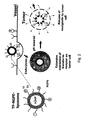

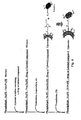


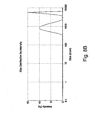
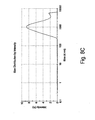
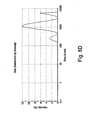


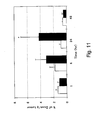
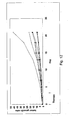

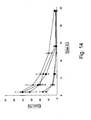
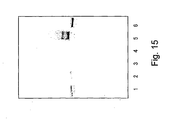
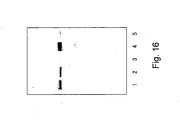
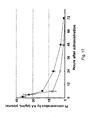
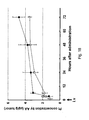
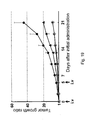

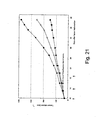


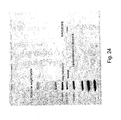
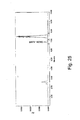
Classifications
-
- A—HUMAN NECESSITIES
- A61—MEDICAL OR VETERINARY SCIENCE; HYGIENE
- A61K—PREPARATIONS FOR MEDICAL, DENTAL OR TOILETRY PURPOSES
- A61K9/00—Medicinal preparations characterised by special physical form
- A61K9/10—Dispersions; Emulsions
- A61K9/127—Synthetic bilayered vehicles, e.g. liposomes or liposomes with cholesterol as the only non-phosphatidyl surfactant
-
- A—HUMAN NECESSITIES
- A61—MEDICAL OR VETERINARY SCIENCE; HYGIENE
- A61K—PREPARATIONS FOR MEDICAL, DENTAL OR TOILETRY PURPOSES
- A61K9/00—Medicinal preparations characterised by special physical form
- A61K9/10—Dispersions; Emulsions
- A61K9/127—Synthetic bilayered vehicles, e.g. liposomes or liposomes with cholesterol as the only non-phosphatidyl surfactant
- A61K9/1271—Non-conventional liposomes, e.g. PEGylated liposomes or liposomes coated or grafted with polymers
-
- A—HUMAN NECESSITIES
- A61—MEDICAL OR VETERINARY SCIENCE; HYGIENE
- A61K—PREPARATIONS FOR MEDICAL, DENTAL OR TOILETRY PURPOSES
- A61K31/00—Medicinal preparations containing organic active ingredients
- A61K31/28—Compounds containing heavy metals
- A61K31/282—Platinum compounds
-
- A—HUMAN NECESSITIES
- A61—MEDICAL OR VETERINARY SCIENCE; HYGIENE
- A61K—PREPARATIONS FOR MEDICAL, DENTAL OR TOILETRY PURPOSES
- A61K47/00—Medicinal preparations characterised by the non-active ingredients used, e.g. carriers or inert additives; Targeting or modifying agents chemically bound to the active ingredient
- A61K47/30—Macromolecular organic or inorganic compounds, e.g. inorganic polyphosphates
- A61K47/42—Proteins; Polypeptides; Degradation products thereof; Derivatives thereof, e.g. albumin, gelatin or zein
-
- A—HUMAN NECESSITIES
- A61—MEDICAL OR VETERINARY SCIENCE; HYGIENE
- A61P—SPECIFIC THERAPEUTIC ACTIVITY OF CHEMICAL COMPOUNDS OR MEDICINAL PREPARATIONS
- A61P35/00—Antineoplastic agents
-
- A—HUMAN NECESSITIES
- A61—MEDICAL OR VETERINARY SCIENCE; HYGIENE
- A61P—SPECIFIC THERAPEUTIC ACTIVITY OF CHEMICAL COMPOUNDS OR MEDICINAL PREPARATIONS
- A61P43/00—Drugs for specific purposes, not provided for in groups A61P1/00-A61P41/00
Definitions
- treatment regimens require the use of drugs with deleterious side effects, including, for example, alopecia, nausea, vomiting, tiredness, etc.
- Some treatment regimens may also entail the use of drugs that are not stable under physiological conditions, for example, bio-therapeutics (e.g ., genes or gene products) and/or other drugs that are easily degraded or otherwise altered upon administration and thereby loose their effectiveness before achieving the desired therapeutic result.
- bio-therapeutics e.g ., genes or gene products
- Such instability also makes the drugs more difficult and costly to store and prepare for administration.
- Anticancer agents may be classified according to several criteria, such as class of compound and disease state treated. Certain agents have been developed to take advantage of the rapid division of cancer cells and target specific phases in the cell cycle, providing another method of classification. Agents can also be grouped according to the type and severity of their side effects or method of delivery. However, the most common classification of non-biotherapeutic based anticancer agents is by class of chemical compound, which broadly encompasses the mechanism of action of these compounds.
- anticancer agents Depending on the reference source consulted, there are slight differences in the classification of anticancer agents.
- the classes of compounds are described in the Physician's Desk Reference as follows: alkaloids; alkylating agents; antitumor antibiotics; antimetabolites; hormones and hormone analogs; immunomodulators; photosensitizing agents; and miscellaneous other agents.
- the alkaloid class of compounds may also be referred to as mitotic inhibitors, as they are cell cycle phase specific and serve to inhibit mitosis or inhibit the enzymes required for mitosis. They are derived generally from plant alkaloids and other natural products and work during the M-phase of the cell cycle. This class of compounds is often used to treat neoplasias such as acute lymphoblastic leukemia, Hodgkin's and non-Hodgkin's lymphoma; neuroblastomas and cancers of the lung, breast and testes.
- mitotic inhibitors are cell cycle phase specific and serve to inhibit mitosis or inhibit the enzymes required for mitosis. They are derived generally from plant alkaloids and other natural products and work during the M-phase of the cell cycle. This class of compounds is often used to treat neoplasias such as acute lymphoblastic leukemia, Hodgkin's and non-Hodgkin's lymphoma; neuroblastomas and cancers of the lung, breast
- Alkylating agents make up a large class of chemotherapeutic agents, including of the following sub-classes, which each represent a number of individual drugs: alkyl sulfonates; aziridines; ethylenimines and methylmelamines; nitrogen mustards; nitrosoureas; and others, including platinum compounds.
- Alkylating agents attack neoplastic cells by directly alkylating the DNA of cells and therefore causing the DNA to be replication incompetent. This class of compounds is commonly used to treat a variety of diseases, including chronic leukemias, non-Hodgkin's lymphoma, Hodgkin's lymphoma, multiple myeloma and certain lung, breast and ovarian cancers.
- Nitrosoureas are often categorized as alkylating agents, and have a similar mechanism of action, but instead of directly alkylating DNA, they inhibit DNA repair enzymes causing replication failure. These compounds have the advantage of being able to cross the blood-brain barrier and therefore can be used to treat brain tumors.
- Antitumor antibiotics have antimicrobial and cytotoxic activity and also interfere with DNA by chemically inhibiting enzymes and mitosis or by altering cell membranes. They are not cell cycle phase specific and are widely used to treat a variety of cancers.
- the antimetabolite class of anticancer agents interfere with the growth of DNA and RNA and are specific to the S-phase of the cell-cycle. They can be broken down further by type of compound, which include folic acid analogs, purine analogs, and pyrimidine analogs. They are often employed in the treatment of chronic leukemia, breast, ovary, and gastrointestinal tumors.
- corticosteroid hormones There are two classes of hormones or hormone analogs used as anticancer agents, the corticosteroid hormones and sex hormones. While some corticosteroid hormones can both kill cancer cells and slow the growth of tumors, and are used in the treatment of lymphoma, leukemias, etc., sex hormones function primarily to slow the growth of breast, prostate and endometrial cancers. There are numerous subclasses of hormones and hormone analogs, including, androgens, antiadrenals, antiandrogens, antiestrogens, aromatase inhibitors, estrogens, leutenizing hormone releasing hormone (LHRH) analogs and progestins.
- LHRH leutenizing hormone releasing hormone
- An additional smaller class of anticancer agents is classified as immunotherapy. These are agents that are intended to stimulate the immune system to more effectively attack the neoplastic (cancerous) cells. This therapy is often used in combination with other therapies.
- campothectins which are generally listed as 'other' anticancer agents and can be used to treat a variety of neoplasias.
- Combinations of anticancer agents are also utilized in the treatment of a number of cancers.
- Sanofi Syntholabo markets ELOXATIN TM (oxaliplatin for injection) for the treatment of colorectal cancer for use in combination with 5-fluorouracil and leuvocorin.
- ELOXATIN TM oxaliplatin for injection
- Oxaliplatin is an alkylating agent that is believed to act by inhibiting both DNA replication and transcription. Unlike other platinum agents, oxaliplatin has demonstrated a decreased likelihood of resistance development. Oxaliplatin is further described in U.S. Pat. Nos.
- the therapeutic index describes the balance between the required dose to accomplish the destruction of the cancer cells compared to the dose at which the substance is unacceptably toxic to the individual.
- the drawback to most anticancer agents is the relatively small range of the therapeutic index, (i.e., the narrow dosage range in which cancer cells are destroyed without unacceptable toxicity to the individual). This characteristic limits the frequency and dosage where an agent is useful, and often the side effects become intolerable before the cancer can be fully eradicated.
- hair loss alopecia
- appetite loss alopecia
- weight loss alopecia
- taste changes stomatitis and esophagitis (inflammation and sores); constipation; diarrhea; fatigue; heart damage; nervous system changes; lung damage; reproductive tissue damage; liver damage; kidney and urinary system damage.
- Liposomes are formed when phospholipids and their derivatives are dispersed in water. Upon dispersion in water the phospholipids form closed vesicles called "liposomes", which are characterized by lipid bilayers encapsulating an aqueous core.
- Various liposomes have been used as carriers for entrapped therapeutic agents, such as drugs, enzymes and genetic sequences for use in medical science, in pharmaceutical science and in biochemistry.
- liposome compositions include U.S. Pat. No. 4,983,397 ; 6,476,068 ; 5,834,012 ; 5,756,069 ; 6,387,397 ; 5,534,241 ; 4,789,633 ; 4,925,661 ; 6,153,596 ; 6,057,299 ; 5,648,478 ; 6,723,338 ; 6,627218 ; U.S. Pat. App.
- liposomes that were modified by the incorporation of polyethylene glycol or other hydrophilic polymers (e.g. , a PEG liposome where one or more of the constituent lipids was modified by attachment of PEG). PEG-modified liposomes were also often referred to as "shielded" liposomes.
- DoxilTM doxorubicin HCl liposome injection
- PEG adjunct polyethylene glycol
- liposomes examples include U.S. Pat. No. 4,983,397 ; 5,013,556 ; 6,316,024 ; 6,056,973 ; 5,945,122 ; 5,891,468 ; 6,126,966 ; 5,593,622 , 5,676,971 ; 6,586,559 ; and 5,846,458 U.S. Pat. App. Publication. Nos. 2003/0224037 ; 2004/0022842 ; 2003/0113262 ; 2002/0136707 ; International Patent Applications WO 99/30686 ; WO 02/41870 Alimi ⁇ ana et al., Prep. Biochem. Biotech. (2004) 34(1): 77-96 .
- Liposomes are also described in U.S. Pat. Nos. 6,228,391 ; 6,197,333 ; 6,046,225 ; 5,292,524 ; and U.S. Pat. App. Pub. Nos. 20050271588 ; 20040213833 ; 20040029210 ; 20030175205 ; 20030162748 ; 20030130190 ; 20030059461 ; and 20020034537 .
- liposomes that aimed to specifically target particular cell types by incorporating targeting factors (also referred to as targeting ligands) for particular cell types.
- targeting factors also referred to as targeting ligands
- targeting factors/ligands include asialoglycoprotein, folate, transferrin, antibodies, etc.
- one or more of the constituent lipids could be modified by the attachment of a targeting factor.
- lipid compositions including targeting factors include U.S. Pat. Nos. 5,049,390 ; 5,780,052 ; 5,786,214 ; 6,316,024 ; 6,056,973 ; 6,245,427 ; 6,524,613 ; 6,749,863 ; 6,177,059 ; 6,530,944 ; U.S. Pat. App. Publication. Nos. 2004/0022842 ; 2003/0224037 ; 2003/143742 ; 2003/0228285 ; 2002/0198164 ; 2003/0220284 ; 2003/0165934 ; 2003/0027779 ; International Patent Application Nos.
- Iinuma et al. developed a Tf-PEG-liposome, with transferrin (Tf) attached at the surface of the liposome.
- Tf transferrin
- Iinuma et al. showed that a greater number of liposomes were bound to the surface of the tumor cells, and there was a greater uptake of liposomes by the tumor cells for Tf-PEG-liposome as compared to PEG-liposome (Inuma et al., ibid; Ishida et al., ibid ).
- liposome compositions for the delivery of drugs and labeled compounds to specific cells and/or tissues that achieve a therapeutic or diagnostic effect.
- drug formulations with improved specificity and reduced toxicity are need to ensure therapeutic benefit without adversely effecting healthy cells and which also do not result in deleterious side effects for the individual being treated.
- labeled compounds that can be used to detect conditions, particularly life-threatening conditions at an early stage (e.g., with high specificity and/or high sensitivity) and also accurately monitor the severity/extent of the condition (e.g., progression and/or regression with or without treatment) would also significantly improve the quality and success of therapy.
- EP 1 209 469 A1 (Vectron Therapeutics AG, 29 May 2002) describes a "targeted diagnostic system" comprising a negatively charged carrier, a targeting moiety, and a diagnostic agent, and methods for its preparation and use.
- the targeted diagnostic system may be in the form of a liposome (see, e.g., paragraph [0021] therein).
- liposomes were prepared from a mixture of DOPS / DLPE / Cholesterol / N-glutaryl-DPPE (3:3:3:1 on a molar basis).
- an RGD-peptide was then attached to the liposomal surface by first activating the N-glutaryl-DPPE carboxyl group with 1-ethyl-3-(3-dimethylaminopropyl) carbodiimide (ECDI) and then reacting it with the RGD-peptide.
- ECDI 1-ethyl-3-(3-dimethylaminopropyl) carbodiimide
- DOPS 1,2-dioleoyl- sn -glycero-3-phosphoserine
- DLPE is 1,2-dilauroyl- sn- glycero-3-phosphoethanolamine
- DPPE is "1,2-dipalmitoyl- sn -glycero-3-phosphoethanolamine".
- WO 96/04232 A1 (Cooper-Lipotech, Inc., 31 July 1986) describes compositions formed of liposomes having surface-bound, functionally active proteins at a concentration of 100-600 ⁇ g protein/ ⁇ mole lipid. The proteins are attached through amide linkages to spacer chains anchored to the liposomes using, for example, activated carboxyl or N-hydroxysuccinimide groups.
- PE-NHS Liposomes rabbit antiserum against BSA-DNP (an antibody) was coupled to the PE-NHS liposomes that were prepared from a mixture of PC (50 mole percent), PE-suberoyl-NHS coupling reagent (10 mole percent), cholesterol (40 mole percent), and a trace amount of 125 I-PE.
- Example VI describes the preparation of the PE-amides of various dicarboxylic acids: the PE-amide of glutaric acid (Example I), the PE-amide of succinic acid (Example II), the PE-amide of 1,12-dodecanedicarboxylic acid (Example III), the PE-amide of 1,20-eicosanedicarboxylic acid (Example IV), and the PE-amide of 1,8-octanedicarboxylic acid (Example VI).
- Example VI also describes the preparation of corresponding liposomes from mixtures of one the PE-amides (1 ⁇ mole) with cholesterol (10 ⁇ moles) and PC (9 ⁇ moles).
- Example VII describes the subsequent coupling of mouse IgG (an antibody) to the liposomes using 1-ethyl-3-(3-dimethylaminopropyl) carbodiimide (ECDI), with coupling efficiencies of 30 to 60%.
- Example VIII therein describes the preparation of the succinimidyl esters of several PE-amides of various dicarboxylic acids: glutaric acid, adipic acid, suberic acid and 1,12-dodecanedicarboxylic acid.
- Example X describes the preparation of corresponding liposomes from mixtures of one of the succinimidyl esters of a PE-amides (1 ⁇ mole) with cholesterol (10 ⁇ moles) and PC (9 ⁇ moles).
- Example XI describes the subsequent coupling of mouse IgG (an antibody) to the liposomes using MEPS-MOPS buffer with coupling efficiencies of 65 to 73% and protein contents of from 428 to 479 ⁇ mole protein/ ⁇ mol lipid.
- a first aspect of the present invention is a targeted liposome comprising:
- the phosphatidylcholine includes a moiety of a saturated fatty acid.
- the phosphatidylcholine is DMPC, DSPC, POPC or DPPC.
- the liposome comprises DMPC and cholesterol, DSPC and cholesterol, POPC and cholesterol, or DPPC and cholesterol.
- the liposome comprises DMPC and cholesterol.
- n and p are each, independently, an integer from 2 to 4.
- m and p are equal.
- m and p are 3.
- R 1 , R 2 , R 5 and R 6 are each, independently, oleoyl, stearoyl, palmitoyl or myristoyl.
- R 1 and R 2 are the same, and R 5 and R 6 are the same.
- R 1 , R 2 , R 5 and R 6 are the same.
- R 1 , R 2 R 5 and R 6 are oleoyl.
- R 1 , R 2 , R 5 and R 6 are oleoyl or stearoyl, and m and p are 3.
- the phosphatidylcholine is DMPC or DSPC, and the at least one additional lipid is cholesterol.
- the targeting ligand is selected from transferrin, folic acid, hyaluronic acid, a sugar chain, and a fragment of a monoclonal antibody.
- the targeting ligand is selected from transferrin, folic acid, hyaluronic acid and a sugar chain.
- the targeting ligand is transferrin.
- the transferrin is in a holo-form but not in an apo-form.
- the transferrin is in a holo-form.
- R 1 , R 2 , R 5 and R 6 are oleoyl, m and p are 3, the targeting ligand is transferrin, the phosphatidylcholine is DMPC, and the at least one additional lipid is cholesterol.
- the mean diameter of the liposome is from 50 nm to 250 nm.
- the drug is present.
- the drug is an anticancer agent.
- the drug is a cytotoxic drug.
- the drug is a platinum compound.
- the platinum compound is biplatin, cisplatin, carboplatin, ormaplatin, oxaliplatin, zeniplatin, enloplatin, lobaplatin or spiroplatin.
- the drug is oxaliplatin.
- the drug is oxaliplatin; R 1 , R 2 , R 5 and R 6 are oleoyl; m and p are 3; the targeting ligand is transferrin; the phosphatidylcholine is DMPC; and the at least one additional lipid is cholesterol.
- the oxaliplatin is dissolved in an aqueous solution of a sugar selected from trehalose, maltose, sucrose, mannose, lactose, mannitol, glycerol and dextrose.
- a sugar selected from trehalose, maltose, sucrose, mannose, lactose, mannitol, glycerol and dextrose.
- the sugar is at a concentration of from about 1 to about 20 percent sugar (v/v).
- the concentration of oxaliplatin is from 0.1 mg/ml to 25 mg/ml within the liposome.
- the drug is a topoisomerase I inhibitor.
- the topoisomerase I inhibitor is topotecan or irinotecan.
- the drug is a vinca alkaloid.
- the vinca alkaloid is vincristine, vinblastine, vinleurosine, vinrodisine, vinorelbine or vindesine.
- the drug is a nucleic acid.
- the nucleic acid is an antisense oligonucleotide or a ribozyme.
- the drug is an alkylating agent.
- the drug is a taxane, a metabolic antagonist, an antitumour antibiotic, a hormone therapy drug, or a molecular target drug.
- the liposome does not comprise a cationic lipid.
- the liposome does not comprise an anionic lipid.
- a second aspect of the present invention is a method of making a targeted liposome of the first aspect, comprising the steps of:
- the method further comprises a step of: (d) purifying the liposome of step (c).
- the drug in step (b) is in aqueous solution prior to mixing.
- step (c) comprises sonication, stirring, or extrusion.
- a third aspect of the present invention is a method of making a targeted liposome of the first aspect, comprising the steps of:
- the method further comprises a step of: (e) purifying the liposome of step (d).
- the drug in step (b) is in aqueous solution prior to mixing.
- step (c) comprises sonication, stirring, or extrusion.
- a fourth aspect of the present invention is a pharmaceutical formulation comprising a targeted liposome of the first aspect and one or more pharmaceutically acceptable carriers, excipients, diluents, stabilizers, or preservatives.
- a fifth aspect of the present invention is a targeted liposome of the first aspect, for use in a method of treatment of the human or animal body by therapy.
- a sixth aspect of the present invention is a targeted liposome of the first aspect, wherein the targeted liposome comprises a drug, and the drug is an anticancer agent, for use in a method of treating cancer.
- a seventh aspect of the present invention is the use of a targeted liposome of the first aspect, wherein the targeted liposome comprises a drug, and the drug is an anticancer agent, in the manufacture of a medicament for the treatment of cancer.
- An eighth aspect of the present invention is a targeted liposome of the first aspect, wherein the targeted liposome comprises a labeled compound, for use in a method of diagnosis.
- a ninth aspect of the present invention is the use of a targeted liposome of the first aspect, wherein the targeted liposome comprises a labeled compound, in the manufacture of a diagnostic agent.
- a tenth aspect of the present invention is a blank liposome comprising:
- the phosphatidylcholine includes a moiety of a saturated fatty acid.
- the phosphatidylcholine is DMPC, DSPC, POPC or DPPC.
- the liposome comprises DMPC and cholesterol, DSPC and cholesterol, POPC and cholesterol, or DPPC and cholesterol.
- the liposome comprises DMPC and cholesterol.
- n and p are each independently, an integer from 2 to 4.
- m and p are equal.
- m and p are 3.
- R 1 , R 2 , R 5 and R 6 are each, independently, oleoyl, stearoyl, palmitoyl or myristoyl.
- R 1 and R 2 are the same, and R 5 and R 6 are the same.
- R 1 , R 2 , R 5 and R 6 are the same.
- R 1 , R 2 , R 5 and R 6 are oleoyl.
- R 1 , R 2 , R 5 and R 6 are oleoyl or stearoyl, and m and p are 3.
- the phosphatidylcholine is DMPC or DSPC, and the at least one additional lipid is cholesterol.
- the targeting ligand is selected from transferrin, folic acid, hyaluronic acid, a sugar chain, and a fragment of a monoclonal antibody.
- the targeting ligand is selected from transferrin, folic acid, hyaluronic acid and a sugar chain.
- the targeting ligand is transferrin.
- the transferrin is in a holo-form but not in an apo-form.
- the transferrin is in a holo-form.
- R 1 , R 2 , R 5 and R 6 are oleoyl, m and p are 3, the targeting ligand is transferrin, the phosphatidylcholine is DMPC, and the at least one additional lipid is cholesterol.
- the mean diameter of the liposome is from 50 nm to 250 nm.
- the liposome does not comprise a cationic lipid.
- the liposome does not comprise an anionic lipid.
- An eleventh aspect of the present invention is a method of making a blank liposome of the tenth aspect, comprising the steps of:
- the method further comprises a step of (c) purifying the liposome of step (b).
- step (b) comprises sonication, stirring, or extrusion.
- a twelfth aspect of the present invention is a method of making a blank liposome of the tenth aspect, comprising the steps of:
- the method further comprises a step of (d) purifying the liposome of step (c).
- step (b) comprises sonication, stirring, or extrusion.
- a thirteenth aspect of the present invention is a method of preparing a therapeutic liposome, comprising the step of: (a) encapsulating a drug into a blank liposome of the tenth aspect.
- a fourteenth aspect of the present invention is a lipid mixture comprising a mixture of:
- the phosphatidylcholine is DMPC, DSPC, POPC or DPPC; m and n are 3; R 1 , R 2 , R 3 and R 4 are the same; and R 1 , R 2 , R 3 and R 4 are oleoyl or stearoyl.
- a fifteenth aspect of the present invention is a method of making a lipid mixture of the fourteenth aspect, comprising the step of:
- a sixteenth aspect of the present invention is a lipid mixture comprising a mixture of:
- the phosphatidylcholine is DMPC, DSPC, POPC or DPPC; m and p are 3; R 1 , R 2 , R 3 and R 4 are the same; R 1 , R 2 , R 3 and R 4 are oleoyl or stearoyl; and the targeting ligand is transferrin.
- a seventeenth aspect of the present invention is a method of making a lipid mixture of the fifteenth aspect, comprising the step of:
- An eighteenth aspect of the present invention is a liposome-containing composition comprising:
- the phosphatidylcholine is DMPC, DSPC, POPC or DPPC; m and n are 3; R 1 , R 2 , R 3 and R 4 are the same; and R 1 , R 2 , R 3 and R 4 are oleoyl or stearoyl.
- the liposome-containing composition of the seventeenth aspect further comprises a drug, wherein the drug is oxaliplatin.
- a nineteenth aspect of the present invention is a method of making a liposome-containing composition of the seventeenth aspect, comprising the steps of:
- a twentieth aspect of the present invention is a liposome-containing composition comprising liposomes comprising:
- the phosphatidylcholine is DMPC, DSPC, POPC or DPPC; m and p are 3; R 1 , R 2 , R 5 and R 6 are the same; R 1 , R 2 , R 5 and R 6 are oleoyl or stearoyl; and the targeting ligand is transferrin.
- the liposome-containing composition of the nineteenth aspect further comprises a drug, wherein the drug is oxaliplatin.
- a twenty-first aspect of the present invention is a method of making a liposome-containing composition of the nineteenth aspect, comprising the steps of:
- a twenty-second aspect of the present invention is a method of making a liposome-containing composition of the nineteenth aspect, comprising the steps of:
- novel lipid-containing compositions including liposomes (e.g. , targeted liposomes, blank liposomes), lipid mixtures and liposome-containing compositions) that may optionally incorporate a drug or labeled compound, or may be used in the preparation of formulations that incorporate a drug or labeled compound, where the lipid-containing composition confers the benefit of reducing side effects from the drug or labeled compound and/or also prevents degradation and/or loss of efficacy of the drug or labeled compound. Also described herein are methods of making and using the lipid-containing compositions described herein.
- the lipid-containing compositions may be used to treat or diagnose cancer (e.g ., breast cancer, gastric cancer, colorectal cancer, colon cancer, cancer of the pancreas, non small cell lung cancer, small cell lung cancer, brain cancer, liver cancer, renal cancer, prostate cancer, bladder cancer, ovarian cancer, or hematological malignancies (e.g. , leukemia, lymphoma, multiple myeloma, etc.).
- cancer e.g ., breast cancer, gastric cancer, colorectal cancer, colon cancer
- cancer of the pancreas e.g., non small cell lung cancer, small cell lung cancer, brain cancer, liver cancer, renal cancer, prostate cancer, bladder cancer, ovarian cancer, or hematological malignancies (e.g. , leukemia, lymphoma, multiple myeloma, etc.).
- targeted liposomes comprising one or more phospholipids, an N-( ⁇ )-dicarboxylic acid-derivatized phosphatidyl ethanolamine, a targeting factor-modified N-( ⁇ )-dicarboxylic acid-derivatized phosphatidyl ethanolamine, an encapsulated drug or labeled compound and, optionally, at least one additional lipid, wherein the targeting factor-modified N-( ⁇ )-dicarboxylic acid-derivatized phosphatidyl ethanolamine comprises a targeting ligand linked to a second N-( ⁇ )-dicarboxylic acid-derivatized phosphatidyl ethanolamine; and wherein the N-( ⁇ )-dicarboxylic acid-derivatized phosphatidyl ethanolamine is represented by Formula 1, and the second N-( ⁇ )-dicarboxylic acid-derivatized phosphatidyl ethanolamine is represented by Formula 3, wherein R 1 , R
- blank liposomes comprising one or more phospholipids, an N-( ⁇ )-dicarboxylic acid-derivatized phosphatidyl ethanolamine, a targeting factor-modified N-( ⁇ )-dicarboxylic acid-derivatized phosphatidyl ethanolamine, and, optionally, at least one additional lipid
- the targeting factor-modified N-( ⁇ )-dicarboxylic acid-derivatized phosphatidyl ethanolamine comprises a targeting ligand linked to a second N-( ⁇ )-dicarboxylic acid-derivatized phosphatidyl ethanolamine; and wherein the N-( ⁇ )-dicarboxylic acid-derivatized phosphatidyl ethanolamine is represented by Formula 1, and the second N-( ⁇ )-dicarboxylic acid-derivatized phosphatidyl ethanolamine, where present, is represented by Formula 3, wherein R 1 , R 2 , R 5 and R
- R 1 , R 2 , R 5 and R 6 are oleoyl or stearoyl, and m and p are 3.
- the targeting ligand is transferrin.
- the one or more phospholipids is DMPC or DSPC, and the at least one additional lipid is present and is cholesterol.
- R 1 , R 2 , R 5 and R 6 are oleoyl, m and p are 3, the one or more phospholipid is DMPC and the additional lipid is cholesterol.
- m and p are each independently, an integer from 2 to 4. In some embodiments, m and p are equal and are an integer from 2 to 4. In particular embodiments, m and p are equal and are 3.
- R 2 , R 5 and R 6 are each, independently, oleoyl, stearoyl, palmitoyl or myristoyl. In some embodiments, R 1 and are R 2 are the same, and R 5 and R 6 are the same. In other embodiments, R 1 , R 2 , R 5 and R 6 are the same. In particular embodiments, R 1 , R 2 , R 5 and R 6 are oleoyl or stearoyl. In certain embodiments, R 1 , R 2 , R 5 and R 6 are oleoyl.
- lipid mixtures comprising a mixture of one or more phospholipids, an N-( ⁇ )-dicarboxylic acid-derivatized phosphatidyl ethanolamine, a succinimidyl ester of an N-( ⁇ )-dicarboxylic acid-derivatized phosphatidyl ethanolamine, and, optionally, at least one additional lipid, wherein the N-( ⁇ )-dicarboxylic acid-derivatized phosphatidyl ethanolamine is represented by Formula 1, and the succinimidyl ester of the N-( ⁇ )-dicarboxylic acid-derivatized phosphatidyl ethanolamine is represented by Formula 2, wherein R 1 , R 2 , R 3 and R 4 are each, independently, an acyl group, m and n are, independently, an integer from 1 to 10; and, wherein the mixture does not comprise a non-derivatized phosphatidyl ethanolamine or polyethylene glycol.
- m and n are each independently, an integer from 2 to 4. In some embodiments, m and n are equal and are an integer from 2 to 4. In particular embodiments, m and n are equal and are 3.
- R 1 , R 2 , R 3 and R 4 are each, independently, oleoyl, stearoyl, palmitoyl or myristoyl.
- R 1 and are R 2 are the same, and R 3 and R 4 are the same.
- R 1 , R 2 , R 3 and R 4 are the same.
- R 1 , R 2 , R 3 and R 4 are oleoyl or stearoyl.
- m and n are 3, where the one or more phospholipids is DMPC or DSPC and the at least one additional lipid is present and is cholesterol.
- R 1 , R 2 , R 3 and R 4 are oleoyl
- m and n are 3, the one or more phospholipid is DMPC and the additional lipid is cholesterol.
- lipid mixtures comprising a mixture of one or more phospholipids, an N-( ⁇ )-dicarboxylic acid-derivatized phosphatidyl ethanolamine, a targeting factor-modified N-( ⁇ )-dicarboxylic acid-derivatized phosphatidyl ethanolamine, and, optionally, at least one additional lipid, wherein the N-( ⁇ )-dicarboxylic acid-derivatized phosphatidyl ethanolamine is represented by Formula 1, and the targeting factor-modified N-( ⁇ )-dicarboxylic acid-derivatized phosphatidyl ethanolamine comprises a targeting ligand linked to a second N-( ⁇ )-dicarboxylic acid-derivatized phosphatidyl ethanolamine; and wherein the second N-( ⁇ )-dicarboxylic acid-derivatized phosphatidyl ethanolamine is represented by Formula 3, wherein R 1 , R 2 , R 5 and R 6
- m and p are each independently, an integer from 2 to 4. In certain embodiments, m and p are equal and are an integer from 2 to 4. In some embodiments, m and p are equal and are 3.
- R 1 , R 2 , R 5 and R 6 are each, independently, oleoyl, stearoyl, palmitoyl or myristoyl.
- R 1 and are R 2 are the same, and R 5 and R 6 are the same.
- R 1 , R 2 , R 5 and R 6 are the same.
- R 1 , R 2 , R 5 and R 6 are oleoyl or stearoyl.
- R 1 , R 2 , R 5 and R 6 are oleoyl or stearoyl, m and p are 3, the one or more phospholipids is DMPC or DSPC, the at least one additional lipid is cholesterol, and the targeting ligand is transferrin.
- R 1 , R 2 , R 5 and R 6 are oleoyl, m and p are 3, the one or more phospholipid is DMPC, the additional lipid is cholesterol and the targeting ligand is transferrin.
- liposome-containing compositions comprising liposomes comprising one or more phospholipids, an N-( ⁇ )-dicarboxylic acid-derivatized phosphatidyl ethanolamine, a succinimidyl ester of an N-( ⁇ )-dicarboxylic acid-derivatized phosphatidyl ethanolamine, and, optionally, at least one additional lipid, wherein the N-( ⁇ )-dicarboxylic acid-derivatized phosphatidyl ethanolamine is represented by Formula 1, and the succinimidyl ester of the N-( ⁇ )-dicarboxylic acid-derivatized phosphatidyl ethanolamine is represented by Formula 2, wherein R 1 , R 2 , R 3 and R 4 are each, independently, an acyl group, m and n are, independently, an integer from 1 to 10; and, wherein the composition does not comprise a non-derivatized phosphatidyl ethanolamine or polyethylene glyco
- m and n are each independently, an integer from 2 to 4. In certain embodiments, m and n are equal and are an integer from 2 to 4. In particular embodiments, m and n are equal are 3.
- R 1 , R 2 , R 3 and R 4 are each, independently, oleoyl, stearoyl, palmitoyl or myristoyl.
- R 1 and are R 2 are the same, and R 3 and R 4 are the same.
- R 1 , R 2 , R 3 and R 4 are the same.
- R 1 , R 2 , R 3 and R 4 are oleoyl or stearoyl.
- R 1 , R 2 , R 3 and R 4 are oleoyl or stearoyl, and m and n are 3 and the one or more phospholipids is DMPC, DSPC, POPC or DPPC.
- R 1 , R 2 , R 3 and R4 6 are oleoyl, m and n are 3, the one or more phospholipid is DMPC and the additional lipid is cholesterol.
- liposome-containing compositions comprising liposomes comprising one or more phospholipids, an N-( ⁇ )-dicarboxylic acid-derivatized phosphatidyl ethanolamine, a targeting factor-modified N-( ⁇ )-dicarboxylic acid-derivatized phosphatidyl ethanolamine, and, optionally, at least one additional lipid, wherein the N-( ⁇ )-dicarboxylic acid-derivatized phosphatidyl ethanolamine is represented by Formula 1, and the targeting factor-modified N-( ⁇ )-dicarboxylic acid-derivatized phosphatidyl ethanolamine comprises a targeting ligand linked to a second N-( ⁇ )-dicarboxylic acid-derivatized phosphatidyl ethanolamine; and wherein the second N-( ⁇ )-dicarboxylic acid-derivatized phosphatidyl ethanolamine is represented by Formula 3, wherein the N-( ⁇ )-dicarboxylic acid
- m and p are each independently, an integer from 2 to 4. In particular embodiments, m and p are equal and are an integer from 2 to 4. In some embodiments, m and p are equal are 3.
- R 1 , R 2 , R 5 and R 6 are each, independently, oleoyl, stearoyl, palmitoyl or myristoyl.
- R 1 and are R 2 are the same, and R 5 and R 6 are the same.
- R 1 , R 2 , R 5 and R 6 are the same.
- R 1 , R 2 , R 5 and R 6 are oleoyl or stearoyl.
- R 1 , R 2 , R 5 and R 6 are oleoyl or stearoyl, the one or more phospholipids is DMPC or DSPC, the at least one additional lipid cholesterol, and the targeting ligand is transferrin.
- R 1 , R 2 , R 5 and R 6 are oleoyl, m and p are 3, the one or more phospholipid is DMPC, the additional lipid is cholesterol and the targeting ligand is transferrin.
- the liposome-containing compositions a drug is included.
- the one or more phospholipid is DMPC or DSPC, R 1 , R 2 and, where present, R 5 and R 6 are oleoyl or stearoyl, m and, where present, p are 3, the at least one additional lipid, where present, is cholesterol, the drug is oxaliplatin, and the targeting ligand, where present, is transferrin.
- the composition further includes a sugar at a concentration of from about 1 to about 20% percent sugar (v/v).
- the one or more phospholipid is DMPC or DSPC, R 1 , R 2 and, where present, R 5 and R 6 are oleoyl, m and, where present, p are 3, the at least one additional lipid, where present, is cholesterol, the drug is oxaliplatin, and the targeting ligand, where present, is transferrin.
- a labeled compound is included.
- the labeled compound comprises a radioisotopic moiety.
- the at least one additional lipid is present.
- the at least one additional lipid is cholesterol or a cholesterol derivative.
- the one or more phospholipids is a phosphatidylcholine, phosphatidic acid, phosphatidylserine or phosphatidylglycerol.
- the one or more phospholipids is a neutral phospholipid.
- the one or more phospholipids is a phosphatidylcholine.
- the phosphatidyl choline includes a moiety of a saturated fatty acid.
- the one or more phospholipids is DMPC, DSPC, POPC or DPPC.
- the at least one additional lipid is present.
- the at least one additional lipid is cholesterol or a cholesterol derivative.
- DMPC and cholesterol, DSPC and cholesterol, POPC and cholesterol, or DPPC and cholesterol are incorporated.
- DMPC and cholesterol are incorporated.
- targeting ligand is directed to a target cell.
- the targeting ligand is directed to a cell surface receptor of a target cell.
- the targeting ligand is transferrin, folic acid, hyaluronic acid, a sugar chain or a fragment of a monoclonal antibody.
- the targeting ligand is transferrin, folic acid, hyaluronic acid or a sugar chain.
- the targeting ligand is transferrin, folic acid, hyaluronic acid or a sugar chain.
- the targeting ligand is transferrin, folic acid, hyaluronic acid or a sugar chain.
- the targeting ligand is transferrin.
- the transferrin is in a holo-form but not in an apo-form.
- the transferrin is in a holo-form.
- the mean diameter of the liposome is from about 50 nm to about 250 nm. In others, the mean diameter of the liposome is from about 90 nm to about 200 nm.
- the zeta potential of the liposome is negative.
- the zeta potential is from about -75 mV to about -90 mV. In others, the zeta potential is from about -80 mV to about -85 mV.
- the formulations further include a solution.
- the drug is present.
- the drug is oxaliplatin.
- the targeting ligand is transferrin.
- the at least one additional lipid is present and is cholesterol.
- the drug is an anticancer agent.
- the drug is a cytotoxic drug.
- the drug is a topoisomerase I inhibitor.
- the topoisomerase I inhibitor is topotecan or irinotecan.
- the drug is a vinca alkaloid.
- the vinca alkaloid is vincristine, vinblastine, vinleurosine, vinrodisine, vinorelbine or vindesine.
- the drug is a nucleic acid.
- the nucleic acid is an antisense oligonucleotide or a ribozyme.
- the drug is an alkylating agent. In particular embodiments, the drug is a taxanes. In other embodiments, the drug is a metabolic antagonist. In certain embodiments, the drug is an antitumour antibiotic. In some embodiments, the drug is a hormone therapy drug. In some embodiments, the drug is a molecular target drug.
- the drug is a platinum compound.
- the platinum compound is biplatin, cisplatin, carboplatin, ormaplatin, oxaliplatin, zeniplatin, enloplatin, lobaplatin or spiroplatin.
- the platinum compound is oxaliplatin.
- the targeting ligand is transferrin, the one or more phospholipids is DMPC or DSPC, and the at least one additional lipid is present and is cholesterol.
- the targeting ligand is transferrin, the one or more phospholipids is DMPC, and the at least one additional lipid is present and is cholesterol.
- the targeted liposomes and liposome-containing compositions are free of other lipid components.
- the oxaliplatin is dissolved in an aqueous solution of a sugar selected from the group consisting of trehalose, maltose, sucrose, mannose, lactose, mannitol, glycerol and dextrose.
- the sugar is at a concentration of from about 1 to about 20% percent sugar (v/v).
- the concentration of oxaliplatin is from about 0.1 mg/ml to about 25 mg/ml within the liposome.
- the concentration of oxaliplatin is from about 0.5 mg/ml to about 10 mg/ml within the liposome.
- the concentration of oxaliplatin is from about 0.5 mg/ml to about 3 mg/ml.
- the labeled compound is present.
- the labeled compound includes a radioisotopic moiety.
- the radioisotopic moiety incorporates 125 I.
- the concentration of targeting ligand incorporated in the liposome is from about 1.0 mg/ml to about 3.0 mg/ml. In others, the concentration of targeting ligand incorporated in the liposome is from about 1.0 mg/ml to about 2.5 mg/ml.
- the targeting ligand is transferrin.
- the transferrin is in a holo-form.
- ferric iron is in a concentration of from about 0.4 to about 3.0 ⁇ g/ml. In other embodiments, ferric iron is in a concentration of from about 0.4 to about 1.5 ⁇ g/ml.
- the liposomes, lipid mixtures or liposome-containing composition does not comprise a cationic lipid.
- the liposomes, lipid mixtures or liposome-containing composition do not comprise an anionic lipid.
- the liposomes, lipid liposome, lipid mixtures or liposome-containing composition do not comprise either an anionic lipid or a cationic lipid.
- the formulations further include a solution
- the lipid mixtures are free of solution.
- the solution is an aqueous solution or a mixture of an aqueous solution and a water-miscible solvent.
- the formulations further include sucrose.
- compositions described herein are pharmaceutical formulations of the lipid-containing compositions described herein.
- Particular embodiments of the liposome-containing compositions, targeted liposomes and blank liposomes include the liposome-containing compositions, targeted liposomes or blank liposomes as described herein and one or more pharmaceutically acceptable carriers, excipients, diluents, stabilizers, or preservatives.
- kits including the lipid-containing compositions described herein.
- Certain embodiments of the liposome-containing compositions, targeted liposomes and blank liposomes include the liposome-containing compositions, targeted liposomes or blank liposomes as described herein, packaging and instructions for use.
- the liposome-containing compositions, targeted liposomes or blank liposomes as described herein is contained in a first container and one or more pharmaceutically acceptable carriers, excipients, diluents, stabilizers, or preservatives are contained in a second container.
- kits incorporating the pharmaceutical formulations described herein, packaging and instructions for use.
- step (d) purifying the liposome of step (c).
- the drug in step (b) is in aqueous solution prior to mixing.
- step (c) comprises sonication or stirring.
- step (c) comprises extrusion.
- the method also includes a step(e), purifying the liposome of step (d).
- step (b) the drug in step (b) is in aqueous solution prior to mixing.
- step (c) comprises sonication or stirring.
- step (c) comprises extrusion.
- step (c) comprises stirring.
- the method further comprises a step (c), purifying the liposome of step (b).
- step (b) comprises sonication or stirring. In some embodiments, step (b) comprises extrusion.
- the methods further include a step (d), purifying the liposome of step (c).
- step (b) comprises sonication or stirring. In some embodiments, step (b) comprises extrusion.
- methods of making the lipid-containing compositions as described herein comprising the step of mixing the one or more phospholipids, the N-( ⁇ )-dicarboxylic acid-derivatized phosphatidyl ethanolamine and the succinimidyl ester of an N-( ⁇ )-dicarboxylic acid-derivatized phosphatidyl ethanolamine.
- methods of making the lipid-containing compositions where the at least one additional lipid is present comprising the step of mixing the one or more phospholipids, the at least one additional lipid, the N-( ⁇ )-dicarboxylic acid-derivatized phosphatidyl ethanolamine and the succinimidyl ester of an N-( ⁇ )-dicarboxylic acid-derivatized phosphatidyl ethanolamine.
- methods of making the lipid-containing compositions as described herein comprising the step of mixing the one or more phospholipids, the N-( ⁇ )-dicarboxylic acid-derivatized phosphatidyl ethanolamine and the targeting factor-modified N-( ⁇ )-dicarboxylic acid-derivatized phosphatidyl ethanolamine.
- methods of making the lipid-containing compositions, where the at least one additional lipid is present comprising the step of mixing the one or more phospholipids, the at least one additional lipid, the N-( ⁇ )-dicarboxylic acid-derivatized phosphatidyl ethanolamine and the targeting factor-modified N-( ⁇ )-dicarboxylic acid-derivatized phosphatidyl ethanolamine.
- aqueous solution In certain embodiments of the methods of making the various lipid-containing compositions (targeted liposomes, blank liposomes, liposome-containing compositions), where a drug is present, the drug is in an aqueous solution.
- step a) is performed in the presence of organic solvent.
- aqueous solution further comprises a sugar.
- the aqueous solution may also include a water-miscible organic solvent.
- the labeled compound is in an aqueous solution.
- step a) is performed in the presence of organic solvent.
- the aqueous solution may also include a water-miscible organic solvent.
- liposome-containing compositions as described herein, wherein the liposome-containing composition includes a targeting factor-modified N-( ⁇ )-dicarboxylic acid-derivatized phosphatidyl ethanolamine, comprising the steps of
- the mixing step (a) is performed in the presence of an organic solvent.
- the solvent in step (b) is an aqueous solution or a mixture of aqueous solution and a water-miscible solvent.
- step (b) comprises sonication or stirring. In some embodiments, step (b) comprises extrusion.
- step (a) in step (a) the at least one additional lipid is present.
- step (a) in step (a) the succinimidyl ester of an N-( ⁇ )-dicarboxylic acid-derivatized phosphatidyl ethanolamine is present.
- the targeting factor-modified N-( ⁇ )-dicarboxylic acid-derivatized phosphatidyl ethanolamine is present.
- methods for treating cancer comprising, a) administering a targeted liposome as described herein to an individual in need thereof in an amount effective to treat cancer, wherein the targeted liposome comprises a drug, and the drug is an anticancer agent.
- the individual is a mammal. In particular embodiments, the individual is a human.
- the cancer is breast, gastric, colon, colorectal cancer, cancer of the pancreas, non small cell lung cancer, small cell lung cancer, brain cancer, liver cancer, renal cancer, prostate cancer, bladder cancer, ovary cancer, or a hematological malignancies.
- step (a) is performed prior to, concurrently with or after combined modality cancer therapy.
- the combined modality cancer therapy comprises chemotherapy, radiation therapy, or surgery.
- step (a) is performed prior to, concurrently with or after adjunctive cancer therapy.
- the adjunctive cancer therapy comprises administration of one or more agents to reduce hair loss, vomiting, immune suppression, nausea, diarrhea, rash, sensory disturbance, anemia, fatigue, stomatitis, or hand foot syndrome.
- step (a) is performed prior to, concurrently with or after administration of one or more additional anticancer agents.
- the one or more additional anticancer agents comprise 5-fluorouracil, leucovorin, capecitabine, UFT/LV (tegafur-uracil and leucovorin), irinotecan, an-anti EGFR antibody, an anti-VEGF antibody, a tyrosine kinase inhibitor, or combinations thereof
- the targeted liposome is administered via parenteral administration.
- the parenteral administration is via injection or intravenous infusion.
- Also provided are methods of diagnosis comprising the steps of
- the methods further comprise a step (c), comparing a level of labeled compound detected with the amount of labeled compound detected at a previous point in time.
- step (b) comprises detection via a gamma counter.
- N-( ⁇ )-dicarboxylic acid-derivatized phosphatidyl ethanolamines where the N-( ⁇ )-dicarboxylic acid-derivatized phosphatidyl ethanolamine is represented by Formula 3, wherein R 5 and R 6 are each, independently, an acyl group and p is an integer from 1 to 10, and transferrin is liked linked to the N-( ⁇ )-dicarboxylic acid-derivatized phosphatidyl ethanolamine.
- p is an integer from 2 to 4. In particular embodiments, p is 3.
- R 5 and R 6 are each, independently, oleoyl, stearoyl, palmitoyl or myristoyl. In particular embodiments, R 5 and R 5 are the same. In some embodiments, R 5 and R 6 are oleoyl or stearoyl. In certain embodiments, R 5 and R 6 are oleoyl and p is 3.
- compositions comprising the transferrin-modified N-( ⁇ )-dicarboxylic acid-derivatized phosphatidyl ethanolamines as described herein and one or more pharmaceutically acceptable carriers, excipients, diluents, stabilizers, or preservatives.
- lipid mixtures comprising a mixture of at least two different neutral lipids, an N-( ⁇ )-dicarboxylic acid-derivatized phosphatidyl ethanolamine and a succinimidyl ester of an N-( ⁇ )-dicarboxylic acid-derivatized phosphatidyl ethanolamine, wherein the N-( ⁇ )-dicarboxylic acid-derivatized phosphatidyl ethanolamine is represented by Formula 1, and the succinimidyl ester of the N-( ⁇ )-dicarboxylic acid-derivatized phosphatidyl ethanolamine is represented by Formula 2, wherein R 1 , R 2 , R 3 and R 4 are each, independently, an acyl group, m and n are, independently, an integer from 1 to 10; and, wherein the mixture does not comprise a non-derivatized phosphatidyl ethanolamine or polyethylene glycol.
- liposome-containing compositions comprising at least two different neutral lipids, an N-( ⁇ )-dicarboxylic acid-derivatized phosphatidyl ethanolamine, a succinimidyl ester of an N-( ⁇ )-dicarboxylic acid-derivatized phosphatidyl ethanolamine and an encapsulated drug or labeled compound, wherein the N-( ⁇ )-dicarboxylic acid-derivatized phosphatidyl ethanolamine is represented by Formula 1, and the succinimidyl ester of the N-( ⁇ )-dicarboxylic acid-derivatized phosphatidyl ethanolamine is represented by Formula 2, wherein R 1 , R 2 , R 3 and R 4 are each, independently, an acyl group; m and n are, independently, an integer from 1 to 10; and, wherein the mixture does not comprise a non-derivatized phosphatidyl ethanolamine or polyethylene glycol.
- m and n are each independently, an integer from 2 to 4. In certain embodiments, m and n are equal and are an integer from 2 to 4. In other embodiments, m and n are equal and are 3.
- R 1 , R 2 , R 3 and R 4 are each, independently, oleoyl, stearoyl, palmitoyl or myristoyl.
- R 1 and are R 2 are the same, and R 3 and R 4 are the same.
- R 1 , R 2 , R 3 and R 4 are the same.
- R 1 , R 2 , R 3 and R 4 are oleoyl
- the molar ratio of neutral lipids:N-( ⁇ )-dicarboxylic acid-derivatized phosphatidyl ethanolamine:succinimidyl ester of an N-( ⁇ )-dicarboxylic acid-derivatized phosphatidyl ethanolamine is about 95:4:1.
- the molar ratio of DMPC: cholesterol: (N-( ⁇ )-dicarboxylic acid-derivatized phosphatidyl ethanolamine +succinimidyl ester of an N-( ⁇ )-dicarboxylic acid-derivatized phosphatidyl ethanolamine) is 50:45:5.
- the N-( ⁇ )-dicarboxylic acid-derivatized phosphatidyl ethanolamine is NG-DOPE and the succinimidyl ester of an N-( ⁇ )-dicarboxylic acid-derivatized phosphatidyl ethanolamine is NHS-NG-DOPE.
- targeted liposomes comprising at least two different neutral lipids, a N-( ⁇ )-dicarboxylic acid-derivatized phosphatidyl ethanolamine, a targeting factor-modified N-( ⁇ )-dicarboxylic acid-derivatized phosphatidyl ethanolamine and an encapsulated drug or labeled compound, wherein the targeting factor-modified N-( ⁇ )-dicarboxylic acid-derivatized phosphatidyl ethanolamine comprises a targeting ligand linked to a second N-( ⁇ )-dicarboxylic acid-derivatized phosphatidyl ethanolamine; and, wherein the N-( ⁇ )-dicarboxylic acid-derivatized phosphatidyl ethanolamine is represented by Formula 1, and the second N-( ⁇ )-dicarboxylic acid-derivatized phosphatidyl ethanolamine is represented by Formula 3, wherein R 1 , R 2 , R 5 and R 6
- targeted liposome comprising a neutral phosphatidyl choline, cholesterol or a cholesterol derivative, an N-( ⁇ )-dicarboxylic acid-derivatized phosphatidyl ethanolamine, a transferrin-modified N-( ⁇ )-dicarboxylic acid-derivatized phosphatidyl ethanolamine and encapsulated oxaliplatin, wherein the transferrin-modified N-( ⁇ )-dicarboxylic acid-derivatized phosphatidyl ethanolamine comprises transferrin linked by a carboxylic acid amide bond to a second N-( ⁇ )-dicarboxylic acid-derivatized phosphatidyl ethanolamine; and wherein the N-( ⁇ )-dicarboxylic acid-derivatized phosphatidyl ethanolamine is represented by Formula 1, and the succinimidyl ester of the N-( ⁇ )-dicarboxylic acid-derivatized phosphatidyl ethanolamine,
- m and p are each independently, an integer from 2 to 4. In some embodiments, m and p are equal and are an integer from 2 to 4. In particular embodiments, m and p are equal are 3.
- R 1 , R 2 , R 5 and R 6 are each, independently, oleoyl, stearoyl, palmitoyl or myristoyl.
- R 1 and are R 2 are the same, and R 5 and R 6 are the same.
- R 1 , R 2 , R 5 and R 6 are the same.
- R 1 , R 2 , R 3 and R 4 are oleoyl or stearoyl.
- R 1 , R 2 , R 3 and R 4 are oleoyl.
- the targeting ligand is directed to a target cell.
- the targeting ligand is directed to a cell surface receptor of a target cell.
- the targeting ligand is transferrin, folic acid, hyaluronic acid, a sugar chain or a fragment of a monoclonal antibody.
- the targeting ligand is transferrin, folic acid, hyaluronic acid or a sugar chain.
- the targeting ligand is transferrin. In some of these embodiments, the transferrin is in a holo-form but not in an apo-form. In other embodiments, the transferring is in an apo-form.
- the formulations do not comprise an anionic lipid. In some embodiments, the formulations do not comprise a cationic lipid. In some embodiments, the formulations do not comprise a cationic lipid or an anionic lipid. In certain embodiments, the formulation do not comprise a phosphatidyl glycerol or derivative thereof. In particular embodiments, the formulations do not comprise egg phosphatidylcholine.
- the at least two different neutral lipids are one or more phospholipids and cholesterol or a cholesterol derivatives. In some embodiments, at least one of the at least two different neutral lipids is a phospholipid. In certain embodiments of the lipid mixtures, liposome-containing compositions and the targeted liposomes, the at least two different neutral lipids are a phosphatidyl choline and cholesterol. In particular embodiments, one of the at least two different neutral lipids is DMPC, DSPC or DPPC. In some of the embodiments, one of the at least two different neutral lipids is cholesterol or a cholesterol derivative. In particular embodiments, the at least two different neutral lipids are DMPC and cholesterol, DSPC and cholesterol, or DPPC and cholesterol. In particular embodiments, the at least two different neutral lipids are DMPC and cholesterol.
- the mean diameter of the liposome is from about 50 nm to about 250 nm. In certain embodiments, the mean diameter of the liposome is from about 90 nm to about 200 nm. In particular embodiments, the mean diameter of the liposome is from about 100 nm to about 140 nm.
- the zeta potential of the liposome is negative.
- the zeta potential is from about -75 mV to about -90 mV. In some embodiments, the zeta potential is from about -80 mV to about -85 mV.
- the N-( ⁇ )-dicarboxylic acid-derivatized phosphatidyl ethanolamine is NG-DOPE (where NG-DOPE is equivalent to R 1 and R 2 being oleoyl and m being 3) and, where present, the succinimidyl ester of an N-( ⁇ )-dicarboxylic acid-derivatized phosphatidyl ethanolamine is NHS-NG-DOPE (where NHS-NG-DOPE is equivalent to R 3 and R 4 being oleoyl and n being 3) or, where present the targeting-factor modified N-( ⁇ )-dicarboxylic acid-derivatized phosphatidyl ethanolamine is TF-NG-DOPE (where TF-NG-DOPE is equivalent to R 5 and R 6 being oleoyl and p being 3).
- the formulations further include a solution.
- the molar ratio of neutral lipids:N-( ⁇ )-dicarboxylic acid-derivatized phosphatidyl ethanolamine:targeting factor-modified N-( ⁇ )-dicarboxylic acid-derivatized phosphatidyl ethanolamine is about 95:4:1.
- the molar ratio of DMPC: cholesterol: (N-( ⁇ )-dicarboxylic acid-derivatized phosphatidyl ethanolamine +targeting-factor modified N-( ⁇ )-dicarboxylic acid-derivatized phosphatidyl ethanolamine) is 50:45:5.
- a labeled compound is present.
- the labeled compound includes a radioisotopic moiety.
- the labeled compound includes 125 I.
- a drug is present.
- the drug is an anticancer agent.
- the drug is a cytotoxic drug.
- the drug is a topoisomerase I inhibitor.
- the topoisomerase I inhibitor is topotecan or irinotecan.
- the drug is a vinca alkaloid.
- the vinca alkaloid is vincristine, vinblastine, vinleurosine, vinrodisine, vinorelbine or vindesine.
- drug is a nucleic acid.
- the nucleic acid is an antisense oligonucleotide or a ribozyme.
- the drug is a platinum compound.
- the platinum compound is biplatin, cisplatin, carboplatin, ormaplatin, oxaliplatin, zeniplatin, enloplatin, lobaplatin or spiroplatin.
- the platinum compound is oxaliplatin.
- drug is an alkylating agent.
- the drug is a taxanes.
- the drug is a metabolic antagonist.
- the drug is an antitumour antibiotic.
- the drug is a hormone therapy drug.
- the drug is a molecular target drug.
- the oxaliplatin is dissolved in an aqueous solution of a sugar selected from the group consisting of trehalose, maltose, sucrose, lactose, mannose, mannitol, glycerol and dextrose.
- the sugar is at a concentration of from about 1 to about 20% percent sugar (v/v).
- the concentration of oxaliplatin is from about 0.1 mg/ml to about 25 mg/ml within the liposome.
- the concentration of oxaliplatin is from about 0.5 mg/ml to about 10 mg/ml within the liposome.
- the concentration of oxaliplatin is from about 0.5 mg/ml to about 3 mg/ml.
- the concentration of targeting ligand incorporated in the liposome is from about 1.0 mg/ml to about 3.0 mg/ml. In certain embodiments, the concentration of targeting ligand incorporated in the liposome is from about 1.0 mg/ml to about 2.5 mg/ml.
- the targeting ligand is transferring.
- the transferrin is in a holo-form but not in an apo-form. In certain embodiments, the transferrin is in a holo-form.
- the ferric iron is in a concentration of from about 0.4 to about 3.0 ⁇ g/ml. In other embodiments, the ferric iron is in a concentration of from about 0.4 to about 1.5 ⁇ g/ml.
- liposome-containing compositions and the targeted liposomes formulations are free of lipid components other than two different neutral lipids, the N-( ⁇ )-dicarboxylic acid-derivatized phosphatidyl ethanolamine and the targeting-factor modified N-( ⁇ )-dicarboxylic acid-derivatized phosphatidyl ethanolamine.
- the formulations are free of lipid components other than phosphatidyl choline, cholesterol or a cholesterol derivative, the N-( ⁇ )-dicarboxylic acid-derivatized phosphatidyl ethanolamine and the transferrin-modified N-( ⁇ )-dicarboxylic acid-derivatized phosphatidyl ethanolamine.
- compositions comprising a targeted liposome or liposome-containing composition as described herein and one or more pharmaceutically acceptable carriers, excipients, diluents, stabilizers, or preservatives.
- kits containing one or more of the lipid mixtures, liposome-containing compositions or targeted liposomes described herein, packaging and instructions for use.
- the kit includes targeted liposomes.
- the targeted liposome is contained in a first container and one or more pharmaceutically acceptable carriers, excipients, diluents, stabilizers, or preservatives are contained in a second container.
- the lipid-containing compositions as described herein are intended for use in the methods of treatment and diagnosis as described herein and may be incorporated in the pharmaceutical formulations and kits described herein.
- the lipid-containing compositions described herein (including lipid mixtures, liposome-containing compositions), liposomes (including targeted liposomes, blank liposomes, etc.)) may, unless otherwise noted, be made by the methods of production as described herein.
- the mixing step (a) is performed in the presence of an organic solvent.
- the drug in step (b) is in aqueous solution prior to mixing.
- step (c) comprises sonication or stirring. In particular embodiments, step (c) comprises extrusion.
- the method further comprising a step (e), purifying the liposome of step (d).
- the drug in step (b) is in aqueous solution prior to mixing.
- step (c) comprises sonication or stirring.
- step (c) comprises extrusion.
- Also provided are additional methods of making a targeted liposome comprising the steps of
- the method further comprises a step (f) of purifying the liposome of step (e).
- the drug in step (b) is in aqueous solution prior to mixing.
- step (c) comprises sonication or stirring.
- lipid-containing compositions including targeted liposomes
- formulations thereof as described herein in the manufacture of a medicament.
- pharmaceutical formulations thereof, variously described herein are also intended for use in the manufacture of a medicament for use in treatment and diagnosis of the conditions and, in accordance with the methods, described herein, unless otherwise noted.
- Also described herein are methods for treating cancer comprising the step of a) administering a targeted liposome as described herein to an individual in need thereof in an amount effective to treat cancer, wherein the drug is an anticancer agent.
- the individual is a mammal. In particular embodiments, the individual is a human.
- the cancer is breast, gastric, colon, colorectal cancer, cancer of the pancreas, non small cell lung cancer, small cell lung cancer, brain cancer, liver cancer, renal cancer, prostate cancer, bladder cancer, ovary cancer, or a hematological malignancies.
- step (a) is performed prior to, concurrently with or after combined modality cancer therapy.
- the combined modality cancer therapy comprises chemotherapy, radiation therapy, or surgery.
- step (a) is performed prior to, concurrently with or after adjunctive cancer therapy.
- the adjunctive cancer therapy comprises administration of one or more agents to reduce hair loss, vomiting, immune suppression, nausea, diarrhea, rash, sensory disturbance, anemia, fatigue, stomatitis, or hand foot syndrome.
- step (a) is performed prior to, concurrently with or after administration of one or more additional anticancer agents.
- the one or more additional anticancer agents include 5-fluorouracil, leucovorin, capecitabine, UFT/LV (tegafur-uracil and leucovorin), irinotecan, an-anti EGFR antibody, an anti-VEGF antibody, a tyrosine kinase inhibitor, or combinations thereof.
- lipid-containing compositions including targeted liposomes, blank liposomes, liposome-containing compositions, lipid mixtures, etc.
- methods of making and using the lipid-containing compositions described herein are suitable for the preparation of pharmaceutical formulations and for use in the treatment or diagnosis of a variety of conditions, including cancer.
- the compositions, including the pharmaceutical formulations provide for more effective treatment and diagnosis regimens with reduced adverse effects associated with the drug or labeled compound being delivered to the individual.
- the increased efficacy and reduced adverse effects should increase the therapeutic index of the drug formulation and provide an opportunity for successful treatment of a variety of conditions, including cancer and should also increase the efficacy and reduce the adverse effects associated with diagnosis.
- the increased specificity of the drug formulations with the concomitant reduction in adverse effects should ensure therapeutic benefit to a greater number and range of individuals being treated, thus, saving or prolonging lives and improving the quality of life of individuals in need of treatment.
- the increased specificity of the labeled compound formulations with the concomitant reduction in adverse effects should increase the number of individuals who can be successfully diagnosed, for example, able to tolerate the diagnosis formulation, and also increase the accuracy ( e.g. , sensitivity, etc.) of diagnosis, including allowing for earlier diagnosis of conditions and more effective monitoring of the severity of the disease (e.g., progression or regression with or without therapy).
- compositions presently described are pharmaceutical formulations of the lipid-containing compositions.
- the lipid-containing compositions described herein include, but are not limited to, liposomes that encapsulate drugs and labeled compounds and can be used in the treatment or diagnosis of disease or other conditions requiring treatment or diagnosis, including, for example, cancer (e.g. , breast, gastric, colorectal or colon cancer).
- cancer e.g. , breast, gastric, colorectal or colon cancer
- Encapsulation of a drug in a liposome composition prior to administration may result in a one or more benefits, including reducing the adverse effect(s) of the drug on a normal cell, protecting the drug until it arrives at a target pathological cell in the case where the drug may be unstable, prolonging the presence of the drug in the circulatory system to enable delivery to pathological cells, and/or in facilitating delivery of the drug to a particular target pathological cell. More specific targeting of the drug and the reduction of loss of drug by uptake in the RES also includes the benefit of reducing the amount of drug that needs to be administered and thereby also reduces the cost of therapy, as well as the other benefits described herein.
- labeled compounds have adverse effects and/or may be degraded in the time between administration and diagnosis (e.g. , the time at which the diagnostic technique is performed - for example, radioisotope detection, magnetic resonance imaging, ultrasound, etc.).
- Incorporation of the labeled compounds in the lipid-containing compositions described herein should increase the efficacy of the labeled compound, such as, for example, the threshold of detection may be achieved at lower doses of labeled compound, reducing the adverse effects of the agent, and/or extending the window of time in which the diagnosis can be performed.
- the lipid-containing compositions also include lipids modified with targeting ligands (e.g. , targeted liposomes, blank liposomes, liposome-containing compositions, lipid mixtures) or other derivatization.
- targeting ligands e.g., targeted liposomes, blank liposomes, liposome-containing compositions, lipid mixtures
- liposomal compositions incorporating targeting factor e.g., transferrin, folate, etc.
- derivatized lipids e.g., N-( ⁇ )-dicarboxylic acid-derivatized phosphatidyl ethanolamine
- oxaliplatin e.g., oxaliplatin, etc.
- This improved bioavailability and tumor-targeting should result in improved safety and increased antitumor activity, and therefore a greater likelihood of effective treatment for individuals in need thereof, while also reducing the adverse effects associated with many drugs, particularly the severe adverse effects associated with most anticancer agents.
- derivatization and targeting factors may also be employed to efficiently target particular sites (e.g. , tumor types, organs, tissues, etc.) for delivery of labeled compounds.
- Described herein are transferrin-modified N-( ⁇ )-dicarboxylic acid-derivatized phosphatidyl ethanolamines, which can be used in the lipid-containing compositions and formulations thereof described herein.
- lipid-containing compositions including the liposomes, described herein, maybe made by the methods herein described, as well as methods for liposome manufacture known to the skilled artisan and appropriate in view of the teaching provide in the present specification.
- the liposomes and liposome-containing compositions described herein can be incorporated without limitation in pharmaceutical formulations and/or kits, including pharmaceutical formulations and/or kits as described herein and, additionally, those that would be apparent to a skilled artisan in view of the teaching provided in the present specification.
- liposomes and liposome-containing compositions and pharmaceutical formulations incorporating the liposomes and liposome-containing compositions may be used without limitation, unless otherwise noted, in the methods of treatment or diagnosis consistent with the description provided throughout the present specification and in accordance with the practice of skill artisans in view of the teaching provided herein.
- a targeted liposome incorporating a drug is represented schematically in Fig. 1 .
- Proposed mechanisms of the uptake and mode of action of targeted liposomes are provided in Figs. 2 and 3 .
- the term "targeted liposome” refers generally to a liposome with components including at least one or more phospholipid(s), N ⁇ PE, TF-N ⁇ PE and which also incorporates a drug or labeled compound as described herein.
- phospholipid(s) including at least one or more phospholipid(s), N ⁇ PE, TF-N ⁇ PE and which also incorporates a drug or labeled compound as described herein.
- Each of these components as described throughout the specification, without limitation, can be incorporated into the targeted liposomes described herein in keeping with the teaching provided herein.
- blank liposomes described in greater detail herein, can also be “targeted,” in that they can incorporate TF-modified N ⁇ PEs, but generally do not incorporate a drug or labeled compound.
- the lipid-containing compositions described herein incorporate at least one N-( ⁇ )-dicarboxylic acid-derivatized phosphatidyl ethanolamine according to Formula 1, below: wherein R 1 and R 2 are, independently, an acyl group, and m is and integer from 1 to 10.
- N-( ⁇ )-dicarboxylic acid-derivatized phosphatidyl ethanolamine refers to the N-( ⁇ )-dicarboxylic acid-derivatized phosphatidyl ethanolamines encompassed by Formula 1 as provided herein.
- N ⁇ PE is used to refer to the N-( ⁇ )-dicarboxylic acid-derivatized phosphatidyl ethanolamines encompassed by Formula 1 (e.g. , Nco-DOPE, N ⁇ -DSPE, NG-DOPE, etc.), and, for example NG-PE refers to N-glutaryl phosphatidyl ethanolamine(s) of Formula 1, unless otherwise noted.
- phosphatidyl ethanolamine(s) incorporated in the lipid-containing compositions (including targeted liposomes) described herein are N-( ⁇ )-dicarboxylic acid-derivatized phosphatidyl ethanolamines of Formula 1 or succinimidyl esters of N-( ⁇ )-dicarboxylic acid-derivatized phosphatidyl ethanolamines of Formula 2 or the targeting factor-modified N-( ⁇ )-dicarboxylic acid-derivatized phosphatidyl ethanolamines of Formula 3, as described in greater detail below.
- non-derivatized phosphatidyl ethanolamine refers to phosphatidyl ethanolamine, semi-synthetic phosphatidyl ethanolamine(s), synthetic phosphatidyl ethanolamine(s) and/or derivatives thereof that are not encompassed by Formula 1, Formula 2 or Formula 3.
- acyl groups represented by R 1 and R 2 , may be used in Formula 1, as is well understood by those of ordinary skill in the field.
- the acyl group is derived from saturated or unsaturated aliphatic carboxylic acids having 12-22 carbon atoms.
- exemplary acyl groups include, but are not limited to, acyl groups derived from lauric acid, tridecanoic acid, myristic acid, pentadecanoic acid, palmitic acid, margaric acid, stearic acid, nonadecanoic acid, arachic acid, heneicosanic acid, behenic acid, 2-lauroleic acid, 5-lauroleic acid, 11-lauroreic acid, 5-myristoleic acid, myristoleic acid, 2-palmitoleic acid, 7-palmitoleic acid, cis-9-palmitoleic acid, trans-9-palmitoleic acid, petroselinic acid, petroselidinic acid, oleic acid, elaidic acid, vaccenic acid, gondoic acid, trans-gondoic acid,erucic acid, l
- the acyl group is derived from saturated or unsaturated aliphatic carboxylic acids having 14-18 carbon atoms.
- exemplary acyl groups of this type include, but are not limited to those derived from oleic acid (18 carbons), palmitic acid (16 carbons), stearic acid (18 carbons), or myristic acid (14 carbons).
- the corresponding acyl groups are oleoyl, palmitoyl, stearoyl, and myristoyl, respectively.
- the acyl groups are derived from saturated or unsaturated aliphatic carboxylic acids having 14-18, 14-20, 14-22, 16-18, 16-20, 16-22, 18-20, 18-22, 12, 14,16,18, 20 or 22 carbons. In certain embodiments, the acyl groups are derived from saturated or unsaturated aliphatic carboxylic acids having an even number of carbons.
- the acyl groups are derived from oleic acid (oleoyl), stearic acid (stearoyl), palmitic acid (palmitoyl), linoleic acid (linoleoyl, 18 carbons), or myristic acid (myristoyl).
- the acyl groups are derived from oleic acid (oleoyl).
- the acyl groups are derived from stearic acid (stearoyl).
- the acyl groups are derived from palmitic acid (palmitoyl).
- the acyl groups are derived from myristic acid (myristoyl).
- the acyl group is derived from a saturated aliphatic carboxylic acid, such as, but not limited to palmitic acid (16 carbons), stearic acid (18 carbons), or myristic acid (14 carbons).
- the acyl group is derived from an unsaturated aliphatic carboxylic acid, such as, but not limited to oleic acid (oleoyl, 18 carbons), linoleic acid (linoleoyl, 18 carbons) or linolenic acid (linolenoyl, 18 carbons).
- the acyl group is derived from linoleic acid.
- m is 1, 2, 3, 4, 5, 6, 7, 8, 9, or 10. In other embodiments, m is an integer from 1-8, 1-6, 1-5, 1-7, 1-3, 1-2, 2-8, 2-6, 2-5, 2-4, 2-3, 3-4, 3-5, or 3-6. In some embodiments, m is an integer from 2-4. In other embodiments, m is 1, 2 or 3.
- m is an integer from 1 to 4.
- m is 3 (glutaric acid).
- R 1 and R 2 are the same acyl group. In other embodiments, R 1 and R 2 are different acyl groups. In certain embodiments, R 1 and R 2 are oleoyl, stearoyl, palmitoyl or myristoyl. In some embodiments, R 1 and R 2 are oleoyl. In other embodiments, R 1 and R 2 are stearoyl. In particular embodiments, R 1 and R 2 are palmitoyl. In other embodiments, R 1 and R 2 are myristoyl.
- the N-( ⁇ )-dicarboxylic acid-derivatized phosphatidyl ethanolamine of Formula 1 is N-glutaryl-dioleoyl phosphatidyl ethanolamine (NG-DOPE (i.e. , where R 1 and R 2 are oleoyl and m is 3)). In other embodiments, it is N-glutaryl-distearoyl phosphatidyl ethanolamine (NG-DSPE ( i.e. , where R 1 and R 2 are stearoyl and m is 3). In other embodiments, it is N-glutaryl-dimyristoyl phosphatidyl ethanolamine (NG-DMPE ( i.e.
- N-DPPE N-glutaryl-dipalmitoyl phosphatidyl ethanolamine
- NG-DPPE N-glutaryl-dipalmitoyl phosphatidyl ethanolamine
- NS-DSPE N-succinyl-distearoyl phosphatidyl ethanolamine
- NA-DSPE N-adipinyl-distearoyl phosphatidyl ethanolamine
- N-( ⁇ )-dicarboxylic acid-derivatized phosphatidyl ethanolamine of Formula 1 is NG-DOPE or NG-DSPE.
- N-( ⁇ )-dicarboxylic acid-derivatized phosphatidyl ethanolamines described herein can be obtained by binding a dicarboxylic acid to the amino group of phosphatidyl ethanolamine.
- Phospholipids including phosphatidyl ethanolamines and their derivatives utilized for the purposes described herein, must be of high purity and should ideally be homogeneous.
- Known methods for the preparation of high purity phospholipids include extraction of the lipid from a buffer solution and purification using column chromatography.
- production methods for N-succinyl dipalmitoylphosphatidylethanolamine are described in International Patent Application Publication WO93/01828 ( JPAH7-501316 ) and U.S. Pat. Nos. 5,804,552 and 5,554,728 .
- These production methods include the purification of phospholipid derivative from the reaction mixture by silica-gel 60 column chromatography of the reaction mixture.
- Dipalmitoyl phosphatidyl ethanolamine (DPPE) is reacted with succinic acid anhydride with triethylamine catalyst at room temperature under nitrogen gas for 16 hours.
- N-( ⁇ -carboxy) acylamido-phosphatidyl ethanolamine phospholipid derivatives are described in Japanese published patent application JP A2001-261688 , which includes purification by separating a liquid layer after addition of PH3.5 - 7.5 buffer solution to the reaction mixture.
- the PE was reacted with dicarboxylic acid anhydride with triethylamine alkali catalyst at 4°C for 1hr. This method may not work well for all phosphatidyl ethanolamine derivatives.
- DOPE dioleoyl-phosphatidyl ethanolamine
- lecithin API Starting Material
- DOPC dioleoyl-phosphatidyl choline
- DOPE can be prepared from DOPC by reacting with ethanolamine using phospholipase D.
- N-( ⁇ -carboxy) acylamido-phosphatidylethanolamine phospholipid derivatives can also be prepared in such a manner as described in, for example, U.S. Patent No. 4,534,899 . Briefly, a dicarboxylic anhydride is reacted with a phospholipid such as phosphatidylethanolamine to obtain a dicarboxylic acid-derivatized phosphatidylethanolamine.
- Succinimidyl esters of N-( ⁇ )-dicarboxylic acid-derivatized phosphatidyl ethanolamines as described herein are represented by the following Formula 2: wherein R 3 and R 4 are, independently, an acyl group, and n is and integer from 1 to 10.
- succinimidyl esters of N-( ⁇ )-dicarboxylic acid-derivatized phosphatidyl ethanolamine refers to the succinimidyl esters of N-( ⁇ )-dicarboxylic acid-derivatized phosphatidyl ethanolamines encompassed by Formula 2 as provided herein.
- SuccN ⁇ PE can be used to refer to the succinimidyl esters of N-( ⁇ )-dicarboxylic acid-derivatized phosphatidyl ethanolamines encompassed by Formula 2 ( e.g.
- NHS-NG-PE refers to a the succinimidyl ester of N-glutaryl phosphatidyl ethanolamine(s) of Formula 2 formed by reaction with NHS, unless otherwise noted.
- acyl groups that are represented by R 3 and R 4 may be used, as is well understood by those of ordinary skill in the field and as described above for R 1 and R 2 . Unless otherwise noted herein, it is expressly intended that the description provided herein of the acyl groups with respect to Formula 1 ( e.g., R 1 and R 2 ) is equally applicable to the acyl groups with respect to Formula 2 ( e.g., R 3 and R 4 ). Including, in particular, the description above in the section entitled "N-( ⁇ )-dicarboxylic acid-derivatized phosphatidyl ethanolamines.”
- R 3 and R 4 are the same acyl group. In other embodiments, R 3 and R 4 are different acyl groups. In certain embodiments, R 3 and R 4 are oleoyl, stearoyl, palmitoyl or myristoyl. In some embodiments, R 3 and R 4 are oleoyl. In other embodiments, R 3 and R 4 are stearoyl. In certain embodiments, R 3 and R 4 are palmitoyl. In other embodiments, R 3 and R 4 are myristoyl.
- n is 1, 2, 3, 4, 5, 6, 7, 8, 9, or 10. In other embodiments, n is an integer from 1-8, 1-6, 1-5, 1-7, 1-3, 1-2, 2-8, 2-6, 2-5, 2-4, 2-3, 3-4, 3-5, or 3-6. In some embodiments, n is an integer from 2-4. In other embodiments, n is 1, 2 or 3.
- n is an integer from 1 to 4.
- n is 3 (glutaric acid).
- the succinimidyl ester of the N-( ⁇ )-dicarboxylic acid-derivatized phosphatidyl ethanolamine of Formula 2 is a succinimidyl ester of N-glutaryl-dioleoyl phosphatidyl ethanolamine (NG-DOPE). In other embodiments, it is a succinimidyl ester of N-glutaryl-distearoyl phosphatidyl ethanolamine (NG-DSPE).
- succinimidyl ester of the N-( ⁇ )-dicarboxylic acid-derivatized phosphatidyl ethanolamine of Formula 2 is a succinimidyl ester of NG-DOPE or NG-DSPE.
- the succinimidyl ester of the N-( ⁇ )-dicarboxylic acid-derivatized phosphatidyl ethanolamine of Formula 2 is the succinimidyl ester of the N-glutaryl-dioleoyl phosphatidyl ethanolamine (SuccNG-DOPE ( i.e., where R 3 and R 4 are oleoyl and n is 3)). In other embodiments, it is the succinimidyl ester of N-glutaryl-distearoyl phosphatidyl ethanolamine (SuccNG-DSPE ( i.e., where R 3 and R 4 are stearoyl and n is 3).
- succinimidyl ester of N-glutaryl-dimyristoyl phosphatidyl ethanolamine SuccNG-DMPE ( i.e. , where R 3 and R 4 are myristoyl and n is 3)).
- succinimidyl ester of N-glutaryl-dipalmitoyl phosphatidyl ethanolamine SuccNG-DPPE ( i.e., where R 3 and R 4 are palmitoyl and n is 3)).
- succinimidyl ester of N-succinyl-distearoyl phosphatidyl ethanolamine SuccNS-DSPE ( i.e.
- succinimidyl ester of N-adipinyl-distearoyl phosphatidyl ethanolamine (SuccNA-DSPE (i.e., where R 3 and R 4 are stearoyl and n is 4)).
- succinimidyl ester of the N-( ⁇ )-dicarboxylic acid-derivatized phosphatidyl ethanolamine of Formula 2 is SuccNG-DOPE or SuccNG-DSPE.
- the N-( ⁇ )-dicarboxylic acid-derivatized phosphatidyl ethanolamine is N ⁇ -DOPE and the succinimidyl ester of the N-( ⁇ )-dicarboxylic acid-derivatized phosphatidyl ethanolamine is SuccN ⁇ -DOPE.
- the N-( ⁇ )-dicarboxylic acid-derivatized phosphatidyl ethanolamine is N ⁇ -DSPE and the succinimidyl ester of the N-( ⁇ )-dicarboxylic acid-derivatized phosphatidyl ethanolamine is SuccN ⁇ -DSPE.
- the N-( ⁇ )-dicarboxylic acid-derivatized phosphatidyl ethanolamine is N ⁇ -DOPE and the succinimidyl ester of the N-( ⁇ )-dicarboxylic acid-derivatized phosphatidyl ethanolamine is SuccN ⁇ -DSPE.
- the N-( ⁇ )-dicarboxylic acid-derivatized phosphatidyl ethanolamine is N ⁇ -DSPE and the succinimidyl ester of the N-( ⁇ )-dicarboxylic acid-derivatized phosphatidyl ethanolamine is SuccN ⁇ -DOPE.
- the succinimidyl ester may be NHS ( e.g. , NHS-N ⁇ -DOPE, NHS-N ⁇ -DSPE, etc.).
- the N-( ⁇ )-dicarboxylic acid-derivatized phosphatidyl ethanolamine is NG-DOPE and the succinimidyl ester of the N-( ⁇ )-dicarboxylic acid-derivatized phosphatidyl ethanolamine is SuccNG-DOPE.
- the N-( ⁇ )-dicarboxylic acid-derivatized phosphatidyl ethanolamine is NG-DSPE and the succinimidyl ester of the N-( ⁇ )-dicarboxylic acid-derivatized phosphatidyl ethanolamine is SuccNG-DSPE.
- the N-( ⁇ )-dicarboxylic acid-derivatized phosphatidyl ethanolamine is NG-DOPE and the succinimidyl ester of the N-( ⁇ )-dicarboxylic acid-derivatized phosphatidyl ethanolamine is SuccNG-DSPE.
- the N-( ⁇ )-dicarboxylic acid-derivatized phosphatidyl ethanolamine is NG-DSPE and the succinimidyl ester of the N-( ⁇ )-dicarboxylic acid-derivatized phosphatidyl ethanolamine is SuccNG-DOPE.
- the succinimidyl ester may be NHS ( e.g. , NHS-NG-DOPE, NHS-NG-DSPE, etc.).
- succinimidyl esters of N-( ⁇ )-dicarboxylic acid-derivatized phosphatidyl ethanolamines described herein can be obtained by derivatization of the N-( ⁇ )-dicarboxylic acid-derivatized phosphatidyl ethanolamines described herein, prepared as known in the art and described herein. Preparation of the succinimidyl esters of N-( ⁇ )-dicarboxylic acid-derivatized phosphatidyl ethanolamines is also described in greater detail below, including in the Examples. In view of the teaching provided in the present specification, the skilled artisan will also be able to modify the methods described herein.
- succinimidyl esters of N-( ⁇ )-dicarboxylic acid-derivatized phosphatidyl ethanolamines described herein is as follows:
- organic solvents that do not have an active hydrogen include, but are not limited to, esters (e.g., ethyl acetate, butyl acetate, etc.), aliphatic hydrocarbons ( e.g., hexane, heptanes, etc.), aromatic hydrocarbons ( e.g., toluene, xylene, etc.), halogenated hydrocarbon ( e.g ., chloroform, dichloromethane, dichloroethane, etc.), ethers ( e.g., THF, dioxane, diethyl ether, etc.), cyclic hydrocarbons ( e.g., cyclohexane, etc.), DMF and DMSO.
- esters e.g., ethyl acetate, butyl acetate, etc.
- aliphatic hydrocarbons e.g., hexane, heptanes, etc.
- carbodiimide compounds that made be used include, but are not limited to, carbodiimide groups such as N, N'-dicyclohexyl-carbodiimide(DCC), N,N'-diisopropyl-carbodiimide, N-ethyl-N'-(3-dimethylaminopropyl)-carbodiimide hydrochloride(EDC), etc.
- DCC used.
- EDC is used.
- the above-described reaction may also be performed under conditions that minimize or eliminate production of by-products.
- Unwanted by-products include urea compounds (e.g ., N, N'-dicyclohexylurea, N-ethyl-N'-(3-dimethylaminopropyl)urea, etc.), N-acylated urea compounds, carboxyanhydride compounds and 5-oxazolone compounds.
- Conditions and materials which disfavor or minimize the formation of by-products include, 1) slowly dissolving the carbodiimide compounds in organic solvent, 2) performing the reaction below 0 C° to prevent heat evolution by the reaction, etc.
- Other means for optimizing the reaction and minimizing the production of by-products will be understood by those of ordinary skill in the field, particularly in view of the teaching provided herein.
- the organic solvent that is capable of dissolving the carbodiimide compounds is the same as the organic solvent, which does not have an active hydrogen as described above.
- the solvent used to dissolve the carbodiimide and the organic solvent without active hydrogens may be the same or different.
- the progress of the reaction can monitored by a thin-layer chromatography (TLC) systems, high-performance liquid chromatography (HPLC), and/or evaporated light scattering detectors.
- TLC thin-layer chromatography
- HPLC high-performance liquid chromatography
- evaporated light scattering detectors Other methods for monitoring the progress of the reaction will also be known by those of skill in the art.
- Purification can be performed by silica gel column chromatography using a mixture of chloroform and methanol. Additional purification methods will be known to those of skill in the art.
- succinimidyl esters of N-( ⁇ )-dicarboxylic acid-derivatized phosphatidyl ethanolamines as described herein are usually stable.
- Targeting factor-modified N-( ⁇ )-dicarboxylic acid-derivatized phosphatidyl ethanolamines include a targeting ligand linked to a second N-( ⁇ )-dicarboxylic acid-derivatized phosphatidyl ethanolamine, where the second N-( ⁇ )-dicarboxylic acid-derivatized phosphatidyl ethanolamine is represented by Formula 3, wherein R 5 and R 6 are, independently, an acyl group, and p is and integer from 1 to 10.
- targeting factor-modified N-( ⁇ )-dicarboxylic acid-derivatized phosphatidyl ethanolamine refers to the N-( ⁇ )-dicarboxylic acid-derivatized phosphatidyl ethanolamines encompassed by Formula 3 and modified with a targeting factor as provided herein.
- TF-N ⁇ PE can be used to refer to the targeting factor-modified N-( ⁇ )-dicarboxylic acid-derivatized phosphatidyl ethanolamines (e.g ., TF-N ⁇ -DOPE, TF-N ⁇ -DSPE, TF-NG-DOPE, etc.), and, for example TF-NG-PE refers to a targeting ligand linked to N-glutaryl phosphatidyl ethanolamine(s) of Formula 3.
- acyl groups that are represented by R 5 and R 6 may be used, as is well understood by those of ordinary skill in the field and as described above for R 1 and R 2 . Unless otherwise noted herein, it is expressly intended that the description provided herein of the acyl groups with respect to Formula 1 ( e.g., R 1 and R 2 ) is equally applicable to the acyl groups with respect to Formula 3 ( e.g., R 5 and R 6 ). Including, in particular, the description above in the section entitled "N-( ⁇ )-dicarboxylic acid-derivatized phosphatidyl ethanolamines.”
- R 5 and R 6 are the same acyl group. In other embodiments, R 5 and R 6 are different acyl groups. In certain embodiments, R 5 and R 6 are oleoyl, stearoyl, palmitoyl or myristoyl. In some embodiments, R 5 and R 6 are oleoyl. In other embodiments, R 5 and R 6 are stearoyl. In certain embodiments, R 5 and R 6 are palmitoyl. In other embodiments, R 5 and R 6 are myristoyl.
- p is 1, 2, 3, 4, 5, 6, 7, 8, 9, or 10. In other embodiments, p is an integer from 1-8, 1-6, 1-5, 1-7, 1-3, 1-2, 2-8, 2-6, 2-5, 2-4, 2-3, 3-4, 3-5, or 3-6. In some embodiments, p is an integer from 2-4. In other embodiments, p is 1, 2 or 3.
- p is an integer from 1 to 4.
- p is 3 (glutaric acid).
- the targeting factor-modified N-(co)-dicarboxylic acid-derivatized phosphatidyl ethanolamine of Formula 3 is targeting factor-modified N-glutaryl-dioleoyl phosphatidyl ethanolamine (TF-NG-DOPE). In other embodiments, it targeting factor-modified N-glutaryl-distearoyl phosphatidyl ethanolamine (TF-NG-DSPE). In certain embodiments the targeting factor-modified N-( ⁇ )-dicarboxylic acid-derivatized phosphatidyl ethanolamine of Formula 3 TF-NG-DOPE or TF-NG-DSPE.
- the N-( ⁇ )-dicarboxylic acid-derivatized phosphatidyl ethanolamine of Formula 3 is N-glutaryl-dioleoyl phosphatidyl ethanolamine (NG-DOPE (i.e., where R 5 and R 6 are oleoyl and p is 3)). In other embodiments, it is N-glutaryl-distearoyl phosphatidyl ethanolamine (NG-DSPE ( i.e., where R 5 and R 6 are stearoyl and p is 3).
- NG-DOPE N-glutaryl-dioleoyl phosphatidyl ethanolamine
- NG-DSPE N-glutaryl-distearoyl phosphatidyl ethanolamine
- N-glutaryl-dimyristoyl phosphatidyl ethanolamine NG-DMPE (i.e., where R 5 and R 6 are myristoyl and p is 3)
- NG-DPPE N-glutaryl-dipalmitoyl phosphatidyl ethanolamine
- NS-DSPE N-succinyl-distearoyl phosphatidyl ethanolamine
- N-adipinyl-distearoyl phosphatidyl ethanolamine (NA-DSPE ( i.e., where R 5 and R 6 are stearoyl and p is 4)).
- N-( ⁇ )-dicarboxylic acid-derivatized phosphatidyl ethanolamine of Formula 3 is NG-DOPE or NG-DSPE.
- the targeting ligand is transferrin (Tf), which is described in greater detail below, and the N-( ⁇ )-dicarboxylic acid-derivatized phosphatidyl ethanolamine incorporated in the transferrin-modified N-( ⁇ )-dicarboxylic acid-derivatized phosphatidyl ethanolamine is of Formula 3, as described herein.
- Tf transferrin
- the N-( ⁇ )-dicarboxylic acid-derivatized phosphatidyl ethanolamine is N ⁇ -DOPE and the targeting ligand is transferrin (Tf), and the targeting factor-modified N-( ⁇ )-dicarboxylic acid-derivatized phosphatidyl ethanolamine is Tf-N ⁇ -DOPE.
- the N-( ⁇ )-dicarboxylic acid-derivatized phosphatidyl ethanolamine is N ⁇ -DSPE and the targeting ligand is transferrin (Tf), and the targeting factor-modified N-( ⁇ )-dicarboxylic acid-derivatized phosphatidyl ethanolamine is Tf-N ⁇ -DSPE.
- the N-( ⁇ )-dicarboxylic acid-derivatized phosphatidyl ethanolamine is N ⁇ -DOPE and the targeting ligand is transferrin (Tf), and the targeting factor-modified N-( ⁇ )-dicarboxylic acid-derivatized phosphatidyl ethanolamine is Tf-N ⁇ -DSPE.
- the N-( ⁇ )-dicarboxylic acid-derivatized phosphatidyl ethanolamine is N ⁇ -DSPE and the targeting ligand is transferrin (Tf), and the targeting factor-modified N-( ⁇ )-dicarboxylic acid-derivatized phosphatidyl ethanolamine is Tf-N ⁇ -DOPE.
- m may be 3 and the N-( ⁇ )-dicarboxylic acid-derivatized phosphatidyl ethanolamine is a NG-PE according to Formula 1.
- the N-( ⁇ )-dicarboxylic acid-derivatized phosphatidyl ethanolamine is NG-DOPE and the targeting factor-modified N-( ⁇ )-dicarboxylic acid-derivatized phosphatidyl ethanolamine is TF-NG-DOPE.
- the N-( ⁇ )-dicarboxylic acid-derivatized phosphatidyl ethanolamine is NG-DSPE and the targeting factor-modified N-( ⁇ )-dicarboxylic acid-derivatized phosphatidyl ethanolamine is TF-NG-DSPE.
- the N-( ⁇ )-dicarboxylic acid-derivatized phosphatidyl ethanolamine is NG-DOPE and the targeting factor-modified N-( ⁇ )-dicarboxylic acid-derivatized phosphatidyl ethanolamine is TF-NG-DSPE.
- the N-( ⁇ )-dicarboxylic acid-derivatized phosphatidyl ethanolamine is NG-DSPE and the targeting factor-modified N-( ⁇ )-dicarboxylic acid-derivatized phosphatidyl ethanolamine is TF-NG-DOPE.
- the targeting-factor modified N-( ⁇ )-dicarboxylic acid-derivatized phosphatidyl ethanolamines may be prepared from the SuccN ⁇ PE by reaction with the targeting ligand and other reactants as described herein in greater detail.
- the TF- N ⁇ PE may either be prepared prior to mixture with other lipid components of the lipid-containing compositions described herein (and optionally purified) or may be prepared in situ from the reaction of the pre-prepared SuccN ⁇ PE that has been incorporated in a lipid-containing composition.
- the lipid-containing compositions as described herein also contain one or more additional lipid components in addition to the N ⁇ PEs, SuccN ⁇ PEs and/or TF-N ⁇ PEs described herein.
- additional lipid components can be used, however, the term "additional lipid component(s)" is not intended to include non-derivatized phosphatidyl ethanolamines (PEs) or derivatives of PEs as in Formulae 1, 2 or 3.
- the one or more additional lipid component(s) may be a phospholipid or one or more phospholipids.
- the one or more additional lipid components may include at least two neutral lipids.
- one or more phospholipids may be present and, optionally, an "additional lipid" (which is not a phospholipid).
- an "additional lipid” which is not a phospholipid.
- a variety of neutral lipids can be used, however, the at least two neutral lipids are not intended to include non-derivatized phosphatidyl ethanolamines (PEs) or derivatives of PEs as in Formulae 1, 2 or 3. It is not intended that the term "phospholipid,” as used herein, should include PEs or derivatives thereof, as in Formulae 1, 2 or 3. Similarly, the term “additional lipid” does not include PEs or derivatives thereof, as in Formulae 1, 2 or 3, nor does it include other phospholipids.
- PEs non-derivatized phosphatidyl ethanolamines
- phospholipid(s) may be used in the lipid-containing compositions and formulations described herein. For example, one or more, at least two, at least three, at least four phospholipids; or, two, three, or four phospholipids. In particular embodiments there is one phospholipid. In certain embodiments the lipid components of the compositions are limited to one phospholipid, the N ⁇ PE, and the SuccN ⁇ PE (or TF-modified N ⁇ PE, where the reaction with the targeting factor has been performed).
- two or more neutral lipids may be used in the lipid-containing compositions and formulations described herein.
- the lipid components of the compositions are limited to two neutral lipids, the N ⁇ PE, and the SuccN ⁇ PE (or TF-modified N ⁇ PE, where the reaction with the targeting factor has been performed).
- the phospholipid may be a phosphatidylcholine, including naturally occurring, semi-synthetic or synthetic phosphatidylcholines (e.g., DSPC, DMPC, etc.).
- the phosphatidylcholine is a non-naturally occurring phosphatidylcholine ( e.g. , not egg phosphatidylcholine).
- the phosphatidylcholine is an acyl phosphatidylcholine ( e.g. , DMPC, DPPC, POPC, DSPC, etc.).
- the phospholipid is cationic.
- the phospholipid is anionic. In still other embodiments, the phospholipid is neutral. In particular embodiments, the one or more phospholipid(s) is not anionic. In other embodiments, the one or more phospholipid(s) is not cationic. In certain embodiments where more than one phospholipid is present, an anionic and neutral lipid may be included.
- Exemplary phospholipids include, but are not limited to, phosphatidylcholines (PCs), phosphatidic acid, phosphatidylserine, phosphatidylglycerol, etc. In some embodiments, the lipid-containing compositions do not include phosphatidylserine or phosphatidylglycerol.
- the phospholipid may be a phosphatidylcholine, including naturally occurring, semi-synthetic or synthetic phosphatidylcholines (e.g., DSPC, DMPC, etc.).
- the phosphatidyl choline is a non-naturally occurring phosphatidyl choline ( e.g ., not egg phosphatidyl choline).
- the phosphatidyl choline is an acyl phosphatidyl choline ( e.g., DMPC, DPPC, POPC, DSPC, etc.).
- At least one of the at least two neutral lipids maybe cholesterol or a cholesterol derivative (e.g ., cholesterol pullulan, positively-charged cholesterol (e.g., DC-Chol)), incorporating a moiety of a radioisotope (e.g., 3 H, 14 C, 125 I, 131 I, etc.), having a functional moiety (e.g ., a fluorescent moiety, etc.).
- a cholesterol derivative e.g ., cholesterol pullulan, positively-charged cholesterol (e.g., DC-Chol)
- a radioisotope e.g., 3 H, 14 C, 125 I, 131 I, etc.
- having a functional moiety e.g ., a fluorescent moiety, etc.
- the compositions may additionally comprise an additional neutral, non-phospholipid as the additional lipid.
- additional lipid for example, cholesterol or a cholesterol derivative as described above.
- Phospholipids for use in the lipid-containing compositions described herein include synthetic, semi-synthetic and naturally occurring phospholipids.
- Exemplary phospholipids include, but are not limited to, phosphatidylcholine (PC), phosphatidic acid, phosphatidylserine, phosphatidylglycerol, etc.
- the one or more phospholipids include phosphatidylcholine (PC) or phosphatidic acid and do not include phosphatidylserine or phosphatidylglycerol.
- the phospholipid is a phosphatidylcholine.
- the phosphatidylcholine may be, e.g. , distearoyl phosphatidyl choline (DSPC), dimyristoyl phosphatidylcholine (DMPC), dipalmitoyl phosphatidylcholine (DPPC), palmitoyl oleoyl phosphatidylcholine (POPC), egg phosphatidylcholine (EPC), hydrogenated soya phosphatidylcholine (HSPC), etc.
- at least one phospholipid is a phosphatidylcholine.
- the phosphatidylcholine is DMPC. In other embodiments, the phosphatidylcholine is DSPC. In other embodiments, the phosphatidylcholine is DPPC. In other embodiments, the phosphatidylcholine is POPC. In other embodiments, the phosphatidylcholine is EPC. In other embodiments, the phosphatidylcholine is HSPC. In some embodiments, one phospholipid is included and is DMPC, DSPC, DPPC, POPC, EPC or HSPC. In particular embodiments where there are lipid-containing composition includes a single phospholipid (non-PE phospholipid), the phospholipid is DMPC.
- the phospholipid-containing composition includes a single phospholipid (non-PE phospholipid). In other embodiments where the lipid-containing composition includes a single phospholipid (non-PE phospholipid), the phospholipid is DPPC. In other embodiments where the lipid-containing composition includes a single phospholipid (non-PE phospholipid), the phospholipid is POPC. In other embodiments where the lipid-containing composition includes a single phospholipid (non-PE phospholipid), the phospholipid is EPC. In other embodiments where the lipid-containing composition includes a single phospholipid (non-PE phospholipid), the phospholipid is HSPC.
- the additional lipid components(s) may include at least one phospholipid and, optionally, an additional lipid such as cholesterol or a cholesterol derivative.
- the additional lipid component(s) are a single phospholipid and cholesterol.
- the additional lipid component(s) include at least one phosphatidylcholine and cholesterol.
- the additional lipid component(s) include a single phosphatidylcholine and cholesterol.
- the phospholipid is DSPC, DMPC, DPPC, POPC, EPC or HSPC.
- the additional lipid component(s) include cholesterol and DMPC.
- the additional lipid component(s) include cholesterol and DSPC. In certain embodiments, the additional lipid component(s) are cholesterol and one of DMPC or DSPC. In certain embodiments, the additional lipid component(s) are cholesterol and DMPC. In other embodiments, the additional lipid component(s) are cholesterol and DSPC. In other embodiments, the additional lipid component(s) include cholesterol and DPPC. In other embodiments, the additional lipid component(s) include cholesterol and POPC. In other embodiments, the additional lipid component(s) include cholesterol and EPC. In other embodiments, the additional lipid component(s) include cholesterol and HSPC.
- the additional lipid component(s) are cholesterol and one of DMPC, DSPC, DPPC, POPC, EPC or HSPC. In certain embodiments, the additional lipid component(s) are cholesterol and DMPC. In other embodiments, the additional lipid component(s) are cholesterol and DSPC. In other embodiments, the additional lipid component(s) are cholesterol and DPPC. In other embodiments, the additional lipid component(s) are cholesterol and POPC. In other embodiments, the additional lipid component(s) are cholesterol and EPC. In other embodiments, the additional lipid component(s) are cholesterol and HSPC.
- the one or more phospholipid includes a phosphatidyl choline.
- the phospholipid is a phosphatidyl choline and the composition additionally includes a cholesterol (or a cholesterol derivative).
- the phosphatidylcholine is a phosphatidylcholine which includes a moiety of saturated fatty acid (e.g ., DMPC, DSPC or DPPC).
- the phosphatidylcholine is not egg phosphatidylcholine.
- the phosphatidylcholine is not HSPC.
- the two neutral lipids are cholesterol (or a cholesterol derivative) and a phosphatidyl choline.
- the phosphatidylcholine is a phosphatidylcholine which includes a moiety of saturated fatty acid (e.g., DMPC, DSPC or DPPC).
- the phosphatidylcholine is not egg phosphatidylcholine.
- the additional lipid component(s) as described herein, and those known to the skilled artisan, are commercially available from a number of suppliers, including, for example Avanti Polar Lipids, Inc. (Alabaster, AK), Northern Lipid Inc. (Canada), Lipoid GmbH (Germany), NOF Corporation (Japan), Nippon Fine Chemical Co., Ltd (Japan).
- drugs may be included in the lipid-containing compositions described herein, for example, a compound or a gene.
- the drug may be an anticancer agent, for example, an anticancer agent suitable for encapsulation in a liposome.
- the amount of drug to be included in the lipid-containing compositions, and formulations thereof, as described herein can be readily determined by the skilled artisan in view of the teaching herein provided and depending on the drug selected and the use intended for the composition or formulation, taking into account factors specific to both the drug and the individual to be treated, as described further herein.
- the drug may be a nucleic acid, for example, nucleic acid encoding for sequences with anticancer properties.
- nucleic acid for example, nucleic acid encoding for sequences with anticancer properties.
- antisense oligonucleotides for example, but not limited to, antisense oligonucleotides, ribozymes, etc.
- the anticancer agent can be a cytotoxic drug, including those known by skill in the art and medical practitioners.
- exemplary anticancer agents include topoisomerase I inhibitors, vinca alkaloids, alkylating agents (including platinum compounds), taxanes and others known to those of skill in the art.
- the anticancer drug may be a topoisomerase I inhibitor, for example, but not limited to, topotecan, irinotecan, etc.
- the anticancer drug may also be a vinca alkaloid, for example, vincristine, vinblastine, vinleurosine, vinrodisine, vinorelbine, vindesine, etc.
- the anticancer drug may also be a platinum compound.
- platinum compounds include biplatin, cisplatin, carboplatin, ormaplatin, oxaliplatin, zeniplatin, enloplatin, lobaplatin, spiroplatin, etc.
- Oxaliplatin (platinum (II) cis-oxalato complex of trans-1-1,2-diaminocyclohexane) is a platinum, more specifically, an oragnoplatinum, complex having a structure represented by the following formula shown below.
- Oxaliplatin is also known as the following: diaminocyclohexane platinum, DACH-platinum, and cis-[(1 R , 2 R )-1,2-cyclohexanediamine- N,N '] [oxalato(2)- O,O '] platinum (C 8 H 14 N 2 O 4 Pt; MW 397.4 g/mol).
- oxaliplatin is the active pharmaceutical ingredient in EloxatinTM.
- Oxaliplatin is useful as an antitumour agent, since it has a therapeutic activity similar to that of cisplatin and relatively low nephrotoxicity and emetogenicity (vomiting).
- Production processes for oxaliplatin is well known in the art (e.g., JP-A-9-40685 ; U.S. Pat. Nos. 4,169,846 , 5,338,874 ; 5,959,133 ; 5,298,642 ; and 5,290,961 .
- Oxaliplatin is further described in Chaney SG et al. "Recognition and processing of cisplatin- and oxaliplatin-DNA adducts. "Crit Rev Oncol Hematol. (2005) 53: 3-11 .
- the oxaliplatin concentration encapsulated within the liposome is about 1 mg/ml, for example about 0.8 mg/ml.
- the liposome composition described herein contains from about 1 to about 50 ⁇ g oxaliplatin/mg lipid and from about 1 to about 150 ⁇ g TF/mg lipid.
- the liposome composition described herein contains from about 10 to about 50 ⁇ g oxaliplatin/mg lipid and from 10 to about 150 ⁇ g TF/mg lipid.
- the compositions contain from about 1 to about 45 ⁇ g oxaliplatin/mg lipid, from about 1 to about 40 ⁇ g oxaliplatin/mg lipid, from about 1 to about 35 ⁇ g oxaliplatin/mg lipid, from about 1 to about 30 ⁇ g oxaliplatin/mg lipid, from about 1 to about 25 ⁇ g oxaliplatin/mg lipid, from about 1 to about 20 ⁇ g oxaliplatin/mg lipid, from about 1 to about 15 ⁇ g oxaliplatin/mg lipid, from about 1 to about 10 ⁇ g oxaliplatin/mg lipid, from about 1 to about 5 ⁇ g oxaliplatin/mg lipid, from about 5 to about 50 ⁇ g oxaliplatin/mg lipid, from about 5 to about 45 ⁇ g oxaliplatin/mg lipid, from about 5 to about 35 ⁇ g oxaliplatin
- the compositions contain from about 1 to about 145 ⁇ g TF/mg lipid, from about 1 to about 120 ⁇ g TF/mg lipid, from about 1 to about 115 ⁇ g TF/mg lipid, from about 1 to about 100 ⁇ g TF/mg lipid, from about 1 to about 90 ⁇ g TF/mg lipid, from about 1 to about 70 ⁇ g TF/mg lipid, from about 1 to about 60 ⁇ g TF/mg lipid, from about 1 to about 50 ⁇ g TF/mg lipid, from about 1 to about 25 ⁇ g TF/mg lipid, from about 10 to about 150 ⁇ g TF/mg lipid, from about 10 to about 140 ⁇ g TF/mg lipid, from about 10 to about 125 ⁇ g TF/mg lipid, from about 10 to about 100 ⁇ g TF/mg lipid, from about 10 to about 80 ⁇ g TF/mg lipid, from about 10 to about
- the oxaliplatin concentration in the liposome formulation is 0.8 +/- 10% mg/ml.
- the oxaliplatin may be dissolved in a solution (e.g ., an aqueous solution).
- a solution e.g ., an aqueous solution.
- the solution includes a sugar (e.g ., trehalose, maltose, sucrose, lactose, mannose, mannitol, glycerol, dextrose, fructose, etc.)
- the concentration of the sugar may be of several percent.
- sugar concentrations of about 0.1 - 12%; 0.5-12%, 1%-12%, 2%-8%, 2%-6%, 2%-5%, 2%-4%, 2%-5%, 2%-6%, 2%-8%, 2%-9%, 2%-10%, 4%-10%, 4%-9%, 4%-8%, 4%-6%, 3%-4%, about 2%, about 3%, about 4%, about 5%, about 6%, about 7%, about 8%, about 9% or about 10%.
- the solution includes a sugar and is aqueous. It is intended that the solution in which oxaliplatin is dissolved can also contain additional components, including those known to the skilled artisan.
- the sugar concentration is about 5%, about 7%, about 8%, about 9% or about 10%. In other embodiments, the sugar concentration is about 5% to about 10%. In some embodiments, the sugar is dextrose and the concentration of dextrose in the oxaliplatin solution is about 5%. In some embodiments, the sugar is dextrose and the concentration of dextrose in the oxaliplatin solution is about 9%. In certain embodiments, the sugar is sucrose and the concentration of sucrose in the oxaliplatin solution is about 9%. In certain embodiments, the sugar is sucrose and the concentration of sucrose in the oxaliplatin solution is about 10%.
- the concentration of sugar in solution may be, for example about 50 mg/ml to about 150 mg/ml, about 50 mg/ml to about 130 mg/ml, about 50 mg/ml to about 120 mg/ml, about 50 mg/ml to about 100 mg/ml, about 80 mg/ml to about 100 mg/ml, about 90 mg/ml to about 150 mg/ml, about 90 mg/ml to about 130 mg/ml, about 60 mg/ml, about 80 mg/ml, about 90 mg/ml, about 100 mg/ml, about 110 mg/ml, about 105 mg/ml, about 120 mg/ml, or about 140 mg/ml.
- the solution may also contain other ingredients known to those of skill in the art, such as, but not limited to, salts, buffers, sugar alcohol, etc.
- the solution in which oxaliplatin is dissolved contains sodium phosphate (e.g ., monobasic and/or dibasic sodium phosphate).
- the concentration of sodium phosphate may be about 5 to about 15 mM.
- the concentration of sodium phosphate may be about 5 to about 15 mM.
- the sugar solution may additionally include about 1.0 to about 1.5 mg/ml sodium phosphate.
- the solution pH will be about 6.5 to about 7.5, be about 6.7 to about 7.5, be about 7 to about 7.5, about 7, about 7.5, about 6.8, or about 6.5.
- the drug is oxaliplatin, and is contained in a solution of about 9% sucrose. In some embodiments, the drug is oxaliplatin, and is contained in a solution of about 9% sucrose in an oxaliplatin concentration of about 1 mg/ml. In some embodiments, the drug is oxaliplatin, and is contained in a solution of about 105 mg/ml sucrose. In some embodiments, the drug is oxaliplatin, and is contained in a solution of about 105 mg/ml sucrose in an oxaliplatin concentration in liposome solution of about 1 mg/ml. In certain of these embodiments, the solution further contains sodium phosphate. In certain embodiments, oxaliplatin is in a concentration of about 0.8 +/- 10% mg/ml of liposome solution.
- labeled compounds may also be included in the lipid-containing compositions described herein.
- the labeled compound may be an agent useful in carrying out in vivo diagnostic procedures.
- the amount of labeled compound to be included in the lipid-containing compositions, and formulations thereof, as described herein can be readily determined by the skilled artisan in view of the teaching herein provided and depending on the labeled compound selected and the use intended for the composition or formulation, taking into account factors specific to both the labeled compound and the individual to be diagnosed, as described further herein.
- Exemplary labeled compounds include, for example, materials comprising radioisotopes (e.g ., 3 H, 14 C, 67 Ga, 111 In, 125 I, 131 I, 133 Xe, etc.), material comprising fluorescent moieties (e.g ., fluorescein, fluorescein isothiocyanate, etc.), material comprising enzyme (e.g ., peroxidase, alkaline phosohatase, etc.), as well as additional labeled compounds known to those of skill in the art.
- radioisotopes e.g ., 3 H, 14 C, 67 Ga, 111 In, 125 I, 131 I, 133 Xe, etc.
- material comprising fluorescent moieties e.g ., fluorescein, fluorescein isothiocyanate, etc.
- material comprising enzyme e.g ., peroxidase, alkaline phosohatase, etc.
- the selection of the labeled compound and methods used in diagnosis will depend upon the organ (e.g ., liver, pancreas, prostate, etc.), tissue (e.g., malignant or non-malignant or tissue type (e.g., breast, etc.)) to be investigated.
- organ e.g ., liver, pancreas, prostate, etc.
- tissue e.g., malignant or non-malignant or tissue type (e.g., breast, etc.)
- lipid-containing compositions e.g ., targeted liposomes, liposome-containing compositions, etc.
- lipid-containing compositions e.g ., targeted liposomes, liposome-containing compositions, etc.
- 125 I are particularly useful for identifying the presence and determining the severity (e.g., initially, during a course of treatment, after treatment) of various cancers (e.g ., breast cancer, gastric cancer, colorectal cancer, colon cancer, etc.) by gamma-counter.
- targeting factor and “targeting ligand” may be used interchangeably herein.
- the lipid-containing compositions described herein are characterized by incorporating an N-( ⁇ )-dicarboxylic acid-derivatized phosphatidyl ethanolamine modified with a targeting factor (i.e., TF-N ⁇ PE) directed to a particular target cell.
- a targeting factor i.e., TF-N ⁇ PE
- the term "targeting factor” refers to a moiety that can bind to a receptor or a surface antigen present on the surface of a target cell.
- the targeting factors are directed to cell surface receptors on a particular target cell.
- the targeting factor is often a protein or a peptide that can be attached to a lipid component of the lipid-containing composition.
- targeting factors are selected such that the targeted receptor or antigen is present only on cells that are targeted for the delivery of the drug or labeled compound (e.g ., pathogenic cells) and not present on healthy cells.
- a greater number of receptors or antigens are expressed on the target cells (e.g ., pathogenic or diseased cells) compared to non-targeted ( e.g ., healthy) cells.
- the receptor or antigen that binds the targeting factor is either not present or present in low numbers on healthy cells such that binding with the targeting factor does not occur with frequency.
- targeting factors need to selectively deliver the liposomes as described herein (including encapsulated drug) to the targeted cells (e.g.
- targeting factors include, but are not limited to, transferrin, folic acid, folate, hyaluronic acid, sugar chains ( e.g ., galactose, mannose, etc.), fragments of monoclonal antibodies, asialoglycoprotein, etc., as well as other targeting factors known to the skilled artisan.
- the targeting factor is a protein or peptide directed to a cell surface receptor (e.g ., transferrin, folate, folic acid, asialoglycoprotein, etc.).
- a cell surface receptor e.g ., transferrin, folate, folic acid, asialoglycoprotein, etc.
- the targeting factor is directed to an antigen (e.g., fragments of monoclonal antibodies (e.g., Fab, Fab', F(ab') 2 , Fc, etc.)). It is not intended that targeting factors include intact or whole monoclonal antibodies.
- the term "whole antibody” or "intact antibody,” and cognates thereof, as used herein generally refer to antibody IgG of immune globulin.
- a fragment of a monoclonal antibody generally refers to a decomposition product of the monoclonal antibody, for example, a fragment obtained by using protease digestion, such as pepsin, etc.
- the targeting factor is not directed to an antigen (e.g., is not a fragment of a monoclonal antibody, e.g., Fab, Fab', F(ab') 2 , Fc, etc).
- the targeting factor is transferrin.
- Transferrin is an iron binding protein with a molecular weight of 80,000, which is synthesized in hepatocytes and found in the blood. Transferrin supplies iron (Fe) to the cells through Tf receptors on the surface of each cell.
- the transferrin receptor is generally expressed in tumor tissues in a larger amount compared with normal tissues regardless of the types of the tumors. Tumor cell membranes are known to over-express transferrin receptors to maintain cell proliferation. See Shindelman JE, Ortmeyer AE, Sussman HH. "Demonstration of the transferrin receptor in human breast cancer, tissue. Potential marker for identifying divining cells. " Int J Cancer.
- Transferrin is commercially available, or can be produced recombinantly as described in, for example, U.S. Pat. No. 5,026,651 .
- Tf transferrin
- the molar ratio of Tf to total lipid present in the targeted liposome product is approximately 0.00014:1 mol/mol (Tf:total lipid) (0.015, wt/wt). In other embodiments, the molar ratio of Tf: total lipid is from about 0.016 to about 0.029:about 126 about 158 mM/mM.
- the lipid-containing compositions described herein include targeted liposomes incorporating derivatized lipids, additional lipids and encapsulated drug or labeled compound, as well as the intermediates used to prepare the targeted liposomes, including lipid mixtures and liposome-containing compositions, as described herein, where the lipid-containing compositions (including targeted liposomes) are free of non-derivatized phosphatidyl ethanolamine and hydrophilic polymers, such as, but not limited to, polyethylene glycol.
- the lipid-containing compositions also include liposomes which incorporate a TF, but do not include a drug or labeled compound (e.g ., blank liposomes).
- hydrophilic polymer refers to polymers such as polyethylene glycol (PEG) and other polyethoxylated polymers that are used in the liposome field to shield liposomes in an attempt to enhance the circulatory half-life of the liposome. It is intended that this term encompasses free hydrophilic polymers associated non-covalently with the liposomes as well as hydrophilic polymers that are in some way conjugated or covalently linked to a particular component of the liposome (e.g . PEG-modified lipids, etc.). Such hydrophilic polymers are also alternatively referred to in the field as "water-soluble" polymers. Additional exemplary hydrophilic polymers include, but are not limited to, polyvinyl alcohol, polylactic acid, polyglycolic acid, polyvinylpyrrolidone, polyacrylamide, polyglycerol, polyaxozlines, etc.
- lipid mixture refers to mixtures of lipid components as described herein, where the lipid mixture does not incorporate solution, for example, aqueous solution (e.g., water, buffer or a mixture of water and a water-miscible solvent (e.g., sugar ( e.g., trehalose, sucrose, lactose, mannose, dextrose, fructose, etc.), sugar alcohol (e.g ., sorbitol, maltitol, lactitol, glycerol, mannitol, etc), alcohol ( e.g. , ethanol, t-butanol, etc.), etc.)) or organic solvent.
- aqueous solution e.g., water, buffer or a mixture of water and a water-miscible solvent
- sugar e.g., trehalose, sucrose, lactose, mannose, dextrose, fructose, etc.
- sugar alcohol e.g .
- liposome-containing composition refers to mixtures of lipids and, optionally, drug(s) or labeled compound(s), in which aqueous solution (e.g., water, buffer (e.g., acetate buffer, phosphate buffer, citrate buffer, borate buffer, tartrate buffer, etc.) or mixture of water and a water-miscible solvent) has been incorporated by mixing (e.g. , one or more of, stirring, shaking, etc.).
- aqueous solution e.g., water, buffer (e.g., acetate buffer, phosphate buffer, citrate buffer, borate buffer, tartrate buffer, etc.) or mixture of water and a water-miscible solvent) has been incorporated by mixing (e.g. , one or more of, stirring, shaking, etc.).
- the aqueous solution may also include additional components such as one or more sugars (e.g ., trehalose, maltose, sucrose, lactose, mannose, dextrose, fructose, etc.), sugar alcohol (e.g ., sorbitol, maltitol, lactitol, mannitol, glycerol, etc.), alcohol (e.g ., ethanol, t-butanol, etc.), etc.
- sugars e.g ., trehalose, maltose, sucrose, lactose, mannose, dextrose, fructose, etc.
- sugar alcohol e.g sorbitol, maltitol, lactitol, mannitol, glycerol, etc.
- alcohol e.g ethanol, t-butanol, etc.
- the aqueous solution may also include organic solvent (( e.g., esters ( e.g., ethyl acetate, butyl acetate, etc.), aliphatic hydrocarbons ( e.g ., hexane, heptane, etc.), aromatic hydrocarbons ( e.g., toluene, xylene, etc.), halogenated hydrocarbons ( e.g., chloroform, dichloromethane, dichloroethane, etc.), ethers ( e.g.
- organic solvent e.g., esters ( e.g., ethyl acetate, butyl acetate, etc.), aliphatic hydrocarbons ( e.g ., hexane, heptane, etc.), aromatic hydrocarbons ( e.g., toluene, xylene, etc.), halogenated hydrocarbons ( e.g., chloro
- the liposome-containing composition will generally contain a non-homogenous mixture of lipids, aqueous solution, and liposomes having a broad distribution around 100-10,000 nm and a mean diameter of 500-2,000 nm. Characterization of exemplary liposome-containing compositions is further provided in the Examples.
- the lipid-containing compositions do not incorporate hydrophilic polymers. In particular embodiments, the lipid-containing compositions do not incorporate PEG.
- the intermediate lipid mixtures include at least two different neutral lipids or one or more phospholipids, and an N-( ⁇ )-dicarboxylic acid-derivatized phosphatidyl ethanolamine, wherein the lipid components are described in greater detail herein and wherein the mixture is free of non-derivatized phosphatidyl ethanolamine and hydrophilic polymers, such as polyethylene glycol.
- an aqueous solution as herein described may be mixed with the lipid components to form a liposome-containing composition.
- the lipid mixture does not include a drug or labeled compound.
- the lipid-mixture may be treated to form a liposome-containing composition or a liposome formulation.
- the intermediate lipid mixtures include at least two different neutral lipids or one or more phospholipids, an N-( ⁇ )-dicarboxylic acid-derivatized phosphatidyl ethanolamine and a drug or labeled compound, wherein the lipid components and drug/labeled compound are described in greater detail herein and wherein the mixture is free of non-derivatized phosphatidyl ethanolamine and hydrophilic polymers, such as polyethylene glycol.
- an aqueous solution as herein described may be mixed with the lipid components to form a liposome-containing composition, for example, as where the drug or labeled compound is added as an aqueous solution of drug/labeled compound.
- the liposome-containing composition can be treated ( e.g., by one or more of extrusion, size exclusion chromatography, etc. or methods known in the art) to form a liposome.
- the lipid mixtures include one or more phospholipids or at least two different neutral lipids, an N-( ⁇ )-dicarboxylic acid-derivatized phosphatidyl ethanolamine and a succinimidyl ester of an N-( ⁇ )-dicarboxylic acid-derivatized phosphatidyl ethanolamine, wherein the lipid components are described in greater detail herein and wherein the mixture is free of non-derivatized phosphatidyl ethanolamine and hydrophilic polymers, such as polyethylene glycol.
- the mixtures may also be substantially free of non-NHS starting material, byproduct and/or decomposition product associated with synthesis of the succinimidyl ester of an N-( ⁇ )-dicarboxylic acid-derivatized phosphatidyl ethanolamine (e.g., carbodiimmides ( e.g., DCC, EDC, etc.), acylated urea compounds, etc.).
- an aqueous solution as herein described may be mixed with the lipid components to form a liposome-containing composition.
- the intermediate lipid mixtures include one or more phospholipids or at least two different neutral lipids, an N-( ⁇ )-dicarboxylic acid-derivatized phosphatidyl ethanolamine and a targeting factor-modified N-( ⁇ )-dicarboxylic acid-derivatized phosphatidyl ethanolamine, wherein the lipid components are described in greater detail herein and wherein the mixture is free of non-derivatized phosphatidyl ethanolamine and hydrophilic polymers, such as polyethylene glycol.
- the mixtures may also be substantially free of non-NHS starting material, byproduct and/or decomposition product associated with synthesis of the succinimidyl ester of an N-( ⁇ )-dicarboxylic acid-derivatized phosphatidyl ethanolamine (e.g., carbodiimmides ( e.g., DCC, EDC, etc.), acylated urea compounds, etc.).
- an aqueous solution as herein described may be mixed with the lipid components to form a liposome-containing composition.
- the lipid mixture does not include a drug or labeled compound.
- the lipid mixture may be treated to form a liposome-containing composition or a liposome formulation.
- the intermediate lipid mixtures include one or more phospholipids or at least two different neutral lipids, an N-( ⁇ )-dicarboxylic acid-derivatized phosphatidyl ethanolamine and a succinimidyl ester of an N-( ⁇ )-dicarboxylic acid-derivatized phosphatidyl ethanolamine and a drug or labeled compound, wherein the lipid and drug/labeled compound components are described in greater detail herein and wherein the composition is free of non -derivatized phosphatidyl ethanolamine and hydrophilic polymers, such as polyethylene glycol.
- the mixtures may also be substantially free of non-NHS starting material, byproduct and/or decomposition product associated with synthesis of the succinimidyl ester of an N-( ⁇ )-dicarboxylic acid-derivatized phosphatidyl ethanolamine (e.g., carbodiimmides ( e.g., DCC, EDC, etc.), acylated urea compounds, etc.).
- an aqueous solution as herein described may be mixed with the lipid components to form a liposome-containing composition.
- the intermediate lipid-containing compositions include a liposome containing one or more phospholipids or at least two different neutral lipids, an N-( ⁇ )-dicarboxylic acid-derivatized phosphatidyl ethanolamine and a succinimidyl ester of an N-( ⁇ )-dicarboxylic acid-derivatized phosphatidyl ethanolamine and an encapsulated drug, wherein the lipid and drug components are described in greater detail herein and wherein the liposome is free of non-derivatized phosphatidyl ethanolamine and hydrophilic polymers, such as polyethylene glycol.
- the liposomes may also be substantially free of non-NHS starting material, byproduct and/or decomposition product associated with synthesis of the succinimidyl ester of an N-( ⁇ )-dicarboxylic acid-derivatized phosphatidyl ethanolamine (e.g., carbodiimides ( e.g., DCC, EDC, etc.), acylated urea compounds, etc.).
- the lipid mixture does not include a drug or labeled compound.
- the lipid mixture may be treated to form a liposome-containing composition or a liposome formulation.
- the lipid mixtures include one or more phospholipids or at least two different neutral lipids, an N-( ⁇ )-dicarboxylic acid-derivatized phosphatidyl ethanolamine, a targeting-factor-modified N-( ⁇ )-dicarboxylic acid-derivatized phosphatidyl ethanolamine and an encapsulated drug or labeled compound, wherein the lipid, targeting factor and drug/labeled compound components are described in greater detail herein and wherein the liposome is free of non-derivatized phosphatidyl ethanolamine and hydrophilic polymers, such as polyethylene glycol.
- the liposomes are substantially free of non-NHS starting material, byproduct or decomposition products associated with synthesis of the succinimidyl ester of an N-( ⁇ )-dicarboxylic acid-derivatized phosphatidyl ethanolamine (e.g., carbodiimmides ( e.g., DCC, EDC, etc.), acylated urea compounds, etc.).
- the lipid mixture is a liposome-containing composition (e.g ., where drug or labeled compound is added as an aqueous solution).
- an aqueous solution as herein described may be mixed with the lipid components to form a liposome-containing composition.
- the targeted liposomes include liposomes containing one or more phospholipids or at least two different neutral lipids, an N-( ⁇ )-dicarboxylic acid-derivatized phosphatidyl ethanolamine and a targeting-factor modified N-( ⁇ )-dicarboxylic acid-derivatized phosphatidyl ethanolamine and an encapsulated drug or labeled compound, wherein the lipid, targeting factor and drug or labeled compound components are described in greater detail herein and wherein the liposome is free of non-derivatized phosphatidyl ethanolamine and hydrophilic polymers, such as polyethylene glycol.
- the liposomes are substantially free of non-NHS starting material, byproduct or decomposition products associated with synthesis of the succinimidyl ester of an N-( ⁇ )-dicarboxylic acid-derivatized phosphatidyl ethanolamine (e.g., carbodiimmides ( e.g., DCC, EDC, etc.), acylated urea compounds, etc.).
- non-NHS starting material e.g., byproduct or decomposition products associated with synthesis of the succinimidyl ester of an N-( ⁇ )-dicarboxylic acid-derivatized phosphatidyl ethanolamine
- carbodiimmides e.g., DCC, EDC, etc.
- acylated urea compounds e.g., acylated urea compounds, etc.
- the succinimidyl ester of an N-( ⁇ )-dicarboxylic acid-derivatized phosphatidyl ethanolamine may be present in the initial stages in the preparation of the targeted liposomes (e.g., NHS-NG-PEs (e.g., NHS-NG-DOPE, NHS-NG-DSPE, etc.), for example, prior to hydrolysis of the succinimidyl ester which may yield, for example NHS and NG-DOPE in the final formulation.
- NHS-NG-PEs e.g., NHS-NG-DOPE, NHS-NG-DSPE, etc.
- the liposome or liposome-containing composition can also be free or substantially free of NHS, as in when TF-N ⁇ PE is pre-formed and used as starting material.
- the targeted liposomes are substantially free of DCC and EDC. In certain embodiments, the targeted liposomes are substantially free of DCC.
- each of the liposome-containing compositions as described herein can be treated to produce liposomes.
- the production of liposomes is well known in the art and, additionally, can be accomplished according to the methods described herein, for examples as described for production methods A and B, described in greater detail below.
- Production methods for liposomes from liposome-containing compositions include, but are not limited to, extrusion, sonication, reverse phase vesicle, freeze-thaw, size exclusion chromatography, ultrafiltration, etc. and combinations thereof.
- the liposomes formed from the liposome-containing compositions herein described may incorporate drug or labeled compound or may be free of drug or labeled compound (e.g ., for liposomes also referred to herein also as "blank liposomes").
- the liposome-containing compositions, liposomes (including blank liposomes) and targeted liposomes maybe formulated as pharmaceutical formulations and, additionally, may be used in the methods of treatment or diagnosis and/or kits described herein.
- substantially free refers to levels of materials that are undetectable or minimally detectable by routine analytical methods used in the field. For example, HPLC (see e.g., European Phmaracopoeia 5th Ed .), TLC, gas chromatography, etc., as well as other analytical methods known to the skilled artisan.
- the lipid-containing compositions may contain less than about 0.1%, less than about 0.5%, less than about 1%, less than about 2%, less than about 3%, less than about 4%, less than about 5%, or less than about 6% by weight of a particular starting material, byproduct or decomposition product associated with synthesis of the succinimidyl ester of an N-( ⁇ )-dicarboxylic acid-derivatized phosphatidyl ethanolamine to the total lipid content.
- the compositions will contain less than about 10%, less than about 7%, less than about 5%, less than about 3%, less than about 2%, or less than about 1% total impurities ( e.g. , % sum of starting material, byproduct and decomposition product associated with synthesis of the succinimidyl ester of an N-( ⁇ )-dicarboxyhc acid-derivatized phosphatidyl ethanolamine).
- the targeted liposomes include liposomes containing a phosphatidylcholine (e.g. , neutral, anionic or cationic), cholesterol or a cholesterol derivative, an N-( ⁇ )-dicarboxylic acid-derivatized phosphatidyl ethanolamine, a targeting factor-modified N-( ⁇ )-dicarboxylic acid-derivatized phosphatidyl ethanolamine and an encapsulated drug or labeled compound, wherein the lipid, targeting factor and drug components are described in greater detail herein and wherein the liposome is free of non-derivatized phosphatidyl ethanolamine and hydrophilic polymers, such as polyethylene glycol.
- the phosphatidyl choline is a neutral phosphatidyl choline.
- the targeted liposomes include liposomes containing a phosphatidyl choline (e.g. , neutral, anionic or cationic), cholesterol or a cholesterol derivative, an N-( ⁇ )-dicarboxylic acid-derivatized phosphatidyl ethanolamine, a transferrin-modified N-( ⁇ )-dicarboxylic acid-derivatized phosphatidyl ethanolamine and encapsulated drug or labeled compound, wherein the lipid components and drug or labeled compound are described in greater detail herein and wherein the liposome is free of non-derivatized phosphatidyl ethanolamine and hydrophilic polymers, such as polyethylene glycol.
- the phosphatidyl choline is a neutral phosphatidyl choline.
- the targeted liposomes include liposomes containing a phosphatidyl choline (e.g., neutral, anionic or cationic), cholesterol or a cholesterol derivative, an N-( ⁇ )-dicarboxylic acid-derivatized phosphatidyl ethanolamine, a transferrin-modified N-( ⁇ )-dicarboxylic acid-derivatized phosphatidyl ethanolamine and encapsulated oxaliplatin, wherein the lipid components are described in greater detail herein and wherein the liposome is free of non-derivatized phosphatidyl ethanolamine and hydrophilic polymers, such as polyethylene glycol.
- the phosphatidyl choline is a neutral phosphatidyl choline.
- the lipid-containing compositions may further contain lipids obtained by derivatizing phosphatidylglycerol, sphingosine, ceramide, a cholesterol derivative or the like with a dicarboxylic acid.
- dicarboxylic acid-derivatives may be prepared as described herein for the N-( ⁇ )-dicarboxylic acid-derivatized phosphatidyl ethanolamines and according to preparation methods known to the skilled artisan.
- the lipid-containing compositions do not include anionic lipids (e.g ., phosphatidylserines, phosphatidylinsitosols, phosphatidylglycerols, etc.) or cationic lipids (e.g ., sphingosine, DOTAP, DOTMA, DC-CHOL, etc.).
- anionic lipids e.g ., phosphatidylserines, phosphatidylinsitosols, phosphatidylglycerols, etc.
- cationic lipids e.g sphingosine, DOTAP, DOTMA, DC-CHOL, etc.
- the compositions are free of anionic lipids.
- the compositions are free of cationic lipids.
- the compositions are free of cationic and anionic lipids.
- the composition comprises a drug. In other embodiments, the lipid-containing compositions comprise a labeled compound.
- the drug is oxaliplatin
- the targeting factor (TF) is transferrin (Tf)
- the lipid components include: DMPC or DSPC, and, cholesterol or a cholesterol derivative, and an N-( ⁇ )-dicarboxylic acid-derivatized phosphatidyl ethanolamine, and a transferrin-modified N-( ⁇ )-dicarboxylic acid-derivatized phosphatidyl ethanolamine, wherein the transferrin-modified N-( ⁇ )-dicarboxylic acid-derivatized phosphatidyl ethanolamine comprises a transferrin linked to an N-( ⁇ )-dicarboxylic acid-derivatized phosphatidyl ethanolamine by a carboxylic acid amide bond.
- the N-( ⁇ )-dicarboxylic acid-derivatized phosphatidyl ethanolamine and targeting factor-modified N-( ⁇ )-dicarboxylic acid-derivatized phosphatidyl ethanolamine are NG-DOPE or NG-DSPE.
- the lipid components of the lipid-containing compositions are DMPC, cholesterol, NG-DOPE and TF-modified NG-DOPE.
- the lipid components are DSPC, cholesterol, NG-DOPE and TF-modified NG-DOPE.
- the lipid components are DMPC, cholesterol, NG-DSPE, and TF-modified NG-DSPE.
- the lipid components are DSPC, cholesterol, NG-DSPE, and TF-modified NG-DSPE.
- the targeting factor (TF) is transferrin and the drug is oxaliplatin.
- the lipid components are DPPC, cholesterol, NG-DOPE and TF-modified NG-DOPE.
- the lipid components are POPC, cholesterol, NG-DOPE and TF-modified NG-DOPE.
- the lipid components are DPPC, cholesterol, NG-DSPE, and TF-modified NG-DSPE.
- the lipid components are POPC, cholesterol, NG-DSPE, and TF-modified NG-DSPE.
- the targeting factor (TF) is transferrin and the drug is oxaliplatin.
- the lipid components are HSPC, cholesterol, NG-DOPE and TF-modified NG-DOPE.
- the lipid components are EPC, cholesterol, NG-DOPE and TF-modified NG-DOPE.
- the lipid components are HSPC, cholesterol, NG-DSPE, and TF-modified NG-DSPE.
- the lipid components are EPC, cholesterol, NG-DSPE, and TF-modified NG-DSPE.
- the targeting factor (TF) is transferrin and the drug is oxaliplatin.
- the molar percent of starting materials NG-DOPE will be between about 2.5mole% to about 4.5 mol %, compared to the total lipid content. Additionally, the molar percent of starting materials NHS-NG-DOPE will be between about 0.5 mole% to about 2.5 mol %, compared to the total lipid content.: In some embodiments, the relative mole ratio of NG-DOPE to NHS-NG-DOPE will be about 3.4: 1. In certain embodiments, the relative mole% ratio of NG-DOPE to NHS-NG-DOPE may be about 4:1.
- the molar ratio of (e g., DMPC:Cho1:NG-DOPE:NHS-NG-DOPE) may be 43.0:38.5:3.42:1, which can also be expressed as 50:45:4:1 by mol%.
- the relative mol% of additional lipid(s) to N ⁇ PE to SuccN ⁇ PE may be from about 98 mol% to about 87 mol% additional lipids: from about 1 mol% to about 12 mol% N ⁇ PE: about 0.5 mol% to about 1% SuccN ⁇ PE; where the total mol% of all components is 100 mol%.
- additional lipids:N ⁇ PE:SuccN ⁇ PE may be approximately 95:4:1, 90:9:1, 92:7:1, 93:6:1, etc.
- the additional lipids include a phospholipid and another lipid such as cholesterol, cholesterol derivatives, etc.
- the range of mol% for each lipid component is from about 30 mol% to about 64%, where the total of additional lipids is from about 98 mol% to about 87 mol%.
- the range of mol% for each neutral lipid is from about 30 mol% to about 64%, where the total of neutral lipids is from about 98 mol% to about 87 mol%.
- the mol% of the phosphatidyl choline is from about 30 to about 70 mol%, ( e.g ., from about 50 to about 64 mol%, from about 40 to about 65 mol%, from about 40 to about 60 mol%, from about 50 to about 62 mol %, from about 55 to about 60 mol%, from about 35 to about 55 mol%, about 30 mol%, about 40 mol%, about 45 mol%, about 50 mol%, about 55 mol%, about 60 mol%, about 65 mol%, about 70 mol%) and the mol% of the cholesterol or cholesterol derivative is from about 30 to about 60 mol% ( e.g ., from about 32 to about 45 mol%, from about 32 to about 42 mol%, from about 32 to about 40 mol%, from about 40 to about 60 mol%, from about 35 to about
- the phosphatidyl choline is about 50 mol%, about 52 mol%, about 55 mol%, about 58 mol%, about 60 mol%, about 62 mol% and the cholesterol or cholesterol derivatives is from about 30 mol%, about 32 mol%, about 34 mol%, about 35 mol%, about 37 mol%, about 38 mol%, about 40 mol%, about 42 mol%, about 43 mol%, about 45 mol%.
- the mol% of N ⁇ PE is about 1 to about 11 mol%, about 1 to about 10 mol%, about 1 to about 8 mol%, about 1 to about 6 mol%, about 1 to about 5 mol %, about 1 to about 4 mol%, about 1 to about 3 mol%, about 1 to about 2 mol%, about 2 to about 10 mol%, about 2 to about 5 mol%, about 1 mol%, about 2 mol%, about 3 mol%, about 4 mol%, about 5 mol%, about 7 mol%, about 8 mol%, about 9 mol% about 10 mol%, about 11 mol%, or about 12 mol%.
- the relative mol% of the first additional lipid:second additional lipid :N ⁇ PE:SuccN ⁇ PE is, for example 50:45:4:1.
- the first additional lipid is a phosphatidylcholine (e.g., DMPC, DOPC, DPPC, DSPC, etc.) and the second additional lipid is cholesterol.
- the PE of the N ⁇ PE is DOPE or DSPE.
- the N ⁇ PE is NG-DOPE or NG-DSPE.
- the lipids are DMPC:Chol:NG-DOPE:NHS-NG-DOPE and their relative mol% is 50:45:4:1.
- the lipids are DSPC:Chol:NG-DSPE:NHS-NG-DSPE and their relative mol% is 50:45:4:1. In other embodiments, the lipids are DSPC:Chol:NG-DSPE:NHS-NG-DSPE and their relative mol% is 62:33:4:1.
- the total mol% of N ⁇ PE and TF-N ⁇ PE is about 2 to about 13 mol% of total lipid content.
- N ⁇ PE + TF-N ⁇ PE is about 2 to about 13 mol% of total lipid content.
- the total mol% of TF-N ⁇ PE is about 0.002 to about 0.2 mol% relative to total lipid content.
- the total mol% of TF-N ⁇ PE is about 0.002 to about 0.15 mol%
- total mol% of TF-N ⁇ PE is about 0.002 to about 0.1 mol%, 0.002 to about 0.05 mol%, about 0.01 to about 0.03 mol%, about 0.005 to about 0.2 mol%, about 0.007 to about 0.2 mol%, about 0.007 to about 0.05 mol%, about 0.01 to about 0.025 mol%, about 0.015 to about 0.025 mol%, about 0.01 to about 0.2 mol%, about 0.02 to about 0.2 mol%, about 0.04 to about 0.2 mol%, about 0.06 to about 0.2 mol%, about 0.08 to about 0.2 mol%, about 0.002 mol%, about 0.008 mol%, about 0.01 mol%, about 0.02
- the liposome-containing compositions as described herein may also be characterized (e.g ., physicochemical properties, etc.) using standard analytical methods, as will be appreciated by the skilled artisan.
- Such analytical methods include, but are not limited to and where appropriate, determination of mean diameter, encapsulated volume, net charge (zeta potential), amount of entrapped (i.e., encapsulated) drug, particle size, stability under various conditions ( e.g., in storage, as prepared for administration, in vitro ), osmotic properties, amount of conjugated targeting factor, etc.
- Exemplary analytical methods for such characterization are set forth below, as well as in the Examples, and additional methods known to the skilled artisan may also be used to characterize the compositions.
- the drug content of liposomes can be determined using established methods for HPLC analysis, with appropriate controls, as routinely practiced in the art and, additionally, as described in the Examples. Using appropriate controls, the identity of the encapsulated drug can also be determined by HPLC or, for certain drugs (e.g ., platinum containing drugs) by analytical methods such as ICP-MS (Inductively Coupled Plasma-Mass Spectrometry) as is practiced by those of skill in the field.
- ICP-MS Inductively Coupled Plasma-Mass Spectrometry
- the amount of drug (e.g ., oxaliplatin, etc.) or labeled compound encapsulated within the liposome or liposome-containing composition may be from about 0.1 mg/ml to about 15 mg/ml within the liposome.
- the drug concentration may be from about 0.5 mg/ml to about 15 mg/ml, about 0.5 mg/ml to about 10 mg/ml, about 0.1 mg/ml to about 10 mg/ml, about 0.5 mg/ml to about 5 mg/ml; about 0.5 mg/ml to about 3 mg/ml, about 0.5 mg/ml to about 2 mg/ml, about 0.5 mg/ml to about 1.5 mg/ml, about 0.8 mg/ml to about 3 mg/ml, about 0.8 mg/ml to about 2 mg/ml, about 0.8 mg/ml to about 1.5 mg/ml, about 0.7 mg/ml to about 3 mg/ml, about 0.7 mg/ml to about 2 mg/ml, about 0.7 mg/ml to about 1.7 mg/ml, about 0.7 mg/ml to about 1.5 mg/ml, about 0.7 mg/ml to about 1.4 mg/ml, about 0.7 mg/ml to about 1.3 mg/ml, about 0.5 mg/
- the electric potential at the shear plane is called the zeta potential of a liposome.
- the zeta potential of liposomes can be experimentally determined using appropriate instrumentation, for example as measured by an ELS-6000 (Otsuka Electronics, Japan) with the laser-Doppler microelectrophoresis method or other instrumentation and protocols available to the skilled artisan.
- ELS-6000 Oletsuka Electronics, Japan
- J. Colloid and Interface Sci. 39, 670-675(1972 ), nition.com/en/products/zeecom_s.htm, etc.
- the liposomes (including the targeted liposomes and the liposomes of the liposome-containing composition) as described herein will exhibit an overall net negative zeta potential.
- the zeta potential is from about -10 mV to about -200 mV.
- Liposomes of intermediate size are thought to be retained within the blood compartment and can circulate for a considerable length of time. However, large liposomes pass more slowly through the liver sinusoids, and are rapidly taken up by Kupffer cells. Thus the size of the liposome is very important to determine the behavior in vivo. See, for example, Liu et al., Biochim. Biophys. Acta (1992) 1104(1):95-101 ; Harashima et al., J. Drug Target. (1995) 3(4):253-261 .
- Liposome particle size can be obtained from the correlation function by using various algorithms using Photon Correlation Spectroscopy (PCS; Dynamic Light Scattering or Quasi-Elastic Light Scattering (QELS)).
- PCS Photon Correlation Spectroscopy
- QELS Quasi-Elastic Light Scattering
- the particle size obtained by these techniques is comparable to the mean diameter determined by PCS.
- PCS uses standard deviation and ⁇ 2 to describe the size distribution. In PCS systems, ⁇ 2 determines whether the system is unimodal (Gaussian distribution) or multimodal (Nicomp distribution).
- the mean particle size can be determined using intensity weighted measurements and is reported from the Gaussian distribution if ⁇ 2 5. If ⁇ 2 > 5, then the mean of the principal peak in a Nicomp distribution.
- Such analysis will be familiar to the skilled artisan, as will suitable hardware, for example Nicomp QELS Particle Sizer, PSS Model 380ZLS, S/N 0103301; pssn
- the liposome mean diameter will be from about 50 to about 275 nm.
- the liposome mean diameter may be from about 50 to about 200 nm, from about 50 to about 265 nm, from about 50 to about 250 nm, from about 50 to about 225 nm, from about 50 to about 175 nm, from about 50 to about 150 nm, from about 50 to about 120 nm, from about 50 to about 100 nm, from about 75 to about 250 nm, from about 75 to about 200 nm, from about 75 to about 175 nm, from about 75 to about 150 nm, from about 75 to about 120 nm, from about 75 to about 100 nm, from about 90 to about 100 nm, from about 90 to about 120 nm, from about 90 to about 150 nm, from about 90 to about 200 nm, from about 95 to about 100 nm, from about 95 to about 120 nm.
- the liposomes (e.g ., targeted liposomes, blank liposomes, liposomes in liposome-containing compositions) described herein can also be characterized by the concentration of targeting ligand that is incorporated into the liposome.
- concentration of targeting ligand that is incorporated into the liposome.
- various means of quantifying the amount of targeting ligand will be apparent to the skilled artisan.
- the transferrin (Tf) content of liposomes can be determined by use of electrophoretic migration (e.g., as measured by SDS-PAGE) the liposome compared to appropriate controls.
- confirmation of transferrin content in liposomes can be evaluated using two assays for the content and/or identity of transferrin conjugated to liposomes.
- the electrophoretic migration of transferrin the liposome as analyzed by SDS-PAGE can be compared to the migration pattern of purified conjugated transferrin, e.g ., TF-N ⁇ PE.
- the electrophoretic migration of conjugated transferrin in can also be compared to free transferrin reference standard. Additional support for the identity of transferrin in liposomes can be obtained using ELISA, a research-grade formulation that demonstrates specific binding of anti-transferrin antibody to the targeted liposomes.
- the concentration of transferrin-targeted liposomes can be measured using colorimetric protein quantification assays, such as a BCA, an assay well known to the skilled artisan.
- colorimetric protein quantification assays such as a BCA, an assay well known to the skilled artisan.
- BCA colorimetric protein quantification assay
- the amount of transferrin in a liposome can be analyzed using the bicinchoninic acid (BCA) assay reagent.
- Copper (II) is reduced to copper (I) by protein under alkaline conditions.
- the copper (I) ion generated forms a soluble, intensely colored complex with BCA.
- the total microparticle-bound protein is measured by the reaction of a known amount of microparticle suspension with the BCA reagents. Once color formation occurs, the microparticles are removed by filtration and the color is measured spectrophotometrically.
- the concentration of targeting ligand incorporated in the liposome will be from about 0.5 mg/ml to about 5.0 mg/ml, from about 0.5 mg/ml to about 2.0 mg/ml, from about 1.0 mg/ml to about 2.0 mg/ml, from about 1.0 mg/ml to about 3.0 mg/ml, from about 1.0 mg/ml to about 2.5 mg/ml, from about 1.0 mg/ml to about 2.0 mg/ml, or from about 1.3 mg/ml to about 2.5 mg/ml.
- ferric ion The role of ferric ion is very important in binding transferrin to the surface of tumor cells. Therefore, the ferric ion content of targeted liposomes incorporating Tf is another meaningful way of characterizing the liposomes. While a number of methods for determining ferric ion content will be known to those of skill in the art, one method is ICP-MS.
- the ferric ion content of the liposome may be, for example, from about 0.25 ⁇ g/mL to about 3 ⁇ g/mL, 0.4 ⁇ g/mL to about 3 ⁇ g/mL, 0.25 ⁇ g/mL to about 2 ⁇ g/mL, 0.25 ⁇ g/mL to about 1.5 ⁇ g/mL, 0.25 ⁇ g/mL to about 1 ⁇ g/mL, 0.4 ⁇ g/mL to about 2 ⁇ g/mL, 0.4 ⁇ g/mL to about 1.5 ⁇ g/mL, 0.5 ⁇ g/mL to about 2 ⁇ g/mL, about 0.5 ⁇ g/mL to about 1.4 ⁇ g/mL, or about 0.5 ⁇ g/mL to about 1.5 ⁇ g/mL.
- the liposomes may also be characterized by their osmotic pressure at a given temperature.
- the osmotic pressure at a given temperature depends upon the molar concentration of sugar (sucrose) solution. And it also depends on the total ion density and the size of the molecules within the solution. Normally osmotic pressure can be measured using an instrument known as an osmometer, which measures osmotic pressure in suitable pressure units, as will be appreciated by the skilled artisan.
- the osmotic pressure of the liposomes, particularly the targeted liposomes and blank liposomes, at room temperature will be from about 310 to about 410 mOsm/kg.
- the osmotic pressure may be from about from about 310 to about 400 mOsm/kg, from about 310 to about 380 mOsm/kg, from about 320 to about 360 mOsm/kg, from about 315 to about 375 mOsm/Kg, from about 320 to about 375 mOsm/Kg, from about 315 to about 370 mOsm/Kg, from about 320 to about 370 mOsm/Kg, about 360 mOsm/Kg, about 350 mOsm/Kg, about 340 mOsm/Kg, about 370 mOsm/Kg or about 380 mOsm/Kg at room temperature.
- the osmotic pressure may vary less than about 25%, less than about 20%, less than about 15% when monitored over a particular time period associated with the various conditions as described herein. For example, 360 +/- 50 mOsm/kg.
- a labeled compound refers to its ability to be useful in the diagnosis of a particular disease or conditions in conjunction with the particular diagnostic methods (e.g ., the activity of the labeled compound (for example, ability to be visualized by gamma counter, etc.) is not impaired by an unacceptable level batch to batch or during storage.
- compositions described herein that can be used to consistently produce high quality (e.g ., of high purity, homogeity, etc.) targeted liposomes (and intermediates thereof) and blank liposomes. These methods are also represented schematically in Figs. 4 (production method A) and 5 (production method B).
- succinimidyl esters of N-( ⁇ )-dicarboxylic acid-derivatized phosphatidyl ethanolamines and N-( ⁇ )-dicarboxylic acid-derivatized phosphatidyl ethanolamines as described herein are useful as components of phospholipid complexes such as liposomes, polymer micelles, micro- and nano-spheres, emulsions and water-soluble polymers.
- the preparation of these PE derivatives is described herein and methods for their production are also known in the art, as mentioned previously.
- succinimidyl esters of N-( ⁇ )-dicarboxylic acid-derivatized phosphatidyl ethanolamines and N-( ⁇ )-dicarboxylic acid-derivatized phosphatidyl ethanolamines are also useful as components of the lipid-containing compositions as described herein.
- the lipid-containing compositions can be prepared according to the methods described herein, though modifications of these methods will also be apparent to the skilled artisan.
- various methods known to the skilled artisan may be used in liposome formation from lipid components (e.g., sonication, stirring, extrusion, dehydration, etc.) As, for example, as described in U.S. Pat. App. Pub. No. 2004/0142025 .
- lipid-containing compositions e.g., lipid mixtures, liposome-containing compositions, blank liposomes, and intermediate liposomes
- methods for the production of the other lipid-containing compositions e.g., lipid mixtures, liposome-containing compositions, blank liposomes, and intermediate liposomes
- Production method A is depicted schematically in Fig. 4 .
- succinimidyl esters of N-( ⁇ )-dicarboxylic acid-derivatized phosphatidyl ethanolamines (SuccN ⁇ PE) and N-( ⁇ )-dicarboxylic acid-derivatized phosphatidyl ethanolamines (N ⁇ PE) as described herein are mixed with additional lipid(s) ((e.g., at least one phospholipid(s) (e.g.
- PC e.g., DMPC, DSPC, etc.
- PI sphingomyelin, phosphatidic acid, etc.
- at least one other additional lipid e.g ., cholesterol
- a suitable solvent e.g ., ethanol, t-BuOH, chloroform, isopropylether, etc.
- the amount of the solvent is generally 1 to 100 v/w (vs. total lipid weight). In certain embodiments, this is 2 to 20v/w.
- the SuccN ⁇ PE and N ⁇ PE used as described in the preceding paragraph can be prepared and purified by methods described herein or by methods known to the skilled artisan.
- the SuccN ⁇ PE and N ⁇ PE, as well as other components described herein for the production of the targeted liposomes and intermediates thereof, should be of sufficient purity and homogeneity to ultimately yield targeted liposomes of sufficient purity and homogeneity to fall within regulatory guidelines for the administration of the targeted liposomes to individuals and in accordance with good laboratory practice (GLP) and good manufacturing practice (GMP) guidelines.
- GLP laboratory practice
- GMP good manufacturing practice
- the ratio of phospholipid(s) to other additional lipid(s) is about 2:1.
- a mixing ratio of the SuccN ⁇ PE derivatives to the phospholipids is from about 1 to about 12% (1:99 to 12:88), or about 3-6% (3:97 to 6:94) of the total concentration/ratio of (NHS-NGPE + NGPE) to (CHOL +Phospholipid).
- exemplary ratio include 50:45:4:1 (e.g ., PC:Chol:NG-PE:NHS-NG-PE), where, for example 17.5mg of NHS-NG-DOPE, 63.1mg of NG-DOPE, 312mg of Chol and 607mg of phospholipids in 1g of mixture.
- the N ⁇ PE:SuccN ⁇ PE:additional lipid mixture prepared in step A is then mixed with aqueous solution (e.g.,buffer, etc.) containing the drug or labeled compound to be encapsulated (e.g., anticancer agent (e.g., oxaliplatin, topoisomerase I inhibitor, vinca alkaloid, etc.)) to obtain the drug:N ⁇ PE:SuccN ⁇ PE:neutral lipid mixture (Intermediate 2).
- aqueous solution e.g.,buffer, etc.
- anticancer agent e.g., oxaliplatin, topoisomerase I inhibitor, vinca alkaloid, etc.
- the concentration of the oxaliplatin solution is about 8 mg/ml in an approximately 9% sucrose solution.
- the concentration of oxaliplatin in the targeted liposome is about 0.8 mg/mL +/-10%.
- the drug:N ⁇ PE:SuccN ⁇ PE:additional lipid mixture (Intermediate 2) obtained in step B is then sonicated or stirred followed by evaporation of the solvent to form the drug:N ⁇ PE:SuccN ⁇ PE:additional lipid liposome (Intermediate 3).
- Methods and conditions for performing sonication, stirring and evaporation and means for accomplishing these steps are well understood by the skilled artisan and are also further described in the Examples. See for example, methods of production by reverse phase vesicle (REV) methods, U.S. Patent No. 4,235,871 .
- General liposome production methods such as simple hydration methods and ethanol injection methods, known to the skilled artisan, can be also used.
- the drug:N ⁇ PE:SuccN ⁇ PE:additional lipid liposome formed as described above is then extruded by size and the drug:N ⁇ PE:SuccN ⁇ PE:additional lipid liposome is isolated.
- ultrafiltration can then be used to concentrate the liposome solution.
- the liposome contains l -OHP (drug), DMPC (additional lipid/phospholipid (neutral)), cholesterol (CHOL, additional lipid/neutral lipid), N-glutaryl-DOPE (NG-DOPE) and NHS-NG-DOPE
- a liposome with a mean diameter of about 0.2 micrometer (200 nm) can be isolated.
- sized liposomes can also be obtained for liposomes containing l -OHP (drug), DSPC (additional lipid/phospholipid (neutral), cholesterol, N-glutaryl-DSPE (NG-DSPE) and NHS-NG-DSPE.
- Exemplary target amounts of the lipid components are, for example, about 40 mg/mL DMPC (an additional lipid/phosphatidyl choline/phospholipid/neutral lipid), about 20 mg/mL CHOL (additional lipid/neutral lipid) and about 5 mg/mL NG-DOPE (combined amount of NG-PE and NHS-NG-PE).
- An exemplary ratio for the lipid components is 50:45:5 (additional lipid 1 (e.g. a phosphatidyl choline)): additional lipid 2 ( e.g., CHOL):NG-PE ( e.g., NG-DOPE + NHS-NG-DOPE).
- the drug:N ⁇ PE:SuccN ⁇ PE:additional lipid liposome formed as described in step C can then be functionalized with the targeting factor of choice to produce the drug:N ⁇ PE:TF-N ⁇ PE:additional lipid liposome (also referred to as the "targeted liposome").
- Attachment of the targeting factor (TF) (e.g., functionalization of the intermediate liposome (Intermediate 3) with targeting factor) is accomplished by covalently binding the targeting factor to SuccN ⁇ PE by reaction of the succinimidyl moiety with the targeting factor.
- succinimidyl groups on the exposed surface of the liposome on the exterior of the lipid bilayer, where the drug or labeled compound is encapsulated in the interior of the liposome
- TF-N ⁇ PE targeting factor-modified N-( ⁇ )-dicarboxylic acid-derivatized phosphatidyl ethanolamines
- the succinyl carboxyl moiety of the SuccN ⁇ PE as described herein is functionalized. If the targeting factor has an amino group(s), the amino group(s) on the targeting factor is reacted with the succinyl carboxyl moiety and forms carboxylic acid amide bond. Conditions appropriate for this reaction are further described herein, including in the Examples, and will also be well understood by the skilled artisan. The skilled artisan will also be able to modify the reaction conditions to optimize conditions for particular combinations of targeting factor and liposomes without undue experimentation given the teaching herein.
- transferrin is selected as the targeting factor
- transferrin is can be commercially obtained as purified protein, for example, from Celliance Corp., GA, USA. Transferrin can also be obtained using recombinant methods well understood in the art (e.g ., by using prokaryotic cell (E.coli, etc.), by using eukaryotic cell (CHO, BHK, etc.), etc.). As is well understood, transferrin can be obtained and used in the targeted liposomes in either its apo or holo forms.
- targeted liposomes incorporating apo-transferrin can be treated with ferric compounds, such as ferric citrate, iron (III) chloride, etc., to produce targeted liposomes incorporating holo-transferrin derivatized liposome.
- ferric compounds such as ferric citrate, iron (III) chloride, etc.
- transferrin as targeting factor is, for example, about 2 mg/mL transferrin. Such an amount would be appropriate for an exemplary targeted liposome containing about 40 mg/mL DMPC, about 20 mg/mL CHOL and about 5 mg/mL NG-DOPE (combined amount of NG-PE and NHS-NG-PE).
- the resulting liposomes can optionally be further purified using methods known to those of skill in the art, including those purification methods described herein, particularly those described in connection with step C, above.
- a liposome with a mean diameter of about 0.05 micrometer to about 0.2 micrometer (about 50 nm to about 200 nm) can be isolated.
- sized liposomes can also be obtained for liposomes containing l- OHP (drug), DSPC, cholesterol, N-glutaryl-DSPE (NG-DSPE) and NHS-NG-DSPE.
- the targeted liposomes are substantially free of the non-NHS starting materials (described herein) and by-products (e.g ., acylated urea compounds, etc.) associated with the generation of SuccN ⁇ PEs.
- preparation and purification of Succ N ⁇ PEs prior to liposome formation yields liposomes (intermediate 3) and targeted liposomes substantially free of carbodiimide starting materials (e.g ., DCC, EDC, etc.) used to functionalize N ⁇ PEs to form SuccN ⁇ PEs.
- drugs and labeled compounds including targeted liposomes incorporating drugs or labeled compounds, which are intended for administration to individuals in the course of therapy or diagnosis, must necessarily be of high quality.
- the lipid mixtures described in A can be treated with targeting factor to form a lipid mixture containing TF-N ⁇ PE. Further, this lipid mixture may be mixed with aqueous solution to form a liposome-containing composition. Finally, the liposome-containing composition may be treated to produce a liposome formulation.
- the aqueous solution may include a drug or labeled compound.
- Production method B is depicted schematically in Fig. 5 .
- the targeted liposomes as described herein can also be produced by dissolving the additional lipids and N ⁇ PE in a suitable solvent (e.g ., ethanol, t-BuOH, chloroform, isopropylether, etc.), dispersing the resultant solution in an aqueous solution optionally containing a drug or labeled compound, and then performing ultrasonication or reverse phase vesicle of the resultant dispersion to form a liposome (drug:N ⁇ PE:neutral lipids).
- a suitable solvent e.g ethanol, t-BuOH, chloroform, isopropylether, etc.
- the liposome solution may be concentrated by ultrafiltration.
- the liposomes can be produced by reverse phase vesicle (REV) method ( U.S. Patent No. 4,235,871 ).
- REV reverse phase vesicle
- general liposome composition methods such as simple hydration methods and ethanol injection methods can be also used.
- the N ⁇ PE(s) can be prepared and purified, and then N ⁇ PE(s), together with the additional lipids (e.g ., phospholipid(s), cholesterol, etc.) are used to prepare the liposome according to methods known to the skilled artisan.
- additional lipids e.g ., phospholipid(s), cholesterol, etc.
- additional lipids e.g ., one or more phospholipid (e.g., DSPC, DMPC, etc.), and, optionally, another additional lipid (e.g., cholesterol, etc.) and at least one N ⁇ PE are mixed together and dissolved in a suitable organic solvent.
- phospholipid e.g., DSPC, DMPC, etc.
- another additional lipid e.g., cholesterol, etc.
- the mixing ratio of the phospholipid and the cholesterol may be, for example, about 1:1, for example, about 1.1:1, about 1.2:1, about 0.9:1 (e.g., DMPC and cholesterol, 50:45 (mol %).
- the content of the N ⁇ PE(s) as a proportion of total lipid content is, for example, 6% relative to the phospholipid.
- the resultant solution is mixed with a solution of oxaliplatin in an aqueous buffer.
- the N ⁇ PE can be about 0.8 mol% to about 12 mol% to total lipid content.
- the concentration of drug or labeled compound in solution can be as described herein, and, in particular as above for production method A.
- the solution containing the drug or labeled compound includes the solution components as described herein.
- Liposomes incorporating l -OHP (drug), DSPC, cholesterol and N-glutaryl-DSPE (NG-DOPE) prepared by this method can be isolated to provide an oxaliplatin-containing liposome (e.g ., by gel-filtration, by size exclusion chromatography, by ultrafiltration, by ultracentrifugation, etc.) having a mean diameter of about 0.2 ⁇ m.
- a portion of the N ⁇ PE present in the liposome prepared in step A is functionalized to yield a liposome incorporating SuccN ⁇ PE (i.e., drug: SuccN ⁇ PE:N ⁇ PE:additional lipids liposome), which can later be modified to form TF- N ⁇ PE.
- the carboxyl group at a terminus of the N ⁇ PE is modified to form a succinimidyl group.
- Such functionalization can be accomplished using the methods described for the production of SuccN ⁇ PE(s).
- a carbodiimmide e.g ., EDC, DCC, etc.
- NHS N-hydroxysulfosuccinimide
- step B the drug: SuccN ⁇ PE:N ⁇ PE:additional lipids liposome prepared in step B is reacted with targeting factor to form drug: TF-N ⁇ PE:N ⁇ PE:additional lipids liposome.
- the methods and conditions for the reaction are as described for production method A, step D.
- the drug: TF-N ⁇ PE:N ⁇ PE:additional lipids liposomes obtained by production method B can be purified and concentrated using methods as described herein and known to the skilled artisan.
- Production method A has several advantages over production method B, though both can be used to obtain drug:TF-N ⁇ PE:N ⁇ PE:additional lipids liposomes (targeted liposomes , optionally containing either drug or labeled compound).
- the liposomes obtained by method A will be free or substantially free of impurities (e.g ., non-NHS starting materials and/or by-products) related to the production of the SuccN ⁇ PEs.
- impurities e.g ., non-NHS starting materials and/or by-products
- targeted liposomes prepared by production method A will be free, or substantially free, of e.g., carbodiimmides (e.g., EDC, DCC, etc.), and acylated ureas.
- the liposome or liposome-containing composition can also be free or substantially free of NHS. Additionally, the larger a scale of reaction, the more a preparation time. The time for production method A is substantially shorter than production method B.
- SuccN ⁇ PE is likely oriented to the interior of the liposomes (e.g ., the succinimidyl ester functionality is on the interior of the lipid bilayer and inaccessible to reaction with targeting factor), it is likely that targeted liposomes prepared by production method A might have some residual SuccN ⁇ PE incorporated therein.
- An additional advantage of production method A is that the relative content of TF-N ⁇ PE vs. N ⁇ PE in the final drug: TF-N ⁇ PE:N ⁇ PE:additional lipids liposomes can be controlled more accurately when production method A is used.
- the relative amounts of these lipids are directly related to the relative amounts of the SuccN ⁇ PE and N ⁇ PE used as starting materials in step A of production method A.
- the amount of TF-modified SuccN ⁇ PE can also be controlled more accurately.
- the relative amounts of N ⁇ PE vs. SuccN ⁇ PE are dependent upon the reaction efficiency of method B step B. This reaction is believed to go to completion for about approximately 10% of the N ⁇ PE present in the liposome, but experimental variation would be expected from batch to batch. The low reaction efficiency is likely due, in part, to the steric hindrance of the pre-formed liposome.
- SuccN ⁇ PE is formed from isolated N ⁇ PE (lipid only), there is far less steric hindrance and the reaction goes farther to completion.
- the resultant product can be purified from the reaction mixture, thus removing unreacted N ⁇ PE, carbodiimmide and NHS, as well as other by-products that may form during the reaction.
- the liposomes formed by either method appear to be more homogeneous (and therefore can be used to produce a more reproducible drug/diagnostic product) than liposomes that incorporate PEG or other hydrophilic polymers, such as those described in the Background section of the present specification.
- Lipid mixtures and liposome-containing compositions may also be prepared by modification of production methods A and B.
- lipid mixtures and liposome-containing compositions incorporating additional lipid component(s):N ⁇ PE:TF-N ⁇ PE or additional lipid component(s):N ⁇ PE:TF-N ⁇ PE:drug/labeled compound (where "additional lipid component(s)" refers to one or more phospholipids (e.g ., one or more neutral, one or more anionic, one or more cationic phospholipids or combinations of two or more of the foregoing), optionally additionally comprising one or more additional lipids as described herein ( e.g ., cholesterol or a derivative thereof); or at least two different neutral lipids as described herein, ( e.g., at least one phospholipid(s) (e.g.
- PCs e.g., DMPC, DSPC, etc.
- PI sphingomyelin
- phosphatidic acid e.g., phosphatidic acid
- at least one other neutral lipid e.g., cholesterol
- the additional lipids, N ⁇ PE, TF-N ⁇ PE and, where present, drug or labeled compound components may be as described throughout the present specification. Similarly, the relative amounts of the components are also as described through the present specification.
- the lipid mixture produced in the first step of production method B may be modified to incorporate NHS and then modified with a TF to produce a additional lipid component(s):N ⁇ PE:TF-N ⁇ PE lipid mixture.
- This lipid mixture can then be mixed with aqueous solution (optionally containing drug or labeled compound) to form a liposome-containing composition.
- a drug or labeled compound can be incorporated after the liposome-containing composition has been prepared.
- drug or labeled compound free of aqueous solution can be incorporated in the lipid mixture, formed after modification with NHS and TF, to form a additional lipid component(s):N ⁇ PE:TF-N ⁇ PE:drug/labeled compound lipid mixture.
- This lipid mixture can subsequently be mixed with an aqueous solution to form a liposome-containing composition.
- the lipid mixture produced in the first step of production method B may be mixed with aqueous solution to form a liposome-containing composition (additional lipid component(s):N ⁇ PE).
- This liposome-containing composition may then either be treated with NHS and TF and subsequently mixed with drug or labeled compound to form a additional lipid component(s):N ⁇ PE:TF-N ⁇ PE:drug/labeled compound liposome-containing composition.
- the additional lipid component(s):N ⁇ PE liposome-containing composition may be treated with drug or labeled compound and then modified with NHS followed by TF.
- the lipid mixture produced in the first step of production method B may then be mixed with drug or labeled compound (optionally including aqueous solution) to form a lipid mixture (where the drug or labeled compound does not include aqueous solution) or liposome-containing composition.
- drug or labeled compound optionally including aqueous solution
- the lipid mixture can then be treated with NHS and TF to form a additional lipid component(s):N ⁇ PE:TF-N ⁇ PE:drug/labeled compound lipid mixture, which can then be mixed with aqueous solution to form a liposome-containing composition.
- this liposome-containing composition can subsequently be treated with NHS and TF to also yield a additional lipid component(s):N ⁇ PE:TF-N ⁇ PE:drug/labeled compound liposome-containing composition.
- lipid mixture C-1
- lipid mixture C-1 e.g., components: additional lipid component(s); N ⁇ PE; TF-N ⁇ PE or components: additional lipid component(s):N ⁇ PE:TF-N ⁇ PE:drug or labeled compound
- Lipid mixture C-1 can then be mixed with aqueous solution to form a liposome-containing composition C-2 (additional lipid component(s):N ⁇ PE:TF-N ⁇ PE (optionally containing drug or labeled compound).
- the drug or labeled compound may be added after formation of the liposome-containing composition (C2-A).
- the liposome-containing composition can be formed simultaneously upon the mixing of all the starting components.
- C-2 (optionally containing drug or labeled compound) or C2-A, may then be treated to form a liposome (C-3).
- C-3 does not include a drug or labeled compound, the liposome will be an blank liposome, as previously described ( e.g ., additional lipid component(s):N ⁇ PE:TF-N ⁇ PE liposome).
- C-3 includes a drug or labeled compound, the liposome will be a targeted liposome as described herein.
- C-3 is an blank liposome
- a drug or labeled compound may, as previously described, be added to the blank liposome in a subsequent step to form a targeted liposome, which may be performed immediately after preparation of C-3 or after a delay, which may include storage of the C-3 blank liposome for a period of time.
- lipid mixture D-1 e.g., components: additional lipid component(s); N ⁇ PE; or components: additional lipid component(s):N ⁇ PE:drug or labeled compound
- Lipid mixture D-1 can then be mixed with aqueous solution to form a liposome-containing composition D-2 (additional lipid component(s):N ⁇ PE: (optionally containing drug or labeled compound).
- Liposome-containing composition D-2 can then be mixed with TF- NcoPE to form a liposome-containing composition D-3 (additional lipid component(s):N ⁇ PE:TF-N ⁇ PE (optionally containing drug or labeled compound)), where the TF-N ⁇ PE is prepared and optionally purified prior to admixture.
- the drug or labeled compound may be added after formation of the liposome-containing composition (D3-A).
- the liposome-containing composition can be formed simultaneously upon the mixing of all the components.
- D-3 (optionally containing drug or labeled compound) or D3-A, may then be treated to form a liposome (D-4).
- D-4 does not include a drug or labeled compound, the liposome will be an blank liposome, as previously described ( e.g ., additional lipid component(s):N ⁇ PE:TF-N ⁇ PE liposome).
- D-4 includes a drug or labeled compound, the liposome will be a targeted liposome as described herein.
- D-4 is an blank liposome
- a drug or labeled compound may, as previously described, be added to the blank liposome in a subsequent step to form a targeted liposome, which may be performed immediately after preparation of D-4 or after a delay, which may include storage of the D-4 blank liposome for a period of time.
- the lipid-containing compositions prepared by production method C or method D will be substantially free of non-NHS starting material, byproduct and/or decomposition product associated with synthesis of the succinimidyl ester of an N-( ⁇ )-dicarboxylic acid-derivatized phosphatidyl ethanolamine (e.g., carbodiimmides (e.g., DCC, EDC, etc.), acylated urea compounds, etc.), so long as the starting material (e.g ., TF-NG-PE) is substantially free of these substances prior to the initial step of production method C or method D.
- the starting material e.g ., TF-NG-PE
- the liposome or liposome-containing composition can also be free or substantially free of NHS, as in when TF-N ⁇ PE is pre-formed and used as starting material.
- the lipid-containing compositions prepared by production method C or method D are substantially free of DCC and EDC.
- the lipid-containing compositions prepared by production method C or method D are substantially free of DCC.
- the additional lipid component(s) includes one or more phospholipid (e.g ., a phosphatidyl choline, etc.) and a cholesterol or cholesterol derivative.
- the phosphatidyl choline is DMPC, POPC, DSPC, etc. as herein described.
- the phosphatidyl choline is DMPC or DSPC.
- the additional lipid(s) are a phospholipid and cholesterol.
- the phospholipid is a neutral phospholipid.
- the additional lipid component(s) include at least two different neutral lipids, which include a phospholipid (e.g ., a phosphatidyl choline, etc.) and a cholesterol or cholesterol derivative.
- a phospholipid e.g ., a phosphatidyl choline, etc.
- the phosphatidyl choline is DMPC, POPC, DSPC, etc. as herein described.
- the phosphatidyl choline is DMPC or DSPC.
- the at least two different neutral lipids are a phospholipid and cholesterol.
- the N ⁇ PE is an NG-PE.
- the N ⁇ PE is N ⁇ -DOPE or N ⁇ -DSPE.
- the N ⁇ PE is NG-DOPE or NG-DSPE.
- the TF is for example, asialoglycoprotein, folate, transferrin, etc.
- the TF is transferrin (Tf).
- the TF-N ⁇ PE is a Tf-N ⁇ PE (e.g ., Tf-NG-DOPE or Tf-NG-DSPE).
- the drug is, for example, an anticancer agent (e.g ., oxaliplatin, topoisomerase I inhibitor, vinca alkaloid, etc.).
- the lipid mixture or liposome-containing composition includes a labeled compound. In some embodiments, the lipid mixture or liposome-containing composition does not include a labeled compound or drug.
- each of the lipid mixtures may be mixed with an aqueous solution to form liposome-containing compositions and each of the liposome-containing compositions may be treated to form the corresponding liposomes (e.g., targeted liposomes (e.g., incorporating drug or labeled compound), intermediate liposomes, blank liposomes, etc.), as described in detail herein.
- targeted liposomes e.g., incorporating drug or labeled compound
- intermediate liposomes e.g., blank liposomes, etc.
- compositions for treatment or diagnosis of individuals in need thereof, comprising lipid-containing compositions as described herein and one or more pharmaceutically acceptable carriers, excipients, diluents, stabilizers, preservatives, or other inactive ingredients, including combinations of the foregoing, known to skilled artisans and described further herein.
- the lipid-containing composition is a targeted liposome as described herein. In other embodiments, the lipid-containing composition is a liposome-containing composition. In some embodiments, the lipid-containing composition is an blank liposome. In certain embodiments, the composition comprises a drug. In other embodiments, the composition comprises a labeled compound.
- the carrier may include one or more of sterile water, a buffer solution or saline, diluent, and combinations thereof.
- the pharmaceutical formulations may further comprise one or more of different salts, sugars, proteins, starch, gelatin, plant oils, polyethylene glycol and the like, including combinations of two or more of the foregoing.
- compositions and formulations thereof as described herein in the manufacture of a medicament.
- manufacture of a medicament for use in the treatment or diagnosis of conditions as described herein are also intended for use in the manufacture of a medicament for use in treatment or diagnosis of the conditions and, in accordance with the methods, described herein, unless otherwise noted.
- drug- or labeled compound-containing lipid-containing compositions e.g ., targeted liposomes, drug-/labeled compound-containing liposome-containing compositions
- pharmaceutical formulations as described herein.
- the methods may be practiced as a therapeutic approach towards the treatment of the conditions described herein.
- the drug-containing lipid-containing compositions or pharmaceutical formulations may be used to treat the conditions described herein in individuals in need thereof, including humans.
- the methods generally comprise administering to the individual an amount of a composition, or formulation described herein, effective to treat the condition.
- the methods may practiced as a diagnostic approach towards the diagnosis of the conditions described herein.
- the labeled compound-containing lipid-containing compositions or pharmaceutical formulations may be used to diagnosis the conditions described herein in individuals in need thereof, including humans.
- the methods generally comprise administering to the individual an amount of a composition, or formulation described herein, effective to diagnosis the condition. Such administration is generally undertaken in conjunction with methods to detect the condition.
- the individual is a mammal, including, but not limited to, human, bovine, horse, feline, canine, rodent, or primate. In other embodiments, the individual is a human.
- a pharmaceutically or therapeutically effective amount refers to an amount of a composition sufficient to treat a specified disorder, condition or disease or one or more of its symptoms and/or to prevent the occurrence of the disease or disorder.
- a pharmaceutically or therapeutically effective amount comprises an amount sufficient to, among other things, cause a tumor to shrink or to decrease the growth rate of the tumor.
- an amount effective to diagnose or “diagnostically effective amount” or “amounts effective for diagnosis” cognates thereof, refer to an amount of a composition sufficient to diagnose a specified disorder, condition or disease, and/or one or more of its manifestations, where diagnosis includes identification of the existence of the disease and/or detection of the extent or severity of the disease.
- a “diagnostically effective amount” comprises an amount sufficient to detect, for example, the presence and/or concentration of one or more of malignant cells, tumor(s) or other manifestation of the cancer.
- diagnosis will be carried out with reference to a baseline or background detection level observed for individuals without the condition. Levels of detection above background or baseline levels (elevated levels of detection) are indicative of the presence and, in some cases, the severity of the condition.
- an individual “in need thereof” may be an individual who has been diagnosed with or previously treated for the condition to be treated.
- an individual "in need thereof” maybe an individual who is suspected to have a condition, is at risk for a condition (e.g ., a family history of the condition, life-style factors indicative of risk for the condition (e.g ., smoking as a risk factor for lung cancer, etc.)) or has previously been diagnosed with the condition (e.g ., diagnosis can include monitoring of the severity (e.g ., progression/regression) of the disease over time and/or in conjunction with therapy).
- the condition to be treated or diagnosed is cancer.
- the cancer may be a gastric, colon, colorectal or breast cancer.
- the cancer is a colon cancer.
- the cancer is a breast cancer.
- the cancer is a gastric cancer.
- the cancer is cancer of the pancreas, non small cell lung cancer, small cell lung cancer, brain cancer, liver cancer, renal cancer, prostate cancer, bladder cancer, ovarian cancer, or hematological malignancies (e.g ., leukemia, lymphoma, multiple myeloma, etc.).
- the drug-containing compositions may be used alone or in conjunction with ( e.g ., prior to, concurrently with, or after) other modes of treatments (e.g ., adjunctive cancer therapy, combined modality treatments).
- other modes of treatments e.g ., adjunctive cancer therapy, combined modality treatments.
- therapeutic agents e.g ., cancer chemotherapeutic agents as described herein and known to those of skill in the art (e.g ., alkylating agents, taxanes, metabolic antagonist, antitumour antibiotic, plant alkaloids, hormone therapy drug, molecular target drug, etc.)
- surgery e.g ., radiation therapy.
- compositions described herein can be administered in conjunction with one or more of other anticancer agents or cytotoxic compounds as described herein and as know in the art, one or more additional agents to reduce the occurrence and/or severity of adverse reactions and/or clinical manifestations thereof, surgery ( e.g ., to remove a tumor or lymph nodes, etc.) or radiation.
- surgery e.g ., to remove a tumor or lymph nodes, etc.
- the compositions may be administered before, concurrently, or after the radiation therapy or surgery.
- the compositions, and formulations thereof, as described herein may be administered before, concurrently, or after the administration of one or more anticancer agents.
- the targeted liposomes and formulations thereof described herein may also be administered in conjunction with ( e.g ., prior to, concurrently with, or after) drugs to alleviate the symptoms associated with the condition or the treatment regimen (e.g ., drugs to reduce vomiting, hair loss, immunosuppression, diarrhea, rash, sensory disturbance, anemia, fatigue, stomatitis, hand foot syndrome, etc.).
- drugs to alleviate the symptoms associated with the condition or the treatment regimen e.g ., drugs to reduce vomiting, hair loss, immunosuppression, diarrhea, rash, sensory disturbance, anemia, fatigue, stomatitis, hand foot syndrome, etc.
- the targeted liposomes may also be administered at more than one stage of (including throughout) the treatment regimen (e.g ., after surgery and concurrently with and after radiation therapy, etc.).
- the labeled compound-containing compositions may be used alone or in conjunction with ( e.g ., prior to, concurrently with, or after) modes of treatments (e.g ., adjunctive cancer therapy, combined modality treatments).
- the compositions may be used to monitor the progress of treatment. For example, to determined if the condition being treated is detectable before, after or concurrently with a treatment regimen (as described above with respect to methods of treatment).
- the compositions are administered prior to or after surgery (e.g ., removal of a tumor or lymph nodes, etc.). In other embodiments, the compositions are administered after surgery and prior to, concurrently with or after radiation therapy.
- surgery and/or radiation therapy in conjunction with administration of the compositions described herein, and, optionally, additional one or more chemotherapeutic agents, can be determined by an attending physician based on the individual and taking into consideration the various factors effecting the particular individual, including those described herein.
- the drug-containing compositions or pharmaceutical formulations may be administered in combination with one or both of 5-fluorouracil and/or leucovorin.
- the drug-containing composition or pharmaceutical formulations may be administered in combination with one or more other anti cancer drugs such as capecitabine, UFT/LV (tegafur-uracil and leucovorin), irinotecan, anti EGFR antibody ( e.g ., cetuximab, etc.), anti VEGF antibody ( e.g ., avastin, etc.), tyrosine kinase inhibitor ( e.g ., erlotinib), etc.
- Such administration may also be combined with a treatment regimen including radiation therapy and/or surgery.
- the encapsulated drug in the targeted liposome is oxaliplatin.
- the lipid-containing compositions or pharmaceutical formulations described herein may be administered parenterally.
- Parenteral administration may be accomplished via bolus injection (IV), infusion (IV), intraperitoneal injection, or via local injection (such as intracranial injection).
- the administration is via a bolus injection or continuous infusion.
- Continuous intravenous infusion may be administered over a period of minutes or hours. For example, but not limited to, from about 10 minutes to about 5 hours, from about 15 minutes to about 4 hours; from about 30 minutes to about 4 hours; from about 45 minutes to about4 hours, from about 60 minutes to about 4 hours, from about 45 minutes to about 3 hours, from about 60 minutes to about 2 hours, from about 90 minutes to about 3 hours, from about 90 minutes to about 2 hours, about 10 minutes, about 15 minutes, about 20 minutes, about 30 minutes, about 45 minutes, about 50 minutes, about 60 minutes, 80 minutes, about 1.5 hours, about 2 hours, about 2.5 hours, about 3 hours, about 3.5 hours, about 4 hours, about 5 hours, about 12 hours, about 24 hours, about 36 hours, or about 48 hours.
- lipid-containing compositions and pharmaceutical formulations as described herein may be administered to individuals in need thereof for the treatment or diagnosis of conditions as described herein in conjunction with the methods of use described herein.
- compositions described herein, and, in particular the targeted liposomes described herein will generally be used in an amount effective to achieve the intended result, for example in an amount effective to treat or prevent the particular condition being treated.
- the composition(s) may be administered therapeutically to achieve therapeutic benefit.
- therapeutic benefit is meant eradication or amelioration of the underlying disorder being treated and/or eradication or amelioration of one or more of the symptoms associated with the underlying disorder such that the patient reports an improvement in feeling or condition, notwithstanding that the patient may still be afflicted with the underlying disorder.
- Therapeutic benefit also includes halting or slowing the progression of the disease, regardless of whether improvement is realized.
- an effective amount is an amount sufficient to reduce tumor growth (e.g ., as measured by rate of increase of mean tumor volume prior to and/or after treatment). In certain embodiments, an effective amount is an amount sufficient to decrease mean tumor volume ( e.g ., where mean tumor volume after treatment is reduced compared to mean tumor volume prior to treatment).
- compositions administered in order to administer an effective amount of encapsulated drug will depend upon a variety of factors, including, for example, the particular condition being treated, the mode of administration, the severity of the condition being treated and the age and weight of the patient, the bioavailability of the composition, the adverse effects experienced by the individual being treated, etc. Determination of an effective dosage is well within the capabilities of those skilled in the art in view of the teachings provided herein.
- the dose of encapsulated oxaliplatin administered at a particular time point will be in the range from about 1 to about 400 mg/m 2 /day.
- the dose of encapsulated oxaliplatin administered at a particular time point will be in the range from about 1 to about 400 mg/m 2 /day.
- the range from about 1 to about 350 mg/m 2 /day, 1 to about 300 mg/m 2 /day, 1 to about 250 mg/m 2 /day, 1 to about 200 mg/m 2 /day, 1 to about 150 mg/m 2 /day, 1 to about 100 mg/m 2 /day, from about 5 to about 80 mg/m 2 /day, from about 5 to about 70 mg/m 2 /day, from about 5 to about 60 mg/m 2 /day, from about 5 to about 50 mg/m 2 /day, from about 5 to about 40 mg/m 2 /day, from about 5 to about 20 mg/m 2 /day, from about 10 to about 80 mg/m 2 /
- the does admintestered at a particular time point may also be about 130 mg/m 2 /day, about 120 mg/m 2 /day, about 100 mg/m 2 /day, about 90 mg/m 2 /day, about 85 mg/m 2 /day, about 80 mg/m 2 /day, about 70 mg/m 2 /day, about 60 mg/m 2 /day, about 50 mg/m 2 /day, about 40 mg/m 2 /day, about 30 mg/m 2 /day, about 20 mg/m 2 /day, about 15 mg/m 2 /day, or about 10 mg/m 2 /day.
- the dose administered may be higher or lower than the dose ranges described herein, depending upon, among other factors, the bioavailability of the composition, the tolerance of the individual to adverse side effects, the mode of administration and various factors discussed above. Dosage amount and interval may be adjusted individually to provide plasma levels of the composition that are sufficient to maintain therapeutic effect, according to the judgment of the prescribing physician. Skilled artisans will be able to optimize effective local dosages without undue experimentation in view of the teaching provided herein.
- Dosages may also be estimated using in vivo animal models, as will be appreciated by those skill in the art.
- Multiple doses e.g ., continuous or bolus
- of the compositions as described herein may also be administered to individuals in need thereof of the course of hours, days, weeks, or months. For example, but not limited to, daily, every other day, every 10 days, weekly, monthly, twice weekly, three times a week, twice monthly, three times a month, four times a month, five times a month, every other month, every third month, every fourth month, etc.
- kits for administration of the compositions described herein including pharmaceutical formulations comprising the compositions.
- kits may include a dosage amount (e.g ., as used for therapy or diagnosis) of at least one lipid-containing composition, or pharmaceutical formulation thereof, as disclosed herein. Kits may further comprise suitable packaging and/or instructions for use of the composition. Kits may also comprise a means for the delivery for the composition, or pharmaceutical formulation thereof, such as a syringe for injection or other device as described herein and known to those of skill in the art.
- a dosage amount e.g ., as used for therapy or diagnosis
- Kits may further comprise suitable packaging and/or instructions for use of the composition.
- Kits may also comprise a means for the delivery for the composition, or pharmaceutical formulation thereof, such as a syringe for injection or other device as described herein and known to those of skill in the art.
- kits may include a dosage amount (e.g ., as used for therapy or diagnosis) of a blank liposome, or pharmaceutical formulation thereof, as disclosed herein. Kits may further comprise suitable packaging and/or instructions for use of the composition. Kits may also comprise a means for the delivery for the composition, or pharmaceutical formulation thereof, such as a syringe for injection or other device as described herein and known to those of skill in the art. Additionally, in certain embodiments, the kit may contain a separate dosage amount of the drug or labeled compound to be incorporated into the blank liposome.
- the lipid-containing composition, or pharmaceutical formulation thereof may be assembled in the form of kits.
- the kit provides the lipid-containing composition, or pharmaceutical formulation thereof and reagents to prepare a composition for administration.
- the composition may be in a dry or lyophilized form, or in a solution, particularly a sterile solution.
- the reagent may comprise a pharmaceutically acceptable diluent for preparing a liquid formulation.
- diluents include those known to those of skill in the art, for example, sugar solutions, e.g ., dextrose, sucrose, etc.
- kits may includes sugar solutions of about 1% to about 20%, about 1% to about 18%, about 1% to about 15%, about 1% to about 10%, about 3% to about 10%, about 3% to about 6%, about 1%, about 2%, about 3%, about 4%, about 5%, about 6%, about 7%, about 8%, about 9%, about 10%, about 12%, about 15%, about 18%, or about 20% sugar.
- the solution may be a dextrose solution ( e.g ., about 1%, about 2%, about 5% dextrose, etc.).
- the lipid-containing composition may be, for example, a targeted liposome, blank liposome, lipid mixture, or liposome-containing composition (optionally containing drug or labeled compound).
- the kit may also contain a device for administration or for dispensing the compositions, including, but not limited to syringe, pipette, or other device known to those of skill.
- a device for administration or for dispensing the compositions including, but not limited to syringe, pipette, or other device known to those of skill.
- the composition When in a wet form, the composition may be stored in an ampoule or other sterile sealed container, including those known to persons of skill in the art.
- kits may include other therapeutic compounds for use in conjunction with the compounds described herein.
- the therapeutic agents are other anticancer agents. These agents may be provided in a separate form, or mixed with the compounds described herein, provided such mixing does not reduce the effectiveness of either the additional therapeutic agent of the compositions and formulations described herein.
- the kits may include additional agents for adjunctive therapy. For example, agents to reduce the adverse effects of the drug (e.g., anti-nausea agents, anti-alopecia agents, immuno-enhancing agents, etc.).
- kits will include appropriate instructions for preparation and administration of the composition, side effects of the compositions, and any other relevant information.
- the instructions may be in any suitable format, including, but not limited to, printed matter, videotape, computer readable disk, or optical disc.
- kits for treating an individual who suffers from or is susceptible to the conditions described herein comprising a first container comprising a dosage amount of a lipid-containing composition or formulations thereof as disclosed herein, and instructions for use.
- the container may be any of those known in the art and appropriate for storage and delivery of intravenous formulations.
- the kit further comprises a second container comprising a pharmaceutically acceptable carrier, diluent, adjuvant, etc. for preparation of the composition to be administered to the individual.
- Kits may also be provided that contain sufficient dosages of the compositions or formulations thereof as disclosed herein to provide effective treatment for an individual for an extended period, such as a week, 2 weeks, 3, weeks, 4 weeks, 6 weeks, 8 weeks, 3 months, 4 months, 5 months, 6 months, 7 months, 8 months, 9 months or more.
- Kits may also include multiple doses of the lipid-containing composition or formulations thereof and instructions for use and packaged in quantities sufficient for storage and use in pharmacies, for example, hospital pharmacies and compounding pharmacies.
- oxaliplatin ( l -OHP) solution was prepared by dissolving oxaliplatin in a 9% sucrose solution (sucrose/distilled water) at a concentration of 8 mg/ml.
- the cell viability was determined using a commercially available cytotoxicity assay kit (WST-1 kit, Wako Pure Chemical Industries, Ltd., Japan).
- AsPC-1 cells (provided by Dr. Hironobu Yanagie of Research Center for Advanced Science and Technology, the University of Tokyo, Japan) cultured in RPMI 1640 medium supplemented with 10% FCS (fetal calf serum; SIGMA, USA) were treated with concentrations of l -OHP solutions [200 x (1/2) (0-10) nM] at 37°C in 5% CO 2 for 48 hours. Then, the medium was removed and a substrate (WST-1, Cell Counting Kit, Dojindo Laboratories, Japan) was added to the cells which were incubated at 37°C in 5% CO 2 for 2 hours to develop the colored product. The developed color was measured at an absorbance of 450 nm (reference wavelength: 620 nm) on an Immuno Mini NJ-2300 (Cosmo Bio Co., Ltd., Japan).
- cytotoxicity of l -OHP was found to be LD 50 > 8 ⁇ g/ml.
- K562:TKG0210 Cell Resource Center for Biomedical Research, Institute of Department, Aging and Cancer, Tohoku University, Japan
- MKN45P Dr. Hisae Iinuma, Teikyo University School of Medicine, Japan
- HL60:TKG0345 Cell Resource Center for Biomedical Research, Institute of Department, Aging and Cancer, Tohoku University, Japan
- Tf (transferrin) receptors on the cell surface of each was determined by Scatchard analysis ( Comp. Biochem. Physiol., 116B, 137-160 (1949 ), using Microsoft Excel).
- a solution of 125 I-labeled Tf (Na- 125 I (PerkinElmer Japan Co., Ltd., Japan) and h-Tf (T-4132, SIGMA, USA) were combined by iodogen method ( Biochem. Biophys. Res. Commun., 122, 319-325 (1984 )) was added to each cell culture at different concentrations ranging from [300 x (1/2) (0-9) nM] at 4°C and incubated for 1 hour.
- the concentration of 125 I-labeled Tf was determined by protein quantification assay by the Lowry method ( J. Biol. Chem., 193, 265-270 (1951 )) and the radioactivity was measured using a gamma counter (Auto Well Gamma System ARC-300, Aloka Co., Ltd., Japan]. Briefly, the solution was centrifuged to precipitate the cells, and the cell fraction was washed with an ice-cooled PBS (180 x g (gravity), for 3 min, which was repeated 3 times, followed by the measurement of radioactivity with a gamma counter to determine the concentration of Tf bound to the cell surface. The number of cells was determined by protein quantification assay, using the Lowry method ( J. Biol. Chem., 193, 265-270 (1951 )).
- the concentration of unbound Tf was determined by subtracting the concentration of bound Tf from the known concentration of Tf added.
- the Scatchard plot was drawn by plotting the concentration of bound Tf on the horizontal axis and the ratio of the concentration of bound Tf to the concentration of unbound Tf on the vertical axis.
- the number of the bound Tf was determined from the x intercept of the graph, as described in Proc. Natl. Acad. Sci. USA, 80 2263-2266 (1983 ); J. Cell Physiol., 132, 492-500 (1987 ); Proc. Natl. Acad. Sci. USA, 92 3318-3322 (1995 ); J. Pharm. Sci., 84, 216-220 (1995 ); Eur. J. Biochem., 186, 367-373 (1989 ); J. Biol., Chem., 258, 4715-4724 (1983 ).
- the number of 125 I-Tf bound to the cell surface in the different cell types are shown in Fig. 7 . It was determined that the number of transferrin (Tf) receptors on the cell surface of the cell lines derived from human malignant tumors was significantly higher than that in normal leukocytes.
- a solution of DCC (99%, Aldrich, USA, MW: 206.33g/mol) was prepared by dissolving 70 mg of DCC in 5 mL ethyl acetate. The DCC dissolved quickly in the solvent to yield a clear solution. The DCC solution so prepared (approximately 5mL) was then added dropwise to the lipid/NHS reaction mixture over 10 - 15 minute period. The reaction mixture became more cloudy upon addition of DCC.
- TLC was performed on the control (lipid/NHS) and on an aliquot of lipid/NHS/DCC at time 0 for reference, as follows.
- Sample was spotted 50 ⁇ g (2.5 ⁇ L of 20 mg/mL) on TLC plate (aluminum sheet - silica gel 60F 254 from EM Science (Gibbstown, NJ, USA) Cat No. SP05554M), dried and then placed in the developing chamber where solvent (70% chloroform, 28% methanol, 2% water) was allowed to migrate.
- the solvent front was marked and then the TLC plate was dipped in ammonium molybdate (5% ammonium molybdate in 10% H 2 SO 4 ) and dehydrated with dryer.
- the lipid/NHS/DCC reaction mixture was stirred under nitrogen flow and the formation of product was monitored (Rf 0.3 - 0.4) over time.
- reaction mixtures was chilled reaction on ice for ⁇ 30 minutes.
- the chilled reaction mixture was then filtered through a Buckner funnel and then washed 3 times with 2 x 5 mL chloroform. All of the liquid obtained was collected and dried by rotary evaporation. A semi-solid paste was obtained after evaporation. The paste was then resuspended in 2 - 3 mL chloroform.
- Silica gel for purification of the suspended paste was prepared using silica (400 mesh) 4 g - hydrated in chloroform.
- the silica gel was packed onto a 1 cm x 28 cm column with stopcock. The approximate size of the bed was 1 cm x 14 cm.
- the column was equilibrated with chloroform (gravity packed).
- fractions 6-10 After collection of fractions 6-10, a volume of 100mL chloroform/methanol (5/1(v/v)) was added to the column (10 x 10 mL). And additional 10 x 10 mL fractions were collected and designated fractions 11 - 15.
- fractions 7-11 were pooled and dried to a thin film using rotary evaporation.
- the final product obtained after evaporation was 130mg (65% yield), as determined by by TLC against the unpurified reaction product and comparison with a standard product (NHS-NG-DOPE) obtained from NOF (Japan).
- NG-DOPE 200 mg
- NHS N-hydroxysulfosuccinimide
- the flask was then placed under vacuum and filled with nitrogen gas flowing gently (repeat at three times). The flask was then kept under nitrogen using a nitrogen balloon.
- a TLC (70% chloroform, 30% methanol, 5% water) on lipid/NHS and lipid/NHS/DCC was performed to monitor the reaction by spotting 50 mg of chloroform on the TLC plate, allowing to dry, which was then placed in the reaction chamber (70% chloroform, 30% methanol, 5% water) to migrate.
- reaction mixture continued with stirring under nitrogen flow and the formation of product (Rf 0.3 - 0.4) was monitored over time.
- the reaction was allowed to proceed over a time period of 2-3 days at ambient temperature with nitrogen flow and stirring.
- reaction mixture was then filtered through a Bruchner funnel and washed twice with 2 x 5 mL chloroform. The entire solution was collected and dried by rotary-evaporation. A semi-solid paste was obtained.
- the semi-solid paste was resuspended in 2 x 3 mL chloroform, and then filtered and dried. This process was repeated three times. Finally, after three times the product was resuspended in 2 x 3 mL chloroform.
- Fraction 1 Added 100 mL chloroform/methanol (90/10, vol/vol) to column. Collected 100 mL fractions. (Fraction 2)
- the resulting solution was poured into a vial and frozen for about 8 hours on a shelf at -40 °C. It was depressurized to about 0.1 mmHg and kept at reduced pressure for 2 days with rising the temperature from -40 °C to 25 °C stepwise, from which process a lyophilized lipid mixture was obtained.
- a powder of the lyophilized lipid mixture as obtained above was mixed with 20mg of powdery Tf-NG-DOPE (as prepared in Example 29) and crashed. A homogeneous powder of lipid mixture was thus obtained, with a lipid ratio of 50:45:5 (DMPC:Chol:NG-DOPE+Tf-NG-DOPE).
- Entries 1, 3 and 5 were each hydrated and stirred with 300 mM of aqueous sucrose solution (20 v/w vs. lipids (5mL) (5mL of sucrose solution (20 v/w) was added to the dry lipid mixture and stirred) for 30 min. at 40-45 °C.
- Entries 2, 4 and 6 were each hydrated and stirred with an aqueous solution of l -OHP (8 mg l -OHP/mL, 20 v/w vs. lipids (5mL) in a 300mM sucrose solution) for 30 min. at 40-45 °C. A liposome-containing mixture was thus obtained.
- Liposome diameter was determined by QELS and the results are shown in Fig. 8 .
- the liposomes present in the liposome-containing mixture have a mean diameter of 500-2,000 nm and have a broad distribution of sizes around 100-10,000nm.
- composition of the liposome was as follows:
- aqueous phase an aqueous solution of l -OHP (8 mg/ml, in a 300 mM sucrose solution) was used.
- a mixture of DMPC, CH, NG-DOPE and NHS-NG-DOPE (at the mole ratio of 50:45:4:1) was dissolved in 4 v/w (vs. total lipid weight) of warm ethanol/t-butanol/water solvent.
- the lipid solution was injected into 300mM sucrose solution containing about 8mg/ml l -OHP at about 45°C, so that the concentration of the solvent became about 14 % v/v.
- the suspension was passed through an Extruder that was lapped over five pieces of 100nm filters (Cat. No. 112105, Whatman plc, UK) under pressure of about 200-800 psi at about 45°C.
- the liposome was thus obtained, having an average diameter in the vicinity of 100 nm. Liposome diameter was determined using QELS.
- composition of the liposome was as follows:
- aqueous phase an aqueous solution of l -OHP (8 mg/ml, in a 9% sucrose solution) was used, as described in Example 1.
- the resultant product was sized at 60°C using EXTRUDER filters (twice at 400 nm and then five times at 100 nm), (LipexTM Extruder, Model No. T-001, Northern Lipids Inc., Canada) and ultracentrifuged (200,000 x g, 60 min, about 4°C). The precipitate was resuspended in a 9% sucrose solution or MES buffer (pH 5.5) (MES buffer. Cat. No. 345-01625, Dojindo Laboratories, Japan) to obtain l -OHP-encapsulated NG-DSPE:DSPC:CH liposome.
- transferrin (Tf) in an amount of 20% relative to the weight of the lipid; (Cat. No. T4132, SIGMA, USA) was added and stirred at room temperature for 3 hours.
- transferrin was performed by the bicinchoninic acid (BCA) assays, performed in accordance with the vendor's instruction (Cat. No. 23227, BCA TM Protein Assay Kit, Pierce Biotechnology, Inc., USA).
- DSPC:cholesterol:DSPE-PEG(2K)-OMe:DSPE-PEG(3.4K)-COOH liposomes Tf-PEG-liposomes
- This liposome contained 6% by mole of PEG-lipid and 1% by mole of PEG-COOH-lipid, and Tf is bound to the liposome through PEG-COOH.
- Tf/PEG-DSPE liposomes Tf/PEG-NG-DSPE liposomes.
- DSPC:cholesterol:DSPE-PEG(2K)-OMe:NG-DSPE 2:1:0.16:0.03.
- This liposome is derivatized with PEG, and the Tf was bound to the liposome through NG-DSPE.
- PEG-derivatized liposomes can also be produced by the methods described in U.S. Pat. App. Pub. Nos. 2003/0224037 and 2004/0022842 .
- a mixture of DMPC, Chol (Wako Pure Chemical Industries, Ltd., Japan), NG-DOPE (NOF Corporation, Japan) and NHS-NG-DOPE (NOF Corporation, Japan) (at the mole ratio of 50:45:4:1; 410g of DMPC, 211 g of Chol, 43g of NG-DOPE and 12g of NHS-NG-DOPE, respectively) was dissolved in 4 v/w (vs. total lipid weight) of warm ethanol/t-butanol/water solvent.
- the resulting suspension with a volume of 20L was incubated at 45 °C with stirring and passed through an Extruder (Stevested Machinery & Engineering Ltd., Canada) that was lapped with five stacking of polycarbonate 100 nm filters (Cat. No. 112105, Whatman plc, UK) under pressure of about 200-800 psi at about 45 °C.
- the liposomes were thus obtained, having an average diameter in the vicinity of 100nm. Liposome diameter was determined by QELS.
- the liposome suspension, PBS buffer (pH 7.9) and PBS solution of transferrin (Cat. No. 4455, Selorogicals, GA, USA) (pH 7.0) were mixed at the ratio of 3:1:1 (v/v), then stirred for 15-60 min. at 30 °C. Approximately 6L blank liposome was thus obtained.
- aqueous solution of l -OHP (8 mg/mL, in a 300 mM sucrose solution) was added to about 3.5g of lyophilized blank liposome and rehydrated by stirring for 2 hours at 40 °C. After stirring, liposomal l -OHP was separated from free l -OHP by fractionation using Sephadex G-25 ( ⁇ 1 x 45cm). The liposome l -OHP and free l -OHP were monitored by VIS 600nm and UV 210nm respectively.
- the amount of l -OHP and cholesterol was measured.
- the l -OHP concentration was calculated for the case of condensing the liposome fraction to the original cholesterol concentration finally, the yield of l -OHP was measured by comparison of the l -OHP concentration of liposome and a feeding concentration of l -OHP.
- Total l -OHP concentration for the case of condensing the liposome fraction to the original cholesterol concentration was 210 ⁇ g/mL. And the yield of l -OHP was 2.6%.
- a comparative study was carried out to evaluate the blood retention and accumulation in organs of l -OHP-encapsulated Tf-modified liposome compositions in tumor-bearing mice.
- Male BALB/c mice aged 5 weeks were used as the animal models, and Colon 26 cells (derived from mouse colon cancer) were used as the tumor cells.
- the cells were obtained from Laboratory of Biopharmaceutics, Teikyo University School of Pharmaceutical Sciences, Japan.
- Colon 26 cells (2 x 10 6 cells) subcultured in vitro were subcutaneously implanted into the dorsal region of the mice.
- a mouse bearing a tumor with a diameter of about 8 to 10 mm (after 8 to 10 days growth on average) was used as the colon cancer-bearing mouse.
- a solution of each of the liposomes prepared in Examples 5 and 6 or l -OHP (8 mg/ml in a 9% sucrose solution) was injected into the tail vein.
- the concentration of oxaliplatin was adjusted at 5 mg l -OHP/ kg body weight in each case.
- Tf-NG-DSPE liposome (( ⁇ ); Example 5), Tf/PEG-NG-DSPE liposome (( ⁇ ); Example 6) and Tf-PEG-DSPE liposome (( ⁇ ); Example 6) were used.
- Blood, plasma, liver, spleen, kidney, heart, lung and tumor tissues were collected from 3 mice at each time point for each group at 1, 3, 6, 24, 48 and 72 hours after the administration.
- the Pt concentration in the blood, each organ and tumor tissues were determined using atomic absorption(AA), and the l -OHP concentration was calculated and reported as the ratio (%) to the dose.
- the concentrations in the blood are shown in Fig. 9 .
- Tf-NG-DSPE liposome showed substantially the same blood retention until 3 hours after the administration compared with Tf-PEG-DSPE liposome and Tf/PEG-NG-DSPE liposome. However, after 6 hours, Tf-NG-DSPE liposome showed some blood retention, but it disappeared more quickly from the blood compared with the PEG liposomes. The concentrations in the tumor tissues are shown in Fig. 10 . Tf-NG-DSPE liposome showed substantially the same accumulation to tumor tissues as Tf-PEG-DSPE liposome and Tf/PEG-DSPE liposome, despite being retained at a lower concentration in the blood over time.
- Liposomes were prepared in the same manner as in Example 7 with the exception that [ 125 I]-Tyraminyl inulin (in PBS solution) replaced l -OHP and DMPC/CH/NG-DOPE/Tf-NG-DOPE/[ 125 I]-Tyraminyl insulin liposomes were obtained. Lipid components were obtained also as described in Example 7. Two liposome formulations were prepared, with the components as shown below. The liposome lacking Tf-NG-DOPE served as a control for non-targeted distribution of the liposome.
- DMPC/CH/NG-DOPE/Tf-NG-DOPE (63.3/31.7/4/1 (m/m))
- 125 I was bound to tyraminyl inulin by combining Na- 125 I (PerkinElmer Japan Co., Ltd., Japan) and tyraminyl inulin (Dr. Kazuo Maruyama, Teikyo University, Faculty of Pharmaceutical Sciences, Japan) using the iodogen method ( Biochem. Biophys. Res. Commun., 122, 319-325 (1984 ). 125 I-Tyraminyl inulin was thus obtained. 125 I-Tyraminyl inulin /PBS(-) solution at a concentration of about 1 mg/mL was then encapsulated into the liposome as described in Example 7.
- the radioactivity of 100 ⁇ l of the administered solution was defined as 100% and the count value of an empty test tube was defined as the value of the background (b.g.).
- the results are shown in Fig. 11 .
- Tf-modified liposome shows high accumulation to a tumor tissue, while non-targeted liposomes do not show a high accumulation.
- Tf-PEG-liposomes prepared in Example 9 Tf-NG-DSPE:NG-DSPE:DSPC:CH liposomes prepared in Example 8, Tf/PEG-NG-DSPE liposomes prepared in Example 9; 9 mice in each group
- Tf/PEG-NG-DSPE liposomes prepared in Example 9 9 mice in each group
- each of the liposome compositions to which transferrin is not bound ((-)TF; 6 mice in each group).
- the tumor-bearing mice were prepared in the same manner as in Example 12.
- a solution of l -OHP 8 mg/ml in a 9% sucrose solution
- the date when l -OHP was administered at doses of 5 mg/kg was defined as the start date, and on day 4, l -OHP was administered at doses of 5 mg/kg again.
- the size of the tumor on day 0 was defined as 1, and the size was shown as the ratio based on this starting size.
- the size of the tumor was measured on day 0, 2, 5, 7, 10, 13, 15, 18 and 21, and the survival days were surveyed.
- the liposome compositions to which transferrin is bound exhibited an inhibitory effect on tumor growth.
- the liposome compositions to which transferrin is not bound had a weaker inhibitory effect on tumor growth compared with that of the liposome compositions to which transferrin was bound. From the results depicted in Figures 9 and 10 , it was found that about 6 hours of retention time in the blood after administration is necessary and sufficient for a liposome to which transferrin is bound to have an inhibitory effect on tumor growth and to make the concentration of a drug accumulating to a tumor tissue be significant and substantially the same level. It is considered that a retention time in the blood longer than this may increase the possibility of causing an adverse effect on a normal tissue.
- the total molar amount of the total lipid components constituting a liposome is defined as 100% and the contents ofNG-DSPE are shown as the ratio (% by mole) ofNG-DSPE to the total lipid components.
- a liposome containing 6% by mole of MPB lipid (MPB-DSPE) or PDP lipid (PDP-DSPE) as the constituent lipid was also prepared.
- MPB liposome is obtained by forming a liposome by binding maleimide-phenylbutyrate (MPB) to the amino group of the ethanolamine of the lipid, and binding Tf to the liposome through MPB (870013(16:0), Avanti Polar Lipids, Inc, USA).
- PDP 870205(16:0, Avanti Polar Lipids, Inc, USA
- liposome is obtained by forming a liposome by binding 2-pyridylthio propionate (PDP) to the amino group of ethanolamine of the lipid, and binding Tf to the liposome through PDP.
- PDP 2-pyridylthio propionate
- mice ICR male, 6 weeks of age
- 125 I was bound to tyraminyl-inulin, (prepared as described in Example 13) and this inulin solution at a concentration of about 1 mg/ml was encapsulated into the liposome.
- the weight of the collected blood and organs for each case was measured, and the radioactivity (unit: cpm) of the liposome marker was measured using a gamma counter (Aloka Auto Gamma System ARC-300, Japan).
- the radioactivity of each administered solution (100 ⁇ l) to the tail vein was measured.
- the radioactivity of 100 ⁇ l of the administered solution was defined as 100%, and the value (% of dose) for each organ was expressed as a percentage.
- the total blood amount was estimated to be 7.3% of the body weight, and the liposome amount in the blood was expressed as the amount in the total blood.
- the count value of an empty test tube was defined as the value of the background (b.g.), which was subtracted from the count value for each sample.
- Distribution amount in the blood (%) [(count value of the blood) - (value of b.g.)] x (body weight of mouse (g)) x 0.073 x 100 / [(count value of Std.) - (count value of tail) x (weight of blood (g))].
- NG-DSPE liposome shows high blood retention when the lipid content is 3% by mole or higher.
- maleimide-liposome MPB 6%
- the blood retention was low.
- a liposome containing a phospholipid to which succinic acid was bound instead of glutaric acid was prepared.
- NG-DSPE (glutaric) was prepared as follows. In the dark under a nitrogen gas stream, DSPE (ME-8080, NOF Corporation, Japan) was suspended in dehydrated chloroform of 10 times the volume of DSPE. Then, 1.3 equivalent amounts of triethylamine (208-02643, Wako Pure Chemical Industries, Ltd., Japan) were added, and a dehydrated chloroform solution of glutaric acid anhydrous (G0071, Tokyo Chemical Industry, Japan) (dissolved in dehydrated chloroform of the same volume as DSPE) was added dropwise at room temperature. After completion, the solution was reacted at 30°C for 2 hours while stirring.
- NG-DSPE N-glutaryl-distearoyl phosphatidyl ethanolamine
- NS-DSPE N-succinyl-distearoyl phosphatidyl ethanolamine
- Liposome was dissolved and denatured at 95°C for 5 min in sample buffer containing 2.5% of SDS and 5% of 2-mercaptoethanol.
- sample buffer containing 2.5% of SDS and 5% of 2-mercaptoethanol.
- polyacrylamide gel Frazier, Easy gel (II), precast gel, Japan
- electrophoresis was carried out under a constant current of 20 mA for 1 to 2 hours.
- Lanes 1-4 contain h-apo-Tf (240 ng), h-apo-Tf(120 ng), h-apo-Tf (60 ng), and h-apo-Tf (30 ng), respectively.
- Tf-NG-DSPE liposome prepared from DSPC (64 parts), CH (32 parts) and NG-DSPE (4 parts), and Tf-NG-DSPE + DSPE liposome was prepared from DSPC (64 parts), CH (32 parts), NG-DSPE (4 parts) and DSPE (10 parts) in the same manner as in Example 8.
- Tf was bound to NG-DSPE by using 10 equivalent amounts of NHS and ECD/HCl and 0.05 equivalent amounts of Tf. Then, the liposome samples in an amount corresponding to 1 mg of lipid were separated by SDS-PAGE, and the bands were visualized by silver staining as described in Example 17.
- Figs. 17 and 18 show that while the Tf-NG-DOPE:NG-DOPE liposomes show a lower accumulation in the blood ( Fig. 17 ) than the Tf-PEG-DSPE liposomes, they were able to deliver a greater amount of oxaliplatin to the tumor ( Fig. 18 ). Lower accumulation of liposomes in the blood is likely to reduce the adverse systemic effects of the oxaliplatin.
- Example 14 Using the protocols described in Example 14, the effect of NG-DOPE:Tf-NG-DOPE:DMPC:CH liposomes (prepared as in Example 7) and Tf-PEG-DSPE liposomes (prepared as in Example 9) on colon 26 tumors in mice were compared. The results are depicted in Fig. 19 .
- both liposomes show an inhibition of tumor growth compared to oxaliplatin solution, however, as noted in Example 19, the accumulation of less of the NG-DOPE:Tf-NG-DOPE:DMPC:CH in blood (plasma) will likely mean that these liposomes are better tolerated by the individuals to whom they are administered.
- the antitumor efficacy of the NG-DOPE:Tf-NG-DOPE:DMPC:CH liposomes (prepared as in Example 7) when administered against subcutaneously implanted HCT-116 human colon tumor xenografts.
- the test was performed at Southern Research Institute, AL, USA] in male athymic NCr-nu mice (02/A/08F17T9, Frederick Cancer Research and Development Center, MD, USA; 50 mice) was studied, with oxaliplatin in solution used as a reference compound.
- the antitumor activity of NG-DOPE:Tf-NG-DOPE:DMPC:CH liposomes is summarized in Fig. 20 .
- NG-DOPE:Tf-NG-DOPE:DMPC:CH liposomes were administered intravenously (i.v.) every four days for four injections (q4d x 4) as doses of 15 and 10 mg/kg/injection.
- Oxaliplatin was administered on the same schedule at a dose of 15 mg/kg/injection.
- Vehicle about 10.3% sucrose
- blank liposome control groups were injected on the same schedule.
- Mean tumor volume for the HCT-116 colon tumor model, following treatment with NG-DOPE:Tf-NG-DOPE:DMPC:CH liposomes every 4 days was 28.9% of the control tumor volume for the 15 mg/kg group and 35.9% of the control tumor volume for the 10 mg/kg group.
- the antitumor activity of NG-DOPE:Tf-NG-DOPE:DMPC:CH liposomes was also compared to non-liposomal oxaliplatin in the HCT-116 model, where NG-DOPE:Tf-NG-DOPE:DMPC:CH liposomes showed greater efficacy in terms of relative tumor volume, when administered at 15 mg/kg (28.9% of the control tumor volume) every four days (4x).
- Non-liposomal oxaliplatin delivered at 15 mg/kg every four days (4x) yielded 39.3% of the control tumor volume.
- NG-DOPE:Tf-NG-DOPE:DMPC:CH liposomes prepared as in Example 7 when administered against subcutaneously implanted HT-29 human colon tumor xenografts.
- the test was performed at Panapharm Laboratories Co., Ltd., Japan in female athymic BALB/cA Jcl-nu mice (CLEA Japan, Inc., Japan; 50 mice) and the results are summarized in Fig. 21 .
- Groups of 4 mice were administered NG-DOPE:Tf-NG-DOPE:DMPC:CH liposomes at doses of 6.7, 10 or 15 mg/kg, or vehicle control.
- the vehicle and 6.7 and 10 mg/kg treated groups were injected on days 10, 14 and 19 and the 15 mg/kg treated group was injected on days 10 and 14.
- the mean tumor volume for the HT-29 colon tumor model, following treatment with NG-DOPE:Tf-NG-DOPE:DMPC:CH liposomes was 66.3% of the control tumor volume for the 6.7 mg/kg group and 39.5% of the control tumor volume for the 10 mg/kg group (p value ⁇ 0.01).
- NG-DOPE:Tf-NG-DOPE:DMPC:CH liposomes prepared as in Example 7 when administered against subcutaneously implanted MKN45 human gastric tumor xenografts.
- the test was performed at Panapharm Laboratories Co., Ltd., Japan in male athymic BALB/cA Jcl-nu mice (CLEA Japan, Inc., Japan; 50 mice) was studied and is summarized Fig. 22 .
- mice Groups of 4 mice were administered NG-DOPE:Tf-NG-DOPE:DMPC:CH liposomes at doses of 6.7, 10 or 15 mg/kg, or vehicle control.
- the vehicle and 6.7 and 10 mg/kg treated groups were injected on days 7, 12 and 24 and the 15 mg/kg treated group was injected on days 7 and 24.
- the mean tumor volume for the MKN45 gastric tumor model following treatment with NG-DOPE:Tf-NG-DOPE:DMPC:CH liposomes was 65.4% of the control tumor volume for the 6.7 mg/kg group (p value ⁇ 0.05), 49.6% of the control tumor volume for the 10 mg/kg group (p value ⁇ 0.01), and 48.5% of the control tumor volume for the 15 mg/kg group (p value ⁇ 0.01; delivered every 17 days).
- NG-DOPE:Tf-NG-DOPE:DMPC:CH liposomes prepared as in Example 7
- the test was performed at Southern Research Institute, AL, USA in male athymic NCr-nu mice (01/A/09F3T8, Federic Cancer Research and Development Center, MD, USA) was studied, with oxaliplatin in solution used as a reference compound and is summarized in Fig. 23 .
- mice NG-DOPE:Tf-NG-DOPE:DMPC:CH liposomes were administered by i.v. injection every four days for three injections (q4d x 3) at doses of 10 and 5 mg/kg/injection.
- Oxaliplatin was administered at a dose of 5 mg/lcg/injection on the same schedule.
- the control group was injected on the same schedule.
- Advanced-stage tumors were retreated beginning on day 47 for all groups.
- NG-DOPE:Tf-NG-DOPE:DMPC:CH liposomes were administered every other day for two injections at doses of 15 and 10 mg/kg/injection followed by treatment every other day for six injections at doses of 4 and 2 mg/kg/injection, respectively.
- Oxaliplatin was administered on the same schedule at doses of 10 and 2 mg/kg/injection.
- the control group was treated on the same schedule.
- the extent of encapsulation was determined by passing an aliquot of the sample down a 3,000 MWCO (molecular weight cut-off) spin column (30K MWCO cellulose ultrafilter membrane column, Cat. No. 42410, Millipore Corp., USA) and measuring oxaliplatin concentration in the eluent using HPLC with isocratic elution of 1% acetonitrile in diluted phosphoric acid water solution (pH 3.0).
- the level of oxaliplatin was determined following membrane filtration using HPLC analysis to quantify the levels of unencapsulated (free) drug.
- Table 1 The Ratio of Encapsulation of Oxaliplatin in Lipsome Lot I II III % of encapsulation 98.8 99.6 99.1
- the pH of targeted liposomes can be determined by placing the liposomes in distilled water and measuring with a standard pH meter as described below.
- the pH of NG-DOPE:Tf-NG-DOPE:DMPC:CH liposomes was determined by pH meter (VWR Model 8000), with an Ag/AgCl gel-filled electrode.
- the pH values for 4 lots of liposome ranged from pH 7.17-7.23, as shown in Table 2 below.
- Liposome was dissolved and denatured at 95°C for 5 min in sample buffer containing 2.5% of SDS and 5% of 2-mercaptoethanol. The samples were then applied to 5-10% gradient polyacrylamide gel and then they were electrophoresed in the presence of SDS. Migrated protein bands were visualized by using a brilliant blue G-colloidal (B2025, SIGMA, USA).
- the transferring in the liposome was detected as transferrin conjugated to NG-DOPE, which showed a higher molecular weight than that of intact transferrin (see Fig. 24 ).
- a minor band with a lower molecular weight was detected as free transferrin.
- the ratio of free transferrin to transferrin conjugated to NG-DOPE on the SDS-PAGE was calculated as the area of the peak using Scion Image soft ware (freely available at www.microsoft.com.DirectX).
- the ratio of free Tf in total Tf of NG-DOPE:Tf-NG-DOPE:DMPC:CH liposome was approximately 4.7%.
- the osmotic pressure at a given temperature depends on sucrose and salts such as sodium chloride and phosphate buffer. It does not depend on the solute, but on the total ion density and the size of the molecules within the solution. Normally osmotic pressure can be measured using an instrument known as an osmometer, which measures osmotic pressure in suitable pressure units.
- the osmotic pressure NG-DOPE:Tf-NG-DOPE:DMPC:CH liposomes prepared as in Example 7 at room temperature was measured using an osmometer (Vapro Vapor Pressure Osmometer Model5520,Wescor, Inc., USA).
- the osmolarity values for 3 preparations of liposomes ranged from 360 -370 mOsm/kg, as reported in Table 4.
- Table 4 Osmolarity Pressure Lot A B C Osmolarity (mOsm/Kg) 360 370 368
- the obtained pellet above was dried with N 2 gas for 30 min.
- the dried material was then dissolved in 10 mL of distilled water and passed through a sterile filter (0.22 ⁇ m) (Millipore Corp., USA).
- the filtrate was poured into a vial and frozen for about 8 hours on a shelf at -40 °C.
- the sample was depressurized to about 0.1mmHg and kept under reduced pressure for 2 days with rising temperature from -40 °C to 25 °C stepwise. Approximately 444mg of Tf-NG-DOPE (about 45% of transferrin content of the blank liposome was thus obtained.
- reaction product was then fractioned to about 1.7 mL/tube by TOYOPEARL HW-55S column (1.5 cm x 45 cm, 0.9% NaCl, Tosoh Bioscience LLC, USA).
- Tf-NG-DSPE was estimated by mass spectrometry (MALDI-TOF/MS) and SDS-PAGE with CBB (Coomasie Brilliant Blue, Wako Pure Chemical Industries, Ltd., Japan) staining.
Landscapes
- Health & Medical Sciences (AREA)
- Chemical & Material Sciences (AREA)
- Life Sciences & Earth Sciences (AREA)
- Animal Behavior & Ethology (AREA)
- Veterinary Medicine (AREA)
- Medicinal Chemistry (AREA)
- Public Health (AREA)
- General Health & Medical Sciences (AREA)
- Pharmacology & Pharmacy (AREA)
- Epidemiology (AREA)
- Dispersion Chemistry (AREA)
- Nuclear Medicine, Radiotherapy & Molecular Imaging (AREA)
- General Chemical & Material Sciences (AREA)
- Organic Chemistry (AREA)
- Chemical Kinetics & Catalysis (AREA)
- Proteomics, Peptides & Aminoacids (AREA)
- Inorganic Chemistry (AREA)
- Engineering & Computer Science (AREA)
- Bioinformatics & Cheminformatics (AREA)
- Medicinal Preparation (AREA)
- Pharmaceuticals Containing Other Organic And Inorganic Compounds (AREA)
- Medicines Containing Antibodies Or Antigens For Use As Internal Diagnostic Agents (AREA)
- Acyclic And Carbocyclic Compounds In Medicinal Compositions (AREA)
Priority Applications (3)
| Application Number | Priority Date | Filing Date | Title |
|---|---|---|---|
| SI200631892T SI1863448T1 (sl) | 2005-03-10 | 2006-03-08 | Novi liposomski sestavki |
| PL06737793T PL1863448T3 (pl) | 2005-03-10 | 2006-03-08 | Nowe kompozycje liposomowe |
| CY20151100123T CY1116075T1 (el) | 2005-03-10 | 2015-02-06 | Νεες συνθεσεις λιποσωματων |
Applications Claiming Priority (2)
| Application Number | Priority Date | Filing Date | Title |
|---|---|---|---|
| JP2005067469A JP2006248978A (ja) | 2005-03-10 | 2005-03-10 | 新規なリポソーム製剤 |
| PCT/US2006/008650 WO2006099169A2 (en) | 2005-03-10 | 2006-03-08 | Novel liposome compositions |
Publications (2)
| Publication Number | Publication Date |
|---|---|
| EP1863448A2 EP1863448A2 (en) | 2007-12-12 |
| EP1863448B1 true EP1863448B1 (en) | 2014-11-26 |
Family
ID=36992280
Family Applications (1)
| Application Number | Title | Priority Date | Filing Date |
|---|---|---|---|
| EP06737793.7A Active EP1863448B1 (en) | 2005-03-10 | 2006-03-08 | Novel liposome compositions |
Country Status (21)
| Country | Link |
|---|---|
| US (3) | US7829113B2 (enExample) |
| EP (1) | EP1863448B1 (enExample) |
| JP (2) | JP2006248978A (enExample) |
| KR (1) | KR101352490B1 (enExample) |
| CN (1) | CN101170995B (enExample) |
| AU (1) | AU2006223329B2 (enExample) |
| BR (1) | BRPI0608297A2 (enExample) |
| CA (1) | CA2600446A1 (enExample) |
| CY (1) | CY1116075T1 (enExample) |
| DK (1) | DK1863448T3 (enExample) |
| ES (1) | ES2529453T3 (enExample) |
| HU (1) | HUE024290T2 (enExample) |
| MX (1) | MX2007010996A (enExample) |
| NO (1) | NO20075136L (enExample) |
| NZ (1) | NZ561569A (enExample) |
| PL (1) | PL1863448T3 (enExample) |
| PT (1) | PT1863448E (enExample) |
| RU (1) | RU2454229C2 (enExample) |
| SI (1) | SI1863448T1 (enExample) |
| WO (1) | WO2006099169A2 (enExample) |
| ZA (1) | ZA200708600B (enExample) |
Families Citing this family (114)
| Publication number | Priority date | Publication date | Assignee | Title |
|---|---|---|---|---|
| CA2821167C (en) | 2004-05-03 | 2016-06-28 | Merrimack Pharmaceuticals, Inc. | Drug delivery liposomes containing anionic polyols or anionic sugars |
| JP2006248978A (ja) | 2005-03-10 | 2006-09-21 | Mebiopharm Co Ltd | 新規なリポソーム製剤 |
| CN101209243B (zh) * | 2006-12-29 | 2010-12-08 | 石药集团中奇制药技术(石家庄)有限公司 | 一种脂质体药物及其制备方法 |
| EP2187869B1 (en) * | 2007-08-17 | 2015-10-14 | Celator Pharmaceuticals, Inc. | Improved platinum drug formulations |
| JP5688840B2 (ja) | 2007-09-10 | 2015-03-25 | ボストン バイオメディカル, インコーポレイテッド | 新規のStat3経路阻害剤及び癌幹細胞阻害剤 |
| TWI468188B (zh) | 2008-01-30 | 2015-01-11 | Univ Tokushima | Anti-cancer effect enhancers consisting of oxaliplatin liposomal preparations and anticancer agents comprising the formulation |
| ES2573427T3 (es) * | 2009-07-06 | 2016-06-07 | Variation Biotechnologies Inc. | Procedimientos para preparar vesículas y formulaciones producidas a partir de las mismas |
| US8956600B2 (en) | 2009-08-10 | 2015-02-17 | Taiwan Liposome Co. Ltd. | Ophthalmic drug delivery system containing phospholipid and cholesterol |
| US8591942B2 (en) | 2009-09-23 | 2013-11-26 | Indu JAVERI | Methods for the preparation of liposomes comprising docetaxel |
| US10143652B2 (en) * | 2009-09-23 | 2018-12-04 | Curirx Inc. | Methods for the preparation of liposomes |
| WO2011102904A1 (en) * | 2010-02-19 | 2011-08-25 | Robert Shorr | Imageable lipid-oil-water nanoemulsion therapeutic delivery system |
| ES2664793T3 (es) * | 2010-03-12 | 2018-04-23 | Berg Llc | Formulaciones intravenosas de coenzima Q10 (CoQ10) y métodos de uso de las mismas |
| LT2547205T (lt) | 2010-03-19 | 2024-06-10 | 1Globe Biomedical Co., Ltd. | Nauji tikslinio poveikio vėžio kamieninėms ląstelėms būdai |
| WO2011128896A1 (en) * | 2010-04-12 | 2011-10-20 | Ramot At Tel-Aviv University Ltd. | Iron oxide nanoparticles for use in treating non-infectious inflammatory disorders |
| JP5909745B2 (ja) | 2010-11-12 | 2016-04-27 | クール ファーマシューティカルズ ディベロップメント カンパニー | 炎症性疾患の治療薬、ならびにウイルスまたは細菌感染疾患の治療薬 |
| WO2012153616A1 (ja) * | 2011-05-10 | 2012-11-15 | 国立大学法人北海道大学 | 標的細胞移行能を有する脂質膜構造体、その製造方法および標的細胞において効果を示す物質のスクリーニング方法 |
| WO2013011598A1 (ja) * | 2011-07-15 | 2013-01-24 | コニカミノルタホールディングス株式会社 | 溶解助剤を利用したリポソーム含有製剤およびその製造方法 |
| EP3613852A3 (en) | 2011-07-22 | 2020-04-22 | President and Fellows of Harvard College | Evaluation and improvement of nuclease cleavage specificity |
| CA2858336A1 (en) * | 2012-01-01 | 2013-07-04 | Qbi Enterprises Ltd. | Endo180-targeted particles for selective delivery of therapeutic and diagnostic agents |
| US9717724B2 (en) | 2012-06-13 | 2017-08-01 | Ipsen Biopharm Ltd. | Methods for treating pancreatic cancer using combination therapies |
| AU2013202947B2 (en) | 2012-06-13 | 2016-06-02 | Ipsen Biopharm Ltd. | Methods for treating pancreatic cancer using combination therapies comprising liposomal irinotecan |
| KR20220166879A (ko) * | 2012-06-21 | 2022-12-19 | 노쓰웨스턴유니버시티 | 펩티드 접합된 입자 |
| SG10201701063WA (en) | 2012-08-10 | 2017-04-27 | Taiho Pharmaceutical Co Ltd | Stable oxaliplatin-encapsulating liposome aqueous dispersion and method for stabilizing same |
| WO2014092858A1 (en) * | 2012-12-12 | 2014-06-19 | Temple University - Of The Commonwealth System Of Higher Education | Compositions and methods for treatment of cancer |
| CN103083239B (zh) * | 2012-12-26 | 2015-11-25 | 中国人民解放军第四军医大学 | 一种蟾毒灵脂质体及其制备方法和应用 |
| TWI718086B (zh) | 2013-01-07 | 2021-02-11 | 英屬維爾京群島商遠東超級實驗室有限公司 | 通過干擾素的經皮和/或經粘膜給藥治療骨癌、皮膚癌、皮下癌、粘膜癌和/或粘膜下癌的方法和組合物 |
| US9468681B2 (en) | 2013-03-01 | 2016-10-18 | California Institute Of Technology | Targeted nanoparticles |
| MX2015012199A (es) * | 2013-03-13 | 2015-11-30 | Mallinckrodt Llc | Composiciones de cisplatino liposomal para la terapia contra el cancer. |
| JP6341987B2 (ja) * | 2013-03-13 | 2018-06-13 | マリンクロッド エルエルシー | がん治療のためのリポソームオキサリプラチン組成物 |
| KR20250076678A (ko) | 2013-03-13 | 2025-05-29 | 코어 파마슈티칼스 디벨롭먼트 컴퍼니 인크. | 염증 치료용 면역-변형된 입자 |
| MX2015014181A (es) | 2013-04-09 | 2016-05-24 | Boston Biomedical Inc | 2-acetilnafto [2,3-b]furano -4,9-diona para uso en el tratamiento del cáncer. |
| US20150044192A1 (en) | 2013-08-09 | 2015-02-12 | President And Fellows Of Harvard College | Methods for identifying a target site of a cas9 nuclease |
| HRP20192270T4 (hr) | 2013-08-13 | 2024-03-01 | Northwestern University | Konjugirane čestice peptida |
| US9359599B2 (en) | 2013-08-22 | 2016-06-07 | President And Fellows Of Harvard College | Engineered transcription activator-like effector (TALE) domains and uses thereof |
| US9388430B2 (en) | 2013-09-06 | 2016-07-12 | President And Fellows Of Harvard College | Cas9-recombinase fusion proteins and uses thereof |
| US9737604B2 (en) | 2013-09-06 | 2017-08-22 | President And Fellows Of Harvard College | Use of cationic lipids to deliver CAS9 |
| US9228207B2 (en) | 2013-09-06 | 2016-01-05 | President And Fellows Of Harvard College | Switchable gRNAs comprising aptamers |
| WO2016070129A1 (en) | 2014-10-30 | 2016-05-06 | President And Fellows Of Harvard College | Delivery of negatively charged proteins using cationic lipids |
| CN111218447B (zh) | 2013-11-07 | 2024-10-11 | 爱迪塔斯医药有限公司 | 使用统治型gRNA的CRISPR相关方法和组合物 |
| US11053481B2 (en) | 2013-12-12 | 2021-07-06 | President And Fellows Of Harvard College | Fusions of Cas9 domains and nucleic acid-editing domains |
| US20170007700A1 (en) * | 2014-02-21 | 2017-01-12 | The Curators Of The University Of Missouri | Compositions and methods for boron neutron capture therapy |
| AU2015298571B2 (en) | 2014-07-30 | 2020-09-03 | President And Fellows Of Harvard College | Cas9 proteins including ligand-dependent inteins |
| US10098813B2 (en) * | 2014-09-03 | 2018-10-16 | Sun Pharmaceutical Industries Limited | Perfusion dosage form |
| US9816080B2 (en) | 2014-10-31 | 2017-11-14 | President And Fellows Of Harvard College | Delivery of CAS9 via ARRDC1-mediated microvesicles (ARMMs) |
| US11318131B2 (en) | 2015-05-18 | 2022-05-03 | Ipsen Biopharm Ltd. | Nanoliposomal irinotecan for use in treating small cell lung cancer |
| EP3315487B1 (en) | 2015-06-24 | 2020-10-28 | Nippon Kayaku Kabushiki Kaisha | Novel platinum (iv) complex |
| ES2848118T3 (es) | 2015-08-20 | 2021-08-05 | Ipsen Biopharm Ltd | Terapia de combinación que usa irinotecán liposomal y un inhibidor de PARP para el tratamiento del cáncer |
| KR102714060B1 (ko) | 2015-08-21 | 2024-10-08 | 입센 바이오팜 리미티드 | 리포솜 이리노테칸 및 옥살리플라틴을 포함하는 병용 치료를 이용하여 전이성 췌장암을 치료하는 방법 |
| MA42837A (fr) | 2015-09-14 | 2018-07-25 | Nippon Kayaku Kk | Conjugué polymère de complexe de platine hexacoordonné |
| WO2017066726A1 (en) | 2015-10-16 | 2017-04-20 | Merrimack Pharmaceuticals, Inc. | Stabilizing camptothecin pharmaceutical compositions |
| US12043852B2 (en) | 2015-10-23 | 2024-07-23 | President And Fellows Of Harvard College | Evolved Cas9 proteins for gene editing |
| US12364661B2 (en) * | 2015-11-20 | 2025-07-22 | The Regents Of The University Of California | Deformable nano-scale vehicles (DNVS) for trans-blood brain barrier, trans-mucosal, and transdermal drug delivery |
| KR20180099734A (ko) | 2015-12-22 | 2018-09-05 | 니폰 가야꾸 가부시끼가이샤 | 설폭사이드 유도체 배위 백금(ii) 착체의 고분자 결합체 |
| CN109678910B (zh) | 2016-01-25 | 2021-09-07 | 沈阳药科大学 | 一种化合物及其应用以及一种铂类配合物及其脂质体 |
| ES2986046T3 (es) | 2016-03-07 | 2024-11-08 | Us Health | MicroARN y métodos de su uso |
| EP3444004B1 (en) * | 2016-04-15 | 2020-12-02 | FUJIFILM Corporation | Microneedle array |
| AU2017284499A1 (en) * | 2016-06-17 | 2019-01-31 | Osaka University | Intratumoral vein formation promoter |
| WO2018026794A1 (en) * | 2016-08-02 | 2018-02-08 | Curirx Inc. | Methods for the preparation of liposomes |
| GB2568182A (en) | 2016-08-03 | 2019-05-08 | Harvard College | Adenosine nucleobase editors and uses thereof |
| WO2018031683A1 (en) | 2016-08-09 | 2018-02-15 | President And Fellows Of Harvard College | Programmable cas9-recombinase fusion proteins and uses thereof |
| WO2018031967A1 (en) | 2016-08-12 | 2018-02-15 | L.E.A.F. Holdings Group Llc | Polyglutamated antifolates and uses thereof |
| EP3496756A4 (en) | 2016-08-12 | 2020-07-22 | L.E.A.F Holdings Group LLC | ALPHA AND GAMMA-D ANTIFOLATES OF POLYGLUTAMATES AND THEIR USES. |
| US11542509B2 (en) | 2016-08-24 | 2023-01-03 | President And Fellows Of Harvard College | Incorporation of unnatural amino acids into proteins using base editing |
| GB2573062A (en) | 2016-10-14 | 2019-10-23 | Harvard College | AAV delivery of nucleobase editors |
| BR112019007844A2 (pt) | 2016-11-02 | 2019-07-16 | Ipsen Biopharm Ltd | tratamento de câncer gástrico usando terapias de combinação compreendendo irinotecano lipossômico, oxaliplatina, 5-fluoroacila (e leucovorina) |
| CN109996809A (zh) | 2016-11-14 | 2019-07-09 | 诺华股份有限公司 | 与促融合蛋白minion相关的组合物、方法和治疗用途 |
| WO2018102427A1 (en) | 2016-11-29 | 2018-06-07 | Boston Biomedical, Inc. | Naphthofuran derivatives, preparation, and methods of use thereof |
| WO2018119359A1 (en) | 2016-12-23 | 2018-06-28 | President And Fellows Of Harvard College | Editing of ccr5 receptor gene to protect against hiv infection |
| US11898179B2 (en) | 2017-03-09 | 2024-02-13 | President And Fellows Of Harvard College | Suppression of pain by gene editing |
| WO2018165631A1 (en) | 2017-03-09 | 2018-09-13 | President And Fellows Of Harvard College | Cancer vaccine |
| CN110914310A (zh) | 2017-03-10 | 2020-03-24 | 哈佛大学的校长及成员们 | 胞嘧啶至鸟嘌呤碱基编辑器 |
| US11268082B2 (en) | 2017-03-23 | 2022-03-08 | President And Fellows Of Harvard College | Nucleobase editors comprising nucleic acid programmable DNA binding proteins |
| CA3063395A1 (en) * | 2017-05-12 | 2018-11-15 | Curinanorx, Llc | Methods for the preparation of liposomes comprising drugs |
| WO2018209320A1 (en) | 2017-05-12 | 2018-11-15 | President And Fellows Of Harvard College | Aptazyme-embedded guide rnas for use with crispr-cas9 in genome editing and transcriptional activation |
| CA3062656A1 (en) | 2017-05-17 | 2018-11-22 | Boston Biomedical, Inc. | Methods for treating cancer |
| JP2020534795A (ja) | 2017-07-28 | 2020-12-03 | プレジデント アンド フェローズ オブ ハーバード カレッジ | ファージによって支援される連続的進化(pace)を用いて塩基編集因子を進化させるための方法および組成物 |
| WO2019139645A2 (en) | 2017-08-30 | 2019-07-18 | President And Fellows Of Harvard College | High efficiency base editors comprising gam |
| CA3082251A1 (en) | 2017-10-16 | 2019-04-25 | The Broad Institute, Inc. | Uses of adenosine base editors |
| US12406749B2 (en) | 2017-12-15 | 2025-09-02 | The Broad Institute, Inc. | Systems and methods for predicting repair outcomes in genetic engineering |
| EP3749317A4 (en) | 2018-02-07 | 2022-06-22 | L.E.A.F Holdings Group LLC | PEMETREXED ALPHA-POLYGLUTAMATE AND ASSOCIATED USES |
| US12246015B2 (en) | 2018-02-07 | 2025-03-11 | L.E.A.F. Holdings Group Llc | Alpha polyglutamated raltitrexed and uses thereof |
| CA3090391A1 (en) | 2018-02-07 | 2019-08-15 | L.E.A.F. Holdings Group Llc | Gamma polyglutamated raltitrexed and uses thereof |
| CN111954529A (zh) | 2018-02-07 | 2020-11-17 | L.E.A.F.控股集团公司 | α聚谷氨酸化氨甲蝶呤及其用途 |
| EP3749319A4 (en) | 2018-02-07 | 2022-06-22 | L.E.A.F Holdings Group LLC | TETRAHYDROFOLATES ALPHA POLYGLUTAMATE AND THEIR USES |
| WO2019157121A1 (en) | 2018-02-07 | 2019-08-15 | L.E.A.F. Holdings Group Llc | Alpha polyglutamated lometrexol and uses thereof |
| JP7487107B2 (ja) | 2018-02-07 | 2024-05-20 | エル.イー.エー.エフ. ホールディングス グループ エルエルシー | アルファポリグルタミン酸化葉酸代謝拮抗薬およびその使用 |
| US11730738B2 (en) | 2018-02-07 | 2023-08-22 | L.E.A.F. Holdings Group Llc | Alpha polyglutamated pralatrexate and uses thereof |
| US12310966B2 (en) | 2018-02-07 | 2025-05-27 | L.E.A.F. Holdings Group Llc | Alpha polyglutamated aminopterin and uses thereof |
| WO2019157145A1 (en) | 2018-02-07 | 2019-08-15 | L.E.A.F. Holdings Group Llc | Gamma polyglutamated pemetrexed and uses thereof |
| WO2019160734A1 (en) | 2018-02-14 | 2019-08-22 | L.E.A.F. Holdings Group Llc | Gamma polyglutamated lometrexol and uses thereof |
| EP3755335A4 (en) | 2018-02-14 | 2022-06-22 | L.E.A.F Holdings Group LLC | GAMMA POLYGLUTAMIC TETRAHYDROFOLATES AND THEIR USES |
| CA3090943A1 (en) | 2018-02-14 | 2019-08-22 | L.E.A.F. Holdings Group Llc | Gamma polyglutamated aminopterin and uses thereof |
| EP3752156A4 (en) | 2018-02-14 | 2021-10-27 | L.E.A.F Holdings Group LLC | GAMMA-POLYGLUTAMIZED PRALATREXATE AND USES THEREOF |
| EP3752155A4 (en) | 2018-02-14 | 2022-03-16 | L.E.A.F Holdings Group LLC | GAMMA POLYGLUTAMATE METHOTREXATE AND USES THEREOF |
| WO2019200043A1 (en) * | 2018-04-11 | 2019-10-17 | New Mexico Tech University Research Park Coporation | Lipid prodrugs for use in drug delivery |
| CN108524450A (zh) * | 2018-04-16 | 2018-09-14 | 温州医科大学 | 基于磁性热敏阳离子脂质体的奥沙利铂和mdc1-as共传递药物载体的制备及应用 |
| US12157760B2 (en) | 2018-05-23 | 2024-12-03 | The Broad Institute, Inc. | Base editors and uses thereof |
| JP7483193B2 (ja) | 2018-06-13 | 2024-05-15 | カリフォルニア・インスティテュート・オブ・テクノロジー | 血脳バリアを越えるためのナノ粒子とそれを用いた治療法 |
| AU2019347666B2 (en) | 2018-09-28 | 2025-10-02 | President And Fellows Of Harvard College | Cellular reprogramming to reverse aging and promote organ and tissue regeneration |
| EA202190688A1 (ru) | 2018-10-09 | 2021-06-07 | Дзе Юниверсити Оф Бритиш Коламбиа | Композиции и системы, содержащие трансфекционно-компетентные везикулы, не содержащие органических растворителей и детергентов, и связанные с ними способы |
| WO2020092453A1 (en) | 2018-10-29 | 2020-05-07 | The Broad Institute, Inc. | Nucleobase editors comprising geocas9 and uses thereof |
| US12351837B2 (en) | 2019-01-23 | 2025-07-08 | The Broad Institute, Inc. | Supernegatively charged proteins and uses thereof |
| AU2020240109A1 (en) | 2019-03-19 | 2021-09-30 | President And Fellows Of Harvard College | Methods and compositions for editing nucleotide sequences |
| CN111721841B (zh) * | 2019-03-19 | 2022-07-12 | 海南长安国际制药有限公司 | 与洛铂有关物质的检测 |
| WO2020214842A1 (en) | 2019-04-17 | 2020-10-22 | The Broad Institute, Inc. | Adenine base editors with reduced off-target effects |
| CN110292563B (zh) * | 2019-06-12 | 2021-07-16 | 兰州大学 | 基于叶酸热敏脂质体的阴离子载体诱导癌细胞凋亡的方法 |
| US12435330B2 (en) | 2019-10-10 | 2025-10-07 | The Broad Institute, Inc. | Methods and compositions for prime editing RNA |
| US20230112563A1 (en) * | 2020-03-04 | 2023-04-13 | Siemens Healthcare Diagnostics Inc. | Compositions and methods of using modified liposomes |
| BR112022019889A2 (pt) | 2020-04-02 | 2023-03-07 | Mirecule Inc | Inibição direcionada com o uso de oligonucleotídeos modificados geneticamente |
| BR112022022603A2 (pt) | 2020-05-08 | 2023-01-17 | Broad Inst Inc | Métodos e composições para edição simultânea de ambas as fitas de sequência alvo de nucleotídeos de fita dupla |
| CN112129871B (zh) * | 2020-09-04 | 2021-06-15 | 斯微(上海)生物科技有限公司 | 复合磷脂脂质体中dope和m5两种磷脂含量的检测方法 |
| CN112870164B (zh) * | 2021-01-25 | 2021-12-17 | 山东大学 | 一种双靶向载药脂质体及其制备方法和应用 |
| JP2025511883A (ja) | 2022-04-06 | 2025-04-16 | プレジデント アンド フェローズ オブ ハーバード カレッジ | 中枢神経系の加齢を逆行させること |
| KR20250146635A (ko) | 2024-04-01 | 2025-10-13 | 고려대학교 산학협력단 | 리포좀 폴록사머 복합체를 포함하는 통증 질환 치료 조성물 |
Family Cites Families (156)
| Publication number | Priority date | Publication date | Assignee | Title |
|---|---|---|---|---|
| JPS6041077B2 (ja) | 1976-09-06 | 1985-09-13 | 喜徳 喜谷 | 1,2‐ジアミノシクロヘキサン異性体のシス白金(2)錯体 |
| US4235871A (en) | 1978-02-24 | 1980-11-25 | Papahadjopoulos Demetrios P | Method of encapsulating biologically active materials in lipid vesicles |
| GR75598B (enExample) | 1980-04-29 | 1984-08-01 | Sanofi Sa | |
| US4534899A (en) | 1981-07-20 | 1985-08-13 | Lipid Specialties, Inc. | Synthetic phospholipid compounds |
| US4565696A (en) | 1983-08-03 | 1986-01-21 | The Regents Of The University Of California | Production of immunogens by antigen conjugation to liposomes |
| US4789633A (en) | 1984-04-19 | 1988-12-06 | University Of Tennessee Research Corporation | Fused liposome and acid induced method for liposome fusion |
| US4925661A (en) | 1984-04-19 | 1990-05-15 | Leaf Huang | Target-specific cytotoxic liposomes |
| US5736155A (en) | 1984-08-08 | 1998-04-07 | The Liposome Company, Inc. | Encapsulation of antineoplastic agents in liposomes |
| EP0211042A1 (en) * | 1985-01-18 | 1987-02-25 | Cooper-Lipotech, Inc. | Liposome composition and method |
| US4762915A (en) * | 1985-01-18 | 1988-08-09 | Liposome Technology, Inc. | Protein-liposome conjugates |
| US5026651A (en) | 1985-04-25 | 1991-06-25 | Board Of Regents, The University Of Texas System | Methods and compositions for the production of human transferrin |
| PH26160A (en) * | 1985-08-19 | 1992-03-18 | Univ Texas | Pharmaceutical compositions consisting of acylated phospholipids |
| US4983397A (en) | 1985-08-19 | 1991-01-08 | Board Of Regents, University Of Texas System | Pharmaceutical compositions consisting of acylated phospholipids |
| US5384127A (en) | 1985-10-18 | 1995-01-24 | Board Of Regents, The University Of Texas System | Stable liposomal formulations of lipophilic platinum compounds |
| JPH0714865B2 (ja) | 1986-10-28 | 1995-02-22 | 武田薬品工業株式会社 | リポソ−ム製剤およびその製造法 |
| US5049390A (en) | 1987-09-02 | 1991-09-17 | Allergy Immuno Technologies, Inc. | Liposome containing immunotherapy agents for treating IgE mediated allergies |
| US4853224A (en) | 1987-12-22 | 1989-08-01 | Visionex | Biodegradable ocular implants |
| FR2631826B1 (fr) | 1988-05-27 | 1992-06-19 | Centre Nat Rech Scient | Vecteur particulaire utile notamment pour le transport de molecules a activite biologique et procede pour sa preparation |
| JPH0720857B2 (ja) | 1988-08-11 | 1995-03-08 | テルモ株式会社 | リポソームおよびその製法 |
| DE69034042T2 (de) | 1989-08-02 | 2003-07-17 | Mitra Medical Technology Ab, Lund | System zur verwendung in einem verfahren zur therapeutischen und diagnostischen behandlung |
| US5013556A (en) | 1989-10-20 | 1991-05-07 | Liposome Technology, Inc. | Liposomes with enhanced circulation time |
| WO1992005773A1 (en) * | 1990-10-09 | 1992-04-16 | Vestar, Inc. | Phospholipid analogue vesicle with a succinimidyl moiety |
| US5554728A (en) | 1991-07-23 | 1996-09-10 | Nexstar Pharmaceuticals, Inc. | Lipid conjugates of therapeutic peptides and protease inhibitors |
| US6509032B1 (en) | 1991-08-28 | 2003-01-21 | Mcmaster University | Cationic amphiphiles |
| US5292524A (en) | 1991-09-06 | 1994-03-08 | California Institute Of Technology | Blood platelet loaded with diagnostic or therapeutic-containing liposome or reconstituted Sendai virus |
| JPH0776230B2 (ja) | 1992-01-13 | 1995-08-16 | 田中貴金属工業株式会社 | 白金化合物の製造方法 |
| JPH06287021A (ja) | 1992-04-22 | 1994-10-11 | Tanaka Kikinzoku Kogyo Kk | 光学活性な白金錯化合物の光学的分割方法 |
| JP2673331B2 (ja) | 1993-01-12 | 1997-11-05 | 田中貴金属工業 株式会社 | 光学的に高純度なシス―オキザラート(トランス―1―1,2―シクロヘキサンジアミン)白金(▲ii▼) |
| US20030190638A1 (en) | 1992-05-13 | 2003-10-09 | Board Of Regents, The University Of Texas System | Methods of screening for compounds that derepress or increase telomerase activity |
| US20030100489A1 (en) | 1992-10-16 | 2003-05-29 | Beach David H. | Cell-cycle regulatory proteins, and uses related thereto |
| US5962316A (en) | 1992-10-16 | 1999-10-05 | Cold Spring Harbor Laboratory | Cell-cycle regulatory proteins, and uses related thereto |
| WO1994026254A1 (en) | 1993-05-17 | 1994-11-24 | The Liposome Company, Inc. | Incorporation of taxol into liposomes and gels |
| JP3025602B2 (ja) | 1993-05-21 | 2000-03-27 | デビオファーム エス.アー. | 光学的に高純度なシス−オキザラート(トランス−l−1,2−シクロヘキサンジアミン)白金(II)錯体の製造方法 |
| US5534241A (en) | 1993-07-23 | 1996-07-09 | Torchilin; Vladimir P. | Amphipathic polychelating compounds and methods of use |
| WO1995009611A2 (en) * | 1993-10-06 | 1995-04-13 | Amgen Inc. | Stable protein: phospholipid compositions and methods |
| US6087171A (en) | 1993-12-17 | 2000-07-11 | Spinal Cord Society | Method for inducing DNA synthesis in neurons |
| US5830686A (en) | 1994-01-13 | 1998-11-03 | Calydon | Tissue-specific enhancer active in prostate |
| US6057299A (en) | 1994-01-13 | 2000-05-02 | Calydon, Inc. | Tissue-specific enhancer active in prostate |
| AU2076895A (en) | 1994-03-28 | 1995-10-17 | Daiichi Pharmaceutical Co., Ltd. | Liposomes |
| JPH10503772A (ja) | 1994-07-29 | 1998-04-07 | アボツト・ラボラトリーズ | 置換2,5−ジアミノ−3−ヒドロキシヘキサンの製造方法 |
| DE69519300T2 (de) | 1994-08-08 | 2001-05-31 | Debiopharm S.A., Lausanne | Stabiles arzneimittel enthaltend oxaliplatin |
| DK0785773T3 (da) * | 1994-10-14 | 2001-01-29 | Liposome Co Inc | Etherlipidliposomer og deres terapeutiske anvendelse |
| EP1369116A1 (en) | 1994-11-11 | 2003-12-10 | Debiopharm S.A. | Oxalatoplatin and 5-fluorouracil for combination therapy of cancer |
| US5786214A (en) | 1994-12-15 | 1998-07-28 | Spinal Cord Society | pH-sensitive immunoliposomes and method of gene delivery to the mammalian central nervous system |
| US5580899A (en) * | 1995-01-09 | 1996-12-03 | The Liposome Company, Inc. | Hydrophobic taxane derivatives |
| US6008202A (en) | 1995-01-23 | 1999-12-28 | University Of Pittsburgh | Stable lipid-comprising drug delivery complexes and methods for their production |
| TW319763B (enExample) | 1995-02-01 | 1997-11-11 | Epix Medical Inc | |
| US5780052A (en) | 1995-04-24 | 1998-07-14 | Northeastern University | Compositions and methods useful for inhibiting cell death and for delivering an agent into a cell |
| US5834012A (en) * | 1995-05-03 | 1998-11-10 | Roman Perez-Soler | Lipid complexed topoisomerase I inhibitors |
| US20020022264A1 (en) | 1995-05-26 | 2002-02-21 | Sullivan Sean M. | Delivery vehicles comprising stable lipid/nucleic acid complexes |
| US6825174B2 (en) | 1995-06-07 | 2004-11-30 | East Carolina University | Composition, formulations & method for prevention & treatment of diseases and conditions associated with bronchoconstriction, allergy(ies) & inflammation |
| JP3154399B2 (ja) | 1996-07-04 | 2001-04-09 | デビオファーム エス.アー. | 白金化合物の製造方法 |
| JPH09278785A (ja) | 1996-04-10 | 1997-10-28 | Tanaka Kikinzoku Kogyo Kk | 白金化合物の製造方法 |
| FR2740686B1 (fr) | 1995-11-03 | 1998-01-16 | Sanofi Sa | Formulation pharmaceutique lyophilisee stable |
| US6428977B1 (en) | 1995-12-20 | 2002-08-06 | Curis, Inc. | Signalin family of TGFβ signal transduction proteins, and uses related thereto |
| JP3735921B2 (ja) | 1996-02-07 | 2006-01-18 | 三菱ウェルファーマ株式会社 | GPIb・脂質複合体およびその用途 |
| EP0904100B1 (en) | 1996-02-09 | 2006-07-26 | Pi-Wan Cheng | Cationic lipid and receptor ligand-facilitated delivery of biologically active molecules |
| US6153646A (en) | 1996-03-11 | 2000-11-28 | Yoshinori Kidani | Binuclear platinum complexes, method for preparing same and pharmaceutical compositions containing said complexes |
| WO1997035560A1 (en) | 1996-03-28 | 1997-10-02 | The Board Of Trustees Of The University Of Illinois | Materials and methods for making improved echogenic liposome compositions |
| WO1997042166A1 (fr) | 1996-05-02 | 1997-11-13 | Terumo Kabushiki Kaisha | Derives amidines et vecteurs de medicaments les contenant |
| ES2208946T3 (es) | 1996-08-23 | 2004-06-16 | Sequus Pharmaceuticals, Inc. | Liposomas que contienen un compuesto de cisplatino. |
| TW520297B (en) * | 1996-10-11 | 2003-02-11 | Sequus Pharm Inc | Fusogenic liposome composition and method |
| US6056973A (en) | 1996-10-11 | 2000-05-02 | Sequus Pharmaceuticals, Inc. | Therapeutic liposome composition and method of preparation |
| AU725376B2 (en) * | 1996-10-15 | 2000-10-12 | Transave, Inc. | Peptide-lipid conjugates, liposomes and liposomal drug delivery |
| EP0966267B1 (en) | 1996-10-15 | 2009-02-25 | Transave, Inc. | N-acyl phosphatidylethanolamine-mediated liposomal drug delivery |
| US6153596A (en) | 1996-12-18 | 2000-11-28 | Emory University | Polycationic oligomers |
| WO1998039009A1 (en) | 1997-03-07 | 1998-09-11 | Sanofi Pharmaceuticals, Inc. | Method of treating a tumor |
| JPH10253632A (ja) | 1997-03-10 | 1998-09-25 | Nissui Pharm Co Ltd | 分析方法、キット及び装置 |
| DE19709704C2 (de) | 1997-03-10 | 1999-11-04 | Michael Georgieff | Verwendung einer flüssigen Präparation von Xenon zur intravenösen Verabreichung bei Einleitung und/oder Aufrechterhaltung der Anaesthesie |
| US6120751A (en) * | 1997-03-21 | 2000-09-19 | Imarx Pharmaceutical Corp. | Charged lipids and uses for the same |
| US6060082A (en) | 1997-04-18 | 2000-05-09 | Massachusetts Institute Of Technology | Polymerized liposomes targeted to M cells and useful for oral or mucosal drug delivery |
| US6524613B1 (en) | 1997-04-30 | 2003-02-25 | Regents Of The University Of Minnesota | Hepatocellular chimeraplasty |
| US6272370B1 (en) | 1998-08-07 | 2001-08-07 | The Regents Of University Of Minnesota | MR-visible medical device for neurological interventions using nonlinear magnetic stereotaxis and a method imaging |
| WO1998059035A2 (en) | 1997-06-25 | 1998-12-30 | The Goverment Of The United States Of America, Represented By The Secretary, Dept. Of Health And Human Services, National Institutes Of Health | Serum-free cell growth medium |
| AU742407B2 (en) | 1997-07-15 | 2002-01-03 | Regents Of The University Of California, The | Isolated DNA encoding human calcium activated potassium channel |
| WO1999006576A1 (en) | 1997-08-04 | 1999-02-11 | Calydon, Inc. | A human glandular kallikrein enhancer, vectors comprising the enhancer and methods of use thereof |
| SK4842000A3 (en) | 1997-10-02 | 2000-11-07 | Epix Medical Inc | Contrast-enhanced diagnostic imaging method for monitoring interventional therapies |
| US6749863B1 (en) | 1997-11-19 | 2004-06-15 | Georgetown University | Targeted liposome gene delivery |
| US6320017B1 (en) | 1997-12-23 | 2001-11-20 | Inex Pharmaceuticals Corp. | Polyamide oligomers |
| US6573101B1 (en) | 1998-02-12 | 2003-06-03 | The Regents Of The University Of California | Compositions for receptor/liposome mediated transfection and methods of using same |
| GB9804013D0 (en) | 1998-02-25 | 1998-04-22 | Sanofi Sa | Formulations |
| US6245427B1 (en) | 1998-07-06 | 2001-06-12 | DüZGüNES NEJAT | Non-ligand polypeptide and liposome complexes as intracellular delivery vehicles |
| ES2178474T3 (es) | 1998-10-14 | 2002-12-16 | Debiopharm Sa | Acondicionamiento de una preparacion de oxaliplatino. |
| US7311924B2 (en) | 1999-04-01 | 2007-12-25 | Hana Biosciences, Inc. | Compositions and methods for treating cancer |
| US6723338B1 (en) | 1999-04-01 | 2004-04-20 | Inex Pharmaceuticals Corporation | Compositions and methods for treating lymphoma |
| JP2003502025A (ja) | 1999-05-17 | 2003-01-21 | エイブイアイ バイオファーマ, インコーポレイテッド | hcGワクチンを用いた癌の処置のための併用アプローチ |
| JP2001002592A (ja) | 1999-06-18 | 2001-01-09 | Dai Ichi Seiyaku Co Ltd | 遺伝子導入用組成物 |
| US6280054B1 (en) * | 1999-07-02 | 2001-08-28 | Zight Corporation | Image generator having an improved illumination system |
| US6242188B1 (en) | 1999-07-30 | 2001-06-05 | Applied Gene Technologies, Inc. | Sample processing to release nucleic acids for direct detection |
| WO2001011826A1 (en) * | 1999-08-09 | 2001-02-15 | Fujitsu Limited | Package control device and method |
| WO2001015691A1 (fr) | 1999-08-30 | 2001-03-08 | Debiopharm S.A. | Preparation pharmaceutique stable d'oxaliplatine pour administration par voie parenterale |
| CN1433478A (zh) | 1999-12-30 | 2003-07-30 | 诺瓦提斯公司 | 用于基因治疗的新的胶体合成载体 |
| WO2001049266A2 (en) | 1999-12-30 | 2001-07-12 | Gwathemy Judith K | Iron chelator delivery system |
| AU785017B2 (en) * | 2000-01-10 | 2006-08-24 | Yissum Research Development Company Of The Hebrew University Of Jerusalem | Use of lipid conjugates in the treatment of disease |
| US6530944B2 (en) | 2000-02-08 | 2003-03-11 | Rice University | Optically-active nanoparticles for use in therapeutic and diagnostic methods |
| US7001735B2 (en) | 2000-03-01 | 2006-02-21 | Albert Einstein College Of Medicine Of Yeshiva University | Glucose transporter/sensor protein and uses thereof |
| EP1262490B1 (en) | 2000-03-02 | 2007-10-03 | Mitsubishi Pharma Corporation | GPib-LIPID BOND CONSTRUCT AND USE THEREOF |
| JP4449147B2 (ja) | 2000-03-22 | 2010-04-14 | 日油株式会社 | ホスファチジルエタノールアミン誘導体の製造方法 |
| FR2806727A1 (fr) | 2000-03-23 | 2001-09-28 | Pf Medicament | Molecule d'interet pharmaceutique comprotant en son extremite n-terminale un acide glutamique ou une glutamine sous forme de sel d'addition d'acide fort physiologiquement acceptable |
| DE60132184T2 (de) | 2000-04-12 | 2009-01-15 | Liplasome Pharma A/S | Auf lipiden basierende arzneistoffabgabesysteme gegen parasitäre infektionen |
| WO2001082899A2 (en) | 2000-05-03 | 2001-11-08 | Mbt Munich Biotechnology Ag | Cationic diagnostic, imaging and therapeutic agents associated with activated vascular sites |
| US20030059461A1 (en) | 2000-06-06 | 2003-03-27 | Sibtech, Inc. | Molecular delivery vehicle for delivery of selected compounds to targets |
| US20030072794A1 (en) | 2000-06-09 | 2003-04-17 | Teni Boulikas | Encapsulation of plasmid DNA (lipogenes™) and therapeutic agents with nuclear localization signal/fusogenic peptide conjugates into targeted liposome complexes |
| ATE415414T1 (de) | 2000-09-11 | 2008-12-15 | Pasteur Institut | Mitochondrialen membrane permeabilisierung durch hiv-1 vpr und screeningsverfahren |
| US20040234588A1 (en) | 2000-09-21 | 2004-11-25 | University Of Georgia Research Foundation, Inc. | Artificial lipoprotein carrier system for bioactive materials |
| EP1324758B1 (fr) | 2000-10-03 | 2005-01-12 | Debiopharm S.A. | Microspheres de polymere de type plga/pla encapsulant des substances solubles dans l'eau, et leur procede de preparation |
| US20030129223A1 (en) * | 2000-10-11 | 2003-07-10 | Targesome, Inc. | Targeted multivalent macromolecules |
| AU2002231637A1 (en) * | 2000-11-22 | 2002-06-03 | Vectron Therapeutics Ag | Production and use of a targeted diagnostic system |
| CN1559007A (zh) | 2000-12-12 | 2004-12-29 | 澳大利亚海洋科学研究院 | 致瘫痪水生有壳类动物毒素的分析 |
| US7012072B2 (en) * | 2000-12-12 | 2006-03-14 | Debiopharm S.A. | Pharmaceutical oxaliplatinum preparation for parenteral administration and method for obtaining same |
| US6897196B1 (en) | 2001-02-07 | 2005-05-24 | The Regents Of The University Of California | pH sensitive lipids based on ortho ester linkers, composition and method |
| US6703524B2 (en) | 2001-02-20 | 2004-03-09 | Lkt Laboratories, Inc. | Organoselenium compounds for cancer chemoprevention |
| DK1368022T3 (da) | 2001-03-02 | 2007-10-01 | Debiopharm Sa | Anvendelse af en flaske indeholdende en oxaliplatinoplösning |
| FI113840B (fi) | 2001-03-26 | 2004-06-30 | Ctt Cancer Targeting Tech Oy | Matriisi-metalloproteinaasi-inhibiittorien käyttö liposomien kohdentamisessa |
| US20040049022A1 (en) | 2001-04-24 | 2004-03-11 | Nyce Jonathan W. | Composition & methods for treatment and screening |
| US20030203865A1 (en) | 2001-04-30 | 2003-10-30 | Pierrot Harvie | Lipid-comprising drug delivery complexes and methods for their production |
| US20030082228A1 (en) | 2001-05-09 | 2003-05-01 | Inex Pharmaceuticals Corporation | Anti-angiogenic therapy using liposome-encapsulated chemotherapeutic agents |
| US20030108986A1 (en) | 2001-06-21 | 2003-06-12 | Euroscreen, S.A. | Compositions and methods comprising G-protein coupled receptors |
| US20040186172A1 (en) | 2001-07-02 | 2004-09-23 | Houssam Ibrahim | Oxaliplatin active substance with a very low content of oxalic acid |
| US20030096299A1 (en) | 2001-07-09 | 2003-05-22 | Valerie Wittamer | Natural ligand of G protein coupled receptor ChemR23 and uses thereof |
| CA2457148A1 (en) | 2001-08-20 | 2003-02-27 | Transave, Inc. | Treatment of cancers by inhalation of stable platinum-containing formulations |
| DE10144252A1 (de) | 2001-08-31 | 2003-03-27 | Fraunhofer Ges Forschung | Nanopartikel mit daran immobilisiertem biologisch aktivem TNF |
| WO2003028640A2 (en) | 2001-10-03 | 2003-04-10 | Vanderbilt University | In vivo panning for ligands to radiation-induced molecules |
| WO2003044214A2 (en) | 2001-11-20 | 2003-05-30 | Baylor College Of Medicine | Methods and compositions in checkpoint signaling |
| JP4468617B2 (ja) | 2001-12-04 | 2010-05-26 | デビオファーム エス.アー. | 抗癌剤の併用投与方法及び併用可能な抗癌剤 |
| US6476068B1 (en) | 2001-12-06 | 2002-11-05 | Pharmacia Italia, S.P.A. | Platinum derivative pharmaceutical formulations |
| CA2471504C (en) | 2002-01-07 | 2014-05-20 | Euroscreen S.A. | Ligand for g-protein coupled receptor gpr43 and uses thereof |
| US20030220284A1 (en) | 2002-02-22 | 2003-11-27 | Patricia Yotnda | Delivery of adenoviral DNA in a liposomal formulation for treatment of disease |
| EP1587944A4 (en) | 2002-03-01 | 2007-03-21 | Dyax Corp | KDR AND VEGF / KDR BINDING PEPTIDES AND THEIR USE FOR DIAGNOSTIC AND THERAPEUTIC PURPOSES |
| ATE477276T1 (de) | 2002-03-01 | 2010-08-15 | Immunomedics Inc | Internalisierung von anti cd74 monoklonalen antikörpern und deren verwendungen |
| AU2003221533A1 (en) | 2002-03-29 | 2003-10-13 | Euroscreen Sa | Ligands for g protein coupled receptor gpr7 and uses thereof |
| CA2391438A1 (en) | 2002-05-01 | 2003-11-01 | Procyon Biopharma Inc. | Psp94 diagnostic reagents and assays |
| US20030228285A1 (en) | 2002-05-03 | 2003-12-11 | Mien-Chie Hung | Bipartite T-cell factor (Tcf)-responsive promoter |
| US7460960B2 (en) | 2002-05-10 | 2008-12-02 | Epitome Biosystems, Inc. | Proteome epitope tags and methods of use thereof in protein modification analysis |
| JP3415131B1 (ja) | 2002-06-03 | 2003-06-09 | メビオファーム株式会社 | リポソーム製剤 |
| FR2840236B1 (fr) | 2002-06-03 | 2005-02-04 | Inst Francais Du Petrole | Membrane zeolithique de faible epaisseur, sa preparation et son utilisation en separation |
| US20040022842A1 (en) | 2002-06-03 | 2004-02-05 | Mebiopharm Co., Ltd. | Liposome preparations containing oxaliplatin |
| EP1511518A2 (en) | 2002-06-07 | 2005-03-09 | Immunomedics, Inc. | Neutrophil imaging methods in cystic fibrosis |
| JP5110768B2 (ja) | 2002-06-14 | 2012-12-26 | イミューノメディクス、インコーポレイテッド | モノクローナル抗体pam4ならびに膵臓癌の診断および治療のためのその使用 |
| CN1675245B (zh) | 2002-06-14 | 2011-01-12 | 免疫医疗公司 | 人源化单克隆抗体hPAM4 |
| US6790632B2 (en) | 2002-06-17 | 2004-09-14 | Stephen Eliot Zweig | Membrane receptor reagent and assay |
| EP1519714B1 (en) | 2002-06-28 | 2010-10-20 | Protiva Biotherapeutics Inc. | Method and apparatus for producing liposomes |
| CA2494310A1 (en) | 2002-08-01 | 2004-02-12 | Immunomedics, Inc. | Alpha-fetoprotein immu31 antibodies and fusion proteins and methods of use thereof |
| US20040132652A1 (en) | 2002-08-30 | 2004-07-08 | Shire Biochem Inc. | Pharmaceutical compositions |
| EP1572104A4 (en) | 2002-11-14 | 2007-01-17 | Kirk Sperber | INDUCTION OF APOPTOSIS DURCHHIV-1-INFECTED MONOCYTE CELLS |
| AU2003280761B2 (en) | 2002-11-15 | 2009-10-01 | Nipro Corporation | Liposome |
| CA2511623A1 (en) | 2003-02-17 | 2004-08-26 | Mebiopharm Co., Ltd. | Remedy for cancer |
| CA2522819A1 (en) | 2003-04-22 | 2004-11-04 | Immunomedics, Inc. | Polyvalent protein complex |
| US7172751B2 (en) | 2003-06-13 | 2007-02-06 | Immunomedics, Inc. | D-amino acid peptides |
| EP2216342B1 (en) | 2003-07-31 | 2015-04-22 | Immunomedics, Inc. | Anti-CD19 antibodies |
| JP2005154282A (ja) | 2003-11-20 | 2005-06-16 | Mebiopharm Co Ltd | ガス封入リポソームの製造法 |
| US7582430B2 (en) * | 2004-01-20 | 2009-09-01 | United States Of America As Represented By The Secretary Of The Army | Immunoliposome-nucleic acid amplification (ILNAA) assay |
| US7212869B2 (en) * | 2004-02-04 | 2007-05-01 | Medtronic, Inc. | Lead retention means |
| EP1579850A3 (en) | 2004-03-15 | 2009-12-16 | Nipro Corporation | A pharmaceutical composition containing liposomes for treating a cancer |
| JP2006248978A (ja) | 2005-03-10 | 2006-09-21 | Mebiopharm Co Ltd | 新規なリポソーム製剤 |
| WO2008030818A2 (en) | 2006-09-05 | 2008-03-13 | Mebiopharm Co., Ltd. | Novel liposome compositions |
-
2005
- 2005-03-10 JP JP2005067469A patent/JP2006248978A/ja active Pending
-
2006
- 2006-03-08 RU RU2007137492/15A patent/RU2454229C2/ru not_active IP Right Cessation
- 2006-03-08 CN CN2006800159670A patent/CN101170995B/zh not_active Expired - Fee Related
- 2006-03-08 WO PCT/US2006/008650 patent/WO2006099169A2/en not_active Ceased
- 2006-03-08 AU AU2006223329A patent/AU2006223329B2/en not_active Ceased
- 2006-03-08 MX MX2007010996A patent/MX2007010996A/es active IP Right Grant
- 2006-03-08 ES ES06737793.7T patent/ES2529453T3/es active Active
- 2006-03-08 BR BRPI0608297-1A patent/BRPI0608297A2/pt not_active IP Right Cessation
- 2006-03-08 ZA ZA200708600A patent/ZA200708600B/xx unknown
- 2006-03-08 EP EP06737793.7A patent/EP1863448B1/en active Active
- 2006-03-08 US US11/371,586 patent/US7829113B2/en not_active Expired - Fee Related
- 2006-03-08 CA CA002600446A patent/CA2600446A1/en not_active Abandoned
- 2006-03-08 JP JP2008500977A patent/JP5438317B2/ja not_active Expired - Fee Related
- 2006-03-08 NZ NZ561569A patent/NZ561569A/en not_active IP Right Cessation
- 2006-03-08 KR KR1020077023219A patent/KR101352490B1/ko not_active Expired - Fee Related
- 2006-03-08 PL PL06737793T patent/PL1863448T3/pl unknown
- 2006-03-08 DK DK06737793.7T patent/DK1863448T3/en active
- 2006-03-08 SI SI200631892T patent/SI1863448T1/sl unknown
- 2006-03-08 PT PT67377937T patent/PT1863448E/pt unknown
- 2006-03-08 HU HUE06737793A patent/HUE024290T2/en unknown
-
2007
- 2007-10-09 NO NO20075136A patent/NO20075136L/no not_active Application Discontinuation
-
2010
- 2010-09-27 US US12/891,568 patent/US8758810B2/en not_active Expired - Fee Related
-
2014
- 2014-05-09 US US14/274,377 patent/US20140363491A1/en not_active Abandoned
-
2015
- 2015-02-06 CY CY20151100123T patent/CY1116075T1/el unknown
Also Published As
| Publication number | Publication date |
|---|---|
| AU2006223329A1 (en) | 2006-09-21 |
| NO20075136L (no) | 2007-12-07 |
| KR20080002819A (ko) | 2008-01-04 |
| WO2006099169A2 (en) | 2006-09-21 |
| HUE024290T2 (en) | 2016-01-28 |
| MX2007010996A (es) | 2007-11-07 |
| HK1111625A1 (en) | 2008-08-15 |
| US7829113B2 (en) | 2010-11-09 |
| AU2006223329B2 (en) | 2011-11-17 |
| JP5438317B2 (ja) | 2014-03-12 |
| ES2529453T3 (es) | 2015-02-20 |
| RU2007137492A (ru) | 2009-04-20 |
| CY1116075T1 (el) | 2017-02-08 |
| NZ561569A (en) | 2011-03-31 |
| CN101170995B (zh) | 2013-01-16 |
| PL1863448T3 (pl) | 2015-05-29 |
| KR101352490B1 (ko) | 2014-02-04 |
| US20110081404A1 (en) | 2011-04-07 |
| US20060222696A1 (en) | 2006-10-05 |
| ZA200708600B (en) | 2009-01-28 |
| BRPI0608297A2 (pt) | 2009-12-08 |
| JP2008538105A (ja) | 2008-10-09 |
| DK1863448T3 (en) | 2015-02-16 |
| US8758810B2 (en) | 2014-06-24 |
| RU2454229C2 (ru) | 2012-06-27 |
| EP1863448A2 (en) | 2007-12-12 |
| PT1863448E (pt) | 2015-02-10 |
| SI1863448T1 (sl) | 2015-03-31 |
| CN101170995A (zh) | 2008-04-30 |
| CA2600446A1 (en) | 2006-09-21 |
| US20140363491A1 (en) | 2014-12-11 |
| JP2006248978A (ja) | 2006-09-21 |
| WO2006099169A3 (en) | 2007-02-22 |
Similar Documents
| Publication | Publication Date | Title |
|---|---|---|
| EP1863448B1 (en) | Novel liposome compositions | |
| WO2008030818A2 (en) | Novel liposome compositions | |
| JP7555630B2 (ja) | カロテノイド組成物およびその使用 | |
| CA2193502C (en) | Sphingosomes for enhanced drug delivery | |
| AU2007341803B2 (en) | Liposomal pharmaceutical preparation and method for manufacturing the same | |
| AU2005304914B2 (en) | Compositions and methods for stabilizing liposomal camptothecin formulations | |
| RS20080388A (sr) | Lečenje malignih bolesti | |
| Qu et al. | Targeted delivery of doxorubicin via CD147-mediated ROS/pH dual-sensitive nanomicelles for the efficient therapy of hepatocellular carcinoma | |
| CN105287383A (zh) | 新型米托蒽醌脂质体联合化疗药物在抗肿瘤治疗中的应用 | |
| US12491158B2 (en) | Liposome composition and preparation method thereof | |
| HK1111625B (en) | Novel liposome compositions | |
| EP1813288B1 (en) | Medicinal composition, medicinal preparation, and combination preparation | |
| Maher | Harnessing nanomedicine to potentiate the chemo-immuno-2 therapeutic effects of doxorubicin and alendronate co-encapsu-3 lated in pegylated liposomes | |
| EA047345B1 (ru) | Композиция каротиноида и способ ее получения |
Legal Events
| Date | Code | Title | Description |
|---|---|---|---|
| PUAI | Public reference made under article 153(3) epc to a published international application that has entered the european phase |
Free format text: ORIGINAL CODE: 0009012 |
|
| 17P | Request for examination filed |
Effective date: 20071004 |
|
| AK | Designated contracting states |
Kind code of ref document: A2 Designated state(s): AT BE BG CH CY CZ DE DK EE ES FI FR GB GR HU IE IS IT LI LT LU LV MC NL PL PT RO SE SI SK TR |
|
| AX | Request for extension of the european patent |
Extension state: AL BA HR MK YU |
|
| RIN1 | Information on inventor provided before grant (corrected) |
Inventor name: IBUKI, TADAYUKI Inventor name: KIM, DONGHYUN Inventor name: FUJISAWA, TADASHI Inventor name: OKADA, KAZUSHI |
|
| REG | Reference to a national code |
Ref country code: HK Ref legal event code: DE Ref document number: 1111625 Country of ref document: HK |
|
| 17Q | First examination report despatched |
Effective date: 20111208 |
|
| GRAP | Despatch of communication of intention to grant a patent |
Free format text: ORIGINAL CODE: EPIDOSNIGR1 |
|
| INTG | Intention to grant announced |
Effective date: 20140612 |
|
| GRAS | Grant fee paid |
Free format text: ORIGINAL CODE: EPIDOSNIGR3 |
|
| RAP1 | Party data changed (applicant data changed or rights of an application transferred) |
Owner name: MEBIOPHARM CO., LTD. |
|
| GRAA | (expected) grant |
Free format text: ORIGINAL CODE: 0009210 |
|
| AK | Designated contracting states |
Kind code of ref document: B1 Designated state(s): AT BE BG CH CY CZ DE DK EE ES FI FR GB GR HU IE IS IT LI LT LU LV MC NL PL PT RO SE SI SK TR |
|
| AX | Request for extension of the european patent |
Extension state: AL BA HR MK YU |
|
| REG | Reference to a national code |
Ref country code: GB Ref legal event code: FG4D |
|
| REG | Reference to a national code |
Ref country code: CH Ref legal event code: EP |
|
| REG | Reference to a national code |
Ref country code: AT Ref legal event code: REF Ref document number: 697768 Country of ref document: AT Kind code of ref document: T Effective date: 20141215 |
|
| REG | Reference to a national code |
Ref country code: IE Ref legal event code: FG4D |
|
| REG | Reference to a national code |
Ref country code: DE Ref legal event code: R096 Ref document number: 602006043795 Country of ref document: DE Effective date: 20150108 |
|
| REG | Reference to a national code |
Ref country code: PT Ref legal event code: SC4A Free format text: AVAILABILITY OF NATIONAL TRANSLATION Effective date: 20150203 |
|
| REG | Reference to a national code |
Ref country code: DK Ref legal event code: T3 Effective date: 20150210 |
|
| REG | Reference to a national code |
Ref country code: SE Ref legal event code: TRGR |
|
| REG | Reference to a national code |
Ref country code: NL Ref legal event code: T3 |
|
| REG | Reference to a national code |
Ref country code: RO Ref legal event code: EPE |
|
| REG | Reference to a national code |
Ref country code: ES Ref legal event code: FG2A Ref document number: 2529453 Country of ref document: ES Kind code of ref document: T3 Effective date: 20150220 |
|
| REG | Reference to a national code |
Ref country code: FR Ref legal event code: PLFP Year of fee payment: 10 |
|
| REG | Reference to a national code |
Ref country code: EE Ref legal event code: FG4A Ref document number: E010226 Country of ref document: EE Effective date: 20150219 |
|
| REG | Reference to a national code |
Ref country code: GR Ref legal event code: EP Ref document number: 20150400278 Country of ref document: GR Effective date: 20150318 |
|
| PGFP | Annual fee paid to national office [announced via postgrant information from national office to epo] |
Ref country code: DK Payment date: 20150310 Year of fee payment: 10 Ref country code: PT Payment date: 20150304 Year of fee payment: 10 Ref country code: IT Payment date: 20150309 Year of fee payment: 10 Ref country code: FI Payment date: 20150311 Year of fee payment: 10 Ref country code: LU Payment date: 20150331 Year of fee payment: 10 Ref country code: BG Payment date: 20150319 Year of fee payment: 10 Ref country code: RO Payment date: 20150304 Year of fee payment: 10 Ref country code: ES Payment date: 20150310 Year of fee payment: 10 Ref country code: IE Payment date: 20150309 Year of fee payment: 10 Ref country code: SK Payment date: 20150303 Year of fee payment: 10 Ref country code: CH Payment date: 20150313 Year of fee payment: 10 Ref country code: CZ Payment date: 20150304 Year of fee payment: 10 Ref country code: NL Payment date: 20150309 Year of fee payment: 10 Ref country code: LT Payment date: 20150305 Year of fee payment: 10 Ref country code: EE Payment date: 20150324 Year of fee payment: 10 Ref country code: MC Payment date: 20150310 Year of fee payment: 10 |
|
| REG | Reference to a national code |
Ref country code: SK Ref legal event code: T3 Ref document number: E 18109 Country of ref document: SK |
|
| PGFP | Annual fee paid to national office [announced via postgrant information from national office to epo] |
Ref country code: PL Payment date: 20150309 Year of fee payment: 10 Ref country code: SI Payment date: 20150303 Year of fee payment: 10 Ref country code: LV Payment date: 20150326 Year of fee payment: 10 Ref country code: AT Payment date: 20150309 Year of fee payment: 10 Ref country code: SE Payment date: 20150311 Year of fee payment: 10 Ref country code: TR Payment date: 20150306 Year of fee payment: 10 |
|
| REG | Reference to a national code |
Ref country code: PL Ref legal event code: T3 |
|
| PGFP | Annual fee paid to national office [announced via postgrant information from national office to epo] |
Ref country code: BE Payment date: 20150311 Year of fee payment: 10 |
|
| PGFP | Annual fee paid to national office [announced via postgrant information from national office to epo] |
Ref country code: CY Payment date: 20150309 Year of fee payment: 10 |
|
| REG | Reference to a national code |
Ref country code: DE Ref legal event code: R097 Ref document number: 602006043795 Country of ref document: DE |
|
| PGFP | Annual fee paid to national office [announced via postgrant information from national office to epo] |
Ref country code: HU Payment date: 20150324 Year of fee payment: 10 |
|
| PLBE | No opposition filed within time limit |
Free format text: ORIGINAL CODE: 0009261 |
|
| REG | Reference to a national code |
Ref country code: HK Ref legal event code: GR Ref document number: 1111625 Country of ref document: HK |
|
| STAA | Information on the status of an ep patent application or granted ep patent |
Free format text: STATUS: NO OPPOSITION FILED WITHIN TIME LIMIT |
|
| 26N | No opposition filed |
Effective date: 20150827 |
|
| REG | Reference to a national code |
Ref country code: HU Ref legal event code: AG4A Ref document number: E024290 Country of ref document: HU |
|
| REG | Reference to a national code |
Ref country code: AT Ref legal event code: UEP Ref document number: 697768 Country of ref document: AT Kind code of ref document: T Effective date: 20141126 |
|
| PG25 | Lapsed in a contracting state [announced via postgrant information from national office to epo] |
Ref country code: BE Free format text: LAPSE BECAUSE OF NON-PAYMENT OF DUE FEES Effective date: 20160331 |
|
| REG | Reference to a national code |
Ref country code: FR Ref legal event code: PLFP Year of fee payment: 11 |
|
| REG | Reference to a national code |
Ref country code: LT Ref legal event code: MM4D Effective date: 20160308 |
|
| REG | Reference to a national code |
Ref country code: EE Ref legal event code: MM4A Ref document number: E010226 Country of ref document: EE Effective date: 20160331 |
|
| REG | Reference to a national code |
Ref country code: DK Ref legal event code: EBP Effective date: 20160331 |
|
| PG25 | Lapsed in a contracting state [announced via postgrant information from national office to epo] |
Ref country code: LU Free format text: LAPSE BECAUSE OF NON-PAYMENT OF DUE FEES Effective date: 20160308 Ref country code: FI Free format text: LAPSE BECAUSE OF NON-PAYMENT OF DUE FEES Effective date: 20160308 Ref country code: LT Free format text: LAPSE BECAUSE OF NON-PAYMENT OF DUE FEES Effective date: 20160308 Ref country code: MC Free format text: LAPSE BECAUSE OF NON-PAYMENT OF DUE FEES Effective date: 20160331 |
|
| PGFP | Annual fee paid to national office [announced via postgrant information from national office to epo] |
Ref country code: GB Payment date: 20160930 Year of fee payment: 11 Ref country code: IS Payment date: 20160922 Year of fee payment: 11 |
|
| REG | Reference to a national code |
Ref country code: CH Ref legal event code: PL |
|
| REG | Reference to a national code |
Ref country code: SE Ref legal event code: EUG |
|
| REG | Reference to a national code |
Ref country code: AT Ref legal event code: MM01 Ref document number: 697768 Country of ref document: AT Kind code of ref document: T Effective date: 20160308 |
|
| REG | Reference to a national code |
Ref country code: NL Ref legal event code: MM Effective date: 20160401 |
|
| PG25 | Lapsed in a contracting state [announced via postgrant information from national office to epo] |
Ref country code: CY Free format text: LAPSE BECAUSE OF NON-PAYMENT OF DUE FEES Effective date: 20160308 Ref country code: CZ Free format text: LAPSE BECAUSE OF NON-PAYMENT OF DUE FEES Effective date: 20160308 Ref country code: RO Free format text: LAPSE BECAUSE OF NON-PAYMENT OF DUE FEES Effective date: 20160308 Ref country code: SE Free format text: LAPSE BECAUSE OF NON-PAYMENT OF DUE FEES Effective date: 20160309 Ref country code: PT Free format text: LAPSE BECAUSE OF NON-PAYMENT OF DUE FEES Effective date: 20160908 Ref country code: LV Free format text: LAPSE BECAUSE OF NON-PAYMENT OF DUE FEES Effective date: 20160308 |
|
| PGFP | Annual fee paid to national office [announced via postgrant information from national office to epo] |
Ref country code: FR Payment date: 20160930 Year of fee payment: 11 Ref country code: GR Payment date: 20160923 Year of fee payment: 11 |
|
| REG | Reference to a national code |
Ref country code: SK Ref legal event code: MM4A Ref document number: E 18109 Country of ref document: SK Effective date: 20160308 |
|
| REG | Reference to a national code |
Ref country code: IE Ref legal event code: MM4A |
|
| REG | Reference to a national code |
Ref country code: SI Ref legal event code: KO00 Effective date: 20161121 |
|
| PG25 | Lapsed in a contracting state [announced via postgrant information from national office to epo] |
Ref country code: LI Free format text: LAPSE BECAUSE OF NON-PAYMENT OF DUE FEES Effective date: 20160331 Ref country code: HU Free format text: LAPSE BECAUSE OF NON-PAYMENT OF DUE FEES Effective date: 20160309 Ref country code: SK Free format text: LAPSE BECAUSE OF NON-PAYMENT OF DUE FEES Effective date: 20160308 Ref country code: EE Free format text: LAPSE BECAUSE OF NON-PAYMENT OF DUE FEES Effective date: 20160331 Ref country code: CH Free format text: LAPSE BECAUSE OF NON-PAYMENT OF DUE FEES Effective date: 20160331 Ref country code: IE Free format text: LAPSE BECAUSE OF NON-PAYMENT OF DUE FEES Effective date: 20160308 Ref country code: NL Free format text: LAPSE BECAUSE OF NON-PAYMENT OF DUE FEES Effective date: 20160401 |
|
| PGFP | Annual fee paid to national office [announced via postgrant information from national office to epo] |
Ref country code: DE Payment date: 20160930 Year of fee payment: 11 |
|
| PG25 | Lapsed in a contracting state [announced via postgrant information from national office to epo] |
Ref country code: BG Free format text: LAPSE BECAUSE OF NON-PAYMENT OF DUE FEES Effective date: 20160930 Ref country code: SI Free format text: LAPSE BECAUSE OF NON-PAYMENT OF DUE FEES Effective date: 20160309 Ref country code: AT Free format text: LAPSE BECAUSE OF NON-PAYMENT OF DUE FEES Effective date: 20160308 Ref country code: IT Free format text: LAPSE BECAUSE OF NON-PAYMENT OF DUE FEES Effective date: 20160308 |
|
| REG | Reference to a national code |
Ref country code: ES Ref legal event code: FD2A Effective date: 20170426 |
|
| PG25 | Lapsed in a contracting state [announced via postgrant information from national office to epo] |
Ref country code: DK Free format text: LAPSE BECAUSE OF NON-PAYMENT OF DUE FEES Effective date: 20160331 |
|
| PG25 | Lapsed in a contracting state [announced via postgrant information from national office to epo] |
Ref country code: PL Free format text: LAPSE BECAUSE OF NON-PAYMENT OF DUE FEES Effective date: 20160308 Ref country code: ES Free format text: LAPSE BECAUSE OF NON-PAYMENT OF DUE FEES Effective date: 20160309 |
|
| REG | Reference to a national code |
Ref country code: DE Ref legal event code: R119 Ref document number: 602006043795 Country of ref document: DE |
|
| GBPC | Gb: european patent ceased through non-payment of renewal fee |
Effective date: 20170308 |
|
| REG | Reference to a national code |
Ref country code: FR Ref legal event code: ST Effective date: 20171130 |
|
| PG25 | Lapsed in a contracting state [announced via postgrant information from national office to epo] |
Ref country code: DE Free format text: LAPSE BECAUSE OF NON-PAYMENT OF DUE FEES Effective date: 20171003 Ref country code: FR Free format text: LAPSE BECAUSE OF NON-PAYMENT OF DUE FEES Effective date: 20170331 |
|
| PG25 | Lapsed in a contracting state [announced via postgrant information from national office to epo] |
Ref country code: IS Free format text: LAPSE BECAUSE OF FAILURE TO SUBMIT A TRANSLATION OF THE DESCRIPTION OR TO PAY THE FEE WITHIN THE PRESCRIBED TIME-LIMIT Effective date: 20171001 Ref country code: GB Free format text: LAPSE BECAUSE OF NON-PAYMENT OF DUE FEES Effective date: 20170308 Ref country code: GR Free format text: LAPSE BECAUSE OF NON-PAYMENT OF DUE FEES Effective date: 20171005 |
|
| PG25 | Lapsed in a contracting state [announced via postgrant information from national office to epo] |
Ref country code: TR Free format text: LAPSE BECAUSE OF NON-PAYMENT OF DUE FEES Effective date: 20160308 |