EP1487979B2 - Produit de synthese et procede de regulation de l'expression genique - Google Patents
Produit de synthese et procede de regulation de l'expression genique Download PDFInfo
- Publication number
- EP1487979B2 EP1487979B2 EP03712028.4A EP03712028A EP1487979B2 EP 1487979 B2 EP1487979 B2 EP 1487979B2 EP 03712028 A EP03712028 A EP 03712028A EP 1487979 B2 EP1487979 B2 EP 1487979B2
- Authority
- EP
- European Patent Office
- Prior art keywords
- seq
- dna
- plant
- rna
- der
- Prior art date
- Legal status (The legal status is an assumption and is not a legal conclusion. Google has not performed a legal analysis and makes no representation as to the accuracy of the status listed.)
- Expired - Lifetime
Links
Images

Classifications
-
- C—CHEMISTRY; METALLURGY
- C12—BIOCHEMISTRY; BEER; SPIRITS; WINE; VINEGAR; MICROBIOLOGY; ENZYMOLOGY; MUTATION OR GENETIC ENGINEERING
- C12N—MICROORGANISMS OR ENZYMES; COMPOSITIONS THEREOF; PROPAGATING, PRESERVING, OR MAINTAINING MICROORGANISMS; MUTATION OR GENETIC ENGINEERING; CULTURE MEDIA
- C12N15/00—Mutation or genetic engineering; DNA or RNA concerning genetic engineering, vectors, e.g. plasmids, or their isolation, preparation or purification; Use of hosts therefor
- C12N15/09—Recombinant DNA-technology
- C12N15/11—DNA or RNA fragments; Modified forms thereof; Non-coding nucleic acids having a biological activity
- C12N15/111—General methods applicable to biologically active non-coding nucleic acids
-
- C—CHEMISTRY; METALLURGY
- C12—BIOCHEMISTRY; BEER; SPIRITS; WINE; VINEGAR; MICROBIOLOGY; ENZYMOLOGY; MUTATION OR GENETIC ENGINEERING
- C12N—MICROORGANISMS OR ENZYMES; COMPOSITIONS THEREOF; PROPAGATING, PRESERVING, OR MAINTAINING MICROORGANISMS; MUTATION OR GENETIC ENGINEERING; CULTURE MEDIA
- C12N15/00—Mutation or genetic engineering; DNA or RNA concerning genetic engineering, vectors, e.g. plasmids, or their isolation, preparation or purification; Use of hosts therefor
- C12N15/09—Recombinant DNA-technology
- C12N15/63—Introduction of foreign genetic material using vectors; Vectors; Use of hosts therefor; Regulation of expression
- C12N15/79—Vectors or expression systems specially adapted for eukaryotic hosts
- C12N15/82—Vectors or expression systems specially adapted for eukaryotic hosts for plant cells, e.g. plant artificial chromosomes (PACs)
- C12N15/8216—Methods for controlling, regulating or enhancing expression of transgenes in plant cells
- C12N15/8218—Antisense, co-suppression, viral induced gene silencing [VIGS], post-transcriptional induced gene silencing [PTGS]
-
- C—CHEMISTRY; METALLURGY
- C12—BIOCHEMISTRY; BEER; SPIRITS; WINE; VINEGAR; MICROBIOLOGY; ENZYMOLOGY; MUTATION OR GENETIC ENGINEERING
- C12N—MICROORGANISMS OR ENZYMES; COMPOSITIONS THEREOF; PROPAGATING, PRESERVING, OR MAINTAINING MICROORGANISMS; MUTATION OR GENETIC ENGINEERING; CULTURE MEDIA
- C12N15/00—Mutation or genetic engineering; DNA or RNA concerning genetic engineering, vectors, e.g. plasmids, or their isolation, preparation or purification; Use of hosts therefor
- C12N15/09—Recombinant DNA-technology
- C12N15/63—Introduction of foreign genetic material using vectors; Vectors; Use of hosts therefor; Regulation of expression
- C12N15/79—Vectors or expression systems specially adapted for eukaryotic hosts
- C12N15/82—Vectors or expression systems specially adapted for eukaryotic hosts for plant cells, e.g. plant artificial chromosomes (PACs)
- C12N15/8241—Phenotypically and genetically modified plants via recombinant DNA technology
- C12N15/8242—Phenotypically and genetically modified plants via recombinant DNA technology with non-agronomic quality (output) traits, e.g. for industrial processing; Value added, non-agronomic traits
- C12N15/8243—Phenotypically and genetically modified plants via recombinant DNA technology with non-agronomic quality (output) traits, e.g. for industrial processing; Value added, non-agronomic traits involving biosynthetic or metabolic pathways, i.e. metabolic engineering, e.g. nicotine, caffeine
- C12N15/8247—Phenotypically and genetically modified plants via recombinant DNA technology with non-agronomic quality (output) traits, e.g. for industrial processing; Value added, non-agronomic traits involving biosynthetic or metabolic pathways, i.e. metabolic engineering, e.g. nicotine, caffeine involving modified lipid metabolism, e.g. seed oil composition
-
- C—CHEMISTRY; METALLURGY
- C12—BIOCHEMISTRY; BEER; SPIRITS; WINE; VINEGAR; MICROBIOLOGY; ENZYMOLOGY; MUTATION OR GENETIC ENGINEERING
- C12N—MICROORGANISMS OR ENZYMES; COMPOSITIONS THEREOF; PROPAGATING, PRESERVING, OR MAINTAINING MICROORGANISMS; MUTATION OR GENETIC ENGINEERING; CULTURE MEDIA
- C12N15/00—Mutation or genetic engineering; DNA or RNA concerning genetic engineering, vectors, e.g. plasmids, or their isolation, preparation or purification; Use of hosts therefor
- C12N15/09—Recombinant DNA-technology
- C12N15/63—Introduction of foreign genetic material using vectors; Vectors; Use of hosts therefor; Regulation of expression
- C12N15/79—Vectors or expression systems specially adapted for eukaryotic hosts
- C12N15/82—Vectors or expression systems specially adapted for eukaryotic hosts for plant cells, e.g. plant artificial chromosomes (PACs)
- C12N15/8241—Phenotypically and genetically modified plants via recombinant DNA technology
- C12N15/8242—Phenotypically and genetically modified plants via recombinant DNA technology with non-agronomic quality (output) traits, e.g. for industrial processing; Value added, non-agronomic traits
- C12N15/8243—Phenotypically and genetically modified plants via recombinant DNA technology with non-agronomic quality (output) traits, e.g. for industrial processing; Value added, non-agronomic traits involving biosynthetic or metabolic pathways, i.e. metabolic engineering, e.g. nicotine, caffeine
- C12N15/825—Phenotypically and genetically modified plants via recombinant DNA technology with non-agronomic quality (output) traits, e.g. for industrial processing; Value added, non-agronomic traits involving biosynthetic or metabolic pathways, i.e. metabolic engineering, e.g. nicotine, caffeine involving pigment biosynthesis
-
- C—CHEMISTRY; METALLURGY
- C12—BIOCHEMISTRY; BEER; SPIRITS; WINE; VINEGAR; MICROBIOLOGY; ENZYMOLOGY; MUTATION OR GENETIC ENGINEERING
- C12N—MICROORGANISMS OR ENZYMES; COMPOSITIONS THEREOF; PROPAGATING, PRESERVING, OR MAINTAINING MICROORGANISMS; MUTATION OR GENETIC ENGINEERING; CULTURE MEDIA
- C12N15/00—Mutation or genetic engineering; DNA or RNA concerning genetic engineering, vectors, e.g. plasmids, or their isolation, preparation or purification; Use of hosts therefor
- C12N15/09—Recombinant DNA-technology
- C12N15/63—Introduction of foreign genetic material using vectors; Vectors; Use of hosts therefor; Regulation of expression
- C12N15/79—Vectors or expression systems specially adapted for eukaryotic hosts
- C12N15/82—Vectors or expression systems specially adapted for eukaryotic hosts for plant cells, e.g. plant artificial chromosomes (PACs)
- C12N15/8241—Phenotypically and genetically modified plants via recombinant DNA technology
- C12N15/8242—Phenotypically and genetically modified plants via recombinant DNA technology with non-agronomic quality (output) traits, e.g. for industrial processing; Value added, non-agronomic traits
- C12N15/8243—Phenotypically and genetically modified plants via recombinant DNA technology with non-agronomic quality (output) traits, e.g. for industrial processing; Value added, non-agronomic traits involving biosynthetic or metabolic pathways, i.e. metabolic engineering, e.g. nicotine, caffeine
- C12N15/8251—Amino acid content, e.g. synthetic storage proteins, altering amino acid biosynthesis
-
- C—CHEMISTRY; METALLURGY
- C12—BIOCHEMISTRY; BEER; SPIRITS; WINE; VINEGAR; MICROBIOLOGY; ENZYMOLOGY; MUTATION OR GENETIC ENGINEERING
- C12N—MICROORGANISMS OR ENZYMES; COMPOSITIONS THEREOF; PROPAGATING, PRESERVING, OR MAINTAINING MICROORGANISMS; MUTATION OR GENETIC ENGINEERING; CULTURE MEDIA
- C12N15/00—Mutation or genetic engineering; DNA or RNA concerning genetic engineering, vectors, e.g. plasmids, or their isolation, preparation or purification; Use of hosts therefor
- C12N15/09—Recombinant DNA-technology
- C12N15/63—Introduction of foreign genetic material using vectors; Vectors; Use of hosts therefor; Regulation of expression
- C12N15/79—Vectors or expression systems specially adapted for eukaryotic hosts
- C12N15/82—Vectors or expression systems specially adapted for eukaryotic hosts for plant cells, e.g. plant artificial chromosomes (PACs)
- C12N15/8241—Phenotypically and genetically modified plants via recombinant DNA technology
- C12N15/8261—Phenotypically and genetically modified plants via recombinant DNA technology with agronomic (input) traits, e.g. crop yield
- C12N15/8262—Phenotypically and genetically modified plants via recombinant DNA technology with agronomic (input) traits, e.g. crop yield involving plant development
- C12N15/8269—Photosynthesis
-
- A—HUMAN NECESSITIES
- A61—MEDICAL OR VETERINARY SCIENCE; HYGIENE
- A61K—PREPARATIONS FOR MEDICAL, DENTAL OR TOILETRY PURPOSES
- A61K38/00—Medicinal preparations containing peptides
-
- C—CHEMISTRY; METALLURGY
- C07—ORGANIC CHEMISTRY
- C07K—PEPTIDES
- C07K2319/00—Fusion polypeptide
-
- C—CHEMISTRY; METALLURGY
- C12—BIOCHEMISTRY; BEER; SPIRITS; WINE; VINEGAR; MICROBIOLOGY; ENZYMOLOGY; MUTATION OR GENETIC ENGINEERING
- C12N—MICROORGANISMS OR ENZYMES; COMPOSITIONS THEREOF; PROPAGATING, PRESERVING, OR MAINTAINING MICROORGANISMS; MUTATION OR GENETIC ENGINEERING; CULTURE MEDIA
- C12N2310/00—Structure or type of the nucleic acid
- C12N2310/10—Type of nucleic acid
- C12N2310/14—Type of nucleic acid interfering nucleic acids [NA]
-
- C—CHEMISTRY; METALLURGY
- C12—BIOCHEMISTRY; BEER; SPIRITS; WINE; VINEGAR; MICROBIOLOGY; ENZYMOLOGY; MUTATION OR GENETIC ENGINEERING
- C12N—MICROORGANISMS OR ENZYMES; COMPOSITIONS THEREOF; PROPAGATING, PRESERVING, OR MAINTAINING MICROORGANISMS; MUTATION OR GENETIC ENGINEERING; CULTURE MEDIA
- C12N2310/00—Structure or type of the nucleic acid
- C12N2310/30—Chemical structure
- C12N2310/35—Nature of the modification
- C12N2310/351—Conjugate
- C12N2310/3519—Fusion with another nucleic acid
-
- C—CHEMISTRY; METALLURGY
- C12—BIOCHEMISTRY; BEER; SPIRITS; WINE; VINEGAR; MICROBIOLOGY; ENZYMOLOGY; MUTATION OR GENETIC ENGINEERING
- C12N—MICROORGANISMS OR ENZYMES; COMPOSITIONS THEREOF; PROPAGATING, PRESERVING, OR MAINTAINING MICROORGANISMS; MUTATION OR GENETIC ENGINEERING; CULTURE MEDIA
- C12N2310/00—Structure or type of the nucleic acid
- C12N2310/50—Physical structure
- C12N2310/53—Physical structure partially self-complementary or closed
-
- C—CHEMISTRY; METALLURGY
- C12—BIOCHEMISTRY; BEER; SPIRITS; WINE; VINEGAR; MICROBIOLOGY; ENZYMOLOGY; MUTATION OR GENETIC ENGINEERING
- C12N—MICROORGANISMS OR ENZYMES; COMPOSITIONS THEREOF; PROPAGATING, PRESERVING, OR MAINTAINING MICROORGANISMS; MUTATION OR GENETIC ENGINEERING; CULTURE MEDIA
- C12N2330/00—Production
- C12N2330/30—Production chemically synthesised
Definitions
- antisense RNA-mediated approaches have the disadvantage that stoichiometric amounts of the antisense RNA are required to effect effective inhibition of the target mRNA. Further problems are related to the introduction of the antisense RNA in sufficient quantities into the cells and with the lability of the antisense RNA. Approaches based on antisense RNA are therefore usually inefficient.
- Co-suppression means the reduction of the expression of an endogenous target gene by transgenic expression of a sense RNA of this target gene ( EP-A1 0 465 572 ).
- Co-suppression is probably based on more than one mechanism.
- the disadvantage is the lack of reliability and reproducibility of the process. In some cases, suppression occurs, while in other cases - due to the expression of the sense RNA - the expected overexpression occurs. Also, the phenotype obtained is often not stable.
- the application of co-suppression is essentially limited to plants.
- WO 98/36083 and WO 99/15682 describe the regulation of gene expression by means of virus-induced gene silencing (VIGS).
- RNA Interference (RNAi) and has similarities in mechanism and effect with the VIGS method mentioned above.
- Endogenous target gene of a plant organism means any nucleic acid sequence in a plant organism according to claim 1 or a part, organ, tissue, semen, etc. thereof, which is capable of transcription. These may be naturally occurring or artificially introduced sequences (such as transgenic sequences), of which naturally occurring sequences are preferred. Naturally occurring sequences are preferred and include both the plant organism's own sequences and genes of pathogens present in the plant organism after attack by a pathogen.
- the target gene may be in chromosomal DNA or organelle DNA (Such as the plastids such as chloroplasts, etc.) may be located or are extrachromosomal in the cell.
- the naturally occurring native sequences of the plant organism preferably comprise genes thereof which are stably present in the genome, the genome meaning the entirety of the genetic information and comprising both the chromosomal and the plastidic DNA.
- the endogenous target gene is a gene naturally occurring in the chromosomal DNA. Genes whose reduced expression leads to an altered phenotype are preferred.
- Reduction or “diminution” of the expression of a target gene is to be construed broadly and includes the partially or substantially complete inhibition or blocking of the expression of the target gene or the RNA, mRNA, rRNA, tRNA and RNA derived therefrom, based on different cell biological mechanisms or the protein product encoded thereby in a cell or an organism or a part, tissue, organ, cell or seed derived therefrom.
- a reduction in the sense of the invention comprises the quantitative reduction of an RNA, mRNA, rRNA, tRNA and / or the protein product encoded by the target gene, up to an essentially complete absence thereof.
- the expression of a particular RNA, mRNA, rRNA, tRNA and / or the protein product encoded thereby in a cell or an organism compared to the same cell or organism, which were not subjected to the method preferably by more than 50%, especially preferably more than 80%, more preferably more than 90%, most preferably more than 95% less.
- the reduction can be determined by methods familiar to the person skilled in the art.
- the reduction in the amount of protein can be determined, for example, by immunological detection of the protein.
- biochemical techniques such as Northern hybridization, nuclease protection assay, reverse transcription (quantitative RT-PCR), enzyme linked immunosorbent assay (ELISA), Western blotting, radioimmunoassay (RIA) or other immunoassays and fluorescence activated cell analysis "(FACS).
- FACS fluorescence activated cell analysis
- Amount of protein means the amount of a particular polypeptide in an organism, tissue, cell or cell compartment.
- Reduction in the amount of protein means the quantitative reduction of the amount of a particular polypeptide in an organism, tissue, cell or cell compartment - for example by the method of the invention - compared to the wild type of the same genus and species to which this method has not been applied, under otherwise identical conditions (such as culture conditions, age, nutrient supply, etc.).
- the reduction is at least 10%, preferably at least 10% or at least 20%, more preferably at least 40% or 60%, even more preferably at least 70% or 80%, most preferably at least 90% or 95%. Methods for determining the amount of protein are known in the art.
- the microbiuret method Goa J (1953) Scand J Clin Lab Invest 5: 218-222
- the Folin-Ciocalteu method Lowry OH et al. (1951) J. Biol. Chem. 193: 265-275
- the adsorption measurement of CBB G-250 Bradford MM (1976) Analyte Biochem 72: 248-254 ).
- RNA or mRNA transcribed from the two endogenous target genes is not identical.
- the homology of RNA or mRNA transcribed from the two endogenous target genes is less than 90%, preferably less than 80%, more preferably less than 70%, even more preferably less than 60%, most preferably less than 50% over each full length of transcribed RNA or mRNA.
- At least partially double-stranded ribonucleic acid molecule (due to dsRNA) means ribonucleic acid molecule that is wholly or partially double-stranded. Preferably, the ribonucleic acid sequence is predominantly completely double-stranded. "Predominantly completely double-stranded” means that at least 50%, preferably 70%, more preferably 80%, most preferably 90% of the bases present in the molecule are in mating with another base of the dsRNA or - corresponding to the sequence of the dsRNA and the Basenzipregeln and optionally an RNA secondary structure prediction by means of a suitable computer algorithm - at least theoretically available.
- “Substantially identical” means that a "sense" ribonucleotide sequence of the dsRNA can also have insertions, deletions and single point mutations in comparison to the sequence of the "sense" RNA transcript of an endogenous target gene. Mutations include substitutions, additions, deletions, inversions or insertions of one or more multiple bases of a nucleic acid sequence.
- the homology between a "sense" ribonucleotide sequence of a dsRNA and at least a portion of the "sense" RNA transcript of an endogenous target gene is at least 60%, preferably at least 70%, most preferably at least 90%, most preferably 95%.
- sequences may also be identical to the corresponding sequence of the target gene.
- 100% sequence identity between the "sense" ribonucleotide sequence of the dsRNA and at least a portion of the "sense" strand of the transcript of an endogenous gene is preferred, although not essential, to effect efficient reduction of expression of the endogenous gene.
- Single mutations are tolerated. The method is therefore tolerant to sequence deviations as they may be due to genetic mutations, polymorphisms or evolutionary divergences. For example, it is also possible with a single dsRNA, which was generated from a particular endogenous gene to suppress the expression of other homologous endogenous genes of the same organism or even the expression of homologous endogenous genes in other related species.
- homology is meant the degree of correspondence between two nucleotide, ribonucleotide or protein sequences, preferably by comparison using the program algorithm GAP (Wisconsin Package Version 10.0, University of Wisconsin, Genetics Computer Group (GCG), Madison, USA; Altschul et al. (1997) Nucleic Acids Res. 25: 3389ff ) is calculated by setting the following parameters: Gap Weight: 50 Length Weight: 3 Average Match: 10 Average Mismatch: 0
- thymine (T) in the DNA sequence is considered equivalent to uracil (U) in the RNA sequence.
- RNA transcript of an endogenous target gene means fragments of an RNA or mRNA transcribed from an endogenous target gene.
- said part preferably has a sequence length of at least 10 bases, preferably at least 25 bases, more preferably at least 50 bases, most preferably at least 100 bases, most preferably at least 200 bases or at least 300 bases. includes is also the complete transcribed RNA or mRNA.
- a "substantially identical" dsRNA may also be defined as a nucleic acid sequence capable of hybridizing to a portion of a transcript, preferably the mRNA, of an endogenous target gene (eg in 400 mM NaCl, 40 mM PIPES pH 6.4, 1 mM EDTA at 50 ° C or 70 ° C for 12-16 h or under other standard hybridization conditions).
- an endogenous target gene eg in 400 mM NaCl, 40 mM PIPES pH 6.4, 1 mM EDTA at 50 ° C or 70 ° C for 12-16 h or under other standard hybridization conditions.
- Standard hybridization conditions is to be understood broadly and means less stringent as well as preferably stringent hybridization conditions. Such hybridization conditions are among others Sambrook J, Fritsch EF, Maniatis T et al., In Molecular Cloning (A Laboratory Manual), 2nd Ed., Cold Spring Harbor Laboratory Press, 1989, pp. 9.31-9.57 ) or in Current Protocols in Molecular Biology, John Wiley & Sons, NY (1989), 6.3.1-6.3.6 , described.
- the "antisense" ribonucleotide sequences of the dsRNA may also have insertions, deletions, as well as single point mutations as compared to the complement of the "sense” ribonucleotide sequences.
- the homology is at least 80%, preferably at least 90%, most preferably at least 95%, most preferably 100% between the "antisense” ribonucleotide sequences and the complement of the "sense” ribonucleotide sequences.
- Complement means - in the manner familiar to those skilled in the art - the equivalent strand derived according to the base pair rules.
- the double-stranded structure of the dsRNA is formed starting from a single, wholly or partially self-complementary RNA strand (in which the above-mentioned "sense” and “antisense” ribonucleotide sequences of the dsRNA are all covalently linked together).
- the formation of the double-stranded structure can take place in vitro but also in vivo-for example in the eukaryotic cell itself.
- the individual "sense" ribonucleotide sequences can form a double-stranded RNA structure by means of base pairing with the corresponding, essentially complementary "antisense” ribonucleotide sequences and form a subunit of the dsRNA.
- the "sense" ribonucleotide sequences (S) of the individual subunits are first to be joined to one another, followed by a sequence of the essentially complementary "antisense” ribonucleotide sequences (AS).
- the number of units n is greater than or equal to two.
- the result is a structure with a single hairpin.
- the primary structure of the dsRNA can be schematically as follows, for example: 5 ' - S 1 - S 2 - .... - S n - AS n - .... - AS 2 - AS 1 - 3 '
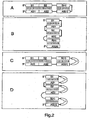
- the preferred secondary structure is in Fig. 2-A played.
- the stem of the hairpin corresponds to the double-stranded portion of the dsRNA formed by base pairing between "sense” and “antisense” ribonucleotide sequences located on the same RNA molecules.
- “sense” and “antisense” ribonucleotide sequences are preferably linked by a “linker”.
- the "linker” is preferably an intron that can be spliced out of the dsRNA.
- Self-complementary dsRNA structures starting from a single RNA molecule are preferred because they only require the expression of a construct and always comprise the complementary RNA strands in an equimolar ratio.
- the linker is preferably an intron, more preferably a Intron in sense orientation. It is preferably an intron of a plant gene.
- the intron 4 of the beta-conglycinin alpha subunit from soybean can be mentioned by way of example but not by way of limitation. No .: AB051865); one of the introns of the rbcS-3A gene for ribulose-1,5-bisphosphate carboxylase (RBC) pea small subunit (GenBank Acc. No .: X04333).
- RBC ribulose-1,5-bisphosphate carboxylase
- the intron is preferably used in combination with splice acceptor and splice donor sequences that allow for later splicing out of the dsRNA.
- splice sequences may be the flanking sequences of the intron itself, or else be provided by the corresponding sequences of the over-digested dsRNA.
- Each of the individual “sense” ribonucleotide sequences of the dsRNA is substantially identical to at least a portion of the "sense" RNA transcript of an endogenous target gene.
- the respective maximum identity of at least two of the “sense” ribonucleotide sequences consists of the "sense" RNA transcripts of different endogenous target genes.
- the homology between the transcripts of the two endogenous target genes is below 90%, preferably below 80%, more preferably below 70%, most preferably below 60%, most preferably below 50%.
- At least two of the individual "sense" ribonucleotide sequences comprised in the dsRNA according to the invention are different.
- different means that the target genes to whose transcripts they each have the maximum identity are not identical.
- At least one subunit of the dsRNA preferably reduces the expression of a gene other than at least one other subunit.
- different can also mean that the "sense" ribonucleotide sequences of the subunits themselves are essentially not identical and preferably have a homology to one another below 60%, particularly preferably below 50%, very particularly preferably below 40%.
- the dsRNA may in a further embodiment contain several copies of a subunit.
- the dsRNA may also contain several different subunits, but they are directed against the same endogenous target gene and their "sense" ribonucleotide sequences, for example, are substantially identical to different parts of the "sense" RNA transcript of said endogenous target gene.
- each of the individual "sense" ribonucleotide sequences may also be substantially identical to the transcript of several endogenous target genes. This is particularly the case when the target genes have similar sequence segments, as is the case, for example, with members of gene families (e.g., storage proteins). This is a particularly advantageous form of application, since - with appropriate selection of the ribonucleotide sequence of a subunit - said subunit can reduce the expression of more than one target gene.
- the sequence of the dsRNA is chosen so that the desired dsRNA structure after formation of the duplex - in comparison to other possible folding variants of the primary structure of the dsRNA - each has the lowest free energy. This can be ensured, for example, by avoiding sequence duplications, etc.
- the specific secondary structure can be predicted and optimized, for example, with suitable computer programs (eg FOLDRNA; Zuker and Stiegler (1981) Nucleic Acids Res 9 (1): 133-48 ).
- Each subunit of the dsRNA in a preferred embodiment has a length of at least 20 base pairs, preferably at least 50 base pairs, more preferably at least 100 base pairs, most preferably at least 250 base pairs.
- each unit has a length of integer multiples of 21 or 22 base pairs, eg, 21, 22, 42, 43, 44, 63, 64, 65, 66, 84, 85, 86, 87, 88, 105 , 106, 107, 108, 109, 110, 126, 127, 128, 129, 131, 132, 147, 148, 149, 150, 151, 152, 153, 154, 168, 169, 170, 171, 172, 173 , 174, 175, 176, 189, 190, 191, 192, 193, 194, 195, 196, 197, 198, 210, 211, 212, 213, 214, 215, 216, 217, 218, 219 or 220 base pairs, preferably 21, 22, 42, 44, 63, 66, 84, 88, 105, 110, 126, 132, 147, 154, 168, 176, 189, 198, 210 or
- the dsRNA or its precursor molecules can be introduced into an organism or a cell in various ways familiar to the person skilled in the art. "Introduction” is to be understood broadly and encompasses within the scope of the invention all methods which are suitable for introducing or generating a dsRNA or its precursor molecules, directly or indirectly, into an organism or a cell, compartment, tissue, organ or semen thereof , The introduction can lead to a temporary (transient) presence of a dsRNA or even to a permanent (stable). Included are methods of direct transfection or transformation of the cell with and transformation or transfection of the cell with expression cassettes capable of expressing the dsRNA-based ribonucleic acid sequences in the cell (as a result of the dsRNA expression system). The expression of the dsRNA can be transient or permanent, for example after integration into the genome of the organism. Duplex formation of the dsRNA can be initiated either outside of or within the cell.
- the dsRNA is introduced in an amount that allows at least one copy per cell. Higher levels (eg, at least 5, 10, 100, 500, or 1000 copies per cell) may, if appropriate, effect a more efficient reduction in the expression of the target genes. Since dsRNA has extremely good mobility within an organism, it is not absolutely necessary to apply the dsRNA in every cell of the organism. It is sufficient to introduce or express the dsRNA in one or a few cells, the effect according to the invention then also being able to be achieved in other cells of the same organism.
- a dsRNA - for example, for use in direct transformation or transfection - can be synthesized in vivo or in vitro, by enzymatic, molecular biological or chemical synthetic methods.
- Eukaryotic, prokaryotic or bacteriophage RNA polymerases (such as T3, T7 or SP6 RNA polymerase) can be used for this purpose.
- Corresponding methods for in vitro expression of RNA are described ( WO 97/32016 ; US 5,593,874 ; US 5,698,425 . US 5,712,135 . US 5,789,214 . US 5,804,693 ).
- a dsRNA synthesized chemically or enzymatically in vitro may be wholly or partially purified from the reaction mixture prior to introduction into a cell, tissue or organism, for example by extraction, precipitation, electrophoresis, chromatography or combinations of these methods.
- the dsRNA can be introduced directly into the cell (for example by particle bombardment or microinjection) or extracellularly (eg in the interstitial space, the vascular system, the digestive system or the like) are applied.
- An application of, for example, dsRNA-expressing organisms in the form of food is also conceivable. It is known that dsRNA has a good cell permeability and sufficient stability. Due to the high activity of the dsRNA, a few molecules are sufficient to achieve a good effect in the context of the invention.
- dsRNA can be modified to include at least one nitrogen or sulfur heteroatom.
- Bases can be modified to limit the activity of, for example, adenosine deaminase.
- the dsRNA can be prepared enzymatically or in whole or in part chemically-synthetically.
- the dsRNA is expressed starting from corresponding expression systems in the cell.
- Another object of the invention relates to said dsRNA expression systems.
- the expression system comprises an expression cassette having a self-complementary RNA strand-encoding DNA sequence operably linked to a promoter capable of ensuring expression in the particular eukaryotic cell .
- the expression cassette may contain other functional elements such as transcription terminators and / or Include polyadenylation signals.
- Such expression cassettes are also the subject of the invention.
- Expression cassette refers to chimeric DNA molecules in which a nucleic acid sequence coding for the dsRNA molecule (or for one of its strands) is linked to at least one genetic control element (for example a promoter, enhancer, silencer, splice donor or acceptor, polyadenylation signal) is that the transcription of the dsRNA molecule (or one of the strands thereof) is ensured in the organism.
- a genetic control element for example a promoter, enhancer, silencer, splice donor or acceptor, polyadenylation signal
- the expression construct is to be introduced into a plant and the dsRNA is generated in plantae
- plant-specific genetic control elements for example plant-specific promoters
- the dsRNA can also be produced in other organisms or in vitro and then introduced into the plant.
- a functional linkage is understood, for example, to mean the sequential arrangement of a promoter with the nucleic acid sequence to be transcribed and optionally further regulatory elements such as, for example, a terminator and / or polyadenylation signals such that each of the regulatory elements has its function in the transcription of the nucleic acid sequence, as appropriate Can fulfill arrangement of the nucleic acid sequences. This does not necessarily require a direct link in the chemical sense. Genetic control sequences, such as enhancer sequences, may also exert their function on the target sequence from more distant locations or even from other DNA molecules. Preference is given to arrangements in which the nucleic acid sequence to be transcribed is positioned behind the sequence acting as a promoter, so that both sequences are covalently linked to one another.
- the distance between the promoter sequence and the nucleic acid sequence to be expressed transgenically is preferably less than 200 base pairs, more preferably less than 100 base pairs, very particularly preferably less than 50 base pairs.
- the nucleic acid sequence to be transcribed is located behind the promoter such that the start of transcription is identical to the desired beginning of the dsRNA.
- an expression cassette also includes those constructions in which, for example, a nucleic acid sequence coding for a dsRNA is placed behind an endogenous promoter such that the same effect occurs. Both approaches lead to expression cassettes in the context of the invention.
- promoters may be functionally linked to the nucleic acid sequence to be expressed which allow expression in other eukaryotes or in prokaryotes, such as E. coli bacteria.
- the nucleic acid sequences contained in the expression cassettes or vectors may be functionally linked to other genetic control sequences in addition to a promoter.
- the term "genetic control sequences" is to be understood broadly and means all those sequences which have an influence on the production or the function of the expression cassette according to the invention. Genetic control sequences, for example, modify transcription in prokaryotic or eukaryotic organisms.
- the expression cassettes according to the invention preferably comprise a plant-specific promoter 5'-upstream of the respective transgene-to-be-expressed promoter and 3'-downstream a terminator sequence as additional genetic control sequence, and optionally further customary regulatory elements, in each case functionally linked to the transgene to be expressed Nucleic acid sequence.
- Control sequences also include the 5 'untranslated regions, introns or non-coding 3' region of genes. These have been shown to play a significant role in the regulation of gene expression. Control sequences also include polyadenylation signals as well as terminator sequences.
- the expression cassette may advantageously contain one or more so-called enhancer sequences functionally linked to the promoter, which allow increased transgenic expression of the nucleic acid sequence. Also at the 3 'end of the transgenic nucleic acid sequences to be expressed additional advantageous sequences can be inserted, such as other regulatory elements or terminators.
- the transgenic nucleic acid sequences to be expressed may be contained in one or more copies in the gene construct.
- Control sequences are furthermore to be understood as meaning those which permit homologous recombination or insertion into the genome of a host organism or permit removal from the genome.
- Methods such as the cre / lox technology allow for tissue-specific, possibly inducible removal of the expression cassette from the genome of the host organism (US Pat. Sauer B (1998) Methods. 14 (4): 381-92 ).
- certain flanking sequences are added to the target gene (lox sequences), which later enable removal by means of the cre recombinase.
- the expression cassette consisting of a linkage of promoter and nucleic acid sequence to be transcribed, can be present integrated in a vector and be introduced into the organism, for example by transformation, according to one of the methods described below.
- the subsequent expression can be transient or else-preferably-stable after insertion (for example using selection markers) of the expression cassettes into the genome.
- the dsRNA expression system is stably integrated into the genome - for example, the chromosomal DNA or DNA of the organelles (e.g., plastids, mitochondria, etc.) - of a cell.
- transgenic expression cassettes into a plant organism or cells, tissues, organs, parts or seeds thereof (preferably in plants or plant cells, tissues, organs, parts or seeds) can be advantageously used of vectors containing the transgenic expression cassettes.
- Vectors may be, for example, plasmids, cosmids, phages, viruses or agrobacteria.
- the transgenic expression cassettes can be inserted into the vector (preferably a plasmid vector) via a suitable restriction site.
- the resulting vector is first introduced into E. coli. Correctly transformed E. coli are selected, grown and the recombinant vector obtained by methods familiar to those skilled in the art. Restriction analysis and sequencing may serve to verify the cloning step. Preference is given to those vectors which enable a stable integration of the expression cassette into the host genome.
- a transformed plant organism or a transformed cell or tissue
- the corresponding DNA eg the expression vector
- RNA be introduced into the corresponding host cell.
- transformation or transduction or transfection
- the DNA or RNA can be introduced directly by microinjection or by bombardment with DNA-coated microparticles.
- the cell can be permeabilized chemically, for example with polyethylene glycol, so that the DNA can enter the cell by diffusion.
- the DNA can also be made by protoplast fusion with other DNA-containing moieties such as minicells, cells, lysosomes or liposomes.
- Electroporation is another suitable method for introducing DNA, in which the cells are reversibly permeabilized by an electrical pulse.
- Corresponding methods are described (for example, in Bilang et al. (1991) Gene 100: 247-250 ; Scheid et al. (1991) Mol Gen Gen 228: 104-112 ; Guerche et al. (1987) Plant Science 52: 111-116 ; Neuhauser et al. (1987) Theor Appl Genet 75: 30-36 ; Klein et al. (1987) Nature 327: 70-73 ; Howell et al. (1980) Science 208: 1265 ; Horsch et al. (1985) Science 227: 1229-1231 ; DeBlock et al.
- a transgenic organism can be made by introducing the appropriate expression systems into a zygote, stem cell, protoplast, or other suitable organism-derived cell.
- Preferred fungi are Aspergillus, Trichoderma, Ashbya, Neurospora, Fusarium, Beauveria or others in Indian Chem Engr. Section B. Vol 37, No 1,2 (1995) on page 15 , Table 6 described mushrooms. Particularly preferred is the filamentous Hemiascomycet Ashbya gossypii.
- yeasts are Candida, Saccharomyces, Hansenula or Pichia, particularly preferred are Saccharomyces cerevisiae or Pichia pastoris (ATCC Accession No. 201178).
- Plant organism includes any organism according to claim 1 which is capable of photosynthesis, as well as the cells, tissues, parts or propagules derived therefrom (such as seeds or fruits). Included are mature plant, seeds, shoots and seedlings, as well as derived parts, propagation material (for example tubers, seeds or fruits) and cultures, for example cell or callus cultures. Mature plants means plants at any stage of development beyond the seedling. Keimling means a young, immature plant at an early stage of development.
- Plant in the context of the invention means all genera and species of higher and lower plants of the plant kingdom, which are listed below. Included within the term are the mature plants, seeds, sprouts and seedlings, as well as derived parts, propagates, plant organs, tissues, protoplasts, callus and other cultures, for example cell cultures, as well as all other types of groupings of plant cells into functional or structural units , Mature plants means plants at any stage of development beyond the seedling. Keimling means a young, immature plant at an early stage of development.
- Plant includes those of the genera Cucurbita, Rosa, Vitis, Juglans, Fragaria, Lotus, Medicago, Onobrychis, Trifolium, Trigonella, Vigna, Citrus, Linum, Geranium, Manihot, Daucus, Brassica, Raphanus, Sinapis, Atropa, Capsicum, Datura , Hyoscyamus, Lycopersicon, Nicotiana, Solarium, Petunia, Digitalis, Majorana, Ciahorium, Helianthus, Lactuca, Bromus, Asparagus, Antirrhinum, Heterocallis, Nemesis, Pelargonium, Panieum, Pennisetum, Ranunculus, Senecio, Salpiglossis, Cucumis, Browaalia, Glycine, Pisum , Phaseolus, Lolium, Oryza, Zea, Avena, Hordeum, Secale, Triticum, Sorghum, Picea and
- the plant organisms used in the process are grown or bred, depending on the host organism, in a manner known to those skilled in the art.
- Microorganisms are usually found in a liquid medium containing a Carbon source usually in the form of sugars, a nitrogen source usually in the form of organic nitrogen sources such as yeast extract or salts such as ammonium sulfate, trace elements such as iron, manganese, magnesium salts and optionally contains vitamins, at temperatures between 0 ° C and 100 ° C, preferably between 10 ° C attracted to 60 ° C under oxygen fumigation.
- the pH of the nutrient fluid can be kept at a fixed value, that is regulated during the cultivation or not.
- the cultivation can be batchwise, semi-batch wise or continuous. Nutrients can be presented at the beginning of the fermentation or fed semi-continuously or continuously.
- each of the above applications can be applied as such in isolation. Of course, more than one of the above approaches can be applied simultaneously.
- the expression of at least two different target genes, as defined above, is reduced. In this case, these target genes can originate from a single group of genes preferred for an application or else can be assigned to different application groups.
- Plant specific promoters basically means any promoter that can direct expression of genes, especially foreign genes, in plants or plant parts, cells, tissues, cultures.
- the expression may be, for example, constitutive, inducible or developmentally dependent. Preferred are:
- Constant promoters means those promoters which ensure expression in numerous, preferably all, tissues over a longer period of plant development, preferably at all times of plant development ( Benfey et al. (1989) EMBO J 8: 2195-2202 ).
- a plant promoter or a promoter derived from a plant virus Particularly preferred is the promoter of the 35S transcript of the CaMV cauliflower mosaic virus ( Franck et al. (1980) Cell 21: 285-294 ; Odell et al. (1985) Nature 313: 810-812 ; Shewmaker et al. (1985) Virology 140: 281-288 ; Gardner et al.
- Suitable constitutive promoter is the "Rubisco small subunit (SSU)" promoter ( US 4,962,028 ), the leguminB promoter (GenBank Acc # X03677), the Agrobacterium nopaline synthase promoter, the TR double promoter, the Agrobacterium OCS (Octopin synthase) promoter, the ubiquitin promoter ( Holtorf S et al.
- promoters having specificities for the anthers, ovaries, flowers, leaves, stems, roots and seeds.
- Seed specific promoters such as the promoter of the phaseolin ( US 5,504,200 ; Bustos MM et al. (1989) Plant Cell 1 (9): 839-53 ), 2S albuming ( Joseffson LG et al. (1987) J Biol Chem 262: 12196-12201 ), the legume ( Shirsat A et al. (1989) Mol Gen Genet 215 (2): 326-331 ), the USP (unknown seed protein; Baumlein H et al. (1991) Mol Gen Genet 225 (3): 459-67 ), the napin gene ( US 5,608,152 ; Stalberg K et al.
- seed-specific promoters are those of the genes coding for the High Molecular Weight Glutenin (HMWG), gliadin, branching enzyme, ADP glucose pyrophosphatase (AGPase) or the starch synthase. Also preferred are promoters which allow seed-specific expression in monocotyledons such as corn, barley, wheat, rye, rice, etc.
- the promoter of the Ipt2 or Ipt1 gene ( WO 95/15389 .
- WO 95/23230 or the promoters described in WO 99/16890 (Promoters of the hordein gene, the glutelin gene, the oryzin gene, the prolamin gene, the gliadin gene, the glutelin gene, the zein gene, the kasirin gene or the Secalin gene). Further seed-specific promoters are described in WO89 / 03887 ,
- Tuber, storage-root or root-specific promoters such as the patatin promoter class I (B33), the promoter of the cathepsin D inhibitor from potato.
- Leaf-specific promoters such as potato cytosolic FBPase promoter ( WO 97/05900 ), the SSU promoter (small subunit) of Rubisco (ribulose-1,5-bisphosphate carboxylase) or the ST-LSI promoter from potato ( Stockhaus et al. (1989) EMBO J 8: 2445-2451 ).
- the expression cassettes may also contain a chemically inducible promoter (review article: Gatz et al. (1997) Annu Rev Plant Physiol Plant Mol Biol 48: 89-108 ), by which the expression of the exogenous gene in the plant can be controlled at a certain time.
- a chemically inducible promoter such as the PRP1 promoter ( Ward et al. (1993) Plant Mol Biol 22: 361-366 ), salicylic acid inducible promoter ( WO 95/19443 ), a benzenesulfonamide-inducible promoter ( EP 0 388 186 ), a tetracycline-inducible promoter ( Gatz et al.
- promoters are preferred which are induced by biotic or abiotic stress, such as, for example, the pathogen-inducible promoter of the PRP1 gene ( Ward et al. (1993) Plant Mol Biol 22: 361-366 ), the heat-inducible hsp70 or hsp80 promoter from tomato ( US 5,187,267 ), the cold-inducing alpha-amylase promoter from the potato ( WO 96/12814 ), the light-inducible PPDK promoter or the wound-induced pinII promoter ( EP375091 ).
- the pathogen-inducible promoter of the PRP1 gene Ward et al. (1993) Plant Mol Biol 22: 361-366
- the heat-inducible hsp70 or hsp80 promoter from tomato US 5,187,267
- the cold-inducing alpha-amylase promoter from the potato
- the light-inducible PPDK promoter or the wound-induced pinII promoter EP3750
- Pathogen-inducible promoters include those of genes induced as a result of pathogen attack, such as genes of PR proteins, SAR proteins, ⁇ -1,3-glucanase, chitinase, etc. (e.g. Redolfi et al. (1983) Neth J Plant Pathol 89: 245-254 ; Uknes, et al. (1992) The Plant Cell 4: 645-656 ; Van Loon (1985) Plant Mol Viral 4: 111-116 ; Marineau et al. (1987) Plant Mol Biol 9: 335-342 ; Matton et al. (1987) Molecular Plant-Microbe Interactions 2: 325-342 ; Somssich et al.
- wound-inducible promoters such as the pinll gene ( Ryan (1990) Ann Rev Phytopath 28: 425-449 ; Duan et al. (1996) Nat Biotech 14: 494-498 ), the wun1 and wun2 genes ( US 5,428,148 ), the win1 and win2 genes ( Stanford et al. (1989) Mol Gen Genet 215: 200-208 ), of the systemin ( McGurl et al. (1992) Science 225: 1570-1573 ), the WIP1 gene ( Rohmeier et al. (1993) Plant Mol Biol 22: 783-792 ; Eckelkamp et al. (1993) FEBS Letters 323: 73-76 ), the MPI gene ( Corderok et al. (1994) The Plant J 6 (2): 141-150 ) and the same.
- the pinll gene Ryan (1990) Ann Rev Phytopath 28: 425-449 ; Duan et al. (1996) Nat Biotech 14: 494-4
- suitable promoters are, for example, fertility-specific promoters, such as, for example, the tomato maturation-specific promoter ( WO 94/21794 . EP 409 625 ).
- Development-dependent promoters include in part the tissue-specific promoters, since the formation of individual tissues is naturally development-dependent.
- Genetic control sequences also include other promoters, promoter elements or minimal promoters that can modify the expression-controlling properties.
- tissue-specific Expression in addition depends on certain stress factors.
- Corresponding elements are, for example, for water stress, abscisic acid ( Lam E and Chua NH, J Biol Chem 1991; 266 (26): 17131-17135 ) and heat stress ( Schoffl F et al., Molecular & General Genetics 217 (2-3): 246-53, 1989 ).
- Genetic control sequences also include the 5 'untranslated regions, introns or non-coding 3' region of genes such as the actin-1 intron, or the Adh1-S introns 1, 2 and 6 (generally: The Maize Handbook, Chapter 116, Freeling and Walbot, Eds., Springer, New York (1994 )). These have been shown to play a significant role in the regulation of gene expression. It has been shown that 5'-untranslated sequences can enhance the transient expression of heterologous genes.
- An example of translation amplifiers is the 5'-leader sequence from the tobacco mosaic virus ( Gallie et al. (1987) Nucl Acids Res 15: 8693-8711 ) and the same. They can also promote tissue specificity ( Rouster J et al. (1998) Plant J 15: 435-440 ).
- Polyadenylation signals suitable as control sequences are plant polyadenylation signals, preferably those which essentially correspond to T-DNA polyadenylation signals from Agrobacterium tumefaciens, in particular gene 3 of the T-DNA (octopine synthase) of the Ti plasmid pTiACHS ( Gielen et al. (1984) EMBO J 3: 835 et seq ) or functional equivalents thereof.
- Examples of particularly suitable terminator sequences are the OCS (octopine synthase) terminator and the NOS (nopaline synthase) terminator.
- a selectable marker which confers on the successfully recombined cells a resistance to a biocide (for example a herbicide), a metabolism inhibitor such as 2-deoxyglucose-6-phosphate ( WO 98/45456 ) or an antibiotic.
- the selection marker allows the selection of the transformed cells from untransformed ( McCormick et al. (1986) Plant Cell Reports 5: 81-84 ).
- a transformation can also be caused by bacterial infection by means of Agrobacterium (eg EP 0 116 718 ), viral infection by means of viral vectors ( EP 0 067 553 ; US 4,407,956 ; WO 95/34668 ; WO 93/03161 ) or by means of pollen ( EP 0 270 356 ; WO 85/01856 ; US 4,684,611 ) be performed.
- Agrobacterium eg EP 0 116 718
- viral infection EP 0 067 553 ; US 4,407,956 ; WO 95/34668 ; WO 93/03161
- pollen EP 0 270 356 ; WO 85/01856 ; US 4,684,611
- the strains Agrobacterium tumefaciens or Agrobacterium rhizogenes most commonly used for the Agrombacterium transformation also contain a bacterial infection by means of a plasmid (Ti or Ri plasmid) which is transferred to the plant after Agrobaterium infection. Part of this plasmid, called T-DNA (transferred DNA), is integrated into the genome of the plant cell.
- plasmid Ti or Ri plasmid
- T-DNA transferred DNA
- Agrobacterium also allows binary vectors (mini-Ti plasmids) to be transferred to plants and integrated into their genome.
- Agrobacterium-mediated transformation is best suited for dicotyledonous, diploid plant cells, whereas direct transformation techniques are suitable for any cell type.
- Agrobacterium-mediated transformation Methods for Agrobacterium-mediated transformation are described, for example Horsch RB et al. (1985) Science 225: 1229f . If Agrobacteria are used, the expression cassette is to be integrated into special plasmids, either into an intermediate vector (shuttle or intermediate vector) or a binary vector. If a Ti or Ri plasmid is to be used for the transformation, at least the right border, but in most cases the right and the left border of the Ti or Ri plasmid T-DNA is connected as a flanking region with the expression cassette to be introduced.
- binary vectors are preferably used.
- Binary vectors can replicate in both E. coli and Agrobacterium. They usually contain a selection marker gene and a linker or polylinker flanked by the right and left T-DNA restriction sequence. They can be transformed directly into Agrobacterium ( Holsters et al. (1978) Mol Gen Genet 163: 181-187 ).
- the selection marker gene allows selection of transformed Agrobacteria and is, for example, the nptII gene conferring resistance to kanamycin.
- the Agrobacterium acting as a host organism in this case should already contain a plasmid with the vir region. This is required for the transfer of T-DNA to the plant cell.
- Such transformed Agrobacterium can be used to transform plant cells.
- T-DNA for the transformation of plant cells has been extensively studied and described ( EP 120 516 ; Hoekema, In: The Binary Plant Vector System, Offsetdrukkerij Kanters BV, Alblasserdam, Chapter V ; An et al. (1985) EMBO J 4: 277-287 ).
- Various Binary vectors are known and partially commercially available such as pBI101.2 or pBIN19 (Clontech Laboratories, Inc. USA; Bevan et al (1984) Nucl Acids Res 12: 8711 ), pBinAR, pPZP200 or pPTV.
- the agrobacteria transformed with such a vector can then be used in a known manner for the transformation of plants, in particular of crop plants, such as rapeseed, for example by bathing wounded leaves or leaf pieces in an Agrobacterium solution and then cultivating them in suitable media.
- the transformation of plants by agrobacteria is described ( White FF, Vectors for Gene Transfer to Higher Plants; in Transgenic Plants, Vol. 1, Engineering and Utilization, edited by SD Kung and R. Wu, Academic Press, 1993, pp. 15-38 ; Bens et al., (1993) Techniques for Gene Transfer, Transgenic Plants, Vol. 1, Engineering and Utilization, edited by SD Kung and R. Wu, Academic Press, pp.
- Stably transformed cells ie those containing the introduced DNA integrated into the DNA of the host cell, can be selected from untransformed if a selectable marker is part of the introduced DNA.
- a selectable marker is part of the introduced DNA.
- any gene which is able to confer resistance to antibiotics or herbicides such as kanamycin, G418, bleomycin, hygromycin or phosphinotricin, etc.
- Transformed cells expressing such a marker gene are capable of surviving in the presence of concentrations of a corresponding antibiotic or herbicide that kill an untransformed wild-type. Examples are mentioned above and preferably include the bar gene that confer resistance to the herbicide phosphinotricin ( Rathore KS et al.
- a complete plant can be obtained using methods known to those skilled in the art. This is an example of callus cultures. From these still undifferentiated cell masses, the formation of shoot and root can be induced in a known manner. The obtained sprouts can be planted out and bred. Corresponding methods are described ( Fennell et al. (1992) Plant Cell Rep. 11: 567-570 ; Stoeger et al (1995) Plant Cell Rep. 14: 273-278 ; Jahne et al. (1994) Theor Appl Genet 89: 525-533 ).
- the effectiveness of expression of the transgenically expressed nucleic acids can be determined, for example, in vitro by shoot meristem propagation using one of the selection methods described above.
- an expression of a target gene which has changed in terms of type and amount and the effect on the phenotype of the plant can be tested on test plants in greenhouse experiments.
- the process according to the invention can be advantageously used in biotechnological processes.
- the plant parts - such as in transgenic plant organisms roots, leaves, etc.-, and transgenic propagation material such as seeds or fruits, for the production of food or feed, pharmaceuticals or fine chemicals, such as enzymes, vitamins, amino acids, sugars, fatty acids , natural and synthetic flavors, flavors and colors are used. Particularly preferred is the production of triaclyglycerides, lipids, oils, fatty acids, starch, tocopherols and tocotrienols and carotenoids. Genetically modified plants which can be consumed by humans and animals according to the invention can also be used, for example, directly or according to known processing as foodstuffs or Feed can be used.
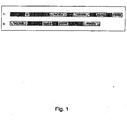
- Fig.1 Schematic representation of the storage protein suppression constructs. Insert from vector pCR2.1-sRNAi4 (1) (see Example 2d) and pCR2.1-sRNAi8 (2) (see examples) encoding a dsRNA suppressing AtCru3, AtCRB and At253 expression.
- the "sense" ribonucleotide sequences and the complementary "antisense” ribonucleotide sequences are arranged differently for the individual target genes to be suppressed (AtCru3, AtCRB, At2S3). Hatched regions (I1, I2, etc.) represent intron sequences (linkers).
- Second 2A-D Symbolic representation of different dsRNAs in their secondary structure.
- the arrangement of the individual "sense” ribonucleotide sequences and “antisense” ribonucleotide sequences can be carried out by first stringing together all the “sense” ribonucleotide sequences and thus, as it were, forming a "sense” strand, then all the “antisense” ribonucleotide sequences together to form an "antisense” strand (A and C).
- the arrangement of the individual "sense” ribonucleotide sequences and “antisense” ribonucleotide sequences can be made by joining together pairs of complementary “sense” ribonucleotide sequences and "antisense” ribonucleotide sequences (B and D).
- "Sense” ribonucleotide sequences and “antisense” ribonucleotide sequences may be directly joined together (A and B) or separated from each other by further sequences, for example introns (I) (C and D).
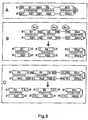
- Third 3A-C Symbolic representation of different dsRNAs in their secondary structure. S1, S2, ...
- R Ribozyme.
- "Sense” ribonucleotide sequences and “antisense” ribonucleotide sequences may be separated from each other by further sequences ("SPACER”; SP) (A).
- the spacer may be, for example, a recognition sequence for a ribozyme.
- the corresponding ribozyme can be expressed separately (B) or else also be encoded by the spacer (C).
- 5th 5A Identification of a plant showing the albino phenotype (left). The phenotype is identical to the ppi2 mutant, which Toc159 can no longer express. As a control plant with wild-type phenotype that grew in parallel.
- Fig. 5B Fluorescence analysis of the plants 5A , Excitation of fluorescence by light in the wavelength range 470-490 nm. The same magnification was chosen as in 5A ,
- oligonucleotides can, for example, in a known manner, according to the Phospho-amiditmethode (Voet, Voet, 2nd Ed., Wiley Press New York, pages 896-897 ) respectively.
- the cloning steps carried out in the context of the present invention such as, for example, restriction cleavage, agarose gel electrophoresis, purification of DNA fragments, transfer of nucleic acids to nitrocellulose and nylon membranes, linkage of DNA fragments, transformation of E. coli cells, cultivation of bacteria, propagation of phages and sequence analysis recombinant DNA are used as in Sambrook et al. (1989) Cold Spring Harbor Laboratory Press; ISBN 0-87969-309-6 described.
- the sequencing of recombinant DNA molecules is carried out with a laser fluorescence DNA sequencer ABI by the method of Sanger ( Sanger et al. (1977) Proo Natl Acad Sci USA 74: 5463-5467 ).
- the plant Arabidopsis thaliana represents a member of the higher plants (seed plants). This plant is closely related to other plant species from the family of cruciferae, e.g. Brassica napus, but also with other plant families of dicotyledons. Due to the high degree of homology of their DNA sequences or polypeptide sequences Arabidopsis thaliana can be used as a model plant for other plant species.
- the plants are either on Murashige-Skoog medium with 0.5% sucrose ( Ogas et al. (1997) Science 277: 91-94 ) or pulled to earth ( Focks & Benning (1998) Plant Physiol 118: 91-101 ).
- the seeds are stratified after plating or spreading on soil for two days at 4 ° C.
- the pods are marked. According to the markings, pods are then harvested at the age of 6 to 20 days after flowering.
- RNA or polyA + DNA is isolated.
- RNA was isolated from pods of Arabidopsis plants according to the following protocol: pod material aged 6 to 20 days after flowering was harvested and snap frozen in liquid nitrogen. The material was stored at -80 ° C before further use. 75 mg of the material was ground to a fine powder in the chilled mortar and added with 200 ⁇ L of the Lysis buffer from the Ambion RNAqueos kit. The isolation of the total RNA was then carried out according to the manufacturer's instructions. The RNA was with. 50 ⁇ L elution buffer (Ambion) eluted and the concentration determined by absorption of a solution diluted to 100 to the photometer (Eppendorf) at 260 nm.
- elution buffer Ambion
- RNA corresponds to an absorbance of 1.
- the RNA solutions were adjusted with RNAse free water to a concentration of 1 ⁇ g / ⁇ L. The concentrations were checked by agarose gel electrophoresis.
- oligo (dT) cellulose from Amersham Pharmacia was used according to the manufacturer's instructions.
- RNA or polyA + RNA was stored at -70 ° C.
- the first strand synthesis using reverse transcriptase from mouse leukemia virus (Clontech) and oligo-d (T) primers, the second strand synthesis by incubation with DNA polymerase I, Klenow- Enzyme and RNAse H cleavage were achieved at 12 ° C (2 hrs), 16 ° C (1 hr), and 22 ° C (1 hr). The reaction was stopped by incubation at 65 ° C (10 min) and then transferred to ice. Double-stranded DNA molecules were understood to be T4 DNA polymerase (Roche, Mannheim) at 37 ° C (30 min) with blunt ends.
- the nucleotides were removed by phenol / chloroform extraction and Sephadex G50 centrifugation columns.
- EcoRI / XhoI adapters (Pharmacia, Freiburg, Germany) were ligated to the cDNA ends by T4 DNA ligase (Roche, 12 ° C, overnight), recut with Xhol and incubated with polynucleotide kinase (Roche, 37 ° C , 30 min) phosphorylated. This mixture was subjected to separation on a low-melting agarose gel.
- DNA molecules over 300 base pairs were eluted from the gel, phenol extracted, concentrated on Elutip D columns (Schleicher and Schuell, Dassel, Germany) and ligated to vector arms and ligated into lambda ZAPII phage or lambda ZAP Express. Phages were packaged using the Gigapack Gold kit (Stratagene, Amsterdam, The Netherlands) using material from the manufacturer and following his instructions.
- CTAB hexadecyltrimethylammonium bromide, also called cetyltrimethylammonium bromide
- the aqueous phase is then extracted again with 1 ml of chloroform / octanol, centrifuged and thoroughly mixed by inverting with 1/10 volume of STAB II buffer preheated to 65 ° C.
- the mixture is then stirred gently with 1 ml of chloroform / Octanol mixture (see above) and centrifuged for 5 min at 8,500 rpm (7,500 xg) and room temperature again to separate the phase transferred fresh Eppendorf tube and the upper organic phase is again centrifuged in a fresh Eppendorf tube for 15 min at 8,500 rpm (7,500 xg) and room temperature.
- the resulting aqueous phase is combined with the aqueous phase of the previous Zentrifugationssohrittes and the entire mixture with exactly the same volume preheated STAB III buffer added. This is followed by incubation at 65 ° C until the DNA precipitates into flakes. This can take up to 1 h or done by incubation at 37 ° C overnight.
- the sediment resulting from the subsequent centrifugation step (5 min, 2000 rpm (500 ⁇ g), 4 ° C.) is mixed with 250 ⁇ l of CTAB IV buffer preheated to 65 ° C. and added for at least 30 min or until the sediment is fully released Incubated at 65 ° C.
- the solution is then mixed with 2.5 volumes of ice-cold ethanol to precipitate the DNA and incubated for 1 h at -20 ° C.
- the batch can be mixed with 0.6 volumes of isopropanol and centrifuged immediately without further incubation for 15 min at 8,500 rpm (7,500 xg) and 4 ° C.
- the sedimented DNA is washed by inverting the twice with 1 ml of 80% ice-cold ethanol, centrifuged again after each washing step (5 min, 8,500 rpm (7,500 xg), 4 ° C) and then air-dried for about 15 min.
- DNA is resuspended in 100 ⁇ l of TE with 100 ⁇ g / ml RNase and incubated for 30 min at room temperature.
- the DNA solution after a further incubation phase is homogeneous overnight at 4 ° C. and can be used for further experiments.
- PCA programs initial denaturation for 2 min at 95 ° C, then 35 cycles at 45. sec 95 ° C, 45 sec 55 ° C, and 2 min 72 ° C. Final extension of 5 min at 72 ° C.
- the PCR product is cloned into the pCR2.1-TOPO vector (Invitrogen) according to the manufacturer's instructions, resulting in the pCR2.1-1 vector and the sequence checked.
- the PCR product is cloned into the pCR2.1-TOPO vector (Invitrogen) according to Hereteller data, resulting in the pCR2.1-2 vector and the sequence checked.
- vector pCR2.1-1 0.5 ⁇ g of vector pCR2.1-1 are incubated with the restriction enzyme BamHI (New England Biolabs) for 2 hours after Rerstelleran exterior and then dephosphorylated for 15 min with alkaline phosphatase (New England Biolabs). The thus prepared vector (1 ⁇ L) is then ligated with the fragment obtained from vector pCR2.1-2.
- BamHI New England Biolabs
- 0.5 ⁇ g of vector pCR2.1-2 are digested for 2 hours with BamHI (New England Biolabs) and the DNA fragments are separated by gel selector phoresis.
- the 489 bp piece formed next to the vector (3.9 kb) is cut out of the gel and purified with the "gelpurification" kit (Qiagen) according to the manufacturer's instructions and eluted with 50 .mu.l of elution buffer. 10 ⁇ L of the eluate are ligated with vector per2.1-1 (see above) overnight at 16 ° C (T4 ligase, New England Biolabs). The ligation products are then transformed into TOP10 cells (Stratagene) according to the manufacturer's instructions and selected accordingly. Positive clones are verified by primer pair ONP1 and ONP2 by PCR. Of the. The vector obtained is called pcR2.1-AtCRU3 RNAi. The nucleic acid sequence encoding the dsRNA is described by SEQ ID NO: 105.
- the PCR product is cloned into the pCR2.1-TOPO vector (Invitrogen) according to the manufacturer's instructions, resulting in the pCR2.1-3 vector and the sequence checked.
- the PCR product is cloned into the pCR2.1-TOPO vector (Invitrogen) according to the manufacturer's instructions, resulting in the pCR2.1-4 vector and the sequence checked.
- AtCRB The construct for AtCRB is created in a similar strategy as explained for AtCRU3.
- Vector pCR2.1-3 is incubated with Xhol (New England Biolabs) for 2 hours and dephosphorylated (alkaline phosphatase, New England Biolabs).
- Vector pCR2.1-4 is also incubated with Xhol in the same manner and the gel fragments are separated by gel electrophoresis. The corresponding fragments are purified and ligated in the manner described under AtCRU3, resulting in battery transformation in the vector pCR2.1-AtCRB exon / intron.
- This vector is incubated for 2 hours with Xhal (NEB), then for 15 min with Klenow fragment (NEB), then for 2 hours with Sall and last treated for 15 min with alkaline phosphatase (NEB).
- the vector pCR2.1-3 is incubated with BamHI (NEB), then 15 min with Klenow fragment and then 2 hours with Xhol (NEB).
- the exon fragment of ATCRB is isolated by gel selector synthesis, purified and used for ligation. Both fragments were then ligated and the vector pCR2.1-AtCRB-RNAi resulted.
- the resulting vector is called pCR2.1-AtCRB RNAi.
- the nucleic acid sequence encoding the dsRNA is described by SEQ ID NO: 107.
- the PCR product is cloned into the pCR2.1-TOPO vector (Invitrogen) according to the manufacturer's instructions, resulting in the per2.1-5 vector and the sequence checked.
- the same intron is used as amplified under b) with the primers OPN 7 and OPN 8.
- At2S3 The construct for At2S3 is created in a similar strategy as explained for AtCRU3.
- Vector per2.1-5 is incubated with Xhol (New England Biolabs) for 2 hours and dephosphorylated (alkaline phosphatase, New England Biolabs).
- Vector pCR2.1-3 are also incubated with Xhol in the same manner and the gel fragments are separated by gel electrophoresis. The corresponding fragments are purified and ligated in the manner described under AtCRU3, resulting in bacterial transformation in the vector pCR2.1-At2S3 exon / intron.
- This vector is incubated for 2 hours with SalI (NEB), then for 15 min with Klenow fragment (NEB) and last treated for 15 min with alkaline phosphatase (NEB).
- the vector pCR2.1-5 is incubated with BamHI (NEB) and then 15 min with Klenow fragment.
- BamHI NEB
- the exon fragment of At2S3 is isolated by gel selector, purified and used for ligation. Both fragments are then ligated and the vector pCR2.1-At2S3 RNAi resulted.
- the nucleic acid sequence encoding the dsRNA is described by SEQ ID NO: 109.
- the vectors pCR2.1-AtCRU3-RNAi and pCR2.1-4 are incubated with the restriction enzymes Xhol and Sall for 2 hours at 37 ° C, the DNA fragments separated by agarose gel electrophoresis and both the vector and
- the PCR insert was cut from pCR2.1-4 and purified with the "Gelpurification" kit from Qiagen according to the manufacturer's instructions and eluted with 50 ⁇ L elution buffer. From the vector 1 ⁇ L, from the PCR insert from pCR2.1-4 8 ⁇ L of the eluates used for the ligation, resulting in the construct pCR2.1 sRNAi1. This vector is incubated for 2 hours with the restriction enzyme Xhol and then for 15 min with Klenow fragment.
- the vector pCR2.1-AtCRB-RNAi (see above) is incubated with the enzyme EcoRI for 2 hours and also treated with Klenow fragment for 15 min. Both incubation mixtures are separated by gel electrophoresis and in each case the vector (pCR2.1-sRNAi1) or the insert (from pGR2.1-AtCRB-RNAi) is excised from the agarose gel and the DNA fragments are purified as described above. For the ligation, 1 ⁇ L of the eluate from the vector and 8 ⁇ L of the eluate from the insert are used and incubated at 4 ° C overnight. The resulting construct is termed pCR2.1 sRNAi2.
- the resulting vector is incubated with the enzyme XbaI and subsequently with Klenow fragment.
- the vector pCR2.1-4 is incubated with the enzymes EcoRV and Xbal and subsequently with Klenow fragments. After gel electrophoresis and purification, the fragment from pCR2.1-4 is ligated with the vector pCR2.1-sRNAi2, resulting in the construct pCR2.1-sRNAi3.
- the resulting vector is then incubated with the enzyme Apal for 2 hours and then with Klenow fragment for 15 min.
- the vector pCR2.1-At2S3-RNAi is incubated with the enzyme EcoRI for 2 hours and then with Klenow fragment for 15 min.
- the eluates are ligated resulting in the vector pCR2.1 sRNAi4.
- the sRNAi4 fragment (SEQ ID NO: 144; Fig. 1 (1) ) encoding the super-suppressing dsRNA, excised by incubation with HindIII and Pvul and ligated into the binary vector pSUN-USP (SEQ ID NO: 179).
- the construct serves for the simultaneous suppression of Arabidopsis thaliana storage proteins CRB (SEQ ID NO: 4), CRU3 (SEQ ID NO: 112) and At2S3 (SEQ ID NO: 118).
- the vector pSUN-USP used is a binary vector for plant transformation based on pBinAR ( Höfgen and Willmitzer (1990) Plant Science 66: 221-230 ). Tissue Specific Expression In the seed, USP promoter can be obtained using the tissue specific promoter.
- the fragment obtained is cloned into the vector pCR2.1-TOPO vector (Invitrogen) according to the manufacturer's instructions, resulting in pCR2.1-6 and the sequences checked.
- the fragment obtained is in the vector pCR2.1-TOPO vector (Invitrogen) according to the manufacturer cloned, resulting in the pCR2.1-7 and the sequences checked.
- the resulting PCR product is incubated with the enzymes Xhol and Sall.
- the fragment is then ligated into the vector pCR2.1 sRNAi7 (incubated with xhol) resulting in the construct pCR2.1 sRNAi8.
- the sRNAi8 fragment (SEQ ID NO: 146; Fig. 1 (2) ) encoding the super-suppressing dsRNA, excised by incubation with HindIII and XbaI and ligated into the binary vector pSUN-USP (SEQ ID NO: 179).
- the construct serves for the simultaneous suppression of Arabidopsis thaliana storage proteins CRB (SEQ ID NO: 4), CRU3. (SEQ ID NO: 112) and At2S3 (SEQ ID NO: 118).
- Agrobacterium-mediated plant transformation can be performed using Agrobacterium tumefaciens strains GV3101 (pMP90) ( Koncz and Schell (1986) Mol Gen Genet 204: 383-396 ) or LBA4404 (Clontech.).
- the transformation can be carried out by standard transformation techniques ( Deblaere et al (1984) Nucl Acids Res 13: 4777-4788 ).
- Agrobacterium-mediated plant transformation can be carried out using standard transformation and regeneration techniques ( Gelvin, Stanton B., Schilperoort, Robert A., Plant Molecular Biology Manual, 2nd Ed., Dordrecht: Kluwer Academic Publ., 1995, in Sect., Ringbuc Central Signature: BT11-P ISBN 0-7923-2731-4 ; Glick, Bernard R., Thompson, John E., Methods in Plant Molecular Biology and Biotechnology, Boca Raton: CRC Press, 1993, 360 p., ISBN 0-8493-5164-2 ).
- rapeseed can be transformed by cotyledon or hypocotyl transformation ( Moloney et al., Plant Cell Report 8 (1989) 238-242 ; De Block et al., Plant Physiol. 91 (1989) 694-701 ).
- the use of antibiotics for Agrobacterium and plant selection depends on the binary vector and Agrobacterium strain used for the transformation. Rapeseed selection is usually carried out using kanamycin as a selectable plant marker.
- the Agrobacterium-mediated gene transfer in flax can be determined using, for example, one of Mlynarova et al. (1994) Plant Cell Report 13: 282-285 perform the described technique.
- soy can be done using, for example, an in EP-A-0 0424 047 (Pioneer Hi-Bred International) or in EP-A-0 0397 687 . US 5,376,543 . US 5,169,770 (University Toledo) described technique.
- the activity of a recombinant gene product in the transformed host organism was measured at the transcriptional and / or translational level.
- a suitable method of determining the amount of transcription of the gene is to perform a Northern blot as set forth below (see reference Ausubel et al. (1988) Current Protocols in Molecular Biology, Wiley: New York . or the Example Example above), wherein a primer designed to bind to the gene of interest is labeled with a detectable label (usually radioactive or chemiluminescent) such that when the total RNA of a culture of the organism extracted, separated on a gel, transferred to a stable matrix and incubated with this probe, the binding and extent of binding of the probe indicates the presence as well as the amount of mRNA for that gene. This information indicates the degree of transcription of the transformed gene.
- a detectable label usually radioactive or chemiluminescent
- Total cellular RNA may be derived from cells, tissues or organs by a variety of methods, all known in the art, such as that of U.S. Pat Bormann, ER, et al. (1992) Mol. Microbiol. 6: 317-326 described, be prepared.
- RNA hybridization 20 ⁇ g of total RNA or 1 ⁇ g of poly (A) + RNA was purified by gel electrophoresis in 1.25% agarose gels using formaldehyde as described in US Patent Nos. 5,429,646 and 4,220,237 Amasino (1986, Anal Biochem 152, 304 ), transferred by capillary attraction using 10 x SSC to positively charged nylon membranes (Hybond N +, Amersham, Braunschweig), immobilized by UV light and incubated for 3 hours at 68 ° C using hybridization buffer (10% dextran sulfate w / v. , 1 M NaCl, 1.% SDS, 100 mg herring sperm DNA).
- the effect of genetic modification in plants, fungi, algae, ciliates or on the production of a desired compound may be determined by cultivating the modified microorganism or modified plant under suitable conditions (such as those described above), and Medium and / or the cellular components on the increased production of the desired product (ie of lipids or a fatty acid) is examined.
- suitable conditions such as those described above
- These analytical techniques are well known to those skilled in the art and include spectroscopy, thin-layer chromatography, staining methods of various types, enzymatic and microbiological methods, and analytical chromatography such as high performance liquid chromatography (see, for example, U.S. Pat Ullman, Encyclopedia of Industrial Chemistry, vol. A2, pp. 89-90 and pp.
- plant lipids are derived from plant material such as Cahoon et al. (1999) Proc. Natl. Acad. Sci. USA 96 (22): 12935-12940 , and Browse et al. (1986) Analytical Biochemistry 152: 141-145 , extracted.
- the qualitative and quantitative lipid or fatty acid analysis is described in Christie, William W., Advances in Lipid Methodology, Ayr / Scotland: Oily Press (Oily Press Lipid Library; ); Christie, William W., Gas Chromatography and Lipids. A Practical Guide - Ayr, Scotland: Oily Press, 1989 . Repr. 1992, IX, 307 p. (Oily Press Lipid Library; 1 ); " Progress in Lipid Research, Oxford: Pergamon Press, 1 (1952 ) - 16 (1977 ) udT: Progress in the chemistry of Fats and Other Lipids CODES.
- the analytical methods include measurements of the amounts of nutrients in the medium (eg sugars, hydrocarbons, nitrogen sources, phosphate and other ions), measurements of biomass composition and growth, analysis of the production of common metabolites of biosynthetic pathways and measurements of gases generated during fermentation. Standard methods for these measurements are in Applied Microbial Physiology; A Practical Approach, PM Rhodes and PF Stanbury, Eds., IRL Press, pp. 103-129; 131-163 and 165-192 (ISBN: 0199635773 ) and references cited therein.
- nutrients in the medium eg sugars, hydrocarbons, nitrogen sources, phosphate and other ions
- FAME fatty acid methyl ester
- GC-MS gas-liquid chromatography-mass spectrometry
- TAG triacylglycerol
- TLC thin layer chromatography
- the material to be analyzed may be broken up by sonication, milling in the glass mill, liquid nitrogen and milling or other applicable methods. The material must be centrifuged after rupture. The sediment is distilled in aqua. re-suspended, heated at 100 ° C for 10 min, cooled on ice and recentrifuged, followed by extraction in 0.5 M sulfuric acid in methanol with 2% dimethoxypropane for 1 h at 90 ° C resulting in hydrolyzed oil and lipid compounds that produce transmethylated lipids.
- fatty acid methyl esters are extracted into petroleum ether and finally subjected to GC analysis using a capillary column (Chrompack, WCOT Fused silica, CP-Wax-52 CB, 25 microm, 0.32 mm) at a temperature gradient between 170 ° C and 240 ° C for 20 min and 5 min at 240 ° C subjected.
- Chropack Chrompack, WCOT Fused silica, CP-Wax-52 CB, 25 microm, 0.32 mm
- the identity of the resulting fatty acid methyl esters must be defined using standards available from commercial sources (i.e., Sigma).
- the extraction of the lipids from seeds is carried out according to the method of Bligh & Dyer (1959) Can J Biochem Physiol 37: 911 carried out.
- 5 mg Arabidopsis seeds are weighed in 1.2 ml Qiagen microtubes (Qiagen, Hilden) on a Sartorius (Göttingen) microbalance.
- the seed material is homogenized with 500 ⁇ L of chloroform / methanol (2: 1, containing mono-C17-glycerol from Sigma as internal standard) in the Röschmühle MM300 from Retsch (Haan) and incubated for 20 min at RT.
- the phase separation takes place. From the organic phase 50 ⁇ L are removed, diluted with 1500 uL of chloroform and 5 .mu.l applied to the capillaries Chromarods SIII latroscan (SKS, Bechenheim). After application of the samples, they are separated for 15 minutes in a thin-layer chamber which is saturated with 6: 2: 2 chloroform: methanol: toluene in a first step. At the end of the time, the capillaries are dried for 4 min at room temperature and then placed in a thin-layer chamber saturated with 7: 3 n-hexane: diethyl ether for 22 min.
- Seeds from 10 plants of the same independent transgenic line are analyzed for the quantitative determination of oil contents. Overall, the oil content was determined from 30 transgenic lines of the T1 generation, 10 transgenic lines with 10 T2-generation plants and 5 transgenic lines with 10 T3-line plants each. The transgenic plants show a significantly higher oil content than correspondingly equally well-balanced control plants.
- genes were selected whose supression produces a pronounced phenological effect.
- a gene is for example Toc159. This gene is essential for the development and functionality of chloroplasts in Arabidopsis ( Bauer et al. Nature, 403, 203-207 ). Switching off this gene leads to chlorophyll deficient plants whose leaf appearance is then light green to white. This albino phenotype is very easy to distinguish from normal plants.
- Fig. 5A exemplifies such an identified plant which differs markedly in the color of the leaves of plants grown in parallel.
- the albino phenotype (white leaves) is due to the action of the Toc159 suppression construct.
- the untransformed progeny of the Agrobacerium suspension treated plants do not show the albino phenotype.
- the occurring albino phenotype is thus a specific effect of the introduced suppression construct.
Landscapes
- Health & Medical Sciences (AREA)
- Life Sciences & Earth Sciences (AREA)
- Genetics & Genomics (AREA)
- Engineering & Computer Science (AREA)
- Biotechnology (AREA)
- Biomedical Technology (AREA)
- Chemical & Material Sciences (AREA)
- Wood Science & Technology (AREA)
- Molecular Biology (AREA)
- Organic Chemistry (AREA)
- General Engineering & Computer Science (AREA)
- Bioinformatics & Cheminformatics (AREA)
- Zoology (AREA)
- Physics & Mathematics (AREA)
- Microbiology (AREA)
- Plant Pathology (AREA)
- Biochemistry (AREA)
- General Health & Medical Sciences (AREA)
- Biophysics (AREA)
- Cell Biology (AREA)
- Nutrition Science (AREA)
- Virology (AREA)
- Oil, Petroleum & Natural Gas (AREA)
- Proteomics, Peptides & Aminoacids (AREA)
- Physiology (AREA)
- Micro-Organisms Or Cultivation Processes Thereof (AREA)
- Breeding Of Plants And Reproduction By Means Of Culturing (AREA)
Claims (4)
- Procédé pour diminuer l'expression d'au moins deux gènes cibles endogènes différents dans un organisme végétal, par introduction d'une molécule d'acide ribonucléique au moins partiellement double brin dans ledit organisme végétal, la molécule d'acide ribonucléique double brin étant constituée d'un brin d'ARN en totalité ou en partie autocomplémentaire, qui comprenda) au moins deux séquences ribonucléotidiques "sens", au moins l'une de ces séquences ribonucléotidiques "sens" étant pour l'essentiel identique à une partie du transcrit d'ARN "sens" de l'un desdits gènes cibles endogènes, etb) des séquences ribonucléotidiques "antisens", qui pour l'essentiel sont complémentaires desdites séquences ribonucléotidiques "sens" de a),procédé dans lequel tout d'abord les séquences ribonucléotidiques "sens" a) se suivent, puis vient une succession des séquences ribonucléotidiques "antisens" pour l'essentiel complémentaires b), le brin d'ARN formant une épingle à cheveux unique, qui a la structure primaire suivante :

et dans lequel l'organisme végétal appartient à un genre de plante choisi parmi Cucurbita, Rosa, Vitis, Juglans, Fragaria, Lotus, Medicago, Onobrychis, Trifolium, Trigonella, Vigna, Citrus, Linum, Geranium, Manihot, Daucus, Brassica, Raphanus, Sinapis, Atropa, Capsicum, Datura, Hyoscyamus, Lycopersicon, Nicotiana, Solarium, Petunia, Digitalis, Majorana, Cichorium, Helianthus, Lactuca, Bromus, Asparagus, Antirrhinum, Heterocallis, Nemesia, Pelargonium, Panicum, Pennisetum, Ranunculus, Senecio, Salpiglossis, Cucumis, Browaalia, Glycine, Pisum, Phaseolus, Lolium, Oryza, Zea, Avena, Hordeum, Secale, Triticum, Sorghum, Picea et Populus. - Procédé selon la revendication 1, dans lequel les ARN transcrits d'au moins deux des gènes cibles dont l'expression a été diminuée présentent entre eux une homologie inférieure à 90 %.
- Procédé selon la revendication 1 ou 2, caractérisé en ce qu'au moins deux des gènes cibles endogènes sont choisis parmi différentes classes de protéines de réserve choisies parmi les classes de protéines de réserve des 2S-albumines, des 7S-globulines, des 11S/12S-globulines ou les prolamines de type zéine.
- Procédé selon l'une des revendications 1 à 3, dans lequel au moins une séquence ribonucléotidique "sens" est pour l'essentiel identique à au moins une partie du transcrit d'ARN "sens"a) d'une séquence d'acides nucléiques de protéines de réserve selon SEQ ID N°1, 3, 5, 7, 9, 11, 13, 15, 17, 19, 21, 23, 25, 27, 29, 31, 33, 35, 37, 39, 41, 43, 45, 47, 49, 51, 59, 61, 63, 65, 67, 69, 71, 93, 95, 97, 99, 101, 103, 105, 107, 109 ou 112, oub) d'un gène de la voie de dégradation des homogentisates selon SEQ ID N°115, 116, 118, ou 120, ouc) d'un gène choisi dans le groupe consistant en les acétyltransacylases, les protéines de transport des groupements acyle, les (acide gras)-désaturases, les malonyltransacylases, les b-cétoacyl-ACP-synthétases, les 3-céto-ACP-réductases, les énoyl-ACP-hydrases, les thioestérases, les énoyl-ACP-réductases, les ADP-glucosepyrophosphorylases, les phosphorylases, les amidon-synthétases, les enzymes Q, les saccharose-6-phosphate-synthétases, les saccharose-6-phosphate-phosphatases, les ADP-glucose-pyrophosphorylases, les enzymes de branchement, les enzymes de débranchement, les amylases, les chalconesynthases, les chalcone isomérases, les phénylalanine-ammonialyases, les déhydrocamphérol-(flavone)hydroxylases, les dihydroflavonol-réductases, les dihydroflavanol-2-hydroxylases, les flavonoïde-3'-hydroxylases, les flavonoïde-5'-hydroxylases, les flavonoïde-glycosyltransférases, les flavonoïde-méthyltransférases, les flavonoïde-acyltransférases, les polygalacturonases, les cellulases, les pectine-estérases, les b-(1-4)glucanases, les b-galactanases, les 1-amino-cyclopropane-1-carboxylate-synthases, les phytoène-désaturases, les cinnamoyl-CoA:NaDPH-réductases, les cinnamoylalcool-déhydrogénases, les (acide caféique)-O-méthyltransférases, les (alcool cinnamoylique)-déhydrogénases, les polyphénol-oxydases, les homogentisate-1,2-dioxygénases, les maléylacétoacétate-isomérases, les fumarylacéto-acétate-hydrolases, les N-méthyl-putrescine-oxydases, les putrescine-N-méthyltransférases, les 7-méthylxanthine-3-méthyltransférases, les 1-méthylxanthine-3-méthyltransférases et les thréonine-synthases.
Applications Claiming Priority (3)
| Application Number | Priority Date | Filing Date | Title |
|---|---|---|---|
| DE10212892A DE10212892A1 (de) | 2002-03-20 | 2002-03-20 | Konstrukte und Verfahren zur Regulation der Genexpression |
| DE10212892 | 2002-03-20 | ||
| PCT/EP2003/002735 WO2003078629A1 (fr) | 2002-03-20 | 2003-03-17 | Produit de synthese et procede de regulation de l'expression genique |
Publications (3)
| Publication Number | Publication Date |
|---|---|
| EP1487979A1 EP1487979A1 (fr) | 2004-12-22 |
| EP1487979B1 EP1487979B1 (fr) | 2009-08-26 |
| EP1487979B2 true EP1487979B2 (fr) | 2018-12-19 |
Family
ID=27815873
Family Applications (1)
| Application Number | Title | Priority Date | Filing Date |
|---|---|---|---|
| EP03712028.4A Expired - Lifetime EP1487979B2 (fr) | 2002-03-20 | 2003-03-17 | Produit de synthese et procede de regulation de l'expression genique |
Country Status (7)
| Country | Link |
|---|---|
| US (1) | US20050260754A1 (fr) |
| EP (1) | EP1487979B2 (fr) |
| AT (1) | ATE440950T1 (fr) |
| AU (1) | AU2003218772B2 (fr) |
| CA (1) | CA2479409C (fr) |
| DE (2) | DE10212892A1 (fr) |
| WO (1) | WO2003078629A1 (fr) |
Families Citing this family (34)
| Publication number | Priority date | Publication date | Assignee | Title |
|---|---|---|---|---|
| GB9925459D0 (en) * | 1999-10-27 | 1999-12-29 | Plant Bioscience Ltd | Gene silencing |
| GB0225390D0 (en) * | 2002-10-31 | 2002-12-11 | Horticulture Res Internat | Selective expression in filamentous fungi |
| CN102268435A (zh) * | 2002-12-20 | 2011-12-07 | 独立行政法人农业·食品产业技术综合研究机构 | 种子中蛋白质含量降低的植物及其制备方法和利用方法 |
| AU2003901797A0 (en) * | 2003-04-14 | 2003-05-01 | Agresearch Limited | Manipulation of condensed tannin biosynthesis |
| AU2004243347B2 (en) * | 2003-06-03 | 2009-04-09 | Benitec Australia Limited | Double-stranded nucleic acid |
| CA2527907A1 (fr) * | 2003-06-03 | 2004-12-09 | Benitec Australia Limited | Acide nucleique double brin |
| GB0323813D0 (en) * | 2003-10-13 | 2003-11-12 | Univ York | Glucosyltransferases |
| US7855323B2 (en) * | 2004-02-10 | 2010-12-21 | Monsanto Technology Llc | Recombinant DNA for gene suppression |
| AR047598A1 (es) * | 2004-02-10 | 2006-01-25 | Monsanto Technology Llc | Semilla de maiz transgenica con mayor contenido de aminoacidos |
| AU2005222084B2 (en) | 2004-03-05 | 2010-04-22 | Benitec, Inc. | Multiple promoter expression cassettes for simultaneous delivery of RNAI agents |
| CN101001951B (zh) | 2004-08-02 | 2011-06-15 | 巴斯福植物科学有限公司 | 分离转录终止序列的方法 |
| CN101128588A (zh) | 2004-08-11 | 2008-02-20 | 孟山都技术有限公司 | 转基因玉米种子中增强的玉米醇溶蛋白减少 |
| CN101107362A (zh) | 2004-10-21 | 2008-01-16 | 文甘扎公司 | 用于赋予对植物病害生物和植物病原体抗性的方法和材料 |
| AU2014259584B2 (en) * | 2004-10-25 | 2016-10-13 | Devgen N.V. | RNA constructs |
| AU2005298337A1 (en) * | 2004-10-25 | 2006-05-04 | Devgen Nv | RNA constructs |
| AU2011265509B2 (en) * | 2004-10-25 | 2014-12-04 | Devgen N.V. | RNA constructs |
| KR101225216B1 (ko) | 2004-12-01 | 2013-01-22 | 아큐샷 인크. | 무침 주사기 |
| CA2596711C (fr) | 2005-02-03 | 2015-12-15 | Benitec, Inc. | Produits de synthese d'expression d'arni |
| CN101189333A (zh) * | 2005-04-04 | 2008-05-28 | 教会高等教育科研与病人护理协会 | 与液泡pH相关的植物基因序列及其用途 |
| WO2006116756A1 (fr) * | 2005-04-28 | 2006-11-02 | Benitec, Limited. | Cassettes d'expression d'arni multiples en vue de la delivrance simultanee d'agents d'arni associes a des motifs d'expression heterozygotes |
| EP2980220A1 (fr) | 2005-09-20 | 2016-02-03 | BASF Plant Science GmbH | Procédés améliorés de contrôle de l'expression de gènes |
| EP2024496B1 (fr) * | 2006-06-01 | 2015-04-08 | Vereniging voor Christelijk Hoger Onderwijs, Wetenschappelijk Onderzoek en Patiëntenzorg | ACIDES NUCLÉIQUES D'ORIGINE VÉGÉTALE ASSOCIÉS AUX pH CELLULAIRE ET LEURS UTILISATIONS |
| WO2008027592A2 (fr) * | 2006-08-31 | 2008-03-06 | Monsanto Technology, Llc | Petits arn en phase |
| US8138392B2 (en) * | 2008-07-14 | 2012-03-20 | The Samuel Roberts Noble Foundation, Inc. | Disease resistant plants |
| NZ570886A (en) * | 2008-08-29 | 2011-05-27 | Nz Inst Plant & Food Res Ltd | Method and compositions to reduce polygalacturonase expression in plants for increasing storage-life of fruit |
| ES2343618B1 (es) * | 2009-02-03 | 2011-06-20 | Consejo Superior De Investigaciones Cientificas (Csic) | Polinucleotido que comprende secuencias de gliadinas de trigo y su uso para silenciamiento mediante rnai. |
| US20160106055A1 (en) * | 2010-03-03 | 2016-04-21 | Schillinger Genetics, Inc. | Ultra-Low Trypsin Inhibitor Soybean and Methods of Making Thereof |
| US10407677B2 (en) | 2012-04-26 | 2019-09-10 | Intana Bioscience Gmbh | High complexity siRNA pools |
| JP6034053B2 (ja) * | 2012-04-26 | 2016-11-30 | トヨタ自動車株式会社 | 植物の種子総量の増産方法 |
| WO2013160393A1 (fr) * | 2012-04-26 | 2013-10-31 | Intana Bioscience Gmbh | Groupes d'arnsi de haute complexité |
| JP7292035B2 (ja) | 2015-06-26 | 2023-06-16 | アルトリア クライアント サーヴィシーズ リミテッド ライアビリティ カンパニー | アルカロイドレベル改変タバコ植物体及び製品を作出する組成物及び方法 |
| BR112022021276A2 (pt) * | 2020-04-23 | 2022-12-06 | Pioneer Hi Bred Int | Soja com proteína de semente alterada |
| US20250074955A1 (en) * | 2022-01-10 | 2025-03-06 | Ukko Inc. | Modified low molecular weight glutenin subunit and uses thereof |
| GB202208347D0 (en) | 2022-06-07 | 2022-07-20 | Univ Court Univ Of Glasgow | Targets for cancer therapy |
Family Cites Families (89)
| Publication number | Priority date | Publication date | Assignee | Title |
|---|---|---|---|---|
| US4407956A (en) | 1981-03-13 | 1983-10-04 | The Regents Of The University Of California | Cloned cauliflower mosaic virus DNA as a plant vehicle |
| CA1192510A (fr) | 1981-05-27 | 1985-08-27 | Lawrence E. Pelcher | Vecteur de arn virale de virus des plantes ou portion de ce vecteur, methode de construction, et methode de production d'un gene derive |
| NL8200523A (nl) | 1982-02-11 | 1983-09-01 | Univ Leiden | Werkwijze voor het in vitro transformeren van planteprotoplasten met plasmide-dna. |
| US4536475A (en) | 1982-10-05 | 1985-08-20 | Phytogen | Plant vector |
| ATE52800T1 (de) | 1983-01-13 | 1990-06-15 | Max Planck Gesellschaft | Verfahren zum einbringen von expressionsfaehigen genen in pflanzenzellgenome und hybride ti plasmidvektoren enthaltende agrobacterium-staemme verwendbar in diesem verfahren. |
| DE3484215D1 (de) | 1983-01-17 | 1991-04-11 | Monsanto Co | Chimaerische gene geeignet zur expression in pflanzenzellen. |
| US5352605A (en) | 1983-01-17 | 1994-10-04 | Monsanto Company | Chimeric genes for transforming plant cells using viral promoters |
| NL8300698A (nl) | 1983-02-24 | 1984-09-17 | Univ Leiden | Werkwijze voor het inbouwen van vreemd dna in het genoom van tweezaadlobbige planten; agrobacterium tumefaciens bacterien en werkwijze voor het produceren daarvan; planten en plantecellen met gewijzigde genetische eigenschappen; werkwijze voor het bereiden van chemische en/of farmaceutische produkten. |
| US5504200A (en) | 1983-04-15 | 1996-04-02 | Mycogen Plant Science, Inc. | Plant gene expression |
| DE3486053T3 (de) | 1983-10-20 | 2004-01-08 | The Research Foundation Of State University Of New York | Regulierung von Gen-Expression durch Translationshemmung unter Verwendung von m-RNS hinderndem Komplementär-RNS. |
| EP0160692A1 (fr) | 1983-11-03 | 1985-11-13 | DE WET, Johannes Martenis Jacob | Procede de transfert de genes exogenes dans des plantes en utilisant le pollen comme vecteur |
| US5420034A (en) | 1986-07-31 | 1995-05-30 | Calgene, Inc. | Seed-specific transcriptional regulation |
| IL81737A (en) | 1986-03-28 | 1992-11-15 | Calgene Inc | Regulation of gene expression in plant cells |
| US4962028A (en) | 1986-07-09 | 1990-10-09 | Dna Plant Technology Corporation | Plant promotors |
| US5116742A (en) | 1986-12-03 | 1992-05-26 | University Patents, Inc. | RNA ribozyme restriction endoribonucleases and methods |
| US4987071A (en) | 1986-12-03 | 1991-01-22 | University Patents, Inc. | RNA ribozyme polymerases, dephosphorylases, restriction endoribonucleases and methods |
| IL84459A (en) | 1986-12-05 | 1993-07-08 | Agracetus | Apparatus and method for the injection of carrier particles carrying genetic material into living cells |
| JP3026985B2 (ja) | 1987-10-20 | 2000-03-27 | プラント・ジェネティック・システムズ・エヌ・ブイ | 遺伝子導入植物内の修飾された貯蔵種子タンパク質遺伝子の発現による生物学的に活性なペプチドの製造方法 |
| ATE115999T1 (de) | 1987-12-15 | 1995-01-15 | Gene Shears Pty Ltd | Ribozyme. |
| US5922602A (en) | 1988-02-26 | 1999-07-13 | Biosource Technologies, Inc. | Cytoplasmic inhibition of gene expression |
| US5789214A (en) | 1988-03-08 | 1998-08-04 | Novartis Finance Corporation | Method of inducing gene transcription in a plant |
| US5614395A (en) | 1988-03-08 | 1997-03-25 | Ciba-Geigy Corporation | Chemically regulatable and anti-pathogenic DNA sequences and uses thereof |
| NZ228320A (en) | 1988-03-29 | 1991-06-25 | Du Pont | Nucleic acid promoter fragments of the promoter region homologous to the em gene of wheat, dna constructs therefrom and plants thereof |
| GB8810120D0 (en) | 1988-04-28 | 1988-06-02 | Plant Genetic Systems Nv | Transgenic nuclear male sterile plants |
| CA1340323C (fr) | 1988-09-20 | 1999-01-19 | Arnold E. Hampel | Catalyseur d'arn pour le clivage de sequences specifiques d'arn |
| US5597718A (en) | 1988-10-04 | 1997-01-28 | Agracetus | Genetically engineering cotton plants for altered fiber |
| DE3843628A1 (de) | 1988-12-21 | 1990-07-05 | Inst Genbiologische Forschung | Wundinduzierbare und kartoffelknollenspezifische transkriptionale regulation |
| EP0463056A1 (fr) | 1989-03-17 | 1992-01-02 | E.I. Du Pont De Nemours And Company | Regulation externe de l'expression de genes |
| US5034323A (en) | 1989-03-30 | 1991-07-23 | Dna Plant Technology Corporation | Genetic engineering of novel plant phenotypes |
| EP0409625A1 (fr) | 1989-07-19 | 1991-01-23 | Calgene, Inc. | Facteurs de transcription spécifique au fruit |
| DE3933384A1 (de) | 1989-10-06 | 1991-04-18 | Hoechst Ag | Multifunktionelle rna mit selbstprozessierungsaktivitaet, ihre herstellung und ihre verwendung |
| GB8923716D0 (en) | 1989-10-20 | 1989-12-06 | Ici Plc | Dna,constructs,cells and plants derived therefrom |
| GB9005772D0 (en) | 1990-03-14 | 1990-05-09 | Cambridge Advanced Tech | Plant promoter |
| EP0472712B1 (fr) | 1990-03-16 | 2001-09-12 | Calgene LLC | Nouvelles sequences exprimmees de maniere preferentielle dans le developpement de semences precoces et procedes afferants |
| US5168064A (en) | 1990-04-20 | 1992-12-01 | The Regents Of The University Of California | Endo-1,4-β-glucanase gene and its use in plants |
| GB9009307D0 (en) | 1990-04-25 | 1990-06-20 | Ici Plc | Dna,constructs,cells and plant derived therefrom |
| US5187267A (en) | 1990-06-19 | 1993-02-16 | Calgene, Inc. | Plant proteins, promoters, coding sequences and use |
| US5639949A (en) | 1990-08-20 | 1997-06-17 | Ciba-Geigy Corporation | Genes for the synthesis of antipathogenic substances |
| MX9100993A (es) | 1990-09-10 | 1992-05-04 | Us Agriculture | Secuencia de adn aislado y enzima acido 1-aminociclopropan-1-carboxilico sintasa,recombinante |
| DE69133512T2 (de) | 1990-11-23 | 2006-09-28 | Bayer Bioscience N.V. | Verfahren zur Transformation monokotyler Pflanzen |
| SE9004095L (sv) | 1990-12-21 | 1992-06-01 | Amylogene Hb | Genetisk foeraendring av potatis foer bildning av staerkelse av amylostyp |
| SE467358B (sv) | 1990-12-21 | 1992-07-06 | Amylogene Hb | Genteknisk foeraendring av potatis foer bildning av staerkelse av amylopektintyp |
| GB9105420D0 (en) | 1991-03-14 | 1991-05-01 | Ici Plc | Expression of genes in transgenic plants |
| GB9106713D0 (en) | 1991-03-28 | 1991-05-15 | Ici Plc | Dna,dna constructs,cells and plants derived therefrom |
| JPH06506595A (ja) | 1991-04-16 | 1994-07-28 | シンヘンタ モーヘン ベースローテン フェンノートシャップ | 雄性不稔性植物、雄性不稔性植物の製法および該方法で使用する組換dna |
| GB9109063D0 (en) | 1991-04-26 | 1991-06-12 | Ici Plc | Modification of lignin synthesis in plants |
| GB9112645D0 (en) | 1991-06-12 | 1991-07-31 | Cambridge Advanced Tech | Modification of starch production |
| EP0596979B1 (fr) | 1991-08-01 | 2002-01-30 | Large Scale Biology Corporation | Acides nucleiques viraux recombines de plantes |
| GB9119279D0 (en) | 1991-09-10 | 1991-10-23 | Ici Plc | Modification of lignin synthesis in plants |
| GB9121074D0 (en) | 1991-10-03 | 1991-11-13 | Ici Plc | Dna,dna constructs,cells and plants derived therefrom |
| CA2121578A1 (fr) | 1991-11-20 | 1993-05-27 | Peter C. Sijmons | Methode pour l'obtention de plants a vulnerabilite reduite aux nematodes parasites des vegetaux |
| US5593874A (en) | 1992-03-19 | 1997-01-14 | Monsanto Company | Enhanced expression in plants |
| US5516668A (en) | 1992-03-24 | 1996-05-14 | Japan Tobacco Inc. | Method for decreasing seed storage proteins and for transforming plants |
| DE69331055T2 (de) | 1992-04-13 | 2002-06-20 | Syngenta Ltd., Haselmere | Dna-konstruktionen und diese enthaltende pflanzen |
| US5428148A (en) | 1992-04-24 | 1995-06-27 | Beckman Instruments, Inc. | N4 - acylated cytidinyl compounds useful in oligonucleotide synthesis |
| GB9210273D0 (en) * | 1992-05-13 | 1992-07-01 | Ici Plc | Dna |
| JPH07503376A (ja) | 1992-07-30 | 1995-04-13 | ケイヘーネ・エヌ・ベー | Dna構築物並びにそれから誘導される細胞及び植物 |
| ZA939767B (en) | 1993-01-21 | 1994-09-14 | Univ North Carolina State | Nematode-resistant transgenic plants |
| CA2150133A1 (fr) | 1993-02-05 | 1994-08-18 | Vincent Jean-Marie Armel Arondel | Plantes dont le contenu en acide linolenique et en acide linoleique a ete modifie |
| CA2158473A1 (fr) | 1993-03-22 | 1994-09-29 | Umi Kalsom Abu-Bakar | Adn, structures d'adn, et cellules et plantes derivees |
| EP0620281A3 (fr) | 1993-03-31 | 1995-05-03 | Mitsubishi Corp | Plantes à graines oléagineuses produisant des sémences de valeur avec des compositions d'acides aminé et d'acides gras modifiées. |
| WO1994029465A1 (fr) | 1993-06-08 | 1994-12-22 | Nunhems Zaden B.V. | Procede de generation de plantes males steriles |
| US6326527B1 (en) | 1993-08-25 | 2001-12-04 | Dekalb Genetics Corporation | Method for altering the nutritional content of plant seed |
| WO1995007355A1 (fr) | 1993-09-09 | 1995-03-16 | Institut Für Genbiologische Forschung Berlin Gmbh | Combinaison de sequences d'adn permettant la formation d'amidon modifie dans des cellules vegetales et des vegetaux, procedes de production de ces plantes et de l'amidon modifie obtenu a partir de ladite combinaison |
| GB9318927D0 (en) | 1993-09-13 | 1993-10-27 | Zeneca Ltd | Regulation of senescence |
| US5470353A (en) | 1993-10-20 | 1995-11-28 | Hollister Incorporated | Post-operative thermal blanket |
| GB9324707D0 (en) | 1993-12-02 | 1994-01-19 | Olsen Odd Arne | Promoter |
| GB9403512D0 (en) | 1994-02-24 | 1994-04-13 | Olsen Odd Arne | Promoter |
| GB9421286D0 (en) | 1994-10-21 | 1994-12-07 | Danisco | Promoter |
| US5750868A (en) | 1994-12-08 | 1998-05-12 | Pioneer Hi-Bred International, Inc. | Reversible nuclear genetic system for male sterility in transgenic plants |
| US20030198642A1 (en) | 1995-08-03 | 2003-10-23 | Johannes J. Geuze | Cell derived antigen presenting vesicles |
| WO1997013865A1 (fr) | 1995-10-06 | 1997-04-17 | Plant Genetic Systems, N.V. | Eclatement des graines |
| EP0771878A1 (fr) | 1995-10-31 | 1997-05-07 | Plant Genetic Systems N.V. | Plantes à teneur réduite en glucosinolates |
| US5693512A (en) | 1996-03-01 | 1997-12-02 | The Ohio State Research Foundation | Method for transforming plant tissue by sonication |
| WO1997047731A2 (fr) | 1996-06-14 | 1997-12-18 | E.I. Du Pont De Nemours And Company | Suppression de classes specifiques de genes de proteines de graines de soja |
| DE19626564A1 (de) | 1996-07-03 | 1998-01-08 | Hoechst Ag | Genetische Transformation von Ciliatenzellen durch Microcarrier-Bombardement mit DNA beladenen Goldpartikeln |
| US5955361A (en) | 1996-11-20 | 1999-09-21 | Pioneer Hi-Bred International, Inc. | P gene promoter constructs for floral-tissue preferred gene expression |
| GB9703146D0 (en) | 1997-02-14 | 1997-04-02 | Innes John Centre Innov Ltd | Methods and means for gene silencing in transgenic plants |
| US5977436A (en) | 1997-04-09 | 1999-11-02 | Rhone Poulenc Agrochimie | Oleosin 5' regulatory region for the modification of plant seed lipid composition |
| EP0870836A1 (fr) | 1997-04-09 | 1998-10-14 | IPK Gatersleben | Séquences d'ADN codant pour 2-Deoxyglucose-6-Phosphate (2-DOG-6-P) Phosphatase comme marqueur de sélection en plantes |
| GB9720148D0 (en) | 1997-09-22 | 1997-11-26 | Innes John Centre Innov Ltd | Gene silencing materials and methods |
| EP1019517B2 (fr) | 1997-09-30 | 2014-05-21 | The Regents of The University of California | Fabrication de proteines dans des graines de plantes |
| JPH11127857A (ja) | 1997-10-28 | 1999-05-18 | Sankyo Co Ltd | 多種のリボザイム分子またはアンチセンスrna分子を生成するポリリボヌクレオチド |
| US6506559B1 (en) | 1997-12-23 | 2003-01-14 | Carnegie Institute Of Washington | Genetic inhibition by double-stranded RNA |
| NZ507093A (en) | 1998-04-08 | 2003-08-29 | Commw Scient Ind Res Org | Methods and means for reducing the phenotypic expression of a nucleic acid of interest in a plant |
| DE19852195C2 (de) | 1998-11-04 | 2000-11-02 | Inst Pflanzengenetik & Kultur | Neue Expressionskassette zur Expression von beliebigen Genen in Pflanzensamen |
| AU2001291656A1 (en) * | 2000-06-30 | 2002-01-08 | Willem Broekaert | Gene silencing vector |
| US7345025B2 (en) * | 2001-07-10 | 2008-03-18 | Johnson & Johnson Research Pty. Limited | Methods for genetic modification of hematopoietic progenitor cells and uses of the modified cells |
| ES2346645T3 (es) * | 2002-03-14 | 2010-10-19 | Commonwealth Scientific And Industrial Research Organisation | Procedimientos y medios de supervision y modulacion del silenciamiento genico. |
-
2002
- 2002-03-20 DE DE10212892A patent/DE10212892A1/de not_active Withdrawn
-
2003
- 2003-03-17 WO PCT/EP2003/002735 patent/WO2003078629A1/fr not_active Ceased
- 2003-03-17 AU AU2003218772A patent/AU2003218772B2/en not_active Ceased
- 2003-03-17 DE DE50311850T patent/DE50311850D1/de not_active Expired - Lifetime
- 2003-03-17 EP EP03712028.4A patent/EP1487979B2/fr not_active Expired - Lifetime
- 2003-03-17 AT AT03712028T patent/ATE440950T1/de not_active IP Right Cessation
- 2003-03-17 CA CA2479409A patent/CA2479409C/fr not_active Expired - Fee Related
- 2003-03-17 US US10/508,263 patent/US20050260754A1/en not_active Abandoned
Also Published As
| Publication number | Publication date |
|---|---|
| AU2003218772B2 (en) | 2008-12-04 |
| CA2479409A1 (fr) | 2003-09-25 |
| EP1487979A1 (fr) | 2004-12-22 |
| CA2479409C (fr) | 2018-01-09 |
| DE10212892A1 (de) | 2003-10-09 |
| DE10212892A9 (de) | 2004-09-09 |
| AU2003218772A1 (en) | 2003-09-29 |
| ATE440950T1 (de) | 2009-09-15 |
| US20050260754A1 (en) | 2005-11-24 |
| EP1487979B1 (fr) | 2009-08-26 |
| DE50311850D1 (de) | 2009-10-08 |
| WO2003078629A1 (fr) | 2003-09-25 |
Similar Documents
| Publication | Publication Date | Title |
|---|---|---|
| EP1487979B2 (fr) | Produit de synthese et procede de regulation de l'expression genique | |
| EP1506289B1 (fr) | Procede pour augmenter la teneur en huile dans des vegetaux | |
| EP1578977B1 (fr) | Procede de modification de la teneur en reserves de plantes | |
| CN106852158A (zh) | 从植物脂质生产工业产品的方法 | |
| JP2023164536A (ja) | Rna分子 | |
| DE112010003162T5 (de) | Gesamtsamen-spezifischer Promotor | |
| WO2003074716A2 (fr) | Procedes de production d'acides gras insatures | |
| EP2007894A2 (fr) | Procédé de modification du rapport atp/adp dans des cellules | |
| DE10046462A1 (de) | Verbesserte Verfahren zur Vitamin E Biosynthese | |
| DE10225066A1 (de) | Neue Expressionssysteme für Pflanzen | |
| EP1299413A2 (fr) | Homogentisatphytyl transferase | |
| EP1373533A2 (fr) | Augmentation de la teneur en vitamine e dans des organismes par accroissement de l'activite de la tyrosine aminotransferase | |
| EP1948805A1 (fr) | Procede pour ameliorer la teneur generale en huile dans des plantes oleagineuses | |
| EP1200598A2 (fr) | Methode de production de plantes transgeniques avec un taux augmente de tocopherol | |
| DE10212893A9 (de) | Verfahren zum Erhöhen des Ölgehaltes in Pflanzen | |
| DE10260871A1 (de) | Verfahren zur Herstellung von transgenen Pflanzen mit erhöhtem Vitamin E-Gehalt durch Veränderung des Serin-Acetyltransferase-Gehalts | |
| DE10231587A1 (de) | Transgene Expressionskonstrukte und Verfahren zum Erhöhen des Vitamin E-Gehaltes in pflanzlichen Organismen | |
| DE10232483A1 (de) | Transgene Expressionskonstrukte und Verfahren zum Erhöhen des Vitamin E-Gehaltes in pflanzlichen Organismen | |
| DE10220753A1 (de) | Verfahren zum Erhöhen des Ölgehaltes in Pflanzen | |
| WO2003104463A1 (fr) | Constructs d'expression transgeniques et procede pour augmenter la teneur en vitamine e d'organismes vegetaux | |
| DE10231588A1 (de) | Transgene Expressionskonstrukte und Verfahren zum Erhöhen des Vitamin E-Gehaltes in pflanzlichen Organismen | |
| DE10226413A1 (de) | Verfahren zum Erhöhen des Ölgehaltes in Pflanzen | |
| DE10225593A1 (de) | Transgene Expressionskonstrukte und Verfahren zum Erhöhen des Vitamin E-Gehaltes in pflanzlichen Organismen |
Legal Events
| Date | Code | Title | Description |
|---|---|---|---|
| PUAI | Public reference made under article 153(3) epc to a published international application that has entered the european phase |
Free format text: ORIGINAL CODE: 0009012 |
|
| 17P | Request for examination filed |
Effective date: 20041020 |
|
| AK | Designated contracting states |
Kind code of ref document: A1 Designated state(s): AT BE BG CH CY CZ DE DK EE ES FI FR GB GR HU IE IT LI LU MC NL PT RO SE SI SK TR |
|
| AX | Request for extension of the european patent |
Extension state: AL LT LV MK |
|
| 17Q | First examination report despatched |
Effective date: 20070212 |
|
| GRAP | Despatch of communication of intention to grant a patent |
Free format text: ORIGINAL CODE: EPIDOSNIGR1 |
|
| GRAS | Grant fee paid |
Free format text: ORIGINAL CODE: EPIDOSNIGR3 |
|
| GRAA | (expected) grant |
Free format text: ORIGINAL CODE: 0009210 |
|
| AK | Designated contracting states |
Kind code of ref document: B1 Designated state(s): AT BE BG CH CY CZ DE DK EE ES FI FR GB GR HU IE IT LI LU MC NL PT RO SE SI SK TR |
|
| REG | Reference to a national code |
Ref country code: GB Ref legal event code: FG4D Free format text: NOT ENGLISH |
|
| REG | Reference to a national code |
Ref country code: CH Ref legal event code: EP |
|
| REG | Reference to a national code |
Ref country code: IE Ref legal event code: FG4D Free format text: LANGUAGE OF EP DOCUMENT: GERMAN |
|
| REF | Corresponds to: |
Ref document number: 50311850 Country of ref document: DE Date of ref document: 20091008 Kind code of ref document: P |
|
| PG25 | Lapsed in a contracting state [announced via postgrant information from national office to epo] |
Ref country code: SE Free format text: LAPSE BECAUSE OF FAILURE TO SUBMIT A TRANSLATION OF THE DESCRIPTION OR TO PAY THE FEE WITHIN THE PRESCRIBED TIME-LIMIT Effective date: 20090826 Ref country code: FI Free format text: LAPSE BECAUSE OF FAILURE TO SUBMIT A TRANSLATION OF THE DESCRIPTION OR TO PAY THE FEE WITHIN THE PRESCRIBED TIME-LIMIT Effective date: 20090826 |
|
| NLV1 | Nl: lapsed or annulled due to failure to fulfill the requirements of art. 29p and 29m of the patents act | ||
| PG25 | Lapsed in a contracting state [announced via postgrant information from national office to epo] |
Ref country code: NL Free format text: LAPSE BECAUSE OF FAILURE TO SUBMIT A TRANSLATION OF THE DESCRIPTION OR TO PAY THE FEE WITHIN THE PRESCRIBED TIME-LIMIT Effective date: 20090826 Ref country code: SI Free format text: LAPSE BECAUSE OF FAILURE TO SUBMIT A TRANSLATION OF THE DESCRIPTION OR TO PAY THE FEE WITHIN THE PRESCRIBED TIME-LIMIT Effective date: 20090826 |
|
| PG25 | Lapsed in a contracting state [announced via postgrant information from national office to epo] |
Ref country code: PT Free format text: LAPSE BECAUSE OF FAILURE TO SUBMIT A TRANSLATION OF THE DESCRIPTION OR TO PAY THE FEE WITHIN THE PRESCRIBED TIME-LIMIT Effective date: 20091228 Ref country code: BG Free format text: LAPSE BECAUSE OF FAILURE TO SUBMIT A TRANSLATION OF THE DESCRIPTION OR TO PAY THE FEE WITHIN THE PRESCRIBED TIME-LIMIT Effective date: 20091126 Ref country code: CY Free format text: LAPSE BECAUSE OF FAILURE TO SUBMIT A TRANSLATION OF THE DESCRIPTION OR TO PAY THE FEE WITHIN THE PRESCRIBED TIME-LIMIT Effective date: 20090826 |
|
| REG | Reference to a national code |
Ref country code: IE Ref legal event code: FD4D |
|
| PG25 | Lapsed in a contracting state [announced via postgrant information from national office to epo] |
Ref country code: ES Free format text: LAPSE BECAUSE OF FAILURE TO SUBMIT A TRANSLATION OF THE DESCRIPTION OR TO PAY THE FEE WITHIN THE PRESCRIBED TIME-LIMIT Effective date: 20091207 Ref country code: EE Free format text: LAPSE BECAUSE OF FAILURE TO SUBMIT A TRANSLATION OF THE DESCRIPTION OR TO PAY THE FEE WITHIN THE PRESCRIBED TIME-LIMIT Effective date: 20090826 Ref country code: RO Free format text: LAPSE BECAUSE OF FAILURE TO SUBMIT A TRANSLATION OF THE DESCRIPTION OR TO PAY THE FEE WITHIN THE PRESCRIBED TIME-LIMIT Effective date: 20090826 Ref country code: CZ Free format text: LAPSE BECAUSE OF FAILURE TO SUBMIT A TRANSLATION OF THE DESCRIPTION OR TO PAY THE FEE WITHIN THE PRESCRIBED TIME-LIMIT Effective date: 20090826 Ref country code: IE Free format text: LAPSE BECAUSE OF FAILURE TO SUBMIT A TRANSLATION OF THE DESCRIPTION OR TO PAY THE FEE WITHIN THE PRESCRIBED TIME-LIMIT Effective date: 20090826 Ref country code: DK Free format text: LAPSE BECAUSE OF FAILURE TO SUBMIT A TRANSLATION OF THE DESCRIPTION OR TO PAY THE FEE WITHIN THE PRESCRIBED TIME-LIMIT Effective date: 20090826 |
|
| PLBI | Opposition filed |
Free format text: ORIGINAL CODE: 0009260 |
|
| PG25 | Lapsed in a contracting state [announced via postgrant information from national office to epo] |
Ref country code: SK Free format text: LAPSE BECAUSE OF FAILURE TO SUBMIT A TRANSLATION OF THE DESCRIPTION OR TO PAY THE FEE WITHIN THE PRESCRIBED TIME-LIMIT Effective date: 20090826 |
|
| PLAX | Notice of opposition and request to file observation + time limit sent |
Free format text: ORIGINAL CODE: EPIDOSNOBS2 |
|
| 26 | Opposition filed |
Opponent name: BAYER BIOSCIENCE N.V. Effective date: 20100526 |
|
| PG25 | Lapsed in a contracting state [announced via postgrant information from national office to epo] |
Ref country code: MC Free format text: LAPSE BECAUSE OF NON-PAYMENT OF DUE FEES Effective date: 20100331 Ref country code: GR Free format text: LAPSE BECAUSE OF FAILURE TO SUBMIT A TRANSLATION OF THE DESCRIPTION OR TO PAY THE FEE WITHIN THE PRESCRIBED TIME-LIMIT Effective date: 20091127 |
|
| PLAF | Information modified related to communication of a notice of opposition and request to file observations + time limit |
Free format text: ORIGINAL CODE: EPIDOSCOBS2 |
|
| PLBB | Reply of patent proprietor to notice(s) of opposition received |
Free format text: ORIGINAL CODE: EPIDOSNOBS3 |
|
| PG25 | Lapsed in a contracting state [announced via postgrant information from national office to epo] |
Ref country code: IT Free format text: LAPSE BECAUSE OF FAILURE TO SUBMIT A TRANSLATION OF THE DESCRIPTION OR TO PAY THE FEE WITHIN THE PRESCRIBED TIME-LIMIT Effective date: 20090826 |
|
| PG25 | Lapsed in a contracting state [announced via postgrant information from national office to epo] |
Ref country code: AT Free format text: LAPSE BECAUSE OF NON-PAYMENT OF DUE FEES Effective date: 20100317 |
|
| PLAY | Examination report in opposition despatched + time limit |
Free format text: ORIGINAL CODE: EPIDOSNORE2 |
|
| PLBC | Reply to examination report in opposition received |
Free format text: ORIGINAL CODE: EPIDOSNORE3 |
|
| PLAB | Opposition data, opponent's data or that of the opponent's representative modified |
Free format text: ORIGINAL CODE: 0009299OPPO |
|
| APBM | Appeal reference recorded |
Free format text: ORIGINAL CODE: EPIDOSNREFNO |
|
| APBP | Date of receipt of notice of appeal recorded |
Free format text: ORIGINAL CODE: EPIDOSNNOA2O |
|
| APAH | Appeal reference modified |
Free format text: ORIGINAL CODE: EPIDOSCREFNO |
|
| APBM | Appeal reference recorded |
Free format text: ORIGINAL CODE: EPIDOSNREFNO |
|
| APBP | Date of receipt of notice of appeal recorded |
Free format text: ORIGINAL CODE: EPIDOSNNOA2O |
|
| R26 | Opposition filed (corrected) |
Opponent name: BAYER CROPSCIENCE NV Effective date: 20100526 |
|
| PG25 | Lapsed in a contracting state [announced via postgrant information from national office to epo] |
Ref country code: LU Free format text: LAPSE BECAUSE OF NON-PAYMENT OF DUE FEES Effective date: 20100317 Ref country code: HU Free format text: LAPSE BECAUSE OF FAILURE TO SUBMIT A TRANSLATION OF THE DESCRIPTION OR TO PAY THE FEE WITHIN THE PRESCRIBED TIME-LIMIT Effective date: 20100227 |
|
| APBQ | Date of receipt of statement of grounds of appeal recorded |
Free format text: ORIGINAL CODE: EPIDOSNNOA3O |
|
| PG25 | Lapsed in a contracting state [announced via postgrant information from national office to epo] |
Ref country code: TR Free format text: LAPSE BECAUSE OF FAILURE TO SUBMIT A TRANSLATION OF THE DESCRIPTION OR TO PAY THE FEE WITHIN THE PRESCRIBED TIME-LIMIT Effective date: 20090826 |
|
| APBU | Appeal procedure closed |
Free format text: ORIGINAL CODE: EPIDOSNNOA9O |
|
| PLAH | Information related to despatch of examination report in opposition + time limit modified |
Free format text: ORIGINAL CODE: EPIDOSCORE2 |
|
| PLAY | Examination report in opposition despatched + time limit |
Free format text: ORIGINAL CODE: EPIDOSNORE2 |
|
| REG | Reference to a national code |
Ref country code: FR Ref legal event code: PLFP Year of fee payment: 14 |
|
| PLAB | Opposition data, opponent's data or that of the opponent's representative modified |
Free format text: ORIGINAL CODE: 0009299OPPO |
|
| PLBC | Reply to examination report in opposition received |
Free format text: ORIGINAL CODE: EPIDOSNORE3 |
|
| PLAY | Examination report in opposition despatched + time limit |
Free format text: ORIGINAL CODE: EPIDOSNORE2 |
|
| R26 | Opposition filed (corrected) |
Opponent name: BAYER CROPSCIENCE NV/COMMONWEALTH SCIENTIFIC AND I Effective date: 20100526 |
|
| PLBC | Reply to examination report in opposition received |
Free format text: ORIGINAL CODE: EPIDOSNORE3 |
|
| REG | Reference to a national code |
Ref country code: FR Ref legal event code: PLFP Year of fee payment: 15 |
|
| REG | Reference to a national code |
Ref country code: FR Ref legal event code: PLFP Year of fee payment: 16 |
|
| PUAH | Patent maintained in amended form |
Free format text: ORIGINAL CODE: 0009272 |
|
| STAA | Information on the status of an ep patent application or granted ep patent |
Free format text: STATUS: PATENT MAINTAINED AS AMENDED |
|
| REG | Reference to a national code |
Ref country code: CH Ref legal event code: AELC |
|
| 27A | Patent maintained in amended form |
Effective date: 20181219 |
|
| AK | Designated contracting states |
Kind code of ref document: B2 Designated state(s): AT BE BG CH CY CZ DE DK EE ES FI FR GB GR HU IE IT LI LU MC NL PT RO SE SI SK TR |
|
| REG | Reference to a national code |
Ref country code: DE Ref legal event code: R102 Ref document number: 50311850 Country of ref document: DE |
|
| PGFP | Annual fee paid to national office [announced via postgrant information from national office to epo] |
Ref country code: CH Payment date: 20190328 Year of fee payment: 17 Ref country code: GB Payment date: 20190327 Year of fee payment: 17 |
|
| PGFP | Annual fee paid to national office [announced via postgrant information from national office to epo] |
Ref country code: DE Payment date: 20190531 Year of fee payment: 17 |
|
| PGFP | Annual fee paid to national office [announced via postgrant information from national office to epo] |
Ref country code: BE Payment date: 20190328 Year of fee payment: 17 Ref country code: FR Payment date: 20190401 Year of fee payment: 17 |
|
| REG | Reference to a national code |
Ref country code: DE Ref legal event code: R119 Ref document number: 50311850 Country of ref document: DE |
|
| REG | Reference to a national code |
Ref country code: CH Ref legal event code: PL |
|
| REG | Reference to a national code |
Ref country code: BE Ref legal event code: MM Effective date: 20200331 |
|
| PG25 | Lapsed in a contracting state [announced via postgrant information from national office to epo] |
Ref country code: LI Free format text: LAPSE BECAUSE OF NON-PAYMENT OF DUE FEES Effective date: 20200331 Ref country code: FR Free format text: LAPSE BECAUSE OF NON-PAYMENT OF DUE FEES Effective date: 20200331 Ref country code: CH Free format text: LAPSE BECAUSE OF NON-PAYMENT OF DUE FEES Effective date: 20200331 Ref country code: DE Free format text: LAPSE BECAUSE OF NON-PAYMENT OF DUE FEES Effective date: 20201001 |
|
| PG25 | Lapsed in a contracting state [announced via postgrant information from national office to epo] |
Ref country code: BE Free format text: LAPSE BECAUSE OF NON-PAYMENT OF DUE FEES Effective date: 20200331 |
|
| GBPC | Gb: european patent ceased through non-payment of renewal fee |
Effective date: 20200317 |
|
| PG25 | Lapsed in a contracting state [announced via postgrant information from national office to epo] |
Ref country code: GB Free format text: LAPSE BECAUSE OF NON-PAYMENT OF DUE FEES Effective date: 20200317 |