EP1209239A2 - Verfahren zur Herstellung von Sterolfettsäureestern in Nahrungsmitteln - Google Patents
Verfahren zur Herstellung von Sterolfettsäureestern in Nahrungsmitteln Download PDFInfo
- Publication number
- EP1209239A2 EP1209239A2 EP01250411A EP01250411A EP1209239A2 EP 1209239 A2 EP1209239 A2 EP 1209239A2 EP 01250411 A EP01250411 A EP 01250411A EP 01250411 A EP01250411 A EP 01250411A EP 1209239 A2 EP1209239 A2 EP 1209239A2
- Authority
- EP
- European Patent Office
- Prior art keywords
- fatty acid
- acid ester
- sterol
- sterol fatty
- enzymatically producing
- Prior art date
- Legal status (The legal status is an assumption and is not a legal conclusion. Google has not performed a legal analysis and makes no representation as to the accuracy of the status listed.)
- Withdrawn
Links
Images

Classifications
-
- C—CHEMISTRY; METALLURGY
- C11—ANIMAL OR VEGETABLE OILS, FATS, FATTY SUBSTANCES OR WAXES; FATTY ACIDS THEREFROM; DETERGENTS; CANDLES
- C11C—FATTY ACIDS FROM FATS, OILS OR WAXES; CANDLES; FATS, OILS OR FATTY ACIDS BY CHEMICAL MODIFICATION OF FATS, OILS, OR FATTY ACIDS OBTAINED THEREFROM
- C11C3/00—Fats, oils, or fatty acids by chemical modification of fats, oils, or fatty acids obtained therefrom
- C11C3/04—Fats, oils, or fatty acids by chemical modification of fats, oils, or fatty acids obtained therefrom by esterification of fats or fatty oils
-
- C—CHEMISTRY; METALLURGY
- C11—ANIMAL OR VEGETABLE OILS, FATS, FATTY SUBSTANCES OR WAXES; FATTY ACIDS THEREFROM; DETERGENTS; CANDLES
- C11B—PRODUCING, e.g. BY PRESSING RAW MATERIALS OR BY EXTRACTION FROM WASTE MATERIALS, REFINING OR PRESERVING FATS, FATTY SUBSTANCES, e.g. LANOLIN, FATTY OILS OR WAXES; ESSENTIAL OILS; PERFUMES
- C11B3/00—Refining fats or fatty oils
- C11B3/001—Refining fats or fatty oils by a combination of two or more of the means hereafter
-
- C—CHEMISTRY; METALLURGY
- C11—ANIMAL OR VEGETABLE OILS, FATS, FATTY SUBSTANCES OR WAXES; FATTY ACIDS THEREFROM; DETERGENTS; CANDLES
- C11C—FATTY ACIDS FROM FATS, OILS OR WAXES; CANDLES; FATS, OILS OR FATTY ACIDS BY CHEMICAL MODIFICATION OF FATS, OILS, OR FATTY ACIDS OBTAINED THEREFROM
- C11C3/00—Fats, oils, or fatty acids by chemical modification of fats, oils, or fatty acids obtained therefrom
- C11C3/003—Fats, oils, or fatty acids by chemical modification of fats, oils, or fatty acids obtained therefrom by esterification of fatty acids with alcohols
-
- C—CHEMISTRY; METALLURGY
- C12—BIOCHEMISTRY; BEER; SPIRITS; WINE; VINEGAR; MICROBIOLOGY; ENZYMOLOGY; MUTATION OR GENETIC ENGINEERING
- C12P—FERMENTATION OR ENZYME-USING PROCESSES TO SYNTHESISE A DESIRED CHEMICAL COMPOUND OR COMPOSITION OR TO SEPARATE OPTICAL ISOMERS FROM A RACEMIC MIXTURE
- C12P7/00—Preparation of oxygen-containing organic compounds
- C12P7/62—Carboxylic acid esters
Definitions
- the present invention relates to a process for enzymatically producing a dietary sterol fatty acid ester (i.e., a sterol fatty acid ester for food) from a vegetable oil deodorizer distillate using a lipolytic enzyme.
- a dietary sterol fatty acid ester i.e., a sterol fatty acid ester for food
- the first aspect of the present invention relates to a process for enzymatically producing a physiologically active, inexpensive dietary sterol fatty acid ester from a vegetable oil deodorizer distillate using a lipolytic enzyme such as a lipase as a catalyst.
- the second aspect of the present invention relates to a process for producing a dietary sterol fatty acid ester from a vegetable oil deodorizer distillate at low cost.
- the third aspect of the present invention relates to a process for producing a dietary sterol fatty acid ester from a vegetable oil deodorizer distillate at low cost, more specifically a process for producing a dietary sterol fatty acid ester from a vegetable oil deodorizer distillate using a lipolytic enzyme capable of selectively esterifying cis fatty acids.
- ⁇ -sitosterol In the purification processes for plant oils such as soybean oil and rapeseed oil, various sterols such as ⁇ -sitosterol are usually produced as parts of unsaponifiable matters. Particularly ⁇ -sitosterol is known to have an effect of reducing plasma cholesterol level in the body. It has recently become apparent that ⁇ -sitostanol, a saturated form of ⁇ -sitosterol, has a more potent effect of reducing plasma cholesterol level than ⁇ -sitosterol and has been focused.
- a sterol fatty acid ester has currently been used mostly in a cholesteric liquid crystal and as a hydrophilic base material for pharmaceuticals and cosmetics.
- Such a sterol fatty acid ester has been produced by chemical synthesis with an acidic or basic catalyst.
- chemical synthesis however, the reaction should be conducted under extreme and severe conditions in most instances, and several problems may arise such as degraded quality of a product and generation of undesirable by-products. Consequently, it is unavoidable to employ highly complicated purification steps after the synthetic reaction. If contemplating the use in food products or pharmaceuticals, there will be a problem that they may be contaminated with by-products or reaction catalysts.
- Such an enzyme includes a cholesterol esterase and a lipase. Both types of enzymes are categorized as carboxylic acid ester hydrolase.
- a cholesterol esterase is defined as an enzyme which can break a cholesterol fatty acid ester into a free sterol and a free fatty acid through hydrolysis.
- a lipase which usually means triacylglycerol lipase, is defined as an enzyme which can break a glycerol fatty acid ester into glycerol and free fatty acids through hydrolysis.
- the above-mentioned enzymes are known to be capable of catalyzing the hydrolysis reaction of a carboxylic acid ester in common cases and, on the other hand, also capable of catalyzing the synthetic reaction of an ester.
- D. Lombardo et al. also indicated that a cholesterol esterase derived from human pancreatic homogenate can catalyze the synthesis of a cholesterol fatty acid ester (Biochimie et al., 1980, 62, 427-432).
- Myojo et al. confirmed that a lipase can catalyze the synthesis of a cholesterol fatty acid ester (Japanese Patent Application No. 60-45128).
- cholesterol fatty acid esters can be enzymatically synthesized using enzymes.
- the object of the first aspect of the present invention is to provide a process for enzymatically producing a physiologically active dietary sterol fatty acid ester from an inexpensive vegetable oil deodorizer distillate using a lipolytic enzyme (e.g., a lipase) at low cost, in which the reaction conditions for synthesis and subsequent purification process of the sterol fatty acid ester are devised so that the resulting sterol fatty acid ester can be superior in flavor properties (e.g., color, odor and taste) and safety and can be used as a daily food material, a health food material or a pharmaceutical material.
- a lipolytic enzyme e.g., a lipase
- the object of the second aspect of the present invention is to provide a process for producing a dietary sterol fatty acid ester suitable for food and containing no or little deteriorated fatty acids including trans fatty acids, at low cost.
- the object of the third aspect of the present invention is to provide a process for producing a dietary sterol fatty acid ester suitable for food and containing no or little trans fatty acids at low cost.
- third invention resides in a production of a highly safe, inexpensive dietary sterol fatty acid ester containing no or little trans fatty acids, from a vegetable oil deodorizer distillate.
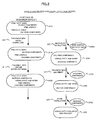
- a vegetable oil deodorizer distillate (Step 200) is used as a starting material which is produced, as a fraction containing volatile materials, in the deodorization process included in the purification process for a vegetable oil.
- Fatty acid esters e.g., triacylglycerols
- Steps 201 and 210 Fatty acid esters, e.g., triacylglycerols, in the vegetable oil deodorizer distillate are previously degraded by hydrolysis with a chemical catalyst.
- the synthetic reaction of a sterol fatty acid ester is performed under strictly controlled conditions using a lipolytic enzyme capable of selectively acting on cis fatty acids (Steps 211 and 220).
- the resulting sterol fatty acid ester undergoes several steps of purification process (Steps 221, 231 and 241) to afford qualities suitable for a food material, whereby a highly safe, inexpensive dietary sterol fatty acid ester containing no or little trans fatty acids (Step 250) can be produced enzymatically.
- the vegetable oil deodorizer distillate (Step 200) used as a starting material is any one derived from any plant oil, as long as it is produced in the deodorization process for a vegetable oil .
- examples of the vegetable oil deodorizer distillate include those of soybean oil, rapeseed oil, palm oil, sunflower seed oil, rice bran oil, corn oil, safflower oil.
- soybean oil deodorizer distillate which is rich in linolenic acid may have a high trans fatty acid content.
- the vegetable oil deodorizer distillate may be used in the untreated form. However, since it usually contains coloring components and other solid materials, it is preferably used after the removal of unnecessary components such solid materials for example by use of an adsorbent or filtration. If cost permits, it may be preferred to previously concentrate the free sterols and fatty acids in the vegetable oil deodorizer distillate for example by distillation or fractionation. Alternatively, additional free sterols and free fatty acids may be added to the vegetable oil deodorizer distillate.
- the advantage of the third invention is that both sterols and fatty acids, i.e., base components for the synthesis of a sterol fatty acid ester, are already present in the starting material, i.e., the vegetable oil deodorizer distillate.
- the starting material i.e., the vegetable oil deodorizer distillate.
- Use of such a vegetable oil deodorizer distillate as the starting material makes it possible to produce a sterol fatty acid ester at low cost.
- trans fatty acid as stated above may also be utilized as the base material for the synthesis.
- the end product may contain trans fatty acids which are not desirable for food product from a safety viewpoint.
- fatty acid esters e.g., triacylglycerol
- the synthesis of a sterol fatty acid ester is performed without utilizing trans fatty acids in the vegetable oil deodorizer distillate as the base material by using a lipolytic enzyme which does not act or hardly acts on trans fatty acids, i.e., a lipolytic enzyme capable of selectively acting on cis fatty acids (Steps 211 and 220). In this manner, a product containing no or little trans fatty acids can be produced at low cost.
- the catalyst to be used in the hydrolysis of the fatty acid esters, i.e., triacylglycerol, in the vegetable oil deodorizer distillate may be any one as long as it is available for food products, such as a chemical catalyst, e.g., an acid and an alkali.
- the catalyst includes an acid such as hydrochloric acid and sulfuric acid; and an alkali such as sodium hydroxide and potassium hydroxide (Step 201).
- a lipolytic enzyme such as a lipase may also be used in place of a chemical catalyst.
- a lipolytic enzyme is used in the hydrolysis of the fatty acid esters in the vegetable oil deodorizer distillate, however, a synthesis of a sterol fatty acid ester may proceed concurrently with the degradation of triacylglycerol and so on. For this reason, it is improper to use a lipolytic enzyme, e.g., a lipase, in the hydrolysis of the fatty acid esters.
- any catalyst concentration, any reaction temperature and any reaction time may be employed. However, it is preferred to perform the reaction at 150°C or lower within several hours, since an excess reaction may cause undesirable phenomena such as deterioration of every components in the vegetable oil deodorizer distillate and coloration of the resulting product.
- the neutralization is performed with a suitable acid or alkali, followed by washing with water to remove glycerin, salts and so on which may be produced in the synthesis and the chemical catalyst. After washing with water, resulting product is subjected to aqueous/oily phase separation and then heated at about 60 to 120°C for a predetermined time period under reduced pressure to remove water therefrom.
- Step 210 the synthetic reaction of a sterol fatty acid ester is then performed using a lipolytic enzyme capable of selectively acting on cis fatty acids (Steps 211 and 220).
- the lipolytic enzyme which selectively acts on cis fatty acids includes those enzymes originated from various microorganisms of the genera Candida, Mucor, Rhizopus, Aspergillus and Humicola, and particularly preferred enzymes are those enzymes originated from Candida cylindracea, Aspergillus niger, Aspergillus oryzae, Humicola lanuginosa, Rhizopus miehei, Rhizopus delemar and Rhizopus arrhizus.
- thermostable lipolytic enzyme When the synthetic reaction is performed under high temperature conditions, a thermostable lipolytic enzyme may be used.
- the enzyme may be used in the purified or partially purified form. In the case where a lipolytic enzyme originated from a microorganism, microorganism cell bodies or a culture of the microorganism may also be used.
- the enzyme may also be in the free state or be immobilized onto any of various supports such as cerite.
- the conditions to be employed for the synthetic reaction of the sterol fatty acid ester with a lipolytic enzyme should be controlled strictly so that a sterol fatty acid ester having qualities suitable for a food material such as flavor properties, e.g., color, odor and taste, and safety can be produced at low cost.
- the conditions of the synthetic reaction are described in the following.
- the enzyme may be used in an amount of 50,000 units (U) or less, preferably 10,000 units (U) or less, per gram of the sterols. To avoid the deterioration of the enzyme caused by the treatment under heating in the production process and to produce the end product at low cost, it is desirable to use the enzyme in a smallest possible amount, preferably in an amount of 5,000 units or less per gram of sterols in the starting material.
- the enzyme may also be added in a step-wise manner during the synthetic reaction to reduce the amount of the enzyme.
- triacylglycerol or a trace amount of diacylglycerol or monoacylglycerol may still remain in the product, which is hardly removed in the subsequent purification process. Therefore, it is preferred to perform the enzymatic reaction in the presence of 0.1 wt% or more of water.
- triacylglycerol and coexisting diacylglycerol, monoacylglycerol and so on undergo hydrolysis into free fatty acids and glycerin.
- the fatty acids produced by this hydrolysis can also be utilized as the starting material for the synthetic reaction of the sterol fatty acid ester.
- the efficiency of the synthetic reaction is more enhanced, the more water is added.
- the water added must be removed in the purification process after the synthesis of the sterol fatty acid ester. Therefore, the amount of water should be minimized for reduction in production cost, and is preferably 300% or less based on the weight of the vegetable oil deodorizer distillate, i.e., the starting material.
- the reaction is preferably performed at a lower temperature for a shorter time period, usually at 30 to 60°C within 48 hours.
- a lipolytic enzyme which can readily exert its enzymatic activity at such a lower temperature may be used.
- the synthetic reaction is performed at a higher temperature, preferably at 50 to 90°C within 24 hours using a thermostable lipolytic enzyme. In this case, however, thermal deterioration of the sterol fatty acid ester may proceed more aggressively or the enzyme may be inactivated during the reaction.
- a substance having anti-oxidant effect e.g., Vitamin E and tea polyphenol
- a substance capable of inhibiting the inactivation of an enzyme e.g., a salt such as bile salt, a carbohydrate and a protein, may be added to prevent the inactivation of the enzyme.
- the reaction is usually performed while stirring the reaction materials, but optionally may be performed in a static state.
- an emulsifying agent or the like may be added.
- An organic solvent such as hexane may also be used to enhance the efficiency of the reaction. In this case, however, the solvent must be removed, which may increase the production cost.
- inactivation of the enzyme is achieved by stirring the reactants at 60 to 100°C for about 30 to 120 min.
- the dehydration is performed by treating the reactant at 60 to 120°C for a predetermined time period under reduced pressure.
- the removal of the enzyme protein can be achieved by filtration using a conventional filter paper, filter cloth or any other type of filtration means. If the removal of the enzyme protein is insufficient, then deterioration in quality such as coloration of the sterol fatty acid ester may be caused by the heating in subsequent processes. Therefore, the enzyme protein must be removed completely. For more effective removal, it is preferred to previously add a filter aid, e.g., diatom earth, and then stirred and filtered.
- a filter aid e.g., diatom earth
- the purification of the product given by the synthetic reaction should be performed carefully. Particularly when the purification is performed at high temperatures, generation of trans fatty acids and peroxides may occur. Therefore, the temperature conditions must be controlled strictly.
- a molecular distillation is performed to primarily remove the unreacted sterols and fatty acids (Step 222).
- the sterol fatty acid ester i.e., reaction product, given after the removal of the enzyme protein of Step 220 contains various impurities including unreacted sterols and fatty acids and other trace components, and these impurities must be removed.
- molecular distillation (Step 221) is first performed to efficiently remove sterols and fatty acids.
- the sterol fatty acid ester is given as a residue (Step 230), while unreacted sterols and fatty acids and parts of odorous components are removed as a distillate.
- the apparatus for the molecular distillation may be of falling film type, centrifugal type or any other type of short pass distillation apparatus. Any apparatus may be used as long as it can achieve the desired vacuum pressure and temperature and can remove the desired free sterols, free fatty acids and other trace components.
- the molecular distillation is preferably performed at 133 Pa or lower and 100 to 300°C, more preferably at 13.3 Pa or lower and 100 to 250°C.
- the molecular distillation may be performed repeatedly for several times. In this step, it is possible to remove odorous components which cannot be removed in the steam distillation (Step 241), i.e., the third step of the purification process. On the other hand, some heating odor may be generated in this step. In this case, additional molecular distillation (Step 221) is required prior to the steam distillation (Step 241) to produce the end product without odorous components efficiently.
- Step 231 coloring components (Step 232) are primarily removed.
- the sterol fatty acid ester after the molecular distillation contains coloring components derived from the starting material and coloring components resulting from the heating during the distillation, as well as odorous components.
- the sterol fatty acid ester is treated with an adsorbent (Step 231).
- the adsorbent includes those adsorbent conventionally used for purification of fats and oils, such as activated clay, acidic clay, activated carbon, silica, silica-magnesia and so on, and is preferably activated clay, activated carbon or silica. These may be used singly or in combination.
- the adsorbent is preferably added in an amount of 0.1 to 50 wt%, more preferably 1 to 20 wt%, based on the weight of the sterol fatty acid ester to be treated. For more efficient decoloration, it is preferred to perform the treatment with the adsorbent in a non-polar solvent such as hexane.
- the solvent is preferably used in 0.1 to 50 volumes, more preferably 0.5 to 20 volumes, of the material to be treated.
- the decoloration is performed by adding the adsorbent to the material to be treated and then stirring at 40 to 150°C for a predetermined time period.
- This procedure may be performed under normal atmospheric pressure. However, to prevent the deterioration of the material to be treated and decolor it more effectively, the procedure is preferably performed under reduced pressure.
- a lower pressure is preferred, such as 13.3 kPa or lower.
- the adsorbent is removed by filtration using any conventional filtrating means, such as a filter paper, a filter cloth or any other filtration means.
- a filter aid e.g., diatom earth
- the reaction mixture is then stirred and filtrated, thereby achieving the removal of the adsorbent more effectively.
- a non-polar solvent it is preferred to dissolve the material to be treated in the non-polar solvent previously, and then add the adsorbent thereto and stir the resulting reaction mixture at 0 to 60°C for a predetermined time period.
- the adsorbent is removed in the same manner as stated above, and then the non-polar solvent is removed by distillation.
- the more complete removal of the coloring components is required or the material to be decolored has a darker color, it is preferred to repeat the treatment with the adsorbent for several times.
- additional any adsorbent may be added after the filtration of the preceding adsorbent and then another round of procedure is performed in the same manner.
- additional any adsorbent may be added after the proceeding round of addition of an adsorbent, stirring and filtration without the need of removal of the solvent, and then the subsequent round is performed.
- the solvent is removed after filtration in the final round is completed.
- the material given after the molecular distillation may be treated with an acid or alkali prior the treatment with the adsorbent, thereby achieving the decoloration more effectively.
- the material to be treated may be dissolved in a non-polar solvent, e.g., hexane, to make the material in a micellar state, and then treated with an acid or alkali.
- Step 231 the treatment with the adsorbent (Step 231) is required to be performed after the molecular distillation (Step 221) and prior to the steam distillation (Step 241).
- Step 241 As the final, third purification step, steam distillation (Step 241) is performed to remove odorous components (Step 242) or the like.
- the sterol fatty acid ester after the decoloration is required to remove odorous components derived from the starting material or generated in the proceeding steps.
- the organic solvent may remain in the product even after the removal of the solvent. Therefore, the remaining organic solvent must be removed completely.
- Steam distillation (Step 241) makes it possible to remove the odorous components and the remaining organic solvent in the product.
- any type of apparatus may be used, including those of continuous type, semi-continuous type and batch type.
- the steam distillation is desirable to perform under the conditions of 13.3 kPa or lower and 50 to 200°C, preferably 13.3 kPa or lower and 50 to 150°C.
- the steam distillation may be repeated for several times.
- the sterol fatty acid ester (Step 250), the end product of the third invention, is almost tasteless, odorless and colorless or pale yellow in color and has a reduced trans fatty acid content and superior safety, and therefore is suitable for a daily food material, a health food material and a pharmaceutical material.
- the sterol fatty acid ester has the potential effect of reducing cholesterol level. Accordingly, the sterol fatty acid ester is expected to be used, as a functional material, in daily food products, e.g., margarine and dressing, and health food products and, in the future, in pharmaceuticals.
- Soybean oil deodorizer distillate (sterol content: 13 wt%) (200 g) was added with water (100 g), and lipase powder originated from a microorganism of the genus Candida (360,000 units/g: "Lipase OF", a product by Meito Sangyo Co., Ltd.) (2.0 g) was further added thereto while stirring at 40°C. The resulting mixture was allowed to react at 40°C for 24 hours while stirring. The reaction mixture was heated to 80°C and stirred at that temperature for 30 min. to inactivate the enzyme. The reaction product was dehydrated at 80°C under reduced pressure. The resulting product was added with diatom earth (1.0 g), stirred, and then filtered to remove the enzyme protein.
- diatom earth 1.0 g
- the resultant product was subjected to molecular distillation using a centrifugal molecular distillation apparatus at a vacuum pressure of 1.5 Pa, an evaporating surface temperature of 230°C and a flow rate of 2.0 l/hr to give a sterol fatty acid ester without impurities including free fatty acids (33 g).
- the sterol fatty acid ester was dissolved in five volumes (based on the residue) of hexane, added with 20 wt% (based on the residue) of activated clay, and then stirred at room temperature for 30 min.
- the resulting solution was filtered to remove the activated clay having coloring components adsorbed thereon, and the filtrate was evaporated using an evaporator to remove the solvent, thereby giving the sterol fatty acid ester without coloring components (27 g).
- the sterol fatty acid ester was subjected to steam distillation using a batch-type steam distillation apparatus under the condition of a vacuum pressure of 500 Pa, a distillation temperature of 150°C and a distillation time of 2 hours, thereby giving the sterol fatty acid ester without odorous components (26 g) as the end product.
- the sterol fatty acid ester was almost tasteless, odorless and pale yellow in color.
- the analytic results are shown in Table 1.
- the sterol fatty acid ester was mixed with soybean oil in an amount of 100 wt% based on the weight of the sterol fatty acid ester, and a product having good fluidity was obtained.
- Soybean oil deodorizer distillate (sterol content: 13 wt%) (200 g) was added with water (50 g), and thermostable lipase powder originated from a microorganism of the genus Rhizopus (10,000 units/g; "Talipase", a product by Tanabe Seiyaku Co., Ltd.) (3.0 g) was further added thereto while stirring at 40°C. The resulting mixture was allowed to react at 50°C for 24 hours while stirring. The reaction mixture was heated to 90°C and stirred at that temperature for 30 min. to inactivate the enzyme. The product was dehydrated at 80°C under reduced pressure. The resulting product was added with diatom earth (1.0 g), stirred, and then filtered to remove the enzyme protein.
- the resultant product was subjected to molecular distillation using a centrifugal molecular distillation apparatus at a vacuum pressure of 1.5 Pa, an evaporating surface temperature of 230°C and a flow rate of 2.0 l/hr to give a sterol fatty acid ester without impurities including free fatty acids (31 g).
- the sterol fatty acid ester was dissolved in five volumes (based on the residue) of hexane, added with 20 wt% (based on the residue) of silica gel, and then stirred at room temperature for 30 min.
- the resulting solution was filtered to remove the silica gel having coloring components adsorbed thereon, and the filtrate was evaporated using an evaporator to remove the solvent, thereby giving the sterol fatty acid ester without coloring components (25 g).
- the sterol fatty acid ester was subjected to steam distillation using a batch-type steam distillation apparatus under the conditions of a vacuum pressure of 500 Pa, a distillation temperature of 150°C and a distillation time of 2 hours, thereby giving the sterol fatty acid ester without odorous components (24 g) as the end product.
- the sterol fatty acid ester was almost tasteless, odorless and pale yellow in color.
- the analytic results are shown in Table 1.
- Rapeseed vegetable oil deodorizer distillate (sterol content: 8 wt%) (200 g) was added with water (100 g), and lipase powder originated from a microorganism of the genus Candida (360,000 units/g: "Lipase OF", a product by Meito Sangyo Co., Ltd.) (2.0 g) was further added thereto while stirring at 40°C. The resulting mixture was allowed to react at 40°C for 24 hours while stirring. The reaction mixture was heated to 80°C and stirred at that temperature for 30 min. to inactivate the enzyme. The reaction product was dehydrated at 80°C under reduced pressure. The resulting product was added with diatom earth (1.0 g), stirred, and then filtered to remove the enzyme protein.
- diatom earth 1.0 g
- the resultant product was subjected to molecular distillation using a centrifugal molecular distillation apparatus at a vacuum pressure of 1.5 Pa, an evaporating surface temperature of 230°C and a flow rate of 2.0 l/hr to give a sterol fatty acid ester without impurities including free fatty acids (28 g).
- the sterol fatty acid ester was dissolved in five volumes (based on the residue) of hexane, added with 20 wt% (based on the residue) of activated carbon, and then stirred at room temperature for 30 min.
- the resulting solution was filtered to remove the activated carbon having coloring components adsorbed thereon, and the filtrate was evaporated using an evaporator to remove the solvent, thereby giving the sterol fatty acid ester without coloring components (22 g).
- the sterol fatty acid ester was subjected to steam distillation using a batch-type steam distillation apparatus under the condition of a vacuum pressure of 500 Pa, a distillation temperature of 150°C and a distillation time of 1 hour, thereby giving the sterol fatty acid ester without odorous components (21 g) as the end product.
- the sterol fatty acid ester was almost tasteless, odorless and pale yellow in color.
- the analytic results are shown in Table 1.
- Palm vegetable oil deodorizer distillate (sterol content: 11 wt%) (200 g) was added with water (100 g), and lipase powder originated from a microorganism of the genus Candida (360,000 units/g: "Lipase OF", a product by Meito Sangyo Co., Ltd.) (2.0 g) was further added thereto while stirring at 40°C. The resulting mixture was allowed to react at 40°C for 24 hours while stirring. The reaction mixture was heated to 80°C and stirred at that temperature for 30 min. to inactivate the enzyme. The reaction product was dehydrated at 80°C under reduced pressure. The resulting product was added with diatom earth (1.0 g), stirred, and then filtered to remove the enzyme protein.
- diatom earth 1.0 g
- the resultant product was subjected to molecular distillation using a centrifugal molecular distillation apparatus at a vacuum pressure of 1.5 Pa, an evaporating surface temperature of 230°C and a flow rate of 2.0 l/hr to give a sterol fatty acid ester without impurities including free fatty acids (32 g).
- the sterol fatty acid ester was dissolved in five volumes (based on the residue) of hexane, added with 20 wt% (based on the residue) of activated clay, and then stirred at room temperature for 30 min.
- the resulting solution was filtered to remove the activated clay having coloring components adsorbed thereon, and the filtrate was evaporated using an evaporator to remove the solvent, thereby giving the sterol fatty acid ester without coloring components (21 g).
- the sterol fatty acid ester was subjected to steam distillation using a batch-type steam distillation apparatus under the conditions of a vacuum pressure of 500 Pa, a distillation temperature of 150°C and a distillation time of 1 hour, thereby giving the sterol fatty acid ester without odorous components (20 g) as the end product.
- the sterol fatty acid ester was almost tasteless, odorless and pale yellow in color.
- the analytic results are shown in Table 1.
- the analytic results are shown in Table 1.
- Examples 1 to 4 since an inexpensive vegetable oil deodorizer distillate such as soybean oil deodorizer distillate, rapeseed vegetable oil deodorizer distillate and palm vegetable oil deodorizer distillate is used as the starting material, the production cost can be reduced to a great extent.
- a sterol fatty acid esters with almost tasteless and odorless and pale yellow in color which have a peroxide value of 15 or lower, an acid value of 3 or lower and a Gardner color scale of 8 or lower can be produced.
- Comparative Example 1 On the contrary, a soybean-derived sterol and linolenic acid are used as the starting materials, and are treated by esterification reaction followed by molecular distillation and treatment with an adsorbent.
- the cost of the raw materials is expensive, and the sterol fatty acid ester as the end product has a characteristic pungent odor and brown color, which is not appropriate as a food material.
- Comparative Example 2 a soybean-derived sterol and linolenic acid are used as the starting materials, and are treated in the same manner as in Example 1. Although the sterol fatty acid ester as the end product is tasteless, odorous and pale yellow in color and therefore is suitable as a food material, the production cost is over 10 times higher than that of Example 1. Accordingly, Comparative Example 2 is largely impractical compared with Examples 1 to 4.
- Soybean oil deodorizer distillate (sterol content: 12.3 wt%) (200 g) was added with a 0.2N solution of potassium hydroxide (KOH) in ethanol (10 ml), and stirred at 60°C for 2 hours to hydrolyze fatty acid esters including triacylglycerol.
- the reaction solution was neutralized with 0.4N hydrochloric acid, washed with water to remove ethanol, KCl, KOH and glycerin, and then subjected to dehydration at 80°C under reduced pressure.
- the resulting product was subjected to molecular distillation using a centrifugal molecular distillation apparatus at a vacuum pressure of 1.5 Pa and an evaporating surface temperature of 170°C to primarily remove fatty acids as a distillate and collect the residue as a sterol-containing fraction (28 g).
- the sterol-containing fraction (25 g) was mixed with purified soybean oil (50 g), and a suspension of lipolytic enzyme powder originated from a microorganism of the genus Pseudomonas (50,000 units/g: "Lipase TL", a product by Meito Sangyo Co., Ltd.) (1.0 g) in water (25 ml) was further added thereto.
- the resulting mixture was subjected to a synthetic reaction of a sterol fatty acid ester at 40°C for 24 hours while stirring.
- the reaction solution was heated to 80°C and stirred at that temperature for 30 min. to inactivate the enzyme.
- the reaction product was washed with hot water, dehydrated at 80°C under reduced pressure, added with diatom earth (1.0 g), stirred, and then filtered to remove the enzyme protein.
- the resulting product was subjected to molecular distillation using a centrifugal molecular distillation apparatus at a vacuum pressure of 1.5 Pa and an evaporating surface pressure of 230°C to remove unreacted fatty acids and sterols as a distillate.
- the residue containing a sterol fatty acid ester was added with activated clay in an amount of 10 wt% based on the weight of the residue. The mixture was stirred at 80°C for 30 min. under reduced pressure and then filtered to remove the activated clay having coloring components adsorbed thereon.
- the resulting product was subjected to steam distillation under conditions of a vacuum pressure of 500 Pa, a distillation temperature of 150°C and a distillation time of 1 hour, thereby giving a sterol fatty acid ester without odorous components (34 g) as the end product.
- the sterol fatty acid ester was almost tasteless, odorless and pale yellow in color, and had a melting point of 30.1°C and a trans fatty acid content in the constitutive fatty acids of 1.2 wt%.
- the analytic results are shown in Table 2.
- a product given by the same hydrolysis procedure with potassium hydroxide in ethanol as in Example 5 was subjected to molecular distillation using a centrifugal molecular distillation apparatus at a vacuum pressure of 1.5 Pa and an evaporating surface temperature of 170°C to primarily remove fatty acids as a distillate and collect the residue as a sterol-containing fraction.
- the sterol-containing fraction was subjected to additional molecular distillation at a vacuum pressure of 1.5 Pa and an evaporating surface temperature of 230°C, thereby giving a sterol-containing fraction as a distillate (22 g).
- the sterol-containing fraction (20 g) was mixed with purified soybean oil (40 g), and a suspension of lipolytic enzyme powder originated from a microorganism of the genus Alcaligenes (90,000 units/g: "Lipase PC", a product by Meito Sangyo Co., Ltd.) (0.4 g) in water (20 ml) was further added thereto.
- the resulting mixture was subjected to a synthetic reaction of a sterol fatty acid ester at 40°C for 24 hours while stirring.
- the reaction solution was subjected to enzyme inactivation, washing with hot water, dehydration and removal of enzyme protein in the same manner as in Example 1.
- the resulting product was subjected to molecular distillation (i.e., the first purification step) treatment with an adsorbent (i.e., the second purification step) and steam distillation (i.e., the third purification step) in the same manner as in Example 5, thereby giving a sterol fatty acid ester (29 g).
- the sterol fatty acid ester was almost tasteless, odorless and almost colorless and had a melting point of 31.5°C and a trans fatty acid content in the constitutive fatty acids of 1.3 wt%.
- the analytic results are shown in Table 2.
- a sterol-containing fraction (25 g) collected in the same manner as in Example 5 was mixed with purified rapeseed oil (50 g), and a suspension of lipolytic enzyme powder originated from a microorganism of the genus Mucor (80,000 units/g) (0.5 g) in water (25 ml) was further added thereto.
- the resulting mixture was subjected to a synthetic reaction of a sterol fatty acid ester at 40°C for 24 hours while stirring.
- the reaction solution was subjected to enzyme inactivation, washing with hot water, dehydration and removal of enzyme protein in the same manner as in Example 1.
- the resulting product was subjected to molecular distillation (i.e., the first purification step) treatment with an adsorbent (i.e., the second purification step) and steam distillation (i.e., the third purification step) in the same manner as in Example 5, thereby giving a sterol fatty acid ester (35 g).
- the sterol fatty acid ester was almost tasteless, odorless and pale yellow in color, and had a melting point of 31.2 °C and a trans fatty acid content in the constitutive fatty acids of 1.0 wt%.
- the analytic results are shown in Table 2.
- a sterol-containing fraction (25 g) collected in the same manner as in Example 5 was mixed with purified olive oil (50 g), and a suspension of lipolytic enzyme powder originated from a microorganism of the genus Candida (360,000 units/g: "Lipase OF", a product by Meito Sangyo Co., Ltd.) (0.2 g) in water (25 ml) was further added thereto.
- the resulting mixture was subjected to a synthetic reaction of a sterol fatty acid ester at 40°C for 24 hours while stirring.
- the reaction solution was subjected to enzyme inactivation, washing with hot water, dehydration and removal of enzyme protein in the same manner as in Example 5.
- the resulting product was subjected to molecular distillation (i.e., the first purification step) treatment with an adsorbent (i.e., the second purification step) and steam distillation (i.e., the third purification step) in the same manner as in Example 5, thereby giving a sterol fatty acid ester (36 g).
- the sterol fatty acid ester was almost tasteless, odorless and pale yellow in color, and had a melting point of 34.7°C and a trans fatty acid content in the constitutive fatty acids of 0.4 wt%.
- the analytic results are shown in Table 2.
- a sterol-containing fraction (25 g) collected in the same manner as in Example 5 was mixed with purified palm oil (50 g), and a suspension of lipolytic enzyme powder originated from a microorganism of the genus Rhizopus (60,000 units/g: "Talipase", a product by Tanabe Seiyaku Co., Ltd.) (0.5 g) in water (25 ml) was further added thereto.
- the resulting mixture was subjected to a synthetic reaction of a sterol fatty acid ester at 60°C for 12 hours while stirring.
- the reaction solution was subjected to enzyme inactivation, washing with hot water, dehydration and removal of enzyme protein in the same manner as in Example 5.
- the resulting product was subjected to molecular distillation (i.e., the first purification step), treatment with an adsorbent (i.e., the second purification step) and steam distillation (i.e., the third purification step) in the same manner as in Example 5, thereby giving a sterol fatty acid ester (32 g).
- the sterol fatty acid ester was almost tasteless, odorless and pale yellow in color, and had a melting point of 68.5°C and a trans fatty acid content in the constitutive fatty acids of 0.2 wt%.
- the analytic results are shown in Table 2.
- a sterol-containing fraction (25 g) collected in the same manner as in Example 5 was mixed with purified tuna oil (50 g), and a suspension of lipolytic enzyme powder originated from a microorganism of the genus Mucor (80,000 units/g) (0.5 g) in water (25 ml) was further added thereto.
- the resulting mixture was subjected to a synthetic reaction of a sterol fatty acid ester at 40°C for 24 hours while stirring.
- the reaction solution was subjected to enzyme inactivation, washing with hot water, dehydration and removal of enzyme protein in the same manner as in Example 5.
- the resulting product was subjected to molecular distillation (i.e., the first purification step), treatment with an adsorbent (i.e., the second purification step) and steam distillation (i.e., the third purification step) in the same manner as in Example 5, thereby giving a sterol fatty acid ester (35 g).
- the sterol fatty acid ester was almost tasteless, odorless and pale yellow in color, and had a melting point of 15.1°C and a trans fatty acid content in the constitutive fatty acids of 1.8 wt%.
- the analytic results are shown in Table 2.
- Example 5 The same soybean oil deodorizer distillate (sterol content: 12.3 wt%) as used in Example 5 (200 g) was added with a suspension of lipolytic enzyme powder originated from a microorganism of the genus Pseudomonas (50,000 units/g) (4.0 g). The resulting mixture was subjected to a synthetic reaction of a sterol fatty acid ester at 40°C for 48 hours while stirring. The reaction solution was washed with hot water, dehydrated at 100°C and then filtered to remove the enzyme protein.
- the resulting product was subjected to molecular distillation using a centrifugal molecular distillation apparatus at a vacuum pressure of 1.5 Pa and an evaporating surface temperature of 230°C, thereby giving a sterol fatty acid ester (43 g).
- the sterol fatty acid ester had very strong bitter taste and strong fetid odor and brown color. It had a melting point of 29.8°C, a trans fatty acid content in the constitutive fatty acids of 4.8 wt% and a sterol fatty acid ester content of 59.2 wt%.
- the analytic results are shown in Table 3.
- soybean oil deodorizer distillate (sterol content: 12.3 wt%) as used in Example 5 (200 g) was added with a suspension of lipolytic enzyme powder originated from a microorganism of the genus Alcaligenes (90,000 units/g: "Lipase PL", a product by Meito Sangyo Co., Ltd.) (0.6 g).
- the resulting mixture was subjected to a synthetic reaction of a sterol fatty acid ester at 40°C for 24 hours while stirring.
- the reaction solution was washed with hot water, dehydrated at 100°C and then filtered to remove the enzyme protein.
- the resulting product was subjected to molecular distillation using a centrifugal molecular distillation apparatus at a vacuum pressure of 1.5 Pa and an evaporating surface temperature of 230°C to remove unreacted fatty acids and sterols as a distillate.
- the residue was subjected to steam distillation using a batch-type steam distillation apparatus under conditions of a vacuum pressure of 1 kPa, a distillation temperature of 250°C and a distillation time of 2 hours, thereby giving a sterol fatty acid ester (41 g).
- the sterol fatty acid ester had weak bitter taste, burnt odor and dark yellow color.
- the vegetable oil deodorizer distillate was subjected to hydrolysis of fatty acid esters, molecular distillation and synthesis reaction of a sterol fatty acid ester in the same manner as in Example 5.
- the resulting product was dehydrated and then subjected to molecular distillation using a centrifugal molecular distillation apparatus at a vacuum pressure of 1.5 Pa and an evaporating surface temperature of 230°C to remove unreacted fatty acids and sterols as a distillate.
- the residue was subjected to steam distillation using a batch-type steam distillation apparatus under conditions of a vacuum pressure of 500 Pa, a distillation temperature of 150°C and a distillation time of 1 hour.
- the resulting product was added with activated clay in an amount of 10 wt% based on the weight of the product, stirred at 80°C for 30 min. under reduced pressure, and then filtered, thereby giving a sterol fatty acid ester (35 g).
- the sterol fatty acid ester was pale yellow in color, but had bitter taste and fetid odor. It had a melting point of 30.6°C, a trans fatty acid content in the constitutive fatty acids of 1.7 wt% and a sterol fatty acid ester content of 95.2 wt%.
- the analytic results are shown in Table 3.
- Soybean oil deodorizer distillate (sterol content: 12.3 wt%) (100 g) was added with a 0.2N solution of potassium hydroxide (KOH) in ethanol (5 ml), and stirred at 60°C for 2 hours to hydrolyze fatty acid esters including triacylglycerol.
- the reaction solution was neutralized with 0.4N hydrochloric acid, washed with water to remove ethanol, KCl, KOH and glycerin, and then dehydrated at 80°C under reduced pressure.
- the resulting product was added with a suspension of lipolytic enzyme powder capable of selectively acting on cis fatty acids originated from a microorganism of the genus Candida (360,000 units/g: "Lipase OF", a product by Meito Sangyo Co., Ltd.) (0.15 g) in water (25 ml).
- the resulting mixture was subjected to a synthetic reaction of a sterol fatty acid ester at 40°C for 24 hours while stirring.
- the reaction solution was heated to 80°C and stirred at that temperature for 30 min. to inactivate the enzyme.
- the reaction product was washed with hot water, dehydrated at 80°C under reduced pressure, added with diatom earth (1.0 g), stirred, and then filtered to remove the enzyme protein.
- the resulting product was subjected to molecular distillation using a centrifugal molecular distillation apparatus at a vacuum pressure of 1.5 Pa and an evaporating surface pressure of 230°C to remove unreacted fatty acids and sterols as a distillate.
- the residue was added with a mixture of activated clay and silica gel (1:1 by weight) in an amount of 10 wt% based on the weight of the residue. The mixture was stirred at 80°C for 30 min. under reduced pressure and then filtered to remove the activated clay having coloring components adsorbed thereon.
- the resulting product was subjected to steam distillation using a batch-type steam distillation apparatus under conditions of a vacuum pressure of 500 Pa, a distillation temperature of 150°C and a distillation time of 1 hour, thereby giving a sterol fatty acid ester without odorous components (19 g) as the end product.
- the sterol fatty acid ester was almost tasteless, odorless and pale yellow in color, and had a trans fatty acid content in the constitutive fatty acids of 1.4 wt%.
- the analytic results are shown in Table 4.
- Soybean oil deodorizer distillate (sterol content: 12.3 wt%) (100 g) was treated in the same manner as in Example 11 to hydrolyze the fatty acids therein.
- the resultant product was dehydrated, and added with a suspension of lipolytic enzyme powder capable of selectively acting on cis fatty acids originated from a microorganism of the genus Mucor (80,000 units/g) (0.7 g) in water (25 ml).
- the resulting mixture was subjected to a synthetic reaction of a sterol fatty acid ester at 40°C for 24 hours while stirring.
- the reaction solution was heated to 80°C and stirred at that temperature for 30 min. to inactivate the enzyme.
- the reaction product was washed with hot water, dehydrated at 80°C under reduced pressure, added with diatom earth (1.0 g), stirred, and then filtered to remove the enzyme protein.
- the resulting product was subjected to molecular distillation (i.e., first purification step), treatment with an adsorbent (i.e., second purification step) and steam distillation (i.e., third purification step) in the same manner as in Example 11, thereby giving a sterol fatty acid ester (17 g).
- the sterol fatty acid ester was almost tasteless, odorless and pale yellow in color, and had a trans fatty acid content in the constitutive fatty acids of 1.1 wt%.
- the analytic results are shown in Table 4.
- Soybean oil deodorizer distillate (sterol content: 12.3 wt%) (100 g) was subjected to hydrolysis of fatty acid esters in the same manner as in Example 11 and then dehydrated.
- the resulting product was added with a suspension of lipolytic enzyme powder having no selective activity originated from a microorganism of the genus Pseudomonas (50,000 units/g: "Lipase TL", a product by Meito Sangyo Co., Ltd.) (1.0 g) in water (25 ml).
- the resulting mixture was subjected to a synthetic reaction of a sterol fatty acid ester at 40°C for 24 hours while stirring.
- the reaction solution was heated to 80°C and stirred at that temperature for 30 min. to inactivate the enzyme.
- the reaction product was washed with hot water, dehydrated at 80°C under reduced pressure, added with diatom earth (1.0 g), stirred, and then filtered to remove the enzyme protein.
- the resulting product was subjected to molecular distillation (i.e., first purification step), treatment with an adsorbent (i.e., second purification step) and steam distillation (i.e., third purification step) in the same manner as in Example 11, thereby giving a sterol fatty acid ester (17 g).
- the sterol fatty acid ester was almost tasteless, odorless and pale yellow in color, but had a trans fatty acid content in the constitutive fatty acids of 5.5 wt%.
- the analytic results are shown in Table 4. Ex.11 Ex.12 C.Ex.6 Sterol fatty acid ester content TLC-FID % 96.8 95.6 94.9 Peroxide value (POV) meq/kg 1.6 2.1 1.9 Acid value (AV) mg-KOH/g 0.3 0.4 0.8 Color Gardner scale 4 4 5 Odor Sensory test almost odorless almost odorless almost odorless Taste Sensory test tasteless tasteless tasteless Trans fatty acid content GC area % 1.4 1.1 5.5
- a vegetable oil deodorizer distillate derived from a plant oil is used as a starting material, the synthetic reaction of a sterol fatty acid ester is performed using a lipase as a catalyst under strictly controlled conditions, and the synthesized sterol fatty acid ester is purified through several steps of purification process in order to provide qualities suitable for a food material. Accordingly, the present invention has an advantage that an inexpensive dietary sterol fatty acid ester having a potential physiological activity and superior qualities.
- a vegetable oil deodorizer distillate which is produced as a distillate containing volatile components in the deodorization step (a step included in the purification process) of a vegetable oil is used as a starting material.
- Fatty acid esters, e.g., triacylglycerol, in the vegetable oil deodorizer distillate are previously degraded by hydrolysis with a chemical catalyst, and fatty acids generated in the hydrolysis are then removed by the first molecular distillation to give a sterol-containing fraction.
- the sterol-containing fraction is added with a fat and oil primarily comprising triacylglycerol.
- the mixture is used as the starting material and the synthetic reaction of a sterol fatty acid ester is performed using a lipolytic enzyme as a catalyst under strictly controlled conditions.
- the resulting product undergoes several steps of purification process in order to provide qualities suitable for a food material. In this manner, a highly safe, inexpensive dietary sterol fatty acid ester which contains little deteriorated fatty acids including trans fatty acids can be produced enzymatically.
- a vegetable oil deodorizer distillate which is produced as a distillate containing volatile components in the deodorization step (a step included in the purification process) of a vegetable oil is used as a starting material.
- Fatty acid esters, e.g., triacylglycerol, in the vegetable oil deodorizer distillate are previously degraded by hydrolysis with a chemical catalyst.
- the resulting product undergoes a synthetic reaction of a sterol fatty acid ester under strictly controlled conditions using a lipolytic enzyme capable of selectively acting on cis fatty acids as a catalyst.
- the resulting product undergoes several steps of purification process in order to provide qualities suitable for a food material. In this manner, a highly safe, inexpensive dietary sterol fatty acid ester which contains little trans fatty acids can be produced enzymatically.
Landscapes
- Chemical & Material Sciences (AREA)
- Life Sciences & Earth Sciences (AREA)
- Organic Chemistry (AREA)
- Engineering & Computer Science (AREA)
- Wood Science & Technology (AREA)
- Chemical Kinetics & Catalysis (AREA)
- Oil, Petroleum & Natural Gas (AREA)
- General Chemical & Material Sciences (AREA)
- Microbiology (AREA)
- Zoology (AREA)
- Health & Medical Sciences (AREA)
- Biochemistry (AREA)
- Bioinformatics & Cheminformatics (AREA)
- General Engineering & Computer Science (AREA)
- General Health & Medical Sciences (AREA)
- Genetics & Genomics (AREA)
- Biotechnology (AREA)
- Preparation Of Compounds By Using Micro-Organisms (AREA)
- Coloring Foods And Improving Nutritive Qualities (AREA)
- Fats And Perfumes (AREA)
Applications Claiming Priority (6)
| Application Number | Priority Date | Filing Date | Title |
|---|---|---|---|
| JP2000358092A JP2002153296A (ja) | 2000-11-24 | 2000-11-24 | 食品用ステロール脂肪酸エステルの酵素的製造方法 |
| JP2000358092 | 2000-11-24 | ||
| JP2001034465A JP3192410B1 (ja) | 2001-02-09 | 2001-02-09 | 食品用ステロール脂肪酸エステルの製造方法 |
| JP2001034474 | 2001-02-09 | ||
| JP2001034474A JP3192411B1 (ja) | 2001-02-09 | 2001-02-09 | 食品用ステロール脂肪酸エステルの製造方法 |
| JP2001034465 | 2001-02-09 |
Publications (2)
| Publication Number | Publication Date |
|---|---|
| EP1209239A2 true EP1209239A2 (de) | 2002-05-29 |
| EP1209239A3 EP1209239A3 (de) | 2003-01-08 |
Family
ID=27345258
Family Applications (1)
| Application Number | Title | Priority Date | Filing Date |
|---|---|---|---|
| EP01250411A Withdrawn EP1209239A3 (de) | 2000-11-24 | 2001-11-22 | Verfahren zur Herstellung von Sterolfettsäureestern in Nahrungsmitteln |
Country Status (4)
| Country | Link |
|---|---|
| US (1) | US6660491B2 (de) |
| EP (1) | EP1209239A3 (de) |
| CN (1) | CN1356394A (de) |
| BR (1) | BR0106178A (de) |
Cited By (4)
| Publication number | Priority date | Publication date | Assignee | Title |
|---|---|---|---|---|
| EP1275309A1 (de) * | 2001-07-13 | 2003-01-15 | Ikeda Food Research Co. Ltd. | Sterol Fettsäure Ester Zusammensetzung und diese enthaltende Lebensmittel |
| EP2548942A4 (de) * | 2010-03-17 | 2014-03-12 | Kao Corp | Verfahren zur herstellung raffinierter fette und öle |
| CN111349515A (zh) * | 2018-12-19 | 2020-06-30 | 丰益(上海)生物技术研发中心有限公司 | 一种零反的绿色精准适度加工油脂组合物及其制备方法 |
| CN111926047A (zh) * | 2020-08-25 | 2020-11-13 | 福建省格兰尼生物工程股份有限公司 | 一种用于低温生物酶催化脱臭馏出物酯化反应的反复套用生产方法 |
Families Citing this family (35)
| Publication number | Priority date | Publication date | Assignee | Title |
|---|---|---|---|---|
| US6936289B2 (en) | 1995-06-07 | 2005-08-30 | Danisco A/S | Method of improving the properties of a flour dough, a flour dough improving composition and improved food products |
| ATE280221T1 (de) * | 1997-04-09 | 2004-11-15 | Danisco | Verwendung von lipase zur verbesserung von teigen und backwaren |
| US6394230B1 (en) * | 1997-12-16 | 2002-05-28 | Cognis Corporation | Sterol esters as food additives |
| DE69904941T3 (de) | 1998-07-21 | 2008-01-31 | Danisco A/S | Lebensmittel |
| JP4210437B2 (ja) * | 2000-09-27 | 2009-01-21 | 池田食研株式会社 | 食品用ステロール脂肪酸エステルの製造方法 |
| US6660491B2 (en) * | 2000-11-24 | 2003-12-09 | Ikeda Food Research Co., Ltd. | Process for producing dietary sterol fatty acid esters |
| CA2444960C (en) | 2001-05-18 | 2011-08-09 | Danisco A/S | Method of improving dough and bread quality |
| ATE344329T1 (de) * | 2001-08-22 | 2006-11-15 | Haerting Thomas Francis | Selektive transesterifikation von stanole in mischungen die sterole und stanole enthalten |
| CA2480011A1 (en) * | 2002-03-18 | 2003-12-04 | Sciperio, Inc. | Dentritic cell nodes |
| US7943360B2 (en) * | 2002-04-19 | 2011-05-17 | Verenium Corporation | Phospholipases, nucleic acids encoding them and methods for making and using them |
| US7226771B2 (en) * | 2002-04-19 | 2007-06-05 | Diversa Corporation | Phospholipases, nucleic acids encoding them and methods for making and using them |
| US20050196766A1 (en) * | 2003-12-24 | 2005-09-08 | Soe Jorn B. | Proteins |
| US7955814B2 (en) * | 2003-01-17 | 2011-06-07 | Danisco A/S | Method |
| DE602004030000D1 (de) | 2003-01-17 | 2010-12-23 | Danisco | Verfahren zur in-situ-herstellung eines emulgators in einem nahrungsmittel |
| JP4829105B2 (ja) | 2003-03-07 | 2011-12-07 | ヴェレニウム コーポレイション | ヒドロラーゼ、それをコードする核酸並びにその製造および使用方法 |
| JP4186191B2 (ja) * | 2003-06-05 | 2008-11-26 | 山栄化学株式会社 | 植物ステロールエステル含有毛髪化粧料用感触向上剤 |
| WO2005010136A2 (en) | 2003-07-16 | 2005-02-03 | Archer-Daniels-Midland Company | Method for producing fats or oils |
| US7906307B2 (en) | 2003-12-24 | 2011-03-15 | Danisco A/S | Variant lipid acyltransferases and methods of making |
| GB0716126D0 (en) | 2007-08-17 | 2007-09-26 | Danisco | Process |
| US7718408B2 (en) | 2003-12-24 | 2010-05-18 | Danisco A/S | Method |
| GB0405637D0 (en) * | 2004-03-12 | 2004-04-21 | Danisco | Protein |
| US20080070291A1 (en) | 2004-06-16 | 2008-03-20 | David Lam | Compositions and Methods for Enzymatic Decolorization of Chlorophyll |
| PL1776455T3 (pl) * | 2004-07-16 | 2015-09-30 | Dupont Nutrition Biosci Aps | Enzym lipolityczny, jego zastosowania w przemyśle spożywczym |
| WO2006031699A2 (en) | 2004-09-10 | 2006-03-23 | Diversa Corporation | Compositions and methods for making and modifying oils |
| WO2006096834A2 (en) * | 2005-03-08 | 2006-09-14 | Diversa Corporation | Hydrolases, nucleic acids encoding them and methods for improving paper strength |
| MX2009003034A (es) * | 2006-09-21 | 2009-11-18 | Verenium Corp | Fosfolipasas, acidos nucleicos que las codifican, y metodos de hacerlas y usarlas. |
| AU2007344910B2 (en) * | 2007-01-25 | 2013-03-28 | Dupont Nutrition Biosciences Aps | Production of a lipid acyltransferase from transformed Bacillus licheniformis cells |
| KR101481197B1 (ko) * | 2007-05-24 | 2015-01-09 | 로더스 크로클란 비.브이. | 토코페롤 및 토코트리에놀을 함유하는 조성물의 제조방법 |
| CL2008002020A1 (es) * | 2007-07-12 | 2008-11-14 | Ocean Nutrition Canada Ltd | Metodo de modificacion de un aceite, que comprende hidrolizar gliceridos con una solucion de lipasa thermomyces lanuginosus, separar la fraccion de acido graso saturado de la fraccion de glicerido hidrolizado y esterificar los gliceridos hidrolizados en la presencia de candida antarctica lipasa b; y composicion de aceite. |
| JP5378001B2 (ja) | 2009-02-17 | 2013-12-25 | 花王株式会社 | 脂肪酸アルキルエステルの精製方法 |
| JP5947064B2 (ja) * | 2012-02-29 | 2016-07-06 | 花王株式会社 | 脂肪酸組成物の製造方法 |
| CN103993063A (zh) * | 2014-05-29 | 2014-08-20 | 江苏大学 | 一种麦角固醇酯的制备方法 |
| KR20180134904A (ko) * | 2016-04-27 | 2018-12-19 | 가부시키가이샤 아데카 | 풍미 개량재 |
| CN108753637A (zh) * | 2018-04-25 | 2018-11-06 | 大连大学 | 一种生产低温甾醇酯酶的菌株及其发酵方法 |
| CN108977471B (zh) * | 2018-08-27 | 2021-07-02 | 潘志杰 | 天然甘油酯型深海鱼油非乙酯型途径转化为浓缩型甘油酯的方法 |
Family Cites Families (7)
| Publication number | Priority date | Publication date | Assignee | Title |
|---|---|---|---|---|
| DE2408752C2 (de) | 1974-02-23 | 1982-11-25 | Henkel KGaA, 4000 Düsseldorf | Verfahren zur Gewinnung von Cholesterin und Cholesterinestern aus Rückständen der Fettverarbeitung |
| JPS61204197A (ja) | 1985-03-06 | 1986-09-10 | Yoshikawa Seiyu Kk | ステロ−ル脂肪酸エステルの製造方法 |
| US5219733A (en) | 1985-03-06 | 1993-06-15 | Yoshikawa Oil & Fat Co., Ltd. | Process for preparing fatty acid esters |
| DE3672270D1 (de) | 1985-03-06 | 1990-08-02 | Yoshikawa Oil & Fat | Verfahren zur herstellung von fettsaeureestern. |
| US6394230B1 (en) | 1997-12-16 | 2002-05-28 | Cognis Corporation | Sterol esters as food additives |
| JP3839994B2 (ja) | 1999-04-26 | 2006-11-01 | 大阪市 | ビタミン類の製造方法 |
| US6660491B2 (en) * | 2000-11-24 | 2003-12-09 | Ikeda Food Research Co., Ltd. | Process for producing dietary sterol fatty acid esters |
-
2001
- 2001-11-19 US US09/988,919 patent/US6660491B2/en not_active Expired - Fee Related
- 2001-11-22 EP EP01250411A patent/EP1209239A3/de not_active Withdrawn
- 2001-11-23 CN CN01139415A patent/CN1356394A/zh active Pending
- 2001-11-23 BR BR0106178-0A patent/BR0106178A/pt not_active Application Discontinuation
Cited By (6)
| Publication number | Priority date | Publication date | Assignee | Title |
|---|---|---|---|---|
| EP1275309A1 (de) * | 2001-07-13 | 2003-01-15 | Ikeda Food Research Co. Ltd. | Sterol Fettsäure Ester Zusammensetzung und diese enthaltende Lebensmittel |
| EP2548942A4 (de) * | 2010-03-17 | 2014-03-12 | Kao Corp | Verfahren zur herstellung raffinierter fette und öle |
| US9006474B2 (en) | 2010-03-17 | 2015-04-14 | Kao Corporation | Method for producing refined a fat or oil |
| CN111349515A (zh) * | 2018-12-19 | 2020-06-30 | 丰益(上海)生物技术研发中心有限公司 | 一种零反的绿色精准适度加工油脂组合物及其制备方法 |
| CN111349515B (zh) * | 2018-12-19 | 2023-06-23 | 丰益(上海)生物技术研发中心有限公司 | 一种零反的绿色精准适度加工油脂组合物及其制备方法 |
| CN111926047A (zh) * | 2020-08-25 | 2020-11-13 | 福建省格兰尼生物工程股份有限公司 | 一种用于低温生物酶催化脱臭馏出物酯化反应的反复套用生产方法 |
Also Published As
| Publication number | Publication date |
|---|---|
| US20020098536A1 (en) | 2002-07-25 |
| CN1356394A (zh) | 2002-07-03 |
| BR0106178A (pt) | 2002-07-09 |
| EP1209239A3 (de) | 2003-01-08 |
| US6660491B2 (en) | 2003-12-09 |
Similar Documents
| Publication | Publication Date | Title |
|---|---|---|
| US6660491B2 (en) | Process for producing dietary sterol fatty acid esters | |
| CA2375023C (en) | Plant sterol-containing fat composition and method for producing the same | |
| CA2299704C (en) | Process for producing diglycerides | |
| JP5216277B2 (ja) | 食用油脂の製造方法 | |
| JP2014534328A (ja) | 不飽和脂肪酸を富化したパーム油 | |
| US6989456B2 (en) | Process for producing edible sterol fatty acid esters | |
| JP3120906B2 (ja) | β−パルミチン酸含有トリグリセリドの製造方法 | |
| JP2002171931A (ja) | 水中油型乳化物 | |
| JP2003024096A (ja) | 食品用ステロール脂肪酸エステルの製造方法 | |
| JP4526147B2 (ja) | 植物ステロール脂肪酸エステル含有組成物の製造方法 | |
| WO2025052383A1 (en) | Oils enriched with phytosterol esters, preparation, compositions and uses thereof | |
| JP3192411B1 (ja) | 食品用ステロール脂肪酸エステルの製造方法 | |
| JP3192410B1 (ja) | 食品用ステロール脂肪酸エステルの製造方法 | |
| JP4219103B2 (ja) | 植物ステロール脂肪酸エステル含有油脂組成物の製造方法 | |
| JP3276696B2 (ja) | 油脂組成物及び乳化油脂組成物 | |
| JPH0730352B2 (ja) | 酵素による油脂の精製法 | |
| JPH06287594A (ja) | ドコサヘキサエン酸含有トリグリセリドの製造法 | |
| JP2004248671A (ja) | 共役リノール酸異性体の精製方法およびその用途 | |
| JP2002153296A (ja) | 食品用ステロール脂肪酸エステルの酵素的製造方法 | |
| JP4510045B2 (ja) | 共役リノール酸異性体の精製方法およびその用途 | |
| JP7382942B2 (ja) | リパーゼ加水分解反応を用いるドコサヘキサエン酸含有グリセリドの製造方法 | |
| JP3527502B1 (ja) | ステロール脂肪酸エステル含有組成物およびその製造方法 | |
| JP2002233396A (ja) | ステロール脂肪酸エステルの製造方法 | |
| JPH01174384A (ja) | 脂質分解酵素の固定化方法 | |
| HK40052701A (en) | Production method for docosahexaenoic acid-containing glyceride using a lipase hydrolysis reaction |
Legal Events
| Date | Code | Title | Description |
|---|---|---|---|
| PUAI | Public reference made under article 153(3) epc to a published international application that has entered the european phase |
Free format text: ORIGINAL CODE: 0009012 |
|
| AK | Designated contracting states |
Kind code of ref document: A2 Designated state(s): AT BE CH CY DE DK ES FI FR GB GR IE IT LI LU MC NL PT SE TR |
|
| AX | Request for extension of the european patent |
Free format text: AL;LT;LV;MK;RO;SI |
|
| PUAL | Search report despatched |
Free format text: ORIGINAL CODE: 0009013 |
|
| AK | Designated contracting states |
Kind code of ref document: A3 Designated state(s): AT BE CH CY DE DK ES FI FR GB GR IE IT LI LU MC NL PT SE TR |
|
| AX | Request for extension of the european patent |
Free format text: AL;LT;LV;MK;RO;SI |
|
| AKX | Designation fees paid | ||
| REG | Reference to a national code |
Ref country code: DE Ref legal event code: 8566 |
|
| STAA | Information on the status of an ep patent application or granted ep patent |
Free format text: STATUS: THE APPLICATION IS DEEMED TO BE WITHDRAWN |
|
| 18D | Application deemed to be withdrawn |
Effective date: 20030709 |