WO2011085602A1 - 蛋白水解液、多肽液和多肽及其制备方法和应用 - Google Patents
蛋白水解液、多肽液和多肽及其制备方法和应用 Download PDFInfo
- Publication number
- WO2011085602A1 WO2011085602A1 PCT/CN2010/077743 CN2010077743W WO2011085602A1 WO 2011085602 A1 WO2011085602 A1 WO 2011085602A1 CN 2010077743 W CN2010077743 W CN 2010077743W WO 2011085602 A1 WO2011085602 A1 WO 2011085602A1
- Authority
- WO
- WIPO (PCT)
- Prior art keywords
- polypeptide
- protein
- beer
- preparing
- solution
- Prior art date
- Legal status (The legal status is an assumption and is not a legal conclusion. Google has not performed a legal analysis and makes no representation as to the accuracy of the status listed.)
- Ceased
Links
Images
Classifications
-
- C—CHEMISTRY; METALLURGY
- C12—BIOCHEMISTRY; BEER; SPIRITS; WINE; VINEGAR; MICROBIOLOGY; ENZYMOLOGY; MUTATION OR GENETIC ENGINEERING
- C12P—FERMENTATION OR ENZYME-USING PROCESSES TO SYNTHESISE A DESIRED CHEMICAL COMPOUND OR COMPOSITION OR TO SEPARATE OPTICAL ISOMERS FROM A RACEMIC MIXTURE
- C12P21/00—Preparation of peptides or proteins
- C12P21/06—Preparation of peptides or proteins produced by the hydrolysis of a peptide bond, e.g. hydrolysate products
-
- A—HUMAN NECESSITIES
- A23—FOODS OR FOODSTUFFS; TREATMENT THEREOF, NOT COVERED BY OTHER CLASSES
- A23J—PROTEIN COMPOSITIONS FOR FOODSTUFFS; WORKING-UP PROTEINS FOR FOODSTUFFS; PHOSPHATIDE COMPOSITIONS FOR FOODSTUFFS
- A23J3/00—Working-up of proteins for foodstuffs
- A23J3/30—Working-up of proteins for foodstuffs by hydrolysis
- A23J3/32—Working-up of proteins for foodstuffs by hydrolysis using chemical agents
- A23J3/34—Working-up of proteins for foodstuffs by hydrolysis using chemical agents using enzymes
-
- A—HUMAN NECESSITIES
- A61—MEDICAL OR VETERINARY SCIENCE; HYGIENE
- A61P—SPECIFIC THERAPEUTIC ACTIVITY OF CHEMICAL COMPOUNDS OR MEDICINAL PREPARATIONS
- A61P3/00—Drugs for disorders of the metabolism
- A61P3/08—Drugs for disorders of the metabolism for glucose homeostasis
- A61P3/10—Drugs for disorders of the metabolism for glucose homeostasis for hyperglycaemia, e.g. antidiabetics
-
- C—CHEMISTRY; METALLURGY
- C12—BIOCHEMISTRY; BEER; SPIRITS; WINE; VINEGAR; MICROBIOLOGY; ENZYMOLOGY; MUTATION OR GENETIC ENGINEERING
- C12F—RECOVERY OF BY-PRODUCTS OF FERMENTED SOLUTIONS; DENATURED ALCOHOL; PREPARATION THEREOF
- C12F3/00—Recovery of by-products
- C12F3/06—Recovery of by-products from beer and wine
-
- A—HUMAN NECESSITIES
- A61—MEDICAL OR VETERINARY SCIENCE; HYGIENE
- A61K—PREPARATIONS FOR MEDICAL, DENTAL OR TOILETRY PURPOSES
- A61K38/00—Medicinal preparations containing peptides
-
- C—CHEMISTRY; METALLURGY
- C07—ORGANIC CHEMISTRY
- C07K—PEPTIDES
- C07K2319/00—Fusion polypeptide
Definitions
- the invention belongs to the fields of food, health care products and medicines, in particular to a protein hydrolysate, a polypeptide liquid and a polypeptide, and a method for preparing the three substances by using beer grains and an application thereof.
- Brewer's grains are one of the main wastes in beer brewing. It is estimated that China's beer production in 2010 will reach 30 million tons / In the year, the production of beer waste will also reach 7.5 million tons / year (wet). It has been determined to have a protein content of 23% to 30%. (dry basis), it can be seen that beer waste is a good protein resource. For a long time, most manufacturers mainly sell wet grains as roughage at a low price, and the benefits are very small. A few manufacturers directly discharge beer grains, which not only causes serious environmental pollution, but also leads to waste of resources. Therefore, the development of comprehensive utilization of beer grains has become an important task for researchers.
- Bioactive polypeptide refers to peptides with special physiological activity, which have better digestion and absorption performance than amino acids, and have superior nutritional and physiological effects. They are not only easy to digest and absorb, but also have anti-allergic properties, lower cholesterol, blood pressure, and enhance immunity. Many physiological functions. In recent years, biologically active peptides have become more and more important in the treatment of human diseases due to their unique physiological activity, low immunogenicity and high efficacy. They have become one of the hotspots of international research. Therefore, the development of bioactive peptides from brewer's grains will greatly improve the utilization of beer grains, and will produce high value-added products on the basis of this, which will inject a large profit margin into the market.
- Another object of the present invention is to provide a method for preparing a polypeptide liquid using brewer's grains.
- a further object of the present invention is to provide a protein hydrolysate, a polypeptide solution or a polypeptide prepared by the above method, which has a high inhibition of ⁇ - Glucosidase is a hypoglycemic activity.
- a further object of the present invention is to provide the use of the above protein hydrolysate, polypeptide solution or polypeptide.
- a method for preparing a protein hydrolyzate using brewer's grains comprising the following steps:
- the crude beer distiller protein obtained in the step (1) is made into a crude beer stalk protein solution, and the pH is adjusted to 6.5 to 8.5. Or adjust the pH of the crude beer tank protein solution obtained in step (1) to 6.5 ⁇ 8.5; then add protease, heat to 45 ⁇ 65 °C, and hydrolyze under shaking conditions for 1 ⁇ 5h , a protein hydrolyzate is obtained.
- Step (2) The crude beer dregs protein solution is prepared by adding a buffer solution to the crude beer dregs protein, and the buffer solution is disodium hydrogen phosphate - Citric acid, disodium hydrogen phosphate - potassium dihydrogen phosphate buffer, disodium hydrogen phosphate - sodium dihydrogen phosphate buffer or potassium dihydrogen phosphate - sodium hydroxide.
- the buffer solution is added in an amount of 10 to 30 mL per gram of crude beer lees protein.
- the protease is preferably an alkaline protease, trypsin, flavor protease or papain.
- the amount of the protease added in the step (2) is preferably from 0.1 to 0.25 mL per gram of the crude beer granule protein.
- the extracting agent is preferably an ethanol-sodium hydroxide mixture or sodium carbonate-sodium bicarbonate buffer solution or sodium hydroxide. Sodium bicarbonate buffer solution.
- the ethanol-sodium hydroxide mixture has a volume ratio of 1: 2
- the ethanol and the sodium hydroxide solution are mixed, the volume percentage of the ethanol is 70% to 95%, and the molar concentration of the sodium hydroxide solution is 0.01 to 0.10 mol/L;
- the pH of the sodium bicarbonate buffer solution is 9 to 10;
- the pH of the sodium hydroxide-sodium bicarbonate buffer solution is 9 to 10.
- Step (1) The amount of the extracting agent added is preferably 1000 to 4000 per 100 g of brewer's grains (on a dry basis).
- the extractant is stirred at room temperature, filtered to remove slag, and centrifuged to obtain a crude beer distiller protein solution.
- the stirring time is 60 to 120 minutes; the centrifugal rotation speed is 2000 to 6000 rpm, and the time is 10 to 30 min.
- Step (1) The dry brewer's grains are obtained by drying, dehydrating, pulverizing and sieving the wet beer grains.
- the dry dewatering is preferably freeze drying; the pulverization is carried out by a universal pulverizer; the sieving is a 100 mesh sieve.
- Step (1) The crude beer leek protein is to adjust the pH value of the crude beer lees protein to 4.0 to 5.0 Precipitation was carried out, and the supernatant was removed and lyophilized in vacuo.
- the pH adjustment is adjusted by using citric acid having a molar concentration of 0.15 to 0.2 mol/L.
- a method for preparing a polypeptide liquid by using a beer tank comprising the following steps: inoculating the enzyme according to the protein hydrolyzate obtained in the above step (2), and centrifuging to obtain a polypeptide liquid.
- the temperature of the enzyme is preferably from 85 ° C to 95 ° C for a period of from 5 to 10 min.
- the rotation speed of the centrifugation is preferably 2000 to 6000 rpm for 10 to 30 minutes.
- a method for preparing a polypeptide by using a beer tank comprises the following steps: separating the obtained polypeptide liquid according to the above, collecting the peaks and combining them to obtain a polypeptide.
- the polypeptide preferably has a molecular weight of from 1,000 to 5,000.
- the separation is performed by a gel column which is a Sephadex column having a separation range of ⁇ 1500 or a Sephadex column having a separation range of 1000 to 5000.
- the gel column is separated by a loading of 0.2 to 0.8 g per 100 mL.
- the bed volume of the gel column was adjusted to a flow rate of 2.0 to 6.0 mL/min using a buffer solution having a pH of 7.0 or distilled water as an eluent.
- the buffer solution is disodium hydrogen phosphate-citrate buffer, disodium hydrogen phosphate-potassium dihydrogen phosphate buffer, disodium hydrogen phosphate-sodium dihydrogen phosphate buffer or potassium dihydrogen phosphate-sodium hydroxide buffer.
- the collection is the collection of components with UV absorption at 275-285 nm.
- a protein hydrolyzate prepared by the above method is a protein hydrolyzate prepared by the above method.
- a polypeptide solution prepared by the above method prepared by the above method.
- a polypeptide prepared by the above method is a polypeptide prepared by the above method.
- the above polypeptide solution is used for preparing a hypoglycemic drug, a hypoglycemic functional food or a hypoglycemic functional health supplement.
- hypoglycemic agent a hypoglycemic functional food or a hypoglycemic functional health supplement.
- the hypoglycemic functional food is a hypoglycemic functional beverage.
- hypoglycemic functional food a hypoglycemic functional beverage or a hypoglycemic functional health supplement.
- a hypoglycemic drug prepared by the above protein hydrolysate prepared by the above protein hydrolysate.
- a hypoglycemic functional food prepared from the above protein hydrolysate prepared from the above protein hydrolysate.
- a hypoglycemic functional health product prepared from the above protein hydrolysate.
- a hypoglycemic drug prepared from the above polypeptide solution is prepared from the above polypeptide solution.
- a hypoglycemic functional food prepared from the above polypeptide solution.
- a hypoglycemic functional health product prepared from the above polypeptide liquid.
- a hypoglycemic drug prepared from the above polypeptide prepared from the above polypeptide.
- a hypoglycemic functional food prepared from the above polypeptide.
- a hypoglycemic functional health product prepared from the above polypeptide.
- the lyophilized beer grains are separately treated. 1 : The pulverizer is crushed and passed through a 100 mesh sieve and treated. 2 : Ultrafine pulverization treatment, the protein content of the raw material after treatment and the protein content of the alcohol-alkali extract under the same conditions were determined; the protein content was determined by Kjeldahl method, and the results showed that the treatment 1 was superior to the treatment 2 , that is, the pretreatment of beer waste is pulverized by a universal pulverizer and passed through a 100 mesh sieve to significantly increase the purity of the target product beer stalk protein to 50%. So far, the present invention uses this method to perform preliminary protein separation on the brewer's grains.
- the present invention has the following advantages and beneficial effects: the present invention does not introduce harmful substances in the preparation process, and the product is taken from natural sources and has a wide range of sources, so that the obtained natural active substance has obvious hypoglycemic blood pressure in vitro test.
- the activity can be added to the food as a functional factor to have a certain blood sugar lowering function.
- Figure 1 is a process flow diagram of the present invention.
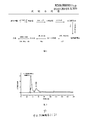
- Figure 2 is a Sephadex G15 gel chromatogram of the crude polypeptide of Example 2.
- Embodiment 1 (the process flow is shown in Figure 1)
- the wet brewer's grains are vacuum freeze-dried, crushed by a universal grinder, and passed through a 100 mesh sieve to obtain dry beer grains; per 100 basis of beer dry basis.
- g Brewer's grains are added to 1000 mL of extractant at a solid-liquid ratio of 1:10.
- the pH of the citric acid was adjusted to 4.5, and the isoelectric precipitation of the protein was carried out. The supernatant was removed and lyophilized in vacuo to obtain crude beer stalk protein;
- the proteolytic solution obtained in the step (2) is inactivated at 95 ° C for 5 min, and centrifuged at 2000 rpm. Min, to obtain a polypeptide solution;
- the polypeptide solution obtained in the step (3) is separated and desalted by a Sephadex column having a separation range of ⁇ 1500, and the sample loading is 0.2.
- To obtain a solid active polypeptide conventional concentration and freeze vacuum drying are carried out to obtain a solid active polypeptide.
- the effect of the obtained active polypeptide on ⁇ -glucosidase activity test results showed that the 0.3 mg/mL polypeptide solution had a sucrose substrate concentration of 0.1.
- the inhibition rate of ⁇ -glucosidase activity reached a maximum of 45.9%, that is, an active polypeptide having hypoglycemic activity was prepared.
- the protein hydrolyzate, the polypeptide liquid or the active polypeptide prepared by the method can be widely used in foods, beverages, medicines, health care products and the like.
- the active polypeptide has a blood sugar lowering function and can be widely used for producing a hypoglycemic drug.
- the wet brewer's grains are vacuum freeze-dried, crushed by a universal grinder, and passed through a 100 mesh sieve to obtain dry brewer's grains; according to the dry basis of beer, each 1000 g of beer grains is added to 4000 mL of the solid-liquid ratio of 1:40.
- the extracting agent pH 9 sodium carbonate-sodium bicarbonate buffer solution, stirring at room temperature for 120 min, filtering to remove slag, using a centrifuge at a speed of 6000
- the protein extract was obtained by centrifugation at rpm for 10 min; the obtained protein extract was adjusted to pH 4 with 0.30 mol/L citric acid. 0, the isoelectric precipitation of the protein is carried out, the supernatant is removed, and the mixture is vacuum-dried to obtain crude beer lees protein;
- the proteolytic solution obtained in the step (2) is inactivated at 85 ° C for 10 min, centrifuged at 6000 rpm 10 Min, to obtain a polypeptide solution;
- the polypeptide solution obtained in the step (3) is separated and desalted by a Sephadex column with a separation range of ⁇ 1500, and the sample loading is 0.6.
- the eluent is a pH 7.0 7.0 disodium hydrogen phosphate-citrate buffer solution, flow rate 3.0 mL / min, collected at 280
- To obtain a solid active polypeptide conventional concentration and freeze vacuum drying are carried out to obtain a solid active polypeptide.
- the chromatogram is shown in Figure 2.
- the peptide solution is separated by a gel column and detected at 280 nm in a UV detector. Two distinct peaks appear, two species, peak I (elution time 33.8 min-52.5). Min) and peak II (elution time 52.5 min-115.0 min).
- the protein hydrolysate or the polypeptide Hua or the active polypeptide prepared by the method can be widely used in foods, medicines, health care products and the like.
- the protein hydrolysate or polypeptide Huai or active polypeptide has the function of lowering blood sugar, and can be widely used in the preparation of health care products having hypoglycemic effects.
- the extracting agent is a sodium hydroxide-sodium bicarbonate buffer solution of pH 10, stirred at room temperature for 70 min, filtered to remove slag, and centrifuged at a speed of 4000
- the protein extract was obtained by centrifugation at rpm for 20 min; the obtained protein extract was adjusted to pH with 0.15 mol/L citric acid.
- 5.0 Perform protein isoelectric precipitation, remove the supernatant, and freeze-dry in vacuum to obtain crude beer lees;
- the proteolytic solution obtained in the step (2) is inactivated at 90 ° C for 8 min, and centrifuged at 3000 rpm. Min, to obtain a polypeptide solution;
- the polypeptide solution obtained in the step (3) is separated and desalted using a Sephadex column having a separation range of 1000 to 5000, and the sample loading is 0.8.
- the eluent is a pH 7.0 7.0 disodium hydrogen phosphate-potassium dihydrogen phosphate buffer solution, flow rate 4.0 mL / min, collected in 285
- conventional concentration and freeze vacuum drying are carried out to obtain a solid active polypeptide.
- the protein hydrolyzate or the polypeptide liquid or the active polypeptide prepared by the method can be widely used in foods, medicines, health care products and the like.
- the protein hydrolysate or the polypeptide liquid or the active polypeptide has a blood sugar lowering function and can be widely used for producing a functional beverage.
- the proteolytic solution obtained in the step (2) is sterilized at 88 ° C for 7 min, and centrifuged at 4000 rpm. Min, to obtain a polypeptide solution;
- the polypeptide solution obtained in the step (3) is separated and desalted by a Sephadex column having a separation range of 1000 to 5000, and the sample loading is 0.3.
- the eluent is a pH 7.0 7.0 disodium hydrogen phosphate-sodium dihydrogen phosphate buffer solution, flow rate 8.0 mL / min, collected in 282
- To obtain a solid active polypeptide conventional concentration and freeze vacuum drying are carried out to obtain a solid active polypeptide.
- the effect of the obtained active polypeptide on ⁇ -glucosidase activity test results showed that the 0.3 mg/mL polypeptide solution had a sucrose substrate concentration of 0.1.
- the inhibition rate of ⁇ -glucosidase activity reached a maximum of 42.3%, that is, an active polypeptide having hypoglycemic activity was prepared.
- the protein hydrolyzate or the polypeptide liquid or the active polypeptide prepared by the method can be widely used in foods, medicines, health care products and the like.
- the active polypeptide has a blood sugar lowering function and can be widely used for producing a hypoglycemic drug.
- the wet brewer's grains are vacuum freeze-dried, crushed by a universal grinder, and passed through a 100 mesh sieve to obtain dry beer grains; per 100 basis of beer dry basis.
- g brewer's grains are added to 2500 mL of extractant at a solid-liquid ratio of 1:25.
- the extractant is a sodium hydroxide-sodium bicarbonate buffer solution of pH 9 and stirred at room temperature for 90 min, filtered to remove slag, and centrifuged at Speed 2800 Centrifuge for 14 min at rpm to obtain a protein extract; the resulting protein extract was 0.22
- the pH of the citric acid was adjusted to 4.6, and the isoelectric precipitation of the protein was carried out. The supernatant was removed and lyophilized in vacuo to obtain crude beer stalk protein;
- the protein hydrolyzate obtained in the step (2) is sterilized at 82 ° C for 8 min, and centrifuged at a speed of 5000 rpm. Min, to obtain a polypeptide solution;
- the polypeptide solution obtained in the step (3) is separated and desalted by a Sephadex column with a separation range of ⁇ 1500, and the sample loading is 0.5.
- the eluent is pH 7.0 potassium dihydrogen phosphate-sodium hydroxide buffer solution, flow rate 6.0 mL / min, collected in 277
- To obtain a solid active polypeptide conventional concentration and freeze vacuum drying are carried out to obtain a solid active polypeptide.
- the effect of the obtained active polypeptide on ⁇ -glucosidase activity test results showed that the 0.3 mg/mL polypeptide solution had a sucrose substrate concentration of 0.1.
- the inhibition rate of ⁇ -glucosidase activity reached a maximum of 41.6%, that is, an active polypeptide having hypoglycemic activity was prepared.
- the protein hydrolyzate or the polypeptide liquid or the active polypeptide prepared by the method can be widely used in foods, medicines, health care products and the like.
- the protein hydrolysate or the polypeptide liquid or the active polypeptide has a function of lowering blood sugar, and can be widely used for producing a hypoglycemic drink.
- the polypeptide prepared by using the brewer's grains of the present invention is tested for the hypoglycemic activity in vitro, and the detection method thereof is as follows.
- the activity detection result indicates that the polypeptide prepared by the invention has the best drop when the polypeptide concentration is at a certain value. Blood sugar effect.
- the polypeptide solution separated and purified by gel filtration chromatography is 0.3
- Add mL to the reaction system add the same volume of distilled water to the blank control group
- add 0.6 ml of pH 6.8 phosphate buffer add 0.1 ml of enzyme solution, and water bath at 37 °C. Min
- other methods are the same as enzyme activity determination; observe the inhibition of ⁇ -glycosidase by the beer grain polypeptide.
- Inhibition rate (blank group enzyme activity - inhibitor group enzyme activity) / blank group enzyme activity amount ⁇ 100%
- the polypeptide When the concentration is between mg/mL and 0.4 mg/mL, the polypeptide exhibits a higher inhibitory effect on ⁇ -glucosidase; meanwhile, in the process of gradually increasing the concentration of sucrose substrate, 0.3 The inhibition rate of ⁇ -glucosidase activity of the polypeptide solution of mg/mL showed a consistent decreasing trend.
- the sucrose substrate concentration is a minimum of 0.1
- the inhibition rate of ⁇ -glucosidase activity of mollusk was up to 45.85%, the sucrose substrate concentration was 0.35 mol/L, and the inhibition rate was the smallest, only 5.56%.
- the polypeptide prepared by the method is applied to foods, health care products, and medicines, and has a good blood sugar lowering effect.
Landscapes
- Chemical & Material Sciences (AREA)
- Life Sciences & Earth Sciences (AREA)
- Health & Medical Sciences (AREA)
- Organic Chemistry (AREA)
- Engineering & Computer Science (AREA)
- Biochemistry (AREA)
- Zoology (AREA)
- Wood Science & Technology (AREA)
- General Chemical & Material Sciences (AREA)
- General Health & Medical Sciences (AREA)
- Bioinformatics & Cheminformatics (AREA)
- Chemical Kinetics & Catalysis (AREA)
- Genetics & Genomics (AREA)
- General Engineering & Computer Science (AREA)
- Diabetes (AREA)
- Food Science & Technology (AREA)
- Microbiology (AREA)
- Biotechnology (AREA)
- Molecular Biology (AREA)
- Polymers & Plastics (AREA)
- Nutrition Science (AREA)
- Obesity (AREA)
- Endocrinology (AREA)
- Hematology (AREA)
- Emergency Medicine (AREA)
- Medicinal Chemistry (AREA)
- Nuclear Medicine, Radiotherapy & Molecular Imaging (AREA)
- Pharmacology & Pharmacy (AREA)
- Animal Behavior & Ethology (AREA)
- Public Health (AREA)
- Veterinary Medicine (AREA)
- Medicines That Contain Protein Lipid Enzymes And Other Medicines (AREA)
- Coloring Foods And Improving Nutritive Qualities (AREA)
- Peptides Or Proteins (AREA)
Description
技术领域
本发明属于食品、保健品和药品领域,特别涉及一种蛋白水解液、多肽液和多肽,以及利用啤酒糟制备这三种物质的方法及其应用。
背景技术
啤酒糟是啤酒酿造生产的主要废弃物之一。据估计 2010 年我国的啤酒产量将达到 3000 万吨 /
年,啤酒糟产量也将达到 750 万吨 / 年(湿糟)。据测定,其蛋白质含量为 23% ~ 30%
(干基),可见啤酒糟是一种很好的蛋白质资源。长期以来,大多数厂家主要是将湿糟作为粗饲料直接低价出售,其收益甚微;有少数厂家则是将啤酒糟直接排放,不仅造成严重的环境污染,还导致资源的浪费。因此开发综合利用啤酒糟成为研究人员的重要任务。
生物活性多肽是指具有特殊生理活性的肽类,其消化吸收性能强于氨基酸,其营养和生理效果更为优越,不仅易于消化吸收,还具有抗过敏性,降低胆固醇、血压,增强免疫力等诸多生理功能。近年来,生物活性多肽以其独具的生理活性强、免疫原性低、疗效高等诸多优点,在人类疾病治疗中的地位日趋重要,目前已成为国际研究的热点之一。因此,以啤酒糟为原料,开发制备具有生物活性的多肽,将大大提高啤酒糟的利用率,以此为基础生产高附加值的产品,更会为市场注入广大的利润空间。
开发利用啤酒糟的研究早有报道,大部分的研究仅限于利用啤酒糟生产动物饲料,只有少数报导有关于啤酒糟的综合利用,如日本麒麟株式会社开发出从啤酒糟中制取高蛋白的方法;专利文献'啤酒糟生产的生物蛋白',以啤酒糟为原料,制备出高质量的生物蛋白,但都并未延伸到多肽及其生物活性方面。目前,虽然对天然多肽的生物活性的研究日益增多,但对来源丰富的啤酒糟多肽的制备及活性研究并未见报道。
发明内容
为了解决上述现有技术的不足之处,本发明的首要目的在于提供一种利用啤酒糟制备蛋白水解液的方法。
本发明的另一目的在于提供一种利用啤酒糟制备多肽液的方法。
本发明的再一目的在于提供一种利用啤酒糟制备多肽的方法。
本发明的又一目的在于提供一种上述方法制备的蛋白水解液、多肽液或多肽,该多肽液或多肽具有较高的抑制 α-
葡萄糖苷酶即降血糖活性。
本发明的再一目的在于提供上述蛋白水解液、多肽液或多肽的应用。
本发明的目的通过下述技术方案实现: 一种利用啤酒糟制备蛋白水解液的方法,包括以下 操作 步骤:
( 1 )在湿啤酒糟或干啤酒糟中加入抽提剂,制得粗啤酒糟蛋白或粗啤酒糟蛋白液;
( 2 ) 将步骤( 1 )所得粗啤酒糟蛋白制成粗啤酒糟蛋白溶液,调节 pH 值至 6.5 ~ 8.5
;或将步骤( 1 )所得粗啤酒槽蛋白液,调节 pH 值至 6.5 ~ 8.5 ;然后加入蛋白酶,加热至 45 ~ 65 ℃ ,在振荡条件下水解 1 ~ 5h
,得到蛋白水解液。
步骤( 2 ) 所述 粗啤酒糟蛋白溶液是向粗啤酒糟蛋白中加入缓冲溶液制备得到,所述缓冲溶液是磷酸氢二钠 -
柠檬酸、磷酸氢二钠 - 磷酸二氢钾缓冲液、磷酸氢二钠 - 磷酸二氢钠缓冲液或磷酸二氢钾 - 氢氧化钠。
所述缓冲溶液的加入量为 10 ~ 30mL 每克粗啤酒糟蛋白。
步骤( 2 ) 所述蛋白酶优选为碱性蛋白酶、 胰蛋白酶、风味蛋白酶或木瓜蛋白酶。
步骤( 2 )所述蛋白酶的加入量优选为 0.1 ~ 0.25mL 每克粗啤酒糟蛋白。
步骤( 1 ) 所述抽提剂优选 为乙醇 - 氢氧化钠混合液或碳酸钠 - 碳酸氢钠缓冲溶液或氢氧化钠 -
碳酸氢钠缓冲溶液。
所述 乙醇 - 氢氧化钠混合液为体积比为 1 : 2
的乙醇和氢氧化钠溶液混合而成,所述乙醇的体积百分比浓度为 70% ~ 95 %,所述氢氧化钠溶液的摩尔浓度为 0.01 ~ 0.10mol/L ;所述 碳酸钠
- 碳酸氢钠缓冲溶液的 pH 值为 9 ~ 10 ;所述氢氧化钠 - 碳酸氢钠缓冲溶液 pH 值为 9 ~ 10 。
步骤( 1 ) 所述抽提剂的加入量优选为 每 100g 啤酒糟(以干基计)中加入 1000 ~ 4000
mL 抽提剂,室温下搅拌,过滤去渣,离心,得到 粗啤酒糟蛋白液 。
所述搅拌的时间为 60 ~ 120min ; 所述 离心的转速为 2000 ~ 6000 rpm ,时间为
10 ~ 30 min 。
步骤( 1 ) 所述 干啤酒糟是将湿啤酒糟进行干燥脱水、粉碎和过筛得到。
所述干燥脱水优选为 冷冻干燥;所述粉碎采用万能粉碎机进行粉碎;所述过筛为过 100 目筛。
步骤( 1 ) 所述粗啤酒糟蛋白是将粗啤酒糟蛋白液 调节 pH 值至 4.0 ~ 5.0
进行沉淀,去上清液,真空冷冻干燥得到。
所述 调节 pH 值是采用摩尔浓度为 0.15 ~ 0.2mol/L 的柠檬酸进行调节 。
一种利用啤酒槽制备多肽液的方法,包括以下操作步骤:根据上述步骤(2)所得蛋白水解液灭酶,离心,得到多肽液。
所述灭酶的温度优选为85℃~95℃,时间为5~10min。
所述离心的转速优选为2000~6000 rpm,时间为10~30 min。
一种利用啤酒槽制备多肽的方法,包括以下操作步骤:根据上述所得多肽液分离,收集各峰后合并,得到多肽。
所述多肽的分子量优选为1000~5000。
所述分离采用凝胶柱分离,所述凝胶柱为分离范围<1500的葡聚糖凝胶柱或分离范围在1000~5000的葡聚糖凝胶柱。
所述凝胶柱分离采用上样量为0.2~0.8克每100 mL
凝胶柱床层体积,采用pH值为7.0的缓冲溶液或蒸馏水为洗脱液,洗脱流速2.0~6.0 mL/min。
所述缓冲溶液为磷酸氢二钠-柠檬酸缓冲液、磷酸氢二钠–磷酸二氢钾缓冲液、磷酸氢二钠–磷酸二氢钠缓冲液或磷酸二氢钾–氢氧化钠缓冲液。
所述收集是收集275~285nm处有紫外吸收的组分。
一种由上 述方法制备得到的 蛋白水解液。
一种由上 述方法制备得到的 多肽液。
一种由上 述方法制备得到的 多肽。
上述蛋白水解液在制备 降血糖药物、 降血糖 功能食品或 降血糖 功能保健品中的用途。
上述多肽液在制备 降血糖药物、 降血糖 功能食品或 降血糖 功能保健品中的用途。
上述多肽在制备 降血糖药物、 降血糖 功能食品或 降血糖 功能保健品中的用途。
所述 降血糖 功能食品为 降血糖 功能饮料。
上述多肽在制备降血糖 功能食品、 降血糖 功能饮料或 降血糖 功能保健品中的用途。
一种降血糖药物,由 上述蛋白水解液制备而成 。
一种降血糖 功能食品,由 上述蛋白水解液制备而成 。
一种降血糖 功能保健品,由 上述蛋白水解液制备而成 。
一种降血糖药物,由 上述多肽液制备而成 。
一种降血糖 功能食品,由 上述多肽液制备而成 。
一种降血糖 功能保健品,由 上述多肽液制备而成 。
一种降血糖药物,由 上述多肽制备而成 。
一种降血糖 功能食品,由 上述多肽制备而成 。
一种降血糖 功能保健品,由 上述多肽制备而成 。
本发明的原理是:
1 、将冷冻干燥后的啤酒糟分别经过处理 1 :万能粉碎机粉碎后过 100 目筛和处理 2
:超微粉碎处理,测定处理后原料蛋白质含量以及相同条件下醇 - 碱提取物的蛋白含量;利用凯氏定氮法测定蛋白含量,结果表明,处理 1 均优于处理 2
,即啤酒糟的预处理采用万能粉碎机粉碎后过 100 目筛可显著提高目标产物啤酒糟蛋白的纯度至 50%
左右,因此本发明均采用此方法对啤酒糟进行初步蛋白分离。
2 、本发明对蛋白酶水解啤酒糟蛋白条件的优化:考察酶的种类、水解温度、水解时间、液固比、加酶量、 pH
值等因素对啤酒糟蛋白水解度 DH 值的影响;以正交试验确定蛋白酶水解啤酒糟蛋白质的优化条件,结果确定用碱性蛋白酶水解啤酒糟蛋白,其最佳条件为: pH8.0
、缓冲液与粗啤酒糟蛋白比为 15 mL/g 、加酶量 0.15mL/g 粗啤酒糟蛋白 、水解温度 50ºC 、水解时间 2h
,进一步进行验证试验;试验结果显示,在此水解条件下,碱性蛋白酶水解啤酒糟蛋白水解度(以 DH 值表示) DH 值达到 18.54% 。
本发明相对于现有技术,具有如下的优点及有益效果:本发明在制备过程中未引入有害物质,且产品取自天然,来源广泛,使所得天然活性物质经体外试验表明具有明显的降血糖活性,可以作为功能性因子添加到食品中,使其具有一定的降血糖功能。
附图说明
图 1 为本发明的工艺流程图。
图 2 为实施例 2 中粗多肽的 Sephadex G15 凝胶层析图谱。
具体实施方式
下面结合实施例及附图对本发明作进一步详细的描述,会使本发明的其他目的、特征和优点更为明显,但本发明的权利范围并不限定于以下实施例,而且实施例中说明的特征的组合并不一定是本发明的必要特征。其中,附图
1 是工艺流程图,图 2 是粗多肽的 Sephadex G15 凝胶层析图谱。
实施例1(工艺流程如图1所示)
(1)将湿啤酒糟进行真空冷冻干燥,万能粉碎机粉碎后,过100目筛,得到干啤酒糟;按啤酒糟干基计,每100
g啤酒糟按固液比1: 10加入1000 mL抽提剂,所述抽提剂为95%乙醇: 0.01 mol/L NaOH = 1: 2(v: v),室温下搅拌60
min,过滤去渣,用离心机在转速2000 rpm下离心30 min,得到蛋白提取液;将所得蛋白提取液用0.20
mol/L柠檬酸调节pH为4.5,进行蛋白质等电点沉淀,去上清液,真空冷冻干燥,得到粗啤酒糟蛋白;
(2)在步骤(1)所得粗啤酒糟蛋白中加入磷酸氢二钠-柠檬酸缓冲溶液,调节pH值至6.5;加入碱性蛋白酶,加热至65℃,在振荡条件下水解1
h,得到蛋白水解液;所述缓冲溶液的加入量为10 mL每克粗啤酒糟蛋白;所述蛋白酶的加入量为0.15 mL每克粗啤酒糟蛋白;
(3)将步骤(2)所得蛋白水解液于95℃下灭酶5 min,转速2000 rpm下离心30
min,得到多肽液;
(4)将步骤(3)所得多肽液用分离范围<1500的葡聚糖凝胶柱分离并脱盐,上样量为0.2
g多肽液每100 mL 凝胶柱床层体积,洗脱液为蒸馏水,流速2.0 mL/min,收集在275
nm处有紫外吸收的组分,得到活性多肽。若要获得固体状活性多肽,需进行常规的浓缩和冷冻真空干燥,便得到固体状活性多肽。
将所得活性多肽对α-葡萄糖苷酶活性的影响试验结果表明,0.3 mg/mL的多肽溶液在蔗糖底物浓度为0.1
mol/L时,其对α-葡萄糖苷酶活性的抑制率达到最大值45.9%,即制成具有降血糖活性的活性多肽。
利用该方法制得的蛋白水解液、多肽液或活性多肽,能广泛应用于食品、饮料、药物、保健品等中。该活性多肽具有降血糖的功能,可广泛用于制得降血糖药物。
实施例2
(1)将湿啤酒糟进行真空冷冻干燥,万能粉碎机粉碎后,过100目筛,得到干啤酒糟;按啤酒糟干基计,每100g啤酒糟按固液比1:40加入4000mL抽提剂,所述抽提剂pH9的碳酸钠-碳酸氢钠缓冲溶液,室温下搅拌120min,过滤去渣,用离心机在转速6000
rpm下离心10min,得到蛋白提取液;将所得蛋白提取液用0.30 mol/L柠檬酸调节pH4.
0进行蛋白质等电点沉淀,去上清液,真空冷冻干燥,得到粗啤酒糟蛋白;
(2)在步骤(1)所得粗啤酒糟蛋白中加入磷酸氢二钠–磷酸二氢钾,调节pH值至8.5;加入胰蛋白酶,加热至45℃,在振荡条件下水解2
h,得到蛋白水解液;所述缓冲溶液的加入量为20mL每克粗啤酒糟蛋白,所述蛋白酶的加入量为0.25 mL每克粗啤酒糟蛋白;
(3)将步骤(2)所得蛋白水解液于85℃下灭酶10 min,6000 rpm离心10
min,得到多肽液;
(4)将步骤(3)所得多肽液用分离范围<1500的葡聚糖凝胶柱分离并脱盐,上样量为0.6
g多肽每100 mL 凝胶柱床层体积,洗脱液为pH值为7.0的磷酸氢二钠-柠檬酸缓冲溶液,流速3.0 mL/min,收集在280
nm处有紫外吸收的组分,得到活性多肽。若要获得固体状活性多肽,需进行常规的浓缩和冷冻真空干燥,便得到固体状活性多肽。层析图谱如图2所示,多肽液经凝胶柱分离后,在紫外检测器在280nm处检测,出现两个明显的峰,即两种物质,峰I(洗脱时间为33.8min-52.5min)和峰II(洗脱时间为52.5min-115.0min)。
将活性多肽对α-葡萄糖苷酶活性的影响试验结果表明,0.2 mg/mL的多肽溶液在蔗糖底物浓度为0.1
mol/L时,其对α-葡萄糖苷酶活性的抑制率达到30.8%,即制成具有降血糖活性的活性多肽。
利用该方法制得的蛋白水解液或多肽淮或活性多肽,能广泛应用于食品、药物、保健品等中。该蛋白水解液或多肽淮或活性多肽具有降血糖的功能,可广泛用于制得具有降血糖功效的保健品中。
实施例3
(1)每100 g干啤酒糟按固液比1: 30加入3000
mL抽提剂,所述抽提剂为pH10的氢氧化钠-碳酸氢钠缓冲溶液,室温下搅拌70 min,过滤去渣,用离心机在转速4000
rpm下离心20min,得到蛋白提取液;将所得蛋白提取液用0.15 mol/L柠檬酸调节pH
5.0进行蛋白质等电点沉淀,去上清液,真空冷冻干燥,得到粗啤酒糟蛋白;
(2)在步骤(1)所得粗啤酒糟蛋白中加入磷酸氢二钠–磷酸二氢钠缓冲溶液,调节pH值至7.5;加入风味蛋白酶,加热至50℃,在振荡条件下水解5
h,得到蛋白水解液;所述缓冲溶液的加入量为30 mL每克粗啤酒糟蛋白,所述蛋白酶的加入量为0.10 mL每克粗啤酒糟蛋白;
(3)将步骤(2)所得蛋白水解液于90℃下灭酶8 min,3000 rpm离心15
min,得到多肽液;
(4)将步骤(3)所得多肽液用分离范围在1000~5000的葡聚糖凝胶柱分离并脱盐,上样量为0.8
g多肽每100 mL凝胶柱床层体积,洗脱液为pH值为7.0的磷酸氢二钠–磷酸二氢钾缓冲溶液,流速4.0 mL/min,收集在285
nm处有紫外吸收的组分,得到活性多肽。若要获得固体状活性多肽,需进行常规的浓缩和冷冻真空干燥,便得到固体状活性多肽。
将活性多肽对α-葡萄糖苷酶活性的影响试验结果表明,0.3 mg/mL的多肽溶液在蔗糖底物浓度为0.15
mol/L时,其对α-葡萄糖苷酶活性的抑制率达到40.3%,即制成具有降血糖活性的活性多肽。
利用该方法制得的蛋白水解液或多肽液或活性多肽,能广泛应用于食品、药物、保健品等中。该蛋白水解液或多肽液或活性多肽具有降血糖的功能,可广泛用于制得功能性饮料。
实施例4
(1)每100 g干啤酒糟按固液比1: 20加入2000 mL抽提剂,所述抽提剂为70%乙醇: 0.08
mol/L NaOH = 1: 2(v: v),室温下搅拌80 min,过滤去渣,用离心机在转速3000 rpm下离心15
min,得到蛋白提取液;将所得蛋白提取液用0.25 mol/L柠檬酸调节pH为4.7,进行蛋白质等电点沉淀,去上清液,真空冷冻干燥,得到粗啤酒糟蛋白;
(2)在步骤(1)所得粗啤酒糟蛋白中加入磷酸二氢钾–氢氧化钠缓冲溶液,调节pH值至7.0;加入木瓜蛋白酶,加热至55℃,在振荡条件下水解3
h,得到蛋白水解液;所述缓冲溶液的加入量为25 mL每克粗啤酒糟蛋白,所述蛋白酶的加入量为0.20 mL每克粗啤酒糟蛋白;
(3)将步骤(2)所得蛋白水解液于88℃下灭酶7 min,转速4000 rpm下离心20
min,得到多肽液;
(4)将步骤(3)所得多肽液用分离范围在1000~5000的葡聚糖凝胶柱分离并脱盐,上样量为0.3
g多肽每100 mL 凝胶柱床层体积,洗脱液为pH值为7.0的磷酸氢二钠–磷酸二氢钠缓冲溶液,流速8.0 mL/min,收集在282
nm处有紫外吸收的组分,得到活性多肽。若要获得固体状活性多肽,需进行常规的浓缩和冷冻真空干燥,便得到固体状活性多肽。
将所得活性多肽对α-葡萄糖苷酶活性的影响试验结果表明,0.3 mg/mL的多肽溶液在蔗糖底物浓度为0.1
mol/L时,其对α-葡萄糖苷酶活性的抑制率达到最大值42.3%,即制成具有降血糖活性的活性多肽。
利用该方法制得的蛋白水解液或多肽液或活性多肽,能广泛应用于食品、药物、保健品等中。该活性多肽具有降血糖的功能,可广泛用于制得降血糖药物。
实施例5
(1)将湿啤酒糟进行真空冷冻干燥,万能粉碎机粉碎后,过100目筛,得到干啤酒糟;按啤酒糟干基计,每100
g啤酒糟按固液比1: 25加入2500 mL抽提剂,所述抽提剂为pH 9的氢氧化钠-碳酸氢钠缓冲溶液,室温下搅拌90 min,过滤去渣,用离心机在转速2800
rpm下离心14 min,得到蛋白提取液;将所得蛋白提取液用0.22
mol/L柠檬酸调节pH为4.6,进行蛋白质等电点沉淀,去上清液,真空冷冻干燥,得到粗啤酒糟蛋白;
(2)在步骤(1)所得粗啤酒糟蛋白中加入磷酸氢二钠-柠檬酸缓冲溶液,调节pH值至7.2;加入碱性蛋白酶,加热至57℃,在振荡条件下水解4
h,得到蛋白水解液;所述缓冲溶液的加入量为15 mL每克粗啤酒糟蛋白,所述蛋白酶的加入量为0.18mL每克粗啤酒糟蛋白;
(3)将步骤(2)所得蛋白水解液于82℃下灭酶8 min,转速5000 rpm下离心25
min,得到多肽液;
(4)将步骤(3)所得多肽液用分离范围<1500的葡聚糖凝胶柱分离并脱盐,上样量为0.5
g多肽每100 mL凝胶柱床层体积,洗脱液为pH值为7.0的磷酸二氢钾–氢氧化钠缓冲溶液,流速6.0 mL/min,收集在277
nm处有紫外吸收的组分,得到活性多肽。若要获得固体状活性多肽,需进行常规的浓缩和冷冻真空干燥,便得到固体状活性多肽。
将所得活性多肽对α-葡萄糖苷酶活性的影响试验结果表明,0.3 mg/mL的多肽溶液在蔗糖底物浓度为0.1
mol/L时,其对α-葡萄糖苷酶活性的抑制率达到最大值41.6%,即制成具有降血糖活性的活性多肽。
利用该方法制得的蛋白水解液或多肽液或活性多肽,能广泛应用于食品、药物、保健品等中。该蛋白水解液或多肽液或活性多肽具有降血糖的功能,可广泛用于制得降血糖饮料。
实施例6
将本发明利用啤酒糟制得的多肽进行体外降血糖活性的检测,其检测方法如下,其活性检测结果表明,利用本发明制得的多肽,当多肽浓度在一定值时,具有最佳的降血糖效果。
1、活性检测方法
1.1、α-葡萄糖苷酶活力的测定
在反应体系中依次加入:pH 6.8磷酸钾缓冲溶液0.6 mL,α-葡萄糖苷酶0.1 mL,蔗糖底物0.1
mL,混匀,在37℃条件下水浴反应10 min,加入0.1 mol/L碳酸钠溶液(Na2CO3)1mL终止反应;利用葡萄糖试剂盒测定葡萄糖的含量,设定5.55
mmol/l葡萄糖溶液为标准对照;将在37℃、pH 6.8的条件下,1 L反应体系中每分钟生成1μmol葡萄糖定义为一个酶活力单位。
1.2、啤酒糟多肽对α-葡萄糖苷酶活性的影响
取经凝胶过滤层析分离纯化后的多肽液0.3
mL加入到反应体系中(空白对照组加入相同体积的蒸馏水),加pH 6.8磷酸缓冲液0.6 ml,加酶液0.1 ml,37℃水浴10
min,其他方法同酶活力测定;观察啤酒糟多肽对α-糖苷酶的抑制作用。
抑制率=(空白组酶活力-抑制剂组酶活力)/空白组酶活力量×100%
2、活性检测结果
体外降糖活性检测表明:凝胶分离后两组物质,峰Ⅰ和峰Ⅱ,都具有一定的抑制α-葡萄糖苷酶作用,即降血糖作用。考察多肽浓度对降血糖活性的结果表明,随着多肽浓度的增大,多肽对α-葡萄糖苷酶的抑制率先急剧升高,后又急剧降低,且在多肽浓度为0.2
mg/mL~0.4 mg/mL之间时,多肽呈现对α-葡萄糖苷酶较高的抑制作用;同时,在蔗糖底物浓度逐渐增大的过程中,0.3
mg/mL的多肽溶液对α-葡萄糖苷酶活性的抑制率均呈现一致减小的趋势。在蔗糖底物浓度为最小0.1
mol/L,啤酒糟多肽对α-葡萄糖苷酶活性的抑制率达到最大值45.85%,蔗糖底物浓度0.35 mol/L,抑制率为最小,仅为5.56%。
因此,利用啤酒槽制得多肽后,将该方法制得的多肽应用于制食品、保健品、药品,具有很好的降血糖效果。
上述实施例为本发明较佳的实施方式,但本发明的实施方式并不受上述实施例的限制,其它的任何未背离本发明的精神实质与原理下所作的改变、修饰、替代、组合、简化,均应为等效的置换方式,都包含在本发明的保护范围之内。
Claims (40)
- 一种利用啤酒糟制备蛋白水解液的方法,其特征在于包括以下 操作 步骤:( 1 )在湿啤酒糟或干啤酒糟中加入抽提剂,制得粗啤酒糟蛋白或粗啤酒糟蛋白液;( 2 ) 将步骤( 1 )所得粗啤酒糟蛋白制成粗啤酒糟蛋白溶液,调节 pH 值至 6.5 ~ 8.5 ;或将步骤( 1 )所得粗啤酒槽蛋白液,调节 pH 值至 6.5 ~ 8.5 ;然后加入蛋白酶,加热至 45 ~ 65 ℃ ,在振荡条件下水解 1 ~ 5h ,得到蛋白水解液。
- 根据权利要求1所述的一种利用啤酒糟制备蛋白水解液的方法,其特征在于:步骤(2)所述粗啤酒糟蛋白溶液是向粗啤酒糟蛋白中加入缓冲溶液制备得到,所述缓冲溶液是磷酸氢二钠-柠檬酸、磷酸氢二钠–磷酸二氢钾缓冲液、磷酸氢二钠–磷酸二氢钠缓冲液或磷酸二氢钾–氢氧化钠。
- 根据权利要求2所述的一种利用啤酒糟制备蛋白水解液的方法,其特征在于:所述缓冲溶液的加入量为10~30mL每克粗啤酒糟蛋白。
- 根据权利要求1所述的一种利用啤酒糟制备蛋白水解液的方法,其特征在于:步骤(2)所述蛋白酶是碱性蛋白酶、胰蛋白酶、风味蛋白酶或木瓜蛋白酶。
- 根据权利要求1所述的一种利用啤酒糟制备蛋白水解液的方法,其特征在于:步骤(2)所述蛋白酶的加入量为0.1~0.25mL每克粗啤酒糟蛋白。
- 根据权利要求1所述的一种利用啤酒糟制备蛋白水解液的方法,其特征在于:步骤(1)所述抽提剂为乙醇-氢氧化钠混合液或碳酸钠-碳酸氢钠缓冲溶液或氢氧化钠-碳酸氢钠缓冲溶液。
- 根据权利要求6所述的一种利用啤酒糟制备蛋白水解液的方法,其特征在于:所述乙醇-氢氧化钠混合液为体积比为1:2的乙醇和氢氧化钠溶液混合而成,所述乙醇的体积百分比浓度为70%~95%,所述氢氧化钠溶液的摩尔浓度为0.01~0.10mol/L;所述碳酸钠-碳酸氢钠缓冲溶液的pH值为9~10;所述氢氧化钠-碳酸氢钠缓冲溶液pH值为9~10。
- 根据权利要求1所述的一种利用啤酒糟制备蛋白水解液的方法,其特征在于:步骤(1)所述抽提剂的加入量以啤酒糟干基计,为每100g啤酒糟中加入1000~4000 mL抽提剂,室温下搅拌,过滤去渣,离心,得到粗啤酒糟蛋白液。
- 根据权利要求8所述的一种利用啤酒糟制备蛋白水解液的方法,其特征在于:所述搅拌的时间为60~120min;所述离心的转速为2000~6000 rpm,时间为10~30 min。
- 根据权利要求1所述的一种利用啤酒糟制备蛋白水解液的方法,其特征在于:步骤(1)所述干啤酒糟是将湿啤酒糟进行干燥脱水、粉碎和过筛得到。
- 根据权利要求10所述的一种利用啤酒糟制备蛋白水解液的方法,其特征在于:所述干燥脱水为冷冻干燥;所述粉碎采用万能粉碎机进行粉碎;所述过筛为过100目筛。
- 根据权利要求1所述的一种利用啤酒糟制备蛋白水解液的方法,其特征在于:步骤(1)所述粗啤酒糟蛋白是将粗啤酒糟蛋白液调节pH值至4.0~5.0进行沉淀,去上清液,真空冷冻干燥得到。
- 根据权利要求12所述的一种利用啤酒糟制备蛋白水解液的方法,其特征在于:所述调节pH值是采用摩尔浓度为0.15~0.2mol/L的柠檬酸进行调节。
- 一种利用啤酒槽制备多肽液的方法,其特征在于包括以下操作步骤:根据权利要求1步骤(2)所得蛋白水解液灭酶,离心,得到多肽液。
- 根据权利要求14所述的一种利用啤酒槽制备多肽液的方法,其特征在于:所述灭酶的温度为85℃~95℃,时间为5~10min。
- 根据权利要求14所述的一种利用啤酒槽制备多肽液的方法,其特征在于:所述离心的转速为2000~6000 rpm,时间为10~30 min。
- 一种利用啤酒槽制备多肽的方法,其特征在于包括以下操作步骤:根据权利要求14所得多肽液分离,收集各峰后合并,得到多肽。
- 根据权利要求17所述的一种利用啤酒槽制备多肽的方法,其特征在于:所述多肽的分子量为1000~5000。
- 根据权利要求17所述的一种利用啤酒槽制备多肽的方法,其特征在于:所述分离采用凝胶柱分离,所述凝胶柱为分离范围<1500的葡聚糖凝胶柱或分离范围在1000~5000的葡聚糖凝胶柱。
- 根据权利要求19所述的一种利用啤酒槽制备多肽的方法,其特征在于:所述凝胶柱分离采用上样量为0.2~0.8克每100mL凝胶柱床层体积,采用pH值为7.0的缓冲溶液或蒸馏水为洗脱液,洗脱流速2.0~6.0 mL/min。
- 根据权利要求20所述的一种利用啤酒槽制备多肽的方法,其特征在于:所述缓冲溶液为磷酸氢二钠-柠檬酸缓冲液、磷酸氢二钠–磷酸二氢钾缓冲液、磷酸氢二钠–磷酸二氢钠缓冲液或磷酸二氢钾–氢氧化钠缓冲液。
- 根据权利要求17所述的一种利用啤酒槽制备多肽的方法,其特征在于:所述收集是收集275~285nm处有紫外吸收的组分。
- 一种由权利要求1~13任一项所述方法制备得到的蛋白水解液。
- 一种由权利要求14~16任一项所述方法制备得到的多肽液。
- 一种由权利要求17~22任一项所述方法制备得到的多肽。
- 根据权利要求23所述的蛋白水解液在制备降血糖药物、降血糖功能食品或降血糖功能保健品中的用途。
- 根据权利要求26所述的蛋白水解液在制备中的用途,其特征在于:所述降血糖功能食品为降血糖功能饮料。
- 根据权利要求24所述的多肽液在制备降血糖药物、降血糖功能食品或降血糖功能保健品中的用途。
- 根据权利要求28所述的蛋白水解液在制备中的用途,其特征在于:所述降血糖功能食品为降血糖功能饮料。
- 根据权利要求25所述的多肽在制备降血糖药物、降血糖功能食品或降血糖功能保健品中的用途。
- 根据权利要求30所述的蛋白水解液在制备中的用途,其特征在于:所述降血糖功能食品为降血糖功能饮料。
- 一种降血糖药物,由权利要求23所述蛋白水解液制备而成。
- 一种降血糖功能食品,由权利要求23所述蛋白水解液制备而成。
- 一种降血糖功能保健品,由权利要求23所述蛋白水解液制备而成。
- 一种降血糖药物,由权利要求24所述多肽液制备而成。
- 一种降血糖功能食品,由权利要求24所述多肽液制备而成。
- 一种降血糖功能保健品,由权利要求24所述多肽液制备而成。
- 一种降血糖药物,由权利要求25所述多肽制备而成。
- 一种降血糖功能食品,由权利要求25所述多肽制备而成。
- 一种降血糖功能保健品,由权利要求25所述多肽制备而成。
Priority Applications (1)
| Application Number | Priority Date | Filing Date | Title |
|---|---|---|---|
| US13/522,306 US20120302731A1 (en) | 2010-01-14 | 2010-10-14 | Protein hydrolysate, polypeptide solution and polypeptide, preparation method and use thereof |
Applications Claiming Priority (2)
| Application Number | Priority Date | Filing Date | Title |
|---|---|---|---|
| CN2010100194155A CN101736065B (zh) | 2010-01-14 | 2010-01-14 | 一种利用啤酒麦糟制备多肽的方法 |
| CN201010019415.5 | 2010-01-14 |
Publications (1)
| Publication Number | Publication Date |
|---|---|
| WO2011085602A1 true WO2011085602A1 (zh) | 2011-07-21 |
Family
ID=42460095
Family Applications (1)
| Application Number | Title | Priority Date | Filing Date |
|---|---|---|---|
| PCT/CN2010/077743 Ceased WO2011085602A1 (zh) | 2010-01-14 | 2010-10-14 | 蛋白水解液、多肽液和多肽及其制备方法和应用 |
Country Status (3)
| Country | Link |
|---|---|
| US (1) | US20120302731A1 (zh) |
| CN (1) | CN101736065B (zh) |
| WO (1) | WO2011085602A1 (zh) |
Cited By (3)
| Publication number | Priority date | Publication date | Assignee | Title |
|---|---|---|---|---|
| CN108866136A (zh) * | 2018-08-01 | 2018-11-23 | 李文锦 | 一种低分子多肽的制备方法 |
| CN113603762A (zh) * | 2021-08-20 | 2021-11-05 | 吉林农业大学 | 一种花马杂交鹿鹿角盘活性肽及其制备方法和应用 |
| CN113930470A (zh) * | 2021-10-20 | 2022-01-14 | 江苏科技大学 | 一种糯米粉蛋白水解物的制备方法及其产物 |
Families Citing this family (24)
| Publication number | Priority date | Publication date | Assignee | Title |
|---|---|---|---|---|
| CN101736065B (zh) * | 2010-01-14 | 2012-10-31 | 华南理工大学 | 一种利用啤酒麦糟制备多肽的方法 |
| CN103757084B (zh) * | 2014-01-10 | 2016-03-16 | 上海辉文生物技术股份有限公司 | 一种米酒酒糟提取物及其制备方法和应用 |
| ES2705075T3 (es) * | 2015-04-21 | 2019-03-21 | Univ Berlin Tech | Bebidas deportivas y procedimientos para su producción |
| CN105361168B (zh) * | 2015-12-02 | 2017-12-19 | 绥化学院 | 一种复合型抗氧化肽及制备方法 |
| CN109843088A (zh) * | 2016-07-15 | 2019-06-04 | 泽亚十有限责任公司 | 基于啤酒糟的蛋白质粉末 |
| CN106480149B (zh) * | 2016-11-03 | 2019-10-08 | 湖北省农业科学院农产品加工与核农技术研究所 | 一种从酒糟中提取多肽的方法 |
| CN106578730A (zh) * | 2016-12-20 | 2017-04-26 | 盐城工学院 | 一种功能性多肽水产饲料添加剂的制备方法 |
| US11206851B2 (en) * | 2017-01-17 | 2021-12-28 | Zea 10, LLC | Process for producing protein concentrate or isolate and cellulosic thermochemical feedstock from brewers spent grains |
| CN107047921B (zh) * | 2017-04-17 | 2020-06-02 | 江南大学 | 一种利用各种酒糟制备蛋白粉和多肽粉的方法 |
| JP7107537B2 (ja) * | 2017-07-21 | 2022-07-27 | 学校法人北里研究所 | ビール粕からβ-グルカン及び不飽和脂肪酸の酸化誘導体を含む組成物を製造する方法 |
| CN107467344A (zh) * | 2017-09-20 | 2017-12-15 | 杨智 | 一种从鸡形目雉科动物中提取的生物活性肽及其提取方法 |
| CN107988297B (zh) * | 2017-11-27 | 2021-08-10 | 丸美化妆品株式会社 | 一种酒糟小分子肽的制备方法及酒糟小分子肽在护肤品中的应用 |
| CN110447904A (zh) * | 2018-05-08 | 2019-11-15 | 崔久雷 | 一种提纯的肽活性物质 |
| CN109793260B (zh) * | 2019-01-30 | 2021-08-31 | 四川中烟工业有限责任公司 | 一种白酒丢糟油及其制备方法和应用 |
| CN110484585A (zh) * | 2019-09-20 | 2019-11-22 | 武汉轻工大学 | 一种从芡实蛋白粉中制备活性多肽的方法及活性多肽和应用 |
| US20220386643A1 (en) * | 2019-10-29 | 2022-12-08 | Fuji Oil Holdings Inc. | Cocoa substitute |
| CN110663804A (zh) * | 2019-10-31 | 2020-01-10 | 天津实发中科百奥工业生物技术有限公司 | 一种利用啤酒糟蛋白制备抗氧化多肽的方法 |
| CN112195214B (zh) * | 2020-09-01 | 2021-12-03 | 华南理工大学 | 一种鱼皮胶原多肽及其制备方法和应用 |
| CN112156054B (zh) * | 2020-10-27 | 2023-04-14 | 青海互助天佑德青稞酒股份有限公司 | 一种青稞酒糟面膜及其制备方法 |
| CN113684236B (zh) * | 2021-09-06 | 2023-10-31 | 福州鼓楼区云派生物科技有限公司 | 一种抗氧化米酒糟肽的制备方法 |
| CN115725681A (zh) * | 2022-11-23 | 2023-03-03 | 龙岩嘉麒生物科技有限公司 | 一种生物活性肽的酶法提取工艺及其设备 |
| CN115838398B (zh) * | 2022-12-05 | 2025-02-28 | 集美大学 | 一种抑制α-葡萄糖苷酶活性的棘胸蛙多肽及其制备方法和应用 |
| BE1032251B1 (nl) | 2023-12-20 | 2025-07-22 | Anheuser Busch Inbev Sa | Een zuuroplosbaar eiwitisolaat en het productieproces ervan |
| CN118955623B (zh) * | 2024-09-09 | 2025-10-14 | 山西大学 | 一种清香型酒糟降糖多肽及其制备方法和应用 |
Citations (1)
| Publication number | Priority date | Publication date | Assignee | Title |
|---|---|---|---|---|
| CN101736065A (zh) * | 2010-01-14 | 2010-06-16 | 华南理工大学 | 一种利用啤酒麦糟制备多肽的方法 |
Family Cites Families (3)
| Publication number | Priority date | Publication date | Assignee | Title |
|---|---|---|---|---|
| US1866698A (en) * | 1930-10-22 | 1932-07-12 | Bronsztajn Ruwin | Method of extracting vegetable proteins and product obtained thereby |
| US3212902A (en) * | 1962-12-26 | 1965-10-19 | Pfizer & Co C | Recovery of edible products from spent grains and yeasts |
| US4990344A (en) * | 1989-07-11 | 1991-02-05 | Bristol-Myers Company | Method for making soluble rice protein concentrate and the product produced therefrom |
-
2010
- 2010-01-14 CN CN2010100194155A patent/CN101736065B/zh not_active Expired - Fee Related
- 2010-10-14 US US13/522,306 patent/US20120302731A1/en not_active Abandoned
- 2010-10-14 WO PCT/CN2010/077743 patent/WO2011085602A1/zh not_active Ceased
Patent Citations (1)
| Publication number | Priority date | Publication date | Assignee | Title |
|---|---|---|---|---|
| CN101736065A (zh) * | 2010-01-14 | 2010-06-16 | 华南理工大学 | 一种利用啤酒麦糟制备多肽的方法 |
Non-Patent Citations (5)
| Title |
|---|
| CAI J. ET AL.: "The hydrolysis of protein of brewer's spent grains with papain", CHINA WESTERN CEREALS & OILS TECHNOLOGY, June 2002 (2002-06-01), pages 38 - 40 * |
| CAI J. ET AL.: "The hydrolysis of protein of brewer's spent grains with protmex", LIQUOR MAKING, vol. 28, no. 1, January 2001 (2001-01-01), pages 52 - 53 * |
| LI, Z.D. ET AL.: "Studies on extraction of protein form brewer's spent grain by alcohol-alkali method", JOURNAL OF QINGDAO UNIVERSITY OF SCIENCE AND TECHNOLOGY (NATURAL SCIENCE EDITION), vol. 29, no. 1, February 2008 (2008-02-01), pages 19 - 21 * |
| LU, H. ET AL.: "Studies on extraction process of protein from brewer's spent grain by alcohol-alkali method", LIQUOR MAKING, vol. 28, no. 4, July 2001 (2001-07-01), pages 106 - 107 * |
| LU, H. ET AL.: "Study on hydrolyzing protein in beer distiller's grains with neutral protease and papoid", BREWAGE OF CHINA, August 2001 (2001-08-01), pages 22 - 25 * |
Cited By (5)
| Publication number | Priority date | Publication date | Assignee | Title |
|---|---|---|---|---|
| CN108866136A (zh) * | 2018-08-01 | 2018-11-23 | 李文锦 | 一种低分子多肽的制备方法 |
| CN113603762A (zh) * | 2021-08-20 | 2021-11-05 | 吉林农业大学 | 一种花马杂交鹿鹿角盘活性肽及其制备方法和应用 |
| CN113603762B (zh) * | 2021-08-20 | 2023-06-27 | 吉林农业大学 | 一种花马杂交鹿鹿角盘活性肽及其制备方法和应用 |
| CN113930470A (zh) * | 2021-10-20 | 2022-01-14 | 江苏科技大学 | 一种糯米粉蛋白水解物的制备方法及其产物 |
| CN113930470B (zh) * | 2021-10-20 | 2023-10-13 | 江苏科技大学 | 一种糯米粉蛋白水解物的制备方法及其产物 |
Also Published As
| Publication number | Publication date |
|---|---|
| US20120302731A1 (en) | 2012-11-29 |
| CN101736065A (zh) | 2010-06-16 |
| CN101736065B (zh) | 2012-10-31 |
Similar Documents
| Publication | Publication Date | Title |
|---|---|---|
| WO2011085602A1 (zh) | 蛋白水解液、多肽液和多肽及其制备方法和应用 | |
| CN102115774B (zh) | 一种酶法制备植物多肽的方法 | |
| WO2021142880A1 (zh) | 一种蛤蜊活性肽的生产方法 | |
| CN108823273A (zh) | 一种具有抗氧化活性的牡丹籽粕多肽及其制备方法和应用 | |
| CN101434980B (zh) | 一种米糠短肽的制备方法 | |
| CN106119173B (zh) | 一种无苦味的虾类低分子肽及其制备方法与应用 | |
| CN101948899A (zh) | 酶解贻贝蛋白制备降血压肽的方法 | |
| CN107119097B (zh) | 一种桑叶免疫活性肽及其制备方法 | |
| CN109777849B (zh) | 一种脱苦桃仁提取蛋白酶解多肽的制备方法 | |
| CN101096698B (zh) | 大豆高f值寡肽的制备方法 | |
| WO2023133913A1 (zh) | 一种多功能豌豆肽的制备方法及其应用 | |
| CN103798649B (zh) | 一种阿胶纳豆的制备方法 | |
| CN109457007A (zh) | 一种胸腺肽的制备方法 | |
| CN1264567C (zh) | 一种大蒜蛋白酶解物系列产品及其用途 | |
| CN111920059B (zh) | 一种大豆ace抑制肽及其制备方法和应用 | |
| CN107674901A (zh) | 从大鲵肉骨提取的小分子肽及其提取方法 | |
| CN106591405A (zh) | 一种c末端为酪氨酸的海带小分子ace抑制肽制备方法 | |
| CN110438027B (zh) | 产多种酶类的解淀粉芽孢杆菌菌株gutu06及其筛选方法 | |
| CN102864200A (zh) | 复合酶水解大米分离蛋白制备ace抑制肽的方法 | |
| CN117126238B (zh) | 具有降血糖功能的桑叶肽及咀嚼片 | |
| CN107746426B (zh) | 经蛋白酶Prote AX酶解的山杏仁蛋白源α-葡萄糖苷酶抑制肽及其制备方法 | |
| CN108300752A (zh) | 一种利用阿胶坨制备小分子阿胶肽的方法 | |
| CN108624645A (zh) | 一种超声波辅助酶法制备茶渣ace抑制肽的方法及其应用 | |
| CN116622567A (zh) | 一种益生菌及其在血红素肽铁制备中的应用 | |
| CN111909978B (zh) | 一种利用发酵法从玉米蛋白粉中定向制备富含lpp水解物的方法 |
Legal Events
| Date | Code | Title | Description |
|---|---|---|---|
| 121 | Ep: the epo has been informed by wipo that ep was designated in this application |
Ref document number: 10842885 Country of ref document: EP Kind code of ref document: A1 |
|
| WWE | Wipo information: entry into national phase |
Ref document number: 13522306 Country of ref document: US |
|
| NENP | Non-entry into the national phase |
Ref country code: DE |
|
| 122 | Ep: pct application non-entry in european phase |
Ref document number: 10842885 Country of ref document: EP Kind code of ref document: A1 |