WO2010030002A1 - 外来性gitrリガンド発現細胞 - Google Patents
外来性gitrリガンド発現細胞 Download PDFInfo
- Publication number
- WO2010030002A1 WO2010030002A1 PCT/JP2009/065938 JP2009065938W WO2010030002A1 WO 2010030002 A1 WO2010030002 A1 WO 2010030002A1 JP 2009065938 W JP2009065938 W JP 2009065938W WO 2010030002 A1 WO2010030002 A1 WO 2010030002A1
- Authority
- WO
- WIPO (PCT)
- Prior art keywords
- gitrl
- cells
- cell
- tumor
- mouse
- Prior art date
- Legal status (The legal status is an assumption and is not a legal conclusion. Google has not performed a legal analysis and makes no representation as to the accuracy of the status listed.)
- Ceased
Links
Images






Classifications
-
- A—HUMAN NECESSITIES
- A61—MEDICAL OR VETERINARY SCIENCE; HYGIENE
- A61K—PREPARATIONS FOR MEDICAL, DENTAL OR TOILETRY PURPOSES
- A61K39/00—Medicinal preparations containing antigens or antibodies
- A61K39/0005—Vertebrate antigens
-
- A—HUMAN NECESSITIES
- A61—MEDICAL OR VETERINARY SCIENCE; HYGIENE
- A61K—PREPARATIONS FOR MEDICAL, DENTAL OR TOILETRY PURPOSES
- A61K38/00—Medicinal preparations containing peptides
- A61K38/16—Peptides having more than 20 amino acids; Gastrins; Somatostatins; Melanotropins; Derivatives thereof
- A61K38/17—Peptides having more than 20 amino acids; Gastrins; Somatostatins; Melanotropins; Derivatives thereof from animals; from humans
- A61K38/19—Cytokines; Lymphokines; Interferons
- A61K38/191—Tumor necrosis factors [TNF], e.g. lymphotoxin [LT], i.e. TNF-beta
-
- A—HUMAN NECESSITIES
- A61—MEDICAL OR VETERINARY SCIENCE; HYGIENE
- A61K—PREPARATIONS FOR MEDICAL, DENTAL OR TOILETRY PURPOSES
- A61K39/00—Medicinal preparations containing antigens or antibodies
- A61K39/0005—Vertebrate antigens
- A61K39/0011—Cancer antigens
- A61K39/001102—Receptors, cell surface antigens or cell surface determinants
- A61K39/001116—Receptors for cytokines
- A61K39/001117—Receptors for tumor necrosis factors [TNF], e.g. lymphotoxin receptor [LTR] or CD30
-
- A—HUMAN NECESSITIES
- A61—MEDICAL OR VETERINARY SCIENCE; HYGIENE
- A61K—PREPARATIONS FOR MEDICAL, DENTAL OR TOILETRY PURPOSES
- A61K40/00—Cellular immunotherapy
- A61K40/10—Cellular immunotherapy characterised by the cell type used
- A61K40/11—T-cells, e.g. tumour infiltrating lymphocytes [TIL] or regulatory T [Treg] cells; Lymphokine-activated killer [LAK] cells
-
- A—HUMAN NECESSITIES
- A61—MEDICAL OR VETERINARY SCIENCE; HYGIENE
- A61K—PREPARATIONS FOR MEDICAL, DENTAL OR TOILETRY PURPOSES
- A61K40/00—Cellular immunotherapy
- A61K40/40—Cellular immunotherapy characterised by antigens that are targeted or presented by cells of the immune system
- A61K40/41—Vertebrate antigens
- A61K40/42—Cancer antigens
-
- A—HUMAN NECESSITIES
- A61—MEDICAL OR VETERINARY SCIENCE; HYGIENE
- A61P—SPECIFIC THERAPEUTIC ACTIVITY OF CHEMICAL COMPOUNDS OR MEDICINAL PREPARATIONS
- A61P31/00—Antiinfectives, i.e. antibiotics, antiseptics, chemotherapeutics
- A61P31/04—Antibacterial agents
-
- A—HUMAN NECESSITIES
- A61—MEDICAL OR VETERINARY SCIENCE; HYGIENE
- A61P—SPECIFIC THERAPEUTIC ACTIVITY OF CHEMICAL COMPOUNDS OR MEDICINAL PREPARATIONS
- A61P31/00—Antiinfectives, i.e. antibiotics, antiseptics, chemotherapeutics
- A61P31/10—Antimycotics
-
- A—HUMAN NECESSITIES
- A61—MEDICAL OR VETERINARY SCIENCE; HYGIENE
- A61P—SPECIFIC THERAPEUTIC ACTIVITY OF CHEMICAL COMPOUNDS OR MEDICINAL PREPARATIONS
- A61P31/00—Antiinfectives, i.e. antibiotics, antiseptics, chemotherapeutics
- A61P31/12—Antivirals
-
- A—HUMAN NECESSITIES
- A61—MEDICAL OR VETERINARY SCIENCE; HYGIENE
- A61P—SPECIFIC THERAPEUTIC ACTIVITY OF CHEMICAL COMPOUNDS OR MEDICINAL PREPARATIONS
- A61P31/00—Antiinfectives, i.e. antibiotics, antiseptics, chemotherapeutics
- A61P31/12—Antivirals
- A61P31/14—Antivirals for RNA viruses
- A61P31/16—Antivirals for RNA viruses for influenza or rhinoviruses
-
- A—HUMAN NECESSITIES
- A61—MEDICAL OR VETERINARY SCIENCE; HYGIENE
- A61P—SPECIFIC THERAPEUTIC ACTIVITY OF CHEMICAL COMPOUNDS OR MEDICINAL PREPARATIONS
- A61P35/00—Antineoplastic agents
-
- A—HUMAN NECESSITIES
- A61—MEDICAL OR VETERINARY SCIENCE; HYGIENE
- A61P—SPECIFIC THERAPEUTIC ACTIVITY OF CHEMICAL COMPOUNDS OR MEDICINAL PREPARATIONS
- A61P35/00—Antineoplastic agents
- A61P35/02—Antineoplastic agents specific for leukemia
-
- A—HUMAN NECESSITIES
- A61—MEDICAL OR VETERINARY SCIENCE; HYGIENE
- A61P—SPECIFIC THERAPEUTIC ACTIVITY OF CHEMICAL COMPOUNDS OR MEDICINAL PREPARATIONS
- A61P37/00—Drugs for immunological or allergic disorders
-
- A—HUMAN NECESSITIES
- A61—MEDICAL OR VETERINARY SCIENCE; HYGIENE
- A61P—SPECIFIC THERAPEUTIC ACTIVITY OF CHEMICAL COMPOUNDS OR MEDICINAL PREPARATIONS
- A61P37/00—Drugs for immunological or allergic disorders
- A61P37/02—Immunomodulators
- A61P37/04—Immunostimulants
-
- C—CHEMISTRY; METALLURGY
- C07—ORGANIC CHEMISTRY
- C07K—PEPTIDES
- C07K14/00—Peptides having more than 20 amino acids; Gastrins; Somatostatins; Melanotropins; Derivatives thereof
- C07K14/435—Peptides having more than 20 amino acids; Gastrins; Somatostatins; Melanotropins; Derivatives thereof from animals; from humans
- C07K14/705—Receptors; Cell surface antigens; Cell surface determinants
- C07K14/70575—NGF/TNF-superfamily, e.g. CD70, CD95L, CD153, CD154
-
- A—HUMAN NECESSITIES
- A61—MEDICAL OR VETERINARY SCIENCE; HYGIENE
- A61K—PREPARATIONS FOR MEDICAL, DENTAL OR TOILETRY PURPOSES
- A61K39/00—Medicinal preparations containing antigens or antibodies
- A61K2039/51—Medicinal preparations containing antigens or antibodies comprising whole cells, viruses or DNA/RNA
- A61K2039/515—Animal cells
- A61K2039/5152—Tumor cells
-
- A—HUMAN NECESSITIES
- A61—MEDICAL OR VETERINARY SCIENCE; HYGIENE
- A61K—PREPARATIONS FOR MEDICAL, DENTAL OR TOILETRY PURPOSES
- A61K2239/00—Indexing codes associated with cellular immunotherapy of group A61K40/00
- A61K2239/31—Indexing codes associated with cellular immunotherapy of group A61K40/00 characterized by the route of administration
-
- A—HUMAN NECESSITIES
- A61—MEDICAL OR VETERINARY SCIENCE; HYGIENE
- A61K—PREPARATIONS FOR MEDICAL, DENTAL OR TOILETRY PURPOSES
- A61K2239/00—Indexing codes associated with cellular immunotherapy of group A61K40/00
- A61K2239/38—Indexing codes associated with cellular immunotherapy of group A61K40/00 characterised by the dose, timing or administration schedule
-
- A—HUMAN NECESSITIES
- A61—MEDICAL OR VETERINARY SCIENCE; HYGIENE
- A61K—PREPARATIONS FOR MEDICAL, DENTAL OR TOILETRY PURPOSES
- A61K35/00—Medicinal preparations containing materials or reaction products thereof with undetermined constitution
- A61K35/12—Materials from mammals; Compositions comprising non-specified tissues or cells; Compositions comprising non-embryonic stem cells; Genetically modified cells
-
- A—HUMAN NECESSITIES
- A61—MEDICAL OR VETERINARY SCIENCE; HYGIENE
- A61K—PREPARATIONS FOR MEDICAL, DENTAL OR TOILETRY PURPOSES
- A61K38/00—Medicinal preparations containing peptides
-
- C—CHEMISTRY; METALLURGY
- C07—ORGANIC CHEMISTRY
- C07K—PEPTIDES
- C07K2319/00—Fusion polypeptide
- C07K2319/30—Non-immunoglobulin-derived peptide or protein having an immunoglobulin constant or Fc region, or a fragment thereof, attached thereto
-
- C—CHEMISTRY; METALLURGY
- C12—BIOCHEMISTRY; BEER; SPIRITS; WINE; VINEGAR; MICROBIOLOGY; ENZYMOLOGY; MUTATION OR GENETIC ENGINEERING
- C12N—MICROORGANISMS OR ENZYMES; COMPOSITIONS THEREOF; PROPAGATING, PRESERVING, OR MAINTAINING MICROORGANISMS; MUTATION OR GENETIC ENGINEERING; CULTURE MEDIA
- C12N2799/00—Uses of viruses
- C12N2799/02—Uses of viruses as vector
- C12N2799/021—Uses of viruses as vector for the expression of a heterologous nucleic acid
- C12N2799/022—Uses of viruses as vector for the expression of a heterologous nucleic acid where the vector is derived from an adenovirus
-
- C—CHEMISTRY; METALLURGY
- C12—BIOCHEMISTRY; BEER; SPIRITS; WINE; VINEGAR; MICROBIOLOGY; ENZYMOLOGY; MUTATION OR GENETIC ENGINEERING
- C12N—MICROORGANISMS OR ENZYMES; COMPOSITIONS THEREOF; PROPAGATING, PRESERVING, OR MAINTAINING MICROORGANISMS; MUTATION OR GENETIC ENGINEERING; CULTURE MEDIA
- C12N2799/00—Uses of viruses
- C12N2799/02—Uses of viruses as vector
- C12N2799/021—Uses of viruses as vector for the expression of a heterologous nucleic acid
- C12N2799/027—Uses of viruses as vector for the expression of a heterologous nucleic acid where the vector is derived from a retrovirus
Definitions
- the present invention relates to a genetically modified glucocorticoid-induced tumor necrosis factor receptor (Glucorticoid-induced tumor necrosis factor receptor, hereinafter referred to as GITR) for use as a therapeutic or prophylactic agent, eg, a vaccine, for the treatment of tumors.
- GITR glucocorticoid-induced tumor necrosis factor receptor
- the present invention relates to a ligand-expressing cell and a derivative-expressing cell thereof.
- the present invention relates to an enhanced cellular immune response induced by GITR ligand-expressing cells or derivatives-expressing cells, and control of immunosuppression involving regulatory T cells.
- lymphocytes The living body is protected from foreign substances mainly by immune response, and the immune system is composed of various cells and soluble factors that it produces. Among them, leukocytes, particularly lymphocytes, play a central role. These lymphocytes are divided into two main types, B lymphocytes (hereinafter sometimes referred to as B cells) and T lymphocytes (hereinafter sometimes referred to as T cells). It recognizes specifically and acts on this to protect the living body.
- B lymphocytes hereinafter sometimes referred to as B cells
- T lymphocytes T lymphocytes
- Immunotherapy As a method for treating tumors, immunotherapy, which is the fourth method after surgery, chemotherapy, and radiation therapy, has recently attracted attention. Since immunotherapy uses the immunity inherent in humans, it is said that the physical burden on the patient is lighter than other treatments. Immunotherapy includes lymphokine-activated cells, natural killer T (NKT) cells, ⁇ T cells, etc. obtained by expanding and culturing in various ways from cytotoxic T lymphocytes (CTL) and peripheral blood lymphocytes induced outside the body. , Dendritic cell transfer therapy, peptide vaccine therapy, and Th1 cell therapy, which are expected to induce antigen-specific CTLs in the body, and genes that can be expected to have various effects in these cells are introduced outside the body. Immunized gene therapy methods are known. It has long been known that CD4 positive T cells and CD8 positive T cells play an extremely important role in these immunotherapy.
- CD8 positive T cells are the main effector cells that have the ability to directly destroy tumor cells both in vivo and in vitro. This cell is strict with respect to the specificity of the antigenic peptides presented in MHC class I.
- NKT cells are considered to be effector cells that are loosely restricted by antigen specificity and exhibit a unique immune response.
- CD4-positive T cells do not directly destroy tumor cells, but are supposed to play a fundamental role in controlling an anti-tumor immune response through a plurality of mechanisms.
- CD4-positive T cells that recognize tumor antigen peptides presented on MHC class II molecules amplify CTL activation and proliferation through interaction with antigen presenting cells (APC).
- APC antigen presenting cells
- CD25-positive CD4-positive T cells have been shown to suppress the development of antitumor immune responses and various autoimmune diseases (Patent Document 1 and Non-Patent Document 1). reference). That is, regulatory T cells suppress the activity of cytotoxic CD8-positive T cells through controlling helper functions by targeting CD4-positive T cells, and some tumors utilize this system for growth It is thought that it avoids attacks from the immune system.
- GITR (see Non-Patent Document 1) found as a gene expressed in regulatory T cells is a cell surface transmembrane protein receptor and a member of the tumor necrosis factor receptor (TNFR) superfamily. . GITR has been shown to be constitutively present on non-activated T cells. GITR binds to another transmembrane protein called GITR ligand (hereinafter referred to as GITRL). Since agonistic antibodies against GITR have been shown to release the immunosuppressive activity of regulatory T cells, GITRL plays a functional role in controlling the activity of regulatory T cells via GITR (See Non-Patent Document 2).
- An object of the present invention is to provide a substance having a versatile immune system enhancing action, useful as a therapeutic agent or a preventive agent (vaccine), a method for treating a subject using the substance, and the like in view of the above-described present situation. is there.
- the present inventors have found that by administering a cell modified to express GITRL or a derivative thereof to a living body, a vaccine effect against a strong tumor and a local anti-tumor cell-mediated immune response are induced. Was completed.
- [1] A cell expressing an exogenous GITRL or GITRL derivative, [2] The cell according to [1], wherein the GITRL derivative is a fusion protein of GITRL or a GITRL fragment and an immunoglobulin Fc fragment (GITRL-Fc), [3] The cell according to [1] or [2], wherein the cell is a tumor cell or an immune cell, [4] The cell according to [3], wherein the cell is an inactivated tumor cell, [5] The method for producing a cell according to [1], comprising a step of transforming the cell with a vector containing a gene encoding GITRL or a GITRL derivative, [6] The production method of [5], wherein the GITRL derivative is GITRL-Fc, [7] The production method of [5] or [6], wherein the cells are tumor cells or immune cells, [8] The production method of [7], wherein the cells are tumor cells inactivated.
- the GITRL derivative is a fusion protein of
- a viral vector comprising a gene encoding GITRL or a GITRL derivative
- the virus vector according to [9] wherein a vector selected from the group consisting of a retrovirus vector, an adenovirus vector, an adeno-associated virus vector, and a Sendai virus vector includes a gene encoding GITRL or a GITRL derivative
- a therapeutic or prophylactic agent comprising the cell according to any one of [1] to [4] as an active ingredient
- a method for treating a subject comprising the step of administering the cell of any of [1] to [4] to the subject, [14] A therapeutic or prophylactic agent containing the viral vector of [9] or [10] as an active ingredient, [15] Use of the viral vector of [9] or [10] in the manufacture of a therapeutic agent or prophy
- a cell capable of exerting a potent vaccine action against tumors, an immune response inducing action against a specific antigen, a therapeutic or prophylactic agent containing the cell as an active ingredient, and a method for treating a subject using these cells Is done.
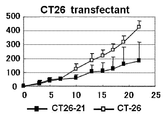
- FIG. 1 is a schematic diagram of pMT-mGFc.
- FIG. 2 shows the measurement results of mouse GITRL-Fc.
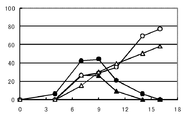
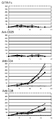
- FIG. 3 is a graph showing changes in mouse tumor diameter over time.
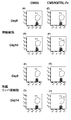
- FIG. 4 is a diagram showing the results of a tetramer assay.
- FIG. 5 is a graph showing changes in mouse tumor diameter over time.
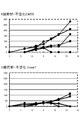
- FIG. 6 is a diagram showing the time course of the mouse tumor diameter.
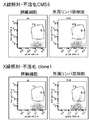
- FIG. 7 is a diagram showing the results of a tetramer assay.
- FIG. 8 is a diagram showing the time course of the mouse tumor diameter.
- FIG. 9 is a graph showing changes in the tumor diameter with time.
- FIG. 10 is a graph showing changes in mouse tumor diameter over time.
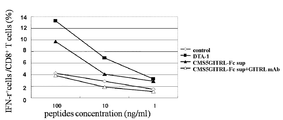
- FIG. 11 is a diagram showing activation of T cells.
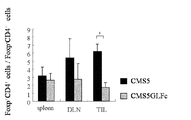
- FIG. 12 is a diagram showing the ratio of regulatory T cells.
- FIG. 13 shows the ratio of CD8 positive T cells.
- FIG. 14 is a diagram showing changes with time in mouse
- GITRL means a ligand that binds to the glucocorticoid-induced tumor necrosis factor receptor (GITR), and is also referred to as TNFSF18 (tumor necrosis factor (ligand) superfamily, member 18).
- the amino acid sequence of human GITRL is shown in SEQ ID NO: 6 or Swiss Prot ID No: Q9UNG2 in the sequence listing.
- the base sequence of human GITRL is shown in SEQ ID NO: 7 in the sequence listing or GenBank Accession No: NM_005092.
- GITRL is composed of 177 amino acids, and is composed of an intracellular domain at positions 1 to 28, a transmembrane domain at positions 29 to 49, and an extracellular domain at positions 50 to 177.
- GITRL derivative refers to (A) a fragment having a portion of GITRL, or (B) a fusion protein comprising GITRL or GITRL fragment, which interacts with GITR and expresses GITR A molecule that can transmit a stimulus.
- GITRL-Fc means a fusion protein of GITRL or GITRL fragment and immunoglobulin Fc fragment (CH2 region and CH3 region).
- exogenous GITRL means a polypeptide expressed from a nucleic acid encoding GITRL that has been artificially introduced from the outside. There may be an endogenous nucleic acid having the same sequence as the nucleic acid encoding exogenous GITRL in the cell into which the nucleic acid is introduced.
- exogenous GITRL derivative means a polypeptide expressed from a nucleic acid encoding a GITRL derivative artificially introduced from the outside.
- the “inactivation process” means a process for rendering cells incapable of proliferation. This treatment does not allow continued mitosis, but still retains the ability to express a protein (eg, GITRL or GITRL derivative, cytokine, or tumor antigen) that was expressed prior to treatment. Can be obtained.
- the inactivation treatment can be achieved by a number of methods known to those skilled in the art as described below.
- An inactivation treatment is a treatment that inhibits cell growth of at least about 90%, preferably about 95%, and more preferably substantially 100%.
- “same allogeneic” means the same individual (ie, self) or genetically identical individual, ie, own family. “Homogeneous” means different individuals of the same species, ie other families.
- tumor cell refers to a cell exhibiting an abnormal growth phenotype or abnormal cell state characterized by autonomous growth and, as a result, characterized by uncontrolled cell growth.
- Tuor cells include “malignant tumor cells” or “benign tumor cells” and are also referred to as “neoplasm-derived cells”. “Tumor” means a collection of tumor cells or a whole tumor cell.
- expression means transcription and / or translation of a coding region of an endogenous gene or transgene in a cell.
- transformation means introducing an exogenous nucleic acid into a cell.
- transformation includes introducing a foreign nucleic acid into a cell using a viral vector or a non-viral vector.
- viral vector or a non-viral vector.
- Various techniques for transforming mammalian cells are described, for example, in Keown et al., Methods of Enzymology 185: 527-537 (1990).
- the present invention relates to a cell expressing an exogenous GITRL or GITRL derivative used for treatment or prevention of a tumor.
- the expressed GITRL or GITRL derivative is not particularly limited as long as it is a molecule that interacts with GITR and transmits a stimulus to cells expressing GITR. Examples of the result of the stimulation include a decrease in the immunosuppressive action retained by cells expressing GITR.
- a gene encoding natural GITRL having the amino acid sequence shown in SEQ ID NO: 6 or a derivative thereof can be used.
- GITRL or GITRL derivatives can be expressed as cell membrane proteins including intracellular proteins or cell surface display proteins, or secreted proteins released outside the cell.
- Cells expressing the GITRL or GITRL derivative of the present invention can localize the GITRL or GITRL derivative in the cell, on the cell membrane, or in the periphery of the cell. Compared to administering GITRL itself to a living body, Effects can be reduced.
- the GITRL derivative includes a modified GITRL having a modified amino acid sequence, a fragment having a part of GITRL, particularly the extracellular domain of human GITRL shown in SEQ ID NO: 6 at amino acid numbers 50 to 177, or amino acid numbers 47 to 177.
- a GITRL fragment is included.
- the GITRL derivative may be a polypeptide encoded by a nucleic acid that hybridizes under stringent conditions to a complementary strand of the nucleic acid having the base sequence of SEQ ID NO: 7.
- stringent conditions means, for example, 0.5 ⁇ SDS, 5 ⁇ Denhardt's, 6 ⁇ SSC containing 100 ⁇ g / ml denatured salmon sperm DNA (1 ⁇ SSC is 0.15 M NaCl, 0.1%). Refers to conditions of incubation at 68 ° C. for 12-20 hours in 015M sodium citrate, pH 7.0). DNA hybridized to the probe can be detected after washing at 68 ° C. in 0.1 ⁇ SSC containing 0.5% SDS, for example.
- the GITRL derivative includes a fusion protein obtained by fusing a GITRL or GITRL fragment with another protein.
- the fusion protein may contain a secretion signal, an intracellular localization signal, or a tag sequence, and examples include fusion proteins with other proteins such as receptors, ligands, or antibodies, or fragments thereof.
- GITRL-Fc which is a fusion protein of the GITRL or GITRL fragment and an immunoglobulin Fc fragment, can be preferably used in the present invention from the viewpoint of protein productivity and in vivo stability.
- any fragment derived from IgG, IgM, IgA, IgD, or IgE can be used, but a fragment derived from isotype IgG2 of IgG can be preferably used because of low cytotoxicity.
- Fusion proteins with immunoglobulin Fc fragments can be prepared using commercially available products (eg, pFUSE-hlgG2-Fc2, Invivogen).
- the Fc fragment of GITRL-Fc may be on either the C-terminal side or the N-terminal side of the fusion protein, but a GITRL derivative in which the Fc fragment is present at the C-terminal can be preferably used.
- the tumor cell may be an autologous autologous tumor cell derived from the same individual, an allogeneic tumor cell derived from an individual different from the subject, or a tumor cell line established.
- the tumor cell line use of a tumor cell line of the same kind as that of a tumor or malignant tumor requiring treatment or prevention is preferable.
- Tumor cells expressing the GITRL or GITRL derivative of the present invention can suppress regulatory T cell activity and activate nearby immune cells, corresponding to tumor antigens present on the cell surface of the tumor cells Can induce powerful immune system.
- tumor cells in which GITRL or GITRL derivatives are expressed are inactivated.
- Inactivation treatment includes physical treatment such as X-ray or ⁇ -ray irradiation, and chemical treatment with a drug such as mitomycin C or cycloheximide.
- the inactivation treatment is not particularly limited as long as it maintains the expression of GITRL or a GITRL derivative and suppresses the growth of expressed cells.
- the inactivation treatment is about 10 to about 1000 cGy, and more preferably about 50 to about 500 cGy.
- X-ray irradiation is about 10 to about 1000 cGy, and more preferably about 50 to about 500 cGy.
- immune cells are used as cells that express GITRL or GITRL derivatives.
- immune cells that can be used include T cells such as CD8 positive T cells or CD4 positive T cells and antigen presenting cells. These cells may be allogeneic autologous autoimmune cells, allogeneic autologous immune cells, or established immune cell lines.
- TCR T cell receptor
- a TCR that expresses a TCR that specifically recognizes a specific tumor antigen and expresses GITRL or a GITRL derivative has an affinity for the tumor cell, so that the GITRL or GITRL derivative around the tumor cell or the tumor cell Can be transported selectively. Therefore, the activity of regulatory T cells is suppressed in the vicinity of the tumor where immune cells expressing GITRL or GITRL derivatives of the present invention are specifically accumulated, and as a result, immune cells are activated. That is, an immune system corresponding to tumor cells expressing a specific tumor antigen can be strongly induced.
- the cell of the present invention is produced by transforming a cell ex vivo using a viral vector or a non-viral vector containing a nucleic acid construct operably linked to a gene encoding GITRL or a GITRL derivative and a regulatory element. it can.
- operably linked means that a nucleic acid sequence is placed in a functional relationship with another nucleic acid sequence, for example, RNA or protein under the control of a promoter or regulatory element.
- a coding DNA sequence is placed, or when a promoter or regulatory element is placed to affect the expression level of the coding or structural DNA sequence, the promoter or regulatory element is responsible for the RNA or protein. It is said to be “operably linked” to the coding DNA sequence.
- Regulatory elements are sequences involved in the control of the expression of nucleotide sequences. Regulatory elements include promoters, enhancers, or stop codons. Regulatory elements also typically include sequences necessary for proper translation of the nucleotide sequence.
- Promoter refers to an untranslated DNA sequence usually located upstream of the coding region, which contains the RNA polymerase binding site and initiates transcription of RNA from DNA.
- the promoter region may also contain other elements that act as regulators of gene expression.
- AAV adenovirus vectors
- SV-40 simian virus 40
- herpes virus vectors herpes virus vectors
- vaccinia virus vectors Sendai virus vectors or non-viral plasmid vectors, including but not limited to Not.
- RetroNectin registered trademark, manufactured by Takara Bio Inc.
- the gene introduction method without using a viral vector is not limited to the present invention.
- a method using a carrier such as a liposome or a ligand-polylysine, a calcium phosphate method, an electroporation method, a particle gun method, etc. Can be used.
- a foreign gene incorporated into plasmid DNA, linear DNA or RNA is introduced.
- the GITRL or GITRL derivative gene expression vector used to produce the cells of the present invention may contain heterologous regulatory sequences such as constitutive promoters, inducible promoters, tumor selective promoters or enhancers.
- heterologous regulatory sequences such as constitutive promoters, inducible promoters, tumor selective promoters or enhancers.
- E2F promoter E2F promoter
- hTERT telomerase
- cytomegalovirus enhancer / chicken ⁇ -actin / rabbit ⁇ -globin promoter elongation factor 1- ⁇ promoter (EF1- ⁇ promoter)
- EF1- ⁇ promoter elongation factor 1- ⁇ promoter
- glial specific promoter glial specific promoter
- neuron specific promoter it is not limited to these.
- a constitutive promoter for example, cytomegalovirus (CMV) immediate early promoter, RSV LTR, MoMLV LTR, CAG promoter, phosphoglycerate kinase-1 promoter (PGK) or SV-40 promoter
- CMV cytomegalovirus
- RSV LTR RSV LTR
- MoMLV LTR MoMLV LTR
- CAG promoter CAG promoter
- PGK phosphoglycerate kinase-1 promoter
- SV-40 promoter phosphoglycerate kinase-1 promoter
- a GITRL or GITRL derivative gene expression vector can also include a nucleic acid encoding a signal peptide or tag peptide.
- the vector may or may not contain an intron. That is, the vector may contain multiple transgenes, transgene combinations, or transgene / regulatory element combinations.
- the cells expressing the exogenous GITRL or GITRL derivative of the present invention may include a step of culturing the cells before carrying out the inactivation treatment before transformation with the vector, or when carrying out the inactivation treatment. Good.
- a step of culturing the cells may be included before the inactivation treatment is performed.
- the culture can be appropriately set according to a known medium and culture conditions according to the cells to be cultured.
- the present invention includes a vector comprising a nucleic acid construct in which a gene encoding GITRL or a GITRL derivative and a regulatory element are operably linked.
- the above vector is referred to as the vector of the present invention.
- the vector can be used to administer the vector itself to a subject to give the subject cell the ability to express GITRL or a GITRL derivative.
- the type of the vector of the present invention is not particularly limited, and the above-described various viral vectors or non-viral vectors can be used.
- a viral vector having a high efficiency of infecting cells is used. More preferably, those that can be directly administered to a living body (subject) are used.
- the virus vector that can be directly administered to a living body is not particularly limited, and examples thereof include a retrovirus vector, an adenovirus vector, an adeno-associated virus vector, and a Sendai virus vector.
- the cells expressing the exogenous GITRL or GITRL derivative of the present invention induce an immune response of surrounding immune system cells.
- Induced immune responses include measurement of tumor growth inhibitory capacity (eg, by tumor size measurement), antigen-specific cytotoxicity assays, cell proliferation assays, cytolytic cell assays, and recombinant tumor-associated antigens or immunogenic fragments Or using an in vivo delayed hypersensitivity test with an antigen-derived peptide, can be evaluated in subjects prior to the first administration of cells expressing GITRL or GITRL derivatives, or at various times after initiation of treatment. Further, it can be evaluated by the composition ratio of immune cells such as CD8 positive T cells, CD4 positive T cells, or regulatory T cells.
- cytokines such as interferon (IFN) - ⁇ or tumor necrosis factor (TNF) - ⁇ , or cell surface antigens such as CD107a.
- IFN interferon
- TNF tumor necrosis factor
- CD107a cell surface antigens
- Additional methods for measuring increased immune responses include delayed-type hypersensitivity testing, flow cytometry using peptide major histocompatibility complex tetramers, lymphocyte proliferation assays, enzyme-linked immunosorbent assays, enzyme-linked immunity assays Measures T cell responses, such as spotted assay (enzyme-linked immunospot assay), cytokine flow cytometry, direct cytotoxicity assay, cytokine mRNA measurement by quantitative reverse transcriptase polymerase chain reaction, or limiting dilution method Include commonly used assays.
- the therapeutic or prophylactic agent of the present invention containing these as an active ingredient can be produced using a vector comprising a nucleic acid construct operably linked with a gene encoding a GITRL derivative and a regulatory element.
- Tumor cells expressing GITRL or GITRL derivatives can be used as therapeutic agents or preventive agents (cell vaccines).
- the activity of regulatory T cells is suppressed by the expressed GITRL in the vicinity of tumor cells expressing GITRL or GITRL derivatives, and antigen-presenting cells, CD8-positive T cells, or CD4 Since the suppression of immune cells including positive T cells is released, that is, activated, and the immune system against the tumor cells is strengthened, the cells of the present invention become a powerful cell vaccine.
- Immune cells expressing GITRL or GITRL derivatives can be used as therapeutic or prophylactic agents.
- a T cell that expresses a TCR that specifically recognizes a particular tumor antigen and expresses GITRL or a GITRL derivative may have a GITRL or GITRL derivative around the tumor cell or tumor cell. It can be transported specifically. Therefore, the GITRL or GITRL derivative of the present invention is expressed, and the activity of regulatory T cells is suppressed in the vicinity of the tumor where immune cells specifically accumulate, and the immune cells can be activated. That is, an immune system corresponding to tumor cells expressing a specific tumor antigen can be strongly induced.
- a vector comprising a nucleic acid construct in which a gene encoding GITRL or a GITRL derivative and a regulatory element are operably linked can impart the ability to express GITRL or a GITRL derivative to cells in vivo. Therefore, the cell into which the vector is introduced exhibits the same function as the tumor cell or immune cell. For example, when the vector of the present invention is administered into a tumor, the same effect as that obtained when a tumor cell expressing GITRL or a GITRL derivative is administered into a tumor is exhibited.
- the therapeutic agent or prophylactic agent of the present invention is intended for treatment or prevention of diseases in which cells expressing GITRL or GITRL derivatives exert their effects.
- diseases include tumor diseases (leukemia, solid tumors, etc.), infectious diseases caused by viruses, bacteria, or fungi (influenza, tuberculosis, deep mycosis, etc.).
- the therapeutic agent or prophylactic agent of the present invention is effective, for example, in extinction, reduction, or growth suppression of tumor cells or infected cells.
- the therapeutic agent or prophylactic agent of the present invention is administered intradermally, intramuscularly, subcutaneously, intraperitoneally, intranasally, intraarterially, intravenously (including a method using an indwelling catheter), intratumor, or imported lymphatic vessel. obtain.
- the therapeutic or prophylactic agent of the present invention is suitable for use in immunotherapy.
- T cells or inactivated tumor cells suitable for the treatment of a subject are administered into the subject's vein, artery, subcutaneous, or intraperitoneally, for example, by injection or infusion.
- the therapeutic agent or prophylactic agent of the present invention is very useful for use in the above-mentioned subject, and according to a known method in the pharmaceutical field, for example, a known organic or inorganic carrier suitable for parenteral administration, an excipient, Or it can mix with a stabilizer etc. and it can prepare as an instillation and an injection.
- the therapeutic or prophylactic agent of the present invention comprises a cell containing a nucleic acid construct in which an effective amount of an exogenous GITRL or GITRL derivative is expressed, or a gene encoding a GITRL or GITRL derivative and a regulatory element are operably linked. contains.
- an effective amount refers to the amount of cells that exerts a therapeutic or prophylactic effect when administered to a subject when the therapeutic agent or prophylactic agent is administered compared to a subject not administered with the therapeutic agent or prophylactic agent. It is.
- the specific effective amount is appropriately set depending on the administration form, administration method, purpose of use, and the age, weight, or symptom of the subject, and is not constant.
- the content of the cell expressing GITRL or GITRL derivative of the present invention in the therapeutic agent or prophylactic agent of the present invention containing GITRL or a cell expressing GITRL derivative as an active ingredient is not particularly limited. 1 ⁇ 10 3 to 1 ⁇ 10 11 cells / mL, more preferably 1 ⁇ 10 4 to 1 ⁇ 10 10 cells / mL, more preferably 1 ⁇ 10 5 to 1 ⁇ 10 9 cells / mL Is done.
- the dose of the therapeutic agent or prophylactic agent of the present invention is not particularly limited.
- it is preferably 1 ⁇ 10 6 to 1 ⁇ 10 12 cells / day per adult day, more preferably 1 Examples are ⁇ 10 7 to 5 ⁇ 10 11 cells / day, more preferably 1 ⁇ 10 8 to 2 ⁇ 10 11 cells / day.
- the therapeutic agent or prophylactic agent of the present invention may further contain an excipient.
- excipients include physiologically compatible buffers such as phosphates or Hepes, nutrients such as dextrose, physiologically compatible ions, or amino acids (especially those that do not include other immunogenic components).
- physiologically compatible buffers such as phosphates or Hepes
- nutrients such as dextrose, physiologically compatible ions, or amino acids (especially those that do not include other immunogenic components).
- Supporting reagents such as albumin or plasma fractions, or non-active thickeners can also be used.
- the present invention is a method for treating a subject, a cell expressing GITRL or a GITRL derivative, or a nucleic acid operably linked to a gene encoding a GITRL or a GITRL derivative and a regulatory element It relates to a method comprising administering to a subject a vector comprising the construct to induce an immune response.
- the cell used in the treatment method of the subject of the present invention can be obtained by the method for producing a cell expressing the GITRL or GITRL derivative of the present invention described in (1) above.
- the cells may be those produced by the method (1) using cells collected from a subject or another living body as a material. Further, prior to administration to a subject, the method may further include a step of culturing the produced cells and / or a step of selecting with an appropriate marker.
- a cell comprising GITRL or a GITRL derivative, or a vector comprising a nucleic acid construct operably linked to a gene encoding GITRL or a GITRL derivative and a regulatory element, as described in (2) above
- the therapeutic agent or prophylactic agent of the present invention is administered to a subject.
- the subject is not particularly limited, but preferably a living body (for example, a human patient or a non-human animal) suffering from a disease sensitive to cells produced by the method of the present invention or the prevention of the disease. It shows the vital body.
- the cells can be administered intradermally, intramuscularly, subcutaneously, intraperitoneally, intranasally, intraarterially, intravenously (including indwelling catheter methods), tumors, or imported lymphatic vessels.
- Example 1 Construction of a mouse GITRL-Fc expression retroviral vector mRNA was extracted from the spleen of a BALB / c mouse (manufactured by CLEA Japan, Inc.) and the mGITRL-FLF primer described in SEQ ID NO: 1 and the mGITRL-FLR described in SEQ ID NO: 2. RT-PCR was performed using primers to obtain EcoRV-mouse GITRL-BglII.
- the obtained PCR fragment was cleaved with restriction enzymes EcoRV and BglII (manufactured by Takara Bio Inc.) and cloned into the EcoRV-BglII site of the pFUSE-mFc2 vector (manufactured by In vivoGen) to prepare pFuse-mFc / mGITRL.
- pFuse-mFc / mGITR as a template, PCR was performed using the mGF5 primer described in SEQ ID NO: 3 and the mFc3 primer described in SEQ ID NO: 4, and the obtained amplification product was cloned into a pCR-Blunt vector (manufactured by Invitrogen).
- FIG. 1 shows an outline of pMT-mGFc. This plasmid codes for a fusion polypeptide of mouse GITRL amino acid number 44-173 shown in GenBank Accession: NP — 899247 and an Fc fragment derived from mouse IgG2.
- the prepared pMT-mGFc was used with plasmids pGP and pE-eco contained in Retrovirus Packaging Kit Eco (manufactured by Takara Bio Inc.) to obtain a cell supernatant obtained by transforming HEK293T cells and culturing for 2 days.
- the solution was filtered through a 45 ⁇ m filter (Milex HV, manufactured by Millipore) to prepare MT-mGFc / ECO retrovirus.
- Example 2 Preparation of mouse GITRL-Fc gene-introduced cell Retronectin (manufactured by Takara Bio Inc.) was used according to the product protocol, and the chemical carcinogen methylcholanthrene-induced mouse fibrosarcoma cell CMS5 [Journal of Experimental Medicine Vol. 146] , 720-734 (1977)] were infected with the MT-mGFc / ECO retrovirus prepared in Example 1 to produce mouse GITRL-Fc gene-introduced CMS5 cells.
- cloning was performed by limiting dilution to obtain mouse GITRL-Fc gene-introduced CMS5 cell clone 1 and mouse GITRL-Fc gene-introduced CMS5 cell clone 7 (hereinafter referred to as clone1 and clone7, respectively).
- mouse GITRL-Fc expression in cloned cells was performed by the following method. That is, mouse GITRL-Fc gene-introduced CMS5 cells were seeded on a 96-well plate with 2 ⁇ 10 5 cells / 200 ⁇ l, 10 ⁇ l later, 2 ⁇ l of Golgi Plug (manufactured by BD Bioscience) was added, and further cultured for 9 hours. The cells were fixed and membrane permeabilized using Cytofix / Cytoperm Kit (manufactured by BD Bioscience), stained with anti-mouse IgG mAb-FITC conjugate (manufactured by Caltag), and mouse GITRL of each clone cell with a flow cytometer.
- FIG. 2 shows the measurement results of intracellular mouse GITRL-Fc using a flow cytometer.
- FIG. 2 (a) shows mouse GITRL-Fc gene non-transfected cells, (b) shows mouse GITRL-Fc gene-introduced bulk cells, and (c) shows the results of clone1 measurement. As shown in FIG. 2 (c), production of mouse GITRL-Fc was confirmed in mouse GITRL-Fc gene-introduced cloned cells.
- Example 3 Cancer-bearing experiment BALB / c mice (manufactured by CLEA Japan, Inc.) of 8-10 weeks old and C.I. B-17 / lcr-scid / scidJcr mice (CLEA Japan, Inc.) were injected subcutaneously with 1 ⁇ 10 6 cells / 0.1 mL of clone 1 and clone 7, respectively, and tumor diameter every 2-3 days after subcutaneous injection. was measured. The tumor diameter was calculated by measuring the maximum and minimum tumor diameters and multiplying them. Five mice were used for each group.
- FIG. 3 shows changes in tumor diameter with time in each mouse.
- the horizontal axis represents the number of days, and the vertical axis represents the product of the tumor diameter (major axis x minor axis: mm x mm).
- the tumor diameter continued to increase in B-17 / lcr-scid / scidJcr mice, whereas the tumor diameter decreased in BALB / c mice with normal immune function, and almost no tumor was observed by day 17 .
- the black circle indicates that Clone 1 is transplanted on the right back of the BALB / c mouse
- the black triangle indicates that Clone 7 is transplanted on the right back of the BALB / c mouse
- the white circle indicates C.I.
- Clone1 was transplanted into the right back of a B-17 / lcr-scid / scidJcr mouse
- the white triangle was C.I.
- the product of the tumor diameter when Clone7 is transplanted to the right back of B-17 / lcr-scid / scidJcr mice is shown.
- Example 4 Confirmation of Induction of Tumor-Specific Cytotoxic T Lymphocytes in Cancer-bearing Mice CMS5 or clone 1 prepared in Example 2 was each 1 ⁇ 10 6 on the right back of 8-10 week old BALB / c mice. Cells / 0.1 mL were injected subcutaneously, and spleen cells and regional lymph node cells were collected on days 8 and 14 after the subcutaneous injection, and tetramer assay was performed by the following method. That is, the tumor rejection antigen epitope peptide 9m (SEQ ID NO: 5) of CMS5 was transferred to mouse mastocytoma cells P1. HTR cells [Somatic Cell and Molecular Genetics, Vol. 11, pp.
- FIG. 4 shows the analysis result of the flow cytometer.
- the enclosed part shows the cells that reacted with 9 m / K d tetramer-PE conjugate.
- 9 m / K d tetramer-PE conjugate in all spleen cells and regional lymph node cells collected on days 8 and 14
- 9 m / s in the spleen cells and the regional lymph node cells on the 14th day. It was confirmed that cells responding to K d tetramer-PE conjugate appeared significantly. That is, it was confirmed that tumor-specific cytotoxic T lymphocytes against CMS5 were induced only in the clone 1 tumor-bearing mice.
- Example 5 Observation of tumor growth in CMS5GITRL-Fc tumor-bearing mice administered with various antibodies
- the clone 1 prepared in Example 2 was 1 ⁇ 10 6 cells / 0. .
- Subcutaneous injection at 1 mL 50 ⁇ g of anti-mouse CD4 antibody (clone GK1.5) or 25 ⁇ l of anti-mouse CD8 antibody (clone Lyt2.2) was administered from the orbital vein every 3 days from the day before subcutaneous injection, or anti-mouse CD25 antibody ( Clone PC61) 250 ⁇ g was administered from the orbital vein once the day before subcutaneous injection.
- the tumor diameter was measured by the same method as in Example 3 every 2-3 days after subcutaneous injection. Three mice were used for each group.
- FIG. 5 shows the change in tumor diameter with time in each mouse.
- the horizontal axis indicates the number of days
- the vertical axis indicates the product of the tumor diameter (mm ⁇ mm)
- the white circles indicate the results for three mice each
- the black circles indicate the average value.
- GITR-Fc is a mouse not administered with any antibody
- anti-CD25 is a mouse administered with an anti-mouse CD25 antibody
- anti-CD4 is a mouse administered with an anti-mouse CD4 antibody
- anti-CD8 is an anti-mouse.
- mouth which administered CD8 antibody is shown.
- mice not administered with any antibody and mice administered with anti-mouse CD25 antibody the tumor diameter decreased, and almost no tumor was observed by day 15, whereas mice administered with anti-mouse CD4 antibody and In mice administered with anti-mouse CD8 antibody, the tumor diameter continued to increase in 2 out of 3 mice, indicating that CD4-positive T cells and CD8-positive T cells are involved in the anti-tumor effect.
- Example 6 Confirmation of CMS5 tumor growth and induction of tumor-specific cytotoxic T lymphocytes in mice administered with irradiated and inactivated mouse GITRL-Fc gene-introduced CMS5 cells
- CMS5 irradiated / inactivated with 100 cGy X-rays or Clone 1 of Example 2 irradiated / inactivated with 100 cGy X-rays were subcutaneously injected into the right back at 5 ⁇ 10 6 cells / 0.1 mL, respectively, for 7 days. Later, CMS5 was injected subcutaneously into the right back at 1 ⁇ 10 6 cells / 0.1 mL. Tumor diameter was measured every 2 to 3 days after subcutaneous injection in the same manner as in Example 3, spleen cells and regional lymph node cells were collected on day 14, and tetramer assay was performed in the same manner as in Example 4. .
- FIG. 6 shows the time course of tumor diameter in each mouse, the horizontal axis represents the number of days, and the vertical axis represents the product of the tumor diameter (mm ⁇ mm).
- FIG. 7 shows the results of the tetramer assay. Compared with mice administered with X-irradiated / inactivated CMS5, tumors were inhibited in mice administered with X-irradiated / inactivated clone 1 (FIG. 6), and tumor-specific cytotoxicity against CMS5 T lymphocytes were significantly induced (FIG. 7). This indicates that CMS5GITRL-Fc irradiated with X-rays and inactivated retains the function as a vaccine.
- Example 7 Observation of CMS5 tumor growth when XMS-irradiated / inactivated CMS5GITRL-Fc was administered to mice blocked with various antibodies. 8-10 week old BALB / c mice received 100 cGy X-rays. Irradiated / inactivated clone 1 of Example 2 was subcutaneously injected into the right back at 5 ⁇ 10 6 cells / 0.1 mL.
- FIG. 8 shows the change in tumor diameter with time in each mouse.
- the horizontal axis represents the number of days
- the vertical axis represents the product of the tumor diameter (mm ⁇ mm)
- the white circles represent the results for three mice
- the black circles represent the average value.
- GITR-Fc is a mouse not administered with any antibody
- anti-CD25 is a mouse administered with an anti-mouse CD25 antibody
- anti-CD4 is a mouse administered with an anti-mouse CD4 antibody
- anti-CD8 is an anti-mouse.
- mouth which administered CD8 antibody is shown.
- mice not administered with any antibody and mice administered with anti-mouse CD25 antibody the growth of tumor diameter was suppressed, whereas in mice administered with anti-mouse CD4 antibody and mice administered with anti-mouse CD8 antibody, The tumor diameter continued to increase significantly, indicating that CD4-positive T cells and CD8-positive T cells are involved in the vaccine effect of CMS5GITRL-Fc irradiated with X-rays and inactivated.
- Example 8 Preparation of mouse GITRL-Fc gene-introduced cell
- Mouse colon cancer cell line CT26 (ATCC CRL-2638) was infected with MT-mGFc / ECO retrovirus by the method described in Example 2 to introduce mouse GITRL-Fc gene.
- CT26 cells were prepared. Further, cloning was performed by a limiting dilution method to obtain mouse GITRL-Fc gene-introduced CT26 cell clone 21 (hereinafter referred to as CT26-21).
- the plasmid vector pcDNA3.1 (manufactured by Invitrogen) incorporating the GITRL-Fc gene was introduced into the mouse melanoma cell line B16 (ATCC CRL-6475) using Lipofectamine 2000 (manufactured by Invitrogen), and mouse GITRL-Fc Transgenic B16 cells were prepared. Further, cloning was performed by limiting dilution to obtain mouse GITRL-Fc gene-introduced B16 cell clone 2 and clone 3 (hereinafter referred to as B16-2 and B16-3, respectively).
- Example 9 Cancer-bearing experiment CT26, CT26-21 (each 1 ⁇ 10 6 cells / 0.1 mL), B16, B16 ⁇ on the right back of 8-10 week old BALB / c mice (CLEA Japan) 2, B16-3 (5 ⁇ 10 5 cells / 0.1 mL each) was subcutaneously injected, and the tumor diameter was measured in the same manner as in Example 3 every 2-3 days after the subcutaneous injection. Five mice were used for each group.
- FIG. 9 and FIG. 10 show the change over time of the average tumor diameter in each mouse.
- the horizontal axis represents the number of days, and the vertical axis represents the product of the tumor diameter (major axis x minor axis: mm x mm).
- Example 10 Observation of T cell activation ability of GITRL-Fc 9m peptide-specific TCR gene-introduced 9m peptide-specific CD8-positive T cells derived from DUC18 mice 3 ⁇ 10 5 cells and 9m peptide at 100 ng / ml, 10 ng / ml, spleen cells derived from wild-type BALB / c mice pulsed at 1 ng / ml, mixed with 1 ⁇ 10 6 cells, RPMI1640 medium supplemented with 10% fetal calf serum (FCS) (indicated by control, white squares in FIG.
- FCS fetal calf serum
- FIG. 11 shows the ratio of IFN- ⁇ positive cells in CD8 positive cells of each sample at each peptide concentration. Similar to DTA-1, which stimulates GITR and activates effector cells, it has been shown that mouse GITRL-Fc gene-introduced cell supernatant activates CTL clones and induces production of IFN- ⁇ . Since the anti-GITRL antibody suppresses induction of IFN ⁇ production in the supernatant of the mouse GITRL-Fc gene-introduced cell, GITRL-Fc secreted from the mouse GITRL-Fc gene-introduced cell has the same function as that of the ⁇ GITR agonist antibody. It was shown to stimulate and activate GITR.
- Example 11 Observation of inhibitory effect on regulatory T cell induction by GITRL-Fc CMS5 or mouse GITRL-Fc gene-introduced cell clone 1 prepared in Example 2 was applied to the right back of 8-10 week old BALB / c mice. (Shown as CMS5GLFc in FIGS.
- TIL Internally infiltrating lymphocytes (TIL) were collected and anti-CD4 antibody (manufactured by BD Bioscience), anti-Foxp3 antibody (manufactured by eBioscience), anti-CD8 antibody (manufactured by BD Bioscience) and anti-CD25 antibody (manufactured by BD Bioscience) And were analyzed with a flow cytometer.
- FIG. 12 shows the ratio of CD4 positive / Foxp3 positive cells (regulatory T cells) to CD4 positive / Foxp3 negative cells in each tissue.
- FIG. 13 shows the ratio of CD8 positive cells to CD4 positive / Foxp3 positive cells (regulatory T cells). Each ratio is shown.
- mouse GITRL-Fc gene-introduced tumor cells significantly suppressed the induction of regulatory T cells in tumor-infiltrating lymphocytes than CMS5, and CD8 against regulatory T cells as shown in FIG. It has been shown to increase the proportion of cells.
- Example 12 Observation of acquisition of multi-functionality of T cells by GITRL-Fc expression CMS5 was subcutaneously injected at 1 ⁇ 10 6 cells / 0.1 mL into the right back of 8-10 week old BALB / c mice. Seven days later, a group of 9 m peptide-specific CD8 positive T cells derived from DUC18 mice injected with 1 ⁇ 10 6 cells / 0.1 mL tail vein (shown as ACT in FIGS.
- mice GITRL-Fc gene prepared in Example 2 further injected and inactivated by 1 ⁇ 10 6 cells / 0.1 mL tail vein injection of 9 m peptide-specific CD8 positive T cells derived from DUC18 mice the transferred cells clone1 1 ⁇ 10 7 cells / 0.1mL left dorsal subcutaneous injected group ( Figure 1 Sets are shown as ACT + CMS5GLFc vac) at 15 was measured tumor size of each mouse in the same manner as in Example 3 every 3-5 days. On day 10, regional lymph node cells were collected, and CD8 positive cells were stained intracellularly with anti-IFN- ⁇ antibody, anti-TNF- ⁇ antibody (BD Bioscience), and anti-CD107a antibody (eBioscience). The analysis was performed with a flow cytometer.
- FIG. 14 shows the time course of the average tumor diameter in each group of mice.
- the horizontal axis represents the number of days, and the vertical axis represents the product of the tumor diameter (major axis x minor axis: mm x mm).
- the administration group of 9 m peptide-specific CD8 positive T cells derived from DUC18 mice + mouse GITRL-Fc gene-introduced cells tumor growth was almost suppressed, and GITRL-Fc promoted the antitumor effect of tumor antigen-specific T cells. Things were shown.
- FIG. 15 shows the three functions of IFN- ⁇ production, TNF- ⁇ production, and CD107a expression (indicators of cytotoxic granule production ability) in 9m peptide-specific CD8 positive cells transferred in the regional lymph nodes of each group.
- the cell (3), the cell (2), the cell (2), the cell (1) having only one function, and the cell (0) having no function are shown.
- the ratio of cells expressing three or two types of functions is higher than in other administration groups. It was shown that tumor antigen-specific effector T cells efficiently acquire multi-functionality by GITRL-Fc.
- Example 13 Preparation of mouse GITRL-Fc expression adenoviral vector pMT-mGFc prepared in Example 1 was cleaved with restriction enzymes NotI and SalI (Takara Bio Inc.) and subjected to agarose gel electrophoresis.
- Mouse GITRL-Fc An approximately 1.2 kbp fragment containing the sequence was recovered from the gel. The recovered fragment was blunt-ended using DNA Blunting Kit (manufactured by Takara Bio Inc.) and then ligated to the SwaI site of cosmid vector pAxCAwtit2 (manufactured by Takara Bio Inc.). Using Gigapack III XL Packaging Extract (manufactured by Agilent Technologies), E.
- coli DH5alpha (manufactured by Takara Bio Inc.) was transformed with the recombinant DNA thus obtained, and then transformants were selected on ampicillin-added LB medium. Further, this transformant was cultured to prepare cosmid DNA, which was named pAxCAwtit2-mGITRL-FcA.
- transformation of HEK293 cells with pAxCAwtit2-mGITRL-Fc cut with the restriction enzyme BspT104I was performed using TransIT-293 (manufactured by Milas Bio Inc.).
- the culture broth was sonicated and the supernatant containing AxCA-mGITRL-Fc, which is a GITRL-Fc-expressing adenovirus vector, was collected to obtain a primary virus solution.
- the culture solution was sonicated and the supernatant was collected to obtain a secondary virus solution.
- a tertiary virus solution and a quaternary virus solution were further prepared.
- a quaternary virus solution was prepared from a cosmid vector pAxCAwtit2-AcGFP obtained by cloning the AcGFP gene from pAcGFP1 Vector (Clontech).
- the adenovirus vector contained in this virus solution is named AxCA-AcGFP.
- the titers of these two types of quaternary virus solutions were measured using Adeno-X (trademark) Rapid Titer Kit (Clontech).
- Example 14 Infection of mouse tumor cells with adenovirus vector
- the quaternary virus solution of each adenovirus vector prepared in Example 13 was added to the chemical carcinogen methylcholanthrene-induced mouse fibrosarcoma cell line CMS5, mouse colon cancer cell line.
- MOI multipleplicity of infection: viral infection amount per cell
- each tumor cell line infected with the fourth viral solution of AxCA-AcGFP was analyzed with a flow cytometer.
- CMS5 and CT26 infected with MOI 10 72.2% and 57.1% of cells were infected with the virus, respectively.
- Example 15 Confirmation of tumor growth in mice administered with adenovirus vector-infected mouse tumor cells AxCA-mGITRL prepared in Example 14 on the right back of 8-10 week old BALB / c mice (CLEA Japan) -Fc-infected CMS5, non-infected CMS5, AxCA-mGITR-Fc-infected CT26, and non-infected CT26 were each subcutaneously injected at 1 ⁇ 10 6 cells / 0.2 mL, and the same as in Example 3 every 2-3 days after subcutaneous injection Tumor diameter was measured by the method. Five mice were used for each group.
- the mean ⁇ standard deviation of tumor diameter after 15 days was 11.74 ⁇ 3.49 for AxCA-mGITRL-Fc infected CMS5 and 15.59 ⁇ 1. 84, AxCA-mGITRL-Fc infected CT26 was 5.76 ⁇ 4.65 and uninfected CT26 was 13.26 ⁇ 3.45.
- the tumor diameter was reduced in the mouse GITRL-Fc gene-introduced cells, and the tumor growth inhibitory effect of the GITRL-Fc expression adenovirus vector in various cancer cells was shown.
- the cells, therapeutic agents, preventive agents, and treatment methods of the present invention can be applied to the treatment or prevention of diseases such as tumors and infectious diseases, and can strongly induce the immune system.
- SEQ ID NO: 1 mGITRL-FLF primer
- SEQ ID NO: 2 mGITRL-FLR primer
- SEQ ID NO: 3 mGF5 primer
- SEQ ID NO: 4 mFc3 primer
- SEQ ID NO: 5 Epitope peptide 9m
Landscapes
- Health & Medical Sciences (AREA)
- Life Sciences & Earth Sciences (AREA)
- Chemical & Material Sciences (AREA)
- General Health & Medical Sciences (AREA)
- Veterinary Medicine (AREA)
- Public Health (AREA)
- Animal Behavior & Ethology (AREA)
- Medicinal Chemistry (AREA)
- Pharmacology & Pharmacy (AREA)
- Organic Chemistry (AREA)
- Immunology (AREA)
- Epidemiology (AREA)
- General Chemical & Material Sciences (AREA)
- Chemical Kinetics & Catalysis (AREA)
- Nuclear Medicine, Radiotherapy & Molecular Imaging (AREA)
- Oncology (AREA)
- Gastroenterology & Hepatology (AREA)
- Proteomics, Peptides & Aminoacids (AREA)
- Zoology (AREA)
- Engineering & Computer Science (AREA)
- Bioinformatics & Cheminformatics (AREA)
- Cell Biology (AREA)
- Virology (AREA)
- Communicable Diseases (AREA)
- Microbiology (AREA)
- Mycology (AREA)
- Molecular Biology (AREA)
- Biochemistry (AREA)
- Toxicology (AREA)
- Biophysics (AREA)
- Genetics & Genomics (AREA)
- Pulmonology (AREA)
- Hematology (AREA)
- Medicines Containing Material From Animals Or Micro-Organisms (AREA)
- Medicines That Contain Protein Lipid Enzymes And Other Medicines (AREA)
- Micro-Organisms Or Cultivation Processes Thereof (AREA)
- Medicines Containing Antibodies Or Antigens For Use As Internal Diagnostic Agents (AREA)
Abstract
Description
[1]外来性のGITRL又はGITRL誘導体を発現する細胞、
[2]GITRL誘導体がGITRL又はGITRLフラグメントと免疫グロブリンのFcフラグメントの融合タンパク質(GITRL-Fc)である[1]の細胞、
[3]細胞が腫瘍細胞又は免疫細胞である[1]又は[2]の細胞、
[4]細胞が不活化処理された腫瘍細胞である[3]の細胞、
[5]GITRL又はGITRL誘導体をコードする遺伝子を含むベクターで細胞を形質転換させる工程を包含する、[1]の細胞の製造方法、
[6]GITRL誘導体がGITRL-Fcである[5]の製造方法、
[7]細胞が腫瘍細胞又は免疫細胞である[5]又は[6]の製造方法、
[8]細胞が不活化処理された腫瘍細胞である[7]の製造方法、
[9]GITRL又はGITRL誘導体をコードする遺伝子を含むウイルスベクター、
[10]レトロウイルスベクター、アデノウイルスベクター、アデノ随伴ウイルスベクター及びセンダイウイルスベクターからなる群より選択されるベクターにGITRL又はGITRL誘導体をコードする遺伝子が含まれてなる[9]のウイルスベクター、
[11][1]~[4]のいずれかの細胞を有効成分として含有する治療剤又は予防剤、
[12][11]の治療剤又は予防剤の製造における、[1]~[4]のいずれかの細胞の使用、
[13]対象を処置する方法であって、[1]~[4]のいずれかの細胞を対象に投与する工程を包含する方法、
[14][9]又は[10]のウイルスベクターを有効成分として含有する治療剤又は予防剤、
[15][14]の治療剤又は予防剤の製造における、[9]又は[10]のウイルスベクターの使用、及び
[16]対象を処置する方法であって、[9]又は[10]のウイルスベクターを対象に投与する工程を包含する方法、
に関する。
本発明は、腫瘍の治療又は予防に使用される、外来性のGITRL又はGITRL誘導体を発現する細胞に関する。発現されるGITRL又はGITRL誘導体は、GITRと相互作用してGITRを発現する細胞に刺激を伝える分子であれば特に限定は無い。前記の刺激の結果としては、GITRを発現する細胞が保持する免疫抑制作用の低下が例示される。本発明の製造方法には、例えば配列番号6に示されるアミノ酸配列を有する天然のGITRL又はその誘導体をコードする遺伝子を使用することができる。これらのGITRL又はGITRL誘導体をコードする遺伝子は、細胞内タンパク質もしくは細胞表面提示タンパク質を含む細胞膜タンパク質、又は細胞外に放出される分泌タンパク質として発現させることができる。本発明のGITRL又はGITRL誘導体を発現する細胞は、この細胞内、細胞膜上、又は細胞周辺にGITRL又はGITRL誘導体を局在化させることができ、GITRL自体を生体に投与するのに比べて、全身的な影響を低減させることができる。
前記(1)に記載する本発明の外来性のGITRL又はGITRL誘導体を発現する細胞、GITRL又はGITRL誘導体をコードする遺伝子及び調節エレメントが作動可能に連結された核酸構築物を含むベクターを使用して、これらを有効成分として含有する本発明の治療剤又は予防剤を製造することができる。
本発明は、対象を処置する方法であって、GITRL又はGITRL誘導体を発現する細胞、又はGITRL又はGITRL誘導体をコードする遺伝子及び調節エレメントが作動可能に連結された核酸構築物を含むベクターを対象に投与し免疫応答を誘導する工程を含む方法に関する。
BALB/cマウス(日本クレア社製)の脾臓よりmRNAを抽出し、配列番号1記載のmGITRL-FLFプライマー及び配列番号2記載のmGITRL-FLRプライマーを用いてRT-PCRを行い、EcoRV-マウスGITRL-BglIIを得た。得られたPCR断片を制限酵素EcoRVとBglII(タカラバイオ社製)で切断し、pFUSE-mFc2ベクター(インビボジェン社製)のEcoRV-BglIIサイトにクローニングしてpFuse-mFc/mGITRLを作製した。pFuse-mFc/mGITRLを鋳型に、配列番号3記載のmGF5プライマー及び配列番号4記載のmFc3プライマーを用いてPCRを行い、得られた増幅産物をpCR-Bluntベクター(インビトロジェン社製)にクローニングしてpCRblunt-mGFcを作製した。pCRblunt-mGFcを制限酵素NotI及びSalI(タカラバイオ社製)にて消化して得られたマウスGITRL-Fc部位を切り出し、pMINベクター[ジーンセラピー 第7巻、第797-804頁(2000)]のNotI-SalIサイトにクローニングし、pMT-mGFcを作製した。図1にpMT-mGFcの概略を示す。なお、本プラスミドはGenBank Accession:NP_899247に示されるマウスGITRLのアミノ酸番号44~173の領域とマウスIgG2由来のFcフラグメントとの融合ポリペプチドをコードしている。
レトロネクチン(タカラバイオ社製)を用いて、製品プロトコールに従い、化学発癌剤メチルコラントレン誘発マウス線維肉腫細胞CMS5[ジャーナル オブ エクスペリメンタル メディシン 第146巻、第720-734頁(1977)]に実施例1で調製したMT-mGFc/ECOレトロウイルスを感染させ、マウスGITRL-Fc遺伝子導入CMS5細胞を作製した。さらに限界希釈法にてクローニングを行い、マウスGITRL-Fc遺伝子導入CMS5細胞クローン1、マウスGITRL-Fc遺伝子導入CMS5細胞クローン7(それぞれclone1、clone7と以下記載する)を取得した。
8~10週令のBALB/cマウス(日本クレア社製)及び8~10週令のC.B-17/lcr-scid/scidJcrマウス(日本クレア社製)の右背部に、clone1、clone7をそれぞれ1×106cells/0.1mLで皮下注射し、皮下注射後2~3日毎に腫瘍径を測定した。腫瘍径は、腫瘍の最大直径と最小直径を測定してその数値を乗じることにより算出した。マウスは各群5匹を使用した。
8~10週令のBALB/cマウスの右背部に、CMS5もしくは実施例2で調製したclone1をそれぞれ1×106cells/0.1mLで皮下注射し、皮下注射後8日目及び14日目に脾臓細胞と所属リンパ節細胞を採取し、以下の方法でテトラマーアッセイを行った。すなわち、CMS5の腫瘍拒絶抗原エピトープぺプチド9m(配列番号5)をマウス肥満細胞腫細胞P1.HTR細胞[ソマティック セル アンド モレクラー ジェネティクス 第11巻、第467-475頁(1985)]5×10⁵cellsに終濃度1μMで加えて2時間、37℃で培養したもの(9mペプチドパルスP1.HTR細胞)と、脾臓細胞を1対40の比率で混合、また、9mペプチドパルスP1.HTR細胞と所属リンパ節細胞と脾臓細胞を1対40対8で混合して、1週間共培養したのち、9mとマウスH2/Kdとのtetramer(9m/Kd tetramer-PE conjugate)(The Ludwig Institute Core Factory, Lausanne, Switzerland製)にて染色を行い、フローサイトメーターにて解析した。
8~10週令のBALB/cマウスの右背部に、実施例2で調製したclone1を1×106cells/0.1mLで皮下注射した。その際、抗マウスCD4抗体(クローンGK1.5)50μg、もしくは抗マウスCD8抗体(クローンLyt2.2)25μlを、皮下注射前日から3日毎に2週間、眼窩静脈より投与、もしくは抗マウスCD25抗体(クローンPC61)250μgを、皮下注射前日に一回眼窩静脈より投与した。皮下注射後2~3日毎に実施例3と同様の方法で腫瘍径を測定した。マウスは各群3匹を使用した。
8~10週令のBALB/cマウスに、100cGyのX線を照射・不活化したCMS5もしくは100cGyのX線を照射・不活化した実施例2のclone1をそれぞれ5×106cells/0.1mLで右背部に皮下注射を行い、7日後にCMS5を1×106cells/0.1mLで右背部に皮下注射した。皮下注射後2~3日毎に実施例3と同様の方法で腫瘍径を測定し、14日目に脾臓細胞と所属リンパ節細胞を採取し、実施例4と同様の方法でテトラマーアッセイを行った。
8~10週令のBALB/cマウスに、100cGyのX線を照射・不活化した実施例2のclone1をそれぞれ5×106cells/0.1mLで右背部に皮下注射を行った。抗マウスCD4抗体(クローンGK1.5)50μg、もしくは抗マウスCD8抗体(クローンLyt2.2)25μlを、6日目から3日毎に2週間、眼窩静脈より投与、もしくは抗マウスCD25抗体(クローンPC61)250μgを、6日目に一回眼窩静脈より投与した。7日目にCMS5を1×106cells/0.1mLで右背部に皮下注射した。CMS5の皮下注射後2~3日毎に実施例3と同様の方法で腫瘍径を測定した。
マウス大腸癌細胞株CT26(ATCC CRL-2638)に実施例2記載の方法でMT-mGFc/ECOレトロウイルスを感染させ、マウスGITRL-Fc遺伝子導入CT26細胞を作製した。さらに限界希釈法にてクローニングを行い、マウスGITRL-Fc遺伝子導入CT26細胞クローン21(CT26-21と以下記載する)を取得した。
また、マウスメラノーマ細胞株B16(ATCC CRL-6475)に、GITRL-Fc遺伝子を組み込んだプラスミドベクターpcDNA3.1(インビトロジェン社製)をリポフェクタミン2000(インビトロジェン社製)を用いて導入し、マウスGITRL-Fc遺伝子導入B16細胞を作製した。さらに限界希釈法にてクローニングを行い、マウスGITRL-Fc遺伝子導入B16細胞クローン2及びクローン3(それぞれ、B16-2、及びB16-3と以下記載する)を取得した。
8~10週令のBALB/cマウス(日本クレア社製)の右背部に、CT26、CT26-21(それぞれ1×106cells/0.1mL)、B16、B16-2、B16-3(それぞれ5×105cells/0.1mL)を皮下注射し、皮下注射後2~3日毎に実施例3と同じ方法で腫瘍径を測定した。マウスは各群5匹を使用した。
図9及び図10にそれぞれのマウスにおける平均腫瘍径の経時変化を示す。横軸は日数、縦軸は腫瘍径の積(長径×短径:mm×mm)を示す。マウスGITRL-Fc遺伝子導入CT26細胞クローン(CT26-21、図9において黒四角で示す)もB16細胞クローン(B16-2、B16-3、それぞれ図10において黒四角、黒三角で示す)も、コントロール(図中において白四角で示す)と比較して、通常の免疫機能を持つBALB/cマウスで腫瘍径が縮小し、種々のがん細胞におけるGITRL-Fcの腫瘍抑制効果が示された。
9mペプチド特異的TCR遺伝子導入DUC18マウス由来の9mペプチド特異的CD8陽性T細胞3×10⁵cellsと、9mペプチドを100ng/ml、10ng/ml、1ng/mlでそれぞれパルスした野生型BALB/cマウス由来脾臓細胞1×106cellsを混合し、10%ウシ胎仔血清(FCS)添加RPMI1640培地(図11においてcontrol、白四角で示す)、10%FCS添加RPMI1640培地にDTA-1(抗GITRアゴニスト抗体)を5μg/mlで添加した培地(同様にDAT-1、黒四角で示す)、10%FCS添加RPMI1640培地に実施例2で調製したマウスGITRL-Fc遺伝子導入細胞clone1の培養上清を50μl添加した培地(同様にCMS5GITRL-Fc sup、黒三角で示す)、10%FCS添加RPMI1640培地に実施例2で調製したマウスGITRL-Fc遺伝子導入細胞clone1の培養上清を50μlと抗GITRL抗体を5μg/mlで添加した培地(同様にCMS5GITRL-Fc sup+GITRLmAb、白三角で示す)、それぞれにて37℃で15時間インキュベートした。各DUC18マウス由来の9mペプチド特異的CD8陽性T細胞の細胞内IFN-γを抗IFN-γ抗体(BD Bioscience社製)で染色してフローサイトメーターにて解析した。
8~10週令のBALB/cマウスの右背部に、CMS5もしくは実施例2で調製したマウスGITRL-Fc遺伝子導入細胞clone1(図12、13においてCMS5GLFcと示す)をそれぞれ1×106cells/0.1mLで皮下注射し、皮下注射後9日目に脾臓細胞(spleen)、所属リンパ節細胞(DLN)及びCMS5の腫瘍内浸潤リンパ球(TIL)を採取し、抗CD4抗体(BD Bioscience社製)、抗Foxp3抗体(e Bioscience社製)、抗CD8抗体(BD Bioscience社製)および抗CD25抗体(BD Bioscience社製)で染色を行い、フローサイトメーターにて解析した。
図12に示すように、マウスGITRL-Fc遺伝子導入腫瘍細胞はCMS5よりも有意に腫瘍内浸潤リンパ球中の制御性T細胞の誘導を抑制し、図13に示すように制御性T細胞に対するCD8細胞の比率を上昇させることが示された。
8~10週令のBALB/cマウスの右背部に、CMS5を1×106cells/0.1mLで皮下注射した。7日後にDUC18マウス由来の9mペプチド特異的CD8陽性T細胞を1×106cells/0.1mL尾静脈注射した群(図14、15においてACTと示す)、DUC18マウス由来の9mペプチド特異的CD8陽性T細胞を1×106cells/0.1mL尾静脈注射してさらに放射線照射・不活化したCMS5を1×107cells/0.1mL左背部に皮下注射した群(図14、15においてACT+CMS5 vacと示す)、DUC18マウス由来の9mペプチド特異的CD8陽性T細胞を1×10⁶cells/0.1mL尾静脈注射してさらに放射線照射・不活化した実施例2で調製したマウスGITRL-Fc遺伝子導入細胞clone1を1×107cells/0.1mL左背部に皮下注射した群(図14、15においてACT+CMS5GLFc vacと示す)を設定し、3~5日毎に実施例3と同様の方法で各マウスの腫瘍径を測定した。10日目に所属リンパ節細胞を採取してCD8陽性細胞を抗IFN-γ抗体、抗TNF-α抗体(BD Bioscience社製)、および抗CD107a抗体(e Bioscience社製)で細胞内染色を行い、フローサイトメーターにて解析した。
図15は各群の所属リンパ節中の移入された9mペプチド特異的CD8陽性細胞における、IFN-γ産生、TNF-α産生、CD107a発現(細胞傷害性顆粒産生能の指標)の3つの機能のうち3つ共を示す細胞(3)、2つの機能を示す細胞(2)、1つの機能のみを持つ細胞(1)、どの機能も持たない細胞(0)のそれぞれの割合を示す。DUC18マウス由来の9mペプチド特異的CD8陽性T細胞+マウスGITRL-Fc遺伝子導入細胞の投与群は、他の投与群に比較して3種類または2種類の機能を発現している細胞の比率が高く、GITRL-Fcによって腫瘍抗原特異的エフェクターT細胞が効率良くマルチファンクション性を獲得することが示された。
実施例1で調製したpMT-mGFcを制限酵素NotIとSalI(タカラバイオ社製)で切断してアガロースゲル電気泳動に供し、マウスGITRL-Fc配列を含む約1.2kbpのフラグメントをゲルから回収した。回収したフラグメントをDNA Blunting Kit(タカラバイオ社製)を用いて末端平滑化した後、コスミドベクターpAxCAwtit2(タカラバイオ社製)のSwaIサイトにライゲーションした。Gigapack III XL Packaging Extract(アジレントテクノロジー社製)を用いて、こうして得られた組換えDNAで大腸菌DH5アルファ(タカラバイオ社製)を形質転換した後、アンピシリン添加LB培地で形質転換体を選択した。さらにこの形質転換体を培養してコスミドDNAを調製し、pAxCAwtit2-mGITRL-FcAと命名した。
1次ウイルス液をHEK293細胞に感染させて培養した後、培養液を超音波破砕し、遠心上清を回収して2次ウイルス液を得た。同様の操作により、さらに3次ウイルス液、4次ウイルス液を調製した。
最後に、Adeno-X(商標) Rapid Titer Kit(クロンテック社製)を用いて、これら2種の4次ウイルス液の力価を測定した。
実施例13で調製した各アデノウイルスベクターの4次ウイルス液を、化学発癌剤メチルコラントレン誘発マウス線維肉腫細胞株CMS5、マウス大腸癌細胞株CT26に、それぞれMOI(multiplicity of infection:細胞あたりのウイルス感染量)=10と50で感染させ、2日間培養を行った。感染効率を確認するため、AxCA-AcGFPの4次ウイルス液を感染させた各腫瘍細胞株をフローサイトメーターにて解析した。その結果、MOI=10で感染させたCMS5、CT26で、それぞれ72.2%、57.1%の細胞にウイルスの感染が確認された。また、MOI=50で感染させたCMS5、CT26で、それぞれ99.1%、94.9%の細胞にウイルスの感染が確認された。AxCA-mGITRL-FcとAxCAwt2をMOI=50で感染させた各腫瘍細胞株を以後の実施例で使用した。
8~10週令のBALB/cマウス(日本クレア社製)の右背部に、実施例14で調製したAxCA-mGITRL-Fc感染CMS5、非感染CMS5、AxCA-mGITRL-Fc感染CT26、非感染CT26を、それぞれ1×106cells/0.2mLで皮下注射し、皮下注射後2~3日毎に実施例3と同じ方法で腫瘍径を測定した。マウスは各群5匹を使用した。
マウスGITRL-Fc遺伝子導入細胞において腫瘍径が縮小し、種々のがん細胞におけるGITRL-Fc発現アデノウイルスベクターの腫瘍増殖抑制効果が示された。
SEQ ID NO:2: mGITRL-FLR primer
SEQ ID NO:3: mGF5 primer
SEQ ID NO:4: mFc3 primer
SEQ ID NO:5: Epitope peptide 9m
Claims (16)
- 外来性のGITRL(Glucocorticoid-Induced Tumor necrosis factor Receptor Ligand)又はGITRL誘導体を発現する細胞。
- GITRL誘導体がGITRL又はGITRLフラグメントと免疫グロブリンのFcフラグメントの融合タンパク質(GITRL-Fc)である請求項1記載の細胞。
- 細胞が腫瘍細胞又は免疫細胞である請求項1又は2記載の細胞。
- 細胞が不活化処理された腫瘍細胞である請求項3記載の細胞。
- GITRL又はGITRL誘導体をコードする遺伝子を含むベクターで細胞を形質転換させる工程を包含する、請求項1に記載の細胞の製造方法。
- GITRL誘導体がGITRL-Fcである請求項5記載の製造方法。
- 細胞が腫瘍細胞又は免疫細胞である請求項5又は6記載の製造方法。
- 細胞が不活化処理された腫瘍細胞である請求項7記載の製造方法。
- GITRL又はGITRL誘導体をコードする遺伝子を含むウイルスベクター。
- レトロウイルスベクター、アデノウイルスベクター、アデノ随伴ウイルスベクター及びセンダイウイルスベクターからなる群より選択されるベクターにGITRL又はGITRL誘導体をコードする遺伝子が含まれてなる請求項9記載のウイルスベクター。
- 請求項1~4のいずれか1項に記載の細胞を有効成分として含有する治療剤又は予防剤。
- 請求項11に記載の治療剤又は予防剤の製造における、請求項1~4のいずれか1項に記載の細胞の使用。
- 対象を処置する方法であって、請求項1~4のいずれか1項に記載の細胞を対象に投与する工程を包含する方法。
- 請求項9又は10記載のウイルスベクターを有効成分として含有する治療剤又は予防剤。
- 請求項14に記載の治療剤又は予防剤の製造における、請求項9又は10記載のウイルスベクターの使用。
- 対象を処置する方法であって、請求項9又は10記載のウイルスベクターを対象に投与する工程を包含する方法。
Priority Applications (4)
| Application Number | Priority Date | Filing Date | Title |
|---|---|---|---|
| US13/062,999 US8586023B2 (en) | 2008-09-12 | 2009-09-11 | Cell capable of expressing exogenous GITR ligand |
| CN200980136139.6A CN102149820B (zh) | 2008-09-12 | 2009-09-11 | 能够表达外源gitr配体的细胞 |
| JP2010528765A JPWO2010030002A1 (ja) | 2008-09-12 | 2009-09-11 | 外来性gitrリガンド発現細胞 |
| US14/053,997 US9144603B2 (en) | 2008-09-12 | 2013-10-15 | Cell capable of expressing exogenous GITR ligand |
Applications Claiming Priority (4)
| Application Number | Priority Date | Filing Date | Title |
|---|---|---|---|
| JP2008234812 | 2008-09-12 | ||
| JP2008-234812 | 2008-09-12 | ||
| JP2009-115589 | 2009-05-12 | ||
| JP2009115589 | 2009-05-12 |
Related Child Applications (2)
| Application Number | Title | Priority Date | Filing Date |
|---|---|---|---|
| US13/062,999 A-371-Of-International US8586023B2 (en) | 2008-09-12 | 2009-09-11 | Cell capable of expressing exogenous GITR ligand |
| US14/053,997 Division US9144603B2 (en) | 2008-09-12 | 2013-10-15 | Cell capable of expressing exogenous GITR ligand |
Publications (1)
| Publication Number | Publication Date |
|---|---|
| WO2010030002A1 true WO2010030002A1 (ja) | 2010-03-18 |
Family
ID=42005252
Family Applications (1)
| Application Number | Title | Priority Date | Filing Date |
|---|---|---|---|
| PCT/JP2009/065938 Ceased WO2010030002A1 (ja) | 2008-09-12 | 2009-09-11 | 外来性gitrリガンド発現細胞 |
Country Status (4)
| Country | Link |
|---|---|
| US (2) | US8586023B2 (ja) |
| JP (1) | JPWO2010030002A1 (ja) |
| CN (1) | CN102149820B (ja) |
| WO (1) | WO2010030002A1 (ja) |
Cited By (2)
| Publication number | Priority date | Publication date | Assignee | Title |
|---|---|---|---|---|
| JP2019513725A (ja) * | 2016-04-07 | 2019-05-30 | キャンサー・リサーチ・テクノロジー・リミテッドCancer Research Technology Limited | 腫瘍特異的細胞の枯渇のための抗CD25 FCγ受容体二重特異性抗体 |
| JPWO2021020559A1 (ja) * | 2019-08-01 | 2021-02-04 |
Families Citing this family (201)
| Publication number | Priority date | Publication date | Assignee | Title |
|---|---|---|---|---|
| CN102149820B (zh) * | 2008-09-12 | 2014-07-23 | 国立大学法人三重大学 | 能够表达外源gitr配体的细胞 |
| CN102864172B (zh) * | 2012-10-15 | 2014-11-05 | 中国人民解放军第二军医大学 | 基因共转染技术建立的白血病小鼠模型及其制备方法 |
| UY35468A (es) | 2013-03-16 | 2014-10-31 | Novartis Ag | Tratamiento de cáncer utilizando un receptor quimérico de antígeno anti-cd19 |
| WO2015066413A1 (en) | 2013-11-01 | 2015-05-07 | Novartis Ag | Oxazolidinone hydroxamic acid compounds for the treatment of bacterial infections |
| WO2015069745A2 (en) * | 2013-11-05 | 2015-05-14 | The Board Of Regents Of The University Of Texas System | Tumors expressing igg1 fc induce robust cd8 cell responses |
| AU2014348657A1 (en) | 2013-11-13 | 2016-05-19 | Novartis Ag | mTOR inhibitors for enhancing the immune response |
| ES2918501T3 (es) | 2013-12-19 | 2022-07-18 | Novartis Ag | Receptores de antígenos quiméricos de mesotelina humana y usos de los mismos |
| JO3517B1 (ar) | 2014-01-17 | 2020-07-05 | Novartis Ag | ان-ازاسبيرو الكان حلقي كبديل مركبات اريل-ان مغايرة وتركيبات لتثبيط نشاط shp2 |
| PE20170255A1 (es) | 2014-01-24 | 2017-03-22 | Dana Farber Cancer Inst Inc | Moleculas de anticuerpo que se unen a pd-1 y usos de las mismas |
| HUE045065T2 (hu) | 2014-01-31 | 2019-12-30 | Novartis Ag | TIM-3 antitest molekulák és felhasználásaik |
| KR102442436B1 (ko) | 2014-03-14 | 2022-09-15 | 노파르티스 아게 | Lag-3에 대한 항체 분자 및 그의 용도 |
| US20170335281A1 (en) | 2014-03-15 | 2017-11-23 | Novartis Ag | Treatment of cancer using chimeric antigen receptor |
| MX373444B (es) | 2014-03-24 | 2020-04-30 | Novartis Ag | Compuestos organicos de monobactam para el tratamiento de infecciones bacterianas. |
| AU2015244039B2 (en) | 2014-04-07 | 2021-10-21 | Novartis Ag | Treatment of cancer using anti-CD19 chimeric antigen receptor |
| TWI719942B (zh) | 2014-07-21 | 2021-03-01 | 瑞士商諾華公司 | 使用cd33嵌合抗原受體治療癌症 |
| US11542488B2 (en) | 2014-07-21 | 2023-01-03 | Novartis Ag | Sortase synthesized chimeric antigen receptors |
| JP2017528433A (ja) | 2014-07-21 | 2017-09-28 | ノバルティス アーゲー | 低い免疫増強用量のmTOR阻害剤とCARの組み合わせ |
| BR112017001183A2 (pt) | 2014-07-21 | 2017-11-28 | Novartis Ag | tratamento de câncer usando receptor de antígeno quimérico anti-bcma humanizado |
| EP4205749A1 (en) | 2014-07-31 | 2023-07-05 | Novartis AG | Subset-optimized chimeric antigen receptor-containing cells |
| WO2016020836A1 (en) | 2014-08-06 | 2016-02-11 | Novartis Ag | Quinolone derivatives as antibacterials |
| AU2015301460B2 (en) | 2014-08-14 | 2021-04-08 | Novartis Ag | Treatment of cancer using GFR alpha-4 chimeric antigen receptor |
| MX2017002205A (es) | 2014-08-19 | 2017-08-21 | Novartis Ag | Receptor quimerico de antigeno (car) anti-cd123 para uso en el tratamiento de cancer. |
| KR20170060042A (ko) | 2014-09-13 | 2017-05-31 | 노파르티스 아게 | Alk 억제제의 조합 요법 |
| JP6839074B2 (ja) | 2014-09-17 | 2021-03-03 | ノバルティス アーゲー | 養子免疫療法のためのキメラ受容体での細胞毒性細胞のターゲティング |
| KR20170066546A (ko) | 2014-10-03 | 2017-06-14 | 노파르티스 아게 | 조합 요법 |
| MA41044A (fr) | 2014-10-08 | 2017-08-15 | Novartis Ag | Compositions et procédés d'utilisation pour une réponse immunitaire accrue et traitement contre le cancer |
| KR20170068504A (ko) | 2014-10-08 | 2017-06-19 | 노파르티스 아게 | 키메라 항원 수용체 요법에 대한 치료 반응성을 예측하는 바이오마커 및 그의 용도 |
| EP4245376A3 (en) | 2014-10-14 | 2023-12-13 | Novartis AG | Antibody molecules to pd-l1 and uses thereof |
| US20180334490A1 (en) | 2014-12-03 | 2018-11-22 | Qilong H. Wu | Methods for b cell preconditioning in car therapy |
| DK3233843T3 (da) | 2014-12-16 | 2019-11-18 | Novartis Ag | Isoxazol-hydraxamsyreforbindelser som LPXC-hæmmere |
| EP3233918A1 (en) | 2014-12-19 | 2017-10-25 | Novartis AG | Combination therapies |
| RU2021118125A (ru) | 2014-12-29 | 2022-04-06 | Новартис Аг | Способы получения экспрессирующих химерный антигенный рецептор клеток |
| MX383277B (es) * | 2015-01-09 | 2025-03-13 | Oncosec Medical Inc | Plasmido que codifica a un agonista coestimulador. |
| WO2016126608A1 (en) | 2015-02-02 | 2016-08-11 | Novartis Ag | Car-expressing cells against multiple tumor antigens and uses thereof |
| MA41460A (fr) | 2015-02-03 | 2017-12-12 | Oncomed Pharm Inc | Agents de liaison à la tnfrsf et leurs utilisations |
| EA035817B1 (ru) | 2015-03-10 | 2020-08-14 | Адуро Байотек, Инк. | Композиции и способы для активации сигналинга, зависимого от "гена стимулятора интерферона" |
| ES2876974T3 (es) | 2015-04-07 | 2021-11-15 | Novartis Ag | Combinación de terapia con receptor de antígeno quimérico y derivados de amino pirimidina |
| JP6961490B2 (ja) | 2015-04-08 | 2021-11-05 | ノバルティス アーゲー | Cd20療法、cd22療法、およびcd19キメラ抗原受容体(car)発現細胞との併用療法 |
| AU2016249005B2 (en) | 2015-04-17 | 2022-06-16 | Novartis Ag | Methods for improving the efficacy and expansion of chimeric antigen receptor-expressing cells |
| EP3286211A1 (en) | 2015-04-23 | 2018-02-28 | Novartis AG | Treatment of cancer using chimeric antigen receptor and protein kinase a blocker |
| US10786547B2 (en) | 2015-07-16 | 2020-09-29 | Biokine Therapeutics Ltd. | Compositions, articles of manufacture and methods for treating cancer |
| CA2992551A1 (en) | 2015-07-21 | 2017-01-26 | Novartis Ag | Methods for improving the efficacy and expansion of immune cells |
| MX2018000948A (es) | 2015-07-23 | 2018-09-27 | Inhibrx Inc | Proteinas de fusion que se unen a gitir multivalentes y multiespecificas. |
| EP3328418A1 (en) | 2015-07-29 | 2018-06-06 | Novartis AG | Combination therapies comprising antibody molecules to pd-1 |
| EP3878465A1 (en) | 2015-07-29 | 2021-09-15 | Novartis AG | Combination therapies comprising antibody molecules to tim-3 |
| HRP20211058T8 (hr) | 2015-07-29 | 2021-11-26 | Novartis Ag | Kombinirane terapije koje sadrže molekule antitijela protiv lag-3 |
| WO2017040930A2 (en) | 2015-09-03 | 2017-03-09 | The Trustees Of The University Of Pennsylvania | Biomarkers predictive of cytokine release syndrome |
| WO2017048702A1 (en) | 2015-09-14 | 2017-03-23 | Infinity Pharmaceuticals, Inc. | Solid forms of isoquinolinone derivatives, process of making, compositions comprising, and methods of using the same |
| PE20181326A1 (es) | 2015-11-03 | 2018-08-20 | Janssen Biotech Inc | Anticuerpos que se unen especificamente a pd-1 y sus usos |
| ES2986067T3 (es) | 2015-12-17 | 2024-11-08 | Novartis Ag | Moléculas de anticuerpos frente a PD-1 y usos de las mismas |
| RU2018126297A (ru) | 2015-12-18 | 2020-01-22 | Новартис Аг | Антитела, нацеленные на cd32b, и способы их применения |
| EP4643874A3 (en) | 2015-12-22 | 2026-02-11 | Novartis AG | Mesothelin chimeric antigen receptor (car) and antibody against pd-l1 inhibitor for combined use in anticancer therapy |
| CN109153975A (zh) | 2015-12-28 | 2019-01-04 | 诺华股份有限公司 | 制备嵌合抗原受体表达细胞的方法 |
| WO2017122130A1 (en) | 2016-01-11 | 2017-07-20 | Novartis Ag | Immune-stimulating humanized monoclonal antibodies against human interleukin-2, and fusion proteins thereof |
| US20200270265A1 (en) | 2016-02-19 | 2020-08-27 | Novartis Ag | Tetracyclic pyridone compounds as antivirals |
| KR20180118175A (ko) | 2016-03-04 | 2018-10-30 | 노파르티스 아게 | 다중 키메라 항원 수용체 (car) 분자를 발현하는 세포 및 그에 따른 용도 |
| US9988416B2 (en) | 2016-03-24 | 2018-06-05 | Novartis Ag | Alkynyl nucleoside analogs as inhibitors of human rhinovirus |
| US10894823B2 (en) | 2016-03-24 | 2021-01-19 | Gensun Biopharma Inc. | Trispecific inhibitors for cancer treatment |
| BR112018070948A2 (pt) | 2016-04-13 | 2019-01-29 | Orimabs Ltd. | anticorpos anti-psma e utilização dos mesmos |
| JP6941630B2 (ja) | 2016-06-14 | 2021-09-29 | ノバルティス アーゲー | 抗菌剤としての(r)−4(5−(シクロプロピルエチニル)イソオキサゾール−3−イル)−n−ヒドロキシ−2−メチル−2−(メチルスルホニル)ブタンアミドの結晶形 |
| WO2017216686A1 (en) | 2016-06-16 | 2017-12-21 | Novartis Ag | 8,9-fused 2-oxo-6,7-dihydropyrido-isoquinoline compounds as antivirals |
| WO2017216685A1 (en) | 2016-06-16 | 2017-12-21 | Novartis Ag | Pentacyclic pyridone compounds as antivirals |
| SG11201811237WA (en) | 2016-06-24 | 2019-01-30 | Infinity Pharmaceuticals Inc | Combination therapies |
| EP3507367A4 (en) | 2016-07-05 | 2020-03-25 | Aduro BioTech, Inc. | CYCLIC DINUCLEOTID COMPOUNDS WITH INCLUDED NUCLEIC ACIDS AND USES THEREOF |
| EP3487878A4 (en) | 2016-07-20 | 2020-03-25 | University of Utah Research Foundation | CD229-CAR-T CELLS AND METHOD FOR USE THEREOF |
| TW201811788A (zh) | 2016-09-09 | 2018-04-01 | 瑞士商諾華公司 | 作為抗病毒劑之多環吡啶酮化合物 |
| WO2018057585A1 (en) | 2016-09-21 | 2018-03-29 | The United States Of America, As Represented By The Secretary, Department Of Health And Human Services | Chimeric antigen receptor (car) that targets chemokine receptor ccr4 and its use |
| JOP20190061A1 (ar) | 2016-09-28 | 2019-03-26 | Novartis Ag | مثبطات بيتا-لاكتاماز |
| BR112019006781A2 (pt) | 2016-10-07 | 2019-07-30 | Novartis Ag | receptores de antígeno quiméricos para o tratamento de câncer |
| WO2018073753A1 (en) | 2016-10-18 | 2018-04-26 | Novartis Ag | Fused tetracyclic pyridone compounds as antivirals |
| BR112019011065A2 (pt) | 2016-12-03 | 2019-10-01 | Juno Therapeutics Inc | métodos para determinação da dosagem de células t car |
| CN110366550A (zh) | 2016-12-22 | 2019-10-22 | 美国安进公司 | 作为用于治疗肺癌、胰腺癌或结直肠癌的KRAS G12C抑制剂的苯并异噻唑、异噻唑并[3,4-b]吡啶、喹唑啉、酞嗪、吡啶并[2,3-d]哒嗪和吡啶并[2,3-d]嘧啶衍生物 |
| WO2018128939A1 (en) | 2017-01-05 | 2018-07-12 | Gensun Biopharma Inc. | Checkpoint regulator antagonists |
| US11571459B2 (en) | 2017-04-03 | 2023-02-07 | Oncxerna Therapeutics, Inc. | Methods for treating cancer using PS-targeting antibodies with immuno-oncology agents |
| AR111419A1 (es) | 2017-04-27 | 2019-07-10 | Novartis Ag | Compuestos fusionados de indazol piridona como antivirales |
| EP3615055A1 (en) | 2017-04-28 | 2020-03-04 | Novartis AG | Cells expressing a bcma-targeting chimeric antigen receptor, and combination therapy with a gamma secretase inhibitor |
| US20200179511A1 (en) | 2017-04-28 | 2020-06-11 | Novartis Ag | Bcma-targeting agent, and combination therapy with a gamma secretase inhibitor |
| UY37695A (es) | 2017-04-28 | 2018-11-30 | Novartis Ag | Compuesto dinucleótido cíclico bis 2’-5’-rr-(3’f-a)(3’f-a) y usos del mismo |
| AR111658A1 (es) | 2017-05-05 | 2019-08-07 | Novartis Ag | 2-quinolinonas tricíclicas como agentes antibacteriales |
| AU2018273356B2 (en) | 2017-05-22 | 2021-09-16 | Amgen Inc. | KRAS G12C inhibitors and methods of using the same |
| WO2018223004A1 (en) | 2017-06-01 | 2018-12-06 | Xencor, Inc. | Bispecific antibodies that bind cd20 and cd3 |
| KR20200041834A (ko) | 2017-06-01 | 2020-04-22 | 젠코어 인코포레이티드 | Cd123 및 cd3에 결합하는 이중특이성 항체 |
| AU2018275894B2 (en) | 2017-06-02 | 2025-04-24 | Juno Therapeutics, Inc. | Articles of manufacture and methods for treatment using adoptive cell therapy |
| ES3000510T3 (en) | 2017-06-09 | 2025-02-28 | Providence Health & Services Oregon | Tumor-infiltrating t-cells for use in the treatment of cancer |
| WO2018233606A1 (en) * | 2017-06-19 | 2018-12-27 | Beijing Biocytogen Co., Ltd | Genetically modified non-human animal with human or chimeric gitr |
| CN109136275B (zh) | 2017-06-19 | 2021-03-16 | 百奥赛图(北京)医药科技股份有限公司 | 人源化gitr基因改造动物模型的制备方法及应用 |
| WO2019000150A1 (zh) * | 2017-06-26 | 2019-01-03 | 深圳市博奥康生物科技有限公司 | 一种tl6高表达的重组cho细胞的构建方法 |
| JP2020526194A (ja) | 2017-06-29 | 2020-08-31 | ジュノー セラピューティクス インコーポレイテッド | 免疫療法薬と関連する毒性を評価するためのマウスモデル |
| AU2018329920B2 (en) | 2017-09-08 | 2022-12-01 | Amgen Inc. | Inhibitors of KRAS G12C and methods of using the same |
| RU2020116579A (ru) | 2017-10-25 | 2021-11-25 | Новартис Аг | Способы получения клеток, экспрессирующих химерный антигенный рецептор |
| PT3703750T (pt) | 2017-11-01 | 2025-01-17 | Memorial Sloan Kettering Cancer Center | Recetores de antigénio quimérico específicos para o antigénio de maturação das células b e polinucleótidos codificantes |
| SG11202003501XA (en) | 2017-11-01 | 2020-05-28 | Juno Therapeutics Inc | Antibodies and chimeric antigen receptors specific for b-cell maturation antigen |
| WO2019089858A2 (en) | 2017-11-01 | 2019-05-09 | Juno Therapeutics, Inc. | Methods of assessing or monitoring a response to a cell therapy |
| US20210079015A1 (en) | 2017-11-17 | 2021-03-18 | Novartis Ag | Novel dihydroisoxazole compounds and their use for the treatment of hepatitis b |
| MA51210A (fr) | 2017-12-01 | 2020-10-07 | Juno Therapeutics Inc | Procédés de dosage et de modulation de cellules génétiquement modifiées |
| MA51184A (fr) | 2017-12-15 | 2020-10-21 | Juno Therapeutics Inc | Molécules de liaison à l'anti-cct5 et procédés d'utilisation associés |
| EP3728266A1 (en) | 2017-12-20 | 2020-10-28 | Novartis AG | Fused tricyclic pyrazolo-dihydropyrazinyl-pyridone compounds as antivirals |
| WO2019129137A1 (zh) | 2017-12-27 | 2019-07-04 | 信达生物制药(苏州)有限公司 | 抗lag-3抗体及其用途 |
| CN109970856B (zh) | 2017-12-27 | 2022-08-23 | 信达生物制药(苏州)有限公司 | 抗lag-3抗体及其用途 |
| US12398209B2 (en) | 2018-01-22 | 2025-08-26 | Janssen Biotech, Inc. | Methods of treating cancers with antagonistic anti-PD-1 antibodies |
| EP3759110A1 (en) | 2018-02-28 | 2021-01-06 | Novartis AG | Indole-2-carbonyl compounds and their use for the treatment of hepatitis b |
| WO2019210153A1 (en) | 2018-04-27 | 2019-10-31 | Novartis Ag | Car t cell therapies with enhanced efficacy |
| EP3788369A1 (en) | 2018-05-01 | 2021-03-10 | Novartis Ag | Biomarkers for evaluating car-t cells to predict clinical outcome |
| CA3098574A1 (en) | 2018-05-04 | 2019-11-07 | Amgen Inc. | Kras g12c inhibitors and methods of using the same |
| EP3788053B1 (en) | 2018-05-04 | 2024-07-10 | Amgen Inc. | Kras g12c inhibitors and methods of using the same |
| MA52564A (fr) | 2018-05-10 | 2021-03-17 | Amgen Inc | Inhibiteurs de kras g12c pour le traitement du cancer |
| EP3801769A1 (en) | 2018-05-25 | 2021-04-14 | Novartis AG | Combination therapy with chimeric antigen receptor (car) therapies |
| US11096939B2 (en) | 2018-06-01 | 2021-08-24 | Amgen Inc. | KRAS G12C inhibitors and methods of using the same |
| EP3801617A1 (en) | 2018-06-01 | 2021-04-14 | Novartis Ag | Dosing of a bispecific antibody that bind cd123 and cd3 |
| MX2020012204A (es) | 2018-06-11 | 2021-03-31 | Amgen Inc | Inhibidores de kras g12c para tratar el cáncer. |
| US11285156B2 (en) | 2018-06-12 | 2022-03-29 | Amgen Inc. | Substituted piperazines as KRAS G12C inhibitors |
| TWI890660B (zh) | 2018-06-13 | 2025-07-21 | 瑞士商諾華公司 | Bcma 嵌合抗原受體及其用途 |
| US10597453B2 (en) | 2018-06-29 | 2020-03-24 | Gensun Biopharma, Inc. | Antitumor immune checkpoint regulator antagonists |
| EP3844265A2 (en) | 2018-08-31 | 2021-07-07 | Novartis AG | Methods of making chimeric antigen receptor-expressing cells |
| EP4635978A2 (en) | 2018-08-31 | 2025-10-22 | Novartis AG | Methods of making chimeric antigen receptor-expressing cells |
| JP7654539B2 (ja) | 2018-09-07 | 2025-04-01 | ファイザー・インク | 抗αvβ8抗体、組成物及びその使用 |
| CA3112326A1 (en) | 2018-09-12 | 2020-03-19 | Novartis Ag | Antiviral pyridopyrazinedione compounds |
| WO2020069405A1 (en) | 2018-09-28 | 2020-04-02 | Novartis Ag | Cd22 chimeric antigen receptor (car) therapies |
| WO2020069409A1 (en) | 2018-09-28 | 2020-04-02 | Novartis Ag | Cd19 chimeric antigen receptor (car) and cd22 car combination therapies |
| IL305106B2 (en) | 2018-09-29 | 2025-08-01 | Novartis Ag | Process of manufacture of a compound for inhibiting the activity of shp2 |
| EP3873937A2 (en) | 2018-11-01 | 2021-09-08 | Juno Therapeutics, Inc. | Chimeric antigen receptors specific for g protein-coupled receptor class c group 5 member d (gprc5d) |
| MA54078A (fr) | 2018-11-01 | 2021-09-15 | Juno Therapeutics Inc | Méthodes pour le traitement au moyen de récepteurs antigéniques chimériques spécifiques de l'antigene de maturation des lymphocytes b |
| JP7516029B2 (ja) | 2018-11-16 | 2024-07-16 | アムジエン・インコーポレーテツド | Kras g12c阻害剤化合物の重要な中間体の改良合成法 |
| IL283218B2 (en) | 2018-11-16 | 2025-11-01 | Juno Therapeutics Inc | Dosing methods of engineered T cells for the treatment of malignant B cells |
| JP7377679B2 (ja) | 2018-11-19 | 2023-11-10 | アムジエン・インコーポレーテツド | がん治療のためのkrasg12c阻害剤及び1種以上の薬学的に活性な追加の薬剤を含む併用療法 |
| AU2019384118B2 (en) | 2018-11-19 | 2025-06-12 | Amgen Inc. | KRAS G12C inhibitors and methods of using the same |
| PT3886875T (pt) | 2018-11-30 | 2024-06-27 | Juno Therapeutics Inc | Métodos para tratamento utilizando terapia celular adotiva |
| JP7686559B2 (ja) | 2018-12-20 | 2025-06-02 | アムジエン・インコーポレーテツド | Kif18a阻害剤 |
| MA54543A (fr) | 2018-12-20 | 2022-03-30 | Amgen Inc | Inhibiteurs de kif18a |
| JP2022513967A (ja) | 2018-12-20 | 2022-02-09 | アムジエン・インコーポレーテツド | Kif18a阻害剤として有用なヘテロアリールアミド |
| AU2019401495B2 (en) | 2018-12-20 | 2025-06-26 | Amgen Inc. | Heteroaryl amides useful as KIF18A inhibitors |
| SG11202107976SA (en) | 2019-01-29 | 2021-08-30 | Juno Therapeutics Inc | Antibodies and chimeric antigen receptors specific for receptor tyrosine kinase like orphan receptor 1 (ror1) |
| MX2021010319A (es) | 2019-03-01 | 2021-12-10 | Revolution Medicines Inc | Compuestos biciclicos de heteroarilo y usos de estos. |
| MX2021010323A (es) | 2019-03-01 | 2021-12-10 | Revolution Medicines Inc | Compuestos bicíclicos de heterociclilo y usos de este. |
| EP3953455A1 (en) | 2019-04-12 | 2022-02-16 | Novartis AG | Methods of making chimeric antigen receptor-expressing cells |
| EP3959320A1 (en) | 2019-04-24 | 2022-03-02 | Novartis AG | Compositions and methods for selective protein degradation |
| EP3738593A1 (en) | 2019-05-14 | 2020-11-18 | Amgen, Inc | Dosing of kras inhibitor for treatment of cancers |
| WO2020236947A1 (en) | 2019-05-21 | 2020-11-26 | Amgen Inc. | Solid state forms |
| CN114340735B (zh) | 2019-06-28 | 2024-11-12 | 璟尚生物制药公司 | 突变的TGFβ1-RII胞外域和免疫球蛋白支架组成的抗肿瘤拮抗剂 |
| EP4007756B1 (en) | 2019-08-02 | 2025-12-24 | Amgen Inc. | Kif18a inhibitors |
| EP4007638A1 (en) | 2019-08-02 | 2022-06-08 | Amgen Inc. | Pyridine derivatives as kif18a inhibitors |
| EP4007752B1 (en) | 2019-08-02 | 2025-09-24 | Amgen Inc. | Kif18a inhibitors |
| EP4007753B1 (en) | 2019-08-02 | 2025-09-24 | Amgen Inc. | Kif18a inhibitors |
| KR20250127350A (ko) | 2019-09-26 | 2025-08-26 | 노파르티스 아게 | 항바이러스성 피라졸로피리디논 화합물 |
| EP4048671B1 (en) | 2019-10-24 | 2026-03-18 | Amgen Inc. | Pyridopyrimidine derivatives useful as kras g12c and kras g12d inhibitors in the treatment of cancer |
| IL322454A (en) | 2019-11-04 | 2025-09-01 | Revolution Medicines Inc | ras inhibitors |
| TW202132316A (zh) | 2019-11-04 | 2021-09-01 | 美商銳新醫藥公司 | Ras抑制劑 |
| AU2020377925A1 (en) | 2019-11-04 | 2022-05-05 | Revolution Medicines, Inc. | Ras inhibitors |
| CA3156359A1 (en) | 2019-11-08 | 2021-05-14 | Adrian Liam Gill | Bicyclic heteroaryl compounds and uses thereof |
| JP2023501528A (ja) | 2019-11-14 | 2023-01-18 | アムジエン・インコーポレーテツド | Kras g12c阻害剤化合物の改善された合成 |
| JP7837865B2 (ja) | 2019-11-14 | 2026-03-31 | アムジエン・インコーポレーテツド | Kras g12c阻害剤化合物の改良合成法 |
| IL293215A (en) | 2019-11-26 | 2022-07-01 | Novartis Ag | Chimeric antigen receptors that bind bcma and cd19 and their uses |
| EP4065157A1 (en) | 2019-11-26 | 2022-10-05 | Novartis AG | Cd19 and cd22 chimeric antigen receptors and uses thereof |
| EP4065231A1 (en) | 2019-11-27 | 2022-10-05 | Revolution Medicines, Inc. | Covalent ras inhibitors and uses thereof |
| WO2021142026A1 (en) | 2020-01-07 | 2021-07-15 | Revolution Medicines, Inc. | Shp2 inhibitor dosing and methods of treating cancer |
| EP4104187A1 (en) | 2020-02-14 | 2022-12-21 | Novartis AG | Method of predicting response to chimeric antigen receptor therapy |
| CN115397460A (zh) | 2020-02-27 | 2022-11-25 | 诺华股份有限公司 | 制备表达嵌合抗原受体的细胞的方法 |
| WO2021171264A1 (en) | 2020-02-28 | 2021-09-02 | Novartis Ag | Dosing of a bispecific antibody that binds cd123 and cd3 |
| JP2023522857A (ja) | 2020-04-10 | 2023-06-01 | ジュノー セラピューティクス インコーポレイテッド | B細胞成熟抗原を標的とするキメラ抗原受容体によって操作された細胞療法に関する方法および使用 |
| IL299131A (en) | 2020-06-18 | 2023-02-01 | Revolution Medicines Inc | Methods for delaying, preventing and treating acquired resistance to RAS inhibitors |
| US20250195521A1 (en) | 2020-09-03 | 2025-06-19 | Revolution Medicines, Inc. | Use of sos1 inhibitors to treat malignancies with shp2 mutations |
| CA3194067A1 (en) | 2020-09-15 | 2022-03-24 | Revolution Medicines, Inc. | Ras inhibitors |
| CA3198447A1 (en) | 2020-11-13 | 2022-05-19 | Novartis Ag | Combination therapies with chimeric antigen receptor (car)-expressing cells |
| CA3204091A1 (en) | 2020-12-08 | 2022-06-16 | Infinity Pharmaceuticals, Inc. | Eganelisib for use in the treatment of pd-l1 negative cancer |
| JP7849366B2 (ja) | 2020-12-22 | 2026-04-21 | キル・レガー・セラピューティクス・インコーポレーテッド | Sos1阻害剤およびその使用 |
| KR20240017811A (ko) | 2021-05-05 | 2024-02-08 | 레볼루션 메디슨즈, 인크. | 암의 치료를 위한 ras 억제제 |
| JP2024516450A (ja) | 2021-05-05 | 2024-04-15 | レボリューション メディシンズ インコーポレイテッド | 共有結合性ras阻害剤及びその使用 |
| TW202309052A (zh) | 2021-05-05 | 2023-03-01 | 美商銳新醫藥公司 | Ras抑制劑 |
| TW202307210A (zh) | 2021-06-01 | 2023-02-16 | 瑞士商諾華公司 | Cd19和cd22嵌合抗原受體及其用途 |
| US20240277842A1 (en) | 2021-06-07 | 2024-08-22 | Providence Health & Services - Oregon | Cxcr5, pd-1, and icos expressing tumor reactive cd4 t cells and their use |
| EP4399206A1 (en) | 2021-09-08 | 2024-07-17 | Redona Therapeutics, Inc. | Papd5 and/or papd7 inhibiting 4-oxo-1,4-dihydroquinoline-3-carboxylic acid derivatives |
| AR127308A1 (es) | 2021-10-08 | 2024-01-10 | Revolution Medicines Inc | Inhibidores ras |
| CN119212994A (zh) | 2021-12-17 | 2024-12-27 | 建新公司 | 作为shp2抑制剂的吡唑并吡嗪化合物 |
| EP4227307A1 (en) | 2022-02-11 | 2023-08-16 | Genzyme Corporation | Pyrazolopyrazine compounds as shp2 inhibitors |
| TW202523314A (zh) | 2022-02-14 | 2025-06-16 | 美商基利科學股份有限公司 | 抗病毒吡唑并吡啶酮化合物 |
| KR20240156373A (ko) | 2022-03-07 | 2024-10-29 | 암젠 인크 | 4-메틸-2-프로판-2-일-피리딘-3-카르보니트릴의 제조 방법 |
| JP2025510572A (ja) | 2022-03-08 | 2025-04-15 | レボリューション メディシンズ インコーポレイテッド | 免疫不応性肺癌を治療するための方法 |
| WO2023240263A1 (en) | 2022-06-10 | 2023-12-14 | Revolution Medicines, Inc. | Macrocyclic ras inhibitors |
| EP4543923A1 (en) | 2022-06-22 | 2025-04-30 | Juno Therapeutics, Inc. | Treatment methods for second line therapy of cd19-targeted car t cells |
| JP2025525937A (ja) | 2022-08-05 | 2025-08-07 | ジュノー セラピューティクス インコーポレイテッド | Gprc5dおよびbcmaに特異的なキメラ抗原受容体 |
| AU2023358792A1 (en) | 2022-10-14 | 2025-04-17 | Black Diamond Therapeutics, Inc. | Methods of treating cancers using isoquinoline or 6-aza-quinoline derivatives |
| KR20250135354A (ko) | 2022-12-13 | 2025-09-12 | 주노 쎄러퓨티크스 인코퍼레이티드 | Baff-r 및 cd19에 특이적인 키메라 항원 수용체 및 그의 방법 및 용도 |
| AU2024241633A1 (en) | 2023-03-30 | 2025-11-06 | Revolution Medicines, Inc. | Compositions for inducing ras gtp hydrolysis and uses thereof |
| CR20250420A (es) | 2023-04-07 | 2025-11-20 | Revolution Medicines Inc | Inhibidores macrocíclicos de ras |
| AR132338A1 (es) | 2023-04-07 | 2025-06-18 | Revolution Medicines Inc | Inhibidores de ras |
| CN121464140A (zh) | 2023-04-14 | 2026-02-03 | 锐新医药公司 | Ras抑制剂的结晶形式、含有其的组合物及其使用方法 |
| CN121100123A (zh) | 2023-04-14 | 2025-12-09 | 锐新医药公司 | Ras抑制剂的结晶形式 |
| TW202508595A (zh) | 2023-05-04 | 2025-03-01 | 美商銳新醫藥公司 | 用於ras相關疾病或病症之組合療法 |
| US20250049810A1 (en) | 2023-08-07 | 2025-02-13 | Revolution Medicines, Inc. | Methods of treating a ras protein-related disease or disorder |
| AU2024360465A1 (en) | 2023-10-12 | 2026-04-09 | Revolution Medicines, Inc. | Macrocyclic ras inhibitors |
| TW202542151A (zh) | 2023-12-22 | 2025-11-01 | 美商銳格醫藥有限公司 | Sos1抑制劑及其用途 |
| TW202547461A (zh) | 2024-05-17 | 2025-12-16 | 美商銳新醫藥公司 | Ras抑制劑 |
| WO2025255438A1 (en) | 2024-06-07 | 2025-12-11 | Revolution Medicines, Inc. | Methods of treating a ras protein-related disease or disorder |
| WO2025265060A1 (en) | 2024-06-21 | 2025-12-26 | Revolution Medicines, Inc. | Therapeutic compositions and methods for managing treatment-related effects |
| WO2026006747A1 (en) | 2024-06-28 | 2026-01-02 | Revolution Medicines, Inc. | Ras inhibitors |
| WO2026015801A1 (en) | 2024-07-12 | 2026-01-15 | Revolution Medicines, Inc. | Methods of treating a ras related disease or disorder |
| WO2026015796A1 (en) | 2024-07-12 | 2026-01-15 | Revolution Medicines, Inc. | Methods of treating a ras related disease or disorder |
| WO2026015825A1 (en) | 2024-07-12 | 2026-01-15 | Revolution Medicines, Inc. | Use of ras inhibitor for treating pancreatic cancer |
| WO2026015790A1 (en) | 2024-07-12 | 2026-01-15 | Revolution Medicines, Inc. | Methods of treating a ras related disease or disorder |
| WO2026050446A1 (en) | 2024-08-29 | 2026-03-05 | Revolution Medicines, Inc. | Ras inhibitors |
| WO2026072904A2 (en) | 2024-09-26 | 2026-04-02 | Revolution Medicines, Inc. | Compositions and methods for treating lung cancer |
Citations (1)
| Publication number | Priority date | Publication date | Assignee | Title |
|---|---|---|---|---|
| JP2007515942A (ja) * | 2003-05-23 | 2007-06-21 | ワイス | Gitrリガンド及びgitrリガンド関連分子及び抗体及びその使用 |
Family Cites Families (9)
| Publication number | Priority date | Publication date | Assignee | Title |
|---|---|---|---|---|
| JP2504034B2 (ja) | 1987-03-11 | 1996-06-05 | 日新電機株式会社 | 磁気ヘツド用コア |
| DE3806565A1 (de) | 1988-03-01 | 1989-09-14 | Deutsches Krebsforsch | Virusmodifizierte tumorvakzinen fuer die immuntherapie von tumormetastasen |
| IL105008A0 (en) * | 1992-03-13 | 1993-07-08 | Yeda Res & Dev | Double transfectants of mhc genes as cellular vaccines for immunoprevention of tumor metastasis |
| US6627199B1 (en) * | 1999-07-09 | 2003-09-30 | Amgen Inc | Isolation, identification and characterization of tmst2, a novel member of the TNF-receptor supergene family |
| US20030049696A1 (en) | 2001-06-07 | 2003-03-13 | Norment Anne M. | Regulatory T cells and uses thereof |
| US8388955B2 (en) * | 2003-03-03 | 2013-03-05 | Xencor, Inc. | Fc variants |
| US20060099171A1 (en) * | 2004-11-05 | 2006-05-11 | Masahide Tone | Mouse glucocorticoid-induced TNF receptor ligand is costimulatory for T cells |
| CN101218257A (zh) * | 2005-03-25 | 2008-07-09 | 托勒克斯股份有限公司 | Gitr结合分子及其用途 |
| CN102149820B (zh) * | 2008-09-12 | 2014-07-23 | 国立大学法人三重大学 | 能够表达外源gitr配体的细胞 |
-
2009
- 2009-09-11 CN CN200980136139.6A patent/CN102149820B/zh not_active Expired - Fee Related
- 2009-09-11 JP JP2010528765A patent/JPWO2010030002A1/ja active Pending
- 2009-09-11 US US13/062,999 patent/US8586023B2/en not_active Expired - Fee Related
- 2009-09-11 WO PCT/JP2009/065938 patent/WO2010030002A1/ja not_active Ceased
-
2013
- 2013-10-15 US US14/053,997 patent/US9144603B2/en not_active Expired - Fee Related
Patent Citations (1)
| Publication number | Priority date | Publication date | Assignee | Title |
|---|---|---|---|---|
| JP2007515942A (ja) * | 2003-05-23 | 2007-06-21 | ワイス | Gitrリガンド及びgitrリガンド関連分子及び抗体及びその使用 |
Non-Patent Citations (6)
Cited By (5)
| Publication number | Priority date | Publication date | Assignee | Title |
|---|---|---|---|---|
| JP2019513725A (ja) * | 2016-04-07 | 2019-05-30 | キャンサー・リサーチ・テクノロジー・リミテッドCancer Research Technology Limited | 腫瘍特異的細胞の枯渇のための抗CD25 FCγ受容体二重特異性抗体 |
| JP7325959B2 (ja) | 2016-04-07 | 2023-08-15 | キャンサー・リサーチ・テクノロジー・リミテッド | 腫瘍特異的細胞の枯渇のための抗CD25 FCγ受容体二重特異性抗体 |
| JPWO2021020559A1 (ja) * | 2019-08-01 | 2021-02-04 | ||
| WO2021020559A1 (ja) * | 2019-08-01 | 2021-02-04 | 国立大学法人三重大学 | 抗原受容体 |
| JP7521815B2 (ja) | 2019-08-01 | 2024-07-24 | 国立大学法人三重大学 | 抗原受容体 |
Also Published As
| Publication number | Publication date |
|---|---|
| CN102149820A (zh) | 2011-08-10 |
| JPWO2010030002A1 (ja) | 2012-02-02 |
| US9144603B2 (en) | 2015-09-29 |
| US8586023B2 (en) | 2013-11-19 |
| US20110250230A1 (en) | 2011-10-13 |
| US20140120124A1 (en) | 2014-05-01 |
| CN102149820B (zh) | 2014-07-23 |
Similar Documents
| Publication | Publication Date | Title |
|---|---|---|
| US9144603B2 (en) | Cell capable of expressing exogenous GITR ligand | |
| AU2019203823B2 (en) | CS1-specific chimeric antigen receptor engineered immune effector cells | |
| CN108018299B (zh) | 靶向bcma的嵌合抗原受体及其用途 | |
| CN109415409B (zh) | Flag标记的cd19-car-t细胞 | |
| CN108004259B (zh) | 靶向b细胞成熟抗原的嵌合抗原受体及其用途 | |
| WO2018145649A1 (zh) | 一种靶向cd20抗原嵌合抗原受体的构建及其工程化t细胞的活性鉴定 | |
| JP2015129192A (ja) | Cd40およびパターン認識受容体アダプターを誘発することによる免疫応答を生成するための方法および組成物 | |
| CN108330133B (zh) | 靶向cd19嵌合抗原受体并对其双重修饰的方法及其用途 | |
| WO2021239020A1 (zh) | 一种联合嵌合抗原受体和i型干扰素的免疫治疗方法及其应用 | |
| CN108395478A (zh) | 靶向bcma的嵌合抗原受体并对其双重修饰的方法及其用途 | |
| JP2022553192A (ja) | 癌ワクチン | |
| US20210221903A1 (en) | Bcma-targeting chimeric antigen receptor and uses thereof | |
| KR20210057750A (ko) | 암 면역치료요법을 위한 mr1 제한된 t 세포 수용체 | |
| JP2024167172A (ja) | 併用療法用dnaワクチンを標的とするネオアンチゲン | |
| CA3084190A1 (en) | Methods for enhancing and maintaining car-t cell efficacy | |
| CN115477704B (zh) | 一种基于lox1构建的嵌合抗原受体免疫细胞制备及其应用 | |
| US20250186492A1 (en) | Car-t cell targeting b7-h3 and application thereof in treatment of acute myeloid leukemia | |
| CN108285489A (zh) | 靶向BCMA-BBz-tEGFR的嵌合抗原受体及其用途 | |
| WO2023093888A1 (zh) | 基于efna1构建的嵌合抗原受体免疫细胞制备及其应用 | |
| CN110714018A (zh) | 靶向egfrviii的嵌合抗原受体及其用途 | |
| CN115806626A (zh) | 一种基于csf1的嵌合抗原受体免疫细胞制备及其应用 | |
| CN109593137B (zh) | 抗cd20抗体的新型cd20-car载体的构建及应用 | |
| CN108218994A (zh) | 一种方法培养t记忆干细胞 | |
| EP0904786B1 (en) | Tumor vaccination by use of autologous or HLA-related antigen presenting cell (APC) transduced with a tumour antigen and a foreign antigen capable of causing an immune reaction | |
| CN114716564B (zh) | 基于sectm1构建的嵌合抗原受体免疫细胞制备及其应用 |
Legal Events
| Date | Code | Title | Description |
|---|---|---|---|
| WWE | Wipo information: entry into national phase |
Ref document number: 200980136139.6 Country of ref document: CN |
|
| 121 | Ep: the epo has been informed by wipo that ep was designated in this application |
Ref document number: 09813148 Country of ref document: EP Kind code of ref document: A1 |
|
| WWE | Wipo information: entry into national phase |
Ref document number: 2010528765 Country of ref document: JP |
|
| WWE | Wipo information: entry into national phase |
Ref document number: 13062999 Country of ref document: US |
|
| NENP | Non-entry into the national phase |
Ref country code: DE |
|
| 122 | Ep: pct application non-entry in european phase |
Ref document number: 09813148 Country of ref document: EP Kind code of ref document: A1 |