US20120121591A1 - SELECTIVE AND POTENT PEPTIDE INHIBITORS OF Kv1.3 - Google Patents
SELECTIVE AND POTENT PEPTIDE INHIBITORS OF Kv1.3 Download PDFInfo
- Publication number
- US20120121591A1 US20120121591A1 US13/258,454 US201013258454A US2012121591A1 US 20120121591 A1 US20120121591 A1 US 20120121591A1 US 201013258454 A US201013258454 A US 201013258454A US 2012121591 A1 US2012121591 A1 US 2012121591A1
- Authority
- US
- United States
- Prior art keywords
- composition
- ala
- amino acid
- matter
- lys
- Prior art date
- Legal status (The legal status is an assumption and is not a legal conclusion. Google has not performed a legal analysis and makes no representation as to the accuracy of the status listed.)
- Abandoned
Links
- 0 CC(C)NCCOCC*OCCOCC(C*)=O Chemical compound CC(C)NCCOCC*OCCOCC(C*)=O 0.000 description 4
- RELMESJBSDFIDB-UHFFFAOYSA-N C.O=C(CCCCC(CCCCC(=O)ON1C(=O)CCC1=O)(CCCCC(=O)ON1C(=O)CCC1=O)CCCCC(=O)ON1C(=O)CCC1=O)ON1C(=O)CCC1=O.[H]C(CCOCC([H])(COCC([H])(CCC(=O)CCN1C(=O)C=CC1=O)CC(=O)CCN1C(=O)C=CC1=O)CC(=O)CCN1C(=O)C=CC1=O)(COCCC([H])(COCCC([H])(COCC([H])(CCC(=O)CCN1C(=O)C=CC1=O)CC(=O)CCN1C(=O)C=CC1=O)CC(=O)CCN1C(=O)C=CC1=O)CC(=O)CCN1C(=O)C=CC1=O)CC(=O)CCN1C(=O)C=CC1=O Chemical compound C.O=C(CCCCC(CCCCC(=O)ON1C(=O)CCC1=O)(CCCCC(=O)ON1C(=O)CCC1=O)CCCCC(=O)ON1C(=O)CCC1=O)ON1C(=O)CCC1=O.[H]C(CCOCC([H])(COCC([H])(CCC(=O)CCN1C(=O)C=CC1=O)CC(=O)CCN1C(=O)C=CC1=O)CC(=O)CCN1C(=O)C=CC1=O)(COCCC([H])(COCCC([H])(COCC([H])(CCC(=O)CCN1C(=O)C=CC1=O)CC(=O)CCN1C(=O)C=CC1=O)CC(=O)CCN1C(=O)C=CC1=O)CC(=O)CCN1C(=O)C=CC1=O)CC(=O)CCN1C(=O)C=CC1=O RELMESJBSDFIDB-UHFFFAOYSA-N 0.000 description 1
- VUPWZTDJISCUQE-UHFFFAOYSA-N CC(C)NCCOCCOCCOCC(=O)C(C)C Chemical compound CC(C)NCCOCCOCCOCC(=O)C(C)C VUPWZTDJISCUQE-UHFFFAOYSA-N 0.000 description 1
- HAJWDSXGBIUDRE-UHFFFAOYSA-N O=C(CCC(CCC(=O)CCN1C(=O)C=CC1=O)CC(=O)CCN1C(=O)C=CC1=O)CCN1C(=O)C=CC1=O.O=C(CCC(CCNOCCO)CCC(=O)CCN1C(=O)C=CC1=O)CCN1C(=O)C=CC1=O.O=C(CCCOCCCNC(=O)CCN1C(=O)C=CC1=O)CCN1C(=O)C=CC1=O.O=C(CCN1C(=O)C=CC1=O)CCC(CCC(=O)CCN1C(=O)C=CC1=O)(CCC(=O)CCN1C(=O)C=CC1=O)CCC(=O)CCN1C(=O)C=CC1=O Chemical compound O=C(CCC(CCC(=O)CCN1C(=O)C=CC1=O)CC(=O)CCN1C(=O)C=CC1=O)CCN1C(=O)C=CC1=O.O=C(CCC(CCNOCCO)CCC(=O)CCN1C(=O)C=CC1=O)CCN1C(=O)C=CC1=O.O=C(CCCOCCCNC(=O)CCN1C(=O)C=CC1=O)CCN1C(=O)C=CC1=O.O=C(CCN1C(=O)C=CC1=O)CCC(CCC(=O)CCN1C(=O)C=CC1=O)(CCC(=O)CCN1C(=O)C=CC1=O)CCC(=O)CCN1C(=O)C=CC1=O HAJWDSXGBIUDRE-UHFFFAOYSA-N 0.000 description 1
Images




Classifications
-
- C—CHEMISTRY; METALLURGY
- C07—ORGANIC CHEMISTRY
- C07K—PEPTIDES
- C07K16/00—Immunoglobulins [IG], e.g. monoclonal or polyclonal antibodies
- C07K16/44—Immunoglobulins [IG], e.g. monoclonal or polyclonal antibodies against material not provided for elsewhere, e.g. haptens, metals, DNA, RNA, amino acids
-
- A—HUMAN NECESSITIES
- A61—MEDICAL OR VETERINARY SCIENCE; HYGIENE
- A61K—PREPARATIONS FOR MEDICAL, DENTAL OR TOILETRY PURPOSES
- A61K39/00—Medicinal preparations containing antigens or antibodies
- A61K39/395—Antibodies; Immunoglobulins; Immune serum, e.g. antilymphocytic serum
- A61K39/39591—Stabilisation, fragmentation
-
- A—HUMAN NECESSITIES
- A61—MEDICAL OR VETERINARY SCIENCE; HYGIENE
- A61K—PREPARATIONS FOR MEDICAL, DENTAL OR TOILETRY PURPOSES
- A61K47/00—Medicinal preparations characterised by the non-active ingredients used, e.g. carriers or inert additives; Targeting or modifying agents chemically bound to the active ingredient
- A61K47/50—Medicinal preparations characterised by the non-active ingredients used, e.g. carriers or inert additives; Targeting or modifying agents chemically bound to the active ingredient the non-active ingredient being chemically bound to the active ingredient, e.g. polymer-drug conjugates
- A61K47/51—Medicinal preparations characterised by the non-active ingredients used, e.g. carriers or inert additives; Targeting or modifying agents chemically bound to the active ingredient the non-active ingredient being chemically bound to the active ingredient, e.g. polymer-drug conjugates the non-active ingredient being a modifying agent
- A61K47/68—Medicinal preparations characterised by the non-active ingredients used, e.g. carriers or inert additives; Targeting or modifying agents chemically bound to the active ingredient the non-active ingredient being chemically bound to the active ingredient, e.g. polymer-drug conjugates the non-active ingredient being a modifying agent the modifying agent being an antibody, an immunoglobulin or a fragment thereof, e.g. an Fc-fragment
- A61K47/6801—Drug-antibody or immunoglobulin conjugates defined by the pharmacologically or therapeutically active agent
- A61K47/6803—Drugs conjugated to an antibody or immunoglobulin, e.g. cisplatin-antibody conjugates
- A61K47/6811—Drugs conjugated to an antibody or immunoglobulin, e.g. cisplatin-antibody conjugates the drug being a protein or peptide, e.g. transferrin or bleomycin
- A61K47/6817—Toxins
-
- A—HUMAN NECESSITIES
- A61—MEDICAL OR VETERINARY SCIENCE; HYGIENE
- A61K—PREPARATIONS FOR MEDICAL, DENTAL OR TOILETRY PURPOSES
- A61K47/00—Medicinal preparations characterised by the non-active ingredients used, e.g. carriers or inert additives; Targeting or modifying agents chemically bound to the active ingredient
- A61K47/50—Medicinal preparations characterised by the non-active ingredients used, e.g. carriers or inert additives; Targeting or modifying agents chemically bound to the active ingredient the non-active ingredient being chemically bound to the active ingredient, e.g. polymer-drug conjugates
- A61K47/51—Medicinal preparations characterised by the non-active ingredients used, e.g. carriers or inert additives; Targeting or modifying agents chemically bound to the active ingredient the non-active ingredient being chemically bound to the active ingredient, e.g. polymer-drug conjugates the non-active ingredient being a modifying agent
- A61K47/68—Medicinal preparations characterised by the non-active ingredients used, e.g. carriers or inert additives; Targeting or modifying agents chemically bound to the active ingredient the non-active ingredient being chemically bound to the active ingredient, e.g. polymer-drug conjugates the non-active ingredient being a modifying agent the modifying agent being an antibody, an immunoglobulin or a fragment thereof, e.g. an Fc-fragment
- A61K47/6835—Medicinal preparations characterised by the non-active ingredients used, e.g. carriers or inert additives; Targeting or modifying agents chemically bound to the active ingredient the non-active ingredient being chemically bound to the active ingredient, e.g. polymer-drug conjugates the non-active ingredient being a modifying agent the modifying agent being an antibody, an immunoglobulin or a fragment thereof, e.g. an Fc-fragment the modifying agent being an antibody or an immunoglobulin bearing at least one antigen-binding site
- A61K47/6843—Medicinal preparations characterised by the non-active ingredients used, e.g. carriers or inert additives; Targeting or modifying agents chemically bound to the active ingredient the non-active ingredient being chemically bound to the active ingredient, e.g. polymer-drug conjugates the non-active ingredient being a modifying agent the modifying agent being an antibody, an immunoglobulin or a fragment thereof, e.g. an Fc-fragment the modifying agent being an antibody or an immunoglobulin bearing at least one antigen-binding site the antibody targeting a material from animals or humans
-
- A—HUMAN NECESSITIES
- A61—MEDICAL OR VETERINARY SCIENCE; HYGIENE
- A61P—SPECIFIC THERAPEUTIC ACTIVITY OF CHEMICAL COMPOUNDS OR MEDICINAL PREPARATIONS
- A61P1/00—Drugs for disorders of the alimentary tract or the digestive system
- A61P1/04—Drugs for disorders of the alimentary tract or the digestive system for ulcers, gastritis or reflux esophagitis, e.g. antacids, inhibitors of acid secretion, mucosal protectants
-
- A—HUMAN NECESSITIES
- A61—MEDICAL OR VETERINARY SCIENCE; HYGIENE
- A61P—SPECIFIC THERAPEUTIC ACTIVITY OF CHEMICAL COMPOUNDS OR MEDICINAL PREPARATIONS
- A61P11/00—Drugs for disorders of the respiratory system
-
- A—HUMAN NECESSITIES
- A61—MEDICAL OR VETERINARY SCIENCE; HYGIENE
- A61P—SPECIFIC THERAPEUTIC ACTIVITY OF CHEMICAL COMPOUNDS OR MEDICINAL PREPARATIONS
- A61P11/00—Drugs for disorders of the respiratory system
- A61P11/06—Antiasthmatics
-
- A—HUMAN NECESSITIES
- A61—MEDICAL OR VETERINARY SCIENCE; HYGIENE
- A61P—SPECIFIC THERAPEUTIC ACTIVITY OF CHEMICAL COMPOUNDS OR MEDICINAL PREPARATIONS
- A61P13/00—Drugs for disorders of the urinary system
- A61P13/12—Drugs for disorders of the urinary system of the kidneys
-
- A—HUMAN NECESSITIES
- A61—MEDICAL OR VETERINARY SCIENCE; HYGIENE
- A61P—SPECIFIC THERAPEUTIC ACTIVITY OF CHEMICAL COMPOUNDS OR MEDICINAL PREPARATIONS
- A61P17/00—Drugs for dermatological disorders
-
- A—HUMAN NECESSITIES
- A61—MEDICAL OR VETERINARY SCIENCE; HYGIENE
- A61P—SPECIFIC THERAPEUTIC ACTIVITY OF CHEMICAL COMPOUNDS OR MEDICINAL PREPARATIONS
- A61P17/00—Drugs for dermatological disorders
- A61P17/06—Antipsoriatics
-
- A—HUMAN NECESSITIES
- A61—MEDICAL OR VETERINARY SCIENCE; HYGIENE
- A61P—SPECIFIC THERAPEUTIC ACTIVITY OF CHEMICAL COMPOUNDS OR MEDICINAL PREPARATIONS
- A61P19/00—Drugs for skeletal disorders
- A61P19/02—Drugs for skeletal disorders for joint disorders, e.g. arthritis, arthrosis
-
- A—HUMAN NECESSITIES
- A61—MEDICAL OR VETERINARY SCIENCE; HYGIENE
- A61P—SPECIFIC THERAPEUTIC ACTIVITY OF CHEMICAL COMPOUNDS OR MEDICINAL PREPARATIONS
- A61P19/00—Drugs for skeletal disorders
- A61P19/08—Drugs for skeletal disorders for bone diseases, e.g. rachitism, Paget's disease
-
- A—HUMAN NECESSITIES
- A61—MEDICAL OR VETERINARY SCIENCE; HYGIENE
- A61P—SPECIFIC THERAPEUTIC ACTIVITY OF CHEMICAL COMPOUNDS OR MEDICINAL PREPARATIONS
- A61P25/00—Drugs for disorders of the nervous system
-
- A—HUMAN NECESSITIES
- A61—MEDICAL OR VETERINARY SCIENCE; HYGIENE
- A61P—SPECIFIC THERAPEUTIC ACTIVITY OF CHEMICAL COMPOUNDS OR MEDICINAL PREPARATIONS
- A61P25/00—Drugs for disorders of the nervous system
- A61P25/04—Centrally acting analgesics, e.g. opioids
-
- A—HUMAN NECESSITIES
- A61—MEDICAL OR VETERINARY SCIENCE; HYGIENE
- A61P—SPECIFIC THERAPEUTIC ACTIVITY OF CHEMICAL COMPOUNDS OR MEDICINAL PREPARATIONS
- A61P25/00—Drugs for disorders of the nervous system
- A61P25/06—Antimigraine agents
-
- A—HUMAN NECESSITIES
- A61—MEDICAL OR VETERINARY SCIENCE; HYGIENE
- A61P—SPECIFIC THERAPEUTIC ACTIVITY OF CHEMICAL COMPOUNDS OR MEDICINAL PREPARATIONS
- A61P29/00—Non-central analgesic, antipyretic or antiinflammatory agents, e.g. antirheumatic agents; Non-steroidal antiinflammatory drugs [NSAID]
-
- A—HUMAN NECESSITIES
- A61—MEDICAL OR VETERINARY SCIENCE; HYGIENE
- A61P—SPECIFIC THERAPEUTIC ACTIVITY OF CHEMICAL COMPOUNDS OR MEDICINAL PREPARATIONS
- A61P29/00—Non-central analgesic, antipyretic or antiinflammatory agents, e.g. antirheumatic agents; Non-steroidal antiinflammatory drugs [NSAID]
- A61P29/02—Non-central analgesic, antipyretic or antiinflammatory agents, e.g. antirheumatic agents; Non-steroidal antiinflammatory drugs [NSAID] without antiinflammatory effect
-
- A—HUMAN NECESSITIES
- A61—MEDICAL OR VETERINARY SCIENCE; HYGIENE
- A61P—SPECIFIC THERAPEUTIC ACTIVITY OF CHEMICAL COMPOUNDS OR MEDICINAL PREPARATIONS
- A61P3/00—Drugs for disorders of the metabolism
- A61P3/08—Drugs for disorders of the metabolism for glucose homeostasis
- A61P3/10—Drugs for disorders of the metabolism for glucose homeostasis for hyperglycaemia, e.g. antidiabetics
-
- A—HUMAN NECESSITIES
- A61—MEDICAL OR VETERINARY SCIENCE; HYGIENE
- A61P—SPECIFIC THERAPEUTIC ACTIVITY OF CHEMICAL COMPOUNDS OR MEDICINAL PREPARATIONS
- A61P35/00—Antineoplastic agents
-
- A—HUMAN NECESSITIES
- A61—MEDICAL OR VETERINARY SCIENCE; HYGIENE
- A61P—SPECIFIC THERAPEUTIC ACTIVITY OF CHEMICAL COMPOUNDS OR MEDICINAL PREPARATIONS
- A61P37/00—Drugs for immunological or allergic disorders
- A61P37/02—Immunomodulators
-
- A—HUMAN NECESSITIES
- A61—MEDICAL OR VETERINARY SCIENCE; HYGIENE
- A61P—SPECIFIC THERAPEUTIC ACTIVITY OF CHEMICAL COMPOUNDS OR MEDICINAL PREPARATIONS
- A61P37/00—Drugs for immunological or allergic disorders
- A61P37/02—Immunomodulators
- A61P37/06—Immunosuppressants, e.g. drugs for graft rejection
-
- A—HUMAN NECESSITIES
- A61—MEDICAL OR VETERINARY SCIENCE; HYGIENE
- A61P—SPECIFIC THERAPEUTIC ACTIVITY OF CHEMICAL COMPOUNDS OR MEDICINAL PREPARATIONS
- A61P37/00—Drugs for immunological or allergic disorders
- A61P37/08—Antiallergic agents
-
- A—HUMAN NECESSITIES
- A61—MEDICAL OR VETERINARY SCIENCE; HYGIENE
- A61P—SPECIFIC THERAPEUTIC ACTIVITY OF CHEMICAL COMPOUNDS OR MEDICINAL PREPARATIONS
- A61P43/00—Drugs for specific purposes, not provided for in groups A61P1/00-A61P41/00
-
- A—HUMAN NECESSITIES
- A61—MEDICAL OR VETERINARY SCIENCE; HYGIENE
- A61P—SPECIFIC THERAPEUTIC ACTIVITY OF CHEMICAL COMPOUNDS OR MEDICINAL PREPARATIONS
- A61P9/00—Drugs for disorders of the cardiovascular system
-
- C—CHEMISTRY; METALLURGY
- C07—ORGANIC CHEMISTRY
- C07K—PEPTIDES
- C07K14/00—Peptides having more than 20 amino acids; Gastrins; Somatostatins; Melanotropins; Derivatives thereof
- C07K14/435—Peptides having more than 20 amino acids; Gastrins; Somatostatins; Melanotropins; Derivatives thereof from animals; from humans
- C07K14/43504—Peptides having more than 20 amino acids; Gastrins; Somatostatins; Melanotropins; Derivatives thereof from animals; from humans from invertebrates
-
- C—CHEMISTRY; METALLURGY
- C07—ORGANIC CHEMISTRY
- C07K—PEPTIDES
- C07K14/00—Peptides having more than 20 amino acids; Gastrins; Somatostatins; Melanotropins; Derivatives thereof
- C07K14/435—Peptides having more than 20 amino acids; Gastrins; Somatostatins; Melanotropins; Derivatives thereof from animals; from humans
- C07K14/575—Hormones
-
- C—CHEMISTRY; METALLURGY
- C07—ORGANIC CHEMISTRY
- C07K—PEPTIDES
- C07K14/00—Peptides having more than 20 amino acids; Gastrins; Somatostatins; Melanotropins; Derivatives thereof
- C07K14/435—Peptides having more than 20 amino acids; Gastrins; Somatostatins; Melanotropins; Derivatives thereof from animals; from humans
- C07K14/575—Hormones
- C07K14/605—Glucagons
-
- C—CHEMISTRY; METALLURGY
- C07—ORGANIC CHEMISTRY
- C07K—PEPTIDES
- C07K14/00—Peptides having more than 20 amino acids; Gastrins; Somatostatins; Melanotropins; Derivatives thereof
- C07K14/435—Peptides having more than 20 amino acids; Gastrins; Somatostatins; Melanotropins; Derivatives thereof from animals; from humans
- C07K14/575—Hormones
- C07K14/66—Thymopoietins
-
- C—CHEMISTRY; METALLURGY
- C07—ORGANIC CHEMISTRY
- C07K—PEPTIDES
- C07K16/00—Immunoglobulins [IG], e.g. monoclonal or polyclonal antibodies
-
- C—CHEMISTRY; METALLURGY
- C07—ORGANIC CHEMISTRY
- C07K—PEPTIDES
- C07K16/00—Immunoglobulins [IG], e.g. monoclonal or polyclonal antibodies
- C07K16/18—Immunoglobulins [IG], e.g. monoclonal or polyclonal antibodies against material from animals or humans
-
- C—CHEMISTRY; METALLURGY
- C07—ORGANIC CHEMISTRY
- C07K—PEPTIDES
- C07K16/00—Immunoglobulins [IG], e.g. monoclonal or polyclonal antibodies
- C07K16/18—Immunoglobulins [IG], e.g. monoclonal or polyclonal antibodies against material from animals or humans
- C07K16/24—Immunoglobulins [IG], e.g. monoclonal or polyclonal antibodies against material from animals or humans against cytokines, lymphokines or interferons
- C07K16/244—Interleukins [IL]
- C07K16/248—IL-6
-
- C—CHEMISTRY; METALLURGY
- C07—ORGANIC CHEMISTRY
- C07K—PEPTIDES
- C07K2317/00—Immunoglobulins specific features
- C07K2317/20—Immunoglobulins specific features characterized by taxonomic origin
- C07K2317/21—Immunoglobulins specific features characterized by taxonomic origin from primates, e.g. man
-
- C—CHEMISTRY; METALLURGY
- C07—ORGANIC CHEMISTRY
- C07K—PEPTIDES
- C07K2317/00—Immunoglobulins specific features
- C07K2317/20—Immunoglobulins specific features characterized by taxonomic origin
- C07K2317/24—Immunoglobulins specific features characterized by taxonomic origin containing regions, domains or residues from different species, e.g. chimeric, humanized or veneered
-
- C—CHEMISTRY; METALLURGY
- C07—ORGANIC CHEMISTRY
- C07K—PEPTIDES
- C07K2317/00—Immunoglobulins specific features
- C07K2317/50—Immunoglobulins specific features characterized by immunoglobulin fragments
- C07K2317/56—Immunoglobulins specific features characterized by immunoglobulin fragments variable (Fv) region, i.e. VH and/or VL
-
- C—CHEMISTRY; METALLURGY
- C07—ORGANIC CHEMISTRY
- C07K—PEPTIDES
- C07K2317/00—Immunoglobulins specific features
- C07K2317/50—Immunoglobulins specific features characterized by immunoglobulin fragments
- C07K2317/56—Immunoglobulins specific features characterized by immunoglobulin fragments variable (Fv) region, i.e. VH and/or VL
- C07K2317/565—Complementarity determining region [CDR]
-
- C—CHEMISTRY; METALLURGY
- C07—ORGANIC CHEMISTRY
- C07K—PEPTIDES
- C07K2317/00—Immunoglobulins specific features
- C07K2317/90—Immunoglobulins specific features characterized by (pharmaco)kinetic aspects or by stability of the immunoglobulin
- C07K2317/92—Affinity (KD), association rate (Ka), dissociation rate (Kd) or EC50 value
-
- C—CHEMISTRY; METALLURGY
- C07—ORGANIC CHEMISTRY
- C07K—PEPTIDES
- C07K2317/00—Immunoglobulins specific features
- C07K2317/90—Immunoglobulins specific features characterized by (pharmaco)kinetic aspects or by stability of the immunoglobulin
- C07K2317/94—Stability, e.g. half-life, pH, temperature or enzyme-resistance
-
- C—CHEMISTRY; METALLURGY
- C07—ORGANIC CHEMISTRY
- C07K—PEPTIDES
- C07K2319/00—Fusion polypeptide
-
- C—CHEMISTRY; METALLURGY
- C07—ORGANIC CHEMISTRY
- C07K—PEPTIDES
- C07K2319/00—Fusion polypeptide
- C07K2319/30—Non-immunoglobulin-derived peptide or protein having an immunoglobulin constant or Fc region, or a fragment thereof, attached thereto
-
- C—CHEMISTRY; METALLURGY
- C07—ORGANIC CHEMISTRY
- C07K—PEPTIDES
- C07K2319/00—Fusion polypeptide
- C07K2319/55—Fusion polypeptide containing a fusion with a toxin, e.g. diphteria toxin
Definitions
- the instant application contains an ASCII “txt” compliant sequence listing submitted via EFS-WEB on Mar. 19, 2010, which serves as both the computer readable form (CRF) and the paper copy required by 37 C.F.R. Section 1.821(c) and 1.821(e), and is hereby incorporated by reference in its entirety.
- the name of the “txt” file created on Mar. 18, 2010, is: A-1455-WO-PCT-SeqList031810-482 ST25.txt, and is 348 kb in size.
- the present invention is related to the biochemical arts, in particular to therapeutic peptides and conjugates.
- Ion channels are a diverse group of molecules that permit the exchange of small inorganic ions across membranes. All cells require ion channels for function, but this is especially so for excitable cells such as those present in the nervous system and the heart.
- the electrical signals orchestrated by ion channels control the thinking brain, the beating heart and the contracting muscle. Ion channels play a role in regulating cell volume, and they control a wide variety of signaling processes.
- the ion channel family includes Na+, K+, and Ca2+ cation and C1-anion channels. Collectively, ion channels are distinguished as either ligand-gated or voltage-gated. Ligand-gated channels include both extracellular and intracellular ligand-gated channels.
- the extracellular ligand-gated channels include the nicotinic acetylcholine receptor (nAChR), the serotonin (5-hydroxytryptamine, 5-HT) receptors, the glycine and ⁇ -butyric acid receptors (GABA) and the glutamate-activated channels including kanate, ⁇ -amino-3-hydroxy-5-methyl-4-isoxazole propionic acid (AMPA) and N-methyl-D-aspartate receptors (NMDA) receptors.
- nAChR nicotinic acetylcholine receptor
- 5-HT serotonin (5-hydroxytryptamine
- GABA glycine and ⁇ -butyric acid receptors
- glutamate-activated channels including kanate, ⁇ -amino-3-hydroxy-5-methyl-4-isoxazole propionic acid (AMPA) and N-methyl-D-aspartate receptors (NMDA) receptors.
- AMPA ⁇ -
- cAMP, cGMP Ca2+ and G-proteins.
- the voltage-gated ion channels are categorized by their selectivity for inorganic ion species, including sodium, potassium, calcium and chloride ion channels. (Harte and Ouzounis (2002), FEBS Lett. 514: 129-34).
- K+ channels constitute the largest and best characterized family of ion channels described to date.
- Potassium channels are subdivided into three general groups: the 6 transmembrane (6TM) K+ channels, the 2TM-2TM/leak K+ channels and the 2TM/Kir inward rectifying channels. (Tang et al. (2004), Ann. Rev. Physiol. 66, 131-159). These three groups are further subdivided into families based on sequence similarity.
- the voltage-gated K+ channels including (Kv1-6, Kv8-9), EAG (POTASSIUM CHANNEL, VOLTAGE-GATED, SUBFAMILY H, MEMBER 1), KQT (Potassium voltage-gated channel subfamily KQT member 1), and Slo (BKCa; POTASSIUM CHANNEL, CALCIUM-ACTIVATED, LARGE CONDUCTANCE, SUBFAMILY M, ALPHA MEMBER 1), are family members of the 6TM group.
- the 2TM-2TM group comprises TWIK (POTASSIUM CHANNEL, SUBFAMILY K, MEMBER 1), TREK (POTASSIUM CHANNEL, SUBFAMILY K, MEMBER 2), TASK (POTASSIUM CHANNEL, SUBFAMILY K, MEMBER 3), TRAAK (POTASSIUM CHANNEL, SUBFAMILY K, MEMBER 4), and THIK (POTASSIUM CHANNEL, SUBFAMILY K, MEMBER 13, also known as TANDEM PORE DOMAIN HALOTHANE-INHIBITED POTASSIUM CHANNEL), whereas the 2TM/Kir group consists of Kir1-7.
- Two additional classes of ion channels include the inward rectifier potassium (IRK) and ATP-gated purinergic (P2X) channels. (Harte and Ouzounis (2002), FEBS Lett. 514: 129-34).
- Toxin peptides produced by a variety of organisms have evolved to target ion channels. Snakes, scorpions, spiders, bees, snails and sea anemone are a few examples of organisms that produce venom that can serve as a rich source of small bioactive toxin peptides or “toxins” that potently and selectively target ion channels and receptors. In most cases, these toxin peptides have evolved as potent antagonists or inhibitors of ion channels, by binding to the channel pore and physically blocking the ion conduction pathway. In some other cases, as with some of the tarantula toxin peptides, the peptide is found to antagonize channel function by binding to a region outside the pore (e.g., the voltage sensor domain).
- a region outside the pore e.g., the voltage sensor domain
- Native toxin peptides are usually between about 20 and about 80 amino acids in length, contain 2-5 disulfide linkages and form a very compact structure.
- Toxin peptides e.g., from the venom of scorpions, sea anemones and cone snails
- Toxin peptides have been isolated and characterized for their impact on ion channels.
- Such peptides appear to have evolved from a relatively small number of structural frameworks that are particularly well suited to addressing the critical issues of potency, stability, and selectivity.
- Dauplais et al. On the convergent evolution of animal toxins: conservation of a diad of functional residues in potassium channel-blocking toxins with unrelated structures, J. Biol. Chem.
- scorpion and Conus toxin peptides for example, contain 10-40 amino acids and up to five disulfide bonds, forming extremely compact and constrained structure (microproteins) often resistant to proteolysis.
- the conotoxin and scorpion toxin peptides can be divided into a number of superfamilies based on their disulfide connections and peptide folds.
- ⁇ -conotoxins have well-defined four cysteine/two disulfide loop structures (Loughnan, 2004) and inhibit nicotinic acetylcholine receptors.
- ⁇ -conotoxins have six cysteine/three disulfide loop consensus structures (Nielsen, 2000) and block calcium channels. Structural subsets of toxins have evolved to inhibit either voltage-gated or calcium-activated potassium channels.
- toxin peptides Due to their potent and relatively selective blockade of specific ion channels, toxin peptides have been used for many years as tools to investigate the pharmacology of ion channels. Other than excitable cells and tissues such as those present in heart, muscle and brain, ion channels are also important to non-excitable cells such as immune cells. Accordingly, the potential therapeutic utility of toxin peptides has been considered for treating various immune disorders, in particular by inhibition of potassium channels such as Kv1.3 and IKCa1 since these channels indirectly control calcium signaling pathway in lymphocytes. (E.g., Kem et al., ShK toxin compositions and methods of use, U.S. Pat. No.
- IP3 Inositol triphosphate
- Thapsigargin an inhibitor of the sarcoplasmic-endoplasmic reticulum calcium ATPase (SERCA) also causes unloading of intracellular stores and activation of the calcium signaling pathway in lymphocytes. Therefore, thapsigargin can be used as a specific stimulus of the calcium signaling pathway in T cells.
- the unloading of intracellular calcium stores in T cells is known to cause activation of a calcium channel on the cell surface which allows for influx of calcium from outside the cell.
- This store operated calcium channel (SOCC) on T cells is referred to as “CRAC” (calcium release activated channel) and sustained influx of calcium through this channel is known to be critical for full T cell activation [S. Feske et al. (2005) J. Exp. Med.
- NFAT Nuclear Factor of Activated T cells
- NF-kB NUCLEAR FACTOR OF KAPPA LIGHT CHAIN GENE ENHANCER IN B CELLS
- AP-1 ACTIVATOR PROTEIN 1; Quintana-A (2005) Pflugers Arch.—Eur. J. Physiol. 450, 1].
- NFAT Nuclear Factor of Activated T cells
- NF-kB NUCLEAR FACTOR OF KAPPA LIGHT CHAIN GENE ENHANCER IN B CELLS
- AP-1 ACTIVATOR PROTEIN 1; Quintana-A (2005) Pflugers Arch.—Eur. J. Physiol. 450, 1].
- Several calcium sensing molecules transmit the calcium signal and orchestrate the cellular response.
- Calmodulin is one molecule that binds calcium, but many others have been identified (M. J.
- Inhibitors of calcineurin such as cyclosporin A (Neoral, S and Immune) and FK506 (Tacrolimus) are a main stay for treatment of severe immune disorders such as those resulting in rejection following solid organ transplant (I. M. Gonzalez-Pinto et al. (2005) Transplant. Proc. 37, 1713 and D. R. J. Kuypers (2005) Transplant International 18, 140).
- Neoral has been approved for the treatment of transplant rejection, severe rheumatoid arthritis (D. E. Yocum et al. (2000) Rheumatol. 39, 156) and severe psoriasis (J. Koo (1998) British J. Dermatol. 139, 88).
- calcineurin inhibitors may have utility in treatment of inflammatory bowel disease (IBD; Baumgart D C (2006) Am. J. Gastroenterol. Mar. 30; Epub ahead of print), multiple sclerosis (Ann. Neurol. (1990) 27, 591) and asthma (S. Rohatagi et al. (2000) J. Clin. Pharmacol. 40, 1211).
- Lupus represents another disorder that may benefit from agents blocking activation of helper T cells.
- calcineurin is also expressed in other tissues (e.g. kidney) and cyclosporine A & FK506 have a narrow safety margin due to mechanism based toxicity.
- Renal toxicity and hypertension are common side effects that have limited the promise of cyclosporine & FK506. Due to concerns regarding toxicity, calcineurin inhibitors are used mostly to treat only severe immune disease (Bissonnette-R et al. (2006) J. Am. Acad. Dermatol. 54, 472). Kv1.3 inhibitors offer a safer alternative to calcineurin inhibitors for the treatment of immune disorders.
- Kv1.3 also operates to control the calcium signaling pathway in T cells, but does so through a distinct mechanism to that of calcineurin inhibitors, and evidence on Kv1.3 expression and function show that Kv1.3 has a more restricted role in T cell biology relative to calcineurin, which functions also in a variety of non-lymphoid cells and tissues.
- IFNg interleukin 2
- IFN-g interferon gamma
- T cells represent the predominant source of this cytokine
- IL2-R high affinity IL-2 receptor
- T cells NK cells, B cells and professional antigen presenting cells (APCs) can all secrete IFNg upon activation.
- T cells represent the principle source of IFNg production in mediating adaptive immune responses, whereas natural killer (NK) cells & APCs are likely an important source during host defense against infection [K. Schroder et al. (2004) J. Leukoc. Biol. 75, 163].
- IFNg originally called macrophage-activating factor, upregulates antigen processing and presentation by monocytes, macrophages and dendritic cells. IFNg mediates a diverse array of biological activities in many cell types [U. Boehm et al. (1997) Annu Rev. Immunol. 15, 749] including growth & differentiation, enhancement of NK cell activity and regulation of B cell immunoglobulin production and class switching.
- CD40L (TUMOR NECROSIS FACTOR LIGAND SUPERFAMILY, MEMBER 5) is another cytokine expressed on activated T cells following calcium mobilization and upon binding to its receptor on B cells provides critical help allowing for B cell germinal center formation, B cell differentiation and antibody isotype switching.
- CD40L-mediated activation of CD40 (B CELL-ASSOCIATED MOLECULE CD40; Also known as TUMOR NECROSIS FACTOR RECEPTOR SUPERFAMILY, MEMBER 5) on B cells can induce profound differentiation and clonal expansion of immunoglobulin (Ig) producing B cells [S. Quezada et al. (2004) Annu Rev. Immunol. 22, 307].
- the CD40 receptor can also be found on dendritic cells and CD40L signaling can mediate dendritic cell activation and differentiation as well.
- the antigen presenting capacity of B cells and dendritic cells is promoted by CD40L binding, further illustrating the broad role of this cytokine in adaptive immunity.
- SLE systemic lupus erythematosis
- ShK has been identified as a key residue which confers Kv1.3 selectivity, and ShK binding to Kv1.3 is sensitive to substitution at Lys9 and Arg11.
- ShK [Dap22]ShK (SEQ ID NO:317; also known as ShK-Dap22) is a picomolar range inhibitor of Kv1.3 with a reported 35-fold selectivity for murine Kv1.3 over murine Kv1.1. (See, e.g., Kem et al., ShK toxin compositions and methods of use, U.S. Pat. No. 6,077,680).
- ShK-Dap22 is reported to display about 20-fold selectivity for human K(v)1.3 over K(v)1.1, when measured by the whole-cell voltage clamp method but not in equilibrium binding assays (Middleton R E, et al., Substitution of a single residue in Stichodactyla helianthus peptide, ShK-Dap22, reveals a novel pharmacological profile. Biochemistry. 2003 Nov. 25 42(46):13698-707).
- the ShK-Dap22 molecule was reported to have similar potency to native ShK and to provide potent blockade of Kv1.3 with an IC50 of about 23 ⁇ M as measured by whole cell patch clamp electrophysiology. (Kalman et al., ShK-Dap22, a potent Kv1.3-specific immunosuppressive polypeptide, J. Biol. Chem. 273(49):32697-707 (1998)).
- ShK analogs with phosphotyrosine (“pY”), or other anionically charged chemical entities, or fluorescein modifications at the N-terminus have reportedly resulted in some improved selectivity for mKv1.3 over mKv1.1.
- AEEA is 2-(2-(2-aminoethoxy)ethoxy)acetic acid (also known as 8-Amino-3,6-Dioxaoctanoic Acid) and is used as a “linker” group in peptide chemistry in its N-Fmoc-protected form.
- this AEEA hydrophilic bifunctional linker is use as a very short bridge between a phosphotyrosine residue and the ShK peptide.
- the phosphotyrosine group is not metabolically stable, and the phospho group can be cleaved under physiological conditions.
- a desideratum provided by the present invention is compositions of matter including ShK peptide analogs with improved Kv1.3 inhibition activity, in vivo stability and/or selectivity, which may also be fused, or otherwise covalently conjugated to a vehicle.
- composition of matter which comprises an amino acid sequence of the following formula:
- X aa 1 X aa 2 is absent; or X aa 1 is absent and X aa 2 is Glu, Ser, Ala, or Thr; or X aa 1 is Arg or Ala and X aa 2 is Glu, Ser, Ala, or Thr;
- X aa 4 is an alkyl, basic, or acidic amino acid residue
- X aa 6 is Thr, Tyr, Ala, or Leu;
- X aa 7 is Leu, Ile, Ala, or Lys
- X aa 8 is Pro, Ala, Arg, Lys, 1-Nal, or Glu;
- X aa 9 is Lys, Ala, Val or an acidic amino acid residue
- X aa 10 is Ser, Glu, Arg, or Ala
- X aa 11 is Arg, Glu; or Ala;
- X aa 13 is Thr, Ala, Arg, Lys, 1-Nal, or Glu;
- X aa 14 is Gln, Ala or an acidic amino acid residue
- X aa 15 is an alkyl or aromatic amino acid residue
- X aa 16 is a basic, alkyl, or aromatic amino acid residue, other than Ala, Gln, Glu or Arg;
- X aa 18 is Ala or an acidic or basic amino acid residue
- X aa 19 is Thr, Ala or a basic amino acid residue
- X aa 20 is Ser, Ala, or a basic amino acid residue
- X aa 21 is an alkyl or aromatic amino acid residue, other than Ala or Met;
- X aa 22 is Lys or Ala
- X aa 23 is Tyr or Ala
- X aa 24 is Arg, Lys, or Ala
- X aa 25 is Tyr, Leu, or Ala
- X aa 26 is Ser, Thr, Asn, Ala, or an aromatic amino acid residue
- X aa 27 is Leu, Ala, Asn, or an aromatic amino acid residue
- X aa 29 is 1-Nal, 2-Nal, Ala, or a basic amino acid residue
- X aa 30 is Ala or an acidic or basic amino acid residue
- X aa 31 is Thr, Ala, or an aromatic amino acid residue
- X aa 33 is Gly, Ala, Arg, Lys, 1-Nal, or Glu;
- X aa 34 is Thr, Ser, Ala, Lys, or an aromatic amino acid residue
- each of X aa 36 , X aa 37 , and X aa 38 is independently absent or is independently a neutral, basic, acidic, or N-alkylated amino acid residue;
- the carboxy-terminal residue is optionally amidated.
- compositions in which one or more additional amino acid residues are present at the N-terminal end to the left of amino acid position 1, or at the C-terminal end to the right beyond amino acid position 38, or both can have one, two, three, four, five, six, seven, eight, nine, ten, twenty, thirty, or more additional amino acid residues present at the N-terminal end to the left of amino acid position 1, or at the C-terminal end to the right beyond amino acid position 38, or at both the N-terminal and C-terminal ends.
- the inventive composition of matter comprises an amino acid sequence selected from comprising an amino acid sequence selected from SEQ ID NOS: 10, 15, 155, 157, 164, 165, 167 through 172, 179, 194, 196, 203 through 206, 211, 214 through 225, 231, 232, 233, 236, 238, 239, 242 through 254, 260, 263, and 265 through 273 as set forth in Tables 5 and 11-17, respectively.
- the inventive composition of matter comprises an amino acid sequence selected from SEQ ID NOS: 10, 11, 12, 14, 15, 16, 19 through 29, 31 through 34, 36 through 50, 52, 54, 55, 56, 59, 60, 61, 63, 65 through 100, 130 through 140, 142 through 174, 176 through 254, and 257 through 274 as set forth in Tables 5-17, respectively.
- composition of matter comprising a toxin peptide analog of up to about 100 amino acid residues long comprising an amino acid sequence of SEQ ID NO:13, wherein:
- the carboxy-terminal residue is optionally amidated.
- Embodiments of the inventive compositions of matter include toxin peptide analogs as unconjugated “naked” peptides, or covalently linked or conjugated directly or indirectly (i.e., through a linker moiety) to a half life-extending moiety.
- Examples of useful half-life extending moieties include an immunoglobulin (e.g., IgG1, IgG2, IgG3 or IgG4), immunoglobulin Fc domain (e.g., a human immunoglobulin Fc domain, including Fc of IgG1, IgG2, IgG3 or IgG4) or a portion thereof, transthyretin, human serum albumin (HSA), or poly(ethylene glycol) (PEG) of molecular weight of about 1000 Da to about 100000 Da.
- immunoglobulin e.g., IgG1, IgG2, IgG3 or IgG4
- immunoglobulin Fc domain e.g., a human immunoglobulin Fc domain, including Fc of IgG1, IgG2, IgG3 or IgG4 or a portion thereof, transthyretin, human serum albumin (HSA), or poly(ethylene glycol) (PEG) of molecular weight of about 1000 Da to about 100000 Da.
- the invention also relates to a pharmaceutical composition
- a pharmaceutical composition comprising the inventive composition of matter and a pharmaceutically acceptable carrier, and to use of the composition of matter in the manufacture of a medicament.
- the inventive composition of matter can be used for practicing a method of treating an autoimmune disorder.
- the inventive composition of matter can be used in treatment of an autoimmune disorder selected from multiple sclerosis, type 1 diabetes, psoriasis, inflammatory bowel disease, contact-mediated dermatitis, rheumatoid arthritis, psoriatic arthritis, asthma, allergy, restinosis, systemic sclerosis, fibrosis, scleroderma, glomerulonephritis, Sjogren syndrome, inflammatory bone resorption, transplant rejection, graft-versus-host disease, and lupus.
- an autoimmune disorder selected from multiple sclerosis, type 1 diabetes, psoriasis, inflammatory bowel disease, contact-mediated dermatitis, rheumatoid arthritis, psoriatic arthritis, asthma, allergy, restinosis, systemic sclerosis, fibrosis, scleroderma, glomerulonephritis, Sjogren syndrome, inflammatory bone
- the inventive composition of matter can also be used for practicing a method of preventing or mitigating a relapse of a symptom of multiple sclerosis.
- compositions of this invention can also be useful in screening for therapeutic or diagnostic agents.
- an Fc-peptide in an assay employing anti-Fc coated plates.
- the half-life extending moiety, such as Fc can make insoluble peptides soluble and thus useful in a number of assays.
- FIG. 1A shows the amino acid sequence of the mature ShK toxin peptide (SEQ ID NO:1), which can be encoded for by a nucleic acid sequence containing codons optimized for expression in mammalian cell, bacteria or yeast.
- FIG. 1B shows the three disulfide bonds (—S—S—) formed by the six cysteines within the ShK peptide.
- FIG. 1C shows a space filling stereo model of ShK toxin peptide.
- Key residues (D5, 17, R11, S20, M21, K22, Y23, F27) important for Kv1.3 binding (based on analoging described herein) are lightly shaded.
- FIG. 1D shows a space filling stereo model of the ShK toxin peptide.
- Amino acid residues that when changed to an analog result in improved Kv1.3 versus Kv1.1 selectivity, are lightly shaded and include 17, S10, Q16, S20, S26, and R29.
- FIG. 2A-B shows an alignment of the voltage-gated potassium channel inhibitor Stichodactyla helianthus (ShK) with other closely related members of the sea anemone toxin family.
- the sequence of the 35 amino acid mature ShK toxin (Swiss-Protein Accession #P29187) isolated from the venom of Stichodactyla helianthus is shown aligned to other closely related members of the sea anemone family.
- the consensus sequence and predicted disulfide linkages are shown, with highly conserved residues being shaded.
- the HmK peptide toxin sequence shown (Swiss-Protein Accession #O16846) is of the immature precursor from the Magnificent sea anemone ( Radianthus magnifica; Heteractis magnifica ). The putative signal peptide and propeptide regions are single & double underlined, respectively. The mature HmK peptide toxin would be predicted to be 35 amino acids in length and span residues 40 through 74.
- the immature AETX-K toxin precursor (Swiss Protein Accession #Q0EAE5) from the sea anemone Anemonia erythraea is also shown, with the mature peptide extending from residues 49-83.
- AeK is the mature peptide toxin, isolated from the venom of the sea anemone Actinia equina (Swiss-Protein Accession #P81897).
- FIG. 2A shows the amino acid alignment of ShK (SEQ ID NO:1) to other members of the sea anemone family of toxins, HmK (SEQ ID NO:2 (Mature Peptide) within the larger SEQ ID NO:276 (Signal, propeptide and Mature Peptide portions)), AeK (SEQ ID NO:5), AsKs (SEQ ID NO:6), BgK (SEQ ID NO:7), and AETX-K (SEQ ID NO:3 (Mature Peptide) within the larger SEQ ID NO:275 (Signal, propeptide and Mature Peptide portions)). Amino acid residues that are conserved across all the sequences at a given position are listed beneath the aligned sequences.
- FIG. 2B shows a disulfide linkage map for members of the family of mature toxin peptides having 3 disulfide linkages (C1-C6, C2-C4, C3-C5), including ShK, BgK, HmK, AeKS, AETX-K, AsK, and DTX1.
- FIG. 3 shows a summary of the ShK primary amino acid sequence and the effect of a single amino acid substitutions at each position, based on the analog data described herein.
- Positions where single substitution analogs tend to reduce Kv1.3 activity (“#”) are at residues 5, 7, 11, 20-23, and 27.
- Positions where single substitution analogs tend to improve Kv1.3 selectivity (“$”) are at residues 7, 10, 16, 20, 22, 23, 26, 27, and 29.
- Positions where single substitution analogs tend to improve Kv1.3 activity (“*”) are at residues 2, 4, 10, 15, 18, 30, 31, and 34.
- FIG. 4 shows pharmacokinetic data comparing in vivo half life in rats for 20 kD-PEG-ShK (SEQ ID NO:8) at 0.3 and 2 mg/kg with ShK-L5 (SEQ ID NO:17; Beeton et al., Targeting effector memory T cells with a selective peptide inhibitor of Kv1.3 channels for therapy of autoimmune diseases, Molec. Pharmacol. 67(4):1369-81 (2005); Chandy et al., Analogs of ShK toxin and their uses in selective inhibition of Kv1.3 potassium channels, WO 2006/042151 A2). (See, Example 5 and Example 8).
- FIG. 5A shows Coomassie brilliant blue stained Tris-glycine 4-20%, SDS-PAGE of the final pool of 20 kDa PEG-[Lys16]Shk (SEQ ID NO:16) product.
- Lanes 1-5 were loaded as follows: SeeBlue® Plus 2 molecular weight protein standards (10 ⁇ L; lanes 1 and 4), 2.0 ⁇ g product non-reduced (lane 2), blank (lane 3), 2.0 ⁇ g product reduced (lane 5).
- FIG. 5B shows RP-HPLC chromatograms on final PEG-peptide pools to demonstrate purity of 20 kDa PEG-[Lys16]Shk (SEQ ID NO:16) purity >99%.
- FIG. 5C shows Coomassie brilliant blue stained Tris-glycine 4-20%, SDS-PAGE of the final pool of 20 kDa branched PEG-[Lys16]Shk (SEQ ID NO:315) product.
- Lanes 1-3 were loaded as follows: 2.0 ⁇ g product non-reduced (lane 1), SeeBlue® Plus 2 molecular weight protein standards (10 ⁇ L; lane 2), 2.0 ⁇ g product reduced (lane 3).
- FIG. 5D shows RP-HPLC chromatograms on final PEG-peptide pools to demonstrate purity of 20 kDa branched PEG-[Lys16]Shk (SEQ ID NO:315) purity >98%.
- FIG. 5E shows Coomassie brilliant blue stained Tris-glycine 4-20%, SDS-PAGE of the final pool of 20 kDa PEG-[Lys16]Shk-Ala (SEQ ID NO:316) product.
- Lanes 1-3 were loaded as follows: 2.0 ⁇ g product non-reduced (lane 1), SeeBlue® Plus 2 molecular weight protein standards (10 ⁇ L; lane 2), 2.0 ⁇ g product reduced (lane 3).
- FIG. 5F shows RP-HPLC chromatograms on final PEG-peptide pools to demonstrate purity of 20 kDa PEG-[Lys16]ShK-Ala (SEQ ID NO:316) purity >99%.
- FIG. 6A-B demonstrates by PatchXpress® electrophysiology that N ⁇ -20 kDa-PEG [Lys16]ShK (SEQ ID NO:16) is more potent in blocking human Kv1.3 current ( FIG. 6A ) than human Kv1.1 current ( FIG. 6B ), as described in Example 5.
- FIG. 6C-D shows by PatchXpress® electrophysiology the impact of various concentrations of ShK-L5 (SEQ ID NO:17) on human Kv1.3 current ( FIG. 6C ) or human Kv1.1 current ( FIG. 6D ), as described in Example 5.
- FIG. 6E-F demonstrates by PatchXpress® electrophysiology that the monovalent aKLH HC-ShK(1-35 Q16K) Ab (SEQ ID NO:338, 339, 342) is more potent in blocking human Kv1.3 current ( FIG. 6E ) than human Kv1.1 current ( FIG. 6F ), as described in Examples 11 and 12.
- FIG. 7 shows AT-EAE data comparing the activity in vivo in rats of Kv1.3-selective inhibitor 20 kDa-PEG-[Lys16]ShK (SEQ ID NO:16) and the less Kv1.3-selective 20 kDa-PEG-ShK molecule (SEQ ID NO:8) as described in Example 9.
- FIG. 8A-D show the AT-EAE data for the individual rats receiving vehicle or doses of 20 kDa-PEG-[Lys16]ShK (SEQ ID NO:16) or 20 kDa-PEG-ShK molecule (SEQ ID NO:8) as described in Example 9.
- FIG. 9A-B shows that in a 12-week pharmacology study in cynomolgus monkeys, weekly dosing of cynomolgus monkeys with N ⁇ -20 kDa-PEG-[Lys16]ShK (SEQ ID NO:16) provided sustained suppression of T cell responses, as measured using the ex vivo cyno whole blood PD assay of inflammation that measured production of IL-4 ( FIG. 9A ) and IL-17 ( FIG. 9B ). Arrows indicate the approximate time when weekly doses were delivered. Further details on the study are provided in Example 10 and Table 4F.
- the measured serum trough levels after weekly dosing (open squares), matched closely those predicted based on repeat-dose modeling of the single-dose pharmacokinetic data (solid line).
- FIG. 9D shows animal weight gain during the 12-week cyno pharmacology study described in Example 10 and FIG. 9A-C ; arrows on x-axis indicate SC dosing with N ⁇ -20 kDa-PEG-[Lys16]ShK (SEQ ID NO:16).
- FIG. 10A-D shows the stability of 20 kDa-PEG-[Lys16]ShK (SEQ ID NO:16) in rat, cynomolgus monkey and human plasma, tested by spiking the peptide conjugate into 100% plasma to a final concentration of 200 ng/mL and incubating for various periods of time at 37° C. as described in Example 7.
- FIG. 11C shows a representative cyno PK profile of a single subcutaneous dose (0.5 mg/kg) of 20 kDa-PEG-[Lys16]ShK (SEQ ID NO:16) that demonstrates drug levels are above 25 nM for one week, as described in Example 5 and Example 8.
- FIG. 12A-N shows schematic structures of some embodiments of a composition of the invention that include one or more units of a pharmacologically active toxin peptide analog (squiggle) fused, via an optional peptidyl linker moiety such as but not limited to L5 or L10 described herein, with one or more domains of an immunoglobulin.
- These schematics show a more typical IgG1, although they are intended to apply as well to IgG2s, which will have 4 disulfide bonds in the hinge and a different arrangement of the disulfide bond linking the heavy and light chain, and IgG3s and IgG4s.
- FIG. 12A represents a monovalent heterodimeric Fc-toxin peptide analog fusion with the toxin peptide analog fused to the C-terminal end of one of the immunoglobulin Fc domain monomers.
- FIG. 12B represents a bivalent homodimeric Fc-toxin peptide analog fusion, with toxin peptide analogs fused to the C-terminal ends of both of the immunoglobulin Fc domain monomers.
- FIG. 12C represents a monovalent heterodimeric toxin peptide analog-Fc fusion with the toxin peptide analog fused to the N-terminal end of one of the immunoglobulin Fc domain monomers.
- FIG. 12A represents a monovalent heterodimeric Fc-toxin peptide analog fusion with the toxin peptide analog fused to the C-terminal end of one of the immunoglobulin Fc domain monomers.
- FIG. 12D represents a bivalent homodimeric toxin peptide analog-Fc fusion, with toxin peptide analogs fused to the N-terminal ends of both of the immunoglobulin Fc domain monomers.
- FIG. 12E represents a monovalent heterotrimeric Fc-toxin peptide analog/Ab comprising an immunoglobulin heavy chain (HC)+immunoglobulin light chain (LC)+an immunoglobulin Fc monomer with a toxin peptide analog fused to its C-terminal end.
- HC immunoglobulin heavy chain
- LC immunoglobulin light chain
- FIG. 12 F represents a monovalent heterotetrameric (HT) antibody HC-toxin peptide analog fusion, with a toxin peptide analog fused to the C-terminal end of one of the HC monomers.
- FIG. 12G represents a bivalent HT antibody Ab HC-toxin peptide analog fusion having toxin peptide analogs on the C-terminal ends of both HC monomers.
- FIG. 12H represents a monovalent HT toxin peptide analog-LC Ab, with the toxin peptide analog fused to the N-terminal end of one of the LC monomers.
- FIG. 12I represents a monovalent HT toxin peptide analog-HC Ab, with the toxin peptide analog fused to the N-terminal end of one of the HC monomers.
- FIG. 12J represents a monovalent HT Ab LC-toxin peptide analog fusion (i.e., LC-toxin peptide analog fusion+LC+2(HC)), with the toxin peptide analog fused to the C-terminal end of one of the LC monomers.
- FIG. 12I represents a monovalent HT toxin peptide analog-HC Ab, with the toxin peptide analog fused to the N-terminal end of one of the HC monomers.
- FIG. 12J represents a monovalent HT Ab LC-toxin peptide analog fusion (i.e., LC-toxin peptide analog fusion+LC+2(HC)), with the toxin peptide analog fused to the C-terminal end of one of the
- FIG. 12K represents a bivalent HT Ab LC-toxin peptide analog fusion (i.e., 2(LC-toxin peptide analog fusion)+2(HC)), with toxin peptide analogs fused to the C-terminal end of both of the LC monomers.
- FIG. 12 L represents a trivalent HT Ab LC-toxin peptide analog/HC-toxin peptide analog (i.e., 2(LC-toxin peptide analog fusion)+HC-toxin peptide analog fusion+HC), with the toxin peptide analogs fused to the C-terminal ends of both of the LC monomers and one of the HC monomers.
- FIG. 12 L represents a trivalent HT Ab LC-toxin peptide analog/HC-toxin peptide analog (i.e., 2(LC-toxin peptide analog fusion)+HC-toxin peptide analog fusion+HC), with the to
- FIG. 12M represents a bivalent antibody with a toxin peptide analog moiety inserted into an internal loop of the immunoglobulin Fc domain of each HC monomer.
- FIG. 12N represents a monovalent antibody with a toxin peptide analog moiety inserted into an internal loop of the immunoglobulin Fc domain of one of the HC monomers. Dimers or trimers will form spontaneously in certain host cells upon expression of a deoxyribonucleic acid (DNA) construct encoding a single chain. In other host cells, the cells can be placed in conditions favoring formation of dimers/trimers or the dimers/trimers can be formed in vitro. If more than one HC monomer, LC monomer, or immunoglobulin Fc domain monomer is part of a single embodiment, the individual monomers can be, if desired, identical or different from each other.
- DNA deoxyribonucleic acid
- FIG. 13A shows a Coomassie brilliant blue stained Tris-glycine 4-20% SDS-PAGE of the final monovalent Fc-L10-Shk[1-35, Q16K] product.
- Lanes 1-12 were loaded as follows: lane 1: Novex Mark12 wide range protein standards (10 ⁇ l); lane 2: 0.5 ⁇ g product non-reduced; lane 3: blank; lane 4: 2.0 ⁇ g product, non-reduced; lane 5: blank; lane 6: 10 ⁇ g product, non-reduced; lane 7: Novex Mark12 wide range protein standards (10 ⁇ l); lane 8: 0.5 ⁇ g product, reduced; lane 9: blank; lane 10: 2.0 ⁇ g product, reduced; lane 11: blank; lane 12: 10 ⁇ g product, reduced.
- FIG. 13B shows size exclusion chromatography on 20 ⁇ g of the final monovalent Fc-L10-Shk[1-35, Q16K] product injected onto a Phenomenex BioSep SEC-3000 column (7.8 ⁇ 300 mm) in 50 mM NaH 2 PO 4 , 250 mM NaCl, and pH 6.9 at 1 ml/min observing the absorbance at 280 nm.
- the deflection observed at 12.5 min is an injection-related artefact.
- FIG. 13C shows an LC-MS analysis of the final sample of monovalent Fc-L10-Shk[1-35, Q16K].
- the product was chromatographed through a Waters MassPREP micro desalting column using a Waters ACQUITY HPLC system.
- the column was set at 80° C. and the protein eluted using a linear gradient of increasing acetonitrile concentration in 0.1% formic acid.
- Part of the column effluent was diverted into a Waters LCT Premier ESI-TOF mass spectrometer for mass analysis.
- the instrument was run in the positive V mode.
- the capillary voltage was set at 3,200 V and the cone voltage at 80 V.
- the mass spectrum was acquired from 800 to 3000 m/z and deconvoluted using the MaxEnt1 software provided by the instrument manufacturer.
- FIG. 14A shows a Coomassie brilliant blue stained Tris-glycine 4-20% SDS-PAGE of the final bivalent Fc-L10-Shk[1-35, Q16K] product.
- Lanes 1-12 were loaded as follows: lane 1: Novex Mark12 wide range protein standards (10 ⁇ l); lane 2: 0.5 ⁇ g product, non-reduced; lane 3: blank; lane 4: 2.0 ⁇ g product, non-reduced; lane 5: blank; lane 6: 10 ⁇ g product, non-reduced; lane 7: Novex Mark12 wide range protein standards (10 ⁇ l); lane 8: 0.5 ⁇ g product, reduced; lane 9: blank; lane 10: 2.0 ⁇ g product, reduced; lane 11: blank; lane 12: 10 ⁇ g product, reduced.
- FIG. 14B shows size exclusion chromatography on 25 ⁇ g of the final bivalent Fc-L10-Shk[1-35, Q16K] product injected onto a Phenomenex BioSep SEC-3000 column (7.8 ⁇ 300 mm) in 50 mM NaH 2 PO 4 , 500 mM NaCl, and pH 6.9 at 1 mL/min observing the absorbance at 280 nm.
- the deflection observed at 12 min is an injection-related artefact.
- FIG. 14C shows a MALDI mass spectral analysis of the final sample of bivalent Fc-L10-Shk[1-35, Q16K] analyzed using a Micromass MALDI micro MX mass spectrometer equipped with a nitrogen laser. The sample was run at positive linear mode. The instrument's voltage was set at 12 kV and the high mass detector was set at 5 kV. Each spectrum was produced by accumulating data from about 200 laser shots. External mass calibration was achieved using purified proteins of known molecular masses.
- FIG. 15A shows a Coomassie brilliant blue stained Tris-glycine 4-20% SDS-PAGE of the final monovalent Fc-L10-Shk[1-35, Q16K]/anti-KLH Ab product.
- Lanes 1-12 were loaded as follows: lane 1: Novex Mark12 wide range protein standards (10 ⁇ l); lane 2: 0.5 ⁇ g product, non-reduced; lane 3: blank; lane 4: 2.0 ⁇ g product, non-reduced; lane 5:blank; lane 6: 10 ⁇ g product, non-reduced; lane 7: Novex Mark12 wide range protein standards (10 ⁇ l); lane 8: 0.5 ⁇ g product, reduced; lane 9: blank; lane 10: 2.0 ⁇ g product, reduced; lane 11: blank; lane 12: 10 ⁇ g product, reduced.
- FIG. 15B shows size exclusion chromatography on 50 ⁇ g of the final monovalent Fc-L10-Shk[1-35, Q16K]/anti-KLH Ab product injected onto a Phenomenex BioSep SEC-3000 column (7.8 ⁇ 300 mm) in 50 mM NaH 2 PO 4 , 250 mM NaCl, and pH 6.9 at 1 mL/min observing the absorbance at 280 nm.
- FIG. 15C shows an LC-MS analysis of the final sample of monovalent Fc-L10-Shk[1-35, Q16K]/anti-KLH Ab.
- the product was chromatographed through a Waters MassPREP micro desalting column using a Waters ACQUITY HPLC system.
- the column was set at 80° C. and the protein eluted using a linear gradient of increasing acetonitrile concentration in 0.1% formic acid.
- Part of the column effluent was diverted into a Waters LCT Premier ESI-TOF mass spectrometer for mass analysis.
- the instrument was run in the positive V mode.
- the capillary voltage was set at 3,200 V and the cone voltage at 80V.
- the mass spectrum was acquired from 800 to 3000 m/z and deconvoluted using the MaxEnt1 software provided by the instrument manufacturer.
- FIG. 16A shows a Coomassie brilliant blue stained Tris-glycine 4-20% SDS-PAGE of the final monovalent anti-KLH HC-L10-Shk[1-35, Q16K] product.
- Lanes 1-12 were loaded as follows: lane 1: Novex Mark12 wide range protein standards (10 ⁇ l); lane 2: 0.5 ⁇ g product, non-reduced; lane 3: blank; lane 4: 2.0 ⁇ g product, non-reduced; lane 5:blank; lane 6: 10 ⁇ g product, non-reduced; lane 7: Novex Mark12 wide range protein standards (10 ⁇ l); lane 8: 0.5 ⁇ g product, reduced; lane 9: blank; lane 10: 2.0 ⁇ g product, reduced; lane 11: blank; lane 12: 10 ⁇ g product, reduced.
- FIG. 16B shows size exclusion chromatography on 25 ⁇ g of the final monovalent anti-KLH HC-L10-Shk[1-35, Q16K] Ab product injected onto a Phenomenex BioSep SEC-3000 column (7.8 ⁇ 300 mm) in 50 mM NaH 2 PO 4 , 250 mM NaCl, and pH 6.9 at 1 mL/min observing the absorbance at 280 nm. The deflection observed at 11 min is an injection-related artefact.
- FIG. 16C shows a MALDI mass spectral analysis of the final sample of monovalent anti-KLH HC-L10-Shk[1-35, Q16K] Ab analyzed using a Micromass MALDI micro MX mass spectrometer equipped with a nitrogen laser. The sample was run at positive linear mode. The instrument's voltage was set at 12 kV and the high mass detector was set at 5 kV. Each spectrum was produced by accumulating data from about 200 laser shots. External mass calibration was achieved using purified proteins of known molecular masses.
- FIG. 17A shows a Coomassie brilliant blue stained Tris-glycine 4-20% SDS-PAGE of the final bivalent aKLH HC-L10-Shk[1-35 Q16K] Ab product.
- Lanes 1-12 were loaded as follows: lane 1: Novex Mark12 wide range protein standards (10 ⁇ l); lane 2: 0.5 ⁇ g product, non-reduced; lane 3: blank; lane 4: 2.0 ⁇ g product, non-reduced; lane 5:blank; lane 6: 10 ⁇ g product, non-reduced; lane 7: Novex Mark12 wide range protein standards (10 ⁇ l); lane 8: 0.5 ⁇ g product, reduced; lane 9: blank; lane 10: 2.0 ⁇ g product, reduced; lane 11: blank; lane 12: 10 ⁇ g product, reduced.
- FIG. 17B shows size exclusion chromatography on 25 ⁇ g of the final bivalent anti-KLH HC-L10-Shk[1-35, Q16K] Ab product injected onto a Phenomenex BioSep SEC-3000 column (7.8 ⁇ 300 mm) in 50 mM NaH 2 PO 4 , 500 mM NaCl, and pH 6.9 at 1 mL/min observing the absorbance at 280 nm. The deflection observed at 11.5 min is an injection-related artefact.
- FIG. 17C shows a MALDI mass spectral analysis of the final sample of bivalent anti-KLH HC-L10-Shk[1-35, Q16K] Ab analyzed using a Micromass MALDI micro MX mass spectrometer equipped with a nitrogen laser. The sample was run at positive linear mode. The instrument's voltage was set at 12 kV and the high mass detector was set at 5 kV. Each spectrum was produced by accumulating data from about 200 laser shots. External mass calibration was achieved using purified proteins of known molecular masses.
- FIG. 18A shows a Coomassie brilliant blue stained Tris-glycine 4-20% SDS-PAGE of the final monovalent aKLH HC-L10-Shk[2-35, Q16K] Ab product.
- Lanes 1-12 were loaded as follows: lane 1: Novex Mark12 wide range protein standards (10 ⁇ l); lane 2: 0.5 ⁇ g product, non-reduced; lane 3: blank; lane 4: 2.0 ⁇ g product, non-reduced; lane 5:blank; lane 6: 10 ⁇ g product, non-reduced; lane 7: Novex Mark12 wide range protein standards (10 ⁇ l); lane 8: 0.5 ⁇ g product, reduced; lane 9: blank; lane 10: 2.0 ⁇ g product, reduced; lane 11: blank; lane 12: 10 ⁇ g product, reduced.
- FIG. 18B shows size exclusion chromatography on 20 ⁇ g of the final monovalent anti-KLH HC-L10-Shk[2-35, Q16K] Ab product injected onto a Phenomenex BioSep SEC-3000 column (7.8 ⁇ 300 mm) in 50 mM NaH 2 PO 4 , 250 mM NaCl, and pH 6.9 at 1 mL/min observing the absorbance at 280 nm. The deflection observed at 11 min is an injection-related artefact.
- FIG. 18C shows an LC-MS mass spectral analysis of the final sample of monovalent anti-KLH HC-L10-Shk[2-35, Q16K] Ab.
- the product was chromatographed through a Waters MassPREP micro desalting column using a Waters ACQUITY HPLC system. The column was set at 80° C. and the protein eluted using a linear gradient of increasing acetonitrile concentration in 0.1% formic acid. Part of the column effluent was diverted into a Waters LCT Premier ESI-TOF mass spectrometer for mass analysis. The instrument was run in the positive V mode. The capillary voltage was set at 3,200 V and the cone voltage at 80V. The mass spectrum was acquired from 800 to 3000 m/z and deconvoluted using the MaxEnt1 software provided by the instrument manufacturer.
- FIG. 19A shows results of pharmacokinetic study in SD rats comparing intravenous administration of CHO-Fc (solid circles; 4 mg/kg) versus bivalent Fc-L10-ShK[2-35] (open squares; 2 mg/kg), described further in Example 12.
- FIG. 19B shows results from a pharmacokinetic study on the bivalent dimeric Fc-L10-ShK(2-35) (here designated “FcShK”) in SD rats (see Example 12).
- Serum samples were added to microtiter plates coated with an anti-human Fc antibody to enable affinity capture. Plates were then washed, captured samples were released by SDS and run on a polyacrylamide gel. Samples were then visualized by western blot using an anti-human Fc-specific antibody and secondary-HRP conjugate.
- the molecular weight of the band from the serum sample is roughly identical to the original purified material (lanes 5 & 6), suggesting little, if any, degradation.
- Serum collected at 1 hr (lane 2), 24 hr (lane 3) and 48 hr (lane 4) after injection of the bivalent molecule showed two bands, one being consistent with full-length Fc-L10-ShK(2-35) and the smaller being consistent with Fc alone, suggesting the presence of a monovalent Fc/Fc-L10-ShK(2-35) heterodimer in the slow elimination phase 2-48 hours after IV injection.
- FIG. 19C-D shows western blot analysis of serum samples from a pharmacokinetic study on the bivalent Fc-L10-OSK1[K7S] homodimer ( FIG. 19C ; single 2 mg/kg IV dose) and the monovalent Fc/Fc-L10-ShK heterodimer ( FIG. 19D ; single 1 mg/kg IV dose) in SD rats. Further details of this study are provided in Example 12.
- FIG. 19C or FIG. 19D results are from a single representative animal each.
- the bivalent Fc-L10-OSK1[K7S] homodimer ( FIG. 19C ) showed a rapid & extensive distribution phase, but a slow elimination phase from 1-168 hours.
- FIG. 19D indicates the monovalent Fc/Fc-L10-ShK heterodimer after a single IV dose remains intact as two chains, and has markedly less distribution compared to bivalent forms, yet retains a slow elimination rate.
- Lanes labeled 5 ng or 20 ng are the purified monovalent Fc/Fc-L10-ShK heterodimer standard.
- Open squares represent data for monovalent Fc/Fc-L10-ShK(1-35, Q16K) (heterodimer of SEQ ID NO: 337 and SEQ ID NO:348)
- closed circles represent data for monovalent anti-KLH antibody-ShK(1-35, Q16K) (tetramer of SEQ ID NO: 338, SEQ ID NO:339, SEQ ID NO:338, and SEQ ID NO:342)
- closed triangles represent data for monovalent anti-KLH antibody (loop)-ShK(1-35, Q16K) (tetramer of SEQ ID NO: 338; SEQ ID NO:344; SEQ ID NO:338; and SEQ ID NO:343), described in Example 12 and Table 4H.
- FIG. 23 shows the results of pharmacokinetic studies (single, 2 mg/kg subcutaneous dose) in SD rats of monovalent Fc-ShK/Fc heterodimer (open squares), monovalent Fc-ShK/aKLH Ab (heterotrimer or hemibody)(open triangle) and the bivalent ShK-Fc/ShK-Fc homodimer (closed circles).
- the monovalent heterodimer and heterotrimer provided much greater exposure than the bivalent homodimer. Further details on this study, are provided in Example 12.
- FIG. 24 shows a cartoon representation of three monovalent scFc-Shk toxin peptide analog fusions showing the toxin peptide analog insertion (crescent) in the first Fc domain with a 25-amino acid residue peptidyl linker (FcLoop(ShK).L25.Fc; left) or a construct containing the insertion in the second Fc domain with a 20-amino acid residue peptidyl linker (Fc.L20.FcLoop(ShK); center) or a construct containing the toxin peptide analog at the C-terminal of the scFc domain (Fc.L20.Fc.ShK; right).
- FcLoop(ShK).L25.Fc; left or a construct containing the insertion in the second Fc domain with a 20-amino acid residue peptidyl linker (Fc.L20.FcLoop(ShK); center) or a construct containing the toxin peptide
- a peptidyl linker (represented as a wavy line) is shown extending from the C-terminal of the first immunoglobulin Fc domain to the N-terminal of the second immunoglobulin Fc domain as part of a single polypeptide chain.
- FIG. 25A-C shows sequences of 3 different scFc-Shk constructs.
- the amino acid sequence used to link the two Fc domains is underlined and the bioactive Shk peptide is in boldface. Additional linker used to fuse Shk to the C-terminus of the scFc in the construct of FIG. 25C is also underlined.
- FIG. 25 C Fc.L20.Fc.[Lys16]ShK (SEQ ID NO:410).
- FIG. 26A shows Coomassie brilliant blue stained Tris-glycine 4-20% SDS-PAGE gel of purified FcLoop(ShK).L25.Fc (SEQ ID NO:412; “16347”) and Fc.L20.FcLoop(ShK) (SEQ ID NO:411; “16369”).
- FIG. 26B shows RP-HPLC analyses of scFcLoop(Shk) constructs FcLoop(Shk).L25.Fc (#16347; SEQ ID NO:412; upper panel) and Fc.L20.FcLoop(Shk) (#16369; SEQ ID NO:411; lower panel).
- FIG. 27A-B shows exemplary nucleic acid and amino acid sequences (SEQ ID NO:277 and SEQ ID NO:278, respectively) of human IgG1 Fc that is optimized for mammalian expression and can be used in this invention.
- FIG. 28A-B shows exemplary nucleic acid and amino acid sequences (SEQ ID NO:388 and SEQ ID NO:389, respectively) of human IgG1 Fc that is optimized for bacterial expression and can be used in this invention.
- FIG. 29A-B shows by whole cell patch clamp electrophysiology the impact of various concentrations of ShK-192 (SEQ ID NO:438) on human Kv1.3 current ( FIG. 29A ) or human Kv1.1 current ( FIG. 29B ), as described in Example 1 and Example 5.
- ShK-192 SEQ ID NO:438
- IC 50 0.039 ⁇ 0.005 nM
- FIG. 30 shows representative dose-response curves for cyclosporine A and three lots of 20 kDa-PEG-ShK[Lys16] (SEQ ID NO:16) in blocking IL-2 ( FIG. 30A ) and IFN ⁇ ( FIG. 30B ) secretion from T cells induced by thapsigargin stimulation of human whole blood, as described in Examples 2 and 5.
- the curves shown in FIG. 30 are normalized to 100 percent of control (POC).
- the response of blood collected from seven separate cynomolgus monkeys (labeled cyno 1-cyno 7), is shown. Error bars represent the standard error of the mean.
- FIG. 32 shows that the molecules 20 kDa-PEG-ShK[Lys16] (SEQ ID NO: 16), monovalent aKLH HC-ShK(1-35,Q16K) Ab (SEQ ID NO: 338; 339; 338; 342) and monovalent Fc-L10-ShK(1-35,Q16K) (SEQ ID NO: 337; 348) all provide potent inhibition of antigen (myelin)-mediated proliferation ( 3 H-thymidine incorporation) of the rat T effector memory cell line, PAS, as described in Examples 5, 9, 11 and 12.
- the IC 50 values for inhibition by each molecule are shown. Error bars represent the standard error of the mean.
- FIG. 33 shows AT-EAE data comparing the activity in vivo of rats treated with vehicle or the Kv1.3-selective inhibitors monovalent aKLH HC-ShK(1-35,Q16K) Ab (SEQ ID NO: 338; 339; 338; 342) and 20 kDa-PEG-[Lys16]ShK (SEQ ID NO:16) as described in Examples 5, 9, 11 and 12.
- the larger monovalent aKLH HC-ShK(1-35,Q16K) Ab molecule exhibited an ED 50 of 2.4 nmol/kg (360 ⁇ g/kg) for inhibition of encephalomyelitis, which was similar to the 2.47 nmol/kg (10 ⁇ g/kg) ED 50 of the smaller PEG-ShK[Lys16] molecule.
- Each molecule was delivered by daily subcutaneous dosing from day ⁇ 1 through day 7.
- the figure legend shows the mg/kg (mpk) doses delivered.
- FIG. 34A-D show the AT-EAE data for the individual rats receiving vehicle, 20 kDa-PEG-[Lys16]ShK (SEQ ID NO:16) or various doses of the monovalent aKLH HC-ShK(1-35,Q16K) Ab molecule (SEQ ID NO: 338; 339; 338; 342) as described in Examples 5, 9, 11 and 12.
- FIG. 35 shows AT-EAE data comparing the activity in vivo of rats treated with vehicle or the Kv1.3-selective inhibitor monovalent Fc-L10-ShK(1-35,Q16K) (SEQ ID NO: 337; 348) as described in Example 9, Example 11, and Example 12.
- the Fc-L10-ShK(1-35,Q16K) molecule exhibited an ED 50 ⁇ 2.5 nmol/kg (138 ⁇ g/kg) for inhibition of encephalomyelitis.
- the mg/kg (mpk) doses are shown and involved daily subcutaneous dosing from day ⁇ 1 through day 7.
- FIG. 36A-D show the AT-EAE data for the individual rats receiving vehicle or various doses of the monovalent Fc-L10-ShK(1-35,Q16K) molecule (SEQ ID NO: 337; 348) as described in Example 9, Example 11, and Example 12.
- FIG. 37A-B shows levels of serum histamine observed 0.083, 0.25, 1.0 and 96 hours after a single bolus IV injection of 2.0 ( FIG. 37A , rat #1-#3) or 5.0 mg/kg ( FIG. 37B , rat #4) PEG-[Lys16]ShK (SEQ ID NO:16) was given to Sprague-Dawley rats, as described further in Example 10. Background levels of serum histamine measured in benchmark Sprague-Dawley serum reference controls of untreated animals, was 153 ng/ml.
- FIG. 38 shows levels of serum histamine observed 0.5, 2, 24 and 48 hours after a single subcutaneous injection of 0.1 (rat #1-#3), 2.0 (rat #7-#8) or 5.0 (rat #1-12) mg/kg PEG-[Lys16]ShK (SEQ ID NO:16) was given to Sprague-Dawley rats, as described in Example 10. Each panel shows the response at each dose for three separate animals.
- FIG. 39 shows levels of histamine released from isolated Sprague-Dawley rat peritoneal mast cells one hour after in vitro incubation with mast cell degranulating peptide (MCDP), compound 48/80, substance P, the calcium ionophore A23187, 20 kDa-PEG-[Lys16]ShK (SEQ ID NO:16), monovalent aKLH HC-ShK(1-35, Q16K) Ab, or monovalent Fc-L10-ShK(1-35, Q16K) as described in Example 10.
- MCDP mast cell degranulating peptide
- substance P the calcium ionophore A23187
- 20 kDa-PEG-[Lys16]ShK SEQ ID NO:16
- monovalent aKLH HC-ShK(1-35, Q16K) Ab or monovalent Fc-L10-ShK(1-35, Q16K) as described in Example 10.
- FIG. 40 shows levels of histamine released from human CD34-derived mast cells one hour after in vitro incubation with mast cell degranulating peptide (MCDP), compound 48/80, substance P, the calcium ionophore A23187, PEG-[Lys16]ShK (SEQ ID NO:16), or monovalent Fc-L10-ShK(1-35, Q16K) as described in Example 10.
- Total mast cell histamine content in this experiment was 882 ng/ml.
- FIG. 41 shows that PEG-[Lys16]ShK (SEQ ID NO:16) induces histamine release from Sprague-Dawley rat ( FIG. 41A ) and Lewis rat ( FIG. 41B ) peritoneal mast cells, but did not induce histamine release from mouse peritoneal mast cells ( FIG. 41C ) or human CD34-derived mast cells ( FIG. 41D ), as described in Example 10.
- mouse peritoneal mast cells and human mast cells did respond to positive controls and other basic secretagogues (e.g. A23187, compound 48/80) run at the same time (not shown). Shown in FIG. 41 is the percent histamine release, where level of total histamine is determined as described in Example 10.
- FIG. 42 shows a Coomassie brilliant blue stained Tris-glycine 4-20% SDS-PAGE of the final monovalent aKLH 120.6 LC-ShK[1-35, Q16K] Ab product.
- Lanes 1-12 were loaded as follows: lane 1: Novex Mark12 wide range protein standards (10 ⁇ l); lane 2: 0.5 ⁇ g product, non-reduced; lane 3: blank; lane 4: 2.0 ⁇ g product, non-reduced; lane 5:blank; lane 6: 10 ⁇ g product, non-reduced; lane 7: Novex Mark12 wide range protein standards (10 ⁇ l); lane 8: 0.5 ⁇ g product, reduced; lane 9: blank; lane 10: 2.0 ⁇ g product, reduced; lane 11: blank; lane 12: 10 ⁇ g product, reduced.
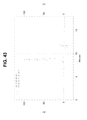
- FIG. 43 shows size exclusion chromatography on 25 ⁇ g of the final monovalent aKLH 120.6 LC-ShK[1-35, Q16K] Ab product injected onto a Phenomenex BioSep SEC-3000 column (7.8 ⁇ 300 mm) in 50 mM NaH 2 PO 4 , 250 mM NaCl, pH 6.9, at 1 mL/min detecting the absorbance at 280 nm.
- FIG. 44A-B shows MALDI-MS mass spectral analysis of the final sample of monovalent aKLH 120.6 LC-ShK[1-35, Q16K] Ab product (non-reduced, FIG. 44A ; reduced, FIG. 44B ) using a Micromass MALDI micro MX mass spectrometer equipped with a nitrogen laser. The sample was run at positive linear mode. The instrument's voltage was set at 12 kV and the high mass detector was set at 5 kV. Each spectrum was produced by accumulating data from about 200 laser shots. External mass calibration was achieved using purified proteins of known molecular masses.
- FIG. 45 shows a Coomassie brilliant blue stained Tris-glycine 4-20% SDS-PAGE of the final bivalent aKLH 120.6 LC-ShK[1-35, Q16K] Ab product.
- Lanes 1-12 were loaded as follows: lane 1: Novex Mark12 wide range protein standards (10 ⁇ l); lane 2: 0.5 ⁇ g product, non-reduced; lane 3: blank; lane 4: 2.0 ⁇ g product, non-reduced; lane 5:blank; lane 6: 10 ⁇ g product, non-reduced; lane 7: Novex Mark12 wide range protein standards (10 ⁇ l); lane 8: 0.5 ⁇ g product, reduced; lane 9: blank; lane 10: 2.0 ⁇ g product, reduced; lane 11: blank; lane 12: 10 ⁇ g product, reduced.
- FIG. 46 shows size exclusion chromatography on 25 ⁇ g of the final bivalent aKLH 120.6 LC-ShK[1-35, Q16K] Ab product injected onto a Phenomenex BioSep SEC-3000 column (7.8 ⁇ 300 mm) in 50 mM NaH 2 PO 4 , 250 mM NaCl, pH 6.9, at 1 mL/min detecting the absorbance at 280 nm.
- FIG. 47A-B shows MALDI-MS mass spectral analysis of the final sample of bivalent aKLH 120.6 LC-ShK[1-35, Q16K] Ab product (non-reduced, FIG. 47A ; reduced, FIG. 47B ) using a Micromass MALDI micro MX mass spectrometer equipped with a nitrogen laser. The sample was run at positive linear mode. The instrument's voltage was set at 12 kV and the high mass detector was set at 5 kV. Each spectrum was produced by accumulating data from about 200 laser shots. External mass calibration was achieved using purified proteins of known molecular masses.
- FIG. 48 shows a Coomassie brilliant blue stained Tris-glycine 4-20% SDS-PAGE of the final trivalent aKLH 120.6 LC-ShK[1-35, Q16K] Ab product.
- Lanes 1-12 were loaded as follows: lane 1: Novex Mark12 wide range protein standards (10 ⁇ l); lane 2: 0.5 ⁇ g product, non-reduced; lane 3: blank; lane 4: 2.0 ⁇ g product, non-reduced; lane 5:blank; lane 6: 10 ⁇ g product, non-reduced; lane 7: Novex Mark12 wide range protein standards (10 ⁇ l); lane 8: 0.5 ⁇ g product, reduced; lane 9: blank; lane 10: 2.0 ⁇ g product, reduced; lane 11: blank; lane 12: 10 ⁇ g product, reduced.
- FIG. 49 shows size exclusion chromatography on 25 ⁇ g of the final trivalent aKLH 120.6 LC-ShK[1-35, Q16K] Ab product injected onto a Phenomenex BioSep SEC-3000 column (7.8 ⁇ 300 mm) in 50 mM NaH 2 PO 4 , 250 mM NaCl, pH 6.9, at 1 mL/min detecting the absorbance at 280 nm.
- FIG. 50A-B shows MALDI-MS mass spectral analysis of the final sample of trivalent aKLH 120.6 LC-ShK[1-35, Q16K] Ab product (non-reduced, FIG. 50A ; reduced, FIG. 50B ) using a Micromass MALDI micro MX mass spectrometer equipped with a nitrogen laser. The sample was run at positive linear mode. The instrument's voltage was set at 12 kV and the high mass detector was set at 5 kV. Each spectrum was produced by accumulating data from about 200 laser shots. External mass calibration was achieved using purified proteins of known molecular masses.
- FIG. 51 shows a Coomassie brilliant blue stained Tris-glycine 4-20% SDS-PAGE of the final monovalent aKLH 120.6 IgG2 HC-Shk[1-35, R1A, I4A, Q16K] Ab product.
- Lanes 1-12 were loaded as follows: lane 1: Novex Mark12 wide range protein standards (10 ⁇ l); lane 2: 0.5 ⁇ g product, non-reduced; lane 3: blank; lane 4: 2.0 ⁇ g product, non-reduced; lane 5:blank; lane 6: 10 ⁇ g product, non-reduced; lane 7: Novex Mark12 wide range protein standards (10 ⁇ l); lane 8: 0.5 ⁇ g product, reduced; lane 9: blank; lane 10: 2.0 ⁇ g product, reduced; lane 11: blank; lane 12: 10 ⁇ g product, reduced.
- FIG. 52 shows size exclusion chromatography on 25 ⁇ g of the final monovalent aKLH 120.6 IgG2 HC-Shk[1-35, R1A, I4A, Q16K] Ab product injected onto a Phenomenex BioSep SEC-3000 column (7.8 ⁇ 300 mm) in 50 mM NaH 2 PO 4 , 250 mM NaCl, pH 6.9, at 1 mL/min detecting the absorbance at 280 nm.
- FIG. 53 shows reduced LC-MS mass spectral analysis of the heavy chain in the final sample of monovalent aKLH 120.6 IgG2 HC-ShK[1-35, R1A, I4A, Q16K] Ab.
- the product was chromatographed through a Waters MassPREP micro desalting column using a Waters ACQUITY HPLC system. The column was set at 80° C. and the protein eluted using a linear gradient of increasing acetonitrile concentration in 0.1% formic acid. Part of the column effluent was diverted into a Waters LCT Premier ESI-TOF mass spectrometer for mass analysis. The instrument was run in the positive V mode. The capillary voltage was set at 3,200 V and the cone voltage at 80 V. The mass spectrum was acquired from 800 to 3000 m/z and deconvoluted using the MaxEnt1 software provided by the instrument manufacturer.
- FIG. 54A-B shows the results of electrophysiology studies on rat peritoneal mast cells indicating that the cells do not express a recognizable Kv1.3 current or a current sensitive to PEG-[Lys16]ShK as described in Example 10.
- FIG. 54A shows a representative whole-cell current recorded from holding potential of 0 mV to different potentials between ⁇ 100 mV and +80 mV in 20 mV increments for 100 milliseconds every 10 seconds. Similar profiles were observed in recordings from three separate cells.
- FIG. 54B shows the current-voltage profile evoked at holding potential of 0 mV and different ramp potentials from ⁇ 120 mV to +100 mV for 400 milliseconds.
- Polypeptide and “protein” are used interchangeably herein and include a molecular chain of two or more amino acids linked covalently through peptide bonds. The terms do not refer to a specific length of the product. Thus, “peptides,” and “oligopeptides,” are included within the definition of polypeptide. The terms include post-translational modifications of the polypeptide, for example, glycosylations, acetylations, phosphorylations and the like. In addition, protein fragments, analogs, mutated or variant proteins, fusion proteins and the like are included within the meaning of polypeptide.
- inventive toxin peptide analogs can be derivatized as described herein by well-known organic chemistry techniques.
- Toxin peptides include peptides and polypeptides having the same amino acid sequence of a naturally occurring pharmacologically active peptide or polypeptide that can be isolated from a venom, and also include modified peptide analogs of such naturally occurring molecules.
- Kalman et al. ShK-Dap22, a potent Kv1.3-specific immunosuppressive polypeptide, J. Biol. Chem. 273(49):32697-707 (1998); Kem et al., U.S. Pat. No.
- toxin peptide is OSK1 (also known as OsK1), a toxin peptide isolated from Orthochirus scrobiculosus scorpion venom.
- OSK1 also known as OsK1
- OsK1 a toxin peptide isolated from Orthochirus scrobiculosus scorpion venom.
- Mouhat et al. K+ channel types targeted by synthetic OSK1, a toxin from Orthochirus scrobiculosus scorpion venom, Biochem. J. 385:95-104 (2005)
- Mouhat et al. Pharmacological profiling of Orthochirus scrobiculosus toxin 1 analogs with a trimmed N-terminal domain, Molec. Pharmacol. 69:354-62 (2006)
- ShK isolated from the venom of the sea anemone Stichodactyla helianthus .
- ShK isolated from the venom of the sea anemone Stichodactyla helianthus .
- FIG. 1 Shown et al., Ionisation behaviour and solution properties of the potassium-channel blocker ShK toxin, Eur. J. Biochem. 251(1-2):133-41 (1998); Pennington et al., Role of disulfide bonds in the structure and potassium channel blocking activity of ShK toxin, Biochem. 38(44): 14549-58 (1999); Kem et al., ShK toxin compositions and methods of use, U.S. Pat. No. 6,077,680; Lebrun et al., Neuropeptides originating in scorpion, U.S. Pat. No. 6,689,749; Beeton et al., Targeting effector memory T cells with a selective peptide inhibitor of Kv
- the toxin peptides are usually between about 20 and about 80 amino acids in length, contain 2-5 disulfide linkages and form a very compact structure.
- Toxin peptides e.g., from the venom of scorpions, sea anemones and cone snails
- scorpions and Conus toxin peptides contain 10-40 amino acids and up to five disulfide bonds, forming extremely compact and constrained structure (microproteins) often resistant to proteolysis.
- the conotoxin and scorpion toxin peptides can be divided into a number of superfamilies based on their disulfide connections and peptide folds.
- the solution structure of many toxin peptides has been determined by NMR spectroscopy, illustrating their compact structure and verifying conservation of family folding patterns.
- the HmK toxin peptide is from the Magnificent sea anemone ( Radianthus magnifica; Heteractis magnifica ).
- Other examples include members of the family of sea anemone toxins HmK, ShK, BgK, AsKs, AeK, and AETX-K, as described above.
- AETX-K is isolated from the sea anemone Anemonia erythraea , and has the amino acid sequence RACKDYLPKSECTQFRCRTSMKYKYTNCKKTCGTC//SEQ ID NO:3 within the larger amino acid sequence (including putative signal sequence) MKGQMIICLVLIALCMSVVVMAQNLRAEELEKANPKDERVRSFERNQKR ACKDYLPKSECTQFRCRTSMKYKYTNCKKTCGTC//SEQ ID NO: 275.
- HmK has SEQ ID NO: 2 ((Table 5; mature peptide) within the larger MKSQMIAAVLLIAFCLCVVVTARMELQDVEDMENGFQKRRTCKDLIPVS ECTDIRCRTSMKYRLNLCRKTCGSC//SEQ ID NO: 276 (including signal and mature peptide portions)).
- peptide analog refers to a peptide having a sequence that differs from a peptide sequence existing in nature by at least one amino acid residue substitution, internal addition, or internal deletion of at least one amino acid, and/or amino- or carboxy-terminal end truncations or additions, and/or carboxy-terminal amidation.
- An “internal deletion” refers to absence of an amino acid from a sequence existing in nature at a position other than the N- or C-terminus.
- an “internal addition” refers to presence of an amino acid in a sequence existing in nature at a position other than the N- or C-terminus.
- Embodiments of the inventive composition of matter includes a toxin peptide analog, or a pharmaceutically acceptable salt thereof “Toxin peptide analogs”, such as, but not limited to, an AETX-K peptide analog, an ShK peptide analog, or a HmK peptide analog, contain modifications of a native toxin peptide sequence of interest (e.g., amino acid residue substitutions, internal additions or insertions, internal deletions, and/or amino- or carboxy-terminal end truncations, or additions as previously described above) relative to a native toxin peptide sequence of interest, such as ShK, HmK, or AETX-K.
- modifications of a native toxin peptide sequence of interest e.g., amino acid residue substitutions, internal additions or insertions, internal deletions, and/or amino- or carboxy-terminal end truncations, or additions as previously described above
- Toxin peptide analogs of the present invention are 33 to about 100 amino acid residues long and, in relation to SEQ ID NO:4, have C 1 -C 6 , C 2 -C 4 and C 3 -C 5 disulfide bonding in which, C 1 , C 2 , C 3 , C 4 , C 5 and C 6 represent the order of cysteine residues appearing in the primary sequence of the toxin peptide stated conventionally with the N-terminus of the peptide(s) on the left, with the first and sixth cysteines in the amino acid sequence forming a disulfide bond, the second and fourth cysteines forming a disulfide bond, and the third and fifth cysteines forming a disulfide bond.
- toxin peptides with such a C 1 -C 6 , C 2 -C 4 , C 3 -C 5 disulfide bonding pattern include, but are not limited to, ShK, BgK, HmK, AeKS, AsK, AETX-K and DTX1, and analogs of any of the foregoing.
- the toxin peptide analogs of the present invention can also have additional amino acid residues at the N-terminal and/or C-terminal ends, in relation to SEQ ID NO:4.
- physiologically acceptable salt of the composition of matter, for example a salt of the toxin peptide analog, is meant any salt or salts that are known or later discovered to be pharmaceutically acceptable.
- pharmaceutically acceptable salts are: acetate; trifluoroacetate; hydrohalides, such as hydrochloride and hydrobromide; sulfate; citrate; maleate; tartrate; glycolate; gluconate; succinate; mesylate; besylate; salts of gallic acid esters (gallic acid is also known as 3,4,5 trihydroxybenzoic acid) such as PentaGalloylGlucose (PGG) and epigallocatechin gallate (EGCG), salts of cholesteryl sulfate, pamoate, tannate and oxalate salts.
- PSG PentaGalloylGlucose
- EGCG epigallocatechin gallate
- fusion protein indicates that the protein includes polypeptide components derived from more than one parental protein or polypeptide.
- a fusion protein is expressed from a fusion gene in which a nucleotide sequence encoding a polypeptide sequence from one protein is appended in frame with, and optionally separated by a linker from, a nucleotide sequence encoding a polypeptide sequence from a different protein.
- the fusion gene can then be expressed by a recombinant host cell as a single protein.
- peptide mimetic refers to a peptide or protein having biological activity comparable to a naturally occurring protein of interest, for example, but not limited to, a toxin peptide molecule, e.g., naturally occurring ShK, HmK, AETX-K, or OSK1 toxin peptide. These terms further include peptides that indirectly mimic the activity of a naturally occurring peptide molecule, such as by potentiating the effects of the naturally occurring molecule.
- -antagonist peptide refers to a peptide that blocks or in some way interferes with the biological activity of a receptor of interest, or has biological activity comparable to a known antagonist or inhibitor of a receptor of interest, such as, but not limited to, an ion channel (e.g., Kv1.3) or a G-Protein Coupled Receptor (GPCR).
- an ion channel e.g., Kv1.3
- GPCR G-Protein Coupled Receptor
- a “domain” of a protein is any portion of the entire protein, up to and including the complete protein, but typically comprising less than the complete protein.
- a domain can, but need not, fold independently of the rest of the protein chain and/or be correlated with a particular biological, biochemical, or structural function or location (e.g., a ligand binding domain, or a cytosolic, transmembrane or extracellular domain).
- soluble when in reference to a protein produced by recombinant DNA technology in a host cell is a protein that exists in aqueous solution; if the protein contains a twin-arginine signal amino acid sequence the soluble protein is exported to the periplasmic space in gram negative bacterial hosts, or is secreted into the culture medium by eukaryotic host cells capable of secretion, or by bacterial host possessing the appropriate genes (e.g., the kil gene).
- a soluble protein is a protein which is not found in an inclusion body inside the host cell.
- a soluble protein is a protein which is not found integrated in cellular membranes.
- an insoluble protein is one which exists in denatured form inside cytoplasmic granules (called an inclusion body) in the host cell, or again depending on the context, an insoluble protein is one which is present in cell membranes, including but not limited to, cytoplasmic membranes, mitochondrial membranes, chloroplast membranes, endoplasmic reticulum membranes, etc.
- proteins which are “soluble” i.e., dissolved or capable of being dissolved
- ionic detergents e.g., SDS
- denaturants e.g., urea, guanidine hydrochloride
- the toxin peptide analog is synthesized by the host cell and segregated in an insoluble form within cellular inclusion bodies, which can then be purified from other cellular components in a cell extract with relative ease, and the toxin peptide analog can in turn be solubilized, refolded and/or further purified.
- soluble protein i.e., a protein which when expressed in a host cell is produced in a soluble form
- a “solubilized” protein An insoluble recombinant protein found inside an inclusion body or found integrated in a cell membrane may be solubilized (i.e., rendered into a soluble form) by treating purified inclusion bodies or cell membranes with denaturants such as guanidine hydrochloride, urea or sodium dodecyl sulfate (SDS). These denaturants must then be removed from the solubilized protein preparation to allow the recovered protein to renature (refold).
- denaturants such as guanidine hydrochloride, urea or sodium dodecyl sulfate (SDS).
- inventive compositions can be refolded in active form, not all proteins will refold into an active conformation after solubilization in a denaturant and removal of the denaturant. Many proteins precipitate upon removal of the denaturant.
- SDS may be used to solubilize inclusion bodies and cell membranes and will maintain the proteins in solution at low concentration. However, dialysis will not always remove all of the SDS (SDS can form micelles which do not dialyze out); therefore, SDS-solubilized inclusion body protein and SDS-solubilized cell membrane protein is soluble but not refolded.
- a “secreted” protein refers to those proteins capable of being directed to the ER, secretory vesicles, or the extracellular space as a result of a secretory signal peptide sequence, as well as those proteins released into the extracellular space without necessarily containing a signal sequence. If the secreted protein is released into the extracellular space, the secreted protein can undergo extracellular processing to produce a “mature” protein. Release into the extracellular space can occur by many mechanisms, including exocytosis and proteolytic cleavage. In some other embodiments of the inventive composition, the toxin peptide analog can be synthesized by the host cell as a secreted protein, which can then be further purified from the extracellular space and/or medium.
- recombinant indicates that the material (e.g., a nucleic acid or a polypeptide) has been artificially or synthetically (i.e., non-naturally) altered by human intervention. The alteration can be performed on the material within, or removed from, its natural environment or state.
- a “recombinant nucleic acid” is one that is made by recombining nucleic acids, e.g., during cloning, DNA shuffling or other well known molecular biological procedures.
- a “recombinant DNA molecule,” is comprised of segments of DNA joined together by means of such molecular biological techniques.
- recombinant protein or “recombinant polypeptide” as used herein refers to a protein molecule which is expressed using a recombinant DNA molecule.
- a “recombinant host cell” is a cell that contains and/or expresses a recombinant nucleic acid.
- a “polynucleotide sequence” or “nucleotide sequence” or “nucleic acid sequence,” as used interchangeably herein, is a polymer of nucleotides, including an oligonucleotide, a DNA, and RNA, a nucleic acid, or a character string representing a nucleotide polymer, depending on context. From any specified polynucleotide sequence, either the given nucleic acid or the complementary polynucleotide sequence can be determined. Included are DNA or RNA of genomic or synthetic origin which may be single- or double-stranded, and represent the sense or antisense strand.
- nucleic acid molecule encoding As used herein, the terms “nucleic acid molecule encoding,” “DNA sequence encoding,” and “DNA encoding” refer to the order or sequence of deoxyribonucleotides along a strand of deoxyribonucleic acid. The order of these deoxyribonucleotides determines the order of ribonucleotides along the mRNA chain, and also determines the order of amino acids along the polypeptide (protein) chain. The DNA sequence thus codes for the RNA sequence and for the amino acid sequence.
- “Expression of a gene” or “expression of a nucleic acid” means transcription of DNA into RNA (optionally including modification of the RNA, e.g., splicing), translation of RNA into a polypeptide (possibly including subsequent post-translational modification of the polypeptide), or both transcription and translation, as indicated by the context.
- Gene is used broadly to refer to any nucleic acid associated with a biological function. Genes typically include coding sequences and/or the regulatory sequences required for expression of such coding sequences.
- gene applies to a specific genomic or recombinant sequence, as well as to a cDNA or mRNA encoded by that sequence.
- a “fusion gene” contains a coding region that encodes a toxin peptide analog. Genes also include non-expressed nucleic acid segments that, for example, form recognition sequences for other proteins. Non-expressed regulatory sequences including transcriptional control elements to which regulatory proteins, such as transcription factors, bind, resulting in transcription of adjacent or nearby sequences.
- coding region or “coding sequence” when used in reference to a structural gene refers to the nucleotide sequences which encode the amino acids found in the nascent polypeptide as a result of translation of an mRNA molecule.
- the coding region is bounded, in eukaryotes, on the 5′ side by the nucleotide triplet “ATG” which encodes the initiator methionine and on the 3′ side by one of the three triplets which specify stop codons (i.e., TAA, TAG, TGA).
- Promoters and enhancers consist of short arrays of DNA sequences that interact specifically with cellular proteins involved in transcription (Maniatis, et al., Science 236:1237 (1987)). Promoter and enhancer elements have been isolated from a variety of eukaryotic sources including genes in yeast, insect and mammalian cells and viruses (analogous control elements, i.e., promoters, are also found in prokaryotes). The selection of a particular promoter and enhancer depends on what cell type is to be used to express the protein of interest.
- Some eukaryotic promoters and enhancers have a broad host range while others are functional in a limited subset of cell types (for review see Voss, et al., Trends Biochem. Sci., 11:287 (1986) and Maniatis, et al., Science 236:1237 (1987)).
- expression vector refers to a recombinant DNA molecule containing a desired coding sequence and appropriate nucleic acid sequences necessary for the expression of the operably linked coding sequence in a particular host cell.
- Nucleic acid sequences necessary for expression in prokaryotes include a promoter, optionally an operator sequence, a ribosome binding site and possibly other sequences.
- Eukaryotic cells are known to utilize promoters, enhancers, and termination and polyadenylation signals.
- a secretory signal peptide sequence can also, optionally, be encoded by the expression vector, operably linked to the coding sequence for the inventive toxin peptide analog, so that the expressed toxin peptide analog can be secreted by the recombinant host cell, for more facile isolation of the toxin peptide analog from the cell, if desired.
- Such techniques are well known in the art. (E.g., Goodey, Andrew R.; et al., Peptide and DNA sequences, U.S. Pat. No. 5,302,697; Weiner et al., Compositions and methods for protein secretion, U.S. Pat. No. 6,022,952 and U.S. Pat. No. 6,335,178; Uemura et al., Protein expression vector and utilization thereof, U.S. Pat. No. 7,029,909; Ruben et al., 27 human secreted proteins, US 2003/0104400 A1).
- operable combination refers to the linkage of nucleic acid sequences in such a manner that a nucleic acid molecule capable of directing the transcription of a given gene and/or the synthesis of a desired protein molecule is produced.
- operable order refers to the linkage of amino acid sequences in such a manner so that a functional protein is produced.
- RNA-mediated protein expression and protein engineering techniques are applicable to the making of the inventive toxin peptide analogs and fusion protein conjugates thereof (e.g., fusion proteins containing a toxin peptide analog and an immunoglobulin Fc domain, transthyretin, or human serum albumin).
- the peptides can be made in transformed host cells. Briefly, a recombinant DNA molecule, or construct, coding for the peptide is prepared. Methods of preparing such DNA molecules are well known in the art. For instance, sequences encoding the peptides can be excised from DNA using suitable restriction enzymes.
- Any of a large number of available and well-known host cells may be used in the practice of this invention.
- the selection of a particular host is dependent upon a number of factors recognized by the art. These include, for example, compatibility with the chosen expression vector, toxicity of the peptides encoded by the DNA molecule, rate of transformation, ease of recovery of the peptides, expression characteristics, bio-safety and costs. A balance of these factors must be struck with the understanding that not all hosts may be equally effective for the expression of a particular DNA sequence.
- useful microbial host cells in culture include bacteria (such as Escherichia coli sp.), yeast (such as Saccharomyces sp.) and other fungal cells, insect cells, plant cells, mammalian (including human) cells, e.g., CHO cells and HEK293 cells. Modifications can be made at the DNA level, as well.
- the peptide-encoding DNA sequence may be changed to codons more compatible with the chosen host cell.
- optimized codons are known in the art. Codons can be substituted to eliminate restriction sites or to include silent restriction sites, which may aid in processing of the DNA in the selected host cell.
- the transformed host is cultured and purified.
- Host cells may be cultured under conventional fermentation conditions so that the desired compounds are expressed. Such fermentation conditions are well known in the art.
- the DNA optionally further encodes, 5′ to the coding region of a fusion protein, a signal peptide sequence (e.g., a secretory signal peptide) operably linked to the expressed toxin peptide analog.
- Suitable recombinant methods and exemplary DNA constructs useful for recombinant expression of the inventive compositions by mammalian cells including dimeric Fc fusion proteins (“peptibodies”) or chimeric immunoglobulin(light chain+heavy chain)-Fc heterotrimers (“hemibodies”), conjugated to pharmacologically active toxin peptide analogs of the invention, see, e.g., Sullivan et al., Toxin Peptide Therapeutic Agents, US2007/0071764 and Sullivan et al., Toxin Peptide Therapeutic Agents, PCT/US2007/022831, published as WO 2008/088422, which are both incorporated herein by reference in their entireties.
- Solid phase synthesis is the preferred technique of making individual peptides since it is the most cost-effective method of making small peptides.
- well known solid phase synthesis techniques include the use of protecting groups, linkers, and solid phase supports, as well as specific protection and deprotection reaction conditions, linker cleavage conditions, use of scavengers, and other aspects of solid phase peptide synthesis. Suitable techniques are well known in the art. (E.g., Merrifield (1973), Chem. Polypeptides, pp. 335-61 (Katsoyannis and Panayotis eds.); Merrifield (1963), J. Am. Chem. Soc.
- amino acid substitution in an amino acid sequence is typically designated herein with a one-letter abbreviation for the amino acid residue in a particular position, followed by the numerical amino acid position relative to a native sequence of interest, which is then followed by the one-letter symbol for the amino acid residue substituted in.
- T30D symbolizes a substitution of a threonine residue by an aspartate residue at amino acid position 30, relative to the native sequence of interest.
- Non-canonical amino acid residues can be incorporated into a peptide within the scope of the invention by employing known techniques of protein engineering that use recombinantly expressing cells. (See, e.g., Link et al., Non-canonical amino acids in protein engineering, Current Opinion in Biotechnology, 14(6):603-609 (2003)).
- the term “non-canonical amino acid residue” refers to amino acid residues in D- or L-form that are not among the 20 canonical amino acids generally incorporated into naturally occurring proteins, for example, ⁇ -amino acids, homoamino acids, cyclic amino acids and amino acids with derivatized side chains.
- Examples include (in the L-form or D-form) ⁇ -alanine, ⁇ -aminopropionic acid, piperidinic acid, aminocaprioic acid, aminoheptanoic acid, aminopimelic acid, desmosine, diaminopimelic acid, N ⁇ -ethylglycine, N ⁇ -ethylaspargine, hydroxylysine, allo-hydroxylysine, isodesmosine, allo-isoleucine, w-methylarginine, N ⁇ -methylglycine, N ⁇ -methylisoleucine, N ⁇ -methylvaline, ⁇ -carboxyglutamate, ⁇ -N,N,N-trimethyllysine, ⁇ -N-acetyllysine, O-phosphoserine, N ⁇ -acetylserine, N ⁇ -formylmethionine, 3-methylhistidine, 5-hydroxylysine, and other similar amino acids, and those listed
- Table 2 contains some exemplary non-canonical amino acid residues that are useful in accordance with the present invention and associated abbreviations as typically used herein, although the skilled practitioner will understand that different abbreviations and nomenclatures may be applicable to the same substance and appear interchangeably herein.
- the one or more useful modifications to peptide domains of the inventive compositions can include amino acid additions or insertions, amino acid deletions, peptide truncations, amino acid substitutions, and/or chemical derivatization of amino acid residues, accomplished by known chemical techniques.
- the thusly modified amino acid sequence includes at least one amino acid residue inserted or substituted therein, relative to the amino acid sequence of the native sequence of interest, in which the inserted or substituted amino acid residue has a side chain comprising a nucleophilic or electrophilic reactive functional group by which the peptide is conjugated to a linker and/or half-life extending moiety.
- nucleophilic or electrophilic reactive functional group examples include, but are not limited to, a thiol, a primary amine, a seleno, a hydrazide, an aldehyde, a carboxylic acid, a ketone, an aminooxy, a masked (protected) aldehyde, or a masked (protected) keto functional group.
- amino acid residues having a side chain comprising a nucleophilic reactive functional group include, but are not limited to, a lysine residue, a homolysine, an ⁇ , ⁇ -diaminopropionic acid residue, an ⁇ , ⁇ -diaminobutyric acid residue, an ornithine residue, a cysteine, a homocysteine, a glutamic acid residue, an aspartic acid residue, or a selenocysteine residue.
- amino acid residues are commonly categorized according to different chemical and/or physical characteristics.
- the term “acidic amino acid residue” refers to amino acid residues in D- or L-form having side chains comprising acidic groups.
- Exemplary acidic residues include aspartatic acid and glutamatic acid residues.
- alkyl amino acid residue refers to amino acid residues in D- or L-form having C 1-6 alkyl side chains which may be linear, branched, or cyclized, including to the amino acid amine as in proline, wherein the C 1-6 alkyl is substituted by 0, 1, 2 or 3 substituents selected from C 1-4 haloalkyl, halo, cyano, nitro, —C( ⁇ O)R b , —C( ⁇ O)OR a , —C( ⁇ O)NR a R a , —C( ⁇ NR a )NR a R a , —NR a C( ⁇ NR a )NR a R a , —OR a , —OC( ⁇ O)R b , —OC( ⁇ O)NR a R a , —OC 2-6 alkylNR a R a , —OC 2-6 alkylOR a , —SR a , —S(
- aromatic amino acid residue refers to amino acid residues in D- or L-form having side chains comprising aromatic groups.
- aromatic residues include tryptophan, tyrosine, 3-(1-naphthyl)alanine, or phenylalanine residues.
- basic amino acid residue refers to amino acid residues in D- or L-form having side chains comprising basic groups.
- Exemplary basic amino acid residues include histidine, lysine, homolysine, ornithine, arginine, N-methyl-arginine, ⁇ -aminoarginine, ⁇ -methyl-arginine, 1-methyl-histidine, 3-methyl-histidine, and homoarginine (hR) residues.
- hydrophilic amino acid residue refers to amino acid residues in D- or L-form having side chains comprising polar groups.
- exemplary hydrophilic residues include cysteine, serine, threonine, histidine, lysine, asparagine, aspartate, glutamate, glutamine, and citrulline (Cit) residues.
- lipophilic amino acid residue refers to amino acid residues in D- or L-form having sidechains comprising uncharged, aliphatic or aromatic groups.
- Exemplary lipophilic sidechains include phenylalanine, isoleucine, leucine, methionine, valine, tryptophan, and tyrosine.
- Alanine (A) is amphiphilic—it is capable of acting as a hydrophilic or lipophilic residue. Alanine, therefore, is included within the definition of both “lipophilic residue” and “hydrophilic residue.”
- nonfunctional amino acid residue refers to amino acid residues in D- or L-form having side chains that lack acidic, basic, or aromatic groups. Exemplary neutral amino acid residues include methionine, glycine, alanine, valine, isoleucine, leucine, and norleucine (Nle) residues.
- toxin peptide analogs can result from conservative modifications of the amino acid sequences of the toxin polypeptides disclosed herein. Conservative modifications will produce half-life extending moiety-conjugated peptides having functional, physical, and chemical characteristics similar to those of the conjugated (e.g., PEG-conjugated) peptide from which such modifications are made. Such conservatively modified forms of the conjugated toxin peptide analogs disclosed herein are also contemplated as being an embodiment of the present invention.
- substantial modifications in the functional and/or chemical characteristics of peptides may be accomplished by selecting substitutions in the amino acid sequence that differ significantly in their effect on maintaining (a) the structure of the molecular backbone in the region of the substitution, for example, as an ⁇ -helical conformation, (b) the charge or hydrophobicity of the molecule at the target site, or (c) the size of the molecule.
- a “conservative amino acid substitution” may involve a substitution of a native amino acid residue with a normative residue such that there is little or no effect on the polarity or charge of the amino acid residue at that position.
- any native residue in the polypeptide may also be substituted with alanine, as has been previously described for “alanine scanning mutagenesis” (see, for example, MacLennan et al., Acta Physiol. Scand. Suppl., 643:55-67 (1998); Sasaki et al., 1998, Adv. Biophys. 35:1-24 (1998), which discuss alanine scanning mutagenesis).
- Desired amino acid substitutions can be determined by those skilled in the art at the time such substitutions are desired.
- amino acid substitutions can be used to identify important residues of the peptide sequence, or to increase or decrease the affinity of the peptide or vehicle-conjugated peptide molecules described herein.
- Naturally occurring residues may be divided into classes based on common side chain properties:
- Conservative amino acid substitutions may involve exchange of a member of one of these classes with another member of the same class.
- Conservative amino acid substitutions may encompass non-naturally occurring amino acid residues, which are typically incorporated by chemical peptide synthesis rather than by synthesis in biological systems. These include peptidomimetics and other reversed or inverted forms of amino acid moieties.
- Non-conservative substitutions may involve the exchange of a member of one of these classes for a member from another class. Such substituted residues may be introduced into regions of the toxin peptide analog.
- the hydropathic index of amino acids may be considered.
- Each amino acid has been assigned a hydropathic index on the basis of its hydrophobicity and charge characteristics. They are: isoleucine (+4.5); valine (+4.2); leucine (+3.8); phenylalanine (+2.8); cysteine/cystine (+2.5); methionine (+1.9); alanine (+1.8); glycine ( ⁇ 0.4); threonine ( ⁇ 0.7); serine ( ⁇ 0.8); tryptophan ( ⁇ 0.9); tyrosine ( ⁇ 1.3); proline ( ⁇ 1.6); histidine ( ⁇ 3.2); glutamate ( ⁇ 3.5); glutamine ( ⁇ 3.5); aspartate ( ⁇ 3.5); asparagine ( ⁇ 3.5); lysine ( ⁇ 3.9); and arginine ( ⁇ 4.5).
- hydropathic amino acid index in conferring interactive biological function on a protein is understood in the art (see, for example, Kyte et al., 1982 , J. Mol. Biol. 157:105-131). It is known that certain amino acids may be substituted for other amino acids having a similar hydropathic index or score and still retain a similar biological activity. In making changes based upon the hydropathic index, in certain embodiments, the substitution of amino acids whose hydropathic indices are within ⁇ 2 is included. In certain embodiments, those that are within ⁇ 1 are included, and in certain embodiments, those within ⁇ 0.5 are included.
- the substitution of like amino acids can be made effectively on the basis of hydrophilicity, particularly where the biologically functional protein or peptide thereby created is intended for use in immunological embodiments, as disclosed herein.
- the greatest local average hydrophilicity of a protein as governed by the hydrophilicity of its adjacent amino acids, correlates with its immunogenicity and antigenicity, i.e., with a biological property of the protein.
- hydrophilicity values have been assigned to these amino acid residues: arginine (+3.0); lysine (+3.0); aspartate (+3.0 ⁇ 1); glutamate (+3.0 ⁇ 1); serine (+0.3); asparagine (+0.2); glutamine (+0.2); glycine (0); threonine ( ⁇ 0.4); proline ( ⁇ 0.5 ⁇ 1); alanine ( ⁇ 0.5); histidine ( ⁇ 0.5); cysteine ( ⁇ 1.0); methionine ( ⁇ 1.3); valine ( ⁇ 1.5); leucine ( ⁇ 1.8); isoleucine ( ⁇ 1.8); tyrosine ( ⁇ 2.3); phenylalanine ( ⁇ 2.5) and tryptophan ( ⁇ 3.4).
- the substitution of amino acids whose hydrophilicity values are within ⁇ 2 is included, in certain embodiments, those that are within ⁇ 1 are included, and in certain embodiments, those within ⁇ 0.5 are included.
- conservative substitutions include the substitution of one non-polar (hydrophobic) amino acid residue such as isoleucine, valine, leucine norleucine, alanine, or methionine for another, the substitution of one polar (hydrophilic) amino acid residue for another such as between arginine and lysine, between glutamine and asparagine, between glycine and serine, the substitution of one basic amino acid residue such as lysine, arginine or histidine for another, or the substitution of one acidic residue, such as aspartic acid or glutamic acid for another.
- one non-polar (hydrophobic) amino acid residue such as isoleucine, valine, leucine norleucine, alanine, or methionine
- substitution of one polar (hydrophilic) amino acid residue for another such as between arginine and lysine, between glutamine and asparagine, between glycine and serine
- substitution of one basic amino acid residue such as lysine
- conservative amino acid substitution also includes the use of a chemically derivatized residue in place of a non-derivatized residue, provided that such polypeptide displays the requisite bioactivity.
- Other exemplary amino acid substitutions that can be useful in accordance with the present invention are set forth in Table 3 below.
- the alkyl, basic, or acidic amino acid residue of X aa 4 is selected from Ser, Thr, Ala, Gly, Leu, Ile, Val, Met, Cit, Homocitrulline, Oic, Pro, Hyp, Tic, D-Tic, D-Pro, Guf, and 4-Amino-Phe,Thz, Aib, Sar, Pip, Bip, Phe, Tyr, Lys, His, Trp, Arg, N ⁇ Methyl-Arg; homoarginine, 1-Nal, 2-Nal, Orn, D-Orn, Asn, Gln, Glu, Asp, ⁇ -aminoadipic acid, and para-carboxyl-phenylalanine; or more particularly X aa 4 is selected from Ala, Ile, Lys, Orn, Glu and Asp; and/or
- the acidic amino acid residue of X aa 9 and X aa 14 is each independently selected from Glu, Asp, and ⁇ -aminoadipic acid;
- the alkyl or aromatic amino acid residue of X aa 15 is selected from Ala, 1-Nal, 2-Nal, Phe, Tyr, Val, Ile, and Leu, or more particularly the amino acid residue of X aa 15 is selected from Phe, Ala, and Ile;
- the basic, alkyl, or aromatic amino acid residue of X aa 16 is selected from Lys, Orn, Dab, Dap 1-Nal, 2-Nal, Tyr, Phe, Pip, 2Pal, 3Pal, N-Me-Lys, N-Me-Orn, alpha-methyl-lysine, Lys(N ⁇ -Me), Lys(N ⁇ -Me) 2 , Lys(N ⁇ -Me) 3 , para-Methyl-Phe, AMeF (alpha-methyl-phenylalanine), and homoPhe;
- the basic or acidic amino acid residue of X aa 18 and X aa 30 is each independently selected from Lys, Arg, Orn, Glu, Asp, His, Trp, and 2-phenylacetic acid (Pac);
- the basic amino acid residue of X aa 19 , X aa 20 and X aa 29 is each independently selected from Lys, Arg, His, Orn, D-Orn, Dab, Dap, 1Pip, 2Pal, 3Pal, N-Me-Lys, Na Methyl-Arg; homoarginine, Cit, N ⁇ -Methyl-Cit, Homocitrulline, Guf, and 4-Amino-Phe, and N-Me-Orn; and/or
- the alkyl or aromatic amino acid residue of X aa 21 is selected from Nle, Nva, Abu, Phe,Tyr, Asn, Gln, Met[O], Val, Ile, Leu, Met[O 2 ], Cha, Chg, Asn, Trp, para-Methyl-Phe, alpha-methyl-Phe, and homoPhe;
- the aromatic amino acid residue of X aa 26 , X aa 27 , X aa 31 , and X aa 34 is each independently selected from 1-Nal, 2-Nal, Phe, Trp, and Tyr.
- the amino acid residue of X aa 36 , X aa 37 , and X aa 38 is each independently selected from Ala, Leu, Lys, Glu, Asp, Phe, Arg, Phe, Asp-amide, Aib-amide, Tyr, Ser-amide, Thr-amide, Glu, Glu-amide, beta-Ala, and N-Me-Ala.
- the carboxy-terminal residue is amidated.
- C-terminally amidated embodiments are set forth in Table 11, Table 12, Table 14, Table 16, and Table 17.
- composition of matter include C-terminal extensions beyond position X aa 35 .
- Some examples are set forth in Table 15 and Table 16.
- composition of matter that have particular utility in improving the potency, stability, selectivity, and/or ease of synthesis of the toxin peptide analogs involve substitutions as summarized in Table 4 below, relative to SEQ ID NO: 4 and the native ShK sequence.
- the inventive composition of matter comprises a toxin peptide analog comprising an amino acid sequence selected from SEQ ID NOS: 10, 11, 12, 14, 15, 16, 19 through 29, 31 through 34, 36 through 50, 52, 54, 55, 56, 59, 60, 61, 63, 65 through 100, 130 through 140, 142 through 174, 176 through 254, and 257 through 274.
- the peptide portions of the inventive composition of matter can also be chemically derivatized at one or more amino acid residues by known organic chemistry techniques.
- “Chemical derivative” or “chemically derivatized” refers to a subject peptide having one or more residues chemically derivatized by reaction of a functional side group.
- Such derivatized molecules include, for example, those molecules in which free amino groups have been derivatized to form amine hydrochlorides, p-toluene sulfonyl groups, carbobenzoxy groups, t-butyloxycarbonyl groups, chloroacetyl groups or formyl groups.
- Free carboxyl groups may be derivatized to form salts, methyl and ethyl esters or other types of esters or hydrazides. Free hydroxyl groups may be derivatized to form O-acyl or O-alkyl derivatives. The imidazole nitrogen of histidine may be derivatized to form N-im-benzylhistidine. Also included as chemical derivatives are those peptides which contain one or more naturally occurring amino acid derivatives of the twenty canonical amino acids, whether in L- or D-form.
- 4-hydroxyproline may be substituted for proline; 5-hydroxylysine maybe substituted for lysine; 3-methylhistidine may be substituted for histidine; homoserine may be substituted for serine; and ornithine may be substituted for lysine.
- Useful derivatizations include, in some embodiments, those in which the amino terminal of the peptide is chemically blocked so that conjugation with the vehicle will be prevented from taking place at an N-terminal free amino group. There may also be other beneficial effects of such a modification, for example a reduction in the toxin peptide analog's susceptibility to enzymatic proteolysis.
- the N-terminus can be acylated or modified to a substituted amine, or derivatized with another functional group, such as an aromatic moiety (e.g., an indole acid, benzyl (Bzl or Bn), dibenzyl (DiBz1 or Bn 2 ), or benzyloxycarbonyl (Cbz or Z)), N,N-dimethylglycine or creatine.
- an aromatic moiety e.g., an indole acid, benzyl (Bzl or Bn), dibenzyl (DiBz1 or Bn 2 ), or benzyloxycarbonyl (Cbz or Z)
- N,N-dimethylglycine or creatine e.g., N,N-dimethylglycine or creatine.
- an acyl moiety such as, but not limited to, a formyl, acetyl (Ac), propanoyl, butanyl, heptanyl, hexanoyl, octanoyl, or nonanoyl, can be covalently linked to the N-terminal end of the peptide, which can prevent undesired side reactions during conjugation of the vehicle to the peptide.
- N-terminal derivative groups include —NRR 1 (other than —NH 2 ), —NRC(O)R 1 , —NRC(O)OR 1 , —NRS(O) 2 R 1 , —NHC(O)NHR 1 , succinimide, or benzyloxycarbonyl-NH— (Cbz-NH—), wherein R and R 1 are each independently hydrogen or lower alkyl and wherein the phenyl ring may be substituted with 1 to 3 substituents selected from C 1 -C 4 alkyl, C 1 -C 4 alkoxy, chloro, and bromo.
- one or more peptidyl [—C(O)NR—] linkages (bonds) between amino acid residues can be replaced by a non-peptidyl linkage.
- exemplary non-peptidyl linkages are —CH 2 -carbamate [—CH 2 —OC(O)NR—], phosphonate, —CH 2 -sulfonamide [—CH 2 —S(O) 2 NR—], urea [—NHC(O)NH—], —CH 2 -secondary amine, and alkylated peptide [—C(O)NR 6 — wherein R 6 is lower alkyl].
- one or more individual amino acid residues can be derivatized.
- Various derivatizing agents are known to react specifically with selected sidechains or terminal residues, as described in detail below by way of example.
- Lysinyl residues and amino terminal residues may be reacted with succinic or other carboxylic acid anhydrides, which reverse the charge of the lysinyl residues.
- suitable reagents for derivatizing alpha-amino-containing residues include imidoesters such as methyl picolinimidate; pyridoxal phosphate; pyridoxal; chloroborohydride; trinitrobenzenesulfonic acid; O-methylisourea; 2,4 pentanedione; and transaminase-catalyzed reaction with glyoxylate.
- Arginyl residues may be modified by reaction with any one or combination of several conventional reagents, including phenylglyoxal, 2,3-butanedione, 1,2-cyclohexanedione, and ninhydrin. Derivatization of arginyl residues requires that the reaction be performed in alkaline conditions because of the high pKa of the guanidine functional group. Furthermore, these reagents may react with the groups of lysine as well as the arginine epsilon-amino group.
- Carboxyl sidechain groups may be selectively modified by reaction with carbodiimides (R′—N ⁇ C ⁇ N—R′) such as 1-cyclohexyl-3-(2-morpholinyl-(4-ethyl) carbodiimide or 1-ethyl-3-(4-azonia-4,4-dimethylpentyl) carbodiimide.
- carbodiimides R′—N ⁇ C ⁇ N—R′
- aspartyl and glutamyl residues may be converted to asparaginyl and glutaminyl residues by reaction with ammonium ions.
- Glutaminyl and asparaginyl residues may be deamidated to the corresponding glutamyl and aspartyl residues. Alternatively, these residues are deamidated under mildly acidic conditions. Either form of these residues falls within the scope of this invention.
- Cysteinyl residues can be replaced by amino acid residues or other moieties either to eliminate disulfide bonding or, conversely, to stabilize cross-linking (See, e.g., Bhatnagar et al., J. Med. Chem., 39:3814-3819 (1996)).
- Derivatization with bifunctional agents is useful for cross-linking the peptides or their functional derivatives to a water-insoluble support matrix, if desired, or to other macromolecular vehicles.
- Commonly used cross-linking agents include, e.g., 1,1-bis(diazoacetyl)-2-phenylethane, glutaraldehyde, N-hydroxysuccinimide esters, for example, esters with 4-azidosalicylic acid, homobifunctional imidoesters, including disuccinimidyl esters such as 3,3′-dithiobis(succinimidylpropionate), and bifunctional maleimides such as bis-N-maleimido-1,8-octane.
- Derivatizing agents such as methyl-3-[(p-azidophenyl)dithio]propioimidate yield photoactivatable intermediates that are capable of forming crosslinks in the presence of light.
- reactive water-insoluble matrices such as cyanogen bromide-activated carbohydrates and the reactive substrates, e.g., as described in U.S. Pat. Nos. 3,969,287; 3,691,016; 4,195,128; 4,247,642; 4,229,537; and 4,330,440, are employed for protein immobilization.
- composition of matter can also involve suitable protein purification techniques, when applicable.
- the molecule can be prepared to include a suitable isotopic label (e.g., 125 I, 14 C, 13 C, 35 S, 3 H, 2 H, 13 N, 15 N, 18 O, 17 O, etc.), for ease of quantification or detection.
- a suitable isotopic label e.g., 125 I, 14 C, 13 C, 35 S, 3 H, 2 H, 13 N, 15 N, 18 O, 17 O, etc.
- the composition of the present invention can include one or more half-life extending moieties of various masses and configurations, which half-life extending moiety, or moieties, can be covalently fused, attached, linked or conjugated to the toxin peptide analog.
- a “half-life extending moiety” refers to a molecule that prevents or mitigates in vivo degradation by proteolysis or other activity-diminishing chemical modification, increases in vivo half-life or other pharmacokinetic properties such as but not limited to increasing the rate of absorption, reduces toxicity, reduces immunogenicity, improves solubility, increases biological activity and/or target selectivity of the toxin peptide analog with respect to a target of interest, and/or increases manufacturability, compared to an unconjugated form of the toxin peptide analog.
- the half-life extending moiety is one that is pharmaceutically acceptable.
- the half-life extending moiety can be selected such that the inventive composition achieves a sufficient hydrodynamic size to prevent clearance by renal filtration in vivo.
- a half-life extending moiety can be selected that is a polymeric macromolecule, which is substantially straight chain, branched-chain (br), or dendritic in form.
- a half-life extending moiety can be selected such that, in vivo, the inventive composition of matter will bind to a serum protein to form a complex, such that the complex thus formed avoids substantial renal clearance.
- the half-life extending moiety can be, for example, a lipid; a cholesterol group (such as a steroid); a carbohydrate or oligosaccharide; or any natural or synthetic protein, polypeptide or peptide that binds to a salvage receptor.
- Exemplary half-life extending moieties that can be used, in accordance with the present invention, include an immunoglobulin Fc domain, or a portion thereof, or a biologically suitable polymer or copolymer, for example, a polyalkylene glycol compound, such as a polyethylene glycol (PEG) or a polypropylene glycol.
- a polyalkylene glycol compound such as a polyethylene glycol (PEG) or a polypropylene glycol.
- PEG polyethylene glycol
- Other appropriate polyalkylene glycol compounds include, but are not limited to, charged or neutral polymers of the following types: dextran, polylysine, colominic acids or other carbohydrate based polymers, polymers of amino acids, and biotin derivatives.
- an immunoglobulin (including light and heavy chains) or a portion thereof, can be used as a half-life-extending moiety, preferably an immunoglobulin of human origin, and including any of the immunoglobulins, such as, but not limited to, IgG1, IgG2, IgG3 or IgG4.
- half-life extending moiety examples include a copolymer of ethylene glycol, a copolymer of propylene glycol, a carboxymethylcellulose, a polyvinyl pyrrolidone, a poly-1,3-dioxolane, a poly-1,3,6-trioxane, an ethylene/maleic anhydride copolymer, a polyaminoacid (e.g., polylysine or polyornithine), a dextran n-vinyl pyrrolidone, a poly n-vinyl pyrrolidone, a propylene glycol homopolymer, a propylene oxide polymer, an ethylene oxide polymer, a polyoxyethylated polyol, a polyvinyl alcohol, a linear or branched glycosylated chain, a polyacetal, a long chain fatty acid, a long chain hydrophobic aliphatic
- the half-life extending moiety is an anionically charged chemical entity, covalently linked to the N-terminus of the toxin peptide analog, which anionically charged chemical entities include, but are not limited to, phosphotyrosine, phosphoserine, p-phosphono(difluoro-methyl)-phenylalanine (Pfp), p-phosphono-methyl-phenylalanine (Pmp), p-phosphatidyl-phenylalanine (Ppa), or p-phosphono-methylketo-phenylalanine (Pkp), which can be covalently linked to the N-terminal of the toxin peptide analog, optionally indirectly, via an AEEA linker or other linker as described herein.
- anionically charged chemical entities include, but are not limited to, phosphotyrosine, phosphoserine, p-phosphono(difluoro-methyl)-phenylalanine (Pfp), p-phosphono
- AEEA is 2-(2-(2-aminoethoxy)ethoxy)acetic acid (also known as 8-Amino-3,6-Dioxaoctanoic Acid). (See, e.g., Beeton et al., Targeting effector memory T cells with a selective peptide inhibitor of Kv1.3 channels for therapy of autoimmune diseases, Molec. Pharmacol. 67(4):1369-81 (2005)).
- peptide ligands or small (organic) molecule ligands that have binding affinity for a long half-life serum protein under physiological conditions of temperature, pH, and ionic strength.
- examples include an albumin-binding peptide or small molecule ligand, a transthyretin-binding peptide or small molecule ligand, a thyroxine-binding globulin-binding peptide or small molecule ligand, an antibody-binding peptide or small molecule ligand, or another peptide or small molecule that has an affinity for a long half-life serum protein.
- a “long half-life serum protein” is one of the hundreds of different proteins dissolved in mammalian blood plasma, including so-called “carrier proteins” (such as albumin, transferrin and haptoglobin), fibrinogen and other blood coagulation factors, complement components, immunoglobulins, enzyme inhibitors, precursors of substances such as angiotensin and bradykinin and many other types of proteins.
- carrier proteins such as albumin, transferrin and haptoglobin
- fibrinogen and other blood coagulation factors such as albumin, transferrin and haptoglobin
- complement components such as immunoglobulins, enzyme inhibitors, precursors of substances such as angiotensin and bradykinin and many other types of proteins.
- the invention encompasses the use of any single species of pharmaceutically acceptable half-life extending moiety, such as, but not limited to, those described herein, or the use of a combination of two or more different half-life extending moieties, such as PEG and immunoglobulin Fc domain or a portion thereof (see, e.g., Feige et al., Modified peptides as therapeutic agents, U.S. Pat. No. 6,660,843), such as a CH2 domain of Fc, albumin (e.g., human serum albumin (HSA); see, e.g., Rosen et al., Albumin fusion proteins, U.S. Pat. No.
- HSA human serum albumin
- Conjugation of the toxin peptide analogs(s) to the half-life extending moiety, or moieties can be via the N-terminal and/or C-terminal of the toxin peptide, or can be intercalary as to its primary amino acid sequence, F1 being linked closer to the toxin peptide analog's N-terminus.
- immunoglobulins e.g., human immunoglobulin, including IgG1, IgG2, IgG3 or IgG4.
- immunoglobulin encompasses full antibodies comprising two dimerized heavy chains (HC), each covalently linked to a light chain (LC); a single undimerized immunoglobulin heavy chain and covalently linked light chain (HC+LC); or a chimeric immunoglobulin (light chain+heavy chain)-Fc heterotrimer (a so-called “hemibody”).
- an “antibody”, or interchangeably “Ab”, is a tetrameric glycoprotein.
- each tetramer is composed of two identical pairs of polypeptide chains, each pair having one “light” chain of about 220 amino acids (about 25 kDa) and one “heavy” chain of about 440 amino acids (about 50-70 kDa).
- the amino-terminal portion of each chain includes a “variable” (“V”) region of about 100 to 110 or more amino acids primarily responsible for antigen recognition.
- the carboxy-terminal portion of each chain defines a constant region primarily responsible for effector function.
- the variable region differs among different antibodies.
- the constant region is the same among different antibodies.
- variable region of each heavy or light chain there are three hypervariable subregions that help determine the antibody's specificity for antigen.
- the variable domain residues between the hypervariable regions are called the framework residues and generally are somewhat homologous among different antibodies.
- Immunoglobulins can be assigned to different classes depending on the amino acid sequence of the constant domain of their heavy chains. Human light chains are classified as kappa ( ⁇ ) and lambda ( ⁇ ) light chains.
- the variable and constant regions are joined by a “J” region of about 12 or more amino acids, with the heavy chain also including a “D” region of about 10 more amino acids. See generally, Fundamental Immunology, Ch. 7 (Paul, W., ed., 2nd ed. Raven Press, N.Y. (1989)).
- an “antibody” also encompasses a recombinantly made antibody, and antibodies that are lacking glycosylation.
- light chain or “immunoglobulin light chain” includes a full-length light chain and fragments thereof having sufficient variable region sequence to confer binding specificity.
- a full-length light chain includes a variable region domain, V L , and a constant region domain, C L .
- the variable region domain of the light chain is at the amino-terminus of the polypeptide.
- Light chains include kappa chains and lambda chains.
- heavy chain or “immunoglobulin heavy chain” includes a full-length heavy chain and fragments thereof having sufficient variable region sequence to confer binding specificity.
- a full-length heavy chain includes a variable region domain, V H , and three constant region domains, C H 1, C H 2, and C H 3.
- the V H domain is at the amino-terminus of the polypeptide, and the C H domains are at the carboxyl-terminus, with the C H 3 being closest to the carboxy-terminus of the polypeptide.
- Heavy chains are classified as mu ( ⁇ ), delta ( ⁇ ), gamma ( ⁇ ), alpha ( ⁇ ), and epsilon ( ⁇ ), and define the antibody's isotype as IgM, IgD, IgG, IgA, and IgE, respectively.
- heavy chains may be of any isotype, including IgG (including IgG1, IgG2, IgG3 and IgG4 subtypes), IgA (including IgA1 and IgA2 subtypes), IgM and IgE.
- IgG including IgG1, IgG2, IgG3, IgG4, IgA1 and IgA2.
- Different IgG isotypes may have different effector functions (mediated by the Fc region), such as antibody-dependent cellular cytotoxicity (ADCC) and complement-dependent cytotoxicity (CDC).
- ADCC antibody-dependent cellular cytotoxicity
- CDC complement-dependent cytotoxicity
- the Fc region of an antibody binds to Fc receptors (Fc ⁇ Rs) on the surface of immune effector cells such as natural killers and macrophages, leading to the phagocytosis or lysis of the targeted cells.
- Fc ⁇ Rs Fc receptors
- the antibodies kill the targeted cells by triggering the complement cascade at the cell surface.
- Fc region contains two heavy chain fragments, which in a full antibody comprise the C H 1 and C H 2 domains of the antibody.
- the two heavy chain fragments are held together by two or more disulfide bonds and by hydrophobic interactions of the C H 3 domains.
- the term “salvage receptor binding epitope” refers to an epitope of the Fc region of an IgG molecule (e.g., IgG 1 , IgG 2 , IgG 3 , or IgG 4 ) that is responsible for increasing the in vivo serum half-life of the IgG molecule.
- Allotypes are variations in antibody sequence, often in the constant region, that can be immunogenic and are encoded by specific alleles in humans. Allotypes have been identified for five of the human IGHC genes, the IGHG1, IGHG2, IGHG3, IGHA2 and IGHE genes, and are designated as G1m, G2m, G3m, A2m, and Em allotypes, respectively.
- Gm allotypes are known: nG1m(1), nG1m(2), G1m (1, 2, 3, 17) or G1m (a, x, f, z), G2m (23) or G2m (n), G3m (5, 6, 10, 11, 13, 14, 15, 16, 21, 24, 26, 27, 28) or G3m (b1, c3, b5, b0, b3, b4, s, t, g1, c5, u, v, g5).
- A2m allotypes A2m(1) and A2m(2).
- V, D, J or only V and J in the case of light chain genes
- V, D, J or only V and J in the case of light chain genes
- This gene segment rearrangement process appears to be sequential.
- heavy chain D-to-J joints are made, followed by heavy chain V-to-DJ joints and light chain V-to-J joints.
- further diversity is generated in the primary repertoire of immunoglobulin heavy and light chains by way of variable recombination at the locations where the V and J segments in the light chain are joined and where the D and J segments of the heavy chain are joined.
- Such variation in the light chain typically occurs within the last codon of the V gene segment and the first codon of the J segment. Similar imprecision in joining occurs on the heavy chain chromosome between the D and J H segments and may extend over as many as 10 nucleotides. Furthermore, several nucleotides may be inserted between the D and J H and between the V H and D gene segments which are not encoded by genomic DNA. The addition of these nucleotides is known as N-region diversity. The net effect of such rearrangements in the variable region gene segments and the variable recombination which may occur during such joining is the production of a primary antibody repertoire.
- hypervariable region refers to the amino acid residues of an antibody which are responsible for antigen-binding.
- the hypervariable region comprises amino acid residues from a complementarity determining region or CDR [i.e., residues 24-34 (L1), 50-56 (L2) and 89-97 (L3) in the light chain variable domain and 31-35 (H1), 50-65 (H2) and 95-102 (H3) in the heavy chain variable domain as described by Kabat et al., Sequences of Proteins of Immunological Interest, 5 th Ed. Public Health Service, National Institutes of Health, Bethesda, Md. (1991)]. Even a single CDR may recognize and bind antigen, although with a lower affinity than the entire antigen binding site containing all of the CDRs.
- residues from a hypervariable “loop” is described by Chothia et al., J. Mol. Biol. 196: 901-917 (1987) as residues 26-32 (L1), 50-52 (L2) and 91-96 (L3) in the light chain variable domain and 26-32 (H1), 53-55 (H2) and 96-101 (H3) in the heavy chain variable domain.
- Framework or “FR” residues are those variable region residues other than the hypervariable region residues.
- Antibody fragments comprise a portion of an intact full length antibody, preferably the antigen binding or variable region of the intact antibody.
- antibody fragments include Fab, Fab′, F(ab′) 2 , and Fv fragments; diabodies; linear antibodies (Zapata et al., Protein Eng., 8(10):1057-1062 (1995)); single-chain antibody molecules; and multispecific antibodies formed from antibody fragments.
- Papain digestion of antibodies produces two identical antigen-binding fragments, called “Fab” fragments, each with a single antigen-binding site, and a residual “Fc” fragment which contains the constant region.
- the Fab fragment contains all of the variable domain, as well as the constant domain of the light chain and the first constant domain (CH1) of the heavy chain.
- the Fc fragment displays carbohydrates and is responsible for many antibody effector functions (such as binding complement and cell receptors), that distinguish one class of antibody from another.
- Fv polypeptide further comprises a polypeptide linker between the VH and VL domains that enables the Fv to form the desired structure for antigen binding.
- a “Fab fragment” is comprised of one light chain and the C H 1 and variable regions of one heavy chain.
- the heavy chain of a Fab molecule cannot form a disulfide bond with another heavy chain molecule.
- a “Fab′ fragment” contains one light chain and a portion of one heavy chain that contains the V H domain and the C H 1 domain and also the region between the C H 1 and C H 2 domains, such that an interchain disulfide bond can be formed between the two heavy chains of two Fab′ fragments to form an F(ab′) 2 molecule.
- a “F(ab′) 2 fragment” contains two light chains and two heavy chains containing a portion of the constant region between the C H 1 and C H 2 domains, such that an interchain disulfide bond is formed between the two heavy chains.
- a F(ab′) 2 fragment thus is composed of two Fab′ fragments that are held together by a disulfide bond between the two heavy chains.
- “Fv” is the minimum antibody fragment that contains a complete antigen recognition and binding site. This region consists of a dimer of one heavy- and one light-chain variable domain in tight, non-covalent association. It is in this configuration that the three CDRs of each variable domain interact to define an antigen binding site on the surface of the VH VL dimer. A single variable domain (or half of an Fv comprising only three CDRs specific for an antigen) has the ability to recognize and bind antigen, although at a lower affinity than the entire binding site.
- Single-chain antibodies are Fv molecules in which the heavy and light chain variable regions have been connected by a flexible linker to form a single polypeptide chain, which forms an antigen-binding region.
- Single chain antibodies are discussed in detail in International Patent Application Publication No. WO 88/01649 and U.S. Pat. No. 4,946,778 and No. 5,260,203, the disclosures of which are incorporated by reference in their entireties.
- Single-chain Fv or “scFv” antibody fragments comprise the V H and V L domains of antibody, wherein these domains are present in a single polypeptide chain, and optionally comprising a polypeptide linker between the V H and V L domains that enables the Fv to form the desired structure for antigen binding (Bird et al., Science 242:423-426, 1988, and Huston et al., Proc. Natl. Acad. Sci. USA 85:5879-5883, 1988).
- An “Fd” fragment consists of the V H and C H 1 domains.
- diabodies refers to small antibody fragments with two antigen-binding sites, which fragments comprise a heavy-chain variable domain (VH) connected to a light-chain variable domain (VL) in the same polypeptide chain (VH VL).
- VH heavy-chain variable domain
- VL light-chain variable domain
- VH VL polypeptide chain
- a “domain antibody” is an immunologically functional immunoglobulin fragment containing only the variable region of a heavy chain or the variable region of a light chain.
- two or more V H regions are covalently joined with a peptide linker to create a bivalent domain antibody.
- the two V H regions of a bivalent domain antibody may target the same or different antigens.
- DNP or “dinitrophenol” are used interchangeably herein and denote the antigen 2,4-dinitrophenol.
- Anti-DNP or “ ⁇ DNP” or “ ⁇ DNP” are used interchangeably herein to refer to an antigen binding protein, e.g., an antibody or antibody fragment, that specifically binds DNP.
- KLH or “keyhole limpet hemocyanin” are used interchangeably herein and denote the Imject® Mariculture Keyhole Limpet hemocyanin (mcKLH; Pierce Biotechnology, Rockford, Ill.). According to the manufacturer, mcKLH is harvested from select populations of the mollusk Megathura crenulata (keyhole limpet) that are grown in mariculture, rather than being extracted from wild populations; KLH has a high molecular mass (4.5 ⁇ 10 5 -1.3 ⁇ 10 7 Daltons of mixed aggregates of 350 and 390 kDa subunits) and elicits a stronger immune response than BSA or ovalbumin.
- Anti-KLH or “ ⁇ KLH” or “aKLH” are used interchangeably herein to refer to an antigen binding protein, e.g., an antibody or antibody fragment, that specifically binds KLH.
- epitope is the portion of a molecule that is bound by an antigen binding protein (for example, an antibody).
- an antigen binding protein for example, an antibody
- the term includes any determinant capable of specifically binding to an antigen binding protein, such as an antibody or to a T-cell receptor.
- An epitope can be contiguous or non-contiguous (e.g., in a single-chain polypeptide, amino acid residues that are not contiguous to one another in the polypeptide sequence but that within the context of the molecule are bound by the antigen binding protein).
- epitopes may be mimetic in that they comprise a three dimensional structure that is similar to an epitope used to generate the antigen binding protein, yet comprise none or only some of the amino acid residues found in that epitope used to generate the antigen binding protein. Most often, epitopes reside on proteins, but in some instances may reside on other kinds of molecules, such as nucleic acids. Epitope determinants may include chemically active surface groupings of molecules such as amino acids, sugar side chains, phosphoryl or sulfonyl groups, and may have specific three dimensional structural characteristics, and/or specific charge characteristics. Generally, antibodies specific for a particular target antigen will preferentially recognize an epitope on the target antigen in a complex mixture of proteins and/or macromolecules.
- identity refers to a relationship between the sequences of two or more polypeptide molecules or two or more nucleic acid molecules, as determined by aligning and comparing the sequences. “Percent identity” means the percent of identical residues between the amino acids or nucleotides in the compared molecules and is calculated based on the size of the smallest of the molecules being compared. For these calculations, gaps in alignments (if any) must be addressed by a particular mathematical model or computer program (i.e., an “algorithm”). Methods that can be used to calculate the identity of the aligned nucleic acids or polypeptides include those described in Computational Molecular Biology, (Lesk, A.
- sequence identity can be determined by standard methods that are commonly used to compare the similarity in position of the amino acids of two polypeptides.
- a computer program such as BLAST or FASTA
- two polypeptide or two polynucleotide sequences are aligned for optimal matching of their respective residues (either along the full length of one or both sequences, or along a pre-determined portion of one or both sequences).
- the programs provide a default opening penalty and a default gap penalty, and a scoring matrix such as PAM 250 [a standard scoring matrix; see Dayhoff et al., in Atlas of Protein Sequence and Structure , vol. 5, supp. 3 (1978)] can be used in conjunction with the computer program.
- the percent identity can then be calculated as: the total number of identical matches multiplied by 100 and then divided by the sum of the length of the longer sequence within the matched span and the number of gaps introduced into the longer sequences in order to align the two sequences.
- the sequences being compared are aligned in a way that gives the largest match between the sequences.
- the GCG program package is a computer program that can be used to determine percent identity, which package includes GAP (Devereux et al., 1984, Nucl. Acid Res. 12:387; Genetics Computer Group, University of Wisconsin, Madison, Wis.).
- GAP is used to align the two polypeptides or two polynucleotides for which the percent sequence identity is to be determined. The sequences are aligned for optimal matching of their respective amino acid or nucleotide (the “matched span”, as determined by the algorithm).
- a gap opening penalty (which is calculated as 3 ⁇ the average diagonal, wherein the “average diagonal” is the average of the diagonal of the comparison matrix being used; the “diagonal” is the score or number assigned to each perfect amino acid match by the particular comparison matrix) and a gap extension penalty (which is usually 1/10 times the gap opening penalty), as well as a comparison matrix such as PAM 250 or BLOSUM 62 are used in conjunction with the algorithm.
- a standard comparison matrix (see, Dayhoff et al., 1978, Atlas of Protein Sequence and Structure 5:345-352 for the PAM 250 comparison matrix; Henikoff et al., 1992, Proc. Natl. Acad. Sci. U.S.A. 89:10915-10919 for the BLOSUM 62 comparison matrix) is also used by the algorithm.
- Certain alignment schemes for aligning two amino acid sequences may result in matching of only a short region of the two sequences, and this small aligned region may have very high sequence identity even though there is no significant relationship between the two full-length sequences. Accordingly, the selected alignment method (GAP program) can be adjusted if so desired to result in an alignment that spans at least 50 contiguous amino acids of the target polypeptide.
- modification when used in connection with immmunoglobulins, including antibodies and antibody fragments, of the invention, include, but are not limited to, one or more amino acid changes (including substitutions, insertions or deletions); chemical modifications; covalent modification by conjugation to therapeutic or diagnostic agents; labeling (e.g., with radionuclides or various enzymes); covalent polymer attachment such as PEGylation (derivatization with polyethylene glycol) and insertion or substitution by chemical synthesis of non-natural amino acids.
- amino acid changes including substitutions, insertions or deletions
- chemical modifications covalent modification by conjugation to therapeutic or diagnostic agents
- labeling e.g., with radionuclides or various enzymes
- covalent polymer attachment such as PEGylation (derivatization with polyethylene glycol) and insertion or substitution by chemical synthesis of non-natural amino acids.
- derivatives when used in connection with an immunoglobulin (including antibodies and antibody fragments) within the scope of the invention refers to immunoglobulin proteins that are covalently modified by conjugation to therapeutic or diagnostic agents, labeling (e.g., with radionuclides or various enzymes), covalent polymer attachment such as PEGylation (derivatization with polyethylene glycol) and insertion or substitution by chemical synthesis of non-natural amino acids. Derivatives of the invention will retain the binding properties of underivatized molecules of the invention.
- the half-life extending moiety is an immunoglobulin Fc domain (e.g., a human immunoglobulin Fc domain, including Fc of allotype IgG1, IgG2, IgG3 or IgG4) or a portion thereof (e.g., CH2 domain of the Fc domain), human serum albumin (HSA), or poly(ethylene glycol) (PEG), in particular PEG of molecular weight of about 1000 Da to about 100000 Da.
- an immunoglobulin Fc domain e.g., a human immunoglobulin Fc domain, including Fc of allotype IgG1, IgG2, IgG3 or IgG4
- a portion thereof e.g., CH2 domain of the Fc domain
- HSA human serum albumin
- PEG poly(ethylene glycol)
- Monovalent dimeric or bivalent dimeric Fc-toxin peptide analog fusions are useful embodiments of the inventive composition of matter.
- a “monovalent dimeric” Fc-toxin peptide analog fusion, or interchangeably, “monovalent dimer”, or interchangeably, “monovalent heterodimer”, is a Fc-toxin peptide analog fusion that includes a toxin peptide analog conjugated with only one of the dimerized Fc domains (e.g., as represented schematically in FIG.
- a “bivalent dimeric” Fc-toxin peptide analog fusion or interchangeably, “bivalent dimer” or “bivalent homodimer”, is a Fc-toxin peptide analog fusion having both of the dimerized Fc domains each conjugated separately with a toxin peptide analog (e.g., as represented schematically in FIG.
- Immunoglobulin Fc domains include Fc variants, which are suitable half-life extending moieties within the scope of this invention.
- a native Fc can be extensively modified to form an Fc variant in accordance with this invention, provided binding to the salvage receptor is maintained; see, for example WO 97/34631, WO 96/32478, and WO 04/110 472.
- One can remove these sites by, for example, substituting or deleting residues, inserting residues into the site, or truncating portions containing the site.
- Fc variants can be desirable for a number of reasons, several of which are described below.
- Exemplary Fc variants include molecules and sequences in which:
- Fc variants include the following: In SEQ ID NO: 278, the leucine at position 15 can be substituted with glutamate; the glutamate at position 99, with alanine; and the lysines at positions 101 and 103, with alanines In addition, phenyalanine residues can replace one or more tyrosine residues.
- a variant Fc domain can also be part of a monomeric immunoglobulin heavy chain, an antibody, or a heterotrimeric hemibody (LC+HC+Fc).
- An alternative half-life extending moiety would be a protein, polypeptide, peptide, antibody, antibody fragment, or small molecule (e.g., a peptidomimetic compound) capable of binding to a salvage receptor.
- a polypeptide as described in U.S. Pat. No. 5,739,277, issued Apr. 14, 1998 to Presta et al.
- Peptides could also be selected by phage display for binding to the FcRn salvage receptor.
- salvage receptor-binding compounds are also included within the meaning of “half-life extending moiety” and are within the scope of this invention.
- Such half-life extending moieties should be selected for increased half-life (e.g., by avoiding sequences recognized by proteases) and decreased immunogenicity (e.g., by favoring non-immunogenic sequences, as discovered in antibody humanization).
- PCT Patent Cooperation Treaty
- WO 96/11953 entitled “N-Terminally Chemically Modified Protein Compositions and Methods,” herein incorporated by reference in its entirety.
- This PCT publication discloses, among other things, the selective attachment of water-soluble polymers to the N-terminus of proteins.
- the polymer half-life extending moiety is polyethylene glycol (PEG), covalently linked at the N-terminal, C-terminal or at one or more intercalary side chains of toxin peptide analog.
- PEG polyethylene glycol
- Some embodiments of the inventive composition of matter further include one or more PEG moieties conjugated to a non-PEG half-life extending moiety or to the toxin peptide analog, or to any combination of any of these.
- an Fc domain or portion thereof in the inventive composition can be made mono-PEGylated, di-PEGylated, or otherwise multi-PEGylated, by the process of reductive alkylation.
- PEG poly(ethylene glycol)
- PEGylation of proteins and peptides include increased solubility, resistance to proteolytic degradation, and reduced immunogenicity of the therapeutic polypeptide.
- the merits of protein PEGylation are evidenced by the commercialization of several PEGylated proteins including PEG-Adenosine deaminase (AdagenTM/Enzon Corp.), PEG-L-asparaginase (OncasparTM/Enzon Corp.), PEG-Interferon ⁇ -2b (PEG-IntronTM/Schering/Enzon), PEG-Interferon ⁇ -2a (PEGASYSTM/Roche) and PEG-G-CSF (NeulastaTM/Amgen) as well as many others in clinical trials.
- PEG-Adenosine deaminase AdagenTM/Enzon Corp.
- PEG-L-asparaginase OncasparTM/Enzon Corp.
- PEG-Interferon ⁇ -2b PEG-IntronTM/Schering/Enzon
- PEGylated peptide or “PEGylated protein” is meant a peptide having a polyethylene glycol (PEG) moiety covalently bound to an amino acid residue of the peptide itself or to a peptidyl or non-peptidyl linker that is covalently bound to a residue of the peptide.
- PEG polyethylene glycol
- polyethylene glycol or “PEG” is meant a polyalkylene glycol compound or a derivative thereof, with or without coupling agents or derivatization with coupling or activating moieties (e.g., with aldehyde, hydroxysuccinimidyl, hydrazide, thiol, triflate, tresylate, azirdine, oxirane, orthopyridyl disulphide, vinylsulfone, iodoacetamide or a maleimide moiety).
- useful PEG includes substantially linear, straight chain PEG, branched PEG (brPEG), or dendritic PEG. (See, e.g., Merrill, U.S.
- the PEG groups are generally attached to the peptide portion of the composition of the invention via acylation or reductive alkylation (or reductive amination) through a reactive group on the PEG moiety (e.g., an aldehyde, amino, thiol, or ester group) to a reactive group on the inventive compound (e.g., an aldehyde, amino, or ester group).
- acylation or reductive alkylation or reductive amination
- a useful strategy for the PEGylation of synthetic peptides consists of combining, through forming a conjugate linkage in solution, a peptide and a PEG moiety, each bearing a special functionality that is mutually reactive toward the other.
- the peptides can be easily prepared with conventional solid phase synthesis (see, for example, FIGS. 5 and 6 and the accompanying text herein).
- the peptides are “preactivated” with an appropriate functional group at a specific site.
- the precursors are purified and fully characterized prior to reacting with the PEG moiety. Ligation of the peptide with PEG usually takes place in aqueous phase and can be easily monitored by reverse phase analytical HPLC.
- the PEGylated peptides can be easily purified by preparative HPLC and characterized by analytical HPLC, amino acid analysis and laser desorption mass spectrometry.
- PEG is a well-known, water soluble polymer that is commercially available or can be prepared by ring-opening polymerization of ethylene glycol according to methods well known in the art (Sandler and Karo, Polymer Synthesis, Academic Press, New York, Vol. 3, pages 138-161).
- PEG is used broadly to encompass any polyethylene glycol molecule, in mono-, bi-, or poly-functional form, without regard to size or to modification at an end of the PEG, and can be represented by the formula:
- n 20 to 2300 and X is H or a terminal modification, e.g., a C 1-4 alkyl.
- a PEG used in the invention terminates on one end with hydroxy or methoxy, i.e., X is H or CH 3 (“methoxy PEG”). It is noted that the other end of the PEG, which is shown in formula (I) terminating in OH, covalently attaches to an activating moiety via an ether oxygen bond, an amine linkage, or amide linkage.
- the term “PEG” includes the formula (I) above without the hydrogen of the hydroxyl group shown, leaving the oxygen available to react with a free carbon atom of a linker to form an ether bond. More specifically, in order to conjugate PEG to a peptide, the peptide must be reacted with PEG in an “activated” form.
- Activated PEG can be represented by the formula:
- PEG covalently attaches to a carbon atom of the activation moiety (A) to form an ether bond, an amine linkage, or amide linkage
- (A) contains a reactive group which can react with an amino, azido, alkyne, imino, maleimido, N-succinimidyl, carboxyl, aminooxy, seleno, or thiol group on an amino acid residue of a peptide or a linker moiety covalently attached to the peptide, e.g., the toxin peptide analog.
- Activated PEG such as PEG-aldehydes or PEG-aldehyde hydrates
- PEG-aldehydes or PEG-aldehyde hydrates can be chemically synthesized by known means or obtained from commercial sources, e.g., Shearwater Polymers, (Huntsville, Ala.) or Enzon, Inc. (Piscataway, N.J.).
- PEG-aldehyde compound e.g., a methoxy PEG-aldehyde
- PEG-propionaldehyde which is commercially available from Shearwater Polymers (Huntsville, Ala.).
- PEG-propionaldehyde is represented by the formula PEG-CH 2 CH 2 CHO. (See, e.g., U.S. Pat. No. 5,252,714).
- PEG aldehyde compound PEG aldehyde hydrates, e.g., PEG acetaldehyde hydrate and PEG bis aldehyde hydrate, which latter yields a bifunctionally activated structure.
- PEG aldehyde hydrates e.g., PEG acetaldehyde hydrate and PEG bis aldehyde hydrate, which latter yields a bifunctionally activated structure.
- An activated multi-branched PEG-aldehyde compound can be used (PEG derivatives comprising multiple arms to give divalent, trivalent, tetravalent, octavalent constructs).
- PEG derivatives comprising multiple arms to give divalent, trivalent, tetravalent, octavalent constructs.
- four (4) toxin peptide analogs are attached to each PEG molecule.
- the toxin peptide analog can be conjugated to a polyethylene glycol (PEG) at 1, 2, 3 or 4 amino functionalized sites of the PEG.
- the polyethylene glycol (PEG), as described herein, is covalently bound by reductive amination directly to at least one solvent-exposed free amine moiety of an amino acid residue of the toxin peptide analog itself.
- the toxin peptide analog is conjugated to a PEG at one or more primary or secondary amines on the toxin peptide analog, or to two PEG groups at a single primary amine site on the toxin peptide analog (e.g., this can occur when the reductive amination reaction involves the presence of excess PEG-aldehyde compound).
- Amino acid residues that can provide a primary amine moiety include residues of lysine, homolysine, ornithine, ⁇ , ⁇ -diaminopropionic acid (Dap), ⁇ , ⁇ -diaminopropionoic acid (Dpr), and ⁇ , ⁇ -diaminobutyric acid (Dab), aminobutyric acid (Abu), and ⁇ -amino-isobutyric acid (Aib).
- the polypeptide N-terminus also provides a useful ⁇ -amino group for PEGylation.
- Amino acid residues that can provide a secondary amine moiety include 8-N-alkyl lysine, ⁇ -N-alkyl lysine, 6-N-alkyl ornithine, ⁇ -N-alkyl ornithine, or an N-terminal proline, where the alkyl is C 1 to C 6 .
- PEG-maleimide compound such as, but not limited to, a methoxy PEG-maleimide, such as maleimido monomethoxy PEG, are particularly useful for generating the PEG-conjugated peptides of the invention.
- a PEG-maleimide compound such as, but not limited to, a methoxy PEG-maleimide, such as maleimido monomethoxy PEG
- PEG-conjugated peptides of the invention are particularly useful for generating the PEG-conjugated peptides of the invention.
- Zalipsky et al. Use of functionalized poly(ethylene glycol)s for modification of polypeptides, in: Poly(ethylene glycol) chemistry: Biotechnical and biomedical applications (J. M. Harris, Editor, Plenum Press: New York, 347-370 (1992); S. Herman et al., Poly(ethylene glycol) with reactive endgroups: I. Modification of proteins, J. Bioactive Compatible Polymers, 10:145-187 (1995); P. J. Shadle et al., Conjugation of polymer to colony stimulating factor-1, U.S. Pat. No. 4,847,325; G. Shaw et al., Cysteine added variants IL-3 and chemical modifications thereof, U.S. Pat. No.
- a poly(ethylene glycol) vinyl sulfone is another useful activated PEG for generating the PEG-conjugated toxin peptide analogs of the present invention by conjugation at thiolated amino acid residues, e.g., at C residues.
- PEG poly(ethylene glycol) vinyl sulfone
- thiolated amino acid residues e.g., at C residues.
- Harris Functionalization of polyethylene glycol for formation of active sulfone-terminated PEG derivatives for binding to proteins and biologically compatible materials, U.S. Pat. Nos. 5,446,090; 5,739,208; 5,900,461; 6,610,281 and 6,894,025; and Harris, Water soluble active sulfones of poly(ethylene glycol), WO 95/13312 A1).
- PEG-N-hydroxysuccinimide ester compound for example, methoxy PEG-N-hydroxysuccinimidyl (NHS) ester.
- Heterobifunctionally activated forms of PEG are also useful. (See, e.g., Thompson et al., PEGylation reagents and biologically active compounds formed therewith, U.S. Pat. No. 6,552,170).
- the toxin peptide analog is reacted by known chemical techniques with an activated PEG compound, such as but not limited to, a thiol-activated PEG compound, a diol-activated PEG compound, a PEG-hydrazide compound, a PEG-oxyamine compound, or a PEG-bromoacetyl compound.
- an activated PEG compound such as but not limited to, a thiol-activated PEG compound, a diol-activated PEG compound, a PEG-hydrazide compound, a PEG-oxyamine compound, or a PEG-bromoacetyl compound.
- An even more preferred activated PEG for generating the PEG-conjugated toxin peptide analogs of the present invention is a multivalent PEG having more than one activated residues.
- Preferred multivalent PEG moieties include, but are not limited to, those shown below:
- the inventive toxin peptide analog is reacted by known chemical techniques with an activated multi-branched PEG compound (PEG derivatives comprising multiple arms to give divalent, trivalent, tetravalent, octavalent constructs), such as but not limited to, pentaerythritol tetra-polyethyleneglycol ether.
- PEG derivatives comprising multiple arms to give divalent, trivalent, tetravalent, octavalent constructs
- pentaerythritol tetra-polyethyleneglycol ether such as but not limited to, pentaerythritol tetra-polyethyleneglycol ether.
- toxin peptide analog can be conjugated to a polyethylene glycol (PEG) at:
- the combined or total average molecular mass of PEG used in a PEG-conjugated toxin peptide analog of the present invention is from about 3,000 Da to 60,000 Da (total n is from 70 to 1,400), more preferably from about 10,000 Da to 40,000 Da (total n is about 230 to about 910).
- the most preferred combined mass for PEG is from about 20,000 Da to 30,000 Da (total n is about 450 to about 680).
- multimers of the composition of matter can be made, since the half-life extending moiety employed for conjugation to the toxin peptide analog (with or without an intervening linker moiety) can be multivalent (e.g., bivalent, trivalent, tetravalent or a higher order valency) as to the number of amino acid residues at which the half-life extending moiety can be conjugated.
- the peptide portion of the inventive composition of matter can be multivalent (e.g., bivalent, trivalent, tetravalent or a higher order valency), and, thus, some “multimers” of the inventive composition of matter may have more that one half life extending moiety.
- a univalent half-life extending moiety and a univalent peptide will produce a 1:1 conjugate; a bivalent peptide and a univalent half-life extending moiety may form conjugates wherein the peptide conjugates bear two half-life extending moiety moieties, whereas a bivalent half-life extending moiety and a univalent peptide may produce species where two peptide entities are linked to a single half-life extending moiety; use of higher-valence half-life extending moiety can lead to the formation of clusters of peptide entities bound to a single half-life extending moiety, whereas higher-valence peptides may become encrusted with a plurality of half-life extending moiety moieties.
- D'Amico et al. Method of conjugating aminothiol containing molecules to vehicles, published as US 2006/0199812, which application is incorporated herein by reference in its entirety).
- the peptide moieties may have more than one reactive group which will react with the activated half-life extending moiety and the possibility of forming complex structures must always be considered; when it is desired to form simple structures such as 1:1 adducts of half-life extending moiety and peptide, or to use bivalent half-life extending moiety to form peptide:half-life extending moiety:peptide adducts, it will be beneficial to use predetermined ratios of activated half-life extending moiety and peptide material, predetermined concentrations thereof and to conduct the reaction under predetermined conditions (such as duration, temperature, pH, etc.) so as to form a proportion of the described product and then to separate the described product from the other reaction products.
- predetermined ratios of activated half-life extending moiety and peptide material predetermined concentrations thereof and to conduct the reaction under predetermined conditions (such as duration, temperature, pH, etc.) so as to form a proportion of the described product and then to separate the described product from the other reaction products.
- reaction conditions, proportions and concentrations of the reagents can be obtained by relatively simple trial-and-error experiments which are within the ability of an ordinarily skilled artisan with appropriate scaling-up as necessary. Purification and separation of the products is similarly achieved by conventional techniques well known to those skilled in the art.
- physiologically acceptable salts of the half-life extending moiety-fused or conjugated to the toxin peptide analogs of this invention are also encompassed within the composition of matter of the present invention.
- half-life extending moieties and other half-life extending moieties described herein are useful, either individually or in combination, and as further described in the art, for example, in Sullivan et al., Toxin Peptide Therapeutic Agents, US2007/0071764 and Sullivan et al., Toxin Peptide Therapeutic Agents, PCT/US2007/022831, published as WO 2008/088422, which are both incorporated herein by reference in their entireties.
- the invention encompasses the use of any single species of pharmaceutically acceptable half-life extending moiety, such as, but not limited to, those described herein, in conjugation with the toxin peptide analog, or the use of a combination of two or more like or different half-life extending moieties.
- linkers refers to a biologically acceptable peptidyl or non-peptidyl organic group that is covalently bound to an amino acid residue of a toxin peptide analog or other polypeptide chain (e.g., an immunoglobulin HC or LC or immunoglobulin Fc domain) contained in the inventive composition, which linker moiety covalently joins or conjugates the toxin peptide analog or other polypeptide chain to another peptide or polypeptide chain in the composition, or to a half-life extending moiety.
- a toxin peptide analog or other polypeptide chain e.g., an immunoglobulin HC or LC or immunoglobulin Fc domain
- a half-life extending moiety is conjugated, i.e., covalently bound directly to an amino acid residue of the toxin peptide analog itself, or optionally, to a peptidyl or non-peptidyl linker moiety (including but not limited to aromatic or aryl linkers) that is covalently bound to an amino acid residue of the toxin peptide analog.
- a linker moiety including but not limited to aromatic or aryl linkers
- linker moiety can be useful in optimizing pharamcologial activity of some embodiments of the inventive composition.
- the linker is preferably made up of amino acids linked together by peptide bonds.
- the linker moiety, if present, can be independently the same or different from any other linker, or linkers, that may be present in the inventive composition.
- the linker moiety if present (whether within the primary amino acid sequence of the toxin peptide analog, or as a linker for attaching a half-life extending moiety to the toxin peptide analog), can be “peptidyl” in nature (i.e., made up of amino acids linked together by peptide bonds) and made up in length, preferably, of from 1 up to about 40 amino acid residues, more preferably, of from 1 up to about 20 amino acid residues, and most preferably of from 1 to about 10 amino acid residues.
- the amino acid residues in the linker are from among the twenty canonical amino acids, more preferably, cysteine, glycine, alanine, proline, asparagine, glutamine, and/or serine.
- a peptidyl linker is made up of a majority of amino acids that are sterically unhindered, such as glycine, serine, and alanine linked by a peptide bond. It is also desirable that, if present, a peptidyl linker be selected that avoids rapid proteolytic turnover in circulation in vivo. Some of these amino acids may be glycosylated, as is well understood by those in the art.
- a useful linker sequence constituting a sialylation site is X 1 X 2 NX 4 X 5 G (SEQ ID NO:279), wherein X 1 , X 2 ,X 4 and X 5 are each independently any amino acid residue.
- the 1 to 40 amino acids of the peptidyl linker moiety are selected from glycine, alanine, proline, asparagine, glutamine, and lysine.
- a linker is made up of a majority of amino acids that are sterically unhindered, such as glycine and alanine
- preferred linkers include polyglycines, polyserines, and polyalanines, or combinations of any of these.
- Some exemplary peptidyl linkers are poly(Gly) 1-8 , particularly (Gly) 3 , (Gly) 4 (SEQ ID NO:280), (Gly) 5 (SEQ ID NO:281) and (Gly) (SEQ ID NO:282), as well as, poly(Gly) 4 Ser (SEQ ID NO:283), poly(Gly-Ala) 2-4 and poly(Ala) 1-8 .
- Other specific examples of peptidyl linkers include (Gly) 5 Lys (SEQ ID NO:284), and (Gly) 5 LysArg (SEQ ID NO:285).
- Other examples of useful peptidyl linkers are:
- Other examples of useful peptidyl linkers are:
- (Gly) 3 Lys(Gly) 4 means Gly-Gly-Gly-Lys-Gly-Gly-Gly-Gly (SEQ ID NO:290). Other combinations of Gly and Ala are also useful.
- linkers are those identified herein as “L5” (GGGGS; or “G 4 5”; SEQ ID NO:291), “L10” (GGGGSGGGGS; SEQ ID NO:292), “L25” (GGGGSGGGGSGGGGSGGGGSGGGGS; SEQ ID NO:293) and any linkers used in the working examples hereinafter.
- acidic residues for example, glutamate or aspartate residues
- the linker constitutes a phosphorylation site, e.g., X 1 X 2 YX 4 X 5 G (SEQ ID NO:309), wherein X 1 , X 2 , X 4 , and X 5 are each independently any amino acid residue; X 1 X 2 SX 4 X 5 G (SEQ ID NO:310), wherein X 1 , X 2 ,X 4 and X 5 are each independently any amino acid residue; or X 1 X 2 TX 4 X 5 G (SEQ ID NO:311), wherein X 1 , X 2 , X 4 and X 5 are each independently any amino acid residue.
- a peptidyl linker can contain, e.g., a cysteine, another thiol, or nucleophile for conjugation with a half-life extending moiety.
- the linker contains a cysteine or homocysteine residue, or other 2-amino-ethanethiol or 3-amino-propanethiol moiety for conjugation to maleimide, iodoacetaamide or thioester, functionalized half-life extending moiety.
- Another useful peptidyl linker is a large, flexible linker comprising a random Gly/Ser/Thr sequence, for example: GSGSATGGSGSTASSGSGSATH (SEQ ID NO:312) or HGSGSATGGSGSTASSGSGSAT (SEQ ID NO:313), that is estimated to be about the size of a 1 kDa PEG molecule.
- a useful peptidyl linker may be comprised of amino acid sequences known in the art to form rigid helical structures (e.g., Rigid linker: -AEAAAKEAAAKEAAAKAGG-//SEQ ID NO:314).
- a peptidyl linker can also comprise a non-peptidyl segment such as a 6 carbon aliphatic molecule of the formula —CH 2 —CH 2 —CH 2 —CH 2 —CH 2 —CH 2 —CH 2 —.
- the peptidyl linkers can be altered to form derivatives as described herein.
- a non-peptidyl linker moiety is also useful for conjugating the half-life extending moiety to the peptide portion of the half-life extending moiety-conjugated toxin peptide analog.
- alkyl linkers may further be substituted by any non-sterically hindering group such as lower alkyl (e.g., C 1 -C 6 ) lower acyl, halogen (e.g., Cl, Br), CN, NH 2 , phenyl, etc.
- Exemplary non-peptidyl linkers are PEG linkers (e.g., shown below):
- n is such that the linker has a molecular weight of about 100 to about 5000 Daltons (Da), preferably about 100 to about 500 Da.
- the non-peptidyl linker is aryl.
- the linkers may be altered to form derivatives in the same manner as described herein.
- PEG moieties may be attached to the N-terminal amine or selected side chain amines by either reductive alkylation using PEG aldehydes or acylation using hydroxysuccinimido or carbonate esters of PEG, or by thiol conjugation.
- Aryl is phenyl or phenyl vicinally-fused with a saturated, partially-saturated, or unsaturated 3-, 4-, or 5 membered carbon bridge, the phenyl or bridge being substituted by 0, 1, 2 or 3 substituents selected from C 1-8 alkyl, C 1-4 haloalkyl or halo.
- Heteroaryl is an unsaturated 5, 6 or 7 membered monocyclic or partially-saturated or unsaturated 6-, 7-, 8-, 9-, 10- or 11 membered bicyclic ring, wherein at least one ring is unsaturated, the monocyclic and the bicyclic rings containing 1, 2, 3 or 4 atoms selected from N, O and S, wherein the ring is substituted by 0, 1, 2 or 3 substituents selected from C 1-8 alkyl, C 1-4 haloalkyl and halo.
- Non-peptide portions of the inventive composition of matter such as non-peptidyl linkers or non-peptide half-life extending moieties can be synthesized by conventional organic chemistry reactions.
- compositions of this invention incorporating peptide antagonists of the voltage-gated potassium channel Kv1.3, in particular toxin peptide analogs of the present invention, whether or not conjugated to a half-life extending moiety, are useful as immunosuppressive agents with therapeutic value for autoimmune diseases.
- such molecules are useful in treating multiple sclerosis, type 1 diabetes, psoriasis, inflammatory bowel disease, and rheumatoid arthritis. (See, e.g., H. Wulff et al. (2003) J. Clin. Invest. 111, 1703-1713 and H. Rus et al.
- Kv1.3 antagonists have shown efficacy in a rat adoptive-transfer experimental autoimmune encephalomyelitis (AT-EAE) model of multiple sclerosis (MS), which model can be employed in assessing the therapeutic efficacy of the inventive compositions of matter in practicing the inventive method of preventing or mitigating a relapse of a symptom of multiple sclerosis or method of treating an autoimmune disorder.
- AT-EAE experimental autoimmune encephalomyelitis
- MS multiple sclerosis
- Kv1.3 inhibitors may provide in treating MS. Inflammatory bone resorption was also suppressed by Kv1.3 inhibitors in a preclinical adoptive-transfer model of periodontal disease [P. Valverde et al. (2004) J. Bone Mineral Res. 19, 155]. In this study, inhibitors additionally blocked antibody production to a bacterial outer membrane protein,—one component of the bacteria used to induce gingival inflammation. Recently in preclinical rat models, efficacy of Kv1.3 inhibitors was shown in treating pristane-induced arthritis and diabetes [C. Beeton et al.
- Kv1.3 channel is expressed on all subsets of T cells and B cells, but effector memory T cells and class-switched memory B cells are particularly dependent on Kv1.3 [H. Wulff et al. (2004) J. Immunol. 173, 776].
- GadS/insulin-specific T cells from patients with new onset type 1 diabetes, myelin-specific T cells from MS patients and T cells from the synovium of rheumatoid arthritis patients all overexpress Kv1.3 [C. Beeton et al.
- mice deficient in Kv1.3 gained less weight when placed on a high fat diet [J. Xu et al. (2003) Human Mol. Genet. 12, 551] and showed altered glucose utilization [J. Xu et al. (2004) Proc. Natl. Acad. Sci. 101, 3112], Kv1.3 is also being investigated for the treatment of obesity and diabetes.
- Kv1.3 blockade may be of utility for treatment of cancer.
- disorders that can be treated with the inventive compositions of matter, involving Kv1.3 inhibitor toxin peptide analog(s), include multiple sclerosis, type 1 diabetes, psoriasis, inflammatory bowel disease, contact-mediated dermatitis, rheumatoid arthritis, psoriatic arthritis, asthma, allergy, restinosis, systemic sclerosis, fibrosis, scleroderma, glomerulonephritis, Sjogren syndrome, inflammatory bone resorption, transplant rejection, graft-versus-host disease, and systemic lupus erythematosus (SLE) and other forms of lupus.
- SLE systemic lupus erythematosus
- the practice of the inventive method of treating an autoimmune disorder involves administering to a patient, e.g., one who has been diagnosed with an autoimmune disorder, such as, but not limited to, multiple sclerosis, type 1 diabetes, psoriasis, inflammatory bowel disease (IBD, including Crohn's Disease and ulcerative colitis), contact-mediated dermatitis, rheumatoid arthritis, psoriatic arthritis, asthma, allergy, restinosis, systemic sclerosis, fibrosis, scleroderma, glomerulonephritis, Sjogren syndrome, inflammatory bone resorption, transplant rejection, graft-versus-host disease, or lupus, a therapeutically effective amount of the inventive composition of matter, such that at least one symptom of the disorder is alleviated in the patient.
- an autoimmune disorder such as, but not limited to, multiple sclerosis, type 1 diabetes, psoriasis, inflammatory bowel disease (IBD, including Crohn's Disease and ulcerative
- the practice of the inventive method of preventing or mitigating a relapse of a symptom of multiple sclerosis involves administering to a patient, e.g., one who has previously experienced at least one symptom of multiple sclerosis, a prophylactically effective amount of the inventive composition of matter, such that the at least one symptom of multiple sclerosis is prevented from recurring or is mitigated.
- the present invention also relates to the use of one or more of the inventive compositions of matter in the manufacture of a medicament for the treatment or prevention of a disease, disorder, or other medical condition described herein.
- Such pharmaceutical compositions can be configured for administration to a patient by a wide variety of delivery routes, e.g., an intravascular delivery route such as by injection or infusion, subcutaneous, intramuscular, intraperitoneal, epidural, or intrathecal delivery routes, or for oral, enteral, pulmonary (e.g., inhalant), intranasal, transmucosal (e.g., sublingual administration), transdermal or other delivery routes and/or forms of administration known in the art.
- the inventive pharmaceutical compositions may be prepared in liquid form, or may be in dried powder form, such as lyophilized form.
- the pharmaceutical compositions can be configured, for example, as tablets, troches, lozenges, aqueous or oily suspensions, dispersible powders or granules, emulsions, hard or soft capsules, syrups, elixirs or enteral formulas.
- the present invention also provides pharmaceutical compositions comprising the inventive composition of matter and a pharmaceutically acceptable carrier.
- Such pharmaceutical compositions can be configured for administration to a patient by a wide variety of delivery routes, e.g., an intravascular delivery route such as by injection or infusion, subcutaneous, intramuscular, intraperitoneal, epidural, or intrathecal delivery routes, or for oral, enteral, pulmonary (e.g., inhalant), intranasal, transmucosal (e.g., sublingual administration), transdermal or other delivery routes and/or forms of administration known in the art.
- the inventive pharmaceutical compositions may be prepared in liquid form, or may be in dried powder form, such as lyophilized form.
- the pharmaceutical compositions can be configured, for example, as tablets, troches, lozenges, aqueous or oily suspensions, dispersible powders or granules, emulsions, hard or soft capsules, syrups, elixirs or enteral formulas.
- the “pharmaceutically acceptable carrier” is any physiologically tolerated substance known to those of ordinary skill in the art useful in formulating pharmaceutical compositions, including, any pharmaceutically acceptable diluents, excipients, dispersants, binders, fillers, glidants, anti-frictional agents, compression aids, tablet-disintegrating agents (disintegrants), suspending agents, lubricants, flavorants, odorants, sweeteners, permeation or penetration enhancers, preservatives, surfactants, solubilizers, emulsifiers, thickeners, adjuvants, dyes, coatings, encapsulating material(s), and/or other additives singly or in combination.
- Such pharmaceutical compositions can include diluents of various buffer content (e.g., Tris-HCl, acetate, phosphate), pH and ionic strength; additives such as detergents and solubilizing agents (e.g., Tween® 80, Polysorbate 80), anti-oxidants (e.g., ascorbic acid, sodium metabisulfite), preservatives (e.g., Thimersol®, benzyl alcohol) and bulking substances (e.g., lactose, mannitol); incorporation of the material into particulate preparations of polymeric compounds such as polylactic acid, polyglycolic acid, etc. or into liposomes.
- additives such as detergents and solubilizing agents (e.g., Tween® 80, Polysorbate 80), anti-oxidants (e.g., ascorbic acid, sodium metabisulfite), preservatives (e.g., Thimersol®, benzyl alcohol) and bulking substances (e.
- Hyaluronic acid can also be used, and this can have the effect of promoting sustained duration in the circulation.
- Such compositions can influence the physical state, stability, rate of in vivo release, and rate of in vivo clearance of the present proteins and derivatives. See, e.g., Remington's Pharmaceutical Sciences, 18th Ed. (1990, Mack Publishing Co., Easton, Pa. 18042) pages 1435-1712, which are herein incorporated by reference in their entirety.
- the compositions can be prepared in liquid form, or can be in dried powder, such as lyophilized form. Implantable sustained release formulations are also useful, as are transdermal or transmucosal formulations.
- the present invention provides compositions for use in any of the various slow or sustained release formulations or microparticle formulations known to the skilled artisan, for example, sustained release microparticle formulations, which can be administered via pulmonary, intranasal, or subcutaneous delivery routes.
- sustained release microparticle formulations which can be administered via pulmonary, intranasal, or subcutaneous delivery routes.
- diluents can include carbohydrates, especially, mannitol, ⁇ -lactose, anhydrous lactose, cellulose, sucrose, modified dextrans and starch.
- Certain inorganic salts may also be used as fillers, including calcium triphosphate, magnesium carbonate and sodium chloride.
- Some commercially available diluents are Fast-Flo, Emdex, STA-Rx 1500, Emcompress and Avicell.
- a variety of conventional thickeners are useful in creams, ointments, suppository and gel configurations of the pharmaceutical composition, such as, but not limited to, alginate, xanthan gum, or petrolatum, may also be employed in such configurations of the pharmaceutical composition of the present invention.
- a permeation or penetration enhancer such as polyethylene glycol monolaurate, dimethyl sulfoxide, N-vinyl-2-pyrrolidone, N-(2-hydroxyethyl)-pyrrolidone, or 3-hydroxy-N-methyl-2-pyrrolidone can also be employed.
- Useful techniques for producing hydrogel matrices are known.
- biodegradable hydrogel matrices for the controlled release of pharmacologically active agents, U.S. Pat. No. 4,925,677; Shah et al., Biodegradable pH/thermosensitive hydrogels for sustained delivery of biologically active agents, WO 00/38651 A1).
- Such biodegradable gel matrices can be formed, for example, by crosslinking a proteinaceous component and a polysaccharide or mucopolysaccharide component, then loading with the inventive composition of matter to be delivered.
- Liquid pharmaceutical compositions of the present invention that are sterile solutions or suspensions can be administered to a patient by injection, for example, intramuscularly, intrathecally, epidurally, intravascularly (e.g., intravenously or intraarterially), intraperitoneally or subcutaneously.
- injection for example, intramuscularly, intrathecally, epidurally, intravascularly (e.g., intravenously or intraarterially), intraperitoneally or subcutaneously.
- intravascularly e.g., intravenously or intraarterially
- Sterile solutions can also be administered by intravenous infusion.
- the inventive composition can be included in a sterile solid pharmaceutical composition, such as a lyophilized powder, which can be dissolved or suspended at a convenient time before administration to a patient using sterile water, saline, buffered saline or other appropriate sterile injectable medium.
- a sterile solid pharmaceutical composition such as a lyophilized powder
- Implantable sustained release formulations are also useful embodiments of the inventive pharmaceutical compositions.
- the pharmaceutically acceptable carrier being a biodegradable matrix implanted within the body or under the skin of a human or non-human vertebrate, can be a hydrogel similar to those described above. Alternatively, it may be formed from a poly-alpha-amino acid component. (Sidman, Biodegradable, implantable drug delivery device, and process for preparing and using same, U.S. Pat. No. 4,351,337). Other techniques for making implants for delivery of drugs are also known and useful in accordance with the present invention.
- the pharmaceutically acceptable carrier is a finely divided solid, which is in admixture with finely divided active ingredient(s), including the inventive composition.
- a powder form is useful when the pharmaceutical composition is configured as an inhalant.
- Zeng et al. Method of preparing dry powder inhalation compositions, WO 2004/017918; Trunk et al., Salts of the CGRP antagonist BIBN4096 and inhalable powdered medicaments containing them, U.S. Pat. No. 6,900,317.
- diluents could include carbohydrates, especially mannitol, ⁇ -lactose, anhydrous lactose, cellulose, sucrose, modified dextrans and starch.
- Certain inorganic salts can also be used as fillers including calcium triphosphate, magnesium carbonate and sodium chloride.
- Some commercially available diluents are Fast-FloTM, EmdexTM, STA-RxTM1500, EmcompressTM and AvicellTM
- Disintegrants can be included in the formulation of the pharmaceutical composition into a solid dosage form.
- Materials used as disintegrants include but are not limited to starch including the commercial disintegrant based on starch, ExplotabTM. Sodium starch glycolate, AmberliteTM, sodium carboxymethylcellulose, ultramylopectin, sodium alginate, gelatin, orange peel, acid carboxymethyl cellulose, natural sponge and bentonite can all be used.
- Insoluble cationic exchange resin is another form of disintegrant.
- Powdered gums can be used as disintegrants and as binders and these can include powdered gums such as agar, Karaya or tragacanth. Alginic acid and its sodium salt are also useful as disintegrants.
- Binders can be used to hold the therapeutic agent together to form a hard tablet and include materials from natural products such as acacia, tragacanth, starch and gelatin. Others include methyl cellulose (MC), ethyl cellulose (EC) and carboxymethyl cellulose (CMC). Polyvinyl pyrrolidone (PVP) and hydroxypropylmethyl cellulose (HPMC) could both be used in alcoholic solutions to granulate the therapeutic.
- MC methyl cellulose
- EC ethyl cellulose
- CMC carboxymethyl cellulose
- PVP polyvinyl pyrrolidone
- HPMC hydroxypropylmethyl cellulose
- Lubricants can be used as a layer between the therapeutic and the die wall, and these can include but are not limited to; stearic acid including its magnesium and calcium salts, polytetrafluoroethylene (PTFE), liquid paraffin, vegetable oils and waxes. Soluble lubricants can also be used such as sodium lauryl sulfate, magnesium lauryl sulfate, polyethylene glycol of various molecular weights, Carbowax 4000 and 6000.
- the glidants that might improve the flow properties of the drug during formulation and to aid rearrangement during compression might be added.
- the glidants can include starch, talc, pyrogenic silica and hydrated silicoaluminate.
- surfactant might be added as a wetting agent.
- Surfactants can include anionic detergents such as sodium lauryl sulfate, dioctyl sodium sulfosuccinate and dioctyl sodium sulfonate.
- anionic detergents such as sodium lauryl sulfate, dioctyl sodium sulfosuccinate and dioctyl sodium sulfonate.
- Cationic detergents might be used and could include benzalkonium chloride or benzethonium chloride.
- nonionic detergents that could be included in the formulation as surfactants are lauromacrogol 400, polyoxyl 40 stearate, polyoxyethylene hydrogenated castor oil 10, 50 and 60, glycerol monostearate, polysorbate 40, 60, 65 and 80, sucrose fatty acid ester, methyl cellulose and carboxymethyl cellulose. These surfactants could be present in the formulation of the protein or derivative either alone or as a mixture in different ratios.
- Oral dosage forms are also useful.
- the composition can be chemically modified so that oral delivery is efficacious.
- the chemical modification contemplated is the attachment of at least one moiety to the molecule itself, where said moiety permits (a) inhibition of proteolysis; and (b) uptake into the blood stream from the stomach or intestine.
- Moieties useful as covalently attached half-life extending moieties in this invention can also be used for this purpose.
- moieties include: PEG, copolymers of ethylene glycol and propylene glycol, carboxymethyl cellulose, dextran, polyvinyl alcohol, polyvinyl pyrrolidone and polyproline. See, for example, Abuchowski and Davis (1981), Soluble Polymer - Enzyme Adducts, Enzymes as Drugs (Hocenberg and Roberts, eds.), Wiley-Interscience, New York, N.Y., pp 367-83; Newmark, et al. (1982), J. Appl. Biochem. 4:185-9.
- Other polymers that could be used are poly-1,3-dioxolane and poly-1,3,6-tioxocane.
- Preferred for pharmaceutical usage, as indicated above, are PEG moieties.
- a salt of a modified aliphatic amino acid such as sodium N-(8-[2-hydroxybenzoyl]amino) caprylate (SNAC)
- SNAC sodium N-(8-[2-hydroxybenzoyl]amino) caprylate
- the pharmaceutically acceptable carrier can be a liquid and the pharmaceutical composition is prepared in the form of a solution, suspension, emulsion, syrup, elixir or pressurized composition.
- the active ingredient(s) e.g., the inventive composition of matter
- a pharmaceutically acceptable liquid carrier such as water, an organic solvent, a mixture of both, or pharmaceutically acceptable oils or fats.
- the liquid carrier can contain other suitable pharmaceutical additives such as detergents and/or solubilizers (e.g., Tween 80, Polysorbate 80), emulsifiers, buffers at appropriate pH (e.g., Tris-HCl, acetate, phosphate), adjuvants, anti-oxidants (e.g., ascorbic acid, sodium metabisulfite), preservatives (e.g., Thimersol, benzyl alcohol), sweeteners, flavoring agents, suspending agents, thickening agents, bulking substances (e.g., lactose, mannitol), colors, viscosity regulators, stabilizers, electrolytes, osmolutes or osmo-regulators.
- additives e.g., Tween 80, Polysorbate 80
- emulsifiers e.g., buffers at appropriate pH (e.g., Tris-HCl, acetate, phosphate), adjuvants, anti-oxid
- Solid dosage forms include tablets, capsules, pills, troches or lozenges, cachets or pellets.
- liposomal or proteinoid encapsulation can be used to formulate the present compositions (as, for example, proteinoid microspheres reported in U.S. Pat. No. 4,925,673).
- Liposomal encapsulation can be used and the liposomes can be derivatized with various polymers (e.g., U.S. Pat. No. 5,013,556).
- the formulation will include the inventive compound, and inert ingredients that allow for protection against the stomach environment, and release of the biologically active material in the intestine.
- composition of this invention can be included in the formulation as fine multiparticulates in the form of granules or pellets of particle size about 1 mm.
- the formulation of the material for capsule administration could also be as a powder, lightly compressed plugs or even as tablets.
- the therapeutic could be prepared by compression.
- Colorants and flavoring agents can all be included.
- the protein (or derivative) can be formulated (such as by liposome or microsphere encapsulation) and then further contained within an edible product, such as a refrigerated beverage containing colorants and flavoring agents.
- the active ingredient(s) are mixed with a pharmaceutically acceptable carrier having the necessary compression properties in suitable proportions and compacted in the shape and size desired.
- the powders and tablets preferably contain up to 99% of the active ingredient(s).
- suitable solid carriers include, for example, calcium phosphate, magnesium stearate, talc, sugars, lactose, dextrin, starch, gelatin, cellulose, polyvinylpyrrolidine, low melting waxes and ion exchange resins.
- Controlled release formulation can be desirable.
- the composition of this invention can be incorporated into an inert matrix that permits release by either diffusion or leaching mechanisms e.g., gums.
- Slowly degenerating matrices can also be incorporated into the formulation, e.g., alginates, polysaccharides.
- Another form of a controlled release of the compositions of this invention is by a method based on the OrosTM therapeutic system (Alza Corp.), i.e., the drug is enclosed in a semipermeable membrane which allows water to enter and push drug out through a single small opening due to osmotic effects. Some enteric coatings also have a delayed release effect.
- coatings can be used for the formulation. These include a variety of sugars that could be applied in a coating pan.
- the therapeutic agent could also be given in a film-coated tablet and the materials used in this instance are divided into 2 groups.
- the first are the nonenteric materials and include methylcellulose, ethyl cellulose, hydroxyethyl cellulose, methylhydroxy-ethyl cellulose, hydroxypropyl cellulose, hydroxypropyl-methyl cellulose, sodium carboxymethyl cellulose, providone and the polyethylene glycols.
- the second group consists of the enteric materials that are commonly esters of phthalic acid.
- Film coating can be carried out in a pan coater or in a fluidized bed or by compression coating.
- Pulmonary delivery forms Pulmonary delivery of the inventive compositions is also useful.
- the protein (or derivative) is delivered to the lungs of a mammal while inhaling and traverses across the lung epithelial lining to the blood stream.
- Adjei et al. Pharma. Res . (1990) 7: 565-9
- Adjei et al. (1990) Internatl. J. Pharmaceutics 63: 135-44 (leuprolide acetate); Braquet et al. (1989), J. Cardiovasc. Pharmacol. 13 (suppl.5): s.143-146 (endothelin-1); Hubbard et al. (1989), Annals Int. Med.
- nebulizers used for pulmonary delivery of therapeutic products, including but not limited to nebulizers, metered dose inhalers, and powder inhalers, all of which are familiar to those skilled in the art.
- Some specific examples of commercially available devices suitable for the practice of this invention are the Ultravent nebulizer, manufactured by Mallinckrodt, Inc., St. Louis, Mo.; the Acorn II nebulizer, manufactured by Marquest Medical Products, Englewood, Colo.; the Ventolin metered dose inhaler, manufactured by Glaxo Inc., Research Triangle Park, N.C.; and the Spinhaler powder inhaler, manufactured by Fisons Corp., Bedford, Mass.
- each formulation is specific to the type of device employed and can involve the use of an appropriate propellant material, in addition to diluents, adjuvants and/or carriers useful in therapy.
- the inventive compound should most advantageously be prepared in particulate form with an average particle size of less than 10 ⁇ m (or microns), most preferably 0.5 to 5 ⁇ m, for most effective delivery to the distal lung.
- compositions include carbohydrates such as trehalose, mannitol, xylitol, sucrose, lactose, and sorbitol.
- Other ingredients for use in formulations can include DPPC, DOPE, DSPC and DOPC.
- Natural or synthetic surfactants can be used.
- PEG can be used (even apart from its use in derivatizing the protein or analog).
- Dextrans such as cyclodextran, can be used.
- Bile salts and other related enhancers can be used.
- Cellulose and cellulose derivatives can be used.
- Amino acids can be used, such as use in a buffer formulation.
- liposomes are contemplated.
- microcapsules or microspheres inclusion complexes, or other types of carriers.
- Formulations suitable for use with a nebulizer will typically comprise the inventive compound dissolved in water at a concentration of about 0.1 to 25 mg of biologically active protein per mL of solution.
- the formulation can also include a buffer and a simple sugar (e.g., for protein stabilization and regulation of osmotic pressure).
- the nebulizer formulation can also contain a surfactant, to reduce or prevent surface induced aggregation of the protein caused by atomization of the solution in forming the aerosol.
- Formulations for use with a metered-dose inhaler device will generally comprise a finely divided powder containing the inventive compound suspended in a propellant with the aid of a surfactant.
- the propellant can be any conventional material employed for this purpose, such as a chlorofluorocarbon, a hydrochlorofluorocarbon, a hydrofluorocarbon, or a hydrocarbon, including trichlorofluoromethane, dichlorodifluoromethane, dichlorotetrafluoroethanol, and 1,1,1,2-tetrafluoroethane, or combinations thereof.
- Suitable surfactants include sorbitan trioleate and soya lecithin. Oleic acid can also be useful as a surfactant. (See, e.g., Biffström et al., Aerosol drug formulations containing hydrofluoroalkanes and alkyl saccharides, U.S. Pat. No. 6,932,962).
- Formulations for dispensing from a powder inhaler device will comprise a finely divided dry powder containing the inventive compound and can also include a bulking agent, such as lactose, sorbitol, sucrose, mannitol, trehalose, or xylitol in amounts which facilitate dispersal of the powder from the device, e.g., 50 to 90% by weight of the formulation.
- a bulking agent such as lactose, sorbitol, sucrose, mannitol, trehalose, or xylitol in amounts which facilitate dispersal of the powder from the device, e.g., 50 to 90% by weight of the formulation.
- intranasal delivery of the inventive composition of matter and/or pharmaceutical compositions is also useful, which allows passage thereof to the blood stream directly after administration to the inside of the nose, without the necessity for deposition of the product in the lung.
- Formulations suitable for intransal administration include those with dextran or cyclodextran, and intranasal delivery devices are known. (See, e.g, Freezer, Inhaler, U.S. Pat. No. 4,083,368).
- the inventive composition is configured as a part of a pharmaceutically acceptable transdermal or transmucosal patch or a troche.
- Transdermal patch drug delivery systems for example, matrix type transdermal patches, are known and useful for practicing some embodiments of the present pharmaceutical compositions.
- Chien et al. Transdermal estrogen/progestin dosage unit, system and process, U.S. Pat. Nos. 4,906,169 and 5,023,084; Cleary et al., Diffusion matrix for transdermal drug administration and transdermal drug delivery devices including same, U.S. Pat. No.
- buccal delivery of the inventive compositions is also useful.
- buccal delivery formulations are known in the art for use with peptides.
- known tablet or patch systems configured for drug delivery through the oral mucosa include some embodiments that comprise an inner layer containing the drug, a permeation enhancer, such as a bile salt or fusidate, and a hydrophilic polymer, such as hydroxypropyl cellulose, hydroxypropyl methylcellulose, hydroxyethyl cellulose, dextran, pectin, polyvinyl pyrrolidone, starch, gelatin, or any number of other polymers known to be useful for this purpose.
- a permeation enhancer such as a bile salt or fusidate
- a hydrophilic polymer such as hydroxypropyl cellulose, hydroxypropyl methylcellulose, hydroxyethyl cellulose, dextran, pectin, polyvinyl pyrrolidone, starch, gelatin, or any number of other
- This inner layer can have one surface adapted to contact and adhere to the moist mucosal tissue of the oral cavity and can have an opposing surface adhering to an overlying non-adhesive inert layer.
- a transmucosal delivery system can be in the form of a bilayer tablet, in which the inner layer also contains additional binding agents, flavoring agents, or fillers.
- Some useful systems employ a non-ionic detergent along with a permeation enhancer.
- Transmucosal delivery devices may be in free form, such as a cream, gel, or ointment, or may comprise a determinate form such as a tablet, patch or troche.
- delivery of the inventive composition can be via a transmucosal delivery system comprising a laminated composite of, for example, an adhesive layer, a backing layer, a permeable membrane defining a reservoir containing the inventive composition, a peel seal disc underlying the membrane, one or more heat seals, and a removable release liner.
- a transmucosal delivery system comprising a laminated composite of, for example, an adhesive layer, a backing layer, a permeable membrane defining a reservoir containing the inventive composition, a peel seal disc underlying the membrane, one or more heat seals, and a removable release liner.
- the dosage regimen involved in a method for treating the above-described conditions will be determined by the attending physician, considering various factors which modify the action of drugs, e.g. the age, condition, body weight, sex and diet of the patient, the severity of any infection, time of administration and other clinical factors.
- the daily regimen should be in the range of 0.1-1000 micrograms of the inventive compound per kilogram of body weight, preferably 0.1-150 micrograms per kilogram.
- CHO-K1 cells were stably transfected with human Kv1.3, or for counterscreens (see, Example 6), with hKv1.4, hKv1.6, or hKv1.7; HEK293 cells were stably expressing human Kv1.3 or with human Kv1.1.
- Cell lines were from Amgen or BioFocus DPI (A Galapagos Company).
- CHO K1 cells stably expressing hKv1.2, for counterscreens, were purchased from Millipore (Cat#.CYL3015).
- the currents were evoked by applying depolarizing voltage steps from ⁇ 80 mV to +30 mV every 30 s (Kv1.3) or 10 s (Kv1.1) for 200 ms intervals at holding potential of ⁇ 80 mV.
- Kv1.3 depolarizing voltage steps from ⁇ 80 mV to +30 mV every 30 s (Kv1.3) or 10 s (Kv1.1) for 200 ms intervals at holding potential of ⁇ 80 mV.
- 5-6 peptide or peptide conjugate concentration at 1:3 dilutions were made in extracellular solution with 0.1% BSA and delivered locally to cells with Rapid Solution Changer RSc-160 (BioLogic Science Instruments). Currents were achieved to steady
- PatchXpress® planar patch-clamp electrophysiology.
- Cells were bathed in an extracellular solution containing 1.8 mM CaCl 2 , 5 mM KCl, 135 mM NaCl, 5 mM Glucose, 10 mM HEPES, pH 7.4, 290-300 mOsm.
- the internal solution contained 90 mM KCl, 40 mM KF, 10 mM NaCl, 1 mM MgCl 2 , 10 mM EGTA, 10 mM HEPES, pH 7.2, 290-300 mOsm.
- 5 peptide or peptide conjugate concentrations at 1:3 dilutions are made to determine the IC50s.
- the peptide or peptide conjugates are prepared in extracellular solution containing 0.1% BSA.
- Dendrotoxin-k and Margatoxin were purchased from Alomone Labs Ltd. (Jerusalem, Israel); ShK toxin was purchased from Bachem Bioscience, Inc. (King of Prussia, Pa.); 4-AP was purchased from Sigma-Aldrich Corp. (St. Louis, Mo.). Currents were recorded at room temperature using a PatchXpress® 7000A electrophysiology system from Molecular Devices Corp. (Sunnyvale, Calif.). The voltage protocols for hKv1.3 and hKv1.1 are shown in Table 4E in Example 6 below.
- Peak current must achieve a steady-state prior to first compound addition.
- the POC was calculated from the average peak current of the last 5 sweeps before the next concentration compound addition and exported to Excel for IC50 calculation.
- IonWorks high-throughput, planar patch-clamp electrophysiology. Electrophysiology was performed on CHO cells stably expressing hKv1.3 and HEK293 cells stably expressing hKv1.1.
- IonWorks Quattro (IWQ) electrophysiology and data analysis were accomplished as follows: re-suspended cells (in extracellular buffer), the Assay Plate, a Population Patch Clamp (PPC) PatchPlate as well as appropriate intracellular (90 mM potassium gluconate, 20 mM KF, 2 mM NaCl, 1 mM MgCl 2 , 10 mM EGTA, 10 mM HEPES, pH 7.35) and extracellular buffers were positioned on IonWorks Quattro. When the analogues were added to patch plates, they were further diluted 3-fold from the assay plate to achieve a final test concentration range from 33.3 nM to 15 ⁇ M with 0.1% BSA.
- Electrophysiology recordings were made from the CHO-Kv1.3 and HEK-Kv1.1 cells using an amphotericin-based perforated patch-clamp method.
- cells were held at a membrane potential of ⁇ 80 mV and voltage-activated K+ currents were evoked by stepping the membrane potential to +30 mV for 400 ms.
- K+ currents were evoked under control conditions i.e., in the absence of inhibitor at the beginning of the experiment and after 10-minute incubation in the presence of the analogues and controls.
- the mean K+ current amplitude was measured between 430 and 440 ms and the data were exported to a Microsoft Excel spreadsheet.
- the amplitude of the K+ current in the presence of each concentration of the analogues and controls was expressed as a percentage of the K+ current of the pre-compound current amplitude in the same well.
- the IC50 value for each compound could be calculated using the dose-response fit model 201 in Excel fit program which utilizes the following equation:
- ymin is the minimum y-value of the curve
- ymax is the maximum y-value of the curve
- conc. is the test concentration
- n is the Hill slope of the curve.
- Kv1.3 is the major voltage-gated potassium channel present on T cells. Allowing for K + efflux, Kv1.3 provides the driving force for continued Cat 2+ influx which is necessary for the sustained elevation in intracellular calcium needed for efficient T cell activation and cytokine secretion. Kv1.3 inhibitors have been shown earlier to suppress this calcium flux induced by TCR ligation (G. C. Koo et al., 1999, Cell. Immunol. 197, 99-107). Thapsigargin-induced store-depletion and TCR ligation elicits similar patterns of Ca 2+ mobilization in isolated T cells (E. Donnadieu et al., 1991, J. Biol. Chem.
- the whole blood assay provides important confirmation of the Kv1.3 potency of molecules determined by electrophysiology (ePhys), since ePhys assays are generally of short duration ( ⁇ 1-2 hours) and use physiological saline containing no protein.
- the longer duration of the whole blood assay may allow for more effective determination of equilibrium binding kinetics relative to ePhys studies which are of short duration.
- ShK-Dap22 is a Lys22 analog of ShK, reported earlier to have improved Kv1.3 versus Kv1.1 selectivity (Kalman et al., ShK-Dap22, a potent Kv1.3-specific immunosuppressive polypeptide, J. Biol. Chem. 273(49):32697-707 (1998)).
- the ShK-Dap22 molecule was reported to have similar potency to native ShK and to provide potent blockade of Kv1.3 with an IC50 of about 23 pM as measured by whole cell patch clamp electrophysiology (K. Kalman et al., 1998, ibid).
- ShK-Dap22 (purchased from Bachem) potently blocks Kv1.3 with an IC50 of about 12 pM (see, Example 3, Example 5, and Table 4E, below), but find it is about 300 times less potent in blocking IL-2 production from human whole blood (IC50 of about 3763 pM). In contrast, native ShK is about equipotent in blocking Kv1.3 and IL-2 whole blood responses. Consistent with our whole blood findings that ShK-Dap22 has reduced potency, R. E. Middleton et al.
- the bioactivity of toxin peptide analogs and conjugates in the whole blood assay of inflammation is provided in other examples and tables disclosed herein.
- Electrophysiology (IWQ) data and human whole blood (WB) functional assay data were collected as described in Example 1 and Example 2 and were analyzed. Electrophysiology and whole blood assay results for the Ala, Arg, Lys, Glu, or 1-Nal scans are described in Tables 6-10 below.
- IWQ and WB assays We found in the IWQ and WB assays that single residue changes of specific ShK residues, in addition to the previously identified position 22, can uniquely modify the Kv1.3 inhibition potency and/or Kv1.3 selectivity (i.e., inhibition of Kv1.3 versus Kv1.1) of the toxin peptide analogs.
- FIG. 3 which are supported by (a)-(c) below.
- ShK residues (D5, I7, R11, S20, M21, K22, Y23, F27) can be considered key binding sites for Kv1.3 and were found to cluster to a single face of the 3-dimensional solution structure of ShK ( FIG. 1C ).
- arginine imparts a bulky planar configuration to the positive charge compared with the pyramidal configuration in the primary amine.
- Good Kv1.3 selectivity was also observed with the introduction of a large bulky neutral group, such as 1-Naphthylalanine (1-Nal), at position 16 (Table 8).
- 1-Nal modification at position 16 did reduce the potency of the molecule for Kv1.3 inhibition (>5-fold reduction) and in the whole blood assay (about 325-500-fold reduction in activity).
- Kv1.3 selectivity was also observed from the introduction of 1-Nal at positions 26 or 27 of ShK, although again like with 1-Nal at position 16, these substitutions also led to a reduction in potency in the whole blood assay.
- Kv1.3 selectivity over Kv1.1 was obtained by changing the polar by neutral Gln side chain to a large aromatic (aryl) residue, Ahp.
- Other toxin peptide analogs such as [Ala23]ShK and [Arg30]ShK also conferred Kv1.3 selectivity, albeit with significantly less potency of inhibition at Kv1.3.
- Nle norleucine
- the isoteric side chain group consists of the same number of atoms but differs by the substitution of the sulfur atom (present in the Met residue) with a methylene (—CH 2 —) unit in the Nle residue.
- the incorporation of Nle was reasonably well tolerated at position 21, although Kv1.3 inhibition potency was slightly reduced (Table 17). Position scans at residue 21 showed that this position affects Kv1.3 potency and selectivity.
- Met[O], Asn, Gln, Tyr, Val, Leu, Abu, Chg, Phe and Nva were reasonably well tolerated as determined by IWQ assay.
- C-terminal cysteinyl carboxylate may increase chemical synthetic difficulties related to their preparation.
- C-terminal amidation which involves the changing of the C-terminus from a free carboxylate to a carboxamide (Table 5 and Table 14).
- Lys16 analog of ShK with an Ala residue added after the C-terminal Cys35 residue retained Kv1.3 activity and showed a dramatic 262 fold improved selectivity for Kv1.3 over neuronal Kv1.1 by PatchXpress (PX) electrophysiology (Table 4H) and 158 fold improved selectivity by IonWorks (IWQ) electrophysiology (Table 15).
- Other amino acid analogs of ShK with a C-terminal extension that were potent in the whole blood assay (IC50 ⁇ 500 pM in blocking IL-2 secretion) and had over 200 fold Kv1.3 versus Kv1.1 selectivity, included (see Table 15):
- N ⁇ -Fmoc, side-chain protected amino acids and H-Cys(Trt)-2Cl-Trt resin were purchased from Novabiochem, Bachem, or Sigma Aldrich. The following side-chain protection strategy was employed: Asp(OtBu), Arg(Pbf), Cys(Trt), Glu(OtBu), His(Trt), Lys(N ⁇ -Boc), Ser(OtBu), Thr(OtBu) and Tyr(OtBu).
- ShK SEQ ID NO:1
- RSCIDTIPKSRCTAFKCKHSMKYRLSFCRKTCGTC SEQ ID NO:13
- other toxin peptide analog amino acid sequences were synthesized in a stepwise manner on an CS Bio peptide synthesizer by SPPS using DIC/HOBt coupling chemistry at 0.2 mmol equivalent scale using H-Cys(Trt)-2Cl-Trt resin (0.2 mmol, 0.32 mmol/g loading).
- H-Cys(Trt)-2Cl-Trt resin 0.2 mmol, 0.32 mmol/g loading.
- 1 mmol N ⁇ -Fmoc-amino acid was dissolved in 2.5 mL of 0.4 M 1-hydroxybenzotriazole (HOBt) in N,N-dimethylformamide (DMF).
- the resin was then drained, and washed sequentially with DCM, DMF, DCM, and then dried in vacuo.
- the peptide-resin was transferred to a 250-mL plastic round bottom flask.
- the peptide was deprotected and released from the resin by treatment with triisopropylsilane (1.5 mL), 3,6-dioxa-1,8-octane-dithiol (DODT, 1.5 mL), water (1.5 mL), trifluoroacetic acid (TFA, 20 mL), and a stir bar, and the mixture was stirred for 3 h.
- the mixture was filtered through a 150-mL sintered glass funnel into a 250-mL plastic round bottom flask.
- the mixture was filtered through a 150-mL sintered glass funnel into a 250-mL plastic round bottom flask, and the filtrate was concentrated in vacuo.
- the crude peptide was precipitated with the addition of cold diethyl ether, collected by centrifugation, and dried under vacuum.
- the pH was adjusted with small amounts of acetic acid or NH 4 OH as necessary.
- the aqueous solution was filtered (0.45 ⁇ m cellulose membrane).
- PDA photodiode array
- Mass Spectrometry Mass spectra were acquired on a single quadrupole mass spectrometer equipped with an Ionspray atmospheric pressure ionization source. Samples (25 ⁇ L) were injected into a moving solvent (10 ⁇ L/min; 30:50:20 ACN/MeOH containing 0.05% TFA) coupled directly to the ionization source via a fused silica capillary interface (50 ⁇ m i.d.). Sample droplets were ionized at a positive potential of 5 kV and entered the analyzer through an interface plate and subsequently through an orifice (100-120 ⁇ m diameter) at a potential of 60 V. Full scan mass spectra were acquired over the mass range 400-2200 Da with a scan step size of 0.1 Da. Molecular masses were derived from the observed m/z values.
- PEGylation Purification and Analysis.
- Peptide e.g., [Lys16]ShK (SEQ ID NO:13) or [Lys16]ShK-Ala (SEQ ID NO:235) was selectively PEGylated by reductive alkylation at its N-terminus, using activated linear or branched PEG. Conjugation was performed at 2 mg/ml in 50 mM NaH 2 PO 4 , pH 4.5 reaction buffer containing 20 mM sodium cyanoborohydride and a 2 molar excess of 20 kDa monomethoxy-PEG-aldehyde (NOF, Japan).
- Selected pools were concentrated to 2-5 mg/ml by centrifugal filtration against 3 kDa MWCO membranes and dialyzed into 10 mM NaOAc, pH 4 with 5% sorbitol. Dialyzed pools were then sterile filtered through 0.2 micron filters and purity determined to be >97% by SDS-PAGE ( FIG. 5A , FIG. 5C , FIG. 5E ) and RP-HPLC ( FIG. 5B , FIG. 5D , and FIG. 5F ).
- Reverse-phase HPLC was performed on an Agilent 1100 model HPLC running a Zorbax® 5 ⁇ m 300SB-C8 4.6 ⁇ 50 mm column (Agilent) in 0.1% TFA/H 2 O at 1 ml/min and column temperature maintained at 40° C. Samples of PEG-peptide (20 ⁇ g) were injected and eluted in a linear 6-60% gradient while monitoring wavelength 215 nm.
- ShK-L5 is a potent peptide inhibitor of Kv1.3 described in earlier publications. (Beeton et al., Targeting effector memory T cells with a selective peptide inhibitor of Kv1.3 channels for therapy of autoimmune diseases, Molec. Pharmacol.
- ShK-L5 contains an N-terminal phophotyrosine moiety attached to ShK via an 2-(2-(2-aminoethoxy)ethoxy)acetic acid (AEEA) linker.
- ShK-192 inhibited human Kv1.3 with an IC50 of 0.039 ⁇ 0.005 nM, which was about 87 times more potent than its IC50 on human Kv1.1 (3.39 ⁇ 1.61 nM). Whether the improved Kv1.3 selectivity of ShK-192 relative to ShK-L5 is a result of its improved stability, or is due to other reasons, is unknown.
- FIG. 30A-B shows representative dose-response curves from three lots of 20 kDa-PEG-[Lys16]ShK (SEQ ID NO:16) for inhibition of IL-2 ( FIG. 30A ) and IFN ⁇ ( FIG. 30B ) secretion.
- the efficacy of 20 kDa-PEG-[Lys16]ShK (SEQ ID NO:16) molecule in an animal model of multiple sclerosis was determined using the adoptive-transfer (AT)-EAE model, as described in Example 9.
- PEG-[Lys16]ShK delayed disease onset and caused dose-dependent reduction in disease severity ( FIG. 7 and FIG. 8A-D ).
- the molecule was highly potent in this model and 4.4 ⁇ g/kg/day of PEG-[Lys16]ShK (SEQ ID NO:16) was estimated as the effective dose causing 50% reduction in disease severity (ED50), based on EAE score at day 7.
- Example 10 To further assess the pharmacology and safety of the 20 kDa-PEG-[Lys16]ShK molecule (SEQ ID NO:16) in vivo, a 12-week pharmacology study was performed in cynomolgus monkeys (Example 10). The 12-week study involved three pre-dose baseline measure over two weeks, weekly 0.5 mg/kg SC dosing for one month and six weeks of follow-up analysis. Further details of the study are provided in Example 10 and Table 4F, below.
- the native ShK peptide (SEQ ID NO:1) is a potent Kv1.3/Kv1.1 inhibitor that has a short half-life in vivo (C. Beeton et al., 2001, Proc. Natl. Acad. Sci. 98, 13942-13947).
- the major cause of ShK's poor stability in vivo is unknown, with Norton et al. (Current Medicinal Chemistry 11, 3041-3052, 2004) indicating more detailed analyses of its absorption, distribution, metabolism and excretion were necessary to identify the cause.
- To assess whether proteolysis was the major cause Beeton et al. (J. Biol. Chem.
- ShK analogs identified with improved Kv1.3 selectivity, after conjugation with a 20 kDa PEG moiety showed too large a reduction in potency to be therapeutically useful.
- Some examples include 1-Nal16 (SEQ ID NO:11) and 1-Nal27 (SEQ ID NO:95) analogs of ShK, that as free peptides showed sub nM potency in blocking Kv1.3 and had improved Kv1.3/Kv1.1 selectivity (Table 8), but as PEG conjugates showed about 57 times less activity (SEQ ID NO:159 and SEQ ID NO:160, respectively; Table 12).
- the [Lys16]ShK-Ala toxin peptide analog (SEQ ID NO:235; see, Example 3) was N-terminally conjugated with a 20 kDa PEG moiety.
- the N ⁇ -20 kDa-PEG-[Lys16]ShK-Ala conjugate (SEQ ID NO:316) retained high potency, blocked Kv1.3 and T cell inflammation with sub-nM IC50 and exhibited >3500 fold selectivity for Kv1.3 over neuronal Kv1.1 (Table 4H).
- This conjugate with an N-terminal 20 kDa-PEG moiety and a C-terminal alanine addition, represents one of the most potent and selective conjugates yet identified.
- Kv1.3-selective [Lys16]ShK (SEQ ID NO:13) peptide inhibitor of Kv1.3 was N-terminally conjugated with either a 30 kDa PEG moiety (SEQ ID NO:158) or a branched PEG moiety comprised of two 10 kDa PEG units (N ⁇ -brPEG-[Lys16]ShK; SEQ ID NO:315).
- the N ⁇ -30 kDa-PEG-[Lys16]ShK molecule (SEQ ID NO:158) was also highly active with an IC50 of 282 pM in blocking thapsigargin-stimulated IL-2 secretion from human whole blood (Table 12).
- PEG-[Lys16]ShK preclinical pharmacokinetics performed in mouse, rat, cynomolgus monkey and dog were generally supportive of a weekly dosing regimen in humans. Details on the pharmacokinetics of 20 kDa-PEG-[Lys16]ShK(SEQ ID NO:16) administered subcutaneously are provided in Table 4B, Table 4C, and Table 4D, below.
- the preclinical pharmacokinetics were generally less favorable in rodents than non-rodent species when considering parameters such as exposure, half life and bioavailability.
- Rat pharmacokinetics were the least favorable of the four species that were tested and should present an on-going challenge to using this species effectively for experiments requiring consistent or long-term exposure of PEG-[Lys16]ShK (SEQ ID NO:16) (e.g., pharmacology or toxicology).
- PEG-[Lys16]ShK SEQ ID NO:16
- rats exhibit a species specific sensitivity to mast cell degranulation caused by dosing of PEG-[Lys16]ShK (SEQ ID NO:16) (See, Example 10).
- the mast cell degranulation is accompanied by the series of physical changes which may have an effect on rat pharmacokinetics including drug adsorption, distribution and clearance. (Example 10).
- Preclinical pharmacokinetic parameters for PEG-[Lys16]ShK (SEQ ID NO:16) administered intravenously are shown in Table 4D(a), below.
- the doses for the intravenous (IV) experiments were 0.2 mg/kg for all species, while subcutaneous administration (SC) was performed at either 0.5 or 2 mg/kg.
- SC subcutaneous administration
- the pharmacokinetic properties of PEG-[Lys16]ShK (SEQ ID NO:16) were more favorable in dog and cynomolgus monkey when compared to the rodent species.
- Volume of distribution at steady state (Vss) was small in the case of mouse, cynomolgus monkey and dog.
- Rat was an outlier when considering its Vss, which was approximately 3-4 times larger per unit weight than the other three species. Both IV and SC PK experiments indicated that exposure in rat was mediated by a large initial distribution phase which was less pronounced in other species. Terminal elimination half-lives measured after IV dosing were 12.0 hr, 16.1 hr, 21.0 hr and 28.3 hr for rat, mouse, cynomolgus monkey and dog, respectively, indicating delineation between rodent and non-rodent species, concerning terminal half-life. PEG-[Lys16]ShK (SEQ ID NO:16) was observed to exhibit variable absorption across species upon subcutaneous dosing.
- clearance values for PEG-[Lys16]ShK (SEQ ID NO:16) measured after IV dosing (0.2 mg/kg) were 43.9, 8.2, 5.94 and 2.68 mL/hr/kg, for rat, mouse, cynomolgus cynomolgus monkey and dog, respectively. These clearance values resulted in terminal elimination half-lives of 12.0, 16.1, 21.0 and 28.3 hours, respectively for PEG-[Lys16]ShK (SEQ ID NO:16). Clearance was roughly proportional to glomerular filtration in these species and provided further support to the expectation that renal filtration is a main route of elimination for PEG-[Lys16]ShK (SEQ ID NO:16).
- Vss Volumes of distribution at steady state (Vss) measured after IV dosing (0.2 mg/kg) were 87.3, 289, 68.4, and 77.0 mL/kg for mouse, rat, cynomolgus cynomolgus monkey and dog, respectively (Table 4D(a)). Rat had a 3 times larger volume of distribution than the next species making it an outlier in this regard.
- Bioavailabilities ranged from 15% to 100% in the various subcutaneous PK experiments that were performed. Bioavailability was observed to increase with increasing dose in the rat. Exposure upon subcutaneous dosing was species dependent, with some delineation observed between rodent and non-rodents. As an example of this, exposure in rat was less than 4% of that observed in cynomolgus monkey and dog after giving a 0.5 mg/kg subcutaneous dose of PEG-[Lys16]ShK (SEQ ID NO:16) (AUC 0-inf of 3,220,137,000, and 103,000 ng ⁇ hr/mL for rat, cynomolgus monkey and dog, respectively).
- PEG-[Lys16]ShK (SEQ ID NO:16) was tested for dose proportionality in male Sprague-Dawley rats using subcutaneous doses of 0.1, 0.5, 2.0 and 5.0 mg/kg. Exposures were twice that predicted from previous subcutaneous experiments in rats and increased at a greater than dose proportional rate, probably due to an increase in bioavailability with increasing dose. PEG-[Lys16]ShK (SEQ ID NO:16) was also tested for dose proportionality in female C57BL/6 mice using subcutaneous doses of 0.1, 0.3, 0.6 and 2.5 mg/kg per animal. There was a similar tendency in this species for greater than dose proportional increases with dose, which added an additional 20-35% greater AUC than would have been expected from the next lower dose. This study confirmed results of high exposure observed previously in toxicology studies using female C57BL/6 mice and also confirmed that there was a 6 to 8-fold increase in exposure in female C57BL/6 versus male CD-1 mice when given a similar dose.
- Safety Pharmacology Assay investigate the potential undesirable pharmacodynamic effects of chemicals or pharmaceutical compounds on vital organs or systems which are essential for sustaining life.
- the International Conference on Harmonisation (ICH) Safety Expert Working Group has developed a hierarchy of organ systems with respect to their life supporting functions. The most important functions are those of the cardiovascular, respiratory or central nervous systems. Drug induced effects on these systems should be investigated prior to the first administration of substances to humans.
- Other organ systems e.g. the renal or gastrointestinal system
- the functions of which can transiently be disrupted by adverse pharmacodynamic effects without causing irreversible harm, are of less immediate investigative concern (S. Whitebread et al., DDT, 10:1421-1433 (2005); R. Porsolt et al., Drug.
- PEG-[Lys16]ShK (SEQ ID NO:16) was tested in the Cerep safety pharmacology assay at 10 ⁇ M to evaluate binding capacity to various human targets such as receptors, enzymes and ion channels. Of 151 targets, there were 9 hits (>50% inhibition; Table 4D(b)), 5 of which were ion channels. IC50 values were determined for each hit and a functional assay was performed for neuropeptide Y1. Compared to the IC50 value for the K Channel (expected target), the IC50's for the other hits are >25 fold higher. In addition, there was no impact on Neuropeptide Y1 in a functional assay. These data imply that these off-target binding events are unlikely to lead to unexpected toxicities.
- Isolated rabbit heart assay Potential cardiovascular effect of 1 ⁇ M PEG-[Lys16]ShK (SEQ ID NO:16) was evaluated in the isolated rabbit heart assay.
- the test article was perfused through the coronary circulation and cardiac electrical (ECG), mechanical (left ventricular contractility), and hemodynamics (coronary blood flow) were assessed after 20 min of perfusion.
- ECG cardiac electrical
- mechanical left ventricular contractility
- hemodynamics coronary blood flow
- CMPD Dose Tmax Cmax AUC0-t AUC0-inf DNAUC CL/F MRT (n) (mg/kg) (h) (ng/ml) (ng ⁇ hr ⁇ mL ⁇ 1 ) (ng ⁇ hr ⁇ mL ⁇ 1 ) (0-inf) (mL ⁇ hr ⁇ 1 ⁇ kg ⁇ 1 ) (h) PEG- 2 24 ⁇ 0 1138 ⁇ 404 42347 ⁇ 10,228 42374 ⁇ 10,237 21187 49 ⁇ 14 37 ⁇ 3 ShK (3) PEG- 0.3 24 165 6011 6,020 20065 52 27 ShK (2) ShK- 0.2 0.5 50 93 97 487 2052 2 L5 (6) a a Beeton et al., Molec. Pharmacol. 67(4): 1369-81 (2005).
- HEK293 cells stably transfected with hKvLQT1/hminK and hERG were from Amgen or Cytomyx, Inc.
- HEK293 cells stable transfected with human hNav1.5 were purchased from Cytomyx, Inc.
- HEK293 cells stably expressing hKv4.3 and CHO cells stably expressing hKv1.5 were from ChanTest.
- CHO cells stably expressing the human L-type calcium channel Cav1.2 were from ChanTest and contained the human CACNA1C gene encoding hCav1.2 and coexpressed the beta 2 subunit encoded by human CACNB2 and alpha2delta1 encoded by the CACNA2D1 gene.
- the intracellular recording solution for hKv4.3 and hKv1.5 contained 130 mM potassium aspartate, 5 mM MgCl 2 , 5 mM EGTA, 4 mM ATP and 10 mM HEPES adjusted to pH 7.2 with KOH.
- the intracellular solution for hCav1.2 contained 130 mM cesium aspartate, 5 mM MgCl 2 , 5 mM EGTA, 4 mM ATP, 2 mM EDTA, 1 mM CaCl 2 , 0.1 mM GTP and 10 mM HEPES adjusted to pH 7.2 with N-methyl-D-glucamine.
- intracellular solution is loaded into the intracellular compartments of the Sea/chip 16 planar electrode.
- Cell suspensions are pipetted into the extracellular compartments of the Sea/chip 16 planar electrode. After establishing a whole-cell configuration, membrane currents are recorded using dual-channel patch clamp amplifiers in the PatchXpress® system. Before digitization, the currents were low-pass filtered at one-fifth of the sampling frequency. Three concentrations of peptide conjugates (test article) diluted into HB-PS with 1% BSA are applied at five minute intervals to na ⁇ ve cells. Solution exchange were performed in quadruplicate and the duration of exposure to each test article concentration was five minutes. Vehicle controls were also applied to na ⁇ ve cells and after a solution exchange positive controls are applied to verify sensitivity to ion channel blockade.
- hCav1.2 test procedure Onset and steady state block of hCav1.2/ ⁇ 2/ ⁇ 2 ⁇ channels were measured using a stimulus voltage pattern consisting of a depolarizing test pulse (duration, 200 ms; amplitude, 10 mV) at 10-s intervals from a ⁇ 40 mV holding potential. Test article concentrations may be applied cumulatively in ascending order without washout between applications. Peak current was measured during the step to 10 mV. Saturating concentration of nifedipine (10 ⁇ M) is added at the end of each experiment to block hCav1.2 current. Leak current was digitally subtracted from the total membrane current record.
- hKv4.3 test procedure Onset and steady state block of hKv4.3 current were measured using a pulse pattern with fixed amplitudes (depolarization: 0 mV for 300 ms) repeated at 10-s intervals from a holding potential of ⁇ 80 mV. Peak and sustained test pulse current amplitudes were measured during the step to zero mV.
- hKv1.5 test procedure Onset and steady state block of hKv1.5 current were measured using a pulse pattern with fixed amplitudes (depolarization: +20 mV amplitude, 300 ms duration) repeated at 10-s intervals from a holding potential of ⁇ 80 mV. Current amplitude was measured at the end of the step to +20 mV.
- the extracellular (HB-PS2) recording solution contained 70 mM NaCl, 67 mM N-methyl-D-glucamine, 4 mM KCl, 1.8 mM CaCl 2 , 1 mM MgCl 2 , 10 mM HEPES, 10 mM Glucose adjusted to pH 7.4 with HCl.
- the internal recording solution contained 130 mM CsF, 10 mM NaCl, 10 mM EGTA, 2 mM MgCl 2 , 10 mM HEPES adjusted to pH 7.20 with CsOH.
- Test articles included either peptides or peptide conjugates described herein.
- Lidocaine (1-30 ⁇ M) was the reference standard.
- a standardized step protocol is used to elicit ionic current through the hNav1.5 sodium channel. Cells are held at ⁇ 80 mV.
- Onset and steady state block of hNav1.5 sodium current due to Test Article was measured using a pulse pattern with fixed amplitudes (conditioning prepulse: ⁇ 120 mV for 50 ms; depolarizing test step to ⁇ 30 mV for 20 ms) repeated at 10-s intervals. Currents are filtered at 3 kHz and acquired at 10 kHz, in episodic mode.
- Electrophysiological data acquisition was performed using PatchXpress Commander v1.4 (Axon Instruments, Union City, Calif.) and analyses was performed using DataXpress v1.4 (Axon Instruments, Union City, Calif.).
- the 5 peak currents before and after test article application were used to calculate the percentage of current inhibition at each concentration.
- Acceptance criteria for a good recording include: (1) seal resistance>200 M ⁇ , (2) access resistance ⁇ 10 M ⁇ , (3) peak tail current>200 pA, (4) leakage current ⁇ 25% of the peak tail current, (5) rundown ⁇ 2.5%/minute in control vehicle.
- the extracellular recording solution was HB-PS.
- the internal recording solution contained 20 mM KF, 90 mM KCl, 10 mM NaCl, 10 mM EGTA, 5 mM K2ATP, 1 mM MgCl 2 , 10 mM HEPES adjusted to pH 7.20 with KOH.
- Stock solutions of reference standard or test articles were diluted into HB-PS prior to application. Test articles included either peptides or peptide conjugates described herein. Chromanol 293B (0.3-10 ⁇ M) was the reference standard.
- a standardized step protocol was used to elicit ionic current through the IKs potassium channel.
- Cells were held at ⁇ 80 mV.
- Onset and steady state block of IKs potassium current due to Test Article was measured using a pulse pattern with fixed amplitudes (depolarizing test step to +50 mV for 5s) repeated at 10-s intervals. Currents is filtered at 3 kHz and acquired at 10 kHz, in episodic mode.
- When a good recording was established cells were washed for 2 minutes, following by applying control vehicle for 5 minutes. Then control and each concentration of test article were applied for 5 minutes. There were 3 additions for each concentration with 1 minute interval.
- Dispense speed was 40 ⁇ L/s with suction on.
- a 35 mm cover slip was transferred to the recording stage after rinsing and replacing the culture medium with extracellular recording buffer containing 135 mM NaCl, 5 mM KCl, 1.8 mM CaCl 2 , 10 mM HEPES, and 5 mM Glucose (pH was adjusted to 7.40 with NaOH and osmolarity was set at 300 mOsm).
- Cells were continuously perfused with the extracellular recording buffer via one of the glass capillaries arranged in parallel and attached to a motorized rod, which places the glass capillary directly on top of the cell being recorded.
- the recording pipette solution contained 130 mM KF, 2 mM MgCl 2 , 10 mM EGTA, and 10 mM HEPES adjusted to pH 7.40 with KOH and osmolarity set at 280 mOsm.
- Experiments were performed at room temperature and recorded using Multiclamp 700A amplifier (Molecular Devices Inc.). Pipette resistances were typically 2-3 M ⁇ . Cells were held at a potential of ⁇ 80 mV.
- a step to ⁇ 50 mV for 500 ms was used. This was followed by a depolarizing step to +20 mV for 2 s to drive the channels to the inactivated state.
- a step back to ⁇ 50 mV for 2s allowed the inactivation to be relieved and peak hERG current to be measured. Pulses were repeated once every 10 s. Total hERG current was measured as the difference between the peak current at the repolarizing ⁇ 50 mV step and the baseline current at ⁇ 50 mV.
- Test articles (up to 10 ⁇ M), which included the peptides and peptide conjugates described herein, were mixed into the extracellular recording buffer containing 0.1% bovine serum albumin (BSA) and subsequently transferred to glass perfusion reservoirs. Electronic pinch valves controlled the flow of the test articles from the reservoirs onto the cell being recorded. IC50 values and curve fits were estimated using the four parameter logistic fit of XLfit software.
- the hERG channel inhibitor, cisapride was used to validate the assay.
- CHO IKCa and BKCa cell lines were obtained from BioFocus DPI (A Galapagos Company).
- One to 2 drops of the hIKCa1 or BKCa cell suspension is added to a 35 mm poly-d-lysine coated cover slip for overnight incubation before electrophysiology experiments.
- Whole-cell currents were recorded from single cells by using tight G ⁇ seal configuration of the patch-clamp technique.
- a 35 mm cover slip was transferred to the recording stage after rinsing and replacing the culture medium with the extracellular recording buffer containing 135 mM NaCl, 5 mM KCl, 1.8 mM CaCl 2 , 10 mM HEPES, and 5 mM Glucose (pH was adjusted to 7.40 with NaOH and osmolarity was set at 300 mOsm).
- Cells were continuously perfused with the extracellular recording buffer via one of the glass capillaries arranged in parallel and attached to a motorized rod, which places the glass capillary directly on top of the cell being recorded.
- the recording pipette solution contained 130 mM potassium aspartate, 1 mM MgCl 2 , 1.26 mM CaCl 2 , 2 mM EGTA, 2 mM Mg-ATP and 10 mM HEPES adjusted to pH 7.40 with KOH and osmolarity set at 280 mOsm.
- Experiments were performed at room temperature and recorded using Multiclamp 700A amplifier (Molecular Devices Inc.). Cells were held at potential of ⁇ 80 mV. Both BK and IK currents were activated as calcium ion diffused into the cell from recording pipette solution. Activation of the calcium dependent outward potassium current by calcium diffusion generally takes 3 to 5 min for full activation.
- Example 2 To assess bioactivity, serial dilutions of each stability sample were tested in the human whole blood bioassay described in Example 2 which measures T cell IL-2 and IFN-g production after thapsigargin stimulation.
- stability samples or standard were pre-incubated with whole blood for 30-60 minutes, prior to addition of thapsigargin to induce cytokine secretion.
- Supernatants were removed 48 hours later to measure the level of cytokine secretion. Since Kv1.3 inhibitors suppress cytokine secretion in this assay, the level of cytokine suppression is a direct measure of the peptide conjugates bioactivity.
- each plate contained whole blood samples that were treated with thapsigargin alone or unstimulated. Dilutions from plasma stability study samples that provide 30%-70% inhibition of the thapsigargin-induced cytokine response were used in analysis of stability.
- FIG. 10A-D indicates 20 kDa-PEG-[Lys16]ShK (SEQ ID NO:16) is stable when incubated in rat, cyno and human plasma for up to 48 hrs at 37deg C. and retains bioactivity and immunoreactivity.
- FIG. 10A-D indicates 20 kDa-PEG-[Lys16]ShK (SEQ ID NO:16) is stable when incubated in rat, cyno and human plasma for up to 48 hrs at 37deg C. and retains bioactivity and immunoreactivity.
- FIGS. 10A shows [Lys16]ShK (SEQ ID NO:13) structural moiety of SEQ ID NO:16 is stable in plasma over time as indicated by retention of the immunological epitope quantified by ELISA analysis as described in Example 8, below.
- Recovery % refers to the ELISA measured level of 20 kDa-PEG-[Lys16]ShK (SEQ ID NO:16) in the plasma stability sample, compared to the expected or initial 200 ng/ml concentration. As an example, a plasma stability sample measured to have 160 ng/ml, would be reported with a recovery % of 80.
- FIG. 10B-D show the bioactivity of various dilutions of the plasma stability sample added to the thapsigargin whole blood assay to measure the extent of cytokine inhibition as a measure of the bioactivity of the 20 kDa-PEG-[Lys16]ShK (SEQ ID NO:16) molecule.
- the final dilution factor of these samples is listed to the right of FIG. 10B and FIG. 10D .
- Roughly half of the IL-2 cytokine response was suppressed by 0.93-2.78% of the plasma stability samples and there was no significant change in the level of response (RLU units) over time at 37° C. which indicates the 20 kDa-PEG-[Lys16]ShK (SEQ ID NO:16) molecule retains bioactivity and was stable in plasma.
- Antibodies to ShK Rabbit polyclonal and mouse monoclonal antibodies to ShK were generated by immunization of animals with the Fc-ShK peptibody conjugate. Anti-ShK specific polyclonal antibodies were affinity purified from antisera to isolate only those antibodies specific for the ShK portion of the conjugate. Following fusion and screening, hybridomas specific for ShK were selected and isolated. Mouse anti-ShK specific monoclonal antibodies were purified from the conditioned media of the clones. By ELISA analysis, purified anti-ShK polyclonal and monoclonal antibodies reacted only to the ShK peptide alone and did not cross-react with Fc.
- PK Pharmacokinetic studies on 20 kDa-PEG-ShK (SEQ ID NO:8) and 20 kDa-PEG-[Lys16]ShK (SEQ ID NO:16) peptide conjugates in mice, rats, beagles and monkeys. Single subcutaneous doses were delivered to animals and serum was collected at various time points after injection. Studies in rats, dogs (beagles), and cynomolgus monkeys involved two to three animals per dose group, with blood and serum collection occurring at various time points over the course of the study.
- ELISA enzyme-linked immunosorbent assay
- Protocol 1 detects PEG-ShK and PEG-[Lys16]ShK, as well as the ShK and [Lys16]ShK peptides alone:
- PK studies on Fc-, Ig-, or Ab conjugates of ShK and [Lys16]ShK were performed in male SD rats. Single subcutaneous doses were delivered to animals and serum was collected at various time points after injection. Three animals were used per dose group, with blood and serum collection occurring at various time points over the course of the study. Serum samples were stored frozen at ⁇ 80° C., until analysis in an enzyme-linked immunosorbent assay (ELISA).
- ELISA enzyme-linked immunosorbent assay
- Protocol 2 detects both the human Ig, Fc or Ab portion of the molecule, as well as the ShK peptide portion:
- Protocol 3 (a)-(h) below, is an early assay that detects the human Fc region alone and was used for early assessment of serum levels of Fc-ShK peptibodies in rodent pharmacokinetic studies:
- a HRP labeled secondary antibody (Pierce #31416-HRP Goat ⁇ -Hu IgG Fc) was diluted 1:5000 in PBST and then 100 ⁇ l/well is added and incubated at RT with shaking for 1 hour;
- FIG. 4 illustrates that 20 kDa-PEG-ShK (SEQ ID NO:8) molecule has an extended half-life and provides much greater exposure in rats than the ShK-L5 (SEQ ID NO:17) molecule.
- the clearance (CL/F) of PEG-ShK (SEQ ID NO:8) in rats is about 40 times slower than ShK-L5 (SEQ ID NO:17) and the mean residence time (MRT) of PEG-ShK is 13-18 times longer.
- Example 12 and Tables 41-K provide results from rat pharmacokinetic studies on exemplary Fc, Ig and Ab-ShK toxin peptide analog conjugate embodiments that demonstrate they have extended half-life in vivo and improved therapeutic potential.
- the anti-KLH-Ab-[Lys16]ShK Ab molecules, in both bivalent and monovalent forms represented schematically in FIG. 12G and FIG.
- the 0.2 mg/kg PK study on ShK-L5 provides a nmol/kg dose that is very similar (within 25%) to that achieved with a 6 mg/kg dose of the larger anti-KLH-Ab-[Lys16]ShK Ab molecules.
- Ex vivo cynomolgus monkey whole blood assay to measure the potency of 20 kDa-PEG-[Lys16]ShK and its level of pharmacodynamic coverage in vivo.
- the potency and level of coverage of cynomolgus monkey T cell responses was determined with an ex vivo whole blood assay measuring thapsigargin-induced IL-4, IL-5 and IL-17.
- cynomolgus whole blood was obtained from healthy, na ⁇ ve, male monkeys in a heparin vacutainer.
- DMEM complete media was Iscoves DMEM (with L-glutamine and 25 mM Hepes buffer) containing 0.1% human albumin (Gemini Bioproducts, #800-120), 55 ⁇ M 2-mercaptoethanol (Gibco), and lx Pen-Strep-Gln (PSG, Gibco, Cat#10378-016).
- Thapsigargin was obtained from Alomone Labs (Jerusalem, Israel).
- a 10 mM stock solution of thapsigargin in 100% DMSO was diluted with DMEM complete media to a 40 ⁇ M, 4 ⁇ solution to provide the 4 ⁇ thapsigargin stimulus for calcium mobilization.
- the Kv1.3 inhibitor peptide ShK Stichodacytla helianthus toxin, Cat# H2358) and the BKCa1 inhibitor peptide IbTx (Iberiotoxin, Cat# H9940) were purchased from Bachem Biosciences, whereas the Kv1.1 inhibitor peptide DTX-k (Dendrotoxin-K) was from Alomone Labs (Israel).
- the calcineurin inhibitor cyclosporin A (CsA) is available commercially from a variety of vendors.
- the Kv1.3 inhibitor ShK and the calcineurin inhibitor CsA inhibit the cytokine response and are used routinely as standards or positive controls.
- Ten 3-fold serial dilutions of standards, ShK analogs or ShK-conjugates were prepared in DMEM complete media at 4 ⁇ final concentration and 50 ⁇ l of each were added to wells of a 96-well Falcon 3075 flat-bottom microtiter plate.
- IL-4, IL-5 and IL-17 secreted in whole blood 100 ⁇ L of the supernatant (conditioned media) from each well of the 96-well plate was transferred to a storage plate.
- MSD Meso Scale Discovery
- the supernatants (conditioned media) were tested using MSD Multi-Spot Custom Coated plates (Meso Scale Discovery, Gaithersburg, Md.).
- the working electrodes on these plates were coated with seven Capture Antibodies (hIL-2 hIL-4, hIL-5, hIL-10, hTNFa, hIFNg and hIL-17) in advance.
- MSD Human Serum Cytokine Assay Diluent After blocking plates with MSD Human Serum Cytokine Assay Diluent, and then washing with PBS containing 0.05% of BSA, 25 ⁇ L/well of conditioned medium was added to wells of the MSD plate. The plates were covered and placed on a shaking platform for 1 hr. Next, 25 ⁇ L of a cocktail of Detection Antibodies in MSD Antibody Diluent were added to each well. The cocktail contained seven Detection Antibodies (hIL-2, hIL-4, hIL-5, hIL-10, hTNFa, hIFNg and hIL-17) at 1 ⁇ g/mL each. The plates were covered and placed on a shaking platform overnight (in the dark).
- Ex vivo cynomolgus monkey pharmacodynamic (PD) assay to measure the level of T cell Kv1.3 coverage in vivo following dosing of animals.
- PD pharmacodynamic
- Example 10 provides the results using this assay of levels of coverage in a 12-week study in cynomolgus monkeys, involving one month of weekly dosing with 20 kDa-PEG-[Lys16]ShK (SEQ ID NO:16).
- each whole blood sample was split into two aliquots, one aliquot being untreated to measure level of drug in the animal and the second aliquot spiked with an excess of 20 kDa-PEG-[Lys16]ShK (SEQ ID NO:16; 100 nM) as a control of full suppression.
- SEQ ID NO:16 20 kDa-PEG-[Lys16]ShK
- thapsigargin is added to blood to stimulate cytokine secretion and conditioned media is collected 48 hours later.
- Cynomolgus whole blood was collected from untreated or 20 kDa-PEG-[Lys16]ShK-treated healthy, na ⁇ ve, male cynomolgus monkeys by arm-pull into a heparin vacutainer. Monkeys voluntarily presented arms for a grape incentive, allowing for injections and blood draws in the absence of any sedatives or stress.
- DMEM complete media was Iscoves DMEM (with L-glutamine and 25 mM Hepes buffer) containing 0.1% human albumin (Gemini Bioproducts, #800-120), 55 ⁇ M 2-mercaptoethanol (Gibco), and 1 ⁇ Pen-Strep-Gln (PSG, Gibco, Cat#10378-016).
- Thapsigargin was obtained from Alomone Labs (Jerusalem, Israel).
- a 10 mM stock solution of thapsigargin in 100% DMSO was diluted with DMEM complete media to a 40 ⁇ M, 4 ⁇ solution to provide the 4 ⁇ thapsigargin stimulus for calcium mobilization.
- PEG peptide inhibitor of Kv1.3, 20 kDa-PEG-[Lys16]ShK (SEQ ID NO:16) was prepared in DMEM complete media to a 400 nM, 4 ⁇ final concentration.
- the assay was set up in a 96-well Falcon 3075 flat-bottom microtiter plate. 100 ⁇ l/well of DMEM complete media was added to columns 1 and 2 as a negative control. Columns 3-7 received 50 ⁇ l/well of DMEM complete media, while columns 8-12 received 50 ⁇ l/well of the 4 ⁇ 20 kDa-PEG-[Lys16]ShK inhibitor (400 nM) in DMEM complete media.
- MSD electrochemiluminesence analysis of cytokine production supernatants (conditioned media) were tested on MSD Multi-Spot Custom Coated plates (Meso Scale Discovery, Gaithersburg, Md.). The working electrodes on these plates were coated with seven Capture Antibodies (hIL-2 hIL-4, hIL-5, hIL-10, hTNFa, hIFNg and hIL-17) in advance. After blocking plates with MSD Human Serum Cytokine Assay Diluent, and then washing with PBS containing 0.05% of BSA, 25 ⁇ l of conditioned media was added to the MSD plate. The plates were covered and placed on a shaking platform for 1 hr.
- a cocktail of Detection Antibodies in MSD Antibody Diluent were added to each well.
- the cocktail contained seven Detection Antibodies (hIL-2, hIL-4, hIL-5, hIL-10, hTNFa, hIFNg and hIL-17) at 1 ⁇ g/mL each.
- the plates were covered and placed on a shaking platform overnight (in the dark). The next morning the plates were washed three times with PBS buffer. 150 ⁇ l of 2 ⁇ MSD Read Buffer T was added to the plate before reading on the MSD Sector Imager.
- the average MSD response here was used to calculate the “Test” value in a row for each animal to detect the in vivo level of drug present in each animal.
- the calculated “Negative Control” value for each animal was calculated from the average MSD response in columns 1-2 of each row, which received neither thapsigargin nor inhibitor spike.
- the “Positive Control” value for the animal was derived from the average MSD response from the 5 wells in columns 8-12 which contained thapsigargin stimulus and a spike of exogenous inhibitor.
- Percent of Inhibition is a measure of the relative thapsigargan-induced cytokine response of the same blood samples either spiked with exogenous inhibitor or untreated, where 100 POI is equivalent to the average response of thapsigargin stimulus plus exogenous inhibitor spike. Therefore, 100 POI represents 100% inhibition of the response. In contrast, 0 POI represents 0% inhibition of the response.
- percent of inhibition the following formula is used: [(“Positive Control” ECL counts) ⁇ (“Negative Control” ECL counts)]/[(“Test” ECL counts) ⁇ (“Negative Control” ECL counts)] ⁇ 100.
- PAS The encephalomyelogenic CD4+ rat T cell line, PAS, specific for myelin-basic protein (MBP) was kindly provided by Dr. Evelyne Beraud. The maintenance of these cells in vitro and their use in the AT-EAE model has been described earlier [C. Beeton et al. (2001) PNAS 98, 13942].
- PAS T cells were maintained in vitro by alternating rounds of antigen stimulation or activation with MBP and irradiated thymocytes (2 days), and propagation with T cell growth factors (5 days).
- PAS T cells Activation of PAS T cells (3 ⁇ 10 5 /ml) involved incubating the cells for 2 days with 10 ⁇ g/ml MBP and 15 ⁇ 10 6 /ml syngeneic irradiated (3500 rad) thymocytes.
- 10 ⁇ 15 ⁇ 10 6 viable PAS T cells were injected into 6-12 week old female Lewis rats (Charles River Laboratories) by tail IV.
- Daily subcutaneous injections of vehicle (2% Lewis rat serum in PBS), 20 kDa-PEG-[Lys16]ShK or 20 kDa-PEG-ShK were given from day ⁇ 1 to day 7 ( FIG. 7 and FIG.
- day ⁇ 1 represents 1 day prior to injection of PAS T cells (day 0 in FIG. 7 ).
- Serum was collected by retro-orbital bleeding at day 4 and by cardiac puncture at day 8 (end of the study) for analysis of levels of inhibitor. Rats were weighed on days ⁇ 1 and days 4-8. Animals were scored blinded once a day from the day of cell transfer (day 0) to day 3, and twice a day from day 4 to day 8. Clinical signs were evaluated as the total score of the degree of paresis of each limb and tail. Clinical scoring (“EAE Score” in FIG. 7 and FIG.
- conjugates were tested in vitro for their activity in inhibiting antigen (myelin)-mediated proliferation (3H-thymidine incorporation) of the rat T effector memory cell line, PAS.
- the methods employed here were similar to those described in C. Beeton et al., PNAS 98, 13942 (2001), and are well known to those skilled in the art.
- a repeat-dose pharmacology study was designed and implemented in order to investigate the long-term effects of the 20 kDa-PEG-[Lys16]ShK molecule (SEQ ID NO:16) in nonhuman primates.
- SEQ ID NO:16 20 kDa-PEG-[Lys16]ShK molecule
- 6 to 10 male cynomolgus monkeys were profiled for a period of 3-10 weeks to allow for assessment of the end-points stability over time and selection of 6 cynos for the study.
- End-points measured included complete blood counts (CBCs), blood chemistry, FACS analysis of lymphocyte subsets and the ex vivo whole blood PD assay measuring cytokine response and target coverage, as described in Example 8.
- lymphocytes CD4 + , CD4+ na ⁇ ve, CD4 + T CM , CD4 + T EM , CD4 + CD28 ⁇ CD95 ⁇ , CD8 + , CD8 + na ⁇ ve, CD8 + T CM , CD8 + T EM , CD8 + CD28 ⁇ CD95 ⁇ , B cells, NK cells, and NKT cells.
- Monkeys with the highest level of CD4+ effector memory T cells were chosen.
- a 0.5 mg/kg weekly 20 kDa-PEG-[Lys16]ShK dose was selected which would provide excess target coverage for a period of one month.
- ShK SEQ ID NO:1
- [Lys16]ShK SEQ ID NO:13
- 20 kDa-PEG-[Lys16]ShK (SEQ ID NO:16) provided potent blockade of T cell responses in cynomolgus monkeys and was well tolerated at doses providing excess coverage of the target for an extended period of time.
- Exenatide represents an example of an approved drug for treatment of type 2 diabetes mellitus that shows anti-drug antibodies in humans, but remains safe and effective (Faludi et al. Peptides 30, 1771-1774 (2009); Malone et al. Expert Opin. Investig. Drugs 18, 359-367 (2009); Schnabel et al. Peptides 27, 1902-1910 (2006)).
- PEG-[Lys16]ShK SEQ ID NO:16
- CSF Cerebral Spinal Fluid
- PEG-[Lys16]ShK (SEQ ID NO:16) was measured in the CSF of monkeys 24 and 48 hours after subcutaneous administration. These data are shown in Table 4G(a) below. CSF concentrations were small in comparison to serum concentrations for both monkeys and rats. As shown in Table 4G(a), the highest concentration of PEG-[Lys16]ShK (SEQ ID NO:16) measured in the CSF of monkeys was 7.62 ng/mL. This sample was observed visually to be contaminated with blood. The highest concentration measured in an uncontaminated sample was 3.83 ng/mL, which represents a serum (ng/mL) to CSF (ng/mL) ratio of 292.
- Table 4G(b) shows the CSF concentrations of PEG-[Lys16]ShK (SEQ ID NO:16) measured in rats.
- the highest concentrations were 43 ng/mL and 12.7 ng/mL, representing serum (ng/mL) to CSF (ng/mL) ratios of 46.5 and 470, respectively.
- Both these samples were taken from rats sacrificed early in the study (6 hrs). Of the rats that survived to the end of the study (48 hr), only one had an PEG-[Lys16]ShK (SEQ ID NO:16) concentration that could be detected above the assay limit of quantitation (1 ng/mL).
- This CSF sample had a concentration of 5.70 ng/mL, which was nearly identical to the measured serum concentration, making it an outlier compared to all other samples and supporting the conclusion that it was also contaminated with serum during sampling.
- histamine levels were profoundly elevated 5 and 15 minutes following bolus IV injection of PEG-[Lys16]ShK achieving levels that were greater than 2,000 ng/ml which quickly declined over time. This level of histamine would be expected to cause anaphylactoid shock and vascular collapse.
- Subcutaneous administration of PEG-[Lys16]ShK at doses of 0.1, 0.5, 2.0 and 5.0 mg/kg produced 24 hour post-dose C max drug levels of 52 ng/ml (13 nM), 233 ng/ml (58 nM), 988 ng/ml (247 nM) and 2570 ng/ml (642 nM) corresponding to drug levels that were 130-6420 times greater than the molecules IC 50 (0.1 nM) in the whole blood pharmacodynamic assay of target coverage.
- FIG. 38 As shown in FIG. 38 , at the 2.0 and 5.0 mg/kg dose groups, a slight elevation in serum histamine was observed 24-48 hours after dosing. In the 5 mg/kg highest dose group, the two animals (rat #10 and #12) with mild swelling of the limbs exhibited increased serum histamine, whereas the animal (rat #11) without these symptoms did not show significant histamine elevation.
- 4.0 mg/kg 1 animal was found dead and the other was euthanized due to clinical signs of hypoactivity/lethargy, lateral recumbence, discolored skin (blue paws, tail, and/or ears), and coldness to touch. Hypoactivity and lateral recumbence were also observed at 0.4 mg/kg.
- the 1 animal given 1.36 mg/kg was euthanized due to clinical signs of swelling and discolored skin.
- test article-related effects included degeneration/necrosis of renal tubular epithelium, necrosis/depletion of thymic lymphocytes, inflammation (increased neutrophils and monocytes), and altered fluid homeostasis (dehydration, decreased sodium and chloride, and decreased albumin and globulin).
- a decrease in body weight was noted in the 2-mg/kg dose group 48 hours after both doses and a decrease in body weight gain (days 1-14) was noted in the 2.0 mg/kg dose group compared with controls. Hematologic effects in animals given ⁇ 0.5 mg/kg/day were consistent with increased red cell turnover, and correlated with increased spleen weights, and increased splenic hemopoiesis. Increased neutrophils and eosinophils were noted in all test article-treated animals. Increased bone marrow eosinophil hematopoeisis and splenic hemopoiesis was noted histologically at all doses of PEG-[Lys16]ShK (SEQ ID NO:16).
- the increased hematopoiesis was composed of erythroid, myeloid, and platelet precursors; whereas in the bone marrow, it was primarily composed of myeloid precursors. The majority of the myeloid precursors in the spleen and bone marrow were associated with eosinophil precursors.
- hematopoiesis was composed of scattered groups of erythroid and eosinophil precursors.
- osteoblastic new bone formation in the medullary canal which was primarily composed of woven bone.
- porosity of cortical bone accompanied by a subtle increase in woven bone.
- molar AUC exposures for the groups given PEG-[1-Nal 16]ShK (SEQ ID NO:159) and Fc/Fc-[Lys16]ShK (heterodimer of SEQ ID NOS:337, 348) were ⁇ 6-8 ⁇ and ⁇ 0.5 ⁇ , respectively.
- Adrenal cortex hypertrophy was noted in the Sprague Dawley and Wistar strains, which may be due to physiologic stress and/or the effects of mast cell degranulation and histamine release on ACTH and corticosterone secretion (Bugajski et al., Influence of cyclooxygenase inhibitors on the central histaminergic stimulation of hypothalamic-pituitary-adrenal axis, J Phys and Pharm. 54(4):643-652 (2003)).
- lymphoid depletion in the cortex of the thymus, the periarteriolar lymphoid sheaths of the spleen, and the paracortex of the mesenteric lymph node.
- Lymphoid depletion was most pronounced in the thymus of the Fischer rat, whereas lymphoid depletion in the spleen and lymph node occurred in the Sprague Dawley, Lewis, and Wistar strains. Additional changes in the spleen included increased hemopoiesis, which involved both erythroid and myeloid series and generally correlated with increased spleen weight in the Sprague Dawley, Lewis and Wistar strains, and sinus neutrophilia, which correlates with the increased neutrophils in the CBC. There was increased cellularity in the bone marrow, which was primarily due to an increase in early myeloid progenitors.
- Kupffer cells in the livers of Sprague Dawley and Wistar strains were prominent, which is likely due to increased activity (e.g. increased phagocytosis, release of cytokines).
- increased activity e.g. increased phagocytosis, release of cytokines.
- small veins in the superficial dermis were congested and the endothelium was lined by marginated neutrophils; this change is related to the clinical observation of red skin.
- the deep dermis/subcutis of the injection site of treated rats there was an inflammatory infiltrate composed primarily of macrophages, with fewer lymphocytes and neutrophils. The nature of the inflammatory infiltrate is consistent with the injection of foreign material into the subcutis.
- vacuoles were noted in the proximal convoluted tubules of all treated rats at this 5 mg/kg dose of PEG-[Lys16]ShK (SEQ ID NO:16). These vacuoles are consistent with PEG-associated renal vacuoles, and were not associated with any other renal tubular change (Bendele, ibid.).
- PEG-[Lys16]ShK (SEQ ID NO:16) was administered by intradermal injection to male Sprague Dawley rats at various dose levels ranging between 0.4 to 40,000 pmol in a 50 ⁇ l injection volume.
- a total of 8 rats on two separate days were given PBS negative control and a series of doses ranging from 0.4 to 4,000 pmol.
- groups of 3 rats were given a single dose of 40, 400, 4,000 or 40,000 pmol.
- the increase in wheal area and wheal thickness was also dose responsive. Dispersion of mast cell granules and margination/congestion of blood vessels were noted histologically at dose levels of 40, 400, and 4,000 pmol 30 minutes postdose. At 24 hours postdose coagulative necrosis of the dermis and epidermis was noted in 2 of 3 animals given 40,000 pmol. In addition, doses of 400, 4,000, and 40,000 were associated with test article-related inflammation, and mast cells were no longer apparent in toluidine blue stained sections. Compared with the inflammation noted at 24 hours, there was a significant reduction in inflammation at 72 hours and no inflammation at 168 hours.
- histamine level is a reliable marker of mast cell degranulation, and was elevated in some animals treated with test-article. Histamine is a potent vasoactive mediator that produces increases in blood flow and vasodilation, which explains many of the clinical observation, as well as the results of the telemetry studies. Histamine can also produce gastric ulcers in rats (Hase et al., Prostaglandin E2 aggravates gastric mucosal injury induced by histamine in rats through EP1 receptors, Life Sci.
- Histamine may play a role in bone metabolism and has been shown to regulate osteoclastogenesis, which may have caused the bone changes following repeat dosing (Biosse-Duplan et al., Histamine promotes osteoclastogenesis through the differential expression of histamine receptors on osteoclasts and osteoblasts. Am J Pathol.
- mast cell-derived cytokines such as IL-3, IL-5 and GM-CSF
- IL-3, IL-5 and GM-CSF are important in eosinophil maturation and chemotaxis, and can promote eosinophil hematopoiesis in tissues, which was noted in several studies (Shakoory et al., The role of human mast cell-derived cytokines in eosinophil biology, J Interferon and Cytokine Res. 24:271-281 (2004)).
- PEG-[Lys16]ShK (SEQ ID NO:16) exposure at the end of day 14 was 833 ⁇ 185 ng/ml (208 ⁇ 46 nM), 10066 ⁇ 2219 ng/ml (2516 ⁇ 555 nM), and 31334 ⁇ 5800 ng/ml (7834 ⁇ 1450 nM) for mice receiving daily doses of 0.6, 2.5 and 5.0 mg/kg, respectively. All mice survived the dosing period.
- No adverse effects were seen in cynomolgus monkeys administered PEG-[Lys16]ShK (SEQ ID NO: 16).
- Renal vacuoles were not observed, and there were no changes in urinary biomarkers of renal injury (alpha-1 microglobulin, beta-2 microglobulin, calbindin, clusterin, connective tissue growth factor, creatinine, cystatin C, glutathione S-transferase alpha, kidney injury molecule-1, microalbumin, neutrophil gelatinase-associated lipocalin, osteopontin, Tamm-Horsfall protein, tissue inhibitor of metalloproteinase-1, trefoil factor 3, and vascular endothelial growth factor).
- the No-Observable-Adverse-Effect-Level in cynomolgus monkey is >2 mg/kg.
- the 2 mg/kg dose group had a mean AUC value of 584,000 ng ⁇ hr/mL.
- Binding antibodies against PEG-[Lys16]ShK (SEQ ID NO:16) were detected in 17% (2/12) of the PEG-[Lys16]ShK (SEQ ID NO:16) treated animals. Both of the antibody-positive animals were in the 0.5 mg/kg dose group. The detected antibodies were capable of binding to both PEG-[Lys16]ShK (SEQ ID NO:16) and the ShK peptide (SEQ ID NO:1). Antibodies were not detectable in the low or high dose groups.
- cynomolgus monkeys received intradermal injections of 0.01, 0.1, 1.0 and 10 ⁇ g Compound 48/80 (positive control for mast cell degranulation) and 0.4, 4, 40, 400, 4000, 40000 pmol PEG-[Lys16]ShK (SEQ ID NO:16) per dose site.
- the two compounds were given at least 7 days apart and each animal received the complete range of doses on a single day.
- Positive wheal reactions were noted at 30 minutes post-dose in all 3 animals at the dose sites receiving 10 ⁇ g of Compound 48/80, and 40,000 pmol of PEG-[Lys16]ShK (SEQ ID NO:16).
- Telemeterized male cynomolgus monkeys were used to evaluate the impact of PEG-[Lys16]ShK (SEQ ID NO:16) on mean arterial pressure, heart rate and cardiac intervals.
- vehicle 5 ml/kg
- Compound 48/80 0.3 or 3 mg/kg SC
- Subcutaneous injection of 3 mg/kg Compound 48/80 caused a reduction in systolic and mean arterial pressure in the cynomolgus monkey, whereas administration of vehicle did not have any impact on these parameters.
- PEG-[Lys16]ShK (SEQ ID NO:16) was administered at doses of 0.5 or 2.0 mg/kg and monitored continuously for 72 hours.
- PEG-[Lys16]ShK did not have any effect on hemodynamics or cardiac intervals compared to vehicle control treatment.
- PEG-[Lys16]ShK SEQ ID NO:16
- isolated peritoneal mast cells from rat and mice, as well as, human CD34-derived mast cells were tested to assess mast cell degranulation and histamine release in vitro.
- PEG-[Lys16]ShK SEQ ID NO:16
- monovalent Fc-L10-ShK(1-35, Q16K) caused degranulation of rat peritoneal mast cells ( FIG. 39 ), similar to positive control basic secretagogues MCDP, compound 48/80 and substance P.
- PEG-[Lys16]ShK SEQ ID NO:16
- monovalent Fc-L10-ShK(1-35, Q16K) caused little to no degranulation of human mast cells ( FIG. 40 )
- the basic secretagogues MCDP, compound 48/80 and substance P were highly active.
- PEG-[Lys16]ShK-induced mast cell degranulation it was also tested for activity against mouse peritoneal mast cells and mast cells from a second strain of rat.
- PEG-[Lys16]ShK SEQ ID NO:16
- rat peritoneal mast cells did not show an outward current resembling Kv1.3, and the observed current was insensitive to high concentrations of the potent Kv1.3 inhibitors PEG-[Lys16]ShK and charybdotoxin (ChTx).
- the ShK analog, ShK-192 (SEQ ID NO:438), which is a selective Kv1.3 inhibitor (Pennington et al.
- ShK-192 (SEQ ID NO:438) exhibited greater potency in inducing rat mast cell degranulation (EC 50 about 0.25 uM) than the larger 20 kDa-PEG-[Lys16]ShK (SEQ ID NO:16) molecule (EC 50 about 1.63 uM), however, neither molecule showed any significant degranulation of human or mouse mast cells.
- the micromolar EC 50 of PEG-[Lys16]ShK (SEQ ID NO:16) for degranulation of rat peritoneal mast cells implies that high concentrations of drug would be necessary to cause 50% or more of the mast cells to degranulate in vivo. Based on pharmacokinetic studies in rats, this level of drug would occur only after large bolus doses. Indeed, severe overt anaphylactoid shock and vascular collapse were only observed when high serum drug concentrations were achieved. Due to the fact that human mast cells appear orders of magnitude less sensitive than rat, even higher drug levels might be necessary in human, making this unlikely to occur.
- the 0.1 nM IC 50 of PEG-[Lys16]ShK (SEQ ID NO:16) in blocking Kv1.3-dependent human T cell responses is at least 10,000 times lower than its EC 50 in activating rat mast cells (1000-2000 nM), making it conceivable that there would be a good safety margin against mast cells from a less sensitive species, such as human.
- the Mas-related gene receptors were originally identified as a family of orphan GPCRs expressed in a specific subset of nociceptive sensory neurons that may serve a role in modulating sensation and pain (Dong et al., Cell 106, 619-632 (2001)). Recently, rat and human mast cells were also reported to express members of the Mas-related GPCR family which allowed for non-IgE mediated signaling by basic secretagogues via the peptidonergic pathway (Tatemoto et al Biochem. Biophys. Res. Commun. 349, 1322-1328 (2006)). Whereas rat mast cells expressed the family member MrgB3 to elicit mast cell degranulation, human mast cells expressed the family member MrgX2.
- the basic secretagogues MCDP and substance P were shown, not only, to induce human and rat mast cell degranulation, but also to activate cells transfected with human MrgX2 and rat MrgB3. Consistent with earlier observations that basic secretagogues signal through a pertussis toxin (PTX) sensitive pathway in mast cells, substance P activation of cell lines expressing human MrgX2 was also shown to be PTX-sensitive. We have similarly found that PEG-[Lys16]ShK (SEQ ID NO:16) mediated degranulation of rat peritoneal mast cells is PTX-sensitive.
- the family of Mas-related GPCRs may represent the off-target responsible for the species specific effect of ShK and PEG-[Lys16]ShK on rat mast cells. Indeed, members of the Mas-related GPCR family members exhibit poor conservation across species. Humans express just four members (MrgX1, MrgX2, MrgX3, MrgX4), whereas rats express one each of the MrgA, MrgC, and MrgD genes and ten MrgB genes (Tatemoto et al. (ibid); Dong (ibid); Zylka et al., PNAS100, 10043-10048 (2003)).
- MrgB3 originally being described as a pseudo-gene (Zylka, ibid)
- Tatemoto et al. (ibid) find this gene is expressed.
- the impact of PEG-[Lys16]ShK (SEQ ID NO:16) on rat mast cells and the apparent lack of effects on human mast cells may reflect the unique Mrg expression pattern in rat mast cells and the fact that the human genome is without a homolog to rat MrgB3.
- Monkey expresses the same four MrgX family members as human (Burstein et al. Br. J. Pharmacol. 147, 73-82 (2006); Zhang et al., Molecular Brain Res. 133, 187-197 (2005)), making it a more relevant species to humans.
- MCDP was obtained from Alomone Labs (Israel). Compound 48/80, substance P, A23187 were obtained from Sigma (Saint Louis, Mich.). STEMPRO-34 SFM complete medium was obtained from Invitrogen (Carlsbad, Calif.). Recombinant human SCF was prepared in-house. Human IL-6 was obtained from R&D Systems (Minneapolis, Minn.). Human IL-3 was obtained from Invitrogen (Camarillo, Calif.). Histamine Elisa kit was obtained from NEOGEN (Lexington, Ky.).
- Tyrode's buffer was made in-house (10 mM Hepes, pH7.4), 130 mM NaCl, 5 mM KCl, 5.6 mM glucose, 0.1% BSA, 1 mM CaCl 2 , 0.6 mM MgCl 2 ). Diff Quick Stain was obtained from Dade Behring (NEWARK, DE)
- Human peripheral blood CD34+ derived mast cells were obtained by long-term culture of peripheral blood progenitor CD34+ cells (Allcells) in vitro in STEMPRO-34 serum-free medium containing 100 ng/ml of human SCF, 40 ng/ml of human IL-6 and 30 ng/ml of human IL-3 for one week, then terminally differentiated in the same serum-free medium containing only 100 ng/ml of human SCF and 40 ng/ml of human IL-6 for about 4 weeks.
- Terminally differentiated mast cells were determined by Flow Cytometry analysis for the surface c-Kit expression (>95% of the cells expressed c-Kit, data not shown) and IgE/anti-IgE induced histamine release (about 40% of histamine released of the total histamine content, data not shown).
- Rat peritoneal fluid was collected in Tyrode's buffer from 8 weeks old of female Sprague Dawley or Lewis. (Gillespie et al., Histamine release from rat peritoneal mast cells: inhibition by colchicine and potentiation, 1968; 154-1).
- Mouse peritoneal fluid was collected in Tyrode's buffer from 8 weeks old of female C57B6. Percentage of rat and mouse peritoneal mast cells were determined by staining with Diff Quick Stain.
- rat serum histamine Male Sprage Dawley Rats serum samples from intravenous single-dose or subcutaneous single-dose were diluted in Tyrode's buffer and seeded on 96-well plates. The histamine was quantified by ELISA (followed the manufacturer's instruction). The absorbance was measured at 450 nm and 650 nm in microplate reader. Molecular Devices, SPECTRA mac 340 pc). ( FIG. 37 and FIG. 38 ).
- Rat or mouse peritoneal fluid collected in Tyrode's buffer or human mast cells in Tyrode's buffer containing 200 ng/ml of human SCF and 80 ng/ml of human IL-6 was seeded on 96-well plates (rat or mouse peritoneal mast cells, 4-5000 cells/well; human mast cells, 20,000 cells/well) with half log diluted control molecules: MCDP, Compound 48/80, Substance P and A23187 and test peptides: 20 kDa-PEG-[Lys16]ShK (SEQ ID NO:16), monovalent aKLH Ab-[Lys16]ShK (tetramer of SEQ ID NOS:338, 339, 338, 342) and monovalent Fc/Fc-L10-[Lys16]ShK (heterodimer of SEQ ID NOS:337, 348) in Tyrode's buffer at 37 C for 1 h.
- % histamine release (ng/ml histamine release by test article ⁇ ng/ml spontaneous histamine release in Tyrode's buffer)/(ng/ml total histamine content of cells lysed in 0.1% Triton X-100 ⁇ ng/ml spontaneous histamine release in Tyrode's buffer) ⁇ 100.
- Serum/CSF sample time (ng/mL) (ng/mL Ratio 4-24 h 1410 1.68 839 4-48 h 1360 1.72 791 5-24 h 1270 2.55 498 5-48 h 910 2.14 425 6-24 h 1420 2.30 617 6-48 h* 1080 7.62 142 *Sample visually contaminated with blood.
- Serum/CSF timepoint (ng/mL) (ng/mL) Ratio 0.04-48 h* 6.46 5.7 1.13 0.04-48 h 8.68 BQL >8.68 0.04-48 h 4.75 BQL >4.75 0.12-48 h 31.2 BQL >31.2 0.20-48 h 40.6 BQL >40.6 0.20-48 h 69.2 BQL >69.2 0.40-48 h 173 BQL >173 0.40-48 h 151 BQL >151 1.20-6 h** 5970 12.7 470 4.00-6 h** 2000 43 46.5 *Sample visually contaminated with blood. **Animals sacrificed early due to adverse events. BQL—Below the assay limit of quantitation of 1 ng/mL.
- IgG2 Fc/Fc-ShK variants see FIG. 12A
- aKLH IgG2/Fc-ShK variants see FIG. 12E
- anti-KLH IgG2-ShK variants see FIG. 12F-L ).
- bivalent Fc-L10-ShK[1-35], bivalent Fc-L10-ShK[2-35], monovalent Fc/Fc-L10-ShK[2-35] fusions were made by recombinant methods as described in Sullivan et al., WO 2008/088422 A2, and in particular Examples 1, 2, and 56, incorporated by reference in its entirety, or as modified herein.
- Monovalent anti-Keyhole Limpet Hemocyanin (KLH) immunoglobulin heavy chain-[Lys16]ShK fusion antibody (designated “aKLH HC-[Lys16]ShK Ab”; see FIG.
- Transient expression system used to generate toxin peptide analog-Fc fusions (“peptibodies”) or other immunoglobulin fusion embodiments.
- HEK 293-6E cells were maintained in 3 L Fernbach Erlenmeyer Flasks between 2e5 and 1.2e6 cells/ml in F17 medium supplemented with L-Glutamine (6 mM) and Geneticin (25 ⁇ g/ml) at 37° C., 5% CO2, and shaken at 65 RPM. At the time of transfection, cells were diluted to 1.1 ⁇ 10 6 cells/mL in the F17 medium mentioned above at 90% of the final culture volume. DNA complex was prepared in Freestyle 293 medium at 10% of the final culture volume.
- DNA complex includes 500 ug total DNA per liter of culture and 1.5 ml PEImax per liter of culture. DNA complex is briefly shaken once ingredients are added and incubated at room temperature for 10 to 20 minutes before being added to the cell culture and placed back in the incubator. The day after transfection, Tryptone N1 (5 g/L) was added to the culture from liquid 20% stock. Six days after transfection, culture was centrifuged at 4,000 RPM for 40 minutes to pellet the cells and the cultured medium was harvested through a 0.45 um filter.
- the ratio of plasmids was proportional to the desired molar ratio of the peptides needed to generate the intended product.
- the components of the IgG2 Fc/Fc-ShK include IgG2 Fc and IgG2 Fc-ShK at a 1:1 ratio. During expression these assemble into IgG2 Fc homodimers, IgG2 Fc/Fc-ShK heterodimers, and IgG2 Fc-ShK homodimers.
- the IgG2 Fc/Fc-ShK heterodimer (monovalent form) was isolated during purification using cation exchange chromatography.
- the ShK[2-35] or ShK[2-35, Q16K] and the 10 amino acid linker portion of the molecule were generated in a PCR reaction using the original Fc-2 ⁇ L-ShK[2-35] in pcDNA3.1(+)CMVi as a template (see Sullivan et al., WO 2008/088422 A2, Example 2, FIG. 15A-B ).
- the ShK[1-35] was generated in a PCR reaction using the original Fc-2 ⁇ L-ShK[1-35] in pcDNA3.1(+)CMVi as a template (Sullivan et al., WO 2008/088422 A2, Example 1, FIG.
- ShK constructs have the following modified VH21 Signal peptide amino acid sequence of MEWSWVFLFFLSVTTGVHS//SEQ ID NO:318 generated from a pSelexis-Vh21-hIgG2-Fc template with the following oligos:
- GGGGSGGGGSSCIDTIPKSRCTAFQCKHSMKYRLSFCRKTCGTC//SEQ ID NO:322) was encoded by the DNA sequence below: GGAGGAGGAGGATCCGGAGGAGGAGGAAGCAGCTGCATCGACACCAT CCCCAAGAGCCGCTGCACCGCCTTCCAGTGCAAGCACAGCATGAAGTA CCGCCTGAGCTTCTGCCGCAAGACCTGCGGCACCTGC//(SEQ ID NO:321).
- Mutant ShK[2-35, Q16K] was generated using site directed mutagenesis with Stratagene's QuikChange Multi site-Directed Mutagenesis kit cat#200531 per the manufacturer's instruction. Oligos used to generate the mutagenesis were:
- ShK[1-35]WT fragment was generated using the original Fc-2 ⁇ L-ShK[1-35] in pcDNA3.1(+)CMVi as a template (Sullivan et al., WO 2008/088422 A2, Example 1, FIG. 14A-B ) and oligos:
- the IgG2Fc region was generated using oligos:
- PCR fragments were generated and the products were run out on a gel. After gel purification, the DNA fragments were put together in a PCR tube and sewn together with outside primers:
- the PCR products were digested with EcoRI and NotI (Roche) restriction enzymes and agarose gel purified by Gel Purification Kit.
- the pTT14 vector an Amgen vector containing a CMV promoter, Poly A tail and a Puromycin resistance gene
- EcoRI and NotI restriction enzymes were digested with EcoRI and NotI restriction enzymes and the large fragment was purified by Gel Purification Kit.
- Each purified PCR product was ligated to the large fragment and transformed into OneShot Top10 bacteria. DNAs from transformed bacterial colonies were isolated and subjected to EcoRI and NotI restriction enzyme digestions and resolved on a one percent agarose gel. DNAs resulting in an expected pattern were submitted for sequencing.
- the pTT14-VH21SP-IgG2-Fc-ShK2-35Q16K construct encoded a IgG2-Fc-L10-ShK(2-35, Q16K) fusion polypeptide sequence:
- VH21 SP-IgG2-Fc-only construct in pYD 16 an Amgen vector containing a CMV promoter, Poly A tail and a Hygromycin resistance gene
- VH21 signal peptide was generated using the following oligos:
- the Fc region was generated using the pSelexis template described above and following oligos:
- PCR fragments were gel purified and sewn together in single PCR reaction using outside primers SEQ ID NO:335 and SEQ ID NO:336.
- the resulting PCR fragment was gel purified, and digested by HindIII and BamHI.
- pYD16 vector an Amgen vector containing a CMV promoter, Poly A tail and a Hygromycin resistance gene
- the purified PCR product was ligated to the large fragment and transformed into OneShot Top10 bacteria. DNA from transformed bacterial colonies were isolated and subjected to HindIII and BamHI restriction enzyme digestions and resolved on a one percent agarose gel.
- Anti-DNP antibodies were generated by immunizing XenoMouse® mice with DNP-KLH, over a period of 4 weeks, and by screening for those antibodies that bind to DNP-lysine. More particularly, XenoMouse® XMG2 strain of mice were generated generally as described previously (Mendez et al., Nat. Genet. 15:146-156 (1997); published International Patent Application Nos.
- mice Following the initial immunization, subsequent boost of immunogen (5-20 ⁇ g/mouse) were administered on a schedule and for the duration necessary to induce a suitable anti-DNP titer in the mice. Titers were determined by enzyme immunoassay using immobilized DNP-BSA (BioSearch Technologies, Novato, Calif.), this conjugate was prepared such that the final DNP:BSA molar ratio was 30:1.
- Immunizations to raise anti-KLH antibodies were conducted, over a period of 4 weeks, using Imject® Mariculture Keyhole Limpet hemocyanin (mcKLH; Pierce Biotechnology, Rockford, Ill.; cat#77600, lot#B144095B). Immunizations were conducted using 10 ⁇ g of KLH per mouse in Aluminium Phosphate Gel Adjuvant (HCl Biosector, Frederikssund, Denmark; Catalog #1452-250); delivered via footpad injection.
- the initial immunization of the XMG1K strain of XenoMouse® was according to methods previously disclosed (Mendez et al., Nat. Genet. 15:146-156 (1997); published International Patent Application Nos.
- mice exhibiting suitable titers were identified, and lymphocytes and splenocytes were obtained from draining lymph nodes and spleen, then were pooled for each cohort.
- B cells were dissociated from the tissue by grinding in a suitable medium (for example, Dulbecco's Modified Eagle Medium; DMEM; Invitrogen, Carlsbad, Calif.) to release the cells from the tissues, and were suspended in DMEM.
- B cells were selected and/or expanded using standard methods, and fused with suitable fusion partner, for example, nonsecretory myeloma P3X63Ag8.653 cells (American Type Culture Collection CRL 1580; Kearney et al, J. Immunol. 123:1548-1550 (1979)), using techniques known in the art.
- B cells were mixed with fusion partner cells at a ratio of 1:4.
- the cell mixture was gently pelleted by centrifugation at 400 ⁇ g for 4 minutes, the supernatant was decanted, and the cell mixture was gently mixed by using a 1 ml pipette.
- Fusion was induced with PEG/DMSO (polyethylene glycol/dimethyl sulfoxide; obtained from Sigma-Aldrich, St. Louis Mo.; 1 ml per million of lymphocytes).
- PEG/DMSO polyethylene glycol/dimethyl sulfoxide; obtained from Sigma-Aldrich, St. Louis Mo.; 1 ml per million of lymphocytes.
- PEG/DMSO was slowly added with gentle agitation over one minute followed, by one minute of mixing.
- IDMEM DMEM without glutamine; 2 ml per million of B cells
- IDMEM 8 ml per million B-cells
- the fused cells were gently pelleted (400 ⁇ g 6 minutes) and resuspended in 20 ml Selection medium (for example, DMEM containing Azaserine and Hypoxanthine [HA] and other supplemental materials as necessary) per million B-cells. Cells were incubated for 20-30 minutes at 37° C. and then were resuspended in 200 ml Selection medium and cultured for three to four days in T175 flasks prior to 96-well plating.
- Selection medium for example, DMEM containing Azaserine and Hypoxanthine [HA] and other supplemental materials as necessary
- Transient expression to generate recombinant monoclonal antibodies were carried out in HEK 293-6E cells as follows.
- the human embryonic kidney 293 cell line stably expressing Epstein Barr virus Nuclear Antigen-1 (293-6E cells) was obtained from the National Research Council (Montreal, Canada). Cells were maintained as serum-free suspension cultures using F17 medium (Invitrogen, Carlsbad, Calif.) supplemented with 6 mM L-glutamine (Invitrogen, Carlsbad, Calif.), 1.1% F-68 Pluronic (Invitrogen, Carlsbad, Calif.) and 250 ⁇ g/ul Geneticin (Invitrigen, Carlsbad, Calif.). The suspension cell cultures were maintained in Erlenmeyer shake flask cultures.
- the culture flasks were shaken at 65 rpm at 37° C. in a humidified, 5% CO 2 atmosphere.
- a stock solution (1 mg/ml) of 25-kDa linear PEI (Polysciences, Warrington, Pa.) was prepared in water, acidified with HCl to pH 2.0 until dissolved, then neutralized with NaOH, sterilized by filtration (0.2 ⁇ m), aliquoted, and stored at ⁇ 20° C. until used. Tryptone N1 was obtained from OrganoTechni S.A. (TekniScience, QC, Canada).
- a stock solution (20%, w/v) was prepared in Freestyle medium (Invitrogem, Carlsbad, Calif.), sterilized by filtration through 0.2 lam filters, and stored at 4° C. until use. Typically, transfections were performed at the 1 L scale. Cells (293-6E) were grown too a viable cell density of 1.1 ⁇ 106 cells/ml then transfection complexes were prepared in 1/10th volume of the final culture volume. For a 1-L transfection culture, transfection complexes were prepared in 100 ml F17 basal medium, and 500 ⁇ g plasmid DNA (heavy chain and light chain DNA, 1:1 ratio) was first diluted in 100 ml F17 medium.
- the cells were transfected by adding the transfection complex mix to the cells in the shale flask culture. 24 hours post-transfection, Tryptone N1 was added to the transfected culture to a final concentration of 0.5%, and the transfected cultures were maintained on a shaker at 65 rpm at 37° C. in a humidified, 5% CO 2 atmosphere for another 5 days after which they were harvested. The conditioned medium was harvested by centrifugation at 4000 rpm, and then sterile filtered through 0.2 ⁇ m filter (Corning Inc.).
- the stably expressed aKLH 120.6 control antibody pool was created by transfecting CHO d-host cells with expression plasmids pDC323 anti-KLH 120.6 kappa LC and pDC324 anti-KLH 120.6-IgG2 HC using a standard electroporation procedure. After transfection, the cells were grown as a pool in a serum free -GHT selective growth media to allow for selection and recovery of the plasmid containing cells. Cell pools grown in -GHT selective media were cultured until they reached >85% viability. The selected cell pools were amplified with 150 nm and 300 nM methotrexate (MTX).
- MTX methotrexate
- the 150 nM pools were then further re amplified in 500 nm MTX.
- the viability of the MTX amplified pools reached >85% viability, the pools were screened using an abbreviated six day batch production assay with an enriched production media to assess expression.
- the expression of the amplified pools ranged from 120-400 ⁇ g/mL. The best pool was chosen based on the six-day assay and scaled-up using a ten-day fed batch process.
- the conditioned media was harvested and purified to provide protein for analysis.
- the stably expressed aKLH 120.6 antibody pool was created by transfecting CHO d-host cells with expression plasmids pDC323 anti-KLH 120.6 kappa LC and pDC324 anti-KLH 120.6-IgG2 HC using a standard electroporation procedure. After transfection, the cells were grown as a pool in a serum free -GHT selective growth media to allow for selection and recovery of the plasmid containing cells. Cell pools grown in -GHT selective media were cultured until they reached >85% viability. The selected cell pools were amplified with 150 nm and 300 nM MTX.
- the 150 nM pools were then further re amplified in 500 nm MTX.
- the viability of the MTX amplified pools reached >85% viability, the pools were screened using an abbreviated six day batch production assay with an enriched production media to assess expression.
- the expression of the amplified pools ranged from 120-400 ⁇ g/mL. The best pool was chosen based on the six day assay and scaled up using a ten day fed batch process.
- the conditioned media was harvested and purified to provide protein for analysis.
- the ⁇ DNP 3A4 antibody stable expression pools were created by transfecting CHO DHFR( ⁇ ) host cells with corresponding heavy chain and light chain expression plasmid sets using a standard electroporation procedure. Per each antibody molecule, 3-4 different transfections were performed to generate multiple pools. After transfection the cells were grown as a pool in a serum free -GHT selective growth media to allow for selection and recovery of the plasmid containing cells. Cell pools grown in -GHT selective media were cultured until they reached >85% viability. The selected cell pools were amplified with 150 nm methotrexate.
- the pools were screened using an abbreviated six day batch production assay with an enriched production media to assess expression. The best pool was chosen based on the six day assay titer and correct mass confirmation.
- the antibodies were purified by Mab Select Sure chromatography (GE Life Sciences) using 8 column volumes of Dulbecco's PBS without divalent cations as the wash buffer and 100 mM acetic acid, pH 3.5, as the elution buffer at 7° C. The elution peak was pooled based on the chromatogram and the pH was raised to about 5.0 using 2 M Tris base.
- the pool was then diluted with at least 3 volumes of water, filtered through a 0.22- ⁇ m cellulose acetate filter and then loaded on to an SP-HP sepharose column (GE Life Sciences) and washed with 10 column volumes of S-Buffer A (20 mM acetic acid, pH 5.0) followed by elution using a 20 column volume gradient to 50% S-Buffer B (20 mM acetic acid, 1 M NaCl, pH 5.0) at 7° C.
- S-Buffer A (20 mM acetic acid, pH 5.0
- S-Buffer B 20 mM acetic acid, 1 M NaCl, pH 5.0
- a pool was made based on the chromatogram and SDS-PAGE analysis, then the material was concentrated about 7-fold and diafiltered against about 5 volumes of 10 mM acetic acid, 9% sucrose, pH 5.0 using a VivaFlow TFF cassette with a 30 kDa membrane. The dialyzed material was then filtered through a 0.22- ⁇ m cellulose acetate filter and the concentration was determined by the absorbance at 280 nm.
- This coding sequence (SEQ ID NO:436) encodes ShK(1-35, Q16K) with an N-terminal linker sequence:
- pTT14-hIgG2-Fc-ShK[1-35]WT construct was also digested by BamHI/BamHI, thereby removing the Shk[1-35] coding region to yield the coding sequence
- the pTT14-hIgG2-Fc vector with the ShK removed was treated with Calf Intestine Phosphatase (CIP) to remove the 5′ Phosphate group and Phenol/Chloroform extracted to prevent religation of the vector upon itself
- CIP Calf Intestine Phosphatase
- the insert ShK[1-35, Q16K] fragment was gel purified away from its vector and cleaned up with Qiagen Gel Purification Kit.
- the purified insert was ligated to the large vector fragment and transformed into OneShot Top10 bacteria. DNAs from transformed bacterial colonies were isolated and subjected to BamHI restriction enzyme digestion and resolved on a one percent agarose gel. DNAs resulting in an expected pattern were submitted for sequencing.
- HC immunoglobulin heavy chain
- LC light chain
- the desired aKLH IgG2/Fc-ShK product contained one copy of each of components (a)-(c), immediately above, configured as in FIG. 12E . Because of this, the ratio was 1:1:1.
- This product can be described as half antibody and half Fc fusion (“hemibody”), coupled together at the Fc domain. Additional peptide assemblies that had to be removed from the culture were the aKLH Ab and the Fc-ShK homodimer.
- the components of the aKLH 120.6 IgG2-ShK fusion antibody (schematically represented in FIG. 12F ) include:
- the components of the aKLH 120.6 IgG2 HC-ShK[1-35, Q16K] fusion Ab (schematically represented in FIG. 12F ) include:
- the components of the monovalent aKLH 120.6 HC-ShK[1-35, R1A, I4A, Q16K] fusion antibody (schematically represented in FIG. 12F ) include the following monomers:
- the desired monovalent aKLH 120.6 IgG2 HC-ShK analogue product was a full antibody with the ShK peptide fused to the C-terminus of one heavy chain. With two different heavy chains sharing one variety of light chain, the ratio of heavy chain: chain:light chain:heavychain-ShK was 1:2:1.
- the expected expression products are aKLH 120.6 IgG2 antibody, monovalent aKLH 120.6 IgG2 HC-ShK peptide analog, and bivalent KLH 120.6 IgG2 HC-ShK peptide analog.
- the monovalent aKLH 120.6 IgG2 HC-toxin peptide fusion-containing antibody was isolated from the mix using cation exchange chromatography, as described herein.
- the components of the monovalent aKLH 120.6 HC-ShK[1-35, R1A, Q16K, K30E] fusion antibody (schematically represented in FIG. 12F ) included the following monomers:
- the desired monovalent aKLH 120.6 IgG2 HC-ShK analogue Ab product was a full antibody with the ShK peptide fused to the C-terminus of one heavy chain. With two different heavy chains sharing one variety of light chain, the ratio of heavy chain: chain:light chain:heavychain-ShK was 1:2:1.
- the expected expression products are aKLH 120.6 IgG2 antibody, monovalent aKLH 120.6 IgG2 HC-ShK peptide analog, and bivalent aKLH 120.6 IgG2 HC-ShK peptide analog.
- the monovalent aKLH 120.6 IgG2 HC-toxin peptide fusion-containing antibody protein was isolated from the mix using cation exchange chromatography, as described herein.
- the components of the monovalent aKLH 120.6 HC (IgG2)-ShK[1-35, R1H, I4A, Q16K] fusion Ab (schematically represented in FIG. 12F ) include monomers:
- the desired monovalent aKLH 120.6 IgG2 HC-ShK analogue product was a full antibody with the ShK peptide fused to the C-terminus of one heavy chain. With two different heavy chains sharing one variety of light chain, the ratio of heavy chain: chain:light chain:heavychain-ShK peptide analog was 1:2:1.
- the expected expression products are aKLH 120.6 IgG2 antibody, monovalent aKLH 120.6 IgG2 HC-ShK peptide analog Ab, and bivalent KLH 120.6 IgG2 HC-ShK peptide analog Ab.
- the monovalent aKLH 120.6 IgG2 HC-toxin peptide fusion-containing Ab protein was isolated from the mix using cation exchange chromatography, as described herein.
- the components of the monovalent aKLH 120.6 HC-ShK[1-35, R1H, Q16K, K30E] fusion Ab (schematically represented in FIG. 12F ) included the monomers:
- the desired monovalent aKLH 120.6 IgG2 HC-ShK analogue Ab product was a full antibody with the ShK peptide fused to the C-terminus of one heavy chain. With two different heavy chains sharing one variety of light chain, the ratio of heavy chain: chain:light chain:heavychain-ShK peptide analog was 1:2:1.
- the expected expression products are aKLH 120.6 IgG2 antibody, monovalent aKLH 120.6 IgG2 HC-ShK peptide analog Ab, and bivalent KLH 120.6 IgG2 HC-ShK peptide analog Ab.
- the monovalent aKLH 120.6 IgG2 HC-toxin peptide fusion-containing Ab protein was isolated from the mix using cation exchange chromatography, as described herein.
- the components of the monovalent aKLH 120.6 HC-ShK[1-35, R1K, I4A, Q16K] fusion Ab (schematically represented in FIG. 12F ) included the monomers:
- the desired monovalent aKLH 120.6 IgG2 HC-ShK analogue Ab product was a full antibody with the ShK peptide fused to the C-terminus of one heavy chain. With two different heavy chains sharing one variety of light chain, the ratio of heavy chain: chain:light chain:heavychain-ShK peptide analog was 1:2:1.
- the expected expression products are aKLH 120.6 IgG2 antibody, monovalent aKLH 120.6 IgG2 HC-ShK peptide analog Ab, and bivalent KLH 120.6 IgG2 HC-ShK peptide analog Ab.
- the monovalent aKLH 120.6 IgG2 HC-toxin peptide fusion-containing Ab protein was isolated from the mix using cation exchange chromatography, as described herein.
- the components of the monovalent aKLH 120.6 HC-ShK[1-35, R1K, Q16K, K30E] fusion Ab (schematically represented in FIG. 12F ) included the monomers:
- the desired monovalent aKLH 120.6 IgG2 HC-ShK analogue Ab product was a full antibody with the ShK peptide fused to the C-terminus of one heavy chain. With two different heavy chains sharing one variety of light chain, the ratio of heavy chain: chain:light chain:heavychain-ShK peptide analog was 1:2:1.
- the expected expression products are aKLH 120.6 IgG2 antibody, monovalent aKLH 120.6 IgG2 HC-ShK peptide analog Ab, and bivalent KLH 120.6 IgG2 HC-ShK peptide analog Ab.
- the monovalent aKLH 120.6 IgG2 HC-toxin peptide fusion-containing Ab protein was isolated from the mix using cation exchange chromatography, as described herein.
- the components of the aKLH 120.6 IgG2-ShK[2-35, Q16K] fusion Ab (schematically represented in FIG. 12F ) include:
Landscapes
- Health & Medical Sciences (AREA)
- Chemical & Material Sciences (AREA)
- Life Sciences & Earth Sciences (AREA)
- Organic Chemistry (AREA)
- Medicinal Chemistry (AREA)
- General Health & Medical Sciences (AREA)
- Bioinformatics & Cheminformatics (AREA)
- Engineering & Computer Science (AREA)
- Pharmacology & Pharmacy (AREA)
- Animal Behavior & Ethology (AREA)
- Public Health (AREA)
- Veterinary Medicine (AREA)
- Immunology (AREA)
- Chemical Kinetics & Catalysis (AREA)
- General Chemical & Material Sciences (AREA)
- Nuclear Medicine, Radiotherapy & Molecular Imaging (AREA)
- Molecular Biology (AREA)
- Biophysics (AREA)
- Biochemistry (AREA)
- Proteomics, Peptides & Aminoacids (AREA)
- Genetics & Genomics (AREA)
- Toxicology (AREA)
- Zoology (AREA)
- Epidemiology (AREA)
- Gastroenterology & Hepatology (AREA)
- Endocrinology (AREA)
- Rheumatology (AREA)
- Pain & Pain Management (AREA)
- Pulmonology (AREA)
- Neurosurgery (AREA)
- Diabetes (AREA)
- Physical Education & Sports Medicine (AREA)
- Neurology (AREA)
- Biomedical Technology (AREA)
- Mycology (AREA)
- Microbiology (AREA)
- Orthopedic Medicine & Surgery (AREA)
- Dermatology (AREA)
- Tropical Medicine & Parasitology (AREA)
- Urology & Nephrology (AREA)
Priority Applications (1)
| Application Number | Priority Date | Filing Date | Title |
|---|---|---|---|
| US13/258,454 US20120121591A1 (en) | 2009-03-20 | 2010-03-19 | SELECTIVE AND POTENT PEPTIDE INHIBITORS OF Kv1.3 |
Applications Claiming Priority (3)
| Application Number | Priority Date | Filing Date | Title |
|---|---|---|---|
| US21059409P | 2009-03-20 | 2009-03-20 | |
| PCT/US2010/028061 WO2010108154A2 (en) | 2009-03-20 | 2010-03-19 | Selective and potent peptide inhibitors of kv1.3 |
| US13/258,454 US20120121591A1 (en) | 2009-03-20 | 2010-03-19 | SELECTIVE AND POTENT PEPTIDE INHIBITORS OF Kv1.3 |
Publications (1)
| Publication Number | Publication Date |
|---|---|
| US20120121591A1 true US20120121591A1 (en) | 2012-05-17 |
Family
ID=42740266
Family Applications (5)
| Application Number | Title | Priority Date | Filing Date |
|---|---|---|---|
| US13/258,454 Abandoned US20120121591A1 (en) | 2009-03-20 | 2010-03-19 | SELECTIVE AND POTENT PEPTIDE INHIBITORS OF Kv1.3 |
| US13/258,668 Active 2030-12-29 US8734796B2 (en) | 2009-03-20 | 2010-03-19 | Carrier immunoglobulins |
| US14/285,579 Active 2030-12-10 US9562108B2 (en) | 2009-03-20 | 2014-05-22 | Carrier immunoglobulins |
| US14/285,576 Active 2030-12-12 US9562107B2 (en) | 2009-03-20 | 2014-05-22 | Carrier immunoglobulins |
| US15/405,233 Active 2030-05-12 US10189912B2 (en) | 2009-03-20 | 2017-01-12 | Carrier immunoglobulins |
Family Applications After (4)
| Application Number | Title | Priority Date | Filing Date |
|---|---|---|---|
| US13/258,668 Active 2030-12-29 US8734796B2 (en) | 2009-03-20 | 2010-03-19 | Carrier immunoglobulins |
| US14/285,579 Active 2030-12-10 US9562108B2 (en) | 2009-03-20 | 2014-05-22 | Carrier immunoglobulins |
| US14/285,576 Active 2030-12-12 US9562107B2 (en) | 2009-03-20 | 2014-05-22 | Carrier immunoglobulins |
| US15/405,233 Active 2030-05-12 US10189912B2 (en) | 2009-03-20 | 2017-01-12 | Carrier immunoglobulins |
Country Status (7)
| Country | Link |
|---|---|
| US (5) | US20120121591A1 (enExample) |
| EP (3) | EP2408814B1 (enExample) |
| JP (5) | JP2012521360A (enExample) |
| AU (2) | AU2010226392B9 (enExample) |
| CA (4) | CA2889453C (enExample) |
| MX (4) | MX2011009798A (enExample) |
| WO (2) | WO2010108154A2 (enExample) |
Cited By (6)
| Publication number | Priority date | Publication date | Assignee | Title |
|---|---|---|---|---|
| US20150379399A1 (en) * | 2014-06-30 | 2015-12-31 | International Business Machines Corporation | Natural-language processing based on dna computing |
| WO2018013483A1 (en) * | 2016-07-11 | 2018-01-18 | The California Institute For Biomedical Research | Kv1.3 channel blocking peptides and uses thereof |
| US10323091B2 (en) * | 2015-09-01 | 2019-06-18 | Agenus Inc. | Anti-PD-1 antibodies and methods of use thereof |
| US10388404B2 (en) | 2015-10-27 | 2019-08-20 | International Business Machines Corporation | Using machine-learning to perform linear regression on a DNA-computing platform |
| US20200109172A1 (en) * | 2014-09-29 | 2020-04-09 | The Regents Of The University Of California | Compositions for expanding regulatory t cells (treg) populations, and treating and ameliorating autoimmune diseases and conditions |
| US11993653B2 (en) | 2016-12-07 | 2024-05-28 | Agenus Inc. | Antibodies and methods of use thereof |
Families Citing this family (58)
| Publication number | Priority date | Publication date | Assignee | Title |
|---|---|---|---|---|
| US7833979B2 (en) | 2005-04-22 | 2010-11-16 | Amgen Inc. | Toxin peptide therapeutic agents |
| JP5591691B2 (ja) | 2007-05-22 | 2014-09-17 | アムジエン・インコーポレーテツド | 生物活性を有する融合タンパク質を作製するための組成物及び方法 |
| US8557242B2 (en) | 2008-01-03 | 2013-10-15 | The Scripps Research Institute | ERBB2 antibodies comprising modular recognition domains |
| SG189769A1 (en) | 2008-01-03 | 2013-05-31 | Scripps Research Inst | Antibody targeting through a modular recognition domain |
| US8574577B2 (en) | 2008-01-03 | 2013-11-05 | The Scripps Research Institute | VEGF antibodies comprising modular recognition domains |
| US8454960B2 (en) | 2008-01-03 | 2013-06-04 | The Scripps Research Institute | Multispecific antibody targeting and multivalency through modular recognition domains |
| US8557243B2 (en) | 2008-01-03 | 2013-10-15 | The Scripps Research Institute | EFGR antibodies comprising modular recognition domains |
| WO2010108154A2 (en) | 2009-03-20 | 2010-09-23 | Amgen Inc. | Selective and potent peptide inhibitors of kv1.3 |
| US20120231006A1 (en) | 2009-11-20 | 2012-09-13 | Amgen Inc. | Anti-orai1 antigen binding proteins and uses thereof |
| US20120100166A1 (en) | 2010-07-15 | 2012-04-26 | Zyngenia, Inc. | Ang-2 Binding Complexes and Uses Thereof |
| CN103339145A (zh) * | 2010-09-22 | 2013-10-02 | 安姆根有限公司 | 运载体免疫球蛋白及其用途 |
| SG10201601789TA (en) | 2011-03-16 | 2016-04-28 | Amgen Inc | Potent And Selective Inhibitors Of Nav1.3 And Nav1.7 |
| CN102718858B (zh) * | 2011-03-29 | 2014-07-02 | 天津药物研究院 | 胰高血糖素样肽-1类似物单体、二聚体及其制备方法与应用 |
| EP2714738B1 (en) | 2011-05-24 | 2018-10-10 | Zyngenia, Inc. | Multivalent and monovalent multispecific complexes and their uses |
| KR20140038501A (ko) | 2011-06-06 | 2014-03-28 | 키네타 원, 엘엘씨 | Shk-기초된 제약학적 조성물 및 이들을 제조하고 이용하는 방법 |
| CA2838211C (en) | 2011-06-10 | 2023-08-01 | Medimmmune Limited | Anti-pseudomonas psl binding molecules and uses thereof |
| HRP20181591T1 (hr) | 2011-06-10 | 2018-11-30 | Hanmi Science Co., Ltd. | Novi derivati oksintomodulina i farmaceutski pripravci za liječenje pretilosti koji ih sadrže |
| AU2012270366C1 (en) | 2011-06-17 | 2017-07-13 | Hanmi Science Co., Ltd. | A conjugate comprising oxyntomodulin and an immunoglobulin fragment, and use thereof |
| HUE050985T2 (hu) | 2011-11-07 | 2021-01-28 | Medimmune Ltd | Pseudomonas PSL és PCRV elleni kötõmolekulát alkalmazó kombinációs terápiák |
| KR101895047B1 (ko) * | 2011-12-30 | 2018-09-06 | 한미사이언스 주식회사 | 면역글로불린 단편을 이용한 위치 특이적 글루카곤 유사 펩타이드-2 약물 결합체 |
| MX2014014894A (es) * | 2012-06-04 | 2015-02-20 | Irm Llc | Metodos de marcado especifico del sitio y moleculas producidas mediante los mismos. |
| US9283241B2 (en) * | 2012-07-10 | 2016-03-15 | Clemson University | Treatment to render implants resistant to diabetes |
| KR101968344B1 (ko) | 2012-07-25 | 2019-04-12 | 한미약품 주식회사 | 옥신토모듈린 유도체를 포함하는 고지혈증 치료용 조성물 |
| US10066019B2 (en) | 2012-10-12 | 2018-09-04 | Agency For Science, Technology And Research | Optimised heavy chain and light chain signal peptides for the production of recombinant antibody therapeutics |
| NZ739063A (en) * | 2012-11-06 | 2019-11-29 | Hanmi Pharm Ind Co Ltd | Liquid formulation of protein conjugate comprising the oxyntomodulin and an immunoglobulin fragment |
| KR101993393B1 (ko) | 2012-11-06 | 2019-10-01 | 한미약품 주식회사 | 옥신토모듈린 유도체를 포함하는 당뇨병 또는 비만성 당뇨병 치료용 조성물 |
| EA037308B1 (ru) | 2013-01-25 | 2021-03-10 | Янссен Байотек, Инк. | ВЫДЕЛЕННЫЙ ПЕПТИДНЫЙ АНТАГОНИСТ ПОТЕНЦИАЛ-ЗАВИСИМОГО КАЛИЕВОГО КАНАЛА Kv1.3 |
| US10344060B2 (en) * | 2013-03-12 | 2019-07-09 | Amgen Inc. | Potent and selective inhibitors of Nav1.7 |
| US9636418B2 (en) | 2013-03-12 | 2017-05-02 | Amgen Inc. | Potent and selective inhibitors of NAV1.7 |
| EP3424530A1 (en) | 2013-03-15 | 2019-01-09 | Zyngenia, Inc. | Multivalent and monovalent multispecific complexes and their uses |
| US9708377B2 (en) | 2013-10-28 | 2017-07-18 | Monash University | Scorpion toxin analogue and method for treating autoimmune diseases |
| AU2014373593B2 (en) * | 2013-12-23 | 2020-07-16 | Zymeworks Bc Inc. | Antibodies comprising C-terminal light chain polypeptide extensions and conjugates and methods of use thereof |
| WO2015188132A1 (en) * | 2014-06-06 | 2015-12-10 | The California Institute For Biomedical Research | Methods of constructing amino terminal immunoglobulin fusion proteins and compositions thereof |
| AU2015274574B2 (en) | 2014-06-10 | 2019-10-10 | Amgen Inc. | Apelin polypeptides |
| AU2015303825B2 (en) * | 2014-08-15 | 2021-01-14 | Baylor College Of Medicine | Novel potassium channel blockers and use thereof in the treatment of autoimmune diseases |
| TWI772252B (zh) | 2014-09-16 | 2022-08-01 | 南韓商韓美藥品股份有限公司 | 長效glp-1/高血糖素受體雙促效劑治療非酒精性脂肝疾病之用途 |
| KR102418477B1 (ko) | 2014-12-30 | 2022-07-08 | 한미약품 주식회사 | 글루카곤 유도체 |
| US20180264080A1 (en) * | 2015-01-09 | 2018-09-20 | Kineta One, Llc | TOPICAL APPLICATIONS OF Kv1.3 CHANNEL BLOCKING PEPTIDES TO TREAT SKIN INFLAMMATION |
| WO2016187354A1 (en) * | 2015-05-18 | 2016-11-24 | Agensys, Inc. | Antibodies that bind to axl proteins |
| JP6913030B2 (ja) | 2015-05-18 | 2021-08-04 | アジェンシス,インコーポレイテッド | Axlタンパク質に結合する抗体 |
| CA2989353C (en) | 2015-06-29 | 2024-11-12 | The University Of British Columbia | B1SP Fusion Protein for Cancer Treatment |
| TW201718629A (zh) * | 2015-09-25 | 2017-06-01 | 韓美藥品股份有限公司 | 包含多個生理多肽及免疫球蛋白Fc區之蛋白質接合物 |
| WO2017083604A1 (en) | 2015-11-12 | 2017-05-18 | Amgen Inc. | Triazine mediated pharmacokinetic enhancement of therapeutics |
| PT3387019T (pt) | 2015-12-09 | 2022-01-14 | Scripps Research Inst | Proteínas de fusão de imunoglobulina de relaxina e métodos de uso |
| BR112018014810A2 (pt) | 2016-01-22 | 2018-12-11 | Merck Sharp & Dohme Corp. | anticorpos anti-fator xi de coagulação |
| KR102414558B1 (ko) | 2016-04-18 | 2022-06-29 | 셀덱스 쎄라퓨틱스, 인크. | 인간 cd40에 결합하는 효능성 항체 및 이의 용도 |
| CN116425879A (zh) | 2016-06-14 | 2023-07-14 | 默沙东有限责任公司 | 抗-凝血因子xi抗体 |
| WO2018135598A1 (ja) * | 2017-01-19 | 2018-07-26 | 国立大学法人 東京大学 | 新規蛍光標識方法 |
| CN120518763A (zh) | 2019-04-01 | 2025-08-22 | 诺和诺德股份有限公司 | 针对利拉鲁肽的抗体及其用途 |
| IL293450A (en) | 2019-12-03 | 2022-07-01 | Evotec Int Gmbh | Interferon-associated antigen binding proteins and uses thereof |
| US11028132B1 (en) | 2020-04-07 | 2021-06-08 | Yitzhak Rosen | Half-life optimized linker composition |
| JP7458085B2 (ja) * | 2021-07-28 | 2024-03-29 | 株式会社三協 | 錠剤用崩壊剤及びこれを利用した錠剤 |
| WO2025122817A1 (en) * | 2023-12-06 | 2025-06-12 | The General Hospital Corporation | Antagonistic cd40 antibodies |
| TW202542185A (zh) * | 2023-12-08 | 2025-11-01 | 美商健生生物科技公司 | 具有增強的效應功能之gprc5d抗體及其用途 |
| WO2025184315A1 (en) | 2024-02-29 | 2025-09-04 | Amgen Inc. | Glucagon receptor agonists, conjugated to glucose-dependent insulinotropic polypeptide antibodies |
| WO2025209486A1 (en) | 2024-04-02 | 2025-10-09 | Keymed Biosciences (Chengdu) Co., Ltd. | Antibodies targeting il-13 and tslp and uses thereof |
| WO2025244108A1 (ja) * | 2024-05-23 | 2025-11-27 | 国立大学法人 東京大学 | 新規蛍光標識方法 |
| US12161970B1 (en) | 2024-08-09 | 2024-12-10 | Jiaxing Research Institute, Zhejiang University | CO2 desorption system suitable for limited space in complex sailing region and flexible control method |
Family Cites Families (138)
| Publication number | Priority date | Publication date | Assignee | Title |
|---|---|---|---|---|
| US30985A (en) | 1860-12-18 | Thomas l | ||
| US3773919A (en) | 1969-10-23 | 1973-11-20 | Du Pont | Polylactide-drug mixtures |
| US4179337A (en) | 1973-07-20 | 1979-12-18 | Davis Frank F | Non-immunogenic polypeptides |
| US3941763A (en) | 1975-03-28 | 1976-03-02 | American Home Products Corporation | PGlu-D-Met-Trp-Ser-Tyr-D-Ala-Leu-Arg-Pro-Gly-NH2 and intermediates |
| JPS6023084B2 (ja) | 1979-07-11 | 1985-06-05 | 味の素株式会社 | 代用血液 |
| JPS5896026A (ja) | 1981-10-30 | 1983-06-07 | Nippon Chemiphar Co Ltd | 新規ウロキナ−ゼ誘導体およびその製造法ならびにそれを含有する血栓溶解剤 |
| US4640835A (en) | 1981-10-30 | 1987-02-03 | Nippon Chemiphar Company, Ltd. | Plasminogen activator derivatives |
| US4609546A (en) | 1982-06-24 | 1986-09-02 | Japan Chemical Research Co., Ltd. | Long-acting composition |
| US4560655A (en) | 1982-12-16 | 1985-12-24 | Immunex Corporation | Serum-free cell culture medium and process for making same |
| US4657866A (en) | 1982-12-21 | 1987-04-14 | Sudhir Kumar | Serum-free, synthetic, completely chemically defined tissue culture media |
| US4816567A (en) | 1983-04-08 | 1989-03-28 | Genentech, Inc. | Recombinant immunoglobin preparations |
| US4767704A (en) | 1983-10-07 | 1988-08-30 | Columbia University In The City Of New York | Protein-free culture medium |
| US4496689A (en) | 1983-12-27 | 1985-01-29 | Miles Laboratories, Inc. | Covalently attached complex of alpha-1-proteinase inhibitor with a water soluble polymer |
| EP0206448B1 (en) | 1985-06-19 | 1990-11-14 | Ajinomoto Co., Inc. | Hemoglobin combined with a poly(alkylene oxide) |
| US4766106A (en) | 1985-06-26 | 1988-08-23 | Cetus Corporation | Solubilization of proteins for pharmaceutical compositions using polymer conjugation |
| GB8516415D0 (en) | 1985-06-28 | 1985-07-31 | Celltech Ltd | Culture of animal cells |
| US4676980A (en) | 1985-09-23 | 1987-06-30 | The United States Of America As Represented By The Secretary Of The Department Of Health And Human Services | Target specific cross-linked heteroantibodies |
| EP0272253A4 (en) | 1986-03-07 | 1990-02-05 | Massachusetts Inst Technology | METHOD FOR IMPROVING GLYCOPROTE INSTABILITY. |
| US4927762A (en) | 1986-04-01 | 1990-05-22 | Cell Enterprises, Inc. | Cell culture medium with antioxidant |
| US4791192A (en) | 1986-06-26 | 1988-12-13 | Takeda Chemical Industries, Ltd. | Chemically modified protein with polyethyleneglycol |
| US4946778A (en) | 1987-09-21 | 1990-08-07 | Genex Corporation | Single polypeptide chain binding molecules |
| WO1988001649A1 (en) | 1986-09-02 | 1988-03-10 | Genex Corporation | Single polypeptide chain binding molecules |
| US5260203A (en) | 1986-09-02 | 1993-11-09 | Enzon, Inc. | Single polypeptide chain binding molecules |
| US5567610A (en) | 1986-09-04 | 1996-10-22 | Bioinvent International Ab | Method of producing human monoclonal antibodies and kit therefor |
| DE3889853D1 (de) | 1987-11-05 | 1994-07-07 | Hybritech Inc | Polysaccharidmodifizierte Immunglobuline mit reduziertem immunogenem Potential oder verbesserter Pharmakokinetik. |
| US4892538A (en) | 1987-11-17 | 1990-01-09 | Brown University Research Foundation | In vivo delivery of neurotransmitters by implanted, encapsulated cells |
| US5283187A (en) | 1987-11-17 | 1994-02-01 | Brown University Research Foundation | Cell culture-containing tubular capsule produced by co-extrusion |
| KR100195632B1 (ko) | 1988-07-23 | 1999-06-15 | 스티븐 조지 가랜드 | 펩티드 및 dna 배열 |
| DE68925971T2 (de) | 1988-09-23 | 1996-09-05 | Cetus Oncology Corp | Zellenzuchtmedium für erhöhtes zellenwachstum, zur erhöhung der langlebigkeit und expression der produkte |
| GB8823869D0 (en) | 1988-10-12 | 1988-11-16 | Medical Res Council | Production of antibodies |
| US5175384A (en) | 1988-12-05 | 1992-12-29 | Genpharm International | Transgenic mice depleted in mature t-cells and methods for making transgenic mice |
| DE3920358A1 (de) | 1989-06-22 | 1991-01-17 | Behringwerke Ag | Bispezifische und oligospezifische, mono- und oligovalente antikoerperkonstrukte, ihre herstellung und verwendung |
| ES2087997T3 (es) | 1990-01-12 | 1996-08-01 | Cell Genesys Inc | Generacion de anticuerpos xenogenicos. |
| US5229275A (en) | 1990-04-26 | 1993-07-20 | Akzo N.V. | In-vitro method for producing antigen-specific human monoclonal antibodies |
| US5427908A (en) | 1990-05-01 | 1995-06-27 | Affymax Technologies N.V. | Recombinant library screening methods |
| GB9014932D0 (en) | 1990-07-05 | 1990-08-22 | Celltech Ltd | Recombinant dna product and method |
| GB9015198D0 (en) | 1990-07-10 | 1990-08-29 | Brien Caroline J O | Binding substance |
| US5122469A (en) | 1990-10-03 | 1992-06-16 | Genentech, Inc. | Method for culturing Chinese hamster ovary cells to improve production of recombinant proteins |
| GB9022543D0 (en) | 1990-10-17 | 1990-11-28 | Wellcome Found | Antibody production |
| ES2136092T3 (es) | 1991-09-23 | 1999-11-16 | Medical Res Council | Procedimientos para la produccion de anticuerpos humanizados. |
| JPH07501451A (ja) | 1991-11-25 | 1995-02-16 | エンゾン・インコーポレイテッド | 多価抗原結合タンパク質 |
| FI92507C (fi) | 1991-12-19 | 1994-11-25 | Valto Ilomaeki | Menetelmä ja laite maaperään pakotettavien putkien ohjaamiseksi |
| JP3571337B2 (ja) | 1992-02-11 | 2004-09-29 | セル ジェネシス,インコーポレーテッド | 遺伝子標的現象による同型遺伝子接合 |
| EP0656941B1 (en) | 1992-03-24 | 2005-06-01 | Cambridge Antibody Technology Limited | Methods for producing members of specific binding pairs |
| US5573905A (en) | 1992-03-30 | 1996-11-12 | The Scripps Research Institute | Encoded combinatorial chemical libraries |
| CA2134773A1 (en) | 1992-06-04 | 1993-12-09 | Robert J. Debs | Methods and compositions for in vivo gene therapy |
| JPH07509137A (ja) | 1992-07-24 | 1995-10-12 | セル ジェネシス,インク. | 異種抗体の生産 |
| US6534051B1 (en) * | 1992-11-20 | 2003-03-18 | University Of Medicine And Dentistry Of New Jersey | Cell type specific gene transfer using retroviral vectors containing antibody-envelope fusion proteins and wild-type envelope fusion proteins |
| SG55079A1 (en) | 1992-12-11 | 1998-12-21 | Dow Chemical Co | Multivalent single chain antibodies |
| US6342225B1 (en) | 1993-08-13 | 2002-01-29 | Deutshces Wollforschungsinstitut | Pharmaceutical active conjugates |
| EP0731842A1 (en) | 1993-12-03 | 1996-09-18 | Medical Research Council | Recombinant binding proteins and peptides |
| WO1995022992A2 (en) | 1994-02-23 | 1995-08-31 | Chiron Corp | Method and compositions for increasing the serum half-life of pharmacologically active agents |
| US6054287A (en) | 1994-05-27 | 2000-04-25 | Methodist Hospital Of Indiana, Inc. | Cell-type-specific methods and devices for the low temperature preservation of the cells of an animal species |
| US5731168A (en) | 1995-03-01 | 1998-03-24 | Genentech, Inc. | Method for making heteromultimeric polypeptides |
| JP4373495B2 (ja) | 1995-03-23 | 2009-11-25 | イミュネックス・コーポレーション | Il−17受容体 |
| US6130364A (en) | 1995-03-29 | 2000-10-10 | Abgenix, Inc. | Production of antibodies using Cre-mediated site-specific recombination |
| US6096871A (en) | 1995-04-14 | 2000-08-01 | Genentech, Inc. | Polypeptides altered to contain an epitope from the Fc region of an IgG molecule for increased half-life |
| EP0822830B1 (en) | 1995-04-27 | 2008-04-02 | Amgen Fremont Inc. | Human anti-IL-8 antibodies, derived from immunized xenomice |
| US5869451A (en) | 1995-06-07 | 1999-02-09 | Glaxo Group Limited | Peptides and compounds that bind to a receptor |
| US5746516A (en) | 1995-08-11 | 1998-05-05 | Hitachi Powdered Metals Co., Ltd. | Porous bearing system having internal grooves and electric motor provided with the same |
| US5834431A (en) | 1995-09-08 | 1998-11-10 | Cortech, Inc. | Des-Arg9 -BK antagonists |
| US5849863A (en) | 1995-09-08 | 1998-12-15 | University Of Colorado | Cytolytic bradykinin antagonists |
| US5989830A (en) | 1995-10-16 | 1999-11-23 | Unilever Patent Holdings Bv | Bifunctional or bivalent antibody fragment analogue |
| AU728657B2 (en) | 1996-03-18 | 2001-01-18 | Board Of Regents, The University Of Texas System | Immunoglobulin-like domains with increased half-lives |
| GB9712818D0 (en) | 1996-07-08 | 1997-08-20 | Cambridge Antibody Tech | Labelling and selection of specific binding molecules |
| WO1998023639A2 (en) * | 1996-11-27 | 1998-06-04 | University Of Florida | ShK TOXIN COMPOSITIONS AND METHODS OF USE |
| EP2305027B1 (en) | 1996-12-03 | 2014-07-02 | Amgen Fremont Inc. | Transgenic mammals having human Ig loci including plural VH and Vkappa regions and antibodies produced therefrom |
| ATE307829T1 (de) | 1996-12-26 | 2005-11-15 | Suntory Ltd | Skorpion-spezifische neuropeptide |
| US20020032315A1 (en) | 1997-08-06 | 2002-03-14 | Manuel Baca | Anti-vegf antibodies |
| US6171586B1 (en) | 1997-06-13 | 2001-01-09 | Genentech, Inc. | Antibody formulation |
| US20030044772A1 (en) | 1997-08-04 | 2003-03-06 | Applied Molecular Evolution [Formerly Ixsys] | Methods for identifying ligand specific binding molecules |
| US6022952A (en) | 1998-04-01 | 2000-02-08 | University Of Alberta | Compositions and methods for protein secretion |
| US20020029391A1 (en) | 1998-04-15 | 2002-03-07 | Claude Geoffrey Davis | Epitope-driven human antibody production and gene expression profiling |
| US6660843B1 (en) | 1998-10-23 | 2003-12-09 | Amgen Inc. | Modified peptides as therapeutic agents |
| DK2319928T3 (da) | 1998-10-23 | 2013-06-24 | Kirin Amgen Inc | Dimere trombopoietiske peptidomimetika, der binder til MPL-receptor og har trombopoietisk aktivitet |
| DE69940785D1 (de) | 1998-11-20 | 2009-06-04 | Fuso Pharmaceutical Ind | Proteinexpressionsvektor und benutzung desselbigen |
| CA2368068A1 (en) | 1999-03-18 | 2000-09-21 | Steven M. Ruben | 27 human secreted proteins |
| US6887470B1 (en) | 1999-09-10 | 2005-05-03 | Conjuchem, Inc. | Protection of endogenous therapeutic peptides from peptidase activity through conjugation to blood components |
| FR2794461B1 (fr) | 1999-06-07 | 2004-01-23 | Lab Francais Du Fractionnement | Procede de preparation de nouvelles fractions d'ig humaines possedant une activite immunomodulatrice |
| US6833268B1 (en) | 1999-06-10 | 2004-12-21 | Abgenix, Inc. | Transgenic animals for producing specific isotypes of human antibodies via non-cognate switch regions |
| JO2291B1 (en) | 1999-07-02 | 2005-09-12 | اف . هوفمان لاروش ايه جي | Erythropoietin derivatives |
| US6475220B1 (en) | 1999-10-15 | 2002-11-05 | Whiteside Biomechanics, Inc. | Spinal cable system |
| RU2317999C2 (ru) | 2000-02-25 | 2008-02-27 | Те Гавернмент Оф Те Юнайтед Стейтс, Эз Репризентед Бай Те Секретари Оф Те Департмент Оф Хелт Энд Хьюман Сервисез | SCFV ПРОТИВ EGFRvIII С УЛУЧШЕННОЙ ЦИТОТОКСИЧНОСТЬЮ И ВЫХОДОМ, ИММУНОТОКСИНЫ НА ИХ ОСНОВЕ И СПОСОБЫ ИХ ПРИМЕНЕНИЯ |
| JP2003530838A (ja) | 2000-04-12 | 2003-10-21 | ヒューマン ゲノム サイエンシズ インコーポレイテッド | アルブミン融合タンパク質 |
| US6756480B2 (en) | 2000-04-27 | 2004-06-29 | Amgen Inc. | Modulators of receptors for parathyroid hormone and parathyroid hormone-related protein |
| JP3523245B1 (ja) | 2000-11-30 | 2004-04-26 | メダレックス,インコーポレーテッド | ヒト抗体作製用トランスジェニック染色体導入齧歯動物 |
| US20030133939A1 (en) | 2001-01-17 | 2003-07-17 | Genecraft, Inc. | Binding domain-immunoglobulin fusion proteins |
| US7754208B2 (en) | 2001-01-17 | 2010-07-13 | Trubion Pharmaceuticals, Inc. | Binding domain-immunoglobulin fusion proteins |
| US7829084B2 (en) | 2001-01-17 | 2010-11-09 | Trubion Pharmaceuticals, Inc. | Binding constructs and methods for use thereof |
| CA2440582A1 (en) | 2001-03-09 | 2002-10-03 | Dyax Corp. | Serum albumin binding moieties |
| US20050054051A1 (en) | 2001-04-12 | 2005-03-10 | Human Genome Sciences, Inc. | Albumin fusion proteins |
| US20060223114A1 (en) | 2001-04-26 | 2006-10-05 | Avidia Research Institute | Protein scaffolds and uses thereof |
| US20050089932A1 (en) | 2001-04-26 | 2005-04-28 | Avidia Research Institute | Novel proteins with targeted binding |
| JP4516719B2 (ja) | 2001-05-11 | 2010-08-04 | アムジエン・インコーポレーテツド | Tall−1と結合するペプチド及び関連分子 |
| WO2003009817A2 (en) | 2001-07-25 | 2003-02-06 | Protein Design Labs, Inc. | Stable lyophilized pharmaceutical formulation of igg antibodies |
| EP1433793A4 (en) | 2001-09-13 | 2006-01-25 | Inst Antibodies Co Ltd | METHOD FOR CREATING A CAMEL ANTIBODY LIBRARY |
| US7138370B2 (en) | 2001-10-11 | 2006-11-21 | Amgen Inc. | Specific binding agents of human angiopoietin-2 |
| US7332474B2 (en) | 2001-10-11 | 2008-02-19 | Amgen Inc. | Peptides and related compounds having thrombopoietic activity |
| US7205275B2 (en) | 2001-10-11 | 2007-04-17 | Amgen Inc. | Methods of treatment using specific binding agents of human angiopoietin-2 |
| EP1467756A4 (en) | 2001-12-28 | 2007-03-21 | Abgenix Inc | METHODS OF USING ANTI-MUC18 ANTIBODIES |
| CN1305905C (zh) | 2002-03-22 | 2007-03-21 | Aprogen株式会社 | 人源化抗体及其制备方法 |
| US20030191056A1 (en) | 2002-04-04 | 2003-10-09 | Kenneth Walker | Use of transthyretin peptide/protein fusions to increase the serum half-life of pharmacologically active peptides/proteins |
| US6919426B2 (en) | 2002-09-19 | 2005-07-19 | Amgen Inc. | Peptides and related molecules that modulate nerve growth factor activity |
| PL2382990T3 (pl) | 2003-04-30 | 2015-04-30 | Univ Zuerich | Sposoby leczenia raka z zastosowaniem immunotoksyny |
| AR045563A1 (es) | 2003-09-10 | 2005-11-02 | Warner Lambert Co | Anticuerpos dirigidos a m-csf |
| SI1680140T1 (sl) | 2003-10-16 | 2011-08-31 | Imclone Llc | Inhibitorji receptorja-1 za fibroblastni rastni faktor in metode za zdravljenje z le-temi |
| US7605120B2 (en) | 2003-10-22 | 2009-10-20 | Amgen Inc. | Antagonists of the brandykinin B1 receptor |
| WO2005040229A2 (en) | 2003-10-24 | 2005-05-06 | Avidia, Inc. | Ldl receptor class a and egf domain monomers and multimers |
| SI2177537T1 (sl) * | 2004-01-09 | 2012-01-31 | Pfizer | Protitielesa proti MAdCAM |
| GB0414272D0 (en) | 2004-06-25 | 2004-07-28 | Cellpep Sa | OsK1 derivatives |
| CN101103045B (zh) | 2004-09-24 | 2015-11-25 | 安姆根有限公司 | 修饰的Fc分子 |
| CN101072577B (zh) * | 2004-10-07 | 2013-12-18 | 加利福尼亚大学董事会 | ShK毒素类似物及其在选择性抑制Kv1.3钾通道中的应用 |
| CA2587463A1 (en) | 2004-11-16 | 2006-11-30 | Avidia Research Institute | Protein scaffolds and uses therof |
| US20060234299A1 (en) | 2004-11-16 | 2006-10-19 | Avidia Research Institute | Protein scaffolds and uses thereof |
| WO2006055638A2 (en) * | 2004-11-17 | 2006-05-26 | Abgenix, Inc. | Fully human monoclonal antibodies to il-13 |
| WO2006068953A2 (en) | 2004-12-21 | 2006-06-29 | Astrazeneca Ab | Antibodies directed to angiopoietin-2 and uses thereof |
| US7833979B2 (en) * | 2005-04-22 | 2010-11-16 | Amgen Inc. | Toxin peptide therapeutic agents |
| WO2007009018A2 (en) | 2005-07-13 | 2007-01-18 | Amgen Mountain View Inc. | Il-6 binding proteins |
| US8008453B2 (en) | 2005-08-12 | 2011-08-30 | Amgen Inc. | Modified Fc molecules |
| PE20071101A1 (es) | 2005-08-31 | 2007-12-21 | Amgen Inc | Polipeptidos y anticuerpos |
| US8168592B2 (en) | 2005-10-21 | 2012-05-01 | Amgen Inc. | CGRP peptide antagonists and conjugates |
| TW200722436A (en) | 2005-10-21 | 2007-06-16 | Hoffmann La Roche | A peptide-immunoglobulin-conjugate |
| GEP20135917B (en) | 2006-03-17 | 2013-09-10 | Biogen Idec Inc | Stabilized polypeptide compositions |
| TW200813091A (en) * | 2006-04-10 | 2008-03-16 | Amgen Fremont Inc | Targeted binding agents directed to uPAR and uses thereof |
| US7833527B2 (en) | 2006-10-02 | 2010-11-16 | Amgen Inc. | Methods of treating psoriasis using IL-17 Receptor A antibodies |
| PE20081140A1 (es) | 2006-10-25 | 2008-09-22 | Amgen Inc | Agentes terapeuticos a base de peptidos derivados de toxinas |
| ES2905054T3 (es) * | 2006-11-01 | 2022-04-06 | Ventana Med Syst Inc | Haptenos, conjugados de haptenos, composiciones de los mismos y método para su preparación y uso |
| JP5622397B2 (ja) | 2007-03-12 | 2014-11-12 | エスバテック− ア ノバルティス カンパニー エルエルシー | 一本鎖抗体の配列に基づく操作および最適化 |
| US8793074B2 (en) | 2007-06-21 | 2014-07-29 | Saint Louis University | Sequence covariance networks, methods and uses therefor |
| DK2158315T3 (en) | 2007-06-25 | 2016-06-06 | Esbatech Alcon Biomed Res Unit | Methods of modifying antibodies and modified antibodies with improved functional properties |
| WO2009018386A1 (en) | 2007-07-31 | 2009-02-05 | Medimmune, Llc | Multispecific epitope binding proteins and uses thereof |
| US20090203038A1 (en) | 2007-12-27 | 2009-08-13 | Abbott Laboratories | Negative Mimic Antibody For Use as a Blocking Reagent In BNP Immunoassays |
| AU2009227050A1 (en) | 2008-03-20 | 2009-09-24 | Csl Behring Gmbh | The calcium sensor STIM1 and the platelet SOC channel Orai1 (CRACM1) are essential for pathological thrombus formation |
| DK2356270T3 (da) * | 2008-11-07 | 2016-12-12 | Fabrus Llc | Kombinatoriske antistofbiblioteker og anvendelser deraf |
| US8530629B2 (en) | 2009-01-30 | 2013-09-10 | Ab Biosciences, Inc. | Lowered affinity antibodies and uses therefor |
| WO2010108154A2 (en) | 2009-03-20 | 2010-09-23 | Amgen Inc. | Selective and potent peptide inhibitors of kv1.3 |
| JP6101489B2 (ja) | 2010-01-28 | 2017-03-22 | アブ バイオサイエンシズ インコーポレイテッド | 親和性が低下した抗体およびそれを作製する方法 |
| CN103339145A (zh) | 2010-09-22 | 2013-10-02 | 安姆根有限公司 | 运载体免疫球蛋白及其用途 |
-
2010
- 2010-03-19 WO PCT/US2010/028061 patent/WO2010108154A2/en not_active Ceased
- 2010-03-19 MX MX2011009798A patent/MX2011009798A/es active IP Right Grant
- 2010-03-19 MX MX2014010302A patent/MX347295B/es unknown
- 2010-03-19 AU AU2010226392A patent/AU2010226392B9/en not_active Ceased
- 2010-03-19 EP EP10754210.2A patent/EP2408814B1/en active Active
- 2010-03-19 EP EP18173194.4A patent/EP3385279B1/en active Active
- 2010-03-19 AU AU2010226391A patent/AU2010226391C1/en active Active
- 2010-03-19 JP JP2012501020A patent/JP2012521360A/ja active Pending
- 2010-03-19 WO PCT/US2010/028060 patent/WO2010108153A2/en not_active Ceased
- 2010-03-19 CA CA2889453A patent/CA2889453C/en active Active
- 2010-03-19 CA CA2755336A patent/CA2755336C/en active Active
- 2010-03-19 US US13/258,454 patent/US20120121591A1/en not_active Abandoned
- 2010-03-19 MX MX2014010300A patent/MX347291B/es unknown
- 2010-03-19 CA CA3018235A patent/CA3018235C/en active Active
- 2010-03-19 EP EP10754211.0A patent/EP2432488A4/en not_active Withdrawn
- 2010-03-19 US US13/258,668 patent/US8734796B2/en active Active
- 2010-03-19 CA CA2755133A patent/CA2755133A1/en not_active Abandoned
- 2010-03-19 MX MX2011009797A patent/MX2011009797A/es not_active Application Discontinuation
- 2010-03-19 JP JP2012501019A patent/JP2012521197A/ja active Pending
-
2014
- 2014-05-22 US US14/285,579 patent/US9562108B2/en active Active
- 2014-05-22 US US14/285,576 patent/US9562107B2/en active Active
-
2015
- 2015-01-07 JP JP2015001336A patent/JP6173359B2/ja active Active
-
2017
- 2017-01-12 US US15/405,233 patent/US10189912B2/en active Active
- 2017-04-10 JP JP2017077334A patent/JP6345832B2/ja active Active
-
2018
- 2018-05-22 JP JP2018097620A patent/JP6609347B2/ja active Active
Cited By (12)
| Publication number | Priority date | Publication date | Assignee | Title |
|---|---|---|---|---|
| US20150379399A1 (en) * | 2014-06-30 | 2015-12-31 | International Business Machines Corporation | Natural-language processing based on dna computing |
| US9710451B2 (en) * | 2014-06-30 | 2017-07-18 | International Business Machines Corporation | Natural-language processing based on DNA computing |
| US20200109172A1 (en) * | 2014-09-29 | 2020-04-09 | The Regents Of The University Of California | Compositions for expanding regulatory t cells (treg) populations, and treating and ameliorating autoimmune diseases and conditions |
| US11028129B2 (en) * | 2014-09-29 | 2021-06-08 | The Regents Of The University Of California | Compositions for expanding regulatory T cells (Treg) populations, and treating and ameliorating autoimmune diseases and conditions |
| US11286279B2 (en) | 2014-09-29 | 2022-03-29 | The Regents Of The University Of California | Compositions for expanding regulatory T cells (Treg), and treating autoimmune and inflammatory diseases and conditions |
| US10323091B2 (en) * | 2015-09-01 | 2019-06-18 | Agenus Inc. | Anti-PD-1 antibodies and methods of use thereof |
| US10450373B2 (en) | 2015-09-01 | 2019-10-22 | Agenus Inc. | Anti-PD-1 antibodies and methods of use thereof |
| US11345755B2 (en) | 2015-09-01 | 2022-05-31 | Agenus Inc. | Anti-PD-1 antibodies and methods of use thereof |
| US10388404B2 (en) | 2015-10-27 | 2019-08-20 | International Business Machines Corporation | Using machine-learning to perform linear regression on a DNA-computing platform |
| US10878940B2 (en) | 2015-10-27 | 2020-12-29 | International Business Machines Corporation | Self-learning linear regression on a DNA-computing platform |
| WO2018013483A1 (en) * | 2016-07-11 | 2018-01-18 | The California Institute For Biomedical Research | Kv1.3 channel blocking peptides and uses thereof |
| US11993653B2 (en) | 2016-12-07 | 2024-05-28 | Agenus Inc. | Antibodies and methods of use thereof |
Also Published As
Similar Documents
| Publication | Publication Date | Title |
|---|---|---|
| AU2010226392B9 (en) | Selective and potent peptide inhibitors of Kv1.3 | |
| US9796766B2 (en) | Potent and selective inhibitors of NAV1.3 and NAV1.7 | |
| US7820623B2 (en) | Conjugated toxin peptide therapeutic agents | |
| US8907071B2 (en) | Toxin peptide therapeutic agents | |
| US10344060B2 (en) | Potent and selective inhibitors of Nav1.7 | |
| US9636418B2 (en) | Potent and selective inhibitors of NAV1.7 | |
| NZ615242B2 (en) | Potent and selective inhibitors of nav1.3 and nav1.7 |
Legal Events
| Date | Code | Title | Description |
|---|---|---|---|
| AS | Assignment |
Owner name: AMGEN INC., CALIFORNIA Free format text: ASSIGNMENT OF ASSIGNORS INTEREST;ASSIGNORS:SULLIVAN, JOHN K.;MIRANDA, LESLIE P.;GEGG, COLIN V.;AND OTHERS;SIGNING DATES FROM 20100318 TO 20100319;REEL/FRAME:024148/0739 |
|
| STCB | Information on status: application discontinuation |
Free format text: ABANDONED -- FAILURE TO RESPOND TO AN OFFICE ACTION |