EP3929190B1 - Compounds and compositions for modulating egfr mutant kinase activities - Google Patents
Compounds and compositions for modulating egfr mutant kinase activities Download PDFInfo
- Publication number
- EP3929190B1 EP3929190B1 EP21171619.6A EP21171619A EP3929190B1 EP 3929190 B1 EP3929190 B1 EP 3929190B1 EP 21171619 A EP21171619 A EP 21171619A EP 3929190 B1 EP3929190 B1 EP 3929190B1
- Authority
- EP
- European Patent Office
- Prior art keywords
- methyl
- compound
- methoxy
- pyrazol
- ylamino
- Prior art date
- Legal status (The legal status is an assumption and is not a legal conclusion. Google has not performed a legal analysis and makes no representation as to the accuracy of the status listed.)
- Active
Links
Images
Classifications
-
- A—HUMAN NECESSITIES
- A61—MEDICAL OR VETERINARY SCIENCE; HYGIENE
- A61P—SPECIFIC THERAPEUTIC ACTIVITY OF CHEMICAL COMPOUNDS OR MEDICINAL PREPARATIONS
- A61P11/00—Drugs for disorders of the respiratory system
-
- A—HUMAN NECESSITIES
- A61—MEDICAL OR VETERINARY SCIENCE; HYGIENE
- A61P—SPECIFIC THERAPEUTIC ACTIVITY OF CHEMICAL COMPOUNDS OR MEDICINAL PREPARATIONS
- A61P25/00—Drugs for disorders of the nervous system
-
- A—HUMAN NECESSITIES
- A61—MEDICAL OR VETERINARY SCIENCE; HYGIENE
- A61P—SPECIFIC THERAPEUTIC ACTIVITY OF CHEMICAL COMPOUNDS OR MEDICINAL PREPARATIONS
- A61P31/00—Antiinfectives, i.e. antibiotics, antiseptics, chemotherapeutics
-
- A—HUMAN NECESSITIES
- A61—MEDICAL OR VETERINARY SCIENCE; HYGIENE
- A61P—SPECIFIC THERAPEUTIC ACTIVITY OF CHEMICAL COMPOUNDS OR MEDICINAL PREPARATIONS
- A61P35/00—Antineoplastic agents
-
- A—HUMAN NECESSITIES
- A61—MEDICAL OR VETERINARY SCIENCE; HYGIENE
- A61P—SPECIFIC THERAPEUTIC ACTIVITY OF CHEMICAL COMPOUNDS OR MEDICINAL PREPARATIONS
- A61P37/00—Drugs for immunological or allergic disorders
-
- A—HUMAN NECESSITIES
- A61—MEDICAL OR VETERINARY SCIENCE; HYGIENE
- A61P—SPECIFIC THERAPEUTIC ACTIVITY OF CHEMICAL COMPOUNDS OR MEDICINAL PREPARATIONS
- A61P37/00—Drugs for immunological or allergic disorders
- A61P37/02—Immunomodulators
-
- A—HUMAN NECESSITIES
- A61—MEDICAL OR VETERINARY SCIENCE; HYGIENE
- A61P—SPECIFIC THERAPEUTIC ACTIVITY OF CHEMICAL COMPOUNDS OR MEDICINAL PREPARATIONS
- A61P43/00—Drugs for specific purposes, not provided for in groups A61P1/00-A61P41/00
-
- A—HUMAN NECESSITIES
- A61—MEDICAL OR VETERINARY SCIENCE; HYGIENE
- A61P—SPECIFIC THERAPEUTIC ACTIVITY OF CHEMICAL COMPOUNDS OR MEDICINAL PREPARATIONS
- A61P9/00—Drugs for disorders of the cardiovascular system
-
- C—CHEMISTRY; METALLURGY
- C07—ORGANIC CHEMISTRY
- C07D—HETEROCYCLIC COMPOUNDS
- C07D401/00—Heterocyclic compounds containing two or more hetero rings, having nitrogen atoms as the only ring hetero atoms, at least one ring being a six-membered ring with only one nitrogen atom
- C07D401/14—Heterocyclic compounds containing two or more hetero rings, having nitrogen atoms as the only ring hetero atoms, at least one ring being a six-membered ring with only one nitrogen atom containing three or more hetero rings
-
- C—CHEMISTRY; METALLURGY
- C07—ORGANIC CHEMISTRY
- C07D—HETEROCYCLIC COMPOUNDS
- C07D403/00—Heterocyclic compounds containing two or more hetero rings, having nitrogen atoms as the only ring hetero atoms, not provided for by group C07D401/00
- C07D403/02—Heterocyclic compounds containing two or more hetero rings, having nitrogen atoms as the only ring hetero atoms, not provided for by group C07D401/00 containing two hetero rings
- C07D403/04—Heterocyclic compounds containing two or more hetero rings, having nitrogen atoms as the only ring hetero atoms, not provided for by group C07D401/00 containing two hetero rings directly linked by a ring-member-to-ring-member bond
-
- C—CHEMISTRY; METALLURGY
- C07—ORGANIC CHEMISTRY
- C07D—HETEROCYCLIC COMPOUNDS
- C07D403/00—Heterocyclic compounds containing two or more hetero rings, having nitrogen atoms as the only ring hetero atoms, not provided for by group C07D401/00
- C07D403/14—Heterocyclic compounds containing two or more hetero rings, having nitrogen atoms as the only ring hetero atoms, not provided for by group C07D401/00 containing three or more hetero rings
-
- C—CHEMISTRY; METALLURGY
- C07—ORGANIC CHEMISTRY
- C07D—HETEROCYCLIC COMPOUNDS
- C07D405/00—Heterocyclic compounds containing both one or more hetero rings having oxygen atoms as the only ring hetero atoms, and one or more rings having nitrogen as the only ring hetero atom
- C07D405/14—Heterocyclic compounds containing both one or more hetero rings having oxygen atoms as the only ring hetero atoms, and one or more rings having nitrogen as the only ring hetero atom containing three or more hetero rings
-
- C—CHEMISTRY; METALLURGY
- C07—ORGANIC CHEMISTRY
- C07D—HETEROCYCLIC COMPOUNDS
- C07D409/00—Heterocyclic compounds containing two or more hetero rings, at least one ring having sulfur atoms as the only ring hetero atoms
- C07D409/14—Heterocyclic compounds containing two or more hetero rings, at least one ring having sulfur atoms as the only ring hetero atoms containing three or more hetero rings
-
- C—CHEMISTRY; METALLURGY
- C07—ORGANIC CHEMISTRY
- C07D—HETEROCYCLIC COMPOUNDS
- C07D413/00—Heterocyclic compounds containing two or more hetero rings, at least one ring having nitrogen and oxygen atoms as the only ring hetero atoms
- C07D413/14—Heterocyclic compounds containing two or more hetero rings, at least one ring having nitrogen and oxygen atoms as the only ring hetero atoms containing three or more hetero rings
-
- A—HUMAN NECESSITIES
- A61—MEDICAL OR VETERINARY SCIENCE; HYGIENE
- A61K—PREPARATIONS FOR MEDICAL, DENTAL OR TOILETRY PURPOSES
- A61K31/00—Medicinal preparations containing organic active ingredients
- A61K31/33—Heterocyclic compounds
- A61K31/395—Heterocyclic compounds having nitrogen as a ring hetero atom, e.g. guanethidine or rifamycins
- A61K31/495—Heterocyclic compounds having nitrogen as a ring hetero atom, e.g. guanethidine or rifamycins having six-membered rings with two or more nitrogen atoms as the only ring heteroatoms, e.g. piperazine or tetrazines
- A61K31/505—Pyrimidines; Hydrogenated pyrimidines, e.g. trimethoprim
- A61K31/506—Pyrimidines; Hydrogenated pyrimidines, e.g. trimethoprim not condensed and containing further heterocyclic rings
Definitions
- the present invention relates to methods of preparing novel chemical compounds which display inhibition activity against certain mutated forms of EGFR.
- Protein kinases catalyze the transfer of the terminal phosphate from ATP or GTP to the hydroxyl group of tyrosine, serine and/or threonine residues of proteins. Protein kinases are categorized into families by the substrates they phosphorylate, for example, protein tyrosine kinases (PTK), and protein serine/threonine kinases. Phosphorylation via protein kinase(s) results in a functional change of the target protein (substrate) by changing enzyme activity, cellular location or association with other proteins. Protein kinases play vital role in variety of cellular processes; cell proliferation, cell survival, metabolism, carbohydrate utilization, protein synthesis, angiogenesis, cell growth and immune response.
- PTK protein tyrosine kinases
- Misregulation of the protein kinases has been implicated in numerous diseases and disorders such as central nervous system disorders (e.g., Alzheimer's disease), inflammatory and autoimmune disorders (e.g., asthma, rheumatoid arthritis, Crohn's disease, and inflammatory bowel syndrome, and psoriasis), bone diseases (e.g., osteoporosis), metabolic disorders (e.g., diabetes), blood vessel proliferative disorders, ocular diseases, cardiovascular disease, cancer, restenosis, pain sensation, transplant rejection and infectious diseases.
- central nervous system disorders e.g., Alzheimer's disease
- inflammatory and autoimmune disorders e.g., asthma, rheumatoid arthritis, Crohn's disease, and inflammatory bowel syndrome, and psoriasis
- bone diseases e.g., osteoporosis
- metabolic disorders e.g., diabetes
- blood vessel proliferative disorders e.g., ocular diseases, cardiovascular disease, cancer, restenosis
- EGFR is a transmembrane protein tyrosine kinase member of the erbB receptor family.
- a growth factor ligand such as epidermal growth factor (EGF)
- the receptor can dimerize with EGFR or with another family member such as erbB2 (HER2), erbB3 (HER3) and erbB4 (HER4).
- HER2 epidermal growth factor
- HER3 erbB3
- HER4 erbB4
- the dimerization of erbB receptors leads to the phosphorylation of key tyrosine residues in the intracellular domain and sequentially to stimulation of numerous intracellular signal transduction pathways involved in cell proliferation and survival.
- Misregulation of erbB family signaling promotes proliferation, invasion, metastasis, angiogenesis, and tumor survival and has been described in many human cancers such as lung and breast.
- the erbB family is a rational target for anticancer drug development and a number of compounds targeting EGFR or erbB2 are now clinically available, including gefitinib (IRESSA TM ) and erlotinib (TARCEVA TM ), the first generation inhibitor.
- gefitinib IRESSA TM
- TARCEVA TM erlotinib
- US-A1-2010/029610 discloses EGFR kinase inhibitors based on substituted pyrimidines.
- JAK3 is predominantly expressed in hematopoietic lineage such as NK cells, T cells and B cells and intestinal epithelial cells.
- Targeting JAK3 could be a useful strategy to generate a novel class of immunosuppressant drugs. Due to primary expression in hematopoietic cells, so a highly selective JAK3 inhibitor should have precise effects on immune cells and minimal pleiotropic defects. The selectivity of a JAK3 inhibitor would also have advantages over the current widely used immunosuppressant drugs, which have abundant targets and diverse side effects.
- a JAK3 inhibitor could be useful for treating autoimmune diseases, and JAK3 mediated leukemia and lymphoma.
- somatic mutations of JAK3 were also identified in a minority of acute megakaryoblastic leukaemia (AMKL) patients both in Down syndrome children and non-Down syndrome adults, and in a patient with acute lymphoblastic leukaemia.
- JAK3 activation was identified in several lymphoproliferative disorders, including mantle cell lymphoma, Burkitt's lymphoma, human T-cell leukemia/lymphoma, virus-1-induced adult T-cell lymphomalleukemia and anaplastic large cell lymphoma. It was shown that constitutive activation of the JAK3/STAT pathway has a major role in leukemia and lymphoma cell growth and survival and in the invasive phenotype. Therefore, the constitutive activation of JAK3, which can result from JAK3-activating mutations, is a frequent feature of several leukemia and lymphoma so that selective inhibition of JAK3 could be therapeutic target.
- the present invention relates to methods of preparing novel chemical compounds f which display inhibition activity against certain mutated forms of EGFR.
- the invention provides methods of preparing pyrimidine derivatives represented by Formula (I), which are useful for the treatment or prevention of a number of different cancers associated with one or more EGFR mutations.
- Such compounds have general Formula (I) as well as pharmaceutically acceptable salts, diastereomers, enantiomers, racemates, hydrates or solvates thereof, wherein:
- the present invention relates to methods of making these compounds.
- the compounds may inhibit enzyme activity, particularly one or more EGFR mutant and JAK3 kinase activity. Through use of these compounds, inhibition of the kinase activity can affect disease outcome.
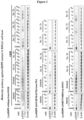
- Figure 1 shows visualization of Western blots showing the results of inhibition of phosphorylation level of mutant EGFR as compared to wildtype EGFR.
- the present invention provides methods of preparing a group of aminopyrimidine derivatives and pharmaceutically acceptable salts thereof that are useful for inhibiting one or more protein kinases and for treating diseases and disorders that are mediated by the protein kinase, for example, cell proliferative disease and disorder such as cancer, autoimmune diseases, infection, cardiovascular disease, and neurodegenerative disease and disorder.
- a method of preparing a compound of Formula (I) comprising reducing a compound of formula (f) using a reducing agent in a first solvent, followed by amide formation in the presence of acryloyl chloride, and a first base in a second solvent, wherein:
- R 1 is -OCH 3 ;
- R 4 is H, - CH 3 , F, or Cl;
- R 5 is hydrogen, C 1-6 alkyl, C 3-7 cycloalkyl, pyridinyl, thiophenyl, furanyl, N-methyl pyrrolidinyl, N-methyl pyrazolyl, or phenyl;
- R 8 is methyl; and n is 1.
- R 2 is H;
- R 6 is H;
- R 3 is morpholino, N-methyl piperazinyl, piperidinyl, azetidinyl, pyrrodinyl, 4-acetylpiperidinyl, N,N-dimethylamino, 1,4-oxazepan-4-yl, or 4-methyl-1,4,-diazepan-1-yl; and
- R 7 is -(CH 2 )NR 9 R 10 or - (CH 2 )NR 11 R 12 .
- R 9 is methyl, ethyl, propyl, cyclopropylmethyl, or cyclobutylmethyl; and R 10 is methyl, ethyl, propyl, cyclopropylmethyl, oxetanyl, oxethanemethyl, N-methyazetinyl, N,N-dimethylethyl, or methoxyethyl; and NR 11 R 12 is azetidinyl, 3-hydroxy azetidinyl, 3-methoxy azetidinyl, pyrrolidinyl, (S)-3-hydroxy pyrrolidinyl, (R)-3-hydroxy pyrrolidinyl, (3R,4S)-3,4-dihydroxypyrrolidinyl, (3S,4R)-3-hydroxy-4-methoxypyrrolidinyl, piperidinyl, morpholinyl, N-methylpiperazinyl, azamorpholinyl, piperid
- R 5 is hydrogen, methyl, isopropyl, t-butyl, cyclopropyl, 2-thiophenyl, 2-furanyl, 3-furanyl, 3-pyridyl, 4-pyridyl or phenyl.
- R 7 is -(CH 2 )NR 9 R 10 or - (CH 2 )NR 11 R 12 .
- R 9 is methyl, ethyl, propyl, cyclopropylmethyl, or cyclobutylmethyl; and R 10 is methyl, ethyl, propyl, cyclopropylmethyl, oxetanyl, oxethanemethyl, N-methyazetinyl, N,N-dimethylethyl, or methoxyethyl; and NR 11 R 12 is azetidinyl, 3-hydroxy azetidinyl, 3-methoxy azetidinyl, pyrrolidinyl, (S)-3-hydroxy pyrrolidinyl, (R)-3-hydroxy pyrrolidinyl, (3R,4S)-3,4-dihydroxypyrrolidinyl, (3S,4R)-3-hydroxy-4-methoxypyrrolidinyl, piperidinyl morpholinyl, N-methylpiperazinyl, azamorpholinyl, piperidin
- R 1 is -OCH 3 ; and n is 1.
- the compound is a compound described herein or a pharmaceutically acceptable salt thereof.
- alkyl used alone or as part of a larger moiety such as “arylalkyl” or “cycloalkyl” refers to a straight or branched hydrocarbon radical having from 1 to 15 carbon atoms or from 1-8 carbon atoms (unless stated otherwise) and includes, for example, methyl, ethyl, n-propyl, iso-propyl, n-butyl, sec-butyl, iso-butyl, tert-butyl, n-pentyl, iso-pentyl, n-hexyl and the like.
- An alkyl can be unsubstituted or substituted with one or more suitable substituents.
- cycloalkyl refers to a monocyclic or polycyclic hydrocarbon ring group and includes, for example, cyclopropyl, cycloheptyl, cyclooctyl, cyclodecyl, cyclobutyl, adamantyl, norpinanyl, decalinyl, norbornyl, cyclohexyl, cyclopentyl, and the like.
- a cycloalkyl group can be unsubstituted or substituted with one or more suitable substituents.
- hetero refers to the replacement of at least one carbon atom member in a ring system with at least one heteroatom such as nitrogen, sulfur, and oxygen.
- heterocycloalkyl means a non-aromatic monocyclic or polycyclic ring comprising carbon and hydrogen atoms and at least one heteroatom, preferably, 1 to 4 heteroatoms selected from nitrogen, sulfur, oxygen, sulfone, or sulfoxide.
- a heterocycloalkyl group can have one or more carbon-carbon double bonds or carbon-heteroatom double bonds in the ring group as long as the ring group is not rendered aromatic by their presence.
- heterocycloalkyl groups include azetidinyl, aziridinyl, pyrrolidinyl, piperidinyl, piperazinyl, homopiperazinyl, morpholino, thiomorpholino, tetrahydrofuranyl, tetrahydrothiofuranyl, tetrahydropyranyl, pyranyl, and the like.
- a heterocycloalkyl group can be unsubstituted or substituted with one or more suitable substituents.
- halogen includes fluoro, chloro, bromo, and iodo.
- alkoxy refers to the alkyl groups above bound through oxygen, examples of which include methoxy, ethoxy, iso-propoxy, tert-butoxy, and the like.
- alkoxy also refers to polyethers such as -O-(CH 2 ) 2 - O-CH 3 , and the like.
- An alkoxy can be unsubstituted or substituted with one or more suitable substituents.
- aryl refers to unsubstituted or substituted aromatic monocyclic or polycyclic groups and includes, for example, phenyl and naphthyl.
- aryl also includes a phenyl ring fused to a non-aromatic carbocyclic or heterocyclic ring.
- aryl may be interchangeably used with “aryl ring,” aromatic group,” and “aromatic ring.
- Heteroaryl groups have 4 to 14 atoms, 1 to 9 of which are independently selected from the group consisting of oxygen, sulfur and nitrogen. Heteroaryl groups have 1-3 heteroatoms in a 5-8 membered aromatic group.
- An aryl or heteroaryl can be a mono- or bicyclic aromatic group.
- Typical aryl and heteroaryl groups include, for example, phenyl, quinolinyl, indazoyl, indolyl, dihydrobenzodioxynyl, 3-chlorophenyl, 2,6-dibromophenyl, pyridyl, pyrimidinyl, 3- methylpyridyl, benzothienyl, 2,4,6-tribromophenyl, 4-ethylbenzothienyl, furanyl, 3,4- diethylfuranyl, naphthyl, 4,7-dichloronaphthyl, pyrrole, pyrazole, imidazole, thiazole, and the like.
- An aryl or heteroaryl can be unsubstituted or substituted with one or more suitable substituents.
- haloalkyl refers to any alkyl radical having one or more hydrogen atoms replaced by a halogen atom.
- examples of haloalkyl include - CF 3 , -CHF 2 , - CH 2 F, and the like.
- hydroxyl or "hydroxy” refers to -OH.
- amino refers to -NH 2 .
- hydroxyalkyl refers to any hydroxyl derivative of alkyl radical.
- hydroxyalkyl includes any alkyl radical having one or more hydrogen atoms replaced by a hydroxy group.
- a "substituent” as used herein, refers to a molecular moiety that is covalently bonded to an atom within a molecule of interest.
- a ring substituent may be a moiety such as a halogen, alkyl group, haloalkyl group or other group that is covalently bonded to an atom (preferably a carbon or nitrogen atom) that is a ring member.
- Substituents of aromatic groups are generally covalently bonded to a ring carbon atom.
- substitution refers to replacing a hydrogen atom in a molecular structure with a substituent, such that the valence on the designated atom is not exceeded, and such that a chemically stable compound (i.e., a compound that can be isolated, characterized, and tested for biological activity) results from the substitution.
- certain groups can be unsubstituted or substituted with one or more suitable substituents other than hydrogen at one or more available positions, typically 1, 2, 3, 4 or 5 positions, by one or more suitable groups (which may be the same or different). Certain groups, when substituted, are substituted with 1, 2, 3 or 4 independently selected substituents. Suitable substituents include halogen, alkyl, haloalkyl, aryl, hydroxy, alkoxy, hydroxyalkyl, amino, and the like.
- the invention provides a method of preparing a compound of Formula (I) by reduction of the compound of formula (f) by using a reducing agent in the first solvent, followed by amide formation in the presence of acryloyl chloride, the first base in the second solvent (see Scheme 1).
- the invention also provides the following: (i) a method of preparing a compound of formula (f) by reductive amination of the compound of formula (e) and an amine derivatives by using a reducing agent in the third solvent (see Scheme 1) (ii) a method of preparing a compound of formula (e) by reacting the compound of formula (c) with heteroaryl intermediates (d) in the presence of the second base, in the fourth organic solvent (see Scheme 1); (iii) a method of preparing a compound of formula (c) by reacting a compound of formula (a) with a compound of formula (b) in the presence of the third base in the fifth organic solvent (see Scheme 1).
- the invention also provides a method of preparing a compound of Formula (I) according to Scheme 1.
- the invention also provides a method of preparing a compound of formula (e) by reaction of the compound of formula (h) with aniline intermediates (g) in the presence of the fourth base in the fifth solvent, a ligand, a palladium catalyst in the fifth organic solvent (see Scheme 2).
- the invention also provides a method of preparing a compound of Formula (I) according to Scheme 2.
- the invention also provides (i) a method of preparing a compound of formula ( j ) from the compound of formula (i) with aniline intermediates (g) with the procedure as described in WO2013/109882 A1 ; (ii) a method of preparing a compound of formula ( j ) from the compound of formula ( j ) by oxidation with mCPBA or Oxone ® as described in WO2013/109882 A1 ; (iii) a method of preparing the compound of formula (e) from a compound of formula ( k ) by reaction with the compound of formula ( d ) in the presence of the second base in the fourth organic solvent (see Scheme 3).
- the invention also provides a method of preparing a compound of Formula ( I ) according to Scheme 3.
- the fifth organic solvent is generally selected from relatively polar, aprotic solvents such as acetone, tetrahydrofuran, N,N- dimethylformamide, N,N-dimethylacetamide, dichloromethane, dichloroethane, or acetonitrile;
- the fourth organic solvent is generally selected from aprotic solvents such as toluene, dioxane, tetrahydrofuran, N,N-dimethylformamide, N,N-dimethylacetamide or N- methylmorpholine;
- the third organic solvent is generally selected from relatively polar, solvents such as tetrahydrofuran, methanol, ethanol, dichloromethane, dichloroethane, N,N-dimethylacetamide or N,N-dimethylformamide;
- the first solvent is generally selected from relatively polar, protic solvents such as methanol, ethanol,
- the second and the third bases are generally selected from bases such as K 2 CO 3 , Cs 2 CO 3 , NaOH, KOH, NaH, tert-BuOK, ter-BuONa, triethylamine, or diisopropylethylamine;
- the first base is generally selected from bases such as triethylamine, diisopropylethylamine, NaH, NaHCOs, tert- BuOK, tert-BuONa, Cs 2 CO 3 , or K 2 CO 3 ;
- the fourth base is selected generally from bases such as NaH, n-BuLi, Cs 2 CO 3 , triethylamine, or diisopropylethylamine;
- a palladium catalyst is generally selected from Pd(OAc) 2 , Pd 2 (dba) 3 , Pd(PPh 3 ) 4 , or Pd(dppf)C
- cancer refers to an abnormal growth of cells which tend to proliferate in an uncontrolled way and, in some cases, to metastasize.
- types of cancer include, but is not limited to, solid tumors, such as those of the bladder, bowel, brain, breast, endometrium, heart, kidney, lung, lymphatic tissue (lymphoma), ovary, pancreas or other endocrine organ (thyroid), prostate, skin (melanoma) or hematological tumors (such as the leukemias).
- EGFR mutation refers to mutation of T790M (resistant or oncogenic), L858R (activating), del E746-A750 (activating) or a combination thereof.
- the compounds prepared according to the invention selectively inhibit at one activating mutation and at one point mutation.
- an at least one activating mutation is a deletion mutation, del E746-A750.
- an at least one activating mutation is a point mutation L858R.
- the at least one resistant mutation is a point mutation, T790M.
- the at least one mutation of EGFR is L858R and/or T790M.
- mutant selective inhibition refers to the state that invention inhibits at least one mutation of EGFR (i.e. at least one deletion mutation, at least one activating mutation, at least one resistant mutation, or a combination of at least one deletion mutation and at least one point mutation) in at least one assay described herein (e.g., biochemical or cellular).
- the term “selectively inhibits”, as used in comparison to inhibition of other kinases, refers to that invention poorly inhibits at least one of kinase panel.
- EGFR wildtype selectivity refers to that a selective inhibitor of at least one mutation of EGFR, as defined and described above and herein, inhibits EGFR at the upper limit of detection of at least one assay as described herein (e.g. cellular as described in detail in Table 1 and Table 2).
- EGFR wildtype selectivity means that the invention inhibits WT EGFR with an IC 50 of at least 200-1000nM or > 1000nM.
- the term “inhibitor” refers to a compound which inhibits one or more kinase described herein.
- EGFR mutant inhibitor refers to a compound which inhibits the EGFR mutant receptor or reduces the signaling effect.
- the term "pharmaceutically acceptable” refers a material, such as a carrier or diluent, which does not abrogate the biological activity or properties of the compounds described herein. Such materials are administered to an individual without causing undesirable biological effects or interacting in a deleterious manner with any of the components of the composition in which it is contained.
- the term "pharmaceutically acceptable salt” refers to a formulation of a compound that does not cause significant irritation to an organism to which it is administered and does not abrogate the biological activity and properties of the compounds described herein.
- the term "pharmaceutical combination” means a product that results from the mixing or combining of more than one active ingredient.
- the term "pharmaceutical composition” refers to a mixture of a compound described herein with other chemical components, such as carriers, stabilizers, diluents, dispersing agents, suspending agents, thickening agents, and/or excipients.
- prodrug refers to an agent that is converted into the parent drug in vivo. Prodrugs are often useful because, in some situations, they may be easier to administer than the parent drug. Prodrugs are bio-available by oral administration whereas the parent is not. Prodrugs improve solubility in pharmaceutical compositions over the parent drug.
- a non-limiting example of a prodrug of the compounds described herein is a compound described herein administered as an ester which is then metabolically hydrolyzed to a carboxylic acid, the active entity, once inside the cell.
- a further example of a prodrug is a short peptide bonded to an acid group where the peptide is metabolized to reveal the active moiety.
- protein kinase-mediated disease or a "disorder or disease or condition mediated by inappropriate protein kinase activity” refers to any disease state mediated or modulated by protein kinases described herein.
- disease states include, but are not limited to non-small cell lung cancer (NSCLC).
- EGFR mutant-mediated disease or a "disorder or disease or condition mediated by inappropriate EGFR activity” refers to any disease state mediated or modulated by EGFR mutant kinase mechanisms.
- disease states include, but are not limited to NSCLC, metastatic brain cancer and other solid cancers.
- JAK3-mediated disease or a “disorder or disease or condition mediated by inappropriate JAK3 activity” refers to any disease state mediated or modulated by JAK3 kinase mechanisms.
- disease states include, but are not limited to rheumatoid arthritis, psoriasis and organ transplant rejection and some solid cancers.
- the term "treat,” “treating” or “treatment” refers to methods of alleviating, abating or ameliorating a disease or condition symptoms, preventing additional symptoms, ameliorating or preventing the underlying metabolic causes of symptoms, inhibiting the disease or condition, arresting the development of the disease or condition, relieving the disease or condition, causing regression of the disease or condition, relieving a condition caused by the disease or condition, or stopping the symptoms of the disease or condition either prophylactically and/or therapeutically.
- solvate refers to a complex of variable stoichiometry formed by a solute (in this invention, a compound of Formula (I) or a pharmaceutically acceptable salt thereof) and a solvent.
- solvents for the purpose of the invention may not interfere with the biological activity of the solute.
- suitable solvents include water, acetone, methanol, ethanol and acetic acid.
- the solvent used is a pharmaceutically acceptable solvent.
- suitable pharmaceutically acceptable solvents include water, ethanol and acetic acid.
- the term "subject” or “patient” encompasses mammals and non-mammals.
- mammals include, but are not limited to, humans, chimpanzees, apes monkeys, cattle, horses, sheep, goats, swine; rabbits, dogs, cats, rats, mice, guinea pigs, and the like.
- non-mammals include, but are not limited to, birds, fish and the like.
- administering refers to providing a compound of the invention and/or prodrugs thereof to a subject in need of treatment.
- carrier refers to chemical compounds or agents that facilitate the incorporation of a compound described herein into cells or tissues.
- co-administration or “combined administration” or the like as used herein are meant to encompass administration of the selected therapeutic agents to a single patient, and are intended to include treatment regimens in which the agents are not necessarily administered by the same route of administration or at the same time.
- the term "acceptable" with respect to a formulation, composition or ingredient, as used herein, means having no persistent detrimental effect on the general health of the subject being treated.
- dilute refers to chemical compounds that are used to dilute a compound described herein prior to delivery. Diluents can also be used to stabilize compounds described herein.
- an "effective amount” or “therapeutically effective amount” refer to a sufficient amount of a compound described herein being administered which will relieve to some extent one or more of the symptoms of the disease or condition being treated. The result can be reduction and/or alleviation of the signs, symptoms, or causes of a disease, or any other desired alteration of a biological system.
- an "effective amount” for therapeutic uses is the amount of the composition comprising a compound as disclosed herein required to provide a clinically significant decrease in disease symptoms.
- An appropriate "effective" amount in any individual case may be determined using techniques, such as a dose escalation study.
- a therapeutically effective amount of a compound of the invention may be in the range of e.g., about 0.01 mg/kg/day to about 100 mg/kg/day, or from about 0.1 mg/kg/day to about 10 mg/kg/day.
- kinases include, but are not limited to EGFR and JAK3 (JH1domain-catalytic) kinases, and mutant forms thereof.
- the compounds are useful for treating diseases or disorders in which such kinases contribute to the pathology and/or symptomology of a disease or disorder associated with or mediated by such kinase.
- diseases are associated with abnormal cellular responses triggered by protein kinase mediated events. These diseases include, but are not limited to, autoimmune diseases, inflammatory diseases, bone diseases, metabolic diseases, neurological and neurodegenerative diseases, cancer, cardiovascular diseases, respiratory diseases, allergies and asthma, Alzheimer's disease, and hormone related diseases.
- Aberrant or excessive PTK activity has been observed in many disease states such as benign and malignant proliferative disorders, diseases resulting from inappropriate activation of the immune system and diseases resulting from inappropriate activation of the nervous systems.
- Specific diseases or conditions include, but are not limited to, allograft rejection, graft vs.
- EGFR Epidermal growth factor receptor
- the epidermal growth factor receptor (EGFR; ErbB-1; HER1 in human) is the cell-surface receptor for members of the epidermal growth factor family (EGF-family) of extracellular protein ligands.
- the epidermal growth factor receptor is a member of the ErbB family of receptors, a subfamily of four related receptor tyrosine kinases: EGFR (ErbB-1), HER2/c-neu (ErbB-2), Her 3 (ErbB-3) and Her 4 (ErbB-4). Mutations affecting EGFR expression or activity could result in cancer.
- EGFR exists on the cell surface and is activated by binding of its specific ligands, including epidermal growth factor and transforming growth factor ⁇ (TGF ⁇ ). Upon activation by its growth factor ligands, EGFR undergoes a transition from an inactive monomeric form to an active homodimer . In addition to forming homodimers after ligand binding, EGFR may pair with another member of the ErbB receptor family, such as ErbB2/Her2/neu, to create an activated heterodimer. ErbB2 has no known direct activating ligand, and may be in an activated state constitutively or become active upon hetero-dimerization with other family members such as EGFR.
- EGFR The dimerization of EGFR stimulates its intrinsic intracellular protein-tyrosine kinase activity.
- This autophosphorylation elicits downstream activation and signaling by several other proteins that associate with the phosphorylated tyrosines through their own phosphotyrosine-binding SH2 domains.
- These downstream signaling proteins initiate several signal transduction cascades, principally the MAPK, Akt and JNK pathways, leading to DNA synthesis and cell proliferation.
- Such proteins modulate phenotypes such as cell migration, adhesion, and proliferation.
- Activation of the receptor is important for the innate immune response in human skin.
- the kinase domain of EGFR can also cross-phosphorylate tyrosine residues of other receptors it is aggregated with, and can itself be activated in that manner.
- EGFR overexpression known as upregulation
- overactivity have been associated with a number of cancers, including lung cancer, anal cancers and glioblastoma multiforms. These somatic mutations involving EGFR lead to its constant activation, which produces uncontrolled cell division. In glioblastoma a more or less specific mutation of EGFR, called EGFRvIII is often observed. Mutations, amplifications or misregulations of EGFR or family members are implicated in about 30% of all epithelial cancers.
- NSCLC non-small cell lung carcinoma
- EGFR epidermal growth factor receptor
- EGFR mutations occur in 10-15% of NSCLC patients of Caucasian descent and 30-35% of NSCLC patients of East Asian descent. Clinical features likely to be associated with EGFR mutations are non-smoker and of East Asian ethnicity.
- Brain metastases are the most common intracranial neoplasm, occurring in 8-10% of cancer patients, and are a significant cause of cancer-related morbidity and mortality worldwide Brain metastases develop in approximately 30% of patients with non-small cell lung cancer (NSCLC).
- NSCLC non-small cell lung cancer
- the relative frequency of brain metastases in patients with adenocarcinoma and large cell carcinoma was much higher than that in patients with squamous cell carcinoma.
- the compounds described herein are inhibitors of EGFR mutant kinase activity and have therapeutic benefit in the treatment of disorders associated with inappropriate EGFR mutant activity, in particular in the treatment and prevention of disease states mediated by EGFR mutant.
- disease states include NSCLC, breast cancer, metastatic brain cancer and other solid cancers.
- the compoundsprepared by the methods of the present invention provide methods of regulating, and in particular inhibiting, signal transduction cascades in which EGFR mutant(s) plays a role.
- the method generally involves contacting a EGFR mutant-dependent receptor or a cell expressing a EGFR mutant -dependent receptor with an amount of a compound described herein, or prodrug a compound described herein, or an acceptable salt, hydrate, solvate, N-oxide and/or composition thereof, effective to regulate or inhibit the signal transduction cascade.
- the methods are used to regulate, and in particular inhibit, downstream processes or cellular responses elicited by activation of the particular EGFR mutant-dependent signal transduction cascade.
- the methods are practiced to regulate any signal transduction cascade where EGFR mutant is not known or later discovered to play a role.
- the methods are practiced in in vitro contexts or in in vivo contexts as a therapeutic approach towards the treatment or prevention of diseases characterized by, caused by or associated with activation of the EGFR mutant-dependent signal transduction cascade.
- Janus kinase 3 is a tyrosine kinase that belongs to the Janus family of kinases. Other members of the Janus family include JAK1, JAK2 and TYK2. They are cytosolic tyrosine kinases that are specifically associated with cytokine receptors. Since cytokine receptor proteins lack enzymatic activity, they are dependent upon JAKs to initiate signaling upon binding of their ligands (e.g. cytokines). The cytokine receptors can be divided into five major subgroups based on their different domains and activation motifs. JAK3 is required for signaling of the type I receptors that use the common gamma chain ( ⁇ c).
- ⁇ c common gamma chain
- JAK3 In contrast to the relatively ubiquitous expression of JAK1, JAK2 and Tyk2, JAK3 is predominantly expressed in hematopoietic lineage such as NK cells, T cells and B cells and intestinal epithelial cells. JAK3 functions in signal transduction and interacts with members of the STAT (signal transduction and activators of transcription) family. JAK3 is involved in signal transduction by receptors that employ the common gamma chain ( ⁇ c) of the type I cytokine receptor family (e.g. IL-2R, IL-4R, IL-7R, IL-9R, IL-15R, and IL-21R). Mutations of JAK3 result in severe combined immunodeficiency (SCID). Mice that do not express JAK3 have T-cells and B-cells that fail to respond to many cytokines.
- SCID severe combined immunodeficiency
- JAK3 Since JAK3 is required for immune cell development, targeting JAK3 could be a useful strategy to generate a novel class of immunosuppressant drugs. Moreover, unlike other JAKs, JAK3 is primarily expressed in hematopoietic cells, so a highly specific JAK3 inhibitor should have precise effects on immune cells and minimal pleiotropic defects. The selectivity of a JAK3 inhibitor would also have advantages over the current widely used immunosuppressant drugs, which have abundant targets and diverse side effects. A JAK3 inhibitor could be useful for treating autoimmune diseases, especially those in which a particular cytokine receptor has a direct role on disease pathogenesis. For example, signaling through the IL-15 receptor is known to be important in the development rheumatoid arthritis, and the receptors for IL-4 and IL-9 play roles in the development of allergic responses.
- NK/T-cell lymphoma is an aggressive malignancy with poor prognosis in which, usually, signal transducer and activator of transcription 3 (STAT3) is constitutively activated and oncogenic. It was demonstrated that STAT3 activation mostly results from constitutive Janus kinase 3(JAK3) phosphorylation on tyrosine 980, as observed in three of the four tested NKCL cell lines and in 20 of the 23 NKCL tumor samples. In one of the cell lines and in 4 of 19 NKCL primary tumor samples, constitutive JAK3 activation was related to an acquired mutation (A573V or V722I) in the JAK3 pseudokinase domain.
- STAT3 activation mostly results from constitutive Janus kinase 3(JAK3) phosphorylation on tyrosine 980, as observed in three of the four tested NKCL cell lines and in 20 of the 23 NKCL tumor samples.
- constitutive JAK3 activation was related to an acquired mutation (A573V or V
- JAK3/STAT3 pathway constitutive activation of the JAK3/STAT3 pathway has a major role in NKCL cell growth and survival and in the invasive phenotype.
- NKCL cell growth was slowed down in vitro by targeting JAK3 with chemical inhibitors or small-interfering RNAs.
- JAK3 inhibitors small-interfering RNAs.
- tumor growth was significantly delayed by the JAK3 inhibitor. Therefore, the constitutive activation of JAK3, which can result from JAK3-activating mutations, is a frequent feature of NKCL so that it could be therapeutic target.
- the compounds described herein are inhibitors of JAK3 kinase activity and have therapeutic benefit in the treatment of disorders associated with inappropriate JAK3 activity, in particular in the treatment and prevention of disease states mediated by JAK3.
- disease states include rheumatoid arthritis, psoriasis and organ transplant rejection, lymphoma and some solid cancers.
- Such compounds are administered in therapeutically effective amounts either alone or as part of a pharmaceutical composition.
- Such pharmaceutical compositions may comprise at least one compound provided herein, including at least one compound of Formula (I), pharmaceutically acceptable salts and/or solvates thereof, and one or more pharmaceutically acceptable carriers, diluents, adjuvant or excipients.
- such compounds and compositions are administered singly or in combination with one or more additional therapeutic agents.
- the methods of administration of such compounds and compositions include, but are not limited to, intravenous administration, inhalation, oral administration, rectal administration, parenteral, intravitreal administration, subcutaneous administration, intramuscular administration, intranasal administration, dermal administration, topical administration, ophthalmic administration, buccal administration, tracheal administration, bronchial administration, sublingual administration or optic administration.
- Compounds provided herein are administered by way of known pharmaceutical formulations, including tablets, capsules or elixirs for oral administration, suppositories for rectal administration, sterile solutions or suspensions for parenteral or intramuscular administration, lotions, gels, ointments or creams for topical administration, and the like.
- the therapeutically effective amount will vary depending on, among others, the disease indicated, the severity of the disease, the age and relative health of the subject, the potency of the compound administered, the mode of administration and the treatment desired.
- the required dosage will also vary depending on the mode of administration, the particular condition to be treated and the effect desired.
- Pharmaceutically acceptable salt forms include pharmaceutically acceptable acidic/anionic or basic/cationic salts.
- Pharmaceutically acceptable acidic/anionic salts include acetate, benzenesulfonate, benzoate, bicarbonate, bitartrate, bromide, calcium edetate, camsylate, carbonate, chloride, citrate, dihydrochloride, edetate, edisylate, estolate, esylate, fumarate, glyceptate, gluconate, glutamate, glycollylarsanilate, hexylresorcinate, hydrobromide, hydrochloride, hydroxynaphthoate, iodide, isethionate, lactate, lactobionate, malate, maleate, malonate, mandelate, mesylate, methyl sulfate, mucate, napsylate, nitrate, pamoate, pantothenate, phosphate/diphosphate, polygal
- Pharmaceutically acceptable basic/cationic salts include, the sodium, potassium, calcium, magnesium, diethanolamine, N-methyl-D-glucamine, L-lysine, L-arginine, ammonium, ethanolamine, piperazine and triethanolamine salts.
- a pharmaceutically acceptable acid salt is formed by reaction of the free base form of a compound of Formula (I) with a suitable inorganic or organic acid including, but not limited to, hydrobromic, hydrochloric, sulfuric, nitric, phosphoric, succinic, maleic, formic, acetic, propionic, fumaric, citric, tartaric, lactic, benzoic, salicylic, glutamic, aspartic, p-toluenesulfonic, benzenesulfonic, methanesulfonic, ethanesulfonic, naphthalenesulfonic such as 2-naphthalenesulfonic, or hexanoic acid.
- a suitable inorganic or organic acid including, but not limited to, hydrobromic, hydrochloric, sulfuric, nitric, phosphoric, succinic, maleic, formic, acetic, propionic, fumaric, citric, tartaric, lactic, benzo
- a pharmaceutically acceptable acid addition salt of a compound of Formula (I) can comprise or be, for example, a hydrobromide, hydrochloride, sulfate, nitrate, phosphate, succinate, maleate, formarate, acetate, propionate, fumarate, citrate, tartrate, lactate, benzoate, salicylate, glutamate, aspartate, p-toluenesulfonate, benzenesulfonate, methanesulfonate, ethanesulfonate, naphthalenesulfonate (e.g., 2- naphthalenesulfonate) or hexanoate salt.
- the free acid or free base forms of the compounds of the invention may be prepared from the corresponding base addition salt or acid addition salt form, respectively.
- a compound of the invention in an acid addition salt form may be converted to the corresponding free base form by treating with a suitable base (e.g., ammonium hydroxide solution, sodium hydroxide, and the like).
- a suitable base e.g., ammonium hydroxide solution, sodium hydroxide, and the like.
- a compound of the invention in a base addition salt form may be converted to the corresponding free acid by treating with a suitable acid (e.g., hydrochloric acid, etc.).
- Prodrug derivatives of the compounds of the invention may be prepared by methods known to those of ordinary skill in the art (e.g., for further details see Saulnier et al, Bioorg. Med. Chem. Letters, 1994, 4, 1985 ; the entire teachings of which are incorporated herein by reference).
- Protected derivatives of the compounds of the invention may be prepared by means known to those of ordinary skill in the art. A detailed description of techniques applicable to the creation of protecting groups and their removal can be found in T. W. Greene, "Protecting Groups in Organic Chemistry," 3rd edition, John Wiley and Sons, Inc., 1999 , the entire teachings of which are incorporated herein by reference.
- Compounds of the invention may be prepared as their individual stereoisomers by reaction of a racemic mixture of the compound with an optically active resolving agent to form a pair of diastereoisomeric compounds, separating the diastereomers and recovering the optically pure enantiomers.
- Resolution of enantiomers may be carried out using covalent diastereomeric derivatives of the compounds of the invention, or by using dissociable complexes (e.g., crystalline diastereomeric salts).
- Diastereomers have distinct physical properties (e.g., melting points, boiling points, solubility, reactivity, etc.) and may be readily separated by taking advantage of these dissimilarities.
- the diastereomers may be separated by chromatography, or by separation/resolution techniques based upon differences in solubility.
- the optically pure enantiomer is then recovered, along with the resolving agent, by any practical means that would not result in racemization.
- Suitable pharmaceutically acceptable carriers, diluents, adjuvants, or excipients include tablets (coated tablets) made of for example collidone or shellac, gum Arabic, talc, titanium dioxide or sugar, capsules (gelatin), solutions (aqueous or aqueous ethanolic solution), syrups containing the active substances, emulsions or inhalable powders (of various saccharides such as lactose or glucose, salts and mixture of these excipients with one another) and aerosols (propellant-containing or -free inhale solutions).
- Excipients which may be used include, for example, water, pharmaceutically acceptable organic solvents such as paraffins (e.g., petroleum fractions), vegetable oils (e.g. groundnut or sesame oil), mono- or polyfunctional alcohols (e.g., ethanol or glycerol), carriers such as natural mineral powders (e.g., kaoline, clays, talc, chalk), synthetic mineral powders (e.g., highly dispersed silicic acid and silicates), sugars (e.g., cane sugar, lactose and glucose), emulsifiers (e.g., lignin, spent sulphite liquors, methylcellulose, starch and polyvinylpyrrolidone) and lubricants (e.g., magnesium stearate, talc, stearic acid and sodium lauryl sulphate).
- paraffins e.g., petroleum fractions
- vegetable oils e.g. groundnut or sesame oil
- the present invention is further exemplified by the following examples that illustrate the preparation of compounds of Formula (I) according to the invention.
- the examples are for illustrative purpose only and are not intended, nor should they be construed as limiting the invention in any manner. Those skilled in the art will appreciate that variations and modifications can be made without changing the scope of the invention.
- N-(2-methoxy-5-nitrophenyl)formamide (0.30 g, 1.53 mmol) in 4 mL of THF and DMF mixture (1:1) was added 122.4 mg of NaH (60%, 3.06 mmol) at 0 °C.
- N-Formamide was prepared from 2-methoxy-5-nitroaniline with formic acid by the known procedure described in PCT Int, Appl. 2006102642. The resulting slurry was warmed to rt and stirred for 30 min and cooled again to 0 °C.
- 1-(2-Chloropyrimidin-4-yl)-3-methyl-1H-pyrazole-4-carbaldehyde 130 mg, 0.59 mmol was added to a mixture of 2-methoxy-5-nitroaniline (88.6 mg, 0.53 mmol), Pd(OAc) 2 (6.5 mmol, 0.029 mmol), ( ⁇ )-2,2'-bis(diphenylphosphino)-1,1'-binaphthalene (BINAP, 36.5 mg, 0.059 mmol), K 2 CO 3 (161.8 mg, 1.17 mmol) in 10 mL of 1,4-dioxane (degassed for 20 min prior to use).
- 1-(2-Chloropyrimidin-4-yl)-3-methyl-1H-pyrazole-4-carbaldehyde was prepared by the known procedure as described in WO 2013/109882 A1 .
- Guanidine nitrate (1.22 g, 10.00 mmol) was added portionwise to a cooled mixture of 4-bromo-2-methoxyaniline (2.02 g, 10.00 mmol) in 85% sulfuric acid (15.68 mL, 250.00 mmol).
- the resulting blue mixture was stirred for 45 min at 0 °C and was slowly poured over a well-stirred mixture of 1N NaOH (40 mL) and ice (120 g). The aqueous layer was extracted with ethyl acetate and the organic layer was concentrated in vacuo.
- Compound 150 1-((4-methyl-1-(2-(2-methylbiphenyl-4-ylamino)pyrimidin-4-yl)-1H-pyrrol-3-yl)methyl)azetidin-3-ol
- Compounds prepared according to the present invention were assayed to measure their capacity to inhibit a kinase panel which includes SYK, KDR, JAK3, and EGFR mutants.
- EGFR mutants such as del E746-A750, L858R, L858R/T790M and del E746-A750/T790M (Carna Biosciences TM ), were diluted in kinase buffer and added to the compound solutions and pre-incubated for 30 minutes (EGFR mutants for 2 hours) at room temperature.
- ATP Teknova TM
- substrate solution Ulight TM -TK peptide for SYK, Ulight TM -Jak1 for KDR and JAK3, and Ulight TM -PolyGT for EGFR mutants (PerkinElmer TM )
- ATP Teknova TM
- substrate solution Ulight TM -TK peptide for SYK, Ulight TM -Jak1 for KDR and JAK3, and Ulight TM -PolyGT for EGFR mutants (PerkinElmer TM )
- the stop solution made with EDTA, water, and Lance detection buffer (PerkinElmer TM ) was added (12 ⁇ L each) to the reaction mixture to stop the phosphorylation.
- the detection solution containing the Europium-labeled antibody, water, and Lance detection buffer was added (12 ⁇ L each) to the reaction mixture and incubated again for 50 minutes.
- Substrate phosphorylation was a function of the 665 nm emission measured following the addition of the detection solution and 50 minutes of incubation.
- the potency of compound was assigned as ⁇ 20 nM in IC 50 , 21 to 200 nM in IC 50 , 201 to 1000nM in IC 50 and >1000nM in IC 50 .
- the IC 50 value was determined by GraphPad Prism 5.
- IC 50 half maximal inhibitory concentration indicates 50% inhibition on the given kinase activity (e.g., 0 % inhibition in control treated with no inhibitor) by the compounds of Formula (I).
- IC 50 half maximal inhibitory concentration indicates 50% inhibition on the given kinase activity (e.g., 0 % inhibition in control treated with no inhibitor) by the compounds of Formula (I).
- Compounds of Formula (I) exhibited various levels of inhibition of the given protein kinase on the panel. Certain compounds exhibited a potent inhibition of all test EGFR mutants and good selectivity over other kinases, KDR and SYK as shown in Tables 1 to 5.
- Reference compound Erlotinib shows moderate inhibition against EGFR Del E746-A750 mutant and EGFR L858R mutant (20-200nM in IC 50 ) but no or little inhibition against other EGFR mutants, SYK, KDR and JAK3(>1000nM in IC 50 ).
- the irreversible inhibitors Afatinib displayed potent inhibition against all EGFR mutants and JAK3 ( ⁇ 20nM in IC 50 ) but no or little inhibition against SYK and KDR (>1000nM in IC 50 ).
- some compounds of Formula (I) displayed strong potency and kinase selectivity similar to the compound 73 and those are equally similar to the irreversible inhibitor Afatinib in terms of potency against all test EGFR mutants.
- some of Formula (I) including compound 73 shows no or little inhibition against EGFR wildtype (see Table 1, Table 2 and Figure 1 ), suggesting that they are selective to EGFR wildtype.
- potent and selective inhibition ( ⁇ 20nM) of JAK3 by some of compounds of Formula (I) indicate that they could be therapeutically valuable to treat JAK3 mediated diseases such as rheumatoid arthritis, immune diseases, leukemia, lymphoma and metastatic cancer.
- the kinase potency EGFR mutants by the representative compounds of Formula (I). Biochemical potency: ⁇ 20 nM, 20-200 nM, 201-1000nM and >1000nM Compound No EGFR mutants Del19 (E746-A750) L858R L858R/T790M Del19/T790M Afatinib ⁇ 20 ⁇ 20 ⁇ 20 ⁇ 20 Erlotinib 20-200 20-200 >1000 >1000 6 20-200 20-200 ⁇ 20 ⁇ 20 7 ⁇ 20 ⁇ 20 ⁇ 20 ⁇ 20 14 ⁇ 20 ⁇ 20 ⁇ 20 ⁇ 20 15 ⁇ 20 ⁇ 20 ⁇ 20 17 ⁇ 20 ⁇ 20 ⁇ 20 19 ⁇ 20 ⁇ 20 ⁇ 20 ⁇ 20 21 ⁇ 20 20-200 ⁇ 20 ⁇ 20 22 ⁇ 20 20-200 ⁇ 20 ⁇ 20 23 201-1000 201-1000 201-1000 25 ⁇ 20 ⁇ 20 ⁇ 20 ⁇ 20 26 ⁇
- NSCLC cell lines Compounds prepared according to the invention are tested for their effects on NSCLC cell lines to illustrate efficacy of the invention at the cellular level. Mis-regulation and, in particular, over-activation of EGFR mutants have been implicated in increased proliferation of NSCLC lines. Among those cell lines, the cell viability of NSCLC PC9 depends on activation of EGFR del E746-A750 mutant as that of H1975 cell does on activation of EGFR L858R/T790M mutant. And cell viability of H2073 depends on EGFR wildtype.
- the viability of PC9 by compound of Formula ( I ) represents cellular potency of test compound against EGFR del E746-A750 mutant and that of H1975 does that against EGFRL858R/T790M mutant. And that of H2073 represents EGFR wildtype potency in NSCLC line.
- the potency of compound was assigned as ⁇ 20 nM in IC 50 , 21 to 200 nM in IC 50 , 201 to 1000nM in IC 50 and >1000nM in IC 50 .
- the IC 50 value was determined by GraphPad Prism 5.
- IC 50 half maximal inhibitory concentration indicates 50% inhibition on the given cell's viability by the compounds of Formula (I).
- Table 6 shows cellular viability of mutant EGFR expressing cells as compared to wildtype EGFR expressing cell and provides the selectivity ratio of wildtype EGFR expressing cell to mutant expressing cell for each test compound.
- Compounds of Formula (I) exhibited an potent inhibition range ( ⁇ 20nM in IC 50 ) in PC9 cell and furthermore in H1975 cell where Erlotinib did not show any potent inhibition.
- NSCLC lines H1299, PC9, and H1975 were treated with the indicated concentration of compounds for 4 hours.
- the first generation reversible inhibitor Erlotinib and the irreversible inhibitor Afatinib were used for reference inhibitor.
- H1299 cell line was simultaneously treated with addition of 3 nM EGF ligand.
- Cells were lysed in RIPA buffer (25mM Tris•HCl pH 7.6, 150mM NaCl, 1% NP-40, 1% sodium deoxycholate, 0.1% SDS) containing protease and phosphatase inhibitor cocktail (Thermo scientific).
- the half maximal inhibitory concentration indicates 50% inhibition on the given phosphorylation level at Y1068 of each EGFR protein (e.g., p-EGFR wildtype, p-EGFR del E746-A750 and p-EGFR L858R/T790M) by the compounds of Formula (I).
- Table 7 shows inhibition of phosphorylation level of mutant EGFR as compared to wildtype EGFR and provides the selectivity ratio of wildtype to mutant for each test compound.
- Selected compounds of Formula (I) such as compound 26 and 73 exhibited a potent inhibition against p-EGFR del E746-A750 and p-EGFR L858R/T790M but not p-EGFR wildtype (shown in Figure 1 and Table 7), while Afatinib showed potent inhibition against both p-EGFR wildtype, p-EGFR del E746-A750 and p-EGFR L858R/T790M.
Landscapes
- Chemical & Material Sciences (AREA)
- Organic Chemistry (AREA)
- Health & Medical Sciences (AREA)
- Life Sciences & Earth Sciences (AREA)
- Veterinary Medicine (AREA)
- Public Health (AREA)
- General Health & Medical Sciences (AREA)
- Medicinal Chemistry (AREA)
- Animal Behavior & Ethology (AREA)
- Pharmacology & Pharmacy (AREA)
- Nuclear Medicine, Radiotherapy & Molecular Imaging (AREA)
- General Chemical & Material Sciences (AREA)
- Chemical Kinetics & Catalysis (AREA)
- Engineering & Computer Science (AREA)
- Bioinformatics & Cheminformatics (AREA)
- Immunology (AREA)
- Epidemiology (AREA)
- Oncology (AREA)
- Communicable Diseases (AREA)
- Heart & Thoracic Surgery (AREA)
- Biomedical Technology (AREA)
- Neurology (AREA)
- Neurosurgery (AREA)
- Pulmonology (AREA)
- Cardiology (AREA)
- Pharmaceuticals Containing Other Organic And Inorganic Compounds (AREA)
- Plural Heterocyclic Compounds (AREA)
- Quick-Acting Or Multi-Walled Pipe Joints (AREA)
Priority Applications (7)
| Application Number | Priority Date | Filing Date | Title |
|---|---|---|---|
| RS20250168A RS66529B1 (sr) | 2014-10-13 | 2015-10-13 | Jedinjenja i kompozicije za modulaciju aktivnosti egfr mutant kinaze |
| SI201532056T SI3929190T1 (sl) | 2014-10-13 | 2015-10-13 | Spojine in sestavki za modulacijo aktivnosti mutantne kinaze egfr |
| EP24166947.2A EP4421069B1 (en) | 2014-10-13 | 2015-10-13 | Compounds and compositions for modulating egfr mutant kinase activities |
| EP25220748.5A EP4725554A3 (en) | 2014-10-13 | 2015-10-13 | Compounds and compositions for modulating egfr mutant kinase activities |
| DK24166947.2T DK4421069T3 (da) | 2014-10-13 | 2015-10-13 | Forbindelser og sammensætninger til modulering af aktiviteter af egfr-mutant kinase |
| HRP20250213TT HRP20250213T1 (hr) | 2014-10-13 | 2015-10-13 | Spojevi i pripravci za modulaciju aktivnosti egfr mutantne kinaze |
| SM20250069T SMT202500069T1 (it) | 2014-10-13 | 2015-10-13 | Composti e composizioni per modulare le attività della chinasi mutante egfr |
Applications Claiming Priority (4)
| Application Number | Priority Date | Filing Date | Title |
|---|---|---|---|
| US201462063394P | 2014-10-13 | 2014-10-13 | |
| PCT/KR2015/010784 WO2016060443A2 (en) | 2014-10-13 | 2015-10-13 | Compounds and compositions for modulating egfr mutant kinase activities |
| EP19196713.2A EP3604294B1 (en) | 2014-10-13 | 2015-10-13 | Compounds and compositions for modulating egfr mutant kinase activities |
| EP15850314.4A EP3207035B1 (en) | 2014-10-13 | 2015-10-13 | Compounds and compositions for modulating egfr mutant kinase activities |
Related Parent Applications (2)
| Application Number | Title | Priority Date | Filing Date |
|---|---|---|---|
| EP19196713.2A Division EP3604294B1 (en) | 2014-10-13 | 2015-10-13 | Compounds and compositions for modulating egfr mutant kinase activities |
| EP15850314.4A Division EP3207035B1 (en) | 2014-10-13 | 2015-10-13 | Compounds and compositions for modulating egfr mutant kinase activities |
Related Child Applications (3)
| Application Number | Title | Priority Date | Filing Date |
|---|---|---|---|
| EP24166947.2A Division EP4421069B1 (en) | 2014-10-13 | 2015-10-13 | Compounds and compositions for modulating egfr mutant kinase activities |
| EP24166947.2A Division-Into EP4421069B1 (en) | 2014-10-13 | 2015-10-13 | Compounds and compositions for modulating egfr mutant kinase activities |
| EP25220748.5A Division EP4725554A3 (en) | 2014-10-13 | 2015-10-13 | Compounds and compositions for modulating egfr mutant kinase activities |
Publications (2)
| Publication Number | Publication Date |
|---|---|
| EP3929190A1 EP3929190A1 (en) | 2021-12-29 |
| EP3929190B1 true EP3929190B1 (en) | 2024-12-25 |
Family
ID=55654993
Family Applications (5)
| Application Number | Title | Priority Date | Filing Date |
|---|---|---|---|
| EP21171619.6A Active EP3929190B1 (en) | 2014-10-13 | 2015-10-13 | Compounds and compositions for modulating egfr mutant kinase activities |
| EP19196713.2A Active EP3604294B1 (en) | 2014-10-13 | 2015-10-13 | Compounds and compositions for modulating egfr mutant kinase activities |
| EP25220748.5A Pending EP4725554A3 (en) | 2014-10-13 | 2015-10-13 | Compounds and compositions for modulating egfr mutant kinase activities |
| EP24166947.2A Active EP4421069B1 (en) | 2014-10-13 | 2015-10-13 | Compounds and compositions for modulating egfr mutant kinase activities |
| EP15850314.4A Active EP3207035B1 (en) | 2014-10-13 | 2015-10-13 | Compounds and compositions for modulating egfr mutant kinase activities |
Family Applications After (4)
| Application Number | Title | Priority Date | Filing Date |
|---|---|---|---|
| EP19196713.2A Active EP3604294B1 (en) | 2014-10-13 | 2015-10-13 | Compounds and compositions for modulating egfr mutant kinase activities |
| EP25220748.5A Pending EP4725554A3 (en) | 2014-10-13 | 2015-10-13 | Compounds and compositions for modulating egfr mutant kinase activities |
| EP24166947.2A Active EP4421069B1 (en) | 2014-10-13 | 2015-10-13 | Compounds and compositions for modulating egfr mutant kinase activities |
| EP15850314.4A Active EP3207035B1 (en) | 2014-10-13 | 2015-10-13 | Compounds and compositions for modulating egfr mutant kinase activities |
Country Status (30)
| Country | Link |
|---|---|
| US (2) | US9593098B2 (enExample) |
| EP (5) | EP3929190B1 (enExample) |
| JP (3) | JP6524221B2 (enExample) |
| KR (5) | KR102073854B1 (enExample) |
| CN (2) | CN111686110B (enExample) |
| AU (1) | AU2015331166B2 (enExample) |
| BR (1) | BR112017007769B1 (enExample) |
| CA (1) | CA2962914C (enExample) |
| CY (3) | CY1122737T1 (enExample) |
| DK (4) | DK3929190T3 (enExample) |
| ES (4) | ES2770058T3 (enExample) |
| FI (3) | FI3929190T3 (enExample) |
| FR (1) | FR25C1021I2 (enExample) |
| HR (4) | HRP20200201T1 (enExample) |
| HU (4) | HUE054848T2 (enExample) |
| LT (5) | LT4421069T (enExample) |
| MX (3) | MX2017003181A (enExample) |
| NL (1) | NL301329I2 (enExample) |
| NO (1) | NO2025025I1 (enExample) |
| NZ (1) | NZ730012A (enExample) |
| PH (1) | PH12017500488A1 (enExample) |
| PL (4) | PL3604294T3 (enExample) |
| PT (4) | PT4421069T (enExample) |
| RS (4) | RS59900B1 (enExample) |
| RU (1) | RU2727700C2 (enExample) |
| SG (1) | SG11201701960XA (enExample) |
| SI (4) | SI3207035T1 (enExample) |
| SM (4) | SMT202100266T1 (enExample) |
| TW (2) | TWI664173B (enExample) |
| WO (1) | WO2016060443A2 (enExample) |
Families Citing this family (59)
| Publication number | Priority date | Publication date | Assignee | Title |
|---|---|---|---|---|
| EP3929190B1 (en) * | 2014-10-13 | 2024-12-25 | Yuhan Corporation | Compounds and compositions for modulating egfr mutant kinase activities |
| EP3347097B1 (en) | 2015-09-11 | 2021-02-24 | Sunshine Lake Pharma Co., Ltd. | Substituted aminopyrimidine derivatives as modulators of the kinases jak, flt3 and aurora |
| WO2017120429A1 (en) | 2016-01-07 | 2017-07-13 | CS Pharmasciences, Inc. | Selective inhibitors of clinically important mutants of the egfr tyrosine kinase |
| CN109311858B (zh) | 2016-05-26 | 2021-12-03 | 里科瑞尔姆Ip控股有限责任公司 | Egfr抑制剂化合物 |
| KR102030886B1 (ko) * | 2016-09-23 | 2019-10-10 | 재단법인 대구경북첨단의료산업진흥재단 | 신규한 이미다졸일 피리미딘 유도체, 이의 제조방법 및 이를 유효성분으로 함유하는 암의 예방 또는 치료용 약학적 조성물 |
| AR111469A1 (es) * | 2017-04-21 | 2019-07-17 | Yuhan Corp | Sal de un compuesto del derivado de aminopiridina, una forma cristalina de la misma, y un proceso para preparar la misma |
| ES2963921T3 (es) * | 2017-06-13 | 2024-04-03 | Beijing Avlstone Biotechnology Co Ltd | Compuestos de aminopirimidina, su método de preparación y uso de los mismos |
| ES2962961T3 (es) * | 2017-07-28 | 2024-03-22 | Yuhan Corp | Procedimiento de preparación de n-(5-((4-(4-(dimetilamino)metil)-3-fenil-1h-pirazol-1-il)pirimidin-2-il)amino)-4-metoxi-2-morfolinofenil)acrilamida haciendo reaccionar la amina correspondiente con un cloruro de 3-halo-propionilo |
| RS63497B1 (sr) * | 2017-07-28 | 2022-09-30 | Yuhan Corp | Intermedijeri korisni za sintezu derivata aminopirimidina, proces za pripremu istih i proces za pripremu derivata aminopirimidina korišćenjem istih |
| DK3658547T3 (da) * | 2017-07-28 | 2023-10-16 | Yuhan Corp | Fremgangsmåde til fremstilling af n-(5-(4-(4-formyl-3-phenyl-1h-pyrazol-1-yl)pyrimidin-2-ylamino)-4-methoxy-2-morpholinophenyl)acrylamid |
| US11267810B2 (en) | 2017-08-30 | 2022-03-08 | Shenzhen Targetrx, Inc. | Aminopyrimidine compound and composition comprising same and use thereof |
| CN108047207A (zh) * | 2018-01-30 | 2018-05-18 | 天津大学 | N-[5-(嘧啶-2-氨基)-2,4-二取代苯基]-2-氟代丙烯酰胺氘代物及应用 |
| CN108017633A (zh) * | 2018-01-30 | 2018-05-11 | 天津大学 | N-[5-(嘧啶-2-氨基)-2,4-二取代苯基]-2-氟代丙烯酰胺衍生物及应用 |
| CA3112043A1 (en) | 2018-09-10 | 2020-03-19 | Mirati Therapeutics, Inc. | Combination therapies |
| KR20200043618A (ko) | 2018-10-18 | 2020-04-28 | 주식회사유한양행 | 아미노피리미딘 유도체 또는 이의 염을 포함하는 경구투여용 약학 조성물 |
| CN111349084B (zh) * | 2018-12-21 | 2022-11-25 | 深圳市塔吉瑞生物医药有限公司 | 用于抑制蛋白激酶活性的氨基嘧啶类化合物 |
| MX2021010265A (es) | 2019-02-26 | 2021-09-23 | Janssen Biotech Inc | Terapias de combinacion y estratificacion de pacientes con anticuerpos anti-egfr/c-met biespecificos. |
| US12157730B2 (en) | 2019-03-19 | 2024-12-03 | Voronoi Inc. | Heteroaryl derivative, method for producing same, and pharmaceutical composition comprising same as effective component |
| JP7109013B2 (ja) * | 2019-03-19 | 2022-07-29 | ボロノイ インコーポレイテッド | ヘテロアリール誘導体、ヘテロアリール誘導体の生成方法、およびヘテロアリール誘導体を有効成分として含む医薬組成物 |
| JP2022526159A (ja) | 2019-03-29 | 2022-05-23 | アストラゼネカ・アクチエボラーグ | 非小細胞肺がんの治療に使用するためのオシメルチニブ |
| CN111747950B (zh) | 2019-03-29 | 2024-01-23 | 深圳福沃药业有限公司 | 用于治疗癌症的嘧啶衍生物 |
| BR112021022828A2 (pt) * | 2019-05-14 | 2022-04-12 | Janssen Biotech Inc | Terapias combinadas com anticorpos biespecíficos anti-egfr/c-met e inibidores de egfr tirosina-quinase de terceira geração |
| US11850248B2 (en) | 2019-05-14 | 2023-12-26 | Yuhan Corporation | Therapies with 3rd generation EGFR tyrosine kinase inhibitors |
| MY208668A (en) | 2019-05-14 | 2025-05-23 | Janssen Biotech Inc | Combination therapies with bispecific anti-egfr/c-met antibodies and 3rd generation egfr tyrosine kinase inhibitors |
| CN110128354A (zh) * | 2019-06-20 | 2019-08-16 | 大连大学 | 一种5-氟-2-甲磺酰基-4-氨基嘧啶的制备方法 |
| KR20210032093A (ko) | 2019-09-16 | 2021-03-24 | 제이투에이치바이오텍 (주) | Egfr 돌연변이 키나제 성장 억제 효과를 나타내는 피리미딘 유도체 및 이의 의약 용도 |
| US20210161897A1 (en) | 2019-11-12 | 2021-06-03 | Astrazeneca Ab | Epidermal growth factor receptor tyrosine kinase inhibitors for the treatment of cancer |
| US20230056604A1 (en) | 2020-01-20 | 2023-02-23 | Astrazeneca Ab | Epidermal growth factor receptor tyrosine kinase inhibitors for the treatment of cancer |
| BR112022015140A2 (pt) | 2020-02-12 | 2022-10-11 | Janssen Biotech Inc | Tratamento de pacientes que têm mutações de salto do éxon 14 de c-met |
| TWI923583B (zh) | 2020-04-14 | 2026-05-01 | 美商健生生物科技公司 | 包含胺基嘧啶衍生物或其醫藥上可接受之鹽之用於經口投予之醫藥組成物 |
| US20210369709A1 (en) | 2020-05-27 | 2021-12-02 | Astrazeneca Ab | EGFR TKIs FOR USE IN THE TREATMENT OF NON-SMALL CELL LUNG CANCER |
| KR20210152312A (ko) * | 2020-06-08 | 2021-12-15 | 주식회사 종근당 | 카나비노이드 수용체 (cb1 수용체) 길항제로서의 4-(4,5-디하이드로-1h-피라졸-1-닐)피리미딘 화합물 및 이를 포함하는 약제학적 조성물 |
| US20230321087A1 (en) | 2020-09-14 | 2023-10-12 | Janssen Pharmaceutica Nv | Fgfr inhibitor combination therapies |
| US20230322753A1 (en) * | 2020-09-18 | 2023-10-12 | Voronoi Inc. | Heteroaryl derivative, method for preparation thereof, and pharmaceutical composition comprising same as active ingredient |
| TWI867047B (zh) * | 2020-09-18 | 2024-12-21 | 南韓商沃若諾伊公司 | 雜芳基衍生物、其製備方法、及含彼作為活性成份之藥學組成物 |
| KR20220085735A (ko) * | 2020-12-14 | 2022-06-22 | 보로노이바이오 주식회사 | 아이소옥사졸리딘 유도체 화합물 및 이의 용도 |
| US20240262815A1 (en) * | 2021-05-07 | 2024-08-08 | Voronoi Inc. | Heteroaryl derivative, method for preparing same, and pharmaceutical composition comprising same as active ingredient |
| CN115667251A (zh) | 2021-05-17 | 2023-01-31 | 株式会社沃若诺伊生物 | 杂芳基衍生物化合物、及其用途 |
| EP4349835A4 (en) | 2021-06-01 | 2025-06-25 | Hangzhou Solipharma Co., Ltd. | Hydrated crystal form of lazertinib methanesulfonate, process for its preparation and use thereof |
| KR102685187B1 (ko) | 2021-10-15 | 2024-07-16 | 제이투에이치바이오텍 (주) | Alk 및/또는 egfr 돌연변이 키나제 억제 효과를 나타내는 화합물 및 이의 의약 용도 |
| TW202342057A (zh) | 2022-02-07 | 2023-11-01 | 美商健生生物科技公司 | 用於減少用egfr/met雙特異性抗體治療之患者的輸注相關反應之方法 |
| CN119278041A (zh) | 2022-03-31 | 2025-01-07 | 阿斯利康(瑞典)有限公司 | 用于治疗癌症的与akt抑制剂组合的表皮生长因子受体(egfr)酪氨酸激酶抑制剂 |
| AU2023262556A1 (en) | 2022-04-28 | 2024-12-05 | Astrazeneca Ab | Condensed bicyclic heteroaromatic compounds and their use in the treatment of cancer |
| WO2023209090A1 (en) | 2022-04-28 | 2023-11-02 | Astrazeneca Ab | Bicyclic heteroaromatic compounds and their application in the treatment of cancer |
| WO2023209088A1 (en) | 2022-04-28 | 2023-11-02 | Astrazeneca Ab | Bicyclic heteroaromatic compounds and their use in the treatment of cancer |
| US20240116926A1 (en) | 2022-04-28 | 2024-04-11 | Astrazeneca Ab | Heteroaromatic compounds |
| JP2025525410A (ja) | 2022-06-27 | 2025-08-05 | アストラゼネカ・アクチエボラーグ | 癌を治療するための上皮成長因子受容体チロシンキナーゼ阻害剤を伴う組み合わせ |
| CA3261476A1 (en) | 2022-07-08 | 2024-01-11 | Astrazeneca Ab | Epidermal Growth Factor Receptor Tyrosine Kinase Inhibitors in Combination with HGF Receptor Inhibitors for the Treatment of Cancer |
| CN120035590A (zh) * | 2022-11-03 | 2025-05-23 | 株式会社沃若诺伊 | Egfr抑制剂的延胡索酸盐、酒石酸盐、苹果酸盐和柠檬酸盐 |
| CA3228195A1 (en) | 2023-05-23 | 2025-06-30 | Janssen Biotech, Inc. | Methods for treatment of non-small cell lung cancer (nsclc) |
| CN116655600B (zh) * | 2023-05-23 | 2025-08-22 | 江南大学 | 一种取代的2-芳氨基嘧啶类化合物、药物组合物及其用途 |
| EP4743494A1 (en) | 2023-07-14 | 2026-05-20 | Janssen Biotech, Inc. | DOSING REGIMEN FOR THERAPIES INCLUDING BISPECIFIC ANTI-EGFR/C-MET ANTIBODIES |
| IL326946A (en) | 2023-09-05 | 2026-05-01 | Janssen Biotech Inc | Methods of treating non-small cell lung cancer |
| WO2026009146A1 (en) | 2024-07-01 | 2026-01-08 | Hetero Labs Limited | Benzimidazole compounds as egfr inhibitors |
| CA3278557A1 (en) | 2024-08-13 | 2026-03-01 | Janssen Biotech, Inc. | Methods for reducing dermatologic adverse events in patients treated with egfr/met bispecific antibodies |
| WO2026038160A1 (en) | 2024-08-13 | 2026-02-19 | Janssen Biotech, Inc. | Methods for reducing infusion-related reactions in patients treated with egfr/met bispecific antibodies |
| WO2026042017A1 (en) | 2024-08-19 | 2026-02-26 | Janssen Biotech, Inc. | Amivantamab in combination with lazertinib for the treatment of non-small cell lung cancer (nsclc) |
| WO2026047630A1 (en) | 2024-08-31 | 2026-03-05 | Hetero Labs Limited | Heterocyclic compounds as egfr inhibitors |
| WO2026053183A1 (en) | 2024-09-09 | 2026-03-12 | Hetero Labs Limited | Benzothiazole and benzoxazole compounds as egfr inhibitors |
Family Cites Families (34)
| Publication number | Priority date | Publication date | Assignee | Title |
|---|---|---|---|---|
| BR9815453A (pt) | 1997-03-11 | 2001-10-23 | Du Pont | Composto, composição herbicida e método para controle do crescimento de vegetação indesejada |
| KR20030024659A (ko) | 2000-02-17 | 2003-03-26 | 암겐 인코포레이티드 | 키나제 억제제 |
| GB0016877D0 (en) | 2000-07-11 | 2000-08-30 | Astrazeneca Ab | Chemical compounds |
| BR0116493A (pt) | 2000-12-21 | 2003-09-30 | Vertex Pharma | Compostos de pirazol úteis como inibidores de proteìna cinase |
| WO2003030909A1 (en) | 2001-09-25 | 2003-04-17 | Bayer Pharmaceuticals Corporation | 2- and 4-aminopyrimidines n-substtituded by a bicyclic ring for use as kinase inhibitors in the treatment of cancer |
| IL161662A0 (en) | 2001-11-01 | 2004-09-27 | Janssen Pharmaceutica Nv | Heteroaryl amines as glycogen synthase kinase 3 beta inhibitors (gsk3 inhibitors) |
| WO2004048343A1 (en) | 2002-11-28 | 2004-06-10 | Schering Aktiengesellschaft | Chk-, pdk- and akt-inhibitory pyrimidines, their production and use as pharmaceutical agents |
| TW200528101A (en) | 2004-02-03 | 2005-09-01 | Astrazeneca Ab | Chemical compounds |
| JP4428565B2 (ja) | 2004-10-05 | 2010-03-10 | 東京エレクトロン株式会社 | 処理液塗布装置 |
| US7799915B2 (en) | 2004-10-13 | 2010-09-21 | Wyeth Llc | Anilino-pyrimidine analogs |
| US8211929B2 (en) | 2004-12-30 | 2012-07-03 | Exelixis, Inc. | Pyrimidine derivatives as kinase modulators and method of use |
| US20070072894A1 (en) | 2005-03-24 | 2007-03-29 | Kempf J V | Synthesis of pyrroloquinoline quinone (PQQ) |
| JP5007029B2 (ja) | 2005-07-13 | 2012-08-22 | Ntn株式会社 | グリース組成物および該グリース封入転がり軸受 |
| KR101011958B1 (ko) | 2005-08-25 | 2011-01-31 | 에프. 호프만-라 로슈 아게 | p38 MAP 키나아제 저해제로서의 융합형 피라졸 |
| JP2007117465A (ja) | 2005-10-28 | 2007-05-17 | Sharp Corp | 集塵器およびそれを備えた電気掃除機 |
| WO2007111471A1 (en) | 2006-03-29 | 2007-10-04 | Ktfreetel Co., Ltd. | Digital device and method for providing additional service by using the same |
| US8008481B2 (en) | 2006-03-31 | 2011-08-30 | Ericsson Anna M | Indazole compounds |
| CA2649302A1 (en) | 2006-04-12 | 2007-10-25 | Wyeth | Anilino-pyrimidine phenyl and benzothiophene analogs |
| AU2007338792B2 (en) | 2006-12-20 | 2012-05-31 | Amgen Inc. | Substituted heterocycles and methods of use |
| AU2009262068C1 (en) | 2008-06-27 | 2015-07-02 | Celgene Car Llc | Heteroaryl compounds and uses thereof |
| KR101705158B1 (ko) | 2009-05-05 | 2017-02-09 | 다나-파버 캔서 인스티튜트 인크. | Egfr 억제제 및 질환 치료방법 |
| CA2780892C (en) * | 2009-11-13 | 2017-02-14 | Genosco | Kinase inhibitors |
| ES2587304T3 (es) | 2011-02-25 | 2016-10-21 | Yuhan Corporation | Derivados de diaminopirimidina y procedimientos para la preparación de los mismos |
| DK3686193T3 (da) * | 2011-07-27 | 2022-05-30 | Astrazeneca Ab | 2-(2,4,5-substitueret anilino)pyrimidinforbindelser |
| CA2863517C (en) | 2012-01-20 | 2019-11-05 | Genosco | Substituted pyrimidine compounds and their use as syk inhibitors |
| CN104583195B (zh) * | 2012-09-12 | 2018-08-17 | 山东亨利医药科技有限责任公司 | 作为酪氨酸激酶抑制剂的含氮杂芳环衍生物 |
| US8957080B2 (en) * | 2013-04-09 | 2015-02-17 | Principia Biopharma Inc. | Tyrosine kinase inhibitors |
| US10273224B2 (en) * | 2013-08-22 | 2019-04-30 | Jubilant Biosys Limited | Substituted pyrimidine compounds, compositions and medicinal applications thereof |
| WO2015094803A1 (en) | 2013-12-16 | 2015-06-25 | Calitor Sciences, Llc | Substituted heteroaryl compounds and methods of use |
| CN104860941B (zh) | 2014-02-25 | 2017-03-22 | 上海海雁医药科技有限公司 | 2,4‑二取代苯‑1,5‑二胺衍生物及其应用以及由其制备的药物组合物和药用组合物 |
| CN111875585B (zh) * | 2014-06-12 | 2023-06-23 | 上海艾力斯医药科技股份有限公司 | 一类激酶抑制剂 |
| CA2949793C (en) | 2014-06-19 | 2024-02-27 | Ariad Pharmaceuticals, Inc. | Heteroaryl compounds for kinase inhibition |
| EP3929190B1 (en) * | 2014-10-13 | 2024-12-25 | Yuhan Corporation | Compounds and compositions for modulating egfr mutant kinase activities |
| CN104788427B (zh) * | 2015-02-05 | 2017-05-31 | 上海泓博智源医药股份有限公司 | 3‑(2‑嘧啶氨基)苯基丙烯酰胺类化合物及其应用 |
-
2015
- 2015-10-13 EP EP21171619.6A patent/EP3929190B1/en active Active
- 2015-10-13 BR BR112017007769-8A patent/BR112017007769B1/pt active IP Right Grant
- 2015-10-13 PT PT241669472T patent/PT4421069T/pt unknown
- 2015-10-13 CA CA2962914A patent/CA2962914C/en active Active
- 2015-10-13 HU HUE19196713A patent/HUE054848T2/hu unknown
- 2015-10-13 SI SI201531055T patent/SI3207035T1/sl unknown
- 2015-10-13 SM SM20210266T patent/SMT202100266T1/it unknown
- 2015-10-13 HR HRP20200201TT patent/HRP20200201T1/hr unknown
- 2015-10-13 SI SI201532091T patent/SI4421069T1/sl unknown
- 2015-10-13 HR HRP20251702TT patent/HRP20251702T1/hr unknown
- 2015-10-13 ES ES15850314T patent/ES2770058T3/es active Active
- 2015-10-13 TW TW104133539A patent/TWI664173B/zh active
- 2015-10-13 EP EP19196713.2A patent/EP3604294B1/en active Active
- 2015-10-13 LT LTEP24166947.2T patent/LT4421069T/lt unknown
- 2015-10-13 PL PL19196713T patent/PL3604294T3/pl unknown
- 2015-10-13 FI FIEP21171619.6T patent/FI3929190T3/fi active
- 2015-10-13 SM SM20250500T patent/SMT202500500T1/it unknown
- 2015-10-13 CN CN202010422259.0A patent/CN111686110B/zh active Active
- 2015-10-13 EP EP25220748.5A patent/EP4725554A3/en active Pending
- 2015-10-13 AU AU2015331166A patent/AU2015331166B2/en active Active
- 2015-10-13 MX MX2017003181A patent/MX2017003181A/es active IP Right Grant
- 2015-10-13 FI FIEP24166947.2T patent/FI4421069T3/fi active
- 2015-10-13 RU RU2017116598A patent/RU2727700C2/ru active
- 2015-10-13 HU HUE21171619A patent/HUE070874T2/hu unknown
- 2015-10-13 KR KR1020177012969A patent/KR102073854B1/ko active Active
- 2015-10-13 US US14/881,930 patent/US9593098B2/en not_active Ceased
- 2015-10-13 DK DK21171619.6T patent/DK3929190T3/da active
- 2015-10-13 PT PT191967132T patent/PT3604294T/pt unknown
- 2015-10-13 SG SG11201701960XA patent/SG11201701960XA/en unknown
- 2015-10-13 WO PCT/KR2015/010784 patent/WO2016060443A2/en not_active Ceased
- 2015-10-13 NZ NZ730012A patent/NZ730012A/en unknown
- 2015-10-13 ES ES21171619T patent/ES3009926T3/es active Active
- 2015-10-13 SM SM20250069T patent/SMT202500069T1/it unknown
- 2015-10-13 KR KR1020217002019A patent/KR102487451B1/ko active Active
- 2015-10-13 CN CN201580055717.9A patent/CN106795144B/zh active Active
- 2015-10-13 PT PT211716196T patent/PT3929190T/pt unknown
- 2015-10-13 SI SI201531611T patent/SI3604294T1/sl unknown
- 2015-10-13 RS RS20200101A patent/RS59900B1/sr unknown
- 2015-10-13 KR KR1020247013986A patent/KR20240074820A/ko active Pending
- 2015-10-13 RS RS20260012A patent/RS67623B1/sr unknown
- 2015-10-13 LT LTEP19196713.2T patent/LT3604294T/lt unknown
- 2015-10-13 ES ES19196713T patent/ES2879474T3/es active Active
- 2015-10-13 DK DK24166947.2T patent/DK4421069T3/da active
- 2015-10-13 PL PL24166947.2T patent/PL4421069T3/pl unknown
- 2015-10-13 HR HRP20250213TT patent/HRP20250213T1/hr unknown
- 2015-10-13 SM SM20200059T patent/SMT202000059T1/it unknown
- 2015-10-13 RS RS20210608A patent/RS61865B1/sr unknown
- 2015-10-13 LT LTEP15850314.4T patent/LT3207035T/lt unknown
- 2015-10-13 KR KR1020207002949A patent/KR102208775B1/ko active Active
- 2015-10-13 DK DK15850314.4T patent/DK3207035T3/da active
- 2015-10-13 PL PL15850314T patent/PL3207035T3/pl unknown
- 2015-10-13 JP JP2017519685A patent/JP6524221B2/ja active Active
- 2015-10-13 LT LTEP21171619.6T patent/LT3929190T/lt unknown
- 2015-10-13 HU HUE15850314A patent/HUE048006T2/hu unknown
- 2015-10-13 PL PL21171619.6T patent/PL3929190T3/pl unknown
- 2015-10-13 KR KR1020237000623A patent/KR102662358B1/ko active Active
- 2015-10-13 TW TW108118264A patent/TWI730331B/zh active
- 2015-10-13 DK DK19196713.2T patent/DK3604294T3/da active
- 2015-10-13 EP EP24166947.2A patent/EP4421069B1/en active Active
- 2015-10-13 ES ES24166947T patent/ES3058882T3/es active Active
- 2015-10-13 RS RS20250168A patent/RS66529B1/sr unknown
- 2015-10-13 SI SI201532056T patent/SI3929190T1/sl unknown
- 2015-10-13 MX MX2020002168A patent/MX385942B/es unknown
- 2015-10-13 PT PT158503144T patent/PT3207035T/pt unknown
- 2015-10-13 EP EP15850314.4A patent/EP3207035B1/en active Active
-
2017
- 2017-03-10 MX MX2021010761A patent/MX2021010761A/es unknown
- 2017-03-14 PH PH12017500488A patent/PH12017500488A1/en unknown
-
2019
- 2019-04-26 JP JP2019085608A patent/JP6754864B2/ja active Active
-
2020
- 2020-02-17 CY CY20201100143T patent/CY1122737T1/el unknown
- 2020-08-24 JP JP2020141205A patent/JP2020196740A/ja not_active Withdrawn
-
2021
- 2021-06-14 HR HRP20210949TT patent/HRP20210949T1/hr unknown
- 2021-07-26 CY CY20211100670T patent/CY1124359T1/el unknown
-
2022
- 2022-11-18 US US18/057,062 patent/USRE50528E1/en active Active
-
2025
- 2025-05-28 NL NL301329C patent/NL301329I2/nl unknown
- 2025-05-30 CY CY2025016C patent/CY2025016I1/el unknown
- 2025-06-02 HU HUS2500023C patent/HUS2500023I1/hu unknown
- 2025-06-03 FR FR25C1021C patent/FR25C1021I2/fr active Active
- 2025-06-03 LT LTPA2025522C patent/LTPA2025522I1/lt unknown
- 2025-06-05 NO NO2025025C patent/NO2025025I1/no unknown
- 2025-06-06 FI FIC20250023C patent/FIC20250023I1/fi unknown
Also Published As
Similar Documents
| Publication | Publication Date | Title |
|---|---|---|
| USRE50528E1 (en) | Compounds and compositions for modulating EGFR mutant kinase activities | |
| RU2838180C1 (ru) | Соединения и композиции для модуляции киназной активности мутантов egfr | |
| HK40109469A (en) | Compounds and compositions for modulating egfr mutant kinase activities | |
| RU2822389C2 (ru) | Соединения и композиции для модуляции киназной активности мутантов egfr | |
| HK40037313B (en) | Compounds and compositions for modulating egfr mutant kinase activities | |
| HK40037313A (en) | Compounds and compositions for modulating egfr mutant kinase activities | |
| BR122023014950B1 (pt) | Compostos derivados de aminopirimidina, composição farmacêutica que compreende os ditos compostos e uso terapêutico dos mesmos | |
| HK1236928A1 (en) | Compounds and compositions for modulating egfr mutant kinase activities | |
| HK1236928B (en) | Compounds and compositions for modulating egfr mutant kinase activities | |
| HK40033932A (en) | 2-substituted pyrazole amino-4-substituted amino-5-pyrimidine formamide compound, composition, and application thereof |
Legal Events
| Date | Code | Title | Description |
|---|---|---|---|
| REG | Reference to a national code |
Ref country code: HR Ref legal event code: TUEP Ref document number: P20250213T Country of ref document: HR |
|
| PUAI | Public reference made under article 153(3) epc to a published international application that has entered the european phase |
Free format text: ORIGINAL CODE: 0009012 |
|
| STAA | Information on the status of an ep patent application or granted ep patent |
Free format text: STATUS: THE APPLICATION HAS BEEN PUBLISHED |
|
| AC | Divisional application: reference to earlier application |
Ref document number: 3207035 Country of ref document: EP Kind code of ref document: P Ref document number: 3604294 Country of ref document: EP Kind code of ref document: P |
|
| AK | Designated contracting states |
Kind code of ref document: A1 Designated state(s): AL AT BE BG CH CY CZ DE DK EE ES FI FR GB GR HR HU IE IS IT LI LT LU LV MC MK MT NL NO PL PT RO RS SE SI SK SM TR |
|
| B565 | Issuance of search results under rule 164(2) epc |
Effective date: 20211008 |
|
| STAA | Information on the status of an ep patent application or granted ep patent |
Free format text: STATUS: REQUEST FOR EXAMINATION WAS MADE |
|
| 17P | Request for examination filed |
Effective date: 20220628 |
|
| RBV | Designated contracting states (corrected) |
Designated state(s): AL AT BE BG CH CY CZ DE DK EE ES FI FR GB GR HR HU IE IS IT LI LT LU LV MC MK MT NL NO PL PT RO RS SE SI SK SM TR |
|
| STAA | Information on the status of an ep patent application or granted ep patent |
Free format text: STATUS: EXAMINATION IS IN PROGRESS |
|
| P01 | Opt-out of the competence of the unified patent court (upc) registered |
Effective date: 20230531 |
|
| 17Q | First examination report despatched |
Effective date: 20230621 |
|
| GRAP | Despatch of communication of intention to grant a patent |
Free format text: ORIGINAL CODE: EPIDOSNIGR1 |
|
| STAA | Information on the status of an ep patent application or granted ep patent |
Free format text: STATUS: GRANT OF PATENT IS INTENDED |
|
| INTG | Intention to grant announced |
Effective date: 20240807 |
|
| GRAS | Grant fee paid |
Free format text: ORIGINAL CODE: EPIDOSNIGR3 |
|
| GRAA | (expected) grant |
Free format text: ORIGINAL CODE: 0009210 |
|
| STAA | Information on the status of an ep patent application or granted ep patent |
Free format text: STATUS: THE PATENT HAS BEEN GRANTED |
|
| AC | Divisional application: reference to earlier application |
Ref document number: 3207035 Country of ref document: EP Kind code of ref document: P Ref document number: 3604294 Country of ref document: EP Kind code of ref document: P |
|
| AK | Designated contracting states |
Kind code of ref document: B1 Designated state(s): AL AT BE BG CH CY CZ DE DK EE ES FI FR GB GR HR HU IE IS IT LI LT LU LV MC MK MT NL NO PL PT RO RS SE SI SK SM TR |
|
| REG | Reference to a national code |
Ref country code: GB Ref legal event code: FG4D |
|
| REG | Reference to a national code |
Ref country code: CH Ref legal event code: EP |
|
| REG | Reference to a national code |
Ref country code: DE Ref legal event code: R096 Ref document number: 602015090736 Country of ref document: DE |
|
| REG | Reference to a national code |
Ref country code: IE Ref legal event code: FG4D |
|
| REG | Reference to a national code |
Ref country code: PT Ref legal event code: SC4A Ref document number: 3929190 Country of ref document: PT Date of ref document: 20250219 Kind code of ref document: T Free format text: AVAILABILITY OF NATIONAL TRANSLATION Effective date: 20250213 |
|
| REG | Reference to a national code |
Ref country code: DK Ref legal event code: T3 Effective date: 20250221 |
|
| REG | Reference to a national code |
Ref country code: SE Ref legal event code: TRGR |
|
| REG | Reference to a national code |
Ref country code: FI Ref legal event code: FGE |
|
| REG | Reference to a national code |
Ref country code: NL Ref legal event code: FP |
|
| REG | Reference to a national code |
Ref country code: ES Ref legal event code: FG2A Ref document number: 3009926 Country of ref document: ES Kind code of ref document: T3 Effective date: 20250331 |
|
| REG | Reference to a national code |
Ref country code: SK Ref legal event code: T3 Ref document number: E 45974 Country of ref document: SK |
|
| REG | Reference to a national code |
Ref country code: HR Ref legal event code: T1PR Ref document number: P20250213 Country of ref document: HR |
|
| REG | Reference to a national code |
Ref country code: GR Ref legal event code: EP Ref document number: 20250400426 Country of ref document: GR Effective date: 20250409 |
|
| REG | Reference to a national code |
Ref country code: EE Ref legal event code: FG4A Ref document number: E024961 Country of ref document: EE Effective date: 20250218 |
|
| REG | Reference to a national code |
Ref country code: HU Ref legal event code: AG4A Ref document number: E070874 Country of ref document: HU |
|
| REG | Reference to a national code |
Ref country code: DE Ref legal event code: R097 Ref document number: 602015090736 Country of ref document: DE |
|
| PGFP | Annual fee paid to national office [announced via postgrant information from national office to epo] |
Ref country code: LT Payment date: 20250902 Year of fee payment: 11 |
|
| PGFP | Annual fee paid to national office [announced via postgrant information from national office to epo] |
Ref country code: GR Payment date: 20250911 Year of fee payment: 11 |
|
| PGFP | Annual fee paid to national office [announced via postgrant information from national office to epo] |
Ref country code: NL Payment date: 20250912 Year of fee payment: 11 Ref country code: IT Payment date: 20250922 Year of fee payment: 11 Ref country code: PL Payment date: 20250901 Year of fee payment: 11 Ref country code: LU Payment date: 20250929 Year of fee payment: 11 |
|
| PGFP | Annual fee paid to national office [announced via postgrant information from national office to epo] |
Ref country code: BG Payment date: 20250916 Year of fee payment: 11 Ref country code: GB Payment date: 20250828 Year of fee payment: 11 Ref country code: BE Payment date: 20250917 Year of fee payment: 11 |
|
| PGFP | Annual fee paid to national office [announced via postgrant information from national office to epo] |
Ref country code: HR Payment date: 20250909 Year of fee payment: 11 |
|
| PGFP | Annual fee paid to national office [announced via postgrant information from national office to epo] |
Ref country code: FR Payment date: 20250908 Year of fee payment: 11 |
|
| PGFP | Annual fee paid to national office [announced via postgrant information from national office to epo] |
Ref country code: SE Payment date: 20250910 Year of fee payment: 11 |
|
| PGFP | Annual fee paid to national office [announced via postgrant information from national office to epo] |
Ref country code: CZ Payment date: 20250923 Year of fee payment: 11 Ref country code: RS Payment date: 20250923 Year of fee payment: 11 Ref country code: EE Payment date: 20250909 Year of fee payment: 11 Ref country code: IE Payment date: 20250909 Year of fee payment: 11 |
|
| PGFP | Annual fee paid to national office [announced via postgrant information from national office to epo] |
Ref country code: RO Payment date: 20250922 Year of fee payment: 11 |
|
| REG | Reference to a national code |
Ref country code: HR Ref legal event code: ODRP Ref document number: P20250213 Country of ref document: HR Payment date: 20250909 Year of fee payment: 11 |
|
| PGFP | Annual fee paid to national office [announced via postgrant information from national office to epo] |
Ref country code: SK Payment date: 20250912 Year of fee payment: 11 |
|
| PGFP | Annual fee paid to national office [announced via postgrant information from national office to epo] |
Ref country code: LV Payment date: 20250903 Year of fee payment: 11 |
|
| PGFP | Annual fee paid to national office [announced via postgrant information from national office to epo] |
Ref country code: SI Payment date: 20250915 Year of fee payment: 11 |
|
| PLBE | No opposition filed within time limit |
Free format text: ORIGINAL CODE: 0009261 |
|
| STAA | Information on the status of an ep patent application or granted ep patent |
Free format text: STATUS: NO OPPOSITION FILED WITHIN TIME LIMIT |
|
| REG | Reference to a national code |
Ref country code: CH Ref legal event code: U11 Free format text: ST27 STATUS EVENT CODE: U-0-0-U10-U11 (AS PROVIDED BY THE NATIONAL OFFICE) Effective date: 20251101 |
|
| PGFP | Annual fee paid to national office [announced via postgrant information from national office to epo] |
Ref country code: MK Payment date: 20250903 Year of fee payment: 11 |
|
| PGFP | Annual fee paid to national office [announced via postgrant information from national office to epo] |
Ref country code: HU Payment date: 20250929 Year of fee payment: 11 |
|
| 26N | No opposition filed |
Effective date: 20250926 |
|
| PGFP | Annual fee paid to national office [announced via postgrant information from national office to epo] |
Ref country code: PT Payment date: 20251009 Year of fee payment: 11 |
|
| PGFP | Annual fee paid to national office [announced via postgrant information from national office to epo] |
Ref country code: IS Payment date: 20251008 Year of fee payment: 11 Ref country code: DE Payment date: 20250902 Year of fee payment: 11 |
|
| PGFP | Annual fee paid to national office [announced via postgrant information from national office to epo] |
Ref country code: NO Payment date: 20251009 Year of fee payment: 11 Ref country code: MC Payment date: 20251002 Year of fee payment: 11 |
|
| PGFP | Annual fee paid to national office [announced via postgrant information from national office to epo] |
Ref country code: SM Payment date: 20251002 Year of fee payment: 11 Ref country code: AT Payment date: 20250925 Year of fee payment: 11 |
|
| PGFP | Annual fee paid to national office [announced via postgrant information from national office to epo] |
Ref country code: FI Payment date: 20251014 Year of fee payment: 11 Ref country code: DK Payment date: 20251014 Year of fee payment: 11 |
|
| PGFP | Annual fee paid to national office [announced via postgrant information from national office to epo] |
Ref country code: TR Payment date: 20251008 Year of fee payment: 11 Ref country code: AL Payment date: 20251006 Year of fee payment: 11 |
|
| PGFP | Annual fee paid to national office [announced via postgrant information from national office to epo] |
Ref country code: CH Payment date: 20251101 Year of fee payment: 11 |
|
| PGFP | Annual fee paid to national office [announced via postgrant information from national office to epo] |
Ref country code: MT Payment date: 20251022 Year of fee payment: 11 |
|
| PGFP | Annual fee paid to national office [announced via postgrant information from national office to epo] |
Ref country code: ES Payment date: 20251107 Year of fee payment: 11 |
|
| REG | Reference to a national code |
Ref country code: AT Ref legal event code: UEP Ref document number: 1754077 Country of ref document: AT Kind code of ref document: T Effective date: 20241225 |
|
| PGFP | Annual fee paid to national office [announced via postgrant information from national office to epo] |
Ref country code: CY Payment date: 20250908 Year of fee payment: 11 |