EP3587446A1 - Costimulatory chimeric antigen receptor t cells targeting il13 r alpha 2 - Google Patents
Costimulatory chimeric antigen receptor t cells targeting il13 r alpha 2 Download PDFInfo
- Publication number
- EP3587446A1 EP3587446A1 EP19175730.1A EP19175730A EP3587446A1 EP 3587446 A1 EP3587446 A1 EP 3587446A1 EP 19175730 A EP19175730 A EP 19175730A EP 3587446 A1 EP3587446 A1 EP 3587446A1
- Authority
- EP
- European Patent Office
- Prior art keywords
- amino acid
- cells
- car
- domain
- seq
- Prior art date
- Legal status (The legal status is an assumption and is not a legal conclusion. Google has not performed a legal analysis and makes no representation as to the accuracy of the status listed.)
- Withdrawn
Links
Images












Classifications
-
- C—CHEMISTRY; METALLURGY
- C12—BIOCHEMISTRY; BEER; SPIRITS; WINE; VINEGAR; MICROBIOLOGY; ENZYMOLOGY; MUTATION OR GENETIC ENGINEERING
- C12N—MICROORGANISMS OR ENZYMES; COMPOSITIONS THEREOF; PROPAGATING, PRESERVING, OR MAINTAINING MICROORGANISMS; MUTATION OR GENETIC ENGINEERING; CULTURE MEDIA
- C12N5/00—Undifferentiated human, animal or plant cells, e.g. cell lines; Tissues; Cultivation or maintenance thereof; Culture media therefor
- C12N5/06—Animal cells or tissues; Human cells or tissues
- C12N5/0602—Vertebrate cells
- C12N5/0634—Cells from the blood or the immune system
- C12N5/0636—T lymphocytes
-
- A—HUMAN NECESSITIES
- A61—MEDICAL OR VETERINARY SCIENCE; HYGIENE
- A61K—PREPARATIONS FOR MEDICAL, DENTAL OR TOILETRY PURPOSES
- A61K35/00—Medicinal preparations containing materials or reaction products thereof with undetermined constitution
- A61K35/12—Materials from mammals; Compositions comprising non-specified tissues or cells; Compositions comprising non-embryonic stem cells; Genetically modified cells
- A61K35/14—Blood; Artificial blood
- A61K35/17—Lymphocytes; B-cells; T-cells; Natural killer cells; Interferon-activated or cytokine-activated lymphocytes
-
- A—HUMAN NECESSITIES
- A61—MEDICAL OR VETERINARY SCIENCE; HYGIENE
- A61K—PREPARATIONS FOR MEDICAL, DENTAL OR TOILETRY PURPOSES
- A61K40/00—Cellular immunotherapy
- A61K40/10—Cellular immunotherapy characterised by the cell type used
- A61K40/11—T-cells, e.g. tumour infiltrating lymphocytes [TIL] or regulatory T [Treg] cells; Lymphokine-activated killer [LAK] cells
-
- A—HUMAN NECESSITIES
- A61—MEDICAL OR VETERINARY SCIENCE; HYGIENE
- A61K—PREPARATIONS FOR MEDICAL, DENTAL OR TOILETRY PURPOSES
- A61K40/00—Cellular immunotherapy
- A61K40/30—Cellular immunotherapy characterised by the recombinant expression of specific molecules in the cells of the immune system
- A61K40/31—Chimeric antigen receptors [CAR]
-
- A—HUMAN NECESSITIES
- A61—MEDICAL OR VETERINARY SCIENCE; HYGIENE
- A61K—PREPARATIONS FOR MEDICAL, DENTAL OR TOILETRY PURPOSES
- A61K40/00—Cellular immunotherapy
- A61K40/40—Cellular immunotherapy characterised by antigens that are targeted or presented by cells of the immune system
- A61K40/41—Vertebrate antigens
- A61K40/42—Cancer antigens
- A61K40/4202—Receptors, cell surface antigens or cell surface determinants
- A61K40/421—Immunoglobulin superfamily
- A61K40/4211—CD19 or B4
-
- A—HUMAN NECESSITIES
- A61—MEDICAL OR VETERINARY SCIENCE; HYGIENE
- A61K—PREPARATIONS FOR MEDICAL, DENTAL OR TOILETRY PURPOSES
- A61K40/00—Cellular immunotherapy
- A61K40/40—Cellular immunotherapy characterised by antigens that are targeted or presented by cells of the immune system
- A61K40/41—Vertebrate antigens
- A61K40/42—Cancer antigens
- A61K40/4202—Receptors, cell surface antigens or cell surface determinants
- A61K40/4214—Receptors for cytokines
- A61K40/4217—Receptors for interleukins [IL]
-
- A—HUMAN NECESSITIES
- A61—MEDICAL OR VETERINARY SCIENCE; HYGIENE
- A61P—SPECIFIC THERAPEUTIC ACTIVITY OF CHEMICAL COMPOUNDS OR MEDICINAL PREPARATIONS
- A61P35/00—Antineoplastic agents
-
- C—CHEMISTRY; METALLURGY
- C07—ORGANIC CHEMISTRY
- C07K—PEPTIDES
- C07K14/00—Peptides having more than 20 amino acids; Gastrins; Somatostatins; Melanotropins; Derivatives thereof
- C07K14/435—Peptides having more than 20 amino acids; Gastrins; Somatostatins; Melanotropins; Derivatives thereof from animals; from humans
- C07K14/52—Cytokines; Lymphokines; Interferons
- C07K14/54—Interleukins [IL]
- C07K14/5437—IL-13
-
- C—CHEMISTRY; METALLURGY
- C07—ORGANIC CHEMISTRY
- C07K—PEPTIDES
- C07K14/00—Peptides having more than 20 amino acids; Gastrins; Somatostatins; Melanotropins; Derivatives thereof
- C07K14/435—Peptides having more than 20 amino acids; Gastrins; Somatostatins; Melanotropins; Derivatives thereof from animals; from humans
- C07K14/705—Receptors; Cell surface antigens; Cell surface determinants
-
- C—CHEMISTRY; METALLURGY
- C07—ORGANIC CHEMISTRY
- C07K—PEPTIDES
- C07K14/00—Peptides having more than 20 amino acids; Gastrins; Somatostatins; Melanotropins; Derivatives thereof
- C07K14/435—Peptides having more than 20 amino acids; Gastrins; Somatostatins; Melanotropins; Derivatives thereof from animals; from humans
- C07K14/705—Receptors; Cell surface antigens; Cell surface determinants
- C07K14/70503—Immunoglobulin superfamily
- C07K14/7051—T-cell receptor (TcR)-CD3 complex
-
- C—CHEMISTRY; METALLURGY
- C07—ORGANIC CHEMISTRY
- C07K—PEPTIDES
- C07K14/00—Peptides having more than 20 amino acids; Gastrins; Somatostatins; Melanotropins; Derivatives thereof
- C07K14/435—Peptides having more than 20 amino acids; Gastrins; Somatostatins; Melanotropins; Derivatives thereof from animals; from humans
- C07K14/705—Receptors; Cell surface antigens; Cell surface determinants
- C07K14/70503—Immunoglobulin superfamily
- C07K14/70514—CD4
-
- C—CHEMISTRY; METALLURGY
- C07—ORGANIC CHEMISTRY
- C07K—PEPTIDES
- C07K14/00—Peptides having more than 20 amino acids; Gastrins; Somatostatins; Melanotropins; Derivatives thereof
- C07K14/435—Peptides having more than 20 amino acids; Gastrins; Somatostatins; Melanotropins; Derivatives thereof from animals; from humans
- C07K14/705—Receptors; Cell surface antigens; Cell surface determinants
- C07K14/70503—Immunoglobulin superfamily
- C07K14/70517—CD8
-
- C—CHEMISTRY; METALLURGY
- C07—ORGANIC CHEMISTRY
- C07K—PEPTIDES
- C07K14/00—Peptides having more than 20 amino acids; Gastrins; Somatostatins; Melanotropins; Derivatives thereof
- C07K14/435—Peptides having more than 20 amino acids; Gastrins; Somatostatins; Melanotropins; Derivatives thereof from animals; from humans
- C07K14/705—Receptors; Cell surface antigens; Cell surface determinants
- C07K14/7056—Lectin superfamily, e.g. CD23, CD72
- C07K14/70564—Selectins, e.g. CD62
-
- C—CHEMISTRY; METALLURGY
- C07—ORGANIC CHEMISTRY
- C07K—PEPTIDES
- C07K14/00—Peptides having more than 20 amino acids; Gastrins; Somatostatins; Melanotropins; Derivatives thereof
- C07K14/435—Peptides having more than 20 amino acids; Gastrins; Somatostatins; Melanotropins; Derivatives thereof from animals; from humans
- C07K14/705—Receptors; Cell surface antigens; Cell surface determinants
- C07K14/70578—NGF-receptor/TNF-receptor superfamily, e.g. CD27, CD30, CD40, CD95
-
- C—CHEMISTRY; METALLURGY
- C07—ORGANIC CHEMISTRY
- C07K—PEPTIDES
- C07K14/00—Peptides having more than 20 amino acids; Gastrins; Somatostatins; Melanotropins; Derivatives thereof
- C07K14/435—Peptides having more than 20 amino acids; Gastrins; Somatostatins; Melanotropins; Derivatives thereof from animals; from humans
- C07K14/705—Receptors; Cell surface antigens; Cell surface determinants
- C07K14/715—Receptors; Cell surface antigens; Cell surface determinants for cytokines; for lymphokines; for interferons
- C07K14/7155—Receptors; Cell surface antigens; Cell surface determinants for cytokines; for lymphokines; for interferons for interleukins [IL]
-
- A—HUMAN NECESSITIES
- A61—MEDICAL OR VETERINARY SCIENCE; HYGIENE
- A61K—PREPARATIONS FOR MEDICAL, DENTAL OR TOILETRY PURPOSES
- A61K2239/00—Indexing codes associated with cellular immunotherapy of group A61K40/00
- A61K2239/31—Indexing codes associated with cellular immunotherapy of group A61K40/00 characterized by the route of administration
-
- A—HUMAN NECESSITIES
- A61—MEDICAL OR VETERINARY SCIENCE; HYGIENE
- A61K—PREPARATIONS FOR MEDICAL, DENTAL OR TOILETRY PURPOSES
- A61K2239/00—Indexing codes associated with cellular immunotherapy of group A61K40/00
- A61K2239/38—Indexing codes associated with cellular immunotherapy of group A61K40/00 characterised by the dose, timing or administration schedule
-
- A—HUMAN NECESSITIES
- A61—MEDICAL OR VETERINARY SCIENCE; HYGIENE
- A61K—PREPARATIONS FOR MEDICAL, DENTAL OR TOILETRY PURPOSES
- A61K2239/00—Indexing codes associated with cellular immunotherapy of group A61K40/00
- A61K2239/46—Indexing codes associated with cellular immunotherapy of group A61K40/00 characterised by the cancer treated
- A61K2239/47—Brain; Nervous system
-
- A—HUMAN NECESSITIES
- A61—MEDICAL OR VETERINARY SCIENCE; HYGIENE
- A61K—PREPARATIONS FOR MEDICAL, DENTAL OR TOILETRY PURPOSES
- A61K38/00—Medicinal preparations containing peptides
-
- C—CHEMISTRY; METALLURGY
- C07—ORGANIC CHEMISTRY
- C07K—PEPTIDES
- C07K2319/00—Fusion polypeptide
- C07K2319/01—Fusion polypeptide containing a localisation/targetting motif
- C07K2319/03—Fusion polypeptide containing a localisation/targetting motif containing a transmembrane segment
-
- C—CHEMISTRY; METALLURGY
- C07—ORGANIC CHEMISTRY
- C07K—PEPTIDES
- C07K2319/00—Fusion polypeptide
- C07K2319/30—Non-immunoglobulin-derived peptide or protein having an immunoglobulin constant or Fc region, or a fragment thereof, attached thereto
-
- C—CHEMISTRY; METALLURGY
- C07—ORGANIC CHEMISTRY
- C07K—PEPTIDES
- C07K2319/00—Fusion polypeptide
- C07K2319/33—Fusion polypeptide fusions for targeting to specific cell types, e.g. tissue specific targeting, targeting of a bacterial subspecies
-
- C—CHEMISTRY; METALLURGY
- C07—ORGANIC CHEMISTRY
- C07K—PEPTIDES
- C07K2319/00—Fusion polypeptide
- C07K2319/70—Fusion polypeptide containing domain for protein-protein interaction
- C07K2319/74—Fusion polypeptide containing domain for protein-protein interaction containing a fusion for binding to a cell surface receptor
-
- C—CHEMISTRY; METALLURGY
- C07—ORGANIC CHEMISTRY
- C07K—PEPTIDES
- C07K2319/00—Fusion polypeptide
- C07K2319/70—Fusion polypeptide containing domain for protein-protein interaction
- C07K2319/74—Fusion polypeptide containing domain for protein-protein interaction containing a fusion for binding to a cell surface receptor
- C07K2319/75—Fusion polypeptide containing domain for protein-protein interaction containing a fusion for binding to a cell surface receptor containing a fusion for activation of a cell surface receptor, e.g. thrombopoeitin, NPY and other peptide hormones
-
- C—CHEMISTRY; METALLURGY
- C12—BIOCHEMISTRY; BEER; SPIRITS; WINE; VINEGAR; MICROBIOLOGY; ENZYMOLOGY; MUTATION OR GENETIC ENGINEERING
- C12N—MICROORGANISMS OR ENZYMES; COMPOSITIONS THEREOF; PROPAGATING, PRESERVING, OR MAINTAINING MICROORGANISMS; MUTATION OR GENETIC ENGINEERING; CULTURE MEDIA
- C12N2510/00—Genetically modified cells
-
- C—CHEMISTRY; METALLURGY
- C12—BIOCHEMISTRY; BEER; SPIRITS; WINE; VINEGAR; MICROBIOLOGY; ENZYMOLOGY; MUTATION OR GENETIC ENGINEERING
- C12N—MICROORGANISMS OR ENZYMES; COMPOSITIONS THEREOF; PROPAGATING, PRESERVING, OR MAINTAINING MICROORGANISMS; MUTATION OR GENETIC ENGINEERING; CULTURE MEDIA
- C12N2740/00—Reverse transcribing RNA viruses
- C12N2740/00011—Details
- C12N2740/10011—Retroviridae
- C12N2740/16011—Human Immunodeficiency Virus, HIV
- C12N2740/16041—Use of virus, viral particle or viral elements as a vector
- C12N2740/16043—Use of virus, viral particle or viral elements as a vector viral genome or elements thereof as genetic vector
Definitions
- Tumor-specific T cell based immunotherapies including therapies employing engineered T cells, have been investigated for anti-tumor treatment.
- the T cells used in such therapies do not remain active in vivo for a long enough period.
- the tumor-specificity of the T cells is relatively low. Therefore, there is a need in the art for tumor-specific cancer therapies with longer term anti-tumor functioning.
- MG Malignant gliomas
- AA-grade III anaplastic astrocytoma
- GBM-grade IV glioblastoma
- Adoptive T cell therapy utilizing chimeric antigen receptor (CAR) engineered T cells may provide a safe and effective way to reduce recurrence rates of MG, since CAR T cells can be engineered to specifically recognize antigenically-distinct tumor populations ( Cartellieri et al. 2010 J Biomed Biotechnol 2010:956304 ; Ahmed et al. 2010 Clin Cancer Res 16:474 ; Sampson et al. 2014 Clin Cancer Res 20:972 ; Brown et al. 2013 Clin Cancer Res 2012 18:2199 ; Chow et al. 2013 Mol Ther 21:629 ), and T cells can migrate through the brain parenchyma to target and kill infiltrative malignant cells ( Hong et al.
- chimeric transmembrane immunoreceptors which comprise an extracellular domain, a transmembrane region and an intracellular signaling domain.
- the extracellular domain is made up of an IL-13 ligand that binds interleukin-13R ⁇ 2 (IL13R ⁇ 2) and, optionally, a spacer, comprising, for example a portion human Fc domain.
- the transmembrane portion includes a CD4 transmembrane domain, a CD8 transmembrane domain, a CD28 transmembrane domain, a CD3 transmembrane domain or a 4IBB transmembrane domain.
- the intracellular signaling domain includes the signaling domain from the zeta chain of the human CD3 complex (CD3 ⁇ ) and one or more costimulatory domains, e.g., a 4-1BB costimulatory domain.
- the extracellular domain enables the CAR, when expressed on the surface of a T cell, to direct T cell activity to those cells expressing IL13R ⁇ 2, a receptor expressed on the surface of tumor cells, including glioma.
- the IL13R ⁇ 2 binding portion of the CAR includes an amino acid modification, such as an E13Y mutation, that increases binding specificity.
- T cells for example, patient-specific, autologous T cells can be engineered to express the CARs described herein and the engineered cells can be expanded and used in ACT. Various T cell subsets can be used.
- the CAR can be expressed in other immune cells such as NK cells. Where a patient is treated with an immune cell expressing a CAR described herein the cell can be an autologous or allogenic T cell.
- the cells used are CD4+ and CD8+ central memory T cells (T CM ), which are CD45RO+CD62L+, and the use of such cells can improve long-term persistence of the cells after adoptive transfer compared to the use of other types of patient-specific T cells.
- T CM central memory T cells
- a nucleic acid molecule encoding a chimeric antigen receptor (CAR)r, wherein the chimeric antigen receptor comprises: human IL-13 or a variant thereof having 1-10 (e.g., 1 or 2) amino acid modifications; a transmembrane domain selected from: a CD4 transmembrane domain or variant thereof having 1-10 (e.g., 1 or 2) amino acid modifications, a CD8 transmembrane domain or variant thereof having 1-10 (e.g., 1 or 2) amino acid modifications, a CD28 transmembrane domain or a variant thereof having 1-10 (e.g., 1 or 2) amino acid modifications, and a CD3 ⁇ transmembrane domain or a variant thereof having 1-10 (e.g., 1 or 2) amino acid modifications; a costimulatory domain; and CD3 ⁇ signaling domain of a variant thereof having 1-10 (e.g., 1 or 2) amino acid modifications.
- CAR chimeric antigen receptor
- the costimulatory domain is selected from the group consisting of: a CD28 costimulatory domain or a variant thereof having 1-10 (e.g., 1 or 2) amino acid modifications, a 4-IBB costimulatory domain or a variant thereof having 1-10 (e.g., 1 or 2) amino acid modifications and an OX40 costimulatory domain or a variant thereof having 1-10 (e.g., 1 or 2) amino acid modifications.
- a 4IBB costimulatory domain or a variant thereof having 1-10 (e.g., 1 or 2) amino acid modifications in present.
- the CAR comprises: a variant of a human IL13 having 1-10 amino acid modification that increase binding specificity for IL13R ⁇ 2 versus IL13R ⁇ 1; the human IL-13 or variant thereof is an IL-13 variant comprising the amino acid sequence of SEQ ID NO:3 with 1 to 5 amino acid modifications, provided that the amino acid at position 11 of SEQ ID NO:3 other than E; two different costimulatory domains selected from the group consisting of: a CD28 costimulatory domain or a variant thereof having 1-10 (e.g., 1 or 2) amino acid modifications, a 4IBB costimulatory domain or a variant thereof having 1-10 (e.g., 1 or 2) amino acid modifications and an OX40 costimulatory domain or a variant thereof having 1-10 (e.g., 1 or 2) amino acid modifications; two different costimulatory domains selected from the group consisting of: a CD28 costimulatory domain or a variant thereof having 1-2 amino acid modifications, a 4IBB costimulatory domain or a
- nucleic acid molecule expresses a polypeptide comprising an amino acid sequence selected from SEQ ID NOs: 10, 31-48 and 52;
- the chimeric antigen receptor comprises a IL-13/IgG4/CD4t/41-BB region comprising the amino acid of SEQ ID NO:11 and a CD3 ⁇ signaling domain comprising the amino acid sequence of SEQ ID NO:7;
- the chimeric antigen receptor comprises the amino acid sequence of SEQ ID NOs: 10, 31-48 and 52.
- the population of human T cells comrpise a vector expressing a chimeric antigen receptor comprising an amino acid sequence selected from SEQ ID NOs: 10, 31-48 and 52;
- the population of human T cells are comprises of central memory T cells (Tcm cells) (e.g., at least 20%, 30%, 40%, 50% 60%, 70%, 80% of the cells are Tcm cells; at least 15%, 20%, 25%, 30%, 35% of the Tcm cells are CD4+ and at least 15%, 20%, 25%, 30%, 35% of the Tcm cells are CD8+ cells).
- Tcm cells central memory T cells
- a method of treating cancer in a patient comprising administering a population of autologous or allogeneic human T cells (e.g., autologous or allogenic T cells comprising Tcm cells, e.g., at least 20%, 30%, 40%, 50% 60%, 70%, 80% of the cells are Tcm cells; at least 15%, 20%, 25%, 30%, 35% of the Tcm cells are CD4+ and at least 15%, 20%, 25%, 30%, 35% of the Tcm cells are CD8+ cells) transduced by a vector comprising an expression cassette encoding a chimeric antigen receptor, wherein chimeric antigen receptor comprises an amino acid sequence selected from SEQ ID NOs: 10, 31-48 and 52.
- a population of autologous or allogeneic human T cells e.g., autologous or allogenic T cells comprising Tcm cells, e.g., at least 20%, 30%, 40%, 50% 60%, 70%, 80% of the cells are Tcm cells; at least 15%, 20%, 25%
- the population of human T cells comprise central memory T cells; the cancer is glioblastoma; and the transduced human T cells where prepared by a method comprising obtaining T cells from the patient, treating the T cells to isolate central memory T cells, and transducing at least a portion of the central memory cells to with a viral vector comprising an expression cassette encoding a chimeric antigen receptor, wherein chimeric antigen receptor comprises an amino acid sequence selected from SEQ ID NOs: 10, 31-48 and 52.
- nucleic acid molecule encoding an polypeptide comprising an amino acid sequence that is at least 95% identical to an amino acid sequence selected from SEQ ID NO:10 and SEQ ID NOs: 10, 31-48 and 52; a nucleic acid molecule encoding an polypeptide comprising an amino acid sequence that is identical to an amino acid sequence selected from SEQ ID NO: 10, 31-48 and 52 except for the presence of no more than 5 amino acid substitutions, deletions or insertions; a nucleic acid molecule encoding an polypeptide comprising an amino acid sequence that is identical to an amino acid sequence selected from SEQ ID NO:10 and SEQ ID NOs: 10, 31-48 and 52 except for the presence of no more than 5 amino acid substitutions; and a nucleic acid molecule encoding an polypeptide comprising an amino acid sequence that is identical to an amino acid sequence selected from SEQ ID NO:10 and SEQ ID NOs: 10, 31-48 and 52 except for the presence of no more than 2 amino acid substitutions.
- Certain CAR described herein for example, the IL13(EQ)BB ⁇ CAR and the IL13(EQ)CD28- BB ⁇ CAR, have certain beneficial characteristics compared to certain other IL13-targeted CAR. For example, they have improved selectivity for IL13R ⁇ , elicit lower Th2 cytokine production, particularly lower IL13 production.
- T cells expressing a CAR targeting IL13R ⁇ 2 can be useful in treatment of cancers such as glioblastoma, as well as other cancer that expresses IL13R ⁇ 2 which include but are not limited to medulloblastoma, breast cancer, head and neck cancer, kidney cancer, ovarian cancer and Kaposi's sarcoma.
- cancers such as glioblastoma, as well as other cancer that expresses IL13R ⁇ 2 which include but are not limited to medulloblastoma, breast cancer, head and neck cancer, kidney cancer, ovarian cancer and Kaposi's sarcoma.
- this disclosure includes methods for treating cancer using T cells expressing a CAR described herein.
- nucleic acid molecules that encode any of the CARs described herein (e.g., vectors that include a nucleic acid sequence encoding one of the CARs) and isolated T lymphocytes that express any of the CARs described herein.
- the CAR described herein can include a spacer region located between the IL13 domain and the transmembrane domain.
- spacers can be used. Some of them include at least portion of a human Fc region, for example a hinge portion of a human Fc region or a CH3 domain or variants thereof. Table 1 below provides various spacers that can be used in the CARs described herein.
- Table 1 Examples of Spacers Name Length Sequence a3 3 aa AAA linker 10 aa GGGSSGGGSG (SEQ ID NO:14) IgG4 hinge (S ⁇ P) (S228P) 12 aa ESKYGPPCPPCP (SEQ ID NO:15) IgG4 hinge 12 aa ESKYGPPCPSCP (SEQ ID NO:52) IgG4 hinge + linker 22 aa ESKYGPPCPPCPGGGSSGGGSG (SEQ ID NO:16) CD28 hinge 39 aa CD8 hinge-48aa 48 aa CD8 hinge-45aa 45aa IgG4(HL-CH3) 129 aa IgG4(L235E,N297Q) 229 aa IgG4(S228P, L235E,N297Q) 229 aa IgG4(CH3) 107 aaa Some spacer regions include all or part of an immunoglobulin (e.g., IgG1,
- Some spacer regions include an immunoglobulin CH3 domain or both a CH3 domain and a CH2 domain.
- the immunoglobulin derived sequences can include one ore more amino acid modifications, for example, 1, 2, 3, 4 or 5 substitutions, e.g., substitutions that reduce off-target binding.
- amino acid modification refers to an amino acid substitution, insertion, and/or deletion in a protein or peptide sequence.
- An “amino acid substitution” or “substitution” refers to replacement of an amino acid at a particular position in a parent peptide or protein sequence with another amino acid.
- a substitution can be made to change an amino acid in the resulting protein in a non-conservative manner (i.e., by changing the codon from an amino acid belonging to a grouping of amino acids having a particular size or characteristic to an amino acid belonging to another grouping) or in a conservative manner (i.e., by changing the codon from an amino acid belonging to a grouping of amino acids having a particular size or characteristic to an amino acid belonging to the same grouping).
- Amino acids with nonpolar R groups Alanine, Valine, Leucine, Isoleucine, Proline, Phenylalanine, Tryptophan, Methionine
- Amino acids with uncharged polar R groups Glycine, Serine, Threonine, Cysteine, Tyrosine, Asparagine, Glutamine
- Amino acids with charged polar R groups negatively charged at pH 6.0: Aspartic acid, Glutamic acid
- Basic amino acids positively charged at pH 6.0
- Lysine, Arginine, Histidine at pH 6.0
- Another grouping may be those amino acids with phenyl groups: Phenylalanine, Tryptophan, and Tyrosine.
- the spacer is derived from an IgG1, IgG2, IgG3, or IgG4 that includes one or more amino acid residues substituted with an amino acid residue different from that present in an unmodified spacer.
- the one or more substituted amino acid residues are selected from, but not limited to one or more amino acid residues at positions 220, 226, 228, 229, 230, 233, 234, 235, 234, 237, 238, 239, 243, 247, 267, 268, 280, 290, 292, 297, 298, 299, 300, 305, 309, 218, 326, 330, 331, 332, 333, 334, 336, 339, or a combination thereof.
- the first amino acid in the IgG4(L235E,N297Q) spacer in Table 1 is 219 and the first amino acid in the IgG4(HL-CH3) spacer in Table 1 is 219 as is the first amino acid in the IgG hinge sequence and the IgG4 hinge linker (HL) sequence in Table 1
- the modified spacer is derived from an IgG1, IgG2, IgG3, or IgG4 that includes, but is not limited to, one or more of the following amino acid residue substitutions: C220S, C226S, S228P, C229S, P230S, E233P, V234A, L234V, L234F, L234A, L235A, L235E, G236A, G237A, P238S, S239D, F243L, P247I, S267E, H268Q, S280H, K290S, K290E, K290N, R292P, N297A, N297Q, S298A, S298G, S298D, S298V, T299A, Y300L, V305I, V309L, E318A, K326A, K326W, K326E, L328F, A330L, A330S, A331S, P
- the modified spacer is derived from IgG4 region that includes one or more amino acid residues substituted with an amino acid residue different from that present in an unmodified region.
- the one or more substituted amino acid residues are selected from, but not limited to, one or more amino acid residues at positions 220, 226, 228, 229, 230, 233, 234, 235, 234, 237, 238, 239, 243, 247, 267, 268, 280, 290, 292, 297, 298, 299, 300, 305, 309, 218, 326, 330, 331, 332, 333, 334, 336, 339, or a combination thereof.
- the modified spacer is derived from an IgG4 region that includes, but is not limited to, one or more of the following amino acid residue substitutions: 220S, 226S, 228P, 229S, 230S, 233P, 234A, 234V, 234F, 234A, 235A, 235E, 236A, 237A, 238S, 239D, 243L, 247I, 267E, 268Q, 280H, 290S, 290E, 290N, 292P, 297A, 297Q, 298A, 298G, 298D, 298V, 299A, 300L, 305I, 309L, 318A, 326A, 326W, 326E, 328F, 330L, 330S, 331S, 331S, 332E, 333A, 333S, 333S, 334A, 339D, 339Q, 396L, or a combination thereof, wherein
- EU index or EU numbering scheme Kabat et al. 1991 Sequences of Proteins of Immunological Interest, 5th Ed., United States Public Health Service, National Institutes of Health, Bethesda , hereby entirely incorporated by reference.
- the EU index or EU index as in Kabat or EU numbering scheme refers to the numbering of the EU antibody ( Edelman et al. 1969 Proc Natl Acad Sci USA 63:78-85 ).
- transmembrane domains can be used in CAR directed against IL13Ra2.
- Table 2 includes examples of suitable transmembrane domains. Where a spacer domain is present, the transmembrane domain is located carboxy terminal to the spacer domain.
- Table 2 Examples of Transmembrane Domains Name Accession Length Sequence CD3z J04132.1 21 aa LCYLLDGILFIYGVILTALFL (SEQ ID NO:21) CD28 NM_ 006139 27aa FWVLVVVGGVLACYSLLVTVAFIIFWV (SEQ ID NO:22) CD28(M) NM_ 006139 28aa MFWVLVVVGGVLACYSLLVTVAFIIFWV (SEQ ID NO:22) CD4 M35160 22aa MALIVLGGVAGLLLFIGLGIFF (SEQ ID NO:5) CD8tm NM_001768 21aa IYIWAPLAGTCGVLLLSLVIT (SEQ ID NO:23) CD8tm2 NM_001768 23aa IYIWAPLAGTCGVLLLSLVITLY (SEQ ID NO:24) CD8tm3 NM_001768 24aa IYIWAPLAGTCGVLLLSLVITLYC (SEQ ID NO:
- the costimulatory domain(s) are located between the transmembrane domain and the CD3 ⁇ signaling domain.
- Table 3 includes examples of suitable costimulatory domains together with the sequence of the CD3 ⁇ signaling domain.
- Table 3 Examples of Costimulatory Domains Name Accession Length Sequence CD3C J04132.1 113 aa CD28 NM_ 006139 42aa CD28gg* NM_006139 42aa 41BB NM_001561 42 aa OX40 42 aa
- a chimeric antigen is a recombinant biomolecule that contains, at a minimum, an extracellular recognition domain, a transmembrane region, and an intracellular signaling domain.
- the term "antigen,” therefore, is not limited to molecules that bind antibodies, but to any molecule that can bind specifically to a target.
- a CAR can include a ligand that specifically binds a cell surface receptor.
- the extracellular recognition domain (also referred to as the extracellular domain or simply by the recognition element which it contains) comprises a recognition element that specifically binds to a molecule present on the cell surface of a target cell.
- the transmembrane region anchors the CAR in the membrane.
- the intracellular signaling domain comprises the signaling domain from the zeta chain of the human CD3 complex and optionally comprises one or more costimulatory signaling domains.
- CARs can both to bind antigen and transduce T cell activation, independent of MHC restriction. Thus, CARs are "universal" immunoreceptors which can treat a population of patients with antigen-positive tumors irrespective of their HLA genotype. Adoptive immunotherapy using T lymphocytes that express a tumor-specific CAR can be a powerful therapeutic strategy for the treatment of cancer.
- IL13(EQ)BB ⁇ One IL13R ⁇ 2-specific CAR described herein is referred to as IL13(EQ)BB ⁇ .
- This CAR includes a variety of important features including: a IL13 ⁇ 2 ligand having an amino acid change that improves specificity of biding to IL13 ⁇ 2; the domain of CD137 (4-1BB) in series with CD3 ⁇ to provide beneficial costimulation; and an IgG4 Fc region that is mutated at two sites within the CH2 region (L235E; N297Q) in a manner that reduces binding by Fc receptors (FcRs).
- Other CAR described herein contain a second costimulatory domain.
- the CAR described herein, including the IL13(EQ)BB ⁇ CAR can be produced using a vector in which the CAR open reading frame is followed by a T2A ribosome skip sequence and a truncated CD19 (CD19t), which lacks the cytoplasmic signaling tail (truncated at amino acid 323).
- CD19t truncated CD19
- co-expression of CD19t provides an inert, non-immunogenic surface marker that allows for accurate measurement of gene modified cells, and enables positive selection of gene-modified cells, as well as efficient cell tracking and/or imaging of the therapeutic T cells in vivo following adoptive transfer.
- Co-expression of CD19t provides a marker for immunological targeting of the transduced cells in vivo using clinically available antibodies and/or immunotoxin reagents to selectively delete the therapeutic cells, and thereby functioning as a suicide switch.
- Gliomas express IL13 receptors, and in particular, high-affinity IL13 receptors.
- IL13 receptors unlike the IL13 receptor, glioma cells overexpress a unique IL13R ⁇ 2 chain capable of binding IL13 independently of the requirement for IL4R ⁇ or ⁇ c44.
- IL13 has pleotropic immunoregulatory activity outside the CNS. Both IL13 and IL4 stimulate IgE production by B lymphocytes and suppress pro-inflammatory cytokine production by macrophages.
- IL13R ⁇ 2 is a very specific cell-surface target for glioma and is a suitable target for a CAR designed for treatment of a glioma.
- Binding of IL13-based therapeutic molecules to the broadly expressed IL13R ⁇ 1/IL4 ⁇ / ⁇ c receptor complex has the potential of mediating undesired toxicities to normal tissues outside the CNS, and thus limits the systemic administration of these agents.
- An amino acid substitution in the IL13 alpha helix A at amino acid 13 of tyrosine for the native glutamic acid selectively reduces the affinity of IL13 to the IL13R ⁇ 1/IL4 ⁇ / ⁇ c receptor. Binding of this mutant (termed IL13(E13Y)) to IL13R ⁇ 2, however, was increased relative to wild-type IL13.
- this minimally altered IL13 analog simultaneously increases IL13's specificity and affinity for glioma cells.
- CAR described herein include an IL13 containing a mutation (E to Y or E to some other amino acid such as K or R or L or V) at amino acid 13 (according to the numbering of Debinski et al. 1999 Clin Cancer Res 5:3143s ).
- IL13 having the natural sequence also may be used, however, and can be useful, particularly in situations where the modified T cells are to be locally administered, such as by injection directly into a tumor mass.
- the CAR described herein can be produced by any means known in the art, though preferably it is produced using recombinant DNA techniques.
- Nucleic acids encoding the several regions of the chimeric receptor can be prepared and assembled into a complete coding sequence by standard techniques of molecular cloning known in the art (genomic library screening, PCR, primer-assisted ligation, site-directed mutagenesis, etc.) as is convenient.
- the resulting coding region is preferably inserted into an expression vector and used to transform a suitable expression host cell line, preferably a T lymphocyte cell line, and most preferably an autologous T lymphocyte cell line.
- Various T cell subsets isolated from the patient can be transduced with a vector for CAR expression.
- Central memory T cells are one useful T cell subset.
- Central memory T cell can be isolated from peripheral blood mononuclear cells (PBMC) by selecting for CD45RO+/CD62L+ cells, using, for example, the CliniMACS® device to immunomagnetically select cells expressing the desired receptors.
- PBMC peripheral blood mononuclear cells
- the cells enriched for central memory T cells can be activated with anti-CD3/CD28, transduced with, for example, a SIN lentiviral vector that directs the expression of an IL13R ⁇ 2-specific CAR (e.g., IL13(EQ)BB ⁇ + as well as a truncated human CD19 (CD19t), a non-immunogenic surface marker for both in vivo detection and potential ex vivo selection.
- IL13R ⁇ 2-specific CAR e.g., IL13(EQ)BB ⁇ +
- CD19t truncated human CD19
- the activated/genetically modified central memory T cells can be expanded in vitro with IL-2/IL-15 and then cryopreserved.
- Example 1 Construction and Structure of an IL13R ⁇ 2-specific CAR
- the codon optimized CAR sequence contains a membrane-tethered IL-13 ligand mutated at a single site (E13Y) to reduce potential binding to IL13R ⁇ 1, an IgG4 Fc spacer containing two mutations (L235E; N297Q) that greatly reduce Fc receptor-mediated recognition models, a CD4 transmembrane domain, a costimulatory 4-1BB cytoplasmic signaling domain, and a CD3 ⁇ cytoplasmic signaling domain.
- a T2A ribosome skip sequence separates this IL13(EQ)BB ⁇ CAR sequence from CD19t, an inert, non-immunogenic cell surface detection/selection marker.
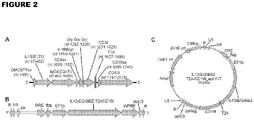
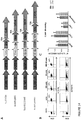
- FIG. 1A is a schematic drawing of the 2670 nucleotide open reading frame encoding the IL13(EQ)BBZ-T2ACD19t construct.
- the IL13R ⁇ 2-specific ligand IL13(E13Y), IgG4(EQ) Fc, CD4 transmembrane, 4-1BB cytoplasmic signaling, three-glycine linker, and CD3 ⁇ cytoplasmic signaling domains of the IL13(EQ)BBZ CAR, as well as the T2A ribosome skip and truncated CD19 sequences are all indicated.
- the IL13(EQ)BBZ-T2ACD19t construct includes a IL13R ⁇ 2-specific, hinge-optimized, costimulatory chimeric immunoreceptor sequence (designated IL13(EQ)BBZ), a ribosome-skip T2A sequence, and a CD19t sequence.
- the IL13(EQ)BBZ sequence was generated by fusion of the human GM-CSF receptor alpha leader peptide with IL13(E13Y) ligand 5 L235E/N297Q-modified IgG4 Fc hinge (where the double mutation interferes with FcR recognition), CD4 transmembrane, 4-1BB cytoplasmic signaling domain, and CD3 ⁇ cytoplasmic signaling domain sequences. This sequence was synthesized de novo after codon optimization.
- the T2A sequence was obtained from digestion of a T2A-containing plasmid.
- the CD19t sequence was obtained from that spanning the leader peptide sequence to the transmembrane components (i.e., basepairs 1-972) of a CD19-containing plasmid. All three fragments, 1) IL13(EQ)BBZ, 2) T2A, and 3) CD19t, were cloned into the multiple cloning site of the epHIV7 lentiviral vector. When transfected into appropriate cells, the vector integrates the sequence depicted schematically in Figure 1B into the host cells genome.
- Figure 1C provides a schematic drawing of the 9515 basepair IL13(EQ)BBZ-T2A-CD19t_epHIV7 plasmid itself.
- IL13(EQ)BBZ CAR differs in several important respects from a previously described IL13R ⁇ 2-specific CAR referred to as IL13(E13Y)-zetakine ( Brown et al. 2012 Clinical Cancer Research 18:2199 ).
- the IL13(E13Y)-zetakine is composed of the IL13R ⁇ 2-specific human IL-13 mutein (huIL-13(E13Y)), human IgG4 Fc spacer (hu ⁇ 4Fc), human CD4 transmembrane (huCD4 tm), and human CD3 ⁇ chain cytoplasmic (huCD3 ⁇ cyt) portions as indicated.
- the IL13(EQ)BB ⁇ + has two point mutations, L235E and N297Q that are located in the CH2 domain of the IgG4 spacer, and a costimulatory 4-1BB cytoplasmic domain (4-1BB cyt).
- Example 2 Construction and Structure of epHIV7 used for Expression of an IL13R ⁇ 2-specific CAR
- the pHIV7 plasmid is the parent plasmid from which the clinical vector IL13(EQ)BBZ-T2A-CD19t_epHIV7 was derived in the T cell Therapeutics Research Laboratory (TCTRL) at City of Hope (COH).
- TTRL T cell Therapeutics Research Laboratory
- COH City of Hope
- the epHIV7 vector used for expression of the CAR was produced from pHIV7 vector.
- this vector uses the human EF1 promoter to drive expression of the CAR.
- Both the 5' and 3' sequences of the vector were derived from pv653RSN as previously derived from the HXBc2 provirus.
- the polypurine tract DNA flap sequences (cPPT) were derived from HIV-1 strain pNL4-3 from the NIH AIDS Reagent Repository.
- the woodchuck post-transcriptional regulatory element (WPRE) sequence was previously described .
- pHIV7 Construction of pHIV7 is schematically depicted in Figure 3 .
- pv653RSN containing 653 bp from gag-pol plus 5' and 3' long-terminal repeats (LTRs) with an intervening SL3-neomycin phosphotransferase gene (Neo) was subcloned into pBluescript, as follows: In Step 1, the sequences from 5' LTR to rev-responsive element (RRE) made p5'HIV-1 51, and then the 5' LTR was modified by removing sequences upstream of the TATA box, and ligated first to a CMV enhancer and then to the SV40 origin of replication (p5'HIV-2).
- RRE rev-responsive element
- Step 2 after cloning the 3' LTR into pBluescript to make p3'HIV-1, a 400-bp deletion in the 3' LTR enhancer/promoter was made to remove cis-regulatory elements in HIV U3 and form p3'HIV-2.
- Step 3 fragments isolated from the p5'HIV-3 and p3'HIV-2 were ligated to make pHIV-3.
- Step 4 the p3'HIV-2 was further modified by removing extra upstream HIV sequences to generate p3'HIV-3 and a 600-bp BamHI-SalI fragment containing WPRE was added to p3'HIV-3 to make the p3'HIV-4.
- Step 5 the pHIV-3 RRE was reduced in size by PCR and ligated to a 5' fragment from pHIV-3 (not shown) and to the p3'HIV-4, to make pHIV-6.
- Step 6 a 190-bp BglII-BamHI fragment containing the cPPT DNA flap sequence from HIV-1 pNL4-3 (55) was amplified from pNL4-3 and placed between the RRE and the WPRE sequences in pHIV6 to make pHIV-7.
- This parent plasmid pHIV7-GFP (GFP, green fluorescent protein) was used to package the parent vector using a four-plasmid system.
- a packaging signal, psi ⁇ , is required for efficient packaging of viral genome into the vector.
- the RRE and WPRE enhance the RNA transcript transport and expression of the transgene.
- the flap sequence, in combination with WPRE, has been demonstrated to enhance the transduction efficiency of lentiviral vector in mammalian cells.
- helper functions required for production of the viral vector
- the helper functions are divided into three separate plasmids to reduce the probability of generation of replication competent lentivirus via recombination: 1) pCgp encodes the gag/pol protein required for viral vector assembly; 2) pCMV-Rev2 encodes the Rev protein, which acts on the RRE sequence to assist in the transportation of the viral genome for efficient packaging; and 3) pCMV-G encodes the glycoprotein of the vesiculo-stomatitis virus (VSV), which is required for infectivity of the viral vector.
- VSV vesiculo-stomatitis virus
- the regions of homology include a packaging signal region of approximately 600 nucleotides, located in the gag/pol sequence of the pCgp helper plasmid; a CMV promoter sequence in all three helper plasmids; and a RRE sequence in the helper plasmid pCgp. It is highly improbable that replication competent recombinant virus could be generated due to the homology in these regions, as it would require multiple recombination events. Additionally, any resulting recombinants would be missing the functional LTR and tat sequences required for lentiviral replication.
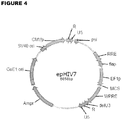
- the CMV promoter was replaced by the EF1 ⁇ -HTLV promoter (EF1p), and the new plasmid was named epHIV7 ( Figure 4 ).
- the EF1p has 563 bp and was introduced into epHIV7 using NruI and NheI, after the CMV promoter was excised.
- the lentiviral genome excluding gag/pol and rev that are necessary for the pathogenicity of the wild-type virus and are required for productive infection of target cells, has been removed from this system.
- the IL13(EQ)BBZ-T2ACD19t_epHIV7 vector construct does not contain an intact 3'LTR promoter, so the resulting expressed and reverse transcribed DNA proviral genome in targeted cells will have inactive LTRs.
- no HIV-I derived sequences will be transcribed from the provirus and only the therapeutic sequences will be expressed from their respective promoters.
- the removal of the LTR promoter activity in the SIN vector is expected to significantly reduce the possibility of unintentional activation of host genes (56).
- Table 4 summarizes the various regulator elements present in IL13(EQ)BBZ-T2ACD19t epHIV7.
- Packaging signal RRE 957-1289 Rev-responsive element flap 1290-1466 Contains polypurine track sequence and central termination sequence to facilitate nuclear import of pre-integration complex FF1p Promoter 1524-2067 EF1-alpha Eukaryotic Promoter sequence driving expression of CD19Rop IL13-IgG4 (EQ)-41BB-Zeta-T2A-CD19t 2084-4753 Therapeutic insert
- WPRE 4790-5390 Woodchuck hepatitis virus derived regulatory element to enhance viral RNA transportation delU3 5405-5509 3' U3 with deletion to generate SIN vector R 5510
- a seed bank is generated, which is used to inoculate the fermenter to produce sufficient quantities of plasmid DNA.
- the plasmid DNA is tested for identity, sterility and endotoxin prior to its use in producing lentiviral vector.
- cells were expanded from the 293T working cell (WCB), which has been tested to confirm sterility and the absence of viral contamination.
- a vial of 293T cells from the 293T WCB was thawed.
- Cells were grown and expanded until sufficient numbers of cells existed to plate an appropriate number of 10 layer cell factories (CFs) for vector production and cell train maintenance. A single train of cells can be used for production.
- CFs layer cell factories
- the lentiviral vector was produced in sub-batches of up to 10 CFs. Two sub-batches can be produced in the same week leading to the production of approximately 20 L of lentiviral supernatant/week. The material produced from all sub-batches were pooled during the downstream processing phase, in order to produce one lot of product.
- 293T cells were plated in CFs in 293T medium (DMEM with 10% FBS). Factories were placed in a 37°C incubator and horizontally leveled in order to get an even distribution of the cells on all the layers of the CF.
- the initial tangential flow ultrafiltration (TFF) concentration of the endonuclease-treated supernatant was used to remove residual low molecular weight components from the crude supernatant, while concentrating the virus ⁇ 20 fold.
- the clarified endonuclease-treated viral supernatant was circulated through a hollow fiber cartridge with a NMWCO of 500 kD at a flow rate designed to maintain the shear rate at ⁇ 4,000 sec-1 or less, while maximizing the flux rate.
- Diafiltration of the nuclease-treated supernatant was initiated during the concentration process to sustain the cartridge performance.
- An 80% permeate replacement rate was established, using 4% lactose in PBS as the diafiltration buffer.
- the viral supernatant was brought to the target volume, representing a 20-fold concentration of the crude supernatant, and the diafiltration was continued for 4 additional exchange volumes, with the permeate replacement rate at 100%.
- T lymphocytes are obtained from a patient by leukopheresis, and the appropriate allogenic or autologous T cell subset, for example, Central Memory T cells (T CM ), are genetically altered to express the CAR, then administered back to the patient by any clinically acceptable means, to achieve anti-cancer therapy.
- T CM Central Memory T cells
- FIG. 8 An outline of the manufacturing strategy for T CM is depicted in Figure 8 (Manufacturing schema for IL13(EQ)BB ⁇ /CD19t+ T CM ). Specifically, apheresis products obtained from consented research participants are ficolled, washed and incubated overnight. Cells are then depleted of monocyte, regulatory T cell and naive T cell populations using GMP grade anti-CD14, anti-CD25 and anti-CD45RA reagents (Miltenyi Biotec) and the CliniMACSTM separation device.
- GMP grade anti-CD14, anti-CD25 and anti-CD45RA reagents Miltenyi Biotec
- negative fraction cells are enriched for CD62L+ T CM cells using DREG56-biotin (COH clinical grade) and anti-biotin microbeads (Miltenyi Biotec) on the CliniMACSTM separation device.
- DREG56-biotin COH clinical grade
- anti-biotin microbeads Miltenyi Biotec
- T CM cells are formulated in complete X-Vivo15 plus 50 IU/mL IL-2 and 0.5 ng/mL IL-15 and transferred to a Teflon cell culture bag, where they are stimulated with Dynal ClinExTM Vivo CD3/CD28 beads. Up to five days after stimulation, cells are transduced with IL13(EQ)BBZ-T2A-CD19t_epHIV7 lentiviral vector at a multiplicity of infection (MOI) of 1.0 to 0.3.
- MOI multiplicity of infection
- Cultures are maintained for up to 42 days with addition of complete X-Vivo15 and IL-2 and IL-15 cytokine as required for cell expansion (keeping cell density between 3x10 5 and 2x10 6 viable cells/mL, and cytokine supplementation every Monday, Wednesday and Friday of culture). Cells typically expand to approximately 10 9 cells under these conditions within 21 days. At the end of the culture period cells are harvested, washed twice and formulated in clinical grade cryopreservation medium (Cryostore CS5, BioLife Solutions).
- cryopreserved and released product On the day(s) of T cell infusion, the cryopreserved and released product is thawed, washed and formulated for re-infusion.
- the cryopreserved vials containing the released cell product are removed from liquid nitrogen storage, thawed, cooled and washed with a PBS/2% human serum albumin (HSA) Wash Buffer. After centrifugation, the supernatant is removed and the cells resuspended in a Preservative-Free Normal Saline (PFNS)/ 2% HSA infusion diluent. Samples are removed for quality control testing.
- PFNS Preservative-Free Normal Saline
- HSA Preservative-Free Normal Saline
- Example 5 Flow cytometric analysis of surface transgene and T cell marker expression in IL13(EQ)BB ⁇ /CD19t+T CM
- Figures 6A-C depict the results of flow cytometric analysis of surface transgene and T cell marker expression.
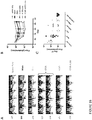
- IL13(EQ)BB ⁇ /CD19t+ T CM HD006.5 and HD187.1 were co-stained with anti-IL13-PE and anti-CD8-FITC to detect CD8+ CAR+ and CD4+ (i.e., CD8 negative) CAR+ cells ( Figure 6A ), or anti-CD 19-PE and anti-CD4-FITC to detect CD4+ CD19t+ and CD8+ (i.e., CD4 negative) CAR+ cells ( Figure 6B ).
- IL13(EQ)BB ⁇ /CD19t+ T CM HD006.5 and HD187.1 were stained with fluorochrome-conjugated anti-CD3, TCR, CD4, CD8, CD62L and CD28 (grey histograms) or isotype controls (black histograms).
- Figure 6C In each of Figures 6A-C , the percentages indicated are based on viable lymphocytes (DAPI negative) stained above isotype.
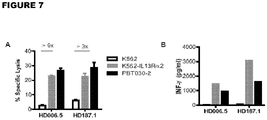
- IL13(EQ)BB ⁇ /CD19t+ T CM The effector activity of IL13(EQ)BB ⁇ /CD19t+ T CM was assessed and the results of this analysis are depicted in Figures 7A-B .
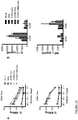
- IL13(EQ)BB ⁇ /CD19t+ T CM HD006.5 and HD187.1 were used as effectors in a 6-hour 51Cr-release assay using a 10E:1T ratio based on CD19t expression.
- the IL13R ⁇ 2-positive tumor targets were K562 engineered to express IL13R ⁇ 2 (K562-IL13R ⁇ 2) and primary glioma line PBT030-2, and the IL13R ⁇ 2-negative tumor target control was the K562 parental line ( Figure 7A ).
- IL13(EQ)BB ⁇ /CD19t+ HD006.5 and HD187.1 were evaluated for antigen-dependent cytokine production following overnight co-culture at a 10E:1T ratio with the same IL13R ⁇ 2-positive and negative targets as described in above. Cytokine levels were measured using the Bio-Plex Pro Human Cytokine TH1/TH2 Assay kit and INF- ⁇ levels are depicted ( Figure 7B ).
- IL13(EQ)BB ⁇ /CD19t+ T CM exhibit anti-tumor efficacy in in vivo mouse models.
- PBT030-2 EGFP:ffLuc A panel of primary lines (PBT) from patient glioblastoma specimens grown as tumor spheres (TSs) in serum-free media.
- TS lines exhibit stem cell-like characteristics, including expression of stem cell markers, multilineage differentiation and capacity to initiate orthotopic tumors in immunocompromised mice (NSG) at low cell numbers.
- the PBT030-2 EGFP:ffLuc TS-initiated xenograft model (0.1x10 6 cells; 5 day engraftment) has been previously used to evaluate in vivo anti-tumor activity in NSG mice of IL13R ⁇ 2-specific CAR expressing T cells, whereby three injections of 2x10 6 cytolytic T lymphocytes (CTLs) over a course of 2 weeks were shown to reduce tumor growth.
- CTLs cytolytic T lymphocytes
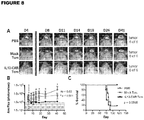
- IL13(EQ)BB ⁇ /CD19t+ T CM 1.1x10 6 CAR+ T CM ; 2x10 6 total TCM
- Figure 8A depicts representative mice from each group showing relative tumor burden using Xenogen Living Image.
- Example 8 Comparison of IL13(EQ)BB ⁇ + Tcm and Non-Tcm IL13-zetakine CD8+ CTL Clones in Antitumor Efficacy and T cell Persistence
- IL13-zetakine CD8+ CTL (described in Brown et al. 2012 Clin Cancer Res 18:2199 and Kahlon et al. 2004 Cancer Res 64:9160 ).
- the IL13-zetakine uses a CD3 ⁇ stimulatory domain, lacks a co-stimulatory domain and uses the same IL13 variant as IL13(EQ)BB ⁇ +.
- Example 9 Comparison of CAR T cell delivery route for treatment of large TS-initiated PBT tumors
- PBT030-2 engrafted mice were treated with either two i.v. infusions (5 x 10 6 CAR+ Tcm; days 19 and 26) or four i.c. infusions (1 x 10 6 CAR+ Tcm; days 19, 22, 26 and 29) of IL13(EQ)BBZ+ Tcm, or mock Tcm (no CAR).
- i.v. infusions 5 x 10 6 CAR+ Tcm; days 19 and 26
- four i.c. infusions (1 x 10 6 CAR+ Tcm; days 19, 22, 26 and 29) of IL13(EQ)BBZ+ Tcm, or mock Tcm (no CAR).
- IL13(EQ)BBZ+ Tcm mock Tcm (no CAR).
- IL13(EQ)BBZ+ Tcm mock Tcm
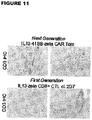
- mice 12A-B brains from a cohort of mice 7 days post T cell injection were harvested and evaluated for CD3+ human T cells by IHC.
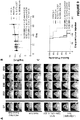
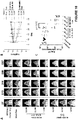
- mice treated i.v. with either mock Tcm or IL13(EQ)BB ⁇ Tcm there were no detectable CD3+ human T cells in the tumor or in others mouse brain regions where human T cells typically reside (i.e. the leptomeninges) ( Figure 12C ), suggesting a deficit in tumor tropism. This is in contrast to the significant number of T cells detected in the i.c. treated mice ( Figure 12D ).
- Tumor derived cytokines are important in recruiting T cells to the tumor.
- PBT030-2 tumor cells were evaluated and it was found that this line produces high levels of MCP-1/CCL2 comparable to U251T cells (data not shown), a glioma line previously shown to attract i.v. administered effector CD8+ T cells to i.c. engrafted tumors.
- Malignant gliomas are highly invasive tumors and are often multifocal in presentation.
- the studies described above establish that IL13BBZ T CM can eliminate infiltrated tumors such as PBT030-2, and mediate long-term durable antitumor activity.
- CD4 and CD8 T CM were lentivirally transduced and CAR-expressing T cells were immunomagnetically enriched via anti-CD19.
- CD19 and IL13 i.e., CAR expression levels as measured by flow cytometry.
- the results are shown in Figure 14B .
- Stability of each CAR construct was determined by dividing the CAR (IL13) mean flourescence intenstity (MFI) by that of the transduction marker (CD19t) ( Figure 14C ).
- MFI mean flourescence intenstity
- CD19t transduction marker
- Figure 14C The two CAR including a 4-1BB costimulatory domain exhibited the lowest expression levels as compared to the CD19t transduction marker.
- FIG. 15B depicts the results of a study in which the indicated mock-transduced or CAR-expressing T cells were co-cultured overnight with IL13R ⁇ 2-expressing PBT030-2 tumor cells at a 10:1 ratio and supernatants were analyzed for IL-13 and IFN- ⁇ levels by cytometric bead array.
- T cells expressing the zeta, 41BB-zeta or CD28-41BB-zeta CARs exhibited lower antigen-stimulated cytokine production than T cells expressing the CD28-zeta CAR.
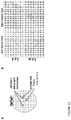
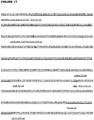
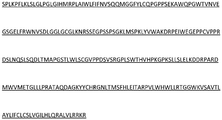
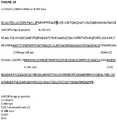
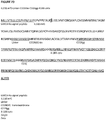
- the complete amino acid sequence of IL13(EQ)BB ⁇ /CD19t is depicted in Figure 17 .
- the entire sequence (SEQ ID NO:1) includes: a 22 amino acid GMCSF signal peptide (SEQ ID NO:2), a 112 amino acid IL-13 sequence (SEQ ID NO:3; amino acid substitution E13Y shown in bold); a 229 amino acid IgG4 sequence (SEQ ID NO:4; with amino acid substitutions L235E and N297Q shown in bold); a 22 amino acid CD4 transmembrane sequence (SEQ ID NO:5); a 42 amino acid 4-1BB sequence (SEQ ID NO:6); a 3 amino acid Gly linker; a 112 amino acid CD3 ⁇ sequence (SEQ ID NO:7); a 24 amino acid T2A sequence (SEQ ID NO:8); and a 323 amino acid CD19t sequence (SEQ ID NO:9).
- the mature chimeric antigen receptor sequence includes: a 112 amino acid IL-13 sequence (SEQ ID NO:3; amino acid substitution E13Y shown in bold); a 229 amino acid IgG4 sequence (SEQ ID NO:4; with amino acid substitutions L235E and N297Q shown in bold); at 22 amino acid CD4 sequence (SEQ ID NO:5); a 42 amino acid 4-1BB sequence (SEQ ID NO:6); a 3 amino acid Gly linker; and a 112 amino acid CD3 ⁇ sequence (SEQ ID NO:7).
- IL-13/IgG4/CD4t/41-BB sequence SEQ ID NO:11
- SEQ ID NO:11 which includes: a 112 amino acid IL-13 sequence (SEQ ID NO:3; amino acid substitution E13Y shown in bold); a 229 amino acid IgG4 sequence (SEQ ID NO:4; with amino acid substitutions L235E and N297Q shown in bold); at 22 amino acid CD4 sequence (SEQ ID NO:5); and a 42 amino acid 4-1BB sequence (SEQ ID NO:6).
- the IL13/IgG4/CD4t/4-1BB sequence (SEQ ID NO:11) can be joined to the 112 amino acid CD3 ⁇ sequence (SEQ ID NO:7) by a linker such as a Gly Gly Gly linker.
- the CAR sequence (SEQ ID NO:10) can be preceded by a 22 amino acid GMCSF signal peptide (SEQ ID NO:2).
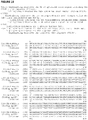
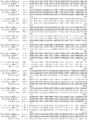
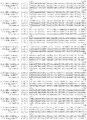
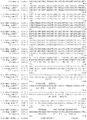
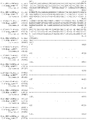
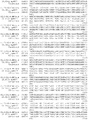
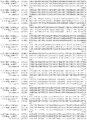
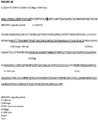
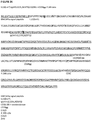
- Figure 18 depicts a comparison of the sequences of IL13(EQ)41BB ⁇ [IL13 ⁇ EQ ⁇ 41BB ⁇ T2A-CD19t_epHIV7; pF02630] (SEQ ID NO:12) and CD19Rop_epHIV7 (pJ01683) (SEQ ID NO:13).
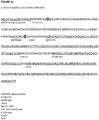
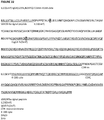
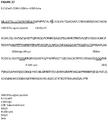
- Figures 19-26 depict the amino acid sequences of additional CAR directed against IL13R ⁇ 2 in each case the various domains are labelled except for the GlyGlyGly spacer located between certain intracellular domains.
- Each includes human IL13 with and Glu to Tyr (SEQ ID NO:3; amino acid substitution E13Y shown in highlighted).
- the amino acid sequence expressed can include a 24 amino acid T2A sequence (SEQ ID NO:8); and a 323 amino acid CD19t sequence (SEQ ID NO:9) to permit coordinated expression of a truncated CD19 sequence on the surface of CAR-expressing cells.
- a panel of CAR comprising human IL13(E13Y) domain, a CD28 tm domain, a CD28gg costimulatory domain, a 4-1BB costimulatory domain, and a CD3 ⁇ domain CAR backbone and including either a HL (22 amino acids) spacer, a CD8 hinge (48 amino acids) spacer, IgG4-HL-CH3 (129 amino acids) spacer or a IgG4(EQ) (229 amino acids) spacer were tested for their ability to mediate IL13Ra2-specific killing as evaluated in a 72-hour co-culture assay. With the exception of HL (22 amino acids) which appeared to have poor CAR expression in this system, all were active.
Landscapes
- Health & Medical Sciences (AREA)
- Life Sciences & Earth Sciences (AREA)
- Chemical & Material Sciences (AREA)
- Organic Chemistry (AREA)
- General Health & Medical Sciences (AREA)
- Immunology (AREA)
- Zoology (AREA)
- Genetics & Genomics (AREA)
- Medicinal Chemistry (AREA)
- Cell Biology (AREA)
- Biochemistry (AREA)
- Engineering & Computer Science (AREA)
- Proteomics, Peptides & Aminoacids (AREA)
- Public Health (AREA)
- Veterinary Medicine (AREA)
- Animal Behavior & Ethology (AREA)
- Biophysics (AREA)
- Gastroenterology & Hepatology (AREA)
- Molecular Biology (AREA)
- Toxicology (AREA)
- Epidemiology (AREA)
- Biomedical Technology (AREA)
- Biotechnology (AREA)
- Bioinformatics & Cheminformatics (AREA)
- Wood Science & Technology (AREA)
- Hematology (AREA)
- Pharmacology & Pharmacy (AREA)
- Microbiology (AREA)
- General Engineering & Computer Science (AREA)
- General Chemical & Material Sciences (AREA)
- Chemical Kinetics & Catalysis (AREA)
- Nuclear Medicine, Radiotherapy & Molecular Imaging (AREA)
- Developmental Biology & Embryology (AREA)
- Virology (AREA)
- Medicines Containing Material From Animals Or Micro-Organisms (AREA)
- Micro-Organisms Or Cultivation Processes Thereof (AREA)
- Peptides Or Proteins (AREA)
- Medicines That Contain Protein Lipid Enzymes And Other Medicines (AREA)
- Medicines Containing Antibodies Or Antigens For Use As Internal Diagnostic Agents (AREA)
- Medicinal Preparation (AREA)
Applications Claiming Priority (3)
| Application Number | Priority Date | Filing Date | Title |
|---|---|---|---|
| US201462053068P | 2014-09-19 | 2014-09-19 | |
| EP15775539.8A EP3194433B1 (en) | 2014-09-19 | 2015-09-18 | Costimulatory chimeric antigen receptor t cells targeting il13r 2 |
| PCT/US2015/051089 WO2016044811A1 (en) | 2014-09-19 | 2015-09-18 | COSTIMULATORY CHIMERIC ANTIGEN RECEPTOR T CELLS TARGETING IL13Rα2 |
Related Parent Applications (1)
| Application Number | Title | Priority Date | Filing Date |
|---|---|---|---|
| EP15775539.8A Division EP3194433B1 (en) | 2014-09-19 | 2015-09-18 | Costimulatory chimeric antigen receptor t cells targeting il13r 2 |
Publications (1)
| Publication Number | Publication Date |
|---|---|
| EP3587446A1 true EP3587446A1 (en) | 2020-01-01 |
Family
ID=55533940
Family Applications (4)
| Application Number | Title | Priority Date | Filing Date |
|---|---|---|---|
| EP19175730.1A Withdrawn EP3587446A1 (en) | 2014-09-19 | 2015-09-18 | Costimulatory chimeric antigen receptor t cells targeting il13 r alpha 2 |
| EP15775539.8A Active EP3194433B1 (en) | 2014-09-19 | 2015-09-18 | Costimulatory chimeric antigen receptor t cells targeting il13r 2 |
| EP15842405.1A Active EP3200591B2 (en) | 2014-09-19 | 2015-09-21 | Central memory t cells for adoptive t cell therapy |
| EP21166086.5A Pending EP3916084A1 (en) | 2014-09-19 | 2015-09-21 | Central memory t cells for adoptive t cell therapy |
Family Applications After (3)
| Application Number | Title | Priority Date | Filing Date |
|---|---|---|---|
| EP15775539.8A Active EP3194433B1 (en) | 2014-09-19 | 2015-09-18 | Costimulatory chimeric antigen receptor t cells targeting il13r 2 |
| EP15842405.1A Active EP3200591B2 (en) | 2014-09-19 | 2015-09-21 | Central memory t cells for adoptive t cell therapy |
| EP21166086.5A Pending EP3916084A1 (en) | 2014-09-19 | 2015-09-21 | Central memory t cells for adoptive t cell therapy |
Country Status (14)
| Country | Link |
|---|---|
| US (3) | US9914909B2 (enExample) |
| EP (4) | EP3587446A1 (enExample) |
| JP (7) | JP6657195B2 (enExample) |
| KR (3) | KR102683584B1 (enExample) |
| CN (4) | CN113789336B (enExample) |
| AU (4) | AU2015317351B2 (enExample) |
| BR (3) | BR122024000360A2 (enExample) |
| CA (2) | CA2961654A1 (enExample) |
| DK (1) | DK3200591T3 (enExample) |
| ES (2) | ES2738705T3 (enExample) |
| IL (6) | IL292650B2 (enExample) |
| MX (4) | MX387135B (enExample) |
| RU (2) | RU2749922C2 (enExample) |
| WO (2) | WO2016044811A1 (enExample) |
Families Citing this family (91)
| Publication number | Priority date | Publication date | Assignee | Title |
|---|---|---|---|---|
| IN2015KN00329A (enExample) | 2012-08-09 | 2015-07-10 | Univ Leland Stanford Junior | |
| EP2934532B1 (en) | 2012-12-20 | 2019-10-23 | Purdue Research Foundation | Chimeric antigen receptor-expressing t cells as anti-cancer therapeutics |
| US9657105B2 (en) | 2013-03-15 | 2017-05-23 | City Of Hope | CD123-specific chimeric antigen receptor redirected T cells and methods of their use |
| JP6936934B2 (ja) | 2013-09-24 | 2021-09-22 | メディシナ セラピューティクス インコーポレイテッド | インターロイキン−4受容体結合融合タンパク質及びその使用 |
| CN107074957B (zh) | 2014-01-13 | 2021-05-07 | 希望之城公司 | 在Fc间隔物区中具有突变的嵌合抗原受体(CAR)及其使用方法 |
| ES2738705T3 (es) | 2014-09-19 | 2020-01-24 | Hope City | Linfocitos T de receptor de antígeno quimérico coestimulante que se dirigen a IL13R 2 |
| EP3770168A1 (en) | 2015-05-18 | 2021-01-27 | TCR2 Therapeutics Inc. | Compositions and methods for tcr reprogramming using fusion proteins |
| HK1256130A1 (zh) | 2015-07-21 | 2019-09-13 | City Of Hope | 用於嵌合抗原受体和其他受体的表达的t细胞 |
| KR102011789B1 (ko) * | 2015-08-05 | 2019-08-19 | 주식회사 셀랩메드 | 키메라 항원 수용체 및 키메라 항원 수용체가 발현된 t 세포 |
| NZ746700A (en) | 2016-04-01 | 2023-04-28 | Kite Pharma Inc | Bcma binding molecules and methods of use thereof |
| AU2017240801A1 (en) * | 2016-04-01 | 2018-10-25 | Amgen Inc. | Chimeric receptors to FLT3 and methods of use thereof |
| SG10201912519VA (en) | 2016-04-01 | 2020-02-27 | Kite Pharma Inc | Chimeric receptors and methods of use thereof |
| KR102427334B1 (ko) | 2016-04-01 | 2022-08-03 | 카이트 파마 인코포레이티드 | 키메라 항원 및 t 세포 수용체 및 사용 방법 |
| CA3019835A1 (en) | 2016-04-08 | 2017-10-12 | Purdue Research Foundation | Methods and compositions for car t cell therapy |
| WO2017192536A1 (en) | 2016-05-02 | 2017-11-09 | University Of Kansas | Eliminating mhc restriction from the t cell receptor as a strategy for immunotherapy |
| US12048718B2 (en) | 2016-06-07 | 2024-07-30 | Max-Delbrück-Centrum für Molekulare Medizin in der Helmholtz-Geminschaft | Chimeric antigen receptor and CAR-T cells that bind BCMA |
| CN118652336A (zh) * | 2016-06-08 | 2024-09-17 | 普瑞赛格恩公司 | Cd33特异性嵌合抗原受体 |
| WO2018026953A1 (en) | 2016-08-02 | 2018-02-08 | TCR2 Therapeutics Inc. | Compositions and methods for tcr reprogramming using fusion proteins |
| JP7002769B2 (ja) * | 2016-09-16 | 2022-02-04 | ベイラー カレッジ オブ メディスン | ウイルス特異的t細胞の活性化および拡大のためのプラットフォーム |
| BR112019007100A2 (pt) | 2016-10-07 | 2019-06-25 | Tcr2 Therapeutics Inc | composições e métodos para reprogramação de receptores de célula t com o uso de proteínas de fusão |
| CN110177803A (zh) | 2016-11-22 | 2019-08-27 | T细胞受体治疗公司 | 用于使用融合蛋白进行tcr重新编程的组合物和方法 |
| WO2018102761A1 (en) | 2016-12-02 | 2018-06-07 | City Of Hope | Methods for manufacturing and expanding t cells expressing chimeric antigen receptors and other receptors |
| WO2018106972A1 (en) * | 2016-12-07 | 2018-06-14 | La Jolla Institute For Allergy And Immunology | Compositions for cancer treatment and methods and uses for cancer treatment and prognosis |
| WO2018132427A1 (en) | 2017-01-10 | 2018-07-19 | The General Hospital Corporation | Targeted t cells with cytotoxicity toward immunosuppressive cells |
| AU2018219226B2 (en) | 2017-02-07 | 2024-12-19 | Seattle Children's Hospital (dba Seattle Children's Research Institute) | Phospholipid ether (PLE) CAR T cell tumor targeting (CTCT) agents |
| CN108395481B (zh) * | 2017-02-08 | 2021-02-05 | 西比曼生物科技(香港)有限公司 | 一种靶向cd20的car的构建及其工程化t细胞的活性鉴定 |
| US12083148B2 (en) * | 2017-02-22 | 2024-09-10 | H. Lee Moffitt Cancer Center And Research Institute, Inc. | IL13Ra2-binding chimeric antigen receptors |
| CN110582288B (zh) | 2017-02-28 | 2024-09-20 | 恩多塞特公司 | 用于car t细胞疗法的组合物和方法 |
| BR112019019941B1 (pt) * | 2017-03-27 | 2023-12-05 | Noile-Immune Biotech, Inc | Polinucleotídeo compreendendo uma sequência de base que codifica o receptor de antígeno quimérico, vetor e método |
| EP4759318A2 (en) | 2017-04-14 | 2026-06-17 | The General Hospital Corporation | Chimeric antigen receptor t cells targeting the tumor microenvironment |
| JP2020517259A (ja) * | 2017-04-19 | 2020-06-18 | ボード・オブ・リージエンツ,ザ・ユニバーシテイ・オブ・テキサス・システム | 操作された抗原受容体を発現する免疫細胞 |
| CN107267555B (zh) * | 2017-05-27 | 2020-03-20 | 上海优卡迪生物医药科技有限公司 | 一种基于octs技术的恶性胶质瘤car-t治疗载体及其构建方法和应用 |
| CN111163803B (zh) * | 2017-08-11 | 2025-05-09 | 希望之城公司 | 表达car t细胞靶物的溶瘤病毒及其用途 |
| CA3078434A1 (en) | 2017-10-10 | 2019-04-18 | Medicenna Therapeutics, Inc. | Il-4-fusion formulations for treatment of central nervous system (cns) tumors |
| KR20200076732A (ko) * | 2017-11-03 | 2020-06-29 | 소렌토 쎄라퓨틱스, 인코포레이티드 | Cd38-지시된 키메라 항원 수용체 작제물 |
| US20200345823A1 (en) * | 2017-11-07 | 2020-11-05 | Xiuli Wang | Treatment of cns lymphoma and systemic lymphoma with intracerebroventricularly administered cd19 car |
| CN109971712B (zh) * | 2017-12-28 | 2023-06-20 | 上海细胞治疗研究院 | 特异性靶向cd19抗原且高水平稳定表达pd-1抗体的car-t细胞及用途 |
| CN109971721B (zh) * | 2017-12-28 | 2023-10-31 | 上海细胞治疗研究院 | 自表达cd47抗体的间皮素特异性car-t细胞及其用途 |
| WO2019144095A1 (en) | 2018-01-22 | 2019-07-25 | Seattle Children's Hospital (dba Seattle Children's Research Institute) | Methods of use for car t cells |
| WO2019148006A1 (en) * | 2018-01-26 | 2019-08-01 | City Of Hope | Chimeric antigen receptors and methods for reducing off target toxicity |
| AU2019218729B2 (en) * | 2018-02-06 | 2025-12-04 | Seattle Children's Hospital (dba Seattle Children's Research Institute) | Fluorescein-specific CARs exhibiting optimal T cell function against FL-PLE labelled tumors |
| ES3068176T3 (en) * | 2018-02-12 | 2026-05-28 | Massachusetts Gen Hospital | Chimeric antigen receptor t cells targeting the tumor microenvironment |
| WO2019165121A1 (en) | 2018-02-21 | 2019-08-29 | Board Of Regents, The University Of Texas System | Methods for activation and expansion of natural killer cells and uses therof |
| JP7568224B2 (ja) | 2018-02-23 | 2024-10-16 | エンドサイト・インコーポレイテッド | Car t細胞療法のための配列決定法 |
| JP7438123B2 (ja) * | 2018-03-14 | 2024-02-26 | シアトル チルドレンズ ホスピタル (ディービーエイ シアトル チルドレンズ リサーチ インスティテュート) | 腫瘍特異的T細胞免疫療法用のIL-13受容体α2(IL13Rα2)標的キメラ抗原受容体 |
| WO2019178085A1 (en) * | 2018-03-14 | 2019-09-19 | Seattle Children's Hospital (dba Seattle Children's Research Institute) | Il-13 receptor alpha 2 targeted, zetakine directed t cell immunotherapy |
| EP3773633A4 (en) | 2018-04-06 | 2022-01-26 | The Regents of The University of California | METHODS OF TREATMENT OF GLIOBLASTOMA |
| CA3096202A1 (en) | 2018-04-06 | 2019-10-10 | The Regents Of The University Of California | Methods of treating egfrviii expressing glioblastomas |
| AU2019275479B2 (en) * | 2018-05-21 | 2022-12-08 | Biosceptre (Aust) Pty Ltd | Chimeric antigen receptors with modified linker domains and uses thereof |
| WO2019239213A2 (en) | 2018-06-01 | 2019-12-19 | Medicenna Therapeutics Inc. | Uses and methods for oncolytic virus targeting of il-4/il-13 and fusions thereof |
| WO2019232523A1 (en) * | 2018-06-01 | 2019-12-05 | The Board Of Trustees Of The Leland Stanford Junior University | Il-13/il-4 superkines: immune cell targeting constructs and methods of use thereof |
| ES3061216T3 (en) | 2018-06-29 | 2026-03-31 | Hope City | Cd6 targeted chimeric antigen receptors for treatment of certain autoimmune disorders |
| WO2020032780A1 (ko) * | 2018-08-10 | 2020-02-13 | 주식회사 유틸렉스 | 암항원 특이적 세포독성 t세포 |
| AU2019377461A1 (en) * | 2018-11-06 | 2021-05-27 | Washington University | Chimeric antigen receptor memory-like (CARML) NK cells and methods of making and using same |
| WO2020191336A1 (en) | 2019-03-21 | 2020-09-24 | Yamaguchi, Yukiko | Composition and method for reducing expression of checkpoint inhibitors in t cells expressing a car or ctl |
| US20220145252A1 (en) | 2019-03-29 | 2022-05-12 | City Of Hope | Methods for manufacturing t cells expressing of chimeric antigen receptors and other receptors |
| EP4549555A3 (en) * | 2019-05-24 | 2025-07-30 | City of Hope | Ccr4 targeted chimeric antigen receptor modified t cells for treatment of ccr4 positive malignancies |
| CN112204135B (zh) * | 2019-07-06 | 2026-03-06 | 苏州克睿基因生物科技有限公司 | 一种表达cd3抗体受体复合物的免疫细胞及其用途 |
| BR112022001194A2 (pt) * | 2019-07-24 | 2022-06-07 | Regeneron Pharma | Receptores de antígeno quimérico com especificidade de mage a4 e usos dos mesmos |
| EP3769816A1 (en) * | 2019-07-25 | 2021-01-27 | Ospedale Pediatrico Bambino Gesù | Car-cd123 vector and uses thereof |
| US20230076643A1 (en) | 2019-12-30 | 2023-03-09 | City Of Hope | Methods of making and using regulatory t cells and effector t cells having chimeric antigen receptors targeted to cd6, cd19, and/or an il-13r for treatment of autoimmune disorders and cancers |
| WO2021154543A2 (en) * | 2020-01-31 | 2021-08-05 | City Of Hope | TARGETED CHIMERIC ANTIGEN RECEPTOR MODIFIED T CELLS FOR TREATMENT OF IL13Rα2 POSITIVE MALIGNANCIES |
| IL295063A (en) | 2020-02-04 | 2022-09-01 | Seattle Childrens Hospital Dba Seattle Childrens Res Inst | Chimeric antigen receptors (car) against dinitrophenol |
| US20230374085A1 (en) * | 2020-03-11 | 2023-11-23 | City Of Hope | Dual-targeting chimeric antigen receptor modified t cells comprising il-13 and chlorotoxin for cancer treatment |
| EP4118106A1 (en) * | 2020-03-12 | 2023-01-18 | City of Hope | TARGETED CHIMERIC ANTIGEN RECEPTOR MODIFIED T CELLS FOR TREATMENT OF IL13Ralpha2 POSITIVE MALIGNANCIES |
| WO2021222479A1 (en) | 2020-04-28 | 2021-11-04 | Lyell Immunopharma, Inc. | Methods for culturing cells |
| US12540336B2 (en) | 2020-05-27 | 2026-02-03 | The Medical College Of Wisconsin, Inc. | Lentiviral vector transfer plasmid and methods of use |
| GB202011993D0 (en) | 2020-07-31 | 2020-09-16 | Adc Therapeutics Sa | ANTI-IL 13Ra2 antibodies |
| IL300470A (en) * | 2020-08-11 | 2023-04-01 | Yeda res & development co ltd | Veto type CAR-T cells |
| WO2022046935A2 (en) * | 2020-08-26 | 2022-03-03 | The Regents Of The University Of California | Methods and compositions for treating glioblastoma |
| JP2023541253A (ja) * | 2020-09-10 | 2023-09-29 | ムスタング バイオ,インコーポレイテッド | 癌標的のcar-t細胞を含む併用療法と、それを癌治療に使用する方法 |
| US12702710B2 (en) | 2020-10-12 | 2026-08-11 | Medicenna Therapeutics Inc. | Combination therapy of MDNA55 and a vascular endothelial growth factor a (VEGF-A) |
| WO2022098797A1 (en) * | 2020-11-04 | 2022-05-12 | Fred Hutchinson Cancer Research Center | Therapeutic targeting of mesothelin in acute myeloid leukemia with chimeric antigen receptor t cell therapy |
| WO2022109498A1 (en) | 2020-11-23 | 2022-05-27 | City Of Hope | Engineered t cells for expression of chimeric anitgen receptors |
| IL303269A (en) | 2020-12-03 | 2023-07-01 | Century Therapeutics Inc | Genetically engineered cells and uses thereof |
| US11661459B2 (en) | 2020-12-03 | 2023-05-30 | Century Therapeutics, Inc. | Artificial cell death polypeptide for chimeric antigen receptor and uses thereof |
| TW202237638A (zh) * | 2020-12-09 | 2022-10-01 | 日商武田藥品工業股份有限公司 | 烏苷酸環化酶c(gcc)抗原結合劑之組成物及其使用方法 |
| TW202241935A (zh) | 2020-12-18 | 2022-11-01 | 美商世紀治療股份有限公司 | 具有可調適受體專一性之嵌合抗原受體系統 |
| CN114907485B (zh) * | 2021-02-08 | 2024-04-26 | 浙江大学 | 一种以内源性蛋白质分子替代单结构域抗体的嵌合抗原受体 |
| AU2022227686A1 (en) | 2021-02-25 | 2023-07-27 | Lyell Immunopharma, Inc. | Ror1 targeting chimeric antigen receptor |
| CN117396498A (zh) * | 2021-03-18 | 2024-01-12 | 威斯塔解剖学和生物学研究所 | 靶向IL13Rα2的DNA编码的双特异性抗体以及在癌症治疗中的使用方法 |
| JP2024514308A (ja) | 2021-03-30 | 2024-04-01 | シティ・オブ・ホープ | CAR T細胞療法及びIFNγ |
| US20230190799A1 (en) * | 2021-07-21 | 2023-06-22 | City Of Hope | Chimeric antigen receptor t cells targeting cea and anti-cea-il2 immunocytokines for cancer therapy |
| WO2023019140A1 (en) * | 2021-08-09 | 2023-02-16 | City Of Hope | Chimeric antigen receptor t cells targeting gd and oncolytic viruses for cancer therapy and treatment of hsv |
| CN113621077B (zh) * | 2021-09-02 | 2023-01-31 | 山东大学 | 一种tim-3/cd28融合蛋白及所述融合蛋白修饰的car-t细胞 |
| EP4176895A1 (en) * | 2021-11-08 | 2023-05-10 | AvenCell Europe GmbH | Targeting modules against il13ra2 or her2 for use in combination with a chimeric antigen receptor |
| WO2023130462A1 (zh) * | 2022-01-10 | 2023-07-13 | 卡瑞济(北京)生命科技有限公司 | 靶向IL13Rα2的嵌合抗原受体及其用途 |
| CN115960257B (zh) * | 2022-09-29 | 2023-10-27 | 卡瑞济(北京)生命科技有限公司 | 靶向IL13Rα2的经优化的嵌合抗原受体及其用途 |
| US12698512B2 (en) | 2023-11-06 | 2026-08-04 | City Of Hope | Methods comprising oncolytic viruses expressing CD19T and bispecific T cell engagers |
| EP4588939A1 (en) | 2024-01-16 | 2025-07-23 | Universitat de Barcelona | Interleukin-13 receptor subunit alpha-2 (il13ralpha2) targeting moieties for the treatment and prevention of il13ralpha2-positive cancer |
| WO2026062661A1 (en) | 2024-09-18 | 2026-03-26 | Hadasit Medical Research Services And Development Ltd. | A novel platform for the generation of "naive-like" cells of the t lineage and uses thereof |
Citations (1)
| Publication number | Priority date | Publication date | Assignee | Title |
|---|---|---|---|---|
| WO2010025177A1 (en) * | 2008-08-26 | 2010-03-04 | City Of Hope | Method and compositions for enhanced anti-tumor effector functioning of t cells |
Family Cites Families (39)
| Publication number | Priority date | Publication date | Assignee | Title |
|---|---|---|---|---|
| ATE145428T1 (de) | 1990-12-14 | 1996-12-15 | Cell Genesys Inc | Chimärische ketten zur transduktion von rezeptorverbundenen signalwegen |
| US5712149A (en) | 1995-02-03 | 1998-01-27 | Cell Genesys, Inc. | Chimeric receptor molecules for delivery of co-stimulatory signals |
| AU708339B2 (en) * | 1995-02-24 | 1999-08-05 | General Hospital Corporation, The | Redirection of cellular immunity by receptor chimeras |
| GB9526131D0 (en) | 1995-12-21 | 1996-02-21 | Celltech Therapeutics Ltd | Recombinant chimeric receptors |
| US6576232B1 (en) | 1998-04-03 | 2003-06-10 | The Penn State Research Foundation | IL13 mutants |
| EP1100529B2 (en) | 1998-07-30 | 2010-08-25 | The Government of the United States of America, as repres. by the Secretary of Health and Human Services, Nat. Inst. of Health | Thymosin beta 4 promotes wound repair |
| AU2472400A (en) | 1998-10-20 | 2000-05-08 | City Of Hope | CD20-specific redirected T cells and their use in cellular immunotherapy of CD20+ malignancies |
| WO2001034645A2 (en) * | 1999-11-11 | 2001-05-17 | The Government Of The United States Of America, As Represented By The Secretary Of The Department Of Health And Human Services | Mutated il-13 molecules and their uses |
| US7560280B2 (en) | 2000-11-03 | 2009-07-14 | Kourion Therapeutics Gmbh | Human cord blood derived unrestricted somatic stem cells (USSC) |
| US7070995B2 (en) | 2001-04-11 | 2006-07-04 | City Of Hope | CE7-specific redirected immune cells |
| US20030171546A1 (en) | 2001-04-30 | 2003-09-11 | City Of Hope | Chimeric immunoreceptor useful in treating human cancers |
| US20090257994A1 (en) * | 2001-04-30 | 2009-10-15 | City Of Hope | Chimeric immunoreceptor useful in treating human cancers |
| US11278594B2 (en) * | 2001-04-30 | 2022-03-22 | City Of Hope | Chimeric immunoreceptor useful in treating human cancers |
| US7514537B2 (en) | 2001-04-30 | 2009-04-07 | City Of Hope | Chimeric immunoreceptor useful in treating human gliomas |
| US7317091B2 (en) | 2002-03-01 | 2008-01-08 | Xencor, Inc. | Optimized Fc variants |
| US7446190B2 (en) | 2002-05-28 | 2008-11-04 | Sloan-Kettering Institute For Cancer Research | Nucleic acids encoding chimeric T cell receptors |
| EP1501226B1 (en) | 2003-07-24 | 2007-09-19 | Matsushita Electric Industrial Co., Ltd. | Method, encoder and communication device for encoding parallel concatenated data |
| US20050113564A1 (en) | 2003-11-05 | 2005-05-26 | St. Jude Children's Research Hospital | Chimeric receptors with 4-1BB stimulatory signaling domain |
| US7754441B2 (en) * | 2003-11-17 | 2010-07-13 | Genentech, Inc. | Compositions and methods for the treatment of tumor of hematopoietic origin |
| DE102004043271A1 (de) * | 2004-09-07 | 2006-03-09 | Linde Ag | Verfahren zur Synthese von Zirkoniumcarboxylaten |
| EP1814580B1 (en) * | 2004-11-24 | 2016-08-10 | Fred Hutchinson Cancer Research Center | Methods of using il-21 for adoptive immunotherapy and identification of tumor antigens |
| ATE483470T1 (de) * | 2005-12-21 | 2010-10-15 | Sentoclone Ab | Verfahren zur expansion tumorreaktiver t- lymphozyten zur immuntherapie von patienten mit krebs |
| CA2634072A1 (en) * | 2005-12-21 | 2007-06-28 | Universite De Montreal | Markers for memory t cells and uses thereof |
| PT2126054T (pt) | 2007-01-31 | 2016-10-12 | Yeda Res & Dev | Células t reguladoras geneticamente modificadas, redirecionadas e sua utilização na supressão de doenças inflamatórias e autoimunitárias |
| EP2535350B1 (en) * | 2007-09-26 | 2018-01-24 | UCB Biopharma SPRL | Dual specificity antibody fusions |
| KR20120107122A (ko) * | 2009-12-22 | 2012-09-28 | 노파르티스 아게 | 치료법에서 사용하기 위한 4가 cd47―항체 불변 영역 융합 단백질 |
| GB2481983A (en) * | 2010-07-12 | 2012-01-18 | Hart Fenton & Co Ltd | A ship including a gas tank room |
| WO2012024203A1 (en) * | 2010-08-18 | 2012-02-23 | The United States Of America, As Represented By The Secretary, Department Of Health And Human Services | Methods of identifying central memory t cells and obtaining antigen-specific t cell populations |
| PH12013501201A1 (en) * | 2010-12-09 | 2013-07-29 | Univ Pennsylvania | Use of chimeric antigen receptor-modified t cells to treat cancer |
| WO2012129514A1 (en) * | 2011-03-23 | 2012-09-27 | Fred Hutchinson Cancer Research Center | Method and compositions for cellular immunotherapy |
| LT2691417T (lt) * | 2011-03-29 | 2018-10-25 | Roche Glycart Ag | Antikūno fc variantai |
| EP2532740A1 (en) | 2011-06-11 | 2012-12-12 | Michael Schmück | Antigen-specific CD4+ and CD8+ central-memory T cell preparations for adoptive T cell therapy |
| EP2814846B1 (en) * | 2012-02-13 | 2020-01-08 | Seattle Children's Hospital d/b/a Seattle Children's Research Institute | Bispecific chimeric antigen receptors and therapeutic uses thereof |
| LT2884999T (lt) * | 2012-08-20 | 2021-04-12 | Fred Hutchinson Cancer Research Center | Ląstelinės imunoterapijos būdas ir kompozicijos |
| US9657105B2 (en) * | 2013-03-15 | 2017-05-23 | City Of Hope | CD123-specific chimeric antigen receptor redirected T cells and methods of their use |
| CN107074957B (zh) * | 2014-01-13 | 2021-05-07 | 希望之城公司 | 在Fc间隔物区中具有突变的嵌合抗原受体(CAR)及其使用方法 |
| ES2738705T3 (es) * | 2014-09-19 | 2020-01-24 | Hope City | Linfocitos T de receptor de antígeno quimérico coestimulante que se dirigen a IL13R 2 |
| JP7189019B2 (ja) * | 2016-02-05 | 2022-12-13 | シティ・オブ・ホープ | 中枢神経系の癌の治療のための操作されたt細胞の投与 |
| EP4118106A1 (en) * | 2020-03-12 | 2023-01-18 | City of Hope | TARGETED CHIMERIC ANTIGEN RECEPTOR MODIFIED T CELLS FOR TREATMENT OF IL13Ralpha2 POSITIVE MALIGNANCIES |
-
2015
- 2015-09-18 ES ES15775539T patent/ES2738705T3/es active Active
- 2015-09-18 BR BR122024000360-0A patent/BR122024000360A2/pt not_active Application Discontinuation
- 2015-09-18 CN CN202110969587.7A patent/CN113789336B/zh active Active
- 2015-09-18 CN CN201580061133.2A patent/CN107002084B/zh active Active
- 2015-09-18 MX MX2017003596A patent/MX387135B/es unknown
- 2015-09-18 RU RU2017111298A patent/RU2749922C2/ru active
- 2015-09-18 EP EP19175730.1A patent/EP3587446A1/en not_active Withdrawn
- 2015-09-18 AU AU2015317351A patent/AU2015317351B2/en active Active
- 2015-09-18 BR BR112017005631-3A patent/BR112017005631A2/pt not_active IP Right Cessation
- 2015-09-18 KR KR1020177010183A patent/KR102683584B1/ko active Active
- 2015-09-18 EP EP15775539.8A patent/EP3194433B1/en active Active
- 2015-09-18 IL IL292650A patent/IL292650B2/en unknown
- 2015-09-18 JP JP2017515139A patent/JP6657195B2/ja active Active
- 2015-09-18 IL IL308324A patent/IL308324A/en unknown
- 2015-09-18 CA CA2961654A patent/CA2961654A1/en active Pending
- 2015-09-18 WO PCT/US2015/051089 patent/WO2016044811A1/en not_active Ceased
- 2015-09-21 CN CN202110690954.XA patent/CN113637640A/zh active Pending
- 2015-09-21 BR BR112017005630-5A patent/BR112017005630B1/pt not_active IP Right Cessation
- 2015-09-21 CA CA2961676A patent/CA2961676A1/en active Pending
- 2015-09-21 KR KR1020237041649A patent/KR20230169455A/ko not_active Ceased
- 2015-09-21 EP EP15842405.1A patent/EP3200591B2/en active Active
- 2015-09-21 JP JP2017515138A patent/JP6711819B2/ja not_active Expired - Fee Related
- 2015-09-21 KR KR1020177010184A patent/KR102610715B1/ko active Active
- 2015-09-21 DK DK15842405.1T patent/DK3200591T3/da active
- 2015-09-21 ES ES15842405T patent/ES2876235T5/es active Active
- 2015-09-21 IL IL251188A patent/IL251188B/en unknown
- 2015-09-21 EP EP21166086.5A patent/EP3916084A1/en active Pending
- 2015-09-21 WO PCT/US2015/051280 patent/WO2016044853A1/en not_active Ceased
- 2015-09-21 RU RU2017111300A patent/RU2763523C2/ru active
- 2015-09-21 CN CN201580062281.6A patent/CN107404881B/zh active Active
- 2015-09-21 MX MX2017003557A patent/MX383042B/es unknown
-
2016
- 2016-05-27 US US15/167,869 patent/US9914909B2/en active Active
-
2017
- 2017-03-15 IL IL251196A patent/IL251196B/en active IP Right Grant
- 2017-03-16 MX MX2021006400A patent/MX2021006400A/es unknown
- 2017-03-17 MX MX2021012720A patent/MX2021012720A/es unknown
-
2018
- 2018-03-12 US US15/918,901 patent/US10676717B2/en active Active
-
2020
- 2020-02-05 JP JP2020017583A patent/JP6986190B2/ja active Active
- 2020-05-06 US US16/867,803 patent/US20200318069A1/en active Pending
- 2020-05-28 JP JP2020093109A patent/JP7216045B2/ja active Active
- 2020-06-03 AU AU2020203651A patent/AU2020203651A1/en not_active Abandoned
-
2021
- 2021-02-02 IL IL280576A patent/IL280576B/en unknown
- 2021-10-15 JP JP2021169396A patent/JP7171871B2/ja active Active
- 2021-11-30 AU AU2021277651A patent/AU2021277651A1/en not_active Abandoned
-
2022
- 2022-05-08 IL IL292828A patent/IL292828A/en unknown
- 2022-11-02 JP JP2022176776A patent/JP2023014100A/ja active Pending
-
2023
- 2023-01-19 JP JP2023006410A patent/JP2023052506A/ja not_active Ceased
-
2024
- 2024-02-28 AU AU2024201326A patent/AU2024201326A1/en not_active Abandoned
Patent Citations (1)
| Publication number | Priority date | Publication date | Assignee | Title |
|---|---|---|---|---|
| WO2010025177A1 (en) * | 2008-08-26 | 2010-03-04 | City Of Hope | Method and compositions for enhanced anti-tumor effector functioning of t cells |
Non-Patent Citations (20)
| Title |
|---|
| AHMED ET AL., CLIN CANCER RES, vol. 16, 2010, pages 474 |
| B. THACI ET AL: "Significance of interleukin-13 receptor alpha 2-targeted glioblastoma therapy", NEURO-ONCOLOGY, vol. 16, no. 10, 10 April 2014 (2014-04-10), US, pages 1304 - 1312, XP055243094, ISSN: 1522-8517, DOI: 10.1093/neuonc/nou045 * |
| BROWN ET AL., CANCER RES, vol. 69, 2009, pages 8886 |
| BROWN ET AL., CLIN CANCER RES, vol. 18, 2012, pages 2199 |
| BROWN ET AL., CLINICAL CANCER RESEARCH, vol. 18, 2012, pages 2199 |
| BROWN ET AL., J IMMUNOL, vol. 179, 2007, pages 3332 |
| CARTELLIERI ET AL., JBIOMED BIOTECHNOL, 2010, pages 956304 |
| CHOW ET AL., MOL THER, vol. 21, 2013, pages 629 |
| DEBINSKI ET AL., CLIN CANCER RES, vol. 5, 1999, pages 3143s |
| EDELMAN ET AL., PROC NATL ACAD SCI USA, vol. 63, 1969, pages 78 - 85 |
| HONG ET AL., CLIN CANCER RES, vol. 16, 2010, pages 4892 |
| JIN HEE KIM ET AL: "High Cleavage Efficiency of a 2A Peptide Derived from Porcine Teschovirus-1 in Human Cell Lines, Zebrafish and Mice", PLOS ONE, vol. 6, no. 4, 29 April 2011 (2011-04-29), pages e18556, XP055175691, DOI: 10.1371/journal.pone.0018556 * |
| KABAT ET AL.: "Sequences of Proteins of Immunological Interest", 1991, PUBLIC HEALTH SERVICE |
| KAHLON ET AL., CANCER RES, vol. 64, 2004, pages 9160 |
| KAHLON KANWARPAL S ET AL: "Specific recognition and killing of glioblastoma multiforme by interleukin 13-zetakine redirected cytolytic T cells", CANCER RESEARCH, AMERICAN ASSOCIATION FOR CANCER RESEARCH, US, vol. 64, no. 24, 15 December 2004 (2004-12-15), pages 9160 - 9166, XP002467417, ISSN: 0008-5472, DOI: 10.1158/0008-5472.CAN-04-0454 * |
| LIHUA E. BUDDE ET AL: "Combining a CD20 Chimeric Antigen Receptor and an Inducible Caspase 9 Suicide Switch to Improve the Efficacy and Safety of T Cell Adoptive Immunotherapy for Lymphoma", PLOS ONE, vol. 8, no. 12, 17 December 2013 (2013-12-17), pages 1 - 10, XP055213511, DOI: 10.1371/journal.pone.0082742 * |
| MAHESH JONNALAGADDA ET AL: "Chimeric antigen receptors (CARs) incorporating mutations in the IgG4 Fc spacer region to eliminate Fc receptor recognition results in improved CAR T cell persistence and anti-tumor efficacy", JOURNAL FOR IMMUNOTHERAPY OF CANCER, BIOMED CENTRAL LTD, LONDON, UK, vol. 1, no. Suppl 1, 7 November 2013 (2013-11-07), pages P18, XP021167131, ISSN: 2051-1426, DOI: 10.1186/2051-1426-1-S1-P18 * |
| S. KONG ET AL: "Suppression of Human Glioma Xenografts with Second-Generation IL13R-Specific Chimeric Antigen Receptor-Modified T Cells", CLINICAL CANCER RESEARCH, vol. 18, no. 21, 1 November 2012 (2012-11-01), US, pages 5949 - 5960, XP055242650, ISSN: 1078-0432, DOI: 10.1158/1078-0432.CCR-12-0319 * |
| SAMPSON ET AL., CLIN CANCER RES, vol. 20, 2014, pages 972 |
| YAGHOUBI, NAT CLIN PRACT ONCOL, vol. 6, 2009, pages 53 |
Also Published As
Similar Documents
| Publication | Publication Date | Title |
|---|---|---|
| US10676717B2 (en) | Costimulatory chimeric antigen receptor T cells targeting IL13Rα2 | |
| US20230348617A1 (en) | Chimeric antigen receptors targeted to psca | |
| EP3362470B1 (en) | Chimeric antigen receptors containing a chlorotoxin domain | |
| AU2015357485B2 (en) | CS1 targeted chimeric antigen receptor-modified T cells | |
| HK40020210A (en) | Costimulatory chimeric antigen receptor t cells targeting il13 r alpha 2 | |
| HK40059960A (en) | Central memory t cells for adoptive t cell therapy | |
| HK40063401A (en) | Chimeric antigen receptors containing a chlorotoxin domain | |
| HK40036816A (en) | Chimeric antigen receptors targeted to psca | |
| AU2015317316A1 (en) | Central memory T cells for adoptive T cell therapy |
Legal Events
| Date | Code | Title | Description |
|---|---|---|---|
| PUAI | Public reference made under article 153(3) epc to a published international application that has entered the european phase |
Free format text: ORIGINAL CODE: 0009012 |
|
| STAA | Information on the status of an ep patent application or granted ep patent |
Free format text: STATUS: REQUEST FOR EXAMINATION WAS MADE |
|
| 17P | Request for examination filed |
Effective date: 20190521 |
|
| AC | Divisional application: reference to earlier application |
Ref document number: 3194433 Country of ref document: EP Kind code of ref document: P |
|
| AK | Designated contracting states |
Kind code of ref document: A1 Designated state(s): AL AT BE BG CH CY CZ DE DK EE ES FI FR GB GR HR HU IE IS IT LI LT LU LV MC MK MT NL NO PL PT RO RS SE SI SK SM TR |
|
| REG | Reference to a national code |
Ref country code: HK Ref legal event code: DE Ref document number: 40020210 Country of ref document: HK |
|
| STAA | Information on the status of an ep patent application or granted ep patent |
Free format text: STATUS: EXAMINATION IS IN PROGRESS |
|
| 17Q | First examination report despatched |
Effective date: 20201102 |
|
| RIN1 | Information on inventor provided before grant (corrected) |
Inventor name: MARDIROS, ARMEN Inventor name: FORMAN, STEPHEN, J. Inventor name: BROWN, CHRISTINE, E. |
|
| RIC1 | Information provided on ipc code assigned before grant |
Ipc: A61K 38/00 20060101ALN20241021BHEP Ipc: C12N 5/0783 20100101ALN20241021BHEP Ipc: A61P 35/00 20060101ALI20241021BHEP Ipc: A61K 39/00 20060101ALI20241021BHEP Ipc: C07K 14/73 20060101ALI20241021BHEP Ipc: C07K 14/725 20060101ALI20241021BHEP Ipc: C07K 14/705 20060101ALI20241021BHEP Ipc: C12N 15/867 20060101ALI20241021BHEP Ipc: C07K 19/00 20060101ALI20241021BHEP Ipc: C07K 14/54 20060101ALI20241021BHEP Ipc: C07K 14/715 20060101AFI20241021BHEP |
|
| STAA | Information on the status of an ep patent application or granted ep patent |
Free format text: STATUS: THE APPLICATION IS DEEMED TO BE WITHDRAWN |
|
| 18D | Application deemed to be withdrawn |
Effective date: 20250401 |