EP3527552B1 - Kondensiertes tricyclisches gamma-aminosäurederivat, herstellungsverfahren dafür und medizinische verwendung davon - Google Patents
Kondensiertes tricyclisches gamma-aminosäurederivat, herstellungsverfahren dafür und medizinische verwendung davon Download PDFInfo
- Publication number
- EP3527552B1 EP3527552B1 EP17850248.0A EP17850248A EP3527552B1 EP 3527552 B1 EP3527552 B1 EP 3527552B1 EP 17850248 A EP17850248 A EP 17850248A EP 3527552 B1 EP3527552 B1 EP 3527552B1
- Authority
- EP
- European Patent Office
- Prior art keywords
- alkyl
- compound
- pharmaceutically acceptable
- added
- solvates
- Prior art date
- Legal status (The legal status is an assumption and is not a legal conclusion. Google has not performed a legal analysis and makes no representation as to the accuracy of the status listed.)
- Active
Links
Images

Classifications
-
- C—CHEMISTRY; METALLURGY
- C07—ORGANIC CHEMISTRY
- C07C—ACYCLIC OR CARBOCYCLIC COMPOUNDS
- C07C229/00—Compounds containing amino and carboxyl groups bound to the same carbon skeleton
- C07C229/46—Compounds containing amino and carboxyl groups bound to the same carbon skeleton having amino or carboxyl groups bound to carbon atoms of rings other than six-membered aromatic rings of the same carbon skeleton
- C07C229/50—Compounds containing amino and carboxyl groups bound to the same carbon skeleton having amino or carboxyl groups bound to carbon atoms of rings other than six-membered aromatic rings of the same carbon skeleton with amino groups and carboxyl groups bound to carbon atoms being part of the same condensed ring system
-
- C—CHEMISTRY; METALLURGY
- C07—ORGANIC CHEMISTRY
- C07C—ACYCLIC OR CARBOCYCLIC COMPOUNDS
- C07C229/00—Compounds containing amino and carboxyl groups bound to the same carbon skeleton
- C07C229/02—Compounds containing amino and carboxyl groups bound to the same carbon skeleton having amino and carboxyl groups bound to acyclic carbon atoms of the same carbon skeleton
- C07C229/28—Compounds containing amino and carboxyl groups bound to the same carbon skeleton having amino and carboxyl groups bound to acyclic carbon atoms of the same carbon skeleton the carbon skeleton being saturated and containing rings
-
- A—HUMAN NECESSITIES
- A61—MEDICAL OR VETERINARY SCIENCE; HYGIENE
- A61K—PREPARATIONS FOR MEDICAL, DENTAL OR TOILETRY PURPOSES
- A61K31/00—Medicinal preparations containing organic active ingredients
- A61K31/185—Acids; Anhydrides, halides or salts thereof, e.g. sulfur acids, imidic, hydrazonic or hydroximic acids
- A61K31/19—Carboxylic acids, e.g. valproic acid
- A61K31/195—Carboxylic acids, e.g. valproic acid having an amino group
-
- A—HUMAN NECESSITIES
- A61—MEDICAL OR VETERINARY SCIENCE; HYGIENE
- A61K—PREPARATIONS FOR MEDICAL, DENTAL OR TOILETRY PURPOSES
- A61K45/00—Medicinal preparations containing active ingredients not provided for in groups A61K31/00 - A61K41/00
- A61K45/06—Mixtures of active ingredients without chemical characterisation, e.g. antiphlogistics and cardiaca
-
- A—HUMAN NECESSITIES
- A61—MEDICAL OR VETERINARY SCIENCE; HYGIENE
- A61P—SPECIFIC THERAPEUTIC ACTIVITY OF CHEMICAL COMPOUNDS OR MEDICINAL PREPARATIONS
- A61P25/00—Drugs for disorders of the nervous system
-
- A—HUMAN NECESSITIES
- A61—MEDICAL OR VETERINARY SCIENCE; HYGIENE
- A61P—SPECIFIC THERAPEUTIC ACTIVITY OF CHEMICAL COMPOUNDS OR MEDICINAL PREPARATIONS
- A61P25/00—Drugs for disorders of the nervous system
- A61P25/04—Centrally acting analgesics, e.g. opioids
-
- A—HUMAN NECESSITIES
- A61—MEDICAL OR VETERINARY SCIENCE; HYGIENE
- A61P—SPECIFIC THERAPEUTIC ACTIVITY OF CHEMICAL COMPOUNDS OR MEDICINAL PREPARATIONS
- A61P25/00—Drugs for disorders of the nervous system
- A61P25/06—Antimigraine agents
-
- A—HUMAN NECESSITIES
- A61—MEDICAL OR VETERINARY SCIENCE; HYGIENE
- A61P—SPECIFIC THERAPEUTIC ACTIVITY OF CHEMICAL COMPOUNDS OR MEDICINAL PREPARATIONS
- A61P29/00—Non-central analgesic, antipyretic or antiinflammatory agents, e.g. antirheumatic agents; Non-steroidal antiinflammatory drugs [NSAID]
-
- C—CHEMISTRY; METALLURGY
- C07—ORGANIC CHEMISTRY
- C07C—ACYCLIC OR CARBOCYCLIC COMPOUNDS
- C07C309/00—Sulfonic acids; Halides, esters, or anhydrides thereof
- C07C309/01—Sulfonic acids
- C07C309/28—Sulfonic acids having sulfo groups bound to carbon atoms of six-membered aromatic rings of a carbon skeleton
- C07C309/29—Sulfonic acids having sulfo groups bound to carbon atoms of six-membered aromatic rings of a carbon skeleton of non-condensed six-membered aromatic rings
-
- Y—GENERAL TAGGING OF NEW TECHNOLOGICAL DEVELOPMENTS; GENERAL TAGGING OF CROSS-SECTIONAL TECHNOLOGIES SPANNING OVER SEVERAL SECTIONS OF THE IPC; TECHNICAL SUBJECTS COVERED BY FORMER USPC CROSS-REFERENCE ART COLLECTIONS [XRACs] AND DIGESTS
- Y02—TECHNOLOGIES OR APPLICATIONS FOR MITIGATION OR ADAPTATION AGAINST CLIMATE CHANGE
- Y02P—CLIMATE CHANGE MITIGATION TECHNOLOGIES IN THE PRODUCTION OR PROCESSING OF GOODS
- Y02P20/00—Technologies relating to chemical industry
- Y02P20/50—Improvements relating to the production of bulk chemicals
- Y02P20/55—Design of synthesis routes, e.g. reducing the use of auxiliary or protecting groups
Definitions
- the present invention relate to a fused tricyclic ⁇ -amino acid derivative represented by general formula (I), or a stereoisomer, a solvate, a prodrug, a metabolite, a pharmaceutically acceptable salt, or a cocrystal thereof, a pharmaceutical composition comprising the same, and analgesic use thereof.
- general formula (I) a fused tricyclic ⁇ -amino acid derivative represented by general formula (I), or a stereoisomer, a solvate, a prodrug, a metabolite, a pharmaceutically acceptable salt, or a cocrystal thereof, a pharmaceutical composition comprising the same, and analgesic use thereof.
- the voltage-gated calcium channels consist of an ⁇ 1 subunit and auxiliary subunits ⁇ 2 ⁇ , ⁇ , and ⁇ .
- the ⁇ 2 ⁇ subunit can regulate the density and voltage-dependent kinetics of the calcium channels ( Felix et al., (1997) J. Neuroscience 17: 6884-6891 ; Klugbauer et al., (1999) J. Neuroscience 19:684-691 ; Hobom et al., (2000) Eur. J. Neuroscience 12: 1217-1226 ; and Qin et al., (2002) Mol. Pharmacol. 62:485-496 ).
- ⁇ 2 ⁇ subunit has four subtypes, each encoded by a different gene.
- ⁇ 2 ⁇ subtype 1 and subtype 2 show a high affinity for pregabalin, while ⁇ 2 ⁇ subtype 3 and subtype 4 do not have a significant binding capacity to a drug.
- WO2009/041453 discloses bicyclic ⁇ -amino acid derivative having activity as an ⁇ 2 ⁇ ligand.
- An objective of the present invention is to provide a structurally novel, highly efficacious fused tricyclic ⁇ -amino acid derivative, or a stereoisomer, a solvate, or a pharmaceutically acceptable salt thereof, a pharmaceutical composition comprising the same, and analgesic use thereof.
- the present invention relates to a compound represented by general formula (I), or all stereoisomers, solvates, or pharmaceutically acceptable salts thereof, wherein
- any pair of R 3 and R 3' , R 5 and R 5' , and R 9 and R 9' forms together with the carbon atom to which they are attached means that R 3 and R 3' together with the carbon atom to which they are attached form , R 5 and R 5' together with the carbon atom to which they are attached form , or R 9 and R 9' together with the carbon atom to which they are attached form
- a preferred embodiment of the present invention provides a compound represented by general formula (I), or all stereoisomers, solvates, or pharmaceutically acceptable salts thereof, wherein
- a preferred embodiment of the present invention provides a compound represented by general formula (Ia) or (Ib), or all stereoisomers, solvates, or pharmaceutically acceptable salts thereof, wherein
- a preferred embodiment of the present invention provides a compound represented by general formula (Ia) or (Ib), or stereoisomers, solvates, or pharmaceutically acceptable salts thereof, wherein
- a preferred embodiment of the present invention provides a compound represented by general formula (Ia) or (Ib), or stereoisomers, solvates, or pharmaceutically acceptable salts thereof, wherein
- the present invention relates to a compound selected from, but not limited to:
- a preferred embodiment of the present invention provides a compound according to the present invention, or stereoisomers, solvates, or pharmaceutically acceptable salts thereof, wherein the salts are selected from benzenesulfonate, p-toluenesulfonate or mesylate.
- An embodiment of the present invention relates to a pharmaceutical composition, comprising a compound represented by general formula (I), (Ia) or (Ib) or all stereoisomers, solvates, or pharmaceutically acceptable salts, thereof; and one or more pharmaceutically acceptable carriers and/or excipients.
- a pharmaceutical composition comprising a compound represented by general formula (I), (Ia) or (Ib) or all stereoisomers, solvates, or pharmaceutically acceptable salts, thereof; and one or more pharmaceutically acceptable carriers and/or excipients.
- An embodiment of the present invention relates to a compound represented by general formula (I), (Ia) or (Ib) or all stereoisomers, solvates, or pharmaceutically acceptable salts thereof, or a pharmaceutical composition comprising the compound for use in treating and/or preventing pain.
- the use is preferably for treatment of postherpetic neuralgia, trigeminal neuralgia, migraine, pain associated with osteoarthritis or articular rheumatism, lower back pain, sciatica, toothache, pain caused by burns, pain caused by diabetic neuropathy, pain caused by chemotherapy-induced neuropathy, HIV-related neuralgia, AIDS-related neuralgia, cancer-related neuralgia or non-neuralgia pains, acute or chronic tension headache, postoperative pain, fibromyalgia, epilepsy, extensive anxiety or restless leg syndrome.
- An embodiment of the present invention relates to an intermediate for preparation of a compound of general formula (I), or a stereoisomer or a pharmaceutically acceptable salt thereof, wherein:
- a preferred embodiment of the present invention provides a compound represented by general formula (Z), or a stereoisomer or a pharmaceutically acceptable salt thereof, wherein the compound is selected from those represented by general formula (Z-1) or (Z-2):
- a preferred embodiment of the present invention provides a compound represented by general formula (Z), or a stereoisomer or a pharmaceutically acceptable salt thereof, wherein:
- a preferred embodiment of the present invention provides a compound represented by general formula (Z), or a stereoisomer or a pharmaceutically acceptable salt thereof, wherein the compound is one selected from:
- All of the carbon, hydrogen, oxygen, sulfur, nitrogen or F, Cl, Br, I involved in the groups and compounds according to the present invention include their isotopes. All of the carbon, hydrogen, oxygen, sulfur or nitrogen involved in the groups and compounds according to the present invention are optionally further replaced by one or more of their corresponding isotopes, wherein the carbon isotopes include 12 C, 13 C and 14 C, the hydrogen isotopes include protium (H), deuterium (D, also known as heavy hydrogen) and tritium (T, also known as superheavy hydrogen), the oxygen isotopes include 16 O, 17 O and 18 O, the sulfur isotopes include 32 S, 33 S, 34 S and 36 S, the nitrogen isotopes include 14 N and 15 N, the fluorine isotopes include 17 F and 19 F, the chlorine isotopes include 35 Cl and 37 Cl, and the bromine isotopes include 79 Br and 81 Br.
- the carbon isotopes include 12 C, 13
- Alkyl means a linear or branched saturated aliphatic hydrocarbonyl having 1 to 20 carbon atoms, preferably 1 to 8 carbon atoms, more preferably 1 to 6 carbon atoms, and even more preferably 1 to 4 carbon atoms.
- Non-limiting examples include methyl, ethyl, n-propyl, isopropyl, n-butyl, sec-butyl, neo-butyl, t-butyl, n-pentyl, isopentyl, neopentyl, n-hexyl, and various branched isomers thereof.
- the alkyl may be optionally further substituted with 0 to 6 substituents selected from F, Cl, Br, I, hydroxyl, thiol, nitro, cyano, amino, alkylamino, amide group, alkenyl, alkynyl, a C 1-6 alkyl, a C 1-6 hydroxyalkyl, a C 1-6 alkoxy, a 3- to 8-membered carbocyclyl, a 3- to 8-membered heterocyclyl, a 3- to 8-membered carbocyclyloxy, a 3- to 8-membered heterocyclyloxy, carboxy, or carboxylate.
- Alkyl used in the present disclosure has the meaning defined herein.
- Alkoxy means a -O-alkyl. Non-limiting examples include methoxy, ethoxy, n-propoxy, isopropoxy, n-butoxy, sec-butoxy, t-butoxy, n-pentyloxy or n-hexyloxy.
- the alkyl may be optionally further substituted with 0 to 5 substituents selected from F, Cl, Br, I, hydroxyl, thiol, nitro, cyano, amino, alkylamino, alkenyl, alkynyl, alkyl, hydroxyalkyl, alkoxy, carbocyclyl, heterocyclyl, carbocyclyloxy, heterocyclyloxy, carboxy or carboxylate.
- Alkoxy used in the present disclosure has the meaning defined herein.
- Sulfanyl refers to a -S-alkyl. Non-limiting examples include methylthio, ethylthio, n-propylthio, isopropylthio, n-butylthio, sec-butylthio, t-butylthio, n-pentylthio or n-hexylthio.
- the alkyl may be optionally further substituted with 0 to 5 substituents selected from F, Cl, Br, I, hydroxyl, thiol, nitro, cyano, amino, alkylamino, alkenyl, alkynyl, alkyl, hydroxyalkyl, alkoxy, carbocyclyl, heterocyclyl, carbocyclyloxy, heterocyclyloxy, carboxy or carboxylate.
- substituents selected from F, Cl, Br, I, hydroxyl, thiol, nitro, cyano, amino, alkylamino, alkenyl, alkynyl, alkyl, hydroxyalkyl, alkoxy, carbocyclyl, heterocyclyl, carbocyclyloxy, heterocyclyloxy, carboxy or carboxylate.
- Sulfanyl used in the present disclosure has the meaning defined herein.
- Amide group refers to -CONR 11 R 11' , wherein R 11 and R 11' are each independently selected from H, alkyl or carbocyclyl, and R 11 and R 11' may optionally be further substituted with 0 to 3 substituents selected from F, Cl, Br, I, hydroxyl, thiol, -SR 12 , nitro, cyano, amino, alkylamino, amide group, alkenyl, alkynyl, alkyl, hydroxyalkyl, alkoxy, carbocyclyl, heterocyclyl, carbocyclyloxy, heterocyclyloxy, carboxy or carboxylate, wherein R 12 is selected from a C 1-6 alkyl, a 3- to 8-membered carbocyclyl or a 3- to 8-membered heterocyclyl.
- Alkenyl refers to a linear or branched unsaturated aliphatic hydrocarbonyl having 1 to 3 carbon-carbon double bonds, and consisting of 2 to 20 carbon atoms, preferably 2 to 12 carbon atoms, more preferably 2 to 8 carbon atoms, and even more preferably 2 to 6 carbon atoms.
- Non-limiting examples include vinyl, propen-2-yl, buten-2-yl, buten-3-yl, penten-2-yl, penten-4-yl, hexen-2-yl, hexene-3-yl, hepten-2-yl, hepten-3-yl, hepten-4-yl, octen-3-yl, nonen-3-yl, decen-4-yl and undecen-3-yl.
- the alkenyl may be optionally further substituted with 0 to 6 substituents selected from F, Cl, Br, I, alkyl, alkoxy, linear alkenyl, linear alkynyl, amino, nitro, cyano, thiol, amide group, carbocyclyl or heterocyclyl.
- Alkynyl refers to a linear or branched unsaturated aliphatic hydrocarbonyl having 1 to 3 carbon-carbon triple bonds, and consisting of 2 to 20 carbon atoms, preferably 2 to 12 carbon atoms, more preferably 2 to 8 carbon atoms, and even more preferably 2 to 6 carbon atoms.
- Non-limiting examples include ethynyl, propyn-1-yl, propyn-2-yl, butyn-1-yl, butyn-2-yl, butyn-3-yl, 3,3-dimethylbutyn-2-yl, pentyn-1-yl, pentyn-2-yl, hexyn-1-yl, 1-heptyn-1-yl, heptyn-3-yl, heptyn-4-yl, octyn-3-yl, nonyn-3-yl, decyn-4-yl, undecyn-3-yl, and dodecyn-4-yl.
- the alkynyl may be optionally further substituted with 0 to 4 substituents selected from F, Cl, Br, I, alkyl, alkoxy, linear alkenyl, linear alkynyl, amino, nitro, cyano, thiol, amide group, carbocyclyl or heterocyclyl.
- Carbocyclyl refers to a saturated or unsaturated non-aromatic cyclic group which may be a 3- to 8-membered monocyclic ring, a 4- to 12-membered fused ring, or a 10-to 15-membered tricyclic ring system, and may be attached with a bridged or spiro ring.
- Non-limiting examples include cyclopropyl, cyclobutyl, cyclopentyl, cyclohexyl, cycloheptyl, cyclooctyl, cyclodecyl, cyclododecyl, cyclobutenyl, cyclopentenyl, cyclohexenyl,
- Carbocyclyl used in the present disclosure has the meaning defined herein.
- Heterocyclyl refers to a substituted or unsubstituted, saturated or unsaturated, aromatic or non-aromatic ring having 1 to 3 heteroatoms selected from N, O or S, and the aromatic or non-aromatic ring may be a 3- to 8-membered monocyclic ring, a 4- to 12-membered bicyclic ring, or a 10- to 15-membered tricyclic ring system.
- the N and S optionally substituted in the ring of a heterocyclyl may be oxidized to various oxidative states.
- a heterocyclyl may be attached to a heteroatom or a carbon atom, and may be attached with a bridged or spiro ring.
- Non-limiting examples include epoxyethyl, aziridinyl, oxetanyl, azetidinyl, 1,3-dioxolanyl, 1,4-dioxolanyl, 1,3-dioxane, azepanyl, pyridyl, furyl, thienyl, pyranyl, N-alkylpyrrolyl, pyrimidinyl, pyrazinyl, pyridazinyl, imidazolyl, piperidinyl, morpholinyl, thiomorpholinyl, 1,3-dithianyl, dihydrofuryl, dihydropyranyl, dithiolanyl, tetrahydrofuranyl, tetrahydropyrrolyl, tetrahydroimidazolyl, tetrahydrothiazolyl, tetrahydropyranyl, benzimidazolyl, benzopyridyl,
- Heterocyclyl used in the present disclosure has the meaning defined herein.
- amino-protecting group refers to a group for protecting amino, which is suitable for protecting an amino group from a chemical reaction but is easily removed after a desired chemical reaction is completed at other parts of the molecule.
- Non-limiting examples include but are not limited to formyl, acetyl, phenylacyl, methoxycarbonyl, ethoxycarbonyl, 2,2,2-trichloroethoxycarbonyl, propoxycarbonyl, t-butoxycarbonyl, benzyloxycarbonyl, phenoxycarbonyl, 9-fluorenylmethoxycarbonyl, adamantyloxycarbonyl, benzyloxycarbonyl, benzylcarbonyl, benzyl, phenylmethyl, trityl, and phthaloyl.
- a “carboxy-protecting group” refers to a group for protecting carboxy, which is suitable for protecting a carboxy group from a chemical reaction but is easily removed after a desired chemical reaction is completed at other parts of the molecule.
- Non-limiting examples include but are not limited to methyl, ethyl, n-propyl, isopropyl, n-butyl, sec-butyl, neobutyl, t-butyl, n-pentyl, isopentyl, neopentyl, n-hexyl, trichloroethyl, benzyl, p-nitrobenzyl, o-nitrobenzyl, p-methoxybenzyl, p-t-butylbenzyl, acetoxymethyl, propionyloxymethyl, butyryloxymethyl, isobutyryloxymethyl, pentoxymethyl, pivaloyloxymethyl, acetoxyethyl, acetoxy
- a “pharmaceutically acceptable salt” or “pharmaceutically acceptable salt thereof” refers to a salt of the compound according to the present invention that retains the biological effectiveness and characteristics of the free acid or free base form, and is obtained by a reaction between the free acid with a non-toxic inorganic or organic base, or between the free base with a non-toxic inorganic or organic acid.
- a “pharmaceutical composition” refers to a mixture of one or more of the compounds according to the present invention or a pharmaceutically acceptable salt thereof with other chemical components, wherein the "other chemical components” refer to pharmaceutically acceptable carriers or excipients and/or one or more additional therapeutic agents.
- Carrier means a material that does not cause significant stimulation to an organism and does not eliminate the biological activity and characteristics of a given compound.
- Excipient means an inert substance added into a pharmaceutical composition to facilitate administration of a compound.
- Non-limiting examples include calcium carbonate, calcium phosphate, sugars, starch, cellulose derivatives (including microcrystalline cellulose), gelatin, vegetable oils, polyethylene glycols, diluent, a granulating agent, lubricant, binder, and disintegrant.
- An “animal” includes mammals, such as humans, companion animals, zoo animals, and domestic animals, preferably humans, horses, or dogs.
- a “stereoisomer” refers to an isomer due to a different spatial arrangement of atoms in a molecule, including cis-trans isomers, enantiomers, and conformational isomers.
- Optional or “optionally” means that the event or scenario described by it may, but does not have to, happen, and encompasses both cases where the event or scenario happens and does not happen.
- a heterocyclyl optionally substituted with an alkyl means that the alkyl may, but does not have to, be present, encompassing both the case where the heterocyclyl is substituted with an alkyl and the case where the heterocyclyl is not substituted with an alkyl.
- IC 50 half maximal inhibitory concentration of the inhibitor measured: the concentration of a test compound required to inhibit 50% of the binding of gabapentin to a calcium channel.
- Figure 1 shows the experimental results in a L5-L6 spinal nerve ligation (SNL) animal model.
- NMR nuclear magnetic resonance
- MS mass spectroscopy
- HPLC measurements were performed with Agilent 1260DAD High-pressure Liquid Chromatograph (Zorba ⁇ SB-C18 100 ⁇ 4.6 mm, 3.5 ⁇ M).
- Thin-layer chromatography silica gel plate HSGF254 silica gel plate (Huanghai, Yantai) or GF254 silica gel plate (Qingdao).
- the specification of the silica gel plate used for thin-layer chromatography (TLC) was 0.15 mm to 0.20 mm, and that for product isolation and purification by TLC was 0.4 mm to 0.5 mm.
- the column chromatography generally used the silica gel (Huanghai, Yantai) of 200 to 300 mesh as a carrier.
- Known starting materials in the present invention can be synthesized following or using methods known in the art, or can be purchased from companies such as Titansci, Energy Chemical, Demochem (Shanghai), Kelong Chemical (Chengdu), Accela ChemBio, and J&K Scientific.
- a N 2 atmosphere means that the reaction vessel is connected to a N 2 balloon of about 1 L in volume.
- a H 2 atmosphere means that the reaction vessel is connected to a H 2 balloon of about 1 L in volume.
- Hydrogenation reactions generally involve a vacuuming and H 2 -charging operation repeated 3 times.
- solutions refer to aqueous solutions.
- reaction temperatures are room temperature, and most suitable room temperature as a reaction temperature is 20°C to 30°C.
- Et means ethyl
- t Bu means t-butyl
- Step 1 Step 1: ( ⁇ )-(1S,5R,7S)-7-(2-bromoethyl)bicyclo[3.2.0]hept-2-en-6-one (1B)
- Cyclopentadiene ( 1A ) (26.4 g, 0.4 mol) and cyclohexane (1200 mL) were added to a reaction flask, nitrogen was charged for protection, then triethylamine (24.2 g, 0.24 mol) was added, and the system was heated to reflux.
- a solution of 4-bromobutyryl chloride (44.4 g, 0.24 mol) in cyclohexane was added dropwise (50 mL, 25 mL/h), followed by a reaction at reflux for 4 hours. After cooling to room temperature, the reaction solution was filtered by suction, and washed with cyclohexane (100 mL ⁇ 3).
- purified water 1.1 mol
- an aqueous solution of sodium hydroxide 3 mol/L, 360 mL
- hydrogen peroxide solution containing 1.1 mol H 2 O 2
- the mixture was warmed to room temperature to react for 3 hours.
- the mixture was extracted with ethyl acetate (500 mL ⁇ 3), and the organic phase was washed with a saturated solution of sodium bicarbonate (500 mL ⁇ 2) and with water (500 mL ⁇ 2), dried over anhydrous sodium sulfate, and filtered.
- Step 6 ( ⁇ )-(1'R,3'S,6'R,8'R)-spiro[[1,3]dioxolane-2,2'-tricyclo[4.2.1.0 3,8 ]nonane] ( 1G )
- Step 7 ( ⁇ )-(1R,3S,6R,8R)-tricyclo[4.2.1.0 3,8 ]nonan-2-one ( 1H )
- Step 8 ( ⁇ )-tert-butyl 2-((1R,3S,6R,8R)-tricyclo[4.2.1.0 3,8 ]nonan-2-ylidene)acetate ( 1I )
- Peak 1 retention time: 2.3 minutes, 0.624 g
- Peak 2 retention time: 3.1 minutes, 0.636 g
- Peak 1 was Intermediate 3 (colorless oily liquid, 0.624 g)
- Peak 2 was Intermediate 2 (colorless oily liquid, 0.636 g).
- Methyl(triphenyl)phosphonium bromide (55.2 g, 154 mmoL) and 300 ml dry tetrahydrofuran were added to a reaction flask, and cooled to 0°C under N 2 protection.
- Potassium t-butoxide (17.3 g, 154 mmol) was added in batches. After the addition, the temperature was held for 5 minutes, then raised to room temperature to carry out a reaction for 30 minutes, and then lowered to 0°C.
- a solution of Compound 1F in 100 ml tetrahydrofuran was added dropwise, and the temperature was raised to room temperature to carry out a reaction for 1 h, and then lowered to 0°C.
- a saturated aqueous ammonium chloride solution was added dropwise to adjust the pH to neutral.
- a 100 ml saturated aqueous solution of sodium chloride was added, and the mixture was extracted with ethyl acetate (200 ml ⁇ 3). The organic layers were combined, dried, filtered, and concentrated to give 5b (9.6 g, yield 97%) as a light yellow liquid.
- Step 2 (+/-)-(1R,3S,6R,8R)-2-(nitromethyl)tricyclor4.2.1.0 3,8 ]nonane ( 6b )
- Step 2 ( ⁇ )-2-((1R,2R,3S,6R,8R)-2-(aminomethyl)tricyclo[4.2.1,0 3,8 ]nonan-2-yl)acetic acid (Compound 1)
- Step 1 ( ⁇ )-2-((1R, 2R,3S,6R,8R)-2-(aminomethyl)tricyclo[4.2.1.0 3,8 ]nonan-2-yl)acetic acid benzenesulfonic acid (1:1) (Compound 2)
- Step 1 Intermediate 2 (0.62 g, 2.1 mmol), ethanol (6 mL), water (3 mL), reduced iron powder (0.7 g, 13 mmol) and ammonium chloride (0.67 g, 13 mmol) were sequentially added to a reaction flask, followed by a reaction under reflux for 6 hours.
- the reaction solution was cooled, filtered by suction, washed with ethyl acetate (20 mL ⁇ 3), and concentrated under reduced pressure, and the aqueous phase was extracted with ethyl acetate (20 ml ⁇ 3).
- the organic phases were combined, dried over anhydrous sodium sulfate and filtered. The filtrate was concentrated under reduced pressure.
- Step 2 3B (0.45 g, 1.7 mmol) and dichloromethane (5 mL) were added to a reaction flask, and trifluoroacetic acid (5 mL) was added dropwise thereto in an ice bath, followed by a reaction at room temperature for 4 hours and by concentration under reduced pressure.
- the resultant crude product was dissolved in water (10 ml), to which aqueous ammonia was added to adjust the pH to 7-8, followed by suction filtration under reduced pressure.
- the resultant was washed with water (10 mL ⁇ 3) and dichloromethane (20 mL ⁇ 3), and oven-dried to give Compound 3 (0.27 g, yield 80%) as a white solid.
- Step 1 Compound 3 (0.27 g, 1.29 mmol) and methanol (10 mL) were added to a reaction flask, a solution of benzenesulfonic acid in methanol (0.3 g, 1.94 mmol) was added dropwise, followed by stirring at room temperature for 1 hour. The reaction mixture was concentrated and made into a slurry with ethyl acetate (30 mL), followed by suction filtration under reduced pressure. The resultant was washed with ethyl acetate (10 mL ⁇ 3) and oven-dried to give Compound 4 (the 1:1 benzenesulfonate of Compound 3) (0.43 g, yield 90%) as a white solid.
- Step 1 Intermediate 3 (0.61 g, 2.1 mmol), ethanol (6 mL), and water (3 mL) were sequentially added to a reaction flask, and then reduced iron powder (0.69 g, 12 mmol) and ammonium chloride (0.66 g, 12 mmol) were sequentially added thereto, followed by a reaction under reflux for 6 hours.
- the reaction solution was cooled, filtered by suction, washed with ethyl acetate (20 mL ⁇ 3), and concentrated under reduced pressure, and the aqueous phase was extracted with ethyl acetate (20 ml ⁇ 3).
- the organic phase was dried over anhydrous sodium sulfate and filtered.
- the filtrate was concentrated under reduced pressure.
- Step 2 5B (0.4 g, 1.5 mmol) and dichloromethane (5 mL) were added to a reaction flask, and trifluoroacetic acid (5 mL) was added dropwise thereto in an ice bath, followed by a reaction at room temperature for 4 hours and by concentration under reduced pressure.
- the resultant crude product was dissolved in water (10 ml), to which aqueous ammonia was added to adjust the pH to 7-8, followed by suction filtration under reduced pressure.
- the resultant was washed sequentially with water (10 mL ⁇ 3) and dichloromethane (20 mL ⁇ 3), and oven-dried to give Compound 5 (0.2 g, yield 64%) as a white solid.
- Step 1 Compound 5 (0.2 g, 0.96 mmol) and methanol (10 mL) were added to a reaction flask, a solution of benzenesulfonic acid in methanol (0.23 g, 1.4 mmol) was added dropwise, followed by stirring at room temperature for 1 hour. The resultant was concentrated and made into a slurry with ethyl acetate (30 mL), followed by suction filtration under reduced pressure. The resultant was washed with ethyl acetate (10 mL ⁇ 3) and oven-dried to give Compound 6 (the 1:1 benzenesulfonate of Compound 5) (0.33 g, yield 90%) as a white solid.
- Step 7 2-(4-(aminomethyl)tricyclo[3.2.1.0 3,6 ]octan-4-yl)acetic acid ( Compound 7 )
- Step 1 At room temperature, Intermediate 4-2 (2 g, 6.6 mmol) was added to ethanol (15 mL), and ammonium chloride (1.76 g, 33 mmol), iron powder (1.84 g, 33 mmol), and water (7.5 mL) were sequentially added. After the addition, the temperature was raised to 90°C to carry out a reaction for 6 hours. The mixture was cooled to room temperature, filtered, and rotary-dried under reduced pressure. 100 mL water was added and the mixture was extracted 3 times with 200 ml dichloromethane. The organic layer was dried over anhydrous sodium sulfate, and the organic solvent was rotary-evaporated under reduced pressure, to give 9B (1.45 g, yield 97%) as a white solid.
- Step 2 Compound 9B (1.3 g, 5.7 mmol) was added to a 10 mL sodium hydroxide solution (6 mol/L) to carry out a reaction under reflux for 12 hours.
- the reaction solution was concentrated, 20 mL water was added, and the mixture was extracted twice with 20 mL dichloromethane.
- the aqueous phase was adjusted to a pH of about 7 with 6 mol/L HCl, and a large amount of white solid was formed, which was filtered to give Compound 9 (0.57 g, yield 40.7%) as a white solid.
- Step 1 At room temperature, Intermediate 4-1 (2 g, 6.6 mmol) was added to ethanol (15 mL), and ammonium chloride (1.76 g, 33 mmol), iron powder (1.84 g, 33 mmol), and water (7.5 mL) were sequentially added. After the addition, the temperature was raised to 90°C to carry out a reaction for 6 hours. The mixture was cooled to room temperature, filtered, and rotary-dried under reduced pressure. 100 mL water was added and the mixture was extracted 3 times with 200 ml dichloromethane. The organic layer was dried over anhydrous sodium sulfate, and the organic solvent was rotary-evaporated under reduced pressure, to give 10B (1.45 g, yield 97%) as a white solid.
- Step 2 Compound 10B (1.3 g, 5.7 mmol) was added to a 10 mL sodium hydroxide solution (6 mol/L) to carry out a reaction under reflux for 12 hours.
- the reaction solution was concentrated, 20 mL water was added, and the mixture was extracted twice with 20 mL dichloromethane.
- the aqueous phase was adjusted to a pH of about 7 with 6 mol/L HCl, and a large amount of white solid was formed, which was filtered to give Compound 10 as a white solid (0.57 g, yield 40.7%).
- Step 1 At 25°C, ammonium chloride (3.4 g, 0.064 mol), iron (3.6 g, 0.064 mol), and water (10 mL) were added to a solution of Intermediate 5-1 (3.6 g, 0.013 mol) in ethanol (20 ml), followed by stirring at 90°C for 6 hours. The reaction solution was filtered, and the filtrate was concentrated and poured to water (100 ml). The mixture was extracted with dichloromethane (3x200 ml). The organic phases were combined, dried over anhydrous sodium sulfate, and concentrated to give a crude product, which was 11B (2.6 g, 99%) as a white solid. The crude product was directly used in the next step without purification.
- Step 2 Sodium hydroxide (10 ml, 6 mol/L) was added to a solution of 11B (1.3 g, 6.39 mmol) in methanol (10 ml) to carry out a reaction under reflux for 10 hours.
- the reaction solution was concentrated, water (20 mL) was added, and the mixture was washed with dichloromethane (20 ml ⁇ 2).
- the aqueous phase was adjusted to a pH of 7-8 with HCl (6 mol/L), and a large amount of white solid was precipitated, which was filtered.
- the filter cake was washed with water (10 ml ⁇ 2) and concentrated to give Compound 11 (0.7 g. 49.5%) as a white solid.
- Step 1 At 25°C, ammonium chloride (3.4 g, 0.064 mol), iron powder (3.6 g, 0.064 mol), and water (10 mL) were added to a solution of Intermediate 5-2 (3.6 g, 0.013 mol) in ethanol (20 ml), followed by stirring at 90°C for 6 hours. The reaction mixture was filtered, and the filtrate was concentrated and poured to water (100 ml). The mixture was extracted with dichloromethane (3x200 ml). The organic phases were combined, dried over anhydrous sodium sulfate, and concentrated to give a crude product, which was 12B (2.6 g, 99%) as a white solid. The crude product was directly used in the next step without purification.
- Step 2 Sodium hydroxide (10 ml, 6 mol/L) was added to a solution of 12B (1.3 g, 6.39 mmol) in methanol (10 ml), and the mixture was refluxed for 10 hours. The reaction mixture was concentrated, water (20 mL) was added, and the mixture was washed with dichloromethane (20 ml ⁇ 2). The aqueous phase was adjusted to a pH of 7-8 with HCl (6 mol/L), and a large amount of white solid was precipitated, which was filtered. The filter cake was washed with water (10 ml ⁇ 2) and concentrated to give Compound 12 (0.65 g. 45.9%) as a white solid.
- Step 1 Intermediate 6-1 (0.30 g, 1.0 mmol), ethanol (32 mL), water (16 mL), iron powder (0.57 g, 10.0 mmol) and ammonium chloride (0.22 g, 4.1 mmol) were added to a reaction flask to carry out a reaction under reflux for 6 hours. After cooling to room temperature, the mixture was filtered and concentrated to remove ethanol, and a 50 ml saturated aqueous solution of sodium chloride was added. The mixture was extracted with dichloromethane (50 ml ⁇ 3).
- Step 2 13b (0.23 g, 0.87 mmol) and dichloromethane (10 mL) were added to a reaction flask, and trifluoroacetic acid (10 mL) was added dropwise thereto in an ice bath, followed by a reaction at room temperature for 4 hours, and then by concentration under reduced pressure. The residue was dissolved in dichloromethane (50 mL), triethylamine was added until the pH of the solution was 7-8, and the solution was filtered by suction. The filter cake was washed with dichloromethane (20 mL ⁇ 3) and oven-dried to give Compound 13 (0.12 g, yield: 66%) as a white solid.
- Step 1 Intermediate 6-2 (0.30 g, 1.0 mmol), ethanol (32 mL), water (16 mL), iron powder (0.57 g, 10.0 mmol) and ammonium chloride (0.22 g, 4.1 mmol) were added to a reaction flask to carry out a reaction under reflux for 6 hours. After cooling to room temperature, the mixture was filtered and concentrated to remove ethanol, and a 50 ml saturated aqueous solution of sodium chloride was added. The mixture was extracted with dichloromethane (50 ml ⁇ 3).
- Step 2 14b (0.18 g, 0.68 mmol) and dichloromethane (10 mL) were added to a reaction flask, and trifluoroacetic acid (10 mL) was added dropwise thereto in an ice bath, followed by a reaction at room temperature for 4 hours, and then by concentration under reduced pressure. The residue was dissolved in dichloromethane (50 mL), trimethylamine was added until the pH of the solution was 7-8, and the solution was filtered by suction. The filter cake was washed with dichloromethane (20 mL ⁇ 3) and oven-dried to give Compound 14 (0.09 g, yield: 63%) as a white solid.
- the cerebral cortex of rats was harvested in a 10-fold volume (w/v) of ice-cold 0.32 M sucrose/5 mM Tris-acetic acid (pH 7.4) and homogenized.
- the synaptic plasma membrane was prepared by sucrose density gradient centrifugation, and preserved in a Tris-acetic acid (pH 7.4) buffer, which was resuspended in a 10 mM HEPES (pH 7.4) buffer immediately before use.
- test compounds were each dissolved in 1% DMSO and prepared into serial dilutions (1 nM to 1000 nM), which were added to the suspension of synaptic plasma membrane (approximately 0.05 to 0.1 mg total protein) together with 20 nM [ 3 H] gabapentin, followed by incubation at 25°C for 30 minutes. After the reaction was completed, the reaction system was vacuum-filtered against a Whatman GFB filter membrane. The filter membrane was then washed three times with 5 mL 100 mM ice-cold sodium chloride solutions, and the radioactivity of the filter membrane was determined by liquid scintillation counting. Non-specific binding was blocked with 100 M gabapentin.
- the compounds of the present invention can significantly suppress mechanical hyperalgesia caused by spinal nerve ligation in rats.
- mice Male SD rats (purchased from Vital River Laboratory Animal Technology Co., Ltd.), each weighing 180 to 240 g, were fasted overnight but allowed access to water. Three rats were administered by oral gavage at a dose of 10 mg/kg, and three rats were intravenously injected at 5 mg/kg.
- the compounds were formulated into 1.0 mg/mL suspensions with a 0.5% methylcellulose (MC) solution, and 200 ⁇ l blood was sampled before administration and 30 min, 1 h, 2 h, 4 h, 6 h, 8 h, 12 h and 24 h after administration.
- MC methylcellulose
- the compounds were formulated into 1.0 mg/ml solutions with physiological saline, and blood was sampled before administration and 5 min, 15 min, 30 min, 1 h, 2 h, 4 h, 8 h, 12 h and 24 h after administration.
- the blood samples were all anticoagulated with heparin, and centrifuged at 5500 rpm for 10 min to collect plasma, which was stored at -20°C.
- 10 ⁇ l plasma of rats for each of the time points was mixed with a 500 ⁇ l acetonitrile solution containing an internal standard, vortexed for 10 min, and centrifuged at 3700 rpm for 18 min.
Landscapes
- Health & Medical Sciences (AREA)
- Chemical & Material Sciences (AREA)
- Organic Chemistry (AREA)
- Veterinary Medicine (AREA)
- Medicinal Chemistry (AREA)
- Public Health (AREA)
- General Health & Medical Sciences (AREA)
- Animal Behavior & Ethology (AREA)
- Life Sciences & Earth Sciences (AREA)
- Pharmacology & Pharmacy (AREA)
- General Chemical & Material Sciences (AREA)
- Chemical Kinetics & Catalysis (AREA)
- Nuclear Medicine, Radiotherapy & Molecular Imaging (AREA)
- Pain & Pain Management (AREA)
- Neurology (AREA)
- Bioinformatics & Cheminformatics (AREA)
- Neurosurgery (AREA)
- Biomedical Technology (AREA)
- Engineering & Computer Science (AREA)
- Epidemiology (AREA)
- Rheumatology (AREA)
- Pharmaceuticals Containing Other Organic And Inorganic Compounds (AREA)
- Acyclic And Carbocyclic Compounds In Medicinal Compositions (AREA)
- Organic Low-Molecular-Weight Compounds And Preparation Thereof (AREA)
- Nitrogen And Oxygen Or Sulfur-Condensed Heterocyclic Ring Systems (AREA)
- Nitrogen Condensed Heterocyclic Rings (AREA)
Claims (12)
- Verbindung, dargestellt durch die allgemeine Formel (I), oder Stereoisomere, Solvate oder pharmazeutisch verträgliche Salze davon,
 R1 und R4 sich miteinander verbinden um -(CR9 R9')n- zu bilden;R1', R2, R3, R3', R4', R5, R5', R6, R9 oder R9' jeweils unabhängig voneinander ausgewählt ist aus H, F, Cl, Br, I oder einem C1-6 Alkyl, wobei das Alkyl gegebenenfalls weiter substituiert ist mit 0 bis 6 Substituenten, ausgewählt aus F, Cl, Br, I oder einem C1-6 Alkyl;n ausgewählt ist aus 1, 2 oder 3;alternativ jedes Paar aus R3 und R3', R5 und R5' und R9 und R9' zusammen mit dem Kohlenstoffatom, an das sie gebunden sind,
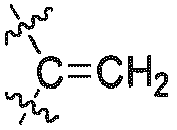 R7 ausgewählt ist aus H oder einem C1-6 Alkyl; undR8 ausgewählt ist aus H oder einem C1-6 Alkyl.
 - Verbindung nach Anspruch 1, oder Stereoisomere, Solvate oder pharmazeutisch verträgliche Salze davon, wobei die Verbindung ausgewählt ist aus den Verbindungen der allgemeinen Formel (Ia) oder (Ib):
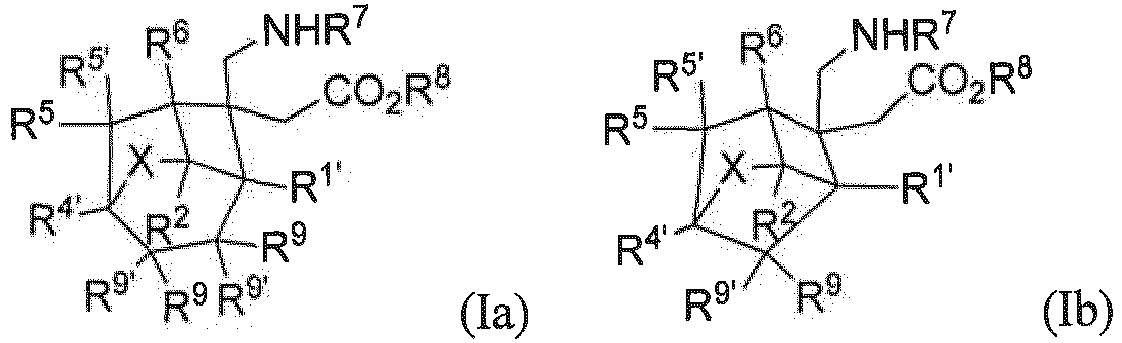
- Verbindung nach Anspruch 2, oder Stereoisomere, Solvate oder pharmazeutisch verträgliche Salze davon, wobeiR1', R2, R3, R3', R4', R5, R5', R6, R9 oder R9' jeweils unabhängig voneinander ausgewählt ist aus H, F, Cl, Br, I oder einem C1-6 Alkyl, wobei das Alkyl gegebenenfalls weiter substituiert ist mit 0 bis 6 Substituenten, ausgewählt aus F, Cl, Br, I oder einem C1-6 Alkyl;oder ein beliebiges Paar aus R3 und R3' sowie R9 und R9' zusammen mit dem Kohlenstoffatom, an das sie gebunden sind,
 R7 H ist; undR8 H ist.
 - Verbindung nach Anspruch 3, oder Stereoisomere, Solvate oder pharmazeutisch verträgliche Salze davon, wobeiR1', R2, R3, R3', R4', R5, R5', R6, R9 oder R9' jeweils unabhängig voneinander ausgewählt ist aus substituiertem oder unsubstituiertem H, F, Cl, Br, I, Methyl, Ethyl, Isopropyl oder Propyl; und wenn sie substituiert sind, sie gegebenenfalls mit 1 bis 6 Substituenten, ausgewählt aus F, Cl, Br, I, Methyl oder Ethyl, substituiert sind;alternativ R3 und R3' zusammen mit dem Kohlenstoffatom, an das sie gebunden sind,
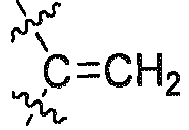 R7 H ist; und R8 H ist.
 - Verbindung nach einem beliebigen der Ansprüche 1-4, oder Stereoisomere, Solvate oder pharmazeutisch verträgliche Salze davon, wobei die Verbindung ausgewählt ist aus:









- Verbindung nach einem beliebigen der Ansprüche 1 bis 5, oder Stereoisomere, Solvate oder pharmazeutisch verträgliche Salze davon, wobei die Salze ausgewählt sind aus Benzolsulfonat, p-Toluolsulfonat oder Mesylat.
- Pharmazeutische Zusammensetzung, umfassend:eine Verbindung nach einem beliebigen der Ansprüche 1-6 oder Stereoisomere, Solvate oder pharmazeutisch verträgliche Salze davon; undeinen oder mehrere pharmazeutisch verträgliche Träger und/oder Hilfsstoffe.
- Pharmazeutische Zusammensetzung nach Anspruch 7 oder die Verbindung nach einem beliebigen der Ansprüche 1 bis 6 oder Stereoisomere, Solvate oder pharmazeutisch verträgliche Salze davon, zur Verwendung bei der Behandlung und/oder Vorbeugung von Schmerzen.
- Pharmazeutische Zusammensetzung oder die Verbindung oder Stereoisomere, Solvate oder pharmazeutisch verträgliche Salze davon zur Verwendung gemäß Anspruch 8, wobei der Schmerz ausgewählt ist aus: postherpetische Neuralgie, Trigeminusneuralgie, Migräne, Schmerzen im Zusammenhang mit Osteoarthritis oder Gelenkrheumatismus, Schmerzen im unteren Rückenbereich, Ischias, Zahnschmerzen, durch Verbrennungen verursachte Schmerzen, durch diabetische Neuropathie verursachte Schmerzen, Schmerzen verursacht durch Chemotherapie-induzierte Neuropathie, HIV-bedingte Neuralgie, AIDS-bedingte Neuralgie, krebsbedingte Neuralgie oder nicht-neuralgische Schmerzen, akute oder chronische Spannungskopfschmerzen, postoperative Schmerzen oder Fibromyalgie.
- Zwischenprodukt, dargestellt durch die allgemeine Formel (Z), zur Herstellung einer Verbindung der allgemeinen Formel (I) oder eines Stereoisomers oder eines pharmazeutisch verträglichen Salzes davon, wobei:
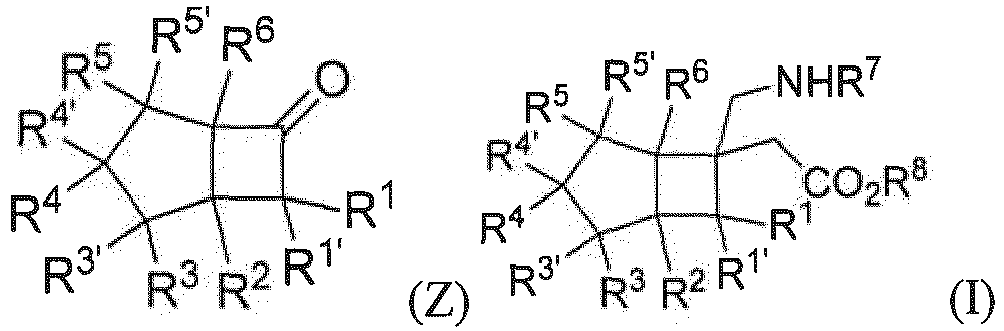 R1 und R4 sich miteinander zu -(CR9R9')n- verbinden;R1', R2, R3, R3, R4', R5, R5', R6, R9 oder R9' jeweils unabhängig voneinander ausgewählt ist aus H, F, Cl, Br, I oder einem C1-6 Alkyl, wobei das Alkyl gegebenenfalls weiter substituiert ist mit 0 bis 6 Substituenten, ausgewählt aus F, Cl, Br, I oder einem C1-6 Alkyl;n ausgewählt ist aus 1, 2 oder 3;alternativ jedes Paar aus R3 und R3', R5 und R5' und R9 und R9' zusammen mit dem Kohlenstoffatom, an das sie gebunden sind,
 R7 ausgewählt ist aus H oder einem C1-6 Alkyl; undR8 ausgewählt ist aus H oder einem C1-6 Alkyl;wobei die Verbindung nicht
- Verbindung nach Anspruch 10, oder ein Stereoisomer oder ein pharmazeutisch verträgliches Salz davon, wobei die Verbindung aus den Verbindungen der allgemeinen Formel (Z-1) oder (Z-2) ausgewählt ist:
 X steht für CR3R3';R1', R2, R3, R3', R4', R5, R5', R6, R9 oder R9' ist jeweils unabhängig voneinander ausgewählt aus H, F, Cl, Br, I oder einem C1-6 Alkyl, wobei das Alkyl gegebenenfalls weiter substituiert ist mit 0 bis 6 Substituenten, ausgewählt aus F, Cl, Br, I oder einem C1-6 Alkyl;Alternativ bildet ein beliebiges Paar aus R3 und R3' sowie R9 und R9' zusammen mit dem Kohlenstoffatom, an das sie gebunden sind,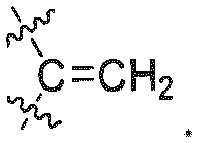
- Verbindung nach Anspruch 11, oder ein Stereoisomer oder ein pharmazeutisch verträgliches Salz davon, wobei die Verbindung eine ausgewählt aus:


Applications Claiming Priority (2)
| Application Number | Priority Date | Filing Date | Title |
|---|---|---|---|
| CN201610825611 | 2016-09-14 | ||
| PCT/CN2017/101364 WO2018050046A1 (zh) | 2016-09-14 | 2017-09-12 | 稠合三环γ-氨基酸衍生物及其制备方法和在医药上的应用 |
Publications (3)
| Publication Number | Publication Date |
|---|---|
| EP3527552A1 EP3527552A1 (de) | 2019-08-21 |
| EP3527552A4 EP3527552A4 (de) | 2020-05-06 |
| EP3527552B1 true EP3527552B1 (de) | 2022-11-30 |
Family
ID=61619859
Family Applications (1)
| Application Number | Title | Priority Date | Filing Date |
|---|---|---|---|
| EP17850248.0A Active EP3527552B1 (de) | 2016-09-14 | 2017-09-12 | Kondensiertes tricyclisches gamma-aminosäurederivat, herstellungsverfahren dafür und medizinische verwendung davon |
Country Status (15)
| Country | Link |
|---|---|
| US (1) | US10654794B2 (de) |
| EP (1) | EP3527552B1 (de) |
| JP (1) | JP7001679B2 (de) |
| KR (1) | KR102335089B1 (de) |
| CN (1) | CN109195945B (de) |
| AU (1) | AU2017325913B2 (de) |
| CA (1) | CA3035121C (de) |
| EA (1) | EA036525B1 (de) |
| ES (1) | ES2939260T3 (de) |
| MX (1) | MX393820B (de) |
| MY (1) | MY196788A (de) |
| PT (1) | PT3527552T (de) |
| TW (1) | TWI662015B (de) |
| WO (1) | WO2018050046A1 (de) |
| ZA (1) | ZA201901861B (de) |
Families Citing this family (13)
| Publication number | Priority date | Publication date | Assignee | Title |
|---|---|---|---|---|
| MX2021000403A (es) | 2018-07-12 | 2021-03-25 | Sichuan Haisco Pharmaceutical Co Ltd | Composicion de derivados de aminoacido gamma triciclico fusionados y la preparacion de la misma. |
| WO2020011258A1 (zh) * | 2018-07-12 | 2020-01-16 | 四川海思科制药有限公司 | 稠合三环γ-氨基酸衍生物的盐的晶型及制备和应用 |
| CN112384493B (zh) * | 2018-08-09 | 2023-06-06 | 四川海思科制药有限公司 | 稠合三环γ-氨基酸衍生物的制备方法及中间体 |
| WO2020155953A1 (zh) * | 2019-01-30 | 2020-08-06 | 四川海思科制药有限公司 | 一种稠合三环氘代衍生物及其组合物和应用 |
| WO2020155952A1 (zh) * | 2019-02-01 | 2020-08-06 | 四川海思科制药有限公司 | 一种稠合三环衍生物的制备方法及中间体 |
| CN111517932B (zh) * | 2019-02-01 | 2023-03-24 | 四川海思科制药有限公司 | 一种稠合三环衍生物制备方法及中间体 |
| CN111517939B (zh) * | 2019-02-01 | 2023-03-31 | 四川海思科制药有限公司 | 一种稠合三环衍生物制备方法及中间体 |
| CN111517930B (zh) * | 2019-02-01 | 2023-03-24 | 四川海思科制药有限公司 | 一种稠合三环衍生物制备方法及中间体 |
| CN114402198A (zh) * | 2019-09-03 | 2022-04-26 | 四川海思科制药有限公司 | 2-((1s,2s,3r,6s,8s)-2-(氨甲基)三环[4.2.1.03,8]壬烷-2-基)乙酸苯磺酸盐或其组合物杂质检测方法 |
| TW202214223A (zh) * | 2020-07-20 | 2022-04-16 | 大陸商四川海思科製藥有限公司 | 稠合三環γ-胺基酸衍生物的緩釋藥物製劑及其製備方法 |
| CN114573434B (zh) * | 2020-12-01 | 2024-12-06 | 四川海思科制药有限公司 | 一种手性桥环酮及其制备方法 |
| CN117986143A (zh) * | 2022-11-03 | 2024-05-07 | 中科中山药物创新研究院 | 含有多环结构的γ-氨基丁酸衍生物及其制备方法和用途 |
| AU2025207066A1 (en) | 2024-01-08 | 2026-08-13 | Haisco Pharmaceutical Group Co., Ltd. | Use of fused tricyclic gamma-amino acid derivative in treating central neuropathic pain |
Family Cites Families (7)
| Publication number | Priority date | Publication date | Assignee | Title |
|---|---|---|---|---|
| CA2444053C (en) * | 2001-04-19 | 2008-06-17 | Warner-Lambert Company Llc | Fused bicyclic or tricyclic amino acids |
| GB2374595A (en) * | 2001-04-19 | 2002-10-23 | Warner Lambert Co | Fused bicyclic or tricyclic amino acids |
| KR101335784B1 (ko) * | 2007-09-28 | 2013-12-05 | 다이이찌 산쿄 가부시키가이샤 | 2 고리성 γ-아미노산 유도체 |
| JP5250363B2 (ja) | 2008-09-26 | 2013-07-31 | 京セラドキュメントソリューションズ株式会社 | テキスト入力システム及びテキスト入力プログラム |
| WO2010079668A1 (ja) | 2009-01-08 | 2010-07-15 | 第一三共株式会社 | オレフィン化合物 |
| WO2010084798A1 (ja) * | 2009-01-21 | 2010-07-29 | 第一三共株式会社 | 3環性化合物 |
| CN107848953B (zh) | 2015-12-25 | 2021-05-18 | 四川海思科制药有限公司 | 稠合环γ-氨基酸衍生物及其制备方法和在医药上的应用 |
-
2017
- 2017-09-12 WO PCT/CN2017/101364 patent/WO2018050046A1/zh not_active Ceased
- 2017-09-12 ES ES17850248T patent/ES2939260T3/es active Active
- 2017-09-12 EA EA201990455A patent/EA036525B1/ru unknown
- 2017-09-12 PT PT178502480T patent/PT3527552T/pt unknown
- 2017-09-12 CN CN201780033351.4A patent/CN109195945B/zh active Active
- 2017-09-12 CA CA3035121A patent/CA3035121C/en active Active
- 2017-09-12 KR KR1020197008206A patent/KR102335089B1/ko active Active
- 2017-09-12 US US16/330,847 patent/US10654794B2/en active Active
- 2017-09-12 MY MYPI2019000602A patent/MY196788A/en unknown
- 2017-09-12 JP JP2019514102A patent/JP7001679B2/ja active Active
- 2017-09-12 AU AU2017325913A patent/AU2017325913B2/en active Active
- 2017-09-12 EP EP17850248.0A patent/EP3527552B1/de active Active
- 2017-09-12 MX MX2019002915A patent/MX393820B/es unknown
- 2017-09-13 TW TW106131443A patent/TWI662015B/zh active
-
2019
- 2019-03-26 ZA ZA2019/01861A patent/ZA201901861B/en unknown
Also Published As
| Publication number | Publication date |
|---|---|
| EA036525B1 (ru) | 2020-11-19 |
| MX2019002915A (es) | 2019-07-18 |
| ES2939260T3 (es) | 2023-04-20 |
| CN109195945A (zh) | 2019-01-11 |
| WO2018050046A1 (zh) | 2018-03-22 |
| CA3035121C (en) | 2021-02-16 |
| ZA201901861B (en) | 2020-10-28 |
| JP7001679B2 (ja) | 2022-02-04 |
| US20190218172A1 (en) | 2019-07-18 |
| KR102335089B1 (ko) | 2021-12-02 |
| EP3527552A1 (de) | 2019-08-21 |
| JP2019532925A (ja) | 2019-11-14 |
| TWI662015B (zh) | 2019-06-11 |
| AU2017325913B2 (en) | 2020-04-09 |
| BR112019004860A2 (pt) | 2019-06-11 |
| CN109195945B (zh) | 2022-02-25 |
| AU2017325913A1 (en) | 2019-05-02 |
| CA3035121A1 (en) | 2018-03-22 |
| EA201990455A1 (ru) | 2019-09-30 |
| MX393820B (es) | 2025-03-24 |
| US10654794B2 (en) | 2020-05-19 |
| KR20190046892A (ko) | 2019-05-07 |
| TW201811733A (zh) | 2018-04-01 |
| MY196788A (en) | 2023-05-03 |
| PT3527552T (pt) | 2023-02-28 |
| EP3527552A4 (de) | 2020-05-06 |
Similar Documents
| Publication | Publication Date | Title |
|---|---|---|
| EP3527552A1 (de) | Kondensiertes tricyclisches aminosäurederivat, herstellungsverfahren dafür und medizinische verwendung davon | |
| AU2022270115B2 (en) | Cycloalkyl 3-oxopiperazine carboxamides and cycloheteroalkyl 3-oxopiperazine carboxamides as nav1.8 inhibitors | |
| EP4406953A1 (de) | 2,6-piperidindionverbindung und anwendung davon | |
| CN106928081B (zh) | 稠合环γ-氨基酸衍生物及其制备方法和在医药上的应用 | |
| EP3753926B1 (de) | Spiroverbindung als indolamin-2,3-dioxygenase-inhibitor | |
| UA125448C2 (uk) | Біциклічні кетонові сполуки і способи їх застосування | |
| CN107848953B (zh) | 稠合环γ-氨基酸衍生物及其制备方法和在医药上的应用 | |
| JP2022512652A (ja) | P2x3拮抗薬での皮膚掻痒症の治療 | |
| ES2820535T3 (es) | Sulfonas tricíclicas como moduladores de ROR gamma | |
| JP2018505176A (ja) | スピロフラノン化合物、それらの誘導体、及びそれらを調製する方法 | |
| BR112019004860B1 (pt) | Compostos, estereoisômeros, solvatos, pró-fármacos ou sais farmaceuticamente aceitáveis dos mesmos, composição farmacêutica contendo os mesmos, uso dos referidos compostos e composto intermediário | |
| EP4089081B1 (de) | Tetrahydrocannabinol-derivat, und herstellungsverfahren dafür und medizinische verwendung davon | |
| JP4781362B2 (ja) | 4級アンモニウム基を有するキヌクリジン化合物とその調製方法、およびアセチルコリン遮断剤としての用途 | |
| TWI738162B (zh) | 稠合三環氘代衍生物及其組合物和用途 | |
| HK1260138B (en) | FUSED TRICYCLIC γ-AMINO ACID DERIVATIVE, PREPARATION METHOD THEREFOR, AND MEDICAL USE THEREOF | |
| HK1260138A1 (en) | FUSED TRICYCLIC γ-AMINO ACID DERIVATIVE, PREPARATION METHOD THEREFOR, AND MEDICAL USE THEREOF | |
| JP2026507019A (ja) | Cdk2阻害剤としての新規な大環状アミノピラゾール化合物 | |
| AU2014227520A1 (en) | New vitamin D receptor activators and methods of making |
Legal Events
| Date | Code | Title | Description |
|---|---|---|---|
| STAA | Information on the status of an ep patent application or granted ep patent |
Free format text: STATUS: THE INTERNATIONAL PUBLICATION HAS BEEN MADE |
|
| PUAI | Public reference made under article 153(3) epc to a published international application that has entered the european phase |
Free format text: ORIGINAL CODE: 0009012 |
|
| STAA | Information on the status of an ep patent application or granted ep patent |
Free format text: STATUS: REQUEST FOR EXAMINATION WAS MADE |
|
| 17P | Request for examination filed |
Effective date: 20190320 |
|
| AK | Designated contracting states |
Kind code of ref document: A1 Designated state(s): AL AT BE BG CH CY CZ DE DK EE ES FI FR GB GR HR HU IE IS IT LI LT LU LV MC MK MT NL NO PL PT RO RS SE SI SK SM TR |
|
| AX | Request for extension of the european patent |
Extension state: BA ME |
|
| DAV | Request for validation of the european patent (deleted) | ||
| DAX | Request for extension of the european patent (deleted) | ||
| A4 | Supplementary search report drawn up and despatched |
Effective date: 20200403 |
|
| RIC1 | Information provided on ipc code assigned before grant |
Ipc: A61P 25/06 20060101ALI20200330BHEP Ipc: A61K 31/195 20060101ALI20200330BHEP Ipc: C07C 229/28 20060101AFI20200330BHEP Ipc: A61P 25/04 20060101ALI20200330BHEP Ipc: A61P 29/00 20060101ALI20200330BHEP |
|
| STAA | Information on the status of an ep patent application or granted ep patent |
Free format text: STATUS: EXAMINATION IS IN PROGRESS |
|
| 17Q | First examination report despatched |
Effective date: 20210423 |
|
| GRAP | Despatch of communication of intention to grant a patent |
Free format text: ORIGINAL CODE: EPIDOSNIGR1 |
|
| STAA | Information on the status of an ep patent application or granted ep patent |
Free format text: STATUS: GRANT OF PATENT IS INTENDED |
|
| INTG | Intention to grant announced |
Effective date: 20220623 |
|
| GRAS | Grant fee paid |
Free format text: ORIGINAL CODE: EPIDOSNIGR3 |
|
| GRAA | (expected) grant |
Free format text: ORIGINAL CODE: 0009210 |
|
| STAA | Information on the status of an ep patent application or granted ep patent |
Free format text: STATUS: THE PATENT HAS BEEN GRANTED |
|
| AK | Designated contracting states |
Kind code of ref document: B1 Designated state(s): AL AT BE BG CH CY CZ DE DK EE ES FI FR GB GR HR HU IE IS IT LI LT LU LV MC MK MT NL NO PL PT RO RS SE SI SK SM TR |
|
| REG | Reference to a national code |
Ref country code: CH Ref legal event code: EP Ref country code: GB Ref legal event code: FG4D |
|
| REG | Reference to a national code |
Ref country code: AT Ref legal event code: REF Ref document number: 1534602 Country of ref document: AT Kind code of ref document: T Effective date: 20221215 |
|
| REG | Reference to a national code |
Ref country code: IE Ref legal event code: FG4D |
|
| REG | Reference to a national code |
Ref country code: DE Ref legal event code: R096 Ref document number: 602017064221 Country of ref document: DE |
|
| REG | Reference to a national code |
Ref country code: NL Ref legal event code: FP |
|
| REG | Reference to a national code |
Ref country code: PT Ref legal event code: SC4A Ref document number: 3527552 Country of ref document: PT Date of ref document: 20230228 Kind code of ref document: T Free format text: AVAILABILITY OF NATIONAL TRANSLATION Effective date: 20230222 |
|
| REG | Reference to a national code |
Ref country code: SE Ref legal event code: TRGR |
|
| REG | Reference to a national code |
Ref country code: LT Ref legal event code: MG9D |
|
| REG | Reference to a national code |
Ref country code: ES Ref legal event code: FG2A Ref document number: 2939260 Country of ref document: ES Kind code of ref document: T3 Effective date: 20230420 |
|
| PG25 | Lapsed in a contracting state [announced via postgrant information from national office to epo] |
Ref country code: NO Free format text: LAPSE BECAUSE OF FAILURE TO SUBMIT A TRANSLATION OF THE DESCRIPTION OR TO PAY THE FEE WITHIN THE PRESCRIBED TIME-LIMIT Effective date: 20230228 Ref country code: LT Free format text: LAPSE BECAUSE OF FAILURE TO SUBMIT A TRANSLATION OF THE DESCRIPTION OR TO PAY THE FEE WITHIN THE PRESCRIBED TIME-LIMIT Effective date: 20221130 Ref country code: FI Free format text: LAPSE BECAUSE OF FAILURE TO SUBMIT A TRANSLATION OF THE DESCRIPTION OR TO PAY THE FEE WITHIN THE PRESCRIBED TIME-LIMIT Effective date: 20221130 |
|
| REG | Reference to a national code |
Ref country code: AT Ref legal event code: MK05 Ref document number: 1534602 Country of ref document: AT Kind code of ref document: T Effective date: 20221130 |
|
| PG25 | Lapsed in a contracting state [announced via postgrant information from national office to epo] |
Ref country code: RS Free format text: LAPSE BECAUSE OF FAILURE TO SUBMIT A TRANSLATION OF THE DESCRIPTION OR TO PAY THE FEE WITHIN THE PRESCRIBED TIME-LIMIT Effective date: 20221130 Ref country code: PL Free format text: LAPSE BECAUSE OF FAILURE TO SUBMIT A TRANSLATION OF THE DESCRIPTION OR TO PAY THE FEE WITHIN THE PRESCRIBED TIME-LIMIT Effective date: 20221130 Ref country code: LV Free format text: LAPSE BECAUSE OF FAILURE TO SUBMIT A TRANSLATION OF THE DESCRIPTION OR TO PAY THE FEE WITHIN THE PRESCRIBED TIME-LIMIT Effective date: 20221130 Ref country code: IS Free format text: LAPSE BECAUSE OF FAILURE TO SUBMIT A TRANSLATION OF THE DESCRIPTION OR TO PAY THE FEE WITHIN THE PRESCRIBED TIME-LIMIT Effective date: 20230330 Ref country code: HR Free format text: LAPSE BECAUSE OF FAILURE TO SUBMIT A TRANSLATION OF THE DESCRIPTION OR TO PAY THE FEE WITHIN THE PRESCRIBED TIME-LIMIT Effective date: 20221130 Ref country code: GR Free format text: LAPSE BECAUSE OF FAILURE TO SUBMIT A TRANSLATION OF THE DESCRIPTION OR TO PAY THE FEE WITHIN THE PRESCRIBED TIME-LIMIT Effective date: 20230301 |
|
| P01 | Opt-out of the competence of the unified patent court (upc) registered |
Effective date: 20230515 |
|
| PG25 | Lapsed in a contracting state [announced via postgrant information from national office to epo] |
Ref country code: SM Free format text: LAPSE BECAUSE OF FAILURE TO SUBMIT A TRANSLATION OF THE DESCRIPTION OR TO PAY THE FEE WITHIN THE PRESCRIBED TIME-LIMIT Effective date: 20221130 Ref country code: RO Free format text: LAPSE BECAUSE OF FAILURE TO SUBMIT A TRANSLATION OF THE DESCRIPTION OR TO PAY THE FEE WITHIN THE PRESCRIBED TIME-LIMIT Effective date: 20221130 Ref country code: EE Free format text: LAPSE BECAUSE OF FAILURE TO SUBMIT A TRANSLATION OF THE DESCRIPTION OR TO PAY THE FEE WITHIN THE PRESCRIBED TIME-LIMIT Effective date: 20221130 Ref country code: DK Free format text: LAPSE BECAUSE OF FAILURE TO SUBMIT A TRANSLATION OF THE DESCRIPTION OR TO PAY THE FEE WITHIN THE PRESCRIBED TIME-LIMIT Effective date: 20221130 Ref country code: CZ Free format text: LAPSE BECAUSE OF FAILURE TO SUBMIT A TRANSLATION OF THE DESCRIPTION OR TO PAY THE FEE WITHIN THE PRESCRIBED TIME-LIMIT Effective date: 20221130 Ref country code: AT Free format text: LAPSE BECAUSE OF FAILURE TO SUBMIT A TRANSLATION OF THE DESCRIPTION OR TO PAY THE FEE WITHIN THE PRESCRIBED TIME-LIMIT Effective date: 20221130 |
|
| PG25 | Lapsed in a contracting state [announced via postgrant information from national office to epo] |
Ref country code: SK Free format text: LAPSE BECAUSE OF FAILURE TO SUBMIT A TRANSLATION OF THE DESCRIPTION OR TO PAY THE FEE WITHIN THE PRESCRIBED TIME-LIMIT Effective date: 20221130 Ref country code: AL Free format text: LAPSE BECAUSE OF FAILURE TO SUBMIT A TRANSLATION OF THE DESCRIPTION OR TO PAY THE FEE WITHIN THE PRESCRIBED TIME-LIMIT Effective date: 20221130 |
|
| REG | Reference to a national code |
Ref country code: DE Ref legal event code: R097 Ref document number: 602017064221 Country of ref document: DE |
|
| PLBE | No opposition filed within time limit |
Free format text: ORIGINAL CODE: 0009261 |
|
| STAA | Information on the status of an ep patent application or granted ep patent |
Free format text: STATUS: NO OPPOSITION FILED WITHIN TIME LIMIT |
|
| 26N | No opposition filed |
Effective date: 20230831 |
|
| PG25 | Lapsed in a contracting state [announced via postgrant information from national office to epo] |
Ref country code: SI Free format text: LAPSE BECAUSE OF FAILURE TO SUBMIT A TRANSLATION OF THE DESCRIPTION OR TO PAY THE FEE WITHIN THE PRESCRIBED TIME-LIMIT Effective date: 20221130 |
|
| REG | Reference to a national code |
Ref country code: CH Ref legal event code: PL |
|
| PG25 | Lapsed in a contracting state [announced via postgrant information from national office to epo] |
Ref country code: LU Free format text: LAPSE BECAUSE OF NON-PAYMENT OF DUE FEES Effective date: 20230912 |
|
| REG | Reference to a national code |
Ref country code: BE Ref legal event code: MM Effective date: 20230930 |
|
| PG25 | Lapsed in a contracting state [announced via postgrant information from national office to epo] |
Ref country code: LU Free format text: LAPSE BECAUSE OF NON-PAYMENT OF DUE FEES Effective date: 20230912 Ref country code: MC Free format text: LAPSE BECAUSE OF FAILURE TO SUBMIT A TRANSLATION OF THE DESCRIPTION OR TO PAY THE FEE WITHIN THE PRESCRIBED TIME-LIMIT Effective date: 20221130 |
|
| REG | Reference to a national code |
Ref country code: IE Ref legal event code: MM4A |
|
| PG25 | Lapsed in a contracting state [announced via postgrant information from national office to epo] |
Ref country code: IE Free format text: LAPSE BECAUSE OF NON-PAYMENT OF DUE FEES Effective date: 20230912 |
|
| PG25 | Lapsed in a contracting state [announced via postgrant information from national office to epo] |
Ref country code: CH Free format text: LAPSE BECAUSE OF NON-PAYMENT OF DUE FEES Effective date: 20230930 |
|
| PG25 | Lapsed in a contracting state [announced via postgrant information from national office to epo] |
Ref country code: IE Free format text: LAPSE BECAUSE OF NON-PAYMENT OF DUE FEES Effective date: 20230912 Ref country code: CH Free format text: LAPSE BECAUSE OF NON-PAYMENT OF DUE FEES Effective date: 20230930 |
|
| PG25 | Lapsed in a contracting state [announced via postgrant information from national office to epo] |
Ref country code: BE Free format text: LAPSE BECAUSE OF NON-PAYMENT OF DUE FEES Effective date: 20230930 |
|
| PG25 | Lapsed in a contracting state [announced via postgrant information from national office to epo] |
Ref country code: BG Free format text: LAPSE BECAUSE OF FAILURE TO SUBMIT A TRANSLATION OF THE DESCRIPTION OR TO PAY THE FEE WITHIN THE PRESCRIBED TIME-LIMIT Effective date: 20221130 |
|
| PG25 | Lapsed in a contracting state [announced via postgrant information from national office to epo] |
Ref country code: BG Free format text: LAPSE BECAUSE OF FAILURE TO SUBMIT A TRANSLATION OF THE DESCRIPTION OR TO PAY THE FEE WITHIN THE PRESCRIBED TIME-LIMIT Effective date: 20221130 |
|
| PG25 | Lapsed in a contracting state [announced via postgrant information from national office to epo] |
Ref country code: CY Free format text: LAPSE BECAUSE OF FAILURE TO SUBMIT A TRANSLATION OF THE DESCRIPTION OR TO PAY THE FEE WITHIN THE PRESCRIBED TIME-LIMIT; INVALID AB INITIO Effective date: 20170912 |
|
| PG25 | Lapsed in a contracting state [announced via postgrant information from national office to epo] |
Ref country code: HU Free format text: LAPSE BECAUSE OF FAILURE TO SUBMIT A TRANSLATION OF THE DESCRIPTION OR TO PAY THE FEE WITHIN THE PRESCRIBED TIME-LIMIT; INVALID AB INITIO Effective date: 20170912 |
|
| PGFP | Annual fee paid to national office [announced via postgrant information from national office to epo] |
Ref country code: DE Payment date: 20250916 Year of fee payment: 9 |
|
| PGFP | Annual fee paid to national office [announced via postgrant information from national office to epo] |
Ref country code: IT Payment date: 20250909 Year of fee payment: 9 Ref country code: NL Payment date: 20250909 Year of fee payment: 9 |
|
| PGFP | Annual fee paid to national office [announced via postgrant information from national office to epo] |
Ref country code: GB Payment date: 20250919 Year of fee payment: 9 |
|
| PGFP | Annual fee paid to national office [announced via postgrant information from national office to epo] |
Ref country code: FR Payment date: 20250929 Year of fee payment: 9 |
|
| PGFP | Annual fee paid to national office [announced via postgrant information from national office to epo] |
Ref country code: SE Payment date: 20250925 Year of fee payment: 9 |
|
| PG25 | Lapsed in a contracting state [announced via postgrant information from national office to epo] |
Ref country code: TR Free format text: LAPSE BECAUSE OF FAILURE TO SUBMIT A TRANSLATION OF THE DESCRIPTION OR TO PAY THE FEE WITHIN THE PRESCRIBED TIME-LIMIT Effective date: 20221130 |
|
| PGFP | Annual fee paid to national office [announced via postgrant information from national office to epo] |
Ref country code: ES Payment date: 20251015 Year of fee payment: 9 |
|
| PGFP | Annual fee paid to national office [announced via postgrant information from national office to epo] |
Ref country code: PT Payment date: 20260625 Year of fee payment: 10 |