EP3244931B1 - Fabry disease gene therapy - Google Patents
Fabry disease gene therapy Download PDFInfo
- Publication number
- EP3244931B1 EP3244931B1 EP16721916.1A EP16721916A EP3244931B1 EP 3244931 B1 EP3244931 B1 EP 3244931B1 EP 16721916 A EP16721916 A EP 16721916A EP 3244931 B1 EP3244931 B1 EP 3244931B1
- Authority
- EP
- European Patent Office
- Prior art keywords
- vector
- galactosidase
- nucleic acid
- sequence
- nucleotide sequence
- Prior art date
- Legal status (The legal status is an assumption and is not a legal conclusion. Google has not performed a legal analysis and makes no representation as to the accuracy of the status listed.)
- Active
Links
Images




Classifications
-
- C—CHEMISTRY; METALLURGY
- C12—BIOCHEMISTRY; BEER; SPIRITS; WINE; VINEGAR; MICROBIOLOGY; ENZYMOLOGY; MUTATION OR GENETIC ENGINEERING
- C12N—MICROORGANISMS OR ENZYMES; COMPOSITIONS THEREOF; PROPAGATING, PRESERVING, OR MAINTAINING MICROORGANISMS; MUTATION OR GENETIC ENGINEERING; CULTURE MEDIA
- C12N9/00—Enzymes; Proenzymes; Compositions thereof; Processes for preparing, activating, inhibiting, separating or purifying enzymes
- C12N9/14—Hydrolases (3)
- C12N9/24—Hydrolases (3) acting on glycosyl compounds (3.2)
- C12N9/2402—Hydrolases (3) acting on glycosyl compounds (3.2) hydrolysing O- and S- glycosyl compounds (3.2.1)
- C12N9/2465—Hydrolases (3) acting on glycosyl compounds (3.2) hydrolysing O- and S- glycosyl compounds (3.2.1) acting on alpha-galactose-glycoside bonds, e.g. alpha-galactosidase (3.2.1.22)
-
- A—HUMAN NECESSITIES
- A61—MEDICAL OR VETERINARY SCIENCE; HYGIENE
- A61K—PREPARATIONS FOR MEDICAL, DENTAL OR TOILETRY PURPOSES
- A61K48/00—Medicinal preparations containing genetic material which is inserted into cells of the living body to treat genetic diseases; Gene therapy
- A61K48/005—Medicinal preparations containing genetic material which is inserted into cells of the living body to treat genetic diseases; Gene therapy characterised by an aspect of the 'active' part of the composition delivered, i.e. the nucleic acid delivered
- A61K48/0058—Nucleic acids adapted for tissue specific expression, e.g. having tissue specific promoters as part of a contruct
-
- A—HUMAN NECESSITIES
- A01—AGRICULTURE; FORESTRY; ANIMAL HUSBANDRY; HUNTING; TRAPPING; FISHING
- A01K—ANIMAL HUSBANDRY; AVICULTURE; APICULTURE; PISCICULTURE; FISHING; REARING OR BREEDING ANIMALS, NOT OTHERWISE PROVIDED FOR; NEW BREEDS OF ANIMALS
- A01K67/00—Rearing or breeding animals, not otherwise provided for; New or modified breeds of animals
- A01K67/027—New or modified breeds of vertebrates
- A01K67/0275—Genetically modified vertebrates, e.g. transgenic
-
- A—HUMAN NECESSITIES
- A61—MEDICAL OR VETERINARY SCIENCE; HYGIENE
- A61K—PREPARATIONS FOR MEDICAL, DENTAL OR TOILETRY PURPOSES
- A61K38/00—Medicinal preparations containing peptides
- A61K38/16—Peptides having more than 20 amino acids; Gastrins; Somatostatins; Melanotropins; Derivatives thereof
- A61K38/43—Enzymes; Proenzymes; Derivatives thereof
- A61K38/46—Hydrolases (3)
- A61K38/47—Hydrolases (3) acting on glycosyl compounds (3.2), e.g. cellulases, lactases
-
- A—HUMAN NECESSITIES
- A61—MEDICAL OR VETERINARY SCIENCE; HYGIENE
- A61P—SPECIFIC THERAPEUTIC ACTIVITY OF CHEMICAL COMPOUNDS OR MEDICINAL PREPARATIONS
- A61P3/00—Drugs for disorders of the metabolism
-
- C—CHEMISTRY; METALLURGY
- C12—BIOCHEMISTRY; BEER; SPIRITS; WINE; VINEGAR; MICROBIOLOGY; ENZYMOLOGY; MUTATION OR GENETIC ENGINEERING
- C12N—MICROORGANISMS OR ENZYMES; COMPOSITIONS THEREOF; PROPAGATING, PRESERVING, OR MAINTAINING MICROORGANISMS; MUTATION OR GENETIC ENGINEERING; CULTURE MEDIA
- C12N15/00—Mutation or genetic engineering; DNA or RNA concerning genetic engineering, vectors, e.g. plasmids, or their isolation, preparation or purification; Use of hosts therefor
- C12N15/09—Recombinant DNA-technology
- C12N15/63—Introduction of foreign genetic material using vectors; Vectors; Use of hosts therefor; Regulation of expression
- C12N15/79—Vectors or expression systems specially adapted for eukaryotic hosts
- C12N15/85—Vectors or expression systems specially adapted for eukaryotic hosts for animal cells
- C12N15/86—Viral vectors
-
- C—CHEMISTRY; METALLURGY
- C12—BIOCHEMISTRY; BEER; SPIRITS; WINE; VINEGAR; MICROBIOLOGY; ENZYMOLOGY; MUTATION OR GENETIC ENGINEERING
- C12Y—ENZYMES
- C12Y302/00—Hydrolases acting on glycosyl compounds, i.e. glycosylases (3.2)
- C12Y302/01—Glycosidases, i.e. enzymes hydrolysing O- and S-glycosyl compounds (3.2.1)
- C12Y302/01022—Alpha-galactosidase (3.2.1.22)
-
- A—HUMAN NECESSITIES
- A01—AGRICULTURE; FORESTRY; ANIMAL HUSBANDRY; HUNTING; TRAPPING; FISHING
- A01K—ANIMAL HUSBANDRY; AVICULTURE; APICULTURE; PISCICULTURE; FISHING; REARING OR BREEDING ANIMALS, NOT OTHERWISE PROVIDED FOR; NEW BREEDS OF ANIMALS
- A01K2217/00—Genetically modified animals
- A01K2217/07—Animals genetically altered by homologous recombination
- A01K2217/075—Animals genetically altered by homologous recombination inducing loss of function, i.e. knock out
-
- C—CHEMISTRY; METALLURGY
- C12—BIOCHEMISTRY; BEER; SPIRITS; WINE; VINEGAR; MICROBIOLOGY; ENZYMOLOGY; MUTATION OR GENETIC ENGINEERING
- C12N—MICROORGANISMS OR ENZYMES; COMPOSITIONS THEREOF; PROPAGATING, PRESERVING, OR MAINTAINING MICROORGANISMS; MUTATION OR GENETIC ENGINEERING; CULTURE MEDIA
- C12N2750/00—MICROORGANISMS OR ENZYMES; COMPOSITIONS THEREOF; PROPAGATING, PRESERVING, OR MAINTAINING MICROORGANISMS; MUTATION OR GENETIC ENGINEERING; CULTURE MEDIA ssDNA viruses
- C12N2750/00011—Details
- C12N2750/14011—Parvoviridae
- C12N2750/14111—Dependovirus, e.g. adenoassociated viruses
- C12N2750/14141—Use of virus, viral particle or viral elements as a vector
- C12N2750/14143—Use of virus, viral particle or viral elements as a vector viral genome or elements thereof as genetic vector
-
- C—CHEMISTRY; METALLURGY
- C12—BIOCHEMISTRY; BEER; SPIRITS; WINE; VINEGAR; MICROBIOLOGY; ENZYMOLOGY; MUTATION OR GENETIC ENGINEERING
- C12N—MICROORGANISMS OR ENZYMES; COMPOSITIONS THEREOF; PROPAGATING, PRESERVING, OR MAINTAINING MICROORGANISMS; MUTATION OR GENETIC ENGINEERING; CULTURE MEDIA
- C12N2750/00—MICROORGANISMS OR ENZYMES; COMPOSITIONS THEREOF; PROPAGATING, PRESERVING, OR MAINTAINING MICROORGANISMS; MUTATION OR GENETIC ENGINEERING; CULTURE MEDIA ssDNA viruses
- C12N2750/00011—Details
- C12N2750/14011—Parvoviridae
- C12N2750/14111—Dependovirus, e.g. adenoassociated viruses
- C12N2750/14171—Demonstrated in vivo effect
-
- C—CHEMISTRY; METALLURGY
- C12—BIOCHEMISTRY; BEER; SPIRITS; WINE; VINEGAR; MICROBIOLOGY; ENZYMOLOGY; MUTATION OR GENETIC ENGINEERING
- C12N—MICROORGANISMS OR ENZYMES; COMPOSITIONS THEREOF; PROPAGATING, PRESERVING, OR MAINTAINING MICROORGANISMS; MUTATION OR GENETIC ENGINEERING; CULTURE MEDIA
- C12N2800/00—Nucleic acids vectors
- C12N2800/22—Vectors comprising a coding region that has been codon optimised for expression in a respective host
Definitions
- the invention relates to a new gene therapy approach for treating Fabry disease.
- Fabry disease is a rare X-linked inherited multisystem lysosomal storage disorder, with an estimated prevalence of approximately 1:40,000. It is caused by a deficiency of the ⁇ -galactosidase A enzyme resulting in the accumulation of neutral glycosphingolipids in the lysosomes of a variety of organs including the endothelial and smooth muscle cells of blood vessels. This accumulation leads to an impairment of organ function leading to end stage renal disease, cardiac complications and stroke, associated with a reduced life expectancy of approximately 58 years.
- agalsidase alfa (Shire HGT, Boston MA, USA) and agalsidase beta (Genzyme Inc, Boston MA, USA), which represent the only currently available specific treatment for Fabry disease.
- Enzyme replacement therapy (ERT) is a reasonable and promising approach for the treatment of Fabry disease but does not represent a cure, requiring weekly intravenous administration for the life-time of the patients at an estimated cost to the NHS of approximately £200K/year. Additionally a significant proportion of patients (55-88%) develop neutralising antibodies to the ⁇ -galactosidase A, thus rendering ERT ineffective.
- gene therapy for Fabry disease offers the potential for a cure through persistent, endogenous production of ⁇ -galactosidase A following the transfer of a normal copy of the ⁇ -galactosidase A gene to an affected patient.
- the inventors have developed a gene therapy approach using adeno-associated viral vectors (AAV) to mediate transfer and expression of the ⁇ -galactosidase A gene.
- AAV adeno-associated viral vectors
- Fabry disease arises from a defect in a single gene, relatively low levels of enzyme correction will reduce storage of glycosphingolipids. Additionally, correction of a small number of cells will potentially correct distant cells too as a result of metabolic cross-correction mechanisms, wherein corrected cells secrete ⁇ -galactosidase A that can correct bystander cells.
- the inventor's approach entails liver mediated expression of ⁇ -galactosidase A following in-vivo, AAV mediated gene transfer of hepatocytes, which results in tolerance to the transgenic protein, thereby reducing the risk of developing neutralising antibodies to ⁇ -galactosidase A.
- a nucleic acid molecule comprising a nucleotide sequence encoding for a functional ⁇ -galactosidase A protein wherein the nucleotide sequence is codon optimised for expression in the liver and has at least 95% identity to the sequence of SEQ ID NO. 1, wherein the codons of the nucleotide sequence have been selected based on the codons used for proteins which are expressed at a high level in the liver.
- the inventors have surprisingly found that the novel codon optimised sequence of SEQ ID NO. 1 results in increased expression of the ⁇ -galactosidase A protein in hepatocytes transduced with an AAV vector under the control of a liver specific promoter, versus an identical construct containing the wild-type ⁇ -galactosidase A cDNA.
- the nucleotide sequence has at least 95% identity to the sequence of SEQ ID NO. 1. In some disclosures, the nucleotide sequence has at least 86% identity to the sequence of SEQ ID NO. 1. In other disclosures, the nucleotide sequence has at least 87% identity to the sequence of SEQ ID NO. 1. In particular disclosures, the nucleotide sequence has at least 88% identity to the sequence of SEQ ID NO. 1. In further disclosures, the nucleotide sequence has at least 89% identity to the sequence of SEQ ID NO. 1. In some disclosures, the nucleotide sequence has at least 90% identity to the sequence of SEQ ID NO. 1. In other disclosures, the nucleotide sequence has at least 91% identity to the sequence of SEQ ID NO. 1.
- the nucleotide sequence has at least 92% identity to the sequence of SEQ ID NO. 1. In further disclosures, the nucleotide sequence has at least 93% identity to the sequence of SEQ ID NO. 1. In some disclosures, the nucleotide sequence has at least 94% identity to the sequence of SEQ ID NO. 1. The nucleotide sequence has at least 95% identity to the sequence of SEQ ID NO. 1. In particular embodiments, the nucleotide sequence has at least 96% identity to the sequence of SEQ ID NO. 1. In further embodiments, the nucleotide sequence has at least 97% identity to the sequence of SEQ ID NO. 1. In some embodiments, the nucleotide sequence has at least 98% identity to the sequence of SEQ ID NO. 1. In other embodiments, the nucleotide sequence has at least 99% identity to the sequence of SEQ ID NO. 1. In particular embodiments, the nucleotide sequence has the sequence of SEQ ID NO. 1.
- the nucleotide sequence encodes for a functional ⁇ -galactosidase A protein.
- a functional ⁇ -galactosidase A protein hydrolyses the terminal alpha-galactosyl moieties from glycolipids and glycoproteins. Suitable methods for assaying for ⁇ -galactosidase A activity are well known to those skilled in the art.
- the nucleotide sequence encodes for ⁇ -galactosidase A protein having the wild type amino acid sequence.
- This sequence is well known to those skilled in the art. For example, this information can be found on GenBank (http://www.ncbi.nlm.nih.gov/genbank) under accession number CAA29232.1 (GI: 757912). Further information on this protein can be found under NCBI Reference Sequence: NP_000160.1 (GI: 4504009).
- the wild type protein sequence has 429 amino acids.
- a vector for expressing ⁇ -galactosidase A protein in a second aspect of the invention there is provided a vector for expressing ⁇ -galactosidase A protein.
- the vector comprises the nucleic acid molecule described above. This means that the vector contains a nucleotide sequence encoding for a functional ⁇ -galactosidase A protein so that when this sequence is expressed, a functional ⁇ -galactosidase A protein is produced by the cell in which the vector is contained.
- SEQ ID NO. 1 is a codon optimised ⁇ -galactosidase A nucleotide sequence. This sequence has not been codon optimised in a normal way. Instead, the codons have been selected based on the codons used for proteins which are expressed at a high level in the liver. The reason for this is that the vector is normally expressed in the liver. This special codon optimisation process has been found to produce a nucleotide sequence which gives surprisingly high expression.
- the nucleotide sequence encoding for a ⁇ -galactosidase A protein is preferably between 1265 and 1315 nucleotides in length. In some embodiments, the nucleotide sequence encoding for a functional ⁇ -galactosidase A protein is between 1270 and 1310 nucleotides in length. In other embodiments, the nucleotide sequence encoding for a functional ⁇ -galactosidase A protein is between 1275 and 1305 nucleotides in length. In particular embodiments, the nucleotide sequence encoding for a functional ⁇ -galactosidase A protein is between 1280 and 1300 nucleotides in length.
- the vector further comprises a promoter.
- the promoter causes expression of the nucleotide sequence encoding for a functional ⁇ -galactosidase A protein.
- Any appropriate promoter may be used, such as HLP, LP1, HCR-hAAT, ApoE-hAAT, and LSP. These promoters are described in more detail in the following references: HLP: McIntosh J. et al., Blood 2013 Apr 25, 121(17):3335-44 ; LP1: Nathwani et al., Blood. 2006 April 1, 107(7): 2653-2661 ; HCR-hAAT: Miao et al., Mol Ther.
- a preferred promoter is also described in WO 2011/005968 .
- Another preferred promoter has the sequence of SEQ ID NO. 2 and is referred to as HLP2.
- the promoter having SEQ ID NO. 2 is a liver specific promoter which has been found to give particularly good expression in the liver. Whilst giving good expression, this promoter is also relatively small which allows more efficient packaging of the vector.
- the promoter is a liver specific promoter.
- SEQ ID NO. 3 is the nucleotide sequence of a vector construct including a promoter and a nucleotide sequence encoding for a functional ⁇ -galactosidase A protein. Therefore, the nucleic acid molecule of the invention may comprise a nucleotide sequence having at least 90% identity to the sequence of SEQ ID NO. 3. In other embodiments, the nucleotide sequence has at least 91% identity to the sequence of SEQ ID NO. 3. In particular embodiments, the nucleotide sequence has at least 92% identity to the sequence of SEQ ID NO. 3. In further embodiments, the nucleotide sequence has at least 93% identity to the sequence of SEQ ID NO. 3.
- the nucleotide sequence has at least 94% identity to the sequence of SEQ ID NO. 3. In other embodiments, the nucleotide sequence has at least 95% identity to the sequence of SEQ ID NO. 3. In particular embodiments, the nucleotide sequence has at least 96% identity to the sequence of SEQ ID NO. 3. In further embodiments, the nucleotide sequence has at least 97% identity to the sequence of SEQ ID NO. 3. In some embodiments, the nucleotide sequence has at least 98% identity to the sequence of SEQ ID NO. 3. In other embodiments, the nucleotide sequence has at least 99% identity to the sequence of SEQ ID NO. 3. In particular embodiments, the nucleotide sequence has the sequence of SEQ ID NO. 3.
- the vector may be any appropriate vector for expressing the ⁇ -galactosidase A protein, including viral and non-viral vectors.
- Viral vectors include a parvovirus, an adenovirus, a retrovirus, a lentivirus or a herpes simplex virus.
- the parvovirus may be an adenovirus-associated virus (AAV).
- AAV adenovirus-associated virus
- the vector is preferably a recombinant adeno-associated viral (rAAV) vector or a lentiviral vector. More preferably, the vector is a rAAV vector.
- a vector according to the invention may be a gene delivery vector.
- a gene delivery vector may be a viral gene delivery vector or a non-viral gene delivery vector.
- the present invention provides gene delivery vectors based on animal parvoviruses, in particular dependoviruses such as infectious human or simian AAV, and the components thereof (e.g., an animal parvovirus genome) for use as vectors for introduction and/or expression of an ⁇ -galactosidase A protein in a mammalian cell.
- dependoviruses such as infectious human or simian AAV
- components thereof e.g., an animal parvovirus genome
- the term "parvoviral” as used herein thus encompasses dependoviruses such as any type of AAV.
- Viruses of the Parvoviridae family are small DNA animal viruses.
- the family Parvoviridae may be divided between two subfamilies: the Parvovirinae, which infect vertebrates, and the Densovirinae, which infect insects.
- Members of the subfamily Parvovirinae are herein referred to as the parvoviruses and include the genus Dependovirus.
- members of the Dependovirus are unique in that they usually require coinfection with a helper virus such as adenovirus or herpes virus for productive infection in cell culture.
- the genus Dependovirus includes AAV, which normally infects humans (e.g., serotypes 1, 2, 3A, 3B, 4, 5, and 6) or primates (e.g., serotypes 1 and 4), and related viruses that infect other warm-blooded animals (e.g., bovine, canine, equine, and ovine adeno-associated viruses). Further information on parvoviruses and other members of the Parvoviridae is described in Kenneth I. Berns, "Parvoviridae: The Viruses and Their Replication," Chapter 69 in Fields Virology (3d Ed. 1996 ). For convenience, the present invention is further exemplified and described herein by reference to AAV. It is, however, understood that the invention is not limited to AAV but may equally be applied to other parvoviruses.
- the genomic organization of all known AAV serotypes is very similar.
- the genome of AAV is a linear, single-stranded DNA molecule that is less than about 5,000 nucleotides (nt) in length.
- Inverted terminal repeats (ITRs) flank the unique coding nucleotide sequences for the non-structural replication (Rep) proteins and the structural (VP) proteins.
- the VP proteins (VP1, -2 and -3) form the capsid.
- the terminal 145 nt are self-complementary and are organized so that an energetically stable intramolecular duplex forming a T-shaped hairpin may be formed. These hairpin structures function as an origin for viral DNA replication, serving as primers for the cellular DNA polymerase complex.
- Rep genes i.e. encoding Rep78 and Rep52 proteins
- both Rep proteins have a function in the replication of the viral genome.
- a splicing event in the Rep ORF results in the expression of actually four Rep proteins (i.e. Rep78, Rep68, Rep52 and Rep40).
- Rep78, Rep68, Rep52 and Rep40 Rep proteins
- the vector genome typically comprises a nucleic acid to be packaged for delivery to a target cell.
- the heterologous nucleotide sequence is located between the viral ITRs at either end of the vector genome.
- the parvovirus (e.g. AAV) cap genes and parvovirus (e.g. AAV) rep genes are deleted from the template genome (and thus from the virion DNA produced therefrom). This configuration maximizes the size of the nucleic acid sequence(s) that can be carried by the parvovirus capsid.
- the nucleic acid is located between the viral ITRs at either end of the substrate. It is possible for a parvoviral genome to function with only one ITR. Thus, in a gene therapy vector of the invention based on a parvovirus, the vector genome is flanked by at least one ITR, but, more typically, by two AAV ITRs (generally with one either side of the vector genome, i.e. one at the 5' end and one at the 3' end). There may be intervening sequences between the nucleic acid in the vector genome and one or more of the ITRs.
- the nucleotide sequence encoding a functional ⁇ -galactosidase A protein will be incorporated into a parvoviral genome located between two regular ITRs or located on either side of an ITR engineered with two D regions.
- AAV sequences that may be used in the present invention for the production of AAV gene therapy vectors can be derived from the genome of any AAV serotype.
- the AAV serotypes have genomic sequences of significant homology at the amino acid and the nucleic acid levels, provide an identical set of genetic functions, produce virions which are essentially physically and functionally equivalent, and replicate and assemble by practically identical mechanisms.
- AAV serotype 1, 2, 3, 4, 5, 6, 7, 8 or 9 may be used in the present invention.
- AAV serotypes 1, 5 or 8 are preferred sources of AAV sequences for use in the context of the present invention.
- the sequences from the AAV serotypes may be mutated or engineered when being used in the production of gene therapy vectors.
- the AAV ITR sequences for use in the context of the present invention are derived from AAV1, AAV2, AAV4 and/or AAV6.
- the Rep (Rep78 and Rep52) coding sequences are preferably derived from AAV1, AAV2, AAV4 and/or AAV6.
- the sequences coding for the VP1, VP2, and VP3 capsid proteins for use in the context of the present invention may however be taken from any of the known 42 serotypes, more preferably from AAV1, AAV2, AAV3, AAV4, AAV5, AAV6, AAV7, AAV8 or AAV9 or newly developed AAV-like particles obtained by e.g. capsid shuffling techniques and AAV capsid libraries.
- AAV Rep and ITR sequences are particularly conserved among most serotypes.
- the Rep78 proteins of various AAV serotypes are e.g. more than 89% identical and the total nucleotide sequence identity at the genome level between AAV2, AAV3A, AAV3B, and AAV6 is around 82% (Bantel-Schaal et al, 1999).
- the Rep sequences and ITRs of many AAV serotypes are known to efficiently cross-complement (i.e., functionally substitute) corresponding sequences from other serotypes in production of AAV particles in mammalian cells.
- US 2003148506 reports that AAV Rep and ITR sequences also efficiently cross-complement other AAV Rep and ITR sequences in insect cells.
- the AAV VP proteins are known to determine the cellular tropicity of the AAV virion.
- the VP protein-encoding sequences are significantly less conserved than Rep proteins and genes among different AAV serotypes.
- the ability of Rep and ITR sequences to cross-complement corresponding sequences of other serotypes allows for the production of pseudotyped AAV particles comprising the capsid proteins of a serotype (e.g., AAV1, 5 or 8) and the Rep and/or ITR sequences of another AAV serotype (e.g., AAV2).
- pseudotyped rAAV particles are a part of the present invention.
- Modified "AAV" sequences also can be used in the context of the present invention, e.g. for the production of AAV gene therapy vectors.
- modified sequences e.g. include sequences having at least about 70%, at least about 75%, at least about 80%, at least about 85%, at least about 90%, at least about 95%, or more nucleotide and/or amino acid sequence identity (e.g., a sequence having about 75-99% nucleotide sequence identity) to an AAV1, AAV2, AAV3, AAV4, AAV5, AAV6, AAV7, AAV8 or AAV9 ITR, Rep, or VP can be used in place of wild-type AAV ITR, Rep, or VP sequences.
- AAV5 differs from other human and simian AAV serotypes more than other known human and simian serotypes.
- the production of rAAV5 can differ from production of other serotypes in insect cells.
- one or more constructs comprising, collectively in the case of more than one construct, a nucleotide sequence comprising an AAV5 ITR, a nucleotide sequence comprises an AAV5 Rep coding sequence (i.e. a nucleotide sequence comprises an AAV5 Rep78).
- ITR and Rep sequences can be modified as desired to obtain efficient production of AAV5 or pseudotyped AAV5 vectors.
- the start codon of the Rep sequences can be modified, VP splice sites can be modified or eliminated, and/or the VP1 start codon and nearby nucleotides can be modified to improve the production of AAV5 vectors.
- the viral capsid used in the invention may be from any parvovirus, either an autonomous parvovirus or dependovirus, as described above.
- the viral capsid is an AAV capsid (e. g., AAV1, AAV2, AAV3, AAV4, AAV5 or AAV6 capsid).
- AAV1 capsid or AAV6 capsid are preferred.
- the choice of parvovirus capsid may be based on a number of considerations as known in the art, e.g., the target cell type, the desired level of expression, the nature of the heterologous nucleotide sequence to be expressed, issues related to viral production, and the like.
- the AAV1 and AAV6 capsid may be advantageously employed for skeletal muscle; AAV1, AAV5 and AAV8 for the liver and cells of the central nervous system (e.g., brain); AAV5 for cells in the airway and lung or brain; AAV3 for bone marrow cells; and AAV4 for particular cells in the brain (e. g., appendable cells).
- AAV1, AAV5 and AAV8 for the liver and cells of the central nervous system (e.g., brain); AAV5 for cells in the airway and lung or brain; AAV3 for bone marrow cells; and AAV4 for particular cells in the brain (e. g., appendable cells).
- virus subtype or virus serotype it is within the technical skills of the skilled person to select the most appropriate virus, virus subtype or virus serotype. Some subtypes or serotypes may be more appropriate than others for a certain type of tissue.
- liver-specific expression of a nucleic acid of the invention may advantageously be induced by AAV-mediated transduction of liver cells.
- Liver is amenable to AAV-mediated transduction, and different serotypes may be used (for example, AAV1, AAV5 or AAV8).
- Transduction of muscle may be accomplished by administration of an AAV encoding a nucleic acid via the blood stream.
- intravenous or intra-arterial administration is applicable.
- a parvovirus gene therapy vector prepared according to the invention may be a "hybrid" particle in which the viral TRs and viral capsid are from different parvoviruses.
- the viral TRs and capsid are from different serotypes of AAV.
- the parvovirus may have a "chimeric" capsid (e. g., containing sequences from different parvoviruses, preferably different AAV serotypes) or a "targeted" capsid (e. g., a directed tropism).
- At least one parvoviral ITR nucleotide sequence is understood to mean a palindromic sequence, comprising mostly complementary, symmetrically arranged sequences also referred to as "A,” "B,” and “C” regions.
- the ITR functions as an origin of replication, a site having a "cis” role in replication, i.e., being a recognition site for trans-acting replication proteins such as e.g. Rep 78 (or Rep68) which recognize the palindrome and specific sequences internal to the palindrome.
- Rep 78 or Rep68
- One exception to the symmetry of the ITR sequence is the "D" region of the ITR. It is unique (not having a complement within one ITR).
- a parvovirus replicating in a mammalian cell typically has two ITR sequences. It is, however, possible to engineer an ITR so that binding sites are on both strands of the A regions and D regions are located symmetrically, one on each side of the palindrome.
- the Rep78- or Rep68-assisted nucleic acid replication then proceeds in both directions and a single ITR suffices for parvoviral replication of a circular vector.
- one ITR nucleotide sequence can be used in the context of the present invention.
- two or another even number of regular ITRs are used.
- Most preferably, two ITR sequences are used.
- a preferred parvoviral ITR is an AAV ITR.
- AAV parvoviral
- AAV parvoviral
- Such a safety mechanism for limiting undesirable vector propagation in a recipient may be provided by using AAV with a chimeric ITR as described in US 2003148506 .
- the viral Rep protein(s) used for producing an AAV vector of the invention may be selected with consideration for the source of the viral ITRs.
- the AAV5 ITR typically interacts more efficiently with the AAV5 Rep protein, although it is not necessary that the serotype of ITR and Rep protein(s) are matched.
- the ITR(s) used in the invention are typically functional, i.e. they may be fully resolvable and are preferably AAV sequences, with serotypes 1, 2, 3, 4, 5 or 6 being preferred.
- Resolvable AAV ITRs according to the present invention need not have a wild-type ITR sequence (e. g., a wild-type sequence may be altered by insertion, deletion, truncation or missense mutations), as long as the ITR mediates the desired functions, e. g., virus packaging, integration, and/or provirus rescue, and the like.
- the restoration of protein synthesis is a characteristic that the transduced cells acquire permanently or for a sustained period of time, thus avoiding the need for continuous administration to achieve a therapeutic effect.
- the vectors of the invention therefore represent a tool for the development of strategies for the in vivo delivery of an ⁇ -galactosidase A nucleotide sequence, by engineering the nucleic acid within a gene therapy vector that efficiently transduces an appropriate cell type, such as a liver cell.
- the vector may be a single stranded vector or a self-complementary vector. In some embodiments, the vector is a single stranded vector. In other embodiments, the vector is a self-complementary vector.
- the vector may further comprise a poly A tail.
- a poly A tail Preferably, this is positioned downstream of the nucleotide sequence encoding for a functional ⁇ -galactosidase A protein.
- the poly A tail is a bovine growth hormone poly A tail. Preferably, this is between 250 and 270 nucleotides in length.
- the vector may comprise other elements to allow the functional ⁇ -galactosidase A protein to be expressed. Such elements are well known to a person skilled in the art.
- nucleic acids described above are isolated.
- nucleic acid molecules described above It would be well with the capabilities of a skilled person to produce the nucleic acid molecules described above. This could be done, for example, using chemical synthesis of a given sequence.
- nucleic acid expresses a functional protein. Suitable methods would be apparent to those skilled in the art.
- a suitable in vitro method involves inserting the nucleic acid into a vector, such as a lentiviral or an AAV vector, transducing host cells, such as 293T or HeLa cells, with the vector, and assaying for ⁇ -galactosidase A activity.
- a suitable in vivo method involves transducing a vector containing the nucleic acid into mice with Fabry disease and assaying for functional ⁇ -galactosidase A in the plasma of the mice. Suitable methods are described in more detail below.
- the nucleic acid can be any type of nucleic acid composed of nucleotides.
- the nucleic acid should be able to be expressed so that a protein is produced.
- the nucleic acid is DNA or RNA.
- the invention also provides a host cell comprising any one of the nucleic acid molecules or vectors described above.
- the vector is capable of expressing the ⁇ -galactosidase A nucleotide sequence in the host.
- the host may be any suitable host.
- the term "host” refers to organisms and/or cells which harbour a nucleic acid molecule or a vector of the invention, as well as organisms and/or cells that are suitable for use in expressing a recombinant gene or protein. It is not intended that the present invention be limited to any particular type of cell or organism. Indeed, it is contemplated that any suitable organism and/or cell will find use in the present invention as a host.
- a host cell may be in the form of a single cell, a population of similar or different cells, for example in the form of a culture (such as a liquid culture or a culture on a solid substrate), an organism or part thereof.
- a host cell according to the invention may permit the expression of a nucleic acid molecule of the invention.
- the host cell may be, for example, a bacterial, a yeast, an insect or a mammalian cell.
- the invention provides a non-human transgenic animal comprising cells comprising the nucleic acid molecule encoding for a functional ⁇ -galactosidase A protein described above or a vector described above.
- the animal is a non-human mammal, especially a primate.
- the animal may be a rodent, especially a mouse; or may be canine, feline, ovine or porcine.
- the invention provides a pharmaceutical composition
- a pharmaceutical composition comprising a nucleic acid molecule or a vector of the invention and one or more pharmaceutically acceptable excipients.
- the one or more excipients include carriers, diluents and/or other medicinal agents, pharmaceutical agents or adjuvants, etc.
- the invention also provides the nucleic acid molecule or a vector as described above for use in a method of treating Fabry disease comprising administering a therapeutically effective amount of the nucleic acid molecule or a vector as described above to a patient suffering from Fabry disease.
- the patient is human.
- Fabry disease When Fabry disease is "treated" in the above method, this means that one or more symptoms of Fabry disease are ameliorated. It does not mean that the symptoms of Fabry disease are completely remedied so that they are no longer present in the patient, although in some methods, this may be the case.
- the method of treating results in one or more of the symptoms of Fabry disease being less severe than before treatment.
- a “therapeutically effective amount” refers to an amount effective, at dosages and for periods of time necessary, to achieve the desired therapeutic result, such as raising the level of functional ⁇ -galactosidase A in a subject (so as to lead to functional ⁇ -galactosidase A production to a level sufficient to ameliorate the symptoms of Fabry disease).
- Delivery of a nucleic acid or vector of the invention to a host cell in vivo may result in an increase of functional ⁇ -galactosidase A in the host, for example to a level that ameliorates one or more symptoms of Fabry disease.
- the level of naturally occurring ⁇ -galactosidase A in a subject suffering from Fabry disease varies depending on the severity of the Fabry disease. Patients with a severe form of the disease have ⁇ -galactosidase A levels of less than about 1% of the level found in a normal healthy subject (referred to herein as "a normal level"). It has been found that when the method of treatment described herein is used, it can cause an increase in the level of functional ⁇ -galactosidase A to at least about 1% of normal levels.
- the method of treatment causes an increase in the level of functional ⁇ -galactosidase A to at least about 2%, at least about 3%, at least about 4%, at least about 10%, at least about 15%, at least about 20% or at least about 25% of normal levels. In a particular disclosure, the method of treatment causes an increase in the level of functional ⁇ -galactosidase A to at least about 30% of normal levels.
- the method of treatment causes an increase in the level of functional ⁇ -galactosidase A to, at most, normal levels.
- the activity of functional ⁇ -galactosidase A can be measured relatively easily and methods for measuring ⁇ -galactosidase A activity are well known to those skilled in the art.
- the activity of ⁇ -galactosidase can conveniently be measured in blood using a blood spot as described in Clin. Biochem. 45(15): 1233-8 (2012 ).
- the principle of this method is that at acidic pH, ⁇ -galactosidase hydrolyses the substrate, 4-methylumbelliferyl-a-D-galactopyranoside, to 4-methylumbelliferone and galactose.
- Adding alkaline buffer stops the enzyme reaction and causes the 4-methylumbelliferone to fluoresce at a different wavelength from the unhydrolysed substrate, thereby permitting its measurement in the presence of a vast excess of unhydrolysed substrate.
- leucocytes usually over 95% of the total ⁇ -galactosidase activity is ⁇ -galactosidase A whereas in plasma and cultured cells, the isoenzyme, ⁇ -galactosidase B can significantly contribute to the total ⁇ -galactosidase activity, ⁇ -galactosidase A can be measured in the presence of ⁇ -galactosidase B by making use of the increased heat liability of the A isoenzyme and in plasma the ⁇ -galactosidase B can be inhibited by the addition of a-NAc galactosamine.
- a key advantage of this method is that only 5ul spot of dried whole blood on filter paper is required. This offers the advantage of measuring ⁇ -gal
- ⁇ -galactosidase A activity in plasma can be assessed on a terminal bleed in mice following gene transfer. This method is based on the fact that at acidic pH, ⁇ -galactosidase hydrolyses the substrate, 4-methylumbelliferyl-a-D-galactopyranoside, to 4-methylumbelliferone and galactose, as above.
- ⁇ -galactosidase can also be measured using standard Western blot assay or standard (ELISA type) immunoassays which show antigen levels.
- the invention provides the nucleic acid molecule encoding for a functional ⁇ -galactosidase A protein as described above, or a vector as described above for use in therapy, for example, in the treatment of Fabry disease.
- the disclosure provides the use of the nucleic acid molecule encoding for a functional ⁇ -galactosidase A protein as described above or a vector as described above in the manufacture of a medicament for treating Fabry disease.
- the disclosure also provides a method for delivery of a nucleotide sequence encoding a functional ⁇ -galactosidase A protein to a subject, which method comprises administering to the said subject a nucleic acid molecule encoding a functional ⁇ -galactosidase A protein as described above or a vector as described above.
- the term "identity" is used to refer to the similarity of two sequences.
- the sequences are aligned for optimal comparison purposes (e.g., gaps can be introduced in the sequence of a first nucleic acid for optimal alignment with a second amino or nucleic acid sequence).
- the nucleotide residues at nucleotide positions are then compared. When a position in the first sequence is occupied by the same amino acid or nucleotide residue as the corresponding position in the second sequence, then the molecules are identical at that position.
- % identity number of identical positions/total number of positions (i.e. overlapping positions) x 100).
- the two sequences are the same length.
- a sequence comparison may be carried out over the entire lengths of the two sequences being compared or over fragment of the two sequences. Typically, the comparison will be carried out over the full length of the two sequences being compared. However, sequence identity may be carried out over a region of, for example, about twenty, about fifty, about one hundred, about two hundred, about five hundred, about 1000 or about 2000 or more contiguous nucleic acid residues.
- the identity between two sequences is analysed using the software package Clone Manager Professional version 9 (preferably, version 9.4).
- This analysis tool is produced by Sci-Ed Software (Scientific & Educational Software, 11010 Lake Grove Blvd, Ste 100, PMB 122, Morrisville, NC 27560, USA - http://www.scied.com/index.htm).
- the settings used to compare the sequences are preferably as follows: alignment: Global DNA alignment; parameters: both strands; scoring matrix: linear (mismatch 2, OpenGap 4, ExtGap 1).
- the following methods such as Fast Scan -MaxScore and Fast Scan MaxQual can also be used with the same software using the local settings.
- sequence identity can be determined using the Needleman and Wunsch (1970) algorithm which has been incorporated into the GAP program in the Accelrys GCG software package (available at http://www.accelrys.com/products/gcg/), using either a Blosum 62 matrix or a PAM250 matrix, and a gap weight of 16, 14, 12, 10, 8, 6, or 4 and a length weight of 1, 2, 3, 4, 5, or 6.
- aspects of the invention are equally applicable to all other aspects of the invention.
- aspects of the method of treatment for example, the administration of the nucleic acid or vector
- aspects of the method of treatment may have been described in greater detail than in some of the other aspects, for example, relating to the use of the nucleic acid or vector for treating Fabry disease.
- this information is generally equally applicable to other aspects of the invention.
- the description relating to the method of treatment is equally applicable to the use of the nucleic acid or vector in treating Fabry disease.
- the overriding goal of the inventors' research program is to establish a cure for Fabry disease that is safe, effective and widely available.
- the inventors have developed a liver directed AAV gene transfer approach with a unique codon optimised ⁇ -galactosidase A sequence.
- the inventors have observed scAAV8-mediated gene transfer in adult (3 month old) and new born (2 days old) Fabry model mice resulting in levels of ⁇ -gal A that are substantially higher than physiological levels associated with uptake of this enzyme in major organs, thus raising the possibility of ameliorating the disease phenotype in patients with Fabry disease.
- No immunological responses to the protein have been observed following liver mediated transgene expression including in animals that received the vector at an early age and consequently had low levels of ⁇ -gal A expression, most likely reflecting the loss of episomally maintained AAV vector genome as the liver continues to grow to adult size.
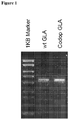
- scAAV8 vectors expressing wild type (WT-GLA) and codon-optimised (codop-GLA) ⁇ -galactosidase A were transduced into HUH7 cells, a liver carcinoma cell line to assess potency.
- WT-GLA wild type
- codop-GLA codon-optimised ⁇ -galactosidase A
- HUH7 cells cultured in DMEM with 10% FBS and plated at 5X10 4 cells per well in a 6-well culture plate were washed twice with OPTIMEM medium (Life Technologies), and then transduced with AAV vector. After 72 hours, cells were harvested for extraction of DNA, RNA or protein.
- DNA extraction was performed using a DNEasy Blood and Tissue Kit (Qiagen), and genome copy number calculated using a QPCR method and transgene specific primers as well as a cellular housekeeping gene (mouse or human GAPDH or beta-actin).
- a standard curve was set up during QPCR which allowed calculation of the genome copy number of the AAV vector.
- the host genome copy number was calculated by determining the concentration of genomic DNA following extraction, and assuming that the DNA content of each cell was 6.6pg. By dividing these two values, the vector genome copy per host cell was calculated.
- RNA extraction was performed using Trizol (Life Technologies) and carried out using the manufacturer's instructions, and cDNA generated using Superscript II (Life Technologies).
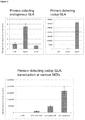
- QRTPCR was performed using primers specific to either the endogenous or codon-optimized form of ⁇ -galactosidase A.
- the cells were extracted in RIPA buffer with protease and phosphatase inhibitors added (Sigma-Aldrich).
- Kidneys were removed and fixed in 10% neutral buffered formalin, methyl Carnoy's solution and small blocks were fixed with 2.5% glutaraldehyde and 2% paraformaldehyde, followed by postfixation in 1% osmium tetroxide, and embedded in Epon using a standard procedure.
- Epon-embedded blocks were cut at 80 nm with a diamond knife. Then ultrathin sections were double-stained with uranyl acetate and lead citrate for electron microscopy. The same block faces were cut at 1 ⁇ m with a sapphire knife replacing a diamond knife. Sections were examined in an H-7650 electron microscope.
- Fabry model mice were bred from C57BL/6 hemizygous male mice (0/-) and homozygous female mice (-/-) obtained from Kulkarni ( T. Ohshima et al., Proc. Natl. Acad. Sci. USA, 94 (1997), pp. 2540-2544 ).
- New born mice aged 1 week, 2 weeks or 3 weeks were given the same dose of vector, which was injected intraperitoneally. Blood samples were collected from the tail vein every 2 weeks thereafter.
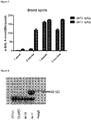
- ⁇ -galactosidase A activities were determined by a functional assay as described above at the time of a terminal bleed (plasma levels) which was performed at 3 months after gene transfer when transgene expression is expected to have peaked ( Figure 4 ).
- ⁇ -galactosidase A activity level was also assessed in "real time” using the blood spots method ( Figure 5 ) as this requires smaller samples volumes (usually 20 ⁇ l of blood).
- the inventors next assessed ⁇ -galactosidase A levels in major organs.
- Western blot analysis of liver from animals following transduction with a dose of 4e11vg/mouse showed high levels of endogenous human ⁇ -galactosidase A expression ( Figure 6 ) but not in an animal transduced with 4e10vg/mouse.
- the white blood cells (WBC) showed presence of human ⁇ -galactosidase A suggesting uptake from plasma. In fact this was a consistent finding in other tissues including the kidneys and the heart ( Figure 7 ).
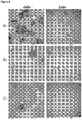
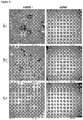
- Kidney involvement is a prominent feature of Fabry disease resulting from accumulations of neutral glycosphingolipid, mainly globotriaosylceramide (Gb3). Therefore the ultrastructure of the mouse renal parenchyma was assessed by high resolution electron microscopy.
- untreated Fabry mice the podocytes formed foot process fusion and a storage process occurred with Gb3 accumulation, while filtration slits formed multivesicular bodies and degraded, and the slits diaphragm formed a complex. When such phenomena occur, proteinuria and glomerulosclerosis can develop.
Landscapes
- Health & Medical Sciences (AREA)
- Life Sciences & Earth Sciences (AREA)
- Chemical & Material Sciences (AREA)
- Engineering & Computer Science (AREA)
- Genetics & Genomics (AREA)
- Bioinformatics & Cheminformatics (AREA)
- Organic Chemistry (AREA)
- General Health & Medical Sciences (AREA)
- Zoology (AREA)
- Wood Science & Technology (AREA)
- Biotechnology (AREA)
- Biomedical Technology (AREA)
- Biochemistry (AREA)
- General Engineering & Computer Science (AREA)
- Medicinal Chemistry (AREA)
- Molecular Biology (AREA)
- Animal Behavior & Ethology (AREA)
- Veterinary Medicine (AREA)
- Pharmacology & Pharmacy (AREA)
- Public Health (AREA)
- Microbiology (AREA)
- Epidemiology (AREA)
- Biophysics (AREA)
- Plant Pathology (AREA)
- Physics & Mathematics (AREA)
- Virology (AREA)
- Chemical Kinetics & Catalysis (AREA)
- General Chemical & Material Sciences (AREA)
- Gastroenterology & Hepatology (AREA)
- Diabetes (AREA)
- Hematology (AREA)
- Obesity (AREA)
- Proteomics, Peptides & Aminoacids (AREA)
- Immunology (AREA)
- Nuclear Medicine, Radiotherapy & Molecular Imaging (AREA)
- Environmental Sciences (AREA)
- Animal Husbandry (AREA)
- Biodiversity & Conservation Biology (AREA)
- Medicines That Contain Protein Lipid Enzymes And Other Medicines (AREA)
- Medicines Containing Material From Animals Or Micro-Organisms (AREA)
Priority Applications (3)
| Application Number | Priority Date | Filing Date | Title |
|---|---|---|---|
| HRP20190165TT HRP20190165T1 (hr) | 2015-05-11 | 2016-05-10 | Genska terapija za fabryjevu bolest |
| PL16721916T PL3244931T3 (pl) | 2015-05-11 | 2016-05-10 | Terapia genowa choroby fabry'ego |
| EP18196625.0A EP3470088A1 (en) | 2015-05-11 | 2016-05-10 | Fabry disease gene therapy |
Applications Claiming Priority (2)
| Application Number | Priority Date | Filing Date | Title |
|---|---|---|---|
| GBGB1508025.2A GB201508025D0 (en) | 2015-05-11 | 2015-05-11 | Fabry disease gene therapy |
| PCT/GB2016/051328 WO2016181122A1 (en) | 2015-05-11 | 2016-05-10 | Fabry disease gene therapy |
Related Child Applications (1)
| Application Number | Title | Priority Date | Filing Date |
|---|---|---|---|
| EP18196625.0A Division EP3470088A1 (en) | 2015-05-11 | 2016-05-10 | Fabry disease gene therapy |
Publications (2)
| Publication Number | Publication Date |
|---|---|
| EP3244931A1 EP3244931A1 (en) | 2017-11-22 |
| EP3244931B1 true EP3244931B1 (en) | 2018-10-24 |
Family
ID=53489437
Family Applications (2)
| Application Number | Title | Priority Date | Filing Date |
|---|---|---|---|
| EP16721916.1A Active EP3244931B1 (en) | 2015-05-11 | 2016-05-10 | Fabry disease gene therapy |
| EP18196625.0A Withdrawn EP3470088A1 (en) | 2015-05-11 | 2016-05-10 | Fabry disease gene therapy |
Family Applications After (1)
| Application Number | Title | Priority Date | Filing Date |
|---|---|---|---|
| EP18196625.0A Withdrawn EP3470088A1 (en) | 2015-05-11 | 2016-05-10 | Fabry disease gene therapy |
Country Status (17)
| Country | Link |
|---|---|
| US (2) | US11103596B2 (enExample) |
| EP (2) | EP3244931B1 (enExample) |
| JP (1) | JP6688812B2 (enExample) |
| KR (1) | KR20180012772A (enExample) |
| CN (1) | CN107980063B (enExample) |
| AU (1) | AU2016261453C1 (enExample) |
| CA (1) | CA2985935C (enExample) |
| DK (1) | DK3244931T3 (enExample) |
| ES (1) | ES2703814T3 (enExample) |
| GB (1) | GB201508025D0 (enExample) |
| HR (1) | HRP20190165T1 (enExample) |
| LT (1) | LT3244931T (enExample) |
| PL (1) | PL3244931T3 (enExample) |
| PT (1) | PT3244931T (enExample) |
| TR (1) | TR201820102T4 (enExample) |
| TW (1) | TW201706412A (enExample) |
| WO (1) | WO2016181122A1 (enExample) |
Cited By (7)
| Publication number | Priority date | Publication date | Assignee | Title |
|---|---|---|---|---|
| US10745447B2 (en) | 2015-09-28 | 2020-08-18 | The University Of North Carolina At Chapel Hill | Methods and compositions for antibody-evading virus vectors |
| US11905523B2 (en) | 2019-10-17 | 2024-02-20 | Ginkgo Bioworks, Inc. | Adeno-associated viral vectors for treatment of Niemann-Pick Disease type-C |
| US11981914B2 (en) | 2019-03-21 | 2024-05-14 | Ginkgo Bioworks, Inc. | Recombinant adeno-associated virus vectors |
| US12060390B2 (en) | 2018-04-03 | 2024-08-13 | Ginkgo Bioworks, Inc. | Antibody-evading virus vectors |
| US12104163B2 (en) | 2020-08-19 | 2024-10-01 | Sarepta Therapeutics, Inc. | Adeno-associated virus vectors for treatment of Rett syndrome |
| US12116384B2 (en) | 2018-04-03 | 2024-10-15 | Ginkgo Bioworks, Inc. | Virus vectors for targeting ophthalmic tissues |
| US12611436B2 (en) | 2019-10-17 | 2026-04-28 | Sarepta Therapeutics, Inc. | AAV transfer cassette |
Families Citing this family (26)
| Publication number | Priority date | Publication date | Assignee | Title |
|---|---|---|---|---|
| GB201420139D0 (en) | 2014-11-12 | 2014-12-24 | Ucl Business Plc | Factor IX gene therapy |
| GB201508025D0 (en) | 2015-05-11 | 2015-06-24 | Ucl Business Plc | Fabry disease gene therapy |
| JP7114485B2 (ja) | 2016-05-18 | 2022-08-08 | モデルナティエックス インコーポレイテッド | ファブリー病の治療のためのα-ガラクトシダーゼAをコードするポリヌクレオチド |
| US20210093735A1 (en) * | 2018-04-26 | 2021-04-01 | The University Of North Carolina At Chapel Hill | Methods and compositions for treatment of hemophilia |
| US10842885B2 (en) | 2018-08-20 | 2020-11-24 | Ucl Business Ltd | Factor IX encoding nucleotides |
| GB201813528D0 (en) | 2018-08-20 | 2018-10-03 | Ucl Business Plc | Factor IX encoding nucleotides |
| AU2019323747A1 (en) * | 2018-08-20 | 2021-03-04 | Ucl Business Ltd | Factor ix encoding nucleotides |
| JP7577650B2 (ja) | 2018-10-10 | 2024-11-05 | アミカス セラピューティックス インコーポレイテッド | ジスルフィド結合により安定したポリペプチド組成物及びその使用方法 |
| CN113423419A (zh) | 2019-01-04 | 2021-09-21 | 桑格摩生物治疗股份有限公司 | 用于治疗法布里病的方法和组合物 |
| KR20220044560A (ko) * | 2019-08-07 | 2022-04-08 | 아미쿠스 세라퓨틱스, 인코포레이티드 | Gla 유전자에 돌연변이를 갖는 환자에서 파브리 질병을 치료하는 방법 |
| WO2021084276A2 (en) | 2019-11-01 | 2021-05-06 | Freeline Therapeutics Limited | Factor viii construct |
| WO2021183895A1 (en) * | 2020-03-13 | 2021-09-16 | Biomarin Pharmaceutical Inc. | Treatment of fabry disease with aav gene therapy vectors |
| CA3175905A1 (en) * | 2020-04-27 | 2021-11-04 | David H. Kirn | Codon optimized gla genes and uses thereof |
| WO2021222653A1 (en) * | 2020-04-29 | 2021-11-04 | Saliogen Therapeutics, Inc. | Compositions and methods for treatment of familial hypercholesterolemia and elevated low-density lipoprotein cholesterol |
| WO2022087321A1 (en) * | 2020-10-21 | 2022-04-28 | Duke University | Dual aav vector-mediated deletion of large mutational hotspot for treatment of duchenne muscular dystrophy |
| CN114507692B (zh) * | 2020-11-16 | 2024-07-12 | 舒泰神(北京)生物制药股份有限公司 | 用于治疗法布里病的腺相关病毒载体及其用途 |
| WO2022100748A1 (en) * | 2020-11-16 | 2022-05-19 | Staidson (Beijing) Biopharmaceuticals Co., Ltd. | Recombinant adeno-associated viruses with enhanced liver tropism and uses thereof |
| IL307770A (en) * | 2021-04-20 | 2023-12-01 | Walking Fish Therapeutics Inc | Engineering B-cells based on protein production for the treatment of serious diseases |
| GB202205514D0 (en) | 2022-04-13 | 2022-05-25 | Freeline Therapeutics Ltd | Mechanical lysis |
| CN114672501B (zh) * | 2022-05-27 | 2022-08-23 | 珠海丽凡达生物技术有限公司 | 一种mRNA、药物组合物及其应用 |
| TW202423959A (zh) * | 2022-08-24 | 2024-06-16 | 美商步行魚醫療公司 | 用於治療法布瑞氏症(fabry disease)之組成物及方法 |
| CN121002183A (zh) * | 2023-04-17 | 2025-11-21 | 杭州复因生物科技有限公司 | 用于基因治疗的组合物和方法 |
| CN116656704B (zh) * | 2023-06-01 | 2024-11-05 | 华东理工大学 | 用于治疗法布里病的转基因表达盒 |
| CN116622750B (zh) * | 2023-06-01 | 2024-05-31 | 上海勉亦生物科技有限公司 | 优化的人法布里转基因表达盒及其用途 |
| WO2025087695A1 (en) | 2023-10-23 | 2025-05-01 | Ascend Advanced Therapies Ltd | Method for producing recombinant adeno-associated virus particles |
| WO2026109693A1 (en) | 2024-11-21 | 2026-05-28 | Ascend Advanced Therapies Ltd | Method for improved aav production |
Family Cites Families (189)
| Publication number | Priority date | Publication date | Assignee | Title |
|---|---|---|---|---|
| US6846968B1 (en) | 1988-02-26 | 2005-01-25 | Large Scale Biology Corporation | Production of lysosomal enzymes in plants by transient expression |
| US5179023A (en) | 1989-03-24 | 1993-01-12 | Research Corporation Technologies, Inc. | Recombinant α-galactosidase a therapy for Fabry disease |
| AU719950B2 (en) | 1995-06-07 | 2000-05-18 | Yale University | Oral delivery of adeno-associated viral vectors |
| US6458574B1 (en) | 1996-09-12 | 2002-10-01 | Transkaryotic Therapies, Inc. | Treatment of a α-galactosidase a deficiency |
| NZ506214A (en) | 1996-09-13 | 2002-11-26 | Transkaryotic Therapies Inc | Therapy for alpha-galactosidase A deficiency |
| AU762400B2 (en) | 1996-09-13 | 2003-06-26 | Shire Human Genetic Therapies, Inc. | Therapy for alpha-galactosidase a deficiency |
| US6083725A (en) | 1996-09-13 | 2000-07-04 | Transkaryotic Therapies, Inc. | Tranfected human cells expressing human α-galactosidase A protein |
| US20020082224A1 (en) | 1997-01-14 | 2002-06-27 | Douglas J. Jolly | Non-immunogenic prodrugs and selectable markers for use in gene therapy |
| GB9708526D0 (en) | 1997-04-25 | 1997-06-18 | Royal Free Hosp School Med | Eukaryotic gene expression cassette and uses thereof |
| US6210666B1 (en) | 1997-10-21 | 2001-04-03 | Orphan Medical, Inc. | Truncated α-galactosidase A to treat fabry disease |
| EP1658857A1 (en) | 1997-10-29 | 2006-05-24 | Genzyme Corporation | Compositions and methods for treating lysosomal storage disease |
| EP1027069B1 (en) | 1997-10-29 | 2006-07-26 | Genzyme Corporation | Gene therapy for gaucher disease |
| US6607879B1 (en) | 1998-02-09 | 2003-08-19 | Incyte Corporation | Compositions for the detection of blood cell and immunological response gene expression |
| JP2002505085A (ja) | 1998-02-17 | 2002-02-19 | ジェンザイム・コーポレイション | 精製aavベクターの生産方法 |
| WO1999057296A1 (en) | 1998-05-01 | 1999-11-11 | Genzyme Corporation | Partially deleted adenoviral vectors |
| US6274597B1 (en) | 1998-06-01 | 2001-08-14 | Mount Sinai School Of Medicine Of New York University | Method of enhancing lysosomal α-Galactosidase A |
| US20020065236A1 (en) | 1998-09-09 | 2002-05-30 | Yew Nelson S. | CpG reduced plasmids and viral vectors |
| US20090042283A1 (en) | 1998-09-29 | 2009-02-12 | Shire Human Genetic Therapies, Inc., A Delaware Corporation | Optimized messenger rna |
| AU2004242550B2 (en) | 1999-03-11 | 2008-04-03 | Shire Human Genetic Therapies, Inc. | Treatment of alpha-Galactosidase A deficiency |
| GB9909066D0 (en) | 1999-04-20 | 1999-06-16 | Oxford Glycosciences Uk Ltd | Therapies |
| US7927587B2 (en) | 1999-08-05 | 2011-04-19 | Regents Of The University Of Minnesota | MAPC administration for the treatment of lysosomal storage disorders |
| WO2002064799A2 (en) | 1999-09-28 | 2002-08-22 | Transkaryotic Therapies, Inc. | Optimized messenger rna |
| EP2275559A3 (en) | 1999-09-28 | 2011-03-23 | Shire Human Genetic Therapies, Inc. | Optimized messenger RNA |
| AU1997901A (en) | 1999-11-05 | 2001-05-14 | Jena Bioscience Gmbh | Protein expression systems for non-pathogenic kinetoplastidae |
| WO2001036620A2 (en) | 1999-11-16 | 2001-05-25 | Genzyme Corporation | Vectors and transgenies with regulatory elements for gene delivery to the liver |
| IL150314A0 (en) | 1999-12-30 | 2002-12-01 | Maxygen Aps | Improved lysosomal enzymes and lysosomal enzyme activators |
| US20010031741A1 (en) | 2000-02-17 | 2001-10-18 | Robin Ziegler | Methods for treatment of lysosomal storage diseases |
| EP1261379A2 (en) | 2000-02-17 | 2002-12-04 | Genzyme Corporation | Genetic modification of the lung as a portal for gene delivery |
| US20020081654A1 (en) | 2000-04-07 | 2002-06-27 | Sandrin Mauro Sergio | Targeting hydrolase enzymes |
| US20020095135A1 (en) | 2000-06-19 | 2002-07-18 | David Meeker | Combination enzyme replacement, gene therapy and small molecule therapy for lysosomal storage diseases |
| US20040204379A1 (en) | 2000-06-19 | 2004-10-14 | Cheng Seng H. | Combination enzyme replacement, gene therapy and small molecule therapy for lysosomal storage diseases |
| US20020014242A1 (en) | 2000-07-31 | 2002-02-07 | Abraham Scaria | Use of rapamycin to inhibit immune response and induce tolerance to gene therapy vector and encoded transgene products |
| ATE310096T1 (de) | 2000-09-18 | 2005-12-15 | Genzyme Corp | Expressionsvektoren mit hybriden ubiquitin- promotoren |
| EP1624067A3 (en) | 2000-09-18 | 2006-03-15 | Genzyme Corporation | Expression vectors containing hybrid ubiquitin promoters |
| DK1325138T3 (da) | 2000-10-11 | 2013-10-21 | Shire Human Genetic Therapies | Optimeret messenger rna |
| US7723296B2 (en) | 2001-01-18 | 2010-05-25 | Genzyme Corporation | Methods for introducing mannose-6-phosphate and other oligosaccharides onto glycoproteins and its application thereof |
| EP1390490B1 (en) | 2001-05-24 | 2009-04-15 | Genzyme Corporation | Muscle-specific expression vectors |
| JP4742191B2 (ja) | 2001-06-14 | 2011-08-10 | 独立行政法人産業技術総合研究所 | 糖蛋白質およびその製造方法 |
| US7063962B2 (en) | 2001-07-20 | 2006-06-20 | Novozymes A/S | DNA sequences for regulating transcription |
| US6749851B2 (en) | 2001-08-31 | 2004-06-15 | Clearant, Inc. | Methods for sterilizing preparations of digestive enzymes |
| US6783968B2 (en) | 2001-09-24 | 2004-08-31 | Clearant, Inc. | Methods for sterilizing preparations of glycosidases |
| US20030064000A1 (en) | 2001-09-24 | 2003-04-03 | Wilson Burgess | Methods of sterilizing biological mixtures using stabilizer mixtures |
| US6723551B2 (en) | 2001-11-09 | 2004-04-20 | The United States Of America As Represented By The Department Of Health And Human Services | Production of adeno-associated virus in insect cells |
| EP1336411A1 (en) | 2002-02-14 | 2003-08-20 | Academisch Medisch Centrum bij de Universiteit van Amsterdam | Compositions and methods for improving enzyme replacement therapy of lysosomal storage diseases |
| US20040258678A1 (en) | 2002-02-22 | 2004-12-23 | Genentech, Inc. | Compositions and methods for the treatment of immune related diseases |
| DK1503788T3 (da) | 2002-04-25 | 2011-10-17 | Shire Human Genetic Therapies | Behandling af alpha-galactosidase A-deficiens |
| US20030225260A1 (en) | 2002-04-30 | 2003-12-04 | Snyder Richard O. | Production of recombinant AAV virions |
| AU2003220115A1 (en) | 2002-05-20 | 2003-12-12 | Board Of Regents, The University Of Texas System | Methods and compositions for delivering enzymes and nucleic acid molecules to brain, bone, and other tissues |
| AU2003273574A1 (en) | 2002-05-31 | 2003-12-19 | Osiris Therapeutics, Inc. | Intraperitoneal delivery of genetically engineered mesenchymal stem cells |
| US20030224477A1 (en) | 2002-05-31 | 2003-12-04 | Heartlein Michael W. | Optimized promoter constructs |
| AU2003284357A1 (en) | 2002-11-01 | 2004-06-07 | Genentech, Inc. | Compositions and methods for the treatment of immune related diseases |
| EP1572116A4 (en) | 2002-11-26 | 2007-12-12 | Genentech Inc | COMPOSITIONS AND METHODS FOR THE TREATMENT OF IMMUNE DISEASES |
| PT1587923E (pt) | 2003-01-22 | 2011-12-07 | Univ Duke | Construções melhoradas para a expressão de polipéptidos lisossomais |
| JP5589165B2 (ja) | 2003-01-31 | 2014-09-17 | マウント シナイ スクール オブ メディシン オブ ニューヨーク ユニバーシティー | タンパク質欠損性障害の治療のための併用療法 |
| US7446098B2 (en) | 2003-02-18 | 2008-11-04 | Mount Sinai School Of Medicine Of New York University | Combination therapy for treating protein deficiencies |
| EP1616016B1 (en) | 2003-03-19 | 2012-11-14 | Isogenis, Inc. | Gene therapy vectors having reduced immunogenicity based on cd8 alpha-chain |
| US20100196345A1 (en) | 2003-04-27 | 2010-08-05 | Protalix | Production of high mannose proteins in plant culture |
| US7951557B2 (en) | 2003-04-27 | 2011-05-31 | Protalix Ltd. | Human lysosomal proteins from plant cell culture |
| JP4979067B2 (ja) | 2003-05-01 | 2012-07-18 | ジェンザイム・コーポレーション | 神経代謝性疾患についての遺伝子治療 |
| JP2006525371A (ja) | 2003-05-05 | 2006-11-09 | ジェンザイム コーポレイション | 免疫応答を減少させる方法 |
| PT2332972T (pt) | 2003-06-24 | 2018-04-17 | Genzyme Corp | Novos promotores de beta-actina e rps21 e suas utilizações |
| WO2005019258A2 (en) | 2003-08-11 | 2005-03-03 | Genentech, Inc. | Compositions and methods for the treatment of immune related diseases |
| EP1694345A1 (en) | 2003-12-04 | 2006-08-30 | Regents Of The University Of Minnesota | Compositions and methods for the treatment of lysosomal storage disorders |
| WO2005074888A2 (en) | 2004-02-03 | 2005-08-18 | Biodelivery Sciences International, Inc. | Replacement enzyme cochleates |
| US20080014188A1 (en) | 2004-02-06 | 2008-01-17 | Zankel Todd C | Manufacture of Highly Phosphorylated Lysosomal Enzymes and Uses Thereof |
| US20050208090A1 (en) | 2004-03-18 | 2005-09-22 | Medtronic, Inc. | Methods and systems for treatment of neurological diseases of the central nervous system |
| WO2006007560A2 (en) | 2004-07-01 | 2006-01-19 | University Of Pennsylvania | Targeted protein replacement for the treatment of lysosomal storage disorders |
| EP1828390B1 (en) | 2004-12-15 | 2012-06-13 | The University Of North Carolina At Chapel Hill | Chimeric vectors |
| AU2006243776A1 (en) | 2005-05-02 | 2006-11-09 | Genzyme Corporation | Gene therapy for neurometabolic disorders |
| US8500720B2 (en) | 2005-05-09 | 2013-08-06 | Medtronic, Inc | Method and apparatus for treatment of cardiac disorders |
| KR20080038131A (ko) | 2005-07-18 | 2008-05-02 | 프로탈릭스 리미티드 | 생물학적으로 활성인 거대분자의 점막 또는 장관 투여 |
| EP2502491B1 (en) | 2005-10-31 | 2017-05-10 | Velico Medical, Inc. | Novel alpha-galactosidases |
| JP4368925B2 (ja) | 2005-11-18 | 2009-11-18 | 財団法人 東京都医学研究機構 | 基質特異性を変換した新規高機能酵素 |
| AR059089A1 (es) | 2006-01-20 | 2008-03-12 | Genzyme Corp | Administracion intraventricular de una enzima para enfermedades de almacenamiento lisosomal |
| US7867484B2 (en) | 2006-01-27 | 2011-01-11 | University Of North Carolina At Chapel Hill | Heparin and heparan sulfate binding chimeric vectors |
| SI1986661T1 (sl) | 2006-02-08 | 2018-12-31 | Genzyme Corporation | Genska terapija za Niemann-Pickovo bolezen tipa A |
| CN101404927A (zh) | 2006-02-09 | 2009-04-08 | 建新公司 | 慢速脑室内递送 |
| MX351004B (es) | 2006-05-16 | 2017-09-26 | Nat Institutes Of Health | Ensayos para diagnosticar y evaluar opciones de tratamiento para enfermedad de fabry. |
| WO2008075957A1 (en) | 2006-12-21 | 2008-06-26 | Academisch Ziekenhuis Bij De Universiteit Van Amsterdam | Treatment of fabry disease |
| CN102978185B (zh) | 2007-01-18 | 2015-02-11 | 建新公司 | 包含氨基氧基基团的寡糖及其轭合物 |
| CA2584494A1 (en) | 2007-03-27 | 2008-09-27 | Jeffrey A. Medin | Vector encoding therapeutic polypeptide and safety elements to clear transduced cells |
| EP2142197A4 (en) | 2007-03-30 | 2010-11-10 | Amicus Therapeutics Inc | METHOD FOR THE TREATMENT OF MORBUS FABRY WITH PHARMACOLOGICAL CHAPTERONES |
| US9999618B2 (en) | 2007-04-26 | 2018-06-19 | Amicus Therapeutics, Inc. | Dosing regimens for the treatment of lysosomal storage diseases using pharmacological chaperones |
| AU2008245578A1 (en) | 2007-04-26 | 2008-11-06 | Amicus Therapeutics, Inc. | Dosing regimens for the treatment of lysosomal storage diseases using pharmacological chaperones |
| PL2158322T3 (pl) | 2007-06-06 | 2017-10-31 | Genzyme Corp | Terapia genowa dla lizosomalnych chorób spichrzeniowych |
| US20100291060A1 (en) | 2007-08-29 | 2010-11-18 | Shire Human Genetic Therapies, Inc | Subcutaneous administration of alpha-galactosidase a |
| WO2009030254A1 (en) | 2007-09-04 | 2009-03-12 | Curevac Gmbh | Complexes of rna and cationic peptides for transfection and for immunostimulation |
| US20100317690A1 (en) | 2007-11-21 | 2010-12-16 | Summit Corporation Plc | Treatment of protein folding disorders |
| EP2242840B1 (en) | 2008-01-29 | 2019-07-24 | Applied Genetic Technologies Corporation | Recombinant adeno-associated virus production using bhk cells in suspension |
| WO2009102895A2 (en) | 2008-02-12 | 2009-08-20 | Amicus Therapeutics, Inc. | Method to predict response to pharmacological chaperone treatment of diseases |
| WO2009114942A1 (en) * | 2008-03-20 | 2009-09-24 | University Health Network | Thymidylate kinase fusions and uses thereof |
| US8632764B2 (en) | 2008-04-30 | 2014-01-21 | University Of North Carolina At Chapel Hill | Directed evolution and in vivo panning of virus vectors |
| JP5616336B2 (ja) | 2008-06-26 | 2014-10-29 | オルファザイム エーピーエスOrphazyme Aps | 酵素活性の調節因子としてのHsp70の使用 |
| US20110237538A1 (en) | 2008-08-06 | 2011-09-29 | Summit Corporation Plc | Treatment of lysosomal storage disorders and other proteostatic diseases |
| EP3608330B1 (en) | 2008-12-16 | 2022-11-09 | Genzyme Corporation | Synthetic intermediates for preparing oligosaccharide-protein conjugates |
| EP2396343B1 (en) | 2009-02-11 | 2017-05-17 | The University of North Carolina At Chapel Hill | Modified virus vectors and methods of making and using the same |
| GB0911870D0 (en) | 2009-07-08 | 2009-08-19 | Ucl Business Plc | Optimised coding sequence and promoter |
| WO2011019980A1 (en) | 2009-08-14 | 2011-02-17 | University Of Miami | Novel role of alpha-galactosidase activity as a biomarker in kidney disease |
| KR102000383B1 (ko) | 2009-09-29 | 2019-07-15 | 유니버시테이트 젠트 | 만노스-1-포스포-6-만노스 결합의 포스포-6-만노스로의 가수분해 |
| WO2011041897A1 (en) | 2009-10-06 | 2011-04-14 | Angiochem Inc. | Compositions and methods for the transport of therapeutic agents |
| ES2600932T3 (es) | 2009-10-27 | 2017-02-13 | Erytech Pharma | Composición para inducir una tolerancia inmunitaria específica |
| US9724400B2 (en) | 2009-11-09 | 2017-08-08 | The Trustees Of The University Of Pennsylvania | Administration of plant expressed oral tolerance agents |
| WO2011061736A1 (en) | 2009-11-17 | 2011-05-26 | Protalix Ltd. | Alkaline alpha galactosidase for the treatment of fabry disease |
| US9194011B2 (en) | 2009-11-17 | 2015-11-24 | Protalix Ltd. | Stabilized alpha-galactosidase and uses thereof |
| MY192644A (en) | 2009-11-27 | 2022-08-29 | Genzyme Corp | An amorphous and a crystalline form of genz 112638 hemitartrate as inhibitor of glucosylceramide synthase |
| US9169494B2 (en) | 2010-01-12 | 2015-10-27 | The University Of North Carolina At Chapel Hill | Restrictive inverted terminal repeats for viral vectors |
| DK2865751T3 (en) | 2010-03-02 | 2017-01-09 | Protalix Ltd | Stabilized alpha-galactosidase and uses thereof |
| EP2550359B1 (en) | 2010-03-23 | 2017-08-09 | Intrexon Corporation | Vectors conditionally expressing therapeutic proteins, host cells comprising the vectors, and uses thereof |
| US8809282B2 (en) | 2010-05-06 | 2014-08-19 | Duke University | Method of reducing titers of antibodies specific for a therapeutic agent |
| CA2803166C (en) | 2010-06-25 | 2023-03-07 | Shire Human Genetic Therapies, Inc. | Cns delivery of therapeutic agents |
| US20130224757A1 (en) | 2010-08-19 | 2013-08-29 | Novozymes A/S | Induced sporulation screening method |
| BR112013007616B1 (pt) | 2010-09-29 | 2023-01-24 | Oxyrane Uk Limited | Métodos para retirar o cap ("uncapping") de porções de manose-1- fosfo-6-manose e desmanosilar n-glicanos fosforilados em uma glicoproteína, para direcionar uma glicoproteína para o interior de uma célula de mamífero, e para converter uma glicoproteína de uma primeira forma que não se liga substancialmente a um receptor de manose-6-fosfato em uma segunda forma que se liga substancialmente a um receptor de manose-6-fosfato em uma célula de mamífero |
| US8853377B2 (en) | 2010-11-30 | 2014-10-07 | Shire Human Genetic Therapies, Inc. | mRNA for use in treatment of human genetic diseases |
| EP2665814B1 (en) | 2011-01-20 | 2017-05-17 | Protalix Ltd. | Nucleic acid construct for expression of alpha-galactosidase in plants and plant cells |
| WO2012125402A2 (en) | 2011-03-11 | 2012-09-20 | Amicus Therapeutics, Inc. | Dosing regimens for the treatment of fabry disease |
| ES2745470T3 (es) | 2011-03-31 | 2020-03-02 | Univ Iowa Res Found | Partícula de AAV2 que comprende una proteína de la cápside de AAV2 y un vector que comprende un ácido nucleico que codifica una tripeptidilo peptidasa 1 (TPP1) para el tratamiento de lipofuscinosis ceroide infantil tardía (LINCL) en un mamífero no roedor mediante inyección intraventricular o administración icv |
| US20120283290A1 (en) | 2011-05-06 | 2012-11-08 | Amicus Therapeutics Inc. | Quantitation of gl3 in urine |
| KR20220025112A (ko) | 2011-06-08 | 2022-03-03 | 샤이어 휴먼 지네틱 테라피즈 인크. | Mrna 전달을 위한 지질 나노입자 조성물 및 방법 |
| WO2013091897A1 (en) | 2011-12-22 | 2013-06-27 | Centogene Gmbh | Combination of a compound having the ability to rearrange a lysosomal enzyme and ambroxol and/or a derivative of ambroxol |
| SG10201604810UA (en) | 2012-02-07 | 2016-08-30 | Global Bio Therapeutics Inc | Compartmentalized method of nucleic acid delivery and compositions and uses thereof |
| WO2013120497A1 (en) | 2012-02-15 | 2013-08-22 | Curevac Gmbh | Nucleic acid comprising or coding for a histone stem-loop and a poly(a) sequence or a polyadenylation signal for increasing the expression of an encoded therapeutic protein |
| WO2013151664A1 (en) | 2012-04-02 | 2013-10-10 | modeRNA Therapeutics | Modified polynucleotides for the production of proteins |
| BR112014024131A2 (pt) | 2012-03-29 | 2017-07-25 | Shire Human Genetic Therapies | lipídios catiônicos ionizáveis |
| CN104411338A (zh) | 2012-04-02 | 2015-03-11 | 现代治疗公司 | 用于产生与人类疾病相关的生物制剂和蛋白质的修饰多核苷酸 |
| US9283287B2 (en) | 2012-04-02 | 2016-03-15 | Moderna Therapeutics, Inc. | Modified polynucleotides for the production of nuclear proteins |
| WO2013156552A1 (en) | 2012-04-18 | 2013-10-24 | Vib Vzw | Means and methods for generating improved proteins |
| US11911487B2 (en) | 2012-05-03 | 2024-02-27 | Indiana University Research And Technology Corporation | Hydrodynamic methods for delivering fluids to kidney tissues and related materials and methods |
| US20130323221A1 (en) | 2012-05-30 | 2013-12-05 | Biostrategies LC | Plant lectins as carriers of associated drug substances into animal and human cells |
| HUE051612T2 (hu) | 2012-07-11 | 2021-03-01 | Sangamo Therapeutics Inc | Eljárások és készítmények lizoszomális tárolási betegségek kezelésére |
| US10648001B2 (en) | 2012-07-11 | 2020-05-12 | Sangamo Therapeutics, Inc. | Method of treating mucopolysaccharidosis type I or II |
| EP2874648A4 (en) | 2012-07-17 | 2015-12-30 | Amicus Therapeutics Inc | ALPHA GALACTOSIDASE A AND 1-DEOXYGALACTONO JIRIMYCIN CO FORMULATION |
| GB201213117D0 (en) | 2012-07-24 | 2012-09-05 | Ucl Business Plc | Transgene expression |
| WO2014017915A2 (en) | 2012-07-27 | 2014-01-30 | Universiteit Utrecht Holding B.V. | Urea and guanidinium derivatives of iminosugars |
| WO2014022515A1 (en) | 2012-07-31 | 2014-02-06 | Bioasis Technologies, Inc. | Dephosphorylated lysosomal storage disease proteins and methods of use thereof |
| US10138474B2 (en) | 2012-08-17 | 2018-11-27 | Research Foundation Of The City University Of New York | Scavenger receptor uptake for fabry disease enzyme replacement therapy |
| US20150366997A1 (en) | 2012-12-07 | 2015-12-24 | Shire Human Genetics Therapies, Inc. | COMPOSITIONS AND METHODS FOR mRNA DELIVERY |
| WO2014120900A1 (en) | 2013-01-31 | 2014-08-07 | Icahn School Of Medicine At Mount Sinai | Enhanced therapeutic regimens for treating fabry disease |
| EP2970946A4 (en) | 2013-03-13 | 2016-09-07 | Philadelphia Children Hospital | ADENOASSOZED VIRUS VECTORS AND METHOD FOR USE THEREOF |
| US10266559B2 (en) | 2013-03-14 | 2019-04-23 | Translate Bio, Inc. | Ribonucleic acids with 4′-thio-modified nucleotides and related methods |
| EP2976092B1 (en) | 2013-03-15 | 2020-04-22 | Amicus Therapeutics, Inc. | Chemical crosslinkers |
| EP2970966A4 (en) | 2013-03-15 | 2016-10-26 | Univ North Carolina | SYNTHETIC ADENOASSOZED VIRUS INVERTED REPEAT SEQUENCES |
| US9719106B2 (en) | 2013-04-29 | 2017-08-01 | The Trustees Of The University Of Pennsylvania | Tissue preferential codon modified expression cassettes, vectors containing same, and uses thereof |
| JP2016523835A (ja) | 2013-05-15 | 2016-08-12 | リージェンツ オブ ザ ユニバーシティ オブ ミネソタ | 中枢神経系へのアデノ随伴ウイルスを介した遺伝子導入 |
| WO2014201252A2 (en) | 2013-06-13 | 2014-12-18 | Shire Human Genetic Therapies, Inc. | Messenger rna based viral production |
| US20140377246A1 (en) | 2013-06-19 | 2014-12-25 | Carol Ann Foundation and International Morquio Organization | Enzyme replacement therapy for treating mps vii related bone lesions using a chemically modified enzyme |
| RU2664471C2 (ru) | 2013-07-26 | 2018-08-17 | Юниверсити Оф Айова Рисерч Фаундейшн | Способы и композиции для лечения болезней мозга |
| DK3033102T4 (da) | 2013-08-13 | 2024-02-26 | Univ Northwestern | Peptidkonjugerede partikler |
| TWI793159B (zh) | 2013-10-23 | 2023-02-21 | 美商健臻公司 | 重組醣蛋白及其用途 |
| WO2015060722A1 (en) | 2013-10-24 | 2015-04-30 | Uniqure Ip B.V. | Aav-5 pseudotyped vector for gene therapy for neurological diseases |
| HRP20201680T1 (hr) | 2013-11-15 | 2021-03-19 | The Trustees Of The University Of Pennsylvania | Pripravci za suzbijanje nastajanja inhibitora protiv faktora viii kod pacijenata sa hemofilijom a |
| EP3079695B1 (en) | 2013-12-11 | 2021-03-17 | Genzyme Corporation | Glucosylceramide synthase inhibitors |
| PT3086784T (pt) | 2013-12-23 | 2019-06-27 | Bcn Peptides Sa | Análogos de bicalutamida ou (s)-bicalutamida como compostos ativadores de exocitose para utilização no tratamento de um distúrbio de armazenamento lisossómico ou glicogenose |
| US10357542B2 (en) | 2014-02-04 | 2019-07-23 | New York University | Progranulin (PGRN) and its derivatives for diagnosis and treatment of lysosomal storage diseases |
| LT3137497T (lt) | 2014-05-02 | 2021-07-26 | Genzyme Corporation | Aav vektoriai, skirti tinklainės ir cns genų terapijai |
| JP6652334B2 (ja) | 2014-05-31 | 2020-02-19 | Jcrファーマ株式会社 | ウリジンとn−アセチル−d−マンノサミンとを含有する培地 |
| EA201790551A1 (ru) | 2014-09-07 | 2017-07-31 | Селекта Байосайенсиз, Инк. | Способы и композиции для ослабления иммунных ответов к пропускающему экзон вирусному трансферному вектору |
| JP2017534640A (ja) | 2014-11-10 | 2017-11-24 | アレクシオン ファーマシューティカルズ, インコーポレイテッド | アルファ−l−イズロニダーゼ、イズロン酸−2−スルファターゼおよびアルファガラクトシダーゼaの治療用組成物ならびにそれらの使用方法 |
| US20170130205A1 (en) | 2014-11-21 | 2017-05-11 | Taipei Veterans General Hospital | Method for preparing induced pluripotent stem cells |
| EP4023755B1 (en) | 2014-12-12 | 2023-04-26 | CureVac SE | Artificial nucleic acid molecules for improved protein expression |
| US10889834B2 (en) | 2014-12-15 | 2021-01-12 | Sangamo Therapeutics, Inc. | Methods and compositions for enhancing targeted transgene integration |
| CA2970638A1 (en) | 2014-12-22 | 2016-06-30 | Codexis, Inc. | Human alpha-galactosidase variants |
| BR112017009835A2 (pt) | 2014-12-30 | 2017-12-26 | Curevac Ag | moléculas de ácido nucleico artificiais |
| AU2016206624B2 (en) | 2015-01-14 | 2020-08-06 | The University Of North Carolina At Chapel Hill | Methods and compositions for targeted gene transfer |
| US10350245B2 (en) | 2015-01-21 | 2019-07-16 | Fred Hutchinson Cancer Research Center | Point-of-care and/or portable platform for gene therapy |
| EA201791803A1 (ru) | 2015-02-10 | 2017-11-30 | Джензим Корпорейшн | Улучшенная доставка вирусных частиц в полосатое тело и кору больших полушарий |
| US20180030456A1 (en) | 2015-02-19 | 2018-02-01 | Danisco Us Inc. | Enhanced protein expression |
| WO2016134338A1 (en) | 2015-02-19 | 2016-08-25 | University Of Florida Research Foundation, Inc. | Recombinant aav vectors for gene therapy of human hematopoietic disorders |
| AU2016232149B2 (en) | 2015-03-17 | 2021-09-23 | eleva GmbH | Glycosylated lysosomal proteins, method of production and uses |
| JP6836999B2 (ja) | 2015-03-24 | 2021-03-03 | ザ リージェンツ オブ ザ ユニバーシティ オブ カリフォルニアThe Regents Of The University Of California | アデノ随伴ウイルス変異体及びその使用方法 |
| WO2016154313A1 (en) | 2015-03-24 | 2016-09-29 | Zywie, Llc | High drug loading liquid oral pharmaceutical compositions |
| US9981021B1 (en) | 2015-04-09 | 2018-05-29 | Kinetiq, Inc. | Subcutaneous therapeutic enzyme formulations, uses, and methods for generating thereof |
| EP3285788B1 (en) | 2015-04-23 | 2024-12-18 | University of Massachusetts | Modulation of aav vector transgene expression |
| GB201508025D0 (en) | 2015-05-11 | 2015-06-24 | Ucl Business Plc | Fabry disease gene therapy |
| KR20220082100A (ko) | 2015-05-15 | 2022-06-16 | 리젠츠 오브 더 유니버시티 오브 미네소타 | 중추 신경계로의 아데노-연관 치료적 전달 |
| EP3303377B1 (en) | 2015-06-05 | 2022-11-23 | Dana-Farber Cancer Institute, Inc. | Compositions and methods for transient gene therapy with enhanced stability |
| AU2016285473A1 (en) | 2015-07-01 | 2018-01-18 | The Regents Of The University Of California | Retroviral vectors containing a reverse orientation human ubiquitin C promoter |
| US11390656B2 (en) | 2015-08-04 | 2022-07-19 | New York University | Progranulin (PGRN) fragments and derivatives for treatment or alleviation of lysosomal storage diseases |
| US20170051267A1 (en) | 2015-08-20 | 2017-02-23 | Research Foundation Of The City University Of New York | Novel alpha-galactosidase a derivatives |
| WO2017049161A1 (en) | 2015-09-18 | 2017-03-23 | Duke University | ACID ALPHA-GLUCOSIDASE AND A β-2 AGONIST FOR THE TREATMENT OF LYSOSOMAL STORAGE DISORDER |
| MY207684A (en) | 2015-12-08 | 2025-03-12 | Regeneron Pharma | Compositions and methods for internalizing enzymes |
| US11124546B2 (en) | 2015-12-14 | 2021-09-21 | The University Of North Carolina At Chapel Hill | Modified capsid proteins for enhanced delivery of parvovirus vectors |
| GB201522243D0 (en) | 2015-12-16 | 2016-01-27 | Ucl Business Plc | Treatment |
| CN108779154B (zh) | 2015-12-23 | 2022-12-27 | 丹尼斯科美国公司 | 增强的蛋白质产生及其方法 |
| US20190365656A1 (en) | 2016-01-04 | 2019-12-05 | Cour Pharmaceuticals Development Company, Inc. | Particles encapsulating fusion proteins containing linked epitopes |
| WO2017122093A1 (en) | 2016-01-11 | 2017-07-20 | Medgenics Medical Israel Ltd. | Compositions and methods for treatment of central nervous system diseases |
| AR107483A1 (es) | 2016-01-29 | 2018-05-02 | Hanmi Pharm Ind Co Ltd | Conjugado de enzimas terapéuticas |
| HRP20231451T1 (hr) | 2016-02-05 | 2024-03-01 | Emory University | Ubrizgavanje jednolančanog ili samo-komplementarnog adeno-povezanog virusa 9 u cerebrospinalnu tekućinu |
| WO2017191274A2 (en) | 2016-05-04 | 2017-11-09 | Curevac Ag | Rna encoding a therapeutic protein |
| US20180126003A1 (en) | 2016-05-04 | 2018-05-10 | Curevac Ag | New targets for rna therapeutics |
-
2015
- 2015-05-11 GB GBGB1508025.2A patent/GB201508025D0/en not_active Ceased
-
2016
- 2016-05-10 WO PCT/GB2016/051328 patent/WO2016181122A1/en not_active Ceased
- 2016-05-10 TR TR2018/20102T patent/TR201820102T4/tr unknown
- 2016-05-10 AU AU2016261453A patent/AU2016261453C1/en not_active Ceased
- 2016-05-10 ES ES16721916T patent/ES2703814T3/es active Active
- 2016-05-10 PT PT16721916T patent/PT3244931T/pt unknown
- 2016-05-10 PL PL16721916T patent/PL3244931T3/pl unknown
- 2016-05-10 KR KR1020177035510A patent/KR20180012772A/ko not_active Ceased
- 2016-05-10 EP EP16721916.1A patent/EP3244931B1/en active Active
- 2016-05-10 JP JP2017558727A patent/JP6688812B2/ja not_active Expired - Fee Related
- 2016-05-10 LT LTEP16721916.1T patent/LT3244931T/lt unknown
- 2016-05-10 CA CA2985935A patent/CA2985935C/en active Active
- 2016-05-10 HR HRP20190165TT patent/HRP20190165T1/hr unknown
- 2016-05-10 DK DK16721916.1T patent/DK3244931T3/en active
- 2016-05-10 US US15/573,203 patent/US11103596B2/en active Active
- 2016-05-10 CN CN201680027116.1A patent/CN107980063B/zh not_active Expired - Fee Related
- 2016-05-10 EP EP18196625.0A patent/EP3470088A1/en not_active Withdrawn
- 2016-05-11 TW TW105114579A patent/TW201706412A/zh unknown
-
2021
- 2021-07-27 US US17/386,063 patent/US12370268B2/en active Active
Cited By (8)
| Publication number | Priority date | Publication date | Assignee | Title |
|---|---|---|---|---|
| US10745447B2 (en) | 2015-09-28 | 2020-08-18 | The University Of North Carolina At Chapel Hill | Methods and compositions for antibody-evading virus vectors |
| US12060390B2 (en) | 2018-04-03 | 2024-08-13 | Ginkgo Bioworks, Inc. | Antibody-evading virus vectors |
| US12091435B2 (en) | 2018-04-03 | 2024-09-17 | Ginkgo Bioworks, Inc. | Antibody-evading virus vectors |
| US12116384B2 (en) | 2018-04-03 | 2024-10-15 | Ginkgo Bioworks, Inc. | Virus vectors for targeting ophthalmic tissues |
| US11981914B2 (en) | 2019-03-21 | 2024-05-14 | Ginkgo Bioworks, Inc. | Recombinant adeno-associated virus vectors |
| US11905523B2 (en) | 2019-10-17 | 2024-02-20 | Ginkgo Bioworks, Inc. | Adeno-associated viral vectors for treatment of Niemann-Pick Disease type-C |
| US12611436B2 (en) | 2019-10-17 | 2026-04-28 | Sarepta Therapeutics, Inc. | AAV transfer cassette |
| US12104163B2 (en) | 2020-08-19 | 2024-10-01 | Sarepta Therapeutics, Inc. | Adeno-associated virus vectors for treatment of Rett syndrome |
Also Published As
| Publication number | Publication date |
|---|---|
| EP3244931A1 (en) | 2017-11-22 |
| EP3470088A1 (en) | 2019-04-17 |
| US20180110878A1 (en) | 2018-04-26 |
| PT3244931T (pt) | 2019-01-21 |
| KR20180012772A (ko) | 2018-02-06 |
| CA2985935C (en) | 2022-03-22 |
| AU2016261453C1 (en) | 2019-09-12 |
| TW201706412A (zh) | 2017-02-16 |
| WO2016181122A1 (en) | 2016-11-17 |
| PL3244931T3 (pl) | 2019-04-30 |
| CN107980063B (zh) | 2021-12-10 |
| JP2018520646A (ja) | 2018-08-02 |
| ES2703814T3 (es) | 2019-03-12 |
| US11103596B2 (en) | 2021-08-31 |
| US12370268B2 (en) | 2025-07-29 |
| LT3244931T (lt) | 2019-02-11 |
| AU2016261453A1 (en) | 2017-11-23 |
| AU2016261453B2 (en) | 2019-03-28 |
| CA2985935A1 (en) | 2016-11-17 |
| US20220016263A1 (en) | 2022-01-20 |
| DK3244931T3 (en) | 2019-02-11 |
| TR201820102T4 (tr) | 2019-01-21 |
| JP6688812B2 (ja) | 2020-04-28 |
| HRP20190165T1 (hr) | 2019-04-05 |
| CN107980063A (zh) | 2018-05-01 |
| GB201508025D0 (en) | 2015-06-24 |
Similar Documents
| Publication | Publication Date | Title |
|---|---|---|
| US12370268B2 (en) | Fabry disease gene therapy | |
| US20220331409A1 (en) | Factor ix gene therapy | |
| US12241077B2 (en) | Adeno-associated virus (AAV) systems for treatment of genetic hearing loss | |
| US12023386B2 (en) | Composition for treatment of Crigler-Najjar syndrome | |
| KR20160026841A (ko) | 스터퍼/필러 폴리누클레오티드 서열을 포함하는 벡터 및 사용 방법 | |
| US12331331B2 (en) | Polynucleotides | |
| US11077208B2 (en) | Wilson's disease gene therapy | |
| US10426845B2 (en) | Diabetes gene therapy | |
| US20240269328A1 (en) | Recombinant adeno-associated viruses for lesch-nyhan disorders and uses thereof | |
| US20250177563A1 (en) | Adeno-Associated Viral (AAV)-Mediated Sphingosine-1-Phosphate Lyase (SPL) Expression for Treating Pulmonary Fibrosis | |
| CN114507692A (zh) | 用于治疗法布里病的腺相关病毒载体及其用途 |
Legal Events
| Date | Code | Title | Description |
|---|---|---|---|
| STAA | Information on the status of an ep patent application or granted ep patent |
Free format text: STATUS: THE INTERNATIONAL PUBLICATION HAS BEEN MADE |
|
| PUAI | Public reference made under article 153(3) epc to a published international application that has entered the european phase |
Free format text: ORIGINAL CODE: 0009012 |
|
| STAA | Information on the status of an ep patent application or granted ep patent |
Free format text: STATUS: REQUEST FOR EXAMINATION WAS MADE |
|
| 17P | Request for examination filed |
Effective date: 20170817 |
|
| AK | Designated contracting states |
Kind code of ref document: A1 Designated state(s): AL AT BE BG CH CY CZ DE DK EE ES FI FR GB GR HR HU IE IS IT LI LT LU LV MC MK MT NL NO PL PT RO RS SE SI SK SM TR |
|
| AX | Request for extension of the european patent |
Extension state: BA ME |
|
| STAA | Information on the status of an ep patent application or granted ep patent |
Free format text: STATUS: EXAMINATION IS IN PROGRESS |
|
| 17Q | First examination report despatched |
Effective date: 20180209 |
|
| GRAP | Despatch of communication of intention to grant a patent |
Free format text: ORIGINAL CODE: EPIDOSNIGR1 |
|
| STAA | Information on the status of an ep patent application or granted ep patent |
Free format text: STATUS: GRANT OF PATENT IS INTENDED |
|
| DAV | Request for validation of the european patent (deleted) | ||
| DAX | Request for extension of the european patent (deleted) | ||
| INTG | Intention to grant announced |
Effective date: 20180423 |
|
| GRAS | Grant fee paid |
Free format text: ORIGINAL CODE: EPIDOSNIGR3 |
|
| GRAA | (expected) grant |
Free format text: ORIGINAL CODE: 0009210 |
|
| STAA | Information on the status of an ep patent application or granted ep patent |
Free format text: STATUS: THE PATENT HAS BEEN GRANTED |
|
| AK | Designated contracting states |
Kind code of ref document: B1 Designated state(s): AL AT BE BG CH CY CZ DE DK EE ES FI FR GB GR HR HU IE IS IT LI LT LU LV MC MK MT NL NO PL PT RO RS SE SI SK SM TR |
|
| REG | Reference to a national code |
Ref country code: CH Ref legal event code: EP |
|
| REG | Reference to a national code |
Ref country code: IE Ref legal event code: FG4D |
|
| REG | Reference to a national code |
Ref country code: AT Ref legal event code: REF Ref document number: 1055905 Country of ref document: AT Kind code of ref document: T Effective date: 20181115 |
|
| REG | Reference to a national code |
Ref country code: DE Ref legal event code: R096 Ref document number: 602016006687 Country of ref document: DE |
|
| REG | Reference to a national code |
Ref country code: RO Ref legal event code: EPE |
|
| REG | Reference to a national code |
Ref country code: CH Ref legal event code: NV Representative=s name: VENI GMBH, CH |
|
| REG | Reference to a national code |
Ref country code: PT Ref legal event code: SC4A Ref document number: 3244931 Country of ref document: PT Date of ref document: 20190121 Kind code of ref document: T Free format text: AVAILABILITY OF NATIONAL TRANSLATION Effective date: 20190110 |
|
| REG | Reference to a national code |
Ref country code: HR Ref legal event code: TUEP Ref document number: P20190165 Country of ref document: HR |
|
| REG | Reference to a national code |
Ref country code: DK Ref legal event code: T3 Effective date: 20190206 |
|
| REG | Reference to a national code |
Ref country code: NL Ref legal event code: FP |
|
| REG | Reference to a national code |
Ref country code: SE Ref legal event code: TRGR |
|
| REG | Reference to a national code |
Ref country code: ES Ref legal event code: FG2A Ref document number: 2703814 Country of ref document: ES Kind code of ref document: T3 Effective date: 20190312 |
|
| REG | Reference to a national code |
Ref country code: NO Ref legal event code: T2 Effective date: 20181024 |
|
| REG | Reference to a national code |
Ref country code: HR Ref legal event code: T1PR Ref document number: P20190165 Country of ref document: HR Ref country code: HR Ref legal event code: ODRP Ref document number: P20190165 Country of ref document: HR Payment date: 20190327 Year of fee payment: 4 |
|
| REG | Reference to a national code |
Ref country code: GR Ref legal event code: EP Ref document number: 20190400231 Country of ref document: GR Effective date: 20190422 |
|
| PG25 | Lapsed in a contracting state [announced via postgrant information from national office to epo] |
Ref country code: LV Free format text: LAPSE BECAUSE OF FAILURE TO SUBMIT A TRANSLATION OF THE DESCRIPTION OR TO PAY THE FEE WITHIN THE PRESCRIBED TIME-LIMIT Effective date: 20181024 |
|
| PG25 | Lapsed in a contracting state [announced via postgrant information from national office to epo] |
Ref country code: AL Free format text: LAPSE BECAUSE OF FAILURE TO SUBMIT A TRANSLATION OF THE DESCRIPTION OR TO PAY THE FEE WITHIN THE PRESCRIBED TIME-LIMIT Effective date: 20181024 Ref country code: RS Free format text: LAPSE BECAUSE OF FAILURE TO SUBMIT A TRANSLATION OF THE DESCRIPTION OR TO PAY THE FEE WITHIN THE PRESCRIBED TIME-LIMIT Effective date: 20181024 |
|
| REG | Reference to a national code |
Ref country code: DE Ref legal event code: R097 Ref document number: 602016006687 Country of ref document: DE |
|
| PG25 | Lapsed in a contracting state [announced via postgrant information from national office to epo] |
Ref country code: SM Free format text: LAPSE BECAUSE OF FAILURE TO SUBMIT A TRANSLATION OF THE DESCRIPTION OR TO PAY THE FEE WITHIN THE PRESCRIBED TIME-LIMIT Effective date: 20181024 Ref country code: EE Free format text: LAPSE BECAUSE OF FAILURE TO SUBMIT A TRANSLATION OF THE DESCRIPTION OR TO PAY THE FEE WITHIN THE PRESCRIBED TIME-LIMIT Effective date: 20181024 |
|
| PLBE | No opposition filed within time limit |
Free format text: ORIGINAL CODE: 0009261 |
|
| STAA | Information on the status of an ep patent application or granted ep patent |
Free format text: STATUS: NO OPPOSITION FILED WITHIN TIME LIMIT |
|
| 26N | No opposition filed |
Effective date: 20190725 |
|
| PG25 | Lapsed in a contracting state [announced via postgrant information from national office to epo] |
Ref country code: SI Free format text: LAPSE BECAUSE OF FAILURE TO SUBMIT A TRANSLATION OF THE DESCRIPTION OR TO PAY THE FEE WITHIN THE PRESCRIBED TIME-LIMIT Effective date: 20181024 |
|
| REG | Reference to a national code |
Ref country code: HR Ref legal event code: ODRP Ref document number: P20190165 Country of ref document: HR Payment date: 20200330 Year of fee payment: 5 |
|
| REG | Reference to a national code |
Ref country code: AT Ref legal event code: UEP Ref document number: 1055905 Country of ref document: AT Kind code of ref document: T Effective date: 20181024 |
|
| REG | Reference to a national code |
Ref country code: HR Ref legal event code: ODRP Ref document number: P20190165 Country of ref document: HR Payment date: 20210504 Year of fee payment: 6 |
|
| PG25 | Lapsed in a contracting state [announced via postgrant information from national office to epo] |
Ref country code: CY Free format text: LAPSE BECAUSE OF FAILURE TO SUBMIT A TRANSLATION OF THE DESCRIPTION OR TO PAY THE FEE WITHIN THE PRESCRIBED TIME-LIMIT Effective date: 20181024 |
|
| PG25 | Lapsed in a contracting state [announced via postgrant information from national office to epo] |
Ref country code: HU Free format text: LAPSE BECAUSE OF FAILURE TO SUBMIT A TRANSLATION OF THE DESCRIPTION OR TO PAY THE FEE WITHIN THE PRESCRIBED TIME-LIMIT; INVALID AB INITIO Effective date: 20160510 Ref country code: MT Free format text: LAPSE BECAUSE OF FAILURE TO SUBMIT A TRANSLATION OF THE DESCRIPTION OR TO PAY THE FEE WITHIN THE PRESCRIBED TIME-LIMIT Effective date: 20181024 |
|
| REG | Reference to a national code |
Ref country code: HR Ref legal event code: ODRP Ref document number: P20190165 Country of ref document: HR Payment date: 20220509 Year of fee payment: 7 |
|
| PG25 | Lapsed in a contracting state [announced via postgrant information from national office to epo] |
Ref country code: MK Free format text: LAPSE BECAUSE OF FAILURE TO SUBMIT A TRANSLATION OF THE DESCRIPTION OR TO PAY THE FEE WITHIN THE PRESCRIBED TIME-LIMIT Effective date: 20181024 |
|
| REG | Reference to a national code |
Ref country code: HR Ref legal event code: ODRP Ref document number: P20190165 Country of ref document: HR Payment date: 20230505 Year of fee payment: 8 |
|
| P01 | Opt-out of the competence of the unified patent court (upc) registered |
Effective date: 20230522 |
|
| PGFP | Annual fee paid to national office [announced via postgrant information from national office to epo] |
Ref country code: LU Payment date: 20230517 Year of fee payment: 8 |
|
| P02 | Opt-out of the competence of the unified patent court (upc) changed |
Effective date: 20230526 |
|
| PGFP | Annual fee paid to national office [announced via postgrant information from national office to epo] |
Ref country code: RO Payment date: 20230502 Year of fee payment: 8 Ref country code: PT Payment date: 20230503 Year of fee payment: 8 Ref country code: NO Payment date: 20230519 Year of fee payment: 8 Ref country code: NL Payment date: 20230519 Year of fee payment: 8 Ref country code: MC Payment date: 20230517 Year of fee payment: 8 Ref country code: LT Payment date: 20230426 Year of fee payment: 8 Ref country code: IE Payment date: 20230516 Year of fee payment: 8 Ref country code: DK Payment date: 20230522 Year of fee payment: 8 Ref country code: CZ Payment date: 20230428 Year of fee payment: 8 Ref country code: BG Payment date: 20230516 Year of fee payment: 8 |
|
| PGFP | Annual fee paid to national office [announced via postgrant information from national office to epo] |
Ref country code: TR Payment date: 20230503 Year of fee payment: 8 Ref country code: SK Payment date: 20230502 Year of fee payment: 8 Ref country code: SE Payment date: 20230522 Year of fee payment: 8 Ref country code: PL Payment date: 20230504 Year of fee payment: 8 Ref country code: IS Payment date: 20230524 Year of fee payment: 8 Ref country code: HR Payment date: 20230505 Year of fee payment: 8 Ref country code: GR Payment date: 20230516 Year of fee payment: 8 Ref country code: FI Payment date: 20230523 Year of fee payment: 8 Ref country code: AT Payment date: 20230516 Year of fee payment: 8 |
|
| PGFP | Annual fee paid to national office [announced via postgrant information from national office to epo] |
Ref country code: BE Payment date: 20230517 Year of fee payment: 8 |
|
| PGFP | Annual fee paid to national office [announced via postgrant information from national office to epo] |
Ref country code: DE Payment date: 20240517 Year of fee payment: 9 |
|
| PGFP | Annual fee paid to national office [announced via postgrant information from national office to epo] |
Ref country code: CH Payment date: 20240602 Year of fee payment: 9 |
|
| PGFP | Annual fee paid to national office [announced via postgrant information from national office to epo] |
Ref country code: ES Payment date: 20240614 Year of fee payment: 9 |
|
| PGFP | Annual fee paid to national office [announced via postgrant information from national office to epo] |
Ref country code: FR Payment date: 20240523 Year of fee payment: 9 |
|
| PGFP | Annual fee paid to national office [announced via postgrant information from national office to epo] |
Ref country code: IT Payment date: 20240531 Year of fee payment: 9 |
|
| REG | Reference to a national code |
Ref country code: HR Ref legal event code: PBON Ref document number: P20190165 Country of ref document: HR Effective date: 20240510 |
|
| REG | Reference to a national code |
Ref country code: LT Ref legal event code: MM4D Effective date: 20240510 |
|
| PG25 | Lapsed in a contracting state [announced via postgrant information from national office to epo] |
Ref country code: PT Free format text: LAPSE BECAUSE OF NON-PAYMENT OF DUE FEES Effective date: 20241111 |
|
| PG25 | Lapsed in a contracting state [announced via postgrant information from national office to epo] |
Ref country code: PT Free format text: LAPSE BECAUSE OF NON-PAYMENT OF DUE FEES Effective date: 20241111 |
|
| REG | Reference to a national code |
Ref country code: DK Ref legal event code: EBP Effective date: 20240531 Ref country code: SE Ref legal event code: EUG |
|
| PG25 | Lapsed in a contracting state [announced via postgrant information from national office to epo] |
Ref country code: MC Free format text: LAPSE BECAUSE OF NON-PAYMENT OF DUE FEES Effective date: 20240531 |
|
| REG | Reference to a national code |
Ref country code: NL Ref legal event code: MM Effective date: 20240601 |
|
| PG25 | Lapsed in a contracting state [announced via postgrant information from national office to epo] |
Ref country code: LT Free format text: LAPSE BECAUSE OF NON-PAYMENT OF DUE FEES Effective date: 20240510 |
|
| PG25 | Lapsed in a contracting state [announced via postgrant information from national office to epo] |
Ref country code: NO Free format text: LAPSE BECAUSE OF NON-PAYMENT OF DUE FEES Effective date: 20240531 |
|
| REG | Reference to a national code |
Ref country code: SK Ref legal event code: MM4A Ref document number: E 29764 Country of ref document: SK Effective date: 20240510 Ref country code: AT Ref legal event code: MM01 Ref document number: 1055905 Country of ref document: AT Kind code of ref document: T Effective date: 20240510 |
|
| PG25 | Lapsed in a contracting state [announced via postgrant information from national office to epo] |
Ref country code: LU Free format text: LAPSE BECAUSE OF NON-PAYMENT OF DUE FEES Effective date: 20240510 Ref country code: GR Free format text: LAPSE BECAUSE OF NON-PAYMENT OF DUE FEES Effective date: 20241204 Ref country code: FI Free format text: LAPSE BECAUSE OF NON-PAYMENT OF DUE FEES Effective date: 20240510 |
|
| PG25 | Lapsed in a contracting state [announced via postgrant information from national office to epo] |
Ref country code: BG Free format text: LAPSE BECAUSE OF NON-PAYMENT OF DUE FEES Effective date: 20240510 |
|
| PG25 | Lapsed in a contracting state [announced via postgrant information from national office to epo] |
Ref country code: AT Free format text: LAPSE BECAUSE OF NON-PAYMENT OF DUE FEES Effective date: 20240510 |
|
| PG25 | Lapsed in a contracting state [announced via postgrant information from national office to epo] |
Ref country code: HR Free format text: LAPSE BECAUSE OF NON-PAYMENT OF DUE FEES Effective date: 20240510 Ref country code: CZ Free format text: LAPSE BECAUSE OF NON-PAYMENT OF DUE FEES Effective date: 20240510 |
|
| PG25 | Lapsed in a contracting state [announced via postgrant information from national office to epo] |
Ref country code: RO Free format text: LAPSE BECAUSE OF NON-PAYMENT OF DUE FEES Effective date: 20240510 Ref country code: SK Free format text: LAPSE BECAUSE OF NON-PAYMENT OF DUE FEES Effective date: 20240510 |
|
| PG25 | Lapsed in a contracting state [announced via postgrant information from national office to epo] |
Ref country code: SK Free format text: LAPSE BECAUSE OF NON-PAYMENT OF DUE FEES Effective date: 20240510 Ref country code: RO Free format text: LAPSE BECAUSE OF NON-PAYMENT OF DUE FEES Effective date: 20240510 Ref country code: NO Free format text: LAPSE BECAUSE OF NON-PAYMENT OF DUE FEES Effective date: 20240531 Ref country code: MC Free format text: LAPSE BECAUSE OF NON-PAYMENT OF DUE FEES Effective date: 20240531 Ref country code: LU Free format text: LAPSE BECAUSE OF NON-PAYMENT OF DUE FEES Effective date: 20240510 Ref country code: LT Free format text: LAPSE BECAUSE OF NON-PAYMENT OF DUE FEES Effective date: 20240510 Ref country code: HR Free format text: LAPSE BECAUSE OF NON-PAYMENT OF DUE FEES Effective date: 20240510 Ref country code: GR Free format text: LAPSE BECAUSE OF NON-PAYMENT OF DUE FEES Effective date: 20241204 Ref country code: FI Free format text: LAPSE BECAUSE OF NON-PAYMENT OF DUE FEES Effective date: 20240510 Ref country code: CZ Free format text: LAPSE BECAUSE OF NON-PAYMENT OF DUE FEES Effective date: 20240510 Ref country code: BG Free format text: LAPSE BECAUSE OF NON-PAYMENT OF DUE FEES Effective date: 20240510 Ref country code: AT Free format text: LAPSE BECAUSE OF NON-PAYMENT OF DUE FEES Effective date: 20240510 |
|
| PG25 | Lapsed in a contracting state [announced via postgrant information from national office to epo] |
Ref country code: NL Free format text: LAPSE BECAUSE OF NON-PAYMENT OF DUE FEES Effective date: 20240601 |
|
| REG | Reference to a national code |
Ref country code: BE Ref legal event code: MM Effective date: 20240531 |
|
| PG25 | Lapsed in a contracting state [announced via postgrant information from national office to epo] |
Ref country code: DK Free format text: LAPSE BECAUSE OF NON-PAYMENT OF DUE FEES Effective date: 20240531 |
|
| PG25 | Lapsed in a contracting state [announced via postgrant information from national office to epo] |
Ref country code: IE Free format text: LAPSE BECAUSE OF NON-PAYMENT OF DUE FEES Effective date: 20240510 |
|
| PG25 | Lapsed in a contracting state [announced via postgrant information from national office to epo] |
Ref country code: BE Free format text: LAPSE BECAUSE OF NON-PAYMENT OF DUE FEES Effective date: 20240531 |
|
| PG25 | Lapsed in a contracting state [announced via postgrant information from national office to epo] |
Ref country code: PL Free format text: LAPSE BECAUSE OF NON-PAYMENT OF DUE FEES Effective date: 20240510 |
|
| PG25 | Lapsed in a contracting state [announced via postgrant information from national office to epo] |
Ref country code: SE Free format text: LAPSE BECAUSE OF NON-PAYMENT OF DUE FEES Effective date: 20240511 |
|
| REG | Reference to a national code |
Ref country code: DE Ref legal event code: R119 Ref document number: 602016006687 Country of ref document: DE |
|
| REG | Reference to a national code |
Ref country code: CH Ref legal event code: H13 Free format text: ST27 STATUS EVENT CODE: U-0-0-H10-H13 (AS PROVIDED BY THE NATIONAL OFFICE) Effective date: 20251223 |
|
| PG25 | Lapsed in a contracting state [announced via postgrant information from national office to epo] |
Ref country code: CH Free format text: LAPSE BECAUSE OF NON-PAYMENT OF DUE FEES Effective date: 20250531 |
|
| PGFP | Annual fee paid to national office [announced via postgrant information from national office to epo] |
Ref country code: GB Payment date: 20260323 Year of fee payment: 11 |
|
| PG25 | Lapsed in a contracting state [announced via postgrant information from national office to epo] |
Ref country code: DE Free format text: LAPSE BECAUSE OF NON-PAYMENT OF DUE FEES Effective date: 20251202 |
|
| PG25 | Lapsed in a contracting state [announced via postgrant information from national office to epo] |
Ref country code: IT Free format text: LAPSE BECAUSE OF NON-PAYMENT OF DUE FEES Effective date: 20250510 |
|
| PG25 | Lapsed in a contracting state [announced via postgrant information from national office to epo] |
Ref country code: FR Free format text: LAPSE BECAUSE OF NON-PAYMENT OF DUE FEES Effective date: 20250531 |
|
| REG | Reference to a national code |
Ref country code: ES Ref legal event code: FD2A Effective date: 20260626 |
|
| PG25 | Lapsed in a contracting state [announced via postgrant information from national office to epo] |
Ref country code: TR Free format text: LAPSE BECAUSE OF NON-PAYMENT OF DUE FEES Effective date: 20240510 |
|
| PG25 | Lapsed in a contracting state [announced via postgrant information from national office to epo] |
Ref country code: ES Free format text: LAPSE BECAUSE OF NON-PAYMENT OF DUE FEES Effective date: 20250511 |
|
| PG25 | Lapsed in a contracting state [announced via postgrant information from national office to epo] |
Ref country code: IS Free format text: LAPSE BECAUSE OF NON-PAYMENT OF DUE FEES Effective date: 20241205 |