EP3124618B1 - Verfahren zur abtrennung und konzentrierung einer zielsubstanz mittels eines neuartigen kationischen pfropfpolymers - Google Patents
Verfahren zur abtrennung und konzentrierung einer zielsubstanz mittels eines neuartigen kationischen pfropfpolymers Download PDFInfo
- Publication number
- EP3124618B1 EP3124618B1 EP15769789.7A EP15769789A EP3124618B1 EP 3124618 B1 EP3124618 B1 EP 3124618B1 EP 15769789 A EP15769789 A EP 15769789A EP 3124618 B1 EP3124618 B1 EP 3124618B1
- Authority
- EP
- European Patent Office
- Prior art keywords
- graft polymer
- solution
- formula
- polymer
- mass
- Prior art date
- Legal status (The legal status is an assumption and is not a legal conclusion. Google has not performed a legal analysis and makes no representation as to the accuracy of the status listed.)
- Active
Links
- GJEZBVHHZQAEDB-UHFFFAOYSA-N C1CC2OC2C1 Chemical compound C1CC2OC2C1 GJEZBVHHZQAEDB-UHFFFAOYSA-N 0.000 description 1
- 0 CC(C**)CN Chemical compound CC(C**)CN 0.000 description 1
- VVQKTAWXCNXEPT-RAXLEYEMSA-N CCC/C=C\NCCN(CCC)CCNCCN(CCC)CCNCCCCCN Chemical compound CCC/C=C\NCCN(CCC)CCNCCN(CCC)CCNCCCCCN VVQKTAWXCNXEPT-RAXLEYEMSA-N 0.000 description 1
- UDNAQNGAEGGPGA-UHFFFAOYSA-N CCCN(CCN)CCN Chemical compound CCCN(CCN)CCN UDNAQNGAEGGPGA-UHFFFAOYSA-N 0.000 description 1
- MHHZGQRTORUVMU-WLRTZDKTSA-N CNCCNCCN(CC/C=N/C)CCN Chemical compound CNCCNCCN(CC/C=N/C)CCN MHHZGQRTORUVMU-WLRTZDKTSA-N 0.000 description 1
- XGPYHOWOUAOIDH-UHFFFAOYSA-N C[In](C(N1ON1)=C)=N Chemical compound C[In](C(N1ON1)=C)=N XGPYHOWOUAOIDH-UHFFFAOYSA-N 0.000 description 1
Images



Classifications
-
- B—PERFORMING OPERATIONS; TRANSPORTING
- B01—PHYSICAL OR CHEMICAL PROCESSES OR APPARATUS IN GENERAL
- B01J—CHEMICAL OR PHYSICAL PROCESSES, e.g. CATALYSIS OR COLLOID CHEMISTRY; THEIR RELEVANT APPARATUS
- B01J39/00—Cation exchange; Use of material as cation exchangers; Treatment of material for improving the cation exchange properties
- B01J39/08—Use of material as cation exchangers; Treatment of material for improving the cation exchange properties
- B01J39/16—Organic material
- B01J39/18—Macromolecular compounds
- B01J39/20—Macromolecular compounds obtained by reactions only involving unsaturated carbon-to-carbon bonds
-
- B—PERFORMING OPERATIONS; TRANSPORTING
- B01—PHYSICAL OR CHEMICAL PROCESSES OR APPARATUS IN GENERAL
- B01D—SEPARATION
- B01D15/00—Separating processes involving the treatment of liquids with solid sorbents; Apparatus therefor
- B01D15/08—Selective adsorption, e.g. chromatography
- B01D15/26—Selective adsorption, e.g. chromatography characterised by the separation mechanism
- B01D15/36—Selective adsorption, e.g. chromatography characterised by the separation mechanism involving ionic interaction, e.g. ion-exchange, ion-pair, ion-suppression or ion-exclusion
- B01D15/361—Ion-exchange
-
- B—PERFORMING OPERATIONS; TRANSPORTING
- B01—PHYSICAL OR CHEMICAL PROCESSES OR APPARATUS IN GENERAL
- B01D—SEPARATION
- B01D15/00—Separating processes involving the treatment of liquids with solid sorbents; Apparatus therefor
- B01D15/08—Selective adsorption, e.g. chromatography
- B01D15/26—Selective adsorption, e.g. chromatography characterised by the separation mechanism
- B01D15/36—Selective adsorption, e.g. chromatography characterised by the separation mechanism involving ionic interaction, e.g. ion-exchange, ion-pair, ion-suppression or ion-exclusion
- B01D15/361—Ion-exchange
- B01D15/362—Cation-exchange
-
- B—PERFORMING OPERATIONS; TRANSPORTING
- B01—PHYSICAL OR CHEMICAL PROCESSES OR APPARATUS IN GENERAL
- B01D—SEPARATION
- B01D15/00—Separating processes involving the treatment of liquids with solid sorbents; Apparatus therefor
- B01D15/08—Selective adsorption, e.g. chromatography
- B01D15/26—Selective adsorption, e.g. chromatography characterised by the separation mechanism
- B01D15/38—Selective adsorption, e.g. chromatography characterised by the separation mechanism involving specific interaction not covered by one or more of groups B01D15/265 and B01D15/30 - B01D15/36, e.g. affinity, ligand exchange or chiral chromatography
- B01D15/3804—Affinity chromatography
-
- B—PERFORMING OPERATIONS; TRANSPORTING
- B01—PHYSICAL OR CHEMICAL PROCESSES OR APPARATUS IN GENERAL
- B01J—CHEMICAL OR PHYSICAL PROCESSES, e.g. CATALYSIS OR COLLOID CHEMISTRY; THEIR RELEVANT APPARATUS
- B01J20/00—Solid sorbent compositions or filter aid compositions; Sorbents for chromatography; Processes for preparing, regenerating or reactivating thereof
- B01J20/22—Solid sorbent compositions or filter aid compositions; Sorbents for chromatography; Processes for preparing, regenerating or reactivating thereof comprising organic material
- B01J20/26—Synthetic macromolecular compounds
- B01J20/261—Synthetic macromolecular compounds obtained by reactions only involving carbon to carbon unsaturated bonds
-
- B—PERFORMING OPERATIONS; TRANSPORTING
- B01—PHYSICAL OR CHEMICAL PROCESSES OR APPARATUS IN GENERAL
- B01J—CHEMICAL OR PHYSICAL PROCESSES, e.g. CATALYSIS OR COLLOID CHEMISTRY; THEIR RELEVANT APPARATUS
- B01J20/00—Solid sorbent compositions or filter aid compositions; Sorbents for chromatography; Processes for preparing, regenerating or reactivating thereof
- B01J20/22—Solid sorbent compositions or filter aid compositions; Sorbents for chromatography; Processes for preparing, regenerating or reactivating thereof comprising organic material
- B01J20/26—Synthetic macromolecular compounds
- B01J20/264—Synthetic macromolecular compounds derived from different types of monomers, e.g. linear or branched copolymers, block copolymers, graft copolymers
-
- C—CHEMISTRY; METALLURGY
- C08—ORGANIC MACROMOLECULAR COMPOUNDS; THEIR PREPARATION OR CHEMICAL WORKING-UP; COMPOSITIONS BASED THEREON
- C08F—MACROMOLECULAR COMPOUNDS OBTAINED BY REACTIONS ONLY INVOLVING CARBON-TO-CARBON UNSATURATED BONDS
- C08F271/00—Macromolecular compounds obtained by polymerising monomers on to polymers of nitrogen-containing monomers as defined in group C08F26/00
-
- C—CHEMISTRY; METALLURGY
- C08—ORGANIC MACROMOLECULAR COMPOUNDS; THEIR PREPARATION OR CHEMICAL WORKING-UP; COMPOSITIONS BASED THEREON
- C08F—MACROMOLECULAR COMPOUNDS OBTAINED BY REACTIONS ONLY INVOLVING CARBON-TO-CARBON UNSATURATED BONDS
- C08F283/00—Macromolecular compounds obtained by polymerising monomers on to polymers provided for in subclass C08G
-
- C—CHEMISTRY; METALLURGY
- C12—BIOCHEMISTRY; BEER; SPIRITS; WINE; VINEGAR; MICROBIOLOGY; ENZYMOLOGY; MUTATION OR GENETIC ENGINEERING
- C12M—APPARATUS FOR ENZYMOLOGY OR MICROBIOLOGY; APPARATUS FOR CULTURING MICROORGANISMS FOR PRODUCING BIOMASS, FOR GROWING CELLS OR FOR OBTAINING FERMENTATION OR METABOLIC PRODUCTS, i.e. BIOREACTORS OR FERMENTERS
- C12M47/00—Means for after-treatment of the produced biomass or of the fermentation or metabolic products, e.g. storage of biomass
- C12M47/12—Purification
-
- C—CHEMISTRY; METALLURGY
- C12—BIOCHEMISTRY; BEER; SPIRITS; WINE; VINEGAR; MICROBIOLOGY; ENZYMOLOGY; MUTATION OR GENETIC ENGINEERING
- C12N—MICROORGANISMS OR ENZYMES; COMPOSITIONS THEREOF; PROPAGATING, PRESERVING, OR MAINTAINING MICROORGANISMS; MUTATION OR GENETIC ENGINEERING; CULTURE MEDIA
- C12N1/00—Microorganisms, e.g. protozoa; Compositions thereof; Processes of propagating, maintaining or preserving microorganisms or compositions thereof; Processes of preparing or isolating a composition containing a microorganism; Culture media therefor
- C12N1/02—Separating microorganisms from their culture media
-
- C—CHEMISTRY; METALLURGY
- C12—BIOCHEMISTRY; BEER; SPIRITS; WINE; VINEGAR; MICROBIOLOGY; ENZYMOLOGY; MUTATION OR GENETIC ENGINEERING
- C12N—MICROORGANISMS OR ENZYMES; COMPOSITIONS THEREOF; PROPAGATING, PRESERVING, OR MAINTAINING MICROORGANISMS; MUTATION OR GENETIC ENGINEERING; CULTURE MEDIA
- C12N1/00—Microorganisms, e.g. protozoa; Compositions thereof; Processes of propagating, maintaining or preserving microorganisms or compositions thereof; Processes of preparing or isolating a composition containing a microorganism; Culture media therefor
- C12N1/20—Bacteria; Culture media therefor
-
- C—CHEMISTRY; METALLURGY
- C12—BIOCHEMISTRY; BEER; SPIRITS; WINE; VINEGAR; MICROBIOLOGY; ENZYMOLOGY; MUTATION OR GENETIC ENGINEERING
- C12N—MICROORGANISMS OR ENZYMES; COMPOSITIONS THEREOF; PROPAGATING, PRESERVING, OR MAINTAINING MICROORGANISMS; MUTATION OR GENETIC ENGINEERING; CULTURE MEDIA
- C12N5/00—Undifferentiated human, animal or plant cells, e.g. cell lines; Tissues; Cultivation or maintenance thereof; Culture media therefor
- C12N5/06—Animal cells or tissues; Human cells or tissues
- C12N5/0602—Vertebrate cells
- C12N5/0693—Tumour cells; Cancer cells
-
- C—CHEMISTRY; METALLURGY
- C12—BIOCHEMISTRY; BEER; SPIRITS; WINE; VINEGAR; MICROBIOLOGY; ENZYMOLOGY; MUTATION OR GENETIC ENGINEERING
- C12N—MICROORGANISMS OR ENZYMES; COMPOSITIONS THEREOF; PROPAGATING, PRESERVING, OR MAINTAINING MICROORGANISMS; MUTATION OR GENETIC ENGINEERING; CULTURE MEDIA
- C12N7/00—Viruses; Bacteriophages; Compositions thereof; Preparation or purification thereof
-
- C—CHEMISTRY; METALLURGY
- C12—BIOCHEMISTRY; BEER; SPIRITS; WINE; VINEGAR; MICROBIOLOGY; ENZYMOLOGY; MUTATION OR GENETIC ENGINEERING
- C12N—MICROORGANISMS OR ENZYMES; COMPOSITIONS THEREOF; PROPAGATING, PRESERVING, OR MAINTAINING MICROORGANISMS; MUTATION OR GENETIC ENGINEERING; CULTURE MEDIA
- C12N7/00—Viruses; Bacteriophages; Compositions thereof; Preparation or purification thereof
- C12N7/02—Recovery or purification
-
- C—CHEMISTRY; METALLURGY
- C12—BIOCHEMISTRY; BEER; SPIRITS; WINE; VINEGAR; MICROBIOLOGY; ENZYMOLOGY; MUTATION OR GENETIC ENGINEERING
- C12N—MICROORGANISMS OR ENZYMES; COMPOSITIONS THEREOF; PROPAGATING, PRESERVING, OR MAINTAINING MICROORGANISMS; MUTATION OR GENETIC ENGINEERING; CULTURE MEDIA
- C12N2795/00—Bacteriophages
- C12N2795/00011—Details
- C12N2795/00051—Methods of production or purification of viral material
Definitions
- the present invention relates to a target biomolecule separation and concentration method using a graft polymer which can be safely and stably produced with low introduction cost and a simple operation, and a kit used for the method.
- An ion exchange polymer is a kind of synthetic resin, and has a structure for ionization as an ionic group in a part of the molecular structure thereof.
- the ion exchange polymer performs ion exchange with an ion in a solvent such as water. Behavior thereof is in accordance with selectivity for the ion.
- the ion exchange polymer is largely classified into a cation exchange polymer and an anion exchange polymer. By using a difference in adsorption between a fixed ion in the polymer and a counter ion (ion to be exchanged) in various solutions, ions contained in the solutions can be separated.
- Electric charge characteristics of a biomolecule are determined by various factors such as a charge of the entire molecules, a charge density, a method of distribution of a surface charge, and the pH of a solution.
- protein contains many kinds of ionic amino acids such weakly acidic and weakly basic amino acids, and has both a positive charge and a negative charge on surface of protein molecule.
- the sum of the charges is called an effective surface charge, and a charge state of an amino acid depends on the pH. Therefore, an effective surface charge of a protein molecule is changed into positive or negative charge, depending on the pH of a solution.
- Ion exchange chromatography is a method of collecting a biomolecule based on reversible binding and eluting the biomolecule with a carrier having an opposite charge, by utilizing such a change of charge state (i.e., effective surface charge) of the biomolecule caused by the pH or a salt concentration (for example, Patent Literatures 1 and 2 and non-Patent Literature 1).
- Non-Patent Literature 1 Microbiology 152 (2006), 3575-3583
- An object of the present invention is to provide a method for separating and concentrating a target substance using a novel cationic graft polymer in place of an existing cationic polymer, and a kit therefor.
- the present invention is constituted by the following [1] to [11].
- the method of the present invention allows a target substance in a sample to be separated and concentrated efficiently, and the target substance is less damaged than a known method in a process of separation and concentration, and therefore is easily analyzed thereafter. More specifically, the method of the present invention can be applied to analysis using a mass spectroscope.
- a "cationic graft polymer” is obtained by polymerizing a polyamine derivative obtained by a reaction between (a) a polymer compound having at least one amino group and (b) a compound having at least one epoxy group, and (c) an ethylenically unsaturated monomer
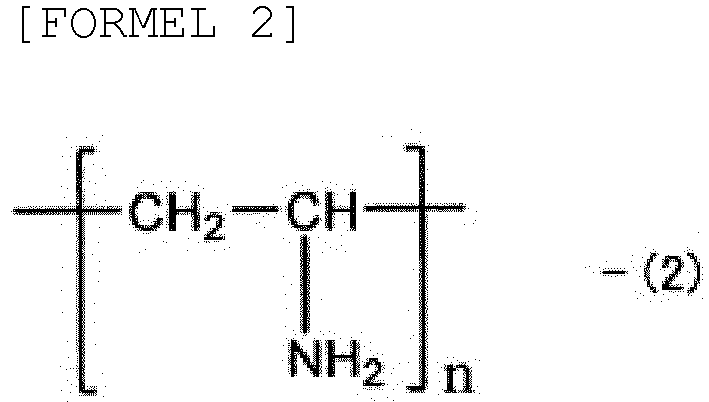
- the polymer compound having at least one amino group (a) may be selected from the group consisting of an ethyleneimine polymer represented by general formula (1), a vinylamine polymer represented by general formula (2), an allylamine polymer represented by general formula (3), a diallylamine polymer represented by general formula (4), and an acrylic amine polymer represented by general formula (5) (in the following general formulae, n is an integer of from 10 to 200,000, m is an integer of from 5 to 3,000, 1 is an integer of from 5 to 5,000, o is an integer of from 10 to 10,000, and p is an integer of from 1 to 100)].
- the "polymer compound having at least one amino group (a)" is only required to have at least one amino group, and may contain a constituent unit having no amino group in constituent units thereof. Therefore, each of polymers having the structures represented by the above general formulae (1) to (5) may contain a constituent unit having no amino group in addition to each of the constituent units of the structures represented by the above general formulae (1) to (5), or does not have to contain the constituent unit having no amino group.
- the constituent unit having no amino group include sulfur dioxide, acrylamide, allyl alcohol, and acrylic acid.
- the constituent unit having no amino group is not limited thereto.
- amino group in the "polymer compound having at least one amino group (a)" may be a primary amino group, a secondary amino group, or a tertiary amino group, and is particularly preferably a primary amino group or a secondary amino group.
- the number of the "amino group" in the "polymer compound having at least one amino group (a)” is not particularly limited, but is preferably form 5 to 15000, and particularly preferably from 8 to 3000 per polymer from a viewpoint of reactivity, usability, or the like. In terms of the number per molecular weight of the polymer compound, the number is preferably from 5 to 230, and particularly preferably from 10 to 130 per molecular weight 10000.
- the molecular weight of the "polymer compound having at least one amino group (a)" is not particularly limited, but is preferably from 500 to 10000000, and particularly preferably from 500 to 1000000 in terms of a number average molecular weight from a viewpoint of reactivity, viscosity, handling, yield, or the like.
- the numbers of repeating units of the polymer compound having at least one amino group (a) used in the first invention of the present application is not particularly limited, but is preferably form 10 to 150000, and particularly preferably from 10 to 3000 from a viewpoint of reactivity, viscosity, handling, yield, or the like.
- the "polymer compound having at least one amino group (a)” may be an "allylamine monomer further having at least one allyl group and at least one amino group (a')". Any polymerizable compound having at least one allyl group and at least one amino group in a structure thereof can be used, but an allylamine compound having a structure represented by general formula (a1) is preferable.
- R 9 and R 10 are a hydrogen atom, and the other is a hydrogen atom or a hydrocarbon group having 1 to 8 carbon atoms, and is preferably a hydrogen atom or an alkyl group having 1 to 3 carbon atoms.
- one of R 9 and R 10 is also an allyl group in general formula (a1), that is, the allylamine monomer (a') is a diallylamine monomer having two allyl groups.
- allylamine monomer (a') is a diallylamine monomer having two allyl groups from a viewpoint of obtaining high polymerizability. It is more preferable that 30 mol% or more of the allylamine monomer (a') is a diallylamine monomer. It is particularly preferable that 50 mol% or more of the allylamine monomer (a') is a diallylamine monomer.
- R 9 and R 10 when one of R 9 and R 10 (for example, R 9 ) is a hydrogen atom, the other (in this case, R 10 ) is preferably a hydrogen atom, a methyl group, an ethyl group, an allyl group, or a benzyl group. That is, the allylamine compound having a structure represented by general formula (a1) is preferably allylamine, methyl allylamine, ethyl allylamine, diallylamine, or benzyl allylamine.
- An organic acid salt or an inorganic acid salt of the allylamine compound having a structure represented by general formula (a1) also can be preferably used as the allylamine monomer having at least one allyl group and at least one amino group (a') in the first invention of the present application.
- a halogen ion (more preferably, Cl - , Br - , or I - ), a methyl sulfate ion, an ethyl sulfate ion, a methanesulfonate ion, a 2-hydroxy-1-ethanesulfonate ion, an acetate ion, or a hydroxy acetate ion is preferable.
- the cationic graft polymer may be a polyamine graft polymer in which the "compound having at least one epoxy group (b)" is a compound represented by general formula (6) (R in general formula (6) is a substituted or unsubstituted monovalent hydrocarbon group).
- the cationic graft polymer may be a polyamine graft polymer in which the "compound having at least one epoxy group (b)" is a compound represented by general formula (7), selected from the group consisting of (1) ethylene oxide in which R 1 , R 2 , R 3 , and R 4 in the formula are each a hydrogen atom in the formula, (2) an epoxy compound in which R 1 , R 2 , R 3 , and R 4 in the formula are each independently a hydrogen atom or a linear or branched saturated hydrocarbon group having a hydroxy group in a chain and having 1 to 8 carbon atoms (not all of R 1 , R 2 , R 3 , and R 4 in the formula are hydrogen atoms), (3) an epoxy compound in which R 1 , R 2 , R 3 , and R 4 in the formula are each independently a hydrogen atom or a substituted or unsubstituted monovalent hydrocarbon group (not all of R 1 , R 2 , R 3 , and R 4 in the
- Examples of the "compound having at least one epoxy group (b)" include ethylene oxide (refer to the following formula for a structure thereof), glycidol (refer to the following formula for a structure thereof), propylene oxide (refer to the following formula for a structure thereof), butylene oxide, 2,3-butylene oxide, 1,2-epoxy hexane, and 1,2-epoxy hexadecane, glycidyl methyl ether (refer to the following formula for a structure thereof), ethyl glycidyl ether, glycidyl isopropyl ether, and triglycidyl isocyanurate, epichlorohydrin (refer to the following formula for a structure thereof), epibromohydrin and 2-(chloromethyl)-1,2-epoxy butane, 1,3-butadiene monoxide (refer to the following formula for a structure thereof), 1,2-epoxy-5-hexene and allyl
- the cationic graft polymer may be a polyamine graft polymer in which the "ethylenically unsaturated monomer (c)" is selected from the group consisting of a vinyl monomer, a styrene monomer, a methacrylate monomer, an acrylate monomer, an acrylamide monomer, an allyl monomer, a diallyl monomer, and an unsaturated carboxylic acid.
- the "ethylenically unsaturated monomer (c)" is selected from the group consisting of a vinyl monomer, a styrene monomer, a methacrylate monomer, an acrylate monomer, an acrylamide monomer, an allyl monomer, a diallyl monomer, and an unsaturated carboxylic acid.
- the molecular weight of the ethylenically unsaturated monomer (c) is not particularly limited, but is preferably from 28 to 1100, and particularly preferably from 28 to 500 from a viewpoint of a graft efficiency or the like.
- the number of carbon atoms in the ethylenically unsaturated monomer (c) is not particularly limited, but is preferably from 2 to 50, and particularly preferably from 2 to 30.
- ethylenically unsaturated monomer (c) preferably used in the present invention include styrene, divinylbenzene, sodium p-styrenesulfonate hydrate, vinylbenzyl trimethyl ammonium chloride, vinyl acetate, 1-vinylimidazole, 2-vinylpyridine, acrylonitrile, allylamine hydrochloride, diallylamine hydrochloride, dimethyl diamine hydrochloride, diallyl dimethyl ammonium chloride, particularly a 60% aqueous solution thereof, dimethyl acrylamide, hydroxyethyl acrylamide, dimethylaminopropyl acrylamide, dimethylaminopropyl acrylamide methyl chloride quaternary salt, N-(3-dimethylaminopropyl) methacrylamide, 3-(trimethoxysilyl) propyl methacrylate, methyl acrylate, and butyl acrylate.
- dimethyl acrylamide, diallyl dimethyl ammonium chloride, styrene, acrylonitrile, and the like are particularly preferable from a viewpoint of reactivity with a carbon atom adjacent to a hydroxy group on the trunk polymer, usefulness of a group at a terminal of a side chain after grafting, or the like.
- the ethylenically unsaturated monomer (c) can be used singly or in combination of two or more kinds thereof according to a purpose of the present invention.
- the ethylenically unsaturated monomer (c) is used in combination of two or more kinds thereof, all of the monomers may correspond to the above preferable examples, or only some monomers may correspond to the above preferable examples.
- the amount of an amino group per unit weight contained in the cationic graft polymer is preferably from 0.1 to 17 mmol/g, and particularly preferably from 1 to 10 mmol/g.
- the average particle diameter is preferably 250 nm or less, and more preferably from 100 nm to 200 nm.
- cationic graft polymer As forms of the "cationic graft polymer", the following graft polymers are exemplified.
- Propylene oxide (2 equivalents with respect to amine) was dropwise added to 20% by mass polyallylamine (weight average molecular weight: 3000) while the polyallylamine was cooled with ice water and was stirred. After a reaction at 20°C for 24 hours, the solution was concentrated to obtain propylene oxide-modified polyallylamine as an aqueous solution.
- Propylene oxide (0.1 equivalents with respect to amine) was dropwise added to 20% by mass polyallylamine while the polyallylamine was cooled with ice water and was stirred. After a reaction at 20°C for 24 hours, the solution was concentrated to obtain propylene oxide-modified polyallylamine as an aqueous solution.
- a graft polymer of propylene oxide-modified polyallylamine and styrene having the following structure estimated (in the following general formula, q is an integer of from 0 to 3,000, r is an integer of from 0 to 3,000, s is an integer of from 0 to 3,000, t is an integer of from 0 to 10,000, u is an integer of from 0 to 10,000, and w is an integer of from 0 to 10,000).
- the graft polymer had an average particle diameter of 120 nm.
- Propylene oxide (0.1 equivalents with respect to amine) was dropwise added to 47% by mass polyethylene imine (weight average molecular weight: 2000) while the polyethylene imine was stirred. The resulting solution was allowed to react at 20°C for 24 hours to obtain a propylene oxide-modified polyethylene imine aqueous solution.
- Propylene oxide (0.1 equivalents with respect to amine) was dropwise added to 15% by mass polyvinylamine (weight average molecular weight: 150000) while the polyvinylamine was stirred. After a reaction at 20°C for 24 hours, the solution was concentrated to obtain a 23% by mass propylene oxide-modified polyvinylamine aqueous solution.
- Propylene oxide (0.1 equivalents with respect to amine) was dropwise added to 15% by mass polyallylamine (weight average molecular weight: 1600) while the polyallylamine was cooled with ice water and was stirred. After a reaction at 20°C for 24 hours, the solution was concentrated to obtain propylene oxide-modified polyallylamine as an aqueous solution.
- the resulting graft polymer was estimated to have the following structure from starting raw materials or the like (in the following general formula, q is an integer of from 0 to 3,000, r is an integer of from 0 to 3,000, s is an integer of from 0 to 3,000, t is an integer of from 0 to 10,000, u is an integer of from 0 to 10,000, and w is an integer of from 0 to 10,000).
- sample is a mixture which is suspected to include a "target” as a detection target.
- the “sample” is derived from a living body including a human (for example, blood, saliva, a bodily fluid, or a body tissue), environment (for example, soil, seawater, or environmental water (hot spring water, bath water, or cooling tower water)), or an artificial or natural product (for example, processed food such as bread, fermented food such as yogurt, a cultivated plant such as rice or wheat, a microorganism, or a virus).
- a human for example, blood, saliva, a bodily fluid, or a body tissue
- environment for example, soil, seawater, or environmental water (hot spring water, bath water, or cooling tower water)
- an artificial or natural product for example, processed food such as bread, fermented food such as yogurt, a cultivated plant such as rice or wheat, a microorganism, or a virus.
- sample may be a product obtained by purifying and separating these as necessary.
- examples thereof include blood plasma and blood serum obtained from blood.
- a metal ion salt may be added to the "sample”.
- the “sample” may contain a surfactant, and the surfactant may be added before the "target” is detected.
- the surfactant include a Triton (registered trademark) surfactant (poly (oxyethylene) octylphenyl ether or the like), a Tween (registered trademark) surfactant (polyoxyethylene sorbitan fatty acid ester or the like), a Brij (registered trademark) surfactant (polyoxyethylene alkyl ether or the like), sucrose laurate (Dojindo), saponin (Sigma-Aldrich), BPSH (NIKKOL), NOIGEN TDS-70 (Dai-ichi Kogyo Seiyaku Co., Ltd.), and TritonX-705 (Sigma-Aldrich).
- the “target” is an object to be detected by the present invention.
- the “target” is not limited, but preferably can have a minus charge. Examples thereof include a cell, fungi, bacteria, a virus, a degradation product thereof, a peptide, and a nucleic acid.
- the cell may be not only a cell present in a living body but also a cultured cell.
- the cell may be not only a normal cell but also a cancer cell (for example, blood circulating tumor cell (CTC)).
- CTC blood circulating tumor cell
- the fungi is a generic name of an organism generally called a mushroom, mold, or yeast. Examples thereof include Trichophyton, candida, and Aspergillus.
- Each of the bacteria is a procaryote having a cell membrane.
- examples thereof include Staphylococcus aureus, Escherichia coli, Salmonella, Pseudomonas aeruginosa, Vibrio cholerae, Shigella, Bacillus anthracis, Mycobacterium tuberculosis, Clostridium botulinum, tetanus bacteria, and streptococci.
- the virus is a minute structure capable of self-replicating using a cell of another organism, and is formed of a protein shell and a nucleic acid contained therein.
- examples thereof include norovirus, rotavirus, influenza virus, adenovirus, coronavirus, measles virus, rubella virus, hepatitis virus, herpes virus, and HIV.
- the degradation products of the cell, the fungi, the bacteria, and the virus are substances for constitution thereof, and may contain a phosphoric acid lipid of a membrane fraction or the like of organelles (nucleus, Golgi apparatus, mitochondria, or the like), the cell, the fungi, or the bacteria (including an inside out vesicle), or may be a complex of the substances constituting the cell, the fungi, the bacteria, and the virus, or the like.
- the degradation products of the cell, the fungi, the bacteria, and the virus may be a minute membrane vesicle (for example, Endotherial Microparticle: EMP) or a vesicle generated by apoptosis, although the minute membrane vesicle or the vesicle is not present in a normal cell.
- EMP Endotherial Microparticle
- the peptide contains a complete protein meaning a series of molecules formed by connecting various amino acids and functioning in a living body, and may include various so-called post-translational modifications (for example, glycosylation: sugar chain modification).
- the nucleic acid may be a deoxyribonucleotide (DNA), a ribonucleotide (RNA), or a mixture or a bound complex thereof.
- a constituent base thereof is a naturally existing nucleotide, for example, guanine (G), adenine (A), thymine (T), cytosine (C), or uracil (U).
- G guanine
- A adenine
- T thymine
- C cytosine
- U uracil
- any other natural or artificial modified base may be contained.
- the "modified base” means a base obtained by subjecting the above five nucleotides to chemical modification.
- cDNA produced by a reverse transcription reaction using RNA as a template is also included.
- Under a basic condition means that the pH is 8 or more, preferably 9 or more, more preferably 10 or more, and still more preferably 11 or more. It is preferable to form the basic condition using a basic solution.
- the basic solution include a weak base, a strong base such as a NaOH aqueous solution, and a buffer with a buffer capacity at a pH of 8 or more, (for example, a glycine buffer, CHES, or CAPS).
- a form in which a cationic graft polymer is "brought into contact" with a sample containing a target substance includes a form in which a cationic graft polymer is added to a sample in addition to a form in which a cationic graft polymer solution is added to a sample.
- binding means a state in which a cationic graft polymer interacts with a target by a coordination bond and/or an ionic bond.
- Separating means unwinding a bound complex under an acidic condition or unwinding the above "binding" of a cationic graft polymer and a target in the presence of a chelating agent.
- Under an acidic condition means that the pH is 7 or less, preferably 6 or less, and more preferably 5 or less. It is preferable to form the acidic condition using an acidic solution.
- the acidic solution include a glycine buffer, a formic acid solution, and an acetic acid solution.
- chelating agent examples include ethylene diamine tetraacetic acid (EDTA) and glycol ether diamine tetraacetic acid (EGTA).
- EDTA ethylene diamine tetraacetic acid
- EGTA glycol ether diamine tetraacetic acid
- the pH is not limited as long as a proton in a chelating agent is detached at the pH, but the pH is preferably from 6.0 to 8.0.
- “Eluting the target substance” means that the target substance is dissolved in a proper solution after the above “separation” reaction.
- “eluting the target substance” means collection without breaking a cell membrane.
- divalent or trivalent metal ion examples include Mg 2+ , Ba 2+ , Ca 2+ , Sr 2+ , Ni 2+ , Zn 2+ , Mn 2+ , Co 2+ , Fe 2+ , Fe 3+ , Al 3+ , Cr 3+ , Cu 2+ , Cd 2+ , and Sn 2+ .
- “Fixing to a solid phase surface” means that the "cationic graft polymer” is distributed unevenly. Specifically, “fixing to a solid phase surface” means that the "cationic graft polymer” is fixed to a surface of glass, a nylon membrane, a semiconductor wafer, micro beads, latex beads, magnetic beads, colloidal particles, or the like, or the surface is coated with the "cationic graft polymer", although not being limited thereto. As a method for fixing, the "cationic graft polymer” may be fixed directly to a surface of glass or the like using a known technique, or may be fixed indirectly thereto through a linker molecule. A cationic graft polymer fixed to a solid phase surface may be synthesized by polymerizing a monomer on the solid phase surface.
- Fibering to a solid phase surface may also mean that the "cationic graft polymer" is filled in a chromatographic column or the like.
- Washing a bound complex means an operation for removing impurities non-specifically bound to a cationic graft polymer while the binding between the "cationic graft polymer" and the "target substance" is maintained.
- the same solution as the solution used in the binding reaction may be used, or another solution may be used.
- a physiological saline solution or an alcohol may be used.
- Examples of "aggregating a cationic graft polymer not bound to a target substance” include separating a cationic graft polymer by a hydrophobic interaction or aggregating a cationic graft polymer by an ionic interaction with a polyanion as a counter ion or an anionic surfactant for separating.
- a cationic graft polymer is aggregated by a hydrophobic interaction of acetonitrile or an ionic interaction with a polyanion or an ionic surfactant using an aggregation solution (including an aprotic polar solvent (such as acetonitrile), an anionic surfactant (such as sodium octanesulfonate or sodium decanesulfonate), and a polyanion (carboxymethylated polyallylamine: CMPAA)).
- an aggregation solution including an aprotic polar solvent (such as acetonitrile), an anionic surfactant (such as sodium octanesulfonate or sodium decanesulfonate), and a polyanion (carboxymethylated polyallylamine: CMPAA)).
- cationic graft polymer may include not only a liquid type (an emulsified type in a case of the "cationic graft polymer") but also a product obtained by drying the solution.
- a recovery of Escherichia coli collected with a cationic graft polymer was determined using a blood cell analyzer (Sysmex).
- Samples and reagents are as follows.
- Escherichia coli was produced using a GFP expression Kit manufactured by Bio-Rad Laboratories, Inc.
- the produced Escherichia coli was added to normal human blood serum in a necessary amount (1 to 2 ⁇ 10 4 cell/ ⁇ L), and the resulting mixture was used as a sample.
- Propylene oxide (0.1 equivalents with respect to amine) was dropwise added to 20% by mass polyallylamine (weight average molecular weight: 3000) while the polyallylamine was cooled with ice water and was stirred. After a reaction at 20°C for 24 hours, the solution was concentrated to obtain propylene oxide-modified polyallylamine as an aqueous solution.
- Escherichia coli is detected in a platelet (PLT) using the blood cell analyzer.
- Measurement was performed according to a protocol of the blood cell analyzer.
- Table 1 shows results of measurement using the blood cell analyzer.
- Example 1 10 4 cell/ ⁇ L Control 10 4 cell/( ⁇ L supernatant 0.2 1.7 suspension 1.2 -
- Escherichia coli in blood was separated with a cationic graft polymer, and confirmation of survival of the separated Escherichia coli was performed by culture.
- Samples and reagents are as follows.
- Escherichia coli produced using the GFP expression Kit manufactured by Bio-Rad Laboratories, Inc. was added to normal human blood serum in a necessary amount in a similar manner to Example 1, and the resulting mixture was used as a sample.
- a cationic graft polymer was prepared in a similar manner to Example 1.
- a precipitation pellet was obtained in a similar manner to Examples. Thereafter, each of 500 ⁇ L of a 1.5 M NaCl solution (Comparative Example 1) and 500 ⁇ L of a 1.5% TritonX-100 (Comparative Example 2) was added thereto, and the pellet was completely dispersed. Each of the supernatants and the dispersion solutions was cultured in a similar manner to Examples, and viability was confirmed.
- Table 2 shows culture results. [Table 2] Example 2 colony Comparative Example 1 colony Comparative Example 2 colony supernatant 0 0 0 suspension 112 53 16
- Escherichia coli collected with a cationic graft polymer was subjected to bacterial identification using a MALDI TOF (matrix assisted laser desorption ionization time-of-flight) mass spectrometry, MALDI BioTyper (registered trademark) (Bruker Daltonics K.K.).
- MALDI TOF matrix assisted laser desorption ionization time-of-flight
- MALDI BioTyper registered trademark
- Samples and reagents are as follows.
- Escherichia coli was produced using a GFP expression Kit manufactured by Bio-Rad Laboratories, Inc.
- the produced Escherichia coli was added to a physiological saline solution in a necessary amount, and the resulting mixture was used as a sample.
- a cationic graft polymer was prepared in a similar manner to Example 1.
- Matrix HCCA portioned manufactured by Bruker Daltonics K.K. was used as a matrix.
- Measurement was performed according to a protocol of MALDI Bio Typer (registered trademark). Determination of bacterial identification was evaluated by a score specified by BioTyper (registered trademark).
- Table 3 shows a result of measurement using the mass spectrometry. [Table 3] Example 3 score 2.12
- Table 3 indicates that the identification score was 1.7 or more, which was an excellent identification accuracy. This result indicates that it is possible to extract a protein in Escherichia coli and to perform measurement using the mass spectrometry.
- a nucleic acid added to blood serum was separated with a cationic graft polymer.
- the resulting nucleic acid was subjected to agarose electrophoresis, stained with SYBR Safe (invitrogen), and was detected by LAS4000 (GE). The recovery was determined from a fluorescence intensity of a spot.
- Samples and reagents are as follows.
- a plasmid and a genome were used as a nucleic acid.
- the plasmid was extracted from Escherichia coli (Example 4), and the genome was extracted from a Hela cell (Example 5).
- the extracted plasmid solution was cultured using a LB bacteria culture agar medium, and a colony was not formed. No contamination of Escherichia coli was thereby confirmed. No contamination of the cell in the extracted genome solution was confirmed using a fluorescence microscope.
- the extracted DNA was added to normal human blood serum in a necessary amount to be used as a sample.
- normal human blood serum containing no DNA was used as a control.
- a cationic graft polymer was prepared in a similar manner to Example 1.
- 500 ⁇ L of a sample, 50 ⁇ L of a 20% cationic graft polymer, and 100 ⁇ L of a reaction solution were mixed and allowed to react for one minute. Thereafter, the resulting product was centrifuged for 30 seconds by a tabletop small centrifugal machine to obtain a precipitation pellet.
- 500 ⁇ L of a nucleic acid extraction reagent phenolchloroform-isoamyl alcohol (25: 24: 1) manufactured by Nacalai Tesque, Inc. was added, and was separated into a phenol phase and an aqueous phase.
- Table 4 shows results of a DNA collected amount. [Table 4] Example 4 ⁇ g/mL Example 5 ⁇ g/mL before treatment 54 280 after treatment 32 112 recovery 60% 40%
- a cell added to blood serum was separated with a cationic graft polymer.
- the recovery of the cell was confirmed using the blood cell analyzer (Sysmex).
- An antigen-antibody reaction on a surface of the cell was confirmed using a fluorescence microscope (Life technologies).
- Samples and reagents are as follows.
- the cell As the cell, a Hela cell was used, and the Hela cell was added to normal human blood serum in a necessary amount (1 to 2 ⁇ 10 6 cell/mL), and the resulting mixture was used as a sample.
- a cationic graft polymer was prepared in a similar manner to Example 1.
- the cell was measured as WBC.
- each of an anti-human CD 146 (MCAM) and a monoclonal antibody (N 1238) (MONOSAM) was diluted by 50 times to be used.
- Anti-Mouse IgG Alexa Fluor 594 (Life Technologies) was diluted by 500 times to be used.
- the primary antibody and the secondary antibody were allowed to react by inversion mixing for one hour in a light-shielding state to prepare a fluorescent labeled antibody.
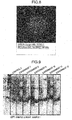
- the suspension was mixed with a fluorescent labeled antibody, and was allowed to react by inversion mixing for one hour in a light-shielding state to confirm an antigen-antibody reaction using a fluorescence microscope ( FIG. 6 ).
- Table 5 shows WBC measured values using the blood cell analyzer.
- Example 6 10 2 cell/ ⁇ L Control 10 2 cell/ ⁇ L supernatant 0.1 17.5 suspension 17.1 -
- the blood cell analyzer measures a substance having a nucleus as WBC. Therefore, a cell can be collected while maintaining a three-dimensional structure by using the method of the present invention.
- a vesicle added to blood serum was separated with a cationic graft polymer. The recovery of the vesicle was confirmed using the blood cell analyzer. Whether the separated vesicle maintained the three-dimensional structure and the surface structure was confirmed using a fluorescence microscope (Life technologies).
- Samples and reagents are as follows.
- a vesicle was produced by crushing a Hela cell using a sonicator.
- the cell was crushed in a fluorescent dye (DyLight, Ex/Em: 493/518) aqueous solution included in a DyLight 488 Antibody Labeling kit (Thermo), and the fluorescent dye was incorporated in the vesicle.
- the produced vesicle was added to normal human blood serum in a necessary amount to be used as a sample.
- a cationic graft polymer was prepared in a similar manner to Example 1.
- the vesicle was measured as WBC.
- Measurement was performed according to a protocol of the blood cell analyzer in a similar manner to example 1.
- each of an anti-human CD 146 (MCAM) and a monoclonal antibody (N 1238) (MONOSAM) was diluted by 50 times to be used.
- Anti-Mouse IgG Alexa Fluor 594 (Life Technologies) was diluted by 500 times to be used.
- the primary antibody and the secondary antibody were allowed to react by inversion mixing for one hour in a light-shielding state to prepare a fluorescent labeled antibody.
- the suspension was mixed with a fluorescent labeled antibody, and was allowed to react by inversion mixing for one hour in a light-shielding state to confirm an antigen-antibody reaction using a fluorescence microscope ( FIG. 8 ).
- Table 6 shows vesicle measured values using the blood cell analyzer.
- Example 7 10 2 cell/ ⁇ L Control 10 2 cell/ ⁇ L supernatant 0.1 22.5 suspension 18.5 -
- a bacteriophage As a model of a virus formed of a protein shell and a nucleic acid contained therein, a bacteriophage was used. A phage solution having a constant titer was adjusted, a bacteriophage was collected by the method of the present invention, and the titer after collection was calculated by counting a plaque in which Escherichia coli was subjected to bacteriolysis.
- a cationic graft polymer was prepared in a similar manner to Example 1.
- a bacteriophage sample 100 ⁇ L of a 10% cationic graft polymer, and 50 ⁇ L of a reaction solution were mixed and allowed to react for one minute. Thereafter, the resulting product was centrifuged for 30 seconds by a tabletop small centrifugal machine to obtain a precipitation pellet. The supernatant was collected, and the resulting precipitation pellet was completely dispersed with 500 ⁇ L of a dispersion solution to obtain a suspension. The resulting solution was serially diluted. The diluted solution was mixed with a host Escherichia coli culture solution. The resulting mixture was added to soft agar, and was cultured on an agar plate overnight. The titer of a collected phage is calculated from the number of the plaque.
- Escherichia coli precipitated on a separating agent in a blood collection tube is collected while being alive using a non-ionic surfactant-containing solution.
- Samples and reagents are as follows.
- Escherichia coli was produced using a GFP expression Kit manufactured by Bio-Rad Laboratories, Inc.
- the produced Escherichia coli was added to a physiological saline solution in an amount of 2 ⁇ 10 8 cell/mL, and the resulting mixture was used as a sample.
- sucrose laurate (Dojindo), saponin (Sigma-Aldrich), BPSH (NIKKOL), NOIGEN TDS-70 (Dai-ichi Kogyo Seiyaku Co., Ltd.), Triton X-705 (Sigma-Aldrich), and CHAPS (Dojindo) were used as surfactants.
- a cationic graft polymer was prepared in a similar manner to Example 1.
- a bacterial solution in which Escherichia coli was dispersed in a physiological saline solution was added, and was centrifuged at 3000 rpm for five minutes. Thereafter, the supernatant was removed. Subsequently, 0.5 mL of a 1% surfactant solution was added to the blood collection tube, and a bacterial cell precipitated on a surface of a separating agent was dispersed.
- the bacterial cell suspension was allowed to stand at 20°C for 30 minutes and three hours. Thereafter, 100 ⁇ L of a 10% cationic graft polymer and 100 ⁇ L of a reaction solution were mixed and allowed to react for one minute. Thereafter, the resulting product was centrifuged for 30 seconds by a tabletop small centrifugal machine to obtain a precipitation pellet. The supernatant was removed, and the resulting precipitation pellet was completely dispersed with 500 ⁇ L of a dispersion solution to obtain a suspension. One hundredth of the suspension was cultured at 37°C for 18 hours using a LB bacteria culture agar medium, and the number of living bacteria was confirmed by the number of colonies.
- Table 8 shows the number of colonies in a sample after culture. [Table 8] the number of colonies allowed to stand for 30 minutes allowed to stand for 3 hours Control 1 physiological saline solution >5000 >5000 Experiment 1 sucrose laurate 4000 3200 Experiment 2 saponin 2200 1864 Experiment 3 BPSH 712 540 Experiment 4 NOIGEN XL60 196 112 Experiment 5 TritonX-705 2016 1224 Experiment 6 CHAPS 84 61
- Escherichia coli precipitated on a separating agent in a blood collection tube was collected using a surfactant-containing solution, and was allowed to react with a cationic polymer. Thereafter, the reaction product was washed with 70% acetonitrile. A sample capable of suppressing an effect of a blood component and being measured using the mass spectrometry was thereby prepared.
- Samples and reagents are as follows.
- Escherichia coli was produced using a GFP expression Kit manufactured by Bio-Rad Laboratories, Inc.
- BD bacterial culture
- a cationic graft polymer was prepared in a similar manner to Example 1.
- E-R155e-PAGEL 15% gel (ATTO) was used.
- 2D-silver staining reagent II (Cosmo Bio) was used for gel staining.
- Blood was collected. To a culture bottle, 10 mL of the collected blood was added, and 3 mL was transferred to a blood collection tube therefrom. The blood collection tube was centrifuged at 3000 rpm for five minutes to separate a blood cell component from a bacterial cell. To the blood collection tube, 500 ⁇ L of a collection solution was added, and Escherichia coli adsorbed by a surface of a separating agent in the blood collection tube was collected in a 1.5 mL tube.
- sucrose laurate, NOIGEN XL60, saponin, BPSH, TritonX-705, and CHAPS were used as surfactants contained in the collection solution.
- distilled water was used in place of the surfactant added to the collection solution for examination.
- 100 ⁇ L of a 10% cationic graft polymer, 100 ⁇ L of reaction solution 1, and 100 ⁇ L of reaction solution 2 were mixed, and were allowed to react for one minute. Thereafter, the resulting product was centrifuged for 30 seconds by a tabletop small centrifugal machine to obtain a precipitation pellet. The supernatant was removed. The resulting precipitation pellet was completely dispersed with 500 ⁇ L of a washing solution, and was centrifuged for 30 seconds by a tabletop small centrifugal machine to obtain a precipitation pellet. The supernatant was collected in a 1.5 mL tube to be used as sample 1.
- the precipitation pellet was completely dispersed with 50 ⁇ L of an extraction solution. Thereafter, 150 ⁇ L of an aggregation precipitation solution was added thereto, and the resulting mixture was centrifuged for 30 seconds by a tabletop small centrifugal machine. The supernatant was transferred to a new 1.5 mL tube to be used as sample 2.
- Control 2 and samples 1 and 2 obtained in Experiments 7 to 12 were centrifuged at 15000 rpm for 30 minutes. The supernatants were collected, and were lyophilized overnight for concentration. The dried samples were dissolved in 50 ⁇ L of SDS sample Buffer to be used as a sample for electrophoresis. Electrophoresis was performed using E-R155e-PAGEL 15% gel.
- Table 9 shows results of electrophoresis.
- sample 1 major bands were confirmed around molecular weights of 10000 and 30000. This result indicates that a blood component adsorbed by a cationic polymer can be removed with a washing solution.
- Sample 2 had a larger number of bands of 30000 or less than Control 2. This result indicates that a protein band derived from a bacterial cell was detected by removal of the blood component with the washing solution.
- Table 10 shows mass spectrum obtained using an Auto FlexII.
- the mass peak number was counted with a Find Mass List function of a software for data processing flex Analysis from the obtained mass spectrum. Table 9 shows results thereof. Table 10 shows count conditions.
- a ratio of a peak intensity of a mass peak derived from the blood component with respect to a mass peak derived from a bacterial cell was determined.
- the mass peak derived from the bacterial cell 6250 m/z and 9740 m/z were selected from mass peaks detected when a colony was used as a sample.
- the mass peak derived from the blood component 15130 m/z which was a mass peak of hemoglobin was selected. Table 11 shows results thereof.
- Table 9 indicates that, in Experiments 7 and 8, the counted mass peak number is larger than that in Control 2 and therefore ionization may be promoted. On the other hand, Table 9 indicates that, in Experiments 9 to 11, the counted mass peak number is smaller than that in Control 2 and therefore ionization may be inhibited.
- Table 11 indicates that, in Experiments 7 and 8, a ratio between a mass peak derived from a bacterial cell and a mass peak derived from blood is 1.0 or more, and the peak derived from a bacterial cell was detected at a higher intensity than the peak derived from blood.
- Table 11 indicates that, in Experiments 9 to 12, a ratio between a mass peak derived from a bacterial cell and a mass peak derived from blood is 1.0 or less, the peak derived from blood was detected at a higher intensity than the peak derived from a bacterial cell, and the influence avoidance effect of a blood component was low.
- Escherichia coli phage T7 (code: 20007) purchased from NBRC (National Institute of Technology and Evaluation Center for Biotechnology)
- NBRC National Institute of Technology and Evaluation Center for Biotechnology
- a bacteriophage was prepared in accordance with an NBRC specified protocol and a general experimental procedure, for example, "invincible biotechnical series-genetic engineering laboratory notebook (first volume) 2. section of bacteriophage (Yodosha)".
- a dried bacterial cell was suspended in 200 ⁇ L of condensed water solution (10% polypepton, 2% Yeast extract, 1% MgSO4), and then was overlaid on a 0.6% agar medium including about 10 5 cells of Escherichia coli (10% polypepton, 5% Yeast extract, 2.5% NaCl, 1% agar). This medium plate was cultured at 37°C overnight. Agar in a portion in which a colony had not been formed was scraped off (about several cm 2 ), and was transferred to a 1.5 mL tube. Thereinto, 1 mL of 10 mM Tris-HCl (pH 7.5) was put, and the tube was shaken at 20°C for 90 minutes. Thereafter, the resulting solution was centrifuged at 3000 rpm for 15 minutes, and the supernatant was collected to be used as a bacteriophage sample (refrigerated).
- condensed water solution 10% polypepton, 2% Yeast extract,
- a cationic graft polymer was prepared in a similar manner to Example 1.
- a bacteriophage sample before reacting with a cationic graft polymer was infected with Escherichia coli as a positive control.
- the bacteriophage can be separated with the graft polymer.
- Escherichia coli produced using the GFP expression Kit manufactured by Bio-Rad Laboratories, Inc. was added to normal human blood serum in a necessary amount in a similar manner to Example 1, and the resulting mixture was used as a sample.
- Escherichia coli about 10 8 cells
- PAAEpo-g-DADMAC epoxy octane-modified polyallylamine and diallyl dimethyl ammonium chloride
- PAAGB-g-DADMAC graft polymer of glycidyl butyrate-modified polyallylamine and diallyl dimethyl ammonium chloride
- the above graft polymer and latex beads produced by a known method were mixed such that the graft polymer had a final concentration of 8% and the latex beads, for example, polystyrene latex LE (average particle diameter: 120 nm, manufactured by Nittobo Medical Co., Ltd.) had a final concentration of 5% to obtain a graft polymer solution.
- the latex beads for example, polystyrene latex LE (average particle diameter: 120 nm, manufactured by Nittobo Medical Co., Ltd.) had a final concentration of 5% to obtain a graft polymer solution.
- Example 1 the above graft polymer of propylene oxide-modified polyallylamine and styrene (PAA-g-PSt) used in Example 1 was used as a positive control.
- PAA-g-PSt propylene oxide-modified polyallylamine and styrene
- the precipitation pellet obtained by removing the supernatant was completely dispersed with 500 ⁇ L of a dispersion solution to obtain a suspension.
- Each of 100 ⁇ L of the suspension derived from the supernatant and 100 ⁇ L of the suspension derived from the precipitation pellet was added to 5 mL of a LB solution medium, and was cultured at 37°C for 18 hours.
- an absorbance of each of the culture solution samples before and after the culture was measured using a spectrophotometer, and a change amount thereof was used as the amount of Escherichia coli.
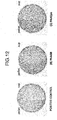
- Each of 50 ⁇ L of the suspension derived from the supernatant and 50 ⁇ L of the suspension derived from the precipitation pellet was applied onto a LB bacteria culture agar medium, and was cultured at 37°C for 18 hours. Viability of Escherichia coli was confirmed by formation of a colony ( FIG. 12 ).
- Escherichia coli produced using the GFP expression Kit manufactured by Bio-Rad Laboratories, Inc. was added to normal human blood serum in a necessary amount in a similar manner to Example 1, and the resulting mixture was used as a sample.
- Escherichia coli about 10 8 cells.
- 500 ⁇ L of a sample, 100 ⁇ L of the above graft polymer, 100 ⁇ L of reaction solution 1, and 200 ⁇ L of reaction solution 2 were mixed.
- the sample and the above graft polymer were mixed.
- 20 ⁇ L of latex beads produced by a known method, for example, polystyrene latex LE (average particle diameter: 120 nm, manufactured by Nittobo Medical Co., Ltd.) was added and mixed well. Thereafter, the resulting mixture was centrifuged for 30 seconds by a tabletop small centrifugal machine to obtain a precipitation pellet. The supernatant was transferred to another centrifugation tube, and was further centrifuged at 15000 rpm for five minutes. The resulting precipitate was dispersed in 500 ⁇ L of a dispersion solution.
- the precipitation pellet obtained by removing the supernatant was completely dispersed with 500 ⁇ L of a dispersion solution to obtain a suspension.
- Each of 50 ⁇ L of the suspension derived from the supernatant and 50 ⁇ L of the suspension derived from the precipitation pellet was applied onto a LB bacteria culture agar medium, and was cultured at 37°C for 18 hours. Viability of Escherichia coli was confirmed by formation of a colony.
- the bacterial cell was captured in a similar manner to a case where the latex beads were added after a reaction with a bacterial cell ( FIG. 13 ).
- Escherichia coli produced using the GFP expression Kit manufactured by Bio-Rad Laboratories, Inc. was added to normal human blood serum in a necessary amount in a similar manner to Example 1, and the resulting mixture was used as a sample.
- Escherichia coli about 10 8 cells
- the above graft polymer and latex beads produced by a known method were mixed such that the graft polymer had a final concentration of 8% and the latex beads, for example, polystyrene latex LE (average particle diameter: 120 nm, manufactured by Nittobo Medical Co., Ltd.) had a final concentration of 5% to obtain a graft polymer solution.
- the latex beads for example, polystyrene latex LE (average particle diameter: 120 nm, manufactured by Nittobo Medical Co., Ltd.) had a final concentration of 5% to obtain a graft polymer solution.
- Example 1 the above (3) graft polymer of propylene oxide-modified polyallylamine and styrene (PAA-g-PSt) used in Example 1 was used as a positive control.
- PAA-g-PSt graft polymer of propylene oxide-modified polyallylamine and styrene
- the precipitation pellet obtained by removing the supernatant was completely dispersed with 500 ⁇ L of a dispersion solution to obtain a suspension.
- Each of 100 ⁇ L of the suspension derived from the supernatant and 100 ⁇ L of the suspension derived from the precipitation pellet was added to 5 mL of a LB medium, and was cultured at 37°C for 18 hours.
- an absorbance of each of the culture samples before and after the culture was measured using a spectrophotometer, and a change amount thereof was used as the amount of Escherichia coli.
- Each of 50 ⁇ L of the dispersion solution derived from the supernatant and 50 ⁇ L of the dispersion solution derived from the precipitation pellet was applied onto a LB bacteria culture agar medium, and was cultured at 37°C for 18 hours. Viability of Escherichia coli was confirmed by formation of a colony ( FIG. 14 ).
- pellet sup pellet/sup recovery (%) kind of polymer before culture after culture ⁇ before culture after culture ⁇ ⁇ DAAGly-g-DADMAC+latex 0.69 1.55 0.86 0.69 0.75 0.06 13.8 46.4 only latex (negative control) 0.04 0.07 0.03 0.04 0.09 0.05 0.7 1.8 PAA-g-PSt (positive control) 0.36 1.45 1.09 0.09 0.14 0.05 21.8 59.0
- Escherichia coli produced using the GFP expression Kit manufactured by Bio-Rad Laboratories, Inc. was added to normal human blood serum in a necessary amount in a similar manner to Example 1, and the resulting mixture was used as a sample.
- Escherichia coli about 10 8 cells.
- the above graft polymer and latex beads produced by a known method were mixed such that the graft polymer had a final concentration of 8% and the latex beads, for example, polystyrene latex LE (average particle diameter: 120 nm, manufactured by Nittobo Medical Co., Ltd.) had a final concentration of 5% to obtain a graft polymer solution.
- the latex beads for example, polystyrene latex LE (average particle diameter: 120 nm, manufactured by Nittobo Medical Co., Ltd.) had a final concentration of 5% to obtain a graft polymer solution.
- Example 1 the above (3) graft polymer of propylene oxide-modified polyallylamine and styrene (PAA-g-PSt) used in Example 1 was used as a positive control.
- PAA-g-PSt graft polymer of propylene oxide-modified polyallylamine and styrene
- the supernatant was removed, and the resulting precipitation pellet was completely dispersed with 30 ⁇ L of a dispersion solution. Subsequently, 100 ⁇ L of an aggregation solution was mixed therewith, and then the resulting mixture was centrifuged for 60 seconds by a tabletop small centrifugal machine The resulting supernatant was used as a sample for measurement using the mass spectrometry.
- the mass spectrometry was handled in a similar manner to Example 3.
- reaction solution 2 magnesium ion
- reaction solution score no use of reaction solution 2 (i.e., without magnesium ion) 1.86 use of reaction solution 2 (i.e., with magnesium ion) 2.13
- Escherichia coli produced using the GFP expression Kit manufactured by Bio-Rad Laboratories, Inc. was added to normal human blood serum in a necessary amount in a similar manner to Example 1, and the resulting mixture was used as a sample.
- Escherichia coli about 10 8 cells.
- 500 ⁇ L of a sample, 100 ⁇ L of the above graft polymer, 100 ⁇ L of reaction solution 1, and 200 ⁇ L of reaction solution 2 were mixed.
- the sample and the above graft polymer were mixed.
- 20 ⁇ L of latex beads produced by a known method, for example, polystyrene latex LE (average particle diameter: 120 nm, manufactured by Nittobo Medical Co., Ltd.) was added and mixed well. Thereafter, the resulting mixture was centrifuged for 30 seconds by a tabletop small centrifugal machine to obtain a precipitation pellet. The supernatant was transferred to another centrifugation tube, and was further centrifuged at 15000 rpm for five minutes. The resulting precipitate was dispersed in 500 ⁇ L of a dispersion solution.
- the precipitation pellet obtained by removing the supernatant was completely dispersed with 500 ⁇ L of a dispersion solution to obtain a suspension.
- Each of 50 ⁇ L of the suspension derived from the supernatant and 50 ⁇ L of the suspension derived from the precipitation pellet was applied onto a LB bacteria culture agar medium, and was cultured at 37°C for 18 hours. Viability of Escherichia coli was confirmed by formation of a colony.
- the bacterial cell was captured in a similar manner to a case where the latex beads were added after a reaction with a bacterial cell ( FIG. 15 ).
- the method of the present invention and the kit therefor are able to separate and purify a target more efficiently than a conventional method using an ion exchange polymer, and are able to detect the target even when the amount of presence of the target in a sample is extremely small.
Landscapes
- Chemical & Material Sciences (AREA)
- Health & Medical Sciences (AREA)
- Life Sciences & Earth Sciences (AREA)
- Organic Chemistry (AREA)
- Engineering & Computer Science (AREA)
- Wood Science & Technology (AREA)
- Zoology (AREA)
- Bioinformatics & Cheminformatics (AREA)
- Genetics & Genomics (AREA)
- Biotechnology (AREA)
- Chemical Kinetics & Catalysis (AREA)
- Medicinal Chemistry (AREA)
- Biomedical Technology (AREA)
- General Health & Medical Sciences (AREA)
- Microbiology (AREA)
- Biochemistry (AREA)
- General Engineering & Computer Science (AREA)
- Virology (AREA)
- Analytical Chemistry (AREA)
- Tropical Medicine & Parasitology (AREA)
- Polymers & Plastics (AREA)
- Immunology (AREA)
- Cell Biology (AREA)
- Oncology (AREA)
- Sustainable Development (AREA)
- Graft Or Block Polymers (AREA)
- Proteomics, Peptides & Aminoacids (AREA)
- Separation Of Suspended Particles By Flocculating Agents (AREA)
- Measuring Or Testing Involving Enzymes Or Micro-Organisms (AREA)
- Physics & Mathematics (AREA)
- Biophysics (AREA)
- Molecular Biology (AREA)
- Toxicology (AREA)
- Pathology (AREA)
- Epoxy Resins (AREA)
Claims (16)
- Verfahren zum Abtrennen und Konzentrieren eines Zielbiomoleküls unter Verwendung eines kationischen Pfropfpolymers, umfassend:(1) einen Schritt zum Inkontaktbringen des kationischen Pfropfpolymers mit einer Probe, die das Zielbiomolekül enthält, um das Zielmolekül an das kationische Pfropfpolymer unter basischen Bedingungen binden zu lassen,(2) einen Schritt zum Abtrennen des gebundenen Komplexes aus dem kationischen Pfropfpolymer und dem Zielbiomolekül und(3) einen Schritt zum Eluieren des Zielbiomoleküls aus dem gebundenen Komplex,wobei das kationische Pfropfpolymer ein Polyamin-Pfropfpolymer ist, das durch Polymerisation eines Polyaminderivat, das durch Reaktion zwischen (a) einer Polymerverbindung mit mindestens einer Aminogruppe und (b) einer Verbindung mit mindestens einer Epoxygruppe erhalten wird, und (c) eines ethylenisch ungesättigten Monomers erhalten wird, und
die Verbindung mit mindestens einer Epoxygruppe (b) eine Verbindung ist, die durch die allgemeine Formel (7) dargestellt ist und ausgewählt ist aus der Gruppe bestehend aus(1) Ethylenoxid, worin R1, R2, R3 und R4 in der Formel jeweils ein Wasserstoffatom sind,(2) eine Epoxyverbindung, worin R1, R2, R3 und R4 in der Formel jeweils unabhängig ein Wasserstoffatom oder eine geradkettige oder verzweigte gesättigte Kohlenwasserstoffgruppe mit einer Hydroxygruppe in der Kette und mit 1 bis 8 Kohlenstoffatomen sind (nicht alle von R1, R2, R3 und R4 sind Wasserstoffatome),(3) eine Epoxyverbindung, worin R1, R2, R3 und R4 in der Formel jeweils unabhängig ein Wasserstoffatom oder eine substituierte oder unsubstituierte monovalente Kohlenwasserstoffgruppe sind (nicht alle von R1, R2, R3 und R4 sind Wasserstoffatome),(4) eine Epoxyverbindung, worin R1, R2, R3 und R4 in der Formel jeweils unabhängig ein Wasserstoffatom oder eine geradkettige oder verzweigte gesättigte Kohlenwasserstoffgruppe mit einer Etherbindung in der Kette und mit 1 bis 8 Kohlenstoffatomen sind (nicht alle von R1, R2, R3 und R4 sind Wasserstoffatome),(5) eine Epoxyverbindung, worin R1, R2, R3 und R4 in der Formel jeweils unabhängig ein Wasserstoffatom oder ein Halogenatom sind (nicht alle von R1, R2, R3 und R4 sind Wasserstoffatome),(6) eine Epoxyverbindung, worin R1, R2, R3 und R4 in der Formel jeweils unabhängig ein Wasserstoffatom oder eine ungesättigte Kohlenwasserstoffgruppe sind (nicht alle von R1, R2, R3 und R4 sind Wasserstoffatome),(7) eine Epoxyverbindung, worin R1, R2, R3 und R4 in der Formel jeweils unabhängig ein Wasserstoffatom oder eine Kohlenwasserstoffgruppe, die eine alicyclische Kohlenwasserstoffgruppe oder eine cyclische Kohlenwasserstoffgruppe mit einer ungesättigten Bindung enthält, sind (nicht alle von R1, R2, R3 und R4 sind Wasserstoffatome),(8) eine Epoxyverbindung, worin R1, R2, R3 und R4 in der Formel jeweils unabhängig ein Wasserstoffatom oder eine Kohlenwasserstoffgruppe, die einen aromatischen Ring oder einen heterocyclischen Ring enthält, sind (nicht alle von R1, R2, R3 und R4 sind Wasserstoffatome),(9) eine polyfunktionale Epoxyverbindung, worin R1, R2, R3 und R4 in der Formel jeweils unabhängig ein Wasserstoffatom oder eine Kohlenwasserstoffgruppe, die einen Epoxidring enthält, sind (nicht alle von R1, R2, R3 und R4 sind Wasserstoffatome),(10) eine Epoxyverbindung, worin R1, R2, R3 und R4 in der Formel jeweils unabhängig ein Wasserstoffatom oder eine geradkettige oder verzweigte gesättigte Kohlenwasserstoffgruppe, die ein Alkoxysilyl in der Kette enthält und 3 bis 12 Kohlenstoffatome aufweist, sind (nicht alle von R1, R2, R3 und R4 sind Wasserstoffatome),(11) eine Epoxyverbindung, worin R1, R2, R3 und R4 in der Formel jeweils unabhängig ein Wasserstoffatom oder eine Kohlenwasserstoffgruppe, die ein Fluoratom in der Kette enthält, sind (nicht alle von R1, R2, R3 und R4 sind Wasserstoffatome),(12) eine Epoxyverbindung, worin R1, R2, R3 und R4 in der Formel jeweils unabhängig ein Wasserstoffatom oder eine Kohlenwasserstoffgruppe, die eine Carboxylgruppe in der Kette enthält, sind (nicht alle von R1, R2, R3 und R4 sind Wasserstoffatome),(13) eine Epoxyverbindung, worin R1, R2, R3 und R4 in der Formel jeweils unabhängig ein Wasserstoffatom oder eine geradkettige oder verzweigte gesättigte Kohlenwasserstoffgruppe, die eine Esterbindung oder eine Amidbindung in der Kette enthält und 1 bis 12 Kohlenstoffatome aufweist, sind (nicht alle von R1, R2, R3 und R4 sind Wasserstoffatome), und(14) eine Epoxyverbindung, worin R1, R2, R3 und R4 in der Formel jeweils unabhängig ein Wasserstoffatom oder eine Kohlenwasserstoffgruppe, die eine Sulfonatgruppe in der Kette enthält, sind (nicht alle von R1, R2, R3 und R4 sind Wasserstoffatome)
- Verfahren gemäß Anspruch 1, worin die Polymerverbindung mit der mindestens einen Aminogruppe (a) aus der Gruppe bestehend aus einem Ethylenimin-Polymer mit einer durch die allgemeine Formel (1) dargestellten Struktur, einem Vinylamin-Polymer mit einer durch die allgemeine Formel (2) dargestellten Struktur, einem Allylamin-Polymer mit einer durch die allgemeine Formel (3) dargestellten Struktur, einem Diallylamin-Polymer mit einer durch die allgemeine Formel (4) dargestellten Struktur und einem Acrylamin-Polymer mit einer durch die allgemeine Formel (5) dargestellten Struktur ausgewählt ist (in den folgenden allgemeinen Formeln ist n eine ganze Zahl von 10 bis 200.000, m ist eine ganze Zahl von 5 bis 3.000, 1 ist eine ganze Zahl von 5 bis 5.000, o ist eine ganze Zahl von 10 bis 10.000 und p ist eine ganze Zahl von 1 bis 100)



- Verfahren gemäß Anspruch 1, worin das ethylenisch ungesättigte Monomer (c) aus der Gruppe bestehend aus einem Vinyl-Monomer, einem Styrol-Monomer, einem Methacrylat-Monomer, einem Acrylat-Monomer, einem Acrylamid-Monomer, einem Allyl-Monomer, einem Diallyl-Monomer und einer ungesättigten Carbonsäure ausgewählt ist.
- Verfahren gemäß Anspruch 1, worin die Polymerverbindung mit mindestens einer Aminogruppe (a) Polyallylamin, Polydiallylamin, Polyethylenimin oder Polyvinylamin ist, die Verbindung mit mindestens einer Epoxygruppe (b) Propylenoxid, Epoxyoctan, Ethylenglykoldiglycidylether, Styroloxid, Glycidylbutyrat oder Glycidol ist und
das ethylenisch ungesättigte Monomer (c) Dimethylacrylamid, Diallyldimethylammoniumchlorid, Styrol oder 2-Vinylpyridin ist. - Verfahren gemäß Anspruch 1, worin die Polymerverbindung mit mindestens einer Aminogruppe (a) Polyallylamin ist,
die Verbindung mit mindestens einer Epoxygruppe (b) Propylenoxid ist und
das ethylenisch ungesättigte Monomer (c) Styrol ist. - Verfahren gemäß Anspruch 1, worin der durchschnittliche Partikeldurchmesser des Polyamin-Pfropfpolymers 250 nm oder weniger und vorzugsweise 100 nm bis 200 nm beträgt.
- Verfahren gemäß irgendeinem der Ansprüche 1 bis 6, ferner umfassend die Zugabe eines divalenten oder trivalenten Metallions in Schritt (1).
- Verfahren gemäß irgendeinem der Ansprüche 1 bis 7, ferner umfassend einen Schritt zum Waschen des gebundenen Komplexes in Schritt (2).
- Verfahren gemäß irgendeinem der Ansprüche 1 bis 8, worin das kationische Pfropfpolymer an einer Festphasenoberfläche fixiert ist.
- Verfahren gemäß irgendeinem der Ansprüche 1 bis 9, umfassend einen Schritt zum Aggregieren des kationischen Pfropfpolymers, das nicht an das Zielbiomolekül gebunden ist in Schritt (3).
- Kit, umfassend das in den Ansprüchen 1 bis 10 definierte kationische Pfropfpolymer.
- Kit gemäß Anspruch 11, ferner umfassend ein divalentes oder trivalentes Metallionsalz.
- Kit gemäß Anspruch 11, ferner umfassend eine Reaktionslösung, die eine basische Lösung und ein divalentes oder trivalentes Metallionsalz enthält.
- Kit gemäß irgendeinem der Ansprüche 11 bis 13, ferner umfassend eine Waschlösung.
- Kit gemäß irgendeinem der Ansprüche 11 bis 14, ferner umfassend eine Dispersionslösung, die eine saure Lösung oder einen Chelatbildner enthält.
- Kit gemäß irgendeinem der Ansprüche 11 bis 15, ferner umfassend eine Aggregationslösung.
Applications Claiming Priority (3)
| Application Number | Priority Date | Filing Date | Title |
|---|---|---|---|
| JP2014060420 | 2014-03-24 | ||
| JP2014060419 | 2014-03-24 | ||
| PCT/JP2015/055892 WO2015146487A1 (ja) | 2014-03-24 | 2015-02-27 | 新規カチオン性グラフト重合体を用いた標的物分離濃縮方法 |
Publications (3)
| Publication Number | Publication Date |
|---|---|
| EP3124618A1 EP3124618A1 (de) | 2017-02-01 |
| EP3124618A4 EP3124618A4 (de) | 2017-11-01 |
| EP3124618B1 true EP3124618B1 (de) | 2019-05-15 |
Family
ID=54195018
Family Applications (1)
| Application Number | Title | Priority Date | Filing Date |
|---|---|---|---|
| EP15769789.7A Active EP3124618B1 (de) | 2014-03-24 | 2015-02-27 | Verfahren zur abtrennung und konzentrierung einer zielsubstanz mittels eines neuartigen kationischen pfropfpolymers |
Country Status (8)
| Country | Link |
|---|---|
| US (1) | US10252258B2 (de) |
| EP (1) | EP3124618B1 (de) |
| JP (1) | JP6583635B2 (de) |
| KR (1) | KR102354533B1 (de) |
| CN (1) | CN106460027B (de) |
| ES (1) | ES2735731T3 (de) |
| TW (1) | TWI665226B (de) |
| WO (1) | WO2015146487A1 (de) |
Families Citing this family (4)
| Publication number | Priority date | Publication date | Assignee | Title |
|---|---|---|---|---|
| US10189931B2 (en) | 2014-03-24 | 2019-01-29 | Nitto Boseki Co., Ltd. | Graft polymer and method for producing same |
| CN108395567B (zh) * | 2018-04-17 | 2020-07-14 | 兰州大学 | 整体凝胶复合材料制备及用于高效分离人血清中蛋白质和小分子物质 |
| US11045773B2 (en) | 2018-08-31 | 2021-06-29 | Pall Corporation | Salt tolerant porous medium |
| US10737259B2 (en) * | 2018-08-31 | 2020-08-11 | Pall Corporation | Salt tolerant anion exchange medium |
Family Cites Families (37)
| Publication number | Priority date | Publication date | Assignee | Title |
|---|---|---|---|---|
| JPS4929886B1 (de) | 1970-03-05 | 1974-08-08 | ||
| JPS57189692A (en) * | 1981-05-18 | 1982-11-22 | Nippon Oil Co Ltd | Immobilizing method of microorganism |
| ES2067547T3 (es) | 1988-08-26 | 1995-04-01 | Nippon Oils & Fats Co Ltd | Agente dispersante de pigmento. |
| JPH03103478A (ja) | 1988-08-26 | 1991-04-30 | Nippon Oil & Fats Co Ltd | 顔料分散剤 |
| US5582988A (en) | 1994-09-15 | 1996-12-10 | Johnson & Johnson Clinical Diagnostics, Inc. | Methods for capture and selective release of nucleic acids using weakly basic polymer and amplification of same |
| JP3659404B2 (ja) | 1997-10-29 | 2005-06-15 | 日東紡績株式会社 | N,n−ジアルキルアリルアミン系重合体の製造方法およびn,n−ジアルキルアリルアミン系重合体 |
| JP4903311B2 (ja) * | 1999-04-30 | 2012-03-28 | チルドレンズ ホスピタル メディカル センター | モニタされた患者パラメータにもとづく血液濾過システムおよび方法、血液濾過の監視制御装置および血液濾過用ポンプの適応制御 |
| US20010009759A1 (en) * | 1999-12-08 | 2001-07-26 | Jsr Corporation | Virus-binding particles, virus-separating reagent, separation of viruses, and detection of viruses |
| JP2001161356A (ja) * | 1999-12-08 | 2001-06-19 | Jsr Corp | ウイルス濃縮用粒子、該粒子を使用するウイルス濃縮方法およびウイルス検出方法 |
| JP2002125695A (ja) * | 2000-10-27 | 2002-05-08 | Jsr Corp | 微生物および生体由来物質の検出方法 |
| JP4248207B2 (ja) | 2002-08-29 | 2009-04-02 | 川研ファインケミカル株式会社 | 分散剤 |
| JP3940367B2 (ja) | 2003-01-21 | 2007-07-04 | 中部キレスト株式会社 | キレート形成性繊維及びその製法、並びに該繊維を用いた金属イオン捕捉法、及び金属キレート繊維 |
| EP1584633B1 (de) | 2003-04-01 | 2010-10-20 | Nitto Boseki Co., Ltd. | Modifiziertes polyallylamin und herstellungsverfahren dafür |
| JP4239201B2 (ja) | 2003-11-28 | 2009-03-18 | 独立行政法人 日本原子力研究開発機構 | 金を吸着回収する吸着材の合成方法及び排水処理 |
| US20050269267A1 (en) * | 2004-03-19 | 2005-12-08 | Perkinelmer Las, Inc. | Separations platform based upon electroosmosis-driven planar chromatography |
| JP2006036830A (ja) | 2004-07-23 | 2006-02-09 | Toyo Ink Mfg Co Ltd | 顔料分散剤、それを用いた顔料組成物および顔料分散体 |
| BRPI0517325B1 (pt) * | 2004-09-23 | 2021-02-02 | Tripath Imaging, Inc | método para a preparação de um substrato revestido adaptado para imobilização de uma amostra biológica |
| KR100682945B1 (ko) * | 2005-05-24 | 2007-02-15 | 삼성전자주식회사 | 상 분리를 이용한 세포 분리 방법 및 키트 |
| DE102005055497A1 (de) * | 2005-11-18 | 2007-05-31 | Stockhausen Gmbh | Geruchsbindende superabsorbierende Zusammensetzung |
| JP4942015B2 (ja) * | 2005-12-15 | 2012-05-30 | 旭化成株式会社 | リガンド固定化用基材および細胞選択吸着材 |
| US20100029544A1 (en) | 2006-07-12 | 2010-02-04 | Woei Ping Cheng | Composition |
| WO2008107326A1 (en) | 2007-03-05 | 2008-09-12 | Basf Se | Polyamine-polyacrylate dispersant |
| US8105493B2 (en) | 2007-06-29 | 2012-01-31 | Jnc Corporation | Aggregation and dispersion methods of magnetic particles, separation and detection methods using the same and detection kit |
| JP5428166B2 (ja) * | 2007-06-29 | 2014-02-26 | Jnc株式会社 | 磁性粒子の凝集及び分散方法並びにこれを用いた分離、検出方法及び検出用キット |
| JP2009235185A (ja) * | 2008-03-26 | 2009-10-15 | Jsr Corp | 重合体の精製方法および重合体溶液 |
| JP5725394B2 (ja) * | 2009-03-25 | 2015-05-27 | 公立大学法人大阪府立大学 | 造血幹細胞の培養方法 |
| JP5750793B2 (ja) * | 2009-07-22 | 2015-07-22 | 国立大学法人信州大学 | Es細胞の継代方法及びes細胞増殖方法 |
| US20110251265A1 (en) * | 2010-04-02 | 2011-10-13 | Alberta Innovates - Technology Futures | Polyamine-containing polymers and methods of synthesis and use |
| JP5700668B2 (ja) | 2010-07-01 | 2015-04-15 | 旭化成株式会社 | 二酸化炭素吸収用ポリマー、該ポリマーを利用した二酸化炭素の分離回収方法 |
| US8709466B2 (en) * | 2011-03-31 | 2014-04-29 | International Business Machines Corporation | Cationic polymers for antimicrobial applications and delivery of bioactive materials |
| ES2540330T3 (es) * | 2011-03-31 | 2015-07-09 | Coty Germany Gmbh | Composición con efecto bronceador mejorado |
| WO2012144554A1 (ja) * | 2011-04-20 | 2012-10-26 | Dic株式会社 | ウイルス濃度の評価方法及び評価キット |
| SI2773438T2 (sl) * | 2011-11-02 | 2022-05-31 | F.Hoffmann-La Roche Ag | Izpiralna kromatografija s preobremenitvijo |
| JP2013189595A (ja) | 2012-03-15 | 2013-09-26 | Nitto Denko Corp | グラフト鎖を有する高分子電解質膜およびその製造方法 |
| JP5875932B2 (ja) * | 2012-05-01 | 2016-03-02 | 旭化成ケミカルズ株式会社 | 重合体溶液の精製方法 |
| EP3041593B1 (de) * | 2013-09-05 | 2025-01-29 | F. Hoffmann-La Roche AG | Reinigungsverfahren eines chromatographiematerials für seine wiederverwendung |
| US10189931B2 (en) | 2014-03-24 | 2019-01-29 | Nitto Boseki Co., Ltd. | Graft polymer and method for producing same |
-
2015
- 2015-02-27 EP EP15769789.7A patent/EP3124618B1/de active Active
- 2015-02-27 CN CN201580016034.2A patent/CN106460027B/zh active Active
- 2015-02-27 ES ES15769789T patent/ES2735731T3/es active Active
- 2015-02-27 KR KR1020167026444A patent/KR102354533B1/ko active Active
- 2015-02-27 JP JP2016510174A patent/JP6583635B2/ja active Active
- 2015-02-27 US US15/120,820 patent/US10252258B2/en active Active
- 2015-02-27 WO PCT/JP2015/055892 patent/WO2015146487A1/ja not_active Ceased
- 2015-03-02 TW TW104106494A patent/TWI665226B/zh active
Non-Patent Citations (1)
| Title |
|---|
| None * |
Also Published As
| Publication number | Publication date |
|---|---|
| KR20160135733A (ko) | 2016-11-28 |
| CN106460027B (zh) | 2020-07-31 |
| JPWO2015146487A1 (ja) | 2017-04-13 |
| WO2015146487A1 (ja) | 2015-10-01 |
| US20160367979A1 (en) | 2016-12-22 |
| CN106460027A (zh) | 2017-02-22 |
| EP3124618A1 (de) | 2017-02-01 |
| JP6583635B2 (ja) | 2019-10-02 |
| US10252258B2 (en) | 2019-04-09 |
| TW201602143A (zh) | 2016-01-16 |
| KR102354533B1 (ko) | 2022-01-21 |
| TWI665226B (zh) | 2019-07-11 |
| ES2735731T3 (es) | 2019-12-20 |
| EP3124618A4 (de) | 2017-11-01 |
Similar Documents
| Publication | Publication Date | Title |
|---|---|---|
| Zhang et al. | Rapid capture and nondestructive release of extracellular vesicles using aptamer-based magnetic isolation | |
| CN109937363B (zh) | 用于识别微生物的质谱方法和试剂盒 | |
| EP3124618B1 (de) | Verfahren zur abtrennung und konzentrierung einer zielsubstanz mittels eines neuartigen kationischen pfropfpolymers | |
| JP6435341B2 (ja) | ポリ(酸)膜分離マトリックスを含むスピンカラム並びにその製造及び使用方法 | |
| Garcia‐Ceron et al. | Size‐exclusion chromatography allows the isolation of EVs from the filamentous fungal plant pathogen Fusarium oxysporum f. sp. vasinfectum (Fov) | |
| EP2112168B1 (de) | Verwendung eines thermostabilen biotinbindenden proteins | |
| WO2017041013A1 (en) | Small-molecule mediated size selection of nucleic acids | |
| JPWO2017159763A1 (ja) | 核酸の回収方法 | |
| US20240035016A1 (en) | Nucleic acid extraction and isolation with heat labile silanes and chemically modified solid supports | |
| US20230028205A1 (en) | Enrichment method | |
| Gumber et al. | Protein extraction from Mycobacterium avium subsp. paratuberculosis: Comparison of methods for analysis by sodium dodecyl sulphate polyacrylamide gel electrophoresis, native PAGE and surface enhanced laser desorption/ionization time of flight mass spectrometry | |
| Mouzykantov et al. | Extracellular Vesicles from Mycoplasmas Can Penetrate Eukaryotic Cells In Vitro and Modulate the Cellular Proteome | |
| Beinhauer et al. | Identification of Bremia lactucae and Oidium neolycopersici proteins extracted for intact spore MALDI mass spectrometric biotyping | |
| US8796027B2 (en) | Nucleic acid complex and method of introducing nucleic acid into cell using the same | |
| Konečná et al. | Optimalization of deoxyribonucleic acid extraction using various types of magnetic particles | |
| Zhang et al. | Probing the viral metallome: searching for metalloproteins in bacteriophage λ–the hunt begins | |
| Adair et al. | Speciation analysis of fungi by liquid atmospheric pressure MALDI mass spectrometry | |
| Wu et al. | Suboptimal codon pairs trigger ribosome collisions and cellular quality control responses in tRNA modification mutants | |
| Mironov | Capillary Electrophoresis-Mass Spectrometry for Bioanalysis | |
| Kumarasamy et al. | Proteomics Applied to Pathogenic Entamoeba histolytica: A Review | |
| Koteneva et al. | THE USE OF POSTGENOME TECHNOLOGIES IN INVESTIGATION OF PLAGUE NATURAL FOCI OF NORTH CAUCASUS |
Legal Events
| Date | Code | Title | Description |
|---|---|---|---|
| PUAI | Public reference made under article 153(3) epc to a published international application that has entered the european phase |
Free format text: ORIGINAL CODE: 0009012 |
|
| STAA | Information on the status of an ep patent application or granted ep patent |
Free format text: STATUS: REQUEST FOR EXAMINATION WAS MADE |
|
| 17P | Request for examination filed |
Effective date: 20160823 |
|
| AK | Designated contracting states |
Kind code of ref document: A1 Designated state(s): AL AT BE BG CH CY CZ DE DK EE ES FI FR GB GR HR HU IE IS IT LI LT LU LV MC MK MT NL NO PL PT RO RS SE SI SK SM TR |
|
| AX | Request for extension of the european patent |
Extension state: BA ME |
|
| DAX | Request for extension of the european patent (deleted) | ||
| A4 | Supplementary search report drawn up and despatched |
Effective date: 20171005 |
|
| RIC1 | Information provided on ipc code assigned before grant |
Ipc: C12Q 1/04 20060101AFI20170928BHEP Ipc: C12N 1/02 20060101ALI20170928BHEP Ipc: C08F 283/00 20060101ALI20170928BHEP |
|
| GRAP | Despatch of communication of intention to grant a patent |
Free format text: ORIGINAL CODE: EPIDOSNIGR1 |
|
| STAA | Information on the status of an ep patent application or granted ep patent |
Free format text: STATUS: GRANT OF PATENT IS INTENDED |
|
| INTG | Intention to grant announced |
Effective date: 20181206 |
|
| GRAS | Grant fee paid |
Free format text: ORIGINAL CODE: EPIDOSNIGR3 |
|
| GRAA | (expected) grant |
Free format text: ORIGINAL CODE: 0009210 |
|
| STAA | Information on the status of an ep patent application or granted ep patent |
Free format text: STATUS: THE PATENT HAS BEEN GRANTED |
|
| RAP1 | Party data changed (applicant data changed or rights of an application transferred) |
Owner name: NITTO BOSEKI CO., LTD. |
|
| RIN1 | Information on inventor provided before grant (corrected) |
Inventor name: BUNYA MASARU Inventor name: NODA KENTA Inventor name: TERUUCHI YOKO Inventor name: ASHIZAWA KAZUHO Inventor name: WATANABE KOJI |
|
| AK | Designated contracting states |
Kind code of ref document: B1 Designated state(s): AL AT BE BG CH CY CZ DE DK EE ES FI FR GB GR HR HU IE IS IT LI LT LU LV MC MK MT NL NO PL PT RO RS SE SI SK SM TR |
|
| REG | Reference to a national code |
Ref country code: CH Ref legal event code: EP |
|
| REG | Reference to a national code |
Ref country code: DE Ref legal event code: R096 Ref document number: 602015030404 Country of ref document: DE |
|
| REG | Reference to a national code |
Ref country code: IE Ref legal event code: FG4D |
|
| REG | Reference to a national code |
Ref country code: NL Ref legal event code: MP Effective date: 20190515 |
|
| REG | Reference to a national code |
Ref country code: LT Ref legal event code: MG4D |
|
| PG25 | Lapsed in a contracting state [announced via postgrant information from national office to epo] |
Ref country code: NL Free format text: LAPSE BECAUSE OF FAILURE TO SUBMIT A TRANSLATION OF THE DESCRIPTION OR TO PAY THE FEE WITHIN THE PRESCRIBED TIME-LIMIT Effective date: 20190515 Ref country code: AL Free format text: LAPSE BECAUSE OF FAILURE TO SUBMIT A TRANSLATION OF THE DESCRIPTION OR TO PAY THE FEE WITHIN THE PRESCRIBED TIME-LIMIT Effective date: 20190515 Ref country code: SE Free format text: LAPSE BECAUSE OF FAILURE TO SUBMIT A TRANSLATION OF THE DESCRIPTION OR TO PAY THE FEE WITHIN THE PRESCRIBED TIME-LIMIT Effective date: 20190515 Ref country code: PT Free format text: LAPSE BECAUSE OF FAILURE TO SUBMIT A TRANSLATION OF THE DESCRIPTION OR TO PAY THE FEE WITHIN THE PRESCRIBED TIME-LIMIT Effective date: 20190915 Ref country code: LT Free format text: LAPSE BECAUSE OF FAILURE TO SUBMIT A TRANSLATION OF THE DESCRIPTION OR TO PAY THE FEE WITHIN THE PRESCRIBED TIME-LIMIT Effective date: 20190515 Ref country code: HR Free format text: LAPSE BECAUSE OF FAILURE TO SUBMIT A TRANSLATION OF THE DESCRIPTION OR TO PAY THE FEE WITHIN THE PRESCRIBED TIME-LIMIT Effective date: 20190515 Ref country code: FI Free format text: LAPSE BECAUSE OF FAILURE TO SUBMIT A TRANSLATION OF THE DESCRIPTION OR TO PAY THE FEE WITHIN THE PRESCRIBED TIME-LIMIT Effective date: 20190515 Ref country code: NO Free format text: LAPSE BECAUSE OF FAILURE TO SUBMIT A TRANSLATION OF THE DESCRIPTION OR TO PAY THE FEE WITHIN THE PRESCRIBED TIME-LIMIT Effective date: 20190815 |
|
| PG25 | Lapsed in a contracting state [announced via postgrant information from national office to epo] |
Ref country code: GR Free format text: LAPSE BECAUSE OF FAILURE TO SUBMIT A TRANSLATION OF THE DESCRIPTION OR TO PAY THE FEE WITHIN THE PRESCRIBED TIME-LIMIT Effective date: 20190816 Ref country code: RS Free format text: LAPSE BECAUSE OF FAILURE TO SUBMIT A TRANSLATION OF THE DESCRIPTION OR TO PAY THE FEE WITHIN THE PRESCRIBED TIME-LIMIT Effective date: 20190515 Ref country code: BG Free format text: LAPSE BECAUSE OF FAILURE TO SUBMIT A TRANSLATION OF THE DESCRIPTION OR TO PAY THE FEE WITHIN THE PRESCRIBED TIME-LIMIT Effective date: 20190815 Ref country code: LV Free format text: LAPSE BECAUSE OF FAILURE TO SUBMIT A TRANSLATION OF THE DESCRIPTION OR TO PAY THE FEE WITHIN THE PRESCRIBED TIME-LIMIT Effective date: 20190515 |
|
| REG | Reference to a national code |
Ref country code: AT Ref legal event code: MK05 Ref document number: 1133476 Country of ref document: AT Kind code of ref document: T Effective date: 20190515 |
|
| REG | Reference to a national code |
Ref country code: ES Ref legal event code: FG2A Ref document number: 2735731 Country of ref document: ES Kind code of ref document: T3 Effective date: 20191220 |
|
| PG25 | Lapsed in a contracting state [announced via postgrant information from national office to epo] |
Ref country code: AT Free format text: LAPSE BECAUSE OF FAILURE TO SUBMIT A TRANSLATION OF THE DESCRIPTION OR TO PAY THE FEE WITHIN THE PRESCRIBED TIME-LIMIT Effective date: 20190515 Ref country code: DK Free format text: LAPSE BECAUSE OF FAILURE TO SUBMIT A TRANSLATION OF THE DESCRIPTION OR TO PAY THE FEE WITHIN THE PRESCRIBED TIME-LIMIT Effective date: 20190515 Ref country code: SK Free format text: LAPSE BECAUSE OF FAILURE TO SUBMIT A TRANSLATION OF THE DESCRIPTION OR TO PAY THE FEE WITHIN THE PRESCRIBED TIME-LIMIT Effective date: 20190515 Ref country code: CZ Free format text: LAPSE BECAUSE OF FAILURE TO SUBMIT A TRANSLATION OF THE DESCRIPTION OR TO PAY THE FEE WITHIN THE PRESCRIBED TIME-LIMIT Effective date: 20190515 Ref country code: EE Free format text: LAPSE BECAUSE OF FAILURE TO SUBMIT A TRANSLATION OF THE DESCRIPTION OR TO PAY THE FEE WITHIN THE PRESCRIBED TIME-LIMIT Effective date: 20190515 |
|
| REG | Reference to a national code |
Ref country code: DE Ref legal event code: R097 Ref document number: 602015030404 Country of ref document: DE |
|
| PG25 | Lapsed in a contracting state [announced via postgrant information from national office to epo] |
Ref country code: SM Free format text: LAPSE BECAUSE OF FAILURE TO SUBMIT A TRANSLATION OF THE DESCRIPTION OR TO PAY THE FEE WITHIN THE PRESCRIBED TIME-LIMIT Effective date: 20190515 |
|
| PLBE | No opposition filed within time limit |
Free format text: ORIGINAL CODE: 0009261 |
|
| STAA | Information on the status of an ep patent application or granted ep patent |
Free format text: STATUS: NO OPPOSITION FILED WITHIN TIME LIMIT |
|
| PG25 | Lapsed in a contracting state [announced via postgrant information from national office to epo] |
Ref country code: TR Free format text: LAPSE BECAUSE OF FAILURE TO SUBMIT A TRANSLATION OF THE DESCRIPTION OR TO PAY THE FEE WITHIN THE PRESCRIBED TIME-LIMIT Effective date: 20190515 |
|
| 26N | No opposition filed |
Effective date: 20200218 |
|
| PG25 | Lapsed in a contracting state [announced via postgrant information from national office to epo] |
Ref country code: PL Free format text: LAPSE BECAUSE OF FAILURE TO SUBMIT A TRANSLATION OF THE DESCRIPTION OR TO PAY THE FEE WITHIN THE PRESCRIBED TIME-LIMIT Effective date: 20190515 |
|
| PG25 | Lapsed in a contracting state [announced via postgrant information from national office to epo] |
Ref country code: SI Free format text: LAPSE BECAUSE OF FAILURE TO SUBMIT A TRANSLATION OF THE DESCRIPTION OR TO PAY THE FEE WITHIN THE PRESCRIBED TIME-LIMIT Effective date: 20190515 |
|
| REG | Reference to a national code |
Ref country code: CH Ref legal event code: PL |
|
| REG | Reference to a national code |
Ref country code: BE Ref legal event code: MM Effective date: 20200229 |
|
| PG25 | Lapsed in a contracting state [announced via postgrant information from national office to epo] |
Ref country code: MC Free format text: LAPSE BECAUSE OF FAILURE TO SUBMIT A TRANSLATION OF THE DESCRIPTION OR TO PAY THE FEE WITHIN THE PRESCRIBED TIME-LIMIT Effective date: 20190515 Ref country code: LU Free format text: LAPSE BECAUSE OF NON-PAYMENT OF DUE FEES Effective date: 20200227 |
|
| PG25 | Lapsed in a contracting state [announced via postgrant information from national office to epo] |
Ref country code: CH Free format text: LAPSE BECAUSE OF NON-PAYMENT OF DUE FEES Effective date: 20200229 Ref country code: LI Free format text: LAPSE BECAUSE OF NON-PAYMENT OF DUE FEES Effective date: 20200229 |
|
| PG25 | Lapsed in a contracting state [announced via postgrant information from national office to epo] |
Ref country code: IE Free format text: LAPSE BECAUSE OF NON-PAYMENT OF DUE FEES Effective date: 20200227 |
|
| PG25 | Lapsed in a contracting state [announced via postgrant information from national office to epo] |
Ref country code: BE Free format text: LAPSE BECAUSE OF NON-PAYMENT OF DUE FEES Effective date: 20200229 |
|
| PG25 | Lapsed in a contracting state [announced via postgrant information from national office to epo] |
Ref country code: MT Free format text: LAPSE BECAUSE OF FAILURE TO SUBMIT A TRANSLATION OF THE DESCRIPTION OR TO PAY THE FEE WITHIN THE PRESCRIBED TIME-LIMIT Effective date: 20190515 Ref country code: CY Free format text: LAPSE BECAUSE OF FAILURE TO SUBMIT A TRANSLATION OF THE DESCRIPTION OR TO PAY THE FEE WITHIN THE PRESCRIBED TIME-LIMIT Effective date: 20190515 |
|
| PG25 | Lapsed in a contracting state [announced via postgrant information from national office to epo] |
Ref country code: RO Free format text: LAPSE BECAUSE OF FAILURE TO SUBMIT A TRANSLATION OF THE DESCRIPTION OR TO PAY THE FEE WITHIN THE PRESCRIBED TIME-LIMIT Effective date: 20190515 Ref country code: MK Free format text: LAPSE BECAUSE OF FAILURE TO SUBMIT A TRANSLATION OF THE DESCRIPTION OR TO PAY THE FEE WITHIN THE PRESCRIBED TIME-LIMIT Effective date: 20190515 Ref country code: IS Free format text: LAPSE BECAUSE OF FAILURE TO SUBMIT A TRANSLATION OF THE DESCRIPTION OR TO PAY THE FEE WITHIN THE PRESCRIBED TIME-LIMIT Effective date: 20190915 |
|
| PGFP | Annual fee paid to national office [announced via postgrant information from national office to epo] |
Ref country code: DE Payment date: 20250218 Year of fee payment: 11 |
|
| PGFP | Annual fee paid to national office [announced via postgrant information from national office to epo] |
Ref country code: FR Payment date: 20250221 Year of fee payment: 11 |
|
| PGFP | Annual fee paid to national office [announced via postgrant information from national office to epo] |
Ref country code: IT Payment date: 20250224 Year of fee payment: 11 Ref country code: GB Payment date: 20250219 Year of fee payment: 11 |
|
| PGFP | Annual fee paid to national office [announced via postgrant information from national office to epo] |
Ref country code: ES Payment date: 20250331 Year of fee payment: 11 |