EP2922867B1 - Method of increasing the hydrodynamic volume of polypeptides by attaching to gonadotrophin carboxy terminal peptides - Google Patents
Method of increasing the hydrodynamic volume of polypeptides by attaching to gonadotrophin carboxy terminal peptides Download PDFInfo
- Publication number
- EP2922867B1 EP2922867B1 EP13856398.6A EP13856398A EP2922867B1 EP 2922867 B1 EP2922867 B1 EP 2922867B1 EP 13856398 A EP13856398 A EP 13856398A EP 2922867 B1 EP2922867 B1 EP 2922867B1
- Authority
- EP
- European Patent Office
- Prior art keywords
- ctp
- another embodiment
- polypeptide
- glycosylated
- proteins
- Prior art date
- Legal status (The legal status is an assumption and is not a legal conclusion. Google has not performed a legal analysis and makes no representation as to the accuracy of the status listed.)
- Active
Links
Images




Classifications
-
- A—HUMAN NECESSITIES
- A61—MEDICAL OR VETERINARY SCIENCE; HYGIENE
- A61K—PREPARATIONS FOR MEDICAL, DENTAL OR TOILETRY PURPOSES
- A61K47/00—Medicinal preparations characterised by the non-active ingredients used, e.g. carriers or inert additives; Targeting or modifying agents chemically bound to the active ingredient
- A61K47/50—Medicinal preparations characterised by the non-active ingredients used, e.g. carriers or inert additives; Targeting or modifying agents chemically bound to the active ingredient the non-active ingredient being chemically bound to the active ingredient, e.g. polymer-drug conjugates
- A61K47/51—Medicinal preparations characterised by the non-active ingredients used, e.g. carriers or inert additives; Targeting or modifying agents chemically bound to the active ingredient the non-active ingredient being chemically bound to the active ingredient, e.g. polymer-drug conjugates the non-active ingredient being a modifying agent
- A61K47/56—Medicinal preparations characterised by the non-active ingredients used, e.g. carriers or inert additives; Targeting or modifying agents chemically bound to the active ingredient the non-active ingredient being chemically bound to the active ingredient, e.g. polymer-drug conjugates the non-active ingredient being a modifying agent the modifying agent being an organic macromolecular compound, e.g. an oligomeric, polymeric or dendrimeric molecule
- A61K47/61—Medicinal preparations characterised by the non-active ingredients used, e.g. carriers or inert additives; Targeting or modifying agents chemically bound to the active ingredient the non-active ingredient being chemically bound to the active ingredient, e.g. polymer-drug conjugates the non-active ingredient being a modifying agent the modifying agent being an organic macromolecular compound, e.g. an oligomeric, polymeric or dendrimeric molecule the organic macromolecular compound being a polysaccharide or a derivative thereof
-
- A—HUMAN NECESSITIES
- A61—MEDICAL OR VETERINARY SCIENCE; HYGIENE
- A61K—PREPARATIONS FOR MEDICAL, DENTAL OR TOILETRY PURPOSES
- A61K38/00—Medicinal preparations containing peptides
- A61K38/16—Peptides having more than 20 amino acids; Gastrins; Somatostatins; Melanotropins; Derivatives thereof
- A61K38/17—Peptides having more than 20 amino acids; Gastrins; Somatostatins; Melanotropins; Derivatives thereof from animals; from humans
- A61K38/1703—Peptides having more than 20 amino acids; Gastrins; Somatostatins; Melanotropins; Derivatives thereof from animals; from humans from vertebrates
- A61K38/1709—Peptides having more than 20 amino acids; Gastrins; Somatostatins; Melanotropins; Derivatives thereof from animals; from humans from vertebrates from mammals
-
- A—HUMAN NECESSITIES
- A61—MEDICAL OR VETERINARY SCIENCE; HYGIENE
- A61K—PREPARATIONS FOR MEDICAL, DENTAL OR TOILETRY PURPOSES
- A61K38/00—Medicinal preparations containing peptides
- A61K38/16—Peptides having more than 20 amino acids; Gastrins; Somatostatins; Melanotropins; Derivatives thereof
- A61K38/17—Peptides having more than 20 amino acids; Gastrins; Somatostatins; Melanotropins; Derivatives thereof from animals; from humans
- A61K38/18—Growth factors; Growth regulators
- A61K38/1816—Erythropoietin [EPO]
-
- A—HUMAN NECESSITIES
- A61—MEDICAL OR VETERINARY SCIENCE; HYGIENE
- A61K—PREPARATIONS FOR MEDICAL, DENTAL OR TOILETRY PURPOSES
- A61K38/00—Medicinal preparations containing peptides
- A61K38/16—Peptides having more than 20 amino acids; Gastrins; Somatostatins; Melanotropins; Derivatives thereof
- A61K38/17—Peptides having more than 20 amino acids; Gastrins; Somatostatins; Melanotropins; Derivatives thereof from animals; from humans
- A61K38/22—Hormones
-
- A—HUMAN NECESSITIES
- A61—MEDICAL OR VETERINARY SCIENCE; HYGIENE
- A61K—PREPARATIONS FOR MEDICAL, DENTAL OR TOILETRY PURPOSES
- A61K38/00—Medicinal preparations containing peptides
- A61K38/16—Peptides having more than 20 amino acids; Gastrins; Somatostatins; Melanotropins; Derivatives thereof
- A61K38/17—Peptides having more than 20 amino acids; Gastrins; Somatostatins; Melanotropins; Derivatives thereof from animals; from humans
- A61K38/22—Hormones
- A61K38/26—Glucagons
-
- A—HUMAN NECESSITIES
- A61—MEDICAL OR VETERINARY SCIENCE; HYGIENE
- A61K—PREPARATIONS FOR MEDICAL, DENTAL OR TOILETRY PURPOSES
- A61K38/00—Medicinal preparations containing peptides
- A61K38/16—Peptides having more than 20 amino acids; Gastrins; Somatostatins; Melanotropins; Derivatives thereof
- A61K38/17—Peptides having more than 20 amino acids; Gastrins; Somatostatins; Melanotropins; Derivatives thereof from animals; from humans
- A61K38/22—Hormones
- A61K38/27—Growth hormone [GH], i.e. somatotropin
-
- A—HUMAN NECESSITIES
- A61—MEDICAL OR VETERINARY SCIENCE; HYGIENE
- A61K—PREPARATIONS FOR MEDICAL, DENTAL OR TOILETRY PURPOSES
- A61K38/00—Medicinal preparations containing peptides
- A61K38/16—Peptides having more than 20 amino acids; Gastrins; Somatostatins; Melanotropins; Derivatives thereof
- A61K38/43—Enzymes; Proenzymes; Derivatives thereof
- A61K38/46—Hydrolases (3)
- A61K38/48—Hydrolases (3) acting on peptide bonds (3.4)
- A61K38/482—Serine endopeptidases (3.4.21)
- A61K38/4846—Factor VII (3.4.21.21); Factor IX (3.4.21.22); Factor Xa (3.4.21.6); Factor XI (3.4.21.27); Factor XII (3.4.21.38)
-
- A—HUMAN NECESSITIES
- A61—MEDICAL OR VETERINARY SCIENCE; HYGIENE
- A61K—PREPARATIONS FOR MEDICAL, DENTAL OR TOILETRY PURPOSES
- A61K47/00—Medicinal preparations characterised by the non-active ingredients used, e.g. carriers or inert additives; Targeting or modifying agents chemically bound to the active ingredient
- A61K47/50—Medicinal preparations characterised by the non-active ingredients used, e.g. carriers or inert additives; Targeting or modifying agents chemically bound to the active ingredient the non-active ingredient being chemically bound to the active ingredient, e.g. polymer-drug conjugates
- A61K47/51—Medicinal preparations characterised by the non-active ingredients used, e.g. carriers or inert additives; Targeting or modifying agents chemically bound to the active ingredient the non-active ingredient being chemically bound to the active ingredient, e.g. polymer-drug conjugates the non-active ingredient being a modifying agent
- A61K47/62—Medicinal preparations characterised by the non-active ingredients used, e.g. carriers or inert additives; Targeting or modifying agents chemically bound to the active ingredient the non-active ingredient being chemically bound to the active ingredient, e.g. polymer-drug conjugates the non-active ingredient being a modifying agent the modifying agent being a protein, peptide or polyamino acid
- A61K47/64—Drug-peptide, drug-protein or drug-polyamino acid conjugates, i.e. the modifying agent being a peptide, protein or polyamino acid which is covalently bonded or complexed to a therapeutically active agent
-
- A—HUMAN NECESSITIES
- A61—MEDICAL OR VETERINARY SCIENCE; HYGIENE
- A61P—SPECIFIC THERAPEUTIC ACTIVITY OF CHEMICAL COMPOUNDS OR MEDICINAL PREPARATIONS
- A61P43/00—Drugs for specific purposes, not provided for in groups A61P1/00-A61P41/00
-
- A—HUMAN NECESSITIES
- A61—MEDICAL OR VETERINARY SCIENCE; HYGIENE
- A61P—SPECIFIC THERAPEUTIC ACTIVITY OF CHEMICAL COMPOUNDS OR MEDICINAL PREPARATIONS
- A61P5/00—Drugs for disorders of the endocrine system
- A61P5/06—Drugs for disorders of the endocrine system of the anterior pituitary hormones, e.g. TSH, ACTH, FSH, LH, PRL, GH
-
- C—CHEMISTRY; METALLURGY
- C07—ORGANIC CHEMISTRY
- C07K—PEPTIDES
- C07K14/00—Peptides having more than 20 amino acids; Gastrins; Somatostatins; Melanotropins; Derivatives thereof
- C07K14/435—Peptides having more than 20 amino acids; Gastrins; Somatostatins; Melanotropins; Derivatives thereof from animals; from humans
- C07K14/475—Growth factors; Growth regulators
-
- C—CHEMISTRY; METALLURGY
- C07—ORGANIC CHEMISTRY
- C07K—PEPTIDES
- C07K14/00—Peptides having more than 20 amino acids; Gastrins; Somatostatins; Melanotropins; Derivatives thereof
- C07K14/435—Peptides having more than 20 amino acids; Gastrins; Somatostatins; Melanotropins; Derivatives thereof from animals; from humans
- C07K14/475—Growth factors; Growth regulators
- C07K14/505—Erythropoietin [EPO]
-
- C—CHEMISTRY; METALLURGY
- C07—ORGANIC CHEMISTRY
- C07K—PEPTIDES
- C07K14/00—Peptides having more than 20 amino acids; Gastrins; Somatostatins; Melanotropins; Derivatives thereof
- C07K14/435—Peptides having more than 20 amino acids; Gastrins; Somatostatins; Melanotropins; Derivatives thereof from animals; from humans
- C07K14/575—Hormones
- C07K14/59—Follicle-stimulating hormone [FSH]; Chorionic gonadotropins, e.g.hCG [human chorionic gonadotropin]; Luteinising hormone [LH]; Thyroid-stimulating hormone [TSH]
-
- C—CHEMISTRY; METALLURGY
- C07—ORGANIC CHEMISTRY
- C07K—PEPTIDES
- C07K14/00—Peptides having more than 20 amino acids; Gastrins; Somatostatins; Melanotropins; Derivatives thereof
- C07K14/435—Peptides having more than 20 amino acids; Gastrins; Somatostatins; Melanotropins; Derivatives thereof from animals; from humans
- C07K14/575—Hormones
- C07K14/605—Glucagons
-
- C—CHEMISTRY; METALLURGY
- C07—ORGANIC CHEMISTRY
- C07K—PEPTIDES
- C07K14/00—Peptides having more than 20 amino acids; Gastrins; Somatostatins; Melanotropins; Derivatives thereof
- C07K14/435—Peptides having more than 20 amino acids; Gastrins; Somatostatins; Melanotropins; Derivatives thereof from animals; from humans
- C07K14/745—Blood coagulation or fibrinolysis factors
- C07K14/755—Factors VIII, e.g. factor VIII C (AHF), factor VIII Ag (VWF)
-
- C—CHEMISTRY; METALLURGY
- C07—ORGANIC CHEMISTRY
- C07K—PEPTIDES
- C07K14/00—Peptides having more than 20 amino acids; Gastrins; Somatostatins; Melanotropins; Derivatives thereof
- C07K14/435—Peptides having more than 20 amino acids; Gastrins; Somatostatins; Melanotropins; Derivatives thereof from animals; from humans
- C07K14/775—Apolipopeptides
-
- C—CHEMISTRY; METALLURGY
- C07—ORGANIC CHEMISTRY
- C07K—PEPTIDES
- C07K19/00—Hybrid peptides, i.e. peptides covalently bound to nucleic acids, or non-covalently bound protein-protein complexes
-
- C—CHEMISTRY; METALLURGY
- C07—ORGANIC CHEMISTRY
- C07K—PEPTIDES
- C07K2319/00—Fusion polypeptide
-
- C—CHEMISTRY; METALLURGY
- C07—ORGANIC CHEMISTRY
- C07K—PEPTIDES
- C07K2319/00—Fusion polypeptide
- C07K2319/31—Fusion polypeptide fusions, other than Fc, for prolonged plasma life, e.g. albumin
Definitions
- This invention is directed to the use of a chorionic gonadotrophin carboxy terminal peptide (CTP) for increasing the hydrodynamic volume of a polypeptide.
- CTP chorionic gonadotrophin carboxy terminal peptide
- Biotechnology products cover an increased proportion of all therapeutic drugs, including monoclonal antibodies, vaccines, growth factors, hormones, cytokines, coagulation factors, fusion proteins, enzymes and other proteins.
- monoclonal antibodies and vaccines include monoclonal antibodies, vaccines, growth factors, hormones, cytokines, coagulation factors, fusion proteins, enzymes and other proteins.
- monoclonal antibodies and vaccines possess a molecular mass below 50 kDa and a short terminal half - life that is in the range of minutes to hours.
- protein therapeutics are strongly determined by their pharmacokinetic properties, including their plasma half-lives, which influence distribution and excretion. Although a small size facilitates tissue penetration, these molecules are often rapidly cleared from circulation. Thus, to maintain a therapeutically effective concentration over a prolonged period of time, infusions or frequent administrations are performed, or the drug is applied loco - regional or subcutaneously utilizing a slow adsorption into the blood stream. These limitations of small size protein drugs have led to the development and implementation of half-life extension strategies to prolong circulation of these recombinant antibodies in the blood and thus improve administration and pharmacokinetic as well as pharmacodynamic properties.
- the present invention employs such a strategy in order to increase the hydrodynamic size or volume of proteins of interest , including peptides, by a particular factor and thereby improve administration, pharmacokinetics as well as pharmacodynamic properties of the same.
- This increase in hydrodynamic volume is achieved by making use of a peptide-based technology for extending serum half-life of proteins and peptides.
- This technology is based on using a natural peptide, the C-terminal peptide (CTP) of the beta chain of human chorionic gonadotropin (hCG), which provides hCG with the required longevity to maintain pregnancy.
- CTP C-terminal peptide
- hCG human chorionic gonadotropin
- the beta chain of luteinizing hormone (LH) a fertility hormone that triggers ovulation, is almost identical to hCG but does not include the CTP.
- LH has a significantly shorter half-life in blood.
- Attaching a predetermined number of CTPs to a protein or peptide of interest increases the hydrodynamic volume of the same by a specific factor and results in improved properties that include an enhanced serum half-life and potency of the protein or peptide of interest.
- present invention provides a method of increasing the hydrodynamic size of a recombinant polypeptide, wherein said polypeptide is coagulation factor VIIa (FVIIa), the method comprising recombinantly fusing three chorionic gonadotrophin carboxy terminal peptide units (CTPs) to the carboxy terminus of said coagulation factor VIIa (FVIIa), followed by expressing the recombinant CTP-modified polypeptide in a Chinese hamster ovary (CHO) host cell, wherein expression comprises glycosylating said CTP units.
- FVIIa coagulation factor VIIa
- CTPs carboxy terminal peptide units
- amino acid sequence of one of the CTP units comprises SEQ ID NO: 2.
- the glycosylation of the CTP units comprises O-glycosylation consisting of a GalNAc attachment to serine (Ser) or threonine (Thr) in the polypeptide chain of the CTP units by an ⁇ -glycosidic linkage, a core 1 glycosylation, an O-fucosylation, an O-mannosylation, or O-glucosylation.
- the O-glycosylation is followed by the addition of one to sixty galactose molecules or by the addition of one to 120 sialic acid molecules.
- amino acid sequence of the polypeptide consisting of three CTPs fused to the carboxy terminus of said FVIIa comprises SEQ ID NO: 52.
- the present invention provides a method of increasing the hydrodynamic size of a recombinant polypeptide, wherein said polypeptide is coagulation factor VIIa (FVIIa), the method comprising recombinantly fusing three chorionic gonadotrophin carboxy terminal peptide units (CTPs) to the carboxy terminus of said coagulation factor VIIa (FVIIa), followed by expressing the recombinant CTP-modified polypeptide in a Chinese hamster ovary (CHO) host cell, wherein expression comprises glycosylating said CTP units.
- FVIIa coagulation factor VIIa
- protein and “polypeptide” are used interchangeably herein.
- hydrodynamic size or “hydrodynamic volume” are used interchangeably herein and each refers to the apparent size of a molecule (e.g., a protein molecule) based on the diffusion of the molecule through an aqueous solution.
- the diffusion, or motion of a protein through solution can be processed to derive an apparent size of the protein, where the size is given by the "stokes radius” or “hydrodynamic radius” of the protein particle.
- the “hydrodynamic size” of a protein depends on both mass and shape (conformation), such that two proteins having the same molecular mass may have differing hydrodynamic sizes based on the overall conformation of the protein.
- the type of glycosylation is O-glycosylation.
- the type of O-glycosylation is the GalNAc attachment to serine (Ser) or threonine (Thr) in the protein chain by an ⁇ -glycosidic linkage.
- the type of O-glycosylation is the N-acetylglycosamine (GlcNac) attachement to Ser or Thr residues in the protein chain.
- the type of O-glycosylation is O-fucosylation, O-mannosylation, core 1 O-glycosylation, core 2 O-glycosylation or O-glucosylation.
- the O-glycosylation is mucin-type O-glycosylation.
- the O-glycosylation comprises O-linked glycans attached to the hydroxy oxygen of serine, threonine, tyrosine, hydroxylysine, or hydroxyproline side-chains.
- the O-glycosylation is followed by the addition of galactose and/or sialic acid, where in other embodiments at least one molecule of galactose is added, and/or at least one molecule of sialic acid is added to the protein of interest following O-glycosylation.
- 1 to 3 galactose molecules are added.
- 1 to 3 sialic acid molecules are added.
- 1 to 5 galactose molecules are added. In another embodiment, 1 to 5 sialic acid molecules are added. In another embodiment, 1 to 10 galactose molecules are added. In another embodiment, 1 to 20 galactose molecules are added. In another embodiment, 21 to 30 galactose molecules are added. In another embodiment, 31 to 40 galactose molecules are added. I In another embodiment, 41 to 50 galactose molecules are added. In another embodiment, 51 to 60 galactose molecules are added. In another embodiment, 61 to 70 galactose molecules are added. In another embodiment, 1 to 10 sialic acid molecules are added. In another embodiment, 2 sialic acid molecules are added per each galactose molecule added.
- 1 to 5 galactose molecules are added per each CTP.
- 1 to -10 sialic acid molecules are added per each CTP.
- 1 to 60 galactose molecules are added and 1 to 120 sialic acid molecules are added in total per each CTP-modified polypeptide .
- the type of glycosylation provided herein is N-glycosylation.
- N-linked glycans are attached to a nitrogen of asparagine or arginine side-chains.
- the N-linked amino acid consensus sequence is Asn-any Amino acid- Ser or Thr, where any amino acid cannot be proline.
- glycosylated CTP increase the hydrodynamic volume of a protein to which it is attached or fused to.
- CTP modified proteins that contain glycans in the native portion of the protein contribute a higher increment to the hydrodynamic volume of one copy of glycosylated CTP
- Example 3/Table 4 herein demonstrate that FIX and FVIIa-CTP modified proteins that contain glycans in the native portion of the protein contribute a higher increment to the hydrodynamic volume of one copy of glycosylated CTP.
- the term "attached" and grammatical variants thereof refers to binding of one protein, polypeptide or peptide to another protein, polypeptide or peptide. In another embodiment, such binding refers to the binding of a protein, polypeptide or peptide of interest to at least one CTP peptide provided herein. In another embodiment, such binding refers to the binding of a protein, polypeptide or peptide of interest to one to ten CTP peptides provided herein.
- binding can be accomplished through numerous means which include but are not limited to covalent binding, hydrogen binding, ionic binding, metallic binding, polar covalent binding, non-covalent binding (van der waals interactions, hydrophobic interactions, hydrogen bonding, etc.), binding through the use of linkers, and the like.
- non-glycosylation and “deglycosylation” and grammatical variants thereof are used interchangeably herein.
- the method of the invention may result in increasing the in-vivo biological activity, increasing the serum half-life, increasing the bioavailability, increasing the potency, or extending the area under the curve (AUC), of the FVIIa polypeptide.
- the CTP-modified polypeptide may have a lower in-vitro biological activity but this lower activity is compensated by an extended half-life. In another embodiment, the CTP-modified polypeptide has an increased in-vitro biological activity.
- increasing the hydrodynamic volume of the polypeptide provided herein reduces the administration frequency of the polypeptide . In another embodiment, increasing the hydrodynamic volume of the polypeptide also increases the apparent molecular weight of the polypeptide .
- the apparent molecular weight is determined using methods well known in the art, including, but not limited to, size-exclusion chromatography (SEC), dynamic light scattering methods (DLS), sedimentation velocity, sedimentation equilibrium centrifugation and spectrophotometric detection.
- SEC size-exclusion chromatography
- DLS dynamic light scattering methods
- sedimentation velocity sedimentation equilibrium centrifugation
- spectrophotometric detection e.g., spectrophotometric detection.
- the theoretical molecular weight is determined using a proteomic software available in the art. Such softwares include but are not limited to, Expasy portal, ProteoIQ, Scaffold 3, and the like.
- the actual molecular weight is determined using methods well known in the art, including, but not limited to MALDI-TOF.
- the method increases the hydrodynamic size or volume of the polypeptide by about 84 - 159 kDa as compared to an unmodified polypeptide. In another embodiment, increasing the hydrodynamic size or volume by about 84-162 kDa is achieved by attaching 3 glycosylated CTP peptides to the polypeptide of interest..
- the method of the invention may result in increasing the biological activity, serum half-life, bioavailability, potency, etc., of the CTP-modified FVIIa polypeptide of interest by increasing the hydrodynamic volume of the polypeptide of interest by a specific amount, as compared to an unmodified form of the polypeptide..
- the method increases the hydrodynamic volume of the CTP-modified FVIIa polypeptide of interest and enhances the polypeptide's bioavailability. In another embodiment, the method reduces the required dosing frequency of the polypeptide of interest.
- polypeptide to which the CTP peptides are attached is Factor IIa (FVIIa).
- FVIIa Factor IIa
- Other polypeptides such as erythropoietin (EPO), human growth hormone (hGH), apolipoprotein A1 (APO-A1), Factor IX (FIX) or oxyntomodulin (OXM) are described herein as reference polypeptides.
- non-glycosylated CTP contributes a different hydrodynamic volume to each polypeptide to which the non-glycosylated CTP is linked with. This difference depends on the polypeptide to which the non-glycosylated CTP is bound to (see Example 3 herein). It is also disclosed that the non-glycosylated CTP unexpectedly contributes the same hydrodynamic size per each CTP on each particular polypeptide regardless of the number of non-glycosylated CTP peptides attached to the polypeptide (see Example 3 herein).
- increasing the serum half-life of, or the biological activity of FVIIa is achieved by increasing the hydrodynamic size or volume of the polypeptide by about 43-50 kDa as compared to an unmodified FVIIA.
- Increasing the hydrodynamic size or volume by about 86-100 kDa is achieved by attaching 2 glycosylated CTP peptides to FVIIA.
- increasing the hydrodynamic size or volume by about 129-150 kDa is achieved by attaching 3 glycosylated CTP peptides to the FVIIA.
- increasing the hydrodynamic size or volume by about 172-200 kDa is achieved by attaching 4 glycosylated CTP peptides to FVIIA; increasing the hydrodynamic size or volume by about 215-250 kDa is achieved by attaching 5 glycosylated CTP peptides to FVIIA; increasing the hydrodynamic size or volume by about 258-300 kDa is achieved by attaching 6 glycosylated CTP peptides to FVIIA; increasing the hydrodynamic size or volume by about 301-350 kDa is achieved by attaching 7 glycosylated CTP peptides to FVIIA; increasing the hydrodynamic size or volume by about 344-400 kDa is achieved by attaching 8 glycosylated CTP peptides to FVIIA; increasing the hydrodynamic size or volume by about 387-450 kDa is achieved by attaching 9 glycosylated CTP peptides to FVIIA; and increasing the hydrodynamic size or volume by about 430
- the hydrodynamic volume increases the retention time of the protein of interest in a biological sample. In another embodiment, the hydrodynamic volume increases the area under the curve (AUC) of the protein of interest in a biological sample.
- the biological sample is blood, target tissues (e.g., join, CNS), cerebro-spinal fluid (CSF), lymph, or sera.
- increasing the hydrodynamic volume increases the bioavailability of the polypeptide of interest provided herein. In another embodiment, increasing the hydrodynamic volume of the polypeptide also extends the serum half-life of the polypeptide .
- increasing the hydrodynamic volume increases the bioactivity of the polypeptide.
- CTP peptide is a full-length CTP. In another embodiment, the carboxy terminal peptide is a truncated CTP.
- a signal peptide is attached to the amino terminus of the CTP, as described in US 7,553,940 .
- At least one CTP is attached to the polypeptide via a linker.
- the linker is a peptide bond.
- the fused protein forms a CTP-modified polypeptide.
- the increasing a hydrodynamic volume of the polypeptide comprises fusing the polypeptide to three CTP peptides on the carboxyl terminus of the polypeptides.
- the CTP is recombinantly fused to the polypeptides.
- the engineered CTP-modified FVIIa polypeptides of interest are at least equivalent to the non CTP modified polypeptides of interest, in terms of biological activity. In other embodiments, the engineered CTP-modified FVIIa polypeptides of interest are at least equivalent to the non CTP modified polypeptides of interest, in terms of pharmacological measures such as pharmacokinetics and pharmacodynamics.
- the CTP sequence provided herein comprises: DPRFQDSSSSKAPPPSLPSPSRLPGPSDTPIL (SEQ ID NO: 1).
- the CTP sequence comprises: SSSSKAPPPSLPSPSRLPGPSDTPILPQ (SEQ ID NO: 2).
- the CTP sequence comprises an amino acid sequence selected from the sequences set forth in SEQ ID NO: 1 and SEQ ID NO: 2.
- the CTP sequence is selected from the group consisting of SEQ ID NO: 1 and SEQ ID NO: 2.
- the carboxy terminal peptide (CTP) peptide of the present invention comprises the amino acid sequence from amino acid 112 to position 145 of human chorionic gonadotrophin.
- the CTP sequence of the present invention comprises the amino acid sequence from amino acid 118 to position 145 of human chorionic gonadotropin, as set forth in SEQ ID NO: 2.
- the CTP sequence also commences from any position between positions 112-118 and terminates at position 145 of human chorionic gonadotrophin.
- the CTP sequence peptide is 28, 29, 30, 31, 32, 33 or 34 amino acids long and commences at position 112, 113, 114, 115, 116, 117 or 118 of the CTP amino acid sequence.
- the truncated CTP comprises the first 10 amino acids of SEQ ID NO: 3.
- SEQ ID NO: 3 comprises the following amino acid (AA) sequence: SSSSKAPPPSLP.
- the truncated CTP comprises the first 11 amino acids of SEQ ID NO: 2. In one embodiment, the truncated CTP comprises the first 12 amino acids of SEQ ID NO: 2. In one embodiment, the truncated CTP comprises the first 8 amino acids of SEQ ID NO: 2 or SEQ ID NO: 3. In one embodiment, the truncated CTP comprises the first 13 amino acids of SEQ ID NO: 2. In one embodiment, the truncated CTP comprises the first 14 amino acids of SEQ ID NO: 2. In one embodiment, the truncated CTP comprises the first 6 amino acids of SEQ ID NO: 2 or SEQ ID NO: 3. In one embodiment, the truncated CTP comprises the first 5 amino acids of SEQ ID NO: 2 or SEQ ID NO: 3.
- the CTP peptide is a variant of chorionic gonadotrophin CTP which differs from the native CTP by 1-5 conservative amino acid substitutions as described in U.S. Pat. No. 5,712,122 .
- the CTP peptide is a variant of chorionic gonadotrophin CTP which differs from the native CTP by 1 conservative amino acid substitution.
- the CTP peptide is a variant of chorionic gonadotrophin CTP which differs from the native CTP by 2 conservative amino acid substitutions.
- the CTP peptide is a variant of chorionic gonadotrophin CTP which differs from the native CTP by 3 conservative amino acid substitutions.
- the CTP peptide is a variant of chorionic gonadotrophin CTP which differs from the native CTP by 4 conservative amino acid substitutions. In another embodiment, the CTP peptide is a variant of chorionic gonadotrophin CTP which differs from the native CTP by 5 conservative amino acid substitutions.
- the CTP peptide amino acid sequence of the present invention is at least 40% homologous to the native CTP amino acid sequence or a peptide thereof. In another embodiment, the CTP peptide amino acid sequence of the present invention is at least 50% homologous to the native CTP amino acid sequence or a peptide thereof. In another embodiment, the CTP peptide amino acid sequence of the present invention is at least 60% homologous to the native CTP amino acid sequence or a peptide thereof. In another embodiment, the CTP peptide amino acid sequence of the present invention is at least 70% homologous to the native CTP amino acid sequence or a peptide thereof.
- the CTP peptide amino acid sequence of the present invention is at least 80% homologous to the native CTP amino acid sequence or a peptide thereof. In another embodiment, the CTP peptide amino acid sequence of the present invention is at least 90% homologous to the native CTP amino acid sequence or a peptide thereof. In another embodiment, the CTP peptide amino acid sequence of the present invention is at least 95% homologous to the native CTP amino acid sequence or a peptide thereof. In another embodiment, the CTP peptide amino acid sequence of the present invention is at least 98% homologous to the native CTP amino acid sequence or a peptide thereof.
- the polynucleotide encoding the CTP peptide of the present invention is at least 70% homologous to the native human CTP DNA sequence or a peptide thereof. In another embodiment, the polynucleotide encoding the CTP peptide of the present invention is at least 80% homologous to the native human CTP DNA sequence or a peptide thereof. In another embodiment, the polynucleotide encoding the CTP peptide of the present invention is at least 90% homologous to the native CTP DNA sequence or a peptide thereof. In another embodiment, the polynucleotide encoding the CTP peptide of the present invention is at least 95% homologous to the native CTP DNA sequence or a peptide thereof. In another embodiment, the polynucleotide encoding the CTP peptide of the present invention is at least 98% homologous to the native CTP DNA sequence or a peptide thereof.
- At least one of the chorionic gonadotrophin CTP amino acid sequences is truncated. In another embodiment, two of the chorionic gonadotrophin CTP amino acid sequences are truncated. In another embodiment, all three of the chorionic gonadotrophin CTP amino acid sequences are truncated.
- the CTP peptides provided herein are attached to the polypeptides provided herein via a linker. In one embodiment, one to ten CTP peptides are attached to the polypeptides provided herein via a linker. In one embodiment, at least one CTP is attached to the polypeptides provided herein via a linker. In another embodiment, the linker is a peptide bond.
- all of the chorionic gonadotrophin CTP amino acid sequences attached to the FVIIa are glycosylated.
- the glycosylated CTP sequence for use in the present invention comprises at least one glycosylation site. In another embodiment, the glycosylated CTP sequence comprises two glycosylation sites. In another embodiment, the glycosylated CTP sequence comprises three glycosylation sites. In another embodiment, the glycosylated CTP sequence comprises four glycosylation sites. In another embodiment, the glycosylated CTP sequence comprises five glycosylation sites. In another embodiment, the glycosylated CTP sequence comprises six glycosylation sites. In another embodiment, the glycosylated CTP sequence comprises seven glycosylation sites. In another embodiment, the glycosylated CTP sequence comprises eight glycosylation sites. In another embodiment, the CTP sequence comprises from one to four glycosylation sites. In another embodiment, the CTP sequence comprises from four to nine glycosylation sites. In another embodiment, the CTP sequence comprises from six to twelve glycosylation sites.
- At least one of the chorionic gonadotrophin CTP amino acid sequences is fully glycosylated. In another embodiment, at least one of the chorionic gonadotrophin CTP amino acid sequences is partially glycosylated. In one embodiment, partially glycosylated indicates that at least one of the CTP glycosylation sites is glycosylated. In another embodiment, the glycosylation sites are O-glycosylation sites. In another embodiment, the glycosylation sites are N-glycosylation sites.
- the CTP sequence modification is advantageous in permitting the usage of lower dosages when attached to the FVIIa polypeptide. In another embodiment, the CTP sequences modification is advantageous in permitting fewer dosages of the FVIIa polypeptide. In another embodiment, the CTP sequences modification is advantageous in permitting a safe, long-acting effect when administering a CTP-modified the FVIIa polypeptide.
- amino acid or “amino acid sequence” is understood to include the 20 naturally occurring amino acid; those amino acid often modified post-translationally in vivo, including, for example, hydroxyproline, phosphoserine and phosphothreonine; and other unusual amino acid including, but not limited to, 2-aminoadipic acid, hydroxylysine, isodesmosine, nor-valine, nor-leucine and ornithine.
- Recombinant protein techniques are used to generate the engineered polypeptides in the present invention.
- recombinant techniques are described by Bitter et al., (1987) Methods in Enzymol. 153:516-544 , Studier et al. (1990) Methods in Enzymol. 185:60-89 , Brisson et al. (1984) Nature 310:511-514 , Takamatsu et al. (1987) EMBO J. 3:1671-1680 and Brogli et al., (1984) Science 224:838-843 , and Gurley et al. (1986) Mol. Cell. Biol. 6:559-565 and Weissbach & Weissbach, 1988.
- the polypeptide of interest provided herein further comprises a signal peptide.
- the signal peptide following expression and secretion, is cleaved from the precursor engineered peptides/polypeptides resulting in the mature engineered peptides/polypeptides.
- signal sequences include, but are not limited to the endogenous signal sequences.
- sequence and “signal peptide” are used interchangeably herein.
- sequence when in reference to a polynucleotide molecule can refer to a coding portion.
- amino acid sequence of factor VII comprises the following amino acid sequence:
- amino acid sequence of factor VII comprises the following amino acid sequence:
- nucleic acid sequence encoding factor VII comprises the nucleic acid sequence:
- a nucleic acid sequence encoding factor VII-CTP (attached to the carboxy terminus) may comprise the following nucleic acid sequence:
- amino acid sequence of factor VII-CTP (attached to the carboxy terminus) may comprise the following amino acid sequence:
- a nucleic acid sequence encoding factor VII-CTP-CTP (attached to the carboxy terminus) may comprise the following nucleic acid sequence:
- amino acid sequence of factor VII-CTP-CTP (attached to the carboxy terminus) may comprise the following amino acid sequence:
- amino acid sequence of factor VII-CTP-CTP-CTP (three attached to the carboxy terminus) comprises the following amino acid sequence:
- amino acid sequence of factor VII-CTP(X4) (four attached to the carboxy terminus) may comprise the following amino acid sequence:
- amino acid sequence of factor VII-CTP(x5) (five attached to the carboxy terminus) may comprise the following amino acid sequence:
- furin is added to a cell expressing the coagulation factor-CTP in the method of the invention. In another embodiment, furin increases the production efficiency of a coagulation factor-CTP of the invention in a cell. In another embodiment, furin is co-transfected with the vector comprising the coding sequence of the coagulation factor-CTP of the invention. In another embodiment, furin is encoded by a separate vector. In another embodiment, furin and a coagulation factor-CTP are encoded by one vector. In another embodiment, the coding sequence of furin is inserted into pCI-DHFR. In another embodiment, the coding sequence of furin is engineered in pCI-dhfr/smaI+NotI, Furin/AsisI F.I.+NotI.
- nucleic acid sequence encoding furin comprises the following nucleic acid sequence:
- amino acid sequence of furin comprises the following amino acid sequence:
- a CTP sequence at the C-terminal end of a polypeptide provides enhanced protection against degradation of the polypeptide .
- a CTP sequence at the C-terminal end of the polypeptide provides enhanced protection against clearance.
- a CTP sequence at the C-terminal end of the polypeptide provides prolonged clearance time.
- a CTP sequence at the C-terminal end of the polypeptide enhances its Cmax.
- a CTP sequence at the C-terminal end of the polypeptide enhances its Tmax.
- a CTP sequence at the C-terminal end of the polypeptide prolongs its T1 ⁇ 2.
- aCTP sequence at the C-terminal end of the polypeptide prolongs its AUC.
- the CTP-modified FVIIa polypeptide has an increased circulating half-life and plasma residence time, decreased clearance, and increased clinical activity in vivo. In another embodiment, due to the improved properties of the CTP-modified FVIIa polypeptide , this conjugate is administered less frequently than the polypeptide .
- the conjugates provided herein having the hydrodynamic volume further provided herein have an improved in vivo potency, improved stability, elevated AUC levels, and enhanced circulating half-life.
- the CTP-modified FVIIa polypeptide has therapeutic uses. In another embodiment, the CTP-modified FVIIa polypeptide has prophylactic uses.
- the terms "reducing, reduction, lowering, etc.” refer to 100% reduction from a previously measured or determined level or from a normal level. In another embodiment, the reduction is by 89-99% from a previously determined level. In another embodiment, the reduction is by 79-88% from a previously determined level. In another embodiment, the reduction is by 69-78% from a previously determined level. In another embodiment, the reduction is by 59-68% from a previously determined level. In another embodiment, the reduction is by 49-58% from a previously determined level. In another embodiment, the reduction is by 39-48% from a previously determined level. In another embodiment, the reduction is by 29-38% from a previously determined level. In another embodiment, the reduction is by 19-28% from a previously determined level. In another embodiment, the reduction is by 9-18% from a previously determined level. In another embodiment, the reduction is by 5-8% from a previously determined level. In another embodiment, the reduction is by 1-4% from a previously determined level.
- Inducible promoters suitable for use in the present invention include, for example, the tetracycline-inducible promoter ( Srour, M.A., et al., 2003. Thromb. Haemost. 90: 398-405 ).
- a polynucleotide molecule refers to a single or double stranded nucleic acid sequence which is isolated and provided in the form of an RNA sequence, a complementary polynucleotide sequence (cDNA), a genomic polynucleotide sequence and/or a composite polynucleotide sequences (e.g., a combination of the above).
- a "complementary polynucleotide sequence” refers to a sequence, which results from reverse transcription of messenger RNA using a reverse transcriptase or any other RNA-dependent DNA polymerase. In one embodiment, the sequence can be subsequently amplified in vivo or in vitro using a DNA polymerase.
- a "genomic polynucleotide sequence” refers to a sequence derived (isolated) from a chromosome and thus it represents a contiguous portion of a chromosome.
- a "composite polynucleotide sequence” refers to a sequence, which is at least partially complementary and at least partially genomic.
- a composite sequence can include some exonal sequences required to encode the polypeptide of the present invention, as well as some intronic sequences interposing therebetween.
- the intronic sequences can be of any source, including of other genes, and typically includes conserved splicing signal sequences.
- intronic sequences include cis-acting expression regulatory elements.
- polynucleotides are prepared using PCR techniques, or any other method or procedure known to one skilled in the art.
- the procedure involves the ligation of two different DNA sequences (See, for example, " Current Protocols in Molecular Biology", eds. Ausubel et al., John Wiley & Sons, 1992 ).
- polynucleotides which encode the engineered CTP-modified FVIIa polypeptides of interest provided herein are inserted into expression vectors (i.e., a nucleic acid construct) to enable expression of the recombinant peptide/polypeptide.
- the expression vector of the present invention includes additional sequences which render this vector suitable for replication and integration in eukaryotes.
- the expression vector of the present invention includes a shuttle vector which renders this vector suitable for replication and integration in both prokaryotes and eukaryotes.
- cloning vectors comprise transcription and translation initiation sequences (e.g., promoters, enhances) and transcription and translation terminators (e.g., polyadenylation signals).
- a non-bacterial expression system CHO cells
- the expression vector used to express polynucleotides of the present invention in mammalian cells is pCI-dhfrr vector. Construction of the pCI-dhfrr vector is described, according to one embodiment, in Example's Materials and Methods, below.
- the expression vector can further include additional polynucleotide sequences that allow, for example, the translation of several proteins from a single mRNA such as an internal ribosome entry site (IRES) and sequences for genomic integration of the promoter-chimeric polypeptide.
- IRS internal ribosome entry site
- mammalian expression vectors include, but are not limited to, pcDNA3, pcDNA3.1(+/-), pGL3, pZeoSV2(+/-), pSecTag2, pDisplay, pEF/myc/cyto, pCMV/myc/cyto, pCR3.1, pSinRep5, DH26S, DHBB, pNMT1, pNMT41, pNMT81, which are available from Invitrogen, pCI which is available from Promega, pMbac, pPbac, pBK-RSV and pBK-CMV which are available from Strategene, pTRES which is available from Clontech, and their derivatives.
- expression vectors containing regulatory elements from eukaryotic viruses such as retroviruses are used in the present invention.
- SV40 vectors include pSVT7 and pMT2.
- vectors derived from bovine papilloma virus include pBV-1MTHA
- vectors derived from Epstein Bar virus include pHEBO, and p2O5.
- exemplary vectors include pMSG, pAV009/A+, pMTO10/A+, pMAMneo-5, baculovirus pDSVE, and any other vector allowing expression of proteins under the direction of the SV-40 early promoter, SV-40 later promoter, metallothionein promoter, murine mammary tumor virus promoter, Rous sarcoma virus promoter, polyhedrin promoter, or other promoters shown effective for expression in eukaryotic cells.
- various methods can be used to introduce the expression vector into cells. Such methods are generally described in Sambrook et al., Molecular Cloning: A Laboratory Manual, Cold Springs Harbor Laboratory, New York (1989, 1992 ), in Ausubel et al., Current Protocols in Molecular Biology, John Wiley and Sons, Baltimore, Md. (1989 ), Chang et al., Somatic Gene Therapy, CRC Press, Ann Arbor, Mich. (1995 ), Vega et al., Gene Targeting, CRC Press, Ann Arbor Mich. (1995 ), Vectors: A Survey of Molecular Cloning Vectors and Their Uses, Butterworths, Boston Mass. (1988 ) and Gilboa et at.
- introduction of nucleic acid by viral infection offers several advantages over other methods such as lipofection and electroporation, since higher transfection efficiency can be obtained due to the infectious nature of viruses.
- the expression construct also include sequences engineered to optimize stability, production, purification, yield or activity of the expressed polypeptide.
- transformed cells are cultured under effective conditions, which allow for the expression of high amounts of recombinant engineered peptides.
- effective culture conditions include, but are not limited to, effective media, bioreactor, temperature, pH and oxygen conditions that permit protein production.
- an effective medium refers to any medium in which a cell is cultured to produce the recombinant polypeptide.
- a medium typically includes an aqueous solution having assimilable carbon, nitrogen and phosphate sources, and appropriate salts, minerals, metals and other nutrients, such as vitamins.
- Cells can be cultured in conventional fermentation bioreactors, shake flasks, test tubes, microtiter dishes and petri plates.
- culturing is carried out at a temperature, pH and oxygen content appropriate for a recombinant cell. The determination of culturing conditions are within the expertise of one of ordinary skill in the art.
- the resultant CTP-modified polypeptide are expressed within a recombinant cell for glycosylation of the CTP to take place, are secreted into the fermentation medium, or are retained on the outer surface of a mammalian cell.
- recovery of the recombinant polypeptide is effected.
- the phrase "recovering the recombinant engineered polypeptide" refers to collecting the whole fermentation medium containing the polypeptide and need not imply additional steps of separation or purification. In another embodiment, additional steps of separation or purification well known in the art are carried out in order to recover the recombinant engineered polypeptide .
- engineered CTP-modified FVIIa polypeptides are purified using a variety of standard protein purification techniques, such as, but not limited to, affinity chromatography, ion exchange chromatography, filtration, electrophoresis, hydrophobic interaction chromatography, gel filtration chromatography, reverse phase chromatography, concanavalin A chromatography, chromatofocusing and differential solubilization.
- standard protein purification techniques such as, but not limited to, affinity chromatography, ion exchange chromatography, filtration, electrophoresis, hydrophobic interaction chromatography, gel filtration chromatography, reverse phase chromatography, concanavalin A chromatography, chromatofocusing and differential solubilization.
- the expressed coding sequence can be engineered to encode the CTP-modified FVIIa polypeptide and fused cleavable moiety.
- a fusion protein can be designed so that the polypeptide can be readily isolated by affinity chromatography; e.g., by immobilization on a column specific for the cleavable moiety.
- a cleavage site is engineered between the engineered polypeptides and the cleavable moiety and the polypeptide can be released from the chromatographic column by treatment with an appropriate enzyme or agent that specifically cleaves the fusion protein at this site [e.g., see Booth et al., Immunol. Lett. 19:65-70 (1988 ); and Gardella et al., J. Biol. Chem. 265:15854-15859 (1990 )].
- the engineered CTP-modified FVIIa polypeptide is retrieved in "substantially pure” form.
- the phrase "substantially pure” refers to a purity that allows for the effective use of the protein in the applications described herein.
- the recombinant engineered CTP-modified FVIIa polypeptides are synthesized and purified; their therapeutic efficacy can be assayed either in vivo or in vitro.
- the binding activities of the recombinant engineered CTP-modified FVIIa polypeptides can be ascertained using various assays as known to one of skill in the art.
- the CTP-modified FVIIa polypeptides prepared according to the present invention can be provided to the individual per se.
- the engineered CTP-modified FVIIa polypeptides can be provided to the individual as part of a pharmaceutical composition where it is mixed with a pharmaceutically acceptable carrier.
- a “pharmaceutical composition” refers to a preparation of the active ingredients described herein with other chemical components such as physiologically suitable carriers and excipients.
- the purpose of a pharmaceutical composition is to facilitate administration of a compound to an organism.
- the "active ingredient” refers to the CTP-modified FVIIa polypeptide, which is accountable for the biological effect.
- physiologically acceptable carrier and “pharmaceutically acceptable carrier” which are interchangeably used herein refer to a carrier or a diluent that does not cause significant irritation to an organism and does not abrogate the biological activity and properties of the administered compound.
- An adjuvant is included under these phrases.
- one of the ingredients included in the pharmaceutically acceptable carrier can be for example polyethylene glycol (PEG), a biocompatible polymer with a wide range of solubility in both organic and aqueous media (Mutter et al. (1979)).
- excipient refers to an inert substance added to a pharmaceutical composition to further facilitate administration of an active ingredient.
- excipients include calcium carbonate, calcium phosphate, various sugars and types of starch, cellulose derivatives, gelatin, vegetable oils and polyethylene glycols.
- the pharmaceutical compositions may be manufactured by processes well known in the art, for e.g., by means of conventional mixing, dissolving, granulating, dragee-making, levigating, emulsifying, encapsulating, entrapping or lyophilizing processes.
- the pharmaceutical compositions may be formulated in a conventional manner using one or more physiologically acceptable carriers comprising excipients and auxiliaries, which facilitate processing of the active ingredients into preparations which, can be used pharmaceutically.
- the term "about,” means in quantitative terms plus or minus 5%, or in another embodiment plus or minus 10%, or in another embodiment plus or minus 15%, or in another embodiment plus or minus 20%.
- the DNA coding region of human growth hormone (hGH), erythropoietin (EPO), APO-A1, Factor IX and Factor VII were ligated to the DNA sequence of CTP peptide.
- the CTP peptide was fused to the N-terminus and/ or C-terminus in single copy or in tandem, as detailed in Table 1.
- the engineered plasmids were transfected and expressed in CHO cell line that enable proper structuring of the O-glycans, which play a critical role in increasing the hydrodynamic volume of the proteins (see Table 4).
- the different proteins were purified according to custom processes that were developed uniquely for each protein, as detailed below:
- CTP-EPO-CTP-CTP The clarified harvest was loaded on a Blue Sepharose column.
- the eluted product was diluted and loaded on a Q Sepharose column.
- the eluted fraction from the Q Sepharose column was processed by ultrafiltration using an Amicon centrifugal device (30 kDa cut-off) and was dialyzed.
- the concentrated and dialyzed fraction was loaded on a Phenyl Sepharose column.
- the eluted fraction from Phenyl Sepharose was processed by ultrafiltration with an Amicon centrifugal device (30 kDa cut-off) and dialyzed against PBS pH 7.
- CTP-CTP-EPO and CTP-CTP-EPO-CTP-CTP Clarified harvest was loaded onto a DEAE Sepharose column and eluted. The eluted fraction was conditioned with Ammonium Sulfate and was loaded on a Phenyl Sepharose HS column. Elution Phenyl was concentrated and dialyzed. The next two columns are in a flow-through mode: Hydroxyapatite type I 40 ⁇ and SP Sepharose. The final product was concentrated, dialyzed and stored at -20°C.
- APO-CTP and APO-CTP-CTP were purified with an affinity column (Capture Select Apo, Bac). The clarified harvest was diluted 1:1 with PBS and eluted from the column. The elution was concentrated and dialyzed against PBS and stored at -80°C.
- CTP-hGH-CTP-CTP The clarified harvest is filtered using UFDF1. Virus inactivation is accomplished.
- the first chromatography is an anion exchange chromatography, DEAE Sepharose FF.
- the resin of the second chromatography is Phenyl Sepharose.
- the eluate pool of the second chromatography is diafiltrated and concentrated in UFDF-2.
- the UFDF-2 step is followed by two more chromatographies, Ceramic Hydroxyapatite Type I 40 ⁇ M and SP Sepharose FF, in a flow-through mode. Nanofiltration was performed.
- the product solution is concentrated to 41 ⁇ 1 mg/mL and dialyzed.
- FIX-CTP-CTP-CTP-CTP Tris-HCl, pH 9 was added to clarified harvest. The first chromatography column was carried out using an anion exchange, Q column. The next column was Heparin Hyper D. The eluted fraction was adjusted to final concentration of 10mM Sodium Phosphate with a final pH of 6.8. The last chromatography step was performed on CHT resin. The eluted fraction was concentrated and dialyzed againt TBS pH 7.5.
- FIX-CTP-CTP-CTP-CTP-CTP-CTP The clarified harvest is concentrated and dialyzed. The only chromatography step is an affinity chromatography, immobilized Jacalin. The eluted product was concentrated and dialyzed against TBS pH 7.5.
- FIX-CTP-CTP-CTP-CTP-CTP-CTP-CTP The clarified harvest is concentrated and dialyzed. The only chromatography step is an affinity chromatography, immobilized Jacalin The eluted product was concentrated and dialyzed against TBS pH 7.5.
- APOA1-CTP-CTP The clarified harvest was concentrated and dialyzed. The first chromatography was carried out using an anion exchange chromatography, DEAE Sepharose FF column. The second chromatography step was performed on Immobilized Jacalin resinThe eluate was diafiltrated and concentrated in UFDF-2 against TBS pH 7.4.
- APOA1-CTP The first chromatography was carried out using an affinity chromatography, Capture-Select APO-AI column. The second chromatography step was performed on Immobilized Jacalin resinThe eluate was diafiltrated and concentrated in UFDF-2 against TBS pH 7.4.
- APOA1 The diluted harvest was loaded on affinity chromatography, Capture-Select APO-AI. The eluate was diafiltrated and concentrated in UFDF-2 against TBS pH 7.4.
- FVIIa-CTP-CTP-CTP The clarified harvest was concentrated and dialyzed. Virus inactivation was accomplished The first chromatography was carried out usig an affinity column, VII Select. The eluted fraction was diluted before loading on the next column- Ceramic Hydroxyapatite (CHT). The CHT eluate was loaded on Phenyl Sepharose column. The eluate was diafiltrated and was activated on an anion exchange chromatography Column. The column is than washed and the product was eluted. Nanofiltration was performed.
- CHT Ceramic Hydroxyapatite
- FVIIa-CTP-CTP-CTP-CTP-CTP-CTP-CTP The clarified harvest was concentrated and dialyzed. The first chromatography was carried out using an affinity column, VII Select. The eluted fraction was loaded on the next column- Ceramic Hydroxyapatite (CHT). The column was washed and the product was eluted. The CHT eluate was loaded on Phenyl Sepharose column. The eluate is diafiltrated and concentrated. Factor VII was activated on an anion exchange chromatography. The column was then washed and the product was eluted.
- CHT Ceramic Hydroxyapatite
- Table 1 Schematic description of CTP-modified protein Plasmid schematic description CTP-hGH-CTP-CTP (MOD-4023) CTP-CTP-EPO CTP-EPO-CTP-CTP CTP-CTP-EPO-CTP-CTP APO -CTP APO -CTP- CTP FIX-CTP-CTP-CTP FIX-CTP-CTP-CTP-CTP-CTP FIX-CTP-CTP-CTP-CTP-CTP FVIIa-CTP-CTP-CTP-CTP-CTP-CTP-CTP-CTP FVIIa-CTP-CTP-CTP-CTP-CTP-CTP-CTP-CTP-CTP
- Deglycosylation of CTP-modified proteins was performed using Glyko Sialidase A (cat. no. PZ PZGK80040, Prozyme), O-glycanase (cat. no. PZ PZGK80090, Prozyme) and N-glycanase (cat. no. PZGKE-5006A, Prozyme). Proteins were digested for 2h (at 37°C) with sialidasa A, followed by digestion with O-glycanase and if needed with N-glycanase for overnight.
- Mw Molecular weights (Mw) of the CTP-modified proteins were measured by MALDI-TOF technology using the REFLEX-IV model (Bruker Daltonics, Bremen, Germany).
- MALDI-TOF MS Matrix-assisted laser desorption/ionisation-time of flight mass spectrometry
- each molecule yields a distinct signal that can be converted to molecular weight.
- the method is used for characterization of different proteins and peptide with molecular masses between 400 and 350,000 Da. It is a very sensitive method, which allows the detection of low (10-15 to 10-18 mole) quantities of sample with an accuracy of 0.1 - 0.01 %. The measurements were performed at the Analytical Research Services Unit (Ben-Gurion University, Beer-Sheva, Israel).
- the hydrodynamic size of the proteins were measured by HPLC (Dionex UltiMate 3000) using TSKgel G2000SW SEC column (cat. no. 08540, TosoHaas)for hGH, Epo and Apo native and related CTP- modified proteins or a TSKgel G3000WXL SEC column (cat. no. 08541, TosoHaas) for Factor IX and Factor VII native and related CTP-modified proteins.
- Example 1 Production of different CTP-modified proteins.
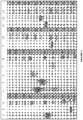
- the molecular weight of different glycosylated and non-glycosylated CTP-modified proteins was determined using MALDI-TOF technology and was compared to their corresponding native proteins' (intact proteins which are not fused to CTP, namely, Biotropin for hGH, EPREX® for Epo, ApoAI, Mononine® for Factor IX and Novoseven® for FVIIa) molecular weight Table 2).
- the measured Mw for all native and non-glycosylated proteins was in good agreement with the theoretical Mw, which is based on the proteins' amino acid sequences.
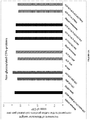
- the increments in the molecular weights per one copy of non-glycosylated and glycosylated CTP were calculated and are depicted in Figures 3A and 3B , respectively.
- the contribution of one copy of CTP to the molecular weight was calculated as follows: First, the increment in the molecular weight was calculated by subtracting the measured, or the theoretical -in the case of native hGH-, molecular weight of the native proteins from the measured molecular weight of their corresponding CTP-modified proteins. Then, the calculated increment was divided by the number of CTP copies for each protein.
- MOD-4023 hGH that was fused to one copy of CTP at the N-terminus and to 2 copies of CTP in tandem at the C-terminus
- MOD-4023 has molecular weight of 38,128, while the native hGH has a theoretical molecular weight of 22,000.
- the difference between those two proteins is 16.13 kDa which means that the contribution of each glycosylated CTP is 5.4 kDa (16.13 divided by 3 copies of CTP).
- the average contribution of one copy of non-glycosylated CTP in all measured proteins is 2.76 kDa ⁇ 0.103 ( Figure3A , Table 2). This result is aligned with the theoretical Mw of a single CTP, which is 2.78 kDa.
- the glycosylated CTP contributes an average of 4.76kDa ⁇ 0.422 to the Mw ( Figure3B , Table 2), without significant differences between the various measured proteins.
- Table 2 MALDI-TOF results of non-glycosylated and glycosylated CTP-modified proteins and their corresponding native proteins. ND - Not determined. Proteins Description Theoretical Mw(based on protein backbone excluding glycan contribution) Non-glycosylated proteins. MALDI-TOF results (Da) Glycosylate d proteins.
- Hydrodynamic volume is the major parameter influencing the retention time (RT) of proteins when passed through size exclusion column. Therefore, protein sizes were calculated by SEC column using HMw Gel filtration calibration kit (cat. no. 151-1901, BioRad). The retention time of the standards were measured in both SEC TSK 2000 and TSK 3000 columns and the % relative error (%RE) for each column was calculated in order to determine the precision of the analytical methods. The %RE of the obsereved Mw of the calibration proteins were calculated and compared to the known and expected Mw of the calibration proteins. The results of the calculated Mw for the calibration curve and the %RE are presented in Table 3a for TSK 2000 SEC column and in Table 3b for TSK 3000 SEC column.
- the increment in the molecular weight of one copy of glycosylated CTP was calculated by subtracting the measured hydrodynamic size of the native proteins from the measured hydrodynamic size of their corresponding CTP-modified proteins. Then, the calculated increment was divided by the number of CTP copies for each protein.
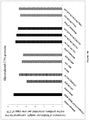
- the calculated contributions of one copy of glycosylated CTPs to the molecular weight of various proteins are presented in Figure 4B .
- the various proteins exhibit increments that range between 29 kDa to 53 kDa per one copy of glycosyted CTP.
- non-glycosylated CTP The contribution of non-glycosylated CTP to the hydrodynamic size or volume of various proteins was calculated and compared to their corresponding native proteins, i.e., the contribution of non-glycosylated CTP-modified polypeptides to the hydrodynamic volume were calculated by comparing the hydrodynamic volume of the non-glycosylated CTP-modified polypeptides to that of the non-glycosylated corresponding native protein. For example, for EPO, the N- and O-glycans were removed from Eprex®, and the increase in hydrodynamic volume of the CTP-modified Epo variants were calculated and compared to their molecular weight).
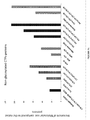
- Figure 5A depicts the increment in the hydrodynamic size of the intact proteins
- Figure 5B depicts the contribution of one copy of non-glycosylated CTP-modified proteins.
- non-glycosylated CTP increases the hydrodynamic size of the CTP-modified proteins when compared to the corresponding native proteins.
- the calculated contribution of one copy of non-glycosylated CTP was different between the various proteins, ranging between 8 kDa to 21 kDa per one copy of non glycosylated CTP (Table 5).
- glycosylated CTP contributes at least 28 (kDa) to the hydrodynamic volume while the increment of Mw is 4.76 (kDa) 0.422, as determined using SEC-HPLC and MALDI-TOF, respectively.
- This unexpected magnitude in the hydrodynamic volume of CTP-modified proteins is likely the reason for the observed extended serum half-life and enhancement of biological activity of CTP-modified proteins.
- the non-glycosylated CTP contributes at least 8 (kDa) to the hydrodynamic volume, while the molecular weight increment was 2.76 (kDa) 0.103.
- the Mw of non-glycosylated and glycosylated CTP peptide as was measured by MALDI-TOF was similar between all of the proteins.
Landscapes
- Health & Medical Sciences (AREA)
- Life Sciences & Earth Sciences (AREA)
- Chemical & Material Sciences (AREA)
- Medicinal Chemistry (AREA)
- General Health & Medical Sciences (AREA)
- Proteomics, Peptides & Aminoacids (AREA)
- Gastroenterology & Hepatology (AREA)
- Engineering & Computer Science (AREA)
- Bioinformatics & Cheminformatics (AREA)
- Organic Chemistry (AREA)
- Veterinary Medicine (AREA)
- Pharmacology & Pharmacy (AREA)
- Animal Behavior & Ethology (AREA)
- Public Health (AREA)
- Zoology (AREA)
- Epidemiology (AREA)
- Immunology (AREA)
- Endocrinology (AREA)
- Biochemistry (AREA)
- Molecular Biology (AREA)
- Genetics & Genomics (AREA)
- Biophysics (AREA)
- Toxicology (AREA)
- Marine Sciences & Fisheries (AREA)
- Chemical Kinetics & Catalysis (AREA)
- General Chemical & Material Sciences (AREA)
- Nuclear Medicine, Radiotherapy & Molecular Imaging (AREA)
- Reproductive Health (AREA)
- Hematology (AREA)
- Diabetes (AREA)
- Peptides Or Proteins (AREA)
- Medicines That Contain Protein Lipid Enzymes And Other Medicines (AREA)
- Preparation Of Compounds By Using Micro-Organisms (AREA)
- Medicines Containing Antibodies Or Antigens For Use As Internal Diagnostic Agents (AREA)
- Medicinal Preparation (AREA)
- Micro-Organisms Or Cultivation Processes Thereof (AREA)
Priority Applications (2)
| Application Number | Priority Date | Filing Date | Title |
|---|---|---|---|
| EP21151437.7A EP3848386A1 (en) | 2012-11-20 | 2013-11-20 | Method of increasing the hydrodynamic volume of polypeptides by attaching to gonadotrophin carboxy terminal peptides |
| PL13856398T PL2922867T3 (pl) | 2012-11-20 | 2013-11-20 | Sposób zwiększania objętości hydrodynamicznej polipeptydów przez przyłączanie peptydów końca karboksylowego gonadotropiny |
Applications Claiming Priority (2)
| Application Number | Priority Date | Filing Date | Title |
|---|---|---|---|
| US201261728662P | 2012-11-20 | 2012-11-20 | |
| PCT/IL2013/050960 WO2014080401A2 (en) | 2012-11-20 | 2013-11-20 | Method of increasing the hydrodynamic volume of polypeptides by attaching to gonadotrophin carboxy terminal peptides |
Related Child Applications (2)
| Application Number | Title | Priority Date | Filing Date |
|---|---|---|---|
| EP21151437.7A Division EP3848386A1 (en) | 2012-11-20 | 2013-11-20 | Method of increasing the hydrodynamic volume of polypeptides by attaching to gonadotrophin carboxy terminal peptides |
| EP21151437.7A Division-Into EP3848386A1 (en) | 2012-11-20 | 2013-11-20 | Method of increasing the hydrodynamic volume of polypeptides by attaching to gonadotrophin carboxy terminal peptides |
Publications (3)
| Publication Number | Publication Date |
|---|---|
| EP2922867A2 EP2922867A2 (en) | 2015-09-30 |
| EP2922867A4 EP2922867A4 (en) | 2016-08-03 |
| EP2922867B1 true EP2922867B1 (en) | 2021-07-21 |
Family
ID=50776635
Family Applications (2)
| Application Number | Title | Priority Date | Filing Date |
|---|---|---|---|
| EP13856398.6A Active EP2922867B1 (en) | 2012-11-20 | 2013-11-20 | Method of increasing the hydrodynamic volume of polypeptides by attaching to gonadotrophin carboxy terminal peptides |
| EP21151437.7A Ceased EP3848386A1 (en) | 2012-11-20 | 2013-11-20 | Method of increasing the hydrodynamic volume of polypeptides by attaching to gonadotrophin carboxy terminal peptides |
Family Applications After (1)
| Application Number | Title | Priority Date | Filing Date |
|---|---|---|---|
| EP21151437.7A Ceased EP3848386A1 (en) | 2012-11-20 | 2013-11-20 | Method of increasing the hydrodynamic volume of polypeptides by attaching to gonadotrophin carboxy terminal peptides |
Country Status (20)
| Country | Link |
|---|---|
| US (1) | US9808534B2 (enExample) |
| EP (2) | EP2922867B1 (enExample) |
| JP (2) | JP6416106B2 (enExample) |
| KR (2) | KR102341581B1 (enExample) |
| CN (3) | CN105121459A (enExample) |
| AU (1) | AU2013349239B2 (enExample) |
| BR (2) | BR112015011583B1 (enExample) |
| CA (1) | CA2891393A1 (enExample) |
| CL (1) | CL2015001347A1 (enExample) |
| EA (1) | EA033788B1 (enExample) |
| ES (1) | ES2882890T3 (enExample) |
| HU (1) | HUE055348T2 (enExample) |
| IL (1) | IL264700B (enExample) |
| MX (1) | MX363326B (enExample) |
| MY (1) | MY172997A (enExample) |
| PE (2) | PE20210171A1 (enExample) |
| PL (1) | PL2922867T3 (enExample) |
| PT (1) | PT2922867T (enExample) |
| SG (3) | SG11201503879QA (enExample) |
| WO (1) | WO2014080401A2 (enExample) |
Families Citing this family (25)
| Publication number | Priority date | Publication date | Assignee | Title |
|---|---|---|---|---|
| US8946155B2 (en) | 2006-02-03 | 2015-02-03 | Opko Biologics Ltd. | Long-acting polypeptides and methods of producing and administering same |
| US10221228B2 (en) | 2006-02-03 | 2019-03-05 | Opko Biologics Ltd. | Long-acting polypeptides and methods of producing and administering same |
| US20140113860A1 (en) | 2006-02-03 | 2014-04-24 | Prolor Biotech Ltd. | Long-acting polypeptides and methods of producing and administering same |
| US9458444B2 (en) | 2006-02-03 | 2016-10-04 | Opko Biologics Ltd. | Long-acting coagulation factors and methods of producing same |
| US8048849B2 (en) | 2006-02-03 | 2011-11-01 | Modigene, Inc. | Long-acting polypeptides and methods of producing same |
| US9249407B2 (en) | 2006-02-03 | 2016-02-02 | Opko Biologics Ltd. | Long-acting coagulation factors and methods of producing same |
| US10351615B2 (en) | 2006-02-03 | 2019-07-16 | Opko Biologics Ltd. | Methods of treatment with long-acting growth hormone |
| US20150038413A1 (en) | 2006-02-03 | 2015-02-05 | Opko Biologics Ltd. | Long-acting polypeptides and methods of producing and administering same |
| US12203113B2 (en) | 2009-07-09 | 2025-01-21 | Opko Biologics Ltd. | Long-acting coagulation factors and methods of producing same |
| US9663778B2 (en) | 2009-07-09 | 2017-05-30 | OPKO Biologies Ltd. | Long-acting coagulation factors and methods of producing same |
| PE20142290A1 (es) * | 2012-02-14 | 2015-01-15 | Opko Biolog Ltd | Factores de coagulacion de accion prolongada y metodos de produccion de los mismos |
| WO2013157002A1 (en) | 2012-04-19 | 2013-10-24 | Prolor Biotech Inc. | Long-acting oxyntomodulin variants and methods of producing same |
| SG11201503879QA (en) | 2012-11-20 | 2015-06-29 | Opko Biolog Ltd | Method of increasing the hydrodynamic volume of polypeptides by attaching to gonadotrophin carboxy terminal peptides |
| US20150158926A1 (en) | 2013-10-21 | 2015-06-11 | Opko Biologics, Ltd. | Long-acting polypeptides and methods of producing and administering same |
| CN105461810A (zh) * | 2014-08-31 | 2016-04-06 | 复旦大学 | 一种长效的重组人粒细胞集落刺激因子的及其制备方法和用途 |
| KR102527180B1 (ko) * | 2014-12-10 | 2023-04-27 | 옵코 바이오로직스 리미티드 | 장기간 작용성 ctp-변형된 성장 호르몬 폴리펩타이드의 제조 방법 |
| MY184625A (en) * | 2014-12-10 | 2021-04-09 | Opko Biologics Ltd | Methods of producing long acting ctp-modified growth hormone polypeptides |
| KR102662956B1 (ko) | 2015-06-19 | 2024-05-03 | 옵코 바이오로직스 리미티드 | 장기-작용성 응고 인자 및 그의 제조 방법 |
| CN106397571A (zh) * | 2015-07-31 | 2017-02-15 | 李金松 | 一种新型羧基末端肽及长效白介素7 |
| CN106397570B (zh) * | 2015-07-31 | 2019-11-15 | 袁武梅 | 一种羧基末端肽及长效干扰素 |
| EP4303228B1 (en) | 2016-07-11 | 2026-05-27 | OPKO Biologics Ltd. | Long-acting coagulation factor vii and methods of producing same |
| CN106279437B (zh) * | 2016-08-19 | 2017-10-31 | 安源医药科技(上海)有限公司 | 高糖基化人凝血因子viii融合蛋白及其制备方法与用途 |
| CN107759697B (zh) * | 2016-08-19 | 2023-03-24 | 安源医药科技(上海)有限公司 | 制备融合蛋白的方法 |
| CN114667293A (zh) * | 2019-09-24 | 2022-06-24 | Mvrix株式会社 | 抗病毒活性增强的纳米穿孔器 |
| WO2021078834A1 (en) * | 2019-10-22 | 2021-04-29 | Genethon | Chimeric acid-alpha glucosidase polypeptides and uses thereof |
Family Cites Families (132)
| Publication number | Priority date | Publication date | Assignee | Title |
|---|---|---|---|---|
| NL154600B (nl) | 1971-02-10 | 1977-09-15 | Organon Nv | Werkwijze voor het aantonen en bepalen van specifiek bindende eiwitten en hun corresponderende bindbare stoffen. |
| NL154598B (nl) | 1970-11-10 | 1977-09-15 | Organon Nv | Werkwijze voor het aantonen en bepalen van laagmoleculire verbindingen en van eiwitten die deze verbindingen specifiek kunnen binden, alsmede testverpakking. |
| NL154599B (nl) | 1970-12-28 | 1977-09-15 | Organon Nv | Werkwijze voor het aantonen en bepalen van specifiek bindende eiwitten en hun corresponderende bindbare stoffen, alsmede testverpakking. |
| US3901654A (en) | 1971-06-21 | 1975-08-26 | Biological Developments | Receptor assays of biologically active compounds employing biologically specific receptors |
| US3853987A (en) | 1971-09-01 | 1974-12-10 | W Dreyer | Immunological reagent and radioimmuno assay |
| US3867517A (en) | 1971-12-21 | 1975-02-18 | Abbott Lab | Direct radioimmunoassay for antigens and their antibodies |
| NL171930C (nl) | 1972-05-11 | 1983-06-01 | Akzo Nv | Werkwijze voor het aantonen en bepalen van haptenen, alsmede testverpakkingen. |
| US3850578A (en) | 1973-03-12 | 1974-11-26 | H Mcconnell | Process for assaying for biologically active molecules |
| US3935074A (en) | 1973-12-17 | 1976-01-27 | Syva Company | Antibody steric hindrance immunoassay with two antibodies |
| US3996345A (en) | 1974-08-12 | 1976-12-07 | Syva Company | Fluorescence quenching with immunological pairs in immunoassays |
| US4034074A (en) | 1974-09-19 | 1977-07-05 | The Board Of Trustees Of Leland Stanford Junior University | Universal reagent 2-site immunoradiometric assay using labelled anti (IgG) |
| US3984533A (en) | 1975-11-13 | 1976-10-05 | General Electric Company | Electrophoretic method of detecting antigen-antibody reaction |
| US4098876A (en) | 1976-10-26 | 1978-07-04 | Corning Glass Works | Reverse sandwich immunoassay |
| US4879219A (en) | 1980-09-19 | 1989-11-07 | General Hospital Corporation | Immunoassay utilizing monoclonal high affinity IgM antibodies |
| JPS5781447A (en) | 1980-11-11 | 1982-05-21 | Toyo Jozo Co Ltd | Human chorionic gonadotropic hormone c-terminal fragment |
| US4853332A (en) | 1982-10-19 | 1989-08-01 | Cetus Corporation | Structural genes, plasmids and transformed cells for producing cysteine depleted muteins of biologically active proteins |
| US5011771A (en) | 1984-04-12 | 1991-04-30 | The General Hospital Corporation | Multiepitopic immunometric assay |
| DE3421468A1 (de) | 1984-06-08 | 1985-12-19 | Dr. Rentschler Arzneimittel Gmbh & Co, 7958 Laupheim | Lipidnanopellets als traegersystem fuer arzneimittel zur peroralen anwendung |
| US4666828A (en) | 1984-08-15 | 1987-05-19 | The General Hospital Corporation | Test for Huntington's disease |
| US4911691A (en) | 1984-09-21 | 1990-03-27 | Menlo Care, Inc. | Assembly for adminstering IV solution |
| US4683202A (en) | 1985-03-28 | 1987-07-28 | Cetus Corporation | Process for amplifying nucleic acid sequences |
| US4801531A (en) | 1985-04-17 | 1989-01-31 | Biotechnology Research Partners, Ltd. | Apo AI/CIII genomic polymorphisms predictive of atherosclerosis |
| DE3751873T2 (de) | 1986-04-09 | 1997-02-13 | Genzyme Corp | Genetisch transformierte Tiere, die ein gewünschtes Protein in Milch absondern |
| US5118666A (en) | 1986-05-05 | 1992-06-02 | The General Hospital Corporation | Insulinotropic hormone |
| US4873316A (en) | 1987-06-23 | 1989-10-10 | Biogen, Inc. | Isolation of exogenous recombinant proteins from the milk of transgenic mammals |
| EP0374257B1 (en) | 1988-05-06 | 1994-08-31 | Toray Industries, Inc. | STABLE INTERFERON $g(b) COMPOSITION |
| US5272057A (en) | 1988-10-14 | 1993-12-21 | Georgetown University | Method of detecting a predisposition to cancer by the use of restriction fragment length polymorphism of the gene for human poly (ADP-ribose) polymerase |
| US6225449B1 (en) | 1991-10-04 | 2001-05-01 | Washington University | Hormone analogs with multiple CTP extensions |
| US5705478A (en) | 1989-02-21 | 1998-01-06 | Washington University | Covalently linked β subunits of the glycoprotein hormones as antagonists |
| DE122010000006I2 (de) | 1989-02-21 | 2012-06-21 | Univ Washington | Modifizierte formen von fortpflanzungshormonen. |
| US5792460A (en) * | 1989-02-21 | 1998-08-11 | Washington University | Modified glycoprotein hormones having a CTP at the amino terminus |
| US5338835A (en) | 1989-02-21 | 1994-08-16 | Washington University | CTP-extended form of FSH |
| US5464764A (en) | 1989-08-22 | 1995-11-07 | University Of Utah Research Foundation | Positive-negative selection methods and vectors |
| US5192659A (en) | 1989-08-25 | 1993-03-09 | Genetype Ag | Intron sequence analysis method for detection of adjacent and remote locus alleles as haplotypes |
| US7217689B1 (en) | 1989-10-13 | 2007-05-15 | Amgen Inc. | Glycosylation analogs of erythropoietin |
| US5126324A (en) | 1990-06-07 | 1992-06-30 | Genentech, Inc. | Method of enhancing growth in patients using combination therapy |
| US6028177A (en) | 1991-10-04 | 2000-02-22 | Washington University | Methods of detecting single-chain forms of the glycoprotein hormone quartet |
| US5281521A (en) | 1992-07-20 | 1994-01-25 | The Trustees Of The University Of Pennsylvania | Modified avidin-biotin technique |
| CA2160800C (en) | 1993-04-20 | 2010-06-01 | Irving Boime | Ctp modified gonadotropic proteins |
| US5919455A (en) | 1993-10-27 | 1999-07-06 | Enzon, Inc. | Non-antigenic branched polymer conjugates |
| US5643575A (en) | 1993-10-27 | 1997-07-01 | Enzon, Inc. | Non-antigenic branched polymer conjugates |
| US5605976A (en) | 1995-05-15 | 1997-02-25 | Enzon, Inc. | Method of preparing polyalkylene oxide carboxylic acids |
| US6737515B2 (en) | 1993-11-19 | 2004-05-18 | Washington University | Follicle stimulating hormone-glycosylation analogs |
| US6238890B1 (en) | 1994-02-18 | 2001-05-29 | Washington University | Single chain forms of the glycoprotein hormone quartet |
| US5935924A (en) | 1994-04-15 | 1999-08-10 | Genentech, Inc. | Treatment of congestive heart failure |
| US5541110A (en) | 1994-05-17 | 1996-07-30 | Bristol-Myers Squibb | Cloning and expression of a gene encoding bryodin 1 from Bryonia dioica |
| BR9506313A (pt) | 1994-08-12 | 1997-08-05 | Univ Washington | Formas de cadeia simples do quarteto de hormônio de glicoproteína |
| US6083725A (en) | 1996-09-13 | 2000-07-04 | Transkaryotic Therapies, Inc. | Tranfected human cells expressing human α-galactosidase A protein |
| US20050032211A1 (en) | 1996-09-26 | 2005-02-10 | Metabogal Ltd. | Cell/tissue culturing device, system and method |
| TW518235B (en) | 1997-01-15 | 2003-01-21 | Akzo Nobel Nv | A gonadotropin-containing pharmaceutical composition with improved stability on prolong storage |
| US6310183B1 (en) | 1997-09-10 | 2001-10-30 | Novo Nordisk A/S | Coagulation factor VIIa composition |
| US6103501A (en) | 1997-11-17 | 2000-08-15 | Washington University | Single chain glycoprotein hormones comprising two β and one α subunits and recombinant production thereof |
| AU766190B2 (en) | 1998-10-16 | 2003-10-09 | Biogen Idec Ma Inc. | Interferon-beta fusion proteins and uses |
| US6514729B1 (en) | 1999-05-12 | 2003-02-04 | Xencor, Inc. | Recombinant interferon-beta muteins |
| PE20010288A1 (es) | 1999-07-02 | 2001-03-07 | Hoffmann La Roche | Derivados de eritropoyetina |
| AU2001233299A1 (en) * | 2000-02-04 | 2001-08-14 | Esperion Therapeutics Inc. | Methods for treating alzheimer's disease |
| US20020127652A1 (en) | 2000-02-11 | 2002-09-12 | Schambye Hans Thalsgard | Follicle stimulating hormones |
| US7094566B2 (en) | 2000-03-16 | 2006-08-22 | Amgen Inc., | IL-17 receptor like molecules and uses thereof |
| US20030036181A1 (en) | 2000-06-30 | 2003-02-20 | Okkels Jens Sigurd | Peptide extended glycosylated polypeptides |
| US7118737B2 (en) | 2000-09-08 | 2006-10-10 | Amylin Pharmaceuticals, Inc. | Polymer-modified synthetic proteins |
| EP2316490A3 (en) | 2000-10-31 | 2012-02-01 | PR Pharmaceuticals, Inc. | Methods and compositions for enhanced delivery of bioactive molecules |
| WO2002038609A2 (en) | 2000-11-10 | 2002-05-16 | Proteopharma Aps | Apolipoprotein conjugates |
| JP4409135B2 (ja) | 2000-12-01 | 2010-02-03 | 武田薬品工業株式会社 | 生理活性物質含有製剤の製造法 |
| WO2002043709A1 (fr) | 2000-12-01 | 2002-06-06 | Takeda Chemical Industries, Ltd. | Procede de production d'une preparation contenant une substance bioactive |
| SI1724284T1 (sl) | 2000-12-07 | 2009-12-31 | Lilly Co Eli | Glp-1 fuzijski proteini |
| EP1342730B1 (en) | 2000-12-11 | 2006-03-15 | Cheil Jedang Corporation | Fusion protein having the enhanced in vivo activity of erythropoietin |
| KR101229995B1 (ko) * | 2000-12-11 | 2013-02-06 | 씨제이 주식회사 | 생체내 에리스로포이에틴 활성이 증진된 융합단백질 |
| JP5160005B2 (ja) | 2000-12-28 | 2013-03-13 | 武田薬品工業株式会社 | 徐放性製剤 |
| EP1356809A4 (en) | 2000-12-28 | 2008-05-14 | Takeda Pharmaceutical | Sustained release preparations |
| US6987172B2 (en) * | 2001-03-05 | 2006-01-17 | Washington University In St. Louis | Multifunctional single chain glycoprotein hormones comprising three or more β subunits |
| US6887462B2 (en) | 2001-04-09 | 2005-05-03 | Chiron Corporation | HSA-free formulations of interferon-beta |
| EP1390053A2 (en) | 2001-04-25 | 2004-02-25 | Hernan F. Acevedo | Hcg formulation |
| US6824769B2 (en) | 2001-08-28 | 2004-11-30 | Vertex Pharmaceuticals Incorporated | Optimal compositions and methods thereof for treating HCV infections |
| GB0121709D0 (en) | 2001-09-07 | 2001-10-31 | Imp College Innovations Ltd | Food inhibition agent |
| US7795210B2 (en) | 2001-10-10 | 2010-09-14 | Novo Nordisk A/S | Protein remodeling methods and proteins/peptides produced by the methods |
| EA008220B1 (ru) | 2001-10-29 | 2007-04-27 | Круселл Холланд Б.В. | Композиция, включающая эритропоэтинподобные молекулы, и способы ее применения |
| KR100467751B1 (ko) * | 2001-12-03 | 2005-01-24 | 씨제이 주식회사 | 생체내 에리스로포이에틴 활성이 증진된 융합단백질 |
| CA2841097A1 (en) | 2001-12-21 | 2003-07-24 | Human Genome Sciences, Inc. | Albumin and g-csf fusion proteins |
| US7081446B2 (en) | 2002-01-31 | 2006-07-25 | The Trustees Of Columbia University In The City Of New York | Long-acting follicle stimulating hormone analogues and uses thereof |
| US7173113B2 (en) | 2002-01-31 | 2007-02-06 | The Trustees Of Columbia University In The City Of New York | Long-acting hormone and growth factor compositions and uses thereof |
| GB0206048D0 (en) | 2002-03-14 | 2002-04-24 | Croda Int Plc | Use |
| WO2003094858A2 (en) * | 2002-05-13 | 2003-11-20 | Modigenetech Ltd. | Ctp-extended erythropoietin |
| US20070298041A1 (en) | 2002-06-28 | 2007-12-27 | Tomlinson Ian M | Ligands That Enhance Endogenous Compounds |
| CA2492649A1 (en) | 2002-07-17 | 2004-01-22 | Biogen Idec Ma Inc. | Therapies for renal failure using interferon-.beta. |
| US7459435B2 (en) | 2002-08-29 | 2008-12-02 | Hoffmann-La Roche Inc. | Treatment of disturbances of iron distribution |
| US8129330B2 (en) | 2002-09-30 | 2012-03-06 | Mountain View Pharmaceuticals, Inc. | Polymer conjugates with decreased antigenicity, methods of preparation and uses thereof |
| US7459436B2 (en) | 2002-11-22 | 2008-12-02 | Hoffmann-La Roche Inc. | Treatment of disturbances of iron distribution |
| JP4683319B2 (ja) | 2003-02-19 | 2011-05-18 | 武田薬品工業株式会社 | 徐放性製剤用の分散剤 |
| EP1595549A4 (en) | 2003-02-19 | 2010-09-22 | Takeda Pharmaceutical | DISPERSE FOR PREPARATIONS WITH DELAYED RELEASE |
| WO2004089280A2 (en) | 2003-04-08 | 2004-10-21 | Yeda Research And Development Co. Ltd. | Reversible pegylated drugs |
| CA2522345A1 (en) | 2003-04-09 | 2004-11-18 | Neose Technologies, Inc. | Glycopegylation methods and proteins/peptides produced by the methods |
| WO2005035761A1 (en) | 2003-10-16 | 2005-04-21 | Compugen Ltd. | Splice variants of preproglucagon, glucagon-like peptide-1 and oxyntomodulin |
| US7649084B2 (en) | 2003-11-12 | 2010-01-19 | University Of Georgia Research Foundation, Inc. | Recombinant glycoproteins related to feline thyrotropin |
| PL1696947T3 (pl) | 2003-12-19 | 2014-08-29 | Hoffmann La Roche | Zastosowanie erytropoetyny w leczeniu zaburzeń dystrybucji żelaza w przewlekłych chorobach zapalnych jelit |
| WO2005094873A1 (en) | 2004-03-19 | 2005-10-13 | Baxter International Inc. | Factor ixa for the treatment of bleeding disorders |
| WO2006014579A2 (en) | 2004-07-08 | 2006-02-09 | The Regents Of California | Enhancing class i antigen presentation with synthetic sequences |
| RU2396347C2 (ru) | 2004-08-17 | 2010-08-10 | Ксл Бехринг Гмбх | Модифицированные витамин к-зависимые полипептиды |
| AU2005289638A1 (en) | 2004-09-27 | 2006-04-06 | Cornell Research Foundation, Inc. | Recombinant bifunctional protein of human lutropin receptor and human chorionic gonadotropin b-subunit and uses thereof |
| KR20070084069A (ko) | 2004-10-08 | 2007-08-24 | 도만티스 리미티드 | Tnfr1에 대한 단일 도메인 항체 및 이의 사용 방법 |
| GB0521621D0 (en) | 2005-10-24 | 2005-11-30 | Domantis Ltd | Tumor necrosis factor receptor 1 antagonists for treating respiratory diseases |
| EP1728798A1 (en) | 2005-06-01 | 2006-12-06 | ZLB Behring GmbH | Coagulation factor X polypeptides with modified activation properties |
| EP1891105B1 (en) | 2005-06-13 | 2012-04-11 | Imperial Innovations Limited | Oxyntomodulin analogues and their effects on feeding behaviour |
| WO2007047834A2 (en) | 2005-10-18 | 2007-04-26 | Biocon Limited | Oral peptide conjugates for metabolic diseases |
| US8450269B2 (en) * | 2006-02-03 | 2013-05-28 | Prolor Biotech Ltd. | Long-acting growth hormone and methods of producing same |
| US8476234B2 (en) | 2006-02-03 | 2013-07-02 | Prolor Biotech Inc. | Long-acting coagulation factors and methods of producing same |
| US8759292B2 (en) | 2006-02-03 | 2014-06-24 | Prolor Biotech, Llc | Long-acting coagulation factors and methods of producing same |
| US20150038413A1 (en) | 2006-02-03 | 2015-02-05 | Opko Biologics Ltd. | Long-acting polypeptides and methods of producing and administering same |
| US9458444B2 (en) | 2006-02-03 | 2016-10-04 | Opko Biologics Ltd. | Long-acting coagulation factors and methods of producing same |
| US8304386B2 (en) * | 2006-02-03 | 2012-11-06 | Prolor Biotech, Inc. | Long-acting growth hormone and methods of producing same |
| US10351615B2 (en) | 2006-02-03 | 2019-07-16 | Opko Biologics Ltd. | Methods of treatment with long-acting growth hormone |
| US8048849B2 (en) | 2006-02-03 | 2011-11-01 | Modigene, Inc. | Long-acting polypeptides and methods of producing same |
| US8946155B2 (en) | 2006-02-03 | 2015-02-03 | Opko Biologics Ltd. | Long-acting polypeptides and methods of producing and administering same |
| US20140113860A1 (en) | 2006-02-03 | 2014-04-24 | Prolor Biotech Ltd. | Long-acting polypeptides and methods of producing and administering same |
| US8048848B2 (en) | 2006-02-03 | 2011-11-01 | Prolor Biotech Ltd. | Long-acting interferons and derivatives thereof and methods thereof |
| US7553941B2 (en) | 2006-02-03 | 2009-06-30 | Modigene Inc | Long-acting polypeptides and methods of producing same |
| EP2471810A1 (en) | 2006-02-22 | 2012-07-04 | Merck Sharp & Dohme Corporation | Oxyntomodulin derivatives |
| TW200806317A (en) | 2006-03-20 | 2008-02-01 | Wyeth Corp | Methods for reducing protein aggregation |
| EP2423307A1 (en) | 2006-06-19 | 2012-02-29 | Catalyst Biosciences, Inc. | Modified coagulation factor IV polypeptides and use thereof for treatment |
| AT505262A1 (de) | 2007-06-12 | 2008-12-15 | Apeiron Biolog Forschungs Und | Rekombinantes ace2 polypeptid |
| WO2009105141A2 (en) | 2007-12-05 | 2009-08-27 | Novozymes A/S | Polypeptides having endoglucanase activity and polynucleotides encoding same |
| WO2010015668A1 (en) | 2008-08-06 | 2010-02-11 | Novo Nordisk A/S | Conjugated proteins with prolonged in vivo efficacy |
| EP2350118B1 (en) | 2008-09-19 | 2016-03-30 | Nektar Therapeutics | Carbohydrate-based drug delivery polymers and conjugates thereof |
| WO2010097077A1 (de) | 2009-02-27 | 2010-09-02 | Gühring Ohg | Modularer werkzeugautomat |
| US8828953B2 (en) | 2009-04-20 | 2014-09-09 | NaZura BioHealth, Inc. | Chemosensory receptor ligand-based therapies |
| DE102009031992A1 (de) | 2009-07-06 | 2011-01-13 | Paul Hartmann Ag | Vorrichtung zur Unterdrucktherapie von Wunden |
| JO2976B1 (en) | 2009-12-22 | 2016-03-15 | ايلي ليلي اند كومباني | Axentomodulin polypeptide |
| KR101382593B1 (ko) | 2010-07-21 | 2014-04-10 | 한미사이언스 주식회사 | 신규한 지속형 글루카곤 결합체 및 이를 포함하는 비만 예방 및 치료용 약학적 조성물 |
| EP2714070B1 (en) | 2011-06-02 | 2024-03-20 | OPKO Biologics Ltd. | Long-acting glp-1/glucagon receptor agonists |
| WO2013157002A1 (en) * | 2012-04-19 | 2013-10-24 | Prolor Biotech Inc. | Long-acting oxyntomodulin variants and methods of producing same |
| MX362432B (es) | 2012-06-04 | 2019-01-17 | Opko Biologics Ltd | Variantes de oxm pegilada. |
| SG11201503879QA (en) | 2012-11-20 | 2015-06-29 | Opko Biolog Ltd | Method of increasing the hydrodynamic volume of polypeptides by attaching to gonadotrophin carboxy terminal peptides |
| US20150158926A1 (en) | 2013-10-21 | 2015-06-11 | Opko Biologics, Ltd. | Long-acting polypeptides and methods of producing and administering same |
-
2013
- 2013-11-20 SG SG11201503879QA patent/SG11201503879QA/en unknown
- 2013-11-20 CN CN201380066354.XA patent/CN105121459A/zh active Pending
- 2013-11-20 MY MYPI2015001338A patent/MY172997A/en unknown
- 2013-11-20 MX MX2015006302A patent/MX363326B/es unknown
- 2013-11-20 PL PL13856398T patent/PL2922867T3/pl unknown
- 2013-11-20 BR BR112015011583-7A patent/BR112015011583B1/pt active IP Right Grant
- 2013-11-20 HU HUE13856398A patent/HUE055348T2/hu unknown
- 2013-11-20 KR KR1020217000464A patent/KR102341581B1/ko active Active
- 2013-11-20 EP EP13856398.6A patent/EP2922867B1/en active Active
- 2013-11-20 CN CN202210004843.3A patent/CN114317505A/zh active Pending
- 2013-11-20 BR BR122020018510-4A patent/BR122020018510B1/pt active IP Right Grant
- 2013-11-20 WO PCT/IL2013/050960 patent/WO2014080401A2/en not_active Ceased
- 2013-11-20 CN CN202011589444.5A patent/CN112661863A/zh active Pending
- 2013-11-20 CA CA2891393A patent/CA2891393A1/en active Pending
- 2013-11-20 KR KR1020157016362A patent/KR102202255B1/ko active Active
- 2013-11-20 JP JP2015542413A patent/JP6416106B2/ja active Active
- 2013-11-20 EP EP21151437.7A patent/EP3848386A1/en not_active Ceased
- 2013-11-20 SG SG10201610223PA patent/SG10201610223PA/en unknown
- 2013-11-20 EA EA201590994A patent/EA033788B1/ru unknown
- 2013-11-20 PE PE2020000890A patent/PE20210171A1/es unknown
- 2013-11-20 SG SG10202010383YA patent/SG10202010383YA/en unknown
- 2013-11-20 AU AU2013349239A patent/AU2013349239B2/en active Active
- 2013-11-20 PT PT138563986T patent/PT2922867T/pt unknown
- 2013-11-20 US US14/085,221 patent/US9808534B2/en active Active
- 2013-11-20 PE PE2015000654A patent/PE20151087A1/es unknown
- 2013-11-20 ES ES13856398T patent/ES2882890T3/es active Active
-
2015
- 2015-05-19 CL CL2015001347A patent/CL2015001347A1/es unknown
-
2018
- 2018-10-03 JP JP2018188424A patent/JP2019038812A/ja active Pending
-
2019
- 2019-02-06 IL IL264700A patent/IL264700B/en unknown
Non-Patent Citations (1)
| Title |
|---|
| None * |
Also Published As
Similar Documents
| Publication | Publication Date | Title |
|---|---|---|
| ES2882890T3 (es) | Método para aumentar el volumen hidrodinámico de polipéptidos mediante la unión a péptidos carboxi terminales de la gonadotrofina | |
| EP2763689B1 (en) | Fibroblast growth factor 21 variants | |
| ES2989729T3 (es) | FSH recombinante que incluye sialilación en alfa 2,3 y alfa 2,6 | |
| DK2739298T3 (en) | LONG-TERM EFFECTIVE GROWTH HORMON AND PROCEDURES FOR PRODUCING THEREOF | |
| CN100365117C (zh) | 聚乙二醇化和双糖基化的红细胞生成素 | |
| EP2486051B1 (en) | Pharmaceutical preparation comprising recombinant hcg | |
| US20100081614A1 (en) | Long-acting growth hormone and methods of producing same | |
| JP6964519B2 (ja) | ゴナドトロピンの製造方法 | |
| CN101193658B (zh) | 聚乙二醇化g-csf多肽及其产生方法 | |
| JP2017101030A (ja) | 医薬製剤 | |
| JP2018508465A (ja) | 長時間作用性ctp修飾成長ホルモンポリペプチドを生成する方法 | |
| HK40056885A (en) | Method of increasing the hydrodynamic volume of polypeptides by attaching to gonadotrophin carboxy terminal peptides | |
| HK40073071A (en) | Method of increasing the hydrodynamic volume of polypeptides by attaching to gonadotrophin carboxy terminal peptides | |
| HK40047241A (en) | Method of increasing the hydrodynamic volume of polypeptides by attaching to gonadotrophin carboxy terminal peptides | |
| HK1194281B (en) | Pharmaceutical preparation | |
| HK1194281A (en) | Pharmaceutical preparation | |
| HK1174338B (en) | Pharmaceutical preparation comprising recombinant hcg | |
| HK1174338A (en) | Pharmaceutical preparation comprising recombinant hcg |
Legal Events
| Date | Code | Title | Description |
|---|---|---|---|
| PUAI | Public reference made under article 153(3) epc to a published international application that has entered the european phase |
Free format text: ORIGINAL CODE: 0009012 |
|
| 17P | Request for examination filed |
Effective date: 20150616 |
|
| AK | Designated contracting states |
Kind code of ref document: A2 Designated state(s): AL AT BE BG CH CY CZ DE DK EE ES FI FR GB GR HR HU IE IS IT LI LT LU LV MC MK MT NL NO PL PT RO RS SE SI SK SM TR |
|
| AX | Request for extension of the european patent |
Extension state: BA ME |
|
| RIN1 | Information on inventor provided before grant (corrected) |
Inventor name: HERSHKOVITZ, OREN Inventor name: BAR-ILAN, AHUVA |
|
| A4 | Supplementary search report drawn up and despatched |
Effective date: 20160705 |
|
| RIC1 | Information provided on ipc code assigned before grant |
Ipc: A61K 38/27 20060101ALI20160630BHEP Ipc: A61K 38/18 20060101ALI20160630BHEP Ipc: A61K 38/17 20060101ALI20160630BHEP Ipc: A61K 38/26 20060101ALI20160630BHEP Ipc: C07K 14/47 20060101AFI20160630BHEP Ipc: A61K 38/48 20060101ALI20160630BHEP |
|
| STAA | Information on the status of an ep patent application or granted ep patent |
Free format text: STATUS: EXAMINATION IS IN PROGRESS |
|
| 17Q | First examination report despatched |
Effective date: 20180215 |
|
| REG | Reference to a national code |
Ref country code: DE Ref legal event code: R079 Ref document number: 602013078477 Country of ref document: DE Free format text: PREVIOUS MAIN CLASS: C07K0014470000 Ipc: A61K0038480000 |
|
| GRAP | Despatch of communication of intention to grant a patent |
Free format text: ORIGINAL CODE: EPIDOSNIGR1 |
|
| STAA | Information on the status of an ep patent application or granted ep patent |
Free format text: STATUS: GRANT OF PATENT IS INTENDED |
|
| RIC1 | Information provided on ipc code assigned before grant |
Ipc: A61K 38/48 20060101AFI20210120BHEP Ipc: A61P 7/04 20060101ALI20210120BHEP Ipc: C07K 14/745 20060101ALI20210120BHEP |
|
| INTG | Intention to grant announced |
Effective date: 20210202 |
|
| RAP1 | Party data changed (applicant data changed or rights of an application transferred) |
Owner name: OPKO BIOLOGICS LTD. |
|
| GRAS | Grant fee paid |
Free format text: ORIGINAL CODE: EPIDOSNIGR3 |
|
| GRAA | (expected) grant |
Free format text: ORIGINAL CODE: 0009210 |
|
| STAA | Information on the status of an ep patent application or granted ep patent |
Free format text: STATUS: THE PATENT HAS BEEN GRANTED |
|
| AK | Designated contracting states |
Kind code of ref document: B1 Designated state(s): AL AT BE BG CH CY CZ DE DK EE ES FI FR GB GR HR HU IE IS IT LI LT LU LV MC MK MT NL NO PL PT RO RS SE SI SK SM TR |
|
| REG | Reference to a national code |
Ref country code: GB Ref legal event code: FG4D |
|
| REG | Reference to a national code |
Ref country code: CH Ref legal event code: EP |
|
| REG | Reference to a national code |
Ref country code: DE Ref legal event code: R096 Ref document number: 602013078477 Country of ref document: DE |
|
| REG | Reference to a national code |
Ref country code: AT Ref legal event code: REF Ref document number: 1411978 Country of ref document: AT Kind code of ref document: T Effective date: 20210815 |
|
| REG | Reference to a national code |
Ref country code: IE Ref legal event code: FG4D |
|
| REG | Reference to a national code |
Ref country code: SE Ref legal event code: TRGR |
|
| REG | Reference to a national code |
Ref country code: PT Ref legal event code: SC4A Ref document number: 2922867 Country of ref document: PT Date of ref document: 20211029 Kind code of ref document: T Free format text: AVAILABILITY OF NATIONAL TRANSLATION Effective date: 20211021 |
|
| REG | Reference to a national code |
Ref country code: LT Ref legal event code: MG9D |
|
| REG | Reference to a national code |
Ref country code: NL Ref legal event code: MP Effective date: 20210721 |
|
| REG | Reference to a national code |
Ref country code: HU Ref legal event code: AG4A Ref document number: E055348 Country of ref document: HU |
|
| REG | Reference to a national code |
Ref country code: ES Ref legal event code: FG2A Ref document number: 2882890 Country of ref document: ES Kind code of ref document: T3 Effective date: 20211203 |
|
| REG | Reference to a national code |
Ref country code: AT Ref legal event code: MK05 Ref document number: 1411978 Country of ref document: AT Kind code of ref document: T Effective date: 20210721 |
|
| PG25 | Lapsed in a contracting state [announced via postgrant information from national office to epo] |
Ref country code: NL Free format text: LAPSE BECAUSE OF FAILURE TO SUBMIT A TRANSLATION OF THE DESCRIPTION OR TO PAY THE FEE WITHIN THE PRESCRIBED TIME-LIMIT Effective date: 20210721 Ref country code: NO Free format text: LAPSE BECAUSE OF FAILURE TO SUBMIT A TRANSLATION OF THE DESCRIPTION OR TO PAY THE FEE WITHIN THE PRESCRIBED TIME-LIMIT Effective date: 20211021 Ref country code: FI Free format text: LAPSE BECAUSE OF FAILURE TO SUBMIT A TRANSLATION OF THE DESCRIPTION OR TO PAY THE FEE WITHIN THE PRESCRIBED TIME-LIMIT Effective date: 20210721 Ref country code: AT Free format text: LAPSE BECAUSE OF FAILURE TO SUBMIT A TRANSLATION OF THE DESCRIPTION OR TO PAY THE FEE WITHIN THE PRESCRIBED TIME-LIMIT Effective date: 20210721 Ref country code: BG Free format text: LAPSE BECAUSE OF FAILURE TO SUBMIT A TRANSLATION OF THE DESCRIPTION OR TO PAY THE FEE WITHIN THE PRESCRIBED TIME-LIMIT Effective date: 20211021 Ref country code: LT Free format text: LAPSE BECAUSE OF FAILURE TO SUBMIT A TRANSLATION OF THE DESCRIPTION OR TO PAY THE FEE WITHIN THE PRESCRIBED TIME-LIMIT Effective date: 20210721 Ref country code: RS Free format text: LAPSE BECAUSE OF FAILURE TO SUBMIT A TRANSLATION OF THE DESCRIPTION OR TO PAY THE FEE WITHIN THE PRESCRIBED TIME-LIMIT Effective date: 20210721 Ref country code: HR Free format text: LAPSE BECAUSE OF FAILURE TO SUBMIT A TRANSLATION OF THE DESCRIPTION OR TO PAY THE FEE WITHIN THE PRESCRIBED TIME-LIMIT Effective date: 20210721 |
|
| PG25 | Lapsed in a contracting state [announced via postgrant information from national office to epo] |
Ref country code: LV Free format text: LAPSE BECAUSE OF FAILURE TO SUBMIT A TRANSLATION OF THE DESCRIPTION OR TO PAY THE FEE WITHIN THE PRESCRIBED TIME-LIMIT Effective date: 20210721 Ref country code: GR Free format text: LAPSE BECAUSE OF FAILURE TO SUBMIT A TRANSLATION OF THE DESCRIPTION OR TO PAY THE FEE WITHIN THE PRESCRIBED TIME-LIMIT Effective date: 20211022 |
|
| REG | Reference to a national code |
Ref country code: DE Ref legal event code: R097 Ref document number: 602013078477 Country of ref document: DE |
|
| PG25 | Lapsed in a contracting state [announced via postgrant information from national office to epo] |
Ref country code: DK Free format text: LAPSE BECAUSE OF FAILURE TO SUBMIT A TRANSLATION OF THE DESCRIPTION OR TO PAY THE FEE WITHIN THE PRESCRIBED TIME-LIMIT Effective date: 20210721 |
|
| PLBE | No opposition filed within time limit |
Free format text: ORIGINAL CODE: 0009261 |
|
| STAA | Information on the status of an ep patent application or granted ep patent |
Free format text: STATUS: NO OPPOSITION FILED WITHIN TIME LIMIT |
|
| PG25 | Lapsed in a contracting state [announced via postgrant information from national office to epo] |
Ref country code: SM Free format text: LAPSE BECAUSE OF FAILURE TO SUBMIT A TRANSLATION OF THE DESCRIPTION OR TO PAY THE FEE WITHIN THE PRESCRIBED TIME-LIMIT Effective date: 20210721 Ref country code: SK Free format text: LAPSE BECAUSE OF FAILURE TO SUBMIT A TRANSLATION OF THE DESCRIPTION OR TO PAY THE FEE WITHIN THE PRESCRIBED TIME-LIMIT Effective date: 20210721 Ref country code: RO Free format text: LAPSE BECAUSE OF FAILURE TO SUBMIT A TRANSLATION OF THE DESCRIPTION OR TO PAY THE FEE WITHIN THE PRESCRIBED TIME-LIMIT Effective date: 20210721 Ref country code: EE Free format text: LAPSE BECAUSE OF FAILURE TO SUBMIT A TRANSLATION OF THE DESCRIPTION OR TO PAY THE FEE WITHIN THE PRESCRIBED TIME-LIMIT Effective date: 20210721 Ref country code: CZ Free format text: LAPSE BECAUSE OF FAILURE TO SUBMIT A TRANSLATION OF THE DESCRIPTION OR TO PAY THE FEE WITHIN THE PRESCRIBED TIME-LIMIT Effective date: 20210721 Ref country code: AL Free format text: LAPSE BECAUSE OF FAILURE TO SUBMIT A TRANSLATION OF THE DESCRIPTION OR TO PAY THE FEE WITHIN THE PRESCRIBED TIME-LIMIT Effective date: 20210721 |
|
| 26N | No opposition filed |
Effective date: 20220422 |
|
| PG25 | Lapsed in a contracting state [announced via postgrant information from national office to epo] |
Ref country code: MC Free format text: LAPSE BECAUSE OF FAILURE TO SUBMIT A TRANSLATION OF THE DESCRIPTION OR TO PAY THE FEE WITHIN THE PRESCRIBED TIME-LIMIT Effective date: 20210721 |
|
| PG25 | Lapsed in a contracting state [announced via postgrant information from national office to epo] |
Ref country code: LU Free format text: LAPSE BECAUSE OF NON-PAYMENT OF DUE FEES Effective date: 20211120 Ref country code: BE Free format text: LAPSE BECAUSE OF NON-PAYMENT OF DUE FEES Effective date: 20211130 |
|
| REG | Reference to a national code |
Ref country code: BE Ref legal event code: MM Effective date: 20211130 |
|
| PG25 | Lapsed in a contracting state [announced via postgrant information from national office to epo] |
Ref country code: CY Free format text: LAPSE BECAUSE OF FAILURE TO SUBMIT A TRANSLATION OF THE DESCRIPTION OR TO PAY THE FEE WITHIN THE PRESCRIBED TIME-LIMIT Effective date: 20210721 |
|
| P01 | Opt-out of the competence of the unified patent court (upc) registered |
Effective date: 20230529 |
|
| PG25 | Lapsed in a contracting state [announced via postgrant information from national office to epo] |
Ref country code: MK Free format text: LAPSE BECAUSE OF FAILURE TO SUBMIT A TRANSLATION OF THE DESCRIPTION OR TO PAY THE FEE WITHIN THE PRESCRIBED TIME-LIMIT Effective date: 20210721 |
|
| PG25 | Lapsed in a contracting state [announced via postgrant information from national office to epo] |
Ref country code: TR Free format text: LAPSE BECAUSE OF FAILURE TO SUBMIT A TRANSLATION OF THE DESCRIPTION OR TO PAY THE FEE WITHIN THE PRESCRIBED TIME-LIMIT Effective date: 20210721 |
|
| PG25 | Lapsed in a contracting state [announced via postgrant information from national office to epo] |
Ref country code: MT Free format text: LAPSE BECAUSE OF FAILURE TO SUBMIT A TRANSLATION OF THE DESCRIPTION OR TO PAY THE FEE WITHIN THE PRESCRIBED TIME-LIMIT Effective date: 20210721 |
|
| REG | Reference to a national code |
Ref country code: CH Ref legal event code: U11 Free format text: ST27 STATUS EVENT CODE: U-0-0-U10-U11 (AS PROVIDED BY THE NATIONAL OFFICE) Effective date: 20251201 |
|
| PGFP | Annual fee paid to national office [announced via postgrant information from national office to epo] |
Ref country code: PT Payment date: 20251106 Year of fee payment: 13 |
|
| PGFP | Annual fee paid to national office [announced via postgrant information from national office to epo] |
Ref country code: HU Payment date: 20251107 Year of fee payment: 13 |
|
| PGFP | Annual fee paid to national office [announced via postgrant information from national office to epo] |
Ref country code: DE Payment date: 20251128 Year of fee payment: 13 |
|
| PGFP | Annual fee paid to national office [announced via postgrant information from national office to epo] |
Ref country code: GB Payment date: 20251127 Year of fee payment: 13 |
|
| PGFP | Annual fee paid to national office [announced via postgrant information from national office to epo] |
Ref country code: IT Payment date: 20251119 Year of fee payment: 13 |
|
| PGFP | Annual fee paid to national office [announced via postgrant information from national office to epo] |
Ref country code: FR Payment date: 20251125 Year of fee payment: 13 |
|
| PGFP | Annual fee paid to national office [announced via postgrant information from national office to epo] |
Ref country code: SE Payment date: 20251127 Year of fee payment: 13 Ref country code: CH Payment date: 20251201 Year of fee payment: 13 |
|
| PGFP | Annual fee paid to national office [announced via postgrant information from national office to epo] |
Ref country code: IE Payment date: 20251127 Year of fee payment: 13 |
|
| PGFP | Annual fee paid to national office [announced via postgrant information from national office to epo] |
Ref country code: PL Payment date: 20251118 Year of fee payment: 13 |
|
| PGFP | Annual fee paid to national office [announced via postgrant information from national office to epo] |
Ref country code: ES Payment date: 20251201 Year of fee payment: 13 |