EP2114064B1 - Vorrichtung und Verfahren zur Bildverarbeitung - Google Patents
Vorrichtung und Verfahren zur Bildverarbeitung Download PDFInfo
- Publication number
- EP2114064B1 EP2114064B1 EP09251195.5A EP09251195A EP2114064B1 EP 2114064 B1 EP2114064 B1 EP 2114064B1 EP 09251195 A EP09251195 A EP 09251195A EP 2114064 B1 EP2114064 B1 EP 2114064B1
- Authority
- EP
- European Patent Office
- Prior art keywords
- image data
- area
- input image
- output
- determination result
- Prior art date
- Legal status (The legal status is an assumption and is not a legal conclusion. Google has not performed a legal analysis and makes no representation as to the accuracy of the status listed.)
- Not-in-force
Links
Images



Classifications
-
- H—ELECTRICITY
- H04—ELECTRIC COMMUNICATION TECHNIQUE
- H04N—PICTORIAL COMMUNICATION, e.g. TELEVISION
- H04N1/00—Scanning, transmission or reproduction of documents or the like, e.g. facsimile transmission; Details thereof
- H04N1/46—Colour picture communication systems
- H04N1/56—Processing of colour picture signals
Definitions
- the present invention generally relates to an apparatus and method of image processing, and more specifically to an apparatus and method of determining whether input image data is color or monochrome to generate a determination result, and applying image processing determined based on the determination result to the input image data.
- the recent image processing apparatuses may be provided with the function of determining whether input image data is color or monochrome to generate a determination result, and applies image processing that is determined based on the determination result to the input image data, for example, as described in the Patent Application Publication US-A-20070086068 , JP-A-2001-103324 , US-A-20070018995 , JP-A-2006-086629 , and the Japanese Patent JP-B-3772610 .
- the image processing apparatus pre-scans the original document to determine whether the original document is color or monochrome to generate a determination result. Based on the determination result, the image processing apparatus scans the original document to generate input image data, and applies image processing determined based on the determination result to the input image data.
- the processing speed decreases by half, resulting the slower processing speed. Further, when the original document includes a plurality of pages, the determination result may not be correctly obtained for each page especially when the page of the original document is not correctly transferred to the image reading section by error.
- the image processing apparatus may perform image processing to the input image data, without pre-scanning the original document.
- the image processing apparatus determines whether the input image data is monochrome or color to generate a determination result.
- the image processing apparatus applies image processing such that the resultant image data may be used for monochrome and color, since the determination result is not ready at the time of applying image processing. For example, assuming that the processed image data is in CMYK, when the determination result indicates that the image data is to be output as monochrome, the image processing apparatus outputs the K image data. When the determination result indicates that the image data is to be output as color, the image processing apparatus outputs the CMYK image data.
- the image processing that is applied to the image data is not determined based on the determination result indicating whether the image data is to be output as color or monochrome, the image quality of the printed image may not be sufficiently high.
- the image processing apparatus may not be able to send the image data, for example, to an external device such as a personal computer that requires the RGB image data.
- the image processing apparatus generates a plurality of kinds of image data including the CMYK image data and the RGB image data. This may be cumbersome and requires a large amount of memory, especially when the image processing apparatus has a variety of applications.
- One possible solution to the above-described problem is to store the image data in a predetermined format such as a format specific to the image processing apparatus.
- the image processing apparatus interprets the user instruction to determine a data format that meets the intended use of the image data.
- EP 1359537A discloses the determination, for different areas of an input image, whether the areas are in colour or black-and-white, and performing output image processing accordingly.
- the invention is in the apparatus and method of Claims 1 and 11.
- the present invention may be practised in various other ways, for example, as an image processing system including the above-described image processing apparatus, or a storage medium storing a plurality of instructions which cause a computer to perform the above-described image processing operation.
- the digital copier 100 is implemented by a multifunctional apparatus (MFP) capable of providing a plurality of functions.
- MFP multifunctional apparatus
- the digital copier 100 may be referred to as the MFP 100.
- the MFP 100 includes an image reading device 101, an input image processor 102, a first color determining device 103, an output image processor 104, a second color determining device 105, an image forming device 106, a central processing unit (CPU) 107, a memory 108, a hard disk drive (HDD) 109, and an external interface (I/F) controller 110, which are connected and communicable via an extended bus B.
- the MFP 100 further includes a network interface circuit (NIC) 111, a facsimile (fax) controller 112, and an operation unit 113, which are respectively connected to the external I/F controller 110.
- NIC network interface circuit
- fax facsimile
- the CPU 107 provides the function of controlling operation of the MFP 100.
- the CPU 107 may be implemented by any processor, which is provided with a memory such as a random access memory (RAM) or a read only memory (ROM).
- RAM random access memory
- ROM read only memory
- the external I/F controller 110 may be implemented by any desired interface, which allows the MFP 100 to communicate with an outside apparatus such as a personal computer (PC) 114 using the network function or the facsimile function.
- PC personal computer
- the NIC 111 capable of allowing the MFP 100 to perform network communication via a network NT
- the fax controller 112 capable of allowing the MFP 100 to perform facsimile communication via a public switched telephone network TL
- the operation unit 113 capable of allowing the MFP 100 to communicate with a user are respectively connected.
- the operation unit 113 may be implemented by, for example, a touch panel screen capable of displaying information to the user while allowing the user to input a user instruction.
- the image reading device 101 which provides the function of reading image data, may be implemented by a scanner capable of reading an original document into input image data.
- the image reading device 100 mainly includes a line sensor such as a charged coupled device (CCD) photoelectric converter, an analog/digital (A/D) converter, and a drive circuit that drives such as the line sensor or the A/D converter.
- the image reading device 101 scans an original document, which may be placed onto an exposure glass of the MFP 100 or sent to an image reading device of the MFP 100 such as by a document feeder, into digital image data using the liner sensor.
- the digital image data may be generated as RGB image data having continuous tone information of the original document, including 8-bit red (R) image data, 8-bit green (G) image data, and 8-bit blue (B) image data.
- the image reading device 101 may further apply shading correction to the image data output from the linear sensor so as to eliminate the variations caused due to the sensitivity of the linear sensor, before outputting the image data to the input image processor 102 and the first color determining device 103.
- the input image processor 102 applies various image processing to the image data output by the image reading device 101.
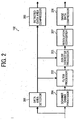
- FIG. 2 illustrates an example structure of the input image processor 102.
- the input image processor 102 includes a data area detector 201, a detected data area compressor 205, a scanner gamma processor 204, a filter processor 202, a color converter processor 203, a resolution converter 207, and an image data compressor 206.
- the data area detector 201 receives the image data obtained by the image reading device 101, and detects, segments, or extracts a specific area from the image data received from the image reading device 101.
- the specific area may be a halftone section that simulates the continuous tone of the image data, or an edge section of a character detected in the image data.
- the data area detector 201 may detect a chromatic section or an achromatic section of the image data.
- the data area detector 201 may detect a background section of the image data having a background color such as white.
- the scanner gamma processor 204 receives the image data obtained by the image reading device 101, and applies gamma conversion to the image data such that the characteristics specific to the image reading device 101 is converted to the characteristics specific to an output device such as the image forming device 106 or any other output device connected to the MFP 100. For example, when the image data is to be output through the image forming device 106, the scanner gamma processor 204 applies gamma conversion to the image data, which is a color signal, such that the achromatic characteristics of the image data is converted to the spatial characteristics of the output device. Alternatively, the scanner gamma processor 204 may apply gamma conversion to the image data such that the image data has characteristics specific to the memory 108 or the HDD 109 which will store the processed image data. The processed image data is output to the filter processor 202.
- the filter processor 202 converts spatial frequency of the image data such that the resultant image data has characteristics specific to the desired memory of the MFP 100 or the output device such as the image forming device 106. Further, the filter processor 202 may apply specific filtering processing to a section of the image data that corresponds to the detected area detected by the data area detector 201. For example, when the halftone section is detected, the filter processor 202 applies smoothing processing to the detected halftone section. In another example, when the edge section is detected in the background section having a background color, the filter processor 202 applies edge enhancement processing to the detected edge section to optimize the modulation transfer function (MTF) characteristics, assuming that the detected edge section corresponds to the character in the image data.
- the processed image data is sent to the color converter processor 203.
- the color converter processor 203 applies color space conversion to the image data received from the filter processor 202.
- the color converter processor 203 applies color space conversion to the image data such that the resultant image data has a device specific color space, which is previously determined.
- the color converter processor 203 may apply color space conversion so as to generate the image data in RGB color space, which is widely used. Further, in this example, the color converter processor 203 may apply color space conversion using any known technique.
- the processed image data is output to the resolution converter 207.
- the resolution converter 207 may apply resolution conversion to the image data as needed to generate the image data having a desired resolution, for example, using the three dimensional convolution method. When the resolution of the input image data and the resolution of the image data to be output is the same, the resolution converter 207 does not apply resolution conversion.
- the image data compressor 206 compresses the processed image, which is received from the resolution converter 207, using a lossy compression method such as JPEG compression method.
- the detected data area compressor 205 compresses the data area, or the data section, which is detected and segmented by the data area detector 201, using a lossless compression method such as MMR compression method.
- the lossless compression method is preferably used so as to retain pixel information of the detected data area even after image processing is applied to the detected data area.
- the image data output from the input image processor 102 may be stored in a desired memory such as the memory 108 or the HDD 109.
- the memory 108 which may be implemented by a random access memory (RAM) or nonvolatile RAM- stores the image data at least temporarily.
- the HDD 109 capable of storing a large amount of data, stores the image data preferably for later use.
- the read image data may be sequentially sent to the image forming device 106, for example, when the memory space of the MFP 100 such as the memory 108 is sufficient enough.
- the image data read by the image reading device 101 is stored in the memory 108 or the HDD 109 at least temporarily.
- the image data being stored in the memory 108 or the HDD 109 may be sent to the output image processor 104 via the extended bus B.
- the output image processor 104 applies various image processing to the image data read from the memory 108 or the HDD 109 such that the characteristics of the image data is converted to the characteristics specific to the output device such as the image forming device 106 or any output device connected to the MFP 100.
- the output image processor 104 converts the image data from RGB color space to CMYK color space.
- FIG. 3 illustrates an example structure of the output image processor 104.
- the output image processor 104 includes a data expander 301, a filter processor 302, a color converter processor 303, a resolution converter 304, a gamma processor 305, and a halftone processor 306.
- the data expander 301 obtains the image data including the compressed image data and the compressed data area from the memory 108 or the HDD 109 via the extended bus B, and expands the obtained image data.
- the expanded image data and the expanded data area are made in correspondence with each other for each pixel.
- the filter processor 302 applies filtering processing to the expanded image data and the expanded data area such that the resultant processed data has the MTF characteristics specific to the output device such as the image forming device 106.
- the filtering processing applied by the filter processor 202 is determined such that the processed image data has characteristics specific to the memory 108 or the HDD 109.
- the filter processor 302 converts the image data from the characteristics specific to the memory 108 or the HDD 109, to the characteristics specific to the output device such as the image forming device 106.
- the filter processor 302 may apply specific filtering processing to a section of the image data that corresponds to the detected area detected by the data area detector 201.
- the color converter processor 303 applies color space conversion to the image data received from the filter processor 302. For example, when the data area detected by the data area detector 201 indicates an achromatic section, the color converter processor 303 may convert the image data from RGB to K when applying RGB to CMYK conversion, assuming that the detected section corresponds to the character in black color.
- the resolution converter 304 may apply resolution conversion to the image data as needed to generate the image data having a desired resolution, in a substantially similar manner as described above referring to the resolution converter 207 of FIG. 2 .
- the gamma processor 305 receives the image data from the resolution converter 304, and applies gamma conversion to the image data such that the characteristics specific to the memory 108 or the HDD 109 is converted to the characteristics specific to the output device such as the image forming device 106.
- the halftone processor 306 applies halftone processing to the image data received from the gamma processor 305 such that the processed image data has the characteristics specific to the output device such as the image forming device 106.
- halftone processing includes, for example, dither processing or error dispersion processing.
- the halftone processor 306 may apply conversion on the image data as needed such that the bit depth of the halftone image data matches the output device. For example, when the image forming device 106 is designed to output the halftone image data of 1 bit, the halftone processor 306 may convert the image data from 8 bit to one bit, while performing dither processing.
- the image data output from the output image processor 104 is stored in a desired memory such as the memory 108 or the HDD 109.
- the image forming device 106 obtains the image data, which is stored in CMYK, from the memory 108 or the HDD 109 via the extended bus By and outputs a printed image onto a recording sheet, for example, using the electrophotographic printing method.
- the image forming device 106 may be implemented by a plurality of image forming devices capable of together forming a toner image onto a recording sheet.
- the plurality of image forming devices include, for example, an exposure device, charge device, photoconductor, developing device, cleaning device, sheet transfer device, sheet storage device, etc.
- the image data output from the image reading device 101 is also input to the first color determining device 103.
- the first color determining device 103 determines whether a predetermined data area of the input image data, which is input from the image reading device 101, is color image or monochrome image to generate a first determination result, for example, using any known technique. For example, from the data area of the input image data, color information for each pixel may be obtained. Using the color information, the first color determining device 103 may determine whether the data area of the image data contains only achromatic pixels. When it is determined that the data area of the image data contains only achromatic pixels, the first color determining device 103 determines that the image data is monochrome.
- the first color determining device 103 determines that the image data is color.
- the first determination result may include information regarding the data area of the input image data subjected for determination by the first color determining device 103, and information regarding whether the data area is color or monochrome.
- the first determination result may be stored in the desired memory such as the memory 108 or the HDD 109, preferably at the time of storing the image data obtained by the input image processor 102. Further, in this example, the first determination result is stored in the form of property data or metadata such as bibliographic information of the image data.
- the first determination result may be used to determine specific image processing to be applied by the output image processor 104 at the time of generating the image data having the characteristics specific to the output device.
- the MFP 100 may be previously programmed such that the output image data is applied with specific image processing, which is determined based on the first determination result indicating whether the input image data is color or monochrome.
- the MFP 100 may be previously programmed such that the MFP 100 only functions as above when a user instruction, which may be received from the operation unit 113, instructs the MFP 100 to use the first determination result for determining processing to be applied.
- the output image processor 104 applies image processing specific to the color image such that the processed image data has the characteristics specific to the color image.
- the output image processor 104 applies image processing specific to the monochrome image such that the processed image has the characteristics specific to the monochrome image, for example, by converting the RGB image data to the K image data. As described above referring to FIG. 3 , conversion from RGB to K is performed by the color converter processor 303. In addition to the color conversion, any other devices in the output image processor 104 may apply desired processing using a specific parameter designed for monochrome image. In this manner, even when the image data is input in color and output in monochrome, the image quality of the output image data is maintained at high quality.
- the MFP 100 is provided with a charging device, which charges the higher fee for the color image, correctly determining whether the image data for output is color or monochrome without reducing the overall speed is important.
- the MFP 100 may be instructed to perform image processing without determining specific image processing to be performed based on the first determination result.
- the user may input a user instruction for specifying whether the image data is to be output in color or monochrome. Based on the user instruction, the MFP 100 determines specific image processing to be performed, and applies the specific image processing before outputting the image data in the desired format specified by the user.
- the data input or output may be controlled by the CPU 107.
- the image data may be exchanged among the image reading device 101, the input image processor 102, the output image processor 104, and the image forming device 106, via the extended bus B.
- the image forming device 106 may not be able to form an image depending on the status of an engine plotter provided in the image forming device 106.
- the CPU 107 causes the image data processed by the output image processor 104 to be stored in the memory 108 or the HDD 109 at least temporarily, until when the image forming device 106 becomes ready for print output.
- the output image processor 104 may not be able to process the image data when other processing is performed on other image data.
- the CPU 107 instructs the image data processed by the image processor 104 to be stored in the memory 108 or the HDD 109 at least temporarily, until when the output image processor 104 becomes ready for image processing.
- the CPU 107 has the function of controlling the input or output of a data signal or image data among a plurality of modules that share the extended bus B.
- a plurality of functions may be performed concurrently by the MFP 100. For example, referring to FIG. 1 , operation of reading a first original document into first image data performed by the image reading device 101 and operation of outputting second image data previously stored in the desired memory onto a printed sheet performed by the image forming device 106 may be performed concurrently. Additionally, operation of outputting the first image data stored in the desired memory via the fax controller 112 as facsimile data may be performed concurrently with the above-described operation of reading and outputting.
- the image reading device 101 reads the first original document into first image data, and sends the first image data respectively to the input image processor 102 and the first color determining device 103.
- the input image processor 102 applies image processing to the first image data, and stores the processed first image data in the memory 108 or the HDD 109.
- the first color determining device 103 determines whether the first image data is color image or monochrome image to generate a first determination result, and stores the first determination result in the memory 108 or the HDD 109.
- the output image processor 104 may read out second image data from the memory 108 or the HDD 109, apply image processing to the second image data, and output the processed second image data to the image forming device 106.
- the image reading device 101 and the image forming device 106 tend to require more processing time when compared to the output image processor 104. This is partly because the reading or printing operation requires the time for transferring an original document or a recording sheet, while the image processing only requires computation by a controller.
- FIG. 6 operation of concurrently performing a plurality of operations, performed by the MFP 100, is explained according to an example embodiment of the present invention.
- FIG. 6(a) illustrates operation of reading an original document performed by the image reading device 101.
- FIG. 6(b) illustrates operation of applying image processing performed by the input image processor 104.
- FIG. 6(c) illustrates operation, of forming the image data performed by the image forming device 106.
- the image reading device 101 reads an original document 101a into image data.
- the output image processor 104 converts the image data 101a to image data 101a1.
- the image processor 104 reads out image data 104a1 and 104a2, which is to be output, from the memory 108 or the HDD 109, and transfers the read image data 104a1 and 104a2 to the image forming device 106.
- the processing time required by the output image processor 104 to process one unit data tends to be less than the processing time required by the image reading device 101 to process one unit data.
- the image processor 104 processes two pieces of data including the image data 104a1 and the image data 104a2 subjected for output to the image forming device 106, while processing one piece of data including the image data 101a1 being input.
- the processing time required by the output image processor 104 to process one unit data tends to be less than the processing time required by the image forming device 106 to process one unit data.
- the image processor 104 may process the image data 101a1 to generate fax image data.
- the fax image data may be stored in the memory 108 or the HDD 109.
- the fax image data is sent by the fax controller 112 through the external I/F controller 110.
- the CPU 107 controls processing to be performed by each device such that a plurality of functions may be performed by the MFP 100.
- the input image data may be stored in the memory 108 or the HDD 109.
- the image data may be stored in a format such that it is not device-specific.
- the image data may be sent to any desired output device upon receiving a user instruction.
- the image reading device 101 may read the original document into image data, and send the image data respectively to the input image processor 102 and the first color determining device 103.
- the input image processor 102 may apply image processing to the image data such that the processed image data has a format that is not device-specific.
- the image data may be generated in any widely used color space such as sYCC, Adobe RGB, or any desired type of RGB.
- the image data may be generated to have a spatial frequency that is widely used.
- the processed image data is transferred to the HDD 109 via the extended bus B.
- the first color determining device 103 determines whether the input image data is color or monochrome, and stores a first determination result in the HDD 109, for example, as property data that corresponds to the input image data. Since the first determination result is stored, the user may select whether to perform image processing determined based on the first determination result to the image data when outputting the image data at any time.
- the output image processor 104 reads out the image data from the memory 108 or the HDD 109 via the extended bus B. For example, when the first determination result indicates that the input image data is color image, the output image processor 104 may apply image processing to the input image data to generate the image data in color. In another example, when first determination result indicates that the input image data is monochrome image, the output image processor 04 may-apply image processing to the input image data to generate the image data in monochrome. Further, the output image processor 104 may apply image processing such that the processed image data has characteristics specific to the output device such as the image forming device 106 or any output device. The processed image data is stored in the memory 108 and transferred to the output device such as the image forming device 106 for output.
- the MFP 100 assumes that the data area of the input image data subjected for determination by the first color determining device 101 matches the data area of the image data to be output, for example, by the image forming device 106.
- the user may sometimes instruct the MFP 100 to print a specific section of the input image data, which is different from the data area subjected for determination by the first color determining device 101.
- the user may instruct the MFP 100 to output a data area of the input image data, which is smaller in size than the data area of the input image data subjected for determination by the first color determining device 103.
- the image data of FIG. 5 is stored in the desired memory of the MFP 100.
- the image data of FIG. 5 includes character data "123" in monochrome, and character data "ABC" in color.
- the first color determining device 103 determines whether a data area A2 of the input image data of FIG. 5 is color or monochrome to generate a first determination result. Since the data area A2 includes the color image, the first determination result indicates that the input image data is color image.
- the MFP 100 may not output the image data that accurately reflects the characteristics of the data area A1. Even when the data area A1 only includes the monochrome image, the output image processor 104 applies specific processing determined based on that the input image data is to be output in color image.
- the CPU 107 is further provided with the function of comparing between a data area of the input image data subjected for determination by the first color determining device 103 (referred to as the "first data area”) and a data area of the input image data for output (referred to as the "second data area”) to generate a comparison result.
- the CPU 107 causes the second color determining device 105 to determine whether the second data area is color image or monochrome image to generate a second determination result, and further causes the output image processor 104 to perform image processing determined based on the second determination result.
- the second color determining device 105 determines whether the second data area is color or monochrome in a substantially similar manner as the first color determining device 103.
- the CPU 107 causes the output image processor 104 to perform image processing determined based on the first determination result, without causing the second color determining device 105 to determine whether the second data area is color image or monochrome image.
- FIG. 4 operation of outputting image data, performed by the MFP 100 of FIG. 1 , is explained according to an example embodiment of the present invention.
- the operation of FIG. 4 may be performed by the MFP 100 under control of the CPU 107.
- the CPU 107 receives a user instruction for outputting image data.
- the CPU 107 receives a user instruction for copying a specified area of an original document through the operation unit 113.
- the image reading device 101 reads the original document into image data, and sends the image data respectively to the first color determining device 103 and the input image processor 102.
- the input image processor 102 applies image processing to the image data, and stores the processed image data in a desired memory such as the memory 108 or the HDD 109.
- the first color determining device 105 determines whether a first data area of the image data is color image or monochrome image to generate a first determination result, and stores the first determination result into the desired memory.
- the first data area which is the area subjected for determination by the first color determining device 103, is previously defined.
- the first determination result and the image data are stored in a corresponding manner.
- the first determination result may be stored as property data of the image data.
- the CPU 107 obtains information regarding the specific data area, which may be referred to as the second data area, subjected for printing from the user instruction received from the operation unit 113.
- the CPU 107 further obtains information regarding the first data area subjected for determination by the first color determining device 103.
- the CPU 107 then compares between the first data area and the second data area of the input image data to generate a comparison result.
- the CPU 107 determines image processing to be applied by the output image processor 104 based on the comparison result generated at S405. More specifically, the CPU 107 determines whether the comparison result indicates that the second data area of the image data matches the first data area of the image data. When it is determined that the comparison result indicates that the second data area of the image data matches the first data area of the image data ("YES" at S406), the operation proceeds to S407. When it is determined that the comparison result indicates that the second data area of the image data does not match the first data area of the image data ("NO" at S406), the operation proceeds to S408.
- the output image processor 104 obtains the image data from the memory such as the memory 108 or the HDD 109, and applies image processing, which is determined based on the first determination result, to the image data.
- the CPU 107 causes the second color determining device 105 to generate a second determination result, by determining whether the second data area of the image data is color image or monochrome image.
- the second determination result may be stored in the desired memory, for example, in a corresponding manner with the image data.
- the output image processor 104 obtains the image data from the memory such as the memory 108 or the HDD 109, and applies image processing, which is determined based on the second determination result, to the image data.
- the output image processor 104 stores the processed image data to which the image processing is applied in the desired memory such as the memory 108 or the HDD 109.
- the image forming device 106 reads out the image data from the desired memory, and forms a toner image of the second data area of the input image data on a recording sheet for output, and the operation ends. For example, when the user instructs to print the data area A1, the other portion of the image data is not printed.
- the CPU 107 instructs the output image processor 104 to apply image processing, which is determined based on the second determination result.
- the output image processor 104 is able to apply image processing that is appropriate for the data area to be output, thus suppressing the degradation in output image quality even when the data area for output differs from the data area for color determination.
- the CPU 107 instructs the output image processor 104 to apply image processing, which is determined based on the first determination result, without causing the second color determining device 105 to generate the second determination result.
- the second color determining device 105 operates only when needed, thus improving the overall processing speed.
- the first determination result may be repeatedly used an long as it is usable.
- the second color determining device 105 is provided separately from the first color determining device 103. With this structure, even when the first color determining device 103 is processing the image data being input to generate a first determination result, the second color determining device 105 is able to concurrently process the image data being stored to generate a second determination result. This increases the overall processing speed.
- the operation of FIG. 4 may be performed by the CPU 107 according to an image processing program, which is installed onto any desired memory of the MFP 100 such as the memory 108 or the HDD 109. More specifically, upon execution, the CPU 107 may load the image processing program from the memory 108 or the HDD 109 onto the memory provided with the CPU 107.
- the image processing program includes a plurality of instructions which cause the CPU 107 to operate as described above referring to FIG. 4 .
- any portion of the image processing program may be stored in any recording medium such as an optical disc.
- any portion of the image processing program may be provided via the network from any storage device.
- FIG. 4 may be performed in various other ways.
- the user may instruct the MFP 100 to output a second data area of image data, which is previously stored in the memory of the MFP 100.
- S402, S403, and S404 are performed at any time before S401.
- the user may instruct the MFP 100 to output the image data to any device connected to the MFP 100, for example, the PC 114.
- the image data is preferably output in a format interpretable by the PC 114 such as in RGB when it is color.
- image processing may be applied to the image data such that the image data is output in monochrome.
- the first data area of the input image data is smaller in size than the second data area of the input image data.
- the example described above may be performed when the second data area of the input image data is larger in size than the first data area of the input image data, or when the second data area of the input image data is located at different position from the position where the first data area of the input image data is located.
- the first data area of the input image data subjected for determination by the first color determining device 103 is preferably set so as to be slightly smaller in size than the sheet size of the original document to be input. This is because the edge portion of the scanned image data suffers from the noise partly due to the mechanical factors caused by the gap in thickness between the exposure glass surface of the image reading device 101 and the original document placed thereon especially when the original document is not tightly in contact with the exposure glass surface. When the noise is present in the edge portion, the edge portion having the background color such as white may be read as the portion having the color. In such case, even when the original document is monochrome, the first color determining device 103 may determine that the image data of the original document is color.
- the first data area subjected for determination by the first color determining device 103 is previously set so as to be slightly smaller in size than the sheet size of the original document being read.
- the sheet size of the original document is generally selected from any one of standard sheet sizes such as A4, A3, letter size, legal size, etc. For this reason, the first data area may be previously set so as to be smaller in size than a standard sheet size.
- the image reading device 101 is capable of detecting the sheet size of the original document when scanning the original document, for example, using a sensor.
- Such information regarding the sheet size of the original document may be sent to the first color determining device 103, under control of the CPU 107, at the time of scanning.
- the first color determining device 103 may obtain information regarding the first data area that matches the sheet size, and determine whether the first data area of the input image data obtained by scanning is color or monochrome to generate a first determination result.
- the first determination result is stored in the memory in a corresponding manner with the input image data, such as in the form of property data of the input image data.
- the user instruction received by the operation unit 113 may include information regarding the second data area subjected for output, in terms of the sheet size of the recording sheet for output.
- the user may select from a plurality of standard sheet sizes being displayed by the operation unit 113.
- the second color determining device 105 may set the second data area using information regarding the sheet size of the document for output.
- information regarding the sheet size of the original document may be stored in a corresponding manner with the first determination result and the input image data.
- information regarding the sheet size of the original document may be stored as property data of the input image data.
- the GPU 107 causes the second color determining device 105 to determine whether the second data area, which is obtainable using the output sheet size, is color or monochrome to generate a second determination result.
- the CPU 107 further causes the output image processor 106 to apply image processing, which is determined based on the second determination result, to the image data obtained from the memory.
- the comparison result indicates that the output sheet size is smaller than the original sheet size.
- the second color determining device 105 determines whether the second data area that corresponds to the output sheet size is color or monochrome to generate the second determination result.
- the output image processor 104 applies image processing, which is determined based on the second determination result, to the image data to generate processed image data.
- the processed image data is output as a toner image formed on the B4 size sheet.
- the first data area of the input image data may be determined based on a sheet size of an original document, which may be selected from a plurality of standard sheet sizes. Further, the second data area of the input image data may be determined based on a sheet size of an output document, which may be selected from a plurality of standard sheet sizes. In this manner, the comparison result may be generated based on the comparison between the original sheet size and the output sheet size, thus improving the processing speed for comparison.
- the first data area subjected for determination by the first color determining device 103 is determined based on the actual sheet size of the original document, which may be the standard sheet size.
- the first data area may be determined based on any number of standard size sheets each having a specific standard sheet size and a specific orientation, in addition to determining a first data area based on the sheet size and/or orientation of the original document.
- the first color determining device 103 determines whether the first data area that corresponds to the original sheet size, which is detected from the original document, is color or monochrome to generate a first determination result for the original sheet size.
- the orientation of the original document is also considered as the first data area may differ depending on whether the original document has the portrait orientation or the landscape orientation.
- the first color determining device 103 may determine whether the first data area that corresponds to a standard size sheet having a standard size and an orientation is color or monochrome to generate a first determination result for the standard size sheet.
- the first color determining device 103 may generate a plurality of first determination results each corresponding to one of a plurality of standard size sheet each having a standard sheet size and an orientation.
- the first determination results may be stored in a corresponding manner with the input image data.
- the first color determining device 103 determines whether the first data area that corresponds to the original sheet size of A4, portrait, is color or monochrome to generate a first determination result for the original sheet having the A4 sheet size and the portrait orientation. Subsequently, the first color determining device 103 selects a standard size sheet having a standard sheet size and a sheet orientation other than the original sheet size of A4, portrait, for further processing.
- the first color determining device 103 selects the standard sheet size of A5, portrait, and determines whether the first data area that corresponds to the standard sheet size of A5, portrait, is color or monochrome to generate a first determination result for the standard size sheet having the A5 standard sheet size and the portrait orientation. Further, the first color determining device 103 selects the standard sheet size of A3, and determines whether the first data area that corresponds to the standard sheet size of A3 is color or monochrome to generate a first determination result for the standard size sheet having the A3 standard sheet size.
- the first color determining device 103 selects the standard sheet size of A4, landscape, and determines whether the first data area that corresponds to the standard sheet size of A4, landscape, is color or monochrome to generate a first determination result for the standard size sheet having the A4 standard sheet size and the landscape orientation.
- the first determination results being obtained for the plurality of standard size sheets may be stored in the memory, for example, as property data of the input image data.
- the memory stores:
- the first color determining device 103 outputs "not detected" when image data is not contained in all sections of the data area.
- the CPU 107 may generate a plurality of comparison results for each one of the plurality of first determination results being stored.
- the CPU 107 compares between information regarding the sheet size and the orientation for output and information regarding the standard sheet size and the orientation, for each one of the standard size sheets available from the memory.
- one comparison result indicates that the recording sheet having the A5 size, portrait, is the same as the standard sheet having the A5 size, portrait
- the CPU 107 obtains the first determination result previously obtained for the standard sheet having the A5 size, portrait (monochrome in this example).
- the CPU 107 causes the output image processor 106 to apply image processing based on the obtained first determination result. Specifically, in this example, the output image processor 106 applies image processing appropriate for monochrome image data.
- the CPU 107 when the user instructs the MFP 100 to output the image data onto the recording sheet having the A3 size, the CPU 107 obtains the first determination result previously obtained for the standard sheet size of A3. In this example of FIG. 7 , the first determination result indicates that no image data is detected. In such case, the CPU 107 does not have to instruct the second color determining device 105 to generate a second determination result as it determines that the recording sheet for output is larger in size than the original document sheet. In such case, the CPU 107 obtains the first determination result previously obtained for the original document size, and causes the output image processor 106 to apply image processing determined based on the obtained first determination result.
- a plurality of standard size sheets each used for determining a plurality of first data areas subjected for determination by the first color determining device 103 may be previously determined such that the standard size sheets each correspond to the standard size sheets printable by the MFP 100.
- the MFP 100 is usually provided with a plurality of recording sheet trays 106A illustrated in FIG. 1 each tray corresponding to one of standard size sheets. Since information regarding the standard size sheets, including the sheet size and orientation, is obtainable from the memory, the CPU 107 may select the standard size sheets to be used for determining a data area for determination by the first color determining device 103 using information regarding the standard size sheets.
- the MFP 100 may be provided with four recording sheet trays 106A respectively storing the A4 landscape paper, A4 portrait paper, A3 paper, and A4 landscape paper.
- the first data areas for determination by the first color determining device 103 may be determined so as to each correspond to the A4 landscape paper, A4 portrait paper, and A3 paper.
- the chance of using the first determination result may increase, thus improving the processing speed while suppressing degradation in output image quality.
- the chance of using the first determination result may increase, thus improving the processing speed while suppressing degradation in output image quality.
- FIG. 8 a structure of a digital copier 100A, which may be referred to as the MFP 100A, is explained according to an example embodiment of the present invention.
- the MFP 100A of FIG. 8 is substantially similar to the MFP 100 of FIG. 1 .
- the differences include the replacement of the output image processor 104 with an output image processor 104A, and the second color determining device 105 is provided in the output image processor 104A as described in FIG. 9 .
- the output image processor 104A includes a data expander 901, a filter processor 902, a color converter processor 903, a resolution converter 904, a gamma processor 905, and a halftone processor 906, each of which operates in a substantially similar manner as the data expander 301, filter processor 302, color converter processor 303, resolution converter 304, gamma processor 305, and halftone processor 306 described above referring to FIG. 3 .
- the output image processor 104A further includes a second color determining device 907, which operates in a substantially similar manner as the second color determining device 105 of FIG. 1 .
- the operation performed by the output image processor 104A is explained when it is determined that the second determination result is to be generated by the CPU 107 based on the comparison result.
- the data expander 901 obtains the image data including the compressed image data and the compressed data area from the memory 108 or the HDD 109 via the extended bus B, and expands the obtained image data.
- the expanded image data is input respectively to the filter processor 902 and to the second color determining device 907.
- the second color determining device 907 determines whether the second area of the obtained image data is color or monochrome to generate a second determination result.
- the second determination result is output to the CPU 107 via the extended bus B.
- the image data input to the filter processor 902 may be processed subsequently by the color converter processor 903, the resolution converter 904, the gamma processor 905, and the halftone processor 906, in a substantially similar manner as described above referring to FIG. 3 .
- the output image processor 104A applies image processing using a parameter that is common to color and monochrome such that the processed image data may be output as color image such as CMYK image or monochrome image such as K image.
- the color converter processor 903 may apply image processing while decreasing the UCR rate to output the CMYK image, which may be stored in the memory 108 or the HDD 109.
- the CPU 107 may select an image signal, or image data, for output to the image forming device 106 based on the comparison result. For example, when the second determination result indicates that the second data area of the input image data is monochrome, the CPU 107 causes the K image signal or the K image data to output to the image forming device 106 for output. When the second determination result indicates that the second data area of the input image data is color, the CPU 107 causes the CMYK image signal or the CMYK image data to output to the image forming device 106 for output.
- the operation performed by the output image processor 104A is explained when it is determined that the first determination result is to be used by the CPU 107 based on the comparison result.
- the CPU 107 causes the output image processor 104A to apply image processing determined based on the first determination result to the input image data.
- the output image processor 104A operates in a substantially similar manner as the output image processor 104 of FIG. 3 .
- the expanded image data is input to the second color determining device 907.
- the CPU 107 may instruct the second color determining device 907 not to generate the second determination result.
- the second color determining device 907 may be designed such that it only generates the second color determining device 907 only when it receives the instruction from the CPU 107.
- the second color determining device 907 in the output image processor 104A, when the image data needs to be processed by the second color determining device 907 and the output image processor 104A, the number of transferring the image data via the extended bus B decreases.
- the overall processing speed may increase.
- the CPU 107 determines whether the second data area of the input image data matches the first data area of the input image data to generate a comparison result.
- the comparison result indicates that the second data area of the input image data does not match the first data area of the input image data
- the CPU 107 causes the second color determining device 907 to generate a second determination result while causing the output image processor 104A to apply image processing, which may be applied to the color image or the monochrome image.
- the CPU 107 may select the format of the image data for output. In this manner, the processing speed increases.
- any one of the MFP 100 of FIG. 1 and the MFP 100A of FIG. 8 may be implemented in various other ways.
- the operation unit 113 may be provided with the function of allowing the user to input priority information indicating whether the processing speed should be prioritized or the image quality should be prioritized.
- the operation unit 113 may be provided with a first key corresponding to a first mode and a second key corresponding to a second mode.
- the MFP 100A is switched to the first mode to output the image data with the increased processing speed.
- the MFP 100A is switched to the second mode to output the image data with the increased image quality.
- the MFP 100A may operate in a substantially similar manner as described above referring to FIGS. 8 and 9 , by concurrently performing the operation of generating the second determination result and the operation of applying image processing.
- the CPU 107 causes the output image processor 104A to obtain the image data from the memory 108 or the HDD 109.
- the compressed data area does not have to be provided to the output image processor 104A.
- the output image processor 104A does not perform any processing on the input image data, but waits for the second determination result.
- the data expander 901 expands the image data, and outputs the expanded image data to the second color determining device 907.
- the second color determining device 907 determines whether the second data area, which is obtainable from the user instruction, of the input image data is color or monochrome to generate a second determination result.
- the CPU 107 instructs the output image processor 104A to obtain the input image data via the extended bus B, which includes the compressed image data and the compressed data area.
- the output image processor 104 applies image processing determined based on the second determination result to the input image data, and outputs the processed image data to the image forming device 106.
- any one of the above-described and other methods of the present invention may be embodied in the form of a computer program stored in any kind of storage medium.
- storage mediums include, but are not limited to, flexible disk, hard disk, optical discs, magneto-optical discs, magnetic tapes, involatile memory cards, ROM (read-only-memory), etc.
- any one of the above-described and other methods of the present invention may be implemented by ASIC, prepared by interconnecting an appropriate network of conventional component circuits or by a combination thereof with one or more conventional general purpose microprocessors and/or signal processors programmed accordingly.
Landscapes
- Engineering & Computer Science (AREA)
- Multimedia (AREA)
- Signal Processing (AREA)
- Facsimile Image Signal Circuits (AREA)
- Color Image Communication Systems (AREA)
- Facsimiles In General (AREA)
- Color Electrophotography (AREA)
- Color, Gradation (AREA)
- Image Processing (AREA)
Claims (15)
- Bildverarbeitungseinrichtung (100, 100A), umfassend:einen Datenbereichsermittler (201), der dafür konfiguriert ist, einen spezifischen Bereich aus den Eingabebilddaten zu ermitteln, zu segmentieren oder zu extrahieren;eine erste Farbbestimmungsvorrichtung (103), die dafür konfiguriert ist, Eingabebilddaten zu erlangen und zu bestimmen, ob ein durch den Datenbereichsermittler (201) erlangter erster Bereich der Eingabebilddaten ein Farbbild oder ein Monochrombild ist, um ein erstes Bestimmungsergebnis zu erzeugen;eine Speichervorrichtung (108, 109), die dafür konfiguriert ist, die Eingabebilddaten und das erste Bestimmungsergebnis zu speichern;eine Steuerungseinrichtung (107), die dafür konfiguriert ist, eine Benutzeranweisung zum Ausgeben eines zweiten Bereichs der Eingabebilddaten als Ausgabebilddaten zu erlangen, wobei der zweite Bereich durch den Datenbereichsermittler (201) erlangt wird, um den ersten Bereich der Eingabebilddaten und den zweiten Bereich der Eingabebilddaten zu vergleichen, um ein Vergleichsergebnis zu erzeugen;eine zweite Farbbestimmungsvorrichtung (105, 907), die dafür konfiguriert ist, die aus der Speichervorrichtung gelesenen Eingabebilddaten zu erlangen und zu bestimmen, ob der durch den Datenbereichsermittler (201) erlangte zweite Bereich der Eingabebilddaten ein Monochrombild oder ein Farbbild ist, um ein zweites Bestimmungsergebnis zu erzeugen, wenn das Vergleichsergebnis besagt, dass der zweite Bereich der Eingabebilddaten nicht mit dem ersten Bereich der Eingabebilddaten übereinstimmt; undeine Ausgabebildverarbeitungsvorrichtung (104, 104A), die dafür konfiguriert ist, die Eingabebilddaten aus der Speichervorrichtung zu lesen und eine Ausgabebildverarbeitung auf mindestens den zweiten Bereich der Eingabebilddaten anzuwenden, um Ausgabebilddaten zu erzeugen, worin:wenn das Vergleichsergebnis besagt, dass der zweite Bereich der Eingabebilddaten nicht mit dem ersten Bereich der Eingabebilddaten übereinstimmt, die Steuerungseinrichtung (107) die zweite Farbbestimmungsvorrichtung (105) veranlasst, das zweite Bestimmungsergebnis zu erzeugen, und die Ausgabebildverarbeitungsvorrichtung (104, 104A) veranlasst, die Ausgabebildverarbeitung auf der Grundlage des zweiten Bestimmungsergebnisses anzuwenden, und worin:wenn das Vergleichsergebnis besagt, dass der zweite Bereich der Eingabebilddaten mit dem ersten Bereich der Eingabebilddaten übereinstimmt, die Steuerungseinrichtung (107) die Ausgabebildverarbeitungsvorrichtung (104, 104A) veranlasst, die Ausgabebildverarbeitung auf der Grundlage des ersten Bestimmungsergebnisses anzuwenden.
- Bildverarbeitungseinrichtung (100, 100A) nach Anspruch 1, worin, wenn das Vergleichsergebnis besagt, dass der zweite Bereich der Eingabebilddaten nicht mit dem ersten Bereich der Eingabebilddaten übereinstimmt, die Steuerungseinrichtung (107) die Ausgabebildverarbeitungsvorrichtung (104, 104A) veranlasst, eine auf der Grundlage des zweiten Bestimmungsergebnisses bestimmte Bildverarbeitung anzuwenden, um die Ausgabebilddaten auf der Grundlage des zweiten Bestimmungsergebnisses zu erzeugen.
- Bildverarbeitungseinrichtung (100, 100A) nach Anspruch 1, worin die Steuerungseinrichtung (107) dafür konfiguriert ist, wenn das Vergleichsergebnis besagt, dass der zweite Bereich der Eingabebilddaten nicht mit dem ersten Bereich der Eingabebilddaten übereinstimmt, die Ausgabebildverarbeitungsvorrichtung (104A) zu veranlassen, auf die Eingabebilddaten eine Bildverarbeitung anzuwenden, die für Farbbilder und Monochrombilder gleich ist, um verarbeitete Bilddaten gleichzeitig mit der Erzeugung des zweiten Bestimmungsergebnisses durch die zweite Farbbestimmungsvorrichtung (907) zu erzeugen und die Ausgabebilddaten auf der Grundlage des zweiten Bestimmungsergebnisses unter Verwendung der verarbeiteten Bilddaten zu erzeugen.
- Bildverarbeitungseinrichtung (100, 100A) nach einem der Ansprüche 1 bis 3, ferner umfassend:eine Bildlesevorrichtung (101), die dafür konfiguriert ist, ein Ursprungsdokument in die Eingabebilddaten einzulesen, worin:die Steuerungseinrichtung (107) dafür konfiguriert ist, Information bezüglich des Ursprungsdokuments einschließlich der Größe des Ursprungsdokuments von der Bildlesevorrichtung zu erlangen und den ersten Bereich der Eingabebilddaten auf der Grundlage der Information bezüglich des Ursprungsdokuments zu bestimmen, und worin:die Speichervorrichtung (108, 109) dafür konfiguriert ist, die Information bezüglich des Ursprungsdokuments auf eine den Eingabebilddaten und dem ersten Bestimmungsergebnis entsprechende Weise zu speichern.
- Bildverarbeitungseinrichtung (100, 100A) nach Anspruch 4, worin:die Steuerungseinrichtung (107) dafür konfiguriert ist, aus der Benutzeranweisung Information bezüglich eines Aufzeichnungsblattes, zu dem ein Bild der Ausgabebilddaten geformt wird, einschließlich der Größe des Aufzeichnungsblattes zu erlangen und den zweiten Bereich der Eingabebilddaten auf der Grundlage der Information bezüglich des Aufzeichnungsblattes, zu dem das Bild der Ausgabebilddaten geformt wird, zu bestimmen, und worin:das Vergleichsergebnis beruhend darauf erzeugt wird, ob die Größe des Aufzeichnungsblattes, zu dem das Bild der Ausgabebilddaten geformt wird, kleiner als die Größe des Ursprungsdokuments ist.
- Bildverarbeitungseinrichtung (100, 100A) nach Anspruch 5, worin:der erste Bereich der Eingabebilddaten ferner zusätzlich zu dem auf der Grundlage des Ursprungsdokuments bestimmten ersten Bereich der Eingabebilddaten einen ersten Bereich der Eingabebilddaten einschließt, der auf der Grundlage eines Normgrößenblatts, das eine Normblattgröße und eine spezifische Ausrichtung hat, bestimmt wird, worin:die Steuerungseinrichtung (107) dafür konfiguriert ist, das Vergleichsergebnis für den ersten Bereich der Eingabebilddaten, der auf der Grundlage des Normgrößenblatts bestimmt wird, zusätzlich zu dem Vergleichsergebnis für den ersten Bereich der Eingabebilddaten, der auf der Grundlage des Ursprungsdokuments bestimmt wird, zu erzeugen.
- Bildverarbeitungseinrichtung (100, 100A) nach Anspruch 6, ferner umfassend:eine Bilderzeugungsvorrichtung (106), die eine Aufzeichnungsblattaufbewahrungsvorrichtung (106A) einschließt und dafür konfiguriert ist, das Bild der Ausgabebilddaten auf dem Aufzeichnungsblatt zu erzeugen, wobei das Aufzeichnungsblatt in der Aufzeichnungsblattaufbewahrungsvorrichtung (106A) aufbewahrt wird, worin:das Normgrößenblatt zu dem in der Aufzeichnungsblattaufbewahrungsvorrichtung (106A) aufbewahrten Aufzeichnungsblatt passt.
- Bildverarbeitungseinrichtung (100, 100A) nach einem der Ansprüche 5 bis 7, worin das erste Bestimmungsergebnis und die Information bezüglich des Ursprungsdokuments als Eigenschaftsdaten der Eingabebilddaten gespeichert werden.
- Bildverarbeitungseinrichtung (100, 100A) nach Anspruch 4 oder 5, ferner umfassend:eine Eingabebildverarbeitungsvorrichtung (102), die dafür konfiguriert ist, die Eingabebilddaten von der Bildlesevorrichtung (101) zu empfangen und Bildverarbeitung auf die Eingabebilddaten anzuwenden, worin die gespeicherten Eingabebilddaten diejenigen Eingabebilddaten sind, auf welche die Bildverarbeitung durch die Eingabebildverarbeitungsvorrichtung (102) angewendet wird.
- Bildverarbeitungseinrichtung (100, 100A) nach Anspruch 3, ferner umfassend:eine Betätigungseinheit (113), die dafür konfiguriert ist, eine Benutzereingabe zu empfangen, die eines von Folgendem auswählt: eine erste Betriebsart, die der Verarbeitungsgeschwindigkeit der Bildverarbeitungseinrichtung (100, 100A) Vorrang gibt, und eine zweite Betriebsart, die der Bildqualität der von der Bildverarbeitungseinrichtung (100, 100A) ausgegebenen Ausgabebilddaten Vorrang gibt, worin:die Steuerungseinrichtung (107) dafür konfiguriert ist, wenn durch die Benutzereingabe die zweite Betriebsart ausgewählt wird, die Ausgabebildverarbeitungsvorrichtung (104) zu veranlassen, die Operation des Anwendens einer Bildverarbeitung anzuhalten, bis durch die zweite Farbbestimmungsvorrichtung (105) das zweite Bestimmungsergebnis erzeugt wird, auch wenn das Vergleichsergebnis besagt, dass der zweite Bereich der Eingabebilddaten nicht mit dem ersten Bereich der Eingabebilddaten übereinstimmt.
- Bildverarbeitungsverfahren, umfassend:Erlangen von Eingabebilddaten;Bestimmen (S404), ob ein erster Bereich der Eingabebilddaten ein Farbbild oder ein Monochrombild ist, um ein erstes Bestimmungsergebnis zu erzeugen;Speichern (S403, S404) der Eingabebilddaten und des ersten Bestimmungsergebnisses in einer Speichervorrichtung;Erlangen (S401) einer Benutzeranweisung zum Ausgeben eines zweiten Bereichs der Eingabebilddaten als Ausgabebilddaten;Vergleichen (S405) des ersten Bereichs der Eingabebilddaten und des zweiten Bereichs der Eingabebilddaten, um ein Vergleichsergebnis zu erzeugen;Bestimmen, ob der aus der Speichervorrichtung gelesene zweite Bereich der Eingabebilddaten ein Monochrombild oder ein Farbbild ist, um ein zweites Bestimmungsergebnis zu erzeugen, wenn das Vergleichsergebnis besagt, dass der zweite Bereich der Eingabebilddaten nicht mit dem ersten Bereich der Eingabebilddaten übereinstimmt;Erzeugen (S409) der Ausgabebilddaten auf der Grundlage des zweiten Bestimmungsergebnisses, wenn das Vergleichsergebnis besagt, dass der zweite Bereich der Eingabebilddaten nicht mit dem ersten Bereich der Eingabebilddaten übereinstimmt; undAnwenden (S407) einer auf der Grundlage des ersten Bestimmungsergebnisses bestimmten Bildverarbeitung auf die aus der Speichervorrichtung gelesenen Eingabebilddaten, um die Ausgabebilddaten auf der Grundlage des ersten Bestimmungsergebnisses zu erzeugen, wenn das Vergleichsergebnis besagt, dass der zweite Bereich der Eingabebilddaten mit dem ersten Bereich der Eingabebilddaten übereinstimmt.
- Bildverarbeitungsverfahren nach Anspruch 11, ferner umfassend:Anwenden (S409) einer auf der Grundlage des zweiten Bestimmungsergebnisses bestimmten Bildverarbeitung, um die Ausgabebilddaten auf der Grundlage des zweiten Bestimmungsergebnisses zu erzeugen, wenn das Vergleichsergebnis besagt, dass der zweite Bereich der Eingabebilddaten nicht mit dem ersten Bereich der Eingabebilddaten übereinstimmt.
- Bildverarbeitungsverfahren nach Anspruch 11, ferner umfassend:Anwenden einer Bildverarbeitung, die für Farbe und Monochrom gleich ist, auf die Eingabebilddaten, und zwar gleichzeitig mit der Erzeugung des zweiten Bestimmungsergebnisses, wenn das Vergleichsergebnis besagt, dass der zweite Bereich der Eingabebilddaten nicht mit dem ersten Bereich der Eingabebilddaten übereinstimmt.
- Bildverarbeitungsverfahren nach einem der Ansprüche 11 bis 13, ferner umfassend:Einlesen (S402) eines Ursprungsdokuments in die Eingabebilddaten unter Verwendung einer Bildlesevorrichtung;Erlangen von Information bezüglich des Ursprungsdokuments einschließlich der Größe des Ursprungsdokuments von der Bildlesevorrichtung;Bestimmen des ersten Bereichs der Eingabebilddaten auf der Grundlage der Information bezüglich des Ursprungsdokuments;Speichern der Information bezüglich des Ursprungsdokuments auf eine den Eingabebilddaten und dem ersten Bestimmungsergebnis entsprechende Weise;Erlangen von Information bezüglich eines Aufzeichnungsblattes, zu dem ein Bild der Ausgabebilddaten geformt wird, einschließlich der Größe des Aufzeichnungsblattes, aus der Benutzeranweisung;Bestimmen des zweiten Bereichs der Eingabebilddaten auf der Grundlage der Information bezüglich des Aufzeichnungsblattes, zu dem das Bild der Ausgabebilddaten geformt wird, worin:das Vergleichsergebnis beruhend darauf erzeugt wird, ob die Größe des Aufzeichnungsblattes, zu dem das Bild der Ausgabebilddaten geformt wird, kleiner als die Größe des Ursprungsdokuments ist.
- Computerprogramm, umfassend ein Programmcodemittel, das, wenn es auf einem Computersystem ausgeführt wird, das Computersystem anweist, das Bildverarbeitungsverfahren nach einem der Ansprüche 12 bis 14 durchzuführen.
Applications Claiming Priority (1)
| Application Number | Priority Date | Filing Date | Title |
|---|---|---|---|
| JP2008119963A JP4966248B2 (ja) | 2008-05-01 | 2008-05-01 | 画像処理装置、画像形成装置、画像処理方法、及びコンピュータプログラム |
Publications (2)
| Publication Number | Publication Date |
|---|---|
| EP2114064A1 EP2114064A1 (de) | 2009-11-04 |
| EP2114064B1 true EP2114064B1 (de) | 2016-03-02 |
Family
ID=40941914
Family Applications (1)
| Application Number | Title | Priority Date | Filing Date |
|---|---|---|---|
| EP09251195.5A Not-in-force EP2114064B1 (de) | 2008-05-01 | 2009-04-28 | Vorrichtung und Verfahren zur Bildverarbeitung |
Country Status (4)
| Country | Link |
|---|---|
| US (1) | US8259356B2 (de) |
| EP (1) | EP2114064B1 (de) |
| JP (1) | JP4966248B2 (de) |
| CN (1) | CN101572769B (de) |
Families Citing this family (9)
| Publication number | Priority date | Publication date | Assignee | Title |
|---|---|---|---|---|
| JP5451196B2 (ja) * | 2009-06-12 | 2014-03-26 | キヤノン株式会社 | 電子文書生成装置、電子文書生成方法 |
| JP5648409B2 (ja) * | 2009-11-20 | 2015-01-07 | 株式会社リコー | 画像処理装置、画像処理方法およびプログラム |
| JP5477081B2 (ja) | 2010-03-16 | 2014-04-23 | 株式会社リコー | 画像処理装置、画像処理方法及びプログラム |
| JP2011199471A (ja) * | 2010-03-18 | 2011-10-06 | Ricoh Co Ltd | 画像処理装置、画像処理方法、およびプログラム |
| JP5577783B2 (ja) * | 2010-03-24 | 2014-08-27 | 富士ゼロックス株式会社 | 画像処理装置、画像形成装置及びプログラム |
| JP5741171B2 (ja) * | 2010-04-23 | 2015-07-01 | 株式会社リコー | 画像処理装置及び画像処理プログラム |
| US8879117B2 (en) * | 2010-05-26 | 2014-11-04 | Hewlett-Packard Development Company, L.P. | Margin adjustment |
| JP2012218313A (ja) | 2011-04-11 | 2012-11-12 | Riso Kagaku Corp | 画像処理装置及びプログラム |
| JP5696697B2 (ja) * | 2012-08-06 | 2015-04-08 | コニカミノルタ株式会社 | 画像処理装置及び画像処理方法 |
Family Cites Families (25)
| Publication number | Priority date | Publication date | Assignee | Title |
|---|---|---|---|---|
| JP3015045B2 (ja) * | 1989-08-02 | 2000-02-28 | キヤノン株式会社 | カラー複写装置及びカラー画像形成装置 |
| JP3330392B2 (ja) * | 1992-06-29 | 2002-09-30 | 株式会社リコー | カラー画像形成装置 |
| JP3012105B2 (ja) * | 1993-01-22 | 2000-02-21 | シャープ株式会社 | ディジタルカラー複写機 |
| JP3747589B2 (ja) * | 1997-09-17 | 2006-02-22 | コニカミノルタビジネステクノロジーズ株式会社 | 画像特徴量比較装置および画像特徴量比較プログラムを記録した記録媒体 |
| JP2001103324A (ja) | 1999-09-29 | 2001-04-13 | Canon Inc | 画像読取装置、方法および記憶媒体 |
| JP3772610B2 (ja) | 1999-11-01 | 2006-05-10 | 富士ゼロックス株式会社 | 画像形成装置およびその制御方法 |
| JP2001268379A (ja) * | 2000-03-17 | 2001-09-28 | Minolta Co Ltd | 画像処理装置 |
| JP2002010097A (ja) * | 2000-04-20 | 2002-01-11 | Hewlett Packard Co <Hp> | カラーおよびグレイスケール・データを選択的に出力する回路 |
| JP2003320715A (ja) * | 2002-04-30 | 2003-11-11 | Canon Inc | 情報処理装置、情報処理システム、情報出力制御方法、記憶媒体、及びプログラム |
| JP2004112725A (ja) | 2002-09-20 | 2004-04-08 | Ricoh Co Ltd | 画像処理装置、画像読取装置、画像形成装置及び複写装置 |
| JP2004128913A (ja) * | 2002-10-03 | 2004-04-22 | Ricoh Co Ltd | 画像処理装置、画像処理装置の制御方法及び該方法を実行するためのプログラムを格納したコンピュータ読み取り可能な記憶媒体 |
| JP2004334703A (ja) * | 2003-05-09 | 2004-11-25 | Canon Inc | 印刷制御方法及び装置 |
| JP2005216030A (ja) * | 2004-01-30 | 2005-08-11 | Canon Inc | 情報処理装置およびデータ処理方法およびコンピュータが読み取り可能なプログラムを格納した記憶媒体およびプログラム |
| JP2006086629A (ja) | 2004-09-14 | 2006-03-30 | Ricoh Co Ltd | 画像読み取り装置および画像形成装置 |
| JP2006091980A (ja) * | 2004-09-21 | 2006-04-06 | Seiko Epson Corp | 画像処理装置、画像処理方法および画像処理プログラム |
| JP2006138930A (ja) * | 2004-11-10 | 2006-06-01 | Kyocera Mita Corp | 画像形成装置 |
| JP2006237856A (ja) * | 2005-02-23 | 2006-09-07 | Ricoh Co Ltd | 画像処理装置、画像処理方法、その方法をコンピュータに実行させるプログラム、および記録媒体 |
| JP2006261927A (ja) * | 2005-03-16 | 2006-09-28 | Ricoh Co Ltd | 画像データ処理装置,画像処理装置,画像形成装置および画像転送システム |
| JP2007028408A (ja) | 2005-07-20 | 2007-02-01 | Fuji Xerox Co Ltd | 画像処理装置 |
| JP2007116272A (ja) | 2005-10-18 | 2007-05-10 | Ricoh Co Ltd | 画像処理装置 |
| JP4141477B2 (ja) * | 2006-04-10 | 2008-08-27 | シャープ株式会社 | 画像処理装置 |
| JP4589896B2 (ja) * | 2006-07-04 | 2010-12-01 | 株式会社リコー | 画像処理装置と画像処理方法とプログラム |
| JP4755569B2 (ja) * | 2006-11-13 | 2011-08-24 | 株式会社リコー | 画像処理装置と画像処理方法 |
| JP4315209B2 (ja) * | 2007-03-26 | 2009-08-19 | 村田機械株式会社 | 画像処理装置および地色検出方法 |
| JP4418826B2 (ja) * | 2007-05-08 | 2010-02-24 | キヤノン株式会社 | 画像出力装置およびその制御方法 |
-
2008
- 2008-05-01 JP JP2008119963A patent/JP4966248B2/ja not_active Expired - Fee Related
-
2009
- 2009-04-28 EP EP09251195.5A patent/EP2114064B1/de not_active Not-in-force
- 2009-04-30 US US12/432,912 patent/US8259356B2/en not_active Expired - Fee Related
- 2009-04-30 CN CN2009101381156A patent/CN101572769B/zh not_active Expired - Fee Related
Also Published As
| Publication number | Publication date |
|---|---|
| JP2009272774A (ja) | 2009-11-19 |
| US8259356B2 (en) | 2012-09-04 |
| CN101572769A (zh) | 2009-11-04 |
| US20090273814A1 (en) | 2009-11-05 |
| JP4966248B2 (ja) | 2012-07-04 |
| CN101572769B (zh) | 2011-07-13 |
| EP2114064A1 (de) | 2009-11-04 |
Similar Documents
| Publication | Publication Date | Title |
|---|---|---|
| EP2114064B1 (de) | Vorrichtung und Verfahren zur Bildverarbeitung | |
| JP4104469B2 (ja) | 画像処理装置および画像処理方法 | |
| US20040156076A1 (en) | Method of and apparatus for image processing, and computer product | |
| JP5039736B2 (ja) | 画像処理装置、制御方法、及びプログラム | |
| US20070086068A1 (en) | Image processing apparatus | |
| US9241081B2 (en) | Image processing device, image forming apparatus, and image processing method | |
| JP6147020B2 (ja) | 画像処理装置、画像処理方法及びプログラム | |
| US7835045B2 (en) | Image processing device and image processing method | |
| CN104243768B (zh) | 图像处理装置以及图像形成装置 | |
| JP7003568B2 (ja) | 画像処理装置、画像処理方法 | |
| US7965415B2 (en) | Image processing apparatus, image processing method, and computer program product | |
| KR100790664B1 (ko) | 화상 처리 장치 및 방법 | |
| JP6373448B2 (ja) | 画像処理装置、画像処理方法及びプログラム | |
| US7821688B2 (en) | Image processing device and image processing method | |
| EP1898625A2 (de) | Vorrichtung und Verfahren zum Beschließen der Farbe eines Bildes | |
| JP2004128664A (ja) | 画像処理装置及び方法 | |
| JP2005027037A (ja) | フォーマット変換方法及び画像処理装置 | |
| JP2006086629A (ja) | 画像読み取り装置および画像形成装置 | |
| JP5763614B2 (ja) | 画像処理装置、画像形成装置、及び画像処理方法 | |
| JP2002354265A (ja) | 画像処理装置および画像形成装置 | |
| JP2006333200A (ja) | カラー画像入出力装置 | |
| JP2001211318A (ja) | 画像処理装置及び画像処理方法、記憶媒体及び画像処理システム | |
| JP5062633B2 (ja) | 画像処理装置、画像処理方法及びプログラム | |
| JP2007019602A (ja) | 画像入出力装置 | |
| JP2022178106A (ja) | 画像処理装置、画像処理方法、及び画像処理プログラム |
Legal Events
| Date | Code | Title | Description |
|---|---|---|---|
| PUAI | Public reference made under article 153(3) epc to a published international application that has entered the european phase |
Free format text: ORIGINAL CODE: 0009012 |
|
| 17P | Request for examination filed |
Effective date: 20090521 |
|
| AK | Designated contracting states |
Kind code of ref document: A1 Designated state(s): AT BE BG CH CY CZ DE DK EE ES FI FR GB GR HR HU IE IS IT LI LT LU LV MC MK MT NL NO PL PT RO SE SI SK TR |
|
| 17Q | First examination report despatched |
Effective date: 20130221 |
|
| GRAP | Despatch of communication of intention to grant a patent |
Free format text: ORIGINAL CODE: EPIDOSNIGR1 |
|
| INTG | Intention to grant announced |
Effective date: 20150625 |
|
| GRAS | Grant fee paid |
Free format text: ORIGINAL CODE: EPIDOSNIGR3 |
|
| INTG | Intention to grant announced |
Effective date: 20151222 |
|
| GRAA | (expected) grant |
Free format text: ORIGINAL CODE: 0009210 |
|
| AK | Designated contracting states |
Kind code of ref document: B1 Designated state(s): AT BE BG CH CY CZ DE DK EE ES FI FR GB GR HR HU IE IS IT LI LT LU LV MC MK MT NL NO PL PT RO SE SI SK TR |
|
| REG | Reference to a national code |
Ref country code: GB Ref legal event code: FG4D |
|
| REG | Reference to a national code |
Ref country code: AT Ref legal event code: REF Ref document number: 778686 Country of ref document: AT Kind code of ref document: T Effective date: 20160315 Ref country code: CH Ref legal event code: EP |
|
| REG | Reference to a national code |
Ref country code: IE Ref legal event code: FG4D |
|
| REG | Reference to a national code |
Ref country code: DE Ref legal event code: R096 Ref document number: 602009036574 Country of ref document: DE |
|
| REG | Reference to a national code |
Ref country code: FR Ref legal event code: PLFP Year of fee payment: 8 |
|
| REG | Reference to a national code |
Ref country code: NL Ref legal event code: MP Effective date: 20160302 |
|
| REG | Reference to a national code |
Ref country code: LT Ref legal event code: MG4D |
|
| REG | Reference to a national code |
Ref country code: AT Ref legal event code: MK05 Ref document number: 778686 Country of ref document: AT Kind code of ref document: T Effective date: 20160302 |
|
| PG25 | Lapsed in a contracting state [announced via postgrant information from national office to epo] |
Ref country code: GR Free format text: LAPSE BECAUSE OF FAILURE TO SUBMIT A TRANSLATION OF THE DESCRIPTION OR TO PAY THE FEE WITHIN THE PRESCRIBED TIME-LIMIT Effective date: 20160603 Ref country code: NO Free format text: LAPSE BECAUSE OF FAILURE TO SUBMIT A TRANSLATION OF THE DESCRIPTION OR TO PAY THE FEE WITHIN THE PRESCRIBED TIME-LIMIT Effective date: 20160602 Ref country code: ES Free format text: LAPSE BECAUSE OF FAILURE TO SUBMIT A TRANSLATION OF THE DESCRIPTION OR TO PAY THE FEE WITHIN THE PRESCRIBED TIME-LIMIT Effective date: 20160302 Ref country code: FI Free format text: LAPSE BECAUSE OF FAILURE TO SUBMIT A TRANSLATION OF THE DESCRIPTION OR TO PAY THE FEE WITHIN THE PRESCRIBED TIME-LIMIT Effective date: 20160302 Ref country code: HR Free format text: LAPSE BECAUSE OF FAILURE TO SUBMIT A TRANSLATION OF THE DESCRIPTION OR TO PAY THE FEE WITHIN THE PRESCRIBED TIME-LIMIT Effective date: 20160302 |
|
| PG25 | Lapsed in a contracting state [announced via postgrant information from national office to epo] |
Ref country code: SE Free format text: LAPSE BECAUSE OF FAILURE TO SUBMIT A TRANSLATION OF THE DESCRIPTION OR TO PAY THE FEE WITHIN THE PRESCRIBED TIME-LIMIT Effective date: 20160302 Ref country code: LT Free format text: LAPSE BECAUSE OF FAILURE TO SUBMIT A TRANSLATION OF THE DESCRIPTION OR TO PAY THE FEE WITHIN THE PRESCRIBED TIME-LIMIT Effective date: 20160302 Ref country code: LV Free format text: LAPSE BECAUSE OF FAILURE TO SUBMIT A TRANSLATION OF THE DESCRIPTION OR TO PAY THE FEE WITHIN THE PRESCRIBED TIME-LIMIT Effective date: 20160302 Ref country code: PL Free format text: LAPSE BECAUSE OF FAILURE TO SUBMIT A TRANSLATION OF THE DESCRIPTION OR TO PAY THE FEE WITHIN THE PRESCRIBED TIME-LIMIT Effective date: 20160302 Ref country code: AT Free format text: LAPSE BECAUSE OF FAILURE TO SUBMIT A TRANSLATION OF THE DESCRIPTION OR TO PAY THE FEE WITHIN THE PRESCRIBED TIME-LIMIT Effective date: 20160302 Ref country code: NL Free format text: LAPSE BECAUSE OF FAILURE TO SUBMIT A TRANSLATION OF THE DESCRIPTION OR TO PAY THE FEE WITHIN THE PRESCRIBED TIME-LIMIT Effective date: 20160302 Ref country code: BE Free format text: LAPSE BECAUSE OF NON-PAYMENT OF DUE FEES Effective date: 20160430 |
|
| PG25 | Lapsed in a contracting state [announced via postgrant information from national office to epo] |
Ref country code: IS Free format text: LAPSE BECAUSE OF FAILURE TO SUBMIT A TRANSLATION OF THE DESCRIPTION OR TO PAY THE FEE WITHIN THE PRESCRIBED TIME-LIMIT Effective date: 20160702 Ref country code: EE Free format text: LAPSE BECAUSE OF FAILURE TO SUBMIT A TRANSLATION OF THE DESCRIPTION OR TO PAY THE FEE WITHIN THE PRESCRIBED TIME-LIMIT Effective date: 20160302 |
|
| PG25 | Lapsed in a contracting state [announced via postgrant information from national office to epo] |
Ref country code: SK Free format text: LAPSE BECAUSE OF FAILURE TO SUBMIT A TRANSLATION OF THE DESCRIPTION OR TO PAY THE FEE WITHIN THE PRESCRIBED TIME-LIMIT Effective date: 20160302 Ref country code: RO Free format text: LAPSE BECAUSE OF FAILURE TO SUBMIT A TRANSLATION OF THE DESCRIPTION OR TO PAY THE FEE WITHIN THE PRESCRIBED TIME-LIMIT Effective date: 20160302 Ref country code: CZ Free format text: LAPSE BECAUSE OF FAILURE TO SUBMIT A TRANSLATION OF THE DESCRIPTION OR TO PAY THE FEE WITHIN THE PRESCRIBED TIME-LIMIT Effective date: 20160302 Ref country code: PT Free format text: LAPSE BECAUSE OF FAILURE TO SUBMIT A TRANSLATION OF THE DESCRIPTION OR TO PAY THE FEE WITHIN THE PRESCRIBED TIME-LIMIT Effective date: 20160704 |
|
| REG | Reference to a national code |
Ref country code: CH Ref legal event code: PL |
|
| REG | Reference to a national code |
Ref country code: DE Ref legal event code: R097 Ref document number: 602009036574 Country of ref document: DE |
|
| PG25 | Lapsed in a contracting state [announced via postgrant information from national office to epo] |
Ref country code: BE Free format text: LAPSE BECAUSE OF FAILURE TO SUBMIT A TRANSLATION OF THE DESCRIPTION OR TO PAY THE FEE WITHIN THE PRESCRIBED TIME-LIMIT Effective date: 20160302 Ref country code: IT Free format text: LAPSE BECAUSE OF FAILURE TO SUBMIT A TRANSLATION OF THE DESCRIPTION OR TO PAY THE FEE WITHIN THE PRESCRIBED TIME-LIMIT Effective date: 20160302 |
|
| PLBE | No opposition filed within time limit |
Free format text: ORIGINAL CODE: 0009261 |
|
| STAA | Information on the status of an ep patent application or granted ep patent |
Free format text: STATUS: NO OPPOSITION FILED WITHIN TIME LIMIT |
|
| REG | Reference to a national code |
Ref country code: IE Ref legal event code: MM4A |
|
| PG25 | Lapsed in a contracting state [announced via postgrant information from national office to epo] |
Ref country code: CH Free format text: LAPSE BECAUSE OF NON-PAYMENT OF DUE FEES Effective date: 20160430 Ref country code: DK Free format text: LAPSE BECAUSE OF FAILURE TO SUBMIT A TRANSLATION OF THE DESCRIPTION OR TO PAY THE FEE WITHIN THE PRESCRIBED TIME-LIMIT Effective date: 20160302 Ref country code: LI Free format text: LAPSE BECAUSE OF NON-PAYMENT OF DUE FEES Effective date: 20160430 |
|
| 26N | No opposition filed |
Effective date: 20161205 |
|
| PG25 | Lapsed in a contracting state [announced via postgrant information from national office to epo] |
Ref country code: BG Free format text: LAPSE BECAUSE OF FAILURE TO SUBMIT A TRANSLATION OF THE DESCRIPTION OR TO PAY THE FEE WITHIN THE PRESCRIBED TIME-LIMIT Effective date: 20160602 Ref country code: SI Free format text: LAPSE BECAUSE OF FAILURE TO SUBMIT A TRANSLATION OF THE DESCRIPTION OR TO PAY THE FEE WITHIN THE PRESCRIBED TIME-LIMIT Effective date: 20160302 |
|
| REG | Reference to a national code |
Ref country code: FR Ref legal event code: PLFP Year of fee payment: 9 |
|
| PG25 | Lapsed in a contracting state [announced via postgrant information from national office to epo] |
Ref country code: IE Free format text: LAPSE BECAUSE OF NON-PAYMENT OF DUE FEES Effective date: 20160428 |
|
| REG | Reference to a national code |
Ref country code: FR Ref legal event code: PLFP Year of fee payment: 10 |
|
| PG25 | Lapsed in a contracting state [announced via postgrant information from national office to epo] |
Ref country code: CY Free format text: LAPSE BECAUSE OF FAILURE TO SUBMIT A TRANSLATION OF THE DESCRIPTION OR TO PAY THE FEE WITHIN THE PRESCRIBED TIME-LIMIT Effective date: 20160302 Ref country code: HU Free format text: LAPSE BECAUSE OF FAILURE TO SUBMIT A TRANSLATION OF THE DESCRIPTION OR TO PAY THE FEE WITHIN THE PRESCRIBED TIME-LIMIT; INVALID AB INITIO Effective date: 20090428 |
|
| PG25 | Lapsed in a contracting state [announced via postgrant information from national office to epo] |
Ref country code: MK Free format text: LAPSE BECAUSE OF FAILURE TO SUBMIT A TRANSLATION OF THE DESCRIPTION OR TO PAY THE FEE WITHIN THE PRESCRIBED TIME-LIMIT Effective date: 20160302 Ref country code: MC Free format text: LAPSE BECAUSE OF FAILURE TO SUBMIT A TRANSLATION OF THE DESCRIPTION OR TO PAY THE FEE WITHIN THE PRESCRIBED TIME-LIMIT Effective date: 20160302 Ref country code: TR Free format text: LAPSE BECAUSE OF FAILURE TO SUBMIT A TRANSLATION OF THE DESCRIPTION OR TO PAY THE FEE WITHIN THE PRESCRIBED TIME-LIMIT Effective date: 20160302 Ref country code: MT Free format text: LAPSE BECAUSE OF NON-PAYMENT OF DUE FEES Effective date: 20160430 Ref country code: LU Free format text: LAPSE BECAUSE OF NON-PAYMENT OF DUE FEES Effective date: 20160428 |
|
| PGFP | Annual fee paid to national office [announced via postgrant information from national office to epo] |
Ref country code: DE Payment date: 20180420 Year of fee payment: 10 |
|
| PGFP | Annual fee paid to national office [announced via postgrant information from national office to epo] |
Ref country code: FR Payment date: 20180420 Year of fee payment: 10 |
|
| PGFP | Annual fee paid to national office [announced via postgrant information from national office to epo] |
Ref country code: GB Payment date: 20180418 Year of fee payment: 10 |
|
| REG | Reference to a national code |
Ref country code: DE Ref legal event code: R119 Ref document number: 602009036574 Country of ref document: DE |
|
| GBPC | Gb: european patent ceased through non-payment of renewal fee |
Effective date: 20190428 |
|
| PG25 | Lapsed in a contracting state [announced via postgrant information from national office to epo] |
Ref country code: DE Free format text: LAPSE BECAUSE OF NON-PAYMENT OF DUE FEES Effective date: 20191101 Ref country code: GB Free format text: LAPSE BECAUSE OF NON-PAYMENT OF DUE FEES Effective date: 20190428 |
|
| PG25 | Lapsed in a contracting state [announced via postgrant information from national office to epo] |
Ref country code: FR Free format text: LAPSE BECAUSE OF NON-PAYMENT OF DUE FEES Effective date: 20190430 |