EP2003154B1 - Copolymer vom Polycarbonsäure Typ, Verfahren zu seiner Herstellung, Zementadditiv und Zementzusammensetzung - Google Patents
Copolymer vom Polycarbonsäure Typ, Verfahren zu seiner Herstellung, Zementadditiv und Zementzusammensetzung Download PDFInfo
- Publication number
- EP2003154B1 EP2003154B1 EP08165524A EP08165524A EP2003154B1 EP 2003154 B1 EP2003154 B1 EP 2003154B1 EP 08165524 A EP08165524 A EP 08165524A EP 08165524 A EP08165524 A EP 08165524A EP 2003154 B1 EP2003154 B1 EP 2003154B1
- Authority
- EP
- European Patent Office
- Prior art keywords
- cement
- monomer
- meth
- weight
- glycol
- Prior art date
- Legal status (The legal status is an assumption and is not a legal conclusion. Google has not performed a legal analysis and makes no representation as to the accuracy of the status listed.)
- Expired - Lifetime
Links
- 239000004568 cement Substances 0.000 title claims description 287
- 229920001577 copolymer Polymers 0.000 title claims description 232
- 239000002253 acid Substances 0.000 title claims description 136
- 239000000654 additive Substances 0.000 title claims description 117
- 239000000203 mixture Substances 0.000 title claims description 106
- 230000000996 additive effect Effects 0.000 title claims description 93
- 238000004519 manufacturing process Methods 0.000 title description 2
- 239000000178 monomer Substances 0.000 claims description 340
- XLYOFNOQVPJJNP-UHFFFAOYSA-N water Substances O XLYOFNOQVPJJNP-UHFFFAOYSA-N 0.000 claims description 131
- 125000005702 oxyalkylene group Chemical group 0.000 claims description 98
- 229920001515 polyalkylene glycol Polymers 0.000 claims description 92
- 238000000034 method Methods 0.000 claims description 68
- 125000004432 carbon atom Chemical group C* 0.000 claims description 64
- 238000007334 copolymerization reaction Methods 0.000 claims description 47
- 150000001732 carboxylic acid derivatives Chemical class 0.000 claims description 43
- 150000005846 sugar alcohols Polymers 0.000 claims description 41
- 239000012986 chain transfer agent Substances 0.000 claims description 33
- 125000002887 hydroxy group Chemical group [H]O* 0.000 claims description 24
- 230000002209 hydrophobic effect Effects 0.000 claims description 14
- 150000002762 monocarboxylic acid derivatives Chemical class 0.000 claims description 12
- 125000001183 hydrocarbyl group Chemical group 0.000 claims 1
- 125000003396 thiol group Chemical group [H]S* 0.000 claims 1
- 229940048053 acrylate Drugs 0.000 description 138
- NIXOWILDQLNWCW-UHFFFAOYSA-M Acrylate Chemical compound [O-]C(=O)C=C NIXOWILDQLNWCW-UHFFFAOYSA-M 0.000 description 137
- LYCAIKOWRPUZTN-UHFFFAOYSA-N Ethylene glycol Chemical compound OCCO LYCAIKOWRPUZTN-UHFFFAOYSA-N 0.000 description 109
- IJGRMHOSHXDMSA-UHFFFAOYSA-N Atomic nitrogen Chemical compound N#N IJGRMHOSHXDMSA-UHFFFAOYSA-N 0.000 description 96
- KWYUFKZDYYNOTN-UHFFFAOYSA-M Potassium hydroxide Chemical compound [OH-].[K+] KWYUFKZDYYNOTN-UHFFFAOYSA-M 0.000 description 90
- -1 alkenyl ether Chemical compound 0.000 description 84
- DNIAPMSPPWPWGF-UHFFFAOYSA-N Propylene glycol Chemical compound CC(O)CO DNIAPMSPPWPWGF-UHFFFAOYSA-N 0.000 description 72
- 239000004698 Polyethylene Substances 0.000 description 70
- 229920000573 polyethylene Polymers 0.000 description 70
- 238000006243 chemical reaction Methods 0.000 description 64
- 239000007864 aqueous solution Substances 0.000 description 58
- WGCNASOHLSPBMP-UHFFFAOYSA-N hydroxyacetaldehyde Natural products OCC=O WGCNASOHLSPBMP-UHFFFAOYSA-N 0.000 description 56
- 239000004570 mortar (masonry) Substances 0.000 description 56
- 229910052757 nitrogen Inorganic materials 0.000 description 54
- HEMHJVSKTPXQMS-UHFFFAOYSA-M Sodium hydroxide Chemical compound [OH-].[Na+] HEMHJVSKTPXQMS-UHFFFAOYSA-M 0.000 description 51
- 239000004567 concrete Substances 0.000 description 51
- 150000003839 salts Chemical class 0.000 description 50
- 238000005259 measurement Methods 0.000 description 48
- PUPZLCDOIYMWBV-UHFFFAOYSA-N (+/-)-1,3-Butanediol Chemical compound CC(O)CCO PUPZLCDOIYMWBV-UHFFFAOYSA-N 0.000 description 46
- 229940117927 ethylene oxide Drugs 0.000 description 45
- 229920001223 polyethylene glycol Polymers 0.000 description 45
- 150000001875 compounds Chemical class 0.000 description 44
- ROOXNKNUYICQNP-UHFFFAOYSA-N ammonium persulfate Chemical compound [NH4+].[NH4+].[O-]S(=O)(=O)OOS([O-])(=O)=O ROOXNKNUYICQNP-UHFFFAOYSA-N 0.000 description 40
- 239000000047 product Substances 0.000 description 38
- IAYPIBMASNFSPL-UHFFFAOYSA-N Ethylene oxide Chemical compound C1CO1 IAYPIBMASNFSPL-UHFFFAOYSA-N 0.000 description 36
- VYPSYNLAJGMNEJ-UHFFFAOYSA-N Silicium dioxide Chemical compound O=[Si]=O VYPSYNLAJGMNEJ-UHFFFAOYSA-N 0.000 description 35
- RTZKZFJDLAIYFH-UHFFFAOYSA-N ether Substances CCOCC RTZKZFJDLAIYFH-UHFFFAOYSA-N 0.000 description 35
- 238000012546 transfer Methods 0.000 description 33
- OYPRJOBELJOOCE-UHFFFAOYSA-N Calcium Chemical compound [Ca] OYPRJOBELJOOCE-UHFFFAOYSA-N 0.000 description 32
- 239000011575 calcium Substances 0.000 description 32
- 229910052791 calcium Inorganic materials 0.000 description 32
- 229920000642 polymer Polymers 0.000 description 32
- CERQOIWHTDAKMF-UHFFFAOYSA-N Methacrylic acid Chemical compound CC(=C)C(O)=O CERQOIWHTDAKMF-UHFFFAOYSA-N 0.000 description 31
- 239000002202 Polyethylene glycol Substances 0.000 description 31
- 238000003756 stirring Methods 0.000 description 28
- 125000002947 alkylene group Chemical group 0.000 description 26
- 239000000243 solution Substances 0.000 description 26
- 239000002270 dispersing agent Substances 0.000 description 25
- 238000006116 polymerization reaction Methods 0.000 description 24
- 238000010992 reflux Methods 0.000 description 24
- 125000000217 alkyl group Chemical group 0.000 description 23
- 230000000052 comparative effect Effects 0.000 description 23
- 238000002156 mixing Methods 0.000 description 23
- QQONPFPTGQHPMA-UHFFFAOYSA-N propylene Natural products CC=C QQONPFPTGQHPMA-UHFFFAOYSA-N 0.000 description 23
- 125000004805 propylene group Chemical group [H]C([H])([H])C([H])([*:1])C([H])([H])[*:2] 0.000 description 23
- 239000002518 antifoaming agent Substances 0.000 description 22
- 238000005227 gel permeation chromatography Methods 0.000 description 22
- 239000007787 solid Substances 0.000 description 22
- 239000003795 chemical substances by application Substances 0.000 description 21
- 125000004435 hydrogen atom Chemical group [H]* 0.000 description 21
- 229910001870 ammonium persulfate Inorganic materials 0.000 description 20
- 239000012299 nitrogen atmosphere Substances 0.000 description 20
- 239000008367 deionised water Substances 0.000 description 19
- 229910021641 deionized water Inorganic materials 0.000 description 19
- 235000019441 ethanol Nutrition 0.000 description 19
- 239000004576 sand Substances 0.000 description 19
- 230000015572 biosynthetic process Effects 0.000 description 18
- 239000003638 chemical reducing agent Substances 0.000 description 18
- 241000894007 species Species 0.000 description 18
- DKIDEFUBRARXTE-UHFFFAOYSA-N 3-mercaptopropanoic acid Chemical compound OC(=O)CCS DKIDEFUBRARXTE-UHFFFAOYSA-N 0.000 description 17
- 150000002430 hydrocarbons Chemical group 0.000 description 17
- 238000003786 synthesis reaction Methods 0.000 description 17
- FYRRWGUSDSVKRL-UHFFFAOYSA-N 2-methyl-4-(3-methylbut-3-enoxy)but-1-ene Chemical compound CC(=C)CCOCCC(C)=C FYRRWGUSDSVKRL-UHFFFAOYSA-N 0.000 description 16
- WOBHKFSMXKNTIM-UHFFFAOYSA-N Hydroxyethyl methacrylate Chemical compound CC(=C)C(=O)OCCO WOBHKFSMXKNTIM-UHFFFAOYSA-N 0.000 description 16
- 238000000691 measurement method Methods 0.000 description 16
- 239000012264 purified product Substances 0.000 description 16
- 229920002818 (Hydroxyethyl)methacrylate Polymers 0.000 description 15
- 239000000126 substance Substances 0.000 description 15
- 238000005160 1H NMR spectroscopy Methods 0.000 description 14
- ATVJXMYDOSMEPO-UHFFFAOYSA-N 3-prop-2-enoxyprop-1-ene Chemical compound C=CCOCC=C ATVJXMYDOSMEPO-UHFFFAOYSA-N 0.000 description 14
- 239000000463 material Substances 0.000 description 14
- 229910052751 metal Inorganic materials 0.000 description 14
- 239000002184 metal Substances 0.000 description 14
- 238000001644 13C nuclear magnetic resonance spectroscopy Methods 0.000 description 13
- 239000011398 Portland cement Substances 0.000 description 13
- 238000009472 formulation Methods 0.000 description 13
- 229910001220 stainless steel Inorganic materials 0.000 description 13
- 239000010935 stainless steel Substances 0.000 description 13
- VZCYOOQTPOCHFL-UHFFFAOYSA-N trans-butenedioic acid Natural products OC(=O)C=CC(O)=O VZCYOOQTPOCHFL-UHFFFAOYSA-N 0.000 description 13
- CIWBSHSKHKDKBQ-JLAZNSOCSA-N Ascorbic acid Chemical compound OC[C@H](O)[C@H]1OC(=O)C(O)=C1O CIWBSHSKHKDKBQ-JLAZNSOCSA-N 0.000 description 12
- LFQSCWFLJHTTHZ-UHFFFAOYSA-N Ethanol Chemical compound CCO LFQSCWFLJHTTHZ-UHFFFAOYSA-N 0.000 description 12
- MHAJPDPJQMAIIY-UHFFFAOYSA-N Hydrogen peroxide Chemical compound OO MHAJPDPJQMAIIY-UHFFFAOYSA-N 0.000 description 12
- 150000002148 esters Chemical class 0.000 description 11
- 230000035515 penetration Effects 0.000 description 11
- VTYYLEPIZMXCLO-UHFFFAOYSA-L Calcium carbonate Chemical compound [Ca+2].[O-]C([O-])=O VTYYLEPIZMXCLO-UHFFFAOYSA-L 0.000 description 10
- OFOBLEOULBTSOW-UHFFFAOYSA-N Propanedioic acid Natural products OC(=O)CC(O)=O OFOBLEOULBTSOW-UHFFFAOYSA-N 0.000 description 10
- 238000007580 dry-mixing Methods 0.000 description 10
- CPJRRXSHAYUTGL-UHFFFAOYSA-N isopentenyl alcohol Chemical compound CC(=C)CCO CPJRRXSHAYUTGL-UHFFFAOYSA-N 0.000 description 10
- 239000011976 maleic acid Substances 0.000 description 10
- 239000011259 mixed solution Substances 0.000 description 10
- 239000002245 particle Substances 0.000 description 10
- 239000002904 solvent Substances 0.000 description 10
- SMZOUWXMTYCWNB-UHFFFAOYSA-N 2-(2-methoxy-5-methylphenyl)ethanamine Chemical compound COC1=CC=C(C)C=C1CCN SMZOUWXMTYCWNB-UHFFFAOYSA-N 0.000 description 9
- NIXOWILDQLNWCW-UHFFFAOYSA-N 2-Propenoic acid Natural products OC(=O)C=C NIXOWILDQLNWCW-UHFFFAOYSA-N 0.000 description 9
- 125000003545 alkoxy group Chemical group 0.000 description 9
- 230000000694 effects Effects 0.000 description 9
- 125000004433 nitrogen atom Chemical group N* 0.000 description 9
- 239000003505 polymerization initiator Substances 0.000 description 9
- KFZMGEQAYNKOFK-UHFFFAOYSA-N Isopropanol Chemical compound CC(C)O KFZMGEQAYNKOFK-UHFFFAOYSA-N 0.000 description 8
- YNAVUWVOSKDBBP-UHFFFAOYSA-N Morpholine Chemical compound C1COCCN1 YNAVUWVOSKDBBP-UHFFFAOYSA-N 0.000 description 8
- 229920002873 Polyethylenimine Polymers 0.000 description 8
- 238000010521 absorption reaction Methods 0.000 description 8
- 150000001252 acrylic acid derivatives Chemical class 0.000 description 8
- 150000001990 dicarboxylic acid derivatives Chemical class 0.000 description 8
- 239000012528 membrane Substances 0.000 description 8
- 238000006386 neutralization reaction Methods 0.000 description 8
- 238000000746 purification Methods 0.000 description 8
- 239000000377 silicon dioxide Substances 0.000 description 8
- FBPFZTCFMRRESA-JGWLITMVSA-N D-glucitol Chemical compound OC[C@H](O)[C@@H](O)[C@H](O)[C@H](O)CO FBPFZTCFMRRESA-JGWLITMVSA-N 0.000 description 7
- WYURNTSHIVDZCO-UHFFFAOYSA-N Tetrahydrofuran Chemical compound C1CCOC1 WYURNTSHIVDZCO-UHFFFAOYSA-N 0.000 description 7
- 238000005886 esterification reaction Methods 0.000 description 7
- VZCYOOQTPOCHFL-UPHRSURJSA-N maleic acid Chemical compound OC(=O)\C=C/C(O)=O VZCYOOQTPOCHFL-UPHRSURJSA-N 0.000 description 7
- FPYJFEHAWHCUMM-UHFFFAOYSA-N maleic anhydride Chemical compound O=C1OC(=O)C=C1 FPYJFEHAWHCUMM-UHFFFAOYSA-N 0.000 description 7
- 125000002924 primary amino group Chemical group [H]N([H])* 0.000 description 7
- 238000000197 pyrolysis Methods 0.000 description 7
- 239000000523 sample Substances 0.000 description 7
- 238000000108 ultra-filtration Methods 0.000 description 7
- WEVYAHXRMPXWCK-UHFFFAOYSA-N Acetonitrile Chemical compound CC#N WEVYAHXRMPXWCK-UHFFFAOYSA-N 0.000 description 6
- NOWKCMXCCJGMRR-UHFFFAOYSA-N Aziridine Chemical compound C1CN1 NOWKCMXCCJGMRR-UHFFFAOYSA-N 0.000 description 6
- FBPFZTCFMRRESA-FSIIMWSLSA-N D-Glucitol Natural products OC[C@H](O)[C@H](O)[C@@H](O)[C@H](O)CO FBPFZTCFMRRESA-FSIIMWSLSA-N 0.000 description 6
- RGHNJXZEOKUKBD-SQOUGZDYSA-N D-gluconic acid Chemical compound OC[C@@H](O)[C@@H](O)[C@H](O)[C@@H](O)C(O)=O RGHNJXZEOKUKBD-SQOUGZDYSA-N 0.000 description 6
- VZCYOOQTPOCHFL-OWOJBTEDSA-N Fumaric acid Chemical compound OC(=O)\C=C\C(O)=O VZCYOOQTPOCHFL-OWOJBTEDSA-N 0.000 description 6
- PEDCQBHIVMGVHV-UHFFFAOYSA-N Glycerine Chemical compound OCC(O)CO PEDCQBHIVMGVHV-UHFFFAOYSA-N 0.000 description 6
- RRHGJUQNOFWUDK-UHFFFAOYSA-N Isoprene Chemical compound CC(=C)C=C RRHGJUQNOFWUDK-UHFFFAOYSA-N 0.000 description 6
- OKKJLVBELUTLKV-UHFFFAOYSA-N Methanol Chemical compound OC OKKJLVBELUTLKV-UHFFFAOYSA-N 0.000 description 6
- 238000005481 NMR spectroscopy Methods 0.000 description 6
- 229920003171 Poly (ethylene oxide) Polymers 0.000 description 6
- GOOHAUXETOMSMM-UHFFFAOYSA-N Propylene oxide Chemical compound CC1CO1 GOOHAUXETOMSMM-UHFFFAOYSA-N 0.000 description 6
- 150000001298 alcohols Chemical class 0.000 description 6
- XXROGKLTLUQVRX-UHFFFAOYSA-N allyl alcohol Chemical compound OCC=C XXROGKLTLUQVRX-UHFFFAOYSA-N 0.000 description 6
- 150000001408 amides Chemical class 0.000 description 6
- 150000001412 amines Chemical class 0.000 description 6
- 229960005070 ascorbic acid Drugs 0.000 description 6
- 150000001720 carbohydrates Chemical class 0.000 description 6
- KRKNYBCHXYNGOX-UHFFFAOYSA-N citric acid Chemical compound OC(=O)CC(O)(C(O)=O)CC(O)=O KRKNYBCHXYNGOX-UHFFFAOYSA-N 0.000 description 6
- 235000014113 dietary fatty acids Nutrition 0.000 description 6
- 239000000194 fatty acid Substances 0.000 description 6
- 229930195729 fatty acid Natural products 0.000 description 6
- VOZRXNHHFUQHIL-UHFFFAOYSA-N glycidyl methacrylate Chemical compound CC(=C)C(=O)OCC1CO1 VOZRXNHHFUQHIL-UHFFFAOYSA-N 0.000 description 6
- GLDOVTGHNKAZLK-UHFFFAOYSA-N octadecan-1-ol Chemical compound CCCCCCCCCCCCCCCCCCO GLDOVTGHNKAZLK-UHFFFAOYSA-N 0.000 description 6
- 238000005204 segregation Methods 0.000 description 6
- 229910021487 silica fume Inorganic materials 0.000 description 6
- 239000000600 sorbitol Substances 0.000 description 6
- 238000012360 testing method Methods 0.000 description 6
- LCPVQAHEFVXVKT-UHFFFAOYSA-N 2-(2,4-difluorophenoxy)pyridin-3-amine Chemical compound NC1=CC=CN=C1OC1=CC=C(F)C=C1F LCPVQAHEFVXVKT-UHFFFAOYSA-N 0.000 description 5
- STMDPCBYJCIZOD-UHFFFAOYSA-N 2-(2,4-dinitroanilino)-4-methylpentanoic acid Chemical compound CC(C)CC(C(O)=O)NC1=CC=C([N+]([O-])=O)C=C1[N+]([O-])=O STMDPCBYJCIZOD-UHFFFAOYSA-N 0.000 description 5
- HRPVXLWXLXDGHG-UHFFFAOYSA-N Acrylamide Chemical compound NC(=O)C=C HRPVXLWXLXDGHG-UHFFFAOYSA-N 0.000 description 5
- LSNNMFCWUKXFEE-UHFFFAOYSA-M Bisulfite Chemical compound OS([O-])=O LSNNMFCWUKXFEE-UHFFFAOYSA-M 0.000 description 5
- DGAQECJNVWCQMB-PUAWFVPOSA-M Ilexoside XXIX Chemical compound C[C@@H]1CC[C@@]2(CC[C@@]3(C(=CC[C@H]4[C@]3(CC[C@@H]5[C@@]4(CC[C@@H](C5(C)C)OS(=O)(=O)[O-])C)C)[C@@H]2[C@]1(C)O)C)C(=O)O[C@H]6[C@@H]([C@H]([C@@H]([C@H](O6)CO)O)O)O.[Na+] DGAQECJNVWCQMB-PUAWFVPOSA-M 0.000 description 5
- 239000002211 L-ascorbic acid Substances 0.000 description 5
- 235000000069 L-ascorbic acid Nutrition 0.000 description 5
- 150000003863 ammonium salts Chemical class 0.000 description 5
- 125000004429 atom Chemical group 0.000 description 5
- WQZGKKKJIJFFOK-VFUOTHLCSA-N beta-D-glucose Chemical compound OC[C@H]1O[C@@H](O)[C@H](O)[C@@H](O)[C@@H]1O WQZGKKKJIJFFOK-VFUOTHLCSA-N 0.000 description 5
- 229910000019 calcium carbonate Inorganic materials 0.000 description 5
- 239000003153 chemical reaction reagent Substances 0.000 description 5
- 230000001143 conditioned effect Effects 0.000 description 5
- 230000032050 esterification Effects 0.000 description 5
- 150000002334 glycols Chemical class 0.000 description 5
- 239000001257 hydrogen Substances 0.000 description 5
- 229910052739 hydrogen Inorganic materials 0.000 description 5
- 239000003999 initiator Substances 0.000 description 5
- BDAGIHXWWSANSR-UHFFFAOYSA-N methanoic acid Natural products OC=O BDAGIHXWWSANSR-UHFFFAOYSA-N 0.000 description 5
- 125000002496 methyl group Chemical group [H]C([H])([H])* 0.000 description 5
- KZCOBXFFBQJQHH-UHFFFAOYSA-N octane-1-thiol Chemical compound CCCCCCCCS KZCOBXFFBQJQHH-UHFFFAOYSA-N 0.000 description 5
- 229920001451 polypropylene glycol Polymers 0.000 description 5
- 229920001296 polysiloxane Polymers 0.000 description 5
- 238000003918 potentiometric titration Methods 0.000 description 5
- 238000002360 preparation method Methods 0.000 description 5
- 230000003405 preventing effect Effects 0.000 description 5
- UIIIBRHUICCMAI-UHFFFAOYSA-N prop-2-ene-1-sulfonic acid Chemical compound OS(=O)(=O)CC=C UIIIBRHUICCMAI-UHFFFAOYSA-N 0.000 description 5
- 239000011541 reaction mixture Substances 0.000 description 5
- 239000011734 sodium Substances 0.000 description 5
- 229910052708 sodium Inorganic materials 0.000 description 5
- CHQMHPLRPQMAMX-UHFFFAOYSA-L sodium persulfate Substances [Na+].[Na+].[O-]S(=O)(=O)OOS([O-])(=O)=O CHQMHPLRPQMAMX-UHFFFAOYSA-L 0.000 description 5
- 239000004575 stone Substances 0.000 description 5
- KQBSGRWMSNFIPG-UHFFFAOYSA-N trioxane Chemical compound C1COOOC1 KQBSGRWMSNFIPG-UHFFFAOYSA-N 0.000 description 5
- VILCJCGEZXAXTO-UHFFFAOYSA-N 2,2,2-tetramine Chemical compound NCCNCCNCCN VILCJCGEZXAXTO-UHFFFAOYSA-N 0.000 description 4
- XMHDLKFMJMNOAX-UHFFFAOYSA-N 2-methyl-3-(2-methylprop-2-enoxy)prop-1-ene Chemical compound CC(=C)COCC(C)=C XMHDLKFMJMNOAX-UHFFFAOYSA-N 0.000 description 4
- 125000003903 2-propenyl group Chemical group [H]C([*])([H])C([H])=C([H])[H] 0.000 description 4
- SRBFZHDQGSBBOR-IOVATXLUSA-N D-xylopyranose Chemical compound O[C@@H]1COC(O)[C@H](O)[C@H]1O SRBFZHDQGSBBOR-IOVATXLUSA-N 0.000 description 4
- 239000004593 Epoxy Substances 0.000 description 4
- WQZGKKKJIJFFOK-GASJEMHNSA-N Glucose Natural products OC[C@H]1OC(O)[C@H](O)[C@@H](O)[C@@H]1O WQZGKKKJIJFFOK-GASJEMHNSA-N 0.000 description 4
- VEXZGXHMUGYJMC-UHFFFAOYSA-N Hydrochloric acid Chemical compound Cl VEXZGXHMUGYJMC-UHFFFAOYSA-N 0.000 description 4
- TWRXJAOTZQYOKJ-UHFFFAOYSA-L Magnesium chloride Chemical compound [Mg+2].[Cl-].[Cl-] TWRXJAOTZQYOKJ-UHFFFAOYSA-L 0.000 description 4
- 229910019142 PO4 Inorganic materials 0.000 description 4
- QYKIQEUNHZKYBP-UHFFFAOYSA-N Vinyl ether Chemical compound C=COC=C QYKIQEUNHZKYBP-UHFFFAOYSA-N 0.000 description 4
- 150000007513 acids Chemical class 0.000 description 4
- 238000004458 analytical method Methods 0.000 description 4
- 239000012298 atmosphere Substances 0.000 description 4
- ZCCIPPOKBCJFDN-UHFFFAOYSA-N calcium nitrate Chemical compound [Ca+2].[O-][N+]([O-])=O.[O-][N+]([O-])=O ZCCIPPOKBCJFDN-UHFFFAOYSA-N 0.000 description 4
- 238000011088 calibration curve Methods 0.000 description 4
- 238000001514 detection method Methods 0.000 description 4
- 150000005690 diesters Chemical class 0.000 description 4
- 238000007667 floating Methods 0.000 description 4
- 239000008103 glucose Substances 0.000 description 4
- 125000003055 glycidyl group Chemical group C(C1CO1)* 0.000 description 4
- 125000003827 glycol group Chemical group 0.000 description 4
- BXWNKGSJHAJOGX-UHFFFAOYSA-N hexadecan-1-ol Chemical compound CCCCCCCCCCCCCCCCO BXWNKGSJHAJOGX-UHFFFAOYSA-N 0.000 description 4
- 125000001165 hydrophobic group Chemical group 0.000 description 4
- 125000001841 imino group Chemical group [H]N=* 0.000 description 4
- 239000003112 inhibitor Substances 0.000 description 4
- PWHRZOCVKYGWMI-UHFFFAOYSA-N n'-[2-(2-aminoethylamino)ethyl]ethane-1,2-diamine;oxirane Chemical compound C1CO1.NCCNCCNCCN PWHRZOCVKYGWMI-UHFFFAOYSA-N 0.000 description 4
- 239000003921 oil Substances 0.000 description 4
- 235000019198 oils Nutrition 0.000 description 4
- 125000001997 phenyl group Chemical group [H]C1=C([H])C([H])=C(*)C([H])=C1[H] 0.000 description 4
- 235000021317 phosphate Nutrition 0.000 description 4
- 230000000717 retained effect Effects 0.000 description 4
- 229920006395 saturated elastomer Polymers 0.000 description 4
- 159000000000 sodium salts Chemical class 0.000 description 4
- GEHJYWRUCIMESM-UHFFFAOYSA-L sodium sulfite Chemical compound [Na+].[Na+].[O-]S([O-])=O GEHJYWRUCIMESM-UHFFFAOYSA-L 0.000 description 4
- SONHXMAHPHADTF-UHFFFAOYSA-M sodium;2-methylprop-2-enoate Chemical compound [Na+].CC(=C)C([O-])=O SONHXMAHPHADTF-UHFFFAOYSA-M 0.000 description 4
- 125000000542 sulfonic acid group Chemical group 0.000 description 4
- 125000000391 vinyl group Chemical group [H]C([*])=C([H])[H] 0.000 description 4
- RYHBNJHYFVUHQT-UHFFFAOYSA-N 1,4-Dioxane Chemical compound C1COCCO1 RYHBNJHYFVUHQT-UHFFFAOYSA-N 0.000 description 3
- KBPLFHHGFOOTCA-UHFFFAOYSA-N 1-Octanol Chemical compound CCCCCCCCO KBPLFHHGFOOTCA-UHFFFAOYSA-N 0.000 description 3
- KKFDCBRMNNSAAW-UHFFFAOYSA-N 2-(morpholin-4-yl)ethanol Chemical compound OCCN1CCOCC1 KKFDCBRMNNSAAW-UHFFFAOYSA-N 0.000 description 3
- ZWEHNKRNPOVVGH-UHFFFAOYSA-N 2-Butanone Chemical compound CCC(C)=O ZWEHNKRNPOVVGH-UHFFFAOYSA-N 0.000 description 3
- CSCPPACGZOOCGX-UHFFFAOYSA-N Acetone Chemical compound CC(C)=O CSCPPACGZOOCGX-UHFFFAOYSA-N 0.000 description 3
- UHOVQNZJYSORNB-UHFFFAOYSA-N Benzene Chemical compound C1=CC=CC=C1 UHOVQNZJYSORNB-UHFFFAOYSA-N 0.000 description 3
- 229940126062 Compound A Drugs 0.000 description 3
- RGHNJXZEOKUKBD-UHFFFAOYSA-N D-gluconic acid Natural products OCC(O)C(O)C(O)C(O)C(O)=O RGHNJXZEOKUKBD-UHFFFAOYSA-N 0.000 description 3
- YMWUJEATGCHHMB-UHFFFAOYSA-N Dichloromethane Chemical compound ClCCl YMWUJEATGCHHMB-UHFFFAOYSA-N 0.000 description 3
- XEKOWRVHYACXOJ-UHFFFAOYSA-N Ethyl acetate Chemical compound CCOC(C)=O XEKOWRVHYACXOJ-UHFFFAOYSA-N 0.000 description 3
- NLDMNSXOCDLTTB-UHFFFAOYSA-N Heterophylliin A Natural products O1C2COC(=O)C3=CC(O)=C(O)C(O)=C3C3=C(O)C(O)=C(O)C=C3C(=O)OC2C(OC(=O)C=2C=C(O)C(O)=C(O)C=2)C(O)C1OC(=O)C1=CC(O)=C(O)C(O)=C1 NLDMNSXOCDLTTB-UHFFFAOYSA-N 0.000 description 3
- LRHPLDYGYMQRHN-UHFFFAOYSA-N N-Butanol Chemical compound CCCCO LRHPLDYGYMQRHN-UHFFFAOYSA-N 0.000 description 3
- IMNFDUFMRHMDMM-UHFFFAOYSA-N N-Heptane Chemical compound CCCCCCC IMNFDUFMRHMDMM-UHFFFAOYSA-N 0.000 description 3
- YXFVVABEGXRONW-UHFFFAOYSA-N Toluene Chemical compound CC1=CC=CC=C1 YXFVVABEGXRONW-UHFFFAOYSA-N 0.000 description 3
- ZJCCRDAZUWHFQH-UHFFFAOYSA-N Trimethylolpropane Chemical compound CCC(CO)(CO)CO ZJCCRDAZUWHFQH-UHFFFAOYSA-N 0.000 description 3
- ACIAHEMYLLBZOI-ZZXKWVIFSA-N Unsaturated alcohol Chemical compound CC\C(CO)=C/C ACIAHEMYLLBZOI-ZZXKWVIFSA-N 0.000 description 3
- 238000009825 accumulation Methods 0.000 description 3
- 238000007259 addition reaction Methods 0.000 description 3
- 125000005336 allyloxy group Chemical group 0.000 description 3
- HSFWRNGVRCDJHI-UHFFFAOYSA-N alpha-acetylene Natural products C#C HSFWRNGVRCDJHI-UHFFFAOYSA-N 0.000 description 3
- 229910052782 aluminium Inorganic materials 0.000 description 3
- XAGFODPZIPBFFR-UHFFFAOYSA-N aluminium Chemical compound [Al] XAGFODPZIPBFFR-UHFFFAOYSA-N 0.000 description 3
- PNEYBMLMFCGWSK-UHFFFAOYSA-N aluminium oxide Inorganic materials [O-2].[O-2].[O-2].[Al+3].[Al+3] PNEYBMLMFCGWSK-UHFFFAOYSA-N 0.000 description 3
- 125000003277 amino group Chemical group 0.000 description 3
- QGZKDVFQNNGYKY-UHFFFAOYSA-O ammonium group Chemical group [NH4+] QGZKDVFQNNGYKY-UHFFFAOYSA-O 0.000 description 3
- PYMYPHUHKUWMLA-UHFFFAOYSA-N arabinose Natural products OCC(O)C(O)C(O)C=O PYMYPHUHKUWMLA-UHFFFAOYSA-N 0.000 description 3
- 239000002956 ash Substances 0.000 description 3
- 238000005452 bending Methods 0.000 description 3
- SRBFZHDQGSBBOR-UHFFFAOYSA-N beta-D-Pyranose-Lyxose Natural products OC1COC(O)C(O)C1O SRBFZHDQGSBBOR-UHFFFAOYSA-N 0.000 description 3
- BTANRVKWQNVYAZ-UHFFFAOYSA-N butan-2-ol Chemical compound CCC(C)O BTANRVKWQNVYAZ-UHFFFAOYSA-N 0.000 description 3
- 125000004106 butoxy group Chemical group [*]OC([H])([H])C([H])([H])C(C([H])([H])[H])([H])[H] 0.000 description 3
- 150000001805 chlorine compounds Chemical class 0.000 description 3
- HNEGQIOMVPPMNR-IHWYPQMZSA-N citraconic acid Chemical compound OC(=O)C(/C)=C\C(O)=O HNEGQIOMVPPMNR-IHWYPQMZSA-N 0.000 description 3
- 229940018557 citraconic acid Drugs 0.000 description 3
- 125000002933 cyclohexyloxy group Chemical group C1(CCCCC1)O* 0.000 description 3
- 125000001887 cyclopentyloxy group Chemical group C1(CCCC1)O* 0.000 description 3
- 238000000502 dialysis Methods 0.000 description 3
- MTHSVFCYNBDYFN-UHFFFAOYSA-N diethylene glycol Chemical compound OCCOCCO MTHSVFCYNBDYFN-UHFFFAOYSA-N 0.000 description 3
- 238000009826 distribution Methods 0.000 description 3
- WNAHIZMDSQCWRP-UHFFFAOYSA-N dodecane-1-thiol Chemical compound CCCCCCCCCCCCS WNAHIZMDSQCWRP-UHFFFAOYSA-N 0.000 description 3
- 238000000921 elemental analysis Methods 0.000 description 3
- 239000003480 eluent Substances 0.000 description 3
- 125000001301 ethoxy group Chemical group [H]C([H])([H])C([H])([H])O* 0.000 description 3
- 239000001530 fumaric acid Substances 0.000 description 3
- 125000000524 functional group Chemical group 0.000 description 3
- 239000011521 glass Substances 0.000 description 3
- 239000000174 gluconic acid Substances 0.000 description 3
- 235000012208 gluconic acid Nutrition 0.000 description 3
- 125000003707 hexyloxy group Chemical group [H]C([H])([H])C([H])([H])C([H])([H])C([H])([H])C([H])([H])C([H])([H])O* 0.000 description 3
- 239000011372 high-strength concrete Substances 0.000 description 3
- HEBKCHPVOIAQTA-UHFFFAOYSA-N meso ribitol Natural products OCC(O)C(O)C(O)CO HEBKCHPVOIAQTA-UHFFFAOYSA-N 0.000 description 3
- 125000000956 methoxy group Chemical group [H]C([H])([H])O* 0.000 description 3
- 125000006353 oxyethylene group Chemical group 0.000 description 3
- 239000006072 paste Substances 0.000 description 3
- 125000004115 pentoxy group Chemical group [*]OC([H])([H])C([H])([H])C([H])([H])C(C([H])([H])[H])([H])[H] 0.000 description 3
- 239000003208 petroleum Substances 0.000 description 3
- 229920001568 phenolic resin Polymers 0.000 description 3
- 125000000951 phenoxy group Chemical group [H]C1=C([H])C([H])=C(O*)C([H])=C1[H] 0.000 description 3
- 239000010452 phosphate Substances 0.000 description 3
- 239000000843 powder Substances 0.000 description 3
- BDERNNFJNOPAEC-UHFFFAOYSA-N propan-1-ol Chemical compound CCCO BDERNNFJNOPAEC-UHFFFAOYSA-N 0.000 description 3
- 125000002572 propoxy group Chemical group [*]OC([H])([H])C(C([H])([H])[H])([H])[H] 0.000 description 3
- LVTJOONKWUXEFR-FZRMHRINSA-N protoneodioscin Natural products O(C[C@@H](CC[C@]1(O)[C@H](C)[C@@H]2[C@]3(C)[C@H]([C@H]4[C@@H]([C@]5(C)C(=CC4)C[C@@H](O[C@@H]4[C@H](O[C@H]6[C@@H](O)[C@@H](O)[C@@H](O)[C@H](C)O6)[C@@H](O)[C@H](O[C@H]6[C@@H](O)[C@@H](O)[C@@H](O)[C@H](C)O6)[C@H](CO)O4)CC5)CC3)C[C@@H]2O1)C)[C@H]1[C@H](O)[C@H](O)[C@H](O)[C@@H](CO)O1 LVTJOONKWUXEFR-FZRMHRINSA-N 0.000 description 3
- 239000002893 slag Substances 0.000 description 3
- 238000001179 sorption measurement Methods 0.000 description 3
- IIACRCGMVDHOTQ-UHFFFAOYSA-N sulfamic acid Chemical class NS(O)(=O)=O IIACRCGMVDHOTQ-UHFFFAOYSA-N 0.000 description 3
- 150000003573 thiols Chemical group 0.000 description 3
- RMVRSNDYEFQCLF-UHFFFAOYSA-N thiophenol Chemical compound SC1=CC=CC=C1 RMVRSNDYEFQCLF-UHFFFAOYSA-N 0.000 description 3
- 238000005809 transesterification reaction Methods 0.000 description 3
- RYOCYIVCDUMYAL-VFQQELCFSA-N (2r,3r,4r,5s)-hexane-1,2,3,4,5,6-hexol;oxirane Chemical compound C1CO1.OC[C@H](O)[C@@H](O)[C@H](O)[C@H](O)CO RYOCYIVCDUMYAL-VFQQELCFSA-N 0.000 description 2
- RBACIKXCRWGCBB-UHFFFAOYSA-N 1,2-Epoxybutane Chemical compound CCC1CO1 RBACIKXCRWGCBB-UHFFFAOYSA-N 0.000 description 2
- PQUXFUBNSYCQAL-UHFFFAOYSA-N 1-(2,3-difluorophenyl)ethanone Chemical compound CC(=O)C1=CC=CC(F)=C1F PQUXFUBNSYCQAL-UHFFFAOYSA-N 0.000 description 2
- UZKWTJUDCOPSNM-UHFFFAOYSA-N 1-ethenoxybutane Chemical compound CCCCOC=C UZKWTJUDCOPSNM-UHFFFAOYSA-N 0.000 description 2
- KWKAKUADMBZCLK-UHFFFAOYSA-N 1-octene Chemical group CCCCCCC=C KWKAKUADMBZCLK-UHFFFAOYSA-N 0.000 description 2
- GELKGHVAFRCJNA-UHFFFAOYSA-N 2,2-Dimethyloxirane Chemical compound CC1(C)CO1 GELKGHVAFRCJNA-UHFFFAOYSA-N 0.000 description 2
- PQXKWPLDPFFDJP-UHFFFAOYSA-N 2,3-dimethyloxirane Chemical compound CC1OC1C PQXKWPLDPFFDJP-UHFFFAOYSA-N 0.000 description 2
- OZAIFHULBGXAKX-UHFFFAOYSA-N 2-(2-cyanopropan-2-yldiazenyl)-2-methylpropanenitrile Chemical compound N#CC(C)(C)N=NC(C)(C)C#N OZAIFHULBGXAKX-UHFFFAOYSA-N 0.000 description 2
- SFPNZPQIIAJXGL-UHFFFAOYSA-N 2-ethoxyethyl 2-methylprop-2-enoate Chemical compound CCOCCOC(=O)C(C)=C SFPNZPQIIAJXGL-UHFFFAOYSA-N 0.000 description 2
- OMIGHNLMNHATMP-UHFFFAOYSA-N 2-hydroxyethyl prop-2-enoate Chemical compound OCCOC(=O)C=C OMIGHNLMNHATMP-UHFFFAOYSA-N 0.000 description 2
- PMNLUUOXGOOLSP-UHFFFAOYSA-N 2-mercaptopropanoic acid Chemical compound CC(S)C(O)=O PMNLUUOXGOOLSP-UHFFFAOYSA-N 0.000 description 2
- SVTBMSDMJJWYQN-UHFFFAOYSA-N 2-methylpentane-2,4-diol Chemical compound CC(O)CC(C)(C)O SVTBMSDMJJWYQN-UHFFFAOYSA-N 0.000 description 2
- ZSPTYLOMNJNZNG-UHFFFAOYSA-N 3-Buten-1-ol Chemical compound OCCC=C ZSPTYLOMNJNZNG-UHFFFAOYSA-N 0.000 description 2
- HNVRRHSXBLFLIG-UHFFFAOYSA-N 3-hydroxy-3-methylbut-1-ene Chemical compound CC(C)(O)C=C HNVRRHSXBLFLIG-UHFFFAOYSA-N 0.000 description 2
- OSWFIVFLDKOXQC-UHFFFAOYSA-N 4-(3-methoxyphenyl)aniline Chemical compound COC1=CC=CC(C=2C=CC(N)=CC=2)=C1 OSWFIVFLDKOXQC-UHFFFAOYSA-N 0.000 description 2
- QGZKDVFQNNGYKY-UHFFFAOYSA-N Ammonia Chemical compound N QGZKDVFQNNGYKY-UHFFFAOYSA-N 0.000 description 2
- KAKZBPTYRLMSJV-UHFFFAOYSA-N Butadiene Chemical compound C=CC=C KAKZBPTYRLMSJV-UHFFFAOYSA-N 0.000 description 2
- UXVMQQNJUSDDNG-UHFFFAOYSA-L Calcium chloride Chemical compound [Cl-].[Cl-].[Ca+2] UXVMQQNJUSDDNG-UHFFFAOYSA-L 0.000 description 2
- CBOCVOKPQGJKKJ-UHFFFAOYSA-L Calcium formate Chemical compound [Ca+2].[O-]C=O.[O-]C=O CBOCVOKPQGJKKJ-UHFFFAOYSA-L 0.000 description 2
- HMFHBZSHGGEWLO-SOOFDHNKSA-N D-ribofuranose Chemical compound OC[C@H]1OC(O)[C@H](O)[C@@H]1O HMFHBZSHGGEWLO-SOOFDHNKSA-N 0.000 description 2
- RPNUMPOLZDHAAY-UHFFFAOYSA-N Diethylenetriamine Chemical compound NCCNCCN RPNUMPOLZDHAAY-UHFFFAOYSA-N 0.000 description 2
- PIICEJLVQHRZGT-UHFFFAOYSA-N Ethylenediamine Chemical compound NCCN PIICEJLVQHRZGT-UHFFFAOYSA-N 0.000 description 2
- 229930091371 Fructose Natural products 0.000 description 2
- RFSUNEUAIZKAJO-ARQDHWQXSA-N Fructose Chemical compound OC[C@H]1O[C@](O)(CO)[C@@H](O)[C@@H]1O RFSUNEUAIZKAJO-ARQDHWQXSA-N 0.000 description 2
- 239000005715 Fructose Substances 0.000 description 2
- DHMQDGOQFOQNFH-UHFFFAOYSA-N Glycine Chemical compound NCC(O)=O DHMQDGOQFOQNFH-UHFFFAOYSA-N 0.000 description 2
- XLYOFNOQVPJJNP-ZSJDYOACSA-N Heavy water Chemical compound [2H]O[2H] XLYOFNOQVPJJNP-ZSJDYOACSA-N 0.000 description 2
- XEEYBQQBJWHFJM-UHFFFAOYSA-N Iron Chemical compound [Fe] XEEYBQQBJWHFJM-UHFFFAOYSA-N 0.000 description 2
- FYYHWMGAXLPEAU-UHFFFAOYSA-N Magnesium Chemical compound [Mg] FYYHWMGAXLPEAU-UHFFFAOYSA-N 0.000 description 2
- AMQJEAYHLZJPGS-UHFFFAOYSA-N N-Pentanol Chemical compound CCCCCO AMQJEAYHLZJPGS-UHFFFAOYSA-N 0.000 description 2
- UFWIBTONFRDIAS-UHFFFAOYSA-N Naphthalene Chemical compound C1=CC=CC2=CC=CC=C21 UFWIBTONFRDIAS-UHFFFAOYSA-N 0.000 description 2
- NBIIXXVUZAFLBC-UHFFFAOYSA-N Phosphoric acid Chemical compound OP(O)(O)=O NBIIXXVUZAFLBC-UHFFFAOYSA-N 0.000 description 2
- ZLMJMSJWJFRBEC-UHFFFAOYSA-N Potassium Chemical compound [K] ZLMJMSJWJFRBEC-UHFFFAOYSA-N 0.000 description 2
- PYMYPHUHKUWMLA-LMVFSUKVSA-N Ribose Natural products OC[C@@H](O)[C@@H](O)[C@@H](O)C=O PYMYPHUHKUWMLA-LMVFSUKVSA-N 0.000 description 2
- DWAQJAXMDSEUJJ-UHFFFAOYSA-M Sodium bisulfite Chemical compound [Na+].OS([O-])=O DWAQJAXMDSEUJJ-UHFFFAOYSA-M 0.000 description 2
- 229920002472 Starch Polymers 0.000 description 2
- 235000021355 Stearic acid Nutrition 0.000 description 2
- PPBRXRYQALVLMV-UHFFFAOYSA-N Styrene Chemical compound C=CC1=CC=CC=C1 PPBRXRYQALVLMV-UHFFFAOYSA-N 0.000 description 2
- 229930006000 Sucrose Natural products 0.000 description 2
- CZMRCDWAGMRECN-UGDNZRGBSA-N Sucrose Chemical compound O[C@H]1[C@H](O)[C@@H](CO)O[C@@]1(CO)O[C@@H]1[C@H](O)[C@@H](O)[C@H](O)[C@@H](CO)O1 CZMRCDWAGMRECN-UGDNZRGBSA-N 0.000 description 2
- QAOWNCQODCNURD-UHFFFAOYSA-L Sulfate Chemical compound [O-]S([O-])(=O)=O QAOWNCQODCNURD-UHFFFAOYSA-L 0.000 description 2
- MOYAFQVGZZPNRA-UHFFFAOYSA-N Terpinolene Chemical compound CC(C)=C1CCC(C)=CC1 MOYAFQVGZZPNRA-UHFFFAOYSA-N 0.000 description 2
- GSEJCLTVZPLZKY-UHFFFAOYSA-N Triethanolamine Chemical group OCCN(CCO)CCO GSEJCLTVZPLZKY-UHFFFAOYSA-N 0.000 description 2
- MUPFEKGTMRGPLJ-UHFFFAOYSA-N UNPD196149 Natural products OC1C(O)C(CO)OC1(CO)OC1C(O)C(O)C(O)C(COC2C(C(O)C(O)C(CO)O2)O)O1 MUPFEKGTMRGPLJ-UHFFFAOYSA-N 0.000 description 2
- XLOMVQKBTHCTTD-UHFFFAOYSA-N Zinc monoxide Chemical compound [Zn]=O XLOMVQKBTHCTTD-UHFFFAOYSA-N 0.000 description 2
- YDONNITUKPKTIG-UHFFFAOYSA-N [Nitrilotris(methylene)]trisphosphonic acid Chemical compound OP(O)(=O)CN(CP(O)(O)=O)CP(O)(O)=O YDONNITUKPKTIG-UHFFFAOYSA-N 0.000 description 2
- HFBMWMNUJJDEQZ-UHFFFAOYSA-N acryloyl chloride Chemical compound ClC(=O)C=C HFBMWMNUJJDEQZ-UHFFFAOYSA-N 0.000 description 2
- HMFHBZSHGGEWLO-UHFFFAOYSA-N alpha-D-Furanose-Ribose Natural products OCC1OC(O)C(O)C1O HMFHBZSHGGEWLO-UHFFFAOYSA-N 0.000 description 2
- WQZGKKKJIJFFOK-PHYPRBDBSA-N alpha-D-galactose Chemical compound OC[C@H]1O[C@H](O)[C@H](O)[C@@H](O)[C@H]1O WQZGKKKJIJFFOK-PHYPRBDBSA-N 0.000 description 2
- 230000000740 bleeding effect Effects 0.000 description 2
- DIKBFYAXUHHXCS-UHFFFAOYSA-N bromoform Chemical compound BrC(Br)Br DIKBFYAXUHHXCS-UHFFFAOYSA-N 0.000 description 2
- 239000001110 calcium chloride Substances 0.000 description 2
- 229910001628 calcium chloride Inorganic materials 0.000 description 2
- AXCZMVOFGPJBDE-UHFFFAOYSA-L calcium dihydroxide Chemical compound [OH-].[OH-].[Ca+2] AXCZMVOFGPJBDE-UHFFFAOYSA-L 0.000 description 2
- 235000019255 calcium formate Nutrition 0.000 description 2
- 239000004281 calcium formate Substances 0.000 description 2
- 229940044172 calcium formate Drugs 0.000 description 2
- 239000000920 calcium hydroxide Substances 0.000 description 2
- 229910001861 calcium hydroxide Inorganic materials 0.000 description 2
- 159000000007 calcium salts Chemical class 0.000 description 2
- 150000001721 carbon Chemical group 0.000 description 2
- 229910052799 carbon Inorganic materials 0.000 description 2
- 125000003178 carboxy group Chemical group [H]OC(*)=O 0.000 description 2
- 150000001244 carboxylic acid anhydrides Chemical class 0.000 description 2
- 150000001733 carboxylic acid esters Chemical class 0.000 description 2
- 150000001735 carboxylic acids Chemical class 0.000 description 2
- 229920003086 cellulose ether Polymers 0.000 description 2
- 239000007795 chemical reaction product Substances 0.000 description 2
- 238000005260 corrosion Methods 0.000 description 2
- 230000007797 corrosion Effects 0.000 description 2
- 150000001991 dicarboxylic acids Chemical class 0.000 description 2
- MSJMDZAOKORVFC-UAIGNFCESA-L disodium maleate Chemical compound [Na+].[Na+].[O-]C(=O)\C=C/C([O-])=O MSJMDZAOKORVFC-UAIGNFCESA-L 0.000 description 2
- 239000006185 dispersion Substances 0.000 description 2
- POULHZVOKOAJMA-UHFFFAOYSA-N dodecanoic acid Chemical compound CCCCCCCCCCCC(O)=O POULHZVOKOAJMA-UHFFFAOYSA-N 0.000 description 2
- 239000000839 emulsion Substances 0.000 description 2
- FJKIXWOMBXYWOQ-UHFFFAOYSA-N ethenoxyethane Chemical compound CCOC=C FJKIXWOMBXYWOQ-UHFFFAOYSA-N 0.000 description 2
- 238000011156 evaluation Methods 0.000 description 2
- 239000003925 fat Substances 0.000 description 2
- 150000004665 fatty acids Chemical class 0.000 description 2
- 239000010881 fly ash Substances 0.000 description 2
- NVVZQXQBYZPMLJ-UHFFFAOYSA-N formaldehyde;naphthalene-1-sulfonic acid Chemical compound O=C.C1=CC=C2C(S(=O)(=O)O)=CC=CC2=C1 NVVZQXQBYZPMLJ-UHFFFAOYSA-N 0.000 description 2
- 235000019253 formic acid Nutrition 0.000 description 2
- 229930182830 galactose Natural products 0.000 description 2
- 229910052732 germanium Inorganic materials 0.000 description 2
- GNPVGFCGXDBREM-UHFFFAOYSA-N germanium atom Chemical compound [Ge] GNPVGFCGXDBREM-UHFFFAOYSA-N 0.000 description 2
- 150000004676 glycans Chemical class 0.000 description 2
- 238000010438 heat treatment Methods 0.000 description 2
- ZSIAUFGUXNUGDI-UHFFFAOYSA-N hexan-1-ol Chemical compound CCCCCCO ZSIAUFGUXNUGDI-UHFFFAOYSA-N 0.000 description 2
- QNVRIHYSUZMSGM-UHFFFAOYSA-N hexan-2-ol Chemical compound CCCCC(C)O QNVRIHYSUZMSGM-UHFFFAOYSA-N 0.000 description 2
- ZOCHHNOQQHDWHG-UHFFFAOYSA-N hexan-3-ol Chemical compound CCCC(O)CC ZOCHHNOQQHDWHG-UHFFFAOYSA-N 0.000 description 2
- 238000000265 homogenisation Methods 0.000 description 2
- FBAFATDZDUQKNH-UHFFFAOYSA-M iron chloride Chemical compound [Cl-].[Fe] FBAFATDZDUQKNH-UHFFFAOYSA-M 0.000 description 2
- 238000004898 kneading Methods 0.000 description 2
- XMGQYMWWDOXHJM-UHFFFAOYSA-N limonene Chemical compound CC(=C)C1CCC(C)=CC1 XMGQYMWWDOXHJM-UHFFFAOYSA-N 0.000 description 2
- 229910052749 magnesium Inorganic materials 0.000 description 2
- 239000011777 magnesium Substances 0.000 description 2
- 229910001629 magnesium chloride Inorganic materials 0.000 description 2
- ZGEGCLOFRBLKSE-UHFFFAOYSA-N methylene hexane Natural products CCCCCC=C ZGEGCLOFRBLKSE-UHFFFAOYSA-N 0.000 description 2
- 238000003823 mortar mixing Methods 0.000 description 2
- GOQYKNQRPGWPLP-UHFFFAOYSA-N n-heptadecyl alcohol Natural products CCCCCCCCCCCCCCCCCO GOQYKNQRPGWPLP-UHFFFAOYSA-N 0.000 description 2
- ZWRUINPWMLAQRD-UHFFFAOYSA-N nonan-1-ol Chemical compound CCCCCCCCCO ZWRUINPWMLAQRD-UHFFFAOYSA-N 0.000 description 2
- QIQXTHQIDYTFRH-UHFFFAOYSA-N octadecanoic acid Chemical compound CCCCCCCCCCCCCCCCCC(O)=O QIQXTHQIDYTFRH-UHFFFAOYSA-N 0.000 description 2
- OQCDKBAXFALNLD-UHFFFAOYSA-N octadecanoic acid Natural products CCCCCCCC(C)CCCCCCCCC(O)=O OQCDKBAXFALNLD-UHFFFAOYSA-N 0.000 description 2
- 229920001542 oligosaccharide Polymers 0.000 description 2
- 150000002482 oligosaccharides Chemical class 0.000 description 2
- 125000000962 organic group Chemical group 0.000 description 2
- 125000004430 oxygen atom Chemical group O* 0.000 description 2
- JYVLIDXNZAXMDK-UHFFFAOYSA-N pentan-2-ol Chemical compound CCCC(C)O JYVLIDXNZAXMDK-UHFFFAOYSA-N 0.000 description 2
- AQIXEPGDORPWBJ-UHFFFAOYSA-N pentan-3-ol Chemical compound CCC(O)CC AQIXEPGDORPWBJ-UHFFFAOYSA-N 0.000 description 2
- RAFRTSDUWORDLA-UHFFFAOYSA-N phenyl 3-chloropropanoate Chemical compound ClCCC(=O)OC1=CC=CC=C1 RAFRTSDUWORDLA-UHFFFAOYSA-N 0.000 description 2
- NBIIXXVUZAFLBC-UHFFFAOYSA-K phosphate Chemical compound [O-]P([O-])([O-])=O NBIIXXVUZAFLBC-UHFFFAOYSA-K 0.000 description 2
- 150000003009 phosphonic acids Chemical class 0.000 description 2
- 229920000172 poly(styrenesulfonic acid) Polymers 0.000 description 2
- 229920002239 polyacrylonitrile Polymers 0.000 description 2
- 229920000768 polyamine Polymers 0.000 description 2
- 229920000223 polyglycerol Polymers 0.000 description 2
- 229920001282 polysaccharide Polymers 0.000 description 2
- 239000005017 polysaccharide Substances 0.000 description 2
- 229940005642 polystyrene sulfonic acid Drugs 0.000 description 2
- 229910052700 potassium Inorganic materials 0.000 description 2
- 239000011591 potassium Substances 0.000 description 2
- ARJOQCYCJMAIFR-UHFFFAOYSA-N prop-2-enoyl prop-2-enoate Chemical compound C=CC(=O)OC(=O)C=C ARJOQCYCJMAIFR-UHFFFAOYSA-N 0.000 description 2
- 238000000425 proton nuclear magnetic resonance spectrum Methods 0.000 description 2
- 238000009877 rendering Methods 0.000 description 2
- 239000013049 sediment Substances 0.000 description 2
- 239000011376 self-consolidating concrete Substances 0.000 description 2
- 239000000344 soap Substances 0.000 description 2
- 229940047670 sodium acrylate Drugs 0.000 description 2
- 229940079827 sodium hydrogen sulfite Drugs 0.000 description 2
- 235000010267 sodium hydrogen sulphite Nutrition 0.000 description 2
- 235000010265 sodium sulphite Nutrition 0.000 description 2
- 239000008107 starch Substances 0.000 description 2
- 235000019698 starch Nutrition 0.000 description 2
- 239000008117 stearic acid Substances 0.000 description 2
- 229960004793 sucrose Drugs 0.000 description 2
- 235000000346 sugar Nutrition 0.000 description 2
- 239000004094 surface-active agent Substances 0.000 description 2
- HJUGFYREWKUQJT-UHFFFAOYSA-N tetrabromomethane Chemical compound BrC(Br)(Br)Br HJUGFYREWKUQJT-UHFFFAOYSA-N 0.000 description 2
- VZGDMQKNWNREIO-UHFFFAOYSA-N tetrachloromethane Chemical compound ClC(Cl)(Cl)Cl VZGDMQKNWNREIO-UHFFFAOYSA-N 0.000 description 2
- 239000002562 thickening agent Substances 0.000 description 2
- CWERGRDVMFNCDR-UHFFFAOYSA-N thioglycolic acid Chemical compound OC(=O)CS CWERGRDVMFNCDR-UHFFFAOYSA-N 0.000 description 2
- 150000004764 thiosulfuric acid derivatives Chemical class 0.000 description 2
- 238000004448 titration Methods 0.000 description 2
- 125000004417 unsaturated alkyl group Chemical group 0.000 description 2
- 229920002554 vinyl polymer Polymers 0.000 description 2
- 239000003643 water by type Substances 0.000 description 2
- 239000001993 wax Substances 0.000 description 2
- YHQGMYUVUMAZJR-UHFFFAOYSA-N α-terpinene Chemical compound CC(C)C1=CC=C(C)CC1 YHQGMYUVUMAZJR-UHFFFAOYSA-N 0.000 description 2
- YKFLAYDHMOASIY-UHFFFAOYSA-N γ-terpinene Chemical compound CC(C)C1=CCC(C)=CC1 YKFLAYDHMOASIY-UHFFFAOYSA-N 0.000 description 2
- HDTRYLNUVZCQOY-UHFFFAOYSA-N α-D-glucopyranosyl-α-D-glucopyranoside Natural products OC1C(O)C(O)C(CO)OC1OC1C(O)C(O)C(O)C(CO)O1 HDTRYLNUVZCQOY-UHFFFAOYSA-N 0.000 description 1
- ZKIRNCACNZXACZ-VFQQELCFSA-N (2r,3r,4r,5s)-hexane-1,2,3,4,5,6-hexol;propane-1,2,3-triol Chemical compound OCC(O)CO.OC[C@H](O)[C@@H](O)[C@H](O)[C@H](O)CO ZKIRNCACNZXACZ-VFQQELCFSA-N 0.000 description 1
- JNYAEWCLZODPBN-JGWLITMVSA-N (2r,3r,4s)-2-[(1r)-1,2-dihydroxyethyl]oxolane-3,4-diol Chemical compound OC[C@@H](O)[C@H]1OC[C@H](O)[C@H]1O JNYAEWCLZODPBN-JGWLITMVSA-N 0.000 description 1
- NMRPBPVERJPACX-UHFFFAOYSA-N (3S)-octan-3-ol Natural products CCCCCC(O)CC NMRPBPVERJPACX-UHFFFAOYSA-N 0.000 description 1
- NEJDKFPXHQRVMV-UHFFFAOYSA-N (E)-2-Methyl-2-buten-1-ol Natural products CC=C(C)CO NEJDKFPXHQRVMV-UHFFFAOYSA-N 0.000 description 1
- WRIDQFICGBMAFQ-UHFFFAOYSA-N (E)-8-Octadecenoic acid Natural products CCCCCCCCCC=CCCCCCCC(O)=O WRIDQFICGBMAFQ-UHFFFAOYSA-N 0.000 description 1
- DNIAPMSPPWPWGF-GSVOUGTGSA-N (R)-(-)-Propylene glycol Chemical compound C[C@@H](O)CO DNIAPMSPPWPWGF-GSVOUGTGSA-N 0.000 description 1
- BJEPYKJPYRNKOW-REOHCLBHSA-N (S)-malic acid Chemical compound OC(=O)[C@@H](O)CC(O)=O BJEPYKJPYRNKOW-REOHCLBHSA-N 0.000 description 1
- FGTUGLXGCCYKPJ-SPIKMXEPSA-N (Z)-but-2-enedioic acid 2-[2-(2-hydroxyethoxy)ethoxy]ethanol Chemical compound OC(=O)\C=C/C(O)=O.OC(=O)\C=C/C(O)=O.OCCOCCOCCO FGTUGLXGCCYKPJ-SPIKMXEPSA-N 0.000 description 1
- KKSNTCYLMGYFFB-UHFFFAOYSA-N (prop-2-enoylamino)methanesulfonic acid Chemical compound OS(=O)(=O)CNC(=O)C=C KKSNTCYLMGYFFB-UHFFFAOYSA-N 0.000 description 1
- FFJCNSLCJOQHKM-CLFAGFIQSA-N (z)-1-[(z)-octadec-9-enoxy]octadec-9-ene Chemical compound CCCCCCCC\C=C/CCCCCCCCOCCCCCCCC\C=C/CCCCCCCC FFJCNSLCJOQHKM-CLFAGFIQSA-N 0.000 description 1
- LMMTVYUCEFJZLC-UHFFFAOYSA-N 1,3,5-pentanetriol Chemical compound OCCC(O)CCO LMMTVYUCEFJZLC-UHFFFAOYSA-N 0.000 description 1
- TUSDEZXZIZRFGC-UHFFFAOYSA-N 1-O-galloyl-3,6-(R)-HHDP-beta-D-glucose Natural products OC1C(O2)COC(=O)C3=CC(O)=C(O)C(O)=C3C3=C(O)C(O)=C(O)C=C3C(=O)OC1C(O)C2OC(=O)C1=CC(O)=C(O)C(O)=C1 TUSDEZXZIZRFGC-UHFFFAOYSA-N 0.000 description 1
- FXCXOKOKILDXCL-UHFFFAOYSA-N 1-but-2-enoxybut-2-ene Chemical compound CC=CCOCC=CC FXCXOKOKILDXCL-UHFFFAOYSA-N 0.000 description 1
- LIKMAJRDDDTEIG-UHFFFAOYSA-N 1-hexene Chemical compound CCCCC=C LIKMAJRDDDTEIG-UHFFFAOYSA-N 0.000 description 1
- IXPNQXFRVYWDDI-UHFFFAOYSA-N 1-methyl-2,4-dioxo-1,3-diazinane-5-carboximidamide Chemical compound CN1CC(C(N)=N)C(=O)NC1=O IXPNQXFRVYWDDI-UHFFFAOYSA-N 0.000 description 1
- OWEGMIWEEQEYGQ-UHFFFAOYSA-N 100676-05-9 Natural products OC1C(O)C(O)C(CO)OC1OCC1C(O)C(O)C(O)C(OC2C(OC(O)C(O)C2O)CO)O1 OWEGMIWEEQEYGQ-UHFFFAOYSA-N 0.000 description 1
- XQQZRZQVBFHBHL-UHFFFAOYSA-N 12-crown-4 Chemical compound C1COCCOCCOCCO1 XQQZRZQVBFHBHL-UHFFFAOYSA-N 0.000 description 1
- QPBYBLZYMNWGMO-UHFFFAOYSA-N 2,2,3-trimethyloxirane Chemical compound CC1OC1(C)C QPBYBLZYMNWGMO-UHFFFAOYSA-N 0.000 description 1
- PRLJMHVNHLTQJJ-UHFFFAOYSA-N 2,2-diphenyloxirane Chemical compound C1OC1(C=1C=CC=CC=1)C1=CC=CC=C1 PRLJMHVNHLTQJJ-UHFFFAOYSA-N 0.000 description 1
- LXOFYPKXCSULTL-UHFFFAOYSA-N 2,4,7,9-tetramethyldec-5-yne-4,7-diol Chemical compound CC(C)CC(C)(O)C#CC(C)(O)CC(C)C LXOFYPKXCSULTL-UHFFFAOYSA-N 0.000 description 1
- IHJUECRFYCQBMW-UHFFFAOYSA-N 2,5-dimethylhex-3-yne-2,5-diol Chemical compound CC(C)(O)C#CC(C)(C)O IHJUECRFYCQBMW-UHFFFAOYSA-N 0.000 description 1
- OVPQPMTZOLCPHB-UHFFFAOYSA-N 2-(2-heptoxyethoxy)ethanol Chemical compound CCCCCCCOCCOCCO OVPQPMTZOLCPHB-UHFFFAOYSA-N 0.000 description 1
- WGIMXKDCVCTHGW-UHFFFAOYSA-N 2-(2-hydroxyethoxy)ethyl dodecanoate Chemical compound CCCCCCCCCCCC(=O)OCCOCCO WGIMXKDCVCTHGW-UHFFFAOYSA-N 0.000 description 1
- BDKLKNJTMLIAFE-UHFFFAOYSA-N 2-(3-fluorophenyl)-1,3-oxazole-4-carbaldehyde Chemical compound FC1=CC=CC(C=2OC=C(C=O)N=2)=C1 BDKLKNJTMLIAFE-UHFFFAOYSA-N 0.000 description 1
- JAHNSTQSQJOJLO-UHFFFAOYSA-N 2-(3-fluorophenyl)-1h-imidazole Chemical compound FC1=CC=CC(C=2NC=CN=2)=C1 JAHNSTQSQJOJLO-UHFFFAOYSA-N 0.000 description 1
- HZAXFHJVJLSVMW-UHFFFAOYSA-N 2-Aminoethan-1-ol Chemical group NCCO HZAXFHJVJLSVMW-UHFFFAOYSA-N 0.000 description 1
- WOFPPJOZXUTRAU-UHFFFAOYSA-N 2-Ethyl-1-hexanol Natural products CCCCC(O)CCC WOFPPJOZXUTRAU-UHFFFAOYSA-N 0.000 description 1
- QNVRIHYSUZMSGM-LURJTMIESA-N 2-Hexanol Natural products CCCC[C@H](C)O QNVRIHYSUZMSGM-LURJTMIESA-N 0.000 description 1
- NEJDKFPXHQRVMV-HWKANZROSA-N 2-Methyl-2-buten-1-ol Chemical compound C\C=C(/C)CO NEJDKFPXHQRVMV-HWKANZROSA-N 0.000 description 1
- BZAZNULYLRVMSW-UHFFFAOYSA-N 2-Methyl-2-buten-3-ol Natural products CC(C)=C(C)O BZAZNULYLRVMSW-UHFFFAOYSA-N 0.000 description 1
- NVGOATMUHKIQQG-UHFFFAOYSA-N 2-Methyl-3-buten-1-ol Chemical compound OCC(C)C=C NVGOATMUHKIQQG-UHFFFAOYSA-N 0.000 description 1
- OZDGMOYKSFPLSE-UHFFFAOYSA-N 2-Methylaziridine Chemical compound CC1CN1 OZDGMOYKSFPLSE-UHFFFAOYSA-N 0.000 description 1
- FEBUJFMRSBAMES-UHFFFAOYSA-N 2-[(2-{[3,5-dihydroxy-2-(hydroxymethyl)-6-phosphanyloxan-4-yl]oxy}-3,5-dihydroxy-6-({[3,4,5-trihydroxy-6-(hydroxymethyl)oxan-2-yl]oxy}methyl)oxan-4-yl)oxy]-3,5-dihydroxy-6-(hydroxymethyl)oxan-4-yl phosphinite Chemical compound OC1C(O)C(O)C(CO)OC1OCC1C(O)C(OC2C(C(OP)C(O)C(CO)O2)O)C(O)C(OC2C(C(CO)OC(P)C2O)O)O1 FEBUJFMRSBAMES-UHFFFAOYSA-N 0.000 description 1
- HCZMHWVFVZAHCR-UHFFFAOYSA-N 2-[2-(2-sulfanylethoxy)ethoxy]ethanethiol Chemical compound SCCOCCOCCS HCZMHWVFVZAHCR-UHFFFAOYSA-N 0.000 description 1
- TXBCBTDQIULDIA-UHFFFAOYSA-N 2-[[3-hydroxy-2,2-bis(hydroxymethyl)propoxy]methyl]-2-(hydroxymethyl)propane-1,3-diol Chemical compound OCC(CO)(CO)COCC(CO)(CO)CO TXBCBTDQIULDIA-UHFFFAOYSA-N 0.000 description 1
- BKMMTJMQCTUHRP-UHFFFAOYSA-N 2-aminopropan-1-ol Chemical compound CC(N)CO BKMMTJMQCTUHRP-UHFFFAOYSA-N 0.000 description 1
- DNYWXJPIRSNXIP-UHFFFAOYSA-N 2-bromo-1,1,1-trichloroethane Chemical compound ClC(Cl)(Cl)CBr DNYWXJPIRSNXIP-UHFFFAOYSA-N 0.000 description 1
- SBYMUDUGTIKLCR-UHFFFAOYSA-N 2-chloroethenylbenzene Chemical compound ClC=CC1=CC=CC=C1 SBYMUDUGTIKLCR-UHFFFAOYSA-N 0.000 description 1
- YIWUKEYIRIRTPP-UHFFFAOYSA-N 2-ethylhexan-1-ol Chemical compound CCCCC(CC)CO YIWUKEYIRIRTPP-UHFFFAOYSA-N 0.000 description 1
- PJEKREDJLDASAE-UHFFFAOYSA-N 2-ethylhexyl 2-sulfanylpropanoate Chemical compound CCCCC(CC)COC(=O)C(C)S PJEKREDJLDASAE-UHFFFAOYSA-N 0.000 description 1
- 229940006193 2-mercaptoethanesulfonic acid Drugs 0.000 description 1
- MZSZCAONNQSNHF-UHFFFAOYSA-N 2-methyl-1-(2-methylbut-2-enoxy)but-2-ene Chemical compound CC=C(C)COCC(C)=CC MZSZCAONNQSNHF-UHFFFAOYSA-N 0.000 description 1
- CEBKHWWANWSNTI-UHFFFAOYSA-N 2-methylbut-3-yn-2-ol Chemical compound CC(C)(O)C#C CEBKHWWANWSNTI-UHFFFAOYSA-N 0.000 description 1
- FKOZPUORKCHONH-UHFFFAOYSA-N 2-methylpropane-1-sulfonic acid Chemical compound CC(C)CS(O)(=O)=O FKOZPUORKCHONH-UHFFFAOYSA-N 0.000 description 1
- AGBXYHCHUYARJY-UHFFFAOYSA-N 2-phenylethenesulfonic acid Chemical compound OS(=O)(=O)C=CC1=CC=CC=C1 AGBXYHCHUYARJY-UHFFFAOYSA-N 0.000 description 1
- BHWWTWCFLZECFZ-UHFFFAOYSA-N 2-sulfanylethyl octanoate Chemical compound CCCCCCCC(=O)OCCS BHWWTWCFLZECFZ-UHFFFAOYSA-N 0.000 description 1
- LQJBNNIYVWPHFW-UHFFFAOYSA-N 20:1omega9c fatty acid Natural products CCCCCCCCCCC=CCCCCCCCC(O)=O LQJBNNIYVWPHFW-UHFFFAOYSA-N 0.000 description 1
- FRIBMENBGGCKPD-UHFFFAOYSA-N 3-(2,3-dimethoxyphenyl)prop-2-enal Chemical compound COC1=CC=CC(C=CC=O)=C1OC FRIBMENBGGCKPD-UHFFFAOYSA-N 0.000 description 1
- YHCCCMIWRBJYHG-UHFFFAOYSA-N 3-(2-ethylhexoxymethyl)heptane Chemical compound CCCCC(CC)COCC(CC)CCCC YHCCCMIWRBJYHG-UHFFFAOYSA-N 0.000 description 1
- UATRONWBYDQKSQ-UHFFFAOYSA-N 3-methyl-1-(3-methylbut-2-enoxy)but-2-ene Chemical compound CC(C)=CCOCC=C(C)C UATRONWBYDQKSQ-UHFFFAOYSA-N 0.000 description 1
- QRQXBVDDGHHWCA-UHFFFAOYSA-N 3-methyl-3-(2-methylbut-3-en-2-yloxy)but-1-ene Chemical compound C=CC(C)(C)OC(C)(C)C=C QRQXBVDDGHHWCA-UHFFFAOYSA-N 0.000 description 1
- ZWVXEFQIDQHWBG-UHFFFAOYSA-N 3-methyl-4-(2-methylbut-3-enoxy)but-1-ene Chemical compound C=CC(C)COCC(C)C=C ZWVXEFQIDQHWBG-UHFFFAOYSA-N 0.000 description 1
- QJZYHAIUNVAGQP-UHFFFAOYSA-N 3-nitrobicyclo[2.2.1]hept-5-ene-2,3-dicarboxylic acid Chemical compound C1C2C=CC1C(C(=O)O)C2(C(O)=O)[N+]([O-])=O QJZYHAIUNVAGQP-UHFFFAOYSA-N 0.000 description 1
- OQKITJICGXCHGS-UHFFFAOYSA-N 4-(3-formyl-4-nitrophenoxy)butanoic acid Chemical compound OC(=O)CCCOC1=CC=C([N+]([O-])=O)C(C=O)=C1 OQKITJICGXCHGS-UHFFFAOYSA-N 0.000 description 1
- JLBJTVDPSNHSKJ-UHFFFAOYSA-N 4-Methylstyrene Chemical compound CC1=CC=C(C=C)C=C1 JLBJTVDPSNHSKJ-UHFFFAOYSA-N 0.000 description 1
- KWSLGOVYXMQPPX-UHFFFAOYSA-N 5-[3-(trifluoromethyl)phenyl]-2h-tetrazole Chemical compound FC(F)(F)C1=CC=CC(C2=NNN=N2)=C1 KWSLGOVYXMQPPX-UHFFFAOYSA-N 0.000 description 1
- QSBYPNXLFMSGKH-UHFFFAOYSA-N 9-Heptadecensaeure Natural products CCCCCCCC=CCCCCCCCC(O)=O QSBYPNXLFMSGKH-UHFFFAOYSA-N 0.000 description 1
- RCIDBLLMZGGECJ-UHFFFAOYSA-N 9-crown-3 Chemical compound C1COCCOCCO1 RCIDBLLMZGGECJ-UHFFFAOYSA-N 0.000 description 1
- JTAXUBKTCAOMTN-UHFFFAOYSA-N Abietinol Natural products CC(C)C1=CC2C=CC3C(C)(CO)CCCC3(C)C2CC1 JTAXUBKTCAOMTN-UHFFFAOYSA-N 0.000 description 1
- 229920002126 Acrylic acid copolymer Polymers 0.000 description 1
- OSDWBNJEKMUWAV-UHFFFAOYSA-N Allyl chloride Chemical compound ClCC=C OSDWBNJEKMUWAV-UHFFFAOYSA-N 0.000 description 1
- 239000004342 Benzoyl peroxide Substances 0.000 description 1
- OMPJBNCRMGITSC-UHFFFAOYSA-N Benzoylperoxide Chemical compound C=1C=CC=CC=1C(=O)OOC(=O)C1=CC=CC=C1 OMPJBNCRMGITSC-UHFFFAOYSA-N 0.000 description 1
- 229920002498 Beta-glucan Polymers 0.000 description 1
- GAWIXWVDTYZWAW-UHFFFAOYSA-N C[CH]O Chemical group C[CH]O GAWIXWVDTYZWAW-UHFFFAOYSA-N 0.000 description 1
- UNMYWSMUMWPJLR-UHFFFAOYSA-L Calcium iodide Chemical compound [Ca+2].[I-].[I-] UNMYWSMUMWPJLR-UHFFFAOYSA-L 0.000 description 1
- KXDHJXZQYSOELW-UHFFFAOYSA-N Carbamic acid Chemical class NC(O)=O KXDHJXZQYSOELW-UHFFFAOYSA-N 0.000 description 1
- OKTJSMMVPCPJKN-UHFFFAOYSA-N Carbon Chemical compound [C] OKTJSMMVPCPJKN-UHFFFAOYSA-N 0.000 description 1
- 229920002134 Carboxymethyl cellulose Polymers 0.000 description 1
- 229920002558 Curdlan Polymers 0.000 description 1
- 239000001879 Curdlan Substances 0.000 description 1
- XDTMQSROBMDMFD-UHFFFAOYSA-N Cyclohexane Chemical compound C1CCCCC1 XDTMQSROBMDMFD-UHFFFAOYSA-N 0.000 description 1
- AVGPOAXYRRIZMM-UHFFFAOYSA-N D-Apiose Natural products OCC(O)(CO)C(O)C=O AVGPOAXYRRIZMM-UHFFFAOYSA-N 0.000 description 1
- GUBGYTABKSRVRQ-CUHNMECISA-N D-Cellobiose Chemical compound O[C@@H]1[C@@H](O)[C@H](O)[C@@H](CO)O[C@H]1O[C@@H]1[C@@H](CO)OC(O)[C@H](O)[C@H]1O GUBGYTABKSRVRQ-CUHNMECISA-N 0.000 description 1
- YTBSYETUWUMLBZ-UHFFFAOYSA-N D-Erythrose Natural products OCC(O)C(O)C=O YTBSYETUWUMLBZ-UHFFFAOYSA-N 0.000 description 1
- WQZGKKKJIJFFOK-CBPJZXOFSA-N D-Gulose Chemical compound OC[C@H]1OC(O)[C@H](O)[C@H](O)[C@H]1O WQZGKKKJIJFFOK-CBPJZXOFSA-N 0.000 description 1
- FBPFZTCFMRRESA-KVTDHHQDSA-N D-Mannitol Chemical compound OC[C@@H](O)[C@@H](O)[C@H](O)[C@H](O)CO FBPFZTCFMRRESA-KVTDHHQDSA-N 0.000 description 1
- WQZGKKKJIJFFOK-WHZQZERISA-N D-aldose Chemical compound OC[C@H]1OC(O)[C@@H](O)[C@@H](O)[C@H]1O WQZGKKKJIJFFOK-WHZQZERISA-N 0.000 description 1
- WQZGKKKJIJFFOK-IVMDWMLBSA-N D-allopyranose Chemical compound OC[C@H]1OC(O)[C@H](O)[C@H](O)[C@@H]1O WQZGKKKJIJFFOK-IVMDWMLBSA-N 0.000 description 1
- LKDRXBCSQODPBY-JDJSBBGDSA-N D-allulose Chemical compound OCC1(O)OC[C@@H](O)[C@@H](O)[C@H]1O LKDRXBCSQODPBY-JDJSBBGDSA-N 0.000 description 1
- ASNHGEVAWNWCRQ-LJJLCWGRSA-N D-apiofuranose Chemical compound OC[C@@]1(O)COC(O)[C@@H]1O ASNHGEVAWNWCRQ-LJJLCWGRSA-N 0.000 description 1
- ASNHGEVAWNWCRQ-UHFFFAOYSA-N D-apiofuranose Natural products OCC1(O)COC(O)C1O ASNHGEVAWNWCRQ-UHFFFAOYSA-N 0.000 description 1
- HEBKCHPVOIAQTA-QWWZWVQMSA-N D-arabinitol Chemical compound OC[C@@H](O)C(O)[C@H](O)CO HEBKCHPVOIAQTA-QWWZWVQMSA-N 0.000 description 1
- QXKAIJAYHKCRRA-JJYYJPOSSA-N D-arabinonic acid Chemical compound OC[C@@H](O)[C@@H](O)[C@H](O)C(O)=O QXKAIJAYHKCRRA-JJYYJPOSSA-N 0.000 description 1
- YTBSYETUWUMLBZ-IUYQGCFVSA-N D-erythrose Chemical compound OC[C@@H](O)[C@@H](O)C=O YTBSYETUWUMLBZ-IUYQGCFVSA-N 0.000 description 1
- SHZGCJCMOBCMKK-UHFFFAOYSA-N D-mannomethylose Natural products CC1OC(O)C(O)C(O)C1O SHZGCJCMOBCMKK-UHFFFAOYSA-N 0.000 description 1
- WQZGKKKJIJFFOK-QTVWNMPRSA-N D-mannopyranose Chemical compound OC[C@H]1OC(O)[C@@H](O)[C@@H](O)[C@@H]1O WQZGKKKJIJFFOK-QTVWNMPRSA-N 0.000 description 1
- QWIZNVHXZXRPDR-UHFFFAOYSA-N D-melezitose Natural products O1C(CO)C(O)C(O)C(O)C1OC1C(O)C(CO)OC1(CO)OC1OC(CO)C(O)C(O)C1O QWIZNVHXZXRPDR-UHFFFAOYSA-N 0.000 description 1
- ZAQJHHRNXZUBTE-NQXXGFSBSA-N D-ribulose Chemical compound OC[C@@H](O)[C@@H](O)C(=O)CO ZAQJHHRNXZUBTE-NQXXGFSBSA-N 0.000 description 1
- ZAQJHHRNXZUBTE-UHFFFAOYSA-N D-threo-2-Pentulose Natural products OCC(O)C(O)C(=O)CO ZAQJHHRNXZUBTE-UHFFFAOYSA-N 0.000 description 1
- YTBSYETUWUMLBZ-QWWZWVQMSA-N D-threose Chemical compound OC[C@@H](O)[C@H](O)C=O YTBSYETUWUMLBZ-QWWZWVQMSA-N 0.000 description 1
- ZAQJHHRNXZUBTE-WUJLRWPWSA-N D-xylulose Chemical compound OC[C@@H](O)[C@H](O)C(=O)CO ZAQJHHRNXZUBTE-WUJLRWPWSA-N 0.000 description 1
- 229920002307 Dextran Polymers 0.000 description 1
- 229920001353 Dextrin Polymers 0.000 description 1
- 239000004375 Dextrin Substances 0.000 description 1
- 239000004386 Erythritol Substances 0.000 description 1
- UNXHWFMMPAWVPI-UHFFFAOYSA-N Erythritol Natural products OCC(O)C(O)CO UNXHWFMMPAWVPI-UHFFFAOYSA-N 0.000 description 1
- 206010056474 Erythrosis Diseases 0.000 description 1
- VGGSQFUCUMXWEO-UHFFFAOYSA-N Ethene Chemical compound C=C VGGSQFUCUMXWEO-UHFFFAOYSA-N 0.000 description 1
- IMROMDMJAWUWLK-UHFFFAOYSA-N Ethenol Chemical compound OC=C IMROMDMJAWUWLK-UHFFFAOYSA-N 0.000 description 1
- 239000001856 Ethyl cellulose Substances 0.000 description 1
- ZZSNKZQZMQGXPY-UHFFFAOYSA-N Ethyl cellulose Chemical compound CCOCC1OC(OC)C(OCC)C(OCC)C1OC1C(O)C(O)C(OC)C(CO)O1 ZZSNKZQZMQGXPY-UHFFFAOYSA-N 0.000 description 1
- 239000005977 Ethylene Substances 0.000 description 1
- FPVVYTCTZKCSOJ-UHFFFAOYSA-N Ethylene glycol distearate Chemical compound CCCCCCCCCCCCCCCCCC(=O)OCCOC(=O)CCCCCCCCCCCCCCCCC FPVVYTCTZKCSOJ-UHFFFAOYSA-N 0.000 description 1
- DBVJJBKOTRCVKF-UHFFFAOYSA-N Etidronic acid Chemical compound OP(=O)(O)C(O)(C)P(O)(O)=O DBVJJBKOTRCVKF-UHFFFAOYSA-N 0.000 description 1
- 239000001263 FEMA 3042 Substances 0.000 description 1
- 238000005033 Fourier transform infrared spectroscopy Methods 0.000 description 1
- 108010010803 Gelatin Proteins 0.000 description 1
- 102000004064 Geminin Human genes 0.000 description 1
- 108090000577 Geminin Proteins 0.000 description 1
- MUPFEKGTMRGPLJ-OBAJZVCXSA-N Gentianose Natural products O(C[C@@H]1[C@@H](O)[C@H](O)[C@H](O)[C@@H](O[C@@]2(CO)[C@H](O)[C@H](O)[C@@H](CO)O2)O1)[C@H]1[C@@H](O)[C@@H](O)[C@H](O)[C@@H](CO)O1 MUPFEKGTMRGPLJ-OBAJZVCXSA-N 0.000 description 1
- 229920001503 Glucan Polymers 0.000 description 1
- HDIFHQMREAYYJW-XGXNLDPDSA-N Glyceryl Ricinoleate Chemical compound CCCCCC[C@@H](O)C\C=C/CCCCCCCC(=O)OCC(O)CO HDIFHQMREAYYJW-XGXNLDPDSA-N 0.000 description 1
- CTKINSOISVBQLD-UHFFFAOYSA-N Glycidol Chemical compound OCC1CO1 CTKINSOISVBQLD-UHFFFAOYSA-N 0.000 description 1
- 239000004471 Glycine Substances 0.000 description 1
- UFHFLCQGNIYNRP-UHFFFAOYSA-N Hydrogen Chemical compound [H][H] UFHFLCQGNIYNRP-UHFFFAOYSA-N 0.000 description 1
- 239000004354 Hydroxyethyl cellulose Substances 0.000 description 1
- 229920000663 Hydroxyethyl cellulose Polymers 0.000 description 1
- 229920002153 Hydroxypropyl cellulose Polymers 0.000 description 1
- VQTUBCCKSQIDNK-UHFFFAOYSA-N Isobutene Chemical group CC(C)=C VQTUBCCKSQIDNK-UHFFFAOYSA-N 0.000 description 1
- AYRXSINWFIIFAE-SCLMCMATSA-N Isomaltose Natural products OC[C@H]1O[C@H](OC[C@@H](O)[C@@H](O)[C@H](O)[C@@H](O)C=O)[C@@H](O)[C@@H](O)[C@@H]1O AYRXSINWFIIFAE-SCLMCMATSA-N 0.000 description 1
- LKDRXBCSQODPBY-AMVSKUEXSA-N L-(-)-Sorbose Chemical compound OCC1(O)OC[C@H](O)[C@@H](O)[C@@H]1O LKDRXBCSQODPBY-AMVSKUEXSA-N 0.000 description 1
- WQZGKKKJIJFFOK-VSOAQEOCSA-N L-altropyranose Chemical compound OC[C@@H]1OC(O)[C@H](O)[C@@H](O)[C@H]1O WQZGKKKJIJFFOK-VSOAQEOCSA-N 0.000 description 1
- SHZGCJCMOBCMKK-JFNONXLTSA-N L-rhamnopyranose Chemical compound C[C@@H]1OC(O)[C@H](O)[C@H](O)[C@H]1O SHZGCJCMOBCMKK-JFNONXLTSA-N 0.000 description 1
- PNNNRSAQSRJVSB-UHFFFAOYSA-N L-rhamnose Natural products CC(O)C(O)C(O)C(O)C=O PNNNRSAQSRJVSB-UHFFFAOYSA-N 0.000 description 1
- 229920001543 Laminarin Polymers 0.000 description 1
- 239000005639 Lauric acid Substances 0.000 description 1
- YIVJZNGAASQVEM-UHFFFAOYSA-N Lauroyl peroxide Chemical compound CCCCCCCCCCCC(=O)OOC(=O)CCCCCCCCCCC YIVJZNGAASQVEM-UHFFFAOYSA-N 0.000 description 1
- 229920001732 Lignosulfonate Polymers 0.000 description 1
- 235000019738 Limestone Nutrition 0.000 description 1
- WHXSMMKQMYFTQS-UHFFFAOYSA-N Lithium Chemical compound [Li] WHXSMMKQMYFTQS-UHFFFAOYSA-N 0.000 description 1
- GUBGYTABKSRVRQ-PICCSMPSSA-N Maltose Natural products O[C@@H]1[C@@H](O)[C@H](O)[C@@H](CO)O[C@@H]1O[C@@H]1[C@@H](CO)OC(O)[C@H](O)[C@H]1O GUBGYTABKSRVRQ-PICCSMPSSA-N 0.000 description 1
- 229930195725 Mannitol Natural products 0.000 description 1
- WSTYNZDAOAEEKG-UHFFFAOYSA-N Mayol Natural products CC1=C(O)C(=O)C=C2C(CCC3(C4CC(C(CC4(CCC33C)C)=O)C)C)(C)C3=CC=C21 WSTYNZDAOAEEKG-UHFFFAOYSA-N 0.000 description 1
- CERQOIWHTDAKMF-UHFFFAOYSA-M Methacrylate Chemical compound CC(=C)C([O-])=O CERQOIWHTDAKMF-UHFFFAOYSA-M 0.000 description 1
- IGFHQQFPSIBGKE-UHFFFAOYSA-N Nonylphenol Natural products CCCCCCCCCC1=CC=C(O)C=C1 IGFHQQFPSIBGKE-UHFFFAOYSA-N 0.000 description 1
- CTQNGGLPUBDAKN-UHFFFAOYSA-N O-Xylene Chemical compound CC1=CC=CC=C1C CTQNGGLPUBDAKN-UHFFFAOYSA-N 0.000 description 1
- 239000005642 Oleic acid Substances 0.000 description 1
- ZQPPMHVWECSIRJ-UHFFFAOYSA-N Oleic acid Natural products CCCCCCCCC=CCCCCCCCC(O)=O ZQPPMHVWECSIRJ-UHFFFAOYSA-N 0.000 description 1
- LRBQNJMCXXYXIU-PPKXGCFTSA-N Penta-digallate-beta-D-glucose Natural products OC1=C(O)C(O)=CC(C(=O)OC=2C(=C(O)C=C(C=2)C(=O)OC[C@@H]2[C@H]([C@H](OC(=O)C=3C=C(OC(=O)C=4C=C(O)C(O)=C(O)C=4)C(O)=C(O)C=3)[C@@H](OC(=O)C=3C=C(OC(=O)C=4C=C(O)C(O)=C(O)C=4)C(O)=C(O)C=3)[C@H](OC(=O)C=3C=C(OC(=O)C=4C=C(O)C(O)=C(O)C=4)C(O)=C(O)C=3)O2)OC(=O)C=2C=C(OC(=O)C=3C=C(O)C(O)=C(O)C=3)C(O)=C(O)C=2)O)=C1 LRBQNJMCXXYXIU-PPKXGCFTSA-N 0.000 description 1
- 229920002845 Poly(methacrylic acid) Polymers 0.000 description 1
- 239000004952 Polyamide Substances 0.000 description 1
- 229920001213 Polysorbate 20 Polymers 0.000 description 1
- 229920001214 Polysorbate 60 Polymers 0.000 description 1
- 239000004372 Polyvinyl alcohol Substances 0.000 description 1
- 239000011401 Portland-fly ash cement Substances 0.000 description 1
- MUPFEKGTMRGPLJ-RMMQSMQOSA-N Raffinose Natural products O(C[C@H]1[C@@H](O)[C@H](O)[C@@H](O)[C@@H](O[C@@]2(CO)[C@H](O)[C@@H](O)[C@@H](CO)O2)O1)[C@@H]1[C@H](O)[C@@H](O)[C@@H](O)[C@@H](CO)O1 MUPFEKGTMRGPLJ-RMMQSMQOSA-N 0.000 description 1
- 240000004808 Saccharomyces cerevisiae Species 0.000 description 1
- 229920002305 Schizophyllan Polymers 0.000 description 1
- AWMVMTVKBNGEAK-UHFFFAOYSA-N Styrene oxide Chemical compound C1OC1C1=CC=CC=C1 AWMVMTVKBNGEAK-UHFFFAOYSA-N 0.000 description 1
- LSNNMFCWUKXFEE-UHFFFAOYSA-N Sulfurous acid Chemical compound OS(O)=O LSNNMFCWUKXFEE-UHFFFAOYSA-N 0.000 description 1
- DHXVGJBLRPWPCS-UHFFFAOYSA-N Tetrahydropyran Chemical compound C1CCOCC1 DHXVGJBLRPWPCS-UHFFFAOYSA-N 0.000 description 1
- HDTRYLNUVZCQOY-WSWWMNSNSA-N Trehalose Natural products O[C@@H]1[C@@H](O)[C@@H](O)[C@@H](CO)O[C@@H]1O[C@@H]1[C@H](O)[C@@H](O)[C@@H](O)[C@@H](CO)O1 HDTRYLNUVZCQOY-WSWWMNSNSA-N 0.000 description 1
- ZMANZCXQSJIPKH-UHFFFAOYSA-N Triethylamine Chemical group CCN(CC)CC ZMANZCXQSJIPKH-UHFFFAOYSA-N 0.000 description 1
- XTXRWKRVRITETP-UHFFFAOYSA-N Vinyl acetate Chemical compound CC(=O)OC=C XTXRWKRVRITETP-UHFFFAOYSA-N 0.000 description 1
- TVXBFESIOXBWNM-UHFFFAOYSA-N Xylitol Natural products OCCC(O)C(O)C(O)CCO TVXBFESIOXBWNM-UHFFFAOYSA-N 0.000 description 1
- YMOONIIMQBGTDU-VOTSOKGWSA-N [(e)-2-bromoethenyl]benzene Chemical compound Br\C=C\C1=CC=CC=C1 YMOONIIMQBGTDU-VOTSOKGWSA-N 0.000 description 1
- GQRUHVMVWNKUFW-LWYYNNOASA-N abieta-7,13-dien-18-ol Chemical compound OC[C@]1(C)CCC[C@]2(C)[C@@H](CCC(C(C)C)=C3)C3=CC[C@H]21 GQRUHVMVWNKUFW-LWYYNNOASA-N 0.000 description 1
- 229930001565 abietol Natural products 0.000 description 1
- 125000003647 acryloyl group Chemical group O=C([*])C([H])=C([H])[H] 0.000 description 1
- 238000012644 addition polymerization Methods 0.000 description 1
- 239000000853 adhesive Substances 0.000 description 1
- 230000001070 adhesive effect Effects 0.000 description 1
- 238000004220 aggregation Methods 0.000 description 1
- 230000002776 aggregation Effects 0.000 description 1
- 125000002723 alicyclic group Chemical group 0.000 description 1
- 150000001338 aliphatic hydrocarbons Chemical class 0.000 description 1
- 229910052783 alkali metal Inorganic materials 0.000 description 1
- 150000001340 alkali metals Chemical group 0.000 description 1
- 229910052784 alkaline earth metal Inorganic materials 0.000 description 1
- 150000001342 alkaline earth metals Chemical group 0.000 description 1
- 125000003342 alkenyl group Chemical group 0.000 description 1
- 150000005215 alkyl ethers Chemical class 0.000 description 1
- HDTRYLNUVZCQOY-LIZSDCNHSA-N alpha,alpha-trehalose Chemical compound O[C@@H]1[C@@H](O)[C@H](O)[C@@H](CO)O[C@@H]1O[C@@H]1[C@H](O)[C@@H](O)[C@H](O)[C@@H](CO)O1 HDTRYLNUVZCQOY-LIZSDCNHSA-N 0.000 description 1
- SRBFZHDQGSBBOR-STGXQOJASA-N alpha-D-lyxopyranose Chemical compound O[C@@H]1CO[C@H](O)[C@@H](O)[C@H]1O SRBFZHDQGSBBOR-STGXQOJASA-N 0.000 description 1
- BJEPYKJPYRNKOW-UHFFFAOYSA-N alpha-hydroxysuccinic acid Natural products OC(=O)C(O)CC(O)=O BJEPYKJPYRNKOW-UHFFFAOYSA-N 0.000 description 1
- 229910000147 aluminium phosphate Inorganic materials 0.000 description 1
- CEGOLXSVJUTHNZ-UHFFFAOYSA-K aluminium tristearate Chemical compound [Al+3].CCCCCCCCCCCCCCCCCC([O-])=O.CCCCCCCCCCCCCCCCCC([O-])=O.CCCCCCCCCCCCCCCCCC([O-])=O CEGOLXSVJUTHNZ-UHFFFAOYSA-K 0.000 description 1
- 229940063655 aluminum stearate Drugs 0.000 description 1
- 230000009435 amidation Effects 0.000 description 1
- 238000007112 amidation reaction Methods 0.000 description 1
- 125000003368 amide group Chemical group 0.000 description 1
- 229910021529 ammonia Inorganic materials 0.000 description 1
- 239000002280 amphoteric surfactant Substances 0.000 description 1
- 150000008064 anhydrides Chemical class 0.000 description 1
- 239000010775 animal oil Substances 0.000 description 1
- 239000003945 anionic surfactant Substances 0.000 description 1
- 239000003429 antifungal agent Substances 0.000 description 1
- 229940121375 antifungal agent Drugs 0.000 description 1
- PYMYPHUHKUWMLA-WDCZJNDASA-N arabinose Chemical compound OC[C@@H](O)[C@@H](O)[C@H](O)C=O PYMYPHUHKUWMLA-WDCZJNDASA-N 0.000 description 1
- 150000004945 aromatic hydrocarbons Chemical class 0.000 description 1
- 150000008378 aryl ethers Chemical class 0.000 description 1
- 125000003118 aryl group Chemical group 0.000 description 1
- 235000010323 ascorbic acid Nutrition 0.000 description 1
- 239000011668 ascorbic acid Substances 0.000 description 1
- QVGXLLKOCUKJST-UHFFFAOYSA-N atomic oxygen Chemical compound [O] QVGXLLKOCUKJST-UHFFFAOYSA-N 0.000 description 1
- 235000019400 benzoyl peroxide Nutrition 0.000 description 1
- GUBGYTABKSRVRQ-QUYVBRFLSA-N beta-maltose Chemical compound OC[C@H]1O[C@H](O[C@H]2[C@H](O)[C@@H](O)[C@H](O)O[C@@H]2CO)[C@H](O)[C@@H](O)[C@@H]1O GUBGYTABKSRVRQ-QUYVBRFLSA-N 0.000 description 1
- 230000001588 bifunctional effect Effects 0.000 description 1
- 239000011400 blast furnace cement Substances 0.000 description 1
- 150000001642 boronic acid derivatives Chemical class 0.000 description 1
- 229950005228 bromoform Drugs 0.000 description 1
- 238000012662 bulk polymerization Methods 0.000 description 1
- WQAQPCDUOCURKW-UHFFFAOYSA-N butanethiol Chemical compound CCCCS WQAQPCDUOCURKW-UHFFFAOYSA-N 0.000 description 1
- 125000000484 butyl group Chemical group [H]C([*])([H])C([H])([H])C([H])([H])C([H])([H])[H] 0.000 description 1
- 239000000404 calcium aluminium silicate Substances 0.000 description 1
- 235000012215 calcium aluminium silicate Nutrition 0.000 description 1
- WNCYAPRTYDMSFP-UHFFFAOYSA-N calcium aluminosilicate Chemical compound [Al+3].[Al+3].[Ca+2].[O-][Si]([O-])=O.[O-][Si]([O-])=O.[O-][Si]([O-])=O.[O-][Si]([O-])=O WNCYAPRTYDMSFP-UHFFFAOYSA-N 0.000 description 1
- 229940078583 calcium aluminosilicate Drugs 0.000 description 1
- 229910001622 calcium bromide Inorganic materials 0.000 description 1
- WGEFECGEFUFIQW-UHFFFAOYSA-L calcium dibromide Chemical compound [Ca+2].[Br-].[Br-] WGEFECGEFUFIQW-UHFFFAOYSA-L 0.000 description 1
- 229940046413 calcium iodide Drugs 0.000 description 1
- 229910001640 calcium iodide Inorganic materials 0.000 description 1
- ZCZLQYAECBEUBH-UHFFFAOYSA-L calcium;octadec-9-enoate Chemical compound [Ca+2].CCCCCCCCC=CCCCCCCCC([O-])=O.CCCCCCCCC=CCCCCCCCC([O-])=O ZCZLQYAECBEUBH-UHFFFAOYSA-L 0.000 description 1
- 150000005323 carbonate salts Chemical class 0.000 description 1
- BVKZGUZCCUSVTD-UHFFFAOYSA-N carbonic acid Chemical class OC(O)=O BVKZGUZCCUSVTD-UHFFFAOYSA-N 0.000 description 1
- 150000004649 carbonic acid derivatives Chemical class 0.000 description 1
- 125000002915 carbonyl group Chemical group [*:2]C([*:1])=O 0.000 description 1
- 239000001768 carboxy methyl cellulose Substances 0.000 description 1
- 235000010948 carboxy methyl cellulose Nutrition 0.000 description 1
- 229920003064 carboxyethyl cellulose Polymers 0.000 description 1
- 150000001734 carboxylic acid salts Chemical class 0.000 description 1
- 239000008112 carboxymethyl-cellulose Substances 0.000 description 1
- 239000004359 castor oil Substances 0.000 description 1
- 235000019438 castor oil Nutrition 0.000 description 1
- 239000003093 cationic surfactant Substances 0.000 description 1
- 229960000541 cetyl alcohol Drugs 0.000 description 1
- 230000008859 change Effects 0.000 description 1
- 239000003818 cinder Substances 0.000 description 1
- ZNEWHQLOPFWXOF-UHFFFAOYSA-N coenzyme M Chemical compound OS(=O)(=O)CCS ZNEWHQLOPFWXOF-UHFFFAOYSA-N 0.000 description 1
- 229910052681 coesite Inorganic materials 0.000 description 1
- 238000012790 confirmation Methods 0.000 description 1
- 238000010276 construction Methods 0.000 description 1
- 229910052593 corundum Inorganic materials 0.000 description 1
- 229910052906 cristobalite Inorganic materials 0.000 description 1
- LDHQCZJRKDOVOX-NSCUHMNNSA-N crotonic acid Chemical compound C\C=C\C(O)=O LDHQCZJRKDOVOX-NSCUHMNNSA-N 0.000 description 1
- 235000019316 curdlan Nutrition 0.000 description 1
- 229940078035 curdlan Drugs 0.000 description 1
- CMKBCTPCXZNQKX-UHFFFAOYSA-N cyclohexanethiol Chemical compound SC1CCCCC1 CMKBCTPCXZNQKX-UHFFFAOYSA-N 0.000 description 1
- HPXRVTGHNJAIIH-UHFFFAOYSA-N cyclohexanol Chemical compound OC1CCCCC1 HPXRVTGHNJAIIH-UHFFFAOYSA-N 0.000 description 1
- VTXVGVNLYGSIAR-UHFFFAOYSA-N decane-1-thiol Chemical compound CCCCCCCCCCS VTXVGVNLYGSIAR-UHFFFAOYSA-N 0.000 description 1
- 125000002704 decyl group Chemical group [H]C([H])([H])C([H])([H])C([H])([H])C([H])([H])C([H])([H])C([H])([H])C([H])([H])C([H])([H])C([H])([H])C([H])([H])* 0.000 description 1
- 235000019425 dextrin Nutrition 0.000 description 1
- 150000001470 diamides Chemical class 0.000 description 1
- 150000001993 dienes Chemical class 0.000 description 1
- 235000013681 dietary sucrose Nutrition 0.000 description 1
- ZBCBWPMODOFKDW-UHFFFAOYSA-N diethanolamine Chemical group OCCNCCO ZBCBWPMODOFKDW-UHFFFAOYSA-N 0.000 description 1
- 239000004205 dimethyl polysiloxane Substances 0.000 description 1
- 235000013870 dimethyl polysiloxane Nutrition 0.000 description 1
- 230000003292 diminished effect Effects 0.000 description 1
- USIUVYZYUHIAEV-UHFFFAOYSA-N diphenyl ether Natural products C=1C=CC=CC=1OC1=CC=CC=C1 USIUVYZYUHIAEV-UHFFFAOYSA-N 0.000 description 1
- 150000002016 disaccharides Chemical class 0.000 description 1
- GRWZHXKQBITJKP-UHFFFAOYSA-N dithionous acid Chemical compound OS(=O)S(O)=O GRWZHXKQBITJKP-UHFFFAOYSA-N 0.000 description 1
- LQZZUXJYWNFBMV-UHFFFAOYSA-N dodecan-1-ol Chemical compound CCCCCCCCCCCCO LQZZUXJYWNFBMV-UHFFFAOYSA-N 0.000 description 1
- 125000003438 dodecyl group Chemical group [H]C([H])([H])C([H])([H])C([H])([H])C([H])([H])C([H])([H])C([H])([H])C([H])([H])C([H])([H])C([H])([H])C([H])([H])C([H])([H])C([H])([H])* 0.000 description 1
- MOTZDAYCYVMXPC-UHFFFAOYSA-N dodecyl hydrogen sulfate Chemical compound CCCCCCCCCCCCOS(O)(=O)=O MOTZDAYCYVMXPC-UHFFFAOYSA-N 0.000 description 1
- 229940043264 dodecyl sulfate Drugs 0.000 description 1
- JRBPAEWTRLWTQC-UHFFFAOYSA-N dodecylamine Chemical compound CCCCCCCCCCCCN JRBPAEWTRLWTQC-UHFFFAOYSA-N 0.000 description 1
- 238000001035 drying Methods 0.000 description 1
- DUYCTCQXNHFCSJ-UHFFFAOYSA-N dtpmp Chemical compound OP(=O)(O)CN(CP(O)(O)=O)CCN(CP(O)(=O)O)CCN(CP(O)(O)=O)CP(O)(O)=O DUYCTCQXNHFCSJ-UHFFFAOYSA-N 0.000 description 1
- NFDRPXJGHKJRLJ-UHFFFAOYSA-N edtmp Chemical compound OP(O)(=O)CN(CP(O)(O)=O)CCN(CP(O)(O)=O)CP(O)(O)=O NFDRPXJGHKJRLJ-UHFFFAOYSA-N 0.000 description 1
- 239000003822 epoxy resin Substances 0.000 description 1
- UNXHWFMMPAWVPI-ZXZARUISSA-N erythritol Chemical compound OC[C@H](O)[C@H](O)CO UNXHWFMMPAWVPI-ZXZARUISSA-N 0.000 description 1
- 235000019414 erythritol Nutrition 0.000 description 1
- 229940009714 erythritol Drugs 0.000 description 1
- UQPHVQVXLPRNCX-UHFFFAOYSA-N erythrulose Chemical compound OCC(O)C(=O)CO UQPHVQVXLPRNCX-UHFFFAOYSA-N 0.000 description 1
- NLVXSWCKKBEXTG-UHFFFAOYSA-M ethenesulfonate Chemical compound [O-]S(=O)(=O)C=C NLVXSWCKKBEXTG-UHFFFAOYSA-M 0.000 description 1
- 238000006266 etherification reaction Methods 0.000 description 1
- 150000002170 ethers Chemical class 0.000 description 1
- 125000005448 ethoxyethyl group Chemical group [H]C([H])([H])C([H])([H])OC([H])([H])C([H])([H])* 0.000 description 1
- 229920001249 ethyl cellulose Polymers 0.000 description 1
- 235000019325 ethyl cellulose Nutrition 0.000 description 1
- 125000001495 ethyl group Chemical group [H]C([H])([H])C([H])([H])* 0.000 description 1
- DNJIEGIFACGWOD-UHFFFAOYSA-N ethyl mercaptane Natural products CCS DNJIEGIFACGWOD-UHFFFAOYSA-N 0.000 description 1
- 229910001653 ettringite Inorganic materials 0.000 description 1
- 238000000855 fermentation Methods 0.000 description 1
- 230000004151 fermentation Effects 0.000 description 1
- IMBKASBLAKCLEM-UHFFFAOYSA-L ferrous ammonium sulfate (anhydrous) Chemical compound [NH4+].[NH4+].[Fe+2].[O-]S([O-])(=O)=O.[O-]S([O-])(=O)=O IMBKASBLAKCLEM-UHFFFAOYSA-L 0.000 description 1
- 239000000706 filtrate Substances 0.000 description 1
- 238000001914 filtration Methods 0.000 description 1
- 239000008394 flocculating agent Substances 0.000 description 1
- 239000012530 fluid Substances 0.000 description 1
- 238000005187 foaming Methods 0.000 description 1
- WSFSSNUMVMOOMR-UHFFFAOYSA-N formaldehyde Substances O=C WSFSSNUMVMOOMR-UHFFFAOYSA-N 0.000 description 1
- 150000004675 formic acid derivatives Chemical class 0.000 description 1
- 238000010528 free radical solution polymerization reaction Methods 0.000 description 1
- 239000000499 gel Substances 0.000 description 1
- 239000008273 gelatin Substances 0.000 description 1
- 229920000159 gelatin Polymers 0.000 description 1
- 235000019322 gelatine Nutrition 0.000 description 1
- 235000011852 gelatine desserts Nutrition 0.000 description 1
- MUPFEKGTMRGPLJ-WSCXOGSTSA-N gentianose Chemical compound O[C@H]1[C@H](O)[C@@H](CO)O[C@@]1(CO)O[C@@H]1[C@H](O)[C@@H](O)[C@H](O)[C@@H](CO[C@H]2[C@@H]([C@@H](O)[C@H](O)[C@@H](CO)O2)O)O1 MUPFEKGTMRGPLJ-WSCXOGSTSA-N 0.000 description 1
- ZEMPKEQAKRGZGQ-XOQCFJPHSA-N glycerol triricinoleate Natural products CCCCCC[C@@H](O)CC=CCCCCCCCC(=O)OC[C@@H](COC(=O)CCCCCCCC=CC[C@@H](O)CCCCCC)OC(=O)CCCCCCCC=CC[C@H](O)CCCCCC ZEMPKEQAKRGZGQ-XOQCFJPHSA-N 0.000 description 1
- 229940095098 glycol oleate Drugs 0.000 description 1
- 230000005484 gravity Effects 0.000 description 1
- 239000010440 gypsum Substances 0.000 description 1
- 229910052602 gypsum Inorganic materials 0.000 description 1
- 150000004820 halides Chemical class 0.000 description 1
- ORTRWBYBJVGVQC-UHFFFAOYSA-N hexadecane-1-thiol Chemical compound CCCCCCCCCCCCCCCCS ORTRWBYBJVGVQC-UHFFFAOYSA-N 0.000 description 1
- ACCCMOQWYVYDOT-UHFFFAOYSA-N hexane-1,1-diol Chemical compound CCCCCC(O)O ACCCMOQWYVYDOT-UHFFFAOYSA-N 0.000 description 1
- 125000004051 hexyl group Chemical group [H]C([H])([H])C([H])([H])C([H])([H])C([H])([H])C([H])([H])C([H])([H])* 0.000 description 1
- 239000012510 hollow fiber Substances 0.000 description 1
- 229920001519 homopolymer Polymers 0.000 description 1
- 239000004021 humic acid Substances 0.000 description 1
- 239000010903 husk Substances 0.000 description 1
- XLYOFNOQVPJJNP-UHFFFAOYSA-M hydroxide Chemical compound [OH-] XLYOFNOQVPJJNP-UHFFFAOYSA-M 0.000 description 1
- 235000019447 hydroxyethyl cellulose Nutrition 0.000 description 1
- 229920003063 hydroxymethyl cellulose Polymers 0.000 description 1
- 229940031574 hydroxymethyl cellulose Drugs 0.000 description 1
- 239000001863 hydroxypropyl cellulose Substances 0.000 description 1
- 235000010977 hydroxypropyl cellulose Nutrition 0.000 description 1
- 230000006872 improvement Effects 0.000 description 1
- 238000010348 incorporation Methods 0.000 description 1
- 238000002347 injection Methods 0.000 description 1
- 239000007924 injection Substances 0.000 description 1
- 238000011835 investigation Methods 0.000 description 1
- 229910052742 iron Inorganic materials 0.000 description 1
- JEIPFZHSYJVQDO-UHFFFAOYSA-N iron(III) oxide Inorganic materials O=[Fe]O[Fe]=O JEIPFZHSYJVQDO-UHFFFAOYSA-N 0.000 description 1
- DLRVVLDZNNYCBX-RTPHMHGBSA-N isomaltose Chemical compound O[C@@H]1[C@@H](O)[C@H](O)[C@@H](CO)O[C@@H]1OC[C@@H]1[C@@H](O)[C@H](O)[C@@H](O)C(O)O1 DLRVVLDZNNYCBX-RTPHMHGBSA-N 0.000 description 1
- QXJSBBXBKPUZAA-UHFFFAOYSA-N isooleic acid Natural products CCCCCCCC=CCCCCCCCCC(O)=O QXJSBBXBKPUZAA-UHFFFAOYSA-N 0.000 description 1
- 239000003350 kerosene Substances 0.000 description 1
- BJHIKXHVCXFQLS-PQLUHFTBSA-N keto-D-tagatose Chemical compound OC[C@@H](O)[C@H](O)[C@H](O)C(=O)CO BJHIKXHVCXFQLS-PQLUHFTBSA-N 0.000 description 1
- 150000002576 ketones Chemical class 0.000 description 1
- DBTMGCOVALSLOR-VPNXCSTESA-N laminarin Chemical compound O[C@@H]1[C@@H](O)[C@H](O)[C@@H](CO)OC1O[C@@H]1[C@@H](O)C(O[C@H]2[C@@H]([C@@H](CO)OC(O)[C@@H]2O)O)O[C@H](CO)[C@H]1O DBTMGCOVALSLOR-VPNXCSTESA-N 0.000 description 1
- 239000006028 limestone Substances 0.000 description 1
- 238000004811 liquid chromatography Methods 0.000 description 1
- 229940057995 liquid paraffin Drugs 0.000 description 1
- 229910052744 lithium Inorganic materials 0.000 description 1
- 229920002521 macromolecule Polymers 0.000 description 1
- 230000014759 maintenance of location Effects 0.000 description 1
- FSQQTNAZHBEJLS-UPHRSURJSA-N maleamic acid Chemical compound NC(=O)\C=C/C(O)=O FSQQTNAZHBEJLS-UPHRSURJSA-N 0.000 description 1
- 239000001630 malic acid Substances 0.000 description 1
- 235000011090 malic acid Nutrition 0.000 description 1
- 239000000594 mannitol Substances 0.000 description 1
- 235000010355 mannitol Nutrition 0.000 description 1
- QWIZNVHXZXRPDR-WSCXOGSTSA-N melezitose Chemical compound O([C@@]1(O[C@@H]([C@H]([C@@H]1O[C@@H]1[C@@H]([C@@H](O)[C@H](O)[C@@H](CO)O1)O)O)CO)CO)[C@H]1O[C@H](CO)[C@@H](O)[C@H](O)[C@H]1O QWIZNVHXZXRPDR-WSCXOGSTSA-N 0.000 description 1
- 229910001510 metal chloride Inorganic materials 0.000 description 1
- 229910000000 metal hydroxide Inorganic materials 0.000 description 1
- 150000004692 metal hydroxides Chemical class 0.000 description 1
- 229920003145 methacrylic acid copolymer Polymers 0.000 description 1
- 125000005395 methacrylic acid group Chemical group 0.000 description 1
- DCUFMVPCXCSVNP-UHFFFAOYSA-N methacrylic anhydride Chemical compound CC(=C)C(=O)OC(=O)C(C)=C DCUFMVPCXCSVNP-UHFFFAOYSA-N 0.000 description 1
- 125000005394 methallyl group Chemical group 0.000 description 1
- 229920000609 methyl cellulose Polymers 0.000 description 1
- XJRBAMWJDBPFIM-UHFFFAOYSA-N methyl vinyl ether Chemical compound COC=C XJRBAMWJDBPFIM-UHFFFAOYSA-N 0.000 description 1
- 239000001923 methylcellulose Substances 0.000 description 1
- LVHBHZANLOWSRM-UHFFFAOYSA-N methylenebutanedioic acid Natural products OC(=O)CC(=C)C(O)=O LVHBHZANLOWSRM-UHFFFAOYSA-N 0.000 description 1
- 230000000813 microbial effect Effects 0.000 description 1
- 239000002480 mineral oil Substances 0.000 description 1
- 235000010446 mineral oil Nutrition 0.000 description 1
- 239000012046 mixed solvent Substances 0.000 description 1
- 235000013379 molasses Nutrition 0.000 description 1
- 150000002772 monosaccharides Chemical class 0.000 description 1
- PJUIMOJAAPLTRJ-UHFFFAOYSA-N monothioglycerol Chemical compound OCC(O)CS PJUIMOJAAPLTRJ-UHFFFAOYSA-N 0.000 description 1
- 238000000465 moulding Methods 0.000 description 1
- UCAOGXRUJFKQAP-UHFFFAOYSA-N n,n-dimethyl-5-nitropyridin-2-amine Chemical compound CN(C)C1=CC=C([N+]([O-])=O)C=N1 UCAOGXRUJFKQAP-UHFFFAOYSA-N 0.000 description 1
- RWIVICVCHVMHMU-UHFFFAOYSA-N n-aminoethylmorpholine Chemical compound NCCN1CCOCC1 RWIVICVCHVMHMU-UHFFFAOYSA-N 0.000 description 1
- QQZOPKMRPOGIEB-UHFFFAOYSA-N n-butyl methyl ketone Natural products CCCCC(C)=O QQZOPKMRPOGIEB-UHFFFAOYSA-N 0.000 description 1
- AFFLGGQVNFXPEV-UHFFFAOYSA-N n-decene Natural products CCCCCCCCC=C AFFLGGQVNFXPEV-UHFFFAOYSA-N 0.000 description 1
- 150000002826 nitrites Chemical class 0.000 description 1
- 239000002736 nonionic surfactant Substances 0.000 description 1
- SNQQPOLDUKLAAF-UHFFFAOYSA-N nonylphenol Chemical compound CCCCCCCCCC1=CC=CC=C1O SNQQPOLDUKLAAF-UHFFFAOYSA-N 0.000 description 1
- QJAOYSPHSNGHNC-UHFFFAOYSA-N octadecane-1-thiol Chemical compound CCCCCCCCCCCCCCCCCCS QJAOYSPHSNGHNC-UHFFFAOYSA-N 0.000 description 1
- MADOXCFISYCULS-UHFFFAOYSA-N octyl 2-sulfanylacetate Chemical compound CCCCCCCCOC(=O)CS MADOXCFISYCULS-UHFFFAOYSA-N 0.000 description 1
- SFHANYOFMGEJCT-UHFFFAOYSA-N octyl 2-sulfanylpropanoate Chemical compound CCCCCCCCOC(=O)C(C)S SFHANYOFMGEJCT-UHFFFAOYSA-N 0.000 description 1
- LWNSNYBMYBWJDN-UHFFFAOYSA-N octyl 3-sulfanylpropanoate Chemical compound CCCCCCCCOC(=O)CCS LWNSNYBMYBWJDN-UHFFFAOYSA-N 0.000 description 1
- ZQPPMHVWECSIRJ-KTKRTIGZSA-N oleic acid Chemical compound CCCCCCCC\C=C/CCCCCCCC(O)=O ZQPPMHVWECSIRJ-KTKRTIGZSA-N 0.000 description 1
- AHHWIHXENZJRFG-UHFFFAOYSA-N oxetane Chemical compound C1COC1 AHHWIHXENZJRFG-UHFFFAOYSA-N 0.000 description 1
- 229910052760 oxygen Inorganic materials 0.000 description 1
- 239000001301 oxygen Substances 0.000 description 1
- HVAMZGADVCBITI-UHFFFAOYSA-M pent-4-enoate Chemical compound [O-]C(=O)CCC=C HVAMZGADVCBITI-UHFFFAOYSA-M 0.000 description 1
- WXZMFSXDPGVJKK-UHFFFAOYSA-N pentaerythritol Chemical compound OCC(CO)(CO)CO WXZMFSXDPGVJKK-UHFFFAOYSA-N 0.000 description 1
- 125000001147 pentyl group Chemical group C(CCCC)* 0.000 description 1
- 150000002978 peroxides Chemical class 0.000 description 1
- JRKICGRDRMAZLK-UHFFFAOYSA-L peroxydisulfate Chemical class [O-]S(=O)(=O)OOS([O-])(=O)=O JRKICGRDRMAZLK-UHFFFAOYSA-L 0.000 description 1
- 150000002989 phenols Chemical class 0.000 description 1
- ACVYVLVWPXVTIT-UHFFFAOYSA-N phosphinic acid Chemical compound O[PH2]=O ACVYVLVWPXVTIT-UHFFFAOYSA-N 0.000 description 1
- 150000003013 phosphoric acid derivatives Chemical class 0.000 description 1
- 150000003014 phosphoric acid esters Chemical class 0.000 description 1
- 229920001456 poly(acrylic acid sodium salt) Polymers 0.000 description 1
- 229920000233 poly(alkylene oxides) Polymers 0.000 description 1
- 229920000435 poly(dimethylsiloxane) Polymers 0.000 description 1
- 229920002492 poly(sulfone) Polymers 0.000 description 1
- 229920002401 polyacrylamide Polymers 0.000 description 1
- 229920002647 polyamide Polymers 0.000 description 1
- 229920000647 polyepoxide Polymers 0.000 description 1
- 229920002557 polyglycidol polymer Polymers 0.000 description 1
- 229920001444 polymaleic acid Polymers 0.000 description 1
- 229920005862 polyol Polymers 0.000 description 1
- 150000003077 polyols Chemical class 0.000 description 1
- 239000000256 polyoxyethylene sorbitan monolaurate Substances 0.000 description 1
- 235000010486 polyoxyethylene sorbitan monolaurate Nutrition 0.000 description 1
- 229920002503 polyoxyethylene-polyoxypropylene Polymers 0.000 description 1
- 229920002451 polyvinyl alcohol Polymers 0.000 description 1
- DJEHXEMURTVAOE-UHFFFAOYSA-M potassium bisulfite Chemical compound [K+].OS([O-])=O DJEHXEMURTVAOE-UHFFFAOYSA-M 0.000 description 1
- HEZHYQDYRPUXNJ-UHFFFAOYSA-L potassium dithionite Chemical compound [K+].[K+].[O-]S(=O)S([O-])=O HEZHYQDYRPUXNJ-UHFFFAOYSA-L 0.000 description 1
- 235000010259 potassium hydrogen sulphite Nutrition 0.000 description 1
- 229910001380 potassium hypophosphite Inorganic materials 0.000 description 1
- RWPGFSMJFRPDDP-UHFFFAOYSA-L potassium metabisulfite Chemical compound [K+].[K+].[O-]S(=O)S([O-])(=O)=O RWPGFSMJFRPDDP-UHFFFAOYSA-L 0.000 description 1
- 229940043349 potassium metabisulfite Drugs 0.000 description 1
- 235000010263 potassium metabisulphite Nutrition 0.000 description 1
- USHAGKDGDHPEEY-UHFFFAOYSA-L potassium persulfate Chemical compound [K+].[K+].[O-]S(=O)(=O)OOS([O-])(=O)=O USHAGKDGDHPEEY-UHFFFAOYSA-L 0.000 description 1
- CRGPNLUFHHUKCM-UHFFFAOYSA-M potassium phosphinate Chemical compound [K+].[O-]P=O CRGPNLUFHHUKCM-UHFFFAOYSA-M 0.000 description 1
- BHZRJJOHZFYXTO-UHFFFAOYSA-L potassium sulfite Chemical compound [K+].[K+].[O-]S([O-])=O BHZRJJOHZFYXTO-UHFFFAOYSA-L 0.000 description 1
- 235000019252 potassium sulphite Nutrition 0.000 description 1
- WSHYKIAQCMIPTB-UHFFFAOYSA-M potassium;2-oxo-3-(3-oxo-1-phenylbutyl)chromen-4-olate Chemical compound [K+].[O-]C=1C2=CC=CC=C2OC(=O)C=1C(CC(=O)C)C1=CC=CC=C1 WSHYKIAQCMIPTB-UHFFFAOYSA-M 0.000 description 1
- 239000011178 precast concrete Substances 0.000 description 1
- 230000003449 preventive effect Effects 0.000 description 1
- 150000003138 primary alcohols Chemical class 0.000 description 1
- FZYCEURIEDTWNS-UHFFFAOYSA-N prop-1-en-2-ylbenzene Chemical compound CC(=C)C1=CC=CC=C1.CC(=C)C1=CC=CC=C1 FZYCEURIEDTWNS-UHFFFAOYSA-N 0.000 description 1
- 102000004169 proteins and genes Human genes 0.000 description 1
- 108090000623 proteins and genes Proteins 0.000 description 1
- 238000005143 pyrolysis gas chromatography mass spectroscopy Methods 0.000 description 1
- 238000005956 quaternization reaction Methods 0.000 description 1
- MUPFEKGTMRGPLJ-ZQSKZDJDSA-N raffinose Chemical compound O[C@H]1[C@H](O)[C@@H](CO)O[C@@]1(CO)O[C@@H]1[C@H](O)[C@@H](O)[C@H](O)[C@@H](CO[C@@H]2[C@@H]([C@@H](O)[C@@H](O)[C@@H](CO)O2)O)O1 MUPFEKGTMRGPLJ-ZQSKZDJDSA-N 0.000 description 1
- 239000002994 raw material Substances 0.000 description 1
- 239000012925 reference material Substances 0.000 description 1
- 229920005989 resin Polymers 0.000 description 1
- 239000011347 resin Substances 0.000 description 1
- HEBKCHPVOIAQTA-ZXFHETKHSA-N ribitol Chemical compound OC[C@H](O)[C@H](O)[C@H](O)CO HEBKCHPVOIAQTA-ZXFHETKHSA-N 0.000 description 1
- XWGJFPHUCFXLBL-UHFFFAOYSA-M rongalite Chemical compound [Na+].OCS([O-])=O XWGJFPHUCFXLBL-UHFFFAOYSA-M 0.000 description 1
- 150000004671 saturated fatty acids Chemical class 0.000 description 1
- 235000003441 saturated fatty acids Nutrition 0.000 description 1
- 150000003333 secondary alcohols Chemical class 0.000 description 1
- 125000000467 secondary amino group Chemical group [H]N([*:1])[*:2] 0.000 description 1
- 239000008159 sesame oil Substances 0.000 description 1
- 235000011803 sesame oil Nutrition 0.000 description 1
- 239000011378 shotcrete Substances 0.000 description 1
- 150000003384 small molecules Chemical class 0.000 description 1
- 235000017281 sodium acetate Nutrition 0.000 description 1
- 229940087562 sodium acetate trihydrate Drugs 0.000 description 1
- 235000010413 sodium alginate Nutrition 0.000 description 1
- 239000000661 sodium alginate Substances 0.000 description 1
- 229940005550 sodium alginate Drugs 0.000 description 1
- HRZFUMHJMZEROT-UHFFFAOYSA-L sodium disulfite Chemical compound [Na+].[Na+].[O-]S(=O)S([O-])(=O)=O HRZFUMHJMZEROT-UHFFFAOYSA-L 0.000 description 1
- JVBXVOWTABLYPX-UHFFFAOYSA-L sodium dithionite Chemical compound [Na+].[Na+].[O-]S(=O)S([O-])=O JVBXVOWTABLYPX-UHFFFAOYSA-L 0.000 description 1
- 229910001379 sodium hypophosphite Inorganic materials 0.000 description 1
- 229940001584 sodium metabisulfite Drugs 0.000 description 1
- 235000010262 sodium metabisulphite Nutrition 0.000 description 1
- NTVDGBKMGBRCKB-UHFFFAOYSA-M sodium;12-hydroxyoctadecanoate Chemical compound [Na+].CCCCCCC(O)CCCCCCCCCCC([O-])=O NTVDGBKMGBRCKB-UHFFFAOYSA-M 0.000 description 1
- XCPXWEJIDZSUMF-UHFFFAOYSA-M sodium;dioctyl phosphate Chemical compound [Na+].CCCCCCCCOP([O-])(=O)OCCCCCCCC XCPXWEJIDZSUMF-UHFFFAOYSA-M 0.000 description 1
- 229910052682 stishovite Inorganic materials 0.000 description 1
- 150000003440 styrenes Chemical class 0.000 description 1
- 125000001424 substituent group Chemical group 0.000 description 1
- 239000005720 sucrose Substances 0.000 description 1
- 125000000020 sulfo group Chemical group O=S(=O)([*])O[H] 0.000 description 1
- 150000003460 sulfonic acids Chemical class 0.000 description 1
- 150000003467 sulfuric acid derivatives Chemical class 0.000 description 1
- 230000002194 synthesizing effect Effects 0.000 description 1
- LRBQNJMCXXYXIU-NRMVVENXSA-N tannic acid Chemical compound OC1=C(O)C(O)=CC(C(=O)OC=2C(=C(O)C=C(C=2)C(=O)OC[C@@H]2[C@H]([C@H](OC(=O)C=3C=C(OC(=O)C=4C=C(O)C(O)=C(O)C=4)C(O)=C(O)C=3)[C@@H](OC(=O)C=3C=C(OC(=O)C=4C=C(O)C(O)=C(O)C=4)C(O)=C(O)C=3)[C@@H](OC(=O)C=3C=C(OC(=O)C=4C=C(O)C(O)=C(O)C=4)C(O)=C(O)C=3)O2)OC(=O)C=2C=C(OC(=O)C=3C=C(O)C(O)=C(O)C=3)C(O)=C(O)C=2)O)=C1 LRBQNJMCXXYXIU-NRMVVENXSA-N 0.000 description 1
- 229920002258 tannic acid Polymers 0.000 description 1
- 229940033123 tannic acid Drugs 0.000 description 1
- 235000015523 tannic acid Nutrition 0.000 description 1
- ISIJQEHRDSCQIU-UHFFFAOYSA-N tert-butyl 2,7-diazaspiro[4.5]decane-7-carboxylate Chemical compound C1N(C(=O)OC(C)(C)C)CCCC11CNCC1 ISIJQEHRDSCQIU-UHFFFAOYSA-N 0.000 description 1
- 125000001302 tertiary amino group Chemical group 0.000 description 1
- FAGUFWYHJQFNRV-UHFFFAOYSA-N tetraethylenepentamine Chemical compound NCCNCCNCCNCCN FAGUFWYHJQFNRV-UHFFFAOYSA-N 0.000 description 1
- YLQBMQCUIZJEEH-UHFFFAOYSA-N tetrahydrofuran Natural products C=1C=COC=1 YLQBMQCUIZJEEH-UHFFFAOYSA-N 0.000 description 1
- UEUXEKPTXMALOB-UHFFFAOYSA-J tetrasodium;2-[2-[bis(carboxylatomethyl)amino]ethyl-(carboxylatomethyl)amino]acetate Chemical compound [Na+].[Na+].[Na+].[Na+].[O-]C(=O)CN(CC([O-])=O)CCN(CC([O-])=O)CC([O-])=O UEUXEKPTXMALOB-UHFFFAOYSA-J 0.000 description 1
- 239000010409 thin film Substances 0.000 description 1
- 229940035024 thioglycerol Drugs 0.000 description 1
- NJRXVEJTAYWCQJ-UHFFFAOYSA-N thiomalic acid Chemical compound OC(=O)CC(S)C(O)=O NJRXVEJTAYWCQJ-UHFFFAOYSA-N 0.000 description 1
- 238000000954 titration curve Methods 0.000 description 1
- LDHQCZJRKDOVOX-UHFFFAOYSA-N trans-crotonic acid Natural products CC=CC(O)=O LDHQCZJRKDOVOX-UHFFFAOYSA-N 0.000 description 1
- STCOOQWBFONSKY-UHFFFAOYSA-N tributyl phosphate Chemical compound CCCCOP(=O)(OCCCC)OCCCC STCOOQWBFONSKY-UHFFFAOYSA-N 0.000 description 1
- 229910052905 tridymite Inorganic materials 0.000 description 1
- ZIBGPFATKBEMQZ-UHFFFAOYSA-N triethylene glycol Chemical compound OCCOCCOCCO ZIBGPFATKBEMQZ-UHFFFAOYSA-N 0.000 description 1
- QXJQHYBHAIHNGG-UHFFFAOYSA-N trimethylolethane Chemical compound OCC(C)(CO)CO QXJQHYBHAIHNGG-UHFFFAOYSA-N 0.000 description 1
- 150000004043 trisaccharides Chemical class 0.000 description 1
- 150000004670 unsaturated fatty acids Chemical class 0.000 description 1
- 235000021122 unsaturated fatty acids Nutrition 0.000 description 1
- 229930195735 unsaturated hydrocarbon Natural products 0.000 description 1
- 235000015112 vegetable and seed oil Nutrition 0.000 description 1
- 239000008158 vegetable oil Substances 0.000 description 1
- 229920001567 vinyl ester resin Polymers 0.000 description 1
- 230000000007 visual effect Effects 0.000 description 1
- 238000005303 weighing Methods 0.000 description 1
- 239000000080 wetting agent Substances 0.000 description 1
- 229920001285 xanthan gum Polymers 0.000 description 1
- 239000000230 xanthan gum Substances 0.000 description 1
- 235000010493 xanthan gum Nutrition 0.000 description 1
- 229940082509 xanthan gum Drugs 0.000 description 1
- 239000008096 xylene Substances 0.000 description 1
- 239000000811 xylitol Substances 0.000 description 1
- HEBKCHPVOIAQTA-SCDXWVJYSA-N xylitol Chemical compound OC[C@H](O)[C@@H](O)[C@H](O)CO HEBKCHPVOIAQTA-SCDXWVJYSA-N 0.000 description 1
- 235000010447 xylitol Nutrition 0.000 description 1
- 229960002675 xylitol Drugs 0.000 description 1
- 229910001845 yogo sapphire Inorganic materials 0.000 description 1
- 239000011787 zinc oxide Substances 0.000 description 1
- 239000004711 α-olefin Substances 0.000 description 1
- DGVVWUTYPXICAM-UHFFFAOYSA-N β‐Mercaptoethanol Chemical compound OCCS DGVVWUTYPXICAM-UHFFFAOYSA-N 0.000 description 1
Images
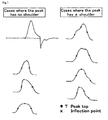

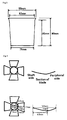


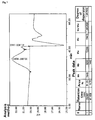
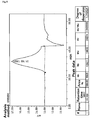

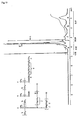
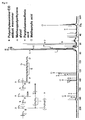

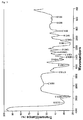


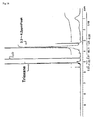

Classifications
-
- C—CHEMISTRY; METALLURGY
- C04—CEMENTS; CONCRETE; ARTIFICIAL STONE; CERAMICS; REFRACTORIES
- C04B—LIME, MAGNESIA; SLAG; CEMENTS; COMPOSITIONS THEREOF, e.g. MORTARS, CONCRETE OR LIKE BUILDING MATERIALS; ARTIFICIAL STONE; CERAMICS; REFRACTORIES; TREATMENT OF NATURAL STONE
- C04B24/00—Use of organic materials as active ingredients for mortars, concrete or artificial stone, e.g. plasticisers
- C04B24/24—Macromolecular compounds
- C04B24/26—Macromolecular compounds obtained by reactions only involving carbon-to-carbon unsaturated bonds
- C04B24/2652—Nitrogen containing polymers, e.g. polyacrylamides, polyacrylonitriles
- C04B24/2658—Nitrogen containing polymers, e.g. polyacrylamides, polyacrylonitriles containing polyether side chains
-
- C—CHEMISTRY; METALLURGY
- C08—ORGANIC MACROMOLECULAR COMPOUNDS; THEIR PREPARATION OR CHEMICAL WORKING-UP; COMPOSITIONS BASED THEREON
- C08F—MACROMOLECULAR COMPOUNDS OBTAINED BY REACTIONS ONLY INVOLVING CARBON-TO-CARBON UNSATURATED BONDS
- C08F290/00—Macromolecular compounds obtained by polymerising monomers on to polymers modified by introduction of aliphatic unsaturated end or side groups
- C08F290/02—Macromolecular compounds obtained by polymerising monomers on to polymers modified by introduction of aliphatic unsaturated end or side groups on to polymers modified by introduction of unsaturated end groups
- C08F290/06—Polymers provided for in subclass C08G
-
- C—CHEMISTRY; METALLURGY
- C08—ORGANIC MACROMOLECULAR COMPOUNDS; THEIR PREPARATION OR CHEMICAL WORKING-UP; COMPOSITIONS BASED THEREON
- C08F—MACROMOLECULAR COMPOUNDS OBTAINED BY REACTIONS ONLY INVOLVING CARBON-TO-CARBON UNSATURATED BONDS
- C08F290/00—Macromolecular compounds obtained by polymerising monomers on to polymers modified by introduction of aliphatic unsaturated end or side groups
- C08F290/02—Macromolecular compounds obtained by polymerising monomers on to polymers modified by introduction of aliphatic unsaturated end or side groups on to polymers modified by introduction of unsaturated end groups
- C08F290/06—Polymers provided for in subclass C08G
- C08F290/065—Polyamides; Polyesteramides; Polyimides
-
- C—CHEMISTRY; METALLURGY
- C08—ORGANIC MACROMOLECULAR COMPOUNDS; THEIR PREPARATION OR CHEMICAL WORKING-UP; COMPOSITIONS BASED THEREON
- C08G—MACROMOLECULAR COMPOUNDS OBTAINED OTHERWISE THAN BY REACTIONS ONLY INVOLVING UNSATURATED CARBON-TO-CARBON BONDS
- C08G65/00—Macromolecular compounds obtained by reactions forming an ether link in the main chain of the macromolecule
- C08G65/02—Macromolecular compounds obtained by reactions forming an ether link in the main chain of the macromolecule from cyclic ethers by opening of the heterocyclic ring
- C08G65/26—Macromolecular compounds obtained by reactions forming an ether link in the main chain of the macromolecule from cyclic ethers by opening of the heterocyclic ring from cyclic ethers and other compounds
- C08G65/2618—Macromolecular compounds obtained by reactions forming an ether link in the main chain of the macromolecule from cyclic ethers by opening of the heterocyclic ring from cyclic ethers and other compounds the other compounds containing nitrogen
- C08G65/2621—Macromolecular compounds obtained by reactions forming an ether link in the main chain of the macromolecule from cyclic ethers by opening of the heterocyclic ring from cyclic ethers and other compounds the other compounds containing nitrogen containing amine groups
- C08G65/2624—Macromolecular compounds obtained by reactions forming an ether link in the main chain of the macromolecule from cyclic ethers by opening of the heterocyclic ring from cyclic ethers and other compounds the other compounds containing nitrogen containing amine groups containing aliphatic amine groups
-
- C—CHEMISTRY; METALLURGY
- C08—ORGANIC MACROMOLECULAR COMPOUNDS; THEIR PREPARATION OR CHEMICAL WORKING-UP; COMPOSITIONS BASED THEREON
- C08L—COMPOSITIONS OF MACROMOLECULAR COMPOUNDS
- C08L51/00—Compositions of graft polymers in which the grafted component is obtained by reactions only involving carbon-to-carbon unsaturated bonds; Compositions of derivatives of such polymers
- C08L51/04—Compositions of graft polymers in which the grafted component is obtained by reactions only involving carbon-to-carbon unsaturated bonds; Compositions of derivatives of such polymers grafted on to rubbers
-
- C—CHEMISTRY; METALLURGY
- C08—ORGANIC MACROMOLECULAR COMPOUNDS; THEIR PREPARATION OR CHEMICAL WORKING-UP; COMPOSITIONS BASED THEREON
- C08L—COMPOSITIONS OF MACROMOLECULAR COMPOUNDS
- C08L53/00—Compositions of block copolymers containing at least one sequence of a polymer obtained by reactions only involving carbon-to-carbon unsaturated bonds; Compositions of derivatives of such polymers
-
- C—CHEMISTRY; METALLURGY
- C08—ORGANIC MACROMOLECULAR COMPOUNDS; THEIR PREPARATION OR CHEMICAL WORKING-UP; COMPOSITIONS BASED THEREON
- C08L—COMPOSITIONS OF MACROMOLECULAR COMPOUNDS
- C08L55/00—Compositions of homopolymers or copolymers, obtained by polymerisation reactions only involving carbon-to-carbon unsaturated bonds, not provided for in groups C08L23/00 - C08L53/00
- C08L55/02—ABS [Acrylonitrile-Butadiene-Styrene] polymers
-
- C—CHEMISTRY; METALLURGY
- C08—ORGANIC MACROMOLECULAR COMPOUNDS; THEIR PREPARATION OR CHEMICAL WORKING-UP; COMPOSITIONS BASED THEREON
- C08L—COMPOSITIONS OF MACROMOLECULAR COMPOUNDS
- C08L71/00—Compositions of polyethers obtained by reactions forming an ether link in the main chain; Compositions of derivatives of such polymers
- C08L71/02—Polyalkylene oxides
-
- C—CHEMISTRY; METALLURGY
- C04—CEMENTS; CONCRETE; ARTIFICIAL STONE; CERAMICS; REFRACTORIES
- C04B—LIME, MAGNESIA; SLAG; CEMENTS; COMPOSITIONS THEREOF, e.g. MORTARS, CONCRETE OR LIKE BUILDING MATERIALS; ARTIFICIAL STONE; CERAMICS; REFRACTORIES; TREATMENT OF NATURAL STONE
- C04B2103/00—Function or property of ingredients for mortars, concrete or artificial stone
- C04B2103/30—Water reducers, plasticisers, air-entrainers, flow improvers
- C04B2103/302—Water reducers
-
- C—CHEMISTRY; METALLURGY
- C08—ORGANIC MACROMOLECULAR COMPOUNDS; THEIR PREPARATION OR CHEMICAL WORKING-UP; COMPOSITIONS BASED THEREON
- C08G—MACROMOLECULAR COMPOUNDS OBTAINED OTHERWISE THAN BY REACTIONS ONLY INVOLVING UNSATURATED CARBON-TO-CARBON BONDS
- C08G2650/00—Macromolecular compounds obtained by reactions forming an ether link in the main chain of the macromolecule
- C08G2650/22—Macromolecular compounds obtained by reactions forming an ether link in the main chain of the macromolecule characterised by the initiator used in polymerisation
- C08G2650/24—Polymeric initiators
Definitions
- the present invention relates to a polycarboxylic acid copolymer, a method of producing polycarboxylic acid copolymers, a cement additive and a cement composition. More particularly, it relates to a polycarboxylic acid copolymer which can advantageously be used as a water reducing agent for ultrahigh strength concrete, a method of producing polycarboxylic acid copolymers, a cement additive comprising a polycarboxylic acid copolymer, and a cement composition.
- Polycarboxylic acid copolymers have been used as components of cement additives for cement compositions such as cement paste, mortar, and concrete. They are now essential in constructing civil engineering and building structures and the like from cement compositions.
- Cement additives comprising such polycarboxylic acid copolymers are used as water reducing agents; they increase the fluidity of cement compositions to thereby reduce the water requirement of the cement compositions and therefore are effective in improving the strength, durability, and the like, of hardening products.
- Such water reducing agents are superior in water reducing capacity to naphthalene-based and other conventional water reducing agents and thus have already led to good results in many cases as air-entraining and high-range water-reducing admixture.
- ultrahigh strength concrete compositions having high performance characteristics among concrete species are used in constructing them.
- water reducing agents for such ultrahigh strength concrete use is made of water reducing agents for ultrahigh strength concrete, which are high in water reducing capacity, so that the amount of water in concrete can be reduced to a sufficient extent to attain high performance characteristics.
- copolymers of methacrylic acid and polyethylene oxide methacrylate, for instance are in use as water reducing agents for ultrahigh strength concrete.
- the concrete shows a high viscosity. Therefore, water reducing agents for ultrahigh strength concrete which can improve the workability are demanded.
- water-soluble amphoteric copolymers prepared in all Examples in this publication by copolymerizing compound A, compound B and compound C, when used in preparing high strength concrete provide them with high viscosity, making the shovel work difficult; thus, they have a workability problem.
- the present inventors made intensive investigations concerning polycarboxylic acid copolymers which can be used as water reducing agents for ultrahigh strength concrete and, as a result, they paid their attention to polycarboxylic acid copolymers obtained by copolymerization of monomer components comprising a polyalkyleneimine unsaturated monomer (A1) and an unsaturated carboxylic acid monomer (B) as essential components and got a notion that such copolymers are capable of providing cement compositions easier to handle when the fluidity and water reducing capacity are at the same levels, hence they are suited for use in ultrahigh strength concrete and the like.
- A1 polyalkyleneimine unsaturated monomer
- B unsaturated carboxylic acid monomer
- the polyalkyleneimine unsaturated monomer (A1) may have an oxyalkylene group and that polycarboxylic acid copolymers obtained by copolymerization of monomer components further comprising a polyalkylene glycol unsaturated monomer (A3) other than the above-mentioned monomer having an oxyalkylene group, as an essential component, can suitably be used in ultrahigh strength concrete and the like.
- a monomer composition which comprises polycarboxylic acid copolymers obtained by copolymerization of monomer components comprising a polyalkylene glycol unsaturated monomer (A2) having a structure such that an oxyalkylene group is bound to a polyhydric alcohol residue and an unsaturated monocarboxylic acid monomer (B') or monomer components comprising a hydroxyl-terminated, polyalkylene glycol unsaturated monomer (A2') having a structure such that an oxyalkylene group is bound to a polyhydric alcohol residue and an unsaturated carboxylic acid monomer (B), and that polycarboxylic acid copolymers obtained by copolymerization of monomer components comprising, in addition to these monomers, a polyalkylene glycol unsaturated monomer (A3) other than the polyalkylene glycol unsaturated monomer (A2), as an essential component, are more suited for use in ultrahigh strength concrete and the like
- polycarboxylic acid copolymers which comprises copolymerizing a monomer mixture comprising a monomer (A) having an oxyalkylene group and an unsaturated carboxylic acid monomer (B)
- a hydrophobic group is introduced partly into the copolymers using a hydrophobic chain transfer agent
- cement additives comprising the polycarboxylic acid copolymers obtained show high water reducing capacity, reduce the viscosity of cement compositions and improve the workability in the step of application of the cement compositions.
- cement compositions in which cement additives comprising those polycarboxylic acid copolymers or cement additives having a calcium transfer value of 10 to 900 mPa ⁇ s and/or a cement performance coefficient of 0.05 to 1.0 or cement additives which satisfy specific analytical values after adjusted its pH to 12 to 12.5 and then purified are easier to handle when the fluidity and water reducing capacity are the same levels.
- the present invention includes a polycarboxylic acid copolymer which is obtained by copolymerization of monomer components comprising a polyalkylene glycol unsaturated monomer (A2) having a structure such that an oxyalkylene group is bound to a polyhydric alcohol residue, wherein the polyhydric alcohol has, on average, not less than three hydroxyl groups in each molecule, and an unsaturated monocarboxylic acid monomer (B').
- A2 polyalkylene glycol unsaturated monomer
- B' unsaturated monocarboxylic acid monomer
- the present invention also includes a polycarboxylic acid copolymer which is obtained by copolymerization of monomer components comprising a hydroxyl-terminated, polyalkylene glycol unsaturated monomer (A2') having a structure such that an oxyalkylene group is bound to a polyhydric alcohol residue, wherein the polyhydric alcohol has, on average, not less than three hydroxyl groups in each molecule, and an unsaturated carboxylic acid monomer (B).
- A2' polyalkylene glycol unsaturated monomer having a structure such that an oxyalkylene group is bound to a polyhydric alcohol residue, wherein the polyhydric alcohol has, on average, not less than three hydroxyl groups in each molecule, and an unsaturated carboxylic acid monomer (B).
- the present invention is also a method of producing a polycarboxylic acid copolymer which comprises copolymerizing monomer components comprising a polyalkyleneglycol unsaturated monomer (A2) having a structure such that an oxyalkylene group is bound to a polyhydric alcohol residue, wherein the polyhydric alcohol has, on average, not less than three hydroxyl groups in each molecule, and an unsaturated carboxylic acid monomer (B) using a hydrophobic chain transfer agent.
- A2 polyalkyleneglycol unsaturated monomer
- B unsaturated carboxylic acid monomer
- the present invention is also a polycarboxylic acid copolymer which is obtained by the above method of producing a polycarboxylic acid copolymer.
- the present invention is also a cement additive (additive for cement) which comprises the above polycarboxylic acid copolymer.
- the present invention is also a cement composition which comprises at least water, cement and a cement additive, the above cement additive comprising a polycarboxylic acid copolymer according to the invention.
- the polycarboxylic acid copolymer of the present disclosure has (1) the form obtained by copolymerization of monomer components comprising a polyalkyleneimine unsaturated monomer (A1) and an unsaturated carboxylic acid monomer (B).
- the polycarboxylic acid copolymer of the present invention has (2) the form obtained by copolymerization of monomer components comprising a polyalkylene glycol unsaturated monomer (A2) having a structure such that an oxyalkylene group is bound to a polyhydric alcohol residue (hereinafter referred to sometimes as "polyalkylene glycol unsaturated monomer (A2)" for short), and an unsaturated monocarboxylic acid monomer (B') or (3) the form obtained by copolymerization of monomer components comprising a hydroxyl-terminated, polyalkylene glycol unsaturated monomer (A2') having a structure such that an oxyalkylene group is bound to a polyhydric alcohol residue (hereinafter referred to sometimes as "polyalkylene glycol unsaturated monomer (A2')” for short), and an unsaturated carboxylic acid monomer (B).
- Monomers (A2) and (A2') are as defined in appended claims 1 and 2, respectively.
- Such a polycarboxylic acid copolymer may be a product obtained by subjecting a monomer (A1) and a monomer (A2) or monomer (A2') combinedly to copolymerization.
- a monomer (A1) and a monomer (A2) or monomer (A2') combinedly to copolymerization.
- it may have the form obtained by copolymerization of monomer components comprising, as essential components, a polyalkyleneimine unsaturated monomer (A1) and a polyalkylene glycol unsaturated monomer (A2) or (A2'), and an unsaturated carboxylic acid monomer (B).
- monomers each may comprise one single species or a combination of two or more species.
- the polyalkylene glycol unsaturated monomer (A2) includes the hydroxyl-terminated, polyalkylene glycol unsaturated monomer (A2'), and the unsaturated carboxylic acid monomer (B) includes the unsaturated monocarboxylic acid monomer (B').
- the polyalkylene glycol unsaturated monomer (A2) means a polyalkylene glycol unsaturated monomer (A2) or a hydroxyl-terminated, polyalkylene glycol unsaturated monomer (A2') according to the above-mentioned form (1), (2) or (3)
- the unsaturated carboxylic acid monomer (B) means an unsaturated carboxylic acid monomer (B) or an unsaturated monocarboxylic acid monomer (B') according to the above-mentioned form (1), (2) or (3).
- the above-mentioned polyalkyleneimine unsaturated monomer (A1) has an oxyalkylene group.
- the weight ratios of those monomers are such that the monomer (A1) and/or monomer (A2) accounts for 1 to 99% by weight and the monomer (B) for 99 to 1% by weight.
- the monomer (A1) and/or monomer (A2) accounts for 20 to 95% by weight, and the monomer (B) for 80 to 5% by weight.
- the above-mentioned weight ratios of monomers (A1) and/or (A2) and (B) are given in terms of percent by weight with the total weight of the monomers (A1) and/or (A2) and (B) being taken as 100% by weight.
- the above monomer components further comprise a polyalkylene glycol unsaturated monomer (A3) other than the above-mentioned monomer having an oxyalkylene group.
- the above monomer having an oxyalkylene group is the polyalkyleneimine unsaturated monomer (A1) having an oxyalkylene group in the form (1) or, in the form (2) or (3), it is the polyalkylene glycol unsaturated monomer (A2) having a structure such that an oxyalkylene group is bound to a polyhydric alcohol residue.
- the effects of the present invention can be produced more effectively.
- the monomer (A1) and/or (A2) preferably accounts for 1 to 98% by weight, the monomer (B) for 1 to 98% by weight, and the monomer (A3) for 1 to 98% by weight. More preferably, the monomer (A1) and/or (A2) accounts for 1 to 80% by weight, the monomer (B) for 1 to 50% by weight, and the monomer (A3) for 30 to 98% by weight. Still more preferably, the monomer (A1) and/or (A2) accounts for 1 to 50% by weight, the monomer (B) for 1 to 40% by weight, and the monomer (A3) for 30 to 98% by weight.
- the monomer (A1) and/or (A2) account for 1 to 35% by weight, the monomer (B) for 1 to 30% by weight, and the monomer (A3) for 25 to 98% by weight. Further particularly preferably, the monomer (A1) and/or (A2) accounts for 1 to 20% by weight, the monomer (B) for 1 to 30% by weight, and the monomer (A3) for 25 to 95% by weight.
- the above-mentioned weight ratios of monomers (A1) and/or (A2) or (A2'), (B) and (A3) are given in terms of percent by weight with the total weight of the monomers (A1) and/or (A2), (B) and (A3) being taken as 100% by weight.
- the repeating units formed by the polyalkyleneimine unsaturated monomer (A1) and/or polyalkylene glycol unsaturated monomer (A2) perform the function thereof in improving the water reducing capacity and workability of cement compositions in cooperation with the function of the unsaturated carboxylic acid monomer (B) and/or polyalkylene glycol unsaturated monomer (A3), that the repeating units formed by the unsaturated carboxylic acid monomer (B) perform the function thereof in causing the polycarboxylic acid copolymer to be adsorbed on cement particles and that the repeating units formed by the polyalkylene glycol unsaturated monomer (A3) perform the function thereof in improving the dispersibility of a cement composition or the like owing to the hydrophilicity of the oxyalkylene group and the steric repulsion thereof.
- the repeating units formed by the polyalkyleneimine unsaturated monomer (A1) have a number of nitrogen atoms in each molecule and the repeating units formed by the polyalkylene glycol unsaturated monomer (A2) have a number of oxygen atoms in each molecule, and these are monomer units each further has a branched structure; presumably the above-mentioned functions are effectively performed owing to these facts.
- these functions are performed, the water reducing capacity and workability of cement compositions are improved and, when the fluidity and water reducing capacity are at the same levels, cement compositions easier to handle can be provided.
- the strength and durability of the hardening products thereof can be improved.
- cement additives comprising the polycarboxylic acid copolymer of the present invention are suited for use as water reducing agents for ultrahigh strength concrete which can suitably be used not only in ordinary strength concrete and high strength concrete but also in ultrahigh strength concrete.
- ultrahigh strength concrete means the one generally so called in the field of cement compositions, namely that kind of concrete which, in strength of the hardening products thereof, is comparable to or higher than that of conventional concrete species even when the water/cement ratio is reduced as compared with conventional levels.
- the water/cement ratio is not higher than 25% by weight, further not higher than 20% by weight, in particular not higher than 18% by weight, particularly not higher than 14% by weight, especially about 12% by weight
- that kind of concrete shows that level of workability at which any trouble will not arise in ordinary use
- the hardening product shows a compressive strength of not lower than 60 N/mm 2 , further not lower than 80 N/mm 2 , further more not lower than 100 N/mm 2 , in particular not lower than 120 N/mm 2 , particularly not lower than 160 N/mm 2 , especially not lower than 200 N/mm 2 .
- the polyalkyleneimine unsaturated monomer (A1) in the present disclosure may be any polyalkyleneimine having a polymerizable unsaturated group and can be obtained, for example, by reacting a polyalkyleneimine with an unsaturated compound having a functional group capable of reacting with the amino or imino group of the above polyalkyleneimine.
- the polyalkyleneimine unsaturated monomer (A1) has an oxyalkylene group.
- Such a polyalkyleneimine unsaturated monomer (A1) may be any polyalkyleneimine having an unsaturated group and an oxyalkylene group and can be obtained, for example, by reacting a compound obtained by addition of an alkylene oxide to the nitrogen atom of an amino and/or imino group of a polyalkyleneimine with an unsaturated compound having a functional group capable of reacting with a hydroxyl, amino and/or imino group of the above compound.
- the nitrogen atom of the amino or imino group to which the alkylene oxide is to add is the one having an active hydrogen atom.
- the method of introducing an unsaturated group into a compound obtained by addition of an alkylene oxide to a polyalkyleneimine for obtaining the above-mentioned polyalkyleneimine unsaturated monomer (A1) having an oxyalkylene group comprising subjecting the hydroxyl group(s) of the compound obtained by addition of an alkylene oxide to a polyalkyleneimine and an unsaturated compound such as (meth)acrylic acid or alkyl (meth)acrylate to transesterification for unsaturated group introduction, the method comprising subjecting the amino group(s) of the compound obtained by addition of an alkylene oxide to a polyalkyleneimine and an unsaturated compound such as (meth)acrylic acid or an alkyl (meth)acrylate to amidation for unsaturated group introduction, and the method comprising reacting the hydroxyl group(s) of the compound obtained by addition of an alkylene oxide to polyalkyleneimine with an epoxy compound such as glycidyl (
- alkyleneimine forms the polyalkyleneimine chain of the polyalkyleneimine unsaturated monomer (A1), and the above polyalkyleneimine chain may have any of the straight chain structure, branched chain structure and three-dimensionally crosslinked structure.
- ethylenediamine, diethylenetriamine, triethylenetetramine, tetraethylenepentamine or the like may also be used.
- Such polyalkyleneimines generally have, in their structure, not only tertiary amino groups but also primary amino and secondary amino (imino) groups having an active hydrogen atom, respectively.
- unsaturated carboxylic acids such as (meth)acrylic acid, maleic acid, fumaric acid and citraconic acid
- unsaturated carboxylic acid anhydrides such as (meth)acrylic anhydride and maleic anhydride
- unsaturated carboxylic acid halides such as (meth)acrylic chloride
- unsaturated carboxylic acid esters such as alkyl (meth)acrylates which have an alkyl group containing 1 to 30 carbon atoms, maleic acid monoesters which have an alkyl group containing 1 to 30 carbon atoms and maleic acid diesters which have an alkyl group containing 1 to 30 carbon atoms
- epoxy compounds such as glycidyl (meth)acrylate and (meth)allyl glycidyl ether.
- alkylene oxides containing 2 to 8 carbon atoms such as ethylene oxide, propylene oxide, butylene oxide, isobutylene oxide, 1-butene oxide, 2-butene oxide, trimethylethylene oxide, tetramethylene oxide, tetramethylethylene oxide, butadiene monoxide and octylene oxide and, further, aliphatic epoxides such as dipentaneethylene oxide and dihexaneethylene oxide; alicyclic epoxides such as trimethylene oxide, tetramethylene oxide, tetrahydrofuran, tetrahydropyran and octylene oxide; and aromatic epoxides such as styrene oxide, 1,1-diphenylethylene oxide and the like. These may be used singly or two or more of them may be used in combination.
- reaction formula for obtaining the above-mentioned polyalkyleneimine unsaturated monomer (A1) having an oxyalkylene group is the reaction formula according to which polyethyleneimine is synthesized from ethyleneimine using an initiator, a polyethyleneimine-ethylene oxide adduct is then produced by addition of ethylene oxide to an nitrogen atom bearing active hydrogen atom(s) of the polyethyleneimine and the transesterification reaction with methacrylic acid is carried out.
- R a represents an initiator
- EO represents ethylene oxide
- -(EO)n-H indicates that the group is a result of addition of n ethylene oxide molecules to the active hydrogen-bearing nitrogen atom of the polyethyleneimine
- MAA represents methacrylic acid.
- the symbol "" in the chemical formula means that the polymer chain continues in the same manner.
- polyalkyleneimine unsaturated monomer (A1) or polyalkyleneimine unsaturated monomer (A1) having an oxyalkylene group has a polyalkyleneimine chain.
- polyalkyleneimine chain is mainly formed of ethyleneimine.
- "mainly" means that when the polyalkyleneimine chain is made of two or more alkyleneimines, the alkyleneimine in question accounts for a majority relative to the number of moles of all the alkyleneimines.
- the polycarboxylic acid copolymer when it is ethyleneimine that accounts for a majority of the polyalkyleneimine chain-forming alkyleneimines, the polycarboxylic acid copolymer is provided with improved hydrophilicity and thus can produce its functional effects satisfactorily, so that the use of ethyleneimine as a polyalkyleneimine chain-forming alkyleneimine in an extent sufficient to produce the above functional effects results in its accounting for "a majority" so referred to above, hence that chain is "mainly" formed thereof.
- the proportion thereof as expressed in terms of mole percent per 100 mole percent of all the alkyleneimines is preferably 50 to 100 mole percent. If it is less than 50 mole percent, the hydrophilicity of the polyalkyleneimine chain may possibly decrease. More preferably, it is not less than 60 mole percent, still more preferably not less than 70 mole percent, particularly preferably not less than 80 mole percent, most preferably not less than 90 mole percent.
- the average number of polymerization of the alkyleneimine in each polyalkyleneimine chain is preferably not less than 2 but not more than 300. If it is less than 2, the functions of the polyalkyleneimine unsaturated monomer (A1) may not be fully performed and, if it exceeds 300, the polymerizability of the polyalkyleneimine unsaturated monomer (A1) may possibly decrease.
- the average number of polymerization of diethylenetriamine is regarded as 2 and the average number of polymerization of triethylenetetramine is regarded as 3.
- the polyalkylene glycol unsaturated monomer (A2) is an unsaturated monomer having a structure such that an oxyalkylene group is bound to a polyhydric alcohol residue.
- the polyalkylene glycol unsaturated monomer (A2') is a hydroxyl-terminated unsaturated monomer among the polyalkylene glycol unsaturated monomer (A2).
- the polyhydric alcohol residue mentioned above means a group having a structure such that an active hydrogen atom(s) is(are) removed from a hydroxyl group(s) of a polyhydric alcohol.
- the polyhydric alcohol has, on average, not less than three hydroxyl groups in each molecule as defined in appended claims 1 and 2.
- the alkylene oxide(s) to be added to the hydroxyl group(s) of the polyhydric alcohol the same ones as those mentioned hereinabove may be mentioned.
- the method of producing the above polyalkylene glycol unsaturated monomer (A2) there may be mentioned, for example, (1) the method comprising introducing an unsaturated group into a compound obtained by addition of an alkylene oxide to a polyhydric alcohol and (2) the method comprising subjecting each mole of an unsaturated alcohol or an unsaturated alcohol-polyalkylene glycol adduct and not less than 1 mole of glycidol to add to thereby generate not less than two hydroxyl groups in each molecule and then subjecting an alkylene oxide to add to the resulting product.
- Suitable method of introducing an unsaturated group in the above method (1) are the method comprising subjecting the hydroxyl group(s) of the compound obtained by addition of an alkylene oxide to a polyhydric alcohol and an unsaturated compound such as (meth)acrylic acid or methyl (meth)acrylate or a like alkyl (meth)acrylate to esterification or transesterification for unsaturated group introduction, the method comprising reacting the hydroxyl group(s) of the compound obtained by addition of an alkylene oxide to a polyhydric alcohol with an epoxy compound containing 2 to 5 carbon atoms such as glycidyl (meth)acrylate or (meth)allyl glycidyl ether for unsaturated group introduction, and the method comprising etherification with a halogenated alkenyl compound containing 2 to 5 carbon atoms such as (meth)allyl chloride, for unsaturated group introduction.
- an epoxy compound containing 2 to 5 carbon atoms such as glycidyl
- unsaturated carboxylic acids such as (meth)acrylic acid, maleic acid, fumaric acid and citraconic acid
- unsaturated carboxylic acid anhydrides such as (meth)acrylic anhydride and maleic anhydride
- unsaturated carboxylic acid halides such as (meth)acrylic chloride
- unsaturated carboxylic acid esters such as alkyl (meth)acrylates which have an alkyl group containing 1 to 30 carbon atoms, maleic acid monoesters which have an alkyl group containing 1 to 30 carbon atoms and maleic acid diesters which have an alkyl group containing 1 to 30 carbon atoms
- epoxy compounds such as glycidyl (meth)acrylate and (meth)allyl glycidyl ether.
- an unsaturated group containing not less than 4 carbon atoms is preferred and an unsaturated group containing not less than 5 carbon atoms is more preferred as the unsaturated group of the alkenyl compound type.
- Methallyl and isoprenyl (3-methyl-3-butenyl) groups are preferred to an allyl group. Further, (meth)acryloyl group is also preferred.
- the above polyhydric alcohol may be any compound having, on average, not less than three hydroxyl groups in each molecule, without any particular restriction.
- the compound of which polyhydric alcohol residue is constituted of three elements, namely carbon, hydrogen and oxygen.
- the number of hydroxyl groups of the above polyhydric alcohol is not less than 3 and preferably not more than 300. If it is less than 3, the function of the polyalkylene glycol unsaturated monomer (A2) may not be fully performed and, if it exceeds 300, the polymerizability of the polyalkylene glycol unsaturated monomer (A2) may possibly decrease. Preferably, it is not less than 4, more preferably not less than 5, particularly preferably not less than 6. It is preferably not more than 100, more preferably not more than 50, particularly preferably not more than 25.
- Polyglycidol Polyglycerol, polyglycerol, trimethylolethane, trimethylolpropane, 1,3,5-pentanetriol, erythritol, pentaerythritol, dipentaerythritol, sorbitol, sorbitan, sorbitol-glycerol condensates, adonitol, arabitol, xylitol, mannitol and the like.
- saccharides for example hexose saccharides such as glucose, fructose, mannose, indose, sorbose, gulose, talose, tagatose, galactose, allose, psicose and altrose; pentose saccharides such as arabinose, ribulose, ribose, xylose, xylulose and lyxose; tetrose saccharides such as threose, erythrulose and erythrose; other saccharides such as rhamnose, cellobiose, maltose, isomaltose, trehalose, sucrose, raffinose, gentianose and melezitose; sugar alcohols and sugar acids derived from these (saccharide: glucose; sugar alcohol: glucitol; sugar acid: gluconic acid); and the like. Furthermore, partially etherified or partially esterified
- the polyhydric alcohol residue of the polyalkylene glycol unsaturated monomer (A2) is formed from such a compound.
- unsaturated compound the same ones as those mentioned above can be used singly or two or more of them can be used.
- vinyl alcohol, (meth)allyl alcohol, 3-buten-1-ol, isoprene alcohol (3-methyl-3-buten-1-ol), 3-methyl-2-buten-1, 2-methyl-3-buten-2-ol, 2-methyl-2-buten-1-ol, 2-methyl-3-buten-1-ol and the like are suited for use as the unsaturated alcohol.
- unsaturated alcohol-polyalkylene glycol adduct compounds having a structure such that a polyalkylene glycol chain is added to such unsaturated alcohols can be used.
- polyalkyleneimine unsaturated monomer (A1) or polyalkylene glycol unsaturated monomer (A2) each having an oxyalkylene group there is a group formed by addition of one oxyalkylene group or a group formed by addition of two or more oxyalkylene groups.
- the group formed by addition of two or more oxyalkylene groups may be formed by one or two or more oxyalkylene group species and, when the group is formed by two or more oxyalkylene group species, two or more oxyalkylene group species may be in any addition mode, namely random addition, block addition, alternate addition and the like.
- the group formed by the above-mentioned oxyalkylene group(s) is preferably a group mainly formed of an oxyethylene group(s).
- "mainly" means, in the same manner as mentioned hereinabove, that when two or more oxyalkylene group species occur in the monomer, the oxyethylene group accounts for a majority relative to the number of all the oxyalkylene groups occurring.
- the proportion thereof as expressed in terms of mole percent per 100 mole percent of all the oxyalkylene groups is preferably 50 to 100 mole percent. If it is less than 50 mole percent, the hydrophilicity of the group formed by the oxyalkylene groups may possibly decrease. More preferably, it is not less than 60 mole percent, still more preferably not less than 70 mole percent, particularly preferably not less than 80 mole percent, most preferably not less than 90 mole percent.
- the average number of moles of the oxyalkylene group(s) added is preferably 0 to 300. If it exceeds 300, the polymerizability of these monomers may possibly decrease. More preferably, it is not less than 0.3, still more preferably not less than 0.5, particularly preferably not less than 1, most preferably not less than 2, but more preferably not more than 270, still more preferably not more than 250, particularly preferably not more than 220, most preferably not more than 200.
- the polycarboxylic acid copolymer may possibly fail to fully produce its functional effects in improving the fluidity of cement compositions and the like.
- the above-mentioned average number of moles added means the average value for the number of moles of the oxyalkylene group(s) in question added in each mole of the group formed by the oxyalkylene group(s) of the polyalkyleneimine unsaturated monomer (A1) or polyalkylene glycol unsaturated monomer (A2), or the average value for the number of moles of the oxyalkylene group(s) in question added to each mole of the active hydrogen-bearing nitrogen atom of the polyalkyleneimine which is to form the polyalkyleneimine unsaturated monomer (A1) or the average value for the number of moles of the oxyalkylene group(s) in question added to each mole of the hydroxyl group of the polyhydric alcohol which is to form the polyalkylene glycol unsaturated monomer (A2).
- the monomer components to be used in producing the polycarboxylic acid copolymer contain an unsaturated monocarboxylic acid monomer (B')
- at least one of the termini of the oxyalkylene groups having a structure such that it binds to the polyhydric alcohol residue be a hydroxyl group. More preferably, all the oxyalkylene group termini are hydroxyl groups.
- the water reducing capacity of the cement additive comprising the polycarboxylic acid copolymer may possibly decrease.
- all the oxyalkylene group termini are hydroxyl groups.
- the above-mentioned polyalkyleneimine unsaturated monomer (A1), or polyalkyleneimine unsaturated monomer (A1) or polyalkylene glycol unsaturated monomer (A2) each having an oxyalkylene group preferably has a weight average molecular weight of not lower than 500 but not higher than 500,000, more preferably not lower than 1,000, still more preferably not lower than 5,000, further more preferably not lower than 8,000, particularly preferably 10,000, but, more preferably not higher than 300,000, still more preferably not higher than 200,000, further more preferably not higher than 100,000, particularly preferably not higher than 80,000.
- the unsaturated carboxylic acid monomer (B) may be any of those monomers which have a polymerizable unsaturated group and a group capable of forming a carbanion. Suited are, however, an unsaturated monocarboxylic acid monomer (B') and an unsaturated dicarboxylic acid monomer and the like.
- the above unsaturated monocarboxylic acid monomer (B') may be a monomer having one unsaturated group and one group capable of forming an carbanion within the molecule. In a preferred embodiment, it is a compound represented by the following general formula (1):
- R represents a hydrogen atom or a methyl group
- M represents a hydrogen atom, a metal atom, an ammonium group or an organic amine group.
- Suitable as the metal atom M in the above general formula (1) are univalent metal atoms, for example alkali metal atoms such as lithium, sodium and potassium; bivalent metal atoms, for example alkaline earth metal atoms such as calcium and magnesium; and trivalent metal atoms such as aluminum and iron.
- Suitable as the organic amine group are alkanolamine groups such as an ethanolamine group, diethanolamine group and triethanolamine group, and a triethylamine group. Further, it may be an ammonium group.
- Suitable as such unsaturated monocarboxylic acid monomer are acrylic acid, methacrylic acid, crotonic acid and the like; monovalent metal salts, divalent metal salts, ammonium salts and organic amine salts thereof, and so forth.
- methacrylic acid; monovalent metal salts, divalent metal salts, ammonium salts and organic amine salts thereof and the like are preferably used and suitable as the unsaturated carboxylic acid monomer (B) from the viewpoint of improved cement dispersing ability.
- the above-mentioned unsaturated dicarboxylic acid monomer may be any of those monomers which have one unsaturated group and two groups capable of forming a carbanion within the molecule. Suitable are maleic acid, itaconic acid, citraconic acid, fumaric acid and the like, and monovalent metal salts, divalent metal salts, ammonium salts and organic amine salts thereof, or anhydrides thereof.
- unsaturated carboxylic acid monomer (B) are half esters of unsaturated dicarboxylic acid monomers with an alcohol containing 1 to 22 carbon atoms, half amides of unsaturated dicarboxylic acids with an amine containing 1 to 22 carbon atoms, half esters of unsaturated dicarboxylic acid monomers with a glycol containing 2 to 4 carbon atoms, and half amides of maleamic acid with glycols containing 2 to 4 carbon atoms, etc.
- the polyalkylene glycol unsaturated monomer (A3) other than the above-mentioned monomers having an oxyalkylene group has a polymerizable unsaturated group and a polyalkylene glycol chain and, in the form obtained by copolymerization of monomer components comprising the polyalkyleneimine unsaturated monomer (A1) and unsaturated carboxylic acid monomer (B), it is a monomer different from the above-mentioned polyalkyleneimine unsaturated monomer (A1) having an oxyalkylene group and, in the form obtained by copolymerization of monomer components comprising the polyalkylene glycol unsaturated monomer (A2) having a structure such that an oxyalkylene group is bound to a polyhydric alcohol residue, and the unsaturated monocarboxylic acid monomer (B), it is a monomer different from the above-mentioned polyalkylene glycol monomer (A2) and, further, in the form obtained by copolymer
- the above polyalkylene glycol ester monomer may be a monomer having a structure such that the unsaturated group and polyalkylene glycol chain are bound together via an ester bond.
- Suitable are unsaturated polyalkylene glycol carboxylate compounds, in particular (alkoxy)polyalkylene glycol mono(meth)acrylates.
- the above-mentioned unsaturated alcohol-polyalkylene glycol adduct may be a compound having a structure such that a polyalkylene glycol chain is added to an alcohol having an unsaturated group.
- Suitable are vinyl alcohol-alkylene oxide adducts, (meth)allyl alcohol-alkylene oxide adducts, 3-buten-1-ol-alkylene oxide adducts, isoprene alcohol (3-methyl-3-buten-1-ol)-alkylene oxide adducts, 3-methyl-2-buten-1-ol-alkylene oxide adducts, 2-methyl-3-buten-2-ol-alkylene oxide adducts, 2-methyl-2-buten-1-ol-alkylene oxide adducts, and 2-methyl-3-buten-1-ol-alkylene oxide adducts, and the like.
- Also preferred as such unsaturated alcohol-polyalkylene glycol adduct are compounds represented by the
- R 1 , R 2 and R 3 are the same or different and each represents a hydrogen atom or a methyl group.
- R 4 represents a hydrogen atom or a hydrocarbon group containing 1 to 20 carbon atoms.
- R x may be the same or different and each represents an alkylene group containing 2 to 18 carbon atoms, and m represents the average number of moles of the oxyalkylene group represented by R x O as added and is a number of 1 to 300.
- X represents a divalent alkylene group containing 1 to 5 carbon atoms or a vinyl group in which case the carbon atom and oxygen atom shown adjacently thereto are directly bound to each other.
- the oxyalkylene groups represented by -(R x O)- may be in any addition mode, namely random addition, block addition, alternate addition or the like.
- the oxyalkylene group(s) represented -(R x O)- as mentioned above is an alkylene oxide adduct which consists of alkylene oxide groups containing 2 to 18 carbon atoms.
- alkylene oxide adduct has a structure formed by one or two or more of alkylene oxides such as ethylene oxide, propylene oxide, butylene oxide, isobutylene oxide, 1-butene oxide and 2-butene oxide.
- alkylene oxide adducts ethylene oxide, propylene oxide and butylene oxide adducts are preferred.
- the average number m of moles of oxyalkylene groups represented by the above R x O as added is a number of 1 to 300. If m exceeds 300, the polymerizability of the monomer will decrease.
- a preferred range of m is not less than 2 and, in -(R x O) m -, the average number of moles of the oxyalkylene group(s) added is preferably not less than 2. If m is less than 2 or the average number of moles of the oxyalkylene group(s) added is less than 2, sufficient levels of hydrophilicity and steric hindrance to disperse cement particles or the like may not be obtained, hence it may be impossible to obtain excellent fluidity.
- a preferred range of m is not less than 3 but not more than 280.
- m is not less than 5, still more preferably not less than 10, particularly preferably not less than 20.
- m is more preferably not more than 250, particularly preferably not more than 150.
- the average number of moles of the oxyalkylene group(s) added it is preferably not less than 3 but is preferably not more than 280. More preferably, it is not less than 10, still more preferably not less than 20. On the other hand, it is more preferably not more than 250, still more preferably not more than 200, particularly preferably not more than 150.
- the average number of moles added means the average value for the number of moles of the organic group(s) in question forming each mole of monomer by addition reaction.
- a combination of two or more monomer species differing in the average number m of moles of the oxyalkylene group(s) added As a suitable combination, there may be mentioned, for example, a combination of two monomer species (A3) differing in the average number m of moles added by not less than 10 (preferably a difference in m by not less than 20), or a combination of not less than three monomer species (A3) differing in m by not less than 10 (preferably a difference in m by not less than 20) from one another.
- a preferred embodiment of R 4 is a hydrocarbon group containing 1 to 20 carbon atoms or a hydrogen, more preferably a hydrocarbon group containing not more than 10 carbon atoms, still more preferably not more than 3 carbon atoms, particularly preferably not more than 2 carbon atoms.
- hydrocarbon groups containing not less than 5 carbon atoms are preferred, and hydrocarbon groups containing not more than 20 carbon atoms are preferred. More preferred are hydrocarbon groups containing 5 to 10 carbon atoms.
- saturated alkyl groups and unsaturated alkyl groups are preferred. These alkyl groups may be straight chained or branched.
- the above-mentioned unsaturated alcohol-polyalkylene glycol adduct may be the one as mentioned above.
- Suitable are polyethylene glycol monovinyl ether, polyethylene glycol monoallyl ether, polyethylene glycol mono(2-methyl-2-propenyl) ether, polyethylene glycol mono(2-butenyl) ether, polyethylene glycol mono(3-methyl-3-butenyl) ether, polyethylene glycol mono(3-methyl-2-butenyl) ether, polyethylene glycol mono(2-methyl-3-butenyl) ether, polyethylene glycol mono(2-methyl-2-butenyl) ether, polyethylene glycol mono(1,1-dimethyl-2-propenyl)ether, polyethylene-polypropylene glycol mono(3-methyl-3-butenyl) ether, methoxypolyethylene glycol mono(3-methyl-3-butenyl) ether, ethoxypolyethylene glycol mono(3-methyl-3-butenyl)
- R 5 represents a hydrogen atom or a methyl group
- R x may be the same or different and each represents an alkylene group containing 2 to 18 carbon atoms
- R 6 represents a hydrogen atom or a hydrocarbon group containing 1 to 30 carbon atoms
- p represents the average number of moles of the oxyalkylene group represented by R x O as added and is a number of 2 to 300.
- the oxyalkylene group represented by -(R x O)-in the above general formula (3) and the average number p of moles of the oxyalkylene group represented by R x O as added the same as mentioned above referring to the general formula (2) may be mentioned.
- the ethylene oxide moiety be added to the site of the ester bond with (meth)acrylic acid.
- the average number p of moles of oxyalkylene groups represented by the above R x O as added is a number of 2 to 300. If p exceeds 300, the polymerizability of the monomer, will decrease.
- a preferred range of p is not less than 2 and, in -(R x O) p -, the average number of moles of the oxyalkylene group(s) added is preferably not less than 2. If p is less than 2 or the average number of moles of the oxyalkylene group(s) added is less than 2, sufficient levels of hydrophilicity and steric hindrance to disperse cement particles or the like may not be obtained, hence it may be impossible to obtain excellent fluidity.
- a preferred range of p is not less than 3 but not more than 280. More preferably, p is not less than 5, still more preferably not less than 10, particularly preferably not less than 20. On the other hand, p is more preferably not more than 250, still more preferably not more than 200, particularly preferably not more than 150. As for the average number of moles of the oxyalkylene group(s) added, it is preferably not less than 5 but is preferably not more than 250. More preferably, it is not less than 10, still more preferably not less than 20. On the other hand, it is more preferably not more than 200, still more preferably not more than 150.
- the average number of moles added means the average value for the number of moles of the organic group(s) in question forming each mole of monomer by addition reaction. It is possible to use, as said monomer, a combination of two or more monomer species differing in the average number p of moles of the oxyalkylene group(s) added. As a suitable combination, there may be mentioned, for example, a combination of two monomer (A3) differing in p by not less than 10 (preferably a difference in p by not less than 20), or a combination of not less than three monomer species (A3) differing in the average number p of moles added by not less than 10 (preferably a difference in p by not less than 20) from one another.
- a preferred embodiment of R 6 is a hydrocarbon group containing 1 to 20 carbon atoms or a hydrogen, more preferably a hydrocarbon group containing not more than 10 carbon atoms, still more preferably not more than 3 carbon atoms, particularly preferably not more than 2 carbon atoms.
- hydrocarbon groups containing not less than 5 carbon atoms are preferred, and hydrocarbon groups containing not more than 20 carbon atoms are preferred. More preferred are hydrocarbon groups containing 5 to 10 carbon atoms.
- saturated alkyl groups and unsaturated alkyl groups are preferred. These alkyl groups may be straight chained or branched.
- the above-mentioned (alkoxy)polyalkylene glycol mono(meth)acrylate may be the one mentioned above, but suitable are esterification products of (meth)acrylic acid with alkoxypolyalkylene glycols obtained by addition reaction of 1 to 300 moles of an alkylene oxide group(s) containing 2 to 18 carbon atoms to any of aliphatic alcohols containing 1 to 30 carbon atoms, such as methanol, ethanol, 1-propanol, 2-propanol, 1-butanol, 2-butanol, 1-pentanol, 2-pentanol, 3-pentanol, 1-hexanol, 2-hexanol, 3-hexanol, octanol, 2-ethyl-1-hexanol, nonyl alcohol, lauryl alcohol, cetyl alcohol and stearyl alcohol, alicyclic alcohols containing 3 to 30 carbon atoms, such as cyclohexanol, and uns
- esterification products are those (alkoxy)polyethylene glycol (poly)(alkylene glycol containing 2 to 4 carbon atoms) (meth)acrylates which are given below:
- Suitable as the above polyalkylene glycol ester monomer are not only the (alkoxy)polyalkylene glycol mono(meth)acrylate but also (alkoxy)polyalkylene glycol monomaleate, (alkoxy)polyalkylene glycol dimaleate and the like. As such monomers, the following ones are suitable.
- the monomer components for forming the polycarboxylic acid copolymer of the present invention may further contain, where necessary, another monomer(s) (C) in addition to the above-mentioned monomers (A1), (A2), (B) and (A3).
- Another monomer(s) (C) are the following. These may be used singly or two or more of them may be used in combination.
- Styrenes such as styrene, bromostyrene, chlorostyrene and methylstyrene; dienes such as 1,3-butadiene, isoprene and isobutylene; (meth)acrylic acid esters such as methyl (meth)acrylate, ethyl (meth)acrylate, butyl (meth)acrylate, pentyl (meth)acrylate, hexyl (meth)acrylate, decyl (meth)acrylate and lauryl (meth)acrylate; ⁇ -olefins such as hexene, heptene and decene; alkyl vinyl ethers such as methyl vinyl ether, ethyl vinyl ether and butyl vinyl ether; vinyl esters such as vinyl acetate; and allyl esters such as allyl acetate; diesters derived from the above unsaturated dicarboxylic acid monomers and alcohols containing 1 to 22 carbon
- any known polymerization method can be used, such as solution polymerization or bulk polymerization using the monomer components and a polymerization initiator.
- the polymerization initiator the known ones can be used and suitable are persulfate salts such as ammonium persulfate, sodium persulfate and potassium persulfate; hydrogen peroxide; azo compounds such as azobis-2-methylpropionamidine hydrochloride and azobisisobutyronitrile; peroxides such as benzoyl peroxide, lauroyl peroxide and cumene hydroperoxide; and so forth.
- reducing agents such as sodium hydrogensulfite, sodium sulfite, Mohr's salt, sodium pyrobisulfite, formaldehyde sodium sulfoxylate and ascorbic acid; and amine compounds such as ethylenediamine, sodium ethylenediaminetetraacetate and glycine, etc. can be used in combination.
- reducing agents such as sodium hydrogensulfite, sodium sulfite, Mohr's salt, sodium pyrobisulfite, formaldehyde sodium sulfoxylate and ascorbic acid
- amine compounds such as ethylenediamine, sodium ethylenediaminetetraacetate and glycine, etc.
- a chain transfer agent may be used according to need.
- Usable as such chain transfer agent are one or two or more species of those known in the art.
- the use of a hydrophobic chain transfer agent is preferred, however.
- the monomer components comprise one or more monomers (A) having an oxyalkylene group, namely the polyalkyleneimine unsaturated monomers (A1) and the polyalkylene glycol unsaturated monomers (A2) and (A3) each having an oxyalkylene group
- the use of a hydrophobic chain transfer agent is preferred. It is more preferred when the monomer (A) having an oxyalkylene group is a polyalkylene glycol ester monomer and/or an unsaturated alcohol-polyalkylene glycol adduct.
- the hydrophobic chain transfer agent is used, the hydrophobic group derived from the hydrophobic chain transfer agent is introduced into the copolymer.
- polycarboxylic acid copolymers which comprises copolymerizing monomer components comprising an monomer (A) having an oxyalkylene group and an unsaturated carboxylic acid monomer (B) in the above manner using a hydrophobic chain transfer agent constitutes another aspect of the present invention.
- the polycarboxylic acid copolymer obtained by such method of producing polycarboxylic acid copolymers, wherein monomer (A) is a polyalkylene glycol unsaturated monomer (A2) having a structure such that an oxyalkylene group is bound to a polyhydric alcohol residue, wherein the polyhydric alcohol has, on average, not less than three hydroxyl groups in each molecule, can also produce the functional effects of the present invention and constitutes a further aspect of the present invention.
- thiol compounds having a hydrocarbon group containing not less than 3 carbon atoms or compounds whose solubility in water at 25°C is not more than 10%.
- thiol chain transfer agents such as butanethiol, octanethiol, decanethiol, dodecanethiol, hexadecanethiol, octadecanethiol, cyclohexyl mercaptan, thiophenol, octyl thioglycolate, octyl 2-mercaptopropionate, octyl 3-mercaptopropionate, 2-ethylhexyl mercaptopropionate, 2-mercaptoethyl octanoate, 1,8-dimercapto-3,6-dioxaoctane, decanetrithiol, and dodecy
- hydrophobic chain transfer agent may be used in combination with one or two or more hydrophilic chain transfer agents, if necessary.
- hydrophilic chain transfer agents those known in the art can be used. Suitable as such are thiol chain transfer agents such as mercaptoethanol, thioglycerol, thioglycolic acid, mercaptopropionic acid, 2-mercaptopropionic acid, 3-mercaptopropionic acid, thiomalic acid, and 2-mercaptoethanesulfonic acid; primary alcohols such as 2-aminopropane-1-ol; secondary alcohols such as isopropanol; phosphorous acid, hypophosphorous acid and salts thereof (e.g.
- sodium hypophosphite, potassium hypophosphite sulfurous acid, hydrosulfurous acid, dithionous acid, metabisulfurous acid, and salts thereof (e.g. sodium sulfite, sodium hydrogen sulfite, sodium dithionite, sodium metabisulfite, potassium sulfite, potassium hydrogen sulfite, potassium dithionite, potassium metabisulfite), and like lower oxides and salts thereof.
- chain transfer agent As for the method of adding the above chain transfer agent to the reaction vessel, such a continuous charging method as dripping and divided charging can be applied.
- the chain transfer agent may be introduced singly into the reaction vessel, or it may be admixed in advance with the monomer (A) having an oxyalkylene group or unsaturated carboxylic acid monomer (B) which constitute the monomer components, solvent and/or the like.
- the above copolymerization may be carried out either batchwise or continuously.
- the solvent which is used where necessary in the step of copolymerization any of known ones may be used and suitable are water; alcohols such as methyl alcohol, ethyl alcohol and isopropyl alcohol; aromatic or aliphatic hydrocarbons such as benzene, toluene, xylene, cyclohexane and n-heptane; esters such as ethyl acetate; and ketones such as acetone and methyl ethyl ketone. These may be used singly or two or more species may be used in combination. Among them, one or two or more solvents selected from the group consisting of water and lower alcohols containing 1 to 4 carbon atoms are preferably used from the viewpoint of solubility of the monomer components and the product polycarboxylic acid copolymer.
- the method comprising carrying out the copolymerization by adding dropwise the polymerization initiator and monomers successively to the reaction vessel is preferred since the molecular weight distribution of the product copolymer can be made narrow (sharp) and the cement dispersibility for increasing the fluidity of cement compositions and the like can be improved thereby.
- the copolymerization temperature and other copolymerization conditions are appropriately selected according to the copolymerization method, solvent, polymerization initiator, and chain transfer agent employed. It is generally preferred that the copolymerization temperature be not lower than 0°C and not higher than 150°C. More preferably, it is not lower than 40°C, still more preferably not lower than 50°C, particularly preferably not lower than 60°C, while it is more preferably not higher than 120°C, still more preferably not higher than 100°C, particularly preferably not higher than 85°C.
- the copolymer obtained by the above method of copolymerization as such can be used as the main component of cement additives. Where necessary, it may be used after further neutralization with an alkaline substance.
- an alkaline substance Preferably used as the alkaline substance are inorganic salts such as monovalent and divalent metal hydroxides, chlorides and carbonates; ammonia; and organic amines, etc.
- the copolymerization of the monomer components is preferably carried out at a degree of neutralization of the above unsaturated carboxylic acid monomer (B) of 0 to 60 mole percent.
- the degree of neutralization of the unsaturated carboxylic acid monomer (B) is expressed in terms of the mole percent of the unsaturated carboxylic acid monomer (B) in a salt form with the total number of moles of the unsaturated carboxylic acid monomer (B) being taken as 100 mole percent.
- the degree of neutralization of the unsaturated carboxylic acid monomer (B) exceeds 60 mole percent, the degree of polymerization in the copolymerization step will not rise, hence the product copolymer may possibly have a lower molecular weight and the production efficiency may possibly decrease. More preferably, it is not more than 50 mole percent, still more preferably not more than 40 mole percent, still more preferably not more than 30 mole percent, particularly preferably not more than 20 mole percent, most preferably not more than 10 mole percent.
- Suitable as the method of carrying out the copolymerization using the above unsaturated carboxylic acid monomer (B) at a degree of neutralization of 0 to 60 mole percent are the method comprising subjecting the all acid form unsaturated carboxylic acid monomer (B), namely the whole unsaturated carboxylic acid monomer (B) in which M in the above general formula (1) is a hydrogen atom, to copolymerization without neutralization, and the method comprising subjecting the unsaturated carboxylic acid monomer (B) to copolymerization after neutralization with an alkaline substance to the form of a salt, such as sodium salt or ammonium salt, at a degree of neutralization of 0 to 60 mole percent and the like.
- a salt such as sodium salt or ammonium salt
- the polycarboxylic acid copolymer of the present invention is obtained by copolymerization of the monomer components, as mentioned above.
- the weigh average molecular weight (Mw) as determined by gel permeation chromatography (hereinafter referred to as "GPC") and expressed on the polyethylene glycol equivalent basis is preferably not less than 500 and not more than 500,000.
- Mw weigh average molecular weight
- the water reducing capacity of the polycarboxylic acid copolymer may possibly decrease and, when it is above 500,000, the water reducing capacity and slump loss preventive effect of the polycarboxylic acid copolymer may possibly decrease.
- the weight average molecular weight of the copolymer is a value determined under the GPC measurement conditions given below.
- the polycarboxylic acid copolymer of the present invention is obtained by copolymerization of the monomers, as mentioned above.
- the TCAV (total carboxylic acid value), on the solid matter basis, of such copolymer or cement additive is preferably not less than 3 mg KOH/g and not more than 900 mg KOH/g. When it is less than 3 mg KOH/g, the adsorption of the polycarboxylic acid copolymer onto cement will become slow, so that a long time will be required for the water reducing capacity to be manifested and/or the water reducing capacity will possibly decrease.
- the TCAV is a value measured under the TCAV (total carboxylic acid value) measurement conditions given later herein.
- the NMR-PEG content of the polycarboxylic acid copolymer of the present invention is preferably not less than 10% by weight and preferably not more than 99% by weight. If it is less than 10% by weight, the amount of dispersing groups for dispersing cement particles becomes small, so that cement particles may aggregate and the water reducing capacity and ease of handling will possibly decrease. When it exceeds 99% by weight, the adsorption of the polycarboxylic acid copolymer onto cement becomes slow, so that a long time will be required for the water reducing capacity to be manifested and/or the water reducing capacity will possibly decrease.
- the NMR-PEG content is a value measured by the NMR-PEG content measurement method shown later herein.
- the form obtained by copolymerization of monomer components comprising the polyalkyleneimine unsaturated monomer (A1) and the unsaturated carboxylic acid monomer (B) preferably has a nitrogen content of not less than 0.001% by weight and not more than 20.0% by weight.
- the weight percentage of the polyalkyleneimine unsaturated monomer becomes small and cement compositions in which such copolymer is used may become difficult to handle.
- the amine content in the polycarboxylic acid copolymer becomes high, whereby it strongly interacts with carbonyl groups in the copolymer and possibly reduces the water reducing capacity.
- the GPC molecular weight measurement conditions 1 H-NMR (400 MHz, 200 MHz) measurement conditions, 13 C-NMR measurement conditions, IR measurement conditions, pyrolysis GC-MASS measurement conditions, solid content measurement conditions and NMR-PEG content measurement conditions in the practice of the present invention are shown below.
- One drop (about 0.03 mL) of a 5% aqueous copolymer solution is dropped onto a germanium plate.
- Moisture is removed in a vacuum drier (a desiccator connected to a vacuum pump may be used alternatively) (25°C, 0.001 MPa or below, 10 minutes or longer).
- the polycarboxylic acid copolymer of the present invention can suitably be used as a main component of cement additives.
- a cement additive comprising the polycarboxylic acid copolymer of the invention also constitutes an aspect of the present invention.
- a cement additive which has a calcium transfer value of 10 to 900 mPa ⁇ s and/or a cement performance coefficient of 0.05 to 1.0 can provide cement compositions easier to handle even when the fluidity and water reducing capacity are at the same levels.
- Such a cement additive also constitutes a further aspect of the present disclosure.
- the whole mixture C is placed in a plastic-made cylindrical vessel (capacity 1.2 L, lower part diameter 90 mm, upper part diameter 110 mm, height 140 mm) and, 1 minute and 20 seconds after completion of mixing, the mixture is remixed 5 times to the right and 5 times to the left in 5 seconds using the spatula.
- One third of the mixture C is filled into a mini slump cone (upper part diameter 50 mm, lower part diameter 100 mm, height 150 mm) placed on a stainless steel plate, and pounded spirally 25 times with a glass rod.
- Another one-third portion is packed in the same manner and pounded 25 times with a glass rod.
- the remaining one-third portion is packed in the same manner.
- each mini slump cone is lifted up vertically, and the "maximum length” and “length perpendicular thereto” of the mixture C spread on the stainless steel plate are measured, and the average values of these two values is reported as the flow value (mm).
- the amount of addition (on the solid matter basis) of the cement additive relative to ordinary portland cement is varied, a graph of the relation between the amount of addition and the flow value is drawn, and the amount of addition of the cement additive required to give a flow value of 200 mm is determined.
- the amount of addition on that occasion is defined as "standard amount of addition”.
- the flow value measurement should be repeated for at least two amounts of addition within the flow value range of 200 ⁇ 25 mm or at least three amounts of addition within the flow value range of 200 ⁇ 50 mm.
- the amount of the antifoaming agent is varied from 0.5% by weight and those amounts of addition of the antifoaming agent and cement additive which cause both the flow value and air content to fall within the respective specified ranges are determined.
- the whole mixture D is placed in a Teraoka's Newdes cup (300 mL) and stirred 30 times to the right and 30 times to the left in 60 seconds using the spatula to attain uniform dispersion of the cement paste.
- Calcium carbonate (300 g), 0.3 g of calcium hydroxide and 250 g of Toyoura silica sand, each conditioned at 25°C, are placed in the mortar mixer and, after 30 seconds of stirring at Rotation 1, 75 g of deionized water (25°C) with the predetermined amount of the cement additive added thereto is added, and the whole is further stirred at Rotation 2 for 5 minutes to give a mixture A.
- the whole mixture A is placed in a plastic-made cylindrical vessel (capacity 1.2 L, lower part diameter 90 mm, upper part diameter 110 mm, height 140 mm) and, 30 minutes and 58 minutes after the addition of deionized water, the mixture is stirred 15 times to the right and 15 times to the left in 30 seconds using the spatula.
- the mixture A is filled into a hollow cylindrical vessel, 55 mm in diameter and 50 mm in height, placed on a stainless steel plate. After 1 hour from the addition of deionized water, the cylindrical vessel is lifted up vertically, and the "maximum length” and “length perpendicular thereto” of the mixture spread over the stainless steel plate are measured, and the average value of these two values is reported as the flow value (mm).
- the amount of addition (on the solid matter basis) of the cement additive relative to calcium carbonate is determined.
- the mixture B is conditioned at 25°C in a constant temperature water tank until just before transfer to a 100-mL screw tube (glass container, diameter 35 mm, height 100 mm) and, further, stirred 180 times to the right and 180 times to the left in 3 minutes using a stainless steel rod (width 9 mm, thickness 2 mm) for attaining sufficient dispersion of the calcium carbonate sediment just before transfer to the 100-mL screw tube.
- the mixture B is placed in the 100-mL screw tube to the height of 80 mm.
- the viscosity of the mixture B is measured using the type B viscometer after 60 minutes from the start of stirring with a homomixer, and the value indicated at 180 seconds after start of rotation is reported as the calcium transfer value.
- the above cement additive shows a calcium transfer value of 10 to 900 mPa ⁇ s and/or a cement performance coefficient of 0.05 to 1.0.
- cement additives having the above cement performance coefficient exceeding 1.0 are used in a cement composition, the composition becomes poor in workability and difficult to handle.
- Cement compositions in which a cement additive having the cement performance coefficient lower than 0.05 is used will easily separate into a cement paste and an aggregate (sand, stone), allow bleeding of large amounts of water and become difficult to handle.
- the coefficient value is preferably not less than 0.05, more preferably not less than 0.1, still more preferably not less than 0.2. And, it is preferably not more than 0.95, more preferably not more than 0.90, still more preferably not more than 0.85, particularly preferably not more than 0.80.
- cement compositions in which a cement additive having the above calcium transfer value exceeding 900 mPa ⁇ s is used in a cement composition acquires an increased viscosity and becomes difficult to handle.
- Cement compositions in which a cement additive having the calcium transfer value lower than 10 mPa ⁇ s is used will have a low viscosity, easily separate into a cement paste and an aggregate (sand, stone), allow bleeding of large amounts of water and become difficult to handle.
- the value is preferably not less than 10 Pa ⁇ s but not more than 850 mPa ⁇ s. It is particularly preferably not less than 50 Pa ⁇ s, most preferably not less than 100 Pa ⁇ s. And, it is more preferably not more than 800 mPa ⁇ s, still more preferably not more than 750 mPa ⁇ s, particularly preferably not more than 700 mPa ⁇ s, most preferably not more than 650 mPa ⁇ s.
- a cement additive when purified following adjustment to pH 12 to 12.5, having a nitrogen content of 0.1 to 20% by weight as determined by elemental analysis, allowing detection of morpholine, 4-(2-hydroxyethyl)morpholine and 1,4-dioxane upon pyrolysis GC-MASS, showing a peak having no shoulder in GPC, having a weight average molecular weight (Mw) of 5,000 to 300,000, showing, in IR measurement, an absorption peak at 1640 to 1660 cm -1 whose intensity is not more than 20% of the intensity of the absorption peak occurring at 1710 to 1630 cm -1 , allowing detection, in 13 C-NMR, of signals at chemical shift positions of 60 to 61 ppm and 69 to 68 ppm, having an NMR-PEG content of 10 to 99% by weight and having a TCAV of 3 to 900 mg KOH/g also can provide cement compositions easier to handle when the fluidity and water reducing capacity are at the same levels.
- Such a cement additive also
- the cement additive contains the above-mentioned polyalkyleneimine unsaturated monomer (A1) having an oxyalkylene group.
- the cement additive for which these analytical values fall within the respective ranges specified above contains the above polyalkyleneimine unsaturated monomer (A1) having an oxyalkylene group.
- GPC gives one peak, namely a peak having no shoulder indicates that the polyalkyleneimine unsaturated monomer (A1) having an oxyalkylene group occurs in a copolymerized state, not in a merely mixed state.
- the IR measurement is for showing the absence of amide bonding and thus for showing that any polyamide monomer or acrylamide or the like is not copolymerized but that the polyalkyleneimine unsaturated monomer (A1) having an oxyalkylene group is copolymerized.
- the measurement conditions for pyrolysis GC-MASS, GPC, IR, 13 C-NMR, TCAV and NMR-PEG content are the same as the conditions mentioned hereinabove referring to the polycarboxylic acid polymer.
- the cement additive of the present disclosure may render cement compositions in which this cement additive is used difficult to handle and, if the nitrogen content exceeds 20% by weight, the water reducing capacity may possibly decrease.
- the nitrogen content is preferably not less than 0.5% by weight, more preferably not less than 1.0% by weight. And, it is preferably not more than 15% by weight, more preferably not more than 10% by weight, still more preferably not more than 8% by weight, particularly preferably not more than 3% by weight.
- the nitrogen content is the weight ratio of the nitrogen atom relative to 100% by weight of the solid matter in the cement additive.
- cement compositions in which this cement additive is used become easier to handle.
- the above cement additive is required to show a peak having no shoulder in GPC.
- peak having no shoulder means that, in the GPC chart, there are only two inflection points from the peak starting point to the end of the peak, as shown in Fig. 1 .
- Mw weight average molecular weight
- the weight average molecular weight (Mw) if it is less than 5,000, the water reducing capacity may possibly decrease and, if it exceeds 300,000, the water reducing capacity and slump loss preventing effect may possibly decrease. It is preferably not less than 8,000, most preferably not less than 10,000. And, it is preferably not more than 300,000, most preferably not more than 500,000.
- the weight average molecular weight is a value determined under the GPC measurement conditions mentioned above.
- the above cement additive in IR measurement, shows the absorption peak at 1640 to 1660 cm -1 whose intensity is not more than 20% of the intensity of the absorption peak occurring at 1710 to 1630 cm -1 .
- the intensity of the absorption peak occurring at 1640 to 1660 cm -1 is not more than 15%, more preferably not more than 10%, still more preferably not more than 5%, particularly preferably not more than 3% of the intensity of the absorption peak occurring at 1710 to 1630 cm -1 .
- the amount of dispersing groups for dispersing cement particles becomes so insufficient that the aggregation of cement particles will occur, whereby the water reducing capacity and ease of handling will decrease.
- it exceeds 99% by weight a long period will be required to manifest the water reducing capacity or the water reducing capacity will decrease.
- TCAV TCAV
- TCAV water reducing capacity
- 900 mg KOH/g cement particles may aggregate, whereby the water reducing capacity and slump loss preventing effect may possibly decrease. It is preferably not less than 5 mg KOH/g, more preferably not less than 10 mg KOH/g, still more preferably not less than 15 mg KOH/g, particularly preferably not less than 20 mg KOH/g, most preferably not less than 25 mg KOH/g.
- it is preferably not more than 500 mg KOH/g, more preferably not more than 400 mg KOH/g, still more preferably not more than 300 mg KOH/g, particularly preferably not more than 200 mg KOH/g, most preferably not more than 150 mg KOH/g.
- the cement additive having the above-mentioned calcium transfer value of 10 to 900 mPa ⁇ s and/or cement performance coefficient of 0.05 to 0.9 or of the cement additive giving analytical values falling within the respective ranges mentioned above after adjusted its pH to not less than 12 to 12.5 and then purified
- the above-mentioned (1) one comprising the polycarboxylic acid copolymer obtained by copolymerization of monomer components comprising the polyalkyleneimine unsaturated monomer (A1) and unsaturated carboxylic acid monomer (B), (2) one comprising the polycarboxylic acid copolymer obtained by copolymerization of monomer components comprising the polyalkylene glycol unsaturated monomer (A2) and unsaturated monocarboxylic acid monomer (B'), (3) one comprising the polycarboxylic acid copolymer obtained by copolymerization of monomer components comprising the polyalkylene glycol unsaturated monomer (A2') and unsaturated carboxylic acid
- the above polyalkyleneimine unsaturated monomer (A1) preferably has an oxyalkylene group(s) and, further, in the embodiments (1), (2) and (3), the above monomer components preferably comprises a polyalkylene glycol unsaturated monomer (A3) other than the above-mentioned monomer having an oxyalkylene group.
- the embodiments (1), (2), (3) and (4) may be appropriately combined.
- the cement additive of the present invention is described in the following.
- cement compositions such as cement paste, mortar, concrete or the like can be added with the above cement additives and used.
- Suitable as the above cement composition are ones in general use which contain cement, water, fine aggregate, coarse aggregate and so on. These may be added with fine powders, such as fly ash, blast-furnace slag, silica fume, liquefied silica fume, and lime stone.
- Such a cement composition comprising at least water, cement and a cement additive(s), the above cement additive being used as said cement additive also constitutes an aspect of the present invention.
- Suitable as the above cement are ordinary, high early strength, ultra high early strength, moderate heat, white or like portland cement; and blended portland cement species such as high-alumina cement, portland fly-ash cement, portland blast-furnace slag cement, silica fume cement, high flow cement and the like.
- the unit water content is preferably 100 to 185 kg/m 3 and the water/cement ratio is preferably 10 to 70%. More preferably, the unit water content is 100 to 175 kg/m 3 , and water/cement ratio is 10 to 65%.
- Usable as the aggregate are gravel, crushed stone, water granulated slag, recycled aggregates, fireproof aggregates, and the like.
- the method of addition of the above cement additive to the cement composition is not particularly restricted.
- the addition amount of the cement additive to the cement composition it is preferred that the polycarboxylic acid copolymer of the present invention amount to 0.01 to 10% by weight relative to the whole cement weight being taken as 100% by weight. If it is less than 0.01% by weight, insufficient performance characteristics may result. If it is in excess of 10% by weight, the economy will be poor. Said weight percentage values are on the solid matter basis.
- the above cement composition which shows a high level of fluidity, is useful not only in ultrahigh strength concrete but also in precast concrete, concrete for centrifugal molding, concrete for vibrating compacting, steam curing concrete, sprayed concrete, and the like, and also is useful in mortar or concrete species of which high fluidity is required, such as medium flowing concrete (concrete having a slump value within the range of 22 to 25 cm), high flowing concrete (concrete having a slump value of not less than 25 cm and a slump flow value within the range of 50 to 70 cm), self compacting concrete, and self leveling materials.
- medium flowing concrete concrete having a slump value within the range of 22 to 25 cm
- high flowing concrete concrete having a slump value of not less than 25 cm and a slump flow value within the range of 50 to 70 cm
- self compacting concrete and self leveling materials.
- the above cement additive can be used in combinations with any of those cement dispersants which are in general use and well known in the art.
- the cement dispersants which are known in the art and can be used are not limited to any particular species but include various sulfonic acid dispersants having a sulfonic acid group(s) within the molecule and various polycarboxylic acid dispersants having a polyoxyalkylene chain(s) and carboxyl groups within the molecule.
- sulfonic acid dispersant there may be mentioned, for example, ligninsulfonates; polyol derivatives; naphthalenesulfonic acid-formaldehyde condensates; melaminesulfonic acid-formaldehyde condensates; polystyrenesulfonic acid salts; aminosulfonic acid compounds such as aminoarylsulfonic acid-phenol-formaldehyde condensates, etc.
- polycarboxylic acid dispersant there may be mentioned, for example, aminosulfonic acid compounds such as aminoarylsulfonic acid-phenol-formaldehyde condensates as described in Japanese Kokai Publication Hei-01-113419 ; cement dispersants comprising, as component (a), a copolymer of a polyalkylene glycol mono(meth)acrylate compound and a (meth)acrylic acid compound and/or a salt of said copolymer, as component (b), a copolymer of a polyalkylene glycol mono(meth)allyl ether compound and maleic anhydride and/or a hydrolyzate of said copolymer and/or a salt thereof and, as component (c), a copolymer of a polyalkylene glycol mono(meth)allyl ether compound and a maleic acid ester of a polyalkylene glycol compound, and/or a salt thereof, as described in Japanese Kokai Publication Hei-
- cement dispersants may be used singly or two or more of them may be used in combination.
- various polycarboxylic acid dispersants having a polyoxyalkylene chain(s) and carboxyl groups within the molecule are preferably used in combination and, as typical examples of the polycarboxylic acid dispersants, there may be mentioned those copolymers shown in Table 1.
- the formulation weight amount between the above cement additive and the above cement dispersant is preferably within the range of 5 to 95 :95 to 5, more preferably 10 to 90 :90 to 10, although it cannot be definitely determined according to the cement dispersant species and mix formulation employed, the test conditions and other factors.
- cement additives can be used in combination with other cement additives.
- those known other cement additives (admixtures) shown below are suitable.
- cement additives there may be mentioned cement wetting agents, thickening agents, segregation inhibitors, flocculants, agents to reduce drying shrinkage, agents to increase strength, self-leveling agents, corrosion inhibitors, color difference agents, antifungal agents, blast-furnace slag, fly ash, cinder ash, clinker ash, husk ash, silica fume, silica powder, gypsum and so forth.
- cement additives may be used singly or two or more of them may be used in combination.
- cement additive mentioned above may be used in combination not only with the above-mentioned cement dispersants and/or cement additives (admixtures) known in the art but also with additives for improving the dispersibility and/or foaming suppressing property of cement compositions.
- the method of adding the above cement additive and the above cement dispersant to a cement composition it is preferable to mix such cement additive and cement dispersant together to give a cement additive to thereby facilitate the incorporation thereof into the cement composition.
- cement compositions containing the above cement additive are excellent in fluidity and in fluidity retention properly, hence excellent in water reducing capacity and workability, and, in addition, give hardening products excellent in strength and durability. Therefore, the cement additive comprising the polycarboxylic acid copolymer of the present invention can suitably be used in ultrahigh strength concrete and can produce sufficient effects as a water reducing agent for ultrahigh strength concrete.
- W/C (weight %) is the weight percentage of water relative to cement and "s/a (volume %) is the volume percentage of the fine aggregate relative to the total aggregate (fine aggregate + coarse aggregate).
- W is the unit water content
- C is the unit cement content
- S is the unit fine aggregate content
- G is the unit coarse aggregate content.
- a is the absolute volume of the total aggregate (fine aggregate + coarse aggregate) and s is the absolute volume of fine aggregate.
- Each batch of 30 liters is mixed according to the following procedure using a 55-liter forced biaxial mixer.
- Each batch of 30 liters is mixed according to the following procedure using a 55-liter forced biaxial mixer.
- the cement, fine silica fume powder and fine aggregate are mixed together for 60 seconds, water with the cement additive added thereto is then admixed therewith and, after confirmation of the uniformity of mixing of the mortar, mixing is further performed for 30 seconds. Thereafter, the coarse aggregate is admixed, followed by 90 seconds of mixing to give an ultrahigh strength concrete.
- a glass-made reaction apparatus equipped with a thermometer, stirrer, dropping device, nitrogen inlet tube and reflux condenser was charged with 500 parts of a polyethyleneimine-ethylene oxide adduct (compound obtained by addition of 3 moles, on average, of ethylene oxide to active hydrogen atoms of polyethyleneimine with Mw 600), the reaction apparatus inside was purged with nitrogen with stirring, and the contents were cooled to 20°C or below in a nitrogen atmosphere. While the reaction system was maintained at 20°C or below, 44.3 parts of glycidyl methacrylate was added over 1 hour.
- a polyethyleneimine-ethylene oxide adduct compound obtained by addition of 3 moles, on average, of ethylene oxide to active hydrogen atoms of polyethyleneimine with Mw 600
- Fig. 16 is the H-NMR chart for the polycarboxylic acid copolymer obtained in Example 8 and purified thereafter when the proton NMR measurement was conducted according to the NMR-PEG content measurement method.
- Fig. 17 is an enlargement of the 60 to 80 ppm section of Fig. 12 .
- a glass-made reaction apparatus equipped with a thermometer, stirrer, dropping device, nitrogen inlet tube and reflux condenser was charged with 500 parts of a polyethyleneimine-ethylene oxide adduct (compound obtained by addition of 3 moles, on average, of ethylene oxide to active hydrogen atoms of polyethyleneimine with Mw 600), the reaction apparatus inside was purged with nitrogen with stirring, and the contents were cooled to 20°C or below in a nitrogen atmosphere. While the reaction system was maintained at 20°C or below, 44.3 parts of glycidyl methacrylate was added over 1 hour. After completion of the addition, stirring was continued at 20°C or below for 1 hour to give a polyethyleneimine-ethylene oxide adduct monomer (polyethyleneimine-EO adduct macromer).
- a polyethyleneimine-ethylene oxide adduct compound obtained by addition of 3 moles, on average, of ethylene oxide to active hydrogen atoms of polyethyleneimine with Mw 600
- a glass-made reaction apparatus equipped with a thermometer, stirrer, dropping device, nitrogen inlet tube and reflux condenser was charged with 500 parts of a polyethyleneimine-ethylene oxide adduct (compound obtained by addition of 3 moles, on average, of ethylene oxide to active hydrogen atoms of polyethyleneimine with Mw 600), the reaction apparatus inside was purged with nitrogen with stirring, and the contents were cooled to 20°C or below in a nitrogen atmosphere. While the reaction system was maintained at 20°C or below, 51.2 parts of methacrylic acid anhydride was added over 1 hour. After completion of the addition, stirring was continued at 20°C or below for 1 hour to give a polyethyleneimine-ethylene oxide adduct monomer (polyethyleneimine-EO adduct macromer).
- a polyethyleneimine-ethylene oxide adduct compound obtained by addition of 3 moles, on average, of ethylene oxide to active hydrogen atoms of polyethyleneimine with Mw 600
- a glass-made reaction apparatus equipped with a thermometer, stirrer, dropping device, nitrogen inlet tube and reflux condenser was charged with 984.3 parts of water, the reaction apparatus inside was purged with nitrogen with stirring, and the contents were heated to 80°C in a nitrogen atmosphere.
- a glass-made reaction apparatus equipped with a thermometer, stirrer, dropping device, nitrogen inlet tube and reflux condenser was charged with 117.2 parts of water, the reaction apparatus inside was purged with nitrogen with stirring, and the contents were heated to 80°C in a nitrogen atmosphere.
- a glass-made reaction apparatus equipped with a thermometer, stirrer, dropping device, nitrogen inlet tube and reflux condenser was charged with 1458.2 parts of water, the reaction apparatus inside was purged with nitrogen with stirring, and the contents were heated to 80°C in a nitrogen atmosphere.
- a glass-made reaction apparatus equipped with a thermometer, stirrer, dropping device, nitrogen inlet tube and reflux condenser was charged with 1455.3 parts of water, the reaction apparatus inside was purged with nitrogen with stirring, and the contents were heated to 80°C in a nitrogen atmosphere.
- a glass-made reaction apparatus equipped with a thermometer, stirrer, dropping device, nitrogen inlet tube and reflux condenser was charged with 117.2 parts of water, the reaction apparatus inside was purged with nitrogen with stirring, and the contents were heated to 80°C in a nitrogen atmosphere.
- a glass-made reaction apparatus equipped with a thermometer, stirrer, dropping device, nitrogen inlet tube and reflux condenser was charged with 984.3 g of water, the reaction apparatus inside was purged with nitrogen with stirring, and the contents were heated to 80°C in a nitrogen atmosphere.
- a glass-made reaction apparatus equipped with a thermometer, stirrer, dropping device, nitrogen inlet tube and reflux condenser was charged with 187.3 g of deionized water, the reaction system was heated to 65°C in a nitrogen atmosphere and 3.1 g of 30% aqueous solution of hydrogen peroxide was then added. Thereto were added dropwise over 3 hours a mixed solution composed of 532.0 g of a 80% aqueous solution of IPN-25, 1.2 g of L-ascorbic acid and 2.0 g of 1-octanethiol, and a mixed solution composed of 71.6 g of acrylic acid and 36.8 g of deionized water.
- the mixture was matured at 65°C for the succeeding 1.5 hours to drive the polymerization reaction to complete.
- This reaction mixture was adjusted to pH 7 with a 30% aqueous solution of sodium hydroxide to give an aqueous solution of a polycarboxylic acid copolymer with a weight average molecular weight of 36,300.
- a glass-made reaction apparatus equipped with a thermometer, stirrer, nitrogen inlet tube and reflux condenser was charged with 99.7 g of water, the reaction apparatus inside was purged with nitrogen with stirring, and the contents were heated to 80°C in a nitrogen atmosphere.
- An aqueous monomer solution composed of 79 g of methoxypolyethylene glycol monomethacrylate (average number of moles of ethylene oxide added 25), 21 g of methacrylic acid, 24.7 g of water and 0.66 g of 3-mercaptopropionic acid, and an aqueous initiator solution composed of 1.2 g of ammonium persulfate and 23.8 g of water were added dropwise to the reaction vessel over 4 hours and 5 hours, respectively.
- the temperature was maintained at 80°C for the succeeding 1 hour to drive the polymerization reaction to completion.
- the reaction mixture was neutralized to pH 7.0 with a 30% aqueous solution of sodium hydroxide to give a copolymer with a weight average molecular weight of 24,000.
- Taiheiyo ordinary portland cement (trademark, product of Taiheiyo Cement; 800 g) and 400 g of Toyoura silica sand were subjected to dry mixing in a mortar mixer (trademark: N-50, product of Tesco) at a low rotation speed for 30 seconds. Then, 180 g of water with the polycarboxylic acid copolymer produced in one of the Reference Examples or the copolymer produced in the Comparative Example as incorporated therein was added to the dry-mixed mixture of cement and sand, and mortar was prepared by 5 minutes of mixing at a high rotation speed.
- the polycarboxylic acid copolymer of each Reference Example or the copolymer of Comparative Example was incorporated in an amount such that the solid matter weight percentage thereof relative to the cement weight amounted to the value shown in Table 4.
- the conditions of dry mixing and mixing in the mortar mixer were made equal in preparing the respective mortar mixtures.
- the mortar prepared was poured into a hollow cylindrical vessel (diameter 55 mm, height 50 mm) placed on a stainless steel plate. Then, this hollow cylindrical vessel was lifted up vertically, and the diameters of the mortar spread on the stainless steel plate were measured in two directions perpendicular to each other and the average value thereof was reported as the flow value (mm). A higher flow value indicates a higher degree of fluidity.
- Table 4 The results are shown in Table 4.
- the mortar prepared was poured into a cement paste vessel defined in JIS R 5201 and, after 15 minutes or 75 minutes of standing, the tip of a Vicat needle apparatus equipped with a standard rod defined in JIS R 5201 was brought into contact with the mortar in the cement paste vessel and then allowed to fall.
- the time required for the standard rod to reach the bottom of the cement paste vessel was reported as the penetration time (seconds). A longer penetration time indicates that the mortar has a higher viscosity.
- Table 4 Polycarboxylic acid copolymer Copolymer Ref. Ex. 3 Ref. Ex. 7 Ref. Ex. 8 Compar. Ex.
- a glass-made reaction apparatus equipped with a thermometer, stirrer, dropping device, nitrogen/air inlet tube and reflux condenser was charged with 300 parts of a sorbitol-ethylene oxide adduct (compound obtained by addition of 10 moles, on average, of ethylene oxide to hydroxyl groups of sorbitol) and 0.08 part of sodium hydroxide, and the temperature was raised to 90°C in an air atmosphere. While the reaction system was maintained at 90°C, 22.9 parts of glycidyl methacrylate was added over 1 hour. After completion of the addition, stirring was continued at 90°C for 2 hours to give a sorbitol-ethylene oxide adduct monomer (sorbitol-EO adduct macromer).
- a glass-made reaction apparatus equipped with a thermometer, stirrer, dropping device, nitrogen inlet tube and reflux condenser was charged with 82.5 parts of water, the reaction apparatus inside was purged with nitrogen with stirring, and the contents were heated to 80°C in a nitrogen atmosphere.
- a glass-made reaction apparatus equipped with a thermometer, stirrer, dropping device, nitrogen/air inlet tube and reflux condenser was charged with 400 parts of a triethylenetetramine-ethylene oxide adduct (compound obtained by addition of 10 moles, on average, of ethylene oxide to -NH groups of triethylenetetramine), and the temperature was raised to 90°C in an air atmosphere. While the reaction system was maintained at 90°C, 30.6 parts of glycidyl methacrylate was added over 1 hour. After completion of the addition, stirring was continued at 90°C for 2 hours to give a triethylenetetramine-ethylene oxide adduct monomer (triethylenetetramine-EO adduct macromer).
- a triethylenetetramine-ethylene oxide adduct compound obtained by addition of 10 moles, on average, of ethylene oxide to -NH groups of triethylenetetramine
- a glass-made reaction apparatus equipped with a thermometer, stirrer, dropping device, nitrogen inlet tube and reflux condenser was charged with 83.6 parts of water, the reaction apparatus inside was purged with nitrogen with stirring, and the contents were heated to 80°C in a nitrogen atmosphere.
- a glass-made reaction apparatus equipped with a thermometer, stirrer, dropping device, nitrogen inlet tube and reflux condenser was charged with 82.5 parts of water, the reaction apparatus inside was purged with nitrogen with stirring, and the contents were heated to 80°C in a nitrogen atmosphere.
- a glass-made reaction apparatus equipped with a thermometer, stirrer, dropping device, nitrogen inlet tube and reflux condenser was charged with 83.6 parts of water, the reaction apparatus inside was purged with nitrogen with stirring, and the contents were heated to 80°C in a nitrogen atmosphere.
- a glass-made reaction apparatus equipped with a thermometer, stirrer, dropping device, nitrogen/air inlet tube and reflux condenser was charged with 400 parts of a triethylenetetramine-ethylene oxide adduct (compound obtained by addition of 10 moles, on average, of ethylene oxide to -NH groups of triethylenetetramine), and the temperature was raised to 90°C in an air atmosphere. While the reaction system was maintained at 90°C, 24.6 parts of allylglycidyl ether was added over 1 hour. After completion of the addition, stirring was continued at 90°C for 2 hours to give a triethylenetetramine-ethylene oxide adduct monomer (triethylenetetramine-EO adduct macromer (2)).
- a triethylenetetramine-ethylene oxide adduct compound obtained by addition of 10 moles, on average, of ethylene oxide to -NH groups of triethylenetetramine
- a glass-made reaction apparatus equipped with a thermometer, stirrer, dropping device, nitrogen inlet tube and reflux condenser was charged with 83.6 parts of water, the reaction apparatus inside was purged with nitrogen with stirring, and the contents were heated to 80°C in a nitrogen atmosphere.
- agent (copolymer) amount of addition relative to cement and the flow values at those levels as used or found in standard amount of addition determination are shown in Table 5, and the relationships therebetween are shown in Fig. 5 .
- the standard amount of addition, flow values, viscosities after 2 minutes and cement performance coefficients are shown in Table 6.
- Table 5 Agent Amount of addition (weight % / cement) Flow value (mm) Copolymer of Ref. Ex. 3 0.350 167.0 0.380 193.0 0.400 211.0 Copolymer of Ref. Ex. 4 0.270 169.0 0.280 208.0 0.290 247.0 Copolymer of Ref. Ex. 8 0.310 157.0 0.315 188.5 0.320 209.0 Copolymer of Ref. Ex.
- the coefficient is 2.0 or higher for the copolymer of Comparative Example 1 while it is very low, namely 1.0 or below, for the copolymers of Examples 11 and 15 and Reference Examples 3, 4, 8, and 13.
- the cement performance coefficient was also very low, namely 0.3 or below.
- Standard calcium amounts of addition and calcium transfer values were determined according to the ⁇ calcium transfer value determination method> mentioned above.
- the amount of addition of the agents (copolymers) relative to the cement and the flow values found in determining the standard amounts of addition are shown in Table 9, and the relationships between these are shown in Fig. 6 .
- the standard amounts of addition and calcium transfer values are shown in Table 10.
- the cement performance coefficient and calcium transfer value for the copolymer of Comparative Example 1 were 2.0 or higher and 1,780 mPa ⁇ s, respectively, while the cement performance coefficient and calcium transfer value for the copolymer of Reference Example 8 were very low, namely 1.0 or below and 625 mPa ⁇ s, respectively.
- the cement performance coefficient and calcium transfer value were lower, the mortar penetration time after 75 minutes, which is indicative of the easiness of handling of ready mixed concrete, was shorter and ready mixed concrete easier to handle could be obtained.
- the cement performance coefficient for the copolymer of Reference Example 9 was very low, namely 0.4 or below, and the copolymer could give ready mixed concrete easy to handle.
- the GPC chart, with peak data, for the unpurified polymer is shown in Fig. 7
- the GPC chart, with peak data, for the purified polymer (purified product) is shown in Fig. 8
- the H-NMR chart for the unpurified polymer is shown in Fig. 9
- the H-NMR chart for the purified product is shown in Fig. 10
- the C-NMR chart for the unpurified polymer is shown in Fig. 11
- the C-NMR chart for the purified product is shown in Fig. 12
- the IR chart for the unpurified polymer is shown in Fig. 13
- the IR chart for the purified product is shown in Fig. 14 .
- the potentiometric titration curve used in determining the TCAV of the unpurified polymer is shown in Fig. 15 .
- the H-NMR chart used in determining the NMR-PEG content of the purified product is shown in Fig. 16 .
- An enlargement of the 60 to 80 ppm portion of Fig 12 is shown in Fig. 17 .
- the polymer purification condition 2 described herein was used.
- Methacrylic acid, hydroxyethyl methacrylate, ethoxyethyl methacrylate, polyethylene glycol (n 2 to 4), 1,4-dioxane, 9-crown-3 ether, 12-crown-4-ether, morpholine, 4-(2-hydroxyethyl)morpholine, 4-(2-aminoethyl)morpholine and the like were detected.
- the total amount used is the sum of the solid matters in the respective copolymers relative to cement.
- a glass-made reaction apparatus equipped with a thermometer, stirrer, dropping device, nitrogen inlet tube and reflux condenser was charged with 185.8 g of deionized water, the reaction system was heated to 65°C in a nitrogen atmosphere and 3.1 g of 30% aqueous solution of hydrogen peroxide was added.
- IPN-25 polyalkylene glycol monoalkenyl ether monomer
- a glass-made reaction apparatus equipped with a thermometer, stirrer, dropping device, nitrogen inlet tube and reflux condenser was charged with 271.4 g of an 80% aqueous solution of IPN-25 and 218.2 g of deionized water, the reaction system was heated to 65°C in a nitrogen atmosphere and 2.6 g of a 30% aqueous solution of hydrogen peroxide was added.
- a glass-made reaction apparatus equipped with a thermometer, stirrer, dropping device, nitrogen inlet tube and reflux condenser was charged with 185.5 g of deionized water, the reaction system was heated to 65°C in a nitrogen atmosphere and 3.1 g of a 30% aqueous solution of hydrogen peroxide was added.
- a mixed solution of 529.9 g of an 80% aqueous solution of IPN-25, 1.2 g of L-ascorbic acid and 4.0 g of 3-mercaptopropionic acid and a mixed solution of 71.3 g of acrylic acid and 38.7 g of deionized water were added dropwise over 3 hours.
- the mixture was matured at 65°C for the succeeding 1.5 hours to drive the polymerization reaction to completion and the reaction mixture was adjusted to pH 7 with a 30% aqueous solution of sodium hydroxide whereby an aqueous solution of a polycarboxylic acid copolymer with a weight average molecular weight of 21,500 was obtained.
- a glass-made reaction apparatus equipped with a thermometer, stirrer, dropping device, nitrogen inlet tube and reflux condenser was charged with 271.8 g of an 80% aqueous solution of IPN-25 and 218.1 g of deionized water, the reaction system was heated to 65°C in a nitrogen atmosphere and 2.6 g of a 30% aqueous solution of hydrogen peroxide was added.
- the polycarboxylic acid copolymer of each Example or Reference Example or the copolymer of the Comparative Example was incorporated in an amount such that the solid matter weight percentage thereof relative to the cement weight (hereinafter referred to as "amount of addition") amounted to the value shown in Table 14.
- amount of addition the solid matter weight percentage thereof relative to the cement weight
- a 400-cc portion of the paste prepared was placed into a disposable beaker with a diameter of 8 cm, and the viscosity was measured using a Helipath rotational viscometer (Brookfield DV-II/spindle A91/10 rotations). On that occasion, the position of the spindle was adjusted at 3.5 cm from the bottom. The measurement was carried out in a room where the temperature was controlled at 23°C so that the site of viscosity measurement with the paste or the temperature might not exert any influence. After 10 minutes from the start of dry mixing, the measurement with the Helipath rotational viscometer was started, and the change in viscosity was followed with time. The paste viscosity and paste condition after 3 minutes are shown in Table 14. Table 14 Ref. Ex. 9 Ref.
- the polycarboxylic acid copolymer of the present invention which has the above-mentioned constitution, can render cement compositions or the like excellent in water reducing capacity and workability and can improve the strength and durability of the hardening products therefrom, when it is used as a component of cement additives, so that it can suitably be applied to cement paste, mortar, concrete and the like, in particular to ultrahigh strength concrete.
Landscapes
- Chemical & Material Sciences (AREA)
- Organic Chemistry (AREA)
- Chemical Kinetics & Catalysis (AREA)
- Polymers & Plastics (AREA)
- Health & Medical Sciences (AREA)
- Medicinal Chemistry (AREA)
- Ceramic Engineering (AREA)
- Engineering & Computer Science (AREA)
- Materials Engineering (AREA)
- Structural Engineering (AREA)
- Curing Cements, Concrete, And Artificial Stone (AREA)
- Addition Polymer Or Copolymer, Post-Treatments, Or Chemical Modifications (AREA)
- Macromonomer-Based Addition Polymer (AREA)
Claims (8)
- Polycarboxylsäurecopolymer, welches durch Copolymerisation von Monomerbestandteilen erhalten wird, umfassend:- ein ungesättigtes Polyalkylenglykolmonomer (A2), das eine solche Struktur aufweist, daß eine Oxyalkylengruppe an einen mehrwertigen Alkoholrest gebunden ist, wobei der mehrwertige Alkohol im Durchschnitt nicht weniger als drei Hydroxylgruppen in jedem Molekül aufweist, und- ein ungesättigtes Monocarboxylsäuremonomer (B').
- Polycarboxylsäurecopolymer, welches durch Copolymerisation von Monomerbestandteilen erhalten wird, umfassend:- ein ungesättigtes Hydroxyl-terminiertes, Polyalkylenglykolmonomer (A2'), das eine solche Struktur aufweist, daß eine Oxyalkylengruppe an einen mehrwertigen Alkohol gebunden ist, wobei der mehrwertige Alkohol im Durchschnitt nicht weniger als drei Hydroxylgruppen in jedem Molekül aufweist, und- ein ungesättigtes Carboxylsäuremonomer (B).
- Polycarboxylsäurecopolymer nach Anspruch 1 oder 2,
wobei die Monomerbestandteile ein ungesättigtes Polyalkylenglykolmonomer (A3) umfassen, das anders ist als das Monomer, das eine Oxyalkylengruppe aufweist. - Verfahren zur Herstellung eines Polycarboxylsäurecopolymers, welches die Copolymerisation von Monomerbestandteilen umfaßt, umfassend:- ein ungesättigtes Polyalkylenglykolmonomer (A2), das eine solche Struktur aufweist, daß eine Oxyalkylengruppe an einen mehrwertigen Alkoholrest gebunden ist, wobei der mehrwertige Alkohol im Durchschnitt nicht weniger als drei Hydroxylgruppen in jedem Molekül aufweist, und- ein ungesättigtes Carboxylsäuremonomer (B),unter Verwendung eines hydrophoben Kettenüberführungsmittels.
- Verfahren zur Herstellung eines Polycarboxylsäurecopolymers nach Anspruch 4,
wobei das hydrophobe Kettenüberführungsmittel ein ThiolKettenüberführungsmittel mit einer Kohlenwasserstoffgruppe umfaßt, die nicht weniger als drei Kohlenstoffatome enthält. - Polycarboxylsäurecopolymer, welches durch das Verfahren zur Herstellung eines Polycarboxylsäurecopolymers nach Anspruch 4 oder 5 erhalten wird.
- Zementzusatz, welcher das Polycarboxylsäurecopolymer nach Anspruch 1, 2, 3 oder 6 umfaßt.
- Zementzusammensetzung, welche wenigstens Wasser, Zement und einen Zementzusatz umfaßt, wobei der Zementzusatz nach Anspruch 7 als der Zementzusatz verwendet wird.
Applications Claiming Priority (3)
| Application Number | Priority Date | Filing Date | Title |
|---|---|---|---|
| JP2000399466 | 2000-12-27 | ||
| JP2001248276 | 2001-08-17 | ||
| EP01272864A EP1361233B1 (de) | 2000-12-27 | 2001-12-26 | Copolymer vom polycarbonsäure typ, verfahren zu seiner herstellung, zementadditiv und zementzusammensetzung |
Related Parent Applications (2)
| Application Number | Title | Priority Date | Filing Date |
|---|---|---|---|
| EP01272864A Division EP1361233B1 (de) | 2000-12-27 | 2001-12-26 | Copolymer vom polycarbonsäure typ, verfahren zu seiner herstellung, zementadditiv und zementzusammensetzung |
| EP01272864.8 Division | 2001-12-26 |
Publications (3)
| Publication Number | Publication Date |
|---|---|
| EP2003154A2 EP2003154A2 (de) | 2008-12-17 |
| EP2003154A3 EP2003154A3 (de) | 2010-10-13 |
| EP2003154B1 true EP2003154B1 (de) | 2012-08-22 |
Family
ID=26606965
Family Applications (2)
| Application Number | Title | Priority Date | Filing Date |
|---|---|---|---|
| EP01272864A Expired - Lifetime EP1361233B1 (de) | 2000-12-27 | 2001-12-26 | Copolymer vom polycarbonsäure typ, verfahren zu seiner herstellung, zementadditiv und zementzusammensetzung |
| EP08165524A Expired - Lifetime EP2003154B1 (de) | 2000-12-27 | 2001-12-26 | Copolymer vom Polycarbonsäure Typ, Verfahren zu seiner Herstellung, Zementadditiv und Zementzusammensetzung |
Family Applications Before (1)
| Application Number | Title | Priority Date | Filing Date |
|---|---|---|---|
| EP01272864A Expired - Lifetime EP1361233B1 (de) | 2000-12-27 | 2001-12-26 | Copolymer vom polycarbonsäure typ, verfahren zu seiner herstellung, zementadditiv und zementzusammensetzung |
Country Status (6)
| Country | Link |
|---|---|
| US (2) | US6864337B2 (de) |
| EP (2) | EP1361233B1 (de) |
| KR (1) | KR100615378B1 (de) |
| CN (1) | CN1243777C (de) |
| DE (1) | DE60136858D1 (de) |
| WO (1) | WO2002053611A1 (de) |
Families Citing this family (51)
| Publication number | Priority date | Publication date | Assignee | Title |
|---|---|---|---|---|
| JP3951860B2 (ja) * | 2001-08-28 | 2007-08-01 | 東海ゴム工業株式会社 | 電子写真装置半導電性部材用の半導電性高分子弾性部材およびそれを用いた半導電性部材、ならびに電子写真装置半導電性部材用の半導電性高分子弾性部材の製法 |
| US7662884B2 (en) | 2002-04-25 | 2010-02-16 | Nippon Shokubai Co., Ltd. | Cement admixture and production method thereof |
| DE10235696B4 (de) * | 2002-08-03 | 2005-09-15 | Degussa Construction Chemicals Gmbh | Verfahren zur Herstellung von Homo-, Co- und Blockpolymeren |
| US7384881B2 (en) * | 2002-08-16 | 2008-06-10 | H.B. Fuller Licensing & Financing, Inc. | Aqueous formaldehyde-free composition and fiberglass insulation including the same |
| US6869998B2 (en) * | 2003-06-23 | 2005-03-22 | Geo Specialty Chemicals, Inc. | Concrete or cement dispersant and method of use |
| DE602004005284T3 (de) | 2003-10-14 | 2012-01-05 | Nippon Shokubai Co., Ltd. | Verwendung als Builder und Wasch- und Reingungsmittel |
| TW200517406A (en) * | 2003-10-29 | 2005-06-01 | Nippon Catalytic Chem Ind | Polymer, process for preparing the same, and use of the same |
| DE102004024461A1 (de) | 2004-05-14 | 2005-12-01 | Konarka Technologies, Inc., Lowell | Vorrichtung und Verfahren zur Herstellung eines elektronischen Bauelements mit zumindest einer aktiven organischen Schicht |
| DE102004042799A1 (de) * | 2004-09-03 | 2006-03-09 | Basf Ag | Verfahren zur Herstellung von Poly-(C2-C4-alkylenglykol)-mono(meth)acrylsäureestern |
| JP4990524B2 (ja) * | 2005-02-14 | 2012-08-01 | 株式会社日本触媒 | セメント混和剤およびその製造方法 |
| JP5113988B2 (ja) * | 2005-03-31 | 2013-01-09 | 株式会社日本触媒 | セメント混和剤用ポリカルボン酸系ポリマー |
| US20060229388A1 (en) * | 2005-03-31 | 2006-10-12 | Nippon Shokubai Co., Ltd. | Powdery cement dispersant |
| WO2007019461A2 (en) * | 2005-08-08 | 2007-02-15 | Angstrom Medica, Inc. | Cement products and methods of making and using the same |
| US20070066728A1 (en) * | 2005-09-22 | 2007-03-22 | Nippon Shokubai Co., Ltd. | Polycarboxylic acid polymer for cement admixture and cement admixture |
| CN101208366B (zh) * | 2005-09-26 | 2011-12-07 | 株式会社日本触媒 | 聚合物、该聚合物的制备方法以及使用了该聚合物的水泥混合剂 |
| JP2007153641A (ja) * | 2005-12-01 | 2007-06-21 | Construction Research & Technology Gmbh | セメント添加剤およびそれを用いたセメント組成物 |
| JP5321779B2 (ja) * | 2006-01-26 | 2013-10-23 | 日本シーカ株式会社 | セメント分散剤 |
| DE102006007004A1 (de) * | 2006-02-15 | 2007-08-16 | Construction Research & Technology Gmbh | Wasserlösliche sulfogruppenhaltige Copolymere, Verfahren zu deren Herstellung und ihre Verwendung |
| CN100393658C (zh) * | 2006-12-29 | 2008-06-11 | 陕西师范大学 | 用于改善混凝土耐久性能的组合物 |
| WO2009029734A2 (en) | 2007-08-28 | 2009-03-05 | Pioneer Surgical Technology, Inc. | Cement products and methods of making and using the same |
| EP2090596A1 (de) * | 2008-02-13 | 2009-08-19 | Construction Research and Technology GmbH | Copolymer mit Polyetherseitenketten und Hydroxyalkyl- und Säurebausteinen |
| EP2090597A1 (de) * | 2008-02-13 | 2009-08-19 | Construction Research and Technology GmbH | Wässrige Lösung enthaltend Copolymer mit Polyetherseitenketten |
| US7973110B2 (en) * | 2008-06-16 | 2011-07-05 | Construction Research & Technology Gmbh | Copolymer synthesis process |
| WO2010029924A1 (ja) * | 2008-09-11 | 2010-03-18 | 株式会社日本触媒 | 多分岐ポリアルキレングリコール系重合体及びその製造方法、並びに、セメント混和剤 |
| KR101106210B1 (ko) | 2009-06-23 | 2012-01-20 | 주식회사 실크로드시앤티 | 초고강도 콘크리트 혼화제용 고분자 중합체 |
| CA2779251C (en) | 2009-11-04 | 2014-05-27 | Basf Se | Process for producing aqueous polyacrylic acid solutions |
| CN101845121B (zh) * | 2010-05-24 | 2011-12-14 | 广东红墙新材料股份有限公司 | 一种聚羧酸系减水剂、其合成方法及使用方法 |
| CN101921372B (zh) * | 2010-08-20 | 2012-07-04 | 江苏特密斯混凝土外加剂有限公司 | 用于混凝土外加剂复配的助溶剂的制备方法 |
| WO2012083196A2 (en) | 2010-12-17 | 2012-06-21 | Basf Corporation | Stable polyacrylic acids, their manufacture and their use |
| WO2013164471A1 (en) * | 2012-05-04 | 2013-11-07 | W.R. Grace & Co.-Conn. | Method for treating clay and clay-bearing aggregates and compositions therefor |
| CN102936112B (zh) * | 2012-11-13 | 2014-06-25 | 中建商品混凝土有限公司 | 一种适用于高强自密实混凝土的聚羧酸减水剂及其制备方法 |
| CN103011670A (zh) * | 2012-12-21 | 2013-04-03 | 江西迪特科技有限公司 | 一种早强快凝型聚羧酸系减水剂及其制备方法 |
| EP2774941A1 (de) | 2013-03-06 | 2014-09-10 | Construction Research & Technology GmbH | Verzweigte Polycarboxylatether |
| JP6581575B2 (ja) * | 2013-10-18 | 2019-09-25 | ジーシーピー・アプライド・テクノロジーズ・インコーポレーテッド | 水和可能なコンクリートミックス中の化学流動化混和剤の早い応答時間を達成し、そして監視するためのシステム及びその方法 |
| CN103755895B (zh) * | 2013-12-19 | 2017-01-11 | 聊城大学 | 一种聚羧酸高性能减水剂及其制备方法 |
| CN104261719B (zh) * | 2014-08-06 | 2016-09-14 | 中交二航武汉港湾新材料有限公司 | 一种高性能聚羧酸减水剂及其制备方法 |
| US9506150B2 (en) | 2014-10-13 | 2016-11-29 | Rohm And Haas Electronic Materials Llc | Metallization inhibitors for plastisol coated plating tools |
| KR101723000B1 (ko) * | 2014-11-04 | 2017-04-04 | 주식회사 엘지화학 | 폴리카르본산계 공중합체, 산화 아연 입자, 및 글루콘산 염을 포함하는 시멘트 조성물 첨가제 |
| WO2017015127A1 (en) * | 2015-07-17 | 2017-01-26 | Hercules Incorporated | High temperature and high pressure cement retarder composition and use thereof |
| CN105152565B (zh) * | 2015-08-12 | 2017-05-10 | 吉林众鑫化工集团有限公司 | 一种聚膦酸类减水剂及其合成方法 |
| CN105837761A (zh) * | 2016-05-26 | 2016-08-10 | 广东复特新型材料科技有限公司 | 一种磷酸基高保坍型聚羧酸系高性能减水剂及其制备方法 |
| JP6859353B2 (ja) * | 2016-08-25 | 2021-04-14 | 富士フイルム株式会社 | 硬化性組成物及びその製造方法、硬化膜及びその製造方法、カラーフィルタ、固体撮像素子、固体撮像装置、並びに、赤外線センサ |
| MX2019006304A (es) * | 2016-12-01 | 2019-07-12 | Huntsman Int Llc | Composiciones de polímero de poliacrilato funcionalizado. |
| KR101969328B1 (ko) * | 2017-10-12 | 2019-04-17 | 동남기업 주식회사 | 저분체 고유동성 콘크리트용 혼화제 조성물 |
| CN112608422B (zh) * | 2019-12-12 | 2023-02-03 | 科之杰新材料集团有限公司 | 一种聚羧酸系和易性调节剂的制备方法 |
| KR102310892B1 (ko) * | 2020-01-21 | 2021-10-08 | 주식회사 삼표산업 | 글리콜 에테르계 화합물로 이루어진 물성안정제를 이용한 저점성 초고성능 콘크리트 조성물 |
| KR102453138B1 (ko) * | 2020-07-24 | 2022-10-07 | 서울대학교산학협력단 | 리그닌을 이용한 폴리카르복실레이트의 제조방법, 이에 의해 제조된 폴리카르복실레이트 및 제조된 폴리카르복실레이트를 포함하는 콘크리트 혼화제 |
| CN113061245A (zh) * | 2021-03-26 | 2021-07-02 | 南京拓际生物科技有限公司 | 三苯乙烯基苯酚聚氧乙烯醚磺酸盐的合成方法及应用 |
| CN115806648B (zh) * | 2022-12-28 | 2024-02-13 | 科之杰新材料集团有限公司 | 一种由降粘大单体制备的聚羧酸减水剂及其制备方法 |
| WO2025107161A1 (zh) * | 2023-11-22 | 2025-05-30 | 广东邦普循环科技有限公司 | 磷石膏建筑材料及其制备方法 |
| CN118930758B (zh) * | 2024-07-30 | 2025-10-31 | 华侨大学 | 一种引气型提浆剂母液及其制备方法和应用 |
Family Cites Families (45)
| Publication number | Priority date | Publication date | Assignee | Title |
|---|---|---|---|---|
| DE3260845D1 (en) * | 1981-01-16 | 1984-11-08 | Nippon Catalytic Chem Ind | Copolymer and method for manufacture thereof |
| JPS5838380B2 (ja) | 1981-01-16 | 1983-08-23 | 株式会社日本触媒 | セメント分散剤 |
| JPS5918338B2 (ja) | 1981-10-30 | 1984-04-26 | 株式会社日本触媒 | セメント分散剤 |
| GB8423054D0 (en) * | 1984-09-12 | 1984-10-17 | Fujisawa Pharmaceutical Co | Cement additives |
| JPS6268806A (ja) | 1985-09-19 | 1987-03-28 | Nippon Shokubai Kagaku Kogyo Co Ltd | 新規水溶性共重合体及びその製造方法 |
| JPS62119147A (ja) | 1985-11-19 | 1987-05-30 | 株式会社日本触媒 | セメント分散剤 |
| JPS62216950A (ja) | 1986-03-16 | 1987-09-24 | 竹本油脂株式会社 | セメント用分散剤 |
| US4808641A (en) | 1986-07-31 | 1989-02-28 | Fujisawa Pharmaceutical Co., Ltd. | Concrete admixture |
| US4910268A (en) | 1987-04-22 | 1990-03-20 | Shiro Kobayashi | Acryl type macromonomer having a polyethyleneimine derivative chain and process for producing the same, as well as graft polymer having a polyethyleneimine derivative chain as the graft chain and process for producing the same |
| GB8722608D0 (en) | 1987-09-25 | 1987-11-04 | Fujisawa Pharmaceutical Co | Concrete admixture |
| JPH01226757A (ja) | 1988-03-04 | 1989-09-11 | Takemoto Oil & Fat Co Ltd | セメント用分散剤 |
| US5162475A (en) * | 1988-06-20 | 1992-11-10 | Ppg Industries, Inc. | Polymerizable surfactant |
| US5034444A (en) * | 1988-08-26 | 1991-07-23 | Rheox, Inc. | Rheological additive for coating compositions |
| JPH0393660A (ja) | 1989-09-02 | 1991-04-18 | Takemoto Oil & Fat Co Ltd | 高強度コンクリート組成物 |
| JP2527700B2 (ja) | 1990-10-13 | 1996-08-28 | 竹本油脂株式会社 | 高強度水硬性セメント組成物 |
| JP3224408B2 (ja) | 1990-12-12 | 2001-10-29 | ダブリュー・アール・グレース・アンド・カンパニー−コーン | セメント分散剤組成物 |
| JP2507280B2 (ja) | 1991-12-21 | 1996-06-12 | 竹本油脂株式会社 | セメント用分散剤 |
| JP2646449B2 (ja) | 1992-09-30 | 1997-08-27 | 株式会社竹中工務店 | 超高強度水硬性セメント組成物 |
| JP3306983B2 (ja) | 1993-03-16 | 2002-07-24 | 日本油脂株式会社 | セメント用添加剤 |
| JP3293230B2 (ja) | 1993-04-12 | 2002-06-17 | 日本油脂株式会社 | セメント用添加剤 |
| JP3051281B2 (ja) * | 1993-06-28 | 2000-06-12 | ライオン株式会社 | セラミック成形用バインダー |
| JP3588782B2 (ja) | 1993-12-06 | 2004-11-17 | 日本油脂株式会社 | セメント用添加剤 |
| US5369170A (en) | 1993-12-13 | 1994-11-29 | Shell Oil Company | Composite systems of polyketone and aminated, modified polyolefins |
| JP2774445B2 (ja) | 1993-12-14 | 1998-07-09 | 花王株式会社 | コンクリート混和剤 |
| JP3184698B2 (ja) * | 1994-03-09 | 2001-07-09 | 花王株式会社 | コンクリート混和剤 |
| JP3452083B2 (ja) | 1994-03-24 | 2003-09-29 | 株式会社フローリック | セメント用分散剤 |
| JPH0790034A (ja) | 1994-04-28 | 1995-04-04 | Shiro Kobayashi | ポリエチレンイミン誘導体鎖をグラフト鎖として有するグラフトポリマー及びその製造方法 |
| GB2300193B (en) * | 1995-04-05 | 1998-12-09 | Cray Valley Ltd | Aqueous polymer dispersions |
| GB9607570D0 (en) | 1996-04-12 | 1996-06-12 | Sandoz Ltd | Improvements in or relating to organic compounds |
| DE19621573A1 (de) * | 1996-05-29 | 1997-12-04 | Basf Ag | Thermisch härtbare, wäßrige Zusammensetzungen |
| EP0846090B1 (de) * | 1996-06-21 | 2003-10-01 | Kao Corporation | Betonzusatzmittel |
| US6174980B1 (en) * | 1996-12-26 | 2001-01-16 | Nippon Shokubai Co., Ltd. | Cement dispersant, method for producing polycarboxylic acid for cement dispersant and cement composition |
| US6166112A (en) * | 1997-03-10 | 2000-12-26 | Nippon Shokubai Co., Ltd. | Cement admixture and cement composition |
| JP4024375B2 (ja) * | 1998-03-19 | 2007-12-19 | 株式会社日本触媒 | グラフト重合体及びその製造方法並びに用途 |
| JP3929202B2 (ja) * | 1998-06-11 | 2007-06-13 | 株式会社日本触媒 | セメント混和剤 |
| US6258162B1 (en) * | 1998-10-22 | 2001-07-10 | Nippon Shokubai Co., Ltd. | Cement composition |
| JP3330095B2 (ja) * | 1998-11-27 | 2002-09-30 | 株式会社日本触媒 | セメント添加剤の製造方法 |
| JP3336456B2 (ja) | 1998-12-25 | 2002-10-21 | 日本シーカ株式会社 | セメント分散剤および該分散剤を含むコンクリート組成物 |
| JP2000247706A (ja) * | 1998-12-28 | 2000-09-12 | Toagosei Co Ltd | セメント用分散剤 |
| JP2000319054A (ja) * | 1999-03-09 | 2000-11-21 | Nippon Shokubai Co Ltd | セメント添加剤 |
| US6545083B1 (en) * | 1999-03-09 | 2003-04-08 | Nippon Shokubai Co, Ltd. | Cement additive |
| JP2001146447A (ja) | 1999-11-17 | 2001-05-29 | Kao Corp | セメント分散剤の製造法 |
| JP4450909B2 (ja) * | 1999-11-17 | 2010-04-14 | 花王株式会社 | セメント分散剤の製造方法 |
| DE19958447A1 (de) | 1999-12-03 | 2001-06-07 | Basf Ag | Verfahren zur Herstellung von wasserlöslichen Polymerisaten, die Polyalkylenglykolether-Seitenketten enthalten |
| JP2001220440A (ja) | 2000-02-10 | 2001-08-14 | Kao Corp | ポリアルキレングリコールエーテルの製造方法 |
-
2001
- 2001-12-26 EP EP01272864A patent/EP1361233B1/de not_active Expired - Lifetime
- 2001-12-26 US US10/025,588 patent/US6864337B2/en not_active Expired - Fee Related
- 2001-12-26 CN CNB018213456A patent/CN1243777C/zh not_active Expired - Fee Related
- 2001-12-26 DE DE60136858T patent/DE60136858D1/de not_active Expired - Lifetime
- 2001-12-26 WO PCT/JP2001/011437 patent/WO2002053611A1/ja not_active Ceased
- 2001-12-26 EP EP08165524A patent/EP2003154B1/de not_active Expired - Lifetime
- 2001-12-26 KR KR20037008765A patent/KR100615378B1/ko not_active Expired - Fee Related
-
2004
- 2004-08-19 US US10/921,148 patent/US7405264B2/en not_active Expired - Fee Related
Also Published As
| Publication number | Publication date |
|---|---|
| EP1361233B1 (de) | 2008-12-03 |
| CN1537126A (zh) | 2004-10-13 |
| EP1361233A1 (de) | 2003-11-12 |
| US7405264B2 (en) | 2008-07-29 |
| US20050131110A1 (en) | 2005-06-16 |
| US20020193547A1 (en) | 2002-12-19 |
| EP2003154A3 (de) | 2010-10-13 |
| KR100615378B1 (ko) | 2006-08-25 |
| US6864337B2 (en) | 2005-03-08 |
| EP2003154A2 (de) | 2008-12-17 |
| DE60136858D1 (de) | 2009-01-15 |
| EP1361233A4 (de) | 2005-09-07 |
| CN1243777C (zh) | 2006-03-01 |
| KR20030065580A (ko) | 2003-08-06 |
| WO2002053611A1 (en) | 2002-07-11 |
Similar Documents
| Publication | Publication Date | Title |
|---|---|---|
| EP1361233B1 (de) | Copolymer vom polycarbonsäure typ, verfahren zu seiner herstellung, zementadditiv und zementzusammensetzung | |
| EP1622845B1 (de) | Zementzusatzstoff und zementzusatzstoffkomposit | |
| US7253220B2 (en) | Cement admixture and cement composition | |
| EP1016638B1 (de) | Zementzusatzstoff, Zementzusammensetzung und polymere Polycarbonsäure | |
| KR100775801B1 (ko) | 시멘트 첨가제 및 이의 제조 방법 | |
| EP1041053B1 (de) | Additiv für Zement | |
| US20070095256A1 (en) | Cement additive | |
| WO2002096823A1 (en) | Cement admixture and cement composition | |
| JP3992492B2 (ja) | ポリカルボン酸系共重合体及びその製造方法並びにその用途 | |
| EP1680377B1 (de) | Zementzusatzmittel | |
| EP0995727B1 (de) | Zementadditive auf der Basis von Acrylpolymeren | |
| JP4518773B2 (ja) | セメント混和剤 | |
| EP1707542A2 (de) | Pulverförmiges Zementdispergiermittel | |
| JP4974771B2 (ja) | ポリカルボン酸系共重合体及びその製造方法並びにその用途 | |
| JP4553559B2 (ja) | ポリカルボン酸系コンクリート混和剤の製造方法 |
Legal Events
| Date | Code | Title | Description |
|---|---|---|---|
| PUAI | Public reference made under article 153(3) epc to a published international application that has entered the european phase |
Free format text: ORIGINAL CODE: 0009012 |
|
| 17P | Request for examination filed |
Effective date: 20080930 |
|
| AC | Divisional application: reference to earlier application |
Ref document number: 1361233 Country of ref document: EP Kind code of ref document: P |
|
| AK | Designated contracting states |
Kind code of ref document: A2 Designated state(s): BE DE FR IT |
|
| RIN1 | Information on inventor provided before grant (corrected) |
Inventor name: UETA, TOMIYASU Inventor name: SAKAMOTO, NOBORU Inventor name: ONDA, YOSHIYUKI Inventor name: TANAKA, HIROMICHI Inventor name: YUASA, TSUTOMU Inventor name: UNO, TORU Inventor name: NISHIKAWA, TOMOTAKA Inventor name: OKOCHI, HIROKO Inventor name: HIRATA, TSUYOSHI |
|
| PUAL | Search report despatched |
Free format text: ORIGINAL CODE: 0009013 |
|
| AK | Designated contracting states |
Kind code of ref document: A3 Designated state(s): BE DE FR IT |
|
| 17Q | First examination report despatched |
Effective date: 20110506 |
|
| AKX | Designation fees paid |
Designated state(s): BE DE FR IT |
|
| GRAP | Despatch of communication of intention to grant a patent |
Free format text: ORIGINAL CODE: EPIDOSNIGR1 |
|
| GRAS | Grant fee paid |
Free format text: ORIGINAL CODE: EPIDOSNIGR3 |
|
| GRAA | (expected) grant |
Free format text: ORIGINAL CODE: 0009210 |
|
| AC | Divisional application: reference to earlier application |
Ref document number: 1361233 Country of ref document: EP Kind code of ref document: P |
|
| AK | Designated contracting states |
Kind code of ref document: B1 Designated state(s): BE DE FR IT |
|
| REG | Reference to a national code |
Ref country code: DE Ref legal event code: R096 Ref document number: 60147028 Country of ref document: DE Effective date: 20121018 |
|
| PG25 | Lapsed in a contracting state [announced via postgrant information from national office to epo] |
Ref country code: BE Free format text: LAPSE BECAUSE OF FAILURE TO SUBMIT A TRANSLATION OF THE DESCRIPTION OR TO PAY THE FEE WITHIN THE PRESCRIBED TIME-LIMIT Effective date: 20120822 |
|
| PLBE | No opposition filed within time limit |
Free format text: ORIGINAL CODE: 0009261 |
|
| STAA | Information on the status of an ep patent application or granted ep patent |
Free format text: STATUS: NO OPPOSITION FILED WITHIN TIME LIMIT |
|
| 26N | No opposition filed |
Effective date: 20130523 |
|
| REG | Reference to a national code |
Ref country code: DE Ref legal event code: R097 Ref document number: 60147028 Country of ref document: DE Effective date: 20130523 |
|
| PGFP | Annual fee paid to national office [announced via postgrant information from national office to epo] |
Ref country code: DE Payment date: 20131218 Year of fee payment: 13 |
|
| PGFP | Annual fee paid to national office [announced via postgrant information from national office to epo] |
Ref country code: IT Payment date: 20131216 Year of fee payment: 13 Ref country code: FR Payment date: 20131209 Year of fee payment: 13 |
|
| REG | Reference to a national code |
Ref country code: DE Ref legal event code: R119 Ref document number: 60147028 Country of ref document: DE |
|
| REG | Reference to a national code |
Ref country code: FR Ref legal event code: ST Effective date: 20150831 |
|
| PG25 | Lapsed in a contracting state [announced via postgrant information from national office to epo] |
Ref country code: DE Free format text: LAPSE BECAUSE OF NON-PAYMENT OF DUE FEES Effective date: 20150701 |
|
| PG25 | Lapsed in a contracting state [announced via postgrant information from national office to epo] |
Ref country code: FR Free format text: LAPSE BECAUSE OF NON-PAYMENT OF DUE FEES Effective date: 20141231 |
|
| PG25 | Lapsed in a contracting state [announced via postgrant information from national office to epo] |
Ref country code: IT Free format text: LAPSE BECAUSE OF NON-PAYMENT OF DUE FEES Effective date: 20141226 |