EP1292697B1 - Method for preparing a physiologically active il-18 polypeptide - Google Patents
Method for preparing a physiologically active il-18 polypeptide Download PDFInfo
- Publication number
- EP1292697B1 EP1292697B1 EP01958830A EP01958830A EP1292697B1 EP 1292697 B1 EP1292697 B1 EP 1292697B1 EP 01958830 A EP01958830 A EP 01958830A EP 01958830 A EP01958830 A EP 01958830A EP 1292697 B1 EP1292697 B1 EP 1292697B1
- Authority
- EP
- European Patent Office
- Prior art keywords
- caspase
- polypeptide
- cells
- human
- pro
- Prior art date
- Legal status (The legal status is an assumption and is not a legal conclusion. Google has not performed a legal analysis and makes no representation as to the accuracy of the status listed.)
- Expired - Lifetime
Links
- 108090000765 processed proteins & peptides Proteins 0.000 title claims description 53
- 102000004196 processed proteins & peptides Human genes 0.000 title claims description 45
- 229920001184 polypeptide Polymers 0.000 title claims description 44
- 238000000034 method Methods 0.000 title claims description 41
- 108090000171 Interleukin-18 Proteins 0.000 claims description 93
- 102000003810 Interleukin-18 Human genes 0.000 claims description 91
- 101710090333 Caspase-5 Proteins 0.000 claims description 71
- 102100038916 Caspase-5 Human genes 0.000 claims description 70
- 101710090338 Caspase-4 Proteins 0.000 claims description 65
- 102100025597 Caspase-4 Human genes 0.000 claims description 64
- 239000002243 precursor Substances 0.000 claims description 55
- 241000282414 Homo sapiens Species 0.000 claims description 35
- 101000960954 Homo sapiens Interleukin-18 Proteins 0.000 claims description 17
- 102000043959 human IL18 Human genes 0.000 claims description 17
- 238000004519 manufacturing process Methods 0.000 claims description 13
- 230000002950 deficient Effects 0.000 claims description 6
- 108091029795 Intergenic region Proteins 0.000 claims description 3
- 239000013604 expression vector Substances 0.000 claims description 3
- 125000003275 alpha amino acid group Chemical group 0.000 claims 3
- 210000004027 cell Anatomy 0.000 description 62
- 108090000623 proteins and genes Proteins 0.000 description 42
- 241000588724 Escherichia coli Species 0.000 description 29
- FAPWRFPIFSIZLT-UHFFFAOYSA-M Sodium chloride Chemical compound [Na+].[Cl-] FAPWRFPIFSIZLT-UHFFFAOYSA-M 0.000 description 28
- 230000014509 gene expression Effects 0.000 description 28
- 102000004169 proteins and genes Human genes 0.000 description 28
- 235000018102 proteins Nutrition 0.000 description 27
- 230000004913 activation Effects 0.000 description 26
- 150000001413 amino acids Chemical group 0.000 description 24
- RAXXELZNTBOGNW-UHFFFAOYSA-N imidazole Natural products C1=CNC=N1 RAXXELZNTBOGNW-UHFFFAOYSA-N 0.000 description 24
- 108020004414 DNA Proteins 0.000 description 23
- 102000044159 Ubiquitin Human genes 0.000 description 23
- 108090000848 Ubiquitin Proteins 0.000 description 23
- 238000001727 in vivo Methods 0.000 description 23
- 102000004190 Enzymes Human genes 0.000 description 17
- 108090000790 Enzymes Proteins 0.000 description 17
- 239000013598 vector Substances 0.000 description 16
- PEDCQBHIVMGVHV-UHFFFAOYSA-N Glycerine Chemical compound OCC(O)CO PEDCQBHIVMGVHV-UHFFFAOYSA-N 0.000 description 15
- 230000006698 induction Effects 0.000 description 15
- 239000011780 sodium chloride Substances 0.000 description 14
- 239000006228 supernatant Substances 0.000 description 14
- 235000001014 amino acid Nutrition 0.000 description 13
- 102000018390 Ubiquitin-Specific Proteases Human genes 0.000 description 12
- 239000000872 buffer Substances 0.000 description 12
- 239000006166 lysate Substances 0.000 description 12
- JKMHFZQWWAIEOD-UHFFFAOYSA-N 2-[4-(2-hydroxyethyl)piperazin-1-yl]ethanesulfonic acid Chemical compound OCC[NH+]1CCN(CCS([O-])(=O)=O)CC1 JKMHFZQWWAIEOD-UHFFFAOYSA-N 0.000 description 11
- 229920000936 Agarose Polymers 0.000 description 11
- 239000007995 HEPES buffer Substances 0.000 description 11
- 108010066496 Ubiquitin-Specific Proteases Proteins 0.000 description 11
- 238000003776 cleavage reaction Methods 0.000 description 11
- 230000004927 fusion Effects 0.000 description 11
- 238000000338 in vitro Methods 0.000 description 11
- 238000012545 processing Methods 0.000 description 11
- 102100037850 Interferon gamma Human genes 0.000 description 10
- 108010074328 Interferon-gamma Proteins 0.000 description 10
- 102000035195 Peptidases Human genes 0.000 description 10
- 108091005804 Peptidases Proteins 0.000 description 10
- 239000004365 Protease Substances 0.000 description 10
- 230000000694 effects Effects 0.000 description 10
- 230000001939 inductive effect Effects 0.000 description 10
- BPHPUYQFMNQIOC-NXRLNHOXSA-N isopropyl beta-D-thiogalactopyranoside Chemical compound CC(C)S[C@@H]1O[C@H](CO)[C@H](O)[C@H](O)[C@H]1O BPHPUYQFMNQIOC-NXRLNHOXSA-N 0.000 description 10
- 238000013518 transcription Methods 0.000 description 10
- 230000035897 transcription Effects 0.000 description 10
- 238000002360 preparation method Methods 0.000 description 9
- 230000008569 process Effects 0.000 description 9
- 238000000746 purification Methods 0.000 description 9
- 230000007017 scission Effects 0.000 description 9
- 230000003213 activating effect Effects 0.000 description 8
- 239000013612 plasmid Substances 0.000 description 8
- DGVVWUTYPXICAM-UHFFFAOYSA-N β‐Mercaptoethanol Chemical compound OCCS DGVVWUTYPXICAM-UHFFFAOYSA-N 0.000 description 8
- 108090000426 Caspase-1 Proteins 0.000 description 7
- 230000004186 co-expression Effects 0.000 description 7
- 210000005260 human cell Anatomy 0.000 description 7
- 239000012535 impurity Substances 0.000 description 7
- BFSVOASYOCHEOV-UHFFFAOYSA-N 2-diethylaminoethanol Chemical compound CCN(CC)CCO BFSVOASYOCHEOV-UHFFFAOYSA-N 0.000 description 6
- 239000007989 BIS-Tris Propane buffer Substances 0.000 description 6
- 102100035904 Caspase-1 Human genes 0.000 description 6
- KCXVZYZYPLLWCC-UHFFFAOYSA-N EDTA Chemical compound OC(=O)CN(CC(O)=O)CCN(CC(O)=O)CC(O)=O KCXVZYZYPLLWCC-UHFFFAOYSA-N 0.000 description 6
- HEMHJVSKTPXQMS-UHFFFAOYSA-M Sodium hydroxide Chemical compound [OH-].[Na+] HEMHJVSKTPXQMS-UHFFFAOYSA-M 0.000 description 6
- 101710137500 T7 RNA polymerase Proteins 0.000 description 6
- HHKZCCWKTZRCCL-UHFFFAOYSA-N bis-tris propane Chemical compound OCC(CO)(CO)NCCCNC(CO)(CO)CO HHKZCCWKTZRCCL-UHFFFAOYSA-N 0.000 description 6
- 230000002759 chromosomal effect Effects 0.000 description 6
- 239000000463 material Substances 0.000 description 6
- 238000013519 translation Methods 0.000 description 6
- 230000014621 translational initiation Effects 0.000 description 6
- 101000933112 Homo sapiens Caspase-4 Proteins 0.000 description 5
- 108091028043 Nucleic acid sequence Proteins 0.000 description 5
- 239000012505 Superdex™ Substances 0.000 description 5
- 230000001580 bacterial effect Effects 0.000 description 5
- 230000004071 biological effect Effects 0.000 description 5
- 238000004587 chromatography analysis Methods 0.000 description 5
- 239000013613 expression plasmid Substances 0.000 description 5
- 239000001963 growth medium Substances 0.000 description 5
- 239000000833 heterodimer Substances 0.000 description 5
- 102000051832 human CASP4 Human genes 0.000 description 5
- 230000003834 intracellular effect Effects 0.000 description 5
- 239000012139 lysis buffer Substances 0.000 description 5
- 239000012528 membrane Substances 0.000 description 5
- 150000007523 nucleic acids Chemical group 0.000 description 5
- 239000008188 pellet Substances 0.000 description 5
- XSYUPRQVAHJETO-WPMUBMLPSA-N (2s)-2-[[(2s)-2-[[(2s)-2-[[(2s)-2-[[(2s)-2-[[(2s)-2-amino-3-(1h-imidazol-5-yl)propanoyl]amino]-3-(1h-imidazol-5-yl)propanoyl]amino]-3-(1h-imidazol-5-yl)propanoyl]amino]-3-(1h-imidazol-5-yl)propanoyl]amino]-3-(1h-imidazol-5-yl)propanoyl]amino]-3-(1h-imidaz Chemical group C([C@H](N)C(=O)N[C@@H](CC=1NC=NC=1)C(=O)N[C@@H](CC=1NC=NC=1)C(=O)N[C@@H](CC=1NC=NC=1)C(=O)N[C@@H](CC=1NC=NC=1)C(=O)N[C@@H](CC=1NC=NC=1)C(O)=O)C1=CN=CN1 XSYUPRQVAHJETO-WPMUBMLPSA-N 0.000 description 4
- UMCMPZBLKLEWAF-BCTGSCMUSA-N 3-[(3-cholamidopropyl)dimethylammonio]propane-1-sulfonate Chemical compound C([C@H]1C[C@H]2O)[C@H](O)CC[C@]1(C)[C@@H]1[C@@H]2[C@@H]2CC[C@H]([C@@H](CCC(=O)NCCC[N+](C)(C)CCCS([O-])(=O)=O)C)[C@@]2(C)[C@@H](O)C1 UMCMPZBLKLEWAF-BCTGSCMUSA-N 0.000 description 4
- 108091026890 Coding region Proteins 0.000 description 4
- 102000004127 Cytokines Human genes 0.000 description 4
- 108090000695 Cytokines Proteins 0.000 description 4
- 108700007698 Genetic Terminator Regions Proteins 0.000 description 4
- 108010093488 His-His-His-His-His-His Proteins 0.000 description 4
- 239000002299 complementary DNA Substances 0.000 description 4
- 238000012258 culturing Methods 0.000 description 4
- 238000005516 engineering process Methods 0.000 description 4
- 239000011541 reaction mixture Substances 0.000 description 4
- 239000000243 solution Substances 0.000 description 4
- 239000000758 substrate Substances 0.000 description 4
- OUYCCCASQSFEME-UHFFFAOYSA-N tyrosine Natural products OC(=O)C(N)CC1=CC=C(O)C=C1 OUYCCCASQSFEME-UHFFFAOYSA-N 0.000 description 4
- 102000001477 Deubiquitinating Enzymes Human genes 0.000 description 3
- 108010093668 Deubiquitinating Enzymes Proteins 0.000 description 3
- 241000701867 Enterobacteria phage T7 Species 0.000 description 3
- 102000000589 Interleukin-1 Human genes 0.000 description 3
- 108010002352 Interleukin-1 Proteins 0.000 description 3
- ONIBWKKTOPOVIA-UHFFFAOYSA-N Proline Natural products OC(=O)C1CCCN1 ONIBWKKTOPOVIA-UHFFFAOYSA-N 0.000 description 3
- 108020004511 Recombinant DNA Proteins 0.000 description 3
- 230000015556 catabolic process Effects 0.000 description 3
- 238000010586 diagram Methods 0.000 description 3
- 239000003814 drug Substances 0.000 description 3
- 238000001914 filtration Methods 0.000 description 3
- 230000001320 lysogenic effect Effects 0.000 description 3
- 235000015097 nutrients Nutrition 0.000 description 3
- 239000000047 product Substances 0.000 description 3
- 238000001742 protein purification Methods 0.000 description 3
- 230000002797 proteolythic effect Effects 0.000 description 3
- 108091008146 restriction endonucleases Proteins 0.000 description 3
- 238000004007 reversed phase HPLC Methods 0.000 description 3
- 239000002002 slurry Substances 0.000 description 3
- 108010076667 Caspases Proteins 0.000 description 2
- 102000011727 Caspases Human genes 0.000 description 2
- 108020004705 Codon Proteins 0.000 description 2
- DHMQDGOQFOQNFH-UHFFFAOYSA-N Glycine Chemical compound NCC(O)=O DHMQDGOQFOQNFH-UHFFFAOYSA-N 0.000 description 2
- 101000741072 Homo sapiens Caspase-5 Proteins 0.000 description 2
- CKLJMWTZIZZHCS-REOHCLBHSA-N L-aspartic acid Chemical compound OC(=O)[C@@H](N)CC(O)=O CKLJMWTZIZZHCS-REOHCLBHSA-N 0.000 description 2
- OUYCCCASQSFEME-QMMMGPOBSA-N L-tyrosine Chemical compound OC(=O)[C@@H](N)CC1=CC=C(O)C=C1 OUYCCCASQSFEME-QMMMGPOBSA-N 0.000 description 2
- UEZVMMHDMIWARA-UHFFFAOYSA-N Metaphosphoric acid Chemical compound OP(=O)=O UEZVMMHDMIWARA-UHFFFAOYSA-N 0.000 description 2
- 238000012408 PCR amplification Methods 0.000 description 2
- 210000001744 T-lymphocyte Anatomy 0.000 description 2
- 238000005377 adsorption chromatography Methods 0.000 description 2
- 238000001042 affinity chromatography Methods 0.000 description 2
- 125000000539 amino acid group Chemical group 0.000 description 2
- 238000004458 analytical method Methods 0.000 description 2
- 210000004102 animal cell Anatomy 0.000 description 2
- 235000003704 aspartic acid Nutrition 0.000 description 2
- 238000003556 assay Methods 0.000 description 2
- 239000011324 bead Substances 0.000 description 2
- OQFSQFPPLPISGP-UHFFFAOYSA-N beta-carboxyaspartic acid Natural products OC(=O)C(N)C(C(O)=O)C(O)=O OQFSQFPPLPISGP-UHFFFAOYSA-N 0.000 description 2
- 238000004113 cell culture Methods 0.000 description 2
- 238000005119 centrifugation Methods 0.000 description 2
- 238000006243 chemical reaction Methods 0.000 description 2
- 239000012468 concentrated sample Substances 0.000 description 2
- 238000007796 conventional method Methods 0.000 description 2
- 238000001514 detection method Methods 0.000 description 2
- 238000000502 dialysis Methods 0.000 description 2
- 230000009977 dual effect Effects 0.000 description 2
- 239000012634 fragment Substances 0.000 description 2
- 238000001502 gel electrophoresis Methods 0.000 description 2
- 238000001641 gel filtration chromatography Methods 0.000 description 2
- 239000011521 glass Substances 0.000 description 2
- 102000050388 human CASP5 Human genes 0.000 description 2
- 210000004408 hybridoma Anatomy 0.000 description 2
- 230000002209 hydrophobic effect Effects 0.000 description 2
- 238000004255 ion exchange chromatography Methods 0.000 description 2
- 238000001155 isoelectric focusing Methods 0.000 description 2
- 244000005700 microbiome Species 0.000 description 2
- 239000000203 mixture Substances 0.000 description 2
- 239000002773 nucleotide Substances 0.000 description 2
- 125000003729 nucleotide group Chemical group 0.000 description 2
- 210000003819 peripheral blood mononuclear cell Anatomy 0.000 description 2
- 238000006722 reduction reaction Methods 0.000 description 2
- 230000001105 regulatory effect Effects 0.000 description 2
- 238000004366 reverse phase liquid chromatography Methods 0.000 description 2
- FGDZQCVHDSGLHJ-UHFFFAOYSA-M rubidium chloride Chemical compound [Cl-].[Rb+] FGDZQCVHDSGLHJ-UHFFFAOYSA-M 0.000 description 2
- 238000005185 salting out Methods 0.000 description 2
- 238000004062 sedimentation Methods 0.000 description 2
- 238000002415 sodium dodecyl sulfate polyacrylamide gel electrophoresis Methods 0.000 description 2
- 239000000725 suspension Substances 0.000 description 2
- 125000001493 tyrosinyl group Chemical group [H]OC1=C([H])C([H])=C(C([H])=C1[H])C([H])([H])C([H])(N([H])[H])C(*)=O 0.000 description 2
- QKNYBSVHEMOAJP-UHFFFAOYSA-N 2-amino-2-(hydroxymethyl)propane-1,3-diol;hydron;chloride Chemical compound Cl.OCC(N)(CO)CO QKNYBSVHEMOAJP-UHFFFAOYSA-N 0.000 description 1
- 241000894006 Bacteria Species 0.000 description 1
- 241000282693 Cercopithecidae Species 0.000 description 1
- 101100007328 Cocos nucifera COS-1 gene Proteins 0.000 description 1
- 241000699800 Cricetinae Species 0.000 description 1
- 102000005927 Cysteine Proteases Human genes 0.000 description 1
- 108010005843 Cysteine Proteases Proteins 0.000 description 1
- 229920002307 Dextran Polymers 0.000 description 1
- 241001198387 Escherichia coli BL21(DE3) Species 0.000 description 1
- 108700039691 Genetic Promoter Regions Proteins 0.000 description 1
- WHUUTDBJXJRKMK-UHFFFAOYSA-N Glutamic acid Natural products OC(=O)C(N)CCC(O)=O WHUUTDBJXJRKMK-UHFFFAOYSA-N 0.000 description 1
- 239000004471 Glycine Substances 0.000 description 1
- 108010017213 Granulocyte-Macrophage Colony-Stimulating Factor Proteins 0.000 description 1
- 102100039620 Granulocyte-macrophage colony-stimulating factor Human genes 0.000 description 1
- 241000282412 Homo Species 0.000 description 1
- 101000809257 Homo sapiens Ubiquitin carboxyl-terminal hydrolase 4 Proteins 0.000 description 1
- 102000003839 Human Proteins Human genes 0.000 description 1
- 108090000144 Human Proteins Proteins 0.000 description 1
- 101150106931 IFNG gene Proteins 0.000 description 1
- 206010061218 Inflammation Diseases 0.000 description 1
- 108010054278 Lac Repressors Proteins 0.000 description 1
- 239000006391 Luria-Bertani Medium Substances 0.000 description 1
- 241000124008 Mammalia Species 0.000 description 1
- 108090000143 Mouse Proteins Proteins 0.000 description 1
- 101100427359 Mus musculus Usp4 gene Proteins 0.000 description 1
- 241000699670 Mus sp. Species 0.000 description 1
- 101710180319 Protease 1 Proteins 0.000 description 1
- 102000007056 Recombinant Fusion Proteins Human genes 0.000 description 1
- 108010008281 Recombinant Fusion Proteins Proteins 0.000 description 1
- 240000004808 Saccharomyces cerevisiae Species 0.000 description 1
- 235000014680 Saccharomyces cerevisiae Nutrition 0.000 description 1
- 101900335766 Saccharomyces cerevisiae Ubiquitin Proteins 0.000 description 1
- 210000000447 Th1 cell Anatomy 0.000 description 1
- 101710137710 Thioesterase 1/protease 1/lysophospholipase L1 Proteins 0.000 description 1
- 102000005918 Ubiquitin Thiolesterase Human genes 0.000 description 1
- 108010005656 Ubiquitin Thiolesterase Proteins 0.000 description 1
- 102100038463 Ubiquitin carboxyl-terminal hydrolase 4 Human genes 0.000 description 1
- 241000700618 Vaccinia virus Species 0.000 description 1
- 238000009825 accumulation Methods 0.000 description 1
- 230000009471 action Effects 0.000 description 1
- 239000013543 active substance Substances 0.000 description 1
- MGSKVZWGBWPBTF-UHFFFAOYSA-N aebsf Chemical compound NCCC1=CC=C(S(F)(=O)=O)C=C1 MGSKVZWGBWPBTF-UHFFFAOYSA-N 0.000 description 1
- 230000006907 apoptotic process Effects 0.000 description 1
- 238000013459 approach Methods 0.000 description 1
- 208000022362 bacterial infectious disease Diseases 0.000 description 1
- 229940088623 biologically active substance Drugs 0.000 description 1
- UUVBYOGFRMMMQL-UHFFFAOYSA-N calcium;phosphoric acid Chemical compound [Ca].OP(O)(O)=O UUVBYOGFRMMMQL-UHFFFAOYSA-N 0.000 description 1
- 201000011510 cancer Diseases 0.000 description 1
- 229940041514 candida albicans extract Drugs 0.000 description 1
- 210000003321 cartilage cell Anatomy 0.000 description 1
- 239000013592 cell lysate Substances 0.000 description 1
- 230000006037 cell lysis Effects 0.000 description 1
- 210000004978 chinese hamster ovary cell Anatomy 0.000 description 1
- 239000012228 culture supernatant Substances 0.000 description 1
- 230000007423 decrease Effects 0.000 description 1
- 238000006731 degradation reaction Methods 0.000 description 1
- 230000009504 deubiquitination Effects 0.000 description 1
- 230000004069 differentiation Effects 0.000 description 1
- 201000010099 disease Diseases 0.000 description 1
- 208000037265 diseases, disorders, signs and symptoms Diseases 0.000 description 1
- 238000004520 electroporation Methods 0.000 description 1
- 210000002889 endothelial cell Anatomy 0.000 description 1
- 239000003623 enhancer Substances 0.000 description 1
- 230000002255 enzymatic effect Effects 0.000 description 1
- 210000002919 epithelial cell Anatomy 0.000 description 1
- 238000002474 experimental method Methods 0.000 description 1
- 102000037865 fusion proteins Human genes 0.000 description 1
- 108020001507 fusion proteins Proteins 0.000 description 1
- 235000013922 glutamic acid Nutrition 0.000 description 1
- 239000004220 glutamic acid Substances 0.000 description 1
- 125000000291 glutamic acid group Chemical group N[C@@H](CCC(O)=O)C(=O)* 0.000 description 1
- 210000003714 granulocyte Anatomy 0.000 description 1
- 239000003102 growth factor Substances 0.000 description 1
- 210000003958 hematopoietic stem cell Anatomy 0.000 description 1
- 230000001900 immune effect Effects 0.000 description 1
- 208000026278 immune system disease Diseases 0.000 description 1
- 239000000411 inducer Substances 0.000 description 1
- 230000004054 inflammatory process Effects 0.000 description 1
- 229960003130 interferon gamma Drugs 0.000 description 1
- 230000014828 interferon-gamma production Effects 0.000 description 1
- 210000002570 interstitial cell Anatomy 0.000 description 1
- 230000002147 killing effect Effects 0.000 description 1
- 238000011031 large-scale manufacturing process Methods 0.000 description 1
- 210000000265 leukocyte Anatomy 0.000 description 1
- 238000001638 lipofection Methods 0.000 description 1
- 239000012263 liquid product Substances 0.000 description 1
- 210000004698 lymphocyte Anatomy 0.000 description 1
- 108020004999 messenger RNA Proteins 0.000 description 1
- 238000000520 microinjection Methods 0.000 description 1
- 210000001616 monocyte Anatomy 0.000 description 1
- 210000000822 natural killer cell Anatomy 0.000 description 1
- 108010091212 pepstatin Proteins 0.000 description 1
- FAXGPCHRFPCXOO-LXTPJMTPSA-N pepstatin A Chemical compound OC(=O)C[C@H](O)[C@H](CC(C)C)NC(=O)[C@H](C)NC(=O)C[C@H](O)[C@H](CC(C)C)NC(=O)[C@H](C(C)C)NC(=O)[C@H](C(C)C)NC(=O)CC(C)C FAXGPCHRFPCXOO-LXTPJMTPSA-N 0.000 description 1
- 230000008488 polyadenylation Effects 0.000 description 1
- 230000003389 potentiating effect Effects 0.000 description 1
- 230000002265 prevention Effects 0.000 description 1
- -1 prodomain Proteins 0.000 description 1
- 238000003259 recombinant expression Methods 0.000 description 1
- 230000010076 replication Effects 0.000 description 1
- 239000007320 rich medium Substances 0.000 description 1
- 229940102127 rubidium chloride Drugs 0.000 description 1
- 230000019491 signal transduction Effects 0.000 description 1
- 238000002791 soaking Methods 0.000 description 1
- 239000012265 solid product Substances 0.000 description 1
- 239000002904 solvent Substances 0.000 description 1
- 241000894007 species Species 0.000 description 1
- 210000004988 splenocyte Anatomy 0.000 description 1
- 238000010561 standard procedure Methods 0.000 description 1
- 239000000126 substance Substances 0.000 description 1
- 239000004094 surface-active agent Substances 0.000 description 1
- 230000002103 transcriptional effect Effects 0.000 description 1
- 239000012137 tryptone Substances 0.000 description 1
- 241000701161 unidentified adenovirus Species 0.000 description 1
- 241001529453 unidentified herpesvirus Species 0.000 description 1
- 241001430294 unidentified retrovirus Species 0.000 description 1
- 230000009385 viral infection Effects 0.000 description 1
- 230000003612 virological effect Effects 0.000 description 1
- 238000001262 western blot Methods 0.000 description 1
- 239000012138 yeast extract Substances 0.000 description 1
Images













Classifications
-
- C—CHEMISTRY; METALLURGY
- C12—BIOCHEMISTRY; BEER; SPIRITS; WINE; VINEGAR; MICROBIOLOGY; ENZYMOLOGY; MUTATION OR GENETIC ENGINEERING
- C12P—FERMENTATION OR ENZYME-USING PROCESSES TO SYNTHESISE A DESIRED CHEMICAL COMPOUND OR COMPOSITION OR TO SEPARATE OPTICAL ISOMERS FROM A RACEMIC MIXTURE
- C12P21/00—Preparation of peptides or proteins
-
- C—CHEMISTRY; METALLURGY
- C07—ORGANIC CHEMISTRY
- C07K—PEPTIDES
- C07K14/00—Peptides having more than 20 amino acids; Gastrins; Somatostatins; Melanotropins; Derivatives thereof
- C07K14/435—Peptides having more than 20 amino acids; Gastrins; Somatostatins; Melanotropins; Derivatives thereof from animals; from humans
- C07K14/52—Cytokines; Lymphokines; Interferons
- C07K14/54—Interleukins [IL]
-
- A—HUMAN NECESSITIES
- A61—MEDICAL OR VETERINARY SCIENCE; HYGIENE
- A61P—SPECIFIC THERAPEUTIC ACTIVITY OF CHEMICAL COMPOUNDS OR MEDICINAL PREPARATIONS
- A61P43/00—Drugs for specific purposes, not provided for in groups A61P1/00-A61P41/00
Definitions
- the present invention relates to a process for producing a physiologically active polypeptide, more particularly, to a process for producing active human IL-18.
- IL-18 also known as interferon- ⁇ -inducing factor, is a recently discovered novel cytokine. Active IL-18 contains 157 amino acid residues. It has potent biological activities, including induction of interferon- ⁇ -production by T cells and splenocytes, enhancement of the killing activity of NK cells and promotion of the differentiation of naive CD4 + T cells into Th1 cells. In addition, human IL-18 augments the production of GM-CSF and decreases the production of IL-10. IL-18 has been shown to have greater interferon- ⁇ inducing capabilities than IL-I2 and signals through a different receptor and utilizes a distinct signal transduction pathway.
- IL-18 the encoding nucleotide sequence, and certain physicochemical chemical properties of the purified protein is known ( Ushio, S., et al., 1996, J. Immunology, 156, 4274-4279 ; Dinarello, C.A., et al. 1998, J. Leukocyte Biology, 1998. 63, 658-664 ).
- Hayashibara's U.S. 6,214,584 which corresponds to EP 0712931, published on May 22, 1996 , discloses a 157 aa human protein and homologues thereof, DNA encoding the protein, transformants, processes for preparing the protein, monoclonal antibodies against the protein, hybridomas, protein purification methods, methods for detecting the protein, and methods of treatment and/or prevention of malignant tumors, viral diseases, bacterial infectious diseases, and immune diseases.
- Incyte Pharmaceuticals, Inc.'s, WO 97/24441, published on July 10, 1997 discloses a 193 amino acid protein corresponding to IL-18 precursor and encoding DNA.
- polypeptides formed by the expression of genes may be processed by intracellular enzymes to be partially digested and to receive sugar chains.
- Polypeptides to be satisfactorily incorporated into pharmaceuticals may be those which were processed similarly as in human cells. It is known that most cytokines are usually produced as precursors with no biological activity, and then processed by intracellular enzymes to be converted into active polypeptides.
- the IL-18 polypeptide usually exists in human cells in the form of a precursor of 193 amino acids and no biological activity.
- the precursor IL-18 is also referred to as Pro-IL-18.
- One method of producing active IL-18 from its precursor is taught by Hayashibara's U.S. 5,879,942 , which corresponds to EP 0819757, published on January 21, 1998 .
- the patent discloses an enzyme or a protein which converts a precursor of IL-18 into active IL-18.
- ICE can process precursors of both Interleukin-1 and Interleukin-18 to active forms ( Thornberry, NA, et al., 1992, Nature 356, 768-774 ; Ghayur, T et al.,1997, Nature 386, 619-623 ).
- the present invention relates to methods for the in vitro activation of precursor of human IL-18 (also known as Pro-IL-18) with an activating enzyme comprising, contacting the precursor human IL-18 with an activating enzyme, such as caspase 4 or caspase 5.
- an activating enzyme such as caspase 4 or caspase 5.
- the present invention also relates to methods for the in vivo activation of precursor of human IL-18 comprising co-expressing the protein with an activating protease.
- proteasese such as, caspase 4, also known as ICE REL II, caspase 5, also known as ICE REL III, and ubiquitin-specific protease, which act on a precursor of the IL-18 polypeptide to convert it into an active polypeptide that induces IFN- ⁇ production.
- the present invention provides a method for producing active human IL-18 polypeptide from a human precursor IL-18 polypeptide comprising:
- Caspase 4 and 5 are members of a family of cysteine proteases that include Interleukin-1 ⁇ converting enzyme (ICE), which preferentially cleave substrates containing a protease activation motif comprising the amino acid sequences XEYD, wherein X is selected from a group of amino acids consisting of W, L, F, Y, I, V, D, or E ; E is glutamic acid; Y is selected from a group of amino acids consisting of H, I, A, T, S, P or E; and D is aspartic acid ( Munday, N.A., et al., 1995, J. Biol. Chemistry, 270, 15870-15876 ; Talanian, RV.
- ICE Interleukin-1 ⁇ converting enzyme
- caspase 5 is disclosed in EP-B-0 754 234 .
- Caspase 5 is disclosed in U.S. 5,552,536 and U.S. 5,760,180 .
- Ubiquitin-specific proteases are a family of ATP-independent enzymes that can precisely cleave the evolutionarily conserved 76 amino acid ubiquitin peptide from the N-terminus of proteins that are fused to it. These proteases specifically cleave the peptide bond between the carboxyl-terminal amino acid residue of a ubiquitin protein and the ⁇ -amino group of any non-ubiquitin protein to which ubiquitin is joined.
- Ubiquitin-specific proteases from Saccharomyces cerevisiae, Ubp1, Ubp-2, and Ubp-3, for example, are known and can be recombinantly expressed to catalyze deubiquitination reactions that target ubiquitin fusion proteins both in vivo and in vitro ( Baker, RT et al., 1992, J. Biol. Chem. 267: 23364-23375 ; Baker, RT et al., 1994 J. Biol. Chem. 269: 25381-25386 ).
- the specificity of Saccharomyces cerevisiae ubiquitin-specific proteases allows for the precise removal of ubiquitin from any peptide with the exception of those that start with proline.
- Ubiquitin-specific protease from other species such as mouse Unp and its human homologue Unph, are capable of efficient cleavage even in front of proline ( Gilchrist CA et al. 1997, J. Biol. Chem. 272:32280-32285 .
- Gilchrist CA et al. 1997, J. Biol. Chem. 272:32280-32285 are capable of efficient cleavage even in front of proline.
- caspase 4 Any natural and artificially produced caspase 4, caspase 5, or ubiquitin protease can be used in the present invention as long as they produce active polypeptides that induce IFN- ⁇ production in immunocompetent cells independently of their structures, sources and origins.
- polypeptides formed by the expression of genes may be processed by intracellular enzymes.
- Intracellular enzymes cleave the precursor proteins, such as Pro-L-18, into their active form.
- Polypeptides to be satisfactorily incorporated into pharmaceuticals should receive processing similar to the processing polypeptides receive in human cells.
- the polypeptides usually exist in human cells in the form of a precursor and no biological activity. It is known that most cytokines, including the IL-18 polypeptide, are usually produced as precursors with no biological activity, and then processed by intracellular enzymes to be converted into active polypeptides.
- the precursor of IL-18 was referred to in the present invention exists, for example, in cells which inherently produce the polypeptide, in mammalian host cells, and in a bacterial system, such as E . coli, transformed by introducing a DNA, e.g., a DNA with the nucleotide sequence of SEQ ID NO:2, containing a region which encodes the polypeptide.
- a DNA e.g., a DNA with the nucleotide sequence of SEQ ID NO:2
- precursor IL-18 can be co-expressed with proteases to generate active IL-18.
- the present invention relates to methods for the in vitro activation of a precursor polypeptide, such as the precursor of IL-18 comprising, contacting the precursor polypeptide with an activating enzyme.
- the present invention relates to a method for the in vitro activation of precursor of human IL-18 comprising, contacting the precursor human IL-18 with caspase 4 or caspase 5.
- the precursor of IL-18 may be activated in vitro by cleaving with the activating enzyme which recognizes a specific protease activation motif comprising the amino acid sequence XEY D, wherein X is selected from a group of amino acids consisting of W, L, F, Y, I, V, D or E ; and Y is selected from a group of amino acids consisting of of H, I, A, T, S, P or E.
- the precursor of IL-18 may be activated in vitro by cleaving the peptide linkage between the aspartic acid 36 and tyrosine 37 in SEQ ID NO:1 with caspase 4 or caspase 5 to produce an active polypeptide that induces IFN- ⁇ production in immunocompetent cells.
- caspase 4 or caspase 5 can be obtained from cells, which inherently produce it, and transformants obtained by applying recombinant DNA technology.
- cells are those which were established from mammal and human cells such as epithelial cells, endothelial cells, interstitial cells, cartilage cells, monocytes, granulocytes, lymphocytes, and established cell lines thereof.
- the transformants include transformed microorganisms and animal cells obtained by introducing a DNA encoding caspase 5 into microorganisms and animal cells.
- Caspase 4 or caspase 5 is prepared by culturing these transformants in conventional culture media used in this field, either treating them with ultrasonics in the form of intact cultures or after separated from the cultures or soaking the transformants in hypotonic solvents, applying to the resulting cell debris or mixtures containing culture supernatants and cell debris the following conventional techniques used for purifying enzymes in this field; salting out, dialysis, filtration, concentration, separatory sedimentation, ion-exchange chromatography, gel filtration chromatography, adsorption chromatography, isoelectric chromatography, hydrophobic chromatography, reverse-phase chromatography, affinity chromatography gel electrophoresis and electrofocusing. Two or more of these purification methods can be used in combination.
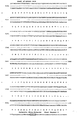
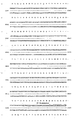
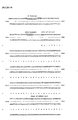
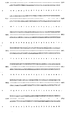
- caspase 4 (Fig. 5 ) (SEQ ID NO: 5) and caspase 5 ( Fig. 7 ) (SEQ ID NO:7) and transformants which produce caspase 4 and caspase 5 are known in the art.
- the enzymes may be produced in active form in E . coli by expression of N-terminally truncated peptides lacking the pro region, as described ( Munday NA et al., 1996, J. Biol. Chem 26:15870-76 .)
- Cells which produce the precursor polypeptide, such as Pro-IL-18, inherently or those which were transformed to produce the precursor are cultured in nutrient culture media.
- Preferred culture media include culture media well known in the art, such as Luria-Bertani medium or other rich medium for culturing E. coli comprising tryptone and yeast extract.
- Caspase 4 or caspase 5 obtained using the above method, is allowed to coexist in the resulting cultures or added to the resulting mixtures or cell debris after disrupting the proliferated cells separated or unseparated from the cultures.
- the amount of caspase 4 or caspase 5 required is less than the equimolar of the precursor.
- the caspase 4 or caspase 5 is contacted with the precursor at temperatures and pHs, which allow the caspase 4 or caspase 5 to act on the precursor, usually, the caspase 4 or caspase 5 is allowed to react with the precursor until the desired amount of active polypeptide is formed from the material precursor at temperatures of about 4°-40° C and pHs of about 6-9.
- the preferred temperature is about 25°C and the preferred pH is about 7.2.
- caspase 4 or caspase 5 may be assayed and expressed by units for activity according to the ⁇ g processed polypeptide produced per ⁇ g caspase 4 or caspase-5 per minute.
- the present invention further relates to methods for the in vivo activation of a precursor polypeptide, such as a precursor of IL-18 comprising co-expressing the protein with an activating protease. Also described are methods for the in vivo activation of IL-18 comprising the bicistronic co-expression of polypetides, such as IL-18, with proteasese such as, caspase 4, also known as ICE REL II, caspase 5, also known as ICE REL III, and ubiquitin.
- proteasese such as, caspase 4, also known as ICE REL II, caspase 5, also known as ICE REL III, and ubiquitin.
- human caspase 4 also known as ICE REL II, is co-expressed bicistronically with human Pro-IL-18 to allow for the in vivo processing of Pro-IL-18 into active IL-18.
- truncated human caspase 4 (SEQ ID NO. 4), is co-expressed bicistronically with human Pro-IL-18 to allow for the in vivo processing of Pro-IL-18 (SEQ ID NO:1) into active IL-1 (SEQ ID NO:3).
- human caspase 5 also known as ICE REL III, is co-expressed bicistronically with human Pro-IL-18 to allow for the in vivo processing of Pro-IL-18 into active IL-18 (SEQ ID NO:3).
- Ubiquitin protease 1 may be co-expressed bicistronically with Ubiquitin-IL-I8 (Ubp-IL-18) for the in vivo processing of Ub-IL-18 into active IL-18, for example (SEQ ID NO:9) into active IL-18 (SEQ ID NO. 3).
- Truncated human caspase 5 (SEQ ID NO. 5), may be co-expressed bicistronically with human Pro-IL-18 to allow for the in vivo processing of Pro-IL-18 (SEQ ID NO:1) into active IL-18 (SEQ ID NO:3).
- a DNA encoding caspase 4 or caspase 5 and a DNA encoding a precursor of the polypeptide are both introduced into an appropriate bacterial or mammalian host cell to transform it.
- caspase 4 or caspase 5, formed by the DNA expression acts on a precursor of the polypeptide, formed by the DNA expression in the same transformant, to form an active polypeptide ( Figures 11 and 15 ).
- Preferred host cells are epidermal-, interstitial-, neuroblast-, hematopoietic-cell lines, which are derived from humans, monkeys, mice and hamsters and used conventionally as hosts, such as 3T3 cells including 3T3-Swiss albino cells (ATCC CCL 92), C1271 cells (ATCC CRL 1616), CHO cells including CHO-K1 cells (ATCC CCL 61), CV-1 cells (ATCC CCL 70), COS cells including COS-1 cells (ATCC CCL 1650), HeLa cells (ATCC CCL 2), MOP cells including MOP-8 cells (ATCC CRL 1709) and mutants thereof. Most preferred host cells are E . coli.
- the most preferred method is of introducing DNA encoding caspase 4 or 5 and a DNA encoding a precursor of the polypeptide into E . coli is chemical transformation with rubidium chloride, which is well known in the art.
- Methods to introduce a DNA encoding caspase 4 or caspase 5 and a DNA encoding a precursor of the polypeptide into mammalian host cells include conventional DEAE-dextran method, phosphoric acid-calcium method, electroporation, lipofection, microinjection, and virus-infection method using retrovirus, Adenovirus, herpesvirus and vaccinia virus.
- vectors such as pCD, peDL-SRa, pKY4, pCDM8, pCEV4, pME18S and pSV2-gpt, including appropriate promoters, enhancers, replication origins, termination sites, splicing sequences, polyadenylation sequences and/or selection markers can be used following standard techniques described in Ausubel FM et al., 1994 Current Protocols in Molecular Biology, New York: Greene Publishing Assoc. and Wiley Interscience . Clones, which were observed by immunological detection to produce an activated polypeptide, were selected by choosing the desired clone from transformants after culturing in nutrient culture media.
- Cultures containing the active polypeptide can be obtained by culturing the cloned transformant with conventional nutrient culture used in this field.
- cells which inherently produce a precursor of the polypeptide and other cells which were transformed to produce the polypeptide they may produce the precursor along with activating enzymes, which activate the polypeptide, such as caspase 4, caspase 5, and ubiquitin.
- activating enzymes which activate the polypeptide, such as caspase 4, caspase 5, and ubiquitin.
- Recombinant DNA technologies using mammalian host cells are disclosed in detail in Glutzman, Cell, 23:175 (1981 ) Mullingan, PNAS78:2072 (1981 ).
- Recombinant DNA technologies using bacterial host cells are described in Protein Expression:A Practical Approach, S.J. Higgins and B.D. Hames eds. 1999, New York, Oxford University Press .
- resulting reaction mixtures and cultures containing an active IL-18 polypeptide can be used intact as an IFN- ⁇ inducer
- cells in the cultures are disrupted by ultrasonics, cell lysis enzymes and/or surfactants, followed by separating the polypeptide from the resulting cells and cell debris by filtration, centrifugation, etc., following standard industry procedures described in Protein Purification:Principles and Practice, Cantor, C.R. ed. 1993, New York, Spinger-Verlag .
- the polypeptide free of cells and cell debris may be purified by conventional purification methods used to purify biologically active substances in this field, for example, salting out, dialysis, filtration, concentration, separatory sedimentation, ion-exchange chromatography, gel filtration chromatography, adsorption chromatography, isoelectric chromatography, hydrophobic chromatography, reverse-phase chromatography, affinity chromatography, gel electrophoresis and electrofocusing. If necessary, two or more of these purification methods can be used in combination.
- the resulting purified polypeptide can be concentrated and lyophilized into a liquid or solid product to meet their final uses.
- the bicistronic expression cassettes of the present invention are versatile vectors which can be used for the in vivo processing of virtually any peptide containing the appropriate caspase 4/caspase 5 or ubiquitinase cleavage recognition sites as have been previously described ( Tobias, J.W. et al., Journal of Biological Chemistry, 1991. 266(18): p.12021.12028 ; Talanian, R.V. et al., Journal of Biological Chemistry, 1997.272(15): p.9677-9682 ).
- Bicistronic expression offers advantages over other co-expression strategies because both genes are tied to the same transcription unit, ensuring consistent expression of both genes over time.
- the bicistronic expression systems described here are ideally suited for the in vivo activation of enzymes, cytokines, growth factors, and other proteolytically activatable proteins, thereby enabling large-scale production of such proteins from cells in a single step and eliminating the need for a separate in vitro activation step.
- caspase 4 (Ala105 to Asn377) or caspase 5 (Ile146 to Asn418)
- caspase 4 Ala105 to Asn377)
- caspase 5 Ile146 to Asn4108
- a T7 terminator sequence is located downstream of the caspase-4 sequence for translational termination of the bicistronic transcription unit.
- a small intergenic region including a defective Shine-Dalgarno sequence was also added to permit only minimal translation initiation from the caspase-4 sequence ( Figures 10 , and 14 ).
- Other regulatory regions include a 25 basepair lac operator sequence located immediately downstream of the 17 basepair promoter region which is bound by lac repressor encoded by a copy of the lac-I gene located on the plasmid, thereby suppressing basal transcription in the absence of T7 RNA polymerase.
- the resultant plasmids designated ProIL18/Casp4 and ProIL18/Casp5 were then separately transfected into E. coli BL21 (DE3) strain that contains an inducible chromosomal copy of the T7 polymerase gene.
- the transcription of the bicistronic cassette is under the direction of the T7 promoter, which is controlled by the phage T7 RNA polymerase protein, encoded from a lysogenic copy of the T7 RNA polymerase gene.
- This chromosomal copy of T7 polymerase is itself under lacUV5 promoter control, inducible by the addition of isopropyl-1-thio-b-D-galactopyranoside. Induction leads to the coordinate transcription and translation of Pro-IL-18 and His-caspase-4 or His-caspase-5. Nascently translated caspase-4 or caspase-5 is autoprocessed to an active species, which initiates the proteolytic activation ProIL-18.
- Both the translated precursor IL-18 as well as the post-translationally activated IL-18 are mainly soluble inside E. coli .
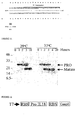
- Mature active IL-18 containing an N-terminal tyrosine is purified directly from bacterial cell lysates following induction by conventional chromatography methods. Cleavage to mature IL-18 with caspase-4 is complete by 4 hours at 37°C or by 18 hours at 29°C ( Figure 11 ) and cleavage to mature IL-18 with caspase-5 is complete by 18 hours at 29°C ( Figure 15 ).
- a truncated caspase 4, as shown in FIG. 4 (SEQ ID NO:4 and SEQ ID NO:5), or truncated caspase 5 as shown in FIG. 5 (SEQ ID NO: 6 and SEQ ID NO: 7) may be used. Truncation of caspase 4 and caspase 5 is disclosed in Munday, N.A., et al., 1995, J. Biol. Chemistry, 270, 15870-15876 .
- a method for creating an active polypeptide is also described by co-expression of a ubiquitin-specific protease with an N-terminal ubiquitin IL-18 fusion (precursor) which is converted to active IL-18 by the ubiquitin c-terminal hydrolase activity.
- a 76 amino acid ubiquitin protein containing an authentic N-terminal tyrosine is fused to the mature N-terminus of human IL-18 and coexpressed with a ubiquitin-specif protease in E . coli for example as shown in SEQ ID NO:10 and SEQ ID NO:11.
- Ubiquitin is a highly conserved 76-residue protein found in eucaryotic cells that function to mark proteins for degradation ( Baker, R.T., Current Opinion in Biotechnology, 1996. 7(5): p. 541-6 ). Ubiquitin is specifically cleaved from proteins by the action of ubiquitin-specific proteases that are endogenously expressed in eucaryotic cells but which are absent in bacteria. The co-expression of ubiquitin fused proteins with ubiquitin-specific proteaese in E .coli also leads to the efficient removal of ubiquitin ( Baker, R.T. et al., Journal of Biological Chemistry, 1992. 267(32): p. 23364-75 ) ( Figure 20 ).
- Ubiquitin-IL-18 Ubiquitin-IL-18
- Ubp-1 Ubp-1
- Tobias, J.W. et al., Journal ofBiological Chemistry, 1991. 266(18): p.12021.12028 is accomplished through the bicistronic expression of the two genes under inducible T7 promoter control.
- Mature IL-18 is expressed as an N-terminal fusion with the evolutionarily conserved 76 amino acid ubiquitin peptide.
- the Ub-IL-18 cDNA is subcloned under the control of the T7 RNA polymerase promoter within pET28a vector.
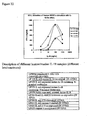
- the active human IL-18 polypeptide obtained by the present methods has an activity of inducing the production of IFN- ⁇ as a useful biologically active substance, stimilates the production of IFNg from KG-1 (human myelomonocytic cell line) cells Figure 21 and purified human PBMCs ( Figure 22 ).
- Human-precursor IL-18 was expressed as an N-terminal hexa-histidine tagged fusion in E. coli.
- the expression plasmid, ProEx-hIL18 was derived from a vector, pPROEX-1 (Life Technologies) containing the Trc promoter and Iaclq for inducible expression with isopropyl-1-thio- ⁇ -D-galactopyranoside (IPTG).
- IPTG isopropyl-1-thio- ⁇ -D-galactopyranoside
- IPTG isopropyl-1-thio- ⁇ -D-galactopyranoside
- a DNA fragment containing the entire caspase 5 precursor gene was PCR amplified from a cDNA clone, tailing 5' with Nde I and 3' with Bam HI restriction endonuclease sites. The amplified product was subcloned between these two restriction sites in pPROEX-, thus generating an in frame N-terminal
- the resultant plasmid was expressed in DH10B host cells following induction with 1mM IPTG for 5 hours at 37°C. Recombinant protein was harvested from cell pellets obtained following centrifugation of the induced cultures.
- E coli cells expressing pro-IL-18 as described in EXAMPLE 1 were suspended in 3.6 L lysis Buffer C (50 mM Tris HCl, 10 mM BME, 0.5 M NaCl, 5 % glycerol, 1 ug/ml pepstatin A, 1 ug/ml leupepsin, 0.4 mM AEBSF), lysed by two passes through Microfluidics at 12,000 psi, centrifuged at 28,000 xg, and 3.7 L supernatant were collected.
- lysis Buffer C 50 mM Tris HCl, 10 mM BME, 0.5 M NaCl, 5 % glycerol, 1 ug/ml pepstatin A, 1 ug/ml leupepsin, 0.4 mM AEBSF
- Human caspase-4 was also expressed as an N-terminal Hexa-histindine tagged fusion in E . coli.
- the expression plasmid, pET16b-caspase 4 was derived from a vector pET16b (Novagen) containing the phage T7 promoter.
- the recombinant vector was constructed by PCR amplification of the caspase-4 active domain (amino acids Ile146 to Asn418) incorporating a hexa-histidine coding sequence at the N-terminus and tailing with Nco I and Xho I restriction endonuclease sites. The resultant PCR product was then subcloned between these two restriction sites to generate the N-terminal Hexa Histidine-Caspase 4 fusion vector.
- the resultant plasmid was transformed into the lysogenic BL21 DE3 E. coli strain containing a chromosomal copy of T7 RNA polymerase under lacUV5 promoter control enabling inducible expression of caspase 4 following induction with 1mM IPTG. Active protein was purified from cell pellets isolated following induction at 37°C for 3 hours.
- caspase 4 activity can be detected in the lysate supernatant.
- both p10 and p20 are recovered. This indicates that caspase 4 protease domain is activated during cell culture through autocleavage at the junction of p10 and p20 and remains as a soluble noncovalent heterodimer.
- hexa-His tagged p20/p10 heterodimer can be purified. The entire process is carried out at 4°C to avoid any further breakdown of the molecule.
- Approximately 400 g of wet E. coli cell pellet was suspended in 1.6 L of lysis buffer containing 25 mM HEPES, 0.1% CHAPS, 500 mM NaCl, 10 mM beta mercaptoethanol (BME) at pH 7.4, and 10% glycerol (Buffer A) and lysed by two passes through Microfluidics at 12,000 psi. The lysate was centrifuged at 30,000xg for one hour and lysate supernatant, 1.7 L, was recovered.
- lysis buffer containing 25 mM HEPES, 0.1% CHAPS, 500 mM NaCl, 10 mM beta mercaptoethanol (BME) at pH 7.4, and 10% glycerol (Buffer A)
- NiNTA agarose 150 ml, which was preequilibrated with lysis buffer containing 5 mM imidazole, was added to the lysate supernatant, the suspension was adjusted to pH 8.0 with 2 N NaOH, and caspase 4 was batch-absorbed for one hour.
- NiNTA agarose was packed in the column, washed with 5 mM and 25 mM imidazole in Buffer A sequentially to remove impurities, and caspase 5 was eluted with 300 mM imidazole in Buffer A.
- the protein was dialyzed against Buffer B (25 mM HEPES, 0.1 % CHAPS, 10% glycerol, 10mM BME, pH 8.0) and applied to DEAE ToyoPearl 650M column preequilibrated with the same buffer. Caspase 4 was eluted from the column with 100 mM NaCl in the same buffer. Fractions displaying highest specific activity of caspase 4 using fluorescent peptide substrate, LEED-AMC, were pooled.
- Buffer B 25 mM HEPES, 0.1 % CHAPS, 10% glycerol, 10mM BME, pH 8.0
- Pro-IL-18 purified as described in Example 2 was incubated with Caspase 4 at 1:500 w/w ratio for 3 hours at room temperature.
- the cleavage reaction of prodomain was completed >90 % according to SDS-PAGE analysis.
- 140 ml of NiNTA agarose in Buffer D was added, incubated for one hour, and poured to sintered glass funnel to recover unbound material containing mainly mature IL-18. Small amounts of remaining pro-IL-18, prodomain, caspase 4, and other impurities were bound to NINTA agarose.
- the unbound solution was adjusted to 25 mM DTT, incubated for one hour to complete reduction reaction, adjusted the pH of the solution to 6.0 by adding 2 M phosphoric acid, and concentrated to 86 ml using YM10 membrane. The concentrated sample was applied to Superdex 75 column equilibrated with 10mM NaPhosphate pH 6.0 containing 0.1M NaCl. Pooled fractions contained 560 mg of mature IL-18.
- Activation of IL-18 can also be achieved in vivo through the simultaneous expression of human precursor IL-1 and caspase-4.
- Pro-IL-18 is co-expressed bicistronically in E. coli from a single transcript with human caspase-4 within the expression plasmid, pET28-Pro-IL-18/Casp4 ( Figures 5 and 6 ).
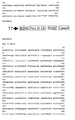
- the human pro-IL-18 gene is subcloned into pET28a (Novagen) under the control of the T7 promoter including an efficient Shine-Dalgarno sequence for optimal translation initiation from the Pro-IL-18 sequence ( Figure 8 ).
- the caspase 4 gene (Ile146 to Asn418) was subcloned immediately after the Pro-IL-18 sequence including a defective Shine-Dalgarno sequence, permitting minimal translation initiation from the caspase 4 sequence.
- a T7 terminator sequence was included for translational termination following the bicistronic transcription unit.
- the resultant construct was then transfected into a BL21(DE3) host containing an inducible chromosomal copy of the T7 polymerase gene. Induction of this construct in this host with 1mM IPTG resulted in the coordinate transcription and translation of pro-IL-18 and pro-caspase 4.
- Nascently translated pro-caspase 4 is autoprocessed to an active species which initiates the proteolytic activation of pro-IL-18.
- Figure 8 shows a time course of IL-18 activation over 18 hours at 29°C following 1mM IPTG induction (0-18 hours).
- E. coli cells expressing IL-18 as described in Example 6 were suspended in 130 ml of 0.1 M HEPES pH 7.5 containing 1 mM EDTA and 10 mM DTT (entire process was performed at 4°C and in the presence of 10 mM DTT except the last step to maintain free SH) and lysed at 15,000 psi by two passes using Microfluidics.
- the lysate (230 ml) was centrifuged at 34,000 xg for 30 min.
- the supernatant (200 ml) was diluted to 1 L with 25 mM HEPES pH 7.0 and flowed through two columns in tandem, ToyoPearl SP 650M and ToyoPearl DEAE 650M.
- the pool was concentrated to 50 ml using YM10 membrane and applied to Superdex 75 column which was preequilibrated with 10 mM NaPO4 pH 6.0 containing 1 mM EDTA and 0.15 M NaCl (no DTT for in vivo use).
- Human truncated caspase 5 was also expressed as an N-terminal Hexa-histindine tagged fusion in E. coli.
- the expression plasmid, pET16b- truncated caspase 5, was derived from a vector pET16b (Novagen) containing the phage T7 promoter.
- the recombinant vector was constructed by PCR amplification of the truncated caspase 5 active domain (amino acids Ile146 to Asn418) incorporating a hexa-histidine coding sequence at the N-terminus and tailing with Nco I and Xho I restriction endonuclease sites. The resultant PCR product was then subcloned between these two restriction sites to generate the N-terminal Hexa Histidine- truncated caspase 5 fusion vector.
- the resultant plasmid was transformed into the lysogenic BL21 DE3 E. coli strain containing a chromosomal copy of T7 RNA polymerase under lacUV5 promoter control enabling inducible expression of truncated caspase 5 following induction with 1mM IPTG. Active protein was purified from cell pellets isolated following induction at 37°C for 3 hours.
- Approximately 400 g of wet E. coli cell pellet was suspended in 1.6 L of lysis buffer containing 25 mM HEPES, 0.1% CHAPS, 500 mM NaCl, 10 mM beta mercaptoethanol (BME) at pH 7.4, and 10% glycerol (Buffer A) and lysed by two passes through Microfluidics at 12,000 psi. The lysate was centrifuged at 30,000xg for one hour and lysate supernatant, 1.7 L, was recovered.
- lysis buffer containing 25 mM HEPES, 0.1% CHAPS, 500 mM NaCl, 10 mM beta mercaptoethanol (BME) at pH 7.4, and 10% glycerol (Buffer A)
- NiNTA agarose 150 ml, which was preequilibrated with lysis buffer containing 5 mM imidazole, was added to the lysate supernatant, the suspension was adjusted to pH 8.0 with 2 N NaOH, and caspase 5 was batch-absorbed for one hour.
- NiNTA agarose was packed in the column, washed with 5 mM and 25 mM imidazole in Buffer A sequentially to remove impurities, and caspase 5 was eluted with 300 mM imidazole in Buffer A.
- the protein was dialyzed against Buffer B (25 mM HEPES, 0.1% CHAPS, 10% glycerol, 10mum BME, pH 8.0) and applied to DEAE ToyoPearl 650M column preequilibrated with the same buffer.
- Buffer B 25 mM HEPES, 0.1% CHAPS, 10% glycerol, 10mum BME, pH 8.0
- the truncated caspase 5 was eluted from the column with 100 mM NaCl in the same buffer. Fractions displaying highest specific activity of truncated caspase 5 using fluorescent peptide substrate, LEED-AMC, were pooled.
- Pro-IL-18 prepared and purified as described in Examples 1 and 2 was incubated with truncated caspase 5 at 1:500 w/w ratio for 3 hours at room temperature. The cleavage reaction of prodomain was completed >90 % according to SDS-PAGE analysis. To the reaction mixture, 140 ml of NiNTA agarose in Buffer D was added, incubated for one hour, and poured to sintered glass funnel to recover unbound material containing mainly mature IL-18. Small amounts of remaining pro-IL-18, prodomain, truncated caspase 5, and other impurities were bound to NINTA agarose.
- the unbound solution was adjusted to 25 mM DTT, incubated for one hour to complete reduction reaction, adjusted the pH of the solution to 6.0 by adding 2 M phosphoric acid, and concentrated to 86 ml using YM10 membrane. The concentrated sample was applied to Superdex 75 column equilibrated with 10mM NaPhosphate pH 6.0 containing 0.1M NaCl. Pooled fractions contained 560 mg of mature IL-18.
- Activation of IL-18 can also be achieved in vivo through the simultaneous expression of human precursor IL-18 and truncated caspase 5.
- Pro-IL-18 was co-expressed bicistronically in E. coli from a single transcript with human truncated caspase 5 within the expression plasmid, pET28-ProIL18/Casp5 ( Figure 9 ).
- the human pro-IL-18 gene is subcloned into pET28a (Novagen) under the control of the T7 promoter including an efficient Shine-Dalgarno sequence for optimal translation initiation from the Pro-IL-18 sequence ( Figure 10 ).
- the truncated caspase 5 gene (Ile146 to Asn418) was subcloned immediately after the Pro-IL-18 sequence including a defective Shine-Dalgarno sequence, permitting minimal translation initiation from the truncated caspase 5 sequence.
- a T7 terminator sequence was included for translational tennination following the bicistronic transcription unit.
- the resultant construct was then transfected into a BL21 (DE3) host containing an inducible chromosomal copy of the T7 polymerise gene. Induction of this construct in this host with 1mM IPTG resulted in the coordinate transcription and translation of pro-IL-18 and pro-caspase 5.
- Nascently translated pro-caspase 5 is autoprocessed to an active species which initiates the proteolytic activation of pro-IL-18.
- E. coli cells expressing IL-18 as described in Example 12 were suspended in 130 ml of 0.1 M HEPES pH 7.5 containing 1 mM EDTA and 10 mM DTT (entire process was performed at 4°C and in the presence of 10 mM DTT except the last step to maintain free SH) and lysed at 15,000 psi by two passes using Microfluidics.
- the lysate (230 ml) was centrifuged at 34,000 xg for 30 min.
- the supernatant (200 ml) was diluted to 1 L with 25 mM HEPES pH 7.0 and flowed through two columns in tandem, ToyoPearl SP 650M and ToyoPearl DEAE 650M.
- the pool was concentrated to 50 ml using YM10 membrane and applied to Superdex 75 column which was preequilibrated with 10 mM NaPO4 pH 6.0 containing 1 mM EDTA and 0.15 M NaCl (no DTT for in vivo use).
- the 76 amino acid ubiquitin coding sequence is fused in frame with the start of mature human IL-18 through blunt end ligation such that the first tyrosine codon of mature IL-18 immediately follows the glycine 76 codon of ubiquitin.
- the gene fusion is then subcloned into a pET vector under the control of the T7 promoter including an efficient Shine-Dalgarno sequence for optimal translation initiation from the ubiquitin-IL-18 gene sequence.
- the full-length Ubp-1 gene is then subcloned immediately following IL-18 including a defective Shine-Dalgarno sequence for minimal translation of Ubp-1.
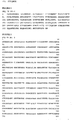
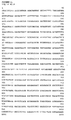
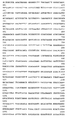
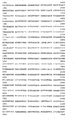
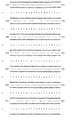
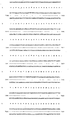
- Fig. 11 depicts the sequence of UbIL-18/Ubp-1 expression cassette within pET28.
- Fig.13 depicts the annotated sequence of UbIL-18/Ubp-1 within pET28. Numbering corresponds to the position within pET28.
- Example 14 was then transfected into a BL21 (DE3) host. Induction with 1mM IPTG resulted in the coordinate transcription and translation of Ubiquitin-IL-18 and Ubp-1. The enzymatic action of Ubp-1 led to the efficient processing of Ub-IL-18 to mature active IL-18 which can then be directly purified from E. coli lysates by conventional methods.
- Figure 16 illustrates the time course of IL-18 expression and processing at 30°C and 37°C following induction with 1 mM IPTG. The top arrow indicates the portion of unprocessed UB-IL-18 in Lane 1. Bottom arrow indicates the portion of processed IL-18 in Lane 3. (Western blot detection using anti-IL-18 antisera.)
- E. coli cells expressing IL-18 as described in Example 15 were suspended in 130 ml of 0.1 M HEPES pH 7.5 containing 1 mM EDTA and 10 mM DTT (entire process was performed at 4°C and in the presence of 10 mM DTT except the last step to maintain free SH) and lysed at 15,000 psi by two passes using Microfluidics.
- the lysate (230 ml) was centrifuged at 34,000 xg for 30 min.
- the supernatant (200 ml) was diluted to 1 L with 25 mM HEPES pH 7.0 and flowed through two columns in tandem, ToyoPearI SP 650M and ToyoPearl DEAE 650M.
- the pool was concentrated to 50 ml using YM10 membrane and applied to Superdex 75 column which was preequilibrated with 10 mM NaPO4 pH 6.0 containing 1 mM EDTA and 0.15 M NaCl (no DTT for in vivo use).
Landscapes
- Health & Medical Sciences (AREA)
- Chemical & Material Sciences (AREA)
- Life Sciences & Earth Sciences (AREA)
- Organic Chemistry (AREA)
- Zoology (AREA)
- General Health & Medical Sciences (AREA)
- Molecular Biology (AREA)
- Engineering & Computer Science (AREA)
- Biochemistry (AREA)
- Genetics & Genomics (AREA)
- Medicinal Chemistry (AREA)
- Chemical Kinetics & Catalysis (AREA)
- Proteomics, Peptides & Aminoacids (AREA)
- Biophysics (AREA)
- Gastroenterology & Hepatology (AREA)
- Bioinformatics & Cheminformatics (AREA)
- Toxicology (AREA)
- General Chemical & Material Sciences (AREA)
- Wood Science & Technology (AREA)
- Veterinary Medicine (AREA)
- Animal Behavior & Ethology (AREA)
- Public Health (AREA)
- Pharmacology & Pharmacy (AREA)
- Biotechnology (AREA)
- Microbiology (AREA)
- Nuclear Medicine, Radiotherapy & Molecular Imaging (AREA)
- General Engineering & Computer Science (AREA)
- Preparation Of Compounds By Using Micro-Organisms (AREA)
- Enzymes And Modification Thereof (AREA)
- Peptides Or Proteins (AREA)
- Micro-Organisms Or Cultivation Processes Thereof (AREA)
- Medicines That Contain Protein Lipid Enzymes And Other Medicines (AREA)
Priority Applications (2)
| Application Number | Priority Date | Filing Date | Title |
|---|---|---|---|
| SI200130942T SI1292697T1 (sl) | 2000-06-15 | 2001-06-11 | Postopek za pripravo fiziološko aktivnega polipeptida IL-18 |
| CY20091101038T CY1109478T1 (el) | 2000-06-15 | 2009-10-08 | Μεθοδος παρασκευης φυσιολογικως δραστικου πολυπεπτιδιου il-18 |
Applications Claiming Priority (7)
| Application Number | Priority Date | Filing Date | Title |
|---|---|---|---|
| US21183200P | 2000-06-15 | 2000-06-15 | |
| US211832P | 2000-06-15 | ||
| US22412800P | 2000-08-10 | 2000-08-10 | |
| US224128P | 2000-08-10 | ||
| US26492301P | 2001-01-20 | 2001-01-20 | |
| US264923P | 2001-01-20 | ||
| PCT/US2001/018804 WO2001098455A2 (en) | 2000-06-15 | 2001-06-11 | Method for preparing a physiologically active il-18 polypeptide |
Publications (3)
| Publication Number | Publication Date |
|---|---|
| EP1292697A2 EP1292697A2 (en) | 2003-03-19 |
| EP1292697A4 EP1292697A4 (en) | 2005-08-10 |
| EP1292697B1 true EP1292697B1 (en) | 2009-07-22 |
Family
ID=27395664
Family Applications (1)
| Application Number | Title | Priority Date | Filing Date |
|---|---|---|---|
| EP01958830A Expired - Lifetime EP1292697B1 (en) | 2000-06-15 | 2001-06-11 | Method for preparing a physiologically active il-18 polypeptide |
Country Status (24)
| Country | Link |
|---|---|
| US (2) | US7186528B2 (pl) |
| EP (1) | EP1292697B1 (pl) |
| JP (1) | JP5121109B2 (pl) |
| KR (1) | KR20030022144A (pl) |
| CN (1) | CN100390281C (pl) |
| AR (1) | AR033979A1 (pl) |
| AT (1) | ATE437234T1 (pl) |
| AU (2) | AU8044201A (pl) |
| BR (1) | BR0111692A (pl) |
| CA (1) | CA2412730C (pl) |
| CZ (1) | CZ20024085A3 (pl) |
| DE (1) | DE60139316D1 (pl) |
| DK (1) | DK1292697T3 (pl) |
| ES (1) | ES2329875T3 (pl) |
| HU (1) | HUP0501002A3 (pl) |
| IL (2) | IL153422A0 (pl) |
| MX (1) | MXPA02012292A (pl) |
| MY (1) | MY136526A (pl) |
| NO (1) | NO330682B1 (pl) |
| NZ (1) | NZ522845A (pl) |
| PL (2) | PL208592B1 (pl) |
| PT (1) | PT1292697E (pl) |
| SI (1) | SI1292697T1 (pl) |
| WO (1) | WO2001098455A2 (pl) |
Families Citing this family (13)
| Publication number | Priority date | Publication date | Assignee | Title |
|---|---|---|---|---|
| TWI335336B (pl) * | 2000-02-10 | 2011-01-01 | Abbott Gmbh & Co Kg | |
| ATE459647T1 (de) | 2003-04-15 | 2010-03-15 | Glaxosmithkline Llc | Humane il-18 substitutionsmutanten und deren konjugate |
| US7416852B2 (en) * | 2003-08-15 | 2008-08-26 | University Of Florida Research Foundation | Identification of Porphyromonas gingivalis virulence polynucleotides for diagnosis, treatment, and monitoring of periodontal diseases |
| US7968684B2 (en) * | 2003-11-12 | 2011-06-28 | Abbott Laboratories | IL-18 binding proteins |
| JP2007512008A (ja) * | 2003-11-24 | 2007-05-17 | ノボ ノルディスク アクティーゼルスカブ | 融合タンパク質及び該タンパク質の切断方法 |
| EP1793859B1 (en) * | 2004-08-20 | 2009-03-25 | Smithkline Beecham Corporation | Treatment of oral and intestinal mucositis by administering human il-18 |
| EP2059253A4 (en) | 2006-09-14 | 2011-09-14 | Univ Pennsylvania | MODULATION OF T LYMPHOCYTES REGULATORS BY HUMAN IL-18 |
| AR065803A1 (es) * | 2007-03-23 | 2009-07-01 | Smithkline Beecham Corp | Uso de un polipeptido de il- 18 humana y un anticuerpo anti- cd para preparar unmedicamento |
| KR101940430B1 (ko) | 2014-08-07 | 2019-01-18 | 가꼬우호우징 효고 이카다이가쿠 | Il-18과 분자 표적 항체를 병용하는 암 치료약 |
| JP2019023165A (ja) * | 2015-12-11 | 2019-02-14 | 国立大学法人京都大学 | インターロイキン−18活性阻害剤 |
| CN111315395A (zh) | 2017-09-06 | 2020-06-19 | 耶鲁大学 | 白细胞介素-18变体和使用方法 |
| KR20200080749A (ko) * | 2018-12-27 | 2020-07-07 | 주식회사 폴루스 | N-말단의 메티오닌이 절단된 목적 단백질 발현용 유전자 발현 카세트 및 이를 이용하여 n-말단의 메티오닌이 절단된 목적 단백질을 생산하는 방법 |
| JP2025508823A (ja) | 2022-02-23 | 2025-04-10 | ブライト ピーク セラピューティクス エージー | 免疫抗原特異的il-18免疫サイトカイン及びその使用 |
Family Cites Families (19)
| Publication number | Priority date | Publication date | Assignee | Title |
|---|---|---|---|---|
| US5985863A (en) | 1996-09-12 | 1999-11-16 | Vertex Pharmaceuticals, Inc. | Compositions and methods for decreasing IGIF and IFN-γ production by administering an ICE inhibitor |
| US6204261B1 (en) * | 1995-12-20 | 2001-03-20 | Vertex Pharmaceuticals Incorporated | Inhibitors of interleukin-1β Converting enzyme inhibitors |
| US5192324A (en) | 1982-02-18 | 1993-03-09 | Howmedica Inc. | Bone prosthesis with porous coating |
| DE3752372T2 (de) * | 1986-10-02 | 2004-06-24 | Massachusetts Institute Of Technology, Cambridge | Verfahren zur regulierung der metabolischen stabilität von proteinen |
| EP0531404B1 (en) | 1990-05-09 | 1995-04-19 | Massachusetts Institute Of Technology | Ubiquitin-specific protease |
| US5212058A (en) | 1990-05-09 | 1993-05-18 | Massachusetts Institute Of Technology | Nucleic acid encoding ubiquitin-specific proteases |
| US5914254A (en) * | 1993-08-02 | 1999-06-22 | Celtrix Pharmaceuticals, Inc. | Expression of fusion polypeptides transported out of the cytoplasm without leader sequences |
| US6110701A (en) | 1994-04-08 | 2000-08-29 | Merck Frosst Canada & Co. | DNA encoding precursor of interleukin-1β converting enzyme--related cysteine proteinase II (ICErel -II) |
| US5552536A (en) | 1994-04-08 | 1996-09-03 | Merck Frosst Canada, Inc. | DNA encoding precursor of interleukin-1 beta converting enzyme - related cysteine proteinase III (ice rel-III) |
| DE69519454T2 (de) | 1994-07-14 | 2001-05-03 | Kabushiki Kaisha Hayashibara Seibutsu Kagaku Kenkyujo, Okayama | Protein, das Interferon-Gamma Herstellung induziert und monoklonaler Antikörper dagegen |
| TW581771B (en) | 1994-11-15 | 2004-04-01 | Hayashibara Biochem Lab | Recombinant production of a polypeptide for inducing interferon-gamma production, and monoclonal antibody against the polypeptide |
| JP2724987B2 (ja) | 1994-11-15 | 1998-03-09 | 株式会社林原生物化学研究所 | インターフェロン−γの産生を誘導するポリペプチド |
| US6074050A (en) | 1997-12-03 | 2000-06-13 | Hewlett-Packard Company | Method and apparatus for venting an ink container |
| WO1997024441A1 (en) | 1995-12-29 | 1997-07-10 | Incyte Pharmaceuticals, Inc. | Nucleic acids encoding interferon gamma inducing factor-2 |
| JPH1080270A (ja) * | 1996-07-19 | 1998-03-31 | Hayashibara Biochem Lab Inc | ポリペプチドをプロセッシングする酵素 |
| JP4010606B2 (ja) * | 1996-07-25 | 2007-11-21 | 株式会社林原生物化学研究所 | ポリペプチドの製造方法 |
| TW515843B (en) * | 1996-07-25 | 2003-01-01 | Hayashibara Biochem Lab | Process for producing an active polypeptide inducing interferon-γ production |
| US6054487A (en) * | 1997-03-18 | 2000-04-25 | Basf Aktiengesellschaft | Methods and compositions for modulating responsiveness to corticosteroids |
| JP2003525570A (ja) * | 1998-01-23 | 2003-09-02 | ノボ ノルディスク アクティーゼルスカブ | 酵母において所望のポリペプチドを産生する方法 |
-
2001
- 2001-06-11 PL PL387774A patent/PL208592B1/pl not_active IP Right Cessation
- 2001-06-11 PL PL01366134A patent/PL366134A1/pl not_active Application Discontinuation
- 2001-06-11 MX MXPA02012292A patent/MXPA02012292A/es active IP Right Grant
- 2001-06-11 WO PCT/US2001/018804 patent/WO2001098455A2/en not_active Ceased
- 2001-06-11 CZ CZ20024085A patent/CZ20024085A3/cs unknown
- 2001-06-11 KR KR1020027016834A patent/KR20030022144A/ko not_active Ceased
- 2001-06-11 US US10/311,491 patent/US7186528B2/en not_active Expired - Lifetime
- 2001-06-11 PT PT01958830T patent/PT1292697E/pt unknown
- 2001-06-11 AU AU8044201A patent/AU8044201A/xx active Pending
- 2001-06-11 AT AT01958830T patent/ATE437234T1/de active
- 2001-06-11 CA CA2412730A patent/CA2412730C/en not_active Expired - Lifetime
- 2001-06-11 SI SI200130942T patent/SI1292697T1/sl unknown
- 2001-06-11 DE DE60139316T patent/DE60139316D1/de not_active Expired - Lifetime
- 2001-06-11 IL IL15342201A patent/IL153422A0/xx active IP Right Grant
- 2001-06-11 JP JP2002504604A patent/JP5121109B2/ja not_active Expired - Lifetime
- 2001-06-11 BR BR0111692-4A patent/BR0111692A/pt not_active IP Right Cessation
- 2001-06-11 HU HU0501002A patent/HUP0501002A3/hu unknown
- 2001-06-11 CN CNB018112781A patent/CN100390281C/zh not_active Expired - Fee Related
- 2001-06-11 NZ NZ522845A patent/NZ522845A/en not_active IP Right Cessation
- 2001-06-11 AU AU2001280442A patent/AU2001280442B2/en not_active Ceased
- 2001-06-11 DK DK01958830T patent/DK1292697T3/da active
- 2001-06-11 EP EP01958830A patent/EP1292697B1/en not_active Expired - Lifetime
- 2001-06-11 ES ES01958830T patent/ES2329875T3/es not_active Expired - Lifetime
- 2001-06-13 AR ARP010102818A patent/AR033979A1/es active IP Right Grant
- 2001-06-14 MY MYPI20012804A patent/MY136526A/en unknown
-
2002
- 2002-12-12 IL IL153422A patent/IL153422A/en not_active IP Right Cessation
- 2002-12-13 NO NO20026002A patent/NO330682B1/no not_active IP Right Cessation
-
2006
- 2006-04-11 US US11/402,187 patent/US7442526B2/en not_active Expired - Lifetime
Also Published As
Similar Documents
| Publication | Publication Date | Title |
|---|---|---|
| KR0157983B1 (ko) | 아미드화 효소 발현계 | |
| KR100682185B1 (ko) | 생물학적 활성분자의 제조 | |
| EP1292697B1 (en) | Method for preparing a physiologically active il-18 polypeptide | |
| JP4504014B2 (ja) | インスリン分泌性glp−1(7−36)ポリペプチドおよび/またはglp−1類似体を生成する方法 | |
| AU2001280442A1 (en) | Method for preparing a physiologically active IL-18 polypeptide | |
| KR20130059404A (ko) | 원핵생물 발현 구축물 | |
| CN108192905A (zh) | 一种表达盒、表达载体、宿主菌及制备无标签重组人il37成熟肽的方法 | |
| NO323623B1 (no) | Isolert og renset TNF-<alfa>-omdannende enzym (TACE)-polypeptid med evnen til a omdanne TNF-<alfa> fra formen pa 26 kD til formen pa 17 kD, isolerte og rensede antistoffer, fremgangsmate for pavisning av den TACE-inhiberende aktivitet til et molekyl, isolert nukleinsyre, ekspresjonsvektor, vertcelle, fremgangsmate for fremstilling av et TNF-<alfa>-omdannende enzym (TACE)- polypeptid, anvendelse av TNF-<alfa>-omdannende enzym (TACE)- polypeptid for fremstilling av et medikament for behandling av tumorer, inflammasjon eller fertilitetsforstyrrelser. | |
| AU8640798A (en) | Recombinant expression of insulin c-peptide | |
| JP2000504561A (ja) | Il―16活性のあるポリペプチド類、その製造方法およびその使用 | |
| KR102345011B1 (ko) | GroES 융합을 이용한 글루카곤 유사 펩타이드-1 또는 이의 유사체의 생산방법 | |
| HK1055138B (en) | Method for preparing a physiologically active il-18 polypeptide | |
| ZA200209955B (en) | Method for preparing a physiologically-18-polypeptide. | |
| EP1697509B1 (en) | Processing of peptides and proteins | |
| KR101099398B1 (ko) | OmpT 프로테아제 변이체를 이용한 폴리펩티드의 절단 방법 | |
| EP1841862B1 (en) | A ubp1 protease mutant,and its coding sequence, their applications and heterogonous protein expression system | |
| KR102345012B1 (ko) | GroES 융합을 이용한 인간부갑상선호르몬 1-34의 생산방법 | |
| US7098018B2 (en) | Aminopeptidase derived from bacillus licheniformis, gene encoding the aminopeptidase, expression vector containing the gene, transformant and method for preparation thereof | |
| KR102009709B1 (ko) | 융합 폴리펩타이드를 이용하여 인간 부갑상선 호르몬 1-84를 생산하는 방법 | |
| KR102011291B1 (ko) | 신규한 융합 폴리펩타이드 및 이를 이용하여 인간 부갑상선 호르몬 1-34를 생산하는 방법 | |
| JP4010606B2 (ja) | ポリペプチドの製造方法 | |
| Priyatno et al. | Cloning and expression of synthetic Mx1 gene involved in early maternal recognition pregnancy in cattle | |
| EP1523567A1 (en) | Methods of enhancing yields of soluble proteins |
Legal Events
| Date | Code | Title | Description |
|---|---|---|---|
| PUAI | Public reference made under article 153(3) epc to a published international application that has entered the european phase |
Free format text: ORIGINAL CODE: 0009012 |
|
| 17P | Request for examination filed |
Effective date: 20030108 |
|
| AK | Designated contracting states |
Designated state(s): AT BE CH CY DE DK ES FI FR GB GR IE IT LI LU MC NL PT SE TR Kind code of ref document: A2 Designated state(s): AT BE CH CY DE DK ES FI FR GB GR IE IT LI LU MC NL PT SE TR |
|
| AX | Request for extension of the european patent |
Extension state: AL LT LV MK RO SI |
|
| A4 | Supplementary search report drawn up and despatched |
Effective date: 20050624 |
|
| 17Q | First examination report despatched |
Effective date: 20061121 |
|
| GRAP | Despatch of communication of intention to grant a patent |
Free format text: ORIGINAL CODE: EPIDOSNIGR1 |
|
| GRAS | Grant fee paid |
Free format text: ORIGINAL CODE: EPIDOSNIGR3 |
|
| GRAA | (expected) grant |
Free format text: ORIGINAL CODE: 0009210 |
|
| AK | Designated contracting states |
Kind code of ref document: B1 Designated state(s): AT BE CH CY DE DK ES FI FR GB GR IE IT LI LU MC NL PT SE TR |
|
| AX | Request for extension of the european patent |
Extension state: SI |
|
| REG | Reference to a national code |
Ref country code: GB Ref legal event code: FG4D |
|
| REG | Reference to a national code |
Ref country code: CH Ref legal event code: EP |
|
| REG | Reference to a national code |
Ref country code: IE Ref legal event code: FG4D |
|
| REF | Corresponds to: |
Ref document number: 60139316 Country of ref document: DE Date of ref document: 20090903 Kind code of ref document: P |
|
| REG | Reference to a national code |
Ref country code: SE Ref legal event code: TRGR |
|
| REG | Reference to a national code |
Ref country code: PT Ref legal event code: SC4A Free format text: AVAILABILITY OF NATIONAL TRANSLATION Effective date: 20091021 |
|
| REG | Reference to a national code |
Ref country code: CH Ref legal event code: NV Representative=s name: ISLER & PEDRAZZINI AG |
|
| REG | Reference to a national code |
Ref country code: DK Ref legal event code: T3 |
|
| REG | Reference to a national code |
Ref country code: GR Ref legal event code: EP Ref document number: 20090402489 Country of ref document: GR |
|
| REG | Reference to a national code |
Ref country code: ES Ref legal event code: FG2A Ref document number: 2329875 Country of ref document: ES Kind code of ref document: T3 |
|
| REG | Reference to a national code |
Ref country code: HK Ref legal event code: GR Ref document number: 1055138 Country of ref document: HK |
|
| RAP2 | Party data changed (patent owner data changed or rights of a patent transferred) |
Owner name: GLAXOSMITHKLINE LLC |
|
| REG | Reference to a national code |
Ref country code: CH Ref legal event code: PFA Owner name: LAXOSMITHKLINE LLC Free format text: SMITHKLINE BEECHAM CORPORATION#ONE FRANKLIN PLAZA#PHILADELPHIA, PA 19103 (US) -TRANSFER TO- GLAXOSMITHKLINE LLC#ONE FRANKLIN PLAZA 200 NORTH 16TH STREET#PHILADELPHIA, PA 19102 (US) |
|
| PLBE | No opposition filed within time limit |
Free format text: ORIGINAL CODE: 0009261 |
|
| STAA | Information on the status of an ep patent application or granted ep patent |
Free format text: STATUS: NO OPPOSITION FILED WITHIN TIME LIMIT |
|
| 26N | No opposition filed |
Effective date: 20100423 |
|
| PGFP | Annual fee paid to national office [announced via postgrant information from national office to epo] |
Ref country code: TR Payment date: 20110601 Year of fee payment: 11 Ref country code: MC Payment date: 20110530 Year of fee payment: 11 Ref country code: GR Payment date: 20110530 Year of fee payment: 11 Ref country code: CH Payment date: 20110427 Year of fee payment: 11 Ref country code: LU Payment date: 20110622 Year of fee payment: 11 Ref country code: PT Payment date: 20110526 Year of fee payment: 11 Ref country code: SE Payment date: 20110610 Year of fee payment: 11 Ref country code: IE Payment date: 20110525 Year of fee payment: 11 |
|
| PGFP | Annual fee paid to national office [announced via postgrant information from national office to epo] |
Ref country code: NL Payment date: 20110615 Year of fee payment: 11 Ref country code: AT Payment date: 20110523 Year of fee payment: 11 Ref country code: FI Payment date: 20110609 Year of fee payment: 11 Ref country code: DK Payment date: 20110524 Year of fee payment: 11 |
|
| PGFP | Annual fee paid to national office [announced via postgrant information from national office to epo] |
Ref country code: CY Payment date: 20110518 Year of fee payment: 11 |
|
| REG | Reference to a national code |
Ref country code: PT Ref legal event code: MM4A Free format text: LAPSE DUE TO NON-PAYMENT OF FEES Effective date: 20121211 |
|
| REG | Reference to a national code |
Ref country code: NL Ref legal event code: V1 Effective date: 20130101 |
|
| REG | Reference to a national code |
Ref country code: DK Ref legal event code: EBP |
|
| REG | Reference to a national code |
Ref country code: SE Ref legal event code: EUG |
|
| PG25 | Lapsed in a contracting state [announced via postgrant information from national office to epo] |
Ref country code: FI Free format text: LAPSE BECAUSE OF NON-PAYMENT OF DUE FEES Effective date: 20120611 Ref country code: CY Free format text: LAPSE BECAUSE OF NON-PAYMENT OF DUE FEES Effective date: 20120611 Ref country code: MC Free format text: LAPSE BECAUSE OF NON-PAYMENT OF DUE FEES Effective date: 20120630 |
|
| REG | Reference to a national code |
Ref country code: CH Ref legal event code: PL |
|
| REG | Reference to a national code |
Ref country code: AT Ref legal event code: MM01 Ref document number: 437234 Country of ref document: AT Kind code of ref document: T Effective date: 20120611 Ref country code: CH Ref legal event code: PL |
|
| PG25 | Lapsed in a contracting state [announced via postgrant information from national office to epo] |
Ref country code: PT Free format text: LAPSE BECAUSE OF NON-PAYMENT OF DUE FEES Effective date: 20121211 Ref country code: SE Free format text: LAPSE BECAUSE OF NON-PAYMENT OF DUE FEES Effective date: 20120612 |
|
| REG | Reference to a national code |
Ref country code: SI Ref legal event code: KO00 Effective date: 20130115 |
|
| REG | Reference to a national code |
Ref country code: GR Ref legal event code: ML Ref document number: 20090402489 Country of ref document: GR Effective date: 20130104 |
|
| REG | Reference to a national code |
Ref country code: IE Ref legal event code: MM4A |
|
| PG25 | Lapsed in a contracting state [announced via postgrant information from national office to epo] |
Ref country code: IE Free format text: LAPSE BECAUSE OF NON-PAYMENT OF DUE FEES Effective date: 20120611 Ref country code: NL Free format text: LAPSE BECAUSE OF NON-PAYMENT OF DUE FEES Effective date: 20130101 Ref country code: CH Free format text: LAPSE BECAUSE OF NON-PAYMENT OF DUE FEES Effective date: 20120630 Ref country code: LI Free format text: LAPSE BECAUSE OF NON-PAYMENT OF DUE FEES Effective date: 20120630 |
|
| PG25 | Lapsed in a contracting state [announced via postgrant information from national office to epo] |
Ref country code: GR Free format text: LAPSE BECAUSE OF NON-PAYMENT OF DUE FEES Effective date: 20130104 |
|
| PG25 | Lapsed in a contracting state [announced via postgrant information from national office to epo] |
Ref country code: AT Free format text: LAPSE BECAUSE OF NON-PAYMENT OF DUE FEES Effective date: 20120611 |
|
| PG25 | Lapsed in a contracting state [announced via postgrant information from national office to epo] |
Ref country code: DK Free format text: LAPSE BECAUSE OF NON-PAYMENT OF DUE FEES Effective date: 20120702 |
|
| PG25 | Lapsed in a contracting state [announced via postgrant information from national office to epo] |
Ref country code: TR Free format text: LAPSE BECAUSE OF NON-PAYMENT OF DUE FEES Effective date: 20120611 |
|
| PG25 | Lapsed in a contracting state [announced via postgrant information from national office to epo] |
Ref country code: LU Free format text: LAPSE BECAUSE OF NON-PAYMENT OF DUE FEES Effective date: 20120611 |
|
| REG | Reference to a national code |
Ref country code: FR Ref legal event code: PLFP Year of fee payment: 15 |
|
| REG | Reference to a national code |
Ref country code: FR Ref legal event code: PLFP Year of fee payment: 16 |
|
| REG | Reference to a national code |
Ref country code: FR Ref legal event code: PLFP Year of fee payment: 17 |
|
| REG | Reference to a national code |
Ref country code: DE Ref legal event code: R082 Ref document number: 60139316 Country of ref document: DE Representative=s name: HOFFMANN - EITLE PATENT- UND RECHTSANWAELTE PA, DE Ref country code: DE Ref legal event code: R081 Ref document number: 60139316 Country of ref document: DE Owner name: GLAXOSMITHKLINE LLC, WILMINGTON, US Free format text: FORMER OWNER: SMITHKLINE BEECHAM CORP., 19102 PHILADELPHIA, PA., US |
|
| REG | Reference to a national code |
Ref country code: FR Ref legal event code: PLFP Year of fee payment: 18 |
|
| REG | Reference to a national code |
Ref country code: FR Ref legal event code: CA Effective date: 20180516 |
|
| PGFP | Annual fee paid to national office [announced via postgrant information from national office to epo] |
Ref country code: FR Payment date: 20200520 Year of fee payment: 20 Ref country code: DE Payment date: 20200518 Year of fee payment: 20 |
|
| PGFP | Annual fee paid to national office [announced via postgrant information from national office to epo] |
Ref country code: BE Payment date: 20200520 Year of fee payment: 20 Ref country code: IT Payment date: 20200610 Year of fee payment: 20 Ref country code: GB Payment date: 20200529 Year of fee payment: 20 |
|
| PGFP | Annual fee paid to national office [announced via postgrant information from national office to epo] |
Ref country code: ES Payment date: 20200701 Year of fee payment: 20 |
|
| REG | Reference to a national code |
Ref country code: DE Ref legal event code: R071 Ref document number: 60139316 Country of ref document: DE |
|
| REG | Reference to a national code |
Ref country code: GB Ref legal event code: PE20 Expiry date: 20210610 |
|
| REG | Reference to a national code |
Ref country code: BE Ref legal event code: MK Effective date: 20210611 |
|
| PG25 | Lapsed in a contracting state [announced via postgrant information from national office to epo] |
Ref country code: GB Free format text: LAPSE BECAUSE OF EXPIRATION OF PROTECTION Effective date: 20210610 |
|
| PG25 | Lapsed in a contracting state [announced via postgrant information from national office to epo] |
Ref country code: ES Free format text: LAPSE BECAUSE OF EXPIRATION OF PROTECTION Effective date: 20210612 |