EP1056744B1 - 6,9-disubstituierte 2-[trans-(4-aminocyclohexyl)amino] purine - Google Patents
6,9-disubstituierte 2-[trans-(4-aminocyclohexyl)amino] purine Download PDFInfo
- Publication number
- EP1056744B1 EP1056744B1 EP99908220A EP99908220A EP1056744B1 EP 1056744 B1 EP1056744 B1 EP 1056744B1 EP 99908220 A EP99908220 A EP 99908220A EP 99908220 A EP99908220 A EP 99908220A EP 1056744 B1 EP1056744 B1 EP 1056744B1
- Authority
- EP
- European Patent Office
- Prior art keywords
- integer
- amino
- alkyl
- cyclopentylpurine
- hydrogen
- Prior art date
- Legal status (The legal status is an assumption and is not a legal conclusion. Google has not performed a legal analysis and makes no representation as to the accuracy of the status listed.)
- Expired - Lifetime
Links
- 0 C(C1CC*CC1)C=C1CC1 Chemical compound C(C1CC*CC1)C=C1CC1 0.000 description 22
Classifications
-
- C—CHEMISTRY; METALLURGY
- C07—ORGANIC CHEMISTRY
- C07D—HETEROCYCLIC COMPOUNDS
- C07D473/00—Heterocyclic compounds containing purine ring systems
-
- A—HUMAN NECESSITIES
- A61—MEDICAL OR VETERINARY SCIENCE; HYGIENE
- A61P—SPECIFIC THERAPEUTIC ACTIVITY OF CHEMICAL COMPOUNDS OR MEDICINAL PREPARATIONS
- A61P25/00—Drugs for disorders of the nervous system
-
- A—HUMAN NECESSITIES
- A61—MEDICAL OR VETERINARY SCIENCE; HYGIENE
- A61P—SPECIFIC THERAPEUTIC ACTIVITY OF CHEMICAL COMPOUNDS OR MEDICINAL PREPARATIONS
- A61P35/00—Antineoplastic agents
-
- A—HUMAN NECESSITIES
- A61—MEDICAL OR VETERINARY SCIENCE; HYGIENE
- A61P—SPECIFIC THERAPEUTIC ACTIVITY OF CHEMICAL COMPOUNDS OR MEDICINAL PREPARATIONS
- A61P35/00—Antineoplastic agents
- A61P35/02—Antineoplastic agents specific for leukemia
-
- A—HUMAN NECESSITIES
- A61—MEDICAL OR VETERINARY SCIENCE; HYGIENE
- A61P—SPECIFIC THERAPEUTIC ACTIVITY OF CHEMICAL COMPOUNDS OR MEDICINAL PREPARATIONS
- A61P43/00—Drugs for specific purposes, not provided for in groups A61P1/00-A61P41/00
Definitions
- the present invention relates to 6,9-disubstituted 2-[trans-(4-aminocyclohexyl)amino]-purines and methods of using the same for antineoplastic agents or for treatment for neuronal injury and degeneration.
- the first phase is the first gap (G 1 ) phase during which the cell prepares to synthesize DNA.
- G 1 the first gap
- R point the restriction point
- the cell commits to entering S phase during which DNA synthesis occurs.
- the cell Upon completion of S phase, the cell enters the second gap (G 2 ) phase during which the cell prepares to divide, which is followed by mitosis, or M phase.
- MPF Maturation Promoting Factor
- cdc cell division control
- cdks cyclin-dependent kinases
- Cyclins were first identified as proteins whose levels oscillated during the cell cycle and were specifically degraded at mitosis. To date, animal cyclins A-I and cdks 1-8 have been identified. To further complicate nomenclature, subtypes of cyclins and cdks have been identified, such as cyclins B1 and B2.
- Cyclins sequentially regulate cdks and are characterized by a 100 amino acid homology region termed the "cyclin box" which is involved in binding a protein kinase partner.
- Cdks are closely related in sequence and size (35-40 kDa) and are defined as protein kinases activated by bound cyclin regulatory subunits.
- Cdks contain a conserved active-site cleft of approximately 300 amino acids that is characteristic of all eukaryotic protein kinases. Thus, both the cyclins and cdks appear to be highly conserved protein families.
- CAK cyclin-dependent kinase activating kinase
- Inactivation of the cdk-cyclin complex can result from the phosphorylation of a threonine and/or tyrosine residue in the ATP-binding site of the cdk or from binding of one of a number of endogenous inhibitor proteins.
- D-type cyclins bind to several different cdks, including cdk2, cdk4, cdk5 and cdk6, but are most commonly associated with cdk4 and cdk6.
- D-type cyclins are thought to act as growth factor sensors, which link cell cycle progression to external cues.
- Cyclin E-cdk2 complexes appear in the mammalian cell cycle after the D-type cyclin-cdk complexes. Cyclin E synthesis is tightly regulated and occurs in late G 1 and early S phase. The cyclin E-cdk2 complex is essential for the cell to begin DNA replication.
- the G 1 cyclins, cyclin D and cyclin E are transiently produced proteins, with a half-life of about 20 minutes. The short half-life is thought to result from a PEST. sequence in the C-terminal regions of these proteins, the degradation of which appears to be mediated by the ubiquitination pathway.
- the G 2 cyclins, cyclin A and cyclin B are stable throughout interphase and specifically destroyed at mitosis through an ubiquitination pathway. Both cyclin A and cyclin B2 appear to be degraded only when complexed with their cdk partner [cyclinA-cdk2 and cyclin A/B-cdk1(cdc2)]. However, cyclin B1 destruction is connected with the integrity of the mitotic apparatus at the end of metaphase. if the spindle is incorrectly assembled, or chromosomes incorrectly aligned, then cyclin B1 destruction is prevented.
- Retinoblastoma protein a 105 kDa nuclear phosphoprotein, is a substrate of cyclin-cdk complexes of cdks-2, 4 and 6 in G 1 phase and functions as one of the major checkpoint controls in the cell cycle via carefully orchestrated phosphorylation and dephosphorylation.
- Rb exists in a hypophosphorylated state.
- Rb becomes hyperphosphorylated by D-cyclin complexes, which inactivates Rb and drives the cell into S phase resulting in cell cycle progression and cell division. This state of hyperphosphorylation of Rb remains in G 2 .
- Rb is dephosphorylated, thus returning to the hypophosphorylated state. Phosphorylation of the Rb protein alters its binding characteristics; in the hypophosphorylated state, Rb binds to and sequesters specific transcription factors, such as E2F, the binding of which prevents the exit from the G 1 phase. Once cdks hyperphosphorylate Rb, the transcription factors are released which can then activate transcription of genes necessary for S phase progression, for example, thymdine kinase, myc , myb, dihydrofolate reductase, and DNA polymerase- ⁇ .
- cyclin-CDK complexes Localization of cyclin-CDK complexes is also very suggestive about the role each complex plays in the pathway.
- Nuclear cyclins A and E bind to p107 and p130, possibly because they are in the nucleus.
- Mammalian cyclin B 1 accumulates in the cytoplasm in G 2 phase and translocates into the nucleus at the beginning of mitosis.
- Cyclin B associates with the spindle apparatus, in particular with the spindle caps, and it is thought that the cyclin B-cdc2 kinase may be involved in the formation of the spindle through phosphorylating components of the mitotic apparatus.
- cyclin B1 is part of a feedback mechanism ensuring correct assembly of the metaphase mitotic apparatus.
- Human cyclin B2 is almost exclusively associated with the membrane compartment, and in particular the Golgi apparatus. Cyclin B2-cdc2 is involved in the disassembly of the Golgi apparatus when cells enter
- Cdc2-cyclin B kinase is a key mitotic factor which appears to be highly conserved and is thought to be involved in cell cycle transitions in all eukaryotic cells.
- Histone H1 is a substrate for cdc2-cyclin B; histone H1 is selectively phosphorylated on specific sites in mitosis, which is thought to be important for chromatin condensation.
- the cdc2-cyclin B complex also phosphorylates lamin, which is responsible for nuclear lamina breakdown.
- the nuclear lamina is made up of a polymer of lamin subunits that are hyperphosphorylated at mitosis, and this phosphorylation is responsible for their disassembly.
- Lamins are part of the intermediate filament family of proteins, and cdc2-cyclin B phosphorylates a subset of the sites phosphorylated at mitosis on the cytoplasmic intermediate filament subunits, vimentin and desmin.
- the cdc2-cyclin B complex is involved in the reorganization of the cell architecture at mitosis.
- cdc2-cyclin B is involved in the reorganization of microfilaments, through phosphorylation of non-muscle caldesmon, an 83 kDa protein that binds to actin and calmodulin, and inhibits actomyosin ATPase activity.
- caldesmon is phosphorylated by cdc2-cyclin B, which weakens its affinity for actin and causes it to dissociate from microfilaments.
- Cdc2-cyclin B is implicated in actomyosin filament regulation, by phosphorylating the myosin in the contractile ring, which divides the cell into two (cytokinesis).
- the myosin II regulatory light chain MLC
- MLC myosin II regulatory light chain
- Cdc2-cyclin B also plays a role in reorganization of the membrane compartment at mitosis.
- cdc2-cyclin B phosphorylates rab1Ap and rab4p.
- rab4p is phophorylated by cdc2-cyclin B, it dissociates from the membrane compartment.
- cdc2-cyclin B plays a role in inhibition of pol III-mediated transcription by phosphorylating TFIIIB. Given that pol I, pol II and pol III-mediated transcription share several common factors, such as TATA-binding protein (TBA), it is likely that cdc2-cyclin B is involved in down-regulating all forms of transcription at mitosis.
- TATA-binding protein TAA
- cyclins and cdks have been shown to interact with other transcription factors and proteins involved in a broad range of cellular pathways.
- Cdk7 has been identified as a component in transcription factor IIH (TFIIH), which contains the RNA polymerase II C-terminal domain (CTD) kinase activity.
- CCD RNA polymerase II C-terminal domain
- cdk8 which partners with cyclin C, has also been discovered to phosphorylate the CTD of RNA polymerase II, but does not appear to possess CAK activity.
- CDK-inhibitor proteins are small proteins that bind and inactivate specific cyclin-CDK complexes, or monmeric CDKs. These inhibitors can be grouped into two families based on sequence and functional similarities.
- the INK4 family includes p15 INK4B , p16 INK4 , p18 and p19 which specifically bind cdk4 and cdk6.
- p16 INK4 and p15 INK4B contain four ankyrin repeats and, in addition to sharing significant homology, are encoded by adjacent genes on the 9p12 locus.
- p16 INK4 The gene for p16 INK4 (MTS1) is recognized as a potential tumor suppressor gene, as it is rearranged, deleted or mutated in a large number of tumor cell lines, and in some primacy tumors. In one study of hereditary melanoma, about half the families had germline mutations in the p16 INK4 gene. Rb is a repressor of p16 INK4 . Inactivation of cellular Rb, either by mutation or viral antigens, correlates with increased levels of p16 INK4 . P16 INK4 , p15 INK4B , and p18 inhibit binding of cyclin D with cdk4 and cdk6.
- the second family of CDIs is the Kip/Cip family which includes p21 Cip1, WAF-1 , p27 Kip1 and p57 Kip2 .
- p27 KIP1 is present in proliferating cells in a latent or masked form. Upon stimulation, p27 KIP1 is unmasked and binds to and inhibits cyclin-CDK4/6 complexes.
- the Kip/Cip family proteins have strong homology in the N-terminus, the region that binds the cyclin-cdk complexes. The Kip/Cip family proteins preferentially bind to and inhibits cyclin-cdk complexes involved in the G 1 and S phase complexes over those involved in the M phase.
- P21 (also known as WAF1, Cip1 and Sdi1) is induced by p53 and forms a ternary complex with proliferating cell nuclear antigen (PCNA), a subunit of DNA polymerase ⁇ in several cyclin-CDK2 complexes, including cyclins A, D1 and E.
- PCNA proliferating cell nuclear antigen
- P21 WAF-1 expression in growing, quiescent and senescent cells correlates with a role as a negative regulator of S phase entry.
- P21 WAF-1 mRNA is upregulated as cells become senescent or quiescent, and after serum stimulation of quiescent cells, and decreases as cells enter S phase.
- p21 inactivates cyclin E-cdk2, cyclin A-cdk2, and cycling D1-, D2- and D3-cdk4 complexes.
- cyclin D1 is the bcl-1/PRAD1 proto-oncogene that is either overexpressed or deregulated in a variety of human tumors.
- the cyclin D1/CCND1 gene located at chromosome 11q13, is amplified in a number of cancers, mainly breast and non-small cell lung carcinomas. This correlates with the observation that overexpression of cyclin D1 is a common feature in the tumors with this specific 11q13 amplicon.
- the gene for p16 is rearranged, deleted or mutated in a large number of tumour cell lines, and in some primary tumours, Mutations in cdk4, specifically an Arg24Cys mutation, has been identified in two unrelated hereditary melanoma families. This mutation was found in 11/11 of the melanoma patients, 2/17 unaffecteds and 0/5 spouses (Zuo, L., et al., Nature Genetics 12 1996:97-99). This mutation has a specific effect on the p16 INK4a binding domain of cdk4, but has no affect on the ability to bind to cyclin D and form a functional kinase.
- the cyclin D/cdk4 complex is resistant to normal physiological inhibition by p16 INK4a .
- Other studies have demonstrated that about half the familial melanoma kindreds show evidence of linkage to the region of chromosome 9p21 that contains the p16 INK4a gene.
- the types of p16 INK4a mutations identified include a nonsense mutation, splice donor mutation, an unidentified mutation that prevents p16 INK4a transcription, and 3 missense mutants that are unable to bind to cdk4 or cdk6.
- cdk4 Overexpression of cdk4 as a result of gene amplification has been identified in a study of 32 glioma cell lines (He, J., et al., Cancer Res. 54:5804-5807, 1994). This alteration was observed among the ten cases having intact p16 genes. Genetic analysis of glioma cell lines revealed that 24 of 32 glioma cell lines had one of two alternative genetic alterations each of which indicates that increased cdk4 kinase activity is important to glial tumor development. Cdk4 maps to the long arm of chromosome 12 and is found overexpressed in certain tumors because of its amplification as a component of an amplicon that includes other relevant genes, such as SAS and MDM2. All of the above conditions lead to activation of cdk4. Overexpression of cyclins B1 and E in leukemic and solid tumor cell lines, as well as altered patterns of cyclin E expression in breast cancer has also been reported.
- Neoplasms are typically named according to the original source of the hyperproliferative tissue.
- Neoplasms are defined as new growths of animal or plant tissue that resemble more or less the tissue from which it arises, but serve no physiologic function, and are benign, potentially malignant or malignant in character.
- Neoplasms arise as the result of loss of normal controls, leading to unregulated growth.
- Neoplastic cells may lack differentiation and acquire the ability to invade local tissues and metastasize.
- Neoplasms may develop in any type of tissue of any organ at any age. The incidence; and mortality rate, of neoplasms generally increases with age, with certain neoplasms having.
- neoplasms peak incidence between the ages of 60 and 80 (e.g. prostate, stomach and colon).
- other neoplasms have a peak incidence from birth to 10 years of age (e.g. acute lymphoblastic leukemia). Diet, exposure to carcinogens, particularly use of tobacco, and familial predispositions also affect incidence of particular neoplasms.
- Neoplastic cells differ from normal cells in a number of important aspects, including loss of differentiation, increased invasiveness and decreased drug sensitivity. Another important difference is the unchecked growth of cells, which is thought to result from loss of normal cellular control mechanisms of these cells are either deactivated, bypassed or otherwise disregarded, leaving the neoplastic cells to proliferate without regard to the normal controlling mechanisms.
- Neoplasm is an abnormal mass of tissue, the growth of which exceeds and is uncoordinated with that of the normal tissue, and persists in the same excessive manner after cessation of the stimuli which evoked the change.
- Neoplasms are classified as either benign or malignant. Benign neoplasms exhibit slow, localized growth that is usually circumscribed due to their encapsulation by a fibrous connective tissue capsule. Whereas benign neoplasms rarely cause the death of the organism, untreated malignant neoplasms have a high probability of killing the organism. Malignant neoplasms are generally nonencapsulated, and usually exhibit a more rapid growth rate. Malignant neoplasms often invade surrounding tissues and vessel and spread to distant body sites. Malignant neoplasms are generically described as "cancer” or as "tumors"; the latter term denotes swelling.
- Myeloproliferative disorders are a group of disorders characterized by abnormal proliferation by one or more hematopoietic cell lines or connective tissue elements.
- myeloproliferative disorders include polycythemia vera (primary polycythemia; Vaquez' Disease), myelofibrosis (agnogenic myeloid metaplasia), chronic myelogenous leukemia and primary (essential) thrombocythemia.
- Acute leukemia, especially erythroleukemia, and paroxysmal nocternal hemoglobinuria are also classified as myeloproliferative disorders. Each of these disorders is identified according to its predominant feature or site of proliferation.
- Leukemias are malignant neoplasms of the blood-forming tissues. At least two viruses are associated with causing leukemias in humans.
- the Epstein-Barr virus is associated with Burkitt's lymphoma and the human T-cell lymphotropic virus, also called human acute leukemia/lymphoma virus (HTLV-1) has been linked to some T cell leukemias and lymphomas.
- Leukemias are currently classified according to their cellular maturity; acute leukemias are predominantly undifferentiated cell populations and chronic leukemias are more mature cell forms. Acute leukemias are further divided into lymphoblastic (ALL, also known as acute lymphocytic leukemia) and myeloid (AML, also known as acute myelocytic, myelogenous, mycloblastic, myelomonoblastic) types. They may be further classified by morphologic and cytochemical appearance according to the French-American-British (FAB) classification or according to type and degree of differentiation.
- ALL also known as acute lymphocytic leukemia
- AML myeloid
- FAB French-American-British
- CLL lymphocytic
- CML myelocytic
- MDS Myelodysplastic Syndrome
- a normal or hypercellular bone marrow is associated with anemia and dysmyelopoiesis.
- Hemapoietic cells which may proliferate include erythroid, myeloid and megakaryocytic forms.
- MDS is a relatively new designation of group of disorders known as Preleukemia, Refractory Anemias, Ph-Chromosome-Negative Chronic Myelocytic Leukemia, Chronic Myelomonocytic Leukemia and Agnogenic Myeloid Metaplasia.
- the FAB system provides further classification of Myelofibrosis.
- Lymphomas are a heterogeneous group of neoplasms arising in the reticuloendothelial and lymphatic systems.
- the major types of lymphomas are Hodgkin's disease and non-Hodgkin's lymphoma, as well as the rarer Burkitt's lymphoma and mycosis fungoides.
- Hodgkin's disease is a chronic disease with lymphoreticular proliferation of unknown cause that may present in localized or disseminated form, and is further classified according to four histopathologic profiles.
- Non-Hodgkin's lymphomas are a heterogeneous group of diseases consisting of neoplastic proliferation of lymphoid cells that usually disseminate throughout the body.
- lymphosarcoma and reticulum cell sarcoma are now being replaced with terms that reflect that cell of origin and biology of the disease.
- the Rappaport classification is based on the histopathology; on the degree of the differentiation of the tumor; and on whether the growth pattern is diffuse or nodular.
- the Lukes and Collins classification is based upon the cell of origin, specifically whether it is T cell or B cell derived, histiocytic (or monocytic) origin or unclassifiable.
- the International Panel Working Formulation of the National Cancer Institute categorizes non-Hodgkin's lymphomas using the above classifications.
- Burkitt's lymphoma is a highly undifferentiated B cell lymphoma that tends to involve sites other than the lymph nodes and reticulendoethlial system. Burkitt's lymphoma, unlike other lymphomas, has a specific geographic distribution, which suggests an unidentified insect vector and an infectious agent. Evidence points to the herpes like Epstein-Barr virus.
- Mycosis fungoides is an uncommon chronic T cell lymphoma primarily affecting the skin and occasionally internal organs.
- Plasma cell dyscrasias are disorders characterized by the disproportionate proliferation of one clone of cells normally engaged in immunoglobulin (Ig) synthesis, and the presence of a structurally and electrophoretically homogeneous IG or polypeptide subunit in serum or urine.
- the disorders may be primarily asymptomatic to progressive, overt neoplasms (e.g., multiple myeloma).
- the disorder results from disproportionate proliferation of one clone producing a specific Ig: IgG, IgM, IgA, IgD or IgE.
- Multiple myeloma also known as plasma cell myeloma or myelomatosis, is a progressive neoplastic disease characterized by marrow plasma cell tumors and overproduction of an intact monoclonal Ig (IgG, IgA, IgD or IgE) or Bence Jones protein, which is free monoclonal ⁇ or ⁇ light chains. Diffuse osteoporosis or discrete osteolytic lesions arise due to replacement by expanding plasma cell tumors or a osteoclast-activating factor secreted by malignant plasma cells.
- Macroglobulinemia or primary or Waldenstrom's macroglobulinemia, is a plasma cell dyscrasia involving B cells that normally synthesize and secrete IgM. Macrogolbulinemia is distinct from myeloma and other PCDs, and resembles a lymphomatous disease. Many patients have symptoms of hyperviscosity, fatigue, weakness, skin and mucosal bleeding and so forth.
- Heavy chain diseases are neoplastic plasma cell dyscrasias characterized by the overproduction of homogenous ⁇ , ⁇ , ⁇ , and ⁇ Ig heavy chains. These disorders result in incomplete monoclonal Igs. The clinical picture is more like lymphoma than multiple myeloma.
- Hypersplenism is a syndrome in which circulating cytopenia is associated with splenomegaly. Treatment of patients with hypersplenism requires therapy for the underlying disease, not splenectomy. Lymphoproliferative and myeloproliferative diseases are some, but not the sole, causes of hypersplenism.
- Myeloproliferative disorders causing hypersplenim include polycythemia vera, myelofibrosis with myeloid metaplasia, chronic myelogenous leukemia and essential thrombocythemia. Chronic lymphocytic leukemia and the lymphomas (including Hodgkin's disease) are specific lymphoproliferative disorders that may cause hypersplenism.
- Lung tissue is the site for both benign and malignant primary tumors, as well as the site of metastasis from cancers of many other organs and tissues.
- Cigarette smoking causes an overwhelming percentage of lung cancers, estimated at over ninety percent of the cases in men and about seventy percent of the cases in women.
- Exposure to occupational agents such. as asbestos, radiation, arsenic, chromates, nickel, chloromethyl ethers, poison gas, and coke oven emissions is also associated with lung cancer.
- the most common types of lung cancer are squamous cell, small and large cell and adenocarcinoma.
- stomach cancers About ninety-five percent of the stomach cancers are carcinoma; less common are lymphomas and leiomyosarcomas. Gastric carcinomas are classified according to gross appearance; protruding, penetrating (the tumor has a sharp, well-circumscribed border and may be ulcerated) and spreading or miscellaneous, which has characteristics of two of the other types.
- Pancreatic cancers may be exocrine tumors, which are mostly adenocarcinomas arising from duct cells rather than the acinar cells, or endocrine tumors, which include insulinoama.
- Gastrin-producing pancreatic tumors involving cells of the non- ⁇ -type or in the duodenal wall can cause Zollinger-Ellison Syndrome, a syndrome marked by hypergastrinemeia.
- endocrine abnormalities particularly with the parathyroids, or pituitary and adrenal glands cause a polyglandular disorder known as multiple endocring neoplasia (MEN).
- MEN multiple endocring neoplasia
- Non- ⁇ islet cell tumors may cause a syndrome known as Vipoma Syndrome, which is characterized by prolonged massive watery diarrhea.
- Neoplasms of the bowel include tumors of the small intestine, tumors of the large intestine, and cancer of the colon and rectum.
- Benign small intestine tumors may arise from jejunal and ileal neoplasms, including leiomyomas, lipomas, neurofibromas, and fibromas.
- Malignant small intestine tumors, such as adenocarcinomas are uncommon, and typically arise in the proximal jejunum. Patients with Crohn's disease of the small intestine are more prone to such adenocarcinomas rather than patients with Crohn's disease of the colon. In patients with Crohn's disease, the tumors tend to occur distally in the bypassed or inflamed loops of the bowel.
- Carcinoid tumors typically arise in the small bowel, especially the ileum, and in about half the cases, multiple tumors exist.
- Kaposi's sarcoma which occurs frequently in transplant recipients and AIDS patients, have gastrointestinal involvement in about half the cases. Lesions may occur anywhere in the GI tract, but are usually found in the stomach, small intestine, or distal colon.
- Tumors of the large bowel include polyps of the colon and rectum.
- Polyps are a mass of tissue that arises from the bowel wall and protrudes into the lumen. Polyps are classified on the basis of their histology, as tubular adenomas, tubulovillous adenomas, villous adenomas, hyperplastic polyps, hamartomas, juvenile polyps, polypoid carcinomas, pseudopolyps, lipomas, leiomyomas and even rarer tumors.
- Malignant tumors may also arise in the anorectum. These are epidermoid (squamous cells) carcinoma of the anorectum which comprise about three to five percent of rectal and anal cancers.
- Neoplasms of the liver include benign neoplasms, which are relatively common but often undetected, and malignant neoplasms.
- Hepatocellular adenoma is the most important benign liver neoplasm. Asymptomatic small hemangiomas occur in one to five percent of adults. Bile duct adenomas and other mesenchymal neoplasms also occur, but are relatively rare.
- Malignant neoplasms of the liver are the most common form of hepatic tumor, and the liver is a frequent site of bloodborne metastases, usually from lung, breast, colon, pancreas and stomach primary tumors. The incidence of hepatocellular carcinoma is linked with chronic hepatitis B virus in certain parts of Africa and Southeast Asia.
- Fibrolamellar carcinoma is a distant variant of hepatocellular carcinoma with characteristic morphology of malignant hepatocytes enmeshed in lamellar fibrous tissue. Fibrolamellar carcinoma usually affects relatively young adults,. and has no association with preexisting cirrhosis, chronic hepatitis B virus infection or other known risk factors.
- cholangiocarcinoma a tumor arising from intrahepatic biliary epithelium
- hepatoblastoma which is one of the most common cancers in infants
- angiosarcoma which is associated with industrial exposure to vinyl chloride.
- Leukemia and related disorders may involve hepatic tissues, thought to be the result of infiltration with abnormal cells.
- MEN Multiple Endocrine Neoplasia
- Type I MEN-I
- Type II MEN-II
- Type III MEN-III
- MEN-III is characterized by multiple mucosal neuromas, medullary carcinoma of the thyroid, and pheochromocytoma.
- Carcinoid syndrome is usually caused by metastatic intestinal carcinoid tumors that secrete excessive amount of vasoactive substances, including serotonin, bradykinin, histamine, prostaglandins and polypeptide hormones. Abnormal levels of these subtances cause a variety of symptoms, often episodic cutanteous flushing, cyanosis, abdominal cramps, diarrhea, and valvular heart disease.
- Neoplasms of the bone and joints may be benign or malignant.
- Benign tumors of the bone include osteochondromas (osteocartilaginous exostoses), which are the most common benign bone tumors in children between ages 10 to 20, benign chondromas (which are located within the bone), which occur most commonly in children and young adults between the ages 10 to 30, chondroblastoma (which arises in an epiphysis), which is rare, but most common in children between the ages of 10 to 20, chondromyxofibromas, osteoid osteoma, giant cell tumors and fibromatous lesions.
- osteochondromas osteocartilaginous exostoses
- benign chondromas which are located within the bone
- chondroblastoma which arises in an epiphysis
- Primary malignant tumors of the bone include osteogenic sarcoma (osteosarcoma), which is the second most common primary bone tumor, fibrosarcomas, malignant fibrous histiocytoma, chondrosarcomas, mesenchymal chondrosarcoma, Ewing's tumor (Ewing's sarcoma), malignant lymphoma of bone, multiple myeloma, and malignant giant cell tumor.
- osteogenic sarcoma osteogenic sarcoma
- fibrosarcomas fibrosarcomas
- malignant fibrous histiocytoma chondrosarcomas
- mesenchymal chondrosarcoma mesenchymal chondrosarcoma
- Ewing's tumor Ewing's sarcoma
- malignant lymphoma of bone multiple myeloma
- multiple myeloma multiple myeloma
- malignant giant cell tumor
- carcinomas arising in the breast, lung, prostate, kidney, and thyroid.
- Central nervous system neoplasms are generally classified according to the organ. Primary intracranial neoplasms are subdivided into six classes: tumors of (1) the skull; (2) the meninges; (3) the cranial nerves; (4) the neuroglia and ependyma; (5) pituitary or pineal gland; and (6) those of congenital origin. Skull neoplasms include osteoma, hemangioma, granuloma, xanthoma, and osteitis deformans. The meninges neoplasms include meningioma, sarcoma, and glomatosis.
- the cranial nerve neoplasms include glioma of the optic nerve, and schwannoma of the 8th and 5th cranial nerves.
- the neuroglia neoplasms include gliomas and ependymomas.
- the pituitary or pineal body neoplasms include pituitary adenoma and pinealoma.
- the congenital origin neoplams include craniopharyngioma, chordoma, germinoma, teratoma, dermoid cyst, agioma and hemangioblastoma.
- Spinal cord neoplasms are lesions that compress the spinal cord or its roots, arising from the cord parenchyma, roots, meninges, or vertebrae. Primary spinal cord neoplasms are much less common than intracranial tumors. Metastatic lesions are common and may arise from carcinomas of the lung, breast, prostate, kidney, thyroid or lymphoma.
- Genitourinary neoplasms occur at any age and in both sexes; however, they account for about 30% of cancer in the male and 4% in the female.
- Adenocarcinoma of the prostate accounts for a significant number of malignancies in men over 50.
- Prostate adenocarcinoma is thought to be hormone related and its pathology is typically glandular.
- Carcinoma of the kidney, adenocarcinoma is only about one to two percent of adult cancers, but most solid kidney tumors are malignant.
- Wilms' tumors an embryonal adenomyosarcoma of the kidneys, occurs fetally and is often not diagnosed for several years. Renal pelvis and ureter neoplasms are histologically similar.
- Urinary bladder neoplasms may be induced by known urinary carcinogens such as aniline dyes, and the most common is transitional cell carcinoma, less common is squamous cell carcinoma. Rarer genitourinary neoplasms include carcinoma of the urethra, and penis. Neoplasms of the testis account for the majority of solid malignancies in males under 30. Most malignant testicular tumors arise from the primordial germ cell and are classified according to the cell type involved.
- Breast cancer is the most common cancer in women. In the USA, the cumulative risk for women of all ages of developing breast cancer is about 10%, but that of dying from the disease is only about 3.6%. However, the risk increases with age, a family history of breast cancer, exposure to radiation, and even diet is implicated in higher risk.
- Breast cancers are routinely typed for estrogen- and progesterone-receptor analysis. About two thirds of the patients have estrogen-receptor positive (ER+) breast tumors. Tumors which are progesterone positive are thought to have functional estrogen receptor and the presence of both receptors gives a greater likelihood of favorable response to endocrine treatment than the presence of just one receptor. Endocrine therapy, usually tamoxifen, is preferred in estrogen receptor-positive tumors. Estrogens and androgens are also effective, but less favored due to undesirable side effects induced by higher levels of these hormones than other forms of endocrine treatment. Breast cancer may metastasize to almost any organ in the body, but most common sites of metastatisis are the lung, liver, bone; lymph nodes and skin.
- LCIS Lobular carcinoma in: situ
- DCIS Ductal carcinoma in situ
- LCIS and DCIS account for about 90% of all breast cancers. The rarer forms, medullary and tubular lesions, have a somewhat better prognosis.
- Endometrial carcinomas which ranks fourth in frequency after breast, colorectal and lung cancers in women. Endometrial carcinomas are characterized by their clinical staging, ranging from in situ at stage 0, to metastasis to distant organs at stage IVB. Endometrial carcinomas typically produce estrogen and the current treatment approaches are surgery and progesterone therapy.
- Ovarian cancers account for about 18% of all gynecologic neoplasms. About 80% of malignant ovarian cancers arise from the ovarian epithelium and are classified according to their histology. Tumors may also arise from germ cells or stroma.
- Vulvar carcinoma accounts for about 3-4% of all gynecologic neoplasms. Vulvar carcinoma usually occurs after menopause, and about 90% are squamous cell carcinomas. About 4% are basal cell carcinomas and the rest include intraepithelial carcinomas, adnocarcinoma of Bartholin's gland, fibrosarcoma and melanoma.
- Vaginal carinoma accounts for about 1% of gynecologic malignancies, with a peak incidence from about ages 45 to 65. About 95% of vaginal carcinomas are squamous cell carcinoma. Primary carcinoma of the oviduct is rare, and typically spread directly or by the lymphatics.
- Trophoblastic disease or neoplams of trophoblastic origin can follow intra- or extrauterine pregnancy.
- a degenerating pregancy results in a hydatidiform mole of which about 80% are benign.
- Neoplasms may arise in the ear canal and affect hearing. Ceruminomas also arise, are typically malignant despite appearing benign histologically and are treated by surgical removal. Basal cell and squamous cell carcinomas frequently develop on the external ear as the result from regular sun exposure, and are also typically treated by surgical removal. The middle ear may be the site of squamous cell carcinomas. Nonchromaffin paragangliomas may arise in the temporal bone.
- the most common malignant tumor in the nose and paranasal sinuses is squamous cell carcinoma; less common are adenoid cystic and mucoepidermod carcinomas, malignant mixed tumors, adenocarcinomas, lymphomas, fibrosarcomas, osteosarcomas, chondrosarcomas, and melanomas.
- Squamous cell carcinoma of the nasopharynx is more commonly observed in children and young adults.
- the most common malignancies of the upper respiratory tract are squamous cell carcinomas of the tonsil and of the larynx. Both are more common in males and are associated with tobacco smoking and ethanol ingestion; about 85 % of patients with cancer of the head or neck have a history of ethanol and tobacco consumption.
- cancers In the head and neck, about 90% of the cancers are squamous cell (epidermoid) carcinoma. Melanomas, lymphomas and sarcomas are relatively rare forms of primary head and neck cancers. Cancers of the head and neck are classified according to the size and site of involvement of the primary neoplasm; number and size of metastases to the cervical lymph nodes; and evidence of distant metastases.
- Ophthalmologic cancers may arise in the skin of the eyelids and may be benign or neoplastic.
- Common benign growths are xanthelasmas, which form yellow-white flat plaques of lipid material subcutaneously. Basal cell carcinomas are more common; treatment is typically surgical removal or radiation therapy.
- Other less common malignant tumors are squamous cell or meibomian gland carcinomas and other types of melanomas.
- the most common primary ocular malignancy is malignant melanoma of the choroid.
- Tumors also arise in the skin tissue, and include benign tumors such as moles, lipomas and the like, as well as malignant tumors. About 40-50% of malignant melanomas arise from melanocytes in moles. Malignant skin cancers are either basal cell or squamous cell carcinomas and frequently arise in sun-exposed areas of skin. They are the most common malignancies, and the incidence is rising. Less common malignancies include malignant melanoma, Paget's disease of the nipple or estramammary Patent's, Kaposi's sarcoma (KS), and cutaneous T cell lymphoma (mycosis fungiodes). The incidence of KS is increasing as the result of the increased incidence of AIDS. KS arises in about one third of patients with AIDS.
- Oral cancers account for about 5% of cancers in men and 2% of cancers in women: The most common form of oral cancer is squamous cell carcinoma. Incidence increases with age and risk factors, particularly tobacco and alcohol consumption.
- Surgery is the oldest effective form of treatment of neoplasms. Success is largely achieved if the neoplasm is detected in its early stages and has not metastasized. Radiation is also important therapy, and is the favored therapy of many neoplasms such as Hodgkin's disease, early stage non-Hodgkin's lymphomas, and squamous cell carcinoma of the head and neck. Radiation has proven very successful as an adjunct to surgery and antineoplastic drugs.
- Antineoplastic drugs are also useful in the treatment of neoplasms, and are classified according to their mechanism of action. Numerous combinations, typically of antineoplastic drugs with differing mechanisms of action, have proven to be particularly effective therapy, permit lower doses and frequently minimize negative side effects. Antineoplastic drugs frequently target fundamental biological processes necessary for cell replication or growth.
- Alkylating agents such as mechlorethamin and cyclophosphamide, alkylate DNA, and restrict DNA replication.
- Antimetabolites which are directed to disruption of necessary cell division pathways, include:
- Folate antagonists bind to dehydrofolate reductase and interfere with pyrimidine synthesis. Folate antagonists are S-phase specific. Methotrexate is a very commonly used antineoplastic folate antagonist.
- Purine antagonists block de novo purine synthesis and are S-phase specific. 6-Mercaptopurine is an example of a purine antagonist.
- Pyrimidine antagonists interfere with thymidylate synthase to reduce thymidine production and are S-phase specific.
- a frequently used pyrimidine antagonist is 5-fluorouracil.
- Cytarabine inhibits DNA polymerase and is S-phase specific.
- Plant alkyloids include vincas, such as vinblastine and vincristine, and podophyllotoxins, such as etoposide. Plant alkyloids are effective in the metaphase and inhibit mitosis by a variety of mechanisms including altering microtubular proteins.
- Antibiotics include doxorubicin and daunomycin, which intercalate between DNA strands to inhibit the uncoiling of DNA; bleomycin, which causes incisions in DNA strands; and mitomycin, which inhibits DNA synthesis by acting as a bifunctional alkylator.
- Nitrosureas include carmustine and lomustine and alkylate DNA or cause carbamoylate amino acids in proteins.
- Inorganic ions such as cisplatin, cause inter- and intracalation of DNA strands to inhibit the uncoiling of DNA.
- Interferons include ⁇ (leukocyte) interferon, ⁇ (fibroblast) interferon and ⁇ (lymphocyte) interferon.
- Enzymes such as asparaginase are also used to alter metabolic pathways important in cancerous cells. Asparaginase depletes the cell of asparagine, on which leukemic cells depend.
- Hormones and their analogs such as tamoxifen, flutamide and progesterone, have non-specific effects but are useful to treat certain neoplams which are known to be hormone responsive, especially breast, ovarian and prostate neoplasms.
- Tamoxifen frequently used in the treatment of breast neoplasms, places cells at rest, and binds to the estrogen receptor.
- Flutamide frequently used in the treatment of prostate neoplasms, binds the androgen receptor.
- Cytokinins are naturally occurring and artificial plant growth regulators. Natural cytokinins tend to be non-specific inhibitors of various protein kinases. The molecular mechanisms by which cytokinins regulate cell growth and division are still being determined. Studies have indicated that cytokinins may increase accessibility of the DNA template, activate RNA polymerases, affect polyadenylation and secondary structure of mRNA and stimulate formation and activity of polyribosomes. Cytokinins are thought to affect cell division by interacting with regulatory proteins of the cell cycle. Both cytokinins and cyclin-dependent kinases (cdks) act at multiple and similar control points of cell cycle, for example, at the G 1 /S and G 2 /M transitions and S and M phases.
- cdks cyclin-dependent kinases
- Olomoucine 6-(benzylamino)-2-[(2-hydroxyethyl)amino]-9-methylpurine, was first discovered as an herbicide. More recently, it has been discovered that Olomoucine is an artificial cytokinin, which specifically inhibit some cdks, including p34 cdc2 /cyclin B kinases, at micromolar concentration, but has no effect on other major protein kinases such as cAMP- and cGMP-dependent kinases, and protein kinase C. Olomoucine has recently been shown to have good selectivity for the CDK-cyclin protein kinases, but only has moderate inhibitory activity, with an IC 50 of about 7 ⁇ M.
- Roscovitine 2-(1-ethyl-2-hydroxyethylamino)-6-benzylamino-9-isopropylpurine, is a recently synthesized purine which has been shown to have selectivity towards some cyclin-dependent kinases and to be 10-fold more active on cdk2 and cdc2 than olomoucine (Meijer, L., et al., Eur. J. Biochem ., 243:527-536, 1997 and PCT/FR96/01905). Meijer et al report that most kinases are not significantly inhibited by roscovitine.
- cdc 2-cyclin B, cdk 2-cyclin A, cdk 2-cyclin E and cdk 5-p35 are substantially inhibited with IC 50 values of 0.65, 0.7, 0.7 and 0.2 ⁇ M, respectively.
- roscovitine displayed IC 50 values of greater than 100 ⁇ M for cdk 4-cyclin D1 and cdk 6-cyclin D2.
- WO 97 20842 A discloses 2; 6-; 9- substituted purine derivatives, including roscovitine, which are inhibitors of various cyclines.
- NCI National Cancer Institute
- a total of sixty human tumor cell lines; derived from seven cancer types (lung, colon, melanoma, renal, ovarian, brain and leukemia) were selected for inclusion in the NCI panel (Grever, M.R., et al., Seminars in Oncology , 19:1992:622-638).
- the protocols used in the assays have also been reported in the literature.
- American Type Tissue Collection (ATCC) acts as a depository for these and other tumor cell lines.
- Useful human tumor cell lines include the following:
- tumour cell lines comprising nine tumour types (leukemia, non-small cell lung cancer, colon cancer, central nervous system cancer, melanoma, ovarian cancer, renal cancer, prostate cancer,. breast cancer) with an average IC 50 value of 16 ⁇ M.
- the results of individual tumour lines were not reported.
- the PC12 cell line was initially derived from a rat adrenal medullary pheochromocytoma. When grown in serum-containing medium, PC12 cells divide and resemble precursors of adrenal chromaffin cells and sympathetic neurons. Upon addition of nerve growth factor (NGF), PC12 cells attain the phenotypic properties of sympathetic neurons. Upon removal of either serum or serum and NGF, both naive and neuronally differentiated PC12 cells undergo apoptosis, which is analogous to the response of sympathetic neurons.
- NGF nerve growth factor
- the role of cell cycle regulation in apoptosis may be demonstrated by withdrawal of NGF or serum which results in uncoordinated cell cycle progression and cell death from naive PC-12 cells. Cdk inhibitors did not prevent the death of these proliferation competent naive PC-12 cells after removal of trophic support. Post-mitotic differentiated or sympathetic neurons are hypothesized to attempt inappropriate re-entry of the cell cycle following withdrawal of NGF which results in cell death. However, exposure to flavopiridol or olomoucine which inhibit cdks prevented apoptosis in these cells.
- Camptothecin- or araC-induced apoptosis of HL60 cells is associated with elevated cdc2 activity and cyclin E-associated kinase activity.
- Camptothecin-induced apoptosis of RKO cells is associated with an increase in expression of cyclin D1.
- Camptothecin causes apoptotic death of rat cerebral cortical neurons. Morris and Geller, J. Cell Biol . 134:757-770(1996). Camptothecin-treated nonproliferating neuronally differentiated PC12 cells die within 6 days after treatment, and cultured rat sympathetic neurons die within 5 days after treatment, even in the presence of NGF. Park et al., J. Neurosci. 17(4):1256-1270(1997). However, administration of either both, or individual olomoucine or flavopiridol, in the presence or absence of camptothecin resulted in approximately 30% cell death at day 6.
- Flavopiridol and olomoucine were also shown to protect against camptothecin-induced cortical neuronal death. Park et al., J. Neurosci. 17(4):1256-1270(1997). The IC 50 values of flavopiridol and olomoucine were 0.1 ⁇ M and 100 ⁇ M, respectively. Administration of iso-olomoucine failed to prevent the cell death of camptothecin-treated neuronal cells.
- WO 97 16452 A discloses 2-amino-6 anilino-purine derivatives, which inhibit p34 cdc2 /cyclin B cdc 13 kinase, which can be used in the treatment of hyperproliferative diseases.
- Cerebrovascular disease is the most common cause of neurologic disability in Western countries.
- the major specific types of cerebrovascular disease are cerebral insufficiency due to transient disturbances of blood flow, infarction, hemmorrhage, and arteriovenous malformation.
- Stoke generally denotes ischemic lesions.
- Undesirable neuronal apoptosis occurs in cerebrovascular disease.
- Treatment with inhibitors of cdks may be an approach to prevent neuronal injury and degeneration in such cases.
- the present invention provides novel compounds of the formula (I)
- the present invention provides a method of inhibiting cell cycle progression. More specifically, the present invention provides a method of inhibiting cdk-2.
- the present invention also provides a method of preventing apoptosis in neuronal cells.
- a particularly preferred method of the present invention is preventing apoptosis of neuronal cells induced by antineoplastic agents or resulting from cerebrovascular disease.
- Another preferred embodiment of the present invention is the method of preventing apoptosis induced by oxygen depletion.
- a more preferred invention provides a method of preventing apoptosis induced cerebrovascular disease.
- Another preferred invention provides a method of preventing apoptosis induced by stroke or infarction.
- the present invention provides a method of inhibiting the development of neoplasms.
- the present invention provides a method for treating a patient afflicted with a neoplastic disease state comprising administering a compound of the formula provided. It is preferred that the amount administered is a therapeutically effective amount of a compound of the formula.
- a preferred method of the present invention administers a single compound of the formula provided.
- a preferred method of the present invention administers an amount of a compound of the formula in conjunction with other antineoplastic agents.
- the present invention provides a composition comprising an assayable amount of a compound of Formula (I) in admixture or otherwise in association with an inert carrier.
- the present invention also provides a pharmaceutical composition comprising an effective inhibitory amount of a compound of Formula (I) in admixture or otherwise in association with one or more pharmaceutically acceptable carriers or excipients.
- the present invention provides novel compounds of the formula (I)
- heterocycle means any closed-ring moiety in which one or more of the atoms of the ring are an element other than carbon and includes, but is not limited to the following: piperidinyl, pyridinyl, isoxazolyl, tetrahydrofuranyl, pyrrolidinyl, morpholinyl, piperazinyl, benzimidazolyl, thiazolyl, thiophene, furanyl, indolyl, 1,3-benzodioxolyl, tetrahydropyranyl, imidazolyl, tetrahydrothiophene, pyranyl, dioxanyl, pyrrolyl, pyrimidinyl, pyrazinyl, triazinyl, oxazolyl, purinyl, quinolinyl, and isoquinolinyl.
- C 1 -C 4 alkyl refers to a saturated or unsaturated, straight of branched chain hydrocarbyl radical of from one to four carbon atoms and includes, but is not limited to the following: methyl, ethyl, propyl, isopropyl, 1-propenyl, 2-propenyl, n-butyl, isobutyl, tertiary butyl, sec-butyl, 1-butenyl, 2-butenyl, 3-butenyl, and the like.
- C 1 -C 8 alkyl refers to a saturated or unsaturated, straight or branched chain hydrocarbyl radical of from one to eight carbon atoms and includes, but is not limited to the following: methyl, ethyl, propyl, isopropyl, 1-propenyl, 2-propenyl, n-butyl, isobutyl, tertiary butyl, sec-butyl, 1-butenyl, 2-butenyl, 3-butenyl, pentyl, neopentyl, hexyl, heptyl, octyl, and the like.
- C 9 -C 12 alkyl refers to a saturated or unsaturated, straight or branched chain hydrocarbyl radical of from nine to twelve carbon atoms and includes, but is not limited to the following: nonyl, decyl, undecyl, and dodecyl, and the like.
- C 1 -C 8 alkylene refers to a saturated or unsaturated, straight of branched chain hydrocarbylene radical of from one to eight carbon atoms and includes, but is not limited to the following: methylene, ethylene, propylene, isopropylene, 1-propenylene, 2-propenylene, n-butylene, isobutylene, tertiary butylene, sec-butylene, 1-butenylene, 2-butenylene, 3-butenylene, pentylene, neopentylene, hexylene, heptylene, octylene, and the like.
- cycloalkyl refers to a saturated or unsaturated alicyclic moiety containing three to eight carbon atoms and includes, but is not limited to, the following: cyclopropyl, cyclobutyl, cyclopentyl, cyclohexyl, cycloheptyl, cyclooctyl, and the like.
- Hal refers to a halogen moiety and includes fluoro, chloro, bromo, and iodo moieties.
- optical isomer or “optical isomers” refers to any of the various stereo isomeric configurations which may exists for a given compounds of Formula (I).
- hydrate refers to the reaction product of one or more molecules of water with a compound of formula (I) in which the H-OH bond is not split and includes monohydrates as well as multihydrates.
- the term "pharmaceutically acceptable salts” refers to the reaction product of one or more molecules of any non-toxic, organic or inorganic acid with the compounds of Formula (I).
- Illustrative inorganic acids which form suitable salts include hydrochloric, hydrobromic, sulphuric and phosphoric acid and acid metal salts such as sodium monohydrogen orthophosphate and potassium hydrogen sulfate.
- Illustrative organic acids which form suitable salts include mono, di and tricarboxylic acids.
- Such acids are, for example; acetic acid, glycolic acid, lactic acid, pyruvic acid, malonic acid, succinic acid, glutaric acid, fumaric acid, malic acid acid, tartaric acid, citric acid, ascorbic acid, maleic acid, hydroxymaleic acid, benzoic acid, hydroxybenzoic acid, phenylacetic acid, cinnamic acid, salacylic acid, 2-phenoxybenzoic acid and sulfonic acids such as methane sulfonic acid, trifluoromethane sulfonic acid and 2-hydroxyethane sulfonic acid.
- the compounds of Formula (I) can be prepared by utilizing procedures and techniques well known and appreciated by one of ordinary skill in the art. A general synthetic scheme for preparing these compounds is set forth in Scheme A wherein all substituents, unless otherwise indicated, are as previously defined.
- step a 2,6-dichloropurine ( 1 ) is reacted with the appropriate alcohol of structure 2 to give the corresponding 9-substituted-2,6-dichloropurine compound of structure 3 using techniques and procedures well known to one of ordinary skill in the art.
- 2,6-dichloropurine ( 1 ) can be reacted with the appropriate alcohol of structure 2 in the presence of triphenylphosphine and diethyl azodicarboxylate in a suitable anhydrous aprotic solvent, such as tetrahydrofuran.
- a suitable anhydrous aprotic solvent such as tetrahydrofuran.
- the reactants are typically stirred together at room temperature for a period of time ranging from 5 hours to 5 days.
- the resulting 9-substituted-2,6-dichloropurine of structure 3 may be recovered from the reaction zone by extractive methods as is known in the art or more typically, the resulting 9-substituted-2,6-dichloropurine of structure 3 is recovered by removal of solvent following by charging directly onto a silica gel column and eluting with a sutiable solvent, such as methylene chloride or mixture of solvents, such as a mixture of hexane and ethyl acetate.
- a sutiable solvent such as methylene chloride or mixture of solvents, such as a mixture of hexane and ethyl acetate.
- the crude 9-substituted-2,6-dichloropurine of structure 3 may then be purified by chromatography or may be used in the next step without purification.
- step b the 6-chloro functionality of the 9-substituted-2,6-dichloropurine of structure 3 is reacted with an appropriate amine of structure 4 to give the corresponding 9-substituted-6-amino-2-chloropurine compound of structure 5 .
- the 9-substituted-2,6-dichloropurine of structure 3 can be reacted with the appropriate amine of structure 4 in a suitable anhydrous polar solvent such as ethanol.
- the reactants are typically stirred together at reflux temperatures for a period of time ranging from 30 minutes to 3 days.
- the resulting 9-substituted-6-amino-2-chloropurine of structure 5 is recovered from the reaction zone by extractive methods as are known in the art, or, if the 9-substituted-6-amino-2-chloropurine of structure 5 precipitates out of solution, it may be recovered by filtration.
- step c the 2-chloro functionality of the 9-substituted-6-amino-2-chloropurine of structure 5 is reacted with 1,4-cyclohexanediamine ( 6 ) to give the corresponding compound of Formula I.
- the appropriate 9-substituted-5-amino-2-chloropurine of structure 5 can be reacted with a molar excess of 1,4-cyclohexanediamine ( 6 ).
- the reactants are typically placed in a pressure tube, sealed, and heated at a temperature of from about 80°C to about 150°C for a period of time ranging from 30 minutes to 3 days.
- the resulting compound of Formula I is recovered from the reaction zone by extractive methods as are known in the art and may be purified by chromatography.
- step a the free amino functionality of an appropriate 4-carboxamide-1-piperidine or 3-carboxamide-1-pyrrolidine derivative of structure 7 is reacted with the appropriate alkyl halide of structure 8 to give the corresponding 4-carboxamide-1-alkylated-piperidine or 3-carboxamide-1-alkylated-pyrrolidine of structure 9 .
- the 4-carboxamide-1-piperidine or 3-carboxamide-1-pyrrolidine of structure 7 can be reacted with the appropriate alkyl halide of structure 8 in a suitable aprotic organic solvent, such as 3-pentanone, in the presence of a suitable base, such as cesium carbonate, and a catalytic amount of a suitable alkylation catalyst, such as potassium iodide.
- a suitable base such as cesium carbonate
- a catalytic amount of a suitable alkylation catalyst such as potassium iodide.
- the reactants are typically stirred together at reflux temperature for a period of time ranging from 30 minutes to 12 hours.
- the resulting 4-carboxamide-1-alkylated-piperidine or 3-carboxamide-1-alkylated pyrrolidine of structure 9 is recovered from the reaction zone by filtration and evaporation of solvent.
- step b the carboxamide functionality of the appropriate 4-carboxamide-1-alkylated piperidine or 3-carboxamide-1-alkylated pyrrolidine of structure 9 is dehydrogenated to give the corresponding 4-amino-1-alkylated-piperidine or 3-amino-1-alkylated-pyrrolidine of structure 4' .
- the appropriate 4-carboxamide-1-alkylated piperidine or 3-carboxamide-1-alkylated pyrrolidine of structure 9 is reacted with a molar excess of bis(trifluoroacetoxy)-iodobenzene in a suitable aprotic polar solvent such as acetonitrile.
- the reactants are typically stirred together at a temperature of about 50°C to about 95°C for a period of time ranging from 30 minutes to 5 hours.
- the resulting 4-amino-1-alkylated-piperidine or 3-amino-1-alkylated-pyrrolidine of structure 4' is recovered from the reaction zone by extractive methods as are known in the art.
- step a the free amino functionality of an appropriate 4-piperidone or 3-pyrrolidone derivative of structure 10 is reacted with the appropriate alkyl halide of structure 8 to give the corresponding 1-alkylated-4-piperidone or 1-alkylated-3-pyrrolidone of structure 11 .
- the 4-piperidone or 3-pyrrolidone of structure 10 can be reacted with the appropriate alkyl halide of structure 8 in a suitable aprotic organic solvent, such as 3-pentanone, in the presence of a suitable base, such as cesium carbonate, and a catalytic amount of a suitable alkylation catalyst, such as potassium iodide.
- a suitable base such as cesium carbonate
- a catalytic amount of a suitable alkylation catalyst such as potassium iodide.
- the reactants are typically stirred together at reflux temperature for a period of time ranging from 30 minutes to 12 hours.
- the resulting 1-alkylated-4-piperidone or 1-alkylated-3-pyrrolidone of structure 11 is recovered from the reaction zone by filtration and evaporation of solvent.
- step b the ketone functionality of the appropriate 1-alkylated-4-piperidone or 1-alkylated-3-pyrrolidone of structure 11 is reacted with hydroxylamine hydrochloride ( 12 ) to give the corresponding 1-alkylated-4-piperidone oxime or 1-alkylated-3-pyrrolidone oxime of structure 13 .
- the 1-alkylated-4-piperidone or 1-alkylated-3-pyrrolidone of structure 11 is reacted with hydroxylamine hydrochloride ( 12 ) in the presence of a suitable base, such as sodium acetate in a suitable protic solvent, such as aqueous ethanol.
- a suitable base such as sodium acetate
- a suitable protic solvent such as aqueous ethanol.
- the reactants are typically stirred together at reflux temperatures for a period of time ranging from 30 minutes to 5 hours.
- the resulting 1-alkylated-4-piperidone oxime or 1-alkylated-3-pyrrolidone oxime of structure 13 is recovered from the reaction zone by extractive methods as are known in the art.
- step c the oxime functionality of the appropriate 1-alkylated-4-piperidone oxime or 1-alkylated-3-pyrrolidone oxime of structure 13 is reduced to give the correponding 4-amino-1-piperidine and 3-amino-1-pyrrolidine derivatives (structure 4' ).
- the 1-alkylated-4-piperidone oxime or 1-alkylated-3-pyrrolidone oxime of structure 13 is reacted with a suitable reducing agent, such as lithium aluminum hydride, in a suitable anhydrous solvent, such as tetrahydrofuran under an inert atmosphere.
- a suitable reducing agent such as lithium aluminum hydride
- a suitable anhydrous solvent such as tetrahydrofuran under an inert atmosphere.
- the reactants are typically stirred together at reflux temperature for a period of time ranging from 30 minutes to 5 hours.
- the resulting 4-amino-1-piperidine and 3-amino-1-pyrrolidine derivatives (structure 4' ) is recovered from the reaction zone by extractive methods as are known in the art.
- Rf values are determined by an AQ 4x50 column (YMC) with a linear gradient from 100% C to 100% D in four minutes with a two minute hold at 100% D, where C is 5:95 acetonitrile:water with 0.1% TFA, and D is 95:5 acetonitrile:water with 0.085% TFA.
- YMC AQ 4x50 column
- step a 2,6-Dichloro-9-cyclopentylpurine
- step c 2-[Trans-(4-aminocyclohexyl)amino]-6-[(4-trifluorobenzyl)amino]-9-cyclopentylpurine dihydrochloride
- 2-Chloro-6-(2-chlorophenylhydrazino)-9-cyclopentylpurine is prepared from 2,6-dichloro-9-cyclopentylpurine, 2-chlorophenylhydrazine, and triethylamine essentially as described above in Example 1, Scheme A, step b.
- step c 2-[Trans-(4-aminocyclohexyl)amino]-6-(2-chlorophenylhydrazino)-9- cyclopentylpurine dihydrochloride
- 2-Chloro-6-(3,4,5-trimethoxybenzylamino)-9-cyclopentylpurine is prepared from 2,5-dichloro-9-cyclopentylpurine, 3,4,5-trimethoxybenzylamine, and triethylamine essentially as described above in Example 1, Scheme A, step b.
- step c 2-[Trans-(4-aminocyclohexyl)amino]-6-(3,4,5-trimethoxybenzylamino)-9-cyclopentylpurine dihydrochloride
- 2-Chloro-6-[(2,6-dimethoxybenzyl)amino]-9-cyclopentylpurine is prepared from 2,6-dichloro-9-cyclopentylpurine, 2,6-dimethoxybenzylamine, and triethylamine essentially as described above in Example 1, Scheme A, step b.
- step c 2-[Trans-(4-aminocyclohexyl)amino]-6-[(2,6-dimethoxybenzyl)amino]-9-cyclopentylpurine dihydrochloride
- 2-Chloro-6-[(4-trifluoromethoxy)phenylamino]-9-cyclopentylpurine is prepared from 2,6-dichloro-9-cyclopentylpurine, 4-trifluoromethoxyaniline, and triethylamine essentially as described above in Example 1, Scheme A, step b.
- step c 2-[Trans-(4-aminocyclohexyl)amino]-6-[(4-trifluoromethoxy)phenylamino]-9-cyclopentylpurine dihydrochloride
- 2-Chloro-6-[2-(diethylamino)ethylamino]-9-cyclopentylpurine is prepared from 2,6-dichloro-9-cyclopentylpurine, 2-diethylaminoethylamine, and triethylamine essentially as described above in Example 1, Scheme A, step b.
- step c 2-[Trans-(4-aminocyclohexyl)amino]-6-[2-(diethylamino)ethylamino]-9-cyclopentylpurine trihydrochloride
- 2-Chloro-6-[(1-napthyl)methylamino]-9-cyclopentylpurine is prepared from 2,6-dichloro-9-cyclopentylpurine, 1-(aminomethyl)naphthylene, and triethylamine essentially as described above in Example 1, Scheme A, step b.
- step c 2-[Trans-(4-aminocyclohexyl)amino]-6-[(1-napthyl)methylamino]-9- cyclopentylpurine dihydrochloride
- 2-Chloro-6-[(4-methoxybenzyl)amino]-9-cyclopentylpurine is prepared from 2,6-dichloro-9-cyclopentylpurine, 4-methoxybenzylamine, and triethylamine essentially as described above in Example 1, Scheme A, step b.
- step c 2-[Trans-(4-aminocyclohexyl)amino]-6-[(4-methoxybenzyl)amino]-9-cyclopentylpurine dihydrochloride
- 2-Chloro-6-[(3-(5-methoxyindolyl))-2-ethylamino]-9-cyclopentylpurine is prepared from 2,6-dichloro-9-cyclopentylpurine, 5-methoxytryptamine, and triethylamine essentially as described above in Example 1, Scheme A, step b.
- step c 2-[Trans-(4-aminocyclohexyl)amino]-6-[(3-(5-methoxyindolyl))-2-ethylamino]-9-cyclopentylpurine dihydrochloride
- 2-Chloro-6-[4-(hydroxymethyl)cyclohexanemethylamino]-9-cyclopentylpurine is prepared from 2,6-dichloro-9-cyclopentylpurine, 4-(aminomethyl)cyclohexanemethanol, and triethylamine essentially as described above in Example 1, Scheme A, step b.
- step c 2-[Trans-(4-aminocyclohexyl)amino]-6-[4-(hydroxymethyl)cyclohexanemethylamino]-9-cyclopentylpurine dihydrochloride
- 2-Chloro-6-[2-fluorophenylhydrazino]-9-cyclopentylpurine is prepared from 2,6-dichloro-9-cyclopentylpurine, 2-fluorophenylhydrazine, and triethylamine essentially as described above in Example 1, Scheme A, step b.
- step c 2-[Trans-(4-aminocyclohexyl)amino]-6-[2-fluorophenylhydrazino]-9-cyclopentylpurine dihydrochloride
- 2-Chloro-6-[(2-methoxybenzyl)amino]-9-cyclopentylpurine is prepared from 2,6-dichloro-9-cyclopentylpurine, 2-methoxybenzylamine, and triethylamine essentially as described above in Example 1, Scheme A, step b.
- step c 2-[Trans-(4-aminocyclohexyl)amino]-6-[(2-methoxybenzyl)amino]-9-cyclopentylpurine dihydrochloride
- 2-Chloro-6-[(2,3-dimethoxybenzyl)amino]-9-cyclopentylpurine is prepared from 2,6-dichloro-9-cyclopentylpurine, 2,3-dimethoxybenzylamine, and triethylamine essentially as described above in Example 1, Scheme A, step b.
- step c 2-[Trans-(4-aminocyclohexyl)amino]-6-[(2,3-dimethoxybenzyl)amino]-9-cyclopentylpurine dihydrochloride
- 2-Chloro-6-[2-(4-methoxyphenyl)ethylamino]-9-cyclopentylpurine is prepared from 2,6-dichloro-9-cyclopentylpurine, 2-(4-methoxyphenyl)ethylamine, and triethylamine essentially as described above in Example 1, Scheme A, step b.
- step c 2-[Trans-(4-aminocyclohexyl)amino]-6-[2-(4-methoxyphenyl)ethylamino]-9-cyclopentylpurine dihydrochloride
- 2-Chloro-6-[3-(2-methoxyethoxy)propylamino]-9-cyclopentylpurine is prepared from 2,6-dichloro-9-cyclopentylpurine, 3-(2-methoxyethoxy)propylamine, and triethylamine essentially as described above in Example 1, Scheme A, step b.
- step c 2-[Trans-(4-aminocyclohexyl)amino]-6-[3-(2-methoxyethoxy)propylamino]-9-cyclopentylpurine dihydrochloride
- 2-Chloro-6-(2-methoxyethylamino)-9-cyclopentylpurine is prepared from 2,6-dichloro-9-cyclopentylpurine, 2-methoxyethylamine, and triethylamine essentially as described above in Example 1, Scheme A, step b.
- step c 2-[Trans-(4-aminocyclohexyl)amino]-6-(2-methoxyethylamino)-9-cyclopentylpurine dihydrochloride
- 2-Chloro-6-[(2,4-dimethoxybenzyl)amino]-9-cyclopentylpurine is prepared from 2,6-dichloro-9-cyclopentylpurine, 2,4-dimethoxybenzylamine, and triethylamine essentially as described above in Example 1, Scheme A, step b.
- step c 2-[Trans-(4-aminocyclohexyl)amino]-6-[(2,4-dimethoxybenzyl)amino]-9-cyclopentylpurine dihydrochloride
- 2-Chloro-6-[(3-diethylamino)propylamino]-9-cyclopentylpurine is prepared from 2,6-dichloro-9-cyclopentylpurine, 3-diethylaminopropylamine, and triethylamine essentially as described above in Example 1, Scheme A, step b.
- step c 2-[Trans-(4-aminocyclohexyl)amino]-6-[(3-diethylamino)propylamino]-9-cyclopentylpurine dihydrochloride
- step a 2,6-Dichloro-9-(2-propyl)purine
- 2,6-Dichloro-9-(2-propyl)purine is prepared from 2,6-dichloropurine and isopropanol essentially as described in Example 1, Scheme A, step a, but substituting isopropanol for cyclopentanol.
- 2-Chloro-6-[(3,4-dimethoxybenzyl)amino]-9-(2-propyl)purine is prepared from 2,5-dichloro-9-(2-propyl)purine, 3,4-dimethoxybenzylamine, and triethylamine essentially as described above in Example 1, Scheme A, step b.
- step c 2-[Trans-(4-aminocyclohexyl)amino]-6-[(3,4-dimethoxybenzyl)amino]-9-(2-propyl)purine dihydrochloride
- 2-Chloro-6-[2,6-dichlorophenylhydrazino]-9-cyclopentylpurine is prepared from 2,6-dichloro-9-cyclopentylpurine, 2,6-dichlorophenylhydrazine, and triethylamine essentially as described above in Example 1, Scheme A, step b.
- step c 2-[Trans-(4-aminocyclohexyl)amino]-6-[2,6-dichlorophenylhydrazino]-9-cyclopentylpurine dihydrochloride
- 2-Chloro-6-(3-fluorophenylamino)-9-cyclopentylpurine is prepared from 2,6-dichloro-9-cyclopentylpurine, 3-fluoroaniline, and triethylamine essentially as described above in Example 1, Scheme A, step b.
- step c 2-[Trans-(4-aminocyclohexyl)amino]-6-(3-fluorophenylamino)-9-cyclopentylpurine dihydrochloride
- 2-Chloro-6-(3-methoxypropylamino)-9-cyclopentylpurine is prepared from 2,6-dichloro-9-cyclopentylpurine, 3-methoxypropylamine, and triethylamine essentially as described above in Example 1, Scheme A, step b.
- step c 2-[Trans-(4-aminocyclohexyl)amino]-6-(3-methoxypropylamino)-9-cyclopentylpurine dihydrochloride
- 2-Chloro-6-[(4-pentyl)phenylamino]-9-cyclopentylpurine is prepared from 2,6-dichloro-9-cyclopentylpurine, 4-butylphenylamine, and triethylamine essentially as described above in Example 1, Scheme A, step b.
- step c 2-[Trans-(4-aminocyclohexyl)amino]-6-[(4-pentyl)phenylamino]-9-cyclopentylpurine dihydrochloride
- 2-Chloro-6-[( ⁇ -cyclopropyl-4-chlorobenzyl)amino]-9-cyclopentylpurine is prepared from 2,6-dichloro-9-cyclopentylpurine, ⁇ -cyclopropyl-4-chlorobenzylamine, and triethylamine essentially as described above in Example 1, Scheme A, step b.
- step c 2-[Trans-(4-aminocyclohexyl)amino]-6-[( ⁇ -cyclopropyl-4-chlorobenzyl)amino]-9-cyclopentylpurine dihydrochloride
- 2-Chloro-6-[(2-trifluorobenzyl)amino]-9-cyclopentylpurine is prepared from 2,6-dichloro-9-cyclopentylpurine, 2-trifluorobenzylamine, and triethylamine essentially as described above in Example 1, Scheme A, step b.
- step c 2-[Trans-(4-aminocyclohexyl)amino]-6-[(2-trifluorobenzyl)amino]-9-cyclopentylpurine dihydrochloride
- 2-Chloro-6-(2-hydroxyethoxyethylamino)-9-cyclopentylpurine is prepared from 2,6-dichloro-9-cyclopentylpurine, 2-(2-aminoethoxy)ethanol, and triethylamine essentially as described above in Example 1, Scheme A, step b.
- step c 2-[Trans-(4-aminocyclohexyl)amino]-6-(2-hydroxyethoxyethylamino)-9-cyclopentylpurine dihydrochloride
- 2-Chloro-6-[2-(3-methoxyphenyl)ethylamino]-9-cyclopentylpurine is prepared from 2,6-dichloro-9-cyclopentylpurine, 2-(3-methoxyphenyl)ethylamine, and triethylamine essentially as described above in Example 1, Scheme A, step b.
- step c 2-[Trans-(4-aminocyclohexyl)amino]-6-[2-(3-methoxyphenyl)ethylamino]-9-cyclopentylpurine dihydrochloride
- 2-Chloro-6-[(3,5-dimethoxybenzyl)amino]-9-cyclopentylpurine is prepared from 2,6-dichloro-9-cyclopentylpurine, 3,5-dimethoxybenzylamine, and triethylamine essentially as described above in Example 1, Scheme A, step b.
- step c 2-[Trans-(4-aminocyclohexyl)amino]-6-[(3,5-dimethoxybenzyl)amino]-9-cyclopentylpurine dihydrochloride
- 2-Chloro-6-(4-methoxybutylamino)-9-cyclopentylpurine is prepared from 2,6-dichloro-9-cyclopentylpurine, 4-methoxybutylamine, and triethylamine essentially as described above in Example 1, Scheme A, step b.
- step c 2-[Trans-(4-aminocyclohexyl)amino]-6-(4-methoxybutylamino)-9-cyclopentylpurine dihydrochloride
- 2-Chloro-6-[(2,3-dimethoxybenzyl)amino]-9-(2-propyl)purine is prepared from 2,6-dichloro-9-(2-propyl)purine (see Example 19 for preparation), 2,3-dimethoxybenzylamine, and triethylamine essentially as described above in Example 1, Scheme A, step b.
- step c 2-[Trans-(4-aminocyclohexyl)amino]-6-[(2,3-dimethoxybenzyl)amino]-9-(2-propyl)purine dihydrochloride
- 2-Chloro-6-[2-(phenylamino)ethylamino]-9-cyclopentylpurine is prepared from 2,6-dichloro-9-cyclopentylpurine, N-phenylethylenediamine, and triethylamine essentially as described above in Example 1, Scheme A, step b.
- step c 2-[Trans-(4-aminocyclohexyl)amino]-6-[2-(phenylamino)ethylamino]-9-cyclopentylpurine trihydrochloride
- 2-Chloro-6-(phenylamino)-9-cyclopentylpurine is prepared from 2,6-dichloro-9-cyclopentylpurine, aniline, and triethylamine essentially as described above in Example 1, Scheme A, step b.
- step c 2-[Trans-(4-aminocyclohexyl)amino]-6-(phenylamino)-9-cyclopentylpurine dihydrochloride
- 2-Chloro-6-[4-(1-benzyl)piperidinylamino]-9-cyclopentylpurine is prepared from 2,6-dichloro-9-cyclopentylpurine, 4-amino-1-benzylpiperidine, and triethylamine essentially as described above in Example 1, Scheme A, step b.
- step c 2-[Trans-(4-aminocyclohexyl)amino]-6-[4-(1-benzyl)piperidinylamino]-9-cyclopentylpurine trihydrochloride
- 2-Chloro-6-[3,4-dimethoxybenzyl)amino]-9-cyclopentylpurine is prepared from 2,6-dichloro-9-cyclopentylpurine, 3,4-dimethoxybenzylamine, and triethylamine essentially as described above in Example 1, Scheme A, step b.
- step c 2-[Trans-(4-aminocyclohexyl)amino]-6-[3,4-dimethoxybenzyl)amino]-9-cyclopentylpurine dihydrochloride
- step a 2,6-Dichloro-9-cyclopentenylpurine
- 2,6-Dichloro-9-cyclopentenylpurine is prepared from 2,6-dichloropurine and cyclopentenol essentially as described in Example 1, Scheme A, step a, but substituting cyclopentenol for cyclopentanol.
- 2-Chloro-6-[(3-iodobenzyl)amino]-9-cyclopentenylpurine is prepared from 2,6-dichloro-9-cyclopentenylpurine, 3-iodobenzylamine, and triethylamine essentially as described above in Example 1, Scheme A, step b.
- step c 2-[Trans-(4-aminocyclohexyl)amino]-6-[(3-iodobenzyl)amino]-9-cyclopentenylpurine
- 2-Chloro-6-(dodecylamino)-9-cyclopentylpurine is prepared from 2,6-dichloro-9-cyclopentylpurine, n-dodecylamine, and triethylamine essentially as described above in Example 1, Scheme A, step b.
- step c 2-[Trans-(4-aminocyclohexyl)amino]-6-(dodecylamino)-9-cyclopentylpurine dihydrochloride
- 2-Chloro-6-[(4-methoxybenzyl)amino]-9-(2-propyl)purine is prepared from 2,6-dichloro-9-(2-propyl)purine (see Example 19 for preparation), 4-methoxybenzylamine , and triethylamine essentially as described above in Example 1, Scheme A, step b.
- step c 2-[Trans-(4-aminocyclohexyl)amino]-6-[(4-methoxybenzyl)amino]-9-(2-propyl)purine dihydrochloride
- 2-Chloro-6-[4-(1-(4-chlorobenzyl))piperidinylamino]-9-cyclopentylpurine is prepared from 2,6-dichloro-9-cyclopentylpurine, 4-amino-1-(4-chlorobenzyl)piperidine, and triethylamine essentially as described above in Example 1, Scheme A, step b.
- step c 2-[Trans-(4-aminocyclohexyl)amino]-6-[4-(1-(4-chlorobenzyl))piperidinylamino]-9-cyclopentylpurine
- 4-Carboxamide-1-(4-methoxybenzyl)piperidine may be prepared from isonipecotamide and 4-methoxybenzyl chloride essentially as described above in Example 38, Scheme B, step a.
- 4-Amino-1-(4-methoxybenzyl)piperidine is prepared from 4-carboxamide-1-(4-methoxybenzyl)piperidine essentially as described above in Example 38, Scheme B, step b.
- 1-(4-Methoxybenzyl)-4-piperidone is prepared from 4-piperidone and 4-methoxybenzyl chloride essentially as described above in Example 38, Scheme C, step a.
- 1-(4-Methoxybenzyl)-4-piperidone oxime is prepared from 1-(4-methoxybenzyl)-4-piperidone and hydroxylamine hydrochloride essentially as described above in Example 38, Scheme C, step b.
- 4-Amino-1-(4-methoxybenzyl)piperidine is prepared from 1-(4-methoxybenzyl)-4-piperidone oxime essentially as described above in Example 38, Scheme C, step c.
- 2-Chloro-6-[4-(1-(4-methoxybenzyl))piperidinylamino]-9-cyclopentylpurine is prepared from 2,6-dichloro-9-cyclopentylpurine, 4-amino-1-(4-methoxybenzyl)piperidine, and triethylamine essentially as described above in Example 1, Scheme A, step b.
- step c 2-[Trans-(4-aminocyclohexyl)amino]-6-[4-(1-(4-methoxybenzyl))piperidinylamino]-9-cyclopentylpurine
- 4-Carboxamide-1-(4-methylbenzyl)piperidine may be prepared from isonipecotamide and ⁇ -chloro-p-xylene essentially as described above in Example 38, Scheme B, step a.
- 4-Amino-1-(4-methylbenzyl)piperidine is prepared from 4-carboxamide-1-(4-methylbenzyl)piperidine essentially as described above in Example 38, Scheme B, step b.
- 1-(4-Methylbenzyl)-4-piperidone is prepared from 4-piperidone and ⁇ -chloro-p-xylene essentially as described above in Example 38, Scheme C, step a.
- 1-(4-Methylbenzyl)-4-piperidone oxime is prepared from 1-(4-methylbenzyl)-4-piperidone and hydroxylamine hydrochloride essentially as described above in Example 38, Scheme C; step b.
- 1-Amino-1-(4-methylbenzyl)piperidine is prepared from 1-(4-methylbenzyl)-4-piperidone oxime essentially as described above in Example 38, Scheme C, step c.
- 2-Chloro-6-[4-(1-(4-methylbenzyl))piperidinylamino]-9-cyclopentylpurine is prepared from 2,6-dichloro-9-cyclopentylpurine, 4-amino-1-(4-methylbenzyl)piperidine, and triethylamine essentially as described above in Example 1, Scheme A, step b.
- step c 2-[Trans-(4-aminocyclohexyl)amino]-6-[4-(1-(4-methylbenzyl))piperidinylamino]-9-cyclopentylpurine
- 4-Carboxamide-1-(3-methoxybenzyl)piperidine may be prepared from isonipecotamide and 3-methoxybenzyl chloride essentially as described above in Example 38, Scheme B, step a.
- 4-Amino-1-(3-methoxybenzyl)piperidine is prepared from 4-carboxamide-1-(3-methoxybenzyl)piperidine essentially as described above in Example 38, Scheme B, step b.
- 1-(3-Methoxybenzyl)-4-piperidone is prepared from 4-piperidone and 3-methoxybenzyl chloride essentially as described above in Example 38, Scheme C, step a.
- 1-(3-Methoxybenzyl)-4-piperidone oxime is prepared from 1-(3-methoxybenzyl)-4-piperidone and hydroxylamine hydrochloride essentially as described above in Example 38, Scheme C, step b.
- 4-Amino-1-(3-methoxybenzyl)piperidine is prepared from 1-(3-methoxybenzyl)-4-piperidone oxime essentially as described above in Example 38, Scheme C, step c.
- 2-Chloro-6-[4-(1-(3-methoxybenzyl))piperidinylamino]-9-cyclopentylpurine is prepared from 2,6-dichloro-9-cyclopentylpurine, 4-amino-1-(3-methoxybenzyl)piperidine, and triethylamine essentially as described above in Example 1, Scheme A, step b.
- step c 2-[Trans-(4-aminocyclohexyl)amino]-6-[4-(1-(3-methoxybenzyl))piperidinylamino]-9-cyclopentylpurine
- 4-Carboxamide-1-(3-chlorobenzyl)piperidine may be prepared from isonipecotamide and 3-chlorobenzyl chloride essentially as described above in Example 38, Scheme B, step a.
- 4-Amino-1-(3-chlorobenzyl)piperidine is prepared from 4-carboxamide-1-(3-chlorobenzyl)piperidine essentially as described above in Example 38, Scheme B, step b.
- 1-(3-Chlorobenzyl)-4-piperidone is prepared from 4-piperidone and 3-chlorobenzyl chloride essentially as described above in Example 38, Scheme C, step a.
- 1-(3-Chlorobenzyl)-4-piperidone oxime is prepared from 1-(3-chlorobenzyl)-4-piperidone and hydroxylamine hydrochloride essentially as described above in Example 38, Scheme C, step b.
- 4-Amino-1-(3-chlorobenzyl)piperidine is prepared from 1-(3-chlorobenzyl)-4-piperidone oxime essentially as described above in Example 38, Scheme C, step c.
- 2-Chloro-6-[4-(1-(3-chlorobenzyl))piperidinylamino]-9-cyclopentylpurine is prepared from 2,6-dichloro-9-cyclopentylpurine, 4-amino-1-(3-chlorobenzyl)piperidine, and triethylamine essentially as described above in Example 1, Scheme A, step b.
- step c 2-[Trans-(4-aminocyclohexyl)amino]-6-[4-(1-(3-chlorobenzyl))piperidinylamino]-9-cyclopentylpurine
- 4-Carboxamide-1-(2-chlorobenzyl)piperidine may be prepared from isonipecotamide and 2-chlorobenzyl chloride essentially as described above in Example 38, Scheme B, step a.
- 4-Aminoe-1-(2-chlorobenzyl)piperidine is prepared from 4-carboxamide-1-(2-chlorobenzyl)piperidine essentially as described above in Example 38, Scheme B, step b.
- 1-(2-Chlorobenzyl)-4-piperidone is prepared from 4-piperidone and 2-chlorobenzyl chloride essentially as described above in Example 38, Scheme C, step a.
- 1-(2-Chlorobenzyl)-4-piperidone oxime is prepared from 1-(2-chlorobenzyl)-4-piperidone and hydroxylamine hydrochloride essentially as described above in Example 38, Scheme C, step b.
- 4-Amino-1-(2-chlorobenzyl)piperidine is prepared from 1-(2-chlorobenzyl)-4-piperidone oxime essentially as described above in Example 38, Scheme C, step c.
- 2-Chloro-6-[4-(1-(2-chlorobenzyl))piperidinylamino]-9-cyclopentylpurine is prepared from 2,6-dichloro-9-cyclopentylpurine, 4-amino-1-(2-chlorobenzyl)piperidine, and triethylamine essentially as described above in Example 1, Scheme A, step b.
- step c 2-[Trans-(4-aminocyclohexyl)amino]-6-[4-(1-(2-chlorobenzyl))piperidinylamino]-9-cyclopentylpurine
- 4-Carboxamide-1-(2-methylbenzyl)piperidine may be prepared from isonipecotamide and ⁇ -chloro-o-xylene essentially as described above in Example 38, Scheme B, step a.
- 4-Amino-1-(2-methylbenzyl)piperidine is prepared from 4-carboxamide-1-(2-methylbenzyl)piperidine essentially as described above in Example 38, Scheme B, step b.
- 1-(2-Methylbenzyl)-4-piperidone is prepared from 4-piperidone and ⁇ -chloro-o-xylene essentially as described above in Example 38, Scheme C, step a.
- 4-Amino-1-(2-methylbenzyl)piperidine oxime is prepared from 4-amino-1-(2-methylbenzyl)piperidine and hydroxylamine hydrochloride essentially as described above in Example 38, Scheme C, step b.
- 2-Chloro-6-[4-(1-(2-methylbenzyl))piperidinylamino]-9-cyclopentylpurine is prepared from 2,6-dichloro-9-cyclopentylpurine, 4-amino-1-(2-methylbenzyl)piperidine, and triethylamine essentially as described above in Example 1, Scheme A, step b.
- step c 2-[Trans-(4-aminocyclohexyl)amino]-6-[4-(1-(2-methylbenzyl))piperidinylamino]-9-cyclopentylpurine
- 4-Carboxamide-1-(2,6-dichlorobenzyl)piperidine may be prepared from isonipecotamide and ⁇ ,2,6-trichlorotoluene essentially as described above in Example 38, Scheme B, step a.
- 4-Amino-1-(2,6-dichlorobenzyl)piperidine is prepared from 4-carboxamide-1-(2,b-dichlorobenzyl)piperidine essentially as described above in Example 38, Scheme B, step b.
- 1-(2,6-Dichlorobenzyl)-4-piperidone is prepared from 4-piperidone and ⁇ ,2,6-trichlorotoluene essentially as described above in Example 38, Scheme C, step a.
- 1-(2,6-Dichlorobenzyl)-4-piperidone oxime is prepared from 1-(2,6-dichlorobenzyl)-4-piperidone and hydroxylamine hydrochloride essentially as described above in Example 38, Scheme C, step b.
- 4-Amino-1-(2,6-dichlorobenzyl)piperidine is prepared from 1-(2,6-dichlorobenzyl)-4-piperidone oxime essentially as described above in Example 38, Scheme C, step c.
- 2-Chloro-6-[4-(1-(2,6-dichlorobenzyl))piperidinylamino]-9-cyclopentylpurine is prepared from 2,6-dichloro-9-cyclopentylpurine, 4-amino-1-(2,6-dichlorobenzyl)piperidine (made according to the Method 1 of Example 45), and triethylamine essentially as described above in Example 1, Scheme A, step b.
- step c 2-[Trans-(4-aminocyclohexyl)amino]-6-[4-(1-(2,6-dichlorobenzyl))piperidinylamino]-9-cyclopentylpurine
- 4-Carboxamide-1-(4-trifluoromethylbenzyl)piperidine may be prepared from isonipecotamide and ⁇ '-chloro- ⁇ , ⁇ , ⁇ -trifluoro-p-xylene essentially as described above in Example 38, Scheme B, step a.
- 4-Amino-1-(4-trifluoromethylbenzyl)piperidine is prepared from 4-carboxamide-1-(4-trifluoromethylbenzyl)piperidine essentially as described above in Example 38, Scheme B, step b.
- step a 1-(4-Trifluoromethylbenzyl)-4-piperidone
- 1-(4-Trifluoromethylbenzyl)-4-piperidone is prepared from 4-piperidone and ⁇ '-chloro- ⁇ , ⁇ , ⁇ -trifluoro-p-xylene essentially as described above in Example 38, Scheme C, step a.
- 1-(4-Trifluoromethylbenzyl)-4-piperidone oxime is prepared from 1-(4-trifluoromethylbenzyl)-4-piperidone and hydroxylamine hydrochloride essentially as described above in Example 38, Scheme C, step b.
- 4-Amino-1-(4-trifluoromethylbenzyl)piperidine is prepared from 1-(4-trifluoromethylbenzyl)-4-piperidone oxime essentially as described above in Example 38, Scheme C, step c.
- 2-Chloro-6-[4-(1-(4-trifluoromethylbenzyl))piperidinylamino]-9-cyclopentylpurine is prepared from 2,6-dichloro-9-cyclopentylpurine, 4-amino-1-(4-trifluoromethylbenzyl)piperidine, and triethylamine essentially as described above in Example 1, Scheme As step b.
- step c 2-[Trans-(4-aminocyclohexyl)amino]-6-[4-(1-(4-trifluoromethylbenzyl))piperidinylamino]-9-cyclopentylpurine
- 4-Carboxamide-1-( ⁇ -methylbenzyl)piperidine may be prepared from isonipecotamide and ⁇ -methylbenzyl bromide essentially as described above in Example 38, Scheme B, step a.
- 1-( ⁇ -Methylbenzyl)-4-piperidone is prepared from 4-piperidone and ⁇ -methylbenzyl bromide essentially as described above in Example 38, Scheme C, step a.
- 1-( ⁇ -Methylbenzyl)-4-piperidone oxime is prepared from 1-( ⁇ -methylbenzyl)-4-piperidone and hydroxylamine hydrochloride essentially as described above in Example 38, Scheme C, step b.
- 2-Chloro-6-[4-(1-( ⁇ -methylbenzyl))piperidinylamino]-9-cyclopentylpurine is prepared from 2,6-dichloro-9-cyclopentylpurine, (R,S)-4-amino-1-( ⁇ -methylbenzyl)piperidine, and triethylamine essentially as described above in Example 1, Scheme A, step b.
- step c 2-[Trans-(4-aminocyclohexyl)amino]-6-[4-(1-( ⁇ -methylbenzyl))piperidinylamino]-9-cyclopentylpurine
- 4-Carboxamide-1-(3-phenoxypropyl)piperidine may be prepared from isonipecotamide and 1-chloro-3-phenoxypropane essentially as described above in Example 38, Scheme B, step a.
- 4-Amino-1-(3-phenoxypropyl)piperidine is prepared from 4-carboxamide-1-(3-phenoxypropyl)piperidine essentially as described above in Example 38, Scheme B, step b.
- 1-(3-Phenoxypropyl)-4-piperidone is prepared from 4-piperidone and 1-chloro-3-phenoxypropane essentially as described above in Example 38, Scheme C, step a.
- 1-(3-Phenoxypropyl)-4-piperidone oxime is prepared from 1-(3-phenoxypropyl)-4-piperidone and hydroxylamine hydrochloride essentially as described above in Example 38, Scheme C, step b.
- 4-Amino-1-(3-phenoxypropyl)piperidine is prepared from 1-(3-phenoxypropyl)-4-piperidone oxime essentially as described above in Example 38, Scheme C, step c.
- 2-Chloro-6-[4-(1-(3-phenoxypropyl))piperidinylamino]-9-cyclopentylpurine is prepared from 2,6-dichloro-9-cyclopentylpurine, 4-amino-1-(3-phenoxypropyl)piperidine, and triethylamine essentially as described above in Example 1, Scheme A, step b.
- step c 2-[Trans-(4-aminocyclohexyl)amino]-6-[4-(1-(3-phenoxypropyl))piperidinylamino]-9-cyclopentylpurine
- 4-Carboxamide-1-(2-phenoxyethyl)piperidine may be prepared from isonipecotamide and 1-chloro-2-phenoxyethane essentially as described above in Example 38, Scheme B, step a.
- 4-Amino-1-(2-phenoxyethyl)piperidine is prepared from 4-carboxamide-1-(2-phenoxyethyl)piperidine essentially as described above in Example 38, Scheme B, step b.
- 1-(2-Phenoxyethyl)-4-piperidone is prepared from 4-piperidone and 1-chloro-2-phenoxyethane essentially as described above in Example 38, Scheme C, step a.
- 1-(2-Phenoxyethyl)-4-piperidone oxime is prepared from 1-(2-phenoxyethyl)-4-piperidone and hydroxylamine hydrochloride essentially as described above in Example 38, Scheme C, step b.
- 4-Amino-1-(2-phenoxyethyl)piperidine is prepared from 1-(2-phenoxyethyl)-4-piperidone oxime essentially as described above in Example 38, Scheme C, step c.
- 2-Chloro-6-[4-(1-(2-phenoxyethyl))piperidinylamino]-9-cyclopentylpurine is prepared from 2,6-dichloro-9-cyclopentylpurine, 4-amino-1-(2-phenoxyethyl)piperidine, and triethylamine essentially as described above in Example 1, Scheme A, step b.
- step c 2-[Trans-(4-aminocyclohexyl)amino]-6-[4-(1-(2-phenoxyethyl))piperidinylamino]-9-cyclopentylpurine
- 4-Carboxamide-1-(2-phenylethyl)piperidine may be prepared from isonipecotamide and (2-chloroethyl)benzene essentially as described above in Example 38, Scheme B, step a.
- 4-Amino-1-(2-phenylethyl)piperidine is prepared from 4-carboxamide-1-(2-phenylethyl)piperidine essentially as described above in Example 38, Scheme B, step b.
- 1-(2-phenylethyl)-4-piperidone is prepared from 4-piperidone and (2-chloroethyl)benzene essentially as described above in Example 38, Scheme C, step a.
- 1-(2-Phenylethyl)-4-piperidone oxime is prepared from 1-(2-phenylethyl)-4-piperidone and hydroxylamine hydrochloride essentially as described above in Example 38, Scheme C, step b.
- 4-Amino-1-(2-phenylethyl)piperidine is prepared from 1-(2-phenylethyl)-4-piperidone oxime essentially as described above in Example 38, Scheme C, step c.
- 2-Chloro-6-[4-(1-(2-phenylethyl))piperidinylamino]-9-cyclopentylpurine is prepared from 2,6-dichloro-9-cyclopentylpurine, 4-amino-1-(2-phenylethyl)piperidine, and triethylamine essentially as described above in Example 1, Scheme A, step b.
- step c 2-[Trans-(4-aminocyclohexyl)amino]-6-[4-(1-(2-phenylethyl))piperidinylamino]-9-cyclopentylpurine
- 4-Carboxamide-1-propylpiperidine may be prepared from isonipecotamide and 1-chloropropane essentially as described above in Example 38, Scheme B, step a.
- 4-Amino-1-propylpiperidine is prepared from 4-carboxamide-1-propylpiperidine essentially as described above in Example 38, Scheme B, step b.
- 1-Propyl-4-piperidone oxime is prepared from 1-propyl-4-piperidone and hydroxylamine hydrochloride essentially as described above in Example 38, Scheme C, step b.
- 4-Amino-1-propylpiperidine is prepared from 1-propyl-4-piperidone oxime essentially as described above in Example 38, Scheme C, step c.
- 2-Chloro-6-[4-(1-propyl)piperidinylamino]-9-cyclopentylpurine is prepared from 2,6-dichloro-9-cyclopentylpurine, 4-amino-1-propylpiperidine, and triethylamine essentially as described above in Example 1, Scheme A, step b.
- step c 2-[Trans-(4-aminocyclohexyl)amino]-6-[4-(1-propyl)piperidinylamino]-9-cyclopentylpurine
- 4-Carboxamide-1-cyclopropylmethylpiperidine may be prepared from isonipecotamide and (chloromethyl)cyclopropane essentially as described above in Example 38, Scheme B, step a.
- 4-Amino-1-cyclopropylmethylpiperidine is prepared from 4-carboxamide-1-cyclopropylmethylpiperidine essentially as described above in Example 38, Scheme B, step b.
- 4-Amino-1-cyclopropylmethylpiperidine is prepared from 1-(cyclopropylmethyl)-4-piperidone oxime essentially as described above in Example 38, Scheme C, step c.
- 2-Chloro-6-[4-(1-cyclopropylmethyl)piperidinylamino]-9-cyclopentylpurine is prepared from 2,6-dichloro-9-cyclopentylpurine, 4-amino-1-cyclopropylmethylpiperidine, and triethylamine essentially as described above in Example 1, Scheme A, step b.
- step c 2-[Trans-(4-aminocyclohexyl)amino]-6-[4-(1-cyclopropylmethyl)piperidinylamino]-9-cyclopentylpurine
- 4-Carboxamide-1-(2-pyridinylmethyl)piperidine may be prepared from isonipecotamide and 2-picolyl chloride hydrochloride essentially as described above in Example 38, Scheme B, step a.
- 4-amino-1-(2-pyridinylmethyl)piperidine is prepared from 4-carboxamide-1-(2-pyridinylmethyl)piperidine essentially as described above in Example 38, Scheme B, step b.
- 1-(2-Pyridinylmethyl)-4-piperidone is prepared from 4-piperidone and 2-picolyl chloride hydrochloride essentially as described above in Example 38, Scheme C, step a.
- 1-(2-Pyridinylmethyl)-4-piperidone oxime is prepared from 1-(2-pyridinylmethyl)-4-piperidone and hydroxylamine hydrochloride essentially as described above in Example 38, Scheme C, step b.
- 4-Amino-1-(2-pyridinylmethyl)piperidine is prepared from 1-(2-pyridinylmethyl)-4-piperidone oxime essentially as described above in Example 38, Scheme C, step c.
- 2-Chloro-6-[4-(1-(2-pyridinylmethyl))piperidinylamino]-9-cyclopentylpurine is prepared from 2,6-dichloro-9-cyclopentylpurine, 4-amino-1-(2-pyridinylmethyl)piperidine, and triethylamine essentially as described above in Example 1, Scheme A, step b.
- step c 2-[Trans-(4-aminocyclohexyl)amino]-6-[4-(1-(2-pyridinylmethyl))piperidinylamino]-9-cyclopentylpurine
- 4-Carboxamide-1-(3-pyridinylmethyl)piperidine may be prepared from isonipecotamide and 3-picolyl chloride hydrochloride essentially as described above in Example 38, Scheme B, step a.
- 4-Amino-1-(3-pyridinylmethyl)piperidine is prepared from 4-carboxamide-1-(3-pyridinylmethyl)piperidine essentially as described above in Example 38, Scheme B, step b.
- 1-(3-Pyridinylmethyl)-4-piperidone is prepared from 4-piperidone and 3-picolyl chloride hydrochloride essentially as described above in Example 38, Scheme C, step a.
- 1-(3-Pyridinylmethyl)-4-piperidone oxime is prepared from 1-(3-pyridinylmethyl)-4-piperidone and hydroxylamine hydrochloride essentially as described above in Example 38, Scheme C, step b.
- 4-Amino-1-(3-pyridinylmethyl)piperidine is prepared from 1-(3-pyridinylmethyl)-4-piperidone oxime essentially as described above in Example 38, Scheme C, step c.
- 2-Chloro-6-[4-(1-(3-pyridinylmethyl))piperidinylamino]-9-cyclopentylpurine is prepared from 2,6-dichloro-9-cyclopentylpurine, 4-amino-1-(3-pyridinylmethyl)piperidine, and triethylamine essentially as described above in Example 1, Scheme A, step b.
- step c 2-[Trans-(4-aminocyclohexyl)amino]-6-[4-(1-(3-pyridinylmethyl))piperidinylamino]-9-cyc]opentylpurine
- 4-Carboxamide-1-(4-pyridinylmethyl)piperidine may be prepared from isonipecotamide and 4-picolyl chloride hydrochloride essentially as described above in Example 38, Scheme B, step a.
- 4-Amino-1-(4-pyridinylmethyl)piperidine is prepared from 4-carboxamide-1-(4-pyridinylmethyl)piperidine essentially as described above in Example 38, Scheme B, step b.
- 1-(4-Pyridinylmethyl)-4-piperidone is prepared from 4-piperidone and 4-picolyl chloride hydrochloride essentially as described above in Example 38, Scheme C, step a.
- 1-(4-Pyridinylmethyl)-4-piperidone oxime is prepared from 1-(4-pyridinylmethyl)-4-piperidone and hydroxylamine hydrochloride essentially as described above in Example 38, Scheme C, step b.
- 4-Amino-1-(4-pyridinylmethyl)piperidine is prepared from 1-(4-pyridinylmethyl)-4-piperidone oxime essentially as described above in Example 38, Scheme C, step c.
- 2-Chloro-6-[4-(1-(4-pyridinylmethyl))piperidinylamino]-9-cyclopentylpurine is prepared from 2,6-dichloro-9-cyclopentylpurine, 4-amino-1-(4-pyridinylmethyl)piperidine, and triethylamine essentially as described above in Example 1, Scheme A, step b.
- step c 2-[Trans-(4-aminocyclohexyl)amino]-6-[4-(1-(4- pyridinylmethyl))piperidinylamino]-9-cyclopentylpurine
- step a 4-Carboxamide-1-(3-(2,4-dimethylisoxazolyl)methyl)piperidine
- 4-Carboxamide-1-(3-(2,4-dimethylisoxazolyl)methyl)piperidine may be prepared from isonipecotamide and 2,4-dimethyl-3-chloromethyl-isoxazole essentially as described above in Example 38, Scheme B, step a.
- 4-Amino-1-(3-(2,4-dimethylisoxazolyl)methylpiperidine is prepared from 4-carboxamide-1-(3-(2,4-dimethylisoxazolyl)methyl)piperidine essentially as described above in Example 38, Scheme B, step b.
- step a 1-(3-(2,4-Dimethylisoxazolyl)methyl)-4-piperidone
- 1-(3-(2,4-Dimethylisoxazolyl)methyl)-4-piperidone is prepared from 4-piperidone and 2,4-dimethyl-3-chloromethyl-isoxazole essentially as described above in Example 38, Scheme C, step a.
- 1-(3-(2,4-Dimethylisoxazolyl)methyl)-4-piperidone oxime is prepared from 1-(3-(2,4-dimethylisoxazolyl)methyl)-4-piperidone and hydroxylamine hydrochloride essentially as described above in Example 38, Scheme C, step b.
- 4-Amino-1-(3-(2,4-dimethylisoxazolyl)methylpiperidine is prepared from 1-(3-(2,4-dimethylisoxazolyl)methyl)-4-piperidone oxime essentially as described above in Example 38, Scheme C, step c.
- 2-Chloro-6-[4-(1-(3-(2,4-dimethylisoxazolyl))methyl)piperidinylamino]-9-cyclopentylpurine is prepared from 2,6-dichloro-9-cyclopentylpurine, 4-amino-1-(3-(2,4-dimethylisoxazolyl)methylpiperidine, and triethylamine essentially as described above in Example 1, Scheme A, step b.
- step c 2-[Trans-(4-aminocyclohexyl)amino]-6-[4-(1-(3-(2,4-dimethylisoxazolyl))methyl)piperidinylamino]-9-cyclopentylpurine
- (R,S)-4-Carboxamide-1-benzyl-3-methylpiperidine may be prepared from (R,S)-4-carboxamide-3-methylpiperidine and benzyl chloride essentially as described above in Example 38, Scheme B, step a, substituting (R,S)-4-carboxamide-3-methylpiperidine for isonipecotamide.
- step c (R)-2-[Trans-(4-aminocyclohexyl)amino]-6-[3-(1-benzyl)pyrrolidinylamino]-9-cyclopentylpurine
- step c (S)-2-[Trans-(4-aminocyclohexyl)amino]-6-[3-(1-benzyl)pyrrolidinylamino]-9-cyclopentylpurine
- 4-Carboxamide-1-butylpiperidine may be prepared from isonipecotamide and 1-chlorobutane essentially as described above in Example 38, Scheme B, step a.
- 4-Amino-1-butylpiperidine is prepared from 4-carboxamide-1-butylpiperidine essentially as described above in Example 38, Scheme B, step b.
- 4-Amino-1-butylpiperidine is prepared from 1-butyl-4-piperidone oxime essentially as described above in Example 38, Scheme C, step c.
- 2-Chloro-6-[4-(1-butyl)piperidinylamino]-9-cyclopentylpurine is prepared from 2,6-dichloro-9-cyclopentylpurine, 4-amino-1-butylpiperidine, and triethylamine essentially as described above in Example 1, Scheme A, step b.
- step c 2-[Trans-(4-aminocyclohexyl)amino]-6-[4-(1-butyl)piperidinylamino]-9-cyclopentylpurine
- 4-Carboxamide-1-(2-thiomethoxyethyl)piperidine may be prepared from isonipecotamide and 1-chloro-2-thiomethoxyethane essentially as described above in Example 38, Scheme B, step a.
- 4-Amino-1-(2-thiomethoxyethyl)piperidine is prepared from 4-carboxamide-1-(2-thiomethoxyethyl)piperidine essentially as described above in Example 38, Scheme B, step b.
- 1-(2-Thiomethoxyethyl)-4-piperidone is prepared from 4-piperidone and 1-chloro-2-thiomethoxyethane essentially as described above in Example 38, Scheme C, step a.
- 1-(2-Thiomethoxyethyl)-4-piperidone oxime is prepared from 1-(2-thiomethoxyethyl)-4-piperidone and hydroxylamine hydrochloride essentially as described above in Example 38, Scheme C, step b.
- 4-Amino-1-(2-thiomethoxyethyl)piperidine is prepared from 1-(2-thiomethoxyethyl)-4-piperidone oxime essentially as described above in Example 38, Scheme C, step c.
- 2-Chloro-6-[4-(1-(2-thiomethoxyethyl)piperidinylamino]-9-cyclopentylpurine is prepared from 2,6-dichloro-9-cyclopentylpurine, 4-amino-1-(2-thiomethoxyethyl)piperidine, and triethylamine essentially as described above in Example 1, Scheme A, step b.
- step c 2-[Trans-(4-aminocyclohexyl)amino]-6-[4-(1-(2-thiomethoxyethyl)piperidinylamino]-9-cyclopentylpurine
- 4-Carboxamide-1-(2-phenylsulfinylethyl)piperidine may be prepared from isonipecotamide and 1-chloro-2-phenylsulfinylethane essentially as described above in Example 38, Scheme B, step a.
- 4-Amino-1-(2-phenylsulfinylethyl)piperidine is prepared from 4-carboxamide-1-(2-phenylsulfinylethyl)piperidine essentially as described above in Example 38, Scheme B, step b.
- 1-(2-Phenylsulfinylethyl)-4-piperidone is prepared from 4-piperidone and 1-chloro-2-phenylsulfinylethane essentially as described above in Example 38, Scheme C, step a.
- 1-(2-Phenylsulfinylethyl)-4-piperidone oxime is prepared from 1-(2-phenylsulfinylethyl)-4-piperidone and hydroxylamine hydrochloride essentially as described above in Example 38, Scheme C, step b.
- 4-Amino-1-(2-phenylsulfinylethyl)piperidine is prepared from 1-(2-phenylsulfinylethyl)-4-piperidone oxime essentially as described above in Example 38, Scheme C, step c.
- 2-Chloro-6-[4-(1-(2-phenylsulfinyl)ethyl)piperidinylamino]-9-cyclopentylpurine is prepared from 2,6-dichloro-9-cyclopentylpurine, 4-amino-1-(2-phenylsulfinylethyl)piperidine, and triethylamine essentially as described above in Example 1, Scheme A, step b.
- step c 2-[Trans-(4-aminocyclohexyl)amino]-6-[4-(1-(2-phenylsulfinyl)ethyl)piperidinylamino]-9-cyclopentylpurine
- 4-Carboxamide-1-(3-hydroxypropyl)piperidine may be prepared from isonipecotamide and 3-chloro-1-propanol essentially as described above in Example 38, Scheme B, step a.
- 4-Amino-1-(3-hydroxypropyl)piperidine is prepared from 4-carboxamide-1-(3-hydroxypropyl)piperidine essentially as described above in Example 38, Scheme B, step b.
- 1-(3-Hydroxypropyl)-4-piperidone is prepared from 4-piperidone and 3-chloro-1-propanol essentially as described above in Example 38, Scheme C, step a.
- 1-(3-Hydroxypropyl)-4-piperidone oxime is prepared from 1-(3-hydroxypropyl)-4-piperidone and hydroxylamine hydrochloride essentially as described above in Example 38, Scheme C, step b.
- 4-Amino-1-(3-hydroxypropyl)piperidine is prepared from 1-(3-hydroxypropyl)-4-piperidone oxime essentially as described above in Example 38, Scheme C, step c.
- 2-Chloro-6-[4-(1-(3-hydroxy)propyl)piperidinylamino]-9-cyclopentylpurine is prepared from 2,6-dichloro-9-cyclopentylpurine, 4-amino-1-(3-hydroxypropyl)piperidine, and triethylamine essentially as described above in Example 1, Scheme A, step b.
- step c 2-[Trans-(4-aminocyclohexyl)amino]-6-[4-(1-(3-hydroxy)propyl)piperidinylamino]-9-cyclopentylpurine
- 4-Carboxamide-1-(3-methoxypropyl)piperidine may be prepared from isonipecotamide and 1-chloro-3-methoxypropane essentially as described above in Example 38, Scheme B, step a.
- 4-Amino-1-(3-methoxypropyl)piperidine is prepared from 4-carboxamide-1-(3-methoxypropyl)piperidine essentially as described above in Example 38, Scheme B, step b.
- 1-(3-Methoxypropyl)-4-piperidone is prepared from 4-piperidone and 1-chloro-3-methoxypropane essentially as described above in Example 38, Scheme C, step a.
- 1-(3-Methoxypropyl)-4-piperidone oxime is prepared from 1-(3-methoxypropyl)-4-piperidone and hydroxylamine hydrochloride essentially as described above in Example 38, Scheme C, step b.
- 4-Amino-1-(3-methoxypropyl)piperidine is prepared from 1-(3-methoxypropyl)-4-piperidone oxime essentially as described above in Example 38, Scheme C, step c.
- 2-Chloro-6-[4-(1-(3-methoxy)propyl)piperidinylamino]-9-cyclopentylpurine is prepared from 2,6-dichloro-9-cyclopentylpurine, 4-amino-1-(3-methoxypropyl)piperidine, and triethylamine essentially as described above in Example 1, Scheme A, step b.
- step c 2-[Trans-(4-aminocyclohexyl)amino]-6-[4-(1-(3-methoxy)propyl)piperidinylamino]-9-cyclopentylpurine
- 4-Carboxamide-1-(3-ethoxypropyl)piperidine may be prepared from isonipecotamide and 1-chloro-3-ethoxypropane essentially as described above in Example 38, Scheme B, step a.
- 4-Amino-1-(3-ethoxypropyl)piperidine is prepared from 4-carboxamide-1-(3-ethoxypropyl)piperidine essentially as described above in Example 38, Scheme B, step b.
- 1-(3-Ethoxypropyl)-4-piperidone is prepared from 4-piperidone and 1-chloro-3-ethoxypropane essentially as described above in Example 38, Scheme C, step a.
- 1-(3-Ethoxypropyl)-4-piperidone oxime is prepared from 1-(3-ethoxypropyl)-4-piperidone and hydroxylamine hydrochloride essentially as described above in Example 38, Scheme C, step b.
- 4-Amino-1-(3-ethoxypropyl)piperidine is prepared from 1-(3-ethoxypropyl)-4-piperidone oxime essentially as described above in. Example 38, Scheme C, step c.
- 2-Chloro-6-[4-(1-(3-ethoxy)propyl)piperidinylamino]-9-cyclopentylpurine is prepared from 2,6-dichloro-9-cyclopentylpurine, 4-amino-1-(3-ethoxypropyl)piperidine, and triethylamine essentially as described above in Example 1, Scheme A, step b.
- step c 2-[Trans-(4-aminocyclohexyl)amino]-6-[4-(1-(3-ethoxy)propyl)piperidinylamino]-9-cyclopentylpurine
- 4-Carboxamide-1-(3-propoxypropyl)piperidine may be prepared from isonipecotamide and 1-chloro-3-propoxypropane essentially as described above in Example 38, Scheme B, step a.
- 4-Amino-1-(3-propoxypropyl)piperidine is prepared from 4-carboxamide-1-(3-propoxypropyl)piperidine essentially as described above in Example 38, Scheme B, step b.
- 1-(3-Propoxypropyl)-4-piperidone is prepared from 4-piperidone and 1-chloro-3-propoxypropane essentially as described above in Example 38, Scheme C, step a.
- 1-(3-Propoxypropyl)-4-piperidone oxime is prepared from 1-(3-propoxypropyl)-4-piperidone and hydroxylamine hydrochloride essentially as described above in Example 38, Scheme C, step b.
- 4-Amino-1-(3-propoxypropyl)piperidine is prepared from 1-(3-propoxypropyl)-4-piperidone oxime essentially as described above in Example 38, Scheme C, step c.
- 2-Chloro-6-[4-(1-(3-propoxy)propyl)piperidinylamino]-9-cyclopentylpurine is prepared from 2,6-dichloro-9-cyclopentylpurine, 4-amino-1-(3-propoxypropyl)piperidine, and triethylamine essentially as described above in Example 1, Scheme A, step b.
- step c 2-[Trans-(4-aminocyclohexyl)amino]-6-[4-(1-(3-propoxy)propyl)piperidinylamino]-9-cyclopentylpurine
- 4-Carboxamide-1-(3-butoxypropyl)piperidine may be prepared from isonipecotamide and 1-chloro-3-butoxypropane essentially as described above in Example 38, Scheme B, step a.
- 4-Amino-1-(3-butoxypropyl)piperidine is prepared from 4-carboxamide-1-(3-butoxypropyl)piperidine essentially as described above in Example 38, Scheme B, step b.
- 1-(3-Butoxypropyl)-4-piperidone is prepared from 4-piperidone and 1-chloro-3-butoxypropane essentially as described above in Example 38, Scheme C, step a.
- 1-(3-Butoxypropyl)-4-piperidone oxime is prepared from 1-(3-butoxypropyl)-4-piperidone and hydroxylamine hydrochloride essentially as described above in Example 38, Scheme C, step b.
- 4-Amino-1-(3-butoxypropyl)piperidine is prepared from 1-(3-butoxypropyl)-4-piperidone oxime essentially as described above in Example 38, Scheme C, step c.
- 2-Chloro-6-[4-(1-(3-butoxy)propyl)piperidinylamino]-9-cyclopentylpurine is prepared from 2,6-dichloro-9-cyclopentylpurine, 4-amino-1-(3-butoxypropyl)piperidine, and triethylamine essentially as described above in Example 1, Scheme A, step b.
- step c 2-[Trans-(4-aminocyclohexyl)amino]-6-[4-(1-(3-butoxy)propyl)piperidinylamino]-9-cyclopentylpurine
- step a 4-Carboxamide-1-(3-benzyloxypropyl)piperidine
- 4-Carboxamide-1-(3-benzyloxypropyl)piperidine may be prepared from isonipecotamide and 1-chloro-3-benzyloxypropane essentially as described above in Example 38, Scheme B, step a.
- 4-Amino-1-(3-benzyloxypropyl)piperidine is prepared from 4-carboxamide-1-(3-benzyloxypropyl)piperidine essentially as described above in Example 38, Scheme B, step b.
- 1-(3-Benzyloxypropyl)-4-piperidone is prepared from 4-piperidone and 1-chloro-3-benzyloxypropane essentially as described above in Example 38, Scheme C, step a.
- 1-(3-Benzyloxypropyl)-4-piperidone oxime is prepared from 1-(3-benzyloxypropyl)-4-piperidone and hydroxylamine hydrochloride essentially as described above in Example 38, Scheme C, step b.
- 4-Amino-1-(3-benzyloxypropyl)piperidine is prepared from 1-(3-benzyloxypropyl)-4-piperidone oxirne essentially as described above in Example 38, Scheme C, step c.
- 2-Chloro-6-[4-(1-(3-benzyloxy)propyl)piperidinylamino]-9-cyclopentylpurine is prepared from 2,6-dichloro-9-cyclopentylpurine, 4-amino-1-(3-benzyloxypropyl)piperidine, and triethylamine essentially as described above in Example 1, Scheme A, step b.
- step c 2-[Trans-(4-aminocyclohexyl)amino]-6-[4-(1-(3-benzyloxy)propyl)piperidinylamino]-9-cyclopentylpurine
- step a 4-Carboxamide-1-(3-(2-phenylethyleneoxy)propyl)piperidine
- 4-Carboxamide-1-(3-(2-phenylethyleneoxy)propyl)piperidine may be prepared from isonipecotamide and 1-chloro-3-(2-phenylethyleneoxy)propane essentially as described above in Example 38, Scheme B, step a.
- 4-Amino-1-(3-(2-phenylethyleneoxy)propyl)piperidine is prepared from 4-carboxamide-1-(3-(2-phenylethyleneoxy)propyl)piperidine essentially as described above in Example 38, Scheme B, step b.
- 1-(3-(2-Phenylethyleneoxy)-4-piperidone is prepared from 4-piperidone and 1-chloro-3-(2-phenylethyleneoxy)propane essentially as described above in Example 38, Scheme C, step a.
- 1-(3-(2-Phenylethyleneoxy)-4-piperidone oxime is prepared from 1-(3-(2-phenylethyleneoxy)-4-piperidone and hydroxylamine hydrochloride essentially as described above in Example 38, Scheme C, step b.
- 4-Amino-1-(3-(2-phenylethyleneoxy)propyl)piperidine is prepared from 1-(3-(2-phenylethyleneoxy)-4-piperidone oxime essentially as described above in Example 38, Scheme C, step c.
- 2-Chloro-6-[4-(1-(3-(2-phenylethyleneoxy)propyl)piperidinylamino]-9-cyclopentylpurine is prepared from 2,6-dichloro-9-cyclopentylpurine, 4-amino-1-(3-(2-phenylethyleneoxy)propyl)piperidine, and triethylamine essentially as described above in Example 1, Scheme A, step b.
- step c 2-[Trans-(4-aminocyclohexyl)amino]-6-[4-(1-(3-(2-phenylethyleneoxy)propyl)piperidinylamino]-9-cyclopentylpurine
- step a 4-Carboxamide-1-(3-(3-phenylpropyleneoxy)propyl)piperidine
- 4-Carboxamide-1-(3-(3-phenylpropyleneoxy)propyl)piperidine may be prepared from isonipecotamide and 1-chloro-3-(3-phenylpropyleneoxy)propane essentially as described above in Example 38, Scheme B, step a.
- 4-Amino-1-(3-(3-phenylpropyleneoxy)propyl)piperidine is prepared from 4-carboxamide-1-(3-(3-phenylpropyleneoxy)propyl)piperidine essentially as described above in Example 38, Scheme B, step b.
- step a 1-(3-(3-Phenylpropyleneoxy)propyl)-4-piperidone
- 1-(3-(3-Phenylpropyleneoxy)propyl)-4-piperidone is prepared from 4-piperidone and 1-chloro-3-(3-phenylpropyleneoxy)propane essentially as described above in Example 38, Scheme C, step a.
- step b 1-(3-(3-Phenylpropyleneoxy)propyl)-4-piperidone oxime
- 1-(3-(3-Phenylpropyleneoxy)propyl)-4-piperidone oxime is prepared from 1-(3-(3-phenylpropyleneoxy)propyl)-4-piperidone and hydroxylamine hydrochloride essentially as described above in Example 38, Scheme C, step b.
- 4-Amino-1-(3-(3-phenylpropyleneoxy)propyl)piperidine is prepared from 1-(3-(3-phenylpropyleneoxy)propyl)-4-piperidone oxime essentially as described above in Example 38, Scheme C, step c.
- 2-Chloro-6-[4-(1-(3-(3-phenylpropyleneoxy)propyl)piperidinylamino]-9-cyclopentylpurine is prepared from 2,6-dichloro-9-cyclopentylpurine, 4-amino-1-(3-(3-phenylpropyleneoxy)propyl)piperidine, and triethylamine essentially as described above in Example 1, Scheme A, step b.
- step c 2-[Trans-(4-aminocyclohexyl)amino]-6-[4-(1-(3-(3-phenylpropyleneoxy)propyl)piperidinylamino]-9-cyclopentylpurine
- step a 4-Carboxamide-1-(3-(4-phenylbutyleneoxy)propyl)piperidine
- 4-Carboxamide-1-(3-(4-phenylbutyleneoxy)propyl)piperidine may be prepared from isonipecotamide and 1-chloro-3-(4-phenylbutyleneoxy)propane essentially as described above in Example 38, Scheme B, step a.
- 4-Amino-1-(3-(4-phenylbutyleneoxy)propyl)piperidine is prepared from 4-carboxamide-1-(3-(4-phenylbutyleneoxy)propyl)piperidine essentially as described above in Example 38, Scheme B, step b.
- step a 1-(3-(4-Phenylbutyleneoxy)propyl)-4-piperidone
- 1-(3-(4-Phenylbutyleneoxy)propyl)-4-piperidone is prepared from 4-piperidone and 1-chloro-3-(4-phenylbutyleneoxy)propane essentially as described above in Example 38, Scheme C, step a.
- step b 1-(3-(4-Phenylbutyleneoxy)propyl)-4-piperidone oxime
- 1-(3-(4-Phenylbutyleneoxy)propyl)-4-piperidone oxime is prepared from 1-(3-(4-phenylbutyleneoxy)propyl)-4-piperidone and hydroxylamine hydrochloride essentially as described above in Example 38, Scheme C, step b.
- 4-Amino-1-(3-(4-phenylbutyleneoxy)propyl)piperidine is prepared from 1-(3-(4-phenylbutyleneoxy)propyl)-4-piperidone oxime essentially as described above in Example 38, Scheme C, step c.
- 2-Chloro-6-[4-(1-(3-(4-phenylbutyleneoxy)propyl)piperidinylamino]-9-cyclopentylpurine is prepared from 2,6-dichloro-9-cyclopentylpurine, 4-amino-1-(3-(4-phenylbutyleneoxy)propyl)piperidine, and triethylamine essentially as described above in Example 1, Scheme A, step b.
- step c 2-[Trans-(4-aminocyclohexyl)amino]-6-[4-(1-(3-(4-phenylbutyleneoxy)propyl)piperidinylamino]-9-cyclopentylpurine
- 4-Carboxamide-1-(4-hydroxybutyl)piperidine may be prepared from isonipecotamide and 4-chloro-1-butanol essentially as described above in Example 38, Scheme B; step a.
- 4-Amino-1-(4-hydroxybutyl)piperidine is prepared from 4-carboxamide-1-(4-hydroxybutyl)piperidine essentially as described above in Example 38, Scheme B, step b.
- 1-(4-Hydroxybutyl)-4-piperidone is prepared from 4-piperidone and 4-chloro-1-butanol essentially as described above in Example 38, Scheme C, step a.
- 1-(4-Hydroxybutyl)-4-piperidone oxime is prepared from 1-(4-hydroxybutyl)-4-piperidone and hydroxylamine hydrochloride essentially as described above in Example 38, Scheme C, step b.
- 4-Amino-1-(4-hydroxybutyl)piperidine is prepared from 1-(4-hydroxybutyl)-4-piperidone oxime essentially as described above in Example 38, Scheme C, step c.
Landscapes
- Chemical & Material Sciences (AREA)
- Health & Medical Sciences (AREA)
- Organic Chemistry (AREA)
- Life Sciences & Earth Sciences (AREA)
- Public Health (AREA)
- General Chemical & Material Sciences (AREA)
- Medicinal Chemistry (AREA)
- Nuclear Medicine, Radiotherapy & Molecular Imaging (AREA)
- Chemical Kinetics & Catalysis (AREA)
- Pharmacology & Pharmacy (AREA)
- Veterinary Medicine (AREA)
- Animal Behavior & Ethology (AREA)
- General Health & Medical Sciences (AREA)
- Bioinformatics & Cheminformatics (AREA)
- Engineering & Computer Science (AREA)
- Hematology (AREA)
- Oncology (AREA)
- Biomedical Technology (AREA)
- Neurology (AREA)
- Neurosurgery (AREA)
- Pharmaceuticals Containing Other Organic And Inorganic Compounds (AREA)
- Acyclic And Carbocyclic Compounds In Medicinal Compositions (AREA)
- Medicines That Contain Protein Lipid Enzymes And Other Medicines (AREA)
Claims (140)
- Verbindung der Formelworin R ausgewählt ist aus der Gruppe bestehend aus R2, R2NH- oder R3R4N-R5-, worin

R2 ausgewählt ist unter C9-C12-Alkylworin jedes R6 unabhängig ausgewählt ist unter Wasserstoff, C3-C8-Cycloalkyl, C1-C4-Alkyl und (CH2)m-Phenyl, worin m für eine ganze Zahl von 0 bis 8 steht, x eine ganze Zahl von 1 bis 8 ist; n eine ganze Zahl von 0 bis 8 ist; Z ausgewählt ist unter Phenyl, einem heterocyclischen Rest, Cycloalkyl, und einem Naphthalinrest; und M ausgewählt ist unter Wasserstoff, C1-C4-Alkyl,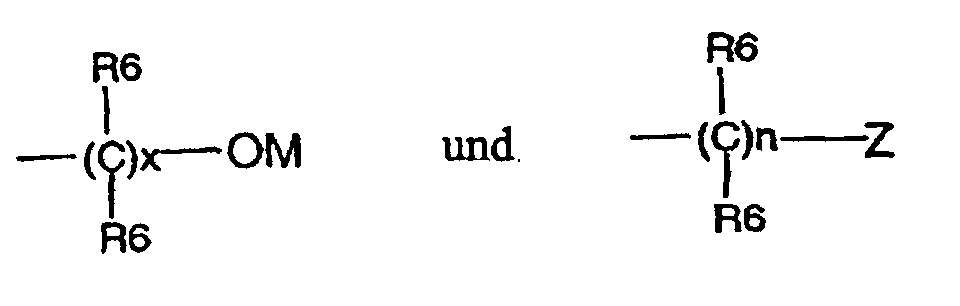 worin jeder R6' unabhängig ausgewählt ist unter Wasserstoff, C3-C8-Cycloalkyl, C1-C4-Alkyl, und (CH2)m'-Phenyl, worin m' eine ganze Zahl von 0 bis 8 ist; n' eine ganze Zahl von 0 bis 8 ist; x' eine ganze Zahl von 1 bis 8 ist; Q Wasserstoff oder C1-C4-Alkyl ist; und Z' ausgewählt ist unter Phenyl, einem heterocyclischen Rest, Cycloalkyl und einem Naphthalinrest; und worin jedes C9-C12-Alkyl oder Z gegebenenfalls substituiert ist mit 1 bis 3 Substituenten, die gleich oder verschieden sein können, und die ausgewählt sind unter D, E,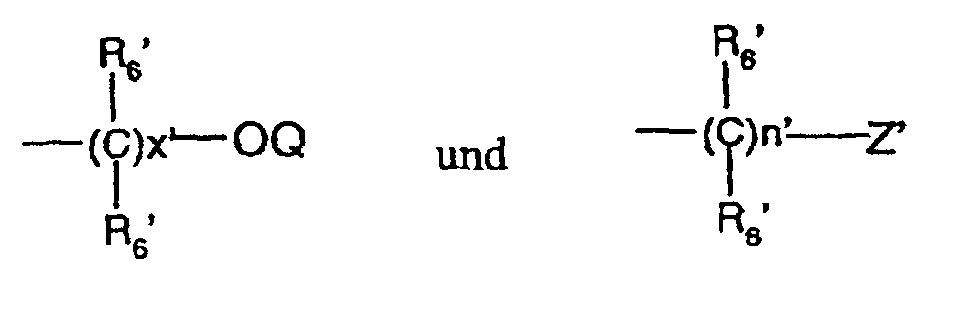
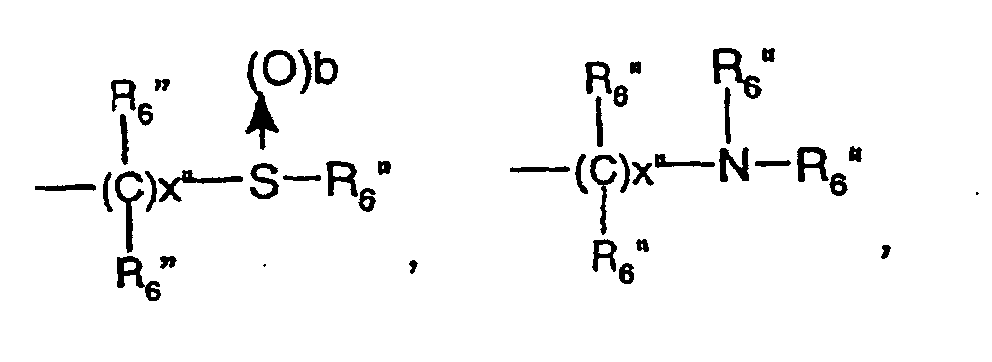 worin jedes D unabhängig ausgewählt ist unter Trifluormethyl, Trifluormethoxy und C1-C4-Alkoxy; jedes E unabhängig ausgewählt ist unter Hal, OH und C1-C8-Alkyl; b eine ganze Zahl von 0 bis 2 ist; Z" ausgewählt ist unter Phenyl, einem heterocyclischen Rest, Cycloalkyl und einem Naphthalinrest; jedes R6" unabhängig ausgewählt ist unter Wasserstoff, C3-C8-Cycloalkyl, C1-C4-Alkyl und (CH2)m"-Phenyl, worin m" eine ganze Zahl von 0 bis 8 ist; n" eine ganze Zahl von 0 bis 8 ist, x" eine ganze Zahl von 1 bis 8 ist; und M' ausgewählt ist unter Wasserstoff, C1-C4-Alkyl,
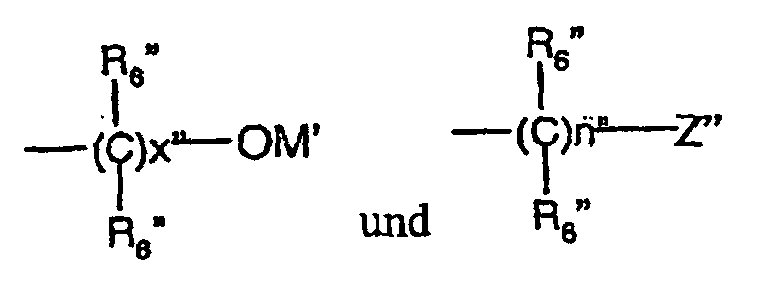 worin jedes R6"' unabhängig ausgewählt ist unter Wasserstoff, C3-C8-Cycloalkyl, C1-C4-Alkyl und (CH2)m"'-Phenyl, worin m"' eine ganze Zahl von 0 bis 8 ist; n"' eine ganze Zahl von 0 bis 8 ist, x''' eine ganze Zahl von 1 bis 8 ist; Q' Wasserstoff oder C1-C4-Alkyl ist; und Z"' ausgewählt ist unter Phenyl, einem heterocyclischen Rest, Cycloalkyl und einem Naphthalinrest, worin die Gruppen M' und Z" gegebenenfalls substituiert sind mit Gruppen D', E' oder
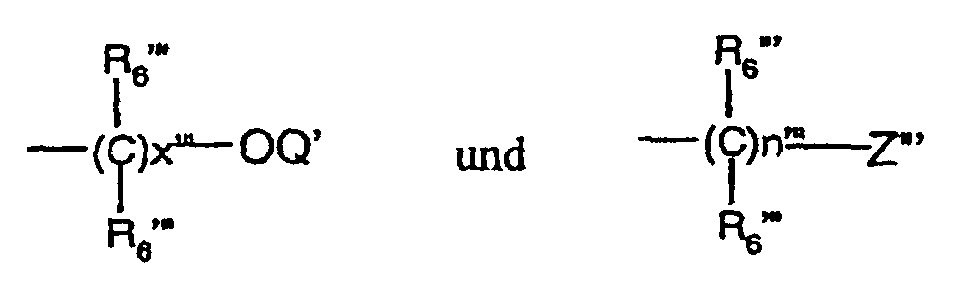 worin jedes R6"" unabhängig ausgewählt ist unter Wasserstoff, C3-C8-Cycloalkyl, C1-C4-Alkyl und (CH2)m""-Phenyl, worin m"" eine ganze Zahl von 0 bis 8 ist; x"" eine ganze Zahl von 1 bis 8 ist; Q" Wasserstoff oder C1-C4-Alkyl ist; jedes D' unabhängig ausgewählt ist unter Trifluormethyl, Trifluormethoxy und C1-C4-Alkoxy; jedes E' unabhängig ausgewählt ist unter Hal, OH und C1-C8-Alkyl;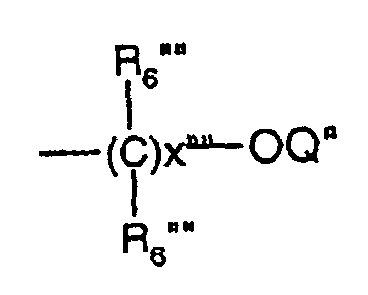
R3 und R4 ausgewählt sind unter Wasserstoff, C1-C4-Alkyl und (CH2)y-Phenyl, worin y eine ganze Zahl von 0 bis 8 ist, mit der Maßgabe, dass R3 und R4 nicht beide Wasserstoff bedeuten;
R5 für C1-C8-Alkylen steht, und
R1 ausgewählt ist unter Cyclopentyl, Cyclopentenyl und Isopropyl,
und die pharmazeutisch verträglichen Salze, optischen Isomeren und Hydrate hiervon, mit der Maßgabe, dass, wenn R2 die Gruppedarstellt,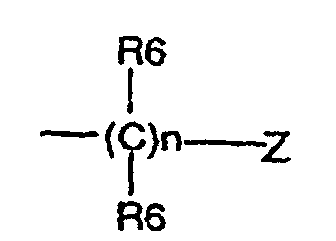
worin n für 1 oder größer steht, R1 Isopropyl oder Cyclopentyl ist; R6 Wasserstoff, C1-C4-Alkyl oder (CH2)m-Phenyl bedeutet, und Z Phenyl, ein heterocyclischer Rest oder Cycloalkyl ist, dass Z substituiert ist mit 1 bis 3 Substituenten, die gleich oder verschieden sein können, und die ausgewählt sind unterworin D, b, R6", x", n", M' und Z" wie vorstehend definiert sind.
- Verbindung gemäß Anspruch 1, bei der es sich umhandelt, worin R für R2 steht,
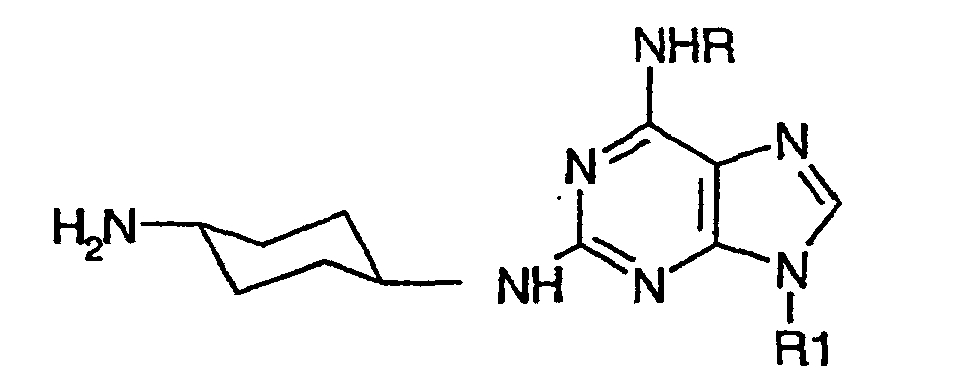
worin R2 C9-C12-Alkyl ist, das gegebenenfalls substituiert ist mit 1 bis 3 Substituenten, die gleich oder verschieden sein können, und die ausgewählt sind unter D, E.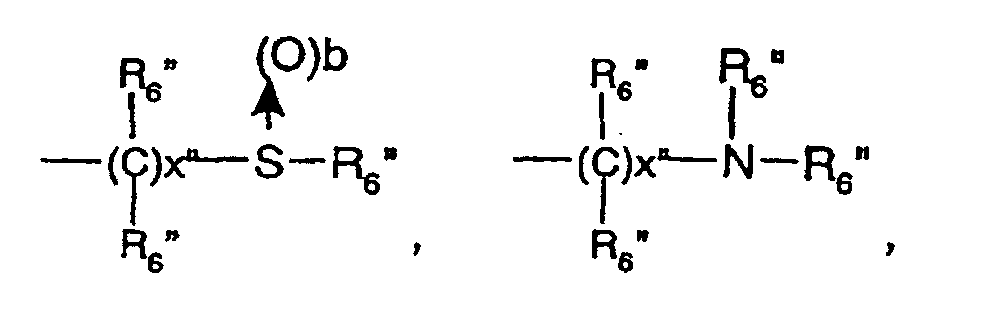 worin jedes D unabhängig ausgewählt ist unter Trifluormethyl, Trifluormethoxy und C1-C4-Alkoxy; jedes E unabhängig ausgewählt ist unter Hal, OH und C1-C8-Alkyl; b eine ganze Zahl von 0 bis 2 ist, jedes R6" unabhängig ausgewählt ist unter Wasserstoff, C3-C8-Cycloalkyl, C1-C4-Alkyl und (CH2)m"-Phenyl, worin m" eine ganze Zahl von 0 bis 8 ist; x" eine ganze Zahl von 1 bis 8 ist; n" eine ganze Zahl von 0 bis 8 ist; Z" ausgewählt ist unter Phenyl, einem heterocyclischen Rest, Cycloalkyl und einem Naphthalinrest; und M' ausgewählt ist unter Wasserstoff, C1-C4-Alkyl,
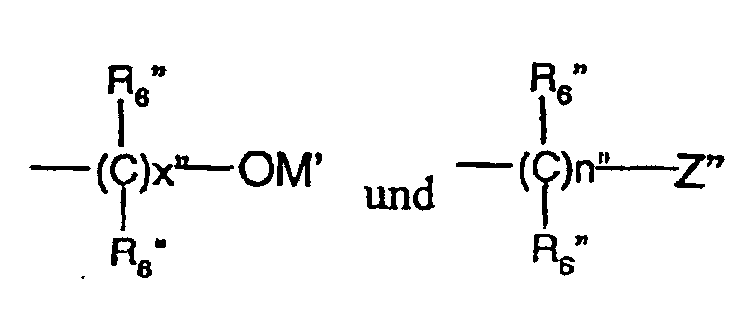 worin jedes R6"' unabhängig ausgewählt ist unter Wasserstoff, C3-C8-Cycloalkyl, C1-C4-Alkyl und (CH2)m"'-Phenyl, worin m"' eine ganze Zahl von 0 bis 8 ist; n"' eine ganze Zahl von 0 bis 8 ist; x"' eine ganze Zahl von 1 bis 8 ist; Q' Wasserstoff oder C1-C4-Alkyl bedeutet und Z"' ausgewählt ist unter Phenyl, einem heterocyclischen Rest, Cycloalkyl und einem Naphthalinrest,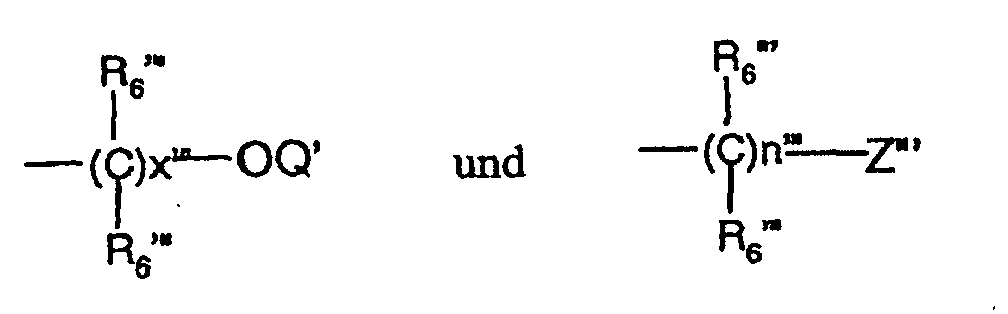
worin die Gruppen M' und Z" gegebenenfalls substituiert sein können mit den Gruppen D', E' oderworin jedes R6"" unabhängig ausgewählt ist unter Wasserstoff, C3-C8-Cycloalkyl, C1-C4-Alkyl und (CH2)m""-Phenyl, worin m"" eine ganze Zahl von 0 bis 8 ist; x"" eine ganze Zahl von 1 bis 8 ist; Q" Wasserstoff oder C1-C4-Alkyl bedeutet; jedes D' unabhängig ausgewählt ist unter Trifluormethyl, Trifluormethoxy und C1-C4-Alkoxy, jedes E' unabhängig ausgewählt ist unter Hal, OH und C1-C8-Alkyl;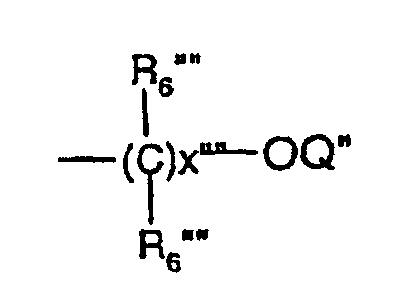
R1 ausgewählt ist unter Cyclopentyl, Cyclopentenyl und Isopropyl,
und die pharmazeutisch verträglichen Salze, optischen Isomeren und Hydrate hiervon. - Verbindung gemäß Anspruch 2, worin R2 C11-C12-Alkyl ist.
- Verbindung gemäß Anspruch 3, worin R2 C12-Alkyl ist.
- Verbindung gemäß Anspruch 1, bei der es sich umhandelt, worin R für R2 steht, worin
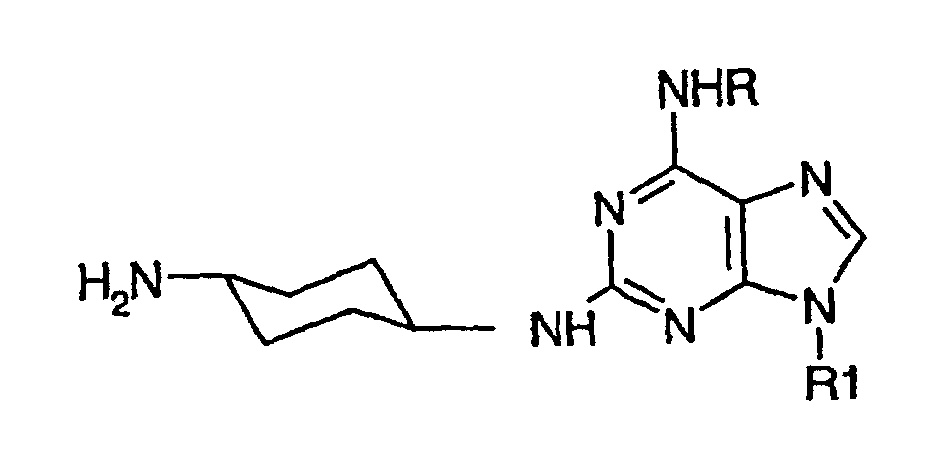
R2 fürsteht,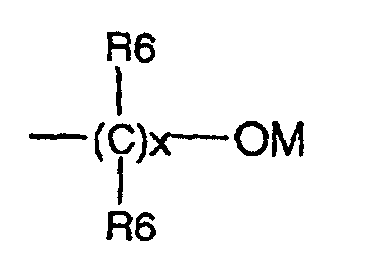
worin jedes R6 unabhängig ausgewählt ist aus der Gruppe bestehend aus Wasserstoff, C3-C8-Cycloalkyl, C1-C4-Alkyl und (CH2)m-Phenyl, worin m für eine ganze Zahl von 0 bis 8 steht; x eine ganze Zahl von 1 bis 8 ist; und M ausgewählt ist unter Wasserstoff, C1-C4-Alkyl,worin jedes R6' unabhängig ausgewählt ist unter Wasserstoff, C3-C8-Cycloalkyl, C1-C4-Alkyl und (CH2)m'-Phenyl, worin m' eine ganze Zahl von 0 bis 8 ist; n' eine ganze Zahl von 0 bis 8 ist; x' eine ganze Zahl von 1 bis 8 ist; Q für Wasserstoff oder C1-C4-Alkyl steht; und Z' ausgewählt ist unter Phenyl, einem heterocyclischen Rest, Cycloalkyl und einem Naphthalinrest; und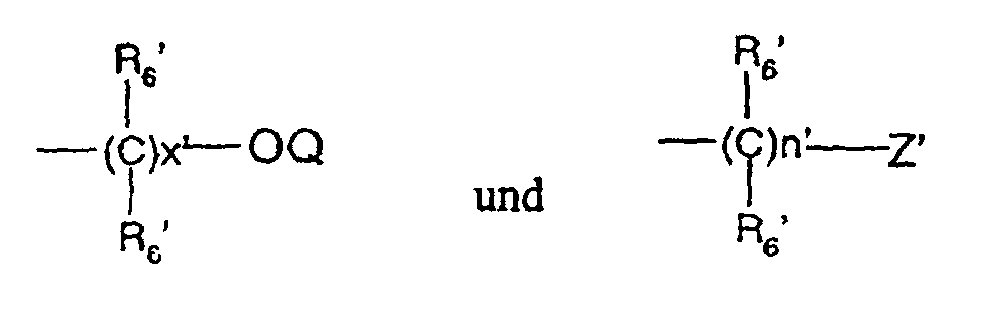
R1 ausgewählt ist unter Cyclopentyl, Cyclopentenyl und Isopropyl,
und die pharmazeutisch verträglichen Salze, optischen Isomeren und Hydrate hiervon. - Verbindung gemäß Anspruch 5, worin M für Wasserstoff steht.
- Verbindung gemäß Anspruch 5, worin M für C1-C4-Alkyl steht.
- Verbindung gemäß Anspruch 5, worin M die Gruppeist,
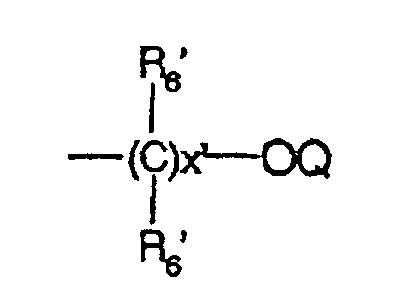
worin R6', x' und Q wie in Anspruch 5 definiert sind. - Verbindung gemäß Anspruch 8, worin Q Wasserstoff bedeutet.
- Verbindung gemäß Anspruch 8, worin Q C1-C4-Alkyl ist.
- Verbindung gemäß Anspruch 5, worin M die Gruppedarstellt,

worin R6', n' und Z' wie in Anspruch 5 definiert sind. - Verbindung gemäß Anspruch 1, worin R für R2 steht, worin R2 fürsteht,
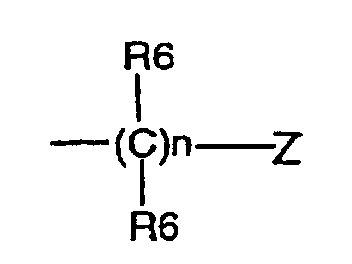
worin jedes R6 unabhängig ausgewählt ist unter Wasserstoff, C3-C8-Cycloalkyl, C1-C4-Alkyl und (CH2)m-Phenyl, worin m für eine ganze Zahl von 0 bis 8 steht; n eine ganze Zahl von 0 bis 8 ist; und Z ein Naphthalinrest ist, der gegebenenfalls substituiert sein kann mit 1 bis 3 Substituenten, die gleich oder verschieden sein können, und die ausgewählt sind unter D, E, worin jedes D unabhängig ausgewählt ist unter Trifluormethyl, Trifluormethoxy und C1-C4-Alkoxy; jedes E unabhängig ausgewählt ist unter Hal, OH und C1-C8-Alkyl; b eine ganze Zahl von 0 bis 2 ist; jedes R6" unabhängig ausgewählt ist unter Wasserstoff, C3-C8-Cycloalkyl, C1-C4-Alkyl und (CH2)m"-Phenyl, worin m" eine ganze Zahl von 0 bis 8 ist; x" eine ganze Zahl von 1 bis 8 ist; n" eine ganze Zahl von 0 bis 8 ist; Z" ausgewählt ist unter Phenyl, einem heterocyclischen Rest, Cycloalkyl und einem Naphthalinrest; und M' ausgewählt ist unter Wasserstoff, C1-C4-Alkyl,
 worin jedes R6"' unabhängig ausgewählt ist unter Wasserstoff, C3-C8-Cycloalkyl, C1-C4-Alkyl und (CH2)m"'-Phenyl, worin M"' eine ganze Zahl von 0 bis 8 ist; n"' eine ganze Zahl von 0 bis 8 ist; X"' eine ganze Zahl von 1 bis 8 ist; Q' Wasserstoff oder C1-C4-Alkyl ist; und Z"' ausgewählt ist unter Phenyl, einem heterocyclischen Rest, Cycloalkyl und Naphthalin,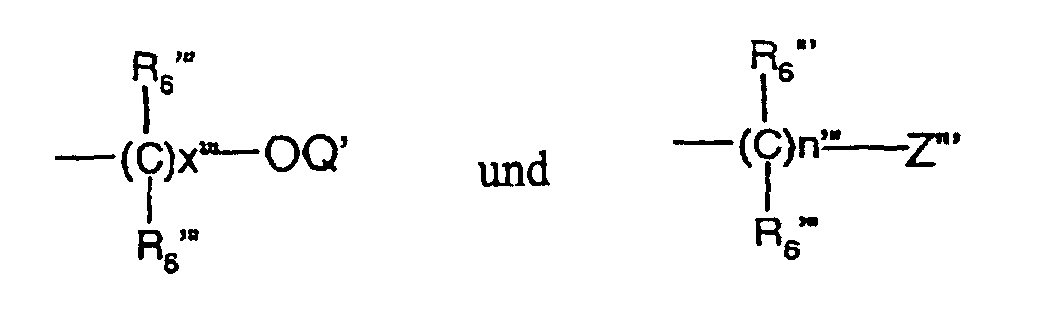
worin die Gruppen M' und Z" gegebenenfalls substituiert sein können mit den Gruppen D', E' oderworin jedes R6"" unabhängig ausgewählt ist unter Wasserstoff, C3-C8-Cycloalkyl, C1-C4-Alkyl und (CH2)m""-Phenyl, worin m"" eine ganze Zahl von 0 bis 8 ist; x"" eine ganze Zahl von 1 bis 8 ist; Q" Wasserstoff oder C1-C4-Alkyl ist; jedes D' unabhängig ausgewählt ist unter Trifluormethyl, Trifluormethoxy und C1-C4-Alkoxy; jedes E' unabhängig ausgewählt ist unter Hal, OH und C1-C8-Alkyl; und
R1 ausgewählt ist unter Cyclopentyl, Cyclopentenyl und Isopropyl,
und die pharmazeutisch verträglichen Salze, optischen Isomeren und Hydrate hiervon. - Verbindung gemäß Anspruch 1, worin R für R2 steht, worin R2 für Z steht, worin Z Phenyl ist, das gegebenenfalls substituiert ist mit 1 bis 3 Substituenten, die gleich oder verschieden sein können, und die ausgewählt sind unter D, E,
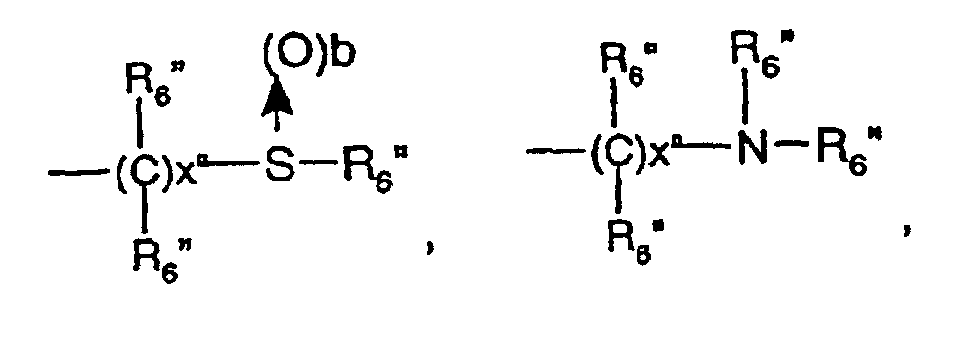 worin jedes D unabhängig ausgewählt ist unter Trifluormethyl, Trifluormethoxy und C1-C4-Alkoxy; jedes E unabhängig ausgewählt ist unter Hal, OH und C1-C8-Alkyl; b eine ganze Zahl von 0 bis 2 ist; jedes R6" unabhängig ausgewählt ist unter Wasserstoff, C3-C8-Cycloalkyl, C1-C4-Alkyl und (CH2)m"-Phenyl, worin m" für eine ganze Zahl von 0 bis 8 steht; x" eine ganze Zahl von 1 bis 8 ist; n" eine ganze Zahl von 0 bis 8 ist; Z" ausgewählt ist unter Phenyl, einem heterocyclischen Rest, Cycloalkyl und einem Naphthalinrest; und M' ausgewählt ist unter Wasserstoff, C1-C4-Alkyl,
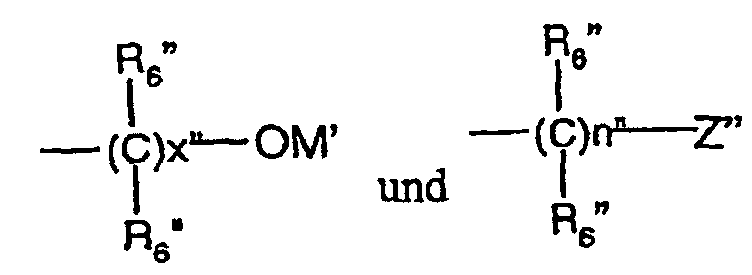 worin jedes R6"' unabhängig ausgewählt ist unter Wasserstoff, C3-C8-Cycloalkyl, C1-C4-Alkyl und (CH2)m"'-Phenyl, worin m"' eine ganze Zahl von 0 bis 8 ist; n"' eine ganze Zahl von 0 bis 8 ist; x"' eine ganze Zahl von 1 bis 8 ist; Q' Wasserstoff oder C1-C4-Alkyl bedeutet; und Z"' ausgewählt ist unter Phenyl, einem heterocyclischen Rest, Cycloalkyl und einem Naphthalinrest,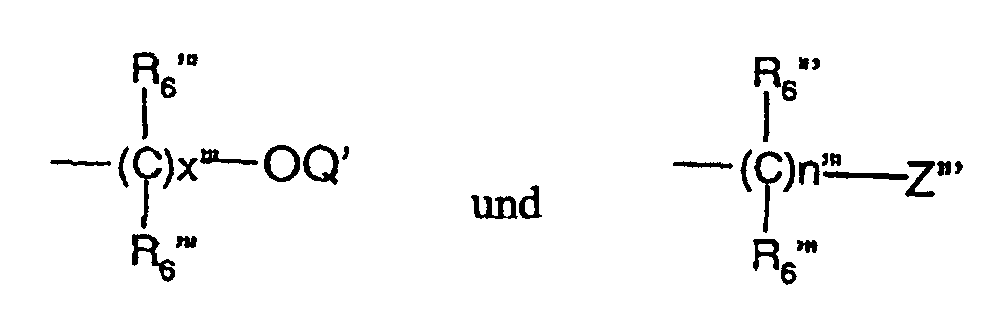
worin die Gruppen M' und Z" gegebenenfalls substituiert sein können mit den Gruppen D', E' oderworin jedes R6"" unabhängig ausgewählt ist unter Wasserstoff, C3-C8-Cycloalkyl, C1-C4-Alkyl und (CH2)m""-Phenyl, worin m"" eine ganze Zahl von 0 bis 8 ist; x"" eine ganze Zahl von 1 bis 8 ist; Q" Wasserstoff oder C1-C4-Alkyl ist; jedes D' unabhängig ausgewählt ist unter Trifluormethyl, Trifluormethoxy und C1-C4-Alkoxy; jedes E' unabhängig ausgewählt ist unter Hal, OH und C1-C8-Alkyl; und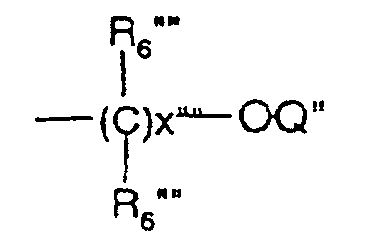
R1 ausgewählt ist unter Cyclopentyl, Cyclopentenyl und Isopropyl,
und die pharmazeutisch verträglichen Salze, optischen Isomeren und Hydrate hiervon. - Verbindung gemäß Anspruch 13, worin Z mit der Gruppe D substituiert ist.
- Verbindung gemäß Anspruch 13, worin Z mit der Gruppe E substituiert ist.
- Verbindung gemäß Anspruch 15, worin E für Hal steht.
- Verbindung gemäß Anspruch 15, worin E für C1-C8-Alkyl steht.
- Verbindung gemäß Anspruch 1, worin R für R2 steht, R2 fürsteht,

worin jedes R6 unabhängig Wasserstoff oder C3-C8-Cycloalkyl bedeutet mit der Maßgabe, dass zumindest eines von R6 C3-C8-Cycloalkyl ist; n eine ganze Zahl von 1 bis 8 ist; und Z Phenyl bedeutet, das gegebenenfalls substituiert ist mit 1 bis 3 Substituenten, die gleich oder verschieden sein können, und die ausgewählt sind unter D, E, worin jedes D unabhängig ausgewählt ist unter Trifluormethyl, Trifluormethoxy und C1-C4-Alkoxy; jedes E unabhängig ausgewählt ist unter Hal, OH und C1-C8-Alkyl; b eine ganze Zahl von 0 bis 2 ist; jedes R6" unabhängig ausgewählt ist unter Wasserstoff, C3-C8-Cycloalkyl, C1-C4-Alkyl und (CH2)m"-Phenyl, worin m" eine ganze Zahl von 0 bis 8 bedeutet; x" eine ganze Zahl von 1 bis 8 ist; n" eine ganze Zahl von 0 bis 8 ist; Z" ausgewählt ist unter Phenyl, einem heterocyclischen Rest, Cycloalkyl und einem Naphthalinrest; und M' ausgewählt ist unter Wasserstoff, C1-C4-Alkyl,
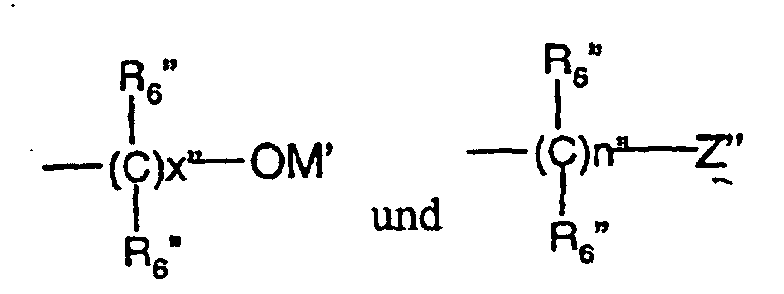 worin jedes R6"' unabhängig ausgewählt ist unter Wasserstoff, C3-C8-Cycloalkyl, C1-C4-Alkyl und (CH2)m"'-Phenyl, worin m"' eine ganze Zahl von 0 bis 8 bedeutet; n"' eine ganze Zahl von 0 bis 8 bedeutet; x"' eine ganze Zahl von 1 bis 8 bedeutet; Q' Wasserstoff oder C1-C4-Alkyl ist; und Z"' ausgewählt ist unter Phenyl, einem heterocyclischen Rest, Cycloalkyl und einem Naphthalinrest,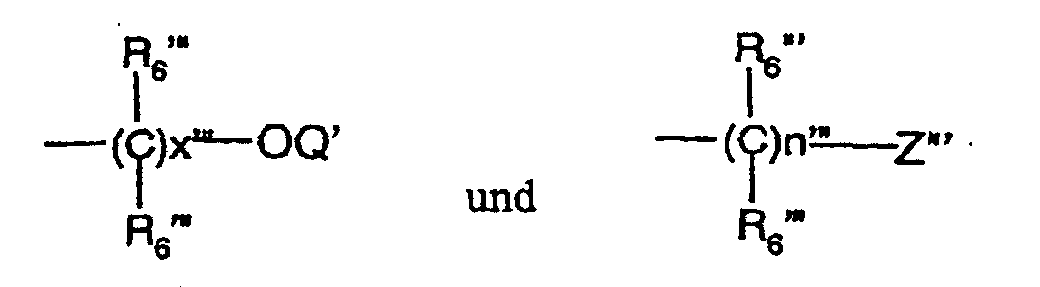
worin die Gruppen M' und Z" gegebenenfalls substituiert sind mit den Gruppen D', E' oderworin jedes R6"" unabhängig ausgewählt ist unter Wasserstoff, C3-C8-Cycloalkyl, C1-C4-Alkyl und (CH2)m""-Phenyl, worin m"" eine ganze Zahl von 0 bis 8 ist; x"" eine ganze Zahl von 0 bis 8 ist; Q" Wasserstoff oder C1-C4-Alkyl oder Phenyl bedeutet; jedes D' unabhängig ausgewählt ist unter Trifluormethyl, Trifluormethoxy und C1-C4-Alkoxy; jedes E' unabhängig ausgewählt ist unter Hal, OH und C1-C8-Alkyl; und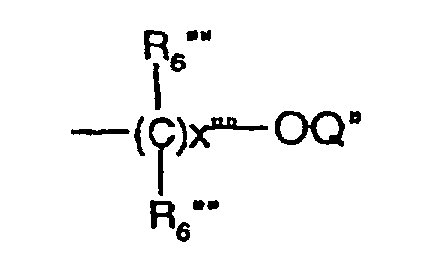
R1 ausgewählt ist unter Cyclopentyl, Cyclopentenyl und Isopropyl,
und die pharmazeutisch verträglichen Salze, optischen Isomeren und Hydrate hiervon. - Verbindung gemäß Anspruch 1, worin R für R2 steht, R2 fürsteht,

worin jedes R6 unabhängig ausgewählt ist unter Wasserstoff, C1-C4-Alkyl und (CH2)m-Phenyl, worin m eine ganze Zahl von 0 bis 8 ist; n eine ganze Zahl von 1 bis 8 ist; und Z Phenyl ist, das substituiert ist mit 1 bis 3 Substituenten, die gleich oder verschieden sein können, und die ausgewählt sind unterworin jedes D unabhängig ausgewählt ist unter Trifluormethyl, Trifluormethoxy und C1-C4-Alkoxy; b eine ganze Zahl von 0 bis 2 ist; Z" ausgewählt ist unter Phenyl, einem heterocyclischen Rest, Cycloalkyl und einem Naphthalinrest; jedes R6" unabhängig ausgewählt ist unter Wasserstoff, C3-C8-Cycloalkyl, C1-C4-Alkyl und (CH2)m"-Phenyl, worin m" eine ganze Zahl von 0 bis 8 ist; n" eine ganze Zahl von 0 bis 8 ist; x" eine ganze Zahl von 1 bis 8 ist; und M' ausgewählt ist unter Wasserstoff, C1-C4-Alkyl, worin jedes R6"' unabhängig ausgewählt ist unter Wasserstoff, C3-C8-Cycloalkyl, C1-C4-Alkyl und (CH2)m'''-Phenyl, worin m''' eine ganze Zahl von 0 bis 8 ist; n''' eine ganze Zahl von 0 bis 8 ist; x"' eine ganze Zahl von 1 bis 8 ist; Q' Wasserstoff oder C1-C4-Alkyl ist, und Z"' ausgewählt ist unter Phenyl, einem heterocyclischen Rest, Cycloalkyl und einem Naphthalinrest,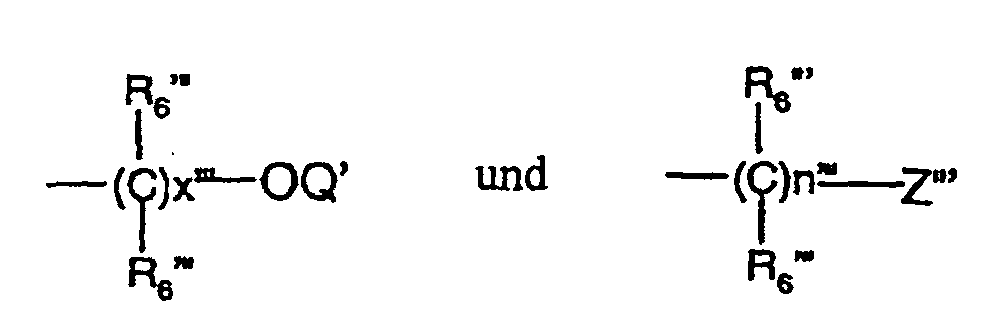
worin die Gruppen M' und Z" gegebenenfalls substituiert sind mit den Gruppen D', E' oderworin jedes R6"" unabhängig ausgewählt ist unter Wasserstoff, C3-C8-Cycloalkyl, C1-C4-Alkyl und (CH2)m""-Phenyl, worin m"" eine ganze Zahl von 0 bis 8 ist; x"" eine ganze Zahl von 0 bis 8 ist; Q" Wasserstoff oder C1-C4-Alkyl oder Phenyl ist; jedes D' unabhängig ausgewählt ist unter Trifluormethyl, Trifluormethoxy und C1-C4-Alkoxy; und jedes E' unabhängig ausgewählt ist unter Hal, OH und C1-C8-Alkyl; und
R1 ausgewählt ist unter Cyclopentyl und Isopropyl,
und die pharmazeutisch annehmbaren Salze, optischen Isomeren und Hydrate hiervon. - Verbindung gemäß Anspruch 19, worin Z mit der Gruppe D substituiert ist.
- Verbindung gemäß Anspruch 20, worin D Trifluormethyl ist.
- Verbindung gemäß Anspruch 20, worin D C1-C4-Alkoxy ist.
- Verbindung gemäß Anspruch 1, worin R für R2 steht, R2 fürsteht,
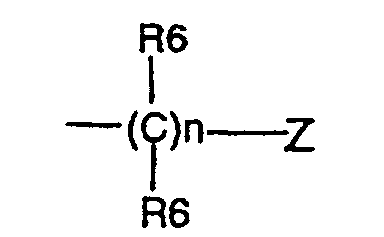
worin jedes R6 unabhängig ausgewählt ist unter Wasserstoff, C3-C8-Cycloalkyl, C1-C4-Alkyl und (CH2)n-Phenyl, n eine ganze Zahl von 0 bis 8 ist; und Z Phenyl bedeutet, das gegebenenfalls mit 1 bis 3 Substituenten substituiert sein kann, die gleich oder verschieden sein können, und die ausgewählt sind unter D, E,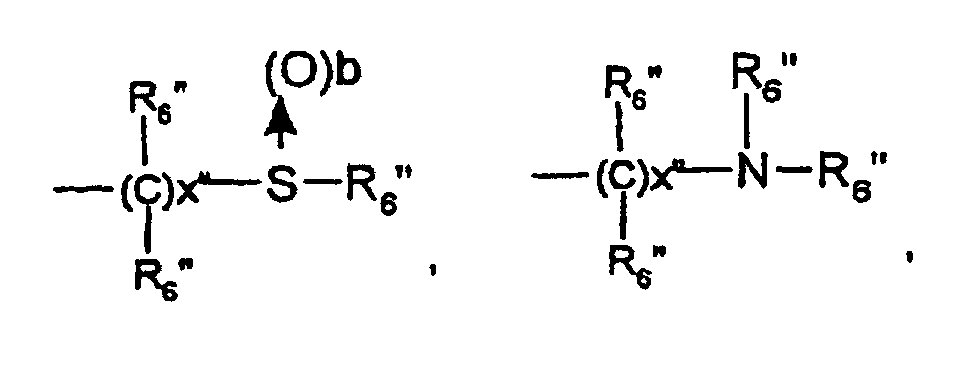 worin jedes D unabhängig ausgewählt ist unter Trifluormethyl, Trifluormethoxy und C1-C4-Alkoxy; jedes E unabhängig ausgewählt ist unter Hal, OH und C1-C8-Alkyl; b für eine ganze Zahl von 0 bis 2 steht; Z" ausgewählt ist unter Phenyl, einem heterocyclischen Rest, Cycloalkyl und einem Naphthalinrest; jedes R6" unabhängig ausgewählt ist unter Wasserstoff, C3-C8-Cycloalkyl, C1-C4-Alkyl und (CH2)m"-Phenyl, worin m" eine ganze Zahl von 0 bis 8 ist; n" eine ganze Zahl von 0 bis 8 ist; x" eine ganze Zahl von 1 bis 8 ist; und M' ausgewählt ist unter Wasserstoff, C1-C4-Alkyl,
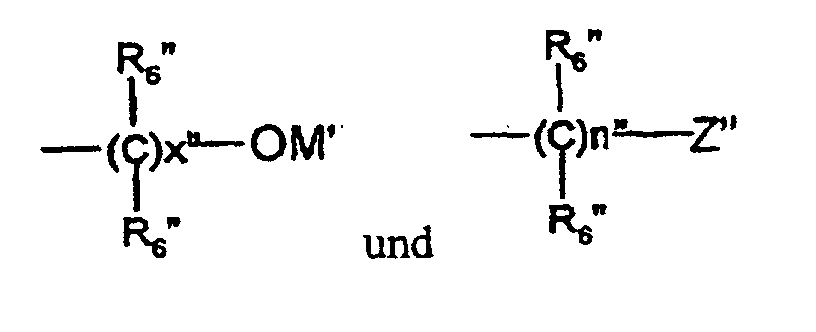 worin jedes R6''' unabhängig ausgewählt ist unter Wasserstoff, C3-C8-Cycloalkyl, C1-C4-Alkyl und (CH2)m'''-Phenyl, worin m"' eine ganze Zahl von 0 bis 8 ist; n"' eine ganze Zahl von 0 bis 8 ist; x"' eine ganze Zahl von 1 bis 8 ist; Q' Wasserstoff oder C1-C4-Alkyl ist; und Z"' ausgewählt ist unter Phenyl, einem heterocyclischen Rest, Cycloalkyl und einem Naphthalinrest,
worin die Gruppen M' und Z" gegebenenfalls substitutiert sind mit den Gruppen D', E' oderworin jedes R6"" unabhängig ausgewählt ist unter Wasserstoff, C3-C8-Cycloalkyl, C1-C4-Alkyl und (CH2)m""-Phenyl, worin m"" eine ganze Zahl von 0 bis 8 ist; x"" eine ganze Zahl von 0 bis 8 ist; Q" Wasserstoff oder C1-C4-Alkyl ist; jedes D' unabhängig ausgewählt ist unter Trifluormethyl, Trifluormethoxy und C1-C4-Alkoxy; jedes E' unabhängig ausgewählt ist unter Hal, OH und C1-C8-Alkyl; und
R1 Cyclopentenyl ist,
und die pharmazeutisch verträglichen Salze, optischen Isomeren und Hydrate hiervon. - Verbindung gemäß Anspruch 23, worin Z substituiert ist mit der Gruppe E.
- Verbindung gemäß Anspruch 24, worin E für Hal steht.
- Verbindung gemäß Anspruch 1, worin R fiir R2 steht, worin R2 für Z steht, worin Z ein heterocyclischer Rest ist, worin Z gegebenenfalls substituiert sein kann mit 1 bis 3 Substituenten, die gleich oder verschieden sein können, und die ausgewählt sind unter D, E,
 worin jedes D unabhängig ausgewählt ist unter Trifluormethyl, Trifluormethoxy und C1-C4-Alkoxy; jedes E unabhängig ausgewählt ist unter Hal, OH und C1-C8-Alkyl; b eine ganze Zahl von 0 bis 2 ist; Z" ausgewählt ist unter Phenyl, einem heterocyclischen Rest, Cyc-Ioalkyl und einem Naphthalinrest; jedes R6 unabhängig ausgewählt ist unter Wasserstoff, C3-C8-Cycloalkyl, C1-C4-Alkyl und (CH2)m"-Phenyl, worin m" eine ganze Zahl von 0 bis 8 ist; n" eine ganze Zahl von 0 bis 8 ist; x" eine ganze Zahl von 1 bis 8 ist; and M' ausgewählt ist unter Wasserstoff, C1-C4-Alkyl,
 worin jedes R6''' unabhängig ausgewählt ist unter Wasserstoff, C3-C8-Cycloalkyl, C1-C4-Alkyl und (CH2)m'''-Phenyl, worin m''' eine ganze Zahl von 0 bis 8 ist; n"' eine ganze Zahl von 0 bis 8 ist; x''' eine ganze Zahl von 1 bis 8 ist; Q' Wasserstoff oder C1-C4-Alkyl ist; und Z"' ausgewählt ist unter Phenyl, einem heterocyclischen Rest, Cycloalkyl und einem Naphthalinrest,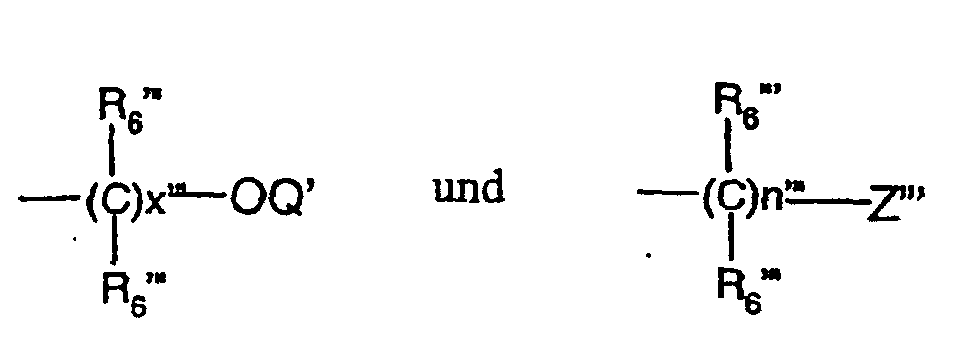
worin die Gruppen M' und Z" gegebenenfalls substituiert sein können mit den Gruppen D', E' oderworin jedes R6"" unabhängig ausgewählt ist unter Wasserstoff, C3-C8-Cycloalkyl, C1-C4-Alkyl und (CH2)m""-Phenyl, worin m"" eine ganze Zahl von 0 bis 8 ist; x"" eine ganze Zahl von 0 bis 8 ist; Q" Wasserstoff oder C1-C4-Alkyl ist; jedes D' unabhängig ausgewählt ist unter Trifluormethyl, Trifluormethoxy und C1-C4-Alkoxy; jedes E' unabhängig ausgewählt ist unter Hal, OH und C1-C8-Alkyl, und
R1 ausgewählt ist unter Cyclopentyl, Cyclopentenyl und Isopropyl,
und die pharmazeutisch verträglichen Salze, optischen Isomeren und Hydrate hiervon. - Verbindung gemäß Anspruch 26, worin Z Piperidin ist.
- Verbindung gemäß Anspruch 27, worin Z substituiert ist mit der Gruppe D.
- Verbindung gemäß Anspruch 27, worin Z substituiert ist mit der Gruppe E.
- Verbindung gemäß Anspruch 29, worin E C1-C8-Alkyl ist.
- Verbindung gemäß Anspruch 27, worin Z substituiert ist mit der Gruppeworin R6", x" und b wie in Anspruch 26 definiert sind.
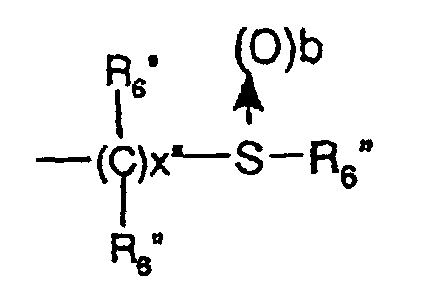
- Verbindung gemäß Anspruch 31, worin b für 0 steht.
- Verbindung gemäß Anspruch 31, worin b für 1 steht.
- Verbindung gemäß Anspruch 27, worin Z substituiert ist mit der Gruppeworin R6" und x" wie in Anspruch 26 definiert sind.

- Verbindung gemäß Anspruch 27, worin Z substituiert ist mit der Gruppeworin R6", x" und M' wie in Anspruch 26 definiert sind.
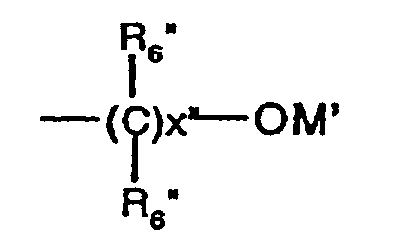
- Verbindung gemäß Anspruch 35, worin M' Wasserstoff ist.
- Verbindung gemäß Anspruch 36, worin x" für 2 steht.
- Verbindung gemäß Anspruch 36, worin x" für 3 steht.
- Verbindung gemäß Anspruch 36, worin x" für 4 steht.
- Verbindung gemäß Anspruch 36, worin x" fiir 5 steht.
- Verbindung gemäß Anspruch 36, worin x" für 6 steht.
- Verbindung gemäß Anspruch 35, worin M' für C1-C4-Alkyl steht.
- Verbindung gemäß Anspruch 42, worin x" für 1 steht.
- Verbindung gemäß Anspruch 42, worin x" für 2 steht.
- Verbindung gemäß Anspruch 43, worin x" für 3 steht.
- Verbindung gemäß Anspruch 43, worin x" für 4 steht.
- Verbindung gemäß Anspruch 43, worin x" für 5 steht.
- Verbindung gemäß Anspruch 43, worin x" für 6 steht.
- Verbindung gemäß Anspruch 35, worin M' eine Gruppe der Formeldarstellt,
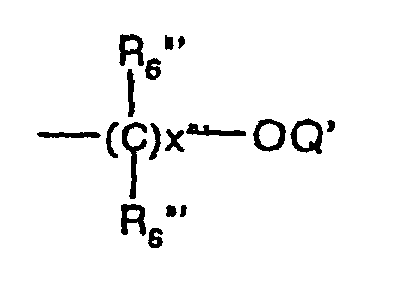
worin R6''', x"' und Q' wie in Anspruch 26 definiert sind. - Verbindung gemäß Anspruch 49, worin Q' Wasserstoff ist.
- Verbindung gemäß Anspruch 49, worin Q' für C1-C4-Alkyl steht.
- Verbindung gemäß Anspruch 35, worin M' eine Gruppe der Formelist,
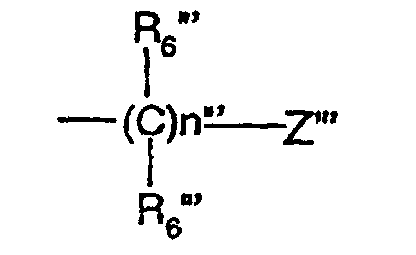
worin R6"', n"' und Z"' wie in Anspruch 26 definiert sind. - Verbindung gemäß Anspruch 52, worin Z"' Phenyl ist.
- Verbindung gemäß Anspruch 53, worin x" für 2 steht.
- Verbindung gemäß Anspruch 53, worin x" für 3 steht.
- Verbindung gemäß Anspruch 53, worin x" für 4 steht.
- Verbindung gemäß Anspruch 53, worin x" für 5 steht.
- Verbindung gemäß Anspruch 53, worin x" für 6 steht.
- Verbindung gemäß Anspruch 27, worin Z substituiert ist mit der Gruppeworin R6", n" und Z" wie in Anspruch 26 definiert sind.
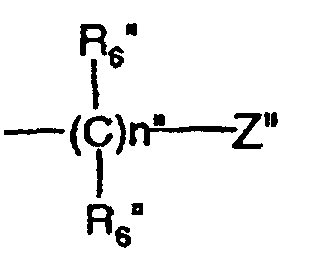
- Verbindung gemäß Anspruch 59, worin Z" Phenyl ist.
- Verbindung gemäß Anspruch 60, worin n" = 1 ist.
- Verbindung gemäß Anspruch 60, worin n" = 2 ist.
- Verbindung gemäß Anspruch 60, worin Z" mit der Gruppe D' substituiert ist.
- Verbindung gemäß Anspruch 63, worin D' C1-C4-Alkoxy ist.
- Verbindung gemäß Anspruch 63, worin D' Trifluormethyl ist.
- Verbindung gemäß Anspruch 60, worin Z" mit der Gruppe E' substituiert ist.
- Verbindung gemäß Anspruch 66, worin E' C1-C8-Alkyl ist.
- Verbindung gemäß Anspruch 66, worin E' für Hal steht.
- Verbindung gemäß Anspruch 59, worin Z" ein heterocyclischer Rest ist.
- Verbindung gemäß Anspruch 69, worin Z" 1,3-Benodioxolyl ist.
- Verbindung gemäß Anspruch 69, worin Z" Pyridinyl ist.
- Verbindung gemäß Anspruch 69, worin Z" Isoxazolyl ist.
- Verbindung gemäß Anspruch 69, worin Z" Tetrahydrofuranyl ist.
- Verbindung gemäß Anspruch 69, worin Z" Pyrrolidinyl ist.
- Verbindung gemäß Anspruch 69, worin Z" Piperidinyl ist.
- Verbindung gemäß Anspruch 69, worin Z" Morpholinyl ist.
- Verbindung gemäß Anspruch 69, worin Z" Piperazinyl ist.
- Verbindung gemäß Anspruch 69, worin Z" Benzimidazolinyl ist.
- Verbindung gemäß Anspruch 69, worin Z" Thiazolinyl ist.
- Verbindung gemäß Anspruch 69, worin Z" Thiophenyl ist.
- Verbindung gemäß Anspruch 59, worin Z" Cycloalkyl ist.
- Verbindung gemäß Anspruch 26, worin Z Pyrrolidin ist.
- Verbindung gemäß Anspruch 82, worin Z mit der Gruppesubstituiert ist,

worin R6", n" und Z" wie in Anspruch 26 definiert sind. - Verbindung gemäß Anspruch 83, worin Z" Phenyl ist.
- Verbindung gemäß Anspruch 1, worin R für R2 steht, R2 fürsteht,

worin jedes R6 unabhängig Wasserstoff oder C3-C8-Cycloalkyl ist, mit der Maßgabe, dass zumindest eines von R6 C3-C8-Cycloalkyl ist; n eine ganze Zahl von 1 bis 8 ist; und Z ein heterocyclischer Rest ist,
worin Z gegebenenfalls substituiert sein kann mitl bis 3 Substituenten, die gleich oder verschieden sein können, und die ausgewählt sind unter D, E,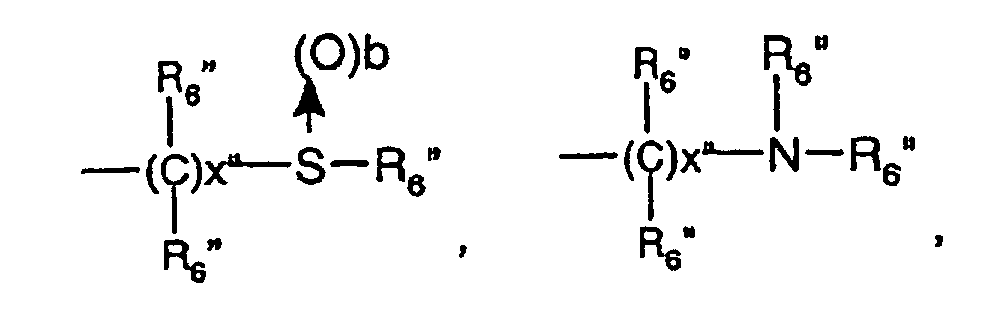 worin jedes D unabhängig ausgewählt ist unter Trifluormethyl, Trifluormethoxy und C1-C4-Alkoxy; jedes E unabhängig ausgewählt ist unter Hal, OH und C1-C8-Alkyl; b eine ganze Zahl von 0 bis 2 ist; Z" ausgewählt ist unter Phenyl, einem heterocyclischen Rest, Cycloalkyl und einem Naphthalinrest; jedes R6" unabhängig ausgewählt ist unter Wasserstoff, C3-C8-Cycloalkyl, C1-C4-Alkyl und (CH2)m"-Phenyl, worin m" eine ganze Zahl von 0 bis 8 ist; n" eine ganze Zahl von 0 bis 8 ist; x" eine ganze Zahl von 1 bis 8 ist; und M' ausgewählt ist unter Wasserstoff, C1-C4-Alkyl,
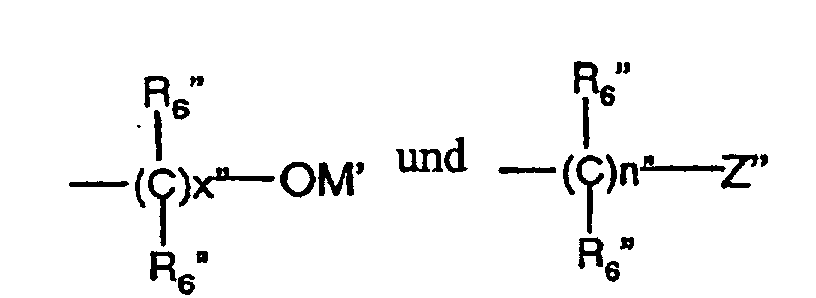 worin jedes R6"' unabhängig ausgewählt ist unter Wasserstoff, C3-C8-Cycloalkyl, C1-C4-Alkyl und (CH2)m"'-Phenyl, worin m"' eine ganze Zahl von 0 bis 8 ist; n"' eine ganze Zahl von 0 bis 8 ist; x"' eine ganze Zahl von 1 bis 8 ist; Q' Wasserstoff oder C1-C4-Alkyl bedeutet; und Z"' ausgewählt ist unter Phenyl, einem heterocyclischen Rest, Cycloalkyl und einem Napthalinrest,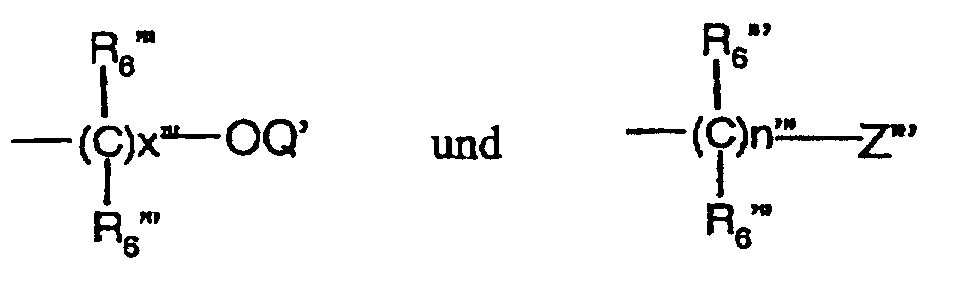
worin die Gruppen M' und Z" gegebenenfalls substituiert sind mit den Gruppen D', E' oderworin jedes R6"" unabhängig ausgewählt ist unter Wasserstoff, C3-C8-Cycloalkyl, C1-C4-Alkyl und (CH2)m""-Phenyl, worin m"" eine ganze Zahl von 0 bis 8 ist; x"" eine ganze Zahl von 0 bis 8 ist; Q" Wasserstoff oder C1-C4-Alkyl oder Phenyl ist; jedes D' unabhängig ausgewählt ist unter Trifluormethyl, Trifluormethoxy und C1-C4-Alkoxy; jedes E' unabhängig ausgewählt ist unter Hal, OH und C1-C8-Alkyl; und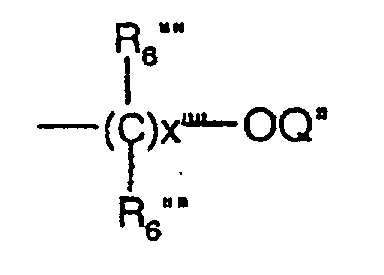
R1 ausgewählt ist unter Cyclopentyl, Cyclopentenyl und Isopropyl,
und die pharmazeutisch verträglichen Salze, optischen Isomeren und Hydrate hiervon. - Verbindung gemäß Anspruch 1, worin R für R2 steht, R2 fürsteht,
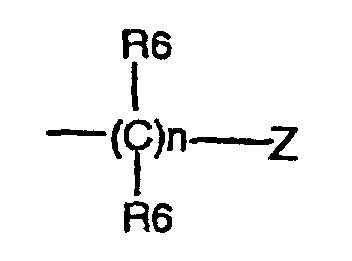
worin jedes R6 unabhängig ausgewählt ist unter Wasserstoff, C1-C4-Alkyl und (CH2)n'-Phenyl, worin n' eine ganze Zahl von 0 bis 8 ist; n eine ganze Zahl von 1 bis 8 ist; und Z ein heterocyclischer Rest ist, der substituiert ist mit 1 bis 3 Substituenten, die gleich oder verschieden sein können, und die ausgewählt sind unterworin jedes D unabhängig ausgewählt ist unter Trifluormethyl, Trifluormethoxy und C1-C4-Alkoxy; b eine ganze Zahl von 0 bis 2 ist; Z" ausgewählt ist unter Phenyl, einem heterocyclischen Rest, Cycloalkyl und einem Naphthalinrest; jedes R6" unabhängig ausgewählt ist unter Wasserstoff, C3-C8-Cycloalkyl, C1-C4-Alkyl und (CH2)m"-Phenyl, worin m" eine ganze Zahl von 0 bis 8 ist; n" eine ganze Zahl von 0 bis 8 ist; x" eine ganze Zahl von 1 bis 8 ist; und M' ausgewählt ist unter Wasserstoff, C1-C4-Alkyl, worin jedes R6''' unabhängig ausgewählt ist unter Wasserstoff, C3-C8-Cycloalkyl, C1-C4-Alkyl und (CH2)m"'-Phenyl, worin m"' eine ganze Zahl von 0 bis 8 ist; n"' eine ganze Zahl von 0 bis 8 ist; x"' eine ganze Zahl von 1 bis 8 ist; Q' Wasserstoff oder C1-C4-Alkyl ist; und Z"' ausgewählt ist unter Phenyl, einem heterocyclischen Rest, Cycloalkyl und einem Naphthalinrest,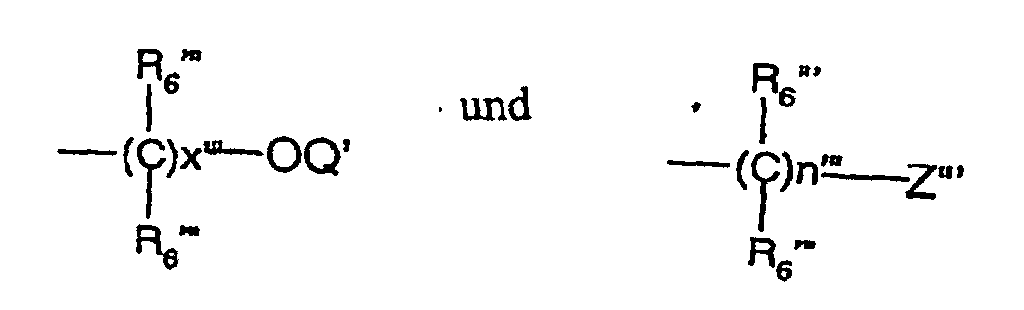
worin die Gruppen M' und Z" gegebenenfalls substituiert sind mit den Gruppen D', E' oderworin jedes R6"" unabhängig ausgewählt ist unter Wasserstoff, C3-C8-Cycloalkyl, C1-C4-Alkyl und (CH2)m""-Phenyl, worin m"" eine ganze Zahl von 0 bis 8 ist; x"" eine ganze Zahl von 0 bis 8 ist; Q" Wasserstoff oder C1-C4-Alkyl oder Phenyl ist; jedes D' unabhängig ausgewählt ist unter Trifluormethyl, Trifluormethoxy und C1-C4-Alkoxy, jedes E' unabhängig ausgewählt ist unter Hal, OH und C1-C8-Alkyl; und
R1 ausgewählt ist unter Cyclopentyl und Isopropyl,
und die pharmazeutisch verträglichen Salze, optischen Isomeren und Hydrate hiervon. - Verbindung gemäß Anspruch 86, worin Z mit der Gruppe D substituiert ist.
- Verbindung gemäß Anspruch 87, worin D C1-C4-Alkoxy ist.
- Verbindung gemäß Anspruch 1, worin R für R2 steht, R2 fürsteht,

worin jedes R6 unabhängig ausgewählt ist unter Wasserstoff, C3-C8-Cycloalkyl, C1-C4-Alkyl und (CH2)n-Phenyl; n eine ganze Zahl von 0 bis 8 ist; und Z ein heterocyclischer Rest ist, der gegebenenfalls substituiert sein kann mit 1 bis 3 Substituenten, die gleich oder verschieden sein können, und die ausgewählt sind unter D, E,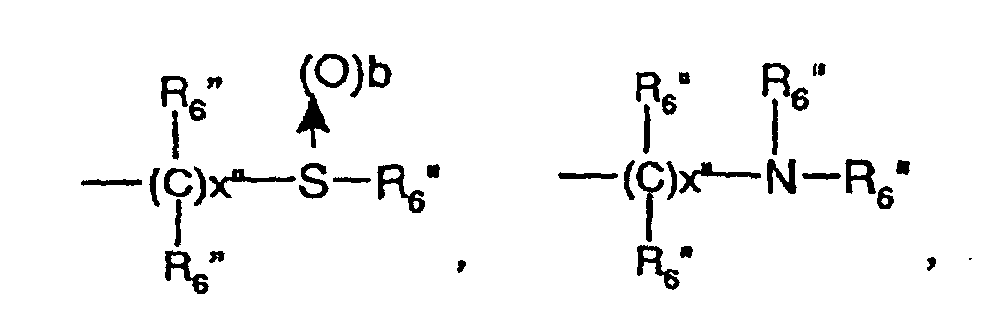 worin jedes D unabhängig ausgewählt ist unter Trifluormethyl, Trifluormethoxy und C1-C4-Alkoxy; jedes E unabhängig ausgewählt ist unter Hal, OH und C1-C8-Alkyl; b eine ganze Zahl von 0 bis 2 ist; Z" ausgewählt ist unter Phenyl, einem heterocyclischen Rest, Cycloalkyl und einem Naphthalinrest; jedes R6" unabhängig ausgewählt ist unter Wasserstoff, C3-C8-Cycloalkyl, C1-C4-Alkyl und (CH2)m"-Phenyl, worin m" eine ganze Zahl von 0 bis 8 ist; n" eine ganze Zahl von 0 bis 8 ist; x" eine ganze Zahl von 1 bis 8 ist; und M' ausgewählt ist unter Wasserstoff, C1-C4-Alkyl
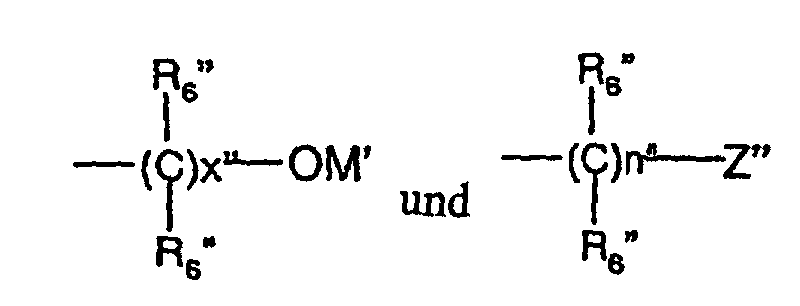 worin R6"' unabhängig ausgewählt ist unter Wasserstoff, C3-C8-Cycloalkyl, C1-C4-Alkyl und (CH2)m"'-Phenyl, worin m"' eine ganze Zahl von 0 bis 8 ist; n"' eine ganze Zahl von 0 bis 8 ist; x"' eine ganze Zahl von 1 bis 8 ist; Q' Wasserstoff oder C1-C4-Alkyl ist; und Z"' ausgewählt ist unter Phenyl, einem heterocyclischen Rest, Cycloalkyl und einem Naphthalinrest,
worin die Gruppen M' und Z" gegebenenfalls substituiert sind mit den Gruppen D', E' oderworin jedes R6"" unabhängig ausgewählt ist unter Wasserstoff, C3-C8-Cycloalkyl, C1-C4-Alkyl und (CH2)m""-Phenyl, worin m"" eine ganze Zahl von 0 bis 8 ist; x"" eine ganze Zahl von 0 bis 8 ist; Q" Wasserstoff oder C1-C4-Alkyl oder Phenyl ist; jedes D' unabhängig ausgewählt ist unter Trifluormethyl, Trifluormethoxy und C1-C4-Alkoxy; jedes E' unabhängig ausgewählt ist unter Hal, OH und C1-C8-Alkyl; und
R1 Cyclopentenyl ist,
und die pharmazeutisch annehmbaren Salze, optischen Isomeren und Hydrate hiervon. - Verbindung gemäß Anspruch 1, worin R für R2 steht, R2 für Z steht, worin Z Cycloalkyl ist, das substituiert sein kann mit 1 bis 3 Substituenten, die gleich oder verschieden sein können, und die ausgewählt sind unter D, E,
 worin jedes D unabhängig ausgewählt ist unter Trifluormethyl, Trifluormethoxy und C1-C4-Alkoxy; jedes E unabhängig ausgewählt ist unter Hal, OH und C1-C8-Alkyl; b eine ganze Zahl von 0 bis 2 ist; Z" ausgewählt ist unter Phenyl, einem heterocyclischen Rest, Cycloalkyl und einem Naphthalinrest; jedes R6" unabhängig ausgewählt ist unter Wasserstoff, C3-C8-Cycloalkyl, C1-C4-Alkyl und (CH2)m"-Phenyl, worin m" eine ganze Zahl von 0 bis 8 ist; n" eine ganze Zahl von 0 bis 8 ist; x" eine ganze Zahl von 1 bis 8 ist; und M' ausgewählt ist unter Wasserstoff, C1-C4-Alkyl,
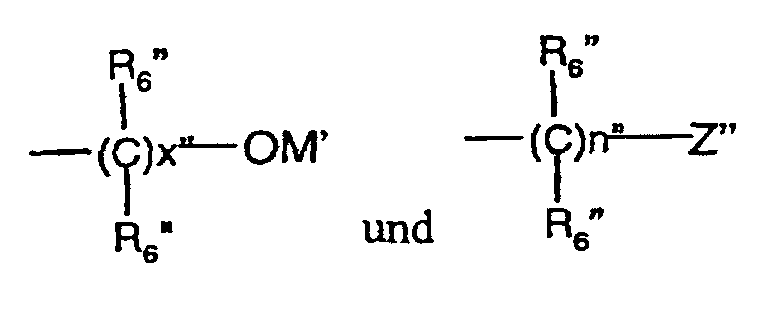 worin jedes R6"' unabhängig ausgewählt ist unter Wasserstoff, C3-C8-Cycloalkyl, C1-C4-Alkyl, und (CH2)m"'-Phenyl, worin m"' eine ganze Zahl von 0 bis 8 ist; n"' eine ganze Zahl von 0 bis 8 ist; x"' eine ganze Zahl von 1 bis 8 ist; Q' Wasserstoff oder C1-C4-Alkyl ist; und Z"' ausgewählt ist unter Phenyl, einem heterocyclischen Rest, Cycloalkyl und einem Naphthalinrest,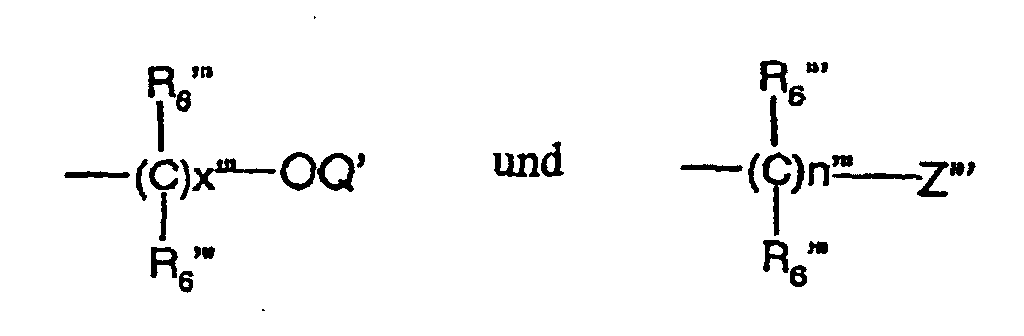
worin die Gruppen M' und Z" gegebenenfalls substituiert sein können mit den Gruppen D', E' oderworin jedes R6"" unabhängig ausgewählt ist unter Wasserstoff, C3-C8-Cycloalkyl, C1-C4-Alkyl und (CH2)m""-Phenyl, worin m"" eine ganze Zahl von 0 bis 8 ist; x"" eine ganze Zahl von 0 bis 8 ist; Q" Wasserstoff oder C1-C4-Alkyl oder Phenyl ist; jedes D' unabhängig ausgewählt ist unter Trifluormethyl, Trifluormethoxy und C1-C4-Alkoxy; jedes E' unabhängig ausgewählt ist unter Hal, OH und C1-C8-Alkyl, und
R1 ausgewählt ist unter Cyclopentyl, Cyclopentenyl und Isopropyl,
und die pharmazeutisch annehmbaren Salze, optischen Isomeren und Hydrate hiervon. - Verbindung gemäß Anspruch 90, worin Z mit der Gruppe E substituiert ist.
- Verbindung gemäß Anspruch 91, worin E für OH steht.
- Verbindung gemäß Anspruch 90, worin Z substituiert ist mit der Gruppeworin R6", x" und M' wie in Anspruch 90 definiert sind.
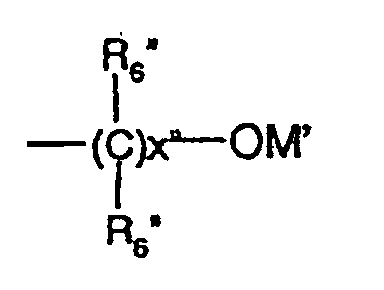
- Verbindung gemäß Anspruch 93, worin M' Wasserstoff ist.
- Verbindung gemäß Anspruch 1, worin R für R2 steht, R2 fürsteht,
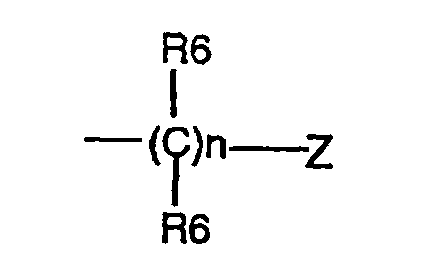
worin jedes R6 unabhängig Wasserstoff oder C3-C8-Cycloalkyl bedeutet, mit der Maßgabe, dass zumindest eines von R6 C3-C8-Cycloalkyl ist; n eine ganze Zahl von 1 bis 8 ist; und Z Cycloalkyl ist,
worin Z gegebenenfalls substituiert sein kann mit 1 bis 3 Substituenten, die gleich oder verschieden sein können, und die ausgewählt sind unter D, E,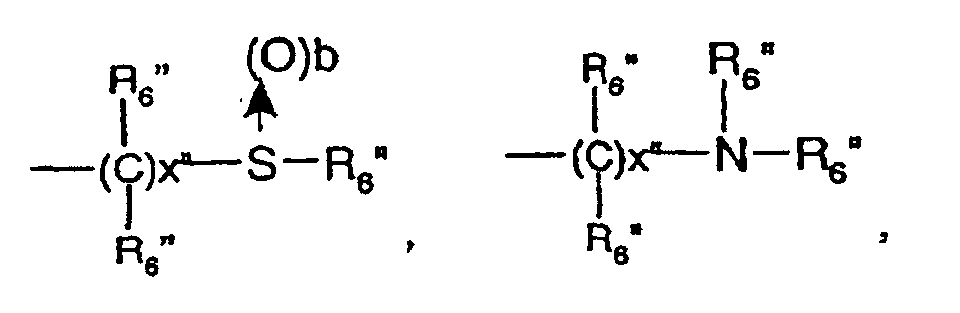 worin jedes D unabhängig ausgewählt ist unter Trifluormethyl, Trifluormethoxy und C1-C4-Alkoxy; jedes E unabhängig ausgewählt ist unter Hal, OH und C1-C8-Alkyl; b eine ganze Zahl von 0 bis 2 ist; Z" ausgewählt ist unter Phenyl, einem heterocyclischen Rest, Cycloalkyl und einem Naphthalinrest; jedes R6" unabhängig ausgewählt ist unter Wasserstoff, C3-C8-Cycloalkyl, C1-C4-Alkyl und (CH2)m"-Phenyl, worin m" eine ganze Zahl von 0 bis 8 ist; n" eine ganze Zahl von 0 bis 8 ist; x" eine ganze Zahl von 1 bis 8 ist; und M' ausgewählt ist unter Wasserstoff, C1-C4-Alkyl,
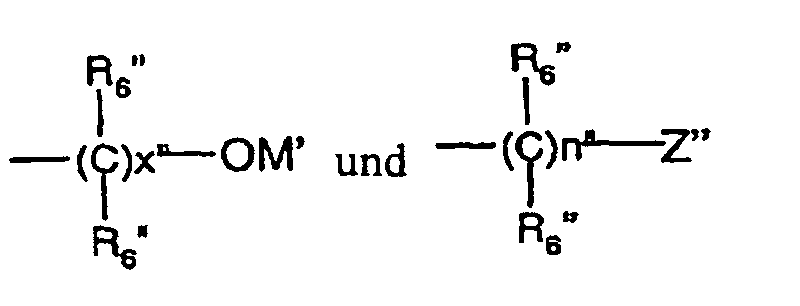 worin jedes R6"' unabhängig ausgewählt ist unter Wasserstoff, C3-C8-Cycloalkyl, C1-C4-Alkyl und (CH2)m"'-Phenyl, worin m"' eine ganze Zahl von 0 bis 8 ist; m"' eine ganze Zahl von 0 bis 8 ist; x"' eine ganze Zahl von 1 bis 8 ist; Q' Wasserstoff oder C1-C4-Alkyl ist; und Z"' ausgewählt ist unter Phenyl, einem heterocyclischen Rest, Cycloalkyl und einem Naphthalinrest,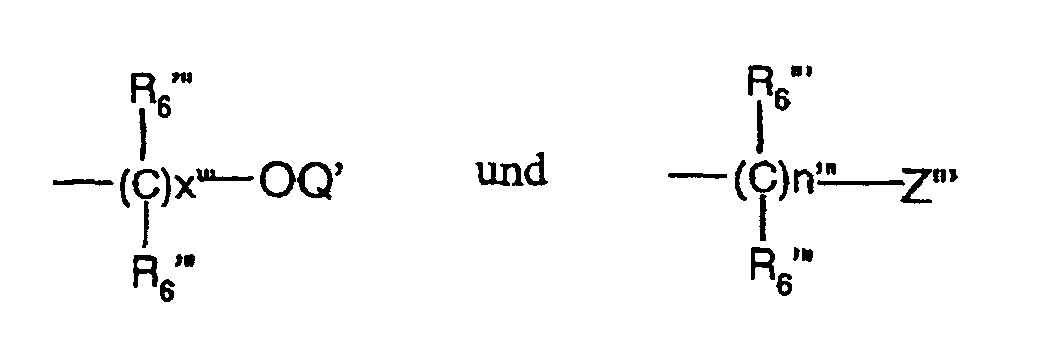
worin die Gruppen M' und Z" gegebenenfalls substituiert sind mit den Gruppen D', E' oderworin jedes R6"" unabhängig ausgewählt ist unter Wasserstoff, C3-C8-Cycloalkyl, C1-C4-Alkyl und (CH2)m""-Phenyl, worin m"" eine ganze Zahl von 0 bis 8 ist; x"" eine ganze Zahl von 0 bis 8 ist; Q" Wasserstoff oder C1-C4-Alkyl oder Phenyl ist; jedes D' unabhängig ausgewählt ist unter Trifluormethyl, Trifluormethoxy und C1-C4-Alkoxy; jedes E' unabhängig ausgewählt ist unter Hal, OH und C1-C8-Alkyl, und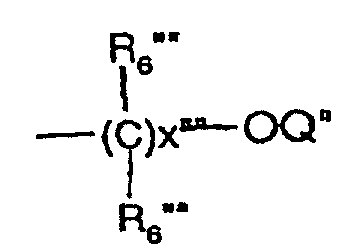
R1 ausgewählt ist unter Cyclopentyl, Cyclopentenyl und Isopropyl,
und die pharmazeutisch verträglichen Salze, optischen Isomeren und Hydrate hiervon. - Verbindung gemäß Anspruch 1, worin R für R2 steht, R2 fürworin jedes R6 unabhängig ausgewählt ist unter Wasserstoff, C1-C4-Alkyl und (CH2)n'-Phenyl, worin n' eine ganze Zahl von 0 bis 8 ist; n eine ganze Zahl von 1 bis 8 ist; und Z Cycloalkyl ist,

worin Z substituiert ist mit 1 bis 3 Substituenten, die gleich oder verschieden sein können, die ausgewählt sind unterworin jedes D unabhängig ausgewählt ist unter Trifluormethyl, Trifluormethoxy und C1-C4-Alkoxy; b eine ganze Zahl von 0 bis 2 ist; Z" ausgewählt ist unter Phenyl, einem heterocyclischen Rest, Cycloalkyl und einem Naphthalinrest; jedes R6" unabhängig ausgewählt ist unter Wasserstoff, C3-C8-Cycloalkyl, C1-C4-Alkyl und (CH2)m"-Phenyl, worin m" eine ganze Zahl von 0 bis 8 ist; n" eine ganze Zahl von 0 bis 8 ist; x" eine ganze Zahl von 1 bis 8 ist; und m' ausgewählt ist unter Wasserstoff, C1-C4-Alkyl, worin jedes R6"' unabhängig ausgewählt ist unter Wasserstoff, C3-C8-Cycloalkyl, C1-C4-Alkyl und (CH2)m'''-Phenyl, worin m''' eine ganze Zahl von 0 bis 8 ist; n"' eine ganze Zahl von 0 bis 8 ist; x''' eine ganze Zahl von 1 bis 8 ist; Q' Wasserstoff oder C1-C4-Alkyl ist; und Z''' ausgewählt ist unter Phenyl, einem heterocyclischen Rest, Cycloalkyl und einem Naphthalinrest,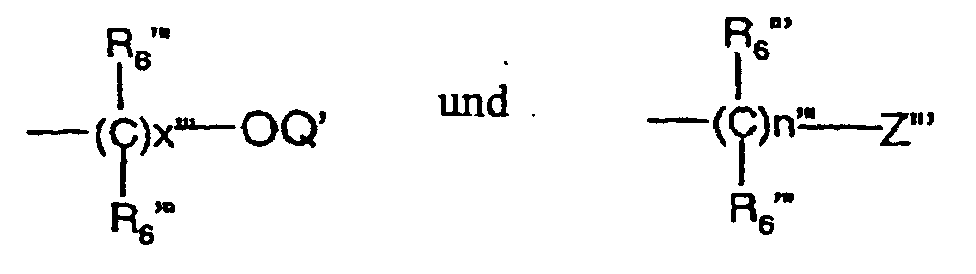
worin die Gruppen M' und Z" gegebenenfalls substituiert sein können mit den Gruppen D', E' oderworin jedes R6"" unabhängig ausgewählt ist unter Wasserstoff, C3-C8-Cycloalkyl, C1-C4-Alkyl und (CH2)m""-Phenyl, worin m"" eine ganze Zahl von 0 bis 8 ist; x"" eine ganze Zahl von 0 bis 8 ist; Q" Wasserstoff oder C1-C4-Alkyl oder Phenyl ist; jedes D' unabhängig ausgewählt ist unter Trifluormethyl, Trifluormethoxy und C1-C4-Alkoxy; jedes E' unabhängig ausgewählt unter Hal, OH und C1-C8-Alkyl; und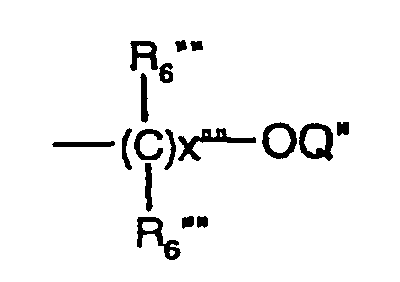
R1 ausgewählt ist unter Cyclopentyl und Isopropyl,
und die pharmazeutisch verträglichen Salze, optischen Isomeren und Hydrate hiervon. - Verbindung gemäß Anspruch 96, worin Z substituiert ist mit der Gruppeworin R6", x" und M' wie in Anspruch 96 definiert sind.
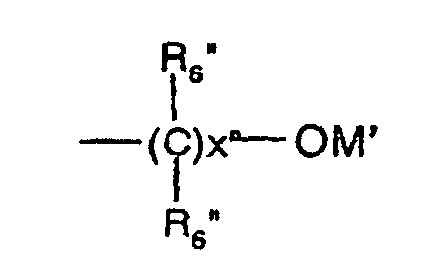
- Verbindung gemäß Anspruch 97, worin M' Wasserstoff ist.
- Verbindung gemäß Anspruch 1, worin R für R2 steht, R2 fürsteht,

worin jedes R6 unabhängig ausgewählt ist unter Wasserstoff, C3-C8-Cycloalkyl, C1-C4-Alkyl und (CH2)n-Phenyl; n eine ganze Zahl von 0 bis 8 ist; und Z Cycloalkyl ist,
worin Z gegebenenfalls substituiert sein kann mit 1 bis 3 Substituenten, die gleich oder verschieden sein können, und die ausgewählt sind unter D, E,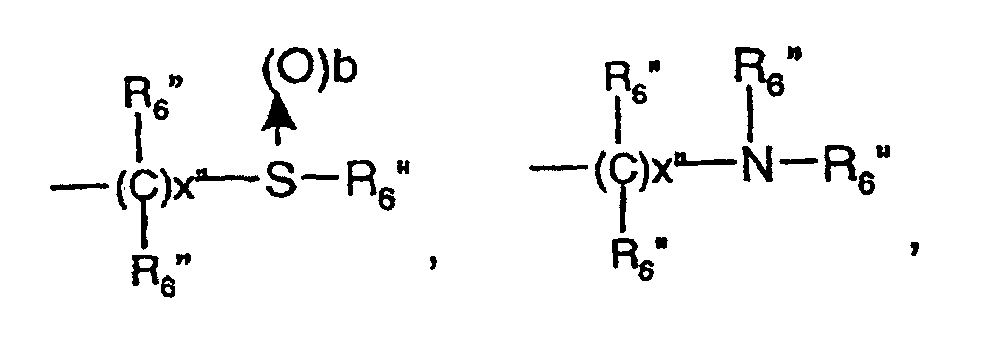 worin jedes D unabhängig ausgewählt ist unter Trifluormethyl, Trifluormethoxy und C1-C4-Alkoxy; jedes E unabhängig ausgewählt ist unterHal, OH und C1-C8-Alkyl; b eine ganze Zahl von 0 bis 2 ist; Z" ausgewählt ist unter Phenyl, einem heterocyclischen Rest, Cycloalkyl, und einem Naphthalinrest; jedes R6" unabhängig ausgewählt ist unter Wasserstoff, C3-C8-Cycloalkyl, C1-C4-Alkyl und (CH2)m"-Phenyl, worin m" eine ganze Zahl von 0 bis 8 ist; n" eine ganze Zahl von 0 bis 8 ist; x" eine ganze Zahl von 1 bis 8 ist; und M' ausgewählt ist unter Wasserstoff, C1-C4-Alkyl,
 worin jedes R6"' unabhängig ausgewählt ist unter Wasserstoff, C3-C8-Cycloalkyl, C1-C4-Alkyl und (CH2)m"'-Phenyl, worin m"' eine ganze Zahl von 0 bis 8 ist; n"' eine ganze Zahl von 0 bis 8 ist; x"' eine ganze Zahl von 1 bis 8 ist; Q' Wasserstoff oder C1-C4-Alkyl ist; und Z"' ausgewählt ist unter Phenyl, einem heterocyclischen Rest, Cycloalkyl und einem Naphthalinrest,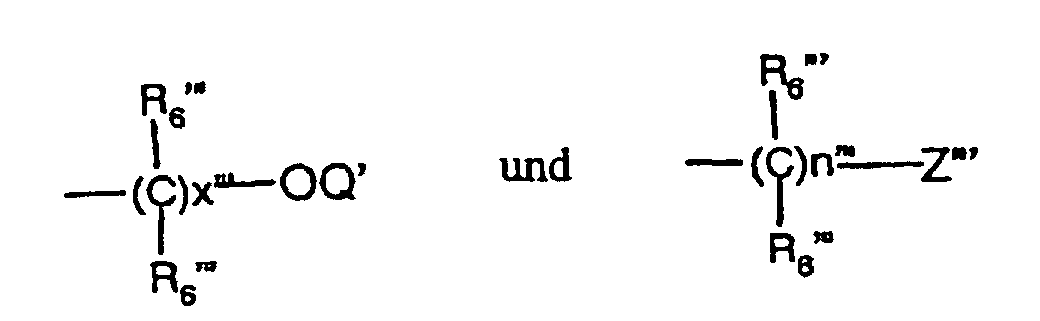
worin die Gruppen M' und Z" gegebenenfalls substituiert sind mit den Gruppen D', E' oderworin jedes R6"" unabhängig ausgewählt ist unter Wasserstoff, C3-C8-Cycloalkyl, C1-C4-Alkyl und (CH2)m""-Phenyl, worin m"" eine ganze Zahl von 1 bis 8 ist; x"" eine ganze Zahl von 0 bis 8 ist; Q" Wasserstoff oder C1-C4-Alkyl oder Phenyl ist; jedes D' unabhängig ausgewählt ist unter Trifluorrnethyl, Trifluormethoxy und C1-C4-Alkoxy; jedes E' unabhängig ausgewählt ist unter Hal, OH und C1-C8-Alkyl; und
R1 Cyclopentenyl ist,
und die pharmazeutisch verträglichen Salze, optischen Isomeren und Hydrate hiervon. - Verbindung gemäß Anspruch 1, worin R für R2NH- steht, worin R2 für C9-C12-Alkyl steht, das gegebenenfalls substituiert ist durch 1 bis 3 Substituenten, die gleich oder verschieden sein können, und die ausgewählt sind unter D, E,
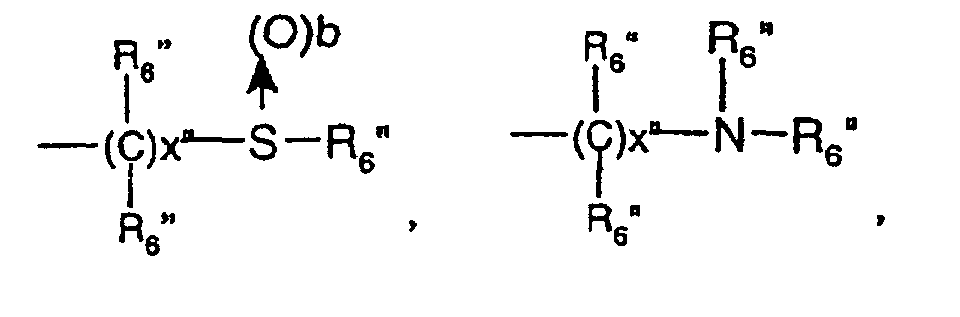 worin jedes D unabhängig ausgewählt ist unter Trifluormethyl, Trifluormethoxy und C1-C4-Alkoxy; jedes E unabhängig ausgewählt ist unter Hal, OH und C1-C8-Alkyl; b eine ganze Zahl von 0 bis 2 bedeutet; Z" ausgewählt ist unter Phenyl, einem heterocyclischen Rest, Cycloalkyl und einem Naphthalinrest; jedes R6" unabhängig ausgewählt ist unter Wasserstoff, C3-C8-Cycloalkyl, C1-C4-Alkyl und (CH2)m"-Phenyl, worin m" eine ganze Zahl von 0 bis 8 ist; n" eine ganze Zahl von 0 bis 8 ist; x" eine ganze Zahl von 1 bis 8 ist; und M' ausgewählt ist unter Wasserstoff, C1-C4-Alkyl,
 worin jedes R6"' unabhängig ausgewählt ist unter Wasserstoff, C3-C8-Cycloalkyl, C1-C4-Alkyl und (CH2)m"'-Phenyl, worin m"' eine ganze Zahl von 0 bis 8 ist; n"' eine ganze Zahl von 0 bis 8 ist; x"' eine ganze Zahl von 1 bis 8 ist; Q' Wasserstoff oder C1-C4-Alkyl ist; und Z"' ausgewählt ist unter Phenyl, einem heterocyclischen Rest, Cycloalkyl und einem Naphthalinrest,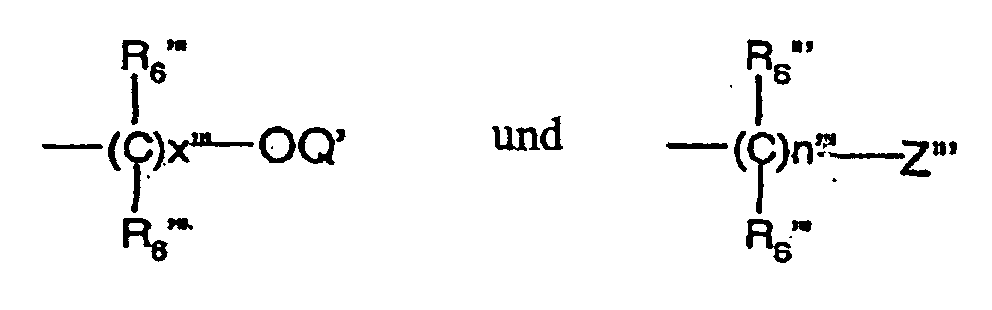
worin die Gruppen M' und Z" gegebenenfalls substituiert sein können mit den Gruppen D', E' oderworin jedes R6"" unabhängig ausgewählt ist unter Wasserstoff, C3-C8-Cycloalkyl, C1-C4-Alkyl und (CH2)m""-Phenyl, worin m"" eine ganze Zahl von 0 bis 8 ist; x"" eine ganze Zahl von 0 bis 8 ist; Q" Wasserstoff oder C1-C4-Alkyl ist; jedes D' unabhängig ausgewählt ist unter Trifluormethyl, Trifluormethoxy und C1-C4-Alkoxy; jedes E' unabhängig ausgewählt ist unter Hal, OH und C1-C8-Alkyl; und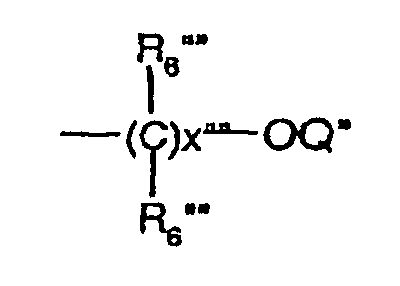
R1 ausgewählt ist unter Cyclopentyl, Cyclopentenyl und Isopropyl,
und die pharmazeutisch verträglichen Salze, optischen Isomeren und Hydrate hiervon. - Verbindung gemäß Anspruch 1, worin R für R2NH- steht, worin R2 fürsteht,

worin jedes R6 unabhängig ausgewählt ist unter Wasserstoff, C3-C8-Cycloalkyl, C1-C4-Alkyl und (CH2)m-Phenyl, worin m eine ganze Zahl von 0 bis 8 ist; x eine ganze Zahl von 1 bis 8 ist; und M ausgewählt ist unter Wasserstoff, C1-C4-Alkyl,worin jedes R6' unabhängig ausgewählt ist unter Wasserstoff, C3-C8-Cycloalkyl, C1-C4-Alkyl und (CH2)m'-Phenyl, worin m' eine ganze Zahl von 0 bis 8 ist; n' eine ganze Zahl von 0 bis 8 ist; x' eine ganze Zahl von 1 bis 8 ist; Q Wasserstoff oder C1-C4-Alkyl ist; und Z' ausgewählt ist unter Phenyl, einem heterocyclischen Rest, Cycloalkyl und einem Naphthalinrest; und
R1 ausgewählt ist unter Cyclopentyl, Cyclopentenyl und Isopropyl,
und die pharmazeutisch verträglichen Salze, optischen Isomeren und Hydrate hiervon. - Verbindung gemäß Anspruch 1, worin R für R2NH- steht, worin R2 fürsteht,
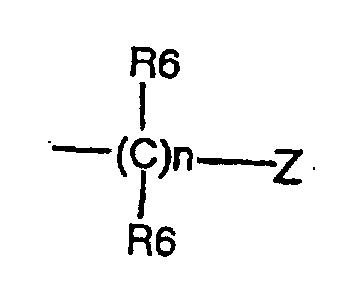
worin jedes R6 unabhängig ausgewählt ist unter Wasserstoff, C3-C8-Cycloalkyl, C1-C4-Alkyl und (CH2)m-Phenyl, worin m eine ganze Zahl von 0 bis 8 ist; n eine ganze Zahl von 0 bis 8 ist; und Z ein Naphthalinrest ist,
worin Z gegebenenfalls substituiert sein kann mit 1 bis 3 Substituenten, die gleich oder verschieden sein können, und die ausgewählt sind unter D, E,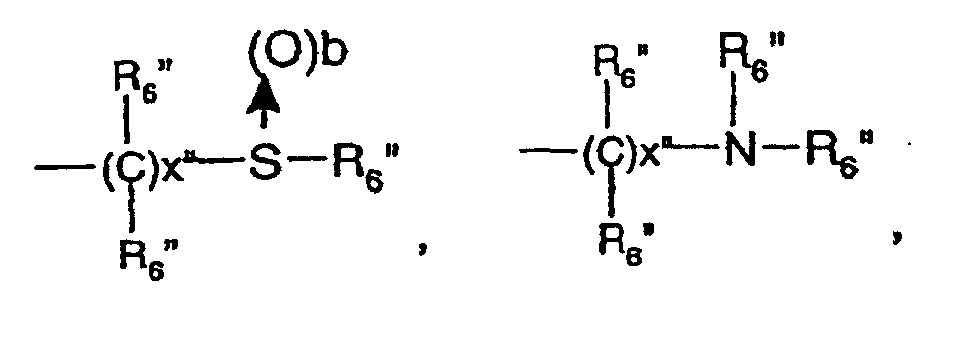 worin jedes D unabhängig ausgewählt ist unter Trifluormethyl, Trifluormethoxy und C1-C4-Alkoxy; jedes E unabhängig ausgewählt ist unter Hal, OH und C1-C8-Alkyl; b eine ganze Zahl von 0 bis 2 ist; Z" ausgewählt ist unter Phenyl, einem heterocyclischen Rest, Cycloalkyl und einem Naphthalinrest; jedes R6" unabhängig ausgewählt ist unter Wasserstoff, C3-C8-Cycloalkyl, C1-C4-Alkyl und (CH2)m"-Phenyl, worin m" eine ganze Zahl von 0 bis 8 ist; n" eine ganze Zahl von 0 bis 8 ist; x" eine ganze Zahl von 1 bis 8 ist; und M' ausgewählt ist unter Wasserstoff, C1-C4-Alkyl,
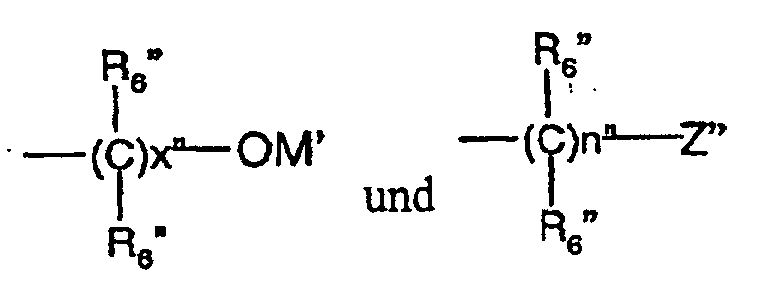 worin jedes R6''' unabhängig ausgewählt ist unter Wasserstoff, C3-C8-Cycloalkyl, C1-C4-Alkyl und (CH2)m"'-Phenyl, worin m"' eine ganze Zahl von 0 bis 8 ist; n"' eine ganze Zahl von 0 bis 8 ist; x"' eine ganze Zahl von 1 bis 8 ist; Q' Wasserstoff oder C1-C4-Alkyl ist; und Z"' ausgewählt ist unter Phenyl, einem heterocyclischen Rest, Cycloalkyl und einem Naphthalinrest,
worin die Gruppen M' and Z" gegebenenfalls substituiert sind mit den Gruppen D', E' oderworin jedes R6"" unabhängig ausgewählt ist unter Wasserstoff, C3-C8-Cycloalkyl, C1-C4-Alkyl und (CH2)m""-Phenyl, worin m"" eine ganze Zahl von 0 bis 8 ist; x"" eine ganze Zahl von 0 bis 8 ist; Q" Wasserstoff oder C1-C4-Alkyl oder Phenyl ist; jedes D' unabhängig ausgewählt ist unter Trifluormethyl, Trifluormethoxy und C1-C4-Alkoxy; jedes E' unabhängig ausgewählt ist unter Hal, OH und C1-C8-Alkyl; und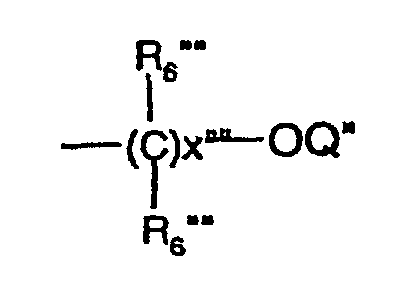
R1 ausgewählt ist unter Cyclopentyl, Cyclopentenyl und Isopropyl,
und die pharmazeutisch verträglichen Salze, optischen Isomeren und Hydrate hiervon. - Verbindung gemäß Anspruch 1, worin R für R2NH- steht, worin R2 für Z steht, worin Z Phenyl ist, das gegebenenfalls substituiert sein kann mit 1 bis 3 Substituenten, die gleich oder verschieden sein können, und die ausgewählt sind unter D, E,worin jedes D unabhängig ausgewählt ist unter Trifluormethyl, Trifluormethoxy und C1-C4-Alkoxy; jedes E unabhängig ausgewählt ist unter Hal, OH und C1-C8-Alkyl; b eine ganze Zahl von 0 bis 2 ist; Z" ausgewählt ist unter Phenyl, einem heterocyclischen Rest, Cycloalkyl und einem Naphthalinrest;
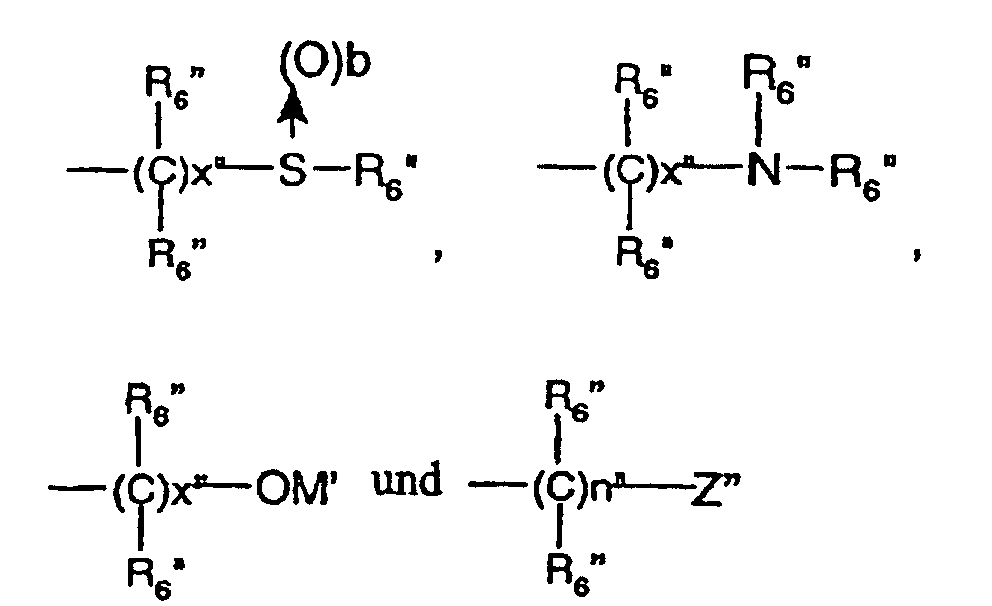 jedes R6" unabhängig ausgewählt ist unter Wasserstoff, C3-C8-Cycloalkyl, C1-C4-Alkyl und (CH2)m"-Phenyl, worin m" eine ganze Zahl von 0 bis 8 ist; n" eine ganze Zahl von 0 bis 8 ist; x" eine ganze Zahl von 1 bis 8 ist; und M' ausgewählt ist unter Wasserstoff, C1-C4-Alkyl,
worin jedes R6''' unabhängig ausgewählt ist unter Wasserstoff, C3-C8-Cycloalkyl, C1-C4-Alkyl und (CH2)m"'-Phenyl, worin m"' eine ganze Zahl von 0 bis 8 ist; n''' eine ganze Zahl von 0 bis 8 ist; x''' eine ganze Zahl von 1 bis 8 ist; Q' Wasserstoff oder C1-C4-Alkyl ist; und Z"' ausgewählt ist unter Phenyl, einem heterocyclischen Rest, Cycloalkyl und einem Naphthalinrest,
worin die Gruppen M' und Z" gegebenenfalls substituiert sein können mit den Gruppe D', E' oderworin jedes R6"" unabhängig ausgewählt ist unter Wasserstoff, C3-C8-Cycloalkyl, C1-C4-Alkyl und (CH2)m""-Phenyl, worin m"" eine ganze Zahl von 0 bis 8 ist; x"" eine ganze Zahl von 0 bis 8 ist; Q" Wasserstoff oder C1-C4-Alkyl oder Phenyl ist; jedes D' unabhängig ausgewählt ist unter Trifluormethyl, Trifluormethoxy und C1-C4-Alkoxy; jedes E' unabhängig ausgewählt ist unter Hal, OH und C1-C8-Alkyl; und
R1 ausgewählt ist unter Cyclopentyl, Cyclopentenyl und Isopropyl,
und die pharmazeutisch verträglichen Salze, optischen Isomeren und Hydrate hiervon. - Verbindung gemäß Anspruch 103, worin Z mit der Gruppe E substituiert ist.
- Verbindung gemäß Anspruch 104, worin E Hal ist.
- Verbindung gemäß Anspruch 1, worin R für R2NH- steht, worin R2 fürsteht,

worin jedes R6 unabhängig Wasserstoff oder C3-C8-Cycloalkyl ist, mit der Maßgabe, dass zumindest eines von R6 für C3-C8-Cycloalkyl steht; n eine ganze Zahl von 1 bis 8 ist; und Z Phenyl ist, das gegebenenfalls substituiert sein kann mit 1 bis 3 Substituenten, die gleich oder verschieden sein können, und die ausgewählt sind unter D, E, worin jedes D unabhängig ausgewählt ist unter Trifluormethyl, Trifluormethoxy und C1-C4-Alkoxy; jedes E unabhängig ausgewählt ist unter Hal, OH und C1-C8-Alkyl; b eine ganze Zahl von 0 bis 2 ist; Z" ausgewählt ist unter Phenyl, einem heterocyclischen Rest, Cycloalkyl, und einen Naphthalinrest; jedes R6" unabhängig ausgewählt ist unter Wasserstoff, C3-C8-Cycloalkyl, C1-C4-Alkyl und (CH2)m"-Phenyl, worin m" eine ganze Zahl von 0 bis 8 ist; n" eine ganze Zahl von 0 bis 8 ist; x" eine ganze Zahl von 1 bis 8 ist; und M' ausgewählt ist unter Wasserstoff, C1-C4-Alkyl,
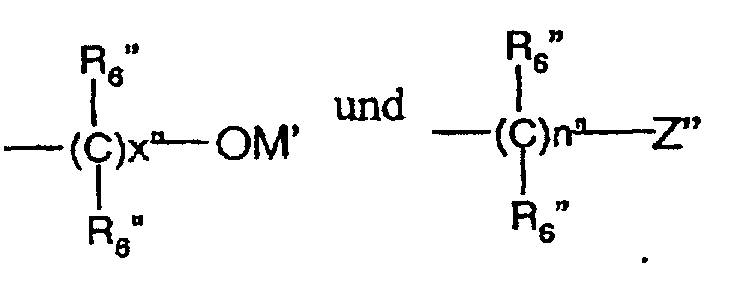 worin jedes R6"' unabhängig ausgewählt ist unter Wasserstoff, C3-C8-Cycloalkyl, C1-C4-Alkyl und (CH2)m"'-Phenyl, worin m"' eine ganze Zahl von 0 bis 8 ist; n"' eine ganze Zahl von 0 bis 8 ist; x"' eine ganze Zahl von 1 bis 8 ist; Q' Wasserstoff oder C1-C4-Alkyl ist; und Z"' ausgewählt ist unter Phenyl, einem heterocyclischen Rest, Cycloalkyl und einem Naphthalinrest,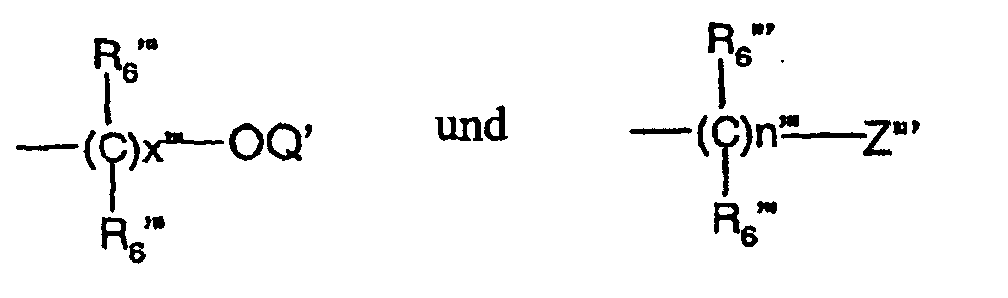
worin die Gruppen M' und Z" gegebenenfalls substituiert sind mit den Gruppen D', E' oderworin jedes R6"" unabhängig ausgewählt ist unter Wasserstoff, C3-C8-Cycloalkyl, C1-C4-Alkyl und (CH2)m""-Phenyl, worin m"" eine ganze Zahl von 0 bis 8 ist; x"" eine ganze Zahl von 0 bis 8 ist; Q" Wasserstoff oder C1-C4-Alkyl oder Phenyl ist; jedes D' unabhängig ausgewählt ist unter Trifluormethyl, Trifluormethoxy und C1-C4-Alkoxy; jedes E' unabhängig ausgewählt ist unter Hal, OH und C1-C8-Alkyl; und
R1 ausgewählt ist unter Cyclopentyl, Cyclopentenyl und Isopropyl,
und die pharmazeutisch verträglichen Salze, optischen Isomeren und Hydrate hiervon. - Verbindung gemäß Anspruch 1, worin R für R2NH- steht, worin R2 fürsteht, worin R6 unabhängig ausgewählt ist unter Wasserstoff, C1-C4-Alkyl und (CH2)m-Phenyl, worin m eine ganze Zahl von 0 bis 8 ist; n eine ganze Zahl von 1 bis 8 ist; und Z Phenyl ist, das substituiert ist mit 1 bis 3 Substituenten, die gleich oder verschieden sein können, und die ausgewählt sind unter
 worin jedes D unabhängig ausgewählt ist unter Trifluormethyl, Trifluormethoxy und C1-C4-Alkoxy; jedes E unabhängig ausgewählt ist unter Hal, OH und C1-C8-Alkyl; b eine ganze Zahl von 0 bis 2 ist; Z" ausgewählt ist unter Phenyl, einem heterocyclischen Rest, Cycloalkyl und einem Naphthalinrest; jedes R6" unabhängig ausgewählt ist unter Wasserstoff, C3-C8-Cycloalkyl, C1-C4-Alkyl und (CH2)m"-Phenyl, worin m" eine ganze Zahl von 0 bis 8 ist; n" eine ganze Zahl von 0 bis 8 ist; und x" eine ganze Zahl von 1 bis 8 ist; und M' ausgewählt ist unter Wasserstoff, C1-C4-Alkyl,
 worin jedes R6''' unabhängig ausgewählt ist unter Wasserstoff, C3-C8-Cycloalkyl, C1-C4-Alkyl und (CH2)m'''-Phenyl, worin m"' eine ganze Zahl von 0 bis 8 ist; n"' eine ganze Zahl von 0 bis 8 ist; x''' eine ganze Zahl von 1 bis 8 ist; Q' Wasserstoff oder C1-C4-Alkyl ist; und Z"' ausgewählt ist unter Phenyl, einem heterocyclischen Rest, Cycloalkyl und einem Naphthalinrest,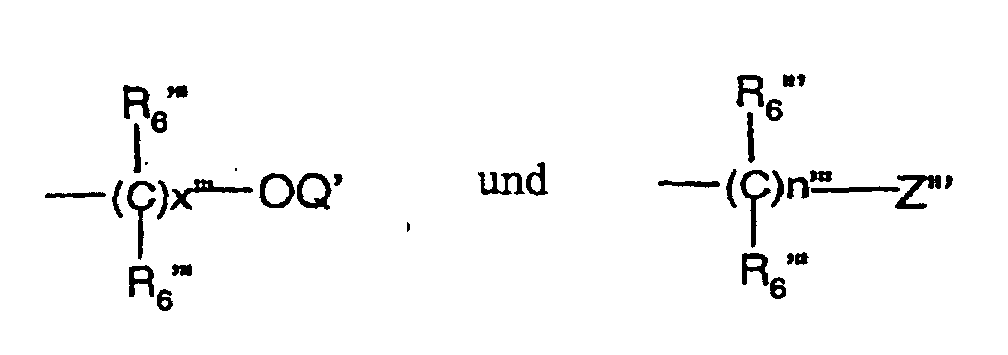
worin die Gruppen M' und Z" gegebenenfalls substituiert sein können mit den Gruppen D', E' oderworin jedes R6'''' unabhängig ausgewählt ist unter Wasserstoff, C3-C8-Cycloalkyl, C1-C4-Alkyl und (CH2)m''''-Phenyl, worin m"" eine ganze Zahl von 0 bis 8 ist; x"" eine ganze Zahl von 0 bis 8 ist; Q" Wasserstoff oder C1-C4-Alkyl oder Phenyl ist; jedes D' unabhängig ausgewählt ist unter Trifluormethyl, Trifluormethoxy und C1-C4-Alkoxy; jedes E' unabhängig ausgewählt ist unter Hal, OH und C1-C8-Alkyl, und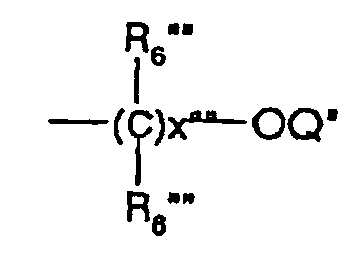
R1 ausgewählt ist unter Cyclopentyl und Isopropyl,
und die pharmazeutisch verträglichen Salze, optischen Isomeren und Hydrate hiervon. - Verbindung gemäß Anspruch 1, worin R für R2NH- steht, worin R2 fürsteht,
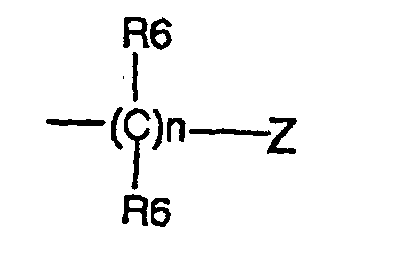
worin jedes R6 unabhängig ausgewählt ist unter Wasserstoff, C3-C8-Cycloalkyl, C1-C4-Alkyl und (CH2)m-Phenyl, worin m eine ganze Zahl von 0 bis 8 ist; n eine ganze Zahl von 0 bis 8 ist; und Z Phenyl ist, das gegebenenfalls substituiert sein kann mit 1 bis 3 Substituenten, die gleich oder verschieden sein können, und die ausgewählt sind unter D, E,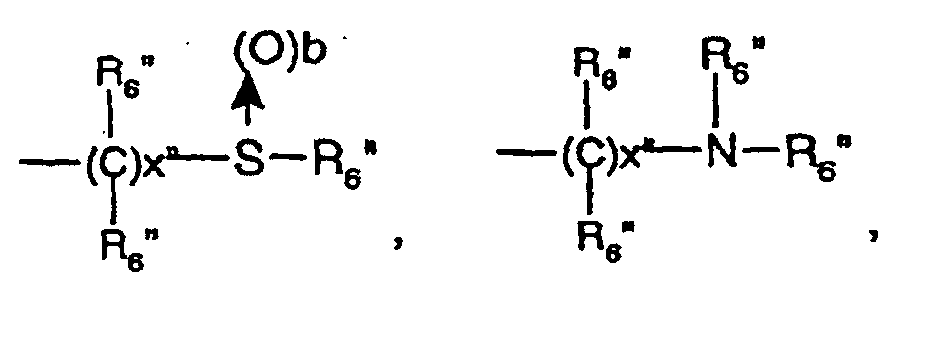 worin jedes D unabhängig ausgewählt ist unter Trifluormethyl, Trifluormethoxy und C1-C4-Alkoxy; jedes E unabhängig ausgewählt ist unter Hal, OH und C1-C8-Alkyl; b eine ganze Zahl von 0 bis 2 ist; Z" ausgewählt ist unter Phenyl, einem heterocyclischen Rest, Cycloalkyl und einem Naphthalinrest; jedes R6" unabhängig ausgewählt ist unter Wasserstoff, C3-C8-Cycloalkyl, C1-C4-Alkyl und (CH2)m"-Phenyl, worin m" eine ganze Zahl von 0 bis 8 ist; n" eine ganze Zahl von 0 bis 8 ist; x" eine ganze Zahl von 1 bis 8 ist; und M' ausgewählt ist unter Wasserstoff, C1-C4-Alkyl,
 worin jedes R6"' unabhängig ausgewählt ist unter Wasserstoff, C3-C8-Cycloalkyl, C1-C4-Alkyl und (CH2)m"'-Phenyl, worin m"' eine ganze Zahl von 0 bis 8 ist; n"' eine ganze Zahl von 0 bis 8 ist; x"' eine ganze Zahl von 1 bis 8 ist; Q' Wasserstoff oder C1-C4-Alkyl ist; und Z"' ausgewählt ist unter Phenyl, einem heterocyclischen Rest, Cycloalkyl und einem Naphthalinrest,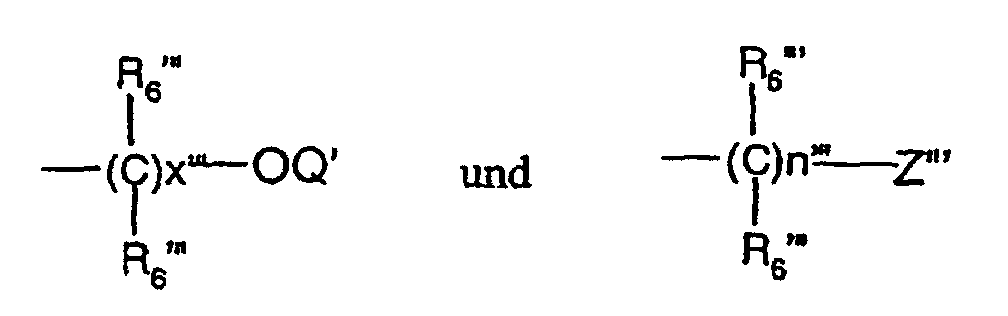
worin die Gruppen M' und Z" gegebenenfalls substituiert sein können mit den Gruppen D', E' oderworin jedes R6"" unabhängig ausgewählt ist unter Wasserstoff, C3-C8-Cycloalkyl, C1-C4-Alkyl und (CH2)m""-Phenyl, worin m"" eine ganze Zahl von 0 bis 8 ist; x"" eine ganze Zahl von 0 bis 8 ist; Q" Wasserstoff oder C1-C4-Alkyl oder Phenyl ist; jedes D' unabhängig ausgewählt ist unter Trifluormethyl, Trifluormethoxy und C1-C4-Alkoxy; jedes E' unabhängig ausgewählt ist unter Hal, OH und C1-C8-Alkyl; und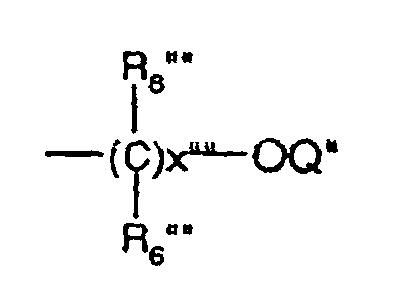
R1 Cyclopentenyl ist,
und die pharmazeutisch verträglichen Salze, optischen Isomeren und Hydrate hiervon. - Verbindung gemäß Anspruch 1, worin R fiir R2NH- steht, worin R2 für Z steht, worin Z ein heterocyclischer Rest ist, gegebenenfalls substituiert mit 1 bis 3 Substituenten, die gleich oder verschieden sein können, und die ausgewählt sind unter D, E,
 worin jedes D unabhängig ausgewählt ist unter Trifluormethyl, Trifluormethoxy und C1-C4-Alkoxy; jedes E unabhängig ausgewählt ist unter Hal, OH und C1-C8-Alkyl; b eine ganze Zahl von 0 bis 2 ist; Z" ausgewählt ist unter Phenyl, einem heterocyclischen Rest, Cycloalkyl und einem Naphthalinrest; jedes R6" unabhängig ausgewählt ist unter Wasserstoff, C3-C8-Cycloalkyl, C1-C4-Alkyl und (CH2)m"-Phenyl, worin m" eine ganze Zahl von 0 bis 8 ist; n" eine ganze Zahl von 0 bis 8 ist; x" eine ganze Zahl von 1 bis 8 ist; und M' ausgewählt ist unter Wasserstoff, C1-C4-Alkyl,
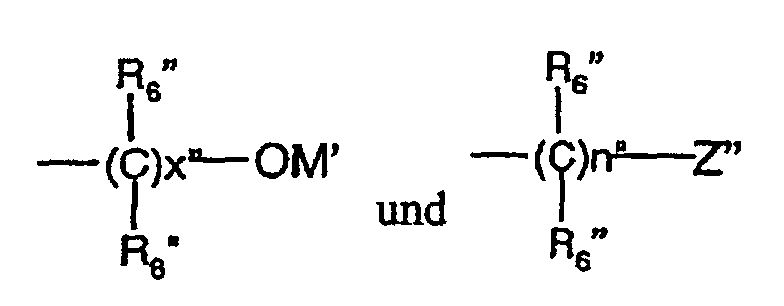 worin jedes R6''' unabhängig ausgewählt ist unter Wasserstoff, C3-C8-Cycloalkyl, C1-C4-Alkyl und (CH2)m"'-Phenyl, worin m"' eine ganze Zahl von 0 bis 8 ist; n"' eine ganze Zahl von 0 bis 8 ist; x''' eine ganze Zahl von 1 bis 8 ist; Q' Wasserstoff oder C1-C4-Alkyl ist; und Z"' ausgewählt ist unter Phenyl, einem heterocyclischen Rest, Cycloalkyl und einem Naphthalinrest,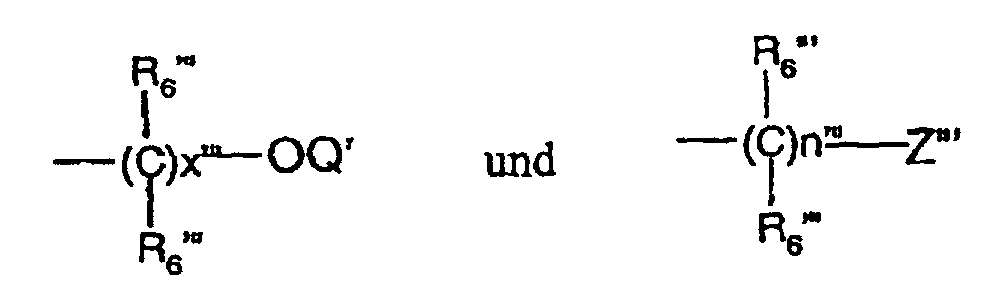
worin die Gruppen M' und Z" gegebenenfalls substituiert sein können mit den Gruppen D', E' oderworin jedes R6"" unabhängig ausgewählt ist unter Wasserstoff, C3-C8-Cycloalkyl, C1-C4-Alkyl und (CH2)m""-Phenyl, worin m"" eine ganze Zahl von 0 bis 8 ist; x"" eine ganze Zahl von 0 bis 8 ist; Q" Wasserstoff oder C1-C4-Alkyl oder Phenyl ist; jedes D' unabhängig ausgewählt ist unter Trifluormethyl, Trifluormethoxy und C1-C4-Alkoxy; jedes E' unabhängig ausgewählt ist unter Hal, OH und C1-C8-Alkyl; und
R1 ausgewählt ist unter Cyclopentyl, Cyclopentenyl und Isopropyl,
und die pharmazeutisch verträglichen Salze, optischen Isomeren und Hydrate hiervon. - Verbindung gemäß Anspruch 1, worin R für R2NH- steht, worin R2 fürsteht,

worin jedes R6 unabhängig Wasserstoff oder C3-C8-Cycloalkyl ist, mit der Maßgabe, dass zumindest eines von R6 C3-C8-Cycloalkyl ist; n eine ganze Zahl von 1 bis 8 ist; und Z ein heterocyclischer Rest ist;
worin Z gegebenenfalls substituiert sein kann mit 1 bis 3 Substituenten, die gleich oder verschieden sein können, und die ausgewählt sind unter D, E,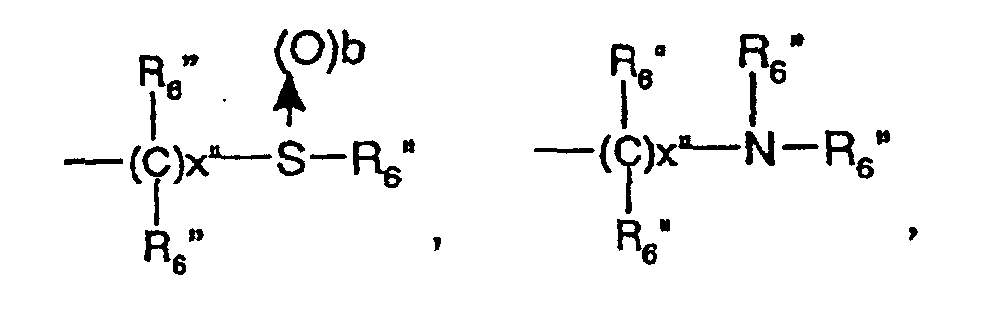 worin jedes D unabhängig ausgewählt ist unter Trifluormethyl, Trifluormethoxy und C1-C4-Alkoxy; jedes E unabhängig ausgewählt ist unter Hal, OH und C1-C8-Alkyl; b eine ganze Zahl von 0 bis 2 ist; Z" ausgewählt ist unter einem heterocyclischen Rest, Cycloalkyl und einem Naphthalinrest; jedes R6" unabhängig ausgewählt ist unter Wasserstoff, C3-C8-Cycloalkyl, C1-C4-Alkyl und (CH2)m"-Phenyl, worin m" eine ganze Zahl von 0 bis 8 ist; n" eine ganze Zahl von 0 bis 8 ist; x" eine ganze Zahl von 1 bis 8 ist; und M' ausgewählt ist unter Wasserstoff, C1-C4-Alkyl,
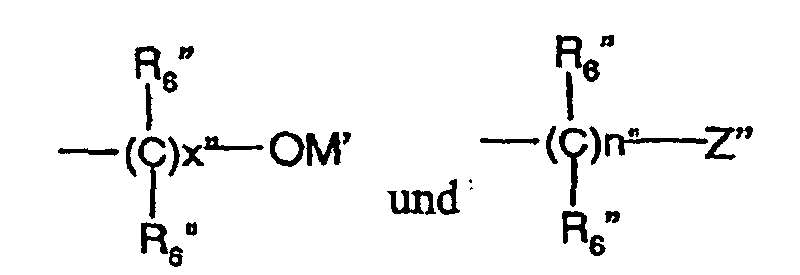 worin jedes R6"' unabhängig ausgewählt ist unter Wasserstoff, C3-C8-Cycloalkyl, C1-C4-Alkyl und (CH2)m"'-Phenyl, worin m"' eine ganze Zahl von 0 bis 8 ist; n"' eine ganze Zahl von 0 bis 8 ist; x"' eine ganze Zahl von 1 bis 8 ist; Q' Wasserstoff oder C1-C4-Alkyl ist; und Z"' ausgewählt ist unter Phenyl, einem heterocyclischen Rest, Cycloalkyl und einem Naphthalinrest;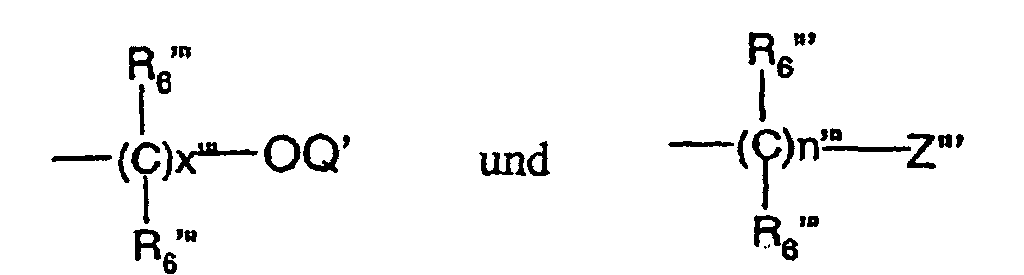
worin die Gruppen M' und Z" gegebenenfalls substituiert sind mit den Gruppen D', E' oderworin jedes R6'''' unabhängig ausgewählt ist unter Wasserstoff, C3-C8-Cycloalkyl, C1-C4-Alkyl und (CH2)m""-Phenyl, worin m"" eine ganze Zahl von 0 bis 8 ist; x"" eine ganze Zahl von 0 bis 8 ist; Q" Wasserstoff oder C1-C4-Alkyl oder Phenyl ist; jedes D' unabhängig ausgewählt ist unter Trifluormethyl, Trifluormethoxy und C1-C4-Alkoxy; jedes E' unabhängig ausgewählt ist unter Hal, OH und C1-C8-Alkyl; und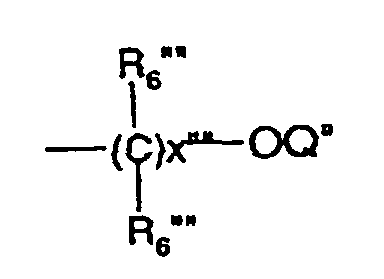
R1 ausgewählt ist unter Cyclopentyl, Cyclopentenyl und Isopropyl,
und die pharmazeutisch verträglichen Salze, optischen Isomeren und Hydrate hiervon. - Verbindung gemäß Anspruch 1, worin R für R2NH- steht, worin R2 fürsteht,
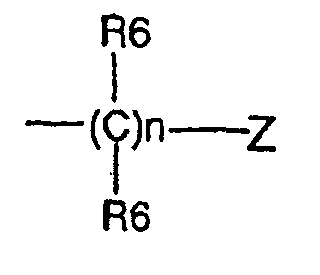
worin jedes R6 unabhängig ausgewählt ist unter Wasserstoff, C1-C4-Alkyl und (CH2)m-Phenyl, worin m für eine ganze Zahl von 0 bis 8 steht; n eine ganze Zahl von 1 bis 8 ist; und Z ein heterocyclischer Rest ist, worin Z substituiert ist mit 1 bis 3 Substituenten, die gleich oder verschieden sein können, und die ausgewählt sind unterworin jedes D unabhängig ausgewählt ist unter Trifluormethyl, Trifluormethoxy und C1-C4-Alkoxy; jedes E unabhängig ausgewählt ist unter Hal, OH und C1-C8-Alkyl; b eine ganze Zahl von 0 bis 2 ist; Z" ausgewählt ist unter Phenyl, einem heterocyclischen Rest, Cycloalkyl und einem Naphthalinrest; jedes R6" unabhängig ausgewählt ist unter Wasserstoff, C3-C8-Cycloalkyl, C1-C4-Alkyl und (CH2)m"-Phenyl, worin m" eine ganze Zahl von 0 bis 8 ist; n" eine ganze Zahl von 0 bis 8 ist; x" eine ganze Zahl von 1 bis 8 ist; und M' ausgewählt ist unter Wasserstoff, C1-C4-Alkyl, worin jedes R6"' unabhängig ausgewählt ist unter Wasserstoff, C3-C8-Cycloalkyl, C1-C4-Alkyl und (CH2)m'''-Phenyl, worin m"' eine ganze Zahl von 0 bis 8 ist; n"' eine ganze Zahl von 0 bis 8 ist; x"' eine ganze Zahl von 1 bis 8 ist; Q' Wasserstoff oder C1-C4-Alkyl ist und Z"' ausgewählt ist unter Phenyl, einem heterocyclischen Rest, Cycloalkyl und einem Naphthalinrest,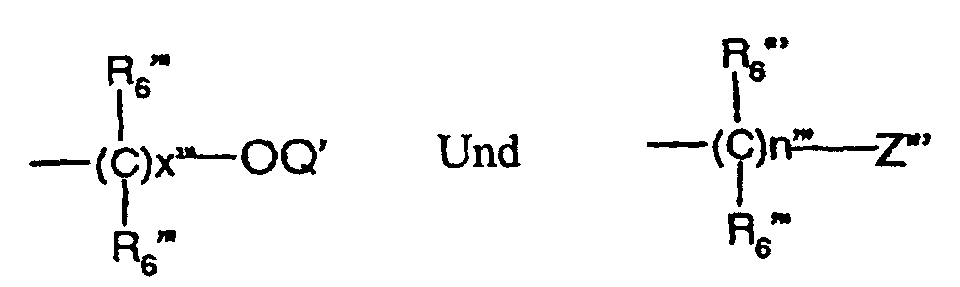
worin die Gruppen M' und Z" gegebenenfalls substituiert sind mit den Gruppen D', E' oderworin jedes R6"" unabhängig ausgewählt ist unter Wasserstoff, C3-C8-Cycloalkyl, C1-C4-Alkyl und (CH2)m""-Phenyl, worin m"" eine ganze Zahl von 0 bis 8 ist; x"" eine ganze Zahl von 0 bis 8 ist; Q" Wasserstoff oder C1-C4-Alkyl oder Phenyl ist; jedes D' unabhängig ausgewählt ist unter Trifluormethyl, Trifluormethoxy und C1-C4-Alkoxy; jedes E' unabhängig ausgewählt ist unter Hal, OH und C1-C8-Alkyl; und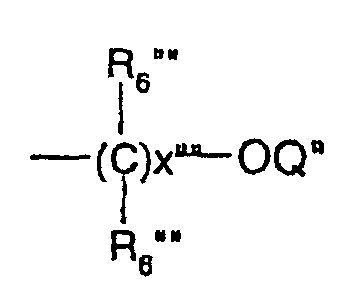
R1 ausgewählt ist unter Cyclopentyl und Isopropyl,
und die pharmazeutisch verträglichen Salze, optischen Isomeren und Hydrate hiervon. - Verbindung gemäß Anspruch 1, worin R für R2NH- steht, worin R2 fürsteht,

worin jedes R6 unabhängig ausgewählt ist unter Wasserstoff, C3-C8-Cycloalkyl, C1-C4-Alkyl und (CH2)m-Phenyl, worin m eine ganze Zahl von 0 bis 8 ist; n eine ganze Zahl von 0 bis 8 ist; und Z ein heterocyclischer Rest ist,
worin Z gegebenenfalls substituiert sein kann mit 1 bis 3 Substituenten, die gleich oder verschieden sein können, und die ausgewählt sind unter D, E, worin jedes D unabhängig ausgewählt ist unter Trifluormethyl, Trifluormethoxy und C1-C4-Alkoxy; jedes E unabhängig ausgewählt ist unter Hal, OH und C1-C8-Alkyl; b eine ganze Zahl von 0 bis 2 ist; Z" ausgewählt ist unter Phenyl, einem heterocyclischen Rest, Cycloalkyl und einem Naphthalinrest; jedes R6" unabhängig ausgewählt ist unter Wasserstoff, C3-C8-Cycloalkyl, C1-C4-Alkyl und (CH2)m"-Phenyl, worin m" eine ganze Zahl von 0 bis 8 ist; n" eine ganze Zahl von 0 bis 8 ist; x" eine ganze Zahl von 1 bis 8 ist; und M' ausgewählt ist unter Wasserstoff, C1-C4-Alkyl,
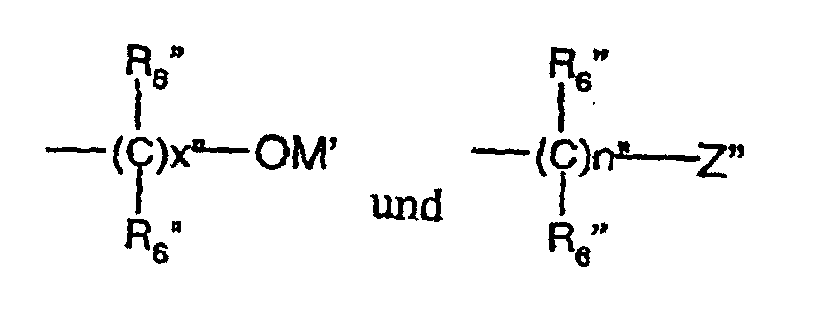 worin jedes R6"' unabhängig ausgewählt ist unter Wasserstoff, C3-C8-Cycloalkyl, C1-C4-Alkyl und (CH2)m"'-Phenyl, worin m"' eine ganze Zahl von 0 bis 8 ist; n"' eine ganze Zahl von 0 bis 8 ist; x"' eine ganze Zahl von 1 bis 8 ist; Q' Wasserstoff oder C1-C4-Alkyl ist; und Z''' ausgewählt ist unter Phenyl, einem heterocyclischen Rest, Cycloalkyl und einem Naphthalinrest,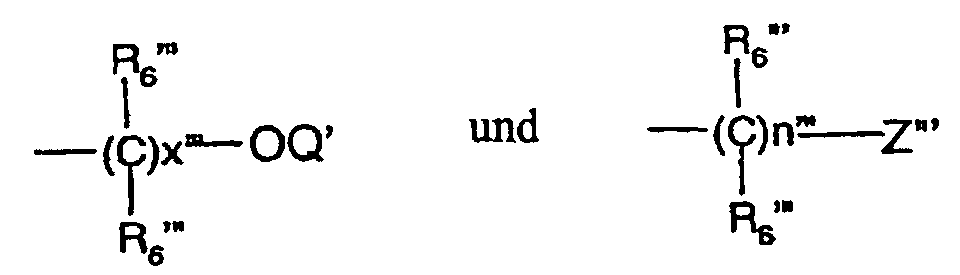
worin die Gruppen M' und Z" gegebenenfalls substituiert sind mit den Gruppen D', E' oderworin jedes R6"" unabhängig ausgewählt ist unter Wasserstoff, C3-C8-Cycloalkyl, C1-C4-Alkyl und (CH2)m""-Phenyl, worin m"" eine ganze Zahl von 0 bis 8 ist; x"" eine ganze Zahl von 0 bis 8 ist; Q" Wasserstoff oder C1-C4-Alkyl oder Phenyl ist; jedes D' unabhängig ausgewählt ist unter Trifluormethyl, Trifluormethoxy und C1-C4-Alkoxy; jedes E' unabhängig ausgewählt ist unter Hal, OH und C1-C8-Alkyl; und
R1 Cyclopentenyl ist,
und die pharmazeutisch verträglichen Salze, optischen Isomeren und Hydrate hiervon. - Verbindung gemäß Anspruch 1, worin R für R2NH- steht, worin R2 für Z steht,
worin Z Cycloalkyl ist,
worin Z gegebenenfalls substituiert sein kann mit 1 bis 3 Substituenten, die gleich oder verschieden sein können, und die ausgewählt sind unter D, E,worin jedes D unabhängig ausgewählt ist unter Trifluormethyl, Trifluormethoxy und C1-C4-Alkoxy; jedes E unabhängig ausgewählt ist unter Hal, OH und C1-C8-Alkyl; b eine ganze Zahl von 0 bis 2 ist; Z" ausgewählt ist unter Phenyl, einem heterocyclischen Rest, Cycloalkyl und einem Naphthalinrest; jedes R6" unabhängig ausgewählt ist unter Wasserstoff, C3-C8-Cycloalkyl, C1-C4-Alkyl und (CH2)m"-Phenyl, worin m" eine ganze Zahl von 0 bis 8 ist; n" eine ganze Zahl von 0 bis 8 ist; x" eine ganze Zahl von 1 bis 8 ist; und M' ausgewählt ist unter Wasserstoff, C1-C4-Alkyl,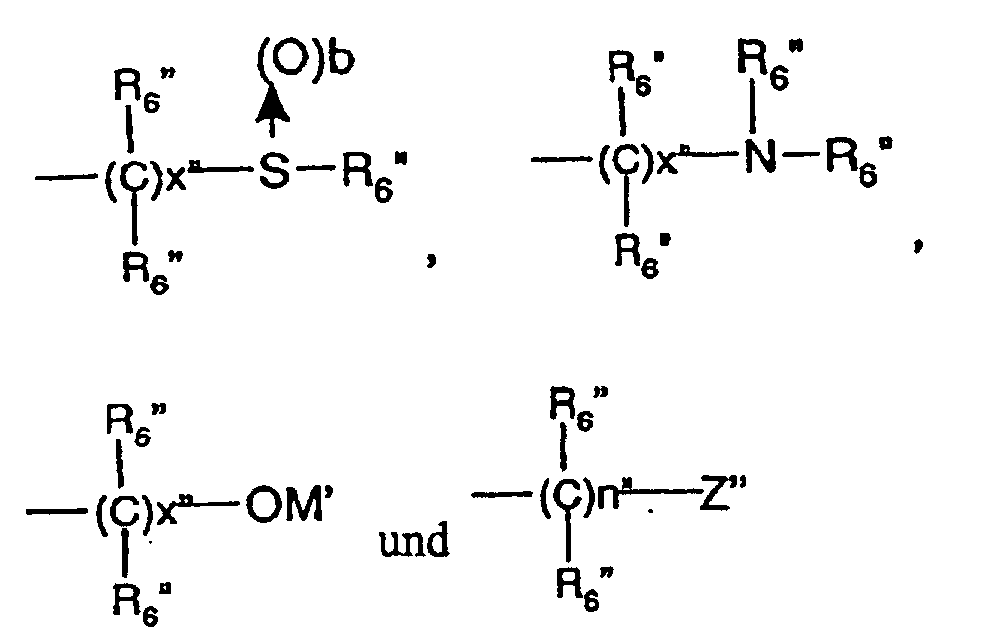 worin jedes R6''' unabhängig ausgewählt ist unter Wasserstoff, C3-C8-Cycloalkyl, C1-C4-Alkyl und (CH2)m'''-Phenyl, worin m"' eine ganze Zahl von 0 bis 8 ist; n"' eine ganze Zahl von 0 bis 8 ist; x"' eine ganze Zahl von 1 bis 8 ist; Q' Wasserstoff oder C1-C4-Alkyl ist; und Z"' ausgewählt ist unter Phenyl, einem heterocyclischen Rest, Cycloalkyl und einem Naphthalinrest,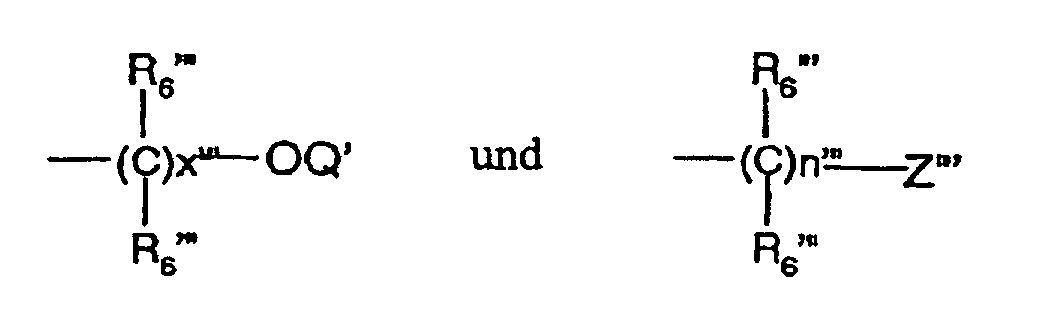
worin die Gruppen M' und Z" gegebenenfalls substituiert sind mit den Gruppen D', E' oderworin jedes R6"" unabhängig ausgewählt ist unter Wasserstoff, C3-C8-Cycloalkyl, C1-C4-Alkyl und (CH2)m""-Phenyl, worin m"" eine ganze Zahl von 0 bis 8 ist; x"" eine ganze Zahl von 0 bis 8 ist; Q" Wasserstoff oder C1-C4-Alkyl oder Phenyl ist; jedes D' unabhängig ausgewählt ist unter Trifluormethyl, Trifluormethoxy und C1-C4-Alkoxy, jedes E' unabhängig ausgewählt ist unter Hal, OH und C1-C8-Alkyl; und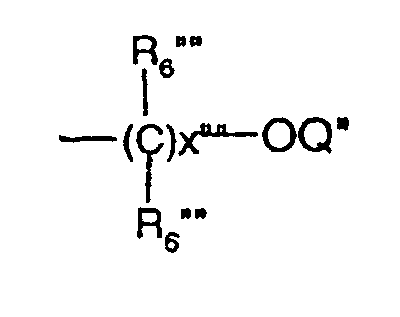
R1 ausgewählt ist unter Cyclopentyl, Cyclopentenyl und Isopropyl,
und die pharmazeutisch verträglichen Salze, optischen Isomeren und Hydrate hiervon. - Verbindung gemäß Anspruch 1, worin R für R2NH- steht, worin R2 fürsteht,
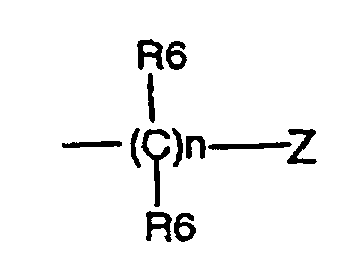
worin jedes R6 unabhängig Wasserstoff oder C3-C8-Cycloalkyl ist, mit der Maßgabe, dass zumindest eines von R6 C3-C8-Cycloalkyl ist; n eine ganze Zahl von 1 bis 8 ist; und Z Cycloalkyl ist,
worin Z gegebenenfalls substituiert sein kann mit 1 bis 3 Substituenten, die gleich oder verschieden sein können, und die ausgewählt sind unter D, E, worin jedes D unabhängig ausgewählt ist unter Trifluormethyl, Trifluormethoxy und C1-C4-Alkoxy; jedes E unabhängig ausgewählt ist unter Hal, OH und C1-C8-Alkyl; b eine ganze Zahl von 0 bis 2 ist; Z" ausgewählt ist unter Phenyl, einem heterocyclischen Rest, Cycloalkyl und einem Naphthalinrest; jedes R6" unabhängig ausgewählt ist unter Wasserstoff, C3-C8-Cycloalkyl, C1-C4-Alkyl und (CH2)m"-Phenyl, worin m" eine ganze Zahl von 0 bis 8 ist; n" eine ganze Zahl von 0 bis 8 ist; x" eine ganze Zahl von 1 bis 8 ist; und M' ausgewählt ist unter Wasserstoff, C1-C4-Alkyl,
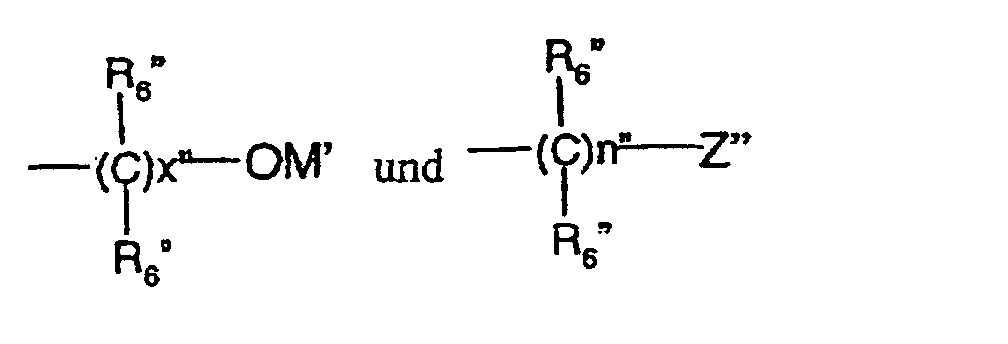 worin jedes R6"' unabhängig ausgewählt ist unter Wasserstoff, C3-C8-Cycloalkyl, C1-C4-Alkyl und (CH2)m"'-Phenyl, worin m"' eine ganze Zahl von 0 bis 8 ist; n"' eine ganze Zahl von 0 bis 8 ist; x"' eine ganze Zahl von 1 bis 8 ist; Q' Wasserstoff oder C1-C4-Alkyl ist; und Z"' ausgewählt ist unter Phenyl, einem heterocyclischen Rest, Cycloalkyl, und einem Naphthalinrest,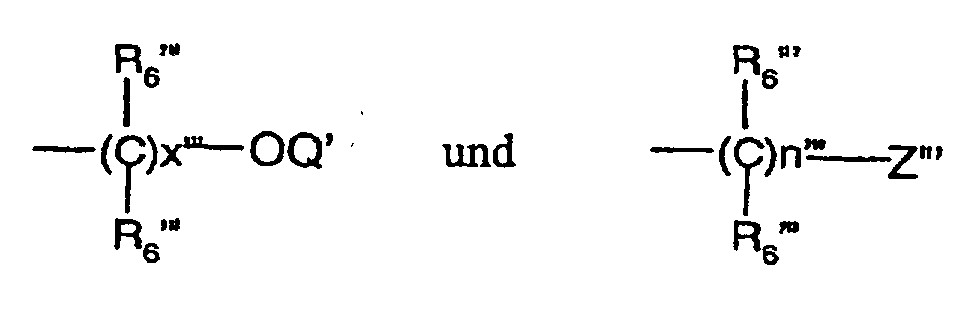
worin die Gruppen M' und Z" gegebenenfalls substituiert sind mit den Gruppen D', E' oderworin jedes R6"" unabhängig ausgewählt ist unter Wasserstoff, C3-C8-Cycloalkyl, C1-C4-Alkyl und (CH2)m""-Phenyl, worin m"" eine ganze Zahl von 0 bis 8 ist; x"" eine ganze Zahl von 0 bis 8 ist; Q" Wasserstoff oder C1-C4-Alkyl oder Phenyl ist; jedes D' unabhängig ausgewählt ist unter Trifluormethyl, Trifluormethoxy und C1-C4-Alkoxy; jedes E' uanbhängig ausgewählt ist unter Hal, OH und C1-C8-Alkyl; und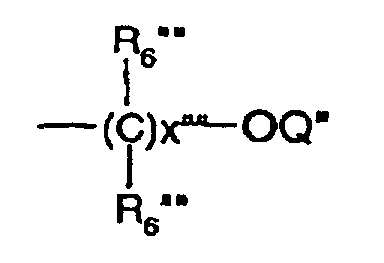
R1 ausgewählt ist unter Cyclopentyl, Cyclopentenyl und Isopropyl,
und die pharmazeutisch verträglichen Salze, optischen Isomeren und Hydrate hiervon. - Verbindung gemäß Anspruch 1, worin R für R2NH- steht, worin R2 fürsteht,
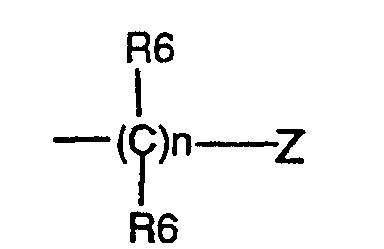
worin jedes R6 unabhängig ausgewählt ist unter Wasserstoff, C1-C4-Alkyl und (CH2)m-Phenyl, worin m für eine ganze Zahl von 0 bis 8 steht; n eine ganze Zahl von 1 bis 8 ist; und Z Cycloalkyl ist, das substituiert ist mit 1 bis 3 Substituenten, die gleich oder verschieden sein können, und die ausgewählt sind unterworin jedes D unabhängig ausgewählt ist unter Trifluormethyl, Trifluormethoxy und C1-C4-Alkoxy; jedes E unabhängig ausgewählt ist unter Hal, OH und C1-C8-Alkyl; b eine ganze Zahl von 0 bis 2 ist; Z" ausgewählt ist unter Phenyl, einem heterocyclischen Rest, Cycloalkyl und einem Naphthalinrest; jedes R6" unabhängig ausgewählt ist unter Wasserstoff, C3-C8-Cycloalkyl, C1-C4-Alkyl und (CH2)m"-Phenyl, worin m" eine ganze Zahl von 0 bis 8 ist; n" eine ganze Zahl von 0 bis 8 ist; x" eine ganze Zahl von 1 bis 8 ist; und M' ausgewählt ist unter Wasserstoff, C1-C4-Alkyl, worin jedes R6"' unabhängig ausgewählt ist unter Wasserstoff, C3-C8-Cycloalkyl, C1-C4-Alkyl und (CH2)m"'-Phenyl, worin m"' eine ganze Zahl von 0 bis 8 ist; n"' eine ganze Zahl von 0 bis 8 ist; x"' eine ganze Zahl von 1 bis 8 ist; Q' Wasserstoff oder C1-C4-Alkyl ist; und Z"' ausgewählt ist unter Phenyl, einem heterocyclischen Rest, Cycloalkyl und einem Naphthalinrest,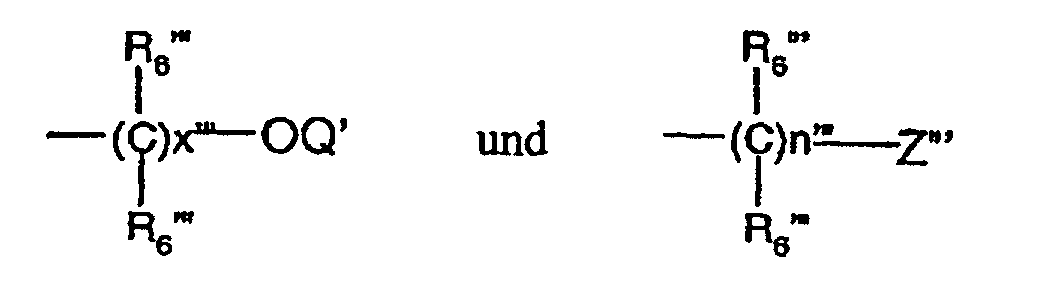
worin die Gruppen M' und Z" gegebenenfalls substituiert sind mit den Gruppen D', E' oderworin jedes R6"" unabhängig ausgewählt ist unter Wasserstoff, C3-C8-Cycloalkyl, C1-C4-Alkyl und (CH2)m""-Phenyl, worin m"" eine ganze Zahl von 0 bis 8 ist; x"" eine ganze Zahl von 0 bis 8 ist; Q" Wasserstoff oder C1-C4-Alkyl oder Phenyl ist; jedes D' unabhängig ausgewählt ist unter Trifluormethyl, Trifluormethoxy und C1-C4-Alkoxy; jedes E' unabhängig ausgewählt ist unter Hal, OH und C1-C8-Alkyl; und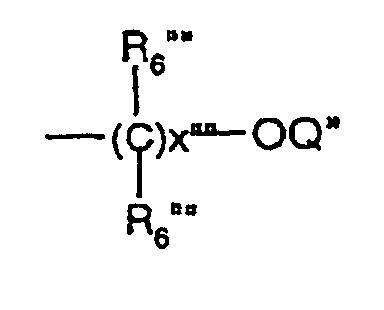
R1 ausgewählt ist unter Cyclopentyl und Isopropyl,
und die pharmazeutisch verträglichen Salze, optischen Isomeren und Hydrate hiervon. - Verbindung nach Anspruch 1, worin R für R2NH- steht, worin R2 fürsteht,
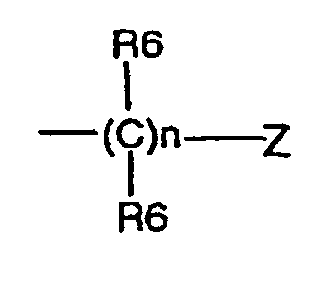
worin jedes R6 unabhängig ausgewählt ist unter Wasserstoff, C3-C8-Cycloalkyl, C1-C4-Alkyl und (CH2)m-Phenyl, worin m eine ganze Zahl von 0 bis 8 ist; n eine ganze Zahl von 0 bis 8 ist; und Z Cycloalkyl ist, das gegebenenfalls substituiert ist mit 1 bis 3 Substituenten, die gleich oder verschieden sein können, und die unabhängig ausgewählt sind unter D, E,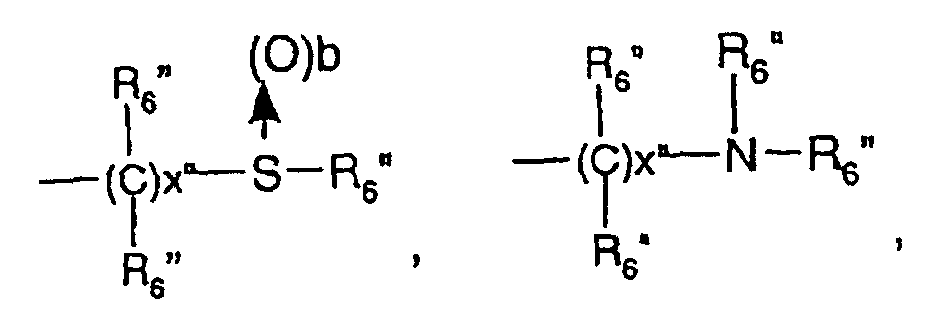 worin jedes D unabhängig ausgewählt ist unter Trifluormethyl, Trifluormethoxy und C1-C4-Alkoxy; jedes E unabhängig ausgewählt ist unter Hal, OH und C1-C8-Alkyl; b eine ganze Zahl von 0 bis 2 ist; Z" ausgewählt ist unter Phenyl, einem heterocyclischen Rest, Cycloalkyl und einem Naphthalinrest; jedes R6" unabhängig ausgewählt ist unterWasserstoff, C3-C8-Cycloalkyl, C1-C4-Alkyl und (CH2)m"-Phenyl, worin m" eine ganze, Zahl von 0 bis 8 ist; n" eine ganze Zahl von 0 bis 8 ist; x" eine ganze Zahl von 1 bis 8 ist; und M' ausgewählt ist unter Wasserstoff, C1-C4-Alkyl,
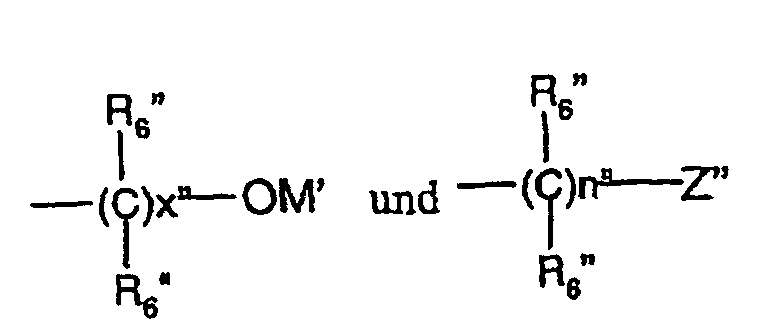 worin jedes R6''' unabhängig ausgewählt ist unter Wasserstoff, C3-C8-Cycloalkyl, C1-C4-Alkyl und (CH2)m"'-Phenyl, worin m"' eine ganze Zahl von 0 bis 8 ist; n"' eine ganze Zahl von 0 bis 8 ist; x"' eine ganze Zahl von 1 bis 8 ist; Q' Wasserstoff oder C1-C4-Alkyl ist; und Z"' ausgewählt ist unter Phenyl, einem heterocyclischen Rest, Cycloalkyl und einem Naphthalinrest,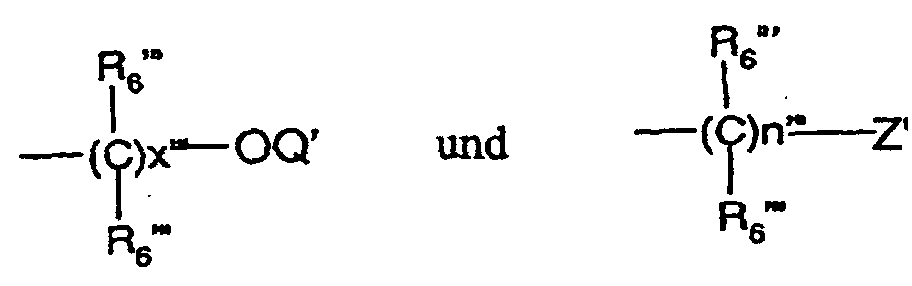
worin die Gruppen M' und Z" gegebenenfalls substituiert sind mit den Gruppen D', E' oderworin jedes R6"" unabhängig ausgewählt ist unter Wasserstoff, C3-C8-Cycloalkyl, C1-C4-Alkyl und (CH2)m""-Phenyl, worin m"" eine ganze Zahl von 0 bis 8 ist; x"" eine ganze Zahl von 0 bis 8 ist; Q" Wasserstoff oder C1-C4-Alkyl oder Phenyl ist; jedes D' unabhängig ausgewählt ist unter Trifluormethyl, Trifluormethoxy und C1-C4-Alkoxy; jedes E' unabhängig ausgewählt ist unter Hal, OH und C1-C8-Alkyl; und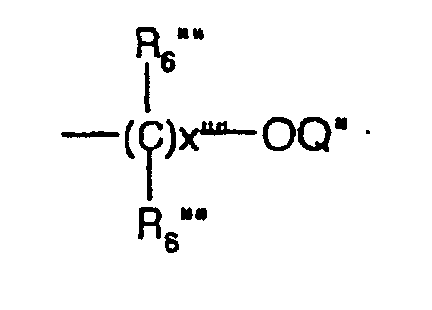
R1 Cyclopentenyl ist,
und die pharmazeutisch verträglichen Salze, optischen Isomeren und Hydrate hiervon. - Verbindung gemäß Anspruch 1, worin R für R3R4N-R5- steht,
worin R3 und R4 ausgewählt sind unter Wasserstoff, C1-C4-Alkyl und (CH2)n-Phenyl, worin n eine ganze Zahl von 0 bis 8 ist, mit der Maßgabe, dass R3 und R4 nicht beide Wasserstoff sind,
R5 C1-C8-Alkylen ist; und
R1 ausgewählt ist unter Cyclopentyl, Cyclopentenyl und Isopropyl,
und die pharmazeutisch verträglichen Salze, optischen Isomeren und Hydrate hiervon. - Verbindung gemäß Anspruch 1, worin Z ein heterocyclischer Rest ist, substituiert mit -Cn-(R6")2-Z".
- Verbindung gemäß Anspruch 118, worin Z" Naphthalin ist.
- Verbindung gemäß Anspruch 119, worin n" für 1 steht.
- Verbindung gemäß Anspruch 1, nämlich:2-[trans-(4-Aminocyclohexyl)-amino]-6-(dodecylamino)-9-cyclopentylpurindihydrochlorid,2-[trans-(4-Aminocyclohexyl)-amino]-6-(2-methoxyethylamino)-9-cyclopentylpurindihydrochlorid,2-[trans-(4-Aminocyclohexyl)-amino]-6-(3-methoxypropylamino)-9-cyclopentylpurindihydrochlorid,2-[trans-(4-Aminocyclohexyl)-amino]-6-(4-methoxybutylamino)-9-cyclopentylpurindihydrochlorid,2-[trans-(4-Aminocyclohexyl)-amino]-6-(2-hydroxyethoxyethylamino)-9-cyclopentylpurindihydrochlorid,2-[trans-(4-Aminocyclohexyl)-amino]-6-[3-(2-methoxyethoxy)-propylamino]-9-cyclopentylpurin-dihydrochlorid,2-[trans-(4-Aminocyclohexyl)-amino]-6-[(1-naphthyl)-methylamino]-9-cyclopentylpurindihydrochlorid,2-[trans-(4-Aminocyclohexyl)-amino]-6-(phenylamino)-9-cyclopentylpurin-dihydrochlorid,2-[trans-(4-Aminocyclohexyl)-amino]-6-[(4-trifluormethoxy)-phenylamino]-9-cyclopentylpurin-dihydrochlorid,2-[trans-(4-Aminocyclohexyl)-amino]-6-(3-fluorphenylamino)-9-cyclopentylpurindihydrochlorid,2-[trans-(4-Aminocyclohexyl)-amino]-6-[(4-pentyl)-phenylamino]-9-cyclopentylpurindihydrochlorid,(+/-)-2-[trans-(4-Aminocyclohexyl)-amino]-6-[(α-cyclopropyl-4-chlorbenzyl)-amino]-9-cyclopentylpurin-dihydrochlorid,2-[trans-(4-Aminocyclohexyl)-amino]-6-[(4-trifluorbenzyl)-amino]-9-cyclopentylpurindihydrochlorid,2-[trans-(4-Aminocyclohexyl)-amino]-6-[(2-trifluorbenzyl)-amino]-9-cyclopentylpurindihydrochlorid,2-[trans-(4-Aminocyclohexyl)-amino]-6-(3,4,5-trimethoxybenzylamino)-9-cyclopentylpurin-dihydrochlorid,2-[trans-(4-Aminocyclohexyl)-amino]-6-[(2,6-dimethoxybenzyl)-amino]-9-cyclopentylpurin-dihydrochlorid,2-[trans-(4-Aminocyclohexyl)-amino]-6-[(4-methoxybenzyl)-amino]-9-cyclopentylpurindihydrochlorid,2-[trans-(4-Aminocyclohexyl)-amino]-6-[(2-methoxybenzyl)-amino]-9-cyclopentylpurindihydrochlorid,2-[trans-(4-Aminocyclohexyl)-amino]-6-[(2,3-dimethoxybenzyl)-amino]-9-cyclopentylpurin-dihydrochlorid,2-[trans-(4-Aminocyclohexyl)-amino]-6-[2-(4-methoxyphenyl)-ethylamino]-9-cyclopentylpurin-dihydrochlorid,2-[trans-(4-Aminocyclohexyl)-amino]-6-[(2,4-dimethoxybenzyl)-amino]-9-cyclopentylpurin-dihydrochlorid,2-[trans-(4-Aminocyclohexyl)-amino]-6-[(3,4-dimethoxybenzyl)-amino]-9-(2-propyl)-purin-dihydrochlorid,2-[trans-(4-Aminocyclohexyl)-amino]-6-[2-(3-methoxyphenyl)-ethylamino]-9-cyclopentylpurin-dihydrochlorid,2-[trans-(4-Aminocyclohexyl)-amino]-6-[(3,5-dimethoxybenzyl)-amino]-9-cyclopentylpurin-dihydrochlorid,2-[trans-(4-Aminocyclohexyl)-amino]-6-[(2,3-dimethoxybenzyl)-amino]-9-(2-propyl)-purin-dihydrochlorid,2-[trans-(4-Aminocyclohexyl)-amino]-6-[3,4-dimethoxybenzyl)-amino]-9-cyclopentylpurin-dihydrochlorid,2-[trans-(4-Aminocyclohexyl)-amino]-6-(4-methoxybenzyl)-amino]-9-(2-propyl)-purin-dihydrochlorid,2-[trans-(4-Aminocyclohexyl)-amino]-6-[(3-iodbenzyl)-amino]-9-(2-cyclopentyl)-purin-hydrochlorid,2-[trans-(4-Aminocyclohexyl)-amino]-6-[4-(1-propyl)-piperidinylamino]-9-cyclopentylpurin,2-[trans-(4-Aminocyclohexyl)-amino]-6-[4-(1-butyl)-piperidinylamino]-9-cyclopentylpurin,2-[trans-(4-Aminocyclohexyl)-amino]-6-[4-(1-(allyl)-piperidinylamino]-9-cyclopentylpurin,2-[trans-(4-Aminocyclohexyl)-amino]-6-[4-(1-(2-phenylsulfinyl)-ethyl)-piperidinylamino]-9-cyclopentylpurin,2-[trans-(4-Aminocyclohexyl)-amino]-6-[4-(1-(2-N,N-dimethylaminoethyl))-piperidinylamino]-9-cyclopentylpurin,2-[trans-(4-Aminocyclohexyl)-amino]-6-[4-(1-(3-N,N-dimethylaminopropyl))-piperidinylamino]-9-cyclopentylpurin,2-[trans-(4-Aminocyclohexyl)-amino]-6-[4-(1-(4-N,N-dimethylaminobutyl))-piperidinylamino]-9-cyclopentylpurin,2-[trans-(4-Aminocyclohexyl)-amino]-6-[4-(1-(5-N,N-dimethylaminopentyl))-piperidinylamino]-9-cyclopentylpurin,2-[trans-(4-Aminocyclohexyl)-amino]-6-[4-(1-(2-N,N-diethylaminoethyl))-piperidinylamino]-9-cyclopentylpurin,2-[trans-(4-Aminocyclohexyl)-amino]-6-[4-(1-(3-N,N-diethylaminopropyl))-piperidinylamino]-9-cyclopentylpurin,2-[trans-(4-Aminocyclohexyl)-amino]-6-[4-(1-(4-N,N-diethylaminobutyl))-piperidinylamino]-9-cyclopentylpurin,2-[trans-(4-Aminocyclohexyl)-amino]-6-[4-(1-(5-N,N-diethylaminopentyl)-piperidinylamino]-9-cyclopentylpurin,2-[trans-(4-Aminocyclohexyl)-amino]-6-[4-(1-(2-N,N-dipropylaminoethyl))-piperidinylamino]-9-cyclopentylpurin,2-[trans-(4-Aminocyclohexyl)-amino]-6-[4-(1-(3-N,N-dipropylaminopropyl))-piperidinylamino]-9-cyclopentylpurin,2-[trans-(4-Aminocyclohexyl)-amino]-6-[4-(1-(4-N,N-dipropylaminobutyl))-piperidinylamino]-9-cyclopentylpurin,2-[trans-(4-Aminocyclohexyl)-amino]-6-[4-(1-(5-N,N-dipropylaminopentyl))-piperidinylamino]-9-cyclopentylpurin,2-[trans-(4-aminocyclohexyl)-amino]-6-[4-(1-(2-N,N-dibutylaminoethyl))-piperidinylamino]-9-cyclopentylpurin,2-[trans-(4-Aminocyclohexyl)-amino]-6-[4-(1-(3-N,N-dibutylaminopropyl))-piperidinylamino]-9-cyclopentylpurin,2-[trans-(4-Aminocyclohexyl)-amino]-6-[4-(1-(4-N,N-dibutylaminobutyl)-piperidinylamino]-9-cyclopentylpurin,2-[trans-(4-Aminocyclohexyl)-amino]-6-[4-(1-(5-N,N-dibutylaminopentyl))-piperidinylamino]-9-cyclopentylpurin,2-[trans-(4-Aminocyclohexyl)-amino]-6-[4-(1-(2-N,N-dibenzylaminoethyl))-piperidinylamino]-9-cyclopentylpurin,2-[trans-(4-Aminocyclohexyl)-amino]-6-[4-(1-(3-N,N-dibenzylaminopropyl))-piperidinylamino]-9-cyclopentylpurin,2-[trans-(4-Aminocyclohexyl)-amino]-6-[4-(1-(4-N,N-dibenzylaminobutyl))-piperidinylamino]-9-cyclopentylpurin,2-[trans-(4-Aminocyclohexyl)-amino]-6-[4-(1-(5-N,N-dibenzylaminopentyl))-piperidinylamino]-9-cyclopentylpurin,2-[trans-(4-Aminocyclohexyl)-amino]-6-[4-(1-(2-N,N-di-(2-phenylethylen)-aminoethyl))-piperidinylamino]-9-cyclopentylpurin,2-[trans-(4-Aminocyclohexyl)-amino]-6-[4-(1-(3-N,N-di-(2-phenylethylen)-aminopropyl))-piperidinylamino]-9-cyclopentylpurin,2-[trans-(4-Aminocyclohexyl)-amino]-6-[4-(1-(4-N,N-di-(2-phenylethylen)-aminobutyl))-piperidinylamino]-9-cyclopentylpurin,2-[trans-(4-Aminocyclohexyl)-amino]-6-[4-(1-(5-N,N-di-(2-phenylethylen)-aminopentyl))-piperidinylamino]-9-cyclopentylpurin,2-[trans-(4-Aminocyclohexyl)-amino]-6-[4-(1-(2-N,N-di-(3-phenylpropylen)-aminoethyl))-piperidinylamino]-9-cyclopentylpurin,2-[trans-(4-Aminocyclohexyl)-amino]-6-[4-(1-(3-N,N-di-(3-phenylpropylen)-aminopropyl))-piperidinylamino]-9-cyclopentylpurin,2-[trans-(4-Aminocyclohexyl)-amino]-6-[4-(1-(4-N,N-di-(3-phenylpropylen)-aminobutyl))-piperidinylamino]-9-cyclopentylpurin,2-[trans-(4-Aminocyclohexyl)-amino]-6-[4-(1-(5-N,N-di-(3-phenylpropylen)-aminopentyl))-piperidinylamino]-9-cyclopentylpurin,2-[trans-(4-Aminocyclohexyl)-amino]-6-[4-(1-(2-N,N-di-(4-phenylbutylen)-aminoethyl))-piperidinylamino]-9-cyclopentylpurin,2-[trans-(4-Aminocyclohexyl)-amino]-6-[4-(1-(3-N,N-di-(4-phenylbutylen)-aminopropyl))-piperidinylamino]-9-cyclopentylpurin,2-[trans-(4-Aminocyclohexyl)-amino]-6-[4-(1-(4-N,N-di-(4-phenylbutylen)-aminobutyl))-piperidinylamino]-9-cyclopentylpurin,2-[trans-(4-Aminocyclohexyl)-amino]-6-[4-(1-(5-N,N-di-(4-phenylbutylen)-aminopentyl))-piperidinylamino]-9-cyclopentylpurin,(R,S)-2-[trans-(4-Aminocyclohexyl)-amino]-6-[4-(1-(2-phenyl-2-hydroxyethyl))-piperidinylamino]-9-cyclopentylpurin,2-[trans-(4-Aminocyclohexylamino]-6-[4-(1-(3-hydroxy)-propyl)-piperidinylamino]-9-cyclopentylpurin,2-[trans-(4-Aminocyclohexyl)-amino]-6-[4-(1-(4-hydroxy)-butyl)-piperidinylamino]-9-cyclopentypurin,2-[trans-(4-Aminocyclohexyl)-amino]-6-[4-(1-(5-hydroxypentyl))-piperidinylamino]-9-cyclopentylpurin,2-[trans-(4-Aminocyclohexyl)-amino]-6-[4-(1-(6-hydroxy)-hexyl)-piperidinylamino]-9-cyclopentylpurin,2-[trans-(4-Aminocyclohexyl)-amino]-6-[4-(1-(3-methoxy)-propyl)-piperidinylamino]-9-cyclopentylpurin,2-[trans-(4-Aminocyclohexyl)-amino]-6-[4-(1-(3-ethoxy)-propyl)-piperidinylamino]-9-cyclopentylpurin,2-[trans-(4-Aminocyclohexyl)-amino]-6-[4-(1-(3-propoxy)-propyl)-piperidinylamino]-9-cyclopentylpurin,2-[trans-(4-Aminocyclohexyl)-amino]-6-[4-(1-(3-butoxy)-propyl)-piperidinylamino]-9-cyclopentylpurin,2-[trans-(4-Aminocyclohexyl)-amino]-6-[4-(1-(4-methoxy)-butyl)-piperidinylamino]-9-cyclopentylpurin,2-[trans-(4-Aminocyclohexyl)-amino]-6-[4-(1-(4-ethoxy)-butyl)-piperidinylamino]-9-cyclopentylpurin,2-[trans-(4-Aminocyclohexyl)-amino]-6-[4-(1-(4-propoxy)-butyl)-piperidinylamino]-9-cyclopentylpurin,2-[trans-(4-Aminocyclohexyl)-amino]-6-[4-(1-(4-butoxy)-butyl)-piperidinylamino]-9-cyclopentylpurin,2-[trans-(4-Aminocyclohexyl)-amino-6-[4-(1-(5-methoxypentyl))-piperidinylamino]-9-cyclopentylpurin,2-[trans-(4-Aminocyclohexyl)-amino]-6-[4-(1-(5-ethoxypentyl))-piperidinylamino]-9-cyclopentylpurin,2-[trans-(4-Aminocyclohexyl)-amino]-6-[4-(1-(5-propoxypentyl))-piperidinylamino]-9-cyclopentylpurin,2-[trans-(4-Aminocyclohexyl)-amino]-6-[4-(1-(5-butoxypentyl))-piperidinylamino]-9-cyclopentylpurin,2-[trans-(4-Aminocyclohexyl)-amino]-6-[4-(1-(6-methoxy)-hexyl)-piperidinylamino]-9-cyclopentylpurin,2-[trans-(4-Aminocyclohexyl)-amino]-6-[4-(1-(6-ethoxy)-hexyl)-piperidinylamino]-9-cyclopentylpurin,2-[trans-(4-Aminocyclohexyl)-amino]-6-[4-(1-(6-propoxy)-hexyl)-piperidinylamino]-9-cyclopentylpurin,2-[trans-(4-Aminocyclohexyl)-amino]-6-[4-(1-(6-butoxy)-hexyl)-piperidinylamino]-9-cyclopentylpurin,2-[trans-(4-Aminocyclohexyl)-amino]-6-[4-(1-(2-(2-hydroxyethylenoxy)-ethyl))-piperidinylamino]-9-cyclopentylpurin,2-[trans-(4-Aminocyclohexyl)-amino]-6-[4-(1-(2-phenoxyethyl))-piperidinylamino]-9-cyclopentylpurin,2-[trans-(4-Aminocyclohexyl)-amino]-6-[4-(1-(3-phenoxypropyl))-piperidinylamino]-9-cyclopentylpurin,2-[trans-(4-Aminocyclohexyl)-amino]-6-[4-(1-(3-benzyloxy)-propyl)-piperidinylamino]-9-cyclopentylpurin,2-[trans-(4-Aminocyclohexyl)-amino]-6-[4-(1-(3-(2-phenylethylenoxy)-propyl)-piperidinylamino]-9-cyclopentylpurin,2-[trans-(4-Aminocyclohexyl)-amino]-6-[4-(1-(3-(3-phenylpropylenoxy)-propyl)-piperidinylamino]-9-cyclopentylpurin,2-[trans-(4-Aminocyclohexyl)-amino]-6-[4-(1-(3-(4-phenylbutylenoxy)-propyl)-piperidinylamino]-9-cyclopentylpurin,2-[trans-(4-Aminocyclohexyl)-amino]-6-[4-(1-(4-benzyloxy)-butyl)-piperidinylamino]-9-cyclopentylpurin,2-[trans-(4-Aminocyclohexyl)-amino]-6-[4-(1-(4-(2-phenylethylenoxy)-butyl)-piperidinylamino]-9-cyclopentylpurin,2-[trans-(4-Aminocyclohexyl)-amino]-6-[4-(1-(4-(3-phenylpropylenoxy)-butyl))-piperidinylamino]-9-cyclopentylpurin,2-[trans-(4-Aminocyclohexyl)-amino]-6-[4-(1-(4-(4-phenylbutylenoxy)-butyl))-piperidinylamino]-9-cyclopentylpurin2-[trans-(4-Aminocyclohexyl)-amino]-6-[4-(1-(5-benzyloxypentyl))-piperidinylamino]-9-cyclopentylpurin,2-[trans-(4-Aminocyclohexyl)-amino]-6-[4-(1-(5-(2-phenylethylenoxy)-pentyl))-piperidinylamino]-9-cyclopentylpurin,2-[trans-(4-Aminocyclohexyl)-amino]-6-[4-(1-(5-(3-phenylpropylenoxy)-pentyl))-piperidinylamino]-9-cyclopentylpurin,2-[trans-(4-Aminocyclohexyl)-amino]-6-[4-(1-(5-(4-phenylbutylenoxy)-pentyl))-piperidinylamino]-9-cyclopentylpurin,2-[trans-(4-Aminocyclohexyl)-amino]-6-[4-(1-(6-benzyloxy)-hexyl)-piperidinylamino]-9-cyclopentylpurin,2-[trans-(4-Aminocyclohexyl)-amino]-6-[4-(1-(6-(2-phenylethylenoxy)-hexyl)-piperidinylamino]-9-cyclopentylpurin,2-[trans-(4-Aminocyclohexyl)-amino]-6-[4-(1-(6-(3-phenylpropylenoxy)-hexyl)-piperidinylamino]-9-cyclopentylpurin,2-[trans-(4-Aminocyclohexyl)-amino]-6-[4-(1-(6-(4-phenylbutylenoxy)-hexyl)-piperidinylamino]-9-cyclopentylpurin,2-[trans-(4-Aminocyclohexyl)-amino]-6-[4-(1-benzyl)-piperidinylamino]-9-cyclopentylpurin-trihydrochlorid,(R,S)-2-[trans-(4-Aminocyclohexyl)-amino]-6-[4-(1-benzyl-3-methyl)-piperidinylamino]-9-cyclopentylpurin,(+/-)-2-[trans-(4-Aminocyclohexyl)-amino]-6-[4-(1-(α-methylbenzyl))-piperidinylamino]-9-cyclopentylpurin,2-[trans-(4-Aminocyclohexyl)-amino]-6-[4-(1-(2-phenylethyl)-piperidinylamino]-9-cyclopentylpurin-trihydrochlorid,2-[trans-(4-Aminocyclohexyl)-amino]-6-[4-(1-(4-methoxybenzyl))-piperidinylamino]-9-cyclopentylpurin,2-[traps-(4-Aminocyclohexyl)-amino]-6-[4-(1-(3-methoxybenzyl))-piperidinylamino]-9-cyclopentylpurin,2-trans-(4-Aminocyclohexyl)-amino]-6-[4-[1-(3,5-dimethoxybenzyl)]-piperidinylamino]-9-cyclopentylpurin-trihydrochlorid,2-[trans-(4-Aminocyclohexyl)-amino]-6-[4-[1-(2-methoxybenzyl)]-piperidinylamino]-9-cyclopentylpurin-trihydrochlorid,2-[trans-(4-Aminocyclohexyl)-amino]-6-[4-(1-(4-trifluormethylbenzyl))-piperidinylamino]-9-cyclopentylpurin,2-[trans-(4-Aminocyclohexyl)-amino]-6-[4-[1-(2-trifluormethylbenzyl)]-piperidinylamino]-9-cyclopentylpurin-trihydrochlorid,2-[trans-(4-Aminocyclohexyl)-amino]-6-[4-[1-[3,5-bis-(trifluormethyl)-benzyl]]-piperidinylamino]-9-cyclopentylpurin-trihydrochlorid,2-[trans-(4-Aminocyclohexyl)-amino]-6-[4-[1-(3-trifluormethylbenzyl)]-piperidinylamino]-9-cyclopentylpurin-trihydrochlorid,2-[trans-(4-Aminocyclohexyl)-amino]-6-[4-[1-(2,4-bis-trifluormethylbenzyl)]-piperidinylamino]-9-cyclopentylpurin-trihydrochlorid,2-[trans-(4-Aminocyclohexyl)-amino]-6-[4-(1-(4-methylbenzyl))-piperidinylamino]-9-cyclopentylpurin,2-[trans-(4-Aminocyclohexyl)-amino]-6-[4-(1-(2-methylbenzyl)-)-piperidinylamino]-9-cyclopentylpurin,2-[trans-(4-Aminocyclohexyl)-amino]-6-[4-[1-(3-methylbenzyl)]-piperidinylamino]-9-cyclopentylpurin-trihydrochlorid,2-[trans-(4-Aminocyclohexyl)amino]-6-[4-[1-(3-chlor-4-methylbenzyl)]-piperidinylamino]-9-cyclopentylpurin-trihydrochlorid,2-[trans-(4-Aminocyclohexyl)-amino]-6-[4-(1-(4-chlorbenzyl))-piperidinylamino]-9-cyclopentylpurin,2-[trans-(4-Aminocyclohexyl)-amino]-6-[4-(1-(3-chlorbenzyl))-piperidinylamino]-9-cyclopentylpurin,2-[trans-(4-Aminocyclohexyl)-amino]-6-[4-(1-(2-chlorbenzyl))-piperidinylamino]-9-cyclopentylpurin,2-[trans-(4-Aminocyclohexyl)-amino]-6-[4-(1-(2,6-dichlorbenzyl))-piperidinylamino]-9-cyclopentylpurin,2-[trans-(4-Aminocyclohexyl)-amino]-6-[4-[1-(2,3-difluorbenzyl)]-piperidinylamino]-9-cyclopentylpurin-trihydrochlorid,2-[trans-(4-Aminocyclohexyl)-amino]-6-[4-[1-(2,5-difluorbenzyl)]-piperidinylamino]-9-cyclopentylpurin-trihydrochlorid,2-[trans-(4-Aminocyclohexyl)-amino]-6-[4-[1-(3,5-difluorbenzyl)]-piperidinylamino]-9-cyclopentylpurin-trihydrochlorid,2-[trans-(4-Aminocyclohexyl)-amino]-6-[4-[1-(2,4-difluorbenzyl)]-piperidinylamino]-9-cyciopentylpurin-trihydrochlorid,2-[trans-(4-Aminocyclohexyl)-amino]-6-[4-[1-(3-fluorbenzyl)]-piperidinylamino]-9-cyclopentylpurin-trihydrochlorid,2-[trans-(4-Aminocyclohexyl)-amino]-6-[4-[1-(2-fluorbenzyl)]-piperidinylamino]-9-cyclopentylpurin-trihydrochlorid,2-[trans-4-Aminocyclohexyl)-amino]-6-[4-[1-(4-fluorbenzyl)]-piperidinylamino]-9-cyclopentylpurin-trihydrochlorid,2-[trans-(4-Aminocyclohexyl)-amino]-6-[4-[1-(4-fluorbenzyl)]-piperidinylamino]-9-cyclopentylpurin-trihydrochlorid,2-[trans-(4-Aminocyclohexyl)-amino]-6-[4-[1-(3,4-dichlorbenzyl)]-piperidinylamino]-9-cyclopentylpurin-trihydrochlorid,2-[trans-(4-Aminocyclohexyl)-amino]-6-[4-[1-(2,5-dichlorbenzyl)]-piperidinylamino]-9-cyclopentylpurin-trihydrochlorid,2-[trans-(4-Aminocyclohexyl)-amino]-6-[4-[1-(2-chlor-4-fluorbenzyl)]-piperidinylamino]-9-cyclopentylpurin-trihydrochlorid,2-[trans-(4-Aminocyclohexyl)-amino]-6-[4-[1-(3,4-difluorbenzyl)-piperidinylamino]-9-cyclopentylpurin-trihydrochlorid,2-[trans-(4-Aminocyclohexyl)-amino]-6-[4-[1-(3,4-difluorbenzyl)]-piperidinylamino]-9-cyclopentylpurin-trihydrochlorid,2-[trans-(4-Aminocyclohexyl)-amino]-6-[4-[1-(3,4-difluorbenzyl)]-piperidinylamino]-9-cyclopentylpurin-trihydrochlorid,2-[trans-(4-Aminocyclohexyl)-amino]-6-[4-[1-(3,4-difluorbenzyl)]-piperidinylamino]-9-cyclopentylpurin-trihydrochlorid,2-[trans-(4-Aminocyclohexyl)-amino]-6-[4-[1-(3-chlor-4-methylbenzyl)]-piperidinylamino]-9-cyclopentylpurin-trihydrachlorid,2-[trans-(4-Aminocyclohexyl)-amino]-6-[4-(1-(3,4-methylendioxybenzyl))-piperidinylamino]-9-cyclopentylpurin,2-[trans-(4-Aminocyclohexyl)-amino]-6-[4-(1-(2-pyridinylmethyl))-piperidinylamino]-9-cyclopentylpurin,2-[trans-(4-Aminocyclohexyl)-amino]-6-[4-(1-(3-pyridinylmethyl))-piperidinylamino]-9-cyclopentylpurin,2-[trans-(4-Aminocyclohexyl)-amino]-6-[4-(1-(4-pyridinylmethyl))-piperidinylamino]-9-cyclopentylpurin,2-[trans-(4-Aminocyclohexyl)-amino]-6-[4-(1-(2-thiomethoxyethyl)-piperidinylamino]-9-cyclopentylpurin,2-[trans-(4-Aminocyclohexyl)-amino]-6-[4-(1-(3-(2,4-dimethylisoxazolyl))-methyl)-piperidinylamino]-9-cyclopentylpurin,2-[trans-(4-Aminocyclohexyl)-amino]-6-[4-(1-(3-tetrahydrofuranyl)-methyl)-piperidinylamino]-9-cyclopentylpurin,2-[trans-(4-Aminocyclohexyl)-amino]-6-[4-(1-(2-(1-pyrrolidinyl)-ethyl))-piperidinylamino]-9-cyclopentylpurin,(R,S)-2-[trans-(4-Aminocyclohexyl)-amino]-6-[4-(1-(2-(3-(1-methyl)-pyrrolidinyl)-ethyl))-piperidinylamino]-9-cyclopentylpurin,2-[trans-(4-Aminocyclohexyl)-amino]-6-[4-(1-(2-(1-piperidinyl)-ethyl))-piperidinylamino]-9-cyclopentylpurin,2-[trans-(4-Aminocyclohexyl)-amino]-6-[4-(1-(3-(1-piperidinyl)-propyl))-piperidinylamino]-9-cyclopentylpurin,(R,S)-2-[trans-(4-Aminocyclohexyl)-amino]-6-[4-(1-(3-(1-methyl)-piperidinyl)-methyl))-piperidinylamino]-9-cyclopentylpurin,2-[trans-(4-Aminocyclohexyl)-amino]-6-[4-(1,(2-(4-morpholinyl)-ethyl))-piperidinylamino]-9-cyclopentylpurin,2-[trans-(4-Aminocyclohexyl)-amino]-6-[4-(1-(2-(1-(4-methyl)-piperazinyl)-ethyl))-piperidinylamino]-9-cyclopentylpurin,2-[trans-(4-Aminocyclohexyl)-amino]-6-[4-(1-(2-benzimidazolinyl)-methyl)-piperidinylamino]-9-cyclopentylpurin,2-[trans-(4-Aminocyclohexyl)-amino]-6-[4-(1-(4-(2-methyl)-thiazolinyl)-methyl)-piperidinylamino]-9-cyclopentylpurin,2-[trans-(4-Aminocyclohexyl)-amino]-6-[4-(1-(2-thiophenyl)-methyl)-piperidinylamino]-9-cyclopentylpurin,2-[trans-(4-Aminocyclohexyl)-amino]-6-[4-(1-cyclopropylmethyl)-piperidinylamino]-9-cyclopentylpurin,2-[trans-(4-Aminocyclohexyl)-amino]-6-[4-(1-cyclohexylmethyl)-piperidinylamino]-9-cyclopentylpurin-trihydrochlorid,(R)-2-[trans-(4-Aminocyclohexyl)-amino]-6-[3-(1-benzyl)-pyrrolidinylamino]-9-cyclopentylpurin,(S)-2-[trans-(4-Aminocyclohexyl)-amino]-6-[3-(1-benzyl)-pyrrolidinylamino]-9-cyclopentylpurin,2-[trans-(4-Aminocyclohexyl)-amino]-6-[3-(5-methoxyindolyl))-2-ethylamino]-9-cyclopentylpurin-dihydrochlorid,2-[trans-(4-Aminocyclohexyl)-amino]-6-[(4-hydroxy)-cyclohexylamino]-9-cyclopentylpurin-dihydrochlorid,cis-2-[trans-(4-Aminocyclohexyl)-amino]-6-[(4-hydroxy)-cyclohexylamino]-9-cyclopentylpurin-dihydrochlorid,(R,S)-2-[trans-(4-Aminocyclohexyl)-amino]-6-[(1-hydroxymethyl)-cyclopentylamino]-9-cyclopentylpurin-dihydrochlorid,2-[trans-(4-Aminocyclohexyl)-amino]-6-[4-(hydroxymethyl)-cyclohexanmethylamino]-9-cyclopentylpurin-dihydrochlorid,2-[trans-(4-Aminocyclohexyl)-amino]-6-[2,6-dichlorphenylhydrazino]-9-cyclopentylpurin-dihydrochlorid,2-[trans-(4-Aminocyclohexyl)-amino]-6-(2-chlorphenylhydrazino)-9-cyclopentylpurin-dihydrochlorid,2-[trans-(4-Aminocyclohexyl)-amino]-6-[2-fluorphenylhydrazino]-9-cyclopentylpurin-dihydrochlorid,2-[trans-(4-Aminocyclohexyl)-amino]-6-(2,4-dichlorphenylhydrazino)-9-cyclopentylpurin-dihydrochlorid,2-[trans-(4-Aminocyclohexyl)-amino]-6-[(2-N,N-diethylamino)-ethylamino]-9-cyclopentylpurin-trihydrochlorid,2-[trans-(4-Aminocyclohexyl)-amino]-6-[(3-N,N-diethylamino)-propylamino]-9-cyclopentylpurin-trihydrochlorid,2-[trans-(4-Aminocyclohexyl)-amino]-6-[2-(phenylamino)-ethylamino]-9-cyclopentylpurin-trihydrochlorid,2-[trans-(4-Aminocyclohexyl)-amino]-6-[4-[1-(2-naphthyl)-methyl]-piperidinylamino]-9-cyclopentylpurin-trihydrochlorid, und2-[trans-(4-Aminocyclohexyl)-amino]-6-[4-[1-(1-naphthyl)-methyl]-piperidinylamino]-9-cyclopentylpurin-trihydrochlorid.
- Verbindung gemäß einem der Ansprüche 1 bis 121 für die Verwendung als Arzneimittel.
- Pharmazeutische Zusammensetzung, enthaltend eine Verbindung gemäß einem der Ansprüche 1 bis 121 in Mischung mit einem pharmazeutisch verträglichen Träger.
- Verwendung einer Verbindung gemäß einem der Ansprüche 1 bis 121 für die Herstellung eines Arzneimittels zur Behandlung von hyperproliferativen Störungen.
- Verwendung gemäß Anspruch 124, worin die hyperproliferative Störung ein neoplastischer Erkrankungszustand ist.
- Verwendung gemäß Anspruch 125, worin der neoplastische Erkrankungszustand ausgewählt ist unter Leukämie, Karzinom, Adenokarzinom, Sarkom, Melanom oder einem Neoplasma-Mischtyp.
- Verwendung gemäß Anspruch 126, worin die Leukämie ausgewählt ist unter akuter lymphoblastischer Leukämie, chronischer Leukämie, akuter myeloblastischer Leukämie und chronischer myelocytischer Leukämie.
- Verwendung gemäß Anspruch 126, worin das Karzinom ausgewählt ist unter denjenigen von Cervix, Brust, Prostata, Ösophagus, Magen, Dünndarm, Dickdarm, Eierstöcken and Lunge.
- Verwendung gemäß Anspruch 126, worin das Adenokarzinom ausgewählt ist unter denjenigen von Cervix, Brust, Prostata, Ösophagus, Magen, Dünndarm, Dickdarm, Eierstöcken und Lunge.
- Verwendung gemäß Anspruch 126, worin das Sarkom ausgewählt ist unter Oesteroma, Osteosarkom, Lipom, Liposarkom, Haemangiomas und Haemangiosarkom.
- Verwendung gemäß Anspruch 126, worin das Melanom ausgewählt ist unter amelanotischem Melanom und melanotischem Melanom.
- Verwendung gemäß Anspruch 126, worin der Neoplasma-Mischtyp ausgewählt ist unter Karzinosarkom, dem lymphoiden Gewebetyp, dem folikullarem Reticulum, dem Zellsarkom und der Hodgkins-Erkrankung.
- Verwendung einer Verbindung gemäß einem der Ansprüche 1 bis 121 zur Herstellung eines Arzneimittels zur Verhinderung von Apoptosis in neuronalen Zellen.
- Verwendung gemäß Anspruch 133, worin die Apoptosis durch ein antineoplastisches Mittel verursacht ist.
- Verwendung gemäß Anspruch 133, worin die Apoptosis durch eine cerebrovaskuläre Erkrankung verursacht ist.
- Verwendung gemäß Anspruch 133, worin die Apoptosis durch Schlaganfall oder Infarkt verursacht ist.
- Verwendung gemäß einem der Ansprüche 1 bis 121 zur Herstellung eines Arzneimittels zum Schutz neuronaler Zellen vor Apoptosis.
- Verwendung gemäß einem der Ansprüche 1 bis 121 zur Herstellung eines Arzneimittels zum Schutz neuronaler Zellen vor einer Schädigung durch ein antineoplastisches Mittel.
- Zusammensetzung, umfassend eine bestimmbare Menge einer Verbindung gemäß einem der Ansprüche 1 bis 121 in Mischung oder andemfalls in Assoziation mit einem inerten Träger.
- Pharmazeutische Zusammensetzung, umfassend eine effektive cdk-2 inhibierende Menge einer Verbindung gemäß einem der Ansprüche 1 bis 121 in Mischung oder andernfalls in Assoziation mit einem oder mehreren pharmazeutisch verträglichen Träger(n) oder Excipienten.
Priority Applications (1)
| Application Number | Priority Date | Filing Date | Title |
|---|---|---|---|
| SI9930444T SI1056744T1 (en) | 1998-02-26 | 1999-02-18 | 6,9-disubstituted 2- trans-(4- aminocyclohexyl) amino)purines |
Applications Claiming Priority (5)
| Application Number | Priority Date | Filing Date | Title |
|---|---|---|---|
| US13510998P | 1998-02-26 | 1998-02-26 | |
| US3097598A | 1998-02-26 | 1998-02-26 | |
| US30975 | 1998-02-26 | ||
| US09/247,053 US6479487B1 (en) | 1998-02-26 | 1999-02-09 | 6, 9-disubstituted 2-[trans-(4-aminocyclohexyl)amino] purines |
| PCT/US1999/003450 WO1999043675A1 (en) | 1998-02-26 | 1999-02-18 | 6,9-disubstituted 2-[trans-(4- aminocyclohexyl) amino]purines |
Publications (2)
| Publication Number | Publication Date |
|---|---|
| EP1056744A1 EP1056744A1 (de) | 2000-12-06 |
| EP1056744B1 true EP1056744B1 (de) | 2003-10-22 |
Family
ID=27363758
Family Applications (1)
| Application Number | Title | Priority Date | Filing Date |
|---|---|---|---|
| EP99908220A Expired - Lifetime EP1056744B1 (de) | 1998-02-26 | 1999-02-18 | 6,9-disubstituierte 2-[trans-(4-aminocyclohexyl)amino] purine |
Country Status (17)
| Country | Link |
|---|---|
| US (1) | US6479487B1 (de) |
| EP (1) | EP1056744B1 (de) |
| JP (1) | JP2002504552A (de) |
| CN (1) | CN1143858C (de) |
| AP (1) | AP1054A (de) |
| AU (1) | AU747151B2 (de) |
| BR (1) | BR9909256A (de) |
| CA (1) | CA2320474C (de) |
| EE (1) | EE04815B1 (de) |
| HU (1) | HUP0100889A3 (de) |
| IL (1) | IL138043A0 (de) |
| NO (1) | NO328509B1 (de) |
| PL (1) | PL194174B1 (de) |
| SK (1) | SK12902000A3 (de) |
| TR (1) | TR200002463T2 (de) |
| WO (1) | WO1999043675A1 (de) |
| ZA (1) | ZA991551B (de) |
Families Citing this family (54)
| Publication number | Priority date | Publication date | Assignee | Title |
|---|---|---|---|---|
| US6642231B2 (en) * | 1998-02-26 | 2003-11-04 | Aventis Pharmaceuticals Inc. | 6,9-disubstituted 2-[trans-(4-aminocyclohexyl)amino] purines |
| GB9903762D0 (en) * | 1999-02-18 | 1999-04-14 | Novartis Ag | Organic compounds |
| US6969720B2 (en) * | 1999-03-17 | 2005-11-29 | Amr Technology, Inc. | Biaryl substituted purine derivatives as potent antiproliferative agents |
| US6627633B2 (en) * | 1999-03-17 | 2003-09-30 | Albany Molecular Research, Inc. | 6-substituted biaryl purine derivatives as potent cyclin/CDK inhibitors and antiproliferative agents |
| FR2793794B1 (fr) * | 1999-05-21 | 2001-07-27 | Hoechst Marion Roussel Inc | Nouveaux derives de la purine, leur procede de preparation, leur application a titre de medicaments, compositions pharmaceutiques et nouvelle utilisation |
| CA2396276A1 (en) * | 2000-01-07 | 2001-07-12 | Universitaire Instelling Antwerpen | Purine derivatives, process for their preparation and use thereof |
| YU54202A (sh) | 2000-01-18 | 2006-01-16 | Agouron Pharmaceuticals Inc. | Jedinjenja indazola, farmaceutske smeše i postupci za stimulisanje i inhibiranje ćelijske proliferacije |
| HN2001000008A (es) | 2000-01-21 | 2003-12-11 | Inc Agouron Pharmaceuticals | Compuesto de amida y composiciones farmaceuticas para inhibir proteinquinasas, y su modo de empleo |
| FR2806626B1 (fr) * | 2000-03-22 | 2003-11-28 | Centre Nat Rech Scient | Utilisation de substances modulatrices de l'expression ou de la fonction d'une proteine impliquee dans le cycle cellulaire pour le traitement ou la prevention des lesions neurales aigues |
| BR0110302A (pt) | 2000-04-18 | 2003-01-14 | Agouron Pharma | Compostos de pirazol para inibição de proteìnas cinase, sal e pró-droga farmaceuticamente aceitável, metabólito farmaceuticamente ativo ou sal farmaceuticamente aceitável de metabólito, composição farmacêutica, método de tratamento de condição doentia em mamìferos mediada pela atividade de proteìna cinase, método de modulação ou inibição da atividade de um receptor de proteìna cinase |
| EP1307462A2 (de) | 2000-08-09 | 2003-05-07 | Agouron Pharmaceuticals, Inc. | Pyrazol-thiazol-verbindungen, diese enthaltende pharmazeutische zusammensetzungen und methoden ihrer verwendung zur hemmung cyclin-abhängiger kinasen |
| JP2004506720A (ja) | 2000-08-18 | 2004-03-04 | アグーロン ファーマシューティカルズ,インコーポレイテッド | 複素環式ヒドロキシイミノフルオレン、およびプロテインキナーゼ阻害のためのこれらの使用 |
| US6861524B2 (en) * | 2000-10-31 | 2005-03-01 | Aventis Pharmaceuticals Inc. | Acyl and sulfonyl derivatives of 6,9-disubstituted 2-(trans-1,4-diaminocyclohexyl)-purines and their use as antiproliferative agents |
| DE60138140D1 (de) * | 2000-10-31 | 2009-05-07 | Aventis Pharma Inc | Acyl- und sulfonylderivative 6,9-disubstitutierter 2-(trans-1,4-diaminocyclohexyl)-purine und ihre verwendung als antiproliferative mittel |
| GB0117075D0 (en) * | 2000-10-31 | 2001-09-05 | Aventis Pharm Prod Inc | Acyl and sulfonyl derivatives of 6, 9-distributed 2-(trans-1, 4-diaminocyclohexyl)-purines and their use as antiproliferative agents |
| FR2818642B1 (fr) * | 2000-12-26 | 2005-07-15 | Hoechst Marion Roussel Inc | Nouveaux derives de la purine, leur procede de preparation, leur application a titre de medicaments, compositions pharmaceutiques et nouvelle utilistion |
| US6756374B2 (en) | 2001-01-22 | 2004-06-29 | Hoffmann-La Roche Inc. | Diaminothiazoles having antiproliferative activity |
| US6812232B2 (en) | 2001-09-11 | 2004-11-02 | Amr Technology, Inc. | Heterocycle substituted purine derivatives as potent antiproliferative agents |
| US6667311B2 (en) * | 2001-09-11 | 2003-12-23 | Albany Molecular Research, Inc. | Nitrogen substituted biaryl purine derivatives as potent antiproliferative agents |
| WO2004054581A2 (en) * | 2002-12-13 | 2004-07-01 | Smithkline Beecham Corporation | Cyclohexyl compounds as ccr5 antagonists |
| US7211576B2 (en) | 2004-04-20 | 2007-05-01 | Hoffmann-La Roche Inc. | Diaminothiazoles |
| KR100677396B1 (ko) * | 2004-11-20 | 2007-02-02 | 엘지전자 주식회사 | 음성인식장치의 음성구간 검출방법 |
| EP2448938B9 (de) | 2009-06-29 | 2015-06-10 | Incyte Corporation | Pyrimidinone als pi3k-hemmer |
| TW201130842A (en) * | 2009-12-18 | 2011-09-16 | Incyte Corp | Substituted fused aryl and heteroaryl derivatives as PI3K inhibitors |
| US8759359B2 (en) * | 2009-12-18 | 2014-06-24 | Incyte Corporation | Substituted heteroaryl fused derivatives as PI3K inhibitors |
| AR081823A1 (es) | 2010-04-14 | 2012-10-24 | Incyte Corp | DERIVADOS FUSIONADOS COMO INHIBIDORES DE PI3Kd |
| US9062055B2 (en) | 2010-06-21 | 2015-06-23 | Incyte Corporation | Fused pyrrole derivatives as PI3K inhibitors |
| EP2655374B1 (de) | 2010-12-20 | 2019-10-23 | Incyte Holdings Corporation | N-(1-(substituierte phenyl)ethyl)-9h-purin-6-amine als pi3k-hemmer |
| US9108984B2 (en) | 2011-03-14 | 2015-08-18 | Incyte Corporation | Substituted diamino-pyrimidine and diamino-pyridine derivatives as PI3K inhibitors |
| US9126948B2 (en) | 2011-03-25 | 2015-09-08 | Incyte Holdings Corporation | Pyrimidine-4,6-diamine derivatives as PI3K inhibitors |
| CN102295594B (zh) * | 2011-07-12 | 2016-01-20 | 上海医药工业研究院 | 4-n-取代-1-(3-甲氧基丙基)-4-哌啶胺类化合物及制备和应用 |
| CN102898356B (zh) * | 2011-07-29 | 2015-08-26 | 上海医药工业研究院 | 1-(3-甲氧基丙基)-4-哌啶胺及其盐的制备方法 |
| PL3513793T3 (pl) | 2011-09-02 | 2021-09-20 | Incyte Holdings Corporation | Heterocykloaminy jako inhibitory pi3k |
| AR090548A1 (es) | 2012-04-02 | 2014-11-19 | Incyte Corp | Azaheterociclobencilaminas biciclicas como inhibidores de pi3k |
| US20140199728A1 (en) | 2013-01-14 | 2014-07-17 | Amgen Inc. | Methods of using cell-cycle inhibitors to modulate one or more properties of a cell culture |
| CN103193699B (zh) * | 2013-04-18 | 2015-04-15 | 安徽赛诺医药化工有限公司 | 一种制备普卡必利中间体的新方法 |
| CN103508939A (zh) * | 2013-06-30 | 2014-01-15 | 北京万全德众医药生物技术有限公司 | 一种制备普卡必利中间体1-(3-甲氧基丙基)-4-哌啶胺的方法 |
| CN103848777B (zh) * | 2014-03-18 | 2016-04-13 | 悦康药业集团有限公司 | 一种n-(3-甲氧基丙基)-4-氨基哌啶的合成方法 |
| WO2015191677A1 (en) | 2014-06-11 | 2015-12-17 | Incyte Corporation | Bicyclic heteroarylaminoalkyl phenyl derivatives as pi3k inhibitors |
| RS63963B1 (sr) | 2015-02-27 | 2023-03-31 | Incyte Holdings Corp | Postupak pripreme pi3k inhibitora |
| WO2016183063A1 (en) | 2015-05-11 | 2016-11-17 | Incyte Corporation | Crystalline forms of a pi3k inhibitor |
| US9732097B2 (en) | 2015-05-11 | 2017-08-15 | Incyte Corporation | Process for the synthesis of a phosphoinositide 3-kinase inhibitor |
| US10588907B2 (en) | 2015-06-04 | 2020-03-17 | Kura Oncology, Inc. | Methods and compositions for inhibiting the interaction of menin with MLL proteins |
| AR104020A1 (es) | 2015-06-04 | 2017-06-21 | Kura Oncology Inc | Métodos y composiciones para inhibir la interacción de menina con proteínas mill |
| KR102419524B1 (ko) | 2016-03-16 | 2022-07-08 | 쿠라 온콜로지, 인크. | 메닌-mll의 가교된 이환식 억제제 및 사용 방법 |
| BR112018068703B1 (pt) | 2016-03-16 | 2024-02-06 | Kura Oncology, Inc. | Inibidores substituídos de menin-mll e métodos de uso |
| CZ308029B6 (cs) * | 2017-03-20 | 2019-11-06 | Univerzita PalackĂ©ho v Olomouci | 2,6-Disubstituované-9-cyklopentyl-9H-puriny, jejich použití jako léčiva a farmaceutické přípravky |
| CN117298275A (zh) | 2017-03-24 | 2023-12-29 | 库拉肿瘤学公司 | 治疗血液系统恶性肿瘤和尤因肉瘤的方法 |
| WO2018226976A1 (en) | 2017-06-08 | 2018-12-13 | Kura Oncology, Inc. | Methods and compositions for inhibiting the interaction of menin with mll proteins |
| TW201920170A (zh) | 2017-09-20 | 2019-06-01 | 美商庫拉腫瘤技術股份有限公司 | 經取代之menin-mll 抑制劑及使用方法 |
| AU2019277560B2 (en) | 2018-06-01 | 2025-04-24 | Incyte Corporation | Dosing regimen for the treatment of PI3K related disorders |
| AR125798A1 (es) | 2021-05-07 | 2023-08-16 | Kymera Therapeutics Inc | Degradadores cdk2 y usos de los mismos |
| CN117050003A (zh) * | 2022-05-07 | 2023-11-14 | 山东新时代药业有限公司 | 一种1-(3-甲氧基丙基)-4-哌啶胺的制备方法 |
| CN115677567A (zh) * | 2022-11-15 | 2023-02-03 | 大唐环境产业集团股份有限公司 | 一种4-氨基-1-哌啶丙醇的合成方法 |
Citations (1)
| Publication number | Priority date | Publication date | Assignee | Title |
|---|---|---|---|---|
| WO1997016452A1 (en) * | 1995-11-01 | 1997-05-09 | Novartis Ag | Purine derivatives and processes for their preparation |
Family Cites Families (12)
| Publication number | Priority date | Publication date | Assignee | Title |
|---|---|---|---|---|
| US4232155A (en) | 1979-09-13 | 1980-11-04 | Bristol-Myers Company | Purine compounds |
| ATE219519T1 (de) * | 1989-01-23 | 2002-07-15 | Chiron Corp | Rekombinanttherapien für infektionen und hyperproliferative störungen |
| AU658698B2 (en) | 1991-12-06 | 1995-04-27 | Aventis Pharmaceuticals Inc. | Novel trans cyclopentanyl purine analogs useful as immunosuppressants |
| US5516631A (en) * | 1992-10-13 | 1996-05-14 | La Jolla Cancer Research Foundation | Method of inhibiting replication of hyperproliferative cells |
| GB9301000D0 (en) | 1993-01-20 | 1993-03-10 | Glaxo Group Ltd | Chemical compounds |
| US5688665A (en) * | 1994-01-07 | 1997-11-18 | Fred Hutchinson Cancer Research Center | Isolated nucleic acid molecules encoding the p27 KIP-1 protein |
| GB9414208D0 (en) | 1994-07-14 | 1994-08-31 | Glaxo Group Ltd | Compounds |
| FR2741881B1 (fr) | 1995-12-01 | 1999-07-30 | Centre Nat Rech Scient | Nouveaux derives de purine possedant notamment des prorietes anti-proliferatives et leurs applications biologiques |
| US5866702A (en) | 1996-08-02 | 1999-02-02 | Cv Therapeutics, Incorporation | Purine inhibitors of cyclin dependent kinase 2 |
| JP2001516694A (ja) | 1997-08-07 | 2001-10-02 | ザ リージェンツ オブ ザ ユニバーシティ オブ カリフォルニア | プロテインキナーゼ、gプロテイン及びポリメラーゼのプリン阻害剤 |
| ES2246829T3 (es) | 1999-02-01 | 2006-03-01 | Cv Therapeutics Inc | Inhibidores purinicos de cinasa 2 y de ikb-alfa dependientes de ciclina. |
| FR2793794B1 (fr) * | 1999-05-21 | 2001-07-27 | Hoechst Marion Roussel Inc | Nouveaux derives de la purine, leur procede de preparation, leur application a titre de medicaments, compositions pharmaceutiques et nouvelle utilisation |
-
1999
- 1999-02-09 US US09/247,053 patent/US6479487B1/en not_active Expired - Fee Related
- 1999-02-18 BR BR9909256-5A patent/BR9909256A/pt not_active Application Discontinuation
- 1999-02-18 JP JP2000533430A patent/JP2002504552A/ja active Pending
- 1999-02-18 IL IL13804399A patent/IL138043A0/xx not_active IP Right Cessation
- 1999-02-18 EE EEP200000489A patent/EE04815B1/xx not_active IP Right Cessation
- 1999-02-18 EP EP99908220A patent/EP1056744B1/de not_active Expired - Lifetime
- 1999-02-18 HU HU0100889A patent/HUP0100889A3/hu unknown
- 1999-02-18 CN CNB998033979A patent/CN1143858C/zh not_active Expired - Fee Related
- 1999-02-18 TR TR2000/02463T patent/TR200002463T2/xx unknown
- 1999-02-18 CA CA002320474A patent/CA2320474C/en not_active Expired - Fee Related
- 1999-02-18 SK SK1290-2000A patent/SK12902000A3/sk unknown
- 1999-02-18 AP APAP/P/2000/001922A patent/AP1054A/en active
- 1999-02-18 AU AU27709/99A patent/AU747151B2/en not_active Ceased
- 1999-02-18 WO PCT/US1999/003450 patent/WO1999043675A1/en not_active Ceased
- 1999-02-18 PL PL99342604A patent/PL194174B1/pl not_active IP Right Cessation
- 1999-02-25 ZA ZA9901551A patent/ZA991551B/xx unknown
-
2000
- 2000-08-25 NO NO20004280A patent/NO328509B1/no not_active IP Right Cessation
Patent Citations (1)
| Publication number | Priority date | Publication date | Assignee | Title |
|---|---|---|---|---|
| WO1997016452A1 (en) * | 1995-11-01 | 1997-05-09 | Novartis Ag | Purine derivatives and processes for their preparation |
Non-Patent Citations (5)
| Title |
|---|
| Brooks et al., The Journal of Biological Chemistry, 1997, 272, pages 29207-29211 * |
| Meijer, Trends in Cell Biology, 1996, 6, pages 393-397 * |
| Rosania et al. Exp. Opin. Ther. Patents 2000, 10(2), pages 215-230 * |
| Shapiro et al. The Journal of Clinical Investigation, 1999, (104), pages 1645-1653 * |
| Shum et al . Nucleosides, Nucleotides and Nucleic Acids, 2001, 20(4-7), pages 1067-1078 * |
Also Published As
| Publication number | Publication date |
|---|---|
| IL138043A0 (en) | 2001-10-31 |
| BR9909256A (pt) | 2000-11-28 |
| WO1999043675A1 (en) | 1999-09-02 |
| CN1143858C (zh) | 2004-03-31 |
| SK12902000A3 (sk) | 2001-04-09 |
| PL194174B1 (pl) | 2007-05-31 |
| HUP0100889A2 (hu) | 2002-01-28 |
| CA2320474A1 (en) | 1999-09-02 |
| NO328509B1 (no) | 2010-03-08 |
| CA2320474C (en) | 2005-05-10 |
| TR200002463T2 (tr) | 2000-12-21 |
| AU2770999A (en) | 1999-09-15 |
| AP1054A (en) | 2002-04-01 |
| PL342604A1 (en) | 2001-06-18 |
| ZA991551B (en) | 1999-08-26 |
| US6479487B1 (en) | 2002-11-12 |
| HUP0100889A3 (en) | 2003-07-28 |
| EP1056744A1 (de) | 2000-12-06 |
| NO20004280L (no) | 2000-10-25 |
| CN1292789A (zh) | 2001-04-25 |
| EE200000489A (et) | 2002-04-15 |
| JP2002504552A (ja) | 2002-02-12 |
| NO20004280D0 (no) | 2000-08-25 |
| AP2000001922A0 (en) | 2000-09-30 |
| AU747151B2 (en) | 2002-05-09 |
| EE04815B1 (et) | 2007-04-16 |
Similar Documents
| Publication | Publication Date | Title |
|---|---|---|
| EP1056744B1 (de) | 6,9-disubstituierte 2-[trans-(4-aminocyclohexyl)amino] purine | |
| US6413974B1 (en) | 6,9,-disubstituted 2-[trans-(4-aminocyclohexyl) amino] purines | |
| EP1056745B1 (de) | 6,9-disubstituierte 2-(trans-(4-aminocyclohexyl)amino)purine | |
| EP1377579B1 (de) | Acyl- und sulfonylderivative 6,9-disubstitutierter 2-(trans-1,4-diaminocyclohexyl)-purine und ihre verwendung als antiproliferative mittel | |
| AU2002239388A1 (en) | Acyl and sulfonyl derivatives of 6,9-disubstituted 2-(trans-1,4-diaminocyclohexyl)-purines and their use as antiproliferative agents | |
| US6642231B2 (en) | 6,9-disubstituted 2-[trans-(4-aminocyclohexyl)amino] purines | |
| US7429595B2 (en) | Acyl and sulfonyl derivatives of 6,9-disubstituted 2-(trans-1,4-diaminocyclohexyl)-purines and their use as antiproliferative agents | |
| ES2207182T3 (es) | 2-(trans-(4- aminociclohexil) amino) purinas 6,9-disustituidas. | |
| HK1030948B (en) | 6,9-disubstituted 2-[trans-(4-aminocyclohexyl) amino] purines | |
| HK1030949B (en) | 6,9-disubstituted 2-[trans-(4-aminocyclohexyl) amino]purines | |
| CZ20003104A3 (cs) | 6,9-Disubstituované 2-[trans-(4- aminocyklohexyl)amino]-puriny, farmaceutické prostředky obsahující tyto sloučeniny a použití | |
| MXPA00008377A (en) | 6,9-disubstituted 2-[trans-(4- aminocyclohexyl) amino]purines | |
| MXPA00008376A (en) | 6,9-disubstituted 2-[trans-(4- aminocyclohexyl) amino]purines | |
| ZA200303299B (en) | Acyl and sulfonyl derivatives of 6,9-disubstituted 2-(trans-1,4-diaminocyclohexyl)-purines and their use as antiproliferative agents. |
Legal Events
| Date | Code | Title | Description |
|---|---|---|---|
| PUAI | Public reference made under article 153(3) epc to a published international application that has entered the european phase |
Free format text: ORIGINAL CODE: 0009012 |
|
| 17P | Request for examination filed |
Effective date: 20000831 |
|
| AK | Designated contracting states |
Kind code of ref document: A1 Designated state(s): AT BE CH CY DE DK ES FI FR GB GR IE IT LI LU MC NL PT SE |
|
| AX | Request for extension of the european patent |
Free format text: AL PAYMENT 20000831;LT PAYMENT 20000831;LV PAYMENT 20000831;MK PAYMENT 20000831;RO PAYMENT 20000831;SI PAYMENT 20000831 |
|
| 17Q | First examination report despatched |
Effective date: 20011116 |
|
| RIN1 | Information on inventor provided before grant (corrected) |
Inventor name: SHUM, PATRICK WAI-KWOK Inventor name: MUNSON, HARRY RANDALL Inventor name: PEET, NORTON PAUL Inventor name: BORCHERDING, DAVID ROGER Inventor name: BITONTI, ALAN JOSEPH Inventor name: DUMONT, JENNIFER ANN |
|
| GRAP | Despatch of communication of intention to grant a patent |
Free format text: ORIGINAL CODE: EPIDOSNIGR1 |
|
| GRAS | Grant fee paid |
Free format text: ORIGINAL CODE: EPIDOSNIGR3 |
|
| GRAA | (expected) grant |
Free format text: ORIGINAL CODE: 0009210 |
|
| AK | Designated contracting states |
Kind code of ref document: B1 Designated state(s): AT BE CH CY DE DK ES FI FR GB GR IE IT LI LU MC NL PT SE |
|
| AX | Request for extension of the european patent |
Extension state: AL LT LV MK RO SI |
|
| REG | Reference to a national code |
Ref country code: GB Ref legal event code: FG4D |
|
| REG | Reference to a national code |
Ref country code: CH Ref legal event code: EP |
|
| REG | Reference to a national code |
Ref country code: CH Ref legal event code: NV Representative=s name: PATENTANWAELTE FELDMANN & PARTNER AG |
|
| REG | Reference to a national code |
Ref country code: IE Ref legal event code: FG4D |
|
| REF | Corresponds to: |
Ref document number: 69912248 Country of ref document: DE Date of ref document: 20031127 Kind code of ref document: P |
|
| REG | Reference to a national code |
Ref country code: SE Ref legal event code: TRGR |
|
| REG | Reference to a national code |
Ref country code: DK Ref legal event code: T3 |
|
| REG | Reference to a national code |
Ref country code: GR Ref legal event code: EP Ref document number: 20040400224 Country of ref document: GR |
|
| LTIE | Lt: invalidation of european patent or patent extension |
Effective date: 20031022 |
|
| REG | Reference to a national code |
Ref country code: PT Ref legal event code: SC4A Free format text: AVAILABILITY OF NATIONAL TRANSLATION Effective date: 20040121 |
|
| REG | Reference to a national code |
Ref country code: ES Ref legal event code: FG2A Ref document number: 2207182 Country of ref document: ES Kind code of ref document: T3 |
|
| ET | Fr: translation filed | ||
| PLBE | No opposition filed within time limit |
Free format text: ORIGINAL CODE: 0009261 |
|
| STAA | Information on the status of an ep patent application or granted ep patent |
Free format text: STATUS: NO OPPOSITION FILED WITHIN TIME LIMIT |
|
| 26N | No opposition filed |
Effective date: 20040723 |
|
| REG | Reference to a national code |
Ref country code: SI Ref legal event code: IF |
|
| PGFP | Annual fee paid to national office [announced via postgrant information from national office to epo] |
Ref country code: MC Payment date: 20070227 Year of fee payment: 9 |
|
| PGFP | Annual fee paid to national office [announced via postgrant information from national office to epo] |
Ref country code: LU Payment date: 20070228 Year of fee payment: 9 |
|
| PGFP | Annual fee paid to national office [announced via postgrant information from national office to epo] |
Ref country code: CY Payment date: 20070402 Year of fee payment: 9 |
|
| PG25 | Lapsed in a contracting state [announced via postgrant information from national office to epo] |
Ref country code: MC Free format text: LAPSE BECAUSE OF NON-PAYMENT OF DUE FEES Effective date: 20080228 |
|
| PG25 | Lapsed in a contracting state [announced via postgrant information from national office to epo] |
Ref country code: CY Free format text: LAPSE BECAUSE OF NON-PAYMENT OF DUE FEES Effective date: 20080218 |
|
| REG | Reference to a national code |
Ref country code: SI Ref legal event code: KO00 Effective date: 20081112 |
|
| REG | Reference to a national code |
Ref country code: PT Ref legal event code: PC4A Owner name: AVENTIS HOLDINGS INC., US Effective date: 20090507 Ref country code: PT Ref legal event code: PC4A Owner name: HMR PHARMA, INC., US Effective date: 20090428 |
|
| REG | Reference to a national code |
Ref country code: GB Ref legal event code: 732E Free format text: REGISTERED BETWEEN 20100304 AND 20100310 |
|
| REG | Reference to a national code |
Ref country code: GB Ref legal event code: 732E Free format text: REGISTERED BETWEEN 20100325 AND 20100331 |
|
| REG | Reference to a national code |
Ref country code: CH Ref legal event code: PUE Owner name: HMR PHARMA, INC. Free format text: AVENTIS PHARMACEUTICALS INC.#ROUTE 202-206, P.O. BOX 6800#BRIDGEWATER, NJ 08807-0800 (US) -TRANSFER TO- HMR PHARMA, INC.#3711 KENNETT PIKE, SUITE 200#GREENVILLE, DELAWARE 19807 (US) Ref country code: CH Ref legal event code: PUE Owner name: AVENTIS HOLDINGS INC. Free format text: HMR PHARMA, INC.#3711 KENNETT PIKE, SUITE 200#GREENVILLE, DELAWARE 19807 (US) -TRANSFER TO- AVENTIS HOLDINGS INC.#3711 KENNETT PIKE, SUITE 200#GREENVILLE, DELAWARE 19807 (US) |
|
| PG25 | Lapsed in a contracting state [announced via postgrant information from national office to epo] |
Ref country code: LU Free format text: LAPSE BECAUSE OF NON-PAYMENT OF DUE FEES Effective date: 20080218 |
|
| REG | Reference to a national code |
Ref country code: NL Ref legal event code: SD Effective date: 20100609 |
|
| REG | Reference to a national code |
Ref country code: FR Ref legal event code: TP |
|
| REG | Reference to a national code |
Ref country code: PT Ref legal event code: PC4A Owner name: AVENTISUB II INC, US Effective date: 20100831 |
|
| REG | Reference to a national code |
Ref country code: NL Ref legal event code: SD Effective date: 20110401 |
|
| PGFP | Annual fee paid to national office [announced via postgrant information from national office to epo] |
Ref country code: IE Payment date: 20110210 Year of fee payment: 13 Ref country code: DK Payment date: 20110210 Year of fee payment: 13 |
|
| PGFP | Annual fee paid to national office [announced via postgrant information from national office to epo] |
Ref country code: FR Payment date: 20110218 Year of fee payment: 13 Ref country code: NL Payment date: 20110216 Year of fee payment: 13 Ref country code: IT Payment date: 20110217 Year of fee payment: 13 Ref country code: FI Payment date: 20110211 Year of fee payment: 13 Ref country code: PT Payment date: 20110202 Year of fee payment: 13 Ref country code: SE Payment date: 20110211 Year of fee payment: 13 Ref country code: DE Payment date: 20110216 Year of fee payment: 13 Ref country code: AT Payment date: 20110126 Year of fee payment: 13 Ref country code: CH Payment date: 20110214 Year of fee payment: 13 |
|
| REG | Reference to a national code |
Ref country code: CH Ref legal event code: PUE Owner name: AVENTISUB II INC. Free format text: AVENTIS HOLDINGS INC.#3711 KENNETT PIKE, SUITE 200#GREENVILLE, DELAWARE 19807 (US) -TRANSFER TO- AVENTISUB II INC.#3711 KENNETT PIKE, SUITE 200#GREENVILLE, DELAWARE 19807 (US) |
|
| REG | Reference to a national code |
Ref country code: DE Ref legal event code: R081 Ref document number: 69912248 Country of ref document: DE Owner name: AVENTISUB II INC., GREENVILLE, US Free format text: FORMER OWNER: AVENTIS HOLDINGS INC., GREENVILLE, DEL., US Effective date: 20110412 Ref country code: DE Ref legal event code: R081 Ref document number: 69912248 Country of ref document: DE Owner name: AVENTISUB II INC., US Free format text: FORMER OWNER: AVENTIS HOLDINGS INC., GREENVILLE, US Effective date: 20110412 |
|
| PGFP | Annual fee paid to national office [announced via postgrant information from national office to epo] |
Ref country code: GR Payment date: 20110113 Year of fee payment: 13 |
|
| PGFP | Annual fee paid to national office [announced via postgrant information from national office to epo] |
Ref country code: ES Payment date: 20110315 Year of fee payment: 13 Ref country code: GB Payment date: 20110216 Year of fee payment: 13 |
|
| REG | Reference to a national code |
Ref country code: CH Ref legal event code: NV Representative=s name: PATENTANWAELTE SCHAAD, BALASS, MENZL & PARTNER AG |
|
| REG | Reference to a national code |
Ref country code: FR Ref legal event code: TP |
|
| PGFP | Annual fee paid to national office [announced via postgrant information from national office to epo] |
Ref country code: BE Payment date: 20110722 Year of fee payment: 13 |
|
| REG | Reference to a national code |
Ref country code: ES Ref legal event code: PC2A Owner name: AVENTISUB II INC. Effective date: 20120302 |
|
| REG | Reference to a national code |
Ref country code: AT Ref legal event code: PC Ref document number: 252583 Country of ref document: AT Kind code of ref document: T Owner name: AVENTISUB II INC., US Effective date: 20120423 |
|
| REG | Reference to a national code |
Ref country code: PT Ref legal event code: MM4A Free format text: LAPSE DUE TO NON-PAYMENT OF FEES Effective date: 20120820 |
|
| BERE | Be: lapsed |
Owner name: AVENTISUB II INC. Effective date: 20120228 |
|
| REG | Reference to a national code |
Ref country code: NL Ref legal event code: V1 Effective date: 20120901 |
|
| REG | Reference to a national code |
Ref country code: CH Ref legal event code: PL |
|
| GBPC | Gb: european patent ceased through non-payment of renewal fee |
Effective date: 20120218 |
|
| REG | Reference to a national code |
Ref country code: GR Ref legal event code: ML Ref document number: 20040400224 Country of ref document: GR Effective date: 20120905 |
|
| PG25 | Lapsed in a contracting state [announced via postgrant information from national office to epo] |
Ref country code: FI Free format text: LAPSE BECAUSE OF NON-PAYMENT OF DUE FEES Effective date: 20120218 Ref country code: CH Free format text: LAPSE BECAUSE OF NON-PAYMENT OF DUE FEES Effective date: 20120229 Ref country code: SE Free format text: LAPSE BECAUSE OF NON-PAYMENT OF DUE FEES Effective date: 20120219 Ref country code: LI Free format text: LAPSE BECAUSE OF NON-PAYMENT OF DUE FEES Effective date: 20120229 |
|
| REG | Reference to a national code |
Ref country code: DK Ref legal event code: EBP |
|
| REG | Reference to a national code |
Ref country code: IE Ref legal event code: MM4A |
|
| REG | Reference to a national code |
Ref country code: FR Ref legal event code: ST Effective date: 20121031 |
|
| PG25 | Lapsed in a contracting state [announced via postgrant information from national office to epo] |
Ref country code: IT Free format text: LAPSE BECAUSE OF NON-PAYMENT OF DUE FEES Effective date: 20120218 Ref country code: GR Free format text: LAPSE BECAUSE OF NON-PAYMENT OF DUE FEES Effective date: 20120905 Ref country code: PT Free format text: LAPSE BECAUSE OF NON-PAYMENT OF DUE FEES Effective date: 20120820 |
|
| REG | Reference to a national code |
Ref country code: AT Ref legal event code: MM01 Ref document number: 252583 Country of ref document: AT Kind code of ref document: T Effective date: 20120218 |
|
| REG | Reference to a national code |
Ref country code: DE Ref legal event code: R119 Ref document number: 69912248 Country of ref document: DE Effective date: 20120901 |
|
| PG25 | Lapsed in a contracting state [announced via postgrant information from national office to epo] |
Ref country code: BE Free format text: LAPSE BECAUSE OF NON-PAYMENT OF DUE FEES Effective date: 20120228 |
|
| PG25 | Lapsed in a contracting state [announced via postgrant information from national office to epo] |
Ref country code: FR Free format text: LAPSE BECAUSE OF NON-PAYMENT OF DUE FEES Effective date: 20120229 Ref country code: NL Free format text: LAPSE BECAUSE OF NON-PAYMENT OF DUE FEES Effective date: 20120901 Ref country code: AT Free format text: LAPSE BECAUSE OF NON-PAYMENT OF DUE FEES Effective date: 20120218 Ref country code: GB Free format text: LAPSE BECAUSE OF NON-PAYMENT OF DUE FEES Effective date: 20120218 Ref country code: IE Free format text: LAPSE BECAUSE OF NON-PAYMENT OF DUE FEES Effective date: 20120218 |
|
| PG25 | Lapsed in a contracting state [announced via postgrant information from national office to epo] |
Ref country code: DE Free format text: LAPSE BECAUSE OF NON-PAYMENT OF DUE FEES Effective date: 20120901 |
|
| REG | Reference to a national code |
Ref country code: ES Ref legal event code: FD2A Effective date: 20130708 |
|
| PG25 | Lapsed in a contracting state [announced via postgrant information from national office to epo] |
Ref country code: ES Free format text: LAPSE BECAUSE OF NON-PAYMENT OF DUE FEES Effective date: 20120219 |
|
| PG25 | Lapsed in a contracting state [announced via postgrant information from national office to epo] |
Ref country code: DK Free format text: LAPSE BECAUSE OF NON-PAYMENT OF DUE FEES Effective date: 20120229 |