WO2017110376A1 - 葉たばこの乾燥方法、アミノ酸含有量の増加方法、たばこ原料およびたばこ製品 - Google Patents
葉たばこの乾燥方法、アミノ酸含有量の増加方法、たばこ原料およびたばこ製品 Download PDFInfo
- Publication number
- WO2017110376A1 WO2017110376A1 PCT/JP2016/085203 JP2016085203W WO2017110376A1 WO 2017110376 A1 WO2017110376 A1 WO 2017110376A1 JP 2016085203 W JP2016085203 W JP 2016085203W WO 2017110376 A1 WO2017110376 A1 WO 2017110376A1
- Authority
- WO
- WIPO (PCT)
- Prior art keywords
- drying
- leaf tobacco
- tobacco
- yellowing
- period
- Prior art date
- Legal status (The legal status is an assumption and is not a legal conclusion. Google has not performed a legal analysis and makes no representation as to the accuracy of the status listed.)
- Ceased
Links
Images


Classifications
-
- A—HUMAN NECESSITIES
- A24—TOBACCO; CIGARS; CIGARETTES; SIMULATED SMOKING DEVICES; SMOKERS' REQUISITES
- A24B—MANUFACTURE OR PREPARATION OF TOBACCO FOR SMOKING OR CHEWING; TOBACCO; SNUFF
- A24B3/00—Preparing tobacco in the factory
- A24B3/04—Humidifying or drying tobacco bunches or cut tobacco
Definitions
- the present invention relates to a method for drying leaf tobacco.
- Drying tobacco leaves can be broadly divided into equipment drying that uses wind power to dry in 4-5 days and natural drying using a pipe house.
- Yellow leaf tobacco has established a technical system for circulating bulk drying, which is equipment drying, and labor saving is achieved for leaf tobacco drying.
- native and Burley leaf tobacco treatment by natural drying is still the mainstream.
- the drying condition is not a constant condition but a temperature change / humidity change condition that changes according to the temperature and humidity of the outside air.
- the outside temperature in the early morning is the lowest, it is about 20 ° C. and 90% RH, and gradually increases and decreases from there, and at the highest temperature during the day, it is 32 ° C. and 75 to 70% RH. It becomes. Thereafter, the temperature is gradually lowered and the humidity is increased. At the lowest temperature in the early morning, the temperature is again 20 ° C. and 90% RH.
- Drying tobacco leaves does not simply dehydrate the water in the leaves to dry the leaves, but by changing the content components contained in the leaves in parallel with the dehydration, it gives the tobacco a unique color and flavor. It is also a process.
- a method of enriching the flavor of tobacco there is a method of increasing components such as amino acids that are the flavor components of tobacco.
- components such as amino acids that are the flavor components of tobacco.
- threonine which is a kind of amino acid
- the flavor component in the tobacco can be increased, and the flavor of tobacco can be enriched.
- equipment for the addition is required, which takes time and cost.
- an object of the present invention is to provide a method for increasing a flavor ingredient contained in leaf tobacco.
- the method for drying leaf tobacco according to the present invention includes:
- the drying process in the yellowing period of the leaf tobacco includes a first drying process for drying the leaf tobacco at a temperature of 35 ° C. or less, and a second drying process for drying the leaf tobacco at a temperature higher than 40 ° C. after the first drying process.
- the method for increasing the amino acid content according to the present invention includes: In the drying process of the leaf tobacco, the leaf tobacco is dried at the yellowing stage, the first drying step of drying the leaf tobacco at a temperature of 35 ° C. or less, and the leaf tobacco at a temperature higher than 40 ° C. after the first drying step. The drying is performed separately from the second drying step.
- the drying method of the present invention there is an effect that the content of amino acids in the dried leaf tobacco is increased while maintaining the characteristics of the flavor components originally possessed by the leaf tobacco.
- FIG. 1 It is a figure which represents typically the one aspect
- leaf tobacco is divided into three periods: a yellowing period, a browning period, and a middle bone drying period. Then, drying is performed under different drying conditions for each period. Even in the drying method of the present embodiment, the drying process in three stages of the yellowing period, the browning period, and the middle bone drying period is performed, and among these, the drying process in the yellowing period is divided into two stages and dried. It is carried out.
- the yellowing period is a period from the start of drying until the leaf color of the tobacco is completely changed from green to yellow. This change in leaf color is attributed to the degradation of chlorophyll in leaf tobacco caused by leaf tobacco drying.
- the drying process in the yellowing period is divided into two stages, a first drying process and a subsequent second drying process.
- the first drying process in the yellowing period is a process of drying leaf tobacco at a low temperature of 35 ° C. or lower.
- the leaf tobacco is slowly yellowed by drying the tobacco at a low temperature.
- the temperature condition of a 1st drying process should just be 35 degrees C or less, Preferably it is 30 degrees C or less, More preferably, it is 25 degrees C or less.
- the temperature condition of the first drying step may be constant throughout the first drying step or may vary as long as it is within the above-described temperature range. Further, in the case of “35 ° C. or lower”, “25 ° C. or lower”, etc., it is always preferably “35 ° C. or lower” and “25 ° C.
- the amount of increase in amino acids can be expected as the temperature condition of the first drying step becomes lower, the time required for yellowing becomes longer. For example, if the temperature condition of the first drying process is about 5 ° C., it takes many weeks to complete yellowing. Moreover, when the temperature condition of a 1st drying process is high temperature, compared with when the temperature condition is low temperature, the increase amount of an amino acid becomes small. Moreover, since the speed of yellowing becomes high, it is difficult to shift to the second drying step at an appropriate degree of yellowing. In addition, for example, when the temperature condition of the first step is as high as 50 ° C. to 60 ° C., the enzyme reaction for increasing the amino acid may be deactivated, and the increase of the amino acid may not occur.
- the temperature condition of the first drying step is 20 ° C. or higher, in which the amount of increase in amino acids is large, the time required for yellowing is close to the conventional drying method, and the timing for shifting to the second drying step is relatively easy.
- a range of 25 ° C. or lower is most preferable.
- increasing the content of amino acids in leaf tobacco does not intend to increase the total amount of amino acids, but intends to increase the amount of at least one specific amino acid. is doing.
- the humidity in the first drying step is preferably 20% or more and 100% or less, more preferably 40% or more and 100% or less, and further preferably 60% or more and 100% or less.
- the second drying step in the yellowing period is a step of drying leaf tobacco at a temperature higher than 40 ° C.
- the temperature condition of the second drying step may be higher than 40 ° C, but is preferably 45 ° C or higher.
- it can suppress that the amino acid content increased by the 1st drying process reduces.
- it is 60 degrees C or less, More preferably, it is 55 degrees C or less, More preferably, it is 50 degrees C or less.
- the temperature condition of the second drying step may be constant throughout the second drying step or may vary as long as it is within the above-described temperature range. In the case of “higher than 40 ° C.” and “45 ° C. or higher”, etc., it is preferably always “higher than 40 ° C.” and “45 ° C. or higher”, but these temperatures are within a range that does not hinder the required effect. It does not exclude the case where the period less than is included.
- the temperature condition of the second drying step may be 40 ° C. or lower or below 45 ° C. as long as it is the second half of the second drying step in which the enzyme reaction that decomposes amino acids is inactivated. Even in such a case, it can be considered that the drying is performed at “higher than 40 ° C.” and “45 ° C. or higher”.
- the temperature condition of the second drying step is 40 ° C. or lower, the enzymatic reaction that decomposes amino acids in leaf tobacco cannot be suppressed, and the reduction of the amino acid content cannot be suppressed.
- the temperature condition of the second drying step exceeds 60 ° C., the characteristics of the flavor components inherent in the leaf tobacco are adversely affected. Therefore, the temperature condition of the second drying step is preferably in the range of higher than 40 ° C. and 60 ° C. or less that can suppress the adverse effects on amino acid degradation and flavor components, and can further suppress the adverse effects. The range of 50 to 50 ° C. is most preferable.
- the humidity in the second drying step is preferably 20% or more and 100% or less, more preferably 40% or more and 100% or less, and further preferably 60% or more and 100% or less.
- the timing for shifting from the first drying step to the second drying step can be defined based on the ratio of leaf tobacco yellowing.
- the timing for shifting from the first drying step to the second drying step may be before the yellowing of the leaf tobacco is completely completed.
- the timing of transition from the first drying step to the second drying step is preferably when the yellowing rate of leaf tobacco is less than 80%, more preferably when the yellowing rate is 50% or less. More preferably, the yellowing rate is 40% or less. If the percentage of leaf tobacco yellowing exceeds 80%, the content of threonine in the leaf tobacco may be significantly reduced.
- the timing of shifting to the second drying step is preferably when the yellowing rate is 10% or more, and more preferably when the yellowing rate is 20% or more.
- the shift to the second drying step causes an increase in the amino acid content related to the flavor component in the leaf tobacco, and then the second drying step. Can be migrated.
- the period of the second drying process is a period until the leaf color of the tobacco leaves turns completely yellow after that.
- the specific length of the period of a 1st drying process and the period of a 2nd drying process changes with each temperature of a 1st drying process and a 2nd drying process, and the leafing position and maturity of a harvested leaf.
- the drying method in this embodiment is the following action mechanism. It is not limited to that by.
- the content of amino acids in leaf tobacco such as threonine fluctuates in the drying process, and temporarily increases due to enzyme reaction in leaf tobacco after the start of the drying process in the yellowing period. Decrease.
- the enzyme that increases amino acids with the enzyme in the leaf tobacco in the first drying step and then shifts to the second drying step to decompose the amino acids
- the rate at which amino acids increase varies depending on the temperature of the drying process. When the temperature of the first drying process is low, a long time is required until the amino acids increase temporarily.
- the percentage of yellowing is the percentage of the area of the yellowing part in the total area of one leaf tobacco, or the yellowing part in the surface area of the entire portion of the leaf tobacco fixed to the hanger described later, visible from the outside Any of the area ratios may be used.
- Judgment other than the yellowing portion and the yellowing portion can be made using, for example, a color scale (color scale manufactured by Fujihira Kogyo Co., Ltd.).
- the drying process in the yellowing period is not particularly limited as long as the first drying process and the second drying process can be performed under predetermined drying conditions, and the drying process is performed using a drying apparatus utilizing wind power. Examples thereof include a method, a method using a combination of natural drying and a drying apparatus.
- the browning period is a period from the yellowing period to the complete change of leaf tobacco color from yellow to brown. This change is caused by further drying the leaf tobacco whose leaf color has changed to yellow.
- the temperature condition of the drying process in the browning period can be, for example, 28 ° C. or more and 35 ° C. or less.
- the humidity condition of the drying process in the browning period can be, for example, 20% or more and 100% or less.
- the period of the drying step in the browning period can be, for example, 48 hours or more and 3 weeks or less.
- the drying method for carrying out the drying step in the browning period is not particularly limited, and drying may be performed using the same drying apparatus as in the yellowing period, or natural drying may be performed for the browning period. Good.
- the middle bone dry period is a period in which the middle bone, which is the main vein of leaf tobacco, is dried.
- the temperature condition of the drying process in the middle bone drying period can be, for example, 15 ° C. or more and 80 ° C. or less.
- the temperature conditions of a middle-bone dry period are 60 degrees C or less preferably, More preferably, it is 55 degrees C or less, More preferably, it is 50 degrees C It is as follows.
- the humidity condition of the drying process in the middle bone drying period can be, for example, 20% or more and 90% or less.
- the period of the drying process in the middle bone dry phase can be, for example, 12 hours or more and one month or less.
- the drying method for carrying out the drying process in the middle bone drying period is not particularly limited, and drying may be performed using the same drying apparatus as in the yellowing period, or natural drying is performed in the middle bone drying period. It may be.
- the specific drying conditions of the drying process may be adjusted according to the maturity level of the leaf tobacco at the time of harvest.
- the drying time is adjusted according to the maturity of the tobacco.
- FIG. 1 A schematic diagram of one embodiment of a tobacco leaf hung on a hanger is shown in FIG.
- the leaf tobacco 3 is fixed to the hanger by sandwiching the stem of the leaf tobacco 3 between the hangers 1, and the leaf tobacco 3 can be suspended downward.
- the hanger 1 is a pair of metal plates with a barb inside, and the leaf tobacco 3 is fixed to the hanger 1 by skewing the stem of the leaf tobacco 3 with the barbs. After the leaf tobacco 3 is fixed to the hanger 1, both ends of the hanger 1 are fixed with clips 2.
- other methods of installation include the method of knitting a leaf tobacco stalk to a rope that hangs harvested leaf tobacco and suspending it, and suspending the tobacco leaf in a chain.
- the content of amino acids in the leaf tobacco after drying can be increased from the leaf tobacco of the Burley species dried by the conventional natural drying method.
- the increasing amino acid is not limited to a specific amino acid, and various amino acids can be increased.
- particularly excellent effects are exhibited with respect to the increase of threonine, glutamine, lysine, proline, serine and valine. All of these amino acids are known as tobacco flavor components. For example, when a lot of threonine is contained in tobacco, a nut-like flavor increases in the flavor of tobacco. Moreover, when proline etc. are contained a lot, the caramel-like flavor increases.
- the drying method of the present embodiment by performing the drying step in the browning period, it is possible to impart a flavor characteristic of Burley species obtained by natural drying.
- tobacco raw materials obtained from leaf tobacco subjected to the drying method of the present embodiment and tobacco products made from the tobacco raw materials are also included in the scope of the present invention.
- Typical tobacco products include, but are not limited to, cigarettes, cigars, pipe tobacco, snuff and chewing tobacco, and sources of flavors for electronic cigarettes.
- leaf tobacco in the form of chopped form, powder form, lamina form (deboned leaf part), sheet piece form, and the like is intended in addition to the dry leaf tobacco itself.
- drying of conventional yellow leaf tobacco will be described.
- leaf tobacco is divided into three periods, a yellowing period, a fixed color stage, and a dry period of middle bone. Then, drying is performed under different drying conditions for each period.
- One example of conditions in a conventional drying method for yellow seeds is as follows: (Drying process in yellowing period) Temperature 36-40 °C Humidity 87-100% Period Until the yellowing of the leaves reaches 80-90% of the whole (Drying process in the fixed color period) Temperature 43 ⁇ 55 °C Humidity 40-75% Period 50-60 hours (Drying process in the middle bone dry season) Temperature 55 ⁇ 68 °C Humidity 19-40% Duration 20-30 hours.
- each drying step the temperature is raised by 2 to 3 ° C. per hour, and the drying temperature is gradually increased.
- drying under the drying conditions in the yellowing period as described above drying under the drying conditions in the fixed color period, and drying under the drying conditions in the middle bone drying period are successively performed in this order.
- This is usually referred to as drying by a program.
- the above condition is merely an example, and for example, the period of each drying step may be a time other than the above.
- the drying in the yellowing period is a first drying step of drying leaf tobacco at a low temperature of 35 ° C. or lower, and a second drying of drying leaf tobacco at a temperature higher than 40 ° C. after the first drying step. It is performed by a two-stage drying process.
- the details of the first drying step and the second drying step in the present embodiment are the same as those of the first drying step and the second drying step in Embodiment 1 described above, and the description thereof is incorporated in this embodiment.
- drying is performed by the above-described normal program following the first drying step and the second drying step in order to verify the effect of the present invention. That is, after the second drying process is completed, the conventional yellowing period in which the drying is performed at 36 to 40 ° C. is not performed, but the conventional drying process in the color fixing period in which the drying is performed at 43 to 55 ° C. is performed. It is carried out again from the drying process. However, after the second drying step is completed, it is also possible to carry out a conventional drying step in the fixed color period in which drying is performed at 43 ° C. to 55 ° C.
- the content of amino acids in the leaf tobacco after drying can be increased from that of yellow leaf tobacco dried by the conventional bulk drying method.
- the method for drying leaf tobacco according to the present invention includes: (1) The drying process in the yellowing period of leaf tobacco includes a first drying process for drying the leaf tobacco at a temperature of 35 ° C. or less, and a second drying for drying the leaf tobacco at a temperature higher than 40 ° C. after the first drying process. A method for drying leaf tobacco including a process. (2) In the method for drying leaf tobacco according to the present invention, the leaf tobacco is preferably dried at a temperature of 15 ° C. or more and 25 ° C. or less in the first drying step. (3) In the method for drying leaf tobacco according to the present invention, it is preferable to dry the leaf tobacco at a temperature of less than 60 ° C. in the second drying step.
- the leaf tobacco is preferably dried at a temperature of 45 ° C. or higher and 55 ° C. or lower in the second drying step.
- the drying method of the leaf tobacco according to the present invention shifts from the first drying step to the second drying step when the yellowing rate of the leaf tobacco is less than 80%.
- the leaf tobacco drying method according to the present invention preferably shifts from the first drying step to the second drying step when the yellowing rate of the leaf tobacco is 20% or more and less than 80%.
- the leaf tobacco drying method according to the present invention preferably transitions from the first drying step to the second drying step when the yellowing rate of the leaf tobacco is 20% or more and less than 40%.
- the leaf tobacco is Burley leaf tobacco.
- the method for increasing the amino acid content according to the present invention includes: (10) In the drying process of the leaf tobacco, the drying process of the yellowing period of the leaf tobacco includes a first drying process for drying the leaf tobacco at a temperature of 35 ° C. or less, and a temperature higher than 40 ° C. after the first drying process. The drying is performed separately in the second drying step in which the drying is performed.
- the tobacco raw material which concerns on this invention is (11) A tobacco raw material produced using leaf tobacco to which the above-described drying method or amino acid content increasing method is applied.
- the tobacco product according to the present invention is (12) Tobacco products made using the above-mentioned tobacco raw materials.
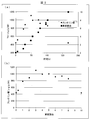
- FIG. 2 (a) shows the threonine content in leaf tobacco and the yellowing rate of leaf tobacco over time based on the measurement results at each point
- FIG. 2 (b) shows in leaf tobacco based on the yellowing rate of leaf tobacco. The change of content of threonine of is shown. As shown in FIG. 2, the threonine content in the leaf tobacco reached the maximum value 48 hours after the start of drying.
- the ratio of the area of the yellowing portion to the entire surface area of the plurality of leaf tobaccos visible from the outside was 30%. It is considered that another enzymatic reaction that decomposes threonine has started in leaf tobacco from the point where the leaf color of leaf tobacco exceeds 30% of the total surface area. By the time when yellowing reaches 100%, the content of threonine is It decreased to near the initial value. In addition, the ratios of yellowing part after 29.5 hours, 53.5 hours, 101.5 hours, and 188 hours from the start were 20, 40, 7.5, and 100%, respectively. It was.
- an analytical sample for HPLC was prepared as follows. First, after lyophilizing the leaf tobacco, the lyophilized leaf was pulverized. An 80% methanol solution was added to the powder sample obtained by pulverization, and extraction was performed. After adding the extract to the calibration curve standard solution prepared in advance, the mixture was stirred, sonicated and centrifuged, and the supernatant was filtered to obtain a sample for HPLC analysis.
- drying temperature in the drying step of Burley leaf tobacco was performed under a plurality of temperature conditions, and the content of threonine in the leaf tobacco was measured.
- the conditions of the drying temperature in the drying process in the yellowing period are constant at 20 ° C., 25 ° C., 30 ° C., or 35 ° C. over the period of the early yellowing period, and are constant at 45 ° C. over the period of the late yellowing period.
- the humidity condition at the time of drying is constant 85% for each temperature condition.
- the initial yellowing period is a period during which the first drying process is performed, and is a period until the yellowing of the leaf color reaches about 30%.
- the late yellowing period is a period in which the second drying process is performed, and is a period from the end of the first drying process until 48 hours elapses.
- the conditions of drying temperature and drying humidity in the drying process in the browning period are constant at 32 ° C. and 85% RH.
- the conditions of drying temperature and drying humidity in the drying process in the middle bone drying period are constant at 50 ° C. and 20% RH.
- the measurement of the content of threonine was measured at each point (a) before drying tobacco leaves, (b) at the end of the early yellowing period, (c) at the end of the late yellowing period, and (d) after the end of drying. .
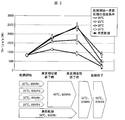
- FIG. 3 shows changes over time in the content of threonine in leaf tobacco under each temperature condition.
- the yellowing drying process of Burley leaf tobacco is divided into two stages, a first drying process and a second drying process, and the drying temperature of the second drying process is performed under a plurality of temperature conditions.
- the content of threonine was measured.
- the conditions of the drying temperature in the drying step in the yellowing period are constant 20 ° C. in the first drying step, and constant 40 ° C., 45 ° C. or 50 ° C. in the second drying step.
- the humidity condition during drying is 85% constant for each temperature condition. This is a period during which the first drying process is performed, and is a period until the time when the yellowing of the leaf color becomes about 30%.
- the late yellowing period is a period in which the second drying process is performed, and is a period from the end of the first drying process until 48 hours elapses.
- the conditions of drying temperature and drying humidity in the drying process in the browning period are constant at 32 ° C. and 85% RH.
- the conditions of drying temperature and drying humidity in the drying process in the middle bone drying period are constant at 50 ° C. and 20% RH.
- the content of threonine was measured at the following points: (a) before leaf tobacco was dried, (b) at the end of the early yellowing period, (c) at the end of the late yellowing period, and (d) at the end of drying.
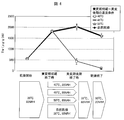
- FIG. 4 shows the change with time of the content of threonine at each temperature.
- Table 2 shows the drying conditions in this example of the drying method (hereinafter referred to as “enhanced drying”) in which the drying process in the yellowing period is divided into two stages, and conventional natural drying for comparison.
- the yellowing stage drying process is divided into a first drying process and a second drying process.
- the first drying step is the first step of drying at 20 ° C.
- the second drying step is a second drying step in which drying is performed at 45 ° C. following the drying step at 20 ° C.
- the drying on the temperature conditions similar to a normal program is implemented.
- the present invention can be suitably used in industries related to tobacco products.
Landscapes
- Manufacture Of Tobacco Products (AREA)
Abstract
葉たばこに含有されている香喫味成分を増加させる方法を提供する。葉たばこの黄変期における乾燥工程が、葉たばこを35℃以下の温度で乾燥させる第1乾燥工程と、第1乾燥工程後に葉たばこを40℃より高い温度で乾燥させる第2乾燥工程とを含む。
Description
本発明は、葉たばこの乾燥方法に関する。
葉たばこの乾燥は、風火力を利用して4~5日で乾燥する装置乾燥とパイプハウス等を利用した自然乾燥とに大別できる。黄色種葉たばこは、装置乾燥である循環バルク乾燥の技術体系が定着しており、葉たばこ乾燥の省力化が図られている。一方、在来種およびバーレー種葉たばこについては、現在でも自然乾燥による処理が主流である。
例えば、バーレー種の自然乾燥は、ビニール等で覆われたパイプハウスに葉たばこを吊し、昼間および夜間の日変化に対応させてその温度条件および湿度条件を変化させる管理を行いながら、徐々に乾燥を進めることにより行われる。それゆえ、乾燥の条件は、一定の条件でなく、外気の温湿度に対応して変化する変温変湿条件である。例えば、早朝の外気温が最低となる時刻では、20℃、90%RH程度であり、そこから徐々に昇温、減湿して、日中の最高気温時には、32℃、75~70%RHとなる。その後、徐々に降温、増湿して、早朝の最低気温時には、再び20℃、90%RHとなる。
葉たばこの乾燥は、単に葉中の水分を脱水して葉を乾かすものではなく、脱水と並行して葉中に含まれる内容成分を変化させることで、葉たばこに特有な色と香喫味を持たせる処理でもある。
渡邉龍策「バーレー種の乾燥について」、葉たばこ研究第107号、1988年、p71-79
たばこの香喫味を豊かにする方法として、たばこの香喫味成分であるアミノ酸等の成分を増加させる方法が挙げられる。例えば、アミノ酸の一種であるスレオニンがたばこに多く含まれていると、たばこの香喫味が増加することが知られている。たばこを製造する過程で香喫味成分を外から添加することで、たばこ中の香喫味成分を増加させ、たばこの香喫味を豊かにすることはできる。しかしながら、香喫味成分を外から添加しようとすると、添加のための設備が必要となり手間およびコストがかかってしまう。
そこで、本発明は上述の課題に鑑み、葉たばこに含有されている香喫味成分を増加させる方法を提供することを目的とする。
本発明者らが鋭意検討した結果、葉たばこの乾燥方法を改変することにより、葉たばこ中の特定のアミノ酸の含有量が増加することを見出し、本願発明を完成するに至った。
すなわち、上記の課題を解決するために、本発明に係る葉たばこの乾燥方法は、
葉たばこの黄変期における乾燥工程が、該葉たばこを35℃以下の温度で乾燥させる第1乾燥工程と、該第1乾燥工程後に該葉たばこを40℃より高い温度で乾燥させる第2乾燥工程とを含む葉たばこの乾燥方法である。
葉たばこの黄変期における乾燥工程が、該葉たばこを35℃以下の温度で乾燥させる第1乾燥工程と、該第1乾燥工程後に該葉たばこを40℃より高い温度で乾燥させる第2乾燥工程とを含む葉たばこの乾燥方法である。
また、上記の課題を解決するために、本発明に係るアミノ酸含有量の増加方法は、
葉たばこの乾燥過程において、葉たばこの黄変期の乾燥工程を、該葉たばこを35℃以下の温度で乾燥させる第1乾燥工程と、該第1乾燥工程後に該葉たばこを40℃より高い温度で乾燥させる第2乾燥工程とに分けて乾燥を行うことを特徴とする。
葉たばこの乾燥過程において、葉たばこの黄変期の乾燥工程を、該葉たばこを35℃以下の温度で乾燥させる第1乾燥工程と、該第1乾燥工程後に該葉たばこを40℃より高い温度で乾燥させる第2乾燥工程とに分けて乾燥を行うことを特徴とする。
本発明の乾燥方法によれば、本来葉たばこが有している香喫味成分の特徴を維持しつつ、乾燥した葉たばこ中のアミノ酸の含有量が増加するという効果を奏する。
[実施形態1]
本実施形態では、バーレー種の葉たばこを乾燥させる場合について説明する。
本実施形態では、バーレー種の葉たばこを乾燥させる場合について説明する。
バーレー種の葉たばこの乾燥過程において、葉たばこは、黄変期、褐変期および中骨乾燥期の3つの時期に分けられている。そして、各時期それぞれ別の乾燥条件にて乾燥が行われている。本実施形態の乾燥方法でも、黄変期、褐変期および中骨乾燥期の3つの時期の乾燥工程を実施しているが、このうち、黄変期の乾燥工程を2つの段階に分けて乾燥を行っている。
(黄変期の乾燥工程)
黄変期とは、乾燥を開始してから、葉たばこの葉色が緑色から黄色に完全に変わるまでの期間のことである。この葉色の変化は、葉たばこの乾燥によって生じる葉たばこの葉緑素の分解が起因している。
黄変期とは、乾燥を開始してから、葉たばこの葉色が緑色から黄色に完全に変わるまでの期間のことである。この葉色の変化は、葉たばこの乾燥によって生じる葉たばこの葉緑素の分解が起因している。
本実施形態においては、黄変期における乾燥工程を、第1乾燥工程およびその後の第2乾燥工程の2段階の工程に分けて行っている。
黄変期の第1乾燥工程は、35℃以下の低温で葉たばこを乾燥させる工程である。第1乾燥工程では、低温で葉たばこを乾燥させることによって、葉たばこをゆっくり黄変させている。第1乾燥工程の温度条件は35℃以下であればよいが、好ましくは30℃以下であり、より好ましくは25℃以下である。第1乾燥工程を35℃以下の温度で行うことによって、第1乾燥工程中に葉たばこ中のアミノ酸の含有量を増加させることができる。第1乾燥工程の温度条件の下限に特に制限はないが、好ましくは、10℃以上であり、より好ましくは15℃以上であり、さらに好ましくは20℃以上である。第1乾燥工程を5℃以上の温度で行うことによって、葉たばこの黄変を進行させることができる。第1乾燥工程の温度条件は、上述した温度の範囲内であれば、第1乾燥工程を通して一定であってもよく、変動するものであってもよい。また、「35℃以下」および「25℃以下」などという場合に、常に「35℃以下」および「25℃以下」であることが好ましいが、求められる効果が阻害されない範囲でこれらの温度を超える期間が含まれる場合を排除するものではない。例えば、これらの温度+5℃の時間が数分間含まれる場合であっても、「35℃以下」および「25℃以下」で乾燥を行っているとみなすことができる。
なお、第1乾燥工程の温度条件が低温になるほどアミノ酸の増加量が期待できるが、黄変にかかる時間が長くなる。例えば、第1乾燥工程の温度条件が5℃程度であると、黄変完了までに何週間もかかる。また、第1乾燥工程の温度条件が高温であると、温度条件が低温であるときと比較し、アミノ酸の増加量が小さくなる。また黄変の速度が速くなるため、適切な黄変度において第2乾燥工程へ移行させることが難しい。また、例えば、第1行程の温度条件が50℃から60℃といった高温では、アミノ酸を増加させるための酵素反応が失活し、アミノ酸の増加が起こらない可能性がある。
そのため、第1乾燥工程の温度条件は、アミノ酸の増加量が多く、黄変にかかる時間が従来の乾燥方法に近くて第2乾燥工程へ移行させるタイミングの見極めが比較的容易な、20℃以上25℃以下の範囲が最も好ましい。
なお、本明細書において「葉たばこ中のアミノ酸の含有量の増加」とは、アミノ酸全体の量が増加することを意図するものではなく、少なくとも特定の1種のアミノ酸の量が増加することを意図している。
第1乾燥工程における湿度は、好ましくは20%以上100%以下であり、より好ましくは40%以上100%以下であり、さらに好ましくは60%以上100%以下である。
黄変期の第2乾燥工程は、40℃より高い温度で葉たばこを乾燥させる工程である。第1乾燥工程よりも高い温度で乾燥することによって、葉たばこの黄変の進行が促進する。第2乾燥工程の温度条件は40℃より高ければよいが、好ましくは45℃以上である。第2乾燥工程を40℃より高い温度で行うことにより、第1乾燥工程で増加したアミノ酸含有量が低減することを抑えることができる。第2乾燥工程の温度条件の上限に特に制限はないが、好ましくは、60℃以下であり、より好ましくは55℃以下であり、さらに好ましくは50℃以下である。第2乾燥工程の温度条件は、上述した温度の範囲内であれば、第2乾燥工程を通して一定であってもよく、変動するものであってもよい。なお、「40℃より高い」および「45℃以上」などという場合に、常に「40℃より高い」および「45℃以上」であることが好ましいが、求められる効果が阻害されない範囲でこれらの温度を下回る期間が含まれる場合を排除するものではない。例えば、アミノ酸を分解する酵素反応が失活している第2乾燥工程の後半であれば、第2乾燥工程の温度条件が40℃以下あるいは45℃を下回っていてもよい。かかる場合であっても、「40℃より高い」および「45℃以上」で乾燥を行っているとみなすことができる。
なお、第2乾燥工程の温度条件が40℃以下の温度では、葉たばこ中のアミノ酸を分解する酵素反応を抑えることができず、アミノ酸の含有量の低減を抑制することができない。また、第2乾燥工程の温度条件が60℃を超える温度では、葉たばこが本来有している香喫味成分の特徴に悪影響を与えてしまう。そのため、第2乾燥工程の温度条件は、アミノ酸の分解および香喫味成分への悪影響を抑制することができる40℃より高く60℃以下の範囲が好ましく、当該悪影響をより抑制することができる45℃以上50℃以下の範囲が最も好ましい。
第2乾燥工程における湿度は好ましくは20%以上100%以下であり、より好ましくは40%以上100%以下であり、さらに好ましくは60%以上100%以下である。
第1乾燥工程から第2乾燥工程に移行する時期は、葉たばこの葉色の黄変の割合に基づいて規定することができる。本実施形態においては、第1乾燥工程から第2乾燥工程に移行する時期は、葉たばこの黄変が完全に完了する前であればよい。本実施形態において、第1乾燥工程から第2乾燥工程に移行する時期は、好ましくは葉たばこの黄変の割合が8割未満のときであり、より好ましくは黄変の割合が5割以下のときであり、さらに好ましくは黄変の割合が4割以下のときである。葉たばこの黄変の割合が8割を超えると、葉たばこ中のスレオニンの含有量が著しく低下してしまう虞がある。そのため、葉たばこの黄変の割合が8割に達する前に第2乾燥工程に移行することにより、増加したアミノ酸含有量を高い状態で維持したまま第2乾燥工程に移行することができる。また、第2乾燥工程に移行する時期は、好ましくは黄変の割合が1割以上のときであり、より好ましくは黄変の割合が2割以上のときである。葉たばこの黄変の割合が1割を下回っている状態では、葉たばこ中の香喫味成分の変化が十分に進まず、そのまま第2乾燥工程に移行させると、香喫味成分が不十分となる虞がある。そのため、葉たばこの黄変の割合が1割以上となってから第2乾燥工程に移行することにより、葉たばこ中の香喫味成分に係るアミノ酸含有量の増加が見られた後に、第2乾燥工程に移行することができる。本実施形態においては、葉たばこの黄変の割合が3割に達したときに第2乾燥工程に移行することが最も好ましい。
第2乾燥工程の期間は、その後、葉たばこの葉色が完全に黄色に変わるまでの期間である。なお、第1乾燥工程の期間および第2乾燥工程の期間の具体的な長さは、第1乾燥工程および第2乾燥工程のそれぞれの温度、ならびに収穫葉の着葉位置および熟度によって異なる。
なお、第一乾燥工程および第二乾燥工程を設けることにより、アミノ酸含量が増加する作用機序として次のような作用機序が推察されるが、本実施形態における乾燥方法は次の作用機序によるものに限定されるものではない。すなわち、スレオニンなどの葉たばこ中のアミノ酸の含有量は乾燥工程において変動し、黄変期の乾燥工程の開始後に葉たばこ中の酵素反応などにより一時的に増加するが、その後、別の酵素反応などにより減少する。黄変期の乾燥工程において第1乾燥工程および第2乾燥工程を設けることによって、まず第1乾燥工程で葉たばこ中の酵素でアミノ酸を増加させ、第2乾燥工程に移行させてアミノ酸を分解する酵素を失活させることにより、葉たばこ中のアミノ酸量を高く維持できる。また、アミノ酸が増加する速度は乾燥工程の温度によって異なり、第1乾燥工程の温度が低い場合、アミノ酸が一時的に増加するまで長い時間を必要とする。
黄変の割合は、1枚の葉たばこの全面積に占める黄変部の面積の割合、または後述するハンガーに固定された複数枚の葉たばこにおける、外側から視認できる部分全体の表面積に占める黄変部の面積の割合の何れであってもよい。
黄変部分と黄変部分以外の判断は、例えば、カラースケール(富士平工業株式会社製カラースケール)を用いて判断することができる。
黄変期の乾燥工程は、所定の乾燥条件下で第1乾燥工程および第2乾燥工程を実施することができれば、その手段は特に限定されず、風火力を利用した乾燥装置を用いて乾燥する方法、自然乾燥と乾燥装置とを併用した方法等が挙げられる。
(褐変期の乾燥工程)
褐変期は、黄変期の後、葉たばこの葉色が黄色から褐色に完全に変わるまでの期間である。この変化は葉色が黄色に変化した葉たばこをさらに乾燥させることによって生じる。
褐変期は、黄変期の後、葉たばこの葉色が黄色から褐色に完全に変わるまでの期間である。この変化は葉色が黄色に変化した葉たばこをさらに乾燥させることによって生じる。
褐変期の乾燥工程の温度条件は、例えば、28℃以上35℃以下であり得る。褐変期の乾燥工程の湿度条件は、例えば、20%以上100%以下であり得る。褐変期の乾燥工程の期間は、例えば、48時間以上3週間以内であり得る。
褐変期の乾燥工程を実施するための乾燥方法は特に制限されず、黄変期と同じ乾燥装置等を用いて乾燥を行ってもよく、あるいは褐変期については自然乾燥を行うものであってもよい。
(中骨乾燥期の乾燥工程)
中骨乾燥期とは、葉たばこの主脈である中骨を乾固させる期間のことである。
中骨乾燥期とは、葉たばこの主脈である中骨を乾固させる期間のことである。
中骨乾燥期の乾燥工程の温度条件は、例えば、15℃以上80℃以下であり得る。なお、乾燥温度が高温であると、香喫味成分の低下を引き起こすため、中骨乾燥期の温度条件は、好ましくは60℃以下であり、より好ましくは55℃以下であり、さらに好ましくは50℃以下である。中骨乾燥期の乾燥工程の湿度条件は、例えば、20%以上90%以下であり得る。中骨乾燥期の乾燥工程の期間は、例えば、12時間以上1か月以内であり得る。
中骨乾燥期の乾燥工程を実施するための乾燥方法は特に制限されず、黄変期と同じ乾燥装置等を用いて乾燥を行ってもよく、あるいは中骨乾燥期については自然乾燥を行うものであってもよい。
なお、中骨乾燥期は褐変期の途中より始まるため、必ずしも褐変期と中骨乾燥期とを明確に切り分けることができるものではない。
また、収穫される葉たばこは常に同一の状態のものになるとは限らないため、乾燥工程の具体的な乾燥条件は、収穫された時点の葉たばこの成熟度に応じて調整を行えばよく、具体的には葉たばこの成熟度に応じて乾燥時間を調整している。
なお、上述の乾燥工程を実施した際、葉たばこが収穫された時点において、成熟が進んでいる薄い緑色の葉色の葉たばこよりも、熟度が不足している強い緑色の葉色の葉たばこの方が、乾燥工程後のアミノ酸含有量がより高くなる。
(葉たばこの設置方法)
乾燥装置等内での葉たばこの設置方法は、従来の黄色種の装置乾燥と同様に、装置乾燥内においてハンガーに吊るして設置する方法が挙げられる。ハンガーに吊るした葉たばこの一態様の模式図を図1に示す。図1に示すように、ハンガー1の間に葉たばこ3の茎を挟むことで、葉たばこ3をハンガーに固定し、葉たばこ3を下向きに吊るせるようにしている。ハンガー1は、内側に棘がついている1組の金属製プレートであり、葉たばこ3の茎をこの棘により串刺しにすることで、葉たばこ3をハンガー1に固定している。葉たばこ3をハンガー1に固定した後、ハンガー1の両端をクリップ2で固定している。
乾燥装置等内での葉たばこの設置方法は、従来の黄色種の装置乾燥と同様に、装置乾燥内においてハンガーに吊るして設置する方法が挙げられる。ハンガーに吊るした葉たばこの一態様の模式図を図1に示す。図1に示すように、ハンガー1の間に葉たばこ3の茎を挟むことで、葉たばこ3をハンガーに固定し、葉たばこ3を下向きに吊るせるようにしている。ハンガー1は、内側に棘がついている1組の金属製プレートであり、葉たばこ3の茎をこの棘により串刺しにすることで、葉たばこ3をハンガー1に固定している。葉たばこ3をハンガー1に固定した後、ハンガー1の両端をクリップ2で固定している。
また、ハンガーに吊るして設置する方法以外にも、他の設置方法として、収穫した葉たばこを編みつけて懸吊する連縄に葉たばこの茎を編みつけ、連架に懸吊させる方法、たばこ葉を幹につけたまま収穫し乾燥室に吊りこむ方法、および葉たばこを針金または糸に通して吊るす方法等がある。
本実施形態の乾燥方法によれば、乾燥後の葉たばこ中のアミノ酸の含有量を、従来の自然乾燥方法により乾燥させたバーレー種の葉たばこより増加させることができる。増加するアミノ酸は特定のアミノ酸に限らず、種々のアミノ酸を増加させることができる。中でも、本実施形態の乾燥方法によれば、スレオニン、グルタミン、リシン、プロリン、セリンおよびバリンの増加に関し、特に優れた効果を発揮する。これらのアミノ酸はいずれも、たばこの香喫味成分として知られている。例えば、スレオニンがたばこに多く含まれると、たばこの香喫味の中でもナッツ様の香味が増加する。また、プロリン等が多く含まれると、キャラメル様の香味が増加する。
さらに本実施形態の乾燥方法によれば、褐変期において上記の乾燥工程を実施することによって、自然乾燥により得られるバーレー種特有の香喫味を付与することができる。
換言すれば、本実施形態の乾燥方法を施した葉たばこから得られるたばこ原料を用いてたばこ製品を製造することにより、従来のものより香喫味成分が増加したたばこ製品を提供することができる。したがって、本実施形態の乾燥方法を施した葉たばこから得られるたばこ原料、および当該たばこ原料から作られたたばこ製品もまた本発明の範疇に含まれる。なお、典型的なたばこ製品には、紙巻きたばこ、葉巻、パイプたばこ、嗅ぎたばこおよび噛みたばこ、ならびに電子シガレットの香味発生源などが含まれるが、これらに限定されるものではない。また、たばこ原料としては、乾燥後の葉たばこそのものの他に、刻形態、粉末形態、ラミナ形態(除骨葉部分)およびシート片形態等にした葉たばこが意図される。
[実施形態2]
本実施形態では、黄色種の葉たばこを乾燥させる場合について説明する。
本実施形態では、黄色種の葉たばこを乾燥させる場合について説明する。
まず、従来の黄色種の葉たばこの乾燥について説明する。黄色種の葉たばこの乾燥過程において、葉たばこは、黄変期、色沢固定期および中骨乾燥期の3つの時期に分けられている。そして、各時期それぞれ別の乾燥条件にて乾燥が行われている。黄色種の従来の乾燥方法における条件の一つの例は次の通りである:
(黄変期の乾燥工程)
温度 36~40℃
湿度 87~100%
期間 葉の黄変が全体の80~90%に達するまで
(色沢固定期の乾燥工程)
温度 43~55℃
湿度 40~75%
期間 50~60時間
(中骨乾燥期の乾燥工程)
温度 55~68℃
湿度 19~40%
期間 20~30時間。
(黄変期の乾燥工程)
温度 36~40℃
湿度 87~100%
期間 葉の黄変が全体の80~90%に達するまで
(色沢固定期の乾燥工程)
温度 43~55℃
湿度 40~75%
期間 50~60時間
(中骨乾燥期の乾燥工程)
温度 55~68℃
湿度 19~40%
期間 20~30時間。
また、各乾燥工程においては、1時間当たり2~3℃ずつ昇温させて、乾燥温度を徐々に高くしている。ここで、便宜上、上記のような黄変期の乾燥条件での乾燥、色沢固定期の乾燥条件での乾燥および中骨乾燥期の乾燥条件での乾燥をこの順で連続して行う乾燥を、通常プログラムによる乾燥と称する。ただし、上記の条件はあくまでも一例に過ぎず、例えば各乾燥工程の期間は、上記以外の時間でもあり得る。
本実施形態の乾燥方法では、黄変期における乾燥を、35℃以下の低温で葉たばこを乾燥させる第1乾燥工程、および第1乾燥工程後の40℃より高い温度で葉たばこを乾燥させる第2乾燥工程の2段階の乾燥工程により行っている。本実施形態における第1乾燥工程および第2乾燥工程の詳細は、上述した実施形態1における第1乾燥工程および第2乾燥工程と同様であり、その説明は本実施形態において援用される。
本実施形態における黄色種における乾燥方法では、本発明の効果検証のため第1乾燥工程および第2乾燥工程に続き、上述の通常プログラムによる乾燥を実施している。すなわち、第2乾燥工程が終了した後、引き続いて43~55℃で乾燥を行う従来の色沢固定期の乾燥工程を実施するのではなく、36~40℃で乾燥を行う従来の黄変期の乾燥工程からあらためて実施している。しかしながら、第2乾燥工程が終了した後、引き続いて43℃-55℃で乾燥を行う従来の色沢固定期の乾燥工程を実施することも可能である。
本実施形態の乾燥方法によれば、乾燥後の葉たばこ中のアミノ酸の含有量を、従来のバルク乾燥方法により乾燥させた黄色種の葉たばこより増加させることができる。
[まとめ]
以上のように、本発明に係る葉たばこの乾燥方法は、
(1)葉たばこの黄変期における乾燥工程が、該葉たばこを35℃以下の温度で乾燥させる第1乾燥工程と、該第1乾燥工程後に該葉たばこを40℃より高い温度で乾燥させる第2乾燥工程とを含む葉たばこの乾燥方法である。
(2)本発明に係る葉たばこの乾燥方法は、上記第1乾燥工程において15℃以上25℃以下の温度で上記葉たばこを乾燥させることが好ましい。
(3)本発明に係る葉たばこの乾燥方法は、上記第2乾燥工程において60℃未満の温度で上記葉たばこを乾燥させることが好ましい。
(4)本発明に係る葉たばこの乾燥方法は、上記第2乾燥工程において45℃以上55℃以下の温度で上記葉たばこを乾燥させることが好ましい。
(5)本発明に係る葉たばこの乾燥方法は、上記葉たばこの黄変の割合が8割未満であるときに、上記第1乾燥工程から上記第2乾燥工程に移行することが好ましい。
(6)本発明に係る葉たばこの乾燥方法は、上記葉たばこの黄変の割合が2割以上8割未満であるときに、上記第1乾燥工程から上記第2乾燥工程に移行することが好ましい。
(7)本発明に係る葉たばこの乾燥方法は、上記葉たばこの黄変の割合が2割以上4割未満であるときに、上記第1乾燥工程から上記第2乾燥工程に移行することが好ましい。
(8)本発明に係る葉たばこの乾燥方法の一態様では、上記葉たばこは、バーレー種の葉たばこである。
(9)本発明に係る葉たばこの乾燥方法の一態様では、上記葉たばこは、黄色種の葉たばこである。
また、本発明に係るアミノ酸含有量の増加方法は、
(10)葉たばこの乾燥過程において、葉たばこの黄変期の乾燥工程を、該葉たばこを35℃以下の温度で乾燥させる第1乾燥工程と、該第1乾燥工程後に該葉たばこを40℃より高い温度で乾燥させる第2乾燥工程とに分けて乾燥を行うことを特徴とする。
また、本発明に係るたばこ原料は、
(11)上述の乾燥方法またはアミノ酸含有量の増加方法を適用した葉たばこを用いて作られた、たばこ原料である。
また、本発明に係るたばこ製品は、
(12)上述のたばこ原料を用いて作られた、たばこ製品である。
以上のように、本発明に係る葉たばこの乾燥方法は、
(1)葉たばこの黄変期における乾燥工程が、該葉たばこを35℃以下の温度で乾燥させる第1乾燥工程と、該第1乾燥工程後に該葉たばこを40℃より高い温度で乾燥させる第2乾燥工程とを含む葉たばこの乾燥方法である。
(2)本発明に係る葉たばこの乾燥方法は、上記第1乾燥工程において15℃以上25℃以下の温度で上記葉たばこを乾燥させることが好ましい。
(3)本発明に係る葉たばこの乾燥方法は、上記第2乾燥工程において60℃未満の温度で上記葉たばこを乾燥させることが好ましい。
(4)本発明に係る葉たばこの乾燥方法は、上記第2乾燥工程において45℃以上55℃以下の温度で上記葉たばこを乾燥させることが好ましい。
(5)本発明に係る葉たばこの乾燥方法は、上記葉たばこの黄変の割合が8割未満であるときに、上記第1乾燥工程から上記第2乾燥工程に移行することが好ましい。
(6)本発明に係る葉たばこの乾燥方法は、上記葉たばこの黄変の割合が2割以上8割未満であるときに、上記第1乾燥工程から上記第2乾燥工程に移行することが好ましい。
(7)本発明に係る葉たばこの乾燥方法は、上記葉たばこの黄変の割合が2割以上4割未満であるときに、上記第1乾燥工程から上記第2乾燥工程に移行することが好ましい。
(8)本発明に係る葉たばこの乾燥方法の一態様では、上記葉たばこは、バーレー種の葉たばこである。
(9)本発明に係る葉たばこの乾燥方法の一態様では、上記葉たばこは、黄色種の葉たばこである。
また、本発明に係るアミノ酸含有量の増加方法は、
(10)葉たばこの乾燥過程において、葉たばこの黄変期の乾燥工程を、該葉たばこを35℃以下の温度で乾燥させる第1乾燥工程と、該第1乾燥工程後に該葉たばこを40℃より高い温度で乾燥させる第2乾燥工程とに分けて乾燥を行うことを特徴とする。
また、本発明に係るたばこ原料は、
(11)上述の乾燥方法またはアミノ酸含有量の増加方法を適用した葉たばこを用いて作られた、たばこ原料である。
また、本発明に係るたばこ製品は、
(12)上述のたばこ原料を用いて作られた、たばこ製品である。
本発明は上述した各実施形態に限定されるものではなく、請求項に示した範囲で種々の変更が可能であり、異なる実施形態にそれぞれ開示された技術的手段を適宜組み合わせて得られる実施形態についても本発明の技術的範囲に含まれる。
[黄変期の乾燥工程におけるアミノ酸含有量の経時変化]
本実施例では、バーレー種の葉たばこにおける、黄変期の乾燥工程でのアミノ酸含有量の経時変化を調べた。
本実施例では、バーレー種の葉たばこにおける、黄変期の乾燥工程でのアミノ酸含有量の経時変化を調べた。
農家等で行っているバーレー種の自然乾燥を模した方法としてバーレー種の複数の葉をハンガーに固定し、これを恒温恒湿機(エスペック株式会社製)内に設置し、表1に示す条件のもと、乾燥工程を実施した。

乾燥開始前、乾燥開始から5.5時間後、24時間後、29.5時間後、48時間後、53.5時間後、72時間後、77.5時間後、98時間後、101.5時間後、188時間後、356時間後および404時間後の各点において葉たばこ中のスレオニンの含有量を測定した。葉たばこ中のスレオニンの含有量の測定にはHPLCを用いた。図2の(a)において各点における測定結果に基づく葉たばこ中のスレオニンの含有量および葉たばこの黄変割合の経時変化を示し、図2の(b)において葉たばこの黄変割合に基づいた葉たばこ中のスレオニンの含有量の変化を示す。図2に示すように、乾燥開始から48時間後に、葉たばこ中のスレオニンの含有量が最大値に達した。このときの、外側から視認できる複数の葉たばこの全体の表面積に占める黄変部の面積の割合は3割であった。葉たばこの葉色が全体の表面積の3割を超えた辺りより、葉たばこ中において、スレオニンを分解させる別の酵素反応が始まっていると考えられ、黄変10割を迎える頃にはスレオニンの含有量は初期値近傍まで低下した。また、開始から29.5時間後、53.5時間後、101.5時間後および188時間後における黄変部の割合は、それぞれ、2割、4割、7.5割および10割であった。
なお、HPLCによりアミノ酸分析を行うに際して、HPLC用分析用サンプルは次のように調製した。まず、葉たばこを凍結乾燥させた後、凍結乾燥した葉を粉砕した。粉砕により得られた粉末試料に80%メタノール溶液を加え、抽出を行った。予め調製した検量線標準液に、抽出液を添加した後、撹拌、超音波処理および遠心分離を行い、上澄み液をフィルター濾過して、HPLC用分析用サンプルとした。
[乾燥温度条件の評価1]
本実施例では、バーレー種の葉たばこの黄変期の乾燥工程における乾燥温度を複数の温度条件にて実施し、葉たばこ中のスレオニンの含有量を測定した。黄変期における乾燥工程における乾燥温度の条件は、黄変期初期の期間にわたって20℃、25℃、30℃、または35℃一定であり、黄変期後期の期間にわたって45℃で一定である。乾燥の際の湿度条件は、各温度条件ともに85%一定である。ここで黄変期初期とは第1乾燥工程を実施している期間であり、葉色の黄変が3割程度となる時点までの期間である。また黄変期後期とは第2乾燥工程を実施している期間であり、第1乾燥工程終了後から48時間経過するまでの期間である。褐変期における乾燥工程における乾燥温度および乾燥湿度の条件は32℃、85%RH条件で一定である。中骨乾燥期における乾燥工程における乾燥温度および乾燥湿度の条件は50℃、20%RH条件で一定である。スレオニンの含有量の測定は、(a)葉たばこを乾燥させる前、(b)黄変期初期終了時、(c)黄変期後期終了時、および(d)乾燥終了後の各点において測定した。図3に、各温度条件における葉たばこ中のスレオニンの含有量の経時変化を示す。
本実施例では、バーレー種の葉たばこの黄変期の乾燥工程における乾燥温度を複数の温度条件にて実施し、葉たばこ中のスレオニンの含有量を測定した。黄変期における乾燥工程における乾燥温度の条件は、黄変期初期の期間にわたって20℃、25℃、30℃、または35℃一定であり、黄変期後期の期間にわたって45℃で一定である。乾燥の際の湿度条件は、各温度条件ともに85%一定である。ここで黄変期初期とは第1乾燥工程を実施している期間であり、葉色の黄変が3割程度となる時点までの期間である。また黄変期後期とは第2乾燥工程を実施している期間であり、第1乾燥工程終了後から48時間経過するまでの期間である。褐変期における乾燥工程における乾燥温度および乾燥湿度の条件は32℃、85%RH条件で一定である。中骨乾燥期における乾燥工程における乾燥温度および乾燥湿度の条件は50℃、20%RH条件で一定である。スレオニンの含有量の測定は、(a)葉たばこを乾燥させる前、(b)黄変期初期終了時、(c)黄変期後期終了時、および(d)乾燥終了後の各点において測定した。図3に、各温度条件における葉たばこ中のスレオニンの含有量の経時変化を示す。
図3に示すように、各温度条件におけるスレオニン含有量を比較した結果、葉たばこ中のスレオニンの含有量は、黄変期における乾燥温度が低いほどその最大値が高くなった。また、乾燥温度が25℃以下においては、スレオニンの含有量の最大値はほぼ同じであった。また、何れの温度条件においても、乾燥終了後のスレオニンの含有量は、従来の乾燥方法である自然乾燥を用いた乾燥方法の場合(図3中、「自然乾燥」)における含有量よりも高いものの、観察された最大の含有量よりも大きく減少していた。
[乾燥温度条件の評価2]
本実施例では、バーレー種の葉たばこの黄変期の乾燥工程を、第1乾燥工程および第2乾燥工程の2段階に分け、第2乾燥工程の乾燥温度を複数の温度条件で実施し、葉たばこ中のスレオニンの含有量を測定した。黄変期における乾燥工程における乾燥温度の条件は、第1乾燥工程では20℃一定であり、第2乾燥工程では40℃、45℃または50℃一定である。乾燥の際の湿度条件は各温度条件いずれも85%一定である。第1乾燥工程を実施している期間であり、葉色の黄変が3割程度となる時点までの期間である。また黄変期後期とは第2乾燥工程を実施している期間であり、第1乾燥工程終了後から48時間経過するまでの期間である。褐変期における乾燥工程における乾燥温度および乾燥湿度の条件は32℃、85%RH条件で一定である。中骨乾燥期における乾燥工程における乾燥温度および乾燥湿度の条件は50℃、20%RH条件で一定である。スレオニンの含有量の測定は、(a)葉たばこを乾燥させる前、(b)黄変期初期終了時、(c)黄変期後期終了時、および(d)乾燥終了の各点において測定した。図4に、各温度におけるスレオニンの含有量の経時変化を示す。
本実施例では、バーレー種の葉たばこの黄変期の乾燥工程を、第1乾燥工程および第2乾燥工程の2段階に分け、第2乾燥工程の乾燥温度を複数の温度条件で実施し、葉たばこ中のスレオニンの含有量を測定した。黄変期における乾燥工程における乾燥温度の条件は、第1乾燥工程では20℃一定であり、第2乾燥工程では40℃、45℃または50℃一定である。乾燥の際の湿度条件は各温度条件いずれも85%一定である。第1乾燥工程を実施している期間であり、葉色の黄変が3割程度となる時点までの期間である。また黄変期後期とは第2乾燥工程を実施している期間であり、第1乾燥工程終了後から48時間経過するまでの期間である。褐変期における乾燥工程における乾燥温度および乾燥湿度の条件は32℃、85%RH条件で一定である。中骨乾燥期における乾燥工程における乾燥温度および乾燥湿度の条件は50℃、20%RH条件で一定である。スレオニンの含有量の測定は、(a)葉たばこを乾燥させる前、(b)黄変期初期終了時、(c)黄変期後期終了時、および(d)乾燥終了の各点において測定した。図4に、各温度におけるスレオニンの含有量の経時変化を示す。
図4に示すように、各温度におけるスレオニンの含有量を比較した結果、第2乾燥工程において40℃より高い温度で乾燥させることにより、第1乾燥工程にて増加したスレオニンの含有量の減少を抑制することができた。一方、第2乾燥工程の温度条件が40℃である場合、第1乾燥工程にて増加したスレオニンの含有量の大幅な減少が見られた。
[種々のアミノ酸の増加量の評価]
本実施例では、バーレー種の葉たばこにおいて、黄変期の乾燥工程を2段階に分けた乾燥方法を実施した場合の種々のアミノ酸の増加について評価を行った。
本実施例では、バーレー種の葉たばこにおいて、黄変期の乾燥工程を2段階に分けた乾燥方法を実施した場合の種々のアミノ酸の増加について評価を行った。
黄変期の乾燥工程を2段階に分けた乾燥方法(以下、「増強乾燥」という)、および比較となる従来の自然乾燥の、本実施例における乾燥条件を表2に示す。

表2に示すように、増強乾燥では、葉たばこの葉色が全体の表面積の3割に達した時点で、黄変期の第1乾燥工程から第2乾燥工程へと移行させた。また、黄変期の第1乾燥工程および第2乾燥工程を実施した後、従来の自然乾燥と同様の乾燥条件にて、褐変期および中骨乾燥期の乾燥工程を実施した。
全乾燥工程が終了した時点で、乾燥した葉たばこ中の種々のアミノ酸の含有量を測定した。結果を図5に示す。図5に示されるように、スレオニン、グルタミン、リシン、プロリン、セリンおよびバリンにおいて、増強乾燥を実施した場合の各々の含有量が、従来の自然乾燥を実施した場合の含有量より増加していることが示された。
[黄色種のスレオニンの増加量の評価]
本実施例では、黄色種の葉たばこにおいて、黄変期の乾燥工程を2段階に分けた乾燥方法(増強乾燥)を実施した場合のスレオニンの増加について評価を行った。本実施例における、増強乾燥および通常プログラムの乾燥条件は表3に示すとおりである。
本実施例では、黄色種の葉たばこにおいて、黄変期の乾燥工程を2段階に分けた乾燥方法(増強乾燥)を実施した場合のスレオニンの増加について評価を行った。本実施例における、増強乾燥および通常プログラムの乾燥条件は表3に示すとおりである。

増強乾燥では、黄変期の乾燥工程を第1乾燥工程および第2乾燥工程に分けて実施している。表3において、第1乾燥工程は、20℃で乾燥を行っている最初の工程である。また、第2乾燥工程は、20℃での乾燥工程に続く、45℃で乾燥を行っている2番目の乾燥工程である。そして、黄変期の第1乾燥工程および第2乾燥工程を実施した後で、通常プログラムと同様の温度条件での乾燥を実施している。
全乾燥工程が終了した時点で、乾燥した葉たばこ中のスレオニンの含有量を測定した。その結果、通常プログラムにより乾燥した葉たばこにおいては、スレオニンの含有量は248μg/gDBであった。これに対し増強乾燥により乾燥した葉たばこにおいては、スレオニン含有量は713μg/gDBであり、通常プログラムによる乾燥に比べ約3倍増加することが確認された。
本発明は、たばこ製品に関する産業において好適に利用することができる。
1 ハンガー
2 クリップ
3 葉たばこ
2 クリップ
3 葉たばこ
Claims (12)
- 葉たばこの乾燥方法であって、
葉たばこの黄変期における乾燥工程が、該葉たばこを35℃以下の温度で乾燥させる第1乾燥工程と、該第1乾燥工程後に該葉たばこを40℃より高い温度で乾燥させる第2乾燥工程とを含むことを特徴とする葉たばこの乾燥方法。 - 上記第1乾燥工程において15℃以上25℃以下の温度で上記葉たばこを乾燥させることを特徴とする請求項1に記載の葉たばこの乾燥方法。
- 上記第2乾燥工程において60℃未満の温度で上記葉たばこを乾燥させることを特徴とする請求項1または2に記載の葉たばこの乾燥方法。
- 上記第2乾燥工程において45℃以上55℃以下の温度で上記葉たばこを乾燥させることを特徴とする請求項1から3のいずれか1項に記載の葉たばこの乾燥方法。
- 上記葉たばこの黄変の割合が8割未満であるときに、上記第1乾燥工程から上記第2乾燥工程に移行することを特徴とする請求項1から4のいずれか1項に記載の葉たばこの乾燥方法。
- 上記葉たばこの黄変の割合が2割以上8割未満であるときに、上記第1乾燥工程から上記第2乾燥工程に移行することを特徴とする請求項1から5のいずれか1項に記載の葉たばこの乾燥方法。
- 上記葉たばこの黄変の割合が2割以上4割以下であるときに、上記第1乾燥工程から上記第2乾燥工程に移行することを特徴とする請求項1から6のいずれか1項に記載の葉たばこの乾燥方法。
- 上記葉たばこは、バーレー種の葉たばこであることを特徴とする請求項1から7のいずれか1項に記載の葉たばこの乾燥方法。
- 上記葉たばこは、黄色種の葉たばこであることを特徴とする請求項1から7のいずれか1項に記載の葉たばこの乾燥方法。
- 葉たばこ中のアミノ酸含有量の増加方法であって、
葉たばこの乾燥過程において、葉たばこの黄変期の乾燥工程を、該葉たばこを35℃以下の温度で乾燥させる第1乾燥工程と、該第1乾燥工程後に該葉たばこを40℃より高い温度で乾燥させる第2乾燥工程とに分けて乾燥を行うことを特徴とするアミノ酸含有量の増加方法。 - 請求項1から9の何れか1項に記載の葉たばこの乾燥方法または請求項10に記載のアミノ酸含有量の増加方法を適用した葉たばこを用いて作られた、たばこ原料。
- 請求項11に記載のたばこ原料を用いて作られた、たばこ製品。
Applications Claiming Priority (2)
| Application Number | Priority Date | Filing Date | Title |
|---|---|---|---|
| JP2015250474 | 2015-12-22 | ||
| JP2015-250474 | 2015-12-22 |
Publications (1)
| Publication Number | Publication Date |
|---|---|
| WO2017110376A1 true WO2017110376A1 (ja) | 2017-06-29 |
Family
ID=59089331
Family Applications (1)
| Application Number | Title | Priority Date | Filing Date |
|---|---|---|---|
| PCT/JP2016/085203 Ceased WO2017110376A1 (ja) | 2015-12-22 | 2016-11-28 | 葉たばこの乾燥方法、アミノ酸含有量の増加方法、たばこ原料およびたばこ製品 |
Country Status (1)
| Country | Link |
|---|---|
| WO (1) | WO2017110376A1 (ja) |
Cited By (4)
| Publication number | Priority date | Publication date | Assignee | Title |
|---|---|---|---|---|
| CN107594607A (zh) * | 2017-11-17 | 2018-01-19 | 云南省烟草农业科学研究院 | 一种稳温降湿的烤烟密集烘烤方法 |
| CN109324580A (zh) * | 2018-09-27 | 2019-02-12 | 云南中烟工业有限责任公司 | 一种基于烟丝中l-脯氨酸含量在线确定热风温度的方法 |
| CN110286659A (zh) * | 2019-06-17 | 2019-09-27 | 云南中烟工业有限责任公司 | 一种调控滚筒干燥过程叶丝加工强度的方法 |
| CN115104750A (zh) * | 2022-08-09 | 2022-09-27 | 河南农业大学 | 一种适用于气候干燥地区雪茄烟采收晾制方法 |
Citations (3)
| Publication number | Priority date | Publication date | Assignee | Title |
|---|---|---|---|---|
| JPS51139697A (en) * | 1976-04-16 | 1976-12-02 | Japan Tobacco Inc | Process for drying tobacco leaves while browning |
| JPS57129680A (en) * | 1981-01-31 | 1982-08-11 | Kaneko Agricult Machinery | Method and apparatus for automatically drying tobacco leaves |
| JPS63152966A (ja) * | 1986-12-17 | 1988-06-25 | 川野 通彦 | 葉たばこ乾燥制御方法 |
-
2016
- 2016-11-28 WO PCT/JP2016/085203 patent/WO2017110376A1/ja not_active Ceased
Patent Citations (3)
| Publication number | Priority date | Publication date | Assignee | Title |
|---|---|---|---|---|
| JPS51139697A (en) * | 1976-04-16 | 1976-12-02 | Japan Tobacco Inc | Process for drying tobacco leaves while browning |
| JPS57129680A (en) * | 1981-01-31 | 1982-08-11 | Kaneko Agricult Machinery | Method and apparatus for automatically drying tobacco leaves |
| JPS63152966A (ja) * | 1986-12-17 | 1988-06-25 | 川野 通彦 | 葉たばこ乾燥制御方法 |
Cited By (6)
| Publication number | Priority date | Publication date | Assignee | Title |
|---|---|---|---|---|
| CN107594607A (zh) * | 2017-11-17 | 2018-01-19 | 云南省烟草农业科学研究院 | 一种稳温降湿的烤烟密集烘烤方法 |
| CN107594607B (zh) * | 2017-11-17 | 2019-11-12 | 云南省烟草农业科学研究院 | 一种稳温降湿的烤烟密集烘烤方法 |
| CN109324580A (zh) * | 2018-09-27 | 2019-02-12 | 云南中烟工业有限责任公司 | 一种基于烟丝中l-脯氨酸含量在线确定热风温度的方法 |
| CN110286659A (zh) * | 2019-06-17 | 2019-09-27 | 云南中烟工业有限责任公司 | 一种调控滚筒干燥过程叶丝加工强度的方法 |
| CN115104750A (zh) * | 2022-08-09 | 2022-09-27 | 河南农业大学 | 一种适用于气候干燥地区雪茄烟采收晾制方法 |
| CN115104750B (zh) * | 2022-08-09 | 2023-07-21 | 河南农业大学 | 一种适用于气候干燥地区雪茄烟采收晾制方法 |
Similar Documents
| Publication | Publication Date | Title |
|---|---|---|
| WO2017110376A1 (ja) | 葉たばこの乾燥方法、アミノ酸含有量の増加方法、たばこ原料およびたばこ製品 | |
| CN107048459B (zh) | 减少豫烟7号烟叶挂灰及黑糟的密集烘烤方法及其应用 | |
| CN102960843B (zh) | 在烟叶烘烤控制器上采用八步式操作散叶堆积烤香的工艺 | |
| CN104509964B (zh) | 一种“两长一短、低湿慢烤”的烤烟烘烤工艺 | |
| CN103598669B (zh) | 一种烤烟散叶烘烤方法 | |
| CN115104750B (zh) | 一种适用于气候干燥地区雪茄烟采收晾制方法 | |
| CN107736642A (zh) | 一种烤烟品种豫烟11号的烘烤工艺 | |
| CN110447945B (zh) | 提升淹水烟叶烘烤质量的处理方法 | |
| CN103238919A (zh) | 烤烟烟叶的制备方法 | |
| CN104432466A (zh) | 一种云南特色晒黄烟品种烤制定色干筋期的调制方法 | |
| CN104287081B (zh) | 晒烟烟叶调制方法 | |
| CN110839927B (zh) | 上六片烟叶的制作方法 | |
| CN107319625B (zh) | 一种上部6‑8片烟叶集中采烤方法 | |
| CN108669621A (zh) | 一种降低暖湿烟区黑糟烟发生率的烟叶烘烤方法 | |
| CN117297154A (zh) | 一种彰显翠碧一号烟叶清甜蜜甜香型风格的采烤方法 | |
| CN102150947B (zh) | 一种烟叶醇化方法 | |
| CN106723274B (zh) | 一种烤烟种植及装烟烘烤方法 | |
| CN105455187A (zh) | 一种烤烟品种nc102的密集式烘烤方法 | |
| CN113907390B (zh) | 一种减少烟叶熏烤挂灰的调制方法 | |
| CN106418646A (zh) | 一种生长特殊烤烟的上部烟采收烘烤工艺 | |
| CN106235372B (zh) | 密集烤房散叶插签装烟持续升温烤香烤柔烘烤方法 | |
| CN108935777A (zh) | 一种都匀白茶的制备方法 | |
| CN105077549B (zh) | 一种提高烟草香气质量的花叶同烤方法 | |
| CN103766546B (zh) | 一种忍冬嫩枝茶加工方法 | |
| CN117322661A (zh) | 一种粗筋爆梗烟叶的劈筋分层烘烤方法 |
Legal Events
| Date | Code | Title | Description |
|---|---|---|---|
| 121 | Ep: the epo has been informed by wipo that ep was designated in this application |
Ref document number: 16878270 Country of ref document: EP Kind code of ref document: A1 |
|
| NENP | Non-entry into the national phase |
Ref country code: DE |
|
| 122 | Ep: pct application non-entry in european phase |
Ref document number: 16878270 Country of ref document: EP Kind code of ref document: A1 |
|
| NENP | Non-entry into the national phase |
Ref country code: JP |