EP4458348A2 - Pharmazeutische zusammensetzungen mit substituierten polycyclischen pyridonderivaten und prodrug davon - Google Patents
Pharmazeutische zusammensetzungen mit substituierten polycyclischen pyridonderivaten und prodrug davon Download PDFInfo
- Publication number
- EP4458348A2 EP4458348A2 EP24190015.8A EP24190015A EP4458348A2 EP 4458348 A2 EP4458348 A2 EP 4458348A2 EP 24190015 A EP24190015 A EP 24190015A EP 4458348 A2 EP4458348 A2 EP 4458348A2
- Authority
- EP
- European Patent Office
- Prior art keywords
- optionally substituted
- group
- substituent group
- compound
- alkyl
- Prior art date
- Legal status (The legal status is an assumption and is not a legal conclusion. Google has not performed a legal analysis and makes no representation as to the accuracy of the status listed.)
- Pending
Links
Images

Classifications
-
- A—HUMAN NECESSITIES
- A61—MEDICAL OR VETERINARY SCIENCE; HYGIENE
- A61K—PREPARATIONS FOR MEDICAL, DENTAL OR TOILETRY PURPOSES
- A61K9/00—Medicinal preparations characterised by special physical form
- A61K9/0012—Galenical forms characterised by the site of application
- A61K9/0014—Skin, i.e. galenical aspects of topical compositions
-
- A—HUMAN NECESSITIES
- A61—MEDICAL OR VETERINARY SCIENCE; HYGIENE
- A61K—PREPARATIONS FOR MEDICAL, DENTAL OR TOILETRY PURPOSES
- A61K31/00—Medicinal preparations containing organic active ingredients
- A61K31/33—Heterocyclic compounds
- A61K31/395—Heterocyclic compounds having nitrogen as a ring hetero atom, e.g. guanethidine or rifamycins
- A61K31/535—Heterocyclic compounds having nitrogen as a ring hetero atom, e.g. guanethidine or rifamycins having six-membered rings with at least one nitrogen and one oxygen as the ring hetero atoms, e.g. 1,2-oxazines
- A61K31/5375—1,4-Oxazines, e.g. morpholine
- A61K31/5383—1,4-Oxazines, e.g. morpholine ortho- or peri-condensed with heterocyclic ring systems
-
- A—HUMAN NECESSITIES
- A61—MEDICAL OR VETERINARY SCIENCE; HYGIENE
- A61K—PREPARATIONS FOR MEDICAL, DENTAL OR TOILETRY PURPOSES
- A61K9/00—Medicinal preparations characterised by special physical form
- A61K9/0012—Galenical forms characterised by the site of application
- A61K9/0019—Injectable compositions; Intramuscular, intravenous, arterial, subcutaneous administration; Compositions to be administered through the skin in an invasive manner
-
- A—HUMAN NECESSITIES
- A61—MEDICAL OR VETERINARY SCIENCE; HYGIENE
- A61K—PREPARATIONS FOR MEDICAL, DENTAL OR TOILETRY PURPOSES
- A61K9/00—Medicinal preparations characterised by special physical form
- A61K9/0012—Galenical forms characterised by the site of application
- A61K9/0053—Mouth and digestive tract, i.e. intraoral and peroral administration
- A61K9/0056—Mouth soluble or dispersible forms; Suckable, eatable, chewable coherent forms; Forms rapidly disintegrating in the mouth; Lozenges; Lollipops; Bite capsules; Baked products; Baits or other oral forms for animals
-
- A—HUMAN NECESSITIES
- A61—MEDICAL OR VETERINARY SCIENCE; HYGIENE
- A61K—PREPARATIONS FOR MEDICAL, DENTAL OR TOILETRY PURPOSES
- A61K9/00—Medicinal preparations characterised by special physical form
- A61K9/0012—Galenical forms characterised by the site of application
- A61K9/007—Pulmonary tract; Aromatherapy
- A61K9/0073—Sprays or powders for inhalation; Aerolised or nebulised preparations generated by other means than thermal energy
- A61K9/0075—Sprays or powders for inhalation; Aerolised or nebulised preparations generated by other means than thermal energy for inhalation via a dry powder inhaler [DPI], e.g. comprising micronized drug mixed with lactose carrier particles
-
- A—HUMAN NECESSITIES
- A61—MEDICAL OR VETERINARY SCIENCE; HYGIENE
- A61K—PREPARATIONS FOR MEDICAL, DENTAL OR TOILETRY PURPOSES
- A61K9/00—Medicinal preparations characterised by special physical form
- A61K9/0087—Galenical forms not covered by A61K9/02 - A61K9/7023
- A61K9/0095—Drinks; Beverages; Syrups; Compositions for reconstitution thereof, e.g. powders or tablets to be dispersed in a glass of water; Veterinary drenches
-
- A—HUMAN NECESSITIES
- A61—MEDICAL OR VETERINARY SCIENCE; HYGIENE
- A61K—PREPARATIONS FOR MEDICAL, DENTAL OR TOILETRY PURPOSES
- A61K9/00—Medicinal preparations characterised by special physical form
- A61K9/06—Ointments; Bases therefor; Other semi-solid forms, e.g. creams, sticks, gels
-
- A—HUMAN NECESSITIES
- A61—MEDICAL OR VETERINARY SCIENCE; HYGIENE
- A61K—PREPARATIONS FOR MEDICAL, DENTAL OR TOILETRY PURPOSES
- A61K9/00—Medicinal preparations characterised by special physical form
- A61K9/14—Particulate form, e.g. powders, Processes for size reducing of pure drugs or the resulting products, Pure drug nanoparticles
- A61K9/16—Agglomerates; Granulates; Microbeadlets ; Microspheres; Pellets; Solid products obtained by spray drying, spray freeze drying, spray congealing,(multiple) emulsion solvent evaporation or extraction
- A61K9/1605—Excipients; Inactive ingredients
- A61K9/1617—Organic compounds, e.g. phospholipids, fats
- A61K9/1623—Sugars or sugar alcohols, e.g. lactose; Derivatives thereof; Homeopathic globules
-
- A—HUMAN NECESSITIES
- A61—MEDICAL OR VETERINARY SCIENCE; HYGIENE
- A61K—PREPARATIONS FOR MEDICAL, DENTAL OR TOILETRY PURPOSES
- A61K9/00—Medicinal preparations characterised by special physical form
- A61K9/20—Pills, tablets, discs, rods
- A61K9/2004—Excipients; Inactive ingredients
- A61K9/2013—Organic compounds, e.g. phospholipids, fats
- A61K9/2018—Sugars, or sugar alcohols, e.g. lactose, mannitol; Derivatives thereof, e.g. polysorbates
-
- A—HUMAN NECESSITIES
- A61—MEDICAL OR VETERINARY SCIENCE; HYGIENE
- A61K—PREPARATIONS FOR MEDICAL, DENTAL OR TOILETRY PURPOSES
- A61K9/00—Medicinal preparations characterised by special physical form
- A61K9/48—Preparations in capsules, e.g. of gelatin, of chocolate
- A61K9/4841—Filling excipients; Inactive ingredients
- A61K9/4858—Organic compounds
-
- A—HUMAN NECESSITIES
- A61—MEDICAL OR VETERINARY SCIENCE; HYGIENE
- A61K—PREPARATIONS FOR MEDICAL, DENTAL OR TOILETRY PURPOSES
- A61K9/00—Medicinal preparations characterised by special physical form
- A61K9/70—Web, sheet or filament bases ; Films; Fibres of the matrix type containing drug
- A61K9/7023—Transdermal patches and similar drug-containing composite devices, e.g. cataplasms
- A61K9/703—Transdermal patches and similar drug-containing composite devices, e.g. cataplasms characterised by shape or structure; Details concerning release liner or backing; Refillable patches; User-activated patches
- A61K9/7038—Transdermal patches of the drug-in-adhesive type, i.e. comprising drug in the skin-adhesive layer
-
- A—HUMAN NECESSITIES
- A61—MEDICAL OR VETERINARY SCIENCE; HYGIENE
- A61P—SPECIFIC THERAPEUTIC ACTIVITY OF CHEMICAL COMPOUNDS OR MEDICINAL PREPARATIONS
- A61P31/00—Antiinfectives, i.e. antibiotics, antiseptics, chemotherapeutics
- A61P31/12—Antivirals
-
- A—HUMAN NECESSITIES
- A61—MEDICAL OR VETERINARY SCIENCE; HYGIENE
- A61P—SPECIFIC THERAPEUTIC ACTIVITY OF CHEMICAL COMPOUNDS OR MEDICINAL PREPARATIONS
- A61P31/00—Antiinfectives, i.e. antibiotics, antiseptics, chemotherapeutics
- A61P31/12—Antivirals
- A61P31/14—Antivirals for RNA viruses
- A61P31/16—Antivirals for RNA viruses for influenza or rhinoviruses
-
- A—HUMAN NECESSITIES
- A61—MEDICAL OR VETERINARY SCIENCE; HYGIENE
- A61P—SPECIFIC THERAPEUTIC ACTIVITY OF CHEMICAL COMPOUNDS OR MEDICINAL PREPARATIONS
- A61P43/00—Drugs for specific purposes, not provided for in groups A61P1/00-A61P41/00
-
- C—CHEMISTRY; METALLURGY
- C07—ORGANIC CHEMISTRY
- C07D—HETEROCYCLIC COMPOUNDS
- C07D471/00—Heterocyclic compounds containing nitrogen atoms as the only ring hetero atoms in the condensed system, at least one ring being a six-membered ring with one nitrogen atom, not provided for by groups C07D451/00 - C07D463/00
- C07D471/12—Heterocyclic compounds containing nitrogen atoms as the only ring hetero atoms in the condensed system, at least one ring being a six-membered ring with one nitrogen atom, not provided for by groups C07D451/00 - C07D463/00 in which the condensed system contains three hetero rings
- C07D471/14—Ortho-condensed systems
-
- C—CHEMISTRY; METALLURGY
- C07—ORGANIC CHEMISTRY
- C07D—HETEROCYCLIC COMPOUNDS
- C07D471/00—Heterocyclic compounds containing nitrogen atoms as the only ring hetero atoms in the condensed system, at least one ring being a six-membered ring with one nitrogen atom, not provided for by groups C07D451/00 - C07D463/00
- C07D471/12—Heterocyclic compounds containing nitrogen atoms as the only ring hetero atoms in the condensed system, at least one ring being a six-membered ring with one nitrogen atom, not provided for by groups C07D451/00 - C07D463/00 in which the condensed system contains three hetero rings
- C07D471/20—Spiro-condensed systems
-
- C—CHEMISTRY; METALLURGY
- C07—ORGANIC CHEMISTRY
- C07D—HETEROCYCLIC COMPOUNDS
- C07D491/00—Heterocyclic compounds containing in the condensed ring system both one or more rings having oxygen atoms as the only ring hetero atoms and one or more rings having nitrogen atoms as the only ring hetero atoms, not provided for by groups C07D451/00 - C07D459/00, C07D463/00, C07D477/00 or C07D489/00
- C07D491/22—Heterocyclic compounds containing in the condensed ring system both one or more rings having oxygen atoms as the only ring hetero atoms and one or more rings having nitrogen atoms as the only ring hetero atoms, not provided for by groups C07D451/00 - C07D459/00, C07D463/00, C07D477/00 or C07D489/00 in which the condensed system contains four or more hetero rings
-
- C—CHEMISTRY; METALLURGY
- C07—ORGANIC CHEMISTRY
- C07D—HETEROCYCLIC COMPOUNDS
- C07D498/00—Heterocyclic compounds containing in the condensed system at least one hetero ring having nitrogen and oxygen atoms as the only ring hetero atoms
- C07D498/12—Heterocyclic compounds containing in the condensed system at least one hetero ring having nitrogen and oxygen atoms as the only ring hetero atoms in which the condensed system contains three hetero rings
- C07D498/14—Ortho-condensed systems
-
- C—CHEMISTRY; METALLURGY
- C07—ORGANIC CHEMISTRY
- C07D—HETEROCYCLIC COMPOUNDS
- C07D498/00—Heterocyclic compounds containing in the condensed system at least one hetero ring having nitrogen and oxygen atoms as the only ring hetero atoms
- C07D498/22—Heterocyclic compounds containing in the condensed system at least one hetero ring having nitrogen and oxygen atoms as the only ring hetero atoms in which the condensed system contains four or more hetero rings
-
- C—CHEMISTRY; METALLURGY
- C07—ORGANIC CHEMISTRY
- C07D—HETEROCYCLIC COMPOUNDS
- C07D513/00—Heterocyclic compounds containing in the condensed system at least one hetero ring having nitrogen and sulfur atoms as the only ring hetero atoms, not provided for in groups C07D463/00, C07D477/00 or C07D499/00 - C07D507/00
- C07D513/12—Heterocyclic compounds containing in the condensed system at least one hetero ring having nitrogen and sulfur atoms as the only ring hetero atoms, not provided for in groups C07D463/00, C07D477/00 or C07D499/00 - C07D507/00 in which the condensed system contains three hetero rings
- C07D513/14—Ortho-condensed systems
-
- C—CHEMISTRY; METALLURGY
- C07—ORGANIC CHEMISTRY
- C07B—GENERAL METHODS OF ORGANIC CHEMISTRY; APPARATUS THEREFOR
- C07B2200/00—Indexing scheme relating to specific properties of organic compounds
- C07B2200/13—Crystalline forms, e.g. polymorphs
Definitions
- This invention relates to substituted polycyclic pyridone derivatives having cap-dependent endonuclease inhibitory activity, prodrugs thereof, and pharmaceutical compositions including thereof.
- Influenza is an acute respiratory infectious disease caused by infection with an influenza virus. In Japan, millions of influenza-like patients are reported every winter, and influenza is accompanied with high morbidity and mortality. Influenza is a particularly important disease in a high risk population such as baby and elderly, a complication rate with pneumonia is high in elderly, and death with influenza is occupied with elderly in many cases.
- a cap-dependent endonuclease which is an influenza virus-derived enzyme is essential for virus proliferation, and has the virus-specific enzymatic activity which is not possessed by a host, it is believed that the endonuclease is suitable for a target of an anti-influenza drug.
- the cap-dependent endonuclease of an influenza virus has a host mRNA precursor as a substrate, and has the endonuclease activity of producing a fragment of 9 to 13 bases including a cap structure (not including the number of bases of the cap structure). This fragment functions as a primer of a virus RNA polymerase, and is used in synthesizing mRNA encoding a virus protein. That is, it is believed that a substance which inhibits the cap-dependent endonuclease inhibits synthesis of a virus protein by inhibiting synthesis of virus mRNA and, as a result, inhibits virus proliferation.
- Patent Document 1 and Non-Patent Documents 1 and 2 As the substance which inhibits the cap-dependent endonuclease, flutimide (Patent Document 1 and Non-Patent Documents 1 and 2), 4-substituted 2,4-dioxobutanoic acid (Patent Document 2 and Non-Patent Documents 3 and 4), the compounds described in Patent Documents 3 to 12 and the like have been reported, but they have not yet led to clinical use as anti-influenza drugs.
- Patent Documents 9 and 12 describe compounds having a similar structure to that used in the present invention, but does not describe the compounds used in the present invention.
- Patent Documents 13 to 15 describe compounds having a similar structure to that used in the present invention as a compound having integrase inhibitory activity, however, the documents do not describe cap-dependent endonuclease.
- Patent Document 16 and 17 describes an invention relating to compounds having a similar structure to that used in the present invention as a compound having cap-dependent endonuclease inhibitory activity, which has been filed by the applicants, but does not describe the compounds used in the present invention.
- Patent Document 1 GB2280435 Patent Document 2: US5475109 Patent Document 3: US20130090300 Patent Document 4: WO2013/057251 Patent Document 5: WO2013/174930 Patent Document 6: WO2014/023691 Patent Document 7: WO2014/043252 Patent Document 8: WO2014/074926 Patent Document 9: WO2014/108406 Patent Document 10: WO2014/108407 Patent Document 11: WO2014/108408 Patent Document 12: WO2015/038655 Patent Document 13: WO2005/016927 Patent Document 14: WO2006/066414 Patent Document 15: WO2007/049675 Patent Document 16: WO2010/147068 Patent Document 17: WO2012/039414
- An object of the present invention is to provide pharmaceutical composition containing compounds having antiviral activities, especially inhibiting growth activity of influenza virus.
- Another object of the present invention is to provide a pharmaceutical composition containing a prodrug prepared from compounds used for in vivo administration (for example, oral administration), being efficiently absorbed into the body after administration and showing high pharmacological effect.
- Yet another object is to provide a pharmaceutical composition with shortening the time to alleviation of influenza symptoms.
- the present invention provides inventions shown below.
- the present invention provides a method for treating or preventing an influenza virus infectious disease using the compounds (parent compounds and/or prodrug compounds) used in the present invention, and pharmaceutical compositions used therein.
- the parent compounds are effective as anti-influenza agents or intermediates of the prodrug compounds.
- the compounds (parent compounds and/or prodrugs) used in the present invention have inhibitory activity on cap-dependent endonuclease. More preferred compound is a prodrug, and the prodrug becomes a parent compound having an inhibitory activity on cap-dependent endonuclease in vivo after administration, thus is effective as a therapeutic agent and/or preventive agent for influenza virus infectious disease.
- Optionally substituted by substituent group A means that an arbitrary position may be substituted by one, two or more same or different substituents selected from substituent group A.
- Prodrug in the present description refers to a compound represented by formula (II) in the following reaction formula: wherein each symbol is same as the above, or its pharmaceutically acceptable salt, and means a compound showing cap-dependant endonuclease (CEN) inhibitory activity and/or CPE inhibitory effect by being converted into a compound represented by formula (III) by a decomposition reaction caused by drug-metabolizing enzymes, hydrolases, gastric acids, enterobacteria, etc. under physiological conditions in vivo.
- CEN cap-dependant endonuclease
- the prodrug more preferably means a compound in which bioavailability and/or AUC (area under the blood concentration curve) in in vivo administration is improved more than those of the compound represented by formula (III).
- the prodrug is efficiently absorbed into the body in the stomach and/or intestines after in vivo administration (for example, oral administration), then converted into the compound represented by formula (III).
- the prodrug preferably shows an effect of treating and/or preventing influenza higher than the compound represented by formula (III).
- R 2 , R 3 , R 4 and R 5 are each independently hydrogen or fluorine; the number of fluorine atoms of R 2 , R 3 , R 4 and R 5 is 1 or 2.
- Another embodiment is a group represented by formula: , and a group represented by formula: is preferable, and a group represented by formula: is especially preferable.
- Group to form a prodrug in the present description refers to a “P R " group in the formula (II), in the following reaction formula: wherein each symbol is same as the above, and -OP R group is converted into -OH group in the formula (III) by a decomposition reaction caused by drug-metabolizing enzymes, hydrolases, gastric acids, enterobacteria, etc. under physiological conditions in vivo.
- the "group to form a prodrug” more preferably means a group that improves bioavailability and/or AUC (area under the blood concentration curve) of the compound represented by formula (III) by being added to the compound represented by formula (III).
- Examples of the group to form a prodrug include the groups described in Prog. Med. 5: 2157-2161 (1985 ) and Supplied by The British Library - "The world's Knowledge".
- the "group to form a prodrug" in -OP R group in the formula (I) or (II) may be a group converted into -OH group in vivo, and examples preferably include a group selected from the following formula a) to ac).
- Converted into a prodrug in the present description means that, as shown in the following reaction formula: wherein each symbol is same as the above, a hydroxy group in the formula (III) or its pharmaceutically acceptable salt is converted into -OP R group.
- Parenter compound in the present description means a compound to be a source before synthesizing the "prodrug” and/or a compound released from the "prodrug” by the reaction by enzymes, a gastric acid, and the like under physiological conditions in vivo, and specifically means a compound shown by the formula (III), or pharmaceutically acceptable salt thereof or a solvate thereof.
- halogen includes a fluorine atom, a chlorine atom, a bromine atom and an iodine atom.
- a fluorine atom and a chlorine atom are especially preferable.
- alkyl includes a C1 to C15, preferably C1 to C10, more preferably C1 to C6 and further preferably C1 to C4 linear or branched hydrocarbon group. Examples include methyl, ethyl, n-propyl, isopropyl, n-butyl, isobutyl, sec-butyl, tert-butyl, n-pentyl, isopentyl, neopentyl, n-hexyl, isohexyl, n-heptyl, isoheptyl, n-octyl, isooctyl, n-nonyl, n-decyl and the like.
- alkyl is methyl, ethyl, n-propyl, isopropyl, n-butyl, isobutyl, sec-butyl, tert-butyl or n-pentyl.
- a more preferred embodiment is methyl, ethyl, n-propyl, isopropyl or tert-butyl.
- alkenyl includes a C2 to C15, preferably a C2 to C10, more preferably a C2 to C6 and further preferably a C2 to C4 linear or branched hydrocarbon group having one or more double bond(s) at any position(s).
- Examples include vinyl, allyl, propenyl, isopropenyl, butenyl, isobutenyl, prenyl, butadienyl, pentenyl, isopentenyl, pentadienyl, hexenyl, isohexenyl, hexadienyl, heptenyl, octenyl, nonenyl, decenyl, undecenyl, dodecenyl, tridecenyl, tetradecenyl, pentadecenyl and the like.
- alkenyl is vinyl, allyl, propenyl, isopropenyl or butenyl.
- alkylene includes a C1 to C15, preferably a C1 to C10, more preferably a C1 to C6 and further preferably a C1 to C4 liner or branched bivalent hydrocarbon group. Examples include methylene, ethylene, trimethylene, propylene, tetramethylene, pentamethylene, hexamethylene and the like.
- alkenylene includes a C2 to C15, preferably a C2 to C10, more preferably a C2 to C6 and further preferably a C2 to C4 liner or branched bivalent hydrocarbon group having one or more double bond(s) at any position(s). Examples include vinylene, prenylene, butenylene, pentenylene and the like.
- hydroxyalkyl means a group wherein one or more hydroxyl group(s) is replaced with hydrogen atom(s) attached to a carbon atom(s) of the above “alkyl”. Examples include hydroxymethyl, 1-hydroxyethyl, 2-hydroxyethyl, 1-hydroxypropyl, 2-hydroxypropyl, 1,2-hydroxyethyl and the like.
- hydroxyalkyl is hydroxymethyl
- alkyloxy means a group wherein the above “alkyl” is bonded to an oxygen atom. Examples include methyloxy, ethyloxy, n-propyloxy, isopropyloxy, n-butyloxy, tert-butyloxy, isobutyloxy, sec-butyloxy, pentyloxy, isopentyloxy, hexyloxy and the like.
- alkyloxy is methyloxy, ethyloxy, n-propyloxy, isopropyloxy or tert-butyloxy.
- haloalkyl means a group wherein one or more "halogen” described above is bonded to the above "alkyl". Examples include monofluoromethyl, monofluoroethyl, monofluoropropyl, 2,2,3,3,3-pentafluoropropyl, monochloromethyl, trifluoromethyl, trichloromethyl, 2,2,2-trifluoroethyl, 2,2,2-trichloroethyl, 1,2-dibromoethyl, 1,1,1-trifluoropropan-2-yl and the like.
- haloalkyl is trifluoromethyl or trichloromethyl.
- alkylcarbonyl means a group wherein the above “alkyl” is bonded to a carbonyl group. Examples include methylcarbonyl, ethylcarbonyl, propylcarbonyl, isopropylcarbonyl, tert-butylcarbonyl, isobutylcarbonyl, sec-butylcarbonyl, penthylcarbonyl, isopenthylcarbonyl, hexylcarbonyl and the like.
- alkylcarbonyl is methylcarbonyl, ethylcarbonyl or n-propylcarbonyl.
- alkylamino means a group wherein one or two hydrogen atom(s) attached to a nitrogen atom of an amino group is replaced with the above "alkyl".
- Two alkyl groups may be the same or different. Examples include methylamino, ethylamino, isopropylamino, dimethylamino, diethylamino, N,N-diisopropylamino, N-methyl-N-ethylamino, N-isopropyl-N-ethylamino and the like.
- alkylamino is methylamino, ethylamino, dimethylamino or diethylamino.
- alkylaminoalkyl means a group wherein the above “alkylamino” is bonded to the above “alkyl”.
- alkylaminocarbonyl means a group wherein the above “alkylamino” is bonded to a carbonyl group.
- alkylaminocarbonyloxy means a group wherein the above “alkylaminocarbonyl” is bonded to an oxygen atom.
- alkylcarbonylamino means a group wherein the above “alkylcarbonyl” is replaced with a hydrogen atom bonded to a nitrogen atom of an amino group. Examples include methylcarbonylamino, ethylcarbonylamino, propylcarbonylamino, isopropylcarbonylamino, tert-butylcarbonyl amino, isobutylcarbonylamino, sec-butylcarbonylamino and the like.
- alkylcarbonylamino is methylcarbonylamino or ethylcarbonylamino.
- alkylcarbonyloxy means a group wherein the above “alkylcarbonyl” is bonded to an oxygen atom. Examples include methylcarbonyloxy, ethylcarbonyloxy, propylcarbonyloxy, isopropylcarbonyloxy, tert-butylcarbonyloxy, isobutylcarbonyloxy, sec-butylcarbonyloxy and the like.
- alkylcarbonyloxy is methylcarbonyloxy or ethylcarbonyloxy.
- alkylcarbonylaminoalkyl means a group wherein the above “alkylcarbonylamino” is bonded to the above “alkyl”.
- alkyloxycarbonyl means a group wherein the above “alkyloxy” is bonded to a carbonyl group. Examples include methyloxycarbonyl, ethyloxycarbonyl, propyloxycarbonyl, isopropyloxycarbonyl, tert-butyloxycarbonyl, isobutyloxycarbonyl, sec-butyloxycarbonyl, penthyloxycarbonyl, isopenthyloxycarbonyl, hexyloxycarbonyl and the like.
- alkyloxycarbonyl is methyloxycarbonyl, ethyloxycarbonyl or propyloxycarbonyl.
- alkyloxycarbonylalkyl means a group wherein the above “alkyloxycarbonyl” is bonded to the above “alkyl”.
- alkyloxycarbonyloxy means a group wherein the above “alkyloxycarbonyl” is bonded to an oxygen atom.
- alkylsulfanyl means a group wherein the above “alkyl” is replaced with a hydrogen atom bonded to a sulfur atom of a sulfanyl group. Examples include methylsulfanyl, ethylsulfanyl, n-propylsulfanyl, isopropylsulfanyl and the like.
- alkylsulfonyl means a group wherein the above “alkyl” is bonded to a sulfonyl group. Examples include methylsulfonyl, ethylsulfonyl, propylsulfonyl, isopropylsulfonyl, tert-butylsulfonyl, isobutylsulfonyl, sec-butylsulfonyl and the like.
- alkylsulfonyl is methylsulfonyl or ethylsulfonyl.
- titanium alkylsilyl means a group wherein three of the above “alkyl” are bonded to a silicon atom. Three alkyl groups may be the same or different. Examples include trimethylsilyl, triethylsilyl, tert-butyldimethylsilyl and the like.
- Carbocyclyl group means C3 to C20 preferably C3 to C16, more preferably C4 to C12 cyclic hydrocarbon group and includes aromatic carbocyclyl and non-aromatic carbocyclyl.
- aromatic carbocyclyl means a cyclic aromatic hydrocarbon group which is monocyclic or polycyclic having two or more rings. Examples include phenyl, naphthyl, anthryl, phenanthryl and the like.
- aromatic carbocyclyl is phenyl, 1-naphthyl or 2-naphthyl.
- aromatic carbocyclyl is phenyl,
- non-aromatic carbocyclyl means a cyclic saturated hydrocarbon group or a cyclic unsaturated non-aromatic hydrocarbon group, which is monocyclic or polycyclic having two or more rings.
- non-aromatic carbocyclyl which is polycyclic having two or more rings, include a fused ring group wherein a non-aromatic carbocyclyl, which is monocyclic or polycyclic having two or more rings, is fused with a ring of the above "aromatic carbocyclyl”.
- non-aromatic carbocyclyl also include a group having a bridge or a group to form a spiro ring as follows:
- the non-aromatic carbocyclyl which is monocyclic is preferably C3 to C16, more preferably C3 to C12 and further preferably C3 to C8 carbocyclyl.
- Examples include cyclopropyl, cyclobutyl, cyclopentyl, cyclohexyl, cycloheptyl, cyclooctyl, cyclononyl, cyclodecyl, cyclopropenyl, cyclobutenyl, cyclopentenyl, cyclohexenyl, cycloheptenyl, cyclohexadienyl and the like.
- non-aromatic carbocyclyl which is polycyclic having two or more rings, include indanyl, indenyl, acenaphthyl, tetrahydronaphthyl, fluorenyl and the like.
- carrier means C3 to C20 preferably C3 to C16, more preferably C4 to C12 cyclic hydrocarbon and includes aromatic carbocycle and non-aromatic carbocycle.
- aromatic carbocycle means a cyclic aromatic hydrocarbon which is monocyclic or polycyclic having two or more rings. Examples include benzene ring, naphthalene ring, anthracene ring, phenanthrene ring and the like.
- aromatic carbocycle A preferred embodiment of "aromatic carbocycle” is benzene ring and naphthalene ring are exemplified. Another embodiment of "aromatic carbocycle” is benzene ring.
- non-aromatic carbocycle means a saturated carbocycle or an unsaturated non-aromatic carbocycle which is monocyclic or polycyclic having two or more rings.
- non-aromatic carbocycle which is polycyclic having two or more rings, include a fused ring wherein a non-aromatic carbocycle, which is monocyclic or polycyclic having two or more rings, is fused with a ring of the above "aromatic carbocycle”.
- non-aromatic carbocycle also include a cycle having a bridge or a cycle to form a spiro ring as follows:
- the non-aromatic carbocycle which is monocyclic is preferably C3 to C16, more preferably C3 to C12 and further preferably C3 to C8 carbocycle.
- Examples include cyclopropane, cyclobutane, cyclopentane, cyclohexane, cycloheptane, cyclooctane, cyclononane, cyclodecane, cyclopropene, cyclobutene, cyclopentene, cyclohexene, cycloheptene, cyclohexadiene and the like.
- non-aromatic carbocycle which is polycyclic having two or more rings
- examples of non-aromatic carbocycle include indane, indene, acenaphthalene, tetrahydronaphthalene, fluorine and the like are exemplified.
- heterocyclyl group includes an aromatic cyclyl and a non-aromatic heterocyclyl, which is containing one or more of heteroatom(s) selected independently from O, S and N.
- aromatic heterocyclyl means an aromatic cyclyl, which is monocyclic or polycyclic having two or more rings, containing one or more of heteroatom(s) selected independently from O, S and N.
- aromatic heterocyclyl which is polycyclic having two or more rings
- aromatic heterocyclyl which is monocyclic or polycyclic having two or more rings, is fused with a ring of the above "aromatic carbocyclyl”.
- the aromatic heterocyclyl which is monocyclic, is preferably a 5- to 8-membered and more preferably 5- to 6- membered ring.
- Examples include pyrrolyl, imidazolyl, pyrazolyl, pyridyl, pyridazinyl, pyrimidinyl, pyrazinyl, triazolyl, triazinyl, tetrazolyl, furyl, thienyl, isoxazolyl, oxazolyl, oxadiazolyl, isothiazolyl, thiazolyl, thiadiazolyl and the like.
- aromatic heterocyclyl which is bicyclic, include indolyl, isoindolyl, indazolyl, indolizinyl, quinolinyl, isoquinolinyl, cinnolinyl, phthalazinyl, quinazolinyl, naphthyridinyl, quinoxalinyl, purinyl, pteridinyl, benzimidazolyl, benzisoxazolyl, benzoxazolyl, benzoxadiazolyl, benzisothiazolyl, benzothiazolyl, benzothiadiazolyl, benzofuryl, isobenzofuryl, benzothienyl, benzotriazolyl, imidazopyridyl, triazolopyridyl, imidazothiazolyl, pyrazinopyridazinyl, oxazolopyridyl, thiazolopyridyl and the like.
- aromatic heterocyclyl which is polycyclic having three or more rings, include carbazolyl, acridinyl, xanthenyl, phenothiazinyl, phenoxathiinyl, phenoxazinyl, dibenzofuryl and the like.
- non-aromatic heterocyclyl means a non-aromatic cyclyl, which is monocyclic or polycyclic having two or more rings, containing one or more heteroatom(s) selected independently from O, S and N.
- non-aromatic heterocyclyl which is polycyclic having two or more rings
- non-aromatic heterocycle which is monocyclic or polycyclic having two or more ring(s)
- aromatic heterocyclyl examples include a fused ring group wherein a non-aromatic heterocycle, which is monocyclic or polycyclic having two or more ring(s), is fused with a ring of the above “aromatic carbocyclyl”, “non-aromatic carbocyclyl” and/or "aromatic heterocyclyl”.
- non-aromatic heterocyclyl also include a group having a bridge or a group to form a spiro ring as follows:
- the non-aromatic heterocyclyl which is monocyclic, is preferably a 3- to 8-membered and more preferably 5- to 6- membered ring.
- Examples include dioxanyl, thiiranyl, oxiranyl, oxetanyl, oxathiolanyl, azetidinyl, thianyl, thiazolidinyl, pyrrolidinyl, pyrrolinyl, imidazolidinyl, imidazolinyl, pyrazolidinyl, pyrazolinyl, piperidinyl, piperazinyl, morpholinyl, morpholino, thiomorpholinyl, thiomorpholino, dihydropyridinyl, tetrahydropyridinyl, tetrahydrofuryl, tetrahydropyranyl, dihydrothiazolinyl, tetrahydrothiazolinyl, t
- non-aromatic heterocyclyl which is polycyclic having two or more rings
- examples of non-aromatic heterocyclyl include indolinyl, isoindolinyl, chromanyl, isochromanyl and the like.
- heterocycle includes an aromatic cycle and a non-aromatic heterocycle, which is containing one or more of heteroatom(s) selected independently from O, S and N.
- aromatic heterocycle means an aromatic cycle which is monocyclic or polycyclic having two or more rings, containing one or more of heteroatom(s) selected independently from O, S and N.
- aromatic heterocycle which is polycyclic having two or more rings
- aromatic heterocycle which is monocyclic or polycyclic having two or more rings
- the aromatic heterocycle which is monocyclic, is preferably a 5- to 8-membered and more preferably 5- to 6- membered ring.
- Examples include pyrrole, imidazole, pyrazole, pyridine, pyridazine, pyrimidine, pyrazine, triazole, triazine, tetrazole, furan, thiophene, isoxazole, oxazole, oxadiazole, isothiazole, thiazole, thiadiazole and the like.
- aromatic heterocycle which is bicyclic, include indoline, isoindoline, indazorin, indolizine, quinoline, isoquinoline, cinnoline, phthalazine, quinazoline, naphthyridine, quinoxaline, purine, pteridine, benzimidazole, benzisoxazole, benzoxazole, benzoxadiazole, benzisothiazole, benzothiazole, benzothiadiazole, benzofuran, isobenzofuran, benzothiophene, benzotriazole, imidazopyridine, triazolopyridine, imidazothiazole, pyrazinopyridazine, oxazolopyridine, thiazolopyridine and the like.
- aromatic heterocycle which is polycyclic having three or more rings, include carbazole, acridine, xanthene, phenothiazine, phenoxathiin, phenoxazine, dibenzofuran and the like.
- non-aromatic heterocycle means a non-aromatic cycle, which is monocyclic or polycyclic having two or more rings, containing one or more of heteroatom(s) selected independently from O, S and N.
- non-aromatic heterocycle which is polycyclic having two or more rings
- non-aromatic heterocycle which is monocyclic or polycyclic having two or more ring(s)
- aromatic carbocycle which is monocyclic or polycyclic having two or more ring(s)
- aromatic heterocycle which is monocyclic or polycyclic having two or more ring(s)
- non-aromatic heterocycle also include a cycle having a bridge or a cycle to form a spiro ring as follows:
- the non-aromatic heterocycle which is monocyclic, is preferably a 3- to 8-membered and more preferably 5- to 6- membered ring.
- Examples include dioxane, thiirane, oxirane, oxetane, oxathiolane, azetidine, thiane, thiazolidine, pyrrolidine, pyrroline, imidazolidine, imidazoline, pyrazolidine, pyrazoline, piperidine, piperazine, morpholine, thiomorpholine, dihydropyridine, tetrahydropyridine, tetrahydrofuran, tetrahydropyran, dihydrothiazoline, tetrahydrothiazoline, tetrahydroisothiazoline, dihydrooxazine, hexahydroazepine, tetrahydrodiazepine, tetrahydropyridazine, hexa
- non-aromatic heterocycle which is polycyclic having two or more rings
- examples of non-aromatic heterocycle include indoline, isoindoline, chroman, isochroman and the like.
- heterocycle part of "heterocyclylalkyl", “heterocyclyloxy” or “heterocyclylamino” is same as the above “heterocycle”.
- the compounds used in the present invention are characterized in that the compounds isolated by optical resolution of tricyclic compounds substituted by the other tricyclic group improve cap-dependent endonuclease inhibitory activity.
- the compounds used in the present invention are also characterized in that the compounds are efficiently absorbed into the body after administration (for example, oral administration), and showing high efficacy by introducing a group to form a prodrug.
- One or more hydrogen, carbon and/or other atoms in the compounds used in the present invention may be replaced with isotopes of hydrogen, carbon and/or other atoms respectively.
- isotopes include hydrogen, carbon, nitrogen, oxygen, phosphorus, sulfur, fluorine, iodine and chlorine, such as 2 H, 3 H, 11 C, 13 C, 14 C, 15 N, 18 O, 17 O, 31 P, 32 P, 35 S, 18 F, 123 I and 36 Cl respectively.
- the compounds used in the present invention include compounds replaced with these isotopes.
- the compounds replaced with the above isotopes are useful as medicines and include all of radiolabeled compounds used in the present invention.
- a "method of radiolabeling" in the manufacture of the “radiolabeled compounds” is encompassed by the present invention, and the “radiolabeled compounds” are useful for studies on metabolized drug pharmacokinetics, studies on binding assay and/or diagnostic tools.
- a radiolabeled compound used in the present invention can be prepared using well-known methods in this field of the invention.
- a tritium-labeled compound used in the present invention can be prepared by introducing a tritium to a certain compound used in the present invention, through a catalytic dehalogenation reaction using a tritium. This method comprises reacting with an appropriately-halogenated precursor of the compound used in the present invention with tritium gas in the presence of an appropriate catalyst, such as Pd/C, and in the presence or absent of a base.
- an appropriate catalyst such as Pd/C
- the other appropriate method of preparing a tritium-labeled compound can be referred to " Isotopes in the Physical and Biomedical Sciences, Vol. 1, Labeled Compounds (Part A), Chapter 6 (1987 )".
- a 14 C-labeled compound can be prepared by using a raw material having 14 C.
- the pharmaceutically acceptable salts of the compounds used in the present invention include, for example, salts with alkaline metal (e.g., lithium, sodium, potassium or the like), alkaline earth metal (e.g., calcium, barium or the like), magnesium, transition metal (e.g., zinc, iron or the like), ammonia, organic bases (e.g., trimethylamine, triethylamine, dicyclohexylamine, ethanolamine, diethanolamine, triethanolamine, meglumine, ethylenediamine, pyridine, picoline, quinoline or the like) or amino acids, or salts with inorganic acids (e.g., hydrochloric acid, sulfuric acid, nitric acid, carbonic acid, hydrobromic acid, phosphoric acid, hydroiodic acid or the like) or organic acids (e.g., formic acid, acetic acid, propionic acid, trifluoroacetic acid, citric acid, lactic acid, tartaric acid, oxalic acid,
- the compounds used in the present invention or its pharmaceutically acceptable salts may form solvates (e.g., hydrates or the like) and/or crystal polymorphs.
- the present invention encompasses those various solvates and crystal polymorphs.
- “Solvates” may be those wherein any numbers of solvent molecules (e.g., water molecules or the like) are coordinated with the compounds used in the present invention.
- the compounds used in the present invention or its pharmaceutically acceptable salts are allowed to stand in the atmosphere, the compounds may absorb water, resulting in attachment of adsorbed water or formation of hydrates. Recrystallization of the compounds used in the present invention or its pharmaceutically acceptable salts may produce crystal polymorphs.
- the group to form a prodrug is preferably a group converted into OH group by action of drug-metabolizing enzymes, hydrolases, gastric acids, and/or enterobacteria, after in vivo administration (for example, oral administration).
- Examples of more preferred embodiment of the group to form a prodrug include a group selected from the following formulae a) to ac).
- Examples of further preferred embodiment of the group to form a prodrug include following groups.
- An embodiment of P R3 is each independently hydrogen or alkyl, and preferably hydrogen.
- An embodiment of P R4 is alkyl optionally substituted by substituent group A, carbocyclyl group optionally substituted by substituent group A, or heterocyclyl group optionally substituted by substituent group A, and preferably methyl, ethyl or the like.
- Substituent group A includes oxo, alkyl, alkylamino, carbocyclyl, heterocyclyl, alkylcarbonyl, halogen, hydroxy, alkylcarbonylamino, alkylcarbonyloxy, alkyloxycarbonyl, alkyloxycarbonylalkyl, alkylaminocarbonyloxy, alkyloxy, nitro, azido, alkylsulfonyl and trialkylsilyl, and preferably fluorine, chlorine, hydroxyl, methyl and ethyl.
- Examples of another embodiment of a preferable substituent of the group to form a prodrug include following groups.
- Examples of another embodiment of a preferable substituent of the group to form a prodrug include following groups.
- Examples of an embodiment of a particularly preferable substituent of the group to form a prodrug include following groups.
- Synthesis of the compound used in the present invention can be carried out referring to the procedures known in the art.
- a salt of the compound of the present invention in the case where the compound used in the present invention is obtained in a form of a salt, it may be purified as it is and, in the case where the compound used in the present invention is obtained in a free form, a salt may be formed by a normal method by dissolving or suspending the compound in a suitable organic solvent, and adding an acid or a base.
- the compound used in the present invention and a pharmaceutically acceptable salt thereof are present in a form of adducts with water or various solvents (hydrate or solvate) in some cases, and these adducts are used in the present invention.
- P 1 is hydroxyl protective group
- R P is acetal protective group
- L is leaving group
- Other each symbol is same as above.
- Compound A3 can be obtained by adding Compound A2 to Compound A1 in the presence of a dehydration-condensation agent such as dicyclohexylcarbodiimide, carbonyldiimidazole, dicyclohexylcarbodiimido-N-hydroxybenzotriazole, 4-(4,6-dimethoxy-1,3,5-triazin-2-yl)-4-methylmorpholinium chloride, hexafluorophosphoric acid 2-(7-aza-1H-benzotriazol-1-yl)-1,1,3,3-tetramethyluronium, WSC•HCl, HATU, etc. in a solvent such as DMF, THF, dichloromethane, acetonitrile etc. or in a mixed solvent thereof, and performing a reaction at -20°C to 60°C, preferably -10°C to 40°C for 0.1 hours to 24 hours, preferably 1 hour to 12 hours.
- a dehydration-condensation agent
- Compound A3 can be obtained by adding an acylating reagent such as diphenylchlorophosphate, thionyl chloride, oxalyl chloride etc. to Compound A1 in the presence or absence of a base such as pyridine, triethylamine, diisopropylethylamine, 1-methylimidazole, etc.
- an acylating reagent such as diphenylchlorophosphate, thionyl chloride, oxalyl chloride etc.
- a base such as pyridine, triethylamine, diisopropylethylamine, 1-methylimidazole, etc.
- Compound A4 can be obtained by adding potassium carbonate, sodium carbonate, and O-(2,4-dinitrophenyl)hydroxylamine to Compound A3 in the presence of a solvent such as DMF, DMA, NMP, THF, etc., and performing a reaction at 10°C to 60°C, preferably 20°C to 40°C for 0.1 hours to 48 hours, preferably 1 hour to 24 hours.
- a solvent such as DMF, DMA, NMP, THF, etc.
- a deprotecting reaction of an acetal protective group of Compound A4 can be performed by the general method described in Protective Groups in Organic Synthesis, Theodora W Green (John Wiley & Sons ) etc. Thereafter, a generated aldehyde group is subjected to an intramolecular reaction, thereby, Compound A5 can be obtained.
- racemate of Compound A5 can be obtained by adding acetic acid and/or paratoluenesulfonic acid, metanesulfonic acid etc., to Compound A4 in the presence of a solvent such as DMF, toluene, THF, etc., and performing a reaction at 10°C to 80°C, preferably 30°C to 60°C for 0.5 hours to 12 hours, preferably 1 hour to 6 hours.
- Compound A5 can be obtained by optical resolution of the racemate of Compound A5 by SFC or HPLC (chiral column).
- Compound A7 can be obtained by adding Compound A6, and a base such as sodium carbonate, potassium carbonate, cesium carbonate, etc. to Compound A5 in the presence of a solvent such as DMF, DMA, NMP, THF, etc. or in a mixed solvent thereof, and performing a reaction at 0°C to 60°C, preferably 10°C to 40°C for 0.1 hours to 48 hours, preferably 1 hour to 24 hours.
- a solvent such as DMF, DMA, NMP, THF, etc.
- Compound A7 can be obtained by adding Compound A6, and T3P, methane sulfonic acid or para-toluene sulfonic acid to Compound A5 in the presence of a solvent such as DMF, ethyl acetate, butyl acetate, 1,4-dioxane etc. or in a mixed solvent thereof, and performing a reaction at 40°C to 150°C, preferably 60°C to 120°C for 0.1 hours to 48 hours, preferably 1 hour to 24 hours.
- a solvent such as DMF, ethyl acetate, butyl acetate, 1,4-dioxane etc. or in a mixed solvent thereof
- a deprotecting reaction of hydroxyl protective group of Compound A7 can be performed by the general method described in Protective Groups in Organic Synthesis, Theodora W Green (John Wiley & Sons ) etc.
- Compound (III) can be obtained by the general method including converting a hydroxyl group of Compound (II) into an ester group or ether group.
- P 2 is NH protective group; L 1 and L 2 is leaving group; Other each symbol is same as above.
- Compound B2 can be obtained by adding Compound A2 and halogenated alkyl such as methyl iodide to Compound B1 in the presence of a base such as diazabicycloundecene in a solvent such as DMF, THF, dichloromethane, acetonitrile, etc. or in a mixed solvent thereof, and performing a reaction at -20°C to 60°C, preferably -10°C to 40°C for 0.1 hours to 24 hours, preferably 1 hour to 24 hours.
- a base such as diazabicycloundecene
- a solvent such as DMF, THF, dichloromethane, acetonitrile, etc. or in a mixed solvent thereof
- Compound B2 can be obtained by adding acylating reagent such as diphenylchlorophosphate, thionyl chloride, oxalyl chloride, etc. to Compound B1 in a solvent such as THF, dioxane, dichloromethane, DMF, etc. or in a mixed solvent thereof, and adding alcohol in the presence of a base such as pyridine, triethylamine, diisopropylethylamine, 1-methylimidazole, etc., and performing a reaction at -20°C to 60°C, preferably -10°C to 40°C for 0.1 hours to 24 hours, preferably 0.5 hours to 12 hours.
- acylating reagent such as diphenylchlorophosphate, thionyl chloride, oxalyl chloride, etc.
- a solvent such as THF, dioxane, dichloromethane, DMF, etc. or in a mixed solvent thereof
- alcohol in the presence of
- Compound B3 can be obtained by adding para-toluene sulfonic acid pyridinium and hydrazine protected by Boc etc. to Compound B2 in a solvent such as THF, dioxane, dichloromethane, DMF etc., or in a mixed solvent thereof, and performing a reaction at 10°C to 150°C, preferably 40°C to 100°C for 1 hour to 48 hours, preferably 1 hour to 24 hours.
- a solvent such as THF, dioxane, dichloromethane, DMF etc.
- a deprotecting reaction of amino protective group Compound B3 can be performed by the general method described in Protective Groups in Organic Synthesis, Theodora W Green (John Wiley & Sons ) etc.
- Compound B6 can be obtained by adding a base such as n-butyl lithium, etc. to Compound B5 in a solvent such as THF, dioxane, dichloromethane, DMF etc., or in a mixed solvent thereof, and then adding haloformic acid alkyl and performing a reaction for 0.1 hours to 48 hours, preferably 1 hour to 24 hours.
- a base such as n-butyl lithium, etc.
- a solvent such as THF, dioxane, dichloromethane, DMF etc.
- Compound B7 can be obtained by adding reducing agent such as Lithium diisobutylaluminum hydride, etc. to Compound B6 in a solvent such as THF, dioxane, dichloromethane, DMF etc., or in a mixed solvent thereof, and performing a reaction for 0.1 hours to 48 hours, preferably 1 hour to 24 hours.
- reducing agent such as Lithium diisobutylaluminum hydride, etc.
- Compound B8 can be obtained by adding para-toluene sulfonic acid or methane sulfonic acid to Compound B7 in alcohol, and performing a reaction at 0°C to 100°C for 0.1 hours to 48 hours, preferably 1 hour to 24 hours.
- Compound B10 can be obtained by adding haloformic acid alkyl to Compound B9 in the presence or absence of a base such as pyridine, triethylamine, diisopropylethylamine, 1-methylimidazole, etc., in a solvent such as THF, dioxane, dichloromethane, DMF etc., or in a mixed solvent thereof, and performing a reaction at -40°C to 40°C for 0.1 hours to 48 hours, preferably 1 hour to 24 hours.
- a base such as pyridine, triethylamine, diisopropylethylamine, 1-methylimidazole, etc.
- a solvent such as THF, dioxane, dichloromethane, DMF etc.
- Compound B8 can be obtained by immersing carbon electrode (anode) and platinum electrode (cathode) to Compound B10 in a solvent such as alcohol in the presence of a base such as potassium carbonate and tetraethylaminium perchlorate, and flushing with a constant current of 0.1-1.0 A with stirring for 0.1 hours to 48 hours, preferably 1 hour to 24 hours.
- a base such as potassium carbonate and tetraethylaminium perchlorate
- Compound (I) can be obtained from Compound B4 and B8 in the same manner as in the third to sixth steps in preparation 1.
- the compounds used in the present invention have cap-dependent endonuclease inhibitory activity and are useful as therapeutic or preventive agents for influenza.
- the compounds (parent compounds and/or prodrugs) used in the present invention are useful for symptoms and/or diseases which are induced by influenza virus.
- they are useful for treating, preventing, and/or improving symptoms of, cold-like symptoms accompanying fever, cihll, headache, muscular or joint pain, fatigue etc., airway inflammation symptoms such as sore throat, nasal secretion, nasal congestion, cough, sputum etc., gastrointestinal symptoms such as abdominal pain, vomitus, diarrhea etc. and, further, complications accompanying secondary infection such as acute encephalopathy and pneumonia. That is to say, the compounds used in the present invention are useful for treating and/or preventing influenza virus infectious diseases.
- the compounds used in the present invention are effective for shortening time to alleviation of influenza symptoms.
- they can shorten the time to alleviation of influenza symptoms about 20 to 40 hours, preferably about 25 to 30 hours.
- they can shorten the times until "cough", “sore throat”, “headache”, “nasal congestion”, “feverishness or chills", “muscular or joint pain”, and “fatigue” are alleviated.
- they are useful for shortening the times until "nasal congestion”, “muscular or joint pain”, “fatigue”, “feverishness or chills", and “headache” are alleviated.
- they are useful for shortening the times until "nasal congestion” and “muscular or joint pain” are alleviated.
- the compounds (parent compounds and/or prodrugs) used in the present invention reduces the influenza virus in the body in a short period of time, it can be an excellent pharmaceutical useful for treating and/or preventing influenza virus infectious diseases.
- the effect of decreasing the influenza virus amount in the body is observed within 72 hours, preferably within 48 hours, more preferably within 24 hours, and it is expected an earlier therapeutic effect is obtained as compared with other drugs.
- the compounds used in the present invention have usefulness as medicines.
- the compounds (prodrugs) used in the present invention have advantages that oral absorbability is high, good bioavailability is exhibited, good clearance is exhibited, and pulmonary transitivity is high, they can be excellent medicaments.
- the compounds (parent compounds) used in the present invention have the effects such as high inhibitory activity on cap structure-dependent endonuclease, and high selectivity due to a virus-specific enzyme, they can be medicaments having reduced side effects.
- the compounds (parent compounds and/or prodrugs) used in the present invention also have advantages that metabolism stability is high, solubility is high, oral absorbability is high, good bioavailability is exhibited, good clearance is exhibited, pulmonary transitivity is high, a half life is long, a non-protein binding rate is high, hERG channel inhibition is low, CYP inhibition is low, CPE (CytoPathic Effect) inhibiting effect is recognized, and/or negative effects are exhibited in a phototoxicity test, an Ames test and a gene toxicity test, or toxicity such as liver damage is not caused. Therefore, the pharmaceutical composition of the present invention can be an excellent medicament.
- the compounds (parent compounds and/or prodrugs) used in the present invention can be administered orally or parenterally.
- the compounds used in the present invention can be also used as a normal preparation, for example, as any dosage form of solid preparations such as tablets, powders, granules, capsules etc.; solutions; oleaginous suspensions; or liquid preparations such as syrups or elixirs etc.
- the compounds used in the present invention can be used as aqueous or oleaginous suspension injectables, or nose drops.
- the pharmaceutical composition of the present invention can be produced by combining (for example, mixing) a therapeutically and/or prophylactically effective amount of the compound used in the present invention with pharmaceutically acceptable carriers or diluents.
- the compounds used in the present invention can be suitably used as oral preparations because of their high oral absorbability.
- a dose of the compounds used in the present invention is different depending on an administration method, an age, a weight and the state of a patient, and a kind of a disease and, usually, in the case of oral administration, about 0.05 mg to 3000 mg, preferably about 0.1 mg to 1000 mg, more preferably about 10 mg to 80 mg, particularly preferably about 10 to 40 mg for adult per day may be administered, if necessary, in divided doses.
- about 40 mg or 80 mg may be administered in a single dose.
- about 5 to 40 mg may be administered in a single dose depending on the body weight.
- about 0.01 mg to 1000 mg, preferably about 0.05 mg to 500 mg, or about 1 mg to 80 mg for adult per day is administered.
- the dose may be administered once daily or may be divided into multiple doses per day.
- the compounds used in the present invention can be used in combination with other drugs or the like (hereinafter referred to as combination drugs) to increase the activity of the compounds, reduce the dose of the compounds, or the like.
- combination drugs e.g., Oseltamivir, Zanamivir, Peramivir, Inabiru and the like
- RNA-dependent RNA polymerase inhibitor e.g., Favipiravir
- M2 protein inhibitor e.g., Amantadine
- PB2 Cap binding inhibitor e.g., VX-787
- anti-HA antibody e.g., MHAA4549A
- Immune agonists e.g., Nitazoxanide
- the timing of administration for a compound used in the present invention and the combination drug is not limited. They can be administered to the subjects to be treated, at a time or at different times. Furthermore, the combination drug with a compound used in the present invention can be administered as two or more formulations independently comprising each active ingredient or a single formulation comprising each active ingredient.
- the dose for combination drugs may be appropriately selected in reference to the clinical dose.
- the compounding ratio of the compounds used in the present invention and co-administered drugs may be appropriately selected depending on the subject to be treated, administration route, disease to be treated, symptoms, combination of the drugs and the like.
- 1 part by weight of the compounds used in the present invention may be used in combination with 0.01 to 100 parts by weight of co-administered drugs.
- RT represents a retention time at LC/MS: liquid chromatography/mass spectrometry, and was measured under the following conditions.
- the powder X-ray diffraction of crystals obtained in each example was measured in accordance with X-ray powder diffraction method described in the General Tests, Processes and Apparatus of the Japanese Pharmacopoeia. Measurement conditions are shown below.
- the diffraction angle (2 ⁇ ) in powder X-ray diffraction may have a margin of error within the range of ⁇ 0.2°, and therefore the value of the diffraction angle also encompasses about ⁇ 0.2° range of the numerical value. Accordingly, the present invention encompasses not only a crystal, the peak diffraction angles of which in powder X-ray diffraction completely match, but also a crystal, the peak diffraction angles of which match within a margin of error of about ⁇ 0.2°.
- Example 1-1 Method for producing Compound i1
- Example 1-2 Method for producing Compound i2
- Compound 16 was obtained in the same manner as in the seventh and eighth steps in example 1-1.
- Example 1-3 Method for producing Compound i3
- Compound 20 was obtained in the same manner as in the fifth and sixth steps in example 1-1.
- Compound 23 was obtained in the same manner as in the seventh step in example 1-1.
- the obtained organic layer was washed with water and 8% aqueous solution of sodium hydrogen carbonate, dried over anhydrous sodium sulfate, and concentrated under reduced pressure.
- the obtained residue was dissolved in THF (5.5 L) and potassium carbonate (790 g, 5713 mmol) was added thereto.
- the mixture was warmed up to 50°C, benzyl bromide (240 ml, 2016 mmol) was added dropwise thereto, and the mixture was stirred at 60°C for 8.5 hours.
- To the mixture was added dropwise 2mol/L aqueous solution of hydrochloric acid under ice-water bath, and the mixture was stirred at room temperature for 10 minutes and extracted with ethyl acetate.
- reaction solution was extracted with ethyl acetate, and the obtained organic layer was washed with brine, dried over anhydrous sodium sulfate, and concentrated under reduced pressure.
- the obtained residue was purified by silica gel column chromatography (ethyl acetate-hexane) to obtain Compound 35 (1.5 g, 74%).
- the crude product was dissolved in methanol (4 ml), tosic acid monohydrate (13.8 mg, 0.072 mmol) was added thereto, and the mixture was stirred at room temperature for 2 hours.
- the reaction was stopped by adding a saturated aqueous solution of sodium hydrogen carbonate, the reaction solution was extracted with ethyl acetate, and the obtained organic layer was washed with brine, dried over anhydrous sodium sulfate, and concentrated under reduced pressure.
- the obtained residue was purified by silica gel column chromatography (hexane-ethyl acetate) to obtain a diastereomeric mixture of Compound 36 (115 mg, 58%).
- the obtained organic layer was washed with a 1 mol/L aqueous solution of hydrochloric acid (50 mL) and brine (50 mL), and dried over anhydrous sodium sulfate.
- the obtained organic layer was concentrated under reduced pressure, and the obtained residue was purified by silica gel column chromatography (chloroform-methanol) to obtain Compound 49 (593 mg, 56%) and Compound 50 (170 mg, 16%).
- the obtained solids were washed with a mixed solution of 2-propanol (4.7 g) and water (6.0 g), and the solids were washed with 2-propanol (6.3 g) again.
- Dimethylsulfoxide (30.9 g) was added to the obtained pale yellowish white solids, and the mixture was stirred. The temperature was increased to 60°C, and a mixed solution of dimethylsulfoxide (2.2 g) and water (4.8 g) was added. Further, a mixed solution of dimethylsulfoxide (19.9 g) and water (28.4 g) was added, and the mixture was cooled to 20°C. The mixture was stirred at 20°C for 3 hours, and the produced white precipitates were filtered.
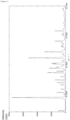
- Figure 3 shows powder X-ray diffraction results of I-form crystals of Compound II-6.
- Example 21 Method for producing II-form crystals of compound II-6
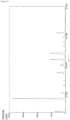
- Figure 4 shows powder X-ray diffraction results of II-form crystals of Compound II-6.
- Methyl acetate 400 mL was added to Compound II-6 (10.00 g), and the compound was heated to dissolve. Methyl acetate (about 230 mL) of the solution was concentrated under reduced pressure, the solution was stirred for 70 minutes at room temperature, and the precipitated crystals were filtered. The obtained crystals were subjected to through-flow drying to obtain III-form crystals (7.87 g) of Compound II-6.
- Figure 5 shows powder X-ray diffraction results of III-form crystals of Compound II-6.
- Test Example 1 Measurement of cap-dependant endonuclease (CEN) inhibitory activity
- RNP was prepared from a virus particle using standard method (Reference Document: VIROLOGY(1976) 73, p327-338 OLGA M. ROCHOVANSKY ). Specifically, A/WSN/33 virus (1 x 10 3 PFU/mL, 200 ⁇ L) was inoculated in a 10 days old embryonated chicken egg. After incubation at 37°C for 2 days, the allantoic fluid of the chicken egg was recovered.
- a virus particle was purified by ultracentrifugation using 20% sucrose, solubilized using TritonX-100 and lysolecithin, and an RNP fraction (50-70% glycerol fraction) was collected by ultracentrifugation using a 30-70% glycerol density gradient, and was used as an enzyme solution (containing approximately 1 nM PB1-PB2-PA complex).
- An enzymatic reaction solution (2.5 ⁇ L) (composition: 53 mM Tris-hydrochloride (pH 7.8), 1 mM MgCl 2 , 1.25 mM dithiothreitol, 80 mM NaCl, 12.5% glycerol, enzyme solution 0.15 ⁇ L) was dispensed into a 384-well plate made of polypropylene. Then, 0.5 pL of a test compound solution which had been serially diluted with dimethyl sulfoxide (DMSO) was added to the plate. As a positive control (PC) or a negative control (NC), 0.5 pL of DMSO was added to the plate respectively. Each plate was mixed well.
- DMSO dimethyl sulfoxide
- PC positive control
- NC negative control
- a substrate solution (1.4 nM substrate RNA, 0.05% Tween20) was added to initiate a reaction. After room temperature incubation for 60 minutes, 1 ⁇ L of the reaction solution was collected and added to 10 pL of a Hi-Di formamide solution (containing GeneScan 120 Liz Size Standard as a sizing marker: manufactured by Applied Biosystems (ABI)) in order to stop the reaction.
- a Hi-Di formamide solution containing GeneScan 120 Liz Size Standard as a sizing marker: manufactured by Applied Biosystems (ABI)
- the reaction was stopped in advance by adding EDTA (4.5 mM) before initiation of the reaction (all concentrations described above are final concentrations).
- the solution for which the reaction was stopped was heated at 85°C for 5 minutes, rapidly cooled on ice for 2 minutes, and analyzed with an ABI PRIZM 3730 genetic analyzer.
- a peak of the cap-dependent endonuclease product was quantitated by analysis software ABI Genemapper, a CEN reaction inhibition ratio (%) of a test compound was obtained by setting fluorescent intensities of PC and NC to be 0% inhibition and 100% inhibition, respectively, an IC 50 value was obtained using curve fitting software (XLfit2.0: Model 205 (manufactured by IDBS) etc.).
- the IC 50 values of test substances being a parent compound are shown in Table 39.
- FCS E-MEM 2% FCS E-MEM was used at the use of MDBK cells, and 0.5% BSA E-MEM was used at the use of MDCK cells.
- BSA E-MEM 0.5% BSA E-MEM was used at the use of MDCK cells.
- test sample was diluted with a culture medium to an appropriate concentration in advance, and then 2 to 5-fold serial dilution on a 96 well plate (50 pL/well) was prepared. Two plates, one for measuring anti-Flu activity and the another for measuring cytotoxity, were prepared. Each assay was performed triplicate for each drug.
- Trypsin was added to the cells to be a final concentration of 3 pg/mL only for measuring anti-Flu activity.
- An influenza virus was diluted with a culture medium to an appropriate concentration in advance, and each 50 pL/well was dispensed on a 96-well plate containing a test substance. Each 50 pL/well of a culture medium was dispensed on a plate containing a test substance for measuring cytotoxity.
- Each 100 pL/well of cells which had been adjusted to the appropriate cell number was dispensed on a 96 well plate containing a test sample.
- the cells in the 96-well plate which had been incubated for 3 days was observed visually under a microscope, and appearance of the cells, the presence or absence of a crystal of test substance were checked. The supernatant was removed so that the cells were not absorbed from the plate.
- WST-8 Kit was diluted 10-fold with a culture medium, and each 100 pL was dispensed into each well. After mixing with a plate mixer, cells were incubated in a CO2 incubator for 1 to 3 hours.
- each 10 pL/well of a 10% SDS solution was dispensed in order to inactivate a virus.
- the value was calculated using Microsoft Excel or a program having the equivalent calculation and processing ability, based on the following calculation equation.
- the parent compounds used in the present invention exhibit high cap-dependent endonuclease (CEN) inhibitory activity and/or high CPE inhibitory effect and thus can be a useful agent for treatment and/or prevention of symptom and/or disease induced by infection with influenza virus.
- CEN cap-dependent endonuclease
- Test Example 3 CYP inhibition test
- CYP1A2 7-ethoxyresorufin O-deethylation
- CYP2C9 mephenytoin 4'-hydroxylation
- CYP2D6 dextromethorphan O-demethylation
- CYP3A4 terfenedine hydroxylation
- reaction conditions were as follows: substrate, 0.5 pmol/L ethoxyresorufin (CYP1A2), 100 pmol/L tolbutamide (CYP2C9), 50 pmol/L S-mephenytoin (CYP2C19), 5 pmol/L dextromethorphan (CYP2D6), 1 pmol/L terfenedine (CYP3A4); reaction time, 15 minutes; reaction temperature, 37°C; enzyme, pooled human hepatic microsome 0.2 mg protein/mL; concentration of a compound used in the present invention, 1, 5, 10, 20 ⁇ mol/L (four points).
- resorufin CYP1A2 metabolite
- CYP1A2 metabolite resorufin in the supernatant was quantified by a fluorescent multilabel counter and toltributamide hydroxide (CYP2C9P metabolite), mephenytoin 4' hydroxide (CYP2C19 metabolite), dextromethorphan (CYP2D6 metabolite), and terfenadine alcohol (CYP3A4 metabolite) were quantified by LC/MS/MS.
- Compound 111-2 five kinds >20pmol/L
- the prodrug had improved bioavailability other than the parent compound.
- the compound used in the present invention has excellent oral absorbability and can be a useful agent for treatment and/or prevention of symptom and/or disease induced by infection with influenza virus.
- a compound used in the present invention was reacted for a constant time, and a remaining rate was calculated by comparing a reacted sample and an unreacted sample, thereby, a degree of metabolism in liver was assessed.
- a reaction was performed (oxidative reaction) at 37 °C for 0 minute or 30 minutes in the presence of 1 mmol/L NADPH in 0.2 mL of a buffer (50 mmol/L Tris-HCl pH 7.4, 150 mmol/L potassium chloride, 10 mmol/L magnesium chloride) containing 0.5 mg protein/mL of human liver microsomes.
- the compound used in the present invention in the supernatant was quantified by LC/MS/MS or Solid Phase Extraction (SPE)/MS, and a remaining amount of the compound used in the present invention after the reaction was calculated, letting a compound amount at 0 minute reaction time to be 100%.
- Hydrolysis reaction was performed in the absence of NADPH and glucuronidation reaction was in the presence of 5 mM UDP-glucuronic acid in place of NADPH, followed by similar operations.
- the CYP3A4 fluorescent MBI test is a test of investigating enhancement of CYP3A4 inhibition of a compound used in the present invention by a metabolism reaction, and the test was performed using, as CYP3A4 enzyme expressed in Escherichia coli and employing, as an index, a reaction in which 7-benzyloxytrifluoromethylcoumarin (7-BFC) is debenzylated by the CYP3A4 enzyme to produce a metabolite, 7-hydroxytrifluoromethylcoumarin (HFC) emitting fluorescent light.
- 7-BFC 7-benzyloxytrifluoromethylcoumarin
- reaction conditions were as follows: substrate, 5.6 ⁇ mol/L 7-BFC; pre-reaction time, 0 or 30 minutes; reaction time, 15 minutes; reaction temperature, 25°C (room temperature); CYP3A4 content (expressed in Escherichia coli), at pre-reaction 62.5 pmol/mL, at reaction 6.25 pmol/mL (at 10-fold dilution); test drug concentration of a compound used in the present invention, 0.625, 1.25, 2.5, 5, 10, 20 ⁇ mol/L (six points).
- the bacteria was suspended in 9 mL of a Micro F buffer (K 2 HPO 4 : 3.5 g/L, KH 2 PO 4 : 1 g/L, (NH 4 ) 2 SO 4 : 1 g/L, trisodium citrate dehydrate: 0.25 g/L, MgSO 4 • 7H 2 O: 0.1 g/L), the suspension was added to 110 mL of an Exposure medium (Micro F buffer containing Biotin: 8 pg/mL, histidine: 0.2 pg/mL, glucose: 8 mg/mL). The TA100 strain was added to 120 mL of the Exposure medium relative to 3.16 mL of the bacterial solution to prepare a test bacterial solution.
- a Micro F buffer K 2 HPO 4 : 3.5 g/L, KH 2 PO 4 : 1 g/L, (NH 4 ) 2 SO 4 : 1 g/L, trisodium citrate dehydrate: 0.25 g/L, MgSO
- DMSO solution of a compound used in the present invention (several stage dilution from maximum dose 50 mg/mL at 2 to 3 fold ratio), DMSO as a negative control, and 50 pg/mL of 4-nitroquinoline-1-oxide DMSO solution for the TA98 strain, 0.25 pg/mL of 2-(2-furyl)-3-(5-nitro-2-furyl)acrylamide DMSO solution for the TA100 strain under the non-metabolism activating condition, 40 pg/mL of 2-aminoanthracene DMSO solution for the TA98 strain, 20 pg/mL of 2-aminoanthracene DMSO solution for the TA100 strain under the metabolism activating condition as a positive control, and 588 pL of the test bacterial solution (a mixed solution of 498 ⁇ l of the test bacterial solution and 90 pL of S9 mix under the metabolism activating condition) were mixed, and this was shaking-cultured at 37°
- 460 pL of the bacterial solution exposed to a compound used in the present invention was mixed with 2300 pL of an Indicator medium (Micro F buffer containing biotin: 8 pg/mL, histidine: 0.2 pg/mL, glucose: 8 mg/mL, Bromo Cresol Purple: 37.5 pg/mL), each 50 pL was dispensed into microplate 48 wells/dose, and this was subjected to stationary culturing at 37°C for 3 days.
- an Indicator medium Micro F buffer containing biotin: 8 pg/mL, histidine: 0.2 pg/mL, glucose: 8 mg/mL, Bromo Cresol Purple: 37.5 pg/mL
- the solubility of the compound used in the present invention was determined under 1% DMSO addition conditions.
- a 10 mmol/L solution of the compound was prepared with DMSO, and 2 pL of the solution of the compound used in the present invention was added, respectively, to 198 pL of JP-1 solution (water were added to 2.0 g of sodium chloride and 7.0 mL of hydrochloric acid to reach 1000 mL) and JP-2 solution (1 volume of water were added to 1 volume of the solution which 3.40 g of potassium dihydrogen phosphate and 3.55 g of anhydrous disodium hydrogen phosphate to reach 1000 mL).
- the mixture was shaken for 1 hour at a room temperature, and the mixture was filtered.
- JP-lst Fluid water was added to 2.0g of sodium chloride in 7.0mL of hydrochloride acid to reach 1000 mL
- JP-2nd Fluid water was added to 500 mL of phosphate buffer solution with a pH of 6.8 and 20mmol /L sodium taurocholate (TCA) / JP-2nd Fluid
- TCA sodium taurocholate
- the mixture was filtered and 100 ⁇ L of methanol was added to 100 ⁇ L of each filtrate (double dilution). Dilution magnification was changed if necessary. After it was confirmed whether there were air bubbles and precipitates in the vials, the vials were shaken with tight stopper. The compound concentration was determined with HPLC by the absolute calibration method.
- Compound 111-2 JP-1 solution; 7.1 pg/mL, JP-2 solution; 4.4 pg/mL, 20 mmol/L TCA/JP-2 solution; 16.1 ⁇ g/mL
- Ames test was performed by using Salmonellas (Salmonella typhimurium) TA 98, TA100, TA1535 and TA1537 and Escherichia coli WP2uvrA as test strains with or without metabolic activation in the pre-incubation method to check the presence or absence of gene mutagenicity of compounds used in the present invention.
- the compound used in the present invention was dissolved at target concentrations and was mixed with a 2.5 v/v% suspension of red blood cells prepared from a defibrinated blood of sheep on a microplate at concentrations of 0.0008 to 0.1 w/v%.
- the mixtures were exposed to 10°J/cm 2 of UV-irradiation within a range of wavelength 290 to 400 nm, UVA and UVB using ultra violet fluorescent lamps, GL20SE and FL20S-BLB lamps manufactured by Sankyo Denki Co., Ltd. and Panasonic Corporation, respectively. After the completion of the irradiation, the mixtures were centrifuged, and a supernatant of the mixture was collected and was located on a microplate.
- the phototoxicity was assessed by measuring an absorbance at wavelength of 540 nm and 630 nm in the supernatant.
- the absorbance data at wavelength of 540 nm and 630 nm were used as indicators of biomembrane damage (photohemolysis %) and hyperoxidation of lipid membrane (methemoglobin formation), respectively.
- the criteria of phototoxicity was as follows; It was judged to be non-phototoxic (-) when the photohemolysis % ⁇ 10 and the maximal change in the absorbance at 630 nm ( ⁇ OD) ⁇ 0.05 were observed. It was judged to be non-phototoxic (+) when the photohemolysis was more than 10% and the maximal change in the absorbance at 630 nm ( ⁇ OD) was more than 0.05.
- the compounds (parent compounds and/or prodrugs) used in the present invention can be useful agents for treatment and/or prevention of symptoms and/or diseases induced by infection with influenza virus.
- Compound III-2 is a compound having a low total body clearance and a long half-life.
- the compound used in the present invention has excellent persistence and can be a useful agent for treatment and/or prevention of symptom and/or disease induced by infection with influenza virus.
- onset is any of the following.
- Eligible subjects were randomly allocated to a Compound II-6 10 mg group, 20 mg group, 40 mg group, and placebo group in a ratio of 1:1:1:1.
- Subjects received a single oral administration of total 3 tables of Compound II-6 tablets and/or placebo tablets in a combination indicated in the following table on Day 1.
- TreatmentG roups Compound 11-6 10 m g tablet Compound 11-6 20 m g tablet Placebo tablet Matching C om pound 11-6 10 m g tablet P lacebo tablet Matching Compound 11-6 20 mg tablet Compound II-6 10 mg tablet 1 tablet - - 2 tablets Compound II-6 20 mg tablet - 1 tablet 1 tablet 1 tablet Compound II-6 40 mg tablet - 2 tablets 1 tablet - Placebo - - 1 tablet 2 tablets
- the main efficacy endpoint is the time to alleviation of influenza symptoms (the time to alleviation of influenza symptoms).
- Alleviation of influenza symptoms refers to when all 7 influenza symptoms (cough, sore throat, headache, nasal congestion, feverishness or chills, muscular or joint pain, fatigue) become "0: none” or "1: mild” in the patient diary that the subject keeps, and this condition continues at least 21.5 hours (24 hours - 10%).
- the secondary efficacy endpoint is as follows.
- the primary analysis and the secondary analysis are described.
- the primary analysis was also performed on the PPS group for sensitivity analysis. Other analyses were performed only on the ITTI group.
- the hazard ratio, 95% confidence interval, and P value of each administered group relative to the placebo group were calculated by a Cox proportional hazard model using the time to alleviation of influenza symptoms as a response, the administered groups as fixed effects, and the current smoking habit and the total score of 7 influenza symptoms at baseline before administration, which are allocation factors, as covariates.
- the P value was adjusted by the Hommel's method.
- the placebo group and each investigational drug administered group were compared by stratified generalized Wilcoxon test using the time to alleviation of influenza symptoms as a response, the administered groups as explanatory variables, and the category (11 points or less, 12 points or more) of the total score of 7 influenza symptoms before administration and the smoking habit, which are allocation factors, as stratification factors.
- a Kaplan-Meier survival curve was drawn for each group to calculate the median time to alleviation of influenza symptoms and the 95% confidence interval thereof.
- the Greenwood's method was used for calculating the confidence interval.
- the per protocol set cases consisted of 368 patients (89 patients (89%) in the 10 mg administered group, 92 patients (92%) in the 20 mg administered group, 96 patients (96%) in the 40 mg administered group, and 91 patients (91%) in the placebo group).
- ITTI Population of each group it was found from the rapid antigen detection test that 75% to 79% of the patients were infected by influenza A virus, and 21% to 25% of the patients were infected by influenza B virus.
- the primary endpoint of this test i.e., the median time until the symptoms were alleviated, was 54.2 hours in the 10 mg administered group (95% CI: 47.7, 66.8), 51.0 hours in the 20 mg administered group (95% CI: 47.7, 66.8), 49.5 hours in the 40 mg administered group (95% CI: 44.5, 64.4), and 77.7 hours in the placebo group (95% Cl: 67.6, 88.7).
- Test drug 10 m g administered group Test drug 20 m g administered group Test drug 40 m g administered group Placebo administered group N (human) 73 77 71 71 Median value (95% CI) (hour) 31.2 (24.9, 39.9) 29.9 (22.8, 37.0) 25.4 (20.5, 28.9) 41.9 (28.7,48.6) D iffurence from placebo (hour) -10.7 -12 16.4 - P value (G .
- Test Example 16 Clinical Test (Ph3: Adults and Adolescents)
- subjects made evaluations by themselves on a 4-point scale [0: none, 1: mild, 2: moderate, 3: severe] concerning the time to alleviation of influenza symptoms (the time from the beginning of administration of the investigational drug until 7 influenza symptoms ("cough", “sore throat”, “headache”, “nasal congestion”, “feverishness or chills”, “muscular or joint pain”, and “fatigue”) were alleviated) to evaluate the efficacy of the investigational drug over the placebo.
- the efficacy and the side effects of the investigational drug were evaluated according to the influenza virus titer using a nasal or throat swab.
- onset is any of the following.
- Eligible patients at 20 to 64 years old were randomly allocated to a group receiving a single administration of Compound 11-6 (40 or 80 mg depending on the body weight), a group receiving 75 mg Oseltamivir twice a day for 5 days, and a placebo group in a ratio of 2:2:1.
- Eligible patients at 12 to 19 years old were randomly allocated to a group receiving a single administration of Compound 11-6 (40 or 80 mg depending on the body weight) and a placebo administered group in a ratio of 2:1.
- the dosage of Compound II-6 was 40 mg for subjects weighing less than 80 kg, and 80 mg for subjects weighing 80 kg or more.
- the main efficacy endpoint is the time to alleviation of influenza symptoms (the time to alleviation of influenza symptoms).
- Alleviation of influenza symptoms refers to when all 7 influenza symptoms (cough, sore throat, headache, nasal congestion, feverishness or chills, muscular or joint pain, fatigue) become "0: none” or "1: mild” in the patient diary that the subject keeps, and this condition continues at least 21.5 hours (24 hours - 10%).
- the secondary efficacy endpoint is as follows.
- the virus titer was measured in the following manner.
- the primary analysis was performed on the ITTI group.
- the placebo group and the investigational drug administered group were compared by stratified generalized Wilcoxon test using the total score of 7 influenza symptoms before administration (11 points or less, 12 points or more) and regions (Japan/Asia, other regions) as stratification factors.
- a Kaplan-Meier survival curve was drawn for each group to calculate the median time to alleviation of influenza symptoms and the 95% confidence interval thereof as well as the difference between the groups in the time to alleviation of influenza symptoms and the 95% confidence interval thereof.
- the per protocol set cases consisted of 990 patients (427 patients in the 40 mg or 80 mg Compound II-6 administered group, 351 patients in the Oseltamivir administered group, and 212 patients in the placebo group).
- the time to alleviation of influenza symptoms was 53.7 hours (95% CI: 49.5, 58.5) in the Compound II-6 group while 80.2 hours (95% CI: 72.6, 87.1) in the placebo group, and the difference between the Compound II-6 group and the placebo group was -26.5 hours.
- the time to alleviation of influenza symptoms of the Compound II-6 group was significantly shorter than that of the placebo group in the primary analysis using a stratified generalized Wilcoxon test (p ⁇ .0001).
- the time to alleviation of influenza symptoms was 53.5 hours (95% CI: 48.0, 58.5) in the Compound II-6 group while 53.8 hours (95% CI: 50.2, 56.4) in the Oseltamivir group, and the difference between the Compound II-6 group and the Oseltamivir group was -0.3 hours. There was no significant difference between the times to alleviation of influenza symptoms of the Compound II-6 group and the Oseltamivir group in the stratified generalized Wilcoxon test.
- Day 2 indicates 24 hours later, as counted from the first day of administration, Day 3 indicates 48 hours later, Day 4 indicates 72 hours later, Day 5 indicates 96 hours later, Day 6 indicates 120 hours later, and Day 9 indicates 192 hours later.
- a vs Placebo or vs Oseltamivir Mantel-Haenszel test. Used the regions and the total score of 7 influenza symptoms before administration as stratification factors, and intended for a group having a positive virus titer before administration.
- the proportion of patients having a positive virus titer was significantly lower in the Compound II-6 group than in the placebo group on Day 2 (Mantel-Haenszel test: p ⁇ .0001), and likewise, significantly lower in the Compound II-6 group than in the placebo group on Day 3 (p ⁇ .0001).
- the proportion of patients having a positive virus titer was significantly lower in the Compound 11-6 group than in the Oseltamivir group on Day 2 and Day 3 (p ⁇ .0001).
- Day 2 indicates 24 hours later, as counted from the first day of administration, Day 3 indicates 48 hours later, Day 4 indicates 72 hours later, Day 5 indicates 96 hours later, Day 6 indicates 120 hours later, and Day 9 indicates 192 hours later.
- a vs Placebo or vs Oseltamivir van Elteren test. Used the regions and the total score of 7 influenza symptoms before administration as stratification factors. Intended for a group having a positive virus titer before administration.
- the virus titer decreased significantly in the Compound 11-6 group as compared to the placebo group on Day 2, and likewise, decreased significantly as compared to the placebo group on Day 3 (van Elteren test: p ⁇ .0001). In the subgroup of patients at 20 years old or older and younger than 65 years old, the virus titer decreased significantly in the Compound 11-6 group as compared to the Oseltamivir group on Day 2 and Day 3 (p ⁇ .0001).
- the time (median) to termination of viral shedding based on virus titer was 24.0 hours in the Compound II-6 group while 96.0 hours in the placebo group, and was significantly shorter in the Compound II-6 group than in the placebo group (stratified generalized Wilcoxon test: p ⁇ .0001).
- the time to termination of viral shedding in the subgroup of patients at 20 years old or older and younger than 65 years old was 24.0 hours in the Compound II-6 group and 72.0 hours in the Oseltamivir group, and was significantly shorter in the Compound II-6 group than in the Oseltamivir group (p ⁇ .0001).
- Test Example 17 Clinical Test (Ph3: Child)
- an investigational drug active ingredient (Compound II-6): 5 mg, 10 mg, 20 mg, 40 mg
- an investigational drug active ingredient (Compound II-6): 5 mg, 10 mg, 20 mg, 40 mg
- guardians or subjects by themselves made evaluations and measurements concerning the time to alleviation of influenza symptoms (the time from the beginning of administration of the investigational drug until influenza symptoms ("cough", "runny nose/nasal congestion", and "fever") were alleviated) to evaluate the efficacy of the investigational drug.
- the main efficacy endpoint is the time to alleviation of influenza symptoms (the time to alleviation of influenza symptoms).
- Alleviation of an influenza symptom refers to the time when a and b below are satisfied from the beginning of administration, and this clinical condition continues at least 21.5 hours (24 hours - 10%).
- the primary analysis is described.
- the primary analysis was performed on the ITTI group.
- a Kaplan-Meier curve of the time to alleviation of influenza symptoms (“cough”, “runny nose/nasal congestion”, and “fever") (the time to alleviation of influenza symptoms) was drawn to calculate the median time to complete alleviation of influenza symptoms and the 95% confidence interval thereof. Patients whose influenza symptoms were not completely alleviated during the observation period were treated as censored cases.
- the time (median) to alleviation of influenza symptoms in the ITTI group was 44.6 hours (95% CI: 38.9, 62.5).
- lactose and calcium stearate are mixed.
- the mixture is crushed, granulated and dried to give a suitable size of granules.
- calcium stearate is added to the granules, and the mixture is compressed and molded to give tablets.
- lactose and calcium stearate are mixed uniformly to obtain powder medicines in the form of powders or fine granules.
- the powder medicines are filled into capsule containers to give capsules.
- lactose and calcium stearate are mixed uniformly and the mixture is compressed and molded. Then, it is crushed, granulated and sieved to give suitable sizes of granules.
- the compounds used in the present invention and crystalline cellulose are mixed, granulated and tablets are made to give orally disintegrated tablets.
- the compounds used in the present invention and lactose are mixed, crushed, granulated and sieved to give suitable sizes of dry syrups.
- the compounds used in the present invention and phosphate buffer are mixed to give injection.
- the compounds used in the present invention and phosphate buffer are mixed to give injection.
- the compound used in the present invention and lactose are mixed and crushed finely to give inhalations.
- the compounds used in the present invention and petrolatum are mixed to give ointments.
- the compounds used in the present invention and base such as adhesive plaster or the like are mixed to give patches.
- the parent compounds used in the present invention have cap-dependent endonuclease (CEN) inhibitory activity after absorption into the body.
- CEN cap-dependent endonuclease
- the compounds (the parent compounds and/or the prodrugs) used in the present invention can be useful agents for treatment and/or prevention of symptom and/or disease induced by infection with influenza virus.
- the pharmaceutical composition is effective for shortening the time to alleviation of influenza symptoms, and is useful for treating and/or preventing an influenza virus infectious disease.
Landscapes
- Health & Medical Sciences (AREA)
- Chemical & Material Sciences (AREA)
- Organic Chemistry (AREA)
- Life Sciences & Earth Sciences (AREA)
- Veterinary Medicine (AREA)
- Medicinal Chemistry (AREA)
- Pharmacology & Pharmacy (AREA)
- Animal Behavior & Ethology (AREA)
- General Health & Medical Sciences (AREA)
- Public Health (AREA)
- Virology (AREA)
- Epidemiology (AREA)
- Chemical Kinetics & Catalysis (AREA)
- Nuclear Medicine, Radiotherapy & Molecular Imaging (AREA)
- General Chemical & Material Sciences (AREA)
- Bioinformatics & Cheminformatics (AREA)
- Engineering & Computer Science (AREA)
- Communicable Diseases (AREA)
- Oncology (AREA)
- Molecular Biology (AREA)
- Pulmonology (AREA)
- Dermatology (AREA)
- Biophysics (AREA)
- Nutrition Science (AREA)
- Zoology (AREA)
- Otolaryngology (AREA)
- Physiology (AREA)
- Pharmaceuticals Containing Other Organic And Inorganic Compounds (AREA)
- Nitrogen And Oxygen Or Sulfur-Condensed Heterocyclic Ring Systems (AREA)
- Pyridine Compounds (AREA)
- Plural Heterocyclic Compounds (AREA)
Applications Claiming Priority (3)
| Application Number | Priority Date | Filing Date | Title |
|---|---|---|---|
| JP2016157732 | 2016-08-10 | ||
| PCT/JP2017/028923 WO2018030463A1 (ja) | 2016-08-10 | 2017-08-09 | 置換された多環性ピリドン誘導体およびそのプロドラッグを含有する医薬組成物 |
| EP17839530.7A EP3498281B1 (de) | 2016-08-10 | 2017-08-09 | Substituiertes polycyclisches pyridonderivat und pharmazeutische zusammensetzung mit einem prodrug davon |
Related Parent Applications (2)
| Application Number | Title | Priority Date | Filing Date |
|---|---|---|---|
| EP17839530.7A Division EP3498281B1 (de) | 2016-08-10 | 2017-08-09 | Substituiertes polycyclisches pyridonderivat und pharmazeutische zusammensetzung mit einem prodrug davon |
| EP17839530.7A Division-Into EP3498281B1 (de) | 2016-08-10 | 2017-08-09 | Substituiertes polycyclisches pyridonderivat und pharmazeutische zusammensetzung mit einem prodrug davon |
Publications (2)
| Publication Number | Publication Date |
|---|---|
| EP4458348A2 true EP4458348A2 (de) | 2024-11-06 |
| EP4458348A3 EP4458348A3 (de) | 2025-01-29 |
Family
ID=61020748
Family Applications (2)
| Application Number | Title | Priority Date | Filing Date |
|---|---|---|---|
| EP17839530.7A Active EP3498281B1 (de) | 2016-08-10 | 2017-08-09 | Substituiertes polycyclisches pyridonderivat und pharmazeutische zusammensetzung mit einem prodrug davon |
| EP24190015.8A Pending EP4458348A3 (de) | 2016-08-10 | 2017-08-09 | Pharmazeutische zusammensetzungen mit substituierten polycyclischen pyridonderivaten und prodrug davon |
Family Applications Before (1)
| Application Number | Title | Priority Date | Filing Date |
|---|---|---|---|
| EP17839530.7A Active EP3498281B1 (de) | 2016-08-10 | 2017-08-09 | Substituiertes polycyclisches pyridonderivat und pharmazeutische zusammensetzung mit einem prodrug davon |
Country Status (23)
| Country | Link |
|---|---|
| US (4) | US10759814B2 (de) |
| EP (2) | EP3498281B1 (de) |
| JP (2) | JP6249434B1 (de) |
| KR (3) | KR20190018469A (de) |
| CN (1) | CN110494141A (de) |
| AR (1) | AR109315A1 (de) |
| AU (2) | AU2017310774B2 (de) |
| CA (1) | CA3033180C (de) |
| CL (2) | CL2019000325A1 (de) |
| CR (1) | CR20190123A (de) |
| ES (1) | ES2989872T3 (de) |
| IL (1) | IL264709B2 (de) |
| MA (1) | MA45939A (de) |
| MX (2) | MX390287B (de) |
| NZ (1) | NZ791086A (de) |
| PE (1) | PE20190662A1 (de) |
| PL (1) | PL3498281T3 (de) |
| RU (1) | RU2727962C1 (de) |
| SG (2) | SG11201900869QA (de) |
| TW (2) | TWI663172B (de) |
| UA (1) | UA125218C2 (de) |
| WO (1) | WO2018030463A1 (de) |
| ZA (2) | ZA201900935B (de) |
Families Citing this family (53)
| Publication number | Priority date | Publication date | Assignee | Title |
|---|---|---|---|---|
| ES2938877T3 (es) * | 2015-04-28 | 2023-04-17 | Shionogi & Co | Derivados de piridona policíclicos sustituidos y profármacos de los mismos |
| CR20180356A (es) * | 2015-12-15 | 2018-08-22 | Shionogi & Co | Un medicamento caracterizado por combinar un inhibidor de la endonucleasa cap-dependiente del virus de la influenza y un fármaco anti-influenza |
| WO2017153919A1 (en) | 2016-03-08 | 2017-09-14 | Novartis Ag | Tricyclic compounds useful to treat orthomyxovirus infections |
| MX2018016267A (es) | 2016-06-20 | 2019-05-20 | Shionogi & Co | Metodo para producir derivado de piridona policiclica sustituida y cristal del mismo. |
| NZ791086A (en) * | 2016-08-10 | 2025-08-29 | Shionogi & Co | Substituted polycyclic pyridone derivative and pharmaceutical composition containing prodrug thereof |
| JOP20170169A1 (ar) | 2016-08-29 | 2019-01-30 | Novartis Ag | مركبات بيريدازين ثلاثية الحلقة مندمجة تفيد في علاج العدوى بفيروس أورثوميكسو |
| CN109721615B (zh) * | 2017-09-18 | 2020-12-29 | 广东东阳光药业有限公司 | 流感病毒复制抑制剂及其用途 |
| CA3078442A1 (en) | 2017-10-06 | 2019-04-11 | Shionogi & Co., Ltd. | Stereoselective process for preparing substituted polycyclic pyridone derivatives |
| KR102477187B1 (ko) * | 2018-01-17 | 2022-12-12 | 장시 카이시 파마슈티컬 테크놀로지 컴퍼니 리미티드 | 피리돈 유도체, 이의 입체 이성질체 및 항인플루엔자 바이러스 약물로서의 응용 |
| CN111303147B (zh) * | 2018-12-12 | 2024-07-02 | 江西彩石医药科技有限公司 | 吡啶酮衍生物、其组合物及作为抗流感病毒药物的应用 |
| CN110041327B (zh) * | 2018-01-17 | 2022-01-21 | 江西彩石医药科技有限公司 | 吡啶酮衍生物、其组合物及作为抗流感病毒药物的应用 |
| MY203207A (en) | 2018-02-28 | 2024-06-14 | Novartis Ag | 10-(di(phenyl)methyl)-4-hydroxy-8,9,9a,10-tetrahydro-7h-pyrrolo[1 ',2':4,5]pyrazino[1,2-b]pyridazine-3,5-dione derivatives and related compounds as inhibitors of the orthomyxovirus replication for treating influenza |
| CN108440564B (zh) * | 2018-04-11 | 2019-08-06 | 安帝康(无锡)生物科技有限公司 | 被取代的多环氨基甲酰基吡啶酮衍生物及其前药 |
| CN112236146B (zh) * | 2018-04-24 | 2025-04-15 | 盐野义制药株式会社 | 稳定性优良的固体制剂 |
| MX395463B (es) | 2018-04-24 | 2025-03-25 | Shionogi & Co | Forma de dosificacion solida que tiene excelente estabilidad |
| CN109956956B (zh) * | 2018-05-15 | 2020-07-07 | 广东东阳光药业有限公司 | 一种并环吡啶酮化合物的制备方法 |
| CN108558907B (zh) * | 2018-06-01 | 2019-08-09 | 海化生命(厦门)科技有限公司 | 一种关键中间体2的制备方法 |
| WO2020020267A1 (zh) * | 2018-07-27 | 2020-01-30 | 深圳市塔吉瑞生物医药有限公司 | 一种取代的多环性吡啶酮化合物及其前药 |
| CN110872247A (zh) * | 2018-08-29 | 2020-03-10 | 上海复星星泰医药科技有限公司 | Xofluza含硫杂环化合物、其中间体及制备方法 |
| WO2020058745A1 (en) * | 2018-09-18 | 2020-03-26 | Shionogi & Co., Ltd. | Treating influenza using substituted polycyclic pyridone derivatives and prodrugs thereof |
| CN111377944A (zh) * | 2018-12-25 | 2020-07-07 | 广东东阳光药业有限公司 | Baloxavir marboxil晶型及其制备方法 |
| US12234246B2 (en) * | 2019-03-05 | 2025-02-25 | Assia Chemical Industries Ltd. | Solid state forms of baloxavir marboxil |
| JP7158808B2 (ja) * | 2019-03-12 | 2022-10-24 | 塩野義製薬株式会社 | インフルエンザ及び合併症リスク因子を有する対象における置換多環式ピリドン誘導体及びそのプロドラッグを用いたインフルエンザの処置 |
| EP3714889A1 (de) | 2019-03-29 | 2020-09-30 | F. Hoffmann-La Roche AG | Verbindung und verfahren zur verhinderung der übertragung des influenzavirus |
| EP3946614A1 (de) * | 2019-04-01 | 2022-02-09 | Nikang Therapeutics, Inc. | Kondensierte polycyclische pyridonverbindungen als influenzavirus-replikationsinhibitoren |
| CN111825699B (zh) * | 2019-04-15 | 2023-02-21 | 上海复星星泰医药科技有限公司 | 含硫杂环化合物及其制备方法 |
| RU2720305C1 (ru) | 2019-05-07 | 2020-04-28 | Андрей Александрович Иващенко | Замещенный 3,4,12,12а-тетрагидро-1Н-[1,4]оксазино[3,4-c]пиридо[2,1-f] [1,2,4]триазин-6,8-дион, фармацевтическая композиция, способы их получения и применения |
| CN111909174B (zh) * | 2019-05-08 | 2022-01-21 | 江西彩石医药科技有限公司 | 吡啶酮衍生物的晶型及制备方法和应用 |
| CN110105372B (zh) * | 2019-06-05 | 2022-05-10 | 南京焕然生物科技有限公司 | 一种r-7-(苄氧基)-四氢-1h-恶嗪并吡啶并-三嗪-6,8-二酮的制备方法 |
| TWI841759B (zh) * | 2019-07-11 | 2024-05-11 | 中國大陸商南京征祥醫藥有限公司 | 可用於治療流感病毒感染之化合物 |
| CA3146423A1 (en) * | 2019-08-13 | 2021-02-18 | Stefan De Buck | Improved dosage of baloxavir marboxil for pediatric patients |
| CN114667138A (zh) * | 2019-08-27 | 2022-06-24 | 归属疗法有限公司 | Mek抑制剂与帽状结构依赖型核酸内切酶抑制剂的组合 |
| CN112552315B (zh) * | 2019-09-26 | 2023-05-23 | 北京澳合药物研究院有限公司 | 一种巴洛沙韦玛波酯及其衍生物的纯化方法 |
| WO2021057834A1 (zh) * | 2019-09-27 | 2021-04-01 | 广东东阳光药业有限公司 | 一种酯化合物的晶型及其制备方法 |
| CN112707862B (zh) * | 2019-10-24 | 2022-09-27 | 广东东阳光药业有限公司 | 一种并环吡啶酮化合物的制备方法 |
| CN115175913B (zh) * | 2019-11-13 | 2023-11-28 | 南京知和医药科技有限公司 | 取代的双三环化合物及其药物组合物和用途 |
| WO2021129602A1 (zh) * | 2019-12-23 | 2021-07-01 | 石家庄迪斯凯威医药科技有限公司 | 取代的多环化合物及其药物组合物和用途 |
| CN113045589B (zh) * | 2019-12-27 | 2024-08-23 | 广东东阳光药业股份有限公司 | 流感病毒复制抑制剂及其用途 |
| CN112898346B (zh) * | 2020-01-23 | 2023-11-10 | 南京知和医药科技有限公司 | 水溶性多环化合物及其药物组合物和用途 |
| CN112940009A (zh) * | 2020-02-03 | 2021-06-11 | 南京知和医药科技有限公司 | 一种磺酸多环化合物及其药物组合物和用途 |
| CN112876510A (zh) * | 2020-02-10 | 2021-06-01 | 石家庄迪斯凯威医药科技有限公司 | 一种磷酸酯类多环化合物及其药物组合物和用途 |
| CN111647005A (zh) * | 2020-06-15 | 2020-09-11 | 安徽皓元药业有限公司 | 巴洛沙韦新晶型及其制备方法 |
| CN111875619B (zh) * | 2020-07-30 | 2021-06-25 | 深圳市新阳唯康科技有限公司 | 巴洛沙韦酯的晶型及其制备方法 |
| CN111961064A (zh) * | 2020-08-25 | 2020-11-20 | 石家庄龙泽制药股份有限公司 | 巴洛沙韦酯的新晶型及其制备方法和应用 |
| CN112409379B (zh) * | 2020-09-28 | 2023-07-28 | 长沙晶易医药科技股份有限公司 | 氘代的二氢二苯并硫杂卓化合物以及包含该化合物的药物组合物 |
| CN112400801B (zh) * | 2020-12-07 | 2022-07-22 | 天津医科大学第二医院 | 一种喉癌前病变动物模型及其构建方法和应用 |
| US20240025921A1 (en) * | 2021-01-08 | 2024-01-25 | Phaeno Therapeutics Co., Ltd. | Pyridone multiple-membered ring derivatives and use thereof |
| CN116829153A (zh) * | 2021-05-10 | 2023-09-29 | 南京征祥医药有限公司 | 治疗流感化合物的晶型及应用 |
| CN117343079B (zh) * | 2022-07-05 | 2024-08-20 | 山东如至生物医药科技有限公司 | 一种新型抗流感病毒化合物及其药物组合物和用途 |
| AU2024252268A1 (en) * | 2023-04-14 | 2025-09-25 | Nanjing Cavendish Bio-Engineering Technology Co., Ltd. | Acyl ethyl ester polycyclic compound, and pharmaceutical composition and use thereof |
| CN116284048B (zh) * | 2023-05-18 | 2023-08-15 | 长沙晶易医药科技股份有限公司 | 一种化合物及其制备方法、药物组合物和用途 |
| CN116969970A (zh) * | 2023-06-21 | 2023-10-31 | 山东大学 | 巴洛沙韦酯晶型b1及其制备方法 |
| WO2025152855A1 (zh) * | 2024-01-16 | 2025-07-24 | 上海翊石医药科技有限公司 | 用于治疗流感的化合物及其制备方法 |
Citations (17)
| Publication number | Priority date | Publication date | Assignee | Title |
|---|---|---|---|---|
| GB2280435A (en) | 1993-07-29 | 1995-02-01 | Merck & Co Inc | Anti-viral agent |
| US5475109A (en) | 1994-10-17 | 1995-12-12 | Merck & Co., Inc. | Dioxobutanoic acid derivatives as inhibitors of influenza endonuclease |
| WO2005016927A1 (ja) | 2003-08-13 | 2005-02-24 | Japan Tobacco Inc. | 含窒素縮合環化合物及びそのhivインテグラーゼ阻害剤としての利用 |
| WO2006066414A1 (en) | 2004-12-23 | 2006-06-29 | Virochem Pharma Inc. | Hydroxydihydropyridopy razine-1,8-diones and methods for inhibiting hiv integrase |
| WO2007049675A1 (ja) | 2005-10-27 | 2007-05-03 | Shionogi & Co., Ltd. | Hivインテグラーゼ阻害活性を有する多環性カルバモイルピリドン誘導体 |
| WO2010147068A1 (ja) | 2009-06-15 | 2010-12-23 | 塩野義製薬株式会社 | 置換された多環性カルバモイルピリドン誘導体 |
| WO2012039414A1 (ja) | 2010-09-24 | 2012-03-29 | 塩野義製薬株式会社 | 置換された多環性カルバモイルピリドン誘導体のプロドラッグ |
| US20130090300A1 (en) | 2011-07-22 | 2013-04-11 | Joseph D. Bauman | Inhibitors of influenza endonuclease activity and tools for their discovery |
| WO2013057251A2 (en) | 2011-10-21 | 2013-04-25 | F. Hoffmann-La Roche Ag | Heteroaryl hydroxamic acid derivatives and their use in the treatment, amelioration or prevention of a viral disease |
| WO2013174930A2 (en) | 2012-05-23 | 2013-11-28 | Savira Pharmaceuticals Gmbh | 7-oxo-thiazolopyridine carbonic acid derivatives and their use in the treatment, amelioration or prevention of a viral disease |
| WO2014023691A1 (en) | 2012-08-06 | 2014-02-13 | Savira Pharmaceuticals Gmbh | Dihydroxypyrimidine carbonic acid derivatives and their use in the treatment, amelioration or prevention of a viral disease |
| WO2014043252A2 (en) | 2012-09-11 | 2014-03-20 | Rutgers, The State University Of New Jersey | Therapeutic hydroxypyridinones, hydroxypyrimidinones and hydroxypyridazinones |
| WO2014074926A1 (en) | 2012-11-09 | 2014-05-15 | Rutgers, The State University Of New Jersey | Therapeutic hydroxyquinolones |
| WO2014108408A1 (en) | 2013-01-08 | 2014-07-17 | Savira Pharmaceuticals Gmbh | Naphthyridinone derivatives and their use in the treatment, amelioration or prevention of a viral disease |
| WO2014108407A1 (en) | 2013-01-08 | 2014-07-17 | Savira Pharmaceuticals Gmbh | Pyridone derivatives and their use in the treatment, amelioration or prevention of a viral disease |
| WO2014108406A1 (en) | 2013-01-08 | 2014-07-17 | Savira Pharmaceuticals Gmbh | Pyrimidone derivatives and their use in the treatment, amelioration or prevention of a viral disease |
| WO2015038655A1 (en) | 2013-09-12 | 2015-03-19 | Alios Biopharma, Inc. | Aza-pyridone compounds and uses thereof |
Family Cites Families (28)
| Publication number | Priority date | Publication date | Assignee | Title |
|---|---|---|---|---|
| US1830312A (en) * | 1919-05-08 | 1931-11-03 | Westinghouse Lamp Co | Electric lamp |
| PL194173B1 (pl) * | 1995-02-27 | 2007-05-31 | Gilead Sciences | Preparat farmaceutyczny zawierający związki będące selektywnymi inhibitorami neuraminidaz wirusowych i bakteryjnych oraz zastosowania tych związków |
| WO2009042502A1 (en) | 2007-09-27 | 2009-04-02 | Air Cruisers Company | Vessel escape slides and associated equipment |
| TWI518084B (zh) | 2009-03-26 | 2016-01-21 | 鹽野義製藥股份有限公司 | 哌喃酮與吡啶酮衍生物之製造方法 |
| JP5766690B2 (ja) | 2010-04-12 | 2015-08-19 | 塩野義製薬株式会社 | インテグラーゼ阻害活性を有するピリドン誘導体 |
| US20130102601A1 (en) | 2011-10-21 | 2013-04-25 | F. Hoffmann-La Roche Ltd | Pyrimidin-4-one derivatives and their use in the treatment, amelioration or prevention of a viral disease |
| KR20150014506A (ko) | 2012-05-23 | 2015-02-06 | 사피라 파르마슈티칼즈 게엠베하 | 바이러스성 질환의 치료, 개선 또는 예방에서 유용한 7-옥소-4,7-디하이드로-피라졸로[1,5-a]피리미딘 유도체 |
| KR102286860B1 (ko) | 2013-09-12 | 2021-08-05 | 얀센 바이오파마, 인코퍼레이트. | 피리다지논 화합물 및 이의 용도 |
| EP3166943A1 (de) | 2014-07-07 | 2017-05-17 | Savira Pharmaceuticals GmbH | Pyridopyrazinverbindungen und deren verwendung bei der behandlung, linderung oder prävention von influenza |
| CA2953862A1 (en) | 2014-07-07 | 2016-01-14 | F. Hoffmann-La Roche Ag | Dihydropyridopyrazine-1,8-diones and their use in the treatment, amelioration or prevention of viral diseases |
| JPWO2016084922A1 (ja) * | 2014-11-28 | 2017-09-07 | 塩野義製薬株式会社 | 1,2,4−トリアジン誘導体およびその医薬組成物 |
| EP4219508B1 (de) * | 2015-04-28 | 2024-06-05 | Shionogi & Co., Ltd | Substituiertes polycyclisches pyridonderivat und prodrug davon |
| ES2938877T3 (es) | 2015-04-28 | 2023-04-17 | Shionogi & Co | Derivados de piridona policíclicos sustituidos y profármacos de los mismos |
| US20170081331A1 (en) | 2015-09-18 | 2017-03-23 | F. Hoffmann-La Roche Ag | Pyrazolopyrazines and their use in the treatment, amelioration or prevention of a viral disease |
| TW201726678A (zh) | 2015-10-30 | 2017-08-01 | 赫孚孟拉羅股份公司 | 嘧啶酮衍生物及其於治療、改善或預防病毒性疾病之用途 |
| CR20180356A (es) | 2015-12-15 | 2018-08-22 | Shionogi & Co | Un medicamento caracterizado por combinar un inhibidor de la endonucleasa cap-dependiente del virus de la influenza y un fármaco anti-influenza |
| WO2017109088A1 (en) | 2015-12-23 | 2017-06-29 | Savira Pharmaceuticals Gmbh | Pyrimidone derivatives and their use in the treatment, amelioration or prevention of a viral disease |
| JP6806413B2 (ja) | 2016-02-03 | 2021-01-06 | 塩野義製薬株式会社 | 多環性ピリドン誘導体およびそのプロドラッグ |
| WO2017153919A1 (en) | 2016-03-08 | 2017-09-14 | Novartis Ag | Tricyclic compounds useful to treat orthomyxovirus infections |
| WO2017156194A1 (en) | 2016-03-08 | 2017-09-14 | The Regents Of The University Of California | Compositions and methods for inhibiting influenza rna polymerase pa endonuclease |
| PL416447A1 (pl) | 2016-03-10 | 2017-09-11 | Międzynarodowy Instytut Biologii Molekularnej i Komórkowej w Warszawie | Inhibitory nukleazy (kompleksu polimerazy) wirusa grypy |
| WO2017158147A1 (en) | 2016-03-18 | 2017-09-21 | Savira Pharmaceuticals Gmbh | Pyrimidone derivatives and their use in the treatment, amelioration or prevention of a viral disease |
| WO2017158151A1 (en) | 2016-03-18 | 2017-09-21 | Savira Pharmaceuticals Gmbh | Pyrimidone derivatives and their use in the treatment, amelioration or prevention of a viral disease |
| MX2018016267A (es) | 2016-06-20 | 2019-05-20 | Shionogi & Co | Metodo para producir derivado de piridona policiclica sustituida y cristal del mismo. |
| WO2017223231A1 (en) | 2016-06-21 | 2017-12-28 | Alios Biopharma, Inc. | (s)-8-(benzhydryl )-6-isopropyl-3,5-dioxo- 5, 6,7,8,-tetrahydro-3h-pyrazino-[1,2-b]pyridazin-yl-isobutyrate antiviral agent for use in treating influenza |
| NZ791086A (en) * | 2016-08-10 | 2025-08-29 | Shionogi & Co | Substituted polycyclic pyridone derivative and pharmaceutical composition containing prodrug thereof |
| JOP20170169A1 (ar) | 2016-08-29 | 2019-01-30 | Novartis Ag | مركبات بيريدازين ثلاثية الحلقة مندمجة تفيد في علاج العدوى بفيروس أورثوميكسو |
| CN108440564B (zh) | 2018-04-11 | 2019-08-06 | 安帝康(无锡)生物科技有限公司 | 被取代的多环氨基甲酰基吡啶酮衍生物及其前药 |
-
2017
- 2017-08-09 NZ NZ791086A patent/NZ791086A/en unknown
- 2017-08-09 MX MX2019001640A patent/MX390287B/es unknown
- 2017-08-09 KR KR1020197000494A patent/KR20190018469A/ko not_active Ceased
- 2017-08-09 JP JP2017545688A patent/JP6249434B1/ja active Active
- 2017-08-09 PL PL17839530.7T patent/PL3498281T3/pl unknown
- 2017-08-09 KR KR1020197000492A patent/KR20190014086A/ko not_active Ceased
- 2017-08-09 RU RU2019104987A patent/RU2727962C1/ru active
- 2017-08-09 EP EP17839530.7A patent/EP3498281B1/de active Active
- 2017-08-09 UA UAA201901914A patent/UA125218C2/uk unknown
- 2017-08-09 MA MA045939A patent/MA45939A/fr unknown
- 2017-08-09 AR ARP170102235A patent/AR109315A1/es unknown
- 2017-08-09 CA CA3033180A patent/CA3033180C/en active Active
- 2017-08-09 KR KR1020197000258A patent/KR20190007517A/ko not_active Ceased
- 2017-08-09 AU AU2017310774A patent/AU2017310774B2/en active Active
- 2017-08-09 EP EP24190015.8A patent/EP4458348A3/de active Pending
- 2017-08-09 WO PCT/JP2017/028923 patent/WO2018030463A1/ja not_active Ceased
- 2017-08-09 ES ES17839530T patent/ES2989872T3/es active Active
- 2017-08-09 CR CR20190123A patent/CR20190123A/es unknown
- 2017-08-09 PE PE2019000351A patent/PE20190662A1/es unknown
- 2017-08-09 US US16/323,580 patent/US10759814B2/en active Active
- 2017-08-09 SG SG11201900869QA patent/SG11201900869QA/en unknown
- 2017-08-09 CN CN201780063164.0A patent/CN110494141A/zh active Pending
- 2017-08-09 SG SG10201912212XA patent/SG10201912212XA/en unknown
- 2017-08-10 TW TW106127161A patent/TWI663172B/zh active
- 2017-08-10 TW TW108115903A patent/TWI711621B/zh active
- 2017-10-24 JP JP2017204957A patent/JP6267397B1/ja active Active
-
2019
- 2019-02-07 IL IL264709A patent/IL264709B2/en unknown
- 2019-02-07 CL CL2019000325A patent/CL2019000325A1/es unknown
- 2019-02-08 MX MX2021010629A patent/MX2021010629A/es unknown
- 2019-02-13 ZA ZA2019/00935A patent/ZA201900935B/en unknown
- 2019-12-18 ZA ZA2019/08427A patent/ZA201908427B/en unknown
-
2020
- 2020-07-24 US US16/937,877 patent/US11306106B2/en active Active
- 2020-08-04 CL CL2020002032A patent/CL2020002032A1/es unknown
-
2022
- 2022-03-08 US US17/689,194 patent/US20220281890A1/en not_active Abandoned
-
2023
- 2023-04-17 AU AU2023202350A patent/AU2023202350B2/en active Active
-
2024
- 2024-09-20 US US18/891,180 patent/US20250257072A1/en active Pending
Patent Citations (17)
| Publication number | Priority date | Publication date | Assignee | Title |
|---|---|---|---|---|
| GB2280435A (en) | 1993-07-29 | 1995-02-01 | Merck & Co Inc | Anti-viral agent |
| US5475109A (en) | 1994-10-17 | 1995-12-12 | Merck & Co., Inc. | Dioxobutanoic acid derivatives as inhibitors of influenza endonuclease |
| WO2005016927A1 (ja) | 2003-08-13 | 2005-02-24 | Japan Tobacco Inc. | 含窒素縮合環化合物及びそのhivインテグラーゼ阻害剤としての利用 |
| WO2006066414A1 (en) | 2004-12-23 | 2006-06-29 | Virochem Pharma Inc. | Hydroxydihydropyridopy razine-1,8-diones and methods for inhibiting hiv integrase |
| WO2007049675A1 (ja) | 2005-10-27 | 2007-05-03 | Shionogi & Co., Ltd. | Hivインテグラーゼ阻害活性を有する多環性カルバモイルピリドン誘導体 |
| WO2010147068A1 (ja) | 2009-06-15 | 2010-12-23 | 塩野義製薬株式会社 | 置換された多環性カルバモイルピリドン誘導体 |
| WO2012039414A1 (ja) | 2010-09-24 | 2012-03-29 | 塩野義製薬株式会社 | 置換された多環性カルバモイルピリドン誘導体のプロドラッグ |
| US20130090300A1 (en) | 2011-07-22 | 2013-04-11 | Joseph D. Bauman | Inhibitors of influenza endonuclease activity and tools for their discovery |
| WO2013057251A2 (en) | 2011-10-21 | 2013-04-25 | F. Hoffmann-La Roche Ag | Heteroaryl hydroxamic acid derivatives and their use in the treatment, amelioration or prevention of a viral disease |
| WO2013174930A2 (en) | 2012-05-23 | 2013-11-28 | Savira Pharmaceuticals Gmbh | 7-oxo-thiazolopyridine carbonic acid derivatives and their use in the treatment, amelioration or prevention of a viral disease |
| WO2014023691A1 (en) | 2012-08-06 | 2014-02-13 | Savira Pharmaceuticals Gmbh | Dihydroxypyrimidine carbonic acid derivatives and their use in the treatment, amelioration or prevention of a viral disease |
| WO2014043252A2 (en) | 2012-09-11 | 2014-03-20 | Rutgers, The State University Of New Jersey | Therapeutic hydroxypyridinones, hydroxypyrimidinones and hydroxypyridazinones |
| WO2014074926A1 (en) | 2012-11-09 | 2014-05-15 | Rutgers, The State University Of New Jersey | Therapeutic hydroxyquinolones |
| WO2014108408A1 (en) | 2013-01-08 | 2014-07-17 | Savira Pharmaceuticals Gmbh | Naphthyridinone derivatives and their use in the treatment, amelioration or prevention of a viral disease |
| WO2014108407A1 (en) | 2013-01-08 | 2014-07-17 | Savira Pharmaceuticals Gmbh | Pyridone derivatives and their use in the treatment, amelioration or prevention of a viral disease |
| WO2014108406A1 (en) | 2013-01-08 | 2014-07-17 | Savira Pharmaceuticals Gmbh | Pyrimidone derivatives and their use in the treatment, amelioration or prevention of a viral disease |
| WO2015038655A1 (en) | 2013-09-12 | 2015-03-19 | Alios Biopharma, Inc. | Aza-pyridone compounds and uses thereof |
Non-Patent Citations (8)
| Title |
|---|
| "Isotopes in the Physical and Biomedical Sciences", vol. 1, 1987, article "Labeled Compounds (Part A" |
| "The world's Knowledge", THE BRITISH LIBRARY |
| ANTIMICROBIAL AGENTS AND CHEMOTHERAPY, December 1994 (1994-12-01), pages 2827 - 2837 |
| ANTIMICROBIAL AGENTS AND CHEMOTHERAPY, May 1996 (1996-05-01), pages 1304 - 1307 |
| JOURNAL OF ORGANIC CHEMISTRY, vol. 80, no. 20, 2015, pages 9868 - 9880 |
| OLGA M. ROCHOVANSKY, VIROLOGY, vol. 73, 1976, pages 327 - 338 |
| PROG. MED., vol. 5, 1985, pages 2157 - 2161 |
| TETRAHEDRON LETT, vol. 36, no. 12, 1995, pages 2009 |
Also Published As
Similar Documents
| Publication | Publication Date | Title |
|---|---|---|
| US20250257072A1 (en) | Pharmaceutical compositions containing substituted polycyclic pyridone derivatives and prodrug thereof | |
| US10633397B2 (en) | Substituted polycyclic pyridone derivatives and prodrugs thereof | |
| US20240327424A1 (en) | Substituted polycyclic pyridone derivatives and prodrugs thereof | |
| US11040048B2 (en) | Medicament for treating influenza characterized by combining a Cap-dependent endonuclease inhibitor and an anti-influenza drug | |
| HK40003033A (en) | Substituted polycyclic pyridone derivative and pharmaceutical composition containing prodrug thereof | |
| BR112019001911B1 (pt) | Composição farmacêutica de derivado de piridona policíclica substituída, cristal e uso dos mesmos | |
| NZ757062B2 (en) | Substituted polycyclic pyridone derivatives and prodrugs thereof |
Legal Events
| Date | Code | Title | Description |
|---|---|---|---|
| PUAI | Public reference made under article 153(3) epc to a published international application that has entered the european phase |
Free format text: ORIGINAL CODE: 0009012 |
|
| STAA | Information on the status of an ep patent application or granted ep patent |
Free format text: STATUS: THE APPLICATION HAS BEEN PUBLISHED |
|
| AC | Divisional application: reference to earlier application |
Ref document number: 3498281 Country of ref document: EP Kind code of ref document: P |
|
| AK | Designated contracting states |
Kind code of ref document: A2 Designated state(s): AL AT BE BG CH CY CZ DE DK EE ES FI FR GB GR HR HU IE IS IT LI LT LU LV MC MK MT NL NO PL PT RO RS SE SI SK SM TR |
|
| REG | Reference to a national code |
Ref country code: DE Ref legal event code: R079 Free format text: PREVIOUS MAIN CLASS: A61K0009060000 Ipc: A61K0031538300 |
|
| PUAL | Search report despatched |
Free format text: ORIGINAL CODE: 0009013 |
|
| AK | Designated contracting states |
Kind code of ref document: A3 Designated state(s): AL AT BE BG CH CY CZ DE DK EE ES FI FR GB GR HR HU IE IS IT LI LT LU LV MC MK MT NL NO PL PT RO RS SE SI SK SM TR |
|
| RIC1 | Information provided on ipc code assigned before grant |
Ipc: A61K 9/48 20060101ALI20241220BHEP Ipc: A61K 9/70 20060101ALI20241220BHEP Ipc: A61K 9/20 20060101ALI20241220BHEP Ipc: A61K 9/16 20060101ALI20241220BHEP Ipc: A61K 9/06 20060101ALI20241220BHEP Ipc: A61K 9/00 20060101ALI20241220BHEP Ipc: A61P 31/16 20060101ALI20241220BHEP Ipc: A61P 31/12 20060101ALI20241220BHEP Ipc: A61K 31/5383 20060101AFI20241220BHEP Ipc: A61P 43/00 20060101ALI20241220BHEP |
|
| STAA | Information on the status of an ep patent application or granted ep patent |
Free format text: STATUS: REQUEST FOR EXAMINATION WAS MADE |
|
| 17P | Request for examination filed |
Effective date: 20250728 |