EP3424767B1 - Kraftfahrzeug - Google Patents
Kraftfahrzeug Download PDFInfo
- Publication number
- EP3424767B1 EP3424767B1 EP18175056.3A EP18175056A EP3424767B1 EP 3424767 B1 EP3424767 B1 EP 3424767B1 EP 18175056 A EP18175056 A EP 18175056A EP 3424767 B1 EP3424767 B1 EP 3424767B1
- Authority
- EP
- European Patent Office
- Prior art keywords
- motor vehicle
- charging
- signal transmitter
- control unit
- vehicle
- Prior art date
- Legal status (The legal status is an assumption and is not a legal conclusion. Google has not performed a legal analysis and makes no representation as to the accuracy of the status listed.)
- Active
Links
Images

Classifications
-
- B—PERFORMING OPERATIONS; TRANSPORTING
- B60—VEHICLES IN GENERAL
- B60R—VEHICLES, VEHICLE FITTINGS, OR VEHICLE PARTS, NOT OTHERWISE PROVIDED FOR
- B60R25/00—Fittings or systems for preventing or indicating unauthorised use or theft of vehicles
- B60R25/40—Features of the power supply for the anti-theft system, e.g. anti-theft batteries, back-up power supply or means to save battery power
- B60R25/406—Power supply in the remote key
-
- B—PERFORMING OPERATIONS; TRANSPORTING
- B60—VEHICLES IN GENERAL
- B60L—PROPULSION OF ELECTRICALLY-PROPELLED VEHICLES; SUPPLYING ELECTRIC POWER FOR AUXILIARY EQUIPMENT OF ELECTRICALLY-PROPELLED VEHICLES; ELECTRODYNAMIC BRAKE SYSTEMS FOR VEHICLES IN GENERAL; MAGNETIC SUSPENSION OR LEVITATION FOR VEHICLES; MONITORING OPERATING VARIABLES OF ELECTRICALLY-PROPELLED VEHICLES; ELECTRIC SAFETY DEVICES FOR ELECTRICALLY-PROPELLED VEHICLES
- B60L1/00—Supplying electric power to auxiliary equipment of vehicles
-
- B—PERFORMING OPERATIONS; TRANSPORTING
- B60—VEHICLES IN GENERAL
- B60R—VEHICLES, VEHICLE FITTINGS, OR VEHICLE PARTS, NOT OTHERWISE PROVIDED FOR
- B60R25/00—Fittings or systems for preventing or indicating unauthorised use or theft of vehicles
-
- B—PERFORMING OPERATIONS; TRANSPORTING
- B60—VEHICLES IN GENERAL
- B60L—PROPULSION OF ELECTRICALLY-PROPELLED VEHICLES; SUPPLYING ELECTRIC POWER FOR AUXILIARY EQUIPMENT OF ELECTRICALLY-PROPELLED VEHICLES; ELECTRODYNAMIC BRAKE SYSTEMS FOR VEHICLES IN GENERAL; MAGNETIC SUSPENSION OR LEVITATION FOR VEHICLES; MONITORING OPERATING VARIABLES OF ELECTRICALLY-PROPELLED VEHICLES; ELECTRIC SAFETY DEVICES FOR ELECTRICALLY-PROPELLED VEHICLES
- B60L1/00—Supplying electric power to auxiliary equipment of vehicles
- B60L1/006—Supplying electric power to auxiliary equipment of vehicles to power outlets
-
- B—PERFORMING OPERATIONS; TRANSPORTING
- B60—VEHICLES IN GENERAL
- B60R—VEHICLES, VEHICLE FITTINGS, OR VEHICLE PARTS, NOT OTHERWISE PROVIDED FOR
- B60R16/00—Electric or fluid circuits specially adapted for vehicles and not otherwise provided for; Arrangement of elements of electric or fluid circuits specially adapted for vehicles and not otherwise provided for
- B60R16/02—Electric or fluid circuits specially adapted for vehicles and not otherwise provided for; Arrangement of elements of electric or fluid circuits specially adapted for vehicles and not otherwise provided for electric constitutive elements
- B60R16/023—Electric or fluid circuits specially adapted for vehicles and not otherwise provided for; Arrangement of elements of electric or fluid circuits specially adapted for vehicles and not otherwise provided for electric constitutive elements for transmission of signals between vehicle parts or subsystems
-
- B—PERFORMING OPERATIONS; TRANSPORTING
- B60—VEHICLES IN GENERAL
- B60R—VEHICLES, VEHICLE FITTINGS, OR VEHICLE PARTS, NOT OTHERWISE PROVIDED FOR
- B60R25/00—Fittings or systems for preventing or indicating unauthorised use or theft of vehicles
- B60R25/01—Fittings or systems for preventing or indicating unauthorised use or theft of vehicles operating on vehicle systems or fittings, e.g. on doors, seats or windscreens
-
- B—PERFORMING OPERATIONS; TRANSPORTING
- B60—VEHICLES IN GENERAL
- B60R—VEHICLES, VEHICLE FITTINGS, OR VEHICLE PARTS, NOT OTHERWISE PROVIDED FOR
- B60R25/00—Fittings or systems for preventing or indicating unauthorised use or theft of vehicles
- B60R25/10—Fittings or systems for preventing or indicating unauthorised use or theft of vehicles actuating a signalling device
-
- E—FIXED CONSTRUCTIONS
- E05—LOCKS; KEYS; WINDOW OR DOOR FITTINGS; SAFES
- E05F—DEVICES FOR MOVING WINGS INTO OPEN OR CLOSED POSITION; CHECKS FOR WINGS; WING FITTINGS NOT OTHERWISE PROVIDED FOR, CONCERNED WITH THE FUNCTIONING OF THE WING
- E05F15/00—Power-operated mechanisms for wings
- E05F15/60—Power-operated mechanisms for wings using electrical actuators
- E05F15/603—Power-operated mechanisms for wings using electrical actuators using rotary electromotors
- E05F15/611—Power-operated mechanisms for wings using electrical actuators using rotary electromotors for swinging wings
-
- E—FIXED CONSTRUCTIONS
- E05—LOCKS; KEYS; WINDOW OR DOOR FITTINGS; SAFES
- E05F—DEVICES FOR MOVING WINGS INTO OPEN OR CLOSED POSITION; CHECKS FOR WINGS; WING FITTINGS NOT OTHERWISE PROVIDED FOR, CONCERNED WITH THE FUNCTIONING OF THE WING
- E05F15/00—Power-operated mechanisms for wings
- E05F15/70—Power-operated mechanisms for wings with automatic actuation
- E05F15/77—Power-operated mechanisms for wings with automatic actuation using wireless control
-
- G—PHYSICS
- G07—CHECKING-DEVICES
- G07C—TIME OR ATTENDANCE REGISTERS; REGISTERING OR INDICATING THE WORKING OF MACHINES; GENERATING RANDOM NUMBERS; VOTING OR LOTTERY APPARATUS; ARRANGEMENTS, SYSTEMS OR APPARATUS FOR CHECKING NOT PROVIDED FOR ELSEWHERE
- G07C9/00—Individual registration on entry or exit
- G07C9/00174—Electronically operated locks; Circuits therefor; Nonmechanical keys therefor, e.g. passive or active electrical keys or other data carriers without mechanical keys
- G07C9/00182—Electronically operated locks; Circuits therefor; Nonmechanical keys therefor, e.g. passive or active electrical keys or other data carriers without mechanical keys operated with unidirectional data transmission between data carrier and locks
-
- G—PHYSICS
- G07—CHECKING-DEVICES
- G07C—TIME OR ATTENDANCE REGISTERS; REGISTERING OR INDICATING THE WORKING OF MACHINES; GENERATING RANDOM NUMBERS; VOTING OR LOTTERY APPARATUS; ARRANGEMENTS, SYSTEMS OR APPARATUS FOR CHECKING NOT PROVIDED FOR ELSEWHERE
- G07C9/00—Individual registration on entry or exit
- G07C9/00174—Electronically operated locks; Circuits therefor; Nonmechanical keys therefor, e.g. passive or active electrical keys or other data carriers without mechanical keys
- G07C9/00309—Electronically operated locks; Circuits therefor; Nonmechanical keys therefor, e.g. passive or active electrical keys or other data carriers without mechanical keys operated with bidirectional data transmission between data carrier and locks
-
- H—ELECTRICITY
- H02—GENERATION; CONVERSION OR DISTRIBUTION OF ELECTRIC POWER
- H02J—ELECTRIC POWER NETWORKS; CIRCUIT ARRANGEMENTS OR SYSTEMS FOR SUPPLYING OR DISTRIBUTING ELECTRIC POWER; SYSTEMS FOR STORING ELECTRIC ENERGY
- H02J50/00—Circuit arrangements or systems for wireless supply or distribution of electric power
- H02J50/10—Circuit arrangements or systems for wireless supply or distribution of electric power using inductive coupling
-
- H—ELECTRICITY
- H02—GENERATION; CONVERSION OR DISTRIBUTION OF ELECTRIC POWER
- H02J—ELECTRIC POWER NETWORKS; CIRCUIT ARRANGEMENTS OR SYSTEMS FOR SUPPLYING OR DISTRIBUTING ELECTRIC POWER; SYSTEMS FOR STORING ELECTRIC ENERGY
- H02J7/00—Circuit arrangements for charging or discharging batteries or for supplying loads from batteries
- H02J7/70—Circuit arrangements for charging or discharging batteries or for supplying loads from batteries characterised by the mechanical construction
- H02J7/751—Circuit arrangements for charging or discharging batteries or for supplying loads from batteries characterised by the mechanical construction concerning the insertion or the connection of the batteries
-
- H—ELECTRICITY
- H04—ELECTRIC COMMUNICATION TECHNIQUE
- H04M—TELEPHONIC COMMUNICATION
- H04M1/00—Substation equipment, e.g. for use by subscribers
- H04M1/72—Mobile telephones; Cordless telephones, i.e. devices for establishing wireless links to base stations without route selection
- H04M1/724—User interfaces specially adapted for cordless or mobile telephones
- H04M1/72403—User interfaces specially adapted for cordless or mobile telephones with means for local support of applications that increase the functionality
- H04M1/72409—User interfaces specially adapted for cordless or mobile telephones with means for local support of applications that increase the functionality by interfacing with external accessories
- H04M1/72412—User interfaces specially adapted for cordless or mobile telephones with means for local support of applications that increase the functionality by interfacing with external accessories using two-way short-range wireless interfaces
-
- H—ELECTRICITY
- H04—ELECTRIC COMMUNICATION TECHNIQUE
- H04W—WIRELESS COMMUNICATION NETWORKS
- H04W12/00—Security arrangements; Authentication; Protecting privacy or anonymity
- H04W12/04—Key management, e.g. using generic bootstrapping architecture [GBA]
-
- H—ELECTRICITY
- H04—ELECTRIC COMMUNICATION TECHNIQUE
- H04W—WIRELESS COMMUNICATION NETWORKS
- H04W4/00—Services specially adapted for wireless communication networks; Facilities therefor
- H04W4/80—Services using short range communication, e.g. near-field communication [NFC], radio-frequency identification [RFID] or low energy communication
-
- H—ELECTRICITY
- H04—ELECTRIC COMMUNICATION TECHNIQUE
- H04W—WIRELESS COMMUNICATION NETWORKS
- H04W76/00—Connection management
- H04W76/10—Connection setup
- H04W76/14—Direct-mode setup
-
- E—FIXED CONSTRUCTIONS
- E05—LOCKS; KEYS; WINDOW OR DOOR FITTINGS; SAFES
- E05Y—INDEXING SCHEME ASSOCIATED WITH SUBCLASSES E05D AND E05F, RELATING TO CONSTRUCTION ELEMENTS, ELECTRIC CONTROL, POWER SUPPLY, POWER SIGNAL OR TRANSMISSION, USER INTERFACES, MOUNTING OR COUPLING, DETAILS, ACCESSORIES, AUXILIARY OPERATIONS NOT OTHERWISE PROVIDED FOR, APPLICATION THEREOF
- E05Y2201/00—Constructional elements; Accessories therefor
- E05Y2201/40—Motors; Magnets; Springs; Weights; Accessories therefor
- E05Y2201/43—Motors
- E05Y2201/434—Electromotors; Details thereof
-
- E—FIXED CONSTRUCTIONS
- E05—LOCKS; KEYS; WINDOW OR DOOR FITTINGS; SAFES
- E05Y—INDEXING SCHEME ASSOCIATED WITH SUBCLASSES E05D AND E05F, RELATING TO CONSTRUCTION ELEMENTS, ELECTRIC CONTROL, POWER SUPPLY, POWER SIGNAL OR TRANSMISSION, USER INTERFACES, MOUNTING OR COUPLING, DETAILS, ACCESSORIES, AUXILIARY OPERATIONS NOT OTHERWISE PROVIDED FOR, APPLICATION THEREOF
- E05Y2400/00—Electronic control; Electrical power; Power supply; Power or signal transmission; User interfaces
- E05Y2400/10—Electronic control
- E05Y2400/30—Electronic control of motors
-
- E—FIXED CONSTRUCTIONS
- E05—LOCKS; KEYS; WINDOW OR DOOR FITTINGS; SAFES
- E05Y—INDEXING SCHEME ASSOCIATED WITH SUBCLASSES E05D AND E05F, RELATING TO CONSTRUCTION ELEMENTS, ELECTRIC CONTROL, POWER SUPPLY, POWER SIGNAL OR TRANSMISSION, USER INTERFACES, MOUNTING OR COUPLING, DETAILS, ACCESSORIES, AUXILIARY OPERATIONS NOT OTHERWISE PROVIDED FOR, APPLICATION THEREOF
- E05Y2400/00—Electronic control; Electrical power; Power supply; Power or signal transmission; User interfaces
- E05Y2400/61—Power supply
- E05Y2400/612—Batteries
- E05Y2400/614—Batteries charging thereof
-
- E—FIXED CONSTRUCTIONS
- E05—LOCKS; KEYS; WINDOW OR DOOR FITTINGS; SAFES
- E05Y—INDEXING SCHEME ASSOCIATED WITH SUBCLASSES E05D AND E05F, RELATING TO CONSTRUCTION ELEMENTS, ELECTRIC CONTROL, POWER SUPPLY, POWER SIGNAL OR TRANSMISSION, USER INTERFACES, MOUNTING OR COUPLING, DETAILS, ACCESSORIES, AUXILIARY OPERATIONS NOT OTHERWISE PROVIDED FOR, APPLICATION THEREOF
- E05Y2400/00—Electronic control; Electrical power; Power supply; Power or signal transmission; User interfaces
- E05Y2400/65—Power or signal transmission
- E05Y2400/66—Wireless transmission
- E05Y2400/664—Wireless transmission by radio waves
-
- E—FIXED CONSTRUCTIONS
- E05—LOCKS; KEYS; WINDOW OR DOOR FITTINGS; SAFES
- E05Y—INDEXING SCHEME ASSOCIATED WITH SUBCLASSES E05D AND E05F, RELATING TO CONSTRUCTION ELEMENTS, ELECTRIC CONTROL, POWER SUPPLY, POWER SIGNAL OR TRANSMISSION, USER INTERFACES, MOUNTING OR COUPLING, DETAILS, ACCESSORIES, AUXILIARY OPERATIONS NOT OTHERWISE PROVIDED FOR, APPLICATION THEREOF
- E05Y2400/00—Electronic control; Electrical power; Power supply; Power or signal transmission; User interfaces
- E05Y2400/80—User interfaces
- E05Y2400/85—User input means
- E05Y2400/8505—User authentication, e.g. biometric
-
- E—FIXED CONSTRUCTIONS
- E05—LOCKS; KEYS; WINDOW OR DOOR FITTINGS; SAFES
- E05Y—INDEXING SCHEME ASSOCIATED WITH SUBCLASSES E05D AND E05F, RELATING TO CONSTRUCTION ELEMENTS, ELECTRIC CONTROL, POWER SUPPLY, POWER SIGNAL OR TRANSMISSION, USER INTERFACES, MOUNTING OR COUPLING, DETAILS, ACCESSORIES, AUXILIARY OPERATIONS NOT OTHERWISE PROVIDED FOR, APPLICATION THEREOF
- E05Y2400/00—Electronic control; Electrical power; Power supply; Power or signal transmission; User interfaces
- E05Y2400/80—User interfaces
- E05Y2400/85—User input means
- E05Y2400/8515—Smart phones; Tablets
-
- E—FIXED CONSTRUCTIONS
- E05—LOCKS; KEYS; WINDOW OR DOOR FITTINGS; SAFES
- E05Y—INDEXING SCHEME ASSOCIATED WITH SUBCLASSES E05D AND E05F, RELATING TO CONSTRUCTION ELEMENTS, ELECTRIC CONTROL, POWER SUPPLY, POWER SIGNAL OR TRANSMISSION, USER INTERFACES, MOUNTING OR COUPLING, DETAILS, ACCESSORIES, AUXILIARY OPERATIONS NOT OTHERWISE PROVIDED FOR, APPLICATION THEREOF
- E05Y2900/00—Application of doors, windows, wings or fittings thereof
- E05Y2900/50—Application of doors, windows, wings or fittings thereof for vehicles
- E05Y2900/53—Type of wing
- E05Y2900/531—Doors
-
- H—ELECTRICITY
- H02—GENERATION; CONVERSION OR DISTRIBUTION OF ELECTRIC POWER
- H02J—ELECTRIC POWER NETWORKS; CIRCUIT ARRANGEMENTS OR SYSTEMS FOR SUPPLYING OR DISTRIBUTING ELECTRIC POWER; SYSTEMS FOR STORING ELECTRIC ENERGY
- H02J2105/00—Networks for supplying or distributing electric power characterised by their spatial reach or by the load
- H02J2105/30—Networks for supplying or distributing electric power characterised by their spatial reach or by the load the load networks being external to vehicles, i.e. exchanging power with vehicles
- H02J2105/33—Networks for supplying or distributing electric power characterised by their spatial reach or by the load the load networks being external to vehicles, i.e. exchanging power with vehicles exchanging power with road vehicles
- H02J2105/37—Networks for supplying or distributing electric power characterised by their spatial reach or by the load the load networks being external to vehicles, i.e. exchanging power with vehicles exchanging power with road vehicles exchanging power with electric vehicles [EV] or with hybrid electric vehicles [HEV]
-
- H—ELECTRICITY
- H02—GENERATION; CONVERSION OR DISTRIBUTION OF ELECTRIC POWER
- H02J—ELECTRIC POWER NETWORKS; CIRCUIT ARRANGEMENTS OR SYSTEMS FOR SUPPLYING OR DISTRIBUTING ELECTRIC POWER; SYSTEMS FOR STORING ELECTRIC ENERGY
- H02J7/00—Circuit arrangements for charging or discharging batteries or for supplying loads from batteries
- H02J7/34—Parallel operation in networks using both storage and other DC sources, e.g. providing buffering
- H02J7/342—The other DC source being a battery actively interacting with the first one, i.e. battery to battery charging
-
- H—ELECTRICITY
- H02—GENERATION; CONVERSION OR DISTRIBUTION OF ELECTRIC POWER
- H02J—ELECTRIC POWER NETWORKS; CIRCUIT ARRANGEMENTS OR SYSTEMS FOR SUPPLYING OR DISTRIBUTING ELECTRIC POWER; SYSTEMS FOR STORING ELECTRIC ENERGY
- H02J7/00—Circuit arrangements for charging or discharging batteries or for supplying loads from batteries
- H02J7/90—Regulation of charging or discharging current or voltage
- H02J7/933—Regulation of charging or discharging current or voltage the cycle being controlled or terminated in response to electric parameters
-
- Y—GENERAL TAGGING OF NEW TECHNOLOGICAL DEVELOPMENTS; GENERAL TAGGING OF CROSS-SECTIONAL TECHNOLOGIES SPANNING OVER SEVERAL SECTIONS OF THE IPC; TECHNICAL SUBJECTS COVERED BY FORMER USPC CROSS-REFERENCE ART COLLECTIONS [XRACs] AND DIGESTS
- Y02—TECHNOLOGIES OR APPLICATIONS FOR MITIGATION OR ADAPTATION AGAINST CLIMATE CHANGE
- Y02T—CLIMATE CHANGE MITIGATION TECHNOLOGIES RELATED TO TRANSPORTATION
- Y02T10/00—Road transport of goods or passengers
- Y02T10/60—Other road transportation technologies with climate change mitigation effect
- Y02T10/70—Energy storage systems for electromobility, e.g. batteries
-
- Y—GENERAL TAGGING OF NEW TECHNOLOGICAL DEVELOPMENTS; GENERAL TAGGING OF CROSS-SECTIONAL TECHNOLOGIES SPANNING OVER SEVERAL SECTIONS OF THE IPC; TECHNICAL SUBJECTS COVERED BY FORMER USPC CROSS-REFERENCE ART COLLECTIONS [XRACs] AND DIGESTS
- Y02—TECHNOLOGIES OR APPLICATIONS FOR MITIGATION OR ADAPTATION AGAINST CLIMATE CHANGE
- Y02T—CLIMATE CHANGE MITIGATION TECHNOLOGIES RELATED TO TRANSPORTATION
- Y02T10/00—Road transport of goods or passengers
- Y02T10/60—Other road transportation technologies with climate change mitigation effect
- Y02T10/7072—Electromobility specific charging systems or methods for batteries, ultracapacitors, supercapacitors or double-layer capacitors
-
- Y—GENERAL TAGGING OF NEW TECHNOLOGICAL DEVELOPMENTS; GENERAL TAGGING OF CROSS-SECTIONAL TECHNOLOGIES SPANNING OVER SEVERAL SECTIONS OF THE IPC; TECHNICAL SUBJECTS COVERED BY FORMER USPC CROSS-REFERENCE ART COLLECTIONS [XRACs] AND DIGESTS
- Y02—TECHNOLOGIES OR APPLICATIONS FOR MITIGATION OR ADAPTATION AGAINST CLIMATE CHANGE
- Y02T—CLIMATE CHANGE MITIGATION TECHNOLOGIES RELATED TO TRANSPORTATION
- Y02T90/00—Enabling technologies or technologies with a potential or indirect contribution to GHG emissions mitigation
- Y02T90/10—Technologies relating to charging of electric vehicles
- Y02T90/16—Information or communication technologies improving the operation of electric vehicles
Definitions
- the present invention relates to a motor vehicle which is equipped with an electric door locking mechanism, a radio-based receiver for receiving an access authorization code and a charging device for charging an electric signal transmitter.
- the invention also relates to a method with which a signal transmitter for opening the motor vehicle can be charged using the disclosed motor vehicle.
- Radio-based, electrical door locking mechanisms are to be regarded as the standard in motor vehicles today.
- the traditional, mechanical ignition lock is dispensed with in many motor vehicles and replaced by a simple start / stop button.
- the signal transmitters used often have additional functionalities that go beyond the actual opening and closing of the motor vehicle.
- Information for personalizing the motor vehicle can be stored in such signal transmitters. After opening the motor vehicle, selected parameters, for example the setting of the seats, can be adapted to the key and thus to the user.
- Future solutions provide that a special, vehicle-specific signal transmitter is completely dispensed with in order to open the motor vehicle.
- mobile telephone devices are used, especially smartphones that are equipped with special software.
- This software enables the generation of an access authorization code with subsequent transmission to the motor vehicle.
- the software is typically implemented in the form of a so-called app.
- the mobile phone device then takes over the functionality of the signal transmitter.
- the problem can arise in daily operation that the signal transmitter has an insufficient charge state to open the motor vehicle.
- a solution must therefore be sought with which the driver can get into the motor vehicle despite the failure of the radio-based signal transmitter.
- a mobile identification transmitter for a security system for keyless activation of a locking device in particular for an access system of a motor vehicle, with a housing in which at least an electronics unit with an energy store and a communication module is arranged for connection to the locking device.
- a radio system for a vehicle comprising a vehicle antenna device for sending data and / or energy to a vehicle key antenna device and at least one resonant coupling coil, the resonant coupling coil being spatially assigned to the vehicle antenna device in such a way that the vehicle key antenna device is in operative connection with the at least one resonant coupling coil when sending the data and / or the energy from the vehicle antenna device to the vehicle key antenna device.
- a vehicle with the radio system according to the invention is also described.
- a system which allows access to a vehicle when the main battery is unable to provide sufficient power to operate the vehicle electrical lock.
- the system comprises an access device for identifying an authorized user of the vehicle, a means positioned in the vehicle for authenticating the remote access device, a means positioned in the vehicle for placing the electrical lock in a locked or an unlocked state following the authentication of the remote access device by the authentication means , a means positioned in the vehicle for transferring energy from an external energy supply to the authentication means and to the means for placing the electrical lock in a locked or an unlocked state, and an external energy supply which can be connected to the energy transfer means in order to provide the authentication means and energize the means for placing the electrical lock in a locked or an unlocked state to thereby authenticate the remote access s device and to effect the unlocking / locking of the vehicle.
- a vehicle system comprising at least one additional electrical device and an electronic control unit of a motor vehicle which is designed to monitor a charge state of the at least one additional electrical device, wherein the at least one additional electrical device has an electrical energy store for storing energy for operating the at least one having electrical auxiliary device and the electronic control unit of the motor vehicle an energy detection device for detecting a state of charge of the energy store of the at least one additional electrical device and an evaluation unit coupled to the energy detection device for comparing the state of charge of the energy store of the at least one additional electrical device with a predetermined value for the state of charge and for generating a warning signal if the state of charge of the energy store of the at least one additional electrical device is less than the specified value for the state of charge, wherein the at least one additional electrical device communicates in the active state with the electronic control unit of the motor vehicle via a wireless communication link.
- the access system comprises an access point module and a smartphone for transmitting an identification and proximity signal.
- the access system allows the user to program or set the distance to activate the passive release of the locking mechanism using an indicator of the radio signal strength of the smartphone.
- a method for controlling systems of a vehicle with a mobile phone is described.
- the mobile phone is connected to the vehicle via a user interface.
- a wireless connection is established between the vehicle and the mobile phone, and a distance is determined between the mobile phone and the vehicle. Depending on the distance, the locks of the vehicle can be unlocked.
- the font CN 204334047 U discloses charging a battery of a signal transmitter for opening a vehicle from within the vehicle.
- the technical effect that can be achieved with the disclosed solution is to describe a motor vehicle equipped with an electrically operated, radio-based door locking mechanism which, if the signal transmitter is inadequately charged, provides a charging facility so that the motor vehicle can be opened after a minimum amount of electrical energy has been drawn.
- the motor vehicle described in the invention has an electric door locking mechanism, a radio-based signal receiver and at least one control unit.
- a driver approaches the motor vehicle, he typically gains access to the motor vehicle by actuating a signal transmitter.
- a signal transmitter In addition to the known radio keys, mobile telephone devices in the form of smartphones are used as signal transmitters. Smartphones are becoming increasingly important in this context. They can be upgraded as digital keys with an appropriate software application and thus take over the function of the signal transmitter.
- the invention proposes a charging device attached in / or on the motor vehicle that is accessible from the outside. According to the invention, this charging device can be electrically connected to the signal transmitter.
- a control unit located in the motor vehicle is designed in such a way that it can control the charging process until a charge state sufficient to open the motor vehicle is reached.
- the charging device is designed according to the functional principle of induction.
- coils are installed in easily accessible places on the motor vehicle.
- the signal transmitter can be placed on one of the coils for charging. Preferred locations for the arrangement of such a coil are in particular in the area of the black tint of the windshield or behind corresponding body parts.
- connection between the charging device and the signal transmitter is established by means of a cable.
- This cable is preferably arranged in a cable compartment protected from environmental influences. If required, the charging cable can be connected to the signal transmitter with the aid of a plug.
- the at least one control unit is designed in such a way that it enables the signal transmitter to be authorized.
- Different authorization techniques are possible here, depending on the type of signal transmitter.
- Passive transponders are particularly suitable. If such a transponder is brought into the vicinity of the charging device, the control unit recognizes that the signal transmitter is authorized to charge.
- a solution would be both in which the transponder is an independent unit, e.g. is designed in the form of a key fob as well as a solution in which the transponder is permanently attached in or on the signal transmitter.
- the signal transmitter is a mobile telephone device, e.g. a smartphone, a transponder arranged inside the device would be a suitable solution.
- the at least one control unit is designed in such a way that it enables the amount of energy that can be drawn from the vehicle electrical system to be limited.
- different removal strategies can be stored in the control unit.
- the withdrawal is ended after a defined period of time.
- a new charging cycle can only be started after a certain waiting time, the pause between two charging cycles preferably becoming longer with each cycle.
- the amount of energy that can be drawn is controlled.
- the charging cycle is ended.
- a new charging cycle can only be started after a defined waiting time has elapsed.
- control unit is designed so that the voltage remaining in the vehicle electrical system can be checked before the start of the charging process (self-protection).
- control has a function for monitoring the vehicle electrical system voltage. If this falls below a predefined value, external loading is not enabled or is canceled.
- a function for outputting status messages is implemented in the control unit.
- Status reports of this type can in particular be output after successful contacting of the signal generator, successful authorization and the termination or interruption of a charging process.
- Fig. 1 shows a commercially available smartphone 1 that is to be used as a signal transmitter for opening the motor vehicle.
- a corresponding app 2 is installed on this device, which acts as a digital key.
- this app is able to carry out additional functions (e.g. the transmission of personalized information for presetting motor vehicle functions or settings).
- Figs. 2, 3 and 4 show the structure of the motor vehicle and preferred arrangement variants for the charging device.
- Fig. 2 a solution is shown in which the motor vehicle 3 has several coils 5 for inductive charging of a smartphone 1.
- the coils 5 are preferably attached in the area of the black tint of the windshield or behind suitable, non-metallic body parts.
- a charging cable 9 is provided here for connecting the signal transmitter 1 to the charging device.
- This charging cable is preferably arranged behind a flap in a charging cable compartment 8 in order to protect it from the weather.
- the starting point for the method is the approach of the driver to his motor vehicle 3 and his wish to open it with the aid of the signal transmitter 1. If the driver notices that the signal transmitter 1 is not sufficiently charged or has possibly already switched off completely, the opening of the motor vehicle 3 fails. In order to still be able to get into the motor vehicle 3, reloading is necessary.
- a mobile telephone device 1 If it is a mobile telephone device 1 and it has a device for inductive charging, in a first method step 100 the device approaches one of the existing charging coils 5 or places it on the corresponding surface. Alternatively, he opens a charging cable compartment 8 and, in method step 100, connects the mobile telephone device to the charging cable hidden therein.
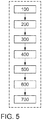
- a status signal is first output to the user in a step 200. This shows him that the necessary electrical contact has been made.
- the authorization of the signal generator 1 takes place. If this is successful and the on-board network of the motor vehicle 1 has sufficient voltage for a charging process, a corresponding status signal is output in step 400 in a preferred embodiment.
- step 500 The start of the charging process takes place in step 500.
- This method step is also indicated to the user in step 600 in a preferred embodiment by outputting a status signal.
- step 700 After the charging time has elapsed or after a defined amount of energy has been transferred, the charging process is ended (step 700). In a further method step 800, this end is indicated to the user in the preferred embodiment by a corresponding status signal that is output by the control unit 6.
Landscapes
- Engineering & Computer Science (AREA)
- Power Engineering (AREA)
- Mechanical Engineering (AREA)
- Computer Networks & Wireless Communication (AREA)
- Transportation (AREA)
- Signal Processing (AREA)
- Physics & Mathematics (AREA)
- General Physics & Mathematics (AREA)
- Computer Security & Cryptography (AREA)
- Human Computer Interaction (AREA)
- Electric Propulsion And Braking For Vehicles (AREA)
- Charge And Discharge Circuits For Batteries Or The Like (AREA)
- Lock And Its Accessories (AREA)
Description
- Die vorliegende Erfindung betrifft ein Kraftfahrzeug, welches mit einem elektrischen Türschließmechanismus, einem funkbasiertem Empfänger zum Empfang eines Zugangsberechtigungscodes und einer Ladevorrichtung zum Laden eines elektrischen Signalgebers ausgestattet ist. Ferner betrifft die Erfindung ein Verfahren, mit dem unter Nutzung des offenbarten Kraftfahrzeuges ein Signalgeber zur Öffnung des Kraftfahrzeuges aufgeladen werden kann.
- Funkbasierte, elektrische Türschließmechanismen sind in Kraftfahrzeugen heutzutage als Standard anzusehen. Gleichzeitig wird in vielen Kraftfahrzeugen auf das traditionelle, mechanische Zündschloss verzichtet und durch einen einfachen Start-/Stopp-Knopf ersetzt.
- Mit dem Entfall des traditionellen Zündschlosses ist auch der mechanische Schlüssel entbehrlich. Stattdessen werden zum Türöffnen und -schließen elektrische Signalgeber eingesetzt.
- Diese Signalgeber waren ursprünglich in den mechanischen Schlüssel integriert. Zwischenzeitlich finden jedoch auch andere Bauformen, z.B. scheckkartenähnliche Signalgeber Verwendung.
- Zusätzlich weisen die eingesetzten Signalgeber häufig ergänzende Funktionalitäten auf, die über das eigentliche Öffnen und Schließen des Kraftfahrzeuges hinausgehen. So lassen sich in derartigen Signalgebern Informationen zur Personalisierung des Kraftfahrzeuges abspeichern. Nach dem Öffnen des Kraftfahrzeuges können damit ausgewählte Parameterzum Beispiel die Einstellung der Sitze - bereits auf den Schlüssel und damit den Benutzer angepasst werden.
- Zukünftige Lösungen sehen vor, dass zum Öffnen des Kraftfahrzeuges auf einen speziellen, kraftfahrzeugspezifischen Signalgeber vollständig verzichtet wird. Stattdessen werden Mobiltelefongeräte verwendet, insbesondere Smartphones, die mit Hilfe einer speziellen Software ausgestattet sind. Diese Software ermöglicht die Generierung eines Zugangsberechtigungscodes mit anschließender Übertragung an das Kraftfahrzeug. Typischerweise wird die Software in Form einer sogenannten App realisiert. Damit übernimmt das Mobiltelefongerät die Funktionalität des Signalgebers.
- Unabhängig von der Ausführung des Signalgebers kann im täglichen Betrieb das Problem auftreten, dass der Signalgeber einen unzureichenden Ladezustand zum Öffnen des Kraftfahrzeuges aufweist. Es muss daher nach einer Lösung gesucht werden, mit deren Hilfe der Fahrer trotz des Ausfalls des funkbasierten Signalgebers in das Kraftfahrzeug gelangen kann.
- In Schrift
DE 10 2006 021 172 wird hierfür ein mechanischer Schlüssel offenbart, der in den elektronischen Schlüssel integriert ist. Im Notfall wird der Not-Schlüssel aus dem eigentlichen Schlüssel entnommen. Über ein konventionelles, mechanisches Schloss kann das Kraftfahrzeug anschließend geöffnet werden. - Eine ähnliche Lösung ist in der Schrift
DE 10 2007 014 179 vorgeschlagen. Auch hier wird ein mechanischer Notschlüssel offenbart. Jedoch ist die Anordnung des mechanischen Schlüssels in dem Gehäuse des elektronischen Schlüssels sowie die vorgesehene Arretierung abweichend zurDE 10 2006 021 172 . Damit wird eine verbesserter Halt des Notschlüssels in dem Schlüsselgehäuse erreicht, so dass auch im Falle eines Herunterfallens der Notschlüssel nicht herausfällt. - In der Schrift
DE 10 2013 009 070 wird eine mechanische Lösung für eine Notentriegelung eines Kraftfahrzeuges vorgeschlagen. Im Falle eines Ausfalls des elektronischen Schlüssels kann über eine Bewegung des Außenspiegels eine Entriegelung der zugeordneten Tür erreicht werden. Hierzu ist der Außenspiegel mittels eines Bowdenzuges mit dem Türschloss verbunden. Wird der Spiegel in eine definierte Position bewegt, z.B. nach vorne, entriegelt das korrespondierende Türschloss. - In der Schrift
US 8947202 B2 wird eine Lösung zur Öffnung eines Kraftfahrzeuges mit Hilfe eines Smartphones als Signalgeber beschrieben. Hierzu wird eine bluetooth-basierte Verbindung zwischen dem Smartphone und dem Kraftfahrzeug hergestellt, wobei als vorteilhafte Ausgestaltung eine Lösung mit einer Authentifizierung unter Verwendung eines zweiten Smartphones dokumentiert ist. Eine Lösung für den Fall, dass das erste Smartphone und/oder das zweite Smartphone einen unzureichenden Ladezustand aufweisen, wird nicht offenbart. - In der
DE 10 2014 104 032 A1 wird ein Mobiler Identifikationsgeber für ein Sicherheitssystem zu einer schlüssellosen Aktivierung einer Schließvorrichtung, insbesondere für ein Zugangssystem eines Kraftfahrzeuges, mit einem Gehäuse offenbart, in welchem zumindest eine Elektronikeinheit mit einem Energiespeicher und einem Kommunikationsmodul zur Verbindung mit der Schließvorrichtung angeordnet ist. - In der
DE10 2016 106 371 A1 wird ein Funksystem für ein Fahrzeug beschrieben, aufweisend eine Fahrzeug-Antennenvorrichtung zum Senden von Daten und/oder Energie zu einer Fahrzeugschlüssel-Antennenvorrichtung und wenigstens eine resonante Koppelspule, wobei die resonante Koppelspule der Fahrzeug-Antennenvorrichtung derart räumlich zugeordnet ist, dass die Fahrzeugschlüssel-Antennenvorrichtung mit der wenigstens einen resonanten Koppelspule beim Senden der Daten und/oder der Energie von der Fahrzeug-Antennenvorrichtung zu der Fahrzeugschlüssel-Antennenvorrichtung in Wirkverbindung steht. Ferner wird ein Fahrzeug mit dem erfindungsgemäßen Funksystem beschrieben. - In der
DE 11 2013 000 504 T5 wird ein System offenbart, das Zugang zu einem Fahrzeug ermöglicht, wenn die Hauptbatterie nicht in der Lage ist, ausreichend Energie zur Betätigung der elektrischen Fahrzeugverriegelung zu liefern. Das System umfasst eine Zugangsvorrichtung zum Identifizieren eines berechtigten Benutzers des Fahrzeugs, ein im Fahrzeug positioniertes Mittel zum Authentifizieren der Fernzugangsvorrichtung, ein im Fahrzeug positioniertes Mittel zum Platzieren der elektrischen Verriegelung in einen verriegelten oder einen entriegelten Zustand im Anschluss an die Authentifizierung der Fernzugangsvorrichtung durch das Authentifizierungsmittel, ein im Fahrzeug positioniertes Mittel zur Übertragung von Energie von einer externen Energieversorgung zu dem Authentifizierungsmittel und zu dem Mittel zum Platzieren der elektrischen Verriegelung in einen verriegelten oder einen entriegelten Zustand, und eine externe Energieversorgung, die mit dem Energieübertragungsmittel verbunden werden kann, um das Authentifizierungsmittel und das Mittel zum Platzieren der elektrischen Verriegelung in einen verriegelten oder einen entriegelten Zustand mit Energie zu versorgen, um dadurch die Authentifizierung der Fernzugangsvorrichtung und das Entriegeln/Verriegeln des Fahrzeuges zu bewirken. - In der
DE 10 2011 121 310 A1 wird ein Fahrzeugsystem offenbart, umfassend mindestens ein elektrisches Zusatzgerät sowie eine elektronische Kontrolleinheit eines Kraftfahrzeuges, welche derart ausgebildet ist, einen Ladezustand des mindestens einen elektrischen Zusatzgerätes zu überwachen, worin das mindestens eine elektrische Zusatzgerät einen elektrischen Energiespeicher zum Speichern von Energie zum Betreiben des mindestens einen elektrischen Zusatzgerätes aufweist und die elektronische Kontrolleinheit des Kraftfahrzeuges eine Energie-Erfassungseinrichtung zum Erfassen eines Ladezustandes des Energiespeichers des mindestens einen elektrischen Zusatzgerätes und eine mit der Energie-Erfassungseinrichtung gekoppelte Auswerteeinheit zum Vergleichen des Ladezustandes des Energiespeichers des mindestens einen elektrischen Zusatzgerätes mit einem vorgegebenen Wert für den Ladezustand und zum Erzeugen eines Warnsignals, falls der Ladezustand des Energiespeichers des mindestens einen elektrischen Zusatzgerätes kleiner als der vorgegebene Wert für den Ladezustand ist, aufweist, wobei das mindestens eine elektrische Zusatzgerät im aktiven Zustand mit der elektronischen Kontrolleinheit des Kraftfahrzeuges über eine drahtlose Kommunikationsverbindung kommuniziert. - In der
US 2015/0048927 A1 wird ein passives schlüsselloses Zugangssystem beschrieben. Das Zugangssystem umfasst ein Zugangspunktmodul und ein Smartphone zum Übertragen eines Identifikations- und Annäherungssignals. Das Zugangssystem ermöglicht es dem Benutzer, die Entfernung zum Aktivieren des passiven Auslösens des Verriegelungsmechanismus unter Verwendung einer Anzeige der Funksignalstärke des Smartphones zu programmieren oder einzustellen. - In der
US 2010/0075655 A1 wird ein Verfahren zum Steuern von Systemen eines Fahrzeuges mit einem Mobiltelefon beschrieben. Das Mobiltelefon ist über eine Benutzerschnittstelle mit dem Fahrzeug verbunden. Zwischen dem Fahrzeug und dem Mobiltelefon wird eine drahtlose Verbindung hergestellt und es wird eine Entfernung wird zwischen dem Mobiltelefon und dem Fahrzeug ermittelt. Abhängig von der Entfernung können die Schlösser des Fahrzeuges entriegelt werden. - Die Schrift
CN 204334047 U offenbart das Laden einer Batterie eines Signalgebers zum Öffnen eines Fahrzeugs von innerhalb des Fahrzeugs. - Anonym: "Manual Smartphone Cradle", 31. März 2016, URL:https://www.bmw-motorrad.ca/content/dam/bmwmotorradnsc/common/downloads/smartphone_cradle/ Manual_Smartphone_Cradle.pdf.asset.1489147654563.pdf offenbart eine Smartphone Ladevorrichtung für ein Motorrad und Anonym: "Zubehör für das beste TV-Erlebnis unterwegs", 12. Oktober 2016, Seiten 1-4, URL:https://www.promobil.de/tv-spezial-fernseh-zuebhoer-machtfernsehen-im-wohnmobil-erst-perfekt/ eine Außensteckdose für ein Wohnmobil.
- Trotz der beschriebenen bekannten Lösungen besteht weiterhin die Aufgabe, eine kostengünstige Lösung zu finden, die ein Öffnen eines Kraftfahrzeuges ermöglicht, auch wenn der elektronische Signalgeber aufgrund eines zu geringen Ladezustandes nicht in der Lage ist, den zum Öffnen notwendigen Zugangsberechtigungscode zu erzeugen und zu übertragen. Diese Aufgabe stellt sich insbesondere bei Verwendung eines Mobiltelefongerätes oder Smartphones als Signalgeber.
- Erfindungsgemäß wird diese Aufgabe durch ein Kraftfahrzeug gemäß Anspruch 1 gelöst. Vorteilhafte Ausgestaltungen der Erfindung werden durch die Ansprüche 2 bis 7 beschrieben. Zusätzlich wird in den Ansprüchen 8 bis 15 das notwendige Verfahren offenbart, mit dessen Hilfe das erfindungsgemäße Kraftfahrzeug auch bei ungenügendem Ladezustand des Signalgebers geöffnet werden kann.
- Der mit der offenbarten Lösung erzielbare technische Effekt besteht darin, ein mit einem elektrisch betätigbaren, funkbasierten Türschließmechanismus ausgestattetes Kraftfahrzeug zu beschreiben, das bei unzureichendem Ladezustand des Signalgebers eine Lademöglichkeit bereithält, so dass nach Entnahme eines Mindestmenge an elektrischer Energie das Kraftfahrzeug geöffnet werden kann.
- Das in der Erfindung beschriebene Kraftfahrzeug weist einen elektrischen Türschließmechanismus, einen funkbasierten Signalempfänger und mindestens eine Steuereinheit auf. Nähert sich ein Fahrer dem Kraftfahrzeug, so verschafft er sich typischerweise durch das Betätigen eines Signalgebers Zugang zu dem Kraftfahrzeug. Als Signalgeber kommen neben den bekannten Funkschlüsseln insbesondere Mobiltelefongeräte in Form von Smartphones zum Einsatz. Smartphones gewinnen in diesem Zusammenhang zunehmend an Bedeutung. Sie können mit einer entsprechenden Softwareapplikation als digitale Schlüssel ertüchtigt werden und so die Funktion des Signalgebers übernehmen.
- Stellt der Fahrer fest, dass der Ladezustand des Signalgebers unzureichend ist, ist ihm der Zugang zunächst nicht möglich. Als Lösung schlägt die Erfindung eine in/oder am Kraftfahrzeug angebrachte Ladeeinrichtung vor, die von außen zugänglich ist. Erfindungsgemäß ist diese Ladeeinrichtung mit dem Signalgeber elektrisch verbindbar. Eine im Kraftfahrzeug befindliche Steuereinheit ist dergestalt ausgeführt, dass sie den Ladevorgang bis zum Erreichen eines für das Öffnen des Kraftfahrzeuges ausreichenden Ladezustandes steuern kann.
- In einer bevorzugten Ausgestaltung der Erfindung ist die Ladeeinrichtung nach dem Funktionsprinzip der Induktion ausgeführt. Hierzu sind an gut zugänglichen Stellen des Kraftfahrzeuges Spulen verbaut. Zum Laden kann der Signalgeber auf eine der Spulen gelegt werden. Bevorzugte Stellen für die Anordnung einer solchen Spule befinden sich insbesondere im Bereich der Schwarztönung der Frontscheibe oder hinter entsprechenden Karosserieteilen.
- In einer alternativen Ausgestaltung der Erfindung wird die Verbindung zwischen der Ladeeinrichtung und dem Signalgeber mittels eines Kabels hergestellt. Dieses Kabel wird in bevorzugter Weise vor Umwelteinflüssen geschützt in einem Kabelfach angeordnet. Mit Hilfe eines Steckers ist das Ladekabel bei Bedarf mit dem Signalgeber verbindbar.
- In einer vorteilhaften Ausgestaltung ist die mindestens eine Steuereinheit dergestalt ausgeführt, dass sie eine Autorisierung des Signalgebers ermöglicht. Abhängig von der Art des Signalgebers sind hier unterschiedliche Autorisierungstechniken möglich. Insbesondere geeignet sind passive Transponder. Wird ein solcher Transponder in die Nähe der Ladeeinrichtung gebracht, erkennt die Steuereinheit, dass der Signalgeber zum Laden Autorisiert ist. Im Sinne der Erfindung wäre hierbei sowohl eine Lösung, bei der der Transponder als eigenständige Einheit z.B. in Form eines Schlüsselanhängers ausgeführt ist als auch eine Lösung, bei der der Transponder dauerhaft in oder an dem Signalgeber angebracht wird. Handelt es sich bei dem Signalgeber um ein Mobiltelefongerät, z.B. ein Smartphone, wäre als geeignete Lösung ein im Inneren des Gerätes angeordneter Transponder möglich.
- In der Erfindung ist die mindestens eine Steuereinheit dergestalt ausgeführt, dass sie eine Begrenzung der aus dem Bordnetz des Kraftfahrzeuges entnehmbaren Energiemenge ermöglicht. Hierzu können unterschiedliche Entnahmestrategien in der Steuereinheit hinterlegt sein. In einer rein zeitbasierten Entnahmestrategie wird nach einem definierten Zeitraum die Entnahme beendet. Ein neuer Ladezyklus kann erst nach einer gewissen Wartezeit gestartet werden, wobei in bevorzugter Weise die Pause zwischen zwei Ladezyklen mit jedem Zyklus länger wird. In einer alternativen Ausführungsform wird die entnehmbare Energiemenge gesteuert. Nach Erreichen einer vordefinierten Menge wird der Ladezyklus beendet. Auch hier kann in bevorzugter Ausgestaltung ein neuer Ladezyklus erst nach Ablauf einer definierten Wartezeit gestartet werden.
- In einer weiteren vorteilhaften Ausgestaltung der Erfindung ist die Steuereinheit so gestaltet, dass vor dem Start des Ladevorgangs die im Bordnetz des Kraftfahrzeuges verbleibende Spannung geprüft werden kann (Selbstschutz). Hierzu besitzt die Steuerung eine Funktion zur Überwachung der Bordnetzspannung. Sollte diese einen vordefinierten Wert unterschreiten, wird das externe Laden nicht freigegeben oder abgebrochen.
- In einer weiteren vorteilhaften Ausgestaltung der Erfindung ist in der Steuereinheit eine Funktion zur Ausgabe von Statusmeldungen implementiert. Derartige Statusmeldungen können insbesondere nach einem erfolgreichen Kontaktieren des Signalgebers, einer erfolgreichen Autorisierung sowie dem Beenden oder Unterbrechen eines Ladevorgangs ausgebbar sein.
- Nachfolgend werden die erfindungsgemäße Vorrichtung sowie das mit dieser Vorrichtung ausführbare Verfahren anhand eines bevorzugten Ausführungsbeispiels unter Bezugnahme auf die beigefügten Zeichnungen näher erläutert. Darin zeigen:
-
Fig. 1 : Signalgeber in Form eines Smartphones ausgestattet mit einer Schlüssel-App -
Fig. 2 : Aufbau eines Kraftfahrzeuges mit Anordnungsoptionen für die Spulen zum induktiven Laden -
Fig. 3 : Frontansicht eines Kraftfahrzeuges mit einer optionalen Anordnung eines Kabels als Verbindung zu dem Signalgeber -
Fig. 4 : Detailansicht einer Kabelvorrichtung zur Verbindung des Signalgebers -
Fig. 5 : Verfahren zum Einsatz der Ladevorrichtung -
Fig. 1 zeigt ein handelsübliches Smartphone 1, das als Signalgeber zum Öffnen des Kraftfahrzeuges genutzt werden soll. Auf diesem Gerät ist eine entsprechende App 2 installiert, die als digitaler Schlüssel fungiert. Neben dem eigentlichen Öffnen und Schließen des Kraftfahrzeuges ist diese App in der Lage, Zusatzfunktionen auszuführen (z.B. die Übermittlung personalisierter Informationen zum Voreinstellen von Kraftfahrzeugfunktionen oder -einstellungen). -
Fig. 2, 3 und 4 zeigen den Aufbau des Kraftfahrzeuges sowie bevorzugte Anordnungsvarianten für die Ladeeinrichtung. - In
Fig. 2 ist eine Lösung dargestellt, bei der das Kraftfahrzeug 3 mehrere Spulen 5 zum induktiven Laden eines Smartphones 1 besitzt. Die Spulen 5 sind in bevorzugter Weise im Bereich der Schwarztönung der Windschutzscheibe oder hinter geeigneten, nicht metallischen Karosserieteilen angebracht. - In
Fig. 3 und 4 ist eine alternative Anordnung für die Ladevorrichtung offenbart. Hier ist für die Verbindung des Signalgebers 1 mit der Ladevorrichtung ein Ladekabel 9 vorgesehen. Dieses Ladekabel ist bevorzugter Weise hinter einer Klappe in einem Ladekabelfach 8 angeordnet, um es vor Witterungseinflüssen zu schützen. - Mit Bezug auf
Fig. 5 wird nachfolgend das Verfahren beschrieben, das mit Hilfe der offenbarten Vorrichtung ausführbar ist. - Ausgangspunkt für das Verfahren ist die Annäherung des Fahrers an sein Kraftfahrzeug 3 und sein Wunsch, dieses mit Hilfe des Signalgebers 1 zu öffnen. Stellt der Fahrer fest, dass das Signalgeber 1 nicht ausreichend geladen ist bzw. sich möglicherweise bereits vollständig abgeschaltet hat, schlägt die Öffnung des Kraftfahrzeuges 3 fehl. Um dennoch in das Kraftfahrzeug 3 gelangen zu können, ist ein Nachladen notwendig.
- Abhängig von Art und Ausstattung des Signalgebers 1 bieten sich unterschiedliche Handlungsalternativen an. Handelt es sich um ein Mobiltelefongerät 1 und weist dieses eine Einrichtung zum induktiven Laden auf, nähert er sich in einem ersten Verfahrensschritt 100 mit dem Gerät einer der vorhandenen Ladespulen 5 bzw. legt es auf die entsprechende Fläche. Alternativ öffnet er ein Ladekabelfach 8 und verbindet das Mobiltelefongerät in dem Verfahrensschritt 100 mit dem darin verborgenen Ladekabel.
- Ist der Kontakt hergestellt, wird in einem Schritt 200 dem Nutzer zunächst ein Statussignal ausgegeben. Dieses zeigt ihm an, dass der notwendige elektrische Kontakt hergestellt ist. In einem weiteren Verfahrensschritt 300 erfolgt die Autorisierung des Signalgebers 1. Ist diese erfolgreich und weist das Bordnetz des Kraftfahrzeuges 1 eine ausreichende Spannung für einen Ladevorgang auf, wird in Schritt 400 in einer bevorzugten Ausgestaltung ein entsprechendes Statussignal ausgegeben.
- Der Start des Ladevorgangs erfolgt in dem Schritt 500. Auch dieser Verfahrensschritt wird dem Benutzer in Schritt 600 in einer bevorzugten Ausgestaltung durch Ausgabe eines Statussignals angezeigt.
- Nach Ablauf der Ladezeit bzw. nach Übertragen einer definierten Energiemenge wird der Ladevorgang beendet (Schritt 700). In einem weiteren Verfahrensschritt 800 wird dieses Ende dem Benutzer in der bevorzugten Ausgestaltung durch ein entsprechendes Statussignal angezeigt, das durch die Steuereinheit 6 ausgegeben wird.
- Nach Abschluss des Ladevorgangs besteht die Möglichkeit zum Öffnen des Kraftfahrzeuges 3. Sollte der Ladezustand des Signalgebers 1 noch nicht ausreichen, kann durch ein Trennen und erneutes Verbinden des Signalgebers 1 der Vorgang erneut gestartet werden.
-
- 1
- Mobiltelefongerät (Signalgeber)
- 2
- Softwareapplikation (App)
- 3
- Kraftfahrzeug
- 4
- Türschließmechanismus
- 5
- Spule
- 6
- Signalempfänger
- 7
- Steuereinheit
- 8
- Ladekabelfach
- 9
- Ladekabel
- 100
- Kontaktierung des Signalgebers
- 200
- Ausgabe eines Statussignals
- 300
- Autorisierung
- 400
- Ausgabe eines Statussignals
- 500
- Starten des Ladevorgangs
- 600
- Ausgabe eines Statussignals
- 700
- Beenden des Ladevorgangs
Claims (15)
- Kraftfahrzeug (3) umfassenda. einen elektrisch betätigbaren Türschließmechanismus (4),b. einen Signalempfänger (6) zum funkbasierten Empfangen eines Zugangsberechtigungscodes von einem Signalgeber (1), undc. mindestens eine Steuereinheit (7) zur Auswertung des empfangenen Zugangsberechtigungscodes und zur Erzeugung von Steuersignalen für den Türschließmechanismus (4),dadurch gekennzeichnet, dassa. eine von außerhalb des Kraftfahrzeuges zugängliche Ladeeinrichtung zum elektrischen Laden des Signalgebers (1) vorhanden ist, undb. die mindestens eine Steuereinheit (7) eingerichtet ist, in einem verschlossenen Zustand des Kraftfahrzeuges (3) eine Steuerung der im Rahmen des Ladevorgangs über die Ladeeinrichtung von dem Bordnetz des Kraftfahrzeuges (3) an den Signalgeber übertragenen Energiemenge vorzunehmen, wobei die mindestens eine Steuereinheit (7)• die Entnahme an elektrischer Energie bis zum Erreichen eines für das Öffnen des Kraftfahrzeuges (3) ausreichenden Ladestandes des Signalgebers (1) und/oder• die in einem Ladevorgang entnehmbare Energiemenge sowie die Wartezeit zwischen Ladevorgängen steuert.
- Kraftfahrzeug (3) nach Anspruch 1, dadurch gekennzeichnet, dass die Ladeeinrichtung (5) nach dem Funktionsprinzip des induktiven Ladens ausgeführt ist.
- Kraftfahrzeug (3) nach Anspruch 1, dadurch gekennzeichnet, dass die Ladeeinrichtung (5) eine Kabelverbindung zum Anschließen des Signalgebers (1) zur Verfügung stellt.
- Kraftfahrzeug (3) nach einem der vorhergehenden Ansprüche, dadurch gekennzeichnet, dass mit der mindestens einen Steuereinheit (7) eine Autorisierung des Signalgebers (1) zum Laden durchführbar ist.
- Kraftfahrzeug (3) nach einem der vorhergehenden Ansprüche, dadurch gekennzeichnet, dass die mindestens eine Steuereinheit (7) eine Begrenzung der zu übertragenden Energiemenge ermöglicht.
- Kraftfahrzeug (3) nach einem der vorhergehenden Ansprüche, dadurch gekennzeichnet, dass mit Hilfe der mindestens einen Steuereinheit (7) eine Ermittlung des Ladezustandes im Bordnetz des Kraftfahrzeuges (3) durchführbar ist und dass bei Unterschreitung eines Grenzwertes des Ladezustandes keine Aktivierung des Ladevorgangs erfolgt oder bei laufendem Ladevorgang dieser beendet wird.
- Kraftfahrzeug (3) nach einem der vorhergehenden Ansprüche, dadurch gekennzeichnet, dass die mindestens eine Steuereinheit (7) zur Ausgabe von Statusinformationen ausgerüstet ist.
- Verfahren zum Laden eines Signalgebers (1) über die von außerhalb des Kraftfahrtzeugs (3) gemäß der Ansprüche 1-7 zugängliche Ladeeinrichtung zum elektrischen Laden des Signalgebers (1), wobeia. der Signalgeber (1) elektrisch mit der an dem Kraftfahrzeug (3) befindlichen, von außen zugägnglichen Ladevorrichtung verbunden wird, undb. gesteuert durch die mindestens eine im Kraftfahrzeug befindliche Steuereinheit (7) in einem verschlossenen Zustand des Kraftfahrzeugs (3) ein Ladevorgang des Signalgebers über die Ladevorrichtung unter der Nutzung der Energie im Bordnetz des Kraftfahrzeugs (3) vorgenommen wird, wobei die mindestens eine Steuereinheit (7)- die Entnahme an elektrischer Energie bis zum Erreichen eines für das Öffnen des Kraftfahrzeuges (3) ausreichenden Ladestandes des Signalgebers (1) und/oder- die in einem Ladevorgang entnehmbare Energiemenge sowie die Wartezeit zwischen Ladevorgängen steuert.
- Verfahren nach Anspruch 8, wobei mittels der Steuereinheit (7) vor dem Start des Ladevorganges eine Autorisierung des Signalgebers (1) zum Laden erfolgt.
- Verfahren nach einem der Ansprüche 8 oder 9, wobei mittels der Steuereinheit (7) ein Statussignal zur Bestätigung einer erfolgreichen Autorisierung des Signalgebers ausgegeben wird.
- Verfahren nach einem der Ansprüche 8 bis 10, wobei mittels der Steuereinheit (7) eine Prüfung der Bordnetzspannung des Kraftfahrzeuges durchgeführt wird.
- Verfahren nach einem der Ansprüche 8 bis 11, wobei mittels der Steuereinheit (7) die übertragene Energiemenge während des Ladevorgangs gesteuert wird.
- Verfahren nach einem der Ansprüche 8 bis 12, wobei mittels der Steuereinheit (7) ein Signal zur Bestätigung des Ladevorgangsendes ausgegeben wird.
- Verfahren nach einem der Ansprüche 8 bis 13, wobei das elektrische Laden des Signalgebers (1) mit Hilfe der Ladeeinrichtung (5) nach dem Prinzip der Induktion erfolgt.
- Verfahren nach einem der Ansprüche 8 bis 13, wobei das elektrische Laden des Signalgebers (1) mit Hilfe der Ladeeinrichtung und eines Kabels (9) erfolgt.
Applications Claiming Priority (1)
| Application Number | Priority Date | Filing Date | Title |
|---|---|---|---|
| DE102017211418.5A DE102017211418B3 (de) | 2017-07-05 | 2017-07-05 | Kraftfahrzeug |
Publications (2)
| Publication Number | Publication Date |
|---|---|
| EP3424767A1 EP3424767A1 (de) | 2019-01-09 |
| EP3424767B1 true EP3424767B1 (de) | 2020-08-19 |
Family
ID=62492448
Family Applications (1)
| Application Number | Title | Priority Date | Filing Date |
|---|---|---|---|
| EP18175056.3A Active EP3424767B1 (de) | 2017-07-05 | 2018-05-30 | Kraftfahrzeug |
Country Status (5)
| Country | Link |
|---|---|
| US (1) | US11260753B2 (de) |
| EP (1) | EP3424767B1 (de) |
| KR (1) | KR102070357B1 (de) |
| CN (1) | CN109229057B (de) |
| DE (1) | DE102017211418B3 (de) |
Families Citing this family (3)
| Publication number | Priority date | Publication date | Assignee | Title |
|---|---|---|---|---|
| DE102018126830A1 (de) * | 2018-10-26 | 2020-04-30 | Bayerische Motoren Werke Aktiengesellschaft | Vorrichtung und Steuereinheit zur Automatisierung einer Zustandsänderung einer Fensterscheibe eines Fahrzeugs |
| DE102019002858A1 (de) * | 2019-04-17 | 2019-11-14 | Daimler Ag | Schließsystem für ein Fahrzeug |
| DE102025116298A1 (de) * | 2025-04-28 | 2026-04-30 | Audi Aktiengesellschaft | Stromversorgungsvorrichtung zur Bereitstellung von elektrischer Energie im Außenbereich eines Fahrzeugs und Stromversorgungssystem mit einem Fahrzeug und einer solchen Stromversorgungsvorrichtung |
Citations (1)
| Publication number | Priority date | Publication date | Assignee | Title |
|---|---|---|---|---|
| CN204334047U (zh) * | 2014-12-31 | 2015-05-13 | 深圳市航盛电子股份有限公司 | 一种车内给车钥匙充电的装置 |
Family Cites Families (35)
| Publication number | Priority date | Publication date | Assignee | Title |
|---|---|---|---|---|
| US6943666B2 (en) | 2001-02-15 | 2005-09-13 | Agere Systems, Inc. | Recharging key based wireless device |
| DE102006021172B4 (de) | 2006-05-06 | 2020-07-23 | Huf Hülsbeck & Fürst Gmbh & Co. Kg | Elektronischer Schlüssel mit mechanischem Notschlüssel für Verschlüsse in Fahrzeugen |
| DE102007014179B4 (de) | 2007-03-24 | 2020-02-20 | Huf Hülsbeck & Fürst Gmbh & Co. Kg | Elektronischer Schlüssel zur Fernbedienung von Fahrzeugen |
| US8171528B1 (en) * | 2007-12-06 | 2012-05-01 | Proxense, Llc | Hybrid device having a personal digital key and receiver-decoder circuit and methods of use |
| US8224313B2 (en) * | 2008-09-24 | 2012-07-17 | Centurylink Intellectual Property Llc | System and method for controlling vehicle systems from a cell phone |
| JP2011188727A (ja) * | 2010-02-15 | 2011-09-22 | Denso Corp | 電気自動車の緊急通知システム |
| TWM393916U (en) | 2010-05-31 | 2010-12-01 | ming-xiang Ye | Wireless charger for vehicle |
| CN101974991B (zh) * | 2010-10-09 | 2014-11-05 | 奇瑞汽车股份有限公司 | 一种汽车智能锁、智能钥匙及采用的启动方法 |
| CN201991319U (zh) * | 2011-02-28 | 2011-09-28 | 比亚迪股份有限公司 | 一种电子钥匙系统 |
| FR2975561B1 (fr) | 2011-05-20 | 2015-11-13 | Renault Sas | Acces et personnalisation d'un vehicule automobile par telephone |
| US8947202B2 (en) | 2011-10-20 | 2015-02-03 | Apple Inc. | Accessing a vehicle using portable devices |
| JP5694901B2 (ja) | 2011-11-09 | 2015-04-01 | 株式会社東海理化電機製作所 | 非接触充電器 |
| DE102011121310A1 (de) | 2011-12-15 | 2013-06-20 | Gm Global Technology Operations, Llc | Fahrzeugsystem, umfassend mindestens ein elektrisches Zusatzgerät sowie eine elektronische Kontrolleinheit |
| KR20140144174A (ko) | 2012-01-05 | 2014-12-18 | 아닥 플라스틱스 인코포레이티드 | 차량 접근 시스템 |
| US20150077036A1 (en) | 2013-05-10 | 2015-03-19 | DvineWave Inc. | Wireless power distribution system for military applications |
| JP6075762B2 (ja) * | 2013-03-08 | 2017-02-08 | オムロンオートモーティブエレクトロニクス株式会社 | 車載システム、情報処理方法、車両制御装置、車両制御システム、携帯端末、及び、プログラム |
| JP6021698B2 (ja) | 2013-03-08 | 2016-11-09 | オムロンオートモーティブエレクトロニクス株式会社 | 情報処理システム、情報処理方法、車載システム、制御装置、車両制御装置、車両制御システム、携帯端末、及び、プログラム |
| DE102013009070A1 (de) | 2013-05-29 | 2014-12-04 | Kiekert Aktiengesellschaft | Kraftfahrzeug |
| DE102014201089A1 (de) * | 2013-06-12 | 2014-12-18 | Volkswagen Aktiengesellschaft | Verfahren zur Darstellung einer von einem Schließzustand eines Kraftfahrzeugs abhängigen Information mittels einer Kraftfahrzeugaußenleuchte |
| US20150048927A1 (en) * | 2013-08-13 | 2015-02-19 | Directed, Llc | Smartphone based passive keyless entry system |
| DE102013016887A1 (de) | 2013-10-11 | 2014-06-26 | Daimler Ag | Verfahren zum Betrieb einer elektrischen Fahrzeugladeeinrichtung |
| US20150256017A1 (en) * | 2014-03-07 | 2015-09-10 | Lenovo (Singapore) Pte. Ltd. | Energy transfer mechanism |
| DE102014104032A1 (de) | 2014-03-24 | 2015-09-24 | Huf Hülsbeck & Fürst Gmbh & Co. Kg | Abgedichteter Identifikationsgeber |
| US10454315B2 (en) * | 2014-07-18 | 2019-10-22 | Honda Motor Co., Ltd. | Keyless entry device and method for powering the keyless entry device |
| DE102014011806A1 (de) * | 2014-08-09 | 2016-02-11 | Audi Ag | Schlüsselloses Fahrzeug |
| WO2016076735A1 (en) | 2014-11-13 | 2016-05-19 | Powerbyproxi Limited | System for charging electronic devices |
| CN105701886A (zh) | 2014-11-26 | 2016-06-22 | 鸿富锦精密工业(深圳)有限公司 | 智能钥匙系统 |
| TWI633028B (zh) | 2015-04-22 | 2018-08-21 | 鴻海精密工業股份有限公司 | 車輛鑰匙系統及其使用方法 |
| DE102015211026A1 (de) | 2015-06-16 | 2016-12-22 | Continental Automotive Gmbh | Verfahren und Vorrichtungen zum Laden, insbesondere mit WPC nach NFC in einem Kraftfahrzeug |
| US9725069B2 (en) | 2015-10-12 | 2017-08-08 | Ford Global Technologies, Llc | Keyless vehicle systems |
| DE102016106371A1 (de) | 2016-04-07 | 2017-10-12 | Hella Kgaa Hueck & Co. | Funksystem für ein Fahrzeug sowie Fahrzeug mit dem Funksystem |
| US10266131B2 (en) | 2016-04-14 | 2019-04-23 | GM Global Technology Operations LLC | Vehicle systems and methods using USB interfaces |
| US10011181B2 (en) * | 2016-09-27 | 2018-07-03 | Ford Global Technologies, Llc | Vehicle-to-vehicle charging system |
| US20180342883A1 (en) * | 2017-05-25 | 2018-11-29 | Vector Products, Inc. | Battery charger with detachable battery |
| US10312721B2 (en) * | 2017-06-06 | 2019-06-04 | Ford Global Technologies, Llc | Vehicle unlocking systems devices and methods |
-
2017
- 2017-07-05 DE DE102017211418.5A patent/DE102017211418B3/de not_active Expired - Fee Related
-
2018
- 2018-05-30 EP EP18175056.3A patent/EP3424767B1/de active Active
- 2018-07-03 KR KR1020180077045A patent/KR102070357B1/ko active Active
- 2018-07-05 CN CN201810729943.6A patent/CN109229057B/zh active Active
- 2018-07-05 US US16/027,483 patent/US11260753B2/en active Active
Patent Citations (1)
| Publication number | Priority date | Publication date | Assignee | Title |
|---|---|---|---|---|
| CN204334047U (zh) * | 2014-12-31 | 2015-05-13 | 深圳市航盛电子股份有限公司 | 一种车内给车钥匙充电的装置 |
Non-Patent Citations (2)
| Title |
|---|
| ANONYMOUS: "Charging devices - Voltage and Amperage", 4 April 2012 (2012-04-04), pages 1 - 2, XP055614690, Retrieved from the Internet <URL:https://electronics.stackexchange.com/questions/29259/charging-devices-voltage-and-amperage/328834> [retrieved on 20190822] * |
| ANONYMOUS: "Zubehör für das beste TV-Erlebnis unterwegs", 12 October 2016 (2016-10-12), pages 1 - 4, XP055614644, Retrieved from the Internet <URL:https://www.promobil.de/tv-spezial-fernseh-zuebhoer-macht-fernsehen-im-wohnmobil-erst-perfekt/> [retrieved on 20190822] * |
Also Published As
| Publication number | Publication date |
|---|---|
| CN109229057A (zh) | 2019-01-18 |
| US11260753B2 (en) | 2022-03-01 |
| EP3424767A1 (de) | 2019-01-09 |
| KR20190005124A (ko) | 2019-01-15 |
| CN109229057B (zh) | 2022-02-22 |
| KR102070357B1 (ko) | 2020-01-29 |
| US20190009677A1 (en) | 2019-01-10 |
| DE102017211418B3 (de) | 2018-11-22 |
Similar Documents
| Publication | Publication Date | Title |
|---|---|---|
| DE19729402C2 (de) | Diebstahlschutzsystem für ein Kraftfahrzeug | |
| DE10202332B4 (de) | Schließsystem, insbesondere für ein Kraftfahrzeug | |
| EP3292027B1 (de) | Schliesssystem mit notbetrieb für ein kraftfahrzeug | |
| DE102012014471A1 (de) | Energieversorgungsschaltung für elektrische Komponenten | |
| EP3654298B1 (de) | Zugriffssteuereinrichtung für eine notbetätigung und zugehöriges verfahren | |
| DE102014011806A1 (de) | Schlüsselloses Fahrzeug | |
| EP2007610B1 (de) | Elektrische lenkungsverriegelung, insbesondere für ein kraftfahrzeug | |
| DE102016215022A1 (de) | Verfahren zum Betreiben eines Zugangssystems eines Kraftfahrzeugs und Zugangssystem für ein Kraftfahrzeug | |
| DE102017211418B3 (de) | Kraftfahrzeug | |
| DE19908216A1 (de) | Verfahren zum Starten eines Kraftfahrzeugs und Zündstartvorrichtung | |
| DE102016010244A1 (de) | Schließelement, insbesondere für ein Kraftfahrzeug | |
| DE102018004074A1 (de) | Schließsystem, insbesondere für ein Kraftfahrzeug | |
| EP1867535B1 (de) | Schliesssystem, insbesondere für ein Kraftfahrzeug | |
| EP2814700A1 (de) | Tragbarer identifikationsgeber für ein passives zugangssystem eines kraftfahrzeugs und verfahren zum energiesparenden betreiben des identifikationsgebers | |
| EP4269187B1 (de) | Notentriegelung eines kraftfahrzeugs | |
| EP1723615B1 (de) | Induktives bauelement für einen elektronischen schlüssel | |
| DE102006035803A1 (de) | Kraftfahrzeug, insbesondere Schließsystem für ein Kraftfahrzeug | |
| EP1105602A1 (de) | Zugangs- und start-/fahrberechtigungssystem für ein fahrzeug | |
| DE102018005799B4 (de) | Schließsystem, insbesondere für ein Kraftfahrzeug | |
| DE102007017344A1 (de) | Elektrische Lenkungsverriegelung, insbesondere für ein Kraftfahrzeug | |
| DE102007004063A1 (de) | Mobiler Identifikationsgeber eines Sicherheitssystems | |
| DE102016218618A1 (de) | Vorrichtung und Verfahren zur Zugangs- und Startverifizierung in einem Fahrzeug | |
| DE102013004177A1 (de) | Schließsystem, insbesondere für ein Kraftfahrzeug | |
| DE102013100226A1 (de) | System mit einer Sicherheitsvorrichtung und einem Antrieb zur Öffnung eines beweglichen Kraftfahrzeugteils | |
| DE102007027095A1 (de) | Schließsystem, insbesondere für ein Kraftfahrzeug |
Legal Events
| Date | Code | Title | Description |
|---|---|---|---|
| PUAI | Public reference made under article 153(3) epc to a published international application that has entered the european phase |
Free format text: ORIGINAL CODE: 0009012 |
|
| STAA | Information on the status of an ep patent application or granted ep patent |
Free format text: STATUS: THE APPLICATION HAS BEEN PUBLISHED |
|
| AK | Designated contracting states |
Kind code of ref document: A1 Designated state(s): AL AT BE BG CH CY CZ DE DK EE ES FI FR GB GR HR HU IE IS IT LI LT LU LV MC MK MT NL NO PL PT RO RS SE SI SK SM TR |
|
| AX | Request for extension of the european patent |
Extension state: BA ME |
|
| STAA | Information on the status of an ep patent application or granted ep patent |
Free format text: STATUS: REQUEST FOR EXAMINATION WAS MADE |
|
| 17P | Request for examination filed |
Effective date: 20190709 |
|
| RBV | Designated contracting states (corrected) |
Designated state(s): AL AT BE BG CH CY CZ DE DK EE ES FI FR GB GR HR HU IE IS IT LI LT LU LV MC MK MT NL NO PL PT RO RS SE SI SK SM TR |
|
| STAA | Information on the status of an ep patent application or granted ep patent |
Free format text: STATUS: EXAMINATION IS IN PROGRESS |
|
| 17Q | First examination report despatched |
Effective date: 20190828 |
|
| GRAP | Despatch of communication of intention to grant a patent |
Free format text: ORIGINAL CODE: EPIDOSNIGR1 |
|
| STAA | Information on the status of an ep patent application or granted ep patent |
Free format text: STATUS: GRANT OF PATENT IS INTENDED |
|
| INTG | Intention to grant announced |
Effective date: 20200409 |
|
| GRAS | Grant fee paid |
Free format text: ORIGINAL CODE: EPIDOSNIGR3 |
|
| GRAA | (expected) grant |
Free format text: ORIGINAL CODE: 0009210 |
|
| STAA | Information on the status of an ep patent application or granted ep patent |
Free format text: STATUS: THE PATENT HAS BEEN GRANTED |
|
| AK | Designated contracting states |
Kind code of ref document: B1 Designated state(s): AL AT BE BG CH CY CZ DE DK EE ES FI FR GB GR HR HU IE IS IT LI LT LU LV MC MK MT NL NO PL PT RO RS SE SI SK SM TR |
|
| REG | Reference to a national code |
Ref country code: CH Ref legal event code: EP |
|
| REG | Reference to a national code |
Ref country code: DE Ref legal event code: R096 Ref document number: 502018002216 Country of ref document: DE |
|
| REG | Reference to a national code |
Ref country code: AT Ref legal event code: REF Ref document number: 1303561 Country of ref document: AT Kind code of ref document: T Effective date: 20200915 |
|
| REG | Reference to a national code |
Ref country code: IE Ref legal event code: FG4D Free format text: LANGUAGE OF EP DOCUMENT: GERMAN |
|
| REG | Reference to a national code |
Ref country code: LT Ref legal event code: MG4D |
|
| REG | Reference to a national code |
Ref country code: NL Ref legal event code: MP Effective date: 20200819 |
|
| PG25 | Lapsed in a contracting state [announced via postgrant information from national office to epo] |
Ref country code: BG Free format text: LAPSE BECAUSE OF FAILURE TO SUBMIT A TRANSLATION OF THE DESCRIPTION OR TO PAY THE FEE WITHIN THE PRESCRIBED TIME-LIMIT Effective date: 20201119 Ref country code: SE Free format text: LAPSE BECAUSE OF FAILURE TO SUBMIT A TRANSLATION OF THE DESCRIPTION OR TO PAY THE FEE WITHIN THE PRESCRIBED TIME-LIMIT Effective date: 20200819 Ref country code: NO Free format text: LAPSE BECAUSE OF FAILURE TO SUBMIT A TRANSLATION OF THE DESCRIPTION OR TO PAY THE FEE WITHIN THE PRESCRIBED TIME-LIMIT Effective date: 20201119 Ref country code: HR Free format text: LAPSE BECAUSE OF FAILURE TO SUBMIT A TRANSLATION OF THE DESCRIPTION OR TO PAY THE FEE WITHIN THE PRESCRIBED TIME-LIMIT Effective date: 20200819 Ref country code: PT Free format text: LAPSE BECAUSE OF FAILURE TO SUBMIT A TRANSLATION OF THE DESCRIPTION OR TO PAY THE FEE WITHIN THE PRESCRIBED TIME-LIMIT Effective date: 20201221 Ref country code: FI Free format text: LAPSE BECAUSE OF FAILURE TO SUBMIT A TRANSLATION OF THE DESCRIPTION OR TO PAY THE FEE WITHIN THE PRESCRIBED TIME-LIMIT Effective date: 20200819 Ref country code: GR Free format text: LAPSE BECAUSE OF FAILURE TO SUBMIT A TRANSLATION OF THE DESCRIPTION OR TO PAY THE FEE WITHIN THE PRESCRIBED TIME-LIMIT Effective date: 20201120 Ref country code: LT Free format text: LAPSE BECAUSE OF FAILURE TO SUBMIT A TRANSLATION OF THE DESCRIPTION OR TO PAY THE FEE WITHIN THE PRESCRIBED TIME-LIMIT Effective date: 20200819 |
|
| PG25 | Lapsed in a contracting state [announced via postgrant information from national office to epo] |
Ref country code: LV Free format text: LAPSE BECAUSE OF FAILURE TO SUBMIT A TRANSLATION OF THE DESCRIPTION OR TO PAY THE FEE WITHIN THE PRESCRIBED TIME-LIMIT Effective date: 20200819 Ref country code: NL Free format text: LAPSE BECAUSE OF FAILURE TO SUBMIT A TRANSLATION OF THE DESCRIPTION OR TO PAY THE FEE WITHIN THE PRESCRIBED TIME-LIMIT Effective date: 20200819 Ref country code: PL Free format text: LAPSE BECAUSE OF FAILURE TO SUBMIT A TRANSLATION OF THE DESCRIPTION OR TO PAY THE FEE WITHIN THE PRESCRIBED TIME-LIMIT Effective date: 20200819 Ref country code: RS Free format text: LAPSE BECAUSE OF FAILURE TO SUBMIT A TRANSLATION OF THE DESCRIPTION OR TO PAY THE FEE WITHIN THE PRESCRIBED TIME-LIMIT Effective date: 20200819 Ref country code: IS Free format text: LAPSE BECAUSE OF FAILURE TO SUBMIT A TRANSLATION OF THE DESCRIPTION OR TO PAY THE FEE WITHIN THE PRESCRIBED TIME-LIMIT Effective date: 20201219 |
|
| PG25 | Lapsed in a contracting state [announced via postgrant information from national office to epo] |
Ref country code: EE Free format text: LAPSE BECAUSE OF FAILURE TO SUBMIT A TRANSLATION OF THE DESCRIPTION OR TO PAY THE FEE WITHIN THE PRESCRIBED TIME-LIMIT Effective date: 20200819 Ref country code: RO Free format text: LAPSE BECAUSE OF FAILURE TO SUBMIT A TRANSLATION OF THE DESCRIPTION OR TO PAY THE FEE WITHIN THE PRESCRIBED TIME-LIMIT Effective date: 20200819 Ref country code: CZ Free format text: LAPSE BECAUSE OF FAILURE TO SUBMIT A TRANSLATION OF THE DESCRIPTION OR TO PAY THE FEE WITHIN THE PRESCRIBED TIME-LIMIT Effective date: 20200819 Ref country code: DK Free format text: LAPSE BECAUSE OF FAILURE TO SUBMIT A TRANSLATION OF THE DESCRIPTION OR TO PAY THE FEE WITHIN THE PRESCRIBED TIME-LIMIT Effective date: 20200819 Ref country code: SM Free format text: LAPSE BECAUSE OF FAILURE TO SUBMIT A TRANSLATION OF THE DESCRIPTION OR TO PAY THE FEE WITHIN THE PRESCRIBED TIME-LIMIT Effective date: 20200819 |
|
| REG | Reference to a national code |
Ref country code: DE Ref legal event code: R097 Ref document number: 502018002216 Country of ref document: DE |
|
| PG25 | Lapsed in a contracting state [announced via postgrant information from national office to epo] |
Ref country code: ES Free format text: LAPSE BECAUSE OF FAILURE TO SUBMIT A TRANSLATION OF THE DESCRIPTION OR TO PAY THE FEE WITHIN THE PRESCRIBED TIME-LIMIT Effective date: 20200819 Ref country code: AL Free format text: LAPSE BECAUSE OF FAILURE TO SUBMIT A TRANSLATION OF THE DESCRIPTION OR TO PAY THE FEE WITHIN THE PRESCRIBED TIME-LIMIT Effective date: 20200819 |
|
| PLBE | No opposition filed within time limit |
Free format text: ORIGINAL CODE: 0009261 |
|
| STAA | Information on the status of an ep patent application or granted ep patent |
Free format text: STATUS: NO OPPOSITION FILED WITHIN TIME LIMIT |
|
| PG25 | Lapsed in a contracting state [announced via postgrant information from national office to epo] |
Ref country code: SK Free format text: LAPSE BECAUSE OF FAILURE TO SUBMIT A TRANSLATION OF THE DESCRIPTION OR TO PAY THE FEE WITHIN THE PRESCRIBED TIME-LIMIT Effective date: 20200819 |
|
| 26N | No opposition filed |
Effective date: 20210520 |
|
| PG25 | Lapsed in a contracting state [announced via postgrant information from national office to epo] |
Ref country code: IT Free format text: LAPSE BECAUSE OF FAILURE TO SUBMIT A TRANSLATION OF THE DESCRIPTION OR TO PAY THE FEE WITHIN THE PRESCRIBED TIME-LIMIT Effective date: 20200819 |
|
| PG25 | Lapsed in a contracting state [announced via postgrant information from national office to epo] |
Ref country code: SI Free format text: LAPSE BECAUSE OF FAILURE TO SUBMIT A TRANSLATION OF THE DESCRIPTION OR TO PAY THE FEE WITHIN THE PRESCRIBED TIME-LIMIT Effective date: 20200819 |
|
| REG | Reference to a national code |
Ref country code: CH Ref legal event code: PL |
|
| PG25 | Lapsed in a contracting state [announced via postgrant information from national office to epo] |
Ref country code: LU Free format text: LAPSE BECAUSE OF NON-PAYMENT OF DUE FEES Effective date: 20210530 Ref country code: LI Free format text: LAPSE BECAUSE OF NON-PAYMENT OF DUE FEES Effective date: 20210531 Ref country code: MC Free format text: LAPSE BECAUSE OF FAILURE TO SUBMIT A TRANSLATION OF THE DESCRIPTION OR TO PAY THE FEE WITHIN THE PRESCRIBED TIME-LIMIT Effective date: 20200819 Ref country code: CH Free format text: LAPSE BECAUSE OF NON-PAYMENT OF DUE FEES Effective date: 20210531 |
|
| REG | Reference to a national code |
Ref country code: BE Ref legal event code: MM Effective date: 20210531 |
|
| PG25 | Lapsed in a contracting state [announced via postgrant information from national office to epo] |
Ref country code: IE Free format text: LAPSE BECAUSE OF NON-PAYMENT OF DUE FEES Effective date: 20210530 |
|
| PG25 | Lapsed in a contracting state [announced via postgrant information from national office to epo] |
Ref country code: FR Free format text: LAPSE BECAUSE OF NON-PAYMENT OF DUE FEES Effective date: 20210531 |
|
| PG25 | Lapsed in a contracting state [announced via postgrant information from national office to epo] |
Ref country code: BE Free format text: LAPSE BECAUSE OF NON-PAYMENT OF DUE FEES Effective date: 20210531 |
|
| GBPC | Gb: european patent ceased through non-payment of renewal fee |
Effective date: 20220530 |
|
| PG25 | Lapsed in a contracting state [announced via postgrant information from national office to epo] |
Ref country code: GB Free format text: LAPSE BECAUSE OF NON-PAYMENT OF DUE FEES Effective date: 20220530 |
|
| P01 | Opt-out of the competence of the unified patent court (upc) registered |
Effective date: 20230523 |
|
| PG25 | Lapsed in a contracting state [announced via postgrant information from national office to epo] |
Ref country code: CY Free format text: LAPSE BECAUSE OF FAILURE TO SUBMIT A TRANSLATION OF THE DESCRIPTION OR TO PAY THE FEE WITHIN THE PRESCRIBED TIME-LIMIT Effective date: 20200819 |
|
| PG25 | Lapsed in a contracting state [announced via postgrant information from national office to epo] |
Ref country code: HU Free format text: LAPSE BECAUSE OF FAILURE TO SUBMIT A TRANSLATION OF THE DESCRIPTION OR TO PAY THE FEE WITHIN THE PRESCRIBED TIME-LIMIT; INVALID AB INITIO Effective date: 20180530 |
|
| PG25 | Lapsed in a contracting state [announced via postgrant information from national office to epo] |
Ref country code: MK Free format text: LAPSE BECAUSE OF FAILURE TO SUBMIT A TRANSLATION OF THE DESCRIPTION OR TO PAY THE FEE WITHIN THE PRESCRIBED TIME-LIMIT Effective date: 20200819 |
|
| PG25 | Lapsed in a contracting state [announced via postgrant information from national office to epo] |
Ref country code: TR Free format text: LAPSE BECAUSE OF FAILURE TO SUBMIT A TRANSLATION OF THE DESCRIPTION OR TO PAY THE FEE WITHIN THE PRESCRIBED TIME-LIMIT Effective date: 20200819 |
|
| REG | Reference to a national code |
Ref country code: AT Ref legal event code: MM01 Ref document number: 1303561 Country of ref document: AT Kind code of ref document: T Effective date: 20230530 |
|
| PG25 | Lapsed in a contracting state [announced via postgrant information from national office to epo] |
Ref country code: AT Free format text: LAPSE BECAUSE OF NON-PAYMENT OF DUE FEES Effective date: 20230530 |
|
| PG25 | Lapsed in a contracting state [announced via postgrant information from national office to epo] |
Ref country code: AT Free format text: LAPSE BECAUSE OF NON-PAYMENT OF DUE FEES Effective date: 20230530 |
|
| PG25 | Lapsed in a contracting state [announced via postgrant information from national office to epo] |
Ref country code: MT Free format text: LAPSE BECAUSE OF FAILURE TO SUBMIT A TRANSLATION OF THE DESCRIPTION OR TO PAY THE FEE WITHIN THE PRESCRIBED TIME-LIMIT Effective date: 20200819 |
|
| PGFP | Annual fee paid to national office [announced via postgrant information from national office to epo] |
Ref country code: DE Payment date: 20250531 Year of fee payment: 8 |
|
| PGFP | Annual fee paid to national office [announced via postgrant information from national office to epo] |
Ref country code: AT Payment date: 20260410 Year of fee payment: 5 |