EP3370294A1 - Sekundärbatterie und herstellungsverfahren dafür - Google Patents
Sekundärbatterie und herstellungsverfahren dafür Download PDFInfo
- Publication number
- EP3370294A1 EP3370294A1 EP17792399.2A EP17792399A EP3370294A1 EP 3370294 A1 EP3370294 A1 EP 3370294A1 EP 17792399 A EP17792399 A EP 17792399A EP 3370294 A1 EP3370294 A1 EP 3370294A1
- Authority
- EP
- European Patent Office
- Prior art keywords
- lithium
- carbonate
- secondary battery
- current collector
- active material
- Prior art date
- Legal status (The legal status is an assumption and is not a legal conclusion. Google has not performed a legal analysis and makes no representation as to the accuracy of the status listed.)
- Granted
Links
Images
Classifications
-
- H—ELECTRICITY
- H01—ELECTRIC ELEMENTS
- H01M—PROCESSES OR MEANS, e.g. BATTERIES, FOR THE DIRECT CONVERSION OF CHEMICAL ENERGY INTO ELECTRICAL ENERGY
- H01M10/00—Secondary cells; Manufacture thereof
- H01M10/05—Accumulators with non-aqueous electrolyte
- H01M10/052—Li-accumulators
- H01M10/0525—Rocking-chair batteries, i.e. batteries with lithium insertion or intercalation in both electrodes; Lithium-ion batteries
-
- H—ELECTRICITY
- H01—ELECTRIC ELEMENTS
- H01M—PROCESSES OR MEANS, e.g. BATTERIES, FOR THE DIRECT CONVERSION OF CHEMICAL ENERGY INTO ELECTRICAL ENERGY
- H01M10/00—Secondary cells; Manufacture thereof
- H01M10/05—Accumulators with non-aqueous electrolyte
- H01M10/052—Li-accumulators
-
- H—ELECTRICITY
- H01—ELECTRIC ELEMENTS
- H01M—PROCESSES OR MEANS, e.g. BATTERIES, FOR THE DIRECT CONVERSION OF CHEMICAL ENERGY INTO ELECTRICAL ENERGY
- H01M10/00—Secondary cells; Manufacture thereof
- H01M10/05—Accumulators with non-aqueous electrolyte
- H01M10/056—Accumulators with non-aqueous electrolyte characterised by the materials used as electrolytes, e.g. mixed inorganic/organic electrolytes
- H01M10/0564—Accumulators with non-aqueous electrolyte characterised by the materials used as electrolytes, e.g. mixed inorganic/organic electrolytes the electrolyte being constituted of organic materials only
- H01M10/0566—Liquid materials
- H01M10/0567—Liquid materials characterised by the additives
-
- H—ELECTRICITY
- H01—ELECTRIC ELEMENTS
- H01M—PROCESSES OR MEANS, e.g. BATTERIES, FOR THE DIRECT CONVERSION OF CHEMICAL ENERGY INTO ELECTRICAL ENERGY
- H01M10/00—Secondary cells; Manufacture thereof
- H01M10/05—Accumulators with non-aqueous electrolyte
- H01M10/056—Accumulators with non-aqueous electrolyte characterised by the materials used as electrolytes, e.g. mixed inorganic/organic electrolytes
- H01M10/0564—Accumulators with non-aqueous electrolyte characterised by the materials used as electrolytes, e.g. mixed inorganic/organic electrolytes the electrolyte being constituted of organic materials only
- H01M10/0566—Liquid materials
- H01M10/0568—Liquid materials characterised by the solutes
-
- H—ELECTRICITY
- H01—ELECTRIC ELEMENTS
- H01M—PROCESSES OR MEANS, e.g. BATTERIES, FOR THE DIRECT CONVERSION OF CHEMICAL ENERGY INTO ELECTRICAL ENERGY
- H01M10/00—Secondary cells; Manufacture thereof
- H01M10/05—Accumulators with non-aqueous electrolyte
- H01M10/056—Accumulators with non-aqueous electrolyte characterised by the materials used as electrolytes, e.g. mixed inorganic/organic electrolytes
- H01M10/0564—Accumulators with non-aqueous electrolyte characterised by the materials used as electrolytes, e.g. mixed inorganic/organic electrolytes the electrolyte being constituted of organic materials only
- H01M10/0566—Liquid materials
- H01M10/0569—Liquid materials characterised by the solvents
-
- H—ELECTRICITY
- H01—ELECTRIC ELEMENTS
- H01M—PROCESSES OR MEANS, e.g. BATTERIES, FOR THE DIRECT CONVERSION OF CHEMICAL ENERGY INTO ELECTRICAL ENERGY
- H01M10/00—Secondary cells; Manufacture thereof
- H01M10/05—Accumulators with non-aqueous electrolyte
- H01M10/058—Construction or manufacture
-
- H—ELECTRICITY
- H01—ELECTRIC ELEMENTS
- H01M—PROCESSES OR MEANS, e.g. BATTERIES, FOR THE DIRECT CONVERSION OF CHEMICAL ENERGY INTO ELECTRICAL ENERGY
- H01M10/00—Secondary cells; Manufacture thereof
- H01M10/05—Accumulators with non-aqueous electrolyte
- H01M10/058—Construction or manufacture
- H01M10/0585—Construction or manufacture of accumulators having only flat construction elements, i.e. flat positive electrodes, flat negative electrodes and flat separators
-
- H—ELECTRICITY
- H01—ELECTRIC ELEMENTS
- H01M—PROCESSES OR MEANS, e.g. BATTERIES, FOR THE DIRECT CONVERSION OF CHEMICAL ENERGY INTO ELECTRICAL ENERGY
- H01M4/00—Electrodes
- H01M4/02—Electrodes composed of, or comprising, active material
- H01M4/13—Electrodes for accumulators with non-aqueous electrolyte, e.g. for lithium-accumulators; Processes of manufacture thereof
-
- H—ELECTRICITY
- H01—ELECTRIC ELEMENTS
- H01M—PROCESSES OR MEANS, e.g. BATTERIES, FOR THE DIRECT CONVERSION OF CHEMICAL ENERGY INTO ELECTRICAL ENERGY
- H01M4/00—Electrodes
- H01M4/02—Electrodes composed of, or comprising, active material
- H01M4/13—Electrodes for accumulators with non-aqueous electrolyte, e.g. for lithium-accumulators; Processes of manufacture thereof
- H01M4/134—Electrodes based on metals, Si or alloys
-
- H—ELECTRICITY
- H01—ELECTRIC ELEMENTS
- H01M—PROCESSES OR MEANS, e.g. BATTERIES, FOR THE DIRECT CONVERSION OF CHEMICAL ENERGY INTO ELECTRICAL ENERGY
- H01M4/00—Electrodes
- H01M4/02—Electrodes composed of, or comprising, active material
- H01M4/13—Electrodes for accumulators with non-aqueous electrolyte, e.g. for lithium-accumulators; Processes of manufacture thereof
- H01M4/139—Processes of manufacture
- H01M4/1395—Processes of manufacture of electrodes based on metals, Si or alloys
-
- H—ELECTRICITY
- H01—ELECTRIC ELEMENTS
- H01M—PROCESSES OR MEANS, e.g. BATTERIES, FOR THE DIRECT CONVERSION OF CHEMICAL ENERGY INTO ELECTRICAL ENERGY
- H01M4/00—Electrodes
- H01M4/02—Electrodes composed of, or comprising, active material
- H01M4/36—Selection of substances as active materials, active masses, active liquids
- H01M4/362—Composites
- H01M4/364—Composites as mixtures
-
- H—ELECTRICITY
- H01—ELECTRIC ELEMENTS
- H01M—PROCESSES OR MEANS, e.g. BATTERIES, FOR THE DIRECT CONVERSION OF CHEMICAL ENERGY INTO ELECTRICAL ENERGY
- H01M4/00—Electrodes
- H01M4/02—Electrodes composed of, or comprising, active material
- H01M4/36—Selection of substances as active materials, active masses, active liquids
- H01M4/362—Composites
- H01M4/366—Composites as layered products
-
- H—ELECTRICITY
- H01—ELECTRIC ELEMENTS
- H01M—PROCESSES OR MEANS, e.g. BATTERIES, FOR THE DIRECT CONVERSION OF CHEMICAL ENERGY INTO ELECTRICAL ENERGY
- H01M4/00—Electrodes
- H01M4/02—Electrodes composed of, or comprising, active material
- H01M4/36—Selection of substances as active materials, active masses, active liquids
- H01M4/38—Selection of substances as active materials, active masses, active liquids of elements or alloys
- H01M4/46—Alloys based on magnesium or aluminium
- H01M4/463—Aluminium based
-
- H—ELECTRICITY
- H01—ELECTRIC ELEMENTS
- H01M—PROCESSES OR MEANS, e.g. BATTERIES, FOR THE DIRECT CONVERSION OF CHEMICAL ENERGY INTO ELECTRICAL ENERGY
- H01M4/00—Electrodes
- H01M4/02—Electrodes composed of, or comprising, active material
- H01M4/36—Selection of substances as active materials, active masses, active liquids
- H01M4/48—Selection of substances as active materials, active masses, active liquids of inorganic oxides or hydroxides
- H01M4/485—Selection of substances as active materials, active masses, active liquids of inorganic oxides or hydroxides of mixed oxides or hydroxides for inserting or intercalating light metals, e.g. LiTi2O4 or LiTi2OxFy
-
- H—ELECTRICITY
- H01—ELECTRIC ELEMENTS
- H01M—PROCESSES OR MEANS, e.g. BATTERIES, FOR THE DIRECT CONVERSION OF CHEMICAL ENERGY INTO ELECTRICAL ENERGY
- H01M4/00—Electrodes
- H01M4/02—Electrodes composed of, or comprising, active material
- H01M4/36—Selection of substances as active materials, active masses, active liquids
- H01M4/48—Selection of substances as active materials, active masses, active liquids of inorganic oxides or hydroxides
- H01M4/50—Selection of substances as active materials, active masses, active liquids of inorganic oxides or hydroxides of manganese
- H01M4/505—Selection of substances as active materials, active masses, active liquids of inorganic oxides or hydroxides of manganese of mixed oxides or hydroxides containing manganese for inserting or intercalating light metals, e.g. LiMn2O4 or LiMn2OxFy
-
- H—ELECTRICITY
- H01—ELECTRIC ELEMENTS
- H01M—PROCESSES OR MEANS, e.g. BATTERIES, FOR THE DIRECT CONVERSION OF CHEMICAL ENERGY INTO ELECTRICAL ENERGY
- H01M4/00—Electrodes
- H01M4/02—Electrodes composed of, or comprising, active material
- H01M4/36—Selection of substances as active materials, active masses, active liquids
- H01M4/48—Selection of substances as active materials, active masses, active liquids of inorganic oxides or hydroxides
- H01M4/52—Selection of substances as active materials, active masses, active liquids of inorganic oxides or hydroxides of nickel, cobalt or iron
- H01M4/525—Selection of substances as active materials, active masses, active liquids of inorganic oxides or hydroxides of nickel, cobalt or iron of mixed oxides or hydroxides containing iron, cobalt or nickel for inserting or intercalating light metals, e.g. LiNiO2, LiCoO2 or LiCoOxFy
-
- H—ELECTRICITY
- H01—ELECTRIC ELEMENTS
- H01M—PROCESSES OR MEANS, e.g. BATTERIES, FOR THE DIRECT CONVERSION OF CHEMICAL ENERGY INTO ELECTRICAL ENERGY
- H01M4/00—Electrodes
- H01M4/02—Electrodes composed of, or comprising, active material
- H01M4/36—Selection of substances as active materials, active masses, active liquids
- H01M4/58—Selection of substances as active materials, active masses, active liquids of inorganic compounds other than oxides or hydroxides, e.g. sulfides, selenides, tellurides, halogenides or LiCoFy; of polyanionic structures, e.g. phosphates, silicates or borates
- H01M4/5825—Oxygenated metallic salts or polyanionic structures, e.g. borates, phosphates, silicates, olivines
-
- H—ELECTRICITY
- H01—ELECTRIC ELEMENTS
- H01M—PROCESSES OR MEANS, e.g. BATTERIES, FOR THE DIRECT CONVERSION OF CHEMICAL ENERGY INTO ELECTRICAL ENERGY
- H01M4/00—Electrodes
- H01M4/02—Electrodes composed of, or comprising, active material
- H01M4/62—Selection of inactive substances as ingredients for active masses, e.g. binders, fillers
- H01M4/624—Electric conductive fillers
- H01M4/625—Carbon or graphite
-
- H—ELECTRICITY
- H01—ELECTRIC ELEMENTS
- H01M—PROCESSES OR MEANS, e.g. BATTERIES, FOR THE DIRECT CONVERSION OF CHEMICAL ENERGY INTO ELECTRICAL ENERGY
- H01M4/00—Electrodes
- H01M4/02—Electrodes composed of, or comprising, active material
- H01M4/64—Carriers or collectors
- H01M4/66—Selection of materials
- H01M4/661—Metal or alloys, e.g. alloy coatings
-
- H—ELECTRICITY
- H01—ELECTRIC ELEMENTS
- H01M—PROCESSES OR MEANS, e.g. BATTERIES, FOR THE DIRECT CONVERSION OF CHEMICAL ENERGY INTO ELECTRICAL ENERGY
- H01M4/00—Electrodes
- H01M4/02—Electrodes composed of, or comprising, active material
- H01M4/64—Carriers or collectors
- H01M4/66—Selection of materials
- H01M4/661—Metal or alloys, e.g. alloy coatings
- H01M4/662—Alloys
-
- H—ELECTRICITY
- H01—ELECTRIC ELEMENTS
- H01M—PROCESSES OR MEANS, e.g. BATTERIES, FOR THE DIRECT CONVERSION OF CHEMICAL ENERGY INTO ELECTRICAL ENERGY
- H01M4/00—Electrodes
- H01M4/02—Electrodes composed of, or comprising, active material
- H01M4/64—Carriers or collectors
- H01M4/66—Selection of materials
- H01M4/663—Selection of materials containing carbon or carbonaceous materials as conductive part, e.g. graphite, carbon fibres
-
- H—ELECTRICITY
- H01—ELECTRIC ELEMENTS
- H01M—PROCESSES OR MEANS, e.g. BATTERIES, FOR THE DIRECT CONVERSION OF CHEMICAL ENERGY INTO ELECTRICAL ENERGY
- H01M4/00—Electrodes
- H01M4/02—Electrodes composed of, or comprising, active material
- H01M4/64—Carriers or collectors
- H01M4/66—Selection of materials
- H01M4/665—Composites
-
- H—ELECTRICITY
- H01—ELECTRIC ELEMENTS
- H01M—PROCESSES OR MEANS, e.g. BATTERIES, FOR THE DIRECT CONVERSION OF CHEMICAL ENERGY INTO ELECTRICAL ENERGY
- H01M4/00—Electrodes
- H01M4/02—Electrodes composed of, or comprising, active material
- H01M4/64—Carriers or collectors
- H01M4/66—Selection of materials
- H01M4/665—Composites
- H01M4/667—Composites in the form of layers, e.g. coatings
-
- H—ELECTRICITY
- H01—ELECTRIC ELEMENTS
- H01M—PROCESSES OR MEANS, e.g. BATTERIES, FOR THE DIRECT CONVERSION OF CHEMICAL ENERGY INTO ELECTRICAL ENERGY
- H01M4/00—Electrodes
- H01M4/02—Electrodes composed of, or comprising, active material
- H01M4/64—Carriers or collectors
- H01M4/70—Carriers or collectors characterised by shape or form
- H01M4/80—Porous plates, e.g. sintered carriers
-
- H—ELECTRICITY
- H01—ELECTRIC ELEMENTS
- H01M—PROCESSES OR MEANS, e.g. BATTERIES, FOR THE DIRECT CONVERSION OF CHEMICAL ENERGY INTO ELECTRICAL ENERGY
- H01M50/00—Constructional details or processes of manufacture of the non-active parts of electrochemical cells other than fuel cells, e.g. hybrid cells
- H01M50/40—Separators; Membranes; Diaphragms; Spacing elements inside cells
- H01M50/409—Separators, membranes or diaphragms characterised by the material
- H01M50/411—Organic material
- H01M50/414—Synthetic resins, e.g. thermoplastics or thermosetting resins
-
- H—ELECTRICITY
- H01—ELECTRIC ELEMENTS
- H01M—PROCESSES OR MEANS, e.g. BATTERIES, FOR THE DIRECT CONVERSION OF CHEMICAL ENERGY INTO ELECTRICAL ENERGY
- H01M50/00—Constructional details or processes of manufacture of the non-active parts of electrochemical cells other than fuel cells, e.g. hybrid cells
- H01M50/40—Separators; Membranes; Diaphragms; Spacing elements inside cells
- H01M50/409—Separators, membranes or diaphragms characterised by the material
- H01M50/431—Inorganic material
- H01M50/434—Ceramics
- H01M50/437—Glass
-
- H—ELECTRICITY
- H01—ELECTRIC ELEMENTS
- H01M—PROCESSES OR MEANS, e.g. BATTERIES, FOR THE DIRECT CONVERSION OF CHEMICAL ENERGY INTO ELECTRICAL ENERGY
- H01M50/00—Constructional details or processes of manufacture of the non-active parts of electrochemical cells other than fuel cells, e.g. hybrid cells
- H01M50/40—Separators; Membranes; Diaphragms; Spacing elements inside cells
- H01M50/409—Separators, membranes or diaphragms characterised by the material
- H01M50/44—Fibrous material
-
- H—ELECTRICITY
- H01—ELECTRIC ELEMENTS
- H01M—PROCESSES OR MEANS, e.g. BATTERIES, FOR THE DIRECT CONVERSION OF CHEMICAL ENERGY INTO ELECTRICAL ENERGY
- H01M4/00—Electrodes
- H01M4/02—Electrodes composed of, or comprising, active material
- H01M2004/026—Electrodes composed of, or comprising, active material characterised by the polarity
- H01M2004/027—Negative electrodes
-
- H—ELECTRICITY
- H01—ELECTRIC ELEMENTS
- H01M—PROCESSES OR MEANS, e.g. BATTERIES, FOR THE DIRECT CONVERSION OF CHEMICAL ENERGY INTO ELECTRICAL ENERGY
- H01M2300/00—Electrolytes
- H01M2300/0017—Non-aqueous electrolytes
- H01M2300/0025—Organic electrolyte
-
- Y—GENERAL TAGGING OF NEW TECHNOLOGICAL DEVELOPMENTS; GENERAL TAGGING OF CROSS-SECTIONAL TECHNOLOGIES SPANNING OVER SEVERAL SECTIONS OF THE IPC; TECHNICAL SUBJECTS COVERED BY FORMER USPC CROSS-REFERENCE ART COLLECTIONS [XRACs] AND DIGESTS
- Y02—TECHNOLOGIES OR APPLICATIONS FOR MITIGATION OR ADAPTATION AGAINST CLIMATE CHANGE
- Y02E—REDUCTION OF GREENHOUSE GAS [GHG] EMISSIONS, RELATED TO ENERGY GENERATION, TRANSMISSION OR DISTRIBUTION
- Y02E60/00—Enabling technologies; Technologies with a potential or indirect contribution to GHG emissions mitigation
- Y02E60/10—Energy storage using batteries
-
- Y—GENERAL TAGGING OF NEW TECHNOLOGICAL DEVELOPMENTS; GENERAL TAGGING OF CROSS-SECTIONAL TECHNOLOGIES SPANNING OVER SEVERAL SECTIONS OF THE IPC; TECHNICAL SUBJECTS COVERED BY FORMER USPC CROSS-REFERENCE ART COLLECTIONS [XRACs] AND DIGESTS
- Y02—TECHNOLOGIES OR APPLICATIONS FOR MITIGATION OR ADAPTATION AGAINST CLIMATE CHANGE
- Y02P—CLIMATE CHANGE MITIGATION TECHNOLOGIES IN THE PRODUCTION OR PROCESSING OF GOODS
- Y02P70/00—Climate change mitigation technologies in the production process for final industrial or consumer products
- Y02P70/50—Manufacturing or production processes characterised by the final manufactured product
Definitions
- the present disclosure relates to the field of batteries, and in particular to a secondary battery and a preparation method therefor.
- Lithium ion battery has become a preferred object as a power supply for current electronic products because of its high specific capacity, long cycle life, and high price-quality ratio.
- Core components of the lithium ion battery generally comprise a positive electrode, a negative electrode, and an electrolyte.
- a commercial lithium ion battery comprises a transition metal oxide or a polyanionic metal compound as the positive active material, graphite or carbon as the negative active material, and an ester-based electrolyte as the electrolyte.
- graphite occupies a large part of the volume and weight of the battery, which limits the capacity and energy density of the lithium ion battery, and increases the complexity of the production procedures and the production cost.
- the present disclosure provides a secondary battery and a preparation method therefor,, and is intended to solve the problem that the existing lithium battery, in which graphite is used as a negative active material, has a low capacity and energy density, is produced by a complex production process, and has a high production cost.
- the positive active material layer also comprises a conductive agent and a binder
- the content of the positive active material is 60 to 95 wt%
- the content of the conductive agent is 0.1 to 30 wt%
- the content of the binder is 0.1 to 10 wt%.
- the present disclosure also provides a method for preparing the secondary battery described above, comprising:
- the present disclosure has the following advantageous effects: due to the elimination of the conventional negative active material, the weight, volume and manufacturing cost of the battery are effectively reduced, and the production procedures are simplified; the capacity of the battery is effectively enhanced by using a negative current collector composed of a metal or a metal alloy or a metal composite also as a negative active material simultaneously; with the reduced weight and volume of the battery and the enhanced capacity of the battery, the energy density of the battery is remarkably increased, and the battery has a good charging and discharging cycle performance.
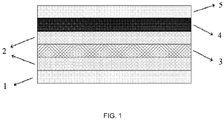
- FIG. 1 is a schematic structural diagram of a secondary battery provided in an embodiment of the present disclosure.
- a secondary battery provided in an embodiment of the present disclosure comprises a battery negative electrode 1, an electrolyte 2, a separator 3, a battery positive electrode (comprising a positive active material layer 4 and a positive current collector 5); wherein the battery negative electrode 1 comprises a negative current collector, the negative current collector comprises a metal or a metal alloy or a metal composite conductive material, and the negative current collector also acts as a negative active material; the electrolyte 2 comprises an electrolyte salt and a solvent, and the electrolyte salt is a lithium salt; the battery positive electrode comprises a positive current collector 5 and a positive active material layer 4, the positive current collector comprises metal or metal alloy or metal composite conductive material, and the positive active material layer comprises a positive active material capable of reversibly intercalating and de-intercalating lithium ions.
- the secondary battery provided in the embodiment of the present disclosure does not contain a negative active material.
- lithium ions are de-intercalated from the positive active material and undergoes an alloying reaction with the metal or metal alloy or their composite material which acts as both negative electrode and negative current collector to form a lithium-metal alloy; during the discharging process, the lithium ions are de-intercalated from the lithium-metal alloy on the negative electrode and then intercalated into the positive active material so that the charging and discharging process is achieved.
- the battery provided in the embodiment of the present disclosure does not need conventional negative active material, so that the volume and the cost are reduced; meanwhile, the alloying reaction of the metal with the lithium ions provides a higher battery capacity.
- the energy density of the battery is remarkably increased by decreasing the weight and volume of the battery and enhancing the battery capacity, and the production cost can be reduced and the production procedures are simplified.
- LiCoO 2 lithium cobalt oxide
- LiNiNiO 2 lithium
- the negative current collector includes, but is not limited to, one of, or an alloy or metal composite of any one of, aluminum, magnesium, lithium, vanadium, copper, iron, tin, zinc, nickel, titanium, and manganese.
- the positive current collector includes, but is not limited to, one of, or an alloy or metal composite of any one of, aluminum, magnesium, lithium, vanadium, copper, iron, tin, zinc, nickel, titanium, and manganese.
- the positive current collector is aluminum.
- the solvent in the electrolyte is not particularly limited as long as the solvent can dissociate the electrolyte salt into cations and anions, and the cations and anions can freely migrate.
- the solvent in the embodiment of the present disclosure is an ester, sulfone, ether, or nitrile-based organic solvent or ionic liquid.
- the solvent includes, but is not limited to, one or more of propylene carbonate, ethylene carbonate, butylene carbonate, diethyl carbonate, dimethyl carbonate, dipropyl carbonate, ethyl methyl carbonate, methyl propyl carbonate, dibutyl carbonate, butyl methyl carbonate, methyl isopropyl carbonate, methyl ester, methyl formate, methyl acetate, N , N -dimethylacetamide, fluoroethylene carbonate, methyl propionate, ethyl propionate, ethyl acetate, ⁇ -butyrolactone, tetrahydrofuran, 2-methyltetrahydrofuran, 1,3-dioxolane, 4-methyl-1,3-dioxolane, dimethoxymethane, 1,2-dimethoxy ethane, 1,2-dimethoxy propane, triethylene glycol dimethyl ether, dimethyl sulfone, dimethyl ether,
- the content of the additive is from 0.1 to 20 wt%, and further from 1 to 5 wt%.
- the additive added in the electrolyte can form a stable solid electrolyte salt membrane on the surface of the negative current collector, so that the negative current collector is not damaged when reacting as an active material and can maintain its function and shape and increase the number of times of cycles of the battery.
- the additive is vinylene carbonate in an amount of 5 wt%.
- the positive active material layer also comprises a conductive agent and a binder
- the content of the positive active material is 60 to 95 wt%
- the content of the conductive agent is 0.1 to 30 wt%
- the content of the binder is 0.1 to 10 wt%.
- the conductive agent and the binder are not particularly limited, and those commonly used in the art are applicable.
- the conductive agent is one or more of conductive carbon black, Super P conductive carbon spheres, conductive graphite KS6, carbon nanotube, conductive carbon fiber, graphene, and reduced graphene oxide.
- the binder is one or more of polyvinylidene fluoride, polytetrafluoroethylene, polyvinyl alcohol, carboxymethyl cellulose, SBR rubber, and polyolefins.
- the negative current collector is aluminum foil, or porous aluminum, or porous aluminum coated with carbon material, or a multilayered composite material of aluminum.
- the use of the porous aluminum foil results in a more sufficient alloying reaction between the lithium ions de-intercalated from the positive active material with the aluminum metal to enhance the capacity of the battery;
- the use of the porous aluminum structure coated with carbon material is advantageous to maintaining the structural stability of aluminum due to the protection effect of the coated carbon layer to further improve the cycle stability of the battery, while enhancing the capacity of the battery;
- the use of the multilayered composite material of aluminum is also advantageous to the inhibition and amelioration of the volume expansion effect of the aluminum foil to improve the cycle performance of the battery.
- the component of the separator used in the secondary battery provided in the embodiment of the present disclosure is an insulating, porous polymer film or inorganic porous film, including one or more of a porous polypropylene film, a porous polyethylene film, a porous composite polymer film, a glass fiber-based film, or a porous ceramic separator.
- the function of the separator is to physically insulate the positive and negative electrodes of the battery to prevent short circuit while allowing ions in the electrolyte to pass freely there through.
- an embodiment of the present disclosure also provides a method for preparing the secondary battery described above, comprising:
- the metal conductive material in the Step 101 is one of aluminum, magnesium, lithium, vanadium, copper, iron, tin, zinc, nickel, titanium, and manganese, or an alloy of any one thereof, or a composite of any one thereof.
- the electrolyte salt in the Step 102 is a lithium salt
- the solvent includes an ester, sulfone, ether, or nitrile-based organic solvent.
- the preparation of the electrolyte also comprises: adding an additive to the solvent and stirring the same.
- the solvent includes, but is not limited to, one or more of ethylene carbonate, diethyl carbonate, dimethyl carbonate, and ethyl methyl carbonate; the additive is one or several of vinylene carbonate, ethylene sulfite, propylene sulfite, ethylene sulfate, cyclobutyl sulfone, 1,3-dioxolane, acetonitrile, or a long-chain alkene.
- the additive is one or several of vinylene carbonate, ethylene sulfite, propylene sulfite, ethylene sulfate, cyclobutyl sulfone, 1,3-dioxolane, acetonitrile, or a long-chain alkene.
- the positive active material in the Step 104 is selected from one or several of lithium cobalt oxide, lithium manganese oxide, lithium titanate, lithium nickel cobalt manganese oxide, or lithium iron phosphate.
- the metal conductive material includes, but is not limited to, one of aluminum, magnesium, lithium, vanadium, copper, iron, tin, zinc, nickel, titanium, and manganese, or an alloy of any one thereof, or a composite of any one thereof.
- the Step 105 of assembling with the battery negative electrode, the electrolyte, the separator, and the battery positive electrode specifically comprises: stacking the prepared negative electrode, separator, and battery positive electrode closely successively under an inert gas or anhydrous and anaerobic condition, adding the electrolyte to completely impregnate the separator, and then packaging them into a battery case to complete the assembly of the battery.
- the method for preparing a secondary battery is based on the same inventive concept with the secondary battery described previously, and a secondary battery obtained by the method for preparing a secondary battery has all the effects of the secondary battery described previously and therefore will not be described in detail here.
- Preparation of positive electrode of a battery 0.4 g of lithium cobalt oxide, 0.05 g of carbon black, and 0.05 g of polyvinylidene fluoride were added to 2 mL of a N -methylpyrrolidone solution, and grinded sufficiently to provide a uniform slurry; and then the slurry was uniformly applied to the surface of an aluminum foil and dried in vacuum. The dried electrode sheet was cut into a disc with a diameter of 10 mm, and compacted so as to be used as a positive electrode.
- Preparation of a separator polymeric polyethylene was cut into a disc with a diameter of 16 mm, and dried by baking so as to be used as a separator.
- Preparation of positive electrode of a battery 0.4 g of lithium cobalt oxide as a positive electrode material, 0.05 g of carbon black, and 0.05 g of polyvinylidene fluoride were added to 2 mL of a N -methylpyrrolidone solution, and grinded sufficiently to provide a uniform slurry; and then the slurry was uniformly applied to the surface of an aluminum foil and dried in vacuum. The dried electrode sheet was cut into a disc with a diameter of 10 mm, and compacted so as to be used as a battery positive electrode.
- the secondary battery prepared in the embodiment of the above method for preparing a secondary battery was charged with a constant current of 100 mA/g of the positive active material until its voltage reached 4.2 V, and then discharged at the same current until its voltage reached 3 V, its battery capacity and energy density were measured, and its cycle stability was tested and expressed by the number of cycles, which refers to the number of times of charges and discharges of the battery when the battery capacity decays to 85%.
- Example 1 of the present disclosure The electrochemical performance of the secondary battery provided in Example 1 of the present disclosure was tested, and compared with the performance of the conventional lithium ion battery mentioned in the Background Art, and the results and comparison were shown in Table 1. Table 1. Comparison of Electrochemical Performance Parameters of Example 1 and the Conventional Lithium Ion Battery in the Background Art No.
- the secondary battery of Example 1 of the present disclosure contains no graphite in the negative electrode, has reduced raw material cost and process cost, and has a further increased energy density, as compared with the conventional lithium ion battery.
- Examples 2-18 are the same as Example 1 in the steps of the process for preparing a secondary battery, except that the material selected for the negative current collector is different. See Table 2 for details. Table 2. Comparison of Performance of Batteries with Different Negative Current Collectors No. Negative current collector Electrochemical Performance Specific Capacity (mAh/g) Number of times of cycles (times) when the capacity decays to 90% Energy Density (Wh/kg)
- Example 1 aluminum foil 170 250 263
- Example 4 vanadium foil 140 50 217
- Example 5 copper foil 120 100 186
- Example 10 titanium foil 150 200 232
- Example 12 aluminum-tin alloy 170 220 263
- Example 13 aluminum-titanium alloy 170 220 263
- Example 14 iron-tin alloy
- the battery has a higher specific capacity, better cycle performance, higher energy density, and lower cost.
- Examples 19-29 are the same as Example 1 in the steps of the process for preparing a secondary battery, except that the material selected for the positive active material is different. See Table 3 for details. Table 3. Comparison of Performance of Batteries with Different Positive Active Materials No. Positive active material Electrochemical Performance Specific Capacity (mAh/g) Number of times of cycles (times) when the capacity decays to 90% Energy Density (Wh/kg) Example 1 lithium cobalt oxide 170 250 263 Example 19 lithium nickel oxide 150 250 232 Example 20 layered lithium manganese oxide 120 250 186 Example 21 lithium iron phosphate 120 500 186 Example 22 Spinel-type lithium manganese oxide 100 200 155 Example 23 lithium nickel cobalt oxide binary material 150 250 232 Example 24 lithium nickel cobalt manganese oxide ternary material 170 250 263 Example 25 layered lithium-rich high manganese material 250 250 387 Example 26 lithium cobalt oxide + lithium iron phosphate 150 300 232 Example 27 lithium manganese oxide + lithium nickel cobalt manganese oxide ternary material 150 250 232 Example 28
- Examples 30-45 are the same as Example 1 in the steps of the process for preparing a secondary battery, except that the electrolyte salt is different. See Table 4 for details. Table 4. Comparison of Performance of Batteries with Different Electrolyte Salts No. Electrolyte Salt Electrochemical Performance Specific Capacity (mAh/g) Number of times of cycles (times) when the capacity decays to 90% Energy Density (Wh/kg)
- Example 1 lithium hexafluorophosphate 170 250 263
- Example 30 lithium perchlorate 160 240 248
- Example 31 lithium acetate 100 150 155
- Example 32 lithium tetrafluoroborate 150 220 232
- Example 33 lithium salicylate 100 100 155
- Example 35 lithium carbonate 80 120 124
- Example 36 lithium trifluoromethanesulfonate 120 150 186
- Example 37 lithium citrate 80 150 124
- Example 38 lithium lauryl sulfate 130 180 201
- Example 39 lithium bis
- the battery has higher specific capacity, better cycle stability, and higher energy density.
- Examples 46-50 are the same as Example 1 in the steps of the process for preparing a secondary battery, except that the concentration of the electrolyte salt is different. See Table 5 for details. Table 5. Comparison of Performance of Batteries with Different Electrolyte Salt Concentrations No. Electrolyte Salt Concentration Electrochemical Performance Specific Capacity (mAh/g) Number of times of cycles (times) when the capacity decays to 90% Energy Density (Wh/kg) Example 46 0.1 M 120 250 186 Example 47 0.5 M 140 250 217 Example 1 1 M 170 250 263 Example 48 2 M 170 180 263 Example 49 3 M 170 100 263 Example 50 4 M 170 50 263
- Examples 51-94 are the same as Example 1 in the steps of the process for preparing a secondary battery, except that the type of the solvent in the electrolyte is different. See Table 6 for details. Table 6. Comparison of Performance of Batteries with Different Solvents in the Electrolytes No.
- Examples 95-145 are the same as Example 1 in the steps of the process for preparing a secondary battery, except that the type of the additive in the electrolyte is different. See Table 7 for details. Table 7. Comparison of Performance of Batteries with Different Additives in the Electrolytes No.
- Example 1 vinylene carbonate (5 wt%) 250 263
- Example 95 vinylene sulfite (5 wt%) 220 263
- Example 96 propylene sulfite (5 wt%) 200 256
- Example 97 ethylene sulfate (5 wt%) 220
- Example 98 ethylene sulfite (5 wt%) 230
- Example 99 acetonitrile (5 wt%) 200
- Example 101 vinyl ethylene carbonate (5 wt%) 220 240
- Example 102 1,3-propanesultone (5 wt%) 160
- Example 103 1,4-butanesultone (5 wt%) 160 245
- Example 104 propylene sulfate (5 wt%) 220 256
- Example 105 1,3-dioxolane (5 wt%) 160 213
- Examples 145-151 are the same as Example 1 in the steps of the process for preparing a secondary battery, except that the content of the additive in the electrolyte is different. See Table 8 for details. Table 8. Comparison of Performance of Batteries with Different Amounts of Additives No. Content of the Additive in the electrolyte Electrochemical Performance Number of times of cycles (times) when the capacity decays to 90% Energy Density (Wh/kg)
- Example 145 0.1 wt% 50 300
- Example 146 1 wt% 120 250 Example 147 2 wt% 200 255
- Example 150 15 wt% 100 255
- the cycle stability of the battery is best when the content of the additive is 5 wt%.
- Examples 152-153 are the same as Example 1 in the steps of the process for preparing a secondary battery, except that the type of the separator is different. See Table 9 for details. Table 9. Comparison of Performance of Batteries with Different Separators No. Separator Electrochemical Performance Number of times of cycles (times) when the capacity decays to 90% Energy Density (Wh/kg)
- Examples 154-159 are the same as Example 1 in the steps of the process for preparing a secondary battery, except that the active material, the conductive agent, and the binder in the positive electrode material are different in type and percentage by weight. See Table 10 for details. Table 10. Comparison of Performance of Batteries with Different Amounts of Positive Active Materials, Conductive Agents, and Binders No.
- Example 1 lithium cobalt oxide (80%) acetylene black (10%) polyvinylidene fluoride (10%) 250 263
- Example 154 lithium cobalt oxide (90%) conductive carbon spheres (0.1%) polytetrafluoroethylene (9.9%) 220 250
- Example 155 lithium cobalt oxide (60%) conductive graphite (30%) polyvinyl alcohol (10%) 220 250
- Example 156 lithium cobalt oxide (90%) carbon nanotube (9.9%) polypropylene (0.1%) 180 250
- Example 158 lithium cobalt oxide (90%) conductive carbon fiber (5%) polyvinylidene fluoride (5%) 200 260
- Example 159 lithium cobalt oxide (90%)
- Examples 160-172 are the same as Example 1 in the steps of the process for preparing a secondary battery, except that the type of the positive current collector is different. See Table 11 for details. Table 11. Comparison of Performance of Batteries with Different Positive Current Collectors No. Positive current collector Electrochemical Performance Specific Capacity (mAh/g) Number of times of cycles (times) when the capacity decays to 90% Energy Density (Wh/kg)
Landscapes
- Chemical & Material Sciences (AREA)
- Chemical Kinetics & Catalysis (AREA)
- Electrochemistry (AREA)
- General Chemical & Material Sciences (AREA)
- Engineering & Computer Science (AREA)
- Inorganic Chemistry (AREA)
- Materials Engineering (AREA)
- Manufacturing & Machinery (AREA)
- Composite Materials (AREA)
- Physics & Mathematics (AREA)
- Condensed Matter Physics & Semiconductors (AREA)
- General Physics & Mathematics (AREA)
- Ceramic Engineering (AREA)
- Crystallography & Structural Chemistry (AREA)
- Secondary Cells (AREA)
- Battery Electrode And Active Subsutance (AREA)
- Cell Electrode Carriers And Collectors (AREA)
- Cell Separators (AREA)
Applications Claiming Priority (2)
| Application Number | Priority Date | Filing Date | Title |
|---|---|---|---|
| PCT/CN2016/081346 WO2017190364A1 (zh) | 2016-05-06 | 2016-05-06 | 一种二次电池及其制备方法 |
| PCT/CN2017/079275 WO2017190572A1 (zh) | 2016-05-06 | 2017-04-01 | 一种二次电池及其制备方法 |
Publications (3)
| Publication Number | Publication Date |
|---|---|
| EP3370294A1 true EP3370294A1 (de) | 2018-09-05 |
| EP3370294A4 EP3370294A4 (de) | 2019-01-09 |
| EP3370294B1 EP3370294B1 (de) | 2023-06-28 |
Family
ID=60202589
Family Applications (1)
| Application Number | Title | Priority Date | Filing Date |
|---|---|---|---|
| EP17792399.2A Active EP3370294B1 (de) | 2016-05-06 | 2017-04-01 | Sekundärbatterie und herstellungsverfahren dafür |
Country Status (6)
| Country | Link |
|---|---|
| US (1) | US20180342758A1 (de) |
| EP (1) | EP3370294B1 (de) |
| JP (1) | JP6896725B2 (de) |
| KR (2) | KR20210088770A (de) |
| CN (1) | CN107615550B (de) |
| WO (2) | WO2017190364A1 (de) |
Cited By (5)
| Publication number | Priority date | Publication date | Assignee | Title |
|---|---|---|---|---|
| CN111403732A (zh) * | 2020-03-30 | 2020-07-10 | 江西安驰新能源科技有限公司 | 一种高能量密度磷酸铁锂电池 |
| CN112397768A (zh) * | 2019-08-16 | 2021-02-23 | 深圳先进技术研究院 | 一种新型二次电池及其制备方法 |
| EP4199169A4 (de) * | 2021-06-03 | 2024-04-17 | LG Energy Solution, Ltd. | Elektrolyt für lithium-schwefel-batterie und lithium-schwefel-batterie damit |
| US12034159B2 (en) | 2018-09-14 | 2024-07-09 | Maxell, Ltd. | Non-aqueous electrolyte secondary battery, method of manufacturing same, and non-aqueous electrolyte secondary battery system |
| US12555818B2 (en) | 2020-04-22 | 2026-02-17 | Syensqo Sa | Anode-less lithium ion battery |
Families Citing this family (47)
| Publication number | Priority date | Publication date | Assignee | Title |
|---|---|---|---|---|
| CN105826607B (zh) * | 2016-05-25 | 2019-05-14 | 宁德新能源科技有限公司 | 一种电解液以及包括该电解液的锂离子电池 |
| WO2018054710A1 (en) * | 2016-09-21 | 2018-03-29 | Basf Se | Phosphonate based lithium complexes |
| US12438190B2 (en) | 2020-01-22 | 2025-10-07 | Enevate Corporation | Silicon-based energy storage devices with electrolyte containing crown ether based compounds |
| KR102495135B1 (ko) * | 2019-04-03 | 2023-02-02 | 주식회사 엘지에너지솔루션 | 리튬 이차 전지용 전해질 및 이를 포함하는 리튬 이차 전지 |
| US12531269B2 (en) * | 2019-06-05 | 2026-01-20 | Enevate Corporation | Silicon-based energy storage devices with fluorinated electrolyte formulations |
| CN110311149A (zh) * | 2019-06-27 | 2019-10-08 | 湖南立方新能源科技有限责任公司 | 一种锂一次电池 |
| CN112186196B (zh) * | 2019-07-01 | 2023-10-27 | 宁德时代新能源科技股份有限公司 | 正极集流体、正极极片及电化学装置 |
| CN112216879B (zh) * | 2019-07-10 | 2022-05-13 | 比亚迪股份有限公司 | 锂离子电池重复单元、锂离子电池及其使用方法、电池模组和汽车 |
| CN110600680A (zh) * | 2019-08-01 | 2019-12-20 | 东莞市易利特新能源有限公司 | 一种正极浆料及包括该正极浆料的正极片、锂离子电池 |
| CN112331914A (zh) * | 2019-08-05 | 2021-02-05 | 杉杉新材料(衢州)有限公司 | 一种不含碳酸乙烯酯溶剂的锂离子电池非水电解液及电池 |
| CN112447963B (zh) * | 2019-08-30 | 2022-03-11 | 微宏动力系统(湖州)有限公司 | 补锂导电浆料的制备方法、补锂导电浆料、锂离子电池及电子设备 |
| CN110518283B (zh) * | 2019-09-12 | 2024-11-15 | 深圳先进技术研究院 | 全固态二次电池及其制备工艺、电动汽车 |
| US12113169B2 (en) * | 2020-03-13 | 2024-10-08 | Ningde Amperex Technology Limited | Electrochemical device and electronic device containing same |
| CN119208539A (zh) * | 2020-04-02 | 2024-12-27 | 宁德新能源科技有限公司 | 电极极片、电化学装置及包含其的电子装置 |
| CN115398703A (zh) * | 2020-04-09 | 2022-11-25 | 住友化学株式会社 | 锂二次电池用层叠体 |
| CN111600012B (zh) * | 2020-04-30 | 2023-09-26 | 孚能科技(赣州)股份有限公司 | 无钴富锂锰基正极材料、复合正极极片及锂离子电池 |
| WO2021229635A1 (ja) * | 2020-05-11 | 2021-11-18 | TeraWatt Technology株式会社 | リチウム2次電池 |
| JP7389244B2 (ja) * | 2020-05-12 | 2023-11-29 | エルジー エナジー ソリューション リミテッド | リチウム二次電池用電解液及びこれを含むリチウム二次電池 |
| CN120089751A (zh) * | 2020-05-29 | 2025-06-03 | 比亚迪股份有限公司 | 锂离子电池、动力电池模组、电池包、电动汽车和储能装置 |
| CN114069042A (zh) * | 2020-08-03 | 2022-02-18 | 中国科学院宁波材料技术与工程研究所 | 一种新型锂电池 |
| CN112054197A (zh) * | 2020-08-26 | 2020-12-08 | 昆山宝创新能源科技有限公司 | 高镍正极材料及其制备方法和应用 |
| WO2022077310A1 (zh) * | 2020-10-15 | 2022-04-21 | 宁德新能源科技有限公司 | 电化学装置和电子装置 |
| CN112151751B (zh) * | 2020-10-15 | 2022-08-05 | 宁德新能源科技有限公司 | 电化学装置和电子装置 |
| KR102812162B1 (ko) | 2020-11-23 | 2025-05-22 | 주식회사 엘지에너지솔루션 | 리튬-황 전지용 전해질 및 이를 포함하는 리튬-황 전지 |
| KR102876039B1 (ko) * | 2020-11-26 | 2025-10-23 | 주식회사 엘지에너지솔루션 | 리튬-황 전지용 전해액 및 이를 포함하는 리튬-황 전지 |
| CN112490431A (zh) * | 2020-12-14 | 2021-03-12 | 鹏盛国能(深圳)新能源集团有限公司 | 一种硅锂电池及其制造方法 |
| CN112652754A (zh) * | 2020-12-29 | 2021-04-13 | 蜂巢能源科技有限公司 | 正极及其制备方法和应用 |
| CN112787035B (zh) * | 2021-01-08 | 2022-12-16 | 宜兴市佳信数控科技有限公司 | 一种具有良好稳定性的锂硫电池隔膜的制备方法 |
| CN113258127B (zh) * | 2021-05-31 | 2023-09-15 | 浙江大学 | 一种集流体-负极一体化的双极型锂二次电池及其方法 |
| CN115548448B (zh) * | 2021-06-29 | 2024-09-10 | 比亚迪股份有限公司 | 锂电池、电池包和动力车辆 |
| WO2023039236A1 (en) * | 2021-09-13 | 2023-03-16 | Sion Power Corporation | High voltage lithium-containing electrochemical cells and related methods |
| CN114050308A (zh) * | 2021-09-26 | 2022-02-15 | 湖北允升科技工业园有限公司 | 一种无负极锂电池结构及无负极锂电池的制备方法 |
| CN113871725B (zh) * | 2021-09-28 | 2024-09-20 | 洛阳储变电系统有限公司 | 一种无负极锂二次电池 |
| CN114149402B (zh) * | 2021-11-30 | 2023-04-07 | 苏州华一新能源科技股份有限公司 | 一种碳酸亚乙烯酯的制备方法及应用其的锂电池电解液 |
| CN114551973B (zh) * | 2021-12-24 | 2023-08-15 | 杭州华宏通信设备有限公司 | 一种低温型长循环磷酸铁锂电池 |
| WO2023164794A1 (zh) * | 2022-03-01 | 2023-09-07 | 宁德新能源科技有限公司 | 电化学装置及包含该电化学装置的电子装置 |
| CN115842128B (zh) * | 2022-06-14 | 2025-09-16 | 宁德时代新能源科技股份有限公司 | 电极材料、电极极片及其制备方法、二次电池 |
| CN114843439A (zh) * | 2022-06-21 | 2022-08-02 | 合肥国轩高科动力能源有限公司 | 一种复合镁锂合金负极片及其制备方法和应用 |
| JP2025512472A (ja) * | 2022-09-30 | 2025-04-17 | 香港時代新能源科技有限公司 | 電池、その調製方法、及び当該電池を含む電力消費装置 |
| WO2024108417A1 (zh) * | 2022-11-23 | 2024-05-30 | 中国科学院深圳先进技术研究院 | 一种水系双离子电池及其制备方法 |
| CN115810801B (zh) * | 2022-12-08 | 2026-03-20 | 广州天赐高新材料股份有限公司 | 一种电解液和锂离子电池以及改善锂离子电池性能的方法 |
| WO2024156059A1 (en) * | 2023-01-26 | 2024-08-02 | The University Of British Columbia | Rechargeable electrochemical cells, manganese dioxide particles and methods for production thereof |
| CN116598595B (zh) * | 2023-07-19 | 2023-10-24 | 中南大学 | 一种锂金属电池用低温电解液及其应用 |
| CN117039124A (zh) * | 2023-09-26 | 2023-11-10 | 蜂巢能源科技股份有限公司 | 一种锂金属电池及其制备方法 |
| CN117673306B (zh) * | 2023-12-07 | 2025-11-14 | 中国科学院深圳先进技术研究院 | 一种复合铝材料及其制备方法、电池负极材料和电池 |
| CN118825413B (zh) * | 2024-09-18 | 2024-12-27 | 欣界能源科技(江苏)有限公司 | 用于锂金属电池的电解质、锂金属电池及其回收方法 |
| CN120016090B (zh) * | 2025-01-15 | 2026-03-24 | 孚能科技(赣州)股份有限公司 | 锂离子电池、复合隔膜及其制备方法 |
Family Cites Families (31)
| Publication number | Priority date | Publication date | Assignee | Title |
|---|---|---|---|---|
| JP3692656B2 (ja) * | 1995-12-11 | 2005-09-07 | 宇部興産株式会社 | 非水二次電池 |
| JP4626020B2 (ja) * | 2000-07-07 | 2011-02-02 | パナソニック株式会社 | 非水電解液二次電池 |
| JP2004022512A (ja) * | 2002-06-20 | 2004-01-22 | Sony Corp | 負極材料およびそれを用いた電池 |
| KR100477969B1 (ko) * | 2002-10-25 | 2005-03-23 | 삼성에스디아이 주식회사 | 리튬 전지용 음극 및 이를 포함하는 리튬 전지 |
| JP2004158213A (ja) * | 2002-11-01 | 2004-06-03 | Toshiba Corp | 非水電解質二次電池の製造方法 |
| JP4561037B2 (ja) * | 2003-03-12 | 2010-10-13 | 三菱化学株式会社 | 非水電解液及び非水電解液電池 |
| JP2005294013A (ja) | 2004-03-31 | 2005-10-20 | Sanyo Electric Co Ltd | 前駆体電池及び非水電解質二次電池 |
| JP2008047303A (ja) * | 2006-08-10 | 2008-02-28 | Mitsui Mining & Smelting Co Ltd | 非水電解液二次電池 |
| JP5038774B2 (ja) * | 2007-05-14 | 2012-10-03 | 東洋アルミニウム株式会社 | 集電体材料とその製造方法 |
| CN101471435B (zh) * | 2007-12-25 | 2010-12-22 | 比亚迪股份有限公司 | 锂离子二次电池正极及包括该正极的锂离子二次电池 |
| JP2009266705A (ja) * | 2008-04-28 | 2009-11-12 | Hitachi Maxell Ltd | リチウム二次電池 |
| JP2010086681A (ja) * | 2008-09-29 | 2010-04-15 | Gs Yuasa Corporation | 非水電解質二次電池 |
| CN101783422B (zh) * | 2009-01-16 | 2012-11-21 | 比亚迪股份有限公司 | 一种添加剂及含该添加剂的电解液及锂离子电池 |
| JP5428546B2 (ja) * | 2009-06-04 | 2014-02-26 | 三菱マテリアル株式会社 | アルミニウム多孔質焼結体を有するアルミニウム複合体の製造方法 |
| US8962188B2 (en) * | 2010-01-07 | 2015-02-24 | Nanotek Instruments, Inc. | Anode compositions for lithium secondary batteries |
| JP2011159596A (ja) * | 2010-02-03 | 2011-08-18 | Sumitomo Electric Ind Ltd | 二次電池、及びその製造方法 |
| EP2579364A4 (de) * | 2010-05-31 | 2016-03-23 | Sumitomo Electric Industries | Dreidimensionales, netzartiges, poröses aluminiummaterial, elektrode aus dem porösen aluminiummaterial, mit der elektrode ausgestattete batterie mit nichtwässrigem elektrolyt sowie mit der elektrode ausgestatteter kondensator mit einer nichtwässrigen elektrolytlösung |
| JP5859016B2 (ja) * | 2010-11-17 | 2016-02-10 | スリーエム イノベイティブ プロパティズ カンパニー | 導電性コーティングを有する電流コレクタを備える電気化学的導電性物品及びその製造方法 |
| CN103339701A (zh) * | 2011-02-18 | 2013-10-02 | 住友电气工业株式会社 | 集电体用三维网状铝多孔体、使用该铝多孔体的集电体、使用该集电体的电极、以及均使用该电极的非水电解质电池、电容器和锂离子电容器 |
| JP2013057603A (ja) * | 2011-09-08 | 2013-03-28 | Toyota Motor Corp | リチウム二次電池の劣化検出方法 |
| CN103094583B (zh) * | 2011-11-03 | 2015-09-09 | 苏州宝时得电动工具有限公司 | 电池及电池集流体的处理方法 |
| US20160197376A1 (en) * | 2013-09-05 | 2016-07-07 | Ishihara Sangyo Kaisha, Ltd. | Non-aqueous electrolyte secondary battery and method for manufacturing the same |
| CN103730683B (zh) * | 2013-12-27 | 2015-08-19 | 惠州亿纬锂能股份有限公司 | 一种锂电池及其制备方法 |
| US10468729B2 (en) | 2014-01-10 | 2019-11-05 | Envision Aesc Japan Ltd. | Method for producing non-aqueous electrolyte secondary battery |
| CN203707250U (zh) * | 2014-01-24 | 2014-07-09 | 湖北金泉新材料有限责任公司 | 锂电池 |
| JP6119641B2 (ja) * | 2014-02-28 | 2017-04-26 | 三洋電機株式会社 | 円筒形非水電解液二次電池 |
| JPWO2015145288A1 (ja) * | 2014-03-24 | 2017-04-13 | 株式会社半導体エネルギー研究所 | リチウムイオン二次電池 |
| CN204067488U (zh) * | 2014-07-04 | 2014-12-31 | 杨海燕 | 一种适用于锂离子电池正极集流体的微孔铝箔 |
| US10381687B2 (en) * | 2014-08-21 | 2019-08-13 | Johnson & Johnson Vision Care, Inc. | Methods of forming biocompatible rechargable energization elements for biomedical devices |
| CN105449186B (zh) * | 2015-11-18 | 2018-11-27 | 深圳先进技术研究院 | 一种二次电池及其制备方法 |
| US11165067B2 (en) * | 2016-03-11 | 2021-11-02 | Honda Motor Co., Ltd. | Porous current collector and electrode for an electrochemical battery |
-
2016
- 2016-05-06 WO PCT/CN2016/081346 patent/WO2017190364A1/zh not_active Ceased
-
2017
- 2017-04-01 KR KR1020217021610A patent/KR20210088770A/ko not_active Ceased
- 2017-04-01 EP EP17792399.2A patent/EP3370294B1/de active Active
- 2017-04-01 JP JP2018521881A patent/JP6896725B2/ja active Active
- 2017-04-01 WO PCT/CN2017/079275 patent/WO2017190572A1/zh not_active Ceased
- 2017-04-01 CN CN201780001704.2A patent/CN107615550B/zh active Active
- 2017-04-01 US US15/777,950 patent/US20180342758A1/en not_active Abandoned
- 2017-04-01 KR KR1020187012965A patent/KR20180066169A/ko not_active Ceased
Cited By (5)
| Publication number | Priority date | Publication date | Assignee | Title |
|---|---|---|---|---|
| US12034159B2 (en) | 2018-09-14 | 2024-07-09 | Maxell, Ltd. | Non-aqueous electrolyte secondary battery, method of manufacturing same, and non-aqueous electrolyte secondary battery system |
| CN112397768A (zh) * | 2019-08-16 | 2021-02-23 | 深圳先进技术研究院 | 一种新型二次电池及其制备方法 |
| CN111403732A (zh) * | 2020-03-30 | 2020-07-10 | 江西安驰新能源科技有限公司 | 一种高能量密度磷酸铁锂电池 |
| US12555818B2 (en) | 2020-04-22 | 2026-02-17 | Syensqo Sa | Anode-less lithium ion battery |
| EP4199169A4 (de) * | 2021-06-03 | 2024-04-17 | LG Energy Solution, Ltd. | Elektrolyt für lithium-schwefel-batterie und lithium-schwefel-batterie damit |
Also Published As
| Publication number | Publication date |
|---|---|
| CN107615550B (zh) | 2020-10-27 |
| WO2017190572A1 (zh) | 2017-11-09 |
| KR20180066169A (ko) | 2018-06-18 |
| JP6896725B2 (ja) | 2021-06-30 |
| EP3370294A4 (de) | 2019-01-09 |
| JP2019501478A (ja) | 2019-01-17 |
| WO2017190364A1 (zh) | 2017-11-09 |
| CN107615550A (zh) | 2018-01-19 |
| US20180342758A1 (en) | 2018-11-29 |
| EP3370294B1 (de) | 2023-06-28 |
| KR20210088770A (ko) | 2021-07-14 |
Similar Documents
| Publication | Publication Date | Title |
|---|---|---|
| EP3370294B1 (de) | Sekundärbatterie und herstellungsverfahren dafür | |
| KR102379223B1 (ko) | 리튬 이차전지용 음극 및 리튬 이차전지의 제조방법 | |
| EP2840640B1 (de) | Lithiumsekundärbatterie | |
| US9203111B2 (en) | Secondary battery | |
| EP1195826B1 (de) | Festelektrolytzelle | |
| US9692085B2 (en) | Lithium ion secondary battery | |
| US20220328863A1 (en) | Secondary battery and preparation method therefor | |
| US20150140443A1 (en) | Lithium secondary battery | |
| KR20190008100A (ko) | 비수전해액 첨가제, 이를 포함하는 리튬 이차전지용 비수전해액 및 리튬 이차전지 | |
| EP2876723A1 (de) | Lithium-zweitbatterie | |
| KR20180086601A (ko) | 비수전해액용 첨가제, 이를 포함하는 리튬 이차전지용 비수전해액 및 리튬 이차전지 | |
| KR20120100868A (ko) | 리튬 전지 | |
| CN109786832B (zh) | 电解液添加剂、电解液及锂离子二次电池 | |
| KR102018756B1 (ko) | 리튬 이차전지용 전해액 및 이를 포함하는 리튬 이차전지 | |
| KR20190022382A (ko) | 리튬 이차전지용 비수전해액 및 이를 포함하는 리튬 이차전지 | |
| JP2012094459A (ja) | リチウムイオン二次電池 | |
| JPWO2014080945A1 (ja) | リチウム二次電池 | |
| EP4421916A1 (de) | Lithium-ionen-sekundärbatterie, batteriemodul, batteriepack und elektrische vorrichtung | |
| EP3883025A1 (de) | Spleissig geformter lithiumstreifen, herstellungsverfahren dafür und negativer pol, zelle, lithium-ionen-batterie, batteriemodul, batteriepack und zugehörige vorrichtung | |
| KR20190131721A (ko) | 리튬 이차 전지용 전해질 및 이를 포함하는 리튬 이차 전지 | |
| KR20200080170A (ko) | 리튬 이차전지용 전해액 및 이를 포함하는 리튬 이차전지 | |
| KR20170038736A (ko) | 비수성 전해액 및 이를 포함하는 리튬 이차전지 | |
| KR20250068580A (ko) | 비수 전해액, 및 이를 포함하는 리튬 이차전지 | |
| KR20180058633A (ko) | 비수성 전해액 및 이를 포함하는 리튬 이차 전지 | |
| KR101547385B1 (ko) | 주액공정을 포함하지 않는 이차전지의 제조방법 |
Legal Events
| Date | Code | Title | Description |
|---|---|---|---|
| STAA | Information on the status of an ep patent application or granted ep patent |
Free format text: STATUS: THE INTERNATIONAL PUBLICATION HAS BEEN MADE |
|
| PUAI | Public reference made under article 153(3) epc to a published international application that has entered the european phase |
Free format text: ORIGINAL CODE: 0009012 |
|
| STAA | Information on the status of an ep patent application or granted ep patent |
Free format text: STATUS: REQUEST FOR EXAMINATION WAS MADE |
|
| 17P | Request for examination filed |
Effective date: 20180528 |
|
| AK | Designated contracting states |
Kind code of ref document: A1 Designated state(s): AL AT BE BG CH CY CZ DE DK EE ES FI FR GB GR HR HU IE IS IT LI LT LU LV MC MK MT NL NO PL PT RO RS SE SI SK SM TR |
|
| AX | Request for extension of the european patent |
Extension state: BA ME |
|
| RAP1 | Party data changed (applicant data changed or rights of an application transferred) |
Owner name: REAL POWER INDUSTRIAL LIMITED COMPANY |
|
| A4 | Supplementary search report drawn up and despatched |
Effective date: 20181210 |
|
| RIC1 | Information provided on ipc code assigned before grant |
Ipc: H01M 4/66 20060101ALI20181204BHEP Ipc: H01M 4/80 20060101ALI20181204BHEP Ipc: H01M 2/16 20060101ALI20181204BHEP Ipc: H01M 10/0525 20100101AFI20181204BHEP Ipc: H01M 4/1395 20100101ALI20181204BHEP Ipc: H01M 4/525 20100101ALI20181204BHEP Ipc: H01M 10/0567 20100101ALI20181204BHEP Ipc: H01M 4/36 20060101ALI20181204BHEP Ipc: H01M 10/0585 20100101ALI20181204BHEP Ipc: H01M 10/0568 20100101ALI20181204BHEP Ipc: H01M 10/0569 20100101ALI20181204BHEP Ipc: H01M 4/485 20100101ALI20181204BHEP Ipc: H01M 4/58 20100101ALI20181204BHEP Ipc: H01M 4/505 20100101ALI20181204BHEP Ipc: H01M 4/134 20100101ALI20181204BHEP Ipc: H01M 4/46 20060101ALI20181204BHEP Ipc: H01M 10/058 20100101ALI20181204BHEP |
|
| DAV | Request for validation of the european patent (deleted) | ||
| DAX | Request for extension of the european patent (deleted) | ||
| TPAC | Observations filed by third parties |
Free format text: ORIGINAL CODE: EPIDOSNTIPA |
|
| STAA | Information on the status of an ep patent application or granted ep patent |
Free format text: STATUS: EXAMINATION IS IN PROGRESS |
|
| 17Q | First examination report despatched |
Effective date: 20220622 |
|
| REG | Reference to a national code |
Ref country code: DE Ref legal event code: R079 Free format text: PREVIOUS MAIN CLASS: H01M0010052500 Ipc: H01M0050414000 Ref document number: 602017070720 Country of ref document: DE |
|
| RIC1 | Information provided on ipc code assigned before grant |
Ipc: H01M 4/46 20060101ALI20221201BHEP Ipc: H01M 4/80 20060101ALI20221201BHEP Ipc: H01M 4/58 20100101ALI20221201BHEP Ipc: H01M 4/525 20100101ALI20221201BHEP Ipc: H01M 4/505 20100101ALI20221201BHEP Ipc: H01M 4/485 20100101ALI20221201BHEP Ipc: H01M 10/0569 20100101ALI20221201BHEP Ipc: H01M 10/0568 20100101ALI20221201BHEP Ipc: H01M 10/0585 20100101ALI20221201BHEP Ipc: H01M 4/36 20060101ALI20221201BHEP Ipc: H01M 4/1395 20100101ALI20221201BHEP Ipc: H01M 10/0567 20100101ALI20221201BHEP Ipc: H01M 10/0525 20100101ALI20221201BHEP Ipc: H01M 4/134 20100101ALI20221201BHEP Ipc: H01M 4/66 20060101ALI20221201BHEP Ipc: H01M 50/437 20210101ALI20221201BHEP Ipc: H01M 50/414 20210101AFI20221201BHEP |
|
| GRAP | Despatch of communication of intention to grant a patent |
Free format text: ORIGINAL CODE: EPIDOSNIGR1 |
|
| STAA | Information on the status of an ep patent application or granted ep patent |
Free format text: STATUS: GRANT OF PATENT IS INTENDED |
|
| INTG | Intention to grant announced |
Effective date: 20230119 |
|
| GRAS | Grant fee paid |
Free format text: ORIGINAL CODE: EPIDOSNIGR3 |
|
| GRAA | (expected) grant |
Free format text: ORIGINAL CODE: 0009210 |
|
| STAA | Information on the status of an ep patent application or granted ep patent |
Free format text: STATUS: THE PATENT HAS BEEN GRANTED |
|
| AK | Designated contracting states |
Kind code of ref document: B1 Designated state(s): AL AT BE BG CH CY CZ DE DK EE ES FI FR GB GR HR HU IE IS IT LI LT LU LV MC MK MT NL NO PL PT RO RS SE SI SK SM TR |
|
| REG | Reference to a national code |
Ref country code: CH Ref legal event code: EP |
|
| P01 | Opt-out of the competence of the unified patent court (upc) registered |
Effective date: 20230601 |
|
| REG | Reference to a national code |
Ref country code: AT Ref legal event code: REF Ref document number: 1583559 Country of ref document: AT Kind code of ref document: T Effective date: 20230715 |
|
| REG | Reference to a national code |
Ref country code: IE Ref legal event code: FG4D |
|
| REG | Reference to a national code |
Ref country code: DE Ref legal event code: R096 Ref document number: 602017070720 Country of ref document: DE |
|
| REG | Reference to a national code |
Ref country code: LT Ref legal event code: MG9D |
|
| PG25 | Lapsed in a contracting state [announced via postgrant information from national office to epo] |
Ref country code: SE Free format text: LAPSE BECAUSE OF FAILURE TO SUBMIT A TRANSLATION OF THE DESCRIPTION OR TO PAY THE FEE WITHIN THE PRESCRIBED TIME-LIMIT Effective date: 20230628 Ref country code: NO Free format text: LAPSE BECAUSE OF FAILURE TO SUBMIT A TRANSLATION OF THE DESCRIPTION OR TO PAY THE FEE WITHIN THE PRESCRIBED TIME-LIMIT Effective date: 20230928 |
|
| REG | Reference to a national code |
Ref country code: NL Ref legal event code: MP Effective date: 20230628 |
|
| REG | Reference to a national code |
Ref country code: AT Ref legal event code: MK05 Ref document number: 1583559 Country of ref document: AT Kind code of ref document: T Effective date: 20230628 |
|
| PG25 | Lapsed in a contracting state [announced via postgrant information from national office to epo] |
Ref country code: RS Free format text: LAPSE BECAUSE OF FAILURE TO SUBMIT A TRANSLATION OF THE DESCRIPTION OR TO PAY THE FEE WITHIN THE PRESCRIBED TIME-LIMIT Effective date: 20230628 Ref country code: NL Free format text: LAPSE BECAUSE OF FAILURE TO SUBMIT A TRANSLATION OF THE DESCRIPTION OR TO PAY THE FEE WITHIN THE PRESCRIBED TIME-LIMIT Effective date: 20230628 Ref country code: LV Free format text: LAPSE BECAUSE OF FAILURE TO SUBMIT A TRANSLATION OF THE DESCRIPTION OR TO PAY THE FEE WITHIN THE PRESCRIBED TIME-LIMIT Effective date: 20230628 Ref country code: LT Free format text: LAPSE BECAUSE OF FAILURE TO SUBMIT A TRANSLATION OF THE DESCRIPTION OR TO PAY THE FEE WITHIN THE PRESCRIBED TIME-LIMIT Effective date: 20230628 Ref country code: HR Free format text: LAPSE BECAUSE OF FAILURE TO SUBMIT A TRANSLATION OF THE DESCRIPTION OR TO PAY THE FEE WITHIN THE PRESCRIBED TIME-LIMIT Effective date: 20230628 Ref country code: GR Free format text: LAPSE BECAUSE OF FAILURE TO SUBMIT A TRANSLATION OF THE DESCRIPTION OR TO PAY THE FEE WITHIN THE PRESCRIBED TIME-LIMIT Effective date: 20230929 |
|
| PG25 | Lapsed in a contracting state [announced via postgrant information from national office to epo] |
Ref country code: FI Free format text: LAPSE BECAUSE OF FAILURE TO SUBMIT A TRANSLATION OF THE DESCRIPTION OR TO PAY THE FEE WITHIN THE PRESCRIBED TIME-LIMIT Effective date: 20230628 |
|
| PG25 | Lapsed in a contracting state [announced via postgrant information from national office to epo] |
Ref country code: SK Free format text: LAPSE BECAUSE OF FAILURE TO SUBMIT A TRANSLATION OF THE DESCRIPTION OR TO PAY THE FEE WITHIN THE PRESCRIBED TIME-LIMIT Effective date: 20230628 |
|
| PG25 | Lapsed in a contracting state [announced via postgrant information from national office to epo] |
Ref country code: ES Free format text: LAPSE BECAUSE OF FAILURE TO SUBMIT A TRANSLATION OF THE DESCRIPTION OR TO PAY THE FEE WITHIN THE PRESCRIBED TIME-LIMIT Effective date: 20230628 |
|
| PG25 | Lapsed in a contracting state [announced via postgrant information from national office to epo] |
Ref country code: IS Free format text: LAPSE BECAUSE OF FAILURE TO SUBMIT A TRANSLATION OF THE DESCRIPTION OR TO PAY THE FEE WITHIN THE PRESCRIBED TIME-LIMIT Effective date: 20231028 |
|
| PG25 | Lapsed in a contracting state [announced via postgrant information from national office to epo] |
Ref country code: SM Free format text: LAPSE BECAUSE OF FAILURE TO SUBMIT A TRANSLATION OF THE DESCRIPTION OR TO PAY THE FEE WITHIN THE PRESCRIBED TIME-LIMIT Effective date: 20230628 Ref country code: SK Free format text: LAPSE BECAUSE OF FAILURE TO SUBMIT A TRANSLATION OF THE DESCRIPTION OR TO PAY THE FEE WITHIN THE PRESCRIBED TIME-LIMIT Effective date: 20230628 Ref country code: RO Free format text: LAPSE BECAUSE OF FAILURE TO SUBMIT A TRANSLATION OF THE DESCRIPTION OR TO PAY THE FEE WITHIN THE PRESCRIBED TIME-LIMIT Effective date: 20230628 Ref country code: PT Free format text: LAPSE BECAUSE OF FAILURE TO SUBMIT A TRANSLATION OF THE DESCRIPTION OR TO PAY THE FEE WITHIN THE PRESCRIBED TIME-LIMIT Effective date: 20231030 Ref country code: IS Free format text: LAPSE BECAUSE OF FAILURE TO SUBMIT A TRANSLATION OF THE DESCRIPTION OR TO PAY THE FEE WITHIN THE PRESCRIBED TIME-LIMIT Effective date: 20231028 Ref country code: ES Free format text: LAPSE BECAUSE OF FAILURE TO SUBMIT A TRANSLATION OF THE DESCRIPTION OR TO PAY THE FEE WITHIN THE PRESCRIBED TIME-LIMIT Effective date: 20230628 Ref country code: EE Free format text: LAPSE BECAUSE OF FAILURE TO SUBMIT A TRANSLATION OF THE DESCRIPTION OR TO PAY THE FEE WITHIN THE PRESCRIBED TIME-LIMIT Effective date: 20230628 Ref country code: CZ Free format text: LAPSE BECAUSE OF FAILURE TO SUBMIT A TRANSLATION OF THE DESCRIPTION OR TO PAY THE FEE WITHIN THE PRESCRIBED TIME-LIMIT Effective date: 20230628 Ref country code: AT Free format text: LAPSE BECAUSE OF FAILURE TO SUBMIT A TRANSLATION OF THE DESCRIPTION OR TO PAY THE FEE WITHIN THE PRESCRIBED TIME-LIMIT Effective date: 20230628 |
|
| PG25 | Lapsed in a contracting state [announced via postgrant information from national office to epo] |
Ref country code: PL Free format text: LAPSE BECAUSE OF FAILURE TO SUBMIT A TRANSLATION OF THE DESCRIPTION OR TO PAY THE FEE WITHIN THE PRESCRIBED TIME-LIMIT Effective date: 20230628 |
|
| REG | Reference to a national code |
Ref country code: DE Ref legal event code: R097 Ref document number: 602017070720 Country of ref document: DE |
|
| PG25 | Lapsed in a contracting state [announced via postgrant information from national office to epo] |
Ref country code: DK Free format text: LAPSE BECAUSE OF FAILURE TO SUBMIT A TRANSLATION OF THE DESCRIPTION OR TO PAY THE FEE WITHIN THE PRESCRIBED TIME-LIMIT Effective date: 20230628 |
|
| PLBE | No opposition filed within time limit |
Free format text: ORIGINAL CODE: 0009261 |
|
| STAA | Information on the status of an ep patent application or granted ep patent |
Free format text: STATUS: NO OPPOSITION FILED WITHIN TIME LIMIT |
|
| PG25 | Lapsed in a contracting state [announced via postgrant information from national office to epo] |
Ref country code: IT Free format text: LAPSE BECAUSE OF FAILURE TO SUBMIT A TRANSLATION OF THE DESCRIPTION OR TO PAY THE FEE WITHIN THE PRESCRIBED TIME-LIMIT Effective date: 20230628 |
|
| 26N | No opposition filed |
Effective date: 20240402 |
|
| PG25 | Lapsed in a contracting state [announced via postgrant information from national office to epo] |
Ref country code: SI Free format text: LAPSE BECAUSE OF FAILURE TO SUBMIT A TRANSLATION OF THE DESCRIPTION OR TO PAY THE FEE WITHIN THE PRESCRIBED TIME-LIMIT Effective date: 20230628 |
|
| PG25 | Lapsed in a contracting state [announced via postgrant information from national office to epo] |
Ref country code: BG Free format text: LAPSE BECAUSE OF FAILURE TO SUBMIT A TRANSLATION OF THE DESCRIPTION OR TO PAY THE FEE WITHIN THE PRESCRIBED TIME-LIMIT Effective date: 20230628 |
|
| PG25 | Lapsed in a contracting state [announced via postgrant information from national office to epo] |
Ref country code: MC Free format text: LAPSE BECAUSE OF FAILURE TO SUBMIT A TRANSLATION OF THE DESCRIPTION OR TO PAY THE FEE WITHIN THE PRESCRIBED TIME-LIMIT Effective date: 20230628 |
|
| PG25 | Lapsed in a contracting state [announced via postgrant information from national office to epo] |
Ref country code: MC Free format text: LAPSE BECAUSE OF FAILURE TO SUBMIT A TRANSLATION OF THE DESCRIPTION OR TO PAY THE FEE WITHIN THE PRESCRIBED TIME-LIMIT Effective date: 20230628 Ref country code: BG Free format text: LAPSE BECAUSE OF FAILURE TO SUBMIT A TRANSLATION OF THE DESCRIPTION OR TO PAY THE FEE WITHIN THE PRESCRIBED TIME-LIMIT Effective date: 20230628 |
|
| REG | Reference to a national code |
Ref country code: CH Ref legal event code: PL |
|
| PG25 | Lapsed in a contracting state [announced via postgrant information from national office to epo] |
Ref country code: LU Free format text: LAPSE BECAUSE OF NON-PAYMENT OF DUE FEES Effective date: 20240401 |
|
| REG | Reference to a national code |
Ref country code: BE Ref legal event code: MM Effective date: 20240430 |
|
| PG25 | Lapsed in a contracting state [announced via postgrant information from national office to epo] |
Ref country code: LU Free format text: LAPSE BECAUSE OF NON-PAYMENT OF DUE FEES Effective date: 20240401 |
|
| PG25 | Lapsed in a contracting state [announced via postgrant information from national office to epo] |
Ref country code: BE Free format text: LAPSE BECAUSE OF NON-PAYMENT OF DUE FEES Effective date: 20240430 |
|
| PG25 | Lapsed in a contracting state [announced via postgrant information from national office to epo] |
Ref country code: BE Free format text: LAPSE BECAUSE OF NON-PAYMENT OF DUE FEES Effective date: 20240430 Ref country code: CH Free format text: LAPSE BECAUSE OF NON-PAYMENT OF DUE FEES Effective date: 20240430 |
|
| PG25 | Lapsed in a contracting state [announced via postgrant information from national office to epo] |
Ref country code: IE Free format text: LAPSE BECAUSE OF NON-PAYMENT OF DUE FEES Effective date: 20240401 |
|
| PGFP | Annual fee paid to national office [announced via postgrant information from national office to epo] |
Ref country code: FR Payment date: 20250324 Year of fee payment: 9 |
|
| PGFP | Annual fee paid to national office [announced via postgrant information from national office to epo] |
Ref country code: GB Payment date: 20250324 Year of fee payment: 9 |
|
| PGFP | Annual fee paid to national office [announced via postgrant information from national office to epo] |
Ref country code: DE Payment date: 20250417 Year of fee payment: 9 |
|
| PG25 | Lapsed in a contracting state [announced via postgrant information from national office to epo] |
Ref country code: CY Free format text: LAPSE BECAUSE OF FAILURE TO SUBMIT A TRANSLATION OF THE DESCRIPTION OR TO PAY THE FEE WITHIN THE PRESCRIBED TIME-LIMIT; INVALID AB INITIO Effective date: 20170401 |
|
| PG25 | Lapsed in a contracting state [announced via postgrant information from national office to epo] |
Ref country code: HU Free format text: LAPSE BECAUSE OF FAILURE TO SUBMIT A TRANSLATION OF THE DESCRIPTION OR TO PAY THE FEE WITHIN THE PRESCRIBED TIME-LIMIT; INVALID AB INITIO Effective date: 20170401 |
|
| PG25 | Lapsed in a contracting state [announced via postgrant information from national office to epo] |
Ref country code: TR Free format text: LAPSE BECAUSE OF FAILURE TO SUBMIT A TRANSLATION OF THE DESCRIPTION OR TO PAY THE FEE WITHIN THE PRESCRIBED TIME-LIMIT Effective date: 20230628 |