EP3322726B1 - Antibodies that bind to sortilin and inhibit the binding of progranulin - Google Patents
Antibodies that bind to sortilin and inhibit the binding of progranulin Download PDFInfo
- Publication number
- EP3322726B1 EP3322726B1 EP16739087.1A EP16739087A EP3322726B1 EP 3322726 B1 EP3322726 B1 EP 3322726B1 EP 16739087 A EP16739087 A EP 16739087A EP 3322726 B1 EP3322726 B1 EP 3322726B1
- Authority
- EP
- European Patent Office
- Prior art keywords
- seq
- variable domain
- chain variable
- antibody
- cdr
- Prior art date
- Legal status (The legal status is an assumption and is not a legal conclusion. Google has not performed a legal analysis and makes no representation as to the accuracy of the status listed.)
- Active
Links
Images















Classifications
-
- A—HUMAN NECESSITIES
- A61—MEDICAL OR VETERINARY SCIENCE; HYGIENE
- A61K—PREPARATIONS FOR MEDICAL, DENTAL OR TOILETRY PURPOSES
- A61K39/00—Medicinal preparations containing antigens or antibodies
- A61K39/395—Antibodies; Immunoglobulins; Immune serum, e.g. antilymphocytic serum
- A61K39/39533—Antibodies; Immunoglobulins; Immune serum, e.g. antilymphocytic serum against materials from animals
- A61K39/3955—Antibodies; Immunoglobulins; Immune serum, e.g. antilymphocytic serum against materials from animals against proteinaceous materials, e.g. enzymes, hormones, lymphokines
-
- A—HUMAN NECESSITIES
- A61—MEDICAL OR VETERINARY SCIENCE; HYGIENE
- A61P—SPECIFIC THERAPEUTIC ACTIVITY OF CHEMICAL COMPOUNDS OR MEDICINAL PREPARATIONS
- A61P25/00—Drugs for disorders of the nervous system
- A61P25/28—Drugs for disorders of the nervous system for treating neurodegenerative disorders of the central nervous system, e.g. nootropic agents, cognition enhancers, drugs for treating Alzheimer's disease or other forms of dementia
-
- C—CHEMISTRY; METALLURGY
- C07—ORGANIC CHEMISTRY
- C07K—PEPTIDES
- C07K16/00—Immunoglobulins [IG], e.g. monoclonal or polyclonal antibodies
- C07K16/18—Immunoglobulins [IG], e.g. monoclonal or polyclonal antibodies against material from animals or humans
- C07K16/28—Immunoglobulins [IG], e.g. monoclonal or polyclonal antibodies against material from animals or humans against receptors, cell surface antigens or cell surface determinants
-
- C—CHEMISTRY; METALLURGY
- C07—ORGANIC CHEMISTRY
- C07K—PEPTIDES
- C07K16/00—Immunoglobulins [IG], e.g. monoclonal or polyclonal antibodies
- C07K16/18—Immunoglobulins [IG], e.g. monoclonal or polyclonal antibodies against material from animals or humans
- C07K16/28—Immunoglobulins [IG], e.g. monoclonal or polyclonal antibodies against material from animals or humans against receptors, cell surface antigens or cell surface determinants
- C07K16/286—Immunoglobulins [IG], e.g. monoclonal or polyclonal antibodies against material from animals or humans against receptors, cell surface antigens or cell surface determinants against neuromediator receptors, e.g. serotonin receptor, dopamine receptor
-
- A—HUMAN NECESSITIES
- A61—MEDICAL OR VETERINARY SCIENCE; HYGIENE
- A61K—PREPARATIONS FOR MEDICAL, DENTAL OR TOILETRY PURPOSES
- A61K39/00—Medicinal preparations containing antigens or antibodies
- A61K2039/505—Medicinal preparations containing antigens or antibodies comprising antibodies
-
- C—CHEMISTRY; METALLURGY
- C07—ORGANIC CHEMISTRY
- C07K—PEPTIDES
- C07K2317/00—Immunoglobulins specific features
- C07K2317/20—Immunoglobulins specific features characterized by taxonomic origin
-
- C—CHEMISTRY; METALLURGY
- C07—ORGANIC CHEMISTRY
- C07K—PEPTIDES
- C07K2317/00—Immunoglobulins specific features
- C07K2317/20—Immunoglobulins specific features characterized by taxonomic origin
- C07K2317/21—Immunoglobulins specific features characterized by taxonomic origin from primates, e.g. man
-
- C—CHEMISTRY; METALLURGY
- C07—ORGANIC CHEMISTRY
- C07K—PEPTIDES
- C07K2317/00—Immunoglobulins specific features
- C07K2317/20—Immunoglobulins specific features characterized by taxonomic origin
- C07K2317/24—Immunoglobulins specific features characterized by taxonomic origin containing regions, domains or residues from different species, e.g. chimeric, humanized or veneered
-
- C—CHEMISTRY; METALLURGY
- C07—ORGANIC CHEMISTRY
- C07K—PEPTIDES
- C07K2317/00—Immunoglobulins specific features
- C07K2317/30—Immunoglobulins specific features characterized by aspects of specificity or valency
- C07K2317/33—Crossreactivity, e.g. for species or epitope, or lack of said crossreactivity
-
- C—CHEMISTRY; METALLURGY
- C07—ORGANIC CHEMISTRY
- C07K—PEPTIDES
- C07K2317/00—Immunoglobulins specific features
- C07K2317/30—Immunoglobulins specific features characterized by aspects of specificity or valency
- C07K2317/34—Identification of a linear epitope shorter than 20 amino acid residues or of a conformational epitope defined by amino acid residues
-
- C—CHEMISTRY; METALLURGY
- C07—ORGANIC CHEMISTRY
- C07K—PEPTIDES
- C07K2317/00—Immunoglobulins specific features
- C07K2317/70—Immunoglobulins specific features characterized by effect upon binding to a cell or to an antigen
- C07K2317/76—Antagonist effect on antigen, e.g. neutralization or inhibition of binding
-
- C—CHEMISTRY; METALLURGY
- C07—ORGANIC CHEMISTRY
- C07K—PEPTIDES
- C07K2317/00—Immunoglobulins specific features
- C07K2317/90—Immunoglobulins specific features characterized by (pharmaco)kinetic aspects or by stability of the immunoglobulin
- C07K2317/92—Affinity (KD), association rate (Ka), dissociation rate (Kd) or EC50 value
Definitions
- the present invention relates to monoclonal anti-Sortilin antibodies useful in correcting a deficient level of progranulin (PGRN).
- PGRN progranulin
- these antibodies can be used in the treatment of frontotemporal dementia (FTD) and amyotrophic lateral sclerosis (ALS).
- FTD frontotemporal dementia
- ALS amyotrophic lateral sclerosis
- the monoclonal antibodies may also be useful to treat neurodegenerative disorders such as Alzheimer's Disease (AD).
- Sortilin is a receptor that has been reported to mediate pro-apoptotic effects of pro-neurotrophins and to mediate trafficking and sorting of neurotrophin receptors ( Nykj ⁇ r et al, 2012, Trends Neurosci. 2012;35(4):261-70 ; Glerup et al, Handb Exp Pharmacol, 2014;220:165-89 , Carlo et al, J Mol Med (Berl). 2014 Sep;92(9):905-11 ).
- sortilin ligands have been identified including neurotensin for which a high affinity binding site was localized by x-ray crystallography to inside a beta propeller tunnel in the sortilin molecule ( Quistgaard et al, Nat Struct Mol Biol. 2009 Jan; 16(1):96-8 ; Quistgaard et al, Protein Sci. 2014, Sep;23(9):1291-300 ). More recently, sortilin was shown to function as a high affinity receptor for the growth factor progranulin ( PGRN, Hu et al. Neuron. 2010 Nov 18;68(4):654-67 .
- PGRN ((proepithelin, granulin-epithelin precursor, PC-cell-derived growth factor, acrogranin)) is a secreted glycosylated protein with anti-inflammatory and neurotrophic-like actions (For a recent review, see Nguyen, Trends Endocrinol Metab. 2013 Dec;24(12):597-606 ). PGRN is proteolytically cleaved to granulins, but much remains to be learned regarding the physiological role of PGRN and granulins and the identity of their receptors. PGRN has been implicated in several cellular functions including cell cycle regulation and cell motility ( He, Z. & Bateman, A., J. Mol. Med.
- VEGF vascular endothelial growth factor
- sortilin deficiency was reported to increase PGRN levels and to restore plasma and brain PGRN-levels in PGRN +/- mice (Hu et al. 2010).
- SNP single nucleotide polymorphism
- PGRN has been linked to frontotemporal dementia (FTD), a progressive dementia characterized by behavioral and semantic changes, as well as frontotemporal lobar degeneration (FTLD) and neuronal inclusions containing TAR DNA Binding Protein-43 (TDP-43) or tau inclusions ( Baker et al, 2006, Nature. 2006 Aug 24;442(7105):916-9 ; Cruts et al, Nature 442: 920-924 (2006 ); Am J Hum Genet. 2010 Dec 10;87(6):890-7 , M et al, Trends in Genetics 24: 186-194 (2008 )).
- FDD frontotemporal dementia
- FTLD frontotemporal lobar degeneration
- a subset of frontotemporal dementia patients with TDP-43 pathology have loss of function mutations in the granulin gene (GRN) resulting in PGRN haplo-insufficiency.
- GNN granulin gene
- 69 different mutations in the granulin gene, all resulting in reduced PGRN levels and/or function, have been associated with FTD and it is believed that raising extracellular PGRN in plasma and brain would counteract the disease process.
- PGRN mutations have also been linked with Alzheimer's disease (AD) ( Sheng et al., 2014, Gene. 2014 Jun 1;542(2):141-5 ; Brouwers et al., 2008, Neurology. 2008 Aug 26;71(9):656-64 ) suggesting that PGRN deficiency may play an important role in AD pathogenesis. Furthermore, neuroprotective effects of PGRN in mouse AD models have been observed ( Minami et al, 2014, Nat Med. 2014 Oct;20(10):1157-64 ) providing support for the view that enhanced PGRN may be beneficial in AD and possibly other neurodegenerative conditions.
- AD Alzheimer's disease
- the present application describes the generation and identification of anti-human Sortilin antibodies which can regulate PGRN in cellular models and in mice. Those antibodies surprisingly bind to a region on Sortilin which is distant to the previously reported progranulin binding site, the so-called neurotensin-site, and yet are capable of inhibiting Sortilin-PGRN interaction and of thereby increasing extracellular PGRN.
- Sortilin binding regions As PGRN has neuroprotective and anti-inflammatory effects, the inventors' findings indicate that such antibodies targeting Sortilin are likely to have a beneficial effect in the treatment of a range of neurodegenerative disorders including FTD/FTLD. A subgroup of these patients carry a mutation in the gene encoding PGRN leading to haploinsufficiency. Sortilin antibodies are therefore likely to have similar therapeutic benefits for patients suffering from other TDP-43 proteinopathies and diseases in which PGRN levels may influence TDP43-function and pathology, including ALS and AD.
- any embodiments or aspects not encompassed by the scope of the claims are included for reference purposes only. Any reference to methods of treatment is considered as a reference to the compounds and compositions of the present invention for use in a method of treatment practised on the human/ animal body.
- the inventors of the present invention have generated monoclonal antibodies which are able to inhibit the binding of PGRN to Sortilin, and which surprisingly bind to a novel Sortilin region denominated the "D-region" as defined in SEQ ID NO:170.
- Several antibodies identified by the inventors have properties similar to the D-region antibodies and experimental evidence indicates that they also bind within the D-region, and those antibodies are herein referred to as D+ antibodies. Accordingly, in one aspect, the present disclosure relates to such antibodies, to compositions and/or kits comprising such antibodies, and to methods and uses thereof.
- the invention also relates to a method of preventing or treating a disease associated with decreased PGRN levels in the brain of a patient, comprising administering an effective dosage of an antibody or an antigen-binding fragment thereof that binds to the D-region of Sortilin.
- diseases include i.a. FTD, ALS and TDP43 proteinopathies such as AD.
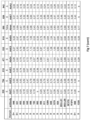
- Figure 1 provides an overview of the generation of region assignment of human antibodies based on Sortilin region binding, effect on PGRN-binding and PGRN-levels and on cross-blocking between the antibodies.
- Sortilin-binding antibodies were selected and assigned to regions A-E based on binding to shuffle constructs in which the sequence corresponded to the tetraodon Sortilin sequence within selected regions of the protein ( Example 1, Figure 2 ).
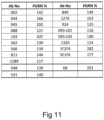
- cross-blocking antibodies of which 18 were D-region and D+ antibodies, increased extracellular PGRN in a cellular assay ( Example 13 , Figure 10 and Figure 11 ). Three of these antibodies were tested in vivo and found to increase plasma PGRN ( Figure 13 , Example 15 ).
- A-E refer to the regions to which the respective Sortilin-binding antibodies were assigned based on shuffle constructs as described in Example 1 and SEQ ID NOs:171-179.
- “Other” refers to an antibody which could not be assigned to one region, and which may bind at the interface between the A- and B-regions.
- Tet refers to antibodies binding also tetraodon-Sortilin.
- Figure 2 shows the region assignment of antibodies based on binding to Sortilin shuffle constructs.
- Panel A shows a linear illustration of the shuffle constructs used for region assignment of antibodies as described in Example 1.
- Sortilin shuffle constructs were generated based on the human Sortilin sequence ( SEQ ID NO:169 ) (sections depicted in grey) in which amino acid residues were exchanged to the corresponding amino acid from the tetraodon Sortilin sequence (depicted in black) ( SEQ ID NO:173 ) ( Examples 1-3 ) .
- Panel B shows predicted structure of the shuffle constructs illustrated linearly in A. Dark residues indicate residues changed to the corresponding tetraodon sequence in the shuffle constructs.
- Panel C illustrates the binding pattern of antibodies assigned to the D-region and the E region classes respectively.
- a "+” indicates binding to a given shuffle construct and a "-" indicates lack of binding.
- antibodies were assigned to regions.
- the resultant antibody region classes are indicated by A-E.
- D and E region antibodies both bound the human sequences (all grey) as indicated by "+” and neither bound the tetraodon sequence (all black) as indicated by "-”, whereas the E region antibody bound the hB45678 shuffle construct while the D Region antibody did not bind resulting in the localisation of binding as illustrated in Panel A.
- D Region antibodies binding to the following shuffle regions was observed: hsort, hB06-10, B12390. The antibodies did not bind to hB01-05, B45678, tet.
- D+ antibodies binding to the following shuffle region was observed: hsort, B12390. The antibodies did not bind to hB01-05, hB06-10, B45678, tet.
- the F binding pattern was similar to the D binding pattern except that no binding to the hB06-10 was observed for D+ antibodies.
- the antibodies did not bind to the fully tetraodon Sortilin protein, except two.
- the two antibodies capable of binding the tetraodon sequence were denoted "tet”.
- "Other” refers to an antibody which could not be assigned to one region.
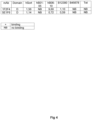
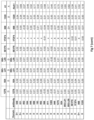
- Figure 4 shows the binding affinities of mouse anti-human antibodies to Sortilin shuffle constructs as obtained by bioLayer interferometry using Octet 384RED as described in Example 8 (EC50, ng/ml). No shading indicates binding and grey shading indicates no binding (NB). Region assignment based on binding patterns is illustrated in Figure 2 .
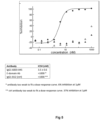
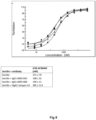
- Figure 5 shows the effect of Sortilin antibody on Sortilin PGRN binding.
- the D Region Sortilin human monoclonal (humAb) antibody 45 (filled circles) prevented PGRN binding to Sortilin, in contrast to a control Sortilin E region antibody (filled triangles) and an IgG control, IgG1-b12 (open triangles) that did not interfere with the binding.
- the binding of antibodies was determined by measuring the displacement of PGRN binding to Sortilin using Homogenous Time Resolved Fluorescent (HTRF) ( Example 10 ). Dose-response evaluation of antibodies was performed with ten concentrations covering 50pM to 1 ⁇ M in a 3-fold dilution curve. The half-maximal inhibitory concentration (IC50) values were calculated by non-linear regression using sigmoidal concentration response (variable slope) in XLfit 4 (IDBS, UK).
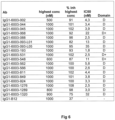
- Figure 6 Summary of effect of antibodies on Sortilin-PGRN binding determined by homogenous time resolved fluorescent (HTRF) analysis as shown in Figure 5 .
- HTRF time resolved fluorescent
- sortilin antibodies characterized by their D-region or D+ assignment inhibit sortilin's binding to PGRN directly and are capable of inhibiting sortilin-PGRN binding.
- FIG 7 shows cross-blocking between antibodies.
- Human antibodies and the mouse antibodies were all tested in a single experiment where each antibody was bound to human wild type (WT) Sortilin ( Figure 7 ). Subsequently all other antibodies were tested for binding to the preformed sortilin:antibody complex ( Example 9 ).
- the selected 15 D-region and 3 D+ human antibodies (based on their effect in the HTRF PGRN-sortilin assay, ( Figure 5 and Figure 6 ) and two mouse D Region antibodies all inhibited binding of each other to human WT Sortilin.
- the antibodies did not cross-block with antibodies designated to other region classes (as illustrated for A-region, E-region and tetraodon recognizing antibodies numbered AbA1-x, AbE1-x and Abtet in the table respectively) except for one cross blocking A region antibody, one antibody with unknown region assignment ("other") and a partial block for a D+ antibody 548.
- region classes as illustrated for A-region, E-region and tetraodon recognizing antibodies numbered AbA1-x, AbE1-x and Abtet in the table respectively.
- Cross blocking between Sortilin antibodies from the same or different regions was determined by analyzing interference with antibody-Sortilin binding. Binding of antibodies to Sortilin-ECD-His was measured by BioLayer Interferometry using Octet 384RED ( Example 9 ). The left column indicates primary (immobilized) antibodies and the top row indicates the secondary antibodies (antibodies being tested against the immobilized antibodies). Binding of both the primary and secondary antibodies to Sortilin-ECD-His would results in a response value higher than 0.1 and indicate that both antibodies were binding to different regions of the protein. Response value less than 0.1 shows lack of binding of the secondary antibody and an effective cross blocking by the immobilized (primary) antibody, which suggests that both antibodies bind to the same region of Sortilin.
- Figure 8 shows the effect of D-region and D+ Sortilin antibodies on the binding of the selective small molecule ligand AF38469 to Sortilin.
- the binding site for AF38469 has been shown to be similar to the binding site of neurotensin and characterized by X-ray crystallography ( Schr ⁇ der et al. Bioorg Med Chem Lett. 2014 Jan 1;24(1):177-80 ).
- PGRN has been reported to bind to the same site ( Lee et al. Hum Mol Genet. 2013 ) antibodies 45 and 68, binding to D-region, and D+ respectively, did not inhibit the binding of AF38469 to sortilin.
- This data suggests that these antibodies have a binding site for Sortilin distinct from the binding site for AF38469. Therefore, antibodies 45 and 68 inhibit PGRN-sortilin binding through a binding site distinct from the hitherto presumed PGRN binding site in sortilin.
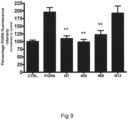
- Figure 9 Effect of antibodies 45 and 68 on cellular binding and endocytosis of PGRN ( Example 12 ).
- Antibodies 45 and 68 inhibited the binding and/or endocytosis of PGRN by sortilin overexpressing cells.
- Addition of neurotensin (NT, 10uM) similarly reduced binding or endocytosis of PGRN as reflected in reduced fluorescence as expected whereas the isotype control antibody B12 did not influence PGRN fluorescence levels.
- Antibodies (100nM) to be tested were added to S18 cells 30 min before addition of recombinant PGRN for 4 hr. The cells were then fixed, stained for PGRN and analyzed by Cellomics. PGRN fluorescence was measured as mean fluorescence per cell. Data is presented as mean ⁇ SD. Data analyzed by one-way Anova followed by Dunnett's analysis, all groups were compared to PGRN. *p ⁇ 0.05; **p ⁇ 0.01
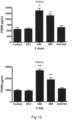
- FIG. 10 Extracellular PGRN levels estimated by ELISA in media from cultures of sortilin over-expressing HEK cells (S18). Sortilin D-region (45, 811) and D+ (68) antibodies increased PGRN levels and a similar effect of the sortilin ligand neurotensin was observed whereas the control antibody B12 had no effect. These observations indicate that D-region and D+ Sortilin antibodies were capable of inhibiting sortilin-mediated clearance of PGRN thereby increasing extracellular PGRN. All antibodies were tested at 100nM. Neurotensin was tested at 10uM. PGRN levels have been normalized to control. Data is presented as mean ⁇ SD. Data was analyzed by one-way Anova followed by Dunnett's analysis, all groups were compared to CTRL *p ⁇ 0.05; **p ⁇ 0.01. ( Example 13 ).
- Figure 12 shows the effect of Sortilin antibody on extracellular PGRN in neuronally differentiated iPSC cells ( Example 14 ).
- the sortilin D-region antibody 45 and the D+ antibody 68 increased PGRN levels whereas the control antibodies B12 and anti-HEL had no effect.
- Neuronally differentiated iPSC cells were plated into 96 wells plate. One week later, antibodies were added to the cells. Media from the cells were collected at 48 hrs or 96 hrs and analysed by human PGRN ELISA (Enzo Life sciences) and samples analysed as per the manufacturer's instructions. Sortilin human antibodies 45 and 68 increased PGRN levels in the media at both time points. Control isotype antibodies B12 and Anti-Hel (negative control) did not change extracellular PGRN. Data is presented as mean ⁇ SD. Data was analyzed by one-way Anova followed by Dunnett's analysis *p ⁇ 0.05; **p ⁇ 0.01 ( Example 14 )
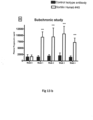
- Figure 13 shows plasma PGRN levels in human Sortilin expressing knock in (KI) mice treated with Sortilin human antibody ( Example 15 ). Sortilin antibody 45 increased plasma PGRN levels whereas the control antibody had no effect.
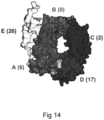
- Figure 14 provides an illustration of sortilin regions, based on sortilin shuffle constructs, imposed onto the predicted sortilin structure.
- the regions constitute the sections of the sortilin protein in which the change of selected amino acid residues from the human sequence to the tetraodon sequence inhibited binding for antibodies of that region class.
- the arrow indicates the reported high affinity binding site of neurotensin and PGRN ( Quistgaard Nat Struct Mol Biol. 2009 Jan;16(1):96-8 , Lee et al, Hum Mol Genet. 2013 ).
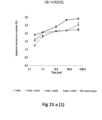
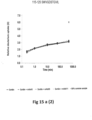
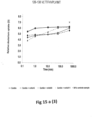
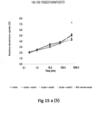
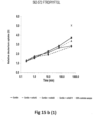
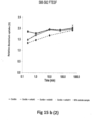
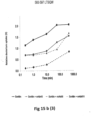
- Figure 15a (Panels 1-6) and 15b (Panels 1-3) Shows representative peptides covering the conformational epitope of antibody 45, 68 and 811. All of the shown peptides show a protection from exchange larger than 0.5D, except peptide 115-125.
- Peptide 115-125 is an example of a peptide which is unaffected by the presence of antibody 45, 68 or 811, and thereby is not a part of the conformational binding epitope ( Example 16)
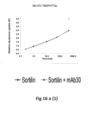
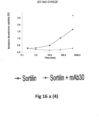
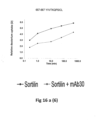
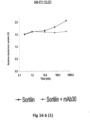
- Figure 16a (Panels 1-6) and 16b (Panels 1-3) shows representative peptides covering the conformational epitope of antibody 30. All of the shown peptides show a protection from exchange larger than 0.5D, except peptide 563-572, peptide 646-656 and peptide 704-714. These three peptides are examples of peptides which are unaffected by the presence of antibody 30, and thereby is not a part of the conformational binding ( Example 16 )
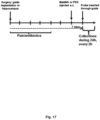
- Figure 17 shows an illustration of the microdialysis for procedure.
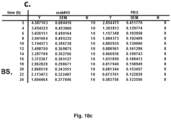
- Figure 18a shows a time course: effect of systemic administration of antibody 45 or PBS (50 mg/kg, 10 ml/kg, s.c.) 24h prior to the microdialysis experiments on the levels of PRGN in the hippocampus of freely moving hSORT1 mice over time (24h).
- PBS 50 mg/kg, 10 ml/kg, s.c.
- Figure 18b shows the results of a pooled 24h dialysis: basal PRGN in the hippocampus of freely moving hSORT1 mice in mab#45- and PBS-treated mice, 3.3 ⁇ 0.3 ng/ml and 1.1 ⁇ 0.1 ng/ml, respectively, as assessed by push-pull microdialysis ( Example 17 ).
- Sortilin is synonymous with the Sortilin protein (identified in for example UniProt as Q99523, 1 and 2).
- the amino acid numbering of Sortilin is given with respect to SEQ ID NO:169 as shown below, Met being amino acid 1:
- D Region is intended to refer to the region on Sortilin (corresponding to residues 523-610 of SEQ ID NO:169 ) consisting of the amino acids in SEQ ID NO:170 as shown below:
- D Region antibodies binding to the following shuffle regions was observed: hsort, hB06-10, B12390. The antibodies did not bind to hB01-05, B45678, tet.
- D+ antibodies binding to the following shuffle regions was observed: hsort, B12390. The antibodies did not bind to hB01-05, hB06-10, B45678, tet.
- D+ antibodies For the antibodies named "D+” a similar binding pattern was observed as for "D" region antibodies except that no binding to the hB06-10 was observed for D+ antibodies. Despite the different binding pattern to shuffle constructs, D+ antibodies shared functional characteristics (cell assays etc.) to D-region antibodies.
- Certain D and D + binding antibodies binds particular the region as defined in SEQ ID NO:185, 186 or 187.
- the invention relates in certain embodiments to antibodies or antigen binding fragments thereof that binds to the D region sequences of SEQ ID 170, and within that region SEQ ID NO:185, 186 or 187.
- these antibodies or antigen-binding fragments influence the PGRN levels and thus may be used to treat disease associated with PGRN, such as FTD, ALS and AD.
- the invention relates to antibodies or antigen binding fragments thereof that binds the D region as defined above and in SEQ ID Nos 170, 185, 186 or 187, and further have affinity for the A region identified in SEQ ID NO 180. Within the A region certain antibodies or antigen binding fragments thereof have affinity for the A region amino acids identified in SEQ ID Nos 181, 182, 183 or 184.
- PGRN proepithelin, granulin-epithelin precursor, PC-cell-derived growth factor, acrogranin
- PGRN proteolytically cleaved from the precursor PGRN ( He, Z. & Bateman, A., J. Mol. Med. 81:600-6X2 (2003 )).
- PGRN has been associated with a variety of events, such as cell cycle regulation and cell motility ( He, Z. & Bateman, A., J. Mol. Med.
- VEGF vascular endothelial growth factor
- PGRN mutations result in haploinsufficiency ( Baker, M., et ah, Nature 442:916-919 (2006 ); Cruts, M., et ah, Nature 442:920-924 (2006 )) and are known to be present in nearly 50% of familial FTD cases, making PGRN mutation a major genetic contributor to FTD ( Cruts, M. & Van Broeckhoven, C, Trends Genet. 24:186-194 (2008 ); Le Ber, I., et ah, Brain 129:3051- 3065 (2006 )).
- the loss-of-function heterozygous character of PGRN mutations implies that in healthy individuals, PGRN expression plays a dose-dependent, critical role in protecting healthy individuals from the development of FTD.
- antibody in the context of the present invention refers to an immunoglobulin molecule or according to some embodiments of the invention, a fragment of an immunoglobulin molecule which has the ability to bind to an epitope of a molecule ("antigen").
- Naturally occurring antibodies typically comprise a tetramer which is usually composed of at least two heavy (H) chains and at least two light (L) chains. Each heavy chain is comprised of a heavy chain variable domain (abbreviated herein as VH) and a heavy chain constant domain, usually comprised of three domains (CH1, CH2 and CH3).
- Heavy chains can be of any isotype, including IgG (IgG1, IgG2, IgG3 and IgG4 subtypes), IgA (IgA1 and IgA2 subtypes), IgM and IgE.
- Each light chain is comprised of a light chain variable domain (abbreviated herein as VL) and a light chain constant domain (CL).
- Light chains include kappa chains and lambda chains.
- the heavy and light chain variable domain is typically responsible for antigen recognition, while the heavy and light chain constant domain may mediate the binding of the immunoglobulin to host tissues or factors, including various cells of the immune system (e.g ., effector cells) and the first component (C1q) of the classical complement system.
- VH and VL domains can be further subdivided into regions of hypervariability, termed “complementarity determining regions,” that are interspersed with domains of more conserved sequence, termed “framework regions” (FR).
- FR frame regions
- Each VH and VL is composed of three CDR Domains and four FR Domains arranged from amino-terminus to carboxy-terminus in the following order: FR1-CDR1-FR2-CDR2-FR3-CDR3-FR4.
- the variable domains of the heavy and light chains contain a binding domain that interacts with an antigen.
- antibodies and their antigen-binding fragments that have been "isolated” so as to exist in a physical milieu distinct from that in which it may occur in nature or that have been modified so as to differ from a naturally occurring antibody in amino acid sequence.
- epitope means an antigenic determinant capable of specific binding to an antibody.
- Epitopes usually consist of surface groupings of molecules such as amino acids or sugar side chains and usually have specific three dimensional structural characteristics, as well as specific charge characteristics. Conformational and linear epitopes are distinguished in that the binding to the former, but not the latter, is always lost in the presence of denaturing solvents.
- the epitope may comprise amino acid residues directly involved in the binding and other amino acid residues, which are not directly involved in the binding, such as amino acid residues which are effectively blocked by the specifically antigen-binding peptide (in other words, the amino acid residue is within the footprint of the specifically antigen-binding peptide).
- the term "antigen-binding fragment of an antibody” means a fragment, portion, region or domain of an antibody (regardless of how it is produced ( e.g ., via cleavage, recombinantly, synthetically, etc. )) that is capable of binding to an epitope, and thus the term “antigen-binding” is intended to mean the same as “epitope-binding” so that, for example, an "antigen-binding fragment of an antibody” is intended to be the same as an “epitope-binding fragment of an antibody”.
- An antigen-binding fragment may contain 1, 2, 3, 4, 5 or all 6 of the CDR Domains of such antibody and, although capable of binding to such epitope, may exhibit a specificity, affinity or selectivity toward such epitope that differs from that of such antibody. Preferably, however, an antigen-binding fragment will contain all 6 of the CDR Domains of such antibody.
- An antigen-binding fragment of an antibody may be part of, or comprise, a single polypeptide chain ( e.g ., an scFv), or may be part of, or comprise, two or more polypeptide chains, each having an amino-terminus and a carboxyl terminus ( e.g ., a diabody, a Fab fragment, a Fab 2 fragment, etc.
- Fragments of antibodies that exhibit antigen-binding ability can be obtained, for example, by protease cleavage of intact antibodies. More preferably, although the two domains of the Fv fragment, VL and VH, are naturally encoded by separate genes, or polynucleotides that encode such gene sequences ( e.g ., their encoding cDNA) can be joined, using recombinant methods, by a flexible linker that enables them to be made as a single protein chain in which the VL and VH regions associate to form monovalent antigen-binding molecules (known as single-chain Fv (scFv); see e.g., Bird et al.
- scFv single-chain Fv
- antigen-binding fragments encompassed within the present invention include (i) a Fab' or Fab fragment, a monovalent fragment consisting of the VL, VH, CL and CH1 domains, or a monovalent antibody as described in WO2007059782 ; (ii) F(ab')2 fragments, bivalent fragments comprising two Fab fragments linked by a disulfide bridge at the hinge domain; (iii) an Fd fragment consisting essentially of the VH and CH1 domains; (iv) a Fv fragment consisting essentially of a VL and VH domains, (v) a dAb fragment ( Ward et al., Nature 341, 544-546 (1989 )), which consists essentially of a VH domain and also called domain antibodies ( Holt et al; Trends Biotechnol.
- the two domains of the Fv fragment, VL and VH are coded for by separate genes, they may be joined, using recombinant methods, by a synthetic linker that enables them to be made as a single protein chain in which the VL and VH domains pair to form monovalent molecules (known as single chain antibodies or single chain Fv (scFv), see for instance Bird et al., Science 242, 423-426 (1988 ) and Huston et al., PNAS USA 85, 5879-5883 (1988 )).
- scFv single chain antibodies or single chain Fv
- antibody also includes antibody-like polypeptides, such as chimeric antibodies and humanized antibodies, and antibody fragments retaining the ability to bind to the antigen (antigen-binding fragments) provided by any known technique, such as enzymatic cleavage, peptide synthesis, and recombinant techniques.
- An antibody as generated can possess any isotype.
- isotype refers to the immunoglobulin class (for instance IgG1, IgG2, IgG3 or IgG4) that is encoded by heavy chain constant domain genes.
- immunoglobulin class for instance IgG1, IgG2, IgG3 or IgG4
- bispecific antibody refers to an antibody containing two independent antigen-binding fragments that each target independent targets. These targets can be epitopes present on different proteins or different epitopes present on the same target. Bispecific antibody molecules can be made using compensatory amino acid changes in the constant domains of the HCs of the parent monospecific bivalent antibody molecules. The resulting heterodimeric antibody contains one Fabs contributed from two different parent monospecific antibodies. Amino acid changes in the Fc domain leads to increased stability of the heterodimeric antibody with bispecificity that is stable over time.
- Bispecific antibodies can also include molecules that are generated using ScFv fusions.
- Bispecific molecules Two monospecific scfv are then independently joined to Fc domains able to form stable heterodimers to generate a single bispecific molecule ( Mabry et al., PEDS 23:3 115-127 (2010 ). Bispecific molecules have dual binding capabilities.
- an “anti-Sortilin antibody” or “Sortilin antibody” (used interchangeably herein, depending on the context wherein its written) is an antibody an antigen-binding fragment thereof which binds specifically to Sortilin, and especially to the Sortilin D Region, SEQ ID NO:170.
- An anti-Sortilin antibody that binds to the Sortilin D Region will usually bind to a conformational epitope or a linear epitope of 3, 4, 5, 6 or 7 consecutive amino acids within the D-Region (for example SEQ ID NOs:185, 186 or 187 ) with an affinity (IC50) at or below 22 nM, such as between 22 nM and 1 nM, between 10 nM and 1 nM or between 5 nM and 1 nM.
- the anti-Sortilin antibodies may also bind to the A region ( SEQ ID NOs:180, 181, 182, 183 or 184 ) although it's emphasized that their main biological function is believed to be achieved by binding to the D Region.
- the binding site identified is rather unique as shown with for example the binding of the selective small molecule ligand AF38469 to Sortilin.
- the binding site for AF38469 has been shown to be similar to the binding site of neurotensin and characterized by X-ray crystallography ( Schr ⁇ der et al. Bioorg Med Chem Lett. 2014 Jan 1;24(1):177-80 ).
- PGRN has been reported to bind to the same site ( Lee et al. Hum Mol Genet. 2013 ).
- the invention relates to an antibody, or an antigen-binding fragment thereof, capable of specifically binding to Sortilin and inhibiting the binding of PGRN to Sortilin, but which binding does not inhibit or substantially inhibit the binding of neurotensin or AF38469 to Sortilin.
- This can be shown using for example displacement of binding to Sortilin using a scintillation proximity assay (SPA) (Example 11).
- SPA scintillation proximity assay
- human antibody (which may be abbreviated to "humAb” or “HuMab”), as used herein, is intended to include antibodies having variable and constant domains derived from human germline immunoglobulin sequences.
- the human antibodies of the invention may include amino acid residues not encoded by human germline immunoglobulin sequences (e.g., mutations introduced by random or site-specific mutagenesis in vitro or during gene rearrangement or by somatic mutation in vivo).
- monoclonal antibody or “monoclonal antibody composition” as used herein refer to a preparation of antibody molecules of single molecular composition.
- a conventional monoclonal antibody composition displays a single binding specificity and affinity for a particular epitope.
- a monoclonal antibody can be composed of more than one Fab domain thereby increasing the specificity to more than one target.
- the terms “monoclonal antibody” or “monoclonal antibody composition” are not intended to be limited by any particular method of production ( e.g ., recombinant, transgenic, hybridoma, etc.).
- the antibodies of the present invention, and their sortilin antigen-binding fragments will preferably be human or, for example for the mouse antibodies (denoted 1F2, 5E1), "humanized,” particularly if employed for therapeutic purposes.
- humanized refer to a molecule, generally prepared using recombinant techniques, having an antigen-binding site derived from an immunoglobulin from a non-human species and a remaining immunoglobulin structure based upon the structure and /or sequence of a human immunoglobulin.
- the antigen-binding site may comprise either complete non-human antibody variable domains fused to human constant domains, or only the complementarity determining regions (CDRs) of such variable domains grafted to appropriate human framework regions of human variable domains.
- the framework residues of such humanized molecules may be wild type (e.g ., fully human) or they may be modified to contain one or more amino acid substitutions not found in the human antibody whose sequence has served as the basis for humanization. Humanization lessens or eliminates the likelihood that a constant domain of the molecule will act as an immunogen in human individuals, but the possibility of an immune response to the foreign variable domain remains ( LoBuglio, A.F. et al. (1989) "Mouse/Human Chimeric Monoclonal Antibody In Man: Kinetics And Immune Response," Proc. Natl. Acad. Sci. (U.S.A.) 86:4220-4224 ).
- variable domains of both heavy and light chains contain three complementarity- determining regions (CDRs) which vary in response to the antigens in question and determine binding capability, flanked by four framework regions (FRs) which are relatively conserved in a given species and which putatively provide a scaffolding for the CDRs.
- CDRs complementarity- determining regions
- FRs framework regions
- humanized antibodies preserve all CDR sequences (for example, a humanized mouse antibody which contains all six CDRs from the mouse antibodies).
- humanized antibodies have one or more CDRs (one, two, three, four, five, six) which are altered with respect to the original antibody, which are also termed one or more CDRs "derived from" one or more CDRs from the original antibody.
- CDRs one, two, three, four, five, six
- the ability to humanize an antigen is well known (see, e.g., US Patents No. 5,225,539 ; 5,530,101 ; 5,585,089 ; 5,859,205 ; 6,407,213 ; 6,881,557 ).
- antibody “XX” is intended to denote an antibody or antigen-binding fragment thereof (for example antibody “5E1"), comprising or consisting of the Light Chain, the Light Chain Variable domain, or the Light Chain Variable domain CDR1-3, as defined by its respective SEQ ID NO, and the Heavy Chain, Heavy Chain Variable Domain, or Heavy Chain Variable Domain CDR1-3 as defined by its respective SEQ ID NO.
- the antibody or antigen-binding fragment thereof are defined by their entire Heavy Chain Variable Domain comprising as defined by their SEQ ID NO and their Light Chain Variable Domain as defined by their SEQ ID NO.
- the numbering of amino acid residues in this region is according to IMGT ® , the international ImMunoGeneTics information system ® or, Kabat, E. A., Wu, T. T., Perry, H. M., Gottesmann, K. S. & Foeller, C. (1991). Sequences of Proteins of Immunological Interest, 5th edit., NIH Publication no. 91-3242 U.S. Department of Health and Human Services ; Chothia, C. & Lesk, A. M. (1987). Canonical structures For The Hypervariable domains Of Immunoglobulins. J. Mol. Biol. 196, 901-917 .
- an antibody or an antigen-binding fragment thereof is said to "specifically" bind a region of another molecule (i.e., an epitope) if it reacts or associates more frequently, more rapidly, with greater duration and/or with greater affinity or avidity with that epitope relative to alternative epitopes.
- the antibody, or antigen-binding fragment thereof, of the invention binds at least 10-fold more strongly to its target (Sortilin) than to another molecule; preferably at least 50-fold more strongly and more preferably at least 100-fold more strongly.
- the antibody, or antigen-binding fragment thereof binds under physiological conditions, for example, in vivo.
- binding in the context of the binding of an antibody to a predetermined antigen typically refers to binding with an affinity corresponding to a KD of about 10 -7 M or less, such as about 10 -8 M or less, such as about 10 -9 M or less when determined by for instance surface plasmon resonance (SPR) technology in either a BIAcore ® 3000 or T200instrument using the antigen as the ligand and the antibody as the analyte, and binds to the predetermined antigen with an affinity corresponding to a KD that is at least ten-fold lower, such as at least 100 fold lower, for instance at least 1,000 fold lower, such as at least 10,000 fold lower, for instance at least 100,000 fold lower than its affinity for binding to a non-specific antigen (e.g., BSA, casein) other than the predetermined antigen or a closely-related antigen.
- a non-specific antigen e.g., BSA, casein
- the amount with which the affinity is lower is dependent on the KD of the antibody, so that when the KD of the antibody is very low (that is, the antibody is highly specific), then the amount with which the affinity for the antigen is lower than the affinity for a non-specific antigen may be at least 10,000 fold.
- the invention pertains to anti-Sortilin antibodies that exhibit a binding affinity corresponding to at or below 22 nM, such as between 22 nM and 1 nM, between 10 nM and 1 nM or between 5 nM and 1 nM, when determined by, for instance, bioLayer interferometry using an Octet 384RED ( Example 8 ).
- KD (M) refers to the dissociation equilibrium constant of a particular antibody-antigen interaction and is obtained by dividing the kd by the ka.
- the invention relates to an antibody, or antigen-binding fragment thereof, which exhibits one or more of the following properties:
- the term "capability to reduce and/or inhibit PGRN binding to Sortilin” includes an antibody that has the ability to inhibit binding to PGRN at an IC50 less than 50nM but preferably between 10nM and 0.2 nM using a time resolved fluorescence assay (HTFR) disclosed in Example 10.
- HTFR time resolved fluorescence assay
- the term "capability to reduce and/or inhibit clearance of PGRN by Sortilin-expressing cells” includes the ability to increase the concentration of PGRN in the medium by at least 25%, such as between 25% and 500%, between 25% and 400% or between 25% and 200% as measured by an ELISA assay as disclosed in Example 13.
- the "capability to reduce and/or inhibit the endocytosis of PGRN by Sortilin-expressing cells” includes the ability reduce the intracellular concentration of PGRN by at least 10% but preferably between 20 and 100 % as measured by a cellomics based assay as disclosed in Example 12.
- the "capability to increase the amount and/or concentration of PGRN in the plasma in human-Sortilin-expressing knock-in mice” includes the ability to increase the concentration of PGRN in the plasma by at least 25% but preferably between 50 and 500 percent as measured by an ELISA assay as disclosed in Example 15.
- the capability to increase PGRN in the brain may also be assayed by for example microdialysis.
- capability to increase the amount and/or concentration of PGRN in the brain includes the ability to increase the concentration of PGRN in the brain by at least 25% but preferably between 50 and 500 percent as measured by microdialysis.
- CDR residues not contacting the relevant epitope and not in the SDRs can be identified based on previous studies (for example residues H60-H65 in CDR H2 are often not required), from regions of Kabat CDRs lying outside Chothia hypervariable loops (see, Kabat et al. (1992) SEQUENCES OF PROTEINS OF IMMUNOLOGICAL INTEREST, National Institutes of Health Publication No. 91-3242 ; Chothia, C. et al.
- substitutions of acceptor for donor amino acids in the CDRs to include reflects a balance of competing considerations. Such substitutions are potentially advantageous in decreasing the number of mouse amino acids in a humanized antibody and consequently decreasing potential immunogenicity. However, substitutions can also cause changes of affinity, and significant reductions in affinity are preferably avoided. Positions for substitution within CDRs and amino acids to substitute can also be selected empirically.
- a single amino acid alteration of a CDR residue can result in loss of functional binding ( Rudikoff, S. etc. (1982) "Single Amino Acid Substitution Altering Antigen-binding Specificity," Proc. Natl. Acad. Sci. (USA) 79(6):1979-1983 ) provides a means for systematically identifying alternative functional CDR sequences.
- a polynucleotide encoding the CDR is mutagenized (for example via random mutagenesis or by a site-directed method (e.g ., polymerase chain-mediated amplification with primers that encode the mutated locus)) to produce a CDR having a substituted amino acid residue.
- the BLOSUM62.iij substitution score for that substitution can be identified.
- the BLOSUM system provides a matrix of amino acid substitutions created by analyzing a database of sequences for trusted alignments ( Eddy, S.R. (2004) “Where Did The BLOSUM62 Alignment Score Matrix Come From?,” Nature Biotech. 22(8):1035-1036 ; Henikoff, J.G. (1992) "Amino acid substitution matrices from protein blocks," Proc. Natl. Acad. Sci. (USA) 89:10915-10919 ; Karlin, S. et al.
- the BLOSUM62.iij substitution score is deemed to be insufficiently conservative, and a new candidate substitution is selected and produced having a higher substitution score.
- the BLOSUM62.iij substitution score will be 0, and more conservative changes (such as to aspartate, asparagine, glutamine, or lysine) are preferred.
- the invention thus contemplates the use of random mutagenesis to identify improved CDRs.
- conservative substitutions may be defined by substitutions within the classes of amino acids reflected in one or more of the following three tables:
- More conservative substitutions groupings include: valine-leucine-isoleucine, phenylalanine-tyrosine, lysine-arginine, alanine-valine, and asparagine-glutamine.
- Phage display technology can alternatively be used to increase (or decrease) CDR affinity.
- This technology referred to as affinity maturation, employs mutagenesis or "CDR walking" and re-selection uses the target antigen or an antigenic antigen-binding fragment thereof to identify antibodies having CDRs that bind with higher (or lower) affinity to the antigen when compared with the initial or parental antibody (See, e.g . Glaser et al. (1992) J. Immunology 149:3903 ). Mutagenizing entire codons rather than single nucleotides results in a semi-randomized repertoire of amino acid mutations.
- Libraries can be constructed consisting of a pool of variant clones each of which differs by a single amino acid alteration in a single CDR and which contain variants representing each possible amino acid substitution for each CDR residue.
- Mutants with increased (or decreased) binding affinity for the antigen can be screened by contacting the immobilized mutants with labeled antigen. Any screening method known in the art can be used to identify mutant antibodies with increased or decreased affinity to the antigen (e.g ., ELISA) (See Wu et al. 1998, Proc. Natl. Acad. Sci. (U.S.A.) 95:6037 ; Yelton et al., 1995, J. Immunology 155:1994 ). CDR walking which randomizes the Light Chain may be used possible (see, Schier et al., 1996, J. Mol. Bio. 263:551 ).
- sequence of CDR variants of encompassed antibodies or their antigen-binding fragments may differ from the sequence of the CDR of the parent antibody through substitutions; for instance substituted 4 amino acid residue, 3 amino acid residue, 2 amino acid residue or 1 of the amino acid residues.
- amino acids in the CDR regions may be substituted with conservative substitutions, as defined in the below 3 tables.
- transgenic non-human animal refers to a non-human animal having a genome comprising one or more human heavy and/or light chain transgenes or trans-chromosomes (either integrated or non-integrated into the animal's natural genomic DNA) and which is capable of expressing fully human antibodies.
- a transgenic mouse can have a human light chain transgene and either a human heavy chain transgene or human heavy chain trans-chromosome, such that the mouse produces human anti-Sortilin antibody when immunized with Sortilin antigen and/or cells expressing Sortilin.
- the human heavy chain transgene may be integrated into the chromosomal DNA of the mouse, as is the case for transgenic mice, for instance HuMAb mice, such as HCo7 or HCo12 mice, or the human heavy chain transgene may be maintained extra-chromosomally, as is the case for trans-chromosomal KM mice as described in WO02/43478 .
- transgenic and trans-chromosomal mice are capable of producing multiple isotypes of human monoclonal antibodies to a given antigen (such as IgG, IgA, IgM, IgD and/or IgE) by undergoing V-D-J recombination and isotype switching.
- Transgenic, nonhuman animal can also be used for production of antibodies against a specific antigen by introducing genes encoding such specific antibody, for example by operatively linking the genes to a gene which is expressed in the milk of the animal.
- treatment means ameliorating, slowing, attenuating or reversing the progress or severity of a disease or disorder, or ameliorating, slowing, attenuating or reversing one or more symptoms or side effects of such disease or disorder.
- treatment or “treating” further means an approach for obtaining beneficial or desired clinical results, where "beneficial or desired clinical results” include, without limitation, alleviation of a symptom, diminishment of the extent of a disorder or disease, stabilized (i.e., not worsening) disease or disorder state, delay or slowing of the progression a disease or disorder state, amelioration or palliation of a disease or disorder state, and remission of a disease or disorder, whether partial or total detectable or undetectable.
- an “effective amount,” when applied to an antibody or antigen-binding fragment thereof of the invention, refers to an amount sufficient, at dosages and for periods of time necessary, to achieve an intended biological effect or a desired therapeutic result including, without limitation, clinical results.
- the phrase "therapeutically effective amount,” when applied to an antibody or antigen-binding fragment thereof of the invention, is intended to denote an amount of the antibody, or antigen-binding fragment thereof, that is sufficient to ameliorate, palliate, stabilize, reverse, slow, attenuate or delay the progression of a disorder or disease state, or of a symptom of the disorder or disease.
- the method of the present invention provides for administration of the antibody, or antigen-binding fragment thereof, in combinations with other compounds. In such instances, the "effective amount" is the amount of the combination sufficient to cause the intended biological effect.
- a therapeutically effective amount of an anti-Sortilin antibody or antigen-binding fragment thereof of the invention may vary according to factors such as the disease state, age, sex, and weight of the individual, and the ability of the anti-Sortilin antibody or antigen-binding fragment thereof to elicit a desired response in the individual.
- a therapeutically effective amount is also one in which any toxic or detrimental effects of the antibody or antibody portion are outweighed by the therapeutically beneficial effects.
- the antibodies are preferably a human or humanized antibody.
- the numbering of amino acid residues in this region is according to IMGT ® , the international ImMunoGeneTics information system ® or, Kabat, E. A., Wu, T. T., Perry, H. M., Gottesmann, K. S. & Foeller, C. (1991). Sequences of Proteins of Immunological Interest, 5th edit., NIH Publication no. 91-3242 U.S. Department of Health and Human Services ; Chothia, C. & Lesk, A. M. (1987). Canonical structures For The Hypervariable domains Of Immunoglobulins. J. Mol. Biol. 196, 901-917 .
- the invention relates to an antibody, or an antigen-binding fragment thereof, comprising or consisting of:
- the monoclonal antibody may comprise or consist of the heavy chain variable domain of SEQ ID NO:8 and the light chain variable domain of SEQ ID NO:7.
- the invention relates to an antibody, or an antigen-binding fragment thereof, comprising or consisting of:
- the monoclonal antibody may comprise or consist of the heavy chain variable domain of SEQ ID NO:16 and the light chain variable domain of SEQ ID NO:15.
- the invention relates to an antibody, or an antigen-binding fragment thereof, comprising or consisting of:
- the monoclonal antibody may comprise or consist of the heavy chain variable domain of SEQ ID NO:24 and the light chain variable domain of SEQ ID NO:23.
- the invention relates to an antibody, or an antigen-binding fragment thereof, comprising or consisting of:
- the monoclonal antibody may comprise or consist of the heavy chain variable domain of SEQ ID NO:32 and the light chain variable domain of SEQ ID NO:31.
- the invention relates to an antibody, or an antigen-binding fragment thereof, comprising or consisting of:
- the monoclonal antibody may comprise or consist of the heavy chain variable domain of SEQ ID NO:40 and the light chain variable domain of SEQ ID NO:39.
- the invention relates to an antibody, or an antigen-binding fragment thereof, comprising or consisting of:
- the monoclonal antibody may comprise or consist of the heavy chain variable domain of SEQ ID NO:48 and the light chain variable domain of SEQ ID NO:47.
- the invention relates to an antibody, or an antigen-binding fragment thereof, comprising or consisting of:
- the monoclonal antibody may comprise or consist of the heavy chain variable domain of SEQ ID NO:56 and the light chain variable domain of SEQ ID NO:55.
- the invention relates to an antibody, or an antigen-binding fragment thereof, comprising or consisting of:
- the monoclonal antibody may comprise or consist of the heavy chain variable domain of SEQ ID NO:64 and the light chain variable domain of SEQ ID NO:63.
- the invention relates to an antibody, or an antigen-binding fragment thereof, comprising or consisting of:
- the monoclonal antibody may comprise or consist of the heavy chain variable domain of SEQ ID NO:72 and the light chain variable domain of SEQ ID NO:71.
- the invention relates to an antibody, or an antigen-binding fragment thereof, comprising or consisting of:
- the monoclonal antibody may comprise or consist of the heavy chain variable domain of SEQ ID NO:80 and the light chain variable domain of SEQ ID NO:79.
- the invention relates to an antibody, or an antigen-binding fragment thereof, comprising or consisting of:
- the monoclonal antibody may comprise or consist of the heavy chain variable domain of SEQ ID NO:88 and the light chain variable domain of SEQ ID NO:87.
- the invention relates to an antibody, or an antigen-binding fragment thereof, comprising or consisting of:
- the monoclonal antibody may comprise or consist of the heavy chain variable domain of SEQ ID NO:96 and the light chain variable domain of SEQ ID NO:95.
- the invention relates to an antibody, or an antigen-binding fragment thereof, comprising or consisting of:
- the monoclonal antibody may comprise or consist of the heavy chain variable domain of SEQ ID NO:104 and the light chain variable domain of SEQ ID NO:103.
- Antibody 811-02 isoethyl-N-(2-aminoethyl)-2-aminoethyl-N-(2-aminoethyl)-2-aminoethyl-N-(2-aminoethyl)-2-aminoethyl-N-(2-aminoethyl)-2-aminoethyl-N-(2-aminoethyl)
- the invention relates to an antibody, or an antigen-binding fragment thereof, comprising or consisting of:
- the monoclonal antibody may comprise or consist of the heavy chain variable domain of SEQ ID NO:112 and the light chain variable domain of SEQ ID NO:111.
- the invention relates to an antibody, or an antigen-binding fragment thereof, comprising or consisting of:
- the monoclonal antibody may comprise or consist of the heavy chain variable domain of SEQ ID NO:120 and the light chain variable domain of SEQ ID NO:119.
- the invention relates to an antibody, or an antigen-binding fragment thereof, comprising or consisting of:
- the monoclonal antibody may comprise or consist of the heavy chain variable domain of SEQ ID NO:128 and the light chain variable domain of SEQ ID NO:127.
- the invention relates to an antibody, or an antigen-binding fragment thereof, comprising or consisting of:
- the invention relates to an antibody, or an antigen-binding fragment thereof, comprising or consisting of:
- the monoclonal antibody may comprise or consist of the heavy chain variable domain of SEQ ID NO:144 and the light chain variable domain of SEQ ID NO:143.
- the invention relates to an antibody, or an antigen-binding fragment thereof, comprising or consisting of:
- the monoclonal antibody may comprise or consist of the heavy chain variable domain of SEQ ID NO:160 and the light chain variable domain of SEQ ID NO:159.
- the antibodies may be in a composition together with a pharmaceutically acceptable carrier.
- the antibodies of the invention may be used in therapy.
- the antibodies of the invention may be used in treating FTD or ALS or TDP43 proteinopathies such as Alzheimer's Disease (AD).
- AD Alzheimer's Disease
- the HuMAb mouse contains a human immunoglobulin gene minilocus that encodes unrearranged human heavy variable and constant ( ⁇ and Y) and light variable and constant ( ⁇ ) chain immunoglobulin sequences, together with targeted mutations that inactivate the endogenous ⁇ and K chain loci ( Lonberg, N. et al., Nature 368, 856-859 (1994 )). Accordingly, the mice exhibit reduced expression of mouse IgM or K and in response to immunization, the introduced human heavy and light chain transgenes, undergo class switching and somatic mutation to generate high affinity human IgG, ⁇ monoclonal antibodies (Lonberg, N. et al.
- HuMAb mice The preparation of HuMAb mice is described in detail in Taylor, L. et al., Nucleic Acids Research 20, 6287-6295 (1992 ), Chen, J. et al., International Immunology 5, 647-656 (1993 ), Tuaillon et al., J. Immunol. 152, 2912-2920 (1994 ), Taylor, L.
- mice have a JKD disruption in their endogenous light chain (kappa) genes (as described in Chen et al., EMBO J. 12, 811-820 (1993 )), a CMD disruption in their endogenous heavy chain genes (as described in Example 1 of WO 01/14424 ), and a KCo5 human kappa light chain transgene (as described in Fishwild et al., Nature Biotechnology 14, 845-851 (1996 )).
- kappa endogenous light chain
- CMD disruption in their endogenous heavy chain genes as described in Example 1 of WO 01/14424
- KCo5 human kappa light chain transgene as described in Fishwild et al., Nature Biotechnology 14, 845-851 (1996 )
- the HCo7 mice have a HCo7 human heavy chain transgene (as described in US 5,770,429 ), the HCo12 mice have a HCo12 human heavy chain transgene (as described in Example 2 of WO 01/14424 ), the HCo17 mice have a HCo17 human heavy chain transgene (as described in Example 2 of WO 01/09187 ) and the HCo20 mice have a HCo20 human heavy chain transgene.
- the resulting mice express human immunoglobulin heavy and kappa light chain transgenes in a background homozygous for disruption of the endogenous mouse heavy and kappa light chain loci.
- the endogenous mouse kappa light chain gene has been homozygously disrupted as described in Chen et al., EMBO J. 12, 811-820 (1993 ) and the endogenous mouse heavy chain gene has been homozygously disrupted as described in Example 1 of WO 01/09187 .
- This mouse strain carries a human kappa light chain transgene, KCo5, as described in Fishwild et al., Nature Biotechnology 14, 845-851 (1996 ).
- This mouse strain also carries a human heavy chain transchromosome composed of chromosome 14 fragment hCF (SC20) as described in WO 02/43478 .
- the endogenous mouse kappa light chain gene has been homozygously disrupted as described in Chen et al., EMBO J. 12, 811-820 (1993 ) and the endogenous mouse heavy chain gene has been homozygously disrupted as described in Example 1 of WO 01/09187 .
- This mouse strain carries a human kappa light chain transgene, KCo5, as described in Fishwild et al., Nature Biotechnology 14, 845-851 (1996 ).
- This mouse strain also carries a human heavy chain trans-chromosome composed of chromosome 14 antigen-binding fragment hCF (SC20) as described in WO 02/43478 .
- Splenocytes from these transgenic mice may be used to generate hybridomas that secrete human monoclonal antibodies according to well-known techniques.
- Human monoclonal or polyclonal antibodies of the present invention, or antibodies of the present invention originating from other species may also be generated transgenically through the generation of another non-human mammal or plant that is transgenic for the immunoglobulin heavy and light chain sequences of interest and production of the antibody in a recoverable form therefrom.
- antibodies may be produced in, and recovered from, the milk of goats, cows, or other mammals. See for instance US 5,827,690 , US 5,756,687 , US 5,750,172 and US 5,741,957 .
- the antibody of the invention may be of any isotype.
- the choice of isotype typically will be guided by the desired effector functions, such as ADCC induction.
- Exemplary isotypes are IgG1, IgG2, IgG3, and IgG4. Either of the human light chain constant domains, kappa or lambda, may be used.
- the class of an anti-Sortilin antibody of the present invention may be switched by known methods. For example, an antibody of the present invention that was originally IgM may be class switched to an IgG antibody of the present invention. Further, class switching techniques may be used to convert one IgG subclass to another, for instance from IgGI to IgG2.
- an antibody of the present invention is an IgG1 antibody, for instance an IgG1, ⁇ .
- An antibody is said to be of a particular isotype if its amino acid sequence is most homologous to that isotype, relative to other isotypes.
- the antibody of the invention is a full-length antibody, preferably an IgG antibody, in particular an IgG1, ⁇ antibody.
- the antibody of the invention is an antibody antigen-binding fragment or a single-chain antibody.
- Antibodies and antigen-binding fragments thereof may e.g. be obtained by antigen-binding fragmentation using conventional techniques, and antigen-binding fragments screened for utility in the same manner as described herein for whole antibodies.
- F(ab')2 antigen-binding fragments may be generated by treating antibody with pepsin.
- the resulting F(ab')2 antigen-binding fragment may be treated to reduce disulfide bridges to produce Fab' antigen-binding fragments.
- Fab antigen-binding fragments may be obtained by treating an IgG antibody with papain; Fab' antigen-binding fragments may be obtained with pepsin digestion of IgG antibody.
- An F(ab') antigen-binding fragment may also be produced by binding Fab'-described below via a thioether bond or a disulfide bond.
- a Fab' antigen-binding fragment is an antibody antigen-binding fragment obtained by cutting a disulfide bond of the hinge domain of the F(ab') 2 .
- a Fab'- antigen-binding fragment may be obtained by treating an F(ab') 2 antigen-binding fragment with a reducing agent, such as dithiothreitol.
- Antibody antigen-binding fragment may also be generated by expression of nucleic acids encoding such antigen-binding fragments in recombinant cells (see for instance Evans et al., J. Immunol. Meth.
- a chimeric gene encoding a portion of an F(ab')2 antigen-binding fragment could include DNA sequences encoding the CH1 domain and hinge domain of the H chain, followed by a translational stop codon to yield such a truncated antibody antigen-binding fragment molecule.
- the anti-Sortilin antibody is a monovalent antibody, preferably a monovalent antibody as described in WO2007059782 having a deletion of the hinge region.
- the antibody is a monovalent antibody, wherein said anti-Sortilin antibody is constructed by a method comprising : i) providing a nucleic acid construct encoding the light chain of said monovalent antibody, said construct comprising a nucleotide sequence encoding the VL region of a selected antigen specific anti-Sortilin antibody and a nucleotide sequence encoding the constant CL region of an Ig, wherein said nucleotide sequence encoding the VL region of a selected antigen specific antibody and said nucleotide sequence encoding the CL region of an Ig are operably linked together, and wherein, in case of an IgG1 subtype, the nucleotide sequence encoding the CL region has been modified such that the CL region does not contain any amino acids capable of forming dis
- the anti-Sortilin antibody is a monovalent antibody, which comprises:
- the heavy chain of the monovalent antibody has been modified such that the entire hinge region has been deleted.
- sequence of the monovalent antibody has been modified so that it does not comprise any acceptor sites for N-linked glycosylation.
- the invention also includes "Bispecific Antibodies," wherein an anti-Sortilin binding region (e.g., a Sortilin-binding region of an anti-Sortilin monoclonal antibody) is part of a bivalent or polyvalent bispecific scaffold that targets more than one epitope, (for example a second epitope could comprise an epitope of an active transport receptor, such that the Bispecific Antibody would exhibit improved transcytosis across a biological barrier, such as the Blood Brain Barrier).
- the monovalent Fab of an anti-Sortilin antibody may be joined to an additional Fab or scfv that targets a different protein to generate a bispecific antibody.
- a bispecific antibody can have a dual function, for example a therapeutic function imparted by an anti-sortilin binding domain and a transport function that can bind to a receptor molecule to enhance transfer cross a biological barrier, such as the blood brain barrier.
- Antibodies and antigen-binding fragments thereof of the invention also include single chain antibodies.
- Single chain antibodies are peptides in which the heavy and light chain Fv domains are connected.
- the present invention provides a single-chain Fv (scFv) wherein the heavy and light chains in the Fv of an anti-Sortilin antibody of the present invention are joined with a flexible peptide linker (typically of about 10, 12, 15 or more amino acid residues) in a single peptide chain.
- scFv single-chain Fv
- Methods of producing such antibodies are described in for instance US 4,946,778 , Pluckthun in The Pharmacology of Monoclonal Antibodies, vol. 113, Rosenburg and Moore eds. Springer-Verlag, New York, pp.
- the single chain antibody may be monovalent, if only a single VH and VL are used, bivalent, if two VH and VL are used, or polyvalent, if more than two VH and VL are used.
- the modified amino acid may, for instance, be selected from a glycosylated amino acid, a PEGylated amino acid, a farnesylated amino acid, an acetylated amino acid, a biotinylated amino acid, an amino acid conjugated to a lipid moiety, or an amino acid conjugated to an organic derivatizing agent.
- the antibodies and antigen-binding fragments thereof of the present invention may further be used in a diagnostic method or as a diagnostic imaging ligand.
- antibodies and antigen-binding fragments thereof of the invention comprising one or more radiolabeled amino acids are provided.
- a radiolabeled anti-Sortilin antibody may be used for both diagnostic and therapeutic purposes (conjugation to radiolabeled molecules is another possible feature).
- Non-limiting examples of such labels include, but are not limited to bismuth ( 213 Bi), carbon ( 11 C, 13 C, 14 C), chromium ( 51 Cr), cobalt ( 57 Co, 80 Co), copper ( 64 Cu), dysprosium ( 165 Dy), erbium ( 169 Er), fluorine ( 18 F), gadolinium ( 153 Gd, 159 Gd), gallium ( 68 Ga, 67 Ga), germanium ( 68 Ge), gold ( 198 Au), holmium ( 166 Ho), hydrogen ( 3 H), indium ( 111 In, 112 In, 113 In, 115 In), iodine ( 121 I, 123 I, 125 I, 131 I), iridium ( 192 Ir), iron ( 59 Fe), krypton ( 81m Kr), lanthanium ( 140 La), lutelium ( 177 Lu), manganese ( 54 Mn), molybdenum ( 99 Mo), nitrogen ( 13 N, 15 N), oxygen ( 15 O), palladium (
- radiolabeled amino acids and related peptide derivatives are known in the art (see for instance Junghans et al., in Cancer Chemotherapy and Biotherapy 655-686 (2nd edition, Chafner and Longo, eds., Lippincott Raven (1996 )) and US 4,681,581 , US 4,735,210 , US 5,101,827 , US 5,102,990 (US RE35,500), US 5,648,471 and US 5,697,902 .
- a radioisotope may be conjugated by a chloramine T method ( Lindegren, S. et al.
- the invention also provides anti-Sortilin antibodies and antigen-binding fragments thereof that are detectably labeled using a fluorescent label (such as a rare earth chelate ( e.g ., a europium chelate)), a fluorescein-type label (e.g ., fluorescein, fluorescein isothiocyanate, 5-carboxyfluorescein, 6-carboxy fluorescein, dichlorotriazinylamine fluorescein), a rhodamine-type label (e.g ., ALEXA FLUOR ® 568 (Invitrogen), TAMRA ® or dansyl chloride), VIVOTAG 680 XL FLUOROCHROME TM (Perkin Elmer), phycoerythrin; umbelliferone, Lissamine; a cyanine; a phycoerythrin, Texas Red, BODIPY FL-SE ® (Invitrogen) or an ana fluorescent
- Chemiluminescent labels may be employed (e.g ., luminol, luciferase, luciferin, and aequorin). Such diagnosis and detection can also be accomplished by coupling the diagnostic molecule of the present invention to detectable substances including, but not limited to, various enzymes, enzymes including, but not limited to, horseradish peroxidase, alkaline phosphatase, beta-galactosidase, or acetylcholinesterase, or to prosthetic group complexes such as, but not limited to, streptavidin/biotin and avidin/biotin.
- the anti-Sortilin antibody or Sortilin-binding fragment thereof of the invention may be labelled with a fluorescent label, a chemiluminescent label, a paramagnetic label, a radioisotopic label or an enzyme label.
- the labelled antibody of fragment may be used in detecting or measuring the presence or amount of said Sortilin in the brain of a subject.
- This method may comprise the detection or measurement of in vivo imaging of anti-Sortilin antibody or Sortilin-binding fragment bound to said Sortilin and may comprises ex vivo imaging of said anti-Sortilin antibody or Sortilin-binding fragment bound to such Sortilin.
- the invention relates to an expression vector encoding one or more polypeptide chains of an antibody of the invention or an antigen-binding-domain thereof.
- Such expression vectors may be used for recombinant production of the antibodies and antigen-binding fragments of the invention.
- An expression vector in the context of the present invention may be any suitable DNA or RNA vector, including chromosomal, non-chromosomal, and synthetic nucleic acid vectors (a nucleic acid sequence comprising a suitable set of expression control elements).
- suitable DNA or RNA vector including chromosomal, non-chromosomal, and synthetic nucleic acid vectors (a nucleic acid sequence comprising a suitable set of expression control elements).
- examples of such vectors include derivatives of SV40, bacterial plasmids, phage DNA, baculovirus, yeast plasmids, vectors derived from combinations of plasmids and phage DNA, and viral nucleic acid (RNA or DNA) vectors.
- an anti-Sortilin antibody-encoding nucleic acid is comprised in a naked DNA or RNA vector, including, for example, a linear expression element (as described in, for instance, Sykes and Johnston, Nat Biotech 12, 355-59 (1997 )), a compacted nucleic acid vector (as described in for instance US 6,077,835 and/or WO 00/70087 ), a plasmid vector such as pBR322, pUC 19/18, or pUC 118/119, a "midge" minimally-sized nucleic acid vector (as described in, for instance, Schakowski et al., Mol Ther 3, 793-800 (2001 )), or as a precipitated nucleic acid vector construct, such as a CaPO 4 -precipitated construct (as described in, for instance, WO 00/46147 , Benvenisty and Reshef, PNAS USA 83, 9551-55 (1986 ), Wigler et al
- the vector is suitable for expression of anti-Sortilin antibodies or antigen-binding fragments thereof in a bacterial cell.
- expression vectors such as BlueScript (Stratagene), pIN vectors ( Van Heeke & Schuster, J Biol Chem 264, 5503-5509 (1989 ), pET vectors (Novagen, Madison, WI) and the like).
- anti-Sortilin antibody-encoding nucleic acids may comprise or be associated with any suitable promoter, enhancer, and other expression-facilitating elements.
- suitable promoter, enhancer, and other expression-facilitating elements include strong expression promoters (e. g., human CMV IE promoter/enhancer as well as RSV, SV40, SL3-3, MMTV, and HIV LTR promoters), effective poly (A) termination sequences, an origin of replication for plasmid product in E. coli, an antibiotic resistance gene as selectable marker, and/or a convenient cloning site (e.g., a polylinker).
- Nucleic acids may also comprise an inducible promoter as opposed to a constitutive promoter such as CMV IE (the skilled artisan will recognize that such terms are actually descriptors of a degree of gene expression under certain conditions).
- the invention relates to a recombinant eukaryotic or prokaryotic host cell, such as a transfectoma, which produces an antibody or antigen-binding fragment thereof of the invention as defined herein or a bispecific molecule of the invention as defined herein.
- host cells include yeast, bacteria, and mammalian cells, such as CHO or HEK cells.
- the present invention provides a cell comprising a nucleic acid stably integrated into the cellular genome that comprises a sequence coding for expression of an anti-Sortilin antibody of the present invention or an antigen-binding fragment thereof.
- the present invention provides a cell comprising a non-integrated nucleic acid, such as a plasmid, cosmid, phagemid, or linear expression element, which comprises a sequence coding for expression of an anti-Sortilin antibody or antigen-binding fragment thereof of the invention.
- a non-integrated nucleic acid such as a plasmid, cosmid, phagemid, or linear expression element, which comprises a sequence coding for expression of an anti-Sortilin antibody or antigen-binding fragment thereof of the invention.
- the invention relates to a method for producing an anti-Sortilin antibody of the invention, said method comprising the steps of a) culturing a hybridoma or a host cell of the invention as described herein above, and b) purifying the antibody of the invention from the culture media.
- the invention relates to a preparation that, as such term is used herein, comprises an anti-Sortilin antibody as defined herein, and that is substantially free of naturally-arising antibodies that are either not capable of binding to sortilin or that do not materially alter the anti-Sortilin functionality of the preparation.
- a preparation does not encompass naturally-arising serum, or a purified derivative of such serum, that comprises a mixture of an anti-Sortilin antibody and another antibody that does not alter the functionality of the anti-Sortilin antibody of the preparation, wherein such functionality is:
- the invention particularly relates to preparations of such an anti-Sortilin antibody having a structural change in its amino acid sequence (in any of its CDRs, variable domains, framework residues and/or constant domains) relative to the structure of a naturally-occurring anti-Sortilin antibody, wherein said structural change causes the anti-Sortilin antibody monoclonal antibody to exhibit a markedly altered functionality (i.e., more than a 20% difference, more than a 40% difference, more than a 60% difference, more than an 80% difference, more than a 100% difference, more than a 150% difference, more than a 2-fold difference, more than a 4-fold difference, more than a 5-fold difference, or more than a 10-fold difference in functionality) relative to the functionality exhibited by said naturally-occurring anti-Sortilin antibody; wherein such functionality is:
- substantially free of naturally-arising antibodies refers to the complete absence of such naturally-arising antibodies in such preparations, or of the inclusion of a concentration of such naturally-arising antibodies in such preparations that does not materially affect the Sortilin-binding properties of the preparations.
- An antibody is said to be “isolated” if it has no naturally-arising counterpart or has been separated or purified from components which naturally accompany it.
- naturally-arising antibodies refers to antibodies (including naturally-arising autoantibodies) elicited within living humans or other animals, as a natural consequence to the functioning of their immune systems.
- the antibodies of antigen-binding fragments thereof of the present invention may be produced in different cell lines, such as a human cell line, a mammal non-human cell line, and insect cell line, for example a CHO cell line, HEK cell line, BHK-21 cell line, murine cell line (such as a myeloma cell line), fibrosarcoma cell line, PER.C6 cell line, HKB-11 cell line, CAP cell line and HuH-7 human cell line ( Dumont et al, 2015, Crit Rev Biotechnol. Sep 18:1-13 ., the contents which is included herein by reference).
- insect cell line for example a CHO cell line, HEK cell line, BHK-21 cell line, murine cell line (such as a myeloma cell line), fibrosarcoma cell line, PER.C6 cell line, HKB-11 cell line, CAP cell line and HuH-7 human cell line ( Dumont et al, 2015, Crit Rev Biotechnol. Sep 18
- compositions may be formulated with pharmaceutically acceptable carriers or diluents as well as any other known adjuvants and excipients in accordance with conventional techniques such as those disclosed in Remington: The Science and Practice of Pharmacy, 22nd Edition, Gennaro, Ed., Mack Publishing Co., Easton, PA, 2013 .
- a pharmaceutical composition of the present invention may also include diluents, fillers, salts, buffers, detergents (e.g., a non-ionic detergent, such as Tween-20 or Tween- 80), stabilizers (e.g., sugars or protein-free amino acids), preservatives, tissue fixatives, solubilizers, and/or other materials suitable for inclusion in a pharmaceutical composition.
- the diluent is selected to not to affect the biological activity of the combination. Examples of such diluents are distilled water, physiological phosphate-buffered saline, Ringer's solutions, dextrose solution, and Hank's solution.
- compositions or formulation may also include other carriers, or non-toxic, nontherapeutic, non-immunogenic stabilizers and the like.
- the compositions may also include large, slowly metabolized macromolecules, such as proteins, polysaccharides like chitosan, polylactic acids, polyglycolic acids and copolymers (e.g., latex functionalized sepharose, agarose, cellulose, and the like), polymeric amino acids, amino acid copolymers, and lipid aggregates (e.g., oil droplets or liposomes).
- the actual dosage levels of the active ingredients in the pharmaceutical compositions of the present invention may be varied so as to obtain an amount of the active ingredient which is effective to achieve the desired therapeutic response for a particular patient, composition, and mode of administration.
- the selected dosage level will depend upon a variety of pharmacokinetic factors including the activity of the particular compositions of the present invention employed, or the amide thereof, the route of administration, the time of administration, the rate of excretion of the particular compound being employed, the duration of the treatment, other drugs, compounds and/or materials used in combination with the particular compositions employed, the age, sex, weight, condition, general health and prior medical history of the patient being treated, and like factors well known in the medical arts.
- Pharmaceutically acceptable carriers include any and all suitable solvents, dispersion media, coatings, antibacterial and antifungal agents, isotonicity agents, antioxidants and absorption delaying agents, and the like that are physiologically compatible with a compound of the present invention.
- Proper fluidity may be maintained, for example, by the use of coating materials, such as lecithin, by the maintenance of the required particle size in the case of dispersions, and by the use of surfactants.
- compositions of the present invention may also comprise pharmaceutically acceptable antioxidants for instance (1) water soluble antioxidants, such as ascorbic acid, cysteine hydrochloride, sodium bisulfate, sodium metabisulfite, sodium sulfite and the like; (2) oil-soluble antioxidants, such as ascorbyl palmitate, butylated hydroxyanisole (BHA), butylated hydroxytoluene (BHT), lecithin, propyl gallate, alpha- tocopherol, and the like; and (3) metal chelating agents, such as citric acid, ethylenediamine tetraacetic acid (EDTA), sorbitol, tartaric acid, phosphoric acid, and the like.
- water soluble antioxidants such as ascorbic acid, cysteine hydrochloride, sodium bisulfate, sodium metabisulfite, sodium sulfite and the like
- oil-soluble antioxidants such as ascorbyl palmitate, butylated hydroxyanisole (BHA), butylated
- compositions of the present invention may also comprise isotonicity agents, such as sugars, polyalcohols, such as mannitol, sorbitol, glycerol or sodium chloride in the compositions.
- isotonicity agents such as sugars, polyalcohols, such as mannitol, sorbitol, glycerol or sodium chloride in the compositions.
- compositions of the present invention may also contain one or more adjuvants appropriate for the chosen route of administration such as preservatives, wetting agents, emulsifying agents, dispersing agents, preservatives or buffers, which may enhance the shelf life or effectiveness of the pharmaceutical composition.
- adjuvants appropriate for the chosen route of administration such as preservatives, wetting agents, emulsifying agents, dispersing agents, preservatives or buffers, which may enhance the shelf life or effectiveness of the pharmaceutical composition.
- the compounds of the present invention may be prepared with carriers that will protect the compound against rapid release, such as a controlled release formulation, including implants, transdermal patches, and microencapsulated delivery systems.
- the compounds of the present invention may be formulated to ensure proper distribution in vivo.
- Pharmaceutically acceptable carriers for parenteral administration include sterile aqueous solutions or dispersions and sterile powders for the extemporaneous preparation of sterile injectable solutions or dispersion.
- the use of such media and agents for pharmaceutically active substances is known in the art. Except insofar as any conventional media or agent is incompatible with the active compound, use thereof in the pharmaceutical compositions of the present invention is contemplated. Supplementary active compounds may also be incorporated into the compositions.
- compositions for injection must typically be sterile and stable under the conditions of manufacture and storage.
- the composition may be formulated as a solution, micro-emulsion, liposome, or other ordered structure suitable to high drug concentration.
- the carrier may be an aqueous or non-aqueous solvent or dispersion medium containing for instance water, ethanol, polyols (such as glycerol, propylene glycol, polyethylene glycol, and the like), and suitable mixtures thereof, vegetable oils, such as olive oil, and injectable organic esters, such as ethyl oleate.
- the proper fluidity may be maintained, for example, by the use of a coating such as lecithin, by the maintenance of the required particle size in the case of dispersion and by the use of surfactants.
- isotonic agents for example, sugars, polyalcohols such as glycerol, mannitol, sorbitol, or sodium chloride in the composition.
- Prolonged absorption of the injectable compositions may be brought about by including in the composition an agent that delays antibody absorption, for example, monostearate salts and gelatin.
- Sterile injectable solutions may be prepared by incorporating the active compound in the required amount in an appropriate solvent with one or a combination of ingredients e.g. as enumerated above, as required, followed by sterilization microfiltration.
- dispersions are prepared by incorporating the active compound into a sterile vehicle that contains a basic dispersion medium and the required other ingredients e.g.
- sterile powders for the preparation of sterile injectable solutions examples of methods of preparation are vacuum drying and freeze-drying (lyophilization) that yield a powder of the active ingredient plus any additional desired ingredient from a previously sterile-filtered solution thereof.
- Sterile injectable solutions may be prepared by incorporating the active compound in the required amount in an appropriate solvent with one or a combination of ingredients enumerated above, as required, followed by sterilization microfiltration.
- dispersions are prepared by incorporating the active compound into a sterile vehicle that contains a basic dispersion medium and the required other ingredients from those enumerated above.
- examples of methods of preparation are vacuum drying and freeze-drying (lyophilization) that yield a powder of the active ingredient plus any additional desired ingredient from a previously sterile-filtered solution thereof.
- the effective dosages and the dosage regimens for the anti-Sortilin antibodies depend on the disease or condition to be treated and may be determined by the persons skilled in the art.
- An exemplary, non-limiting range for a therapeutically effective amount of an antibody of the present invention is about 0.1-10 mg/kg/body weight, such as about 0.1-5 mg/kg/body weight, for example about 0.1-2 mg/kg/body weight, such as about 0.1-1 mg/kg/body weight, for instance about 0.15, about 0.2, about 0.5, about 1, about 1.5 or about 2 mg/kg/body weight.
- a physician or veterinarian having ordinary skill in the art may readily determine and prescribe the effective amount of the pharmaceutical composition required.
- the physician or veterinarian could start doses of the anti-Sortilin antibody employed in the pharmaceutical composition at levels lower than that required in order to achieve the desired therapeutic effect and gradually increase the dosage until the desired effect is achieved.
- a suitable daily dose of a composition of the present invention will be that amount of the compound which is the lowest dose effective to produce a therapeutic effect.
- Such an effective dose will generally depend upon the factors described above.
- Administration may e.g. be intravenous, intramuscular, intraperitoneal, or subcutaneous, and for instance administered proximal to the site of the target.
- the effective daily dose of a pharmaceutical composition may be administered as two, three, four, five, six or more sub-doses administered separately at appropriate intervals throughout the day, optionally, in unit dosage forms. While it is possible for a compound of the present invention to be administered alone, it is preferable to administer the compound as a pharmaceutical composition as described above.
- the labelled antibodies or antigen-binding fragments thereof of the invention can be used for diagnostic purposes to detect, diagnose, or monitor diseases or disorders.
- the invention provides for the detection or diagnosis of a neurodegenerative or cognitive disease or disorder, including but not limited to FTD, ALS or TDP43 proteinopathies such as Alzheimer's Disease (AD), comprising: (a) assaying the existence of pyroglutamated A ⁇ fragments in cells or tissue samples of a subject using one or more antibodies that specifically bind to Sortilin; and (b) comparing the level of the antigen with a control level, e.g. levels in normal tissue samples, whereby an increase in the assayed level of antigen compared to the control level of antigen is indicative of the disease or disorder, or indicative of the severity of the disease or disorder.
- a control level e.g. levels in normal tissue samples
- the antibodies or antigen-binding fragments thereof of the invention can be used to assay Sortilin or antigen-binding fragments of Sortilin in a biological sample using immuno-histochemical methods well-known in the art.
- Other antibody-based methods useful for detecting protein include immunoassays such as the enzyme linked immunoassay (ELISA) and the radioimmunoassay assay (RIA) and mesoscale discovery platform based assays (MSD).
- Suitable antibody labels may be used in such kits and methods, and labels known in the art include enzyme labels, such as alkaline phosphatase and glucose oxidase; radioisotope labels, such as iodine ( 125 I, 131 I), carbon ( 14 C), sulfur ( 35 S), tritium ( 3 H), indium ( 121 In), and technetium ( 99m Tc); and luminescent labels, such as luminol and luciferase; and fluorescent labels, such as fluorescein and rhodamine.
- enzyme labels such as alkaline phosphatase and glucose oxidase
- radioisotope labels such as iodine ( 125 I, 131 I), carbon ( 14 C), sulfur ( 35 S), tritium ( 3 H), indium ( 121 In), and technetium ( 99m Tc)
- luminescent labels such as luminol and luciferase
- fluorescent labels such as fluorescein and rhodamine.
- diagnosis comprises: a) administering to a subject an effective amount of such labeled molecule; b) waiting for a time interval following administration to allow the labeled molecule to concentrate at sites (if any) of A ⁇ deposition and to allow for unbound labeled molecule to be cleared to background level; c) determining a background level; and d) detecting the labeled molecule in the subject, such that detection of labeled molecule above the background level is indicative that the subject has the disease or disorder, or is indicative of the severity of the disease or disorder.
- the molecule is labeled with an imaging moiety suitable for detection using a particular imaging system known to those skilled in the art.
- Background levels may be determined by various methods known in the art, including comparing the amount of labeled antibody detected to a standard value previously determined for a particular imaging system.
- Methods and systems that may be used in the diagnostic methods of the invention include, but are not limited to, computed tomography (CT), whole body scan such as positron emission tomography (PET), magnetic resonance imaging (MRI), and sonography.
- CT computed tomography
- PET positron emission tomography
- MRI magnetic resonance imaging
- sonography sonography
- the invention relates to an antibody, or antigen-binding fragment thereof, of the invention, for use in medicine.
- the invention relates to an antibody, or antigen-binding fragment thereof, of the invention, for use in treating a disease associated with decreased PGRN levels in the brain of a patient,
- the invention relates to the use of the antibody, or antigen-binding fragment thereof, of the invention, in the manufacture of a medicament for treating a disease associated with decreased PGRN levels in the brain of a patient,
- the disease is: FTD; ALS; or TDP43 proteinopathies, such as AD.
- the treatment is chronic, and is preferably for at least 2 weeks, such as at least for 1 month, 6, months, 1 year or more.
- the invention provides a kit comprising the antibody, or antigen-binding fragment thereof, of the invention.
- Table 5 - Antibody Sequences Ab 5E1 Seq ID No: 1 5E1 CDR1 Light Chain Seq ID No: 2 5E1 CDR2 Light Chain Seq ID No: 3 5E1 CDR3 Light Chain Seq ID No: 4 5E1 CDR1 Heavy Chain Seq ID No: 5 5E1 CDR2 Heavy Chain Seq ID No: 6 5E1 CDR3 Heavy Chain Seq ID No: 7 5E1 VL Seq ID No: 8 5E1 VH Ab 1F2 Seq ID No: 9 1F2 CDR1 Light Chain Seq ID No: 10 1F2 CDR2 Light Chain Seq ID No: 11 1F2 CDR3 Light Chain Seq ID No: 12 1F2 CDR1 Heavy Chain Seq ID No: 13 1F2 CDR2 Heavy Chain Seq ID No: 14 1F2 CDR3 Heavy Chain Seq ID No: 15 1F2 VL Seq ID No: 16 1
- Example 1 discloses the shuffle constructs.
- Example 2 discloses the expression of sortilin constructs.
- Example 3 discloses the purification of sortilin constructs.
- Example 4 discloses the immunization and the hybridomas.
- Example 5 discloses the sequence analysis.
- Example 6 discloses the purification of antibodies.
- Example 7 discloses the generation of mouse antibodies.
- Example 8 discloses the binding to sortilin.
- Example 9 discloses the cross blocking ability of Sortilin antibodies.
- Example 10 discloses HTRF PGRN-sortilin binding.
- Example 11 discloses NTS binding.
- Example 12 discloses cellular PGRN binding and endocytosis.
- Example 13 discloses extracellular PGRN levels.
- Example 14 discloses iPSC PGRN levels.
- Example 15 discloses a plasma PGRN levels.
- Example 16 disclose epitope mapping by HDX.
- Example 17 disclose microdialysis of PGRN in the brain.
- Soluble extracellular region (ECD, aa 1-755) constructs were tagged with either a BAP tag (biotin acceptor peptide), enabling the "in vitro" biotinylation of the proteins by co-expression of biotin ligase or a His tag, enabling easy purification.
- Expression vectors encoding the following proteins were prepared: SORT-ECDBAP, SORT-ECDBAP-hB01-05, SORT-ECDBAP-hB06-10, SORT-ECDBAP-hB12390, SORT-ECDBAP-hB45678, SORT-ECDBAP-tetra, SORT, SORT-tetra.
- Sortilin sequences can be found in SEQ ID NOs:169-180 and Figure 2 shows schematic presentation of the region assignment of antibodies based on binding to Sortilin shuffle constructs.
- Fused cells were seeded in fusion medium containing 10% Fetal Clone I Bovine serum (Perbio), 1 mM sodium pyruvate (Cambrex), 0.5 U/mL penicillin, 0.5 U/mL streptomycin (Cambrex), 50 ⁇ M 2-mercaptoethanol (Invitrogen), 600 ng/mL interleukin 6 (IL-6) (Strathmann), 1 x HAT (Sigma) and 0.5 mg/mL kanamycin (Invitrogen) in HyQ mADCF-Mab (Perbio).
- a synthetic gene coding for the chimeric immunogen hSortilin-FC, (human Sortilin AA (78-756) from SEQ ID NO:169) and human IgG1-FC AA (104-330) from SEQ ID NO:169 was cloned into pcDNA3.1 and used for expression using the freestyle system from Invitrogen.
- the antigen was purified from cell culture supernatants by protein-A affinity chromatography using standard procedures for antibody purification as described above for human antibodies.
- Hybridomas were initially grown in complete growth medium, DMEM with 10%FBS+antibiotics, and subsequently adapted to CDhybridoma media (Invitrogen) for expression experiments.
- Mouse monoclonal antibodies were purified from hybridoma cell culture supernatants by protein-G sepharose according to standard procedures recommended by the supplier (GE healthcare).
- Example 8 Affinity of Sortilin specific HuMab and mouse antibodies to recombinant extracellular region of Sortilin
- Binding kinetics of anti-Sortilin HuMab antibodies to Sortilin were determined using Octet 384RED (Fortebio, Menlo Park, USA). HuMab solutions of 2 ⁇ g/ml were made by dilution in sample diluent (ForteBio, art. No. 18-5028). Prot A sensors (ForteBio, art.no. 18-0004) were prewetted with kinetics buffer (1:10 sample diluent in PBS) for at least 600 seconds. Subsequently sensors were immobilized with HuMab solution for 600 seconds. A baseline response was obtained by dipping in kinetics buffer for 120 seconds. Association of SORTECD constructs was performed during a 1000 seconds incubation.
- Antibody cross-block studies were performed using Octet 384RED (Fortebio, Menlo Park, USA).
- HuMab antibody solutions of 2 ⁇ g/ml were made by dilution in sample diluent (ForteBio, art. No. 18-5028).
- Amine reactive sensors (ForteBio, art.no. 18-0008) were used for immobilization of HuMabs. Prior to coupling to amine reactive sensors, HuMabs were diluted in MES pH 6.0 buffer (18-5027). Coupling was performed at 30°C and 1000 rpm as follows: Amine reactive sensors were prewet in PBS and subsequently activated with EDC/NHS (ForteBio. Art.no.
- Antibodies were grouped based on their binding profiles on the different Sortilin shuffle constructs ( Figure 2 , Figure 3 and Figure 4 ). To confirm that all the antibodies from Region D (and region F) bind to the same region on human wild type Sortilin ECD, their ability to block each other's binding to the wild type human Sortilin ECD was characterised in a cross blocking study using the Octet384 red. For example, when antibodies from the same region were tested, the primary antibody would block binding of the secondary antibody and vice versa. Whereas, when antibodies from different regions were tested, there would be no cross blocking as only one region is blocked by the primary antibody and the remaining regions are available for the secondary antibody to bind.
- Figure 7 shows that all D-region and D+ antibodies cross block each other which confirms classification of the antibodies to Region D and D+ based on shuffle constructs. Further, these data also confirm that the chimeric Sortilin constructs retain similarity to the native human wild type Sortilin ECD.
- IC50 values for antibodies were determined by measuring the displacement of PGRN binding to Sortilin using a homogenous time resolved fluorescent (HTRF, CisBio) assay, see Figure 5 and Figure 6 .
- the antibodies were pre-incubated for 15min at room temperature with 50nM HIS-tagged Sortilin ECD and 4nM PGRN (SULU20110924) before 7nM anti-6HIS-d2 and 0.7nM anti-PGRN-Eu cryptate (Cisbio) diluted in conjugate buffer (50mM Phosphate, pH 7.0, 0.8mM KF, 0.1% BSA) were added. 20 ⁇ M neurotensin was used as positive control and DMSO in buffer was used as negative control.
- conjugate buffer 50mM Phosphate, pH 7.0, 0.8mM KF, 0.1% BSA
- the assay plate was incubated for 60min at room temperature and overnight at 4°C before the plate was read in EnVision reader (Perkin Elmer).
- Unlabelled neurotensin and DMSO blank were used as positive and negative controls for the assay set up, respectively.
- Dose-response evaluation of antibodies was performed with ten concentrations between 1 ⁇ M and 50pM in a 3-fold dilution curve.
- IC50 half-maximal inhibitory concentration
- the IC50 for the Sortilin specific compound AF38469 was determined by measuring the displacement of 3 H-Neurotensin binding to Sortilin using a scintillation proximity assay (SPA).
- 150nM HIS-tagged Sortilin was pre-incubated for 15min at room temperature with or without 1 ⁇ M Sortilin specific antibody (IgG1-6003-045 or IgG1-6003-068) or with human IgG1 isotype control before the protein solutions were added to wells containing AF38469 in a concentration series 50 ⁇ M to 2.5nM.
- the mixture was incubated for 15min at room temperature on a shaker before 5nM 3 H-Neurotensin and Ni-chelate imaging beads (RPNQ0266, Perkin Elmer) were added.
- the assay was incubated additionally for 60min under same conditions.
- Dose-response evaluation for AF38469 was performed with ten concentrations between 50 ⁇ M and 2.5nM in a 3-fold dilution curve.
- the half-maximal inhibitory concentration (IC50) were calculated by non-linear regression using sigmoidalconcentration response (variable slope) in XLfit 4 (IDBS, UK). Results can be seen in Figure 8 .
- Sortilin transiently transfected cells and the stable cell line S18-HEK cells (human Sortilin over-expressing HEK cells) were used in this assay.
- Cells were trypsinized and plated at density of 42,000 cells per well in a 96 well plate. In the case of transiently transfected cells, the cells were plated 24 hrs after transfection in 96 well plates. Next day, media was changed completely and test compounds diluted in media were added to cells for 30 min. followed by addition of PGRN for 4hr. At the end of the study (after 4.5 hrs), the cells were fixed and stained for PGRN. All stained plates were analyzed by Cellomics Array Scan (Thermo Fischer) and average staining intensity for PGRN/cell/well was used for analysis.
- Both HEK293 cells and S18-HEK cells were found to secrete PGRN continuously into the medium without any stimulation.
- Antibodies and control agents were added to S18-HEK cells to evaluate the effect on PGRN.
- Addition of Neurotensin, a known peptide sortilin ligand, or human antibodies, 45, 68 and 811 to S18-HEK cells led to an increase of PGRN in the cell culture medium.
- Two of the Sortilin human antibodies (45 and 68) had an effect similar to neurotensin elevating PGRN levels to 202% and 201 % respectively.
- the antibody 811 increased PGRN to 146% in the medium as compared to the controls B12, an isotype control antibody was used as negative control in all our studies and did not show any effect on PGRN levels.
- Example 14 ELISA assay for extracellular PGRN in iPSCs
- iPSCs Induced pluripotent stem cells
- human fibroblasts Normal human dermal fibroblasts 18y male; Lonza
- the NHDF K1_shp53 line was used for these studies.
- the iPSCs were initially generated in mTESR media and subsequently cultured in monolayer in Pluripro (Cell Guidance System).
- Neuronal differentiation was initiated day 0 by replating the cells on poly-L-ornithine/laminin coated dishes and culturing them in N3 media (50% DMEM/F12 + 50% Neurobasal media supplemented with 0.5% N2, 1% B27 with RA, 0,5 mM GlutaMAX, 0,5& NEA, 50 ⁇ M 2-mercaptoethanol and 2.5 mg/mL insulin) with 500 ng/mL noggin and 10 ⁇ M SB431542. The media was refreshed every day. After 11 days of noggin/SB431542 induction, the cells were split with dispase and re-plated on poly-L-ornithine/laminin in N3 media. From that point forward, N3 media was refreshed every 2-3 days and the cells were split approximately every 10-14 day using accutase.
- N3 media was refreshed every 2-3 days and the cells were split approximately every 10-14 day using accutase.
- Neuronal differentiated iPSC cells were plated into 96 wells plate. One week later, antibodies were added to the cells. Media from the cells were collected at 48hrs or 96 hrs and analysed by human PGRN ELISA (Enzo Life sciences) and samples analysed as per the manufacturer's instructions.
- Sortilin human antibodies (45 and 68) increased PGRN levels at varying levels in the media at 48hrs and 96 hrs.
- B12 and Anti-Hel are the control isotype antibodies (negative control).
- Data is presented as mean ⁇ SD. Data was analyzed by one-way Anova followed by Dunnett's analysis *p ⁇ 0.05; **p ⁇ 0.01. Results can be seen in Figure 12 .
- mice were anaesthetized with 0,4 ml Avertin IP and heart blood was collected and transferred to a 500 ul kEDTA vial. Samples were kept on ice until centrifuged at 3600G for 15 min at 4C. The plasma was pipetted in to a micronic vial and frozen at -20C. PGRN in the samples was measured using PGRN ELISA kit (Adipogen) as per the manufacturer's instructions. Results can be seen in Figure 13 .
- Example 16 Epitope mapping of antibodies targeting the progranulin-sortilin interaction by hydrogen/deuterium exchange followed by mass spectrometry
- the protein is treated with an acid stable protease (e.g. pepsin), which generates local regions of typically ten to fifteen amino acids. Regions that shows a perturbation in the presence of a ligand is either directly involved in the binding interface or allosterically affected by the binding event.
- an acid stable protease e.g. pepsin
- the quenched samples were thawed and injected into a cooled (0°C) reverse-phase UPLC-HDX-system (Waters Inc., USA) equipped with a home-packed pepsin column (internal volume of 60 ⁇ L, pepsin beads acquired from Thermo Scientific Inc.).
- the deuterated protein samples were subjected to online pepsin digestion at 20°C, and the resulting peptic peptides were separated by reverse-phase UPLC.
- the peptides were ionized by electrospray ionization into a mass spectrometer (Synapt G2 mass spectrometer, Waters Inc, UK), where the peptides were further separated by ion mobility before final mass determination.
- the Identification of peptides was performed on fully reduced and non-deuterated samples by tandem mass spectrometry using a combination of data independent (MSe) and data dependent acquisition.
- the acquired mass spectra were lock mass corrected against GFP and analyzed in PLGS 3.0, which matched precursor and fragment ions to a local protein database. All peptide identifications were carefully assessed manually.
- Determination of deuterium incorporation The acquired mass spectra were lock mass corrected against GFP and the software DynamX 3.0 (Waters Inc., USA) was used to determine the deuterium incorporation for all peptides of sortilin either in absence or presence of antibodies.
- a peptide was considered to be a part of the binding epitope if a protection from exchange larger than 0.5D was observed in presence of an antibody.
- Example 17 Microdialysis to assess progranulin levels in the brain of awake freely moving animals
- Push-pull microdialysis method was used to assess brain ISF progranulin (PRGN) from awake and freely moving mice. Mice were single-housed in controlled temperature (22 ⁇ 1.5°C) and humidity conditions (55-65%) and kept in a 12:12 hour light/dark cycle (lights on at 06:00h). Food and water were available ad libitum. The current study was performed in the hippocampus of human sortilin knock-in (hSORT1) mice (22 weeks old).
- hSORT1 human sortilin knock-in
- mice were anaesthetized with isoflurane and an intracerebral guide cannula (CMA) was stereotaxically implanted into the brain, positioning the microdialysis probe in the hippocampus (co-ordinates of probe tip: 3.1 mm posterior and 2.8 mm lateral from bregma, and 1.3 mm relative dura mater) according to the atlas of Paxinos and Franklin 2001.
- Acrylic cement was used for the fixation of the guide cannulas. After implantation of the cannula mice were allowed to recover from the surgery for 7 days before dialysis.
- the sample tubes were weighed before and after sampling for a given time period and the flow rate was calculated.
- the pump was then set to have a constant flow of 1 ⁇ L/min.
- a 120-min sampling regimen was used throughout the experiment period and 12 samples (12h of collection) were collected ( Figure 17 , for procedure).
- blood was taken from animals, animals were perfused and brains collected.
- the dialysates, plasma and brains were stored at -80 °C until PRGN determination by ELISA.
- PRGN levels every 2h during 24h is depicted in Figure 17 .
- PRGN levels are significantly increased in animals-treated with mab #45 increased when compared to the ones from animals treated with PBS ( Figure 18a ).
- PRGN levels are stable over time from 4h until 16h after probe insertion in hippocampus.
- PRGN levels are decreasing ⁇ 18h/20h after probe insertion, likely due to the clogging of the probe membrane, as it occurred in both groups (and has been previously observed in other push-pull studies).
Landscapes
- Health & Medical Sciences (AREA)
- Chemical & Material Sciences (AREA)
- Organic Chemistry (AREA)
- Immunology (AREA)
- Medicinal Chemistry (AREA)
- Life Sciences & Earth Sciences (AREA)
- General Health & Medical Sciences (AREA)
- Engineering & Computer Science (AREA)
- Biomedical Technology (AREA)
- Neurology (AREA)
- Bioinformatics & Cheminformatics (AREA)
- Biophysics (AREA)
- Proteomics, Peptides & Aminoacids (AREA)
- Molecular Biology (AREA)
- Genetics & Genomics (AREA)
- Biochemistry (AREA)
- Neurosurgery (AREA)
- Pharmacology & Pharmacy (AREA)
- Veterinary Medicine (AREA)
- Public Health (AREA)
- Animal Behavior & Ethology (AREA)
- Hospice & Palliative Care (AREA)
- Psychiatry (AREA)
- Nuclear Medicine, Radiotherapy & Molecular Imaging (AREA)
- General Chemical & Material Sciences (AREA)
- Chemical Kinetics & Catalysis (AREA)
- Endocrinology (AREA)
- Epidemiology (AREA)
- Microbiology (AREA)
- Mycology (AREA)
- Peptides Or Proteins (AREA)
- Medicines Containing Antibodies Or Antigens For Use As Internal Diagnostic Agents (AREA)
- Preparation Of Compounds By Using Micro-Organisms (AREA)
- Micro-Organisms Or Cultivation Processes Thereof (AREA)
- Medicines That Contain Protein Lipid Enzymes And Other Medicines (AREA)
Priority Applications (3)
| Application Number | Priority Date | Filing Date | Title |
|---|---|---|---|
| MA42440A MA42440B1 (fr) | 2015-07-13 | 2016-07-12 | Anticorps contre la sortilin qui inhibent la liason à la progranulin |
| RS20250507A RS66856B1 (sr) | 2015-07-13 | 2016-07-12 | Antitela koja se vezuju za sortilin i inhibiraju vezivanje progranulina |
| HRP20250602TT HRP20250602T1 (hr) | 2015-07-13 | 2016-07-12 | Antitijela koja se vežu na sortilin i inhibiraju vezanje progranulina |
Applications Claiming Priority (2)
| Application Number | Priority Date | Filing Date | Title |
|---|---|---|---|
| GBGB1512215.3A GB201512215D0 (en) | 2015-07-13 | 2015-07-13 | Agents,uses and methods |
| PCT/EP2016/066516 WO2017009327A1 (en) | 2015-07-13 | 2016-07-12 | Antibodies that bind to sortilin and inhibit the binding of progranulin |
Publications (3)
| Publication Number | Publication Date |
|---|---|
| EP3322726A1 EP3322726A1 (en) | 2018-05-23 |
| EP3322726C0 EP3322726C0 (en) | 2025-03-12 |
| EP3322726B1 true EP3322726B1 (en) | 2025-03-12 |
Family
ID=54013862
Family Applications (1)
| Application Number | Title | Priority Date | Filing Date |
|---|---|---|---|
| EP16739087.1A Active EP3322726B1 (en) | 2015-07-13 | 2016-07-12 | Antibodies that bind to sortilin and inhibit the binding of progranulin |
Country Status (35)
Families Citing this family (13)
| Publication number | Priority date | Publication date | Assignee | Title |
|---|---|---|---|---|
| WO2016164608A1 (en) | 2015-04-07 | 2016-10-13 | Alector Llc | Methods of screening for sortilin binding antagonists |
| EP3991748A3 (en) | 2015-04-07 | 2022-08-24 | Alector LLC | Anti-sortilin antibodies and methods of use thereof |
| GB201512215D0 (en) | 2015-07-13 | 2015-08-19 | Lundbeck & Co As H | Agents,uses and methods |
| US10894833B2 (en) * | 2017-07-20 | 2021-01-19 | H. Lundbeck A/S | Agents, uses and methods for treatment |
| SMT202300110T1 (it) * | 2018-07-13 | 2023-05-12 | Alector Llc | Anticorpi anti-sortilina e relativi metodi di uso |
| EP3666281A1 (en) * | 2018-12-14 | 2020-06-17 | Insusense ApS | Compositions comprising sortilin-1 |
| MX2021012335A (es) * | 2019-04-10 | 2021-11-12 | Regeneron Pharma | Anticuerpos humanos que se unen a ret y metodos de uso de los mismos. |
| BR112022012230A2 (pt) * | 2019-12-23 | 2022-08-30 | Denali Therapeutics Inc | Variantes de progranulina |
| AU2021297540A1 (en) * | 2020-06-24 | 2023-02-02 | Prothena Biosciences Limited | Antibodies recognizing sortilin |
| US20250345446A1 (en) | 2022-06-23 | 2025-11-13 | Draupnir Bio Aps | Bifunctional molecules that selectively induce degradation of extracellular targets in lysosomes |
| CN118496354A (zh) * | 2023-02-15 | 2024-08-16 | 三优生物医药(上海)有限公司 | 包含共同轻链的抗体库、其制备方法及其用途 |
| WO2025031098A1 (zh) * | 2023-08-09 | 2025-02-13 | 瑞诺元(苏州)生物科技有限公司 | 一种分拣蛋白1特异性的纳米抗体、含有其的重组aav及应用 |
| WO2025132764A1 (en) * | 2023-12-21 | 2025-06-26 | Amylonix Ab | A sortilin-binding polypeptide |
Citations (1)
| Publication number | Priority date | Publication date | Assignee | Title |
|---|---|---|---|---|
| WO2016164637A1 (en) * | 2015-04-07 | 2016-10-13 | Alector Llc | Anti-sortilin antibodies and methods of use thereof |
Family Cites Families (58)
| Publication number | Priority date | Publication date | Assignee | Title |
|---|---|---|---|---|
| US4179337A (en) | 1973-07-20 | 1979-12-18 | Davis Frank F | Non-immunogenic polypeptides |
| JPS5896026A (ja) | 1981-10-30 | 1983-06-07 | Nippon Chemiphar Co Ltd | 新規ウロキナ−ゼ誘導体およびその製造法ならびにそれを含有する血栓溶解剤 |
| US4609546A (en) | 1982-06-24 | 1986-09-02 | Japan Chemical Research Co., Ltd. | Long-acting composition |
| US4681581A (en) | 1983-12-05 | 1987-07-21 | Coates Fredrica V | Adjustable size diaper and folding method therefor |
| US4766106A (en) | 1985-06-26 | 1988-08-23 | Cetus Corporation | Solubilization of proteins for pharmaceutical compositions using polymer conjugation |
| US4735210A (en) | 1985-07-05 | 1988-04-05 | Immunomedics, Inc. | Lymphographic and organ imaging method and kit |
| US5776093A (en) | 1985-07-05 | 1998-07-07 | Immunomedics, Inc. | Method for imaging and treating organs and tissues |
| US5101827A (en) | 1985-07-05 | 1992-04-07 | Immunomedics, Inc. | Lymphographic and organ imaging method and kit |
| US5225539A (en) | 1986-03-27 | 1993-07-06 | Medical Research Council | Recombinant altered antibodies and methods of making altered antibodies |
| US4946778A (en) | 1987-09-21 | 1990-08-07 | Genex Corporation | Single polypeptide chain binding molecules |
| US5750172A (en) | 1987-06-23 | 1998-05-12 | Pharming B.V. | Transgenic non human mammal milk |
| US5648471A (en) | 1987-12-03 | 1997-07-15 | Centocor, Inc. | One vial method for labeling antibodies with Technetium-99m |
| GB8823869D0 (en) | 1988-10-12 | 1988-11-16 | Medical Res Council | Production of antibodies |
| US5530101A (en) | 1988-12-28 | 1996-06-25 | Protein Design Labs, Inc. | Humanized immunoglobulins |
| US5703055A (en) | 1989-03-21 | 1997-12-30 | Wisconsin Alumni Research Foundation | Generation of antibodies through lipid mediated DNA delivery |
| CA2065299C (en) | 1989-08-09 | 2001-07-24 | Buck A. Rhodes | Direct radiolabeling of antibodies and other proteins with technetium or rhenium |
| US5633076A (en) | 1989-12-01 | 1997-05-27 | Pharming Bv | Method of producing a transgenic bovine or transgenic bovine embryo |
| US5859205A (en) | 1989-12-21 | 1999-01-12 | Celltech Limited | Humanised antibodies |
| US5101990A (en) | 1990-03-23 | 1992-04-07 | Continental Pet Technologies, Inc. | Stretch blow molded oblong or oval container |
| US5874299A (en) | 1990-08-29 | 1999-02-23 | Genpharm International, Inc. | Transgenic non-human animals capable of producing heterologous antibodies |
| US5625126A (en) | 1990-08-29 | 1997-04-29 | Genpharm International, Inc. | Transgenic non-human animals for producing heterologous antibodies |
| US5633425A (en) | 1990-08-29 | 1997-05-27 | Genpharm International, Inc. | Transgenic non-human animals capable of producing heterologous antibodies |
| US5789650A (en) | 1990-08-29 | 1998-08-04 | Genpharm International, Inc. | Transgenic non-human animals for producing heterologous antibodies |
| US5814318A (en) | 1990-08-29 | 1998-09-29 | Genpharm International Inc. | Transgenic non-human animals for producing heterologous antibodies |
| US5877397A (en) | 1990-08-29 | 1999-03-02 | Genpharm International Inc. | Transgenic non-human animals capable of producing heterologous antibodies of various isotypes |
| US5545806A (en) | 1990-08-29 | 1996-08-13 | Genpharm International, Inc. | Ransgenic non-human animals for producing heterologous antibodies |
| ES2246502T3 (es) | 1990-08-29 | 2006-02-16 | Genpharm International, Inc. | Animales no humanos transgenicos capaces de producir anticuerpos heterologos. |
| US5770429A (en) | 1990-08-29 | 1998-06-23 | Genpharm International, Inc. | Transgenic non-human animals capable of producing heterologous antibodies |
| US5661016A (en) | 1990-08-29 | 1997-08-26 | Genpharm International Inc. | Transgenic non-human animals capable of producing heterologous antibodies of various isotypes |
| US6300129B1 (en) | 1990-08-29 | 2001-10-09 | Genpharm International | Transgenic non-human animals for producing heterologous antibodies |
| AU2235992A (en) | 1991-06-14 | 1993-01-12 | Genpharm International, Inc. | Transgenic immunodeficient non-human animals |
| EP0590058B1 (en) | 1991-06-14 | 2003-11-26 | Genentech, Inc. | HUMANIZED Heregulin ANTIBODy |
| EP0593592B1 (en) | 1991-07-08 | 1998-03-25 | The University Of Massachusetts At Amherst | Thermotropic liquid crystal segmented block copolymer |
| AU693436B2 (en) | 1993-03-09 | 1998-07-02 | Genzyme Corporation | Isolation of components of interest from milk |
| AU6819494A (en) | 1993-04-26 | 1994-11-21 | Genpharm International, Inc. | Transgenic non-human animals capable of producing heterologous antibodies |
| US5827690A (en) | 1993-12-20 | 1998-10-27 | Genzyme Transgenics Corporatiion | Transgenic production of antibodies in milk |
| US6077835A (en) | 1994-03-23 | 2000-06-20 | Case Western Reserve University | Delivery of compacted nucleic acid to cells |
| KR970029803A (ko) | 1995-11-03 | 1997-06-26 | 김광호 | 반도체 메모리장치의 프리차지 회로 |
| US6355271B1 (en) | 1999-02-03 | 2002-03-12 | Biosante Pharmaceuticals, Inc. | Therapeutic calcium phosphate particles and methods of manufacture and use |
| US6281005B1 (en) | 1999-05-14 | 2001-08-28 | Copernicus Therapeutics, Inc. | Automated nucleic acid compaction device |
| CN1399645A (zh) | 1999-07-29 | 2003-02-26 | 米德列斯公司 | Her2/neu的人单克隆抗体 |
| NZ517202A (en) | 1999-08-24 | 2004-05-28 | Medarex Inc | Human CTLA-4 antibodies and their uses |
| DE60131456T2 (de) | 2000-11-30 | 2008-07-10 | Medarex, Inc., Milpitas | Transchromosomale transgen-nagetiere zur herstellung von humanen antikörpern |
| AU2002368077B2 (en) | 2001-07-12 | 2010-03-04 | Jefferson Foote | Super humanized antibodies |
| DK1891966T3 (da) | 2002-12-20 | 2012-04-02 | Lundbeck & Co As H | Modulation af neurotrophinaktivitet; fremgangsmåde til screening |
| KR101866623B1 (ko) | 2005-11-28 | 2018-07-04 | 젠맵 에이/에스 | 재조합 1가 항체 및 그의 제조 방법 |
| US20100028333A1 (en) | 2006-12-15 | 2010-02-04 | Getty Krista L | Receptor for amyloid beta and uses thereof |
| PL3225251T3 (pl) | 2006-12-21 | 2020-06-29 | H. Lundbeck A/S | Modulacja aktywności proneurotrofin |
| JP5588866B2 (ja) | 2007-08-10 | 2014-09-10 | メダレックス エル.エル.シー. | Hco32およびhco27、ならびに関連実施例 |
| WO2009132656A2 (en) | 2008-04-27 | 2009-11-05 | H. Lundbeck A/S | Design of specific ligands to sortilin |
| JP2011524741A (ja) | 2008-05-27 | 2011-09-08 | 協和発酵キリン株式会社 | インターロイキン10受容体(il−10r)抗体及び使用方法 |
| WO2010022175A1 (en) * | 2008-08-19 | 2010-02-25 | Yale University | Identification of sortilin as a neuronal receptor for the frontotemporal dementia protein, progranulin |
| EP3165537A1 (en) | 2008-12-19 | 2017-05-10 | H. Lundbeck A/S | Modulation of the vps 10-domain receptor family for the treatment of mental and behavioural disorders |
| RU2536232C2 (ru) * | 2011-07-01 | 2014-12-20 | Олег Ильич Эпштейн | Лекарственное средство для лечения болезни альцгеймера и способ лечения болезни альцгеймера |
| JP6239635B2 (ja) | 2012-11-02 | 2017-11-29 | ザ ブリガム アンド ウィメンズ ホスピタル インコーポレイテッドThe Brigham and Women’s Hospital, Inc. | 血管石灰化の誘導因子であるソルチリン1 |
| GB201512215D0 (en) | 2015-07-13 | 2015-08-19 | Lundbeck & Co As H | Agents,uses and methods |
| US10894833B2 (en) | 2017-07-20 | 2021-01-19 | H. Lundbeck A/S | Agents, uses and methods for treatment |
| SMT202300110T1 (it) | 2018-07-13 | 2023-05-12 | Alector Llc | Anticorpi anti-sortilina e relativi metodi di uso |
-
2015
- 2015-07-13 GB GBGB1512215.3A patent/GB201512215D0/en not_active Ceased
-
2016
- 2016-07-11 JO JOP/2016/0141A patent/JO3710B1/ar active
- 2016-07-12 RS RS20250507A patent/RS66856B1/sr unknown
- 2016-07-12 KR KR1020187001192A patent/KR102778576B1/ko active Active
- 2016-07-12 CN CN201680040476.5A patent/CN107849135A/zh active Pending
- 2016-07-12 PE PE2018000064A patent/PE20181014A1/es unknown
- 2016-07-12 CN CN202210124751.9A patent/CN114478774A/zh active Pending
- 2016-07-12 JP JP2018501182A patent/JP6979397B2/ja active Active
- 2016-07-12 TN TNP/2017/000534A patent/TN2017000534A1/en unknown
- 2016-07-12 UA UAA201800574A patent/UA125136C2/uk unknown
- 2016-07-12 RU RU2018100824A patent/RU2735639C2/ru active
- 2016-07-12 EA EA201890038A patent/EA201890038A1/ru unknown
- 2016-07-12 WO PCT/EP2016/066516 patent/WO2017009327A1/en not_active Ceased
- 2016-07-12 EP EP16739087.1A patent/EP3322726B1/en active Active
- 2016-07-12 US US15/743,549 patent/US10479835B2/en active Active
- 2016-07-12 CA CA2989739A patent/CA2989739A1/en active Pending
- 2016-07-12 TW TW105121903A patent/TWI760305B/zh not_active IP Right Cessation
- 2016-07-12 BR BR112018000771-4A patent/BR112018000771A2/pt not_active IP Right Cessation
- 2016-07-12 MA MA42440A patent/MA42440B1/fr unknown
- 2016-07-12 AR ARP160102109A patent/AR105335A1/es not_active Application Discontinuation
- 2016-07-12 PL PL16739087.1T patent/PL3322726T3/pl unknown
- 2016-07-12 HU HUE16739087A patent/HUE071424T2/hu unknown
- 2016-07-12 CN CN202210124752.3A patent/CN114478775A/zh active Pending
- 2016-07-12 MX MX2018000506A patent/MX2018000506A/es unknown
- 2016-07-12 ES ES16739087T patent/ES3024469T3/es active Active
- 2016-07-12 AU AU2016292980A patent/AU2016292980B2/en active Active
- 2016-07-12 CR CR20180002A patent/CR20180002A/es unknown
- 2016-07-12 HR HRP20250602TT patent/HRP20250602T1/hr unknown
- 2016-07-12 US US15/207,880 patent/US10428147B2/en active Active
-
2017
- 2017-12-18 CO CONC2017/0012988A patent/CO2017012988A2/es unknown
- 2017-12-18 ZA ZA2017/08613A patent/ZA201708613B/en unknown
- 2017-12-22 IL IL256503A patent/IL256503B/en unknown
-
2018
- 2018-01-11 DO DO2018000014A patent/DOP2018000014A/es unknown
- 2018-01-11 NI NI201800007A patent/NI201800007A/es unknown
- 2018-01-11 PH PH12018500100A patent/PH12018500100A1/en unknown
- 2018-01-11 CL CL2018000092A patent/CL2018000092A1/es unknown
- 2018-01-11 SV SV2018005613A patent/SV2018005613A/es unknown
- 2018-01-12 EC ECIEPI20182725A patent/ECSP18002725A/es unknown
-
2019
- 2019-07-24 US US16/521,279 patent/US10889650B2/en active Active
-
2020
- 2020-09-24 CL CL2020002468A patent/CL2020002468A1/es unknown
- 2020-11-13 US US17/097,457 patent/US11548950B2/en active Active
-
2021
- 2021-09-17 JP JP2021151783A patent/JP2022003058A/ja active Pending
-
2022
- 2022-11-18 US US18/057,104 patent/US12331123B2/en active Active
-
2025
- 2025-05-16 US US19/210,142 patent/US20250277040A1/en active Pending
Patent Citations (1)
| Publication number | Priority date | Publication date | Assignee | Title |
|---|---|---|---|---|
| WO2016164637A1 (en) * | 2015-04-07 | 2016-10-13 | Alector Llc | Anti-sortilin antibodies and methods of use thereof |
Also Published As
Similar Documents
| Publication | Publication Date | Title |
|---|---|---|
| US12331123B2 (en) | Agent, uses and methods for treatment | |
| KR102793383B1 (ko) | 시누클레인병증의 치료를 위한 제제, 용도 및 방법 | |
| US10894833B2 (en) | Agents, uses and methods for treatment | |
| HK1254356B (en) | Antibodies that bind to sortilin and inhibit the binding of progranulin | |
| EA053189B1 (ru) | Средства, пути применения и способы лечения |
Legal Events
| Date | Code | Title | Description |
|---|---|---|---|
| REG | Reference to a national code |
Ref country code: HR Ref legal event code: TUEP Ref document number: P20250602T Country of ref document: HR |
|
| STAA | Information on the status of an ep patent application or granted ep patent |
Free format text: STATUS: THE INTERNATIONAL PUBLICATION HAS BEEN MADE |
|
| PUAI | Public reference made under article 153(3) epc to a published international application that has entered the european phase |
Free format text: ORIGINAL CODE: 0009012 |
|
| STAA | Information on the status of an ep patent application or granted ep patent |
Free format text: STATUS: REQUEST FOR EXAMINATION WAS MADE |
|
| 17P | Request for examination filed |
Effective date: 20180213 |
|
| AK | Designated contracting states |
Kind code of ref document: A1 Designated state(s): AL AT BE BG CH CY CZ DE DK EE ES FI FR GB GR HR HU IE IS IT LI LT LU LV MC MK MT NL NO PL PT RO RS SE SI SK SM TR |
|
| AX | Request for extension of the european patent |
Extension state: BA ME |
|
| RAV | Requested validation state of the european patent: fee paid |
Extension state: MA Effective date: 20180213 |
|
| REG | Reference to a national code |
Ref country code: HK Ref legal event code: DE Ref document number: 1254356 Country of ref document: HK |
|
| STAA | Information on the status of an ep patent application or granted ep patent |
Free format text: STATUS: EXAMINATION IS IN PROGRESS |
|
| 17Q | First examination report despatched |
Effective date: 20200409 |
|
| GRAP | Despatch of communication of intention to grant a patent |
Free format text: ORIGINAL CODE: EPIDOSNIGR1 |
|
| STAA | Information on the status of an ep patent application or granted ep patent |
Free format text: STATUS: GRANT OF PATENT IS INTENDED |
|
| INTG | Intention to grant announced |
Effective date: 20241011 |
|
| GRAS | Grant fee paid |
Free format text: ORIGINAL CODE: EPIDOSNIGR3 |
|
| GRAA | (expected) grant |
Free format text: ORIGINAL CODE: 0009210 |
|
| STAA | Information on the status of an ep patent application or granted ep patent |
Free format text: STATUS: THE PATENT HAS BEEN GRANTED |
|
| AK | Designated contracting states |
Kind code of ref document: B1 Designated state(s): AL AT BE BG CH CY CZ DE DK EE ES FI FR GB GR HR HU IE IS IT LI LT LU LV MC MK MT NL NO PL PT RO RS SE SI SK SM TR |
|
| REG | Reference to a national code |
Ref country code: GB Ref legal event code: FG4D |
|
| REG | Reference to a national code |
Ref country code: CH Ref legal event code: EP |
|
| REG | Reference to a national code |
Ref country code: DE Ref legal event code: R096 Ref document number: 602016091516 Country of ref document: DE |
|
| REG | Reference to a national code |
Ref country code: IE Ref legal event code: FG4D |
|
| U01 | Request for unitary effect filed |
Effective date: 20250402 |
|
| U07 | Unitary effect registered |
Designated state(s): AT BE BG DE DK EE FI FR IT LT LU LV MT NL PT RO SE SI Effective date: 20250409 |
|
| REG | Reference to a national code |
Ref country code: MA Ref legal event code: VAGR Ref document number: 42440 Country of ref document: MA Kind code of ref document: B1 |
|
| REG | Reference to a national code |
Ref country code: ES Ref legal event code: FG2A Ref document number: 3024469 Country of ref document: ES Kind code of ref document: T3 Effective date: 20250604 |
|
| PGFP | Annual fee paid to national office [announced via postgrant information from national office to epo] |
Ref country code: SM Payment date: 20250630 Year of fee payment: 10 |
|
| REG | Reference to a national code |
Ref country code: HR Ref legal event code: ODRP Ref document number: P20250602 Country of ref document: HR Payment date: 20250604 Year of fee payment: 10 Ref country code: HR Ref legal event code: T1PR Ref document number: P20250602 Country of ref document: HR |
|
| PGFP | Annual fee paid to national office [announced via postgrant information from national office to epo] |
Ref country code: CZ Payment date: 20250618 Year of fee payment: 10 |
|
| REG | Reference to a national code |
Ref country code: SK Ref legal event code: T3 Ref document number: E 46492 Country of ref document: SK |
|
| REG | Reference to a national code |
Ref country code: GR Ref legal event code: EP Ref document number: 20250401087 Country of ref document: GR Effective date: 20250707 |
|
| REG | Reference to a national code |
Ref country code: HU Ref legal event code: AG4A Ref document number: E071424 Country of ref document: HU |
|
| U20 | Renewal fee for the european patent with unitary effect paid |
Year of fee payment: 10 Effective date: 20250731 |
|
| PGFP | Annual fee paid to national office [announced via postgrant information from national office to epo] |
Ref country code: HU Payment date: 20250610 Year of fee payment: 10 |
|
| PGFP | Annual fee paid to national office [announced via postgrant information from national office to epo] |
Ref country code: ES Payment date: 20250804 Year of fee payment: 10 |
|
| PGFP | Annual fee paid to national office [announced via postgrant information from national office to epo] |
Ref country code: NO Payment date: 20250709 Year of fee payment: 10 |
|
| PGFP | Annual fee paid to national office [announced via postgrant information from national office to epo] |
Ref country code: TR Payment date: 20250704 Year of fee payment: 10 |
|
| PGFP | Annual fee paid to national office [announced via postgrant information from national office to epo] |
Ref country code: AL Payment date: 20250708 Year of fee payment: 10 |
|
| PGFP | Annual fee paid to national office [announced via postgrant information from national office to epo] |
Ref country code: CH Payment date: 20250801 Year of fee payment: 10 |
|
| PGFP | Annual fee paid to national office [announced via postgrant information from national office to epo] |
Ref country code: IS Payment date: 20250707 Year of fee payment: 10 |
|
| PGFP | Annual fee paid to national office [announced via postgrant information from national office to epo] |
Ref country code: MK Payment date: 20250709 Year of fee payment: 10 |
|
| VSFP | Annual fee paid to validation state [announced via postgrant information from national office to epo] |
Ref country code: MA Payment date: 20250722 Year of fee payment: 10 |
|
| PLBE | No opposition filed within time limit |
Free format text: ORIGINAL CODE: 0009261 |
|
| STAA | Information on the status of an ep patent application or granted ep patent |
Free format text: STATUS: NO OPPOSITION FILED WITHIN TIME LIMIT |
|
| PGFP | Annual fee paid to national office [announced via postgrant information from national office to epo] |
Ref country code: CY Payment date: 20250606 Year of fee payment: 10 |
|
| REG | Reference to a national code |
Ref country code: CH Ref legal event code: L10 Free format text: ST27 STATUS EVENT CODE: U-0-0-L10-L00 (AS PROVIDED BY THE NATIONAL OFFICE) Effective date: 20260121 |
|
| 26N | No opposition filed |
Effective date: 20251215 |
|
| PGFP | Annual fee paid to national office [announced via postgrant information from national office to epo] |
Ref country code: GB Payment date: 20260526 Year of fee payment: 11 Ref country code: RS Payment date: 20260617 Year of fee payment: 11 Ref country code: PL Payment date: 20260428 Year of fee payment: 11 |
|
| PGFP | Annual fee paid to national office [announced via postgrant information from national office to epo] |
Ref country code: MC Payment date: 20260630 Year of fee payment: 11 Ref country code: GR Payment date: 20260611 Year of fee payment: 11 |
|
| PGFP | Annual fee paid to national office [announced via postgrant information from national office to epo] |
Ref country code: IE Payment date: 20260514 Year of fee payment: 11 |
|
| PGFP | Annual fee paid to national office [announced via postgrant information from national office to epo] |
Ref country code: HR Payment date: 20260520 Year of fee payment: 11 |
|
| REG | Reference to a national code |
Ref country code: HR Ref legal event code: ODRP Ref document number: P20250602 Country of ref document: HR Payment date: 20260520 Year of fee payment: 11 |
|
| PGFP | Annual fee paid to national office [announced via postgrant information from national office to epo] |
Ref country code: SK Payment date: 20260612 Year of fee payment: 11 |
|
| REG | Reference to a national code |
Ref country code: CH Ref legal event code: U11 Free format text: ST27 STATUS EVENT CODE: U-0-0-U10-U11 (AS PROVIDED BY THE NATIONAL OFFICE) Effective date: 20260801 |