EP3319989B1 - Utilisation de fragments fc modifies en immunotherapie - Google Patents
Utilisation de fragments fc modifies en immunotherapie Download PDFInfo
- Publication number
- EP3319989B1 EP3319989B1 EP16747826.2A EP16747826A EP3319989B1 EP 3319989 B1 EP3319989 B1 EP 3319989B1 EP 16747826 A EP16747826 A EP 16747826A EP 3319989 B1 EP3319989 B1 EP 3319989B1
- Authority
- EP
- European Patent Office
- Prior art keywords
- fragments
- glycans
- fragment
- composition
- mutation
- Prior art date
- Legal status (The legal status is an assumption and is not a legal conclusion. Google has not performed a legal analysis and makes no representation as to the accuracy of the status listed.)
- Active
Links
Images



Classifications
-
- A—HUMAN NECESSITIES
- A61—MEDICAL OR VETERINARY SCIENCE; HYGIENE
- A61K—PREPARATIONS FOR MEDICAL, DENTAL OR TOILETRY PURPOSES
- A61K39/00—Medicinal preparations containing antigens or antibodies
- A61K39/0005—Vertebrate antigens
- A61K39/0008—Antigens related to auto-immune diseases; Preparations to induce self-tolerance
-
- A—HUMAN NECESSITIES
- A61—MEDICAL OR VETERINARY SCIENCE; HYGIENE
- A61K—PREPARATIONS FOR MEDICAL, DENTAL OR TOILETRY PURPOSES
- A61K39/00—Medicinal preparations containing antigens or antibodies
- A61K39/0005—Vertebrate antigens
- A61K39/001—Preparations to induce tolerance to non-self, e.g. prior to transplantation
-
- A—HUMAN NECESSITIES
- A61—MEDICAL OR VETERINARY SCIENCE; HYGIENE
- A61P—SPECIFIC THERAPEUTIC ACTIVITY OF CHEMICAL COMPOUNDS OR MEDICINAL PREPARATIONS
- A61P37/00—Drugs for immunological or allergic disorders
- A61P37/02—Immunomodulators
- A61P37/06—Immunosuppressants, e.g. drugs for graft rejection
-
- C—CHEMISTRY; METALLURGY
- C07—ORGANIC CHEMISTRY
- C07K—PEPTIDES
- C07K16/00—Immunoglobulins [IG], e.g. monoclonal or polyclonal antibodies
-
- C—CHEMISTRY; METALLURGY
- C07—ORGANIC CHEMISTRY
- C07K—PEPTIDES
- C07K16/00—Immunoglobulins [IG], e.g. monoclonal or polyclonal antibodies
- C07K16/18—Immunoglobulins [IG], e.g. monoclonal or polyclonal antibodies against material from animals or humans
- C07K16/28—Immunoglobulins [IG], e.g. monoclonal or polyclonal antibodies against material from animals or humans against receptors, cell surface antigens or cell surface determinants
- C07K16/2803—Immunoglobulins [IG], e.g. monoclonal or polyclonal antibodies against material from animals or humans against receptors, cell surface antigens or cell surface determinants against the immunoglobulin superfamily
- C07K16/283—Immunoglobulins [IG], e.g. monoclonal or polyclonal antibodies against material from animals or humans against receptors, cell surface antigens or cell surface determinants against the immunoglobulin superfamily against Fc-receptors, e.g. CD16, CD32, CD64
-
- A—HUMAN NECESSITIES
- A61—MEDICAL OR VETERINARY SCIENCE; HYGIENE
- A61K—PREPARATIONS FOR MEDICAL, DENTAL OR TOILETRY PURPOSES
- A61K39/00—Medicinal preparations containing antigens or antibodies
- A61K2039/55—Medicinal preparations containing antigens or antibodies characterised by the host/recipient, e.g. newborn with maternal antibodies
-
- C—CHEMISTRY; METALLURGY
- C07—ORGANIC CHEMISTRY
- C07K—PEPTIDES
- C07K2317/00—Immunoglobulins specific features
- C07K2317/50—Immunoglobulins specific features characterized by immunoglobulin fragments
- C07K2317/52—Constant or Fc region; Isotype
-
- C—CHEMISTRY; METALLURGY
- C07—ORGANIC CHEMISTRY
- C07K—PEPTIDES
- C07K2317/00—Immunoglobulins specific features
- C07K2317/70—Immunoglobulins specific features characterized by effect upon binding to a cell or to an antigen
-
- C—CHEMISTRY; METALLURGY
- C07—ORGANIC CHEMISTRY
- C07K—PEPTIDES
- C07K2317/00—Immunoglobulins specific features
- C07K2317/90—Immunoglobulins specific features characterized by (pharmaco)kinetic aspects or by stability of the immunoglobulin
- C07K2317/94—Stability, e.g. half-life, pH, temperature or enzyme-resistance
Definitions
- the present invention relates to the immunotherapy of autoimmune and/or inflammatory diseases.
- Immunotherapy a therapy consisting of administering exogenous antibodies to patients, is now widely used for the treatment of various pathologies, particularly for autoimmune diseases and inflammatory diseases.
- IVIG intravenous immunoglobulin
- therapies consist of administering immunoglobulins (most often IgG) from pooled human plasma donations to patients intravenously
- recombinant antibodies i.e. antibodies obtained by genetic engineering
- the inventors now propose to use Fc fragments having a modified affinity for at least one of the Fc receptors (FcR) relative to a parent Fc fragment.
- the Fc fragments are isolated, i.e. they are not associated with fragments Fab, nor conjugated or fused to any other protein, polypeptide or peptide. In particular, they are not complete immunoglobulins.
- the invention relates to a composition comprising Fc fragments of antibodies, for use in the treatment of a specific disease as defined in claim 1.
- the invention also relates to compositions for their use as defined in one of claims 2 to 8.
- the invention also more generally provides a composition comprising antibody Fc fragments, for use in the treatment of a specific disease according to claim 1.
- the composition comprises Fc fragments of antibodies, comprising at least one mutation of one or more amino acids and/or having N-glycans on their glycosylation site (Asn 297), said N-glycans of the Fc fragments having a fucosylation rate of less than 65%,
- EU index or "EU index or equivalent in Kabat” here refers to the residue numbering of the human IgG1 antibody.
- immunoglobulin refers to the structure that constitutes the naturally occurring biological form of an antibody, including the constant and variable regions (also called fragments).
- An immunoglobulin molecule is a molecule whose basic unit is a heterotetramer consisting of two heavy chains of about 50-70 kDa each (called the H chains for Heavy) and two light chains of about 25 kDa each (called the L chains for Light), linked together by intra- and inter-chain disulfide bridges.
- Each chain is made up, in the N-terminal position, of a variable region or domain, called VL for the light chain, VH for the heavy chain, and in the C-terminal position, of a constant region, made up of a single domain called CL for the light chain and three or four domains called CH1, CH2, CH3, CH4, for the heavy chain.
- VL variable region or domain
- CL constant region
- IgG for the Gamma isotype
- IgA for the Alpha isotype
- IgM for the Mu isotype
- IgD for the Delta isotype
- IgE for the Epsilon isotype.
- Kappa and lambda light chains are shared by all classes and subclasses. In humans, the proportion of kappa and lambda produced is in a ratio of 2 to 1.
- Immunoglobulins G are the most abundant immunoglobulins in serum (75 to 80% of circulating antibodies). Present in the form of monomers, they have the longest serum half-life of all immunoglobulins (approximately 21 days).
- IgG1 for gamma1, IgG2 for gamma2, IgG3 for gamma3, and IgG4 for gamma4
- IgG4 for gamma4
- these four subclasses differ by varying numbers and positions of disulfide bridges ( Basic and Clinical Immunology, 8th edition, Daniel P. Stites, Abba I. Terr and Tristram G. Parslow (eds.), Appleton & Lange, Norwalk, Conn., 1994, page 71 and Chapter 6 ).
- the four subclasses of human IgG are also distinguished in their biological activities, despite highly homologous structures (more than 95% sequence homology for the Fc regions).
- IgG constant region of IgG to bind: in particular the complement proteins (the C1q protein for example [ Basic and Clinical Immunology, 8th edition, Daniel P. Stites, Abba I. Terr and Tristram G. Parslow (eds .)]) and/or IgG receptors: RFcy (RFcyI, RFcyII, RFcyIII, Ravetch and Kinet, Annual Review of Immunology, vol 9:457-492 (1991 )).
- complement proteins the complement proteins
- IgG receptors RFcyI, RFcyII, RFcyIII, Ravetch and Kinet, Annual Review of Immunology, vol 9:457-492 (1991 )
- opsonization Depending on the type of binding, various mechanisms of action may be activated: opsonization, phagocytosis, ADCC (Antibody Dependent Cellular Cytotoxicity) or CDC (Complement Dependent Cytotoxicity) for example.
- ADCC Antibody Dependent Cellular Cytotoxicity
- CDC Complement Dependent Cytotoxicity
- Fc fragment is meant the constant region of an immunoglobulin of full length excluding the first immunoglobulin constant region domain.
- the Fc fragment refers to the last two constant domains (CH2-CH3) of IgA, IgD, IgG and the last three constant domains (CH2-CH3-CH4) of IgE and IgM, and the flexible N-terminal hinge of these domains.
- the Fc fragment may comprise the J chain.
- the Fc fragment comprises the CH2, CH3 domains and the lower hinge region between CH1 and CH2.
- the Fc region of an IgG1 consists of the lower hinge CH2-CH3, i.e.
- the analogous domains for other IgG subclasses can be determined from the alignment of the amino acid sequences of the heavy chains or heavy chain fragments of the IgG subclasses with that of a human IgG1 (cf. Figure 1 ).
- the Fc fragment used according to the invention may further comprise a portion of the upper hinge region, upstream of position 226 (according to the EU index). In this case, preferably, an Fc fragment of a human IgG1 comprising a portion of the region located between positions 216 to 226 is used.
- the Fc fragment of a human IgG1 refers to the portion from amino acid 216, 217, 218, 219, 220, 221, 222, 223, 224, or 225 to the carboxy-terminal end.
- Fc fragment we also mean an scFc fragment for "single chain Fc”.
- scFc fragment we mean a single chain Fc fragment, obtained by genetic fusion of two Fc monomers linked by a polypeptide linker. The scFc naturally folds into a functional dimeric Fc region.
- parent Fc fragment or “parent polypeptide” as used herein is meant a reference polypeptide among the wild-type Fc regions or variants possibly carrying other mutations than the one considered.
- wild-type or WT is meant herein an amino acid sequence or a nucleotide sequence that is found in nature, i.e. that is of natural origin, including allelic variations, and that has not been intentionally modified by molecular biology techniques such as mutagenesis.
- wild-type Fc regions refer to, among other things, the Fc region of IgG1 having the sequence SEQ ID NO: 1 (allotype G1m1,17), the Fc region of IgG2 having the sequence SEQ ID NO: 2, the Fc region of IgG3 having the sequence SEQ ID NO: 3, the Fc region of IgG4 having the sequence SEQ ID NO: 4, and the Fc region of IgG1 having the sequence SEQ ID NO: 5 (allotype G1m3).
- the Fc fragments used in the invention are in monomeric form, namely they are not fused or conjugated to each other.
- altered affinity we mean a decreased or increased affinity relative to a parent Fc fragment.
- FcRn or "neonatal Fc receptor” as used herein is meant a protein that binds to the Fc region of IgG and is encoded at least in part by an FcRn gene.
- the FcRn can be from any organism, including, but not limited to, humans, mice, rats, rabbits, and monkeys.
- the functional FcRn protein comprises two polypeptides, often referred to as the heavy chain and the light chain.
- the light chain is beta-2-microglobulin and the heavy chain is encoded by the FcRn gene.
- FcRn or FcRn protein refers to the complex of the ⁇ chain with beta-2-microglobulin.
- the gene encoding the FcRn is referred to as FCGRT.
- mutated Fc fragment binding is meant the increase in the binding affinity, in vivo or in vitro, of the mutated Fc fragment for FcRn, relative to the parent polypeptide.
- the ability of the mutated Fc fragment to bind to an FcRn receptor can be assessed in vitro by an ELISA assay, as described for example in the patent application WO2010/106180 .
- half-life refers, as used herein, to the time it takes for the Fc fragment to be eliminated by half from the circulation or other tissues, once present in the serum of the patient to whom it has been administered.
- Fcy Receptor refers to the receptors for Immunoglobulins of the IgG type, called CD64 (FcyRI), CD32 (FcyRII), and CD16 (FcyRIII), in particular five expressed receptors (FcyRIa, FcyRIIa, FcyRIIb, FcyRIIIa, FcyRIIIb). All are activating receptors of effector cells, except for human FcyRIIb which is an inhibitory receptor of immune cell activation ( Muta T et al., Nature, 1994, 368:70-73 ).
- effector cell means any cell that carries an Fc receptor, such as lymphocytes, monocytes, neutrophils, natural killer (NK) cells, eosinophils, basophils, mast cells, dendritic cells, Langerhans cells, and platelets.
- Fc receptor such as lymphocytes, monocytes, neutrophils, natural killer (NK) cells, eosinophils, basophils, mast cells, dendritic cells, Langerhans cells, and platelets.
- glycosylation in the context of the invention, refers to the addition, by enzymatic reaction, of one or more carbohydrates to the sequence of a recombinant Fc fragment.
- hypoalysation in the context of the invention, refers to the addition of one or more sialic acid groups to the sequence of an Fc fragment.
- the addition of one or more sialic acid groups can be carried out by enzymatic reaction, cellular reaction or by site-directed mutagenesis of the Fc targeting one or more amino acids involved in the sialylation of the Fc.
- patient refers to any human or animal subject, preferably a mammal. In a preferred embodiment, the patient is a human being, regardless of age or gender.
- treatment means an amelioration, prophylaxis, or reversal of a disease or disorder, or at least one discernible symptom thereof, or an amelioration, prophylaxis, or reversal of at least one measurable physical parameter associated with the disease or disorder being treated, which is not necessarily discernible in or by the subject being treated.
- treatment or “treat” further includes inhibiting or slowing the progression of a disease or disorder, physically, for example, stabilizing a discernible symptom, physiologically, for example, stabilizing a physical parameter, or both.
- compositions of Fc fragments according to the invention are provided.
- the antibody Fc fragments used in the invention are Fc fragments of an IgG1 immunoglobulin, having a modified affinity for at least one of the Fc receptors (FcR) compared to a parent Fc fragment.
- the Fc fragments according to the invention exhibit an increased affinity to at least one Fc receptor, compared to a parent Fc fragment.
- the affinity is increased, relative to that of the parent Fc, by a ratio at least equal to 2, preferably greater than 5, preferably greater than 10, preferably greater than 15, preferably greater than 20, preferably greater than 25, and preferably greater than 30.
- the affinity of the mutated Fc region for an FcR is greater than that of the parent polypeptide.
- the affinity of a polypeptide comprising an Fc region for an FcR can be assessed by methods well known in the prior art. For example, one skilled in the art can determine affinity (Kd) using surface plasmon resonance (SPR) which can be measured by the Biacore device. Alternatively, one skilled in the art can perform a suitable ELISA assay. A suitable ELISA assay allows for the comparison of the binding strengths of the parent Fc and the mutated Fc. The detected signals specific to the mutated Fc and the parent Fc are compared. The binding affinity can be determined either by assessing the entire polypeptides or by assessing the isolated Fc regions thereof.
- the Fc fragments used according to the invention have a modified, advantageously increased, affinity to the FcRn receptor. This increase in binding to the FcRn results in an improvement in serum retention in vivo and, consequently, an increase in the half-life.
- Fc fragments can be used alone or in mixtures, for example several Fc fragments, having different mutations can be administered in mixture or co-administered.
- the Fc fragments of the invention can also be implemented in a composition comprising a single type of mutated Fc fragment.
- the composition then comprises Fc fragment molecules of identical sequence.
- the Fc fragments carry a mutation combination selected from 315D/330V/361D/378V/434Y (mutation combination also referred to as “T5A-74”. Fc fragments carrying this mutation combination are therefore also referred to as “rFc T5A-74), 230S/315D/428L/434Y, 307A/315D/330V/382V/389T/434Y, 259I/315D/434Y, 256N/378V/383N/434Y, E294del/T307P/N434Y (mutation combination also referred to as “C6A_66”. Fc fragments carrying this mutation combination are therefore also referred to as “rFc C6A_66”).
- the Fc fragments of the invention carry the mutation combination K334N/P352S/V397M/A378V (mutation combination also referred to as “A3A-184A”. Fc fragments carrying this mutation combination are therefore also referred to as “A3A-184A”).
- sequence of fragment A3A-184A (K334N/P352S/A378V/V397M) is presented in the sequence listing, as SEQ ID NO: 19:
- the mutated Fc fragments carry a deletion of an amino acid at position 293 or 294 (DEL293 or DEL294), the amino acid numbering of the Fc fragment referring to that of the EU index, or the equivalent in Kabat.
- This single mutation leads to a particular glycosylation of the fragment, namely hypersialylation, which is particularly advantageous with regard to the half-life of glycoproteins and inflammatory processes.
- composition comprising a plurality of Fc fragments which all have substantially the same sequence, and which, taken as a whole, have a particular glycosylation profile.
- a composition used in the context of the invention comprises Fc fragments having N-glycans on their glycosylation site (Asn 297), characterized in that said N-glycans of the Fc fragments have a fucosylation rate of less than 65%, preferably less than 60%, preferably less than 55%, preferably less than 50%, more preferably less than 45%, preferably less than 40%, preferably less than 35%, preferably less than 30%, preferably less than 25%, preferably less than 20%.
- a composition used in the context of the invention comprises Fc fragments, said Fc fragments having on their glycosylation site (Asn 297) N-glycans, characterized in that said N-glycans of the Fc fragments have a biantennary type glycan structure, with short chains, low sialylation, having terminal mannoses and/or non-intercalated terminal N-acetylglucosamines.
- a composition used in the context of the invention comprises Fc fragments, said Fc fragments having N-glycans on their glycosylation site (Asn 297), characterized in that said N-glycans of the Fc fragments have a content greater than 60% for the forms G0+G1+G0F+G1F, the forms G0F+G1F being less than 50%.
- a composition used in the context of the invention comprises Fc fragments, said Fc fragments having N-glycans on their glycosylation site (Asn 297), characterized in that said N-glycans of the Fc fragments have a content greater than 60% for the forms G0+G1+G0F+G1F, the fucose content being less than 65%.
- a composition used in the context of the invention comprises Fc fragments, said Fc fragments having N-glycans on their glycosylation site (Asn 297), characterized in that said N-glycans of the Fc fragments have a content of less than 40% for the G1F+GOF forms.
- a composition used in the context of the invention comprises Fc fragments which have N-glycans on their glycosylation site (Asn 297), said N-glycans of the Fc fragments having a fucosylation rate equal to 0%.
- the invention thus provides a composition comprising Fc fragments which have N-glycans on the glycosylation site Asn297, characterized in that said N-glycans of the Fc fragments are devoid of fucose.
- a composition used in the context of the invention comprises Fc fragments which have N-glycans on the Asn297 glycosylation site, characterized in that said N-glycans of the Fc fragments have a fucosylation rate of between 20% and 55%.
- the invention provides a composition comprising Fc fragments which have N-glycans on the Asn297 glycosylation site, characterized in that said N-glycans of the Fc fragments have a fucosylation rate of between 20% and 50%, between 25% and 55%, between 25% and 50%, between 20% and 45% or between 25 and 45%.
- a useful composition according to the invention comprises Fc fragments which have N-glycans on the Asn297 glycosylation site, characterized in that said N-glycans of the Fc fragments have a content greater than 60%, preferably greater than 80%, for the forms G0+G1+G0F+G1F, the forms G0F+G1F being less than 50%, preferably less than 40%, or 30%.
- the N-glycans of the Fc fragments within the composition have a content greater than 60% for the forms G0+G1+G0F+G1F, the fucose content being less than 65%.
- the N-glycans of the Fc fragments within the composition have a content of less than 50% for the G1F+GOF forms, preferably less than 40%, or 30%.
- the shapes G0, G0F, G1 and G1F are selected from the shapes indicated on the Figure 3 .
- the N-glycans of the Fc fragments within the composition have an average sialic acid content of less than 25%, 20%, 15%, or 10%, preferably 5%, 4%, 3% or 2%.
- a composition that can be used in the context of the invention comprises Fc fragments having N-glycans on their glycosylation site (Asn 297), said N-glycans having Fc fragments having a biantennary type glycan structure, with short chains, low sialylation, having terminal mannoses and/or non-intercalated terminal N-acetylglucosamines, the N-glycans having for example a content greater than 60% for the forms G0 + G1 + G0F + G1F, and low fucosylation, the N-glycans having for example a content less than 50% of forms G0F + G1F.
- the Fc fragments according to the invention have glycan structures as described in the patent application patent WO01/77181 .
- the Fc fragments used in the invention comprise at least the sequence SEQ ID NO: 19, and have N-glycans on their glycosylation site (Asn 297), said N-glycans of the Fc fragments having a fucosylation rate of less than 65%, preferably less than 60%, preferably less than 55%, preferably less than 50%, more preferably less than 45%, preferably less than 40%, preferably less than 35%, preferably less than 30%, preferably less than 25%, preferably less than 20%.
- Fc fragments having modified glycosylation at the glycosylation site at position 297, in particular low fucosylation exhibit increased binding of said fragment to Fcgamma receptors (FcyR), in particular the FcyRIIIa receptor (CD16a).
- FcyR Fcgamma receptors
- CD16a CD16a
- said Fc fragments have an affinity for CD16a at least equal to 2x10 6 M -1 at least equal to 2x10 7 M -1 , 2x10 8 M -1 or 2x10 9 M -1 , as determined by Scatchard analysis or BIAcore technology (Label-free surface plasmon resonance based technology).
- the mutated Fc fragments of the invention can be used in combination with different mutated Fc fragments carrying different mutations.
- a mixture of mutated Fcs Fc-De1294, mutated Fcs T5A-74 (to also target FcRn), mutated Fcs improved for binding to FcyRs (types A3A-184A) can be advantageously used.
- the Fc fragments used in the invention can be produced by any method known to those skilled in the art, for example by chemical synthesis, or by recombination.
- the Fc fragments used in the invention are said to be "recombinant", i.e. they are obtained by recombination.
- the mutation(s) may optionally be introduced by known techniques such as gene synthesis, site-directed mutagenesis, in particular obtained by PCR with specific primers which introduce the desired mutations, random mutagenesis.
- random mutagenesis as described in the application WO02/038756 is used: this is the MutaGen technique.
- This technique uses a human DNA mutase, notably chosen from DNA polymerases ⁇ , ⁇ and .
- Conventional recombinant techniques involve recombination in a host cell, transformed with one or more vectors that allow expression, with or without secretion, of the Fc fragment sequence into the extracellular medium.
- the vector generally comprises a promoter, translation initiation and termination signals, as well as appropriate transcription regulation regions. It can be maintained stably in the host cell and may optionally have specific signals that specify the secretion of the translated protein. These different elements are chosen and optimized by those skilled in the art depending on the cellular host used.
- Such vectors are prepared by methods commonly used by those skilled in the art, and the resulting clones can be introduced into a suitable host by standard methods, such as lipofection, electroporation, use of polycationic agents, heat shock, or chemical methods.
- the cellular host may be selected from prokaryotic or eukaryotic systems, for example bacterial cells but also yeast cells or animal cells, in particular mammalian cells. Insect cells or plant cells may also be used.
- the Fc fragments used in the invention can be produced by culturing in a suitable medium and culture conditions a host cell expressing said Fc fragments; and recovering the fragments thus produced from the culture medium or from said cultured cells.
- Preferred mammalian cells for expression of Fc fragments are the YB2/0 rat line, the vero line, the CHO hamster line, in particular the CHO dhfr- and CHO Lec13, CHO-lec10, CHO-lec1, CHOK1SV Potelligent ® (Lonza, Switzerland), CHOGnTIII (Glycart, Switzerland), PER.C6 TM (Crucell), HEK293, T1080, EB66, K562, NS0, SP2/0, BHK or COS lines.
- Another mode of production is the expression of Fc fragments in transgenic organisms, for example in plants ( Ayala M, Gavilondo J, Rodriguez M, Fuentes A, Enr ⁇ quez G, Pérez L, Cremata J, Pujol M. Production of plantibodies in Nicotiana plants. Methods Mol Biol. 2009;483:103-34 .) or in the milk of transgenic animals such as rabbits, goats, rats or pigs ( Pollock, DP, JP Kutzko, E. Birck-Wilson, JL Williams, Y. Echelard and HM Meade. (1999). Transgenic milk as a method for the production of recombinant antibodies. Journal of Immunological Methods. 231:147-157 ). See also the document WO200748077 in this regard.
- the Fc fragments are obtained by proteolytic treatment of immunoglobulins which are themselves mutated.
- the modification of the glycosylation of the Fc fragments can be obtained by known techniques.
- the Fc fragments having a glycosylation according to the invention can in particular be produced from the cleavage of antibodies produced according to the technique described in WO 01/77181 , especially by the enzyme papain.
- Weakly fucosylated Fc fragments can also be obtained by production in cells cultured in the presence of kifunensine, as described for example in the document US7700321 , or in cells for which the GDP-fucose production pathway is inhibited, for example by inhibition of at least one of the enzymes in the fucose production cycle (see in particular the documents US 2010291628 Or US 20090228994 , EP 1 500 698 , EP 1 792 987 Or US 7,846,725 ). It is also possible to use RNA interference (RNAi) inhibiting 1,6-fucosyltransferase as described in the document US 7,393,683 or the document WO2006133148 . It can also be methods of preparation in yeasts, as described for example in the document WO 0200879 .
- RNAi RNA interference
- It may be for example a method using a host cell expressing at least one nucleic acid coding for an Fc fragment, and whose glycosylation is modified by deletion of the gene coding for ⁇ 1,6-fucosyltransferase or by addition of a mutation of this gene to eliminate the ⁇ 1,6-fucosyltransferase activity, and expressing as such an antibody fragment devoid of fucose.
- the Fc fragments of the disclosure are useful for their use in the treatment of autoimmune and/or inflammatory disease.
- Fc fragments having altered affinity for at least one Fc receptor, in a therapeutically effective amount can be used to treat an autoimmune and/or inflammatory disease in a patient.
- An autoimmune and/or inflammatory disease means a primary or secondary, organ-specific or systemic autoimmune and/or inflammatory disease, whether or not associated with pathogenic autoantibodies.
- the disease disclosed may be selected from Thrombotic Thrombocytopenic Purpura (TTP), Idiopathic Thrombotic Purpura (ITP), transplant rejection or organ transplantation, graft-versus-host disease, rheumatoid arthritis, systemic lupus erythematosus, various types of sclerosis, primary Sjögren's syndrome (or Gougerot-Sjögren syndrome), autoimmune polyneuropathies such as multiple sclerosis, type 1 diabetes, autoimmune hepatitis, ankylosing spondylitis, Reiter's syndrome, gouty arthritis, celiac disease, Crohn's disease, Hashimoto's chronic thyroiditis (hypothyroidism), Adisson's disease, autoimmune hepatitis, Graves' disease (hyperthyroidism), ulcerative colitis, vasculitis such as ANCA (anti-neutrophil cytoplasmic antibody)-associated systemic vasculitis, autoimmune cytop
- inflammatory diseases such as acute respiratory distress syndrome (ARDS), acute septic arthritis, adjuvant arthritis, allergic encephalomyelitis, allergic rhinitis, allergic vasculitis, allergy, asthma, atherosclerosis, chronic inflammation due to chronic bacterial or viral infections, chronic obstructive pulmonary disease (COPD), coronary heart disease, encephalitis, inflammatory bowel disease, inflammatory osteolysis, inflammation associated with acute and delayed hypersensitivity reactions, inflammation associated with tumors, peripheral nerve injury or demyelinating diseases, inflammation associated with tissue trauma such as burns and ischemia, inflammation due to meningitis, multiple organ dysfunction syndrome (MODS), pulmonary fibrosis, sepsis and septic shock, Stevens-Johnson syndrome, undifferentiated arthritis, and undifferentiated spondyloarthropathies.
- ARDS acute respiratory distress syndrome
- COPD chronic obstructive pulmonary disease
- COPD chronic obstructive pulmonary disease
- COPD chronic obstructive pulmonary disease
- the autoimmune disease is idiopathic thrombotic purpura (ITP).
- One of the observed effects is notably a limitation or reduction of the destruction of platelets observed in PTI pathology and a limitation or reduction of the loss of the myelin sheath of peripheral nerves in PIDC.
- the disease is an inflammatory disease, such as graft-versus-host disease.
- the Fc fragments according to the disclosure carry a mutation inducing hypersialylation, such as a deletion of an amino acid at position 294 (DEL294) or 293 (DEL293).
- any route of administration is considered, including parenteral routes, such as intravenous, intramuscular, subcutaneous, intradermal, topical, or mucosal, for example by inhalation. Enteral (oral, rectal) and intrathecal routes are also possible. Preferably, the intravenous route is used.
- the Fc fragments according to the invention are generally formulated within pharmaceutical compositions comprising pharmaceutically acceptable excipients.
- compositions may be presented in any suitable dosage form depending on the chosen route of administration.
- compositions useful according to the invention advantageously comprise one or more pharmaceutically acceptable excipients or vehicles.
- examples that may be mentioned are saline, physiological, isotonic, buffered, etc. solutions, compatible with pharmaceutical use and known to those skilled in the art.
- the compositions may contain one or more agents or vehicles selected from dispersants, solubilizers, stabilizers, preservatives, etc.
- Agents or vehicles that can be used in formulations (liquid and/or injectable and/or solid) include methylcellulose, hydroxymethylcellulose, carboxymethylcellulose, polysorbate 80, mannitol, gelatin, lactose, vegetable oils, acacia, etc.
- the compositions may optionally be formulated using dosage forms or devices providing prolonged and/or delayed release. For this type of formulation, an agent such as cellulose, carbonates or starches is advantageously used.
- the doses administered may vary, among other things, depending on the weight and age of the patient, and the severity of the disease, as assessed by those skilled in the art.
- the dosage of the Fc fragments according to the invention is in the range of about 0.05mg/kg to about 1g/kg of body weight, or about 20mg to about 100g per day for an adult.
- the dosage is about 330mg/kg to about 660mg/kg per day.
- YB2/0 cells were stably transfected by electroporation with the recombinant Fc expression vector (WT or mutated) optiCHO according to standard protocols. Production was performed in stable pools or after cloning of YB2/0 cells.
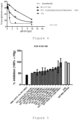
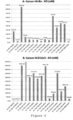
- effector cell-mediated red blood cell lysis in the presence of an anti-Rhesus D (RhD) monoclonal antibody was conducted, and the ability of different amounts of polyvalent immunoglobulins (IVIg) or recombinant Fc fragments, mutated (recombinant Fc fragments bearing the mutations according to Table 1 below) and non-mutated, to inhibit this lysis, for example by competition with anti-RhD for the binding of Fc receptors to the surface of effector cells, was evaluated.
- IVIg polyvalent immunoglobulins
- mutated recombinant Fc fragments bearing the mutations according to Table 1 below
- the table below represents the different variants of mutated Fc fragments that were tested in the experiments of efficacy test (inhibition of red blood cell lysis) and of binding test to human FcRn and CD16aV by surface plasmon resonance (SPR).
- Name Variant Mutation(s) added T5A-74I T5A-74 T260A T5A-74J T5A-74 E258I T5A-74K T5A-74 K290Y T5A-74L T5A-74 E294A T5A-74M T5A-74 Y296W ZAC2-85 WT T260A ZAC3-172 WT K290Y A3A-184A WT K334N, P352S, V397M, A378V A3A-105D WT G316D, K326E, A378V J3B-118A WT P396L, N421T, A378V
- PBMCs peripheral blood mononuclear cells
- Rh-D+ red blood cells obtained from healthy Rh-D+ blood donors were mixed with an anti-RhD monoclonal antibody.
- PBMCs were incubated with opsonized Rh-D+ red blood cells (effector/target ratio of 2/1).
- FcRn FcRn a and b2 microglobulin
- GTP Technology Label Olive, France
- Recombinant human CD16aV is commercially available (R&D system).
- FC1 and FC2 cells of a CM5 chip were activated for 3 minutes with a 1/1 mixture of 0.1 M N-hydroxysuccinimide and 0.1 M 3-(N,N-dimethylamino)propyl-N-ethylcarbodiimide at 30 ⁇ l/min.
- Recombinant FcRn was then immobilized on the FC2 cell at 32.6 ⁇ g/mL in 10 mM Na Acetate buffer pH 5 (immobilization for 100 seconds, final immobilization rate of 350 RU).
- the FC1 cell was used as a negative control, prepared in the same way as FC2 but in the absence of recombinant FcRn.
- the recombinant Fc to be tested were injected at 6 different concentrations (300nM, 150nM, 75nM, 30nM, 15nM and 0) in 50mM Na phosphate buffer, 150 mM NaCl, 0.05% tween20 pH6 for 8 minutes at 10 ⁇ l/min on FC1 and FC2 cells.
- FC1 and FC2 cells were regenerated between each sample concentration by a one-minute injection of 50mM Na phosphate buffer, 150 mM NaCl, 0.05% tween20 pH7.8.
- the data generated were analyzed with the BIAevaluation software version 3.1 (Biacore), by subtracting the control signal obtained on FC1 from the test signal obtained on FC2.
- FC1 and FC2 cells of a CM5 chip were prepared with the GE Healthcare His Capture kit reference 28-9950-56, in order to immobilize the anti-Histidine antibody at 50 ⁇ g/ml (flow rate of 5 ⁇ l/min, activation in EDC/NHS for 7 min, immobilization for 7 minutes, final immobilization rate of 12000 RU on FC1 and FC2).
- Human recombinant CD16aV was immobilized on the FC2 cell (1 ⁇ g/ml in HBS-EP+, Biacore, GE Healthcare) for 60 seconds at 5 ⁇ l/min.
- the recombinant Fc to be tested were injected into FC1 and FC2 cells at 5 different concentrations (1000nM, 500nM, 250nM, 125nM and 25nM) in HBS-EP+ buffer under SCK (Single Cycle Kinetics) conditions, with a 60-second contact, a 300-second dissociation and a flow rate of 30 ⁇ l/min without regeneration between each concentration.
- the final regeneration, between each recombinant Fc was carried out in 10mM Glycine buffer pH 1.5 for 60 seconds at 30 ⁇ l/min on FC1 and FC2 cells.
- the data generated were analyzed with BIAevaluation software version 3.1 (Biacore), by subtracting the control signal obtained on FC1 from the test signal obtained on FC2.
Landscapes
- Health & Medical Sciences (AREA)
- Immunology (AREA)
- Chemical & Material Sciences (AREA)
- Life Sciences & Earth Sciences (AREA)
- Organic Chemistry (AREA)
- Medicinal Chemistry (AREA)
- General Health & Medical Sciences (AREA)
- Veterinary Medicine (AREA)
- Pharmacology & Pharmacy (AREA)
- Animal Behavior & Ethology (AREA)
- Public Health (AREA)
- Bioinformatics & Cheminformatics (AREA)
- Engineering & Computer Science (AREA)
- Transplantation (AREA)
- Biophysics (AREA)
- Proteomics, Peptides & Aminoacids (AREA)
- Molecular Biology (AREA)
- Genetics & Genomics (AREA)
- Biochemistry (AREA)
- Mycology (AREA)
- Microbiology (AREA)
- Epidemiology (AREA)
- General Chemical & Material Sciences (AREA)
- Nuclear Medicine, Radiotherapy & Molecular Imaging (AREA)
- Chemical Kinetics & Catalysis (AREA)
- Rheumatology (AREA)
- Peptides Or Proteins (AREA)
- Preparation Of Compounds By Using Micro-Organisms (AREA)
- Medicines Containing Antibodies Or Antigens For Use As Internal Diagnostic Agents (AREA)
- Micro-Organisms Or Cultivation Processes Thereof (AREA)
- Medicinal Preparation (AREA)
- Medicines That Contain Protein Lipid Enzymes And Other Medicines (AREA)
Applications Claiming Priority (2)
| Application Number | Priority Date | Filing Date | Title |
|---|---|---|---|
| FR1556399A FR3038517B1 (fr) | 2015-07-06 | 2015-07-06 | Utilisation de fragments fc modifies en immunotherapie |
| PCT/FR2016/051708 WO2017006052A2 (fr) | 2015-07-06 | 2016-07-06 | UTILISATION DE FRAGMENTS Fc MODIFIÉS EN IMMUNOTHÉRAPIE |
Publications (2)
| Publication Number | Publication Date |
|---|---|
| EP3319989A2 EP3319989A2 (fr) | 2018-05-16 |
| EP3319989B1 true EP3319989B1 (fr) | 2025-01-08 |
Family
ID=54937180
Family Applications (1)
| Application Number | Title | Priority Date | Filing Date |
|---|---|---|---|
| EP16747826.2A Active EP3319989B1 (fr) | 2015-07-06 | 2016-07-06 | Utilisation de fragments fc modifies en immunotherapie |
Country Status (11)
| Country | Link |
|---|---|
| US (1) | US12247076B2 (pl) |
| EP (1) | EP3319989B1 (pl) |
| JP (3) | JP2018524355A (pl) |
| CN (2) | CN108026163B (pl) |
| AU (2) | AU2016290761B2 (pl) |
| CA (1) | CA2990354A1 (pl) |
| DK (1) | DK3319989T3 (pl) |
| ES (1) | ES3018283T3 (pl) |
| FR (1) | FR3038517B1 (pl) |
| PL (1) | PL3319989T3 (pl) |
| WO (1) | WO2017006052A2 (pl) |
Families Citing this family (14)
| Publication number | Priority date | Publication date | Assignee | Title |
|---|---|---|---|---|
| KR20140093603A (ko) | 2010-12-30 | 2014-07-28 | 라보라토이레 프란카이즈 듀 프락티온네먼트 에트 데스 바이오테크놀로지스 | 병원체 불활성화제로서의 글리콜 |
| MX384222B (es) | 2013-07-05 | 2025-03-14 | Lab Francais Du Fractionnement | Matriz de cromatografia de afinidad. |
| FR3038517B1 (fr) * | 2015-07-06 | 2020-02-28 | Laboratoire Francais Du Fractionnement Et Des Biotechnologies | Utilisation de fragments fc modifies en immunotherapie |
| KR20250140128A (ko) * | 2017-02-10 | 2025-09-24 | 젠맵 비. 브이 | 폴리펩티드 변이체 및 그의 용도 |
| JP7556687B2 (ja) | 2017-02-24 | 2024-09-26 | 中外製薬株式会社 | 薬学的組成物、抗原結合分子、治療方法、およびスクリーニング方法 |
| FR3064007A1 (fr) * | 2017-03-20 | 2018-09-21 | Laboratoire Francais Du Fractionnement Et Des Biotechnologies | Anticorps pour le traitement de cancers |
| FR3075200B1 (fr) * | 2017-12-15 | 2022-12-23 | Lab Francais Du Fractionnement | Variants avec fragment fc ayant une affinite augmentee pour fcrn et une affinite augmentee pour au moins un recepteur du fragment fc |
| US20210188957A1 (en) * | 2018-08-29 | 2021-06-24 | Chugai Seiyaku Kabushiki Kaisha | Antibody half-molecule, and method for inhibiting homodimer formation of antibody half-molecule |
| AR117453A1 (es) * | 2018-12-20 | 2021-08-04 | Genentech Inc | Fc de anticuerpos modificados y métodos para utilizarlas |
| CN111825770B (zh) * | 2019-04-16 | 2023-06-09 | 成都医学院 | 长效白介素21-Fc融合蛋白及其用途 |
| GB201910900D0 (en) * | 2019-07-31 | 2019-09-11 | Scancell Ltd | Modified fc-regions to enhance functional affinity of antibodies and antigen binding fragments thereof |
| CN114829407B (zh) * | 2019-09-23 | 2024-06-21 | 南开大学 | 利用哺乳动物展示筛选FcγR特异性结合Fc |
| CN118339189A (zh) * | 2021-12-09 | 2024-07-12 | 上海宝济药业股份有限公司 | 具有改变的糖基化修饰的Fc多肽 |
| EP4656659A1 (en) * | 2024-05-29 | 2025-12-03 | LoopLab Bio GmbH | Modified fc-engagers for treating immune diseases |
Citations (1)
| Publication number | Priority date | Publication date | Assignee | Title |
|---|---|---|---|---|
| EP2233500A1 (en) * | 2009-03-20 | 2010-09-29 | LFB Biotechnologies | Optimized Fc variants |
Family Cites Families (226)
| Publication number | Priority date | Publication date | Assignee | Title |
|---|---|---|---|---|
| US4399216A (en) | 1980-02-25 | 1983-08-16 | The Trustees Of Columbia University | Processes for inserting DNA into eucaryotic cells and for producing proteinaceous materials |
| GB8308235D0 (en) | 1983-03-25 | 1983-05-05 | Celltech Ltd | Polypeptides |
| US4816567A (en) | 1983-04-08 | 1989-03-28 | Genentech, Inc. | Recombinant immunoglobin preparations |
| GB8421551D0 (en) | 1984-08-24 | 1984-09-26 | Ici Plc | Water-soluble dye |
| GR860984B (en) | 1985-04-17 | 1986-08-18 | Zymogenetics Inc | Expression of factor vii and ix activities in mammalian cells |
| DE122007000007I1 (de) | 1986-04-09 | 2007-05-16 | Genzyme Corp | Genetisch transformierte Tiere, die ein gewünschtes Protein in Milch absondern |
| US6727405B1 (en) | 1986-04-09 | 2004-04-27 | Genzyme Corporation | Transgenic animals secreting desired proteins into milk |
| GB8615942D0 (en) | 1986-06-30 | 1986-08-06 | Animal & Food Research Council | Peptide production |
| US5366894A (en) | 1986-06-30 | 1994-11-22 | Pharmaceutical Proteins Limited | Peptide production |
| AU7879987A (en) | 1986-08-28 | 1988-03-24 | Immunex Corp. | Expression of heterologous proteins by transgenic lactating mammals |
| US4946778A (en) | 1987-09-21 | 1990-08-07 | Genex Corporation | Single polypeptide chain binding molecules |
| EP0279582A3 (en) | 1987-02-17 | 1989-10-18 | Pharming B.V. | Dna sequences to target proteins to the mammary gland for efficient secretion |
| US5750172A (en) | 1987-06-23 | 1998-05-12 | Pharming B.V. | Transgenic non human mammal milk |
| US4873316A (en) | 1987-06-23 | 1989-10-10 | Biogen, Inc. | Isolation of exogenous recombinant proteins from the milk of transgenic mammals |
| US5202238A (en) | 1987-10-27 | 1993-04-13 | Oncogen | Production of chimeric antibodies by homologous recombination |
| AU4128089A (en) | 1988-09-15 | 1990-03-22 | Rorer International (Overseas) Inc. | Monoclonal antibodies specific to human epidermal growth factor receptor and therapeutic methods employing same |
| GB8823869D0 (en) | 1988-10-12 | 1988-11-16 | Medical Res Council | Production of antibodies |
| GB8826446D0 (en) | 1988-11-11 | 1988-12-14 | Agricultural & Food Res | Peptide production |
| US5175384A (en) | 1988-12-05 | 1992-12-29 | Genpharm International | Transgenic mice depleted in mature t-cells and methods for making transgenic mice |
| US5633076A (en) | 1989-12-01 | 1997-05-27 | Pharming Bv | Method of producing a transgenic bovine or transgenic bovine embryo |
| CA2075206C (en) | 1989-12-01 | 2006-05-23 | Herbert L. Heyneker | Production of recombinant polypeptides by bovine species and transgenic methods |
| US6150584A (en) | 1990-01-12 | 2000-11-21 | Abgenix, Inc. | Human antibodies derived from immunized xenomice |
| DE4000939A1 (de) | 1990-01-15 | 1991-07-18 | Brem Gottfried Prof Dr Dr | Verfahren zur antikoerpergewinnung |
| US5545806A (en) | 1990-08-29 | 1996-08-13 | Genpharm International, Inc. | Ransgenic non-human animals for producing heterologous antibodies |
| ATE300615T1 (de) | 1990-08-29 | 2005-08-15 | Genpharm Int | Transgene mäuse fähig zur produktion heterologer antikörper |
| DE4028800A1 (de) | 1990-09-11 | 1992-03-12 | Behringwerke Ag | Gentechnische sialylierung von glykoproteinen |
| US5648253A (en) | 1990-12-20 | 1997-07-15 | Tsi Corporation | Inhibitor-resistant urokinase |
| AU1228592A (en) | 1991-01-11 | 1992-08-17 | American Red Cross | Expression of active human protein c in mammary tissue of transgenic animals |
| US5831141A (en) | 1991-01-11 | 1998-11-03 | United States Of America As Represented By The Department Of Health And Human Services | Expression of a heterologous polypeptide in mammary tissue of transgenic non-human mammals using a long whey acidic protein promoter |
| US5965789A (en) | 1991-01-11 | 1999-10-12 | American Red Cross | Engineering protein posttranslational modification by PACE/furin in transgenic non-human mammals |
| FR2677652B1 (fr) | 1991-06-12 | 2005-05-27 | Agronomique Inst Nat Rech | Procede de preparation d'une proteine d'interet dans le lait d'un animal transgenique, produit obtenu et cellule eucaryote utilisee. |
| JPH06509474A (ja) | 1991-07-31 | 1994-10-27 | ローヌ−プーラン・ローラー・インターナシヨナル(ホールデイングス)インコーポレイテツド | 蛋白質のトランスジェニック生産 |
| US6448469B1 (en) | 1991-10-02 | 2002-09-10 | Genzyme Corporation | Production of membrane proteins in the milk of transgenic nonhuman mammals |
| CA2124967C (en) | 1991-12-17 | 2008-04-08 | Nils Lonberg | Transgenic non-human animals capable of producing heterologous antibodies |
| US5714350A (en) | 1992-03-09 | 1998-02-03 | Protein Design Labs, Inc. | Increasing antibody affinity by altering glycosylation in the immunoglobulin variable region |
| DE69424687T2 (de) | 1993-03-09 | 2000-09-07 | Genzyme Corp., Cambridge | Verfahren zur isolierung von proteinen aus milch |
| DE4326665C2 (de) | 1993-08-09 | 1995-07-13 | Biotest Pharma Gmbh | Verfahren zur Sterilfiltration von Milch |
| US5827690A (en) | 1993-12-20 | 1998-10-27 | Genzyme Transgenics Corporatiion | Transgenic production of antibodies in milk |
| US5639940A (en) | 1994-03-03 | 1997-06-17 | Pharmaceutical Proteins Ltd. | Production of fibrinogen in transgenic animals |
| MX198456B (es) | 1994-03-09 | 2000-09-05 | Abbott Lab | Animales trangenicos que producen oligosacaridos y glucoconjugados. |
| WO1995024494A1 (en) | 1994-03-09 | 1995-09-14 | Abbott Laboratories | Humanized milk |
| US6204431B1 (en) | 1994-03-09 | 2001-03-20 | Abbott Laboratories | Transgenic non-human mammals expressing heterologous glycosyltransferase DNA sequences produce oligosaccharides and glycoproteins in their milk |
| US5750176A (en) | 1994-03-09 | 1998-05-12 | Abbott Laboratories | Transgenic non-human mammal milk comprising 2'-fucosyl-lactose |
| US5780009A (en) | 1995-01-20 | 1998-07-14 | Nexia Biotechnologies, Inc. | Direct gene transfer into the ruminant mammary gland |
| US5843705A (en) | 1995-02-21 | 1998-12-01 | Genzyme Transgenic Corporation | Transgenically produced antithrombin III |
| US6118045A (en) | 1995-08-02 | 2000-09-12 | Pharming B.V. | Lysosomal proteins produced in the milk of transgenic animals |
| GB9517780D0 (en) | 1995-08-31 | 1995-11-01 | Roslin Inst Edinburgh | Biological manipulation |
| DK0929578T3 (da) | 1996-02-09 | 2003-08-25 | Abbott Lab Bermuda Ltd | Humane antistoffer, der binder human TNFalfa |
| US6268487B1 (en) | 1996-05-13 | 2001-07-31 | Genzyme Transgenics Corporation | Purification of biologically active peptides from milk |
| EP0849275A1 (en) | 1996-09-26 | 1998-06-24 | Rijksuniversiteit te Leiden | Mannosylated peptides |
| EP0941310A1 (en) | 1996-10-11 | 1999-09-15 | THE TEXAS A&M UNIVERSITY SYSTEM | Methods for the generation of primordial germ cells and transgenic animal species |
| US6063905A (en) | 1997-01-07 | 2000-05-16 | Board Of Regents, The University Of Texas System | Recombinant human IGA-J. chain dimer |
| US5945577A (en) | 1997-01-10 | 1999-08-31 | University Of Massachusetts As Represented By Its Amherst Campus | Cloning using donor nuclei from proliferating somatic cells |
| WO1998037224A1 (en) | 1997-02-25 | 1998-08-27 | Genzyme Transgenics Corporation | Transgenically produced non-secreted proteins |
| WO1998045419A1 (en) | 1997-04-03 | 1998-10-15 | Universite Laval | Transgenic expression in genital tract and sexual accessory glands |
| US6210736B1 (en) | 1997-06-17 | 2001-04-03 | Genzyme Transgenics Corporation | Transgenically produced prolactin |
| WO1999020766A2 (en) | 1997-10-20 | 1999-04-29 | Genzyme Transgenics Corporation | NOVEL MODIFIED NUCLEIC ACID SEQUENCES AND METHODS FOR INCREASING mRNA LEVELS AND PROTEIN EXPRESSION IN CELL SYSTEMS |
| ES2434961T5 (es) | 1998-04-20 | 2018-01-18 | Roche Glycart Ag | Ingeniería de glicosilación de anticuerpos para mejorar la citotoxicidad celular dependiente del anticuerpo |
| ATE339507T1 (de) | 1998-06-15 | 2006-10-15 | Gtc Biotherapeutics Inc | Erythropoietin-analog-menschliches serum-albumin fusionsprotein |
| US20050181482A1 (en) | 2004-02-12 | 2005-08-18 | Meade Harry M. | Method for the production of an erythropoietin analog-human IgG fusion proteins in transgenic mammal milk |
| US20030005468A1 (en) | 1998-06-19 | 2003-01-02 | Meade Harry M. | Methods and vectors for improving nucleic acid expression |
| US20040117863A1 (en) | 1998-09-18 | 2004-06-17 | Edge Michael D. | Transgenically produced fusion proteins |
| EP1818397A1 (en) | 1998-11-02 | 2007-08-15 | Trustees Of Tufts College | Methods for cloning animals |
| US20030177513A1 (en) | 1998-11-02 | 2003-09-18 | Yann Echelard | Transgenic and cloned mammals |
| US6580017B1 (en) | 1998-11-02 | 2003-06-17 | Genzyme Transgenics Corporation | Methods of reconstructed goat embryo transfer |
| CA2351943A1 (en) | 1998-11-19 | 2000-06-02 | Pharming Intellectual Property B.V. | Stabilisation of milk from transgenic animals |
| US7208576B2 (en) | 1999-01-06 | 2007-04-24 | Merrimack Pharmaceuticals, Inc. | Non-glycosylated human alpha-fetoprotein, methods of production, and uses thereof |
| JP2002537346A (ja) | 1999-02-22 | 2002-11-05 | エリック・エフ・バーンスタイン | 光老化の保護用組成物および保護方法 |
| EP1176195B1 (en) | 1999-04-09 | 2013-05-22 | Kyowa Hakko Kirin Co., Ltd. | Method for controlling the activity of immunologically functional molecule |
| WO2001000855A1 (en) | 1999-06-23 | 2001-01-04 | Ppl Therapeutics (Scotland) Ltd. | Fusion proteins incorporating lysozyme |
| NZ518263A (en) | 1999-10-14 | 2004-03-26 | Gtc Biotherapeutics Inc | Methods of producing a target molecule in a transgenic animal and purification of the target molecule |
| US7414170B2 (en) | 1999-11-19 | 2008-08-19 | Kirin Beer Kabushiki Kaisha | Transgenic bovines capable of human antibody production |
| US7067713B2 (en) | 2000-01-31 | 2006-06-27 | Pharming Intellectual Property B.V. | C1 Inhibitor produced in the milk of transgenic non-human mammals |
| NZ520472A (en) | 2000-02-03 | 2004-03-26 | Lennart Hammarstrom | Ruminant MHC class I-like Fc receptors |
| FR2807767B1 (fr) | 2000-04-12 | 2005-01-14 | Lab Francais Du Fractionnement | Anticorps monoclonaux anti-d |
| HUP0302396A2 (hu) | 2000-05-05 | 2003-10-28 | Gtc Biotherapeutics, Inc. | Transzgénikus úton előállított dekorin |
| JP2004500890A (ja) | 2000-06-19 | 2004-01-15 | ジーティーシー バイオセラピューティックス インコーポレイテッド | 遺伝子導入によって作成された血小板由来増殖因子 |
| EP2322644A1 (en) | 2000-06-28 | 2011-05-18 | GlycoFi, Inc. | Methods for producing modified glycoproteins |
| US6924412B1 (en) | 2000-07-21 | 2005-08-02 | Arriwan Holding B.V. | Means and methods for raising antibody concentration in compartments of the body of a non-human animal |
| JP2004505624A (ja) | 2000-08-10 | 2004-02-26 | ジーティーシー バイオセラピューティックス インコーポレイテッド | 精子の低温保存 |
| US6946292B2 (en) | 2000-10-06 | 2005-09-20 | Kyowa Hakko Kogyo Co., Ltd. | Cells producing antibody compositions with increased antibody dependent cytotoxic activity |
| CA2424977C (en) | 2000-10-06 | 2008-03-18 | Kyowa Hakko Kogyo Co., Ltd. | Process for purifying antibody |
| US20040226052A1 (en) | 2000-10-13 | 2004-11-11 | Meade Harry M. | Methods of producing a target molecule in a transgenic animal and purification of the target molecule |
| FR2816319B1 (fr) | 2000-11-08 | 2004-09-03 | Millegen | Utilisation d'adn polymerase mutagene pour la creation de mutations aleatoires |
| NZ526720A (en) | 2000-12-28 | 2007-11-30 | Altus Pharmaceuticals Inc | Crystallisation of whole antibodies or fragments thereof, on a large scale and a process allowing an alternative route for delivery of therapeutic antibodies |
| US20030036637A1 (en) | 2001-06-13 | 2003-02-20 | Scott Fulton | Purification of human serum albumin |
| EP2180044A1 (en) | 2001-08-03 | 2010-04-28 | GlycArt Biotechnology AG | Antibody glycosylation variants having increased anti-body-dependent cellular cytotoxicity |
| AU2002364935A1 (en) | 2001-10-09 | 2003-06-23 | Mayo Foundation For Medical Education And Research | Enhancement of immune responses by 4-1bb-binding agents |
| EP2042196B1 (en) | 2001-10-10 | 2016-07-13 | ratiopharm GmbH | Remodelling and glycoconjugation of Granulocyte Colony Stimulating Factor (G-CSF) |
| US7053202B2 (en) | 2001-10-19 | 2006-05-30 | Millennium Pharmaceuticals, Inc. | Immunoglobulin DNA cassette molecules, monobody constructs, methods of production, and methods of use therefor |
| HUP0600342A3 (en) | 2001-10-25 | 2011-03-28 | Genentech Inc | Glycoprotein compositions |
| US20060253913A1 (en) | 2001-12-21 | 2006-11-09 | Yue-Jin Huang | Production of hSA-linked butyrylcholinesterases in transgenic mammals |
| US20040133931A1 (en) | 2003-01-08 | 2004-07-08 | Gavin William G. | Method and system for fusion and activation following nuclear transfer in reconstructed embryos |
| CA2470195A1 (en) | 2002-01-11 | 2003-08-07 | Gtc Biotherapeutics, Inc. | Method and system for fusion and activation following nuclear transfer in reconstructed embryos |
| US20040132101A1 (en) | 2002-09-27 | 2004-07-08 | Xencor | Optimized Fc variants and methods for their generation |
| US7662925B2 (en) * | 2002-03-01 | 2010-02-16 | Xencor, Inc. | Optimized Fc variants and methods for their generation |
| US20030204860A1 (en) | 2002-04-01 | 2003-10-30 | David Melican | Method for selecting cell lines to be used for nuclear transfer in mammalian species |
| KR20100117148A (ko) | 2002-04-01 | 2010-11-02 | 지티씨바이오쎄라퓨틱스,인크. | 폐 질환의 치료 방법 |
| ATE503829T1 (de) | 2002-04-09 | 2011-04-15 | Kyowa Hakko Kirin Co Ltd | Zelle mit erniedrigter oder deletierter aktivität eines am gdp-fucosetransport beteiligten proteins |
| US7425449B2 (en) | 2002-04-30 | 2008-09-16 | The Regents Of The University Of California | Site specific Listeria integration vectors and methods for using the same |
| EP1543034A4 (en) | 2002-07-15 | 2006-11-08 | Mayo Foundation | TREATMENT AND PROPHYLAXIS WITH 4-1BB BINDING AGENTS |
| CA2501415A1 (en) | 2002-08-01 | 2004-02-12 | Gtc Biotherapeutics, Inc. | Method of selecting cells for somatic cell nuclear transfer |
| WO2004026427A2 (en) | 2002-09-17 | 2004-04-01 | Gtc Biotherapeutics, Inc. | Isolation of immunoglobulin molecules that lack inter-heavy chain disulfide bonds |
| US6994292B2 (en) | 2002-10-18 | 2006-02-07 | The Procter & Gamble Company | Dispensing apparatus for web material |
| WO2004040221A1 (en) | 2002-10-25 | 2004-05-13 | Alstom (Switzerland) Ltd | Air preheater heat transfer elements |
| AU2003295584A1 (en) | 2002-11-18 | 2004-06-15 | Taurus Hsa Llc | Method for continuous, automated blending of solutions from acids and bases |
| US7087719B2 (en) | 2002-11-19 | 2006-08-08 | Gtc Biotherapeutics, Inc. | Method for the crystallization of human serum albumin |
| US20040101939A1 (en) | 2002-11-22 | 2004-05-27 | Santora Ling C. | Method for reducing or preventing modification of a polypeptide in solution |
| BR0316643A (pt) | 2002-11-27 | 2005-10-11 | Gtc Biotherapeutics Inc | Anticorpos modificados estavelmente produzidos no leite e método de produzir os mesmos |
| CN1735338A (zh) | 2002-12-10 | 2006-02-15 | Gtc生物治疗学公司 | 利用体细胞核转移胚胎作为细胞供体进行附加核转移的方法和系统 |
| JP2006524039A (ja) | 2003-01-09 | 2006-10-26 | マクロジェニクス,インコーポレーテッド | 変異型Fc領域を含む抗体の同定および作製ならびにその利用法 |
| CA2516836A1 (en) | 2003-02-24 | 2004-09-10 | Gtc Biotherapeutics, Inc. | Methods of tangential flow filtration and an apparatus therefore |
| US20050160485A1 (en) | 2003-03-18 | 2005-07-21 | Kyowa Hakko Kogyo Co., Ltd. | Mouse in which genome is modified |
| US20040219143A1 (en) | 2003-04-30 | 2004-11-04 | Bluth Martin Heath | Methods for recombinant immunoglobulin treatment |
| US6913695B2 (en) | 2003-07-08 | 2005-07-05 | Bayer Healthcare Llc | Sanitization of chromatographic media |
| CN1871259A (zh) | 2003-08-22 | 2006-11-29 | 比奥根艾迪克Ma公司 | 具有改变的效应物功能的经改进的抗体和制备它的方法 |
| CN1871252A (zh) | 2003-09-05 | 2006-11-29 | Gtc生物治疗学公司 | 在转基因哺乳动物奶中生产融合蛋白的方法 |
| JP2007505604A (ja) | 2003-09-15 | 2007-03-15 | ジーティーシー バイオセラピューティクス, インコーポレイティド | トランスジェニック動物の乳汁におけるドミナントネガティブ膜貫通型レセプターの発現 |
| JPWO2005035778A1 (ja) | 2003-10-09 | 2006-12-21 | 協和醗酵工業株式会社 | α1,6−フコシルトランスフェラーゼの機能を抑制するRNAを用いた抗体組成物の製造法 |
| AU2003271174A1 (en) | 2003-10-10 | 2005-04-27 | Chugai Seiyaku Kabushiki Kaisha | Double specific antibodies substituting for functional protein |
| FR2861080B1 (fr) | 2003-10-20 | 2006-02-17 | Lab Francais Du Fractionnement | Anticorps presentant un taux de fucose et de galactose optimise |
| ES2672640T3 (es) | 2003-11-05 | 2018-06-15 | Roche Glycart Ag | Moléculas de unión a antígeno con afinidad de unión a receptores Fc y función efectora incrementadas |
| US20050169908A1 (en) | 2004-01-23 | 2005-08-04 | Kazunori Murakami | Use of aerosolized antithrombin to treat acute lung injury |
| US20050186608A1 (en) | 2004-02-19 | 2005-08-25 | Olsen Byron V. | Method for the production of transgenic proteins useful in the treatment of obesity and diabetes |
| US20050192226A1 (en) | 2004-02-20 | 2005-09-01 | Perenlei Enkhbaatar | Method of preventing fibrin clots in pulmonary tissue through the use of aerosolized anticoagulants |
| US20050197496A1 (en) | 2004-03-04 | 2005-09-08 | Gtc Biotherapeutics, Inc. | Methods of protein fractionation using high performance tangential flow filtration |
| US7667089B2 (en) | 2004-04-09 | 2010-02-23 | National Chung Hsing University | Transgenic mammal secreting B-domain deleted human FVII in its milk |
| US20060057638A1 (en) | 2004-04-15 | 2006-03-16 | Massachusetts Institute Of Technology | Methods and products related to the improved analysis of carbohydrates |
| US20060127950A1 (en) | 2004-04-15 | 2006-06-15 | Massachusetts Institute Of Technology | Methods and products related to the improved analysis of carbohydrates |
| US20050245444A1 (en) | 2004-04-30 | 2005-11-03 | Yann Echelard | Method of using recombinant human antithrombin for neurocognitive disorders |
| WO2006014683A2 (en) | 2004-07-21 | 2006-02-09 | Glycofi, Inc. | Immunoglobulins comprising predominantly a gal2glcnac2man3glcnac2 glycoform |
| US20060223147A1 (en) | 2004-08-05 | 2006-10-05 | Kyowa Hakko Kogyo Co., Ltd., | Process for producing glycoprotein composition |
| US20060065632A1 (en) | 2004-09-27 | 2006-03-30 | Chia-Cheng Cheng | Methods and apparatus for monitoring a process in a plasma processing system by measuring a plasma frequency |
| US20060123500A1 (en) | 2004-12-07 | 2006-06-08 | Gtc Biotherapeutics, Inc. | Methods of prescreening cells for nuclear transfer procedures |
| US20060121004A1 (en) | 2004-12-07 | 2006-06-08 | Yann Echelard | Methods of reducing the incidence of rejection in tissue transplantation through the use of recombinant human antithrombin |
| US20060130159A1 (en) | 2004-12-09 | 2006-06-15 | Nick Masiello | Method of purifying recombinant MSP 1-42 derived from Plasmodium falciparum |
| US20060168671A1 (en) | 2005-01-21 | 2006-07-27 | Gavin William G | Injection of caprine sperm factor (cSF), phospholipase C zeta (PLCzeta) and adenophostin A as alternative methods of activation during nuclear transfer in the caprine species |
| EP1850872A4 (en) | 2005-02-15 | 2008-10-15 | Gtc Biotherapeutics Inc | METHOD FOR USE OF ANTI-CD-137 ANTIBODY AS RADIOIMMUN THERAPY OR RADIO IMMUNE DETECTION MEANS |
| WO2006088447A1 (en) | 2005-02-15 | 2006-08-24 | Gtc Biotherapeutics, Inc. | An anti-cd137 antibody as an agent in the treatement of cancer and glycosylation variants thereof |
| US20080019905A9 (en) | 2005-02-18 | 2008-01-24 | Strome Scott E | Method of using an anti-CD137 antibody as an agent for radioimmunotherapy or radioimmunodetection |
| US20060182744A1 (en) | 2005-02-15 | 2006-08-17 | Strome Scott E | Anti-CD137 antibody as an agent in the treatment of cancer and glycosylation variants thereof |
| CA2603264C (en) | 2005-04-08 | 2017-03-21 | Chugai Seiyaku Kabushiki Kaisha | Antibody substituting for function of blood coagulation factor viii |
| US20090208500A1 (en) | 2005-06-03 | 2009-08-20 | Genentech, Inc. | Method of producing antibodies with improved function |
| US20060286548A1 (en) | 2005-06-16 | 2006-12-21 | Gregory Liposky | Method of making recombinant human antibodies for use in biosensor technology |
| TWI372763B (en) | 2005-06-17 | 2012-09-21 | Wyeth Llc | Methods of purifying anti a beta antibodies |
| DK1896071T3 (en) | 2005-06-30 | 2015-05-26 | Janssen Biotech Inc | Methods and compositions with increased therapeutic activity |
| EP2468768A3 (en) | 2005-07-21 | 2012-10-31 | Abbott Laboratories | Multiple gene expression including sorf contructs and methods with polyproteins, pro-proteins, and proteolysis |
| WO2007014244A2 (en) | 2005-07-25 | 2007-02-01 | Gtc Biotherapeutics, Inc. | Method of purifying recombinant human antithrombin to enhance the viral and prion safety profile |
| JP2009507482A (ja) | 2005-09-09 | 2009-02-26 | グライコフィ, インコーポレイテッド | 主にman7glcnac2、man8glcnac2グリコフォームを含むイムノグロブリン |
| KR20080068089A (ko) | 2005-10-21 | 2008-07-22 | 지티씨바이오쎄라퓨틱스,인크. | 항체 의존성 세포 독성 활성이 증강된 항체, 그 생산 및사용 방법 |
| ATE536373T1 (de) | 2005-10-21 | 2011-12-15 | Genzyme Corp | Therapiemittel auf antikörperbasis mit erhöhter adcc-aktivität |
| US20080206246A1 (en) * | 2006-04-05 | 2008-08-28 | Ravetch Jeffrey V | Polypeptides with enhanced anti-inflammatory and decreased cytotoxic properties and relating methods |
| UA99097C2 (ru) | 2005-12-12 | 2012-07-25 | Ф. Хоффманн-Ля Рош Аг | Композиция, содержащая антитела к амилоиду бета 4, имеющие гликозилированный вариабельный участок |
| FR2895263B1 (fr) | 2005-12-26 | 2008-05-30 | Lab Francais Du Fractionnement | Concentre d'immunoglobines g (lg) appauvri en anticorps anti-a et anti-b, et en igg polyreactives |
| US7531632B2 (en) | 2006-02-16 | 2009-05-12 | Gtc Biotherapeutics, Inc. | Clarification of transgenic milk using depth filtration |
| WO2007099988A1 (ja) | 2006-02-28 | 2007-09-07 | Kyowa Hakko Kogyo Co., Ltd. | α-1,6-フコシルトランスフェラーゼ変異体とその用途 |
| MX2008012843A (es) | 2006-04-05 | 2009-01-19 | Univ Rockefeller | Polipeptidos con propiedades antiinflamatorias aumentadas y citotoxicas reducidas y metodos relacionados. |
| CN101460522B (zh) | 2006-04-11 | 2014-07-23 | 弗·哈夫曼-拉罗切有限公司 | 糖基化抗体 |
| US7846724B2 (en) | 2006-04-11 | 2010-12-07 | Hoffmann-La Roche Inc. | Method for selecting CHO cell for production of glycosylated antibodies |
| US8173860B2 (en) | 2006-04-21 | 2012-05-08 | Gtc Biotherapeutics, Inc. | Non-human transgenic mammal expressing a human FcRn on its mammary gland cells and expressing a transgenic protein-human Fc-domain fusion |
| FR2901707B1 (fr) | 2006-05-31 | 2017-09-29 | Lab Francais Du Fractionnement | Composition de facteur vii recombinant ou transgenique, chaque molecule de facteur vii possedant deux sites de n-glycosylation a motifs glycanniques definis |
| CA2655246A1 (en) | 2006-06-09 | 2007-12-21 | University Of Maryland, Baltimore | Glycosylation engineered antibody therapy |
| WO2007149567A2 (en) | 2006-06-21 | 2007-12-27 | Musc Foundation For Research Development | Targeting complement factor h for treatment of diseases |
| FR2904558B1 (fr) | 2006-08-01 | 2008-10-17 | Lab Francais Du Fractionnement | "composition de facteur vii recombinant ou transgenique, presentant majoritairement des formes glycanniques biantennees, bisialylees et non fucosylees" |
| CN101588817B (zh) | 2006-09-10 | 2013-06-12 | 葛莱高托普有限公司 | 骨髓白血病来源的细胞在抗体表达中的用途 |
| SI2073842T1 (sl) | 2006-09-10 | 2015-05-29 | Glycotope Gmbh | Uporaba človeških celic izvirajočih iz mieloične levkemije za izražanje protiteles |
| WO2008063982A2 (en) | 2006-11-13 | 2008-05-29 | Procell Corp | High mannose glycoprotein epitopes |
| CN101646775B (zh) | 2006-12-28 | 2016-08-24 | 森托科尔奥索生物科技公司 | 用于产生脱唾液酸化免疫球蛋白的方法和载体 |
| EP2109686A2 (en) | 2007-01-18 | 2009-10-21 | University Of Southern California | Genetic markers for predicting responsiveness to combination therapy |
| WO2008101177A2 (en) | 2007-02-16 | 2008-08-21 | University Of Virginia Patent Foundation | Ige antibodies to chimeric or humanized igg therapeutic monoclonal antibodies as a screening test for anaphylaxis |
| FR2915398B1 (fr) | 2007-04-25 | 2012-12-28 | Lab Francais Du Fractionnement | "ensemble de moyens pour le traitement d'une pathologie maligne, d'une maladie auto-immune ou d'une maladie infectieuse" |
| EP1985633A1 (en) | 2007-04-26 | 2008-10-29 | LFB Biotechnologies | Kit of parts for the treatment of cancer or infectious diseases |
| CN105131127B (zh) | 2007-05-30 | 2018-09-07 | 浦项工科大学校产学协力团 | 免疫球蛋白融合蛋白 |
| CN101835802B (zh) * | 2007-06-01 | 2014-04-09 | 马里兰大学巴尔的摩分校 | 免疫球蛋白恒定区Fc受体结合剂 |
| MX2009013421A (es) | 2007-06-13 | 2010-03-22 | Sterrenbeld Biotechnologie North America Inc | Mamiferos transgenicos que producen proteinas exogenas en su leche. |
| EP2725035A1 (en) | 2007-10-02 | 2014-04-30 | Avaxia Biologics, Inc. | Antibody therapy for use in the digestive tract |
| WO2009088998A2 (en) | 2008-01-07 | 2009-07-16 | Synageva Biopharma Corp. | Glycosylation in avians |
| WO2009134389A2 (en) | 2008-05-01 | 2009-11-05 | Gtc Biotherapeutics, Inc. | An anti-cd137 antibody as an agent in the treatment of inflammatory conditions |
| WO2010036443A1 (en) | 2008-09-26 | 2010-04-01 | Eureka Therapeutics, Inc. | Cell lines and proteins with variant glycosylation pattern |
| US20100178292A1 (en) | 2009-01-12 | 2010-07-15 | The Board Of Trustees Of The Leland Stanford Junior University | Cryptic glycan markers and applications thereof |
| RU2484142C2 (ru) | 2009-01-22 | 2013-06-10 | Момента Фармасьютикалз, Инк. | Содержащие галактоза-альфа-1,3-галактозу n-гликаны в гликопротеиновых продуктах, полученных из клеток сно |
| US20110082083A1 (en) | 2009-04-10 | 2011-04-07 | Gtc Biotherapeutics, Inc. | Formulations of liquid stable antithrombin |
| AU2010244592B2 (en) | 2009-04-23 | 2016-05-19 | Janssen Vaccines & Prevention B.V. | Recombinant human alpha1-antitrypsin |
| FR2947181B1 (fr) | 2009-06-26 | 2012-05-04 | Lfb Biotechnologies | Composition de facteur vii |
| RU2012122557A (ru) | 2009-11-11 | 2013-12-20 | Момента Фармасьютикалз, Инк. | Гликозил-трансфераза китайского хомячка и сопутствующие способы |
| GB0922659D0 (en) | 2009-12-24 | 2010-02-10 | Univ Edinburgh | Factor H |
| PH12016502073B1 (en) | 2010-11-17 | 2024-04-05 | Chugai Pharmaceutical Co Ltd | Multi-specific antigen-binding molecule having alternative function to function of blood coagulation factor viii |
| KR20140093603A (ko) | 2010-12-30 | 2014-07-28 | 라보라토이레 프란카이즈 듀 프락티온네먼트 에트 데스 바이오테크놀로지스 | 병원체 불활성화제로서의 글리콜 |
| JPWO2012105699A1 (ja) | 2011-02-03 | 2014-07-03 | 株式会社イーベック | 補体依存性生物活性の高い抗体の産生法 |
| AU2012203048A1 (en) | 2011-05-24 | 2012-12-13 | Agency For Science, Technology And Research | IRES mediated multicistronic vectors |
| EP2537864B1 (en) * | 2011-06-24 | 2019-08-07 | Laboratoire Français du Fractionnement et des Biotechnologies | Fc variants with reduced effector functions |
| KR20140054026A (ko) | 2011-07-07 | 2014-05-08 | 알에보 바이올로직스, 인코포레이티드 | 단백질을 안정화시키는 제제 |
| WO2013021279A2 (en) | 2011-08-10 | 2013-02-14 | Lfb Biotechnologies | Highly galactosylated antibodies |
| TW201817744A (zh) | 2011-09-30 | 2018-05-16 | 日商中外製藥股份有限公司 | 具有促進抗原清除之FcRn結合域的治療性抗原結合分子 |
| BR112014014751A8 (pt) | 2011-12-19 | 2017-07-04 | Lfb Usa Inc | composição compreendendo alfa-1-antitripsina, células epiteliais de glândula mamária, mamífero não humano transgênico, e, método para reduzir a atividade de elastase no pulmão |
| EP2793943B1 (en) * | 2011-12-19 | 2018-09-26 | The Rockefeller University | Non-sialylated anti-inflammatory polypeptides |
| MX350378B (es) * | 2012-01-10 | 2017-09-05 | Biogen Ma Inc | Mejora del transporte de moleculas terapeuticas a traves de la barrera hematoencefalica. |
| TW201400499A (zh) | 2012-03-12 | 2014-01-01 | Revo Biolog Inc | 抗凝血酶用於治療妊娠毒血症之用途 |
| US20150065690A1 (en) * | 2012-04-27 | 2015-03-05 | Bioatla, Llc | Modified antibody regions and uses thereof |
| WO2013188870A2 (en) | 2012-06-15 | 2013-12-19 | Beth Israel Deaconess Medical Center, Inc. | IgA CD4i ANTIBODIES AND METHODS OF TREATMENT USING SAME |
| EP2687595B1 (en) | 2012-07-19 | 2018-05-30 | Laboratoire Français du Fractionnement et des Biotechnologies | Method for purifying transgenic factor VII |
| TW201425332A (zh) | 2012-08-03 | 2014-07-01 | Revo Biolog Inc | 抗凝血酶用於體外膜氧合之用途 |
| WO2014040024A1 (en) | 2012-09-10 | 2014-03-13 | Revo Biologics, Inc. | The use of antibodies in treating hiv infection and suppressing hiv transmission |
| TW201444871A (zh) | 2013-02-13 | 2014-12-01 | Lab Francais Du Fractionnement | 具有修飾的糖化作用之西妥昔單抗及其用途 |
| US10034921B2 (en) | 2013-02-13 | 2018-07-31 | Laboratoire Français Du Fractionnement Et Des Biotechnologies | Proteins with modified glycosylation and methods of production thereof |
| EP3594231A1 (en) | 2013-02-13 | 2020-01-15 | Laboratoire Français du Fractionnement et des Biotechnologies | Highly galactosylated anti-tnf-alpha antibodies and uses thereof |
| EP2956485A2 (en) | 2013-02-13 | 2015-12-23 | Laboratoire Français du Fractionnement et des Biotechnologies | Highly galactosylated anti-her2 antibodies and uses thereof |
| AU2014236769B2 (en) | 2013-03-15 | 2018-09-27 | Amgen Inc. | Heterodimeric bispecific antibodies |
| FR3005576B1 (fr) | 2013-05-15 | 2015-06-19 | Lab Francais Du Fractionnement | Procede d'inactivation d'une proteine prion |
| MX384222B (es) | 2013-07-05 | 2025-03-14 | Lab Francais Du Fractionnement | Matriz de cromatografia de afinidad. |
| FR3015484A1 (fr) | 2013-12-20 | 2015-06-26 | Lab Francais Du Fractionnement | Proteines recombinantes possedant une activite de facteur h |
| CN112142843B (zh) * | 2013-12-24 | 2024-10-18 | 阿尔金克斯有限公司 | FcRn拮抗剂及使用方法 |
| CN105828603A (zh) | 2013-12-24 | 2016-08-03 | Lfb美国股份有限公司 | 肝素的转基因生产 |
| AU2015270152A1 (en) | 2014-06-02 | 2016-12-08 | Laboratoire Francais Du Fractionnement Et Des Biotechnologies | Production of Fc fragments |
| FR3022462B1 (fr) | 2014-06-18 | 2018-04-27 | Laboratoire Francais Du Fractionnement Et Des Biotechnologies | Composition orale d'anticorps anti-tnfalpha |
| US20160158676A1 (en) | 2014-12-01 | 2016-06-09 | Laboratoire Français Du Fractionnement Et Des Biotechnologies | Method and apparatus for manipulating components of a filtration system |
| CA2978038A1 (en) | 2015-04-17 | 2016-10-20 | F. Hoffmann-La Roche Ag | Combination therapy with coagulation factors and multispecific antibodies |
| JP2018515073A (ja) | 2015-05-04 | 2018-06-14 | ラボラトワール フランセ デュ フラクショヌマン エ デ ビオテクノロジーLaboratoire Francais du Fractionnement et des Biotechnologies | Fc融合タンパク質のトランスジェニック産生 |
| FR3035879B1 (fr) * | 2015-05-07 | 2025-02-28 | Lab Francais Du Fractionnement | Mutants fc a activite fonctionnelle modifiee |
| EP3307237A1 (en) | 2015-06-12 | 2018-04-18 | Laboratoire Français du Fractionnement et des Biotechnologies | Injectable composition of factor vii and fillers |
| FR3038517B1 (fr) * | 2015-07-06 | 2020-02-28 | Laboratoire Francais Du Fractionnement Et Des Biotechnologies | Utilisation de fragments fc modifies en immunotherapie |
| US10654930B2 (en) | 2016-02-25 | 2020-05-19 | B. G. Negev Technologies And Applications Ltd., At Ben-Gurion University | Composition and method for treating amyotrophic lateral sclerosis |
| MA44780A (fr) | 2016-04-28 | 2019-03-06 | Chugai Pharmaceutical Co Ltd | Préparation contenant un anticorps |
| RU2766233C2 (ru) | 2016-09-06 | 2022-02-10 | Чугаи Сейяку Кабусики Кайся | Способы применения биспецифического антитела, которое распознает фактор свертывания ix и/или активированный фактор свертывания ix и фактор свертывания x и/или активированный фактор свертывания x |
| US20230192896A1 (en) | 2016-11-23 | 2023-06-22 | Bioverativ Therapeutics Inc. | Bispecific antibodies binding to coagulation factor ix and coagulation factor x |
| FR3082427B1 (fr) | 2018-06-14 | 2020-09-25 | Lab Francais Du Fractionnement | Combinaison de facteur vii et d'un anticorps bispecifique anti-facteurs ix et x |
-
2015
- 2015-07-06 FR FR1556399A patent/FR3038517B1/fr active Active
-
2016
- 2016-07-06 ES ES16747826T patent/ES3018283T3/es active Active
- 2016-07-06 EP EP16747826.2A patent/EP3319989B1/fr active Active
- 2016-07-06 CN CN201680051282.5A patent/CN108026163B/zh active Active
- 2016-07-06 CN CN202111105793.XA patent/CN113817049B/zh active Active
- 2016-07-06 JP JP2018500412A patent/JP2018524355A/ja not_active Ceased
- 2016-07-06 US US15/742,268 patent/US12247076B2/en active Active
- 2016-07-06 PL PL16747826.2T patent/PL3319989T3/pl unknown
- 2016-07-06 CA CA2990354A patent/CA2990354A1/fr active Pending
- 2016-07-06 DK DK16747826.2T patent/DK3319989T3/da active
- 2016-07-06 WO PCT/FR2016/051708 patent/WO2017006052A2/fr not_active Ceased
- 2016-07-06 AU AU2016290761A patent/AU2016290761B2/en active Active
-
2020
- 2020-12-22 JP JP2020212333A patent/JP7102496B2/ja active Active
-
2022
- 2022-07-06 JP JP2022109002A patent/JP7671718B2/ja active Active
- 2022-07-06 AU AU2022204834A patent/AU2022204834B2/en active Active
Patent Citations (1)
| Publication number | Priority date | Publication date | Assignee | Title |
|---|---|---|---|---|
| EP2233500A1 (en) * | 2009-03-20 | 2010-09-29 | LFB Biotechnologies | Optimized Fc variants |
Non-Patent Citations (7)
| Title |
|---|
| A. M. GOETZE ET AL: "High-mannose glycans on the Fc region of therapeutic IgG antibodies increase serum clearance in humans", GLYCOBIOLOGY, vol. 21, no. 7, 1 July 2011 (2011-07-01), pages 949 - 959, XP055169019, ISSN: 0959-6658, DOI: 10.1093/glycob/cwr027 * |
| CELINE MONNET ET AL: "Selection of IgG variants with increased FcRn binding using random and directed mutagenesis: impact on effector functions", FRONTIERS IN IMMUNOLOGY, vol. 6, no. 39, 4 February 2015 (2015-02-04), pages 1 - 14, XP055238838, DOI: 10.3389/fimmu.2015.00039 * |
| MATHILDE BAS ET AL: "Fc Sialylation Prolongs Serum Half-Life of Therapeutic Antibodies", THE JOURNAL OF IMMUNOLOGY, vol. 202, no. 5, 1 March 2019 (2019-03-01), US, pages 1582 - 1594, XP055758310, ISSN: 0022-1767, DOI: 10.4049/jimmunol.1800896 * |
| MONNET C ET AL: "Combined glyco- and protein-Fc engineering simultaneously enhance cytotoxicity and half-life of a therapeutic antibody", MABS, LANDES BIOSCIENCE, US, vol. 6, no. 2, 1 March 2014 (2014-03-01), pages 422 - 436, XP002738427, ISSN: 1942-0862, [retrieved on 20140115], DOI: 10.4161/MABS.27854 * |
| PHILIPPE MONDON: "An innovative monomeric Fc fragment with high binding to FcRn and Fc gamma receptors for the treatment of autoimmune diseases", 1 June 2019 (2019-06-01), XP055758563, Retrieved from the Internet <URL:https://epo.summon.serialssolutions.com/2.0.0/link/0/eLvHCXMwrV07TwMxDI5ALDCBQOIpeWDkyl2SNpdKCKGKAhITgoHplIdz6tBrVQob_x376BU2Fi7LDZYVOUry2bE_C3EesaATQKUsBRUyLYPMHKGMLO_nwealK3xbFPY60s935ulOP26IuquFwTbzDHvcO8rRpu9hxyd0Of-JY12vzPoQrziRMhA6q-gbDpPxyiFda2gHLlqmZimLgEnaqPoey03aApzR07IPKXIuLhd1T_KwWuueMqb> [retrieved on 20201209], DOI: 10.13140/rg.2.2.29444.37760 * |
| ROBERT L SHIELDS ET AL: "High resolution mapping of the binding site on human IgG1 for Fc gamma RI, Fc gamma RII, Fc gamma RIII and FcRn and design of IgG1 variants with improved binding to the Fc gamma R", JOURNAL OF BIOLOGICAL CHEMISTRY, AMERICAN SOCIETY FOR BIOCHEMISTRY AND MOLECULAR BIOLOGY, US, vol. 276, no. 9, 2 March 2001 (2001-03-02), pages 6591 - 6604, XP002638208, ISSN: 0021-9258, [retrieved on 20001128], DOI: 10.1074/JBC.M009483200 * |
| TIMO RATH ET AL: "Fc-fusion proteins and FcRn: structural insights for longer-lasting and more effective therapeutics", CRITICAL REVIEWS IN BIOTECHNOLOGY, vol. 35, no. 2, 24 October 2013 (2013-10-24), US, pages 235 - 254, XP055597699, ISSN: 0738-8551, DOI: 10.3109/07388551.2013.834293 * |
Also Published As
| Publication number | Publication date |
|---|---|
| JP7671718B2 (ja) | 2025-05-02 |
| AU2022204834A1 (en) | 2022-07-28 |
| CN113817049B (zh) | 2025-04-25 |
| AU2016290761B2 (en) | 2022-04-07 |
| CN113817049A (zh) | 2021-12-21 |
| PL3319989T3 (pl) | 2025-06-23 |
| DK3319989T3 (da) | 2025-04-14 |
| JP7102496B2 (ja) | 2022-07-19 |
| JP2018524355A (ja) | 2018-08-30 |
| CA2990354A1 (fr) | 2017-01-12 |
| US12247076B2 (en) | 2025-03-11 |
| WO2017006052A2 (fr) | 2017-01-12 |
| FR3038517A1 (fr) | 2017-01-13 |
| AU2022204834B2 (en) | 2024-11-14 |
| CN108026163A (zh) | 2018-05-11 |
| EP3319989A2 (fr) | 2018-05-16 |
| JP2022137152A (ja) | 2022-09-21 |
| FR3038517B1 (fr) | 2020-02-28 |
| JP2021050235A (ja) | 2021-04-01 |
| ES3018283T3 (en) | 2025-05-14 |
| US20180355034A1 (en) | 2018-12-13 |
| CN108026163B (zh) | 2021-10-08 |
| WO2017006052A3 (fr) | 2017-04-20 |
Similar Documents
| Publication | Publication Date | Title |
|---|---|---|
| EP3319989B1 (fr) | Utilisation de fragments fc modifies en immunotherapie | |
| WO2019115773A1 (fr) | Variants avec fragment fc ayant une affinité augmentée pour fcrn et une affinité augmentée pour au moins un récepteur du fragment fc | |
| FR3035879A1 (fr) | Mutants fc a activite fonctionnelle modifiee | |
| CA2956822A1 (fr) | Procede de production de variants ayant un fc presentant une sialylation amelioree | |
| EP3481865B1 (fr) | Mutants fc à activité fonctionnelle ameliorée | |
| EP3601342A1 (fr) | Anticorps dirigés contre un ligand d'un point de contrôle immunitaire avec fragment fc ayant une affinité améliorée pour cd16a | |
| EP4638487A1 (en) | Fcrn antagonists and uses thereof | |
| EP3781595A1 (fr) | Autoanticorps hautement sialylés et leurs utilisations | |
| EP4297787A1 (fr) | Anticorps, fragments ou derives se liant specifiquement a un antigene proteique capable de se lier aux acides nucleiques et leurs utilisations | |
| KR20230052279A (ko) | 비-천연 발생 변형 fc 수용체에 특이적으로 결합하는 igg의 인간 비-천연 발생 변형 fc 영역 | |
| JP2025510783A (ja) | 抗cd94抗体及びその使用方法 | |
| EP2389954A1 (fr) | Anticorps cytotoxiques dirigés contre des anticorps inhibiteurs du facteur VIII |
Legal Events
| Date | Code | Title | Description |
|---|---|---|---|
| STAA | Information on the status of an ep patent application or granted ep patent |
Free format text: STATUS: THE INTERNATIONAL PUBLICATION HAS BEEN MADE |
|
| PUAI | Public reference made under article 153(3) epc to a published international application that has entered the european phase |
Free format text: ORIGINAL CODE: 0009012 |
|
| STAA | Information on the status of an ep patent application or granted ep patent |
Free format text: STATUS: REQUEST FOR EXAMINATION WAS MADE |
|
| 17P | Request for examination filed |
Effective date: 20180205 |
|
| AK | Designated contracting states |
Kind code of ref document: A2 Designated state(s): AL AT BE BG CH CY CZ DE DK EE ES FI FR GB GR HR HU IE IS IT LI LT LU LV MC MK MT NL NO PL PT RO RS SE SI SK SM TR |
|
| AX | Request for extension of the european patent |
Extension state: BA ME |
|
| DAV | Request for validation of the european patent (deleted) | ||
| DAX | Request for extension of the european patent (deleted) | ||
| PUAG | Search results despatched under rule 164(2) epc together with communication from examining division |
Free format text: ORIGINAL CODE: 0009017 |
|
| STAA | Information on the status of an ep patent application or granted ep patent |
Free format text: STATUS: EXAMINATION IS IN PROGRESS |
|
| 17Q | First examination report despatched |
Effective date: 20201222 |
|
| B565 | Issuance of search results under rule 164(2) epc |
Effective date: 20201222 |
|
| RIC1 | Information provided on ipc code assigned before grant |
Ipc: C07K 16/00 20060101AFI20201217BHEP |
|
| RAP3 | Party data changed (applicant data changed or rights of an application transferred) |
Owner name: LABORATOIRE FRANCAIS DU FRACTIONNEMENT ET DES BIOTECHNOLOGIES |
|
| P01 | Opt-out of the competence of the unified patent court (upc) registered |
Effective date: 20230513 |
|
| GRAP | Despatch of communication of intention to grant a patent |
Free format text: ORIGINAL CODE: EPIDOSNIGR1 |
|
| STAA | Information on the status of an ep patent application or granted ep patent |
Free format text: STATUS: GRANT OF PATENT IS INTENDED |
|
| INTG | Intention to grant announced |
Effective date: 20241022 |
|
| GRAS | Grant fee paid |
Free format text: ORIGINAL CODE: EPIDOSNIGR3 |
|
| GRAA | (expected) grant |
Free format text: ORIGINAL CODE: 0009210 |
|
| STAA | Information on the status of an ep patent application or granted ep patent |
Free format text: STATUS: THE PATENT HAS BEEN GRANTED |
|
| AK | Designated contracting states |
Kind code of ref document: B1 Designated state(s): AL AT BE BG CH CY CZ DE DK EE ES FI FR GB GR HR HU IE IS IT LI LT LU LV MC MK MT NL NO PL PT RO RS SE SI SK SM TR |
|
| REG | Reference to a national code |
Ref country code: GB Ref legal event code: FG4D Free format text: NOT ENGLISH |
|
| REG | Reference to a national code |
Ref country code: CH Ref legal event code: EP |
|
| REG | Reference to a national code |
Ref country code: DE Ref legal event code: R096 Ref document number: 602016090898 Country of ref document: DE |
|
| REG | Reference to a national code |
Ref country code: IE Ref legal event code: FG4D Free format text: LANGUAGE OF EP DOCUMENT: FRENCH |
|
| REG | Reference to a national code |
Ref country code: DK Ref legal event code: T3 Effective date: 20250409 |
|
| REG | Reference to a national code |
Ref country code: NL Ref legal event code: FP |
|
| REG | Reference to a national code |
Ref country code: SE Ref legal event code: TRGR |
|
| REG | Reference to a national code |
Ref country code: LT Ref legal event code: MG9D |
|
| PG25 | Lapsed in a contracting state [announced via postgrant information from national office to epo] |
Ref country code: RS Free format text: LAPSE BECAUSE OF FAILURE TO SUBMIT A TRANSLATION OF THE DESCRIPTION OR TO PAY THE FEE WITHIN THE PRESCRIBED TIME-LIMIT Effective date: 20250408 |
|
| PG25 | Lapsed in a contracting state [announced via postgrant information from national office to epo] |
Ref country code: FI Free format text: LAPSE BECAUSE OF FAILURE TO SUBMIT A TRANSLATION OF THE DESCRIPTION OR TO PAY THE FEE WITHIN THE PRESCRIBED TIME-LIMIT Effective date: 20250108 |
|
| PGFP | Annual fee paid to national office [announced via postgrant information from national office to epo] |
Ref country code: PL Payment date: 20250624 Year of fee payment: 10 |
|
| PG25 | Lapsed in a contracting state [announced via postgrant information from national office to epo] |
Ref country code: NO Free format text: LAPSE BECAUSE OF FAILURE TO SUBMIT A TRANSLATION OF THE DESCRIPTION OR TO PAY THE FEE WITHIN THE PRESCRIBED TIME-LIMIT Effective date: 20250408 Ref country code: IS Free format text: LAPSE BECAUSE OF FAILURE TO SUBMIT A TRANSLATION OF THE DESCRIPTION OR TO PAY THE FEE WITHIN THE PRESCRIBED TIME-LIMIT Effective date: 20250508 |
|
| PG25 | Lapsed in a contracting state [announced via postgrant information from national office to epo] |
Ref country code: HR Free format text: LAPSE BECAUSE OF FAILURE TO SUBMIT A TRANSLATION OF THE DESCRIPTION OR TO PAY THE FEE WITHIN THE PRESCRIBED TIME-LIMIT Effective date: 20250108 |
|
| PG25 | Lapsed in a contracting state [announced via postgrant information from national office to epo] |
Ref country code: PT Free format text: LAPSE BECAUSE OF FAILURE TO SUBMIT A TRANSLATION OF THE DESCRIPTION OR TO PAY THE FEE WITHIN THE PRESCRIBED TIME-LIMIT Effective date: 20250508 Ref country code: LV Free format text: LAPSE BECAUSE OF FAILURE TO SUBMIT A TRANSLATION OF THE DESCRIPTION OR TO PAY THE FEE WITHIN THE PRESCRIBED TIME-LIMIT Effective date: 20250108 |
|
| PG25 | Lapsed in a contracting state [announced via postgrant information from national office to epo] |
Ref country code: BG Free format text: LAPSE BECAUSE OF FAILURE TO SUBMIT A TRANSLATION OF THE DESCRIPTION OR TO PAY THE FEE WITHIN THE PRESCRIBED TIME-LIMIT Effective date: 20250108 Ref country code: GR Free format text: LAPSE BECAUSE OF FAILURE TO SUBMIT A TRANSLATION OF THE DESCRIPTION OR TO PAY THE FEE WITHIN THE PRESCRIBED TIME-LIMIT Effective date: 20250409 |
|
| PGFP | Annual fee paid to national office [announced via postgrant information from national office to epo] |
Ref country code: NL Payment date: 20250726 Year of fee payment: 10 Ref country code: LU Payment date: 20250728 Year of fee payment: 10 |
|
| PG25 | Lapsed in a contracting state [announced via postgrant information from national office to epo] |
Ref country code: SM Free format text: LAPSE BECAUSE OF FAILURE TO SUBMIT A TRANSLATION OF THE DESCRIPTION OR TO PAY THE FEE WITHIN THE PRESCRIBED TIME-LIMIT Effective date: 20250108 |
|
| PGFP | Annual fee paid to national office [announced via postgrant information from national office to epo] |
Ref country code: ES Payment date: 20250801 Year of fee payment: 10 |
|
| REG | Reference to a national code |
Ref country code: DE Ref legal event code: R097 Ref document number: 602016090898 Country of ref document: DE |
|
| PGFP | Annual fee paid to national office [announced via postgrant information from national office to epo] |
Ref country code: DK Payment date: 20250725 Year of fee payment: 10 Ref country code: DE Payment date: 20250729 Year of fee payment: 10 |
|
| PGFP | Annual fee paid to national office [announced via postgrant information from national office to epo] |
Ref country code: TR Payment date: 20250707 Year of fee payment: 10 |
|
| PGFP | Annual fee paid to national office [announced via postgrant information from national office to epo] |
Ref country code: BE Payment date: 20250728 Year of fee payment: 10 Ref country code: GB Payment date: 20250728 Year of fee payment: 10 |
|
| PGFP | Annual fee paid to national office [announced via postgrant information from national office to epo] |
Ref country code: FR Payment date: 20250725 Year of fee payment: 10 Ref country code: AT Payment date: 20250620 Year of fee payment: 10 |
|
| PGFP | Annual fee paid to national office [announced via postgrant information from national office to epo] |
Ref country code: CH Payment date: 20250801 Year of fee payment: 10 Ref country code: SE Payment date: 20250727 Year of fee payment: 10 |
|
| PG25 | Lapsed in a contracting state [announced via postgrant information from national office to epo] |
Ref country code: EE Free format text: LAPSE BECAUSE OF FAILURE TO SUBMIT A TRANSLATION OF THE DESCRIPTION OR TO PAY THE FEE WITHIN THE PRESCRIBED TIME-LIMIT Effective date: 20250108 Ref country code: CZ Free format text: LAPSE BECAUSE OF FAILURE TO SUBMIT A TRANSLATION OF THE DESCRIPTION OR TO PAY THE FEE WITHIN THE PRESCRIBED TIME-LIMIT Effective date: 20250108 |
|
| PGFP | Annual fee paid to national office [announced via postgrant information from national office to epo] |
Ref country code: IE Payment date: 20250728 Year of fee payment: 10 |
|
| PG25 | Lapsed in a contracting state [announced via postgrant information from national office to epo] |
Ref country code: RO Free format text: LAPSE BECAUSE OF FAILURE TO SUBMIT A TRANSLATION OF THE DESCRIPTION OR TO PAY THE FEE WITHIN THE PRESCRIBED TIME-LIMIT Effective date: 20250108 |
|
| PG25 | Lapsed in a contracting state [announced via postgrant information from national office to epo] |
Ref country code: SK Free format text: LAPSE BECAUSE OF FAILURE TO SUBMIT A TRANSLATION OF THE DESCRIPTION OR TO PAY THE FEE WITHIN THE PRESCRIBED TIME-LIMIT Effective date: 20250108 |
|
| PLBE | No opposition filed within time limit |
Free format text: ORIGINAL CODE: 0009261 |
|
| STAA | Information on the status of an ep patent application or granted ep patent |
Free format text: STATUS: NO OPPOSITION FILED WITHIN TIME LIMIT |
|
| 26N | No opposition filed |
Effective date: 20251009 |