EP2971027B1 - Use of phosphoketolase and phosphotransacetylase for production of acetyl-coenzyme a derived compounds - Google Patents
Use of phosphoketolase and phosphotransacetylase for production of acetyl-coenzyme a derived compounds Download PDFInfo
- Publication number
- EP2971027B1 EP2971027B1 EP14714149.3A EP14714149A EP2971027B1 EP 2971027 B1 EP2971027 B1 EP 2971027B1 EP 14714149 A EP14714149 A EP 14714149A EP 2971027 B1 EP2971027 B1 EP 2971027B1
- Authority
- EP
- European Patent Office
- Prior art keywords
- host cell
- coa
- acetyl
- enzyme
- synthase
- Prior art date
- Legal status (The legal status is an assumption and is not a legal conclusion. Google has not performed a legal analysis and makes no representation as to the accuracy of the status listed.)
- Active
Links
Images



Classifications
-
- C—CHEMISTRY; METALLURGY
- C12—BIOCHEMISTRY; BEER; SPIRITS; WINE; VINEGAR; MICROBIOLOGY; ENZYMOLOGY; MUTATION OR GENETIC ENGINEERING
- C12Y—ENZYMES
- C12Y401/00—Carbon-carbon lyases (4.1)
- C12Y401/02—Aldehyde-lyases (4.1.2)
- C12Y401/02009—Phosphoketolase (4.1.2.9)
-
- C—CHEMISTRY; METALLURGY
- C12—BIOCHEMISTRY; BEER; SPIRITS; WINE; VINEGAR; MICROBIOLOGY; ENZYMOLOGY; MUTATION OR GENETIC ENGINEERING
- C12N—MICROORGANISMS OR ENZYMES; COMPOSITIONS THEREOF; PROPAGATING, PRESERVING, OR MAINTAINING MICROORGANISMS; MUTATION OR GENETIC ENGINEERING; CULTURE MEDIA
- C12N9/00—Enzymes; Proenzymes; Compositions thereof; Processes for preparing, activating, inhibiting, separating or purifying enzymes
- C12N9/10—Transferases (2.)
- C12N9/1025—Acyltransferases (2.3)
- C12N9/1029—Acyltransferases (2.3) transferring groups other than amino-acyl groups (2.3.1)
-
- C—CHEMISTRY; METALLURGY
- C12—BIOCHEMISTRY; BEER; SPIRITS; WINE; VINEGAR; MICROBIOLOGY; ENZYMOLOGY; MUTATION OR GENETIC ENGINEERING
- C12N—MICROORGANISMS OR ENZYMES; COMPOSITIONS THEREOF; PROPAGATING, PRESERVING, OR MAINTAINING MICROORGANISMS; MUTATION OR GENETIC ENGINEERING; CULTURE MEDIA
- C12N9/00—Enzymes; Proenzymes; Compositions thereof; Processes for preparing, activating, inhibiting, separating or purifying enzymes
- C12N9/14—Hydrolases (3)
- C12N9/16—Hydrolases (3) acting on ester bonds (3.1)
-
- C—CHEMISTRY; METALLURGY
- C12—BIOCHEMISTRY; BEER; SPIRITS; WINE; VINEGAR; MICROBIOLOGY; ENZYMOLOGY; MUTATION OR GENETIC ENGINEERING
- C12N—MICROORGANISMS OR ENZYMES; COMPOSITIONS THEREOF; PROPAGATING, PRESERVING, OR MAINTAINING MICROORGANISMS; MUTATION OR GENETIC ENGINEERING; CULTURE MEDIA
- C12N9/00—Enzymes; Proenzymes; Compositions thereof; Processes for preparing, activating, inhibiting, separating or purifying enzymes
- C12N9/88—Lyases (4.)
-
- C—CHEMISTRY; METALLURGY
- C12—BIOCHEMISTRY; BEER; SPIRITS; WINE; VINEGAR; MICROBIOLOGY; ENZYMOLOGY; MUTATION OR GENETIC ENGINEERING
- C12P—FERMENTATION OR ENZYME-USING PROCESSES TO SYNTHESISE A DESIRED CHEMICAL COMPOUND OR COMPOSITION OR TO SEPARATE OPTICAL ISOMERS FROM A RACEMIC MIXTURE
- C12P5/00—Preparation of hydrocarbons or halogenated hydrocarbons
- C12P5/007—Preparation of hydrocarbons or halogenated hydrocarbons containing one or more isoprene units, i.e. terpenes
-
- C—CHEMISTRY; METALLURGY
- C12—BIOCHEMISTRY; BEER; SPIRITS; WINE; VINEGAR; MICROBIOLOGY; ENZYMOLOGY; MUTATION OR GENETIC ENGINEERING
- C12P—FERMENTATION OR ENZYME-USING PROCESSES TO SYNTHESISE A DESIRED CHEMICAL COMPOUND OR COMPOSITION OR TO SEPARATE OPTICAL ISOMERS FROM A RACEMIC MIXTURE
- C12P7/00—Preparation of oxygen-containing organic compounds
- C12P7/40—Preparation of oxygen-containing organic compounds containing a carboxyl group including Peroxycarboxylic acids
- C12P7/54—Acetic acid
-
- C—CHEMISTRY; METALLURGY
- C12—BIOCHEMISTRY; BEER; SPIRITS; WINE; VINEGAR; MICROBIOLOGY; ENZYMOLOGY; MUTATION OR GENETIC ENGINEERING
- C12Y—ENZYMES
- C12Y203/00—Acyltransferases (2.3)
- C12Y203/01—Acyltransferases (2.3) transferring groups other than amino-acyl groups (2.3.1)
- C12Y203/01008—Phosphate acetyltransferase (2.3.1.8)
-
- C—CHEMISTRY; METALLURGY
- C12—BIOCHEMISTRY; BEER; SPIRITS; WINE; VINEGAR; MICROBIOLOGY; ENZYMOLOGY; MUTATION OR GENETIC ENGINEERING
- C12Y—ENZYMES
- C12Y301/00—Hydrolases acting on ester bonds (3.1)
- C12Y301/03—Phosphoric monoester hydrolases (3.1.3)
- C12Y301/03021—Glycerol-1-phosphatase (3.1.3.21)
-
- Y—GENERAL TAGGING OF NEW TECHNOLOGICAL DEVELOPMENTS; GENERAL TAGGING OF CROSS-SECTIONAL TECHNOLOGIES SPANNING OVER SEVERAL SECTIONS OF THE IPC; TECHNICAL SUBJECTS COVERED BY FORMER USPC CROSS-REFERENCE ART COLLECTIONS [XRACs] AND DIGESTS
- Y02—TECHNOLOGIES OR APPLICATIONS FOR MITIGATION OR ADAPTATION AGAINST CLIMATE CHANGE
- Y02E—REDUCTION OF GREENHOUSE GAS [GHG] EMISSIONS, RELATED TO ENERGY GENERATION, TRANSMISSION OR DISTRIBUTION
- Y02E50/00—Technologies for the production of fuel of non-fossil origin
- Y02E50/10—Biofuels, e.g. bio-diesel
-
- Y—GENERAL TAGGING OF NEW TECHNOLOGICAL DEVELOPMENTS; GENERAL TAGGING OF CROSS-SECTIONAL TECHNOLOGIES SPANNING OVER SEVERAL SECTIONS OF THE IPC; TECHNICAL SUBJECTS COVERED BY FORMER USPC CROSS-REFERENCE ART COLLECTIONS [XRACs] AND DIGESTS
- Y02—TECHNOLOGIES OR APPLICATIONS FOR MITIGATION OR ADAPTATION AGAINST CLIMATE CHANGE
- Y02P—CLIMATE CHANGE MITIGATION TECHNOLOGIES IN THE PRODUCTION OR PROCESSING OF GOODS
- Y02P20/00—Technologies relating to chemical industry
- Y02P20/50—Improvements relating to the production of bulk chemicals
- Y02P20/52—Improvements relating to the production of bulk chemicals using catalysts, e.g. selective catalysts
Definitions
- the present disclosure relates to compositions and methods for producing acetyl-CoA derived compounds in engineered host cells.
- Acetyl coenzyme A is a key intermediate in the synthesis of essential biological compounds, including polyketides, fatty acids, isoprenoids, phenolics, alkaloids, vitamins, and amino acids.
- metabolites derived from acetyl-CoA are primary and secondary metabolites, including compounds of industrial utility.
- yeast acetyl-CoA is biosynthesized from pyruvate metabolism ( FIG. 1 ). However, in this biosynthetic pathway, CO 2 is lost via the reactions catalyzed by pyruvate carboxylase and/or pyruvate dehydrogenase.
- one benefit of providing an alternative to pyruvate metabolism and lower glycolysis is that less CO 2 is produced in the decarboxylation of pyruvate, and thus more carbon can be captured in the end product, thereby increasing the maximum theoretical yield.
- a second benefit is that less NADH is produced, and therefore significantly less oxygen is needed to reoxidize it. This can be accomplished by expressing phosphoketolase (PK; EC 4.1.2.9) in conjunction with phosphoacetyltransferase (PTA; EC 2.3.1.8).
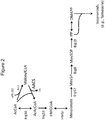
- PK and PTA catalyze the reactions to convert fructose-6-phosphate (F6P) or xylulose-5-phosphate (X5P) to acetyl-CoA.
- F6P fructose-6-phosphate
- X5P xylulose-5-phosphate
- FIG. 1 PK draws from the pentose phosphate intermediate xyulose 5-phosphate, or from the upper glycolysis intermediate D-fructose 6-phosphate (F6P).
- PK splits X5P into glyceraldehyde 3-phosphate (G3P) and acetyl phosphate, or F6P into erythrose 4-phosphate (E4P) and acetyl phosphate.
- PTA then converts the acetyl phosphate into acetyl-CoA.
- G3P can re-enter lower glycolysis
- E4P can re-enter the pentose phosphate pathway or glycolysis by cycling through the non-oxidative pentose phosphate pathway network of transaldolases and transketolases.
- Sondregger et al. have also described the benefits of PK and PTA with respect to ethanol production in a xylose-utilizing yeast strain. See Sondregger et al., Applied and Environmental Microbiology 70(5):2892-2897 (2004 ).
- the heterologous phosphoketolase pathway (PK, PTA, and ADA) was introduced in S. cerevisiae to address low ethanol yields that result from overexpression of NAD(P)H-dependent xylose reductase and NAD + -dependent xylitol dehydrogenase from Pichia stipitis.
- compositions and methods for the improved utilization of phosphoketolase (PK) and phosphotransacetylase (PTA) for the production of industrially useful compounds are based on the surprising discovery that phosphoketolase pathway-based acetate accumulation results from the enzyme-catalyzed hydrolysis of acetyl phosphate, the product of PK catalysis. Hydrolysis of acetyl phosphate is an undesirable side-reaction that can negatively impact production, via depletion of carbon, of any type of product derived from acetyl-CoA, including isoprenoids, polyketides, and fatty acids. By functionally disrupting native enzymes in the host cell that catalyze acetyl phosphate hydrolysis, acetate accumulation is reduced and carbon flux through the PK/PTA pathway towards acetyl-CoA production is increased.
- PK phosphoketolase
- PTA phosphotransacetylase
- compositions and methods provided herein are further based on the unexpected discovery of native enzymes in yeast that catalyze the hydrolysis of acetyl phosphate to acetate, namely GPP1/RHR2, and its closely related homolog GPP2/HOR2. Both of these enzymes have only been previously characterized as having glycerol-1-phosphatase (EC 3.1.3.21; alternately referred to as "glycerol-3-phosphatase”) activity, and thus, the promiscuous acetyl-phosphatase activity of these enzymes is unexpected.
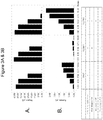
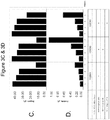
- deletion of one or both of the genes encoding RHR2 and HOR2 leads to a reduction in acetate accumulation, with deletion of the gene encoding RHR2 alone leading to a substantial reduction in acetate levels.
- deletion of the RHR2 gene in cells engineered to comprise PK, PTA and a mevalonate pathway resulted in a substantial increase in the production of farnesene, an acetyl-CoA derived isoprenoid.
- EP 2,546,336 describes knockdown of GPP1 and GPP2 genes to reduce glycerol production.
- a genetically modified host cell comprising: a heterologous nucleic acid encoding a phosphotransacetylase (PTA; EC 2.3.1.8); a functional disruption of an endogenous enzyme that converts acetyl phosphate to acetate and a heterologous nucleic acid encoding a phosphoketolase (PK; EC 4.1.2.9).
- PTA phosphotransacetylase
- PK EC 4.1.2.9
- the enzyme that converts acetyl phosphate to acetate is a glycerol-1-phosphatase (EC 3.1.3.21).
- the glycerol-1-phosphatase is selected from the group consisting of GPP1/RHR2, GPP2HOR2, and homologues thereof.
- the genetically modified host cell comprises a functional disruption of GPP1/RHR2.
- the genetically modified host cell comprises a functional disruption of GPP2/HOR2.
- the genetically modified host cell comprises a functional disruption of both GPP1/RHR2 and GPP2/HOR2.
- the genetically modified host cell further comprises a heterologous nucleic acid encoding an acylating acetylaldehyde dehydrogenase (ADA; EC 1.2.1.10).
- the genetically modified host cell further comprises a functional disruption of one or more enzymes of the native pyruvate dehydrogenase (PDH) - bypass.
- the one or more enzymes of the PDH-bypass are selected from acetyl-CoA synthetase 1 (ACS1), acetyl-CoA synthetase 2 (ACS2), and aldehyde dehydrogenase 6 (ALD6).
- the genetically modified host cell is capable of producing an isoprenoid, a polyketide, and a fatty acid. In particular embodiments, the genetically modified host cell is capable of producing an isoprenoid.
- the genetically modified host cell comprises one or more heterologous nucleic acids encoding one or more enzymes of a mevalonate (MEV) pathway for making isopentenyl pyrophosphate.
- the one or more enzymes of the MEV pathway comprise an NADH-using HMG-CoA reductase.
- the one or more enzymes of the MEV pathway comprise an enzyme that condenses two molecules of acetyl-CoA to form acetoacetyl-CoA.
- the one or more enzymes of the MEV pathway comprise an enzyme that condenses acetoacetyl-CoA with acetyl-CoA to form HMG-CoA.
- the one or more enzymes of the MEV pathway comprise an enzyme that converts HMG-CoA to mevalonate. In some embodiments, the one or more enzymes of the MEV pathway comprise an enzyme that phosphorylates mevalonate to mevalonate 5-phosphate. In some embodiments, the one or more enzymes of the MEV pathway comprise an enzyme that converts mevalonate 5-phosphate to mevalonate 5-pyrophosphate. In some embodiments, the one or more enzymes of the MEV pathway comprise an enzyme that converts mevalonate 5-pyrophosphate to isopentenyl pyrophosphate.
- the one or more enzymes of the MEV pathway are selected from HMG-CoA synthase, mevalonate kinase, phosphomevalonate kinase and mevalonate pyrophosphate decarboxylase.
- the host cell comprises a plurality of heterologous nucleic acids encoding all of the enzymes of the MEV pathway.
- the one or more heterologous nucleic acids encoding one or more enzymes of the MEV pathway are under control of a single transcriptional regulator.
- the one or more heterologous nucleic acids encoding one or more enzymes of the MEV pathway are under control of multiple heterologous transcriptional regulators.
- the genetically modified host cell further comprises a heterologous nucleic acid encoding an enzyme that can convert isopentenyl pyrophosphate (IPP) into dimethylallyl pyrophosphate (DMAPP).
- the genetically modified host cell further comprises a heterologous nucleic acid encoding an enzyme that can condense IPP and/or DMAPP molecules to form a polyprenyl compound.
- the genetically modified host cell further comprises a heterologous nucleic acid encoding an enzyme that can modify IPP or a polyprenyl to form an isoprenoid compound.
- the enzyme that can modify IPP or a polyprenyl to form an isoprenoid compound is selected from the group consisting of carene synthase, geraniol synthase, linalool synthase, limonene synthase, myrcene synthase, ocimene synthase, ⁇ -pinene synthase, ⁇ -pinene synthase, ⁇ -terpinene synthase, terpinolene synthase, amorphadiene synthase, ⁇ -farnesene synthase, ⁇ -farnesene synthase, farnesol synthase, nerolidol synthase, patchouliol synthase, nootkatone synthase, and abietadiene synthase.
- the isoprenoid is selected from the group consisting of a hemiterpene, monoterpene, diterpene, triterpene, tetraterpene, sesquiterpene, and polyterpene. In some embodiments, the isoprenoid is a sesquiterpene. In some embodiments, the isoprenoid is a C 5 -C 20 isoprenoid.
- the isoprenoid is selected from the group consisting of abietadiene, amorphadiene, carene, ⁇ -farnesene, ⁇ -farnesene, farnesol, geraniol, geranylgeraniol, isoprene, linalool, limonene, myrcene, nerolidol, ocimene, patchoulol, ⁇ -pinene, sabinene, ⁇ -terpinene, terpinolene, and valencene.
- a genetically modified host cell capable of producing an isoprenoid, the cell comprising: one or more heterologous nucleic acids encoding one or more enzymes of a mevalonate (MEV) pathway for making isopentenyl pyrophosphate; a heterologous nucleic acid encoding a phosphoketolase (PK); a heterologous nucleic acid encoding a phosphotransacetylase (PTA); and a functional disruption of a glycerol-1-phosphatase (EC 3.1.3.21).
- the glycerol-1-phosphatase is GPP1/RHR2, or a homologue thereof.
- the glycerol-1-phosphatase is GPP2/HOR2, or a homologue thereof.
- the genetically modified host cell provided herein is a yeast cell.
- the yeast is Saccharomyces cerevisiae.
- the genetically modified host cell produces an increased amount of an acetyl-CoA derived compound (e.g., an isoprenoid, polyketide, or fatty acid) compared to a yeast cell not comprising a functional disruption of an endogenous enzyme that converts acetyl phosphate to acetate.
- an acetyl-CoA derived compound e.g., an isoprenoid, polyketide, or fatty acid
- methods for producing a heterologous acetyl-CoA derived compound comprising: culturing a population of genetically modified host cells, capable of producing a heterologous acetyl-CoA derived compound as described herein, in a medium with a carbon source under conditions suitable for making said heterologous acetyl-CoA derived compound; and recovering said heterologous acetyl-CoA derived compound from the medium.
- the heterologous acetyl-CoA derived compound is an isoprenoid.
- a method for increasing the production of acetyl-CoA or an acetyl-CoA derived compound in a host cell comprising: expressing in the host cell a heterologous nucleic acid encoding a phosphoketolase (PK; EC 4.1.2.9); and functionally disrupting an endogenous enzyme that converts acetyl phosphate to acetate.
- the method further comprises expressing in the host cell a heterologous nucleic acid encoding a phosphotransacetylase (PTA; EC 2.3.1.8).
- a method for increasing the production of acetyl-CoA in a host cell comprising: expressing in the host cell a heterologous nucleic acid encoding a phosphotransacetylase (PTA; EC 2.3.1.8); and functionally disrupting an endogenous enzyme that converts acetyl phosphate to acetate.
- the method further comprises expressing in the host cell a heterologous nucleic acid encoding a phosphoketolase (PK; EC 4.1.2.9).
- the enzyme that converts acetyl phosphate to acetate is a glycerol-1-phosphatase (EC 3.1.3.21).
- the glycerol-1-phosphatase is selected from GPP1/RHR2, GPP2/HOR2, and homologues thereof.
- GPP1/RHR2, or a homologue thereof is functionally disrupted.
- GPP2/HOR2, or a homologue thereof is functionally disrupted.
- both GPP1/RHR2 and GPP2/HOR2, or both a homologue of GPP1/RHR2 and a homologue of GPP2/HOR2 are functionally disrupted.
- the host cell is a yeast cell.
- the yeast is Saccharomyces cerevisiae.
- the host cell produces an increased amount of acetyl-CoA or an acetyl-CoA derived compound compared to a yeast cell not comprising a functional disruption of an endogenous enzyme that converts acetyl phosphate to acetate.
- heterologous refers to what is not normally found in nature.
- heterologous nucleotide sequence refers to a nucleotide sequence not normally found in a given cell in nature.
- a heterologous nucleotide sequence may be: (a) foreign to its host cell (i.e., is “exogenous” to the cell); (b) naturally found in the host cell ( i.e., "endogenous") but present at an unnatural quantity in the cell ( i.e., greater or lesser quantity than naturally found in the host cell); or (c) be naturally found in the host cell but positioned outside of its natural locus.
- heterologous enzyme refers to an enzyme that is not normally found in a given cell in nature.
- the term encompasses an enzyme that is: (a) exogenous to a given cell (i.e., encoded by a nucleotide sequence that is not naturally present in the host cell or not naturally present in a given context in the host cell); and (b) naturally found in the host cell (e.g., the enzyme is encoded by a nucleotide sequence that is endogenous to the cell) but that is produced in an unnatural amount ( e.g ., greater or lesser than that naturally found) in the host cell.
- the term “native” or “endogenous” as used herein with reference to molecules, and in particular enzymes and nucleic acids, indicates molecules that are expressed in the organism in which they originated or are found in nature, independently of the level of expression that can be lower, equal, or higher than the level of expression of the molecule in the native microorganism. It is understood that expression of native enzymes or polynucleotides may be modified in recombinant microorganisms.
- a “functional disruption” e.g ., of a target gene
- a “functional disruption” e.g ., of a target gene
- the target gene is altered in such a way as to decrease in the host cell the activity of the protein encoded by the target gene.
- the functional disruption of a target gene results in a reduction by at least 5%, 10%, 15%, 20%, 25%, 30%, 35%, 40%, 45%, 50%, 55%, 60%, 65%, 70%, 75%, 80%, 85%, 90%, 95% or 100% of the expression level of the target gene compared to its expression when not functionally disrupted.
- a target protein for example, a protein having acetyl phosphatase activity
- the functional disruption of a target protein results in a reduction by at least 5%, 10%, 15%, 20%, 25%, 30%, 35%, 40%, 45%, 50%, 55%, 60%, 65%, 70%, 75%, 80%, 85%, 90%, 95% or 100% of the activity or expression level of the target protein compared to its activity or expression when not functionally disrupted.
- the activity of the target protein encoded by the target gene is eliminated in the host cell.
- the activity of the target protein encoded by the target gene is decreased in the host cell.
- Functional disruption of the target gene may be achieved by deleting all or a part of the gene so that gene expression is eliminated or reduced, or so that the activity of the gene product is eliminated or reduced.
- Functional disruption of the target gene may also be achieved by mutating a regulatory element of the gene, e.g., the promoter of the gene so that expression is eliminated or reduced, or by mutating the coding sequence of the gene so that the activity of the gene product is eliminated or reduced.
- functional disruption of the target gene results in the removal of the complete open reading frame of the target gene.
- parent cell refers to a cell that has an identical genetic background as a genetically modified host cell disclosed herein except that it docs not comprise one or more particular genetic modifications engineered into the modified host cell, for example, one or more modifications selected from the group consisting of: heterologous expression of an ADA, heterologous expression of an NADH-using HMG-CoA reductase, heterologous expression of an AACS, heterologous expression of a phosphoketolase, heterologous expression of a phosphotransacetylase, and heterologous expression of one or more enzymes of the mevalonate pathway.
- modifications selected from the group consisting of: heterologous expression of an ADA, heterologous expression of an NADH-using HMG-CoA reductase, heterologous expression of an AACS, heterologous expression of a phosphoketolase, heterologous expression of a phosphotransacetylase, and heterologous expression of one or more enzymes of the mevalonate pathway.
- production generally refers to an amount of an isoprenoid produced by a genetically modified host cell provided herein. In some embodiments, production is expressed as a yield of isoprenoid by the host cell. In other embodiments, production is expressed as a productivity of the host cell in producing the isoprenoid.
- productivity refers to production of an isoprenoid by a host cell, expressed as the amount of isoprenoid produced (by weight) per amount of fermentation broth in which the host cell is cultured (by volume) over time (per hour).
- yield refers to production of an isoprenoid by a host cell, expressed as the amount of isoprenoid produced per amount of carbon source consumed by the host cell, by weight.
- acetyl-CoA derived compound refers to a compound which uses acetyl-CoA as a substrate in its biosynthesis.
- exemplary acetyl-CoA derived compounds include, but are not limited to, isoprenoids, polyketides, fatty acids, and alcohols.
- an acetyl-CoA derived compound is ethanol, for example, bioethanol produced from pentose substrates, as described in U.S. Patent No. 7,253,001 .
- the term "variant” refers to a polypeptide differing from a specifically recited "reference" polypeptide (e.g., a wild-type sequence) by amino acid insertions, deletions, mutations, and substitutions, but retains an activity that is substantially similar to the reference polypeptide.
- the variant is created by recombinant DNA techniques, such as mutagenesis.
- a variant polypeptide differs from its reference polypeptide by the substitution of one basic residue for another (i.e. Arg for Lys), the substitution of one hydrophobic residue for another ( i.e. Leu for Ile), or the substitution of one aromatic residue for another ( i.e. Phe for Tyr), etc.
- variants include analogs wherein conservative substitutions resulting in a substantial structural analogy of the reference sequence are obtained.
- conservative substitutions include glutamic acid for aspartic acid and vice-versa; glutamine for asparagine and vice-versa; serine for threonine and vice-versa; lysine for arginine and vice-versa; or any of isoleucine, valine or leucine for each other.
- yeasts useful in the present methods include yeasts that have been deposited with microorganism depositories (e.g. IFO, ATCC, etc. ) and belong to the genera Aciculoconidium, Ambrosiozyma , Arthroascus , Arxiozyma , Ashbya , Babjevia , Bensingtonia, Botryoascus , Botryozyma , Brettanomyces, Bullera , Bulleromyces, Candida, Citeromyces, Clavispora, Cryptococcus, Cystofilobasidium , Debaryomyces , Dekkara , Dipodascopsis, Dipodascus, Eeniella , Endomycopsella, Eremascus , Eremothecium, Erythrobasidium , Fellomyces, Filobasidium , Galactomyces, Geotrichum, Guilliermondella, Hanseniaspora , Hansenul
- the host microbe is Saccharomyces cerevisiae , Pichia pastoris , Schizosaccharomyces pombe, Dekkera bruxellensis , Kluyveromyces lactis (previously called Saccharomyces lactis ), Kluveromyces marxianus , Arxula adeninivorans , or Hansenula polymorpha ( now known as Pichia angusta).
- the host microbe is a strain of the genus Candida, such as Candida lipolytica, Candida guilliermondii , Candida krusei , Candida pseudotropicalis, or Candida utilis.
- the host microbe is Saccharomyces cerevisiae.
- the host is a strain of Saccharomyces cerevisiae selected from the group consisting of Baker's yeast, CBS 7959, CBS 7960, CBS 7961, CBS 7962, CBS 7963, CBS 7964, IZ-1904, TA, BG-1, CR-1, SA-1, M-26, Y-904, PE-2, PE-5, VR-1, BR-1, BR-2, ME-2, VR-2, MA-3, MA-4, CAT-1, CB-1, NR-1, BT-1, and AL-1.
- the host microbe is a strain of Saccharomyces cerevisiae selected from the group consisting of PE-2, CAT-1, VR-1, BG-1, CR-1, and SA-1.
- the strain of Saccharomyces cerevisiae is PE-2.
- the strain of Saccharomyces cerevisiae is CAT-1.
- the strain of Saccharomyces cerevisiae is BG-1.
- the host microbe is a microbe that is suitable for industrial fermentation.
- the microbe is conditioned to subsist under high solvent concentration, high temperature, expanded substrate utilization, nutrient limitation, osmotic stress due to sugar and salts, acidity, sulfite and bacterial contamination, or combinations thereof, which are recognized stress conditions of the industrial fermentation environment.
- the phosphoketolase pathway is activated in the genetically modified host cells provided herein by engineering the cells to express polynucleotides and/or polypeptides encoding phosphoketolase and, optionally, phosphotransacetylase.
- the genetically modified host cells provided herein comprise a heterologous polynucleotide encoding a polypeptide having phosphoketolase activity.
- the genetically modified host cells provided herein comprise a heterologous polynucleotide encoding a polypeptide having phosphotransacetylase activity.
- the genetically modified host cells provided herein comprise both a heterologous polynucleotide encoding a polypeptide having phosphoketolase activity and a heterologous polynucleotide encoding a polypeptide having phosphotransacetylase activity.
- Phosphoketolase (EC 4.1.2.9) catalyzes the conversion of xylulose 5-phosphate into glyceraldehyde 3-phosphate and acetyl phosphate; and/or the conversion of fructose-6-phosphate into erythrose-4-phosphate and acetyl phosphate.
- Phosphoketolase activity has been identified in several yeast strains growing with xylose as the sole carbon source but not in yeast strains grown with glucose ( Evans and Ratledge, Arch. Microbiol. 139: 48-52; 1984 ).
- Inhibitors of phosphoketolase include, but are not limited to, erythrose 4-phosphate and glyceraldehyde 3-phosphate.
- polynucleotides, genes and polypeptides encoding phosphoketolase activity are known in the art and can be used in the genetically modified host cell provided herein.
- a polynucleotide, gene and/or polypeptide is the xylulose 5-phosphateketolase (XpkA) of Lactobacillus pentosus MD363 ( Posthuma et al., Appl. Environ. Microbiol. 68: 831-7; 2002 ).
- XpkA is the central enzyme of the phosphoketolase pathway (PKP) in lactic acid bacteria, and exhibits a specific activity of 4.455 ⁇ mol/min/mg ( Posthuma et al., Appl. Environ. Microbiol. 68: 831-7; 2002 ).
- PGP phosphoketolase pathway
- such a polynucleotide, gene and/or polypeptide is the phosphoketolase of Leuconostoc mesenteroides ( Lee et al., Biotechnol Lett. 27(12);853-858 (2005 )), which exhibits a specific activity of 9.9 ⁇ mol/min/mg and is stable at pH above 4.5 ( Goldberg et al., Methods Enzymol.
- This phosphoketolase exhibits a Km of 4.7 mM for D-xylulose 5- phosphate and a Km of 29 mM for fructose 6-phosphate ( Goldberg et al., Methods Enzymol. 9: 515-520; 1966 ).
- Representative phosphoketolase nucleotide sequences of Leuconostoc mesenteroides includes accession number AY804190, and SEQ ID NO: 1 as provided herein.
- Representative phosphoketolase protein sequences of Leuconostoc mesenteroides include accession numbers YP_819405, AAV66077.1, and SEQ ID NO: 2 as provided herein.
- such a polynucleotide, gene and/or polypeptide is the D-xylulose 5-phosphate/D-fructose 6-phosphate phosphoketolase gene xfp from B. lactis, as described, for example, in a pentose-metabolizing S. cerevisiae strain by Sonderegger et al. (Appl. Environ. Microbiol. 70: 2892-7; 2004 ).
- Bifidobacterium dentium ATCC 27678 (ABIX02000002.1:2350400..2352877; EDT46356.1); Bifidobacterium animalis (NC_017834.1:1127580..1130057; YP_006280131.1); and Bifidobacterium pseudolongum (AY518216.1:988..3465; AAR98788.1); Aspergillus nidulans FGSC A4 (CBF76492.1); Bifidobacterium longum (AAR98787.1); Bifidobacterium bifidum NCIMB 41171 (ZP 03646196.1); Bifidobacterium animalis subsp.
- lactis HN019 (ZP 02962870.1); Lactobacillus plantarum WCFS1 (NP_786060.1); Lactobacillus brevis subsp. gravesensis ATCC 27305 (ZP_03940142.1); Lactobacillus reuteri 100-23 (ZP_03073172.1); and Leuconostoc mesenteroides subsp. mesenteroides ATCC 8293 (YP_818922.1).
- phosphoketolases include those described in International Publication No. WO 2011/15985 . These phosphoketolases include: (YP_001601863.1; Gluconacetobacter diazotrophicus Pal 5 ), (YP_001093221.1; Shewanella loihica PV-4 ), (YP_926792.1; Shewanella amazonensis SB2B), (YP_735093.1; Shewanella sp.
- CFAR 172 (AAR98789.1; Bifidobacterium pullorum ), (ZP_03937610.1; Gardnerella vaginalis ATCC 14019 ), (ZP_05965201.1; Bifidobacterium gallicum DSM 20093 ), (ZP_02962870.1; Bifidobacterium animalis subsp. lactis HNO19 ), (AAR98788.1; Bifidobacterium pseudolongum subsp. Globosum ), (ZP_03946518.1; Atopobium vaginae DSM 15829 ), (YP_001511171.1; Frankia sp.
- EANlpec (YP_713678.1; Frankia alni ACN14a ), (YP_002778395.1; Rhodococcus opacus B4), (YP_701466.1; Rhodococcus jostii RHA1 ), (ZP_04383880.1; Rhodococcus erythropolis SK121 ), (YP 947598.1; Arthrobacter aurescens TC 1 ), (CAD48946.1; Propionibacterium freudenreichii subsp. Shermanii ), (NP_791495.1; Pseudomonas syringae pv. Tomato str.
- MWYLI MWYLI
- NP_866384.1 Rhodopirellula baltica SH 1
- ZP_05108502.1 Legionella drancourtii LLAP 12
- ZP_04995817.1 Streptomyces sp.
- bulgaricus ATCC 11842 (ZP_03955917.1; Lactobacillus jensenii lV-VI6 ), (ZP_03942415.1; Lactobacillus buchneri ATCC 11577 ), (ZP_01544800.1; Oenococcus oeni ATCC BAA-1163 ), (NP_786060.1; Lactobacillus plantarum WCFSI ), (Q937F6; XPKA_LACPE ), (YP_394903.1; Lactobacillus sakei subsp.
- Lactis Lactis ), (YP_811314.1; Oenococcus oeni PSU-1 ), (ZP_02951191.1; Clostridium butyricum 5521), (ZP_05390294.1; Clostridium carboxidivorans P7 ), (NP_347971.1; Clostridium acetobutylicum ATCC 824 ), (ZP_03800296.1; Coprococcus comes ATCC 27758), (ZP_04857624.1; Ruminococcus sp.
- HTCC2649 (YP_291026.1; Thermobifida fusca YX ), (ZP_04031845.1; Thermomonospora curvata DSM 43183 ), (ZP_04475514.1; Streptosporangium roseum DSM 43021 ), (ZP_04335641.1; Nocardiopsis rougevillei subsp.
- griseus NBRC 13350 (ZP_04705493.1; Streptomyces albus JI074 ), (ZP_04996963.1; Streptomyces sp. Mgl ), (ZP_05485309.1; Streptomyces sp. SPB78 ), (ZP_03860882.1; Kribbella flayida DSM 17836 ), (YP_117539.1; Nocardia farcinica IFM 10152), (YP_001505556.1; Frankia sp. EANlpec ), (YP_482627.1; Frankia sp.
- trifolii WSM1325 trifolii WSM1325 ), (YP_001979796.1; Rhizobium etli CIAT 652 ), (YP_470926.1; Rhizobium etli CFN 42 ), (YP_002540633.1; Agrobacterium radiobacter K84 ), (ZP_05182366.1; Brucella sp. 83 / 13 ), (ZP_04683384.1; Ochrobactrum intermedium LMG 3301 ), (YP_001373254.1; Ochrobactrum anthropi ATCC 49188 ), (YP_001204109.1; Bradyrhizobium sp.
- ORS278 (YP_001238418.1; Bradyrhizobium sp. BTAil ), (NP_769158.1; Bradyrhizobium japonicum USDA 110 ), (YP_577164.1; Nitrobacter hamburgensis X14 ), (YP_002961612.1; Methylobacterium extorquens AM 1 ), (YP_674792.1; Mesorhizobium sp.
- Phosphoketolases also useful in the compositions and methods provided herein include those molecules which are said to be “derivatives" of any of the phosphoketolases described herein. Such a “derivative” has the following characteristics: (1) it shares substantial homology with any of the phosphoketolases described herein; and (2) is capable of catalyzing the conversion of X5P into glyceraldehyde 3-phosphate (G3P) and acetyl phosphate; or F6P into erythrose 4-phosphate (E4P) and acetyl phosphate.
- G3P glyceraldehyde 3-phosphate
- E4P erythrose 4-phosphate
- a derivative of a phosphoketolase is said to share "substantial homology" with the phosphoketolase if the amino acid sequences of the derivative is at least 80%, and more preferably at least 90%, and most preferably at least 95%, the same as that of the phosphoketolase.
- the genetically modified host cell comprises a heterologous nucleotide sequence encoding a phosphotransacetylase.
- Phosphotransacetylase (EC 2.3.1.8) converts acetyl phosphate into acetyl-CoA.
- polynucleotides, genes and polypeptides encoding phosphotransacetylase activity are known in the art and can be used in the genetically modified host cell provided herein.
- such a polynucleotide, gene and/or polypeptide is the phosphotransacetylase from Clostridium kluyveri.
- Representative phosphotransacetylase nucleotide sequences of Clostridium kluyveri includes accession number NC_009706.1:1428554..1429555, and SEQ ID NO: 3 as provided herein.
- Representative phosphotransacetylase protein sequences of Clostridium kluyveri include accession number YP_001394780 and SEQ ID NO: 4 as provided herein.
- Other useful phosphotransacetylases include, but are not limited to, those from Lactobacillus reuteri (NC_010609.1:460303..461277; YP_001841389.10); Bacillus subtilis (NC_014479.1:3671865..3672836; YP_003868063.1); Methanosarcina thermophile (L23147.1 :207..1208; AAA72041.1); Lactobacillus sanfranciscensis (BAB19267.1); Lactobacillus plantarum WCFS1 (NP_784550.1); Lactobacillus fermentum ATCC 14931 (ZP 03944466.1); Bacillus subtilis subsp.
- subtilis str. 168 (NP_391646.1); Methanosarcina thermophila (AAA72041.1); Clostridium thermocellum DSM 4150 (ZP 03152606.1); Clostridium acetobutylicum ATCC 824 (NP_348368.1); Clostridium kluyveri DSM 555 (YP 001394780.1); Veillonella parvula DSM2008 (ZP 03855267.1); and Salmonella enterica subsp. enterica serovar Paratyphi A str. ATCC 9150 (YP_149725.1).
- phosphotransacetylases include those described in International Publication No. WO 2011/15985 . These phosphotransacetylases include: (ZP_05427766.1 ; Eubacterium saphenum ATCC 49989 ), (ZP_03627696.1; bacterium Ellin514 ),), (ZP_03131770.1; Chthonio bacterflavus Ellin428 ), (YP_001878031.1; Akkermansia muciniphila TCCBAA- 835), (ZP_04562924.1 ; Citrobacter sp.30_2 ), (YP_001451936.1; Citrobacter koseri ATCC BAA-895 ), (YP_149725.1 ; Salmonella enterica subsp.
- infantis ATCC 55813 infantis ATCC 55813
- YP_002323183.1 Bifidobacterium longum subsp. infantis ATCC 15697
- ZP_03646187.1 Bifidobacterium bifidum NClMB 41171
- ZP_03937611.1 Gardnerella vaginalis ATCC 14019
- ZP_02962869.1 Bifidobacterium animalis subsp.
- Zooepidemicus (BAH88016.1; Streptococcus mutans NN2025 ), (ZP_02920305.1 ; Streptococcus infantarius subsp. infantarius ATCCBAA-102 ), (YP_329798.1 ; Streptococcus agalactiae A909 ), (ZP_04061789.1 ; Streptococcus salivarius SK126 ), (YP_139881.1 ; Streptococcus thermophiles LMG 18311 ), (ZP_04525024.1 ; Streptococcus pneumomae CCRI 1974 ), (ZP_06060573.1 ; Streptococcus sp.
- NRRLB-14911 (NP_693944.1 ; Oceanobacillus iheyensis HTE831 ), (ZP_04314753.1 ; Bacillus cereus BGSC 6E1 ), (YP_014727.1 ; Listeria monocytogen es str. 4b F2365 ), (ZP_04443757.1 ; Listeria grayi DSM 20601 ), (NP_244690.1 ; Bacillus halodurans C-125 ), (YP_177402.1 ; Bacillus clausii KSM-K16 ), (YP_002885816.1 ; Exiguo bacteriumsp.
- MED152 ), (ZP_01119204.1 ; Polaribacter irgensii 23-P ), (ZP_03390929.1 ; Capnocytophaga spumblea ATCC 33612 ), (YP_003141977.1 ; Capnocytophaga ochracea DSM 7271 ), (YP_012240.1 ; Desulfovibrio vulgaris str. Hildenborough ), (YP_002436276.1 ; Desulfovibrio vulgaris str. 'Miyazaki F' ), (YP_389730.1 ; Desulfovibrio desulfuricans subsp. desulfuricans str.
- PCC 8106 (ZP_03272899.1; Arthrospira maxima CS-328 ), (YP_845596.1 ; Syntrophobacterfumaroxidans MPOB ), (ZP_04773932.1 ; Allochromatium vinosum DSM 180 ), (NP_869002.1 ; Rhodopirellula baltica SH 1), (YP_392571.1 ; Sulfurimonas denitrificans DSM 1251 ), (ZP_05071717.1 ; Campylobacterales bacterium GD 1), (ZP_04421899.1 ; Sulfurospirillum deleyianum DSM 6946), (YP_001359295.1 ; Sulfurovum sp.
- paratuberculosis K-10 paratuberculosis K-10 ), (ZP_05223872.1 ; Mycobacterium intracellulare ATCC 13950 ), (YP_002764919.1 ; Rhodococcus erythropolis PR4 ), (YP_702162.1 ; Rhodococcus jostii RHAI ), (YP_121562.1 ; Nocardia farcinica IFM 10152 ), (ZP_04025361.1 ; Tsukamurella paurometabola DSM20162 ), (YP_003275431.1 ; Gordonia bronchialis DSM 43247 ), (YP_003160610.1 ; Jonesia denitrificans DSM 20603 ), (ZP_05816650.1 ; Sanguibacter keddieii DSM 10542 ), (ZP_04368027.1 ; Cellulomonas flavigena DSM 20109 ), (YP_002883054.1
- Phosphotransacetylases also useful in the compositions and methods provided herein include those molecules which are said to be “derivatives" of any of the phosphotransacetylases described herein. Such a “derivative” has the following characteristics: (1) it shares substantial homology with any of the phosphotransacetylases described herein; and (2) is capable of catalyzing the conversion of acetyl phosphate into acetyl-CoA.
- a derivative of a phosphotransacetylase is said to share "substantial homology" with the phosphotransacetylase if the amino acid sequences of the derivative is at least 80%, and more preferably at least 90%, and most preferably at least 95%, the same as that of the phosphotransacetylase.
- the genetically modified host cell comprises a functional disruption in an enzyme that converts acetyl phosphate to acetate.
- the enzyme is native to the host cell.
- the enzyme that converts acetyl phosphate to acetate is a glycerol-1-phosphatase (EC 3.1.3.21).
- the enzyme having glycerol-1-phosphatase activity is RHR2 (GPP1/RHR2; systematic name: YIL053W), or a homolog or variant thereof.
- GPP1/RHR2 is a constitutively expressed glycerol-1-phosphatase involved in glycerol biosynthesis, and is induced in response to both anaerobic and osmotic stress.
- Representative GPP1 / RHR2 nucleotide sequences of Saccharomyces cerevisiae include accession number NM_001179403.1, and SEQ ID NO:5 as provided herein.
- Representative Gpp1/Rhr2 protein sequences of Saccharomyces cerevisiae include accession number NP_012211, and SEQ ID NO:6 as provided herein.
- GPP2/HOR2 A closely related homolog of GPP1/RHR2 which also catalyzes the hydrolysis of acetyl phosphate to acetate is HOR2 (GPP2/HOR2; systematic name: YER062C).
- Gpp2/Hor2 has also been previously described as a glycerol-1-phosphatase capable of catalyzing the following reaction: glycerol-1-phosphate + H2O glycerol + phosphate. Accordingly, functional disruption of GPP2/HOR2 also finds use in the compositions and methods provided herein.
- the sequence of the GPP2 / HOR2 gene of S. cerevisiae has been previously described. See, e.g., Norbeck et al., J.
- Representative GPP2 / HOR2 nucleotide sequences of Saccharomyces cerevisiae include accession number NM_001178953.3, and SEQ ID NO:7 as provided herein.
- Representative Gpp1/Rhr2 protein sequences of Saccharomyces cerevisiae include accession number NP_010984, and SEQ ID NO:8 as provided herein.
- GPP1/RHR2 and/or GPP2/HOR2 in yeast other than S. cerevisiae can similarly be inactivated using the methods described herein.
- a polynucleotide, gene and/or polypeptide encoding acetyl-phosphatase activity e.g., RHR2 and/or HOR2
- RHR2 and/or HOR2 can be used to identify other polynucleotide, gene and/or polypeptide sequences or to identify homologs having acetyl-phosphatase activity in other host cells.
- sequences can be identified, for example, in the literature and/or in bioinformatics databases well known to the skilled person.
- the activity or expression of an endogenous enzyme that converts acetyl phosphate to acetate is reduced by at least about 50%.
- the activity or expression of an endogenous enzyme that converts acetyl phosphate to acetate is reduced by at least about 60%, by at least about 65%, by at least about 70%, by at least about 75%, by at least about 80%, by at least about 85%, by at least about 90%, by at least about 95%, or by at least about 99% as compared to a recombinant microorganism not comprising a reduction or deletion of the activity or expression of an endogenous enzyme that converts acetyl phosphate to acetate.
- the endogenous enzyme that converts acetyl phosphate to acetate is RHR2, or homologues thereof. In some embodiments, the endogenous enzyme that converts acetyl phosphate to acetate is HOR2, or homologues thereof.
- a protein that converts acetyl phosphate to acetate such as a glycerol-1-phosphatase (e.g., RHR2 and/or HOR2)
- a glycerol-1-phosphatase e.g., RHR2 and/or HOR2
- a regulated promoter e.g., RHR2 and/or HOR2
- a weak constitutive promoter e.g., a weak constitutive promoter
- disruption of one of the two copies of the gene encoding the protein in a diploid yeast disruption of both copies of the gene in a diploid yeast
- expression of an anti-sense nucleic acid expression of an siRNA
- over expression of a negative regulator of the endogenous promoter alteration of the activity of an endogenous or heterologous gene, use of a heterologous gene with lower specific activity, the like or combinations thereof.
- the genetically modified host cell comprises a mutation in at least one gene encoding acetyl-phosphatase activity (e.g., RHR2, HOR2 or a homolog thereof), resulting in a reduction of activity of a polypeptide encoded by said gene.
- the genetically modified host cell comprises a partial deletion of a gene encoding acetyl-phosphatase activity (e.g., RHR2, HOR2 or a homolog thereof), resulting in a reduction of activity of a polypeptide encoded by the gene.
- the genetically modified host cell comprises a complete deletion of a gene encoding acetyl-phosphatase activity (e.g., RHR2, HOR2 or a homolog thereof), resulting in a reduction of activity of a polypeptide encoded by the gene.
- the genetically modified host cell comprises a modification of the regulatory region associated with the gene encoding acetyl-phosphatase activity (e.g., RHR2, HOR2 or a homolog thereof), resulting in a reduction of expression of a polypeptide encoded by said gene.
- the genetically modified host cell comprises a modification of the transcriptional regulator resulting in a reduction of transcription of a gene encoding acetyl-phosphatase activity (e.g., RHR2, HOR2 or a homolog thereof).
- disruption of one or more genes encoding a protein capable of catalyzing the conversion of acetyl phosphate to acetate is achieved by using a "disruption construct" that is capable of specifically disrupting such a gene (e.g., RHR2 or HOR2) upon introduction of the construct into the microbial cell, thereby rendering the disrupted gene non-functional.
- disruption of the target gene prevents the expression of a functional protein.
- disruption of the target gene results in expression of a non-functional protein from the disrupted gene.
- disruption of a gene encoding a protein capable of converting acetyl phosphate to acetate is achieved by integration of a "disrupting sequence" within the target gene locus by homologous recombination.
- the disruption construct comprises a disrupting sequence flanked by a pair of nucleotide sequences that are homologous to a pair of nucleotide sequences of the target gene locus (homologous sequences).
- the disrupting sequence prevents the expression of a functional protein, or causes expression of a non-functional protein, from the target gene.
- Disruption constructs capable of disrupting a gene may be constructed using standard molecular biology techniques well known in the art. See, e.g., Sambrook et al., 2001, Molecular Cloning -- A Laboratory Manual, 3rd edition, Cold Spring Harbor Laboratory, Cold Spring Harbor, NY , and Ausubel et al., eds., Current Edition, Current Protocols in Molecular Biology, Greene Publishing Associates and Wiley Interscience, NY .
- Parameters of disruption constructs that may be varied in the practice of the present methods include, but are not limited to, the lengths of the homologous sequences; the nucleotide sequence of the homologous sequences; the length of the disrupting sequence; the nucleotide sequence of the disrupting sequence; and the nucleotide sequence of the target gene.
- an effective range for the length of each homologous sequence is 50 to 5,000 base pairs.
- the length of each homologous sequence is about 500 base pairs.
- the homologous sequences comprise coding sequences of the target gene.
- the homologous sequences comprise upstream or downstream sequences of the target gene.
- one homologous sequence comprises a nucleotide sequence that is homologous to a nucleotide sequence located 5' of the coding sequence of the target gene
- the other homologous sequence comprises a nucleotide sequence that is homologous to a nucleotide sequence located 3' of the coding sequence of the target gene.
- the disrupting sequence comprises a nucleotide sequence encoding a selectable marker that enables selection of microbial cells comprising the disrupting sequence.
- the disruption construct has a dual function, i.e., to functionally disrupt the target gene and to provide a selectable marker for the identification of cells in which the target gene is functionally disrupted.
- a termination codon is positioned in-frame with and downstream of the nucleotide sequence encoding the selectable marker to prevent translational read-through that might yield a fusion protein having some degree of activity of the wild type protein encoded by the target gene.
- the length of the disrupting sequence is one base pair. Insertion of a single base pair can suffice to disrupt a target gene because insertion of the single base pair in a coding sequence could constitute a frame shift mutation that could prevent expression of a functional protein.
- the sequence of the disruption sequence differs from the nucleotide sequence of the target gene located between the homologous sequences by a single base pair.
- the single base pair substitution that is introduced could result in a single amino acid substitution at a critical site in the protein and the expression of a non-functional protein. It should be recognized, however, that disruptions effected using very short disrupting sequences are susceptible to reversion to the wild type sequence through spontaneous mutation, thus leading to restoration of acetyl-phosphatase function to the host strain. Accordingly, in particular embodiments, the disrupting sequences are longer than one to a few base pairs.
- a disrupting sequence of excessive length is unlikely to confer any advantage over a disrupting sequence of moderate length, and might diminish efficiency of transfection or targeting.
- Excessive length in this context is many times longer than the distance between the chosen homologous sequences in the target gene.
- the length for the disrupting sequence can be from 2 to 2,000 base pairs.
- the length for the disrupting sequence is a length approximately equivalent to the distance between the regions of the target gene locus that match the homologous sequences in the disruption construct.
- the disruption construct is a linear DNA molecule. In other embodiments, the disruption construct is a circular DNA molecule. In some embodiments, the circular disruption construct comprises a pair of homologous sequences separated by a disrupting sequence, as described above. In some embodiments, the circular disruption construct comprises a single homologous sequence. Such circular disruption constructs, upon integration at the target gene locus, would become linearized, with a portion of the homologous sequence positioned at each end and the remaining segments of the disruption construct inserting into and disrupting the target gene without replacing any of the target gene nucleotide sequence. In particular embodiments, the single homologous sequence of a circular disruption construct is homologous to a sequence located within the coding sequence of the target gene.
- Disruption constructs can be introduced into a microbial cell by any method known to one of skill in the art without limitation. Such methods include, but are not limited to, direct uptake of the molecule by a cell from solution, or facilitated uptake through lipofection using, e.g., liposomes or immunoliposomes; particle-mediated transfection; etc. See, e.g., U.S. Patent No. 5,272,065 ; Goeddel et al., eds, 1990, Methods in Enzymology, vol.
- the genetically modified host cells provided herein further comprise one or more heterologous nucleotide sequences encoding acylating acetaldehyde dehydrogenase (alternately referred to as “acetylaldehyde dehydrogenase, acetylating,” “acetylaldehyde dehydrogenase, acylating,” or ADA (EC 1.2.1.10)).
- heterologous nucleotide sequences encoding acylating acetaldehyde dehydrogenase (alternately referred to as "acetylaldehyde dehydrogenase, acetylating,” “acetylaldehyde dehydrogenase, acylating,” or ADA (EC 1.2.1.10)).
- Proteins capable of catalyzing this reaction that are useful for the compositions and methods provided herein include the following four types of proteins:
- an ADA (or nucleic acid sequence encoding such activity) useful for the compositions and methods described herein is selected from the group consisting of Escherichia coli adhE, Entamoeba histolytica adh2, Staphylococcus aureus adhE, Piromyces sp.E2 adhE, Clostridium kluyveri (EDK33116), Lactobacillus plantarum acdH, and Pseudomonas putida (YP 001268189), as described in International Publication No. WO 2009/013159 .
- the ADA is selected from the group consisting of Clostridium botulinum eutE ( FR745875.1 ), Desulfotalea psychrophila eutE (CR522870.1), Acinetobacter sp. HBS-2 eutE (ABQ44511.2), Caldithrix abyssi eutE (ZP_09549576), and Halorubrum lacusprofundi ATCC 49239 (YP_002565337.1).
- the ADA useful for the compositions and methods provided herein is eutE from Dickeya zeae.
- a representative eutE nucleotide sequence of Dickeya zeae includes accession number NC_012912.1:1110476..1111855, and SEQ ID NO: 9 as provided herein.
- a representative eutE protein sequence of Dickeya zeae includes accession number YP_003003316, and SEQ ID NO: 10 as provided herein.
- ADAs also useful in the compositions and methods provided herein include those molecules which are said to be “derivatives” of any of the ADAs described herein.
- Such a “derivative” has the following characteristics: (1) it shares substantial homology with any of the ADAs described herein; and (2) is capable of catalyzing the conversion of acetaldehyde to acetyl-CoA.
- a derivative of an ADA is said to share "substantial homology" with ADA if the amino acid sequences of the derivative is at least 80%, at least 85% and more preferably at least 90%, and most preferably at least 95%, the same as that of any of the ADAs described herein.
- Acetyl-CoA can be formed in the mitochondria by oxidative decarboxylation of pyruvate catalyzed by the PDH complex.
- the PDH bypass has an essential role in providing acetyl-CoA in the cytosolic compartment, and provides an alternative route to the PDH reaction for the conversion of pyruvate to acetyl-CoA.
- the PDH bypass involves the enzymes pyruvate decarboxylase (PDC; EC 4.1.1.1), acetaldehyde dehydrogenase (ACDH; EC 1.2.1.5 and EC 1.2.1.4), and acetyl-CoA synthetase (ACS; EC 6.2.1.1).
- Pyruvate decarboxylase catalyzes the decarboxylation of pyruvate to acetaldehyde and carbon dioxide.
- Acetaldehyde dehydrogenase oxidizes acetaldehyde to acetic acid.
- S. cerevisiae the family of aldehyde dehydrogenases contains five members.
- ALD2 (YMR170c), ALD3 (YMR169c), and ALD6 (YPL061w) correspond to the cytosolic isoforms, while ALD4 (YOR374w) and ALD5 (YER073w) encode the mitochondrial enzyme.
- the main cytosolic acetaldehyde dehydrogenase isoform is encoded by ALD6.
- the formation of acetyl-CoA from acetate is catalyzed by ACS and involves hydrolysis of ATP.
- the genetically modified host cell provided herein further comprises a functional disruption in one or more genes of the PDH-bypass pathway.
- disruption of the one or more genes of the PDH-bypass of the host cell results in a genetically modified microbial cell that is impaired in its ability to catalyze one or more of the following reactions: (1) the decarboxylation of pyruvate into acetaldehyde by pyruvate decarboxylase; (2) the conversion of acetaldehyde into acetate by acetaldehyde dehydrogenase; and (3) the synthesis of acetyl-CoA from acetate and CoA by acetyl-CoA synthetase.
- a host cell comprises a functional disruption in one or more genes of the PDH-bypass pathway, wherein the activity of the reduced-function or non-functional PDH-bypass pathway alone or in combination with a weak ADA is not sufficient to support host cell growth, viability, and/or health.
- the activity or expression of one or more endogenous proteins of the PDH-bypass is reduced by at least about 50%. In another embodiment, the activity or expression of one or more endogenous proteins of the PDH-bypass is reduced by at least about 60%, by at least about 65%, by at least about 70%, by at least about 75%, by at least about 80%, by at least about 85%, by at least about 90%, by at least about 95%, or by at least about 99% as compared to a recombinant microorganism not comprising a reduction or deletion of the activity or expression of one or more endogenous proteins of the PDH-bypass.
- one or more genes encoding aldehyde dehydrogenase (ACDH) activity are functionally disrupted in the host cell.
- the aldehyde dehydrogenase is encoded by a gene selected from the group consisting of ALD2, ALD3, ALD4, ALD5, ALD6, and homologs and variants thereof.
- the genetically modified host cell comprises a functional disruption of ALD4.
- Representative ALD4 nucleotide sequences of Saccharomyces cerevisiae include accession number NM_001183794, and SEQ ID NO: 11 as provided herein.
- Representative Ald4 protein sequences of Saccharomyces cerevisiae include accession number NP_015019.1, and SEQ ID NO:12 as provided herein.
- the genetically modified host cell comprises a functional disruption of cytosolic aldehyde dehydrogenase (ALD6).
- ALD6p functions in the native PDH-bypass to convert acetaldehyde to acetate.
- Representative ALD6 nucleotide sequences of Saccharomyces cerevisiae include accession number SCU56604, and SEQ ID NO:13 as provided herein.
- Representative Ald6 protein sequences of Saccharomyces cerevisiae include accession number AAB01219, and SEQ ID NO:14 as provided herein.
- the activity or expression of more than one aldehyde dehydrogenase can be reduced or eliminated.
- the activity or expression of ALD4 and ALD6 or homologs or variants thereof is reduced or eliminated.
- the activity or expression of ALD5 and ALD6 or homologs or variants thereof is reduced or eliminated.
- the activity or expression of ALD4, ALD5, and ALD6 or homologs or variants thereof is reduced or eliminated.
- the activity or expression of the cytosolically localized aldehyde dehydrogenases ALD2, ALD3, and ALD6 or homologs or variants thereof is reduced or eliminated.
- the activity or expression of the mitochondrially localized aldehyde dehydrogenases, ALD4 and ALD5 or homologs or variants thereof is reduced or eliminated.
- one or more genes encoding acetyl-CoA synthetase (ACS) activity are functionally disrupted in the host cell.
- the acetyl-CoA synthetase is encoded by a gene selected from the group consisting of ACS1, ACS2, and homologs and variants thereof.
- one or more genes encoding acetyl-CoA synthetase (ACS) activity is functionally disrupted in the host cell.
- ACS1 and ACS2 are both acetyl-CoA synthetases that can convert acetate to acetyl-CoA.
- ACS1 is expressed only under respiratory conditions, whereas ACS2 is expressed constitutively.
- ACS2 is knocked out, strains are able to grow on respiratory conditions (e.g. ethanol, glycerol, or acetate media), but die on fermentable carbon sources (e.g. sucrose, glucose).
- the genetically modified host cell comprises a functional disruption of ACS1.
- the sequence of the ACS1 gene of S. cerevisiae has been previously described. See, e.g., Nagasu et al., Gene 37 (1-3):247-253 (1985 ).
- Representative ACS1 nucleotide sequences of Saccharomyces cerevisiae include accession number X66425, and SEQ ID NO:15 as provided herein.
- Representative Acs1 protein sequences of Saccharomyces cerevisiae include accession number AAC04979, and SEQ ID NO:16 as provided herein.
- the genetically modified host cell comprises a functional disruption of ACS2.
- the sequence of the ACS2 gene of S. cerevisiae has been previously described. See, e.g., Van den Berg et al., Eur. J. Biochem. 231(3):704-713 (1995 ).
- Representative ACS2 nucleotide sequences of Saccharomyces cerevisiae include accession number S79456, and SEQ ID NO:17 as provided herein.
- Representative Acs2 protein sequences of Saccharomyces cerevisiae include accession number CAA97725, and SEQ ID NO:18 as provided herein.
- the host cell comprises a cytosolic acetyl-coA synthetase activity that can convert acetate to acetyl-CoA under respiratory conditions (i.e ., when the host cell is grown in the presence of e.g. ethanol, glycerol, or acetate).
- the host cell is a yeast cell that comprises ACS1 activity.
- the host cell compared to a parent cell comprises no or reduced endogenous acetyl-CoA synthetase activity under respiratory conditions.
- the host cell is a yeast cell that compared to a parent cell comprises no or reduced ACS1 activity.
- the host cell comprises a cytosolic acetyl-coA synthetase activity that can convert acetate to acetyl-CoA under non-respiratory conditions (i.e ., when the host cell is grown in the presence of fermentable carbon sources (e.g. sucrose, glucose)).
- the host cell is a yeast cell that comprises ACS2 activity.
- the host cell compared to a parent cell comprises no or reduced endogenous acetyl-CoA synthetase activity under non-respiratory conditions.
- the host cell is a yeast cell that compared to a parent cell comprises no or reduced ACS2 activity.
- the host cell comprises a heterologous PK and a cytosolic acetyl-coA synthetase activity (e.g , ACS1 and/or ACS2).
- PK produces acetyl phosphate in the host cell.
- the intact cytosolic ACS activity can convert acetate that accumulates as a result of RHR2 and/or HOR2-catalyzed acetyl phosphate hydrolysis into acetyl-CoA.
- the genetically modified host cell provided herein comprises one or more heterologous enzymes of the MEV pathway.
- the one or more enzymes of the MEV pathway comprise an enzyme that condenses acetyl-CoA with malonyl-CoA to form acetoacetyl-CoA.
- the one or more enzymes of the MEV pathway comprise an enzyme that condenses two molecules of acetyl-CoA to form acetoacetyl-CoA.
- the one or more enzymes of the MEV pathway comprise an enzyme that condenses acetoacetyl-CoA with acetyl-CoA to form HMG-CoA.
- the one or more enzymes of the MEV pathway comprise an enzyme that converts HMG-CoA to mevalonate. In some embodiments, the one or more enzymes of the MEV pathway comprise an enzyme that phosphorylates mevalonate to mevalonate 5-phosphate. In some embodiments, the one or more enzymes of the MEV pathway comprise an enzyme that converts mevalonate 5-phosphate to mevalonate 5-pyrophosphate. In some embodiments, the one or more enzymes of the MEV pathway comprise an enzyme that converts mevalonate 5-pyrophosphate to isopentenyl pyrophosphate.
- the one or more enzymes of the MEV pathway are selected from the group consisting of acetyl-CoA thiolase, acetoacetyl-CoA synthetase, HMG-CoA synthase, HMG-CoA reductase, mevalonate kinase, phosphomevalonate kinase and mevalonate pyrophosphate decarboxylase.
- the genetically modified host cell comprises either an enzyme that condenses two molecules of acetyl-CoA to form acetoacetyl-CoA, e.g., acetyl-CoA thiolase; or an enzyme that condenses acetyl-CoA with malonyl-CoA to form acetoacetyl-CoA, e.g., acetoacetyl-CoA synthase.
- the genetically modified host cell comprises both an enzyme that condenses two molecules of acetyl-CoA to form acetoacetyl-CoA, e.g., acetyl-CoA thiolase; and an enzyme that condenses acetyl-CoA with malonyl-CoA to form acetoacetyl-CoA, e.g., acetoacetyl-CoA synthase.
- the host cell comprises one or more heterologous nucleotide sequences encoding more than one enzyme of the MEV pathway. In some embodiments, the host cell comprises one or more heterologous nucleotide sequences encoding two enzymes of the MEV pathway. In some embodiments, the host cell comprises one or more heterologous nucleotide sequences encoding an enzyme that can convert HMG-CoA into mevalonate and an enzyme that can convert mevalonate into mevalonate 5-phosphate. In some embodiments, the host cell comprises one or more heterologous nucleotide sequences encoding three enzymes of the MEV pathway.
- the host cell comprises one or more heterologous nucleotide sequences encoding four enzymes of the MEV pathway. In some embodiments, the host cell comprises one or more heterologous nucleotide sequences encoding five enzymes of the MEV pathway. In some embodiments, the host cell comprises one or more heterologous nucleotide sequences encoding six enzymes of the MEV pathway. In some embodiments, the host cell comprises one or more heterologous nucleotide sequences encoding seven enzymes of the MEV pathway. In some embodiments, the host cell comprises a plurality of heterologous nucleic acids encoding all of the enzymes of the MEV pathway.
- the genetically modified host cell further comprises a heterologous nucleic acid encoding an enzyme that can convert isopentenyl pyrophosphate (IPP) into dimethylallyl pyrophosphate (DMAPP).
- the genetically modified host cell further comprises a heterologous nucleic acid encoding an enzyme that can condense IPP and/or DMAPP molecules to form a polyprenyl compound.
- the genetically modified host cell further comprise a heterologous nucleic acid encoding an enzyme that can modify IPP or a polyprenyl to form an isoprenoid compound.
- the genetically modified host cell comprises a heterologous nucleotide sequence encoding an enzyme that can condense two molecules of acetyl-coenzyme A to form acetoacetyl-CoA, e.g., an acetyl-CoA thiolase.
- nucleotide sequences encoding such an enzyme include, but are not limited to: (NC_000913 REGION: 2324131.2325315; Escherichia coli ), (D49362; Paracoccus denitrificans ), and (L20428; Saccharomyces cerevisiae ).
- Acetyl-CoA thiolase catalyzes the reversible condensation of two molecules of acetyl-CoA to yield acetoacetyl-CoA, but this reaction is thermodynamically unfavorable; acetoacetyl-CoA thiolysis is favored over acetoacetyl-CoA synthesis.
- Acetoacetyl-CoA synthase (AACS) (alternately referred to as acetyl-CoA:malonyl-CoA acyltransferase; EC 2.3.1.194) condenses acetyl-CoA with malonyl-CoA to form acetoacetyl-CoA.
- AACS-catalyzed acetoacetyl-CoA synthesis is essentially an energy-favored reaction, due to the associated decarboxylation of malonyl-CoA.
- AACS exhibits no thiolysis activity against acetoacetyl-CoA, and thus the reaction is irreversible.
- acetyl-CoA thiolase In host cells comprising acetyl-CoA thiolase and a heterologous ADA and/or phosphotransacetylase (PTA), the reversible reaction catalyzed by acetyl-CoA thiolase, which favors acetoacetyl-CoA thiolysis, may result in a large acetyl-CoA pool. In view of the reversible activity of ADA, this acetyl-CoA pool may in turn drive ADA towards the reverse reaction of converting acetyl-CoA to acetaldehyde, thereby diminishing the benefits provided by ADA towards acetyl-CoA production.
- PTA phosphotransacetylase
- the activity of PTA is reversible, and thus, a large acetyl-CoA pool may drive PTA towards the reverse reaction of converting acetyl-CoA to acetyl phosphate. Therefore, in some embodiments, in order to provide a strong pull on acetyl-CoA to drive the forward reaction of ADA and PTA, the MEV pathway of the genetically modified host cell provided herein utilizes an acetoacetyl-CoA synthase to form acetoacetyl-CoA from acetyl-CoA and malonyl-CoA.
- the AACS is from Streptomyces sp. strain CL190 ( Okamura et al., Proc Natl Acad Sci USA 107(25):11265-70 (2010 ).
- Representative AACS nucleotide sequences of Streptomyces sp. strain CL190 include accession number AB540131.1, and SEQ ID NO:19 as provided herein.
- Representative AACS protein sequences of Streptomyces sp. strain CL190 include accession numbers D7URV0, BAJ10048, and SEQ ID NO:20 as provided herein.
- Other acetoacetyl-CoA synthases useful for the compositions and methods provided herein include, but are not limited to, Streptomyces sp.
- Acetoacetyl-CoA synthases also useful in the compositions and methods provided herein include those molecules which are said to be “derivatives" of any of the acetoacetyl-CoA synthases described herein. Such a “derivative” has the following characteristics: (1) it shares substantial homology with any of the acetoacetyl-CoA synthases described herein; and (2) is capable of catalyzing the irreversible condensation of acetyl-CoA with malonyl-CoA to form acetoacetyl-CoA.
- a derivative of an acetoacetyl-CoA synthase is said to share "substantial homology" with acetoacetyl-CoA synthase if the amino acid sequences of the derivative is at least 80%, and more preferably at least 90%, and most preferably at least 95%, the same as that of acetoacetyl-CoA synthase.
- the host cell comprises a heterologous nucleotide sequence encoding an enzyme that can condense acetoacetyl-CoA with another molecule of acetyl-CoA to form 3-hydroxy-3-methylglutaryl-CoA (HMG-CoA), e.g., a HMG-CoA synthase.
- HMG-CoA 3-hydroxy-3-methylglutaryl-CoA
- nucleotide sequences encoding such an enzyme include, but are not limited to: (NC_001145.
- the host cell comprises a heterologous nucleotide sequence encoding an enzyme that can convert HMG-CoA into mevalonate, e.g. , a HMG-CoA reductase.
- HMG-CoA reductase is an NADH-using hydroxymethylglutaryl-CoA reductase-CoA reductase.
- HMG-CoA reductases (EC 1.1.1.34; EC 1.1.1.88) catalyze the reductive deacylation of (S)-HMG-CoA to (R)-mevalonate, and can be categorized into two classes, class I and class II HMGrs.
- Class I includes the enzymes from eukaryotes and most archaea
- class II includes the HMG-CoA reductases of certain prokaryotes and archaea.
- the enzymes of the two classes also differ with regard to their cofactor specificity.
- the class II HMG-CoA reductases vary in the ability to discriminate between NADPH and NADH. See, e.g., Hedl et al., Journal of Bacteriology 186 (7): 1927-1932 (2004 ).
- Co-factor specificities for select class II HMG-CoA reductases are provided below. Table 1.
- Co-factor specificities for select class II HMG-CoA reductases Source Coenzyme specificity K m NADPH ( ⁇ M) K m NADH ( ⁇ M) P. mevalonii NADH 80 A. fulgidus NAD(P)H 500 160 S. aureus NAD(P)H 70 100 E. faecalis NADPH 30
- HMG-CoA reductases for the compositions and methods provided herein include HMG-CoA reductases that are capable of utilizing NADH as a cofactor, e.g., HMG-CoA reductase from P. mevalonii, A. fulgidus or S. aureus.
- the HMG-CoA reductase is capable of only utilizing NADH as a cofactor, e.g., HMG-CoA reductase from P. mevalonii , S. pomeroyi or D. acidovorans.
- the NADH-using HMG-CoA reductase is from Pseudomonas mevalonii.
- the sequence of the wild-type mvaA gene of Pseudomonas mevalonii, which encodes HMG-CoA reductase (EC 1.1.1.88), has been previously described. See Beach and Rodwell, J. Bacteriol. 171:2994-3001 (1989 ).
- Representative mvaA nucleotide sequences of Pseudomonas mevalonii include accession number M24015, and SEQ ID NO: 21 as provided herein.
- Representative HMG-CoA reductase protein sequences of Pseudomonas mevalonii include accession numbers AAA25837, P13702, MVAA_PSEMV, and SEQ ID NO: 22 as provided herein.
- the NADH-using HMG-CoA reductase is from Silicibacter pomeroyi.
- Representative HMG-CoA reductase nucleotide sequences of Silicibacter pomeroyi include accession number NC_006569.1, and SEQ ID NO: 23 as provided herein.
- Representative HMG-CoA reductase protein sequences of Silicibacter pomeroyi include accession number YP_164994, and SEQ ID NO: 24 as provided herein.
- the NADH-using HMG-CoA reductase is from Delftia acidovorans.
- a representative HMG-CoA reductase nucleotide sequences of Delftia acidovorans includes NC_010002 REGION: complement(319980..321269), and SEQ ID NO: 25 as provided herein.
- Representative HMG-CoA reductase protein sequences of Delftia acidovorans include accession number YP_001561318, and SEQ ID NO: 26 as provided herein.
- the NADH-using HMG-CoA reductases is from Solanum tuberosum ( Crane et al., J. Plant Physiol. 159:1301-1307 (2002 )).
- NADH-using HMG-CoA reductases also useful in the compositions and methods provided herein include those molecules which are said to be “derivatives" of any of the NADH-using HMG-CoA reductases described herein, e.g., from P. mevalonii , S. pomeroyi and D . acidovorans.
- Such a “derivative” has the following characteristics: (1) it shares substantial homology with any of the NADH-using HMG-CoA reductases described herein; and (2) is capable of catalyzing the reductive deacylation of (S)-HMG-CoA to (R)-mevalonate while preferentially using NADH as a cofactor.
- a derivative of an NADH-using HMG-CoA reductase is said to share "substantial homology" with NADH-using HMG-CoA reductase if the amino acid sequences of the derivative is at least 80%, and more preferably at least 90%, and most preferably at least 95%, the same as that of NADH-using HMG-CoA reductase.
- NADH-using means that the NADH-using HMG-CoA reductase is selective for NADH over NADPH as a cofactor, for example, by demonstrating a higher specific activity for NADH than for NADPH.
- selectivity for NADH as a cofactor is expressed as a k cat (NADH) / k cat (NADPH) ratio.
- NADH-using HMG-CoA reductase has a k cat (NADH) / k cat (NADPH) ratio of at least 5, 10, 15, 20, 25 or greater than 25.
- NADH-using HMG-CoA reductase uses NADH exclusively.
- an NADH-using HMG-CoA reductase that uses NADH exclusively displays some activity with NADH supplied as the sole cofactor in vitro, and displays no detectable activity when NADPH is supplied as the sole cofactor.
- Any method for determining cofactor specificity known in the art can be utilized to identify HMG-CoA reductases having a preference for NADH as cofactor, including those described by Kim et al., Protein Science 9:1226-1234 (2000 ); and Wilding et al., J. Bacteriol. 182(18):5147-52 (2000 ).
- the NADH-using HMG-CoA reductase is engineered to be selective for NADH over NAPDH, for example, through site-directed mutagenesis of the cofactor-binding pocket.
- Methods for engineering NADH-selectivity are described in Watanabe et al., Microbiology 153:3044-3054 (2007 ), and methods for determining the cofactor specificity of HMG-CoA reductases are described in Kim et al., Protein Sci. 9:1226-1234 (2000 ).
- the NADH-using HMG-CoA reductase is derived from a host species that natively comprises a mevalonate degradative pathway, for example, a host species that catabolizes mevalonate as its sole carbon source.
- the NADH-using HMG-CoA reductase which normally catalyzes the oxidative acylation of internalized (R)-mevalonate to (S)-HMG-CoA within its native host cell, is utilized to catalyze the reverse reaction, that is, the reductive deacylation of (S)-HMG-CoA to (R)-mevalonate, in a genetically modified host cell comprising a mevalonate biosynthetic pathway.
- the host cell comprises both a NADH-using HMGr and an NADPH-using HMG-CoA reductase.
- nucleotide sequences encoding an NADPH-using HMG-CoA reductase include, but are not limited to: (NM_206548; Drosophila melanogaster ), (NC_002758, Locus tag SAV2545, GeneID 1122570; Staphylococcus aureus ), (AB015627; Streptomyces sp.
- the host cell comprises a heterologous nucleotide sequence encoding an enzyme that can convert mevalonate into mevalonate 5-phosphate, e.g., a mevalonate kinase.
- an enzyme that can convert mevalonate into mevalonate 5-phosphate, e.g., a mevalonate kinase.
- nucleotide sequences encoding such an enzyme include, but are not limited to: (L77688; Arabidopsis thaliana ), and (X55875; Saccharomyces cerevisiae ).
- the host cell comprises a heterologous nucleotide sequence encoding an enzyme that can convert mevalonate 5-phosphate into mevalonate 5-pyrophosphate, e.g., a phosphomevalonate kinase.
- an enzyme that can convert mevalonate 5-phosphate into mevalonate 5-pyrophosphate, e.g., a phosphomevalonate kinase.
- nucleotide sequences encoding such an enzyme include, but are not limited to: (AF429385; Hevea brasiliensis ), (NM_006556; Homo sapiens), and (NC_001145. complement 712315.713670; Saccharomyces cerevisiae).
- the host cell comprises a heterologous nucleotide sequence encoding an enzyme that can convert mevalonate 5-pyrophosphate into isopentenyl diphosphate (IPP), e.g., a mevalonate pyrophosphate decarboxylase.
- IPP isopentenyl diphosphate
- nucleotide sequences encoding such an enzyme include, but are not limited to: (X97557; Saccharomyces cerevisiae), (AF290095; Enterococcus faecium ), and (U49260; Homo sapiens ).
- the host cell further comprises a heterologous nucleotide sequence encoding an enzyme that can convert IPP generated via the MEV pathway into dimethylallyl pyrophosphate (DMAPP), e.g., an IPP isomerase.
- DMAPP dimethylallyl pyrophosphate
- nucleotide sequences encoding such an enzyme include, but are not limited to: (NC_000913, 3031087.3031635; Escherichia coli), and (AF082326; Haematococcus pluvialis).
- the host cell further comprises a heterologous nucleotide sequence encoding a polyprenyl synthase that can condense IPP and/or DMAPP molecules to form polyprenyl compounds containing more than five carbons.
- the host cell comprises a heterologous nucleotide sequence encoding an enzyme that can condense one molecule of IPP with one molecule of DMAPP to form one molecule of geranyl pyrophosphate ("GPP"), e.g., a GPP synthase.
- GPP geranyl pyrophosphate
- nucleotide sequences encoding such an enzyme include, but are not limited to: (AF513111; Abies grandis ), (AF513112; Abies grandis ), (AF513113; Abies grandis ), (AY534686; Antirrhinum majus ), (AY534687; Antirrhinum majus ), (Y17376; Arabidopsis thaliana ), (AE016877, Locus AP11092; Bacillus cereus ; ATCC 14579), (AJ243739; Citrus sinensis ), (AY534745; Clarkia breweri ), (AY953508; Ips pini ), (DQ286930; Lycopersicon esculentum), (AF182828; Mentha xpiperita ), (AF182827; Mentha x piperita ), (MPI249453; Mentha x piperita), (PZE431697, Locus CAD2
- the host cell comprises a heterologous nucleotide sequence encoding an enzyme that can condense two molecules of IPP with one molecule of DMAPP, or add a molecule of IPP to a molecule of GPP, to form a molecule of farnesyl pyrophosphate ("FPP"), e.g., a FPP synthase.
- FPP farnesyl pyrophosphate
- nucleotide sequences that encode such an enzyme include, but are not limited to: (ATU80605; Arabidopsis thaliana ), (ATHFPS2R; Arabidopsis thaliana ), (AAU36376; Artemisia annua ), (AF461050; Bos taurus ), (D00694; Escherichia coli K-12), (AE009951, Locus AAL95523; Fusobacterium nucleatum subsp.
- NC_005823 Locus YP_000273; Leptospira interrogans serovar Copenhageni str. Fiocruz L1-130), (AB003187; Micrococcus luteus ), (NC_002946, Locus YP_208768; Neisseria gonorrhoeae FA 1090), (U00090, Locus AAB91752; Rhizobium sp.
- NGR234 J05091; Saccharomyces cerevisae ), (CP000031, Locus AAV93568; Silicibacter pomeroyi DSS-3), (AE008481, Locus AAK99890; Streptococcus pneumoniae R6), and (NC_004556, Locus NP 779706; Xylella fastidiosa Temecula1).
- the host cell further comprises a heterologous nucleotide sequence encoding an enzyme that can combine IPP and DMAPP or IPP and FPP to form geranylgeranyl pyrophosphate ("GGPP").
- GGPP geranylgeranyl pyrophosphate
- nucleotide sequences that encode such an enzyme include, but are not limited to: (ATHGERPYRS; Arabidopsis thaliana ), (BT005328; Arabidopsis thaliana), (NM_119845; Arabidopsis thaliana), (NZ_AAJM01000380, Locus ZP_00743052; Bacillus thuringiensis serovar israelensis, ATCC 35646 sq1563), (CRGGPPS; Catharanthus roseus ), (NZ_AABF02000074, Locus ZP_00144509; Fusobacterium nucleatum subsp.
- the host cell further comprises a heterologous nucleotide sequence encoding an enzyme that can modify a polyprenyl to form a hemiterpene, a monoterpene, a sesquiterpene, a diterpene, a triterpene, a tetraterpene, a polyterpene, a steroid compound, a carotenoid, or a modified isoprenoid compound.
- the heterologous nucleotide encodes a carene synthase.
- suitable nucleotide sequences include, but are not limited to: (AF461460, REGION 43.1926; Picea abies) and (AF527416, REGION: 78.1871; Salvia stenophylla ).
- the heterologous nucleotide encodes a geraniol synthase.
- suitable nucleotide sequences include, but are not limited to: (AJ457070; Cinnamomum tenuipilum ), (AY362553; Ocimum basilicum ), (DQ234300; Perilla frutescens strain 1864), (DQ234299; Perilla citriodora strain 1861), (DQ234298; Perilla citriodora strain 4935), and (DQ088667; Perilla citriodora ).
- the heterologous nucleotide encodes a linalool synthase.
- a suitable nucleotide sequence include, but are not limited to: (AF497485; Arabidopsis thaliana ), (AC002294, Locus AAB71482; Arabidopsis thaliana ), (AY059757; Arabidopsis thaliana ), (NM_104793; Arabidopsis thaliana ), (AF154124; Artemisia annua ), (AF067603; Clarkia breweri ), (AF067602; Clarkia concinna ), (AF067601; Clarkia breweri ), (U58314; Clarkia breweri ), (AY840091; Lycopersicon esculentum ), (DQ263741; Lavandula angustifolia ), (AY083653; Mentha citrate ), (AY693647;
- the heterologous nucleotide encodes a limonene synthase.
- suitable nucleotide sequences include, but are not limited to: (+)-limonene synthases (AF514287, REGION: 47.1867; Citrus limon ) and (AY055214, REGION: 48.1889; Agastache rugosa ) and (-)-limonene synthases (DQ195275, REGION: 1.1905; Picea sitchensis ), (AF006193, REGION: 73.1986; Abies grandis ), and (MHC4SLSP, REGION: 29.1828; Mentha spicata ).
- the heterologous nucleotide encodes a myrcene synthase.
- suitable nucleotide sequences include, but are not limited to: (U87908; Abies grandis ), (AY195609; Antirrhinum majus ), (AY195608; Antirrhinum majus ), (NM_127982; Arabidopsis thaliana TPS10), (NM_113485; Arabidopsis thaliana ATTPS-CIN), (NM_113483; Arabidopsis thaliana ATTPS-CIN), (AF271259; Perilla frutescens ), (AY473626; Picea abies ), (AF369919; Picea abies ), and (AJ304839; Quercus ilex ).
- the heterologous nucleotide encodes a ocimene synthase.
- suitable nucleotide sequences include, but are not limited to: (AY195607; Antirrhinum majus ), (AY195609; Antirrhinum majus ), (AY195608; Antirrhinum majus ), (AK221024; Arabidopsis thaliana), (NM_113485; Arabidopsis thaliana ATTPS-CIN), (NM_113483; Arabidopsis thaliana ATTPS-CIN), (NM_117775; Arabidopsis thaliana ATTPS03), (NM_001036574; Arabidopsis thaliana ATTPS03), (NM_127982; Arabidopsis thaliana TPS10), (AB110642; Citrus unshiu CitMTSL4), and (AY575970; Lotus corniculatus var. japonicus ).
- the heterologous nucleotide encodes an ⁇ -pinene synthase.
- suitable nucleotide sequences include, but are not limited to: (+) ⁇ -pinene synthase (AF543530, REGION: 1.1887; Pinus taeda ), (-) ⁇ -pinene synthase (AF543527, REGION: 32.1921; Pinus taeda ), and (+)/(-) ⁇ -pinene synthase (AGU87909, REGION: 6111892; Abies grandis ).
- the heterologous nucleotide encodes a ⁇ -pinene synthase.
- suitable nucleotide sequences include, but are not limited to: (-) ⁇ -pinene synthases (AF276072, REGION: 1.1749; Artemisia annua ) and (AF514288, REGION: 26.1834; Citrus limon ).
- the heterologous nucleotide encodes a sabinene synthase.
- An illustrative example of a suitable nucleotide sequence includes but is not limited to AF051901, REGION: 26.1798 from Salvia officinalis.
- the heterologous nucleotide encodes a ⁇ -terpinene synthase.
- suitable nucleotide sequences include: (AF514286, REGION: 30.1832 from Citrus limon ) and (AB110640, REGION 1.1803 from Citrus unshiu ) .
- the heterologous nucleotide encodes a terpinolene synthase.
- a suitable nucleotide sequence include, but are not limited to: (AY693650 from Oscimum basilicum ) and (AY906866, REGION: 10.1887 from Pseudotsuga menziesii ).
- the heterologous nucleotide encodes an amorphadiene synthase.
- An illustrative example of a suitable nucleotide sequence is SEQ ID NO. 37 of U.S. Patent Publication No. 2004/0005678 .
- the heterologous nucleotide encodes a ⁇ -farnesene synthase.
- suitable nucleotide sequences include, but are not limited to DQ309034 from Pyrus communis cultivar d'Anjou (pear; gene name AFS1) and AY182241 from Malus domestica (apple; gene AFS1). Pechouus et al., Planta 219(1):84-94 (2004 ).
- the heterologous nucleotide encodes a ⁇ -farnesene synthase.
- suitable nucleotide sequences include but is not limited to accession number AF024615 from Mentha x piperita (peppermint; gene Tspa11), and AY835398 from Artemisia annua. Picaud et al., Phytochemistry 66(9): 961-967 (2005 ).
- the heterologous nucleotide encodes a farnesol synthase.
- suitable nucleotide sequences include, but are not limited to accession number AF529266 from Zea mays and YDR481C from Saccharomyces cerevisiae (gene Pho8). Song, L., Applied Biochemistry and Biotechnology 128:149-158 (2006 ).
- the heterologous nucleotide encodes a nerolidol synthase.
- An illustrative example of a suitable nucleotide sequence includes, but is not limited to AF529266 from Zea mays (maize; gene tps1).
- the heterologous nucleotide encodes a patchouliol synthase.
- suitable nucleotide sequences include, but are not limited to AY508730 REGION: 1.1659 from Pogostemon cablin.
- the heterologous nucleotide encodes a nootkatone synthase.
- suitable nucleotide sequences include, but are not limited to AF441124 REGION: 1.1647 from Citrus sinensis and AY917195 REGION: 1.1653 from Perilla frutescens.
- the heterologous nucleotide encodes an abietadiene synthase.
- suitable nucleotide sequences include, but are not limited to: (U50768; Abies grandis ) and (AY473621; Picea abies ).
- the host cell produces a C 5 isoprenoid.
- These compounds are derived from one isoprene unit and are also called hemiterpenes.
- An illustrative example of a hemiterpene is isoprene.
- the isoprenoid is a C 10 isoprenoid.
- monoterpenes are limonene, citranellol, geraniol, menthol, perillyl alcohol, linalool, thujone, and myrcene.
- the isoprenoid is a C 15 isoprenoid.
- sesquiterpenes are derived from three isoprene units and are also called sesquiterpenes.
- Illustrative examples of sesquiterpenes are periplanone B, gingkolide B, amorphadiene, artemisinin, artemisinic acid, valencene, nootkatone, epi-cedrol, epi-aristolochene, farnesol, gossypol, sanonin, periplanone, forskolin, and patchoulol (which is also known as patchouli alcohol).
- the isoprenoid is a C 20 isoprenoid.
- diterpenes are casbene, eleutherobin, paclitaxel, prostratin, pseudopterosin, and taxadiene.
- the isoprenoid is a C 20+ isoprenoid.
- These compounds are derived from more than four isoprene units and include: triterpenes (C 30 isoprenoid compounds derived from 6 isoprene units) such as arbrusideE, bruceantin, testosterone, progesterone, cortisone, digitoxin, and squalene; tetraterpenes (C 40 isoprenoid compounds derived from 8 isoprenoids) such as ⁇ -carotene; and polyterpenes (C 40+ isoprenoid compounds derived from more than 8 isoprene units) such as polyisoprene.
- triterpenes C 30 isoprenoid compounds derived from 6 isoprene units
- tetraterpenes C 40 isoprenoid compounds derived from 8 isoprenoids
- polyterpenes C 40+ isoprenoid compounds derived from more than 8 isoprene units
- the isoprenoid is selected from the group consisting of abietadiene, amorphadiene, carene, ⁇ -farnesene, ⁇ -farnesene, farnesol, geraniol, geranylgeraniol, isoprene, linalool, limonene, myrcene, nerolidol, ocimene, patchoulol, ⁇ -pinene, sabinene, ⁇ -terpinene, terpinolene and valencene.
- Isoprenoid compounds also include, but are not limited to, carotenoids (such as lycopene, ⁇ - and ⁇ -carotene, ⁇ - and ⁇ -cryptoxanthin, bixin, zeaxanthin, astaxanthin, and lutein), steroid compounds, and compounds that are composed of isoprenoids modified by other chemical groups, such as mixed terpene-alkaloids, and coenzyme Q-10.
- carotenoids such as lycopene, ⁇ - and ⁇ -carotene, ⁇ - and ⁇ -cryptoxanthin, bixin, zeaxanthin, astaxanthin, and lutein
- steroid compounds and compounds that are composed of isoprenoids modified by other chemical groups, such as mixed terpene-alkaloids, and coenzyme Q-10.
- a method for the production of an isoprenoid comprising the steps of: (a) culturing a population of any of the genetically modified host cells described herein that are capable of producing an isoprenoid in a medium with a carbon source under conditions suitable for making an isoprenoid compound; and (b) recovering said isoprenoid compound from the medium.
- the genetically modified host cell comprises one or more modifications selected from the group consisting of: heterologous expression of a phosphoketolase, heterologous expression of a phosphotransacetylase, heterologous expression of one or more enzymes of the mevalonate pathway; and optionally, heterologous expression of an ADA, heterologous expression of an NADH-using HMG-CoA reductase, and heterologous expression of an AACS; and the genetically modified host cell produces an increased amount of the isoprenoid compound compared to a parent cell not comprising the one or more modifications, or a parent cell comprising only a subset of the one or more modifications of the genetically modified host cell, but is otherwise genetically identical.
- the increased amount is at least 1%, 5%, 10%, 15%, 20%, 25%, 30%, 35%, 40%, 45%, 50%, 55%, 60%, 65%, 70%, 75%, 80%, 85%, 90%, 95%, 100% or greater than 100%, as measured, for example, in yield, production, productivity, in grams per liter of cell culture, milligrams per gram of dry cell weight, on a per unit volume of cell culture basis, on a per unit dry cell weight basis, on a per unit volume of cell culture per unit time basis, or on a per unit dry cell weight per unit time basis.
- the host cell produces an elevated level of isoprenoid that is greater than about 10 grams per liter of fermentation medium.
- the isoprenoid is produced in an amount from about 10 to about 50 grams, more than about 15 grams, more than about 20 grams, more than about 25 grams, or more than about 30 grams per liter of cell culture.
- the host cell produces an elevated level of isoprenoid that is greater than about 50 milligrams per gram of dry cell weight.
- the isoprenoid is produced in an amount from about 50 to about 1500 milligrams, more than about 100 milligrams, more than about 150 milligrams, more than about 200 milligrams, more than about 250 milligrams, more than about 500 milligrams, more than about 750 milligrams, or more than about 1000 milligrams per gram of dry cell weight.
- the host cell produces an elevated level of isoprenoid that is at least about 10%, at least about 15%, at least about 20%, at least about 25%, at least about 30%, at least about 35%, at least about 40%, at least about 45%, at least about 50%, at least about 60%, at least about 70%, at least about 80%, at least about 90%, at least about 2-fold, at least about 2.
- the host cell produces an elevated level of isoprenoid that is at least about 10%, at least about 15%, at least about 20%, at least about 25%, at least about 30%, at least about 35%, at least about 40%, at least about 45%, at least about 50%, at least about 60%, at least about 70%, at least about 80%, at least about 90%, at least about 2-fold, at least about 2.
- the host cell produces an elevated level of an isoprenoid that is at least about 10%, at least about 15%, at least about 20%, at least about 25%, at least about 30%, at least about 35%, at least about 40%, at least about 45%, at least about 50%, at least about 60%, at least about 70%, at least about 80%, at least about 90%, at least about 2-fold, at least about 2.
- the host cell produces an elevated isoprenoid that is at least about 10%, at least about 15%, at least about 20%, at least about 25%, at least about 30%, at least about 35%, at least about 40%, at least about 45%, at least about 50%, at least about 60%, at least about 70%, at least about 80%, at least about 90%, at least about 2-fold, at least about 2.
- the production of the elevated level of isoprenoid by the host cell is inducible by an inducing compound.
- an inducing compound is then added to induce the production of the elevated level of isoprenoid by the host cell.
- production of the elevated level of isoprenoid by the host cell is inducible by changing culture conditions, such as, for example, the growth temperature, media constituents, and the like.
- the methods of producing isoprenoids provided herein may be performed in a suitable culture medium (e.g ., with or without pantothenate supplementation) in a suitable container, including but not limited to a cell culture plate, a flask, or a fermentor. Further, the methods can be performed at any scale of fermentation known in the art to support industrial production of microbial products. Any suitable fermentor may be used including a stirred tank fermentor, an airlift fermentor, a bubble fermentor, or any combination thereof.
- strains can be grown in a fermentor as described in detail by Kosaric, et al, in Ullmann's Encyclopedia of Industrial Chemistry, Sixth Edition, Volume 12, pages 398-473, Wiley-VCH Verlag GmbH & Co. KDaA, Weinheim, Germany .
- the culture medium is any culture medium in which a genetically modified microorganism capable of producing an isoprenoid can subsist, i.e ., maintain growth and viability.
- the culture medium is an aqueous medium comprising assimilable carbon, nitrogen and phosphate sources. Such a medium can also include appropriate salts, minerals, metals and other nutrients.
- the carbon source and each of the essential cell nutrients are added incrementally or continuously to the fermentation media, and each required nutrient is maintained at essentially the minimum level needed for efficient assimilation by growing cells, for example, in accordance with a predetermined cell growth curve based on the metabolic or respiratory function of the cells which convert the carbon source to a biomass.
- Suitable conditions and suitable media for culturing microorganisms are well known in the art.
- the suitable medium is supplemented with one or more additional agents, such as, for example, an inducer (e.g. , when one or more nucleotide sequences encoding a gene product are under the control of an inducible promoter), a repressor (e.g ., when one or more nucleotide sequences encoding a gene product are under the control of a repressible promoter), or a selection agent (e.g., an antibiotic to select for microorganisms comprising the genetic modifications).
- an inducer e.g. , when one or more nucleotide sequences encoding a gene product are under the control of an inducible promoter
- a repressor e.g ., when one or more nucleotide sequences encoding a gene product are under the control of a repressible promoter
- a selection agent e.g
- the carbon source is a monosaccharide (simple sugar), a disaccharide, a polysaccharide, a non-fermentable carbon source, or one or more combinations thereof.
- suitable monosaccharides include glucose, galactose, mannose, fructose, xylose, ribose, and combinations thereof.
- suitable disaccharides include sucrose, lactose, maltose, trehalose, cellobiose, and combinations thereof.
- suitable polysaccharides include starch, glycogen, cellulose, chitin, and combinations thereof.
- suitable non-fermentable carbon sources include acetate and glycerol.
- the concentration of a carbon source, such as glucose, in the culture medium should promote cell growth, but not be so high as to repress growth of the microorganism used.
- a carbon source such as glucose
- the concentration of a carbon source, such as glucose, in the culture medium is greater than about 1 g/L, preferably greater than about 2 g/L, and more preferably greater than about 5 g/L.
- the concentration of a carbon source, such as glucose, in the culture medium is typically less than about 100 g/L, preferably less than about 50 g/L, and more preferably less than about 20 g/L. It should be noted that references to culture component concentrations can refer to both initial and/or ongoing component concentrations. In some cases, it may be desirable to allow the culture medium to become depleted of a carbon source during culture.
- Sources of assimilable nitrogen that can be used in a suitable culture medium include, but are not limited to, simple nitrogen sources, organic nitrogen sources and complex nitrogen sources. Such nitrogen sources include anhydrous ammonia, ammonium salts and substances of animal, vegetable and/or microbial origin. Suitable nitrogen sources include, but are not limited to, protein hydrolysates, microbial biomass hydrolysates, peptone, yeast extract, ammonium sulfate, urea, and amino acids. Typically, the concentration of the nitrogen sources, in the culture medium is greater than about 0.1 g/L, preferably greater than about 0.25 g/L, and more preferably greater than about 1.0 g/L.
- the addition of a nitrogen source to the culture medium is not advantageous for the growth of the microorganisms.
- the concentration of the nitrogen sources, in the culture medium is less than about 20 g/L, preferably less than about 10 g/L and more preferably less than about 5 g/L. Further, in some instances it may be desirable to allow the culture medium to become depleted of the nitrogen sources during culture.
- the effective culture medium can contain other compounds such as inorganic salts, vitamins, trace metals or growth promoters. Such other compounds can also be present in carbon, nitrogen or mineral sources in the effective medium or can be added specifically to the medium.
- the culture medium can also contain a suitable phosphate source.
- phosphate sources include both inorganic and organic phosphate sources.
- Preferred phosphate sources include, but are not limited to, phosphate salts such as mono or dibasic sodium and potassium phosphates, ammonium phosphate and mixtures thereof.
- the concentration of phosphate in the culture medium is greater than about 1.0 g/L, preferably greater than about 2.0 g/L and more preferably greater than about 5.0 g/L. Beyond certain concentrations, however, the addition of phosphate to the culture medium is not advantageous for the growth of the microorganisms. Accordingly, the concentration of phosphate in the culture medium is typically less than about 20 g/L, preferably less than about 15 g/L and more preferably less than about 10 g/L.
- a suitable culture medium can also include a source of magnesium, preferably in the form of a physiologically acceptable salt, such as magnesium sulfate heptahydrate, although other magnesium sources in concentrations that contribute similar amounts of magnesium can be used.
- a source of magnesium preferably in the form of a physiologically acceptable salt, such as magnesium sulfate heptahydrate, although other magnesium sources in concentrations that contribute similar amounts of magnesium can be used.
- the concentration of magnesium in the culture medium is greater than about 0.5 g/L, preferably greater than about 1.0 g/L, and more preferably greater than about 2.0 g/L. Beyond certain concentrations, however, the addition of magnesium to the culture medium is not advantageous for the growth of the microorganisms. Accordingly, the concentration of magnesium in the culture medium is typically less than about 10 g/L, preferably less than about 5 g/L, and more preferably less than about 3 g/L. Further, in some instances it may be desirable to allow the culture medium to become depleted of a magnesium source during
- the culture medium can also include a biologically acceptable chelating agent, such as the dihydrate of trisodium citrate.
- a biologically acceptable chelating agent such as the dihydrate of trisodium citrate.
- the concentration of a chelating agent in the culture medium is greater than about 0.2 g/L, preferably greater than about 0.5 g/L, and more preferably greater than about 1 g/L. Beyond certain concentrations, however, the addition of a chelating agent to the culture medium is not advantageous for the growth of the microorganisms. Accordingly, the concentration of a chelating agent in the culture medium is typically less than about 10 g/L, preferably less than about 5 g/L, and more preferably less than about 2 g/L.
- the culture medium can also initially include a biologically acceptable acid or base to maintain the desired pH of the culture medium.
- Biologically acceptable acids include, but are not limited to, hydrochloric acid, sulfuric acid, nitric acid, phosphoric acid and mixtures thereof.
- Biologically acceptable bases include, but are not limited to, ammonium hydroxide, sodium hydroxide, potassium hydroxide and mixtures thereof. In some embodiments, the base used is ammonium hydroxide.
- the culture medium can also include a biologically acceptable calcium source, including, but not limited to, calcium chloride.
- a biologically acceptable calcium source including, but not limited to, calcium chloride.
- the concentration of the calcium source, such as calcium chloride, dihydrate, in the culture medium is within the range of from about 5 mg/L to about 2000 mg/L, preferably within the range of from about 20 mg/L to about 1000 mg/L, and more preferably in the range of from about 50 mg/L to about 500 mg/L.
- the culture medium can also include sodium chloride.
- the concentration of sodium chloride in the culture medium is within the range of from about 0.1 g/L to about 5 g/L, preferably within the range of from about 1 g/L to about 4 g/L, and more preferably in the range of from about 2 g/L to about 4 g/L.
- the culture medium can also include trace metals.
- trace metals can be added to the culture medium as a stock solution that, for convenience, can be prepared separately from the rest of the culture medium.
- the amount of such a trace metals solution added to the culture medium is greater than about 1 ml/L, preferably greater than about 5 mL/L, and more preferably greater than about 10 mL/L. Beyond certain concentrations, however, the addition of a trace metals to the culture medium is not advantageous for the growth of the microorganisms. Accordingly, the amount of such a trace metals solution added to the culture medium is typically less than about 100 mL/L, preferably less than about 50 mL/L, and more preferably less than about 30 mL/L. It should be noted that, in addition to adding trace metals in a stock solution, the individual components can be added separately, each within ranges corresponding independently to the amounts of the components dictated by the above ranges of the trace metals solution.
- the culture media can include other vitamins, such as pantothenate, biotin, calcium, pantothenate, inositol, pyridoxine-HCl, and thiamine-HCl.
- vitamins can be added to the culture medium as a stock solution that, for convenience, can be prepared separately from the rest of the culture medium. Beyond certain concentrations, however, the addition of vitamins to the culture medium is not advantageous for the growth of the microorganisms.
- the fermentation methods described herein can be performed in conventional culture modes, which include, but are not limited to, batch, fed-batch, cell recycle, continuous and semi-continuous.
- the fermentation is carried out in fed-batch mode.
- some of the components of the medium are depleted during culture, including pantothenate during the production stage of the fermentation.
- the culture may be supplemented with relatively high concentrations of such components at the outset, for example, of the production stage, so that growth and/or isoprenoid production is supported for a period of time before additions are required.
- the preferred ranges of these components are maintained throughout the culture by making additions as levels are depleted by culture.
- Levels of components in the culture medium can be monitored by, for example, sampling the culture medium periodically and assaying for concentrations.
- additions can be made at timed intervals corresponding to known levels at particular times throughout the culture.
- the rate of consumption of nutrient increases during culture as the cell density of the medium increases.
- addition is performed using aseptic addition methods, as are known in the art.
- a small amount of anti-foaming agent may be added during the culture.
- the temperature of the culture medium can be any temperature suitable for growth of the genetically modified cells and/or production of isoprenoids.
- the culture medium prior to inoculation of the culture medium with an inoculum, can be brought to and maintained at a temperature in the range of from about 20°C to about 45°C, preferably to a temperature in the range of from about 25°C to about 40°C, and more preferably in the range of from about 28°C to about 32°C.
- the pH of the culture medium can be controlled by the addition of acid or base to the culture medium. In such cases when ammonia is used to control pH, it also conveniently serves as a nitrogen source in the culture medium.
- the pH is maintained from about 3.0 to about 8.0, more preferably from about 3.5 to about 7.0, and most preferably from about 4.0 to about 6.5.
- the carbon source concentration, such as the glucose concentration, of the culture medium is monitored during culture.
- Glucose concentration of the culture medium can be monitored using known techniques, such as, for example, use of the glucose oxidase enzyme test or high pressure liquid chromatography, which can be used to monitor glucose concentration in the supernatant, e.g ., a cell-free component of the culture medium.
- the carbon source concentration should be kept below the level at which cell growth inhibition occurs. Although such concentration may vary from organism to organism, for glucose as a carbon source, cell growth inhibition occurs at glucose concentrations greater than at about 60 g/L, and can be determined readily by trial.
- the glucose when glucose is used as a carbon source the glucose is preferably fed to the fermentor and maintained below detection limits.
- the glucose concentration in the culture medium is maintained in the range of from about 1 g/L to about 100 g/L, more preferably in the range of from about 2 g/L to about 50 g/L, and yet more preferably in the range of from about 5 g/L to about 20 g/L.
- the carbon source concentration can be maintained within desired levels by addition of, for example, a substantially pure glucose solution, it is acceptable, and may be preferred, to maintain the carbon source concentration of the culture medium by addition of aliquots of the original culture medium.
- the use of aliquots of the original culture medium may be desirable because the concentrations of other nutrients in the medium (e.g . the nitrogen and phosphate sources) can be maintained simultaneously.
- the trace metals concentrations can be maintained in the culture medium by addition of aliquots of the trace metals solution.
- an organic phase comprising the isoprenoid is separated from the fermentation by centrifugation. In other embodiments, an organic phase comprising the isoprenoid separates from the fermentation spontaneously. In other embodiments, an organic phase comprising the isoprenoid is separated from the fermentation by adding a demulsifier and/or a nucleating agent into the fermentation reaction.
- demulsifiers include flocculants and coagulants.
- nucleating agents include droplets of the isoprenoid itself and organic solvents such as dodecane, isopropyl myristrate, and methyl oleate.
- the isoprenoid produced in these cells may be present in the culture supernatant and/or associated with the host cells.
- the recovery of the isoprenoid may comprise a method of permeabilizing or lysing the cells.
- the isoprenoid in the culture medium can be recovered using a recovery process including, but not limited to, chromatography, extraction, solvent extraction, membrane separation, electrodialysis, reverse osmosis, distillation, chemical derivatization and crystallization.
- the isoprenoid is separated from other products that may be present in the organic phase. In some embodiments, separation is achieved using adsorption, distillation, gas-liquid extraction (stripping), liquid-liquid extraction (solvent extraction), ultrafiltration, and standard chromatographic techniques.
- the genetically modified host cell provided herein is capable of producing a polyketide from acetyl-CoA.
- Polyketides are synthesized by sequential reactions catalyzed by a collection of enzyme activities called polyketide synthases (PKSs), which are large multi-enzyme protein complexes that contain a coordinated group of active sites.
- PKSs polyketide synthases
- Polyketide biosynthesis proceeds stepwise starting from simple 2-, 3-, 4-carbon building blocks such as acetyl-CoA, propionyl CoA, butyryl-CoA and their activated derivatives, malonyl-, methylmalonyl- and ethylmalonyl-CoA, primarily through decarboxylative condensation of malonyl-CoA-derived units via Claisen condensation reactions.
- the PKS genes are usually organized in one operon in bacteria and in gene clusters in eukaryotes.
- Type I polyketide synthases are large, highly modular proteins subdivided into two classes: 1) iterative PKSs, which reuse domains in a cyclic fashion and 2) modular PKSs, which contain a sequence of separate modules and do not repeat domains.
- Type II polyketide synthases are aggregates of monofunctional proteins, and Type III polyketide synthases do not use acyl carrier protein domains.
- the order of complete polyketide-synthesis as directed by a polyketide synthase follows (in the order N-terminus to C-terminus): starting or loading the initial carbon building blocks onto an acyl carrier protein, elongation modules which catalyze the extension of the growing macrolide chain and termination modules that catalyze the release of the synthesized macrolide.
- Component domains or separate enzyme functionalities active in this biosynthesis include acyl-transferases for the loading of starter, extender and intermediate acyl units; acyl carrier proteins which hold the growing macrolide as a thiol ester; ⁇ -keto-acyl synthases which catalyze chain extension; ⁇ -keto reductases responsible for the first reduction to an alcohol functionality; dehydratases which eliminate water to give an unsaturated thiolester; enoyl reductases which catalyze the final reduction to full saturation; and thiolesterases which catalyze macrolide release and cyclization.
- the genetically modified microorganism disclosed herein comprises a heterologous nucleotide sequence encoding an enzyme that can condense at least one of acetyl-CoA and malonyl-CoA with an acyl carrier protein, e.g. an acyltransferase.
- the genetically modified microorganism disclosed herein comprises a heterologous nucleotide sequence encoding an enzyme that can condense a first reactant selected from the group consisting of acetyl-CoA and malonyl-CoA with a second reactant selected from the group consisting of malonyl-CoA or methylmalonyl-CoA to form a polyketide product, e.g. a ⁇ -keto-acyl synthase.
- the genetically modified microorganism disclosed herein comprises a heterologous nucleotide sequence encoding an enzyme that can reduce a ⁇ -keto chemical group on a polyketide compound to a ⁇ -hydroxy group, e.g. a ⁇ -keto reductase.
- the genetically modified microorganism disclosed herein comprises a heterologous nucleotide sequence encoding an enzyme that can dehydrate an alkane chemical group in a polyketide compound to produce an ⁇ - ⁇ -unsaturated alkene, e.g. a dehydratase.
- the genetically modified microorganism disclosed herein comprises a heterologous nucleotide sequence encoding an enzyme that can reduce an ⁇ - ⁇ -double-bond in a polyketide compound to a saturated alkane, e.g. an enoyl-reductase.
- the genetically modified microorganism disclosed herein comprises a heterologous nucleotide sequence encoding an enzyme that can hydrolyze a polyketide compound from an acyl carrier protein, e.g. a thioesterase.
- the polyketide producing cell comprises one or more heterologous nucleotide sequences encoding an enzyme comprising a KS catalytic region. In some embodiments, the polyketide producing cell comprises one or more heterologous nucleotide sequences encoding an enzyme comprising an AT catalytic region. In some embodiments, the polyketide producing cell comprises more than one heterologous nucleotide sequence encoding an enzyme comprising an AT catalytic region. In some embodiments, the polyketide producing cell comprises one or more heterologous nucleotide sequences encoding an enzyme comprising a CLF catalytic region.
- the polyketide producing cell comprises one or more heterologous nucleotide sequences encoding an enzyme comprising an ACP activity. In some embodiments, the polyketide producing cell comprises more than one heterologous nucleotide sequence encoding an enzyme comprising an ACP activity.
- the polyketide producing cell comprises a minimal aromatic PKS system, e.g ., heterologous nucleotide sequences encoding an enzyme comprising a KS catalytic region, an enzyme comprising an AT catalytic region, an enzyme comprising a CLF catalytic region, and an enzyme comprising an ACP activity, respectively.
- the polyketide producing cell comprises a minimal modular PKS system, e.g ., heterologous nucleotide sequences encoding an enzyme comprising a KS catalytic region, an enzyme comprising an AT catalytic region, and an enzyme comprising an ACP activity, respectively.
- the polyketide producing cell comprises a modular aromatic PKS system for de novo polyketide synthesis, e.g., heterologous nucleotide sequences encoding an enzyme comprising a KS catalytic region, one or more enzymes comprising an AT catalytic region, and one or more enzymes comprising an ACP activity, respectively.
- a modular aromatic PKS system for de novo polyketide synthesis e.g., heterologous nucleotide sequences encoding an enzyme comprising a KS catalytic region, one or more enzymes comprising an AT catalytic region, and one or more enzymes comprising an ACP activity, respectively.
- the polyketide producing cell comprising a minimal PKS system, e.g ., a minimal aromatic PKS system or minimal modular PKS system, further comprises additional catalytic activities which can contribute to production of the end-product polyketide.
- the polyketide producing cell comprises one or more heterologous nucleotide sequences encoding an enzyme comprising a cyclase (CYC) catalytic region, which facilitates the cyclization of the nascent polyketide backbone.
- the polyketide producing cell comprises one or more heterologous nucleotide sequences encoding an enzyme comprising a ketoreductase (KR) catalytic region.
- the polyketide producing cell comprises one or more heterologous nucleotide sequences encoding an enzyme comprising an aromatase (ARO) catalytic region. In some embodiments, the polyketide producing cell comprises one or more heterologous nucleotide sequences encoding an enzyme comprising an enoylreductase (ER) catalytic region. In some embodiments, the polyketide producing cell comprises one or more heterologous nucleotide sequences encoding an enzyme comprising a thioesterase (TE) catalytic region. In some embodiments, the polyketide producing cell further comprises one or more heterologous nucleotide sequences encoding an enzyme comprising a holo ACP synthase activity, which effects pantetheinylation of the ACP.
- ARO aromatase
- the polyketide producing cell comprises one or more heterologous nucleotide sequences encoding an enzyme comprising an enoylreductase (ER) cata
- the polyketide producing cell further comprises one or more heterologous nucleotide sequences conferring a postsynthesis polyketide modifying activity. In some embodiments, the polyketide producing cell further comprises one or more heterologous nucleotide sequences encoding an enzyme comprising a glycosylase activity, which effects postsynthesis modifications of polyketides, for example, where polyketides having antibiotic activity are desired. In some embodiments, the polyketide producing cell further comprises one or more heterologous nucleotide sequences encoding an enzyme comprising a hydroxylase activity. In some embodiments, the polyketide producing cell further comprises one or more heterologous nucleotide sequences encoding an enzyme comprising an epoxidase activity. In some embodiments, the polyketide producing cell further comprises one or more heterologous nucleotide sequences encoding an enzyme comprising a methylase activity.
- the polyketide producing cell further comprises one or more heterologous nucleotide sequences encoding a biosynthetic enzyme including, but not limited to, at least one polyketide synthesis pathway enzyme, and enzymes that can modify an acetyl-CoA compound to form a polyketide product such as a macrolide, an antibiotic, an antifungal, a cytostatic compound, an anticholesterolemic compound, an antiparasitic compound, a coccidiostatic compound, an animal growth promoter or an insecticide.
- the HACD compound is a polyene.
- the HACD compound is a cyclic lactone.
- the HACD compound comprises a 14, 15, or 16-membered lactone ring.
- the HACD compound is a polyketide selected from the group consisting of a polyketide macrolide, antibiotic, antifungal, cytostatic, anticholesterolemic, antiparasitic, a coccidiostatic, animal growth promoter and insecticide.
- the polyketide producing cell comprises heterologous nucleotide sequences, for example sequences encoding PKS enzymes and polyketide modification enzymes, capable of producing a polyketide selected from, but not limited to, the following polyketides: Avermectin (see, e.g., U.S. Pat. No. 5,252,474 ; U.S. Pat. No. 4,703,009 ; EP Pub. No. 118,367 ; MacNeil et al., 1993, "Industrial Microorganisms: Basic and Applied Molecular Genetics"; Baltz, Hegeman, & Skatrud, eds. (ASM), pp.
- Avermectin see, e.g., U.S. Pat. No. 5,252,474 ; U.S. Pat. No. 4,703,009 ; EP Pub. No. 118,367 ; MacNeil et al., 1993, "Industrial Microorganism
- Daunorubicin see, e.g., J Bacteriol. 1994 Oct; 176(20):6270-80 ); Epothilone (see, e.g., PCT Pub. No. 99/66028 ; and PCT Pub. No. 00/031247 ); Erythromycin (see, e.g., PCT Pub. No. 93/13663 ; U.S. Pat. No. 6,004,787 ; U.S. Pat. No. 5,824,513 ; Donadio et al., 1991, Science 252:675-9 ; and Cortes et al., Nov.
- FK-506 see, e.g., Motamedi et al., 1998; Eur. J Biochem. 256: 528-534 ; and Motamedi et al., 1997, Eur. J Biochem. 244: 74-80
- FK-520 see, e.g., PCT Pub. No. 00/020601 ; and Nielsen et al., 1991, Biochem. 30:5789-96
- Griseusin see, e.g., Yu et al., J Bacteriol. 1994 May; 176(9):2627-34
- Lovastatin see, e.g., U.S. Pat. No.
- Frenolycin see, e.g., Khosla et al., Bacteriol. 1993 Apr;175(8):2197-204 ; and Bibb et al., Gene 1994 May 3; 142(1):31-9 ); Granaticin (see, e.g., Sherman et al., EMBO J. 1989 Sep;8(9):2717-25 ; and Bechtold et al., Mol Gen Genet.
- Nemadectin see, e.g., MacNeil et al., 1993, supra
- Niddamycin see, e.g., PCT Pub. No. 98/51695 ; and Kakavas et al., 1997, J. Bacteriol. 179: 7515-7522
- Oleandomycin see e.g., Swan et al., 1994, Mol. Gen. Genet. 242: 358-362 ; PCT Pub. No. 00/026349 ; Olano et al., 1998, Mol. Gen. Genet. 259(3): 299-308 ; and PCT Pat. App. Pub. No.
- Oxytetracycline see, e.g., Kim et al., Gene. 1994 Apr 8;141(1):141-2 ); Picromycin (see, e.g., PCT Pub. No. 99/61599 ; PCT Pub. No. 00/00620 ; Xue et al., 1998, Chemistry & Biology 5(11): 661-667 ; Xue et al., October 1998, Proc. Natl. Acad. Sci. USA 95: 12111 12116 ); Platenolide ( see, e.g., EP Pub. No. 791,656 ; and U.S. Pat. No.
- Rapamycin see, e.g., Schwecke et al., August 1995, Proc. Natl. Acad. Sci. USA 92:7839-7843 ; and Aparicio et al., 1996, Gene 169: 9-16 ); Rifamycin ( see, e.g., PCT Pub. No. WO 98/07868 ; and August et al., Feb. 13, 1998, Chemistry & Biology, 5(2): 69-79 ); Sorangium (see, e.g., U.S. Pat. No. 6,090,601 ); Soraphen (see, e.g., U.S. Pat. No.
- the genetically modified host cell provided herein is capable of producing a fatty acid from acetyl-CoA.
- Fatty acids are synthesized by a series of decarboxylative Claisen condensation reactions from acetyl-CoA and malonyl-CoA catalyzed by fatty acid synthases. Similar to polyketide synthases, fatty acid synthases are not a single enzyme but an enzymatic system composed of 272 kDa multifunctional polypeptide in which substrates are handed from one functional domain to the next.
- Type I fatty acid synthases are single, multifunctional polypeptides common to mammals and fungi (although the structural arrangement of fungal and mammalian synthases differ) and the CMN group of bacteria (corynebacteria, mycobacteria, and nocardia).
- Type II synthases found in archaeabacteria and eubacteria, are a series of discrete, monofunctional enzymes that participate in the synthesis of fatty acids. The mechanisms fatty acid elongation and reduction is the same in the two classes of synthases, as the enzyme domains responsible for these catalytic events are largely homologous amongst the two classes.
- the ⁇ -keto group is reduced to a fully saturated carbon chain by the sequential action of a ketoreductase, a dehydratase, and an enol reductase.
- the growing fatty acid chain moves between these active sites attached to an acyl carrier protein and is ultimately released by the action of a thioesterase upon reaching a carbon chain length of 16 (palmitidic acid).
- the genetically modified microorganism disclosed herein comprises a heterologous nucleotide sequence encoding a biosynthetic enzyme including, but not limited to, at least one fatty acid synthesis pathway enzyme, and enzymes that can modify an acetyl-CoA compound to form a fatty acid product such as a palmitate, palmitoyl CoA, palmitoleic acid, sapienic acid, oleic acid, linoleic acid, ⁇ -linolenic acid, arachidonic acid, eicosapentaenoic acid, erucic acid, and docosahexaenoic acid.
- a biosynthetic enzyme including, but not limited to, at least one fatty acid synthesis pathway enzyme, and enzymes that can modify an acetyl-CoA compound to form a fatty acid product such as a palmitate, palmitoyl CoA, palmitoleic acid, sapienic acid, oleic acid, lino
- the HACD compound is a fatty acid selected from the group consisting of palmitate, palmitoyl CoA, palmitoleic acid, sapienic acid, oleic acid, linoleic acid, ⁇ -linolenic acid, arachidonic acid, eicosapentaenoic acid, erucic acid, and docosahexaenoic acid.
- the genetically modified microorganism disclosed herein comprises a heterologous nucleotide sequence encoding an enzyme that can covalently link at least one of acetyl-CoA and malonyl-CoA with an acyl carrier protein, e.g. an acyltransferase.
- the genetically modified microorganism disclosed herein comprises a heterologous nucleotide sequence encoding an enzyme that can condense acetyl chemical moiety and a malonyl chemical moiety, each bound to an acyl carrier protein (ACP), to form acetoacetyl-ACP, e.g . a ⁇ -Ketoacyl-ACP synthase.
- ACP acyl carrier protein
- the genetically modified microorganism disclosed herein comprises a heterologous nucleotide sequence encoding an enzyme that can reduce the double bond in acetoacetyl-ACP with NADPH to form a hydroxyl group in D-3-hydroxybutyryl hydroxylase-ACP, e.g . a ⁇ -Ketoacyl-ACP reductase.
- the genetically modified microorganism disclosed herein comprises a heterologous nucleotide sequence encoding an enzyme that can dehydrate D-3-Hydroxybutyryl hydroxylase-ACP to create a double bond between the beta- and gamma-carbons forming crotonyl-ACP, e.g . a ⁇ -hydroxyacyl-ACP dehydrase.
- the genetically modified microorganism disclosed herein comprises a heterologous nucleotide sequence encoding an enzyme that can reduce crotonyl ACP with NADPH to form butyryl-ACP, e.g . an enoyl ACP reductase.
- the genetically modified microorganism disclosed herein comprises a heterologous nucleotide sequence encoding an enzyme that can hydrolyze a C16 acyl compound from an acyl carrier protein to form palmitate, e.g. a thioesterase.
- the fatty acid producing cell comprises one or more heterologous nucleotide sequences encoding acetyl-CoA synthase and/or malonyl-CoA synthase, to effect increased production of one or more fatty acids as compared to a genetically unmodified parent cell.
- one or more of the following genes can be expressed in the cell: pdh, panK, aceEF (encoding the EIp dehydrogenase component and the E2p dihydrolipoamide acyltransferase component of the pyruvate and 2-oxoglutarate dehydrogenase complexes), fabH , fabD , fabG , acpP , and fabF.
- nucleotide sequences encoding such enzymes include, but are not limited to: pdh (BAB34380, AAC73227, AAC73226), panK (also known as coaA, AAC76952), aceEF (AAC73227, AAC73226), fabH (AAC74175), fabD (AAC74176), fabG (AAC74177), acpP (AAC74178), fabF (AAC74179).
- increased fatty acid levels can be effected in the cell by attenuating or knocking out genes encoding proteins involved in fatty acid degradation.
- the expression levels of fadE , gpsA , idhA , pflb , adhE , pta , poxB , ackA , and/or ackB can be attenuated or knocked-out in an engineered host cell using techniques known in the art.
- nucleotide sequences encoding such proteins include, but are not limited to: fadE (AAC73325), gspA (AAC76632), IdhA (AAC74462), pflb (AAC73989), adhE (AAC74323), pta (AAC75357), poxB (AAC73958), ackA (AAC75356), and ackB (BAB81430).
- the resulting host cells will have increased acetyl-CoA production levels when grown in an appropriate environment.
- the fatty acid producing cell comprises a heterologous nucleotide sequence encoding an enzyme that can convert acetyl-CoA into malonyl-CoA, e.g., the multisubunit AccABCD protein.
- a suitable nucleotide sequence encoding AccABCD includes but is not limited to accession number AAC73296, EC 6.4.1.2.
- the fatty acid producing cell comprises a heterologous nucleotide sequence encoding a lipase.
- suitable nucleotide sequences encoding a lipase include, but are not limited to accession numbers CAA89087 and CAA98876.
- increased fatty acid levels can be effected in the cell by inhibiting PlsB, which can lead to an increase in the levels of long chain acyl-ACP, which will inhibit early steps in the fatty acid biosynthesis pathway (e.g., accABCD , fabH , and fabl ).
- the expression level of PlsB can be attenuated or knocked-out in an engineered host cell using techniques known in the art.
- An illustrative example of a suitable nucleotide sequence encoding PlsB includes but is not limited to accession number AAC77011.
- the plsB D31 IE mutation can be used to increase the amount of available acyl-CoA in the cell.
- increased production of monounsaturated fatty acids can be effected in the cell by overexpressing an sfa gene, which would result in suppression of fabA.
- An illustrative example of a suitable nucleotide sequence encoding sfa includes but is not limited to accession number AAN79592.
- increased fatty acid levels can be effected in the cell by modulating the expression of an enzyme which controls the chain length of a fatty acid substrate, e.g., a thioesterase.
- the fatty acid producing cell has been modified to overexpress a tes or fat gene.
- suitable tes nucleotide sequences include but are not limited to accession numbers: ( tesA : AAC73596, from E. coli, capable of producing C 18:1 fatty acids) and ( tesB: AAC73555 from E. coli ) .
- suitable fat nucleotide sequences include but are not limited to: ( fatB: Q41635 and AAA34215, from Umbellularia california , capable of producing C 12:0 fatty acids), ( fatB2 : Q39513 and AAC49269, from Cuphea hookeriana, capable of producing C 8:0 - C 10:0 fatty acids), ( fatB3 : AAC49269 and AAC72881, from Cuphea hookeriana, capable of producing C 14:0 - C 16:0 fatty acids), ( fatB: Q39473 and AAC49151, from Cinnamonum camphorum, capable of producing C 14:0 fatty acids), ( fatB [M141T]: CAA85388, from m Arabidopsis thaliana, capable of producing C 16:1 fatty acids), ( fatA : NP 189147 and NP 193041, from Arabidopsis thaliana, capable of producing C 18:1 fatty acids), ( fatA
- increased levels of C 10 fatty acids can be effected in the cell by attenuating the expression or activity of thioesterase C 18 using techniques known in the art.
- Illustrative examples of suitable nucleotide sequences encoding thioesterase C 18 include, but are not limited to accession numbers AAC73596 and P0ADA1.
- increased levels of C 10 fatty acids can be effected in the cell by increasing the expression or activity of thioesterase C 10 using techniques known in the art.
- An illustrative example of a suitable nucleotide sequence encoding thioesterase C 10 includes, but is not limited to accession number Q39513.
- increased levels of C 14 fatty acids can be effected in the cell by attenuating the expression or activity of endogenous thioesterases that produce non-C 14 fatty acids, using techniques known in the art.
- increased levels of C 14 fatty acids can be effected in the cell by increasing the expression or activity of thioesterases that use the substrate C 14 -ACP, using techniques known in the art.
- An illustrative example of a suitable nucleotide sequence encoding such a thioesterase includes, but is not limited to accession number Q39473.
- increased levels of C 12 fatty acids can be effected in the cell by attenuating the expression or activity of endogenous thiocstcrascs that produce non-C 12 fatty acids, using techniques known in the art.
- increased levels of C 12 fatty acids can be effected in the cell by increasing the expression or activity of thioesterases that use the substrate C 12 -ACP, using techniques known in the art.
- An illustrative example of a suitable nucleotide sequence encoding such a thioesterase includes, but is not limited to accession number Q41635.
- the genetically modified host cell provided herein e.g., a host cell comprising PK/PTA and a functional disruption of a polypeptide encoding acetyl phosphatase activity, e.g., RHR2, HOR2, or homologues thereof
- a host cell comprising PK/PTA and a functional disruption of a polypeptide encoding acetyl phosphatase activity e.g., RHR2, HOR2, or homologues thereof
- RHR2, HOR2 acetyl phosphatase activity
- the genetically modified host cell provided herein is engineered for the expression of biosynthetic pathways that initiate with cellular pyruvate to produce, for example, 2,3-butanediol, 2-butanol, 2-butanone, valine, leucine, lactic acid, malate, isoamyl alcohol, and isobutanol, as described in U.S. Patent Application Publication No. 20120156735 .
- PDC-KO recombinant host cells can be used to produce the products of pyruvate-utilizing biosynthetic pathways
- PDC-KO recombinant host cells require exogenous carbon substrate supplementation (e.g., ethanol or acetate) for their growth.
- two exogenous carbon substrates are needed: one of which is converted to a desired product, the other fully or partly converted into acetyl-CoA by recombinant host cells requiring such supplementation for growth.
- expression of a heterologous phosphoketolase pathway reduces or eliminates the need for providing these exogenous carbon substrates for their growth compared to PDC-KO cells not heterologously PK/PTA.
- the additional functional disruption of RHR2, HOR2, or homologues thereof capable of catalzying the hydrolysis of acetyl phosphate to acetate is expected to further improve the ability of PK/PTA to increase the supply of acetyl-CoA available as a substrate for cellular growth in these cells.
- Expression of a heterologous enzyme in a host cell can be accomplished by introducing into the host cells a nucleic acid comprising a nucleotide sequence encoding the enzyme under the control of regulatory elements that permit expression in the host cell.
- the nucleic acid is an extrachromosomal plasmid.
- the nucleic acid is a chromosomal integration vector that can integrate the nucleotide sequence into the chromosome of the host cell.
- Nucleic acids encoding these proteins can be introduced into the host cell by any method known to one of skill in the art without limitation (see , for example, Hinnen et al. (1978) Proc. Natl. Acad. Sci. USA 75:1292-3 ; Cregg et al. (1985) Mol. Cell. Biol. 5:3376-3385 ; Goeddel et al. eds, 1990, Methods in Enzymology, vol. 185, Academic Press, Inc.
- Exemplary techniques include, but are not limited to, spheroplasting, electroporation, PEG 1000 mediated transformation, and lithium acetate or lithium chloride mediated transformation.
- the copy number of an enzyme in a host cell may be altered by modifying the transcription of the gene that encodes the enzyme. This can be achieved for example by modifying the copy number of the nucleotide sequence encoding the enzyme (e.g., by using a higher or lower copy number expression vector comprising the nucleotide sequence, or by introducing additional copies of the nucleotide sequence into the genome of the host cell or by deleting or disrupting the nucleotide sequence in the genome of the host cell), by changing the order of coding sequences on a polycistronic mRNA of an operon or breaking up an operon into individual genes each with its own control elements, or by increasing the strength of the promoter or operator to which the nucleotide sequence is operably linked.
- the copy number of an enzyme in a host cell may be altered by modifying the level of translation of an mRNA that encodes the enzyme. This can be achieved for example by modifying the stability of the mRNA, modifying the sequence of the ribosome binding site, modifying the distance or sequence between the ribosome binding site and the start codon of the enzyme coding sequence, modifying the entire intercistronic region located "upstream of" or adjacent to the 5' side of the start codon of the enzyme coding region, stabilizing the 3'-end of the mRNA transcript using hairpins and specialized sequences, modifying the codon usage of enzyme, altering expression of rare codon tRNAs used in the biosynthesis of the enzyme, and/or increasing the stability of the enzyme, as, for example, via mutation of its coding sequence.
- the activity of an enzyme in a host cell can be altered in a number of ways, including, but not limited to, expressing a modified form of the enzyme that exhibits increased or decreased solubility in the host cell, expressing an altered form of the enzyme that lacks a domain through which the activity of the enzyme is inhibited, expressing a modified form of the enzyme that has a higher or lower Kcat or a lower or higher Km for the substrate, or expressing an altered form of the enzyme that is more or less affected by feedback or feed-forward regulation by another molecule in the pathway.
- a nucleic acid used to genetically modify a host cell comprises one or more selectable markers useful for the selection of transformed host cells and for placing selective pressure on the host cell to maintain the foreign DNA.
- the selectable marker is an antibiotic resistance marker.
- antibiotic resistance markers include, but are not limited to, the BLA, NAT1, PAT, AUR1-C, PDR4, SMR1, CAT, mouse dhfr, HPH, DSDA, KAN R , and SH BLE gene products.
- the BLA gene product from E. coli confers resistance to beta-lactam antibiotics (e.g ., narrow-spectrum cephalosporins, cephamycins, and carbapenems (ertapenem), cefamandole, and cefoperazone) and to all the anti-gram-negative-bacterium penicillins except temocillin; the NAT1 gene product from S.
- noursei confers resistance to nourseothricin
- the PAT gene product from S. viridochromogenes Tu94 confers resistance to bialophos
- the AUR1-C gene product from Saccharomyces cerevisiae confers resistance to Auerobasidin A (AbA)
- the PDR4 gene product confers resistance to cerulenin
- the SMR1 gene product confers resistance to sulfometuron methyl
- the CAT gene product from Tn9 transposon confers resistance to chloramphenicol
- the mouse dhfr gene product confers resistance to methotrexate
- the HPH gene product of Klebsiella pneumonia confers resistance to Hygromycin B
- the DSDA gene product of E
- the antibiotic resistance marker is deleted after the genetically modified host cell disclosed herein is isolated.
- the selectable marker rescues an auxotrophy (e.g. , a nutritional auxotrophy) in the genetically modified microorganism.
- a parent microorganism comprises a functional disruption in one or more gene products that function in an amino acid or nucleotide biosynthetic pathway and that when non-functional renders a parent cell incapable of growing in media without supplementation with one or more nutrients.
- gene products include, but are not limited to, the HIS3, LEU2, LYS1, LYS2, MET15, TRP1, ADE2, and URA3 gene products in yeast.
- the auxotrophic phenotype can then be rescued by transforming the parent cell with an expression vector or chromosomal integration construct encoding a functional copy of the disrupted gene product, and the genetically modified host cell generated can be selected for based on the loss of the auxotrophic phenotype of the parent cell.
- Utilization of the URA3, TRP1 , and LYS2 genes as selectable markers has a marked advantage because both positive and negative selections are possible.
- Positive selection is carried out by auxotrophic complementation of the URA3, TRP1 , and LYS2 mutations, whereas negative selection is based on specific inhibitors, i.e., 5-fluoro-orotic acid (FOA), 5-fluoroanthranilic acid, and aminoadipic acid (aAA), respectively, that prevent growth of the prototrophic strains but allows growth of the URA3, TRP1 , and LYS2 mutants, respectively.
- the selectable marker rescues other non-lethal deficiencies or phenotypes that can be identified by a known selection method.
- genes and proteins useful in the methods, compositions and organisms of the disclosure; however it will be recognized that absolute identity to such genes is not necessary.
- changes in a particular gene or polynucleotide comprising a sequence encoding a polypeptide or enzyme can be performed and screened for activity. Typically such changes comprise conservative mutations and silent mutations.
- modified or mutated polynucleotides and polypeptides can be screened for expression of a functional enzyme using methods known in the art.
- polynucleotides which encode substantially the same or functionally equivalent polypeptides can also be used to clone and express the polynucleotides encoding such enzymes.
- a coding sequence can be modified to enhance its expression in a particular host.
- the genetic code is redundant with 64 possible codons, but most organisms typically use a subset of these codons.
- the codons that are utilized most often in a species are called optimal codons, and those not utilized very often are classified as rare or low-usage codons. Codons can be substituted to reflect the preferred codon usage of the host, in a process sometimes called "codon optimization" or "controlling for species codon bias.”
- Optimized coding sequences containing codons preferred by a particular prokaryotic or cukaryotic host can be prepared, for example, to increase the rate of translation or to produce recombinant RNA transcripts having desirable properties, such as a longer half-life, as compared with transcripts produced from a non-optimized sequence.
- Translation stop codons can also be modified to reflect host preference. For example, typical stop codons for S. cerevisiae and mammals are UAA and UGA, respectively. The typical stop codon for monocotyledonous plants is UGA, whereas insects and E. coli commonly use UAA as the stop codon ( Dalphin et al., 1996, Nucl Acids Res. 24: 216-8 ).
- DNA molecules differing in their nucleotide sequences can be used to encode a given enzyme of the disclosure.
- the native DNA sequence encoding the biosynthetic enzymes described above are referenced herein merely to illustrate an embodiment of the disclosure, and the disclosure includes DNA molecules of any sequence that encode the amino acid sequences of the polypeptides and proteins of the enzymes utilized in the methods of the disclosure.
- a polypeptide can typically tolerate one or more amino acid substitutions, deletions, and insertions in its amino acid sequence without loss or significant loss of a desired activity.
- the disclosure includes such polypeptides with different amino acid sequences than the specific proteins described herein so long as the modified or variant polypeptides have the enzymatic anabolic or catabolic activity of the reference polypeptide.
- the amino acid sequences encoded by the DNA sequences shown herein merely illustrate embodiments of the disclosure.
- two proteins are substantially homologous when the amino acid sequences have at least about 70%, 75%, 80%, 85%, 90%, 91%, 92%, 93%, 94%, 95%, 96%, 97%, 98%, or 99% identity.
- the sequences are aligned for optimal comparison purposes (e.g., gaps can be introduced in one or both of a first and a second amino acid or nucleic acid sequence for optimal alignment and non-homologous sequences can be disregarded for comparison purposes).
- the length of a reference sequence aligned for comparison purposes is at least 70%, 80%, 90%, 100% of the length of the reference sequence.
- the amino acid residues or nucleotides at corresponding amino acid positions or nucleotide positions are then compared. When a position in the first sequence is occupied by the same amino acid residue or nucleotide as the corresponding position in the second sequence, then the molecules are identical at that position (as used herein amino acid or nucleic acid "identity" is equivalent to amino acid or nucleic acid "homology").
- the percent identity between the two sequences is a function of the number of identical positions shared by the sequences, taking into account the number of gaps, and the length of each gap, which need to be introduced for optimal alignment of the two sequences.
- a conservative amino acid substitution is one in which an amino acid residue is substituted by another amino acid residue having a side chain (R group) with similar chemical properties (e.g., charge or hydrophobicity).
- R group side chain
- a conservative amino acid substitution will not substantially change the functional properties of a protein.
- the percent sequence identity or degree of homology may be adjusted upwards to correct for the conservative nature of the substitution. Means for making this adjustment are well known to those of skill in the art (See, e.g., Pearson W. R., 1994, Methods in Mol Biol 25: 365-89 ).
- the following six groups each contain amino acids that are conservative substitutions for one another: 1) Serine (S), Threonine (T); 2) Aspartic Acid (D), Glutamic Acid (E); 3) Asparagine (N), Glutamine (Q); 4) Arginine (R), Lysine (K); 5) Isoleucine (I), Leucine (L), Alanine (A), Valine (V), and 6) Phenylalanine (F), Tyrosine (Y), Tryptophan (W).
- Sequence homology for polypeptides is typically measured using sequence analysis software.
- a typical algorithm used comparing a molecule sequence to a database containing a large number of sequences from different organisms is the computer program BLAST. When searching a database containing sequences from a large number of different organisms, it is typical to compare amino acid sequences.
- any of the genes encoding the foregoing enzymes may be optimized by genetic/protein engineering techniques, such as directed evolution or rational mutagenesis, which are known to those of ordinary skill in the art. Such action allows those of ordinary skill in the art to optimize the enzymes for expression and activity in yeast.
- genes encoding these enzymes can be identified from other fungal and bacterial species and can be expressed for the modulation of this pathway.
- a variety of organisms could serve as sources for these enzymes, including, but not limited to, Saccharomyces spp., including S. cerevisiae and S. uvarum , Kluyveromyces spp., including K. thermotolerans , K. lactis, and K. marxianus, Pichia spp ., Hansenula spp ., including H . polymorpha , Candida spp., Trichosporon spp., Yamadazyma spp., including Y. spp.
- Sources of genes from anaerobic fungi include, but are not limited to, Piromyces spp., Orpinomyces spp ., or Neocallimastix spp.
- Sources of prokaryotic enzymes that are useful include, but are not limited to, Escherichia.
- analogous genes and/or analogous enzymes can be identified by functional analysis and will have functional similarities. Techniques known to those skilled in the art may be suitable to identify analogous genes and analogous enzymes.
- techniques may include, but are not limited to, cloning a gene by PCR using primers based on a published sequence of a gene/enzyme of interest, or by degenerate PCR using degenerate primers designed to amplify a conserved region among a gene of interest.
- Techniques include examining a cell or cell culture for the catalytic activity of an enzyme through in vitro enzyme assays for said activity (e.g. as described herein or in Kiritani, K., Branched-Chain Amino Acids Methods Enzymology, 1970 ), then isolating the enzyme with said activity through purification, determining the protein sequence of the enzyme through techniques such as Edman degradation, design of PCR primers to the likely nucleic acid sequence, amplification of said DNA sequence through PCR, and cloning of said nucleic acid sequence.
- analogous genes and/or analogous enzymes or proteins techniques also include comparison of data concerning a candidate gene or enzyme with databases such as BRENDA, KEGG, or MetaCYC.
- the candidate gene or enzyme may be identified within the above mentioned databases in accordance with the teachings herein.
- This example describes the production of acetate in yeast strains heterologously expressing phosphoketolase and phosphotransacetylase.
- Y967 and Y968 are wildtype prototrophic Saccharomyces cerevisiae CEN.PK2, Y967 is MatA, and Y968 is Matalpha.
- Y12869 was generated through three successive integrations into Y003.
- the gene ACS2 was deleted by introducing an integration construct (i2235; SEQ ID NO:27) consisting of the native S. cerevisiae LEU2 gene, flanked by sequences consisting of upstream and downstream nucleotide sequences of the ACS2 locus.
- this construct can integrate by homologous recombination into the ACS2 locus of the genome, functionally disrupting ACS2 by replacing the ACS2 coding sequence with its integrating sequence.
- Transformants were plated onto CSM-leu plates containing 2% EtOH as the sole carbon source, and were confirmed by PCR amplification. The resulting strain was Y4940.
- ALD6 was deleted and Dickeya zeae eutE was introduced in Y4940 with the integration construct (i74804; SEQ ID NO:28) pictured below.
- This integration construct comprises a selectable marker (TRP1), as well as two copies a yeast-codon-optimized sequence encoding the gene eutE from Dickeya zeae (NCBI Reference Sequence: YP_003003316.1) under control of the TDH3 promoter (840 basepairs upstream of the native S. cerevisiae TDH3 coding region), and the TEF2 terminator (508 basepairs downstream of the native S. cerevisiae TEF2 coding region). These components are flanked by upstream and downstream nucleotide sequences of the ALD6 locus.
- this construct Upon introduction into a host cell, this construct integrates by homologous recombination into the host cell genome, functionally disrupting ALD6 by replacing the ALD6 coding sequence with its integrating sequence.
- the construct was assembled using the methods described in U.S. Patent No. 8,221,982 .
- the construct was transformed into Y4940, and transformants were selected on CSM-TRP plates with 2% glucose and confirmed by PCR amplification. The resulting strain was y12602.
- ACS1 was deleted in Y12602 by introducing an integration construct (i76220; SEQ ID NO:29) consisting of the upstream and downstream nucleotide sequences of ACS1 , flanking the native S. cerevisiae HIS3 gene under its own promoter and terminator. Transformants were plated onto CSM -his plates containing 2% glucose as the sole carbon source, and were confirmed by PCR amplification. The resulting strain was Y12747.
- integration construct i76220; SEQ ID NO:29
- Y12747 was transformed with a PCR product amplified from the native URA3 sequence. This sequence restores the ura3-52 mutation. See Rose and Winston, Mol Gen Genet 193:557-560 (1984 ). Transformants were plated onto CSM-ura plates containing 2% glucose as the sole carbon source, and were confirmed by PCR amplification. The resulting strain was Y12869.
- Y12745 was generated through three successive integrations into Y4940. First, Y4940 was transformed with the integration construct (i73830; SEQ ID NO:30) pictured below.
- This integration construct comprises a selectable marker (URA3); a yeast codon-optimized version of phosphoketolase from Leuconostoc mesenteroides (NCBI Reference Sequence YP_819405.1) under the TDH3 promoter (870 bp upstream of the TDH3 coding sequence) and TDH3 terminator (259 bp downstream of the TDH3 coding sequence); a yeast codon-optimized version of Clostridium kluyveri phosphotransacetylase (NCBI Reference Sequence: YP_001394780.1) under control of the TDH3 promoter (870 bp upstream of the TDH3 coding sequence) and the PGK1 terminator (259 bp downstream of the PGK1 coding sequence); flanked by homologous sequences consisting of the upstream and downstream nucleotide sequences of the S.
- UAA3 selectable marker
- YP_819405.1 a yeast codon-optimized version of
- this construct Upon introduction into a host cell, this construct integrates by homologous recombination into the host cell genome, functionally disrupting BUD9 by replacing the BUD9 coding sequence with its integrating sequence.
- the construct was assembled using the methods described in U.S. Patent No. 8,221,982 . Transformants were selected on CSM-URA plates with 2% glucose. The resulting strain was transformed with the construct (i74810; SEQ ID NO:31) shown below.
- This construct comprising a selectable marker ( TRP1 ); two copies of phosphoketolase from Leuconostoc mesenteroides under the TDH3 promoter (870 bp upstream of the TDH3 coding sequence) and TDH3 terminator (259 bp downstream of the TDH3 coding sequence); flanked by homologous sequences consisting of the upstream and downstream nucleotide sequences of the ALD6 locus.
- TRP1 selectable marker
- TDH3 promoter 870 bp upstream of the TDH3 coding sequence
- TDH3 terminator (259 bp downstream of the TDH3 coding sequence
- homologous sequences consisting of the upstream and downstream nucleotide sequences of the ALD6 locus.
- ACS1 was deleted in by introducing an integration construct (i76220; SEQ ID NO:29) consisting of the upstream and downstream nucleotide sequences of ACS1 , flanking the native S. cerevisiae HIS3 gene under its own promoter and terminator. Transformants were plated onto CSM -his plates containing 2% glucose as the sole carbon source, and were confirmed by PCR amplification.
- integration construct i76220; SEQ ID NO:29
- Y12746 was generated through three successive integrations into Y4940. First, Y4940 was transformed with the integration construct (i73830; SEQ ID NO:30) pictured below.
- This integration construct comprises a selectable marker (URA3); a yeast codon-optimized version of phosphoketolase from Leuconostoc mesenteroides (NCBI Reference Sequence YP_819405.1) under the TDH3 promoter (870 bp upstream of the TDH3 coding sequence) and TDH3 terminator (259 bp downstream of the TDH3 coding sequence); a yeast codon-optimized version of Clostridium kluyveri phosphotransacetylase (NCBI Reference Sequence: YP_001394780.1) under control of the TDH3 promoter (870 bp upstream of the TDH3 coding sequence) and the PGK1 terminator (259 bp downstream of the PGK1 coding sequence); flanked by homologous sequences consisting of the upstream and downstream nucleotide sequences of the S.
- UAA3 selectable marker
- YP_819405.1 a yeast codon-optimized version of
- this construct Upon introduction into a host cell, this construct integrates by homologous recombination into the host cell genome, functionally disrupting BUD9 by replacing the BUD9 coding sequence with its integrating sequence.
- the construct was assembled using the methods described in U.S. Patent No. 8,221,982 . Transformants were selected on CSM-URA plates with 2% glucose.
- the resulting strain was transformed with the construct (i74810; SEQ ID NO:31) shown below.
- This construct comprising a selectable marker ( TRP1 ); two copies of phosphoketolase from Leuconostoc mesenteroides under the TDH3 promoter (870 bp upstream of the TDH3 coding sequence) and TDH3 terminator (259 bp downstream of the TDH3 coding sequence); flanked by homologous sequences consisting of the upstream and downstream nucleotide sequences of the ALD6 locus.
- TRP1 selectable marker
- TDH3 promoter 870 bp upstream of the TDH3 coding sequence
- TDH3 terminator (259 bp downstream of the TDH3 coding sequence
- homologous sequences consisting of the upstream and downstream nucleotide sequences of the ALD6 locus.
- This construct comprises a selectable marker ( HIS3 ); as well as two copies a yeast-codon-optimized sequence encoding the gene eutE from Dickeya Zeae (NCBI Reference Sequence: YP_003003316.1) under control of the TDH3 promoter (840 basepairs upstream of the native S. cerevisiae TDH3 coding region) and the TEF2 terminator (508 basepairs downstream of the native S. cerevisiae TEF2 coding region). These components are flanked by upstream and downstream nucleotide sequences of the ACS1 locus.
- this construct Upon introduction into a host cell, this construct integrates by homologous recombination into the host cell genome, functionally disrupting ACS1 by replacing the ACS1 coding sequence with its integrating sequence.
- the construct was assembled using the methods described in U.S. Patent No. 8,221,982 . Transformants were selected on CSM-HIS plates with 2% glucose and confirmed by PCR amplification. The resulting strain was Y12746.
- Y19390 is a direct descendant of Y12869.
- a ura- auxotrophic derivative of Y12869 was transformed with the integration construct MS49253 (SEQ ID NO:36) shown below:
- This integration construct comprises a selectable marker (URA3); two copies of a yeast codon-optimized version of phosphoketolase from Leuconostoc mesenteroides (NCBI Reference Sequence YP_819405.1) under the TDH3 promoter (870 bp upstream of the TDH3 coding sequence) and TDH3 terminator (259 bp downstream of the TDH3 coding sequence); flanked by homologous sequences consisting of the upstream and downstream nucleotide sequences of the S. cerevisiae BUD9 locus.
- UUA3 selectable marker
- yeast codon-optimized version of phosphoketolase from Leuconostoc mesenteroides NCBI Reference Sequence YP_819405.1
- TDH3 promoter 870 bp upstream of the TDH3 coding sequence
- TDH3 terminator (259 bp downstream of the TDH3 coding sequence
- this construct Upon introduction into a host cell, this construct integrates by homologous recombination into the host cell genome, functionally disrupting BUD9 by replacing the BUD9 coding sequence with its integrating sequence.
- the construct was assembled using the methods described in U.S. Patent No. 8,221,982 . Transformants were selected on CSM-URA plates with 2% glucose.
- Y19391 is a direct descendant of Y12869.
- a ura- auxotrophic derivative of Y12869 was transformed with the integration construct MS49298 (SEQ ID NO:37) shown below:
- This integration construct comprises a selectable marker (URA3); two copies of a yeast codon-optimized version of phosphotransacetylase from Clostridium kluyveri (NCBI Reference Sequence: YP_001394780.1) under control of the TDH3 promoter (870 bp upstream of the TDH3 coding sequence) and the PGK1 terminator (259 bp downstream of the PGK1 coding sequence); flanked by homologous sequences consisting of the upstream and downstream nucleotide sequences of the S. cerevisiae BUD9 locus.
- UAA3 selectable marker
- this construct Upon introduction into a host cell, this construct integrates by homologous recombination into the host cell genome, functionally disrupting BUD9 by replacing the BUD9 coding sequence with its integrating sequence.
- the construct was assembled using the methods described in U.S. Patent No. 8,221,982 . Transformants were selected on CSM-URA plates with 2% glucose.
- Inoculum cultures of Y967, Y12869, Y12745, Y12746, Y19390 and Y19391 were grown from single colonies overnight in 5 ml of seed media at 30C and 200rpm (15 g/L ammonium sulfate, 8 g/L potassium phosphate, 6.1 g/L magnesium sulfate, 150 mg/L EDTA, 57.5 mg/L zinc sulfate, 4.8 mg/L cobalt chloride, 3.24 mg/L manganese chloride, 5 mg/L copper sulfate, 29.4 mg/L calcium chloride, 27.8 mg/L iron sulfate, 4.8 mg/L sodium molybdate, 0.6 mg/L biotin, 12 mg/L calcium pantothenate, 12 mg/L nicotinic acid, 30 mg/L inositol, 12 mg/L thiamin hydrochloride, 12 mg/L pyridoxine hydrochloride, 0.
- the precultures were then inoculated into a 125 ml flask carrying 25 ml of seed media with 50 mM succinate pH 5.0, and 40 g/L sucrose to an initial OD600 of 0.1, and grown at 30C and 200RPM.
- Acetate and sugars were quantitated by transferring 1 ml of whole cell broth to a 1.5 ml eppendorf tubes, and spinning at 13,000 RPM for 1 minute using a tabletop centrifuge to clarify the supernatant. The supernatant was then diluted (1:1 v/v) in 8mM sulfuric acid, vortexed, and recentrifuged before transferring to a 1.8ml vial. Samples were analyzed with an Agilent 1200 HPLC, with variable wavelength and refractive index detection, using a BioRad Aminex HPX-87H 300mm x 7.8mm column. The mobile phase was 4mM sulfuric acid, column temperature was 40C, and the flow rate was 0.5 mL/min.
- FIG. 3B shows that wildtype Cen.PK2, Y967, produces acetate during growth in batch defined sucrose shakeflask cultures.
- Y12869 comprising a deletion of the PDH-bypass ( acs1 ⁇ acs2 ⁇ ald6 ⁇ ) and heterologously expressing acetaldehyde dehydrogenase acylating (Dz.eutE), produces far less acetate than the wildtype control which uses the PDH-bypass, likely due to the deletion of ALD6, the cytosolic acetaldehyde dehydrogenase that converts acetaldehyde to acetate.
- a strain which uses only ADA to provide cytosolic AcCoA (Y12869, comprising a deletion of the PDH-bypass ( acs1 ⁇ acs2 ⁇ ald6 ⁇ ) and heterologously expressing acetaldehyde dehydrogenase acylating ( Dz.eutE )) with either (1) an integration construct encoding two overexpressed copies of PK driven by the strong promoter P TDH3 , resulting in Y19390, or (2) an integration construct encoding two overexpressed copies of PTA driven by the strong promoter P TDH3 , resulting in Y19391.
- FIG. 3D we observed an increase in acetate accumulation in strains that expressed either PK or PTA relative to the parent strain.
- Sugar consumption is shown in FIG. 3C to illustrate that acetate levels are not due to differential sugar consumption.
- PK converts X5P to Acetyl phosphate and G3P, whereas PTA can interconvert Acetyl CoA + Pi to Acetyl Phosphate + CoA.
- This example describes the identification of an enzyme capable of hydrolyzing acetyl phosphate in yeast.
- a single colony of a given yeast strain was cultured in 5 mL Yeast Extract Peptone media with 2% dextrose (YPD) as an overnight starter culture. The following day, 50 mL YPD was inoculated with this starter culture to an OD600 of 0.2. The flasks were incubated at 30 °C by shaking at 200 RPM for 24 hours unless otherwise specified.
- YPD dextrose
- Cell culture was divided into three 15 mL falcon tubes and harvested by centrifugation at 4000 x g for 5 minutes. The supernatant was then discarded and cells were washed by resuspending in 10 mL ice cold buffer W (100 mM Tris-HCl pH 8.0, 150 mM NaCl, 10% glycerol) followed by centrifugation at 4000 x g for 5 minutes. Supernatant was discarded and cells were resuspended in 1 mL lysis buffer (100 mM Tris-HCl pH 8.0, 150 mM NaCl, 10% glycerol, 1 mM DTT, 1 EDTA free protease inhibitor tablet (Roche) per 10mL).
- lysis buffer 100 mM Tris-HCl pH 8.0, 150 mM NaCl, 10% glycerol, 1 mM DTT, 1 EDTA free protease inhibitor tablet (Roche) per 10mL).
- the cells were then transferred to a 2 mL plastic screw cap microfuge tube with O ring cap (Fisher Brand 520-GRD) and cells were lysed using disruption beads (Disruption beads, 0.5mm, Fisher) and a bead beater for 1 minute at 6 M/S.
- the tubes were immediately placed in an ice water bath for at least 5 minutes.
- the tubes were then placed back in the bead beater again for 1 minute at 6 M/S and returned to the ice bath for 5 minutes. Tubes were spun at a minimum of 16000 x g for 20 minutes to pellet cell debris. The supernatant was then transferred to a new cold tube. Protein concentration was measured using the classic Bradford assay for proteins (Bradford MM A rapid and sensitive method for quantitation of microgram quantities of protein utilizing the principle of protein-dye binding. Anal. Biochem 72, 248-254 (1976 )).
- Acetyl phosphatase activity assays were carried out at 30 °C in reaction buffer consisting of 100 mM Tris-HCl pH 7.5, 150 mM NaCl, and 1 mM MgCl 2+ . Acetyl phosphate was added to a starting concentration of either 5 mM or 10 mM as indicated. The reaction was initiated by the addition of cell free extract in the amounts indicated. To test for phosphatase inhibition, sodium fluoride was added to select wells at 30 mM concentration. The reactions were carried out in a sealed 96 well plate and total reaction volume of 250 ⁇ L. Acetylphosphate concentration was measured by the method developed by Lipmann and Tuttle ( Lipmann F, Tuttle LC, J. Biol. Chem.
- reaction mixture was added to 50 ⁇ L 2M hydroxylamine pH 6.8, mixed well and incubated at room temperature for at least 10 minutes.
- 34 ⁇ L 15% trichloroacetic acid was then added and mixed followed by 34 ⁇ L 4N HCl and 34 ⁇ L 5% FeCl 3 mixing well after each addition. Plates were then centrifuged in a Beckman centrifuge J-E with swinging bucket rotor JS-5.3 for 5 minutes at 3000 rpm to pellet precipitated protein.
- 150 ⁇ L supernatant was then transferred to a fresh 96-well clear flat bottom plate (Greiner Bio-One Cat.-No.: 655161). Plate was read by a Molecular Devices SpectraMax M5 plate reader at a wavelength of 505 nm.
- a single colony of a given yeast strain was cultured in 5 mL Yeast Extract Peptone media with 2% dextrose (YPD) as an overnight starter culture. The following day, two 2.8L Fermbach flasks with 500 ml YPD were inoculated with this starter culture to an OD600 of 0.2. The flasks were incubated at 30 °C by shaking at 160 RPM for 24 hours. The culture was harvested by centrifugation at 4000x g for 5 minutes. The cell pellet was washed with 500mL sterile water and centrifuged at 4000x g for 5 minutes.
- YPD dextrose
- the cell pellet was then resuspended in 50 mL ice cold lysis buffer (100 mM Tris-HCl pH 8.0, 150 mM NaCl, 10% glycerol, 1 mM DTT, 1 EDTA free protease inhibitor tablet (Roche) per lOmL).
- Cell suspension was split into six 15 mL falcon tubes filled with 5 mL disruption beads (Disruption beads, 0.5mm, Fisher). Tubes were then placed in a bead beater for 45 seconds at 6 M/S. The tubes were immediately placed in an ice water bath for at least 5 minutes. Bead beating was repeated 3 additional times with at least 5 minutes in an ice water bath in between each disruption segment.
- Tubes were spun for 30 minutes at 16,000 rpm (30,966 x g) in a Beckman centrifuge J-E in a JA-20 rotor chilled to 4 °C to pellet cell debris.
- Cell lysate was additionally clarified by the selective flocculation method described by Salt et al. (Selective flocculation of cellular contaminants from soluble proteins using polyethyleneimine: A study of several organisms and polymer molecular weights. Enzyme and Microbial Technology 17, 107-113(1995 )) as follows: cell free lysate was adjusted to pH 7.4 by addition of 5mM NaOH stock solution.
- PEI/Borax solution 0.5M NaCl 0.25% PEI, 100mM Borax
- Mixture was then centrifuged for 30 minutes at 2,500 x g at 4 °C. Protein was then precipitated by slowly adding ammonium sulfate with constant stirring until 80% of saturation concentration was reached. Stirring continued for 10 more minutes, and then precipitated protein was harvested by centrifugation at 15,000 rpm at 4 °C in a Beckman JA-20 rotor for 10 minutes. Supernatant was removed and protein was gently resuspended in Buffer A (20 mM Tris-Cl, pH 7, 10% glycerol).
- Protein was then added to a 0.5-3mL 3,500 Da molecular weight cut off dialysis cassette (Pierce #66300) and dialyzed overnight at 4 °C in 1.5L buffer A. Dialyzed sample was centrifuged 16000 x g for 10 minutes to pellet precipitated protein. Protein concentration was measured using the classic Bradford assay for proteins (Bradford MM, A rapid and sensitive method for quantitation of microgram quantities of protein utilizing the principle of protein-dye binding. Anal. Biochem 72, 248-254 (1976 )). 20 mg protein was loaded onto a Source 15Q 4.6/100 PE anion exchange column on a GE ⁇ KTAexplorer FPLC.
- Protein fractions were analyzed using a Criterion gel electrophoresis system. 10 ⁇ L of fraction was added to 10 ⁇ L of 2X Laemmli sample buffer (BioRad Cat # 161-0737) with 5% v/v 2-mercaptoethanol and boiled for 10 minutes. Samples were then briefly centrifuged and 15 ⁇ l was loaded on a 26 well 4-15% CriterionTM TGXTM Precast Gel and run in IX Tris-Glycine-SDS buffer (prepared from BioRad 10x Tris/Glycine/SDS #161-0732) for 50 minutes at 130 volts. The gel was rinsed in 200 mL deionized water three times for 5 minutes each.
- 100 ⁇ g of total protein was subjected to proteolysis by trypsin for subsequent identification by LC-MS/MS.
- 100 ⁇ g total protein was reduced with Tris-carboxyethylphosphine (4 mM) for 30 minutes at 37 °C, then alkylated with Iodoacetamide (15 mM) for 30 minutes at RT in the dark.
- 5 ⁇ g Trypsin was added to the digest mixture and the entire digestion was allowed to go for 12 hours at 37 °C.
- the reaction was quenched with 0.1% formic acid and injected onto an Ascentis Peptide express column (5cmx2.1mm ID, 2.1 um particle size), and separated over a 90 minute gradient from low acetonitrile to high acetonitrile, with 0.1% formic acid as a modifier.
- the LC pumps were two Shimadzu LC20AD's operated by a Shimadzu CBM20A LC Controller.
- a QTRAP 4000 hybrid triple-quadrupole linear ion tram mass spectrometer was used to identify peptides being eluted from the column.
- IDA parameters were as follows: Select ions from 350 to 1300 da; ER Scan used for charge state determination; 1+ ions rejected, unknowns allowed; Rolling collision energy: yes (AB SCIEX standard for qtrap 4000); Max fill time for each MS/MS: 950 ms.
- a version of Y968 lacking a functional URA3 gene was transformed with either ms59858 to knock out RHR2 or ms59971 to knock out HOR2.
- the construct was assembled using the methods described in U.S. Patent No. 8,221,982 . Transformants were selected on CSM-URA plates with 2% glucose and confirmed by PCR amplification. The URA3 marker in this construct is flanked by direct repeats, facilitating its recycling. To recycle the URA3 marker, cells were grown in YPD overnight, then plated on 5'FOA. The loopout of URA3 was confirmed by PCR amplification and inability to grow on CSM-URA plates. The ura- version of Y968.ms59858 was then transformed with ms59971 to generate a double RHR2 and HOR2 knockout strain Y968.ms59858.ms59971
- FIG. 5A shows that nearly all of the phosphatase activity was concentrated in one fraction, and the remaining activity in adjacent fractions. This indicates that the enzyme responsible for this activity in the cell free extract is either a single protein or proteins with similar ionic interactions which co-elute when separated by anion exchange chromatography.
- the active fraction #10 from FPLC anion exchange purification was purified a second time using a more shallow gradient 0-45% buffer B.
- the most active fraction from this purification, # 14, shown in FIG. 6A was analyzed by mass spectrometry to determine the identity of the proteins in the fraction.
- Rhr2 and its homolog Hor2 which cannot be distinguished by mass spectrometry due to significant sequence similarity, were the only proteins on the list identified as phosphatases by the SGD database.
- Rhr2 is a glycerol-1-phosphatase that is expressed constitutively at high levels.
- Hor2 catalyzes the identical reaction but is expressed only at low levels under normal conditions and is induced by osmotic stress ( Norbeck et. al., Purification and Characterization of Two Isoenzymes of DL-Glycerol-3-phosphatase from Saccharomyces cerevisiae, J. Biol. Chem., 271, 13875-13881 (1996 )).
- Acetyl phosphate is not a metabolite that is native to yeast, therefore it is expected that the hydrolysis is caused by a promiscuous reaction of an enzyme that targets a similar substrate.
- Rhr2/Hor2 were top candidates for this reaction since their native substrate, glycerol-1-phosphate, is also a low molecular weight phosphorylated compound similar to acetyl phosphate, as shown below.
- Rhr2 and/or Hor2 were responsible for the phosphatase activity observed in S. cerevisiae .
- new strains were created lacking either RHR2 or HOR2 and one strain lacking both RHR2 and HOR2. These strains were cultured as described previously, and cell free extract was prepared and tested for acetyl phosphatase activity. As shown in FIG. 7 , deletion of RHR2 dramatically reduces phosphatase activity, while deletion of HOR2 has no effect on the rate of hydrolysis of acetyl phosphate. Deletion of HOR2 does however reduce hydrolysis of acetyl phosphate in a strain that already has RHR2 deleted.
- the ms63907 integration construct (i84022; SEQ ID NO:33) is shown below.
- This construct comprises nucleotide sequences that encode a selectable marker ( URA3 ); a copy of the native yeast GAL4 transcription factor under its own promoter; two native yeast enzymes of the mevalonate pathway ( ERG10 which encodes Acetoacetyl-CoA thiolase, and ERG13, which encodes HMG-CoA synthase), as well as two copies of a yeast codon-optimized version of Silicibacter pomeroyi HMG-CoA reductase, all under galactose-inducible promoters (promoters of the S.
- the cerevisiae genes GAL1 and GAL10 flanked by homologous sequences consisting of upstream and downstream nucleotide sequences of the S. cerevisiae HO endonuclease locus.
- the ms63907 construct integrates by homologous integration into the host cell genome, functionally disrupting HO by replacing the HO coding sequence with its integrating sequence.
- the construct was assembled using the methods described in U.S. Patent No. 8,221,982 . Transformants were selected on CSM-URA plates with 2% glucose and confirmed by PCR amplification.
- the URA3 marker in this construct is flanked by direct repeats, facilitating its recycling.
- the ms63909 integration construct (i84026; SEQ ID NO:34) is identical to ms63907, with one exception: the sequences encoding S. pomeroyi HMG-CoA reductase are replaced by tHMGr , the truncated HMG1 coding sequence which encodes the native S . cerevisiae HMG-CoA reductase.
- the ms64472 integration construct (i85207; SEQ ID NO:35) is shown below.
- This construct comprises nucleotide sequences that encode a selectable marker ( URA3) ; five native yeast enzymes of the ergosterol pathway ( ERG12 which encodes mevalonate kinase, ERG8 which encodes phosphomevalonate kinase, ERG19 which encodes mevalonate pyrophosphate decarboxylase, IDI1 which encodes dimethylallyl diphosphate isomerase, and ERG20 which encodes farnesyl pyrophosphate synthetase), as well as an evolved, yeast codon-optimized version of Artemisia annua farnesene synthase, all under galactose-inducible promoters (Promoters of the S.
- GAL1, GAL10, and GAL7 cerevisiae genes GAL1, GAL10, and GAL7 ). These sequences are flanked by homologous sequences consisting of the upstream and downstream nucleotide sequences of GAL80.
- the ms64472 construct integrates by homologous integration into the host cell genome, functionally disrupting GAL80 by replacing the GAL80 coding sequence with its integrating sequence.
- the construct was assembled using the methods described in U.S. Patent No. 8,221,982 . Transformants were selected on CSM-URA plates with 2% glucose and confirmed by PCR amplification.
- the URA3 marker in this construct is flanked by direct repeats, facilitating its recycling. To recycle the URA3 marker, cells were grown in YPD overnight, then plated on 5'FOA. The loopout of URA3 was confirmed by PCR amplification and inability to grow on CSM-URA plates.
- ura- versions of Y968.ms63907.ms64472, Y12869.ms63907.ms64472, and Y12747.ms63907.ms64472 were transformed with ms59858 to knock out the RHR2 ORF.
- This integration construct consists of the upstream and downstream nucleotide sequences of RHR2, flanking the native S. cerevisiae URA3 gene under its own promoter and terminator. Transformants were plated onto CSM -his plates containing 2% glucose as the sole carbon source, and were confirmed by PCR amplification.
- Single colonies were inoculated in wells of a 96-well plate in 360 ⁇ L of seed media (described in Example 1), and grown at 34°C for three days by shaking at 1000 RMP. Then, 14.4 ⁇ L of culture was subcultured into 360 ⁇ L of seed media with 50 mM succinate pH 5.0 and 40 g/L galactose, and grown at 34°C for two days by shaking at 1000 rpm.
- Acetate and glycerol were quantitated by transferring 1mL of whole cell broth to a 1.5 mL eppendorf tubes, and spinning at 13,000 RPM for 1 minute using a tabletop centrifuge to clarify the supernatant. The supernatant was then diluted (1:1 v/v) in 8mM sulfuric acid, vortexed, and recentrifuged before transferring to a 1.8mL vial. Samples were analyzed with an Agilent 1200 HPLC, with variable wavelength and refractive index detection, using a BioRad Aminex HPX-87H 300mm x 7.8mm column. The mobile phase was 4mM sulfuric acid, column temperature was 40°C, and the flow rate was 0.5 mL/min.
- a 96-well assay plate 8 ⁇ L of culture was mixed with 92 ⁇ L of diluent (20% PEG 200, 20% Ethanol, 2% Triton X-114) and incubated for 30 minutes at room temperature. The assay plate was vortexed before measuring OD 600 on a Beckman M5 plate reader.
- FIG. 8A shows that strain Y12746.ms63909.ms64472, comprising a deletion of the PDH-bypass ( acs1 ⁇ acs2 ⁇ ald6 ⁇ ), heterologously expressing acetaldehyde dehydrogenase aceylating (Dz.eutE) as well as phosphoketolase (Lm.PK) and phosphotransacetylase (Ck.PTA) and overexpressing genes in the farnesene production pathway, secretes more acetate than a version of Y12746.ms63909.ms64472 in which the RHR2 gene has been deleted. As shown in FIG.
- strain Y12746 comprising a deletion of the PDH-bypass ( acs1 ⁇ acs2 ⁇ ald6 ⁇ ), heterologously expressing acetaldehyde dehydrogenase aceylating (Dz.eutE) as well as phosphoketolase (Lm.PK) and phosphotransacetylase (Ck.PTA), secretes more acetate than a version of Y12746 in which the RHR2 gene has been deleted. As shown in FIG.
- FIG. 9 shows that the deletion of rhr2 improves farnesene production in Y12746.ms63907.ms64472 by 2.1-fold, and in Y12745.ms63907.ms64472 by 1.4-fold (In each strain background, the RHR2 + parent is normalized to 1). Moreover, deletion of rhr2 improves the final optical density of Y12746.ms63907.ms64472 at carbon exhaustion.
- Both Y12745.ms63907.64472 and Y12746.ms63907.ms64472 use phosphoketolase and phosphotransacetylase, and thus acetyl phosphate as a pathway intermediate, to produce cytosolic acetyl-CoA, which is used for synthesis of farnesene.
- Strains Y968.ms63907.ms64472 and Y12869.ms63907.ms64472 do not express phosphoketolase or phosphotransacetylase, and do not use acetyl phosphate as a pathway intermediate. Deletion of rhr2 in these strain backgrounds has no effect on farnesene production or optical density in either strain background. This indicates that the benefit of knocking out rhr2 specifically applies to strains which use acetyl phosphate as an intermediate metabolite, e.g., strains comprising heterologous PK and/or PTA.
Landscapes
- Chemical & Material Sciences (AREA)
- Organic Chemistry (AREA)
- Life Sciences & Earth Sciences (AREA)
- Health & Medical Sciences (AREA)
- Engineering & Computer Science (AREA)
- Zoology (AREA)
- Wood Science & Technology (AREA)
- Genetics & Genomics (AREA)
- Bioinformatics & Cheminformatics (AREA)
- General Engineering & Computer Science (AREA)
- Biochemistry (AREA)
- General Health & Medical Sciences (AREA)
- Biotechnology (AREA)
- Microbiology (AREA)
- Biomedical Technology (AREA)
- Molecular Biology (AREA)
- Medicinal Chemistry (AREA)
- Chemical Kinetics & Catalysis (AREA)
- General Chemical & Material Sciences (AREA)
- Micro-Organisms Or Cultivation Processes Thereof (AREA)
- Preparation Of Compounds By Using Micro-Organisms (AREA)
- Enzymes And Modification Thereof (AREA)
- Mycology (AREA)
- Physics & Mathematics (AREA)
- Biophysics (AREA)
- Plant Pathology (AREA)
Applications Claiming Priority (2)
| Application Number | Priority Date | Filing Date | Title |
|---|---|---|---|
| US201361800356P | 2013-03-15 | 2013-03-15 | |
| PCT/US2014/028421 WO2014144135A2 (en) | 2013-03-15 | 2014-03-14 | Use of phosphoketolase and phosphotransacetylase for production of acetyl-coenzyme a derived compounds |
Publications (2)
| Publication Number | Publication Date |
|---|---|
| EP2971027A2 EP2971027A2 (en) | 2016-01-20 |
| EP2971027B1 true EP2971027B1 (en) | 2019-01-30 |
Family
ID=50391556
Family Applications (1)
| Application Number | Title | Priority Date | Filing Date |
|---|---|---|---|
| EP14714149.3A Active EP2971027B1 (en) | 2013-03-15 | 2014-03-14 | Use of phosphoketolase and phosphotransacetylase for production of acetyl-coenzyme a derived compounds |
Country Status (13)
| Country | Link |
|---|---|
| US (1) | US9410214B2 (enExample) |
| EP (1) | EP2971027B1 (enExample) |
| JP (2) | JP6595449B2 (enExample) |
| KR (1) | KR102159691B1 (enExample) |
| CN (1) | CN105189772B (enExample) |
| AU (1) | AU2014227811C1 (enExample) |
| BR (1) | BR112015023089A2 (enExample) |
| CA (1) | CA2903053C (enExample) |
| ES (1) | ES2721920T3 (enExample) |
| MX (1) | MX364748B (enExample) |
| MY (1) | MY171958A (enExample) |
| WO (1) | WO2014144135A2 (enExample) |
| ZA (1) | ZA201506406B (enExample) |
Families Citing this family (52)
| Publication number | Priority date | Publication date | Assignee | Title |
|---|---|---|---|---|
| EP3339426B1 (en) | 2011-10-07 | 2022-08-24 | Danisco US Inc. | Utilization of phosphoketolase in the production of mevalonate, isoprenoid precursors, and isoprene |
| US9988650B2 (en) | 2012-11-20 | 2018-06-05 | Lallenmend Hungary Liquidity Management LLC | Electron consuming ethanol production pathway to displace glycerol formation in S. cerevisiae |
| US9580758B2 (en) | 2013-11-12 | 2017-02-28 | Luc Montagnier | System and method for the detection and treatment of infection by a microbial agent associated with HIV infection |
| US20160376600A1 (en) | 2013-11-25 | 2016-12-29 | Genomatica, Inc. | Methods for enhancing microbial production of specific length fatty alcohols in the presence of methanol |
| WO2015084633A1 (en) | 2013-12-03 | 2015-06-11 | Genomatica, Inc. | Microorganisms and methods for improving product yields on methanol using acetyl-coa synthesis |
| BR112017005665A2 (pt) * | 2014-09-18 | 2017-12-12 | Genomatica Inc | organismos microbianos não naturais com eficiência energética melhorada |
| CN104372017B (zh) * | 2014-11-05 | 2017-06-30 | 中国科学院青岛生物能源与过程研究所 | 一种提高基因工程菌异戊二烯及其衍生物产量的方法及应用 |
| WO2017051930A1 (en) * | 2015-09-25 | 2017-03-30 | Ajinomoto Co., Inc. | Method of producing isoprenoid compound |
| US11166968B2 (en) | 2015-09-29 | 2021-11-09 | Kimberly-Clark Worldwide, Inc. | Synergistic composition for maintenance of healthy balance of microflora |
| GB201519088D0 (en) * | 2015-10-28 | 2015-12-09 | Metabogen Ab | The use of bacteria formulations |
| JP6949838B2 (ja) | 2015-10-29 | 2021-10-13 | フィルメニッヒ インコーポレイテッドFirmenich Incorporated | 高甘味度甘味料 |
| US10612032B2 (en) | 2016-03-24 | 2020-04-07 | The Board Of Trustees Of The Leland Stanford Junior University | Inducible production-phase promoters for coordinated heterologous expression in yeast |
| JPWO2018079619A1 (ja) * | 2016-10-28 | 2019-09-19 | 積水化学工業株式会社 | 組換え細胞、並びに、イソプレン又はテルペンの生産方法 |
| CN118064425A (zh) | 2016-11-16 | 2024-05-24 | 斯坦福大学托管董事会 | 用于鉴定和表达基因簇的系统和方法 |
| CA3047268A1 (en) * | 2016-12-16 | 2018-06-21 | Danisco Us Inc. | Bifunctional phosphoketolase-phosphotransacetylase fusion polypeptides |
| WO2018140652A1 (en) | 2017-01-25 | 2018-08-02 | Amyris, Inc. | Co-production of a sesquiterpene and a carotenoid |
| KR102769558B1 (ko) | 2017-02-28 | 2025-02-19 | 킴벌리-클라크 월드와이드, 인크. | 미생물총의 건강한 균형을 유지하기 위한 상승적 조성물 |
| EP3596199A1 (en) * | 2017-03-13 | 2020-01-22 | DSM IP Assets B.V. | Zinc binuclear cluster transcriptional regulator-deficient strain |
| CN111108213B (zh) | 2017-05-03 | 2024-12-13 | 弗门尼舍公司 | 制备高强度甜味剂的方法 |
| US20200095621A1 (en) * | 2017-05-16 | 2020-03-26 | The Regents Of The University Of California | Methods and compositions for 3-hydroxypropionate production |
| WO2019030007A1 (en) | 2017-08-07 | 2019-02-14 | Total Raffinage Chimie | PROCESS FOR RECOVERING FERMENTATION PRODUCTS |
| WO2019030073A1 (en) | 2017-08-07 | 2019-02-14 | Total Raffinage Chimie | PROCESS FOR RECOVERING ISOPRENOIDS PRODUCED BY MICROORGANISMS |
| JP2019041712A (ja) * | 2017-09-05 | 2019-03-22 | 株式会社デンソー | 組み換え体及びスクアレンの製造方法 |
| CN111655855B (zh) | 2017-09-14 | 2025-09-09 | 生命明疗法股份有限公司 | 人治疗靶标及其调节剂 |
| WO2019113387A1 (en) | 2017-12-07 | 2019-06-13 | Zymergen Inc. | Engineered biosynthetic pathways for production of (6e)-8-hydroxygeraniol by fermentation |
| JP2021506316A (ja) | 2017-12-21 | 2021-02-22 | ザイマージェン インコーポレイテッド | ネペタラクトールオキシドレダクターゼ、ネペタラクトールシンターゼ、及びネペタラクトンを産生する能力がある微生物 |
| RS65389B1 (sr) * | 2018-03-06 | 2024-04-30 | Danisco Us Inc | Smanjenje proizvodnje acetata kod kvasaca koji prekomerno eksprimiraju pab1 |
| US20210047660A1 (en) * | 2018-03-06 | 2021-02-18 | Danisco Us Inc. | Compositions and methods for increasing ethanol production by yeast using gcy1 and dak1 |
| CN112703251A (zh) | 2018-07-12 | 2021-04-23 | 阿迈瑞斯公司 | 控制发酵进料速率的方法 |
| US12338476B2 (en) | 2018-11-07 | 2025-06-24 | Firmenich Incorporated | Methods for making high intensity sweeteners |
| CN113286523A (zh) | 2018-11-07 | 2021-08-20 | 弗门尼舍公司 | 制备高强度甜味剂的方法 |
| CN111378588A (zh) * | 2018-12-29 | 2020-07-07 | 中国科学院青岛生物能源与过程研究所 | 一种转化纤维素水解液合成法尼烯的基因工程菌及其应用 |
| KR20220018495A (ko) * | 2019-05-08 | 2022-02-15 | 옥설리틱 리미티드 | 영양요구성 선택 방법 |
| WO2021022097A1 (en) * | 2019-08-01 | 2021-02-04 | Danisco Us Inc | Over-expression of adh5p for increased ethanol production by yeast |
| CN110628806B (zh) * | 2019-09-23 | 2021-09-21 | 华南理工大学 | 一种高产β-紫罗兰酮基因工程菌及其构建方法和应用 |
| CN111763662B (zh) * | 2019-11-29 | 2023-12-19 | 上海京新生物医药有限公司 | 酮还原酶及其在替格瑞洛中间体合成中的应用 |
| CN112342163A (zh) * | 2020-11-13 | 2021-02-09 | 华中农业大学 | 一种伯克霍尔德菌及其应用 |
| US11905544B2 (en) | 2020-12-17 | 2024-02-20 | Debut Biotechnology, Inc. | Dehydratase variants with improved specific activity for the production of pyruvate from glycerate |
| US12006528B2 (en) | 2020-12-18 | 2024-06-11 | Debut Biotechnology, Inc. | Cell-free production of geranyl pyrophosphate from glycerol in a cell-free manufacturing system |
| IL307636A (en) | 2021-04-13 | 2023-12-01 | Debut Biotechnology Inc | Bioproduction of flavonoids and anthocyanin using microbial hosts |
| CN113430215B (zh) * | 2021-06-03 | 2023-04-18 | 昆明理工大学 | 乙酰CoA合成酶基因RKACS1及其应用 |
| CN114480158B (zh) * | 2021-09-15 | 2023-02-03 | 安徽农业大学 | 一种戊糖片球菌及其在棉酚降解中的应用 |
| WO2023244843A1 (en) | 2022-06-16 | 2023-12-21 | Amyris, Inc. | HIGH pH METHODS AND COMPOSITIONS FOR CULTURING GENETICALLY MODIFIED HOST CELLS |
| NL2032683B1 (en) * | 2022-07-18 | 2024-01-26 | Sestina Bio Llc | Bioproduction of isoprenoids |
| CN115305226B (zh) * | 2022-09-22 | 2023-06-16 | 郑州轻工业大学 | 一株降解烟碱并产氢的抗辐射不动杆菌zj-22及其应用 |
| CN116926092B (zh) * | 2022-10-28 | 2024-04-26 | 昆明理工大学 | 一种泛酸激酶基因RkPank及其应用 |
| CN116064266B (zh) * | 2022-11-01 | 2024-06-14 | 四川大学 | 盐胁迫抗性增强的重组酿酒酵母菌及其构建方法与应用 |
| US20260218213A1 (en) | 2023-01-10 | 2026-07-30 | Amyris, Inc. | Production of canthaxanthin |
| KR20260010506A (ko) | 2023-05-15 | 2026-01-20 | 디에스엠 아이피 어셋츠 비.브이. | 발효 공정 중 에멀젼 형성 감소 방법 |
| EP4743568A1 (en) * | 2023-07-14 | 2026-05-20 | Danstar Ferment Ag | INCREASED PRODUCTION OF ACETYL-COENZYME A AND DERIVATIVES IN YEASTS |
| WO2025133860A1 (en) * | 2023-12-21 | 2025-06-26 | Danstar Ferment Ag | Increased production of acetyl-phosphate and products derived therefrom in yeasts |
| CN119639631B (zh) * | 2025-02-12 | 2025-05-23 | 云南省农业科学院农业环境资源研究所 | 一株草根围副伯克霍尔德氏菌及其菌剂与应用 |
Family Cites Families (39)
| Publication number | Priority date | Publication date | Assignee | Title |
|---|---|---|---|---|
| EP0118367B1 (en) | 1983-03-08 | 1989-04-26 | Merck & Co. Inc. | Recombinant dna cloning vector pve1, deletion and hybrid mutants, and recombinant derivatives thereof, products and processes |
| US4703009A (en) | 1983-03-08 | 1987-10-27 | Merck & Co., Inc. | RDNA cloning vector pVE1, deletion and hybrid mutants and recombinant derivatives thereof products and processes |
| US5272065A (en) | 1983-10-20 | 1993-12-21 | Research Foundation Of State University Of New York | Regulation of gene expression by employing translational inhibition of MRNA utilizing interfering complementary MRNA |
| IL81892A (en) | 1986-03-21 | 1995-10-31 | Lilly Co Eli | Recombinant AND molecule containing a sequence encoding O-methyltransfer macrocin |
| US5672497A (en) | 1986-03-21 | 1997-09-30 | Eli Lilly And Company | Method for increasing the antibiotic-producing ability of antibiotic-producing microorganisms |
| US5098837A (en) | 1988-06-07 | 1992-03-24 | Eli Lilly And Company | Macrolide biosynthetic genes for use in streptomyces and other organisms |
| US5149638A (en) | 1988-09-29 | 1992-09-22 | Eli Lilly And Company | Tylosin biosynthetic genes tylA, tylB and tylI |
| US5252474A (en) | 1989-03-31 | 1993-10-12 | Merck & Co., Inc. | Cloning genes from Streptomyces avermitilis for avermectin biosynthesis and the methods for their use |
| US6060234A (en) | 1991-01-17 | 2000-05-09 | Abbott Laboratories | Polyketide derivatives and recombinant methods for making same |
| WO1993013663A1 (en) | 1992-01-17 | 1993-07-22 | Abbott Laboratories | Method of directing biosynthesis of specific polyketides |
| US5824513A (en) | 1991-01-17 | 1998-10-20 | Abbott Laboratories | Recombinant DNA method for producing erythromycin analogs |
| JPH09504436A (ja) | 1993-11-02 | 1997-05-06 | メルク エンド カンパニー インコーポレーテッド | トリオールポリケチドシンターゼをコードするdna |
| US5716849A (en) | 1994-06-08 | 1998-02-10 | Novartis Finance Corporation | Genes for the biosynthesis of soraphen |
| CA2197160C (en) | 1996-02-22 | 2007-05-01 | Stanley Gene Burgett | Platenolide synthase gene |
| CA2197524A1 (en) | 1996-02-22 | 1997-08-22 | Bradley Stuart Dehoff | Polyketide synthase genes |
| EP0929681B1 (en) | 1996-08-20 | 2006-09-13 | Novartis AG | Rifamycin biosynthesis gene cluster |
| CA2267198C (en) * | 1996-11-13 | 2008-06-17 | E.I. Du Pont De Nemours And Company | Method for the production of glycerol by recombinant organisms |
| JP2001511349A (ja) | 1997-07-25 | 2001-08-14 | ヘキスト・マリオン・ルセル | Saccharopolysporaerythraea及びStreptomycesantibioticusにおける6−デオキシヘキソースの生合成及び移送のための遺伝子 |
| US6090601A (en) | 1998-01-23 | 2000-07-18 | Kosan Bioscience | Sorangium polyketide synthase |
| US6143526A (en) | 1998-03-09 | 2000-11-07 | Baltz; Richard H. | Biosynthetic genes for spinosyn insecticide production |
| EP1082439A2 (en) | 1998-05-28 | 2001-03-14 | Kosan Biosciences, Inc. | Recombinant narbonolide polyketide synthase |
| NZ508326A (en) | 1998-06-18 | 2003-10-31 | Novartis Ag | A polyketide synthase and non ribosomal peptide synthase genes, isolated from a myxobacterium, necessary for synthesis of epothiones A and B |
| US6265202B1 (en) | 1998-06-26 | 2001-07-24 | Regents Of The University Of Minnesota | DNA encoding methymycin and pikromycin |
| EP1117801B1 (en) | 1998-10-02 | 2006-11-29 | Kosan Biosciences, Inc. | Polyketide synthase enzymes and recombinant dna constructs therefor, for the production of compounds related to fk-506 and fk-520 |
| EP1124969A2 (en) | 1998-10-29 | 2001-08-22 | Kosan Biosciences, Inc. | Recombinant oleandolide polyketide synthase |
| CN100381566C (zh) | 1998-11-20 | 2008-04-16 | 科森生物科学公司 | 产生环氧噻酮及其衍生物的重组方法和材料 |
| US7192751B2 (en) | 2001-12-06 | 2007-03-20 | The Regents Of The University Of California | Biosynthesis of amorpha-4,11-diene |
| US7253001B2 (en) | 2002-03-19 | 2007-08-07 | Forskarpatent I Syd Ab | Metabolic engineering for improved xylose utilisation of Saccharomyces cerevisiae |
| WO2009013159A2 (en) | 2007-07-23 | 2009-01-29 | Dsm Ip Assets B.V. | Acetyl-coa producing enzymes in yeast |
| EP2358875B1 (en) | 2008-11-19 | 2015-08-12 | Amyris, Inc. | Compositions and methods for the assembly of polynucleotides |
| JP4760951B2 (ja) | 2009-05-08 | 2011-08-31 | トヨタ自動車株式会社 | ブタノール生産能を有する組換え微生物及びブタノールの製造方法 |
| CA2768428C (en) | 2009-08-04 | 2021-08-17 | Evogene Ltd. | Isolated polynucleotides and polypeptides, and methods of using same for increasing abiotic stress tolerance, yield, growth rate, vigor, biomass, oil content, and/or nitrogen use efficiency of plants |
| JP5056897B2 (ja) | 2010-05-14 | 2012-10-24 | トヨタ自動車株式会社 | 2−ブタノールの製造方法及び2−ブタノール生産能を有する組換え微生物 |
| US8871488B2 (en) | 2010-06-18 | 2014-10-28 | Butamax Advanced Biofuels Llc | Recombinant host cells comprising phosphoketolases |
| US9340793B2 (en) * | 2011-01-20 | 2016-05-17 | Toyota Jidosha Kabushiki Kaisha | Recombinant yeast and substance production method using the same |
| ES2699747T3 (es) * | 2011-04-29 | 2019-02-12 | Danisco Us Inc | Microorganismos recombinantes para la producción potenciada de mevalonato, isopreno e isoprenoides |
| EP2546336A1 (en) * | 2011-07-11 | 2013-01-16 | DSM IP Assets B.V. | Yeast strains that consume uronic acids and produce fermentation products such as ethanol |
| ES2628847T3 (es) * | 2011-11-09 | 2017-08-04 | Amyris, Inc. | Producción de isoprenoides derivados de acetil-coenzima a |
| US9163263B2 (en) | 2012-05-02 | 2015-10-20 | The Goodyear Tire & Rubber Company | Identification of isoprene synthase variants with improved properties for the production of isoprene |
-
2014
- 2014-03-14 BR BR112015023089A patent/BR112015023089A2/pt not_active Application Discontinuation
- 2014-03-14 JP JP2016502782A patent/JP6595449B2/ja active Active
- 2014-03-14 CN CN201480025977.7A patent/CN105189772B/zh active Active
- 2014-03-14 KR KR1020157028637A patent/KR102159691B1/ko active Active
- 2014-03-14 US US14/214,062 patent/US9410214B2/en active Active
- 2014-03-14 EP EP14714149.3A patent/EP2971027B1/en active Active
- 2014-03-14 CA CA2903053A patent/CA2903053C/en active Active
- 2014-03-14 AU AU2014227811A patent/AU2014227811C1/en active Active
- 2014-03-14 WO PCT/US2014/028421 patent/WO2014144135A2/en not_active Ceased
- 2014-03-14 MY MYPI2015703178A patent/MY171958A/en unknown
- 2014-03-14 MX MX2015012365A patent/MX364748B/es active IP Right Grant
- 2014-03-14 ES ES14714149T patent/ES2721920T3/es active Active
-
2015
- 2015-09-01 ZA ZA2015/06406A patent/ZA201506406B/en unknown
-
2019
- 2019-09-26 JP JP2019175333A patent/JP2019213558A/ja active Pending
Non-Patent Citations (1)
| Title |
|---|
| None * |
Also Published As
| Publication number | Publication date |
|---|---|
| MX2015012365A (es) | 2016-04-15 |
| US9410214B2 (en) | 2016-08-09 |
| BR112015023089A2 (pt) | 2017-11-21 |
| JP6595449B2 (ja) | 2019-10-23 |
| CA2903053A1 (en) | 2014-09-18 |
| WO2014144135A2 (en) | 2014-09-18 |
| AU2014227811A1 (en) | 2015-09-24 |
| JP2016512047A (ja) | 2016-04-25 |
| WO2014144135A3 (en) | 2014-10-23 |
| MY171958A (en) | 2019-11-08 |
| EP2971027A2 (en) | 2016-01-20 |
| ZA201506406B (en) | 2017-01-25 |
| KR20150132310A (ko) | 2015-11-25 |
| CN105189772A (zh) | 2015-12-23 |
| US20140273144A1 (en) | 2014-09-18 |
| KR102159691B1 (ko) | 2020-09-24 |
| ES2721920T3 (es) | 2019-08-06 |
| CN105189772B (zh) | 2019-09-13 |
| JP2019213558A (ja) | 2019-12-19 |
| MX364748B (es) | 2019-05-06 |
| CA2903053C (en) | 2023-01-17 |
| AU2014227811C1 (en) | 2018-09-27 |
| AU2014227811B2 (en) | 2018-03-22 |
Similar Documents
| Publication | Publication Date | Title |
|---|---|---|
| US9410214B2 (en) | Use of phosphoketolase and phosphotransacetylase for production of acetyl-coenzyme A derived compounds | |
| US20260125432A1 (en) | Maltose dependent degrons, maltose-responsive promoters, stabilization constructs, and their use in production of non-catabolic compounds | |
| EP2776571B1 (en) | Production of acetyl-coenzyme a derived isoprenoids | |
| US9670518B2 (en) | Production of acetyl-coenzyme A derived compounds | |
| WO2012016177A2 (en) | Genetically modified microbes producing increased levels of acetyl-coa derived compounds | |
| WO2012016172A2 (en) | Genetically modified microbes producing increased levels of acetyl-coa derived compounds | |
| HK1254052B (en) | Maltose dependent degrons, maltose-responsive promoters, stabilization constructs, and their use in production of non-catabolic compounds | |
| HK1196141B (en) | Production of acetyl-coenzyme a derived isoprenoids | |
| HK1196141A (en) | Production of acetyl-coenzyme a derived isoprenoids |
Legal Events
| Date | Code | Title | Description |
|---|---|---|---|
| PUAI | Public reference made under article 153(3) epc to a published international application that has entered the european phase |
Free format text: ORIGINAL CODE: 0009012 |
|
| 17P | Request for examination filed |
Effective date: 20150902 |
|
| AK | Designated contracting states |
Kind code of ref document: A2 Designated state(s): AL AT BE BG CH CY CZ DE DK EE ES FI FR GB GR HR HU IE IS IT LI LT LU LV MC MK MT NL NO PL PT RO RS SE SI SK SM TR |
|
| AX | Request for extension of the european patent |
Extension state: BA ME |
|
| RIN1 | Information on inventor provided before grant (corrected) |
Inventor name: HAWKINS, KRISTY MICHELLE Inventor name: TSONG, ANNIE ENING Inventor name: PICKENS, LAUREN BARBARA Inventor name: TAI, ANNA Inventor name: MEADOWS, ADAM LEON Inventor name: MAHATDEJKUL-MEADOWS, TINA TIPAWAN |
|
| DAX | Request for extension of the european patent (deleted) | ||
| STAA | Information on the status of an ep patent application or granted ep patent |
Free format text: STATUS: EXAMINATION IS IN PROGRESS |
|
| 17Q | First examination report despatched |
Effective date: 20161214 |
|
| GRAP | Despatch of communication of intention to grant a patent |
Free format text: ORIGINAL CODE: EPIDOSNIGR1 |
|
| STAA | Information on the status of an ep patent application or granted ep patent |
Free format text: STATUS: GRANT OF PATENT IS INTENDED |
|
| INTG | Intention to grant announced |
Effective date: 20180131 |
|
| GRAJ | Information related to disapproval of communication of intention to grant by the applicant or resumption of examination proceedings by the epo deleted |
Free format text: ORIGINAL CODE: EPIDOSDIGR1 |
|
| STAA | Information on the status of an ep patent application or granted ep patent |
Free format text: STATUS: EXAMINATION IS IN PROGRESS |
|
| INTC | Intention to grant announced (deleted) | ||
| GRAP | Despatch of communication of intention to grant a patent |
Free format text: ORIGINAL CODE: EPIDOSNIGR1 |
|
| STAA | Information on the status of an ep patent application or granted ep patent |
Free format text: STATUS: GRANT OF PATENT IS INTENDED |
|
| INTG | Intention to grant announced |
Effective date: 20180808 |
|
| GRAS | Grant fee paid |
Free format text: ORIGINAL CODE: EPIDOSNIGR3 |
|
| GRAA | (expected) grant |
Free format text: ORIGINAL CODE: 0009210 |
|
| STAA | Information on the status of an ep patent application or granted ep patent |
Free format text: STATUS: THE PATENT HAS BEEN GRANTED |
|
| AK | Designated contracting states |
Kind code of ref document: B1 Designated state(s): AL AT BE BG CH CY CZ DE DK EE ES FI FR GB GR HR HU IE IS IT LI LT LU LV MC MK MT NL NO PL PT RO RS SE SI SK SM TR |
|
| REG | Reference to a national code |
Ref country code: GB Ref legal event code: FG4D |
|
| REG | Reference to a national code |
Ref country code: CH Ref legal event code: EP |
|
| REG | Reference to a national code |
Ref country code: AT Ref legal event code: REF Ref document number: 1093295 Country of ref document: AT Kind code of ref document: T Effective date: 20190215 |
|
| REG | Reference to a national code |
Ref country code: IE Ref legal event code: FG4D |
|
| REG | Reference to a national code |
Ref country code: DE Ref legal event code: R096 Ref document number: 602014040330 Country of ref document: DE |
|
| REG | Reference to a national code |
Ref country code: LT Ref legal event code: MG4D |
|
| REG | Reference to a national code |
Ref country code: NL Ref legal event code: MP Effective date: 20190130 |
|
| PG25 | Lapsed in a contracting state [announced via postgrant information from national office to epo] |
Ref country code: LT Free format text: LAPSE BECAUSE OF FAILURE TO SUBMIT A TRANSLATION OF THE DESCRIPTION OR TO PAY THE FEE WITHIN THE PRESCRIBED TIME-LIMIT Effective date: 20190130 Ref country code: NL Free format text: LAPSE BECAUSE OF FAILURE TO SUBMIT A TRANSLATION OF THE DESCRIPTION OR TO PAY THE FEE WITHIN THE PRESCRIBED TIME-LIMIT Effective date: 20190130 Ref country code: SE Free format text: LAPSE BECAUSE OF FAILURE TO SUBMIT A TRANSLATION OF THE DESCRIPTION OR TO PAY THE FEE WITHIN THE PRESCRIBED TIME-LIMIT Effective date: 20190130 Ref country code: PL Free format text: LAPSE BECAUSE OF FAILURE TO SUBMIT A TRANSLATION OF THE DESCRIPTION OR TO PAY THE FEE WITHIN THE PRESCRIBED TIME-LIMIT Effective date: 20190130 Ref country code: NO Free format text: LAPSE BECAUSE OF FAILURE TO SUBMIT A TRANSLATION OF THE DESCRIPTION OR TO PAY THE FEE WITHIN THE PRESCRIBED TIME-LIMIT Effective date: 20190430 Ref country code: PT Free format text: LAPSE BECAUSE OF FAILURE TO SUBMIT A TRANSLATION OF THE DESCRIPTION OR TO PAY THE FEE WITHIN THE PRESCRIBED TIME-LIMIT Effective date: 20190530 Ref country code: FI Free format text: LAPSE BECAUSE OF FAILURE TO SUBMIT A TRANSLATION OF THE DESCRIPTION OR TO PAY THE FEE WITHIN THE PRESCRIBED TIME-LIMIT Effective date: 20190130 |
|
| REG | Reference to a national code |
Ref country code: ES Ref legal event code: FG2A Ref document number: 2721920 Country of ref document: ES Kind code of ref document: T3 Effective date: 20190806 |
|
| REG | Reference to a national code |
Ref country code: AT Ref legal event code: MK05 Ref document number: 1093295 Country of ref document: AT Kind code of ref document: T Effective date: 20190130 |
|
| PG25 | Lapsed in a contracting state [announced via postgrant information from national office to epo] |
Ref country code: HR Free format text: LAPSE BECAUSE OF FAILURE TO SUBMIT A TRANSLATION OF THE DESCRIPTION OR TO PAY THE FEE WITHIN THE PRESCRIBED TIME-LIMIT Effective date: 20190130 Ref country code: RS Free format text: LAPSE BECAUSE OF FAILURE TO SUBMIT A TRANSLATION OF THE DESCRIPTION OR TO PAY THE FEE WITHIN THE PRESCRIBED TIME-LIMIT Effective date: 20190130 Ref country code: LV Free format text: LAPSE BECAUSE OF FAILURE TO SUBMIT A TRANSLATION OF THE DESCRIPTION OR TO PAY THE FEE WITHIN THE PRESCRIBED TIME-LIMIT Effective date: 20190130 Ref country code: BG Free format text: LAPSE BECAUSE OF FAILURE TO SUBMIT A TRANSLATION OF THE DESCRIPTION OR TO PAY THE FEE WITHIN THE PRESCRIBED TIME-LIMIT Effective date: 20190430 Ref country code: IS Free format text: LAPSE BECAUSE OF FAILURE TO SUBMIT A TRANSLATION OF THE DESCRIPTION OR TO PAY THE FEE WITHIN THE PRESCRIBED TIME-LIMIT Effective date: 20190530 Ref country code: GR Free format text: LAPSE BECAUSE OF FAILURE TO SUBMIT A TRANSLATION OF THE DESCRIPTION OR TO PAY THE FEE WITHIN THE PRESCRIBED TIME-LIMIT Effective date: 20190501 |
|
| PG25 | Lapsed in a contracting state [announced via postgrant information from national office to epo] |
Ref country code: EE Free format text: LAPSE BECAUSE OF FAILURE TO SUBMIT A TRANSLATION OF THE DESCRIPTION OR TO PAY THE FEE WITHIN THE PRESCRIBED TIME-LIMIT Effective date: 20190130 Ref country code: DK Free format text: LAPSE BECAUSE OF FAILURE TO SUBMIT A TRANSLATION OF THE DESCRIPTION OR TO PAY THE FEE WITHIN THE PRESCRIBED TIME-LIMIT Effective date: 20190130 Ref country code: SK Free format text: LAPSE BECAUSE OF FAILURE TO SUBMIT A TRANSLATION OF THE DESCRIPTION OR TO PAY THE FEE WITHIN THE PRESCRIBED TIME-LIMIT Effective date: 20190130 Ref country code: MC Free format text: LAPSE BECAUSE OF FAILURE TO SUBMIT A TRANSLATION OF THE DESCRIPTION OR TO PAY THE FEE WITHIN THE PRESCRIBED TIME-LIMIT Effective date: 20190130 Ref country code: CZ Free format text: LAPSE BECAUSE OF FAILURE TO SUBMIT A TRANSLATION OF THE DESCRIPTION OR TO PAY THE FEE WITHIN THE PRESCRIBED TIME-LIMIT Effective date: 20190130 Ref country code: AL Free format text: LAPSE BECAUSE OF FAILURE TO SUBMIT A TRANSLATION OF THE DESCRIPTION OR TO PAY THE FEE WITHIN THE PRESCRIBED TIME-LIMIT Effective date: 20190130 Ref country code: RO Free format text: LAPSE BECAUSE OF FAILURE TO SUBMIT A TRANSLATION OF THE DESCRIPTION OR TO PAY THE FEE WITHIN THE PRESCRIBED TIME-LIMIT Effective date: 20190130 |
|
| REG | Reference to a national code |
Ref country code: CH Ref legal event code: PL Ref country code: DE Ref legal event code: R097 Ref document number: 602014040330 Country of ref document: DE |
|
| PG25 | Lapsed in a contracting state [announced via postgrant information from national office to epo] |
Ref country code: LU Free format text: LAPSE BECAUSE OF NON-PAYMENT OF DUE FEES Effective date: 20190314 Ref country code: SM Free format text: LAPSE BECAUSE OF FAILURE TO SUBMIT A TRANSLATION OF THE DESCRIPTION OR TO PAY THE FEE WITHIN THE PRESCRIBED TIME-LIMIT Effective date: 20190130 |
|
| REG | Reference to a national code |
Ref country code: BE Ref legal event code: MM Effective date: 20190331 |
|
| PLBE | No opposition filed within time limit |
Free format text: ORIGINAL CODE: 0009261 |
|
| STAA | Information on the status of an ep patent application or granted ep patent |
Free format text: STATUS: NO OPPOSITION FILED WITHIN TIME LIMIT |
|
| PG25 | Lapsed in a contracting state [announced via postgrant information from national office to epo] |
Ref country code: AT Free format text: LAPSE BECAUSE OF FAILURE TO SUBMIT A TRANSLATION OF THE DESCRIPTION OR TO PAY THE FEE WITHIN THE PRESCRIBED TIME-LIMIT Effective date: 20190130 |
|
| 26N | No opposition filed |
Effective date: 20191031 |
|
| PG25 | Lapsed in a contracting state [announced via postgrant information from national office to epo] |
Ref country code: CH Free format text: LAPSE BECAUSE OF NON-PAYMENT OF DUE FEES Effective date: 20190331 Ref country code: IE Free format text: LAPSE BECAUSE OF NON-PAYMENT OF DUE FEES Effective date: 20190314 Ref country code: LI Free format text: LAPSE BECAUSE OF NON-PAYMENT OF DUE FEES Effective date: 20190331 |
|
| PG25 | Lapsed in a contracting state [announced via postgrant information from national office to epo] |
Ref country code: SI Free format text: LAPSE BECAUSE OF FAILURE TO SUBMIT A TRANSLATION OF THE DESCRIPTION OR TO PAY THE FEE WITHIN THE PRESCRIBED TIME-LIMIT Effective date: 20190130 Ref country code: BE Free format text: LAPSE BECAUSE OF NON-PAYMENT OF DUE FEES Effective date: 20190331 |
|
| PG25 | Lapsed in a contracting state [announced via postgrant information from national office to epo] |
Ref country code: TR Free format text: LAPSE BECAUSE OF FAILURE TO SUBMIT A TRANSLATION OF THE DESCRIPTION OR TO PAY THE FEE WITHIN THE PRESCRIBED TIME-LIMIT Effective date: 20190130 |
|
| PG25 | Lapsed in a contracting state [announced via postgrant information from national office to epo] |
Ref country code: MT Free format text: LAPSE BECAUSE OF NON-PAYMENT OF DUE FEES Effective date: 20190314 |
|
| PG25 | Lapsed in a contracting state [announced via postgrant information from national office to epo] |
Ref country code: CY Free format text: LAPSE BECAUSE OF FAILURE TO SUBMIT A TRANSLATION OF THE DESCRIPTION OR TO PAY THE FEE WITHIN THE PRESCRIBED TIME-LIMIT Effective date: 20190130 |
|
| PG25 | Lapsed in a contracting state [announced via postgrant information from national office to epo] |
Ref country code: HU Free format text: LAPSE BECAUSE OF FAILURE TO SUBMIT A TRANSLATION OF THE DESCRIPTION OR TO PAY THE FEE WITHIN THE PRESCRIBED TIME-LIMIT; INVALID AB INITIO Effective date: 20140314 |
|
| PG25 | Lapsed in a contracting state [announced via postgrant information from national office to epo] |
Ref country code: MK Free format text: LAPSE BECAUSE OF FAILURE TO SUBMIT A TRANSLATION OF THE DESCRIPTION OR TO PAY THE FEE WITHIN THE PRESCRIBED TIME-LIMIT Effective date: 20190130 |
|
| P01 | Opt-out of the competence of the unified patent court (upc) registered |
Effective date: 20230529 |
|
| PGFP | Annual fee paid to national office [announced via postgrant information from national office to epo] |
Ref country code: GB Payment date: 20260327 Year of fee payment: 13 |
|
| PGFP | Annual fee paid to national office [announced via postgrant information from national office to epo] |
Ref country code: DE Payment date: 20260327 Year of fee payment: 13 |
|
| PGFP | Annual fee paid to national office [announced via postgrant information from national office to epo] |
Ref country code: IT Payment date: 20260319 Year of fee payment: 13 |
|
| PGFP | Annual fee paid to national office [announced via postgrant information from national office to epo] |
Ref country code: FR Payment date: 20260325 Year of fee payment: 13 |
|
| PGFP | Annual fee paid to national office [announced via postgrant information from national office to epo] |
Ref country code: ES Payment date: 20260401 Year of fee payment: 13 |