EP2678433B1 - Delivery of proteins using adeno-associated virus (aav) vectors - Google Patents
Delivery of proteins using adeno-associated virus (aav) vectors Download PDFInfo
- Publication number
- EP2678433B1 EP2678433B1 EP12750279.7A EP12750279A EP2678433B1 EP 2678433 B1 EP2678433 B1 EP 2678433B1 EP 12750279 A EP12750279 A EP 12750279A EP 2678433 B1 EP2678433 B1 EP 2678433B1
- Authority
- EP
- European Patent Office
- Prior art keywords
- antibody
- aav
- sequence
- virus
- hiv
- Prior art date
- Legal status (The legal status is an assumption and is not a legal conclusion. Google has not performed a legal analysis and makes no representation as to the accuracy of the status listed.)
- Active
Links
Images













Classifications
-
- C—CHEMISTRY; METALLURGY
- C07—ORGANIC CHEMISTRY
- C07K—PEPTIDES
- C07K16/00—Immunoglobulins [IG], e.g. monoclonal or polyclonal antibodies
- C07K16/08—Immunoglobulins [IG], e.g. monoclonal or polyclonal antibodies against material from viruses
- C07K16/10—RNA viruses
- C07K16/116—Togaviridae (F); Matonaviridae (F); Flaviviridae (F)
- C07K16/118—Hepatitis C virus; GB virus C [GBV-C]
-
- A—HUMAN NECESSITIES
- A61—MEDICAL OR VETERINARY SCIENCE; HYGIENE
- A61P—SPECIFIC THERAPEUTIC ACTIVITY OF CHEMICAL COMPOUNDS OR MEDICINAL PREPARATIONS
- A61P31/00—Antiinfectives, i.e. antibiotics, antiseptics, chemotherapeutics
- A61P31/12—Antivirals
-
- A—HUMAN NECESSITIES
- A61—MEDICAL OR VETERINARY SCIENCE; HYGIENE
- A61P—SPECIFIC THERAPEUTIC ACTIVITY OF CHEMICAL COMPOUNDS OR MEDICINAL PREPARATIONS
- A61P31/00—Antiinfectives, i.e. antibiotics, antiseptics, chemotherapeutics
- A61P31/12—Antivirals
- A61P31/14—Antivirals for RNA viruses
-
- A—HUMAN NECESSITIES
- A61—MEDICAL OR VETERINARY SCIENCE; HYGIENE
- A61P—SPECIFIC THERAPEUTIC ACTIVITY OF CHEMICAL COMPOUNDS OR MEDICINAL PREPARATIONS
- A61P31/00—Antiinfectives, i.e. antibiotics, antiseptics, chemotherapeutics
- A61P31/12—Antivirals
- A61P31/14—Antivirals for RNA viruses
- A61P31/18—Antivirals for RNA viruses for HIV
-
- A—HUMAN NECESSITIES
- A61—MEDICAL OR VETERINARY SCIENCE; HYGIENE
- A61P—SPECIFIC THERAPEUTIC ACTIVITY OF CHEMICAL COMPOUNDS OR MEDICINAL PREPARATIONS
- A61P31/00—Antiinfectives, i.e. antibiotics, antiseptics, chemotherapeutics
- A61P31/12—Antivirals
- A61P31/20—Antivirals for DNA viruses
-
- C—CHEMISTRY; METALLURGY
- C07—ORGANIC CHEMISTRY
- C07K—PEPTIDES
- C07K16/00—Immunoglobulins [IG], e.g. monoclonal or polyclonal antibodies
- C07K16/08—Immunoglobulins [IG], e.g. monoclonal or polyclonal antibodies against material from viruses
- C07K16/10—RNA viruses
- C07K16/112—Retroviridae (F), e.g. leukemia viruses
- C07K16/114—Lentivirus (G), e.g. human immunodeficiency virus [HIV], feline immunodeficiency virus [FIV] or simian immunodeficiency virus [SIV]
-
- C—CHEMISTRY; METALLURGY
- C12—BIOCHEMISTRY; BEER; SPIRITS; WINE; VINEGAR; MICROBIOLOGY; ENZYMOLOGY; MUTATION OR GENETIC ENGINEERING
- C12N—MICROORGANISMS OR ENZYMES; COMPOSITIONS THEREOF; PROPAGATING, PRESERVING, OR MAINTAINING MICROORGANISMS; MUTATION OR GENETIC ENGINEERING; CULTURE MEDIA
- C12N7/00—Viruses; Bacteriophages; Compositions thereof; Preparation or purification thereof
-
- C—CHEMISTRY; METALLURGY
- C12—BIOCHEMISTRY; BEER; SPIRITS; WINE; VINEGAR; MICROBIOLOGY; ENZYMOLOGY; MUTATION OR GENETIC ENGINEERING
- C12N—MICROORGANISMS OR ENZYMES; COMPOSITIONS THEREOF; PROPAGATING, PRESERVING, OR MAINTAINING MICROORGANISMS; MUTATION OR GENETIC ENGINEERING; CULTURE MEDIA
- C12N2750/00—MICROORGANISMS OR ENZYMES; COMPOSITIONS THEREOF; PROPAGATING, PRESERVING, OR MAINTAINING MICROORGANISMS; MUTATION OR GENETIC ENGINEERING; CULTURE MEDIA ssDNA viruses
- C12N2750/00011—Details
- C12N2750/14011—Parvoviridae
- C12N2750/14111—Dependovirus, e.g. adenoassociated viruses
- C12N2750/14141—Use of virus, viral particle or viral elements as a vector
-
- C—CHEMISTRY; METALLURGY
- C12—BIOCHEMISTRY; BEER; SPIRITS; WINE; VINEGAR; MICROBIOLOGY; ENZYMOLOGY; MUTATION OR GENETIC ENGINEERING
- C12N—MICROORGANISMS OR ENZYMES; COMPOSITIONS THEREOF; PROPAGATING, PRESERVING, OR MAINTAINING MICROORGANISMS; MUTATION OR GENETIC ENGINEERING; CULTURE MEDIA
- C12N2750/00—MICROORGANISMS OR ENZYMES; COMPOSITIONS THEREOF; PROPAGATING, PRESERVING, OR MAINTAINING MICROORGANISMS; MUTATION OR GENETIC ENGINEERING; CULTURE MEDIA ssDNA viruses
- C12N2750/00011—Details
- C12N2750/14011—Parvoviridae
- C12N2750/14111—Dependovirus, e.g. adenoassociated viruses
- C12N2750/14141—Use of virus, viral particle or viral elements as a vector
- C12N2750/14143—Use of virus, viral particle or viral elements as a vector viral genome or elements thereof as genetic vector
Definitions
- the present application relates generally to the fields of immunology and gene delivery. More particularly, the application relates to compositions, systems and methods for producing proteins of interest, such as antibodies.
- HIV human immunodeficiency virus
- Many antibodies have been identified as capable of neutralizing most circulating HIV strains.
- substantial effort has focused on the design of immunogens capable of eliciting antibodies de novo that would target similar epitopes, it remains uncertain whether a conventional vaccine will be able to elicit analogues of the existing broadly neutralizing antibodies.
- the vector-mediated gene transfer described herein can be used to engineer secretion of the existing broadly neutralizing antibodies into the circulation.
- scAAV vectors were used to direct expression of simian immunodeficiency virus (SIV)-neutralizing immunoadhesins consisting of small, artificially fused antibody fragments ( Johnson et al., Nature Med., 15(8): 901-906 (2009 )).
- SIV simian immunodeficiency virus
- the efficacy of this prophylaxis was limited by an endogenous immune response directed against the immunoadhesin proteins.
- the lack of effectiveness of the existing AAV-based methods can be traced to the inability of AAV vectors to transmit sequences greater than approximately 4800 base pairs in length. Dong et al., Human Gene Therapy, 7:2101-2112 (1996 ).
- the invention provides a viral vector, where the viral vector comprises: a 5' inverted terminal repeat (ITR) of adeno-associated virus (AAV) and a 3' AAV ITR; a promoter, wherein the promoter comprises a nucleic acid sequence having at least 90% sequence identity to SEQ ID NO: 1; a restriction site downstream of the promoter to allow insertion of a polynucleotide encoding one or more proteins of interest, and a posttranscriptional regulatory element downstream of the restriction site, where the promoter, the restriction site and the posttranscription regulatory element are located downstream of the 5' AAV ITR and upstream of the 3' AAV ITR.
- ITR inverted terminal repeat
- AAV adeno-associated virus
- 3' AAV ITR a promoter, wherein the promoter comprises a nucleic acid sequence having at least 90% sequence identity to SEQ ID NO: 1
- a restriction site downstream of the promoter to allow insertion of a polynucleotide encoding one or
- the viral vector further comprises a polynucleotide inserted at the restriction site and operably linked with the promoter, where the polynucleotide comprises a coding region of a protein of interest.
- the polynucleotide comprises a signal peptide sequence immediately upstream of the coding region of the protein of interest.
- the signal peptide is selected from the group consisting of a signal peptide of interferon, a signal peptide of human growth hormone, a signal peptide of erythropoietin (EPO), a signal peptide of granulocyte colony-stimulating factor (G-CSF), a signal peptide of insulin, and any combination thereof.
- the viral vector comprises a Kozak consensus sequence, for example a Kozak consensus sequence having nucleic acid sequence SEQ ID NO: 41 or 42.
- the protein of interest is selected from the group consisting of full-length antibodies, growth hormones (GHs), insulin-like growth factors (IGFs), G-CSFs, erythropoietins (EPOs), insulins, antibody Fab fragments, antibody scFV fragments, hemophilia related clotting proteins, dystrophin, lysosomal acid lipase, phenylalanine hydroxylase (PAH), glycogen storage disease-related enzymes, and any variants thereof.
- GHs growth hormones
- IGFs insulin-like growth factors
- G-CSFs G-CSFs
- EPOs erythropoietins
- insulins antibody Fab fragments
- antibody scFV fragments hemophilia related clotting proteins
- dystrophin lysosomal acid lipase
- PAH phenylalanine hydroxylase
- glycogen storage disease-related enzymes and any variants thereof.
- the protein of interest is a virus neutralizing antibody.
- the virus neutralizing antibody is a neutralizing antibody for a human immunodeficiency virus (HIV), a hepatitis C virus (HCV), or an influenza virus.
- HIV human immunodeficiency virus
- HCV hepatitis C virus
- influenza virus a human immunodeficiency virus
- the neutralizing antibody for HIV is selected from the group consisting of b12 anti-HIV antibody, 2G12 anti-HIV antibody, 4E10 anti-HIV antibody, 2F5 anti-HIV antibody, and any variant thereof.
- the neutralizing antibody for HCV is selected from the group consisting AR3A anti-HCV antibody, AR3B anti-HCV antibody, AR4A anti-HCV antibody, and any variant thereof.
- the neutralizing antibody for influenza virus is selected from the group consisting F10 anti-influenza antibody, CR6261 anti- influenza antibody, FI6 anti-influenza antibody, TCN32 anti-influenza antibody, and any variant thereof.
- the protein of interest is a neutralizing antibody for malaria.
- the promoter comprises cytomegalovirus (CMV) immediate early promoter, chicken beta-actin (CAG) promoter, ubiquitin C (UBC) promoter, or any variant thereof.
- CMV cytomegalovirus
- CAG chicken beta-actin
- UBC ubiquitin C
- the promoter comprises a splice donor, a splice acceptor, or any variant thereof.
- the splice donor comprises a nucleotide sequence having at least 90% sequence identity to SEQ ID NO: 5.
- the splice acceptor comprises a nucleotide sequence having at least 90% sequence identity to SEQ ID NO: 6.
- the promoter comprises a nucleotide sequence having at least 90% sequence identity to SEQ ID NO: 1.
- the promoter comprises a nucleotide sequence having at least 90% sequence identity to any one of SEQ ID NOs: 2-4.
- the posttranscriptional regulatory element is a viral posttranscriptional regulatory element.
- the viral posttranscriptional regulatory element is woodchuck hepatitis virus posttranscriptional regulatory element (WPRE), hepatitis B virus posttranscriptional regulatory element (HBVPRE), RNA transport element (RTE), or any variant thereof.
- the viral vector further comprises a transcription termination region downstream of the posttranscriptional regulatory element.
- the transcription termination region comprises an SV40 late poly(A) sequence, a rabbit beta-globin poly(A) sequence, a bovine growth hormone poly(A) sequence, or any variant thereof.
- the promoter comprises an intron.
- the intron is a synthetic intron comprising a nucleotide sequence having at least 90% sequence identity to SEQ ID NO: 8.
- the polynucleotide comprises a first coding region for the heavy chain variable region of an immunoglobulin and a second coding region for the light chain variable region of the immunoglobulin.
- the first coding region and the second coding region are separated by a 2A sequence.
- the 2A sequence is an F2A sequence.
- 5' of the first coding region is fused with a first signal peptide sequence and 5' of the second coding region is fused with a second signal peptide sequence.
- the first signal peptide sequence and the second signal peptide sequence are different.
- the region starting from the 5' ITR and ending at the 3' ITR is at least about 2.5 kb.
- Described herein is a method for producing a protein of interest in vivo, where the method comprises: providing a recombinant adeno-associated virus (AAV) comprising a nucleotide sequence encoding the protein of interest; and administering the recombinant AAV to the subject, whereby the recombinant AAV expresses the antibody in the subject, wherein the nucleotide is at least about 1.4 kb.
- AAV adeno-associated virus
- the protein of interest may be an antibody.
- the antibody may be a full length antibody.
- the antibody may be selected from the group consisting of b12 anti-HIV antibody, 2G12 anti-HIV antibody, 4E10 anti-HIV antibody, 2F5 anti-HIV antibody, F10 anti-influenza antibody, FI6 anti-influenza antibody, TCN32 influenza antibody, CR6261 anti-influenza antibody, AR3A anti-HCV antibody, AR3B anti-HCV antibody, AR4A anti-HCV antibody, anti-malaria antibody, and any variant thereof.
- the protein of interest may be expressed in the serum of the subject in the amount of at least about 9 ⁇ g/ml.
- the protein of interest may be expressed in the serum of the subject in the amount of at least about 100 ⁇ g/ml.
- the protein of interest may be expressed in the serum of the subject in the amount of at least about 500 ⁇ g/ml.
- the recombinant AAV may be produced by providing a packaging cell line with a viral vector, helper functions for generating a productive AAV infection, and AAV cap genes, where the viral vector comprises a 5' AAV inverted terminal repeat (ITR), a 3' AAV ITR and a nucleotide sequence encoding the protein of interest; and recovering a recombinant AAV virus from the supernatant of the packaging cell line.
- ITR 5' AAV inverted terminal repeat
- the viral vector may be the viral vector of any one of viral vectors disclosed herein.
- a recombinant adeno-associated virus comprising a nucleotide sequence encoding a neutralising antibody for a virus for use in the treatment of a viral infection caused by the virus or in reducing the infection risk of the virus, preferably wherein the neutralising antibody is selected from the group consisting of bl2 anti-HIV antibody, 2G12 anti-HIV antibody, 4E10 anti-HIV antibody, 2F5 anti-HIV antibody, AR3A anti-HCV antibody, AR3B anti-HCV antibody, and AR4A anti-HCV antibody, wherein the AAV comprises a nucleic acid sequence having at least 90% sequence identity to SEQ ID NO: 1.
- said use involves a second recombinant AAV comprising a nucleotide sequence encoding a second neutralizing antibody for the virus.
- said treatment is of a mammal. In some embodiments, said treatment is of a human.
- the neutralizing antibody is a full-length antibody.
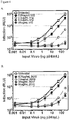
- said treatment reduces the infection risk in the subject by at least about 5 fold as compared to the subjects without the viral vector treatment. In some embodiments, said treatment reduces the infection risk in the subject by at least about 20 fold as compared to the subjects without the viral vector treatment. In some embodiments, the method inhibits the viral infection in the subject.
- the antibody may be expressed in the serum of a subject in the amount of at least about 9 ⁇ g/ml. In some embodiments, the antibody is expressed in the serum of the subject in the amount of at least about 100 ⁇ g/ml. In some embodiments, the antibody is expressed in the serum of the subject in the amount of at least about 500 ⁇ g/ml
- the virus is a human immunodeficiency virus (HIV), a hepatitis C virus (HCV), or an influenza virus.
- HAV human immunodeficiency virus
- HCV hepatitis C virus
- influenza virus an influenza virus
- the recombinant AAV is administered to the subject by intramuscular injection, intravaginal injection, intravenous injection, intraperitoneal injection, subcutaneous injection, epicutaneous administration, intradermal administration, or nasal administration.
- the recombinant AAV is administered to the subject at most once every year. In some embodiments, the recombinant AAV is administered to the subject at most once every 5 years. In some embodiments, the recombinant AAV is administered to the subject at most once every 10 years.
- a third aspect of the invention provides a method of producing a recombinant adeno-associated virus (AAV), where the method comprises: providing a packaging cell line with a viral construct comprising 5' AAV inverted terminal repeat (ITR) and 3' AAV ITR, helper functions for generating a productive AAV infection, and AAV cap genes, wherein the viral construct is the viral vector of the first aspect of the invention; and recovering a recombinant AAV virus from the supernatant of the packaging cell line.
- ITR inverted terminal repeat
- helper functions for generating a productive AAV infection and AAV cap genes
- the AAV cap genes encode a capsid from serotype 1, serotype 2, serotype 4, serotype 5, serotype 6, serotype 7, serotype 8, serotype 9, or a variant thereof.
- the viral construct is any of the viral vectors disclosed herein.
- the recombinant AAV is not a self-complementary AAV (scAAV).
- polynucleotide comprises: a nucleic acid sequence having at least about 90% or more sequence identity to SEQ ID NO: 1.
- polynucleotide comprises a nucleotide sequence selected from SEQ ID NOs: 2-4.
- the present application provides viral vectors useful in producing recombinant adeno-associated viruses (AAVs), and recombinant AAVs capable of expressing one or more proteins of interest in an appropriate environment, for example, in a cell, a tissue, an organ, or a subject transfected with the recombinant AAVs. Also disclosed herein are the methods for making and using the recombinant AAVs.
- the recombinant AAVs can be used to produce a protein of interest in vivo, ex vivo, or in vitro.
- the expression of the protein of interest may be used to diagnose, prevent, or treat one or more diseases or disorders, such as to reduce or inhibit the risk of viral infections.
- the viral vector comprises a 5' inverted terminal repeat (ITR) of AAV and a 3' AAV ITR, a promoter, a restriction site downstream of the promoter to allow insertion of a polynucleotide encoding one or more proteins of interest, and a posttranscriptional regulatory element downstream of the restriction site, where the promoter, the restriction site and the posttranscription regulatory element are located downstream of the 5' AAV ITR and upstream of the 3' AAV ITR.
- the viral vector can be used, for example, to express one or more proteins of interest (e . g ., antibodies).
- the viral vector can include a polynucleotide encoding one or more anti-HIV antibodies, anti-HCV antibodies, anti-influenza antibodies, or combinations thereof.
- the viral vector can, for example, be used to produce high level of the protein(s) of interest (e . g ., antibodies) in a subject for diagnostic or therapeutic purposes.
- vector refers to a polynucleotide construct, typically a plasmid or a virus, used to transmit genetic material to a host cell.
- Vectors can be, for example, viruses, plasmids, cosmids, or phage.
- a vector as used herein can be composed of either DNA or RNA.
- a vector is composed of DNA.
- An "expression vector” is a vector that is capable of directing the expression of a protein encoded by one or more genes carried by the vector when it is present in the appropriate environment. Vectors are preferably capable of autonomous replication.
- an expression vector comprises a transcription promoter, a gene, and a transcription terminator. Gene expression is usually placed under the control of a promoter, and a gene is said to be "operably linked to" the promoter.
- operably linked is used to describe the connection between regulatory elements and a gene or its coding region.
- gene expression is placed under the control of one or more regulatory elements, for example, without limitation, constitutive or inducible promoters, tissue-specific regulatory elements, and enhancers.
- a gene or coding region is said to be “operably linked to” or “operatively linked to” or “operably associated with” the regulatory elements, meaning that the gene or coding region is controlled or influenced by the regulatory element.
- a promoter is operably linked to a coding sequence if the promoter effects transcription or expression of the coding sequence.
- construct refers to a recombinant nucleic acid that has been generated for the purpose of the expression of a specific nucleotide sequence(s), or that is to be used in the construction of other recombinant nucleotide sequences.
- nucleic acid and “polynucleotide” are interchangeable and refer to any nucleic acid, whether composed of phosphodiester linkages or modified linkages such as phosphotriester, phosphoramidate, siloxane, carbonate, carboxymethylester, acetamidate, carbamate, thioether, bridged phosphoramidate, bridged methylene phosphonate, bridged phosphoramidate, bridged phosphoramidate, bridged methylene phosphonate, phosphorothioate, methylphosphonate, phosphorodithioate, bridged phosphorothioate or sultone linkages, and combinations of such linkages.
- the terms “nucleic acid” and “polynucleotide” also specifically include nucleic acids composed of bases other than the five biologically occurring bases (adenine, guanine, thymine, cytosine and uracil).
- regulatory element and "expression control element” are used interchangeably and refer to nucleic acid molecules that can influence the expression of an operably linked coding sequence in a particular host organism. These terms are used broadly to and cover all elements that promote or regulate transcription, including promoters, core elements required for basic interaction of RNA polymerase and transcription factors, upstream elements, enhancers, and response elements ( see , e.g., Lewin, "Genes V” (Oxford University Press, Oxford) pages 847-873 ). Exemplary regulatory elements in prokaryotes include promoters, operator sequences and a ribosome binding sites.
- Regulatory elements that are used in eukaryotic cells can include, without limitation, transcriptional and translational control sequences, such as promoters, enhancers, splicing signals, polyadenylation signals, terminators, protein degradation signals, internal ribosome-entry element (IRES), 2A sequences, and the like, that provide for and/or regulate expression of a coding sequence and/or production of an encoded polypeptide in a host cell.
- transcriptional and translational control sequences such as promoters, enhancers, splicing signals, polyadenylation signals, terminators, protein degradation signals, internal ribosome-entry element (IRES), 2A sequences, and the like, that provide for and/or regulate expression of a coding sequence and/or production of an encoded polypeptide in a host cell.
- 2A sequences or elements refer to small peptides introduced as a linker between two proteins, allowing autonomous intraribosomal self-processing of polyproteins ( See e.g., de Felipe. Genetic Vaccines and Ther. 2:13 (2004 ); deFelipe et al. Traffic 5:616-626 (2004 )). These short peptides allow co-expression of multiple proteins from a single vector. Many 2A elements are known in the art.
- Examples of 2A sequences that can be used in the methods and system disclosed herein, without limitation, include 2A sequences from the foot-and-mouth disease virus (F2A), equine rhinitis A virus (E2A), Thosea asigna virus (T2A), and porcine teschovirus-1 (P2A) as described in U.S. Patent Publication No. 20070116690 .
- F2A foot-and-mouth disease virus
- E2A equine rhinitis A virus
- T2A Thosea asigna virus
- P2A porcine teschovirus-1
- promoter is a nucleotide sequence that permits binding of RNA polymerase and directs the transcription of a gene.
- a promoter is located in the 5' non-coding region of a gene, proximal to the transcriptional start site of the gene. Sequence elements within promoters that function in the initiation of transcription are often characterized by consensus nucleotide sequences. Examples of promoters include, but are not limited to, promoters from bacteria, yeast, plants, viruses, and mammals (including humans).
- a promoter can be inducible, repressible, and/or constitutive. Inducible promoters initiate increased levels of transcription from DNA under their control in response to some change in culture conditions, such as a change in temperature.
- the term “enhancer” refers to a type of regulatory element that can increase the efficiency of transcription, regardless of the distance or orientation of the enhancer relative to the start site of transcription.
- antibody is used in the broadest sense and specifically covers human, non-human (e . g ., murine) and humanized monoclonal antibodies (including full-length monoclonal antibodies), polyclonal antibodies, multi-specific antibodies ( e . g ., bispecific antibodies), and antibody fragments so long as they exhibit the desired biological activity.
- Various antibodies can be expressed using the system and method disclosed herein.
- Antibodies” and “immunoglobulins” are usually heterotetrameric glycoproteins, composed of two identical light (L) chains and two identical heavy (H) chains. Each light chain is linked to a heavy chain by a disulfide bond.
- Each heavy chain comprises a variable domain (V H ) followed by a number of constant domains.
- Each light chain comprises a variable domain at one end (V L ) and a constant domain at its other end.
- the constant domain of the light chain is aligned with the first constant domain of the heavy chain, and the light- chain variable domain is aligned with the variable domain of the heavy chain.
- immunoglobulins include both antibodies and other antibody-like molecules that lack antigen specificity. Polypeptides of the latter kind are, for example, produced at low levels by the lymph system and at increased levels by myelomas.
- variant refers to a polynucleotide (or polypeptide) having a sequence substantially similar to a reference polynucleotide (or polypeptide).
- a variant can have deletions, substitutions, additions of one or more nucleotides at the 5' end, 3' end, and/or one or more internal sites in comparison to the reference polynucleotide. Similarities and/or differences in sequences between a variant and the reference polynucleotide can be detected using conventional techniques known in the art, for example polymerase chain reaction (PCR) and hybridization techniques.
- PCR polymerase chain reaction
- Variant polynucleotides also include synthetically derived polynucleotides, such as those generated, for example, by using site-directed mutagenesis.
- a variant of a polynucleotide including, but not limited to, a DNA, can have at least about 50%, about 55%, about 60%, about 65%, about 70%, about 75%, about 80%, about 85%, about 90%, about 91%, about 92%, about 93%, about 94%, about 95%, about 96%, about 97%, about 98%, about 99% or more sequence identity to the reference polynucleotide as determined by sequence alignment programs known by skilled artisans.
- a variant in the case of a polypeptide, can have deletions, substitutions, additions of one or more amino acids in comparison to the reference polypeptide. Similarities and/or differences in sequences between a variant and the reference polypeptide can be detected using conventional techniques known in the art, for example Western blot.
- a variant of a polypeptide can have at least about 60%, about 65%, about 70%, about 75%, about 80%, about 85%, about 90%, about 91%, about 92%, about 93%, about 94%, about 95%, about 96%, about 97%, about 98%, about 99% or more sequence identity to the reference polypeptide as determined by sequence alignment programs known by skilled artisans.
- transfection refers to the introduction of a nucleic acid into a host cell, such as by contacting the cell with a recombinant AAV virus as described below.
- the term "transgene” refers to any nucleotide or DNA sequence that is integrated into one or more chromosomes of a target cell by human intervention.
- the transgene comprises a polynucleotide that encodes a protein of interest.
- the protein-encoding polynucleotide is generally operatively linked to other sequences that are useful for obtaining the desired expression of the gene of interest, such as transcriptional regulatory sequences.
- the transgene can additionally comprise a nucleic acid or other molecule(s) that is used to mark the chromosome where it has integrated.
- treatment refers to a clinical intervention made in response to a disease, disorder or physiological condition manifested by a patient or to which a patient may be susceptible.
- the aim of treatment includes, but is not limited to, the alleviation or prevention of symptoms, slowing or stopping the progression or worsening of a disease, disorder, or condition and/or the remission of the disease, disorder or condition.
- Treatment refer to one or both of therapeutic treatment and prophylactic or preventative measures.
- Subjects in need of treatment include those already affected by a disease or disorder or undesired physiological condition as well as those in which the disease or disorder or undesired physiological condition is to be prevented.
- the term "effective amount” refers to an amount sufficient to effect beneficial or desirable biological and/or clinical results.
- a "subject” refers to an animal that is the object of treatment, observation or experiment.
- Animal includes cold- and warm-blooded vertebrates and invertebrates such as fish, shellfish, reptiles, and in particular, mammals.
- “Mammal,” as used herein, refers to an individual belonging to the class Mammalia and includes, but not limited to, humans, domestic and farm animals, zoo animals, sports and pet animals. Non-limiting examples of mammals include mice; rats; rabbits; guinea pigs; dogs; cats; sheep; goats; cows; horses; primates, such as monkeys, chimpanzees and apes, and, in particular, humans.
- the mammal is a human. However, in some embodiments, the mammal is not a human.
- AAV Adeno-associated virus
- Adeno-associated virus is a replication-deficient parvovirus, the single-stranded DNA genome of which is about 4.7 kb in length including 145 nucleotide inverted terminal repeat (ITRs).
- ITRs nucleotide inverted terminal repeat
- the ITRs play a role in integration of the AAV DNA into the host cell genome.
- a helper virus for example, adenovirus or herpesvirus
- genes E1A, E1B, E2A, E4 and VA provide helper functions.
- the AAV provirus Upon infection with a helper virus, the AAV provirus is rescued and amplified, and both AAV and adenovirus are produced.
- the AAV can be non-integrating.
- AAV vectors that comprise coding regions of one or more proteins of interest, for example proteins that are more than 500 amino acids in length, are provided.
- the AAV vector can include a 5' inverted terminal repeat (ITR) of AAV, a 3' AAV ITR, a promoter, and a restriction site downstream of the promoter to allow insertion of a polynucleotide encoding one or more proteins of interest, wherein the promoter and the restriction site are located downstream of the 5' AAV ITR and upstream of the 3' AAV ITR.
- the recombinant AAV vector includes a posttranscriptional regulatory element downstream of the restriction site and upstream of the 3' AAV ITR.
- the AAV vectors disclosed herein can be used as AAV transfer vectors carrying a transgene encoding a protein of interest for producing recombinant AAV viruses that can express the protein of interest in a host cell.
- Generation of the viral vector can be accomplished using any suitable genetic engineering techniques well known in the art, including, without limitation, the standard techniques of restriction endonuclease digestion, ligation, transformation, plasmid purification, and DNA sequencing, for example as described in Sambrook et al. (Molecular Cloning: A Laboratory Manual. Cold Spring Harbor Laboratory Press, N.Y. (1989 )).
- the viral vector can incorporate sequences from the genome of any known organism.
- the sequences can be incorporated in their native form or can be modified in any way to obtain a desired activity.
- the sequences can comprise insertions, deletions or substitutions.
- promoters can be operably linked with a nucleic acid comprising the coding region of the protein of interest in the viral vector disclosed herein.
- the promoter can drive the expression of the protein of interest in a cell infected with a virus derived from the viral vector, such as a target cell.
- the promoter can be naturally-occurring or non-naturally occurring.
- promoters include, but are not limited to, viral promoters, plant promoters and mammalian promoters.
- viral promoters include, but are not limited to cytomegalovirus (CMV) immediate early promoter, CAG promoter (which is a combination of the CMV early enhancer element and chicken beta-actin promoter, described in Alexopoulou et al. BMC Cell Biology 9:2, (2008 )), simian virus 40 (SV40) promoter, the 35S RNA and 19S RNA promoters of cauliflower mosaic virus (CaMV) described in Brisson et al., Nature 1984, 310:511-514 , the coat protein promoter to tobacco mosaic virus (TMV), and any variants thereof.
- CMV cytomegalovirus
- CAG promoter which is a combination of the CMV early enhancer element and chicken beta-actin promoter, described in Alexopoulou et al. BMC Cell Biology 9:2, (2008 )
- SV40 simian
- plant promoters include, but are not limited to, heat shock promoters, such as soybean hsp17.5-E or hsp17.3-B described in Gurley et al., Mol. Cell. Biol. 1986, 6:559-565 , and any variants thereof.
- mammalian promoters include, but are not limited to, human elongation factor 1 ⁇ -subunit (EF1-1 ⁇ ) promoter, human ubiquitin C (UCB) promoter, murine phosphoglycerate kinase-1 (PGK) promoter, and any variants thereof.
- the promoter is a synthetic promoter comprising at least a portion of the CAG promoter.
- the portion of the CAG promoter can comprise a nucleic acid sequence having at least about 90%, at least about 95%, at least about 96%, at least about 97%, at least about 98%, at least about 99%, or more, sequence identity to SEQ ID NO: 3.
- the promoter comprises a CMV enhancer. In some embodiments, the promoter comprises a UBC enhancer. In some embodiments, the promoter comprises at least a portion of the CMV enhancer.
- the CMV enhancer can comprise a nucleic acid sequence having at least about 90%, at least about 95%, at least about 96%, at least about 97%, at least about 98%, at least about 99%, or more, sequence identity to SEQ ID NO: 2.
- the promoter comprises at least a portion of the UCB enhancer.
- the UCB enhancer can comprise a nucleic acid sequence having at least about 90%, at least about 95%, at least about 96%, at least about 97%, at least about 98%, at least about 99%, or more, sequence identity to SEQ ID NO: 4.
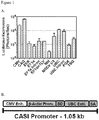
- the promoter is a synthetic CASI promoter having a nucleotide sequence of SEQ ID NO: 1.
- the synthetic CASI promoter contains a portion of the CMV enhancer, a portion of the chicken beta-actin promoter, and a portion of the UBC enhancer.
- the promoter comprises a nucleic acid sequence that is at least about 90% identical to SEQ ID NO: 1.
- the promoter can include a nucleic acid sequence having at least about 95%, at least about 96%, at least about 97%, at least about 98%, at least about 99%, or more, sequence identity to SEQ ID NO: 1.
- the promoter comprises a nucleic acid sequence that is at least about 95% identical to SEQ ID NO: 1.
- the promoter comprises a nucleic acid sequence of SEQ ID NO: 1.
- the vector can include one or more introns to facilitate processing of the RNA transcript in mammalian host cells.
- a non-limiting example of such an intron is the rabbit ⁇ -globin intron.
- the intron is a synthetic intron.
- the synthetic intron can include a nucleotide sequence having at least about 90%, at least about 95%, at least about 96%, at least about 97%, at least about 98%, at least about 99%, or more, sequence identity to SEQ ID NO: 8.
- the location of the intron in the vector can vary. In some embodiments, the intron is located between the promoter and the restriction site. In some embodiments, the intron is located within the promoter.
- the intron includes a UCB enhancer.
- the UCB enhancer can comprise a nucleotide sequence having at least about 90%, at least about 95%, at least about 96%, at least about 97%, at least about 98%, at least about 99%, or more, sequence identity to SEQ ID NO: 4.
- the promoter is operably linked with a polynucleotide encoding one or more proteins of interest. In some embodiments, the promoter is operably linked with a polynucleotide encoding the heavy chain and/or the light chain of an antibody of interest (such as the heavy and light variable region of the antibody). In some embodiments, the promoter is operably linked with a polynucleotide encoding the heavy chain and the light chain of an antibody of interest to allow multicistronic expression of the heavy and light chain genes. In some embodiments, a 2A sequence or IRES element is located between the coding region of the heavy chain variable region and the coding region of the light chain variable region in the vector to facilitate equivalent expression of each subunit. Alternatively, polynucleotides encoding the heavy and light chains can be introduced separately into the target cell, each in an appropriate viral vector.
- the size of the promoter can vary. Because of the limited packaging capacity of AAV, it is preferred to use a promoter that is small in size, but at the same time allows high level production of the protein(s) of interest in host cells.
- the promoter is at most about 1.5 kb, at most about 1.4 kb, at most about 1.35 kb, at most about 1.3 kb, at most about 1.25 kb, at most about 1.2 kb, at most about 1.15 kb, at most about 1.1 kb, at most about 1.05 kb, at most about 1 kb, at most about 800 base pairs, at most about 600 base pairs, at most about 400 base pairs, at most about 200 base pairs, or at most about 100 base pairs.
- the nucleotide sequence of the promoter can also be modified for improving expression efficiency.
- the promoter can include one or more splice donors, one or more splice acceptors, and/or combination thereof.
- the promoter includes a splice donor and a splice acceptor.
- the promoter includes one or more splice donors, and no splice acceptor.
- the promoter includes no splice donor, and one or more splice acceptors.
- the splice donor can comprise a nucleic acid sequence having at least about 90%, at least about 95%, at least about 96%, at least about 97%, at least about 98%, at least about 99%, or more, sequence identity to SEQ ID NO: 5.
- the splice acceptor can comprise a nucleic acid sequence having at least about 90%, at least about 95%, at least about 96%, at least about 97%, at least about 98%, at least about 99%, or more, sequence identity to SEQ ID NO: 6.
- posttranscriptional regulatory elements can be used in the viral vectors, for example to increase expression level of the protein of interest in a host cell.
- the posttranscriptional regulatory element can be a viral posttranscriptional regulatory element.
- viral posttranscriptional regulatory element include woodchuck hepatitis virus posttranscriptional regulatory element (WPRE), hepatitis B virus posttranscriptional regulatory element (HBVPRE), RNA transport element (RTE), and any variants thereof.
- WPRE can comprise a nucleic acid sequence having at least about 90%, at least about 95%, at least about 96%, at least about 97%, at least about 98%, at least about 99%, or more, sequence identity to SEQ ID NO: 7.
- the RTE can be a rev response element (RRE), for example, a lentiviral RRE.
- RRE bovine immunodeficiency virus rev response element
- the RTE is a constitutive transport element (CTE). Examples of CTE include, but are not limited to Mason-Pfizer Monkey Virus CTE and Avian Leukemia Virus CTE.
- the viral vector described herein can include a prokaryotic replicon (that is, a DNA sequence having the ability to direct autonomous replication and maintenance of the recombinant DNA molecule extrachromosomally in a prokaryotic host cell), such as a bacterial host cell, transformed therewith.
- a prokaryotic replicon that is, a DNA sequence having the ability to direct autonomous replication and maintenance of the recombinant DNA molecule extrachromosomally in a prokaryotic host cell
- a bacterial host cell transformed therewith.
- vectors that include a prokaryotic replicon may also include a gene whose expression confers a detectable marker such as a drug resistance.
- Typical bacterial drug resistance genes are those that confer resistance to ampicillin or tetracycline.
- the AAV vector can include a gene for a selectable marker that is effective in a eukaryotic cell, such as a drug resistance selection marker.
- This selectable marker gene can encode a factor necessary for the survival or growth of transformed host cells grown in a selective culture medium. Host cells not transformed with the vector containing the selection gene will not survive in the culture medium.
- Typical selection genes encode proteins that confer resistance to antibiotics or other toxins, e.g., ampicillin, neomycin, methotrexate, kanamycin, gentamycin, Zeocin, or tetracycline, complement auxotrophic deficiencies, or supply critical nutrients withheld from the media.
- the viral vectors disclosed herein can include various regulatory elements, such as a transcription initiation region and/or a transcriptional termination region.
- transcription termination region include, but are not limited to, polyadenylation signal sequences.
- polyadenylation signal sequences include, but are not limited to, Bovine growth hormone (BGH) poly(A), SV40 late poly(A), rabbit beta-globin (RBG) poly(A), thymidine kinase (TK) poly(A) sequences, and any variants thereof.
- BGH Bovine growth hormone
- RBG rabbit beta-globin
- TK thymidine kinase
- the transcriptional termination region is located downstream of the posttranscriptional regulatory element.
- the transcriptional termination region is a polyadenylation signal sequence.
- the transcriptional termination region is SV40 late poly(A) sequence.
- the viral vectors disclosed herein can also include one or more A nucleotides immediately after a restriction site downstream of the promoter, where the restriction site allows the insertion of a polynucleotide encoding the protein(s) of interest.
- one or more A nucleotides are located immediately after the TAA stop codon of the protein of interest after the insertion of the polynucleotide encoding the protein of interest into the vector.
- one A nucleotide, two A nucleotides, three A nucleotides, or more are located immediately after the restriction site.
- one A nucleotide, two A nucleotides, three A nucleotides, or more are located immediately after the TAA stop codon of the protein of interest.
- the viral vectors can include additional sequences that make the vectors suitable for replication and integration in eukaryotes.
- the viral vectors disclosed herein can include a shuttle element that makes the vectors suitable for replication and integration in both prokaryotes and eukaryotes.
- the viral vectors can include additional transcription and translation initiation sequences, such as promoters and enhancers; and additional transcription and translation terminators, such as polyadenylation signals.
- the viral vectors can include a regulatory sequence that allows, for example, the translation of multiple proteins from a single mRNA.
- regulatory sequences include internal ribosome entry site (IRES) and 2A self-processing sequence.
- the 2A sequence is a 2A peptide site from foot-and-mouth disease virus (F2A sequence).
- F2A sequence has a standard furin cleavage site.
- the F2A sequence having a standard furin cleavage site can include a nucleotide sequence having at least about 90%, at least about 95%, at least about 96%, at least about 97%, at least about 98%, at least about 99%, or more, sequence identity to SEQ ID NO: 9.
- the F2A sequence has a modified furin cleavage site.
- the F2A sequence having a modified furin cleavage site can include a nucleotide sequence having at least about 90%, at least about 95%, at least about 96%, at least about 97%, at least about 98%, at least about 99%, or more, sequence identity to SEQ ID NO: 10.
- the viral vectors can also, in some embodiments, have one or more restriction site(s) located near the promoter sequence to provide for the insertion of nucleic acid sequences encoding one or more proteins of interest and other protein(s).
- a "protein of interest” can be any protein, including naturally-occurring and non-naturally occurring proteins.
- a polynucleotide encoding one or more proteins of interest can be inserted into the viral vectors disclosed herein, wherein the polynucleotide is operably linked with the promoter.
- the promoter can drive the expression of the protein(s) of interest in a host cell (e.g., a human muscle cell).
- protein of interest examples include, but are not limited to, luciferases; fluorescent proteins (e.g., GFP); growth hormones (GHs) and variants thereof; insulin-like growth factors (IGFs) and variants thereof; granulocyte colony-stimulating factors (G-CSFs) and variants thereof; erythropoietin (EPO) and variants thereof; insulin, such as proinsulin, preproinsulin, insulin, insulin analogs, and the like; antibodies and variants thereof, such as hybrid antibodies, chimeric antibodies, humanized antibodies, monoclonal antibodies; antigen binding fragments of an antibody (Fab fragments), single-chain variable fragments of an antibody (scFV fragments); dystrophin and variants thereof; clotting factors and variants thereof; cystic fibrosis transmembrane conductance regulator (CFTR) and variants thereof; and interferons and variants thereof.
- fluorescent proteins e.g., GFP
- GHs growth hormones
- IGFs insulin-like
- the protein of interest is a therapeutic protein or variant thereof.
- therapeutic proteins include blood factors, such as ⁇ -globin, hemoglobin, tissue plasminogen activator, and coagulation factors; colony stimulating factors (CSF); interleukins, such as IL-1, IL-2, IL-3, IL-4, IL-5, IL-6, IL-7, IL-8, IL-9, etc.; growth factors, such as keratinocyte growth factor (KGF), stem cell factor (SCF), fibroblast growth factor (FGF, such as basic FGF and acidic FGF), hepatocyte growth factor (HGF), insulin-like growth factors (IGFs), bone morphogenetic protein (BMP), epidermal growth factor (EGF), growth differentiation factor-9 (GDF-9), hepatoma derived growth factor (HDGF), myostatin (GDF-8), nerve growth factor (NGF), neurotrophins, platelet-derived growth factor (PDGF), thrombopoietin (TGF), fibrombopo
- VEGF121, VEGF165, VEGF-C, VEGF-2 transforming growth factor-beta, basic fibroblast growth factor, glioma-derived growth factor, angiogenin, angiogenin-2; and the like
- anti-angiogenic agents such as a soluble VEGF receptor
- protein vaccine protein vaccine
- neuroactive peptides such as nerve growth factor (NGF), bradykinin, cholecystokinin, gastin, secretin, oxytocin, gonadotropin-releasing hormone, beta-endorphin, enkephalin, substance P, somatostatin, prolactin, galanin, growth hormone-releasing hormone, bombesin, dynorphin, warfarin, neurotensin, motilin, thyrotropin, neuropeptide Y, luteinizing hormone, calcitonin, insulin, glucagons, vasopressin, angiotensin II, thyrotropin-
- protein of interest examples include ciliary neurotrophic factor (CNTF); brain-derived neurotrophic factor (BDNF); neurotrophins 3 and 4/5 (NT-3 and 4/5); glial cell derived neurotrophic factor (GDNF); aromatic amino acid decarboxylase (AADC); hemophilia related clotting proteins, such as Factor VIII, Factor IX, Factor X; dystrophin or nini-dystrophin; lysosomal acid lipase; phenylalanine hydroxylase (PAH); glycogen storage disease-related enzymes, such as glucose-6-phosphatase, acid maltase, glycogen debranching enzyme, muscle glycogen phosphorylase, liver glycogen phosphorylase, muscle phosphofructokinase, phosphorylase kinase ( e.g ., PHKA2), glucose transporter ( e.g., GLUT2), aldolase A, ⁇ -enolase, and glycogen synthe
- the protein of interest is an active fragment of a protein, such as any of the aforementioned proteins.
- the protein of interest is a fusion protein comprising some or all of two or more proteins.
- a fusion protein can comprise all or a portion of any of the aforementioned proteins.
- the viral vector comprises a polynucleotide comprising coding regions for two or more proteins of interest.
- the two or more proteins of interest can be the same or different from each other.
- the two or more proteins of interest are related polypeptides, for example neutralizing antibodies for the same virus.
- the protein of interest is a multi-subunit protein.
- the protein of interest can comprise two or more subunits, or two or more independent polypeptide chains.
- the protein of interest can be an antibody.
- antibodies include, but are not limited to, antibodies of various isotypes (for example, IgG1, IgG2, IgG3, IgG4, IgA, IgD, IgE, and IgM); monoclonal antibodies produced by any means known to those skilled in the art, including an antigen-binding fragment of a monoclonal antibody; humanized antibodies; chimeric antibodies; single-chain antibodies; antibody fragments such as Fv, F(ab')2, Fab', Fab, Facb, scFv and the like; provided that the antibody is capable of binding to antigen.
- the antibody is a full-length antibody.
- the protein of interest is not an immunoadhesin.
- the antibody is an anti-Malaria antibody.
- anti-Malaria include 2A10 anti-Malaria antibody and 2C11 anti-Malaria antibody.
- the antibody is a viral neutralizing antibody.
- the antibody can be a neutralizing antibody for HIV, HCV or influenza viruses.
- the antibody is a neutralizing anti-HIV antibody.
- a neutralizing anti-HIV antibody may be, for example, a human monoclonal neutralizing antibody that neutralizes many primary isolates of different genetic subtypes of HIV-1.
- the antibody is a neutralizing anti-HCV antibody.
- the antibody is a neutralizing anti-influenza antibody.
- neutralizing viral antibodies include b12 anti-HIV antibody, 2G12 anti-HIV antibody, 4E10 anti-HIV antibody, 2F5 anti-HIV antibody, VRC01 anti-HIV antibody, 3BNC60 anti-HIV antibody, 3BNC117 anti-HIV antibody, NIH45-46 anti-HIV antibody, NIH45-46W anti-HIV antibody, VRC-PG04 anti-HIV antibody, VRC-CH31 anti-HIV antibody, PGT121 anti-HIV antibody, PGT128 anti-HIV antibody, F10 anti-influenza antibody, CR6261 anti-influenza antibody, TCN32 influenza antibody, FI6 anti-influenza antibody, FI6v3 anti-influenza antibody, AR3A anti-HCV antibody, AR3B anti-HCV antibody, AR4A anti-HCV antibody, and any variants thereof.
- the nucleotide sequence encoding the protein of interest can be modified to improve expression efficiency of the protein.
- the methods that can be used to improve the transcription and/or translation of a gene herein are not particularly limited.
- the nucleotide sequence can be modified to better reflect host codon usage to increase gene expression (e.g., protein production) in the host ( e.g., a mammal).
- one or more of the splice donors and/or splice acceptors in the nucleotide sequence of the protein of interest is modified to reduce the potential for extraneous splicing.
- the protein of interest can be of various lengths.
- the protein of interest can be at least about 200 amino acids, at least about 250 amino acids, at least about 300 amino acids, at least about 350 amino acids, at least about 400 amino acids, at least about 450 amino acids, at least about 500 amino acids, at least about 550 amino acids, at least about 600 amino acids, at least about 650 amino acids, at least about 700 amino acids, at least about 750 amino acids, at least about 800 amino acids, or longer in length.
- the protein of interest is at least about 480 amino acids in length.
- the protein of interest is at least about 500 amino acids in length.
- the protein of interest is about 750 amino acids in length.
- each additional coding region beyond the first is preferably linked to an element that facilitates co-expression of the proteins in host cells, such as an internal ribosomal entry sequence (IRES) element ( U.S. Patent No. 4,937,190 ), or a 2A element.
- IRES internal ribosomal entry sequence
- 2A elements are preferably used when a single vector comprises sequences encoding each subunit of a multi-subunit protein.
- the first coding region (encoding either the heavy or light chain of immunoglobulin) is located downstream from the promoter.
- the second coding region (encoding the remaining chain of immunoglobulin) can be located downstream from the first coding region, and an IRES or 2A element can be disposed between the two coding regions, preferably immediately preceding the second coding region.
- the incorporation of an IRES or 2A element between the sequences of a first and second gene (encoding the heavy and light chains, respectively) can allow both chains to be expressed from the same promoter at about the same level in the cell.
- the protein of interest comprises two or more subunits, for example an immunoglobulin (Ig).
- the viral vector can include a coding region for each of the subunits.
- the viral vector can include both the coding region for the Ig heavy chain (or the variable region of the Ig heavy chain) and the coding region for the Ig light chain (or the variable region of the Ig light chain).
- the vectors include a first coding region for the heavy chain variable region of an antibody, and a second coding region for the light chain variable region of the antibody.
- the two coding regions can be separated, for example, by a 2A self-processing sequence to allow multi-cistronic transcription of the two coding regions.
- the viral vector can include coding regions for two or more proteins of interest.
- the viral vector can include the coding region for a first protein of interest and the coding region for a second protein of interest.
- the first protein of interest and the second protein of interest can be the same or different.
- the viral vector can include the coding region(s) for a third or a fourth protein of interest.
- the third and the fourth protein of interest can be the same or different.
- the total length of the two or more proteins of interest encoded by one viral vector can vary.
- the total length of the two or more proteins can be at least about 400 amino acids, at least about 450 amino acids, at least about 500 amino acids, at least about 550 amino acids, at least about 600 amino acids, at least about 650 amino acids, at least about 700 amino acids, at least about 750 amino acids, at least about 800 amino acids, or longer.
- the Kozak consensus sequence is known as a sequence which occurs on eukaryotic mRNA and has the consensus (gcc)gccRccAUGG, where R is a purine (adenine or guanine) three bases upstream of the start codon (AUG), which is followed by another "G.”
- the vector comprises a nucleotide sequence having at least about 70%, at least about 80%, at least about 90% sequence identity, or more to the Kozak consensus sequence.
- the vector comprises a Kozak consensus sequence.
- the vector includes a Kozak consensus sequence after the polynucleotide encoding one or more proteins of interest is inserted into the vector, e.g., at the restrict site downstream of the promoter.
- the vector can include a nucleotide sequence of GCCGCC ATG (SEQ ID NO: 41), where the ATG is the start codon of the protein of interest.
- the vector comprises a nucleotide sequence of GCGGCCGCC ATG (SEQ ID NO: 42), where the ATG is the start codon of the protein of interest.
- the protein of interest can be isolated and purified, if desired, in accordance with conventional methods known to those skilled in the art.
- a lysate can be prepared of the expression host cells and the lysate can be purified using HPLC, hydrophobic interaction chromatography (HIC), anion exchange chromatography, cation exchange chromatography, size exclusion chromatography, ultrafiltration, gel electrophoresis, affinity chromatography, and/or other purification techniques.
- HPLC hydrophobic interaction chromatography
- anion exchange chromatography anion exchange chromatography
- cation exchange chromatography size exclusion chromatography
- ultrafiltration gel electrophoresis
- affinity chromatography and/or other purification techniques.
- signal peptide sequences can be used in the viral vector disclosed herein.
- the signal peptide sequence can be naturally-occurring or non-naturally occurring.
- a signal peptide can provide for secretion from a mammalian cell.
- signal peptides include, but are not limited to, the endogenous signal peptide for HGH and variants thereof; the endogenous signal peptide for interferons and variants thereof, including the signal peptide of type I, II and III interferons and variants thereof; and the endogenous signal peptides for known cytokines and variants thereof, such as the signal peptide of erythropoietin (EPO), insulin, TGF- ⁇ 1, TNF, IL1- ⁇ , and IL1- ⁇ , and variants thereof.
- EPO erythropoietin
- insulin TGF- ⁇ 1, TNF, IL1- ⁇ , and IL1- ⁇
- the signal peptide is a modified HGH signal peptide.
- the nucleotide sequence encoding the signal peptide comprises a nucleotide sequence having at least about 90%, at least about 95%, at least about 96%, at least about 97%, at least about 98%, at least about 99%, or more, sequence identity to SEQ ID NO: 11. In some embodiments, the nucleotide sequence encoding the signal peptide comprises a nucleotide sequence having at least about 90%, at least about 95%, at least about 96%, at least about 97%, at least about 98%, at least about 99%, or more, sequence identity to SEQ ID NO: 12.
- the signal polypeptide for a protein that is different from the protein of interest can be used.
- the native signal polypeptide for the protein of interest is used.
- a non-naturally occurring signal peptide can be used.
- the nucleotide sequence of the signal peptide is located immediately upstream of the coding region of the protein of interest (e . g ., fused at the 5' of the coding region of the protein of interest) in the vector.
- signal peptide sequence can be inserted immediately upstream of one or more of the coding regions.
- each of the coding regions has a signal peptide sequence fused at the 5' end. The signal peptide sequence added to each of the coding region can be the same or different.
- the viral vector can include a coding region for one of the subunits and a coding region for the other subunit, and a signal peptide sequence can be inserted immediately upstream of either one of the coding regions, or both of the coding regions.
- the viral vector can include a coding region for the heavy chain variable region of an immunoglobulin and a coding region for the light chain variable region of the immunoglobulin, and each of the coding regions is fused with a signal peptide sequence at the 5' end.
- the two signal peptide sequences are the same. In some embodiments, the two signal peptide sequences are different.
- the signal peptides can be cleaved from the precursor proteins resulting in mature proteins.
- the region in the viral vector starting from the 5' AAV ITR and ending at the 3' AAV ITR can be delivered to a host cell and integrate into the host cell genome.
- the length of this region can vary.
- the length of this region can be at least about 2kb, at least about 2.25 kb, at least about 2.5 kb, at least about 2.75 kb, at least about 3 kb, at least about 3.25 kb, at least about 3.5 kb, at least about 3.75 kb, at least about 4 kb, at least about 4.25 kb, or at least about 4.5 kb.
- this region is at least about 2.5 kb.
- this region is about 4.5 kb.
- the viral vector is not a self-complementary AAV (scAAV) vector.
- the viral vectors can include various elements, for example, but not limited to, a promoter, a transgene encoding the protein of interest, a signal peptide sequence, a posttranscriptional regulatory element, a transcriptional terminal element, and a regulatory sequence allowing translation of multiple proteins from a single mRNA.
- a viral vector can include one of these elements, or any combinations of two or more of these elements.
- the viral vector can include at least one element or a combination of elements listed in Table 1. The convention used in Table 1 is as follows:
- nucleotide sequence of each of the above-listed elements can be modified to increase the expression efficiency of the protein of interest in a host cell.
- a sequence that can facilitate the co-expression of the transgenes can be used.
- Non-limiting examples of such sequence include IRES, 2A sequence, and variants thereof.
- sequences of non-limiting examples of the AAV vectors are provided in SEQ ID NOs: 13-30.
- the nucleotide sequence for an AAV vector including the CMV promoter, coding sequences for b12 anti-HIV antibody and SV40 late poly(A) sequence is set forth in SEQ ID NO: 13;
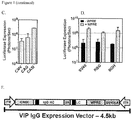
- the nucleotide sequence for an AAV vector including the CASI synthetic promoter, coding sequences for luciferase protein, WPRE, and SV40 late poly(A) sequence is set forth in SEQ ID NO: 14;
- the nucleotide sequence for an AAV vector including the CASI synthetic promoter, coding sequences for luciferase protein, WPRE, and rabbit beta-globin (RBG) poly(A) sequence is set forth in SEQ ID NO: 15;
- the coding sequences of the antibody are variants of the wildtype coding sequence of the antibody.
- the nucleotide sequence for an AAV vector including the CASI promoter, WPRE, and SV40 poly(A) sequence is set forth in SEQ ID NO: 40.
- the nucleotide sequence encoding the antibody can be replaced with any other nucleic acid sequence encoding a protein of interest, such as any other nucleic acid sequence encoding an antibody, for example any known anti-HIV, anti-HCV, and/or anti-influenza antibody.
- the AAV vector comprises a nucleotide sequence having at least about 90%, at least about 95%, at least about 96%, at least about 97%, at least about 98%, at least about 99%, or more, sequence identity to SEQ ID NOs: 13-30. In some embodiments, the AAV vector comprises a nucleotide sequence having at least about 90%, at least about 95%, at least about 96%, at least about 97%, at least about 98%, at least about 99%, or more, sequence identity to SEQ ID NO: 40.
- the viral vector includes the CMV promoter and SV40 late poly(A) sequence. In some embodiments, the AAV vector includes the CASI synthetic promoter, WPRE and SV40 late poly(A) sequence. In some embodiments, the AAV vector includes the CASI synthetic promoter, WPRE and rabbit beta-globin (RBG) poly(A) sequence. In some embodiments, the AAV vector includes the CASI synthetic promoter, WPRE and bovine growth hormone (BGH) poly(A) sequence. In some embodiments, the viral vector includes the CAG promoter and SV40 late poly(A) sequence. In some embodiments, the viral vector includes the CAG promoter, WPRE and SV40 late poly(A) sequence.
- the present application provides methods and materials for producing recombinant AAVs that can express one or more proteins of interest in a host cell. As described herein, the methods and materials disclosed herein allow for high production of the proteins of interest, for example, an antibody, such as a full-length antibody.
- methods for producing a recombinant AAV include providing a packaging cell line with a viral construct comprising a 5' inverted terminal repeat (ITR) of AAV and a 3' AAV ITR, such as described herein, helper functions for generating a productive AAV infection, and AAV cap genes; and recovering a recombinant AAV from the supernatant of the packaging cell line.
- ITR inverted terminal repeat
- Various types of cells can be used as the packaging cell line.
- packaging cell lines that can be used include, but are not limited to, HEK 293 cells, HeLa cells, and Vero cells, for example as disclosed in US Patent Publication No. 20110201088 .
- the supernatant of the packaging cell line is treated by PEG precipitation for concentrating the virus.
- the precipitation occurs at no more than about 4°C (for example about 3°C, about 2°C, about 1°C, or about 1°C) for at least about 2 hours, at least about 3 hours, at least about 4 hours, at least about 6 hours, at least about 9 hours, at least about 12 hours, or at least about 24 hours.
- the recombinant AAV is isolated from the PEG-precipitated supernatant by low-speed centrifugation followed by CsCl gradient.
- the low-speed centrifugation can be at about 4000 rpm, about 4500 rpm, about 5000 rpm, or about 6000 rpm for about 20 minutes, about 30 minutes, about 40 minutes, about 50 minutes or about 60 minutes.
- the recombinant AAV is isolated from the PEG-precipitated supernatant by centrifugation at about 5000 rpm for about 30 minutes followed by CsCl gradient
- the viral construct further comprises a promoter and a restriction site downstream of the promoter to allow insertion of a polynucleotide encoding one or more proteins of interest, wherein the promoter and the restriction site are located downstream of the 5' AAV ITR and upstream of the 3' AAV ITR.
- the viral construct further comprises a posttranscriptional regulatory element downstream of the restriction site and upstream of the 3' AAV ITR.
- the viral construct further comprises a polynucleotide inserted at the restriction site and operably linked with the promoter, where the polynucleotide comprises the coding region of a protein of interest.
- any one of the AAV vector disclosed in the present application can be used in the method as the viral construct to produce the recombinant AAV.
- the helper functions are provided by one or more helper plasmids or helper viruses comprising adenoviral helper genes.
- adenoviral helper genes include E1A, E1B, E2A, E4 and VA, which can provide helper functions to AAV packaging.
- the AAV cap genes are present in a plasmid.
- the plasmid can further comprise an AAV rep gene.
- the cap genes and/or rep gene from any AAV serotype including, but not limited to, AAV1, AAV2, AAV4, AAV5, AAV6, AAV7, AAV8, AAV9, and any variants thereof
- the AAV cap genes encode a capsid from serotype 1, serotype 2, serotype 4, serotype 5, serotype 6, serotype 7, serotype 8, serotype 9, or a variant thereof,
- the packaging cell line can be transfected with the helper plasmid or helper virus, the viral construct and the plasmid encoding the AAV cap genes; and the recombinant AAV virus can be collected at various time points after co-transfection.
- the recombinant AAV virus can be collected at about 12 hours, about 24 hours, about 36 hours, about 48 hours, about 72 hours, about 96 hours, about 120 hours, or a time between any of these two time points after the co-transfection.
- Helper viruses of AAV are known in the art and include, for example, viruses from the family Adenoviridae and the family Herpesviridae.
- helper viruses of AAV include, but are not limited to, SAdV-13 helper virus and SAdV-13-like helper virus described in US Publication No. 20110201088 , helper vectors pHELP (Applied Viromics).
- SAdV-13 helper virus and SAdV-13-like helper virus described in US Publication No. 20110201088
- helper vectors pHELP Applied Viromics
- recombinant AAV viruses disclosed herein can also be produced using any convention methods known in the art suitable for producing infectious recombinant AAV.
- a recombinant AAV can be produced by using a cell line that stably expresses some of the necessary components for AAV particle production.
- a plasmid (or multiple plasmids) comprising AAV rep and cap genes, and a selectable marker, such as a neomycin resistance gene, can be integrated into the genome of a cell (the packaging cells).
- the packaging cell line can then be co-infected with a helper virus (e.g., adenovirus providing the helper functions) and the viral vector comprising the 5' and 3' AAV ITR and the nucleotide sequence encoding the protein(s) of interest.
- a helper virus e.g., adenovirus providing the helper functions
- the viral vector comprising the 5' and 3' AAV ITR and the nucleotide sequence encoding the protein(s) of interest.
- both the viral vector containing the 5' and 3' AAV ITRs and the rep-cap genes can be stably integrated into the DNA of producer cells, and the helper functions can be provided by a wild-type adenovirus to produce the recombinant AAV.
- the recombinant AAV is not a self-complementary AAV (scAAV).
- any conventional methods suitable for purifying AAV can be used in the embodiments described herein to purify the recombinant AAV.
- the recombinant can be isolated and purified from packaging cells and/or the supernatant of the packaging cells.
- the AAV can be purified by separation method using a CsCl gradient.
- US Patent Publication No. 20020136710 describes another non-limiting example of method for purifying AAV, in which AAV was isolated and purified from a sample using a solid support that includes a matrix to which an artificial receptor or receptor-like molecule that mediates AAV attachment is immobilized.
- the viral vectors disclosed herein can be used to generate recombinant AAV expressing the protein(s) of interest.
- the proteins produced by the recombinant AAV generated by the methods and systems described herein have a wide variety of utilities, for example, they can be useful in applications such as diagnostics, therapeutics, research, compound screening and drug discovery.
- the recombinant AAV disclosed herein can be used to produce a protein of interest in vitro , for example, in a cell culture.
- a method for producing a protein of interest in vitro where the method includes providing a recombinant AAV comprising a nucleotide sequence encoding the protein of interest; and contacting the recombinant AAV with a cell in a cell culture, whereby the recombinant AAV expresses the protein of interest in the cell.
- the size of the nucleotide sequence encoding the protein of interest can vary.
- the nucleotide sequence can be at least about 1.4 kb, at least about 1.5 kb, at least about 1.6 kb, at least about 1.7 kb, at least about 1.8 kb, at least about 2.0 kb, at least about 2.2 kb, at least about 2.4 kb, at least about 2.6 kb, at least about 2.8 kb, at least about 3.0 kb, at least about 3.2 kb, at least about 3.4 kb, or at least about 3.5 kb in length.
- the nucleotide is at least about 1.4 kb in length.
- the protein of interest is not in any way limited.
- the protein of interest can be an antibody, for example a viral neutralizing antibody.
- the recombinant AAV disclosed here can produce high levels of the proteins of interest in vitro.
- the protein of interest is luciferase or a fluorescent protein (e.g., GFP).
- a fluorescent protein e.g., GFP
- the recombinant AAV expressing the fluorescent protein can be used for labeling cells with fluorescent allowing visualization of the infected cells, for example muscle cells.
- the recombinant AAV disclosed herein can be used to produce a protein of interest in vivo, for example in an animal such as a mammal. Described is a method for producing a protein of interest in vivo, where the method includes providing a recombinant AAV comprising a nucleotide sequence encoding the protein of interest; and administering the recombinant AAV to the subject, whereby the recombinant AAV expresses the protein of interest in the subject.
- the subject can be, in some embodiments, a non-human mammal, for example, a monkey, a dog, a cat, a mouse, or a cow.
- the size of the nucleotide sequence encoding the protein of interest can vary.
- the nucleotide sequence can be at least about 1.4 kb, at least about 1.5 kb, at least about 1.6 kb, at least about 1.7 kb, at least about 1.8 kb, at least about 2.0 kb, at least about 2.2 kb, at least about 2.4 kb, at least about 2.6 kb, at least about 2.8 kb, at least about 3.0 kb, at least about 3.2 kb, at least about 3.4 kb, or at least about 3.5 kb in length.
- the nucleotide is at least about 1.4 kb in length.
- the protein of interest is not in any way limited.
- the protein of interest can be an antibody, for example a viral neutralizing antibody.
- the recombinant AAV disclosed here can produce high levels of the proteins of interest in vivo.
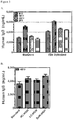
- the protein of interest can be expressed in the serum of the subject in the amount of at least about 9 ⁇ g/ml, at least about 10 ⁇ g/ml, at least about 50 ⁇ g/ml, at least about 100 ⁇ g/ml, at least about 200 ⁇ g/ml, at least about 300 ⁇ g/ml, at least about 400 ⁇ g/ml, at least about 500 ⁇ g/ml, at least about 600 ⁇ g/ml, at least about 700 ⁇ g/ml, at least about 800 ⁇ g/ml, at least about 900 ⁇ g/ml, or at least about 1000 ⁇ g/ml.
- the protein of interest is expressed in the serum of the subject in the amount of about 9 ⁇ g/ml, about 10 ⁇ g/ml, about 50 ⁇ g/ml, about 100 ⁇ g/ml, about 200 ⁇ g/ml, about 300 ⁇ g/ml, about 400 ⁇ g/ml, about 500 ⁇ g/ml, about 600 ⁇ g/ml, about 700 ⁇ g/ml, about 800 ⁇ g/ml, about 900 ⁇ g/ml, about 1000 ⁇ g/ml, about 1500 ⁇ g/ml, about 2000 ⁇ g/ml, about 2500 ⁇ g/ml, or a range between any two of these values.
- the protein of interest is expressed in the serum of the subject in the amount of at least about 9 ⁇ g/ml. In some embodiments, the protein of interest is expressed in the serum of the subject in the amount of at least about 100 ⁇ g/ml. In some embodiments, the protein of interest is expressed in the serum of the subject in the amount of at least about 500 ⁇ g/ml.
- the viral vector may be used to generate recombinant AAV expressing one or more proteins of interest useful in detecting a disease or disorder and/or monitoring the progression of a disease or disorder.
- diagnosis refers identifying the presence or absence of or nature of a disease or disorder.
- the protein of interest is an antibody
- the recombinant AAV virus can be used to detect an antigen.
- an antigen e . g ., an antigen protein, an antigen nucleic acid sequence, an antigen peptide, an antigen lipid, an antigen carbohydrate, and an antigen small molecule
- Such detection methods can be used, for example, for early diagnosis of the condition, to determine whether a subject is predisposed to a disease or disorder, to monitor the progress of the disease or disorder or the progress of treatment protocols, to assess the severity of the disease or disorder, to forecast the an outcome of a disease or disorder and/or prospects of recovery, or to aid in the determination of a suitable treatment for a subject.
- the detection can occur in vitro or in vivo.
- the antigen can be a tumor antigen, a viral antigen, a microbial antigen, an allergen, and an autoantigen.
- the antigen is a viral antigen, such as an HIV antigen.
- the antigen is a tumor associated antigen (TAA).
- anti-cyclic citrullinated peptide antibodies can be used as the protein of interest to detect rheumatoid arthritis.
- the disease to be diagnosed is a type of cancer, such as, for example, leukemia, carcinoma, lymphoma, astrocytoma, sarcoma and particularly Ewing's sarcoma, glioma, retinoblastoma, melanoma, Wilm's tumor, bladder cancer, breast cancer, colon cancer, hepatocellular cancer, pancreatic cancer, prostate cancer, lung cancer, liver cancer, stomach cancer, cervical cancer, testicular cancer, renal cell cancer, and brain cancer.
- cancer such as, for example, leukemia, carcinoma, lymphoma, astrocytoma, sarcoma and particularly Ewing's sarcoma, glioma, retinoblastoma, melanoma, Wilm's tumor, bladder cancer, breast cancer, colon cancer, hepatocellular cancer, pancreatic cancer, prostate cancer, lung cancer, liver cancer, stomach cancer, cervical cancer, testicular cancer, renal cell cancer, and brain cancer.
- the disease to be diagnosed is associated with infection by an intracellular parasite.
- the intracellular parasite may be a virus such as, for example, an adenovirus, cytomegalovirus, Epstein-Barr virus, herpes simplex virus (HSV), human herpesvirus 6, varicella-zoster virus, hepatitis viruses, papilloma virus, parvovirus, polyomavirus, measles virus, rubella virus, human immunodeficiency virus (HIV), or human T cell leukemia virus.
- the intracellular parasite may be a bacterium, protozoan, fungus, or a prion.
- the intracellular parasite can be, for example, Chlamydia, Listeria, Salmonella, Legionella, Brucella, Coxiella, Rickettsia, Mycobacterium, Leishmania, Trypanasoma, Toxoplasma, and Plasmodium.
- the disease is malaria.
- the method of detecting a disease in a subject comprises selecting an antibody for the disease to be detected, inserting a polynucleotide comprising the coding region of the antibody to the viral vector disclosed herein, producing a recombinant AAV from the viral vector, infect the recombinant AAV to the subject, and determining the presence or absence of the disease in the subject based on presence or absence of specific binding between the antibody and its specific antigen.
- an antigen either in vitro or in vivo, can bind to an antibody of interest.
- methods disclosed herein can be used for detecting the presence of an organisms and/or an antigen (for example, polypeptides, carbohydrates, lipids or nucleic acids), in a forensic/environmental sample or tissues/cells.
- the methods can be used in producing antibody that can allow the detection of activated state of an enzyme.
- the methods can be used to purify proteins, e.g., in laboratory or industrial scales.
- the recombinant AAV and methods described herein can be used to express one or more therapeutic proteins to prevent or treat one or more diseases or disorders in a subject.
- the recombinant AAV and methods described herein can be used to inhibit or reduce the risk of various viral infections.
- a method for reducing or inhibiting the infection risk of a virus in a subject where the method include providing a recombinant AAV comprising a nucleotide sequence encoding a neutralizing antibody for the virus; and administering the recombinant AAV to the subject, whereby the recombinant AAV expresses the antibody in the subject.
- the recombinant AAV can produce high level of viral neutralizing antibody.
- the recombinant AAV may express in the serum of the subject in the amount of at least about 9 ⁇ g/ml, at least about 10 ⁇ g/ml, at least about 50 ⁇ g/ml, at least about 100 ⁇ g/ml, at least about 200 ⁇ g/ml, at least about 300 ⁇ g/ml, at least about 400 ⁇ g/ml, at least about 500 ⁇ g/ml, at least about 600 ⁇ g/ml, at least about 700 ⁇ g/ml, at least about 800 ⁇ g/ml, at least about 900 ⁇ g/ml, or at least about 1000 ⁇ g/ml of the viral neutralizing antibody.
- the viral neutralizing antibody is expressed in the serum of the subject in the amount of about 9 ⁇ g/ml, about 10 ⁇ g/ml, about 50 ⁇ g/ml, about 100 ⁇ g/ml, about 200 ⁇ g/ml, about 300 ⁇ g/ml, about 400 ⁇ g/ml, about 500 ⁇ g/ml, about 600 ⁇ g/ml, about 700 ⁇ g/ml, about 800 ⁇ g/ml, about 900 ⁇ g/ml, about 1000 ⁇ g/ml, about 1500 ⁇ g/ml, about 2000 ⁇ g/ml, about 2500 ⁇ g/ml, or a range between any two of these values.
- the method disclosed herein can, for example, reduce the infection risk in the subject by at least about 2 fold, at least about 3 fold, at least about 4 fold, at least about 5 fold, at least about 8 fold, at least about 10 fold, at least about 15 fold, at least about 20 fold, at least about 25 fold, or at least about 30 fold as compared to the subjects without the viral treatment.
- the method can reduces the infection risk in the subject by about 2 fold, about 3 fold, about 4 fold, about 5 fold, about 8 fold, about 10 fold, about 15 fold, about 20 fold, about 25 fold, about 30 fold, or a range between any two of these values as compared to the subjects without the viral treatment.
- the method reduces the infection risk in the subject with the viral treatment by at least about 5 fold as compared to the subjects without the viral treatment. In some examples, the method reduces the infection risk in the subject with the viral treatment by at least about 20 fold as compared to the subjects without the viral treatment. In some examples, the method prevents the viral infection from occurring in the subject. In some examples, the method inhibits the viral infection in the subject.
- Non-limiting examples of the viral infection include infections caused by a virus selected from an adenovirus, an Alphaviridae, an Arbovirus, an Astrovirus, a Bunyaviridae, a Coronaviridae, a Filoviridae, a Flaviviridae, a Hepadnaviridae, a Herpesviridae, an Alphaherpesvirinae, a Betaherpesvirinae, a Gammaherpesvirinae, a Norwalk Virus, an Astroviridae, a Caliciviridae, an Orthomyxoviridae, a Paramyxoviridae, a Paramyxoviruses, a Rubulavirus, a Morbillivirus, a Papovaviridae, a Parvoviridae, a Picornaviridae, an Aphthoviridae, a Cardioviridae, an Enteroviridae, a Coxsackie
- Non-limiting examples of the viral infections include human immunodeficiency virus (HIV) infection, hepatitis C virus (HCV( infection, hepatitis B virus (HBC) infection, Esptein Barr virus infection, influenza virus infection, respiratory syncytial virus infection.
- HIV human immunodeficiency virus
- HCV hepatitis C virus
- HBC hepatitis B virus
- Esptein Barr virus infection influenza virus infection
- respiratory syncytial virus infection a virus
- the viral infection is a hepatitis C viral infection.
- the viral infection is an HIV infection.
- the viral infection is an influenza infection.
- Some examples described include a method of reducing the risk of viral infection for a subject who has been exposed to a virus (for example, a subject who has come into contact with another subject infected with a virus). Some examples include a method of reducing the risk of viral infection for a subject who will be exposed to a virus (for example, a subject who will come into contact with another subject infected with a virus). In some examples, a method of preventing the viral infection is described.
- the viral vectors, recombinant AAV and methods described herein can be used to express one or more therapeutic proteins to treat various diseases.
- diseases include cancer such as carcinoma, sarcoma, leukemia, lymphoma; and autoimmune diseases such as multiple sclerosis.
- Non-limiting examples of carcinomas include esophageal carcinoma; hepatocellular carcinoma; basal cell carcinoma, squamous cell carcinoma (various tissues) ; bladder carcinoma, including transitional cell carcinoma; bronchogenic carcinoma; colon carcinoma; colorectal carcinoma; gastric carcinoma; lung carcinoma, including small cell carcinoma and non-small cell carcinoma of the lung; adrenocortical carcinoma; thyroid carcinoma; pancreatic carcinoma; breast carcinoma; ovarian carcinoma; prostate carcinoma; adenocarcinoma; sweat gland carcinoma; sebaceous gland carcinoma; papillary carcinoma; papillary adenocarcinoma; cystadeno carcinoma; medullary carcinoma; renal cell carcinoma; ductal carcinoma in situ or bile duct carcinoma; choriocarcinoma; seminoma; embryonal carcinoma; Wilm's tumor; cervical carcinoma; uterine carcinoma; testicular carcinoma; osteogenic carcinoma; epithelieal carcinoma; and nasopharyngeal carcinoma.
- Non-limiting examples of sarcomas include fibrosarcoma, myxosarcoma, liposarcoma, chondrosarcoma, chordoma, osteogenic sarcoma, osteosarcoma, angiosarcoma, endotheliosarcoma, lymphangiosarcoma, lymphangioendotheliosarcoma, synovioma, mesothelioma, Ewing's sarcoma, leiomyosarcoma, rhabdomyosarcoma, and other soft tissue sarcomas.
- Non-limiting examples of solid tumors include glioma, astrocytoma, medulloblastoma, craniopharyngioma, ependymoma, pinealoma, hemangioblastoma, acoustic neuroma, oligodendroglioma, menangioma, melanoma, neuroblastoma, and retinoblastoma.
- Non-limiting examples of leukemias include chronic myeloproliferative syndromes; acute myelogenous leukemias; chronic lymphocytic leukemias, including B-cell CLL, T-cell CLL prolymphocytic leukemia, and hairy cell leukemia; and acute lymphoblastic leukemias.
- lymphomas include, but are not limited to, B-cell lymphomas, such as Burkitt's lymphoma; Hodgkin's lymphoma; and the like.
- Non-liming examples of the diseases that can be treated using the AAV vectors, recombinant viruses and methods disclosed herein include genetic disorders including sickle cell anemia, cystic fibrosis, lysosomal acid lipase (LAL) deficiency 1, Tay-Sachs disease, Phenylketonuria, Mucopolysaccharidoses, Glycogen storage diseases (GSD, e.g., GSD types I, II, III, IV, V, VI, VII, VIII, IX, X, XI, XII, XIII, and XIV), Galactosemia, muscular dystrophy ( e . g ., Duchenne muscular dystrophy), and hemophilia.
- GSD GSD types I, II, III, IV, V, VI, VII, VIII, IX, X, XI, XII, XIII, and XIV
- Galactosemia e.g ., Duchenne muscular dystrophy
- the amount of the protein of interest expressed in the subject can vary.
- the protein can be expressed in the serum of the subject in the amount of at least about 9 ⁇ g/ml, at least about 10 ⁇ g/ml, at least about 50 ⁇ g/ml, at least about 100 ⁇ g/ml, at least about 200 ⁇ g/ml, at least about 300 ⁇ g/ml, at least about 400 ⁇ g/ml, at least about 500 ⁇ g/ml, at least about 600 ⁇ g/ml, at least about 700 ⁇ g/ml, at least about 800 ⁇ g/ml, at least about 900 ⁇ g/ml, or at least about 1000 ⁇ g/ml.
- the protein of interest is expressed in the serum of the subject in the amount of about 9 ⁇ g/ml, about 10 ⁇ g/ml, about 50 ⁇ g/ml, about 100 ⁇ g/ml, about 200 ⁇ g/ml, about 300 ⁇ g/ml, about 400 ⁇ g/ml, about 500 ⁇ g/ml, about 600 ⁇ g/ml, about 700 ⁇ g/ml, about 800 ⁇ g/ml, about 900 ⁇ g/ml, about 1000 ⁇ g/ml, about 1500 ⁇ g/ml, about 2000 ⁇ g/ml, about 2500 ⁇ g/ml, or a range between any two of these values.
- recombinant AAV viruses expressing different proteins of interest or different subunit of a protein of interest can be administered to the same subject for diagnostic and/or therapeutic purposes.
- the recombinant viruses are co-administered to the subject.
- the recombinant viruses may be administered to the subject separately.
- a first recombinant AAV expressing a first protein of interest and a second recombinant AAV expressing a second protein of interest can be administered to the subject together or separately, wherein the first protein of interest and the second protein of interest can be the same or different.
- the first protein of interest is an anti-HIV neutralizing antibody and the second protein of interest is a different anti-HIV neutralizing antibody.
- the first protein of interest is an anti-influenza neutralizing antibody and the second protein of interest is a different anti- influenza neutralizing antibody.
- a first recombinant AAV expressing a first subunit of the protein of interest and a second recombinant AAV expressing a second subunit of the protein of interest can be administered to the subject together or separately.
- compositions comprising the recombinant AAV viruses disclosed herein and a pharmaceutically acceptable carrier.
- the compositions can also comprise additional ingredients such as diluents, stabilizers, excipients, and adjuvants.
- pharmaceutically acceptable carriers, excipients, diluents, adjuvants, or stabilizers are the ones nontoxic to the cell or subject being exposed thereto (preferably inert) at the dosages and concentrations employed or that have an acceptable level of toxicity as determined by the skilled practitioner.
- the carriers, diluents and adjuvants can include buffers such as phosphate, citrate, or other organic acids; antioxidants such as ascorbic acid; low molecular weight polypeptides ( e . g ., less than about 10 residues); proteins such as serum albumin, gelatin or immunoglobulins; hydrophilic polymers such as polyvinylpyrrolidone; amino acids such as glycine, glutamine, asparagine, arginine, or lysine; monosaccharides, disaccharides, and other carbohydrates including glucose, mannose, or dextrins; chelating agents such as EDTA; sugar alcohols such as mannitol or sorbitol; salt-forming counterions such as sodium; and/or nonionic surfactants such as Tween TM , Pluronics TM or polyethylene glycol (PEG).
- the physiologically acceptable carrier is an aqueous pH buffered solution.
- Titers of the recombinant AAV virus to be administered will vary depending, for example, on the particular recombinant AAV virus, the mode of administration, the treatment goal, the individual, and the cell type(s) being targeted, and can be determined by methods standard in the art.
- the useful in vivo dosage of the recombinant virus to be administered and the particular mode of administration will vary depending upon the age, weight, the severity of the affliction, and animal species treated, the particular recombinant virus expressing the protein of interest tat is used, and the specific use for which the recombinant virus is employed.
- the determination of effective dosage levels can be accomplished by one skilled in the art using routine pharmacological methods. Typically, human clinical applications of products are commenced at lower dosage levels, with dosage level being increased until the desired effect is achieved. Alternatively, acceptable in vitro studies can be used to establish useful doses and routes of administration of the compositions identified by the present methods using established pharmacological methods.
- the recombinant AAV expressing a protein of interest can be administered via injection to a subject at a dose of between 1x10 11 genome copies (GC) of the recombinant virus per kg of the subject and 1x10 13 GC per kg, for example between 5x10 11 GC/kg and 5x10 12 GC/kg.
- GC genome copies
- the recombinant viruses disclosed herein can be administered to a subject (e.g., a human) in need thereof.
- the route of the administration is not particularly limited.
- a therapeutically effective amount of the recombinant viruses can be administered to the subject by via routes standard in the art.
- Non-limiting examples of the route include intramuscular, intravaginal, intravenous, intraperitoneal, subcutaneous, epicutaneous, intradermal, rectal, intraocular, pulmonary, intracranial, intraosseous, oral, buccal, or nasal.
- the recombinant virus is administered to the subject by intramuscular injection.
- the recombinant virus is administered to the subject by intravaginal injection.
- the recombinant AAV is administered to the subject by the parenteral route (e.g., by intravenous, intramuscular or subcutaneous injection), by surface scarification or by inoculation into a body cavity of the subject.
- Route(s) of administration and serotype(s) of AAV components of the recombinant AAV virus can be readily determined by one skilled in the art taking into account the infection and/or disease state being treated and the target cells/tissue(s) that are to express the protein of interest.
- the recombinant virus is for administration to muscle cells.
- the recombinant AAV virus can be injected into muscle, the bloodstream, and/or directly into the liver. Capsid proteins of the recombinant AAV virus may be modified so that the recombinant AAV virus is targeted to a particular target tissue of interest such as muscle and vagina.
- Pharmaceutical compositions can be prepared as injectable formulations or as topical formulations to be delivered to the muscles by transdermal transport.
- solutions in an adjuvant such as sesame or peanut oil or in aqueous propylene glycol can be employed, as well as sterile aqueous solutions.
- aqueous solutions can be buffered, if desired, and the liquid diluent first rendered isotonic with saline or glucose.
- Solutions of the recombinant AAV virus as a free acid (DNA contains acidic phosphate groups) or a pharmacologically acceptable salt can be prepared in water suitably mixed with a surfactant such as hydroxpropylcellulose.
- a dispersion of the recombinant AAV virus can also be prepared in glycerol, liquid polyethylene glycols and mixtures thereof and in oils. Under ordinary conditions of storage and use, these preparations contain a preservative to prevent the growth of microorganisms.
- the recombinant virus to be used can be utilized in liquid or freeze-dried form (in combination with one or more suitable preservatives and/or protective agents to protect the virus during the freeze-drying process).
- a therapeutically effective dose of the recombinant virus expressing the therapeutic protein is administered to a host in need of such treatment.
- the use of the recombinant virus disclosed herein in the manufacture of a medicament for inducing immunity in, or providing gene therapy to, a host is within the scope of the present application.
- human dosages for the recombinant AAV viruses have been established for at least some condition, those same dosages, or dosages that are between about 0.1% and 500%, more preferably between about 25% and 250% of the established human dosage can be used.
- a suitable human dosage can be inferred from ED 50 or ID 50 values, or other appropriate values derived from in vitro or in vivo studies, as qualified by toxicity studies and efficacy studies in animals.
- a therapeutically effective amount of the recombinant AAV can be administered to a subject at various points of time.
- the recombinant AAV can be administered to the subject prior to, during, or after the infection by a virus.
- the recombinant AAV can also be administered to the subject prior to, during, or after the occurrence of a disease (e.g., cancer).
- the recombinant AAV may be administered to the subject during cancer remission.
- the recombinant AAV may be administered prior to infection by the virus for immunoprophylaxis.
- the dosing frequency of the recombinant AAV virus can vary.
- the recombinant AAV virus can be administered to the subject about once every week, about once every two weeks, about once every month, about one every six months, about once every year, about once every two years, about once every three years, about once every four years, about once every five years, about once every six years, about once every seven years, about once every eight years, about once every nine years, about once every ten years, or about once every fifteen years.
- the recombinant AAV virus is administered to the subject at most about once every week, at most about once every two weeks, at most about once every month, at most about one every six months, at most about once every year, at most about once every two years, at most about once every three years, at most about once every four years, at most about once every five years, at most about once every six years, at most about once every seven years, at most about once every eight years, at most about once every nine years, at most about once every ten years, or at most about once every fifteen years.
- Purified AAV was quantified by qPCR using the following general procedure. Frozen aliquots of AAV were thawed and diluted tenfold in digestion buffer containing 10 units of DNase I (Roche) and incubated at 37 °C for 30 minutes.
- DNase-digested virus was serially diluted and 5 ml of each dilution was used in a 15 ⁇ l qPCR reaction with PerfeCTa SYBR Green SuperMix, ROX (Quanta Biosciences) and primers designed against the CMV enhancer (5' CMV: AACGCCAATAGGGACTTTCC (SEQ ID NO: 31) and 3' CMV: GGGCGTACTTGGCATATGAT (SEQ ID NO: 32)) or the luciferase transgene (5' Luc: ACGTGCAAAAGAAGCTACCG (SEQ ID NO: 33) and 3' Luc: AATGGGAAGTCACGAAGGTG (SEQ ID NO: 34).
- CMV enhancer 5' CMV: AACGCCAATAGGGACTTTCC (SEQ ID NO: 31) and 3' CMV: GGGCGTACTTGGCATATGAT (SEQ ID NO: 32)
- the luciferase transgene 5' Luc: ACGTGCAAAAGAAG
- Virus titre was determined by comparison with a standard curve generated using either a purified DNA fragment cut with Xh oI/ Nhe I from the pVIP luciferase-expressing vector or a reference standard consisting of purified AAV2/8 expressing 4E10 antibody previously titred against the DNA standard.
- in vitro infection assays were performed using 293T cells and the concentration of the antibody was measured in the cell supernatant. Twenty-four hours before infection, 12-well plates were seeded with 500K cells in 1 ml of media. Two hours before infection, media was replaced with 500 ⁇ l per well of fresh media. Genome copies (10 11 ) of each virus were added to each well and allowed to infect for 6 days. Supernatants were removed and quantified for total IgG production by ELISA.
- mice were anaesthetized by isofluorane inhalation and a single 40 ⁇ l injection was administered into the gastrocnemius muscle with a 28G insulin syringe.
- mice were either bled to determine antibody concentration in serum or imaged using a Xenogen IVIS 200 Series imaging system (Caliper Lifesciences).
- Xenogen IVIS 200 Series imaging system Caliper Lifesciences.
- mice were anaesthetized by isofluorane inhalation and given 100 ⁇ l of 15 mg ml -1 D-luciferin (Gold Biotechnology) by intraperitoneal injection. Images were taken between 5 and 10 minutes after D-luciferin injection.
- ELISA plates were coated with 1 ⁇ g per well of goat anti-human IgG-Fc antibody (Bethyl) for 1 hour. Plates were blocked with 1% BSA (KPL) in TBS for at least 2 hours. Samples were incubated for 1 hour at room temperature in TBST containing 1% BSA (KPL), then incubated for 30 minutes with HRP-conjugated goat anti-human kappa light chain antibody (Bethyl). Sample was detected with TMB Microwell Peroxidase Substrate System (KPL). A standard curve was generated using either Human Reference Serum (Lot 3, Bethyl) or purified Human IgG/Kappa (Bethyl).
- KPL TMB Microwell Peroxidase Substrate System
- ELISA plates were coated with 0.04-0.10 ⁇ g per well HIV-1 gp120MN protein (Protein Sciences) for 1 hour. Plates were blocked with 1% BSA (KPL) in TBS for at least 2 hours. Samples were incubated for 1 hour at room temperature in TBST containing 1% BSA (KPL), then incubated for 30 minutes with HRP-conjugated goat anti-human IgG-Fc antibody (Bethyl). Sample was detected with TMB Microwell Peroxidase Substrate System (KPL). A standard curve was generated using either purified b12 or VRC01 protein as appropriate for the samples.
- KPL TMB Microwell Peroxidase Substrate System
- 293T cells were maintained in DMEM medium supplemented with 10% fetal bovine serum, 1% penicillin-streptomycin mix (Mediatech), 1% glutamine (Mediatech) in a 5% CO 2 incubator at 37 °C.
- DMEM medium supplemented with 10% fetal bovine serum, 1% penicillin-streptomycin mix (Mediatech), 1% glutamine (Mediatech) in a 5% CO 2 incubator at 37 °C.
- Three days before transfection two 15cm plates were seeded with 3.75 ⁇ 10 6 cells each in 25 ml media. Two hours before transfection, media was changed to 15 ml of new media. Forty micrograms of the pNL4-3 plasmid36 encoding an infectious molecular clone of HIV was transfected using Trans-IT reagent (Mirus) according to the manufacturer's instructions.
- TZM-bl cells from the National Institutes of Health AIDS Research and Reference Reagent Program were maintained in DMEM medium supplemented with 10% fetal bovine serum, 1% penicillin-streptomycin mix (Mediatech), 1% glutamine (Mediatech) in a 5% CO 2 incubator at 37 °C. Before the assays, TZM-bl cells were trypsinzed, counted and re-suspended in a concentration of 105 cells per millilitre, in a total volume of 15 ml.
- Humanized mice were produced essentially according to the procedure described as follows.
- Human peripheral mononuclear blood cells (AllCells) were thawed from -80 °C, expanded in RPMI medium supplemented with 10% fetal bovine serum, 1% penicillin-streptomycin mix (Mediatech), 1% glutamine (Mediatech), 50 ⁇ M ⁇ -mercaptoethanol, 10 mM HEPES(Gibco), 13 non-essential amino acids (Gibco), 13 sodium pyruvate (Gibco) and stimulated for T-cell expansion with 5 ⁇ g ml -1 phytohemagglutinin (Sigma) and 10 ng ml -1 human IL-2 (Peprotech) in a 5% CO 2 incubator at 37°C. Cells were expanded for 7-13 days before use. For engraftment, 2 million to 4 million cells were injected intraperitoneally into NSG mice in a 300 ml volume of media.
- mice were challenged through either intraperitoneal or intravenous injection of 100 ⁇ l containing the specified dose of HIV diluted in PBS. Infected mice were subjected to weekly blood sampling to determine the ratio of CD4 to CD8 cells in the T-lymphocyte subset by flow cytometry.
- RBC lysis buffer Biolegend
- samples were pelleted at 1,150g in a microcentrifuge for 5 minutes at room temperature, and stained with 65 ⁇ l of a cocktail containing 5 ⁇ l anti-human CD3-FITC, 5 ⁇ l anti-human CD4-PE, 5 ⁇ l anti-human CD8a-APC antibodies (Biolegend) and 50 ⁇ l of phosphate buffered saline supplemented with 2% fetal bovine serum (PBS1). Samples were washed with 1 ml PBS+ and again pelleted at 1,150g in a microcentrifuge for 5 minutes.
- PBS1 phosphate buffered saline supplemented with 2% fetal bovine serum
- Pelleted cells were re-suspended in 200 ⁇ l of PBS+ supplemented with 2 ⁇ g ml -1 propidium iodide (Invitrogen) and analysed on a FACSCalibur flow cytometer (Beckton-Dickinson). Samples were first gated by CD3 expression before determining the ratio of CD4 to CD8 cells within this subset. Samples containing fewer than 20 CD3 + events were excluded from the analysis.
- mice were removed from mice and immersed in 10% neutral buffered formalin for 24 hours. After fixation, tissues were removed and placed in 70% ethanol until standard paraffin embedding and processing. Sections (4 mm thick) were then taken and immunohistochemical staining was performed for HIV-p24 detection using the Kal-1 murine monoclonal antibody and standard antigen retrieval techniques. The slides were reviewed by a pathologist (D.S.R.) on an Olympus BX51 light microscope and images obtained using a SPOT Insight Digital Camera (Diagnostic Instruments).
- oligonucleotides encoding the 145-base-pair (bp) AAV2-derived inverted terminal repeat 1 (ITR1) in the 'flip' orientation and ITR2 in the 'flop' orientation flanked by unique restriction sites were synthesized (Integrated DNA Technologies) and annealed before ligation into PBR322 plasmid vector. Subsequently, promoters, transgenes and polyadenylation signals flanked by compatible sites were amplified by PCR and cloned between the ITRs, resulting in a modular AAV transfer vector in which unique combinations of restriction sites flanked each element.
- CMV cytomegalovirus immediate early promoter
- CAG chimeric chicken- ⁇ -actin
- UBC ubiquitin C
- a novel synthetic CASI promoter (about 1.05 kb in length) ( Fig. 1B ) was generated.
- the CASI promoter consists of the cytomegalovirus immediate early promoter (CMV) followed by a fragment of chicken- ⁇ -actin (CAG) promoter containing the transcription initiation site. This fusion is immediately followed by a synthetically designed intron that utilizes consensus splice donor and splice acceptor sequences flanking the enhancer region of the human ubiquitin C (UBC) promoters.
- UBC human ubiquitin C
- the efficiencies of various polyadenylation signals were also examined for muscle-derived expression.
- the SV40 late poly(A), the rabbit beta-globin (RBG) poly(A) and the bovine growth hormone (BGH) poly(A) all demonstrated comparable levels of expression ( Fig. 1D ).
- Fig. 1E shows a schematic illustration of a portion of the muscle-optimized expression vector encoding an IgG1 scaffold into which heavy and light chain V regions derived from monoclonal antibodies could be inserted.
- Fig. 2 shows a schematic presentation of the map of a muscle-optimized expression vector with a luciferase transgene inserted.
- the vector has unique restriction sites flanking each modular element (e.g., Xho I , Spe I , Not I , BamH I , Acc 65I , Hind III , and Nhe I) .
- AAV sequences begin immediately following the Xho I restriction site with a 145bp "flip"-inverted terminal repeat (ITR) from AAV2 followed by a Spe I restriction site and the CASI promoter.
- ITR "flip"-inverted terminal repeat
- the CASI promoter is followed by a Not I restriction site and one additional C residue following the consensus recognition sequence of GCGGCCGC (SEQ ID NO: 35) cleavage site to mimic a Kozak consensus sequence prior to the ATG of the luciferase transgene.
- the 3' end of the transgene is terminated with a TAA stop codon followed by one additional A residue prior to the BamH I site.
- the WPRE element follows this restriction site and continues until an Acc 65I restriction site that precedes an SV40 late polyadenylation signal and HindIII restriction site.
- a second 145bp AAV2 "flop"-ITR is located prior to a Nhe I site.
- Recombinant AAV virus was produced and purified from culture supernatants according to the procedure as described in the following.
- 293T cells were maintained in DMEM medium supplemented with 10% fetal bovine serum, 1% penicillin-streptomycin mix (Mediatech) and 1% glutamine (Mediatech) in a 5% CO 2 incubator at 37 °C. Three days before transfection, four 15 cm plates were seeded with 3.75 ⁇ 10 6 cells each in 25 ml media. Alternatively, 1.875 x 10 6 cells can be plated per plate four days before the day of transfection (7.5 x 10 6 cells plated per virus). Two hours before transfection, media was changed to 15 ml of fresh media.
- the AAV transfer vector was co-transfected with adenoviral helper vectors (pHELP (Applied Viromics) or pAd-delta-F6) and helper plasmid expressing the Rep and Cap gene products of AAV (pAAV 2/8 SEED) at a ratio of 0.25:1:2 using BioT transfection reagent (Bioland Scientific). The total amount of DNA used per transfection was 80 ⁇ g. Five AAV virus collections were performed at 36, 48, 72, 96, and 120 hours after transfection. For each time point, media was filtered through a 0.2 ⁇ m filter and 15 ml of fresh media was gently added to the plate.
- Fractions of 100-200 ml were collected in a 96-well flat-bottom tissue culture plate, and a refractometer was used to quantify the refractive index of 5 ml of each fraction.
- Wells exhibiting refractive indexes between 1.3755 and 1.3655 were combined and diluted to a final volume of 15 ml using Test Formulation Buffer 2 (TFB2, 100mM sodium citrate, 10mM Tris, pH 8).
- Virus was loaded onto 100 kDa MWCO centrifugal filters (Millipore) and subjected to centrifugation at 500g at 4 °C until 1 ml retentate remained.
- Retained virus was then again diluted to 15 ml total volume in TFB2 and this process was repeated such that the virus was washed three times.
- Final retentate volume was between 500-1000 ml total, which was aliquoted and stored at -80 °C.
- the heavy and light chains of several broadly neutralizing HIV antibodies separated by an F2A self processing peptide sequence were cloned into a mammalian expression vector under the control of the CMV promoter. 293T cells transfected with these vectors demonstrated secretion of human IgG into the culture supernatant that could be detected by ELISA ( Fig. 3A ).
- the F2A sequence was re-engineered to better reflect mammalian codon usage and incorporated a furin cleavage site at the N-terminus for optimal processing.
- Comparison of the vectors with optimized F2A sequence (SEQ ID NO: 9) to the vector with standard F2A sequence (SEQ ID NO: 10) by transfection showed the vectors with optimized F2A sequence produced higher levels of all four antibodies tested.
- the endogenous signal sequences was replaced with a codon optimized sequence derived from the human growth hormone (HGH) and created versions of the 4E10 expression vector in which either the heavy chain, the light chain, or both chains were driven by separate HGH signal sequences and compared their expression by transfection.
- HGH human growth hormone
- two HGH sequences SEQ ID NOs: 11 and 12 were synthesized which had distinct nucleotide sequences but encoded identical amino acids, and each were used for either the heavy or light chain exclusively.
- Replacement of the endogenous signal sequences with HGH sequences at either the heavy or light chains resulted in higher levels of antibody production, and signal sequence replacement of both chains yielded the best results ( Fig. 3B ).
- the sequence was subjected to in silico splice prediction and removed all potential splice donor and acceptor sequences through the use of conservative mutations to the site or, when this was not possible, the surrounding sequences. Improved expression of the 4E10 antibody was observed when placed in this splice-optimized framework ( Fig. 3C ).
- FIG. 3D A schematic illustration of the structure of the final antibody transgene is shown in Fig. 3D .
- the antibody transgene consists of an HGH signal sequence followed by a swappable VH region, a splice-optimized heavy chain constant region, a furin cleavage site linked to an optimized F2A peptide which is fused to a second HGH signal sequence, a swappable VL region, and a spliceoptimized kappa light chain constant region.
- Fig. 5A The Xenogen images of a representative Rag2/ ⁇ c mouse 15 weeks after intramuscular injection of 1 ⁇ 10 10 genome copies of AAV2/8 expressing luciferase are shown in ( Fig. 5A ). Within one week of the administration, either luciferase or antibody gene expression was detectable ( Figs. 5B and 5C , respectively). Expression continued to rise, achieving maximum levels after 12-16 weeks and then decreasing two- to three-fold before stabilizing for the duration of the 64-week study. Figs 5B-C show that antibody production is dose-dependent and is maintained for at least 64 weeks.
- CMV cytomegalovirus
- the heavy- and light-chain variable regions of the HIV-neutralizing b12 antibody were cloned into the AAV transfer vector, and recombinant AAV stock was produced for intramuscular administration of 1 ⁇ 10 11 genome copies into the gastrocnemius muscle of two immunodeficient and two immunocompetent mouse strains: NOD/SCID/ ⁇ c (NSG), Rag2/ ⁇ c (RAG), C57BL/6 (B6) and Balb/C.
- Mice produced the encoded antibody at serum concentrations that were 100-fold higher than the levels achieved with the nonoptimized vector, and this level of expression persisted for at least 52 weeks ( Fig. 6 compared with Figs. 5C ).
- Very limited mouse antibodies were raised against human b12-IgG in B6 mice, whereas Balb/C animals generated detectable mouse antibodies against the transgene that did not appear to impact human IgG levels.
- Recombinant AAV viruses expressing either luciferase or b12 antibody were administered to NSG mice, producing stable serum b12 antibody concentrations of approximately 100 ⁇ g ml -1 within 6 weeks ( Fig. 8A ). These mice were adoptively populated with expanded human peripheral blood mononuclear cells (huPBMCs), which engrafted over a period of 2 weeks. Mice were then challenged by intraperitoneal injection of the NL4-3 strain of HIV.
- huPBMCs human peripheral blood mononuclear cells
- mice expressing luciferase showed dramatic loss of CD4 cells whereas mice expressing b12 antibody showed no CD4 cell depletion ( Fig. 8B ).
- This example demonstrates that the recombinant AAV virus expressing an anti-HIV antibody can protect mice from CD4 cell loss caused by HIV infection.
- recombinant AAV viruses expressing b12, 2G12, 4E10 and 2F5 were produced and administered to NSG mice, respectively. Seven weeks after administration, NSG mice produced 20-250 ⁇ g ml -1 of the indicated antibodies ( Fig. 9A ). In vivo serum concentrations of each of the HIV antibodies were measured. The results are shown in ( Fig. 3A ).
- mice were adoptively populated with huPBMCs, challenged by intravenous injection with HIV and sampled weekly to quantify CD4 cell depletion over time ( FIG. 9B ).
- animals expressing b12 were completely protected from infection, and those expressing 2G12, 4E10 and 2F5 were partly protected.
- Groups demonstrating partial protection consisted of animals with delayed CD4 cell depletion as well as animals that maintained high CD4 cell levels throughout the course of the experiment.
- mice Eight weeks after challenge, mice were killed and paraffin-embedded spleen sections underwent immunohistochemical staining for the HIV-expressed p24 antigen to quantify the extent of infection ( Fig. 9C ). As shown in Fig. 9D , mice expressing b12 had no detectable p24-expressing cells.
- mice expressing b12 antibody were adoptively populated with huPBMCs. Before challenge, all mice expressed high levels of human IgG, presumably owing to engrafted human B-cells ( Fig. 10A ), but only those receiving the b12-expressing vector produced IgG specific for gp120, which reached 100 ⁇ g ml -1 ( Fig. 10B ).
- mice expressing either luciferase or b12 demonstrated consistent high-level CD4 cell engraftment throughout the course of the experiment, showing that transgene toxicity was not contributing to CD4 cell loss ( Fig. 11 ).
- mice expressing luciferase that received 1 ng of HIV experienced rapid and extensive CD4 cell depletion.
- infection in luciferase expressing mice became more consistent and resulted in depletion of CD4 cells below the level of detection in some cases (25, 125 ng doses).
- all mice expressing b12 demonstrated protection from CD4 cell loss, despite receiving HIV doses over 100-fold higher than necessary to deplete seven out of eight control animals ( Fig. 11 ).
- This example shows that the recombinant AAV virus disclosed herein can be used to provide effective and robust immunoprophylaxis against HIV infection.
- Fig. 12B shows concentration of b12 in serum one day prior to challenge, 3 weeks after adoptive transfer of human PBMCs and
- FIG. 12C shows CD4 cell depletion in HuPBMC-NSG humanized mice as a result of intravenous challenge with 10ng of NL4-3 into animals expressing a range of b12 demonstrating the minimum dose of antibody necessary to protect against infection.
- b12 antibody was compared with VRC01 antibody, an anti-HIV antibody found to neutralize over 90% of circulating HIV strains in vitro. Decreasing doses of vector expressing either b12 or VRC01 were administered to NSG mice, and expression of the antibodies over time was monitored.
- Fig. 12A and Fig. 13A For both antibodies, dose-dependent expression was observed at all time points analysed ( FIG. 12A and Fig. 13A ). Mice expressing luciferase or antibodies at various levels were adoptively populated with huPBMCs. Just before challenge, a gp120-specific enzyme-linked immunosorbent assay (ELISA) confirmed the effective antibody concentration in each group ( Fig. 12B and Fig. 13B ). After intravenous challenge with 10 ng of HIV, CD4 cells were monitored to determine the impact of antibody concentration. An average b12 concentration of 34 ⁇ g ml -1 and VRC01 concentration of 8.3 ⁇ g ml -1 protected mice from infection ( Fig. 12C and Fig. 13C ). Groups expressing lower concentrations of b12 and VRC01 were partly protected, with several animals showing no detectable loss of CD4 cells and others exhibiting delayed CD4 cell depletion.
- ELISA enzyme-linked immunosorbent assay
- the AAV vector disclosed herein were used to produce recombinant AAV viruses expressing anti-influenza antibodies, and the recombinant AAV viruses were found to be effective in protecting mice from influenza virus infection.
- All influenza viruses used for the mouse infections in this example derived their six internal genes (PB2, PB1, PA, NP, M, and NS) from the A/Puerto Rico/8/1934 (H1N1) strain.
- the HA and NA genes were derived from the following three strains and given the following name abbreviations:
- influenza viruses were generated using the 8-plasmid bidirectional reverse-genetics system. Briefly, 293T and MDCK cells were maintained in DMEM (Mediatech) supplemented with 10% fetal bovine serum (Omega Scientific), 100 IU/mL penicillin (Mediatech), 100 ⁇ g/mL streptomycin (Mediatech), and 1% L-glutamine (Mediatech). 6-well tissue culture dishes (Corning) containing co-cultures of 293T and MDCK cells were co-transfected with 250 ng of each of the 8 plasmids.
- influenza growth medium consists of Opti-MEM I (Invitrogen) with 0.01% fetal bovine serum, 0.3% bovine serum albumin (Invitrogen), 100 IU/mL penicillin, 100 ⁇ g/mL streptomycin, and 100 ⁇ g/mL calcium chloride.
- Opti-MEM I Invitrogen
- bovine serum albumin Invitrogen
- the supernatant was collected and passaged to 15 cm dishes (Corning) containing nearly confluent MDCK cells in influenza growth medium plus 3 ⁇ g/mL trypsin.
- the viral supernatant was harvested and centrifuged at 2,000xg for 5 minutes. The viral supernatant was removed and aliquoted, and the aliquots were frozen at -80°C.
- influenza viruses were quantified by plaque assays on MDCK cells using an Avicel microcrystalline cellulose overlay. Briefly, MDCK cells were seeded into 6-well tissue culture dishes. When the cells were 95% confluent, the media was removed and serial 10-fold dilutions of viral inoculum were added to a 1 mL final volume of influenza growth medium. After 40 minutes, the inoculum was removed by aspiration and replaced by 4 ml of influenza growth media with 2.4% Avicel microcrystalline cellulose and 3 ⁇ g/ml of TPCK-treated trypsin. The plates were grown undisturbed for 3 days a 37°C.
- the overlay was then removed by aspiration, the cell layer was washed twice with PBS, and the cells were stained with 0.1% crystal violet in 20% ethanol for 15 minutes. This staining solution was then removed by aspiration, the cells were washed again with PBS, and the plaques were counted visually to determine the viral titer in terms of plaque forming units (PFU).
- PFU plaque forming units
- Sequences corresponding to the heavy and light chain variable regions of various influenza antibodies were synthesized (Integrated DNA Technologies) and cloned into an AAV transfer vector containing the IgG1 constant region framework. In some instances, the antibody gene was optimized to improve antibody production in vivo.
- AAV production and intramuscular injection were performed according to the procedure described as follows. Briefly, 1.2 x 10 8 293T cells were transfected with 80 ⁇ g of the vector encoding the antibody of interest, pHELP (Applied Viromics), and pAAV 2/8 SEED (University of Pennsylvania Vector Core) at a ratio of 0.25:1:2. Supernatant was collected 5 times over the course of 120 hours. Virus was purified by PEG precipitation and cesium chloride fractionation before being diafiltrated, concentrated, and buffer exchanged through 100k MWCO centrifuge filters (Millipore) into buffer consisting of 100 mM sodium citrate and 10 mM Tris pH 8 prior to aliquoting and storage at -80°C.
- pHELP Applied Viromics
- pAAV 2/8 SEED Universality of Pennsylvania Vector Core
- virus was thawed, treated with DNAse, and titered by qPCR as previously described (13). Briefly, virus titer was determined by quantitative PCR using a standard curve generated from previously-titered, purified, AAV2/8 encoding 4E10 antibody. Infectivity of virus aliquots was confirmed in vitro by transducing 293T cells and quantifying antibody concentration in the cell supernatant by ELISA.
- recombinant AAV viruses Prior to intramuscular injection, recombinant AAV viruses were thawed and diluted to the indicated dose with buffer (100 mM sodium citrate, 10 mM Tris pH 8) in a 40 ⁇ L volume. Mice were anesthetized by isofluorane inhalation, and viruses were administered as a single injection of 40uL into the gastrocnemius muscle.
- buffer 100 mM sodium citrate, 10 mM Tris pH 8
- Bioluminescent imaging was performed using an IVIS 200 instrument essentially as previously described with the following modifications: Bioluminescent images were taken 10 minutes after intraperitoneal injection of 1.5 mg D-luciferin (Gold Biotechnology). The concentration of human IgG in mouse serum was determined by performing ELISAs using a standard curve generated from purified Human IgG/Kappa (Bethyl).
- Influenza viruses were thawed and diluted in PBS to deliver the indicated dose in a 20 ⁇ L volume. Prior to inoculation, mice were weighed and anaesthetized by intraperitoneal injection of 200 ⁇ L of a cocktail containing 2 mg of ketamine and 0.2 mg xylazine diluted in PBS. Mice were challenged with influenza by intranasal inoculation with 20 ⁇ L of diluted virus, 10 ⁇ L per nostril. Infected mice were weighed at the same time each day.
- PBlflank-GFP influenza viruses were generated in which GFP is packaged in the PB1 segment according to the methods described in Bloom et al. Science 328:1272 (2010 ).
- PBlflank-GFP viruses were grown and assayed in 293T-CMV-PB1 and MDCK-SIAT1-CMV-PB1 cells that supplied the missing PB1 protein in trans, as described in Bloom et al.
- PBlflank-GFP viruses were generated using the 8-plasmid bidirectional reverse-genetics system, but with the standard PB1 plasmid replaced by pHH-PB1flank-eGFP.
- PB2 the other five internal genes (PB2, PA, NP, M, and NS) were derived from the PR8 strain as for the viruses used in the mouse infections.
- PB2 the other five internal genes
- NP the viruses used in the mouse infections.
- NS the viruses used in the mouse infections.
- viruses with the HA and NA from PR8, CA/09, and SI/06 two additional viruses were used in these assays:
- PBlflank-GFP viruses were quantified by flow cytometry.
- MDCK-SIAT1-CMV-PB1 cells were seeded in 12-well dishes (Corning) at 105 cells per well in 1 mL of influenza growth medium. 8 hours after seeding, viruses were diluted 1:10, 1:100, and 1:1000 in media. Wells were infected with 50 ⁇ L of each of these dilutions.
- Neutralization assays were performed using PBlflank-GFP influenza viruses and MDCK-SIAT1-CMV-PB1 cells.
- 40 ⁇ L of influenza growth medium were added to all wells of a flat-bottom 96-well tissue culture dish (Corning), except for Row A, which received 57 ⁇ L of media.
- Mouse sera samples were serially diluted by adding 3 ⁇ L of serum to the 57 ⁇ L of influenza growth medium in Row A, then performing 1:3 serial dilutions down to Row G, resulting in an initial dilution of 1:20 and final dilution of 1: 4.374 x 10 4 .
- 2 x 10 4 infectious particles of PBlflank-GFP virus (as determined by flow cytometry titering) were added to samples in a 20 ⁇ L volume of influenza growth medium.
- the mixtures of diluted serum and virus were incubated for 1 h in a 5% CO 2 incubator at 37°C.
- 2 x 10 4 MDCK-SIAT1-CMV-PB1 cells in a 20 ⁇ L volume of influenza growth medium were added to all wells for an MOI of 1.
- a cell-only control which received naive BALB/c mouse serum and no virus
- a virus control which received naive BALB/c mouse serum, were included for each virus.
- GFP fluorescence was quantified using a Safire2 plate reader (Tecan) configured to read from the top with an excitation of 485 nm, emission of 515 nm, 12 nm slit widths for both excitation and emission, gain set to "optimal," an integration time of 500 ⁇ s, and 5 reads per well. Baseline fluorescence from the cell-only control was subtracted from all readings. Samples were normalized to the virus control.
- lungs were removed from mice and half of this tissue was immersed in 10% neutral buffered formalin for 24 hours. Following fixation, tissues were removed from formalin and placed in 70% ethanol until standard paraffin embedding and processing. Four-micron thick sections were then taken, and hematoxylin and eosin staining (H&E) staining was performed. The slides were reviewed by a pathologist (D.S.R.) on an Olympus BX51 light microscope, and images were obtained using a SPOT Insight Digital Camera (Diagnostic Instruments).
- H&E hematoxylin and eosin staining
- RNA concentration was normalized to 150 ng/ ⁇ L.
- Real-time RT-qPCR was performed using qScript One-Step SYBR Green qRT-PCR Kit, Rox (Quanta Biosciences) with primers designed against PR8 M and an endogenous control consisting of mouse ribosomal protein L32.
- Forward-M CAAGCAGCAGAGGCCATGGA (SEQ ID NO: 36), Reverse-M: GACCAGCACTGGAGCTAGGA (SEQ ID NO: 37), Forward-L32: AAGCGAAACTGGCGGAAAC (SEQ ID NO: 38), Reverse-L32: TAACCGATGTTGGGCATCAG (SEQ ID NO: 39).
- Samples were DNAse-treated using Turbo DNAse kit (Invitrogen) and run in triplicate on an ABI 7300 Real-Time PCR System (Life Technologies) with the following program: 50°C for 10 minutes, 95°C for 5 minutes, 40 cycles of 95°C for 15 seconds and 55°C for 30 seconds, followed by a melt curve analysis. Each sample was individually normalized by L32 signal to account for variation in input RNA.
- Recombinant AAV viruses expressing unmodified full-length F10 or CR6261 anti-influenza antibody were produced.
- a single intramuscular injection of 1 ⁇ 10 11 genome copies (GC) of the recombinant AAV virus was administered into the gastrocnemius muscle of Balb/c mice.
- Serum samples were obtained weekly and human IgG was quantified by ELISA ( Fig. 14 ).
- Significant expression of the b12 antibody above 100 ⁇ g/mL was observed.
- both F10 and CR6261 antibodies demonstrated approximately 1 ⁇ g/mL of expression at one week that became undetectable at the following time point prior to slowly rising to several micrograms per mL of serum by week 7.
- chimeric antibody constructs in which the light chains of each of the F10 and CR6251 antibodies were replaced with the light chain of b12. Following transfection of 293T cells, substantially higher expression of both antibodies were observed when paired with b12 light chains, indicating that the non-native light chain improved antibody expression ( Fig. 15A ).
- a set of modified light chain variable regions containing 5' and 3' junctional sequences derived from the light chains of either b12 or 4E10 antibodies was created. The modified light chain variable regions used are listed in Fig. 15B .
- a single intramuscular injection of 1x10¹¹ genome copies (GC) of AAV into BALB/c mice produced detectable antibody within one week of injection.
- Antibody concentrations transiently declined prior to increasing over the following 6-8 weeks, reaching a plateau between 50-200 ⁇ g/mL that was maintained for the duration of the 40 week study.
- the recombinant viruses were administered to animals and allowed five weeks for antibody expression.
- approximately 100-200 ⁇ g/mL of both b12 and F10 antibodies and a broad range of CR6261 concentrations ranging from 0.1 ⁇ g/mL to 100 ⁇ g/mL were observed in the circulation of mice ( Fig. 17A ).
- Fig. 17B mice expressing F10 antibody
- Mice expressing CR6261 demonstrated a range of weight loss that was inversely proportional to the serum IgG concentration, suggesting that a minimum serum concentration of approximately 7.5 ⁇ g/mL of this antibody was required to prevent illness from CA/09 infection.
- mice expressing b12 control or F10 antibody were challenged with the SI/06 strain ( Fig. 17C ).
- Mice expressing the control antibody exhibited weight loss over a period of two weeks.
- mice expressing F10 showed no signs of illness following SI/06 challenge.
- mice expressing b12 control experienced a dramatic loss of weight and reached the endpoint of our study within 4 days ( Figs. 17D-E ).
- mice expressing F10 showed no significant signs of illness or weight loss, demonstrating that the animals treated with the recombinant AAV viruses were protected against at least three diverse influenza strains.
- mice treated with recombinant AAV viruses expressing F10 or CR6261 continued to demonstrate broad serum neutralizing activity against all strains tested.
- serum neutralizing activity against PR8, VN/04 and JP/57 was not differentially affected by CA/09 or SI/06 challenge, enhanced serum neutralizing activity against the challenge strain was observed in mice treated with the recombinant AAV viruses (Compare Figs. 17F and 17G ).
- This example shows that the recombinant AAV virus disclosed herein can be used to provide effective immunoprophylaxis against infection caused by various influenza viruses.
- Recombinant AAV viruses expressing the variable regions from the F10 and CR6261 broadly neutralizing influenza antibodies were produced.
- Immunodeficient NOD/SCID/ ⁇ -/- (NSG) mice are mice completely lack adaptive immunity and exhibit significantly impaired innate immune responses.
- the recombinant AAV viruses expressing F10 and CR6261 antibodies were administered at a normalized dose of 5 ⁇ 10 12 GC per kg to NSG animals that were relatively young (14-19 weeks old) or of an advanced age (46-55 weeks old). Gene expression was quantified over four weeks using Xenogen imaging or ELISA ( Figs. 18A and 18B respectively). Both animal groups demonstrated remarkably similar levels of gene expression at all time points, suggesting that age did not impact the capacity for muscle-based gene expression from AAV. To determine whether the in vivo antibody expression was sufficient to protect these immunocompromised animals from challenge with influenza, 1000 PFU of the lethal PR8 strain was administered to both young and old groups of mice ( Figs. 18C and 18D respectively).
- mice protected by F10 showed very low levels of inflammation and clear bronchioles consistent with a substantially lower level of pathology in these mice ( Fig. 18E right). Scoring of lung inflammation in histological samples over time demonstrated that animals at early time points exhibited the most severe inflammation ( Fig. 18F ). Mice expressing F10 antibody exhibited significantly less inflammation at all time points analyzed as compared with luciferase control mice.
- the Bone Liver Thymus (BLT) humanized mouse model is a well-established model for prevention of intravaginal HIV infection.
- the BLT humanized mouse is produced by surgical implantation of fetal tissues into immunodeficient NOD/SCID/ ⁇ C (NSG) recipients, followed by engraftment of hematopoietic stem cells. These engrafted cells give rise to a complete repertoire of immune cells trained in the mouse that can produce functional immune responses following HIV infection.
- the BLT model has been found to exhibit significant human cell engraftment of mucosal tissues including vagina and colon and has been shown to support HIV transmission following mucosal exposure to concentrated CCR5-tropic JR-CSF HIV virus.
- BLT mice were used to test the ability of the recombinant AAV viruses expressing anti-HIV antibodies to prevent HIV transmission through mucosal routes.
- Recombinant AAV viruses expressing VRC01 anti-HIV antibody or luciferase protein were produced according to the methods disclosed herein.
- a cohort of BLT animals was produced and the recombinant AAV viruses expressing VRC01 were administered to the BLT mice to generate animals expressing either VRC01 neutralizing antibody at a serum concentration of 100 ⁇ g/mL or luciferase protein as a negative control.
- FIG. 19A A schematic representation of the HIV challenge regimen is shown in Figure 19A .
- mice were bled and then challenged each week with 50ng p24 of JR-CSF HIV virus by non-abrasive intravaginal administration of inoculum.
- CD4 cell levels were measured weekly using flow cytometry ( Figure 19B ).
- FIG 17B there was a modest but statistically significant decline in CD4+ cell level in animals expressing luciferase relative to those producing VRC01.
- HCV Hepatitis C virus
- This example illustrates that recombinant AAV viruses can be used to produce high level of HCV antibody in vivo.
- AAV vectors comprising coding sequences for B12, AR3A and AR3B antibodies were constructed.
- the AAV vectors were used to produce recombinant AAV viruses expressing B12, AR3A and AR3B antibodies, respectively.
- the recombinant AAV viruses were administered to FVB mice. Expression levels of the corresponding antibody in animal serum were measured weekly. The results are shown in Figure 20 . As shown in Figure 20 , significant levels of HCV antibodies have been produced in the animal.
- This example illustrates immunoprophylaxis of a patient at risk of developing HIV infection.
- a recombinant AAV is produced using an AAV transfer vector comprising a polynucleotide encoding an anti-HIV neutralizing antibody.
- Any known anti-HIV neutralizing antibody can be used, including but not limited to, b12 anti-HIV antibody, 2G12 anti-HIV antibody, 4E10 anti-HIV antibody, 2F5 anti-HIV antibody, and any variant thereof.
- an AAV transfer vector having the CASI promoter, coding sequences for an anti-HIV neutralizing antibody, WPRE and SV40 poly(A) sequence can be used. Examples of such AAV transfer vectors include the vectors provided in SEQ ID NOs: 17-21 and 24.
- a patient is identified as being at risk of developing HIV infection and administered an effective amount of the recombinant AAV.
- the recombinant AAV is administered to the patient by intramuscular injection.
- the recombinant AAV expresses the anti-HIV antibody in the patient, thereby reducing the risk for the patient to develop HIV injection.
- the HIV viral load in the patient can be determined at various timepoints after the patient being administered with the recombinant AAV.
- the appropriate dosage (i.e., the expression level of the anti-HIV antibody) and treatment regimen can be readily determined by skilled artisans based on a number of factors including, but not limited to, the route of administration and the extent of HIV exposure for the patient.
- the immunoprophylaxis efficacy is evaluated by observing reducing the risk of HIV infection as compared to the patients receiving no AAV treatment.
- This example illustrates the treatment of a patient suffering from or at risk of developing colon cancer.
- a recombinant AAV is produced using an AAV transfer vector comprising a polynucleotide encoding IMC-C225 antibody (CetuximabTM, an epidermal growth factor receptor (EGFR) antibody).
- a polynucleotide encoding IMC-C225 antibody (CetuximabTM, an epidermal growth factor receptor (EGFR) antibody).
- coding sequences for IMC-C225 antibody can be inserted in an AAV transfer vector having the CASI promoter, WPRE and SV40 poly(A) sequence.
- a patient suffering from or at risk of developing colon cancer is identified and administered an effective amount of the recombinant AAV.
- the recombinant AAV is administered to the patient by intramuscular injection.
- the recombinant AAV expresses IMC-C225 antibody in the patient, thereby inhibiting cancer progression in the patient.
- the appropriate dosage i.e., the expression level of IMC-C225 antibody
- treatment regimen can be readily determined by skilled artisans based on a number of factors including, but not limited to, the route of administration and the patient's disease state.
- the treatment efficacy is evaluated by observing delay or slowing of disease progression, amelioration or palliation of the disease state, and remission.
- This example illustrates immunoprophylaxis of a patient at risk of developing HCV infection.
- a recombinant AAV is produced using an AAV transfer vector comprising a polynucleotide encoding an anti-HCV neutralizing antibody.
- Any known anti-HCV neutralizing antibody can be used, including but not limited to, AR3A anti-HCV antibody, AR3B anti-HCV antibody, AR4A anti-HCV antibody, and any variant thereof.
- an AAV transfer vector having the CASI promoter, coding sequences for an anti-HCV neutralizing antibody, WPRE and SV40 poly(A) sequence can be used. Examples of such AAV transfer vectors include the vector provided in SEQ ID NO: 22, 23 and 28.
- a patient is identified as being at risk of developing HCV infection and administered an effective amount of the recombinant AAV.
- the recombinant AAV is administered to the patient by intramuscular injection.
- the recombinant AAV expresses AR3A antibody in the patient, thereby reducing the risk for the patient to develop HCV injection.
- the appropriate dosage (i.e., the expression level of the anti-HCV antibody) and treatment regimen can be readily determined by skilled artisans based on a number of factors including, but not limited to, the route of administration and the extent of HCV exposure for the patient.
- the HCV viral load in the patient can be determined at various time points after the patient being administered with the recombinant AAV.
- the immunoprophylaxis efficacy is evaluated by observing reducing the risk of HCV infection as compared to the patients receiving no AAV treatment.
- This example illustrates immunoprophylaxis of a patient at risk of developing influenza virus infection.
- a recombinant AAV is produced using an AAV transfer vector comprising a polynucleotide encoding an anti-influenza neutralizing antibody.
- Any known anti- influenza neutralizing antibody can be used, including but not limited to, F10 anti-influenza antibody, CR6261 anti-influenza antibody, F16 anti-influenza antibody, TCN32 anti-influenza antibody” and any variant thereof.
- an AAV transfer vector having the CASI promoter, coding sequences for an anti- influenza neutralizing antibody, WPRE and SV40 poly(A) sequence can be used. Examples of such AAV transfer vectors include the vector provided in SEQ ID NO: 25-27, 29 and 30.
- a patient is identified as being at risk of developing influenza infection and administered an effective amount of the recombinant AAV.
- the recombinant AAV is administered to the patient by intramuscular injection.
- the recombinant AAV expresses F10 antibody in the patient, thereby reducing the risk for the patient to develop influenza virus injection.
- the appropriate dosage (i.e., the expression level of the anti-influenza neutralizing antibody) and treatment regimen can be readily determined by skilled artisans based on a number of factors including, but not limited to, the route of administration and the extent of influenza virus exposure for the patient.
- the influenza viral load in the patient can be determined at various time points after the patient being administered with the recombinant AAV.
- the immunoprophylaxis efficacy is evaluated by observing reducing the risk of influenza infection as compared to the patients receiving no AAV treatment.
- a range includes each individual member.
- a group having 1-3 articles refers to groups having 1, 2, or 3 articles.
- a group having 1-5 articles refers to groups having 1, 2, 3, 4, or 5 articles, and so forth.
Landscapes
- Health & Medical Sciences (AREA)
- Life Sciences & Earth Sciences (AREA)
- Chemical & Material Sciences (AREA)
- Virology (AREA)
- Organic Chemistry (AREA)
- Medicinal Chemistry (AREA)
- General Health & Medical Sciences (AREA)
- Molecular Biology (AREA)
- Genetics & Genomics (AREA)
- Biochemistry (AREA)
- Immunology (AREA)
- Communicable Diseases (AREA)
- Veterinary Medicine (AREA)
- Chemical Kinetics & Catalysis (AREA)
- Public Health (AREA)
- Animal Behavior & Ethology (AREA)
- Pharmacology & Pharmacy (AREA)
- Nuclear Medicine, Radiotherapy & Molecular Imaging (AREA)
- General Chemical & Material Sciences (AREA)
- Oncology (AREA)
- Engineering & Computer Science (AREA)
- Proteomics, Peptides & Aminoacids (AREA)
- Biophysics (AREA)
- Zoology (AREA)
- Bioinformatics & Cheminformatics (AREA)
- Wood Science & Technology (AREA)
- Biotechnology (AREA)
- AIDS & HIV (AREA)
- General Engineering & Computer Science (AREA)
- Microbiology (AREA)
- Biomedical Technology (AREA)
- Tropical Medicine & Parasitology (AREA)
- Micro-Organisms Or Cultivation Processes Thereof (AREA)
- Medicines Containing Material From Animals Or Micro-Organisms (AREA)
- Peptides Or Proteins (AREA)
- Preparation Of Compounds By Using Micro-Organisms (AREA)
- Medicines Containing Antibodies Or Antigens For Use As Internal Diagnostic Agents (AREA)
- Medicines That Contain Protein Lipid Enzymes And Other Medicines (AREA)
Applications Claiming Priority (4)
| Application Number | Priority Date | Filing Date | Title |
|---|---|---|---|
| US201161445449P | 2011-02-22 | 2011-02-22 | |
| US201161550123P | 2011-10-21 | 2011-10-21 | |
| US201261598728P | 2012-02-14 | 2012-02-14 | |
| PCT/US2012/025970 WO2012115980A1 (en) | 2011-02-22 | 2012-02-21 | Delivery of proteins using adeno-associated virus (aav) vectors |
Publications (3)
| Publication Number | Publication Date |
|---|---|
| EP2678433A1 EP2678433A1 (en) | 2014-01-01 |
| EP2678433A4 EP2678433A4 (en) | 2014-12-17 |
| EP2678433B1 true EP2678433B1 (en) | 2017-05-03 |
Family
ID=46721200
Family Applications (1)
| Application Number | Title | Priority Date | Filing Date |
|---|---|---|---|
| EP12750279.7A Active EP2678433B1 (en) | 2011-02-22 | 2012-02-21 | Delivery of proteins using adeno-associated virus (aav) vectors |
Country Status (6)
| Country | Link |
|---|---|
| US (2) | US8865881B2 (enExample) |
| EP (1) | EP2678433B1 (enExample) |
| JP (1) | JP6091435B2 (enExample) |
| CN (1) | CN103492574B (enExample) |
| BR (1) | BR112013021494B1 (enExample) |
| WO (1) | WO2012115980A1 (enExample) |
Families Citing this family (156)
| Publication number | Priority date | Publication date | Assignee | Title |
|---|---|---|---|---|
| ES2328446T5 (es) | 2000-02-04 | 2014-02-27 | Children's Hospital Research Foundation | Uso de lipasa ácida lisosomal para tratar la aterosclerosis y enfermedades asociadas |
| US20100183558A1 (en) | 2008-10-17 | 2010-07-22 | Zhennan Lai | Safe lentiviral vectors for targeted delivery of multiple therapeutic molecules |
| MX338426B (es) | 2010-04-23 | 2016-04-15 | Synageva Biopharma Corp | Enzima de enfermedad del almacenamiento lisosomico. |
| US9309534B2 (en) | 2010-07-12 | 2016-04-12 | Universidad Autonoma De Barcelona | Gene therapy composition for use in diabetes treatment |
| CA2807552A1 (en) | 2010-08-06 | 2012-02-09 | Moderna Therapeutics, Inc. | Engineered nucleic acids and methods of use thereof |
| DK2613798T4 (en) | 2010-09-09 | 2018-04-16 | Synageva Biopharma Corp | USING LYSOSOMAL SUR LIPASE TO TREAT PATIENTS WITHOUT LYSOSOMAL SUR LIPASE |
| ES3005233T3 (en) | 2010-10-01 | 2025-03-14 | Modernatx Inc | Modified nucleosides, nucleotides, and nucleic acids, and uses thereof |
| EP2675472A4 (en) | 2011-02-15 | 2014-09-17 | Synageva Biopharma Corp | METHOD FOR THE TREATMENT OF LACK OF LYSOSOMAL SAURER LIPASE |
| US8865881B2 (en) | 2011-02-22 | 2014-10-21 | California Institute Of Technology | Delivery of proteins using adeno-associated virus (AAV) vectors |
| JP2014511687A (ja) | 2011-03-31 | 2014-05-19 | モデルナ セラピューティクス インコーポレイテッド | 工学操作された核酸の送達および製剤 |
| US9464124B2 (en) | 2011-09-12 | 2016-10-11 | Moderna Therapeutics, Inc. | Engineered nucleic acids and methods of use thereof |
| EP2763701B1 (en) | 2011-10-03 | 2018-12-19 | Moderna Therapeutics, Inc. | Modified nucleosides, nucleotides, and nucleic acids, and uses thereof |
| JP2015501844A (ja) | 2011-12-16 | 2015-01-19 | モデルナ セラピューティクス インコーポレイテッドModerna Therapeutics,Inc. | 修飾ヌクレオシド、ヌクレオチドおよび核酸組成物 |
| US10093947B2 (en) * | 2012-02-28 | 2018-10-09 | Cornell University | AAV-directed persistent expression of an anti-nicotine antibody gene for smoking cessation |
| US9572897B2 (en) | 2012-04-02 | 2017-02-21 | Modernatx, Inc. | Modified polynucleotides for the production of cytoplasmic and cytoskeletal proteins |
| US9283287B2 (en) | 2012-04-02 | 2016-03-15 | Moderna Therapeutics, Inc. | Modified polynucleotides for the production of nuclear proteins |
| US9254311B2 (en) | 2012-04-02 | 2016-02-09 | Moderna Therapeutics, Inc. | Modified polynucleotides for the production of proteins |
| WO2013151663A1 (en) | 2012-04-02 | 2013-10-10 | modeRNA Therapeutics | Modified polynucleotides for the production of membrane proteins |
| US10004811B2 (en) * | 2012-04-13 | 2018-06-26 | Cornell University | Development of a highly efficient second generation nicotine-conjugate vaccine to treat nicotine addiction |
| EP2900275A4 (en) | 2012-09-29 | 2016-05-25 | Univ Pennsylvania | VETERINARY COMPOSITION AND METHOD FOR NONOPERATIVE CASTRATION |
| EP2914731B1 (en) * | 2012-11-01 | 2019-09-11 | California Institute of Technology | Reversible gene expression |
| ES2921623T3 (es) | 2012-11-26 | 2022-08-30 | Modernatx Inc | ARN modificado terminalmente |
| KR20230156146A (ko) * | 2012-12-13 | 2023-11-13 | 더 트러스티스 오브 더 유니버시티 오브 펜실베니아 | Dna 항체 작제물 및 그 이용 방법 |
| WO2015089492A2 (en) | 2013-12-13 | 2015-06-18 | The Trustees Of The University Of Pennsylvania | Dna antibody constructs and method of using same |
| WO2014120975A1 (en) | 2013-02-01 | 2014-08-07 | California Institute Of Technology | Antibody-mediated immunocontraception |
| US11332719B2 (en) | 2013-03-15 | 2022-05-17 | The Broad Institute, Inc. | Recombinant virus and preparations thereof |
| US8980864B2 (en) | 2013-03-15 | 2015-03-17 | Moderna Therapeutics, Inc. | Compositions and methods of altering cholesterol levels |
| US9597658B2 (en) | 2013-04-01 | 2017-03-21 | Savannah River Nuclear Solutions, Llc | Metal-organic framework templated synthesis of porous inorganic materials as novel sorbents |
| US10006049B2 (en) * | 2013-05-16 | 2018-06-26 | University Of Florida Research Foundation, Incorporated | Hairpin mRNA elements and methods for the regulation of protein translation |
| WO2015048744A2 (en) | 2013-09-30 | 2015-04-02 | Moderna Therapeutics, Inc. | Polynucleotides encoding immune modulating polypeptides |
| KR20160067219A (ko) | 2013-10-03 | 2016-06-13 | 모더나 세라퓨틱스, 인코포레이티드 | 저밀도 지단백질 수용체를 암호화하는 폴리뉴클레오타이드 |
| US9884075B2 (en) | 2014-01-16 | 2018-02-06 | California Institute Of Technology | Domain-swap T cell receptors |
| MX392639B (es) | 2014-03-21 | 2025-03-24 | Univ Leland Stanford Junior | Vectores virales recombinantes para la integración de transgenes |
| MY186389A (en) * | 2014-05-13 | 2021-07-22 | Univ Pennsylvania | Compositions comprising aav expressing dual antibody constructs and uses thereof |
| CN107043774B (zh) * | 2014-09-25 | 2021-05-04 | 中国人民解放军第二军医大学东方肝胆外科医院 | 一种嵌合强启动子及其用途 |
| CN107106689A (zh) * | 2014-11-05 | 2017-08-29 | 沃雅戈治疗公司 | 用于治疗帕金森病的aadc多核苷酸 |
| CN112410338A (zh) | 2014-11-14 | 2021-02-26 | 沃雅戈治疗公司 | 调节性多核苷酸 |
| BR112017011556A2 (en) | 2014-12-01 | 2018-03-06 | The Trustees Of The University Of Pennsylvania | methods for generating a synthetic antibody, preventing or treating a disease, treating a subject of pathogen infection and a subject with cancer, product, nucleic acid molecule, and composition. |
| EP3242945B1 (en) | 2015-01-07 | 2021-09-01 | Universitat Autònoma de Barcelona | Single-vector gene construct comprising insulin and glucokinase genes |
| US11000597B2 (en) * | 2015-01-21 | 2021-05-11 | University Of Florida Research Foundation, Incorporated | Engineered receptor/ligand system for delivery of therapeutic agents |
| WO2016122791A1 (en) | 2015-01-30 | 2016-08-04 | The Regents Of The University Of California | Spinal subpial gene delivery system |
| EP3283126B1 (en) | 2015-04-16 | 2019-11-06 | Emory University | Recombinant promoters and vectors for protein expression in liver and use thereof |
| CN107708416B (zh) | 2015-05-01 | 2021-06-29 | Onl医疗股份有限公司 | 肽组合物和使用方法 |
| EP4154914B1 (en) * | 2015-05-07 | 2024-08-28 | University of South Florida | Modified ube3a gene for a gene therapy approach for angelman syndrome |
| EA201792500A1 (ru) | 2015-05-13 | 2018-04-30 | Дзе Трастиз Оф Дзе Юниверсити Оф Пенсильвания | Aav-опосредованная экспрессия антител против гриппа и способы их использования |
| US10016514B2 (en) | 2015-05-15 | 2018-07-10 | New Hope Research Foundation | Polynucleotides, vectors and methods for insertion and expression of transgenes |
| US10966414B2 (en) | 2015-05-26 | 2021-04-06 | California Institute Of Technology | Population control using engineered translocations |
| WO2017007994A1 (en) | 2015-07-08 | 2017-01-12 | American Gene Technologies International Inc. | Hiv pre-immunization and immunotherapy |
| US10266844B2 (en) | 2015-07-31 | 2019-04-23 | California Institute Of Technology | Activity-dependent expression of nucleic acids |
| EP3875593A1 (en) | 2015-12-11 | 2021-09-08 | California Institute of Technology | Targeting peptides for directing adeno-associated viruses (aavs) |
| CN111569090A (zh) | 2016-01-15 | 2020-08-25 | 美国基因技术国际有限公司 | 用于活化γ-δ T细胞的方法和组合物 |
| US10137144B2 (en) | 2016-01-15 | 2018-11-27 | American Gene Technologies International Inc. | Methods and compositions for the activation of gamma-delta T-cells |
| JP7153332B2 (ja) | 2016-02-08 | 2022-10-14 | アメリカン ジーン テクノロジーズ インターナショナル インコーポレイテッド | Hivワクチン接種および免疫療法 |
| ES2911448T3 (es) | 2016-03-09 | 2022-05-19 | American Gene Tech Int Inc | Vectores combinados y métodos para el tratamiento del cáncer |
| US20230279434A1 (en) * | 2016-03-31 | 2023-09-07 | University Of Cincinnati | Methods and compositions for the treatment of als |
| WO2017180936A1 (en) * | 2016-04-15 | 2017-10-19 | The Trustees Of The University Of Pennsylvania | Compositions for treatment of wet age-related macular degeneration |
| US11326182B2 (en) | 2016-04-29 | 2022-05-10 | Voyager Therapeutics, Inc. | Compositions for the treatment of disease |
| US20190224339A1 (en) * | 2016-04-29 | 2019-07-25 | Voyager Therapeutics, Inc. | Compositions for the treatment of disease |
| WO2017189964A2 (en) | 2016-04-29 | 2017-11-02 | Voyager Therapeutics, Inc. | Compositions for the treatment of disease |
| US11976292B2 (en) | 2016-06-08 | 2024-05-07 | American Gene Technologies International Inc. | Non-integrating viral delivery system and methods related thereto |
| EP3481418A4 (en) | 2016-07-08 | 2020-03-11 | American Gene Technologies International Inc. | PRE-IMMUNIZATION AND IMMUNOTHERAPY OF HIV |
| US11583562B2 (en) | 2016-07-21 | 2023-02-21 | American Gene Technologies International Inc. | Viral vectors for treating Parkinson's disease |
| KR102621134B1 (ko) * | 2016-07-26 | 2024-01-04 | 코넬 유니버시티 | 알데히드 데히드로게나제 결핍의 치료를 위한 유전자 요법 |
| CN106434575A (zh) * | 2016-09-26 | 2017-02-22 | 中国动物卫生与流行病学中心 | 流感病毒作为表达载体的构建方法 |
| AU2017336440B2 (en) | 2016-09-28 | 2022-06-02 | Cohbar, Inc. | Therapeutic MOTS-c related peptides |
| EP3518966A1 (en) | 2016-09-29 | 2019-08-07 | GlaxoSmithKline Biologicals S.A. | Compositions and methods of treatment of persistent hpv infection |
| EP3538546B1 (en) | 2016-11-14 | 2025-01-08 | Novartis AG | Compositions, methods, and therapeutic uses related to fusogenic protein minion |
| GB201620968D0 (en) | 2016-12-09 | 2017-01-25 | Glaxosmithkline Biologicals Sa | Adenovirus polynucleotides and polypeptides |
| CN110036020A (zh) | 2016-12-09 | 2019-07-19 | 葛兰素史密丝克莱恩生物有限公司 | 具有狂犬病病毒抗原的黑猩猩腺病毒构建体 |
| WO2018134265A1 (en) | 2017-01-17 | 2018-07-26 | Forrest Michael David | Therapeutic inhibitors of the reverse mode of atp synthase |
| US11117930B2 (en) | 2017-02-23 | 2021-09-14 | Adrx, Inc. | Peptide inhibitors of transcription factor aggregation |
| MX2019010275A (es) | 2017-02-28 | 2019-10-15 | Univ Pennsylvania | Novedoso vector del subtipo f del virus adenoasociado (aav) y usos de este. |
| BR112019017697A2 (pt) | 2017-02-28 | 2020-04-07 | The Trustees Of The University Of Pennsylvania | vacinas contra influenza baseadas em vetores de vírus adenoassociado (aav) |
| JOP20190200A1 (ar) | 2017-02-28 | 2019-08-27 | Univ Pennsylvania | تركيبات نافعة في معالجة ضمور العضل النخاعي |
| WO2018162748A1 (en) * | 2017-03-10 | 2018-09-13 | Genethon | Treatment of glycogen storage disease iii |
| JP2020512815A (ja) * | 2017-04-03 | 2020-04-30 | アメリカン ジーン テクノロジーズ インターナショナル インコーポレイテッド | フェニルケトン尿症を処置するための組成物および方法 |
| WO2018191450A2 (en) | 2017-04-14 | 2018-10-18 | National Taiwan University Hospital | Gene therapy for aadc deficiency |
| EP3634978A1 (en) | 2017-06-07 | 2020-04-15 | Adrx, Inc. | Tau aggregation inhibitors |
| JOP20190269A1 (ar) | 2017-06-15 | 2019-11-20 | Voyager Therapeutics Inc | بولي نوكليوتيدات aadc لعلاج مرض باركنسون |
| WO2018232359A1 (en) | 2017-06-16 | 2018-12-20 | American Gene Technologies International Inc. | Methods and compositions for the activation of tumor cytotoxicity via human gamma-delta t-cells |
| US12116577B2 (en) * | 2017-06-20 | 2024-10-15 | The United States Of America, As Represented By The Secretary, Department Of Health And Human Services | Codon-optimized human NPC1 genes for the treatment of Niemann-Pick type C1 deficiency and related conditions |
| RU2019143627A (ru) * | 2017-06-28 | 2021-07-28 | Юниверсити Оф Соус Флорида | Модифицированный ген ube3a для генной терапии синдрома ангельмана |
| IL271845B2 (en) | 2017-07-13 | 2024-06-01 | Michael David Forrest | Therapeutic modulators of the reverse mode of atp synthase |
| EP3655539A1 (en) | 2017-07-21 | 2020-05-27 | GlaxoSmithKline Biologicals S.A. | Chikungunya virus antigen constructs |
| CN110945018A (zh) | 2017-07-27 | 2020-03-31 | 诺华股份有限公司 | 抗脱落酶的trem2变体 |
| TWI832036B (zh) | 2017-08-03 | 2024-02-11 | 美商航海家醫療公司 | 用於aav之遞送之組合物及方法 |
| BR112020002394A2 (pt) * | 2017-08-09 | 2020-07-28 | Bioverativ Therapeutics Inc. | moléculas de ácidos nucleicos e usos das mesmas |
| EP3697902A1 (en) | 2017-10-16 | 2020-08-26 | GlaxoSmithKline Biologicals S.A. | Enhanced promoter |
| KR20200066349A (ko) | 2017-10-16 | 2020-06-09 | 글락소스미스클라인 바이오로지칼즈 에스.에이. | 복제 가능 아데노바이러스 벡터 |
| CA3084346A1 (en) | 2017-10-16 | 2019-04-25 | Glaxosmithkline Biologicals Sa | Simian adenoviral vectors with two expression cassettes |
| CA3079048A1 (en) | 2017-10-16 | 2019-04-25 | Glaxosmithkline Biologicals Sa | Adenoviral vectors with two expression cassettes encoding rsv antigenic proteins or fragments thereof |
| CN111819281B (zh) * | 2017-10-23 | 2024-12-31 | 普利维尔治疗公司 | 用于神经变性疾病的基因疗法 |
| US20200283800A1 (en) * | 2017-10-23 | 2020-09-10 | Prevail Therapeutics, Inc. | Gene therapies for neurodegenerative diseases |
| BR112020012336A2 (pt) | 2017-12-19 | 2021-03-30 | Akouos, Inc. | Administração de anticorpos terapêuticos mediada por aav para o ouvido interno |
| MX2020006225A (es) | 2017-12-20 | 2020-12-07 | Glaxosmithkline Biologicals Sa | Constructos antigenicos del virus de epstein-barr. |
| CN108103104B (zh) * | 2017-12-21 | 2021-07-06 | 北京锦篮基因科技有限公司 | 一种预防和治疗脉络膜新生血管相关眼部疾病的基因药物 |
| BR112020014404A2 (pt) | 2018-01-17 | 2020-12-29 | Adrenas Therapeutics, Inc. | Terapia gênica de vírus adenoassociado para deficiência de 21-hidroxilase |
| MA51842A (fr) * | 2018-02-14 | 2020-12-23 | Generation Bio Co | Vecteurs d'adn non viraux et utilisations associées pour la production d'anticorps et de protéines de fusion |
| WO2019199841A1 (en) * | 2018-04-09 | 2019-10-17 | Cure Ahc, Inc. | Aav-mediated delivery of atp1a3 genes to central nervous system |
| CN119662732A (zh) * | 2018-05-08 | 2025-03-21 | 纽洛可科学有限公司 | 抗fam19a5抗体的腺相关病毒(aav)递送 |
| EP3794126A1 (en) | 2018-05-15 | 2021-03-24 | Voyager Therapeutics, Inc. | Compositions and methods for the treatment of parkinson's disease |
| WO2019222329A1 (en) | 2018-05-15 | 2019-11-21 | Voyager Therapeutics, Inc. | Compositions and methods for delivery of aav |
| EP3793615A2 (en) | 2018-05-16 | 2021-03-24 | Voyager Therapeutics, Inc. | Directed evolution of aav to improve tropism for cns |
| CN112638936A (zh) | 2018-06-12 | 2021-04-09 | 葛兰素史密丝克莱恩生物有限公司 | 腺病毒多核苷酸和多肽 |
| KR102925832B1 (ko) | 2018-08-09 | 2026-02-11 | 바이오버라티브 테라퓨틱스 인크. | 핵산 분자 및 비바이러스 유전자 치료를 위한 이의 용도 |
| WO2020061079A1 (en) | 2018-09-18 | 2020-03-26 | California Institute Of Technology | Engineered light-sensitive proteins |
| CN113383010B (zh) | 2018-09-28 | 2025-09-09 | 沃雅戈治疗公司 | 具有经工程化改造的启动子的共济蛋白表达构建体及其使用方法 |
| WO2020077165A1 (en) | 2018-10-12 | 2020-04-16 | Voyager Therapeutics, Inc. | Compositions and methods for delivery of aav |
| US11352646B2 (en) | 2018-11-05 | 2022-06-07 | American Gene Technologies International Inc. | Vector system for expressing regulatory RNA |
| US11965172B2 (en) | 2018-11-05 | 2024-04-23 | California Institute Of Technology | DNA sequence modification-based gene drive |
| US20200148762A1 (en) * | 2018-11-09 | 2020-05-14 | Avamab Pharma Inc. | Methods for regulating endogenous production of antibodies against infectious diseases |
| WO2020113199A1 (en) | 2018-12-01 | 2020-06-04 | International Aids Vaccine Initiative | Recombinant hiv env polypeptides and their use |
| BR112021012249A2 (pt) * | 2019-01-04 | 2021-09-08 | Sangamo Therapeutics, Inc. | Métodos e composições para o tratamento da doença de fabry |
| WO2020150065A1 (en) | 2019-01-14 | 2020-07-23 | California Institute Of Technology | Methods and compositions for modulating appetite and intake of sodium |
| MX2021008542A (es) | 2019-01-18 | 2021-11-12 | Voyager Therapeutics Inc | Métodos y sistemas para la producción de partículas de aav. |
| CN113518784A (zh) | 2019-01-28 | 2021-10-19 | 科巴公司 | 治疗性肽 |
| WO2020172465A1 (en) | 2019-02-20 | 2020-08-27 | Duke University | Compositions and methods for the treatment of genetic diseases |
| WO2020190750A1 (en) | 2019-03-15 | 2020-09-24 | Modernatx, Inc. | Hiv rna vaccines |
| US20220227875A1 (en) * | 2019-05-31 | 2022-07-21 | University Of Florida Research Foundation, Incorporated | Vector-based therapy for thyroid disease |
| CN113966228A (zh) | 2019-06-11 | 2022-01-21 | 葛兰素史密斯克莱生物公司 | 黏膜疫苗配制剂 |
| US20230038502A1 (en) * | 2019-06-11 | 2023-02-09 | Shire Human Genetic Therapies, Inc. | Adeno associated viral vector delivery of antibodies for the treatment of disease mediated by dysregulated plasma kallikrein |
| CN110423778B (zh) * | 2019-07-26 | 2023-04-21 | 上海科技大学 | 一种逆行性重组2型腺相关病毒在感染螺旋神经元中的应用 |
| JP2022545378A (ja) * | 2019-08-15 | 2022-10-27 | ザ・チルドレンズ・ホスピタル・オブ・フィラデルフィア | SCA1の治療のための、導入遺伝子およびイントロン由来miRNAを組み合わせた治療法 |
| WO2021046155A1 (en) | 2019-09-03 | 2021-03-11 | Voyager Therapeutics, Inc. | Vectorized editing of nucleic acids to correct overt mutations |
| EP4048800A1 (en) | 2019-10-23 | 2022-08-31 | Shire Human Genetic Therapies, Inc. | Adeno-associated virus vectors based gene therapy for hereditary angioedema |
| IL294278A (en) * | 2019-12-31 | 2022-08-01 | Swanbio Therapeutics Ltd | Improved aav-abcd1 constructs and use for the treatment or prevention of adrenoleukodystrophy (ald) and/or adrenomyeloneuropathy (amn) |
| WO2021169167A1 (en) * | 2020-02-29 | 2021-09-02 | Nanjing GenScript Biotech Co., Ltd. | Method for treating coronavirus infections |
| DE102020111571A1 (de) | 2020-03-11 | 2021-09-16 | Immatics US, Inc. | Wpre-mutantenkonstrukte, zusammensetzungen und zugehörige verfahren |
| WO2021247995A2 (en) | 2020-06-04 | 2021-12-09 | Voyager Therapeutics, Inc. | Compositions and methods of treating neuropathic pain |
| CN111705069A (zh) * | 2020-06-19 | 2020-09-25 | 武汉纽福斯生物科技有限公司 | 一种多神经营养因子联合表达载体及其应用 |
| BR112023001456A2 (pt) | 2020-07-27 | 2023-04-11 | Voyager Therapeutics Inc | Composições e métodos para o tratamento de distúrbios neurológicos relacionados à deficiência de beta glicosilceramidase |
| US20230285596A1 (en) | 2020-07-27 | 2023-09-14 | Voyager Therapeutics, Inc | Compositions and methods for the treatment of niemann-pick type c1 disease |
| WO2022060916A1 (en) * | 2020-09-15 | 2022-03-24 | Regenxbio Inc. | Vectorized antibodies for anti-viral therapy |
| EP4240389A4 (en) * | 2020-11-04 | 2025-05-28 | The Trustees of The University of Pennsylvania | VIRAL VECTORS ENCODING DOG INSULIN FOR THE TREATMENT OF METABOLIC DISEASES IN DOGS |
| IL303317A (en) | 2020-12-01 | 2023-07-01 | Akouos Inc | ANTI-NATURAL ANTIBODY STRUCTURES AND RELATED METHODS FOR THE TREATMENT OF SYMPTOMS ASSOCIATED WITH VESTIBULAR SWANNOMA |
| US20220186252A1 (en) | 2020-12-16 | 2022-06-16 | Takeda Pharmaceutical Company Limited | Adeno associated viral vector delivery of antibodies for the treatment of disease mediated by dysregulated plasma kallikrein |
| WO2022157548A1 (en) | 2021-01-24 | 2022-07-28 | Forrest Michael David | Inhibitors of atp synthase - cosmetic and therapeutic uses |
| US20240148903A1 (en) | 2021-03-08 | 2024-05-09 | Nanjing GenScript Biotech Co., Ltd. | Delivery of antibody by using dual viral vector system |
| AR125143A1 (es) | 2021-03-19 | 2023-06-14 | Adrenas Therapeutics Inc | Terapias génicas para la deficiencia de la 21-hidroxilasa |
| CN117940135A (zh) * | 2021-08-06 | 2024-04-26 | 宾夕法尼亚大学理事会 | 用于治疗和预防错误折叠的蛋白的组合物和方法 |
| EP4395808A4 (en) * | 2021-09-01 | 2025-11-19 | Jaguar Gene Therapy Llc | Adenine-associated vectors and virions for the treatment of galactosemia and methods of use and manufacture |
| CN115772520B (zh) * | 2021-09-08 | 2023-11-21 | 北京锦篮基因科技有限公司 | 用于治疗庞贝氏病的基因治疗构建体、药物组合物和方法 |
| EP4415746A1 (en) | 2021-10-12 | 2024-08-21 | Bridgebio Gene Therapy LLC | Methods and compositions for treating leukodystrophies |
| CN114085816B (zh) * | 2021-10-26 | 2023-05-26 | 四川大学华西医院 | 一种标记临近星形胶质细胞的方法 |
| CN114107390B (zh) * | 2021-11-05 | 2023-10-24 | 中国科学院精密测量科学与技术创新研究院 | 一种用于表达抗体IgG1的rAAV载体及其应用 |
| US20250049955A1 (en) | 2021-11-17 | 2025-02-13 | Voyager Therapeutics, Inc. | Compositons and methods for the treatment of neurological disorders related to glucosylceramidase beta deficiency |
| CN119365208A (zh) | 2022-04-13 | 2025-01-24 | 巴塞罗那自治大学 | 通过表达klotho蛋白的基因疗法治疗神经肌肉疾病 |
| WO2023240236A1 (en) | 2022-06-10 | 2023-12-14 | Voyager Therapeutics, Inc. | Compositions and methods for the treatment of spinal muscular atrophy related disorders |
| US20250381304A1 (en) | 2022-06-21 | 2025-12-18 | Crispr Therapeutics Ag | Methods and compositions for in vivo editing of stem cells |
| WO2023248145A1 (en) | 2022-06-21 | 2023-12-28 | Crispr Therapeutics Ag | Compositions and methods for treating human immunodeficiency virus |
| CN116396983A (zh) * | 2022-10-10 | 2023-07-07 | 苏州吉纳星辰生物技术有限公司 | 一种检测aav抗体滴度的方法 |
| AU2023417630A1 (en) | 2022-12-29 | 2025-05-15 | Voyager Therapeutics, Inc. | Compositions and methods for regulating mapt |
| AU2023427408A1 (en) | 2023-02-02 | 2025-09-04 | Voyager Therapeutics, Inc. | Compositions and methods for the treatment of neurological disorders related to glucosylceramidase beta deficiency |
| AU2024276475A1 (en) * | 2023-05-22 | 2025-09-25 | Fred Hutchinson Cancer Center | Treatment of hsv-2 using a meganuclease |
| WO2025171001A1 (en) | 2024-02-06 | 2025-08-14 | Regeneron Pharmaceuticals, Inc. | Compositions and methods for improved production of aav viral vectors |
| CN118045206B (zh) * | 2024-04-12 | 2024-07-05 | 四川至善唯新生物科技有限公司 | 一种治疗脊髓型肌肉萎缩的药物组合物及其用途 |
Family Cites Families (21)
| Publication number | Priority date | Publication date | Assignee | Title |
|---|---|---|---|---|
| US4937190A (en) | 1987-10-15 | 1990-06-26 | Wisconsin Alumni Research Foundation | Translation enhancer |
| US6410300B1 (en) | 1998-01-12 | 2002-06-25 | The University Of North Carolina At Chapel Hill | Methods and formulations for mediating adeno-associated virus (AAV) attachment and infection and methods for purifying AAV |
| WO2000015260A1 (en) * | 1998-09-16 | 2000-03-23 | Tanox, Inc. | Anti-ige gene therapy |
| US6825945B1 (en) | 1999-05-25 | 2004-11-30 | Silverbrook Research Pty Ltd | Method and system for delivery of a brochure |
| CA2413156C (en) * | 2000-07-03 | 2009-08-18 | Gala Design, Inc. | Expression vectors |
| US7939059B2 (en) | 2001-12-10 | 2011-05-10 | California Institute Of Technology | Method for the generation of antigen-specific lymphocytes |
| EP2036985A1 (en) * | 2002-04-09 | 2009-03-18 | Nationwide Children's Hospital, Inc. | Antibody gene transfer and recombinant AAV therefor |
| WO2004061113A1 (en) * | 2003-01-07 | 2004-07-22 | The University Of Hong Kong | Adeno-associated virus mediated b7.1 vaccination synergizes with angiostatin to eradicate disseminated liver metastatic cancers |
| US7186699B2 (en) * | 2003-06-03 | 2007-03-06 | Cell Genesys, Inc. | Method for treating cancer by vector-mediated delivery of one or more anti-angiogenic or pro-apoptotic genes |
| US7485291B2 (en) * | 2003-06-03 | 2009-02-03 | Cell Genesys, Inc. | Compositions and methods for generating multiple polypeptides from a single vector using a virus derived peptide cleavage site, and uses thereof |
| CA2526120A1 (en) | 2003-06-03 | 2005-02-24 | Cell Genesys, Inc. | Compositions and methods for enhanced expression of recombinant polypeptides from a single vector using a peptide cleavage site |
| WO2005056762A2 (en) * | 2003-12-05 | 2005-06-23 | University Of Iowa Research Foundation | Truncated cmv promoters and vectors containing same |
| EP1765846A4 (en) | 2004-07-13 | 2010-02-17 | Cell Genesys Inc | AAV VECTOR COMPOSITIONS AND ITS USE IN PROCESSES FOR INCREASING IMMUNOGLOBULIN EXPRESSION |
| EP1807157A2 (en) * | 2004-10-22 | 2007-07-18 | Neurologix, Inc. | Use of apoptosis inhibiting compounds in degenerative neurological disorders |
| US7943374B2 (en) * | 2005-08-21 | 2011-05-17 | Markus Hildinger | Super-size adeno-associated viral vector harboring a recombinant genome larger than 5.7 kb |
| CN101287838B (zh) * | 2005-10-14 | 2016-03-30 | 美国政府健康及人类服务部,疾病控制和预防中心 | 狂犬病病毒组合物和方法 |
| US20110110892A1 (en) * | 2008-03-24 | 2011-05-12 | President And Fellows Of Harvard College | Vectors for delivering disease neutralizing agents |
| EP2108706A1 (en) * | 2008-04-10 | 2009-10-14 | Institut Pasteur | New method for selecting compounds useful for treating and/or preventing microbial Shigella infection |
| US7943379B2 (en) | 2008-04-30 | 2011-05-17 | Nationwide Children's Hospital, Inc. | Production of rAAV in vero cells using particular adenovirus helpers |
| US9132173B2 (en) * | 2010-10-15 | 2015-09-15 | Institut National De La Sante Et De La Recherche Medicale (Inserm) | Expression vector for cholesterol 24-hydrolase in therapy of Huntington's disease |
| US8865881B2 (en) | 2011-02-22 | 2014-10-21 | California Institute Of Technology | Delivery of proteins using adeno-associated virus (AAV) vectors |
-
2012
- 2012-02-21 US US13/400,945 patent/US8865881B2/en active Active
- 2012-02-21 BR BR112013021494-5A patent/BR112013021494B1/pt active IP Right Grant
- 2012-02-21 EP EP12750279.7A patent/EP2678433B1/en active Active
- 2012-02-21 WO PCT/US2012/025970 patent/WO2012115980A1/en not_active Ceased
- 2012-02-21 CN CN201280019807.9A patent/CN103492574B/zh active Active
- 2012-02-21 JP JP2013554679A patent/JP6091435B2/ja active Active
-
2014
- 2014-09-12 US US14/484,842 patent/US9527904B2/en active Active
Non-Patent Citations (1)
| Title |
|---|
| None * |
Also Published As
| Publication number | Publication date |
|---|---|
| US20120232133A1 (en) | 2012-09-13 |
| WO2012115980A1 (en) | 2012-08-30 |
| JP2014511180A (ja) | 2014-05-15 |
| US8865881B2 (en) | 2014-10-21 |
| US20150010578A1 (en) | 2015-01-08 |
| EP2678433A4 (en) | 2014-12-17 |
| US9527904B2 (en) | 2016-12-27 |
| BR112013021494A2 (pt) | 2017-05-30 |
| EP2678433A1 (en) | 2014-01-01 |
| CN103492574B (zh) | 2015-12-09 |
| JP6091435B2 (ja) | 2017-03-08 |
| CN103492574A (zh) | 2014-01-01 |
| BR112013021494B1 (pt) | 2021-09-08 |
Similar Documents
| Publication | Publication Date | Title |
|---|---|---|
| US9527904B2 (en) | Delivery of proteins using adeno-associated virus (AAV) vectors | |
| US20230241180A1 (en) | Factor VIII Sequences | |
| US20250354169A1 (en) | Adeno-associated virus (aav) delivery of anti-fam19a5 antibodies | |
| KR20220012231A (ko) | 완전-인간 번역 후 변형된 항체 치료제 | |
| JP2023531451A5 (enExample) | ||
| JP2022544004A (ja) | 操作された核酸調節エレメントならびにその使用方法 | |
| KR20190135000A (ko) | Aav 벡터를 기반으로 하는 인플루엔자 백신 | |
| US20090035327A1 (en) | Antibody Gene Transfer and Recombinant AAV Therefor | |
| JP2022533438A (ja) | 改変ウイルス粒子およびその使用 | |
| CN115398006A (zh) | 用于治疗covid-19的ace2靶向组合物和方法 | |
| JP2025517628A (ja) | 新規の組換えaav vp2融合ポリペプチド | |
| CN113913464B (zh) | 一种表达载体、重组腺相关病毒及其在制备2019新型冠状病毒疫苗中的应用 | |
| CA3130525A1 (en) | Hybrid promoters for muscle expression | |
| JP2023540960A (ja) | 操作されたaavベクター | |
| Gao et al. | Exploiting natural diversity of AAV for the design of vectors with novel properties | |
| WO2021169167A1 (en) | Method for treating coronavirus infections | |
| US20240216535A1 (en) | Non-viral dna vectors expressing anti-coronavirus antibodies and uses thereof | |
| US20220064265A1 (en) | Episomal Expression of Potent Immunoglobulins Derived from Human Blood or Convalescent Plasma to Enable Short term Vaccination / Immunization to COVID, COVID-19 and Mutants and Other Pandemic and non-Pandemic Viruses designed from Rapid FDA approval. | |
| Wagner et al. | Influence of AAV vector tropism on long-term expression and Fc-γ receptor binding of an antibody targeting SARS-CoV-2 | |
| Gillies | Development of a Platform for Vectorized Expression of Secretory IgA | |
| Zinn | Combinatorial Ancestral AAV Capsid Libraries Enable Multidimensional Study of Vector Biology | |
| JP2024515788A (ja) | 治療抗体を発現する非ウイルスdnaベクター及びその使用 |
Legal Events
| Date | Code | Title | Description |
|---|---|---|---|
| PUAI | Public reference made under article 153(3) epc to a published international application that has entered the european phase |
Free format text: ORIGINAL CODE: 0009012 |
|
| 17P | Request for examination filed |
Effective date: 20130812 |
|
| AK | Designated contracting states |
Kind code of ref document: A1 Designated state(s): AL AT BE BG CH CY CZ DE DK EE ES FI FR GB GR HR HU IE IS IT LI LT LU LV MC MK MT NL NO PL PT RO RS SE SI SK SM TR |
|
| DAX | Request for extension of the european patent (deleted) | ||
| A4 | Supplementary search report drawn up and despatched |
Effective date: 20141118 |
|
| RIC1 | Information provided on ipc code assigned before grant |
Ipc: C12N 15/83 20060101AFI20141112BHEP Ipc: A61K 39/395 20060101ALI20141112BHEP Ipc: C07K 16/10 20060101ALI20141112BHEP Ipc: C12N 15/11 20060101ALI20141112BHEP |
|
| 17Q | First examination report despatched |
Effective date: 20151019 |
|
| GRAP | Despatch of communication of intention to grant a patent |
Free format text: ORIGINAL CODE: EPIDOSNIGR1 |
|
| RIC1 | Information provided on ipc code assigned before grant |
Ipc: C12N 15/83 20060101AFI20160913BHEP Ipc: A61K 39/395 20060101ALI20160913BHEP Ipc: C12N 7/00 20060101ALI20160913BHEP Ipc: C07K 16/10 20060101ALI20160913BHEP Ipc: C12N 15/11 20060101ALI20160913BHEP |
|
| INTG | Intention to grant announced |
Effective date: 20161013 |
|
| GRAS | Grant fee paid |
Free format text: ORIGINAL CODE: EPIDOSNIGR3 |
|
| STAA | Information on the status of an ep patent application or granted ep patent |
Free format text: STATUS: GRANT OF PATENT IS INTENDED |
|
| GRAJ | Information related to disapproval of communication of intention to grant by the applicant or resumption of examination proceedings by the epo deleted |
Free format text: ORIGINAL CODE: EPIDOSDIGR1 |
|
| GRAL | Information related to payment of fee for publishing/printing deleted |
Free format text: ORIGINAL CODE: EPIDOSDIGR3 |
|
| STAA | Information on the status of an ep patent application or granted ep patent |
Free format text: STATUS: EXAMINATION IS IN PROGRESS |
|
| GRAR | Information related to intention to grant a patent recorded |
Free format text: ORIGINAL CODE: EPIDOSNIGR71 |
|
| STAA | Information on the status of an ep patent application or granted ep patent |
Free format text: STATUS: GRANT OF PATENT IS INTENDED |
|
| INTC | Intention to grant announced (deleted) | ||
| GRAA | (expected) grant |
Free format text: ORIGINAL CODE: 0009210 |
|
| STAA | Information on the status of an ep patent application or granted ep patent |
Free format text: STATUS: THE PATENT HAS BEEN GRANTED |
|
| RAP1 | Party data changed (applicant data changed or rights of an application transferred) |
Owner name: CALIFORNIA INSTITUTE OF TECHNOLOGY |
|
| INTG | Intention to grant announced |
Effective date: 20170323 |
|
| AK | Designated contracting states |
Kind code of ref document: B1 Designated state(s): AL AT BE BG CH CY CZ DE DK EE ES FI FR GB GR HR HU IE IS IT LI LT LU LV MC MK MT NL NO PL PT RO RS SE SI SK SM TR |
|
| REG | Reference to a national code |
Ref country code: GB Ref legal event code: FG4D |
|
| REG | Reference to a national code |
Ref country code: AT Ref legal event code: REF Ref document number: 890028 Country of ref document: AT Kind code of ref document: T Effective date: 20170515 Ref country code: CH Ref legal event code: EP |
|
| REG | Reference to a national code |
Ref country code: IE Ref legal event code: FG4D |
|
| REG | Reference to a national code |
Ref country code: DE Ref legal event code: R096 Ref document number: 602012031937 Country of ref document: DE |
|
| REG | Reference to a national code |
Ref country code: NL Ref legal event code: MP Effective date: 20170503 |
|
| REG | Reference to a national code |
Ref country code: AT Ref legal event code: MK05 Ref document number: 890028 Country of ref document: AT Kind code of ref document: T Effective date: 20170503 |
|
| REG | Reference to a national code |
Ref country code: LT Ref legal event code: MG4D |
|
| PG25 | Lapsed in a contracting state [announced via postgrant information from national office to epo] |
Ref country code: GR Free format text: LAPSE BECAUSE OF FAILURE TO SUBMIT A TRANSLATION OF THE DESCRIPTION OR TO PAY THE FEE WITHIN THE PRESCRIBED TIME-LIMIT Effective date: 20170804 Ref country code: ES Free format text: LAPSE BECAUSE OF FAILURE TO SUBMIT A TRANSLATION OF THE DESCRIPTION OR TO PAY THE FEE WITHIN THE PRESCRIBED TIME-LIMIT Effective date: 20170503 Ref country code: NO Free format text: LAPSE BECAUSE OF FAILURE TO SUBMIT A TRANSLATION OF THE DESCRIPTION OR TO PAY THE FEE WITHIN THE PRESCRIBED TIME-LIMIT Effective date: 20170803 Ref country code: LT Free format text: LAPSE BECAUSE OF FAILURE TO SUBMIT A TRANSLATION OF THE DESCRIPTION OR TO PAY THE FEE WITHIN THE PRESCRIBED TIME-LIMIT Effective date: 20170503 Ref country code: AT Free format text: LAPSE BECAUSE OF FAILURE TO SUBMIT A TRANSLATION OF THE DESCRIPTION OR TO PAY THE FEE WITHIN THE PRESCRIBED TIME-LIMIT Effective date: 20170503 Ref country code: FI Free format text: LAPSE BECAUSE OF FAILURE TO SUBMIT A TRANSLATION OF THE DESCRIPTION OR TO PAY THE FEE WITHIN THE PRESCRIBED TIME-LIMIT Effective date: 20170503 Ref country code: HR Free format text: LAPSE BECAUSE OF FAILURE TO SUBMIT A TRANSLATION OF THE DESCRIPTION OR TO PAY THE FEE WITHIN THE PRESCRIBED TIME-LIMIT Effective date: 20170503 |
|
| PG25 | Lapsed in a contracting state [announced via postgrant information from national office to epo] |
Ref country code: PL Free format text: LAPSE BECAUSE OF FAILURE TO SUBMIT A TRANSLATION OF THE DESCRIPTION OR TO PAY THE FEE WITHIN THE PRESCRIBED TIME-LIMIT Effective date: 20170503 Ref country code: SE Free format text: LAPSE BECAUSE OF FAILURE TO SUBMIT A TRANSLATION OF THE DESCRIPTION OR TO PAY THE FEE WITHIN THE PRESCRIBED TIME-LIMIT Effective date: 20170503 Ref country code: NL Free format text: LAPSE BECAUSE OF FAILURE TO SUBMIT A TRANSLATION OF THE DESCRIPTION OR TO PAY THE FEE WITHIN THE PRESCRIBED TIME-LIMIT Effective date: 20170503 Ref country code: IS Free format text: LAPSE BECAUSE OF FAILURE TO SUBMIT A TRANSLATION OF THE DESCRIPTION OR TO PAY THE FEE WITHIN THE PRESCRIBED TIME-LIMIT Effective date: 20170903 Ref country code: BG Free format text: LAPSE BECAUSE OF FAILURE TO SUBMIT A TRANSLATION OF THE DESCRIPTION OR TO PAY THE FEE WITHIN THE PRESCRIBED TIME-LIMIT Effective date: 20170803 Ref country code: LV Free format text: LAPSE BECAUSE OF FAILURE TO SUBMIT A TRANSLATION OF THE DESCRIPTION OR TO PAY THE FEE WITHIN THE PRESCRIBED TIME-LIMIT Effective date: 20170503 Ref country code: RS Free format text: LAPSE BECAUSE OF FAILURE TO SUBMIT A TRANSLATION OF THE DESCRIPTION OR TO PAY THE FEE WITHIN THE PRESCRIBED TIME-LIMIT Effective date: 20170503 |
|
| PG25 | Lapsed in a contracting state [announced via postgrant information from national office to epo] |
Ref country code: SK Free format text: LAPSE BECAUSE OF FAILURE TO SUBMIT A TRANSLATION OF THE DESCRIPTION OR TO PAY THE FEE WITHIN THE PRESCRIBED TIME-LIMIT Effective date: 20170503 Ref country code: RO Free format text: LAPSE BECAUSE OF FAILURE TO SUBMIT A TRANSLATION OF THE DESCRIPTION OR TO PAY THE FEE WITHIN THE PRESCRIBED TIME-LIMIT Effective date: 20170503 Ref country code: CZ Free format text: LAPSE BECAUSE OF FAILURE TO SUBMIT A TRANSLATION OF THE DESCRIPTION OR TO PAY THE FEE WITHIN THE PRESCRIBED TIME-LIMIT Effective date: 20170503 Ref country code: EE Free format text: LAPSE BECAUSE OF FAILURE TO SUBMIT A TRANSLATION OF THE DESCRIPTION OR TO PAY THE FEE WITHIN THE PRESCRIBED TIME-LIMIT Effective date: 20170503 Ref country code: DK Free format text: LAPSE BECAUSE OF FAILURE TO SUBMIT A TRANSLATION OF THE DESCRIPTION OR TO PAY THE FEE WITHIN THE PRESCRIBED TIME-LIMIT Effective date: 20170503 |
|
| REG | Reference to a national code |
Ref country code: DE Ref legal event code: R097 Ref document number: 602012031937 Country of ref document: DE |
|
| REG | Reference to a national code |
Ref country code: FR Ref legal event code: PLFP Year of fee payment: 7 |
|
| PG25 | Lapsed in a contracting state [announced via postgrant information from national office to epo] |
Ref country code: IT Free format text: LAPSE BECAUSE OF FAILURE TO SUBMIT A TRANSLATION OF THE DESCRIPTION OR TO PAY THE FEE WITHIN THE PRESCRIBED TIME-LIMIT Effective date: 20170503 Ref country code: SM Free format text: LAPSE BECAUSE OF FAILURE TO SUBMIT A TRANSLATION OF THE DESCRIPTION OR TO PAY THE FEE WITHIN THE PRESCRIBED TIME-LIMIT Effective date: 20170503 |
|
| PLBE | No opposition filed within time limit |
Free format text: ORIGINAL CODE: 0009261 |
|
| STAA | Information on the status of an ep patent application or granted ep patent |
Free format text: STATUS: NO OPPOSITION FILED WITHIN TIME LIMIT |
|
| 26N | No opposition filed |
Effective date: 20180206 |
|
| PG25 | Lapsed in a contracting state [announced via postgrant information from national office to epo] |
Ref country code: SI Free format text: LAPSE BECAUSE OF FAILURE TO SUBMIT A TRANSLATION OF THE DESCRIPTION OR TO PAY THE FEE WITHIN THE PRESCRIBED TIME-LIMIT Effective date: 20170503 |
|
| REG | Reference to a national code |
Ref country code: CH Ref legal event code: PL |
|
| PG25 | Lapsed in a contracting state [announced via postgrant information from national office to epo] |
Ref country code: MC Free format text: LAPSE BECAUSE OF FAILURE TO SUBMIT A TRANSLATION OF THE DESCRIPTION OR TO PAY THE FEE WITHIN THE PRESCRIBED TIME-LIMIT Effective date: 20170503 |
|
| REG | Reference to a national code |
Ref country code: IE Ref legal event code: MM4A |
|
| REG | Reference to a national code |
Ref country code: BE Ref legal event code: MM Effective date: 20180228 |
|
| PG25 | Lapsed in a contracting state [announced via postgrant information from national office to epo] |
Ref country code: LI Free format text: LAPSE BECAUSE OF NON-PAYMENT OF DUE FEES Effective date: 20180228 Ref country code: LU Free format text: LAPSE BECAUSE OF NON-PAYMENT OF DUE FEES Effective date: 20180221 Ref country code: CH Free format text: LAPSE BECAUSE OF NON-PAYMENT OF DUE FEES Effective date: 20180228 |
|
| PG25 | Lapsed in a contracting state [announced via postgrant information from national office to epo] |
Ref country code: IE Free format text: LAPSE BECAUSE OF NON-PAYMENT OF DUE FEES Effective date: 20180221 |
|
| PG25 | Lapsed in a contracting state [announced via postgrant information from national office to epo] |
Ref country code: BE Free format text: LAPSE BECAUSE OF NON-PAYMENT OF DUE FEES Effective date: 20180228 |
|
| PG25 | Lapsed in a contracting state [announced via postgrant information from national office to epo] |
Ref country code: MT Free format text: LAPSE BECAUSE OF NON-PAYMENT OF DUE FEES Effective date: 20180221 |
|
| PG25 | Lapsed in a contracting state [announced via postgrant information from national office to epo] |
Ref country code: TR Free format text: LAPSE BECAUSE OF FAILURE TO SUBMIT A TRANSLATION OF THE DESCRIPTION OR TO PAY THE FEE WITHIN THE PRESCRIBED TIME-LIMIT Effective date: 20170503 |
|
| PG25 | Lapsed in a contracting state [announced via postgrant information from national office to epo] |
Ref country code: PT Free format text: LAPSE BECAUSE OF FAILURE TO SUBMIT A TRANSLATION OF THE DESCRIPTION OR TO PAY THE FEE WITHIN THE PRESCRIBED TIME-LIMIT Effective date: 20170503 Ref country code: HU Free format text: LAPSE BECAUSE OF FAILURE TO SUBMIT A TRANSLATION OF THE DESCRIPTION OR TO PAY THE FEE WITHIN THE PRESCRIBED TIME-LIMIT; INVALID AB INITIO Effective date: 20120221 |
|
| PG25 | Lapsed in a contracting state [announced via postgrant information from national office to epo] |
Ref country code: CY Free format text: LAPSE BECAUSE OF FAILURE TO SUBMIT A TRANSLATION OF THE DESCRIPTION OR TO PAY THE FEE WITHIN THE PRESCRIBED TIME-LIMIT Effective date: 20170503 Ref country code: MK Free format text: LAPSE BECAUSE OF NON-PAYMENT OF DUE FEES Effective date: 20170503 |
|
| PG25 | Lapsed in a contracting state [announced via postgrant information from national office to epo] |
Ref country code: AL Free format text: LAPSE BECAUSE OF FAILURE TO SUBMIT A TRANSLATION OF THE DESCRIPTION OR TO PAY THE FEE WITHIN THE PRESCRIBED TIME-LIMIT Effective date: 20170503 |
|
| PGFP | Annual fee paid to national office [announced via postgrant information from national office to epo] |
Ref country code: GB Payment date: 20260226 Year of fee payment: 15 |
|
| PGFP | Annual fee paid to national office [announced via postgrant information from national office to epo] |
Ref country code: DE Payment date: 20260226 Year of fee payment: 15 |
|
| PGFP | Annual fee paid to national office [announced via postgrant information from national office to epo] |
Ref country code: FR Payment date: 20260225 Year of fee payment: 15 |